


Birds in West Sussex
Our list for West Sussex has 213 bird species recorded regularly there: 93 residents, 32 summer visitors, 48 winter visitors, 33 passage migrants and 7 scarce visitors
The list comes from 784,000 birdwatchers' records from 2019–2024, shared through the eBird Observation Dataset on GBIF. A bird is listed when it was recorded in at least 3 of the 6 years and has a Birdfact species guide, so more species occur here than are listed; the months show when it is recorded most years.
- Species on our list
- 213
- In October
- 157
- Common
- 107
- Busiest month
- Apr
What's special about West Sussex
vs EnglandThe birds recorded far more often here than across England, as a share of all bird records. These are the ones West Sussex is worth visiting for.
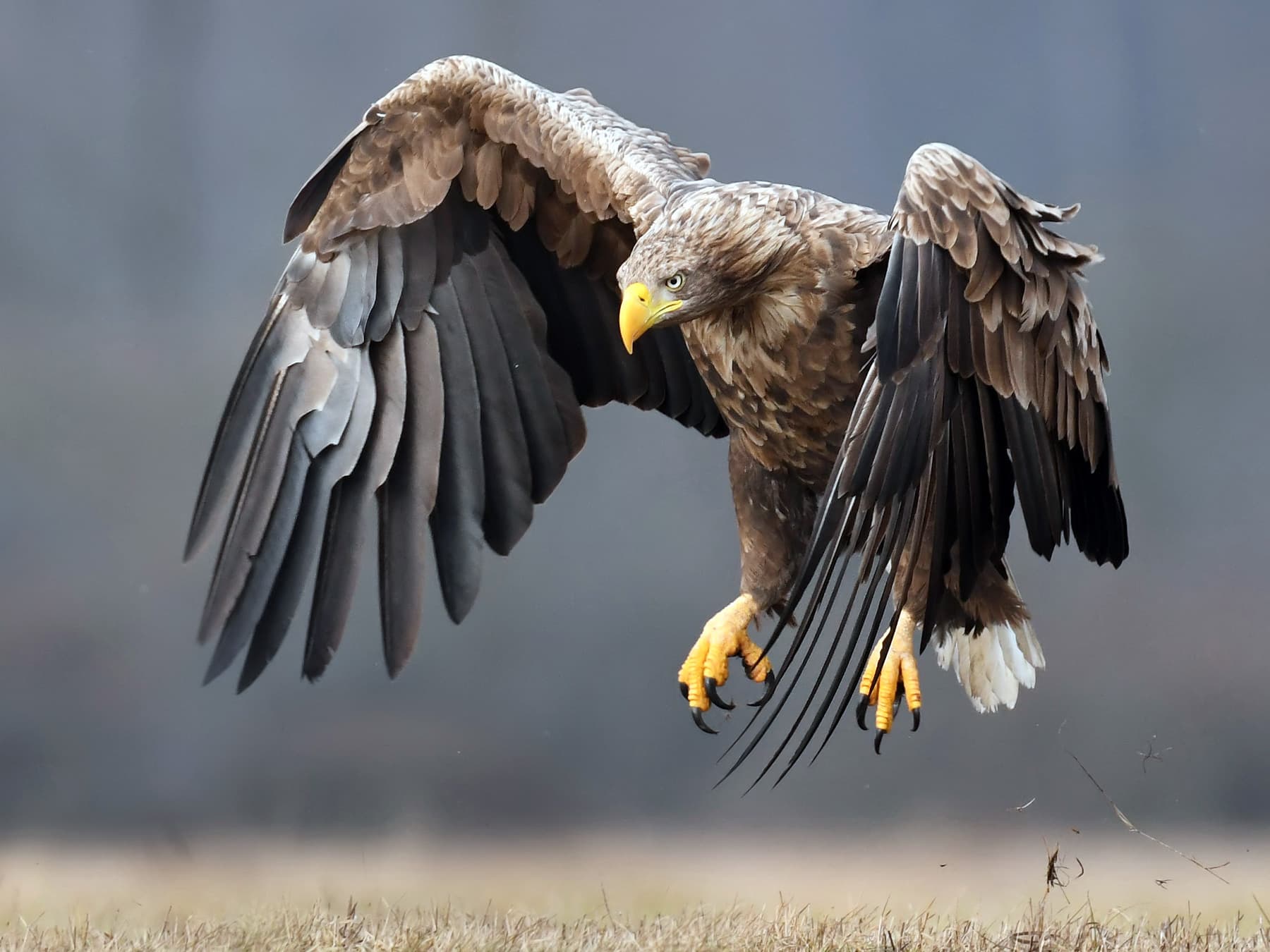 White-tailed Sea-eagle11×Summer visitor · 0.12% of records here, 0.01% across England
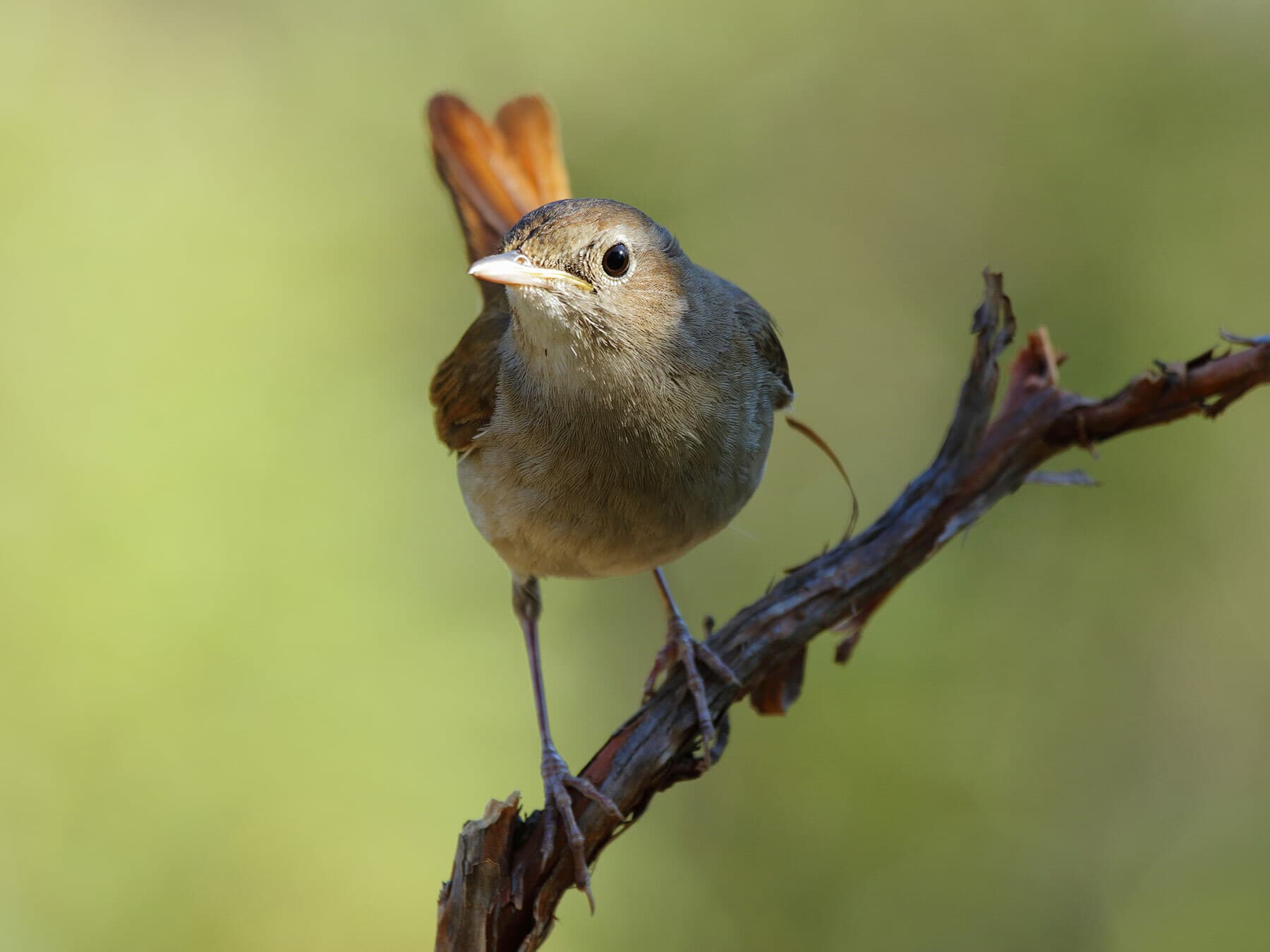 Nightingale7.3×Summer visitor · 0.20% of records here, 0.03% across England
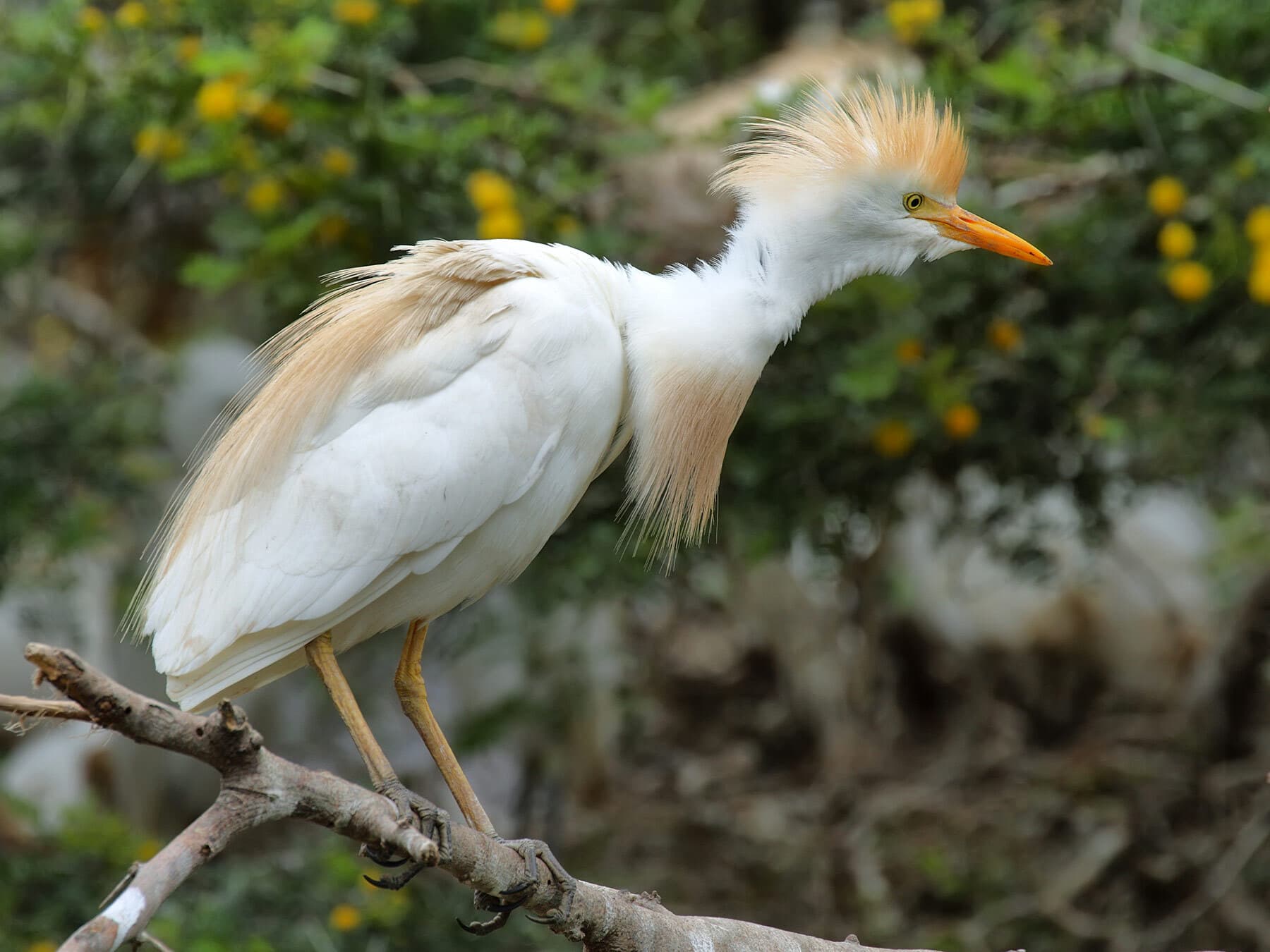 Cattle Egret3.1×Resident · 0.19% of records here, 0.06% across England
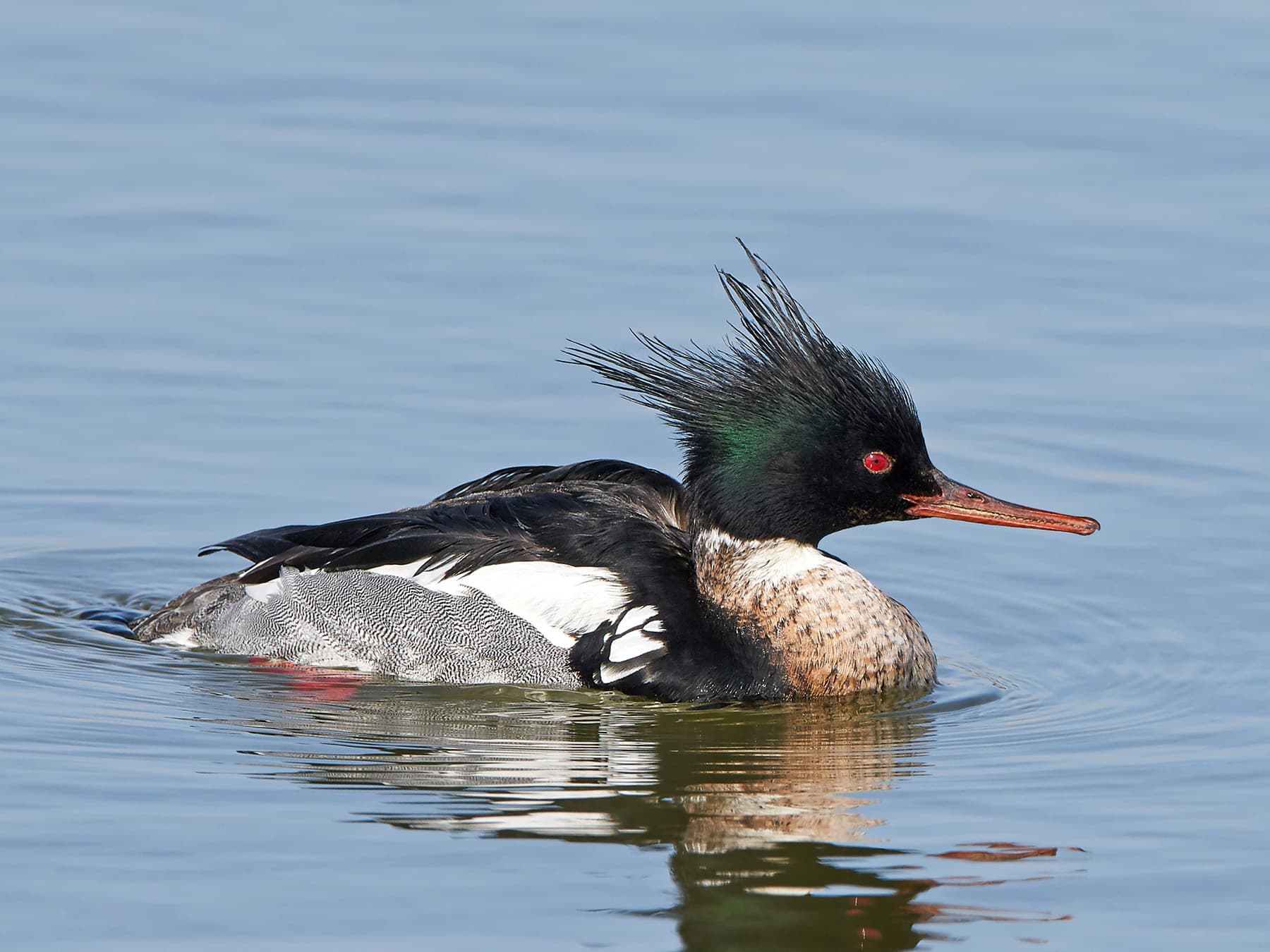 Red-breasted Merganser2.7×Winter visitor · 0.16% of records here, 0.06% across England
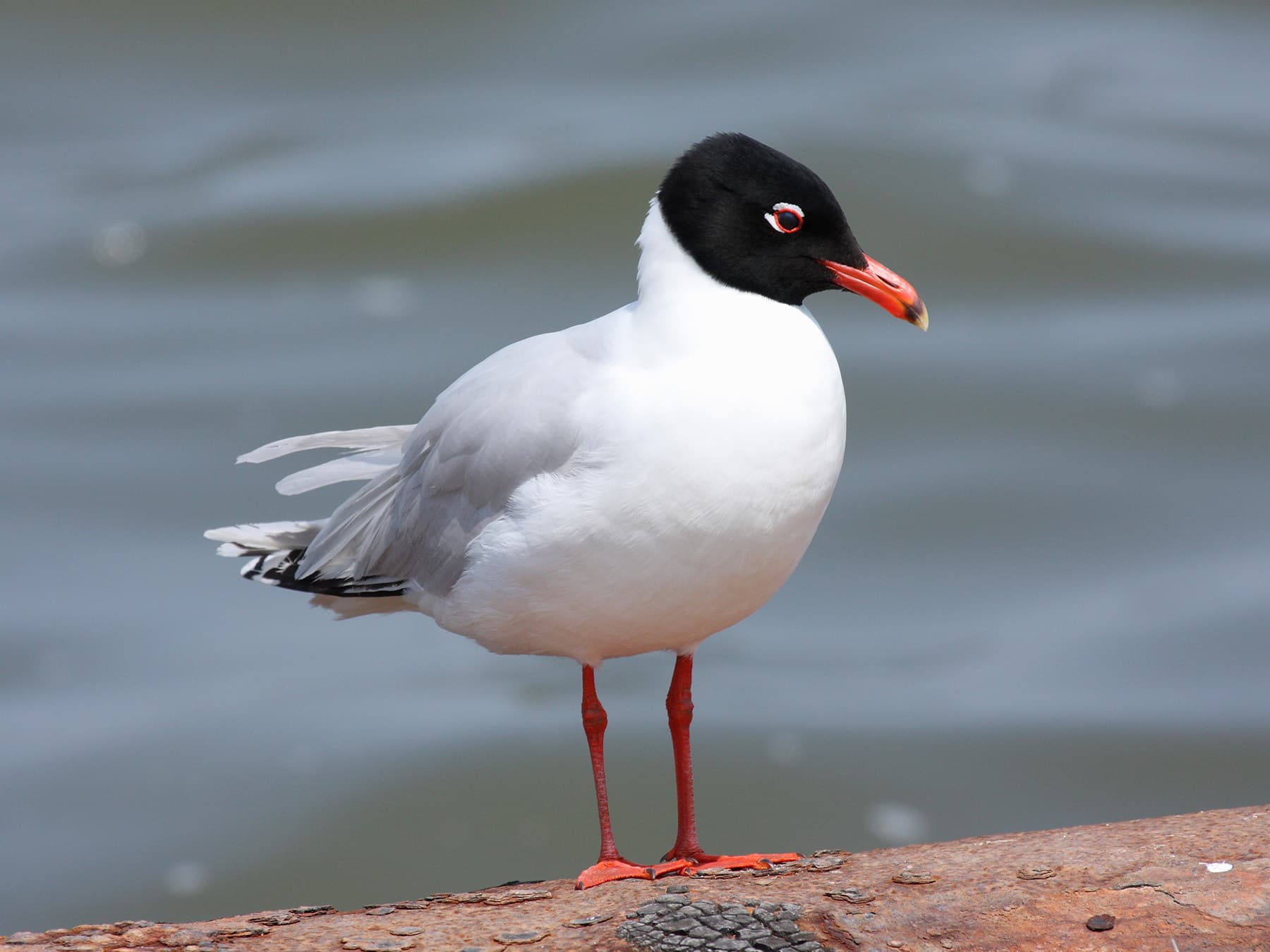 Mediterranean Gull2.5×Resident · 0.46% of records here, 0.19% across England
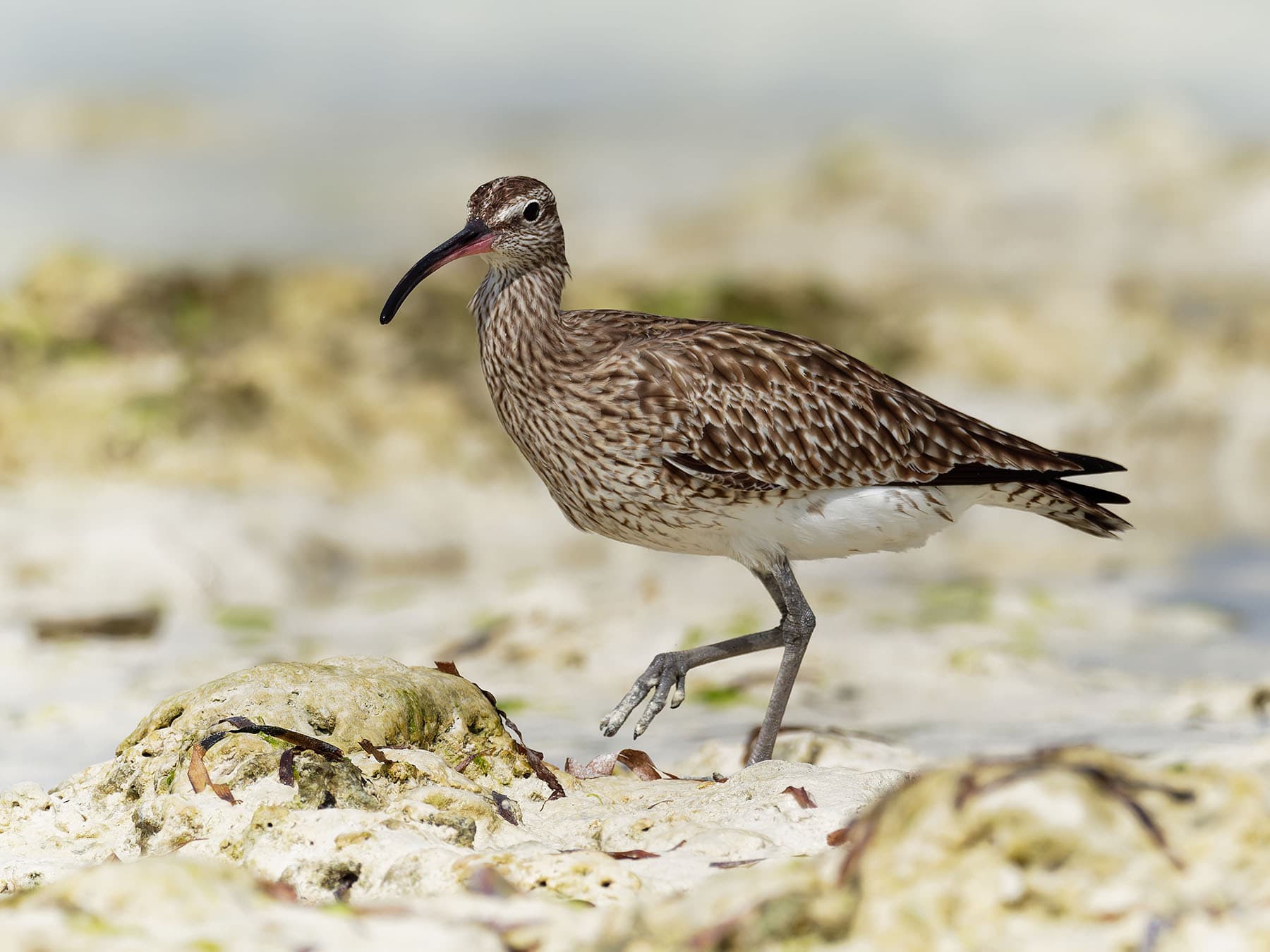 Whimbrel2.4×Summer visitor · 0.23% of records here, 0.10% across England
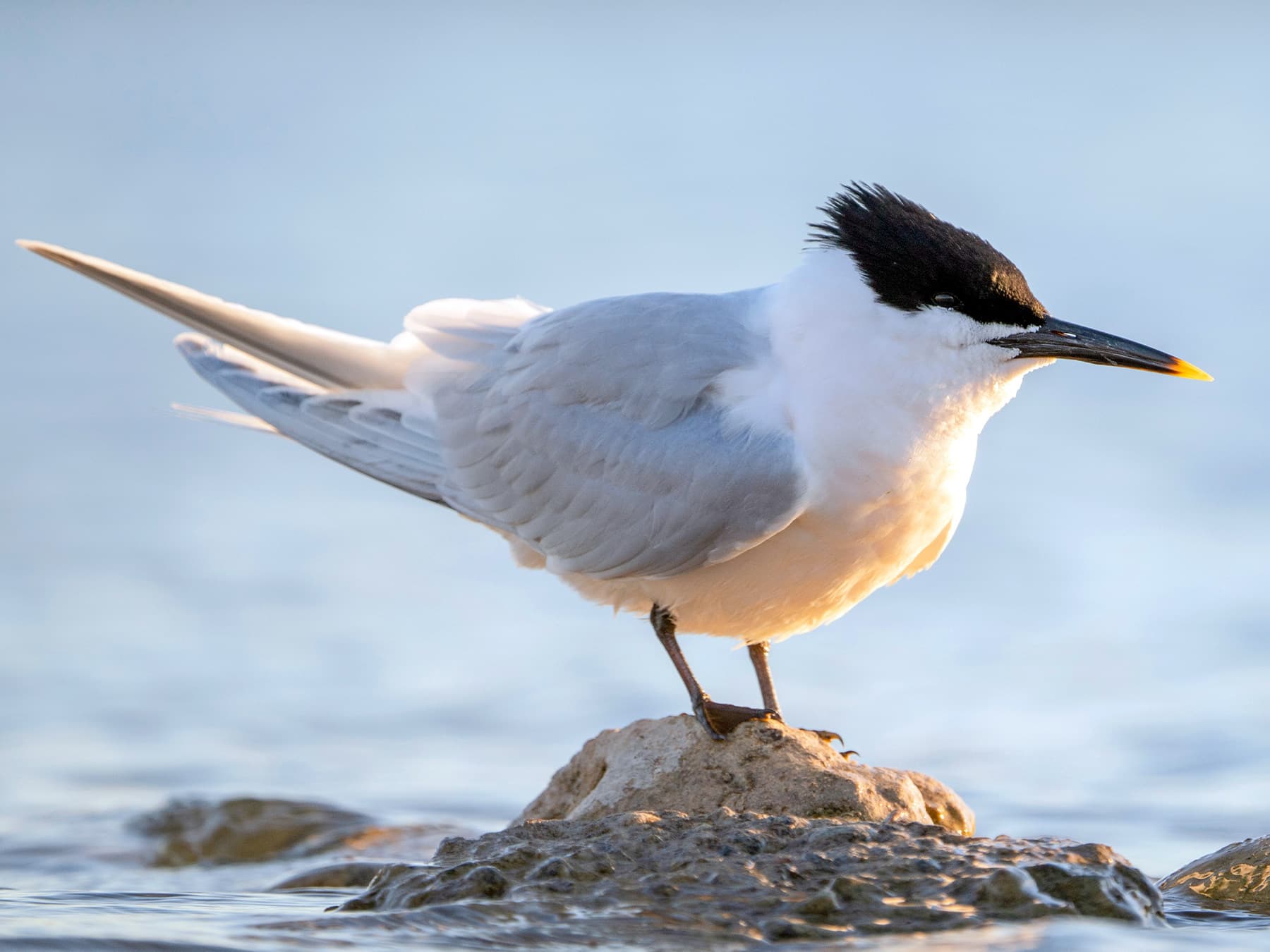 Sandwich Tern2.2×Summer visitor · 0.34% of records here, 0.15% across England
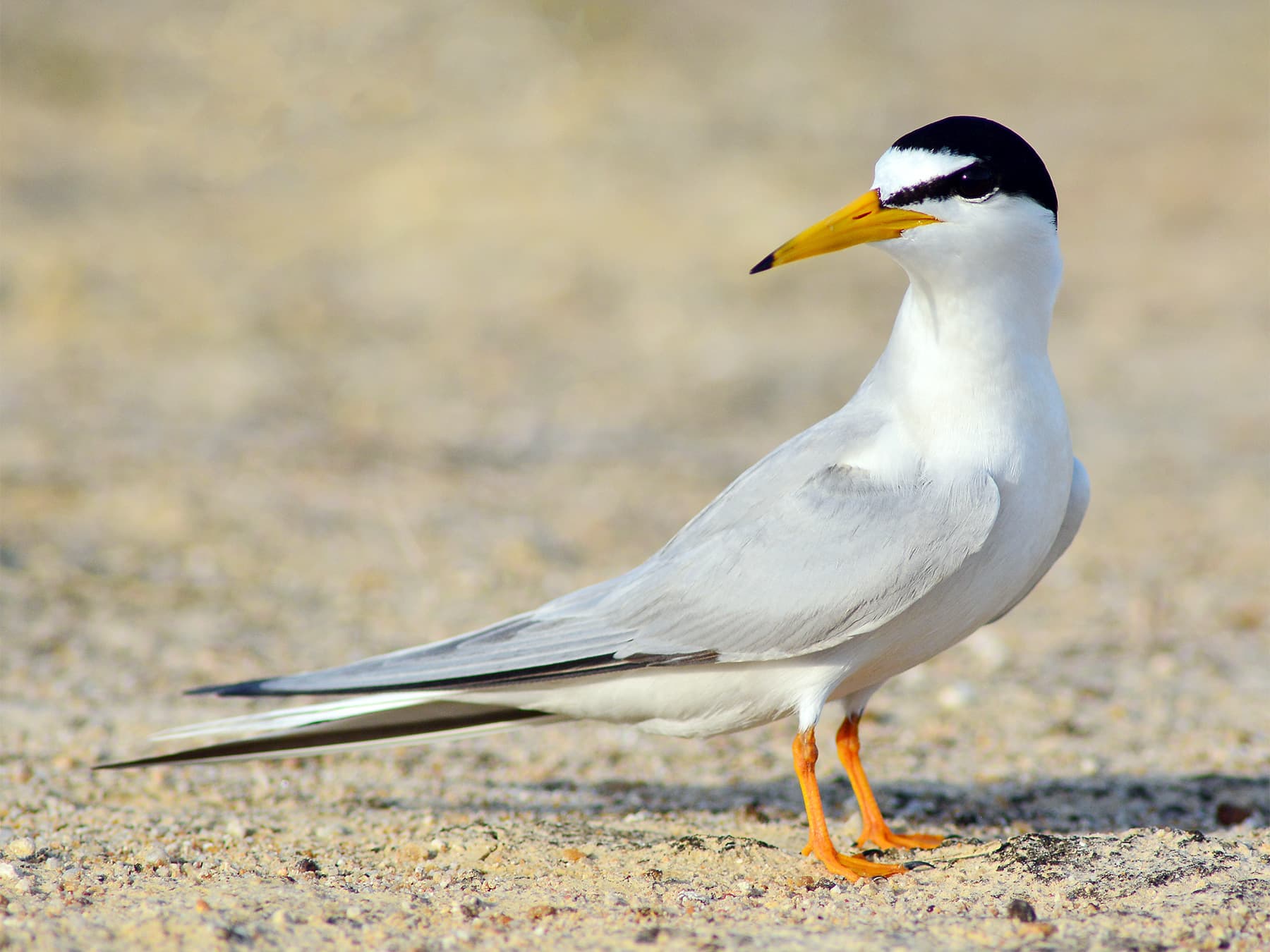 Little Tern2.2×Summer visitor · 0.08% of records here, 0.04% across England
This month: October
GBIF · OctMost likely
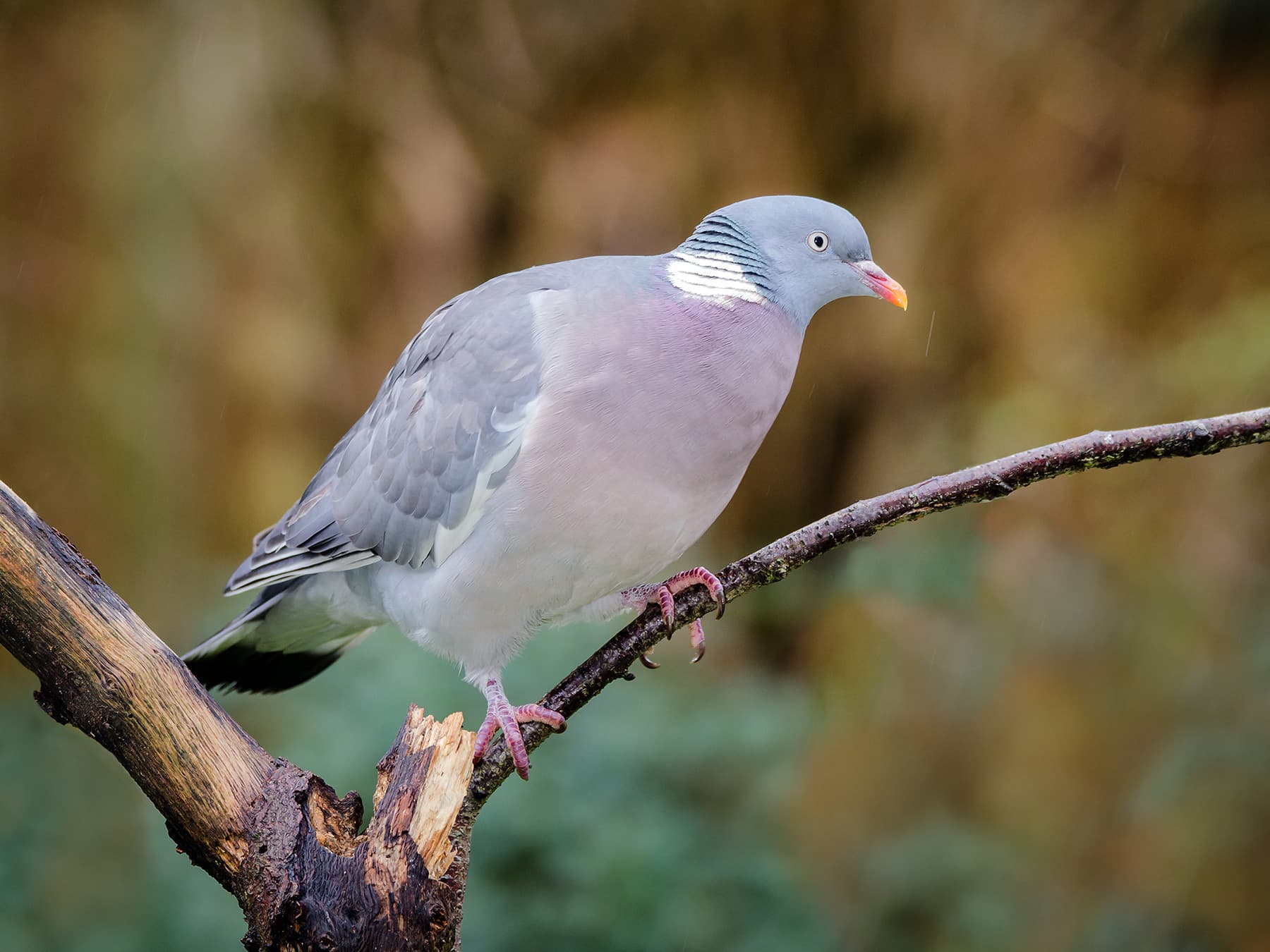
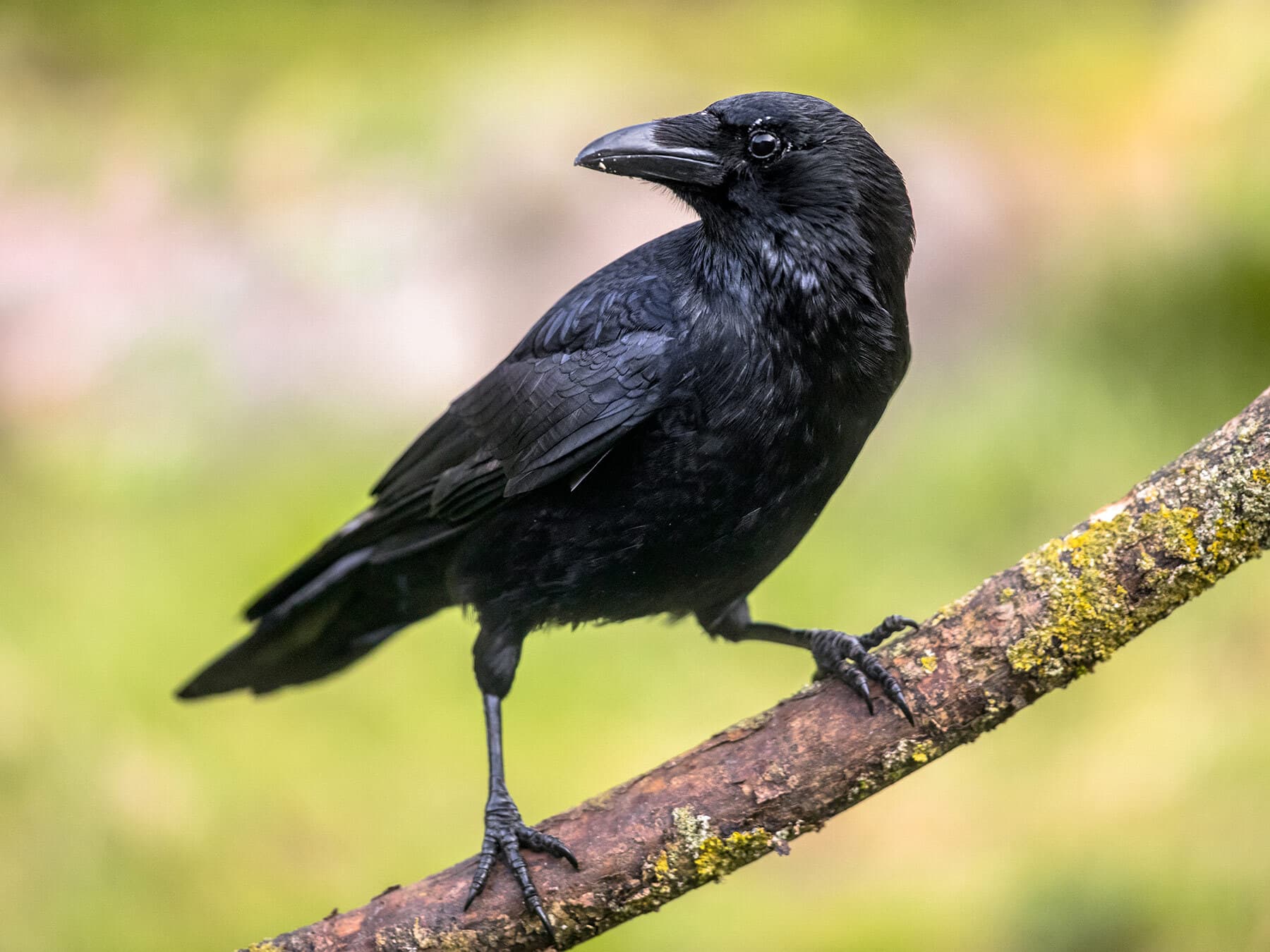
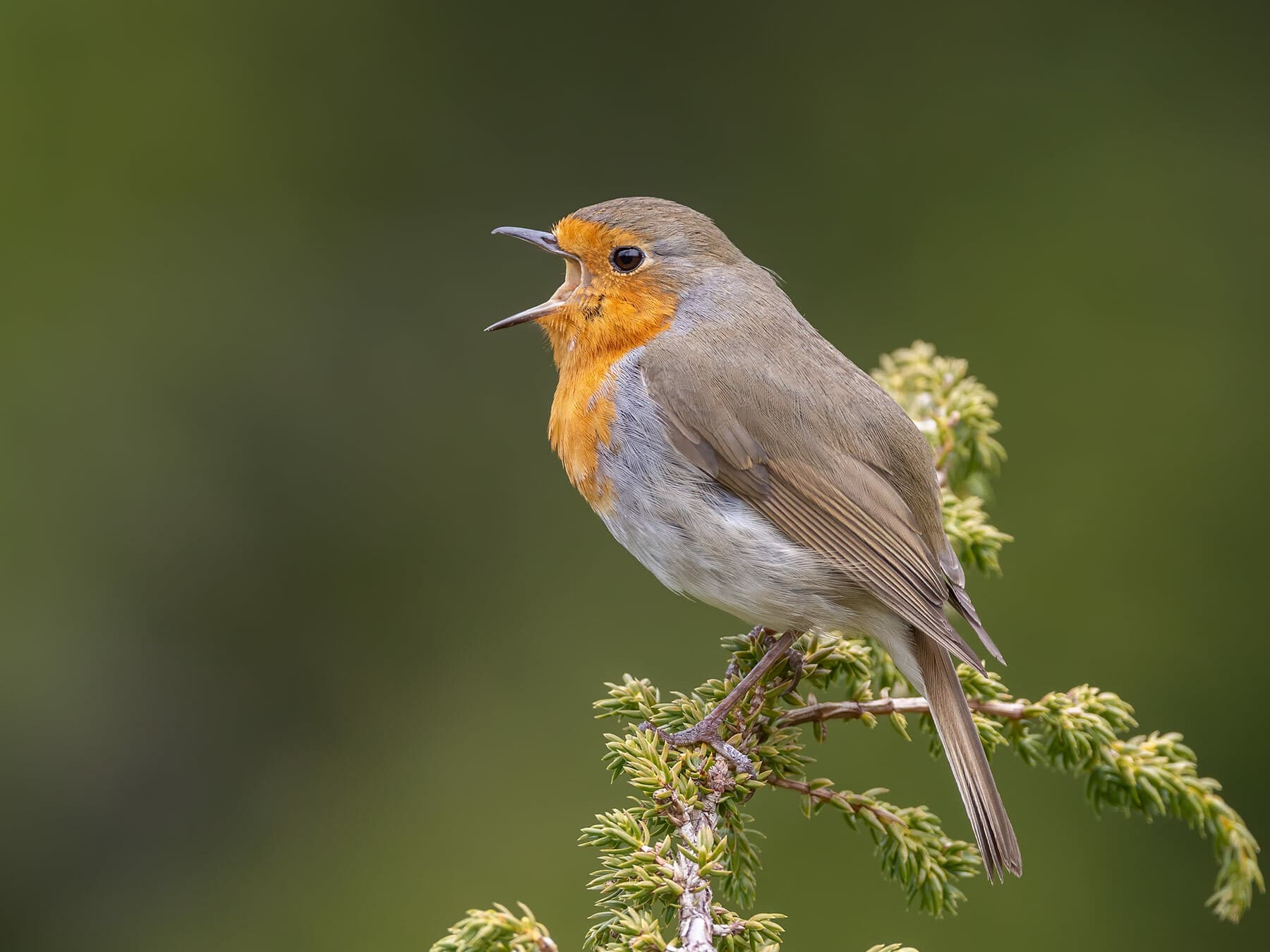
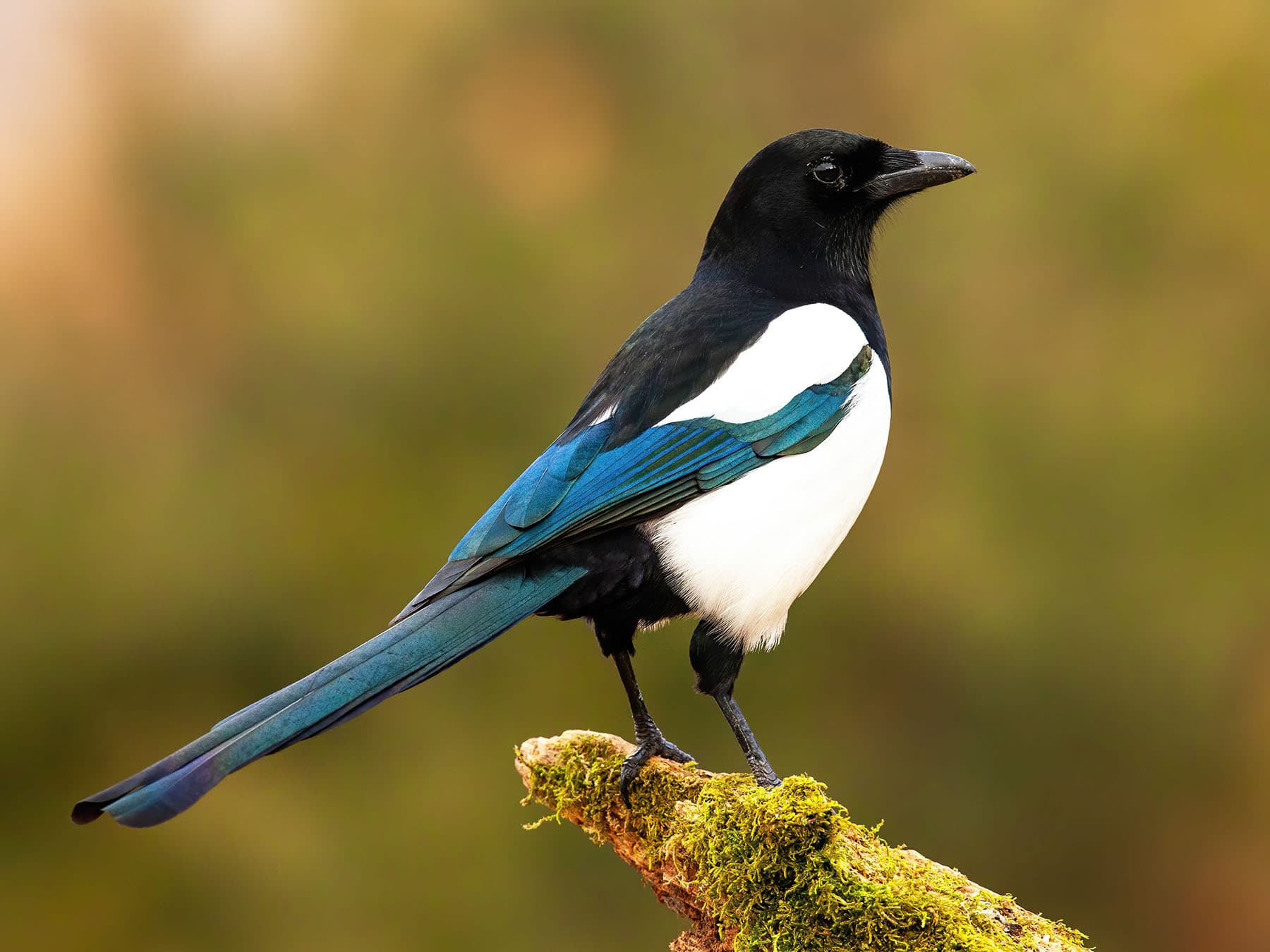
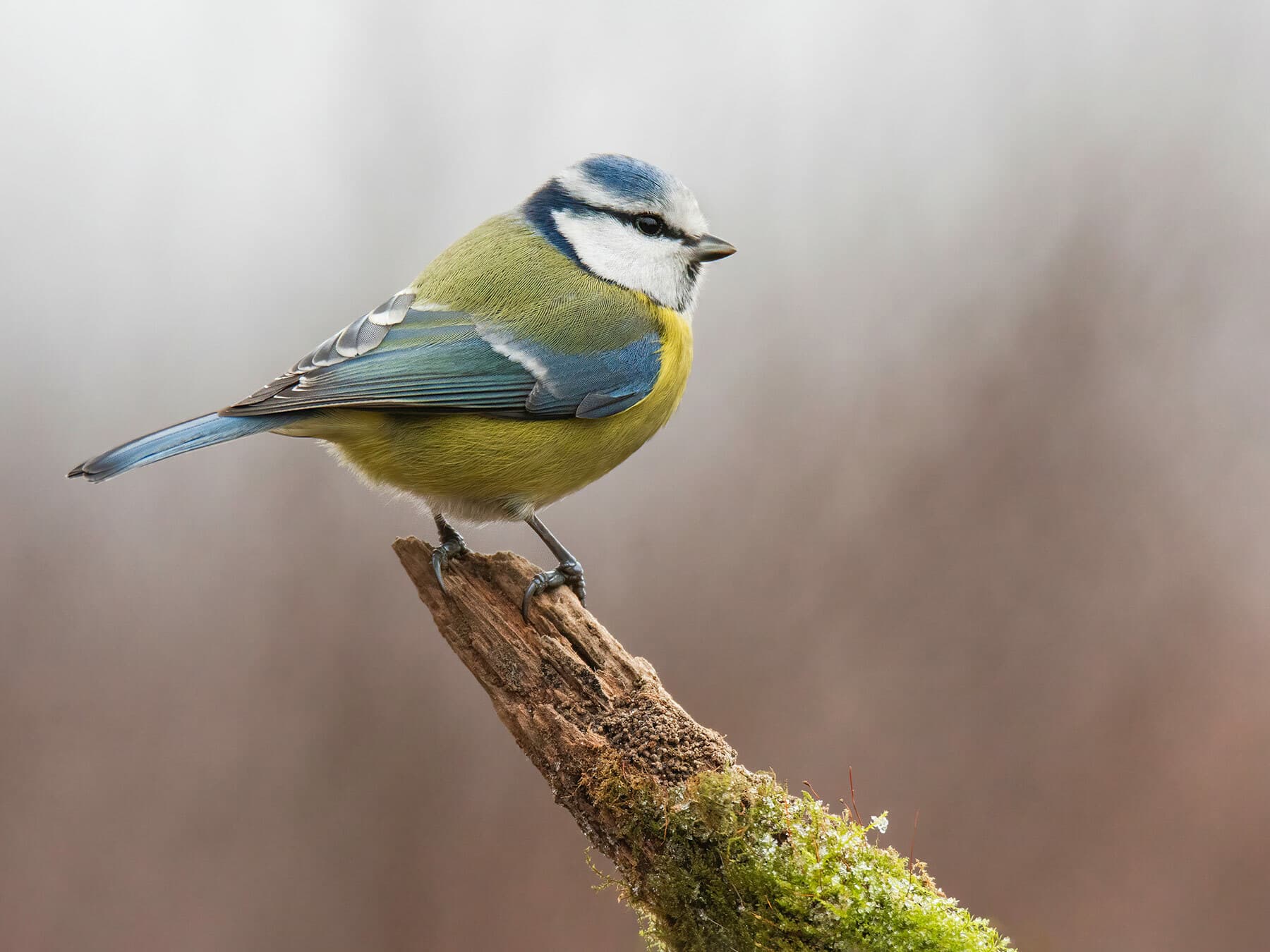
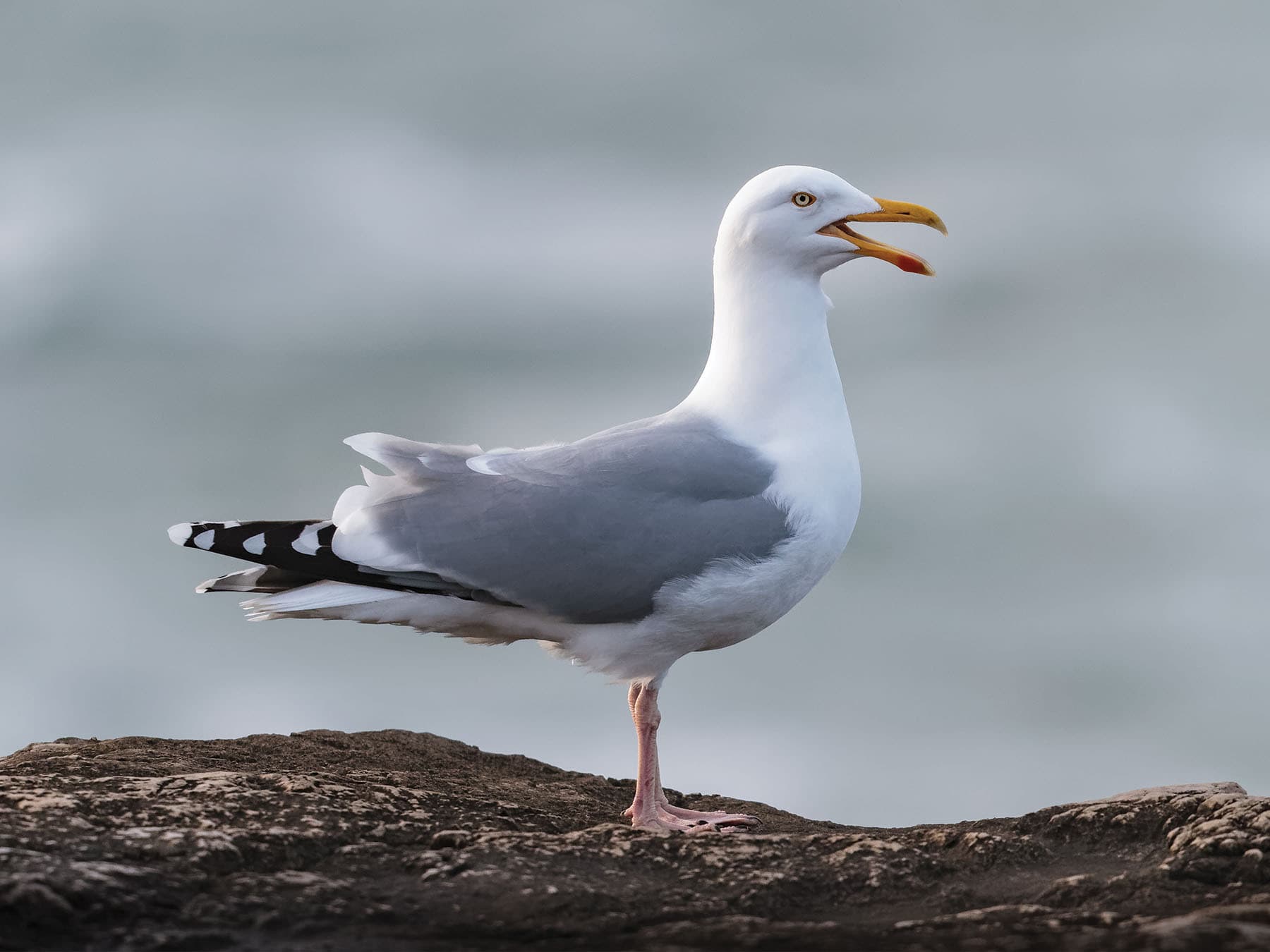
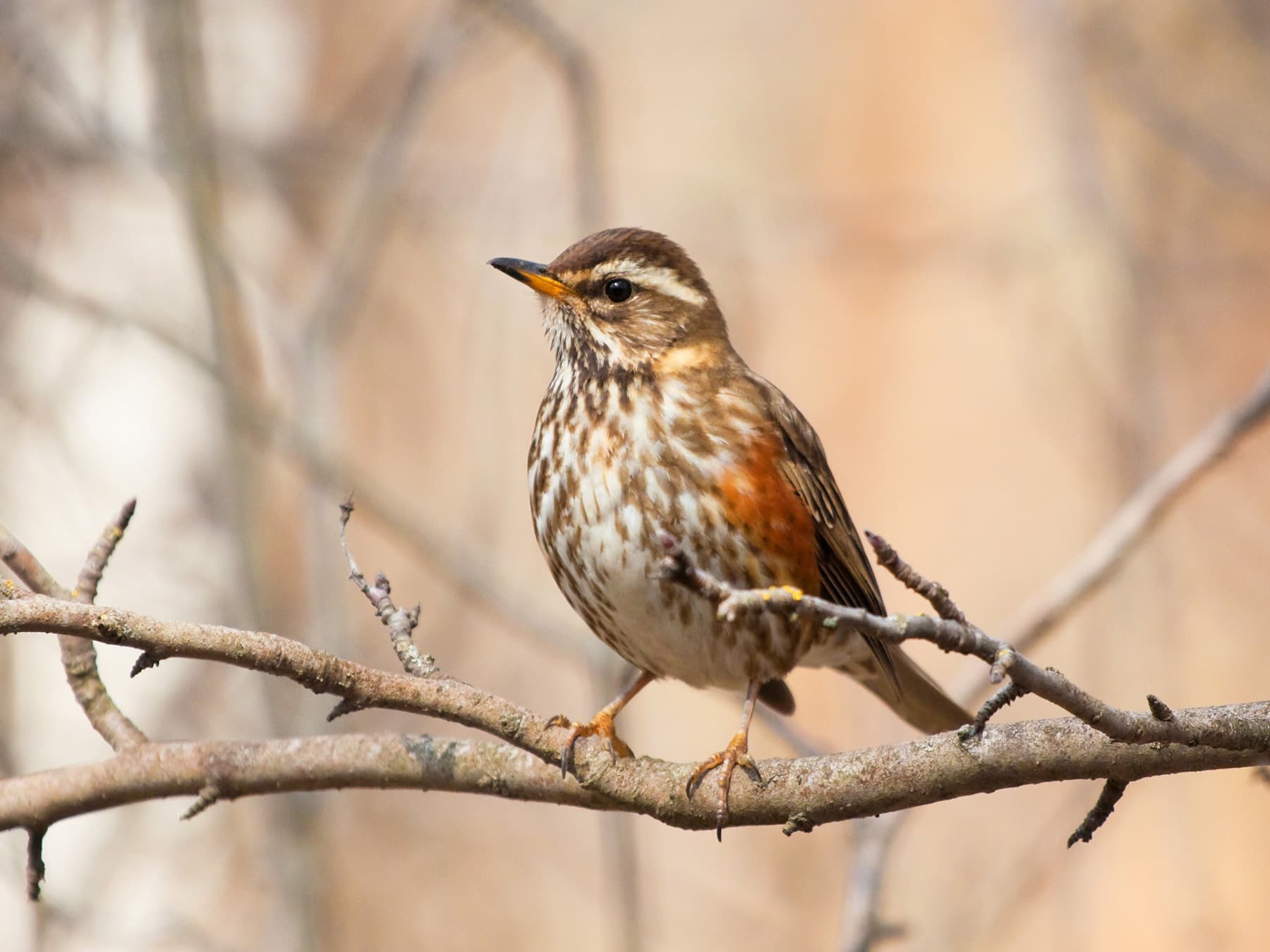
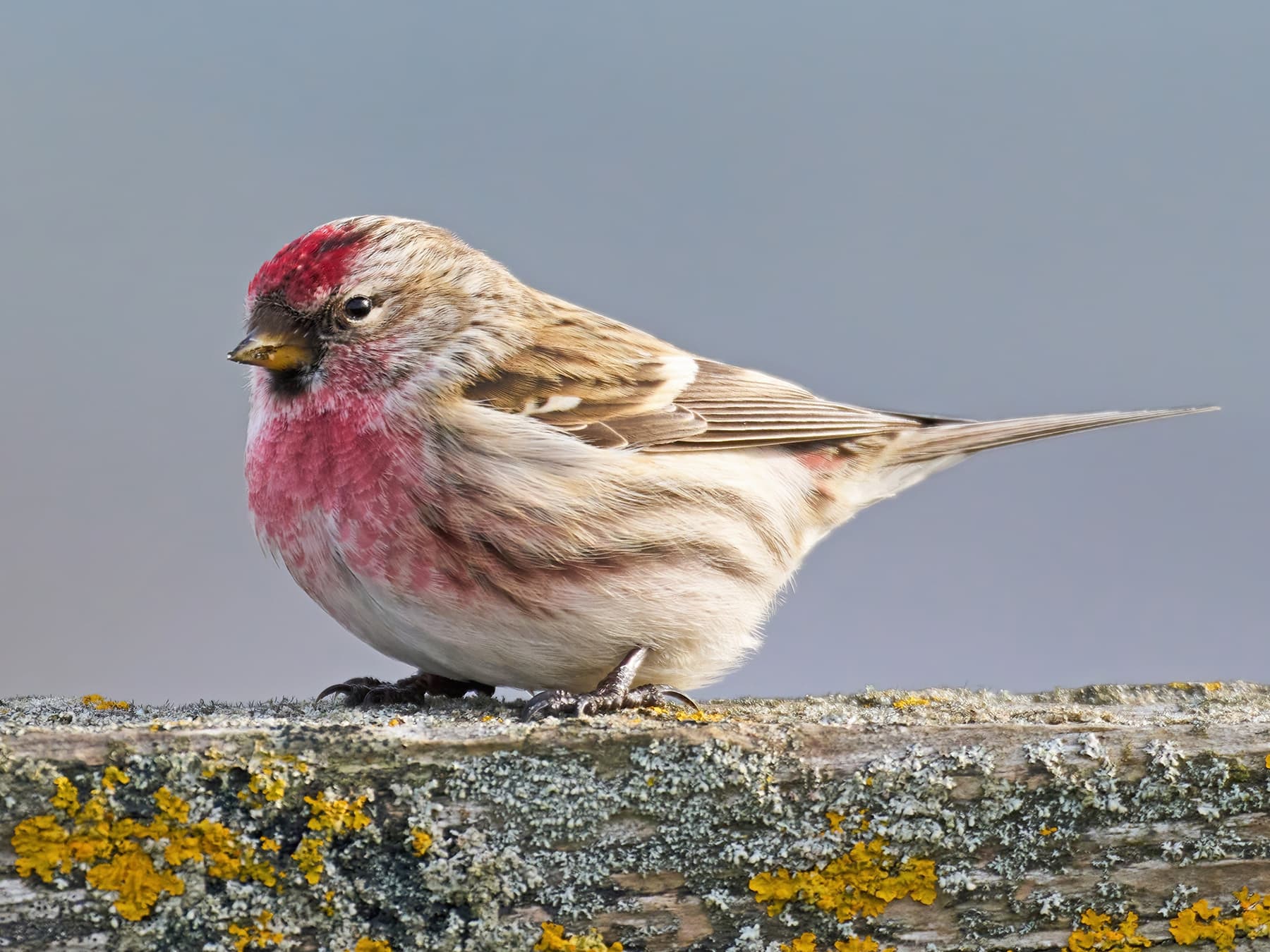
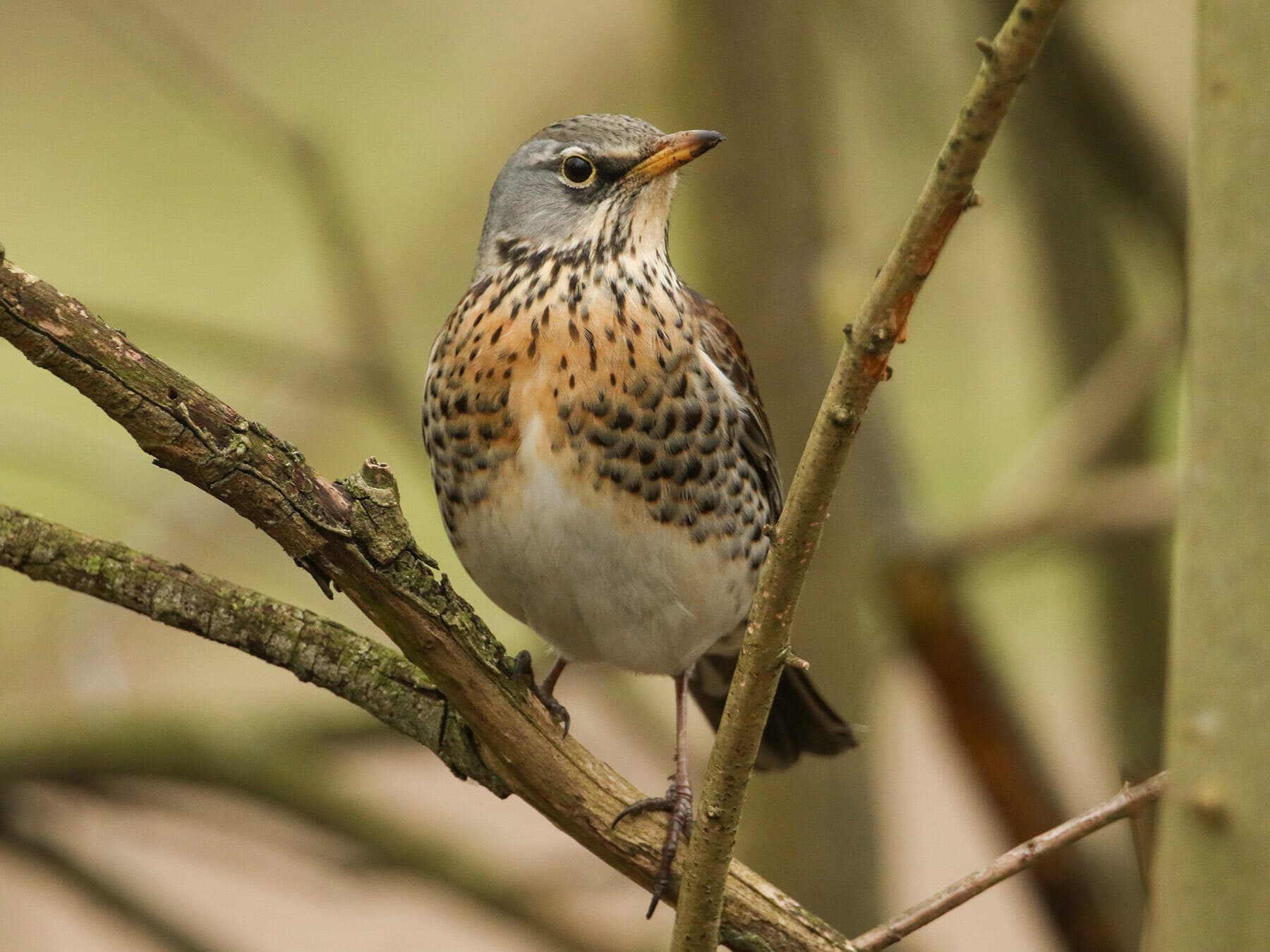
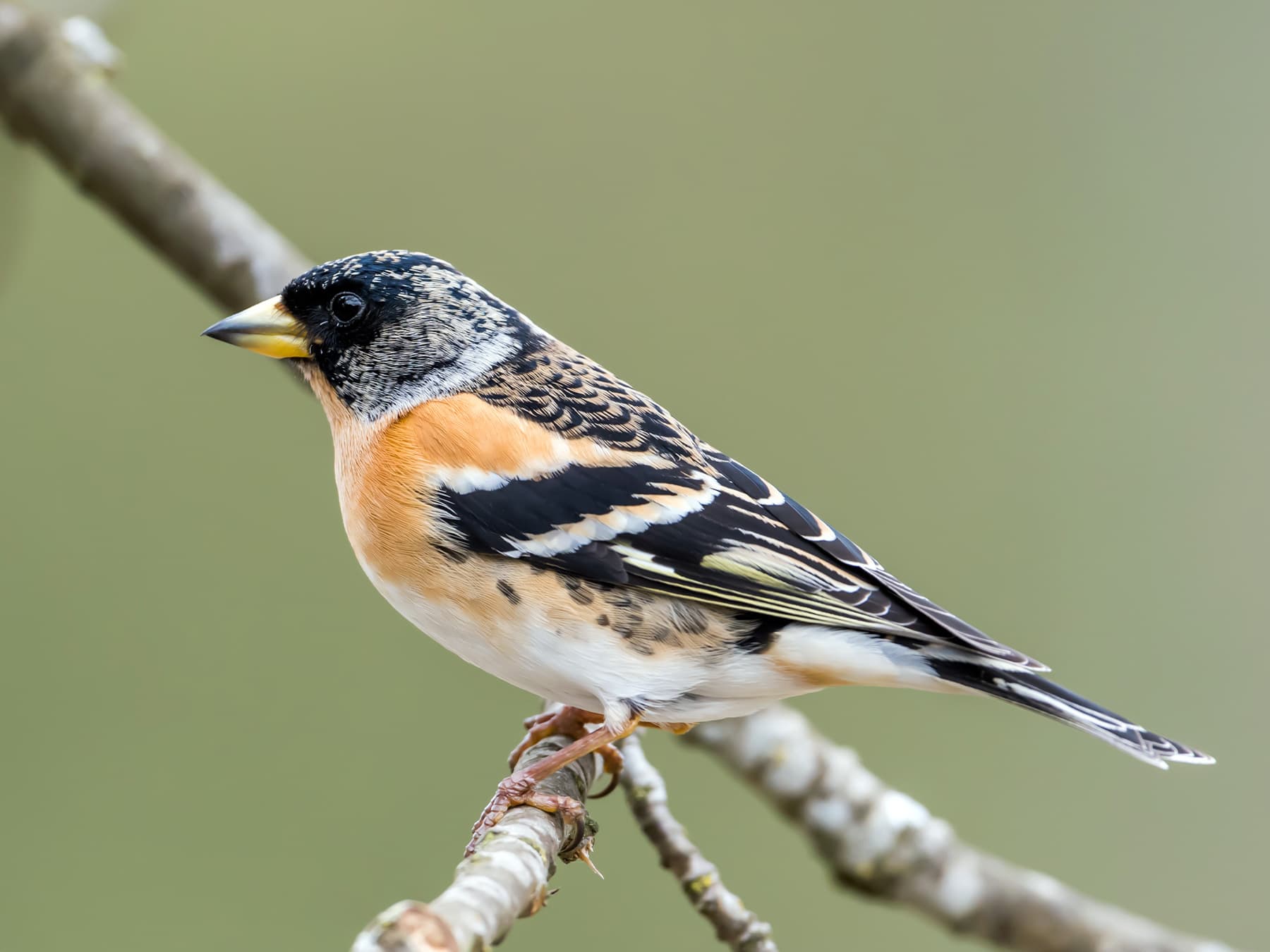
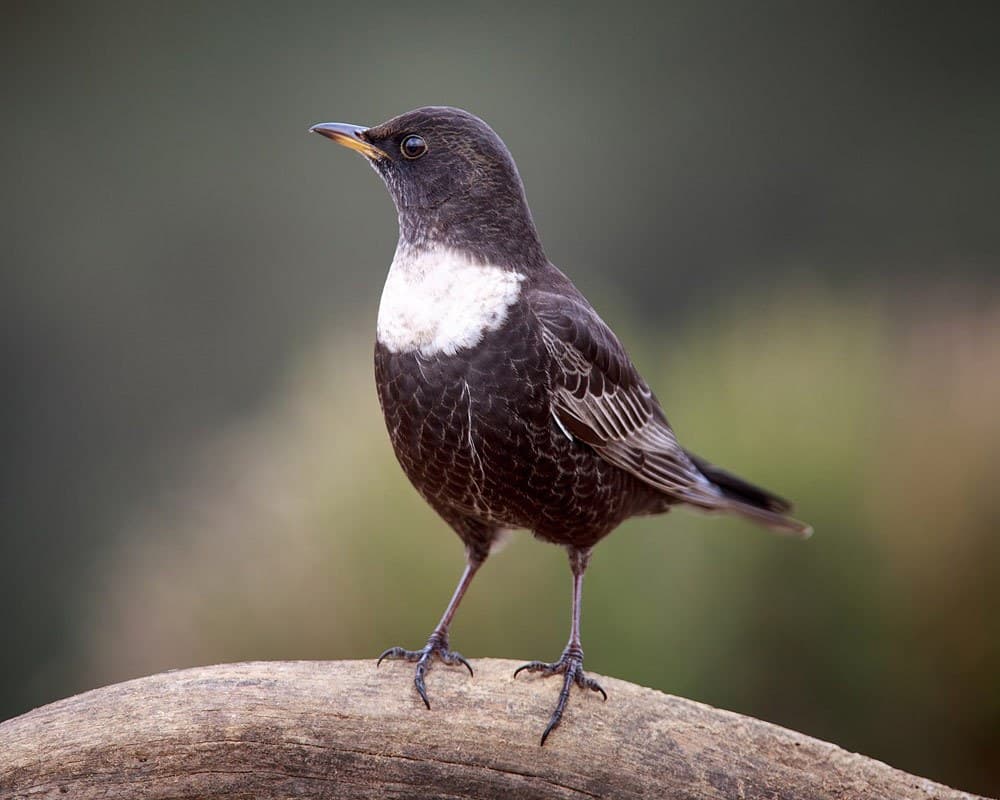
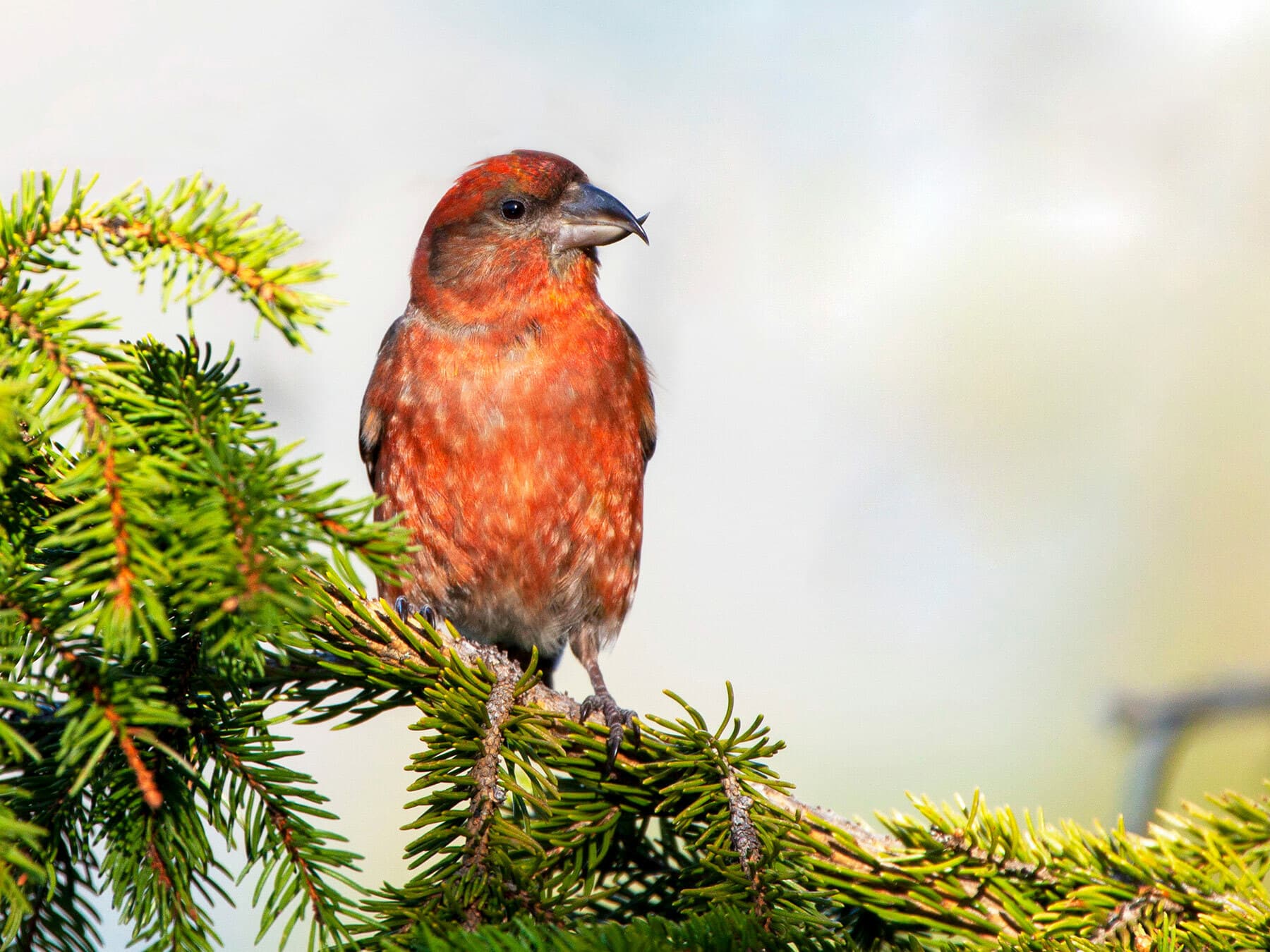
Share of all bird records in West Sussex in October, 2019–2024. “Arriving now” are the birds whose share rises most from last month. Each month links to that month’s page.
Near you this week
The birds most likely around your town or postcode right now, from the same records, for a square about 9 km across.
The bird calendar for West Sussex
Month by monthWhen each bird is around, through the year. The darker the square, the closer that month is to the bird’s busiest. Filter by summer or winter visitors to see the seasons turn over.
| Bird | Jan | Feb | Mar | Apr | May | Jun | Jul | Aug | Sep | Oct | Nov | Dec |
|---|---|---|---|---|---|---|---|---|---|---|---|---|
| Woodpigeon | ||||||||||||
| Carrion Crow | ||||||||||||
| European Robin | ||||||||||||
| Blackbird | ||||||||||||
| Blue Tit | ||||||||||||
| Magpie | ||||||||||||
| European Herring Gull | ||||||||||||
| European Goldfinch | ||||||||||||
| Great Tit | ||||||||||||
| Eurasian Wren | ||||||||||||
| Mallard | ||||||||||||
| Black-headed Gull | ||||||||||||
| Jackdaw | ||||||||||||
| Common Starling | ||||||||||||
| Dunnock | ||||||||||||
| Chiffchaff | ||||||||||||
| Buzzard | ||||||||||||
| House Sparrow | ||||||||||||
| Moorhen | ||||||||||||
| Mute Swan | ||||||||||||
| Grey Heron | ||||||||||||
| Great Cormorant | ||||||||||||
| Song Thrush | ||||||||||||
| Chaffinch | ||||||||||||
| Coot | ||||||||||||
| Common Pheasant | ||||||||||||
| Greenfinch | ||||||||||||
| Great Spotted Woodpecker | ||||||||||||
| Long-tailed Tit | ||||||||||||
| Canada Goose |
The year in West Sussex
Records by month| January | 71,075 |
|---|---|
| February | 51,286 |
| March | 71,975 |
| April | 98,250 |
| May | 81,557 |
| June | 61,124 |
| July | 57,874 |
| August | 64,103 |
| September | 66,584 |
| October | 57,515 |
| November | 51,365 |
| December | 51,182 |
April has the most records (98,000). Records follow birdwatchers as well as birds: a busy month means more people out looking, as well as more birds passing through.
By family
12 of 32- Ducks, Geese & Swans31
- Sandpipers & Snipes22
- Gulls & Terns15
- Finches10
- Old World Flycatchers9
- Hawks & Eagles7
- Wagtails & Pipits7
- Crows & Jays6
- Thrushes6
- Grebes5
- Herons & Egrets5
- Pheasants & Grouse5
All 32 families in West Sussex
How common
More of England
- Birds in Norfolk253 species
- Birds in Cornwall247 species
- Birds in Kent244 species
- Birds in East Riding of Yorkshire243 species
All 213 birds, A to Z
- Arctic Jaeger
- Arctic Loon
- Arctic Tern
- Avocet
- Balearic Shearwater
- Bar-headed Goose
- Bar-tailed Godwit
- Barn Owl
- Barn Swallow
- Barnacle Goose
- Bearded Tit
- Black Redstart
- Black Swan
- Black Tern
- Black-headed Gull
- Black-necked Grebe
- Black-tailed Godwit
- Blackbird
- Blackcap
- Blue Tit
- Brambling
- Brent Goose
- Bullfinch
- Buzzard
Show all 213 birds
- Cackling Goose
- Canada Goose
- Carrion Crow
- Cattle Egret
- Cetti's Warbler
- Chaffinch
- Chiffchaff
- Coal Tit
- Common Gull
- Common Kingfisher
- Common Loon
- Common Merganser
- Common Pheasant
- Common Quail
- Common Raven
- Common Redpoll
- Common Redstart
- Common Reed-warbler
- Common Sandpiper
- Common Scoter
- Common Shelduck
- Common Snipe
- Common Starling
- Common Swift
- Common Tern
- Coot
- Corn Bunting
- Cuckoo
- Curlew
- Curlew Sandpiper
- Dunlin
- Dunnock
- Egyptian Goose
- Eider
- Eurasian Collared Dove
- Eurasian Jay
- Eurasian Nuthatch
- Eurasian Oystercatcher
- Eurasian Siskin
- Eurasian Skylark
- Eurasian Spoonbill
- Eurasian Teal
- Eurasian Wigeon
- Eurasian Woodcock
- Eurasian Wren
- European Goldfinch
- European Green Woodpecker
- European Herring Gull
- European Honey-buzzard
- European Pied Flycatcher
- European Robin
- European Shag
- European Turtle-dove
- Fieldfare
- Firecrest
- Fulmar
- Gadwall
- Garden Warbler
- Garganey
- Glossy Ibis
- Goldcrest
- Golden Plover
- Goldeneye
- Grasshopper Warbler
- Great Black-backed Gull
- Great Cormorant
- Great Crested Grebe
- Great Grey Shrike
- Great Skua
- Great Spotted Woodpecker
- Great Tit
- Great White Egret
- Greater White-fronted Goose
- Green Sandpiper
- Greenfinch
- Greenshank
- Grey Heron
- Grey Partridge
- Grey Plover
- Grey Wagtail
- Greylag Goose
- Hawfinch
- Hen Harrier
- Hobby
- Horned Grebe
- House Martin
- House Sparrow
- Indian Peafowl
- Jack Snipe
- Jackdaw
- Kestrel
- Kittiwake
- Lesser Black-backed Gull
- Lesser Spotted Woodpecker
- Lesser Whitethroat
- Linnet
- Little Egret
- Little Grebe
- Little Gull
- Little Owl
- Little Ringed Plover
- Little Stint
- Little Tern
- Long-tailed Duck
- Long-tailed Tit
- Magpie
- Mallard
- Mandarin Duck
- Manx Shearwater
- Marsh Tit
- Meadow Pipit
- Mediterranean Gull
- Merlin
- Mistle Thrush
- Moorhen
- Mute Swan
- Nightingale
- Nightjar
- Northern Gannet
- Northern Lapwing
- Northern Pintail
- Northern Shoveler
- Osprey
- Peregrine Falcon
- Pied Wagtail
- Pochard
- Pomarine Jaeger
- Purple Heron
- Purple Sandpiper
- Razorbill
- Red Crossbill
- Red Kite
- Red Knot
- Red-backed Shrike
- Red-breasted Merganser
- Red-crested Pochard
- Red-legged Partridge
- Red-necked Grebe
- Red-throated Loon
- Redshank
- Redwing
- Reed Bunting
- Ring Ouzel
- Ringed Plover
- Rock Dove
- Rock Pipit
- Rook
- Rose-ringed Parakeet
- Roseate Tern
- Ruddy Shelduck
- Ruddy Turnstone
- Ruff
- Sand Martin
- Sanderling
- Sandwich Tern
- Sedge Warbler
- Short-eared Owl
- Snow Bunting
- Song Thrush
- Sparrowhawk
- Spotted Flycatcher
- Spotted Redshank
- Stock Dove
- Stonechat
- Tawny Owl
- Temminck's Stint
- Tree Pipit
- Treecreeper
- Tufted Duck
- Tundra Swan
- Velvet Scoter
- Water Pipit
- Water Rail
- Western Marsh-harrier
- Wheatear
- Whimbrel
- Whinchat
- White-tailed Sea-eagle
- Whitethroat
- Willow Warbler
- Wood Sandpiper
- Wood Warbler
- Woodlark
- Woodpigeon
- Wryneck
- Yellow Wagtail
- Yellow-browed Warbler
- Yellow-legged Gull
- Yellowhammer
Questions
4What birds is West Sussex known for?
Compared with the rest of England, West Sussex stands out for White-tailed Sea-eagle, Nightingale, Cattle Egret and Red-breasted Merganser. Each is recorded at least 2.6 times as often here as across England, as a share of all bird records (2019–2024).
How many birds are on Birdfact's list for West Sussex?
213 species, each recorded regularly in West Sussex (in at least 3 of the 6 years 2019–2024): 93 residents, 32 summer visitors, 48 winter visitors, 33 passage migrants and 7 scarce visitors. The list includes only birds with a Birdfact species guide, so more species occur in West Sussex, and rarer vagrants are not listed.
What birds can I see in West Sussex in October?
157 species on our list for West Sussex are recorded regularly in October. Of these, the most often recorded are Woodpigeon, Carrion Crow, European Robin, Magpie and Blue Tit.
What are the most common birds in West Sussex?
Of the birds on our list, the ones birdwatchers record most often in West Sussex are Woodpigeon, Carrion Crow, European Robin, Blackbird and Blue Tit.
Data: EOD – eBird Observation Dataset (Cornell Lab of Ornithology), accessed via GBIF.org, CC BY 4.0. Records from 2019–2024, aggregated and filtered by Birdfact. How these lists are made