


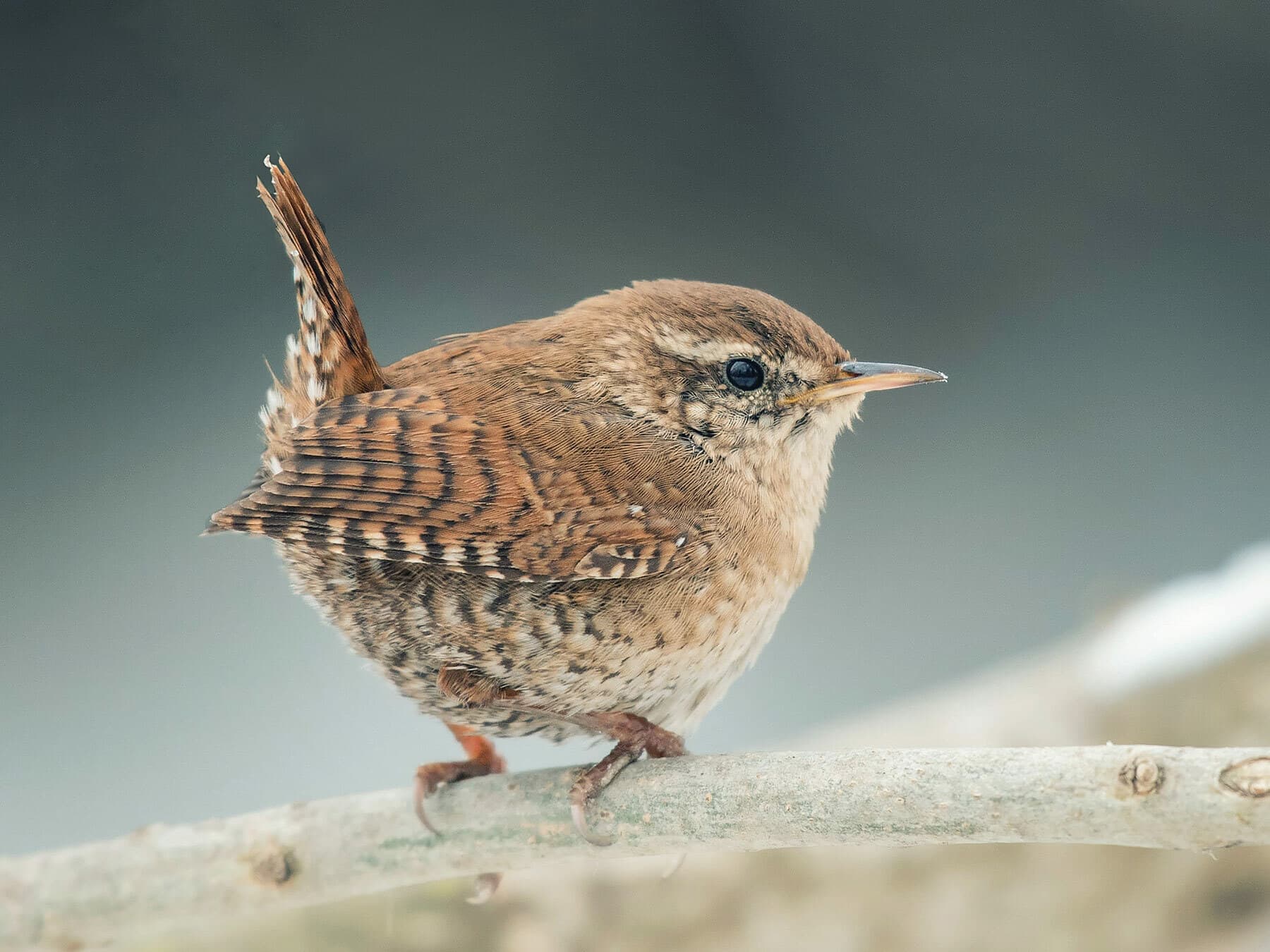
Eurasian Wren
Northern Wren, Jenny Wren · Troglodytes troglodytes
By the Birdfact teamChecked by Nathan Cope
See it in 3D
3D model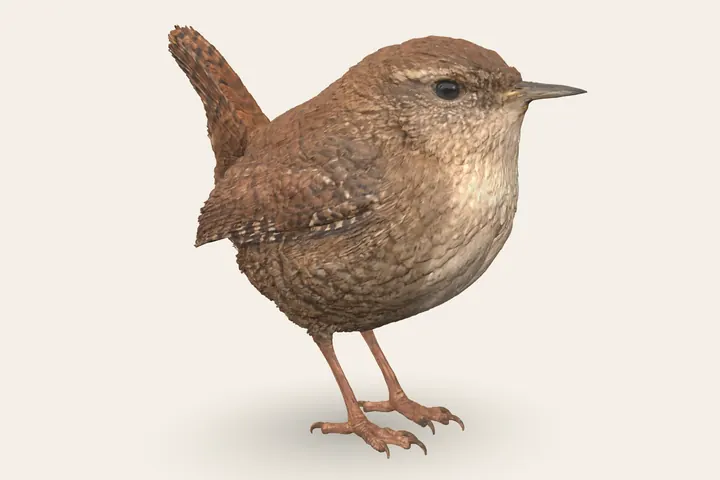 3D model
A Eurasian Wren is 9–10 cm (3.5–4 in) long, bill to tail.
3D model · Adult · Length 9–10 cm (3.5–4 in) · How we make our birds · Report a problem
© 2026 NC Digital Limited (Birdfact). All rights reserved. This 3D model may be viewed on this page and shared by link only. Downloading, extracting, copying or reusing it, or using it to train machine-learning models, is not permitted without our written permission. Using our models
On this page16 sections
How to recognise it
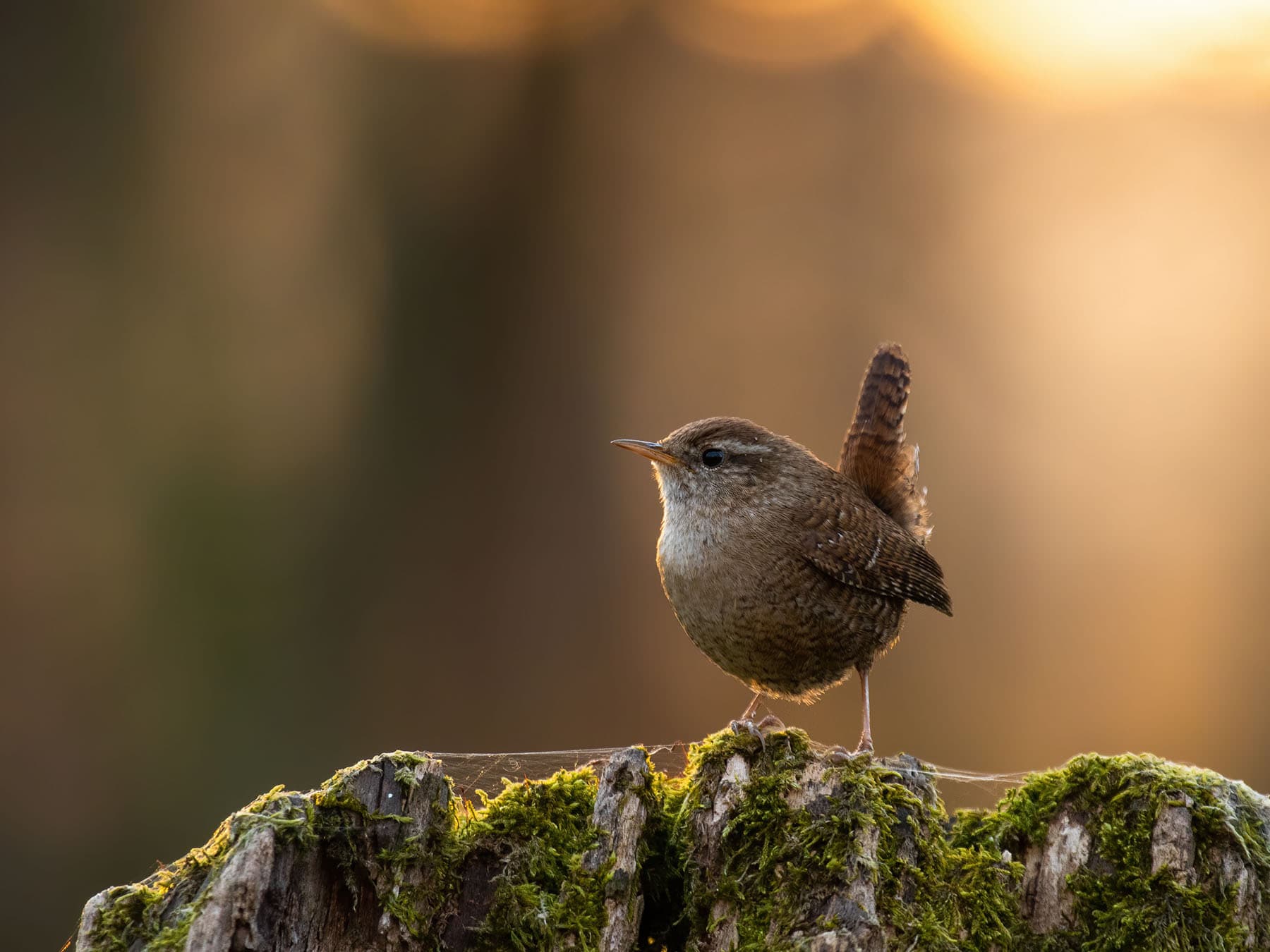
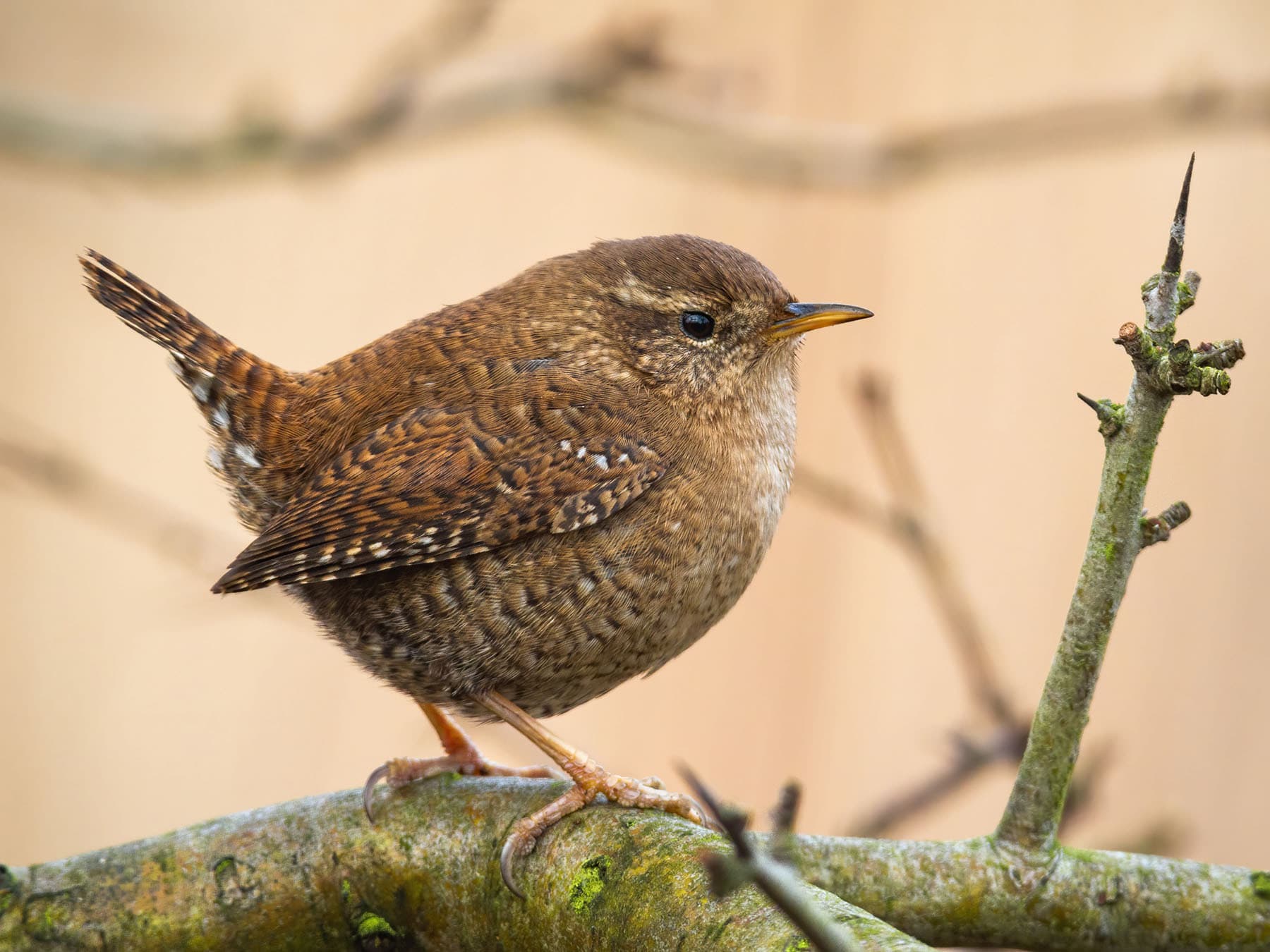
A Wren is a tiny brown bird, 9 to 10 cm long and about 10 g, and almost round. It has a short, narrow tail that it often cocks straight up, a fine pointed bill, short rounded wings and fairly long legs, and a pale stripe over the eye.1 Look too for the fine dark bars on the wings, tail and flanks.2
Close up, the upperparts are a warm brown and the underparts paler, the centre of the belly palest of all. The bill is brown with a paler base, the legs light pinkish-brown and the eye brown. British birds belong to their own subspecies, indigenus, darker, duller and less rufous than Wrens on the Continent.
Adults weighed by BTO ringers average 9.9 g, with males a little heavier than females.3
Male, female and young
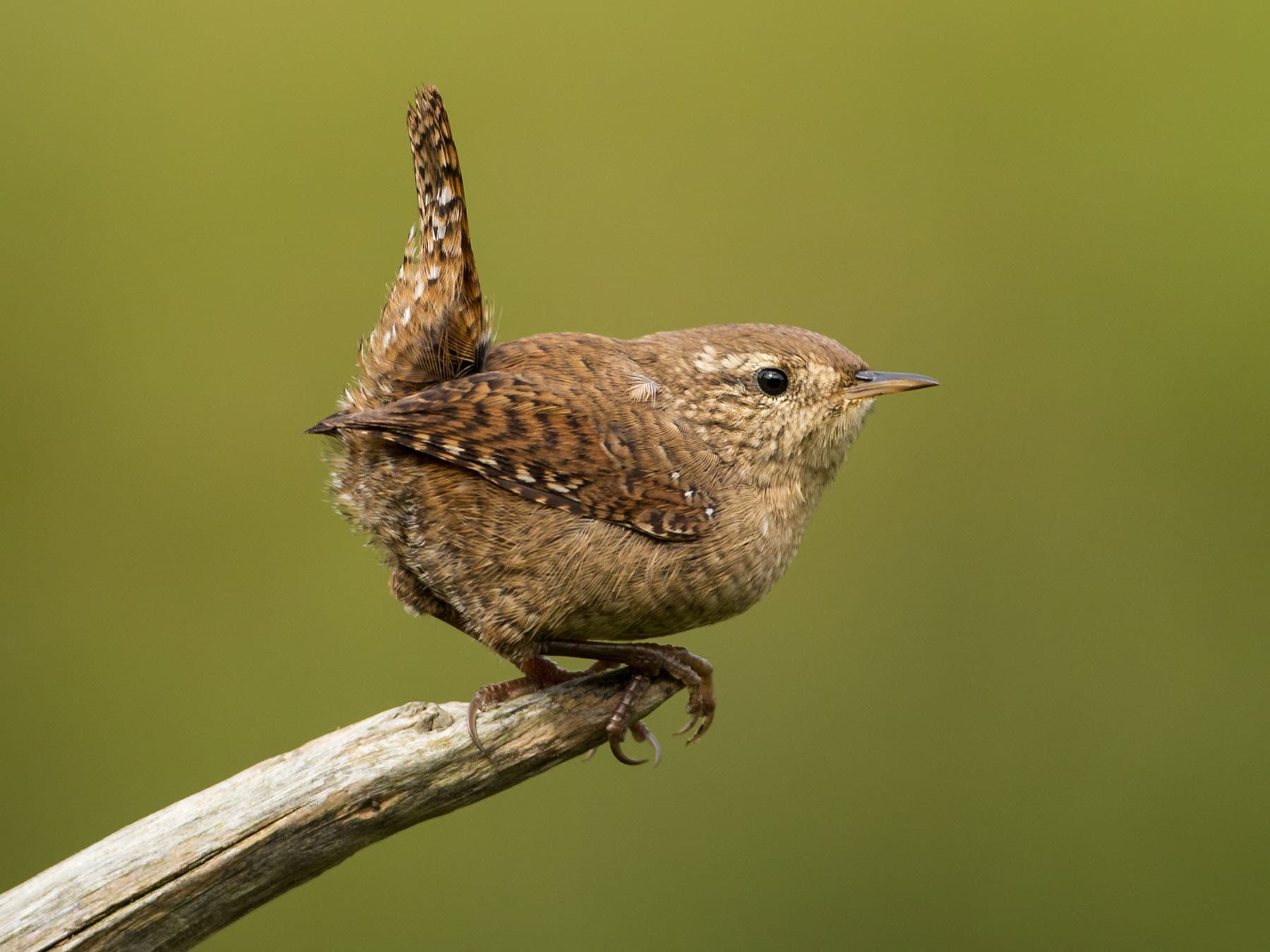
Males and females look the same. In BTO measurements males have slightly longer wings, 50.3 mm against 47.6 mm on average.
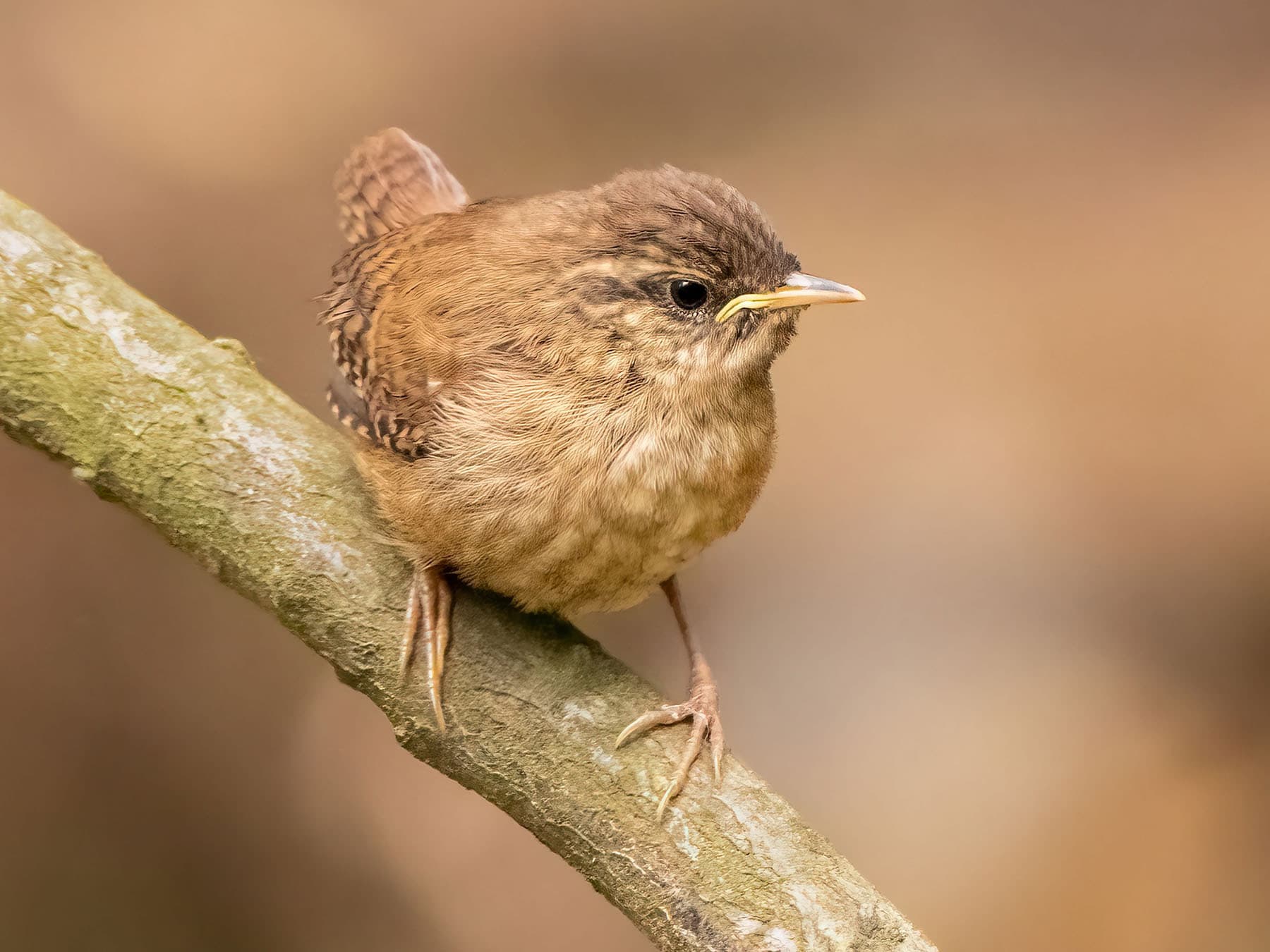
Young Wrens just out of the nest look much like adults, but the breast is softly mottled and the bars on the flanks are fainter.
Identification: island forms
Some Scottish islands have Wrens of their own subspecies. Shetland Wrens are much darker; Fair Isle has its own form, paler than Shetland's; Outer Hebrides birds are buffier and less barred; and St Kilda Wrens are larger and greyer-brown above, pale and well barred below. The St Kilda Wren was described as a separate species in 1884, which set off a rush of collecting; Birds of the World puts it at 200 to 300 pairs.
Wrens in North America were once counted as the same species. They are now the Winter Wren and the Pacific Wren, which differ mainly in their songs.
Identification: similar birds
Dunnock. A Dunnock also creeps about low down, but it is about the size of a House Sparrow4, with a grey head and breast and a streaked brown back.5 A Wren is far smaller and rounder, with the tail up and barred, not streaked.
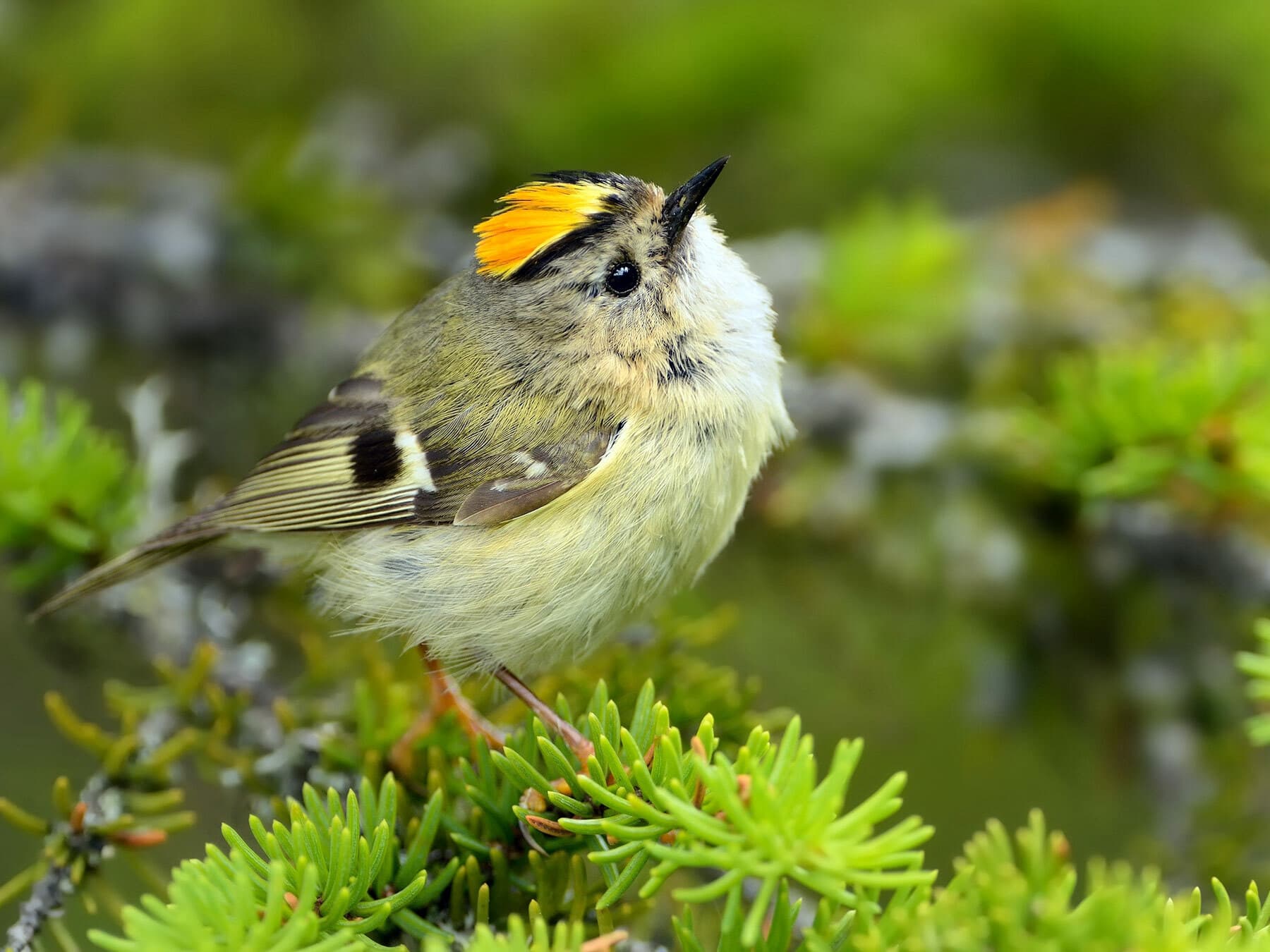
Goldcrest. A Goldcrest is even smaller, about 6 g, and greyish-green, with a yellow stripe on the crown and white wing bars.6 A Wren is heavier and brown, with no crown stripe.
Its size
Adults- Length
- 9–10 cm
- Wingspan
- 13–17 cm
- Weight
- 7–12 g
Its song and calls
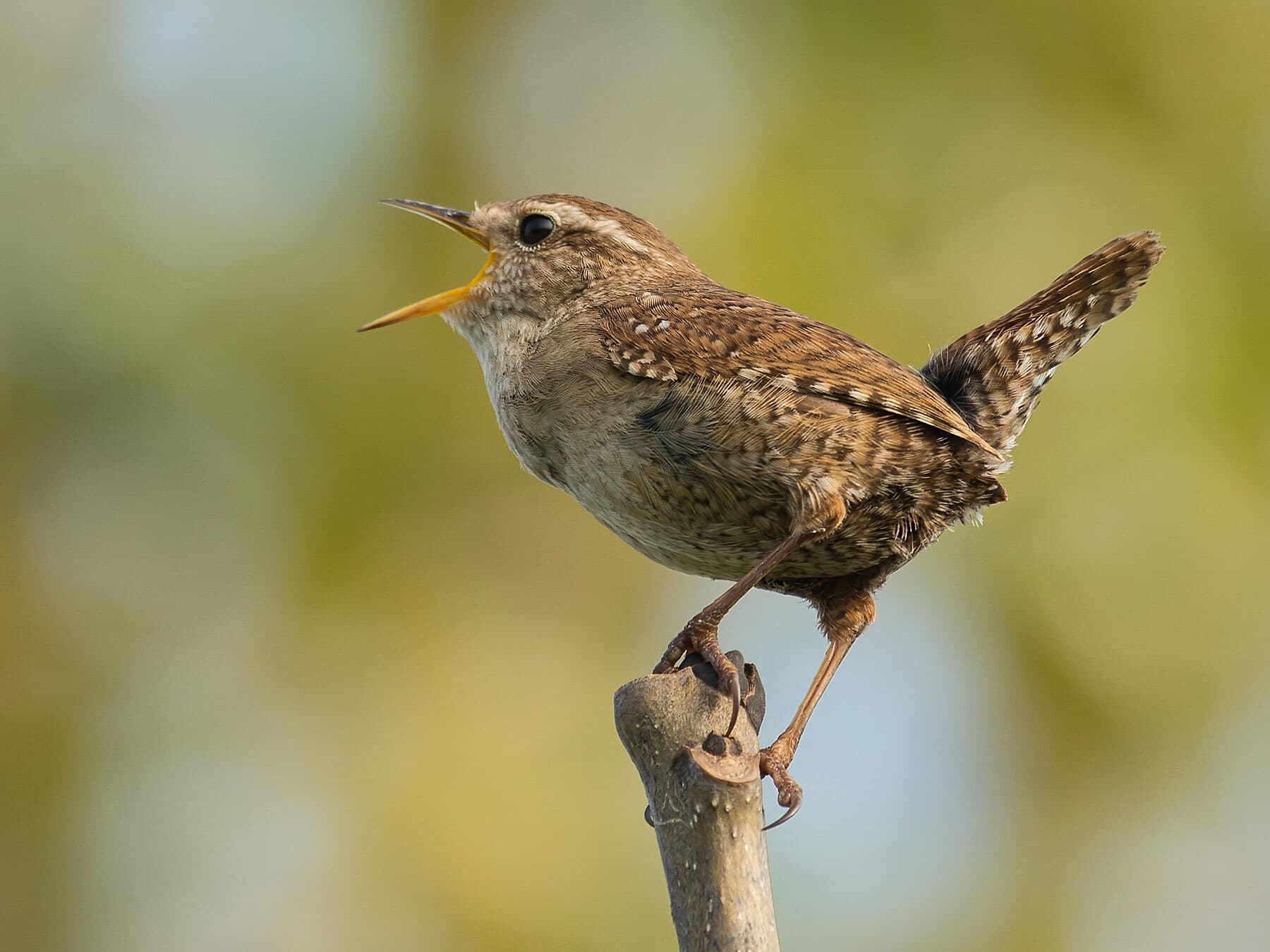
For a bird of 10 g the song is astonishingly loud: a fast, complex run of high notes and trills, often ending in a trill.1 It usually lasts 4 to 6 seconds.7 Males sing all year round, from dawn to dusk, and are heard best from March to May. You will often hear one before you see it.
The call is a loud "tic-tic-tic", which the BTO describes as the scolding alarm call. Wrens also give loud churrs.
Song is part of holding a territory: in a playback study, males that had heard a rival sang more before sunrise the next day. Young Wrens start singing in July of the year they hatch.
Listen to British recordings and see them drawn as spectrograms: Wren song and calls.
- Song0:00 / 0:19
Recorded in Devon, United Kingdom · April 2007
- Calls0:00 / 1:33
Recorded in Surrey, United Kingdom · July 1977
When and where to see it
OctoberHere all year
Most recorded in October
- 1. Tipperary4.3%
- 2. Meath4.0%
- 3. Offaly3.8%
- 4. Longford3.6%
- 5. Neath Port Talbot3.6%
Each dot is a county, state or province: the bigger and darker, the larger the bird’s share of that place’s bird records that month. Grey dots: no regular records. The ringed point is the centre of the bird’s records this month; the arrow shows how it moved since last month, and the dashed loop its path through the year. “Arrivals” colours places where it becomes regular this month (orange) or is in its last regular month (grey). GBIF eBird Observation Dataset, 2019–2024. Map data: Natural Earth, US Census Bureau; place centres © OpenStreetMap contributors.
In your area
See when the Eurasian Wren is recorded in your county, state or province.
How often the Eurasian Wren turns up in the UK and Ireland through the year, from birdwatchers' records.
United Kingdom
Resident · all year · most records in April
Ireland
Resident · all year · most records in June
Show as a table
| Month | United Kingdom | Ireland |
|---|---|---|
| January | 1.8% (regular) | 1.8% (regular) |
| February | 2.0% (regular) | 2.0% (regular) |
| March | 2.3% (regular) | 2.5% (regular) |
| April | 2.4% (regular) | 2.9% (regular) |
| May | 2.3% (regular) | 3.0% (regular) |
| June | 2.4% (regular) | 3.0% (regular) |
| July | 2.1% (regular) | 2.2% (regular) |
| August | 1.9% (regular) | 1.7% (regular) |
| September | 1.8% (regular) | 1.8% (regular) |
| October | 2.1% (regular) | 2.3% (regular) |
| November | 2.1% (regular) | 2.2% (regular) |
| December | 2.0% (regular) | 2.0% (regular) |
Recorded regularly in
Worldwide: recorded regularly in 75 countries
Countries where it was recorded in at least 3 of the 6 years 2019–2024. Linked countries have their own bird list.
Europe (49)
- Åland Islands
- Albania
- Andorra
- Austria
- Belarus
- Belgium
- Bosnia & Herzegovina
- Bulgaria
- Croatia
- Czechia
- Denmark
- Estonia
- Faroe Islands
- Finland
- France
- Germany
- Gibraltar
- Greece
- Guernsey
- Hungary
- Iceland
- Ireland
- Isle of Man
- Italy
- Jersey
- Kosovo
- Latvia
- Liechtenstein
- Lithuania
- Luxembourg
- Moldova
- Monaco
- Montenegro
- Netherlands
- North Macedonia
- Norway
- Poland
- Portugal
- Romania
- Russia
- San Marino
- Serbia
- Slovakia
- Slovenia
- Spain
- Sweden
- Switzerland
- Ukraine
- United Kingdom
Asia (23)
- Armenia
- Azerbaijan
- Bhutan
- China
- Cyprus
- Georgia
- India
- Iran
- Israel
- Japan
- Jordan
- Kazakhstan
- Kyrgyzstan
- Lebanon
- Mongolia
- Nepal
- Pakistan
- Palestinian Territories
- South Korea
- Taiwan
- Tajikistan
- Turkey
- Uzbekistan
Data: EOD – eBird Observation Dataset (Cornell Lab of Ornithology), accessed via GBIF.org, CC BY 4.0. Records from 2019–2024, aggregated and filtered by Birdfact. How these lists are made
Almost anywhere with low cover, all year round. In the last national atlas Wrens were found in 98% of the UK's 10-km squares in the breeding season and 97% in winter, missing only from some of the highest ground in Scotland. Densities are higher in Ireland than in Britain, and lower in the uplands.
Broadleaved woodland is their stronghold, but they also live in scrub, farmland hedges, villages, towns and gardens, heaths, moorland, and sea cliffs on islands. Wrens are regular visitors to most gardens, though easy to miss: they forage and hide low in bushes, hedgerows, fallen trees and brush piles.
Spotting tips
Listen first: a loud burst of song from a low bush or a scolding "tic-tic-tic" from a hedge often gives a Wren away. Then watch the bottom of the hedge or a log pile for a small brown bird moving like a mouse, tail up.
Do they migrate?
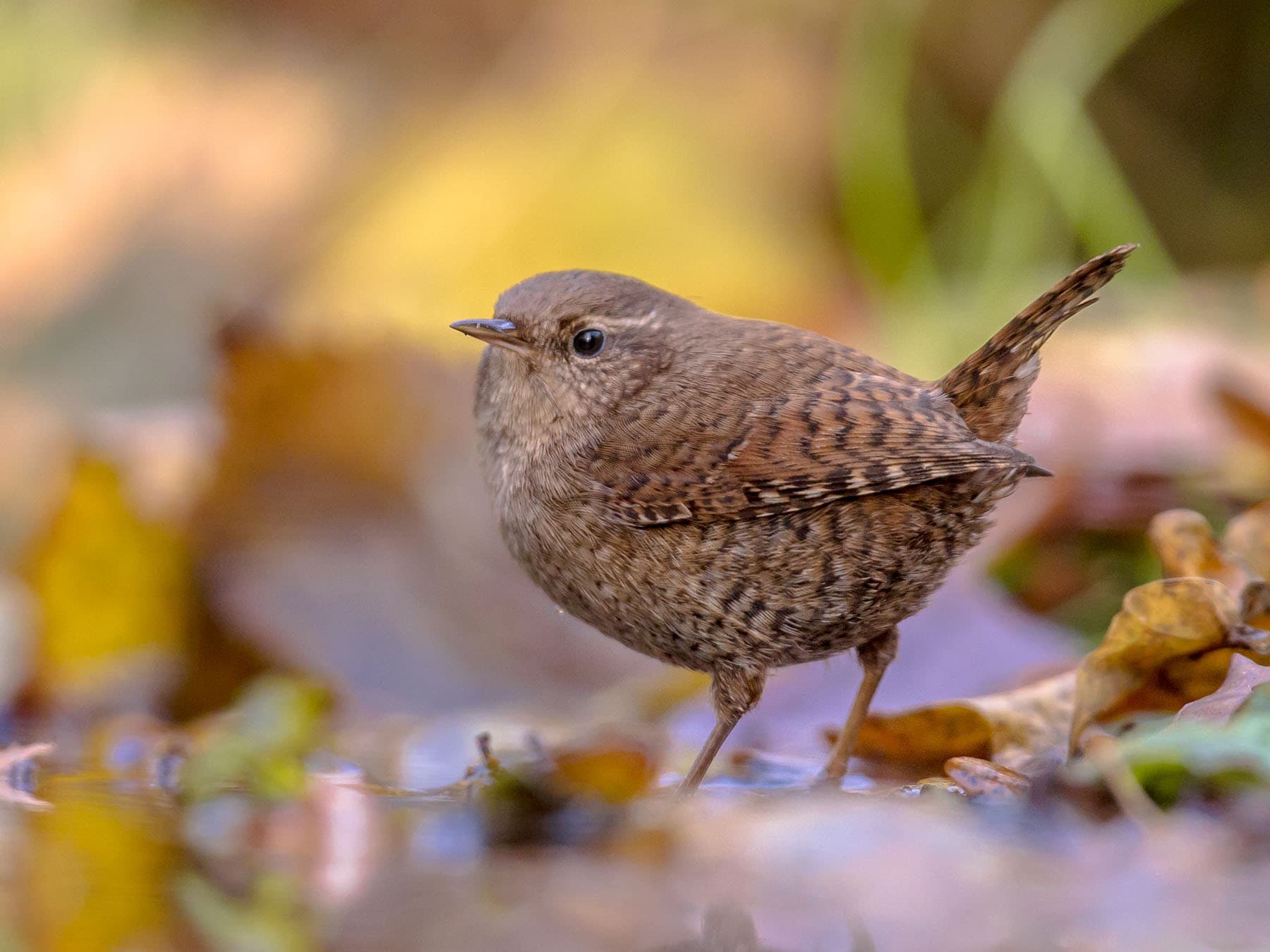
Not in Britain and Ireland. Our Wrens are largely sedentary: most ringing recoveries are within 50 km, though a few birds have crossed to France.2 The longest move on record within Britain and Ireland was 490 km, from Northumberland to Torquay.8
Wrens further north and east in Europe do migrate, and they leave most of Scandinavia in winter. A few reach Britain: a young female ringed at Falsterbo in southern Sweden was caught in Northumberland 13 days later, 909 km away.
What it eats
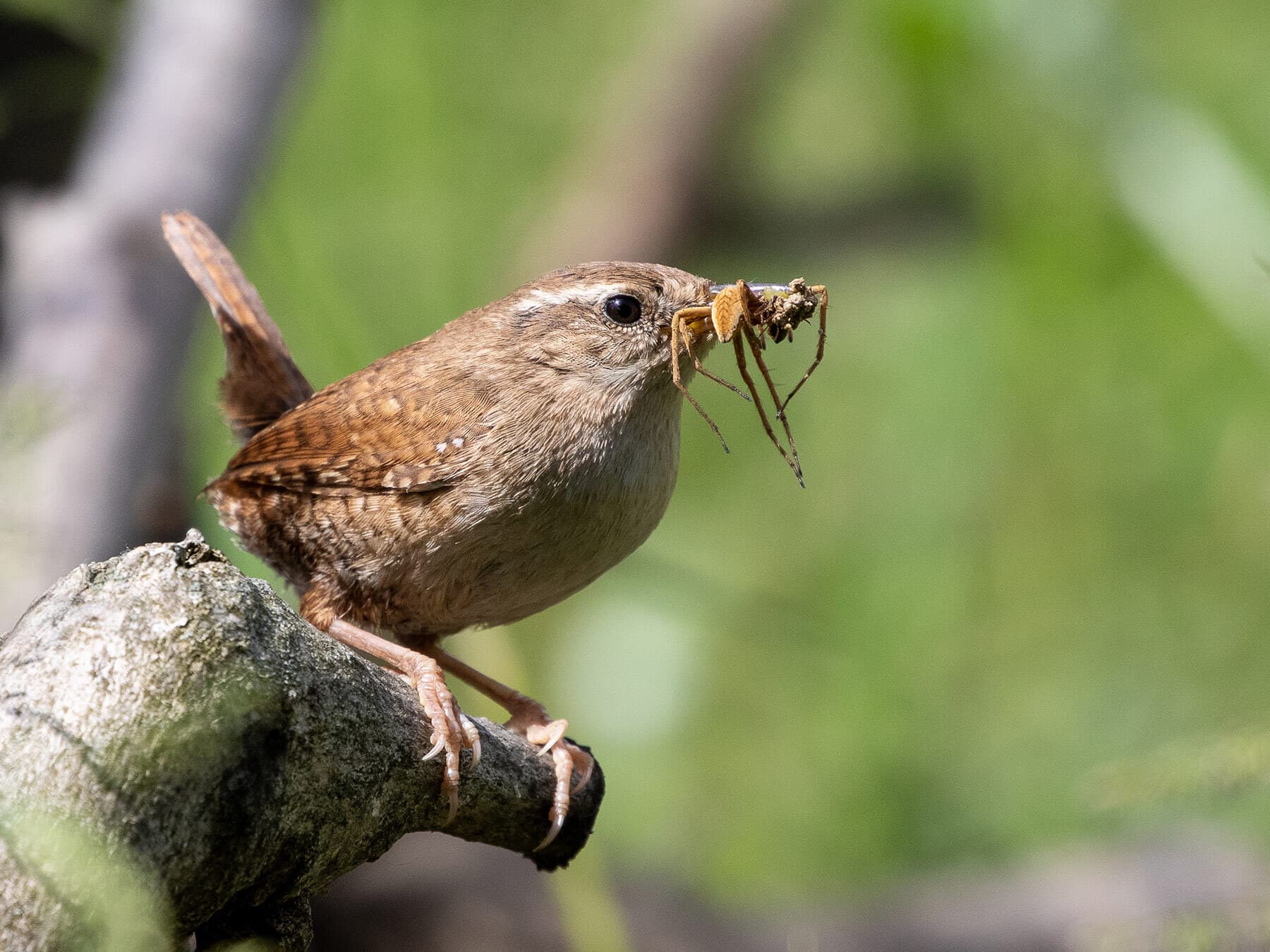
Mostly insects and spiders. Beetles, bugs, moths and butterflies and their caterpillars, spiders and other small invertebrates make up most of the diet, with some berries and seeds, especially in winter. Wrens forage low down, on or near the ground, picking prey from leaves, twigs, crevices and leaf litter.
They also catch insects in the air, wade into shallow water and will even forage under snow. Now and then they take small fish, tadpoles and young frogs. More detail: What do Wrens eat?
Feeding them in your garden
Wrens are not regular feeder birds, and no BTO or RSPB feeding advice names a food for them. The RSPB notes that they sometimes pick up crumbs that have fallen from feeders. They find their food in low, thick cover. More: what Wrens eat.
Nesting and breeding
The male builds several domed nests of moss, leaves and grass, each with an entrance in the side, low down in thick growth, banks, crevices in walls and trees, and sometimes odd places such as the pocket of a hanging coat. The female inspects them, chooses one and lines it with feathers.
In Britain the first eggs are laid on average around 2 May. A clutch is usually 5 or 6 eggs. The female incubates them for 16 to 18 days, and the chicks leave the nest at 14.5 to 18 days. Wrens usually raise two broods a year.3 Some males have two or more females.
More detail: Wren nests, eggs and young.
Behaviour
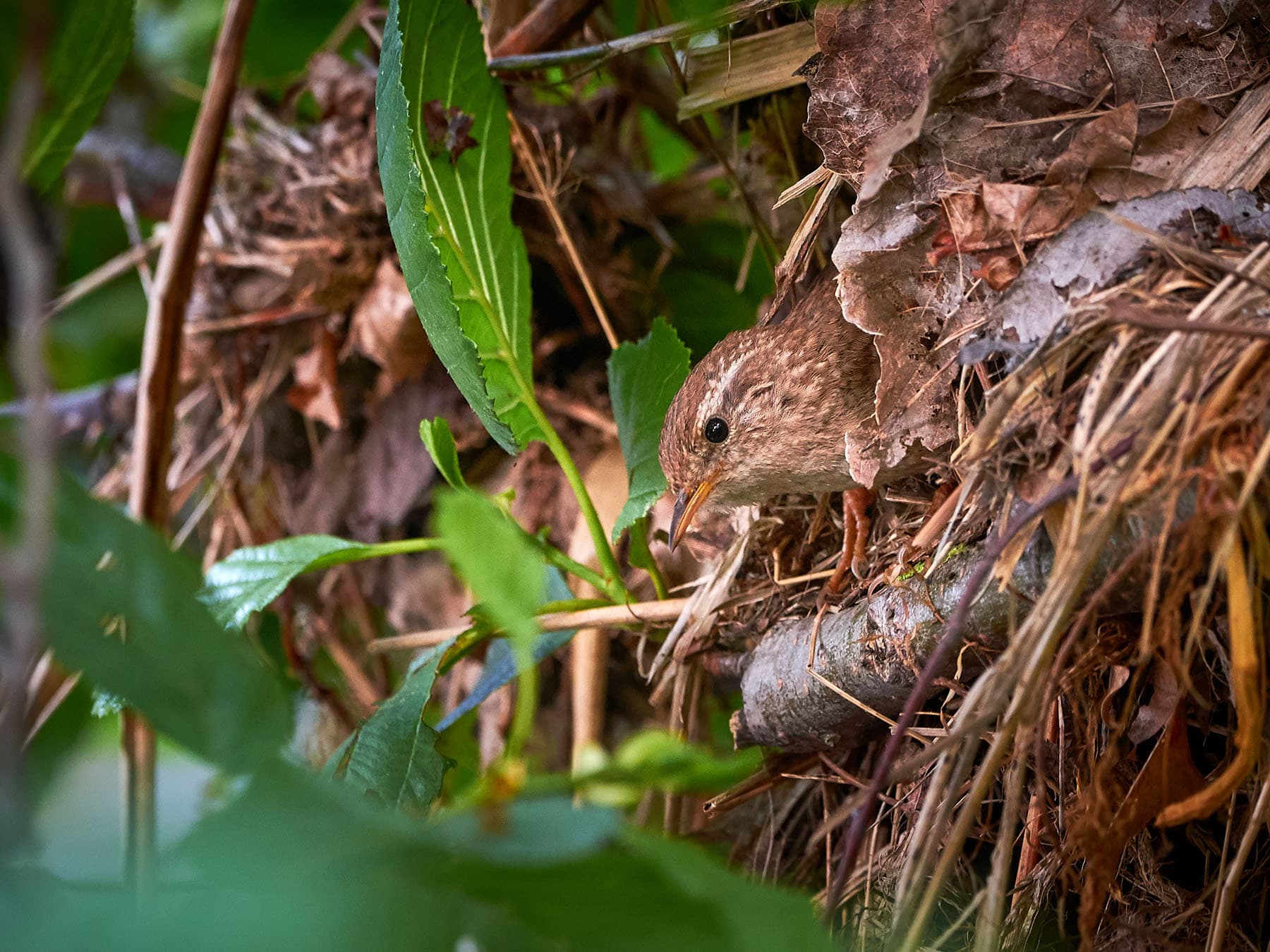
Wrens are busy, mouse-like birds that creep through thick cover, flicking their wings, bobbing and cocking their tails. They feed alone or in pairs, and a male sings from a raised perch to hold his patch.
Roosting behaviour
On cold nights Wrens huddle together to keep warm, in nest boxes, roosting pouches and other holes. In the BTO's Garden BirdWatch roosting survey up to 51 were found roosting together, near Lyme Regis; the average was about 10 in a nest box and 17 in other cavities.9 The RSPB tells of more than 60 once found in a single nest box.
Lifespan and predators
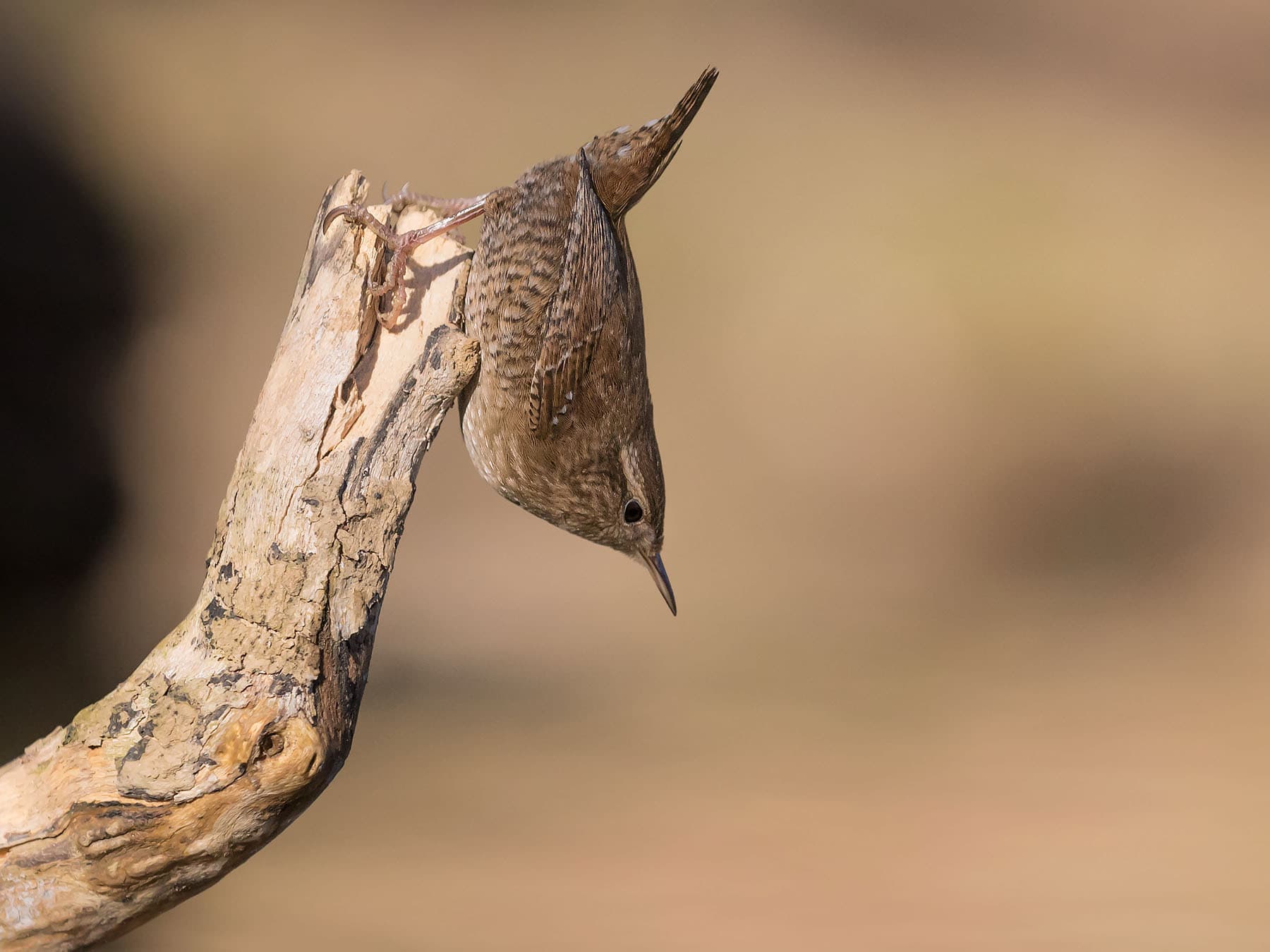
A Wren that survives to breed typically lives about 2 years, and first breeds at a year old. About a third of adults survive from one year to the next, and fewer young birds do.3
The oldest Wren on the BTO's ringing list was ringed as an adult at South Milton Ley in Devon in December 2013 and caught there by a ringer in September 2021, 7 years 9 months 20 days later.10 The European longevity list of 2023, which gives a minimum age rather than the time since ringing, tops out at 7 years 7 months for a bird from the Channel Islands; it does not include the Devon bird.11
Predators and other dangers
Hard winters hit Wrens hard. Long spells of frost and snow can kill many, young birds most of all, and numbers can fall sharply before recovering quickly. Pet cats are a significant cause of death in some UK cities.2
Wrens seem to adapt to their local winters: they are heavier in colder regions, and northern populations cope with more frost before their numbers fall.12
Conservation
The Wren is on the UK Amber List, moved there from Green in 202113, and is of Least Concern worldwide. It is the UK's most numerous breeding bird: the BTO estimated 11 million territories in 2016, roughly one UK breeding bird in every eight. Numbers more than doubled between 1967 and 2024, up 127%, though they dip after hard winters.3
Recent survey figures agree: UK numbers rose 41% between 1995 and 2024 and 17% between 2014 and 2024. Over the longer period the biggest rise was in Scotland, 82%.14 A warming climate may have helped. Like all wild birds, Wrens and their nests are protected by law.
Similar birds
Often mistaken for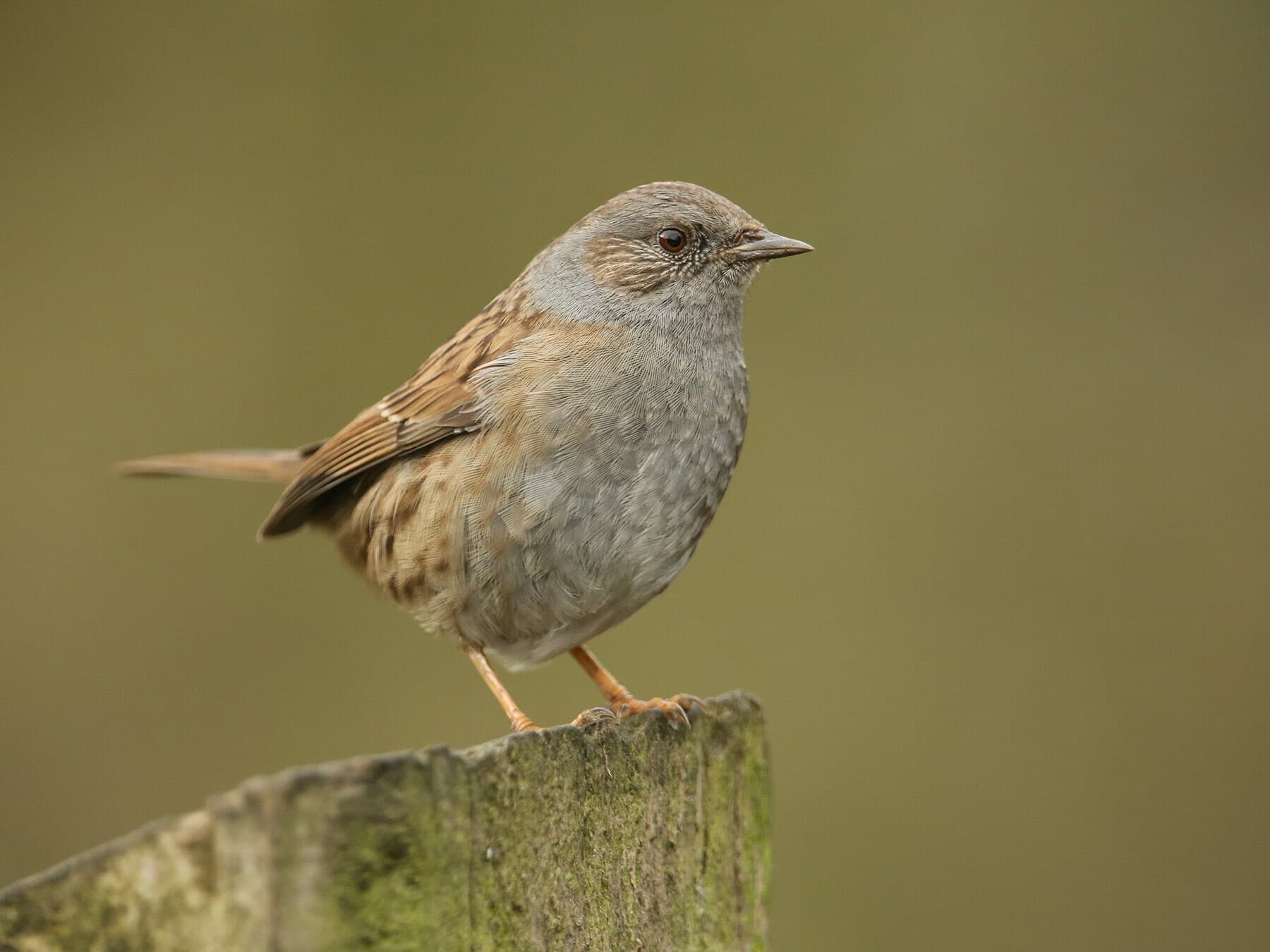
More photos
2 photos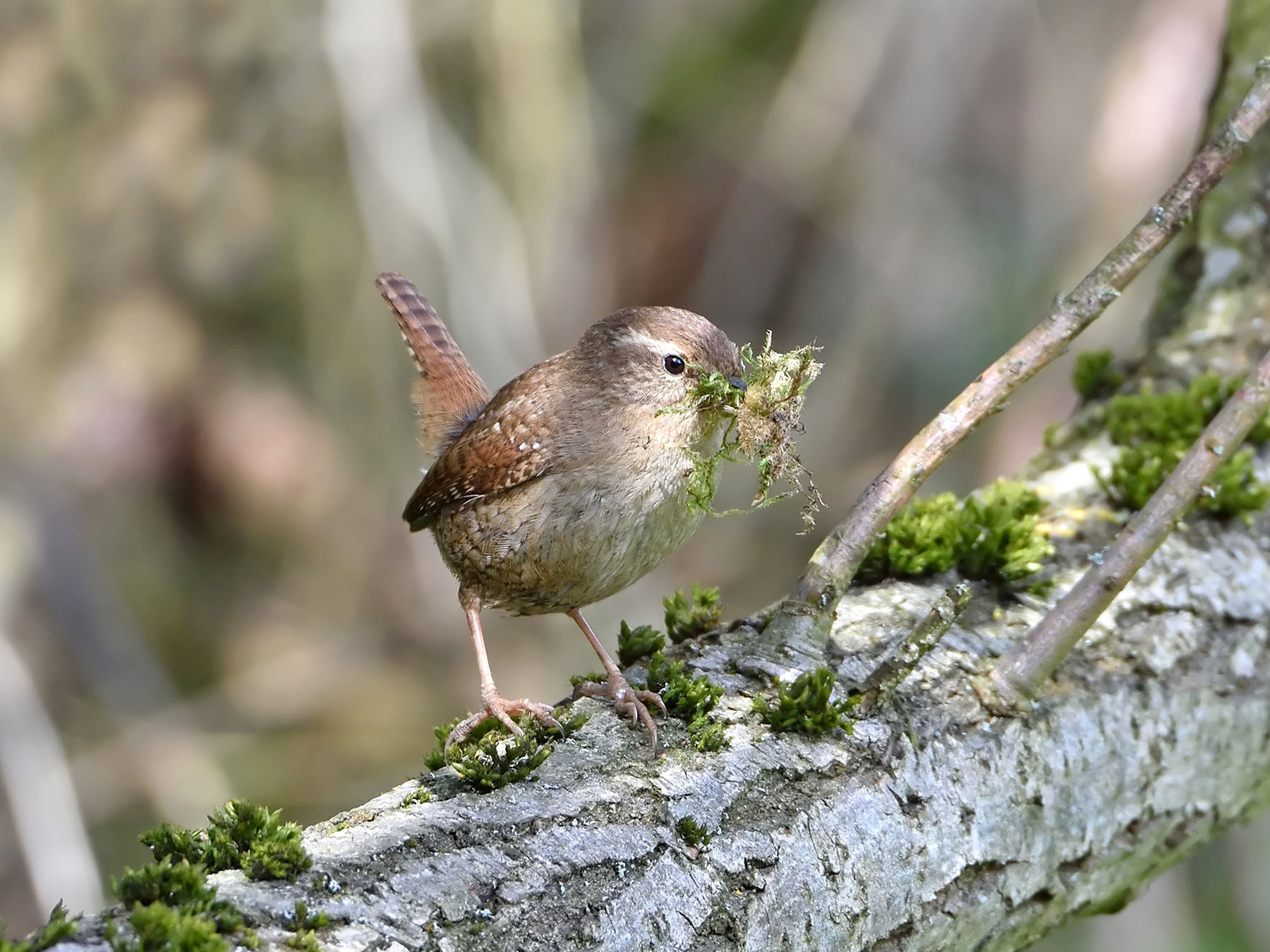

Eurasian Wren guides
5 guidesQuick facts
- Length
- 9–10 cm
- Wingspan
- 13–17 cm
- Weight
- 7–12 g
- Lifespan
- 2 years · oldest recorded 7 years 9 months
- Family
- Wrens
- Migration
- Partial migrant
- Global status (IUCN)
- Least Concern
- Population trend
- Increasing: up 127% in the UK since 1967 (BTO), though hard winters knock numbers back for a while
- Also called
- Northern Wren, Jenny Wren
- Scientific name
- Troglodytes troglodytes
Questions
4Is the Wren the UK's smallest bird?
No, but it is one of the smallest. The Goldcrest and Firecrest are smaller; a Wren weighs about 10 g to a Goldcrest's 6 g. See identification.
Are Wrens rare?
No. The Wren is the UK's most numerous breeding bird, with about 11 million territories, found in nearly every part of the country. See conservation status.
What does Troglodytes mean?
The scientific name, Troglodytes troglodytes, is Greek for "cave-dweller", after the Wren's habit of creeping into holes and crevices. Linnaeus described it in 1758, from Sweden.
Why is the Wren called the king of the birds?
From an old fable told across Europe: the birds agree that whoever flies highest will be their king, and a Wren hidden in the eagle's feathers flies higher still. The Roman writer Pliny already called it the king of the birds. See Wren symbolism and folklore, including Wren Day and the Wren on the old farthing.
Sources
17- 1RSPB. Wren. RSPB Birds A-Z. Accessed 8 October 2026. Source (opens in a new tab)
- 2Kroodsma, D. E., Brewer, D., Christie, D. A. and Marks, J. S. (2020). Eurasian Wren (Troglodytes troglodytes), version 1.0. Birds of the World (J. del Hoyo, A. Elliott, J. Sargatal, D. A. Christie and E. de Juana, editors). Cornell Lab of Ornithology. doi:10.2173/bow.winwre4.01 (opens in a new tab)
- 3BTO. Wren (Troglodytes troglodytes). BTO BirdFacts. Accessed 8 October 2026. Source (opens in a new tab)
- 4RSPB. Dunnock. RSPB Birds A-Z. Accessed 7 October 2026. Source (opens in a new tab)
- 5RSPB. Small brown birds and how to identify them. RSPB. Accessed 7 October 2026. Source (opens in a new tab)
- 6RSPB. Goldcrest. RSPB Birds A-Z. Accessed 8 October 2026. Source (opens in a new tab)
- 7Cornell Lab of Ornithology. Eurasian Wren: Life History and Identification. All About Birds. Accessed 8 October 2026. Source (opens in a new tab)
- 8Robinson, R. A., Leech, D. I. and Clark, J. A. (2025). Summary of all recoveries for Wren (Troglodytes troglodytes). The Online Demography Report: bird ringing and nest recording in Britain & Ireland in 2024 (BTO). Accessed 8 October 2026. Source (opens in a new tab)
- 9BTO. Roosting survey: results. BTO Garden BirdWatch. Accessed 8 October 2026. Source (opens in a new tab)
- 10BTO. Longevity records for Britain & Ireland in 2024. BTO Online Ringing and Nest Recording Report. Accessed 8 October 2026. Source (opens in a new tab)
- 11Fransson, T., Kolehmainen, T., Moss, D. and Robinson, R. (2023). EURING list of longevity records for European birds (1 September 2023). EURING. Accessed 8 October 2026. Source (opens in a new tab)
- 12Morrison, C. A., Robinson, R. A. and Pearce-Higgins, J. W. (2016). Winter wren populations show adaptation to local climate. Royal Society Open Science 3: 160250. doi:10.1098/rsos.160250 (opens in a new tab)
- 13RSPB, BTO et al. (2021). Birds of Conservation Concern 5 (leaflet). The status of all regularly occurring birds in the UK, Channel Islands and Isle of Man. Accessed 8 October 2026. Source (opens in a new tab)
- 14Heywood, J. J. N., Massimino, D., Baker, L., Balmer, D. E. et al. (2026). The Breeding Bird Survey 2025. BTO Research Report 802. British Trust for Ornithology, Thetford. Accessed 8 October 2026. Source (opens in a new tab)
- 15RSPB (2026). Our latest guidance on feeding garden birds. RSPB news. Accessed 8 October 2026. Source (opens in a new tab)
- 16BTO. Love birds welcome National Nest Box Week. BTO press release. Accessed 8 October 2026. Source (opens in a new tab)
- 17BTO. Putting up a nest box. BTO, Helping birds. Accessed 8 October 2026. Source (opens in a new tab)

Checked by
Nathan Cope, founder and editor
Nathan founded Birdfact and leads its writers and contributors in the UK, the US and Canada. He has watched and studied birds for more than ten years, and checks every article and species guide before it’s published.