


Common Redstart
European Redstart, Redstart · Phoenicurus phoenicurus
By the Birdfact teamChecked by Nathan Cope
On this page14 sections
How to recognise it
What do Redstarts look like?
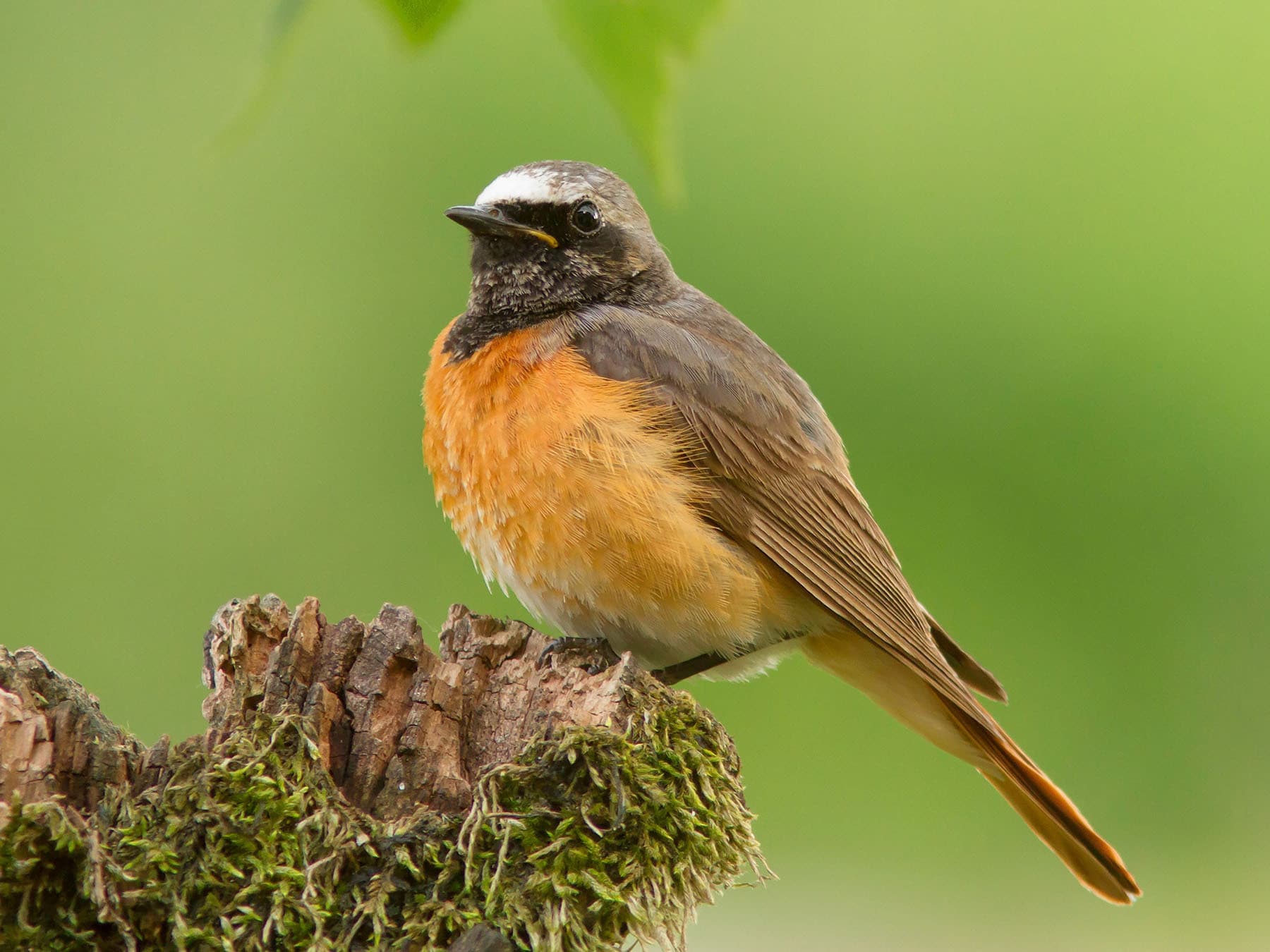
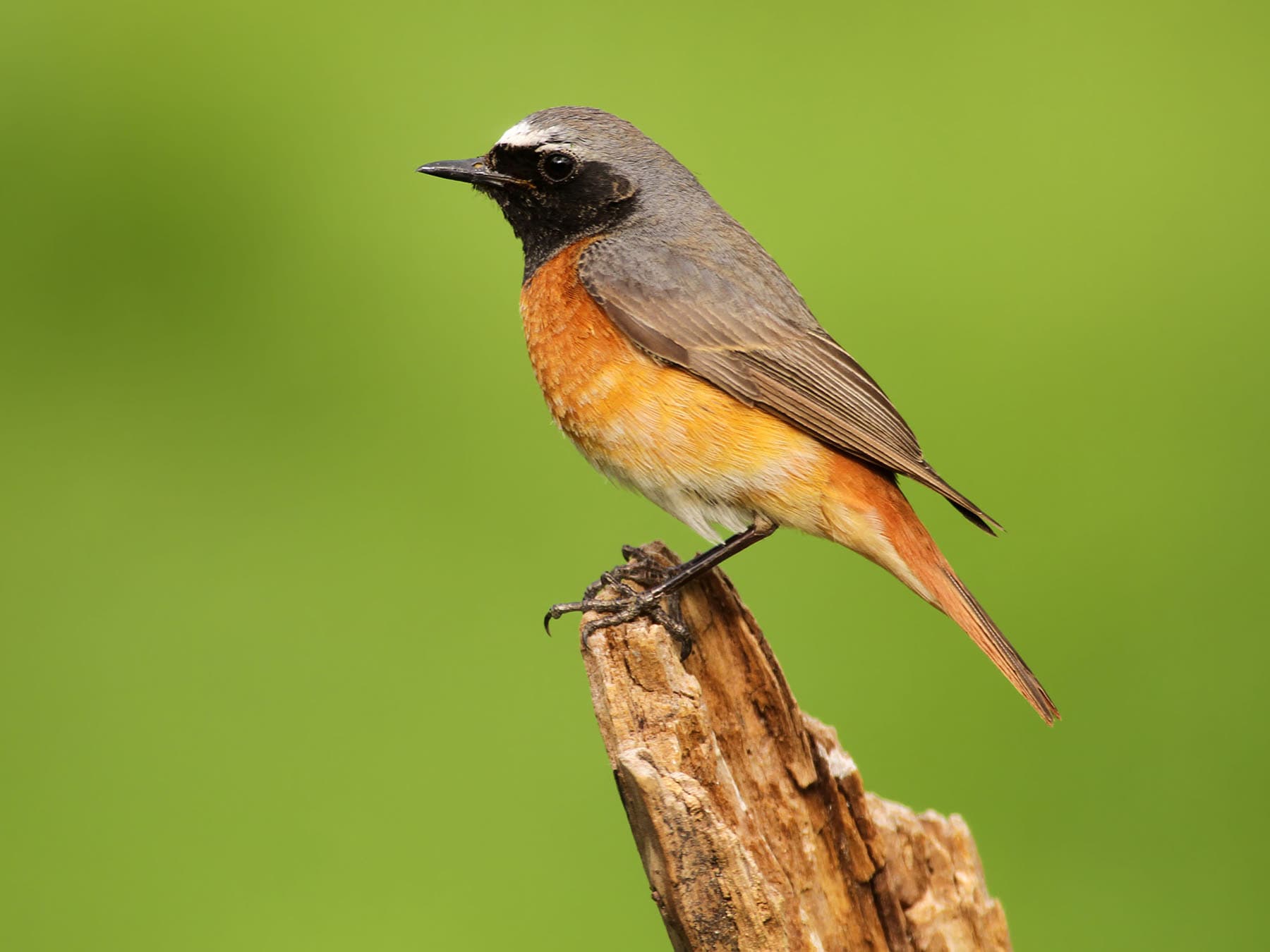
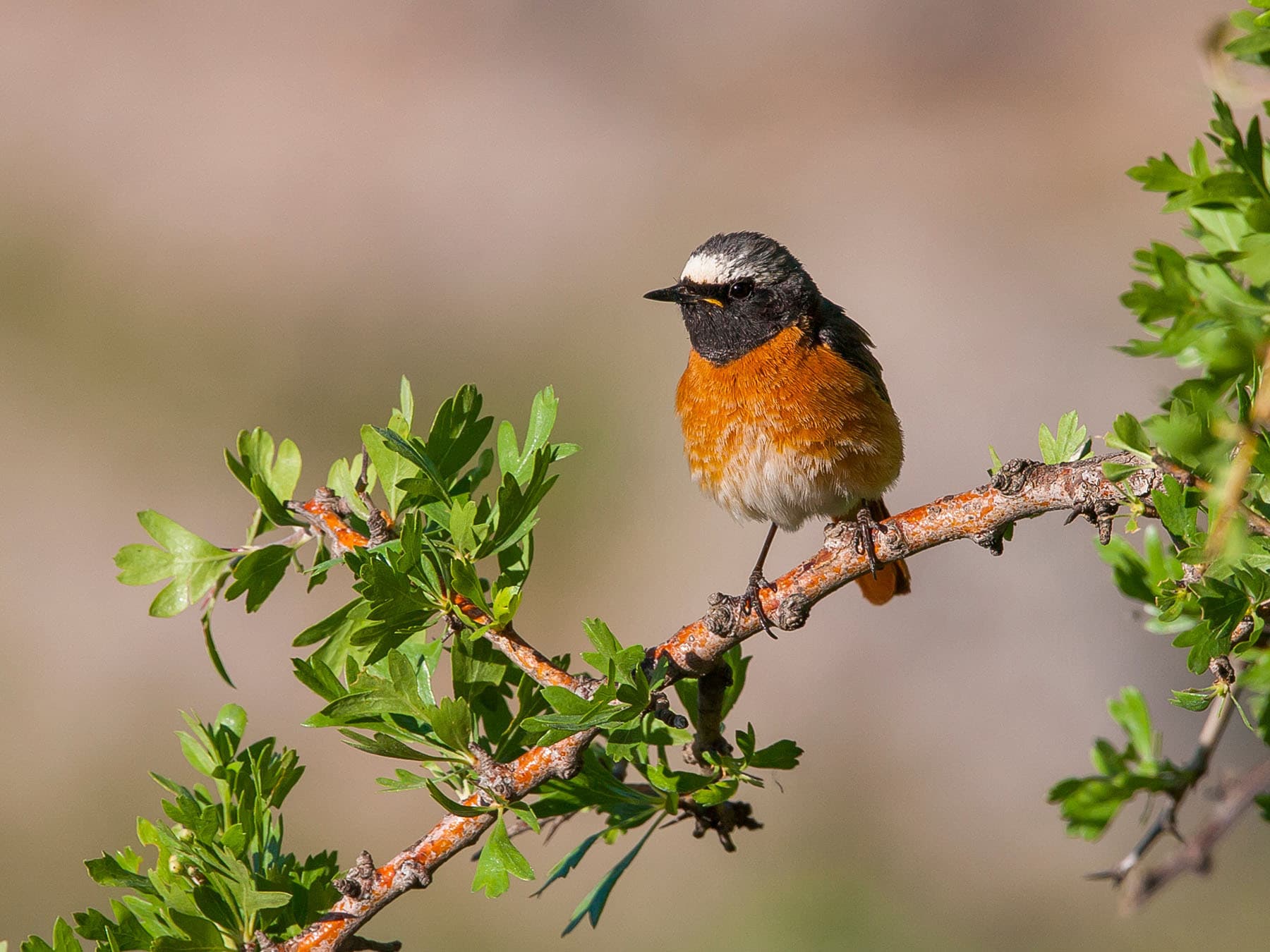
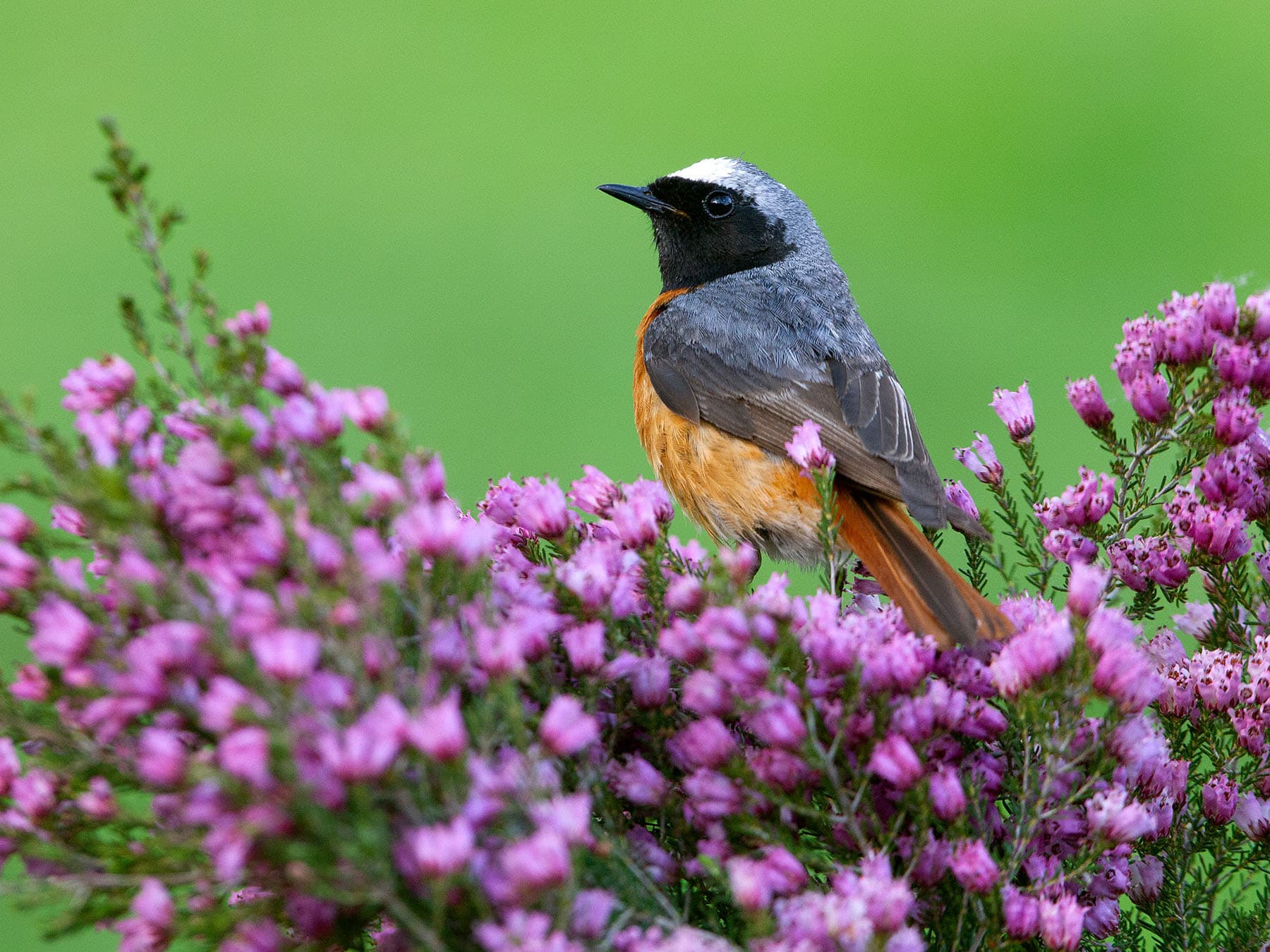
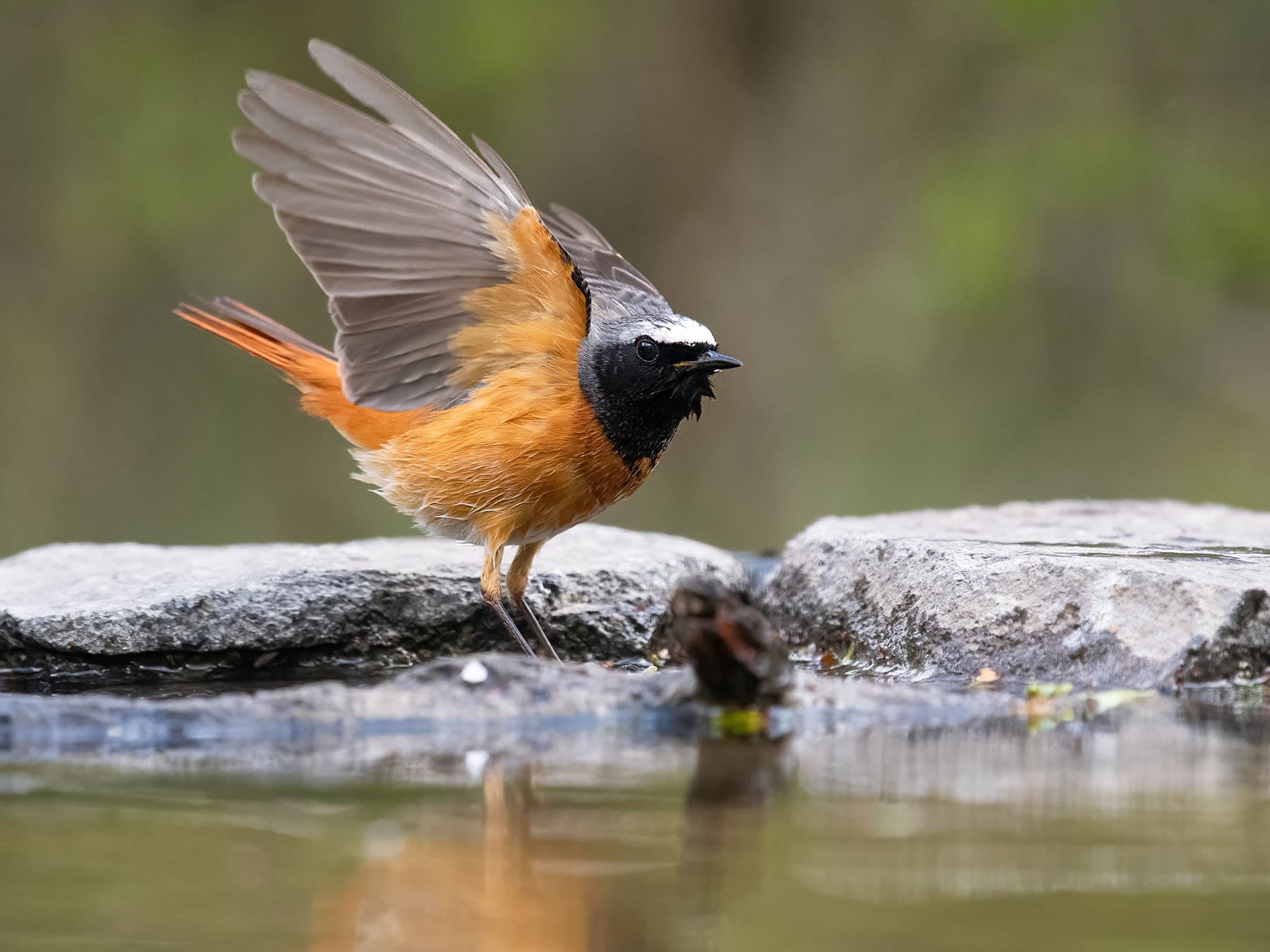
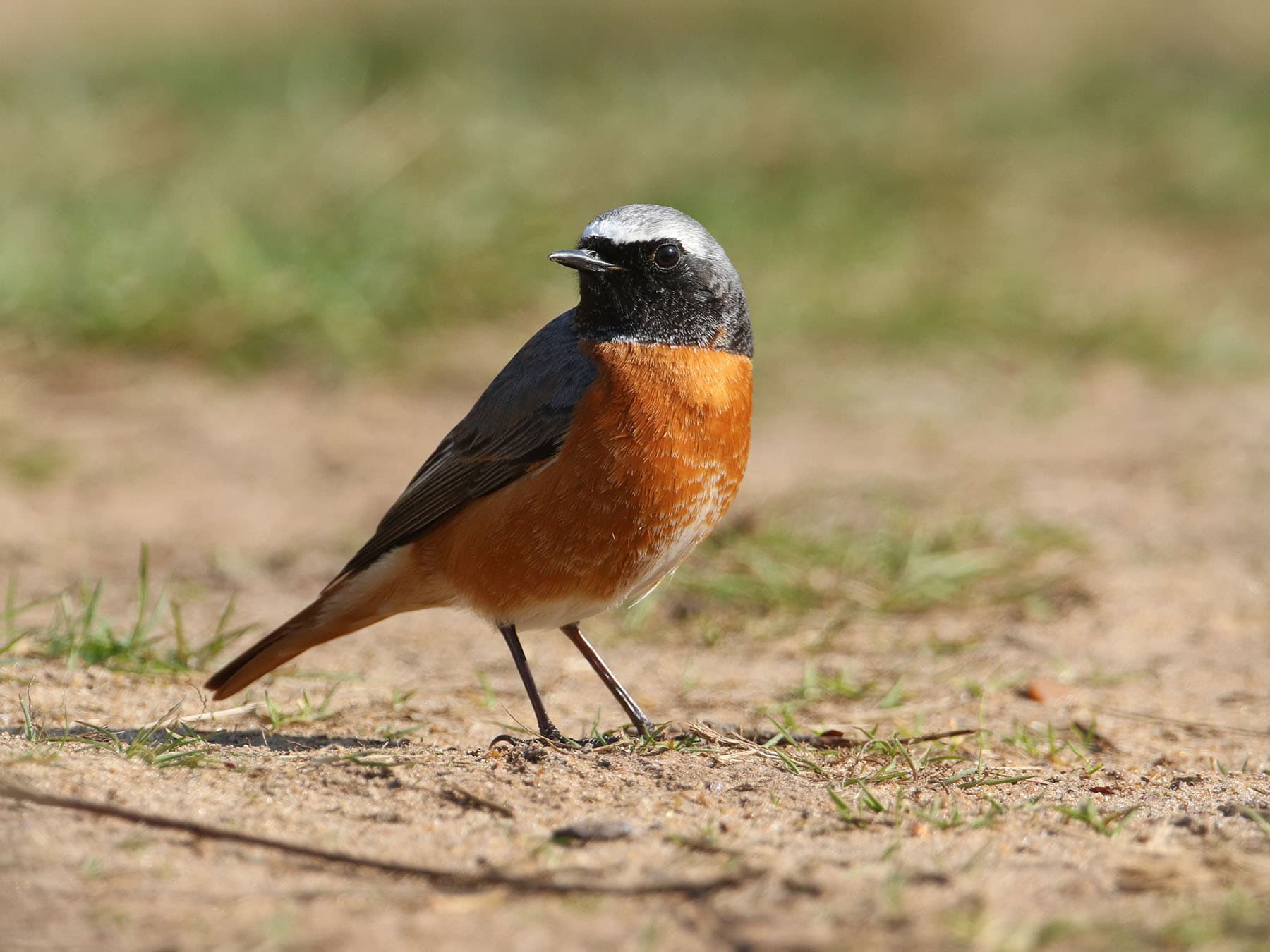
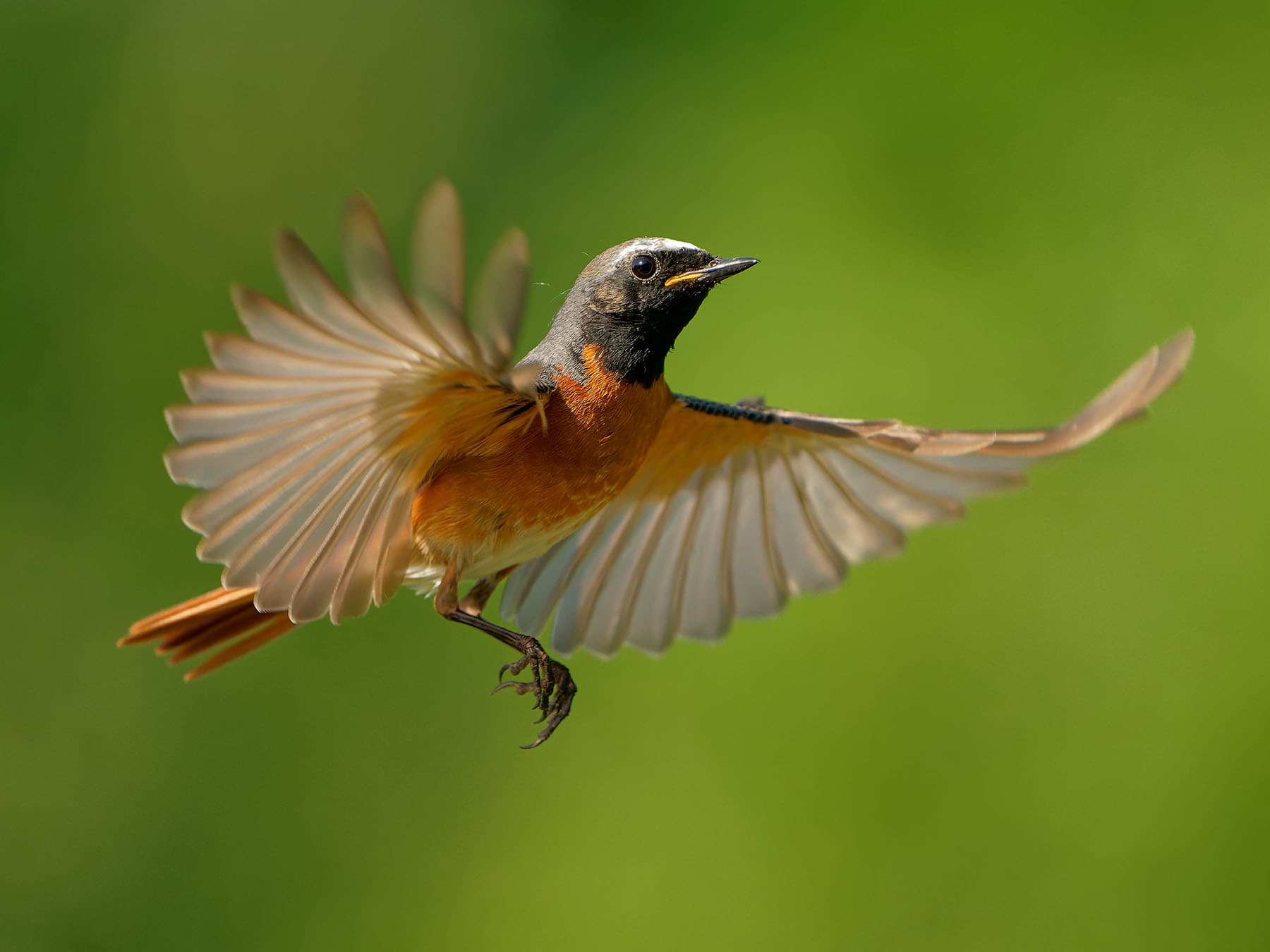
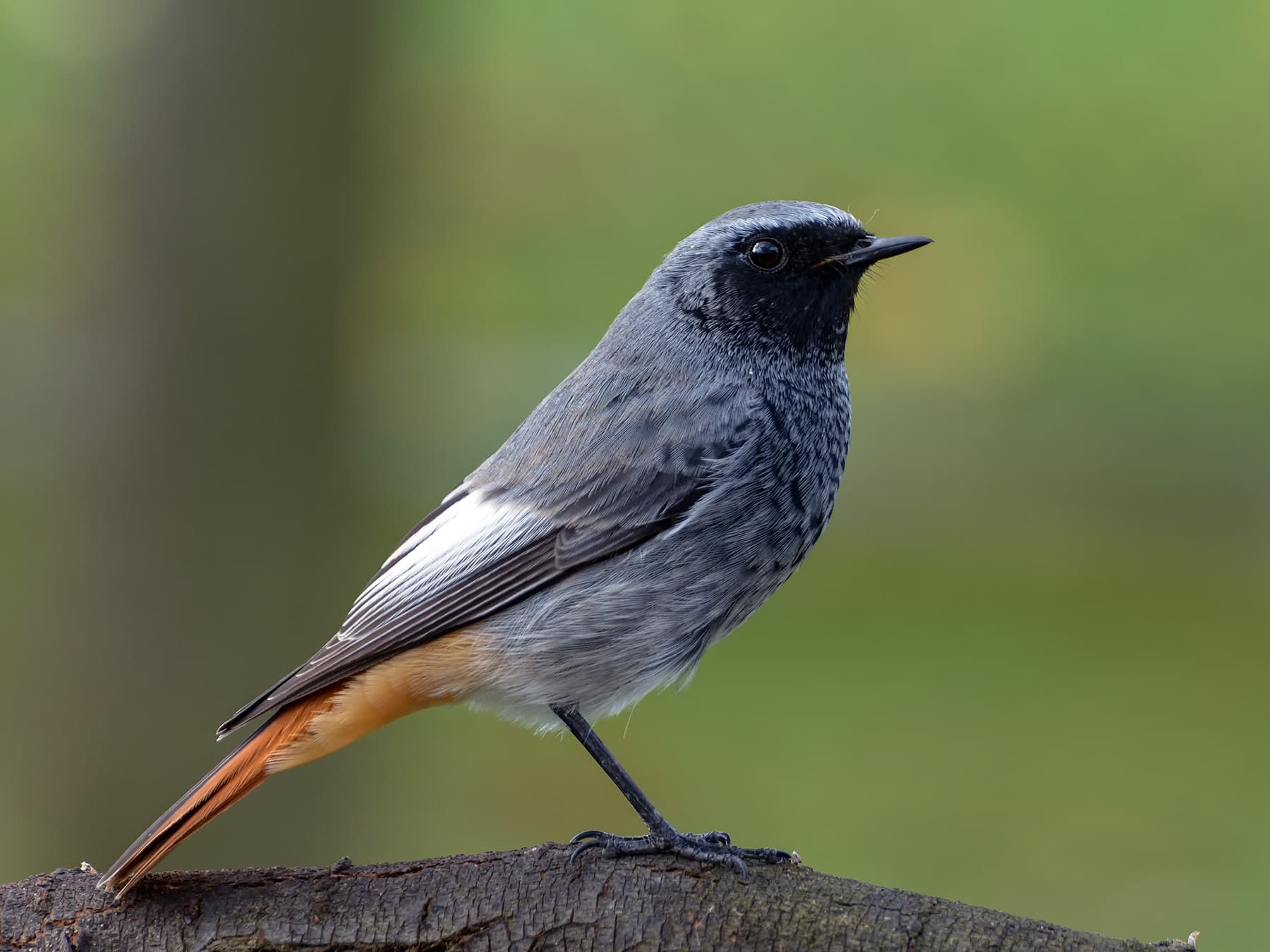
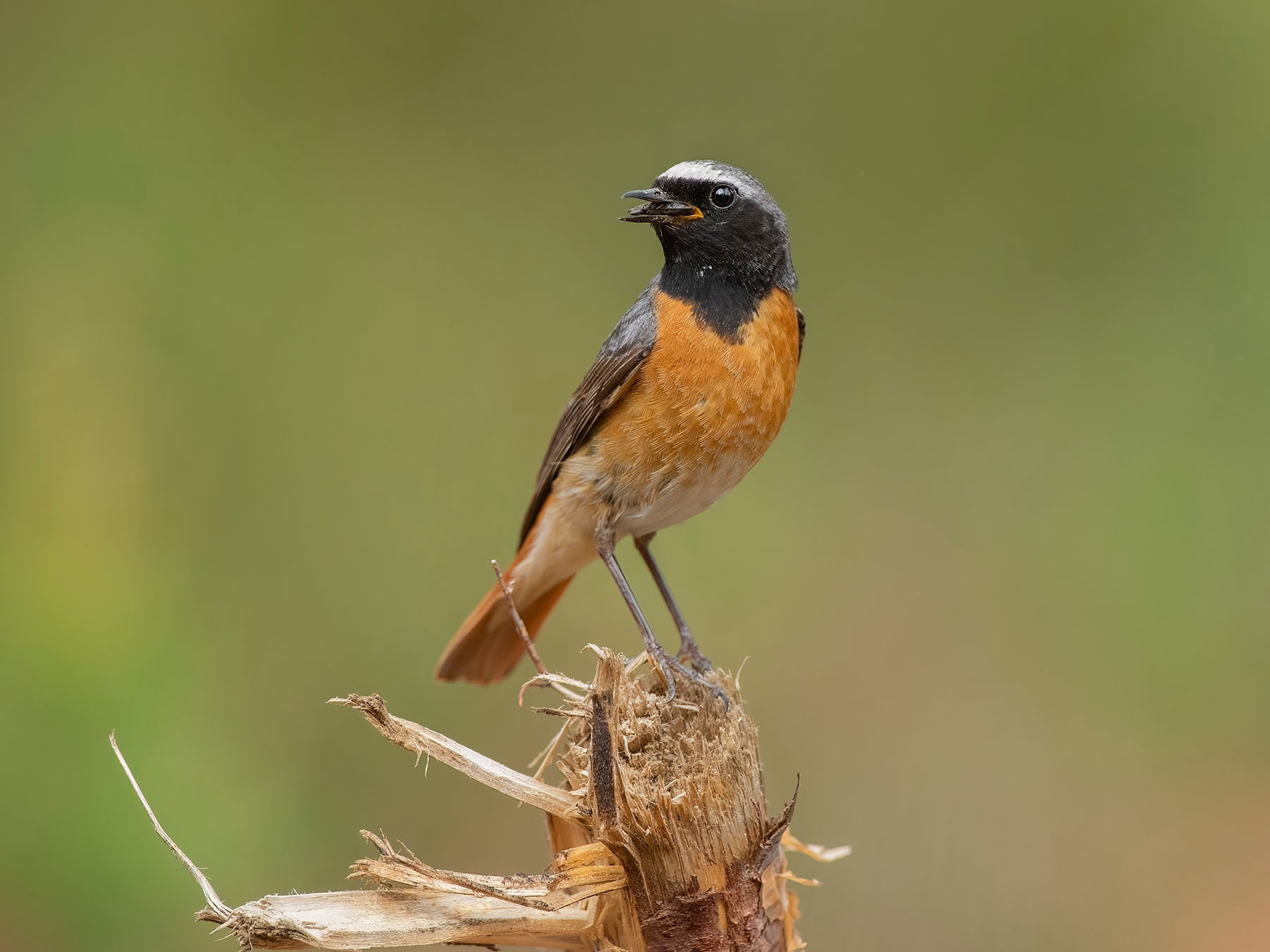
Male redstarts have a distinctive colouring that makes them reasonably easy to identify. They have a black face and throat, marked with a bold white eyestripe below a blue-grey crown.
Their nape and upper back are also blue-grey, darkening into a darker shade of grey on the wings, which also have some lighter secondary feathers.
Beneath the male redstart’s black throat is a contrasting bright orange-red breast and belly and flanks, with paler white-buff underparts. Their tail and rump are a deep orange-red, fringed with brown, a distinguishing feature shared with females and juvenile birds.
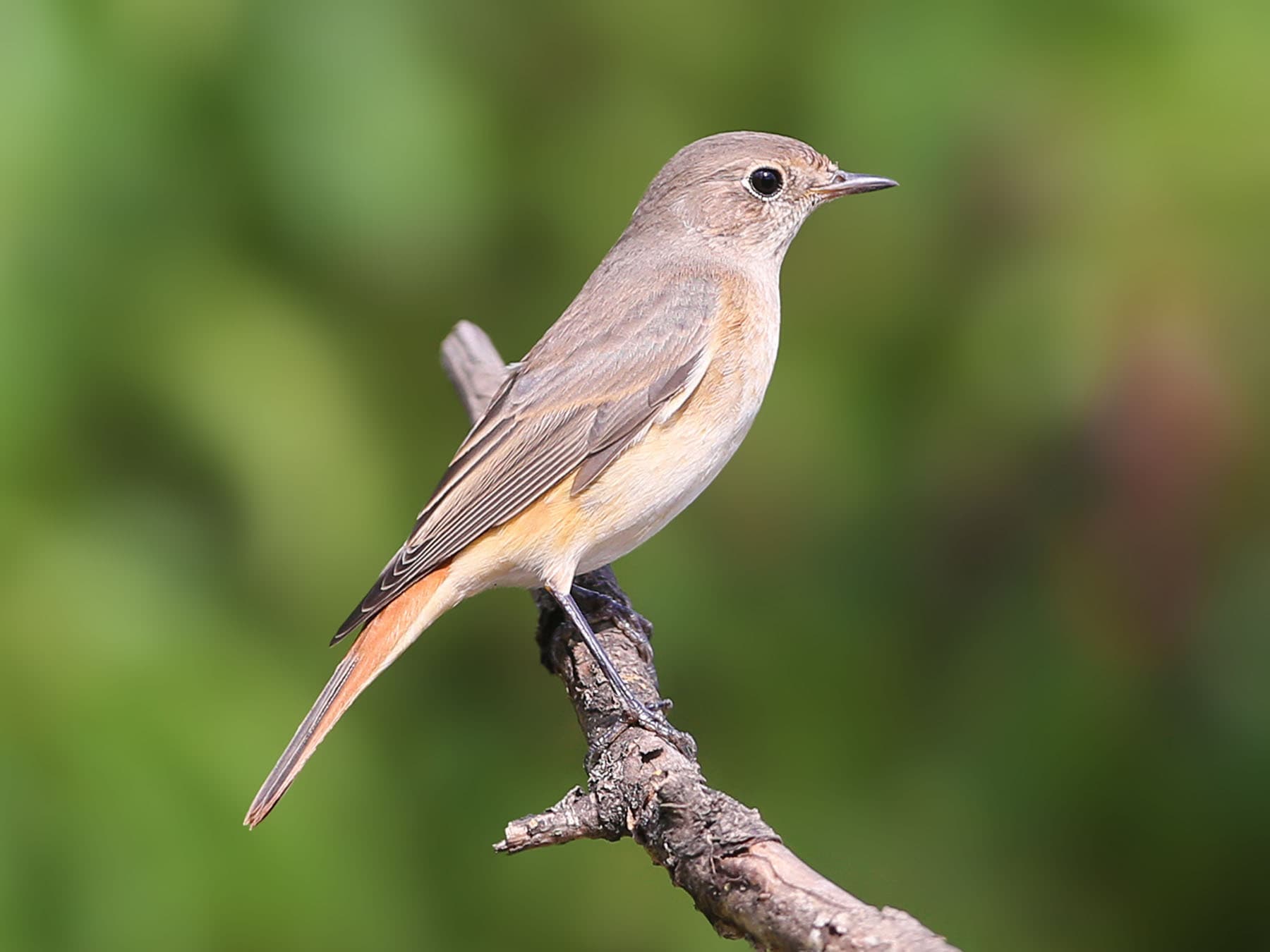
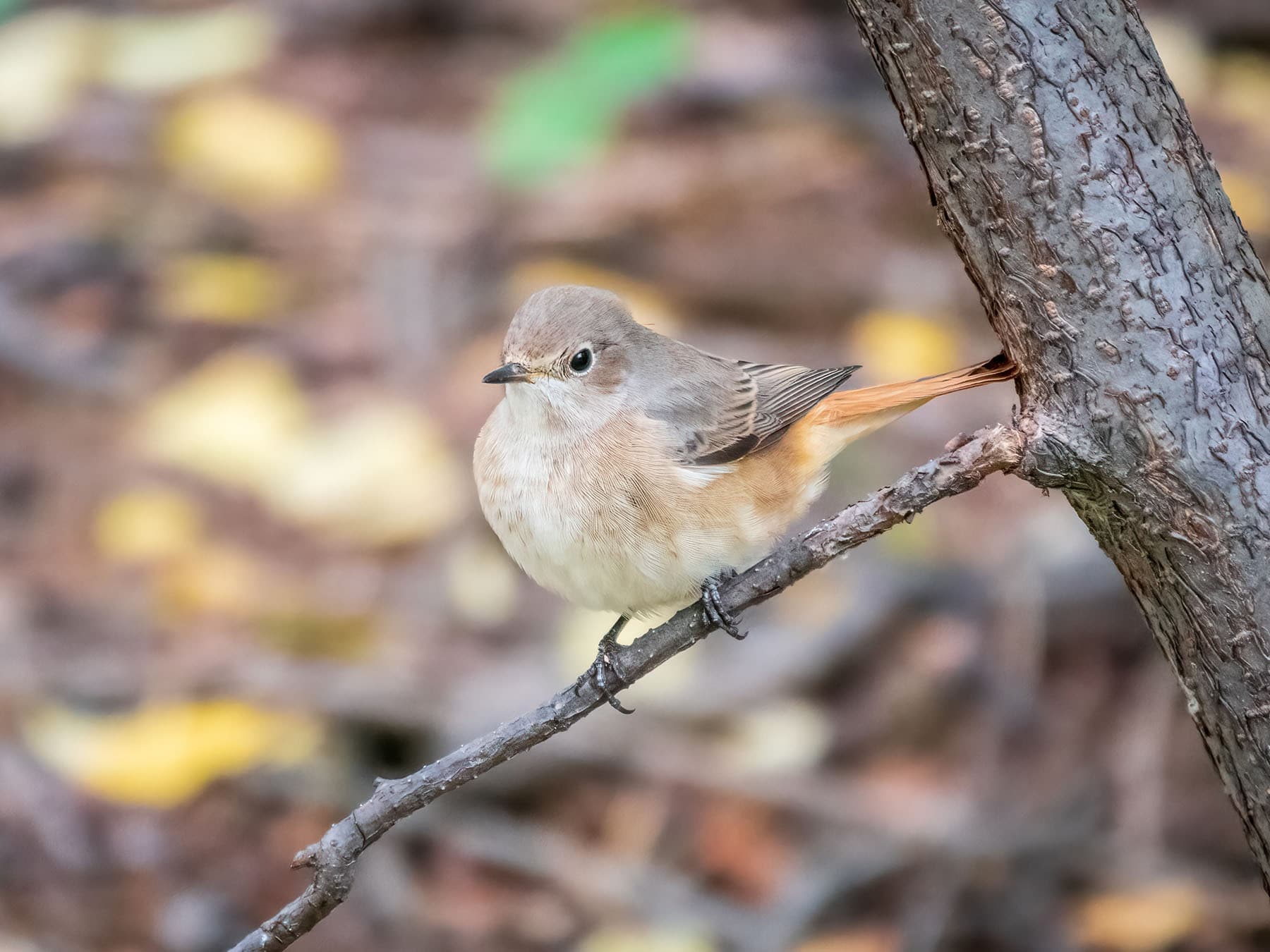
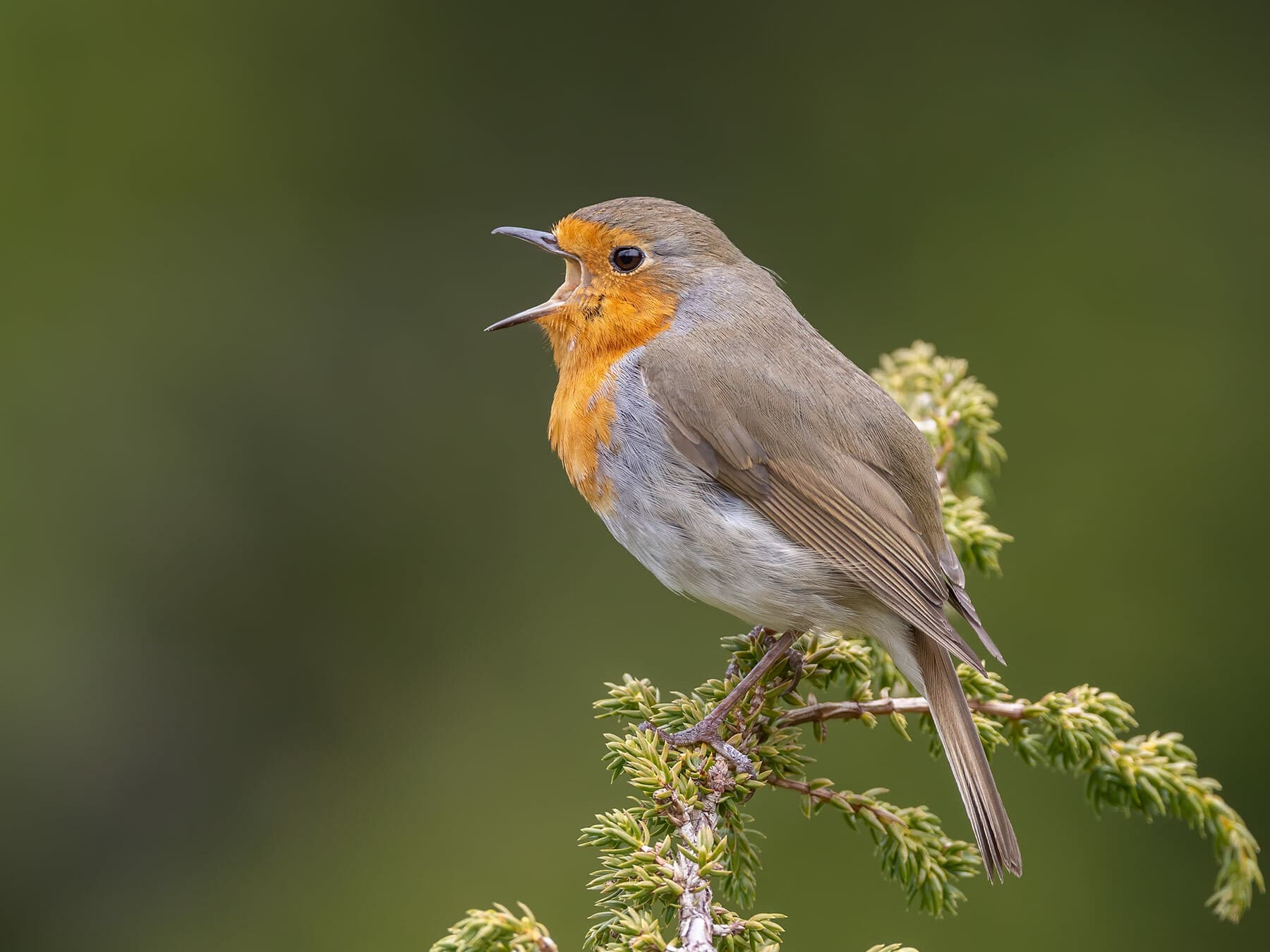
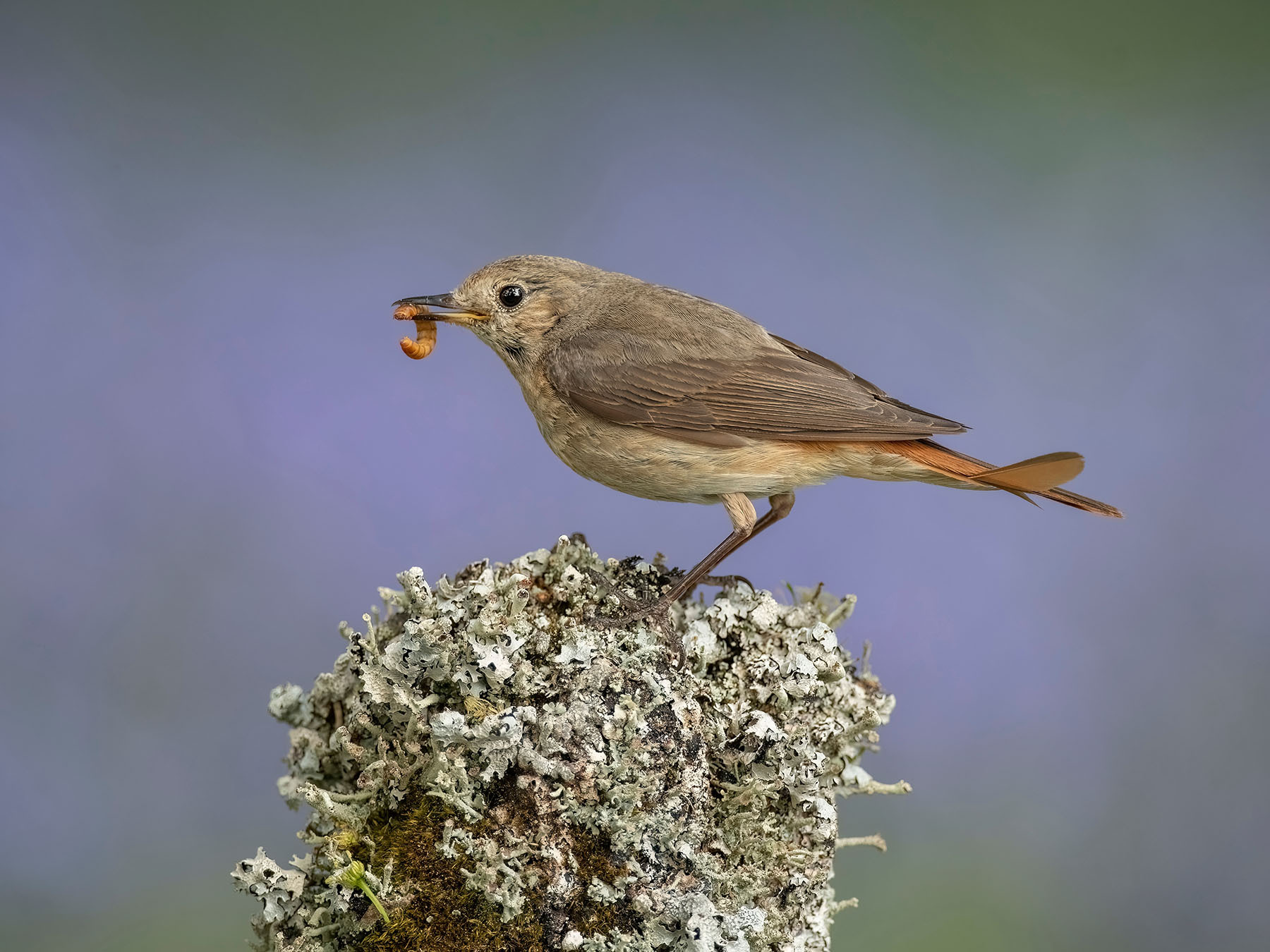
At first glance and from a distance, female redstarts are similar in colouring to robins, with brown crown, nape, back and wings, and an orange-red throat and breast, fading into buff-orange underparts.
As well as the orange-red tail, another difference is that in female redstarts a narrow, white ring is visible around the eye.
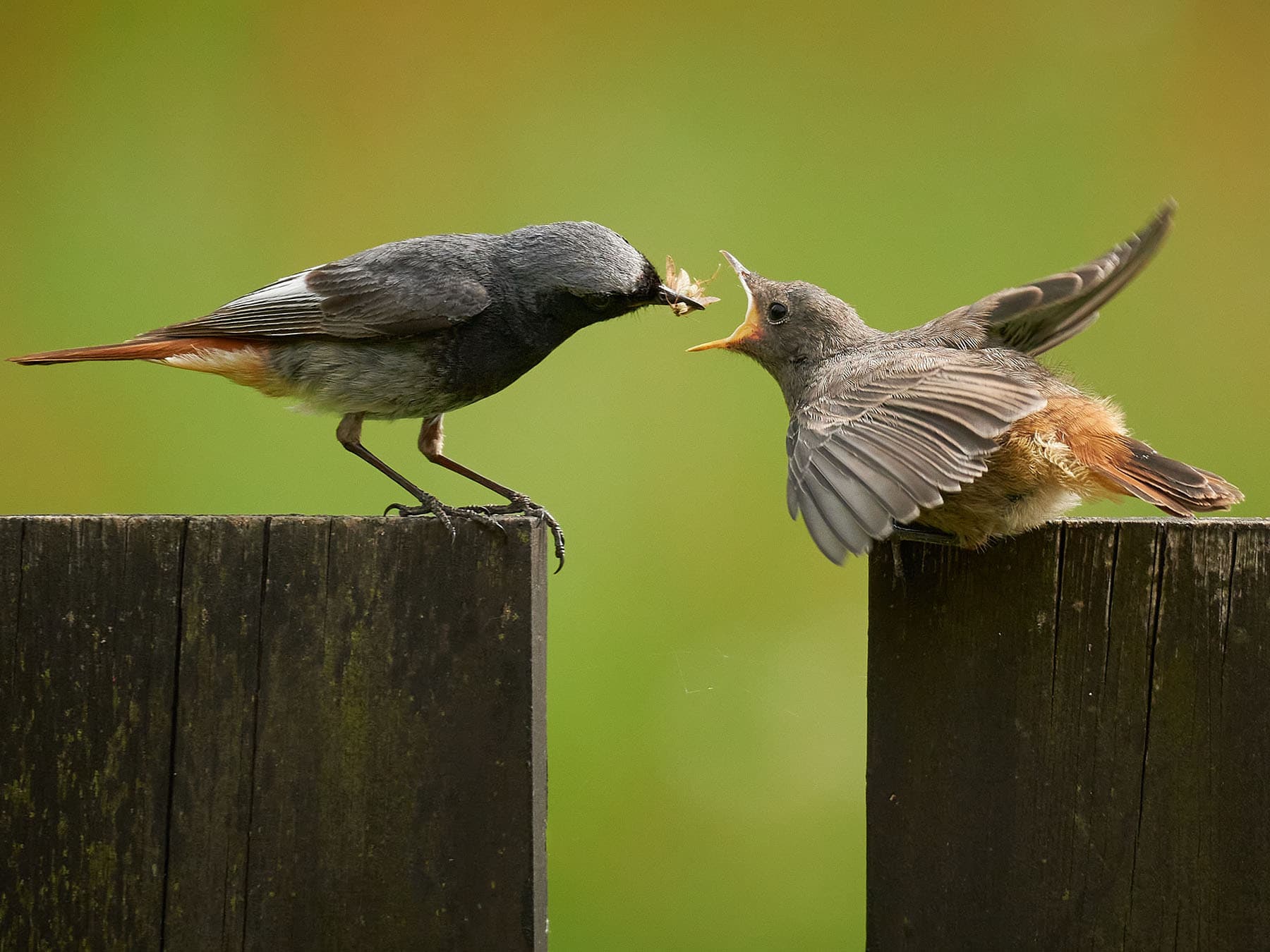
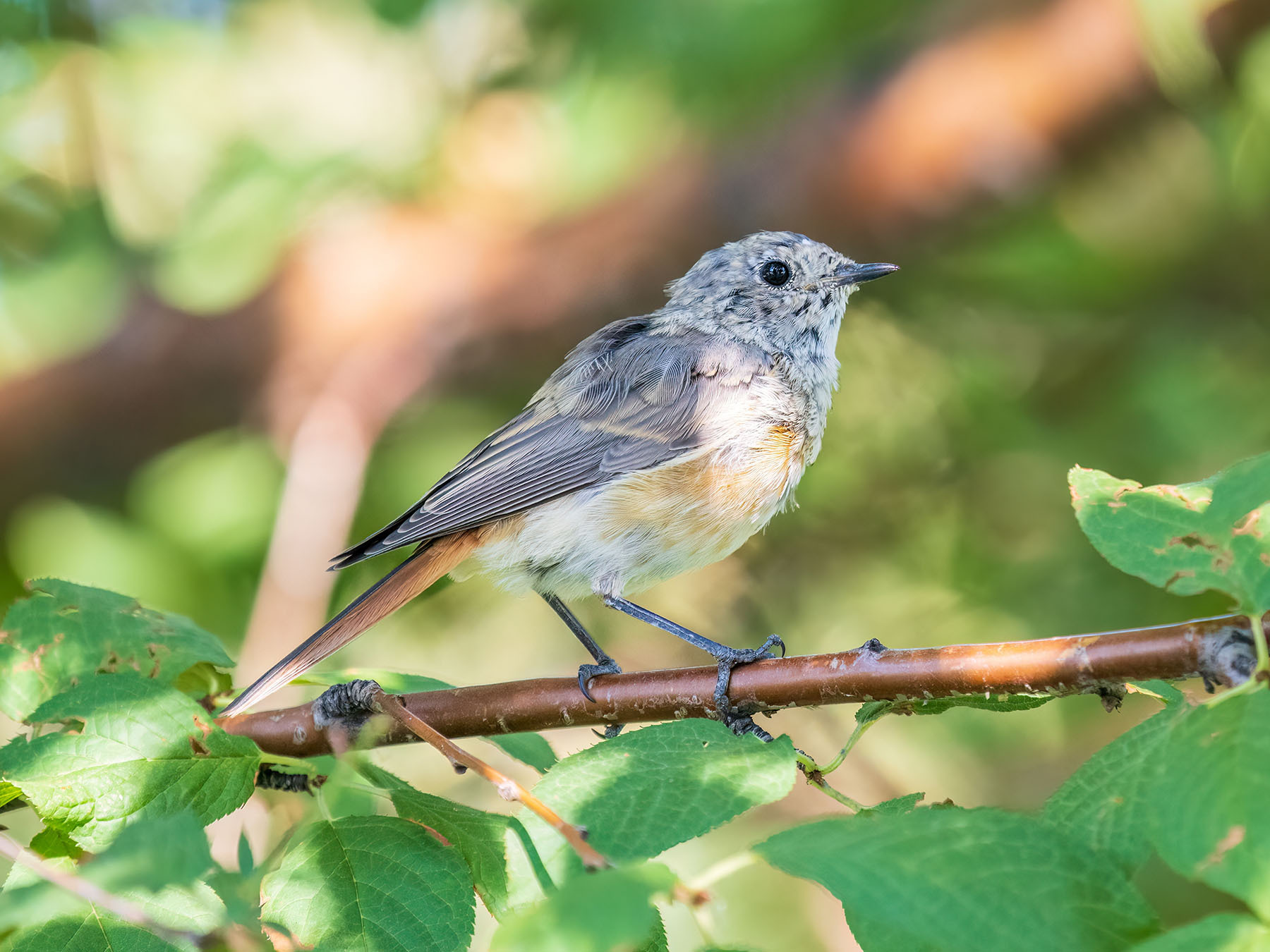
Juvenile redstarts are very similar in appearance to immature robins, with heavily speckled light brown plumage all over, darker on the back than on the breast and belly. Their tail is what marks them out as redstarts, with a vibrant orange already visible on both the upper tail and underneath.
How big are Redstarts?
As well as having some similarities in colour to robins, redstarts are also the same size as their fellow red-breasted songbirds. Redstarts do, however, have longer tails and are marginally slimmer. There is no difference in measurement between the sexes of this species.
- Length: 13 cm to 14.5 cm (5.1 in to 5.7 in)
- Wingspan: 20 to 24 cm (7.8 in to 9.5 in)
- Weight: 11 g to 23 g (0.4 oz to 0.8 oz)
Its size
Adults- Length
- 13–14.5 cm
- Wingspan
- 20–24 cm
- Weight
- 11–23 g
Its song and calls
What sound does a Redstart make?
Male redstarts can be heard singing a tuneful repeated two-phrase song, with whistling notes followed by buzzing sounds. A harsh warble serves as a warning to rivals, and ‘twick’ and ‘chak’ contact calls are also made.
- Song0:00 / 0:16
Recorded in Aberdeenshire, Scotland · April 2019
- Call0:00 / 0:19
Recorded in Normandy, France · September 2026
When and where to see it
OctoberLeaving
Most recorded in October
- 1. Shetland Islands0.29%
- 2. Orkney Islands0.24%
- 3. East Riding of Yorkshire0.18%
- 4. Pembrokeshireunder 0.1%
- 5. Scottish Bordersunder 0.1%
Each dot is a county, state or province: the bigger and darker, the larger the bird’s share of that place’s bird records that month. Grey dots: no regular records. The ringed point is the centre of the bird’s records this month; the arrow shows how it moved since last month, and the dashed loop its path through the year. “Arrivals” colours places where it becomes regular this month (orange) or is in its last regular month (grey). GBIF eBird Observation Dataset, 2019–2024. Map data: Natural Earth, US Census Bureau; place centres © OpenStreetMap contributors.
In your area
See when the Common Redstart is recorded in your county, state or province.
How often the Common Redstart turns up in the UK and Ireland through the year, from birdwatchers' records.
United Kingdom
Summer visitor · regularly Apr–Oct · most records in May
Ireland
Passage migrant · regularly Sep–Oct · most records in October
Show as a table
| Month | United Kingdom | Ireland |
|---|---|---|
| January | <0.001% | – |
| February | <0.001% | – |
| March | <0.001% | – |
| April | 0.098% (regular) | – |
| May | 0.13% (regular) | 0.002% |
| June | 0.097% (regular) | – |
| July | 0.062% (regular) | – |
| August | 0.11% (regular) | – |
| September | 0.11% (regular) | 0.003% (regular) |
| October | 0.033% (regular) | 0.007% (regular) |
| November | <0.001% | 0.002% |
| December | <0.001% | – |
Recorded regularly in
Worldwide: recorded regularly in 88 countries
Countries where it was recorded in at least 3 of the 6 years 2019–2024. Linked countries have their own bird list.
Europe (48)
- Åland Islands
- Albania
- Andorra
- Austria
- Belarus
- Belgium
- Bosnia & Herzegovina
- Bulgaria
- Croatia
- Czechia
- Denmark
- Estonia
- Faroe Islands
- Finland
- France
- Germany
- Gibraltar
- Greece
- Guernsey
- Hungary
- Ireland
- Isle of Man
- Italy
- Jersey
- Kosovo
- Latvia
- Liechtenstein
- Lithuania
- Luxembourg
- Malta
- Moldova
- Montenegro
- Netherlands
- North Macedonia
- Norway
- Poland
- Portugal
- Romania
- Russia
- San Marino
- Serbia
- Slovakia
- Slovenia
- Spain
- Sweden
- Switzerland
- Ukraine
- United Kingdom
Africa (17)
Asia (23)
- Armenia
- Azerbaijan
- Bahrain
- China
- Cyprus
- Georgia
- Iran
- Iraq
- Israel
- Jordan
- Kazakhstan
- Kuwait
- Kyrgyzstan
- Lebanon
- Mongolia
- Oman
- Palestinian Territories
- Qatar
- Saudi Arabia
- Tajikistan
- Turkey
- United Arab Emirates
- Uzbekistan
Data: EOD – eBird Observation Dataset (Cornell Lab of Ornithology), accessed via GBIF.org, CC BY 4.0. Records from 2019–2024, aggregated and filtered by Birdfact. How these lists are made
What is the habitat of a Redstart?
Redstarts are primarily a tree-dwelling species and are rarely seen at ground level. Optimum breeding conditions are found in mild, wet wooded areas, including oak, birch and, in the extreme north of their range, coniferous woodlands.
Mature trees are preferred, as these offer wider opportunities for nest cavities, but may resort to using nest boxes if no natural alternatives are available.
Redstarts may be seen in parks, gardens and orchards with dead trees and suitable tree cover for foraging opportunities. Areas with intense agricultural cultivation are also avoided, and upland landscapes are favoured.
What is the range of a Redstart?
Redstarts breed across much of Europe and Asia, from Wales in the west and eastwards throughout Russia as far as Siberia. Their presence is patchy across Spain, and some breeding does occur in northern Africa, in Morocco and Algeria. To the south-east, redstarts are found across Greece, Turkey and into Kazakhstan.
The winter range is more limited, with all European populations heading to the same sub-Saharan African zone across into the Middle East each autumn, and spending winters in the region from Senegal in the west to Yemen in the east.
Where do Redstarts live?
Despite the species being in decline across Europe, redstart populations are especially numerous in Finland, Romania, France, and Germany. Up to 1 million pairs of redstarts breed in Russia each year.
How rare are Redstarts?
With up to 135,000 pairs of redstarts breeding in Britain each year, they are fairly widespread within their range of upland terrain in northern England and throughout Wales each summer. Outside of this period, sightings would be highly uncommon, as all redstarts migrate to Africa for the winter.
Where can you see Redstarts in the UK?
Wales and northern England are particular ‘hotspots’ for breeding redstarts, which can be seen in the UK between April and September. Breeding also takes place in the north-west of Scotland and at isolated spots across south-western England.
During migration passage to and from their African wintering grounds, you may catch sight of redstarts on thickets and coastal scrubland.
Migration
Do Redstarts migrate?
A fully migratory species, redstarts hold distinct breeding and wintering territories and move between these each spring and autumn.
Non-breeding seasons are spent in Africa, in a band across the continent from Senegal in the west to Ethiopia and Sudan in the east and in parts of Yemen. Breeding takes place to the north, across much of Europe and into parts of northern and central Asia.
Are Redstarts native to the UK?
Redstarts are not native to the UK but are regular and established breeding visitors each spring, arriving from early April onwards to nest and raise their young, before departing in September for their winter territories in Africa and parts of the Middle East.
Tips for seeing it
- Look for their distinctive tail-quivering behaviour
- Listen for their soft 'hueet' call and melodious song
- Search in open woodlands, parks, and gardens, especially near the edges
- In the UK, watch for them during spring and summer in suitable habitats
What it eats
What do Redstarts eat?
Redstarts are mainly insectivorous, but in late summer and early autumn, berries are also added to their diet. Sawflies, ants, wasps and hoverflies are among the chief prey, found by foraging in foliage or from leaves, branches and tree trunks.
Flying insects may also be caught using the ‘sallying’ technique, with male redstarts in particular observed to catch prey mid-flight by hovering or fluttering in pursuit of flies.
What do Redstart chicks eat?
In their early days, young redstarts are fed on beetles and their larvae, flies and butterflies, moths and caterpillars. Spiders and some small crustaceans may also be brought to the nest.
Nesting and breeding
Where do Redstarts nest?
Redstarts are a cavity nesting species, building a cup-shaped nest from grass, roots and moss in a cavity in a tree or tree stump, and lining it with hair or feathers.
Nest sites are usually between 1 m and 8 m (3 ft to 26 ft) off the ground, and occasionally artificial nest boxes may be used if a naturally occurring hollow cannot be found.
What do Redstart eggs look like?
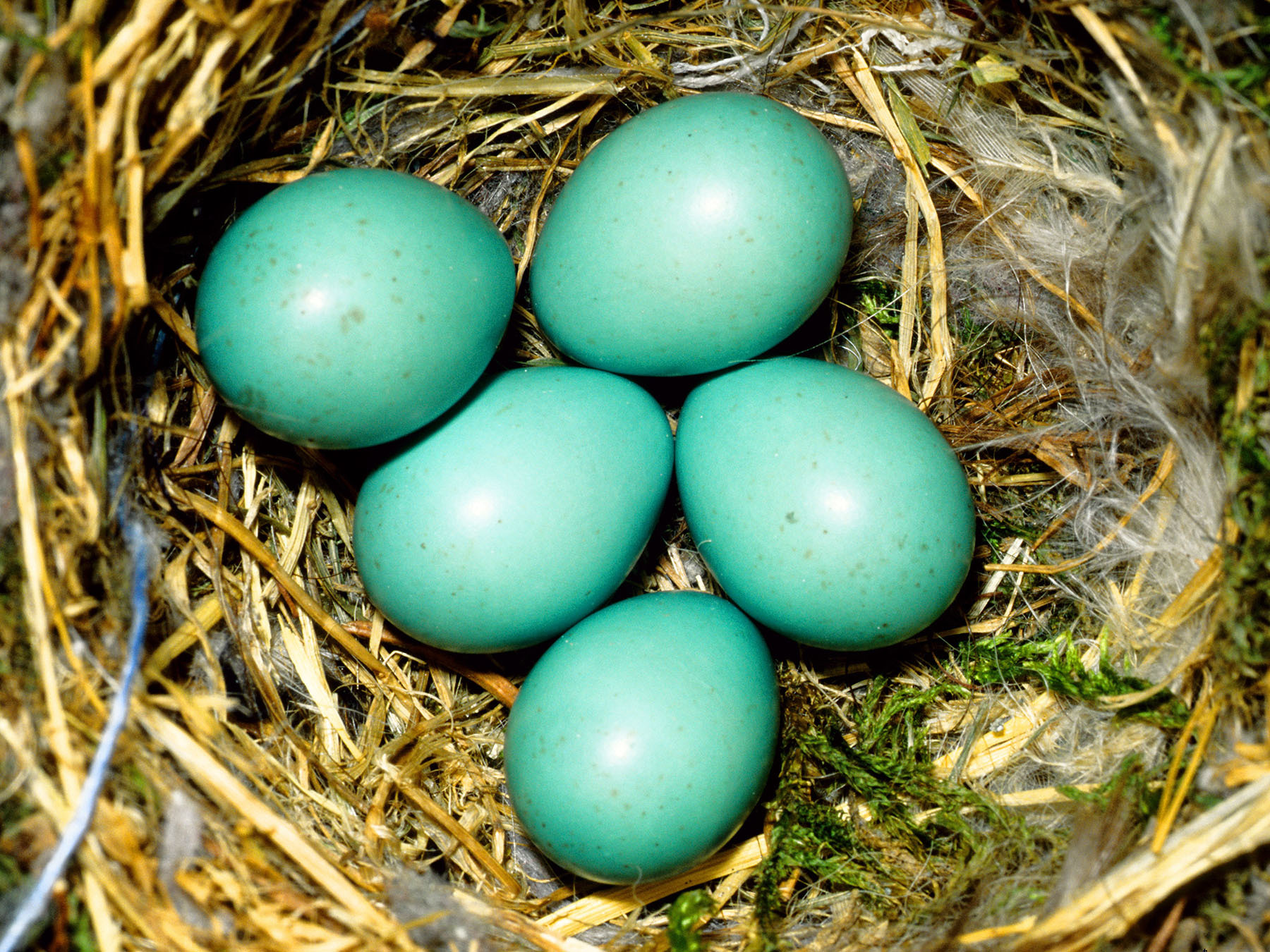
A typical redstart clutch consists of between 5 and 7 eggs, which are pale to greenish blue in colour, and sometimes speckled with red-brown markings.
Eggs, which measure 19 mm by 14 mm (0.7 in by 0.4 in) are incubated by the female alone for 13 to 14 days while the male remains nearby and sings with a characteristic burst of renewed intensity.
Do Redstarts mate for life?
Redstart pairs remain together for the duration of the breeding season, usually raising two broods together. Males arrive on breeding territories a few days ahead of females, and claim a patch as their own. Some records of males maintaining two separate territories for two mates do exist.
Behaviour
Are Redstarts aggressive?
Some level of territorial aggression is observed in nesting redstarts, particularly males. Song is used to warn off rivals and encroaching birds. Outside of this period, redstarts may form large flocks for migration.
Where do Redstarts sleep at night?
As a tree-dwelling species, it is reasonable to assume that night-time roosting spots are found in the branches of trees.
Little is known about the nocturnal preferences of common redstarts, but as their daily lives are spent foraging in the branches, it’s likely that their nights are spent in similar concealed environments while they safely catch up on some overnight rest.
Lifespan and predators
How long do Redstarts live?
The oldest recorded redstart was 8 years and 8 days, but an average life expectancy of 2 years is more typical. Redstarts breed for the first time at 1 year.
What are the predators of Redstarts?
Not much is known about the predators of redstarts, which are known to be a particularly elusive and secretive species. Their nests are, however, frequently targeted by cuckoos as a host species, with redstarts raising cuckoo chicks alongside their own young.
Nest predation by wrynecks and starlings has also been reported.
Are Redstarts protected?
The Wildlife and Countryside Act, 1981, was introduced to offer protection for wild birds in Britain, including redstarts, against being intentionally killed, injured or caught.
Are Redstarts endangered?
Redstart numbers are in decline across Europe, and have been negatively impacted by drought conditions in their African wintering grounds during the 1960s as well as habitat loss. In the UK, redstarts have Amber status on the Birds of Conservation Concern list.
Conservation
While listed as Least Concern globally, Common Redstart populations have experienced declines in parts of Europe.
Conservation efforts focus on maintaining suitable breeding habitats, particularly in managed woodlands and parklands. Climate change and habitat loss in wintering grounds are ongoing concerns.
Similar birds
Often mistaken for
More photos
5 photos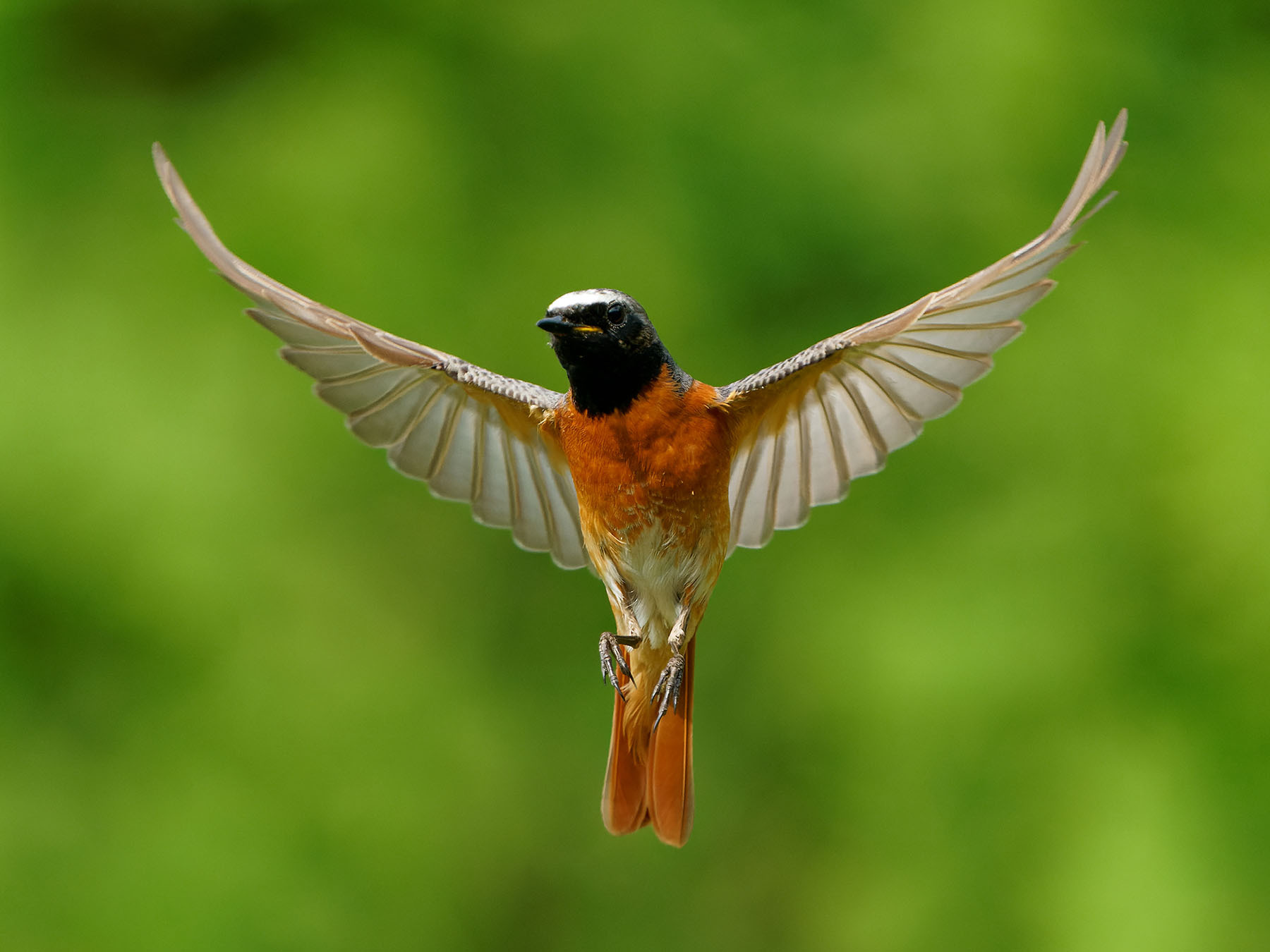
Quick facts
- Length
- 13–14.5 cm
- Wingspan
- 20–24 cm
- Weight
- 11–23 g
- Lifespan
- 2 years · oldest recorded 10.2 years
- Family
- Old World Flycatchers
- Migration
- Long-distance Migrant
- Global status (IUCN)
- Least Concern
- World population
- 32,100,000 - 49,800,000 mature individuals
- Population trend
- Increasing
- Also called
- European Redstart, Redstart
- Scientific name
- Phoenicurus phoenicurus
Questions
2How many Redstarts are there in the UK?
Up to 135,000 breeding pairs of redstarts are estimated to spend the spring and summer raising their young in the UK each year. From October to late February, there are no resident redstarts, as they depart from their British breeding territories in search of warmer conditions.
How to attract Redstarts?
In the absence of natural tree hollows, redstarts will occasionally set up home in a manmade nest box, and one way to make your garden as appealing as possible is to encourage a wide variety of insect life for them to forage on.
Planting a mix of insect-friendly plants and flowers, and leaving weeds to grow wild, may bring you some success in attracting Redstarts.
Redstart sightings are increasingly being reported in urban areas, such as parks and residential areas, so it is not impossible for breeding redstarts to nest in a back garden in the regions in which they are most widespread.
Sources
4- 1BirdLife International. 2019. Phoenicurus phoenicurus (amended version of 2016 assessment). The IUCN Red List of Threatened Species 2019: e.T22710055A155611852. Source (opens in a new tab)
- 2EBCC (2015)
- 3BirdLife International. 2019. Phoenicurus phoenicurus (amended version of 2016 assessment). The IUCN Red List of Threatened Species 2019: e.T22710055A155611852. Source (opens in a new tab)
- 4Fransson et al., EURING list of longevity records for European birds (2010) Source (opens in a new tab)

Checked by
Nathan Cope, founder and editor
Nathan founded Birdfact and leads its writers and contributors in the UK, the US and Canada. He has watched and studied birds for more than ten years, and checks every article and species guide before it’s published.