


Hawfinch
Common Hawfinch · Coccothraustes coccothraustes
By the Birdfact teamChecked by Nathan Cope
On this page14 sections
How to recognise it
What do Hawfinches look like?
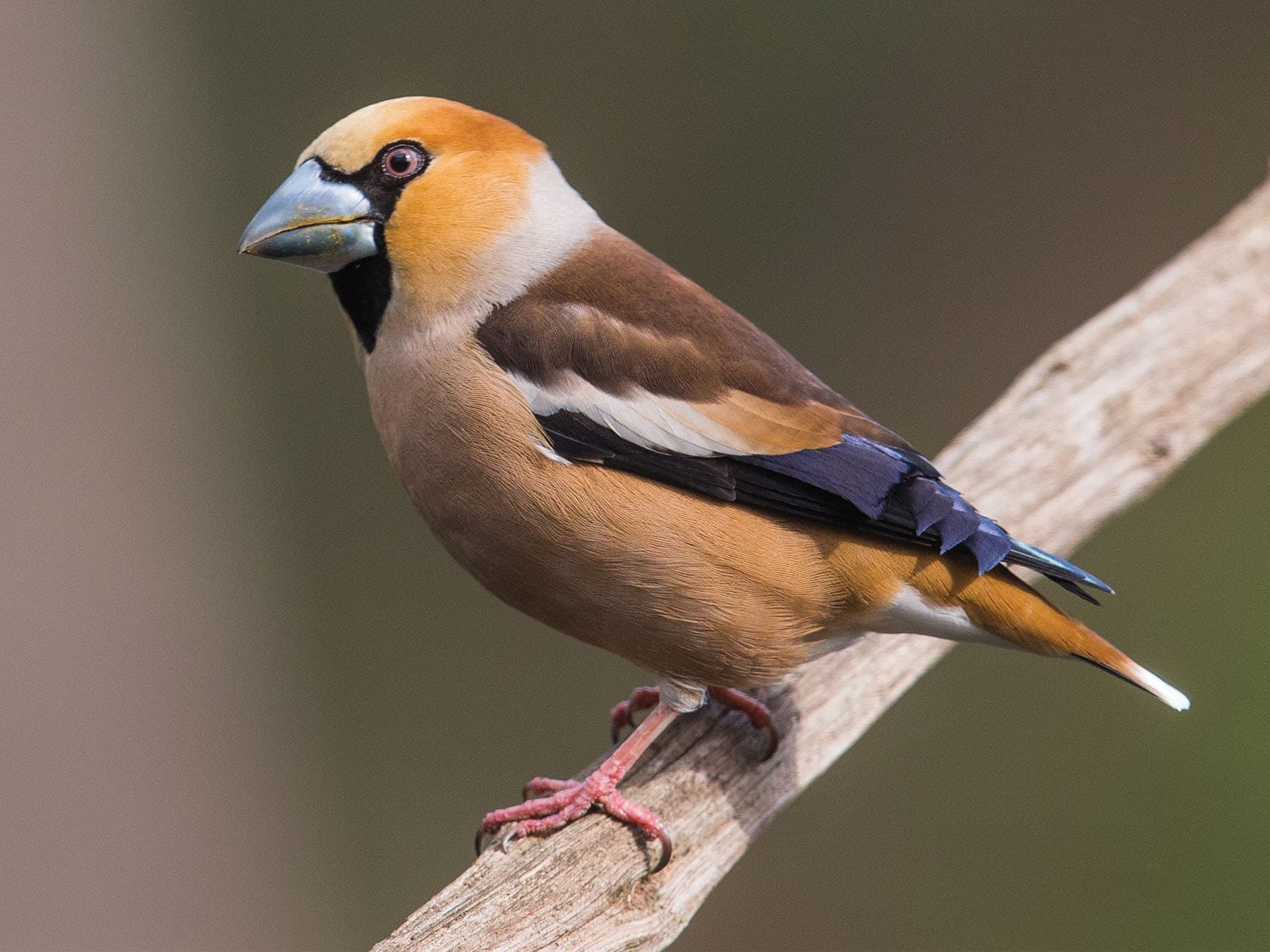
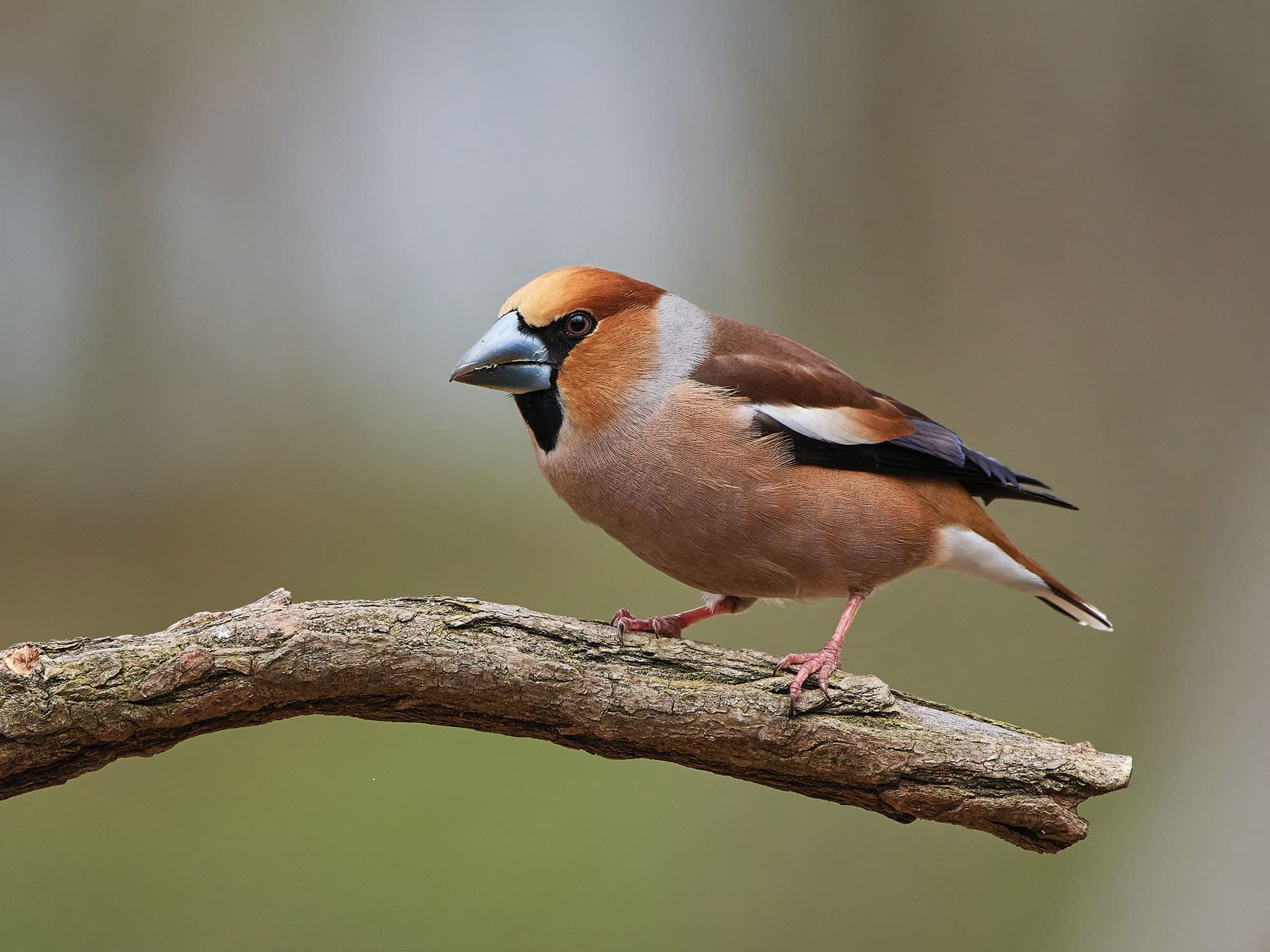
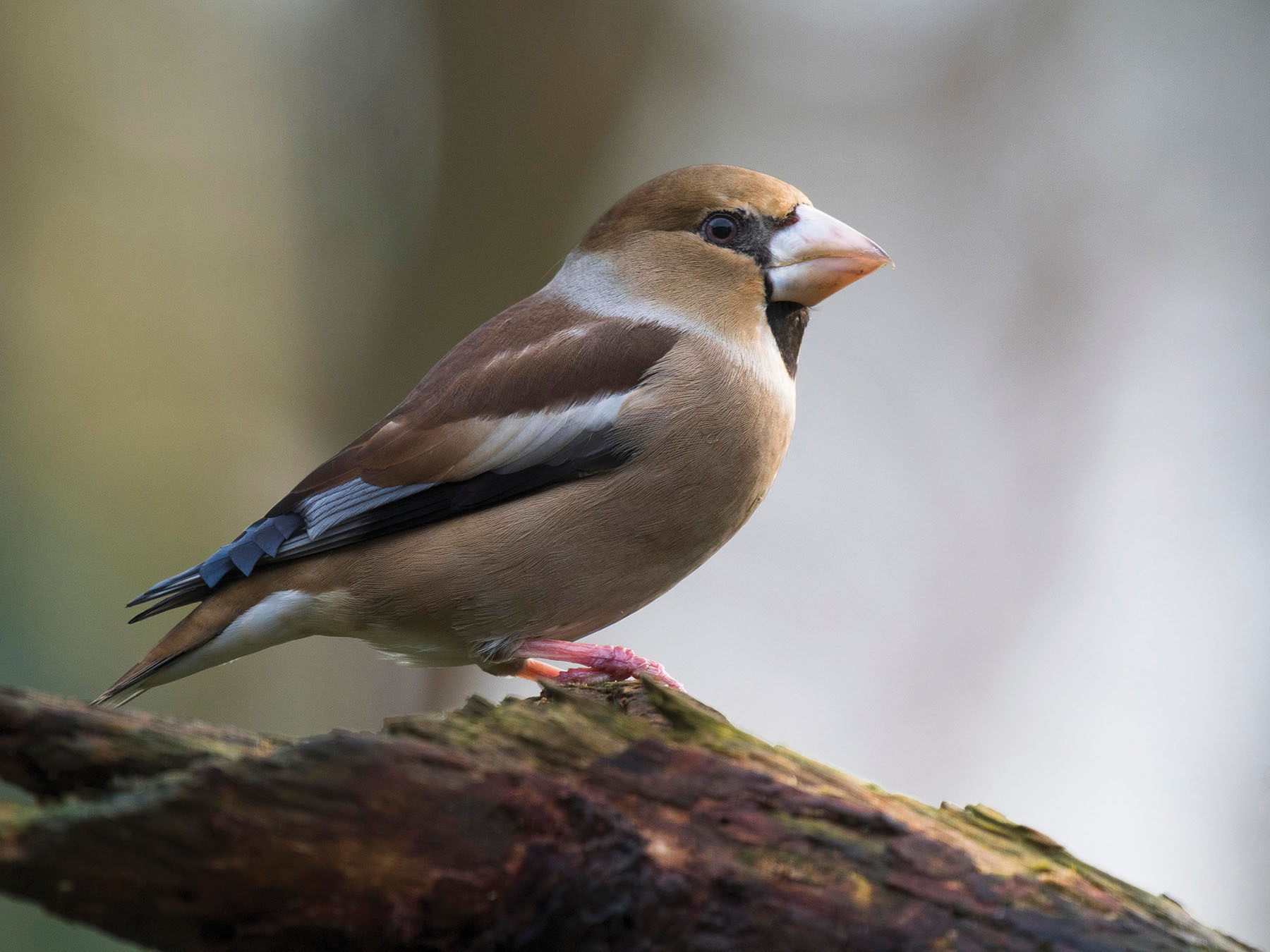
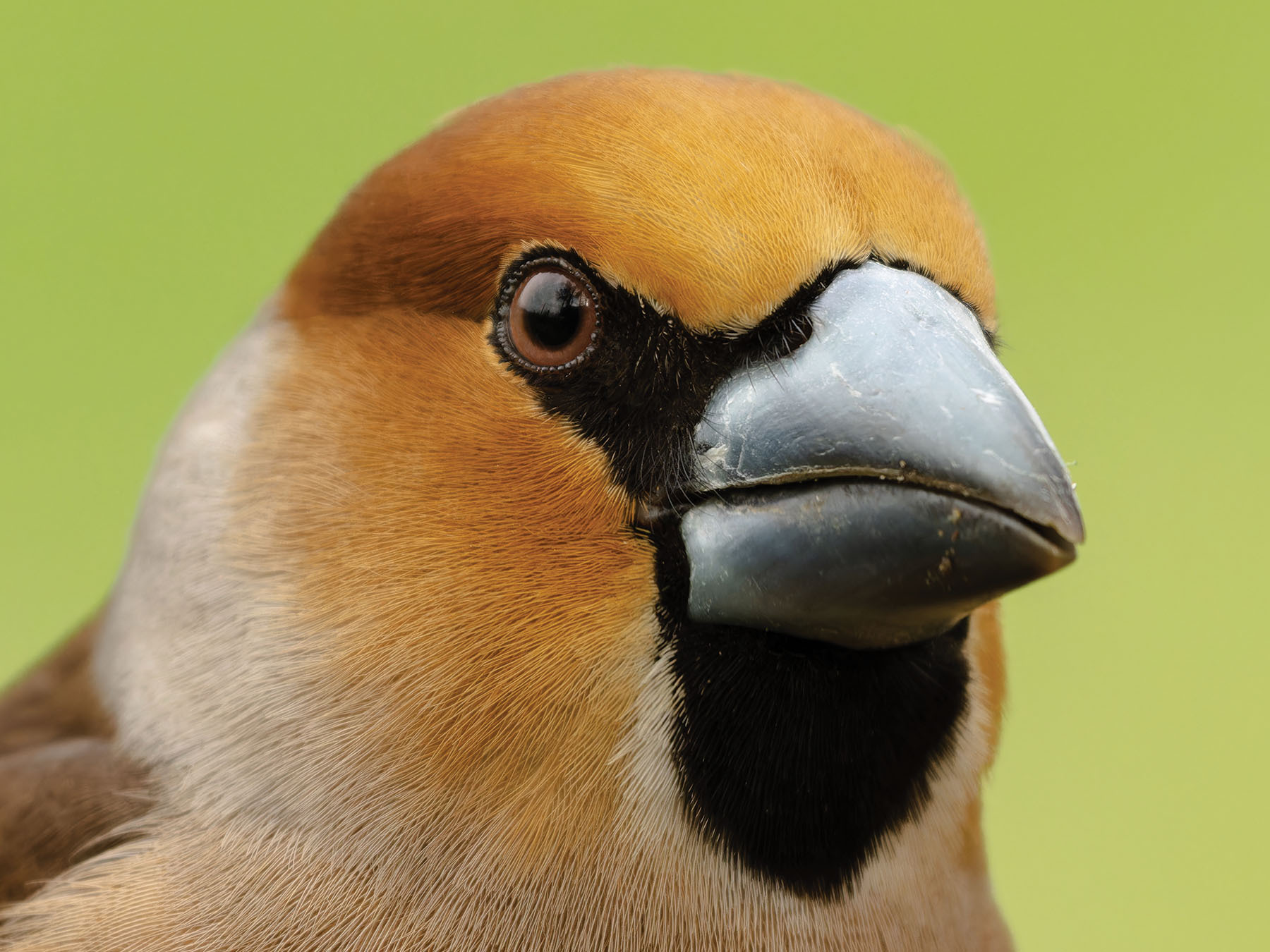
Hawfinches are a distinctive chunky finch, with a large round pale orange-chestnut head with contrasting black eye markings, and powerful wide bill being their most notable features. Their plumage consists of shades of light brown and orange, with a darker orange head fading into a paler buff-brown breast and belly.
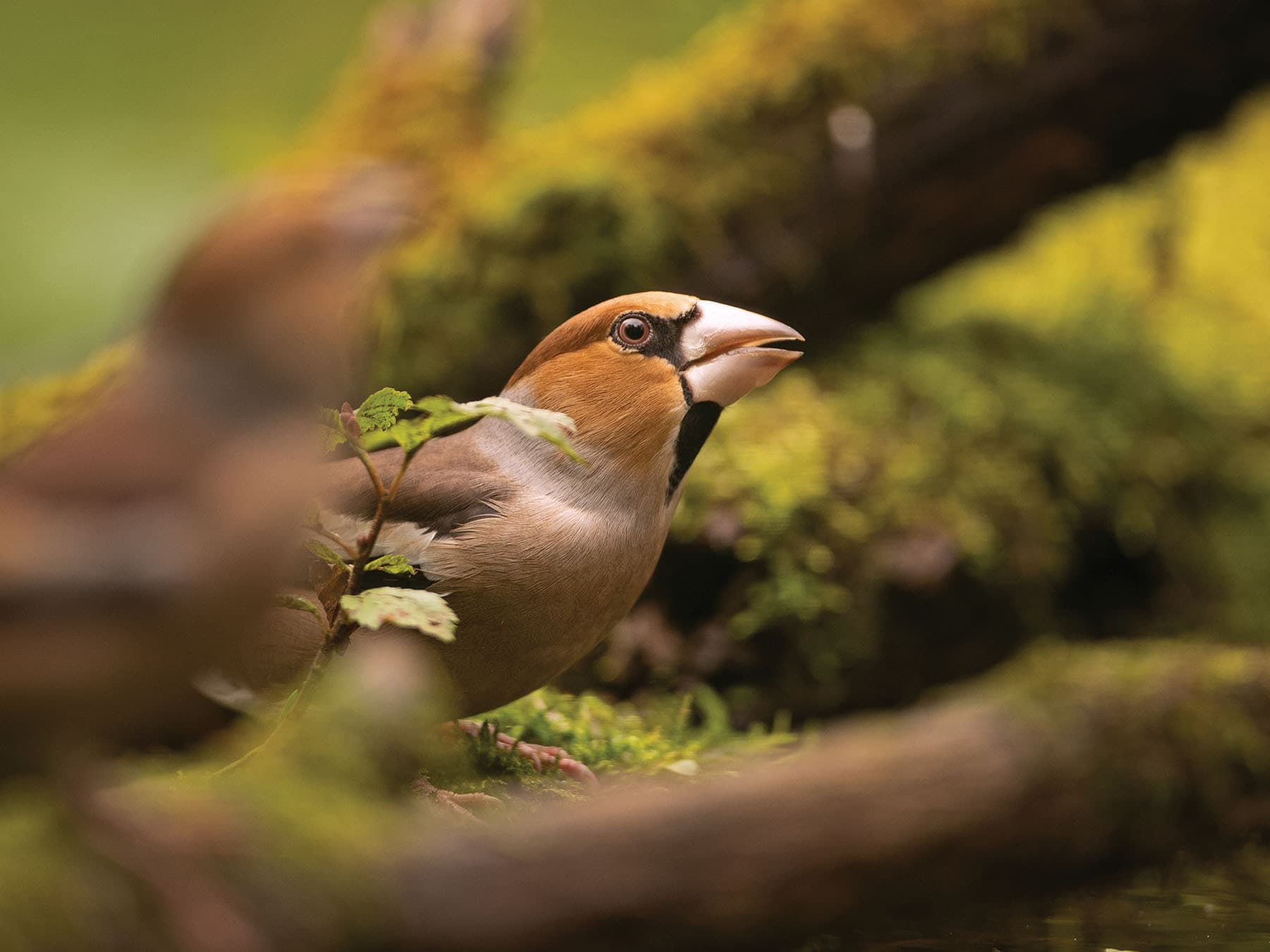
Facial markings include a small black bib beneath the bill which extends to form a narrow ring around the upper bill and a black patch that reaches the eyes.
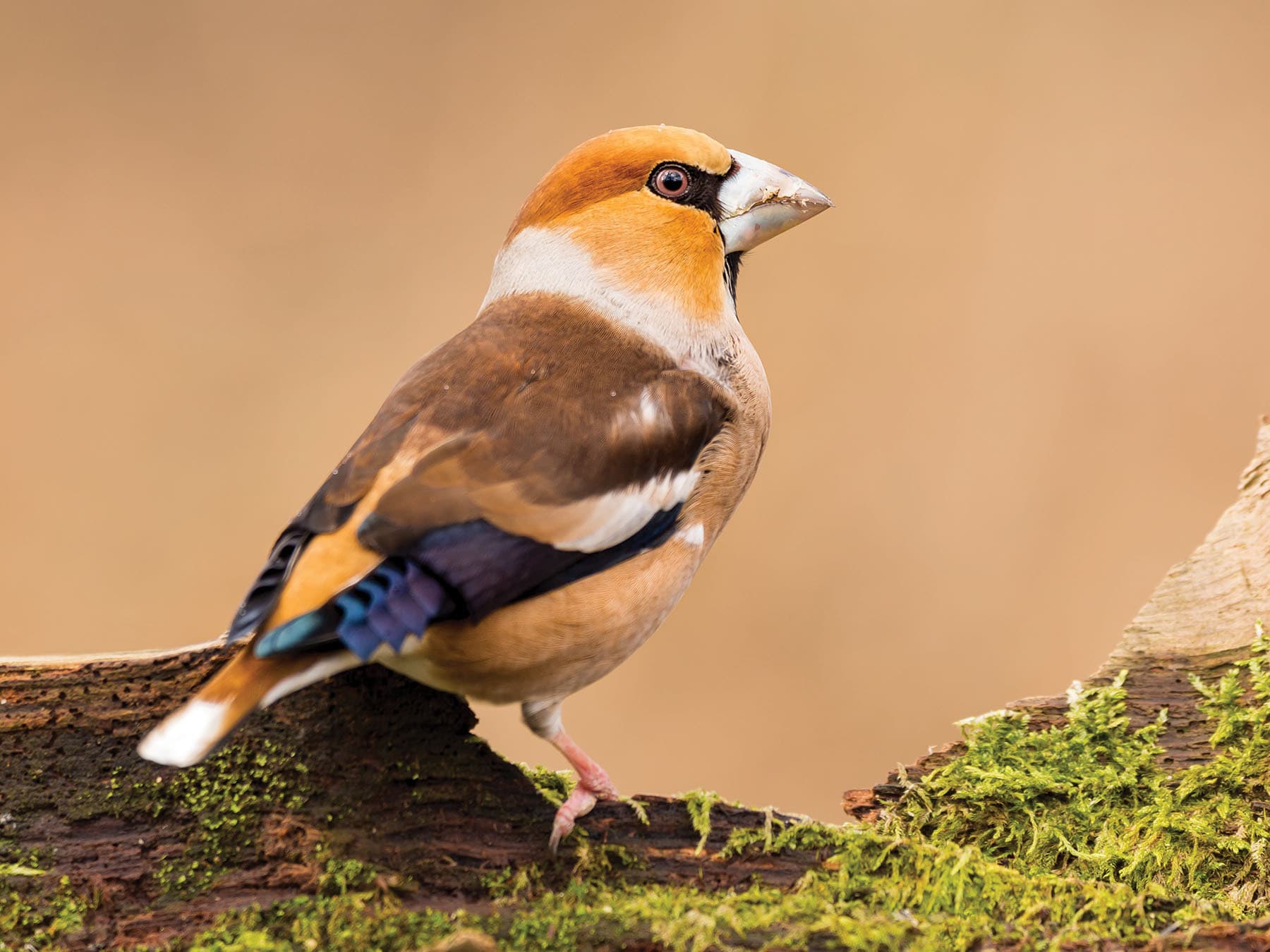
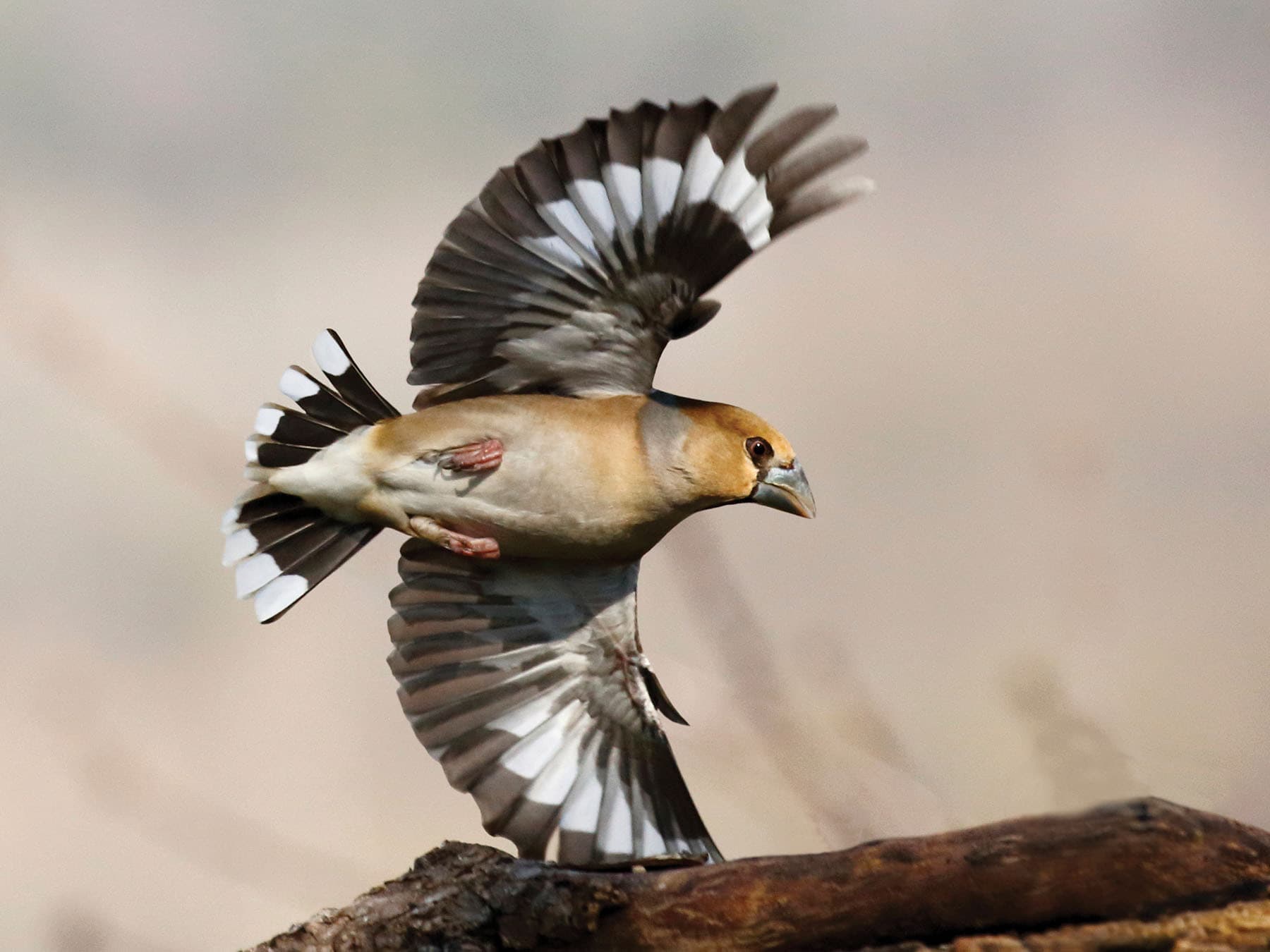
The nape of a male hawfinch is a greyish-buff, darkening into a deeper brown back. Wings are dark brown, with white and blue bars, and a black and white rump is visible in flight. The deep orange-brown tail is tipped with white.
Perhaps the most iconic feature, the wide, out-of-proportion bill, is light greyish-blue in winter and darkens to near-black in the summer. Legs are pinkish-brown and irises are reddish-brown.
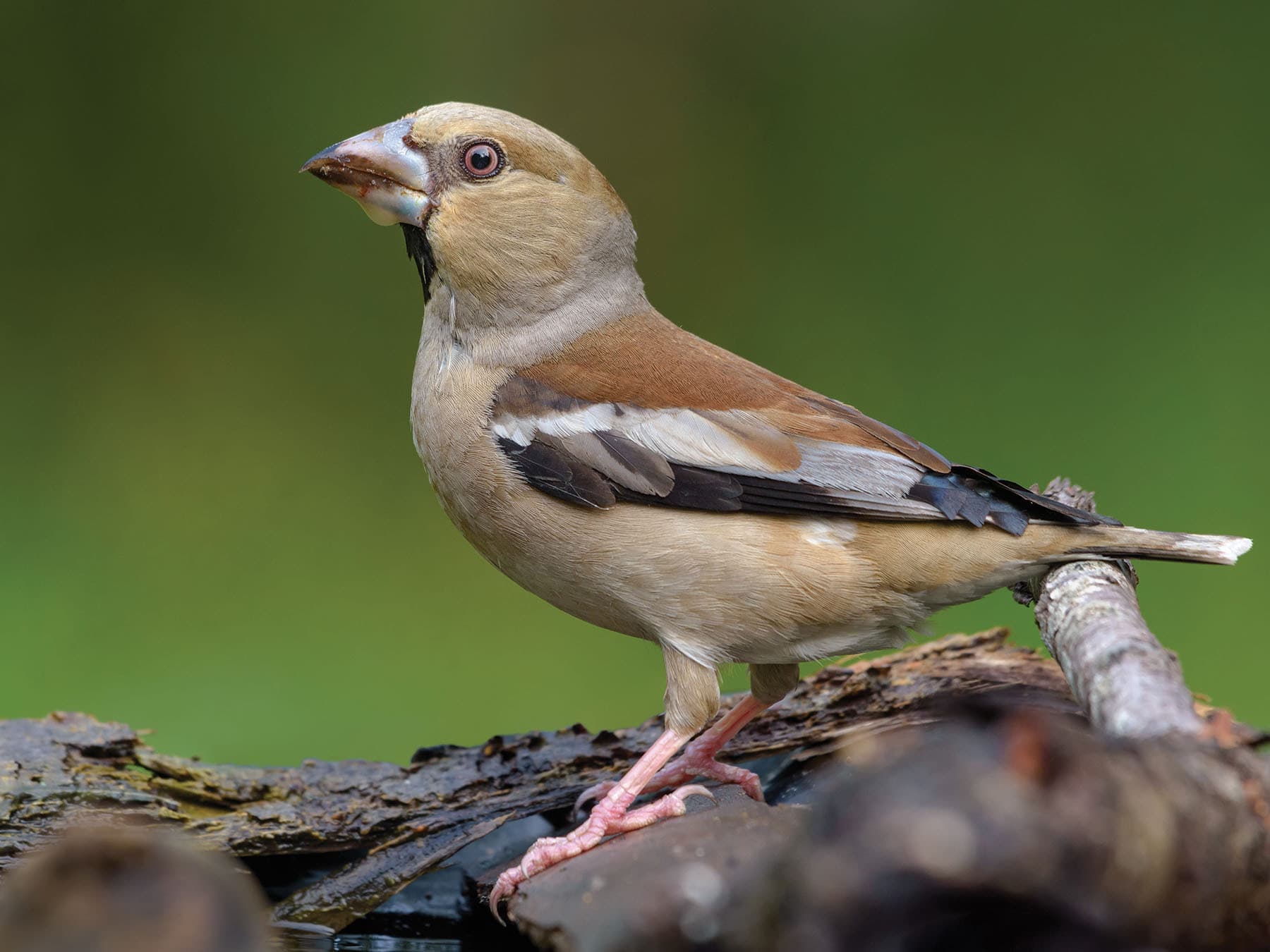
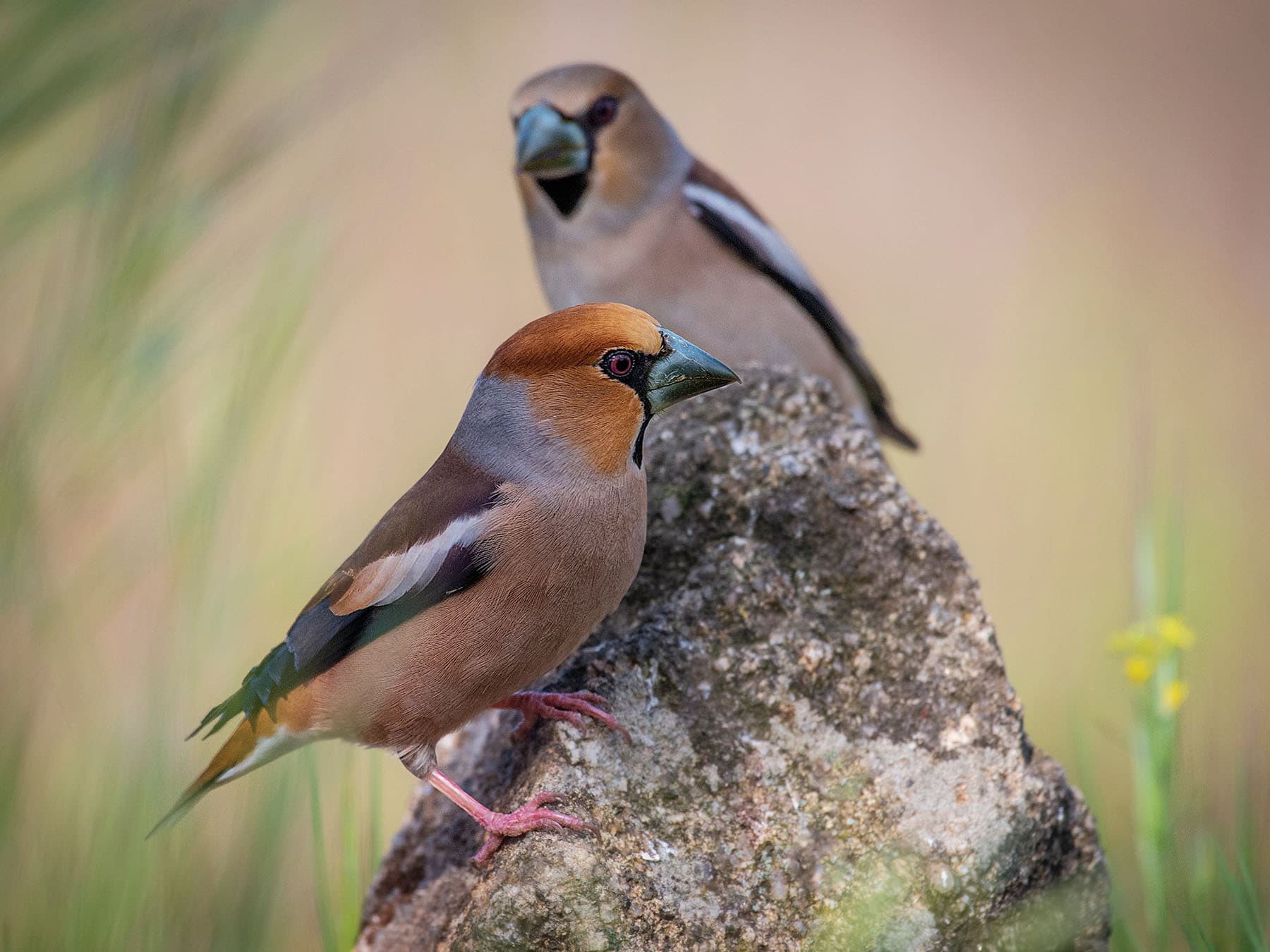
Female hawfinches have similar markings to males, but can be fairly easily distinguished due to their plumage being paler and altogether less vibrant.
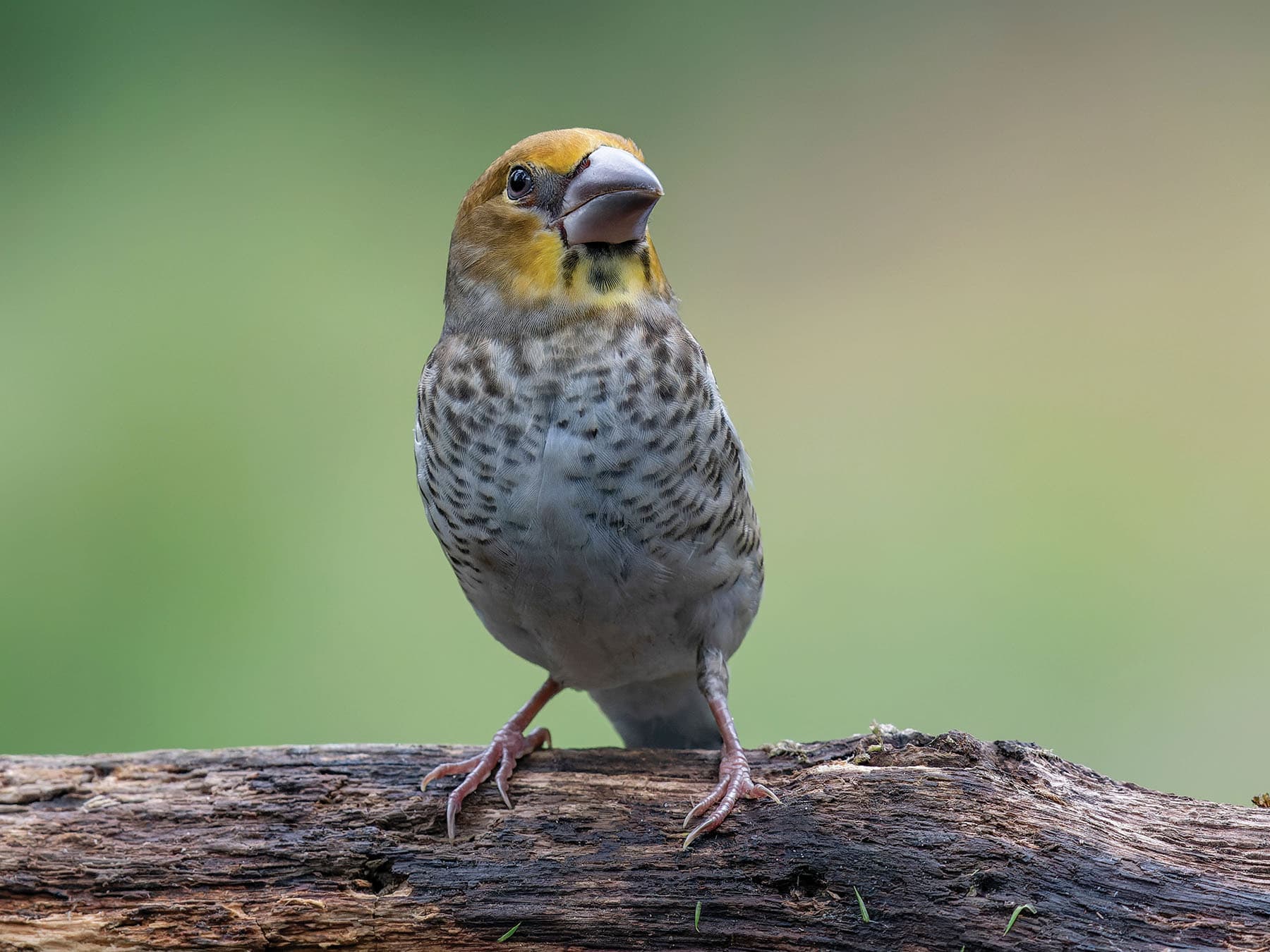
Juvenile hawfinches lack the bold contrasting plumage of adult birds, although some of the markings are evident in a muted form. Their colouring is more of a mottled yellowish-brown than the richer chestnut tones, but the early stages of faint wing barring can be seen, and the bill, already a distinctive feature, is a pale yellowish-brown.
How big are Hawfinches
Hawfinches are the largest member of the finch family, slightly smaller than a starling and around 6 cm larger than a blue tit. Males are slightly larger and heavier than females, with measurements and weights in the average range below:
- Size: 16.5 cm to 18cm (6.5 in to 7.1 in)
- Wingspan: 29 cm to 33 cm (11.4 in to 13 in)
- Weight: 48 g to 62 g (1.7 oz to 2.2 oz)
Its size
Adults- Length
- 16.5–18 cm
- Wingspan
- 29–33 cm
- Weight
- 48–62 g
Its song and calls
What sound does a Hawfinch make?
As hawfinches can be fairly hard to spot, hidden among the foliage of the upper canopy of woodlands, one way to positively ID the species is to learn to recognize their call, a sharp ‘tic’ sound, similar to that made by a robin. The song of the male hawfinch is a quiet, whistled series of flowing notes.
- Song0:00 / 0:10
Recorded in Normandy, France · May 2026
- Call0:00 / 0:17
Recorded in Provence-Alpes-Côte d'Azur, France · December 2024
When and where to see it
OctoberArriving
Most recorded in October
- 1. Orkney Islands0.21%
- 2. Shetland Islands0.13%
- 3. Fifeunder 0.1%
- 4. Eilean Siarunder 0.1%
- 5. Bedfordshireunder 0.1%
Each dot is a county, state or province: the bigger and darker, the larger the bird’s share of that place’s bird records that month. Grey dots: no regular records. The ringed point is the centre of the bird’s records this month; the arrow shows how it moved since last month, and the dashed loop its path through the year. “Arrivals” colours places where it becomes regular this month (orange) or is in its last regular month (grey). GBIF eBird Observation Dataset, 2019–2024. Map data: Natural Earth, US Census Bureau; place centres © OpenStreetMap contributors.
In your area
See when the Hawfinch is recorded in your county, state or province.
How often the Hawfinch turns up in the UK through the year, from birdwatchers' records.
United Kingdom
Winter visitor · all year · most records in November
Show as a table
| Month | United Kingdom |
|---|---|
| January | 0.029% (regular) |
| February | 0.029% (regular) |
| March | 0.019% (regular) |
| April | 0.007% (regular) |
| May | 0.006% (regular) |
| June | 0.006% (regular) |
| July | 0.002% (regular) |
| August | 0.003% (regular) |
| September | 0.005% (regular) |
| October | 0.027% (regular) |
| November | 0.032% (regular) |
| December | 0.023% (regular) |
Recorded regularly in
Worldwide: recorded regularly in 61 countries
Countries where it was recorded in at least 3 of the 6 years 2019–2024. Linked countries have their own bird list.
Europe (40)
- Åland Islands
- Albania
- Austria
- Belarus
- Belgium
- Bosnia & Herzegovina
- Bulgaria
- Croatia
- Czechia
- Denmark
- Estonia
- Faroe Islands
- Finland
- France
- Germany
- Greece
- Hungary
- Iceland
- Italy
- Kosovo
- Latvia
- Lithuania
- Luxembourg
- Moldova
- Montenegro
- Netherlands
- North Macedonia
- Norway
- Poland
- Portugal
- Romania
- Russia
- Serbia
- Slovakia
- Slovenia
- Spain
- Sweden
- Switzerland
- Ukraine
- United Kingdom
Asia (19)
- Armenia
- Azerbaijan
- China
- Cyprus
- Georgia
- Iran
- Israel
- Japan
- Kazakhstan
- Kyrgyzstan
- Lebanon
- Mongolia
- Palestinian Territories
- Philippines
- South Korea
- Taiwan
- Tajikistan
- Turkey
- Uzbekistan
Data: EOD – eBird Observation Dataset (Cornell Lab of Ornithology), accessed via GBIF.org, CC BY 4.0. Records from 2019–2024, aggregated and filtered by Birdfact. How these lists are made
What is the habitat of a Hawfinch?
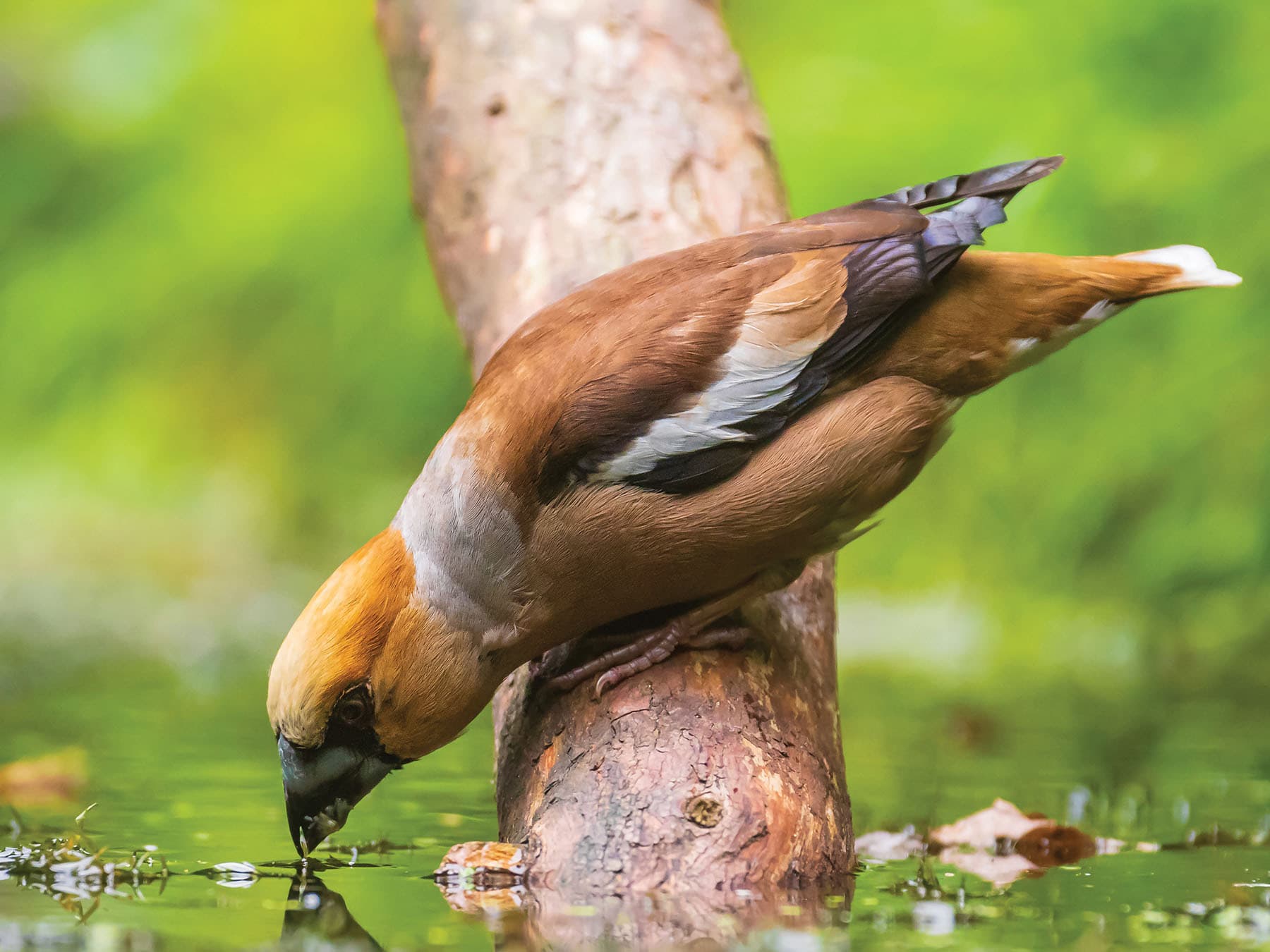
For the best chance of seeing a hawfinch in its preferred habitat, head for mature broadleaf and coniferous forests, where dominant species include oak, horn-beam, beech, maple, pine, juniper, ash, elm and sycamore.
Woodlands that are crossed by rivers and streams are particularly popular, as well as plantations with wild and cultivated cherries, olives, plums and other fruit trees.
What is the range of a Hawfinch?
Central and southern Britain form the western extreme of the breeding range of hawfinches, and the species is present across northern Europe in spring and summer, as far east as Kazakhstan and Mongolia, and to the south from Spain, eastwards to northern Greece and northern Turkey.
In winter, southward migration is seen, with hawfinches wintering across Mediterranean Europe and north Africa, central Asia and southern and south-eastern China.
Where do Hawfinches live?
Up to 1.5 million pairs of hawfinches live across the species’ European range, with the highest concentrations in the Czech Republic, Germany and Romania. Around 100,000 pairs live and breed in Russia, with up to 10,000 more in Turkey.
How rare are Hawfinches?
During the breeding season, hawfinches are notoriously hard to spot, as their favourite spots are high in the canopy layer of mature woodland trees.
With only between 500 and 1,000 breeding pairs, they are considered a rare breeding species in the UK, although in winter, native numbers are boosted by the arrival of temporary migrants seeking refuge from extremely harsh conditions in continental Europe.
Where can you see Hawfinches in the UK?
In the British Isles, hawfinches have declined in many areas, with the main remaining strongholds found in western England near the Welsh Borders, the Home Counties and the south-east from Hampshire to Kent.
Sightings are also occasionally reported at conservation reserves such as Nagshead in Gloucestershire and Blean Woods in Kent.
Migration
Do Hawfinches migrate?
Throughout much of Europe, hawfinch populations are year-round residents, although across the continent numbers increase during winter months with the arrival of birds from the easternmost regions of their range in northern and central Asia.
Areas across southern and Mediterranean Europe do not have breeding populations of hawfinches, but provide overwintering grounds to hawfinch populations that breed in the northernmost extents of their distribution range.
Are Hawfinches native to the UK?
Between 500 and 1,000 pairs of hawfinches breed in the UK each year, and remain as residents throughout the year.
These native birds are joined by up to 15,000 migrant birds between October and March each year, typically relocating temporarily from Central Asia when local conditions make it harder to find food.
Tips for seeing it
- Look for Hawfinches in mature deciduous or mixed woodlands, especially those with hornbeam or wild cherry trees.
- Listen for their distinctive 'tick' call, which can help locate them in dense foliage.
- In the UK, visit sites like the Forest of Dean or Bedgebury Pinetum for better chances of spotting them.
- Use binoculars to spot their unique bill shape and wing patterns when perched high in trees.
What it eats
What do Hawfinches eat?
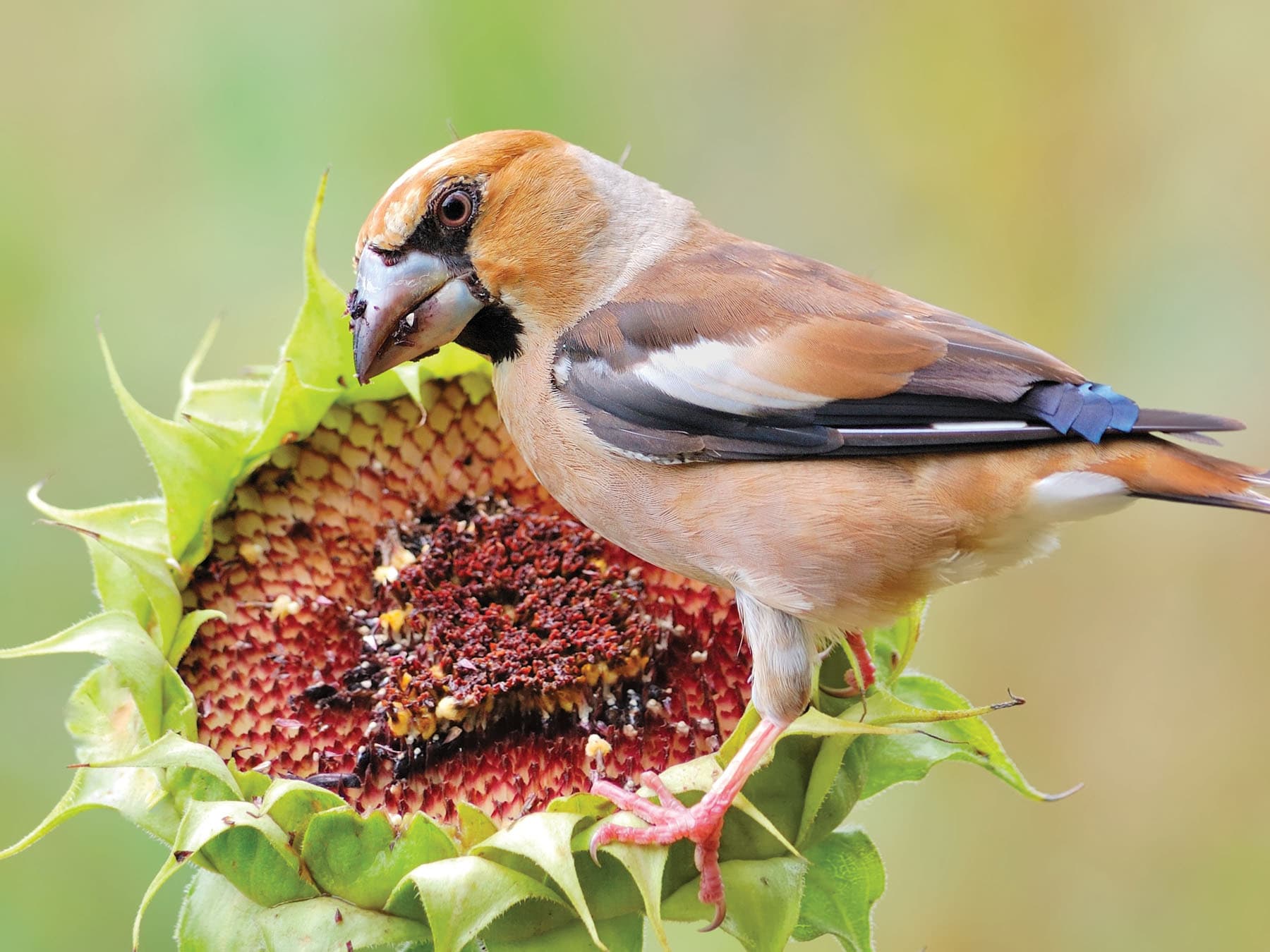
With their strong powerful beak, hawfinches can crush the outer shell of a cherry or plum stone with ease to reach the inner kernel. Fruit seeds are the key element of their diet, and food is mostly taken directly from trees.
Berries, and seeds from pine, spruce and hornbeam are also widely eaten and occasionally foraging takes place on the ground, where invertebrates are also caught, especially locusts, grasshoppers, beetles, worms and moths.
What do Hawfinch chicks eat?
Young hawfinches are initially fed on invertebrates, including small insects, caterpillars and larvae. Softer seeds are also regurgitated until juvenile birds master the art of cracking harder shells themselves.
Nesting and breeding
Where do Hawfinches nest?
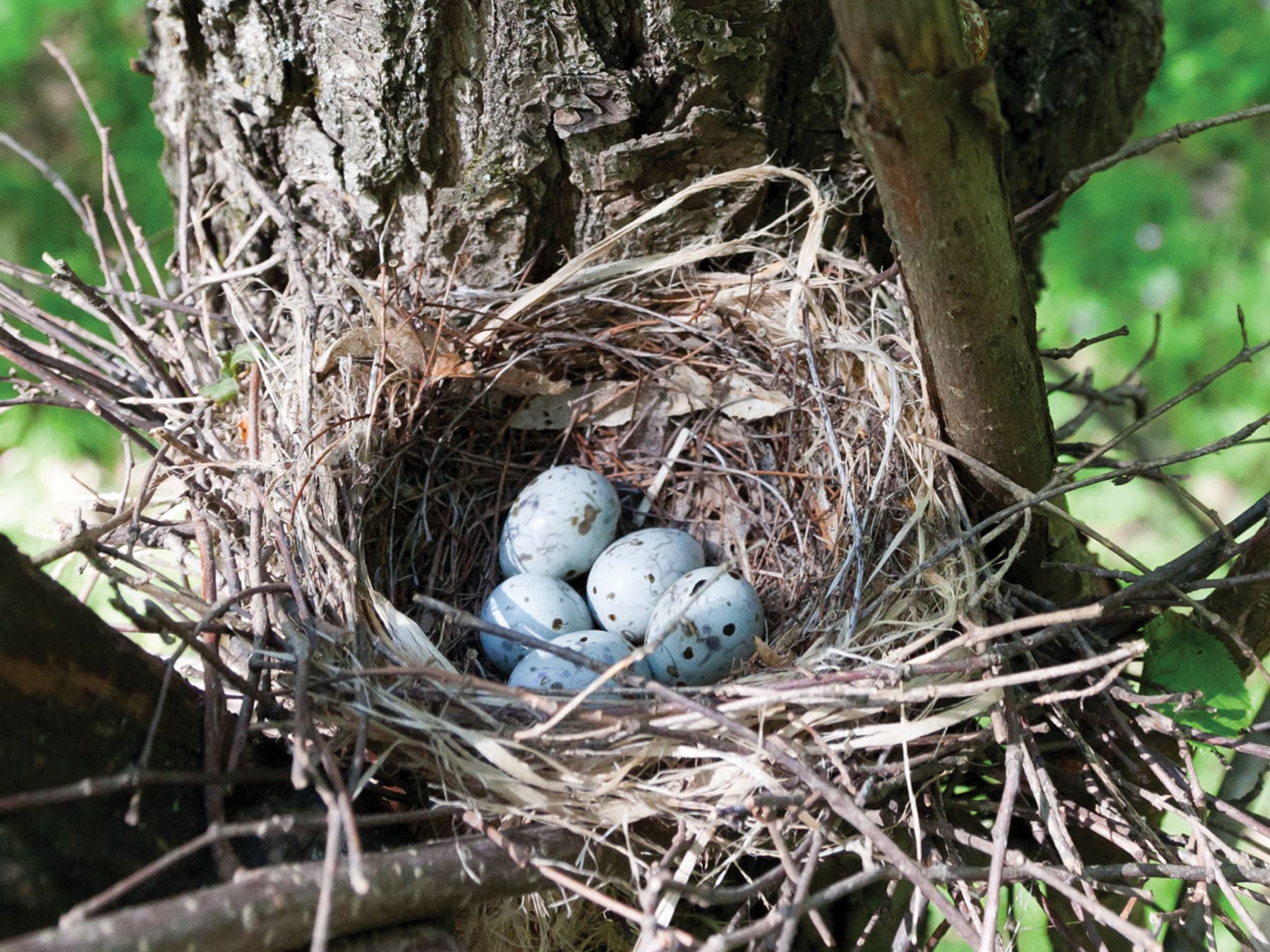
Hawfinches select nest sites in the upper branches of well-established mixed woodland, in ivy, or in fruit trees. Nests are often placed in an easy-to-access spot, such as the fork of a tree, which can leave their nest and eggs vulnerable to predators.
Nest construction is started by the male hawfinch, who gathers dry twigs, grass and lichen to form a nest platform. Fine-tuning then passes to the female, who constructs a large, bulky cup using more twigs and grasses, and then lines it with plant fibres before laying begins.
What do Hawfinch eggs look like?
Hawfinch eggs can be a range of different colours, and are usually pale blue to greyish-green, but occasionally are pale buff or even pure white. Eggs measure 24×18 mm and are heavily streaked with blackish-brown spots and blotches.
The female hawfinch incubates the eggs alone for between 11 and 13 days, after which hatchlings are fed by both parents until they are ready to fledge at around 12 to 13 days.
Do Hawfinches mate for life?
Hawfinches form long-term pairs during the winter, and these have been observed to last beyond the end of a single breeding season.
Behaviour
Are Hawfinches aggressive?
Hawfinches will defend the territory around their nest site during the breeding season, and have been observed to live in loose colonies as well as in solitary pairs.
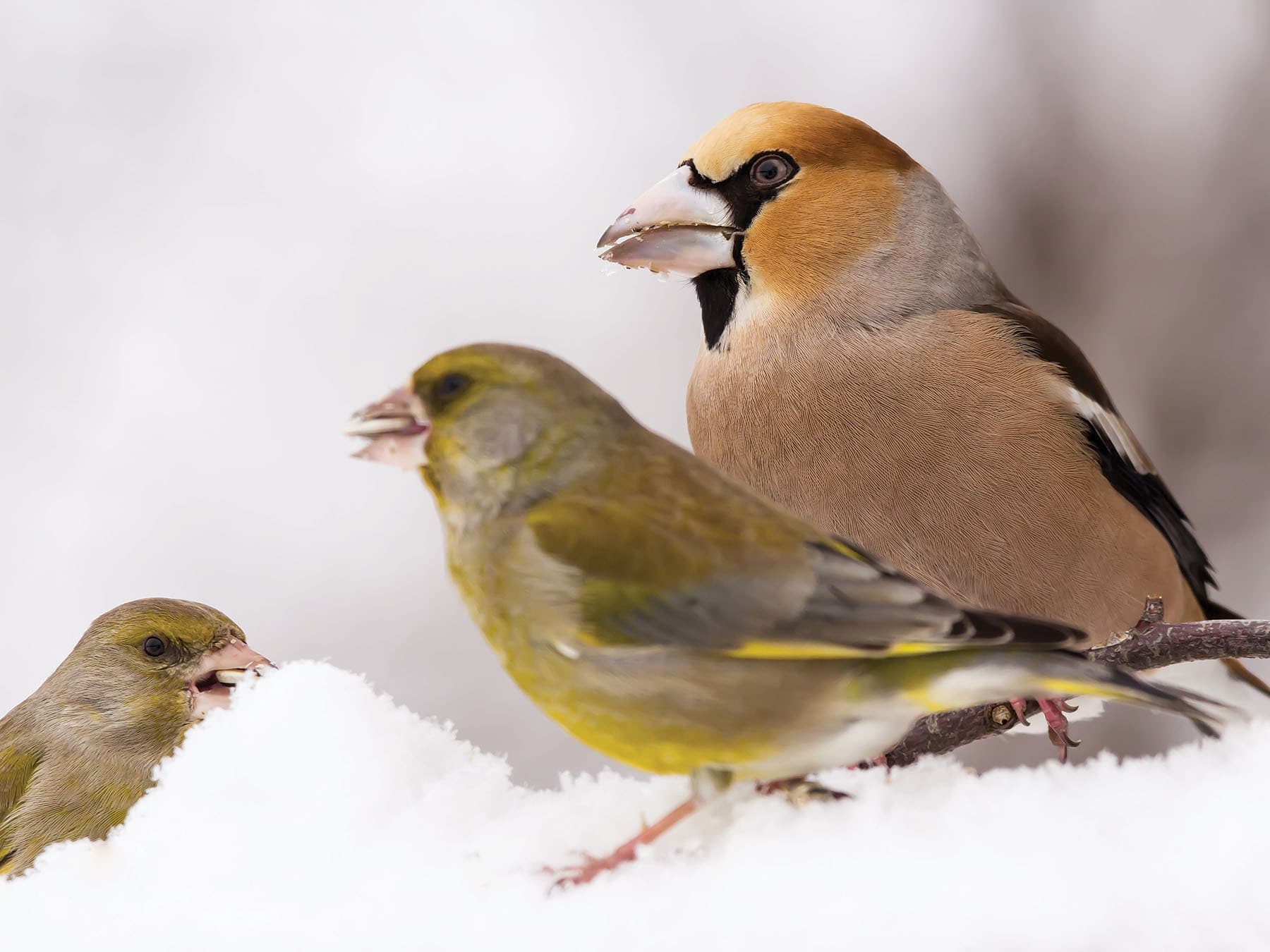
For the rest of the year they associate in larger flocks to forage together, with records of up to 1,200 birds gathering together ahead of migration.
Mixed species flocks may include greenfinches, siskins and bramblings, and one such huge influx of birds was observed at Yorkshire Arboretum in the autumn of 2017.
Where do hawfinches sleep at night?
Outside of the breeding season, hawfinches are known to roost communally, in the upper branches of woodland canopy.
Lifespan and predators
How long do Hawfinches live?
Under typical circumstances, hawfinches can expect to live for between 2 and 5 years. The oldest individual recorded from ringing data was 10 years, while first time breeding takes place from one year of age.
What are the predators of Hawfinches?
Nests are often built in extremely vulnerable locations, for example in an exposed fork in a tree trunk. This leaves them open to predation, as nests are visible and lack the shelter offered by foliage, meaning their nests, eggs and young are frequently preyed on by woodland birds of prey such as sparrowhawks and goshawks, as well as squirrels and jays.
Are Hawfinches protected?
The Wildlife and Countryside Act, 1981 protects hawfinches against being deliberately killed, harmed or caught to be kept in captivity.
Are Hawfinches endangered?
With a maximum of 1,000 breeding pairs remaining in the UK, it’s no wonder that the hawfinch has red status on the British Birds of Conservation Concern list. However, across the species’ European range, it is not classed as under threat and is rated as being of least concern.
Conservation
While the Hawfinch is listed as Least Concern globally, some local populations have experienced declines. In the UK, for example, the species has significantly decreased in recent decades. Habitat loss and fragmentation of mature woodlands are primary threats. Conservation efforts focus on preserving and managing suitable woodland habitats.
More photos
3 photos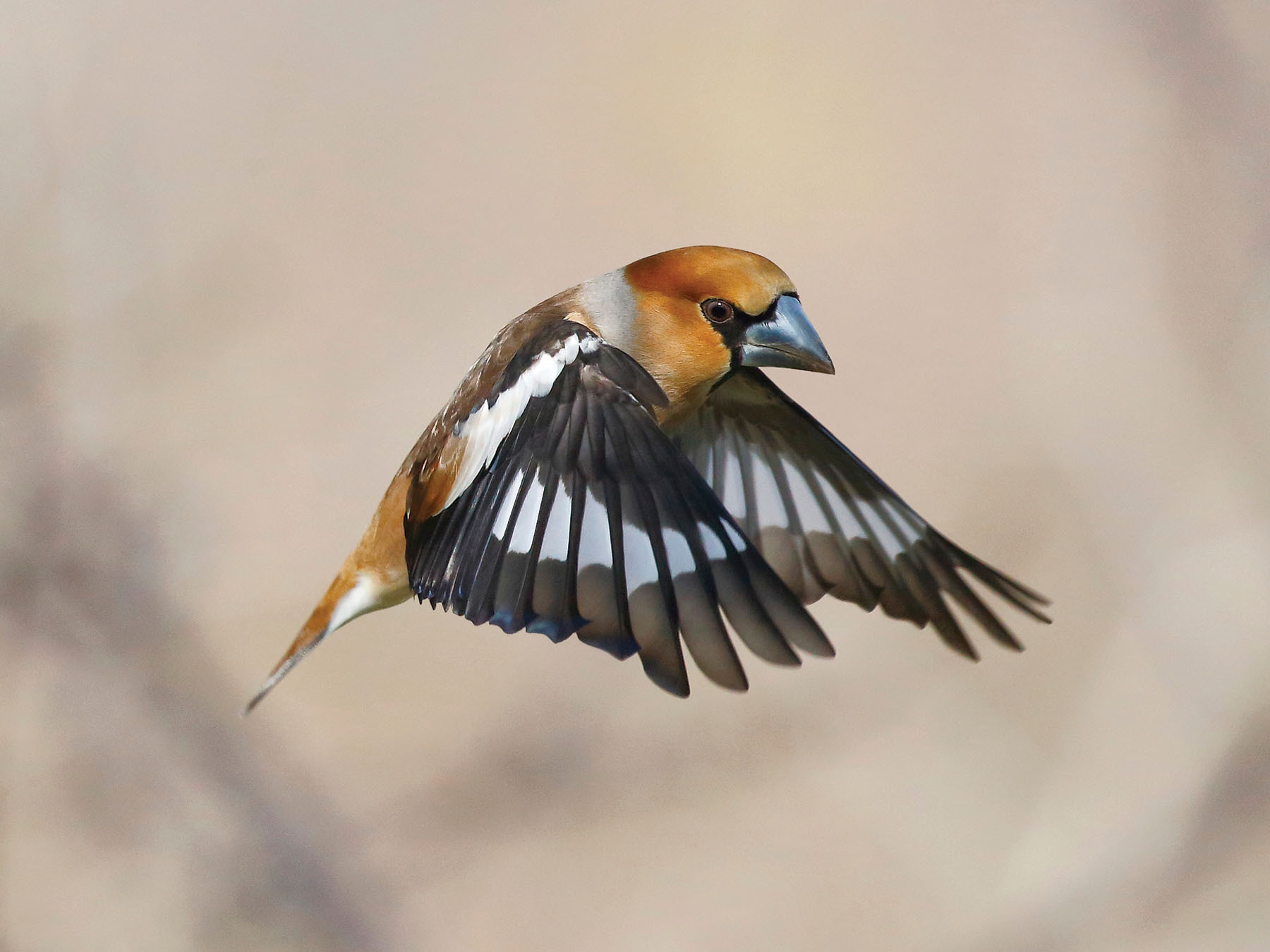
Hawfinch guides
1 guidesQuick facts
- Length
- 16.5–18 cm
- Wingspan
- 29–33 cm
- Weight
- 48–62 g
- Lifespan
- 5–10 years
- Family
- Finches
- Migration
- Partial migrant
- Global status (IUCN)
- Least Concern
- World population
- 10,400,000 - 20,200,000 mature individuals
- Population trend
- Increasing
- Also called
- Common Hawfinch
- Scientific name
- Coccothraustes coccothraustes
Questions
1How to attract Hawfinches?
Hawfinches are particularly attracted to woodland with a diverse range of native tree species, and will thrive in areas such as arboretums, where they can forage at will for a range of different fruits and seeds.
On rare occasions, hawfinches may pay fleeting visits to back garden feeders, where sunflower seeds are a particular favourite.
Sources
3- 1BirdLife International. 2017. Coccothraustes coccothraustes (amended version of 2016 assessment). The IUCN Red List of Threatened Species 2017: e.T22720681A111132393. Source (opens in a new tab)
- 2EBCC (2015)
- 3BirdLife International. 2017. Coccothraustes coccothraustes (amended version of 2016 assessment). The IUCN Red List of Threatened Species 2017: e.T22720681A111132393. Source (opens in a new tab)

Checked by
Nathan Cope, founder and editor
Nathan founded Birdfact and leads its writers and contributors in the UK, the US and Canada. He has watched and studied birds for more than ten years, and checks every article and species guide before it’s published.