


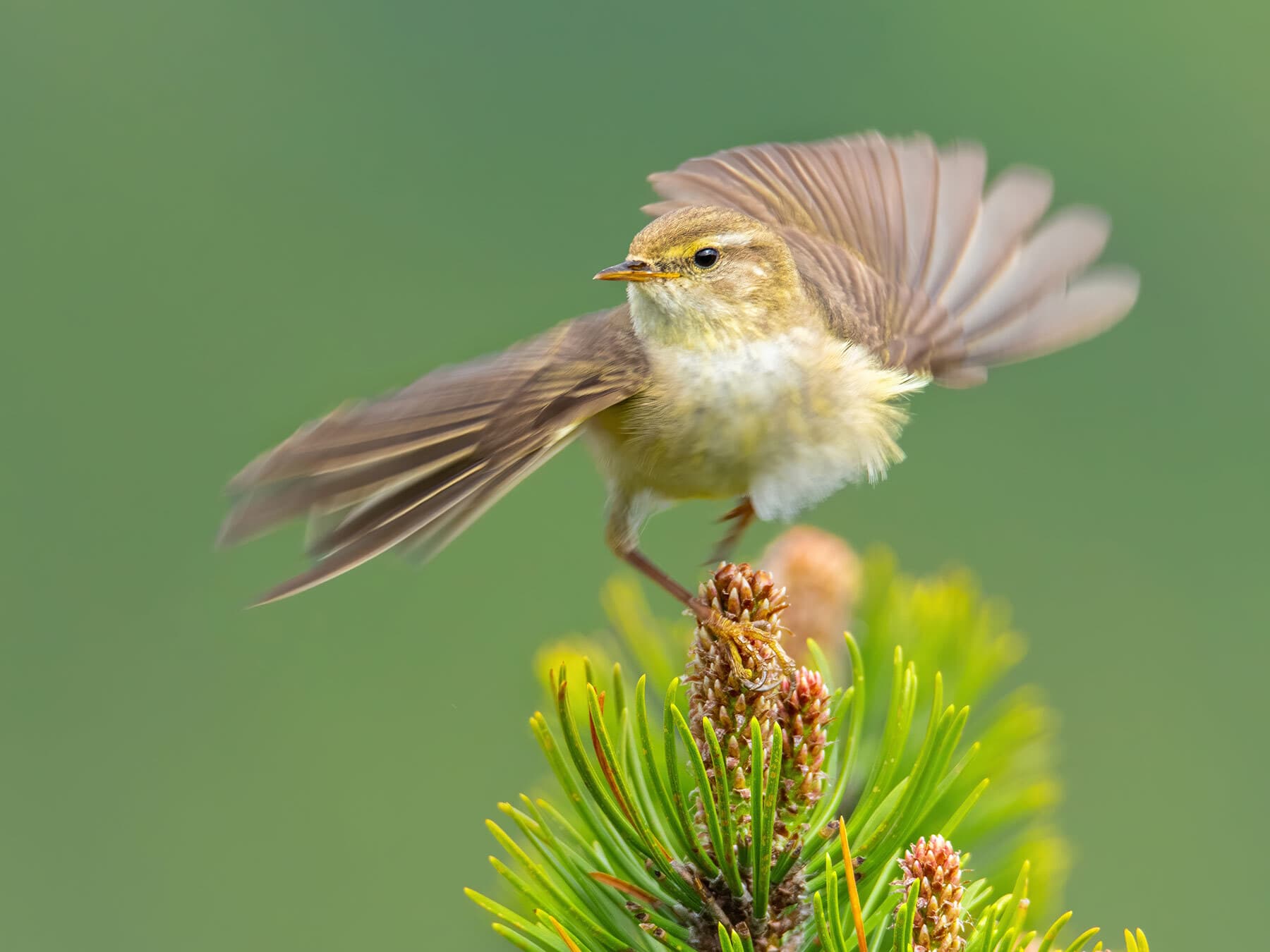
Willow Warbler
Willow Wren · Phylloscopus trochilus
By the Birdfact teamChecked by Nathan Cope
On this page21 sections
- How to recognise it
- Its size
- Its song and calls
- When and where to see it
- What it eats
- Nesting and breeding
- Behaviour
- Lifespan and predators
- Conservation
- What does a Willow Warbler look like?
- How big is a Willow Warbler?
- How much does a Willow Warbler weigh?
- What is the scientific name of a Willow Warbler?
- Are Willow Warblers aggressive?
- Are Willow Warblers endangered?
- Do Willow Warblers mate for life?
- Do Willow Warblers overwinter in the UK?
- Similar birds
- Willow Warbler guides
- Quick facts
- Sources
How to recognise it
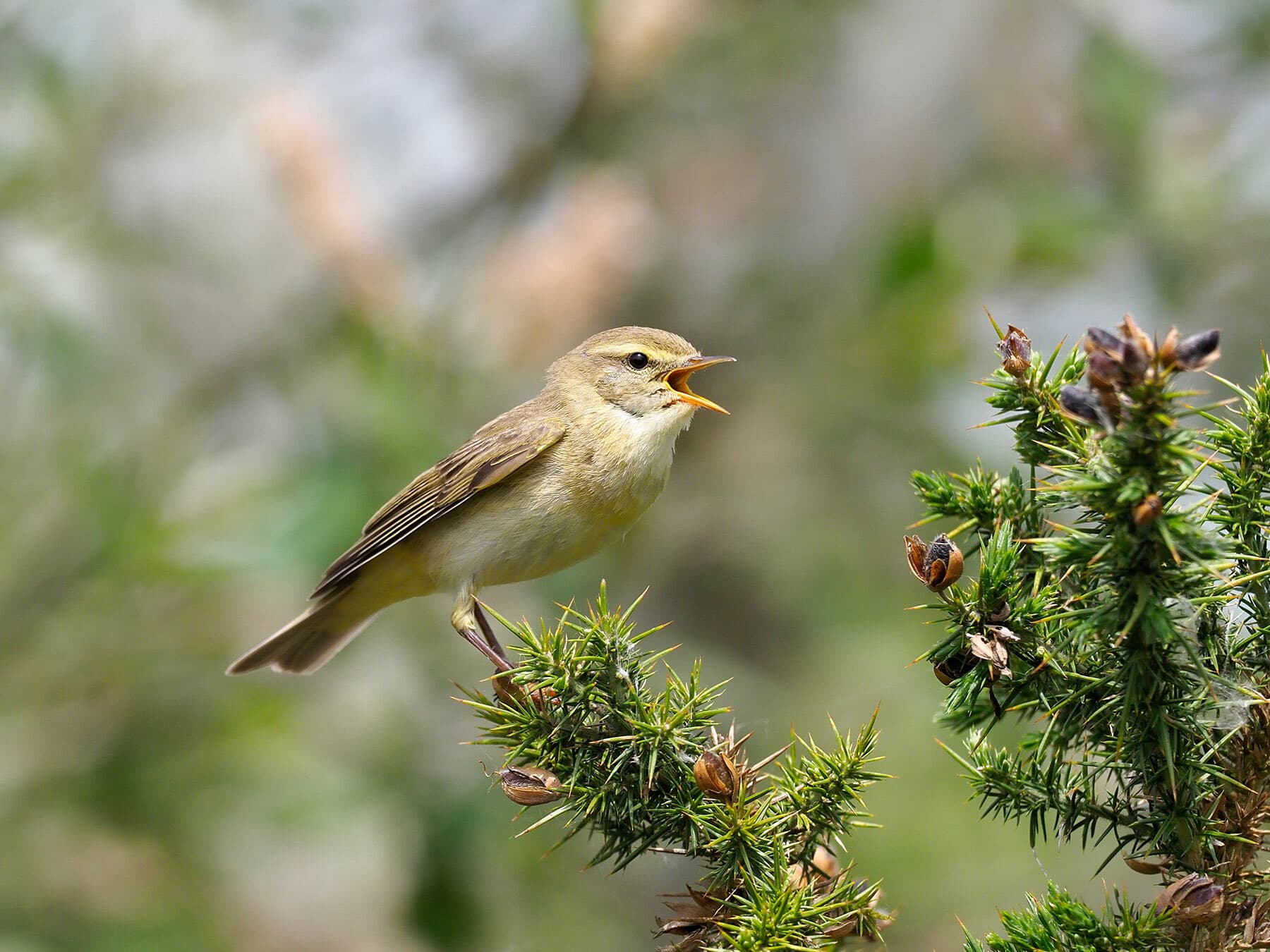
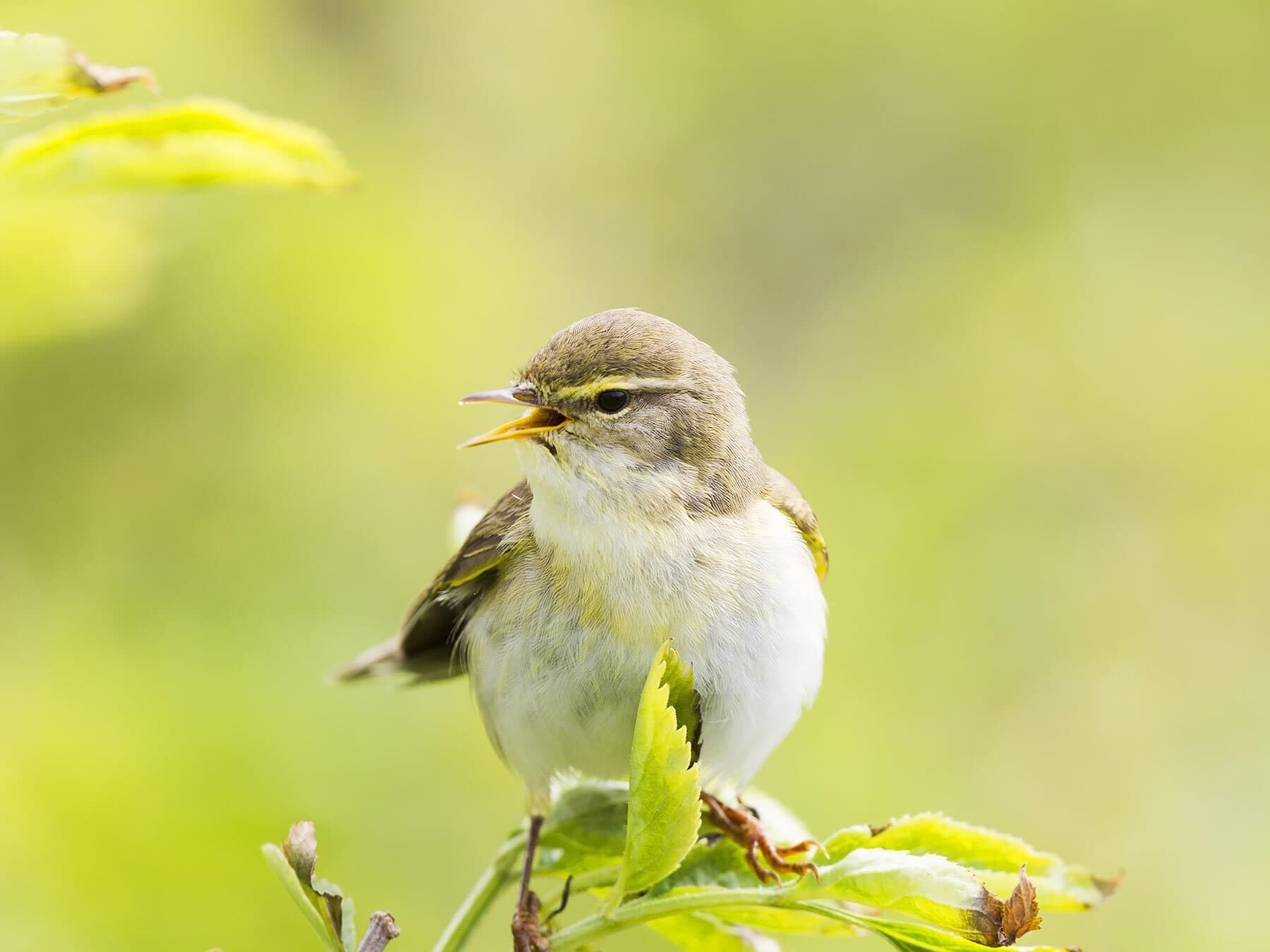
Female Willow warblers do sing, but it is the males who sing most enthusiastically throughout the breeding season as they try to attract and woo their mates. Songs are also used in territorial behaviour, primarily by males to alert others of their presence and where the boundaries of their territories lie.
Its size
Adults- Length
- 11–12.5 cm
- Wingspan
- 16–22 cm
- Weight
- 7–15 g
Its song and calls
The literary definition of the word ‘warbler’ itself is a melodic sequence. Willow warblers, like all warblers, are named as such because they are capable of melodic songs.
Their song is mainly composed of short chirps and ascending and descending scales of notes. The pitch of the Willow warbler song is perhaps lower than other birds of similar size.
- Song0:00 / 0:14
Recorded in Aberdeenshire, Scotland · April 2019
- Alarm call0:00 / 0:17
Recorded in Uusimaa, Finland · June 2019
When and where to see it
OctoberMostly absent
Most recorded in October
- 1. Pembrokeshire0.54%
- 2. Shetland Islands0.37%
- 3. Cork0.26%
- 4. Scottish Borders0.22%
- 5. Galway0.21%
Each dot is a county, state or province: the bigger and darker, the larger the bird’s share of that place’s bird records that month. Grey dots: no regular records. The ringed point is the centre of the bird’s records this month; the arrow shows how it moved since last month, and the dashed loop its path through the year. “Arrivals” colours places where it becomes regular this month (orange) or is in its last regular month (grey). GBIF eBird Observation Dataset, 2019–2024. Map data: Natural Earth, US Census Bureau; place centres © OpenStreetMap contributors.
In your area
See when the Willow Warbler is recorded in your county, state or province.
How often the Willow Warbler turns up in the UK and Ireland through the year, from birdwatchers' records.
United Kingdom
Summer visitor · regularly Apr–Sep · most records in May
Ireland
Summer visitor · regularly Mar–Oct · most records in May
Show as a table
| Month | United Kingdom | Ireland |
|---|---|---|
| January | <0.001% | – |
| February | – | 0.001% |
| March | 0.043% | 0.091% (regular) |
| April | 0.96% (regular) | 1.4% (regular) |
| May | 1.0% (regular) | 1.4% (regular) |
| June | 0.79% (regular) | 1.1% (regular) |
| July | 0.39% (regular) | 0.65% (regular) |
| August | 0.75% (regular) | 0.41% (regular) |
| September | 0.33% (regular) | 0.16% (regular) |
| October | 0.049% | 0.092% (regular) |
| November | 0.002% | – |
| December | <0.001% | – |
Recorded regularly in
Worldwide: recorded regularly in 103 countries
Countries where it was recorded in at least 3 of the 6 years 2019–2024. Linked countries have their own bird list.
Europe (48)
- Åland Islands
- Albania
- Andorra
- Austria
- Belarus
- Belgium
- Bosnia & Herzegovina
- Bulgaria
- Croatia
- Czechia
- Denmark
- Estonia
- Faroe Islands
- Finland
- France
- Germany
- Gibraltar
- Greece
- Guernsey
- Hungary
- Iceland
- Ireland
- Isle of Man
- Italy
- Jersey
- Kosovo
- Latvia
- Liechtenstein
- Lithuania
- Luxembourg
- Malta
- Moldova
- Montenegro
- Netherlands
- North Macedonia
- Norway
- Poland
- Portugal
- Romania
- Russia
- Serbia
- Slovakia
- Slovenia
- Spain
- Sweden
- Switzerland
- Ukraine
- United Kingdom
Africa (34)
Asia (21)
- Armenia
- Azerbaijan
- Bahrain
- China
- Cyprus
- Georgia
- Iran
- Iraq
- Israel
- Jordan
- Kazakhstan
- Kuwait
- Lebanon
- Mongolia
- Oman
- Palestinian Territories
- Qatar
- Saudi Arabia
- Turkey
- United Arab Emirates
- Uzbekistan
Data: EOD – eBird Observation Dataset (Cornell Lab of Ornithology), accessed via GBIF.org, CC BY 4.0. Records from 2019–2024, aggregated and filtered by Birdfact. How these lists are made
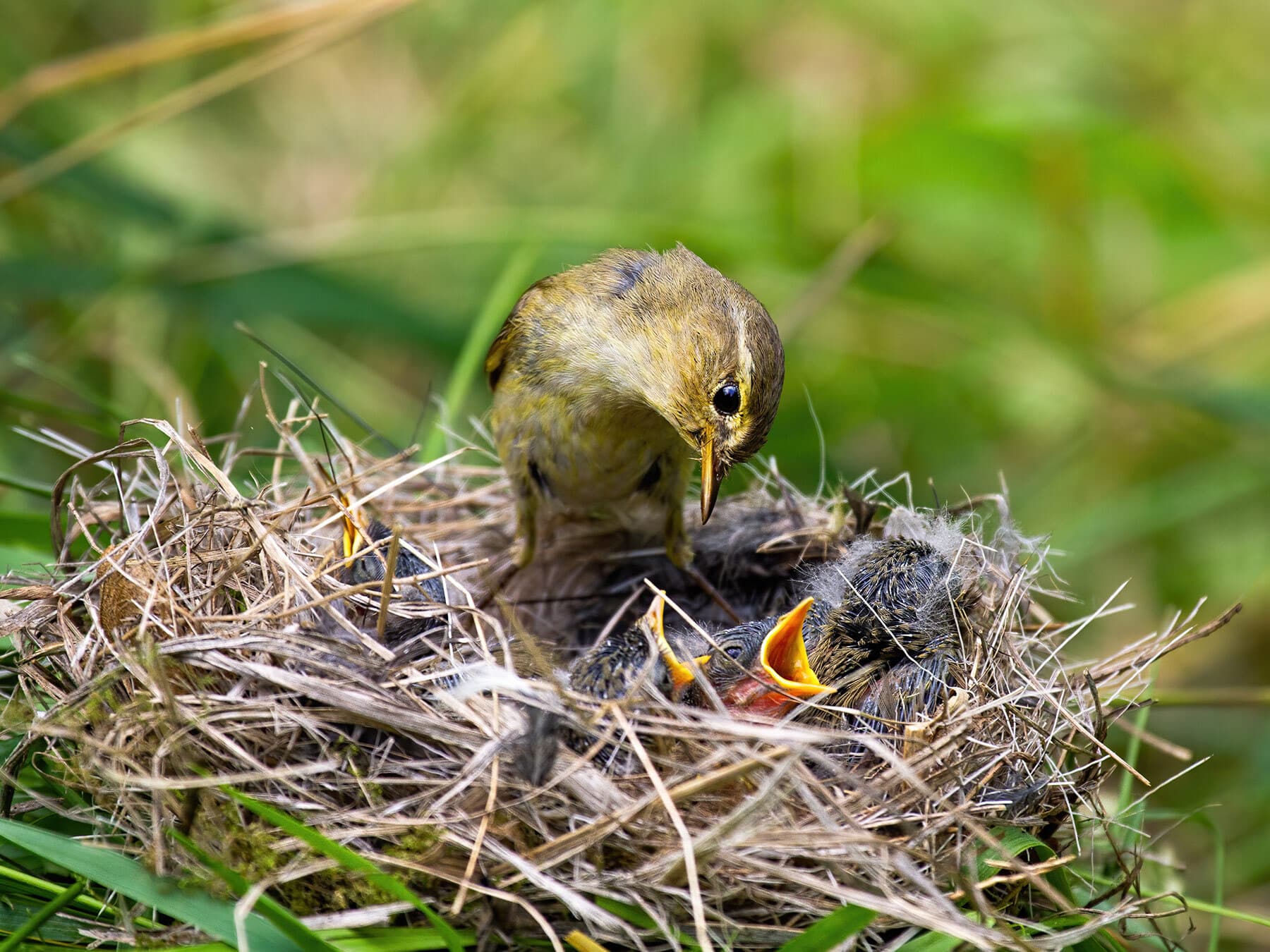
The distinctively domed, enclosed and substantial nest of the Willow Warbler is usually built densely by low-lying foliage, or on the ground. They will also nest some 4 to 8m above the ground if a dense bush or other foliage is available. Willow warblers nest primarily in woodlands, forests and other densely foliaged environments where insect populations are also dense, and often stay within reach of water.
What is the habitat of a Willow Warbler?
Willow Warblers tend to choose dense, wooded foliage that is densely packed with insect life. Their nests are typically built in covert locations under dense foliage such as that contained in low-lying shrubs and hedgerows. They are often found near birch, willow and alder trees which tend to grow near rivers and lakes.
Where can I see Willow Warblers?
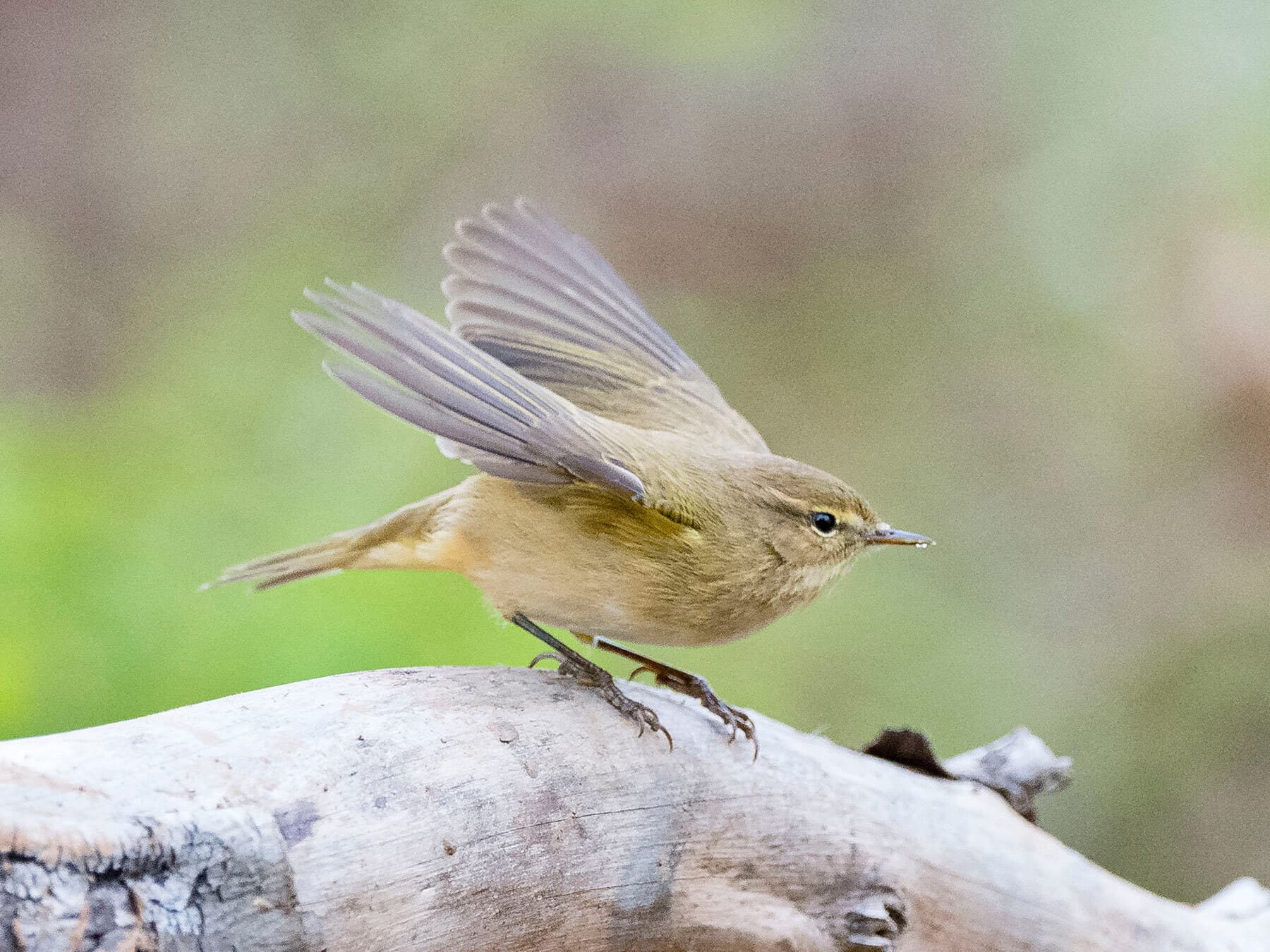
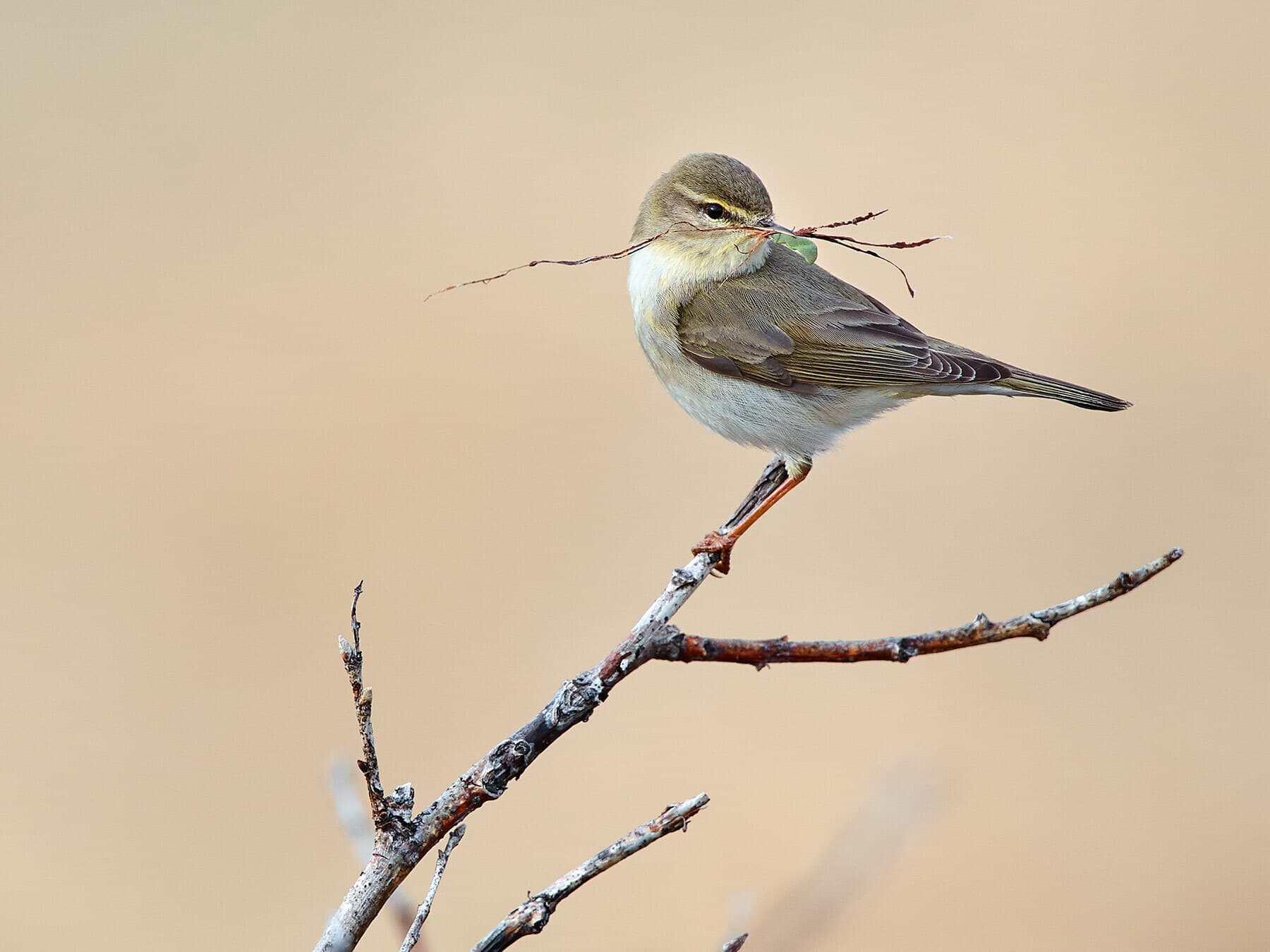
Willow warblers are much more common in Scandinavia, Russia and Northern Europe than they are in Western Europe. They appear on European shores around April after wintering primarily in Western Africa.
Distribution
Willow warblers are common across the entirety of northern Europe and Russia, stretching all the way to eastern Siberia in the east and the western tip of Ireland in the west. They live as far north as the arctic tundra. Willow warblers are much less common in southern Europe.
Do Willow Warblers migrate?
Yes, Willow warblers migrate every year after breeding in Europe. They head to Africa and primarily settle on the west coast of the continent, just south of the Sahara, though some populations are found in central and even eastern Africa too.
Willow warblers breed in their temperate northern latitude habitats before wintering in Africa. They leave in July through to September and return sometime in March or April. Their migratory patterns are complex and will often involve stopovers in southwest Asia or the Mediterranean.
Tips for seeing it
- Listen for their distinctive descending song in woodland edges and scrub
- Look for their constant movement through foliage, often at eye level
- Observe their habit of hovering briefly while foraging
- In the UK, watch for their return in early spring (late March to April)
What it eats
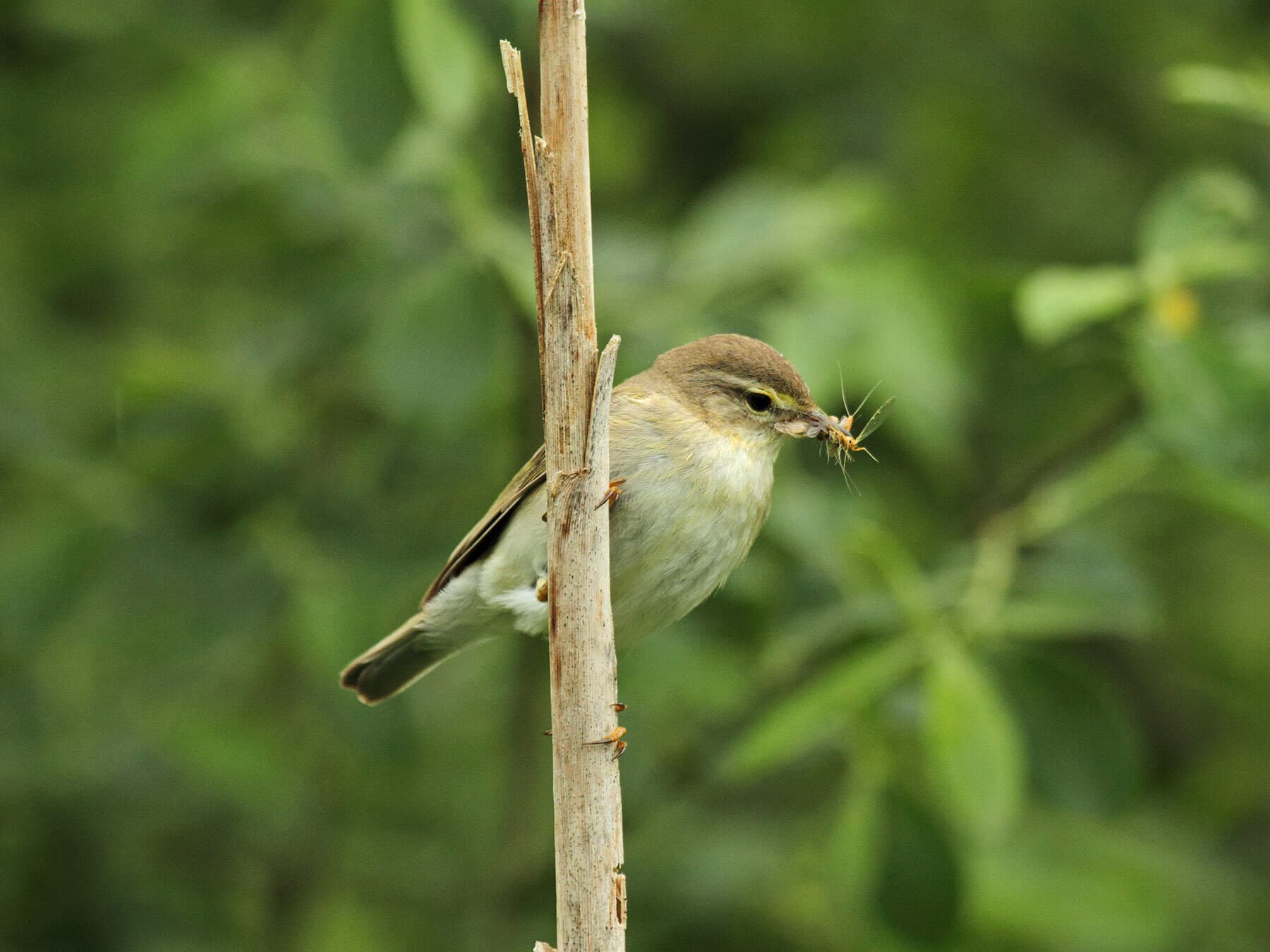
Willow Warblers are primarily insectivorous but will consume some, albeit limited plant material. They mainly consume small bugs and flies like lacewings, damselflies, spiders, ants and snails.
Insect eggs also form a large part of their diet. Insects are caught mainly from the tree canopy, but may also be hunted in the tree canopy or on the ground.
Nesting and breeding
The female Willow Warbler generally lays around 4 to 9 eggs per clutch and will lay 1 to 2 clutches a year on average.
What do Willow Warbler eggs look like?
Willow Warbler eggs are very small - 3 eggs likely weigh no more than a one penny piece. They’re generally white and shiny with reddish-brown freckles across the base of the egg.
Behaviour
Willow Warblers are active and agile birds, often seen flitting through foliage in search of insects. They frequently hover while foraging, plucking prey from leaves.
During the breeding season, males establish and vigorously defend territories through song and displays.
Lifespan and predators
There is little data on the life expectancy of the Willow Warbler but it’s estimated to range between 1 to 4 years which is around average for a bird of their size.
Conservation
While currently listed as Least Concern globally, Willow Warbler populations have declined in parts of Europe, including the UK. Habitat loss in both breeding and wintering grounds, as well as climate change impacts, are potential threats.
Conservation efforts focus on maintaining suitable breeding habitats.
What does a Willow Warbler look like?
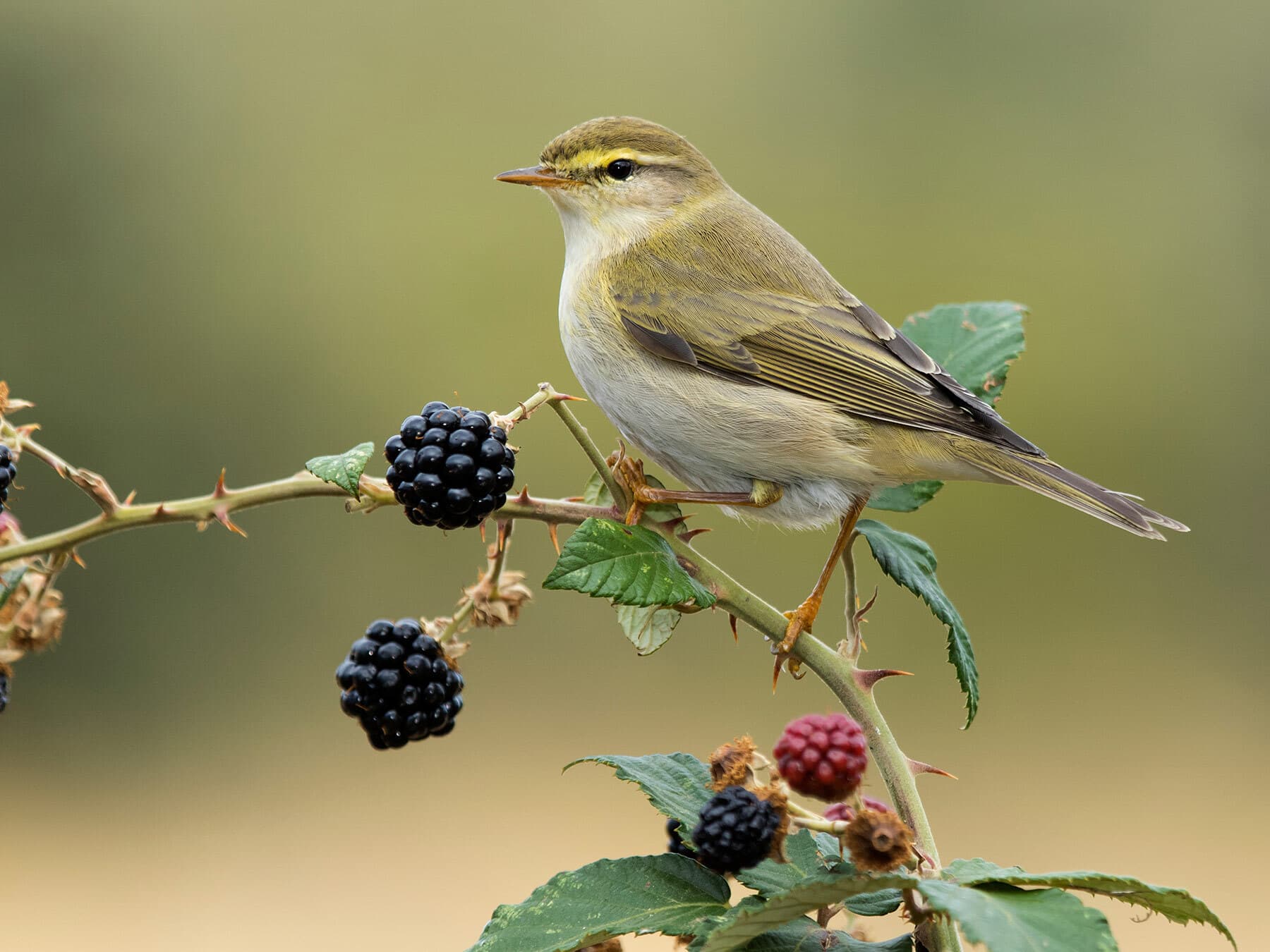
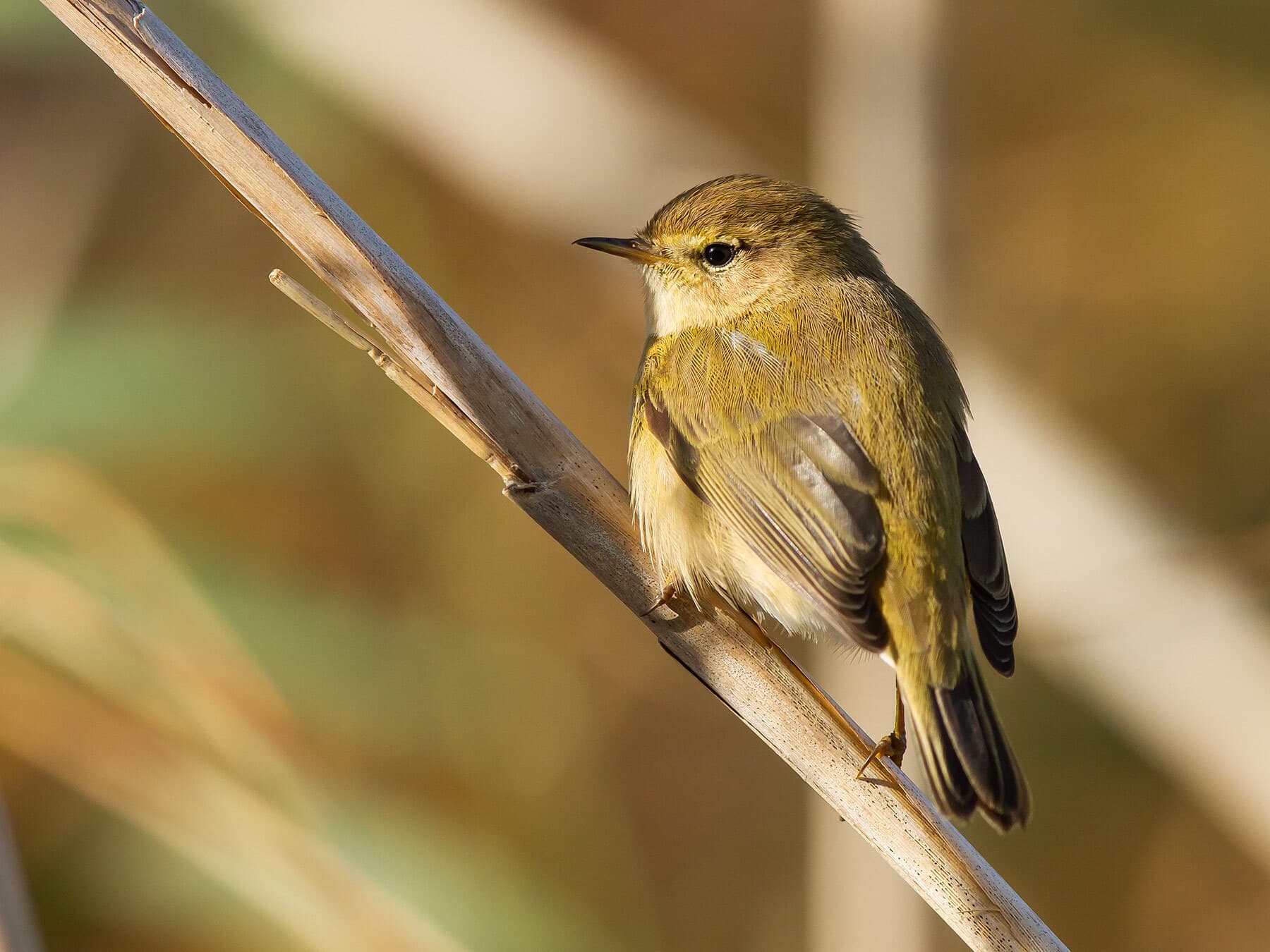
A small bird of some 11cm in length, the Willow warbler is primarily soft olive green with a green-grey back and wings. Their breast has a yellow tinge, and they also have a rather distinctive stripe above the eye.
Willow Warblers have reasonably long and pointy beaks for the genus and they have large primary feathers which are likely developed to support their migratory behaviours. Willow warblers are aesthetically similar to Chiffchaffs and they can be notoriously hard to tell apart by looks alone.
How big is a Willow Warbler?
Willow Warblers are small birds measuring 11 to 12.5 cm long (4.3 to 5 inches). Most are quite slender in build. They are amongst the smaller of the Leaf warblers, similarly sized to their lookalike the Chiffchaff. Their wingspan is around 19cm (7.2in) on average.
How much does a Willow Warbler weigh?
Willow Warblers weigh around 10 grams (0.35 oz) on average.
What is the scientific name of a Willow Warbler?
The scientific name of the Willow warbler is Phylloscopus trochilus and there are three subspecies; Phylloscopus trochilus acredula, Phylloscopus trochilus trochilus and Phylloscopus trochilus yakutensis.
Are Willow Warblers aggressive?
In the upper Northern hemisphere, Willow Warblers are very common with some 34 million breeding pairs estimated to be living in Europe alone. Perhaps unsurprisingly then, competition between Willow warblers can be fierce. The males are especially territorial and frequently fight other birds that cross their territorial boundaries.
They also typically maintain primary and secondary breeding territories as the males are frequently polygamous. Once their young grow, fledge and become independent, Willow warblers and most other Leaf warblers become more gregarious and frequently join mixed flocks.
Are Willow Warblers endangered?
Globally, Willow Warblers are currently defined as a species of least concern, meaning there is no pressing risk to their overall population. With over 34 million breeding pairs spread over much of Europe and an estimated 10 to 100 million further pairs distributed across Russia, the Willow warbler is a plentiful species.
In the UK, Willow Warbler populations are decreasing and they’re now listed as an Amber List species.
Do Willow Warblers mate for life?
There is some conflicting information as to whether Willow Warblers are monogamous or polygamous, but they likely don’t form lifelong bonds and the male is often observed to be polygamous.
Do Willow Warblers overwinter in the UK?
Willow warblers winter primarily in Africa, leaving the UK somewhere between July and September and returning in around April to breed.
Similar birds
Often mistaken for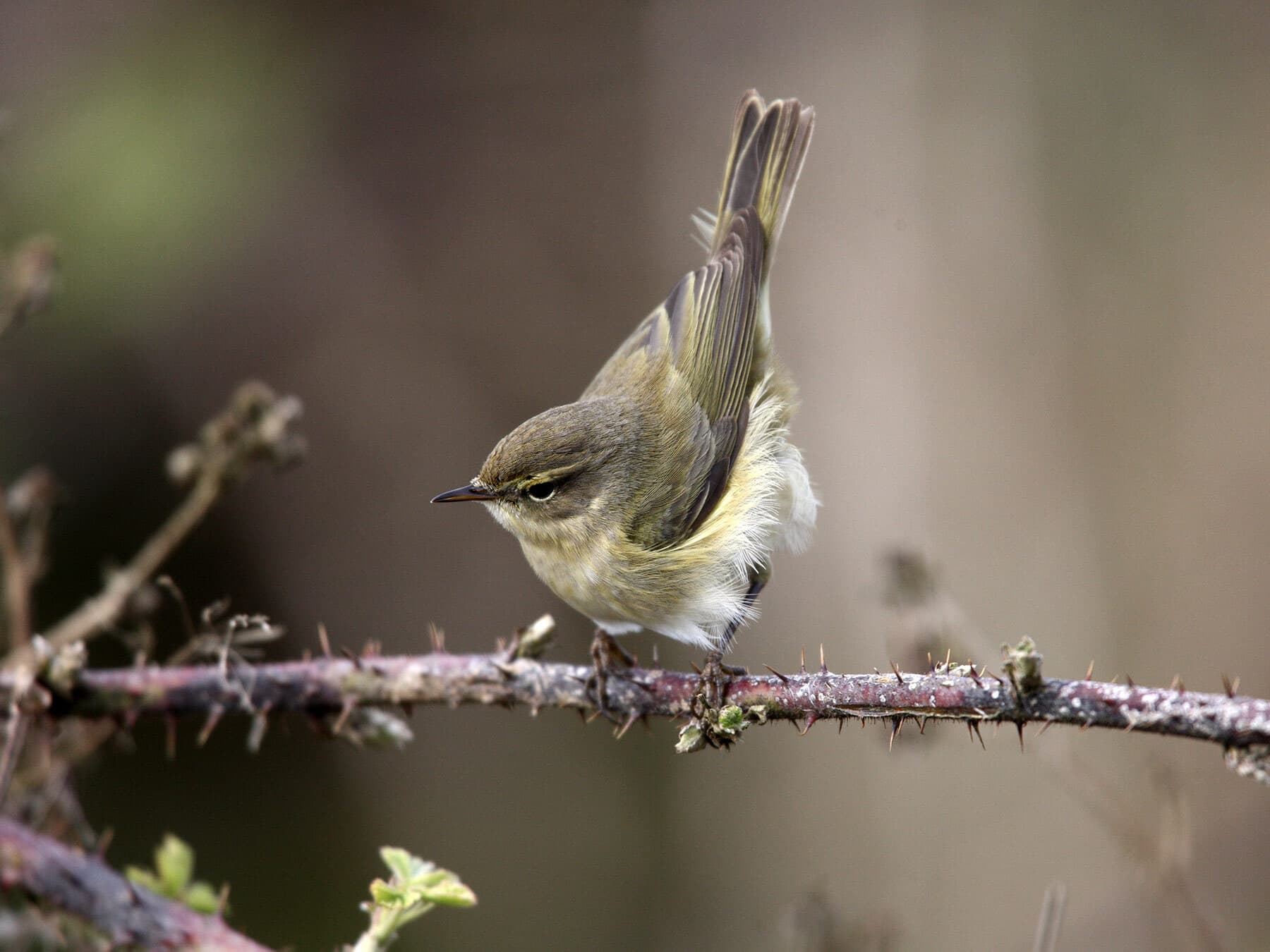
Willow Warbler guides
1 guidesQuick facts
- Length
- 11–12.5 cm
- Wingspan
- 16–22 cm
- Weight
- 7–15 g
- Lifespan
- 2–4 years · oldest recorded 11.8 years
- Family
- Leaf Warblers
- Migration
- Long-distance Migrant
- Global status (IUCN)
- Least Concern
- World population
- 413,000,000 - 647,000,000 mature individuals
- Population trend
- Decreasing
- Also called
- Willow Wren
- Scientific name
- Phylloscopus trochilus
Sources
4- 1BirdLife International. 2016. Phylloscopus trochilus. The IUCN Red List of Threatened Species 2016: e.T22715240A87636348. Source (opens in a new tab)
- 2EBCC (2015)
- 3BirdLife International. 2016. Phylloscopus trochilus. The IUCN Red List of Threatened Species 2016: e.T22715240A87636348. Source (opens in a new tab)
- 4Fransson et al., EURING list of longevity records for European birds Publication type (2010) Source (opens in a new tab)

Checked by
Nathan Cope, founder and editor
Nathan founded Birdfact and leads its writers and contributors in the UK, the US and Canada. He has watched and studied birds for more than ten years, and checks every article and species guide before it’s published.