


Stock Dove
Wood Dove · Columba oenas
By the Birdfact teamChecked by Nathan Cope
On this page15 sections
How to recognise it
What do Stock Doves look like?
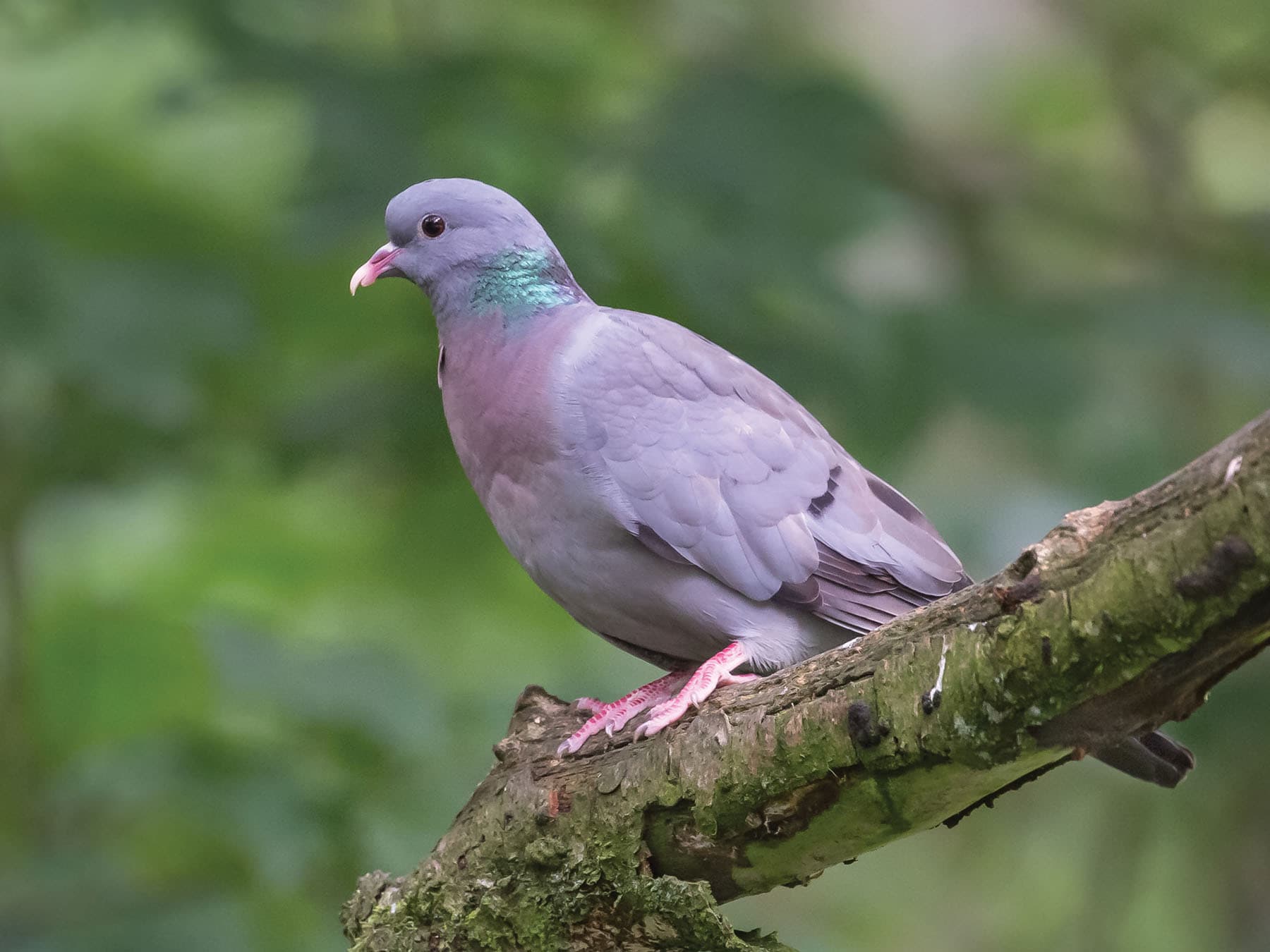
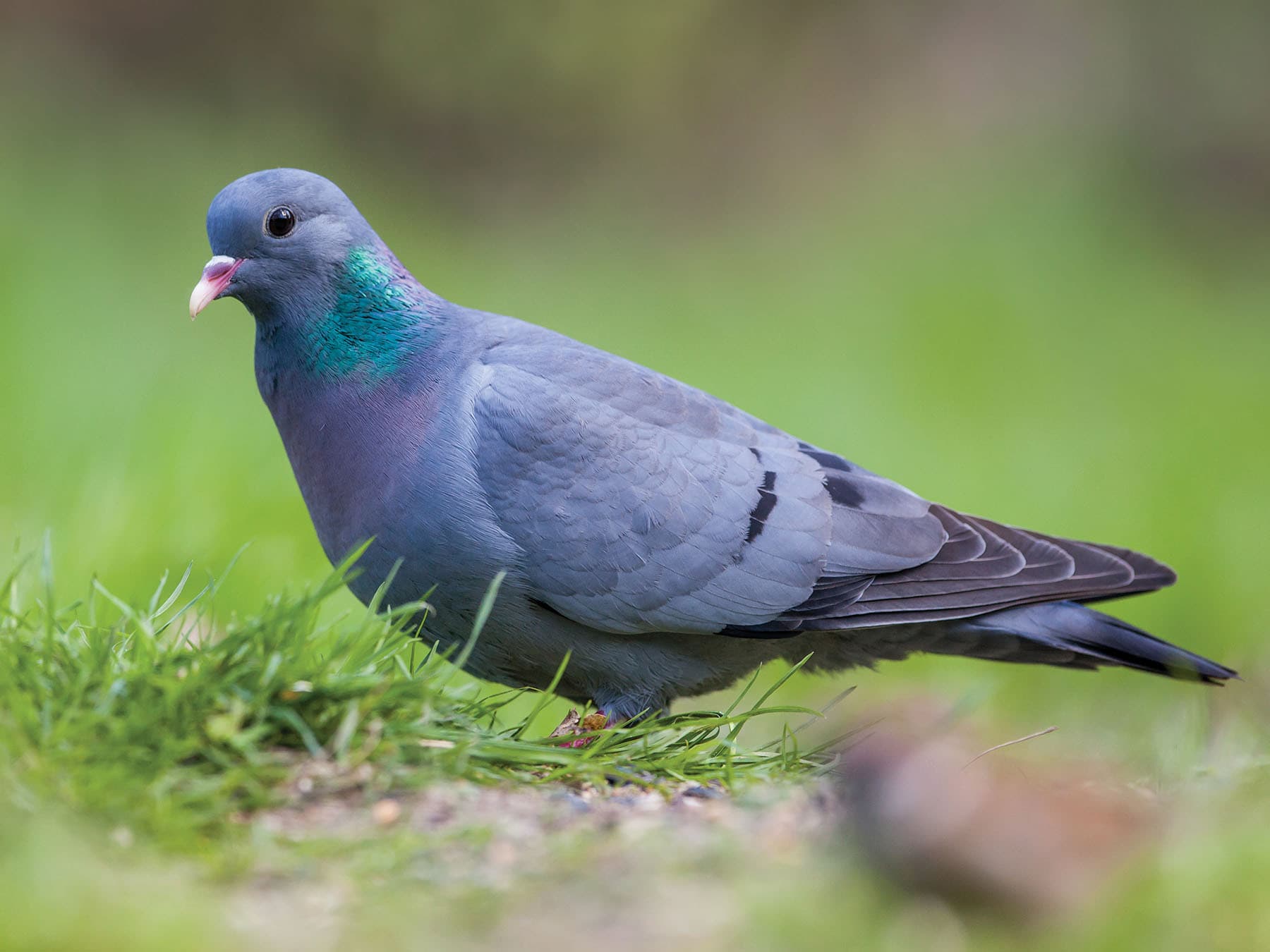
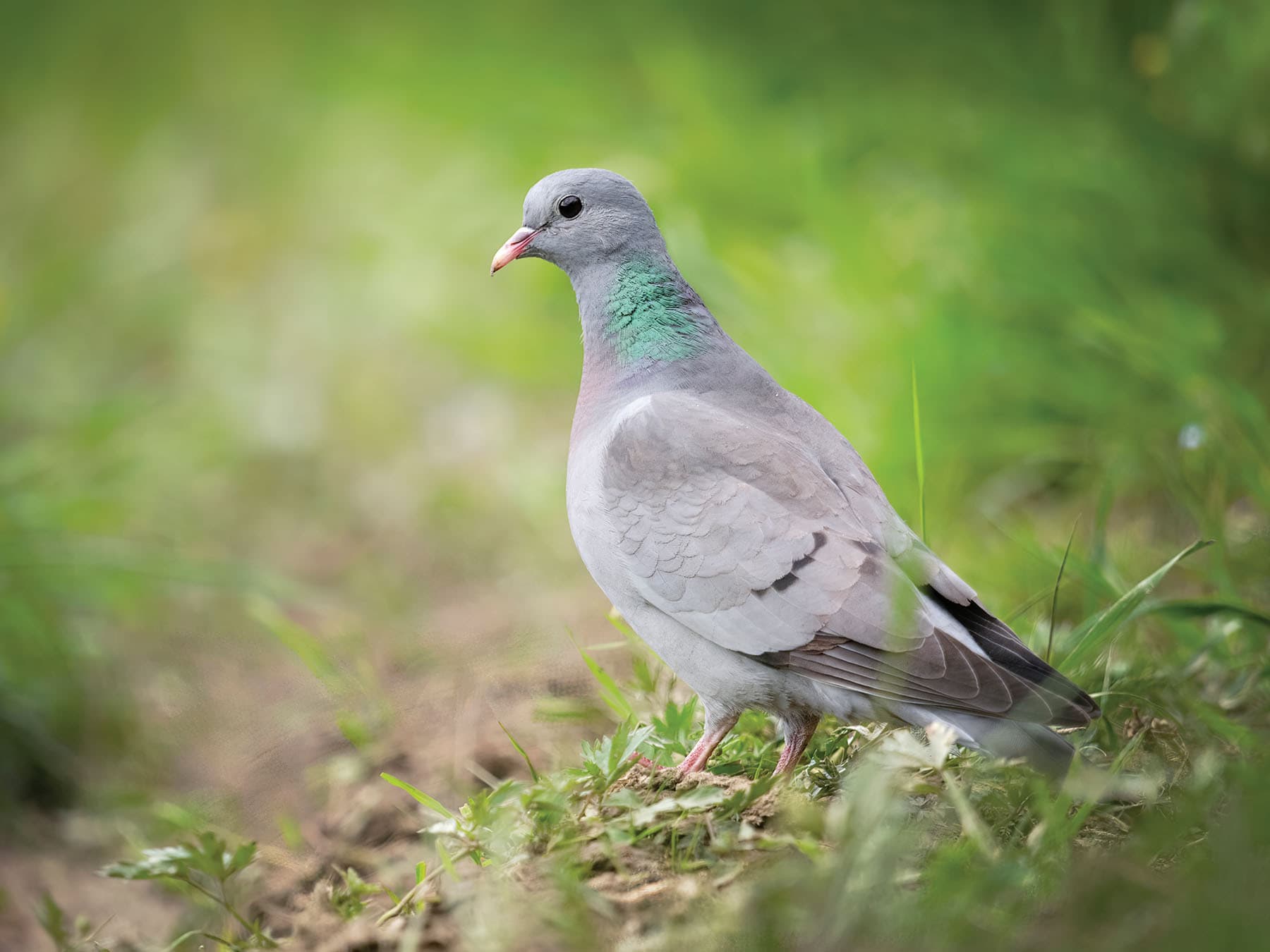
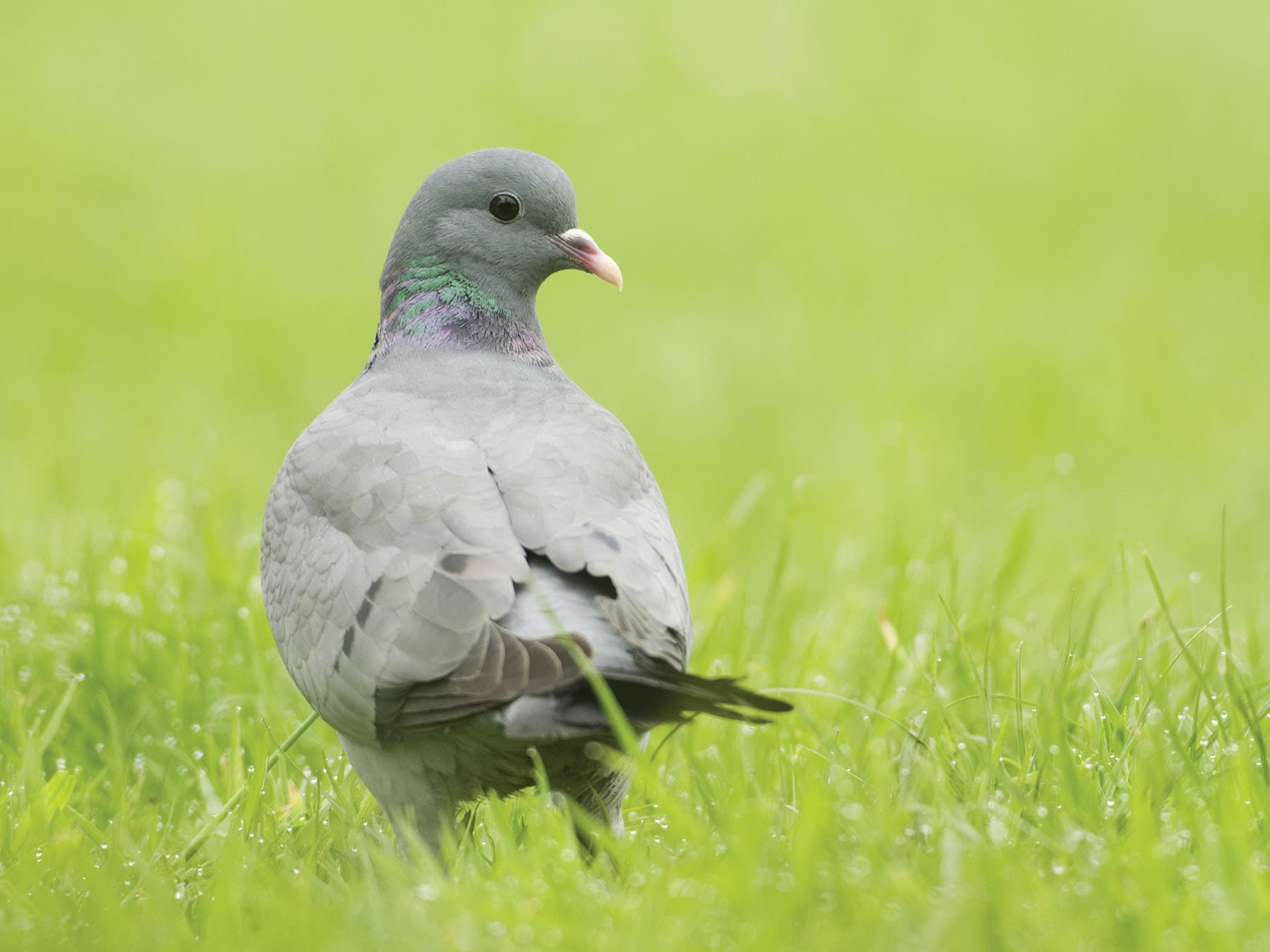
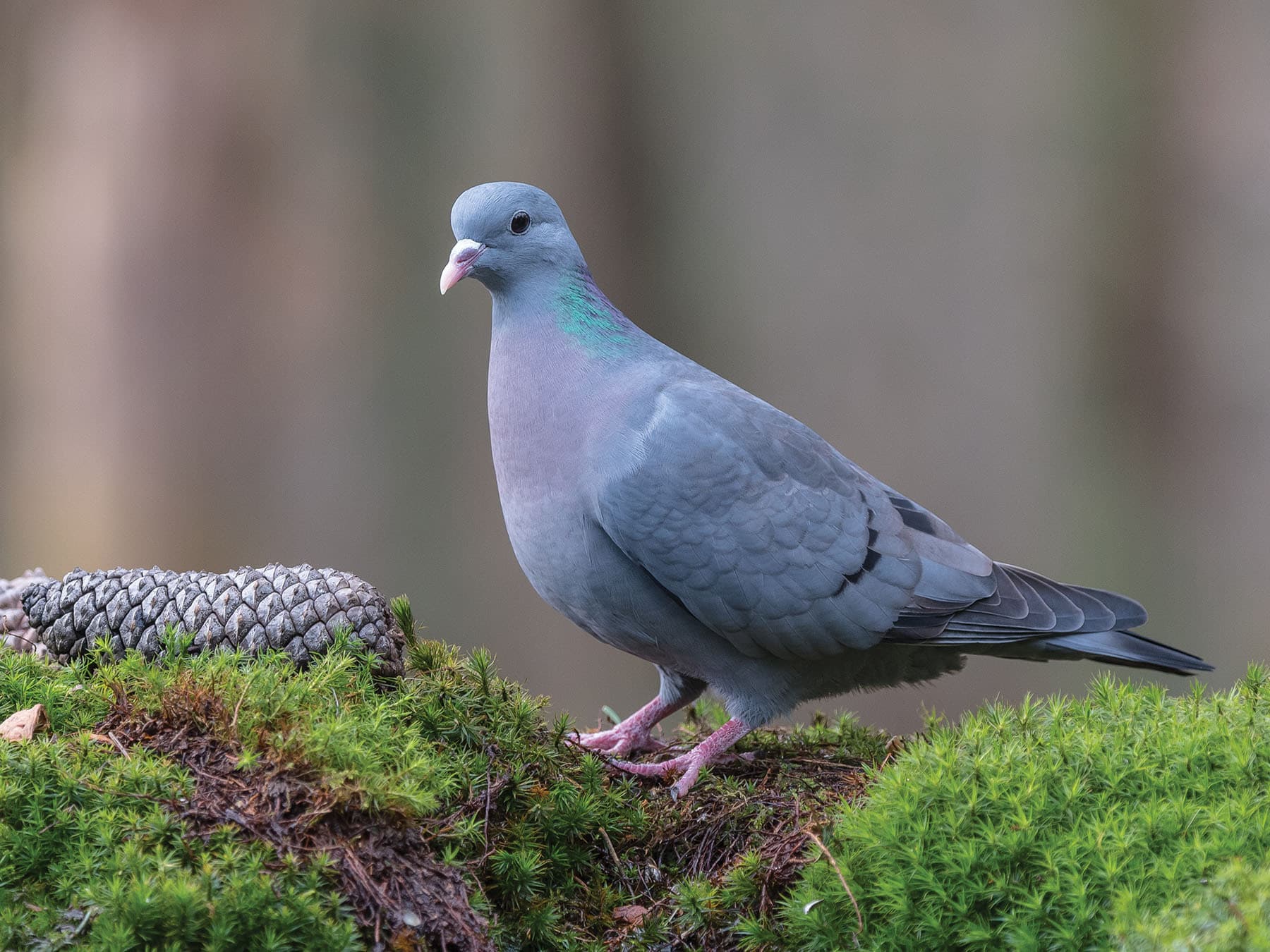
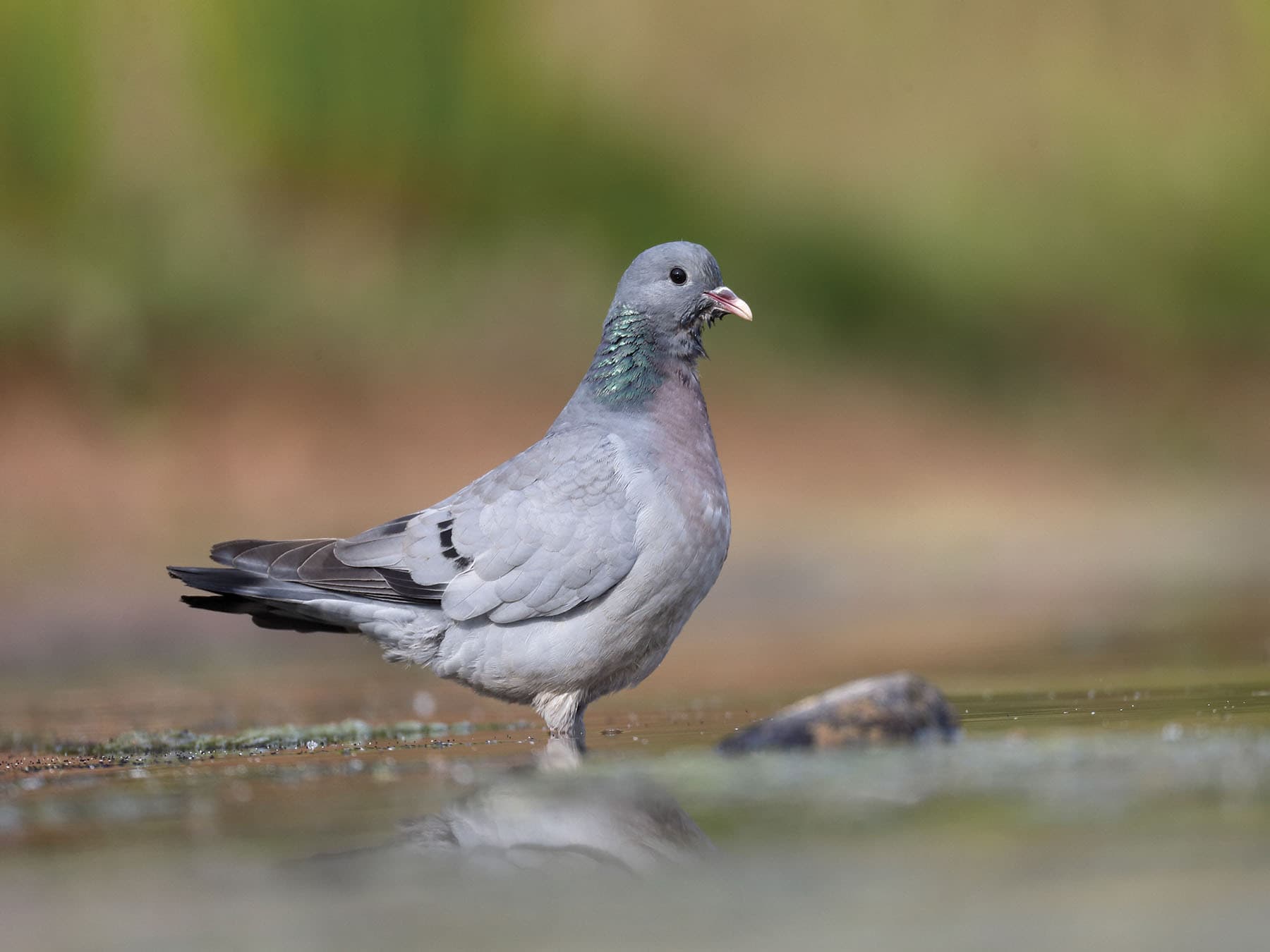
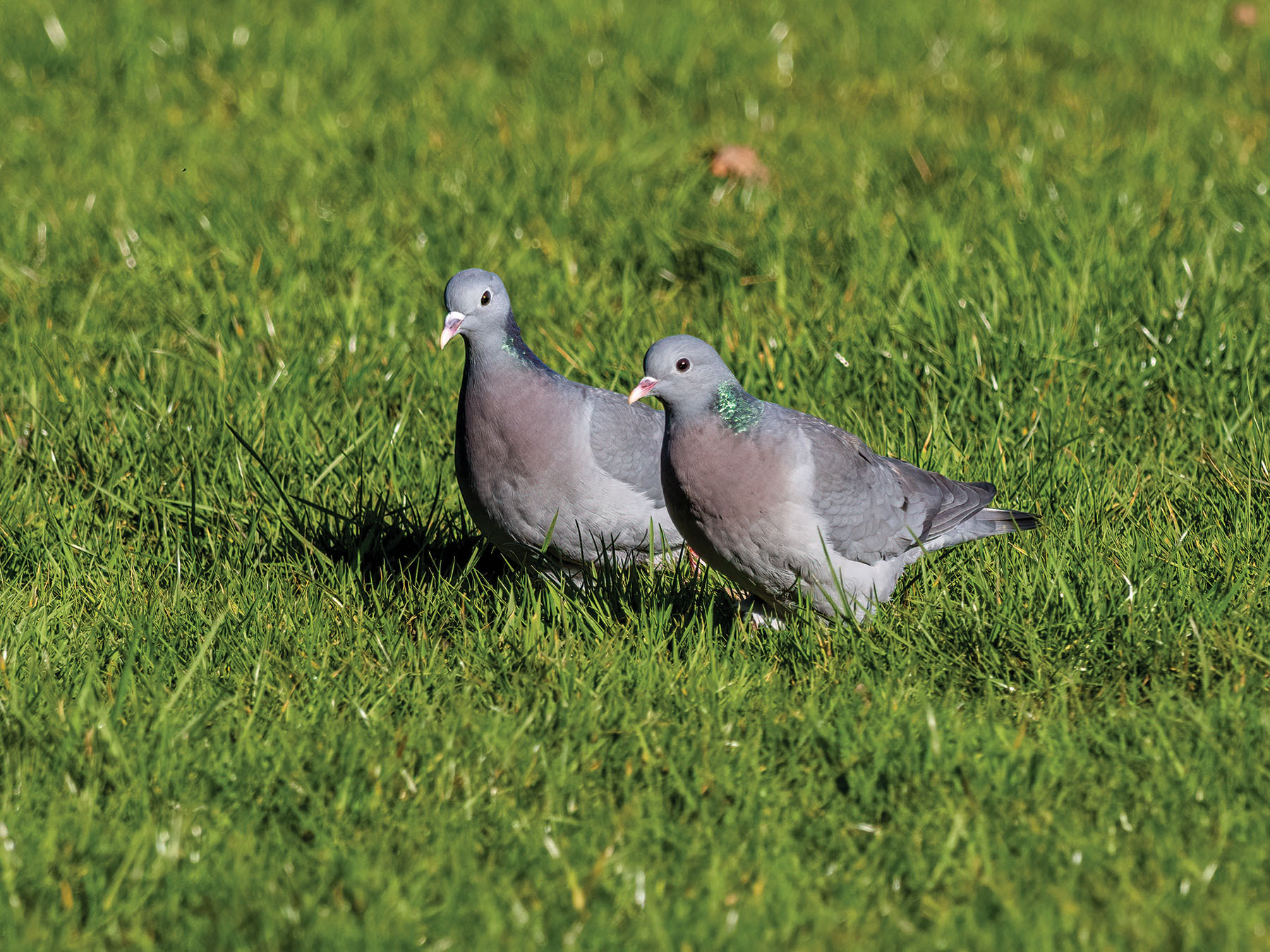
Stock doves are large members of the pigeon and dove family. Their plumage is mostly grey-blue, but they do have a number of distinctive markings that help with identification. Their nape is marked with an iridescent patch of dark green-purple feathers, which extends into a pinkish chest.
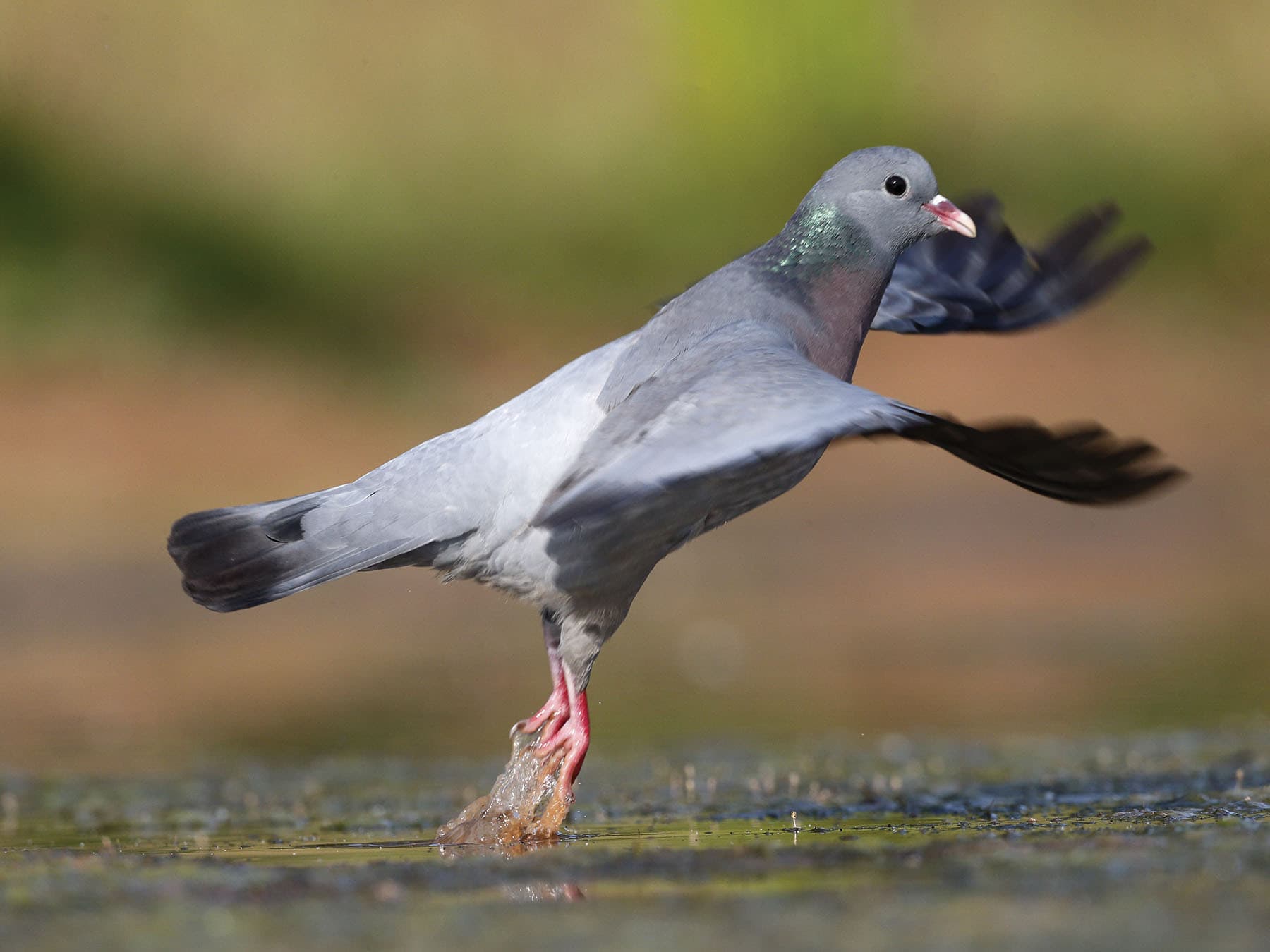
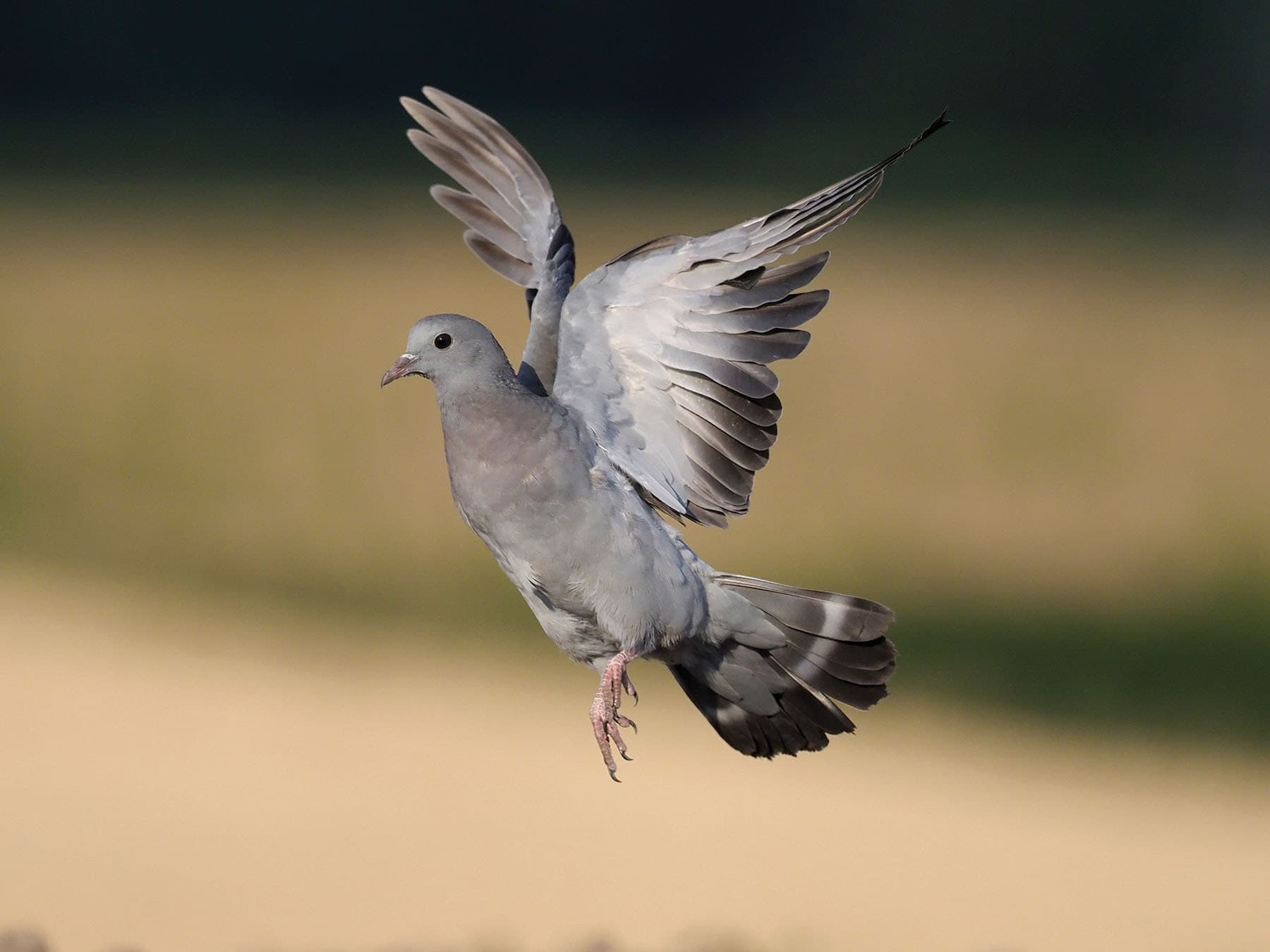
A stock dove’s wings and tail are tipped with black, and two black bars are visible on their folded wings. Their legs are pinkish red, and bills are yellow, with a white cere.
Female stock doves are slightly smaller than males and their markings are less vibrant. Their legs and bill are darker than those of the male.
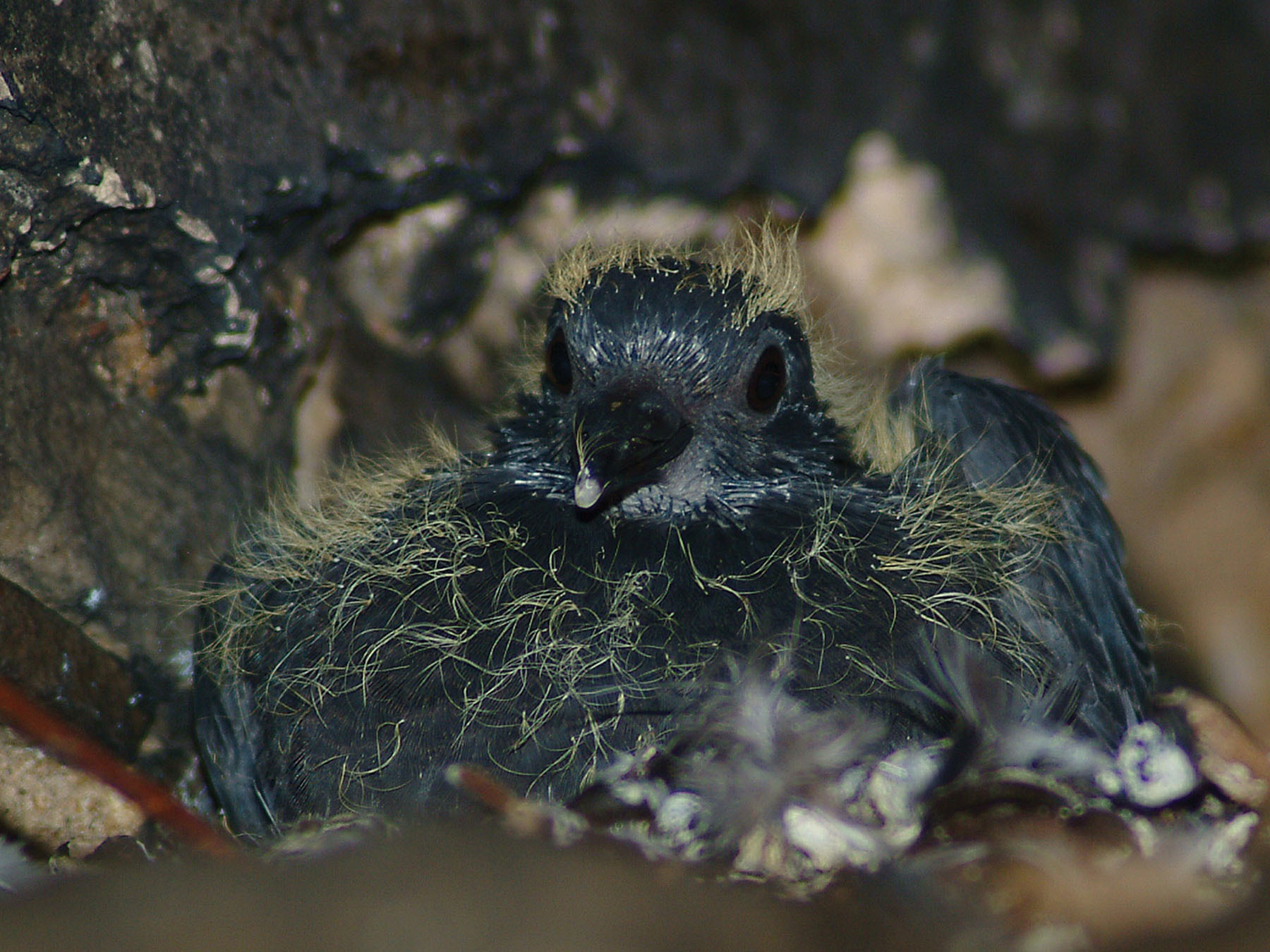
Juvenile stock doves are smaller and duller than both adult males and females. The pinkish breast plumage is more of a pale buff, and their legs are dark grey.
How big are Stock Doves?
Stock doves are similar in size to feral pigeons, but slightly slimmer. They are also noticeably smaller and less plump than the much larger woodpigeon. Female stock doves are smaller and lighter than males.
- Length: 30 cm to 34 cm (12 in to 14 in)
- Wingspan: 60 cm to 70 cm (24 in to 28 in)
- Weight: 290 g to 330 g (10 oz to 12 oz)
Its size
Adults- Length
- 32–34 cm
- Wingspan
- 63–70 cm
- Weight
- 290–330 g
Its song and calls
What sound does a Stock Dove make?
Stock doves are relatively quiet birds, except for during the breeding season, when their loud calls can be heard on the nest throughout the day and night.
Their main vocalization is in the form of monosyllabic cooing, as well as a slightly louder two note cooing heard from males seeking a mate.
- Song0:00 / 0:26
Recorded in Normandie, France · March 2026
When and where to see it
OctoberIn season
Most recorded in October
- 1. Herefordshire1.8%
- 2. Shropshire1.4%
- 3. Stockton-on-Tees1.3%
- 4. Worcestershire1.2%
- 5. Carlow1.1%
Each dot is a county, state or province: the bigger and darker, the larger the bird’s share of that place’s bird records that month. Grey dots: no regular records. The ringed point is the centre of the bird’s records this month; the arrow shows how it moved since last month, and the dashed loop its path through the year. “Arrivals” colours places where it becomes regular this month (orange) or is in its last regular month (grey). GBIF eBird Observation Dataset, 2019–2024. Map data: Natural Earth, US Census Bureau; place centres © OpenStreetMap contributors.
In your area
See when the Stock Dove is recorded in your county, state or province.
How often the Stock Dove turns up in the UK and Ireland through the year, from birdwatchers' records.
United Kingdom
Resident · all year · most records in August
Ireland
Resident · all year · most records in August
Show as a table
| Month | United Kingdom | Ireland |
|---|---|---|
| January | 0.71% (regular) | 0.12% (regular) |
| February | 0.82% (regular) | 0.12% (regular) |
| March | 0.94% (regular) | 0.11% (regular) |
| April | 0.94% (regular) | 0.11% (regular) |
| May | 0.82% (regular) | 0.13% (regular) |
| June | 0.84% (regular) | 0.11% (regular) |
| July | 0.92% (regular) | 0.15% (regular) |
| August | 0.94% (regular) | 0.16% (regular) |
| September | 0.73% (regular) | 0.12% (regular) |
| October | 0.52% (regular) | 0.090% (regular) |
| November | 0.55% (regular) | 0.064% (regular) |
| December | 0.62% (regular) | 0.070% (regular) |
Recorded regularly in
Worldwide: recorded regularly in 54 countries
Countries where it was recorded in at least 3 of the 6 years 2019–2024. Linked countries have their own bird list.
Europe (39)
Asia (13)
- Armenia
- Azerbaijan
- China
- Cyprus
- Georgia
- Iran
- Israel
- Jordan
- Kazakhstan
- Kyrgyzstan
- Lebanon
- Mongolia
- Turkey
Data: EOD – eBird Observation Dataset (Cornell Lab of Ornithology), accessed via GBIF.org, CC BY 4.0. Records from 2019–2024, aggregated and filtered by Birdfact. How these lists are made
What is the habitat of a Stock Dove?
Parkland and woodlands offer suitable breeding habitats for stock doves, as they nest in cavities in mature trees as well as rural fields and open grasslands.
In winter, habitat needs change, with small flocks foraging on bare and uncultivated arable farmland, often in the company of woodpigeons.
What is the range of a Stock Dove?
The global population of stock doves is estimated at up to 2.6 million birds, within a range that extends from the British Isles and Ireland in the west, southern Scandinavia and Finland in the north, Portugal and north-west Africa in the south, and throughout the Caucasus, northern Iran into Central Asia as far as south-western Siberia.
Where do Stock Doves live?
The UK is home to the most numerous resident population of Europe’s stock doves, with large concentrations in Ireland and the Netherlands. Population declines have been noted in parts of Europe, including France, Germany, Switzerland, Norway, Sweden and Poland.
How rare are Stock Doves?
Stock doves are common and widespread across the UK, with more than half of the European population of the species resident in Britain.
Where can you see Stock Doves in the UK?
Except for parts of northern Scotland and western Ireland, stock doves are present throughout the UK with particularly high concentrations in the Midlands and south-western England.
They are more wary of humans than feral pigeons and are not as commonly spotted in gardens or heavily urban areas.
Migration
Do Stock Doves migrate?
In the far northern and eastern extremes of their range, it’s more likely for stock doves to migrate once their breeding season ends, while in the west and south, populations are generally resident.
Stock doves that migrate from Sweden, Finland and Eastern Europe head for wintering grounds in southern Portugal and Spain, as well as France and to sites around the Mediterranean Sea.
Are Stock Doves native to the UK?
Stock doves are native to the UK, with around 320,000 breeding pairs resident all year round. The species is present through much of the country, and absent only from the upper north-west of Scotland and isolated patches of mountainous terrain in Wales.
Tips for seeing it
- Look for Stock Doves in open woodlands and on farmland edges.
- Listen for their soft, rhythmic 'oo-oo-oo' call, distinct from the Wood Pigeon's cooing.
- Observe their swift, direct flight pattern and smaller size compared to Wood Pigeons.
- In the UK, check old trees or buildings for nesting pairs during breeding season.
What it eats
What do Stock Doves eat?
Stock doves are primarily seed-eaters, and their diet also consists of flowers, grains, buds, leaves and weeds. Insects may also be occasionally eaten, foraged from the ground at the edge of woodlands, particularly during the breeding season.
In winter, stock doves find a wealth of grains such as barley, millet, wheat, and maize when foraging in agricultural locations.
What do baby Stock Doves eat?
Young stock doves are initially fed on ‘crop milk’ by their parents. The semi-solid substance is regurgitated directly into their beaks by their parents, until they are able to tolerate digesting seeds.
Nesting and breeding
Where do Stock Doves nest?
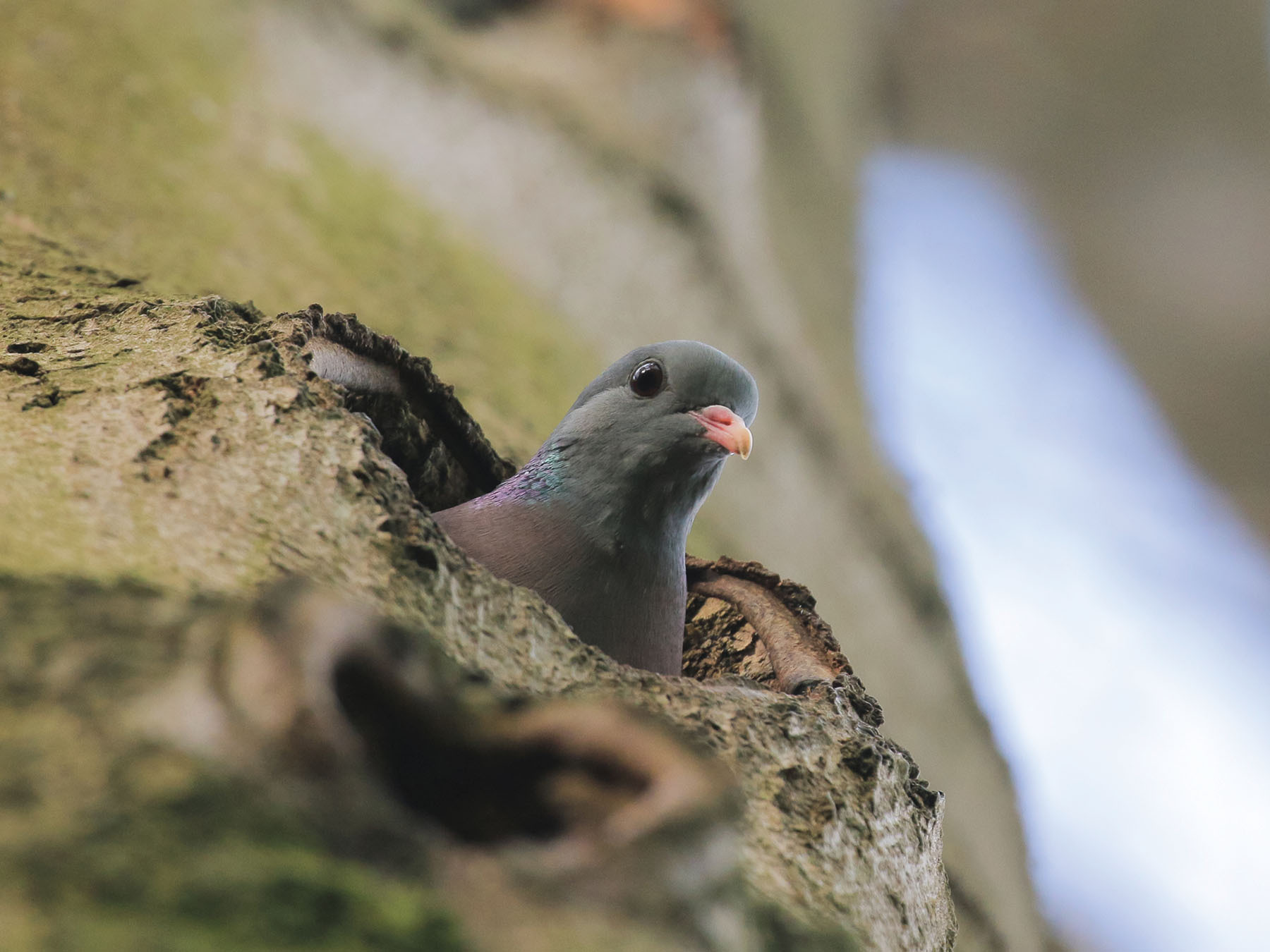
Stock doves are cavity nesters and seek holes in old trees in which to make their nests and raise their young. In the absence of natural cavities or disused woodpecker nests, they may occasionally use nest boxes, cracks or crevices in buildings or abandoned rabbit burrows.
Within their chosen hollow, a haphazard platform of sticks will be created, never the sturdiest construction, and occasionally eggs will be laid directly on the base of their cavity.
What do Stock Dove eggs look like?
Eggs laid by stock doves are glossy white with no additional markings or features.
A typical clutch contains two eggs, and it’s rare for more than this to be laid by the same female. Where nests containing 3 to 6 eggs are observed, it’s likely that a second female has laid in the same nest.
Both male and female stock doves incubate their eggs for between 16 and 18 days.
Do Stock Doves mate for life?
Stock doves are a monogamous species, forming long-term pair bonds with a mate that last beyond the duration of a single breeding season. Each year, the pair will usually raise two broods together.
Behaviour
Are Stock Doves aggressive?
Stock doves are both social and territorial, using aggressive displays to scare off any threat to their nest site. Vocal aggression will be heard as well as both males and females chase off nearby intruders, such as cats, crows and magpies.
Where do Stock Doves sleep at night?
Stock doves roost in upper branches of woodland trees at night, or if available may spend nights in roosting spots in abandoned sheds or agricultural buildings.
Lifespan and predators
How long do Stock Doves live?
The average lifespan for a stock dove is around 3 years, although records of much older individuals exist, including a ringed individual that reached 9 years and 2 months. Breeding occurs for the first time at one year.
What are the predators of Stock Doves?
Foxes are known predators of stock doves, and pine martens also carry out opportunistic raids on their nests. Birds of prey, including sparrowhawks and goshawks, are also known to frequently catch stock doves.
Are Stock Doves protected?
Stock doves cannot be deliberately killed, injured or taken into captivity under the Wildlife and Countryside Act, 1981, which protects wild birds in England and Wales.
As the UK is considered a stronghold for a major percentage of the European population, the species has Amber status on the British Birds of Conservation Concern list.
Are Stock Doves endangered?
Globally, the stock dove is classified as a species of least concern, although in parts of western Europe numbers are declining, due to habitat contraction. UK populations are stable, and the wider picture shows a moderate increase in European numbers from 1980 to 2013.
Conservation
While currently listed as Least Concern, Stock Doves face threats from agricultural intensification and loss of suitable nesting sites.
Conservation efforts focus on maintaining old trees with cavities and promoting wildlife-friendly farming practices to support their populations.
Similar birds
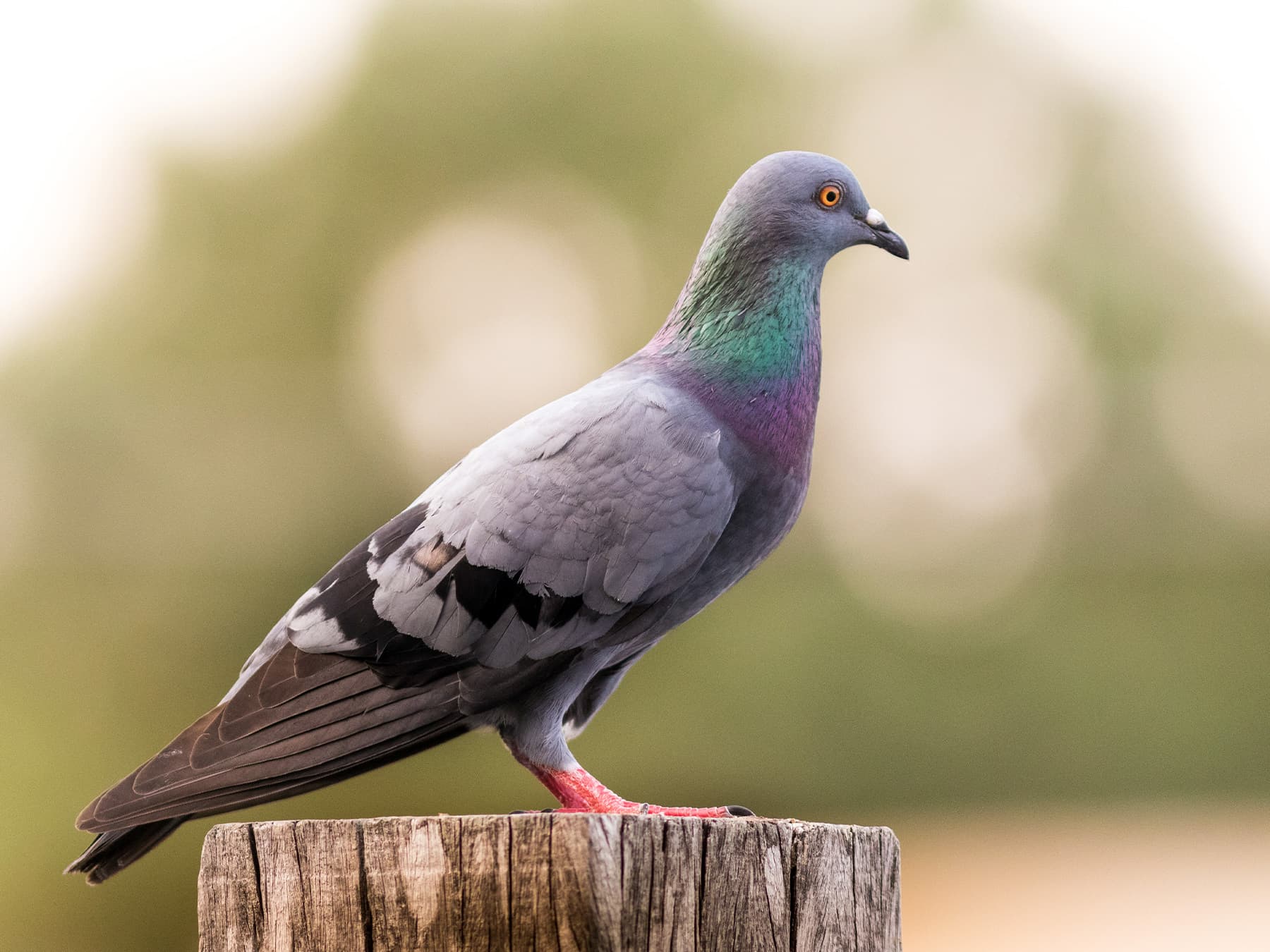
Often mistaken for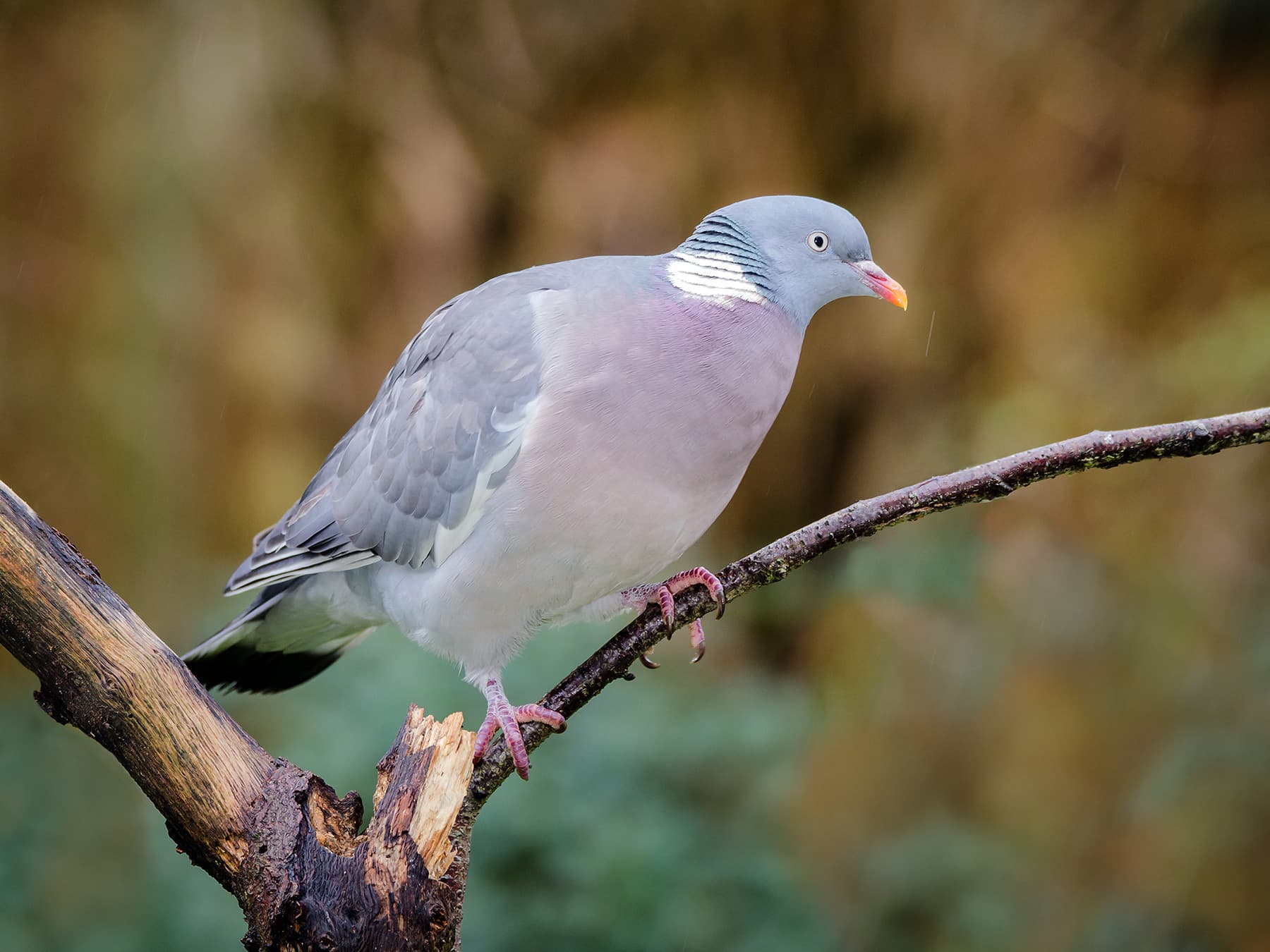
More photos
5 photos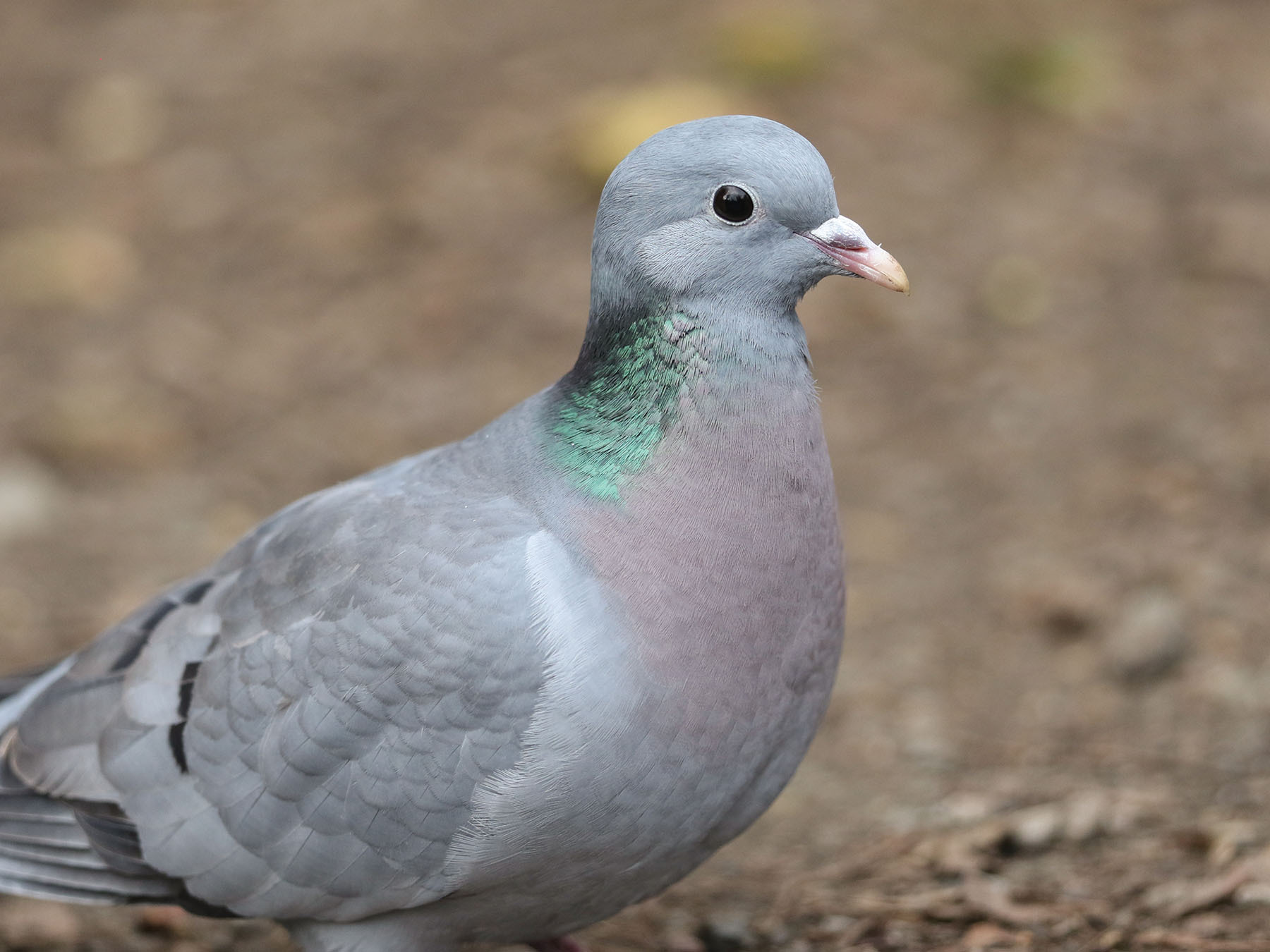
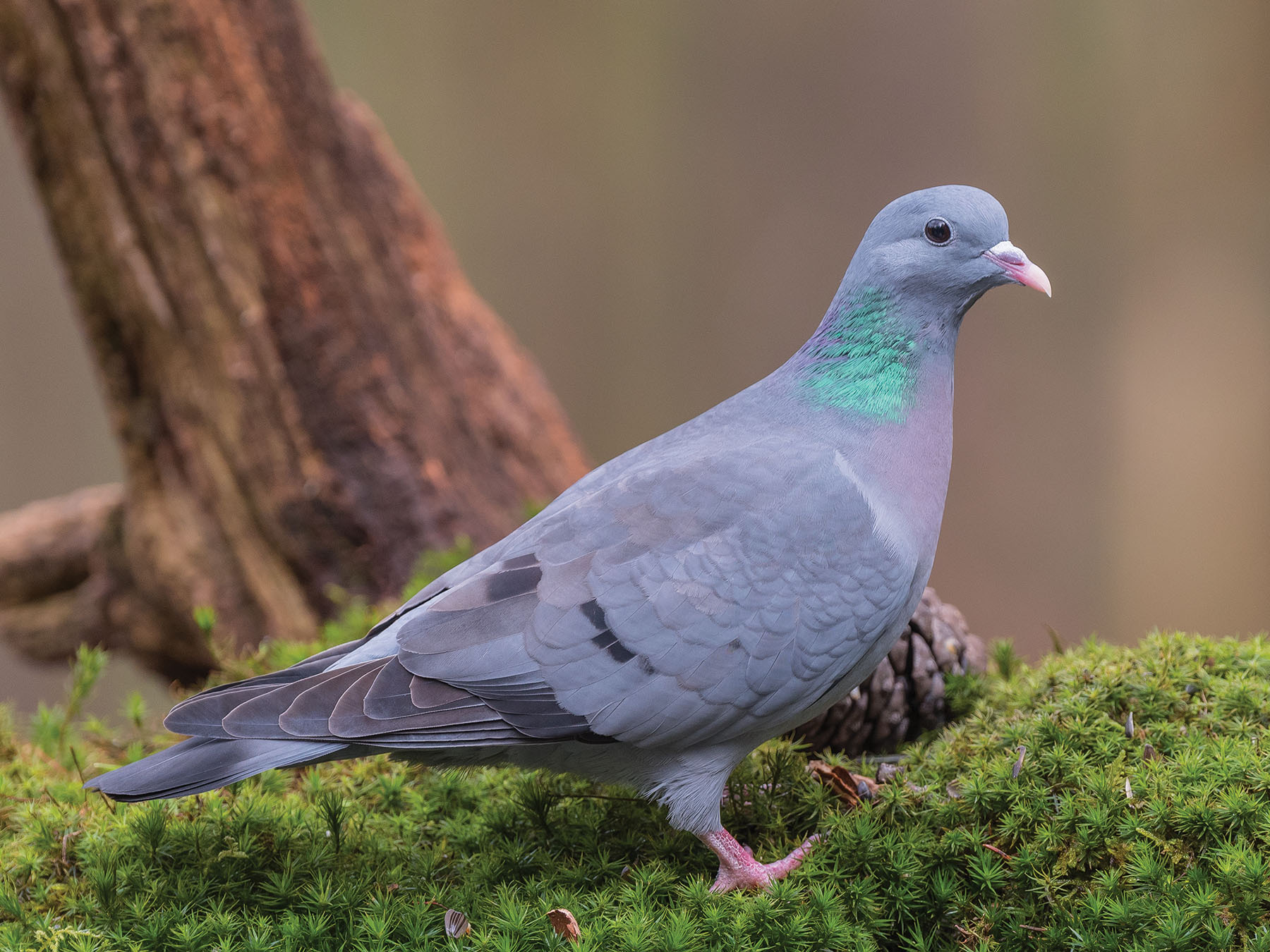
Stock Dove guides
1 guidesQuick facts
- Length
- 32–34 cm
- Wingspan
- 63–70 cm
- Weight
- 290–330 g
- Lifespan
- 3–5 years · oldest recorded 12.6 years
- Family
- Pigeons & Doves
- Migration
- Partial migrant
- Global status (IUCN)
- Least Concern
- World population
- 1,400,000 - 2,600,000 mature individuals
- Population trend
- Increasing
- Also called
- Wood Dove
- Scientific name
- Columba oenas
Questions
2How to attract Stock Doves?
Stock doves are more wary of human presence than rock doves and collared doves, and are less likely to show up in a back garden or residential area.
Stock doves are more likely to startle easily than other pigeons, so being close to busy human life is not ideal. They mainly eat grains, and may be attracted by seeds that mimic their natural foraging diet of cereal crops.
What is the difference between a Stock Dove and a Rock Dove?
Stock doves and rock doves are around the same size, but rock doves are stockier and plumper. Stock doves have a distinctive metallic green patch on the back of their neck, as well as a pinkish-mauve chest, while rock doves are a darker grey, and have bolder dark markings across their wings.
Rock doves are better adapted to living in close proximity to humans and survive on scraps of discarded food in town centres and residential streets. In contrast, stock doves are more at home in rural settings, such as woodlands and cultivated fields.
Sources
4- 1BirdLife International. 2016. Columba oenas. The IUCN Red List of Threatened Species 2016: e.T22690088A86074207. Source (opens in a new tab)
- 2EBCC (2015)
- 3BirdLife International. 2016. Columba oenas. The IUCN Red List of Threatened Species 2016: e.T22690088A86074207. Source (opens in a new tab)
- 4Fransson et al., EURING list of longevity records for European birds (2010) Source (opens in a new tab)

Checked by
Nathan Cope, founder and editor
Nathan founded Birdfact and leads its writers and contributors in the UK, the US and Canada. He has watched and studied birds for more than ten years, and checks every article and species guide before it’s published.