


Sparrowhawk
Eurasian Sparrowhawk · Accipiter nisus
By the Birdfact teamChecked by Nathan Cope
On this page15 sections
How to recognise it
Sparrowhawks are often briefly seen as they dart between trees or pursue their prey. Read on to learn how to distinguish between the sexes and which other species they resemble.
What do Sparrowhawks look like?
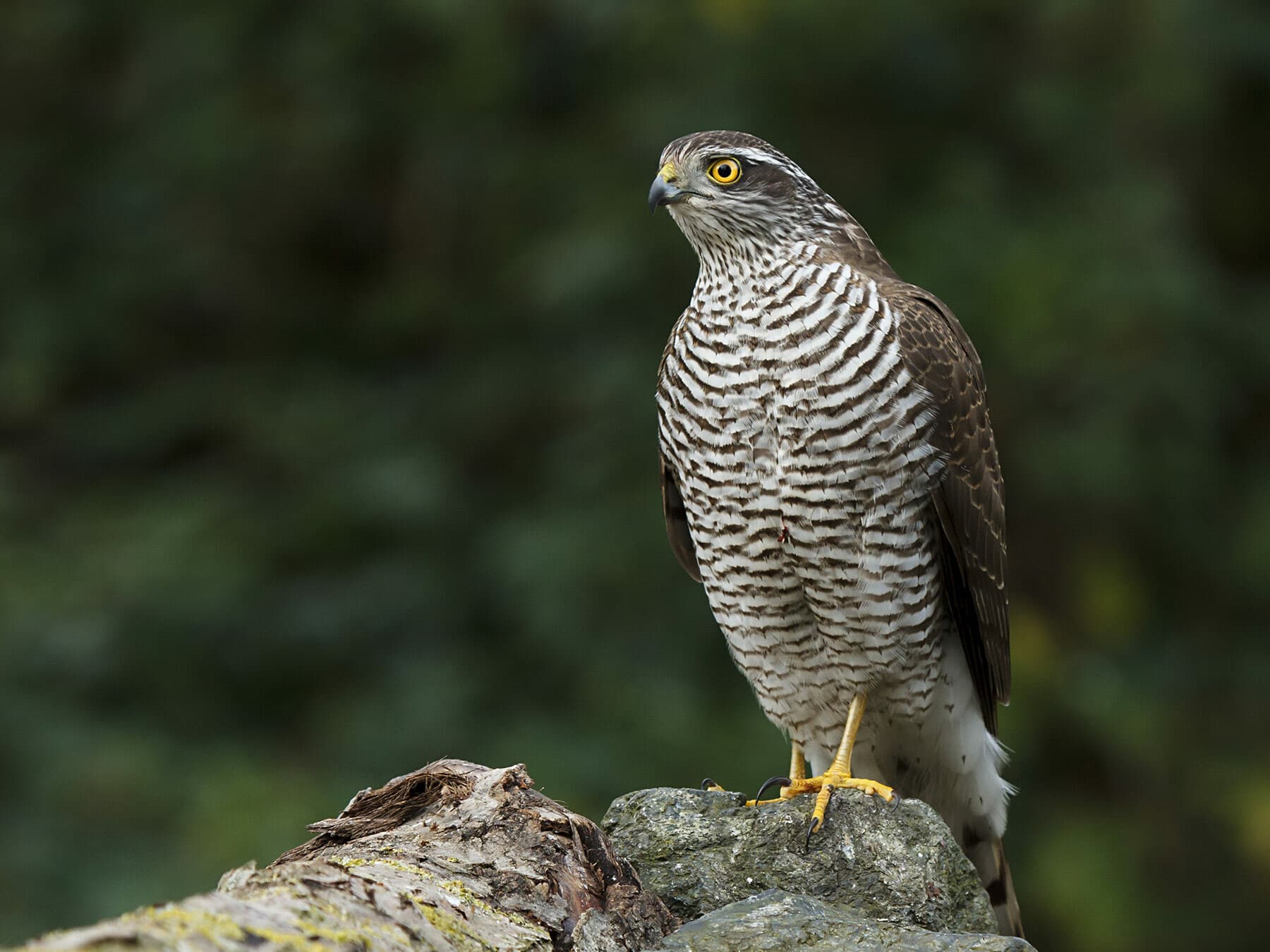
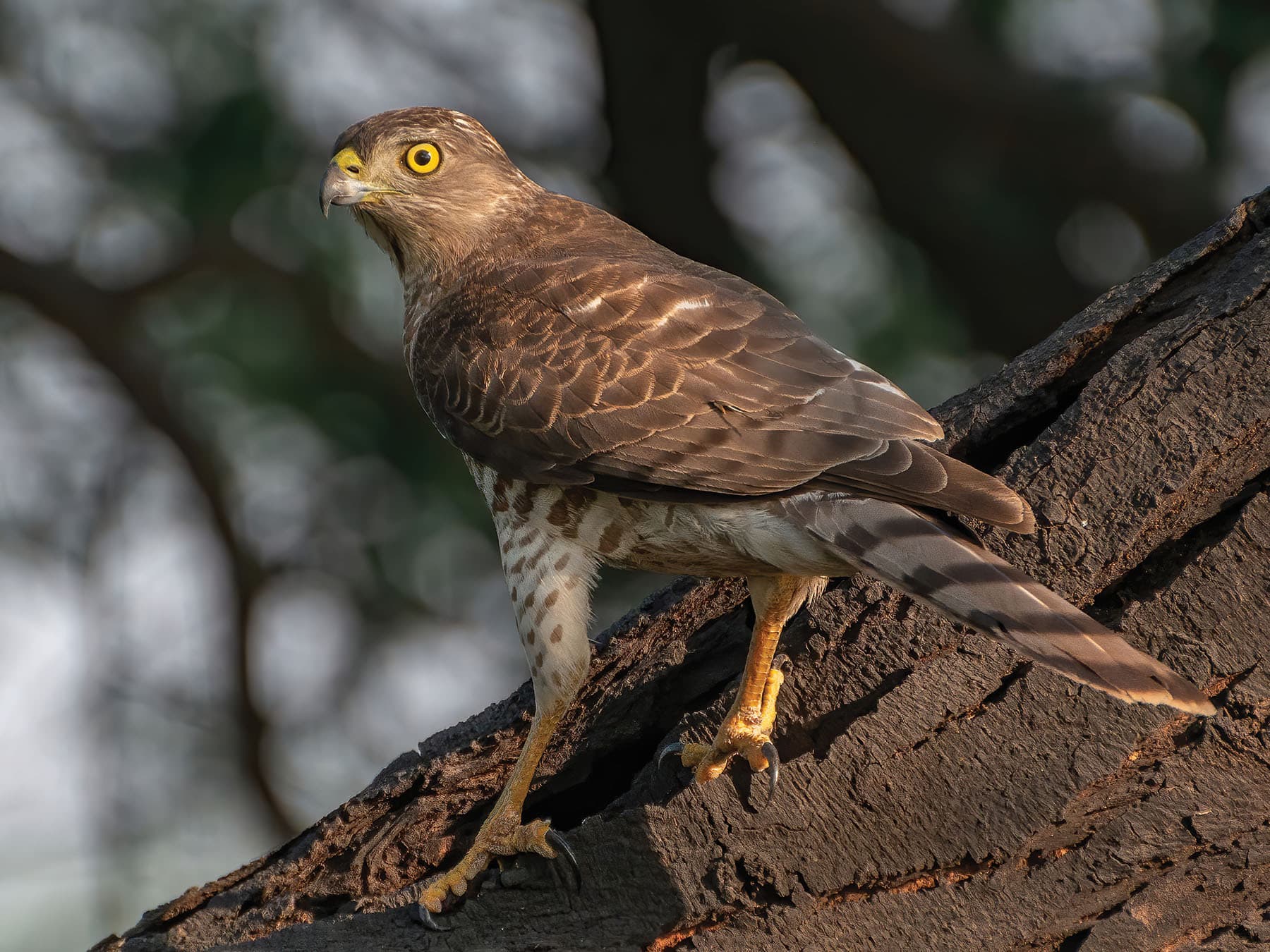
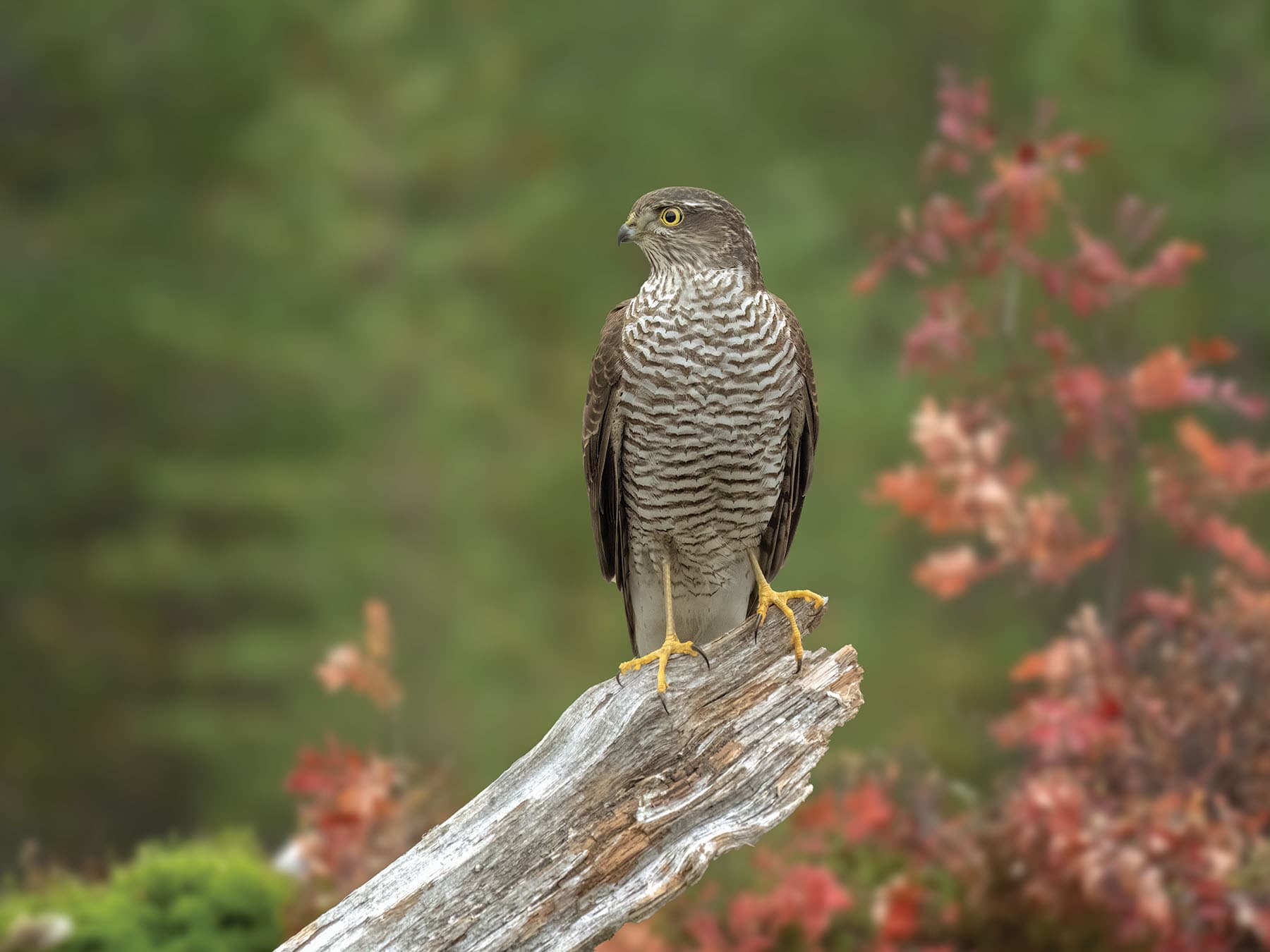
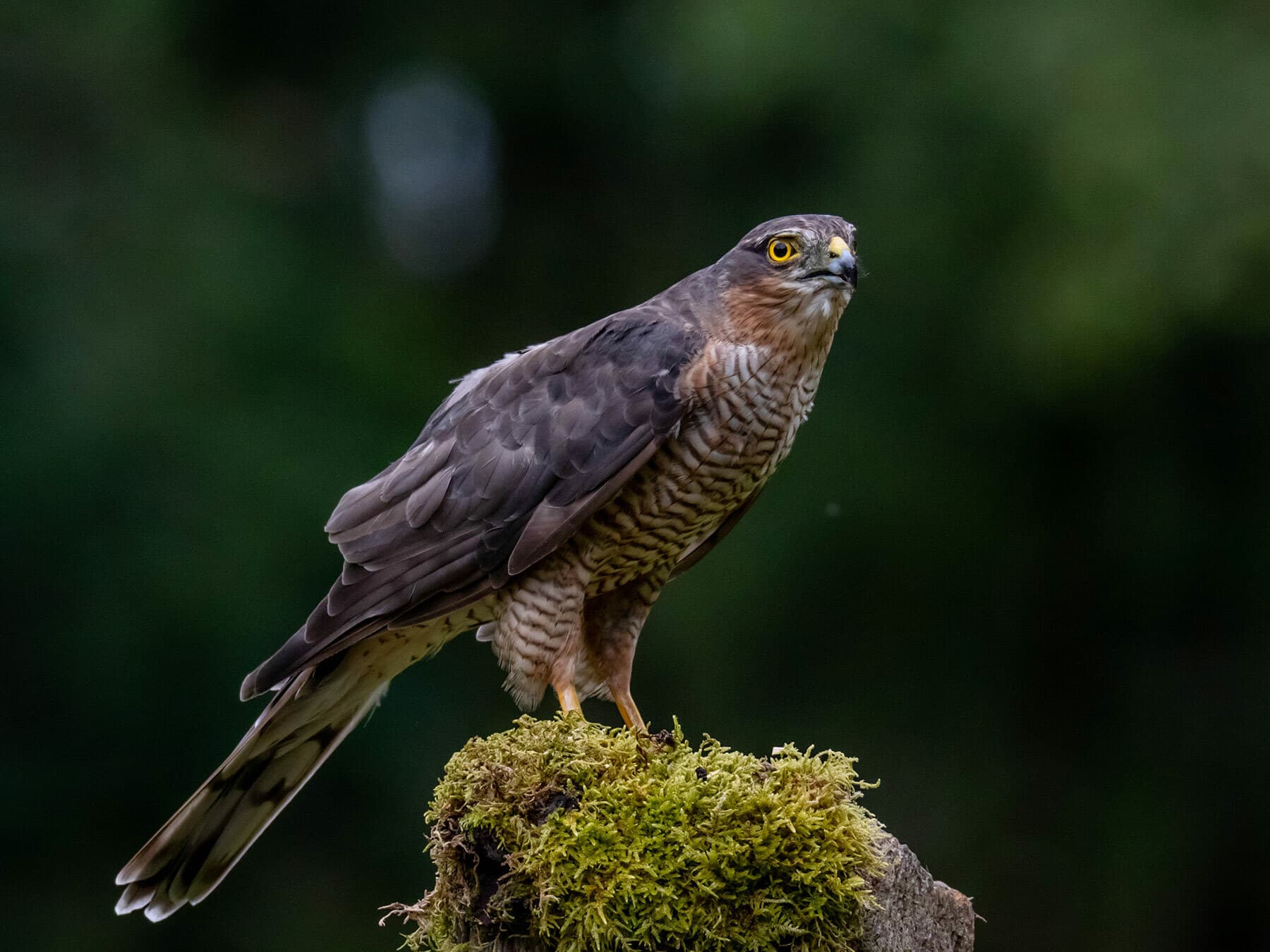
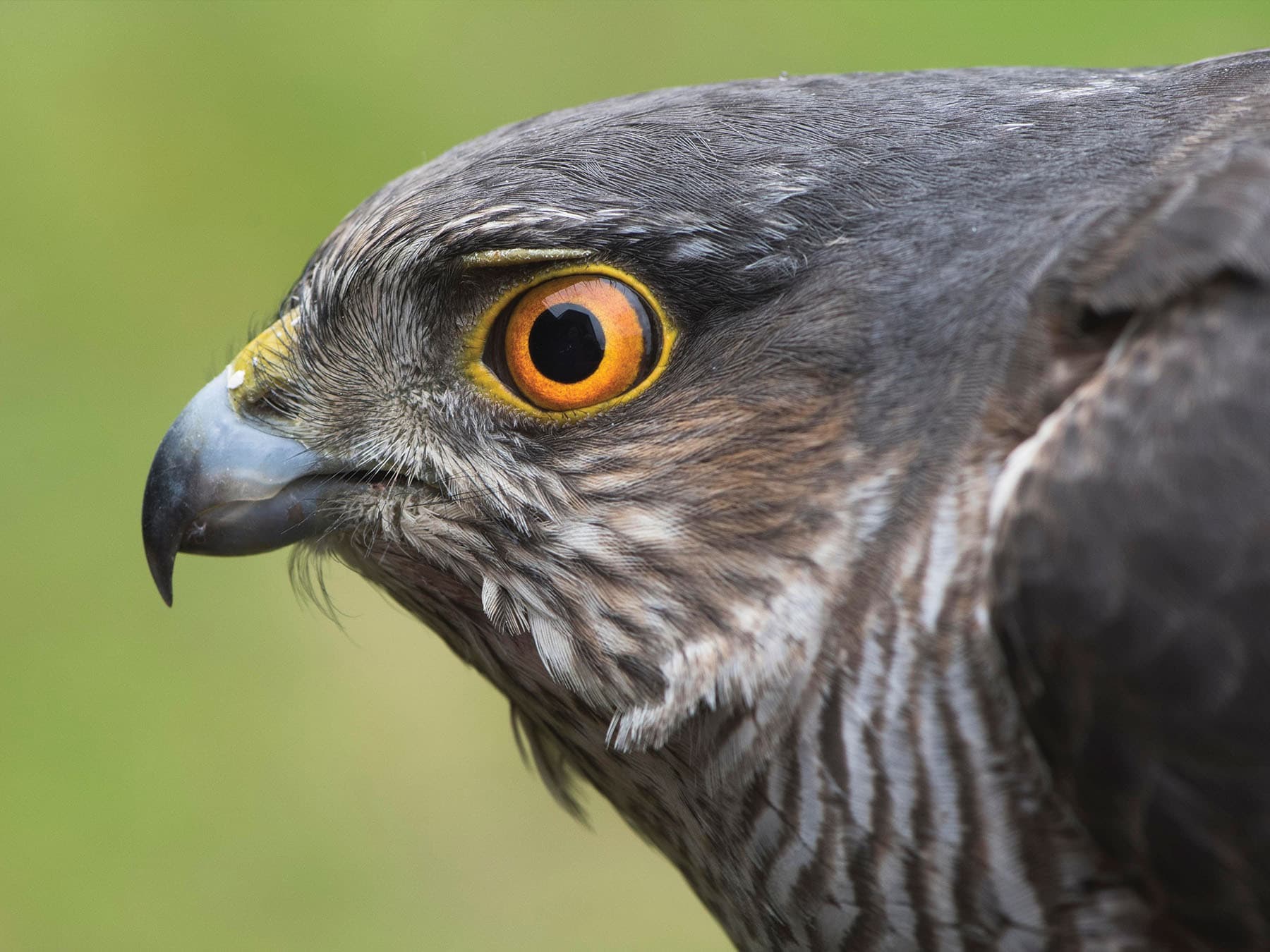
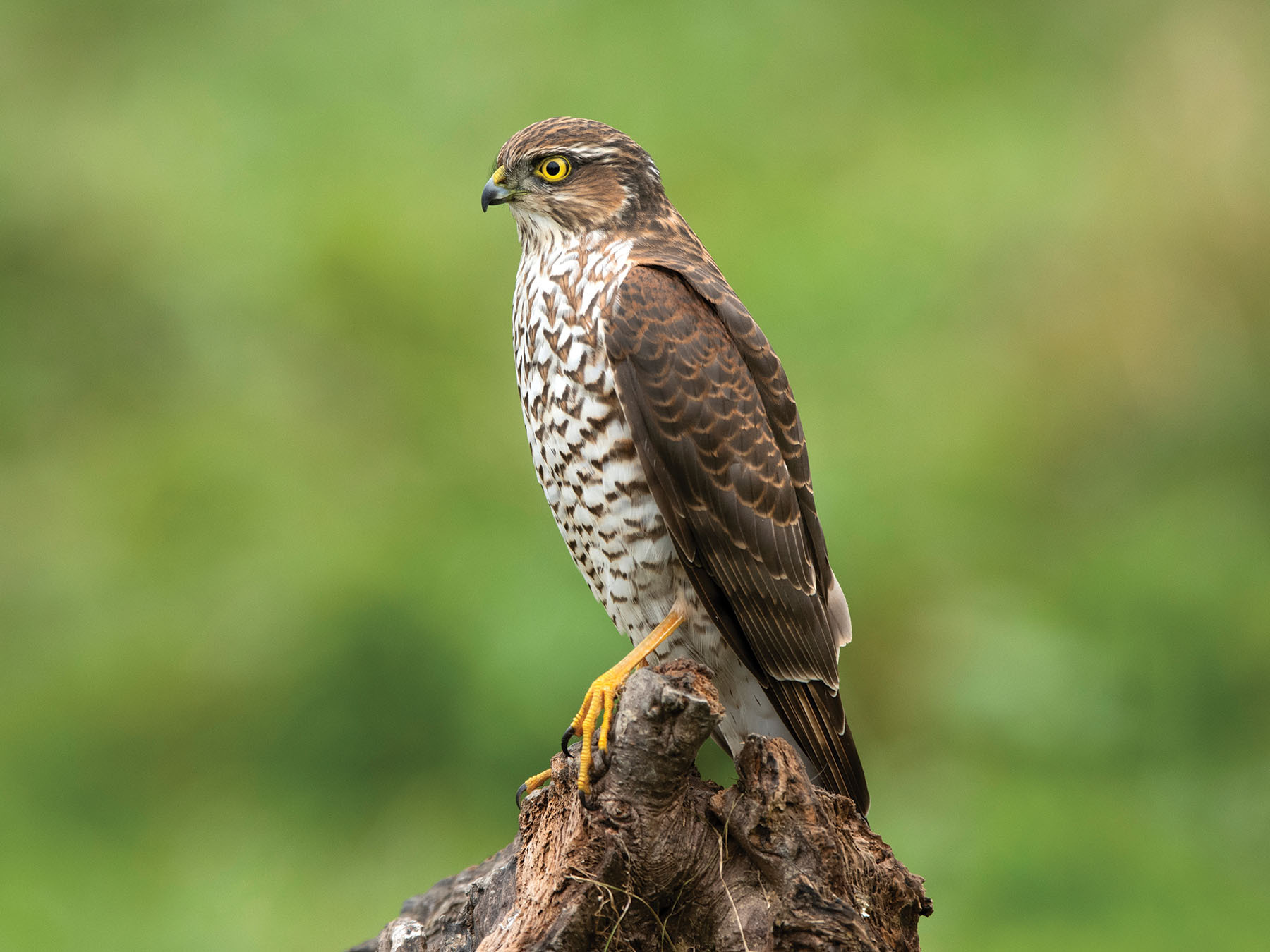
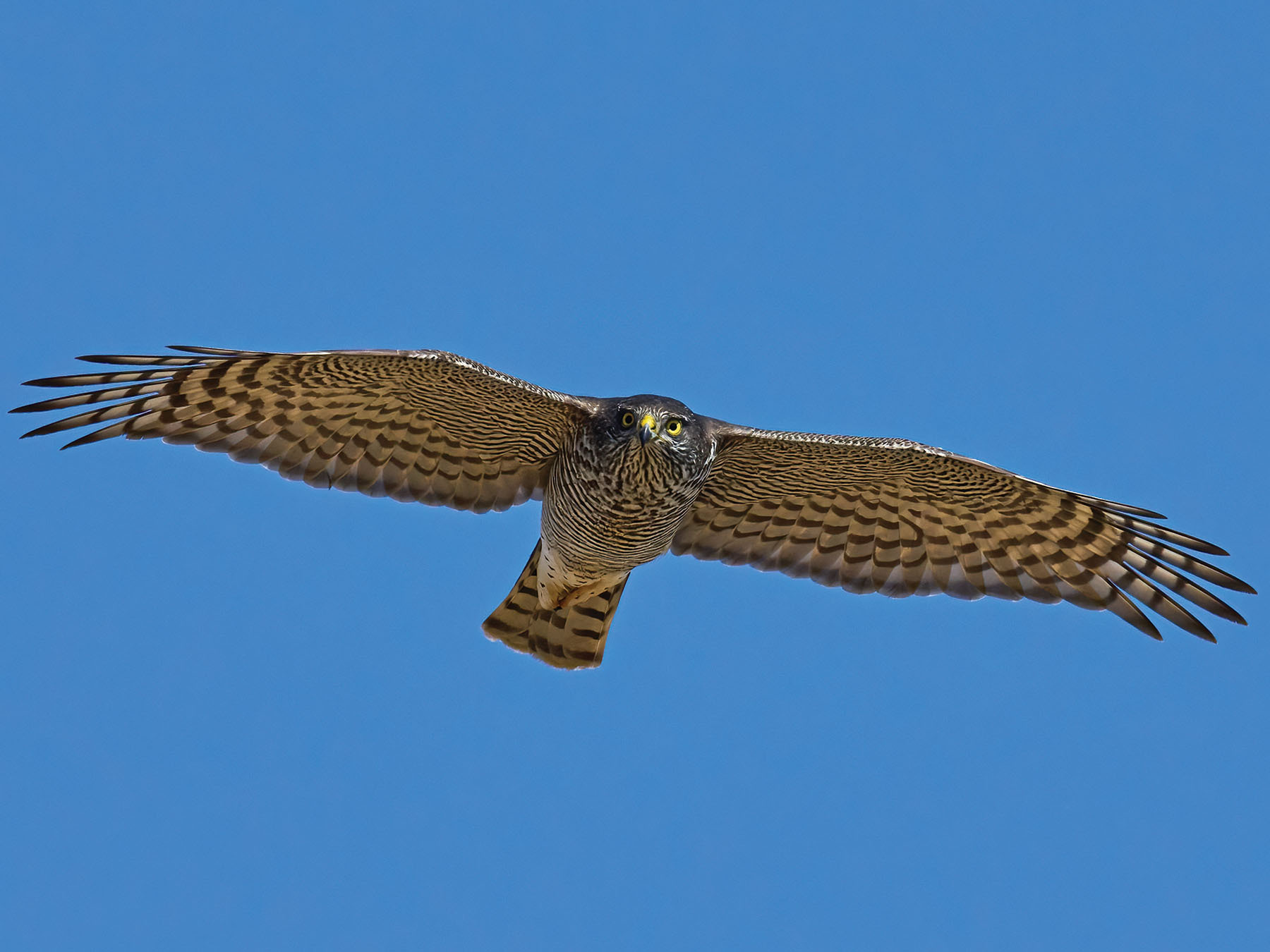
Sparrowhawks are dove/pigeon-sized birds of prey with small heads and long tails. They have short, hooked bills and long legs with large feet and talons. Female Sparrowhawks are brown above and white below with brown barring. Their eyes and legs are yellow, and they have a pale eyebrow stripe (supercilium).
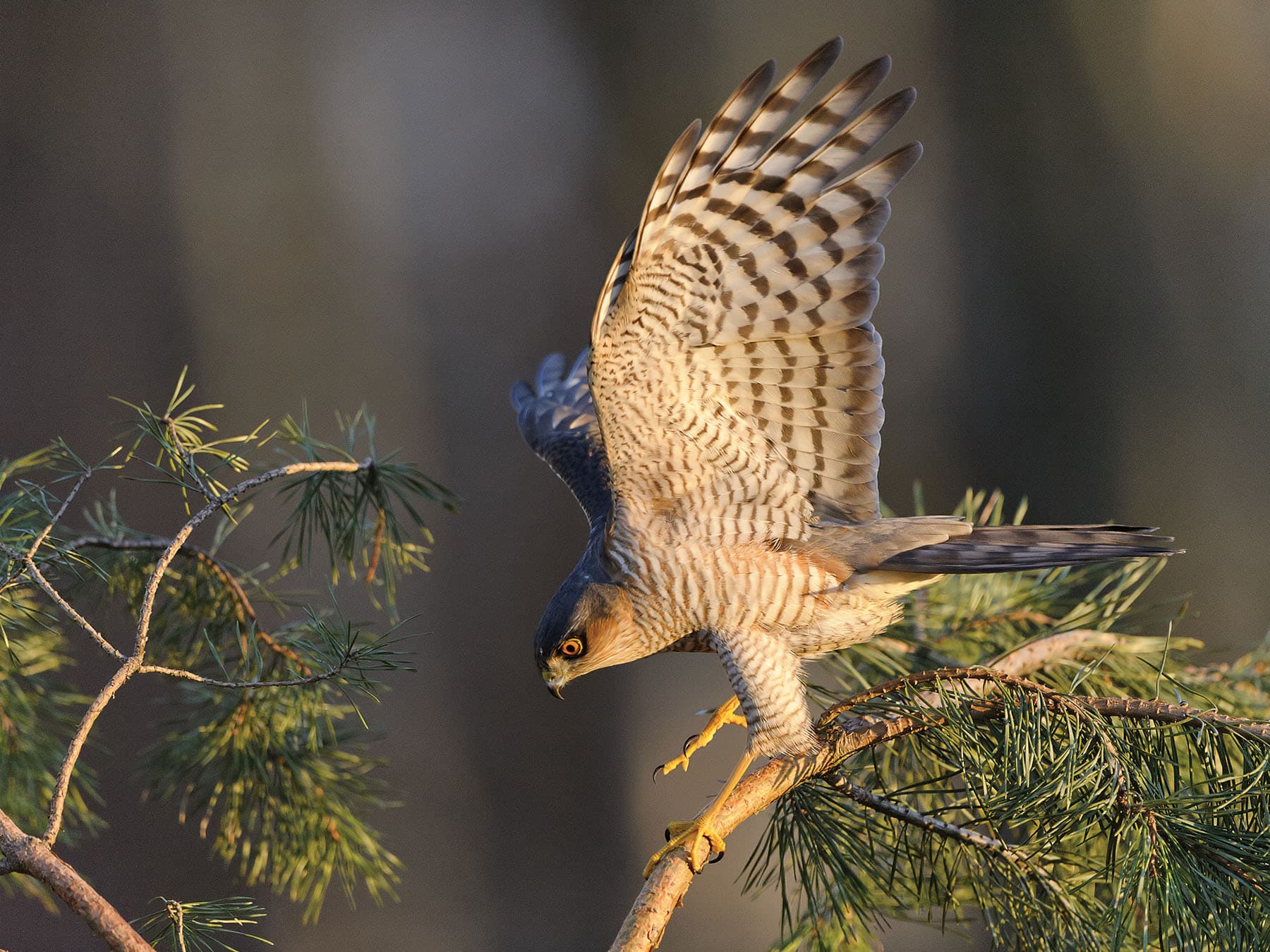
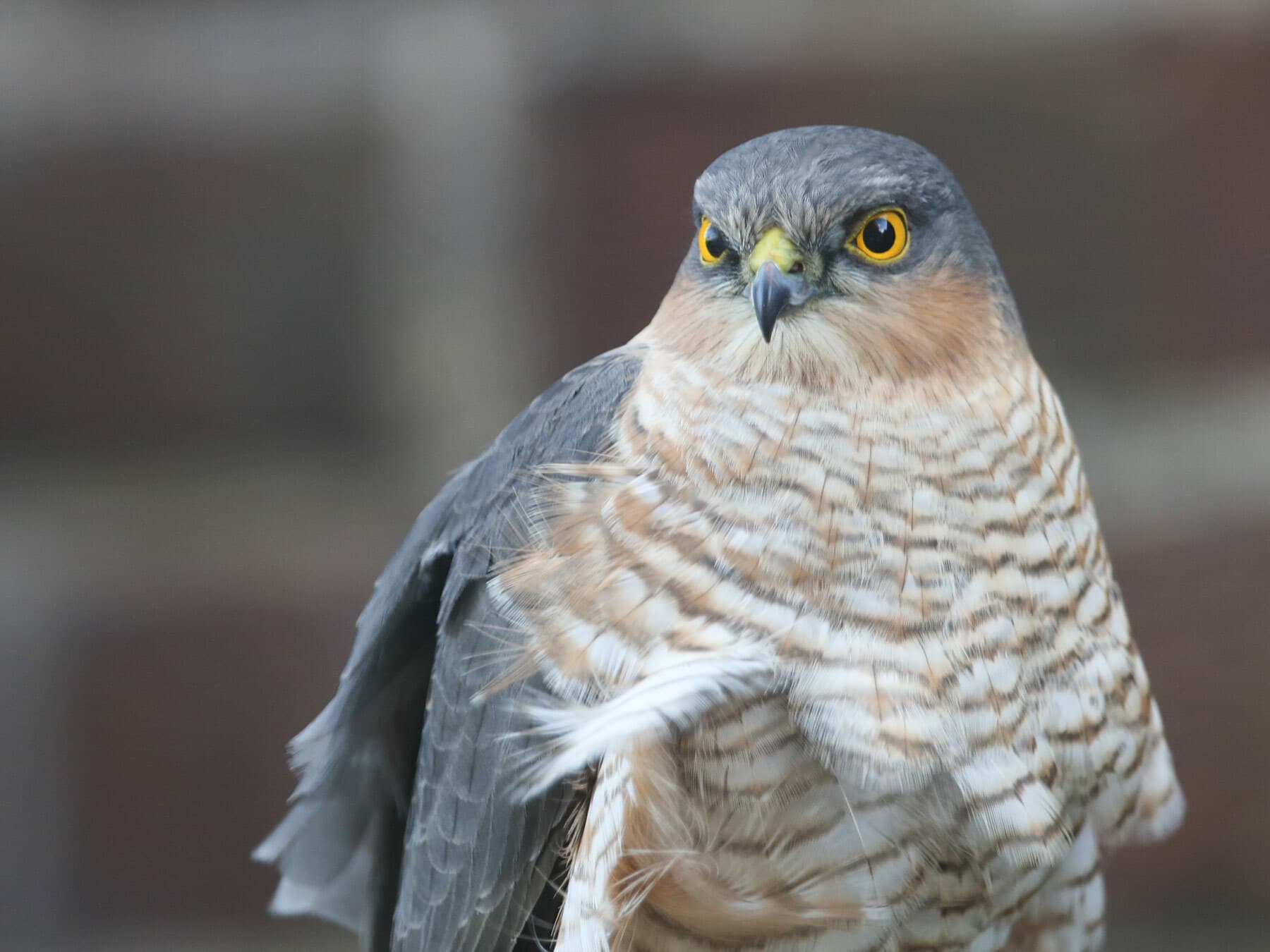
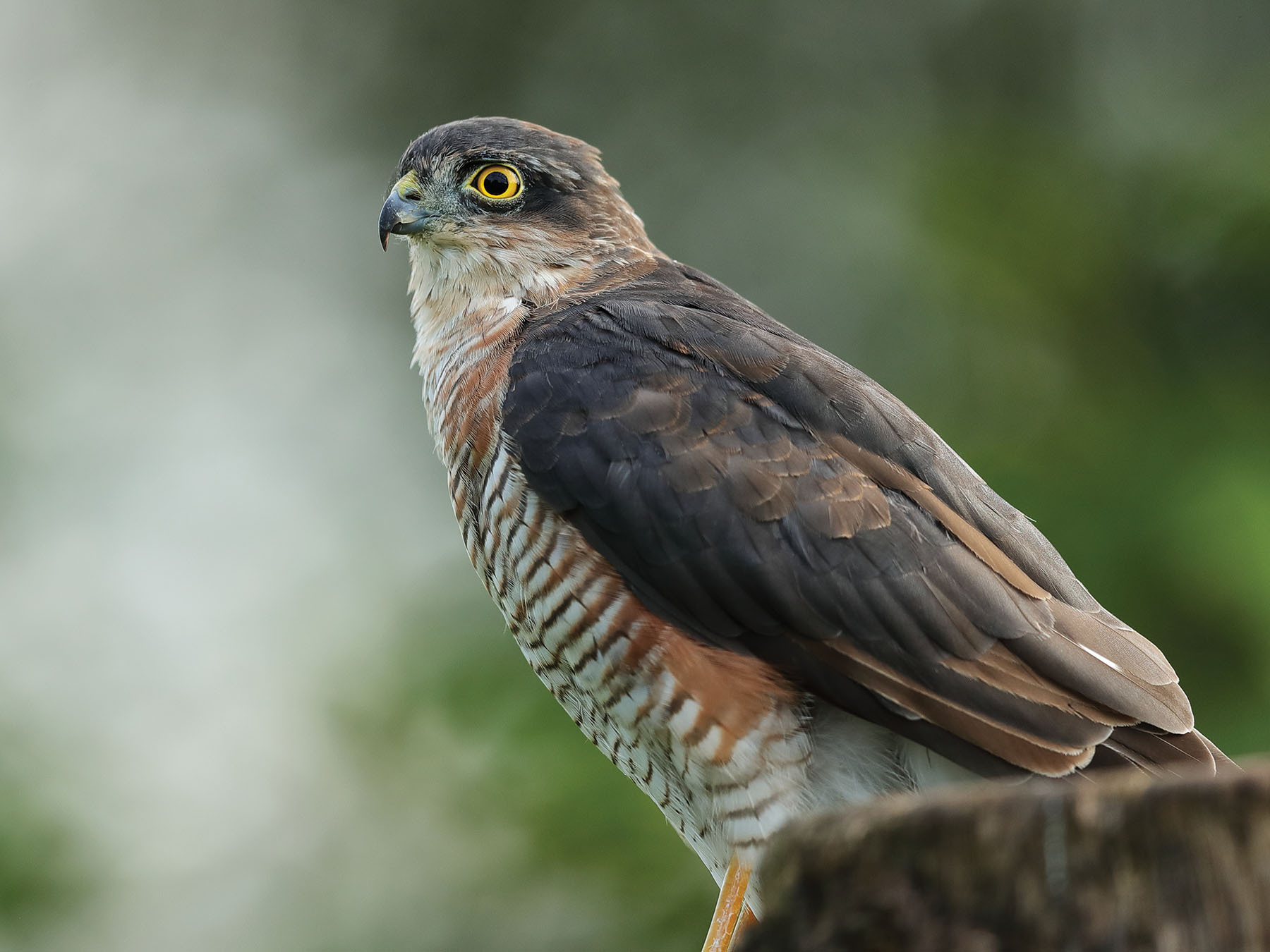
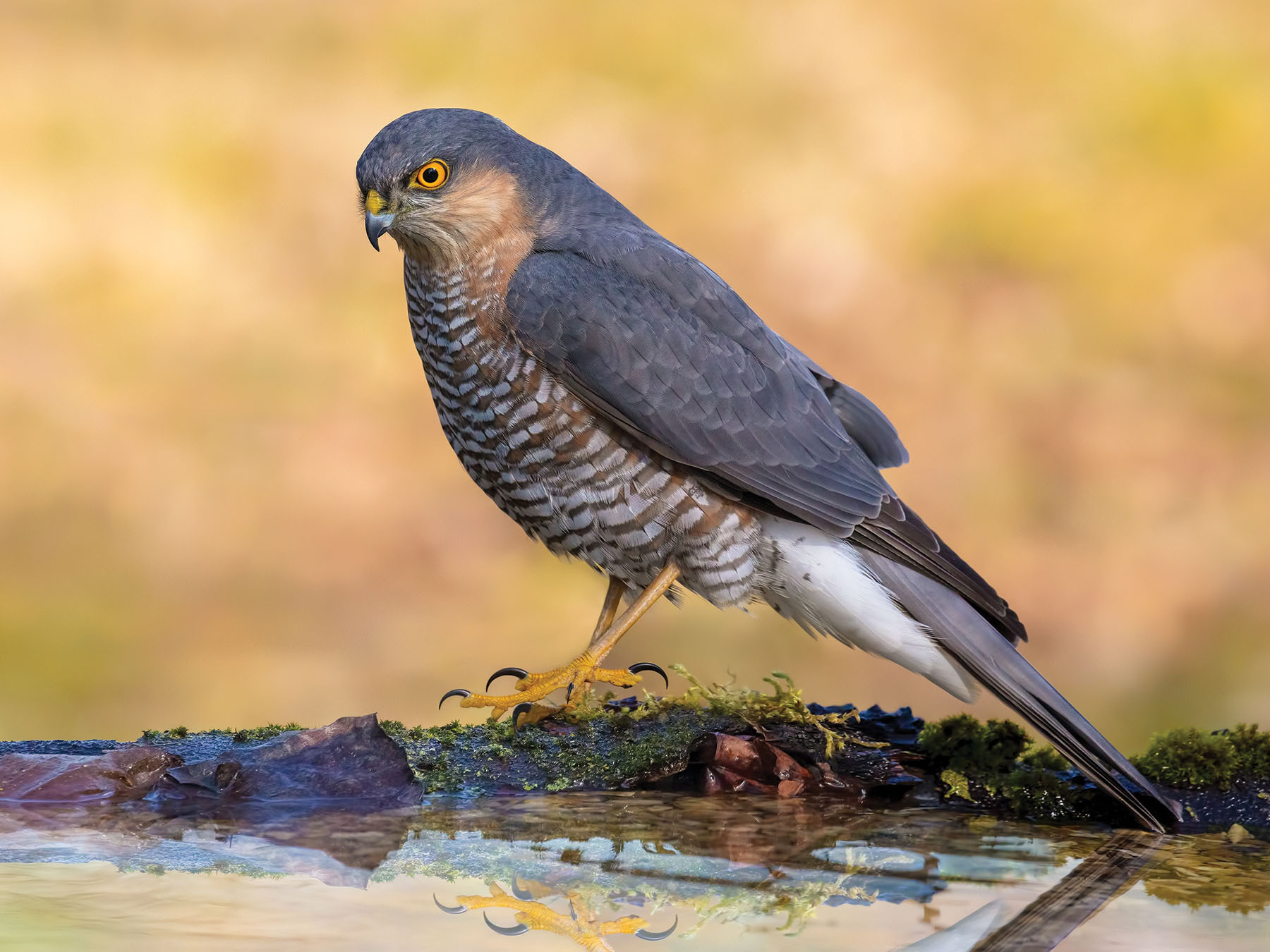
Males are smaller and more colourfully marked than their female counterparts. They can be identified by their grey upperparts and white underparts with red-brown barring. The same reddish shade often covers their cheeks, throat, flanks, and the sides of their chest. They have yellow legs and yellow to orange eyes.
Juvenile Sparrowhawks resemble adult females but have bolder brown barring on their underparts.
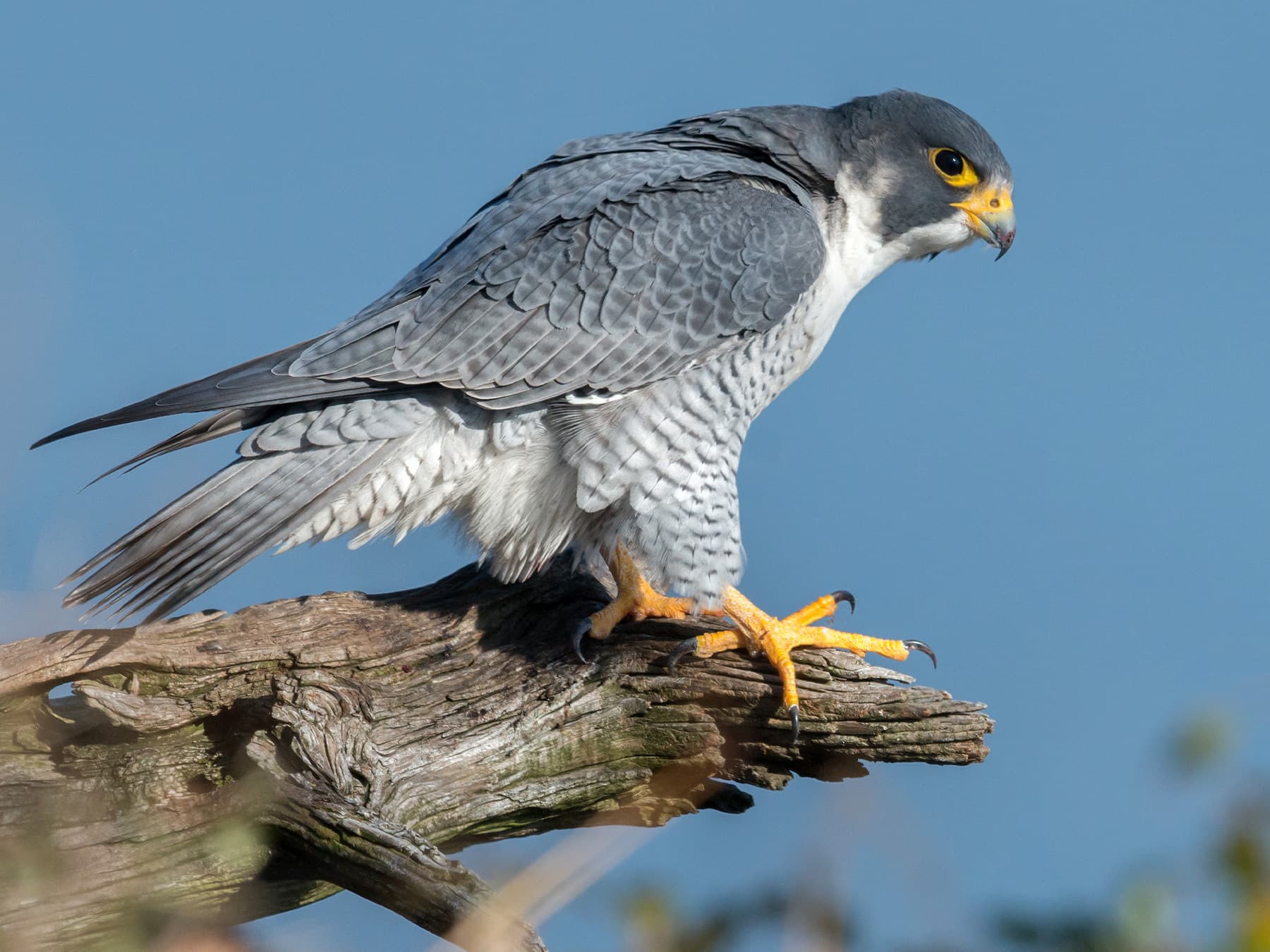
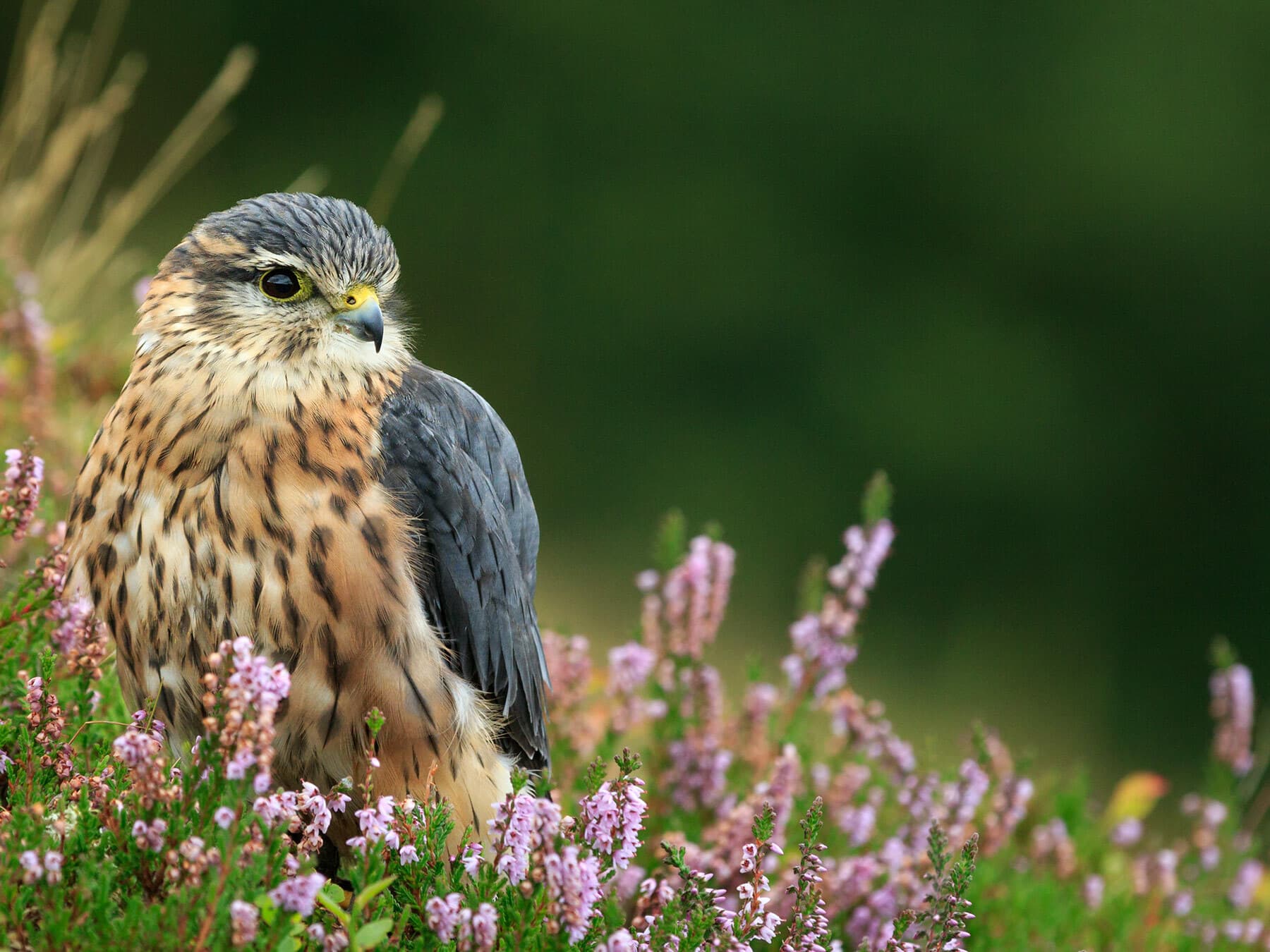
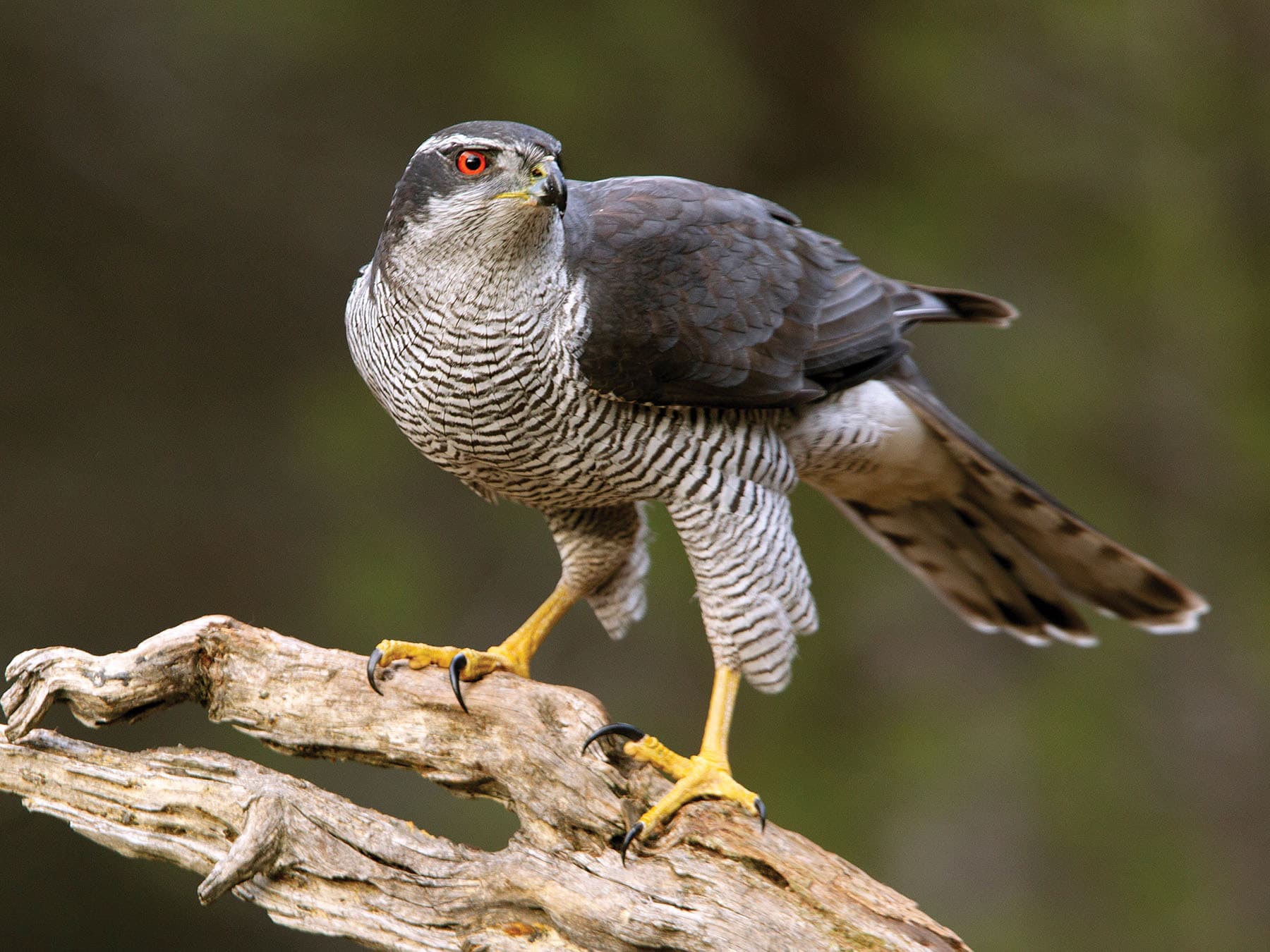
Sparrowhawks could be confused with other UK birds of prey like the Kestrel, Merlin, or the larger Goshawk. Males may also be confused with the Cuckoo.
How big are Sparrowhawks?
Sparrowhawks are small birds of prey with short, broad wings. Females are noticeably larger (16-20%) than males.
Length
Both sexes measure 28 to 40 cm long.
Weight
The Sparrowhawk has a surprisingly wide weight range. Most females weigh 185 to 350 grams, while males weigh between 105 and 196 grams.
Wingspan
There is also a significant difference in male and female wingspans. Male Sparrowhawks measure 56 to 65 centimetres between the wingtips, while females measure 65 to 78 centimetres.
Check out our comprehensive guide on the size of Sparrowhawks.
Its size
Adults- Length
- 28–38 cm
- Wingspan
- 55–80 cm
- Weight
- 110–340 g
Its song and calls
Sparrowhawks are usually quiet and unobtrusive, although they can be highly vocal when nesting. Read on to learn more about their calls.
What sound does a Sparrowhawk make?
Sparrowhawks produce a loud ‘ke-ke-ke-ke’ or ‘kew-kew-kew’ call. Young birds have a softer, more drawn-out begging call.
Why do Sparrowhawks call?
Sparrowhawks are most vocal during the breeding season and when near their nests. They call to maintain contact with their partner and family, and hungry young birds call to beg for food.
- Call0:00 / 0:19
Recorded in Normandie, France · August 2025
When and where to see it
OctoberPeak season
Most recorded in October
- 1. Antrim1.2%
- 2. Vale of Glamorgan1.1%
- 3. Kildare0.99%
- 4. Longford0.98%
- 5. South Yorkshire0.94%
Each dot is a county, state or province: the bigger and darker, the larger the bird’s share of that place’s bird records that month. Grey dots: no regular records. The ringed point is the centre of the bird’s records this month; the arrow shows how it moved since last month, and the dashed loop its path through the year. “Arrivals” colours places where it becomes regular this month (orange) or is in its last regular month (grey). GBIF eBird Observation Dataset, 2019–2024. Map data: Natural Earth, US Census Bureau; place centres © OpenStreetMap contributors.
In your area
See when the Sparrowhawk is recorded in your county, state or province.
How often the Sparrowhawk turns up in the UK and Ireland through the year, from birdwatchers' records.
United Kingdom
Resident · all year · most records in September
Ireland
Resident · all year · most records in October
Show as a table
| Month | United Kingdom | Ireland |
|---|---|---|
| January | 0.46% (regular) | 0.38% (regular) |
| February | 0.44% (regular) | 0.36% (regular) |
| March | 0.45% (regular) | 0.33% (regular) |
| April | 0.44% (regular) | 0.31% (regular) |
| May | 0.27% (regular) | 0.19% (regular) |
| June | 0.24% (regular) | 0.23% (regular) |
| July | 0.34% (regular) | 0.35% (regular) |
| August | 0.57% (regular) | 0.44% (regular) |
| September | 0.59% (regular) | 0.43% (regular) |
| October | 0.58% (regular) | 0.51% (regular) |
| November | 0.51% (regular) | 0.38% (regular) |
| December | 0.46% (regular) | 0.36% (regular) |
Recorded regularly in
Worldwide: recorded regularly in 89 countries
Countries where it was recorded in at least 3 of the 6 years 2019–2024. Linked countries have their own bird list.
Europe (48)
- Åland Islands
- Albania
- Andorra
- Austria
- Belarus
- Belgium
- Bosnia & Herzegovina
- Bulgaria
- Croatia
- Czechia
- Denmark
- Estonia
- Faroe Islands
- Finland
- France
- Germany
- Gibraltar
- Greece
- Guernsey
- Hungary
- Ireland
- Isle of Man
- Italy
- Jersey
- Kosovo
- Latvia
- Liechtenstein
- Lithuania
- Luxembourg
- Malta
- Moldova
- Monaco
- Montenegro
- Netherlands
- North Macedonia
- Norway
- Poland
- Portugal
- Romania
- Russia
- Serbia
- Slovakia
- Slovenia
- Spain
- Sweden
- Switzerland
- Ukraine
- United Kingdom
Asia (36)
- Armenia
- Azerbaijan
- Bahrain
- Bangladesh
- Bhutan
- China
- Cyprus
- Georgia
- Hong Kong SAR China
- India
- Iran
- Iraq
- Israel
- Japan
- Jordan
- Kazakhstan
- Kuwait
- Kyrgyzstan
- Laos
- Lebanon
- Mongolia
- Myanmar (Burma)
- Nepal
- Oman
- Pakistan
- Palestinian Territories
- Qatar
- Saudi Arabia
- South Korea
- Taiwan
- Tajikistan
- Thailand
- Turkey
- United Arab Emirates
- Uzbekistan
- Vietnam
Data: EOD – eBird Observation Dataset (Cornell Lab of Ornithology), accessed via GBIF.org, CC BY 4.0. Records from 2019–2024, aggregated and filtered by Birdfact. How these lists are made
Sparrowhawks are generally shy and elusive. However, these birds are widespread in the UK, and birdwatchers always have a chance of spotting them in their preferred habitats.
What is the habitat of a Sparrowhawk?
Sparrowhawks are most at home in woodlands, although they frequent gardens and parks. They will also venture into more open country to hunt over meadows and wetlands, particularly in the non-breeding season.
What is the range of a Sparrowhawk?
Sparrowhawks occur in suitable habitats throughout the United Kingdom and Ireland. They are also very common in Scotland, although largely absent from the highlands. Elsewhere the species occurs east to Russia’s Kamchatka Peninsula and Japan, and south to Tanzania in East Africa.
Check out our full guide on where Sparrowhawks live.
Where do Sparrowhawks live?
Sparrowhawks spend most of their time in trees. They are not particularly comfortable on the ground, although they may pluck larger prey and feed there. Sparrowhawks do not spend much time in flight, although they will engage in conspicuous and acrobatic flight displays at the start of the breeding season.
How rare are Sparrowhawks?
Sparrowhawks are territorial birds that do not occur in high numbers. However, these widespread birds are one of the United Kingdom’s commonest birds of prey. The UK population is estimated at over 30,000 pairs.
Where can you see Sparrowhawks in the UK?
There is always a chance of spotting a Sparrowhawk if you live in a well-wooded area. If not, visit a local woodland where you may spot one darting between the trees. These birds are fairly shy, and sightings are often brief, although good sightings can be had in spring when they display over nesting areas.
Signs and spotting tips
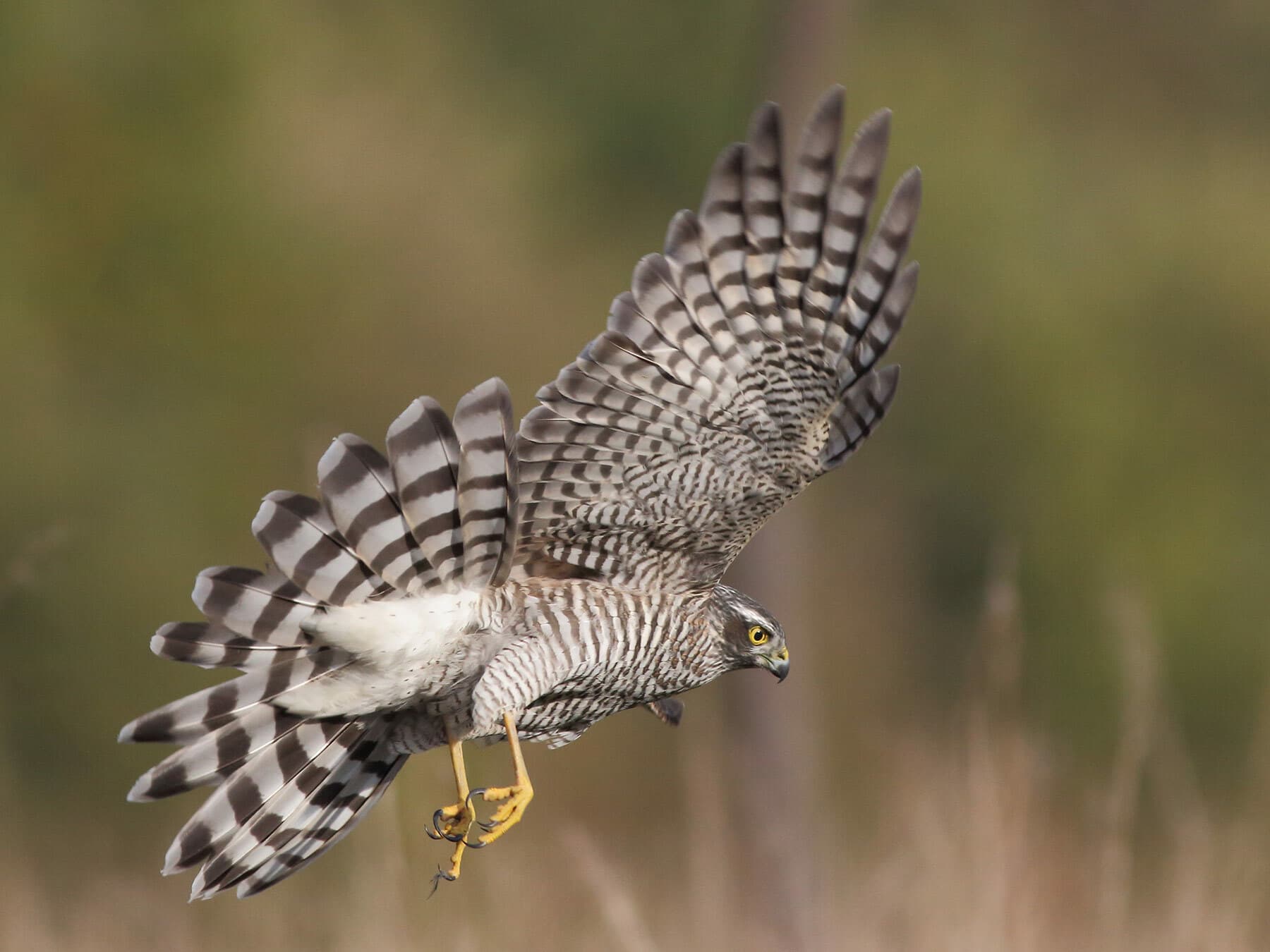
Flight characteristic is a few quick wingbeats relieved by a short glide to descend. Flight path is slightly undulating. Often flies low over ground to make surprise attacks.
Female is larger than the male with a steadier flight. Males tend to hunt more in woodland, females more in fields and open spaces.
Migration
Do Sparrowhawks migrate?
Sparrowhawks are not migratory in the United Kingdom, although specimens that nest elsewhere in Europe and Asia migrate south for the winter. Some birds that migrate from Northern Europe have been recovered in the UK.
Are Sparrowhawks native to the UK?
Sparrowhawks are a native species in the United Kingdom.
What it eats
Sparrowhawks are specialised hunters. Their short wings allow them to fly through narrow spaces at high speeds to surprise their prey.
What do Sparrowhawks eat?
Sparrowhawks hunt other birds and their young. The smaller males generally eat birds like sparrows and tits, while the females can subdue larger prey like starlings, thrushes, and even pigeons. They occasionally take other prey like rodents, bats, reptiles, and insects.
Check out our full guide on the diet of a Sparrowhawk as well as our Sparrowhawk hunting behaviour guide.
What do Sparrowhawk chicks eat?
Baby Sparrowhawks eat strips of bird meat supplied by their mother. The male brings in most of the food, although he catches smaller prey. Young birds become independent when they are about two months old.
Nesting and breeding
Sparrowhawks are breeding residents in the United Kingdom. Each spring and summer, pairs work together to build a new nest and raise a single brood.
Where do Sparrowhawks nest?
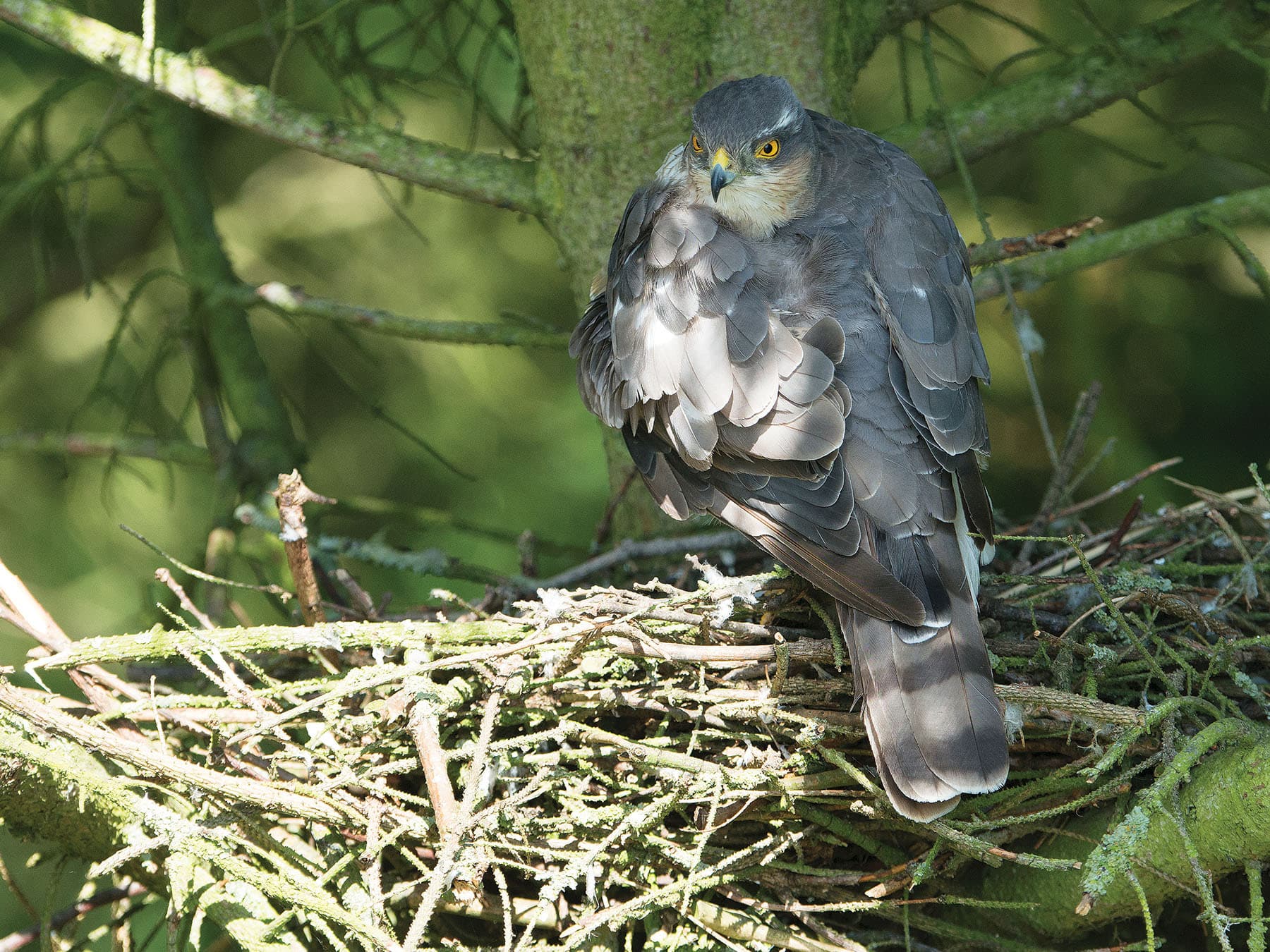
Sparrowhawks build their nest in trees in forests and woodlands virtually throughout the UK. The nest is usually built low in a tree, in a fork near an opening where they have easy access.
Sparrowhawk nests are built from twigs and not lined with soft material. They can reach nearly a meter wide and about 30cm deep, although most are smaller.
For a more comprehensive guide, check out our Sparrowhawk nesting article.
What do Sparrowhawk eggs look like?
Sparrowhawks usually lay three to six eggs, each measuring about 39 millimetres long and 33 millimetres wide. They are a pale blue shade and variably marked with brown spots.
Do Sparrowhawks mate for life?
Sparrowhawks form stable partnerships each nesting season, although they generally do not mate for life.
Behaviour
Sparrowhawk behaviour is difficult to observe, although fascinating if you get the chance. Their high-speed hunting technique and acrobatic flight displays make for exciting birdwatching.
Are Sparrowhawks aggressive?
Sparrowhawks are aggressively territorial in the nesting season and will not allow other pairs near their nest. They are not aggressive towards humans, but other small birds have much to fear. Sparrowhawks hunt at high speed, flying low and sticking to cover before making the strike.
Lifespan and predators
Sparrowhawks are top predators but have relatively short lifespans due to the ever-present risk of injury and starvation.
How long do Sparrowhawks live?
Sparrowhawks live between two and three years on average. Their maximum age is around fifteen years.
What are the predators of Sparrowhawks?
Adult Sparrowhawks have few natural predators. However, they could fall prey to larger raptors like the Goshawk or Peregrine Falcon, or land animals like the fox, particularly if weakened by hunger or injury. Their eggs and chicks are more vulnerable to predators like martens.
Are Sparrowhawks protected?
Sparrowhawks are protected in the United Kingdom by the Wildlife and Countryside Act.
Are Sparrowhawks endangered?
Sparrowhawks are not endangered. They have an amber conservation status in the UK but are classed as a ‘Least Concern’ species by the International Union for the Conservation of Nature (IUCN).
Conservation
While currently listed as Least Concern, Sparrowhawks faced historical declines due to pesticide use in the mid-20th century.
They have since recovered in many areas but still face threats from habitat loss and illegal persecution. Ongoing monitoring is crucial to ensure their continued recovery.
Similar birds
Often mistaken for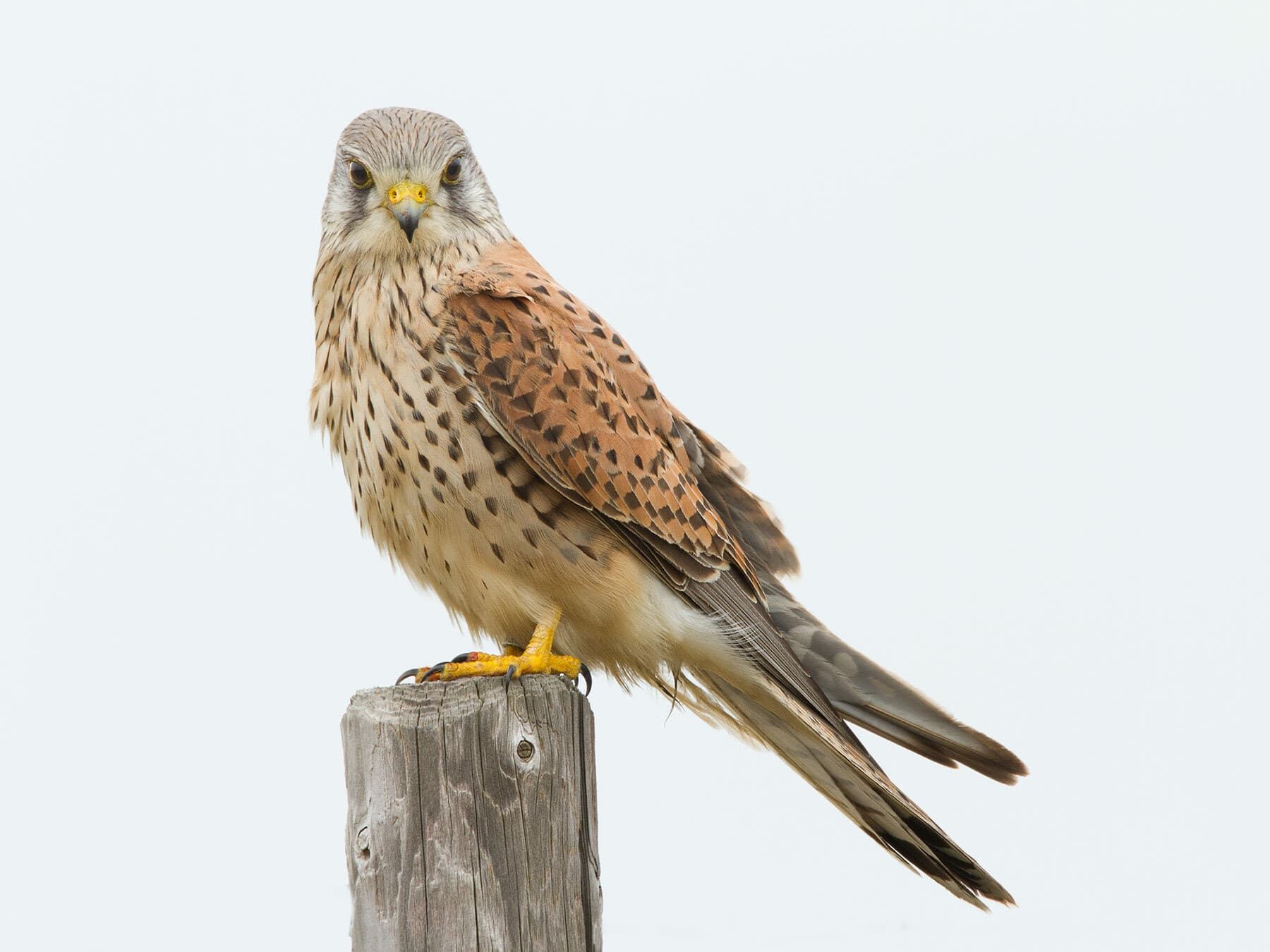
More photos
5 photos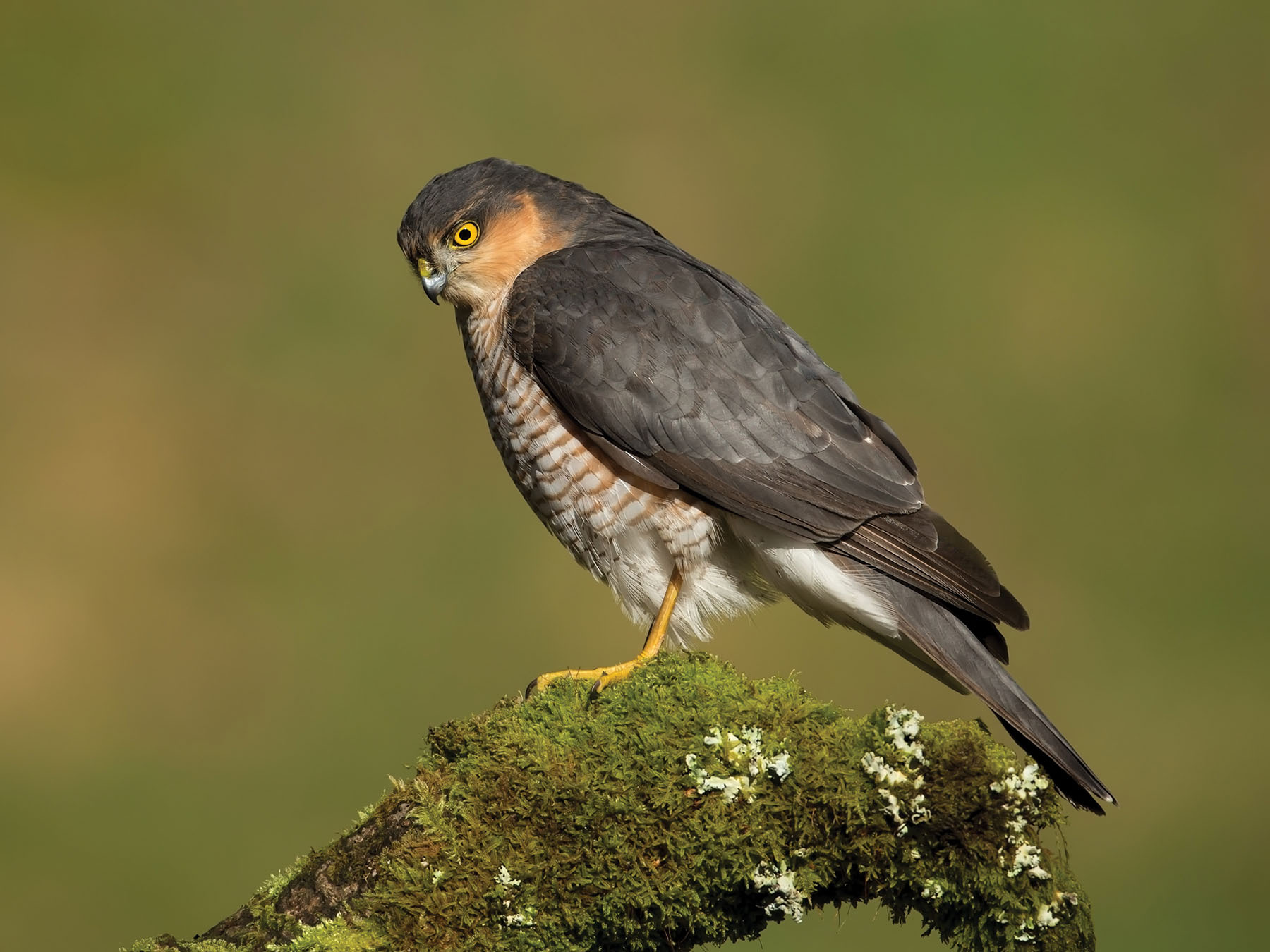
Sparrowhawk guides
6 guidesQuick facts
- Length
- 28–38 cm
- Wingspan
- 55–80 cm
- Weight
- 110–340 g
- Lifespan
- 2–3 years · oldest recorded 20.2 years
- Family
- Hawks & Eagles
- Migration
- Partial migrant
- Global status (IUCN)
- Least Concern
- World population
- 2,020,000 - 3,190,000 mature individuals
- Population trend
- Stable
- Also called
- Eurasian Sparrowhawk
- Scientific name
- Accipiter nisus
Questions
3How fast can Sparrowhawks fly?
Sparrowhawks use speed and the element of surprise to catch their prey. They may reach speeds of up to 31 miles per hour (50 km/h) in the moments before they strike.
How do I stop Sparrowhawks from killing my garden birds?
The Sparrowhawk’s habit of catching garden birds can be rather upsetting to many bird lovers. In this situation, the best thing to do is to place your feeders near dense cover to give the smaller birds a fighting chance at escape. Sparrowhawks need to eat regularly to survive, just like other birds, even if it may be difficult to watch.
What is a group of Sparrowhawks called?
There are no specific collective nouns for the Sparrowhawk, instead, you can use general Hawk collective nouns such as:
- an aerie of hawks
- a boil of hawks
- a brace of hawks
- a brood of hawks
- a cast of hawks
- a couple of hawks
- an eyass of hawks
- an eyrie of hawks
- an eyry of hawks
- a flight of hawks
- a kettle of hawks
- a knot of hawks
- a lease of hawks
- a leash of hawks
- a mews of hawks
- a moulting of hawks
- a nest of hawks
- a pair of hawks
- a stooping of hawks
- a schizophrenia of hawks
- a screw of hawks
- a soar of hawks
- a souse of hawks
- a spiralling of hawks
- a stream of hawks
- a swarm of hawks
- a swooping of hawks
- a tower of hawks
Sources
4- 1BirdLife International. 2021. Accipiter nisus. The IUCN Red List of Threatened Species 2021: e.T22695624A199751254. Source (opens in a new tab)
- 2BirdLife International. 2021. Accipiter nisus. The IUCN Red List of Threatened Species 2021: e.T22695624A199751254. Source (opens in a new tab)
- 3BirdLife International. 2021. Accipiter nisus. The IUCN Red List of Threatened Species 2021: e.T22695624A199751254. Source (opens in a new tab)
- 4Fransson et al., EURING list of longevity records for European birds (2010) Source (opens in a new tab)

Checked by
Nathan Cope, founder and editor
Nathan founded Birdfact and leads its writers and contributors in the UK, the US and Canada. He has watched and studied birds for more than ten years, and checks every article and species guide before it’s published.