


Birds in North Carolina
Our list for North Carolina has 221 bird species recorded regularly there: 60 residents, 44 summer visitors, 71 winter visitors, 45 passage migrants and 1 scarce visitor
The list comes from 20 million birdwatchers' records from 2019–2024, shared through the eBird Observation Dataset on GBIF. A bird is listed when it was recorded in at least 3 of the 6 years and has a Birdfact species guide, so more species occur here than are listed; the months show when it is recorded most years.
- Species on our list
- 221
- In October
- 159
- Common
- 55
- Busiest month
- May
What's special about North Carolina
vs United StatesThe birds recorded far more often here than across United States, as a share of all bird records. These are the ones North Carolina is worth visiting for.
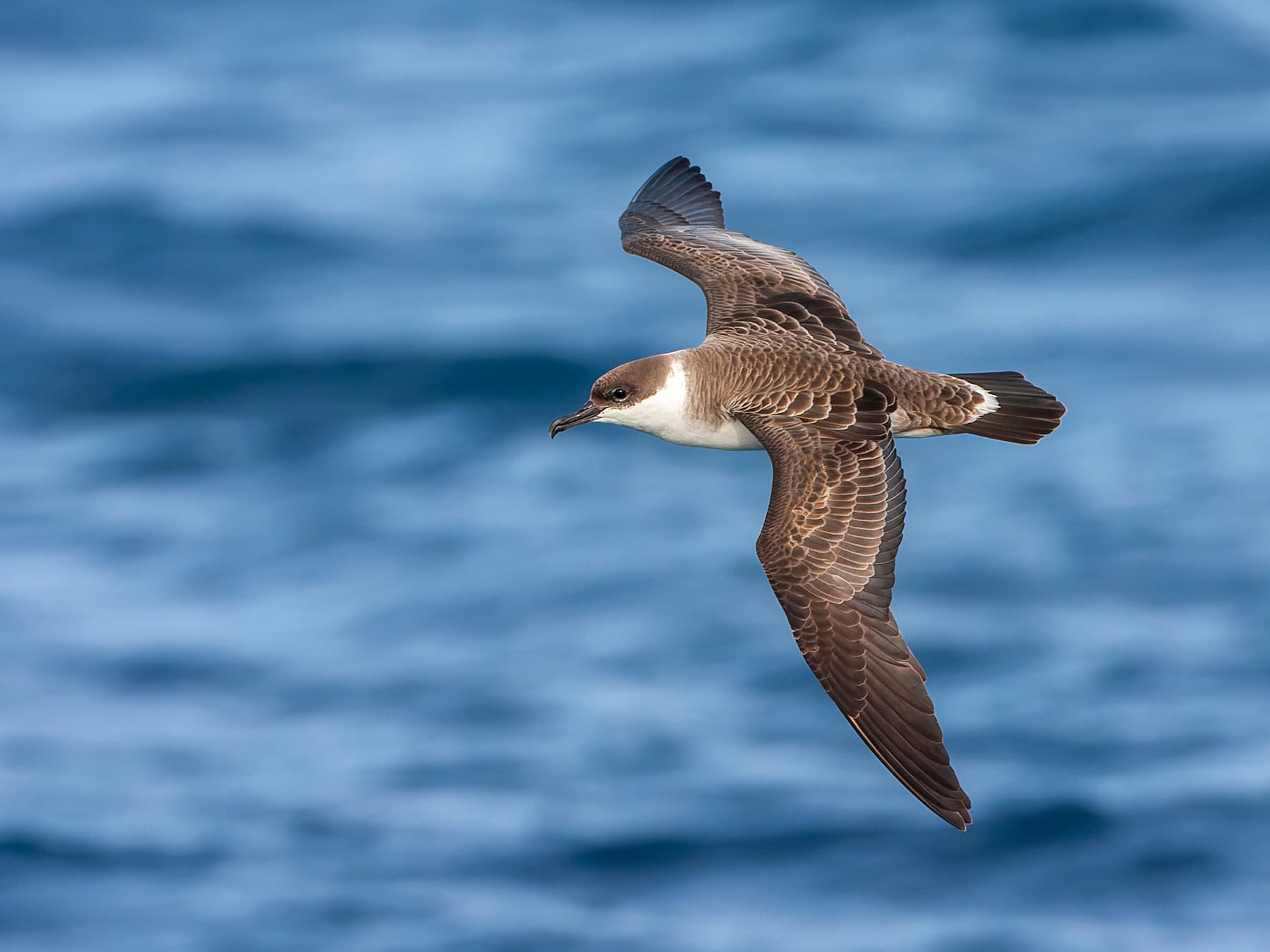 Great Shearwater5.0×Summer visitor · 0.04% of records here, 0.01% across United States
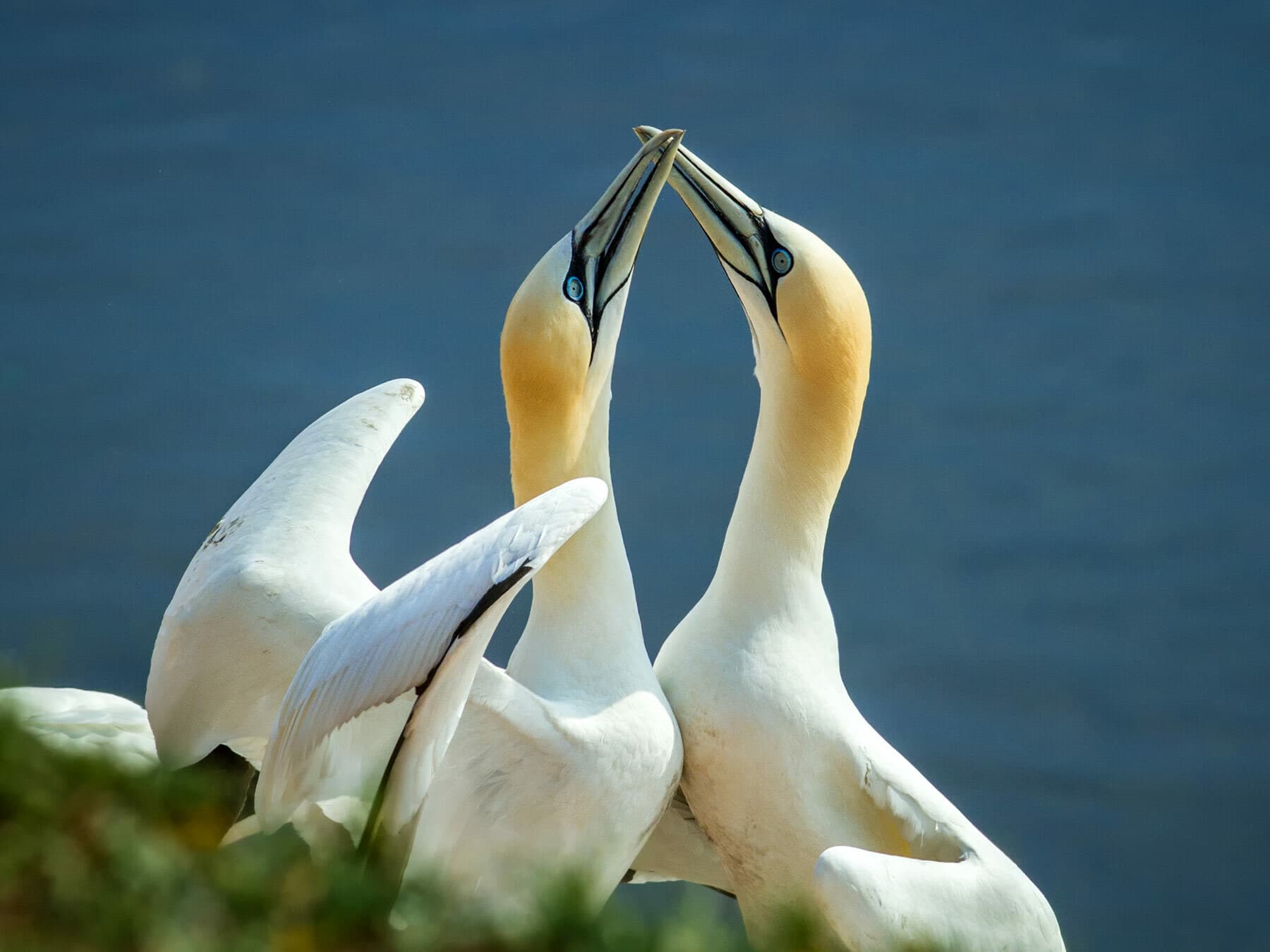 Northern Gannet3.2×Winter visitor · 0.14% of records here, 0.04% across United States
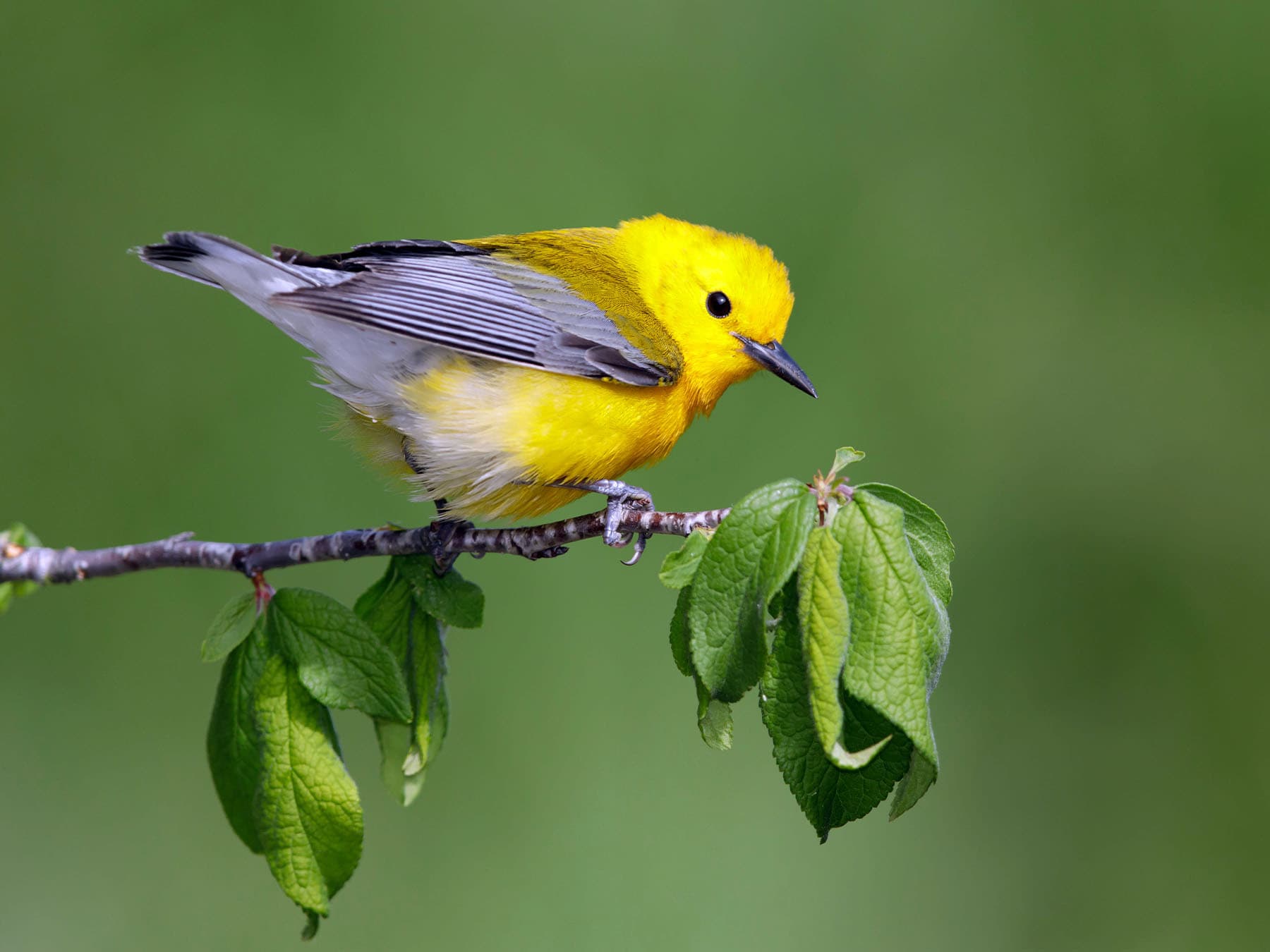 Prothonotary Warbler3.2×Summer visitor · 0.25% of records here, 0.08% across United States
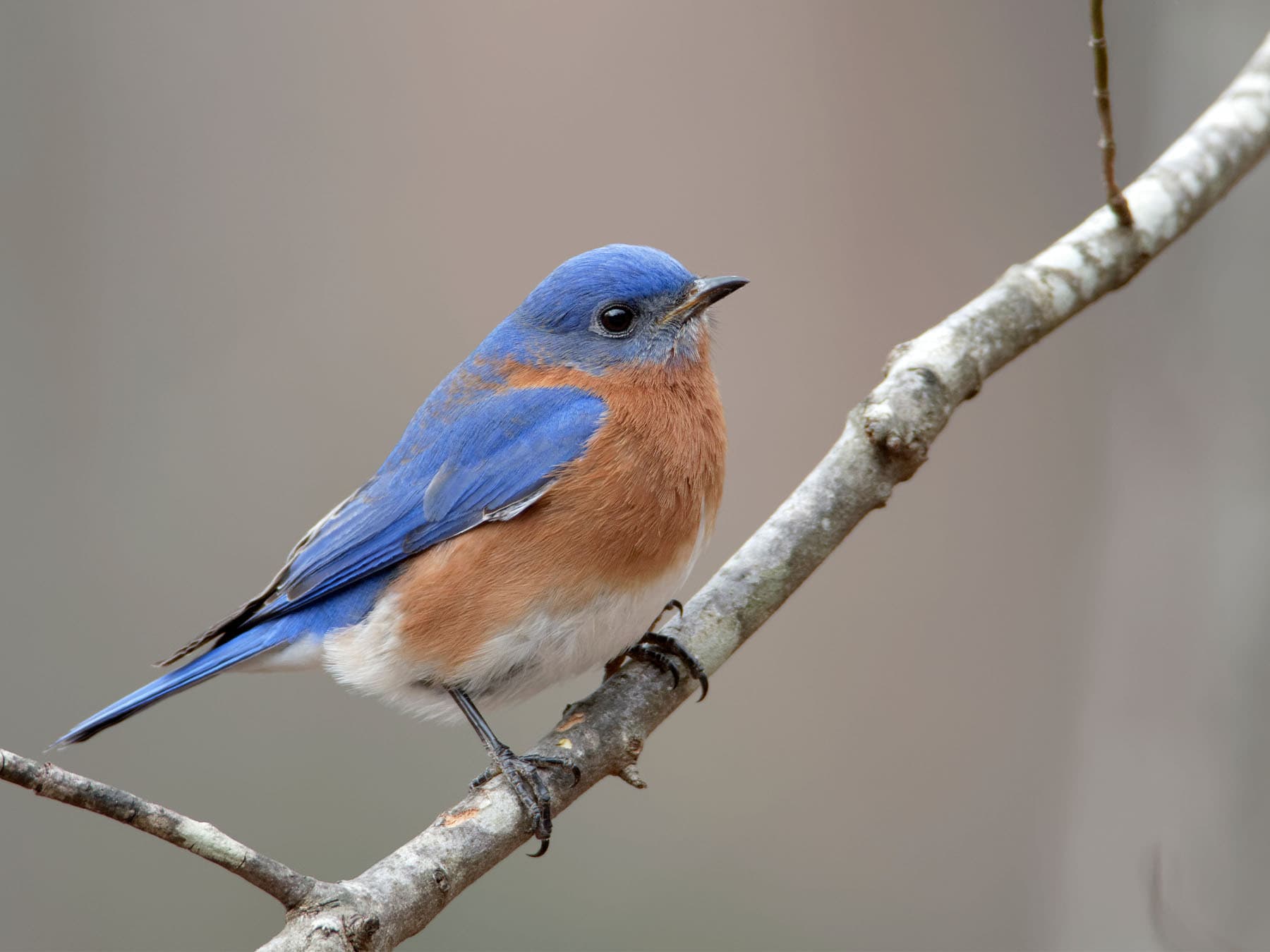 Eastern Bluebird3.0×Resident · 3.7% of records here, 1.2% across United States
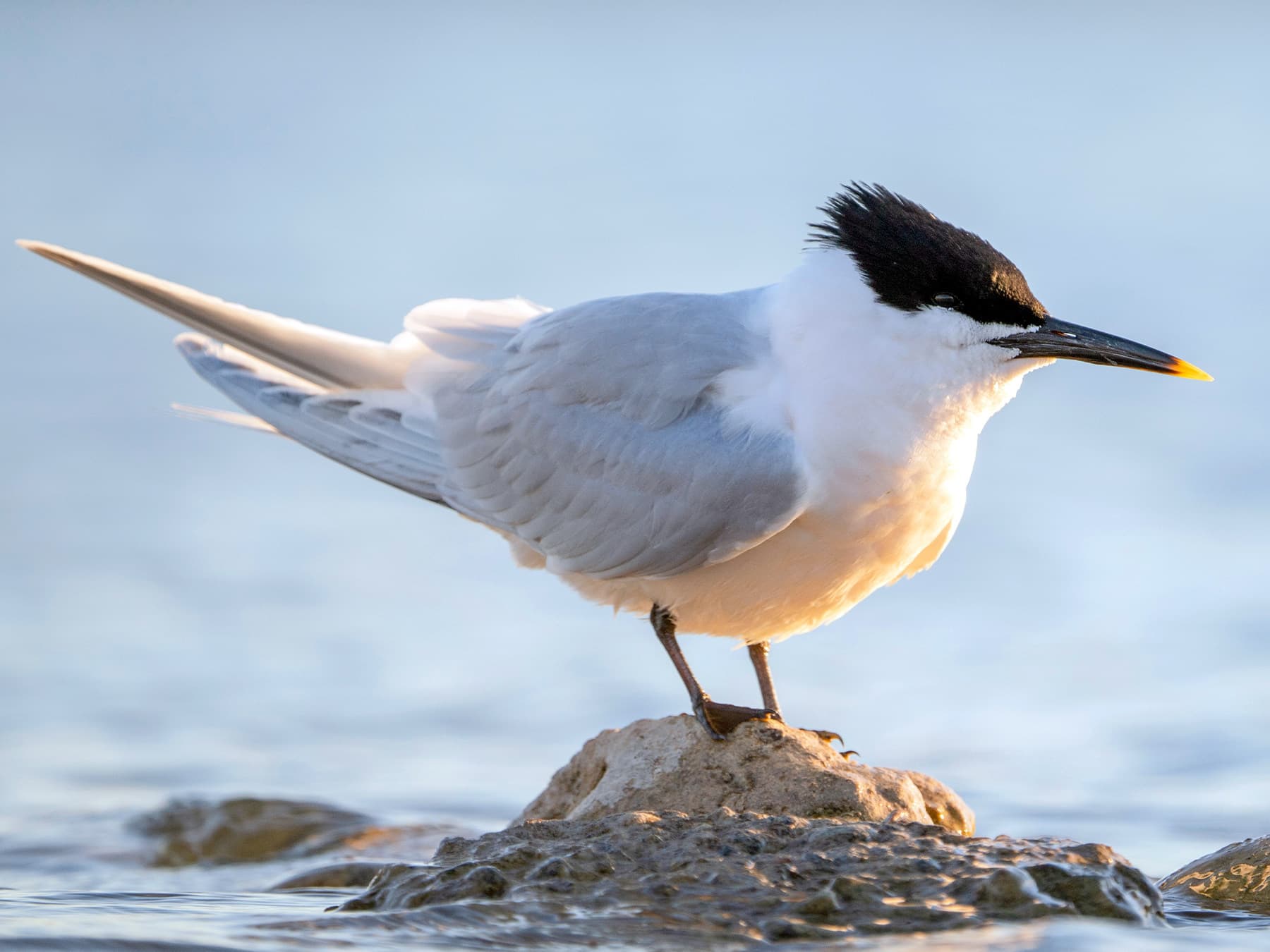 Sandwich Tern2.8×Summer visitor · 0.11% of records here, 0.04% across United States
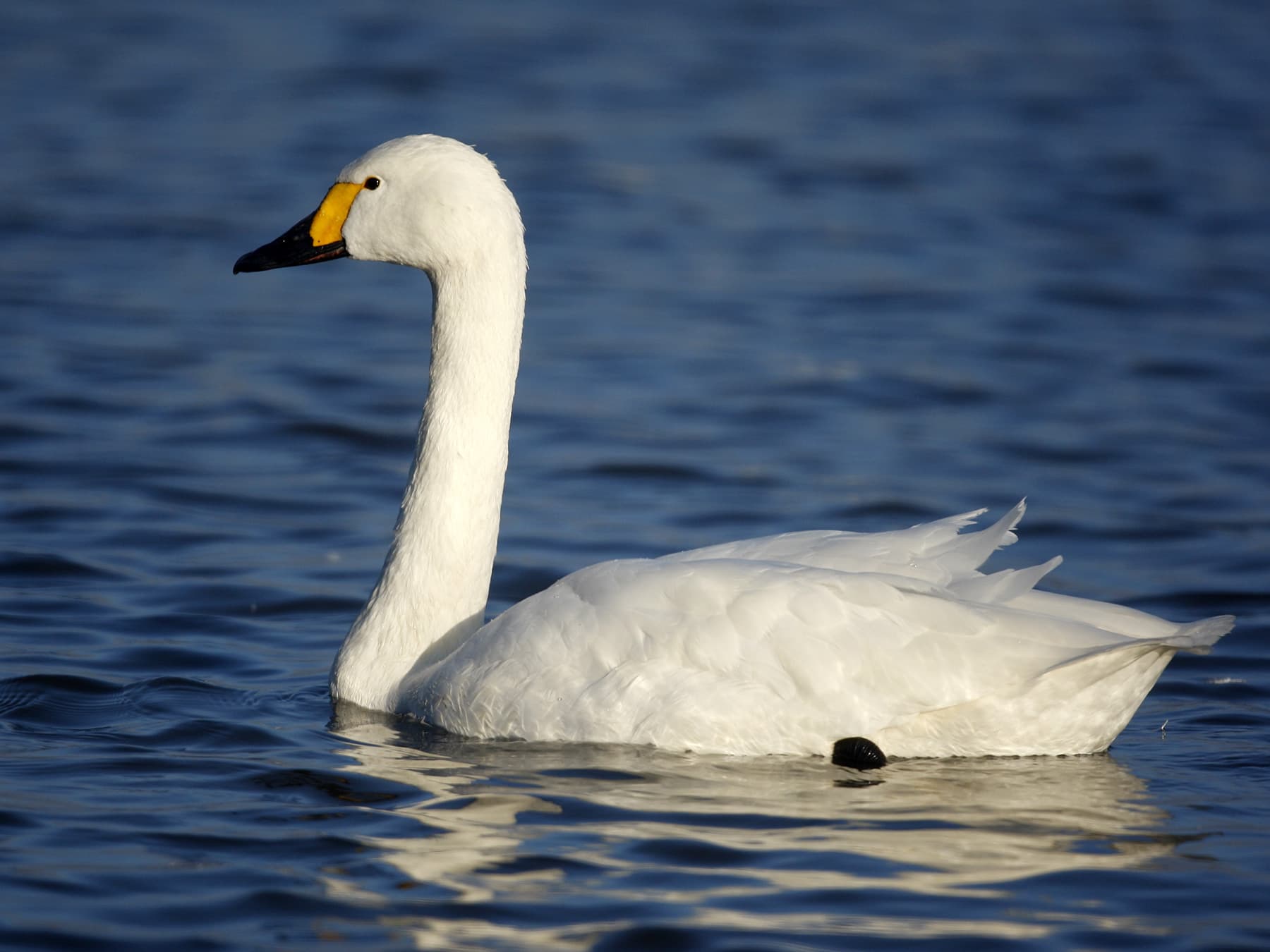 Tundra Swan2.6×Winter visitor · 0.19% of records here, 0.07% across United States
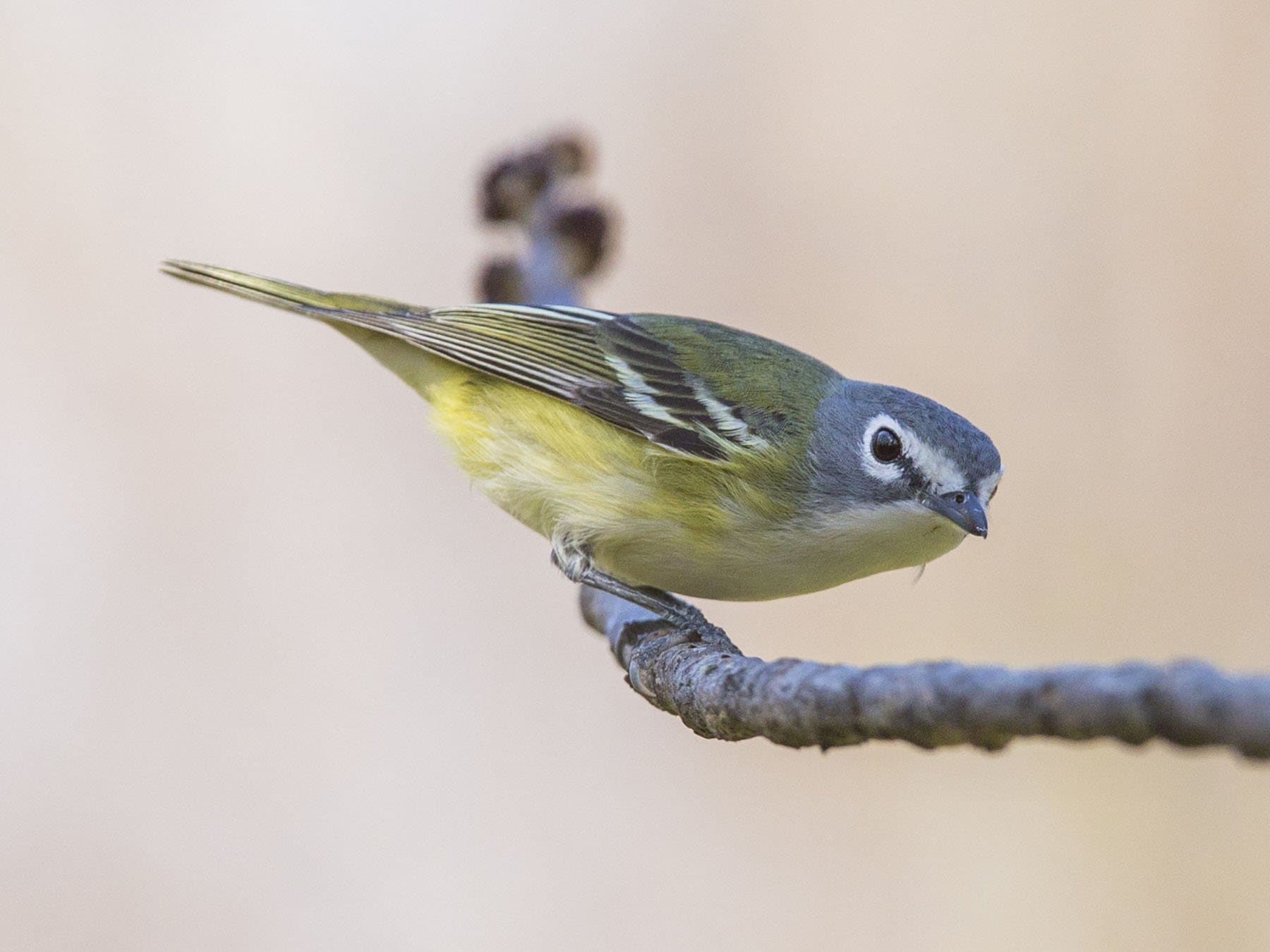 Blue-headed Vireo2.5×Summer visitor · 0.47% of records here, 0.19% across United States
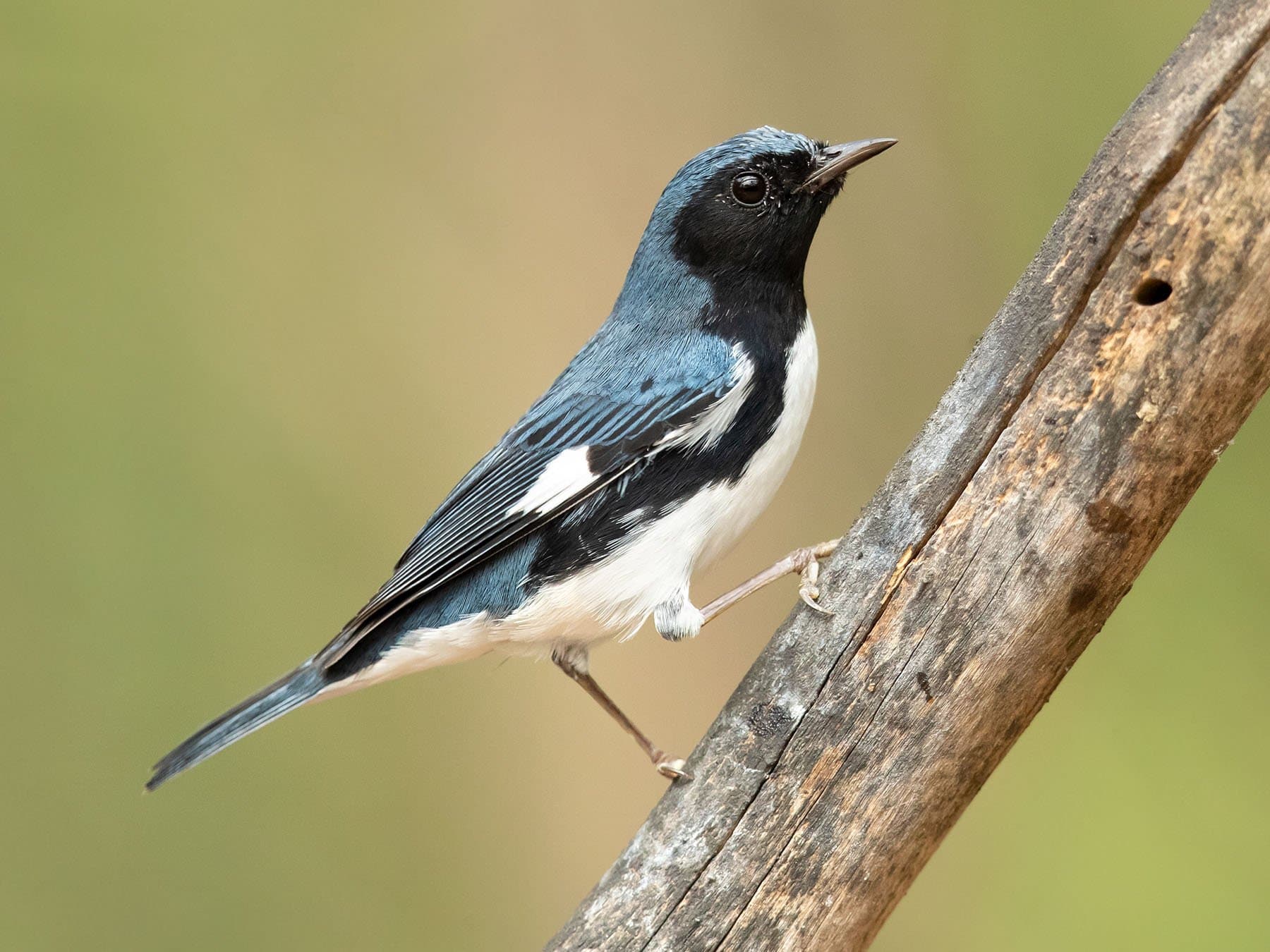 Black-throated Blue Warbler2.4×Summer visitor · 0.30% of records here, 0.13% across United States
This month: October
GBIF · OctMost likely
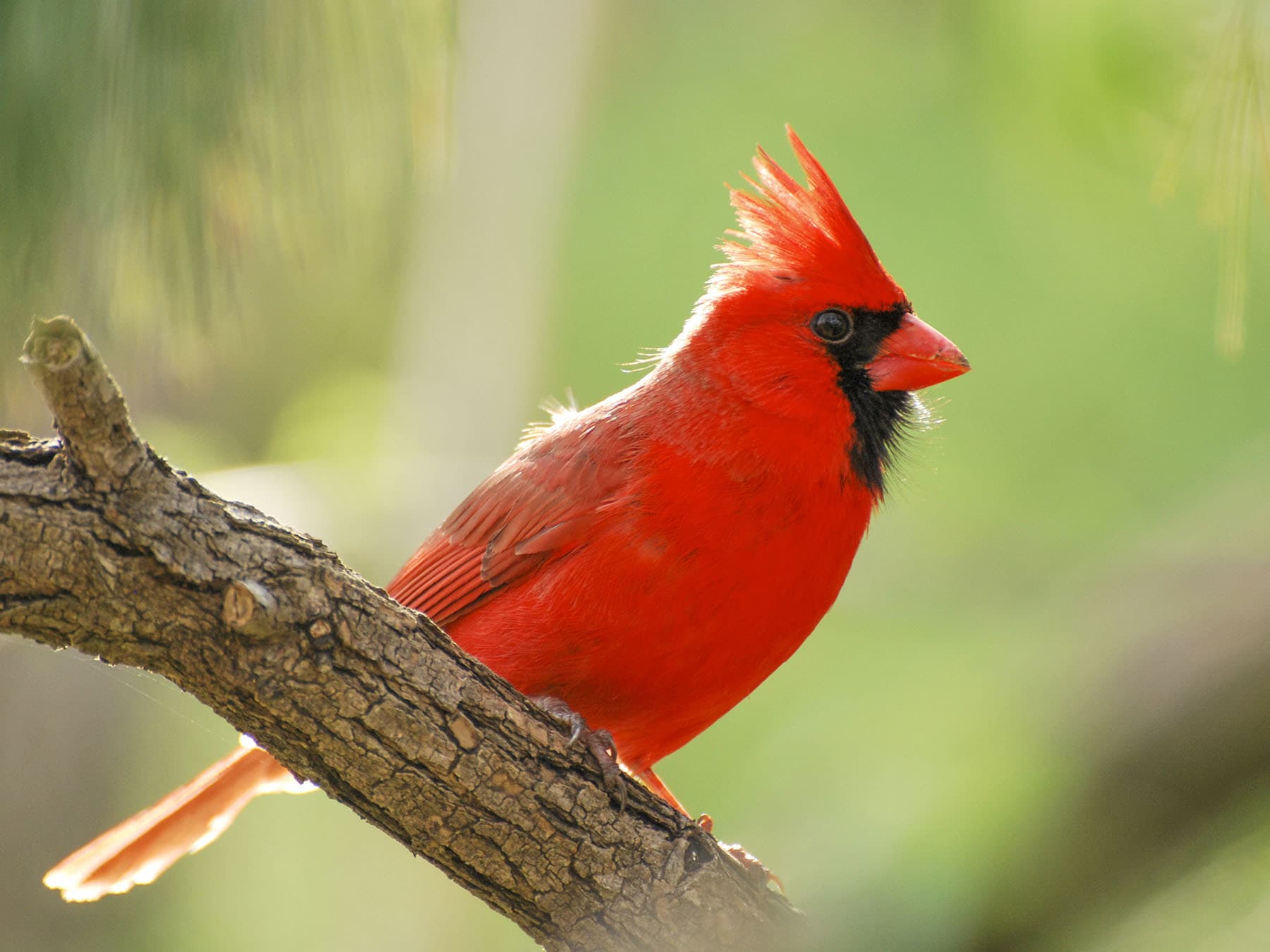
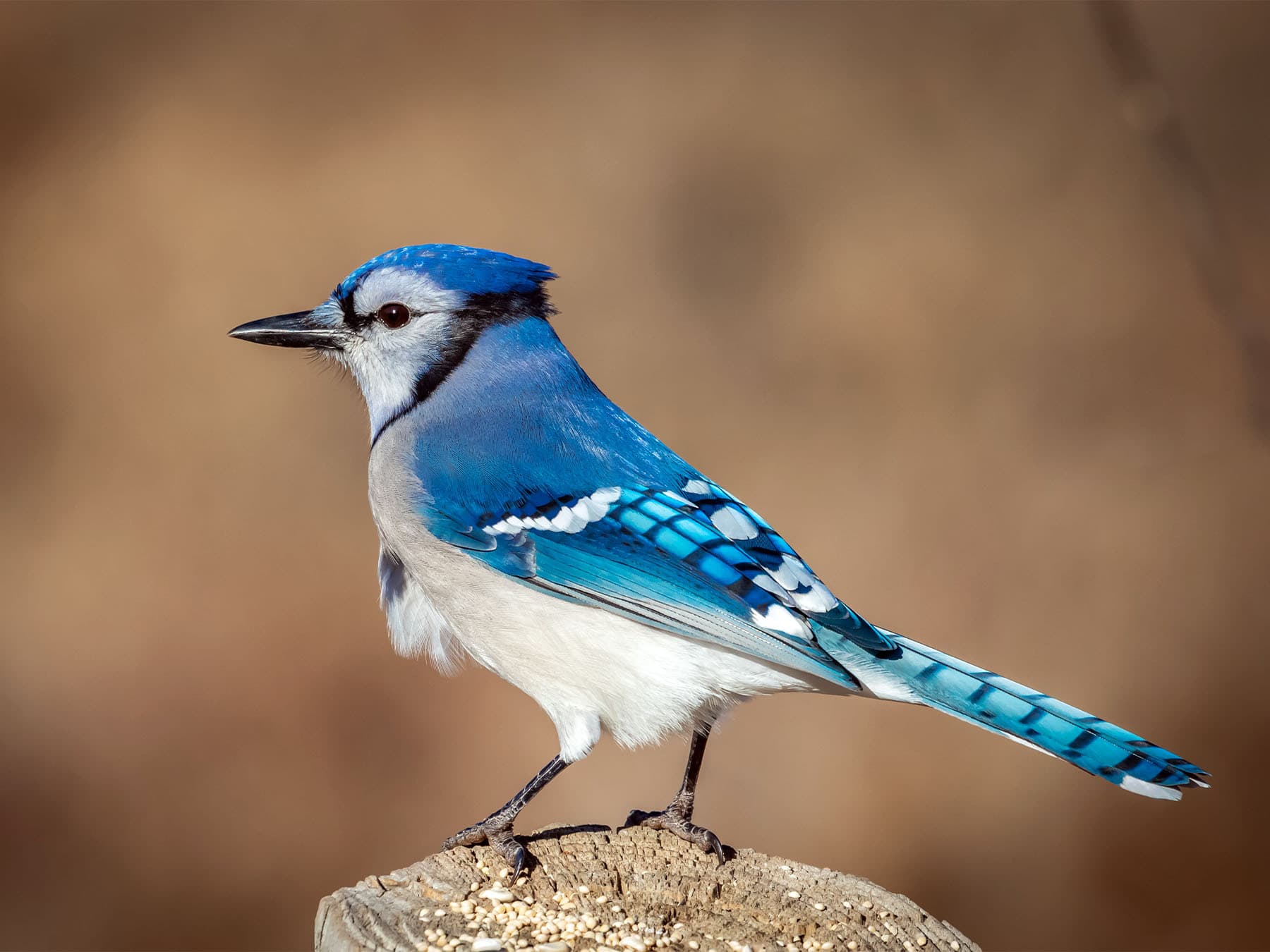
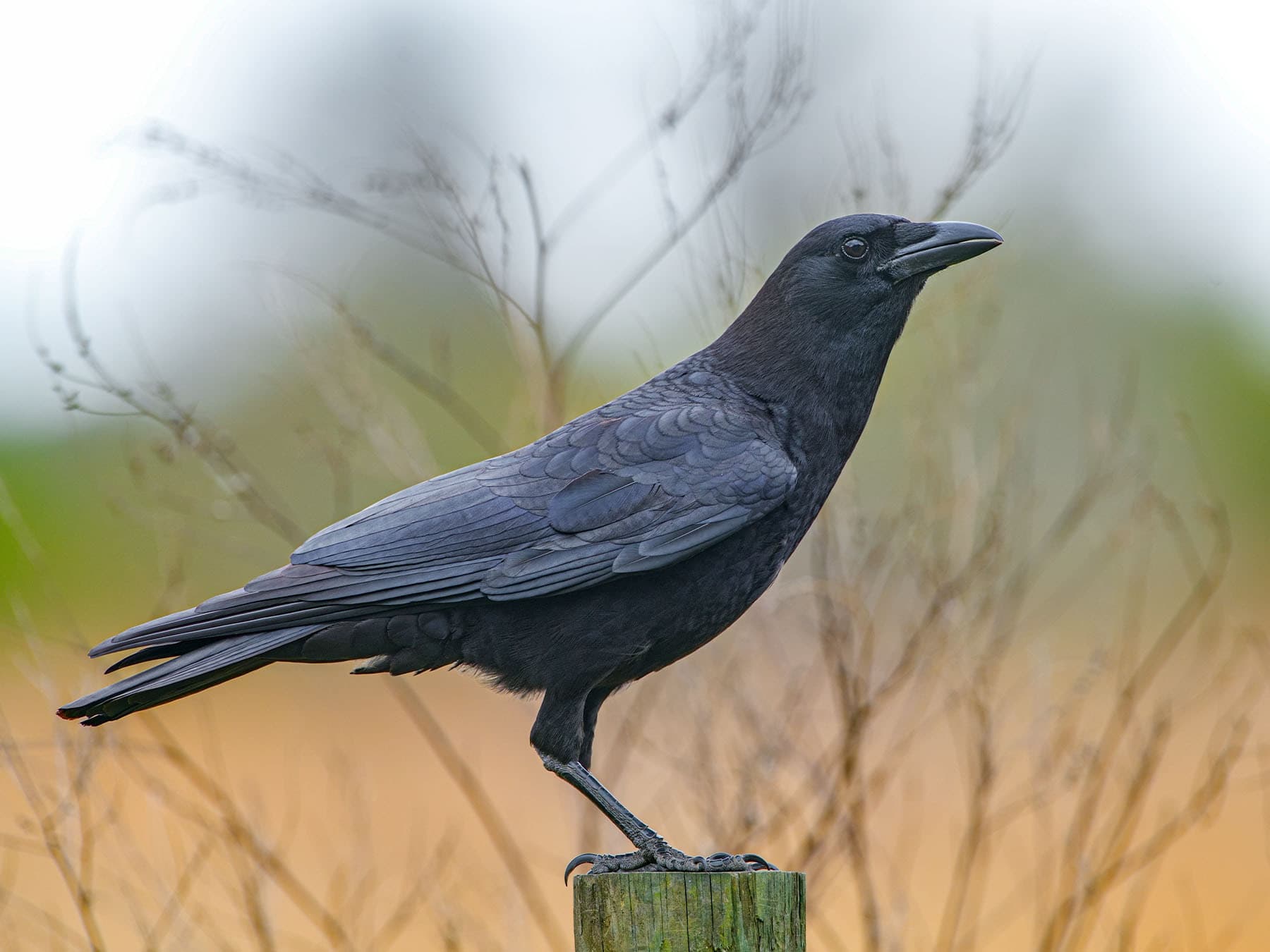
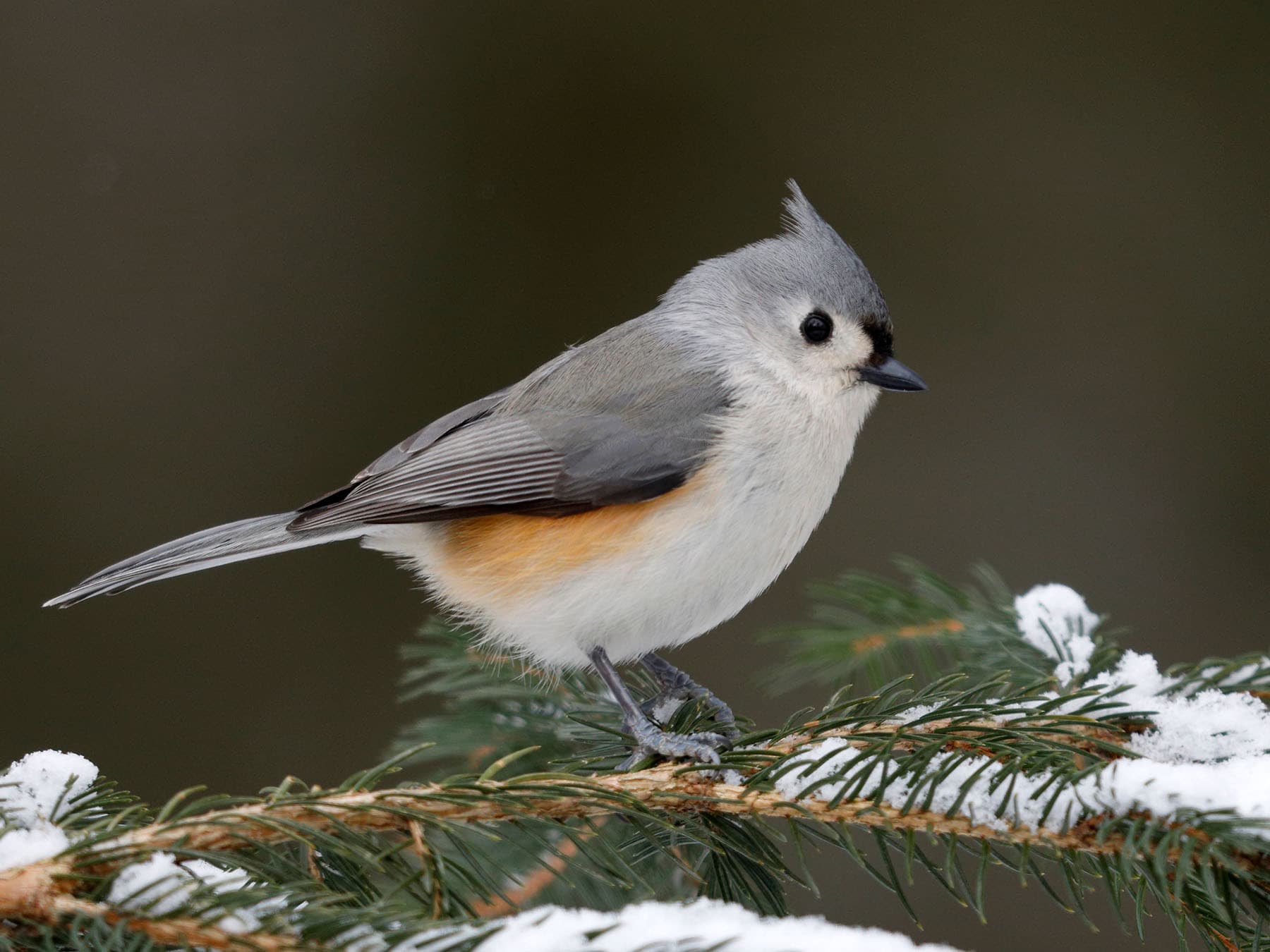
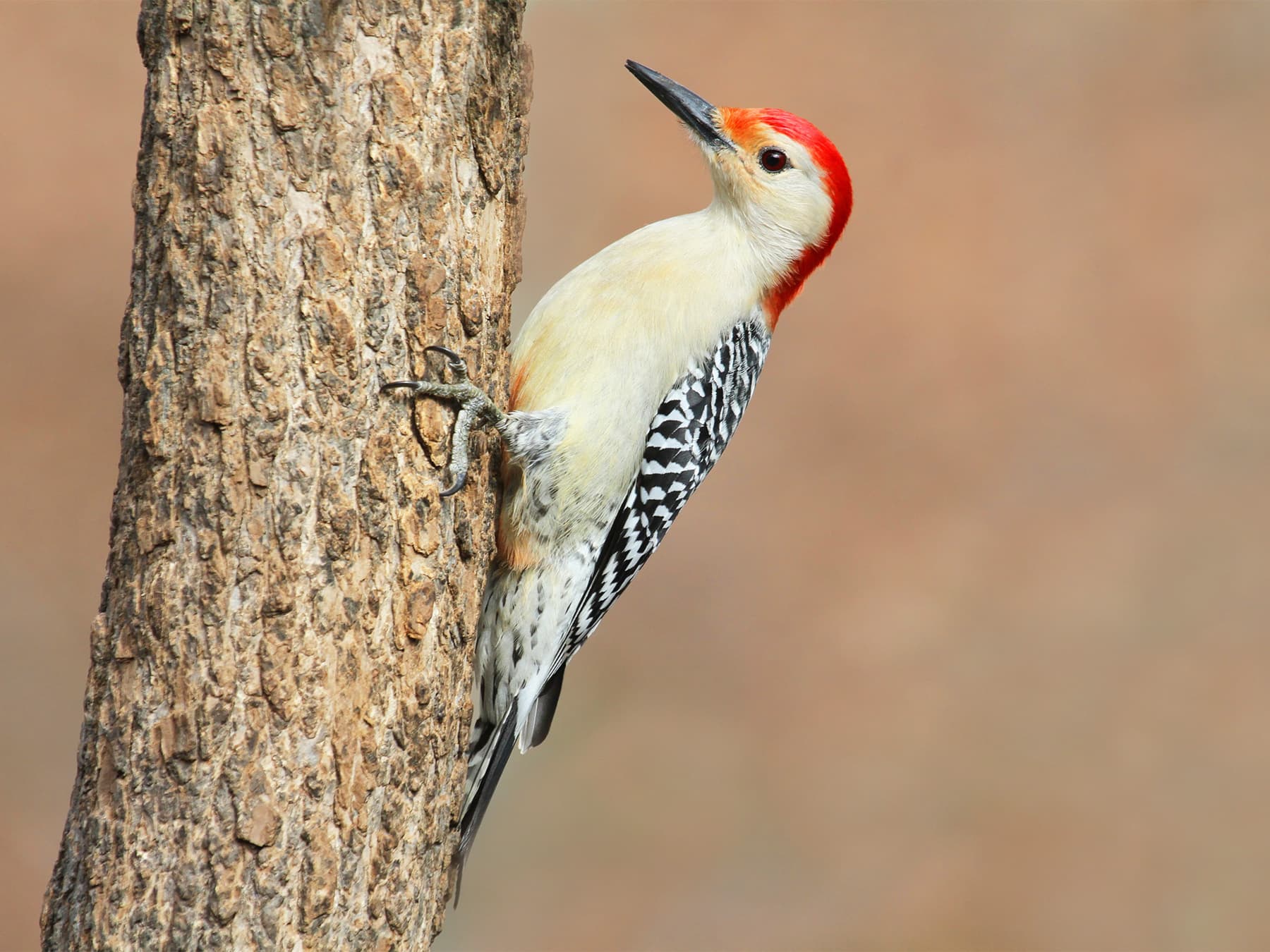
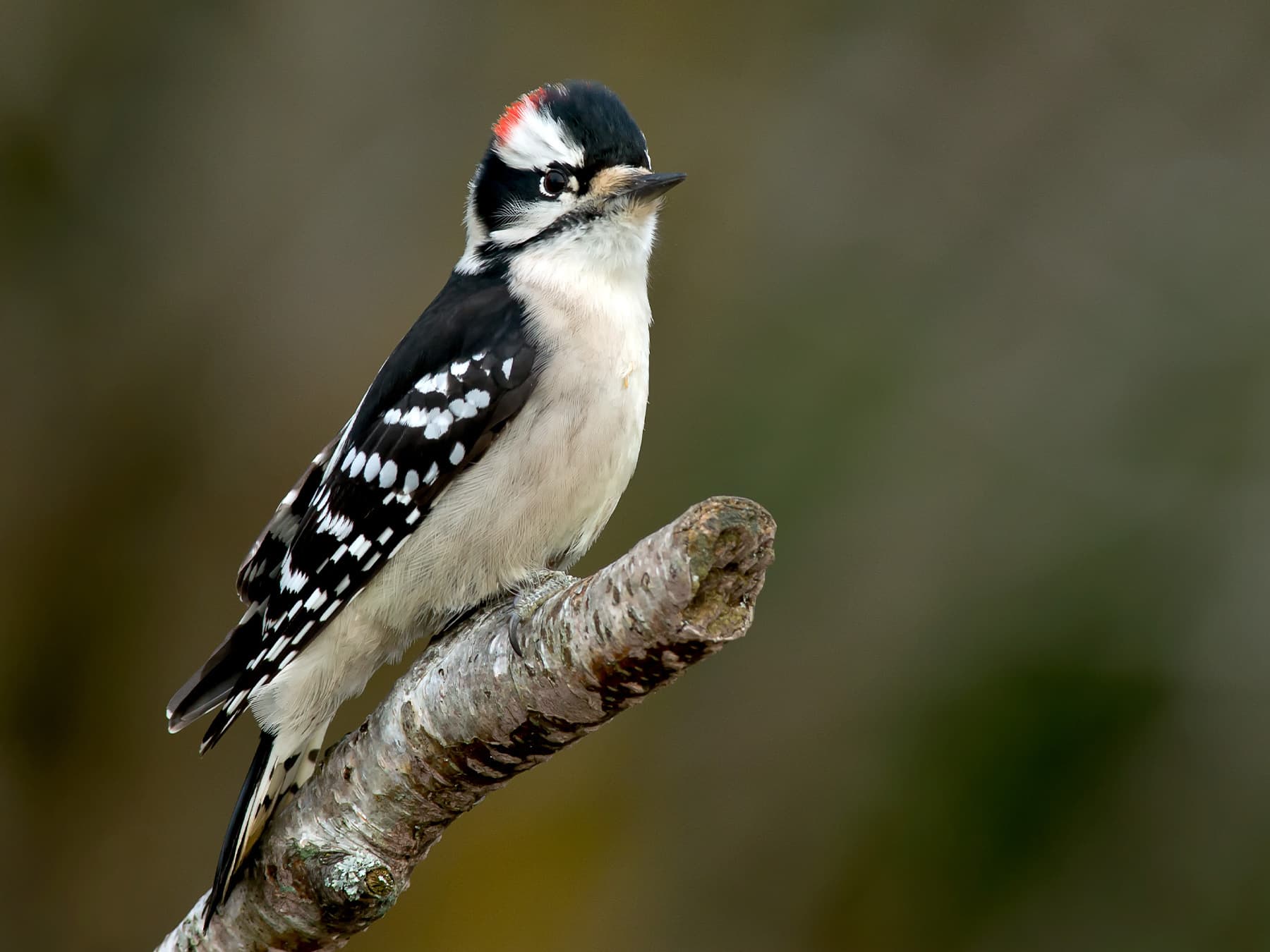
Arriving now
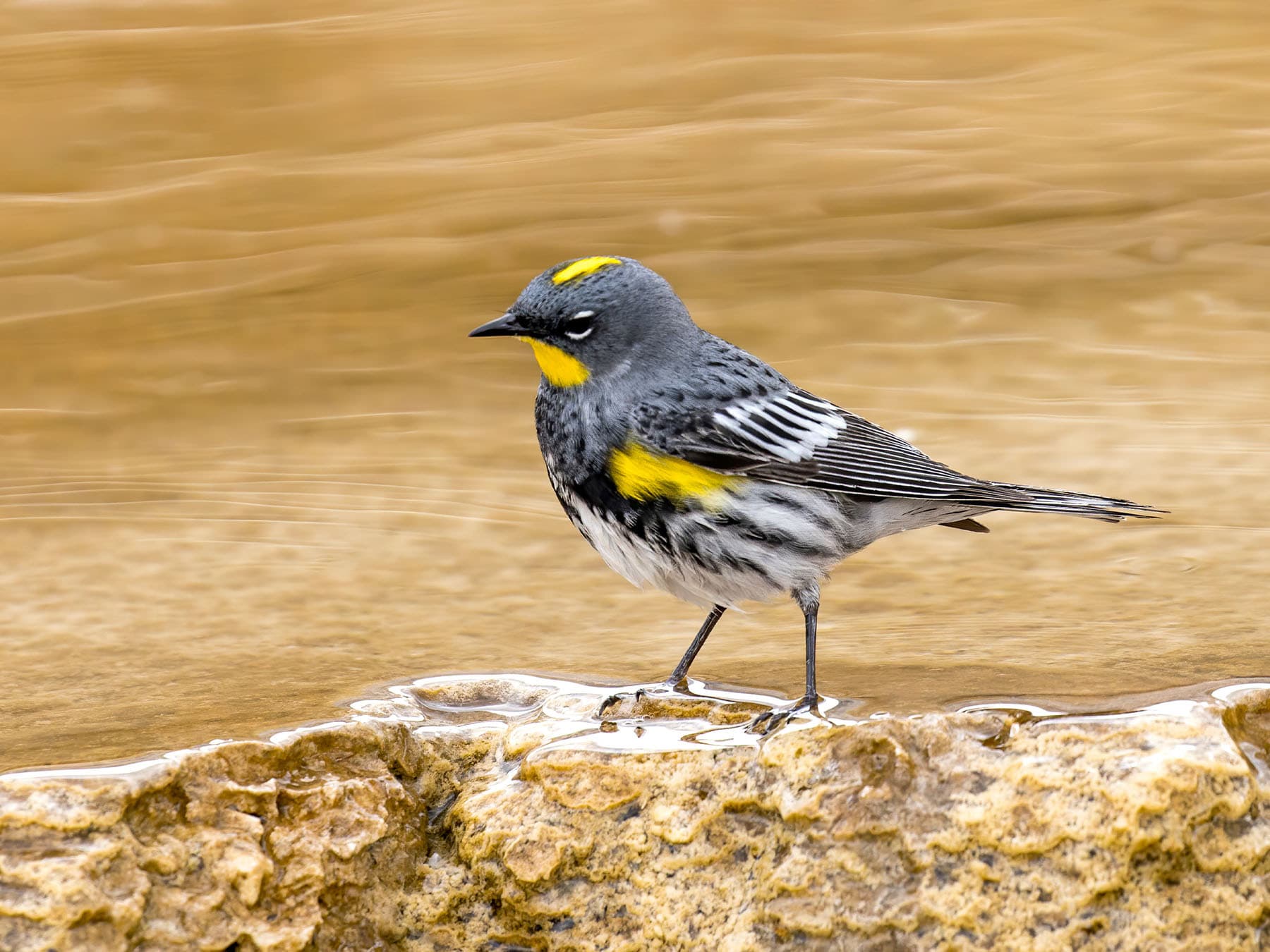 Yellow-rumped WarblerWinter visitorSep 0.04% → Oct 1.50%
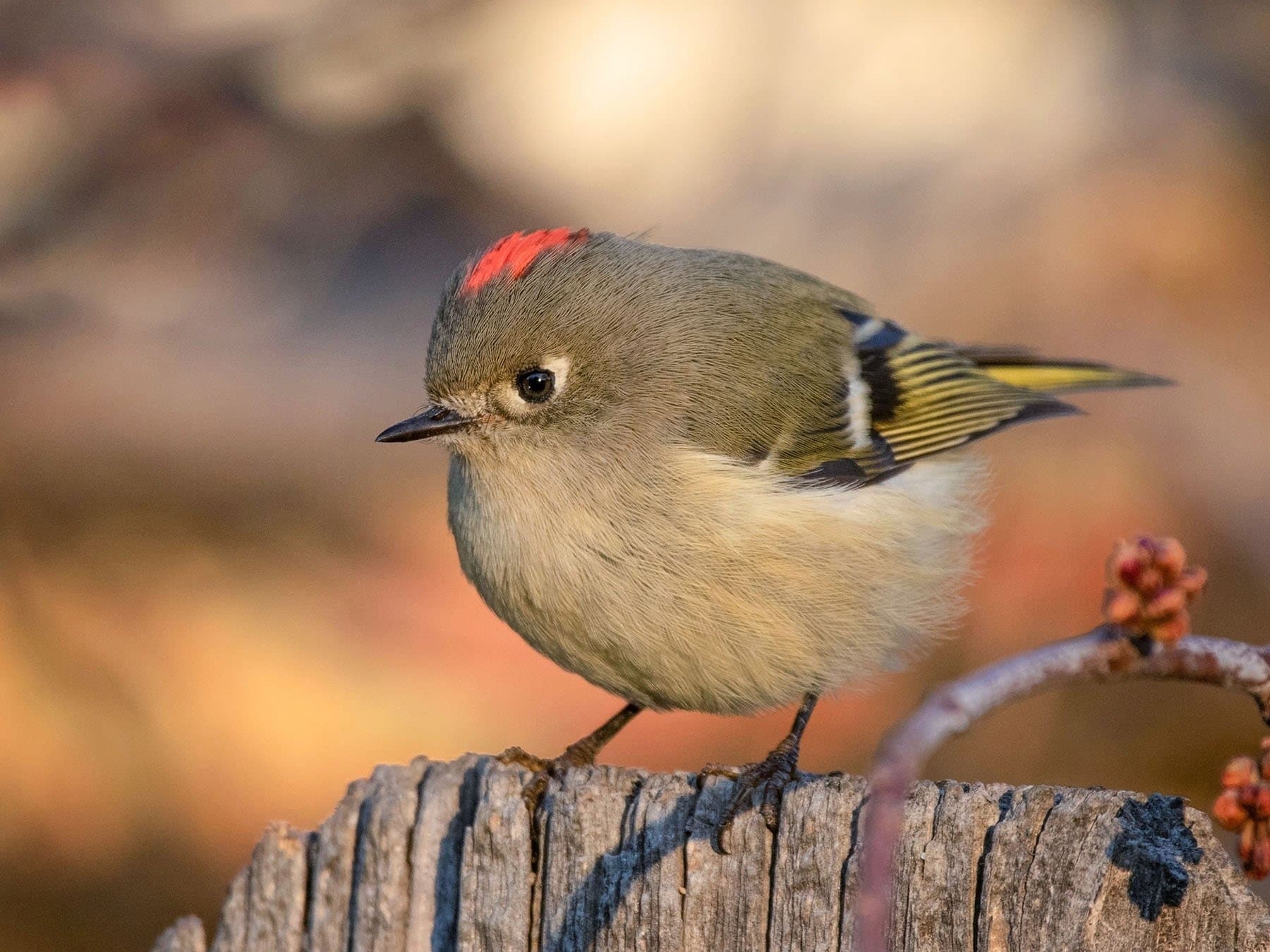 Ruby-crowned KingletWinter visitorSep 0.09% → Oct 1.28%
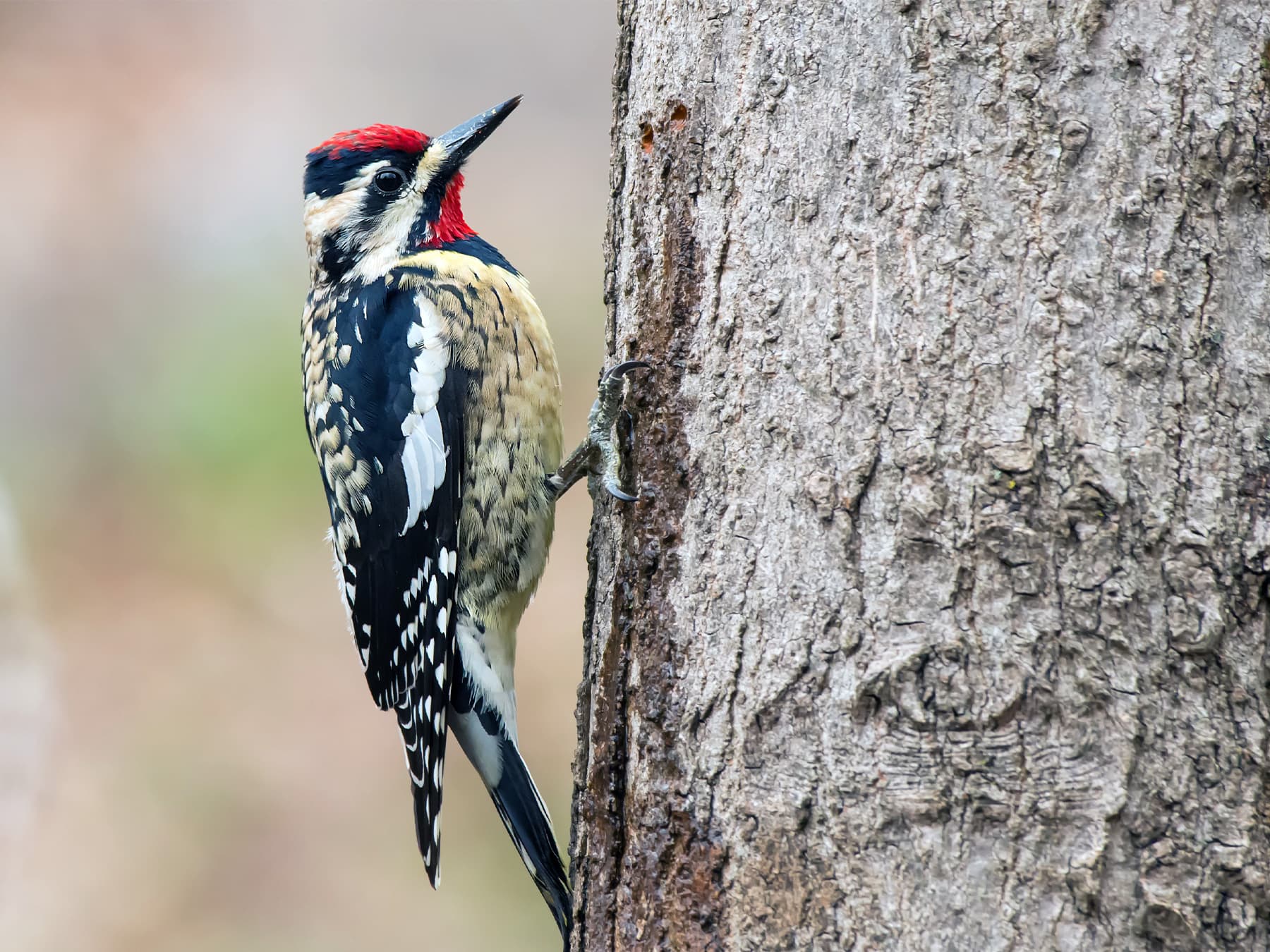 Yellow-bellied SapsuckerWinter visitorSep 0.04% → Oct 0.77%
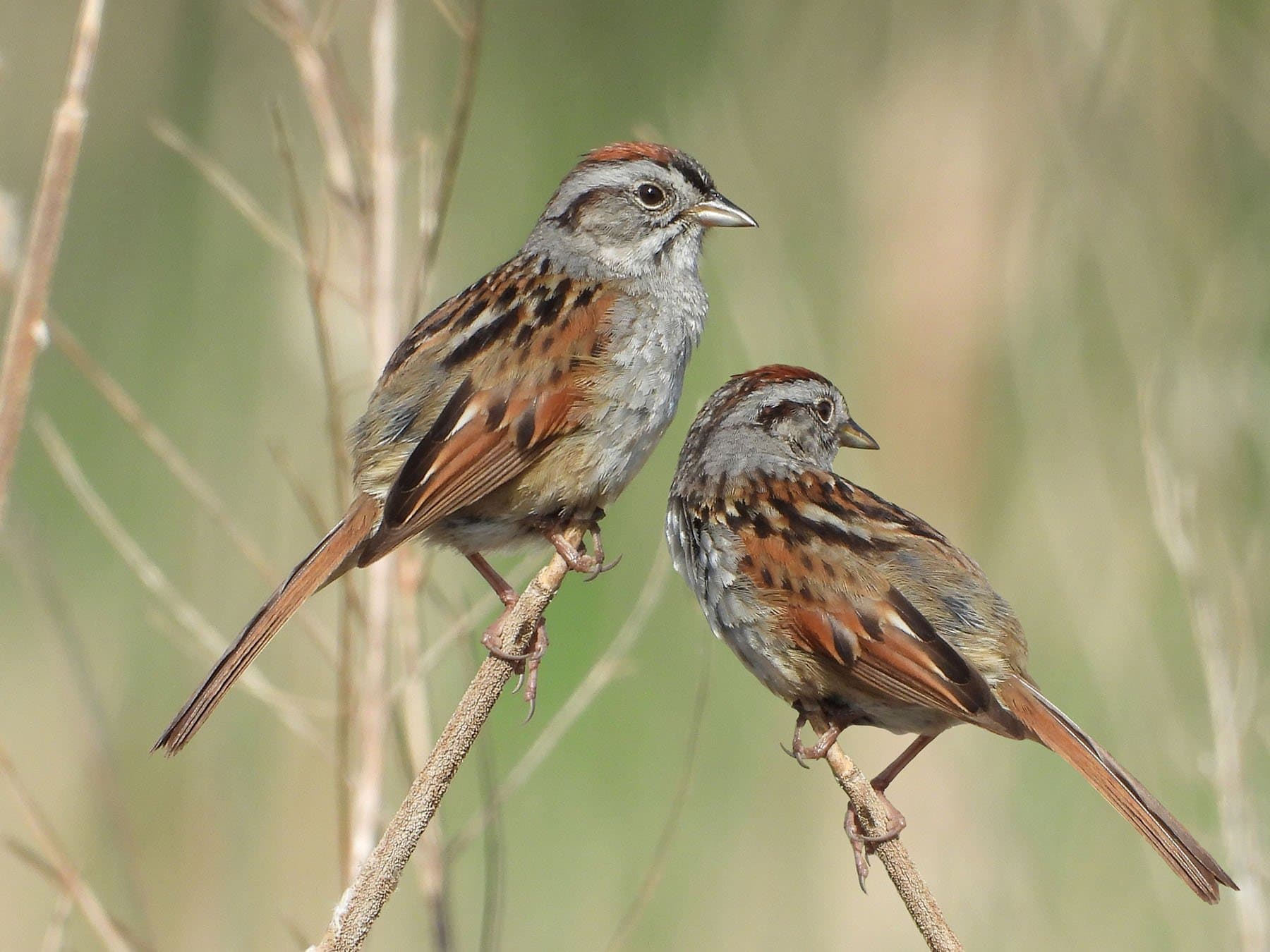 Swamp SparrowWinter visitorSep 0.00% → Oct 0.47%
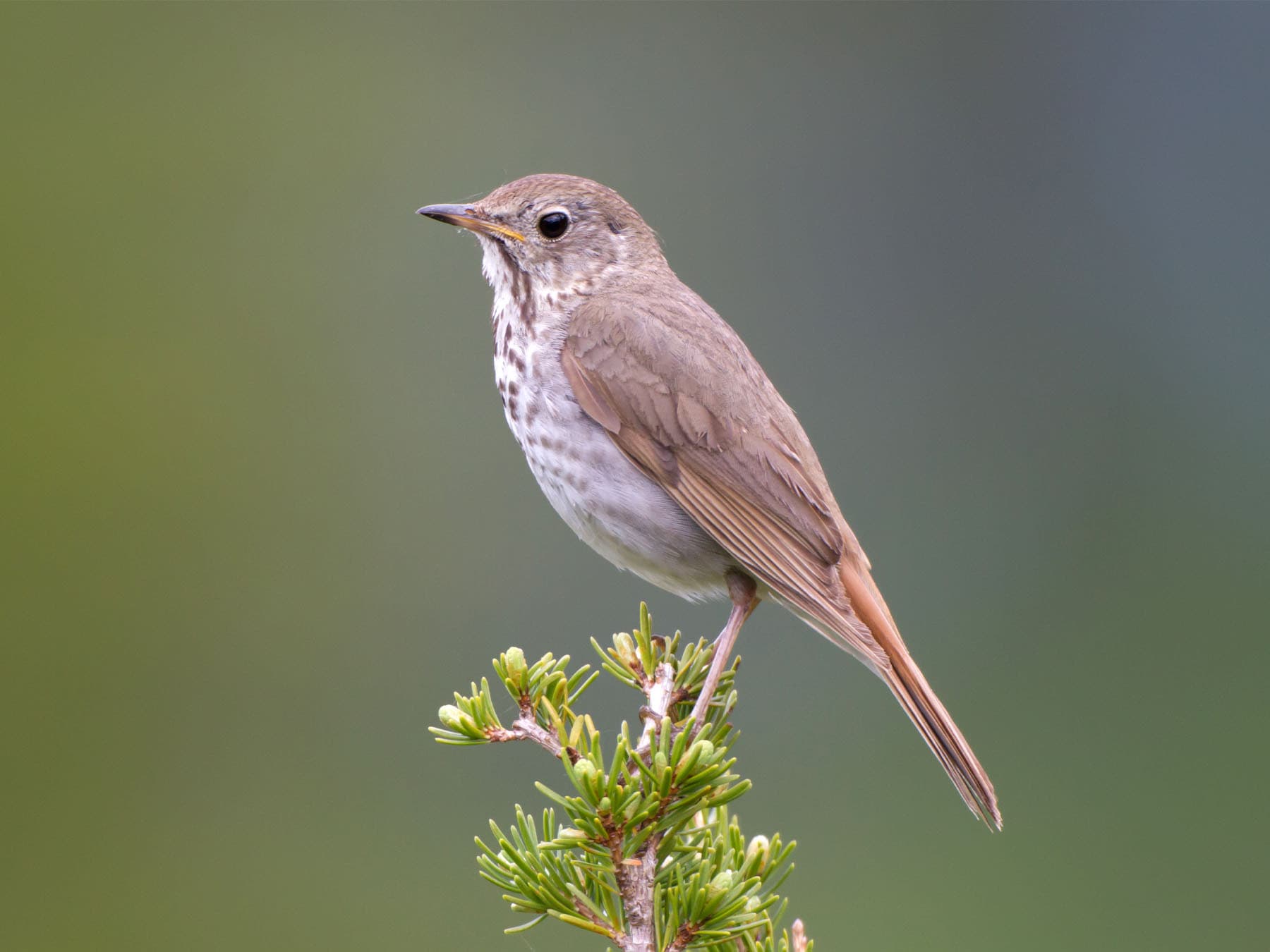 Hermit ThrushWinter visitorSep 0.02% → Oct 0.21%
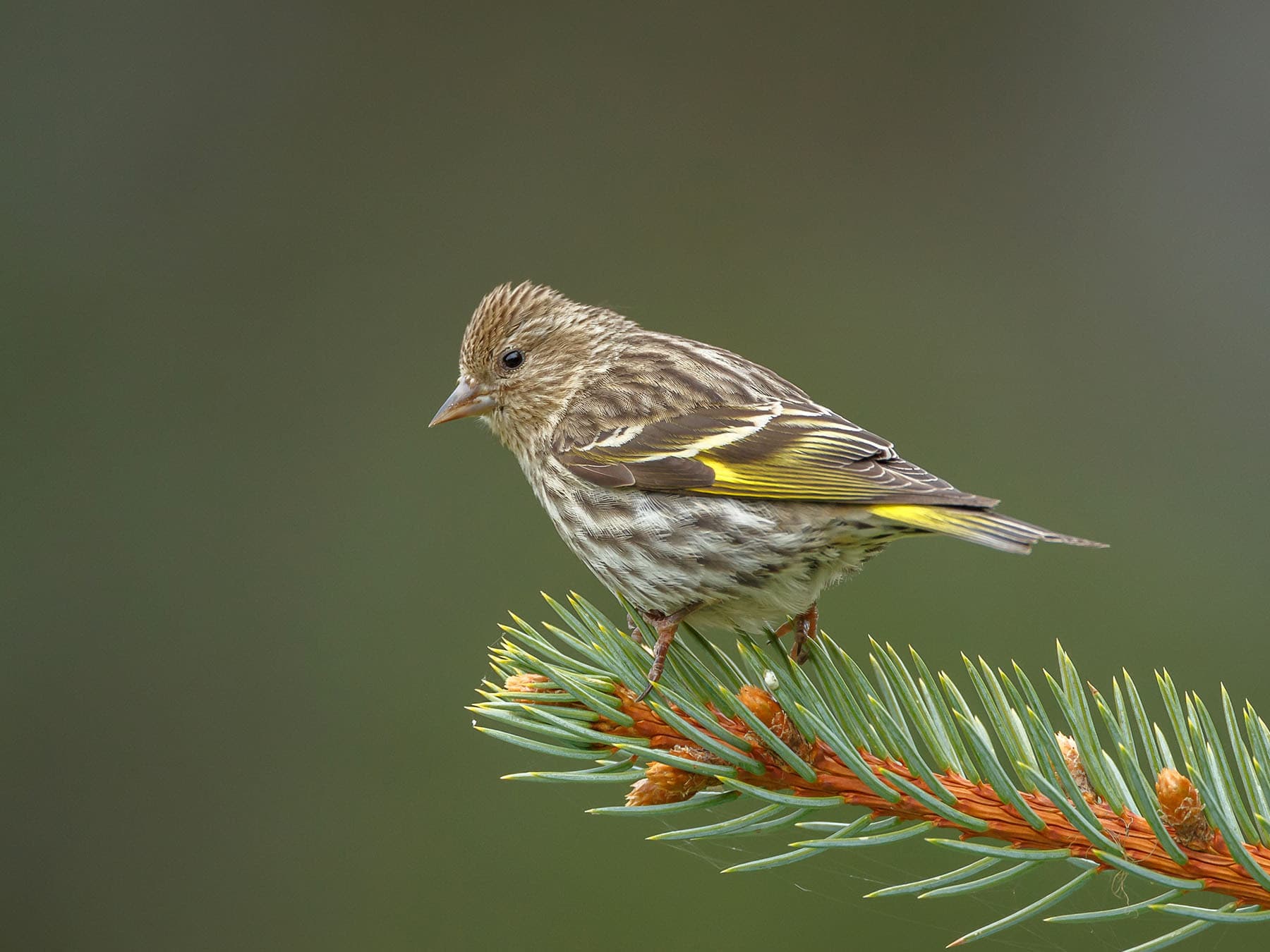 Pine SiskinWinter visitorSep 0.01% → Oct 0.16%
Share of all bird records in North Carolina in October, 2019–2024. “Arriving now” are the birds whose share rises most from last month. Each month links to that month’s page.
Near you this week
The birds most likely around your town or postcode right now, from the same records, for a square about 9 km across.
The bird calendar for North Carolina
Month by monthWhen each bird is around, through the year. The darker the square, the closer that month is to the bird’s busiest. Filter by summer or winter visitors to see the seasons turn over.
| Bird | Jan | Feb | Mar | Apr | May | Jun | Jul | Aug | Sep | Oct | Nov | Dec |
|---|---|---|---|---|---|---|---|---|---|---|---|---|
| Northern Cardinal | ||||||||||||
| Tufted Titmouse | ||||||||||||
| American Crow | ||||||||||||
| Mourning Dove | ||||||||||||
| Red-bellied Woodpecker | ||||||||||||
| Blue Jay | ||||||||||||
| Eastern Bluebird | ||||||||||||
| Downy Woodpecker | ||||||||||||
| American Robin | ||||||||||||
| Northern Mockingbird | ||||||||||||
| House Finch | ||||||||||||
| Turkey Vulture | ||||||||||||
| Song Sparrow | ||||||||||||
| White-breasted Nuthatch | ||||||||||||
| Chipping Sparrow | ||||||||||||
| Canada Goose | ||||||||||||
| Yellow-rumped Warbler | ||||||||||||
| Great Blue Heron | ||||||||||||
| Common Starling | ||||||||||||
| Red-winged Blackbird | ||||||||||||
| Northern Flicker | ||||||||||||
| Ruby-crowned Kinglet | ||||||||||||
| Common Grackle | ||||||||||||
| Pileated Woodpecker | ||||||||||||
| Gray Catbird | ||||||||||||
| Mallard | ||||||||||||
| Fish Crow | ||||||||||||
| Ruby-throated Hummingbird | ||||||||||||
| Common Yellowthroat | ||||||||||||
| Great Crested Flycatcher |
The year in North Carolina
Records by month| January | 1,563,412 |
|---|---|
| February | 1,638,324 |
| March | 1,618,218 |
| April | 2,445,195 |
| May | 2,662,171 |
| June | 1,657,182 |
| July | 1,203,596 |
| August | 1,117,904 |
| September | 1,465,898 |
| October | 1,548,489 |
| November | 1,238,588 |
| December | 1,480,410 |
May has the most records (2.7 million). Records follow birdwatchers as well as birds: a busy month means more people out looking, as well as more birds passing through.
By family
12 of 29- Ducks, Geese & Swans32
- Sandpipers & Snipes27
- Gulls & Terns19
- New World Warblers19
- New World Sparrows9
- Tyrant Flycatchers8
- Woodpeckers8
- Owls6
- Thrushes6
- Cardinals & Grosbeaks5
- Hawks & Eagles5
- Herons & Egrets5
All 29 families in North Carolina
How common
More of United States
- Birds in California232 species
- Birds in New York232 species
- Birds in Massachusetts228 species
- Birds in Texas227 species
All 221 birds, A to Z
- Alder Flycatcher
- American Avocet
- American Bittern
- American Black Duck
- American Crow
- American Golden-Plover
- American Herring Gull
- American Redstart
- American Robin
- Arctic Jaeger
- Arctic Tern
- Atlantic Puffin
- Baird's Sandpiper
- Bald Eagle
- Baltimore Oriole
- Bar-tailed Godwit
- Barn Swallow
- Barred Owl
- Bay-breasted Warbler
- Black Swan
- Black Tern
- Black-billed Cuckoo
- Black-crowned Night-heron
- Black-headed Gull
Show all 221 birds
- Black-necked Grebe
- Black-throated Blue Warbler
- Black-throated Green Warbler
- Blackpoll Warbler
- Blue Jay
- Blue-headed Vireo
- Bobolink
- Bonaparte's Gull
- Brent Goose
- Broad-winged Hawk
- Buff-breasted Sandpiper
- Cackling Goose
- Canada Goose
- Cape May Warbler
- Cattle Egret
- Cedar Waxwing
- Chestnut-sided Warbler
- Chipping Sparrow
- Clay-colored Sparrow
- Common Grackle
- Common Loon
- Common Merganser
- Common Raven
- Common Starling
- Common Tern
- Common Yellowthroat
- Dickcissel
- Downy Woodpecker
- Dunlin
- Eastern Bluebird
- Eastern Screech-owl
- Egyptian Goose
- Eider
- Eurasian Collared Dove
- Eurasian Teal
- Eurasian Wigeon
- European Storm-petrel
- Evening Grosbeak
- Fish Crow
- Forster's Tern
- Fox Sparrow
- Franklin's Gull
- Fulmar
- Gadwall
- Glaucous Gull
- Glossy Ibis
- Goldeneye
- Gray Catbird
- Gray-cheeked Thrush
- Great Black-backed Gull
- Great Blue Heron
- Great Cormorant
- Great Crested Flycatcher
- Great Horned Owl
- Great Shearwater
- Great Skua
- Great White Egret
- Greater Scaup
- Greater White-fronted Goose
- Greater Yellowlegs
- Grey Phalarope
- Grey Plover
- Greylag Goose
- Gull-billed Tern
- Hairy Woodpecker
- Hermit Thrush
- Hooded Merganser
- Horned Grebe
- Horned Lark
- House Finch
- House Sparrow
- Hudsonian Godwit
- Iceland Gull
- King Eider
- Kittiwake
- Lapland Longspur
- Lark Sparrow
- Leach's Storm-petrel
- Least Flycatcher
- Least Sandpiper
- Lesser Black-backed Gull
- Lesser Yellowlegs
- Lincoln's Sparrow
- Little Auk
- Little Gull
- Long-billed Dowitcher
- Long-tailed Duck
- Long-tailed Jaeger
- Magnolia Warbler
- Mallard
- Manx Shearwater
- Marbled Godwit
- Marsh Wren
- Merlin
- Mourning Dove
- Mourning Warbler
- Muscovy Duck
- Mute Swan
- Nashville Warbler
- Northern Cardinal
- Northern Flicker
- Northern Gannet
- Northern Mockingbird
- Northern Pintail
- Northern Saw-whet Owl
- Northern Shoveler
- Northern Waterthrush
- Northern Yellow Warbler
- Orange-crowned Warbler
- Osprey
- Ovenbird
- Pacific Golden-Plover
- Pacific Loon
- Painted Bunting
- Palm Warbler
- Pectoral Sandpiper
- Peregrine Falcon
- Philadelphia Vireo
- Pied-billed Grebe
- Pileated Woodpecker
- Pine Siskin
- Piping Plover
- Pomarine Jaeger
- Prothonotary Warbler
- Purple Martin
- Purple Sandpiper
- Razorbill
- Red Crossbill
- Red Knot
- Red-bellied Woodpecker
- Red-breasted Merganser
- Red-cockaded Woodpecker
- Red-headed Woodpecker
- Red-necked Grebe
- Red-necked Phalarope
- Red-tailed Hawk
- Red-throated Loon
- Red-winged Blackbird
- Ring-billed Gull
- Rock Dove
- Rose-breasted Grosbeak
- Roseate Tern
- Ross's Goose
- Rough-legged Hawk
- Ruby-crowned Kinglet
- Ruby-throated Hummingbird
- Ruddy Duck
- Ruddy Turnstone
- Ruffed Grouse
- Sabine's Gull
- Sand Martin
- Sanderling
- Sandhill Crane
- Sandwich Tern
- Say's Phoebe
- Scarlet Tanager
- Scissor-tailed Flycatcher
- Semipalmated Plover
- Semipalmated Sandpiper
- Sharp-shinned Hawk
- Short-billed Dowitcher
- Short-eared Owl
- Snow Bunting
- Snow Goose
- Snowy Owl
- Solitary Sandpiper
- Song Sparrow
- Sooty Shearwater
- Stilt Sandpiper
- Surf Scoter
- Swainson's Thrush
- Swamp Sparrow
- Swan Goose
- Tennessee Warbler
- Trumpeter Swan
- Tufted Titmouse
- Tundra Swan
- Turkey Vulture
- Upland Sandpiper
- Veery
- Vesper Sparrow
- Virginia Rail
- Western Kingbird
- Western Sandpiper
- Whimbrel
- White-breasted Nuthatch
- White-crowned Sparrow
- White-rumped Sandpiper
- White-winged Dove
- Wild Turkey
- Willet
- Willow Flycatcher
- Wilson's Phalarope
- Wood Duck
- Yellow-bellied Flycatcher
- Yellow-bellied Sapsucker
- Yellow-rumped Warbler
Questions
4What birds is North Carolina known for?
Compared with the rest of United States, North Carolina stands out for Great Shearwater, Northern Gannet, Prothonotary Warbler and Eastern Bluebird. Each is recorded at least 3 times as often here as across United States, as a share of all bird records (2019–2024).
How many birds are on Birdfact's list for North Carolina?
221 species, each recorded regularly in North Carolina (in at least 3 of the 6 years 2019–2024): 60 residents, 44 summer visitors, 71 winter visitors, 45 passage migrants and 1 scarce visitor. The list includes only birds with a Birdfact species guide, so more species occur in North Carolina, and rarer vagrants are not listed.
What birds can I see in North Carolina in October?
159 species on our list for North Carolina are recorded regularly in October. Of these, the most often recorded are Northern Cardinal, Blue Jay, American Crow, Tufted Titmouse and Red-bellied Woodpecker.
What are the most common birds in North Carolina?
Of the birds on our list, the ones birdwatchers record most often in North Carolina are Northern Cardinal, Tufted Titmouse, Blue Jay, Mourning Dove and American Crow.
Data: EOD – eBird Observation Dataset (Cornell Lab of Ornithology), accessed via GBIF.org, CC BY 4.0. Records from 2019–2024, aggregated and filtered by Birdfact. How these lists are made