


Pectoral Sandpiper
Pec · Calidris melanotos
By the Birdfact teamChecked by Nathan Cope
On this page13 sections
How to recognise it
What do Pectoral Sandpipers look like?
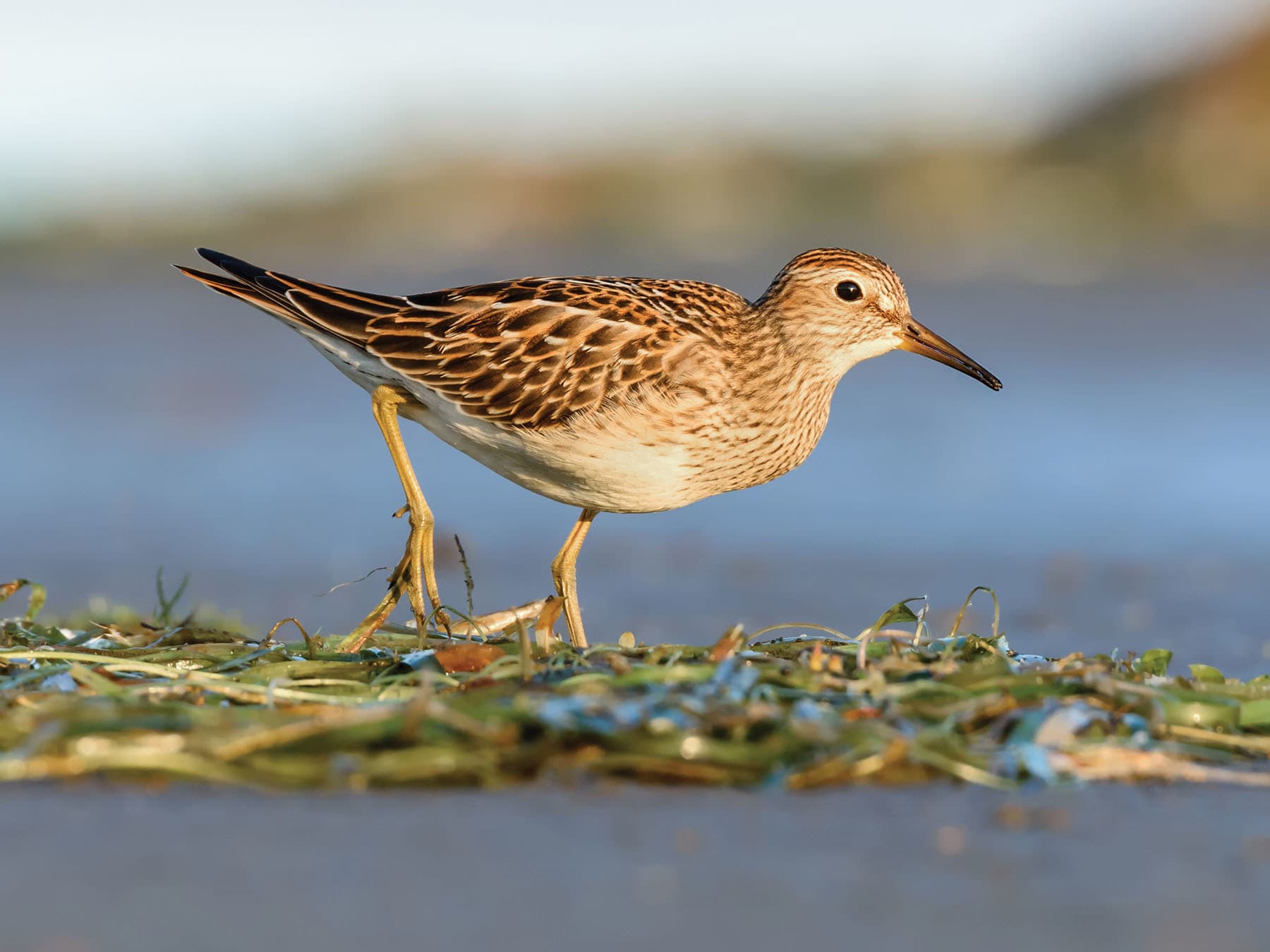
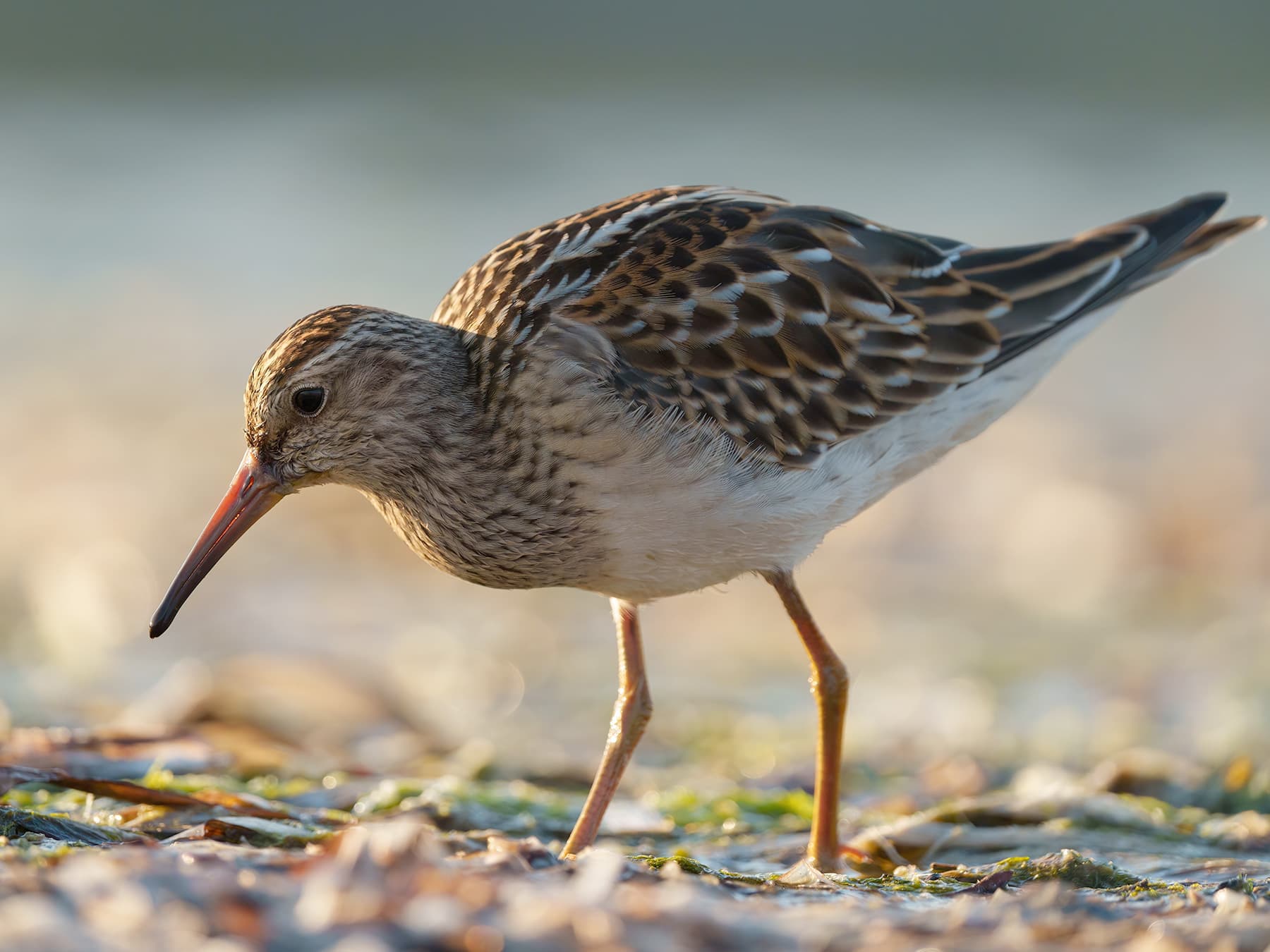
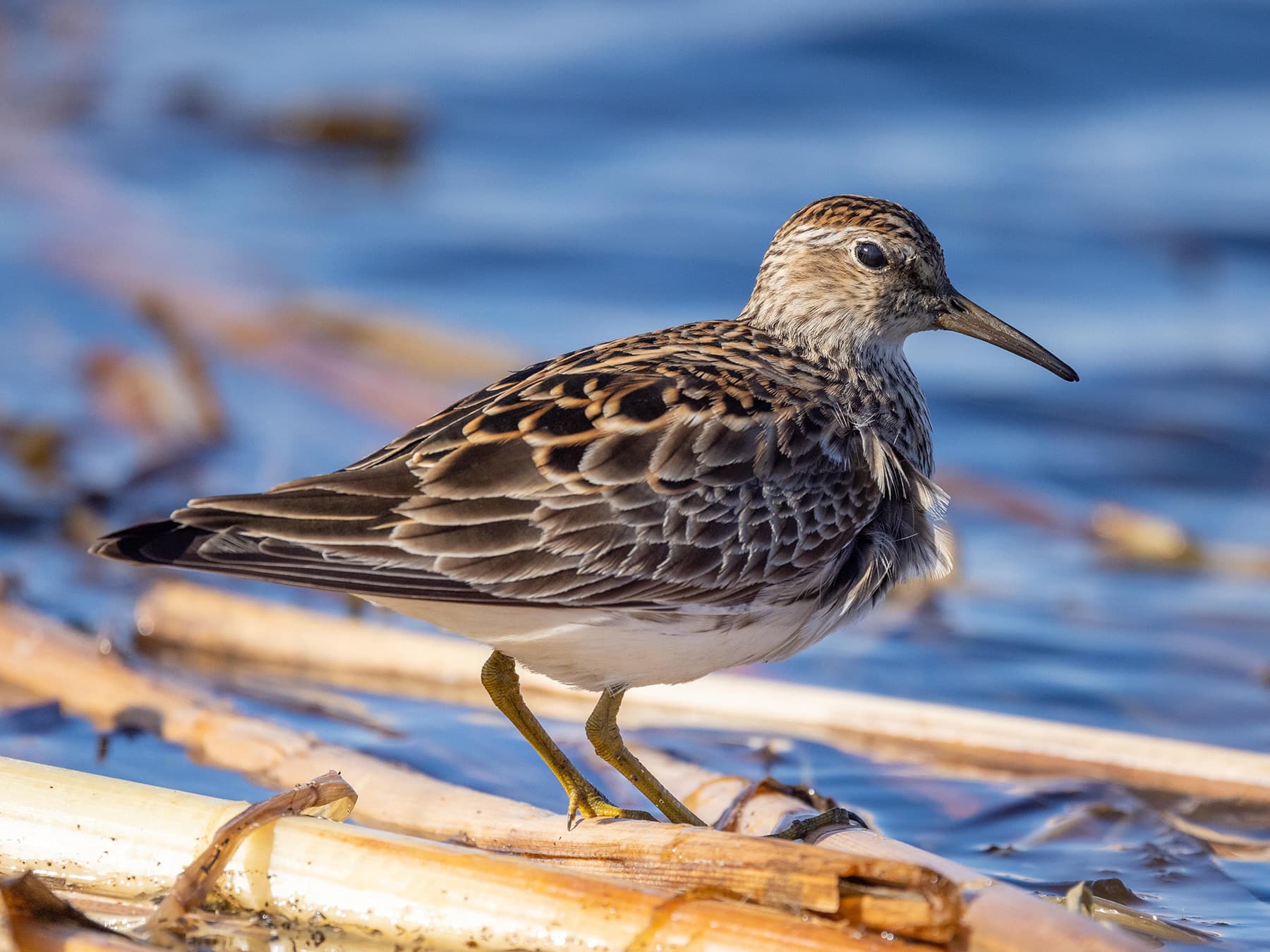
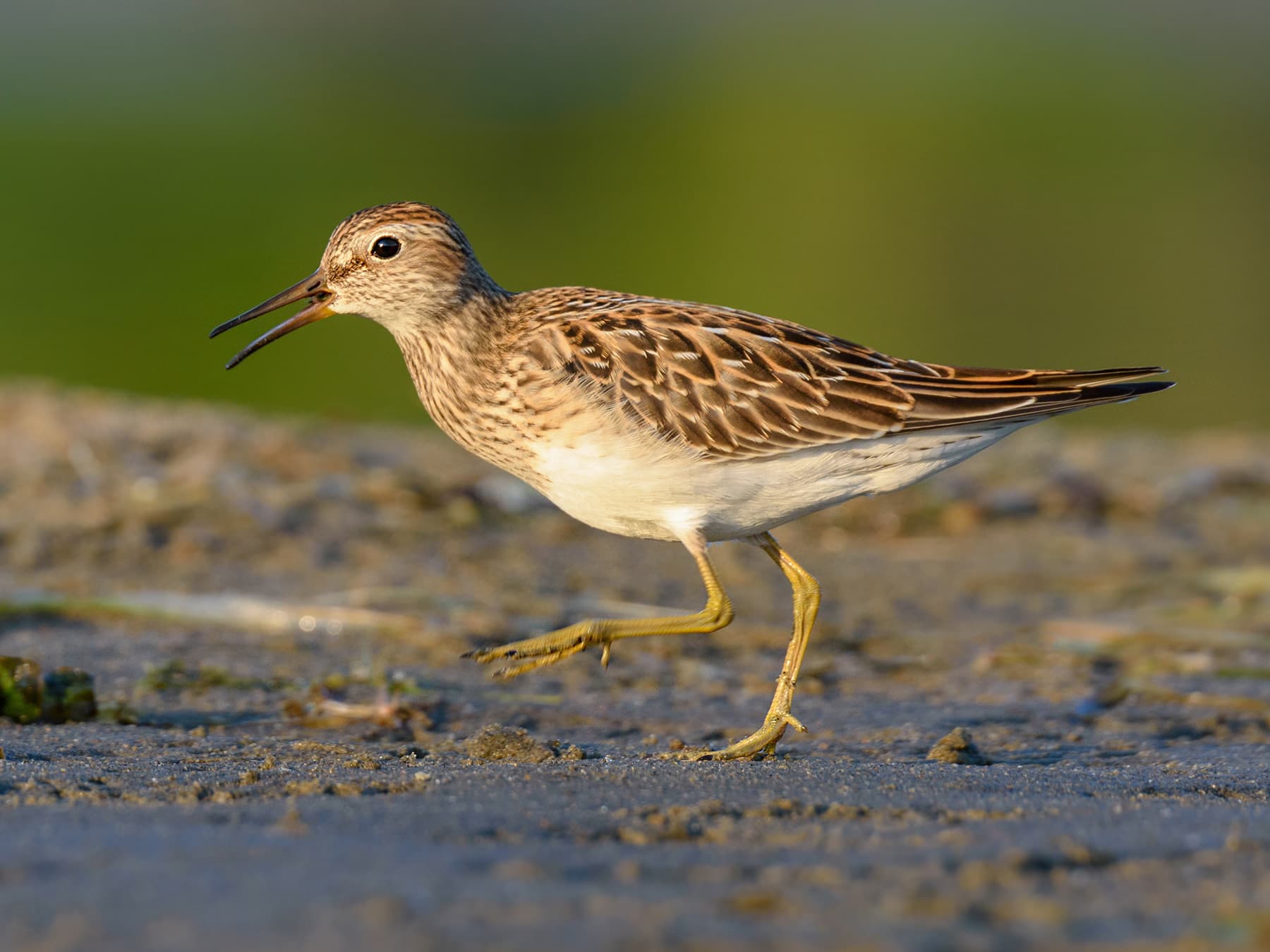
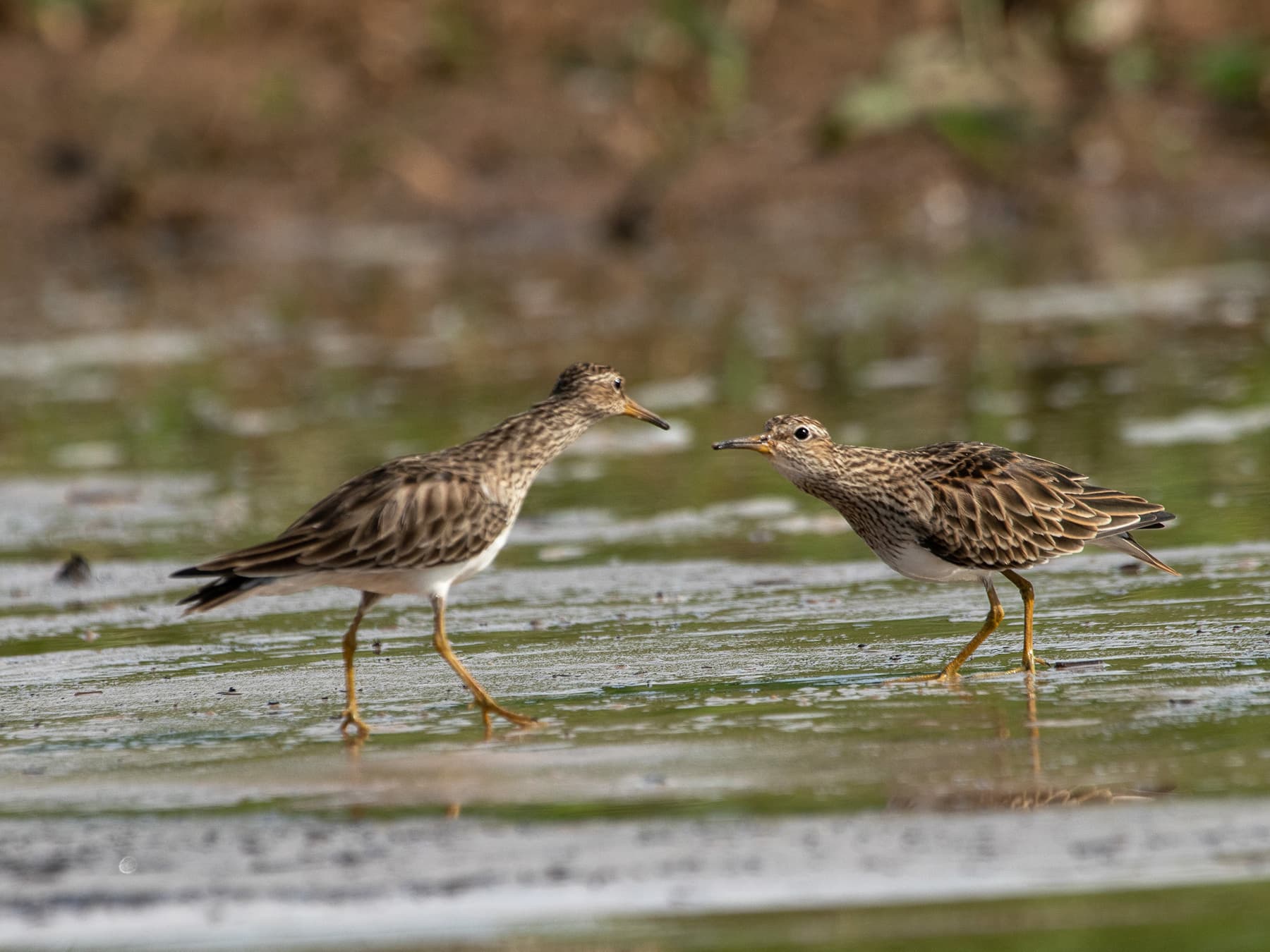
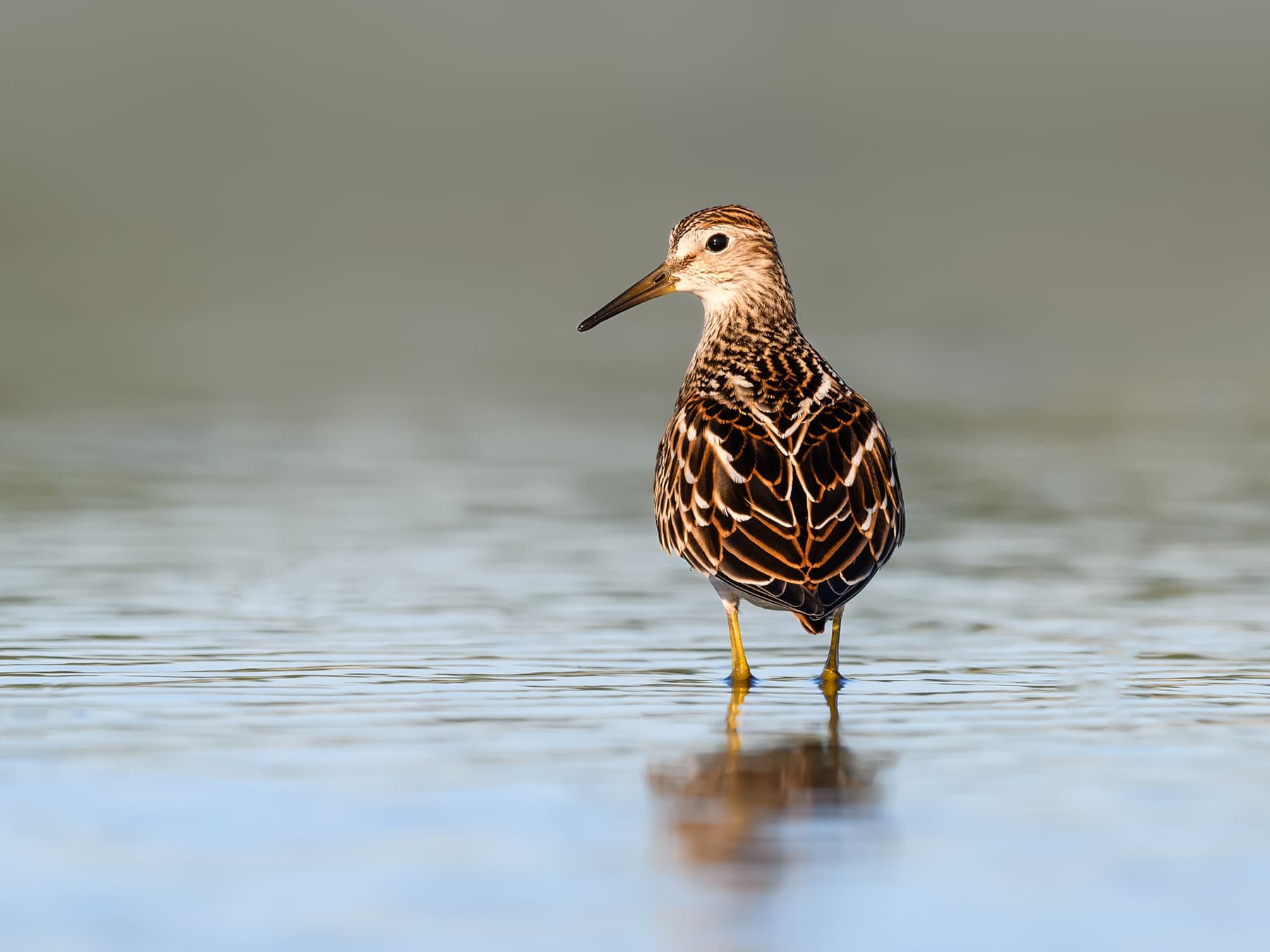
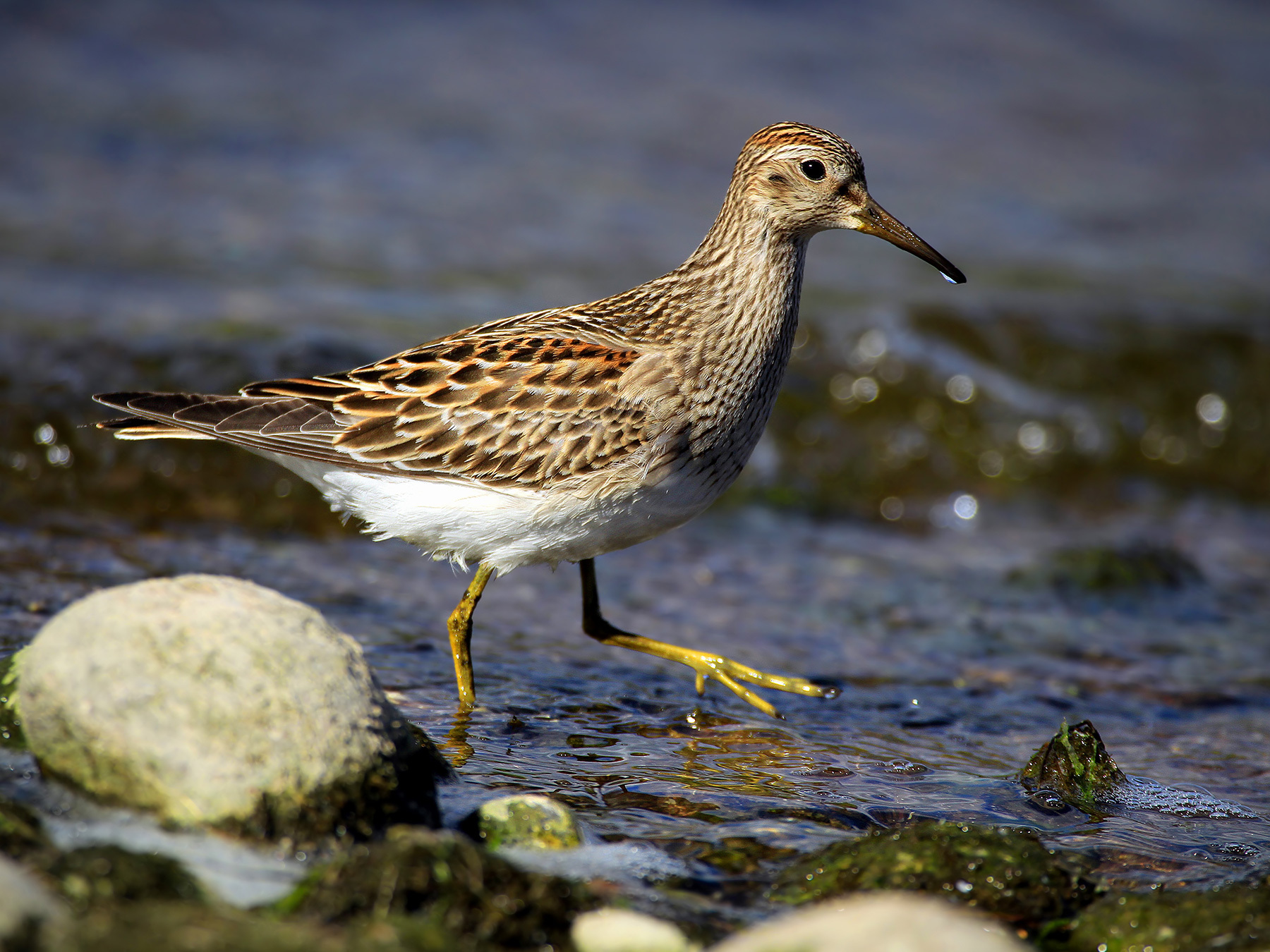
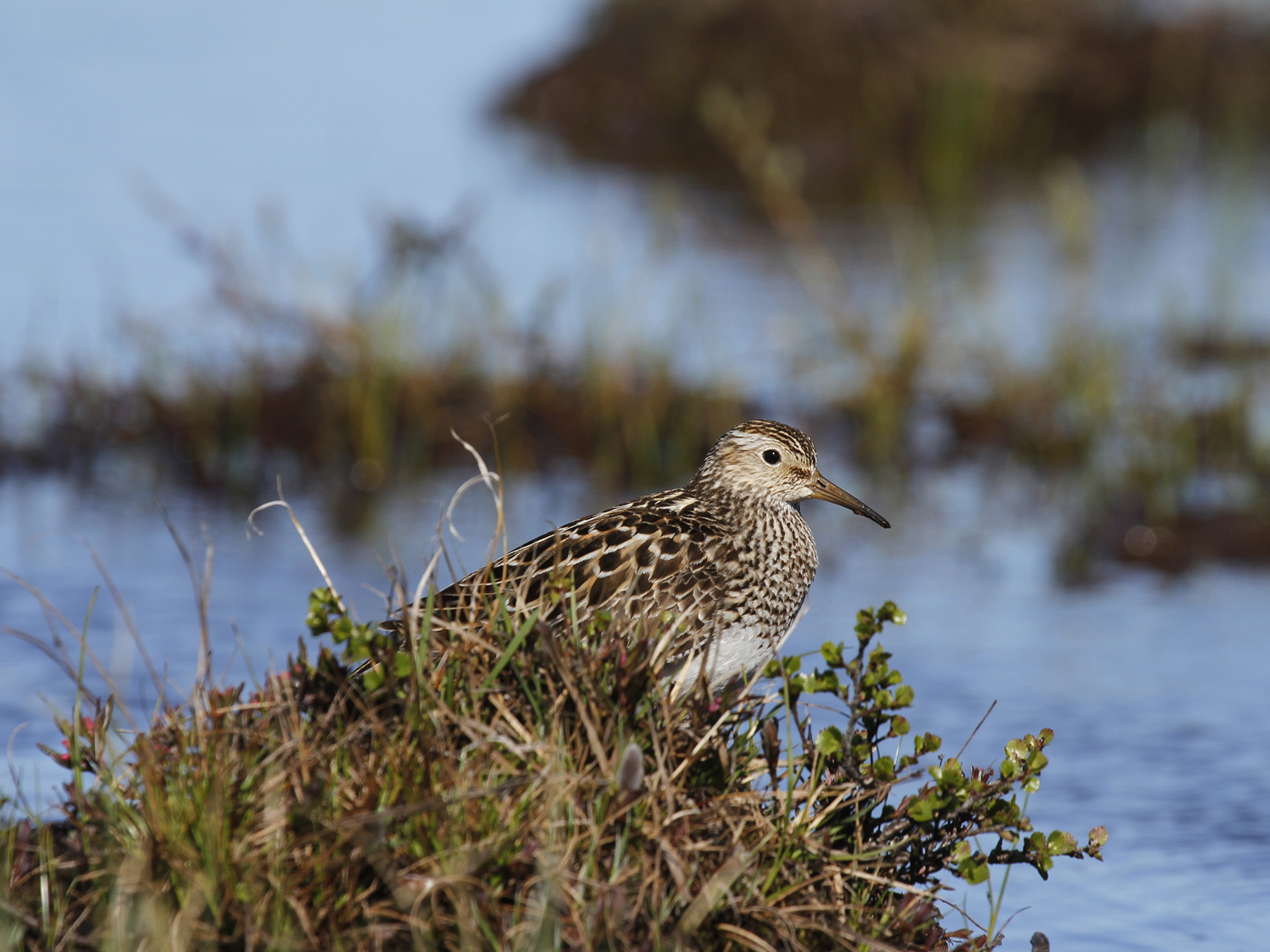
Breeding male pectoral sandpipers have a brown, streaky breast with a boldly striped brown band across it. They have a distinctive white belly and underparts, while their wings are rufous brown, tipped with buff, giving them a scaled look. The bill is slightly curved downwards and darker in breeding, becoming yellowish during the winter. Their long slender legs are yellow-brown.
Males and females are alike in coloring, although males are between 25 and 30 percent larger and heavier than females, which is less evident during the nonbreeding season. When breeding, males frequently have an enlarged neck, throat and chest. Nonbreeding plumage is similar to breeding plumage, although with a more brownish-grey wash.
Juvenile pectoral sandpipers are more finely marked than adults, and feathers are rufous edged with pale tips, giving them a more streaky appearance than mature birds. Younger birds also have a pale eye stripe.
How big are Pectoral Sandpipers?
Shoreline birds slightly larger in size than the dunlin, there is a distinct difference in size between male and female pectoral sandpipers, which is especially noticeable during the breeding season.
- Length: 19 cm to 23 cm (7.4 in to 9.1 in)
- Weight (male): 45 g to 126 g (1.6 oz to 4.4 oz)
- Weight (female): 31 g to 97 g (1.1 oz to 3.4 oz)
- Wingspan: 37 cm to 45 cm (14.6 in to 17.7 in)
Its size
Adults- Length
- 19–23 cm
- Wingspan
- 38–44 cm
- Weight
- 50–105 g
Its song and calls
What sound does a Pectoral Sandpiper make?
Pectoral sandpipers are relatively vocal birds, with a distinctive hooting call that culminates in a harsh scream, heard in defense of territory and when displaying to attract a mate.
A jabbering call is used to chase off nearby birds in flight, while a vibrating ‘kirip, kirip’ call may be heard around the nest site, made by females to divert attention from their young or eggs.
Why do Pectoral Sandpipers scream?
Courtship and territorial calls given by males in flight are described as a hollow hooting sound, ending in a harsh screech. Hooting and screaming is particularly heard by male birds in pursuit of females shortly before an attempt at copulation occurs.
- Call0:00 / 0:52
Recorded in Cotopaxi: Laguna de Limpiopungo, Ecuador · November 2003
When and where to see it
OctoberLeaving
Most recorded in October
- 1. Aberdeenshire0.14%
- 2. Cambridgeshireunder 0.1%
- 3. Oxfordshireunder 0.1%
- 4. Orkney Islandsunder 0.1%
- 5. Wiltshireunder 0.1%
Each dot is a county, state or province: the bigger and darker, the larger the bird’s share of that place’s bird records that month. Grey dots: no regular records. The ringed point is the centre of the bird’s records this month; the arrow shows how it moved since last month, and the dashed loop its path through the year. “Arrivals” colours places where it becomes regular this month (orange) or is in its last regular month (grey). GBIF eBird Observation Dataset, 2019–2024. Map data: Natural Earth, US Census Bureau; place centres © OpenStreetMap contributors.
In your area
See when the Pectoral Sandpiper is recorded in your county, state or province.
How often the Pectoral Sandpiper turns up in the UK, Ireland, the United States and Canada through the year, from birdwatchers' records.
United Kingdom
Passage migrant · regularly May–Oct · most records in September
Ireland
Passage migrant · regularly Aug–Oct · most records in September
United States
Summer visitor · regularly Mar–Nov · most records in August
Canada
Passage migrant · regularly Apr–Nov · most records in September
Show as a table
| Month | United Kingdom | Ireland | United States | Canada |
|---|---|---|---|---|
| January | – | – | <0.001% | – |
| February | – | – | <0.001% | – |
| March | <0.001% | – | 0.024% (regular) | 0.002% |
| April | <0.001% | 0.002% | 0.071% (regular) | 0.015% (regular) |
| May | 0.003% (regular) | <0.001% | 0.036% (regular) | 0.033% (regular) |
| June | <0.001% | – | 0.015% (regular) | 0.004% |
| July | 0.012% (regular) | 0.004% | 0.049% (regular) | 0.044% (regular) |
| August | 0.016% (regular) | 0.030% (regular) | 0.17% (regular) | 0.14% (regular) |
| September | 0.045% (regular) | 0.060% (regular) | 0.14% (regular) | 0.20% (regular) |
| October | 0.013% (regular) | 0.013% (regular) | 0.066% (regular) | 0.12% (regular) |
| November | <0.001% | – | 0.010% (regular) | 0.017% (regular) |
| December | – | – | <0.001% | <0.001% |
Recorded regularly in
Worldwide: recorded regularly in 87 countries
Countries where it was recorded in at least 3 of the 6 years 2019–2024. Linked countries have their own bird list.
Europe (21)
Africa (2)
North America (34)
- Anguilla
- Antigua & Barbuda
- Aruba
- Bahamas
- Barbados
- Belize
- Bermuda
- Canada
- Caribbean Netherlands
- Cayman Islands
- Costa Rica
- Cuba
- Curaçao
- Dominican Republic
- El Salvador
- Grenada
- Guadeloupe
- Guatemala
- Honduras
- Martinique
- Mexico
- Montserrat
- Nicaragua
- Panama
- Puerto Rico
- St Kitts & Nevis
- St Lucia
- St Martin
- St Pierre & Miquelon
- St Vincent & the Grenadines
- Trinidad & Tobago
- Turks & Caicos Islands
- United States
- US Virgin Islands
South America (14)
Oceania (8)
- Australia
- French Polynesia
- Marshall Islands
- New Zealand
- Norfolk Island
- Northern Mariana Islands
- Palau
- US Outlying Islands
Data: EOD – eBird Observation Dataset (Cornell Lab of Ornithology), accessed via GBIF.org, CC BY 4.0. Records from 2019–2024, aggregated and filtered by Birdfact. How these lists are made
What is the habitat of a Pectoral Sandpiper?
Wet tundra landscapes of the Arctic offer ideal habitats for pectoral sandpipers to breed and successfully forage for a wide range of shoreline invertebrates. Vegetation cover is important, and boggy terrain is favored, due to the availability of midges and other small insects.
During the nonbreeding season, preferred habitats include saltmarshes, swamps, flooded plains and grasslands, with mudflats being of little to no importance.
What is the range of a Pectoral Sandpiper?
In North America, breeding is limited to the northern coast of Alaska and across northwest Canada, including parts of Victoria, Devon, Baffin, Prince of Wales, and Southampton islands. The Eurasian range extends along much of the western coast of Russia, within the Arctic Circle, and throughout east and central Siberia.
During winter, pectoral sandpiper populations relocate to southern regions of South America, from Peru and Brazil in the north to the extreme south of Chile and Argentina in the south. Additional winter populations are found along the southern coast of Australia.
On rare occasions, pectoral sandpipers may venture as far as the UK, and they are the most commonly reported vagrant US wading bird species. However, there is no regular pattern to these arrivals and any sightings or reports of breeding are not well-enough established for them to be considered a regular occurrence.
Where do Pectoral Sandpipers live?
In North America, pectoral sandpipers are found in Alaska, along the Bering Sea coast along to the Yukon Delta. The highest densities are found on coastal tundra landscapes within the Arctic Circle.
Further inland concentrations become less dense, although this varies from year to year, as little fidelity is shown to nesting sites, with different locations used each year.
How rare are Pectoral Sandpipers?
Due to their wide and largely inaccessible Arctic breeding range, obtaining accurate population estimates is difficult but the North American population has been estimated at around 1.5 million birds, meaning that although scarcely seen in many parts of the world, they are not especially rare.
Sightings in passage are relatively common both before and after the breeding season, particularly in wetland regions throughout the Great Plains as large numbers of birds make their way to and from their wintering grounds in the far south of South America.
Where can you see Pectoral Sandpipers in the US?
Alaska is the only US state where pectoral sandpipers routinely breed, although large numbers may be seen in passage over east-central regions of the country, particularly in May when they can be spotted breaking their northward migration flight in the area between the Mississippi River to the east of the Rocky Mountains.
Where can you see Pectoral Sandpipers in the UK?
Pectoral sandpipers are scarce visitors to the UK, with only around 50 reported pairs breeding each year. Unpredictable sightings can occur at freshwater wetlands across the country, and there is no fidelity to previously used breeding grounds.
Migration
Do Pectoral Sandpipers migrate?
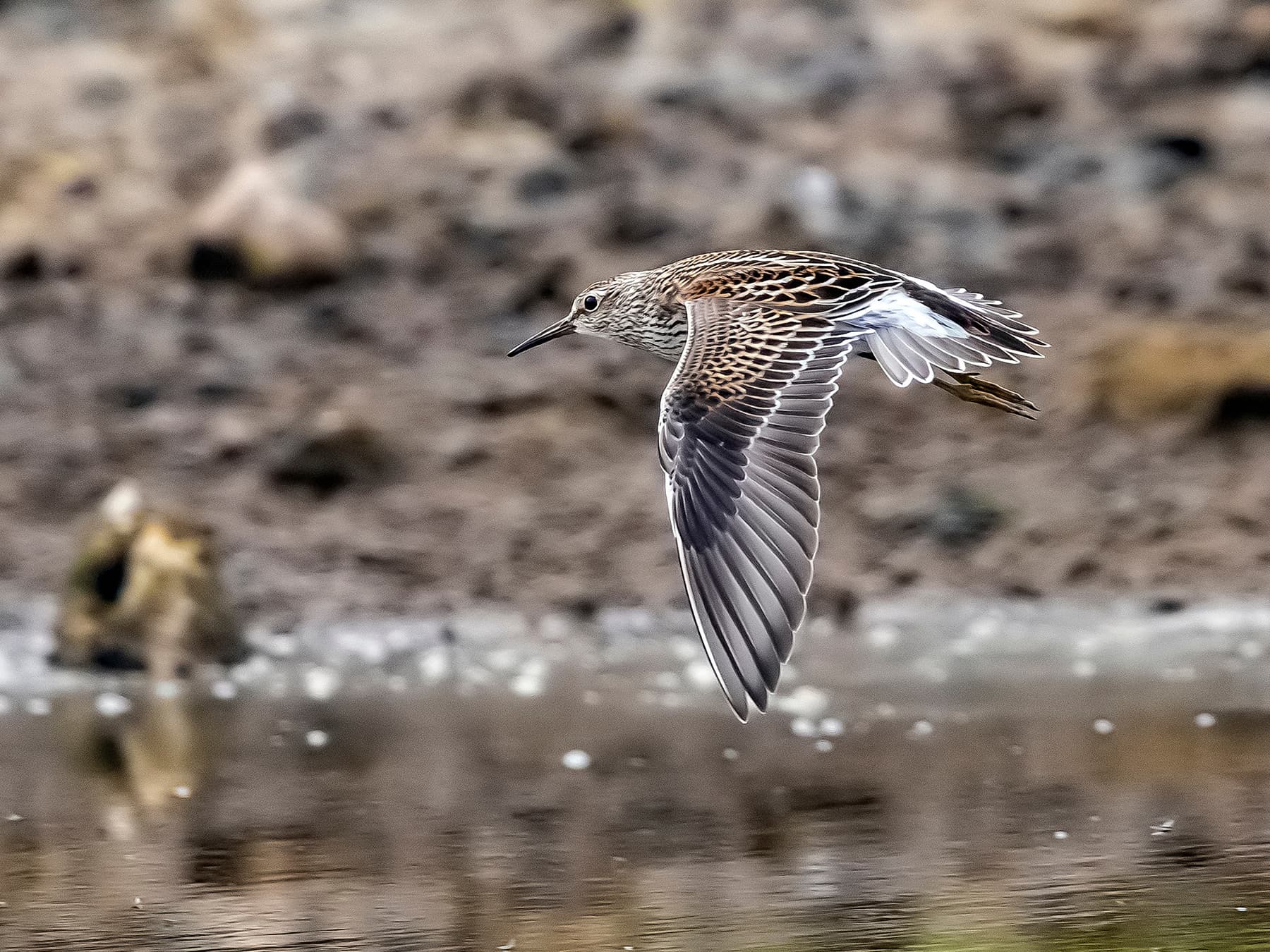
Pectoral sandpipers have one of the most lengthy migrations of any bird species, covering distances of around 30,000 km (19,000 mi) each year.
Migration occurs between breeding grounds in the Arctic Circle and wintering grounds that are mainly located in southern and central South America.
Tips for seeing it
- Look for them in shallow wetlands and flooded fields during migration
- Observe their distinctive sharp breast line, which separates the streaked upper breast from the white belly
- Listen for their distinctive 'krreek' call during flight
- In North America, watch for them in late summer and early fall when they pass through in large numbers
What it eats
What do Pectoral Sandpipers eat?
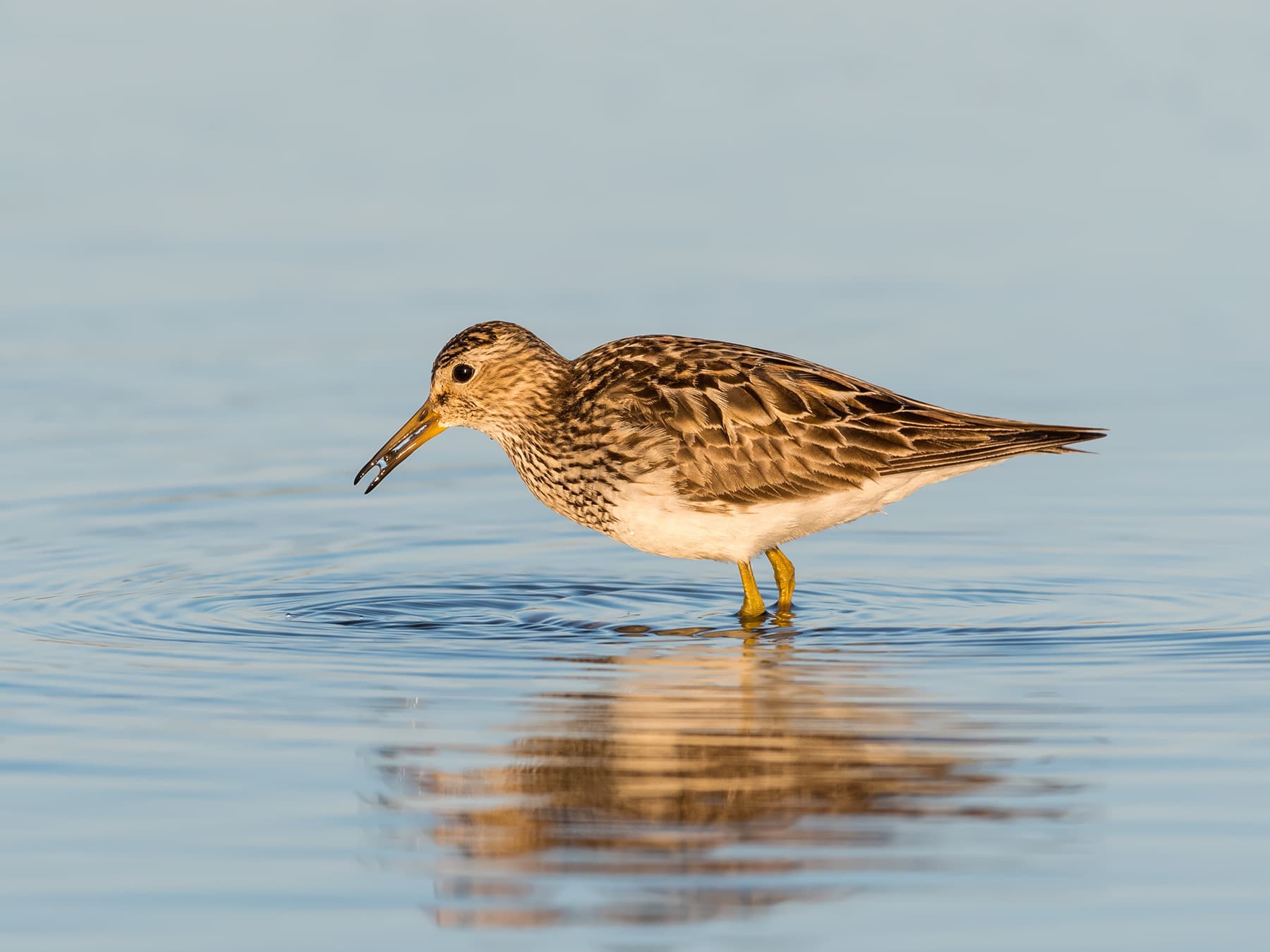
A pectoral sandpiper’s diet consists of small invertebrates that inhabit muddy shorelines, including larvae and adult crane flies, midges, beetles and spiders.
Algae and plant material are also eaten, as well as some seeds. Occasionally crickets, grasshoppers, bees and wasps are also eaten, and in some regions, small minnows also feature in their diet.
What do Pectoral Sandpiper chicks eat?
Within hours of hatching, young sandpipers are able to walk and forage for themselves, feeding on small invertebrates found along the shoreline.
Shortly after hatching, the nest site is deserted in favor of wetter landscapes where adult insects are more abundant.
Nesting and breeding
Where do Pectoral Sandpipers nest?
The nest site, selected by the female, is usually situated in a dry area tucked behind a hummock or on a ridge, covered by vegetation, for example dwarf willows.
A small depression is made on the ground, which is then molded into a cup shape, and lined with grass, sedge, leaves, lichen and moss.
When do Pectoral Sandpipers nest?
It is thought that pectoral sandpipers are single-brooded, with eggs being laid in June or early July. Replacement clutches may be attempted into July if an earlier clutch is unsuccessful or lost to predation.
What do Pectoral Sandpiper eggs look like?
Eggs laid by pectoral sandpipers can be a variety of colors, including off-white, cream, buff and olive, with speckled markings that are brown, purple or gray. Eggs measure 38 mm by 26 mm (1.5 in to 1.0 in).
A typical clutch contains 4 eggs, which are incubated by the female alone for 21 to 23 days.
Do Pectoral Sandpipers mate for life?
Pectoral sandpipers are a polygynous species, with no lasting pair bonds forming between males and females.
Males mate with several females throughout the course of a season but do not guard nesting females and play no role in the raising of young.
Behaviour
Are Pectoral Sandpipers aggressive?
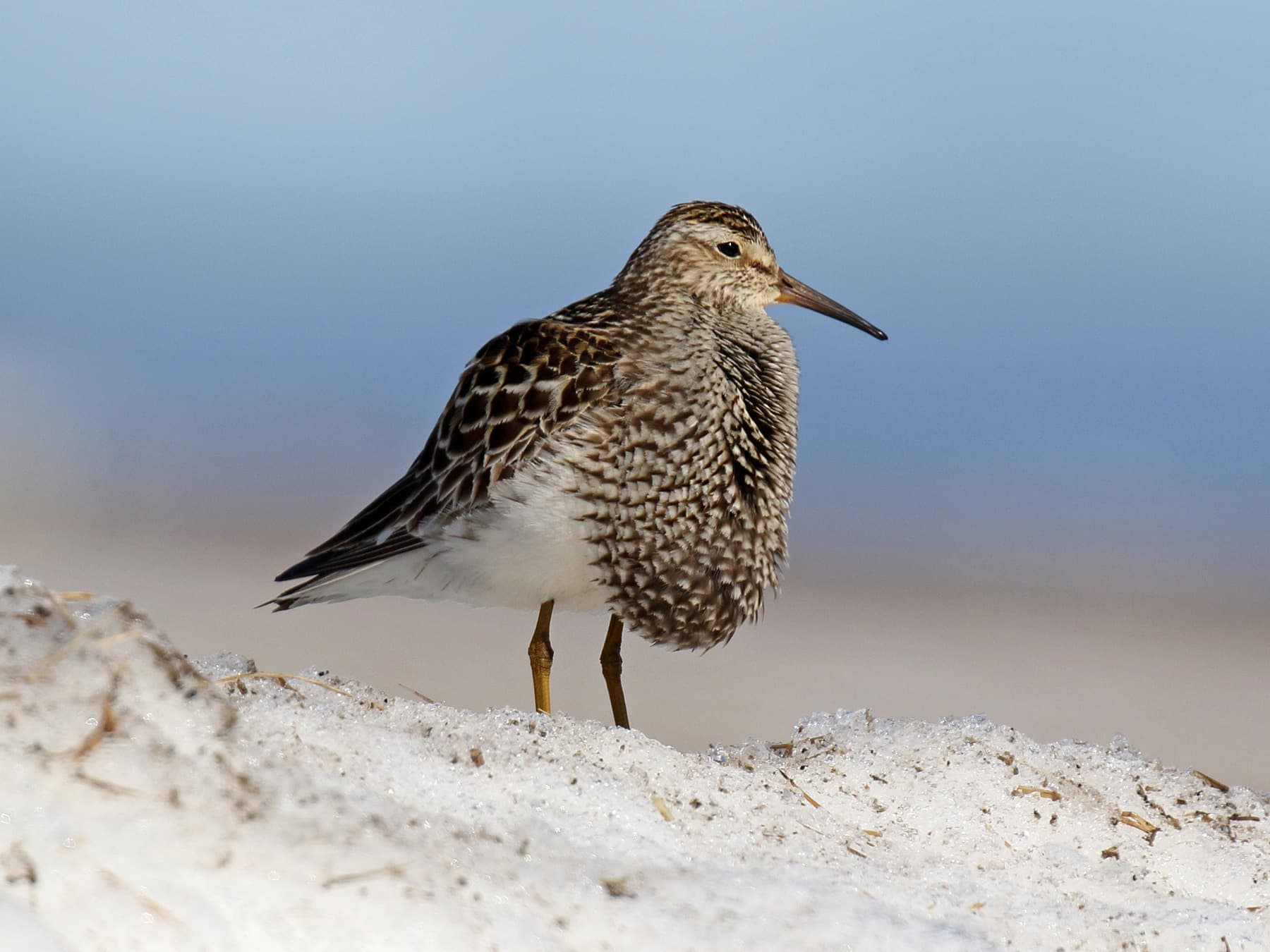
Aggressive displays are only observed during the breeding season, with males displaying and posturing to assert their claim to a territory, although defense is purely territorial rather than relating to a female or their young.
A loud territorial screech may be heard when threats are detected. Females may also assume a ‘threat’ pose to drive off unwanted intruders, although they will rarely follow this up with any kind of chase or challenge.
Where do Pectoral Sandpipers sleep at night?
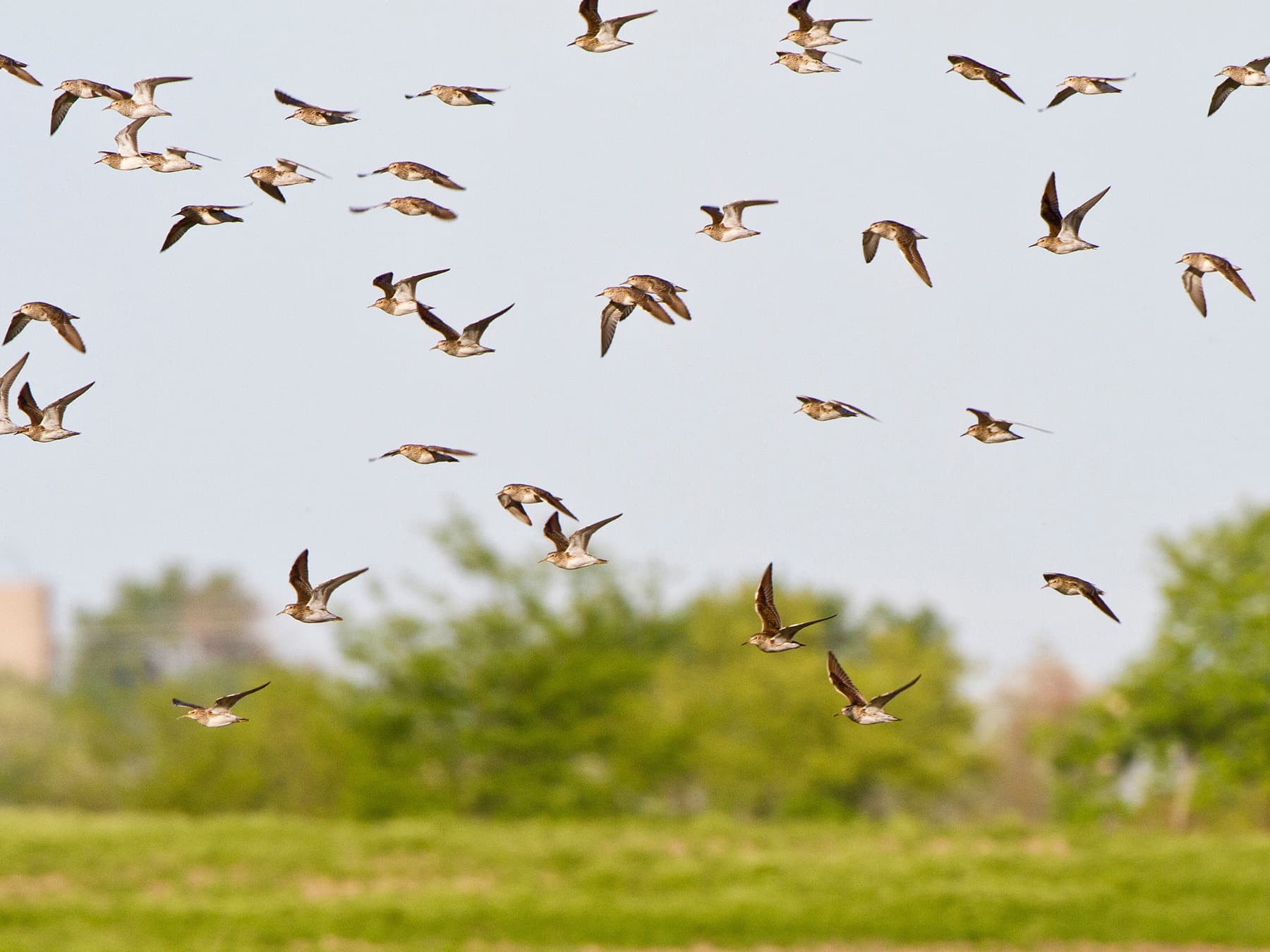
Roosting takes place overnight, with pectoral sandpipers usually opting for safe spots concealed within dense vegetation, either alone or in small groups.
Towards the end of the breeding season, larger numbers of roosting pectoral sandpipers can be observed roosting on open mudflats, often with dunlins and other shorebirds.
Lifespan and predators
How long do Pectoral Sandpipers live?
Little is known about the average life expectancy of pectoral sandpipers, due to the lack of information available from banded birds. Breeding is thought to occur for the first time at 1 year. One claim to the title of the oldest recorded pectoral sandpiper is a ringed individual, found aged 5 years 11 months in 1983.
What are the predators of Pectoral Sandpipers?
Common predators of nests and young pectoral sandpipers include jaegers (skuas), Arctic foxes, weasels, owls, gulls and ravens. During migration, peregrine falcons may successfully catch pectoral sandpipers in flight.
Are Pectoral Sandpipers protected?
Pectoral sandpipers are listed for protection in the United States under the Migratory Birds Treaty Act 1918 and the Migratory Bird Convention Act, 1994, in Canada.
In the UK, pectoral sandpipers are offered protection by the Wildlife and Countryside Act, 1981, which states it is an offense to kill, harm or capture them.
Are Pectoral Sandpipers endangered?
Assessing the population status of pectoral sandpipers is relatively difficult due to their wide distribution across somewhat inhospitable terrain. However, as with a number of migratory shorebirds, their population is believed to be in decline, which may be linked to the loss of wetland habitats along their migration routes.
Globally, they are considered a species of least concern and there are no imminent worries over their future survival. In the past, recreational hunting of pectoral sandpipers is believed to have had a significant impact on numbers, although this is no longer an issue.
Conservation
While currently listed as Least Concern, Pectoral Sandpipers face threats from habitat loss in both breeding and wintering grounds. Climate change impacts on Arctic breeding habitats are a growing concern. Conservation efforts focus on protecting key stopover sites along migration routes.
More photos
3 photos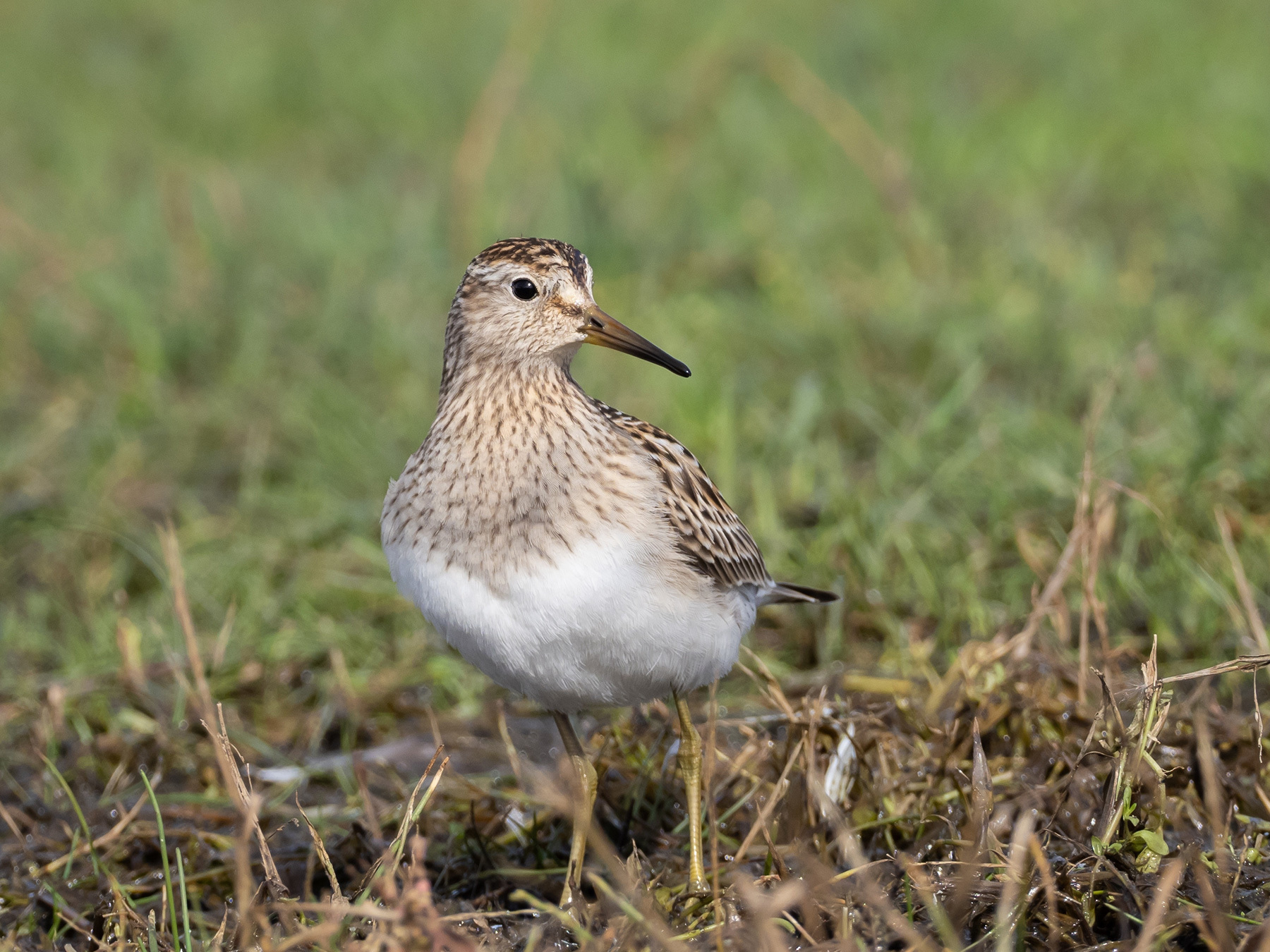
Pectoral Sandpiper guides
1 guidesQuick facts
- Length
- 19–23 cm
- Wingspan
- 38–44 cm
- Weight
- 50–105 g
- Lifespan
- 5–6 years
- Family
- Sandpipers & Snipes
- Migration
- Long-distance Migrant
- Global status (IUCN)
- Least Concern
- World population
- 1,600,000 individuals
- Population trend
- Stable
- Also called
- Pec
- Scientific name
- Calidris melanotos
Sources
4- 1BirdLife International. 2016. Calidris melanotos. The IUCN Red List of Threatened Species 2016: e.T22693408A93404396. Source (opens in a new tab)
- 2del Hoyo et al. (1996)
- 3Partners in Flight (2022) Source (opens in a new tab)
- 4Klimkiewicz and Futcher, Longevity records of North American birds: Supplement I (1989)

Checked by
Nathan Cope, founder and editor
Nathan founded Birdfact and leads its writers and contributors in the UK, the US and Canada. He has watched and studied birds for more than ten years, and checks every article and species guide before it’s published.