Birds to See in Northumberland in July
154 species matching this filter.
Northumberland in July is a vibrant destination for birdwatching, with around 154 species recorded across its diverse landscapes of rugged coastline, upland moors, and river valleys. Summer brings breeding activity to the fore, with species such as Barn Owl, Northern Lapwing, and Common Sandpiper raising young, while waders like Greenshank begin to appear on estuaries as return migration gets underway. The county's mix of habitats — from the Farne Islands to Kielder Forest and the Cheviot Hills — ensures a rich variety of birdlife throughout the month.
Resident
(116)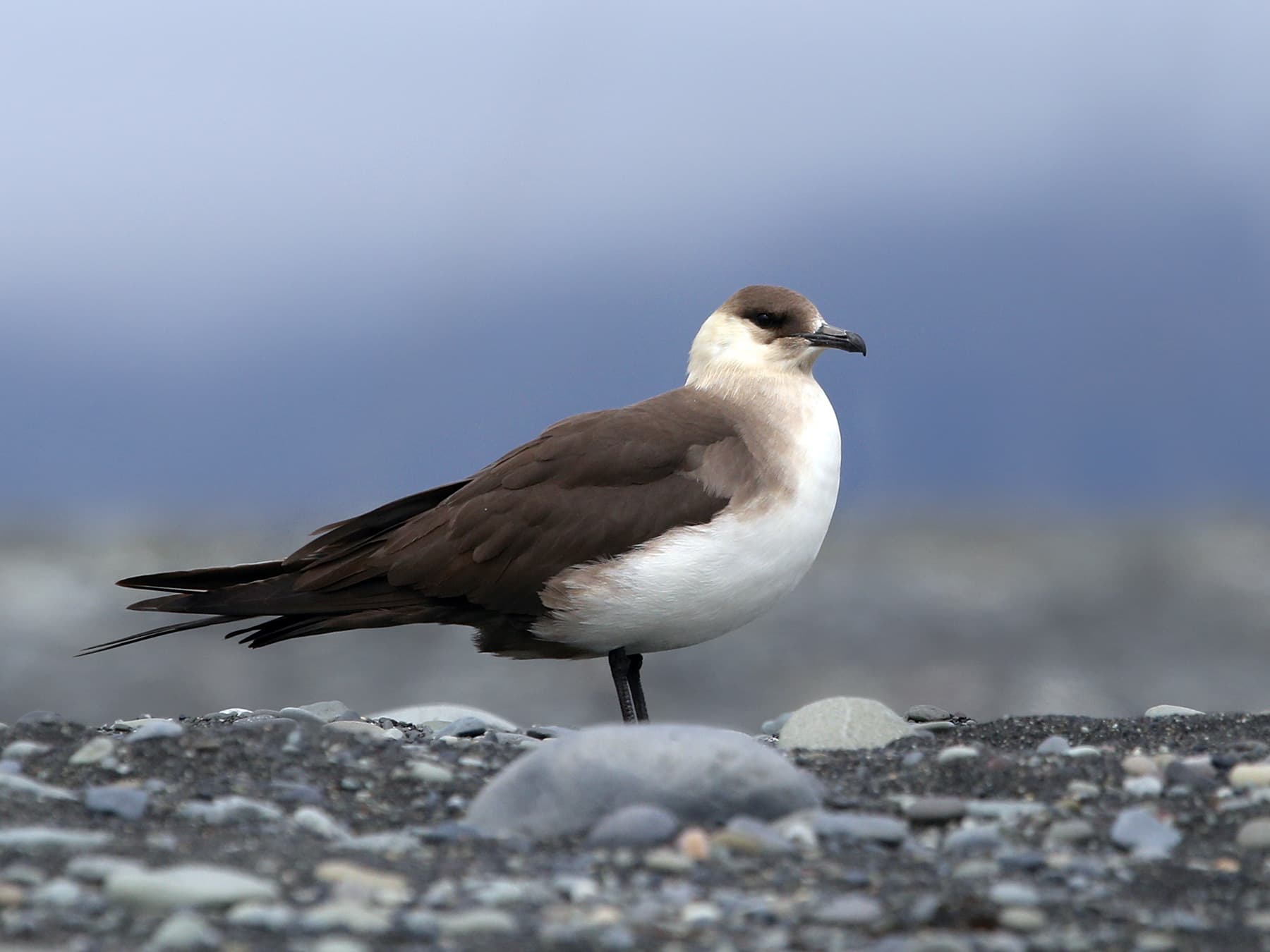
Arctic Jaeger
Stercorarius parasiticusLC
Seen offshore from June to October, harrying terns and gulls. Seawatching from headlands like Newbiggin or St Mary's offers the best views.
Jun–Oct
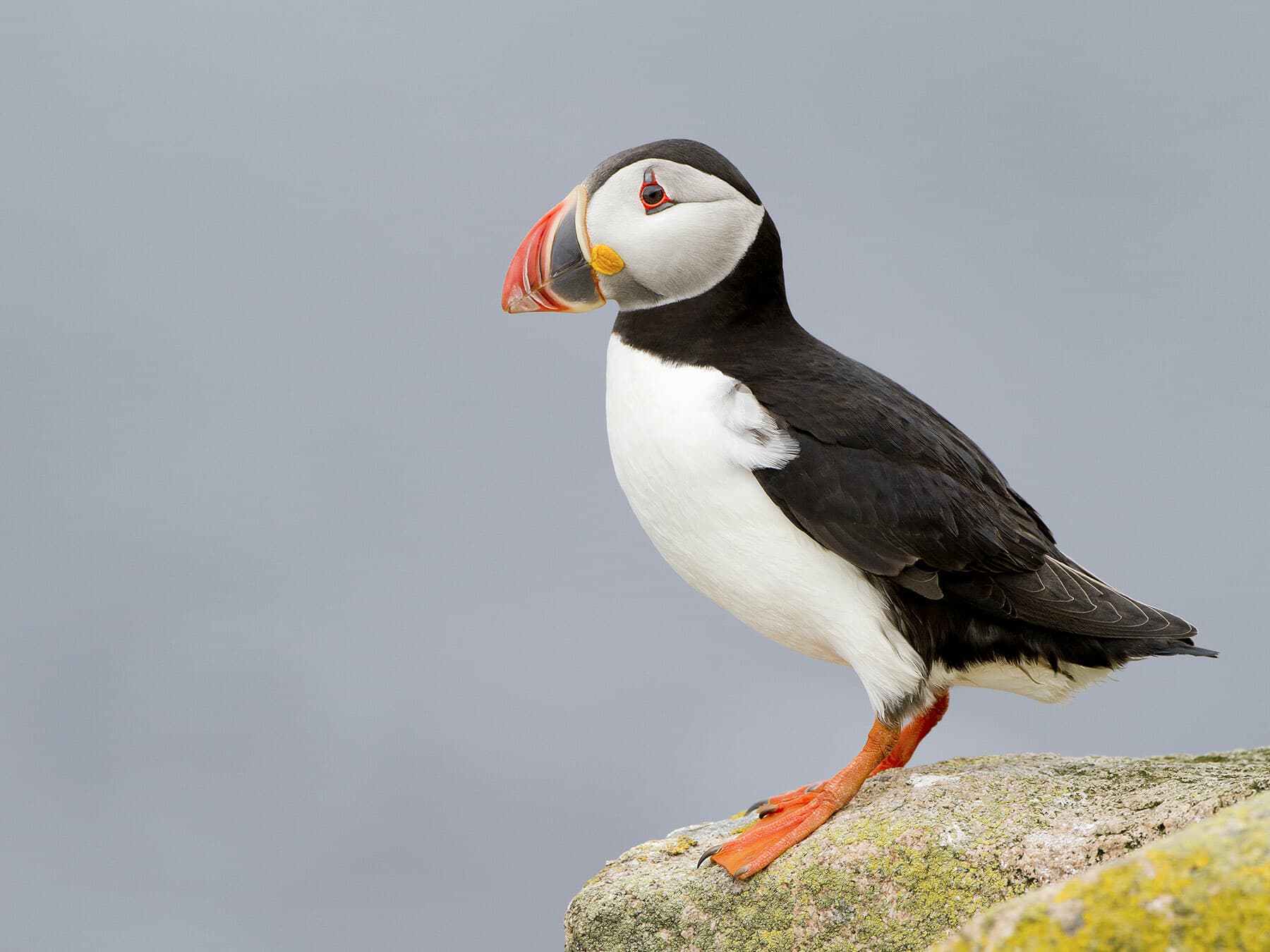
Atlantic Puffin
Fratercula arcticaVU
Breeds in burrows on the Farne Islands, one of England's most iconic colonies. Present from spring through autumn, delighting boat-trip visitors.
Mar–Dec
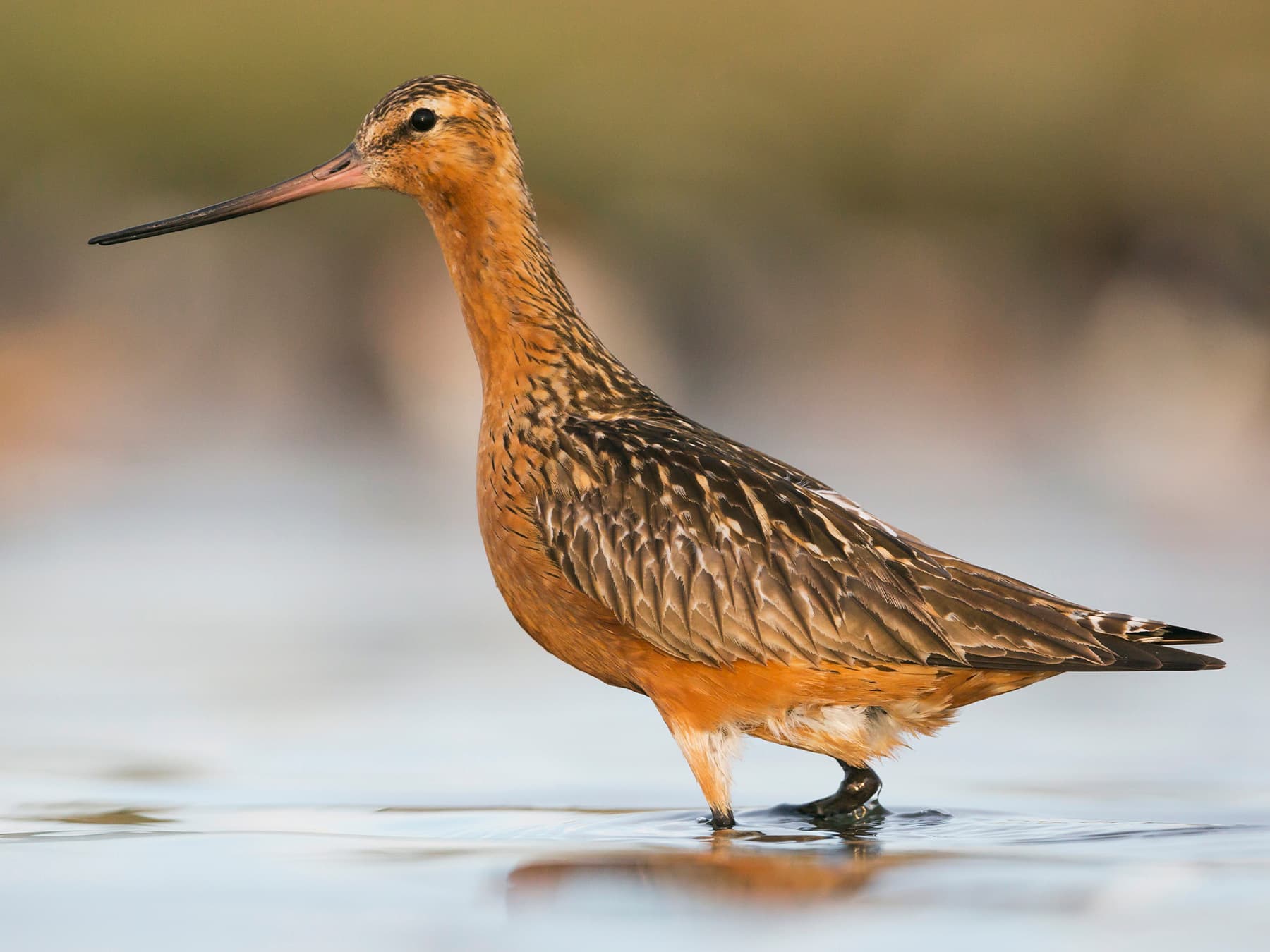
Bar-tailed Godwit
Limosa lapponicaNT
Found year-round on coastal mudflats and estuaries such as Lindisfarne. Numbers peak in winter when Arctic-breeding birds arrive on passage.
Year-round
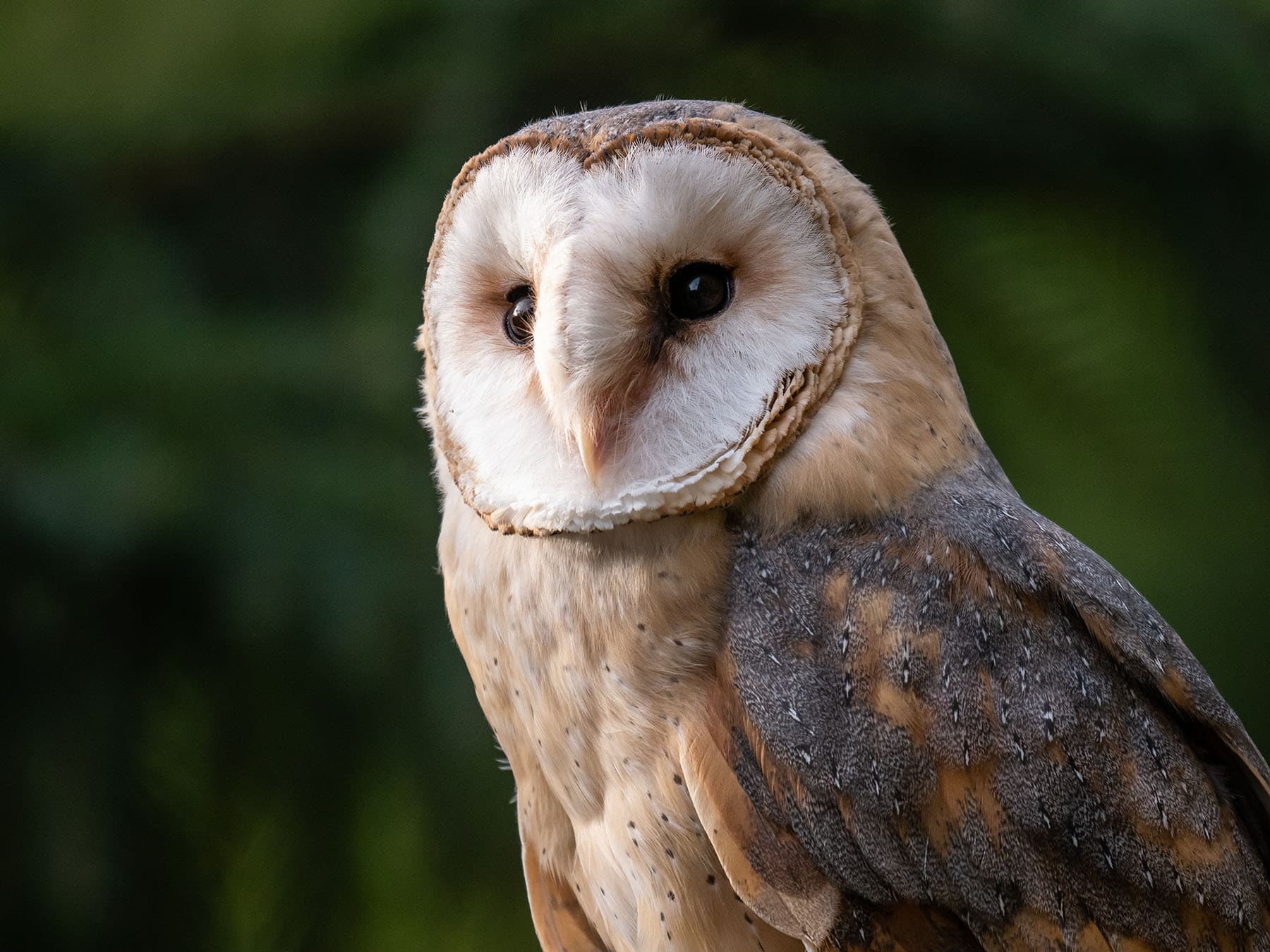
Barn Owl
Tyto albaLC
A rare but year-round resident, hunting over rough grassland and farmland. Nest boxes have aided its presence in the county.
Year-round
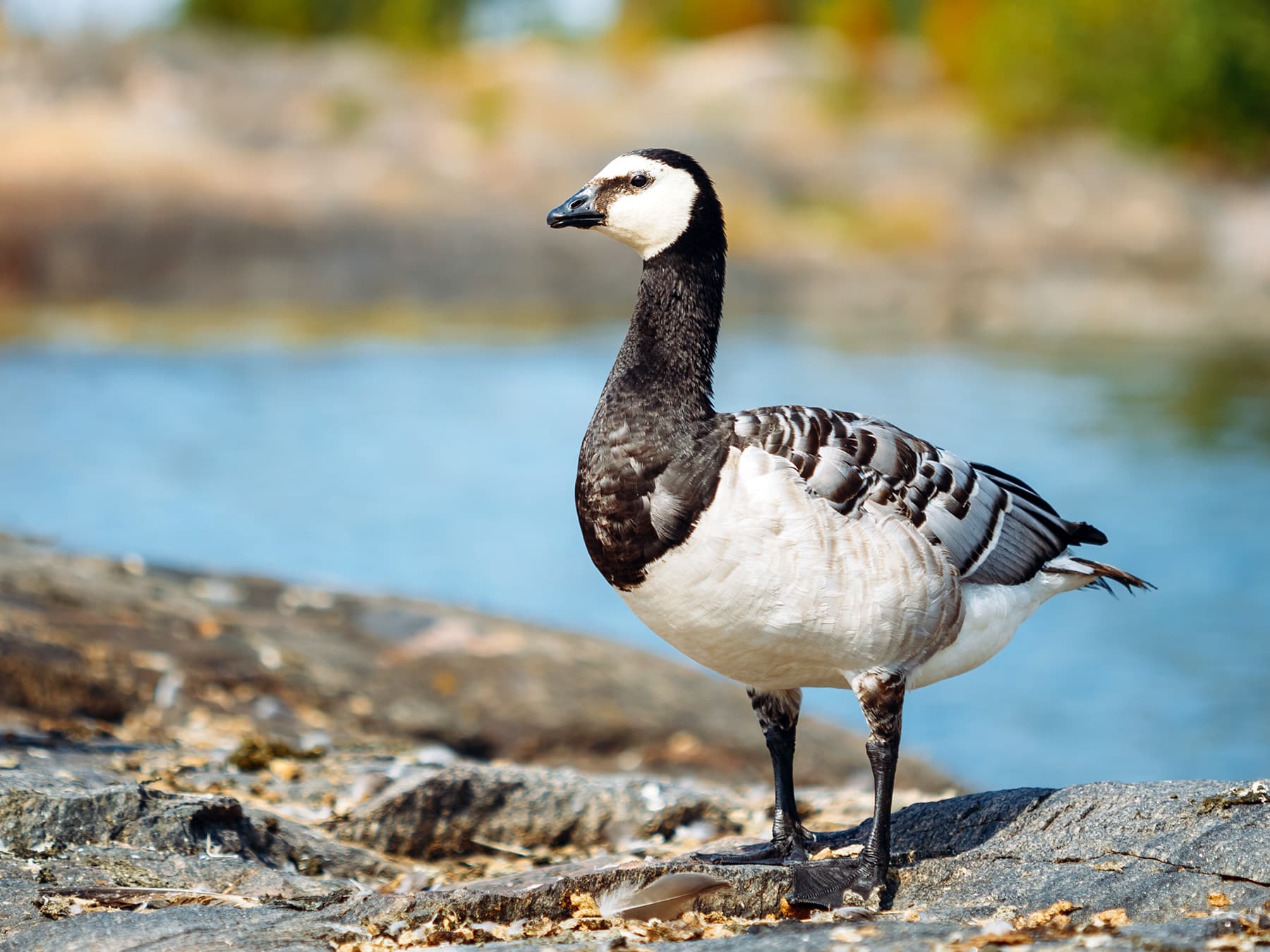
Barnacle Goose
Branta leucopsisLC
Small numbers linger year-round, but the Svalbard population winters spectacularly on Lindisfarne's mudflats in their thousands.
Sep–Jul
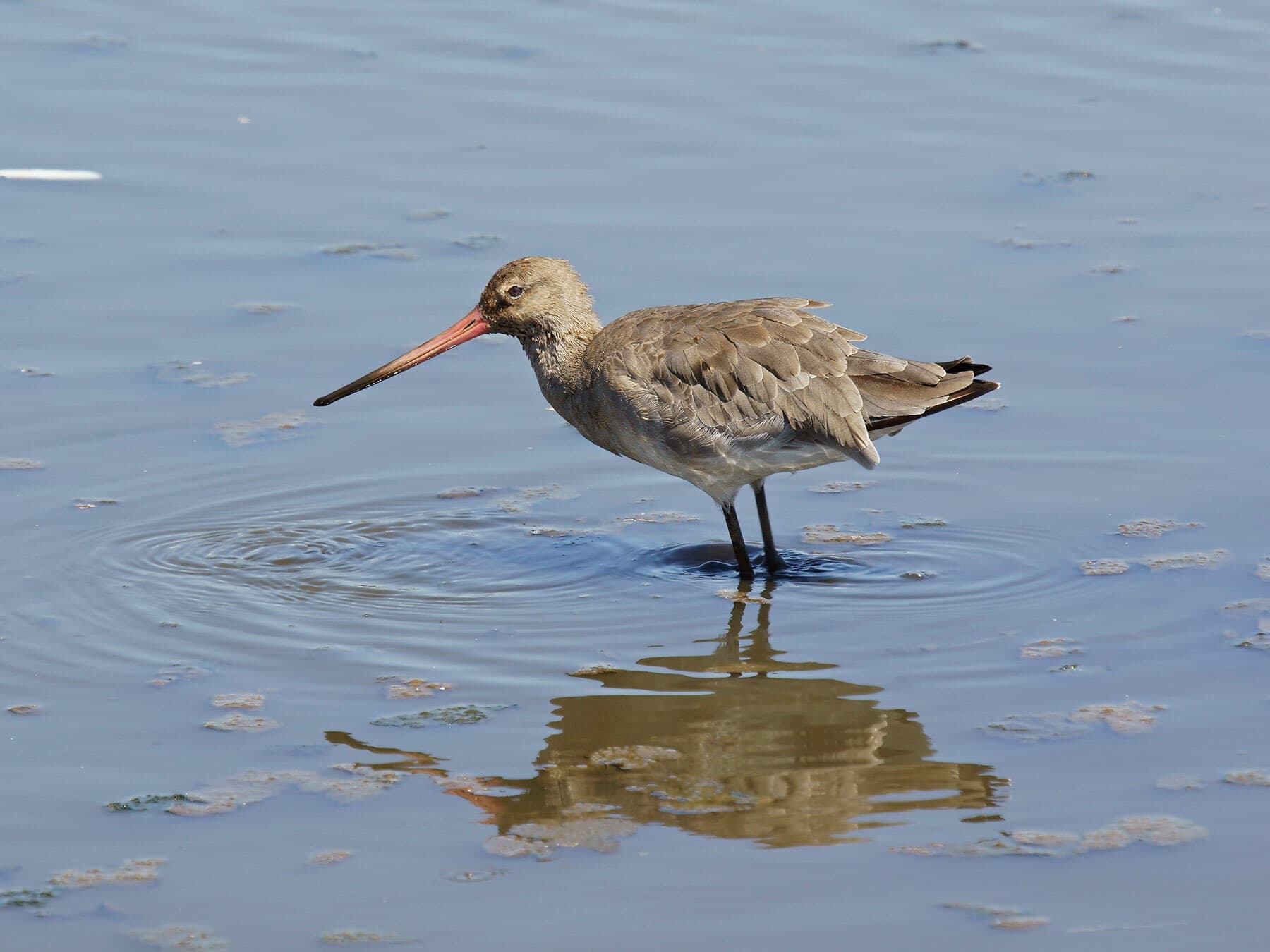
Black-tailed Godwit
Limosa limosaNT
Present year-round in small numbers on coastal estuaries and wet grasslands, with peak counts during autumn passage.
Year-round
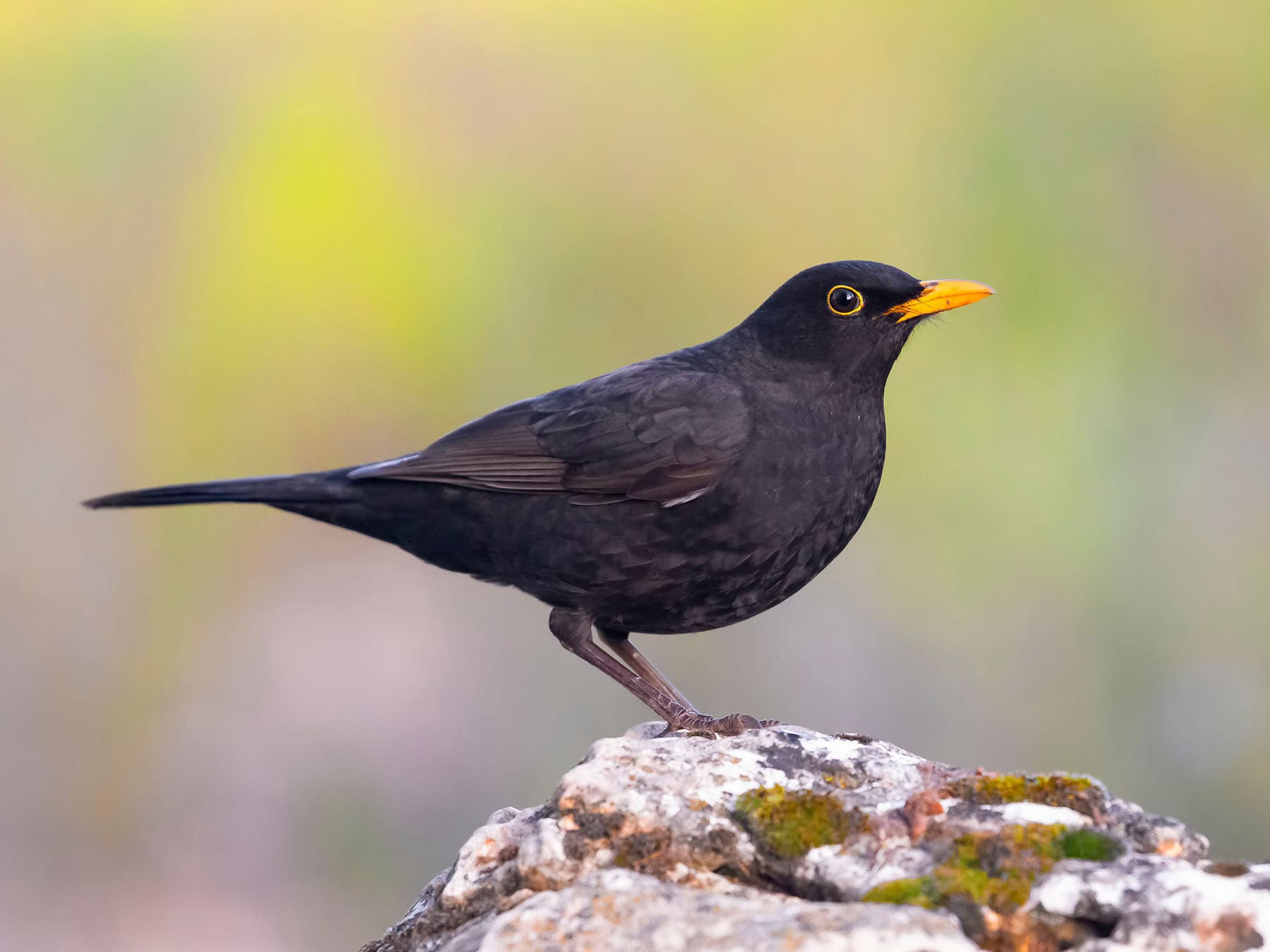
Blackbird
Turdus merulaLC
A common resident of gardens, hedgerows, and woodland. Numbers are boosted in autumn by Continental migrants arriving on the coast.
Year-round
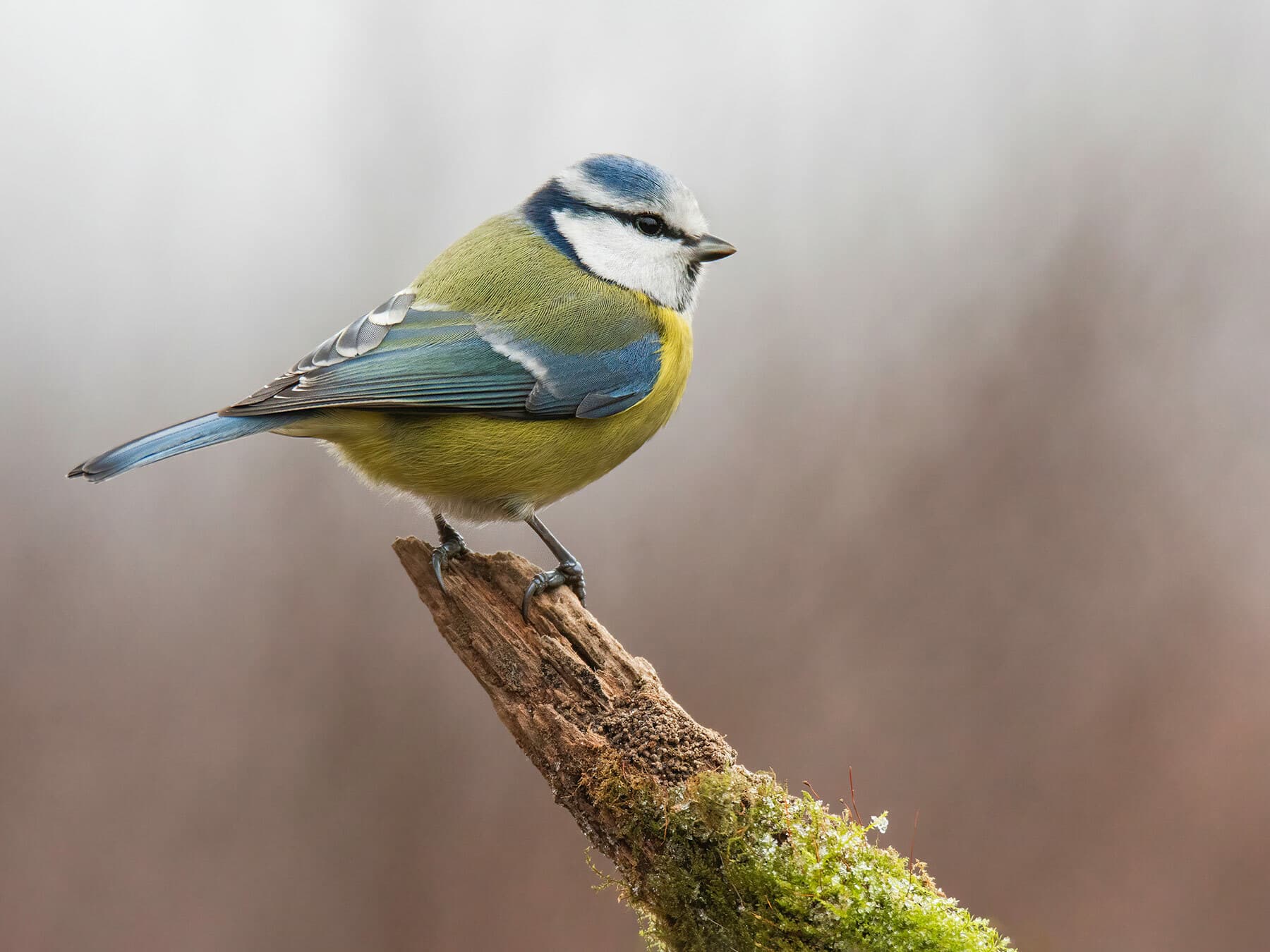
Blue Tit
Cyanistes caeruleusLC
An abundant and familiar resident of gardens, hedgerows, and woodlands year-round, readily visiting feeders even in the coldest months.
Year-round
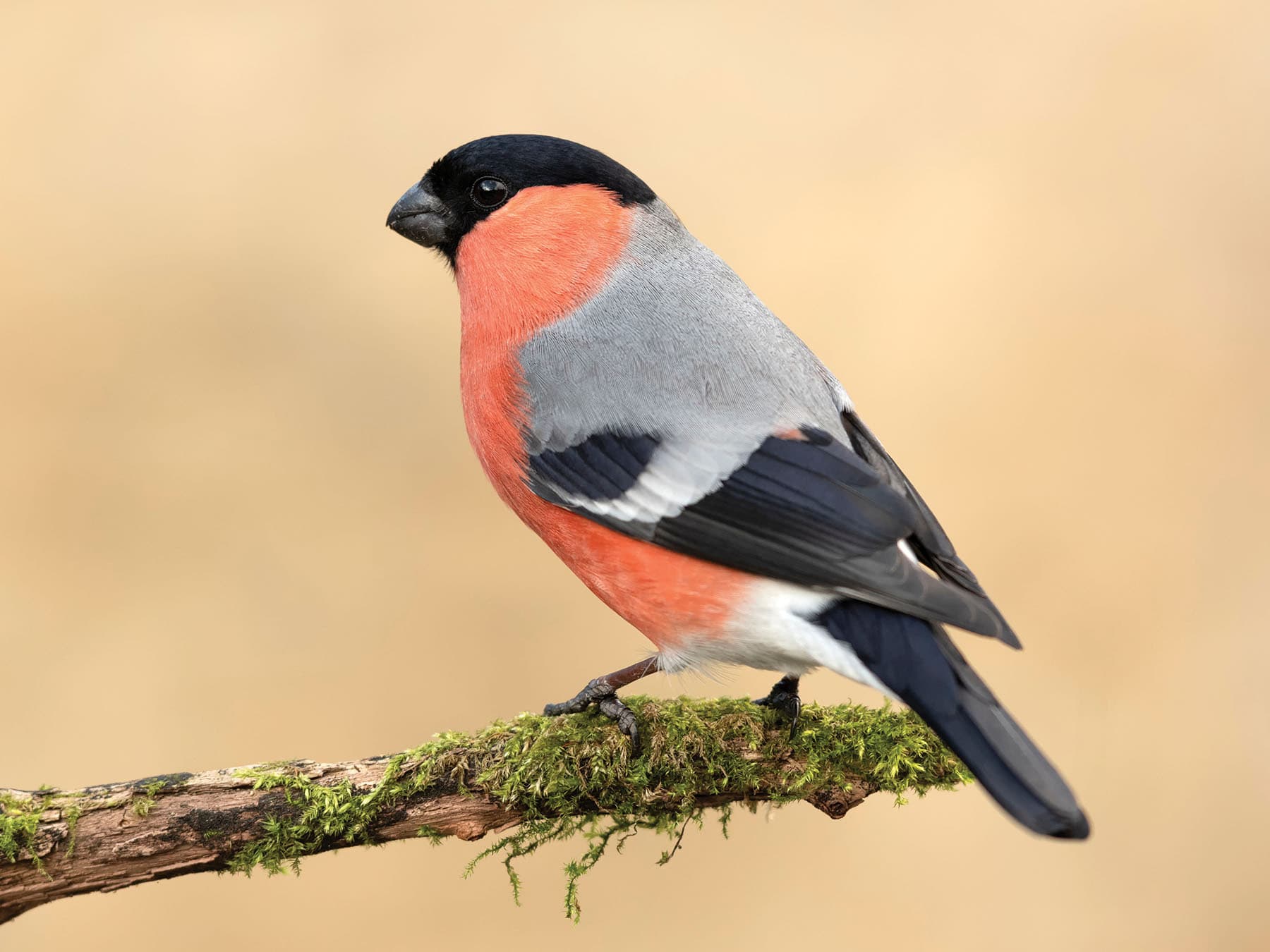
Bullfinch
Pyrrhula pyrrhulaLC
A shy, year-round resident of hedgerows, woodland edges, and mature gardens. Its soft piping call is often heard before the bird is seen.
Year-round
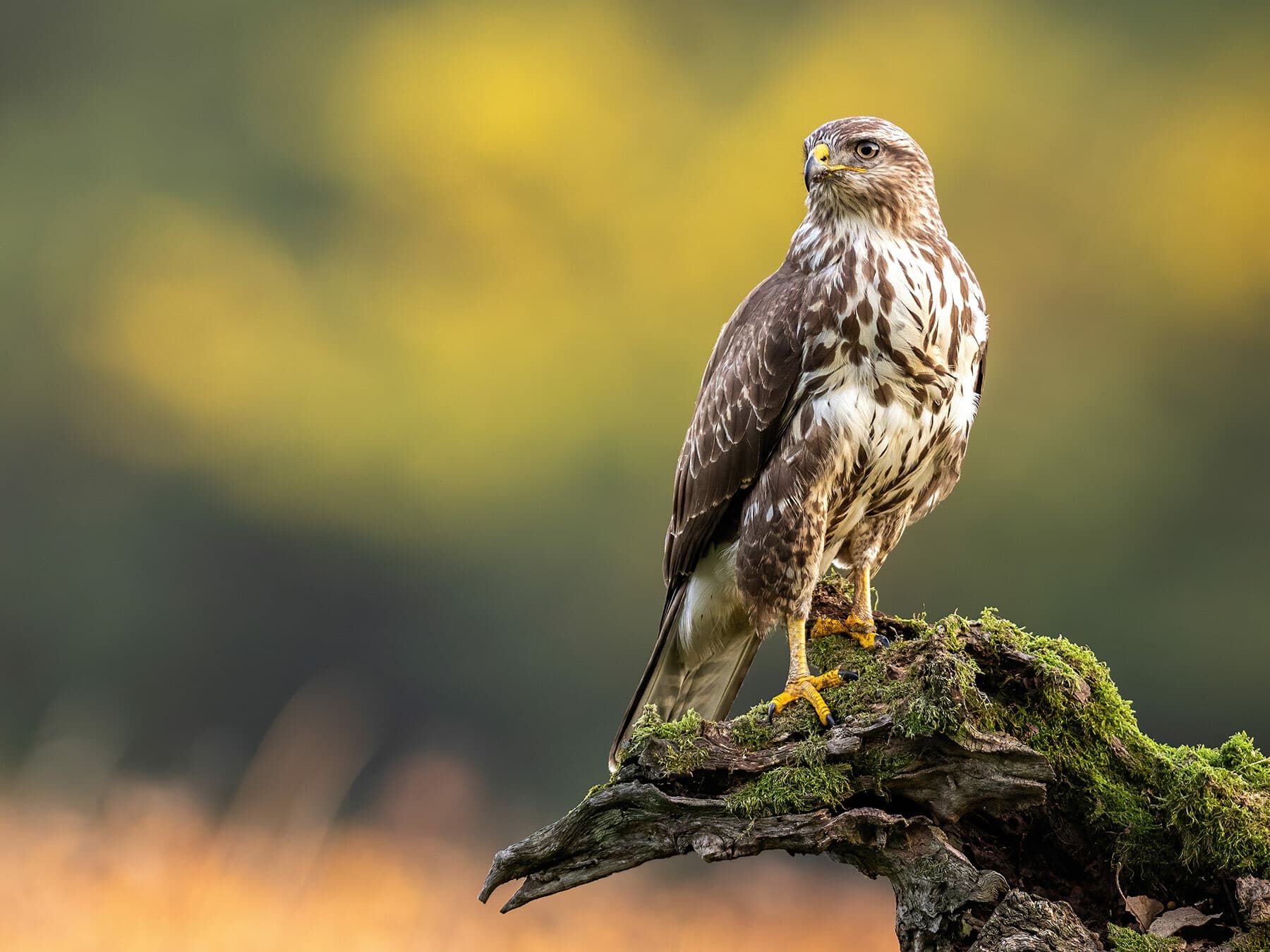
Buzzard
Buteo buteoLC
An uncommon but increasing resident, soaring over farmland, moorland edges and wooded valleys throughout the year.
Year-round
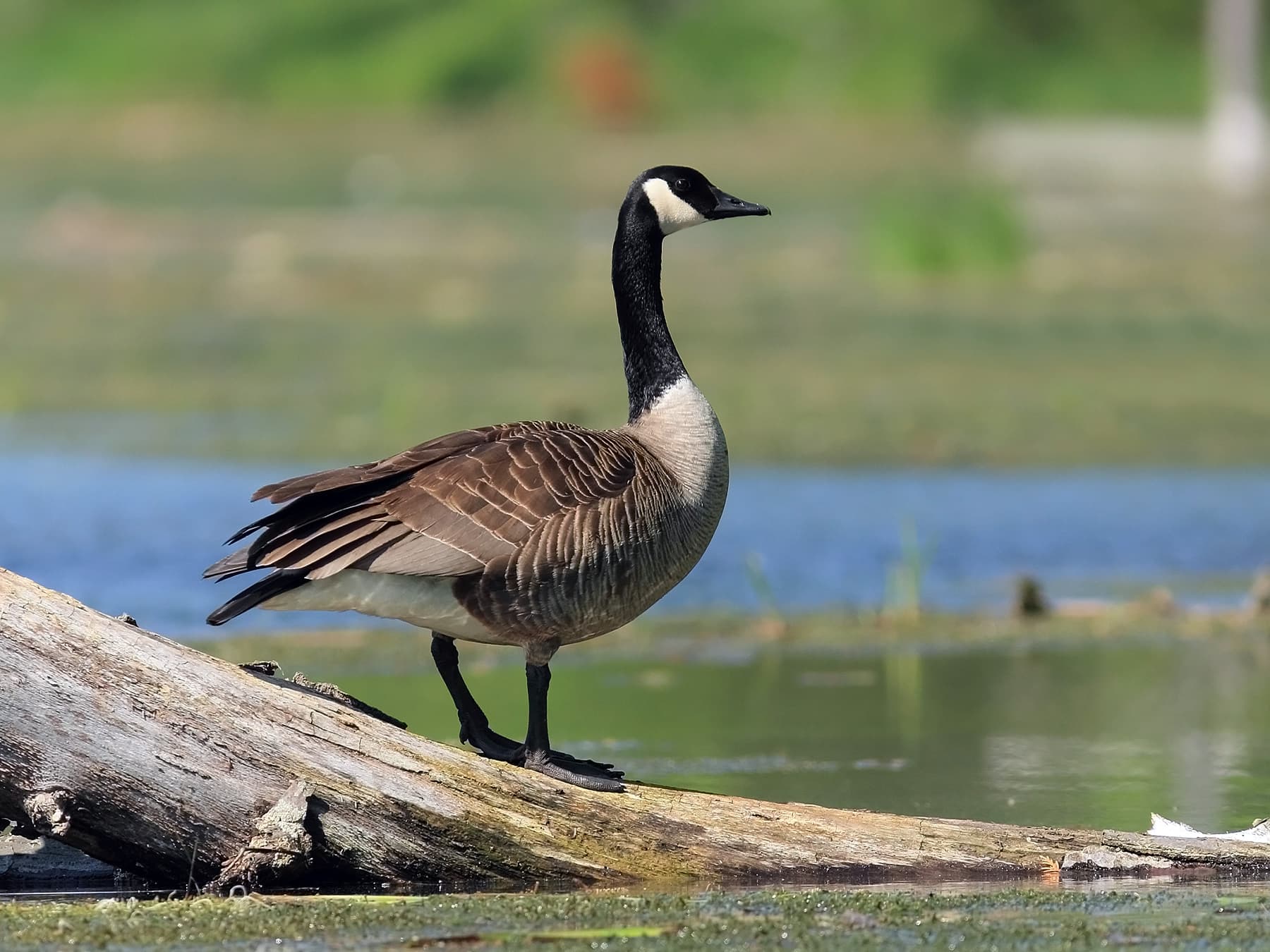
Canada Goose
Branta canadensisLC
A common resident found year-round on lakes, reservoirs and parkland throughout Northumberland. Often seen in large flocks on grassy fields.
Year-round
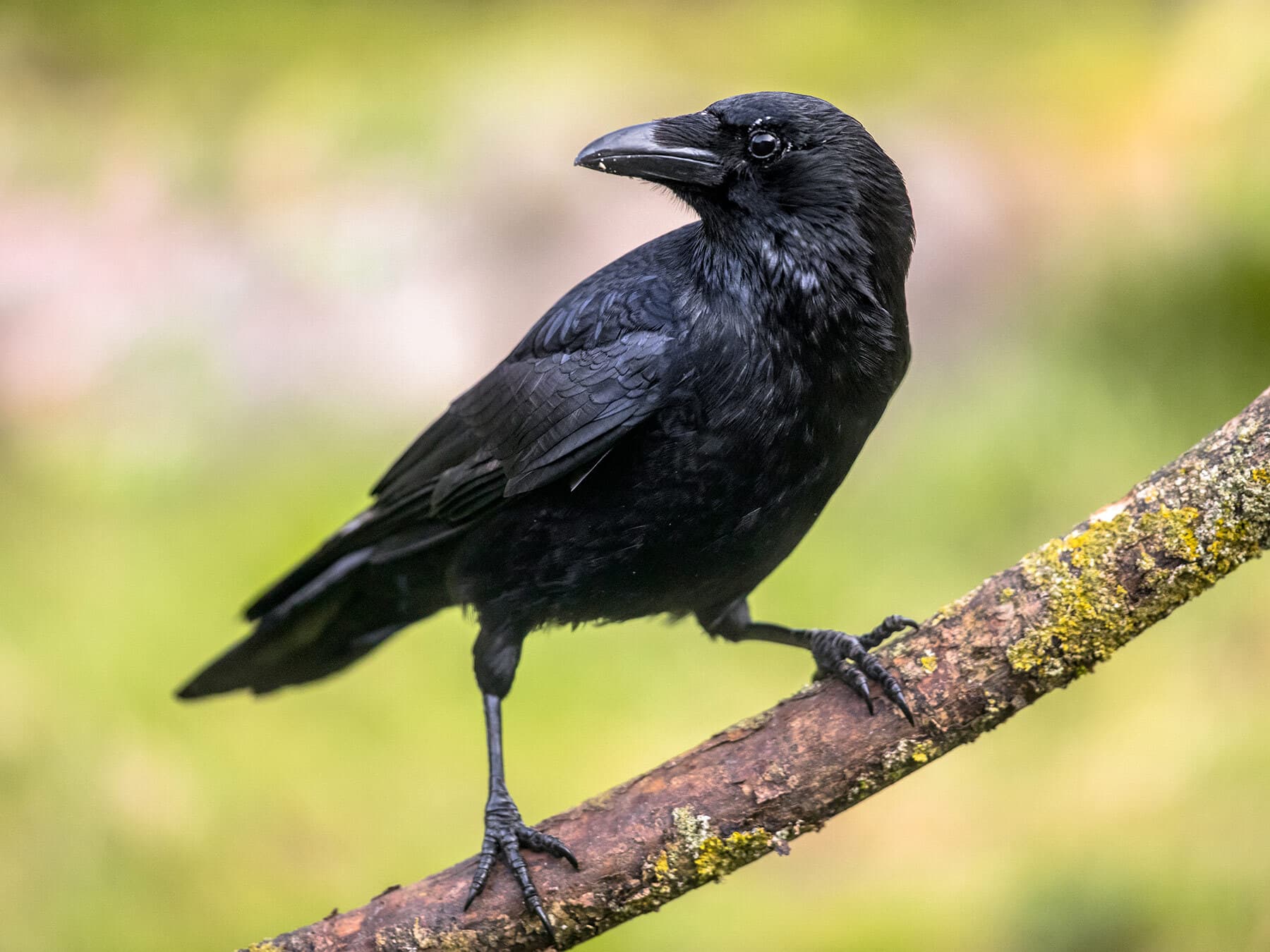
Carrion Crow
Corvus coroneLC
A common and familiar resident across farmland, towns, and gardens year-round. Often seen in mixed flocks with rooks and jackdaws.
Year-round
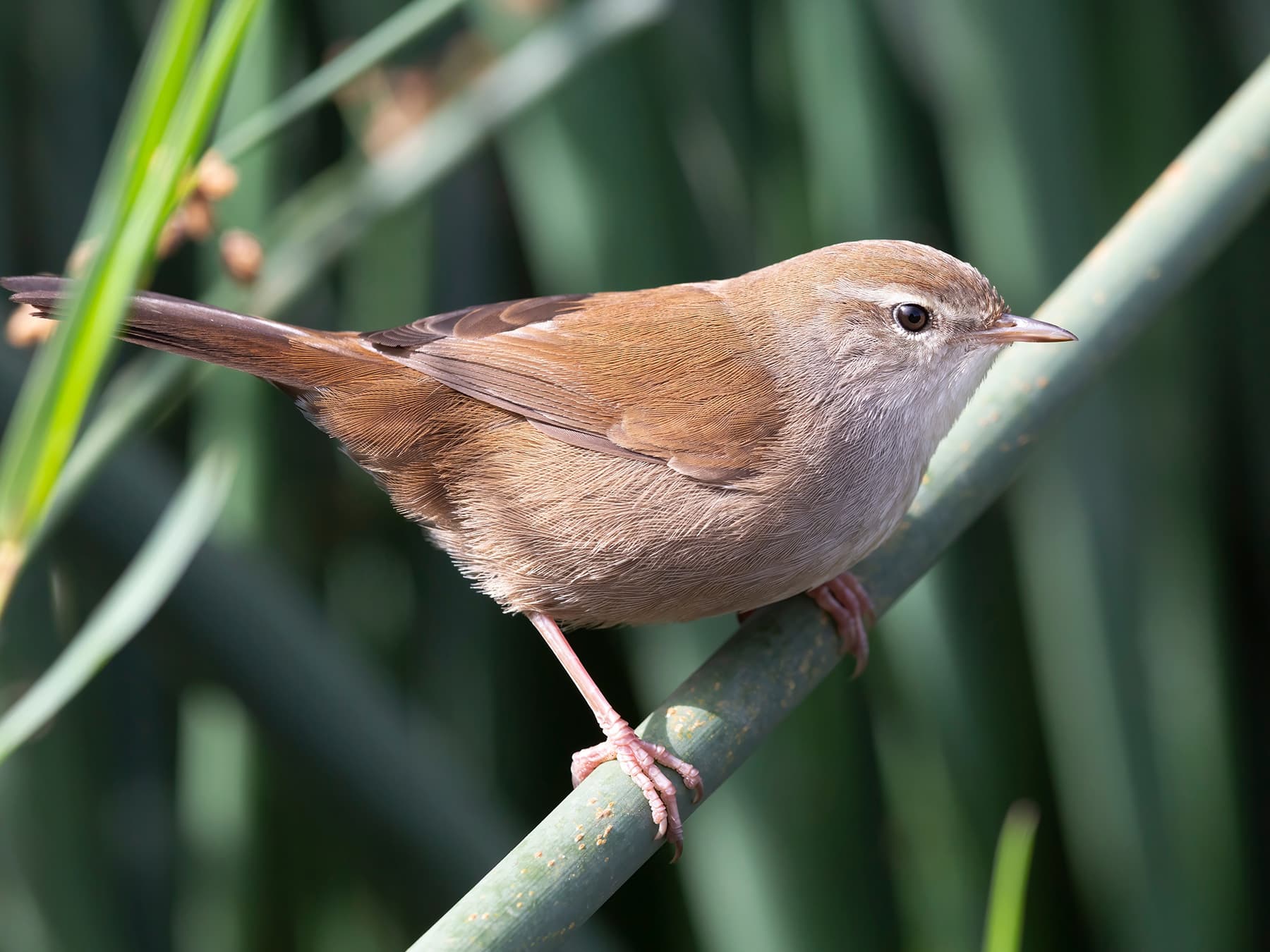
Cetti's Warbler
Cettia cettiLC
A rare resident at the northern fringe of its expanding British range, skulking in dense waterside vegetation and betrayed by its explosive song.
Year-round
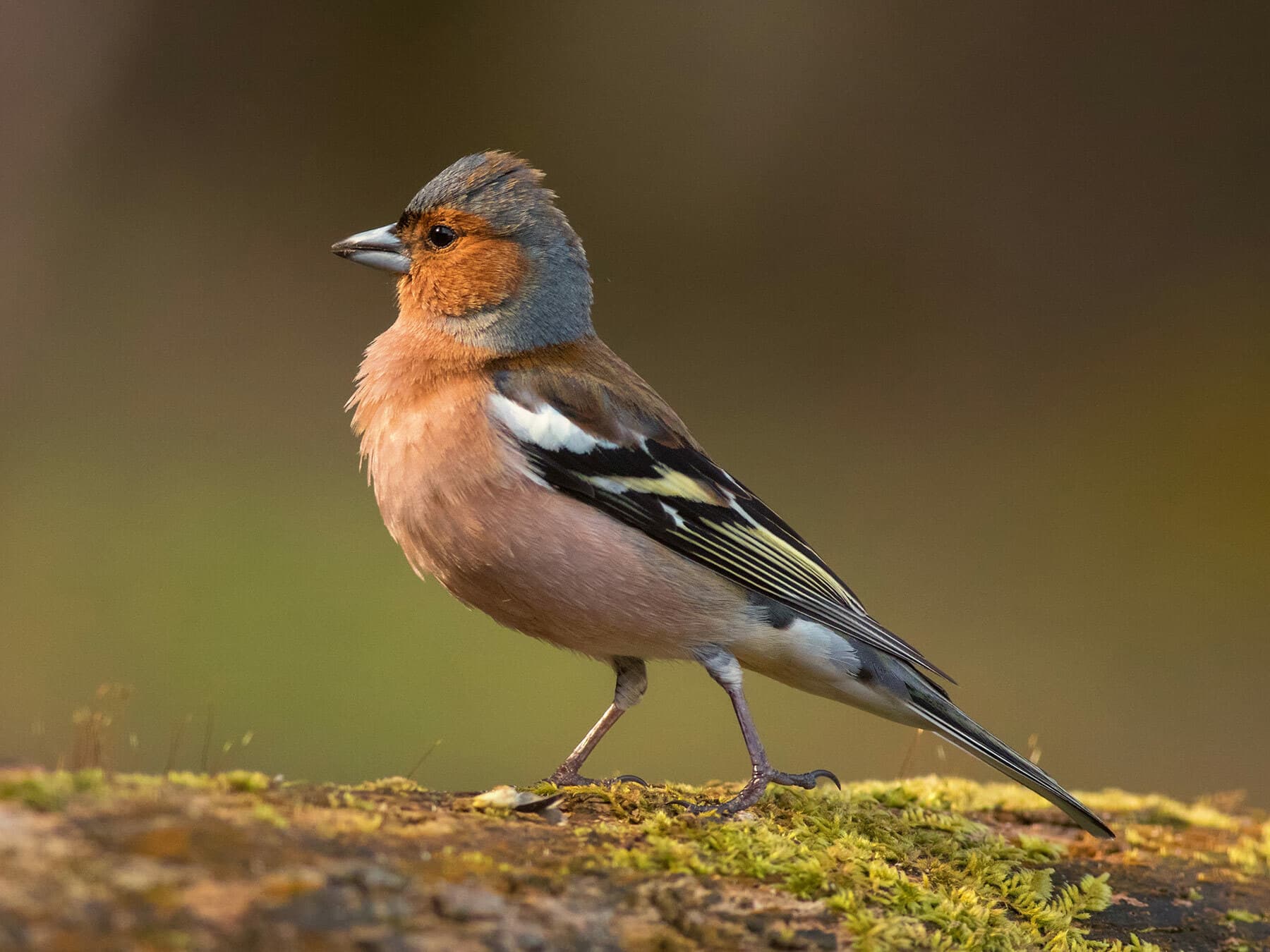
Chaffinch
Fringilla coelebsLC
A common resident of woodland, hedgerows, and gardens. Autumn flocks are swelled by Continental migrants on the coast.
Year-round
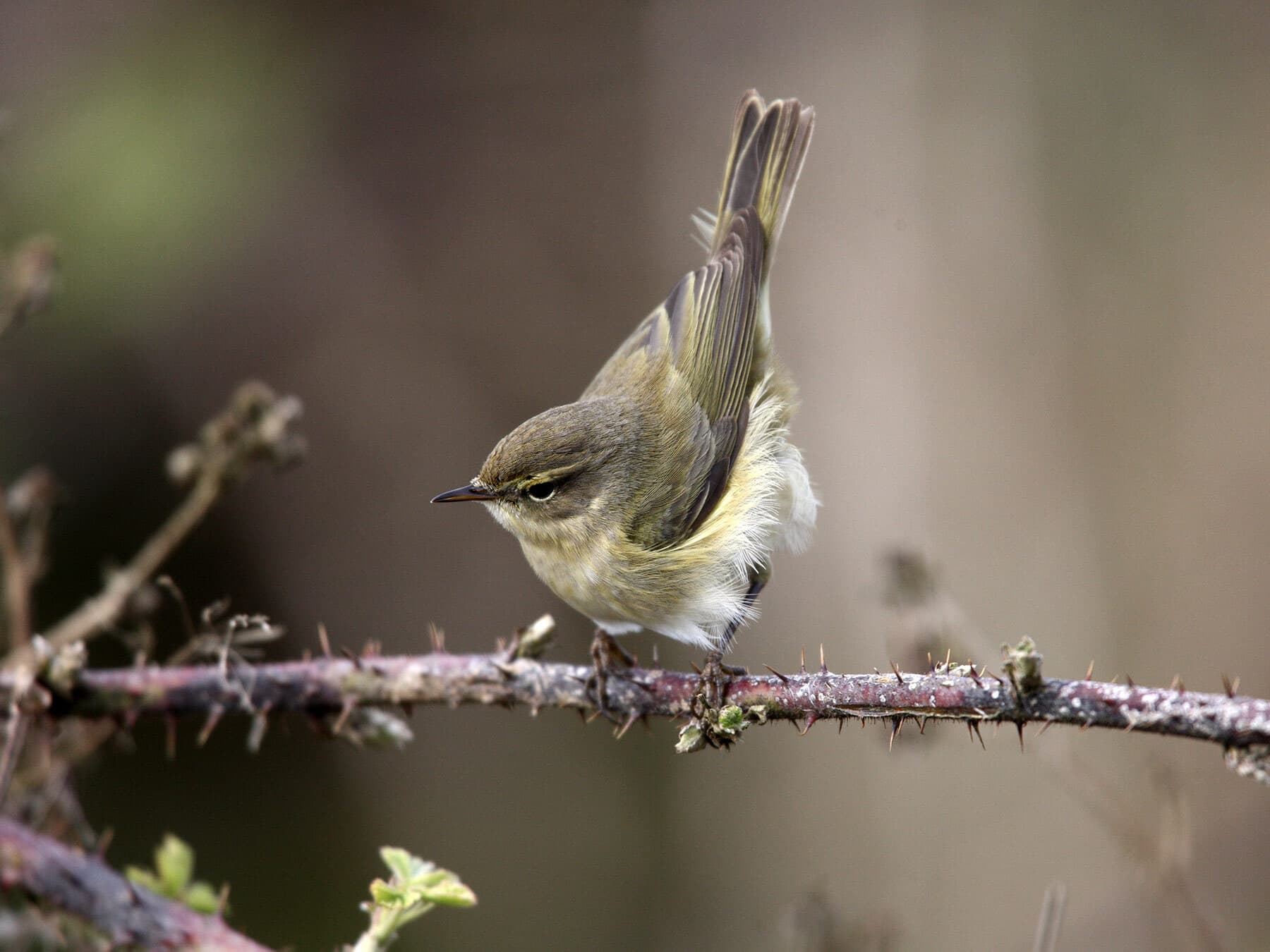
Chiffchaff
Phylloscopus collybitaLC
A common resident heard singing its repetitive two-note call in woodlands and scrub. Some birds overwinter in sheltered coastal areas.
Mar–Dec
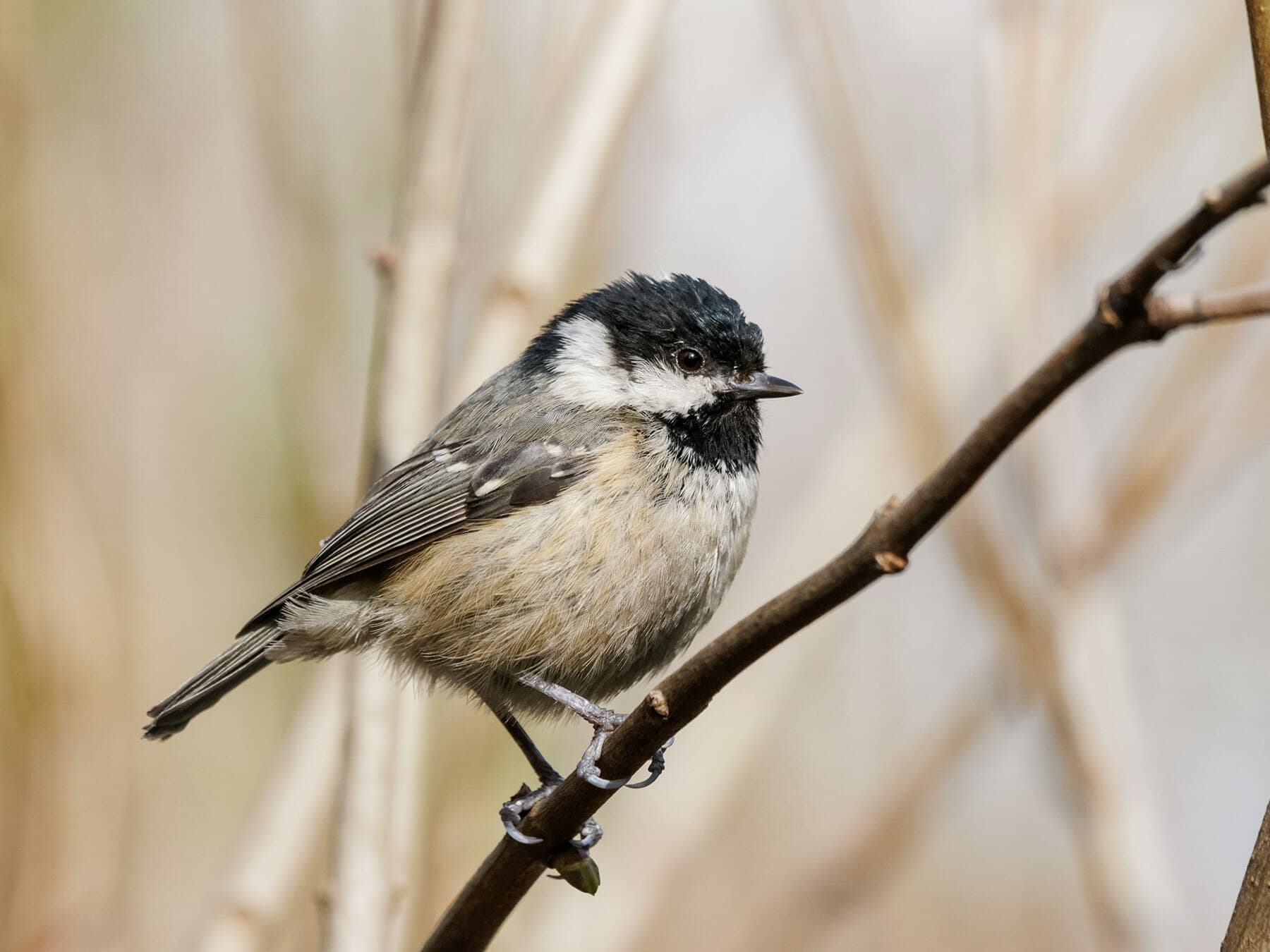
Coal Tit
Periparus aterLC
A year-round resident favouring conifer plantations such as Kielder Forest and mixed woodland, often visiting garden feeders in winter.
Year-round
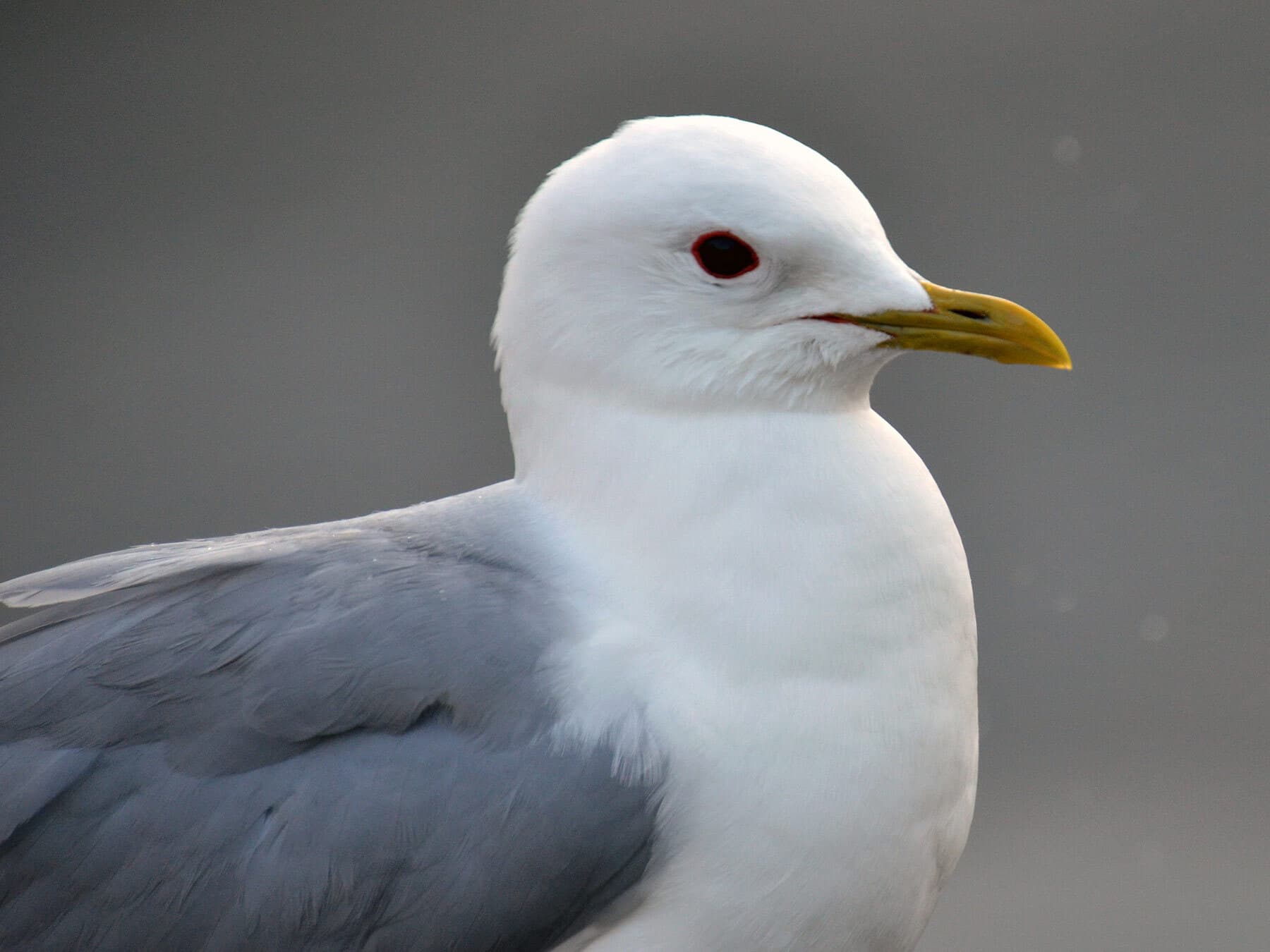
Common Gull
Larus canusLC
A common resident found year-round on farmland, coasts, and playing fields. Often seen alongside other gulls at harbours and tips.
Year-round
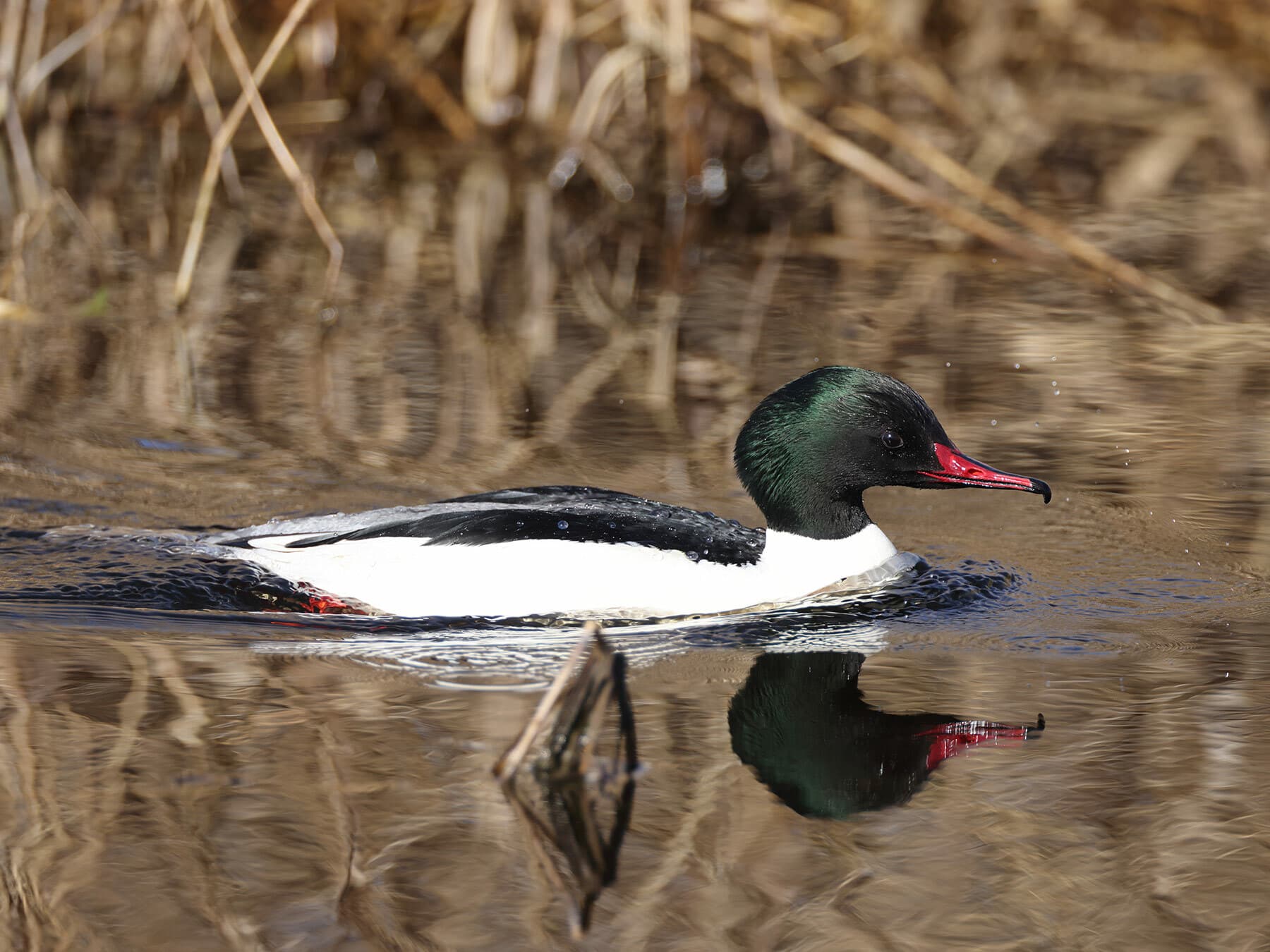
Common Merganser
Mergus merganserLC
An uncommon resident breeding along upland rivers such as the Tyne and Coquet. More widespread in winter when birds move to lowland waters.
Year-round
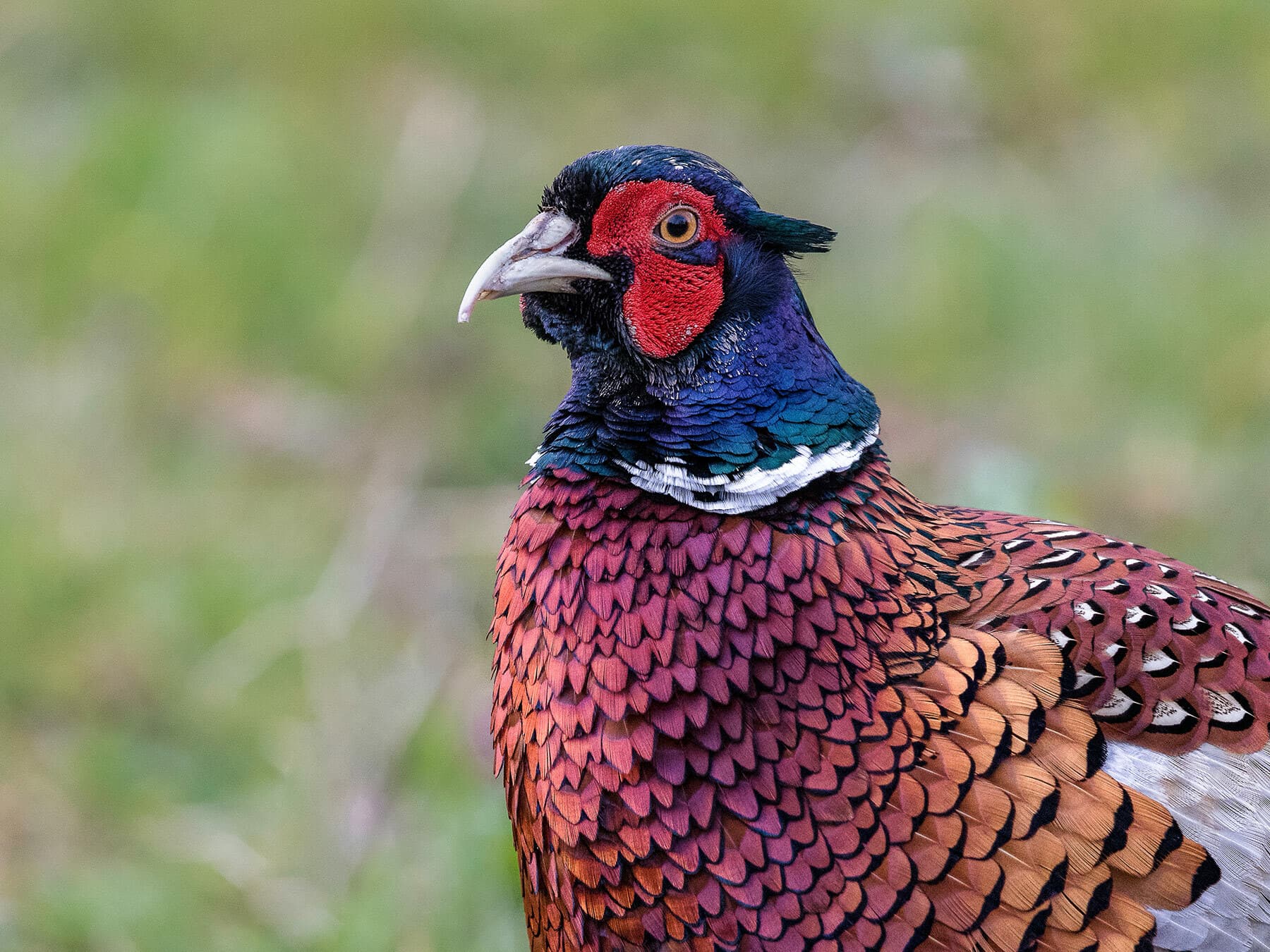
Common Pheasant
Phasianus colchicusLC
Widespread and common across farmland, woodland edges, and hedgerows year-round. Populations bolstered by regular releases for shooting.
Year-round
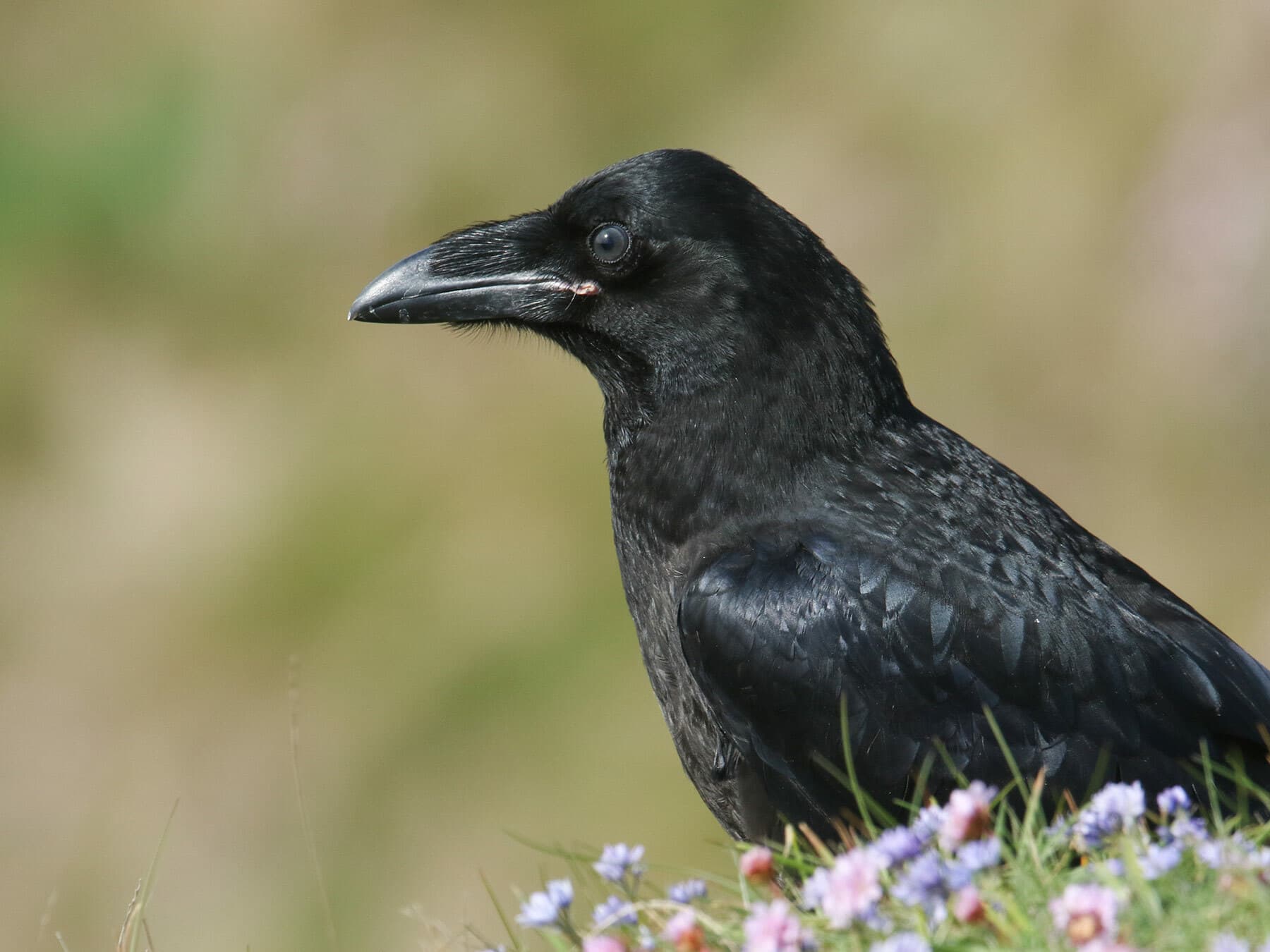
Common Raven
Corvus coraxLC
A rare but increasing resident, favouring upland crags and moorland. Its deep croaking call carries far across the Cheviot Hills.
Year-round
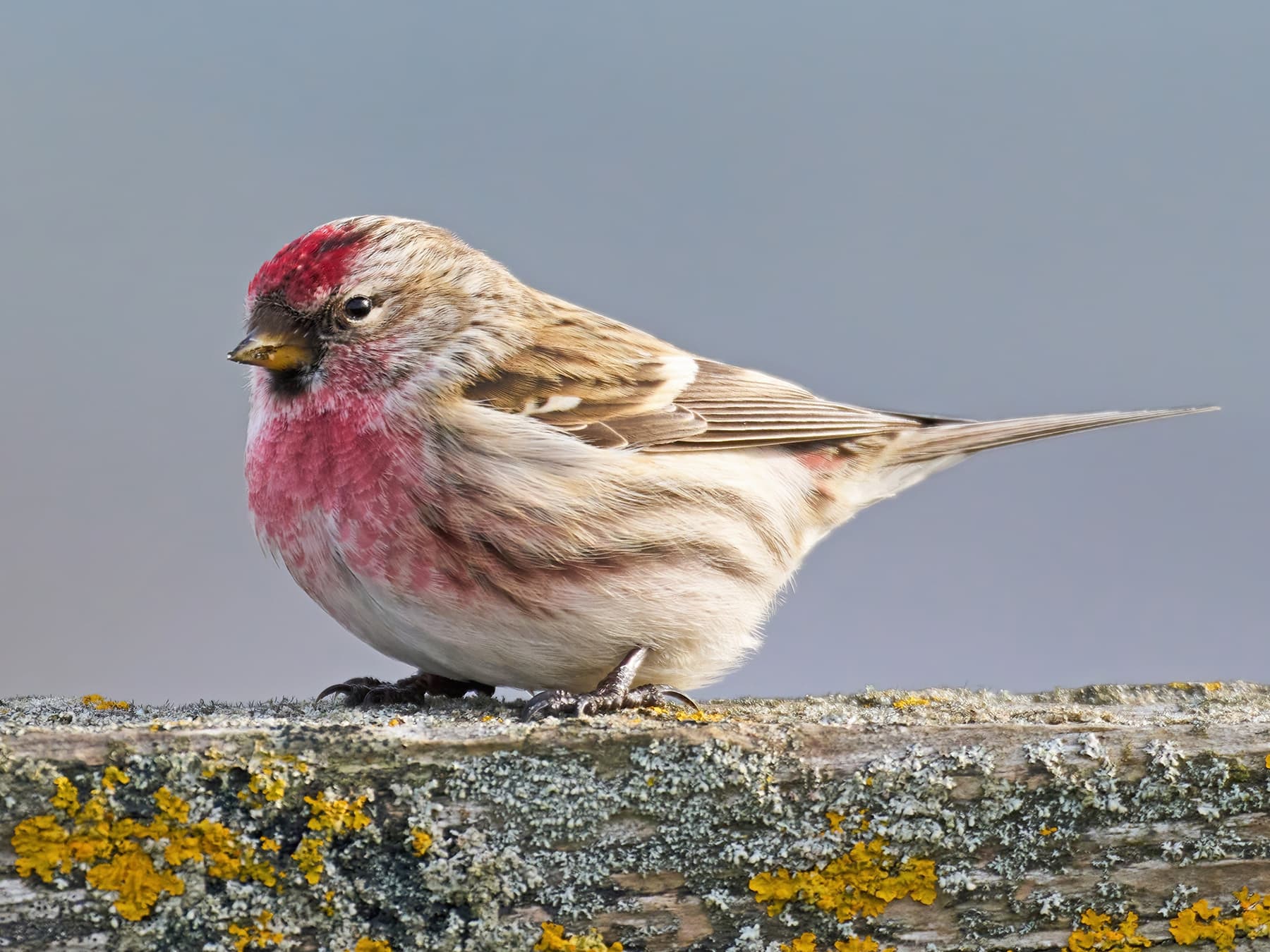
Common Redpoll
Acanthis flammeaLC
A rare year-round resident, favouring birch and alder woodland. Small flocks may visit garden feeders in winter.
Year-round
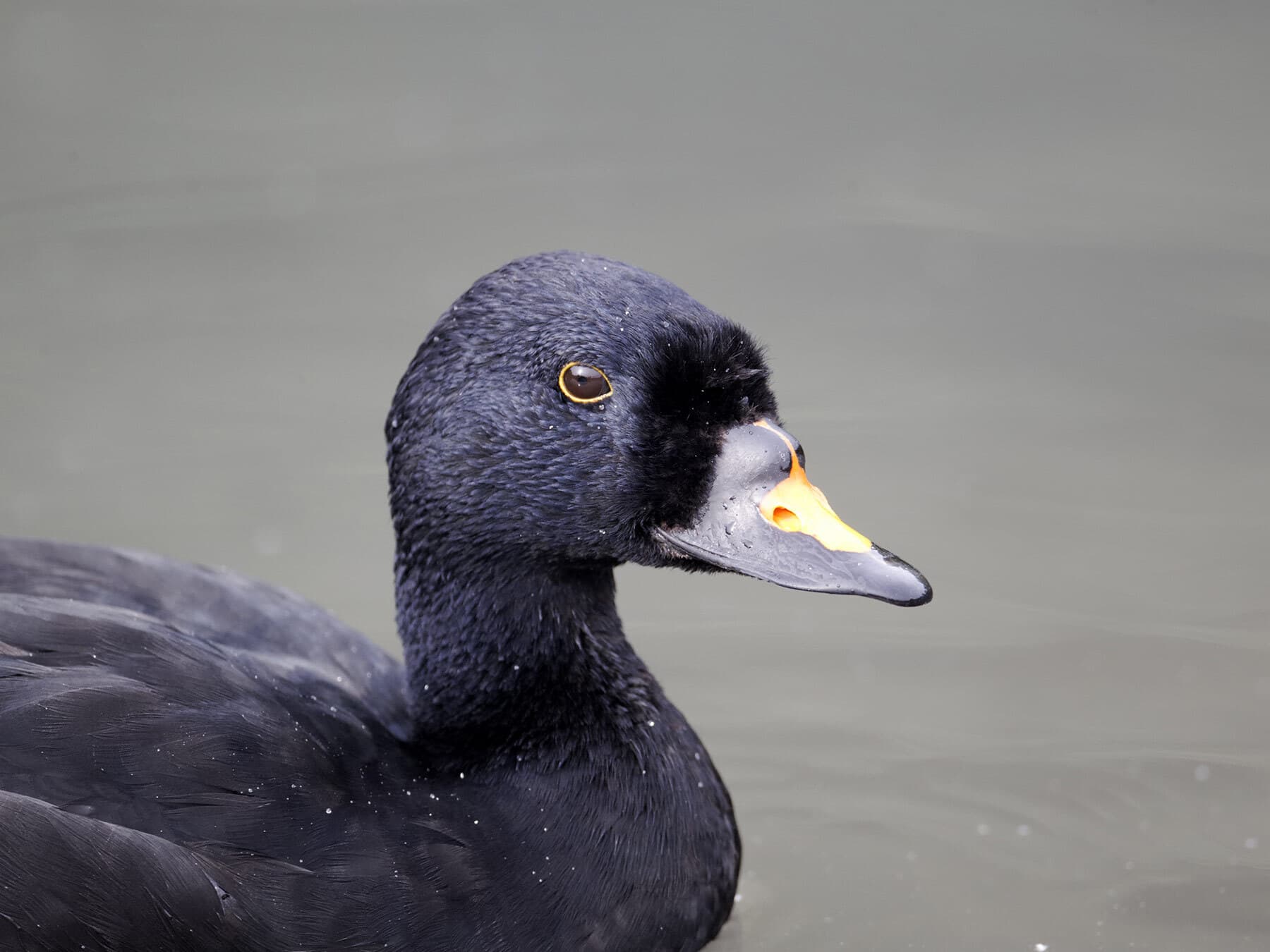
Common Scoter
Melanitta nigraLC
Uncommon but present year-round in offshore waters. Dark flocks can be seen from coastal vantage points, sometimes in sizeable rafts during winter.
Year-round
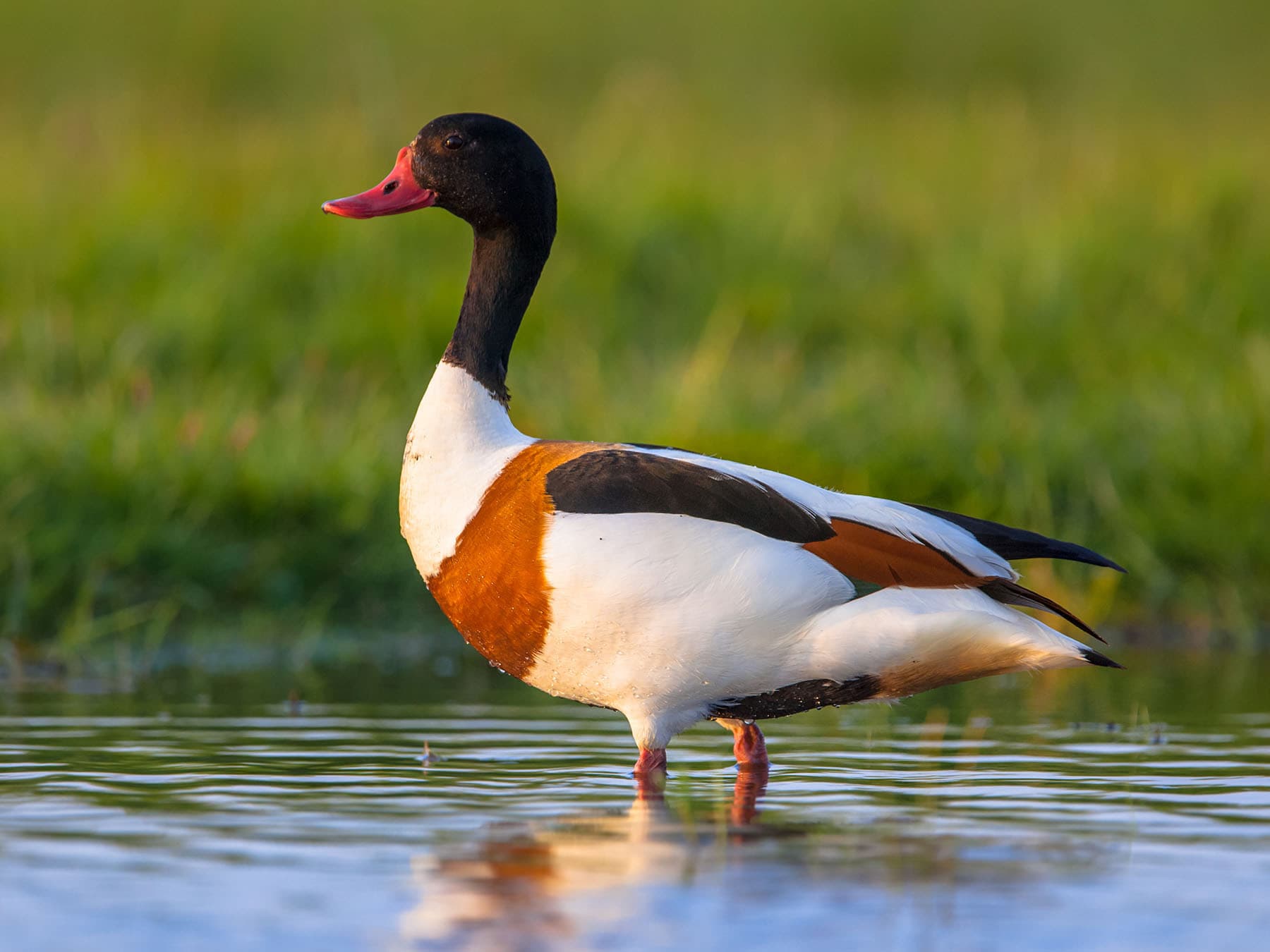
Common Shelduck
Tadorna tadornaLC
A common resident of Northumberland's estuaries and sandy coasts, often nesting in rabbit burrows. Readily seen at Lindisfarne and Budle Bay.
Year-round
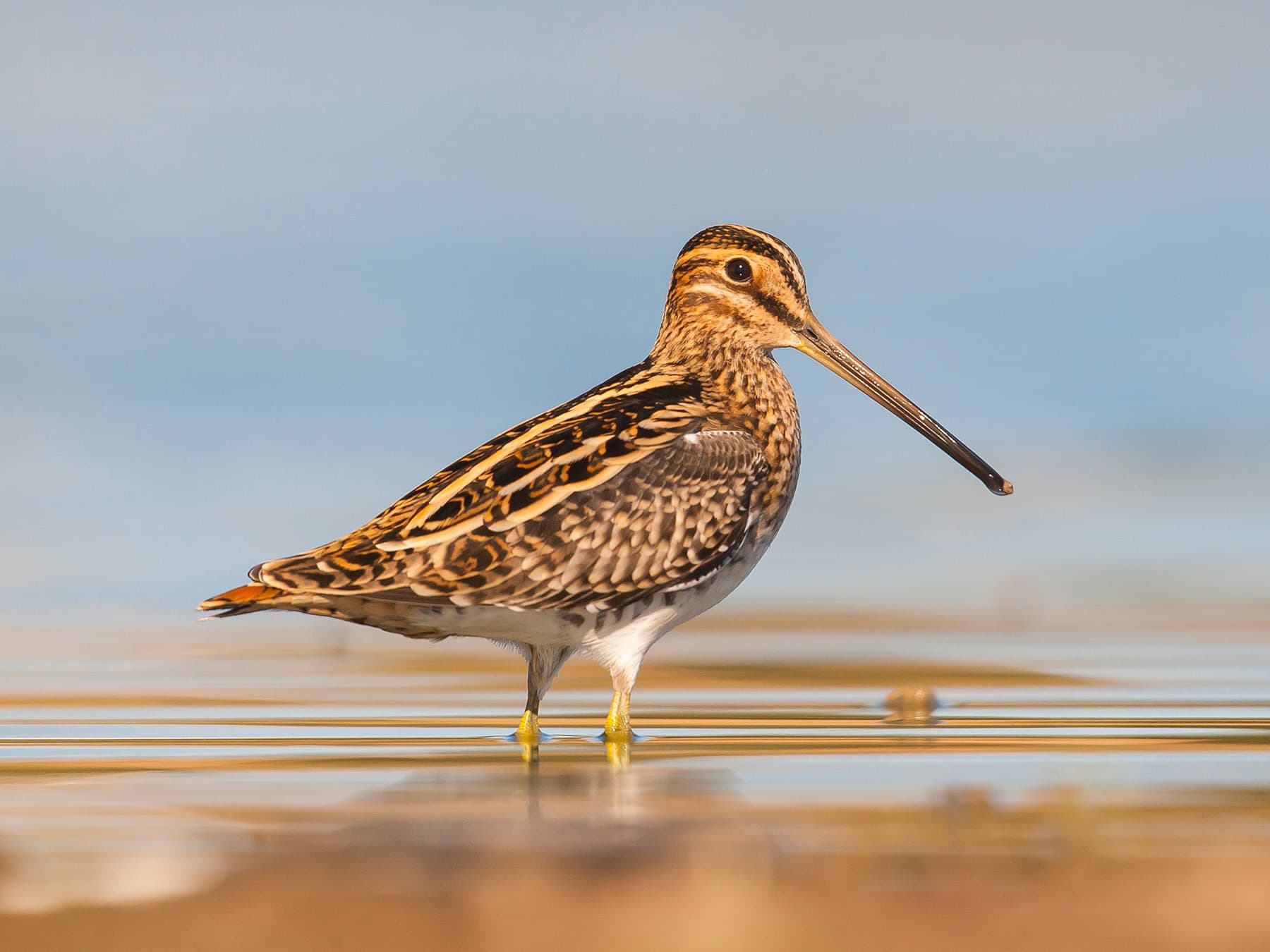
Common Snipe
Gallinago gallinagoLC
Resident in wet grasslands, moorland bogs and rushy fields across the county. Its drumming display flight is a characteristic sound of upland Northumberland.
Year-round
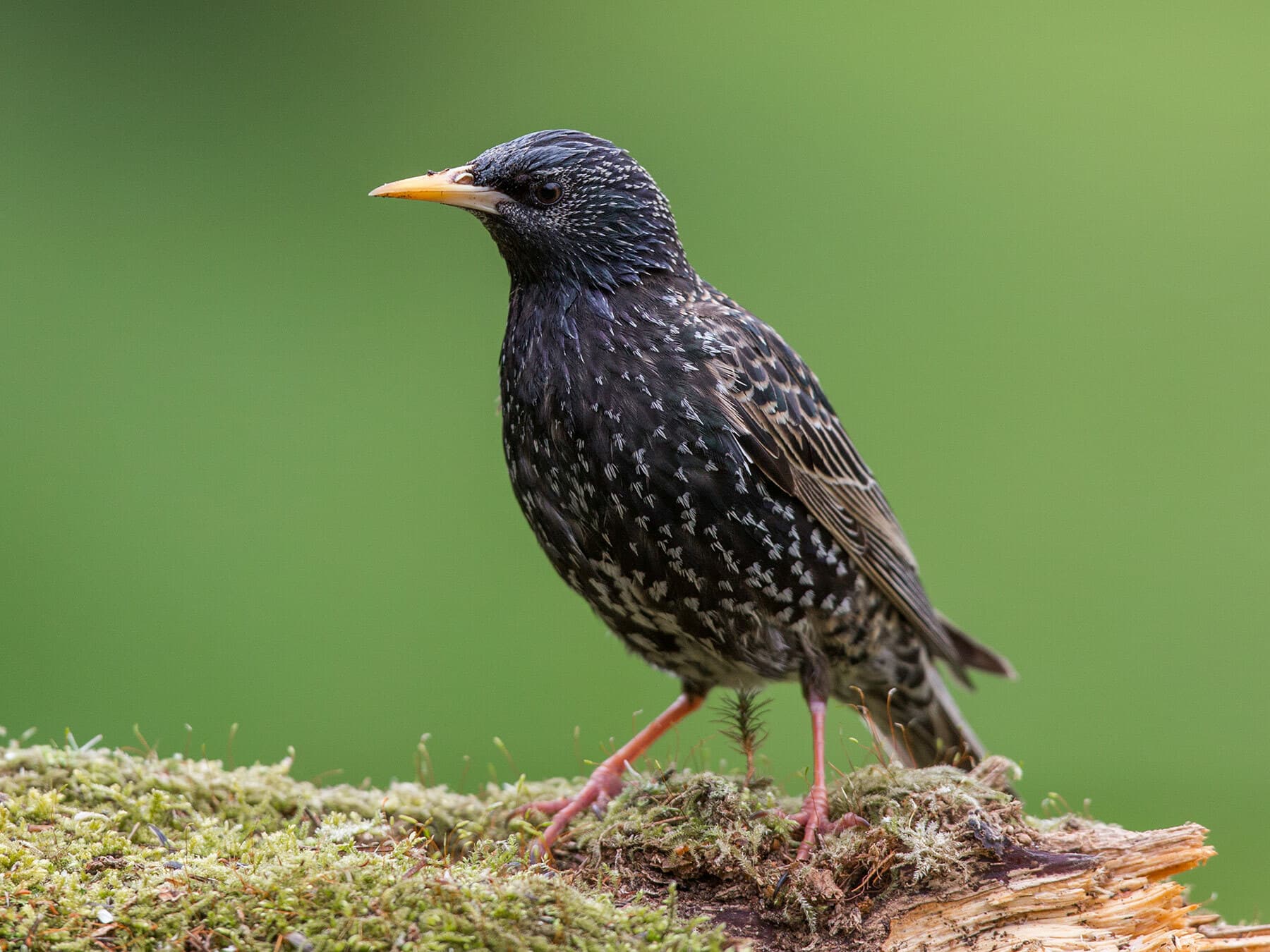
Common Starling
Sturnus vulgarisLC
A common resident forming spectacular winter murmurations, particularly near coastal towns. Breeds in holes in buildings and trees.
Year-round
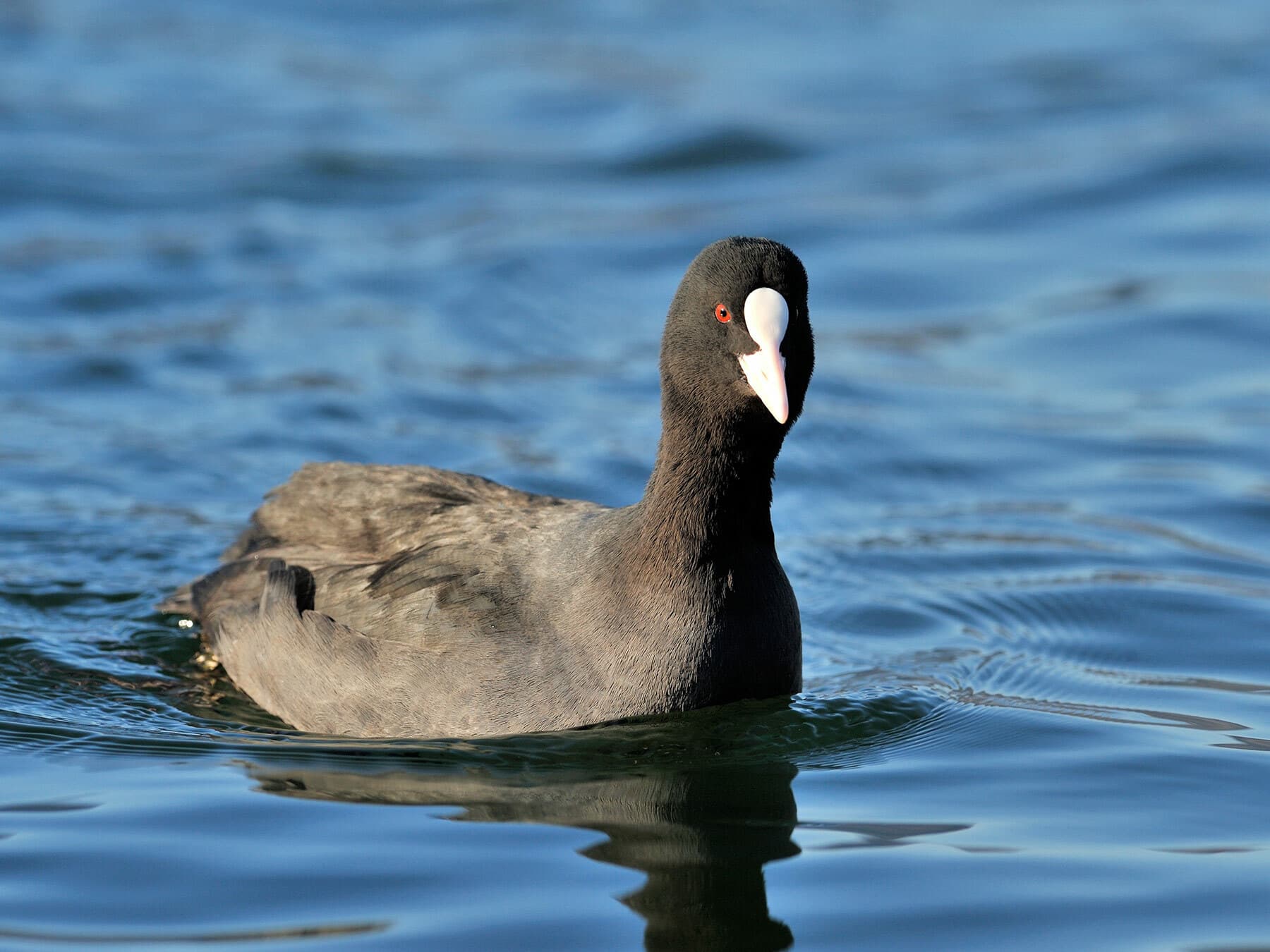
Coot
Fulica atraLC
A common resident of lakes and reservoirs across the county. Aggressive and territorial when breeding, forming larger flocks in winter.
Year-round
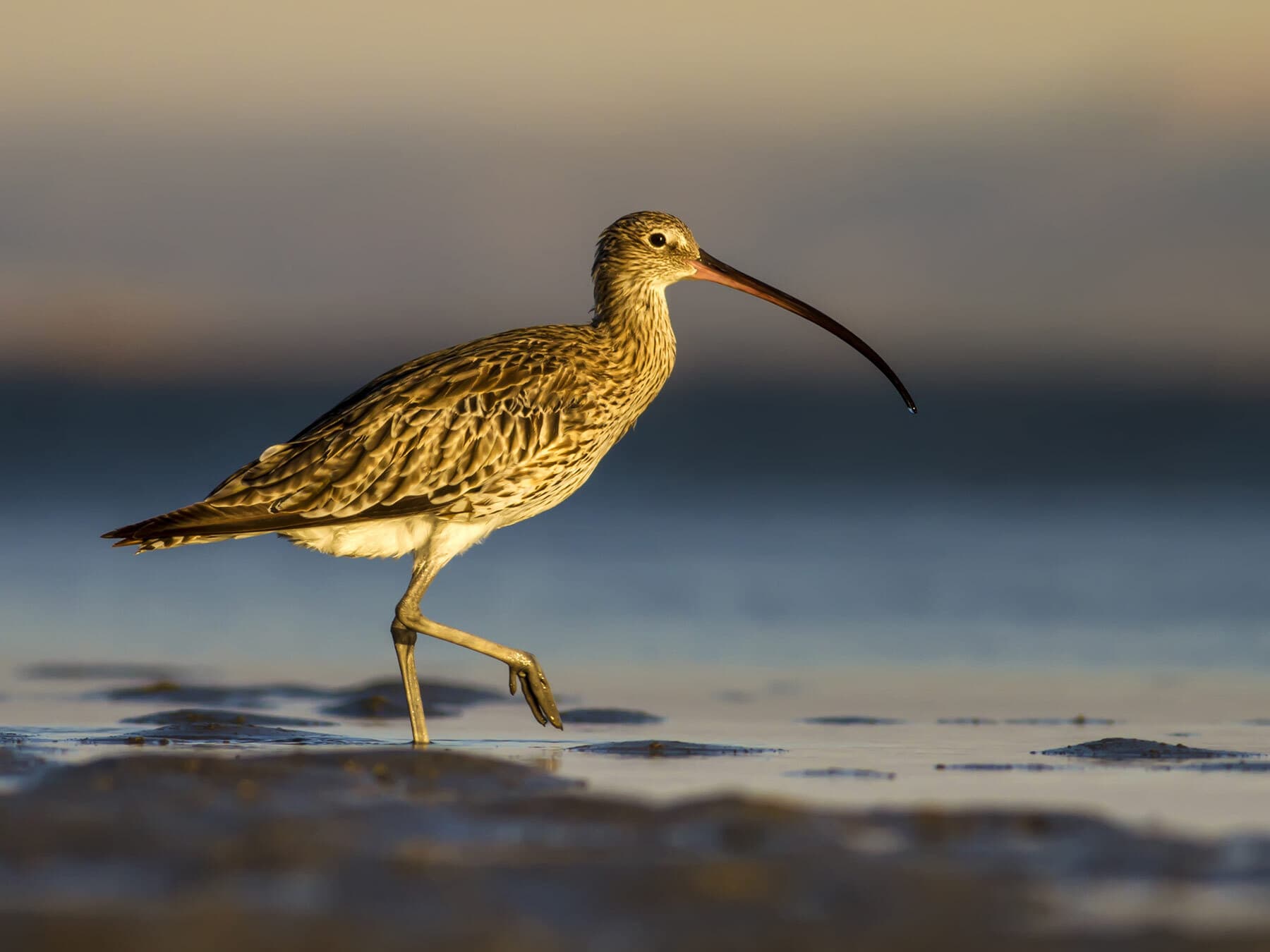
Curlew
Numenius arquataNT
A common resident whose evocative call defines Northumberland's upland moors in spring. Moves to estuaries and coasts outside the breeding season.
Year-round
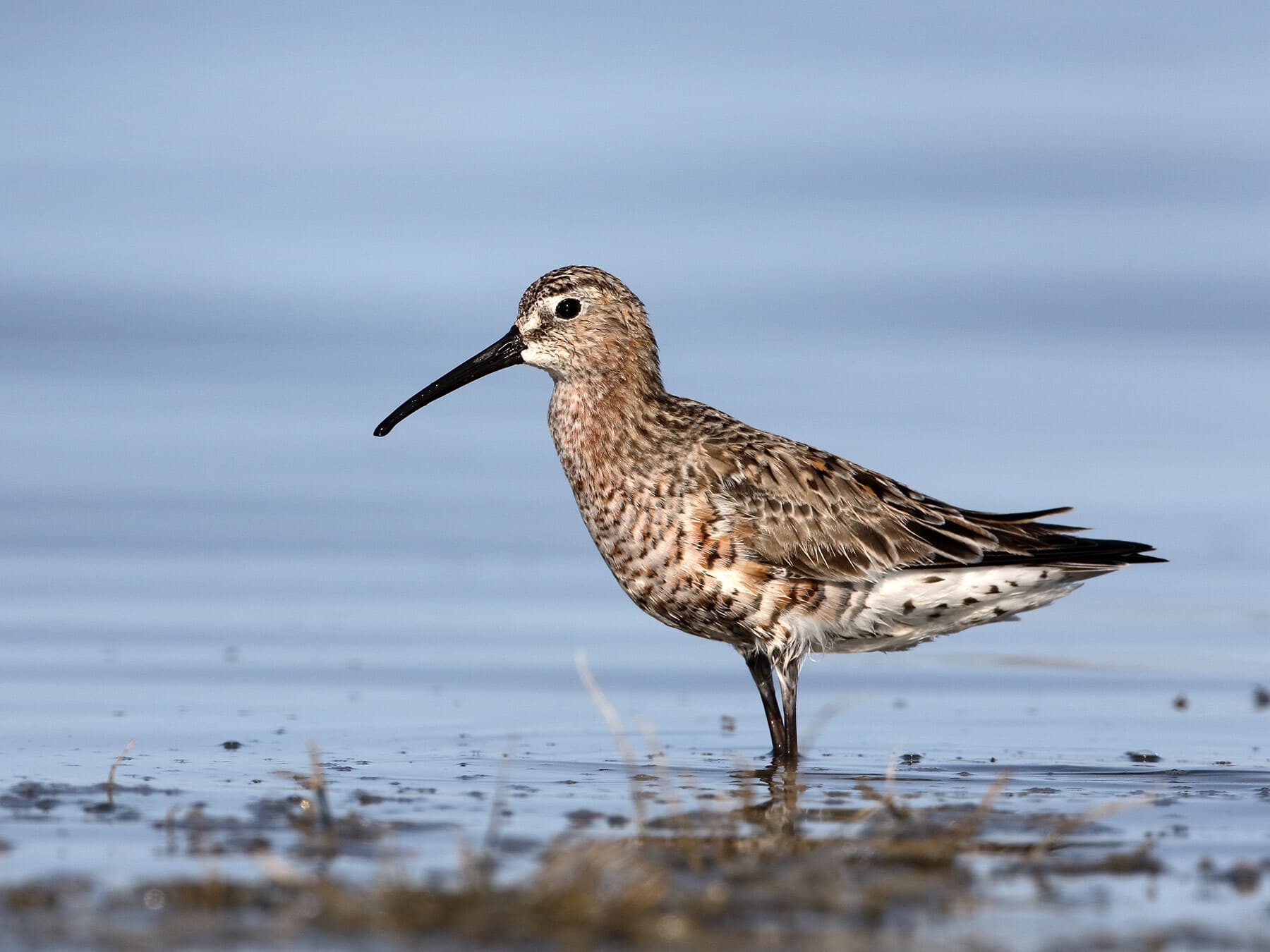
Curlew Sandpiper
Calidris ferrugineaNT
A rare visitor to coastal pools and estuarine edges, mainly between July and October during southward passage.
May–Oct
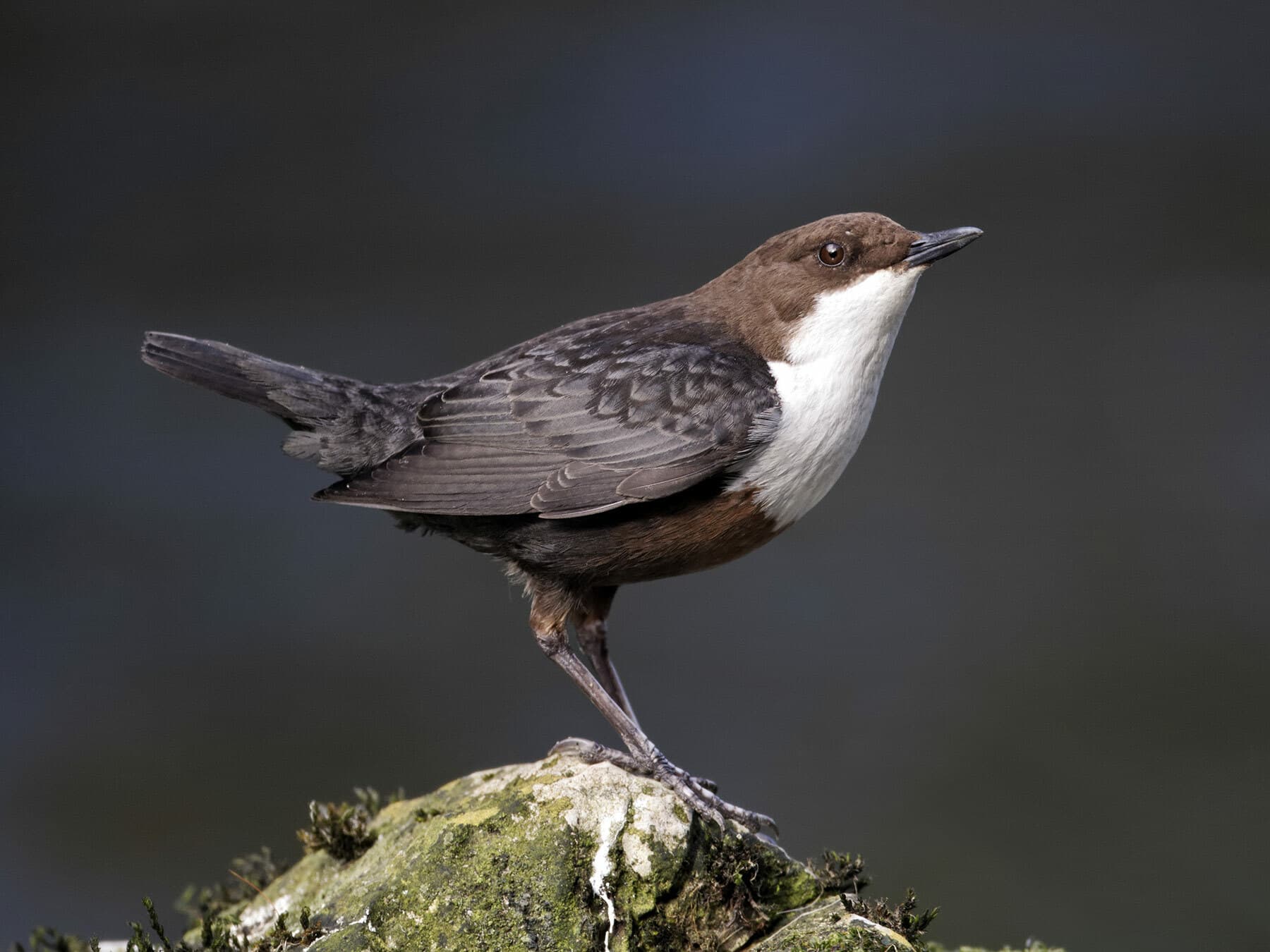
Dipper
Cinclus cinclusLC
A scarce but charismatic resident of fast-flowing upland streams and rivers, bobbing on rocks in the Cheviots and North Pennine valleys.
Year-round
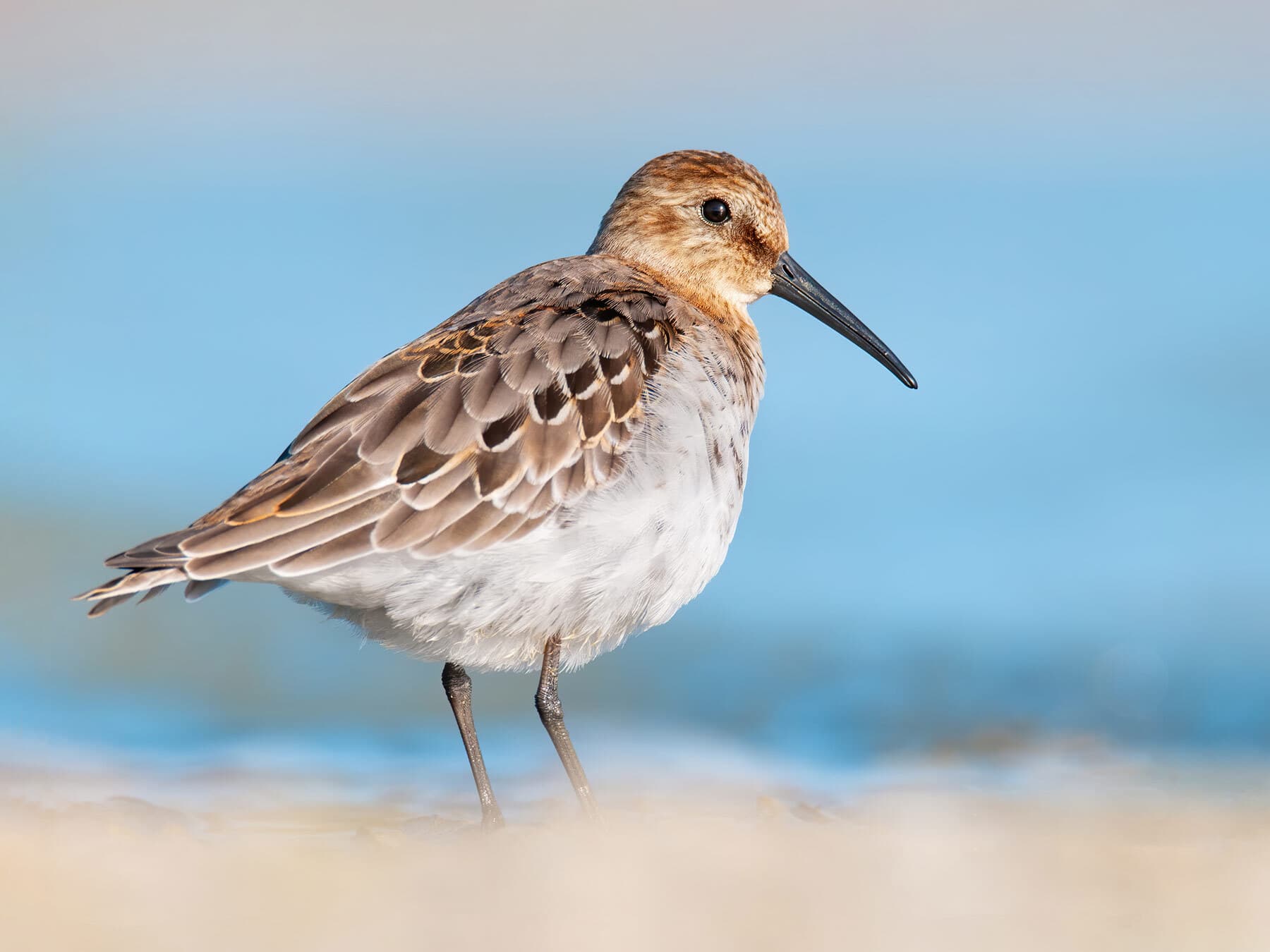
Dunlin
Calidris alpinaLC
Present year-round on estuaries and mudflats, with large winter flocks at Lindisfarne and smaller numbers breeding on upland moors.
Year-round
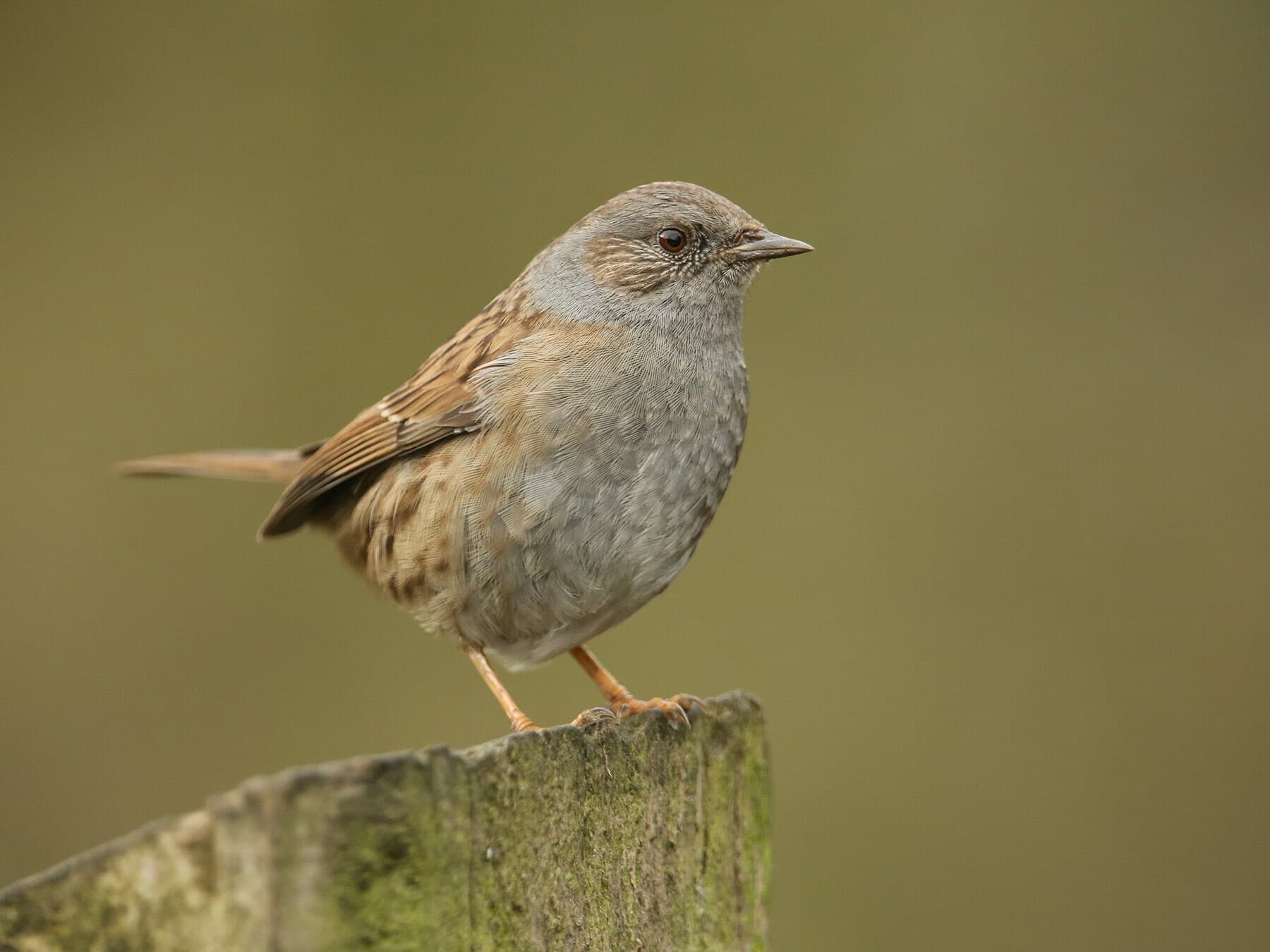
Dunnock
Prunella modularisLC
A common and widespread resident of hedgerows, gardens, and scrubby woodland edges throughout the county year-round.
Year-round
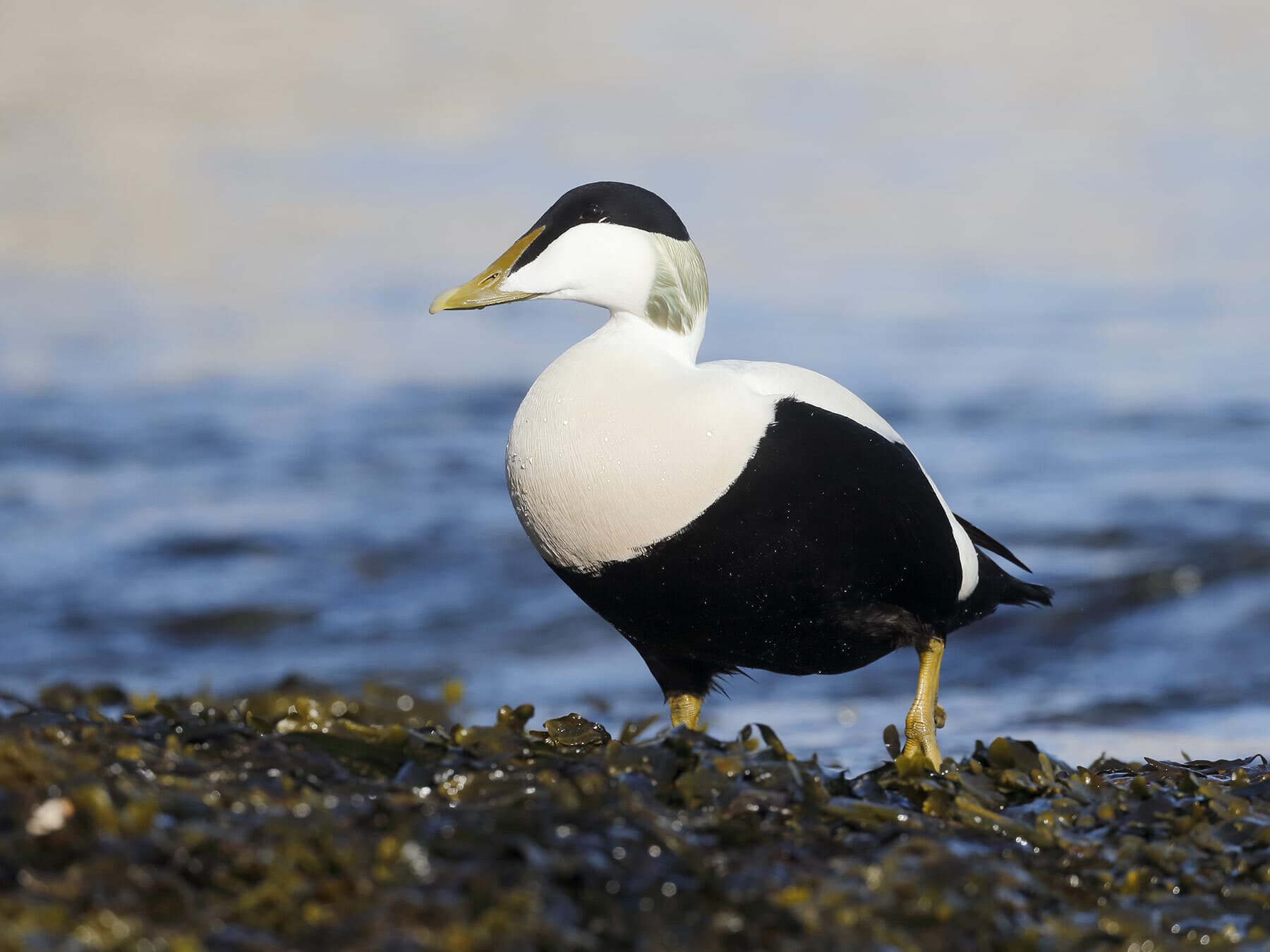
Eider
Somateria mollissimaNT
A common resident along the coast, with large rafts off the Farne Islands and Coquet Island. Breeds on offshore islands in summer.
Year-round
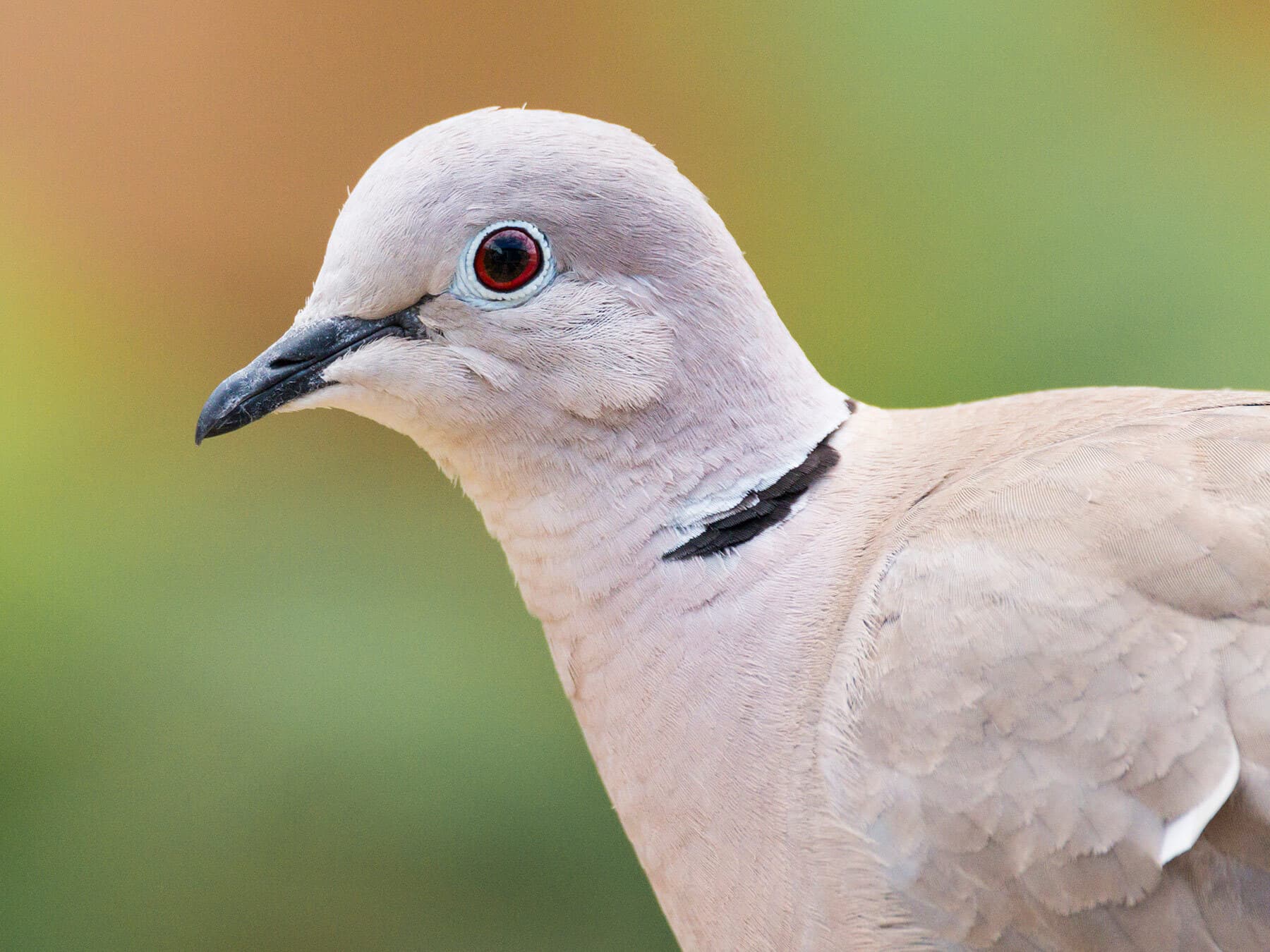
Eurasian Collared Dove
Streptopelia decaoctoLC
An uncommon resident of villages, farms and suburban gardens. Its monotonous three-note call is a familiar sound around Northumberland's settlements.
Year-round
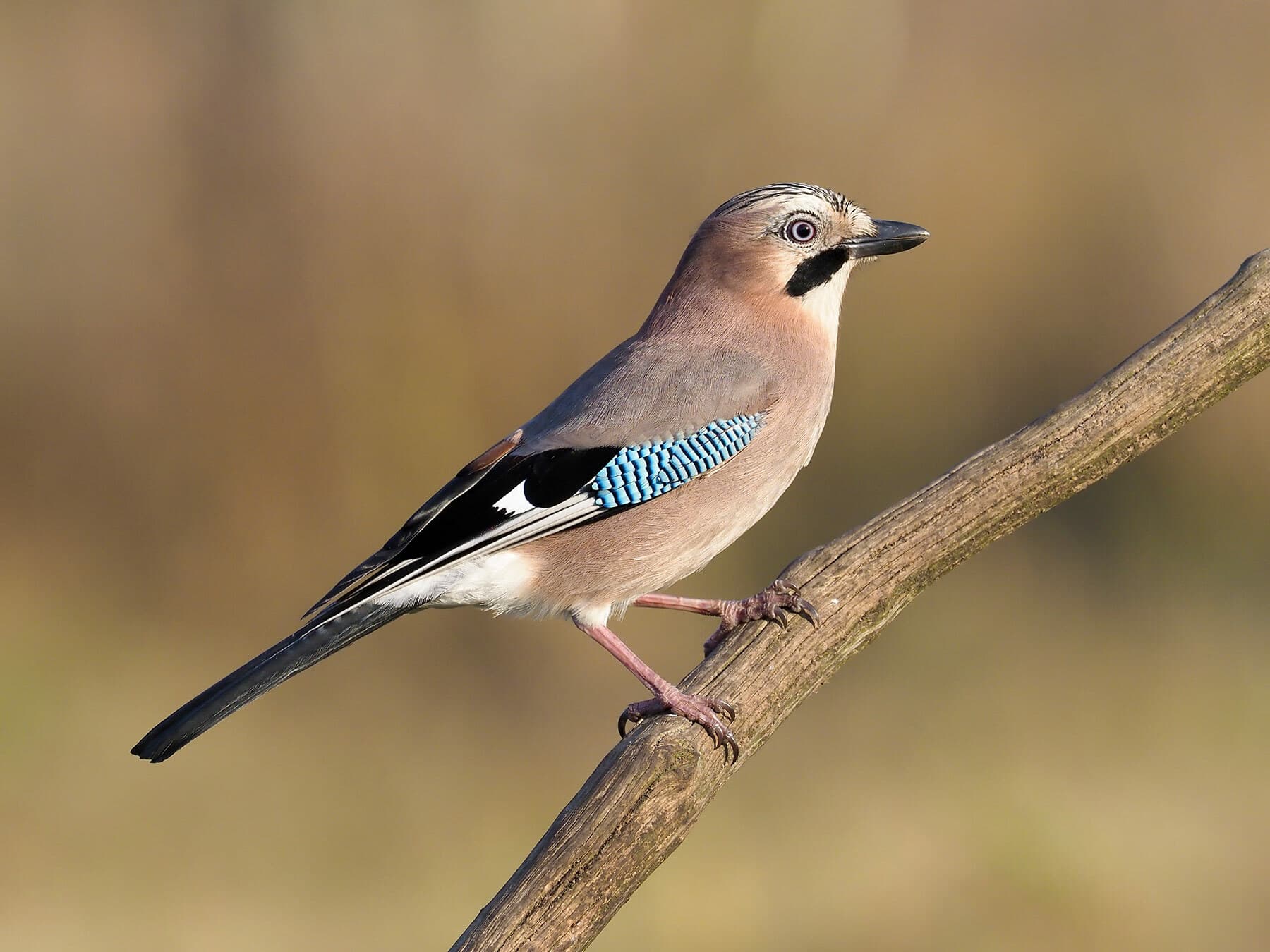
Eurasian Jay
Garrulus glandariusLC
A scarce resident of mature broadleaved and mixed woodland, more often heard than seen. Near the northern edge of its British range here.
Year-round
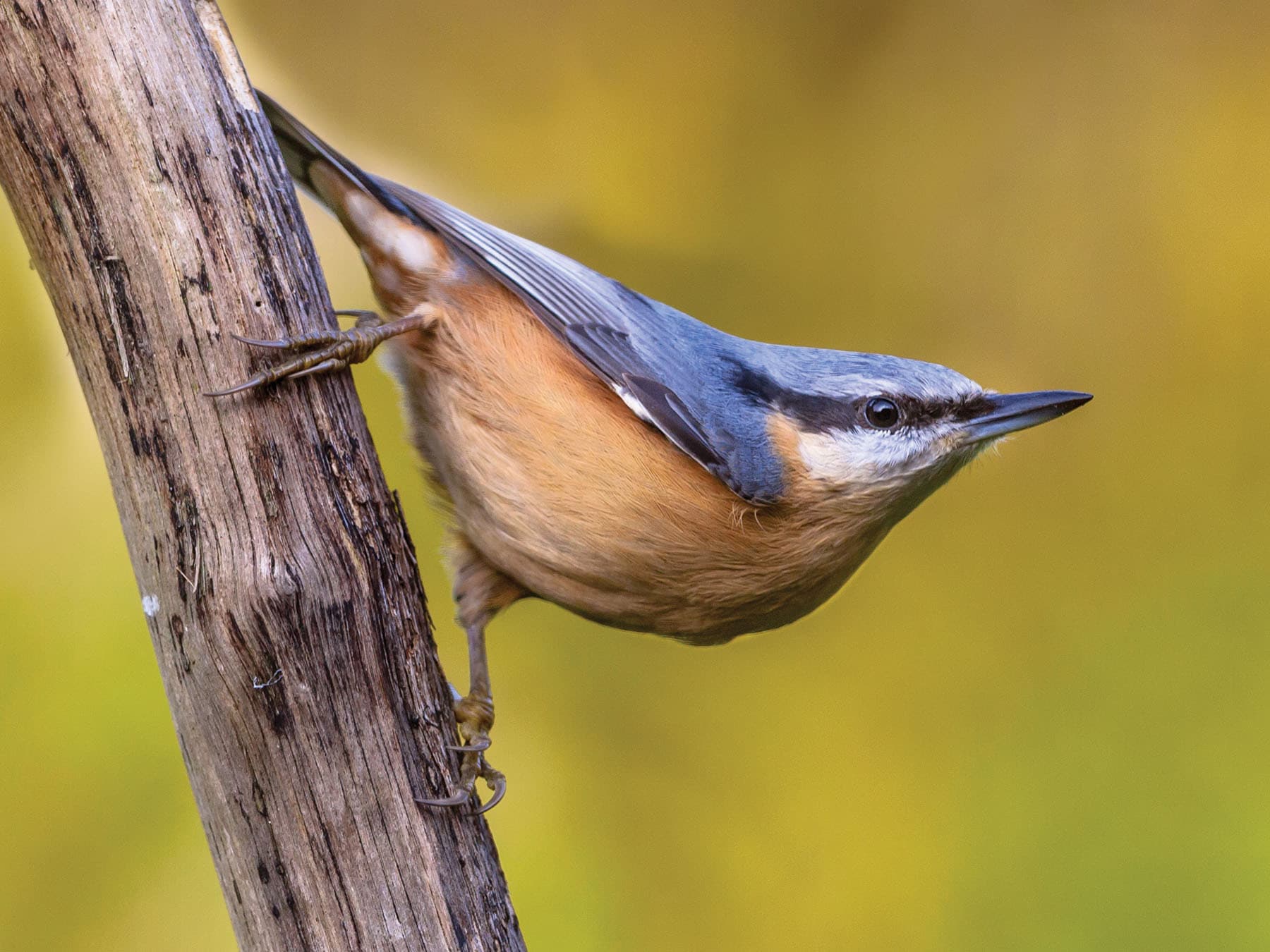
Eurasian Nuthatch
Sitta europaeaLC
An uncommon but increasing resident of mature deciduous woodland, often found in parkland settings. Loud calls echo through the trees year-round.
Year-round
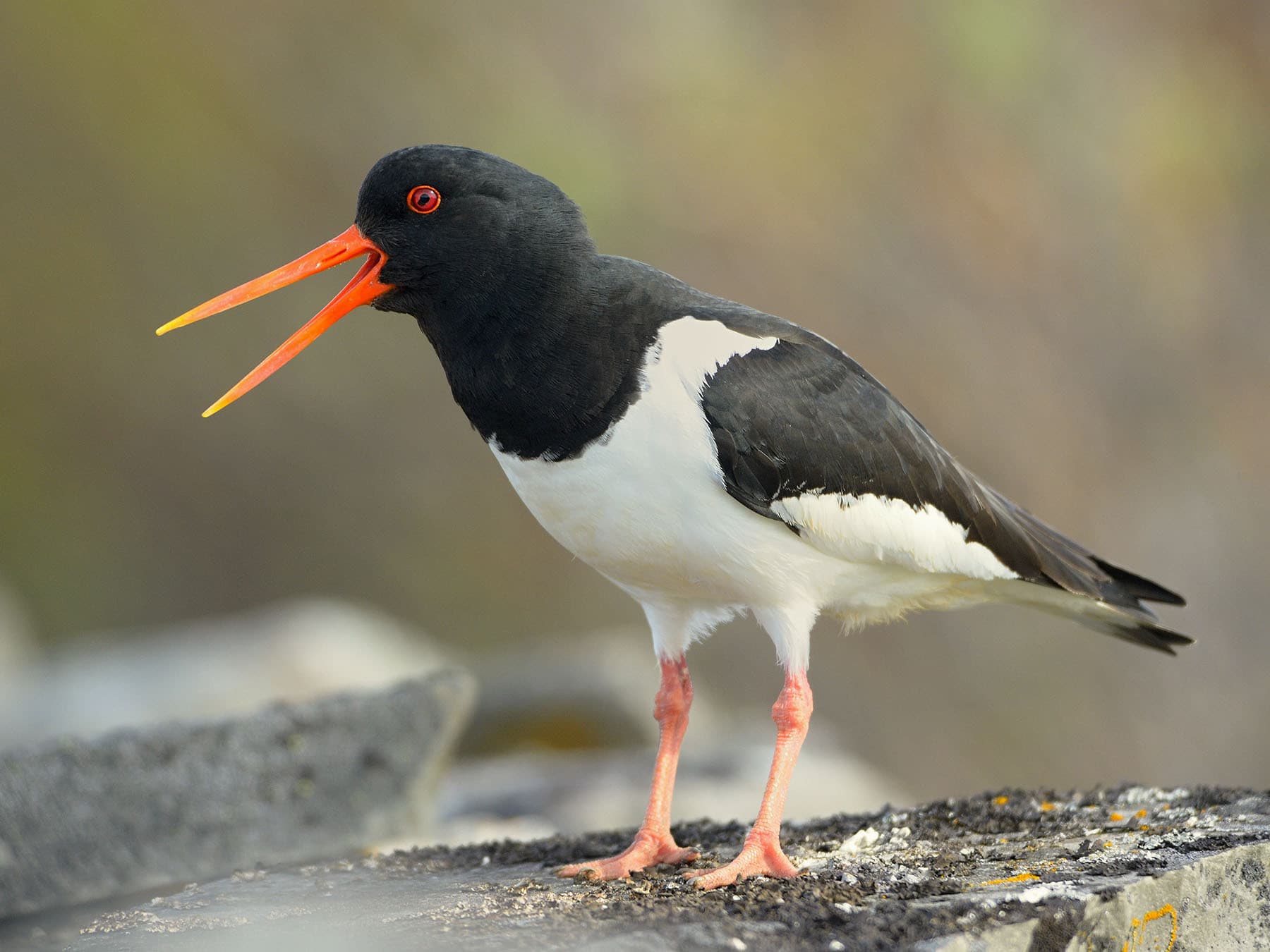
Eurasian Oystercatcher
Haematopus ostralegusNT
A common year-round resident, feeding on mussels and cockles along Northumberland's rocky shores and sandy estuaries. Noisy, piping calls are a hallmark of the coast.
Year-round
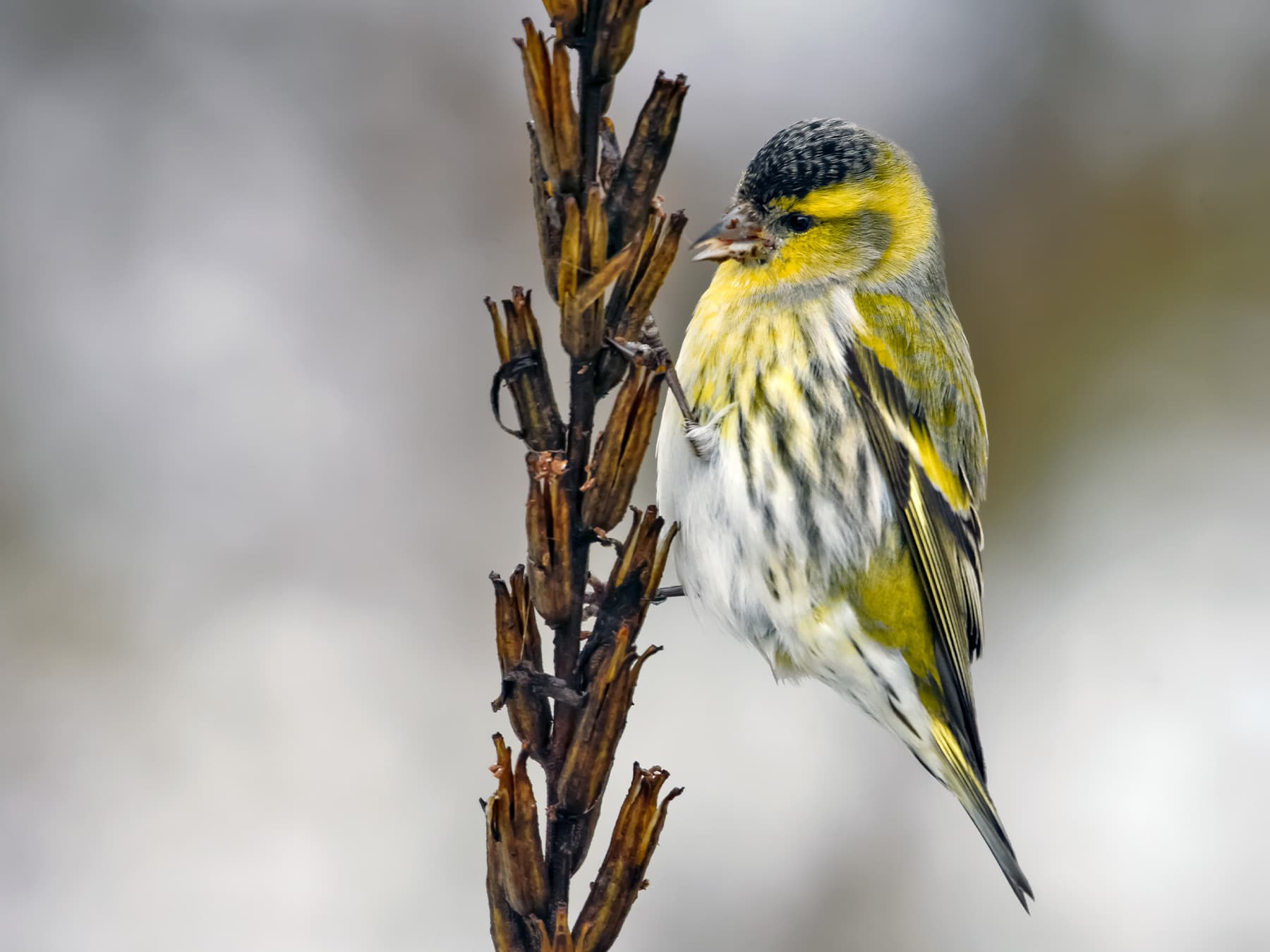
Eurasian Siskin
Spinus spinusLC
An uncommon resident breeding in conifer forests. Visits garden feeders in winter, especially near woodland.
Year-round
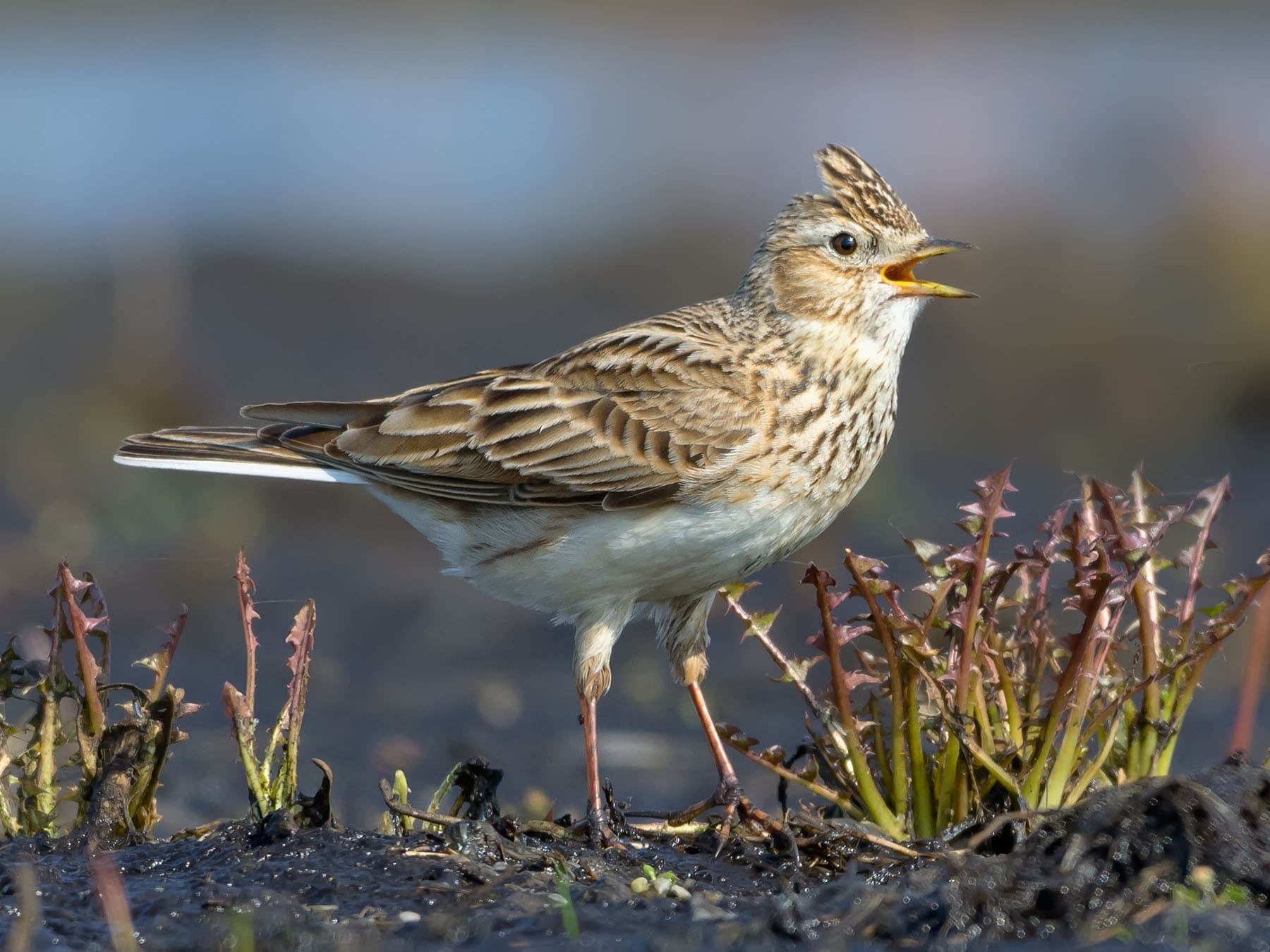
Eurasian Skylark
Alauda arvensisLC
A common resident of open farmland and moorland fringes, delivering its soaring song flight from early spring across the county's uplands.
Year-round
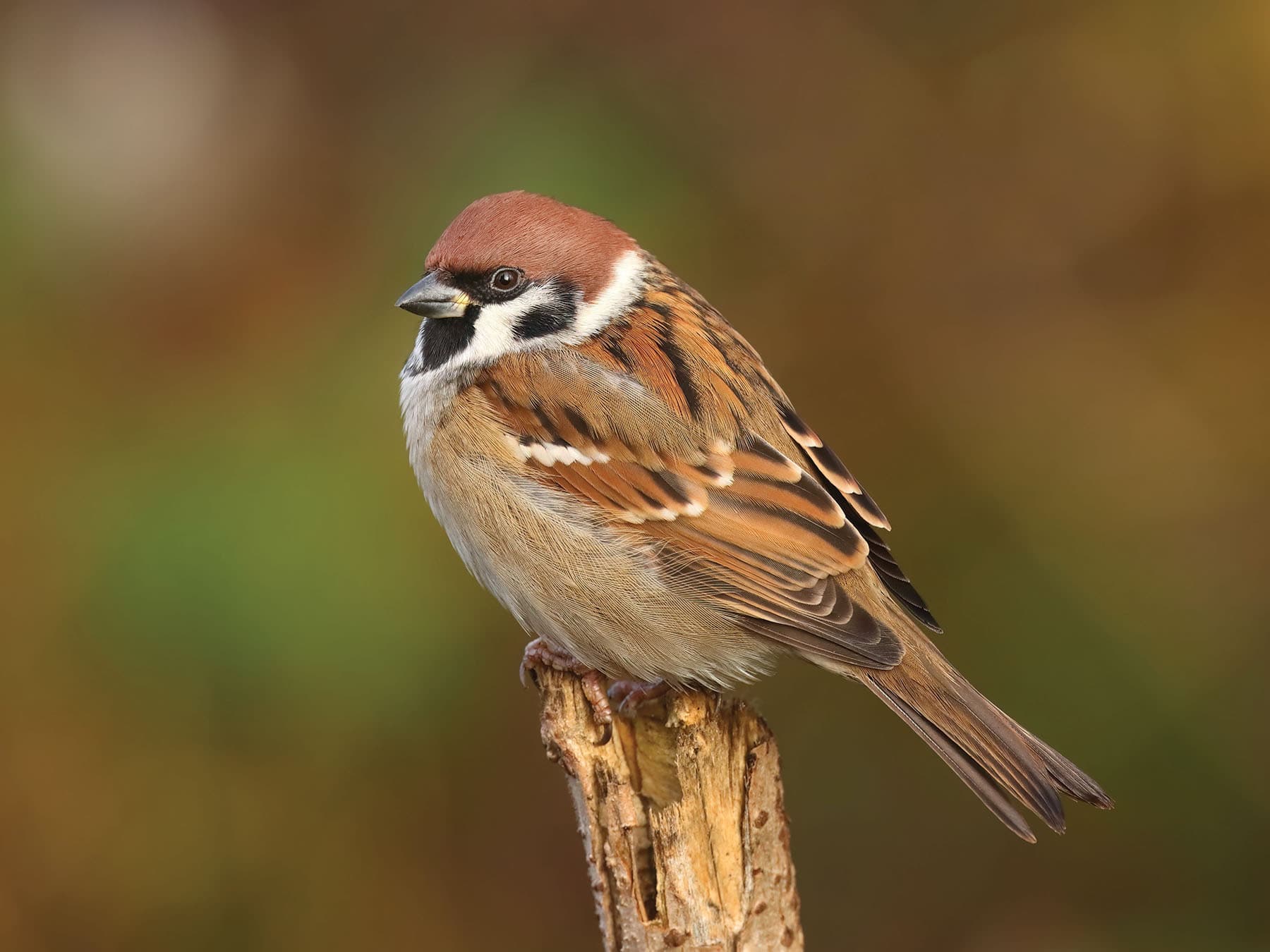
Eurasian Tree Sparrow
Passer montanusLC
An uncommon year-round resident, often found around farmyards and rural edges, less tied to human habitation than its commoner cousin.
Year-round
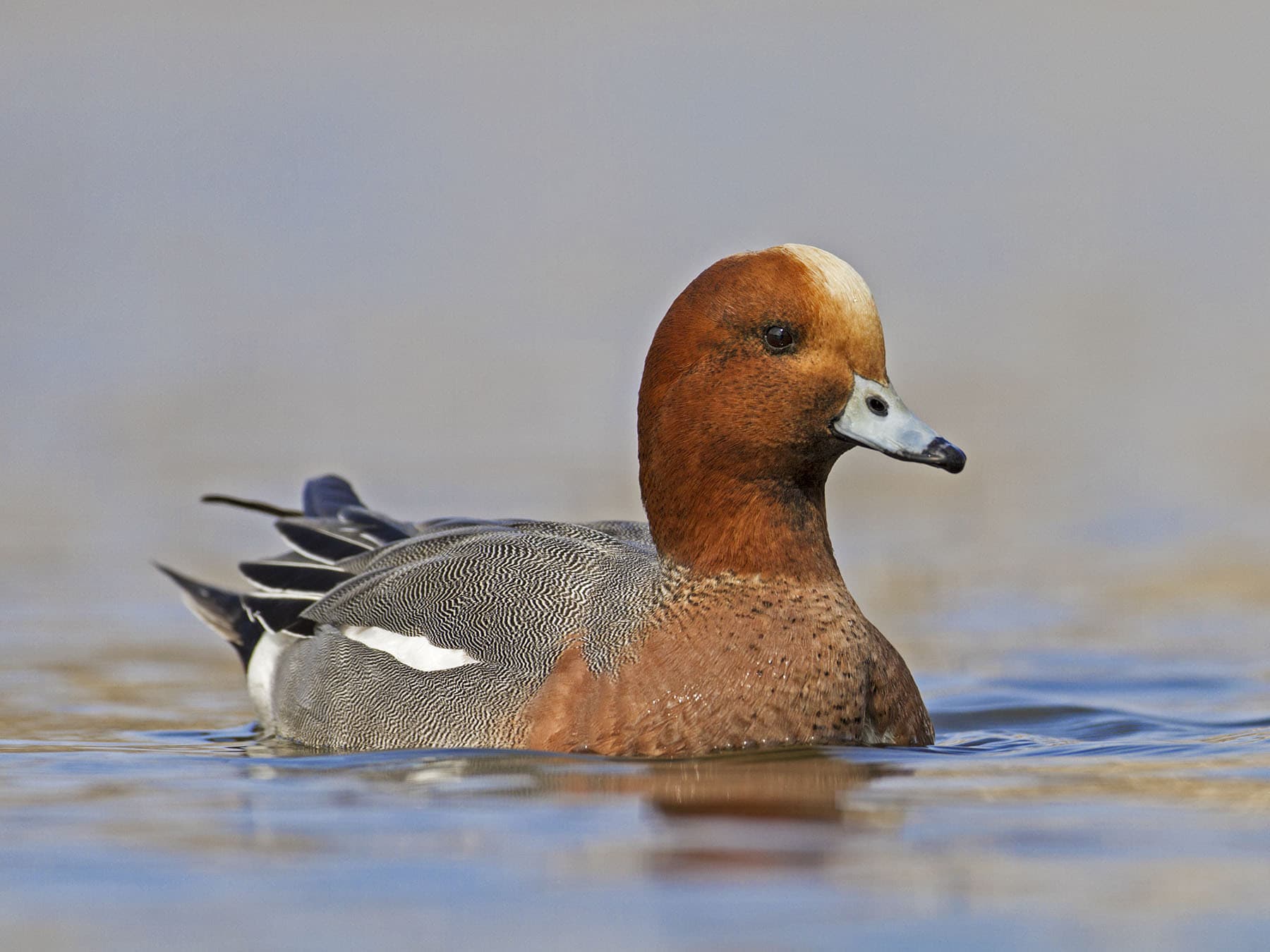
Eurasian Wigeon
Mareca penelopeLC
Common and widespread on coastal marshes, flooded fields and reservoirs. Large winter flocks gather at Lindisfarne and other key Northumberland wetlands.
Year-round
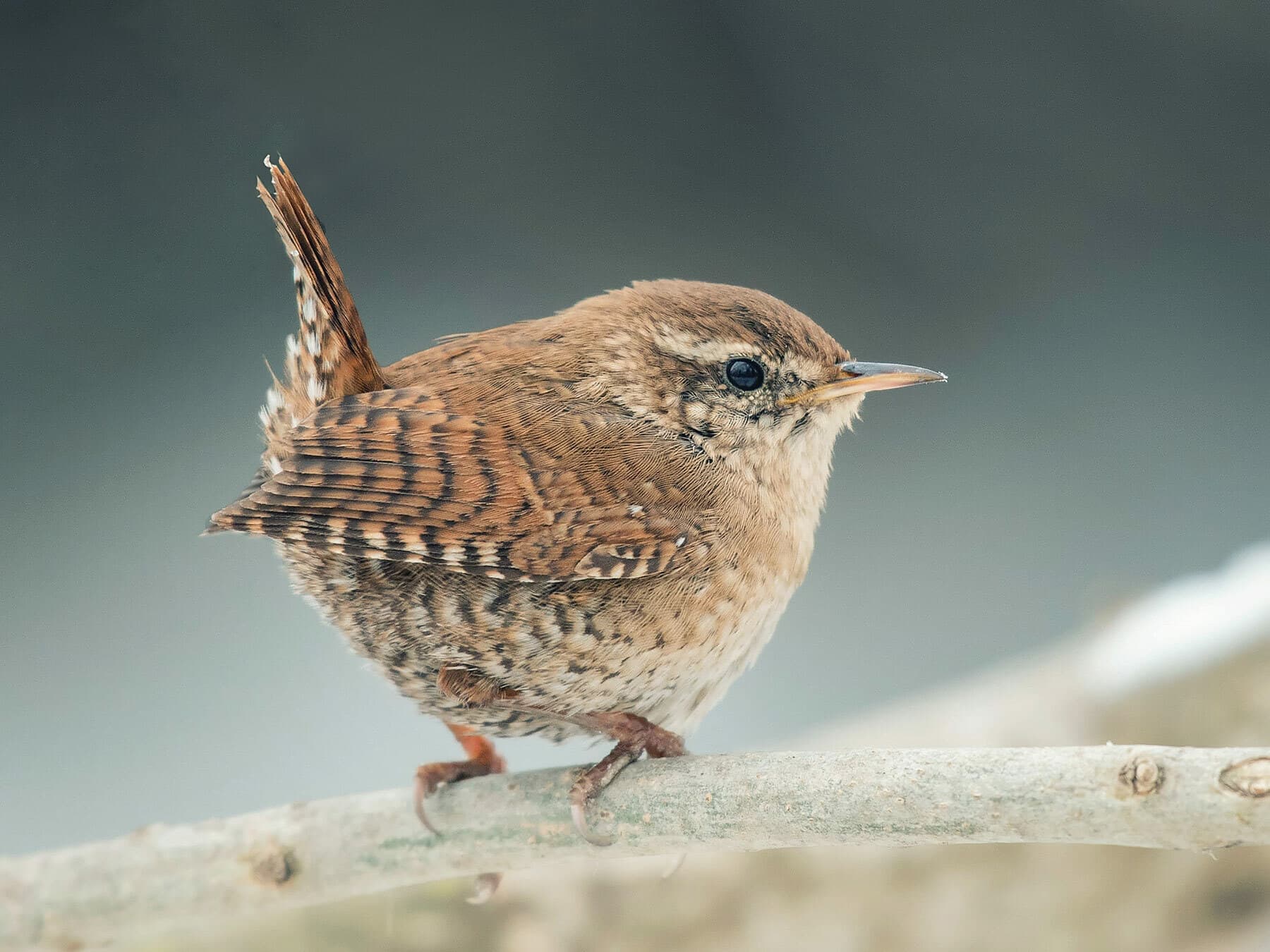
Eurasian Wren
Troglodytes troglodytesLC
A common resident found in hedgerows, gardens, and woodland throughout the county. Its loud song belies its tiny size.
Year-round
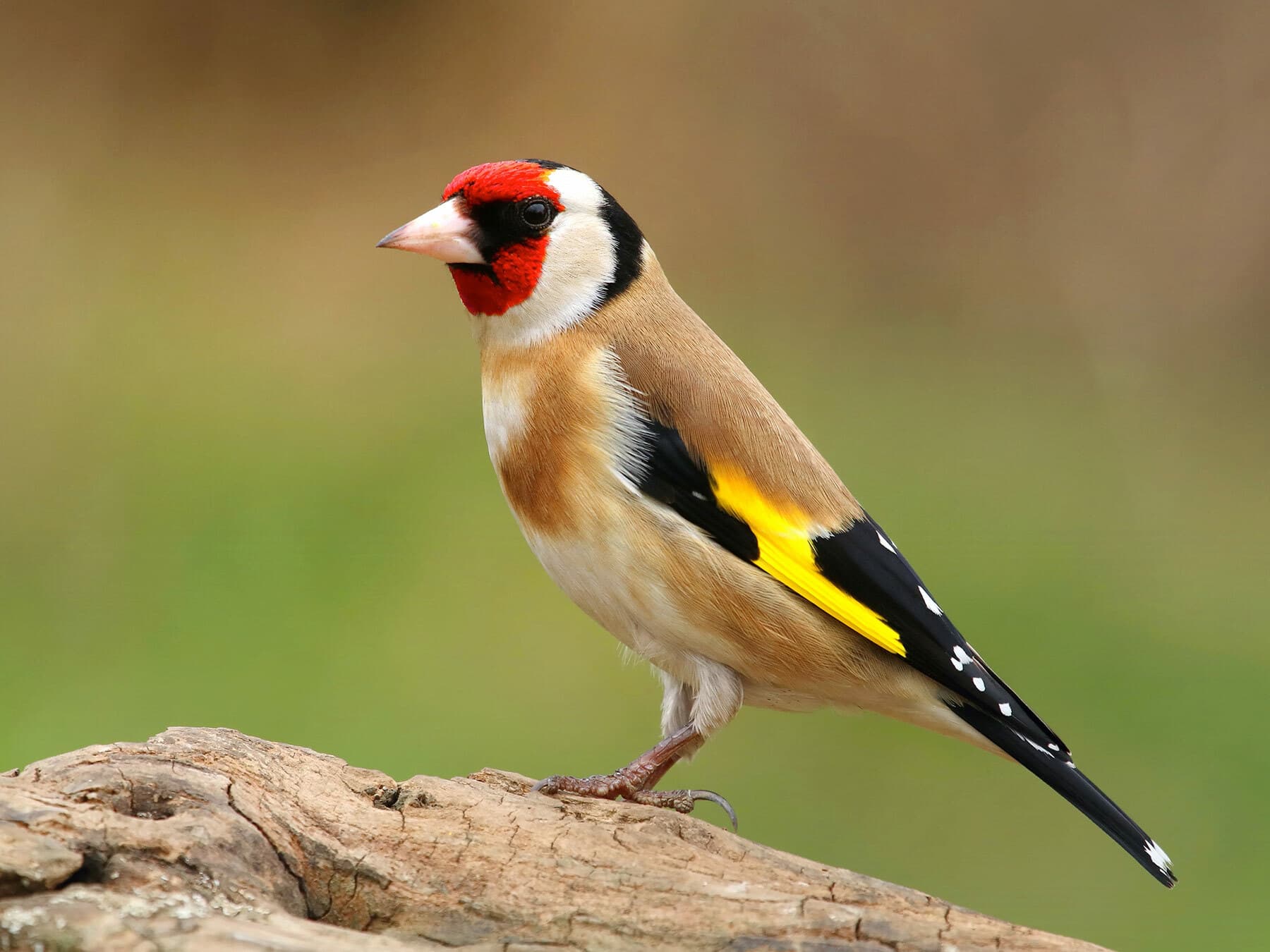
European Goldfinch
Carduelis carduelisLC
A colourful and common resident, frequently seen in chattering flocks feeding on teasel, thistle, and garden nyjer seed feeders.
Year-round
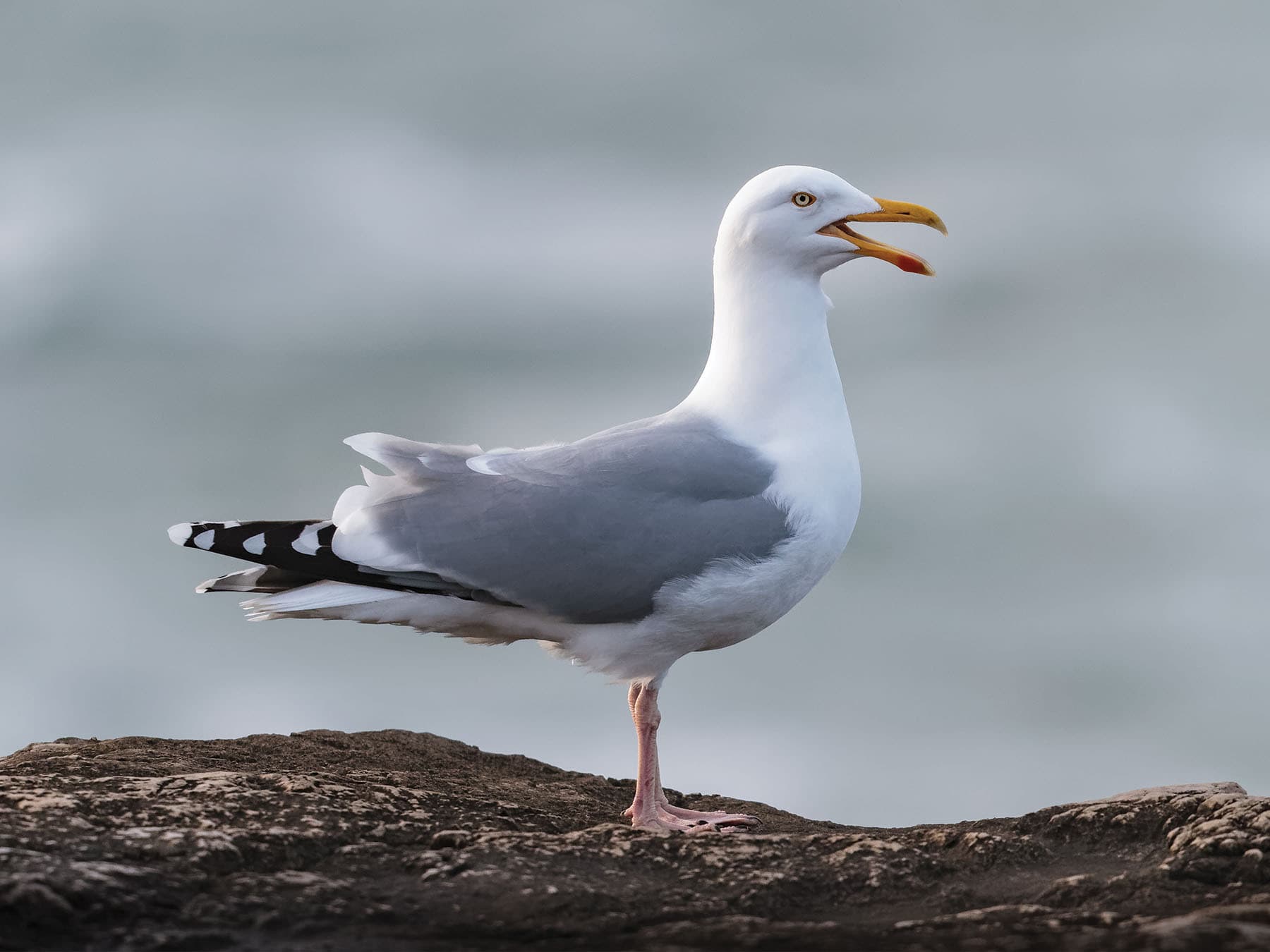
European Herring Gull
Larus argentatusLC
Abundant year-round along the coast and in towns. Breeds on rooftops and cliffs, and scavenges readily at harbours and landfill sites.
Year-round
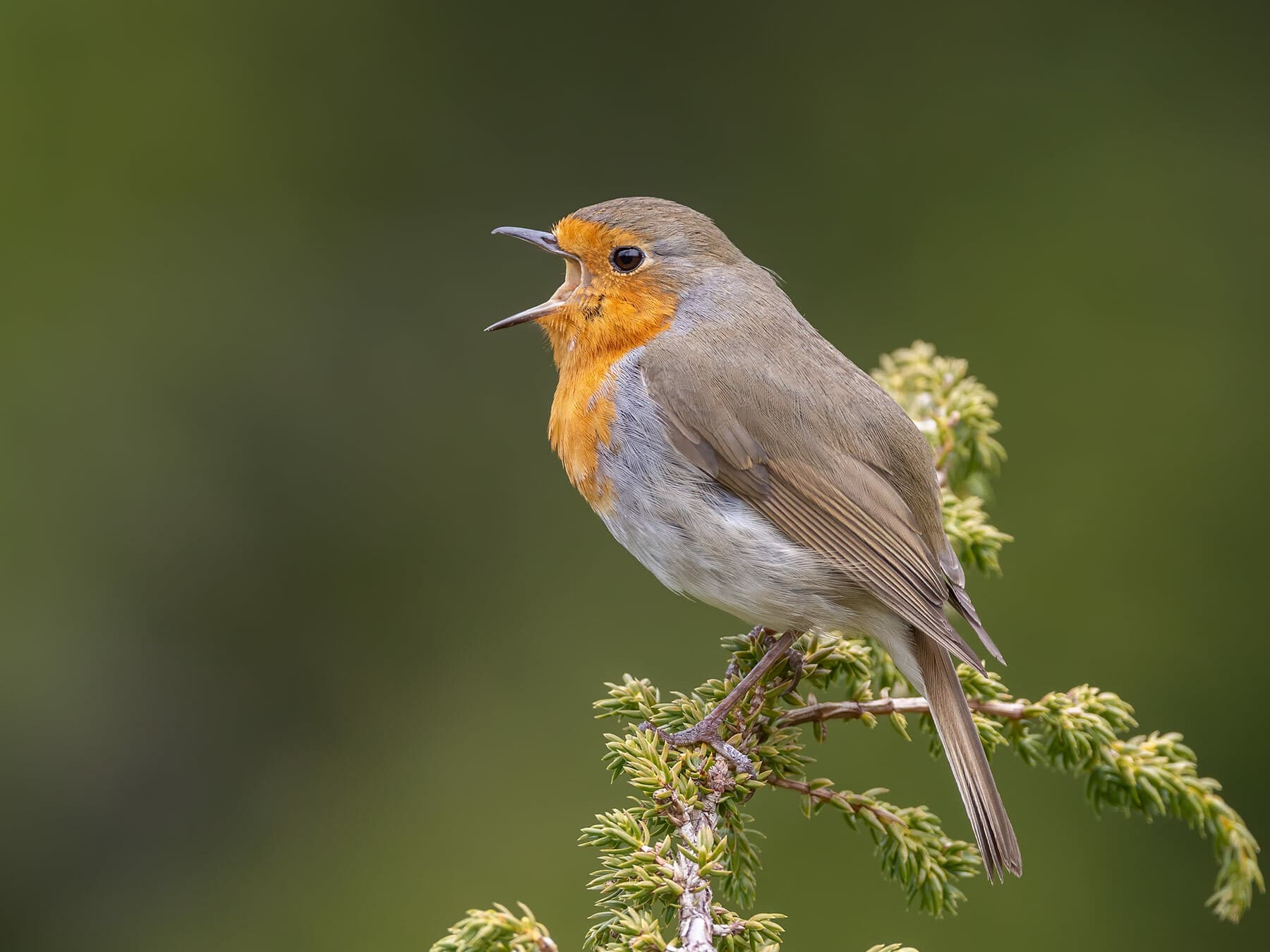
European Robin
Erithacus rubeculaLC
One of Northumberland's most familiar garden birds, present year-round and singing through winter in woodlands, hedgerows, and parks.
Year-round
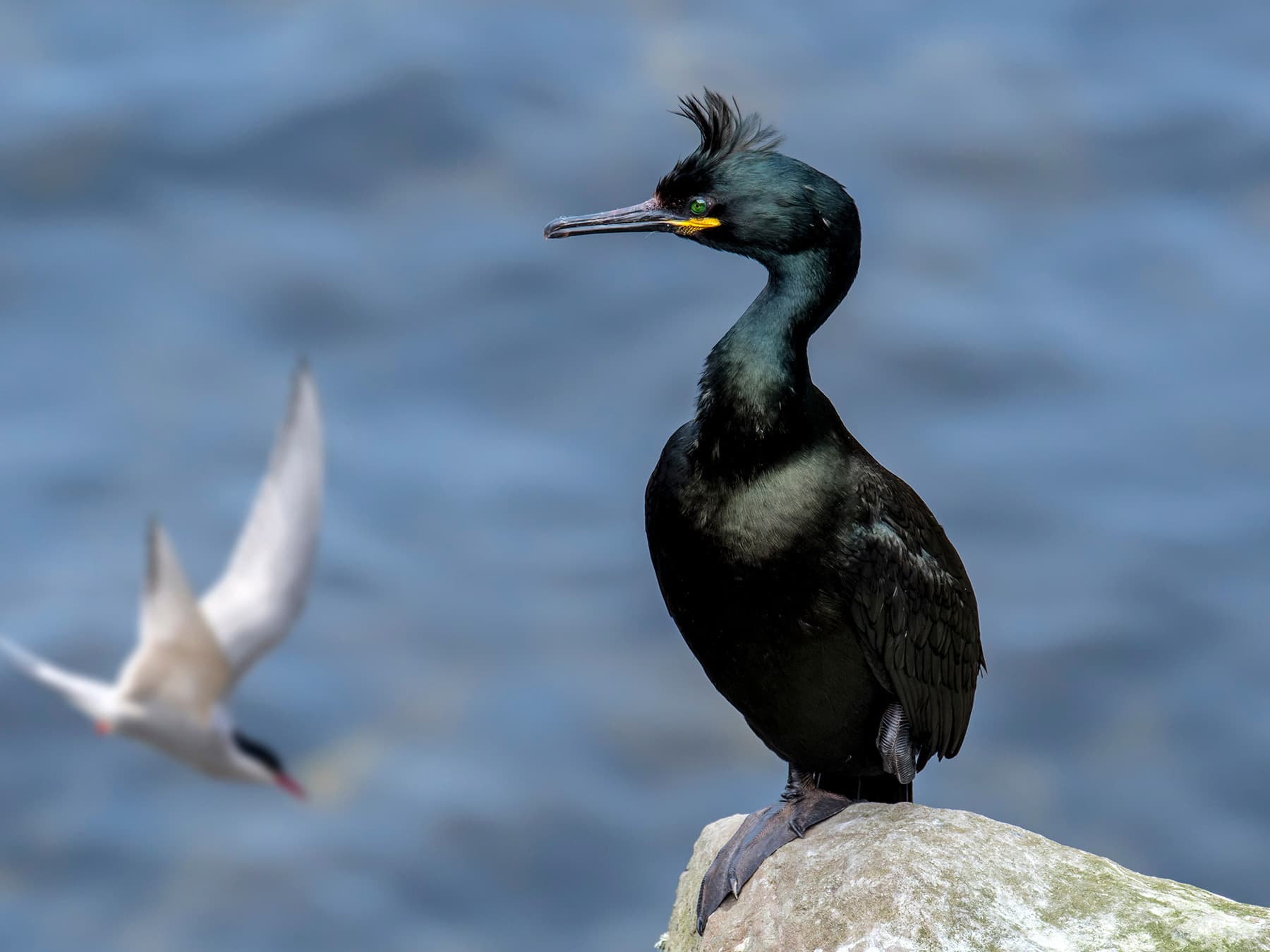
European Shag
Phalacrocorax aristotelisLC
Breeds on rocky cliffs and the Farne Islands. Present year-round, favouring rougher coastline over harbours compared to cormorants.
Year-round
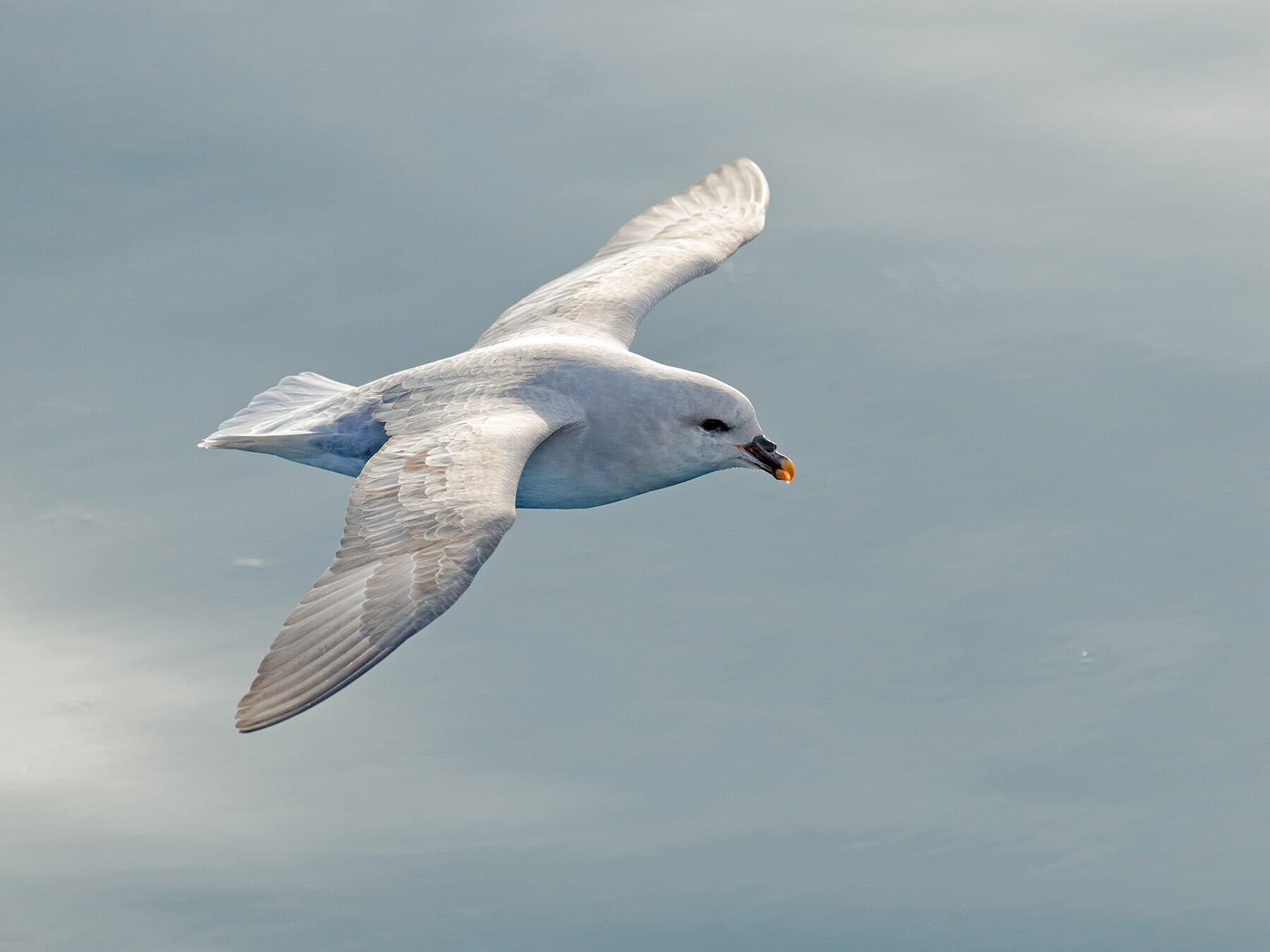
Fulmar
Fulmarus glacialisLC
Breeds on sea cliffs along the Northumberland coast and Farne Islands. Present year-round with a distinctive stiff-winged flight.
Year-round
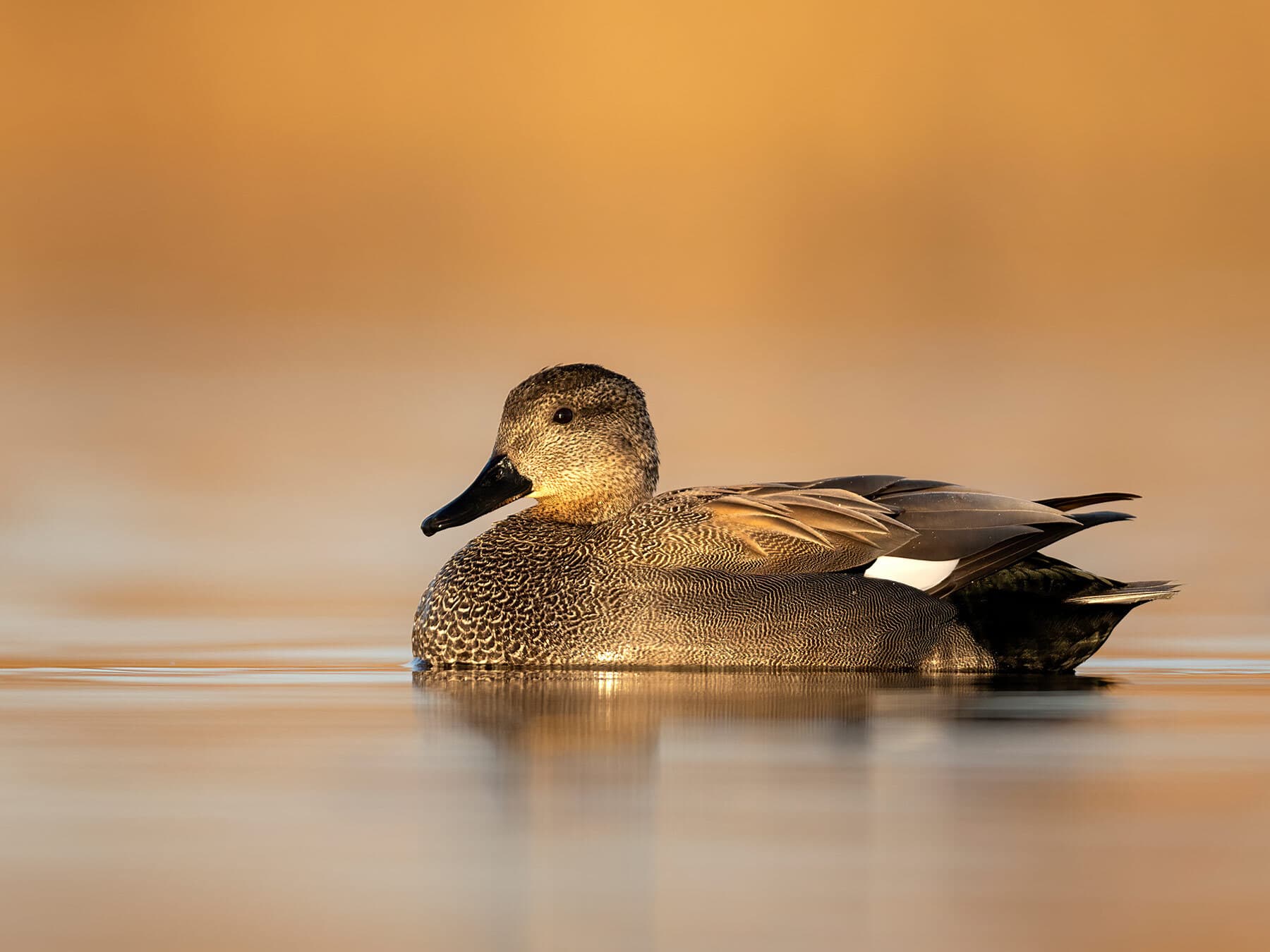
Gadwall
Mareca streperaLC
A common resident on lakes, reservoirs, and sheltered wetlands throughout the county. Breeds at sites like Gosforth Park and Druridge Bay.
Year-round
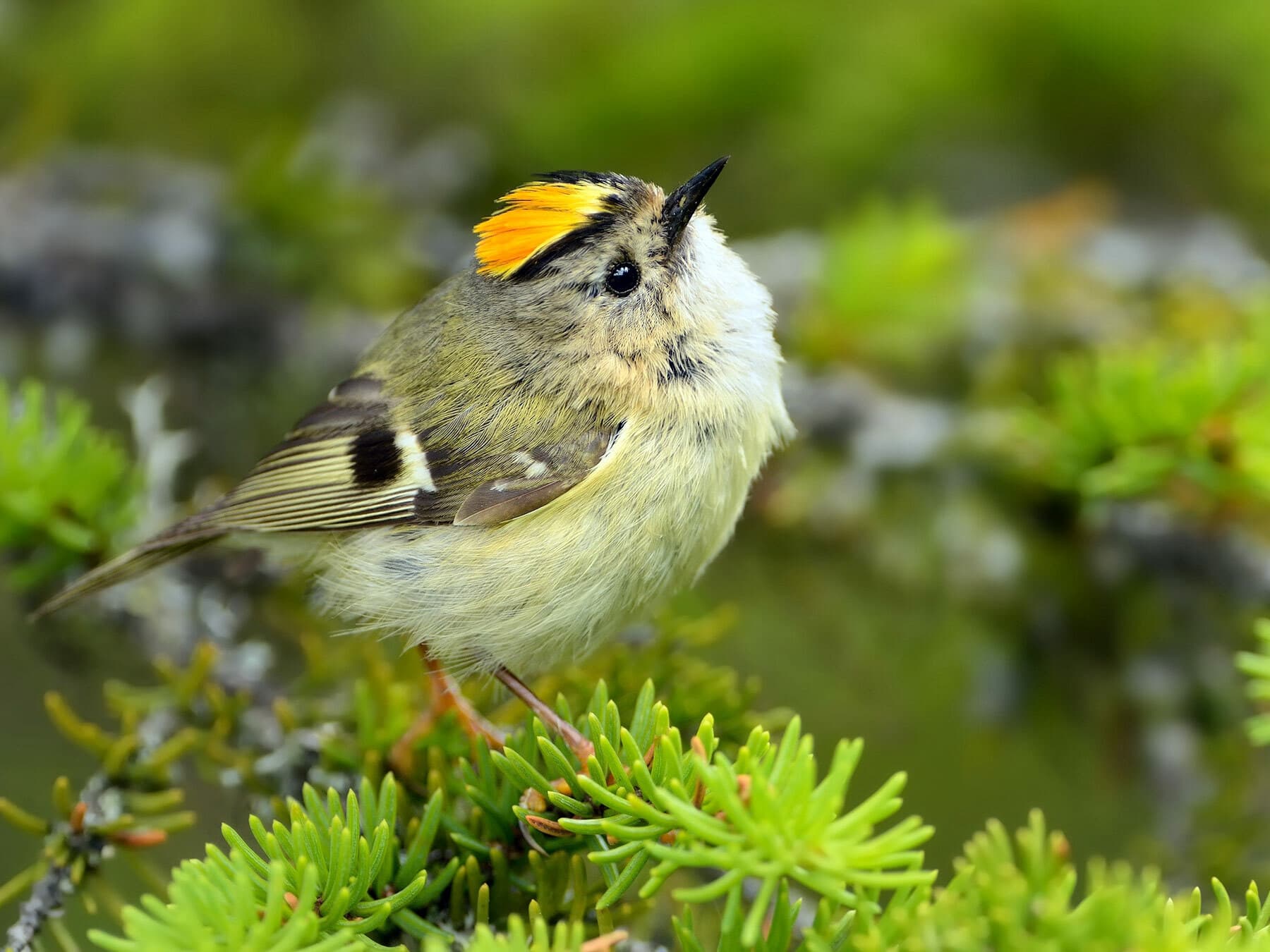
Goldcrest
Regulus regulusLC
An uncommon resident of coniferous and mixed woodland. Numbers swell in autumn with continental migrants arriving along the coast.
Year-round
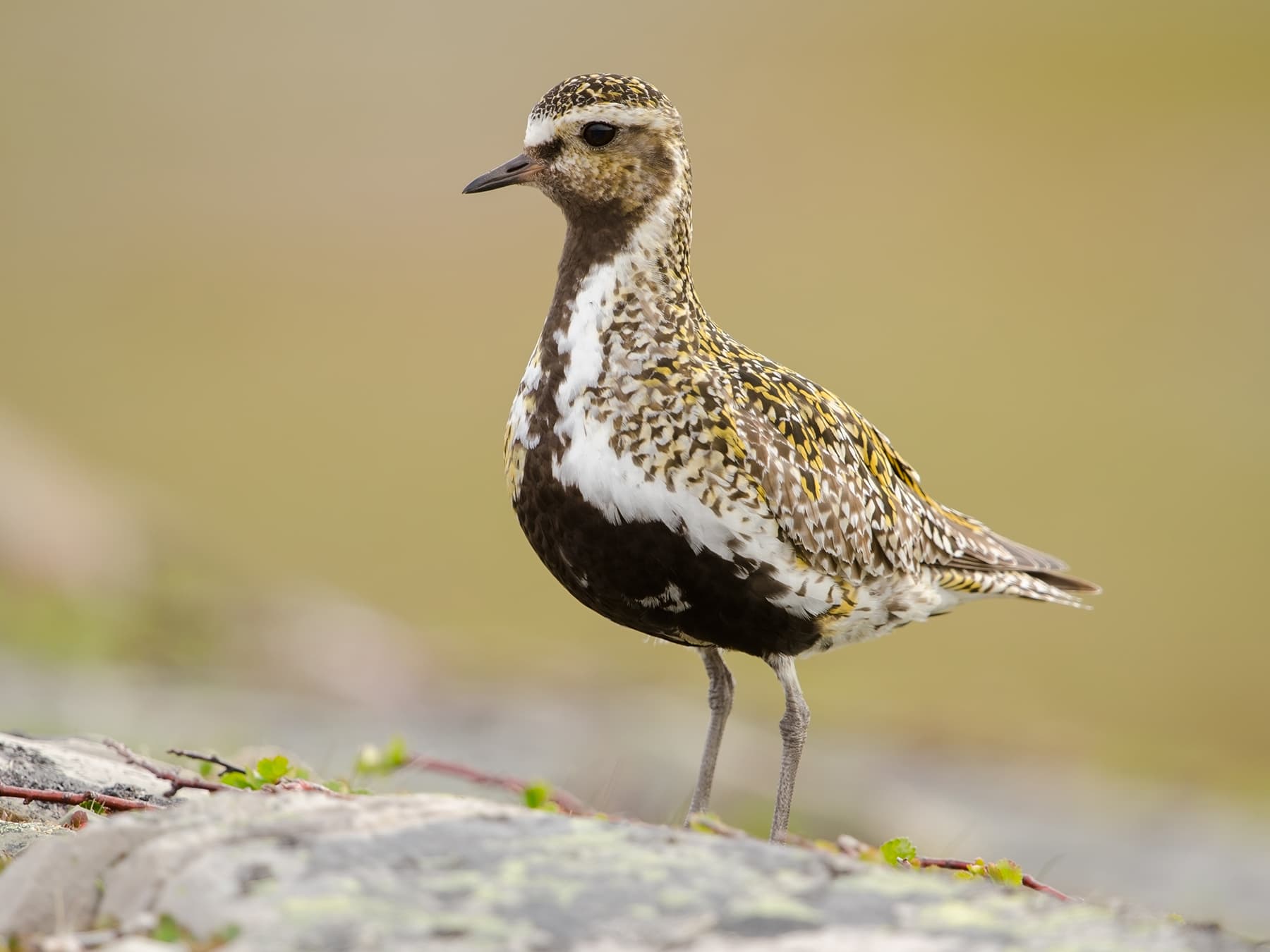
Golden Plover
Pluvialis apricariaLC
An uncommon resident breeding on upland moorland in summer. Large winter flocks gather on coastal fields and estuarine margins.
Year-round
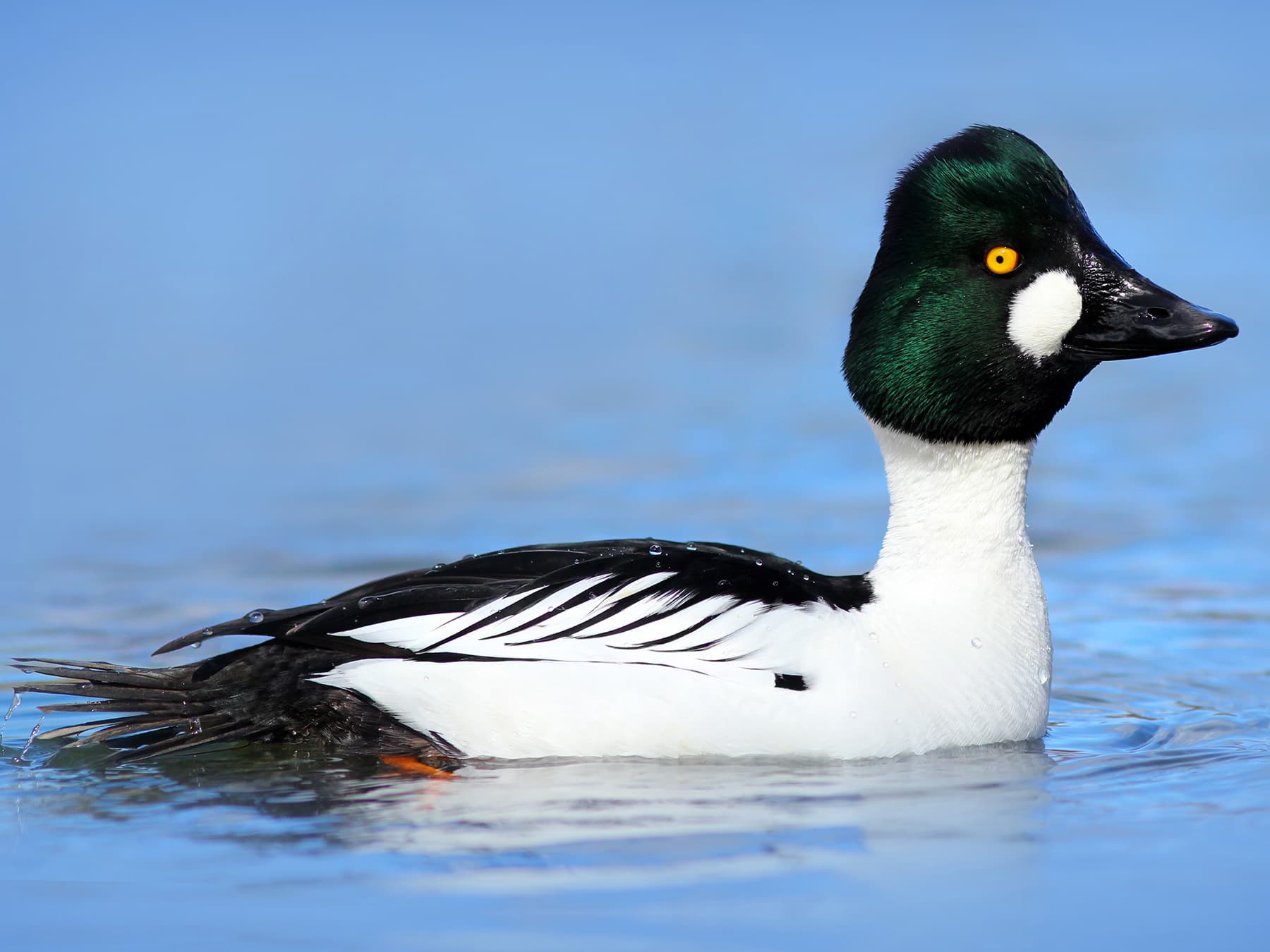
Goldeneye
Bucephala clangulaLC
An uncommon resident, most conspicuous in winter on rivers and lakes. A small breeding population exists in Northumberland's wooded river valleys.
Year-round
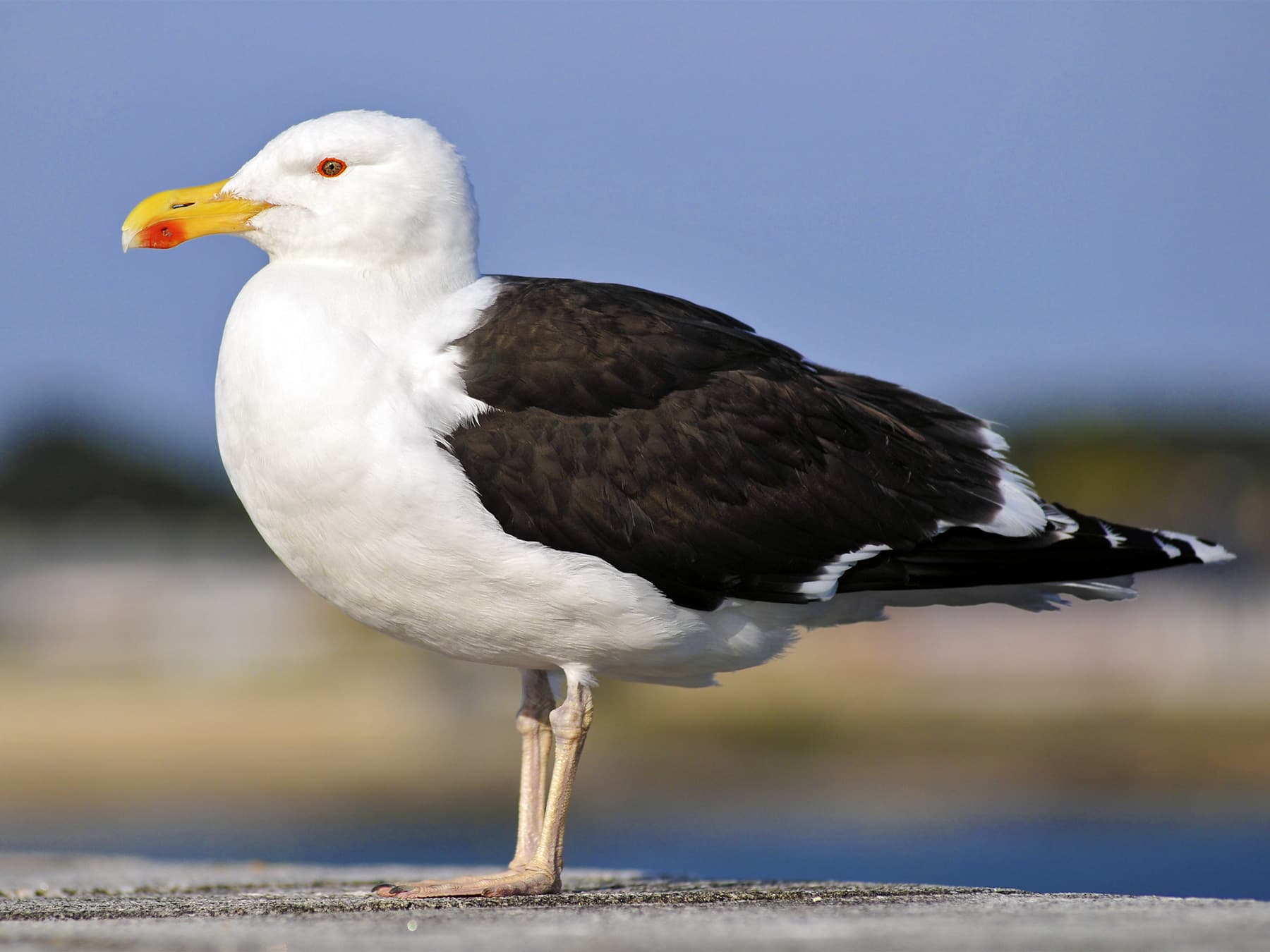
Great Black-backed Gull
Larus marinusLC
A common and imposing resident along the Northumberland coast and at harbours, also frequenting inland reservoirs and rubbish tips year-round.
Year-round
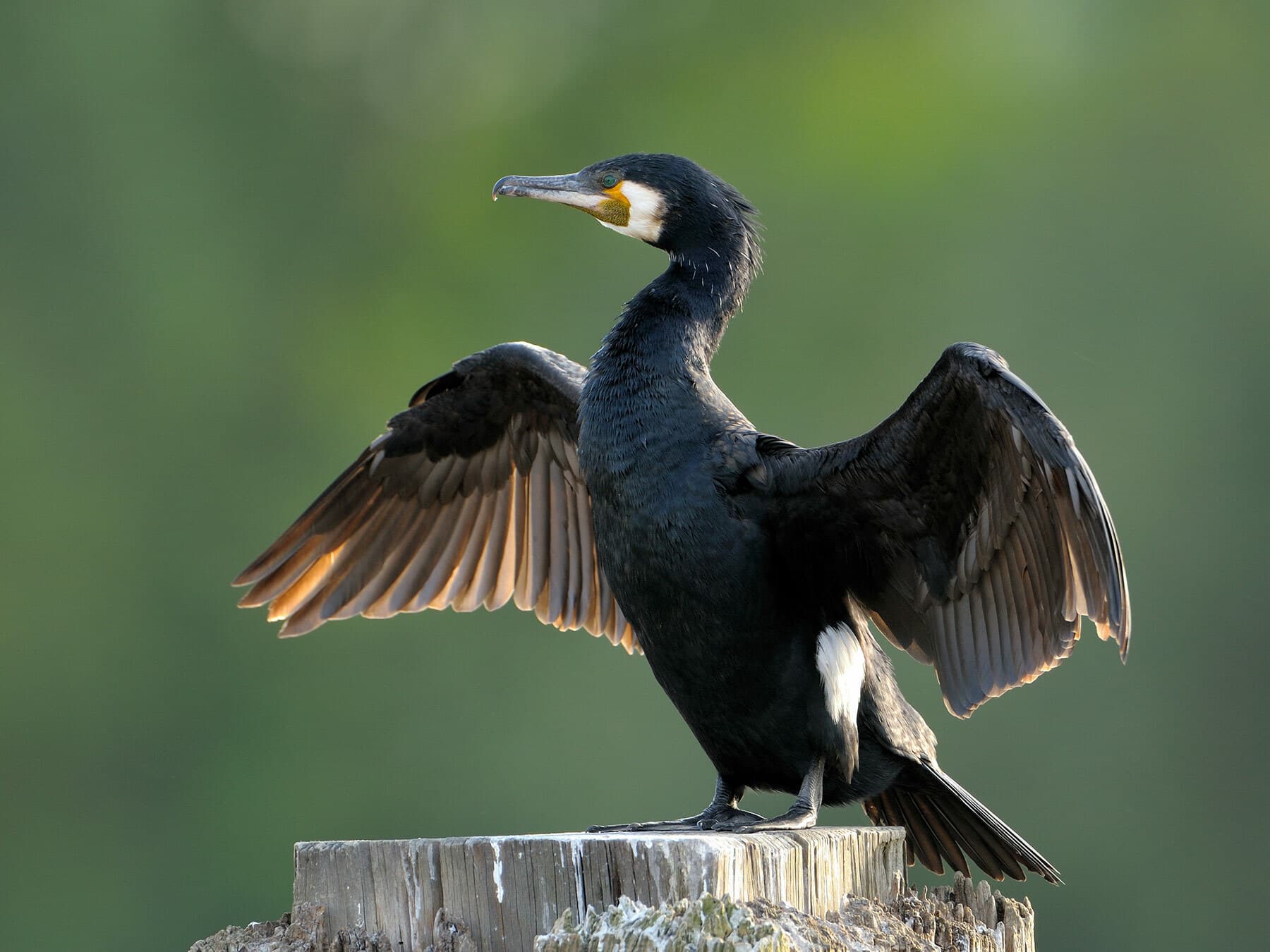
Great Cormorant
Phalacrocorax carboLC
A common resident found year-round along the coast and inland rivers. Often seen drying outstretched wings on rocks at the Farne Islands.
Year-round
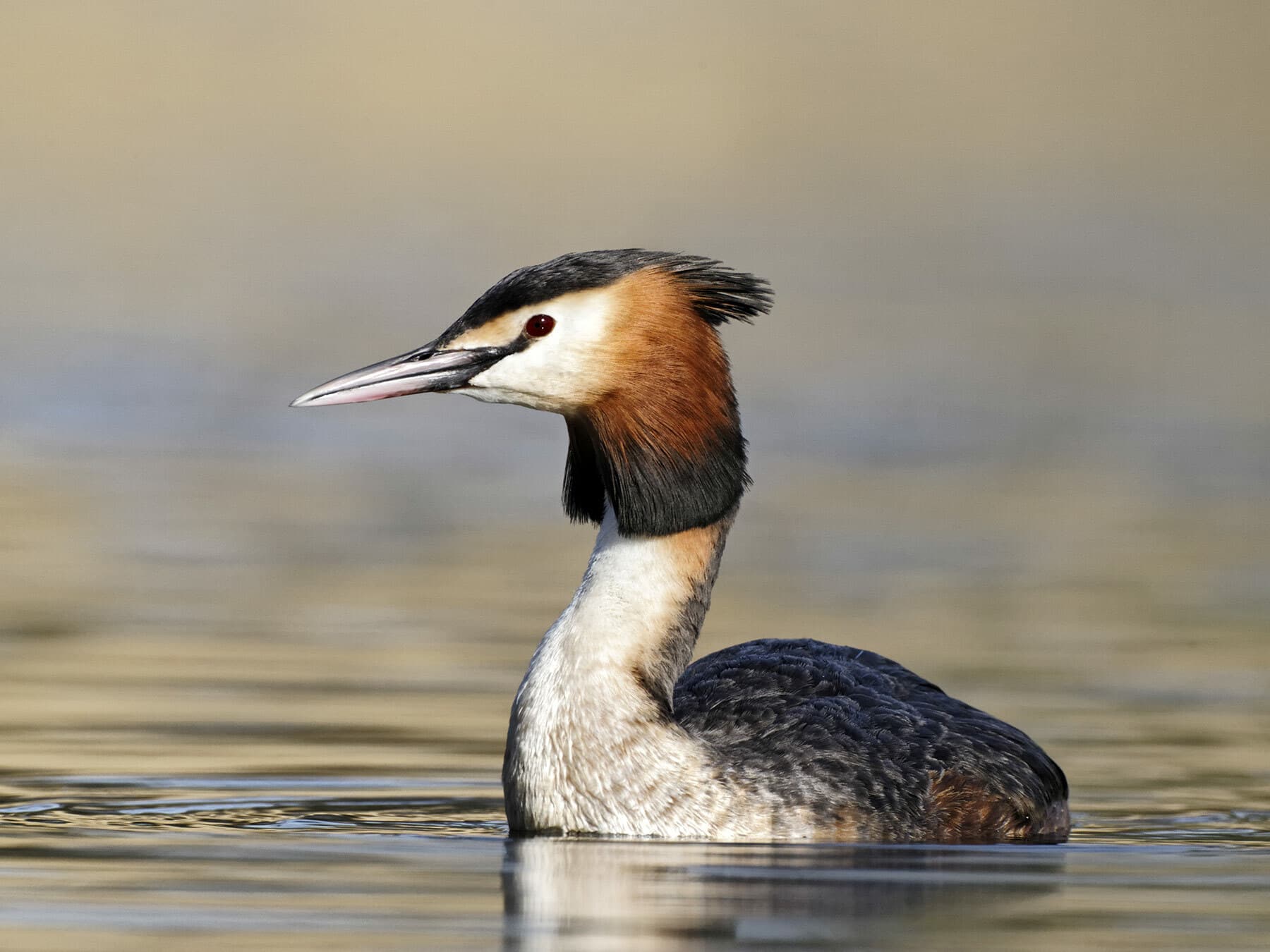
Great Crested Grebe
Podiceps cristatusLC
An uncommon year-round resident on larger lakes and reservoirs. Elaborate courtship displays can be seen in spring.
Year-round
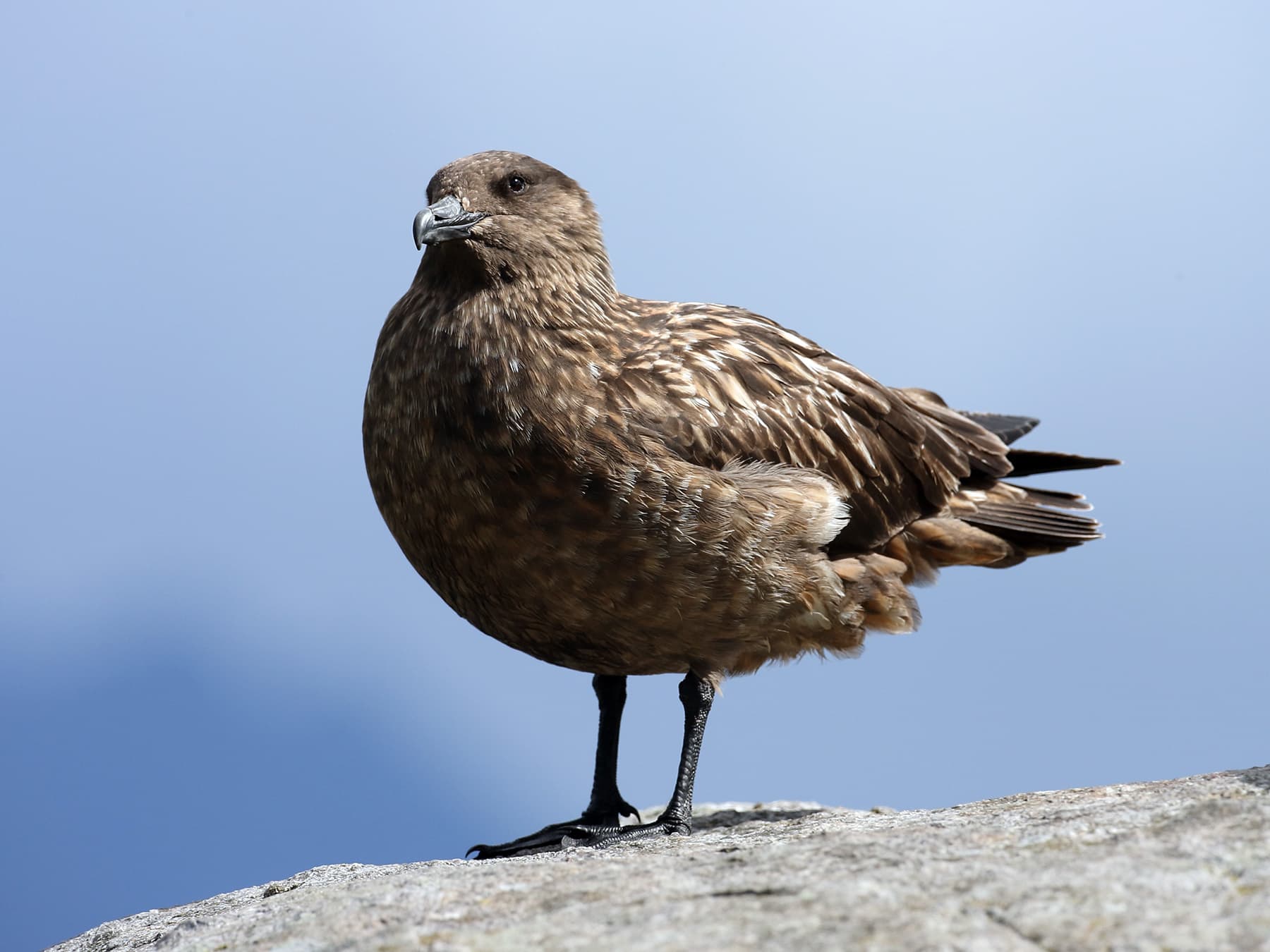
Great Skua
Catharacta skuaLC
Seen offshore from July to November, often harassing other seabirds. Best spotted during seawatches from coastal headlands.
Jul–Nov
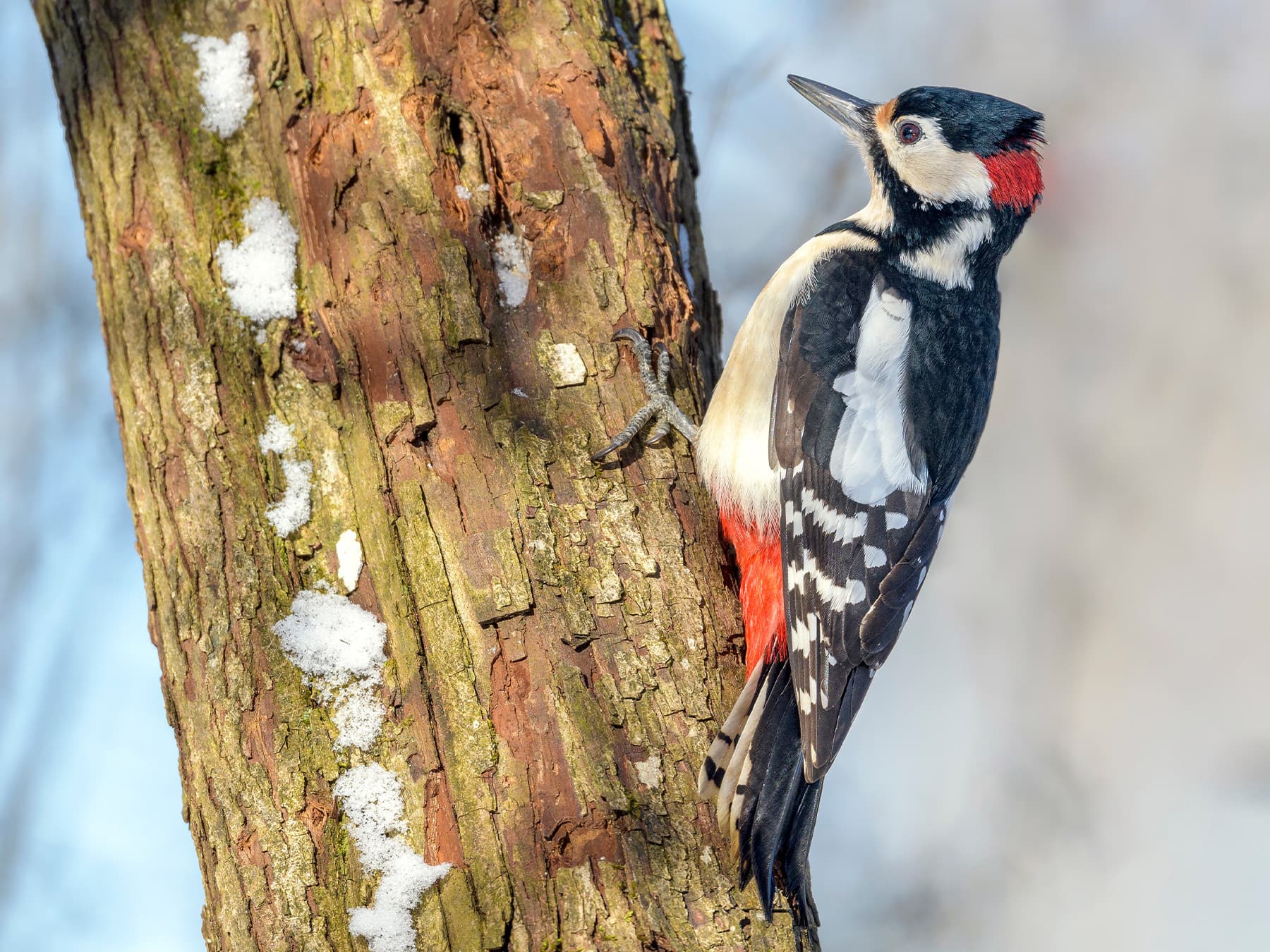
Great Spotted Woodpecker
Dendrocopos majorLC
An uncommon resident of mature broadleaved and mixed woodlands. Listen for its distinctive drumming in spring across Northumberland's valleys.
Year-round
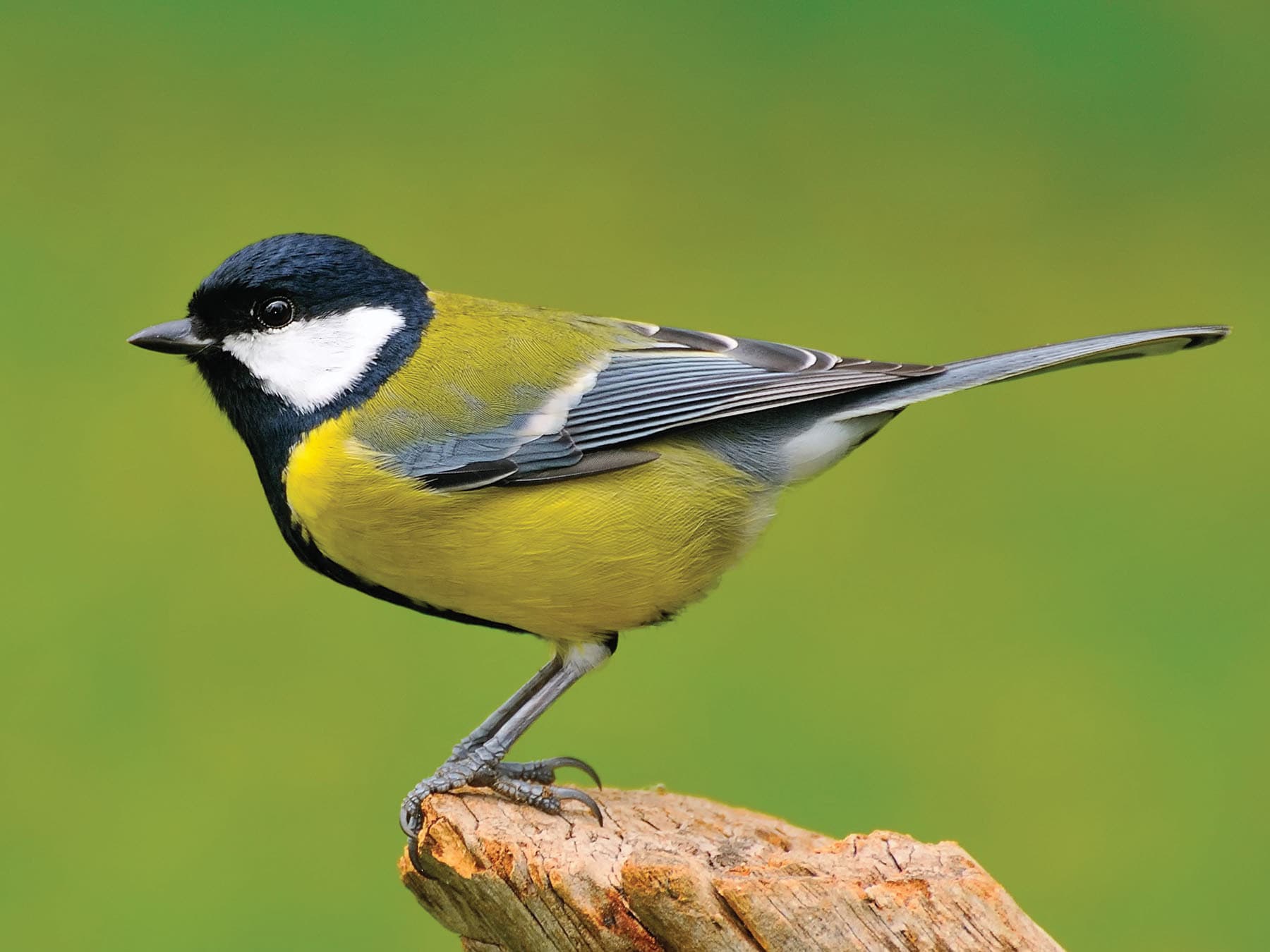
Great Tit
Parus majorLC
A common resident of woodlands, hedgerows and gardens. A familiar visitor to bird feeders across the county throughout the year.
Year-round
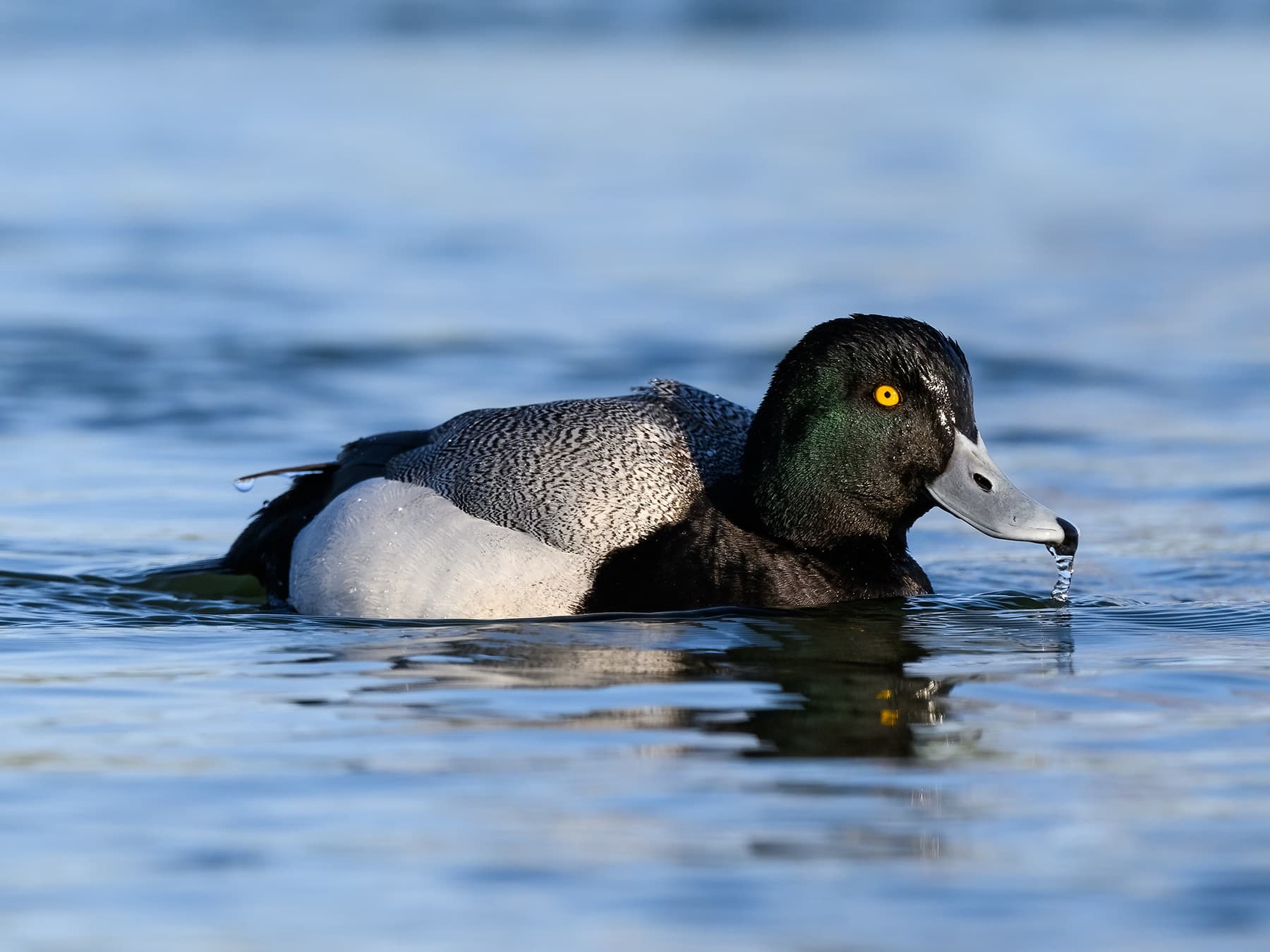
Greater Scaup
Aythya marilaLC
A rare diving duck found on sheltered coastal waters and estuaries, mainly in winter. Absent during the summer breeding months.
Jul–Apr
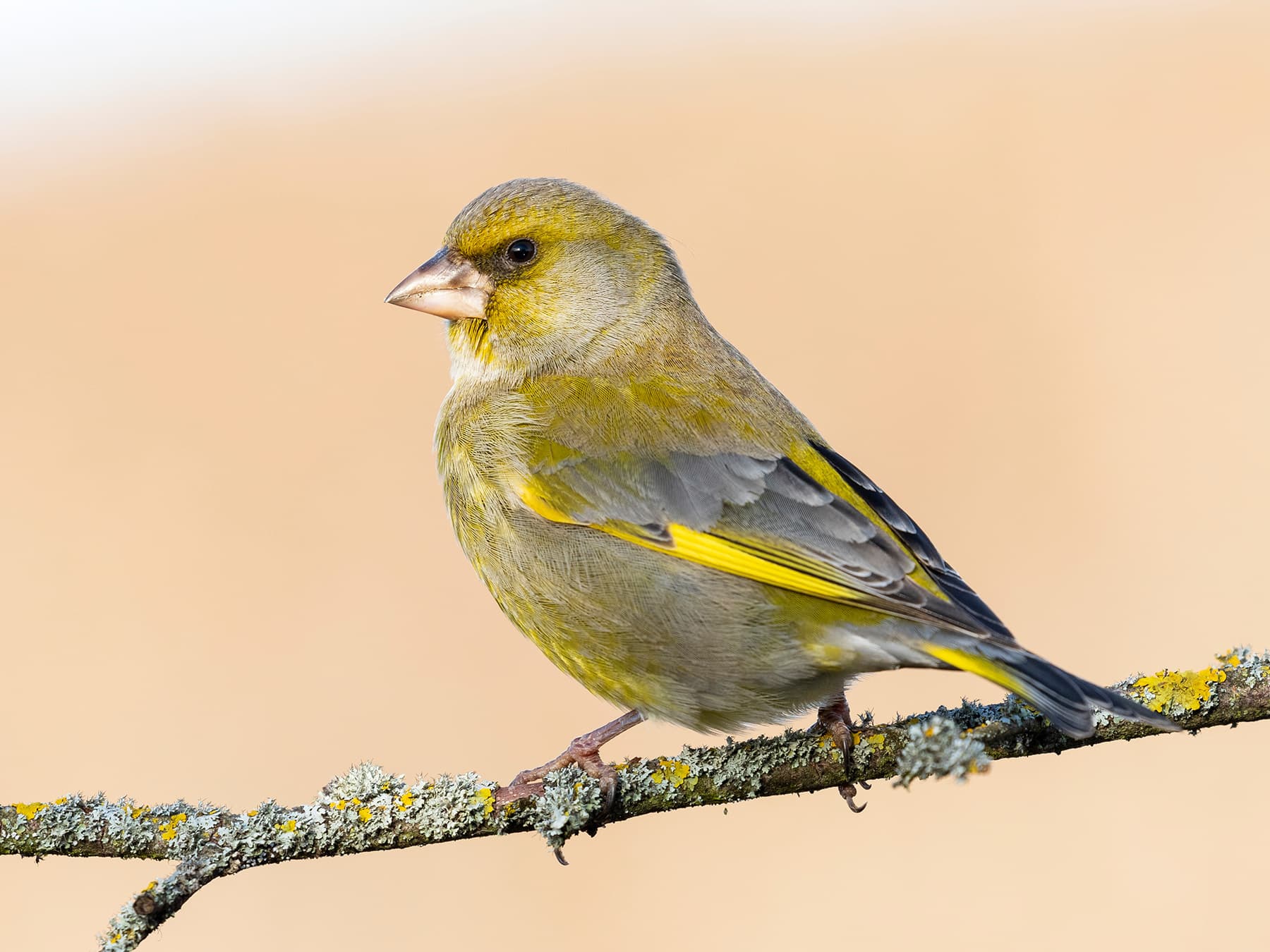
Greenfinch
Chloris chlorisLC
Present year-round but declining, found in gardens, hedgerows, and woodland edges. Numbers have dropped sharply due to disease.
Year-round
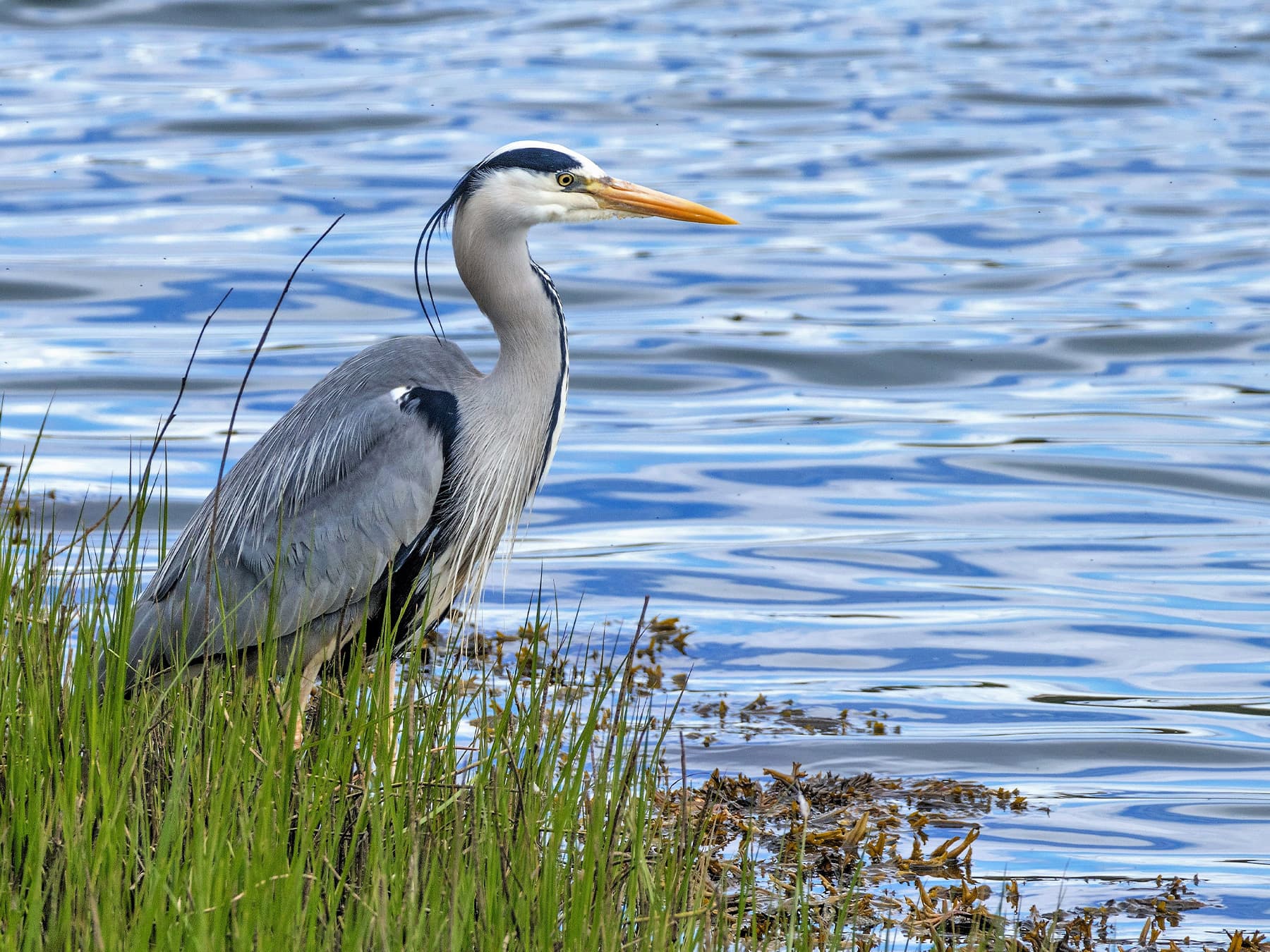
Grey Heron
Ardea cinereaLC
A common year-round resident found along rivers, lakes, and estuaries. Heronries are established at several sites across the county.
Year-round
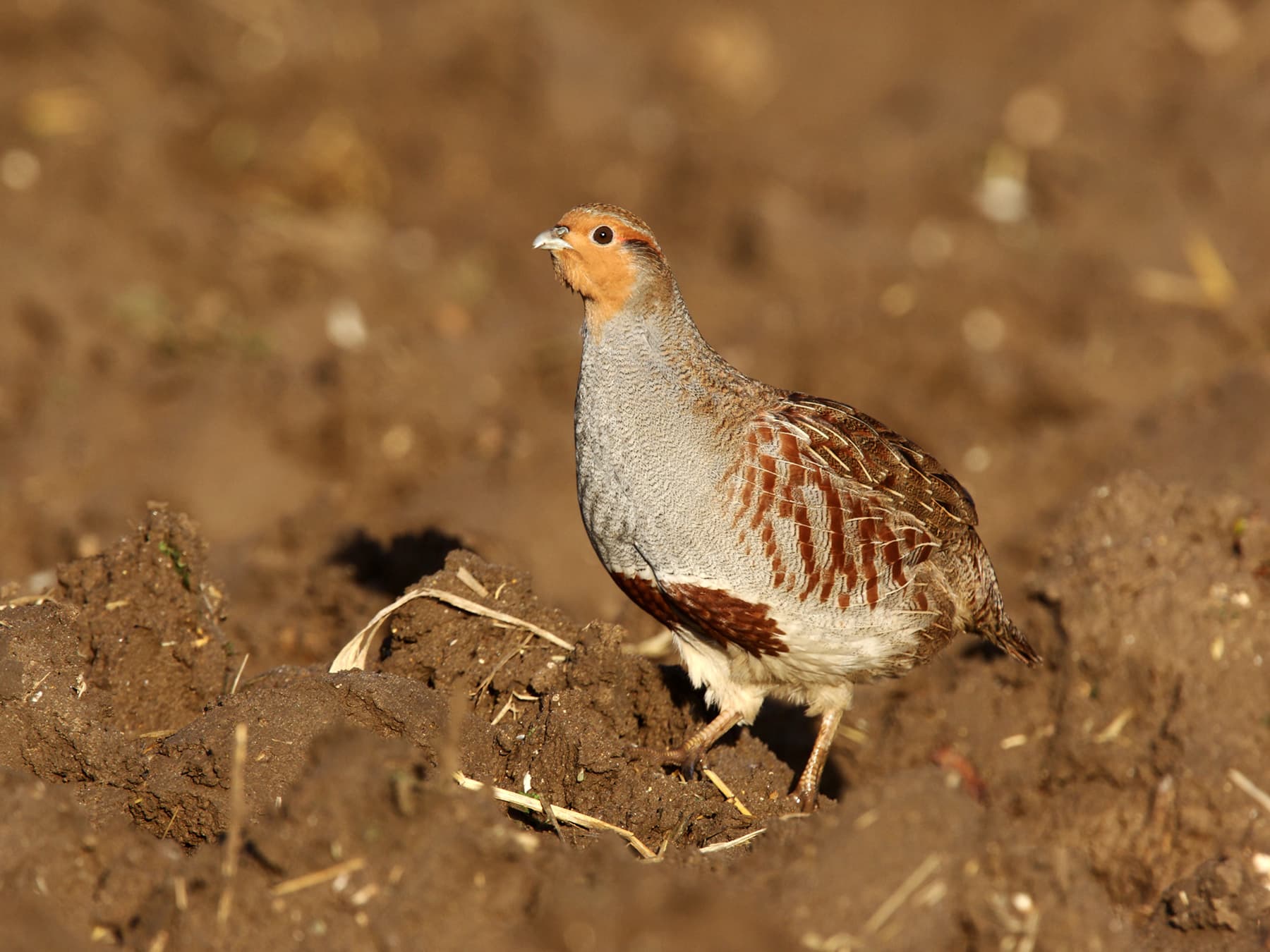
Grey Partridge
Perdix perdixLC
An uncommon and declining resident of arable farmland and rough grassland. Coveys may be found on Northumberland's lowland fields year-round.
Year-round
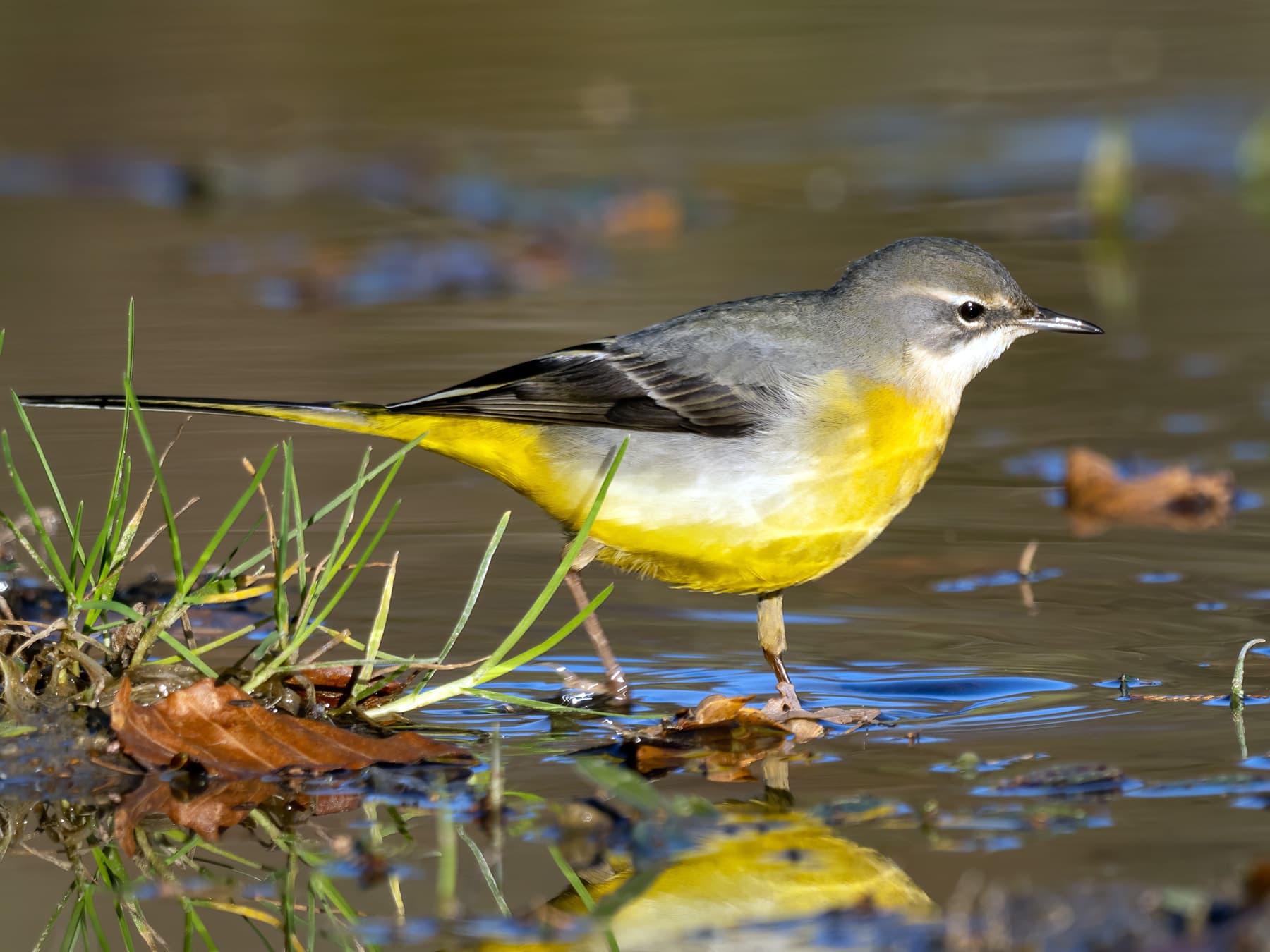
Grey Wagtail
Motacilla cinereaLC
An uncommon resident favouring fast-flowing streams and rivers. Often bobs its long tail on rocks in upland burns.
Year-round
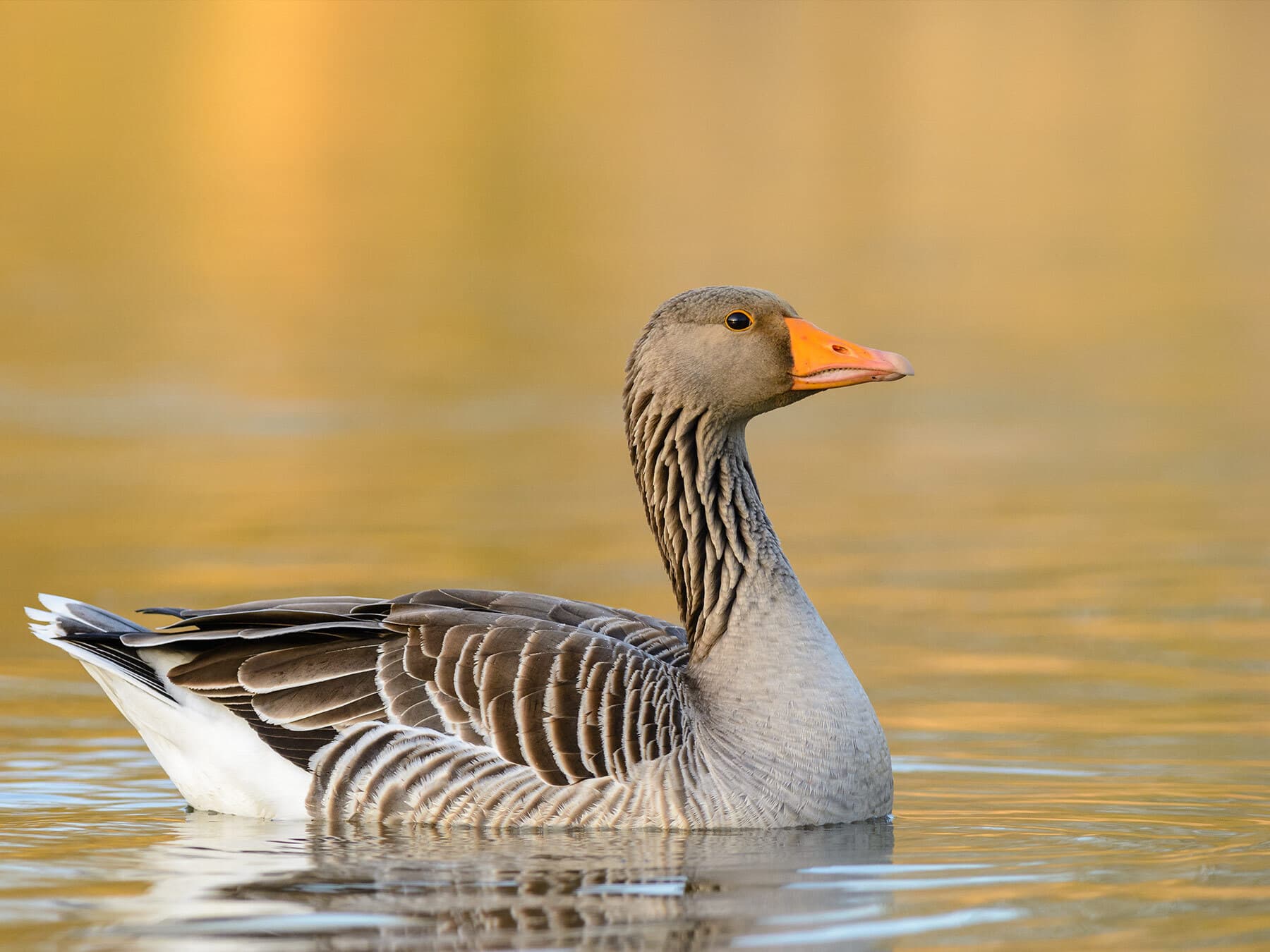
Greylag Goose
Anser anserLC
A common resident found on farmland, lakes and coastal marshes throughout the year. Feral and wild populations mix, especially around Lindisfarne in winter.
Year-round
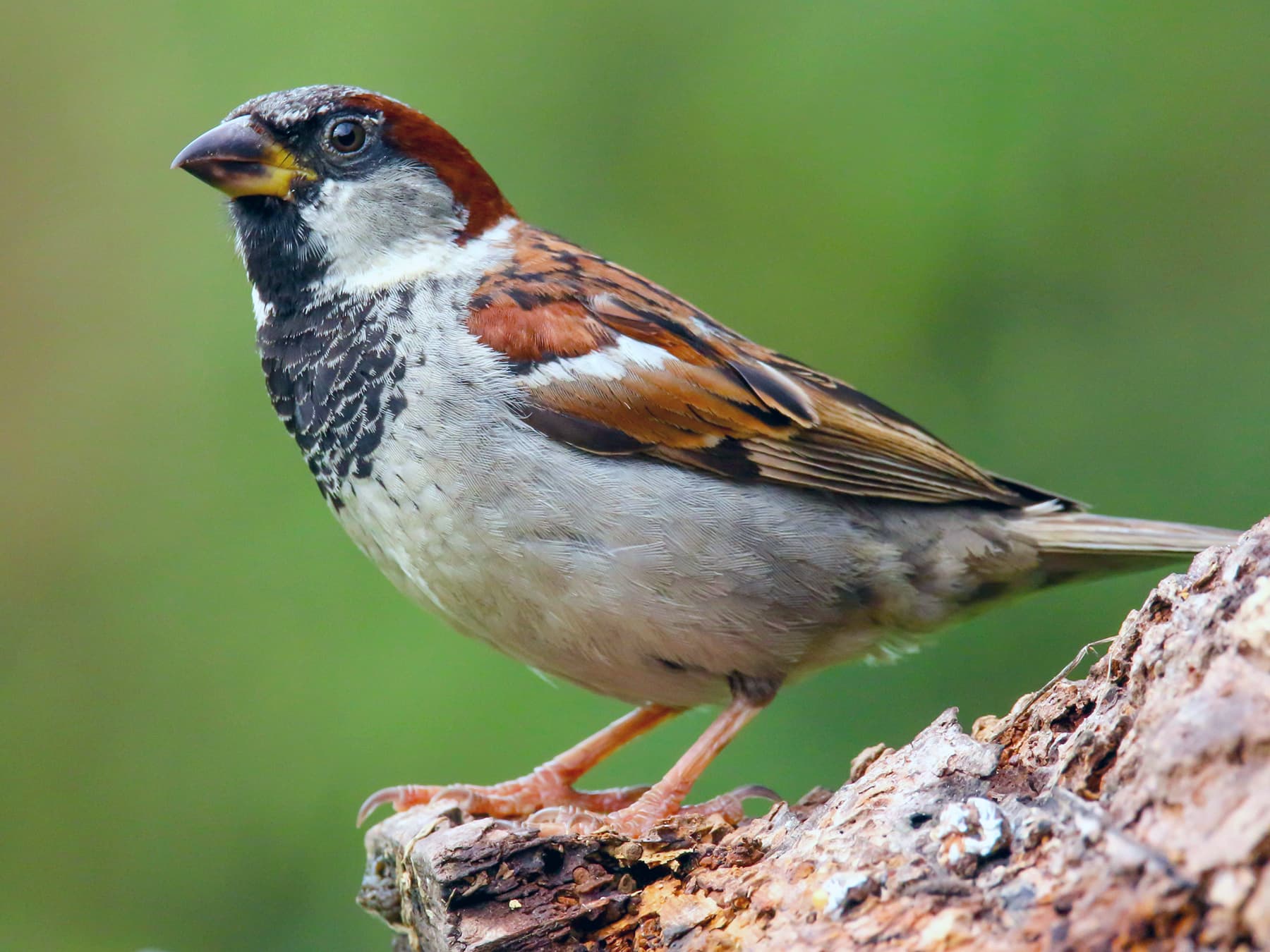
House Sparrow
Passer domesticusLC
A familiar year-round resident of Northumberland's towns, villages, and farmsteads, often nesting under eaves and gathering in noisy flocks.
Year-round
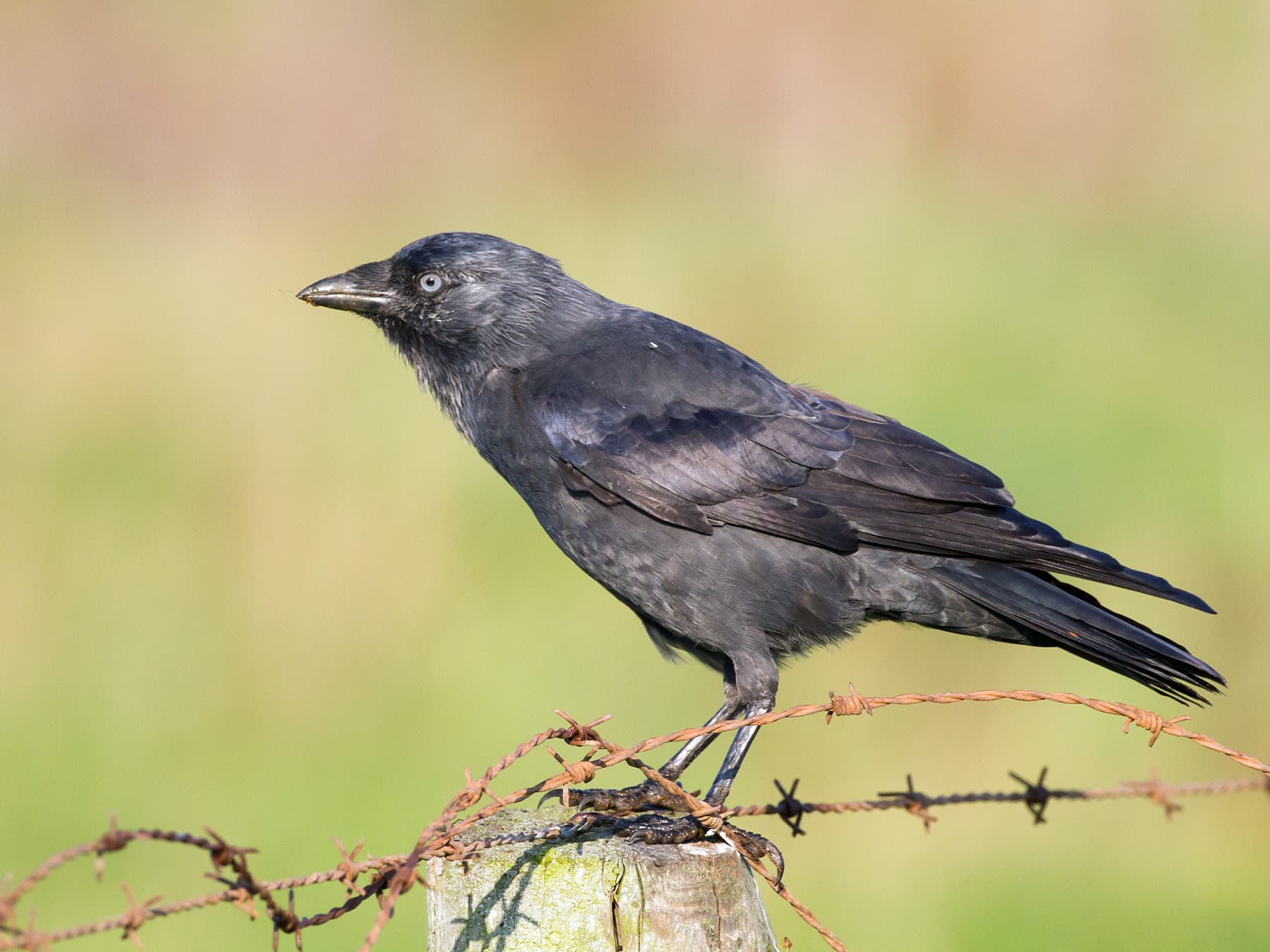
Jackdaw
Coloeus monedulaLC
A common and sociable resident found around farmland, villages, and castle ruins, often nesting in old stone buildings and chimney pots.
Year-round
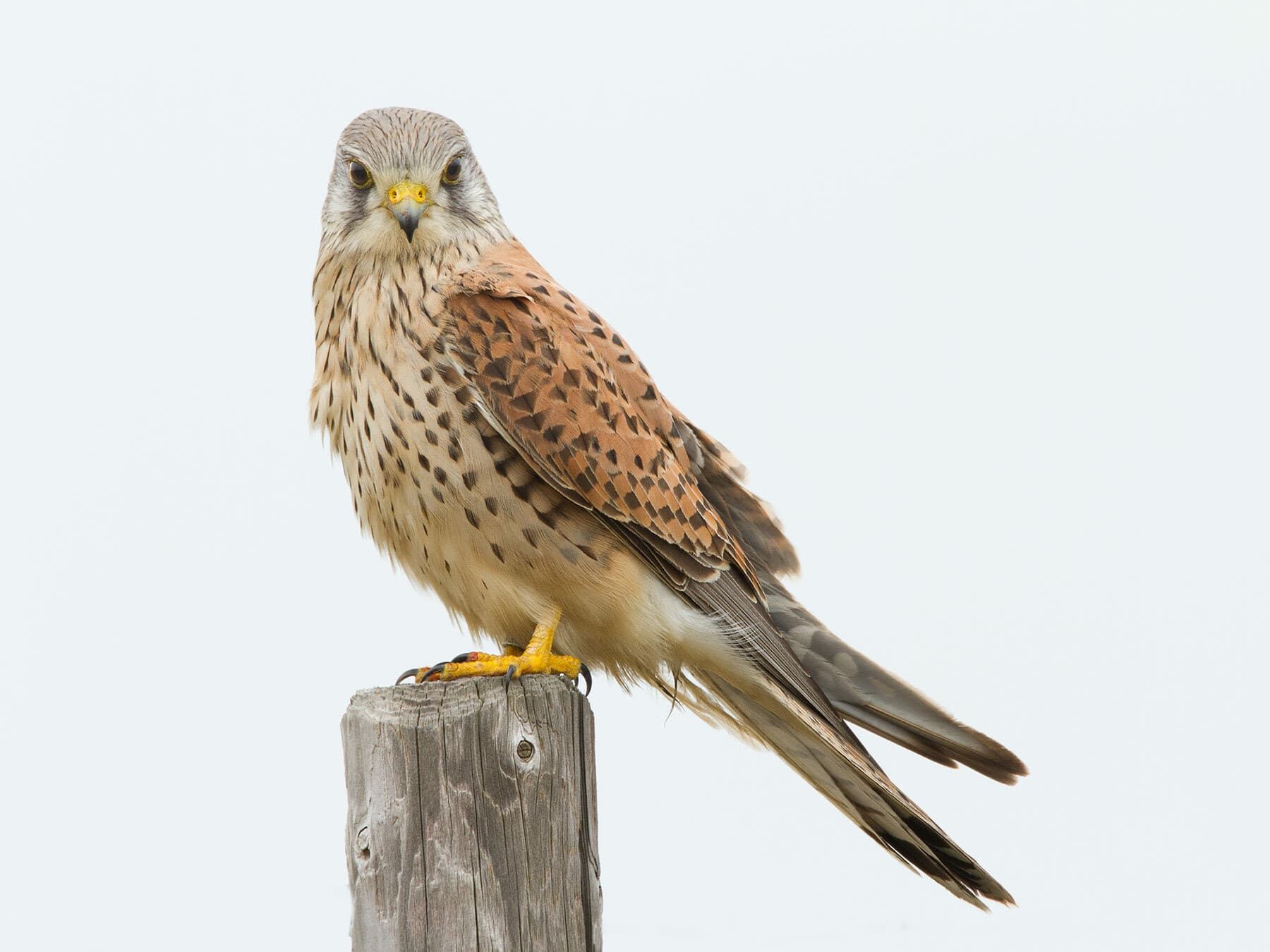
Kestrel
Falco tinnunculusLC
An uncommon resident often seen hovering over roadside verges and moorland edges. Present year-round but declining nationally.
Year-round
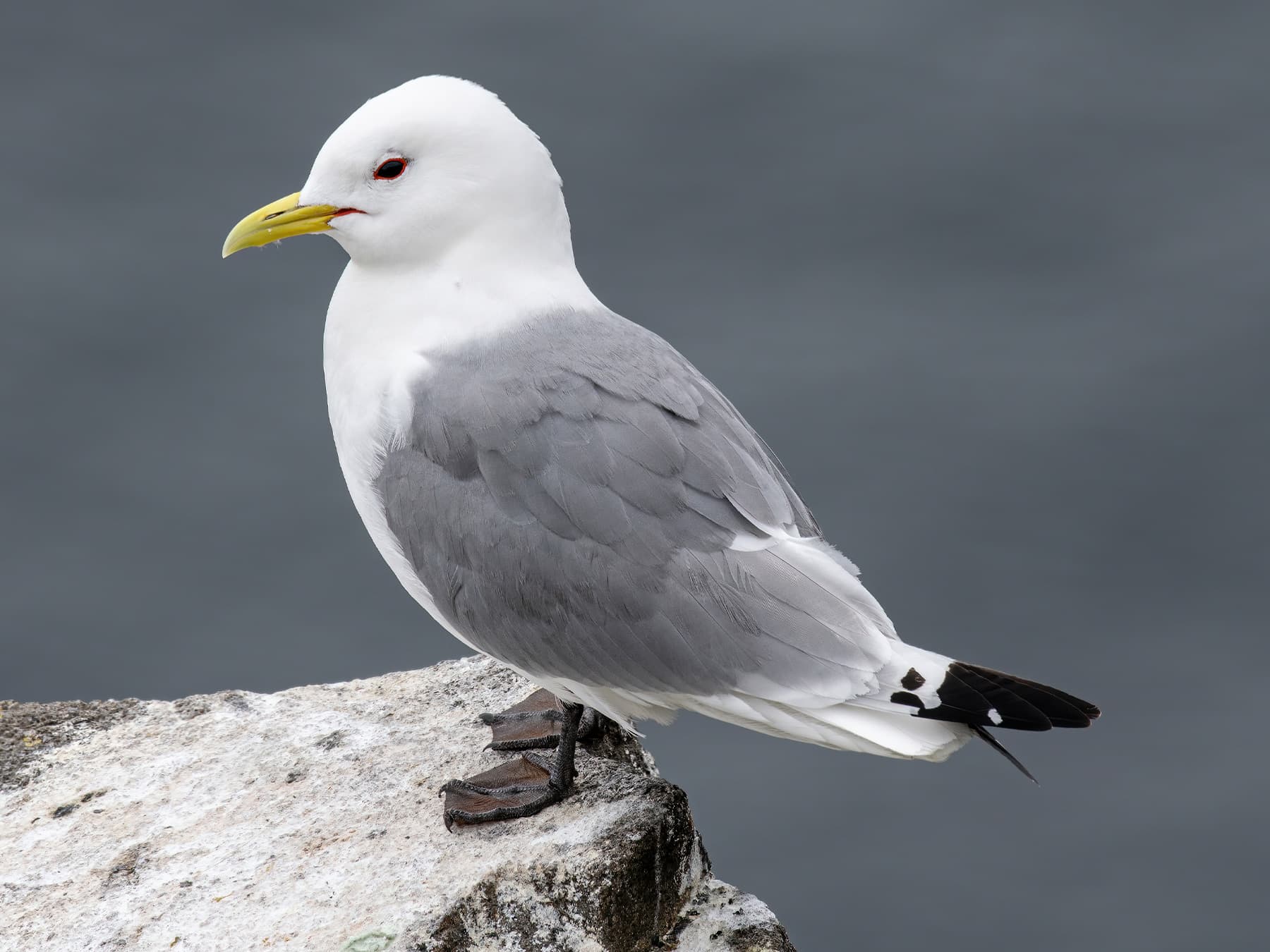
Kittiwake
Rissa tridactylaVU
Breeds in noisy cliff colonies on the Farnes and at Dunstanburgh, though numbers are declining sharply across the region.
Year-round
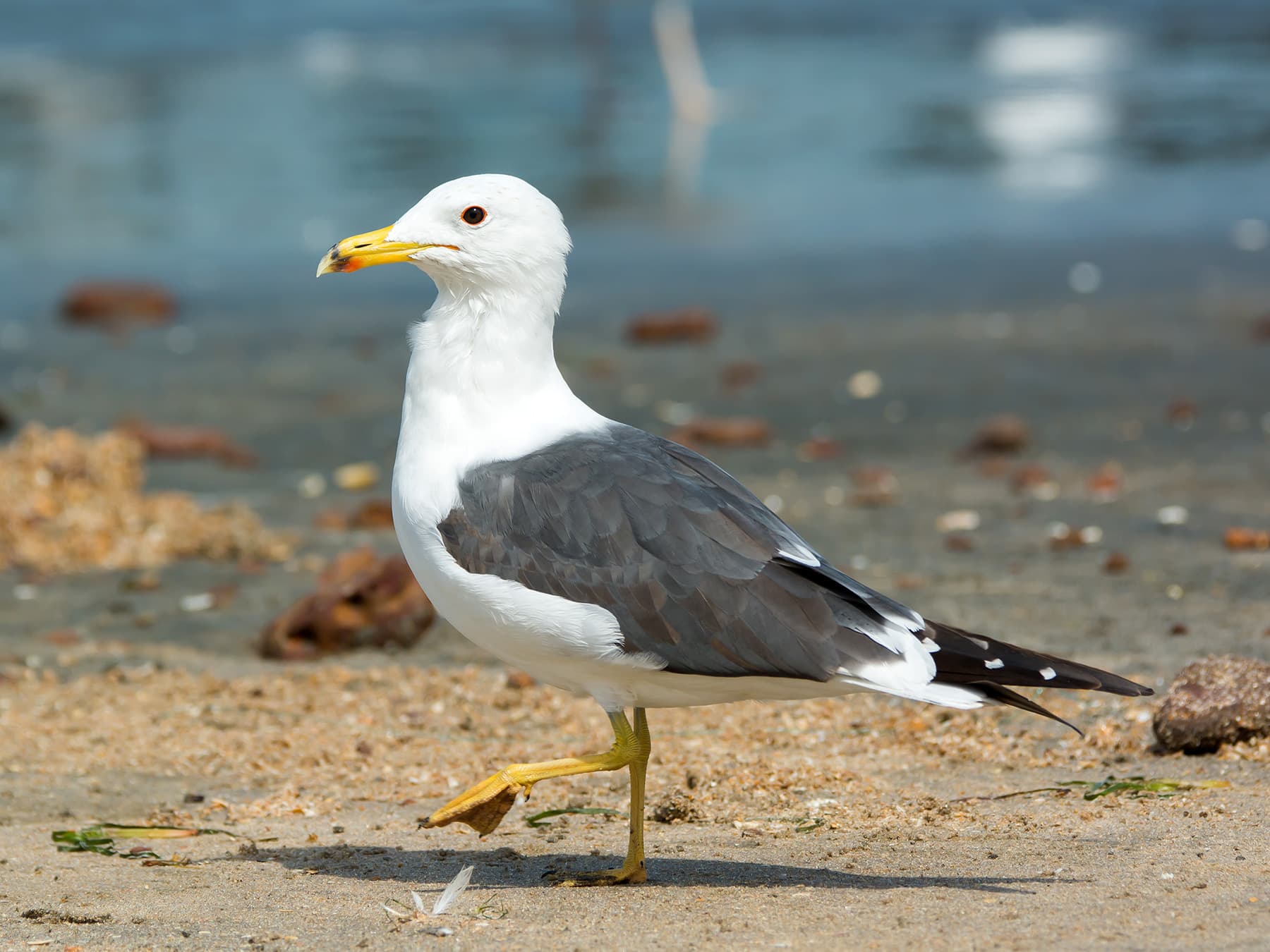
Lesser Black-backed Gull
Larus fuscusLC
Present year-round but uncommon, seen along the coast and at inland tips. Less numerous here than Herring or Black-headed Gulls.
Year-round
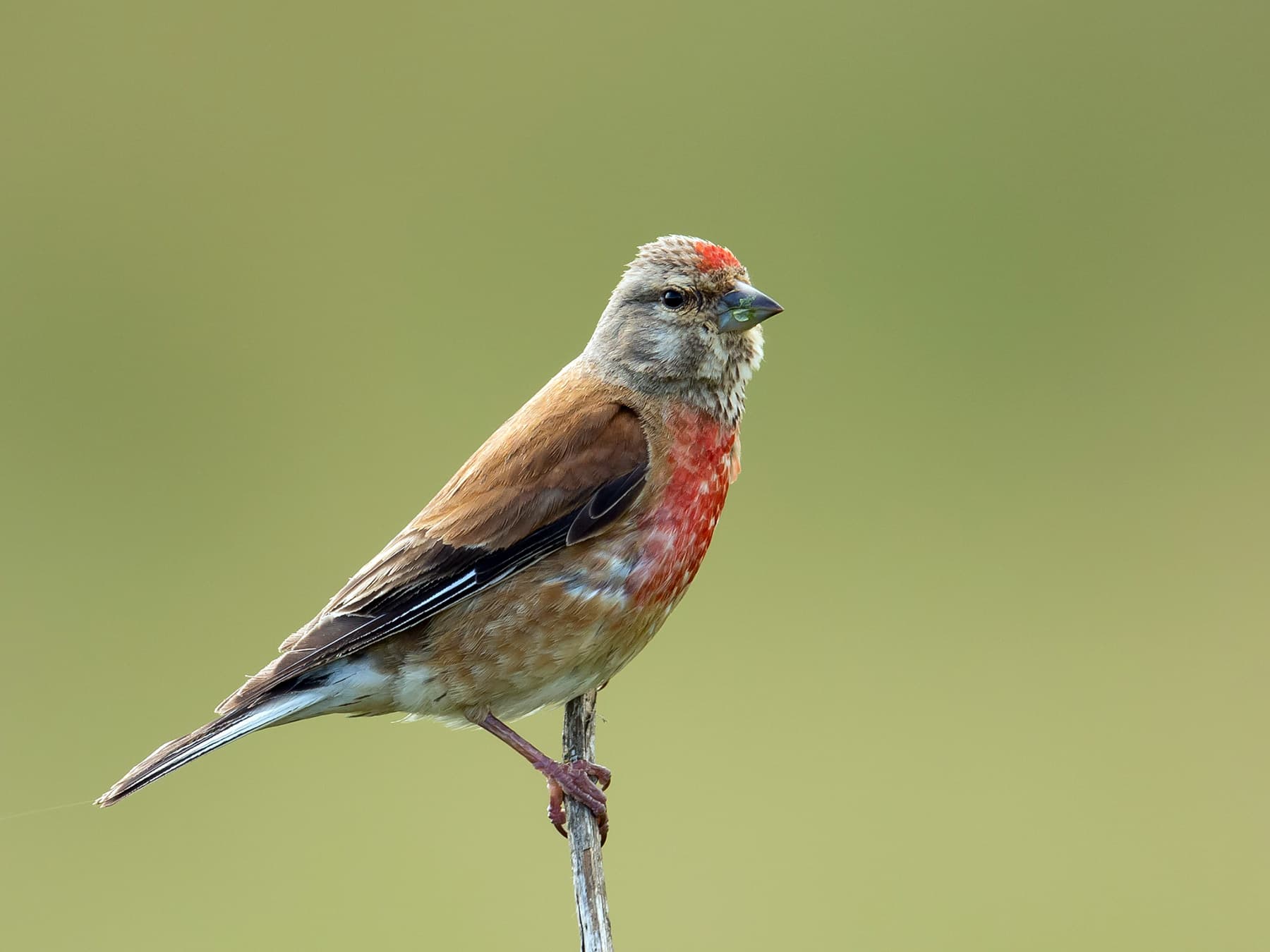
Linnet
Linaria cannabinaLC
Common across Northumberland's gorse-covered hillsides and farmland hedgerows, often forming large flocks on stubble fields in winter.
Year-round
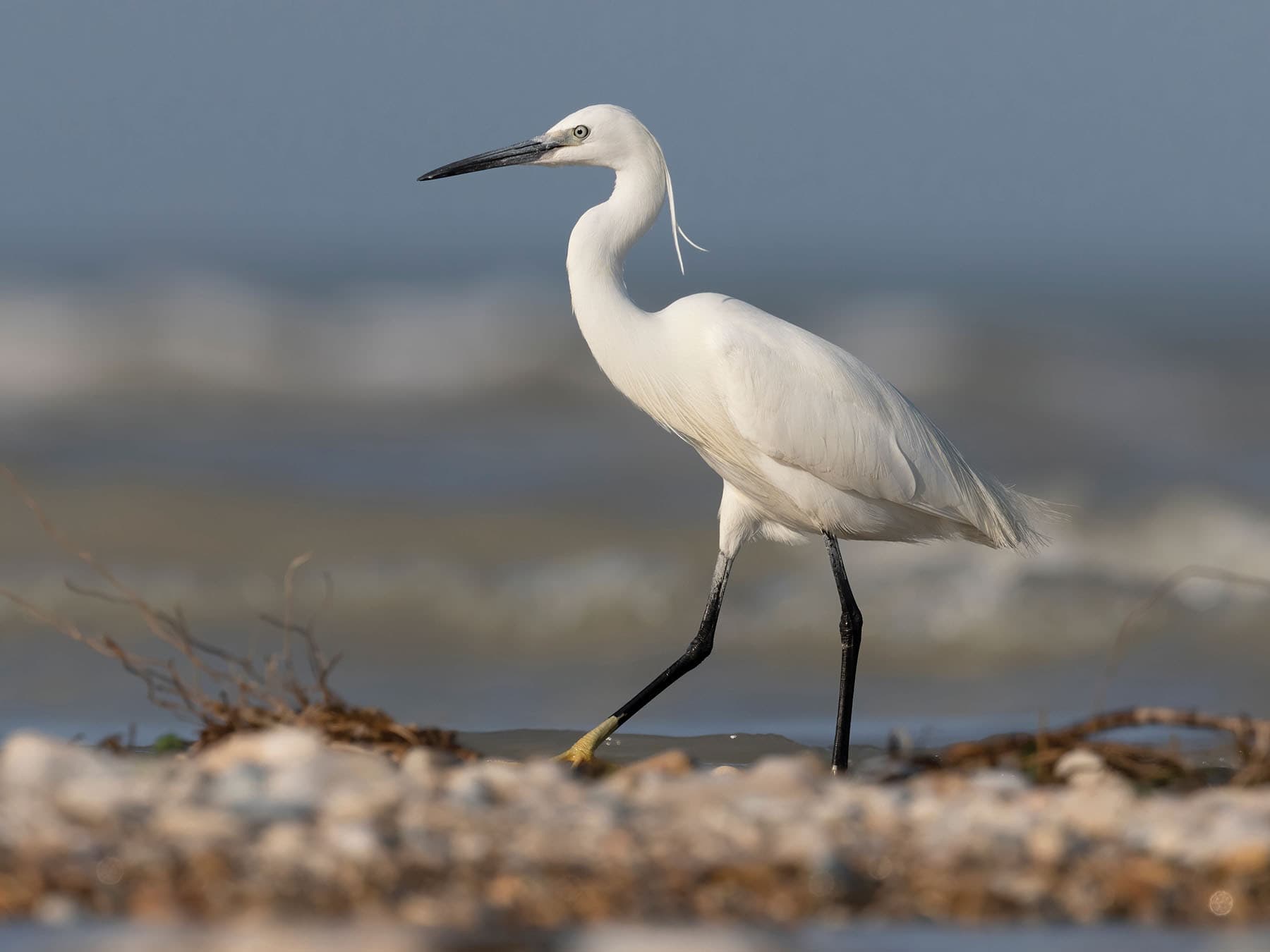
Little Egret
Egretta garzettaLC
An uncommon but increasing resident, now seen regularly at estuaries and coastal pools, reflecting its northward range expansion.
Year-round
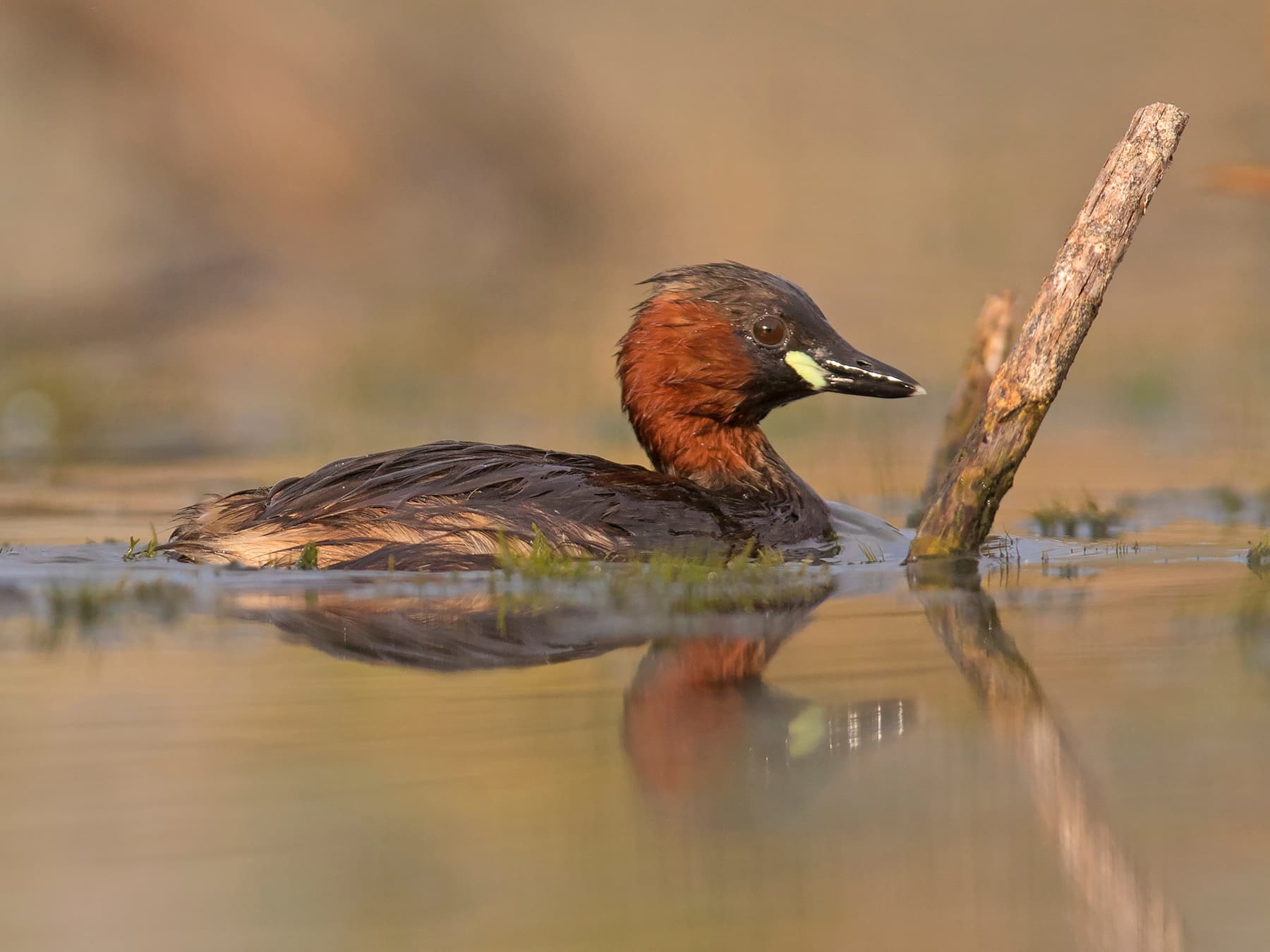
Little Grebe
Tachybaptus ruficollisLC
A common resident of sheltered ponds, lakes, and slow-flowing rivers, often heard giving its distinctive whinnying trill from dense cover.
Year-round
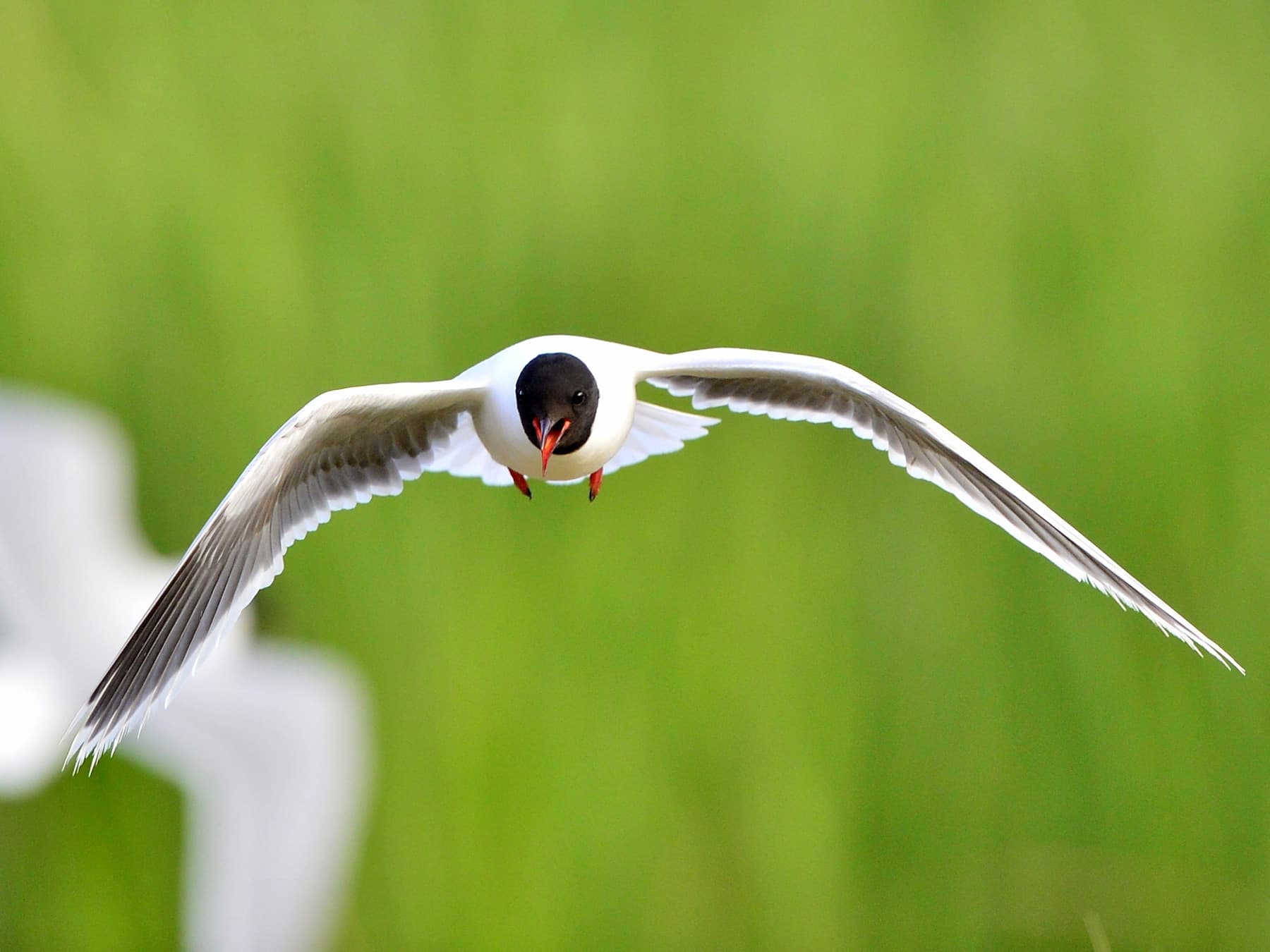
Little Gull
Hydrocoloeus minutusLC
A rare but regular small gull seen along the coast and at reservoirs from spring through autumn. Dainty flight and dark underwings are distinctive.
Feb–Nov
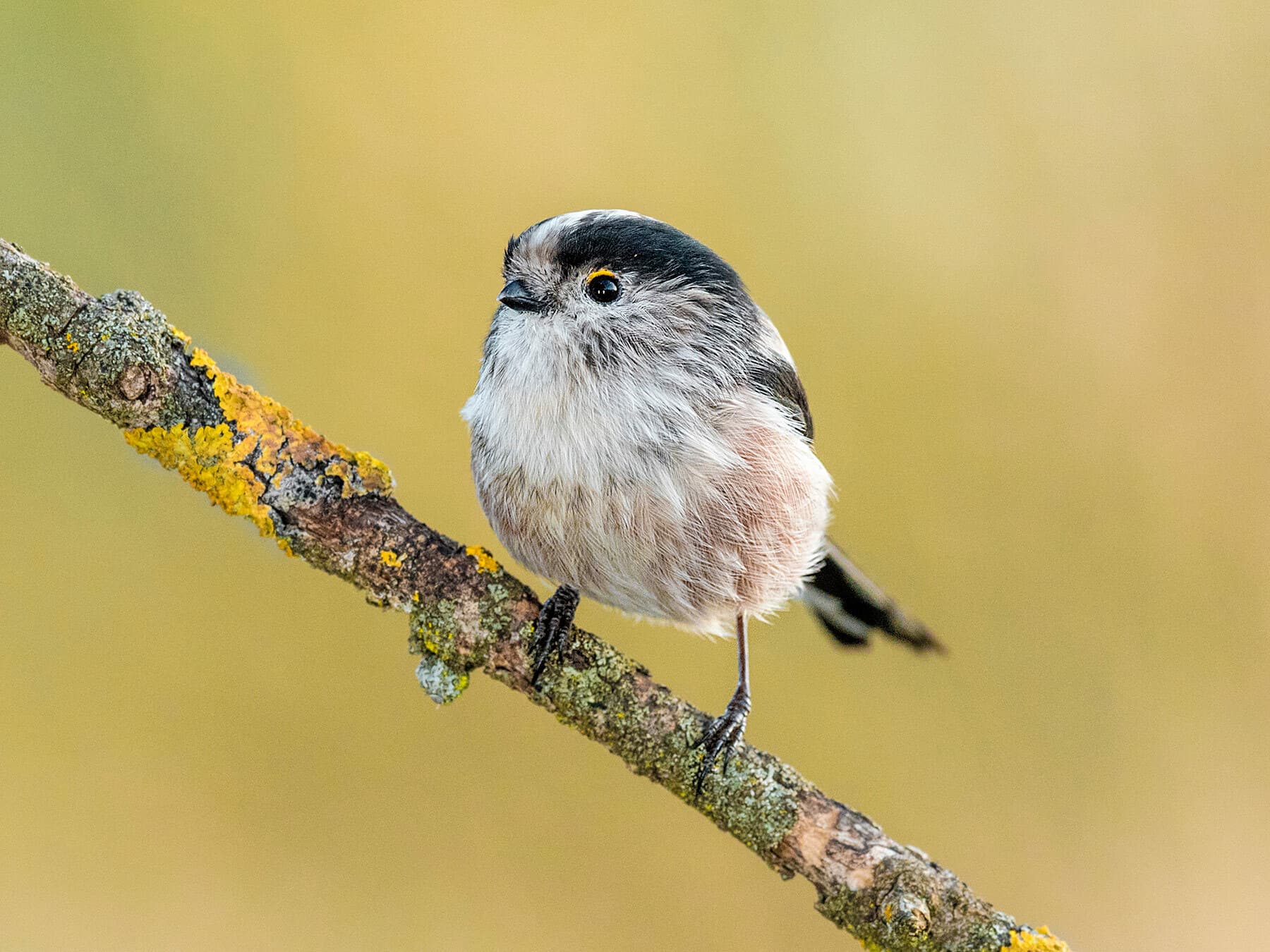
Long-tailed Tit
Aegithalos caudatusLC
An uncommon resident, moving through hedgerows and woodland edges in lively, chattering flocks. Present year-round across the county.
Year-round
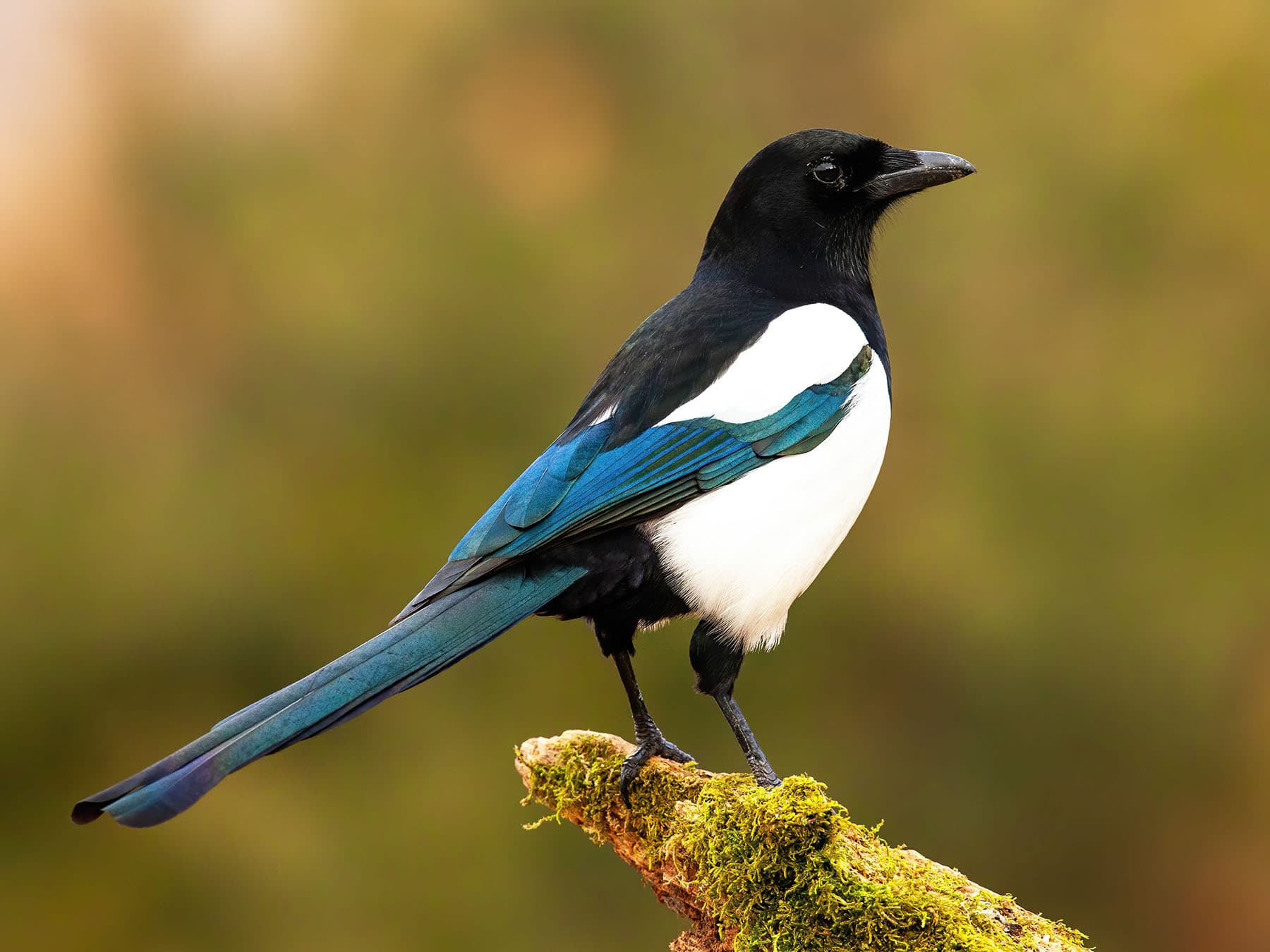
Magpie
Pica picaLC
A common and conspicuous resident of farmland, gardens and hedgerows throughout the county. Easily recognised by its bold pied plumage.
Year-round
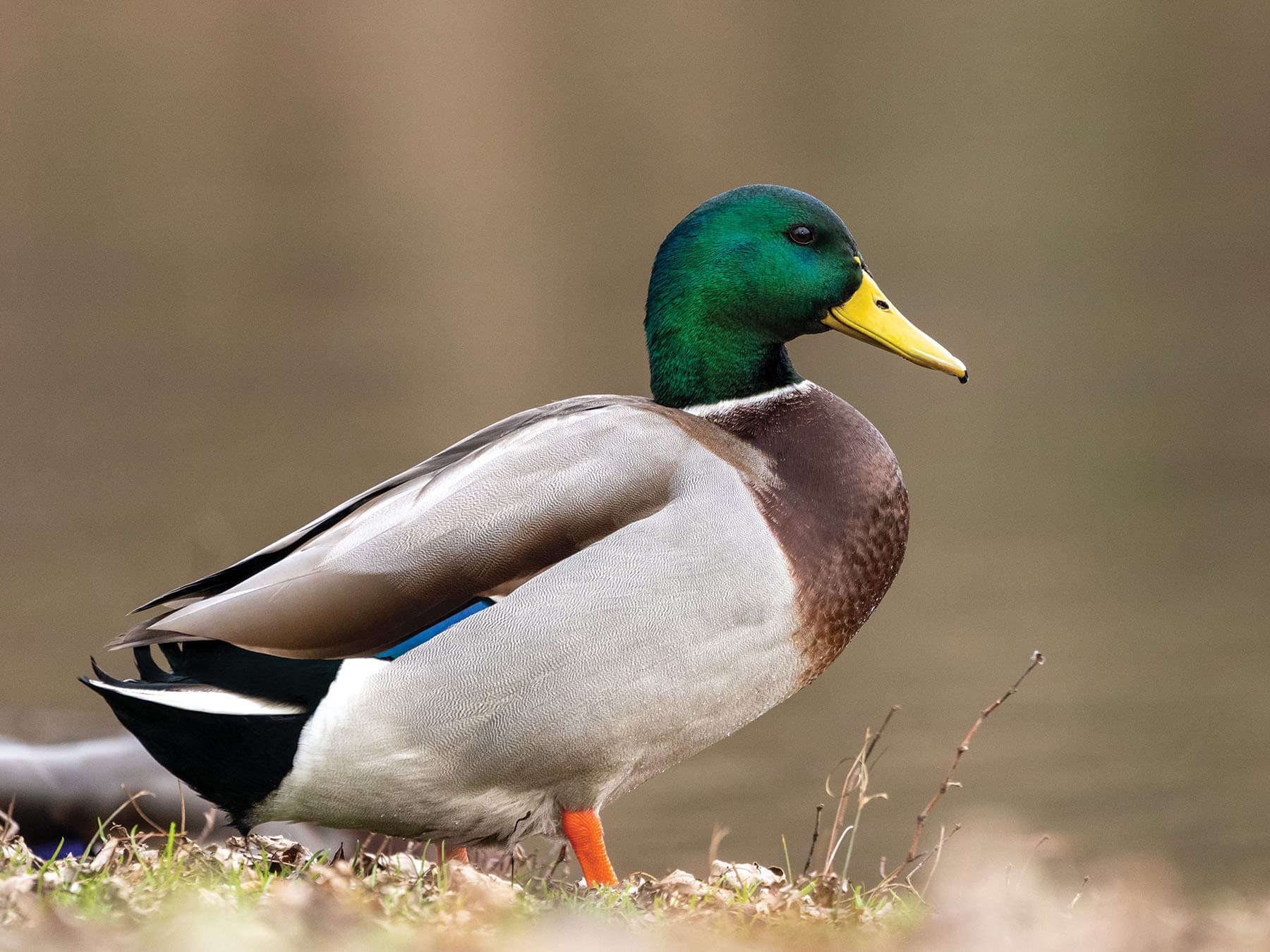
Mallard
Anas platyrhynchosLC
Abundant and familiar year-round on rivers, lakes, ponds, and estuaries across the county. Readily seen in parks and farmland.
Year-round
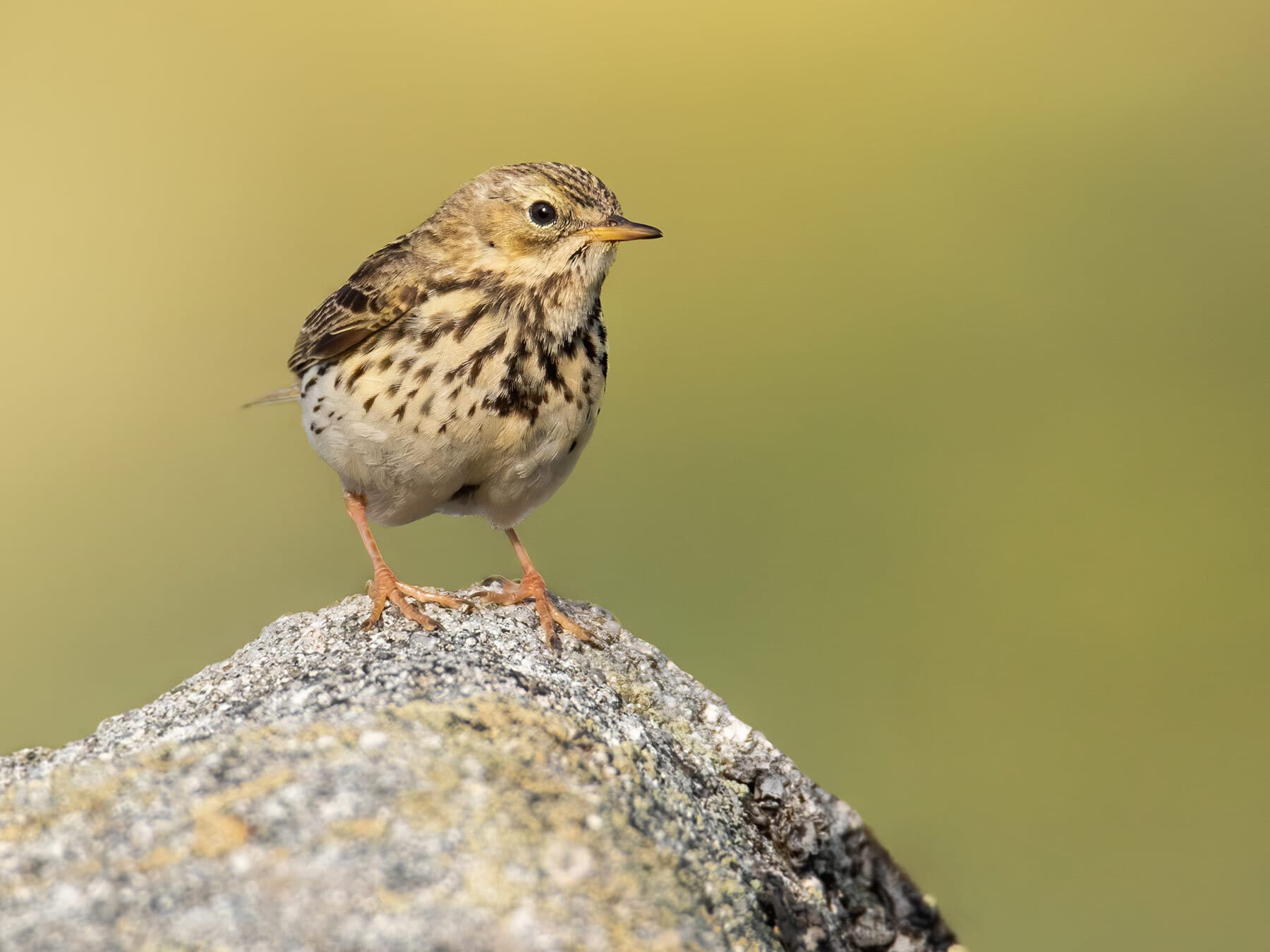
Meadow Pipit
Anthus pratensisLC
A common resident of Northumberland's open moorlands and rough grasslands, its thin call a constant soundtrack to the upland Cheviots.
Year-round
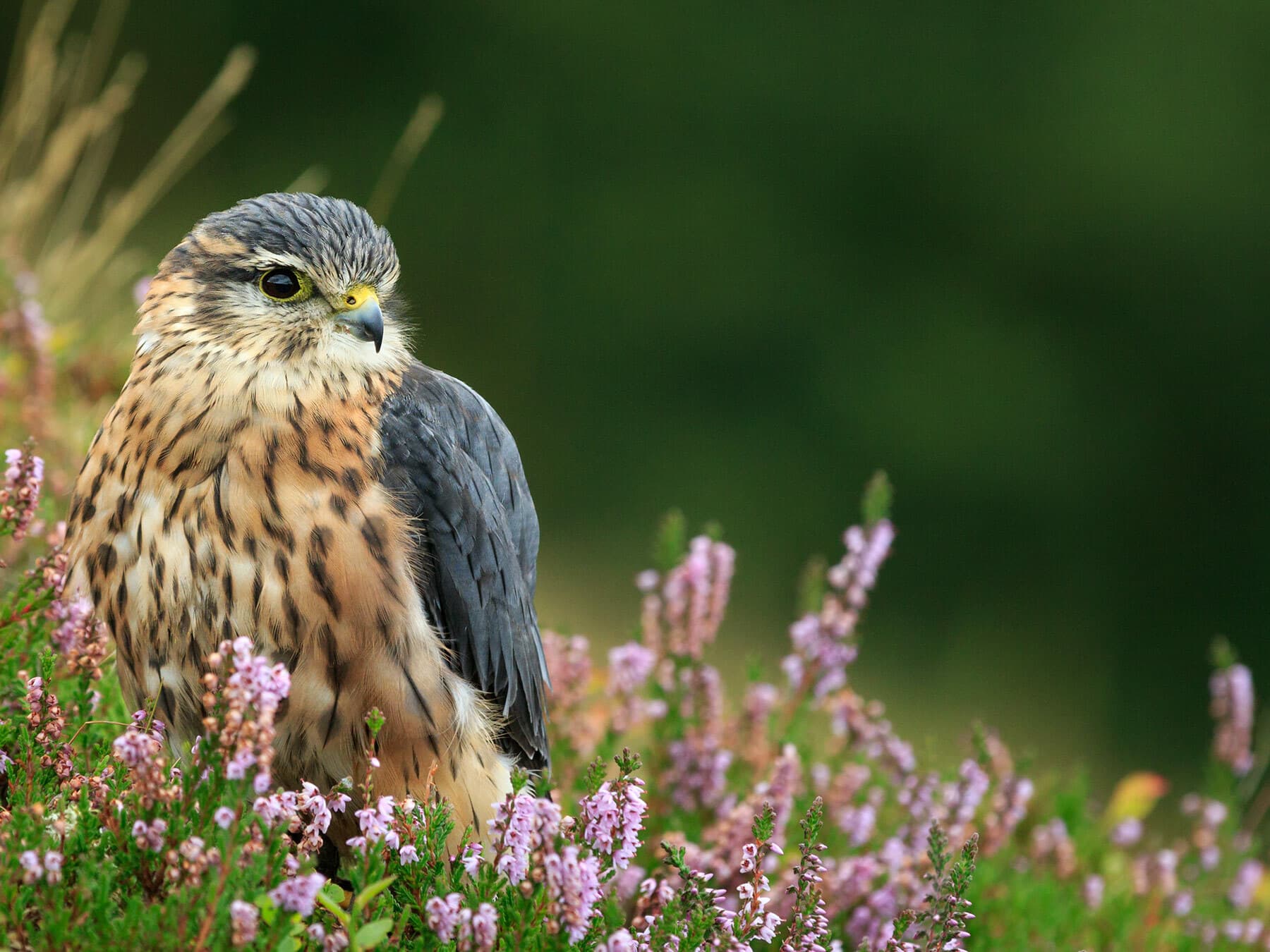
Merlin
Falco columbariusLC
A rare resident breeding on upland moorland. More visible in autumn and winter when birds move to lower ground and the coast.
Jul–Apr
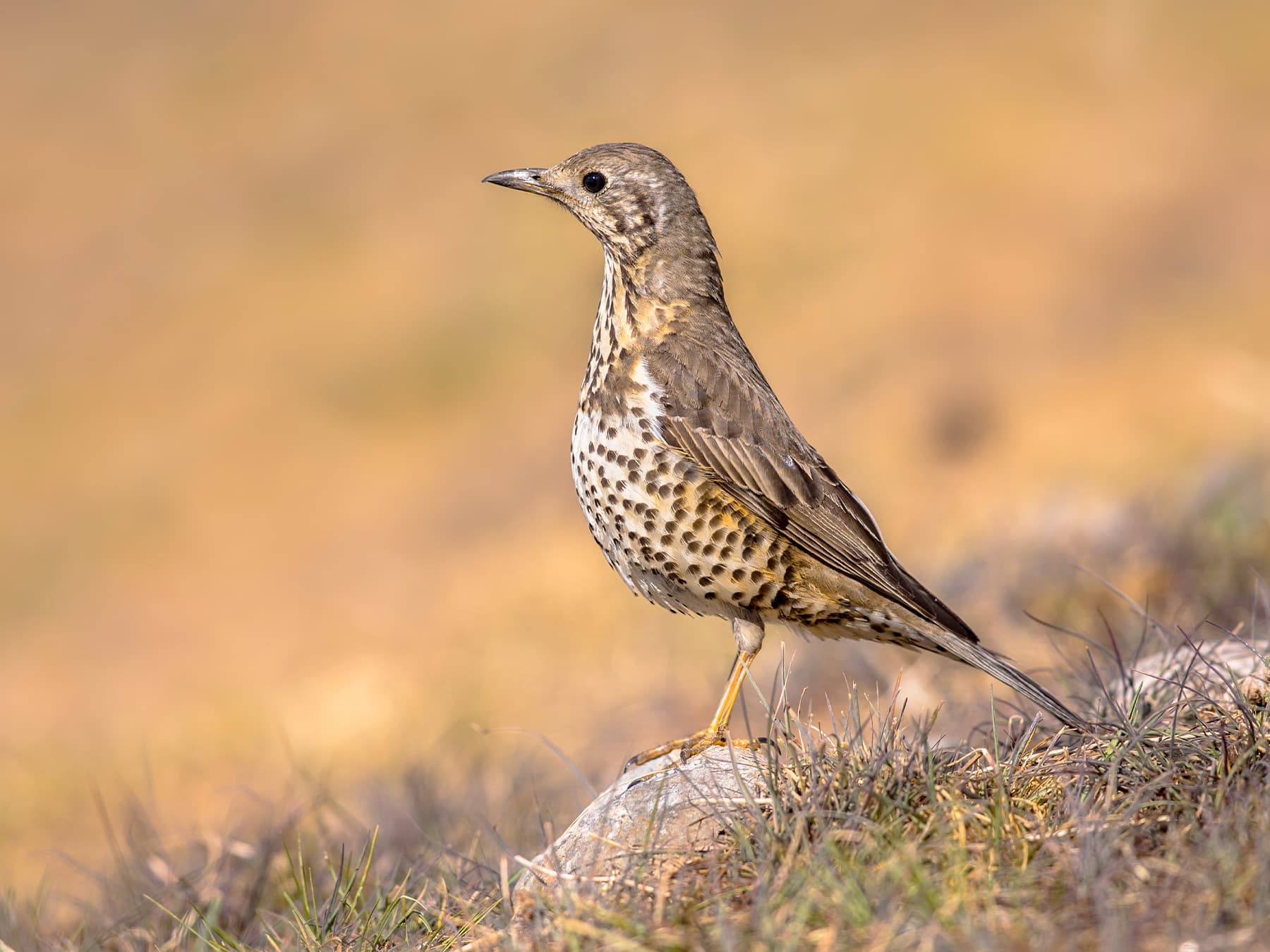
Mistle Thrush
Turdus viscivorusLC
An uncommon resident of parkland and open woodland, often singing boldly from treetops even in midwinter storms.
Year-round
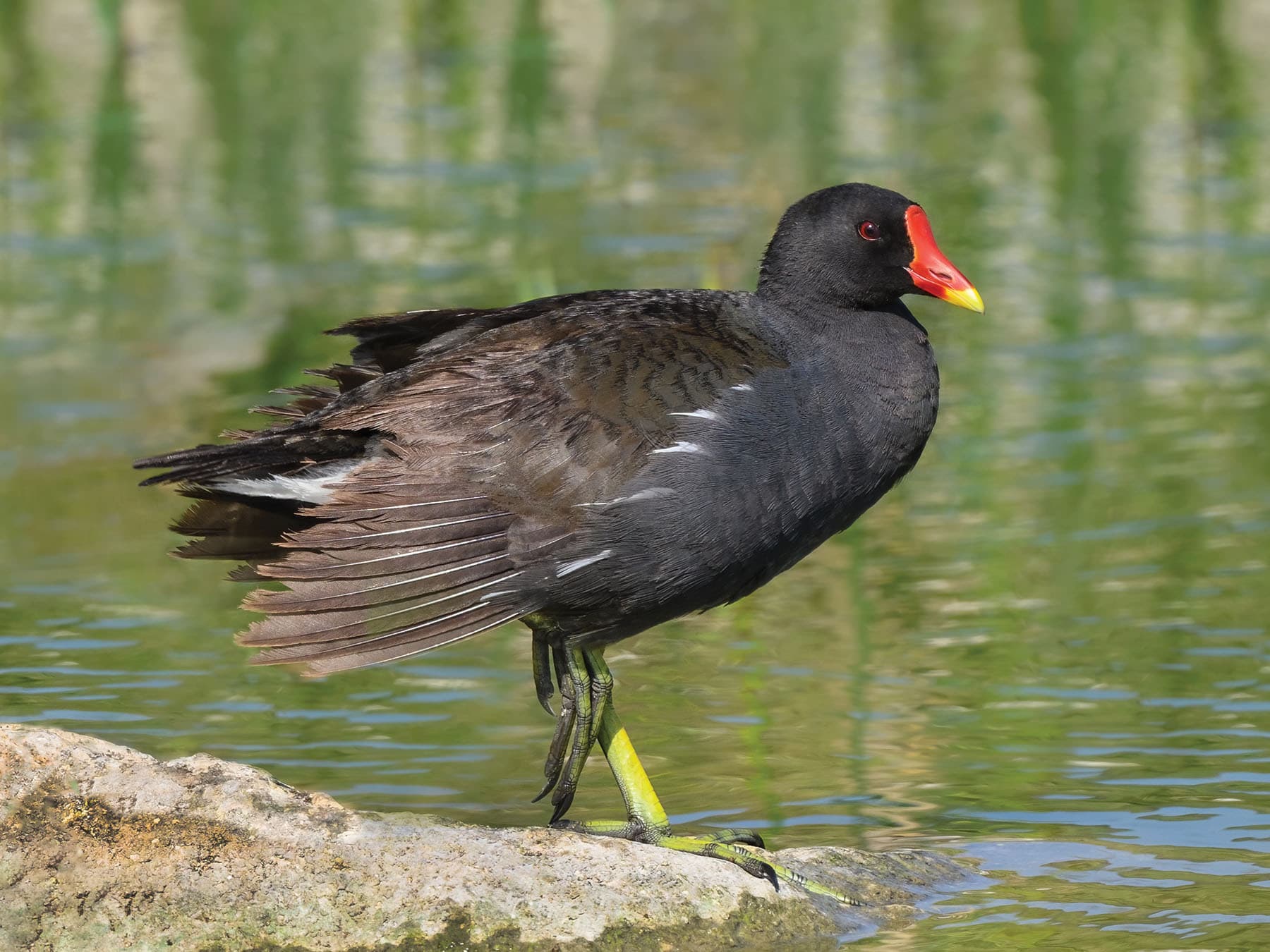
Moorhen
Gallinula chloropusLC
A common year-round resident found on ponds, rivers and village lakes, often seen flicking its white undertail as it forages.
Year-round
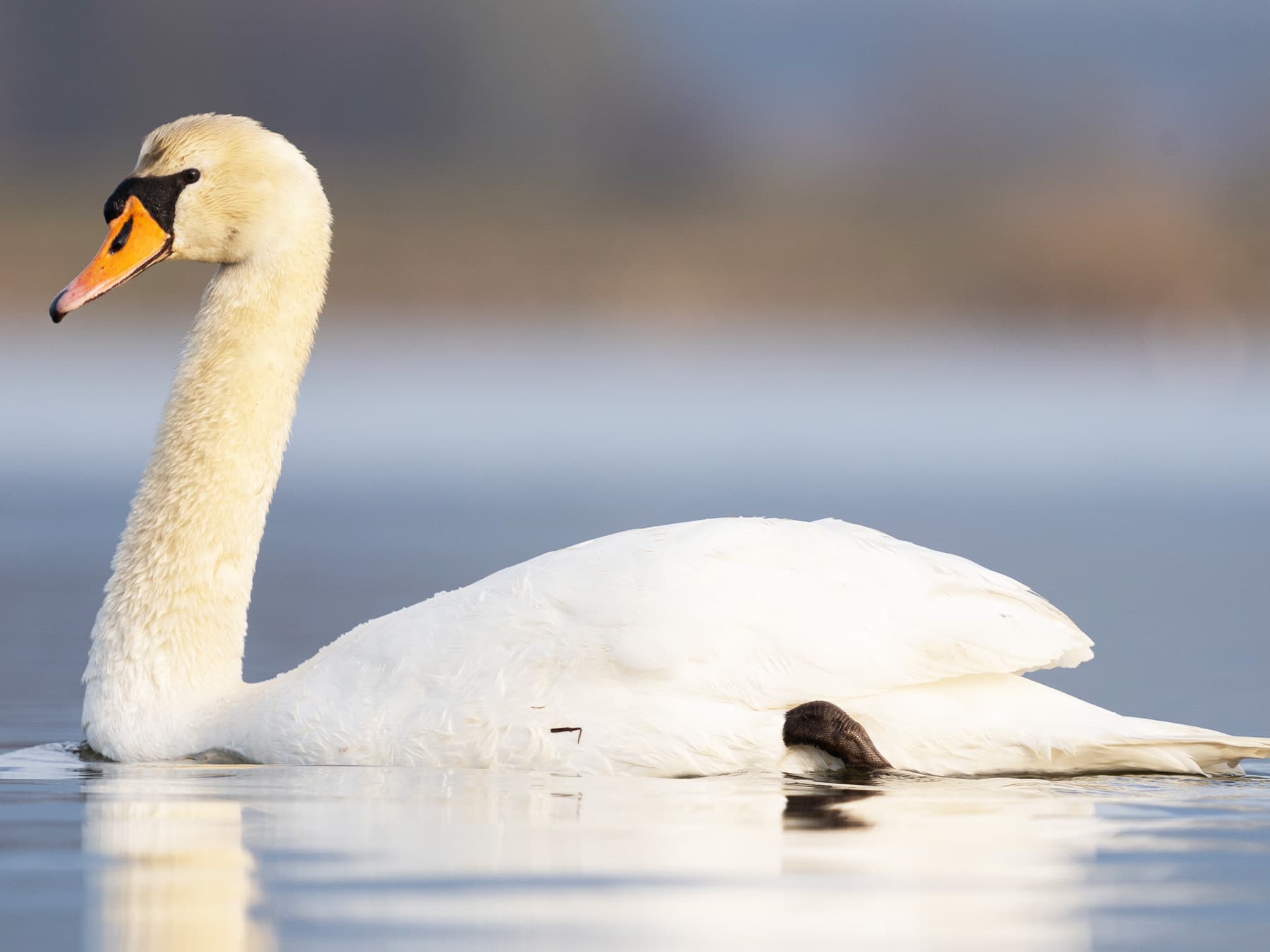
Mute Swan
Cygnus olorLC
A familiar year-round resident on rivers, lakes and sheltered coastal waters. Pairs nest along the Tyne and other lowland waterways across the county.
Year-round
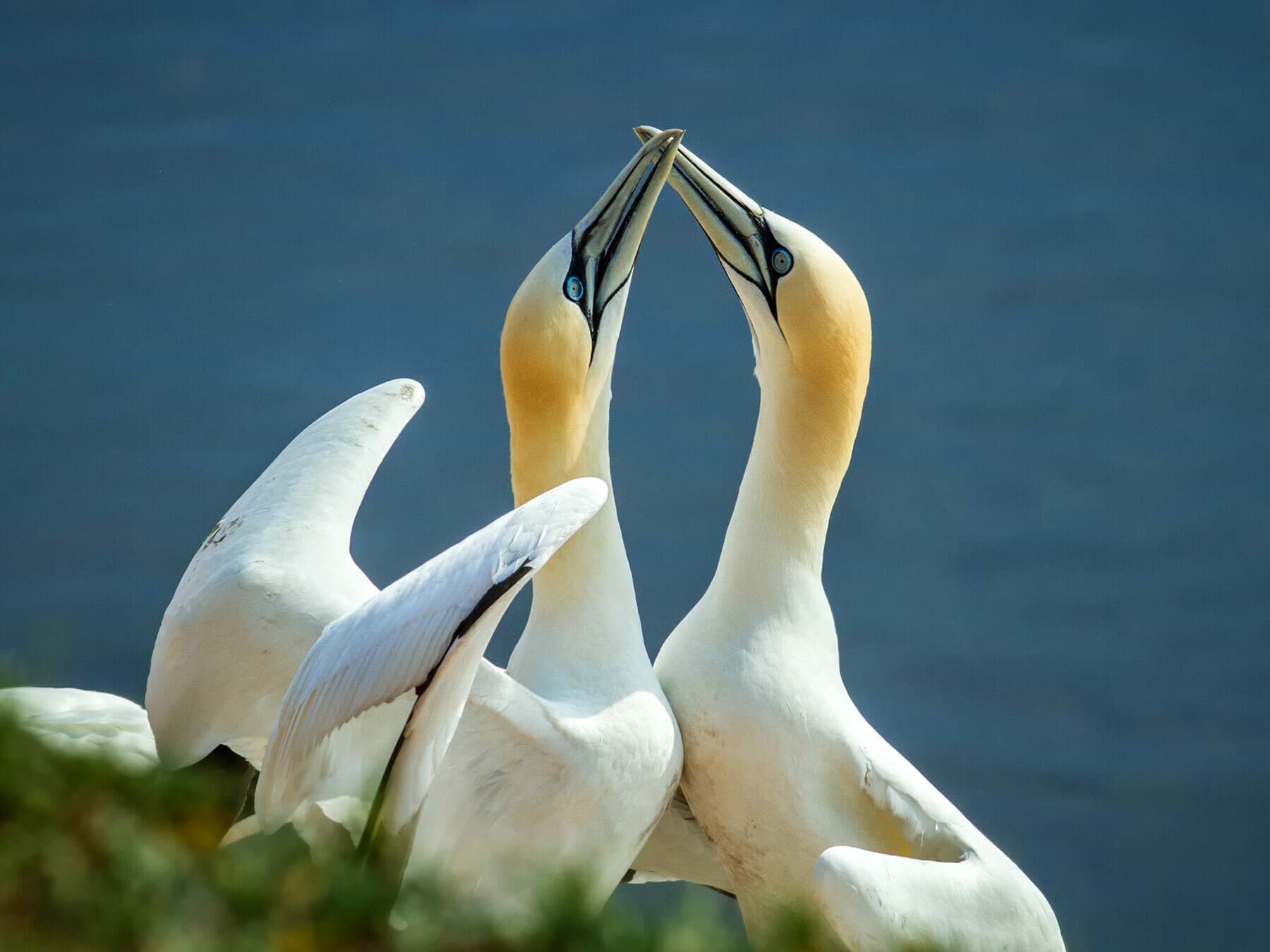
Northern Gannet
Morus bassanusLC
Regularly seen offshore year-round, often plunge-diving spectacularly. Passes close to shore near the Farne Islands and Bamburgh.
Year-round
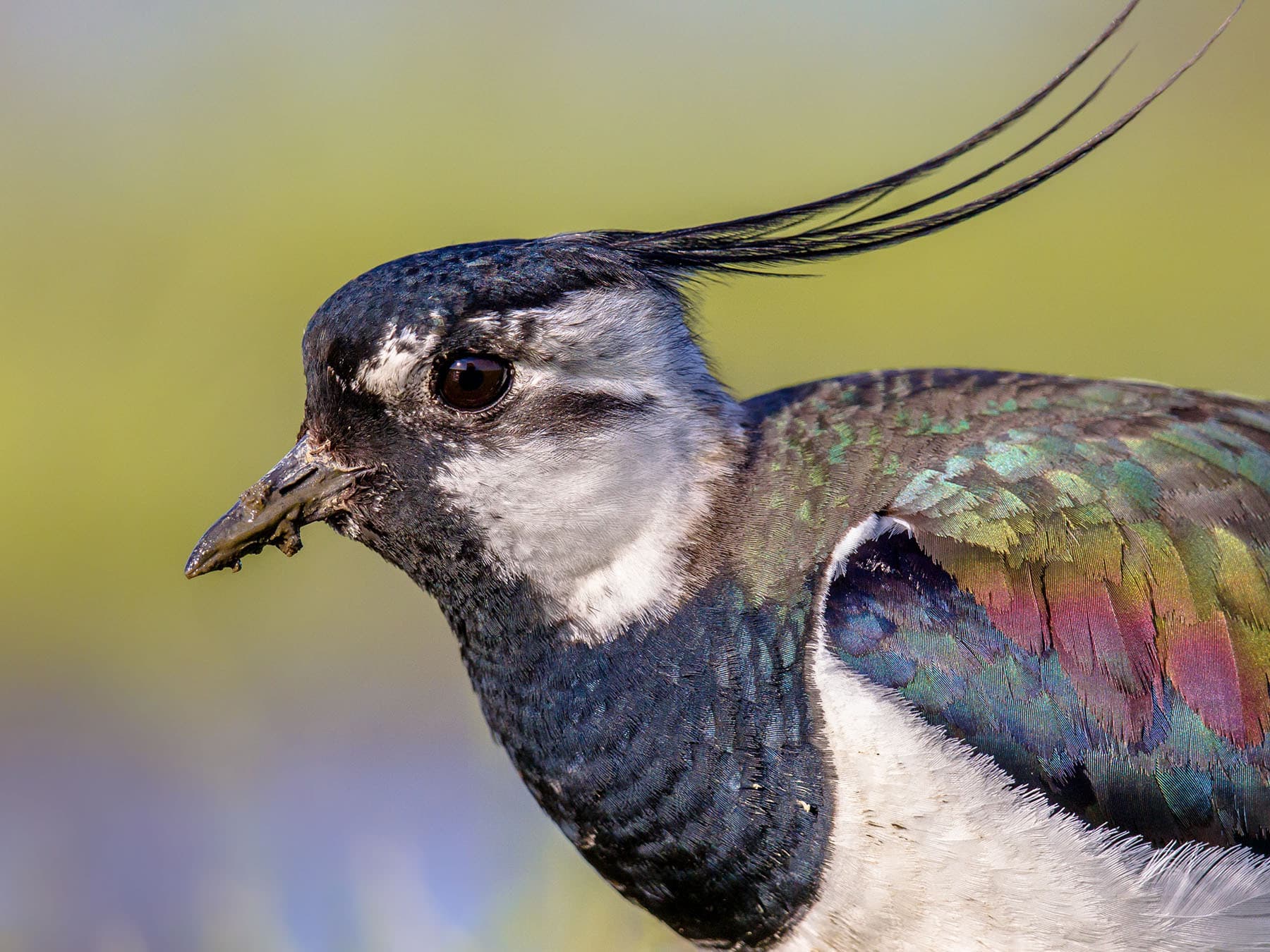
Northern Lapwing
Vanellus vanellusNT
A common but declining resident of farmland and wetland margins. Large winter flocks form on ploughed fields across Northumberland's lowlands.
Year-round
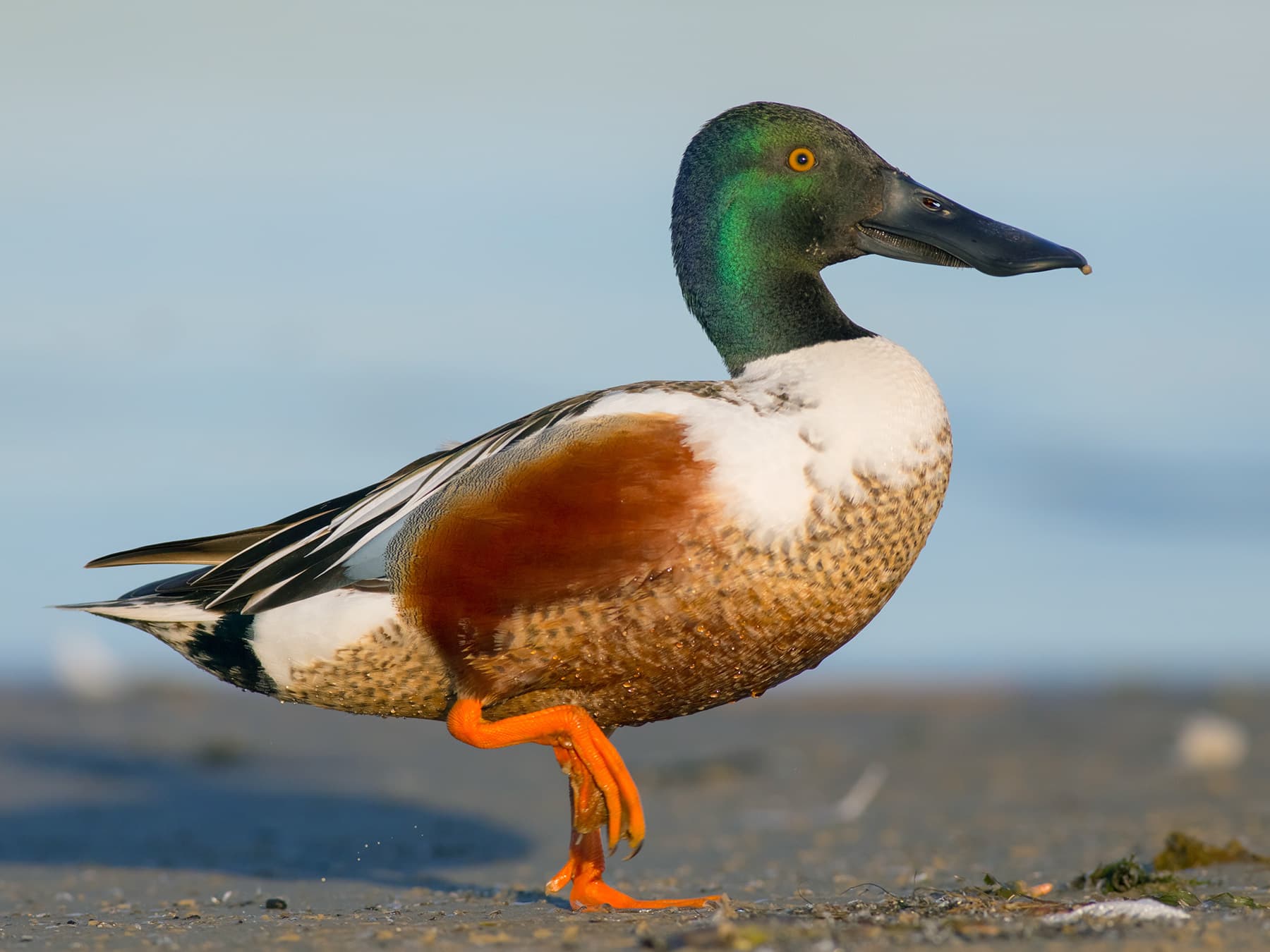
Northern Shoveler
Spatula clypeataLC
An uncommon resident of shallow wetlands and flooded fields, using its distinctive broad bill to filter-feed. Numbers increase in winter.
Year-round
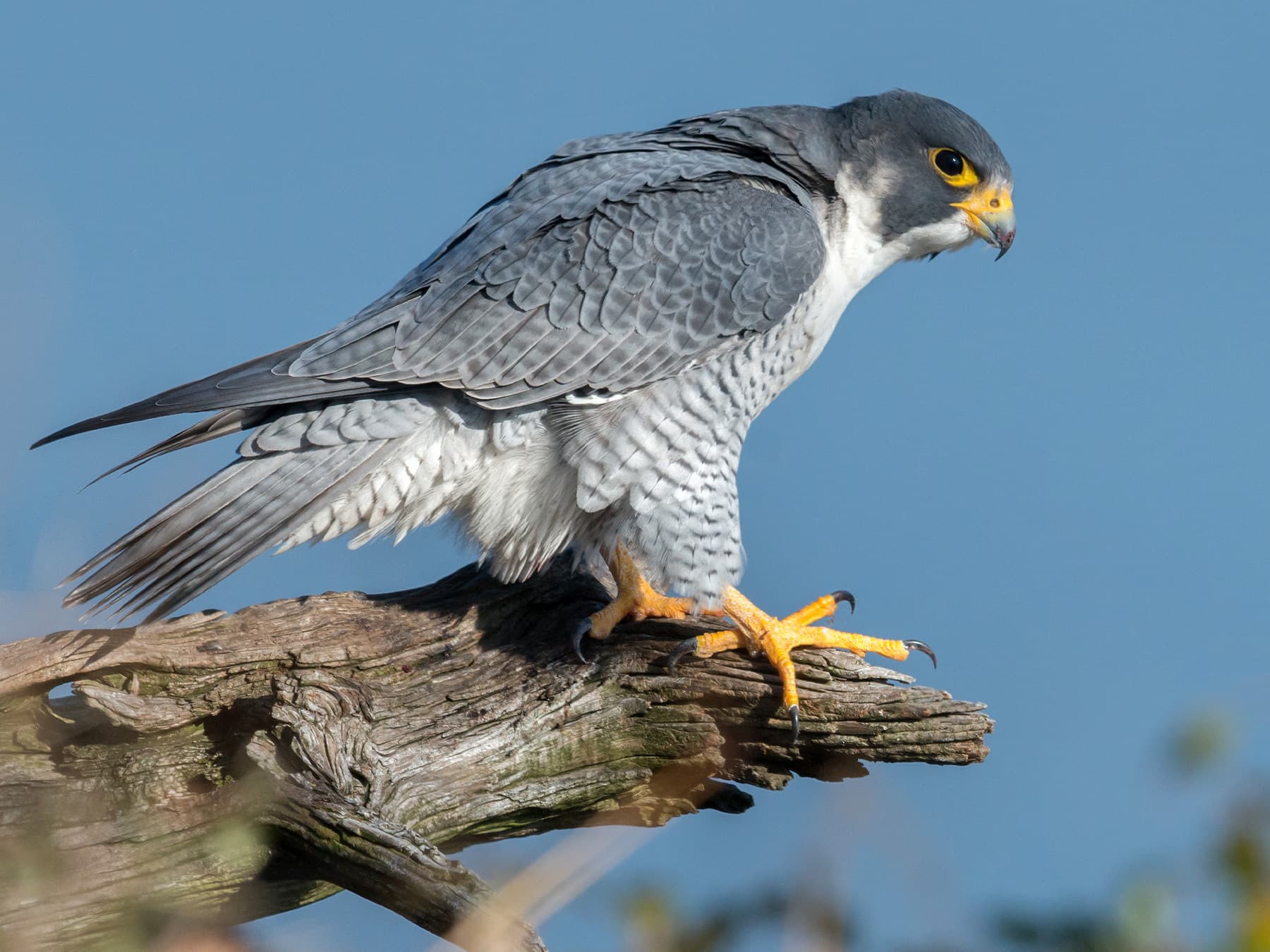
Peregrine Falcon
Falco peregrinusLC
A rare but year-round resident nesting on crags and tall buildings. Hunts over the coast and moorland across the county.
Year-round
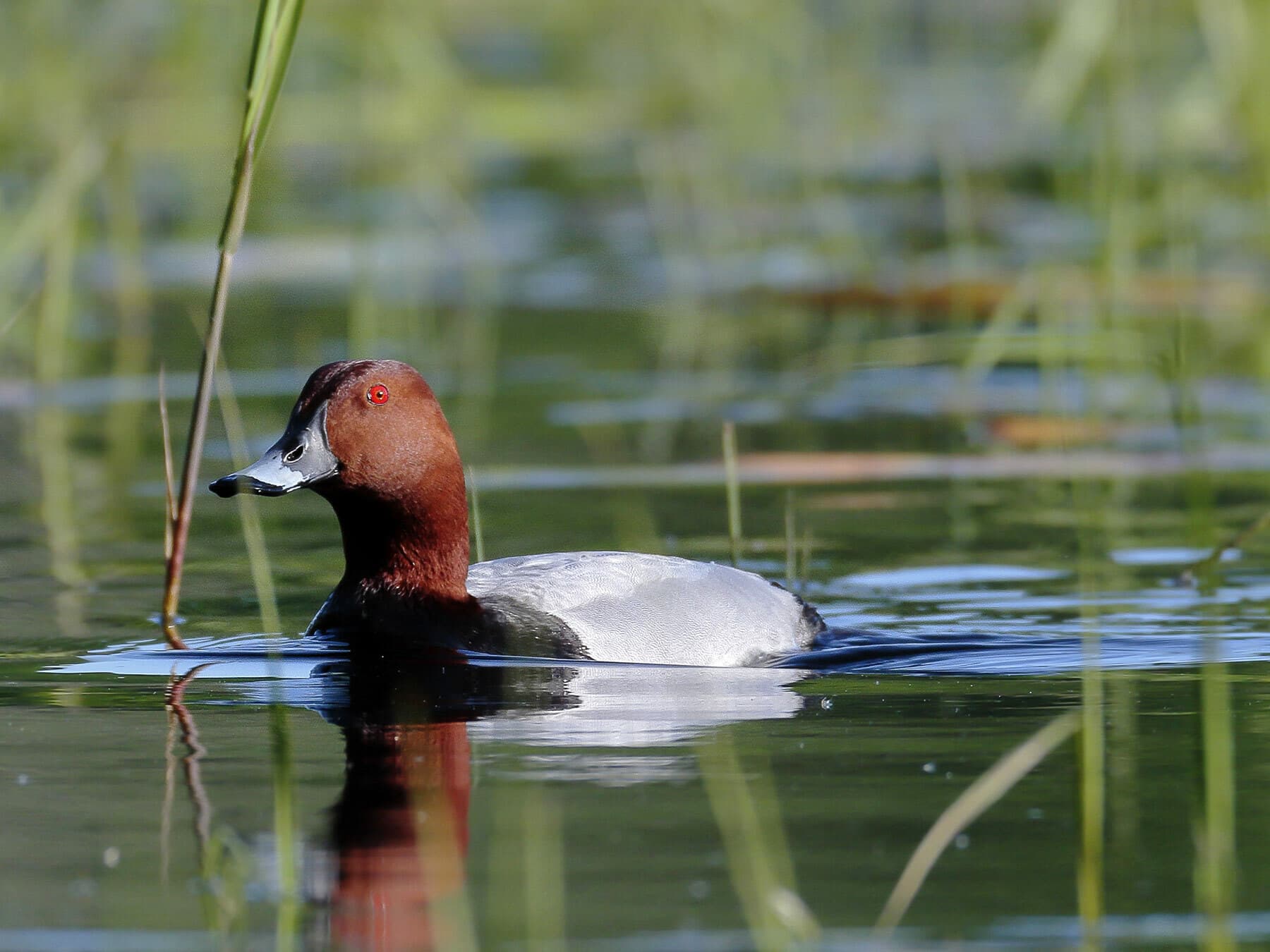
Pochard
Aythya ferinaVU
An uncommon year-round resident on lakes and reservoirs, though nationally declining. Winter numbers may be boosted by continental arrivals.
Year-round
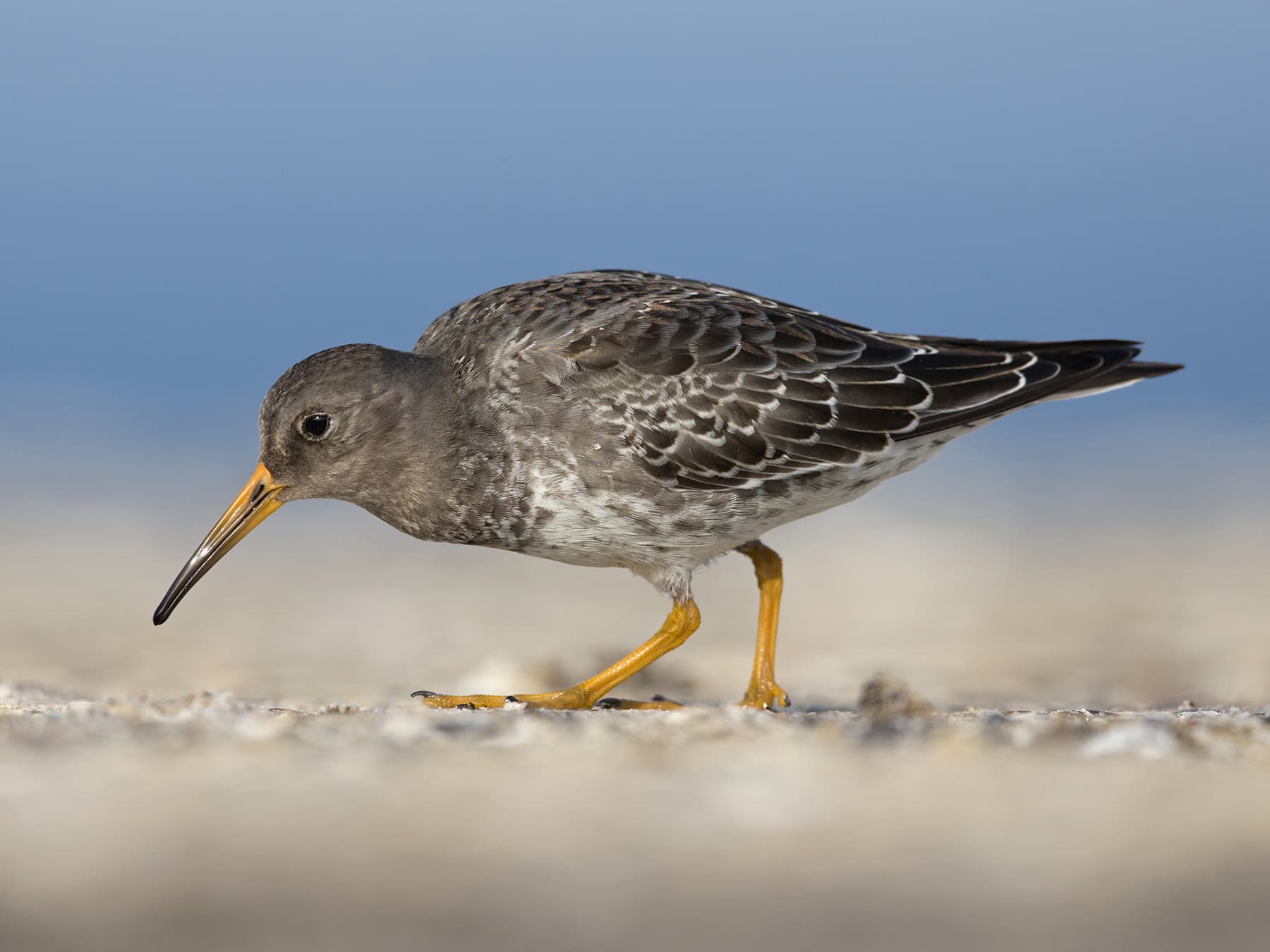
Purple Sandpiper
Calidris maritimaLC
Clings to rocky shorelines and harbour walls nearly year-round. The Farne Islands, Seahouses, and Amble piers are reliable spots.
Jul–May
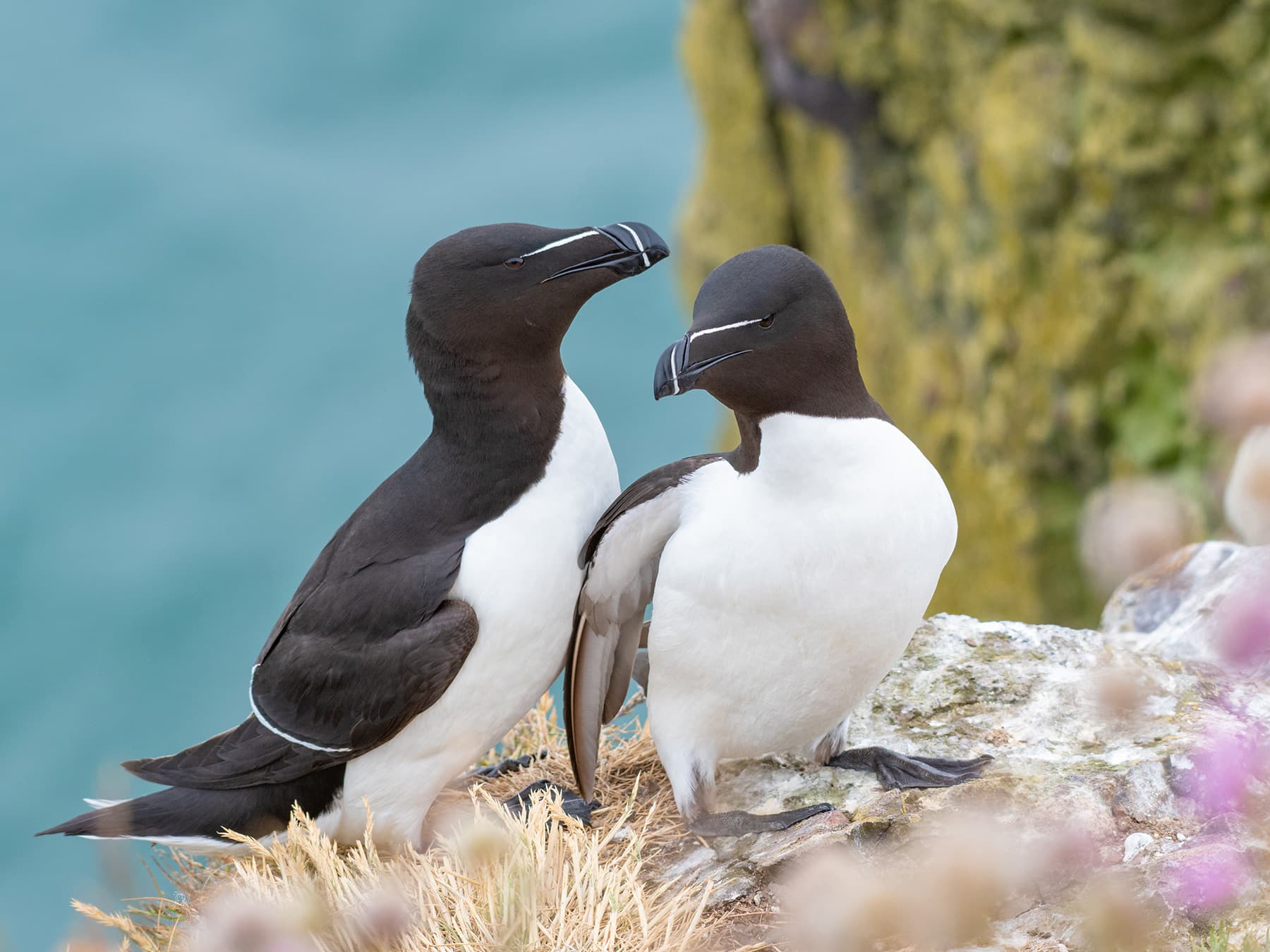
Razorbill
Alca tordaLC
Breeds on the Farne Islands cliffs and winters at sea, often visible from shore in large rafts during the nesting season.
Year-round
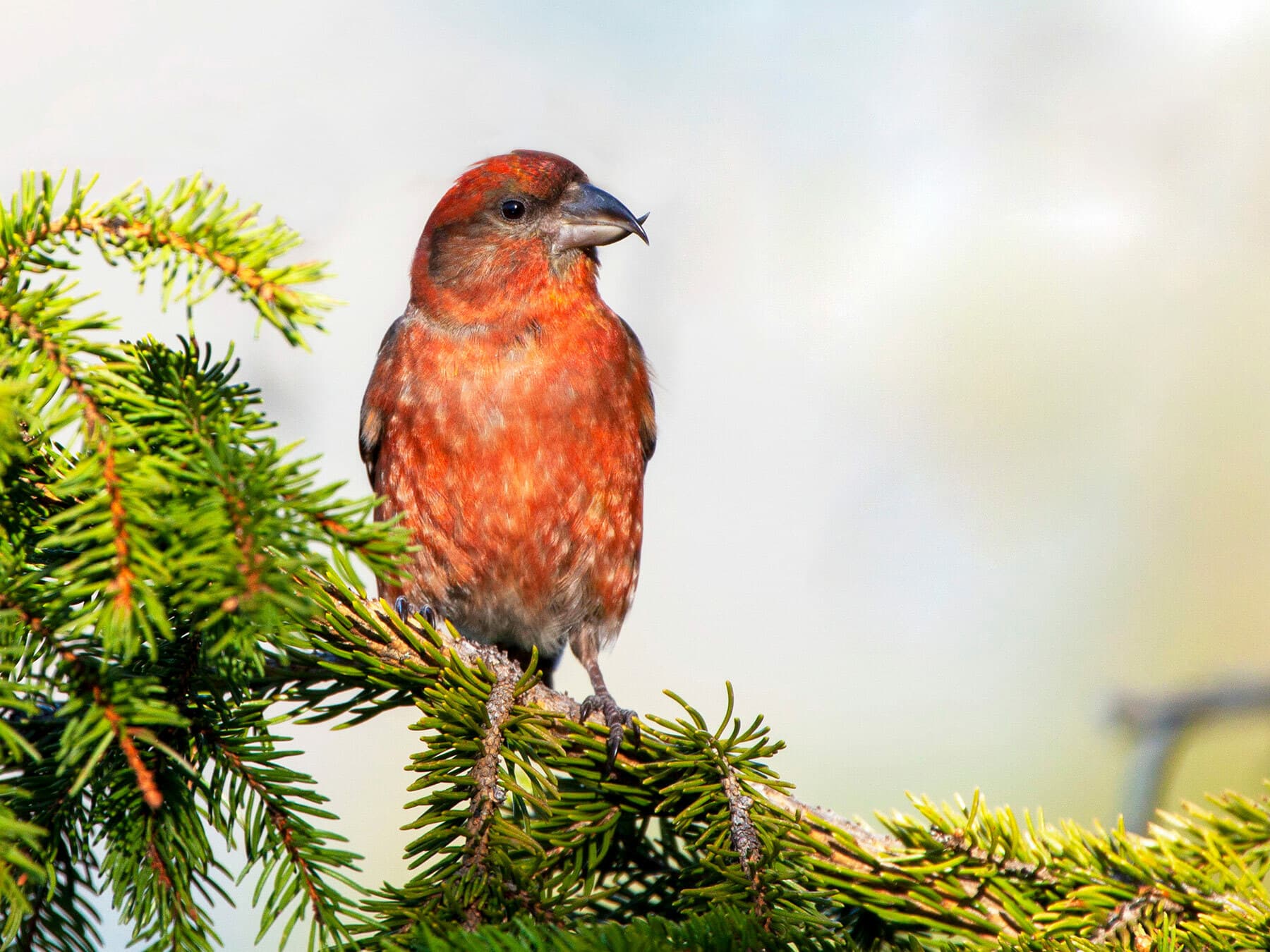
Red Crossbill
Loxia curvirostraLC
A rare resident of conifer plantations, especially around Kielder. Numbers fluctuate with cone crop availability.
Year-round
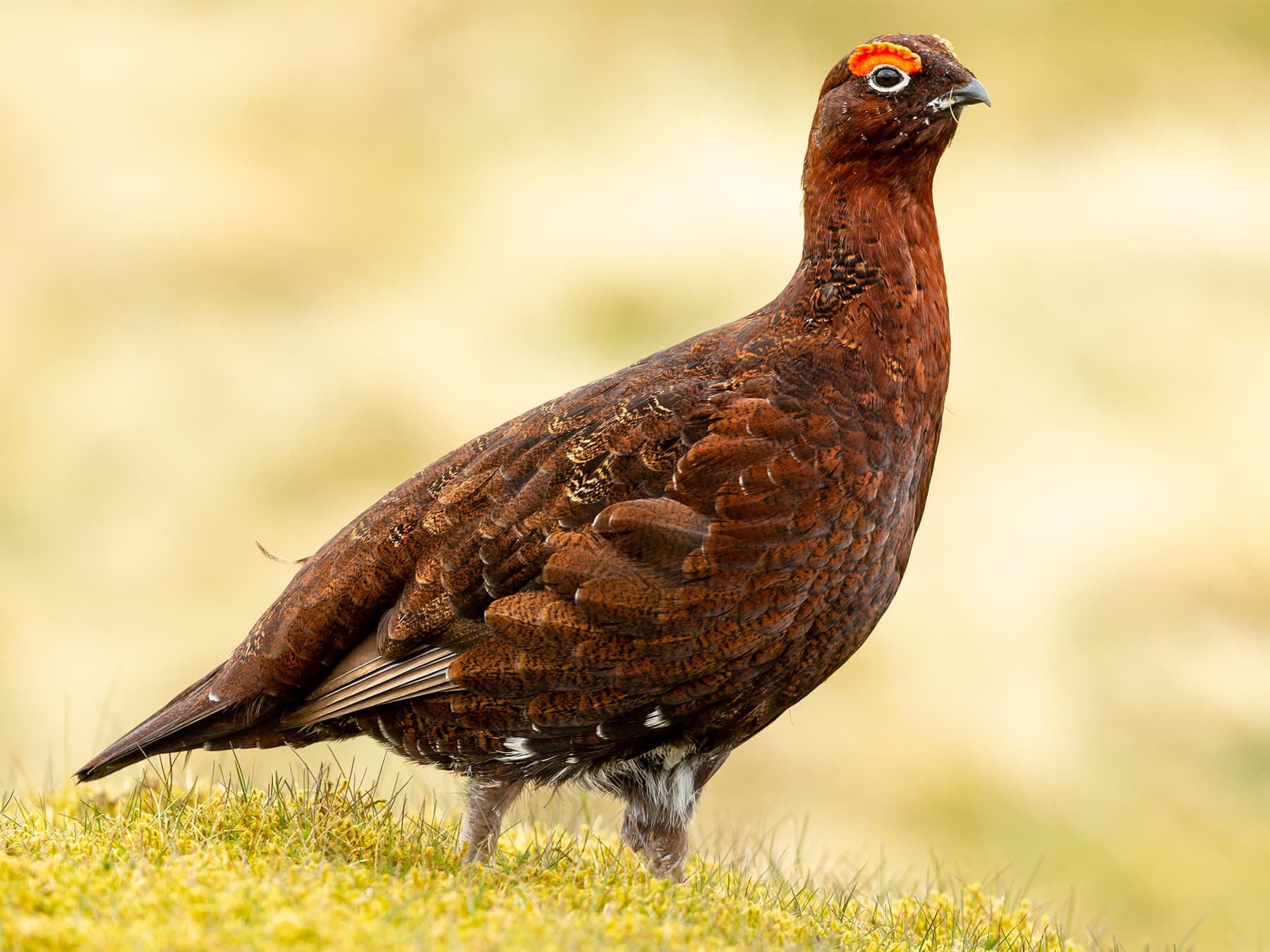
Red Grouse
Lagopus lagopus scoticaLC
A scarce resident of heather moorland in the Cheviot Hills and upland estates. Its distinctive cackling call carries across the moors.
Nov–Aug
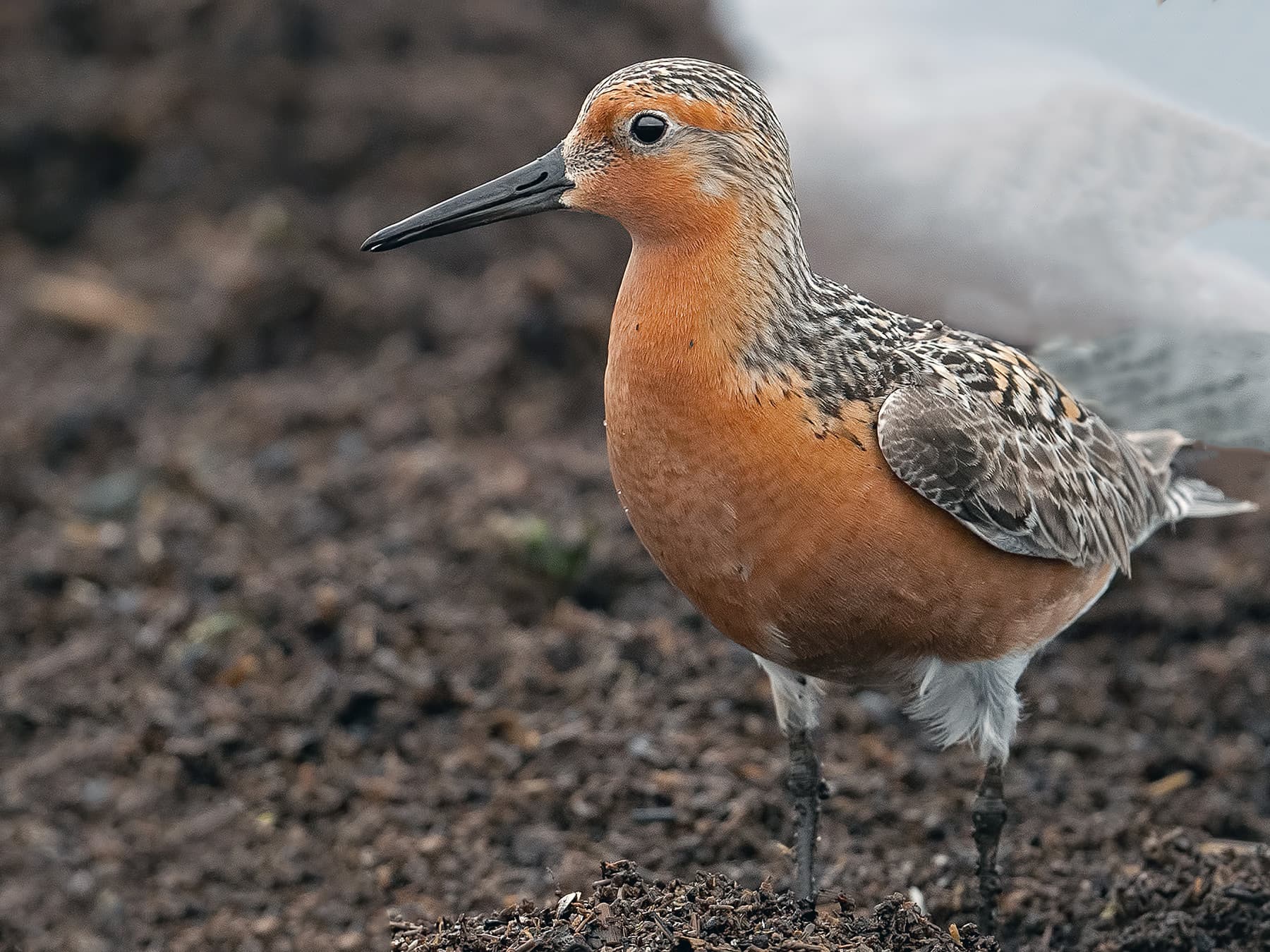
Red Knot
Calidris canutusNT
Gathers in large winter flocks on Lindisfarne's mudflats, with smaller numbers lingering through summer months.
Year-round
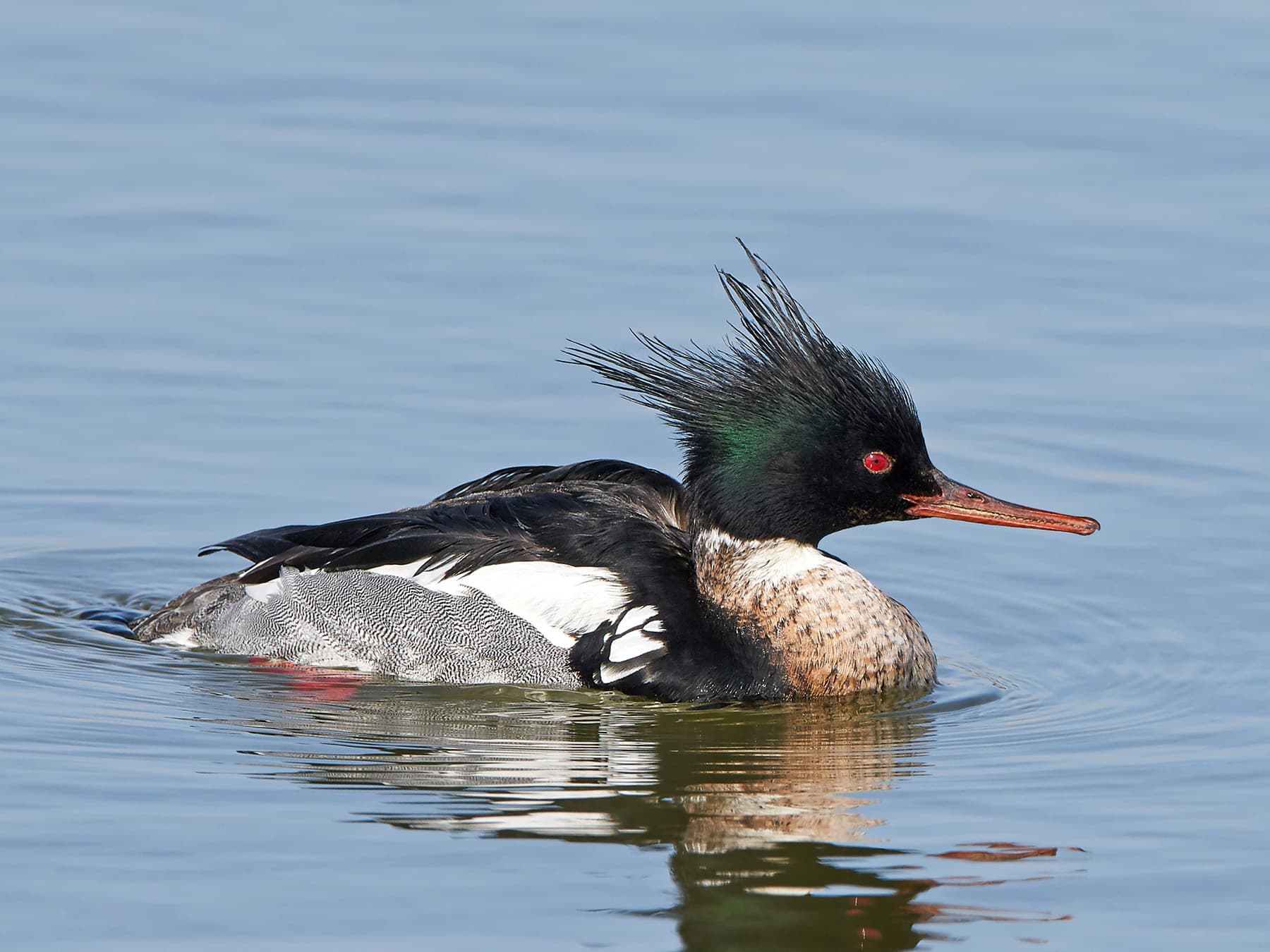
Red-breasted Merganser
Mergus serratorLC
Present year-round along the coast and on larger rivers. Often seen fishing in estuaries and sheltered bays throughout the county.
Year-round
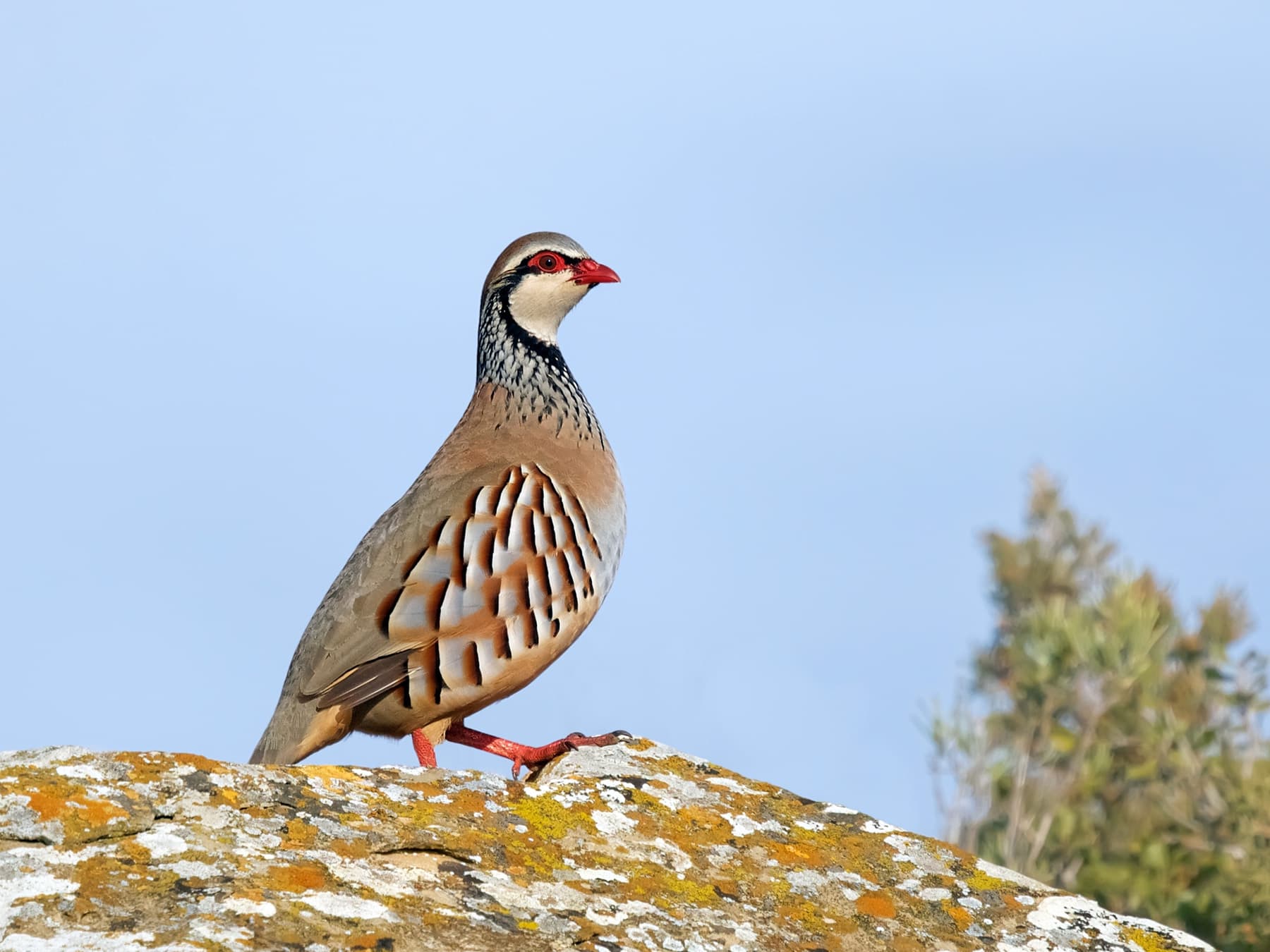
Red-legged Partridge
Alectoris rufaNT
A rare resident near the southern edge of its English range. Found on arable farmland, mainly in the lowland south of the county.
Year-round
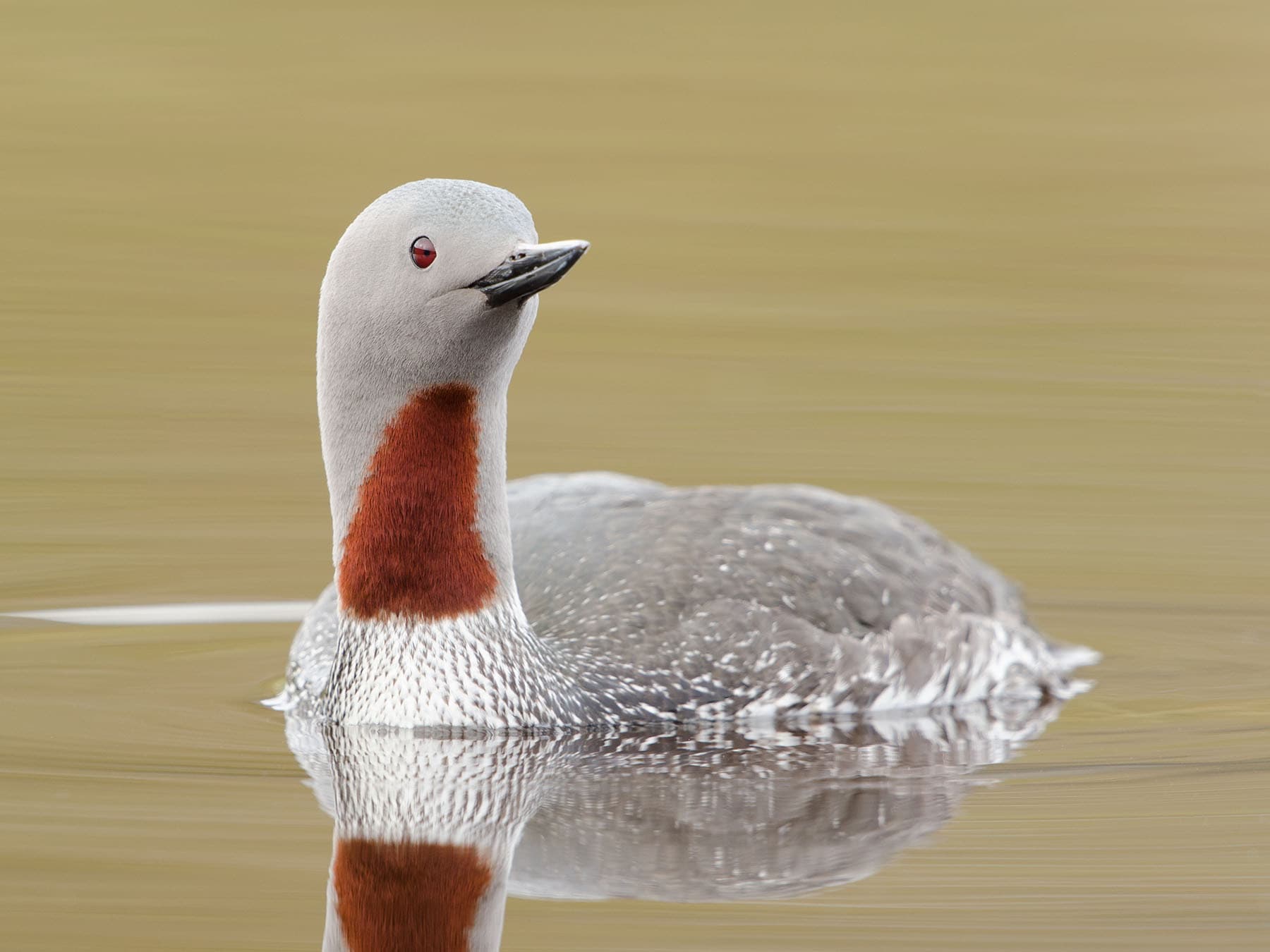
Red-throated Loon
Gavia stellataLC
An uncommon year-round resident seen offshore, with numbers boosted in winter. Breeds on remote upland lochs near the Scottish border.
Year-round
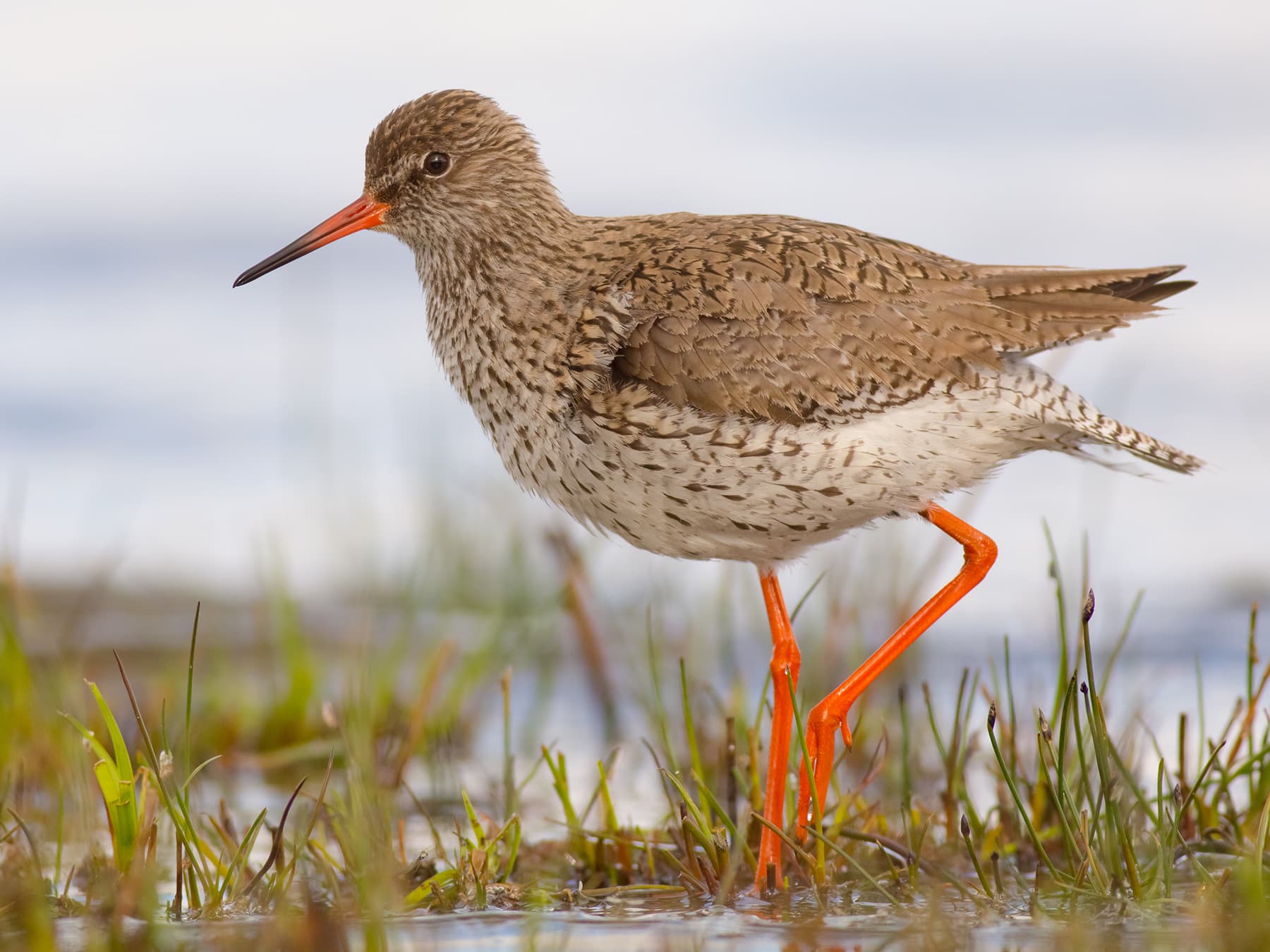
Redshank
Tringa totanusLC
Common on estuaries, saltmarshes and wet pastures year-round, with Lindisfarne and the Tweed estuary holding key flocks.
Year-round
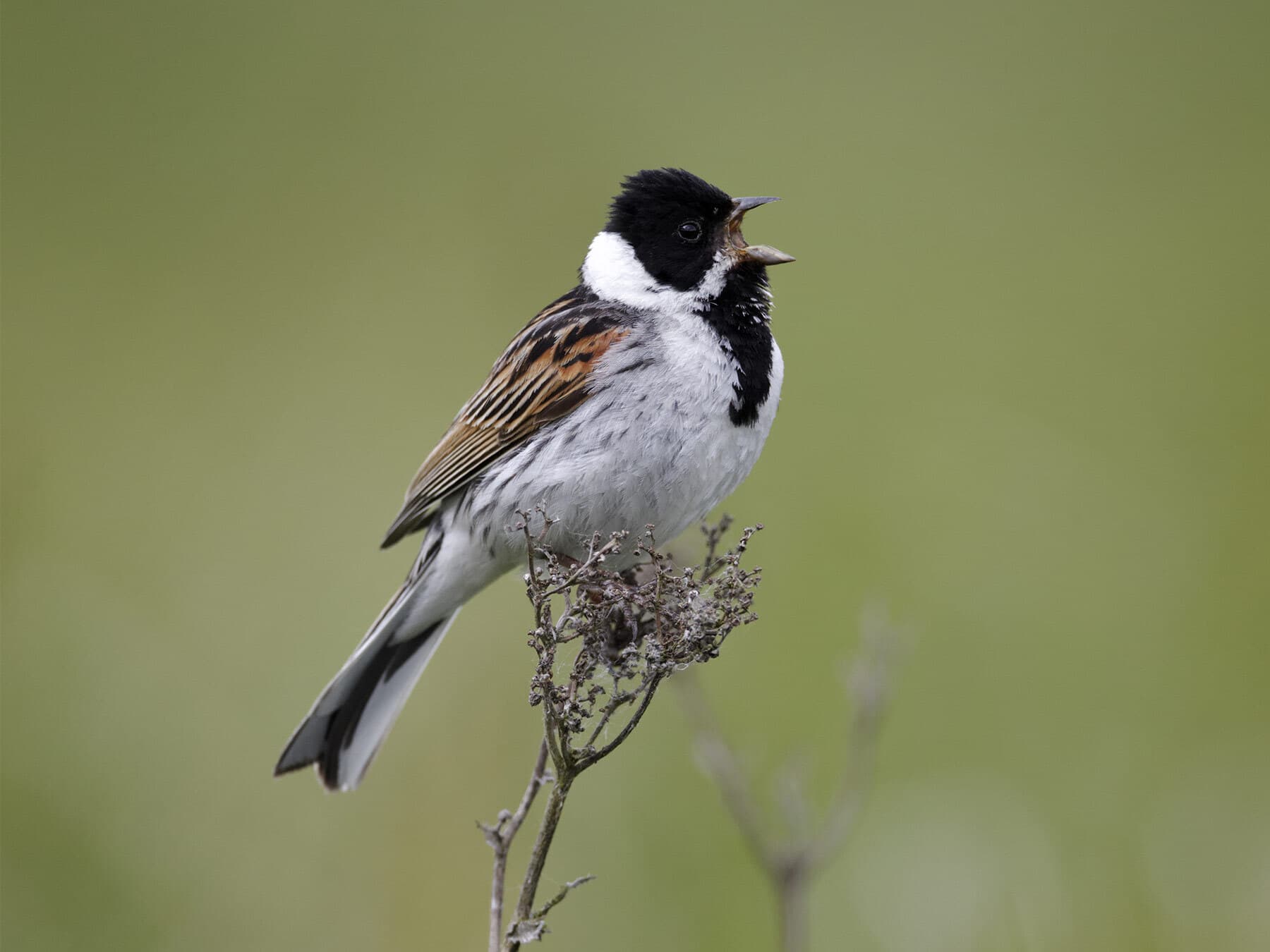
Reed Bunting
Emberiza schoeniclusLC
An uncommon resident of reedbeds, damp ditches, and wetland margins, often seen at sites like Druridge Bay and the coastal pools.
Year-round
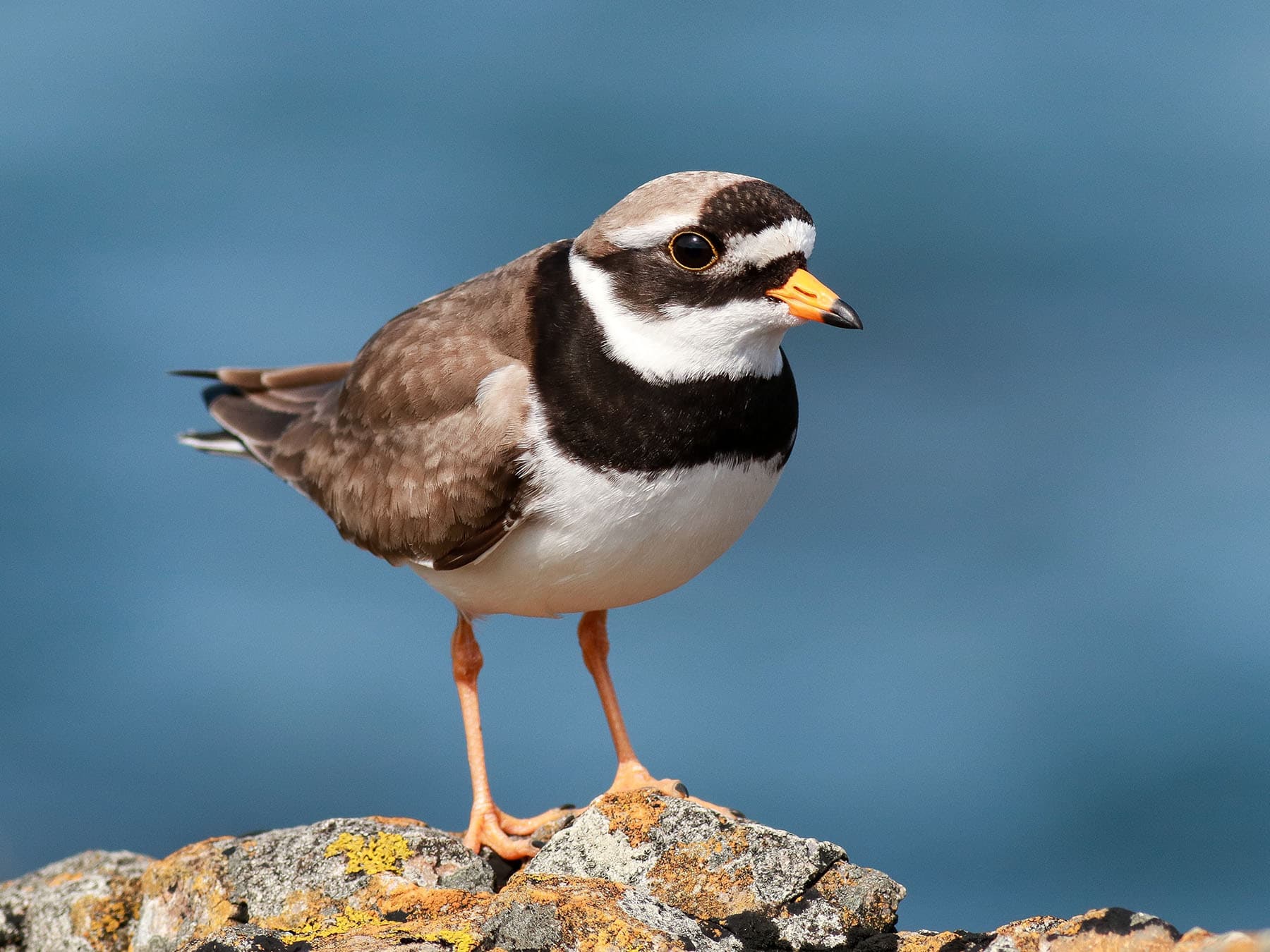
Ringed Plover
Charadrius hiaticulaLC
Breeds on shingle beaches and dune systems along the coast. Present year-round but uncommon, with numbers boosted by passage birds in autumn.
Year-round
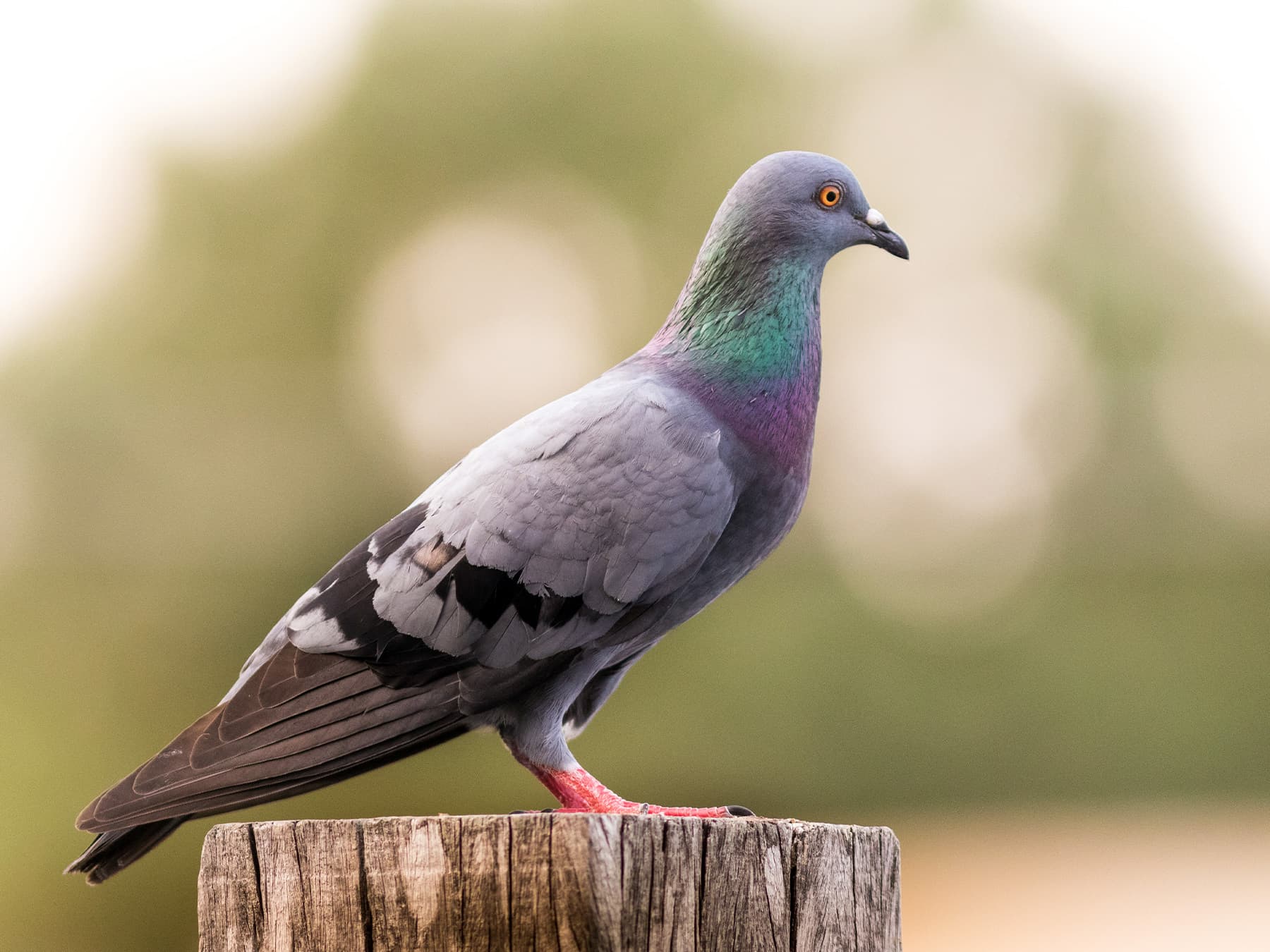
Rock Dove
Columba liviaLC
Truly wild birds cling to remote sea cliffs along the Northumberland coast, far outnumbered by their feral descendants in towns.
Year-round
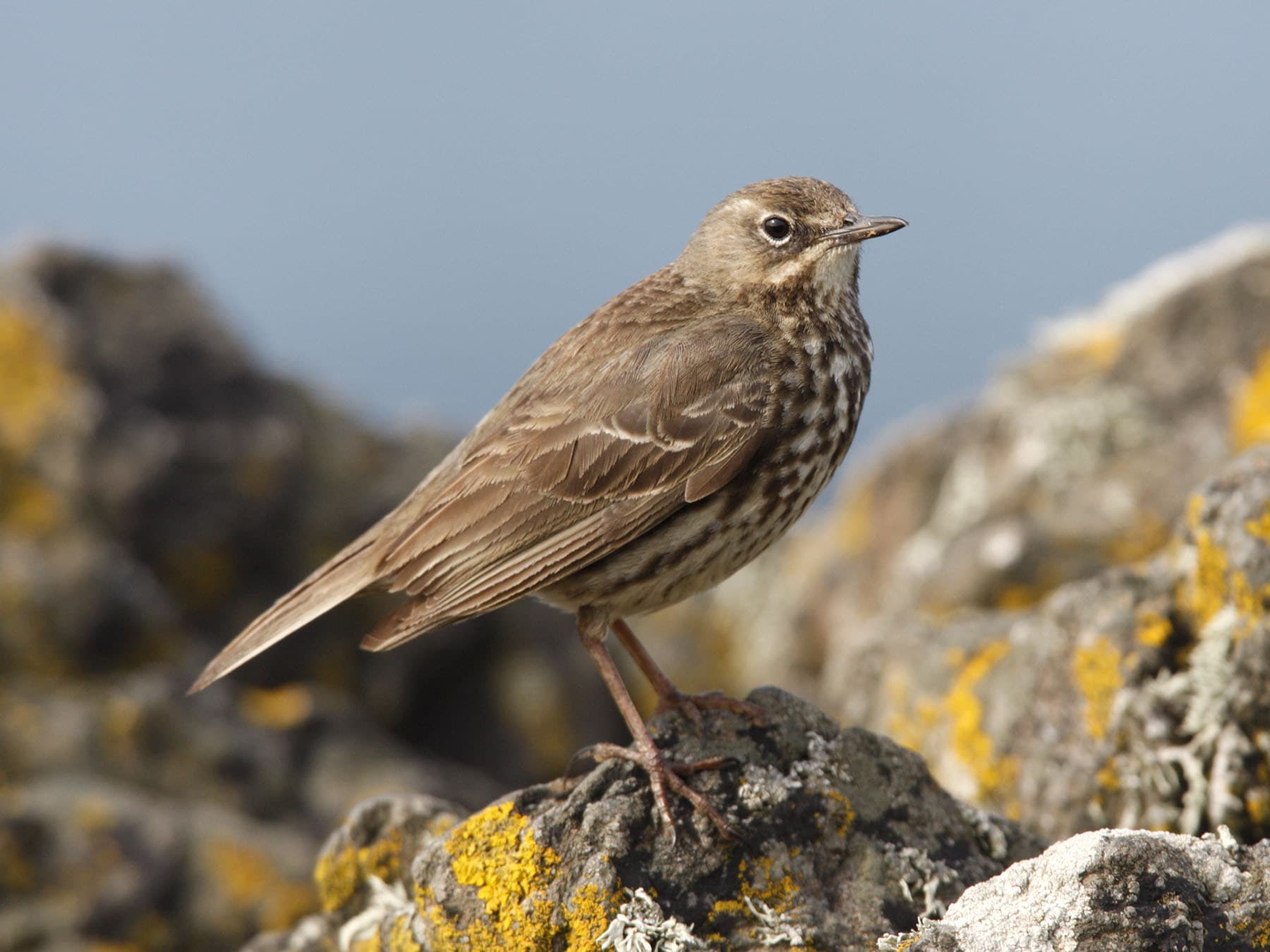
Rock Pipit
Anthus petrosusLC
Found year-round along Northumberland's rocky coastline and wave-cut platforms, often feeding among seaweed at the tideline.
Year-round
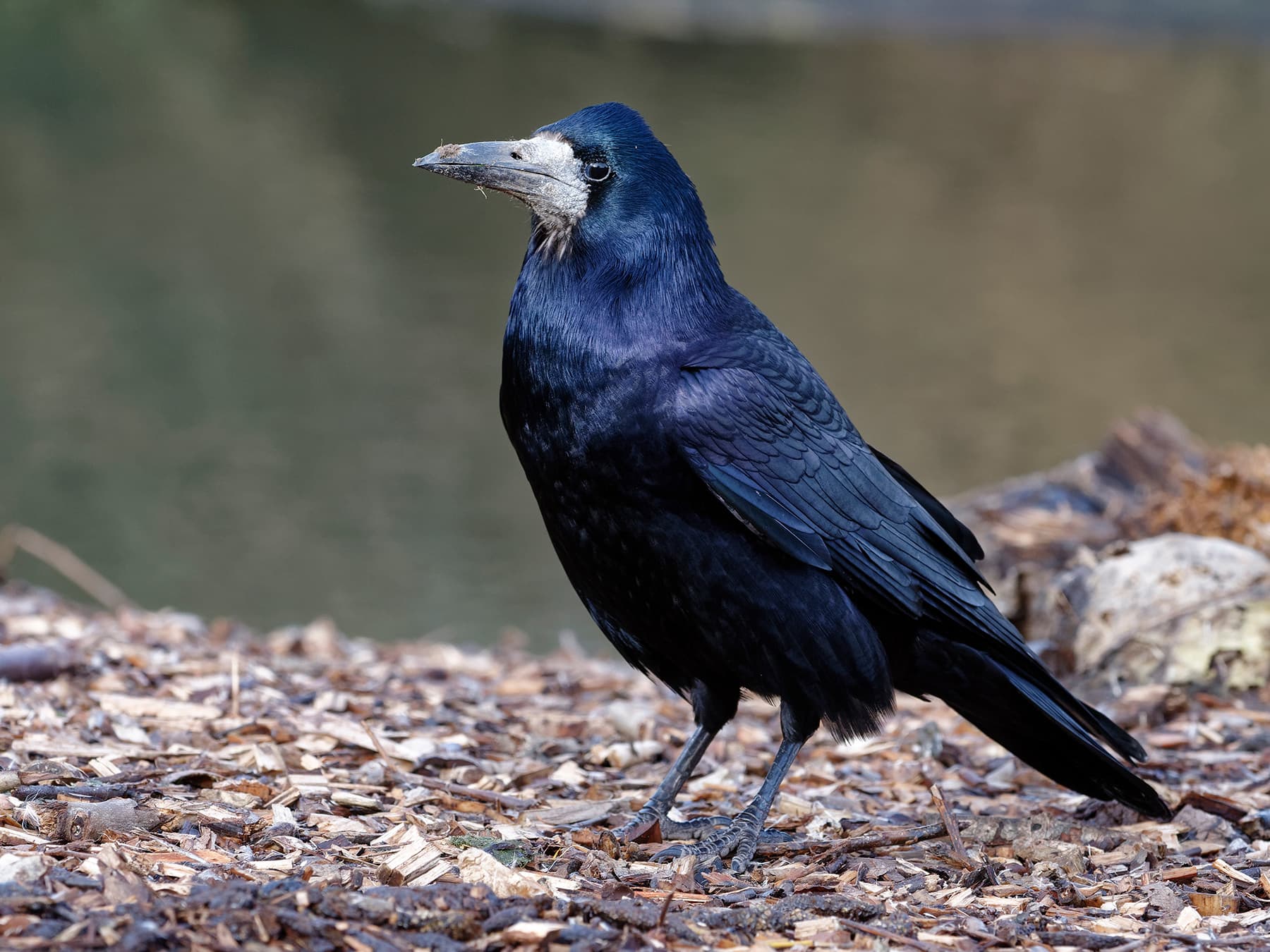
Rook
Corvus frugilegusLC
A common resident forming noisy rookeries in tall trees across farmland. Large flocks forage in ploughed fields year-round.
Year-round
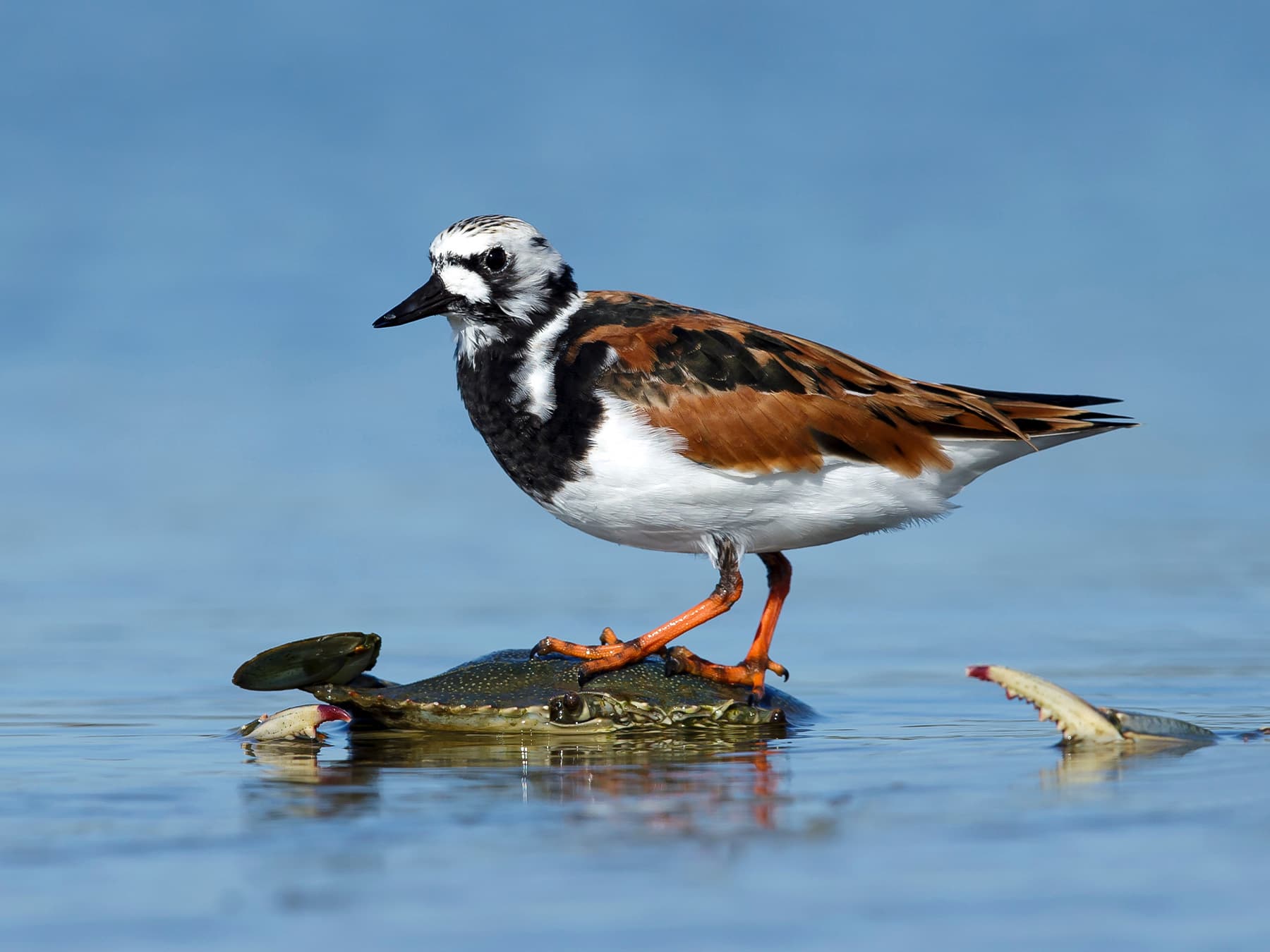
Ruddy Turnstone
Arenaria interpresLC
Frequents rocky shorelines and harbour walls year-round, flipping stones and seaweed to find invertebrates. Most numerous in winter along the coast.
Year-round
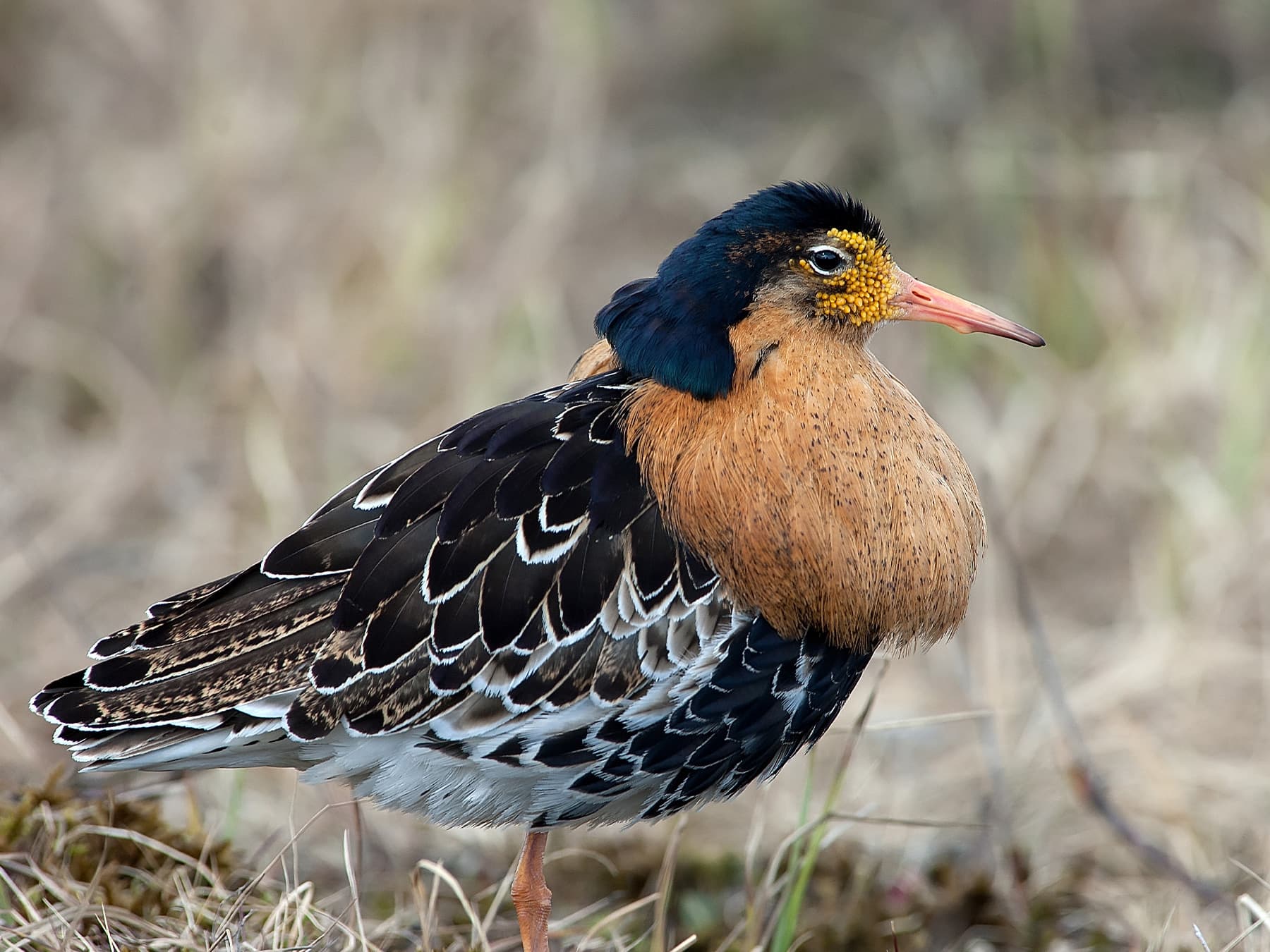
Ruff
Philomachus pugnaxLC
Present year-round but uncommon, favouring wet grasslands and coastal lagoons. Numbers peak on autumn passage at sites like Druridge Bay.
Year-round
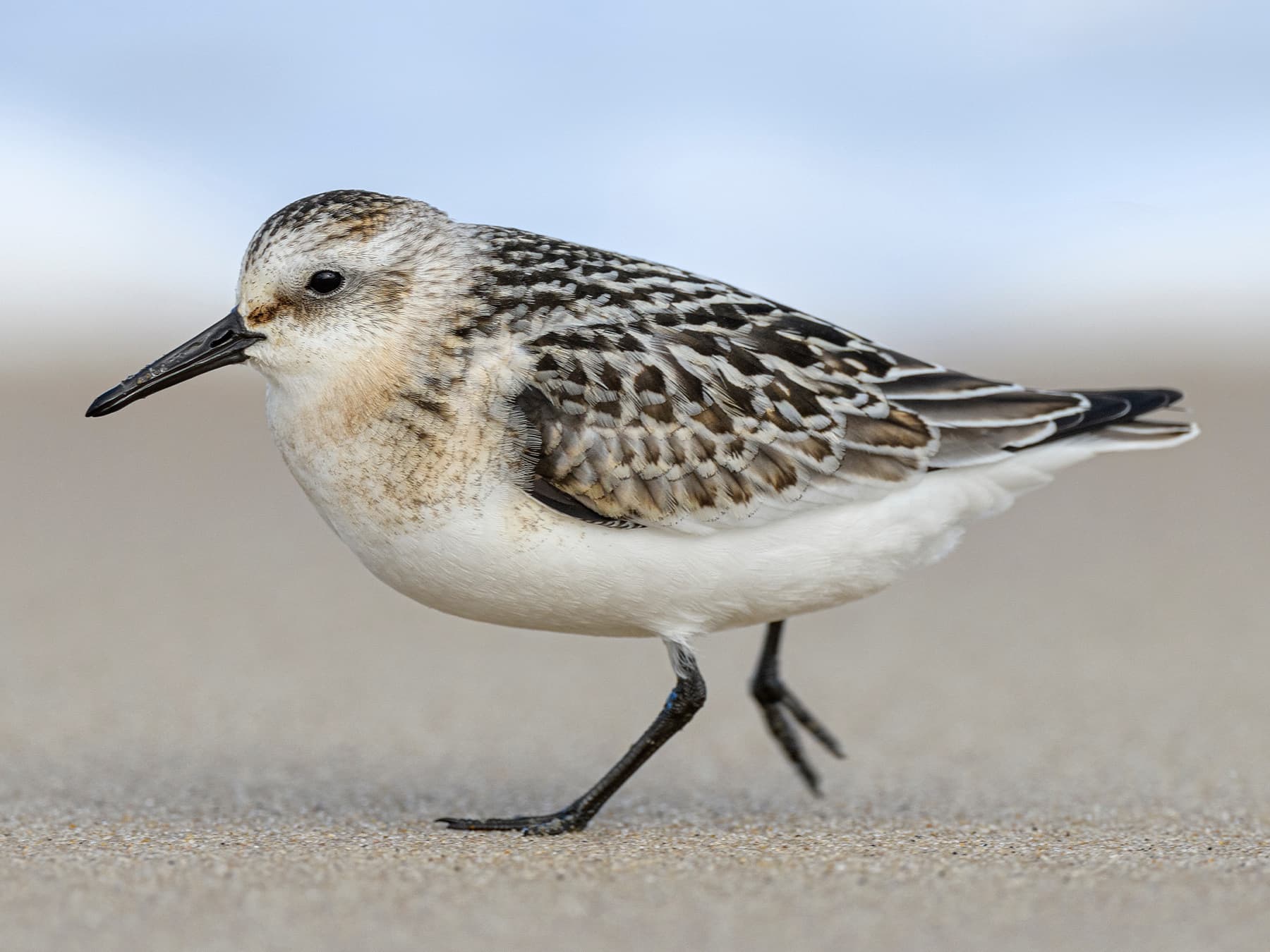
Sanderling
Calidris albaLC
Runs along sandy beaches year-round, chasing retreating waves for food. Most conspicuous in winter flocks on broad stretches of Northumberland's coast.
Year-round
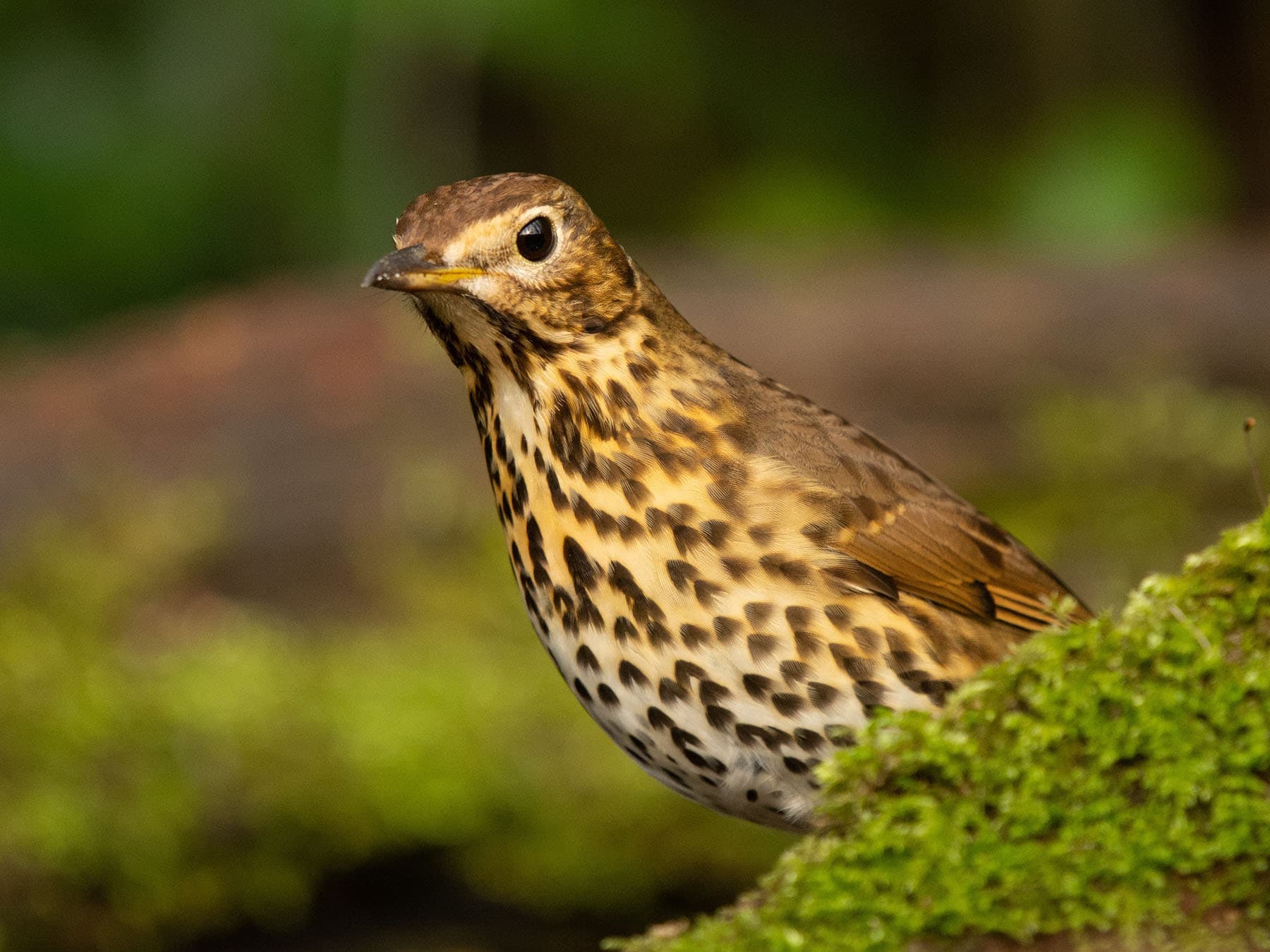
Song Thrush
Turdus philomelosLC
An uncommon but widespread resident of woodland and gardens. Its rich, repetitive song is a familiar spring sound.
Year-round
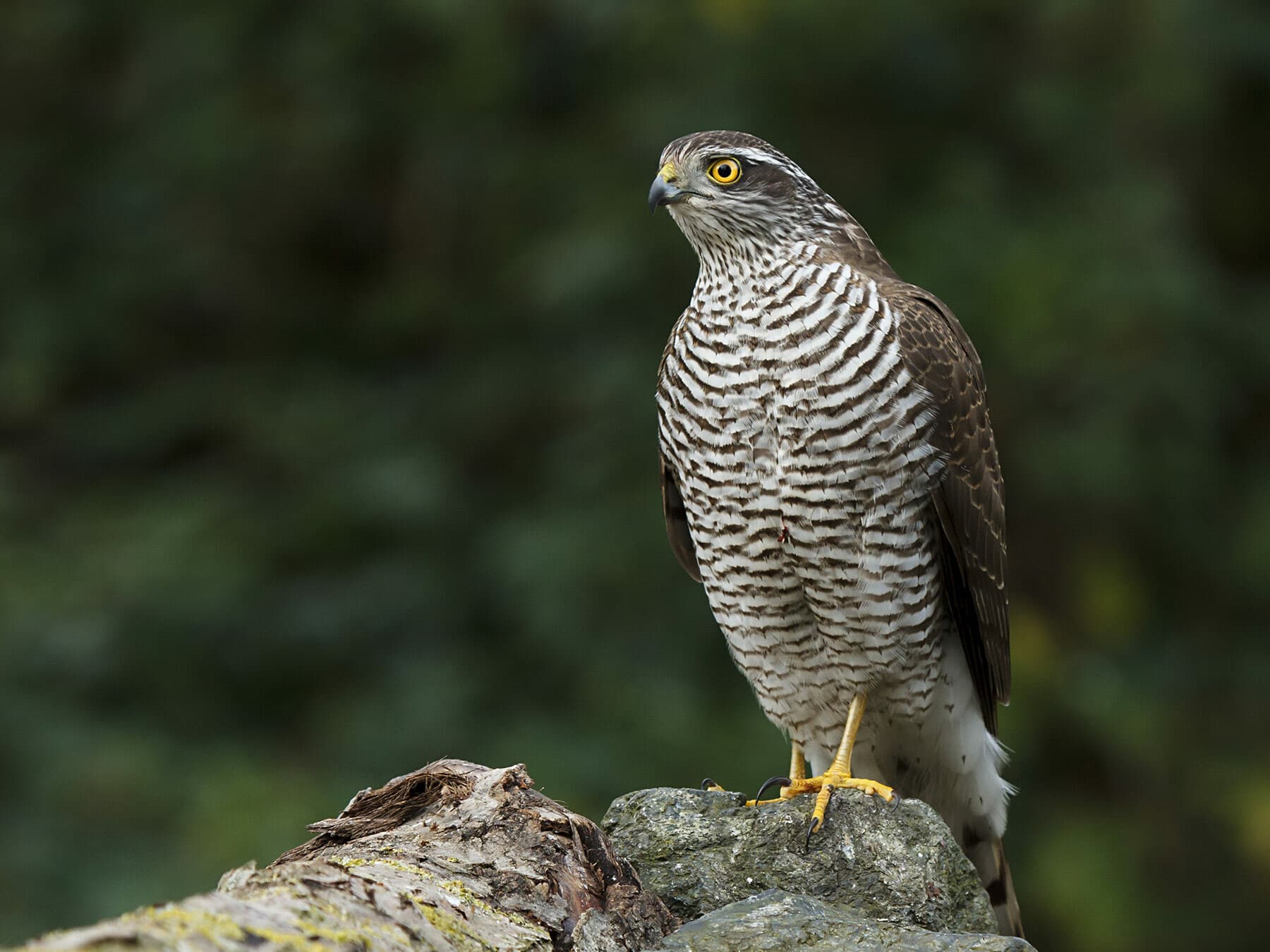
Sparrowhawk
Accipiter nisusLC
An uncommon but widespread resident hunting small birds in woodland, hedgerows, and gardens throughout the year.
Year-round
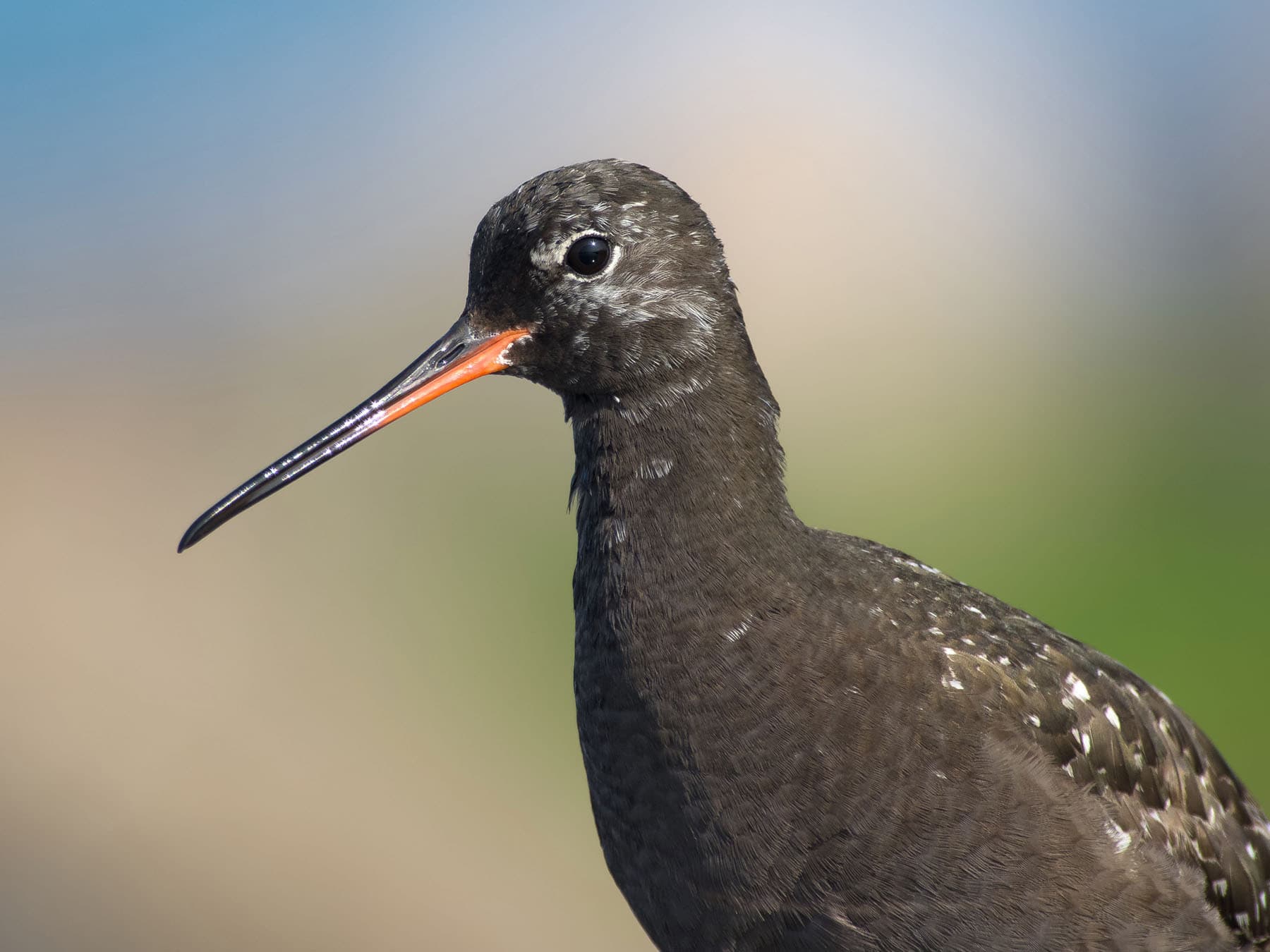
Spotted Redshank
Tringa erythropusLC
A rare but regular visitor to estuarine mudflats, present in most months except midwinter. Often seen alongside commoner redshanks at sites like Budle Bay.
Jan–Oct
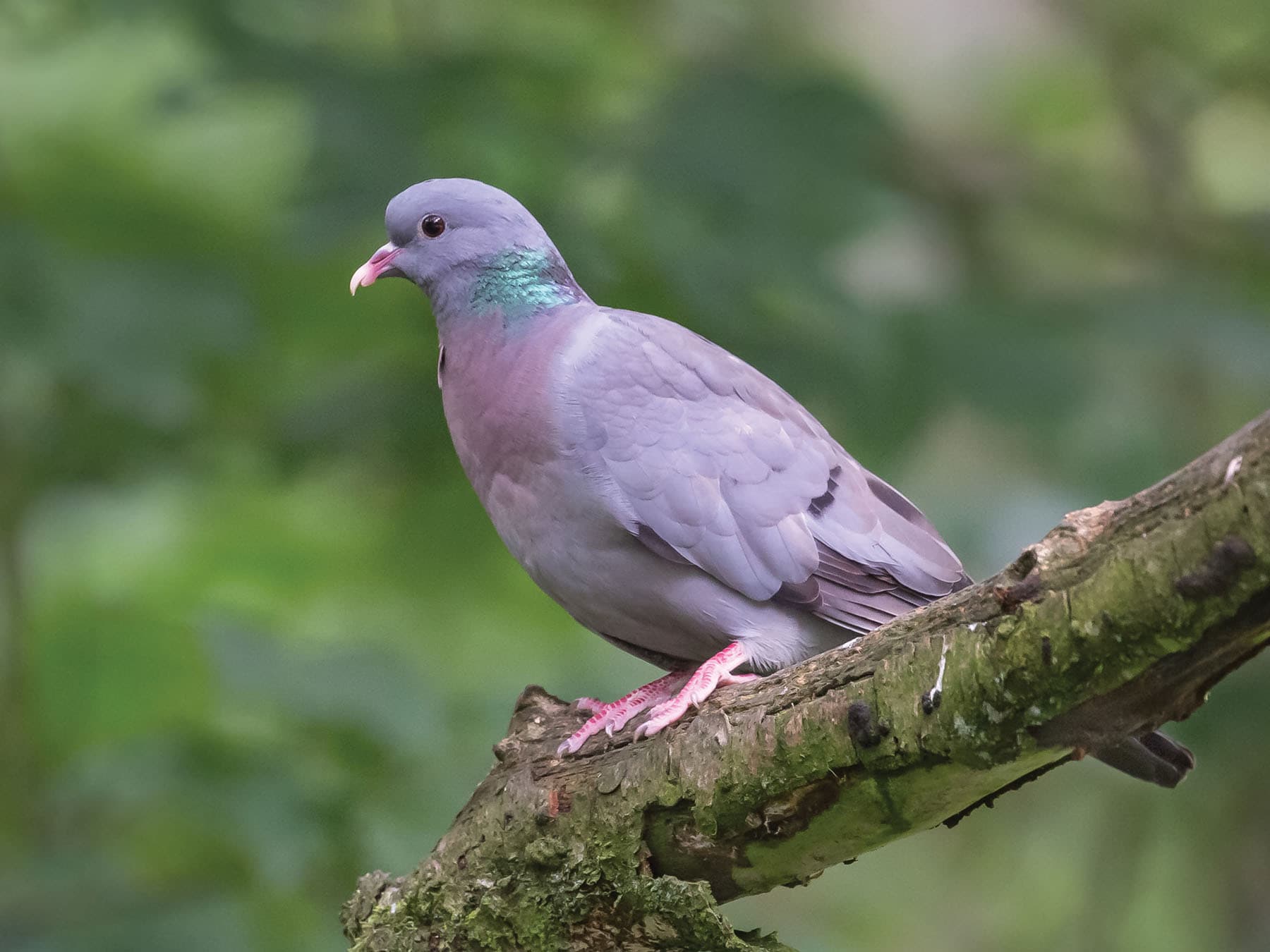
Stock Dove
Columba oenasLC
An uncommon but widespread resident, nesting in tree holes and old buildings. Quieter and less conspicuous than the ubiquitous Woodpigeon.
Year-round
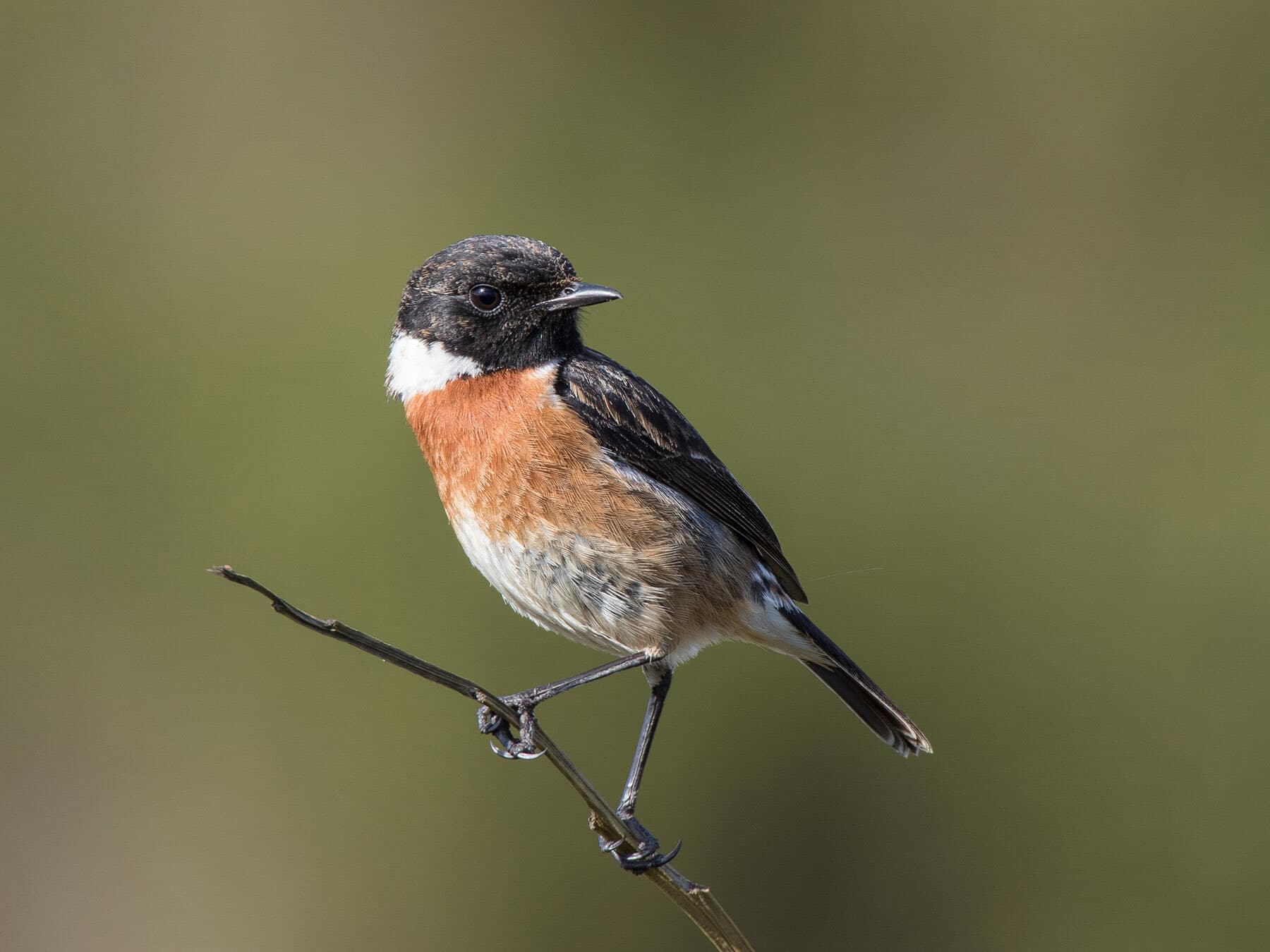
Stonechat
Saxicola torquatusLC
An uncommon resident of gorse-covered heathland and coastal scrub. Hardy birds persist through Northumberland's cold winters.
Year-round
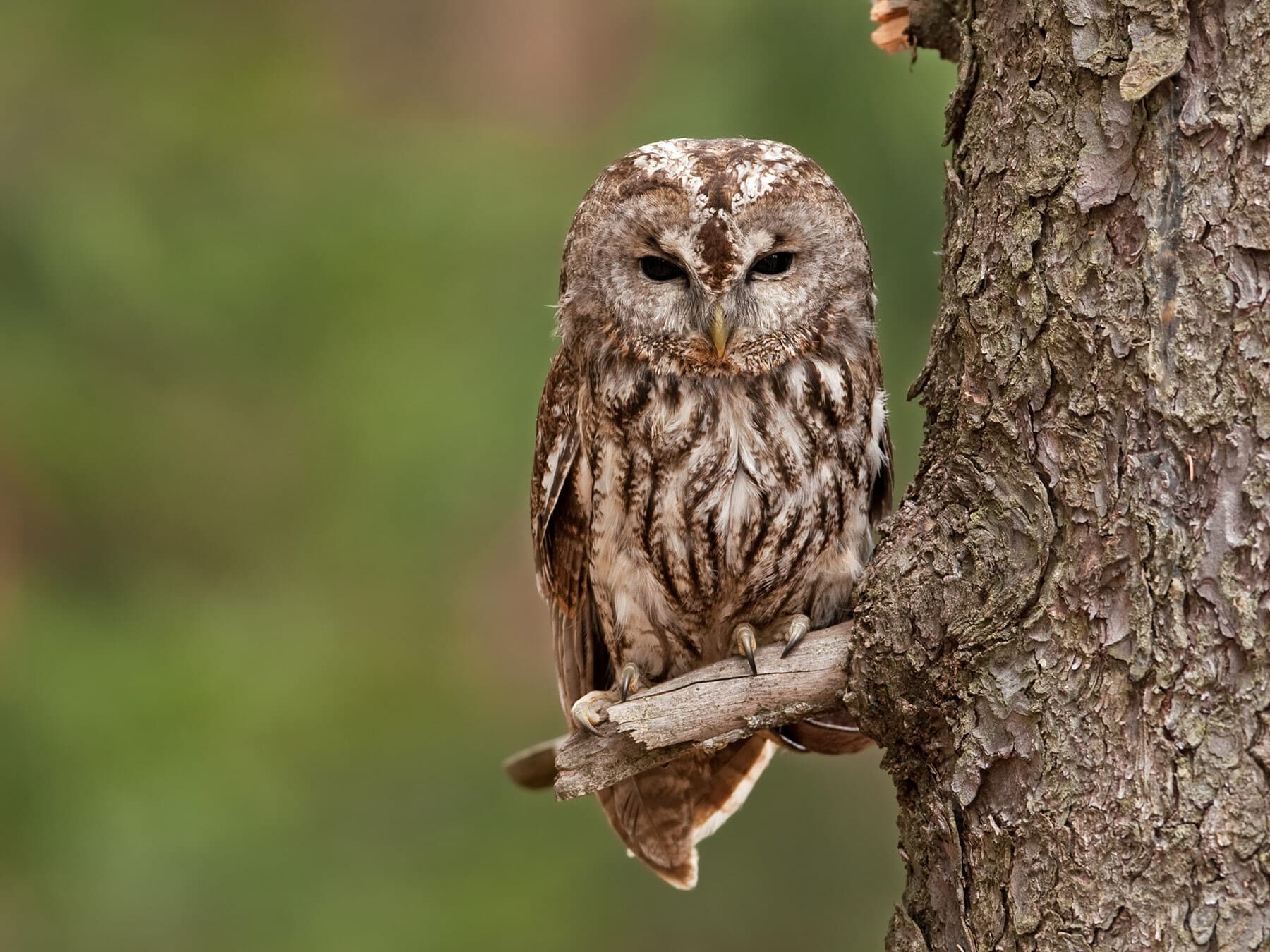
Tawny Owl
Strix alucoLC
A scarce resident of mature woodland and parkland. Its familiar hooting call echoes through Northumberland's river valleys at night.
Nov–Sep
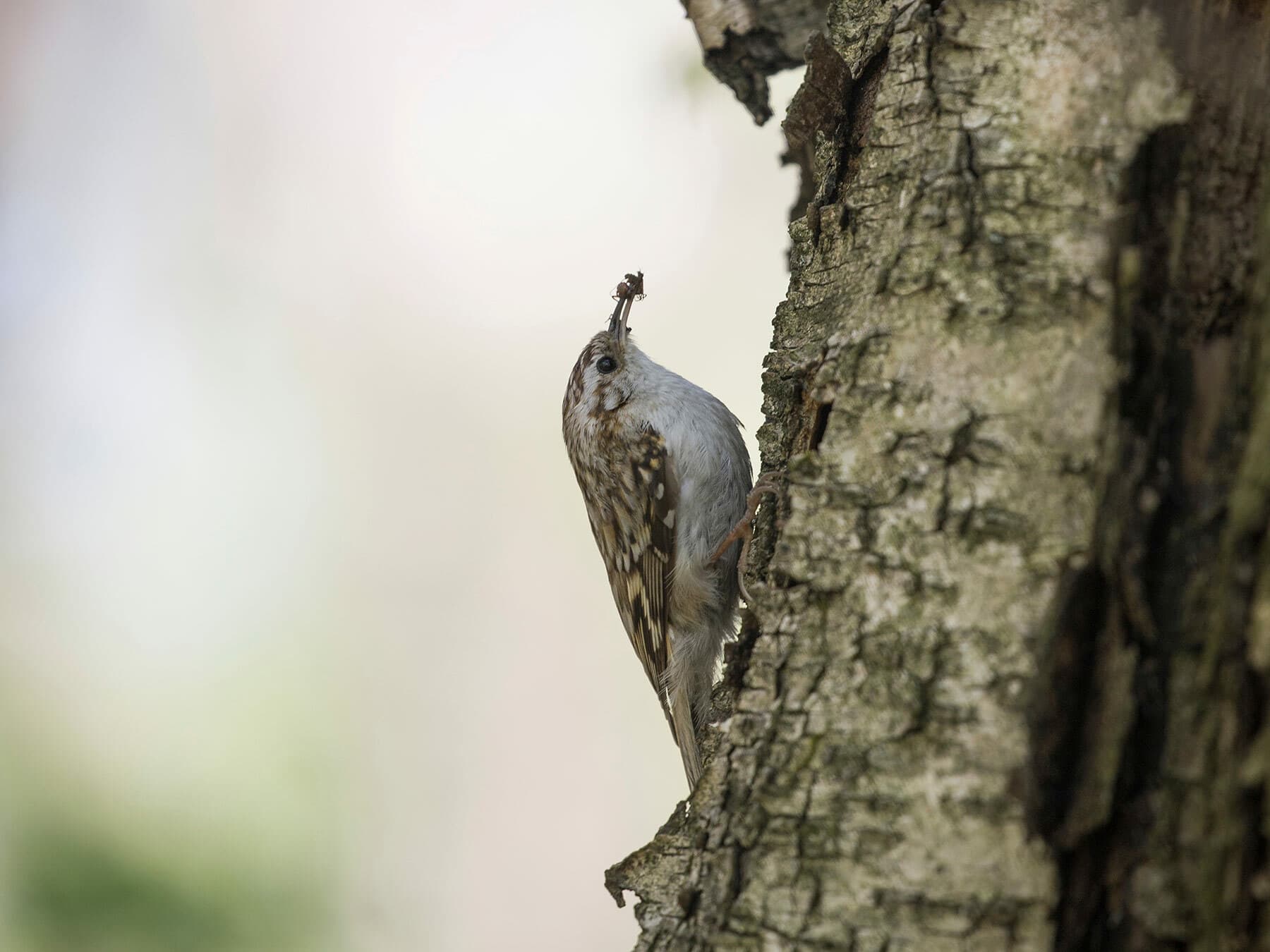
Treecreeper
Certhia familiarisLC
A rare but year-round resident, creeping mouse-like up tree trunks in mature woodland. Easily overlooked but present across the county.
Year-round
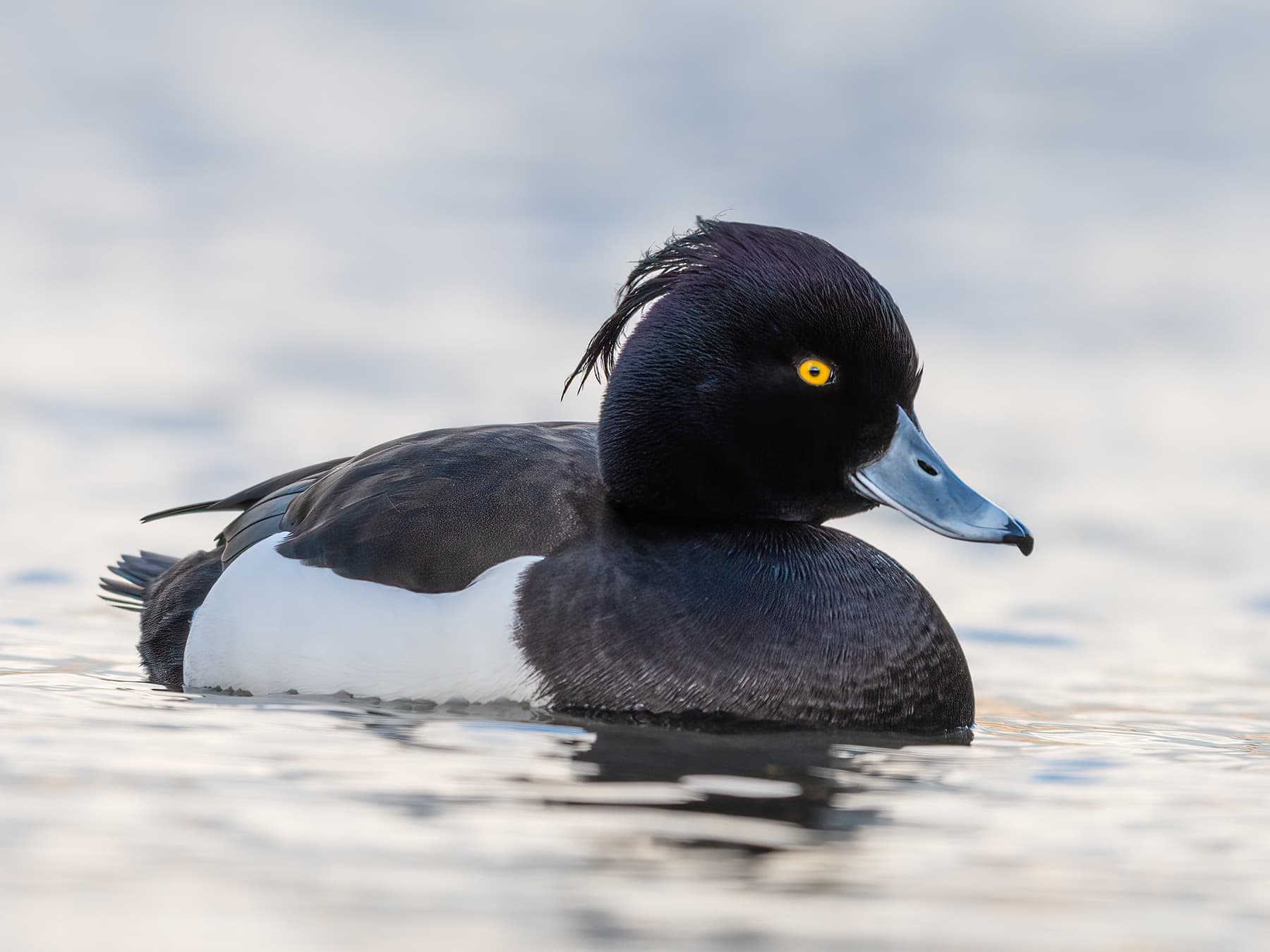
Tufted Duck
Aythya fuligulaLC
A common diving duck found year-round on freshwater lakes and reservoirs across Northumberland. Breeds locally and gathers in larger winter flocks.
Year-round
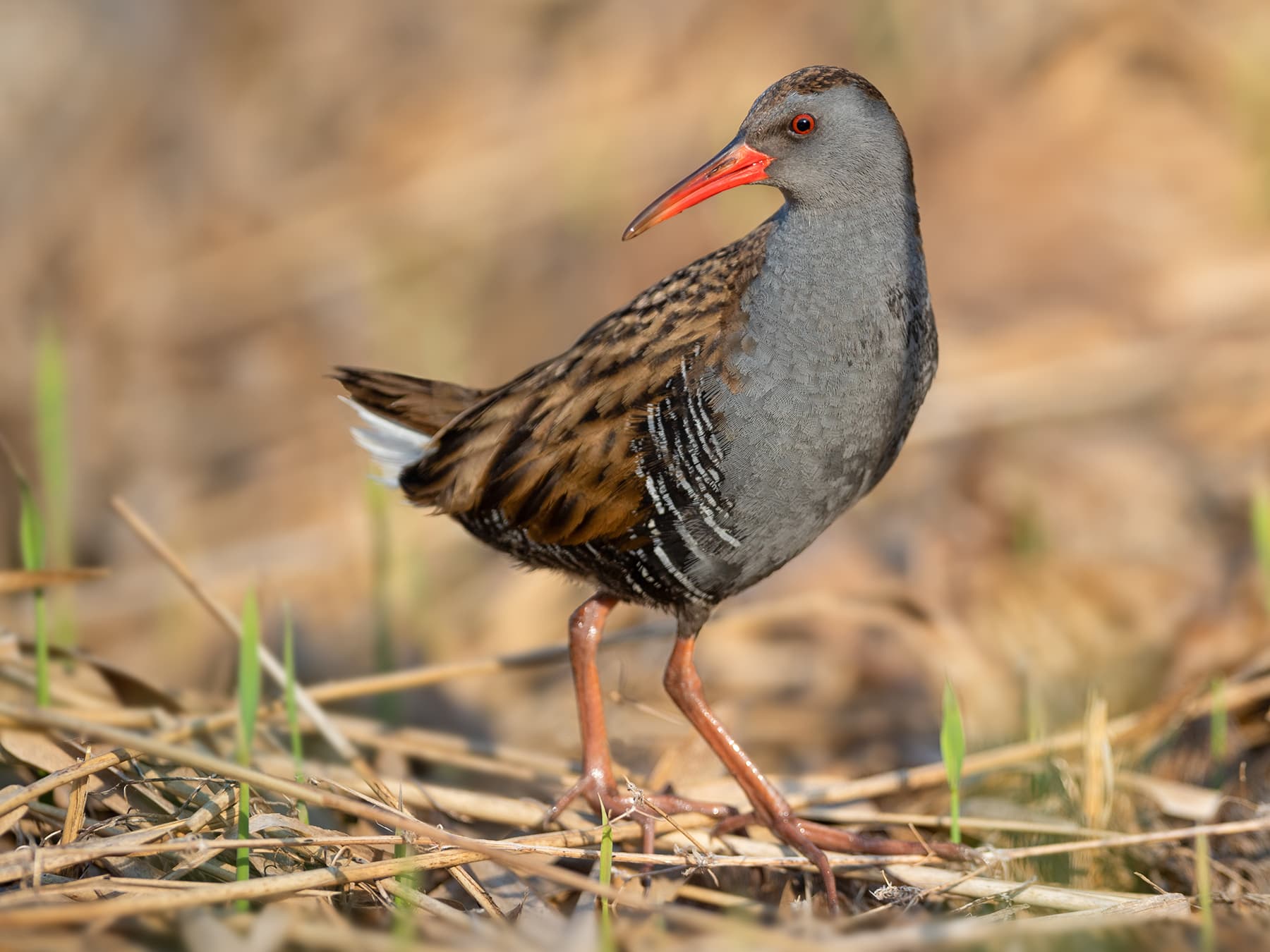
Water Rail
Rallus aquaticusLC
A secretive resident of reedbeds and marshy ditches, more often heard giving its pig-like squeal than seen in the open.
Jun–Apr
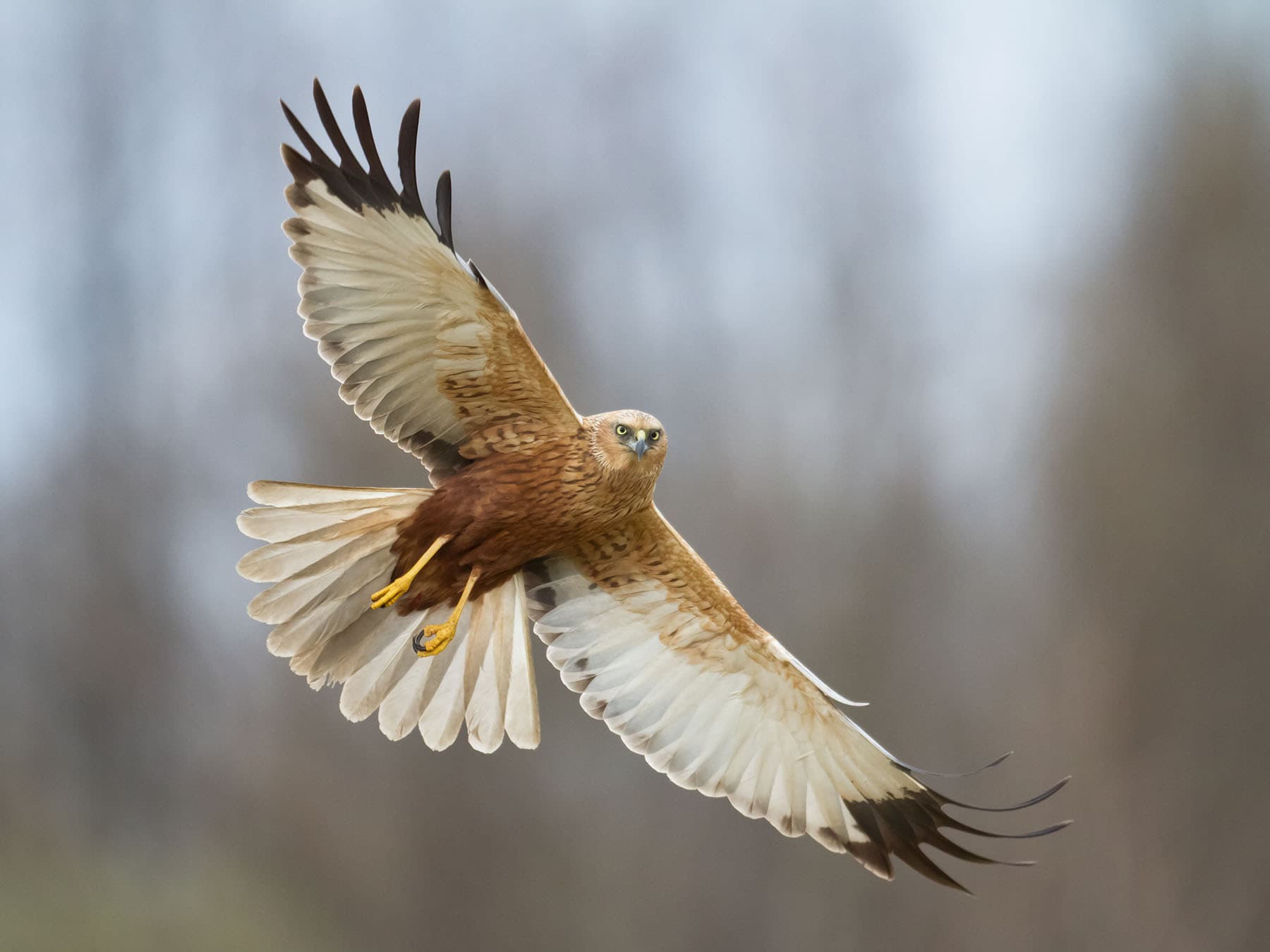
Western Marsh-harrier
Circus aeruginosusLC
An uncommon resident of lowland wetlands and reedbeds. Increasingly established in Northumberland after decades of expansion northward.
Year-round
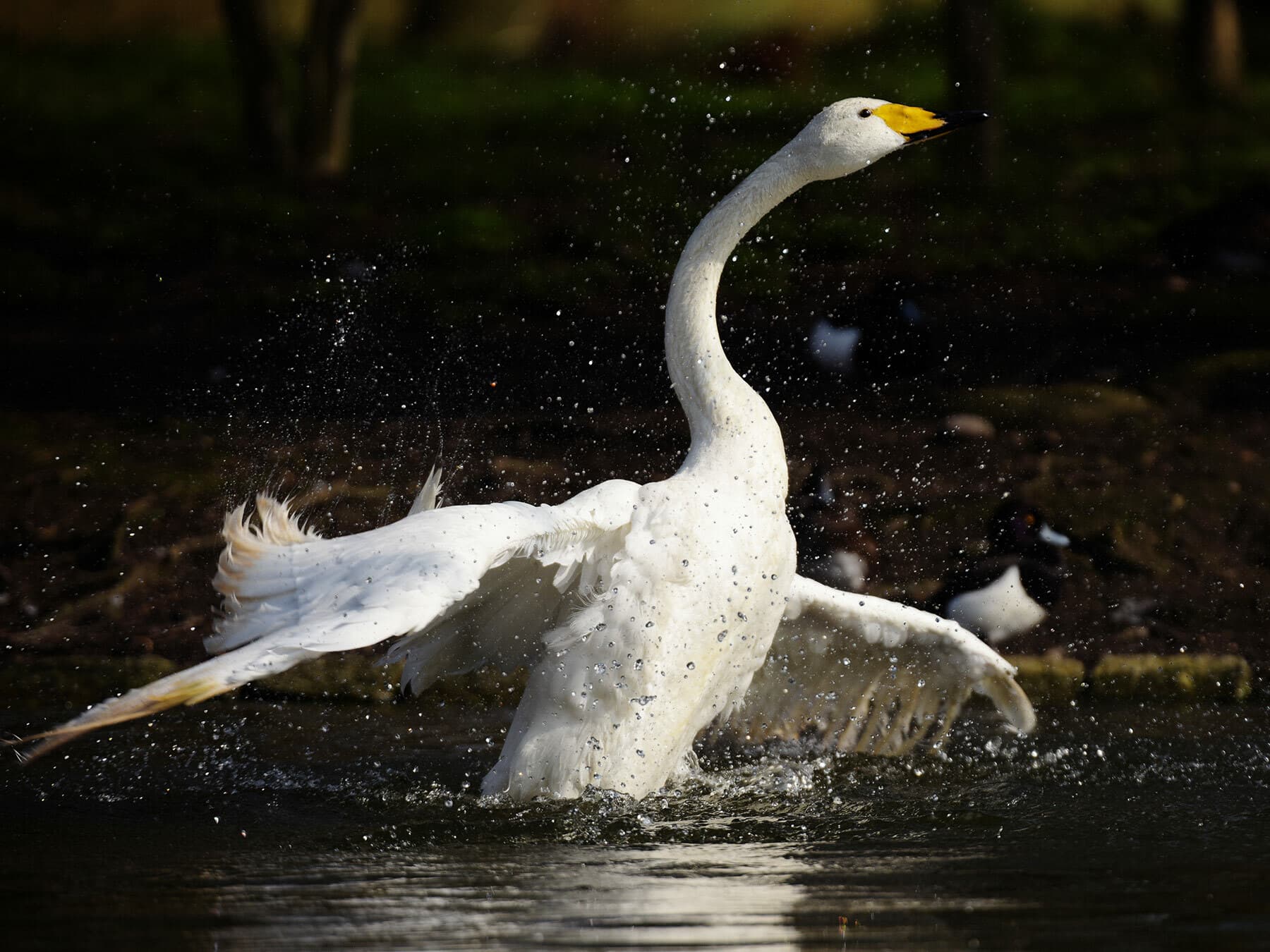
Whooper Swan
Cygnus cygnusLC
Present year-round but most prominent in winter, when Icelandic birds gather on flooded fields and lakes. Bugling calls carry across Northumberland's wetlands.
Year-round
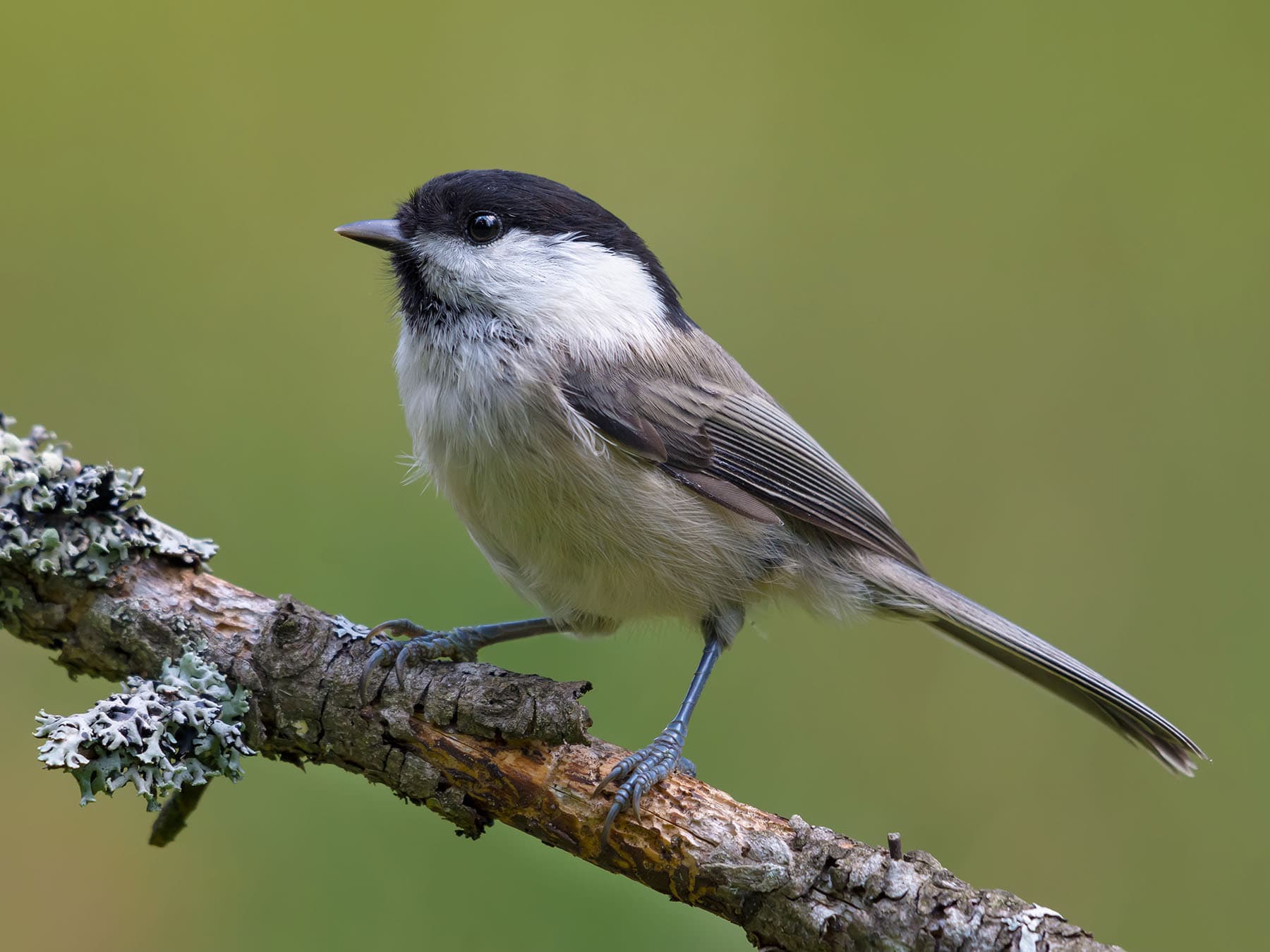
Willow Tit
Poecile montanusLC
A rare and declining resident found in damp willow and birch woodland. One of the UK's fastest-declining species, now very scarce in the county.
Year-round
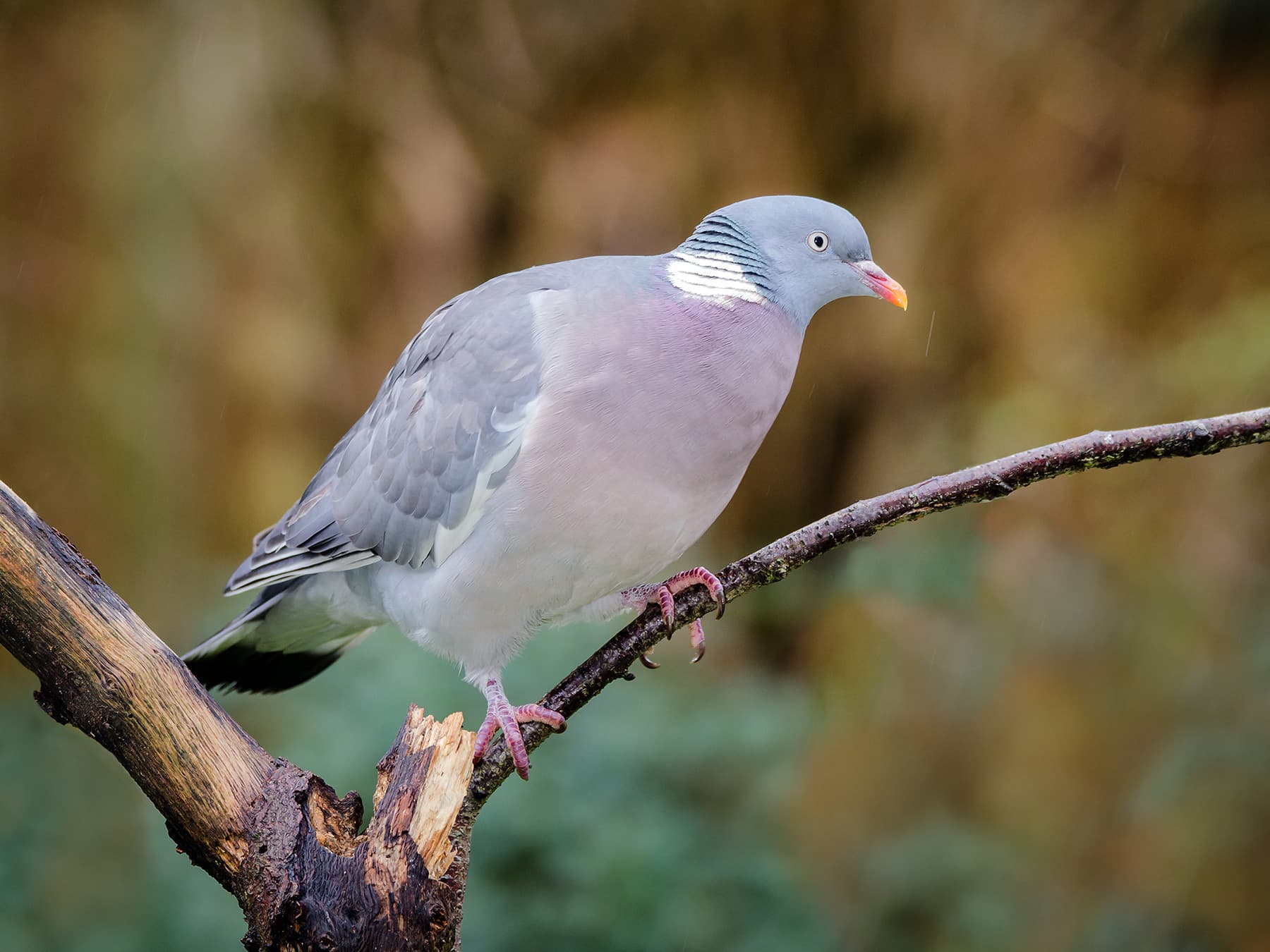
Woodpigeon
Columba palumbusLC
Abundant year-round in woodlands, parks, and farmland, often gathering in large flocks on arable fields during autumn and winter.
Year-round
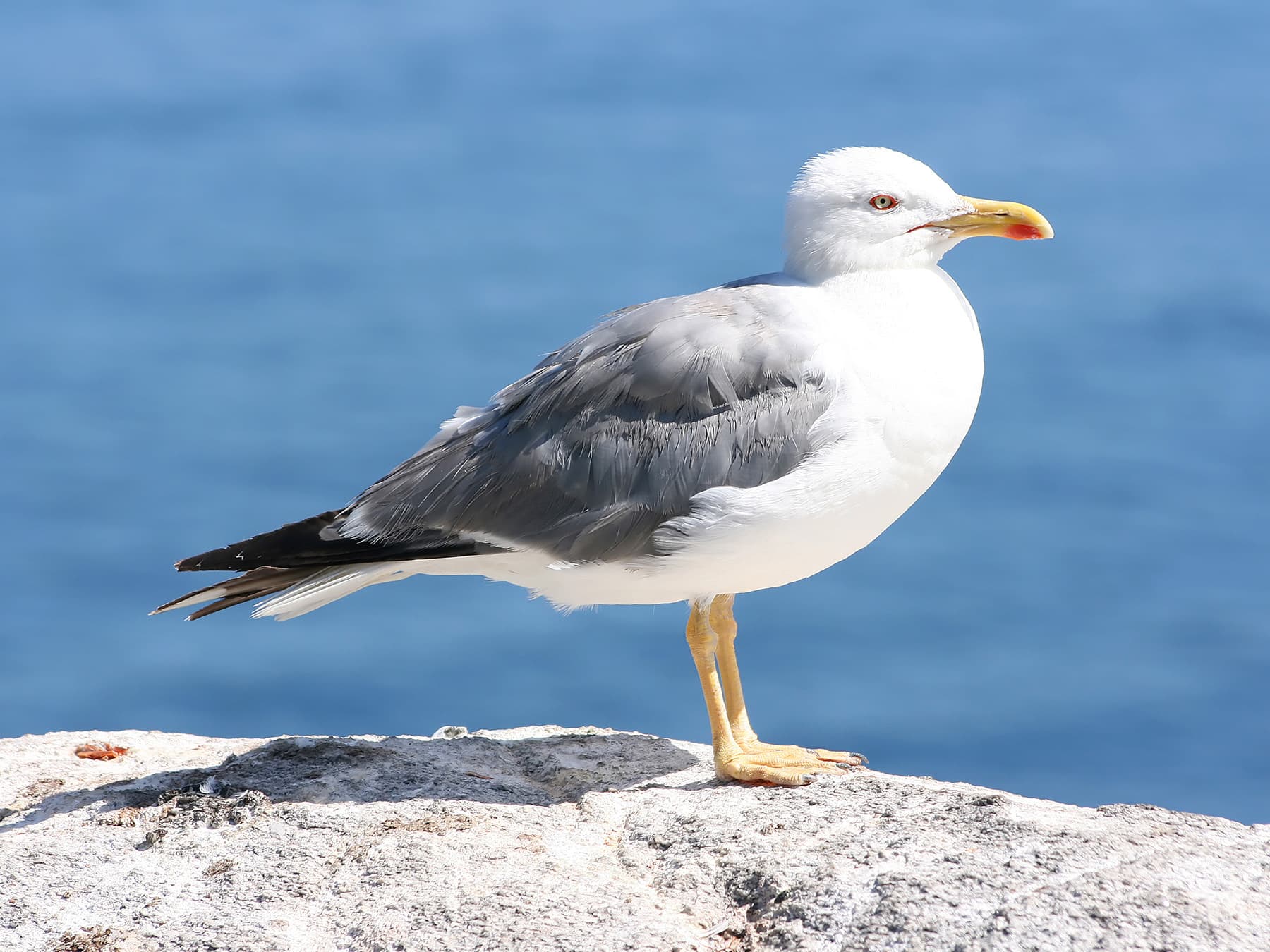
Yellow-legged Gull
Larus michahellisLC
An uncommon but increasingly regular gull found along the coast and at reservoirs, present in most months. Requires careful identification.
Jun–Apr
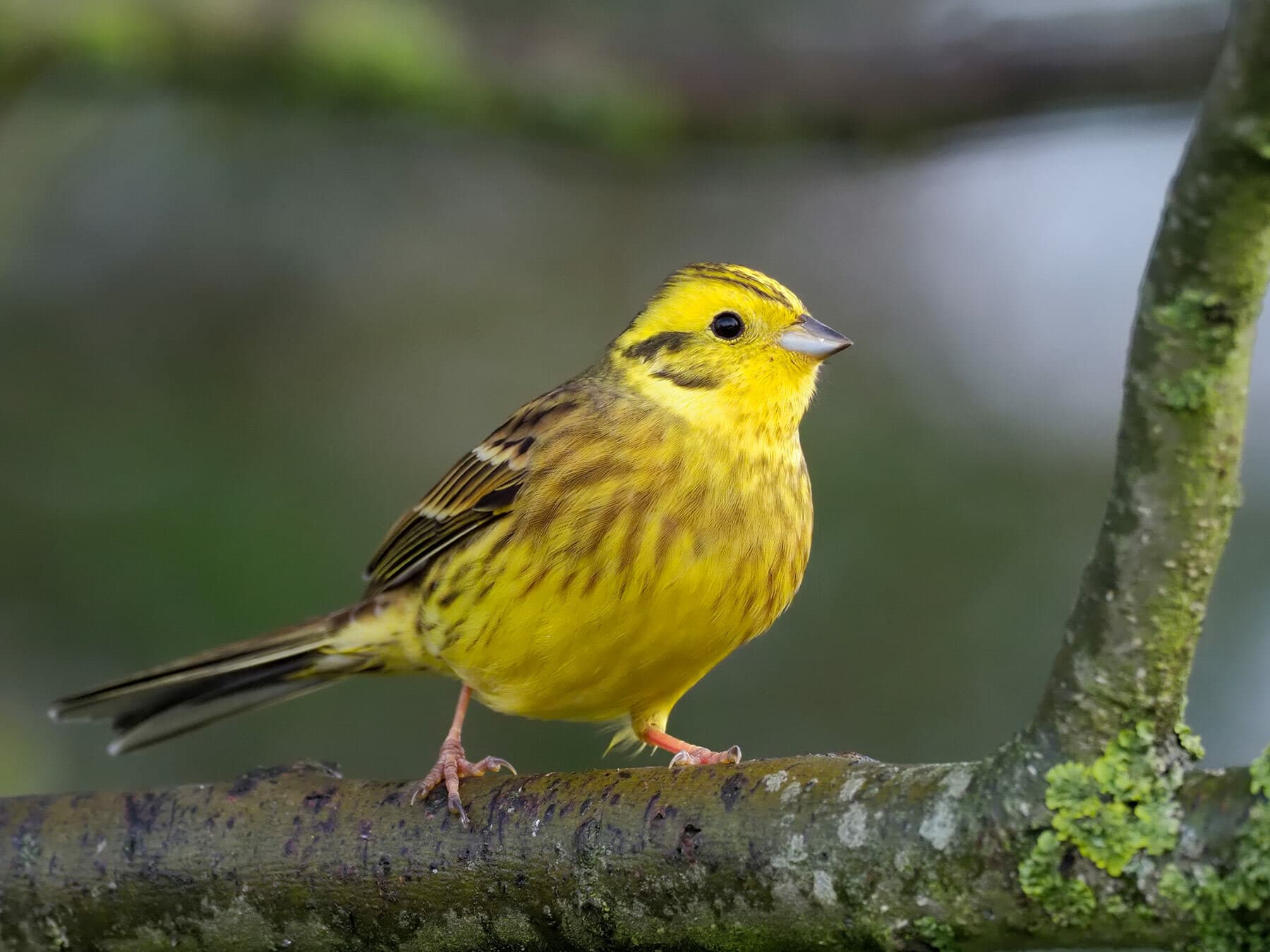
Yellowhammer
Emberiza citrinellaLC
An uncommon year-round resident of farmland hedgerows and field margins, its bright song a feature of rural Northumberland in spring.
Year-round
Breeding
(33)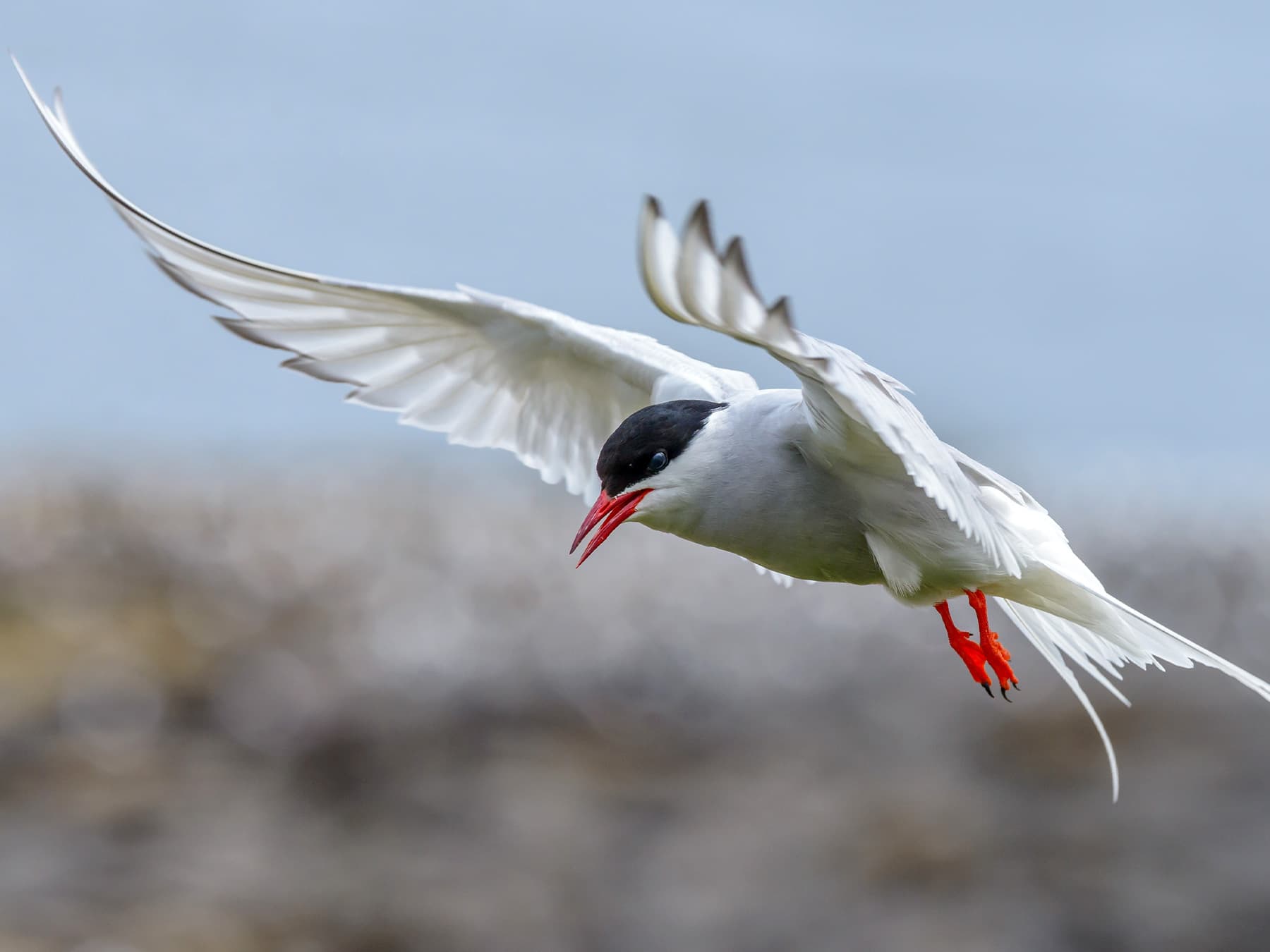
Arctic Tern
Sterna paradisaeaLC
Breeds on the Farne Islands and at Coquet Island in notable colonies. Present from April to October before migrating to Antarctic waters.
Apr–Oct
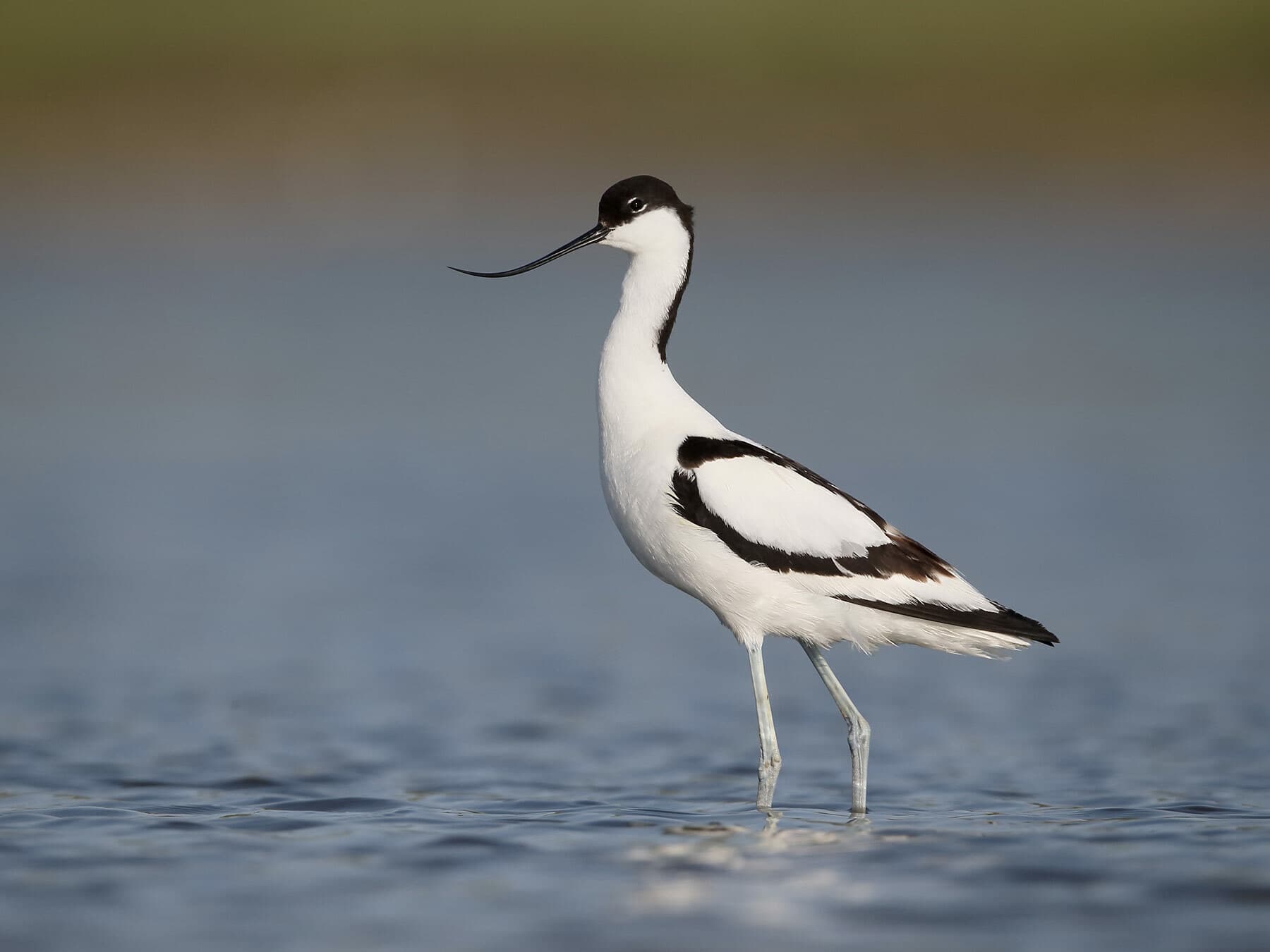
Avocet
Recurvirostra avosettaLC
An uncommon breeding visitor arriving from February, favouring shallow coastal lagoons. Part of a northward range expansion in recent decades.
Feb–Sep
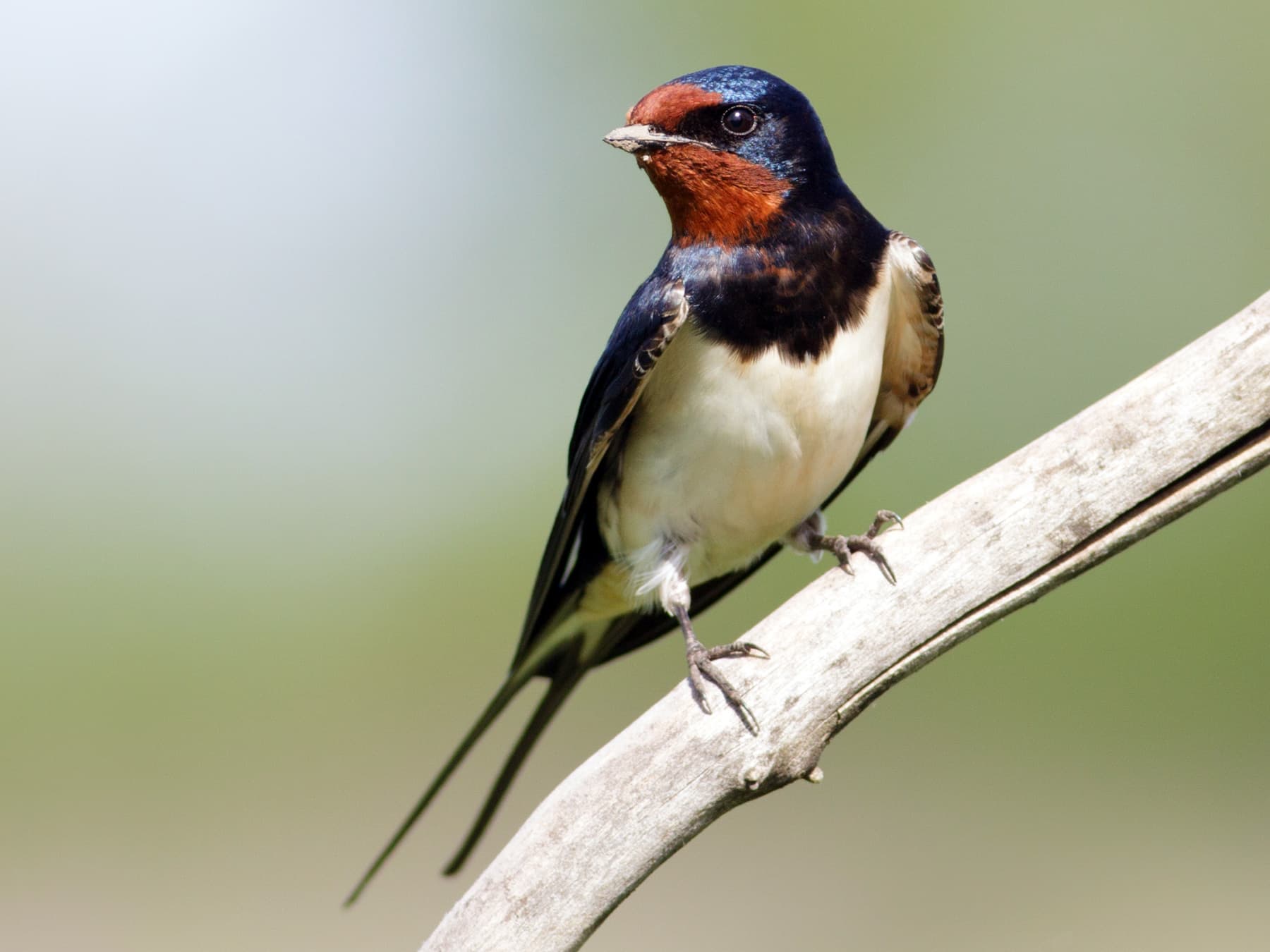
Barn Swallow
Hirundo rusticaLC
A common summer visitor from April to October, nesting in barns and outbuildings across rural Northumberland. A welcome sign of spring.
Apr–Oct
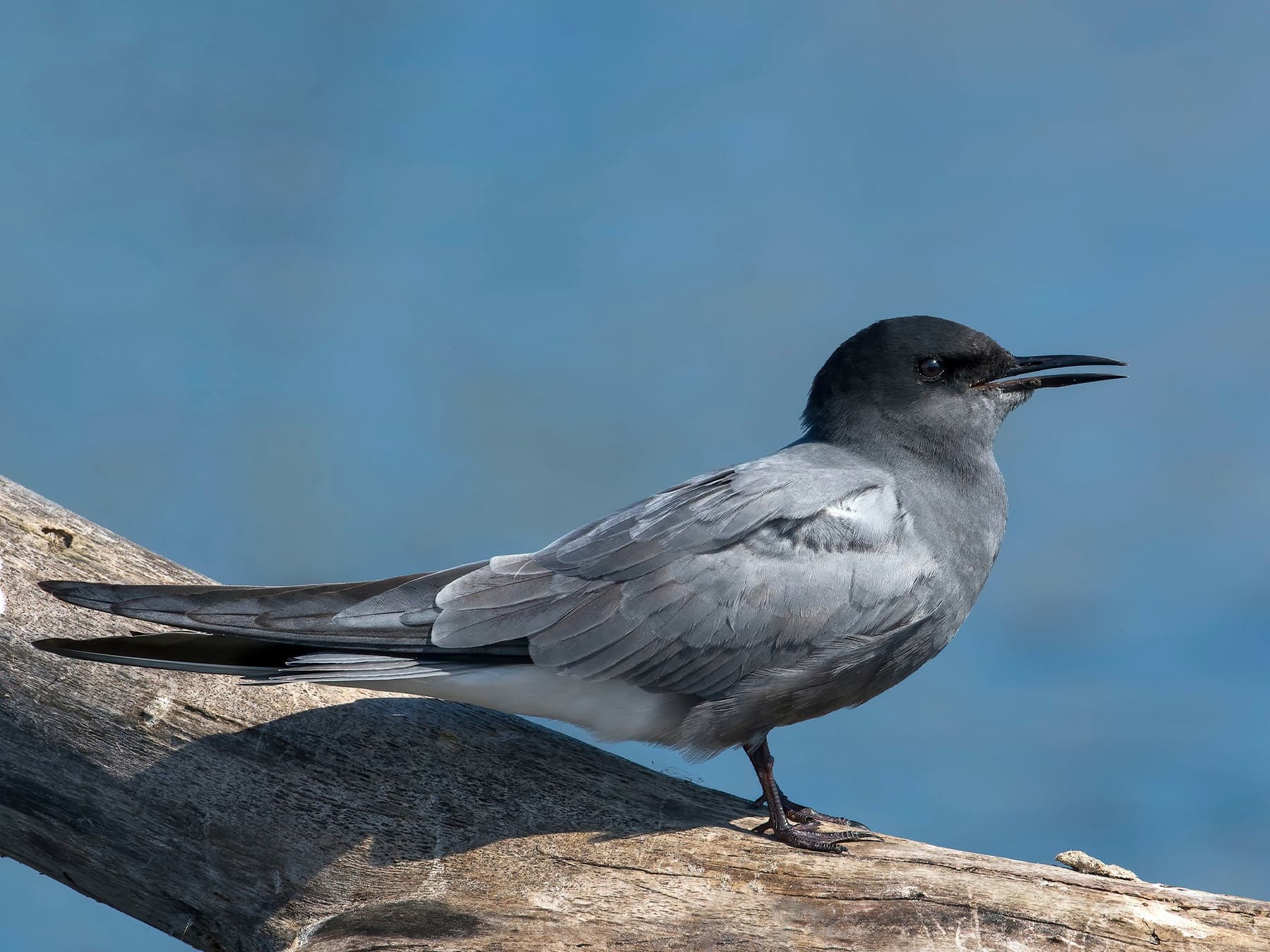
Black Tern
Chlidonias nigerLC
A rare breeding-season visitor, occasionally seen hawking insects over inland lakes and coastal pools from May to September.
May–Sep
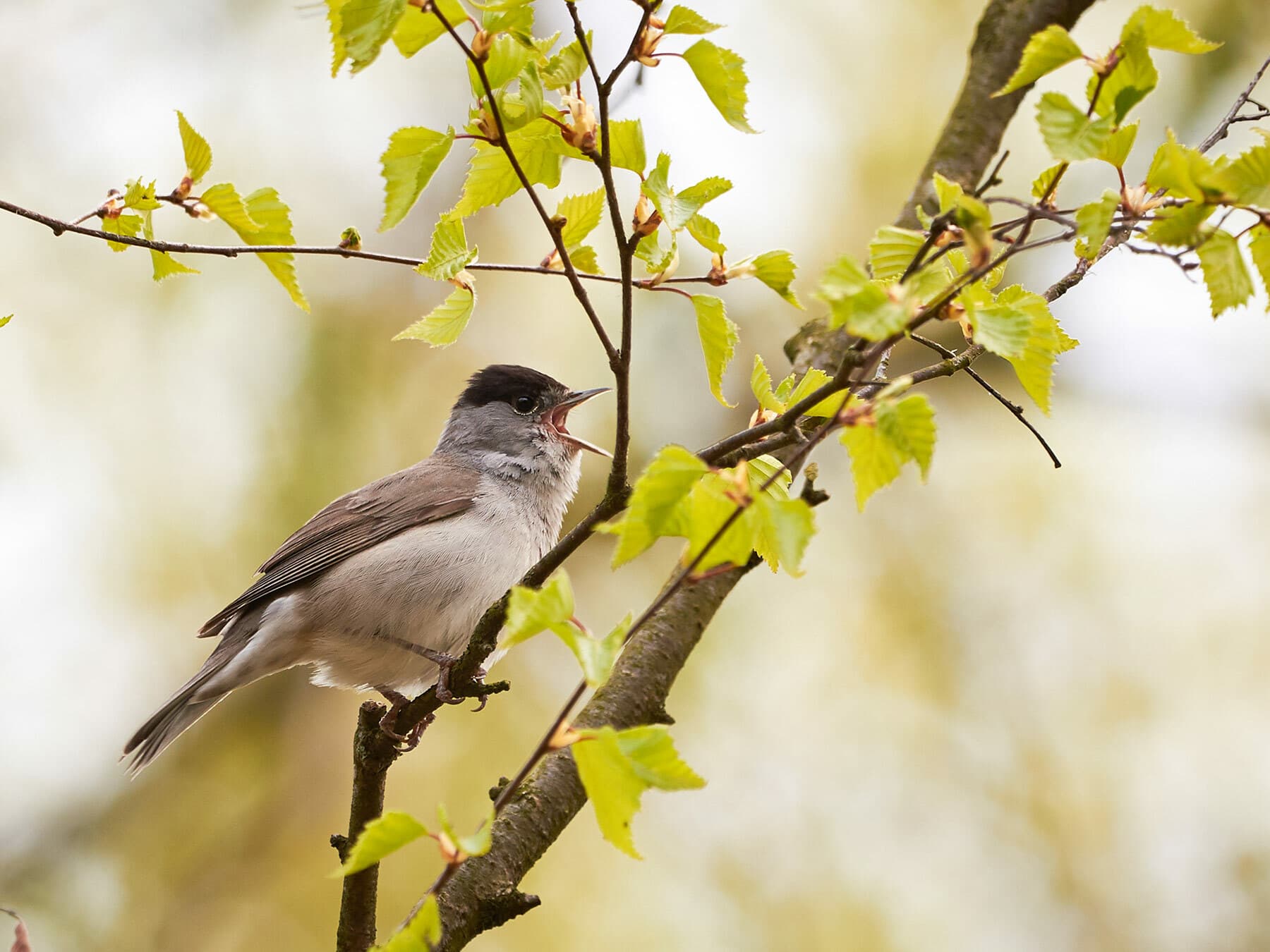
Blackcap
Sylvia atricapillaLC
An uncommon breeder in mature woodland and hedgerows. Some linger into late autumn, with occasional wintering birds at garden feeders.
Apr–Nov
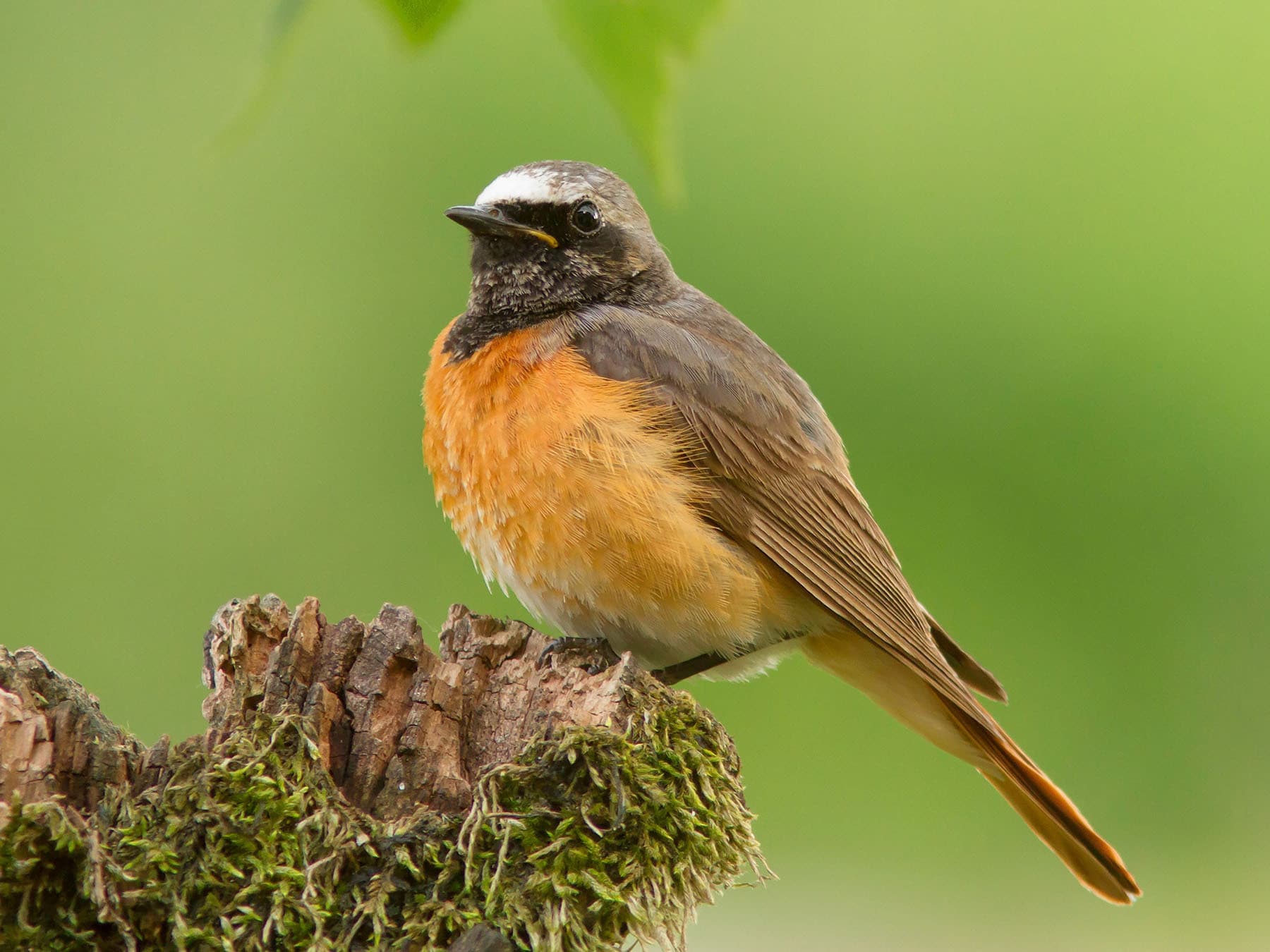
Common Redstart
Phoenicurus phoenicurusLC
A rare summer breeder in mature oak woodland, particularly in the upland valleys. Males are strikingly colourful.
Apr–Oct
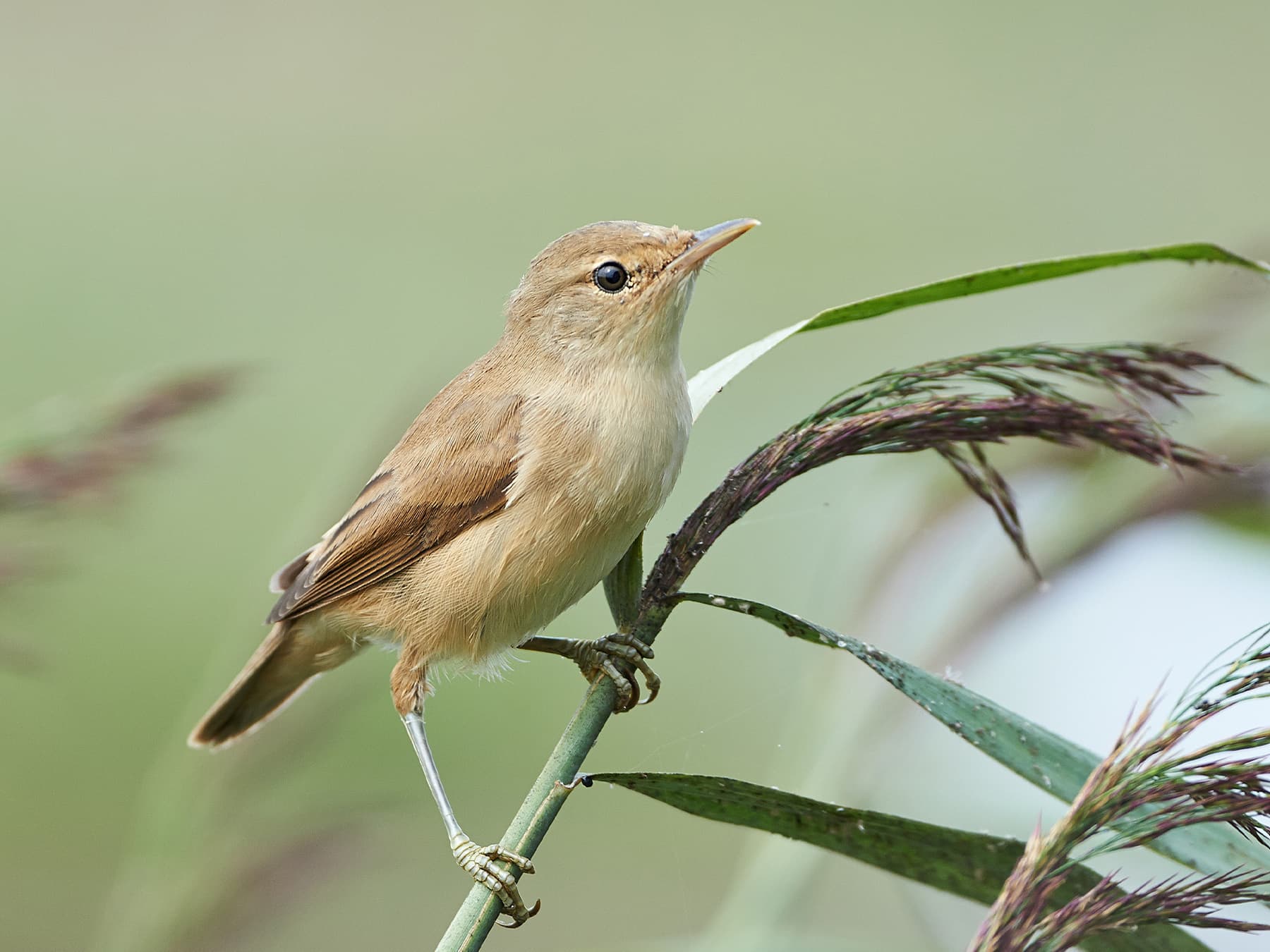
Common Reed-warbler
Acrocephalus scirpaceusLC
An uncommon summer breeder arriving from April, found in reedbeds at sites like Druridge Bay pools. Near the northern edge of its UK range.
Apr–Sep
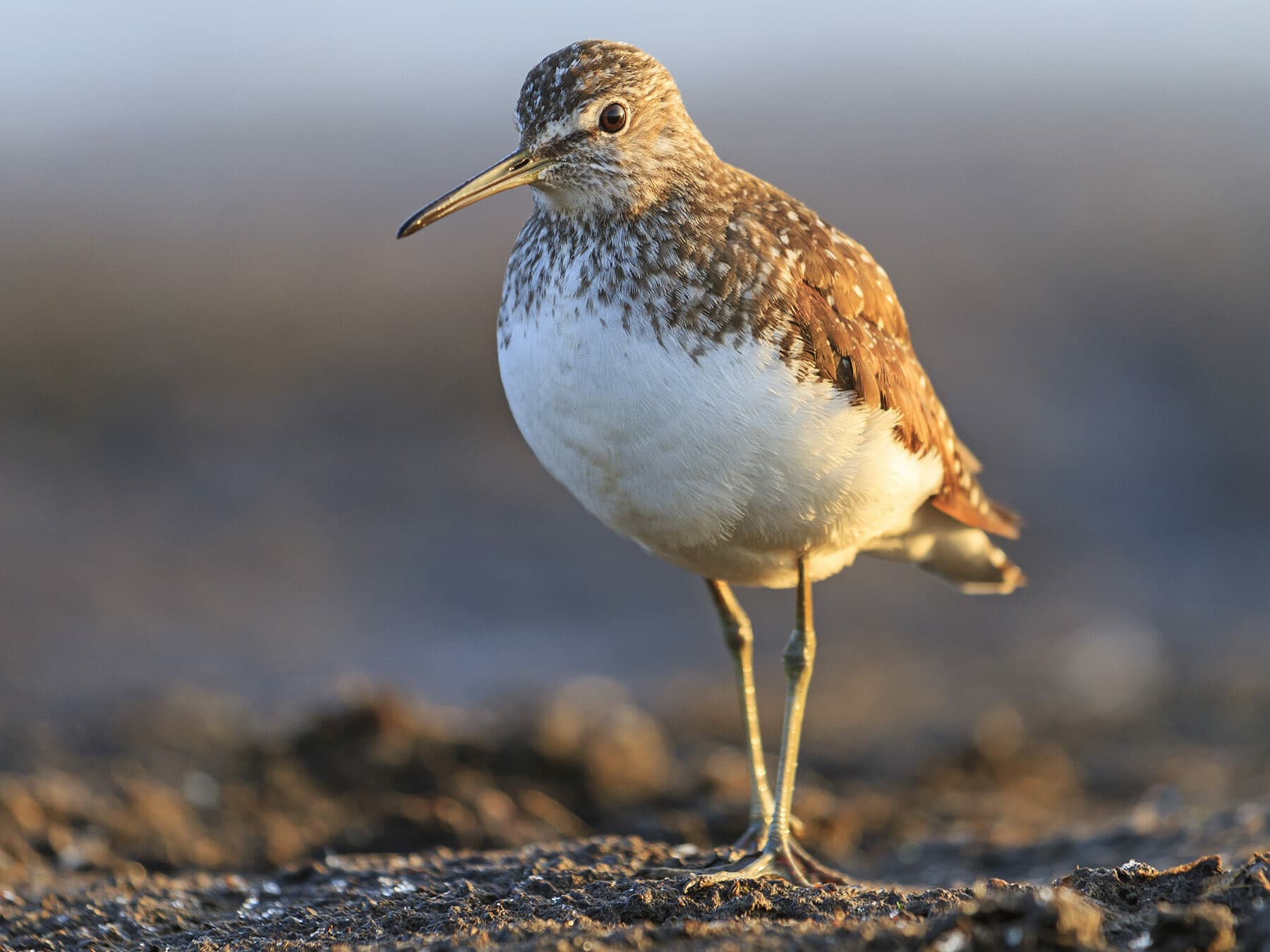
Common Sandpiper
Actitis hypoleucosLC
An uncommon breeding visitor, bobbing along upland rivers and reservoir edges from April to September. Listen for its shrill call over Kielder and the North Tyne.
Apr–Sep
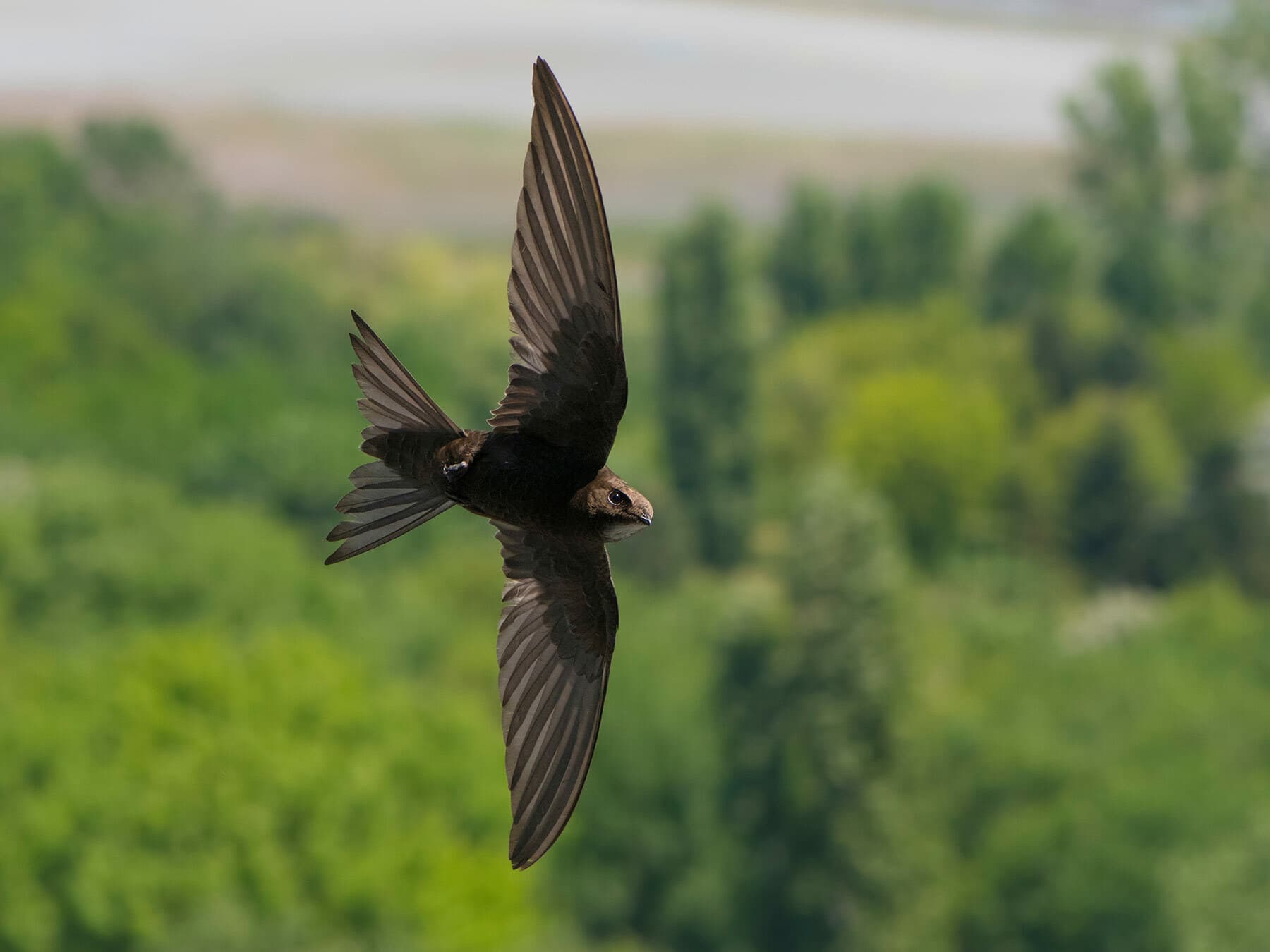
Common Swift
Apus apusLC
Breeds in older buildings and church towers in market towns, screaming overhead from late April before departing by September.
Apr–Sep
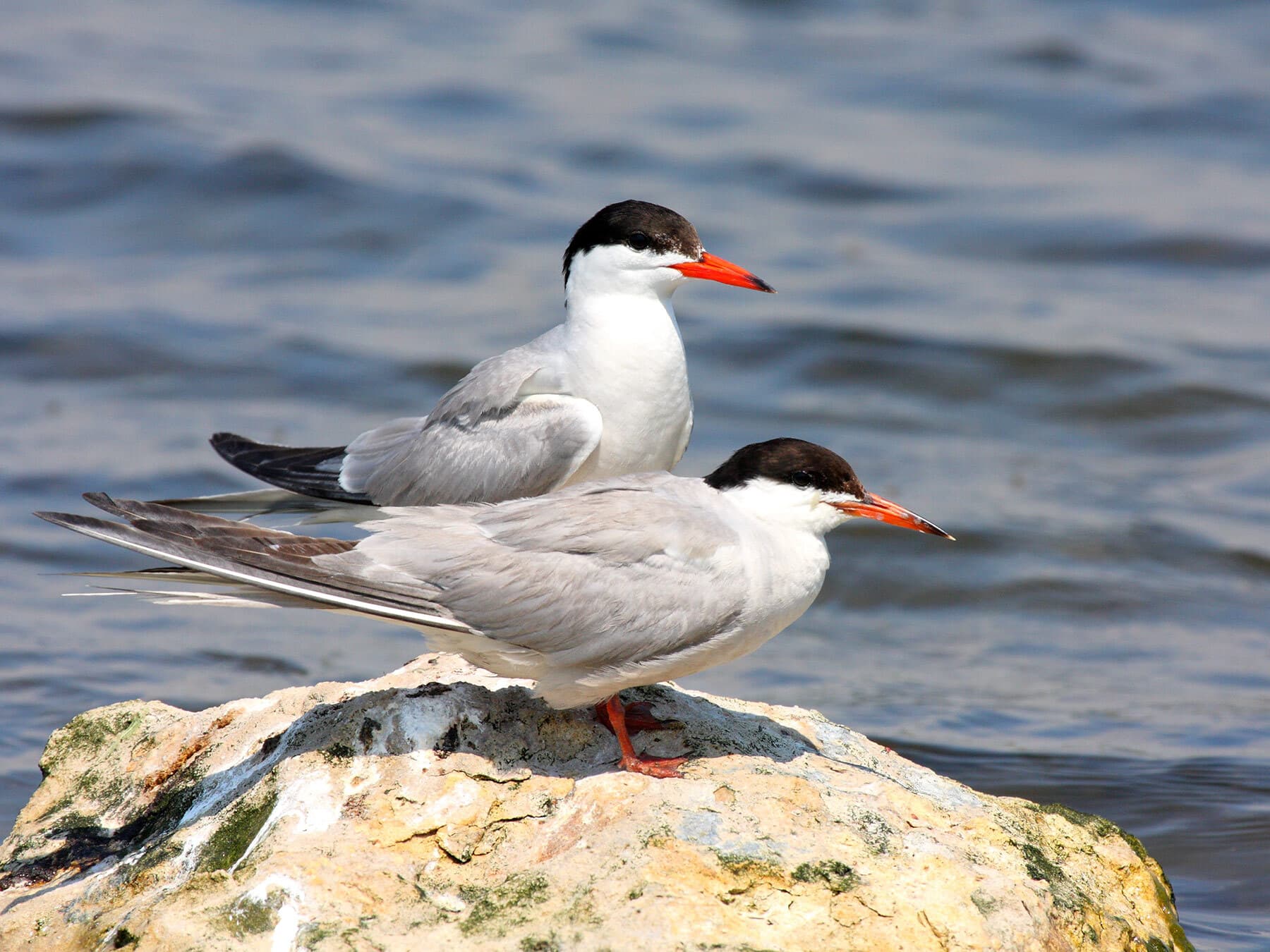
Common Tern
Sterna hirundoLC
An uncommon summer breeder nesting on coastal islands and inland gravel pits, plunge-diving for fish from April to October.
Apr–Oct
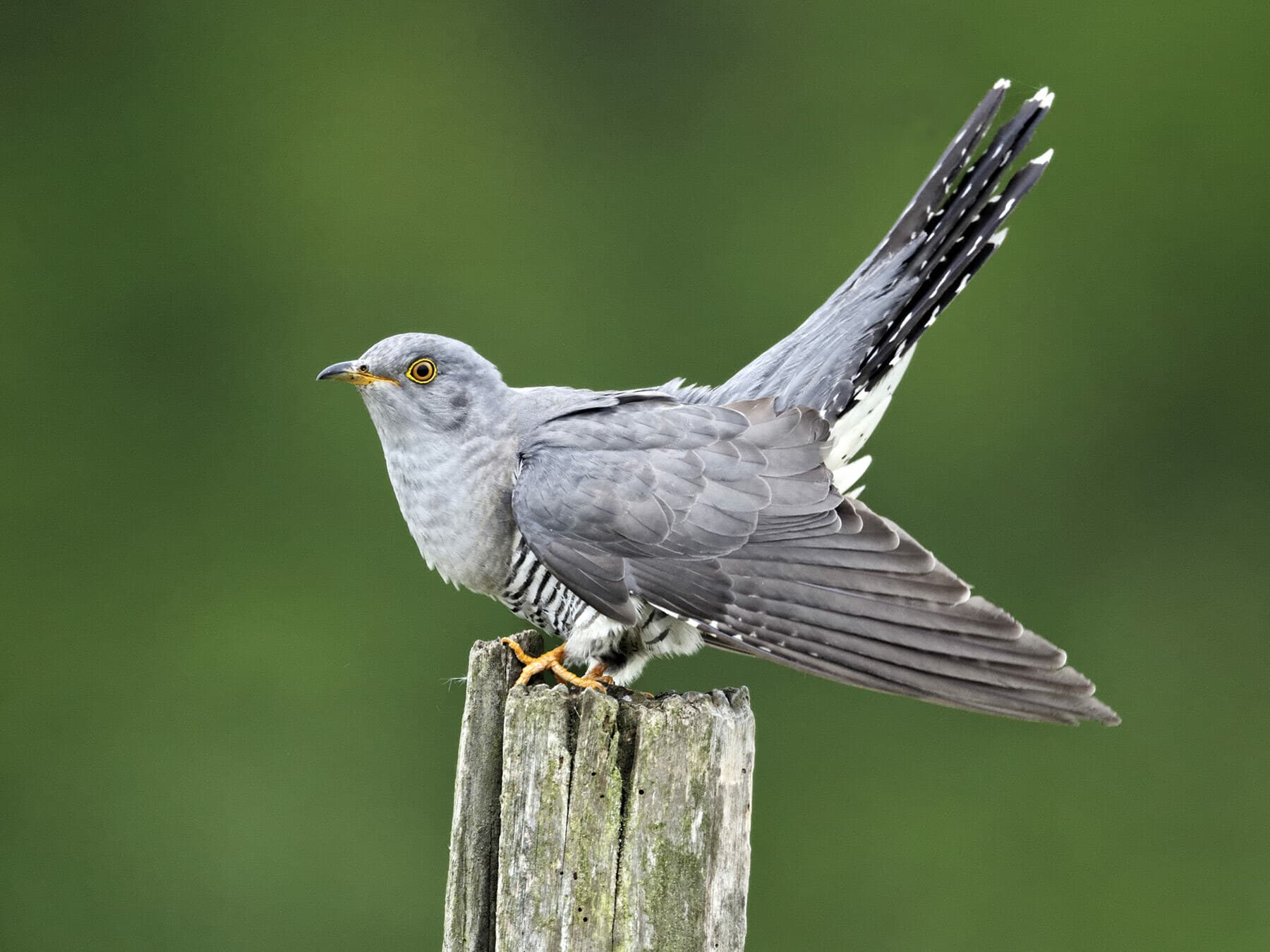
Cuckoo
Cuculus canorusLC
A rare and declining summer visitor from April to August. Favours moorland edges and scrubby habitats where Meadow Pipits host its eggs.
Apr–Aug
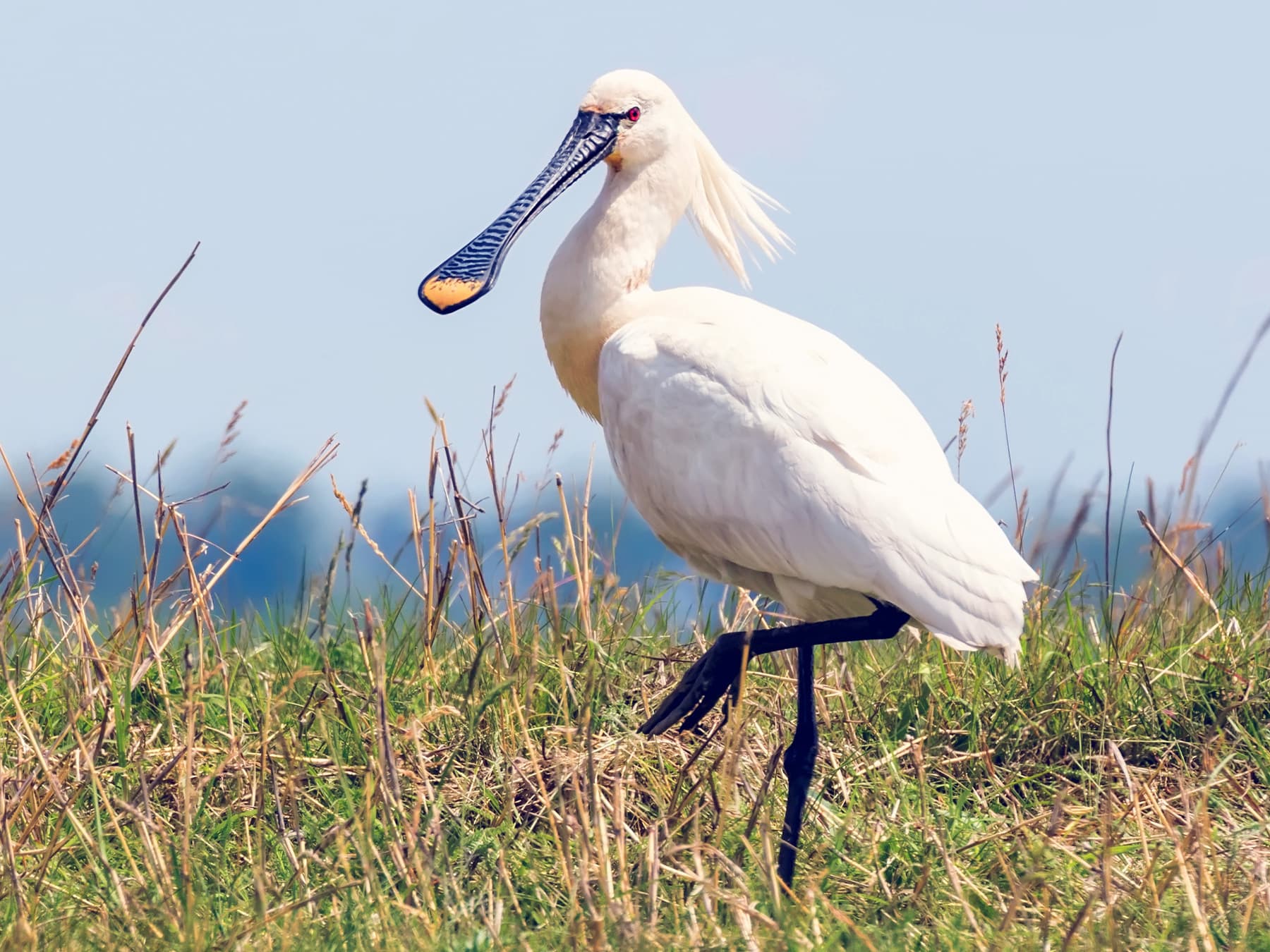
Eurasian Spoonbill
Platalea leucorodiaLC
A rare breeding visitor from March to September, part of a recent northward expansion. Occasionally seen at coastal wetlands and estuaries.
Mar–Sep
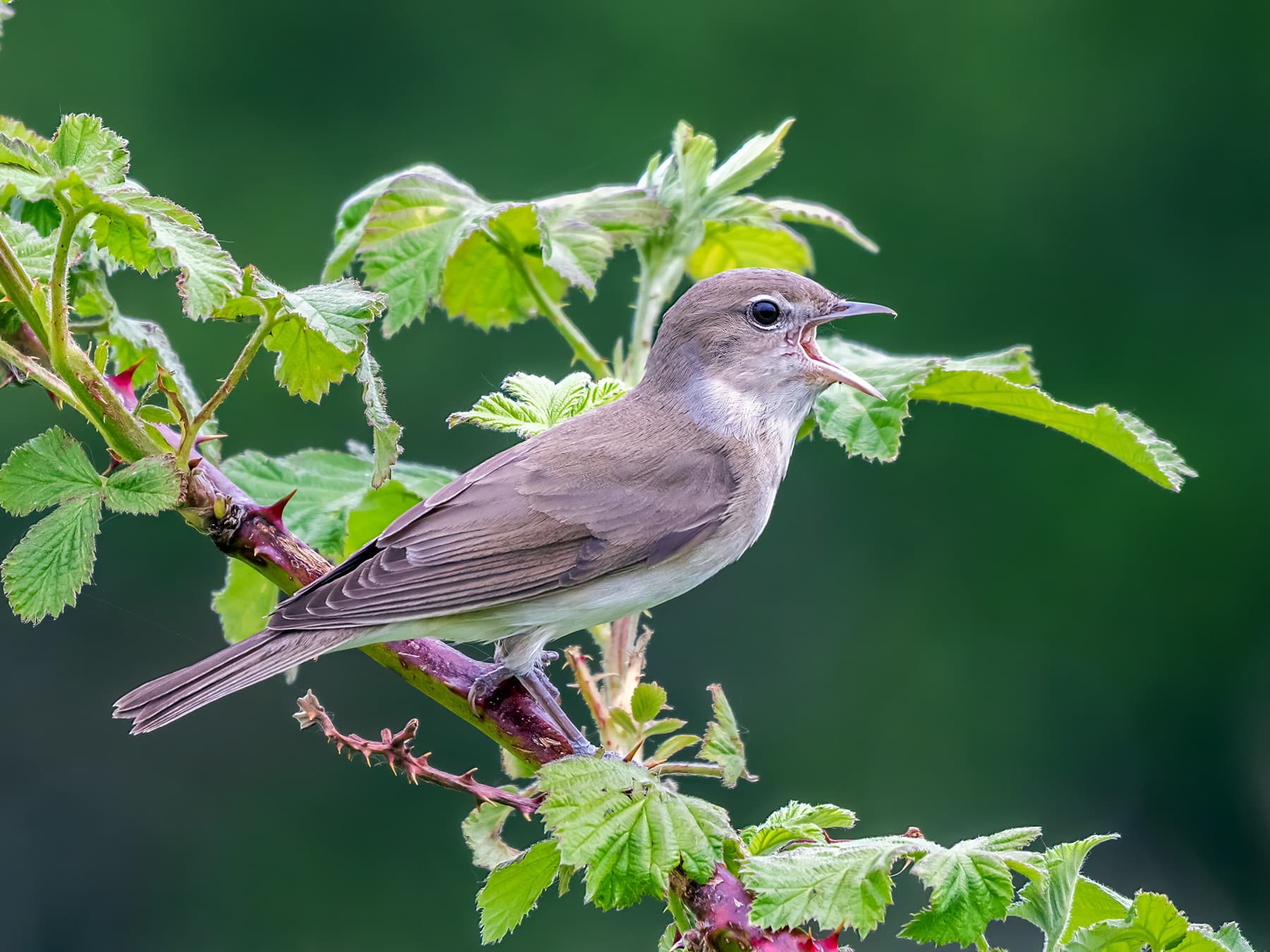
Garden Warbler
Sylvia borinLC
A rare summer breeder found in dense scrub and woodland with thick undergrowth, present from May to October but easily overlooked.
May–Oct
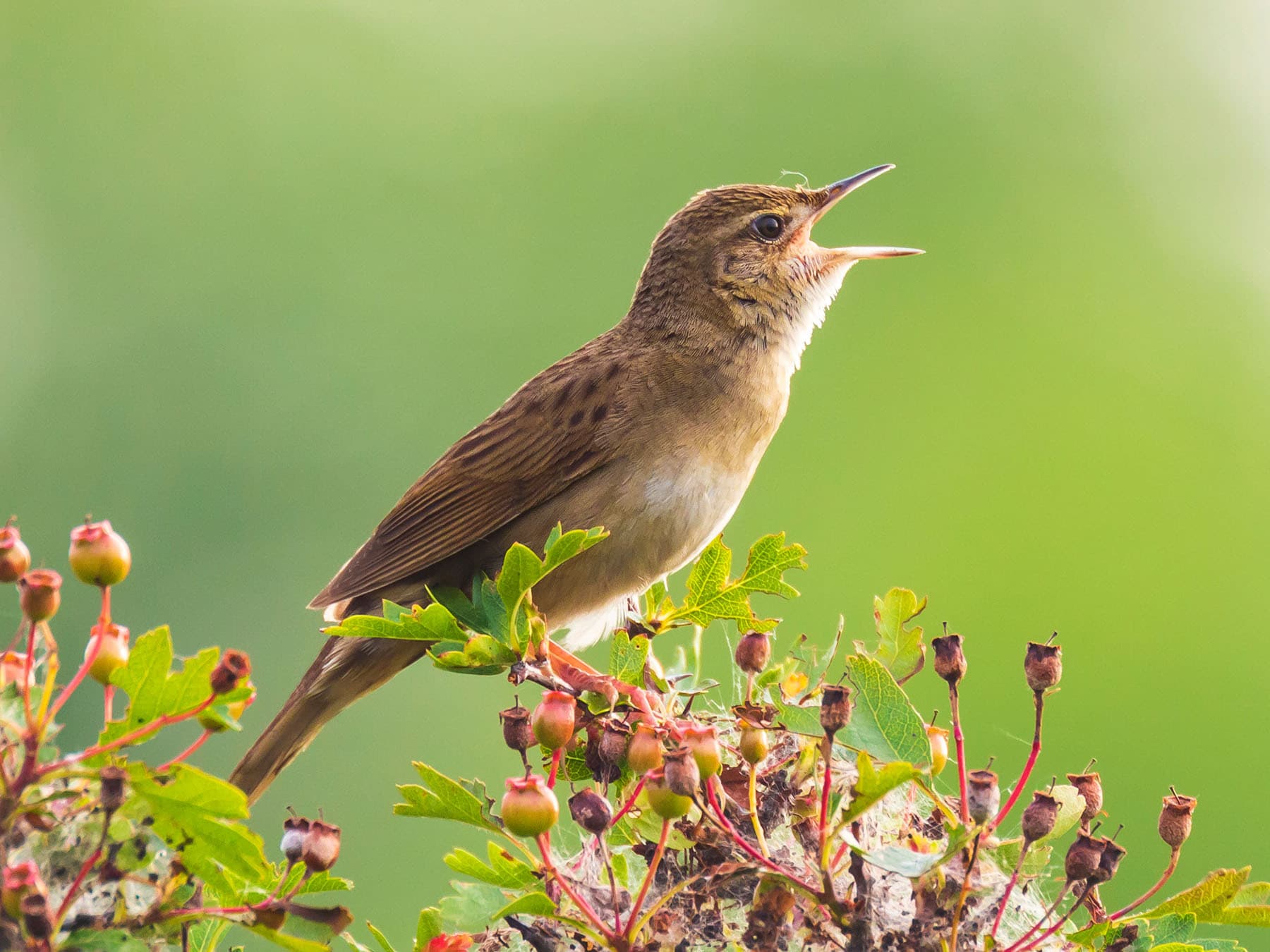
Grasshopper Warbler
Locustella naeviaLC
An elusive summer visitor best detected by its insect-like reeling song from dense scrub and rough grassland between April and August.
Apr–Aug
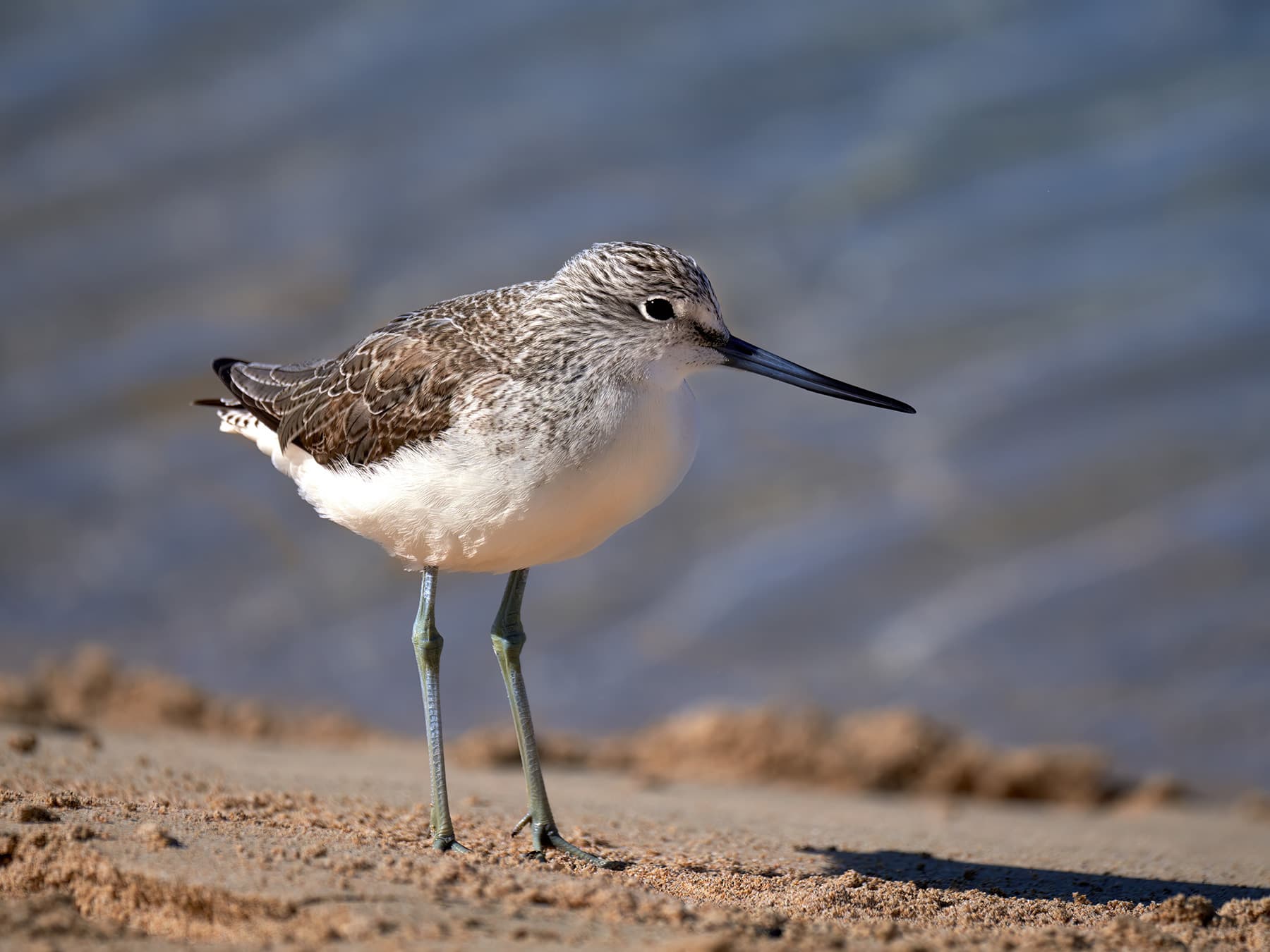
Greenshank
Tringa nebulariaLC
An uncommon breeder on upland bogs and loch margins, also noted on coastal passage from April to October.
Apr–Oct
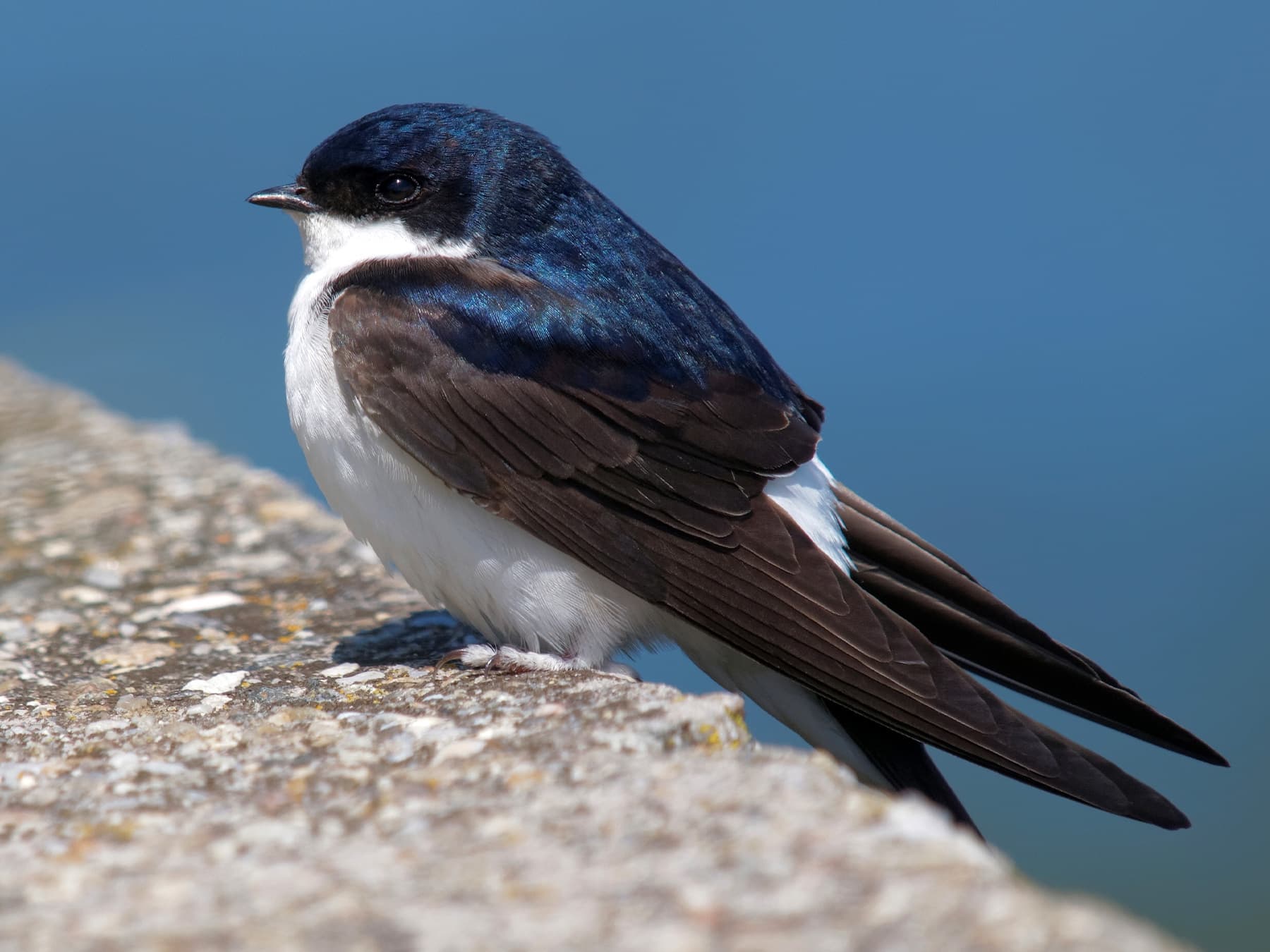
House Martin
Delichon urbicumLC
A common summer visitor nesting under eaves in towns and villages. Arrives from April and gathers in flocks before departing by October.
Apr–Oct
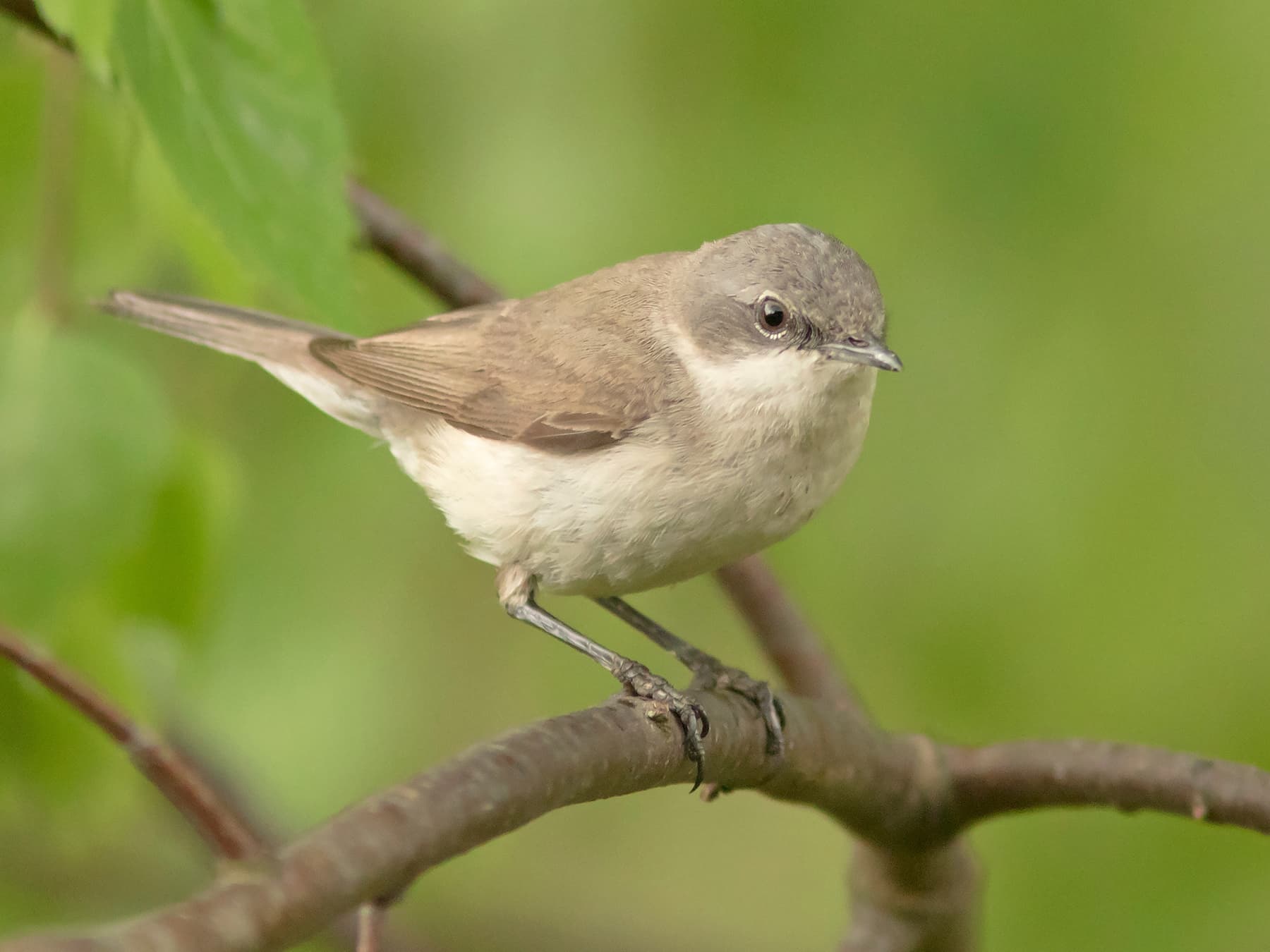
Lesser Whitethroat
Curruca currucaLC
A rare and secretive summer breeder favouring tall hedgerows and scrubby thickets. Near the northern limit of its regular UK breeding range.
Apr–Oct
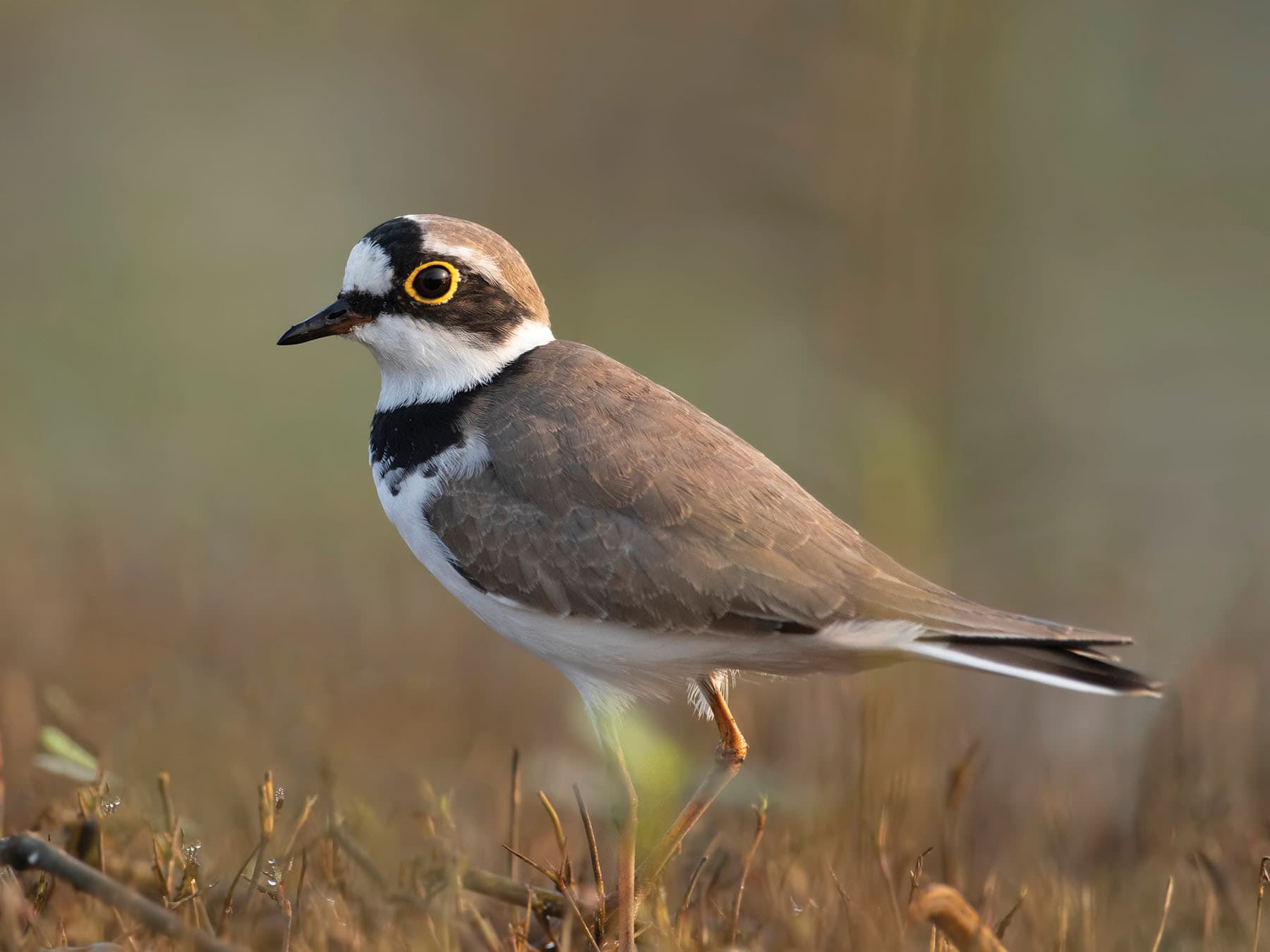
Little Ringed Plover
Charadrius dubiusLC
A rare breeding visitor to gravel pits and reservoir margins, arriving in April and departing by early autumn.
Apr–Sep
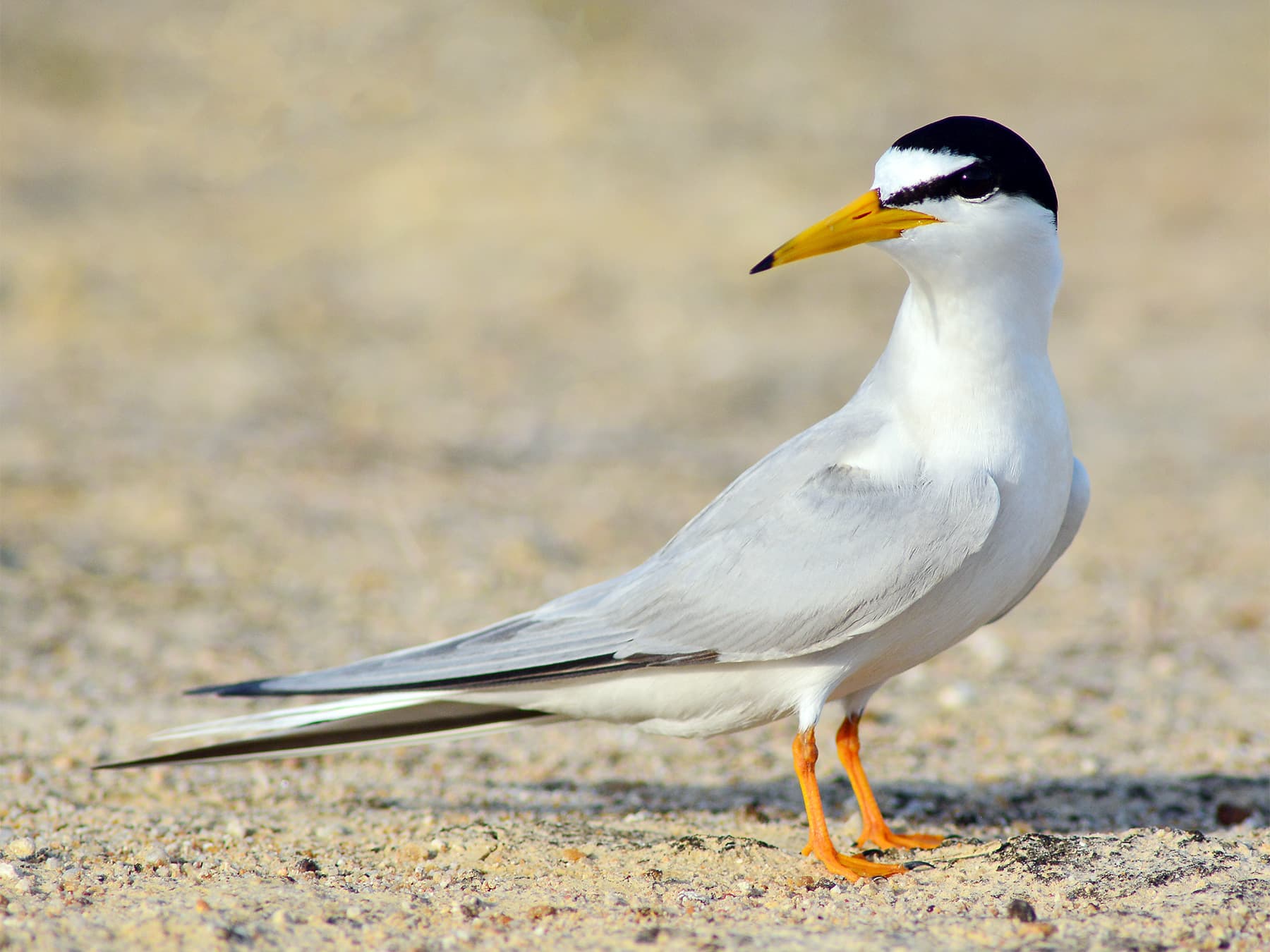
Little Tern
Sternula albifronsLC
Breeds on shingle beaches along the coast, notably at Long Nanny. A declining species needing protected nesting sites.
May–Aug
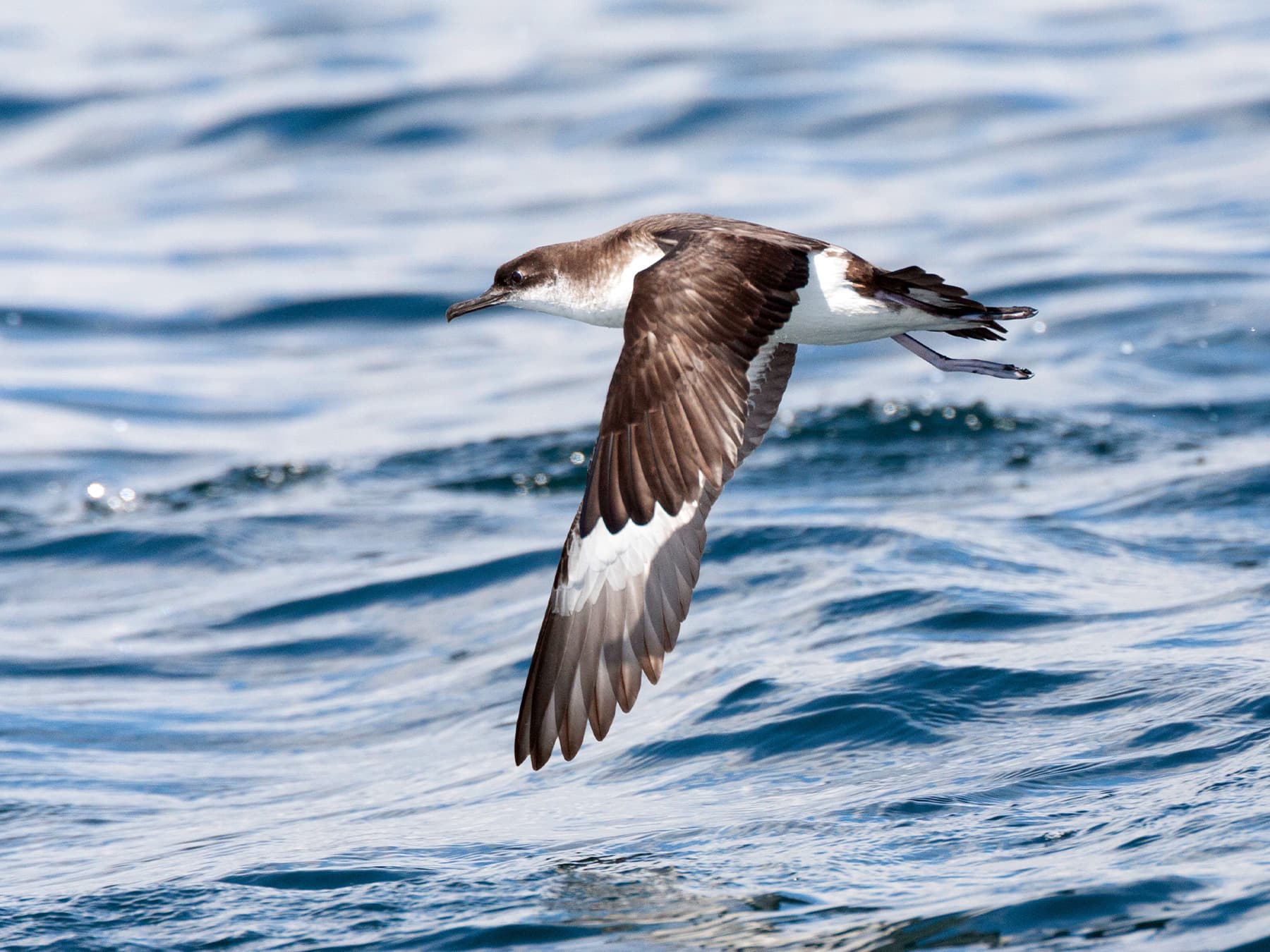
Manx Shearwater
Puffinus puffinusLC
An uncommon breeder, seen offshore from May to October. Best spotted from coastal headlands as birds skim low over the North Sea waves.
May–Oct
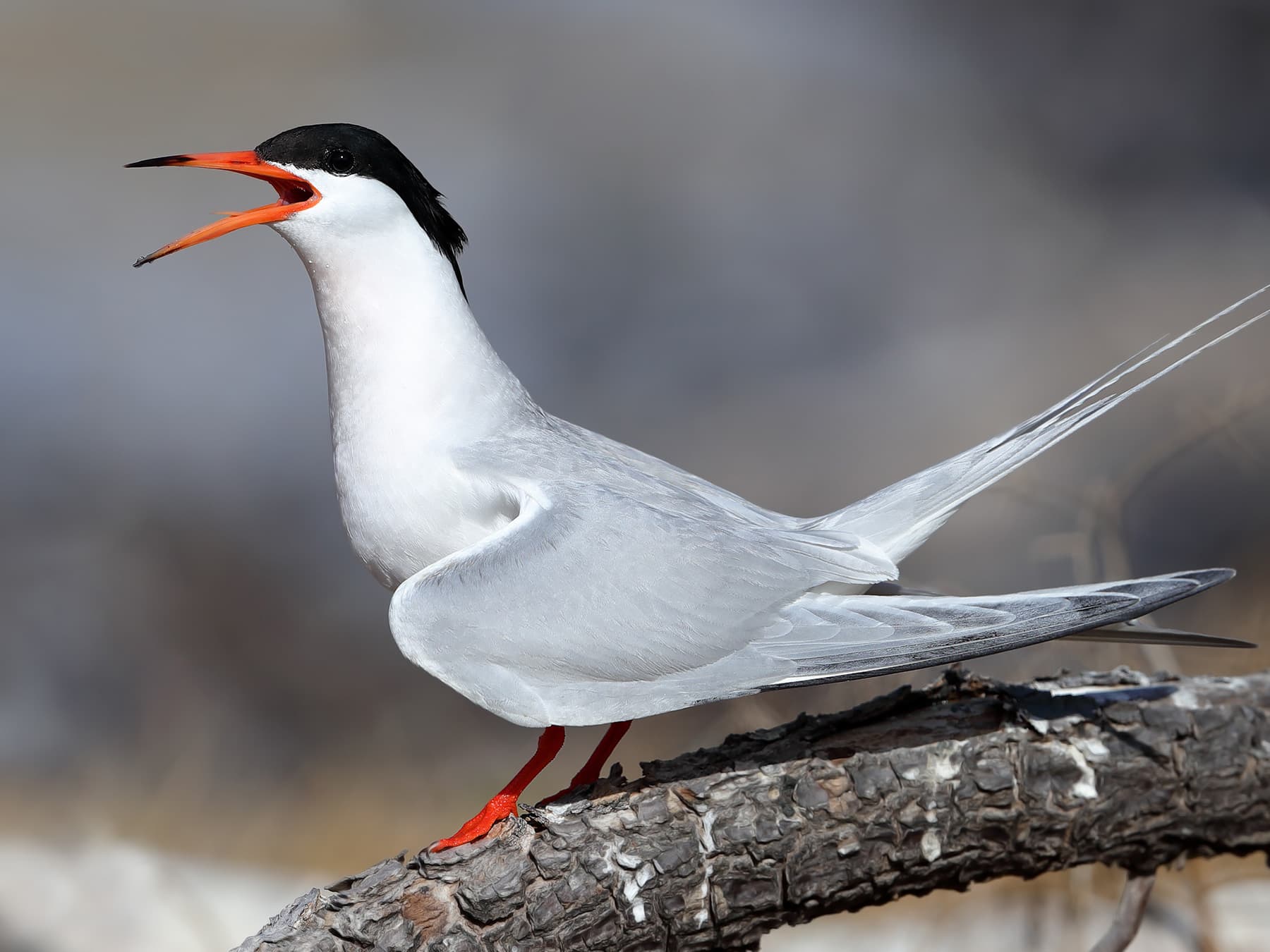
Roseate Tern
Sterna dougalliiLC
An uncommon breeder on the Farne Islands and Coquet Island from May to September. One of the UK's rarest breeding seabirds.
May–Sep
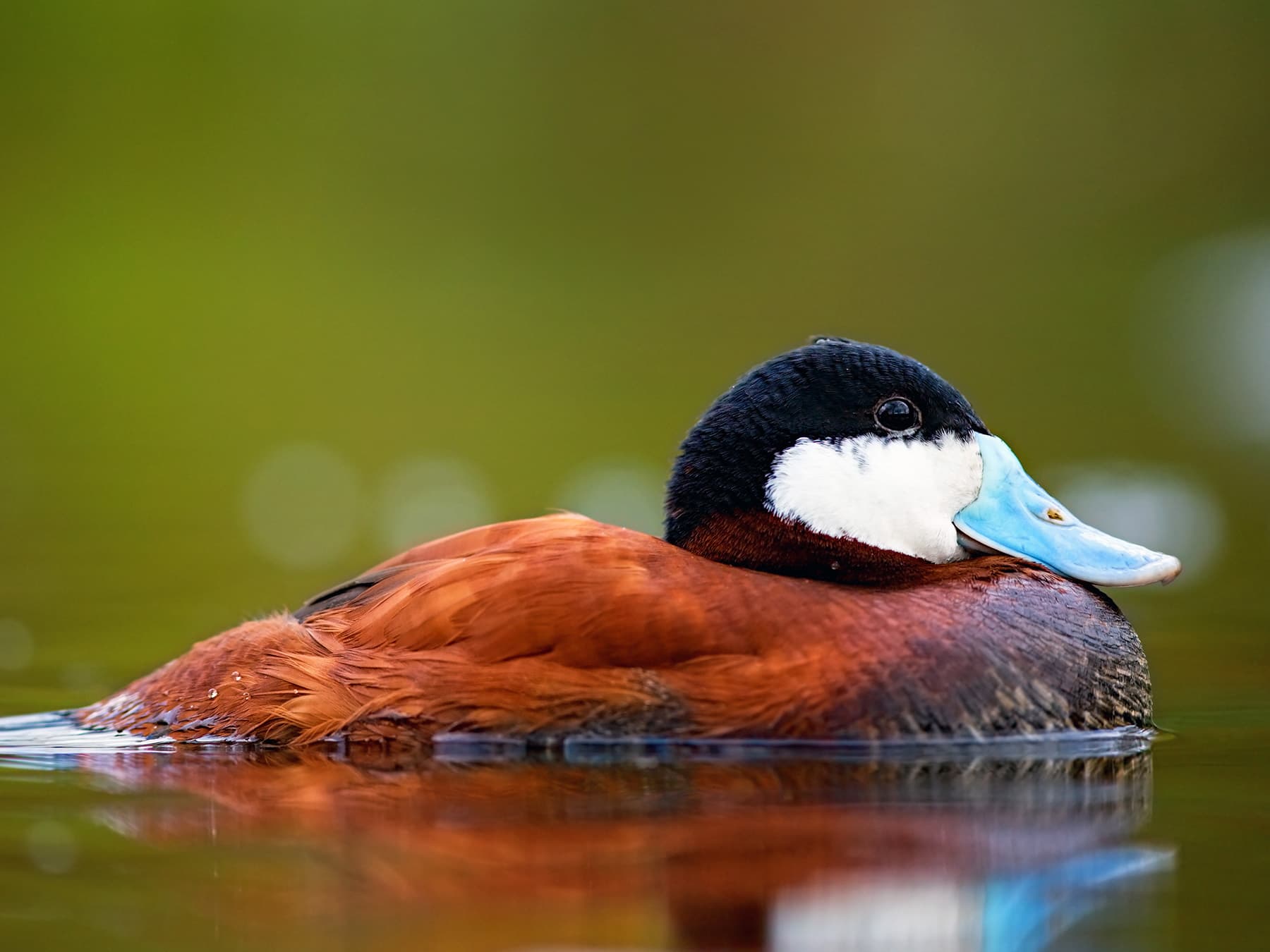
Ruddy Duck
Oxyura jamaicensisLC
A rare non-native breeder at freshwater lakes from April to September. Subject to national eradication efforts, sightings have become increasingly scarce.
Apr–Sep
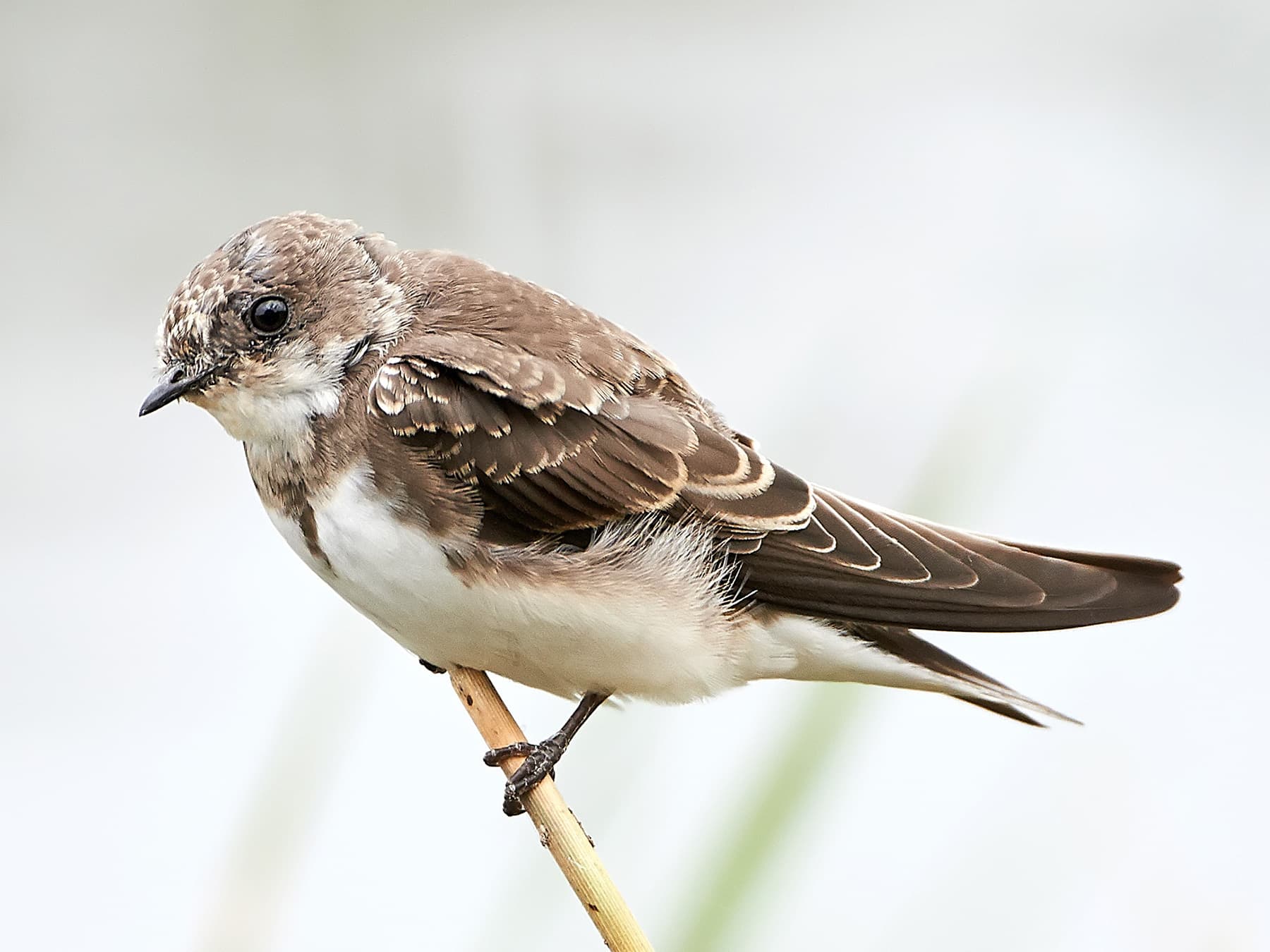
Sand Martin
Riparia ripariaLC
A common summer breeder nesting colonially in sandy riverbanks along the Tyne, Coquet, and other waterways from March to September.
Mar–Sep
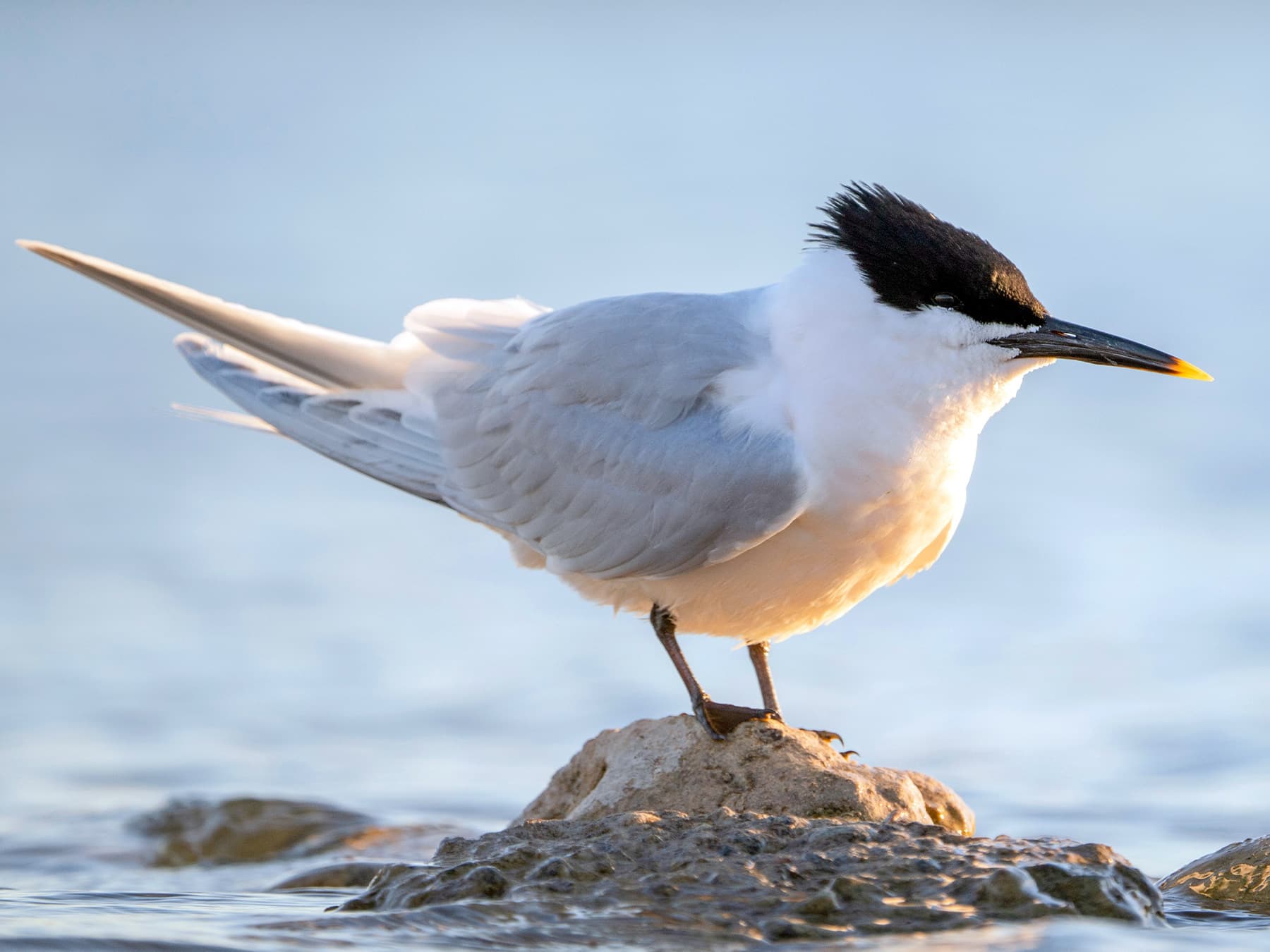
Sandwich Tern
Thalasseus sandvicensisLC
A common summer breeder with important colonies on the Farne Islands. Plunge-dives for fish along the coast from April to October.
Apr–Oct
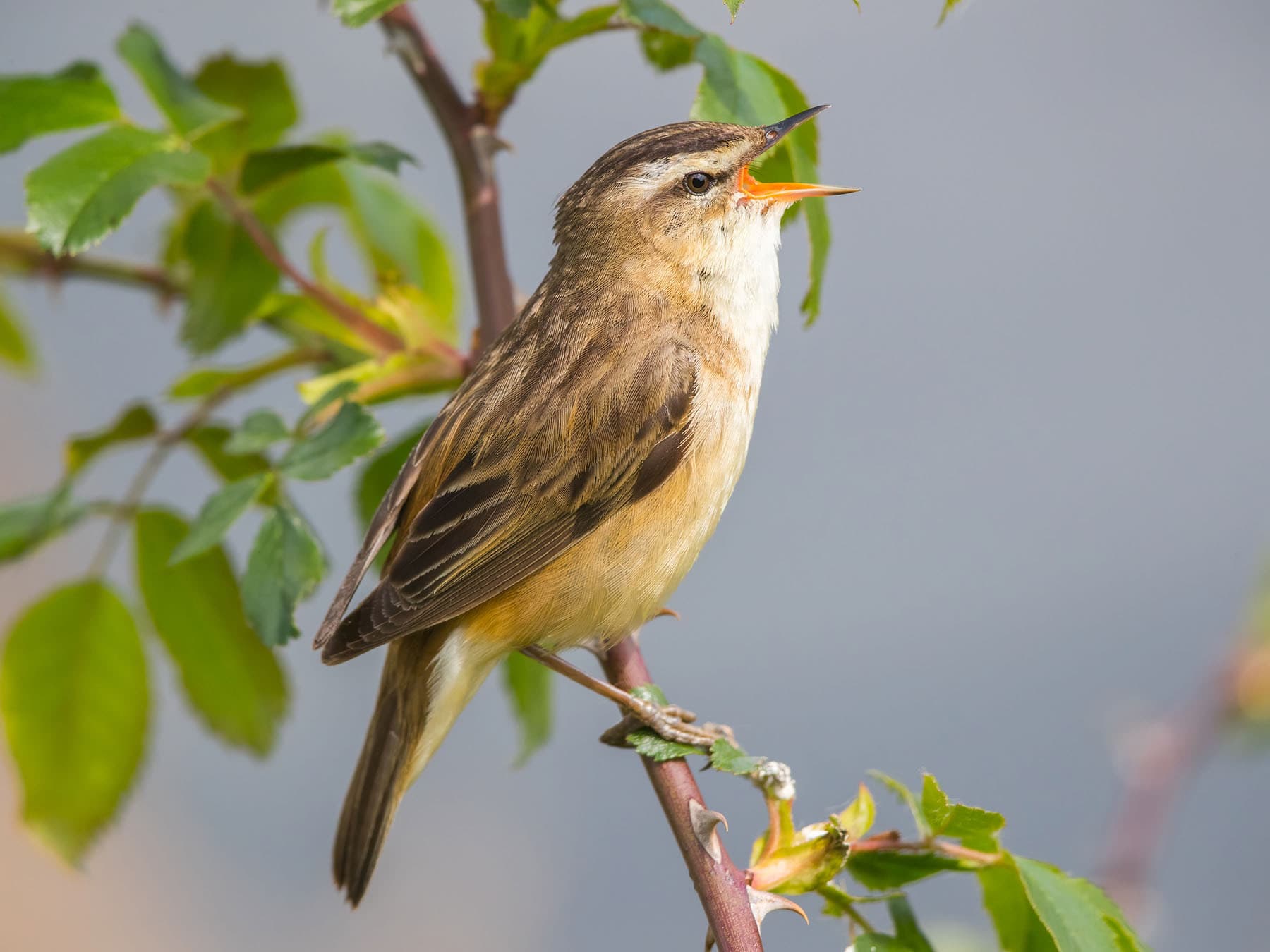
Sedge Warbler
Acrocephalus schoenobaenusLC
An uncommon summer breeder arriving in April. Favours reedbeds, ditches and waterside scrub, singing its chattering song into July.
Apr–Sep
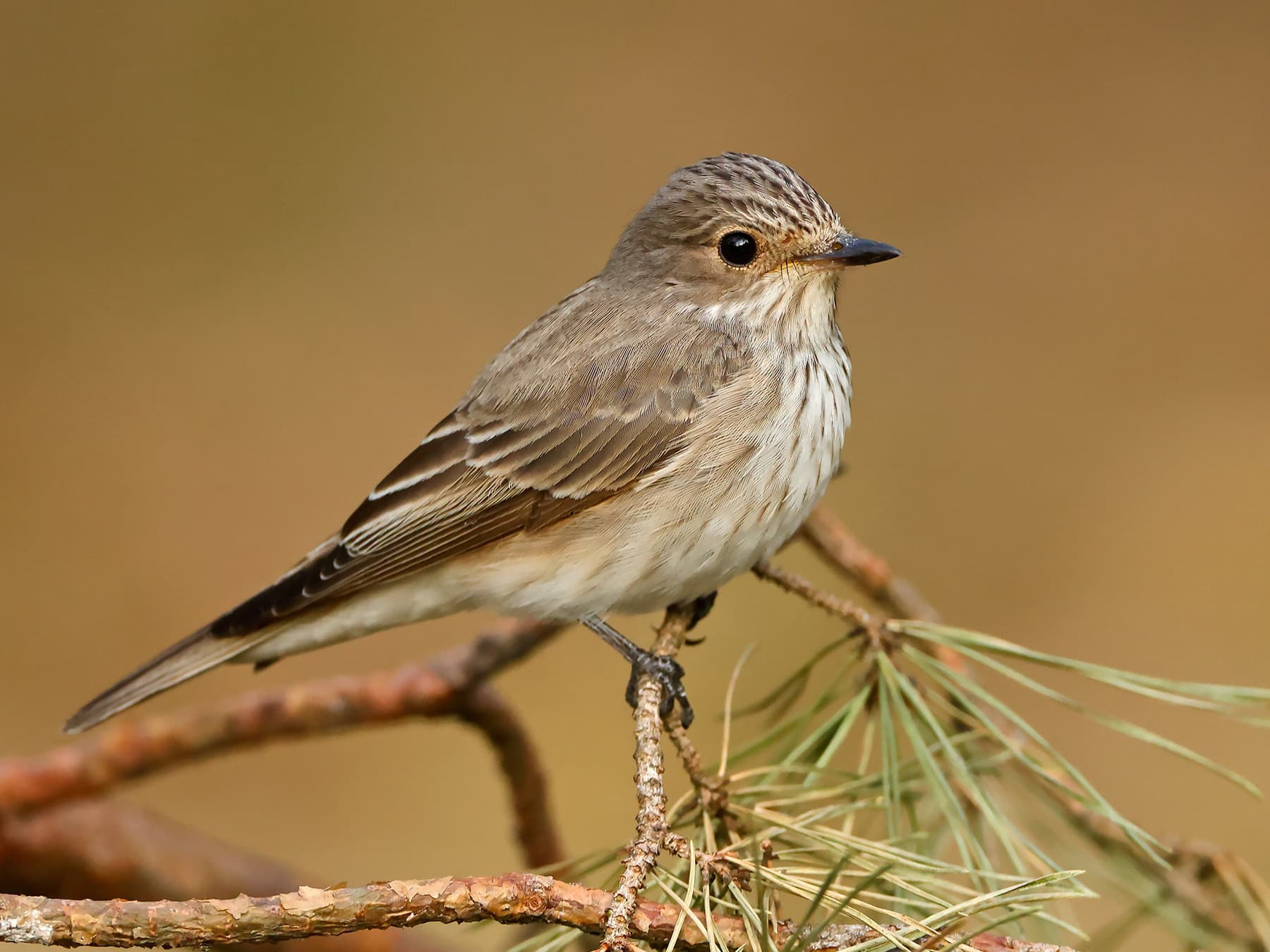
Spotted Flycatcher
Muscicapa striataLC
A rare and declining summer breeder, favouring mature woodland edges and churchyards. Sallies for insects from exposed perches.
May–Sep
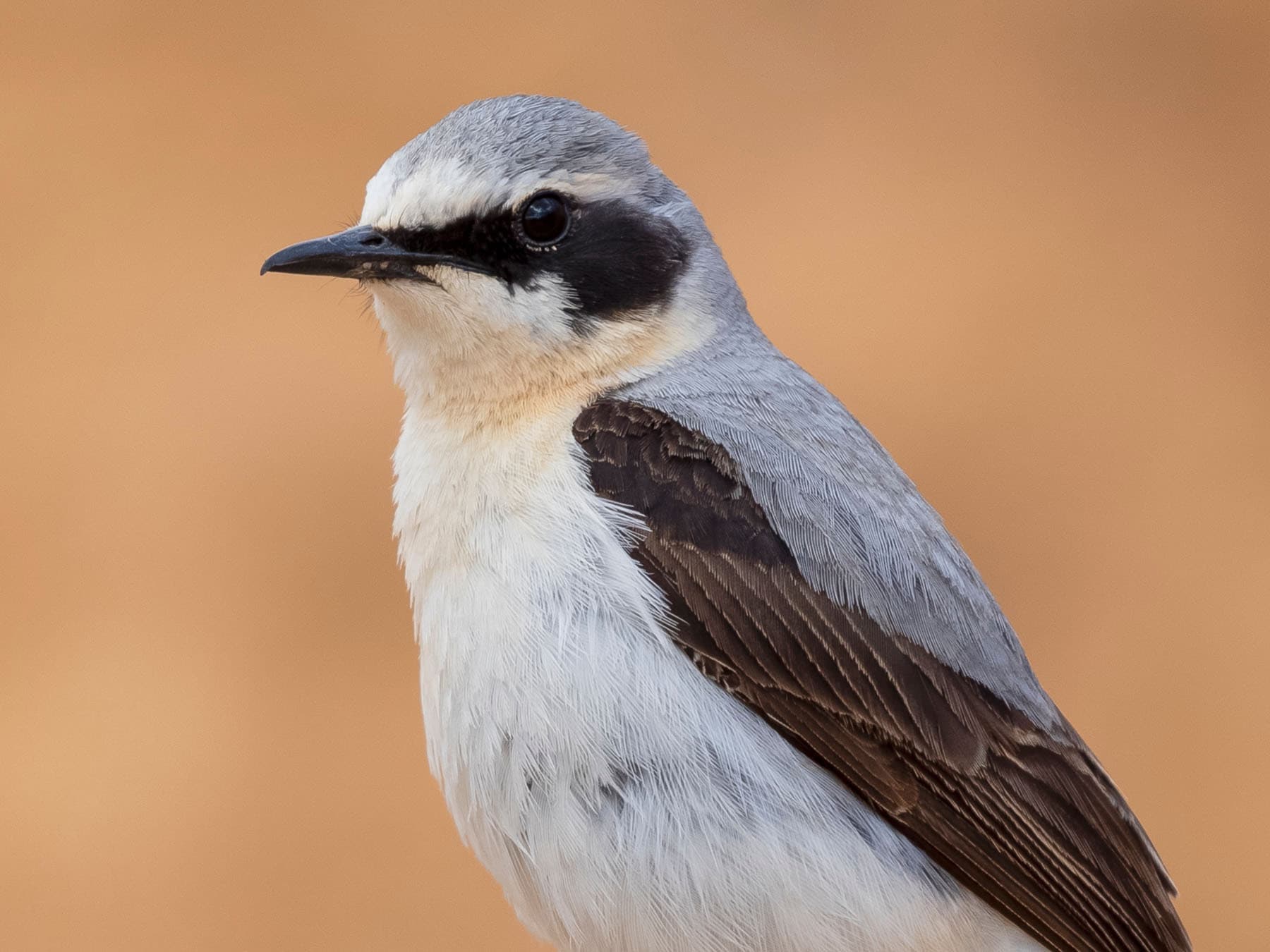
Wheatear
Oenanthe oenantheLC
An uncommon summer breeder on upland pastures and moorland. Coastal migrants pass through in spring and autumn.
Mar–Oct
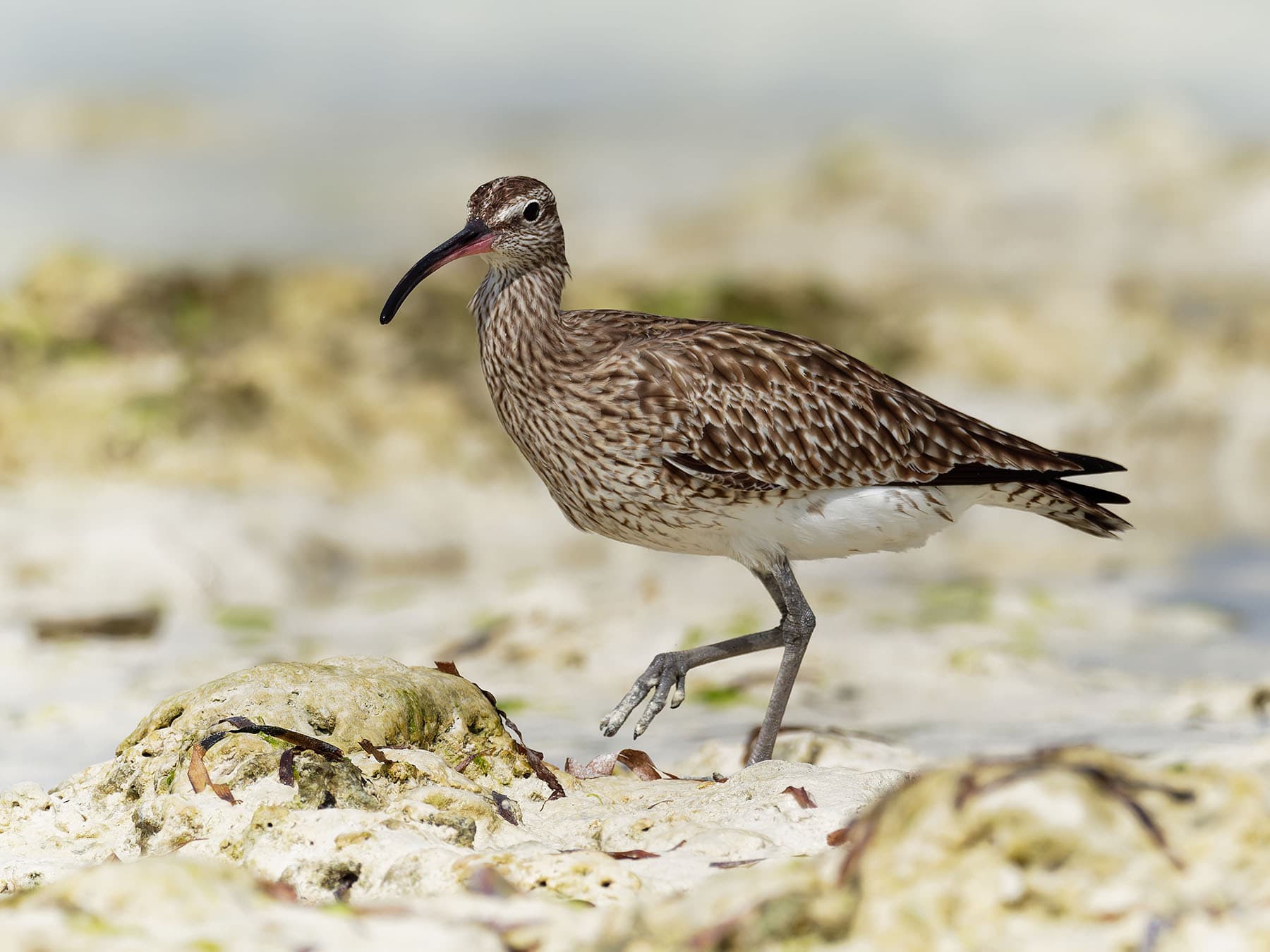
Whimbrel
Numenius phaeopusLC
An uncommon breeder on upland moorland, also seen on passage along the coast from April to September.
Apr–Sep
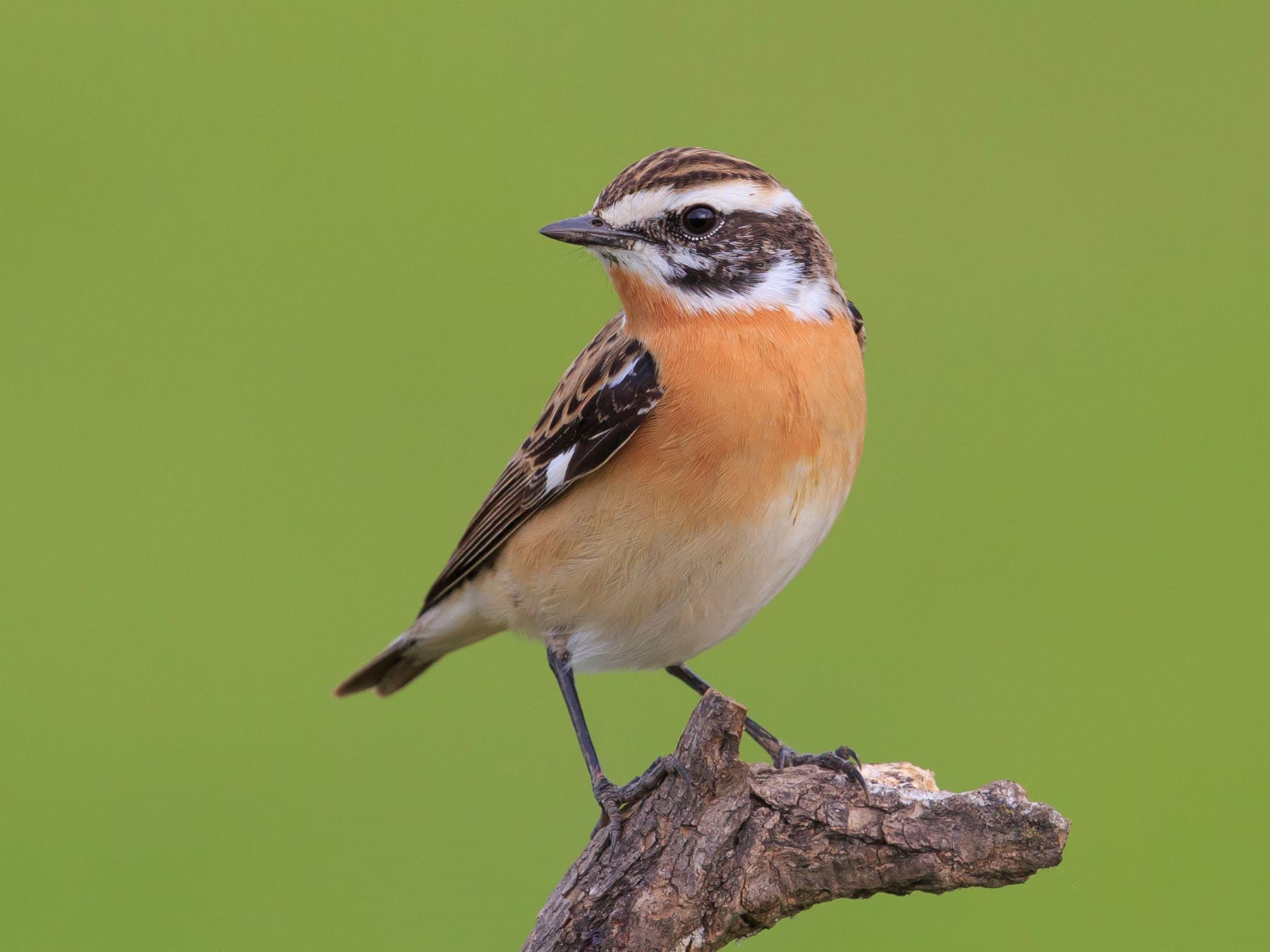
Whinchat
Saxicola rubetraLC
A rare and declining breeder on upland moorland edges, arriving in April and departing by September.
Apr–Sep
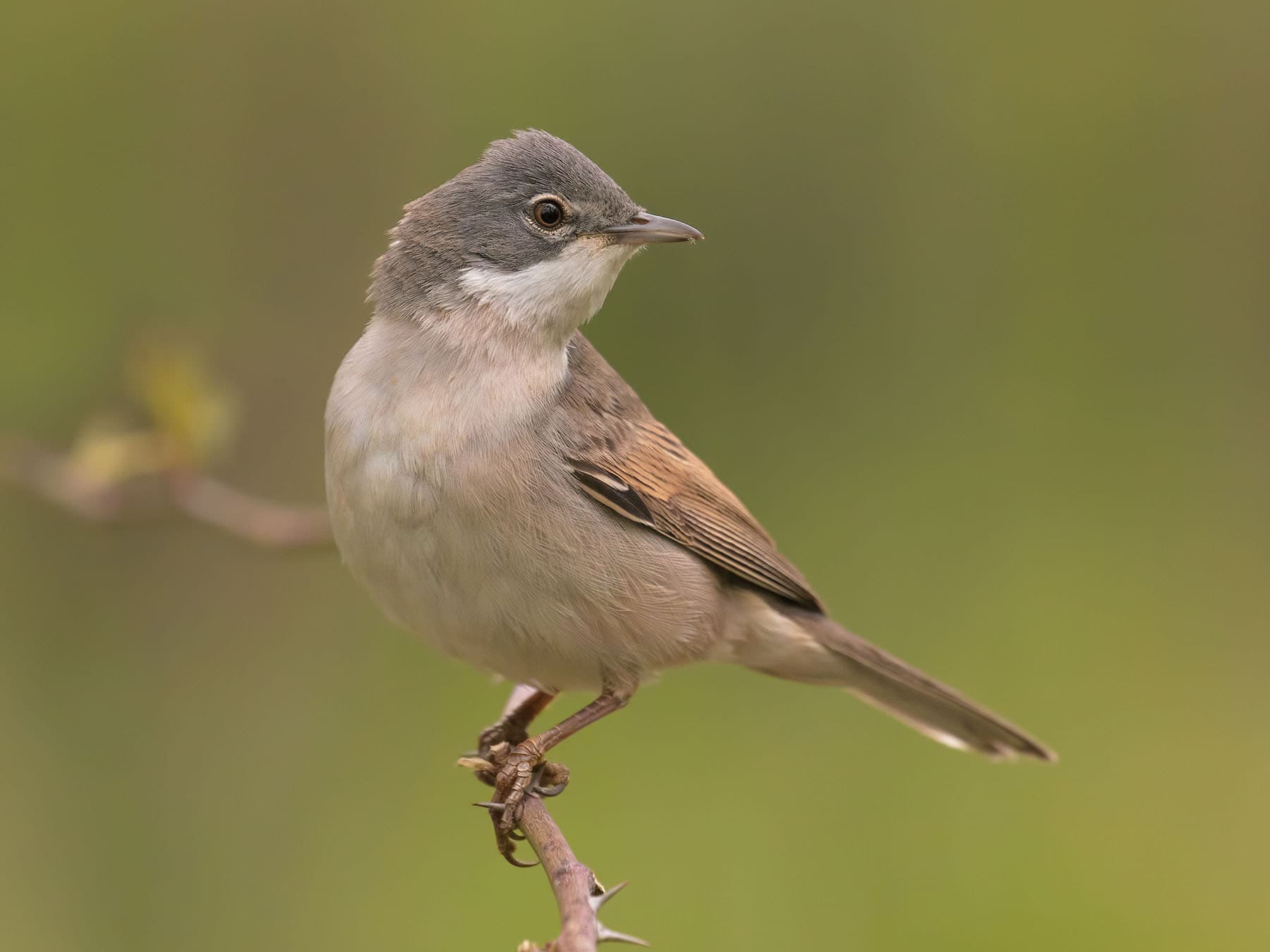
Whitethroat
Curruca communisLC
An uncommon summer breeder of hedgerows and scrubby field margins, arriving in April and delivering its scratchy song into late summer.
Apr–Sep
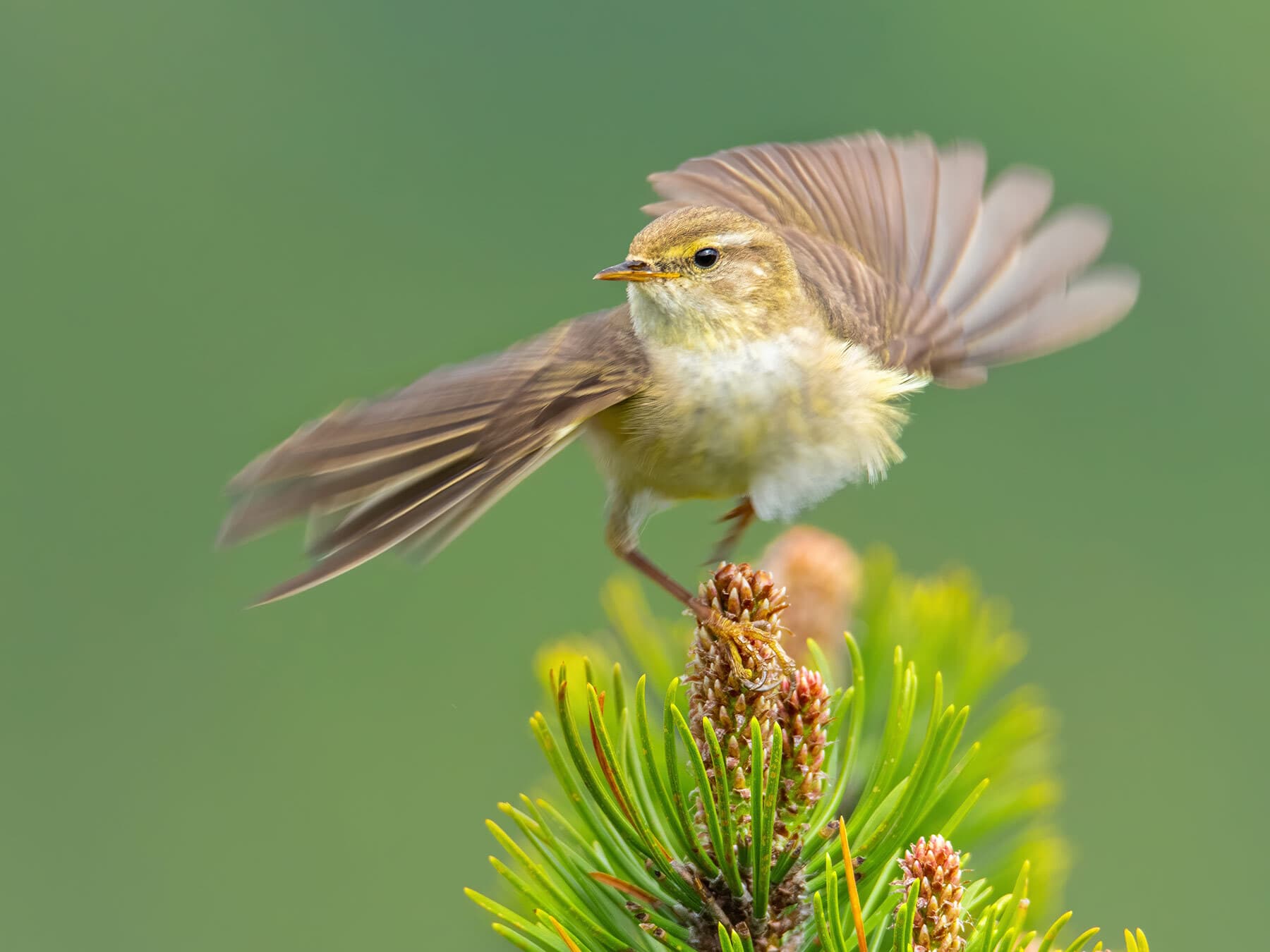
Willow Warbler
Phylloscopus trochilusLC
An uncommon summer breeder favouring birch and willow scrub on moorland edges. Its gentle descending song is heard from April to July.
Apr–Oct
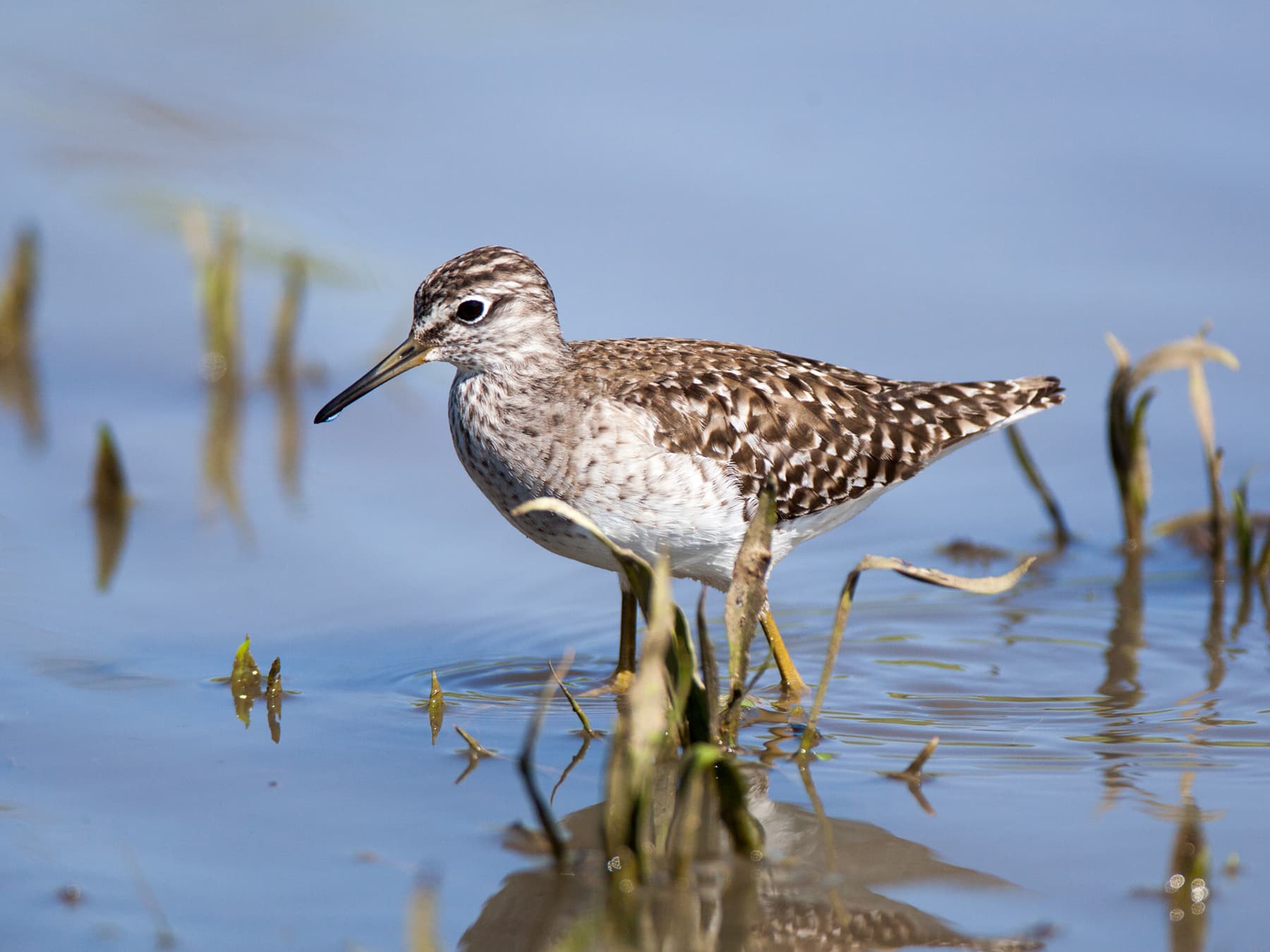
Wood Sandpiper
Tringa glareolaLC
A rare breeding species found at secluded boggy pools in the uplands from May to September. Northumberland is one of very few English breeding sites.
May–Sep
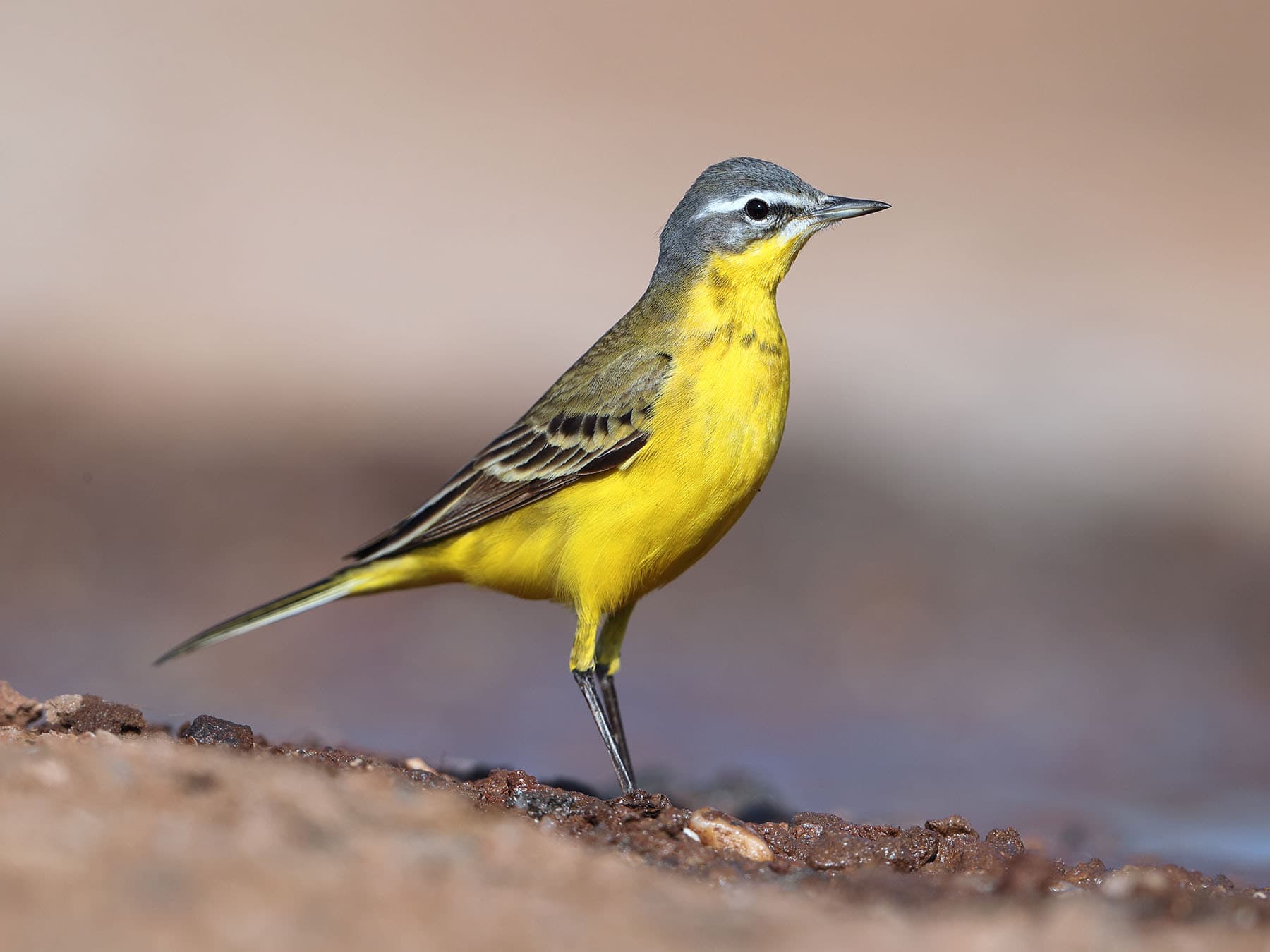
Yellow Wagtail
Motacilla flavaLC
An uncommon summer breeder arriving in April, favouring lowland pastures and arable fields. Numbers have declined significantly across northern England.
Apr–Sep
Non-breeding
(2)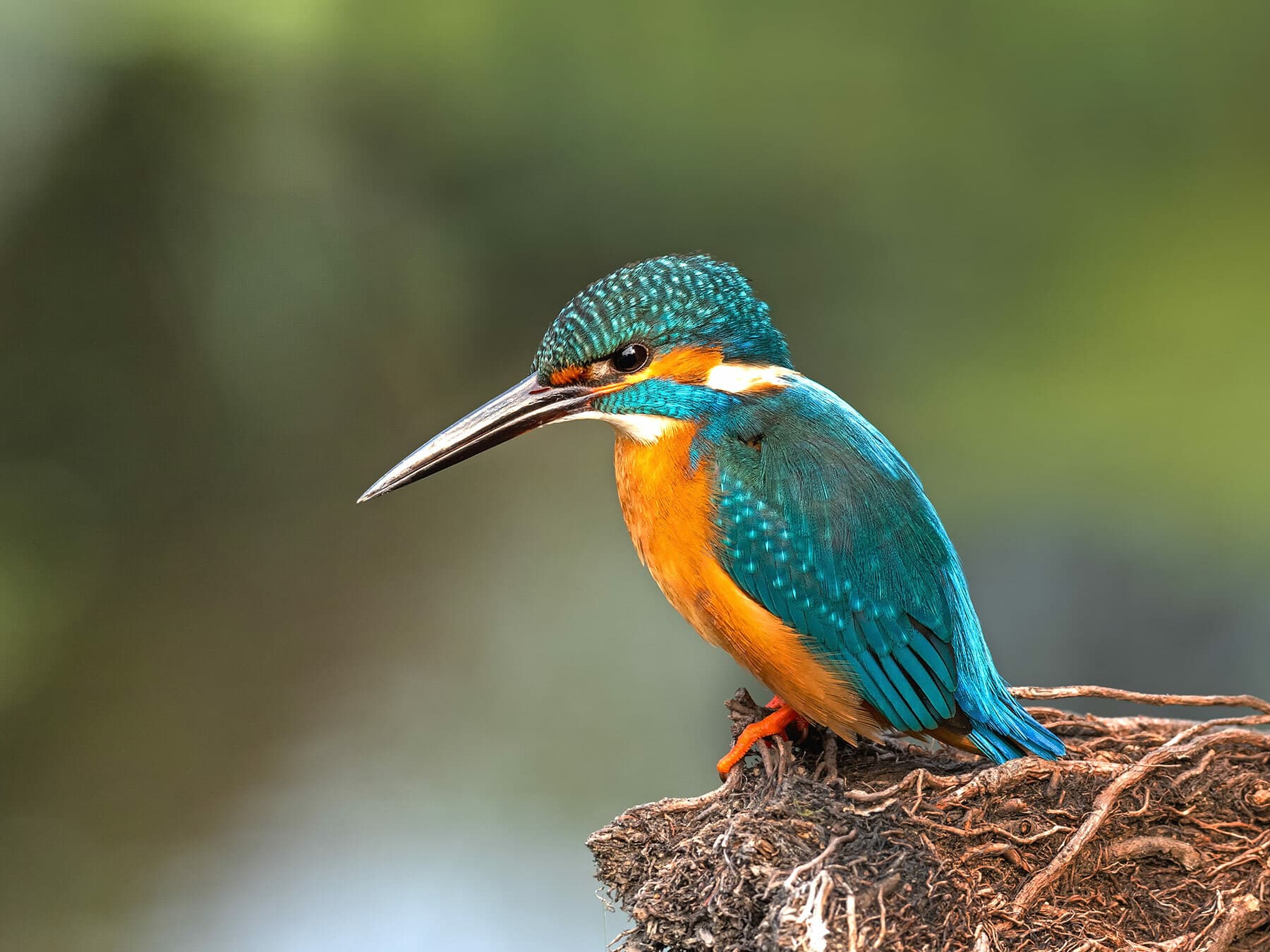
Common Kingfisher
Alcedo atthisLC
A rare non-breeding visitor, occasionally seen along sheltered rivers and streams. Most likely from late summer through winter.
Jul–Feb
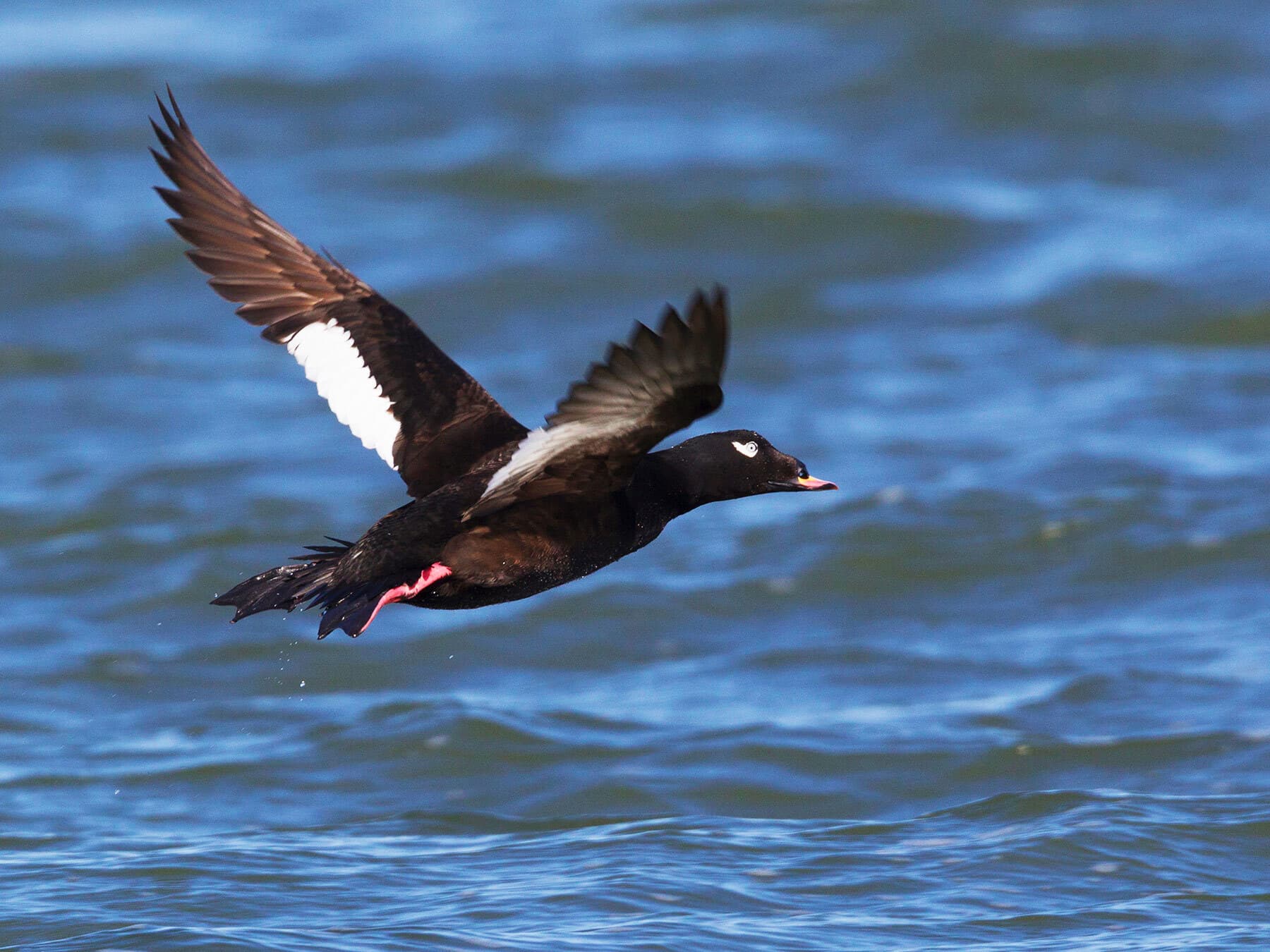
Velvet Scoter
Melanitta fuscaVU
A rare non-breeding visitor to offshore waters, mainly seen from late summer through winter. Often associates with Common Scoter flocks.
Jul–Feb
Passage
(3)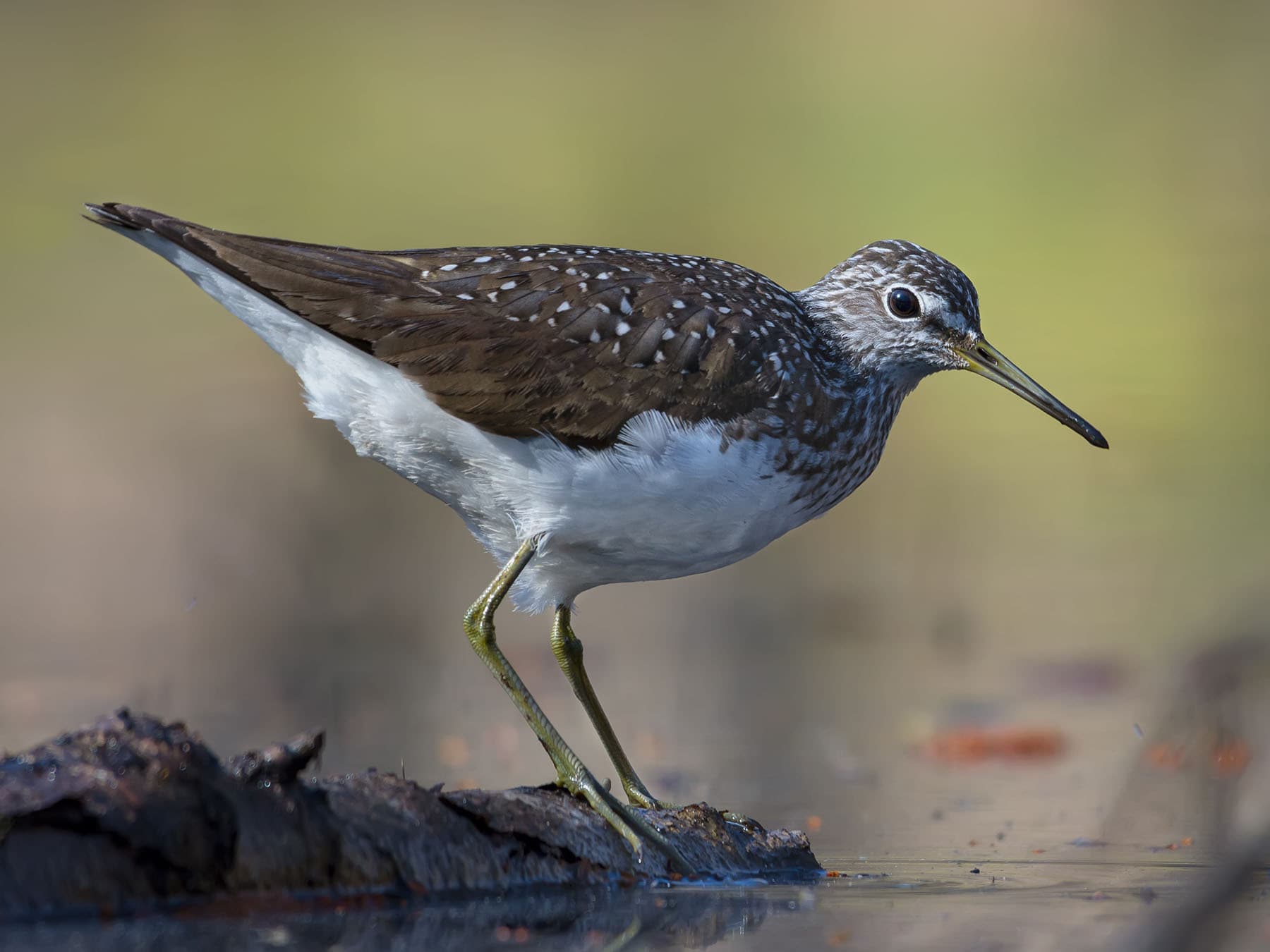
Green Sandpiper
Tringa ochropusLC
A scarce passage migrant from July to September, favouring muddy margins of inland pools and sheltered streams.
Jul–Sep
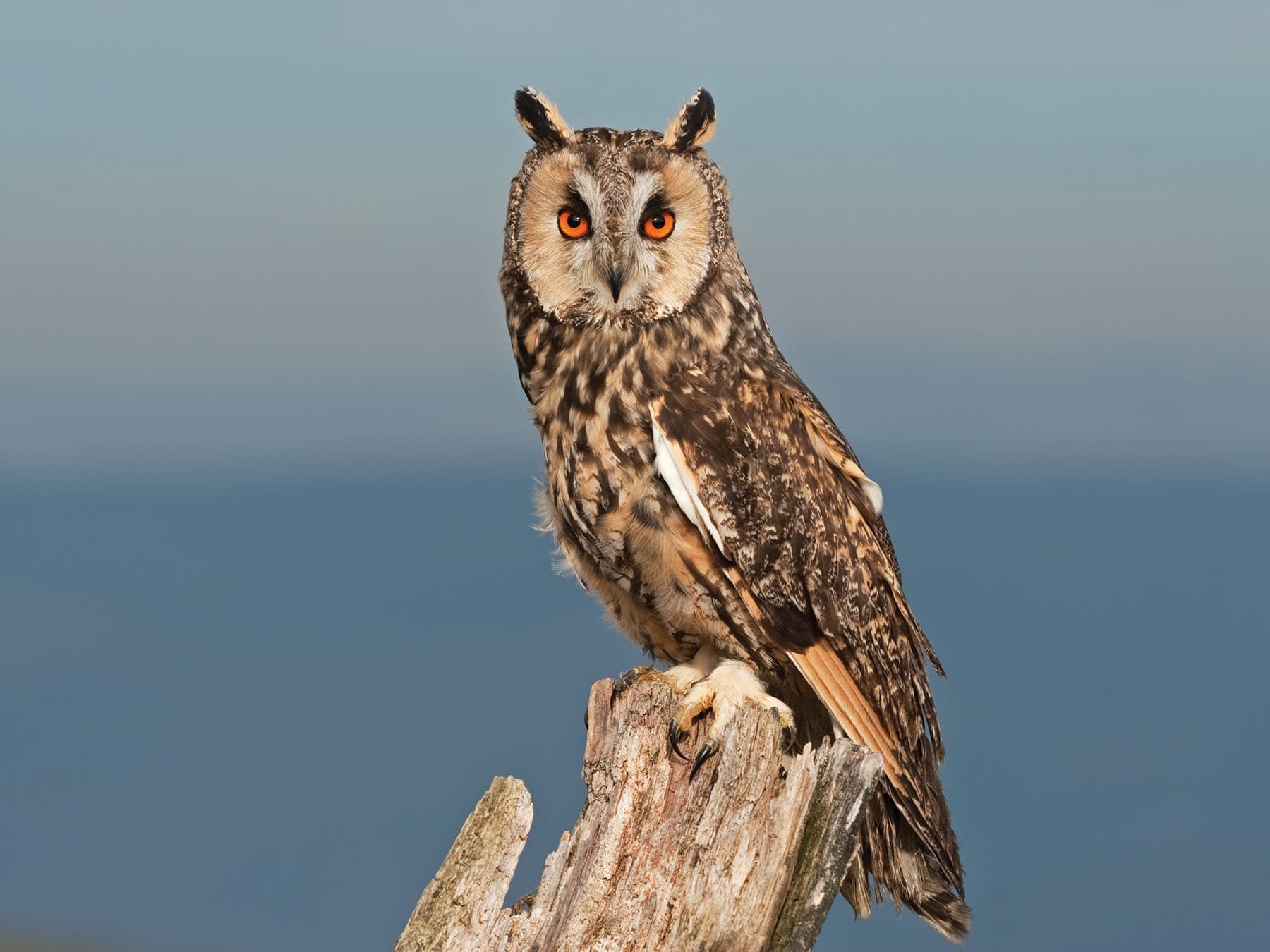
Long-eared Owl
Asio otusLC
A secretive and rarely encountered owl, occasionally recorded on passage in summer. Favours dense conifer plantations when present.
Jun–Jul
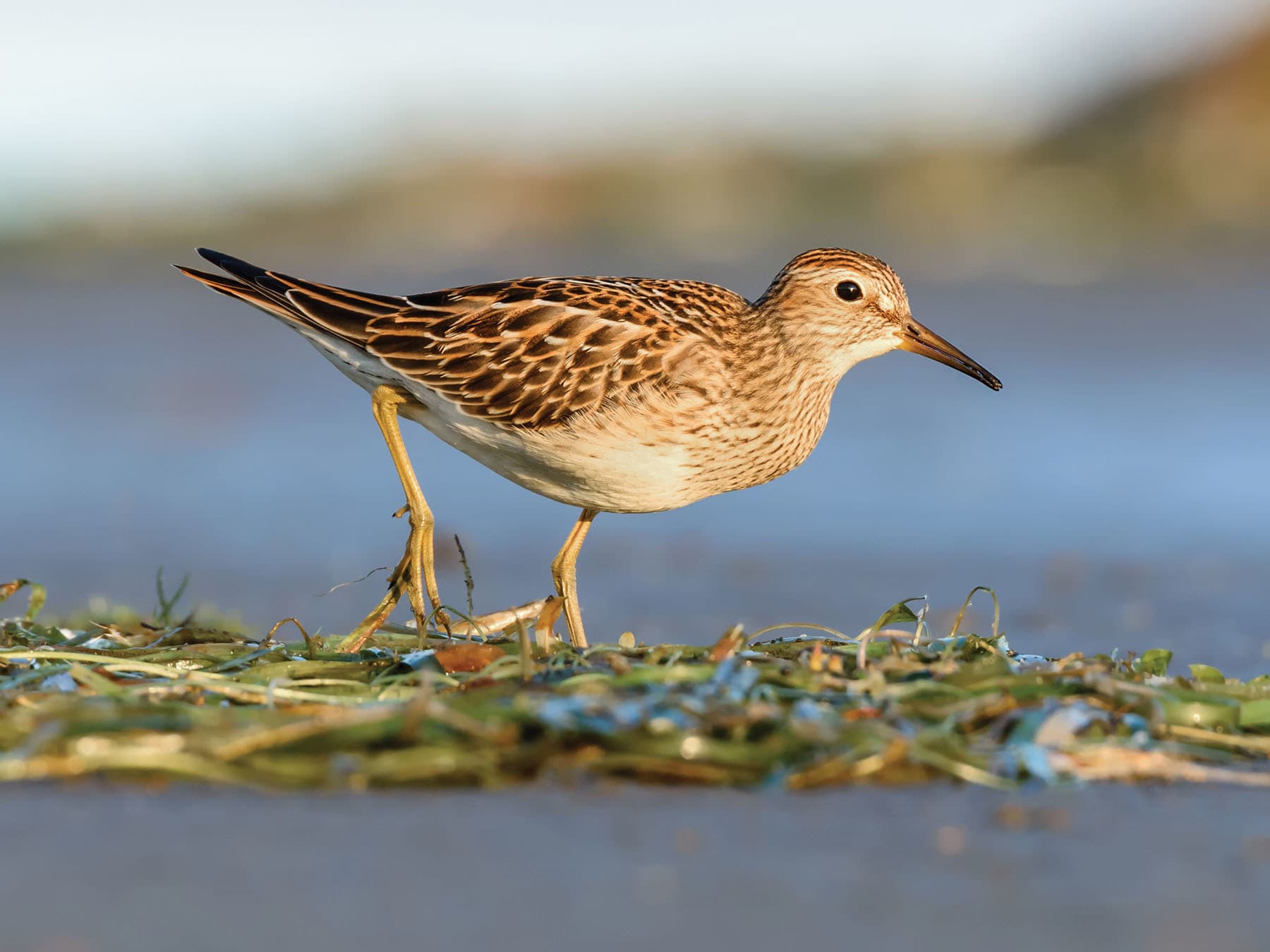
Pectoral Sandpiper
Calidris melanotosLC
A rare Nearctic vagrant, occasionally turning up at coastal pools in July and September. Any record draws keen birders to the county's wetland sites.
Jul–Sep