


Birds to See in Lancashire in March
144 bird species on our list for Lancashire are recorded regularly in March
Of these, the most often recorded are Woodpigeon, Blackbird, European Robin, Carrion Crow and Mallard. New this month: Chiffchaff, Blackcap, Sand Martin and Wheatear and 7 more.
On the move in March
GBIF · MarArriving
At their peak
From Lancashire’s bird records, 2019–2024: arriving birds are regular this month but not last; leaving birds are regular this month but not next.
Other months
All 144 birds in March
144 birds
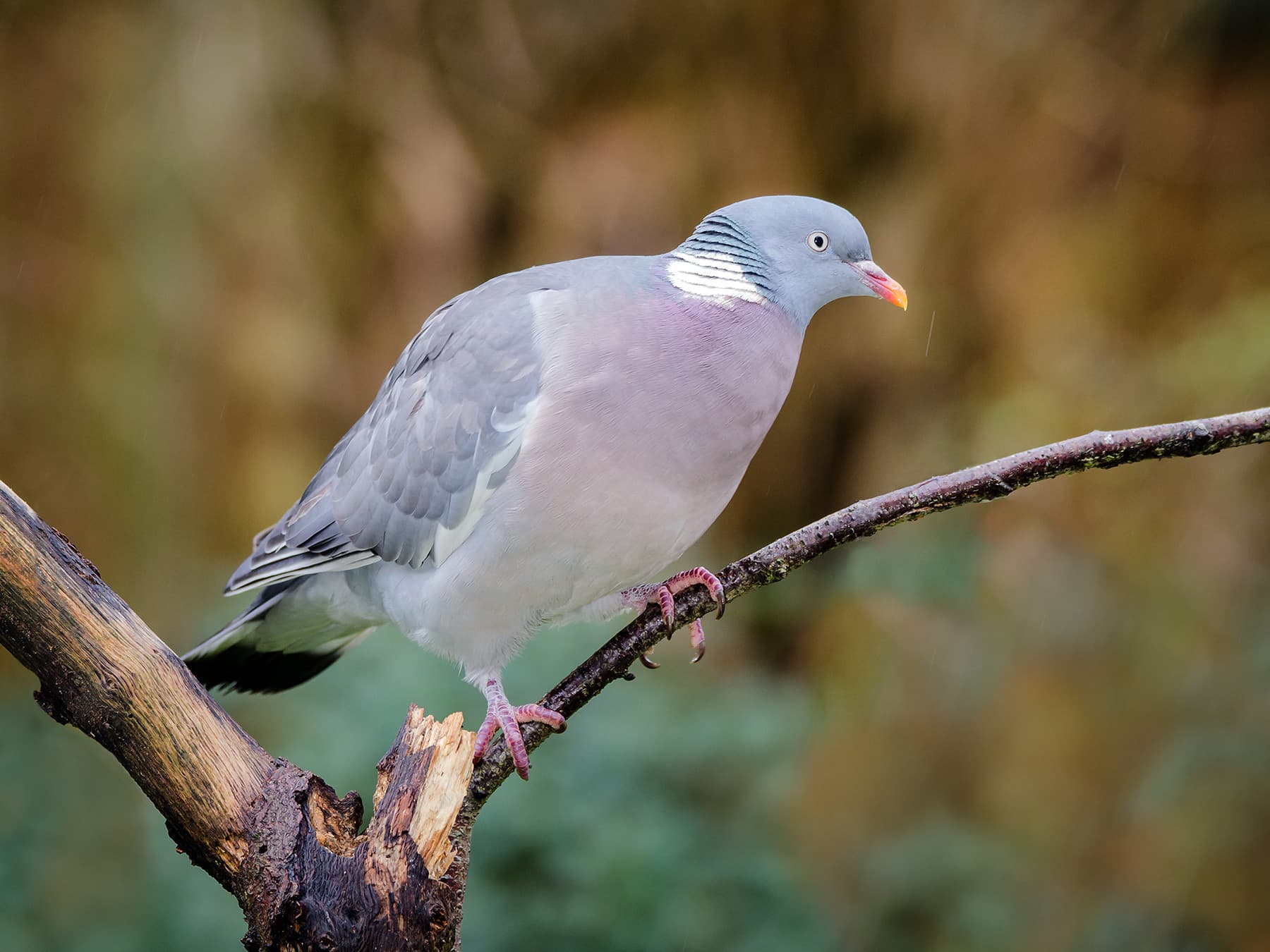 WoodpigeonColumba palumbusResidentCommon40–42 cmRecorded all year · 2.83% in Mar
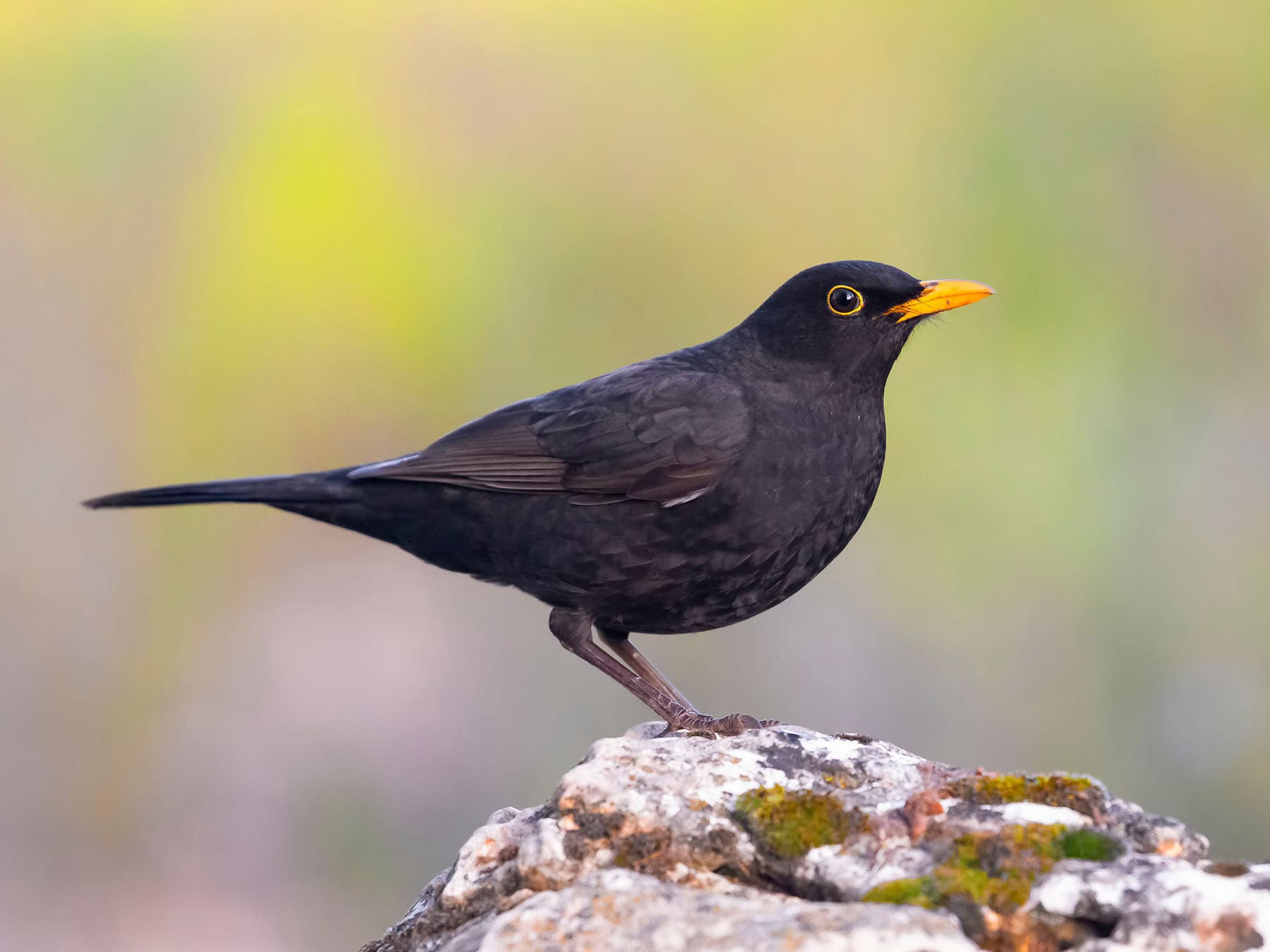 BlackbirdTurdus merulaResidentCommon24–25 cmRecorded all year · 2.74% in Mar
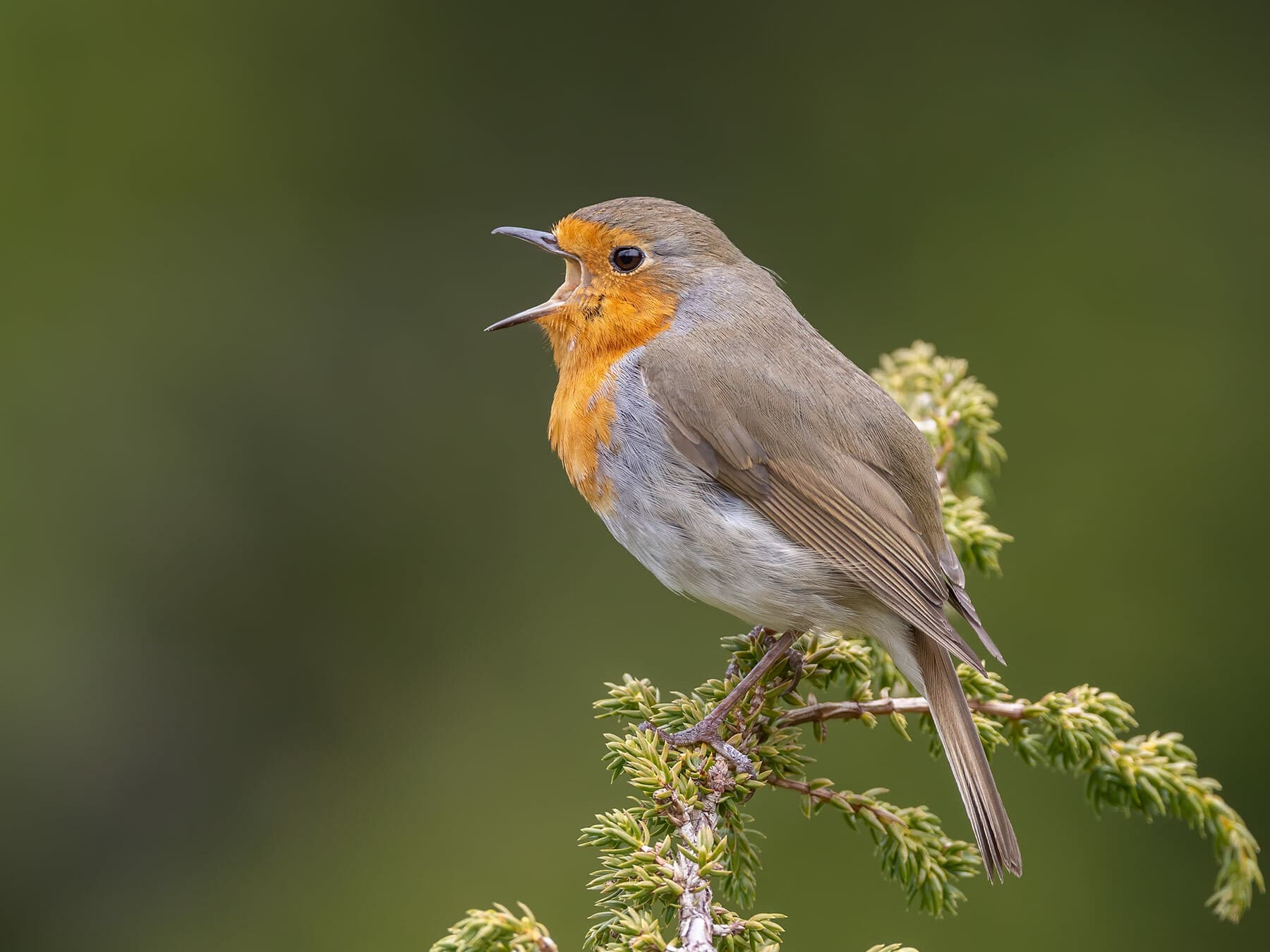 European RobinErithacus rubeculaResidentCommon13–14 cmRecorded all year · 2.73% in Mar
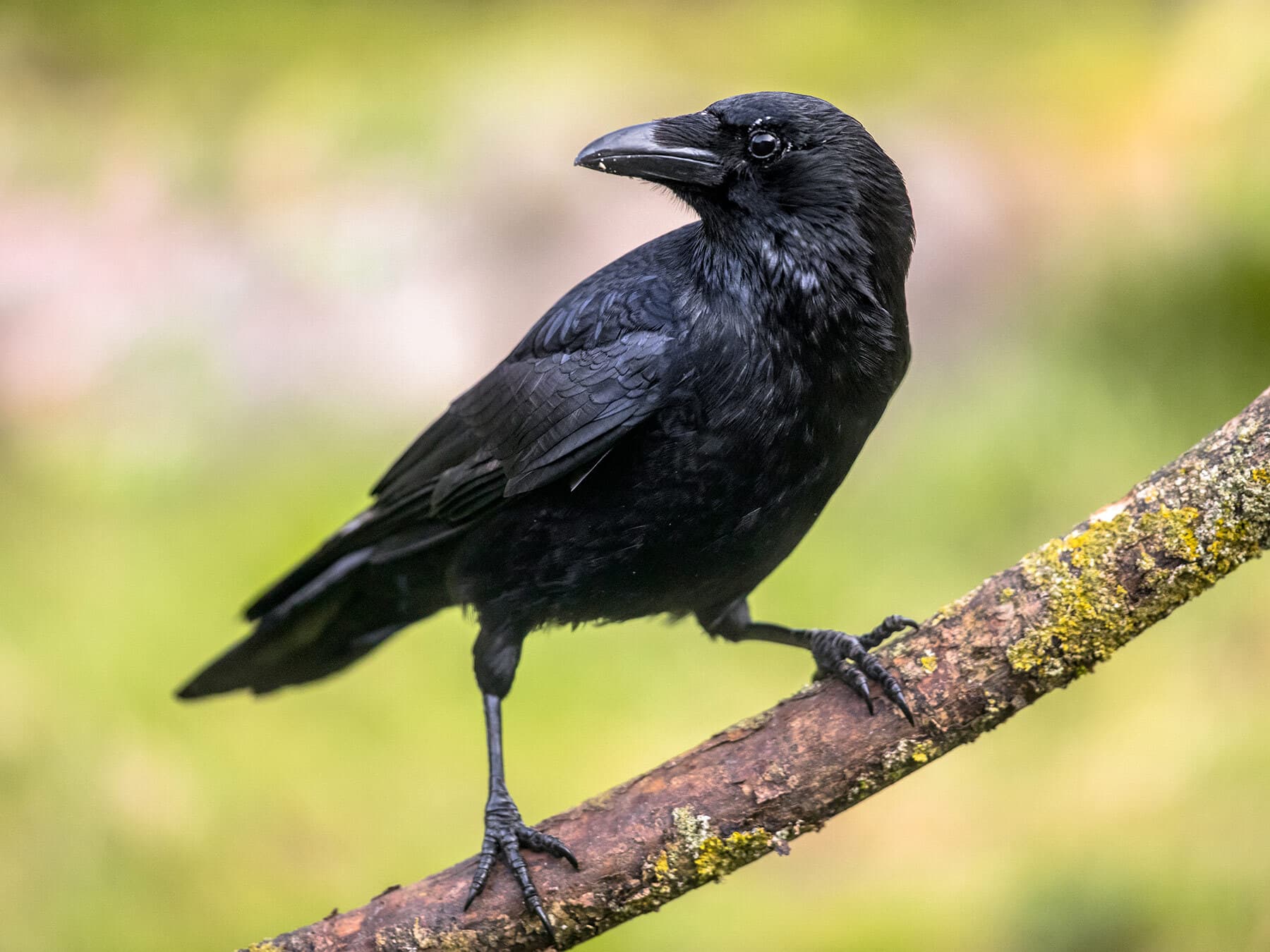 Carrion CrowCorvus coroneResidentCommon45–47 cmRecorded all year · 2.70% in Mar
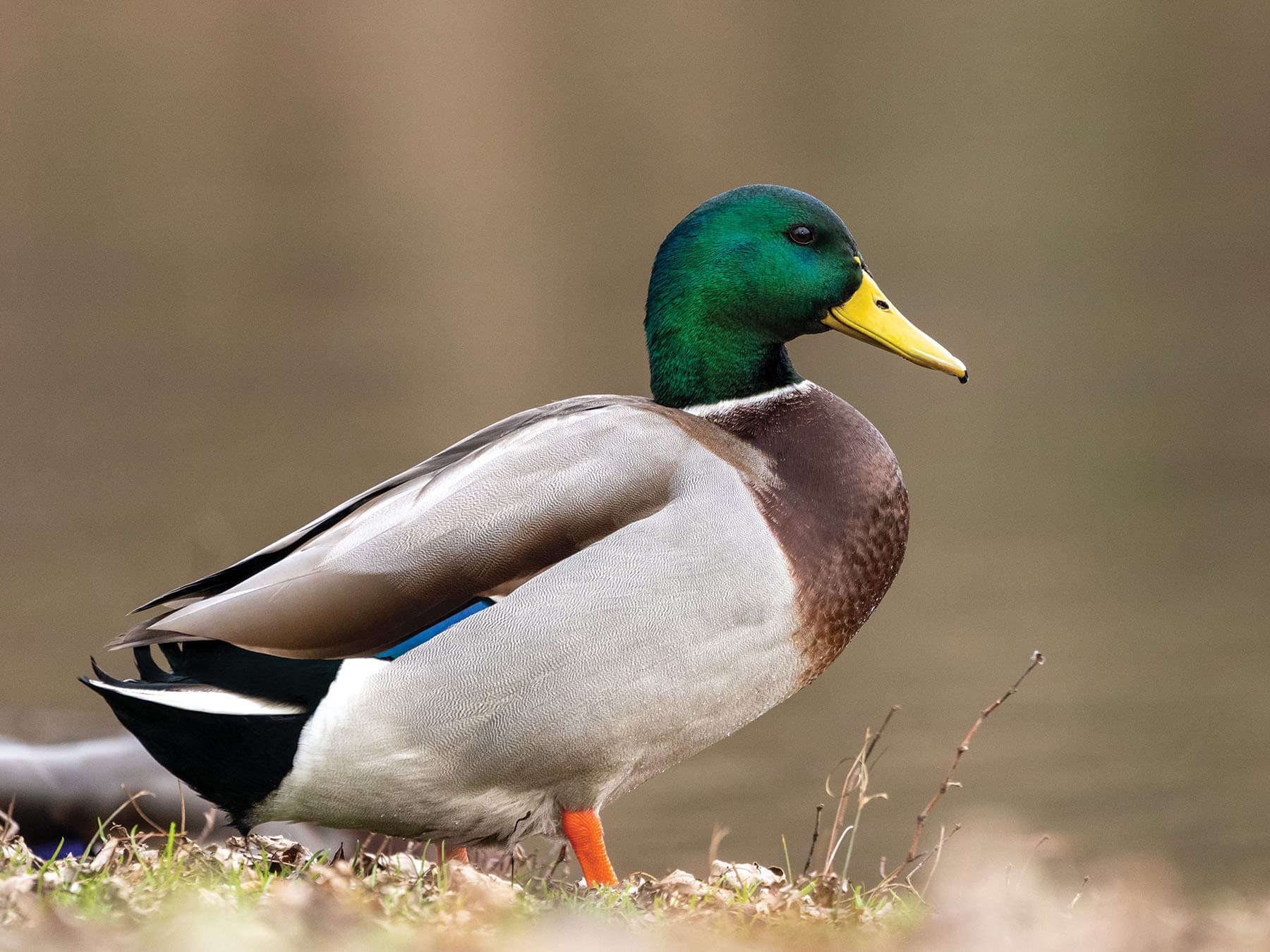 MallardAnas platyrhynchosResidentCommon50–65 cmRecorded all year · 2.59% in Mar
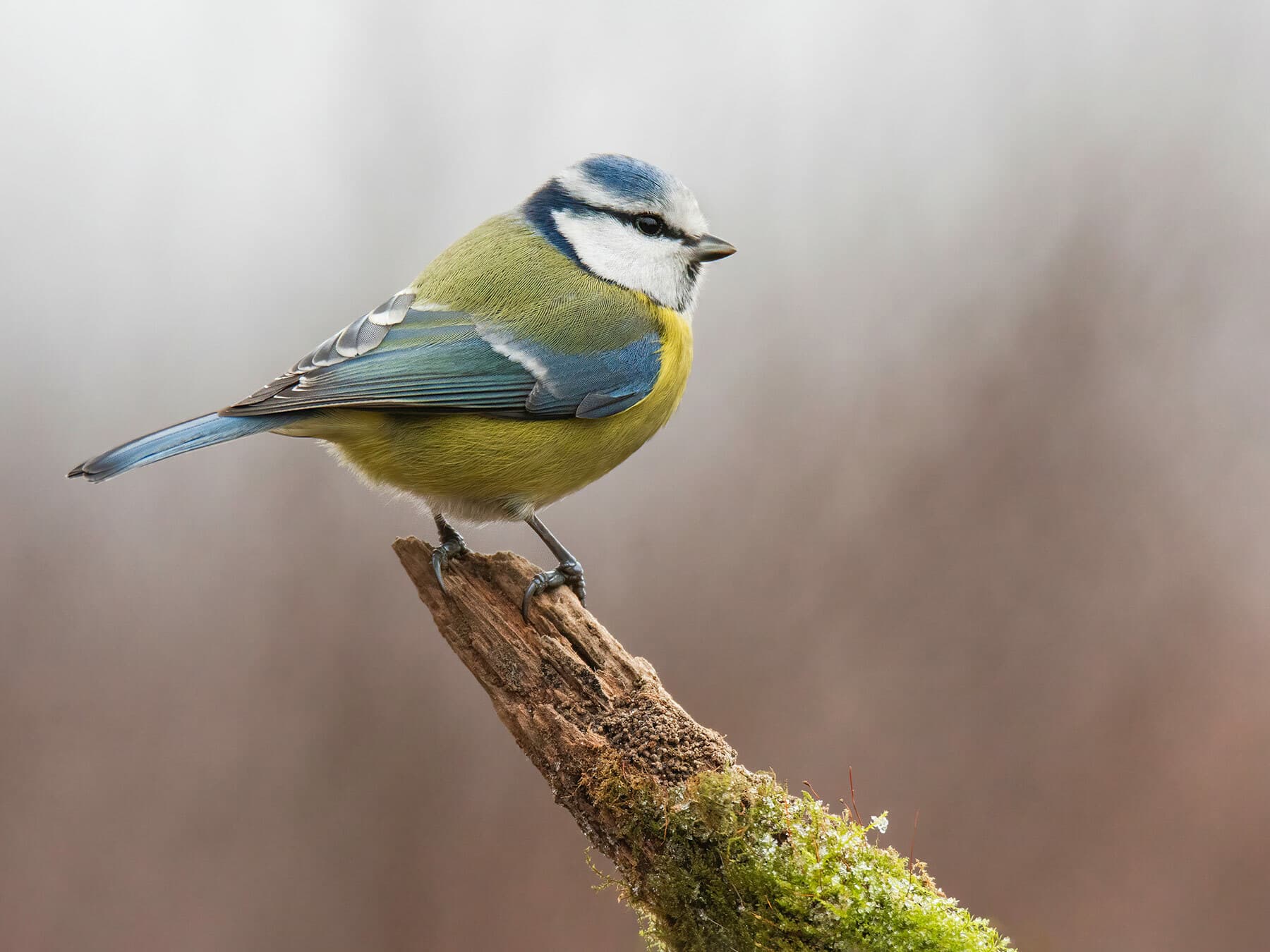 Blue TitCyanistes caeruleusResidentCommon11–12 cmRecorded all year · 2.55% in Mar
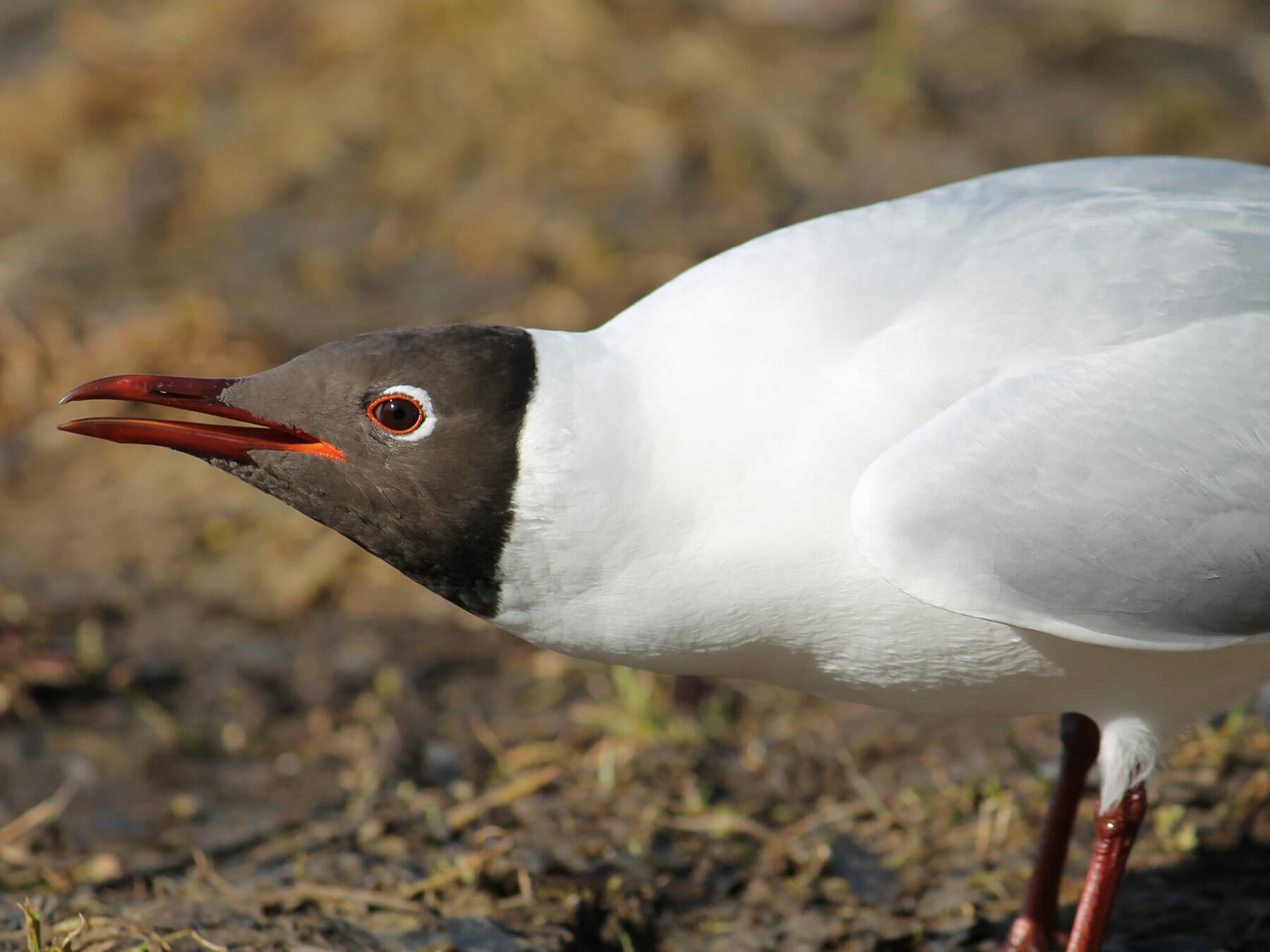 Black-headed GullChroicocephalus ridibundusResidentCommon38–44 cmRecorded all year · 2.48% in Mar
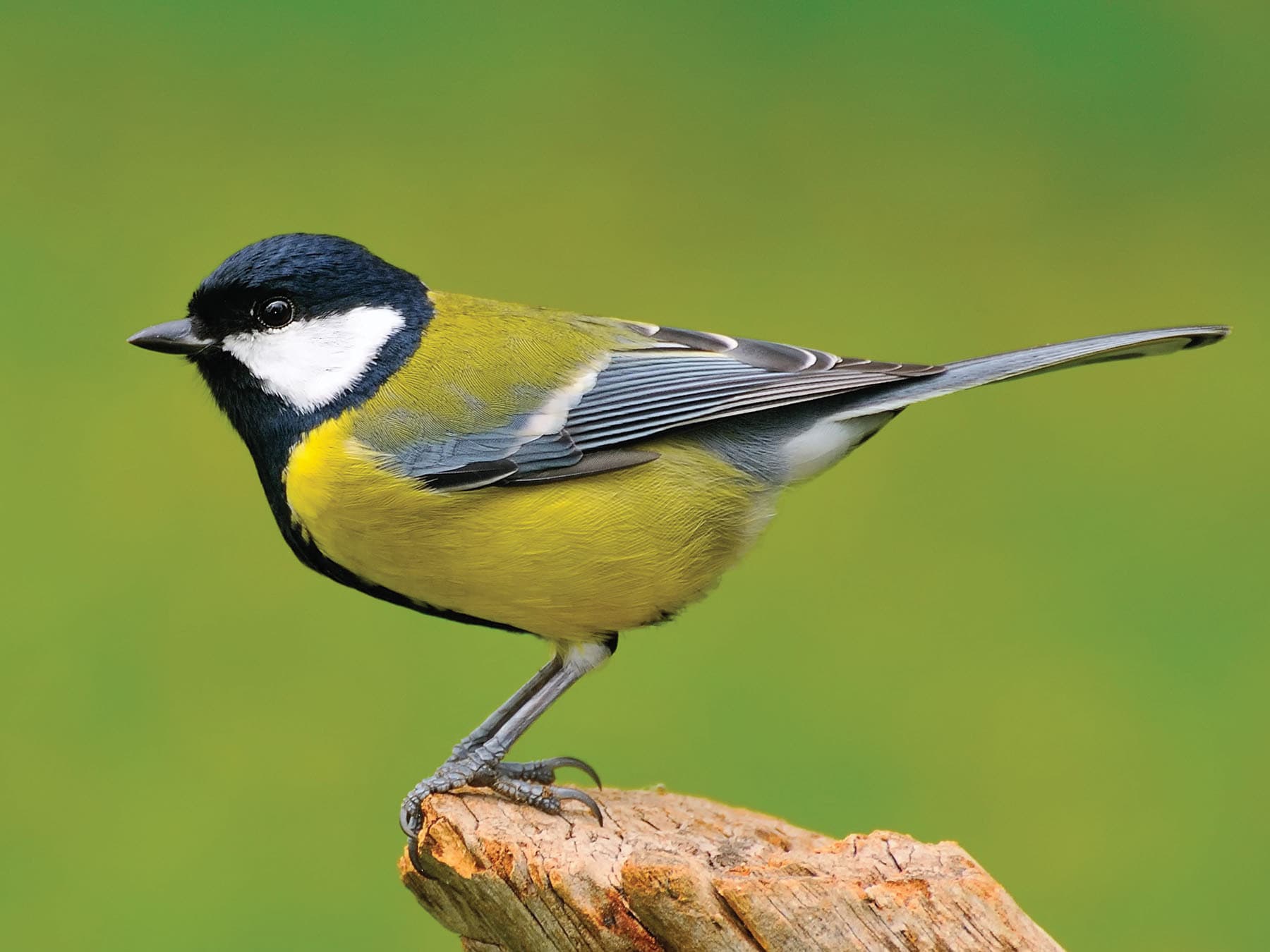 Great TitParus majorResidentCommonRecorded all year · 2.41% in Mar
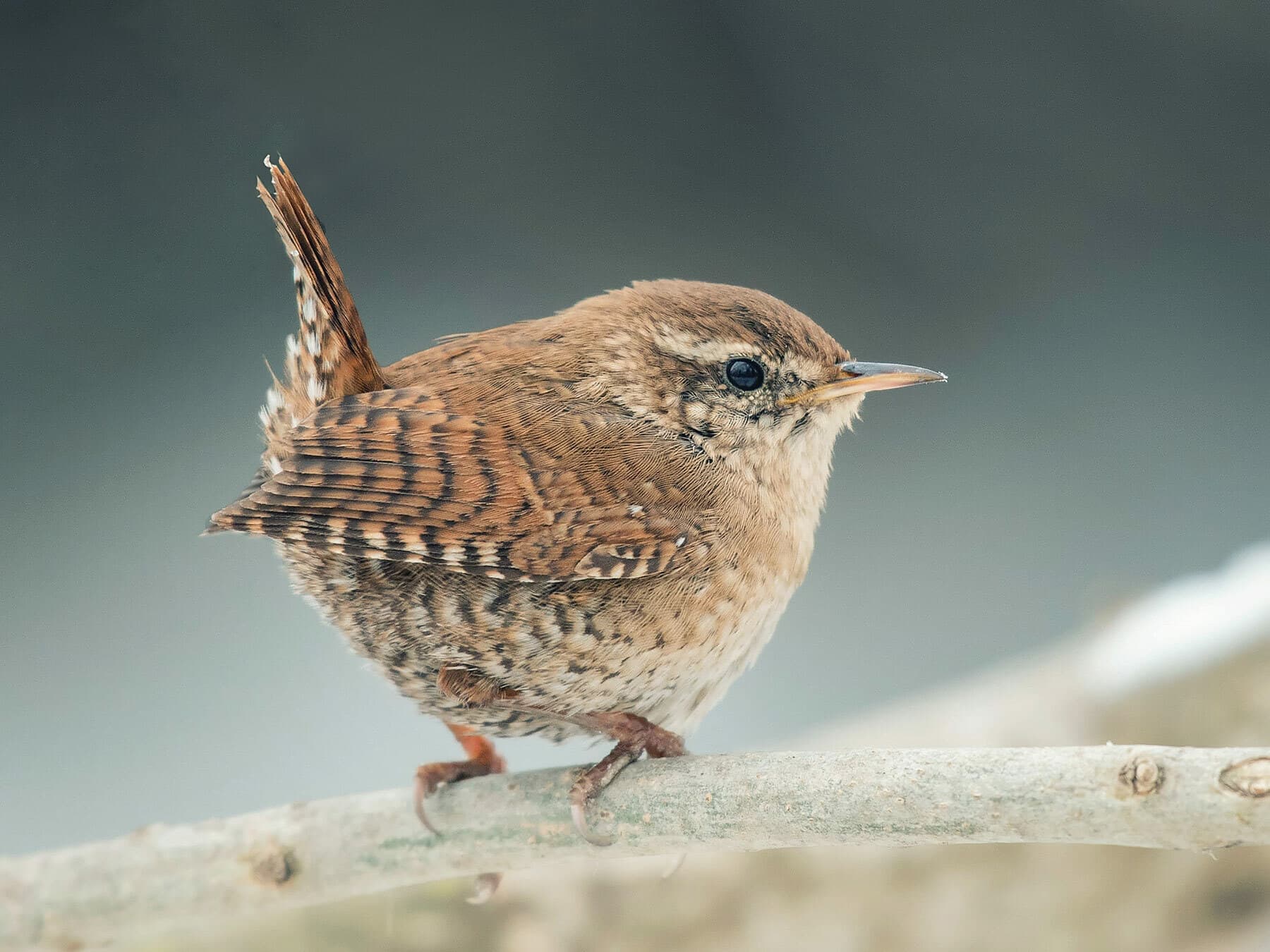 Eurasian WrenTroglodytes troglodytesResidentCommon9–10 cmRecorded all year · 2.33% in Mar
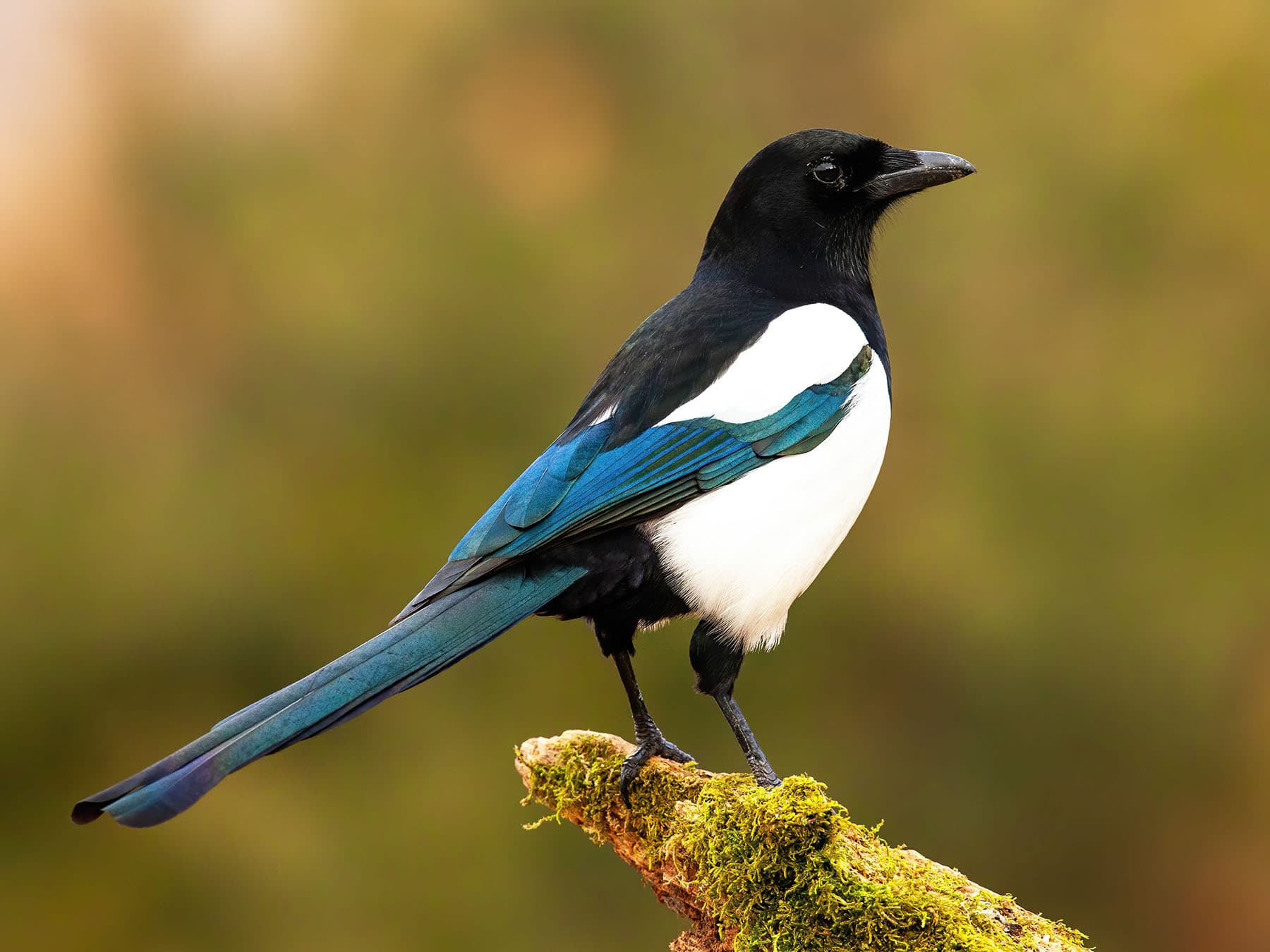 MagpiePica picaResidentCommon44–46 cmRecorded all year · 2.33% in Mar
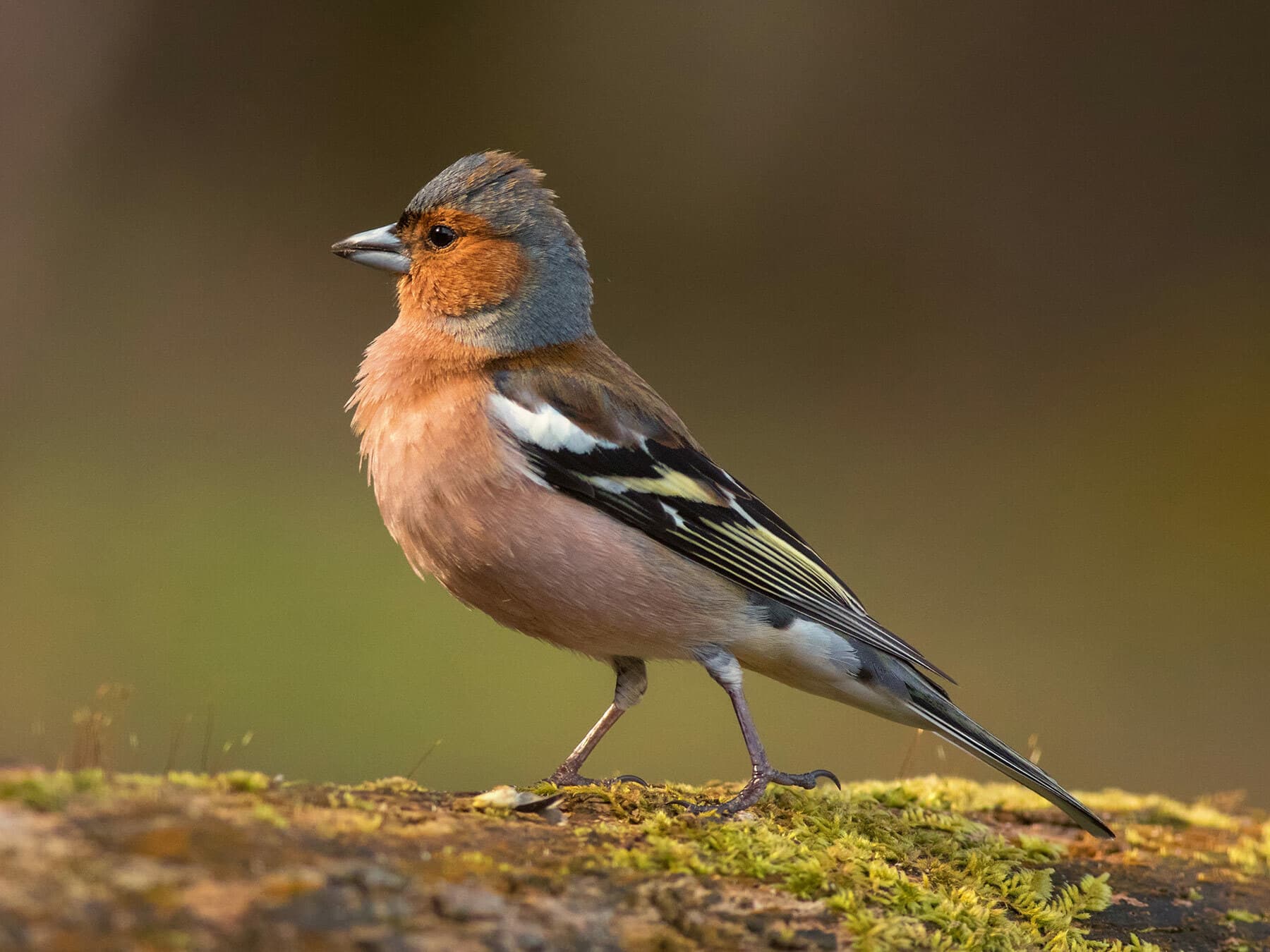 ChaffinchFringilla coelebsResidentCommon14–16 cmRecorded all year · 2.00% in Mar
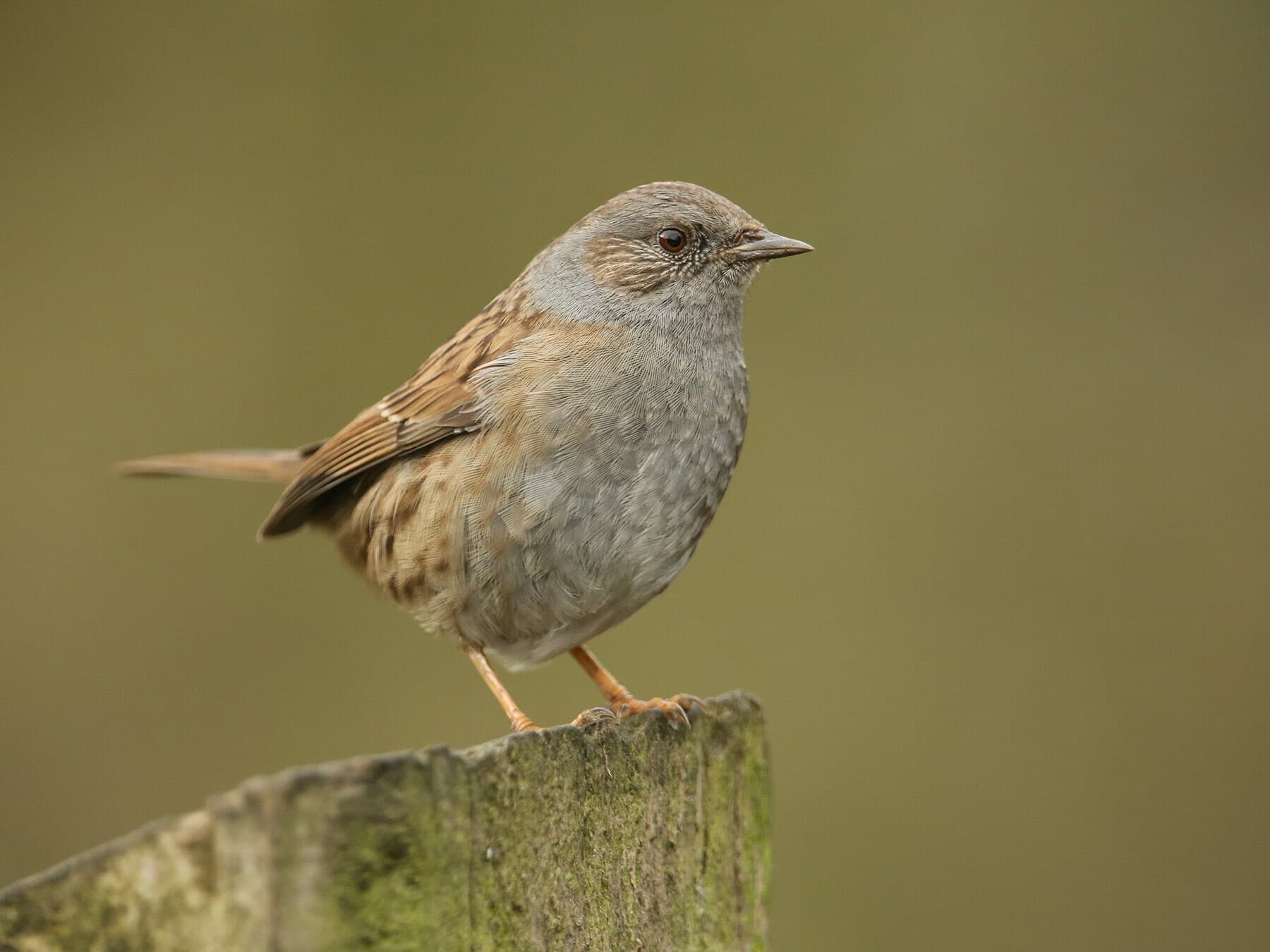 DunnockPrunella modularisResidentCommon14–15 cmRecorded all year · 2.00% in Mar
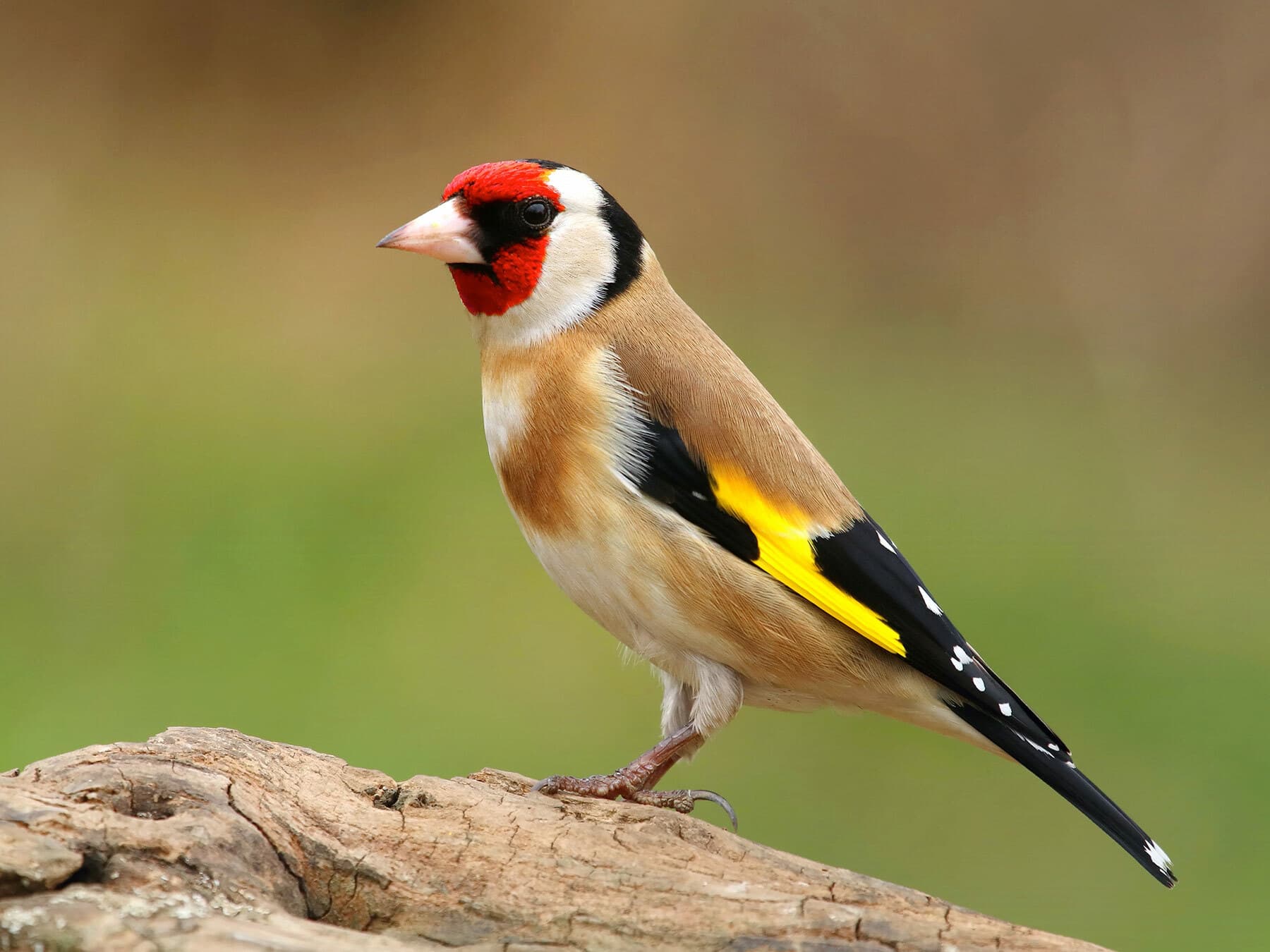 European GoldfinchCarduelis carduelisResidentCommon12–13 cmRecorded all year · 2.00% in Mar
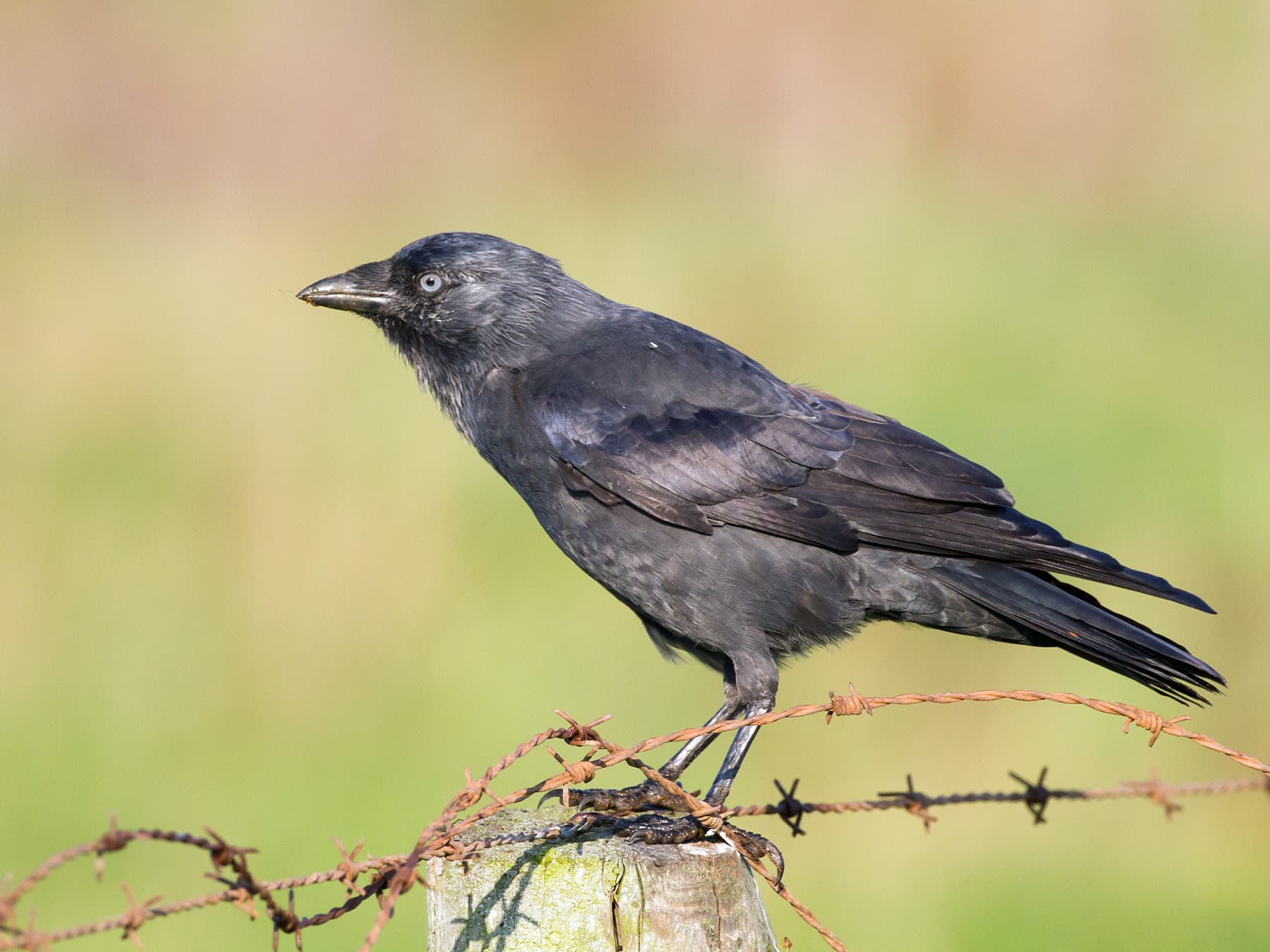 JackdawColoeus monedulaResidentCommon34–39 cmRecorded all year · 1.85% in Mar
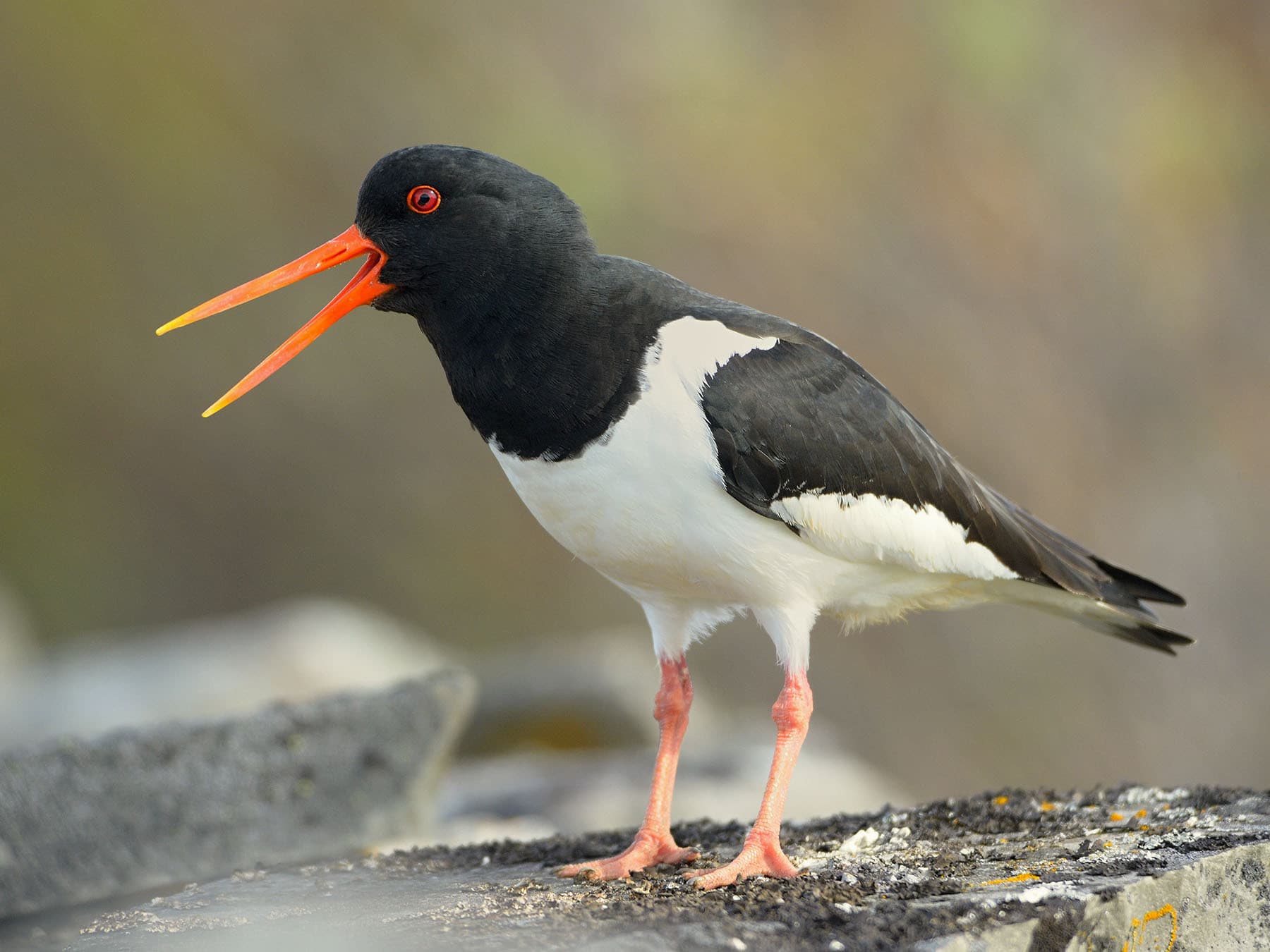 Eurasian OystercatcherHaematopus ostralegusResidentCommon40–45 cmRecorded all year · 1.82% in Mar
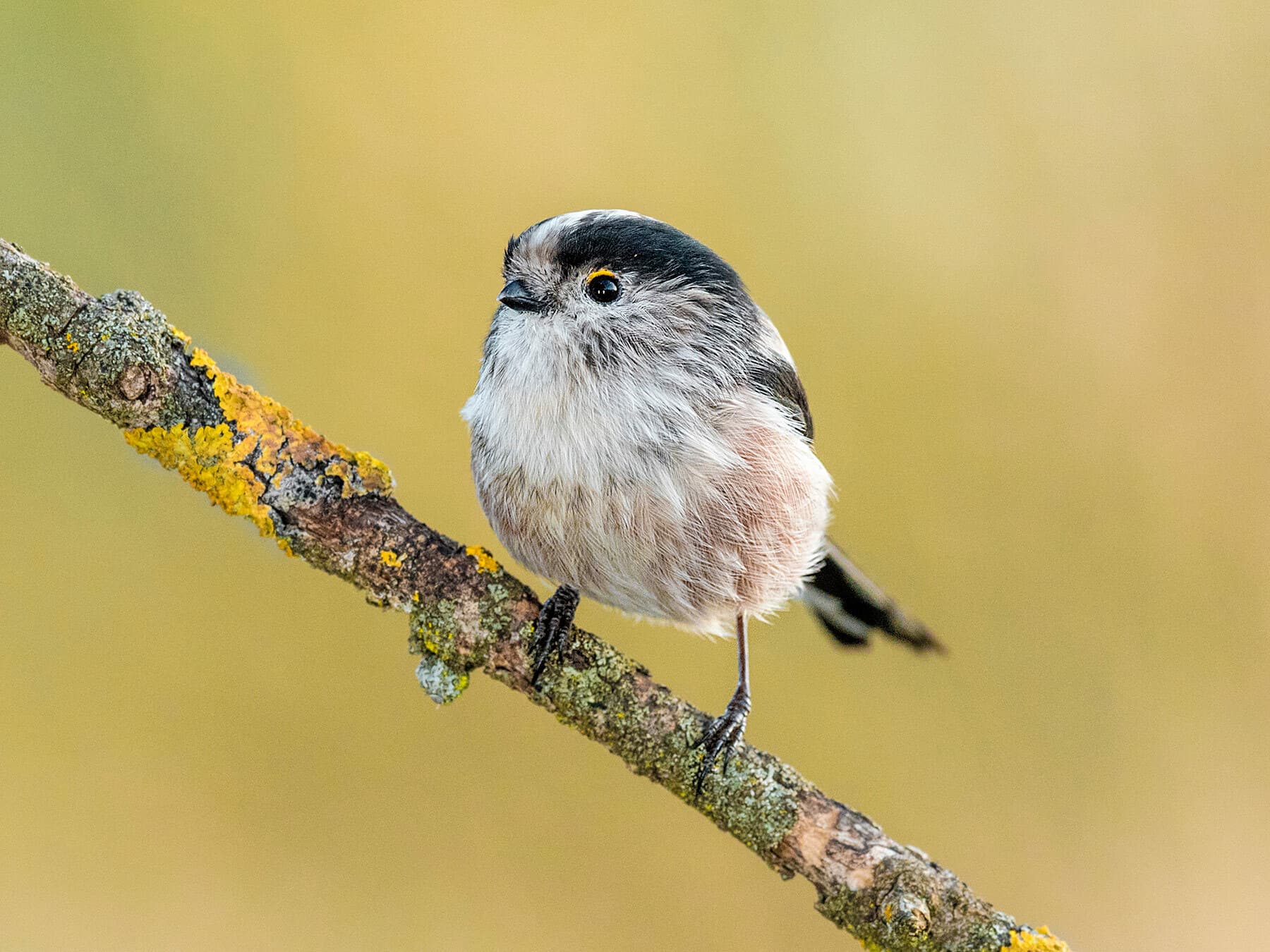 Long-tailed TitAegithalos caudatusResidentCommon13–16 cmRecorded all year · 1.71% in Mar
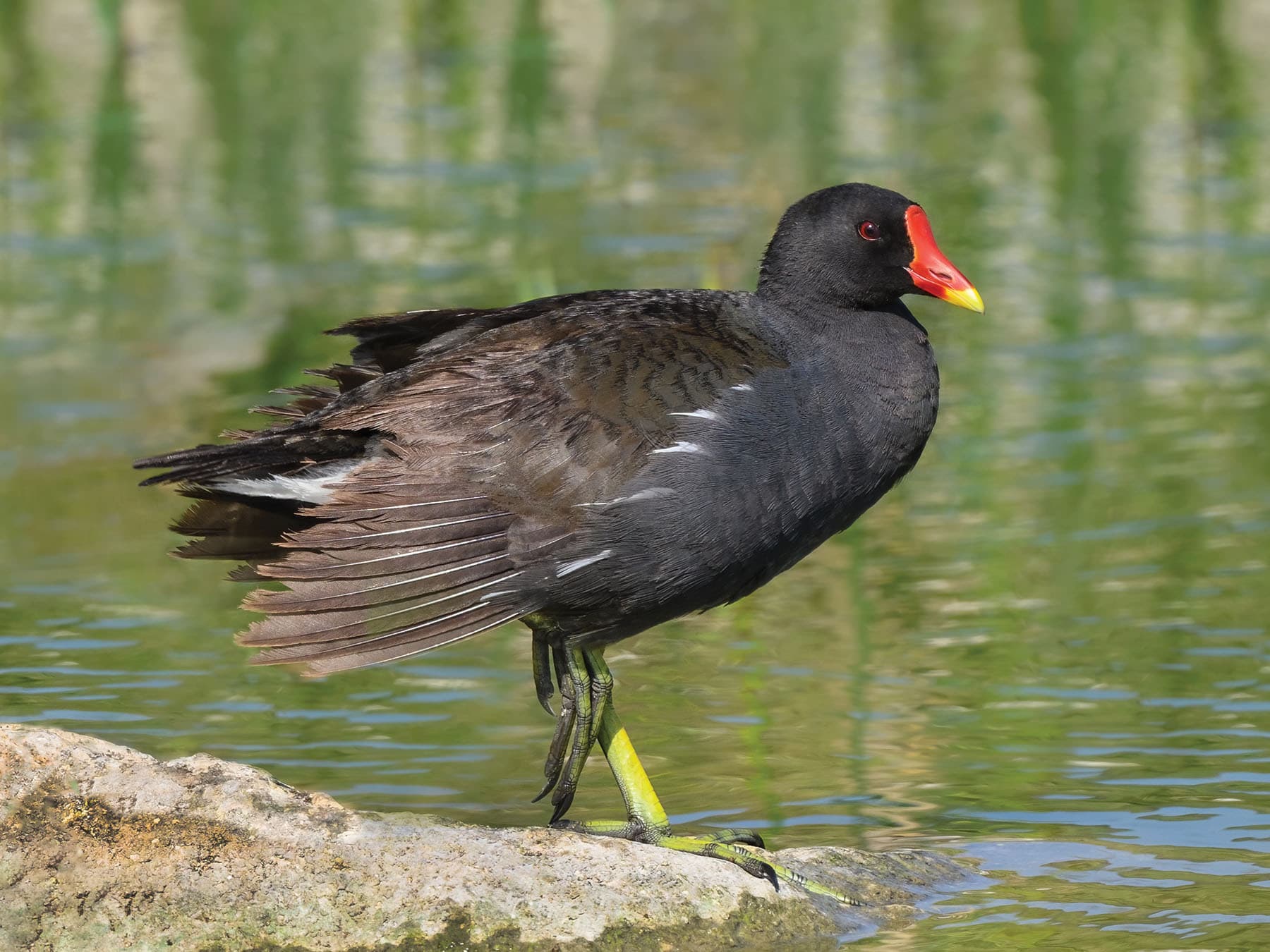 MoorhenGallinula chloropusResidentCommon30–38 cmRecorded all year · 1.66% in Mar
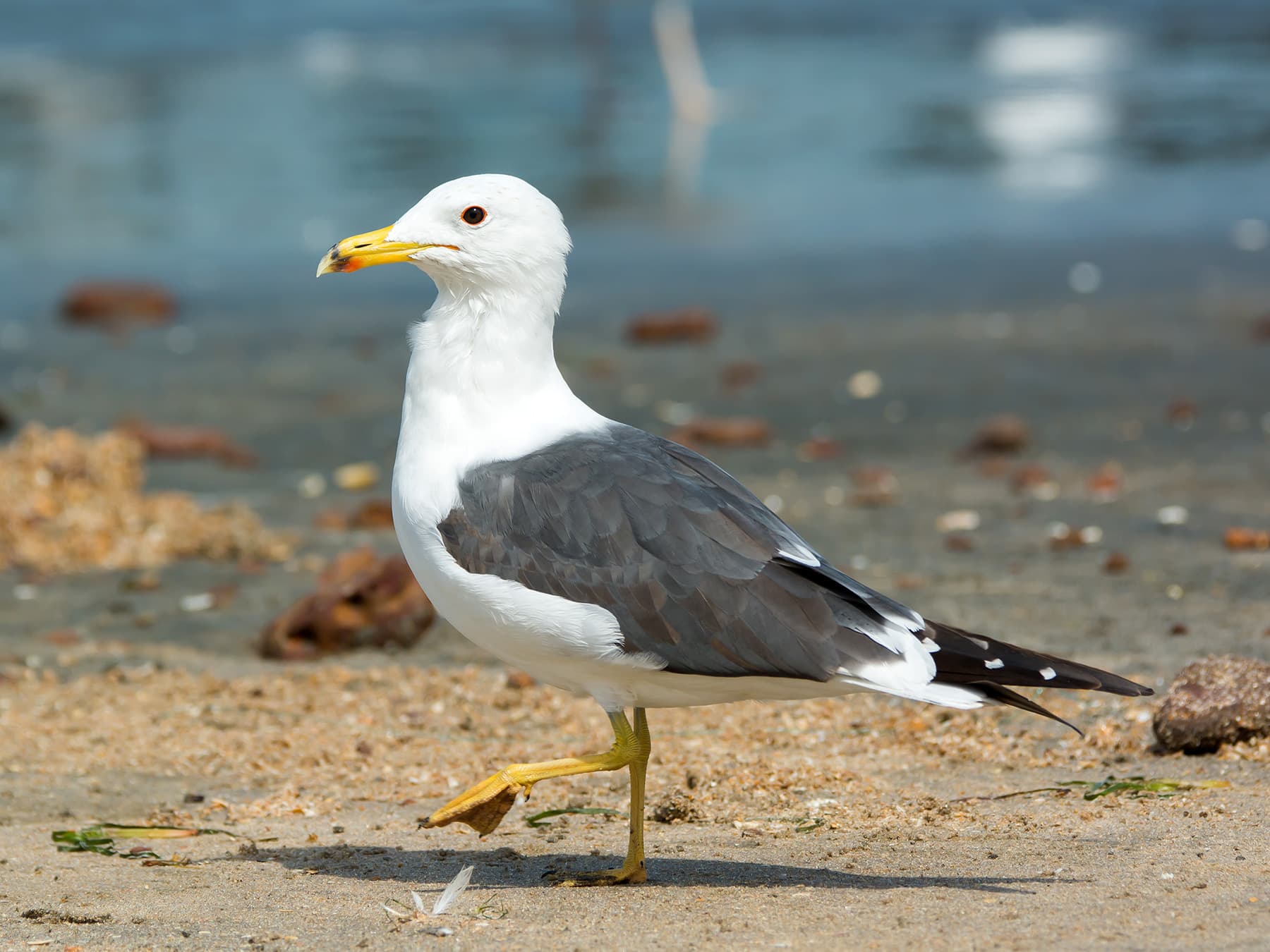 Lesser Black-backed GullLarus fuscusResidentCommon52–64 cmRecorded all year · 1.65% in Mar
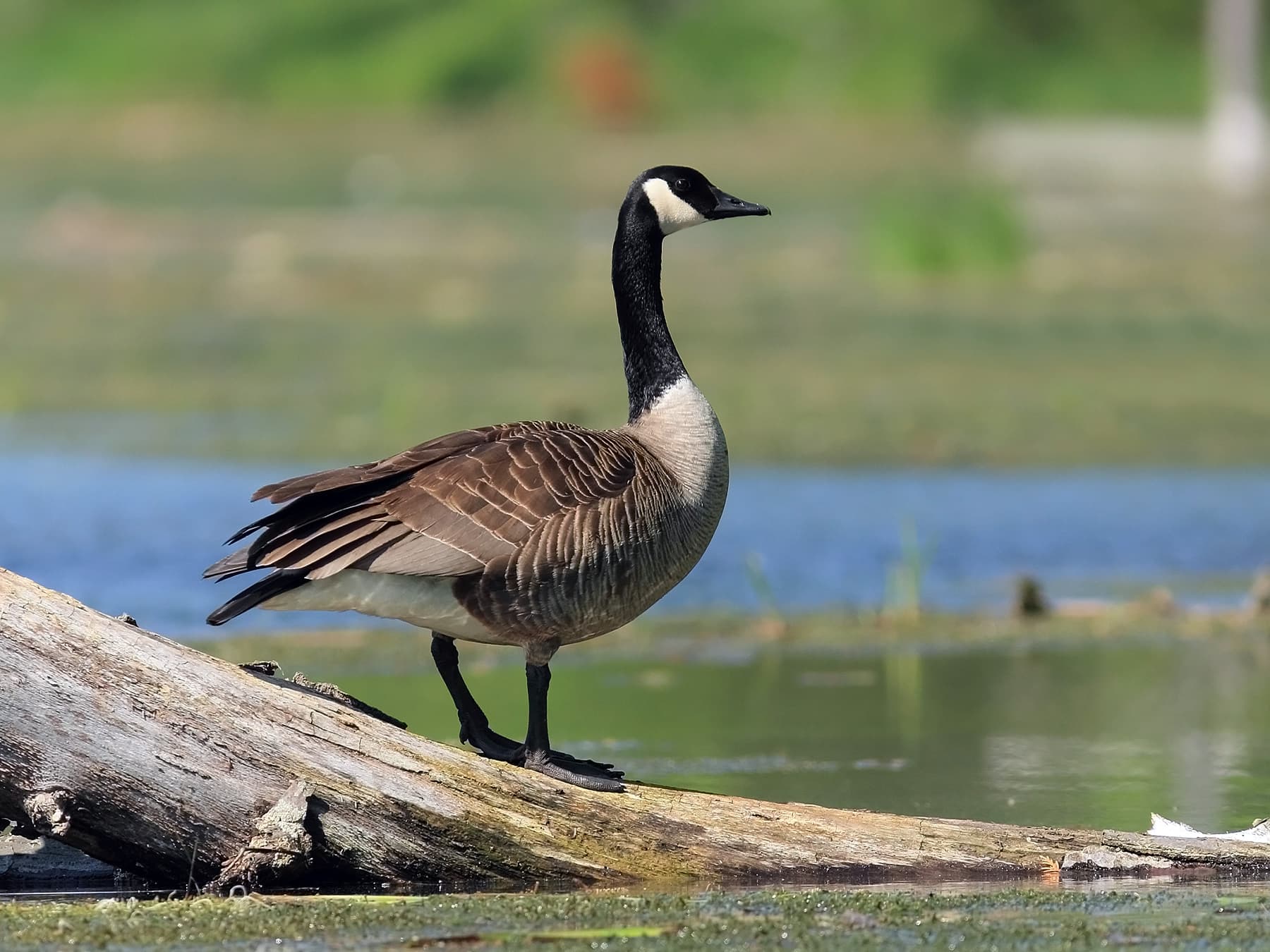 Canada GooseBranta canadensisResidentCommon76–110 cmRecorded all year · 1.64% in Mar
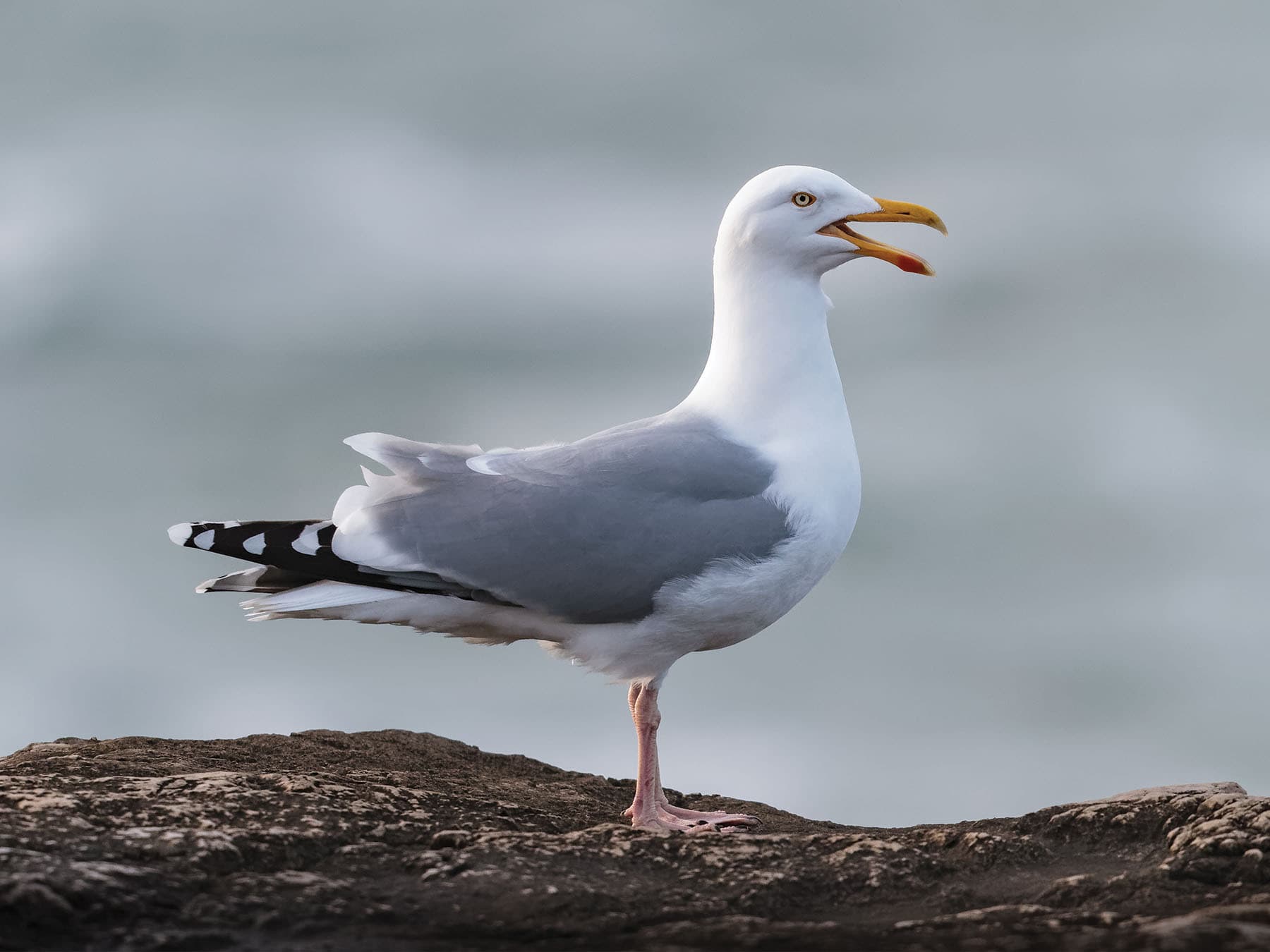 European Herring GullLarus argentatusResidentCommon55–67 cmRecorded all year · 1.59% in Mar
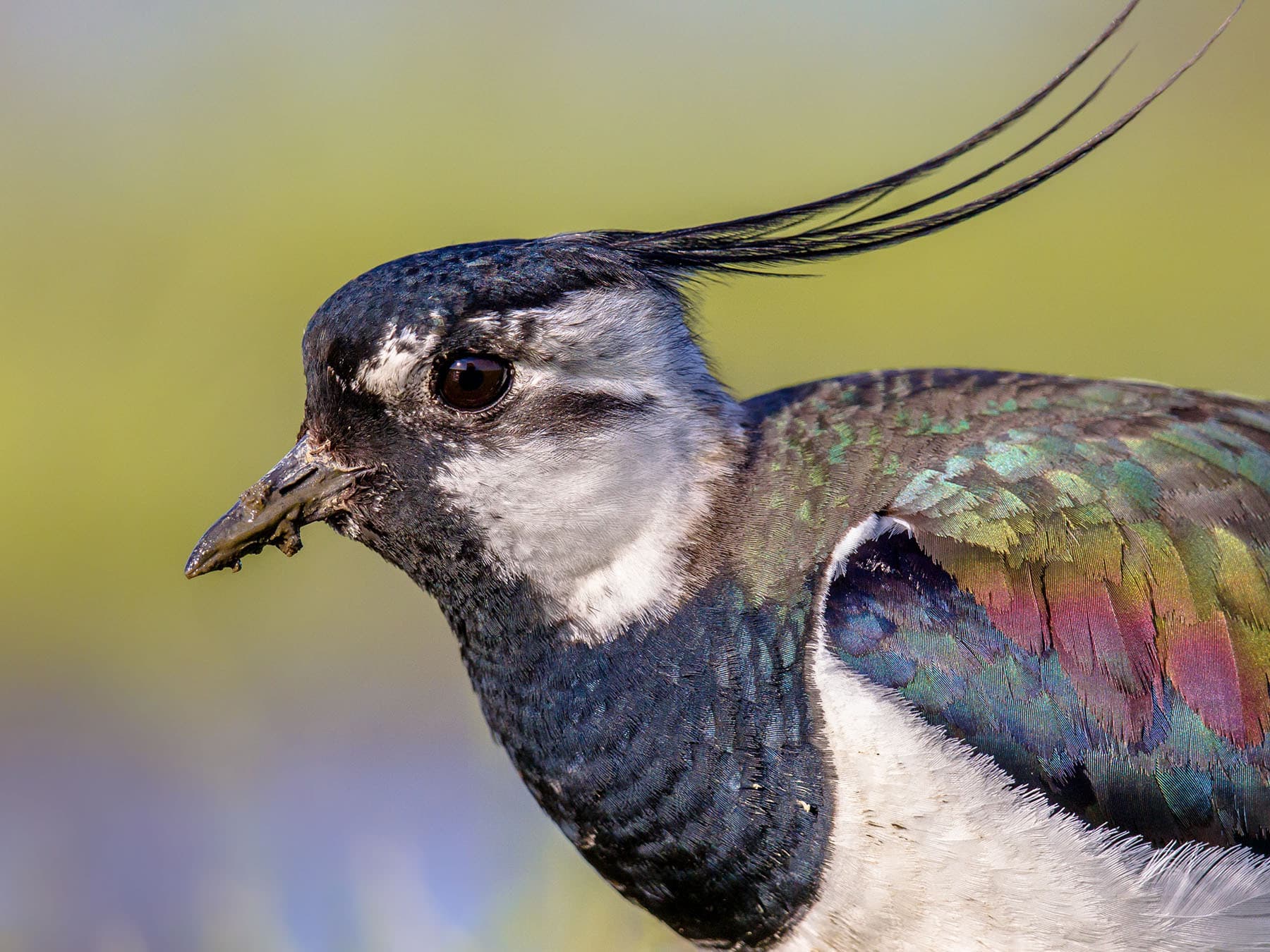 Northern LapwingVanellus vanellusResidentCommon28–31 cmRecorded all year · 1.47% in Mar
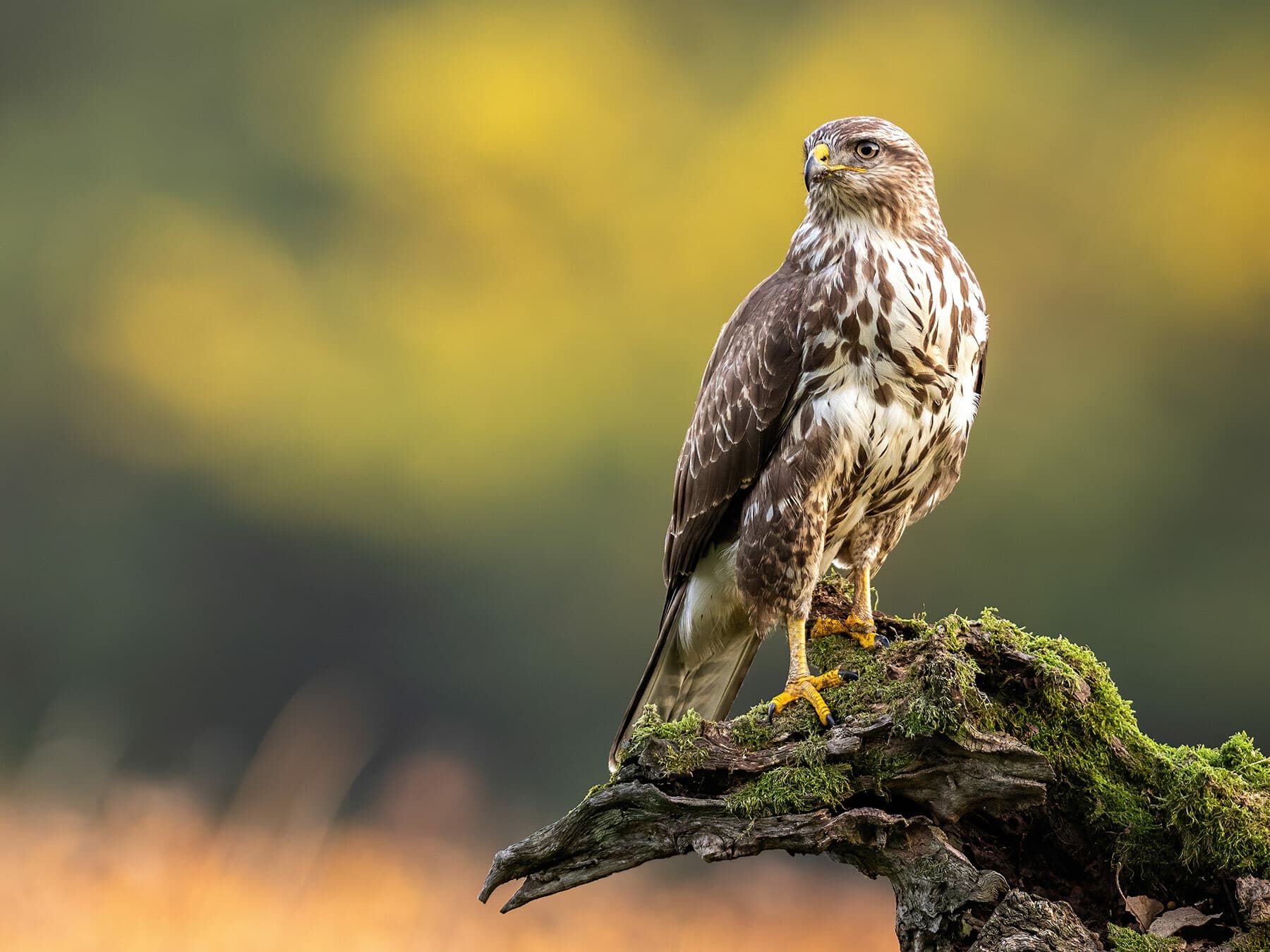 BuzzardButeo buteoResidentCommon51–57 cmRecorded all year · 1.44% in Mar
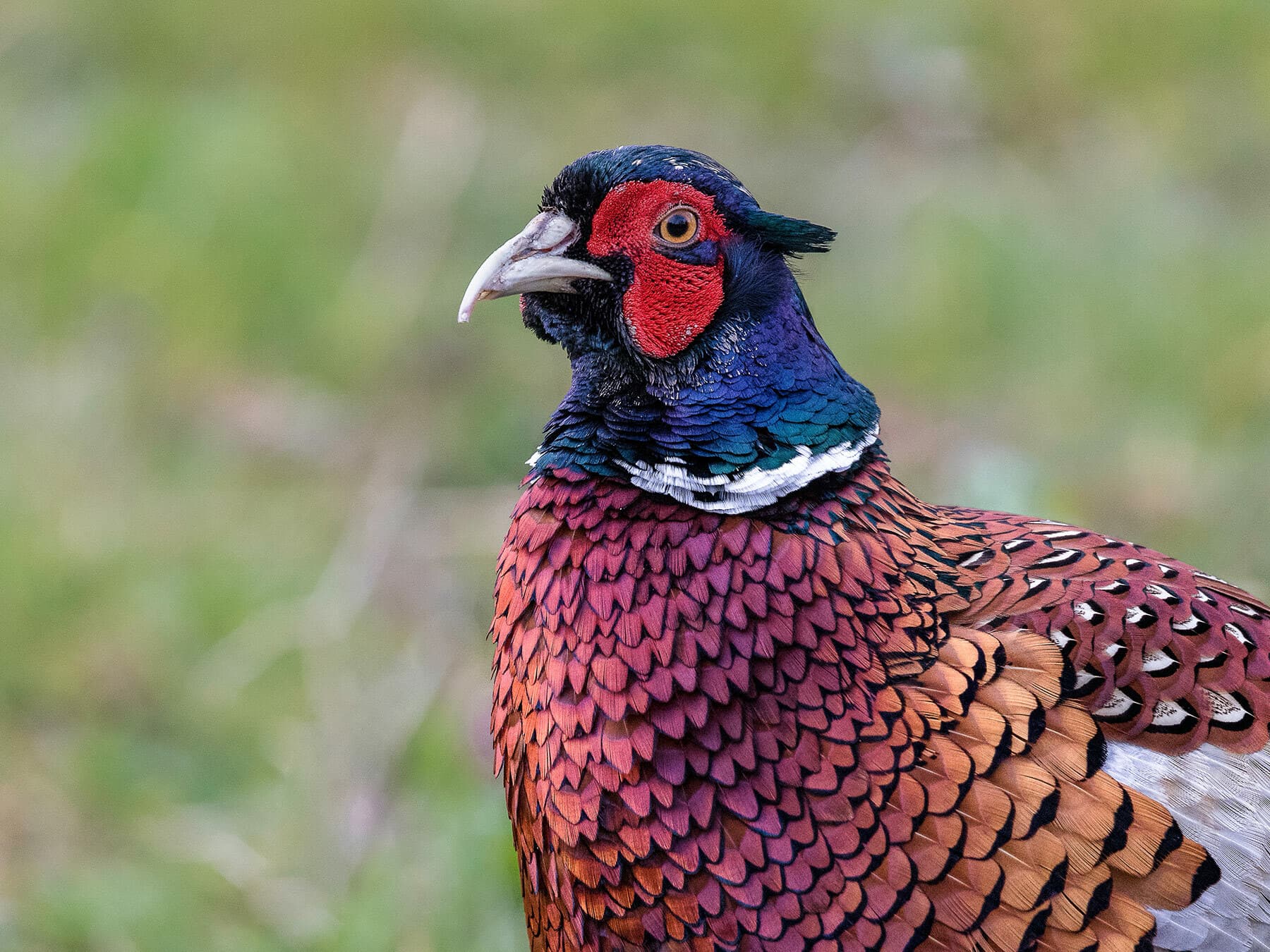 Common PheasantPhasianus colchicusResidentCommon50–90 cmRecorded all year · 1.44% in Mar
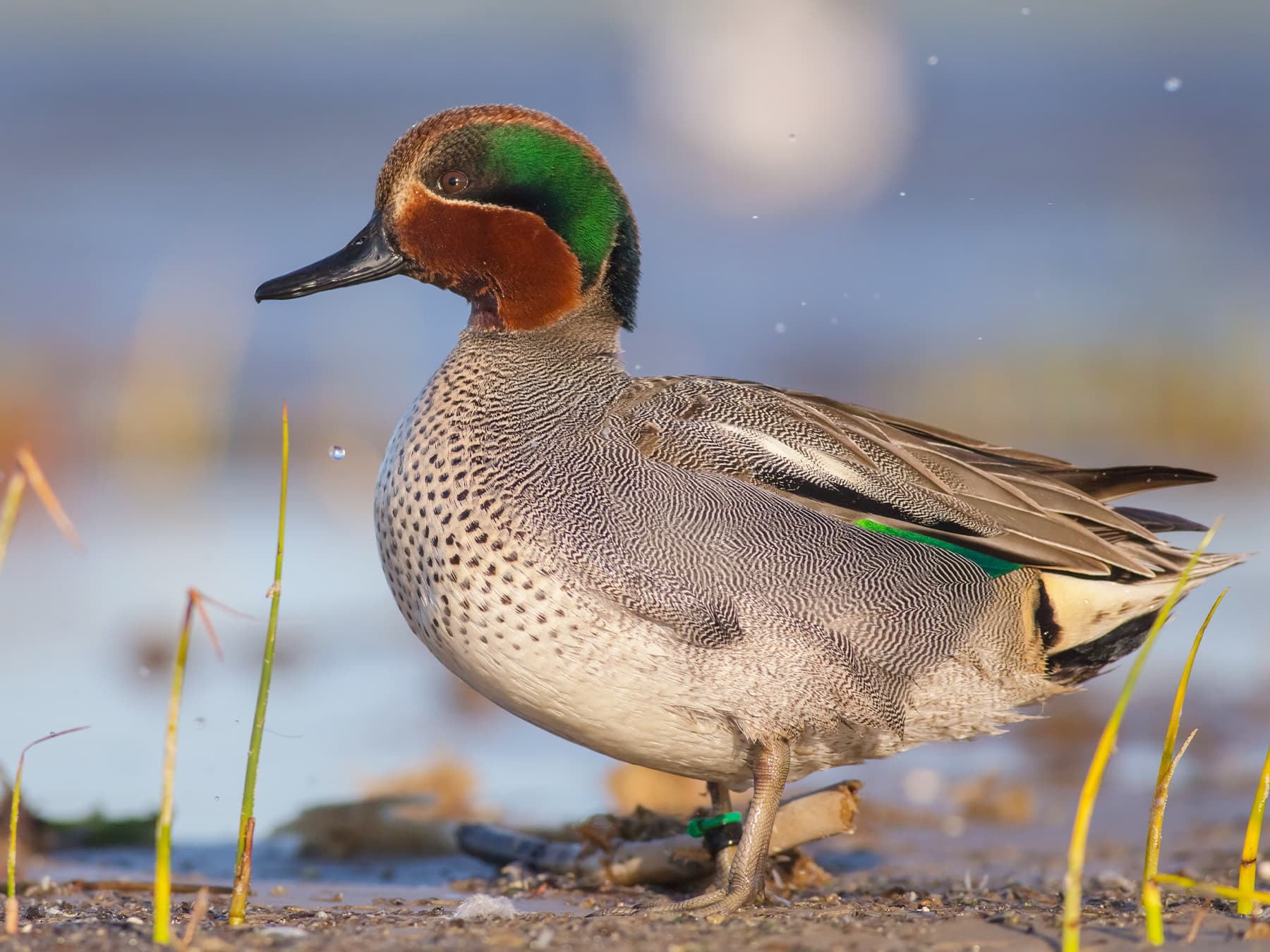 Eurasian TealAnas creccaWinter visitorCommon34–38 cmRecorded all year · 1.43% in Mar
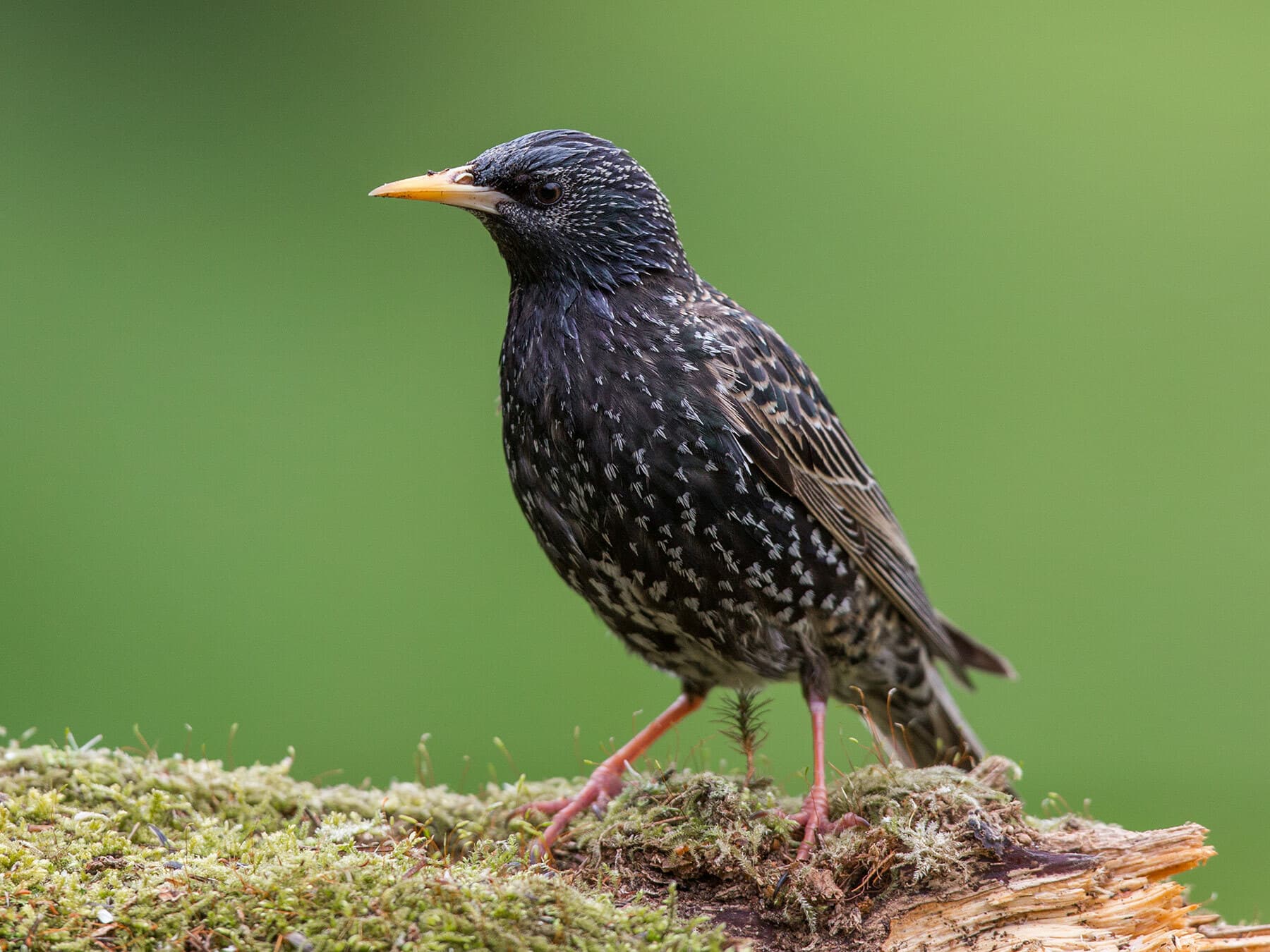 Common StarlingSturnus vulgarisResidentCommon21–23 cmRecorded all year · 1.42% in Mar
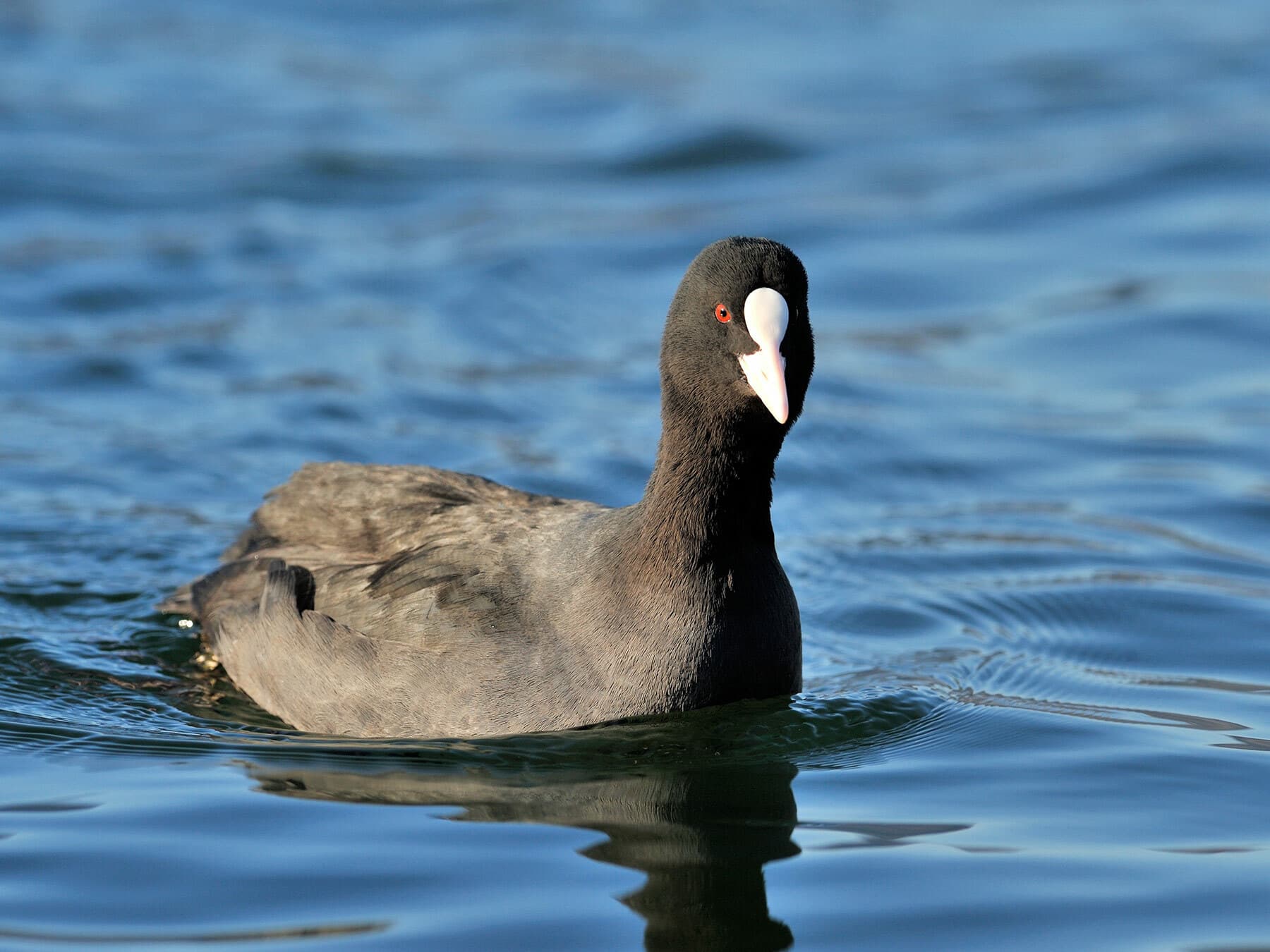 CootFulica atraResidentCommon36–42 cmRecorded all year · 1.36% in Mar
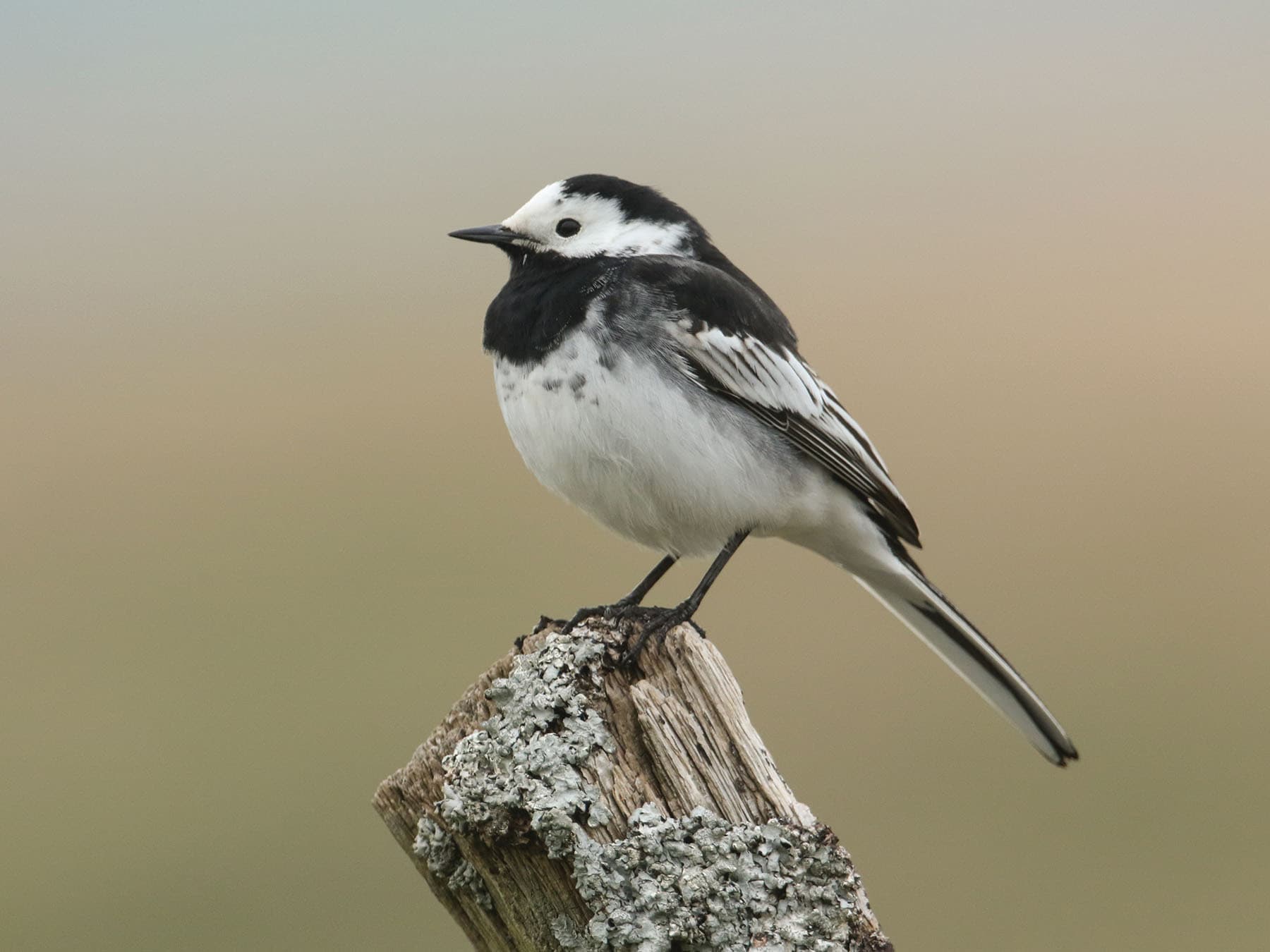 Pied WagtailMotacilla albaResidentCommon17–19 cmRecorded all year · 1.33% in Mar
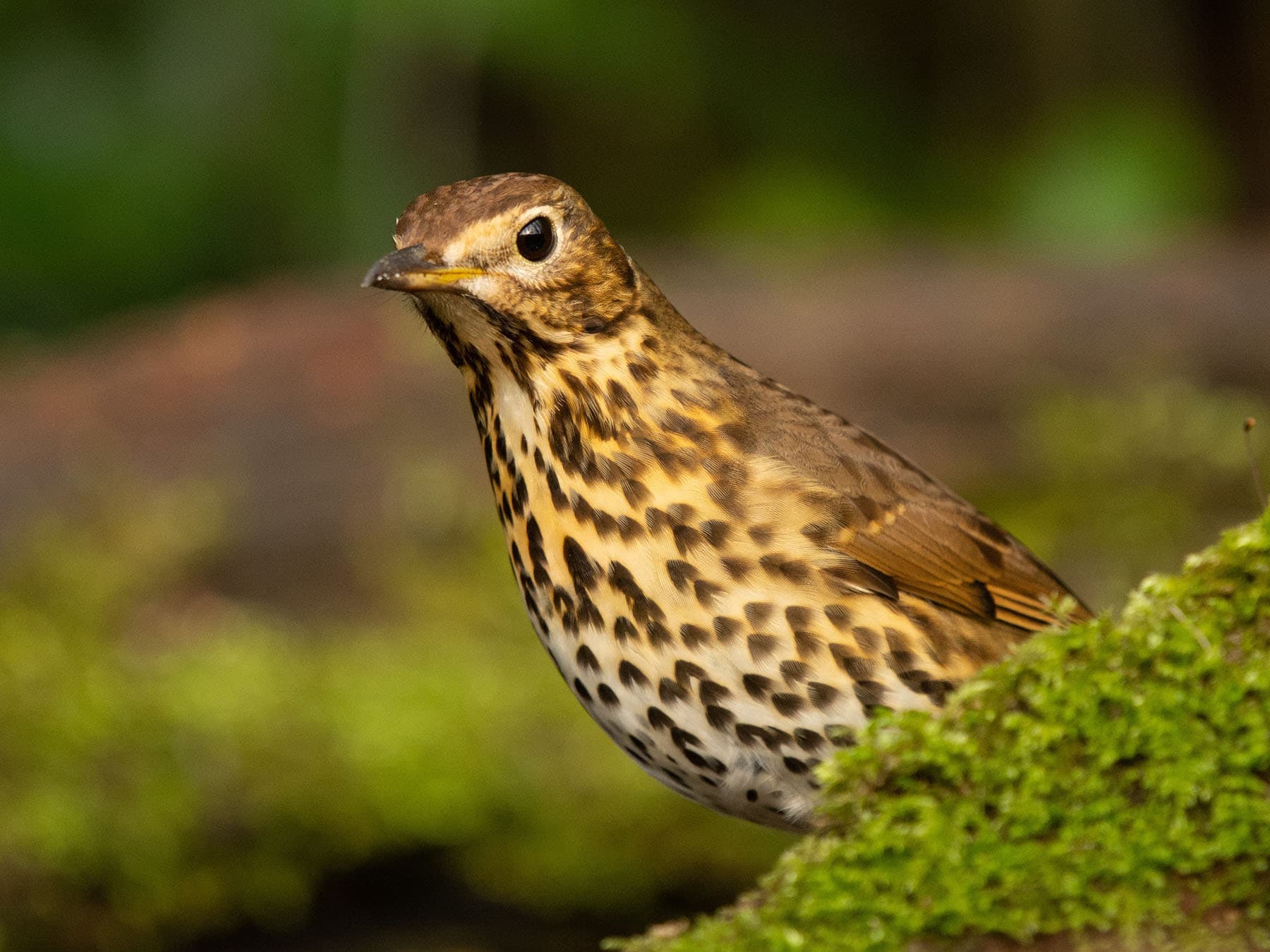 Song ThrushTurdus philomelosResidentCommon20–23 cmRecorded all year · 1.30% in Mar
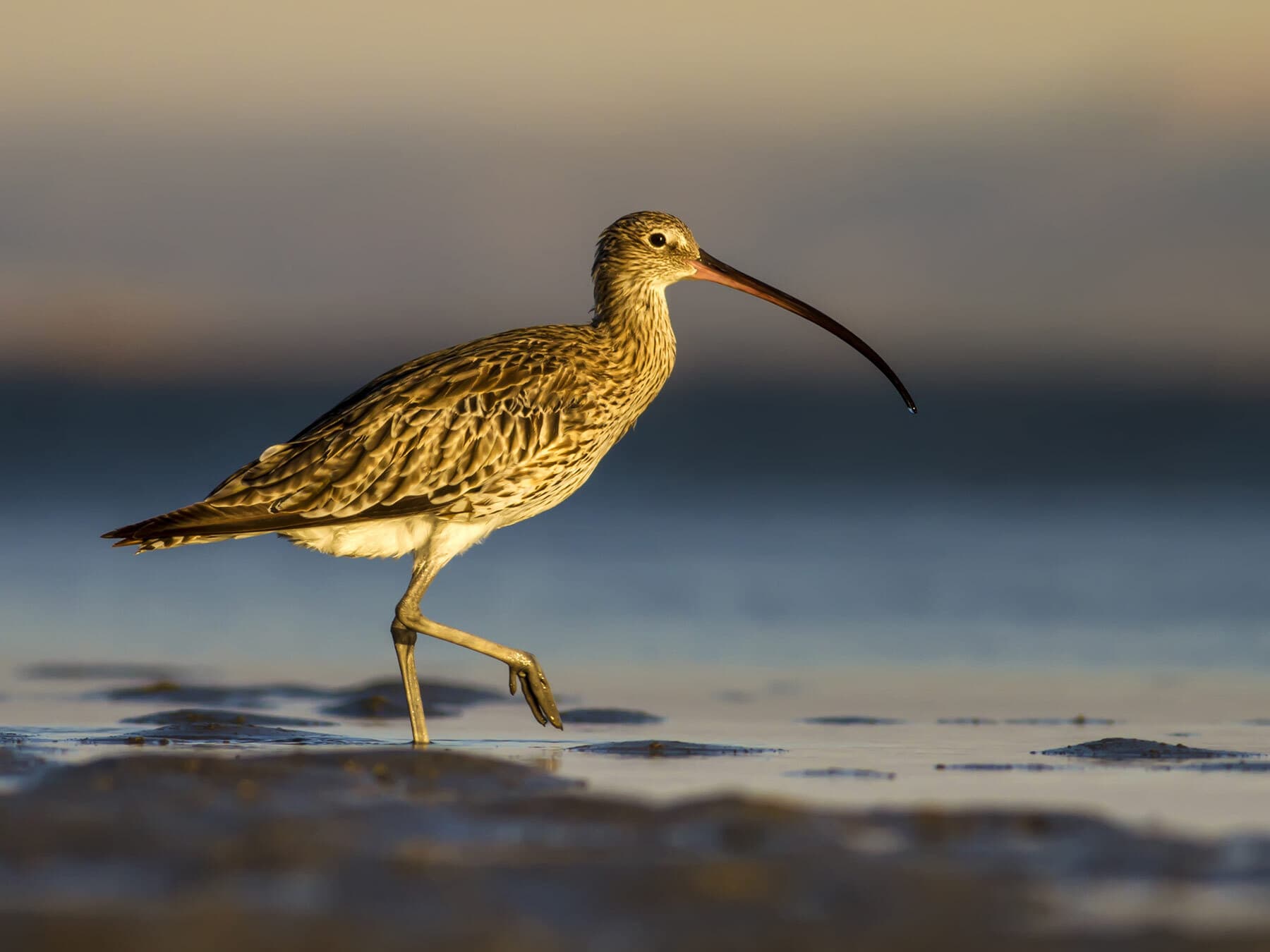 CurlewNumenius arquataResidentCommon50–60 cmRecorded all year · 1.27% in Mar
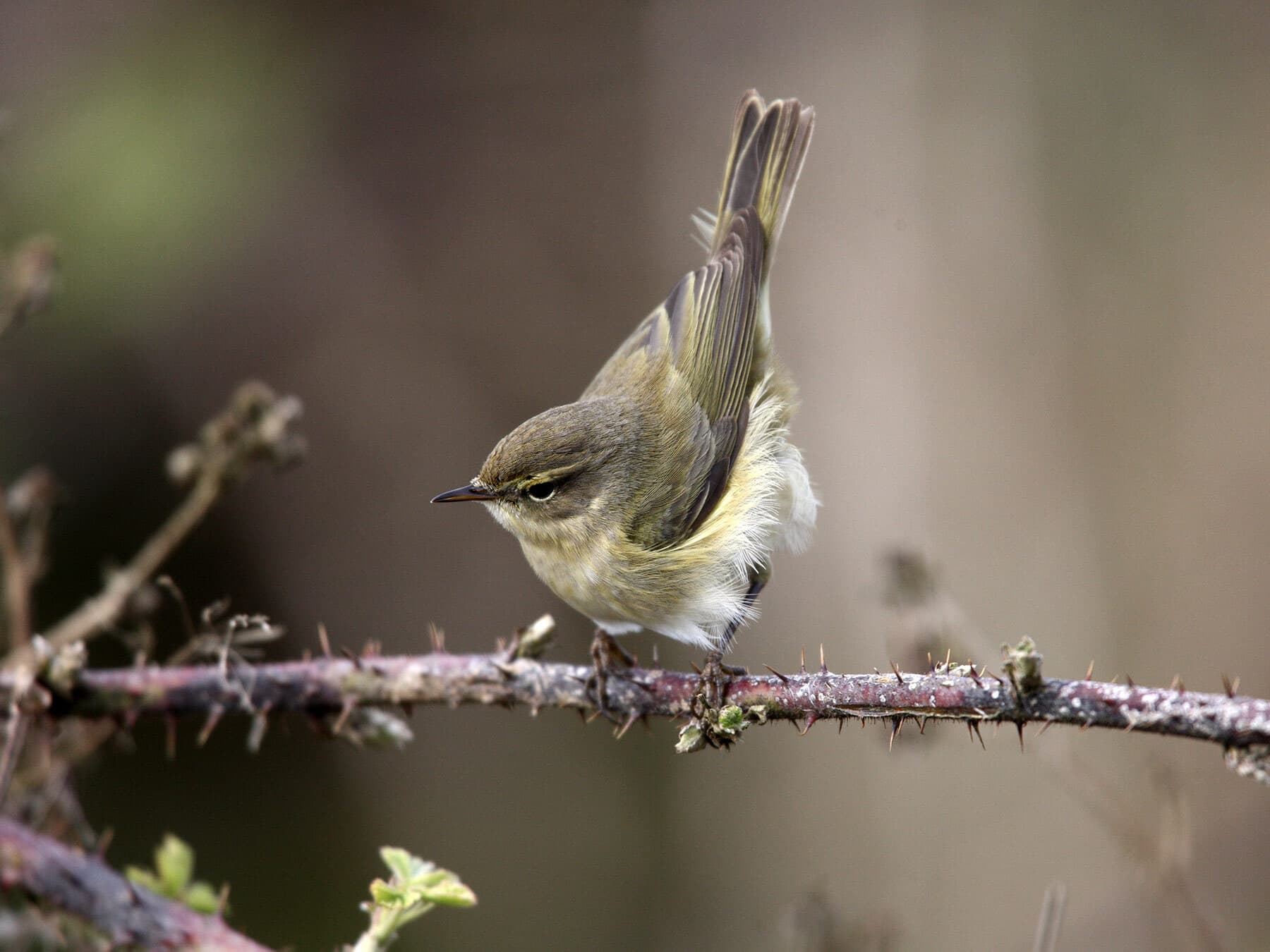 ChiffchaffPhylloscopus collybitaSummer visitorCommon10–12 cmRegularly Mar–Nov · 1.26% in Mar
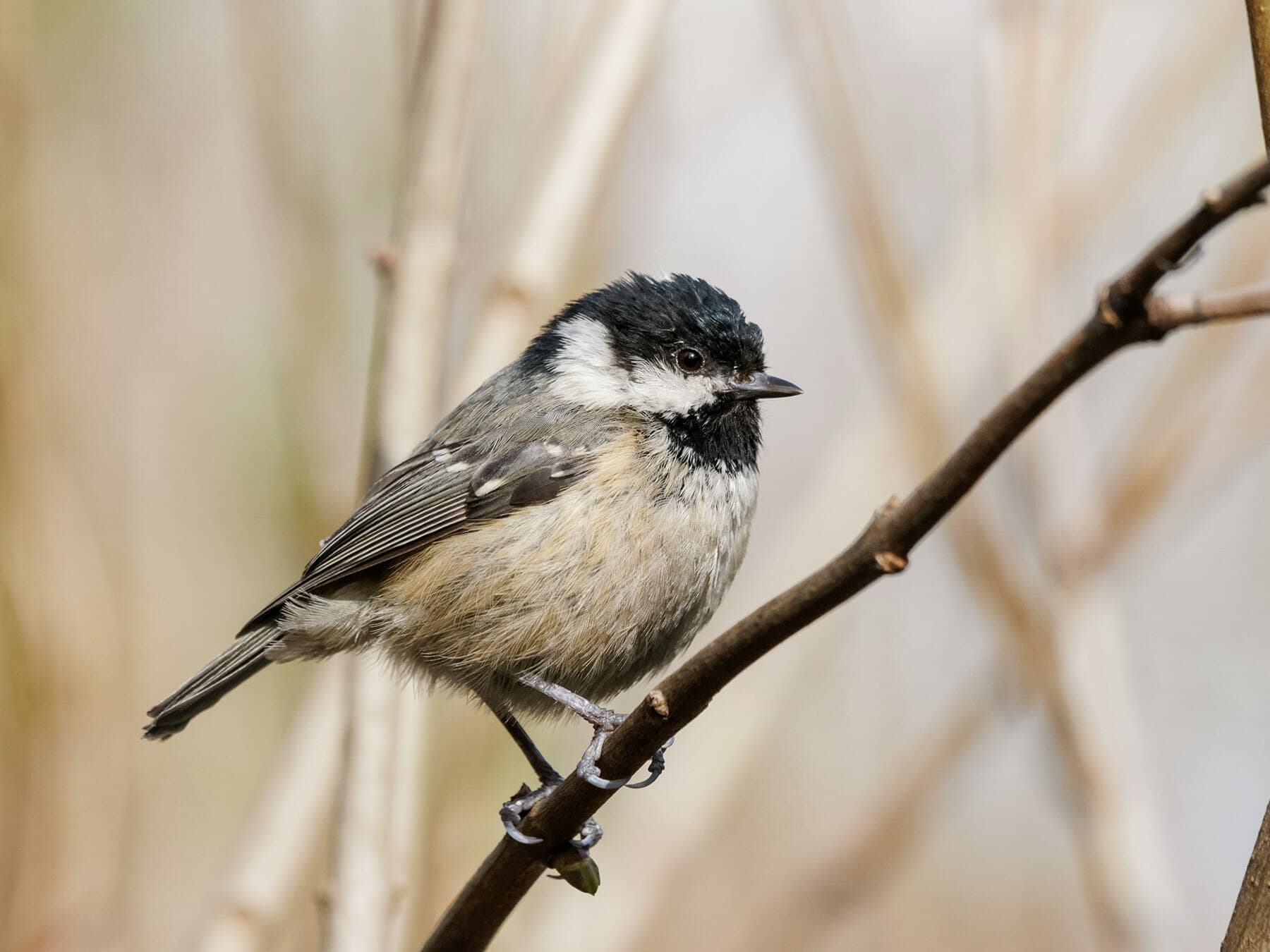 Coal TitPeriparus aterResidentCommon10–12 cmRecorded all year · 1.24% in Mar
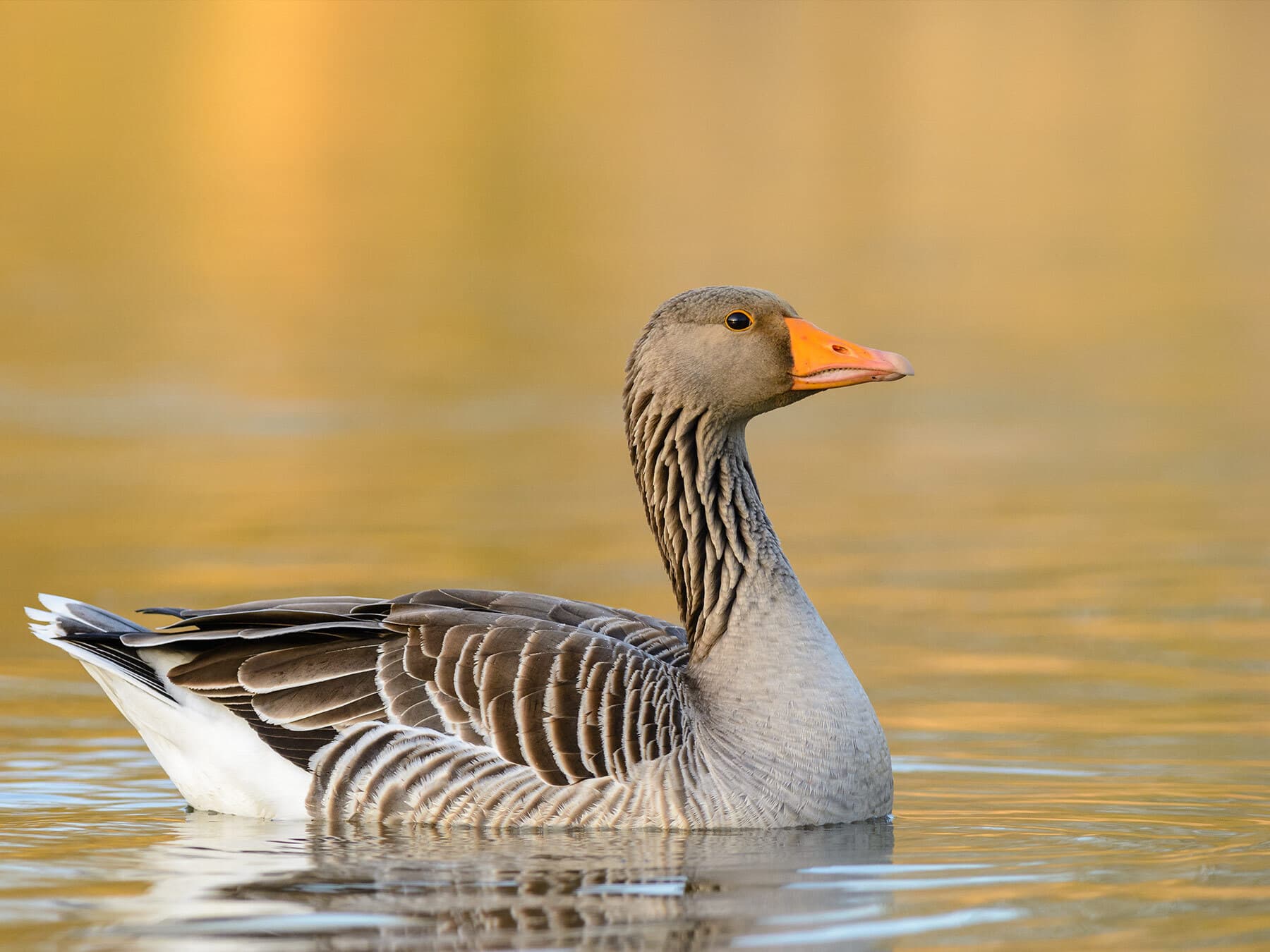 Greylag GooseAnser anserResidentCommon75–90 cmRecorded all year · 1.21% in Mar
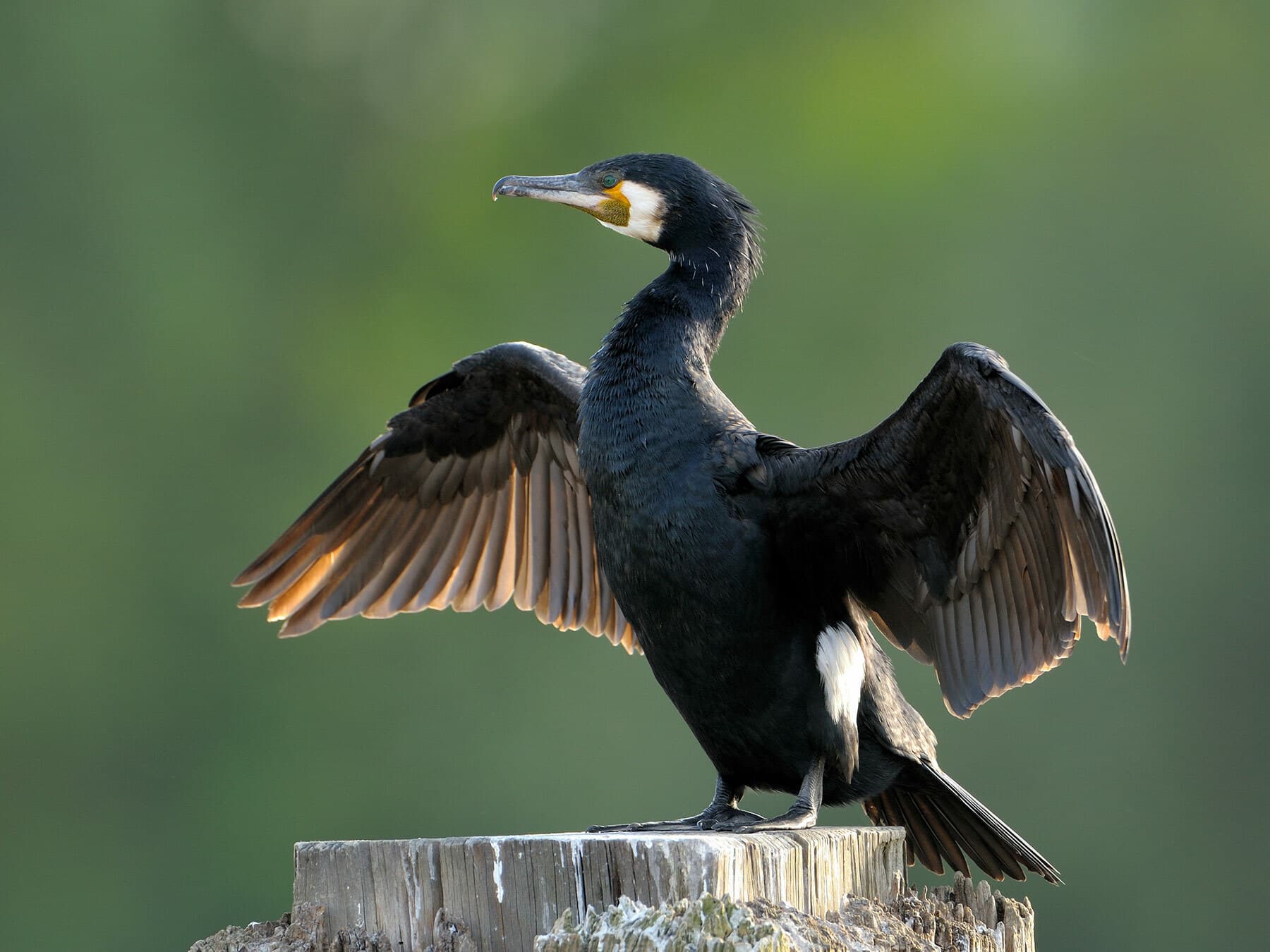 Great CormorantPhalacrocorax carboResidentCommon80–100 cmRecorded all year · 1.18% in Mar
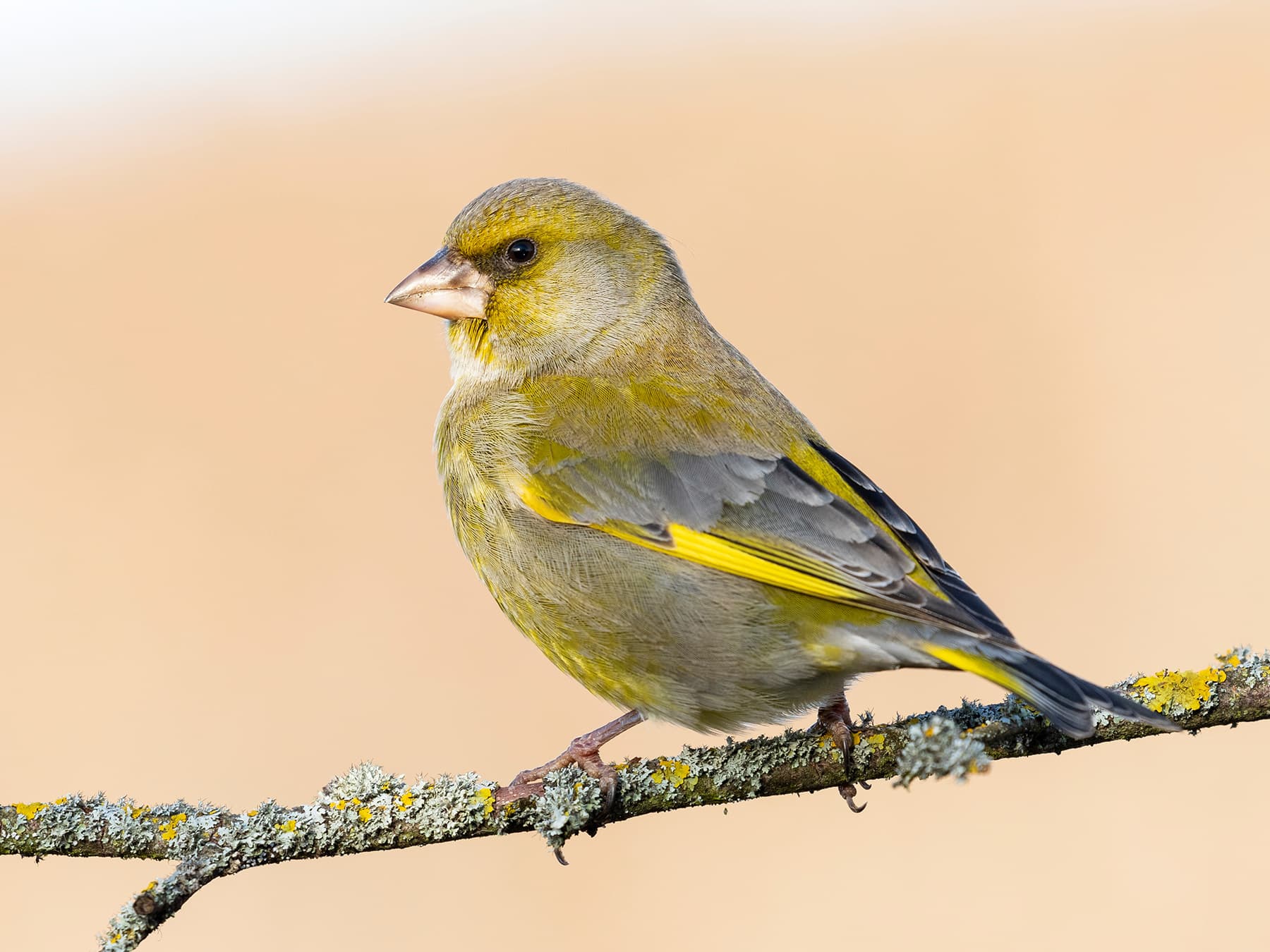 GreenfinchChloris chlorisResidentCommon15–16 cmRecorded all year · 1.18% in Mar
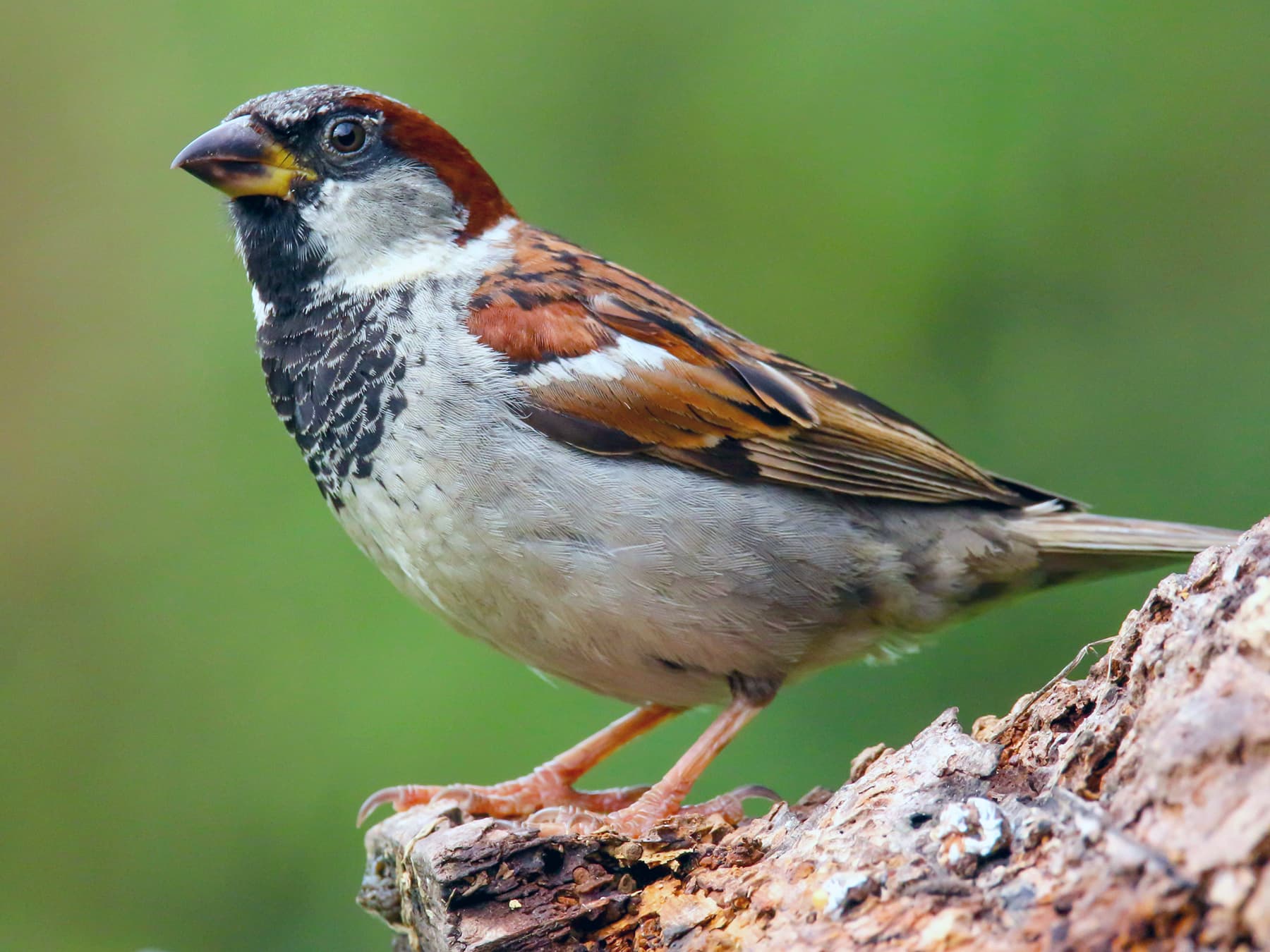 House SparrowPasser domesticusResidentCommon14–17 cmRecorded all year · 1.12% in Mar
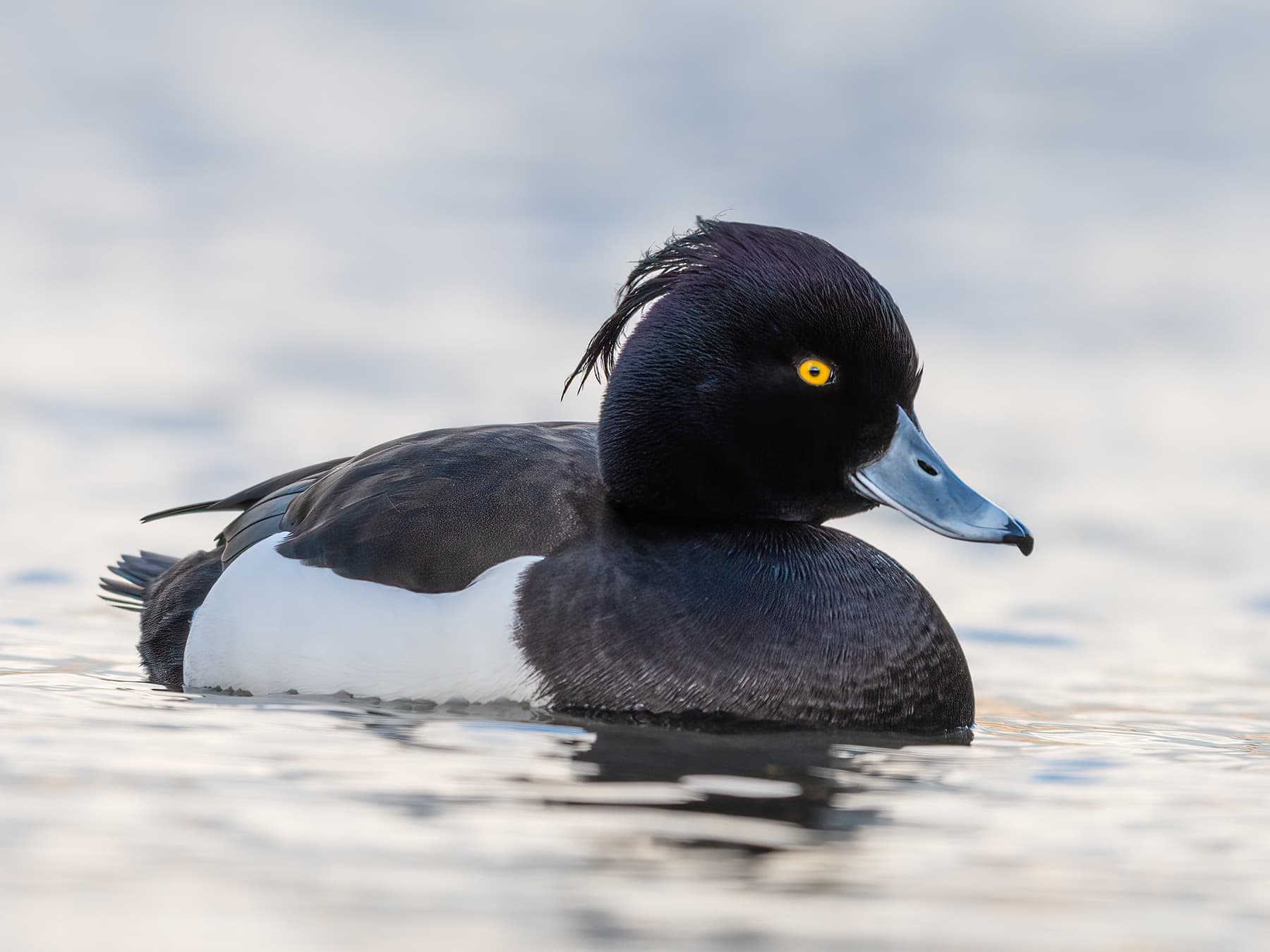 Tufted DuckAythya fuligulaResidentCommon40–47 cmRecorded all year · 1.07% in Mar
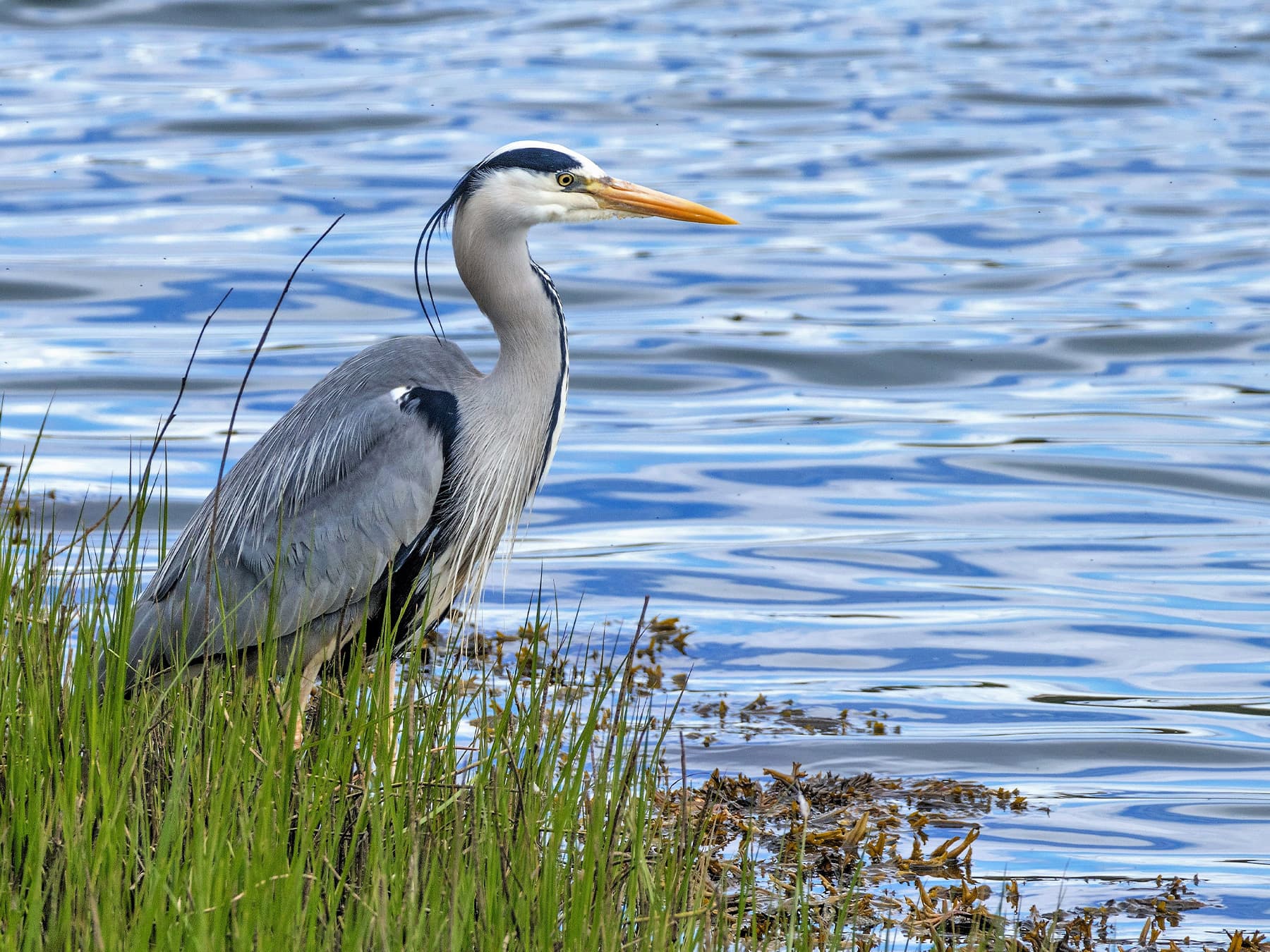 Grey HeronArdea cinereaResidentCommon90–98 cmRecorded all year · 0.99% in Mar
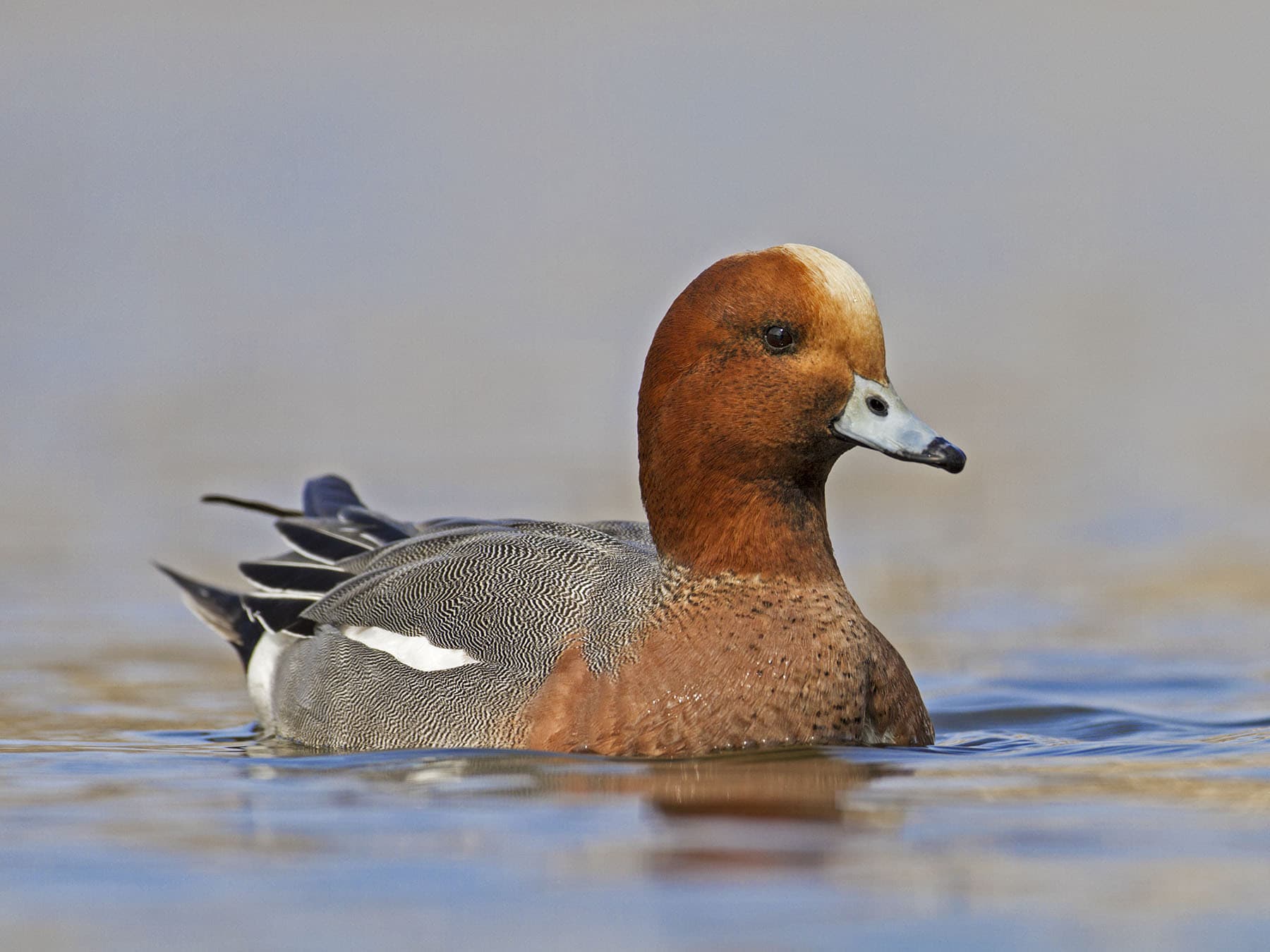 Eurasian WigeonMareca penelopeWinter visitorCommon42–51 cmRegularly Aug–Jun · 0.98% in Mar
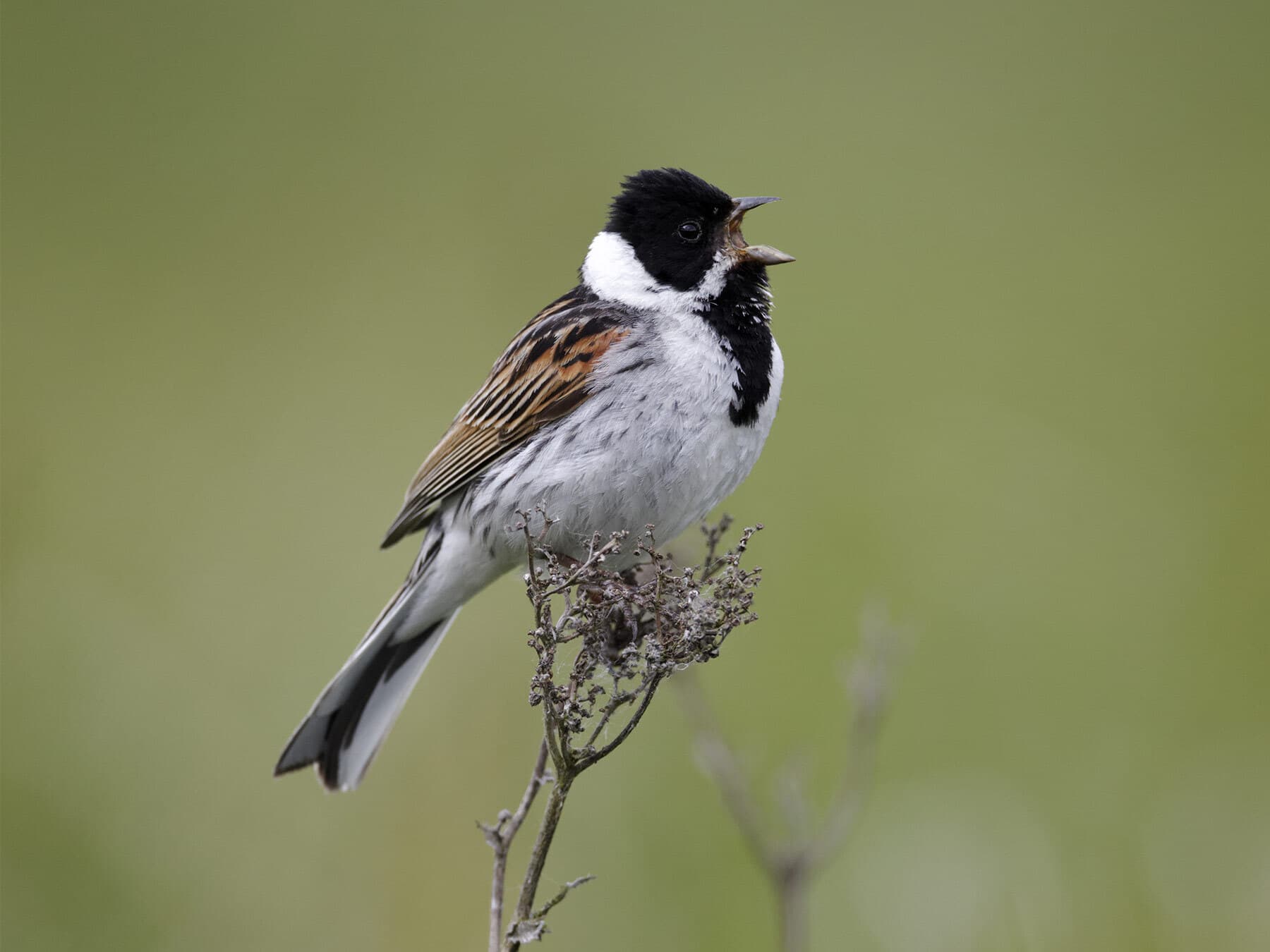 Reed BuntingEmberiza schoeniclusResidentCommon14–16 cmRecorded all year · 0.98% in Mar
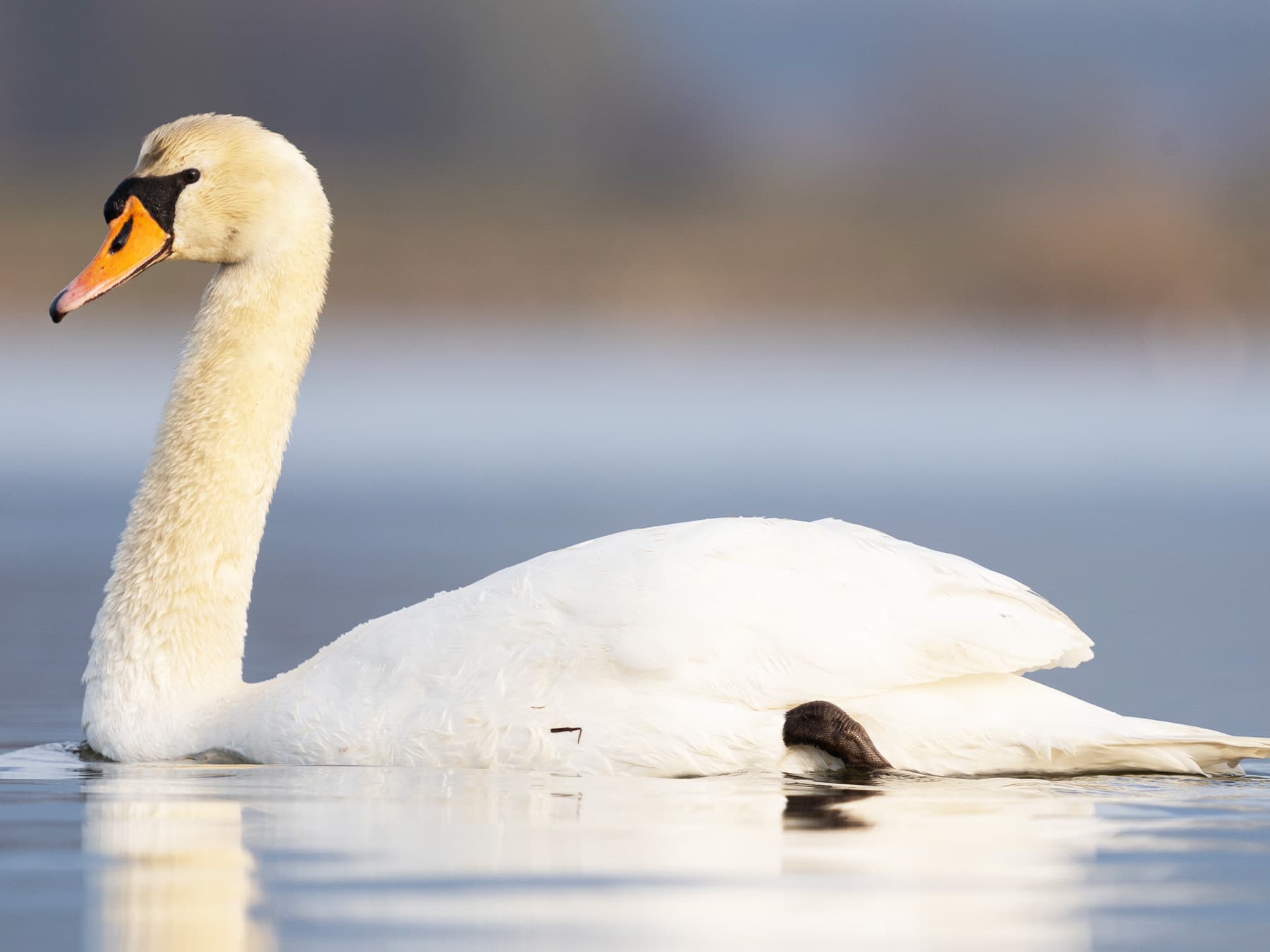 Mute SwanCygnus olorResidentCommon140–160 cmRecorded all year · 0.97% in Mar
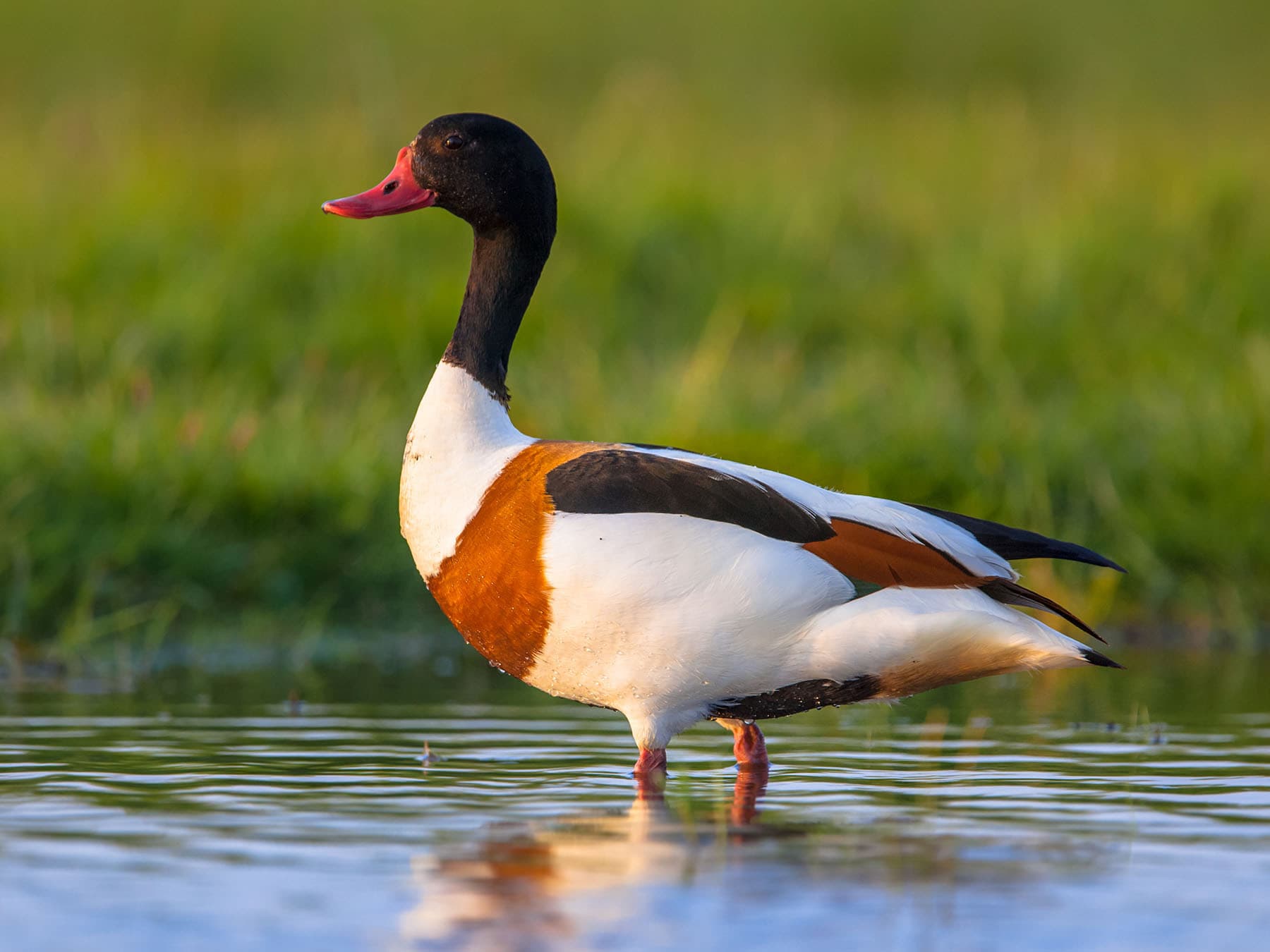 Common ShelduckTadorna tadornaResidentCommon58–67 cmRecorded all year · 0.96% in Mar
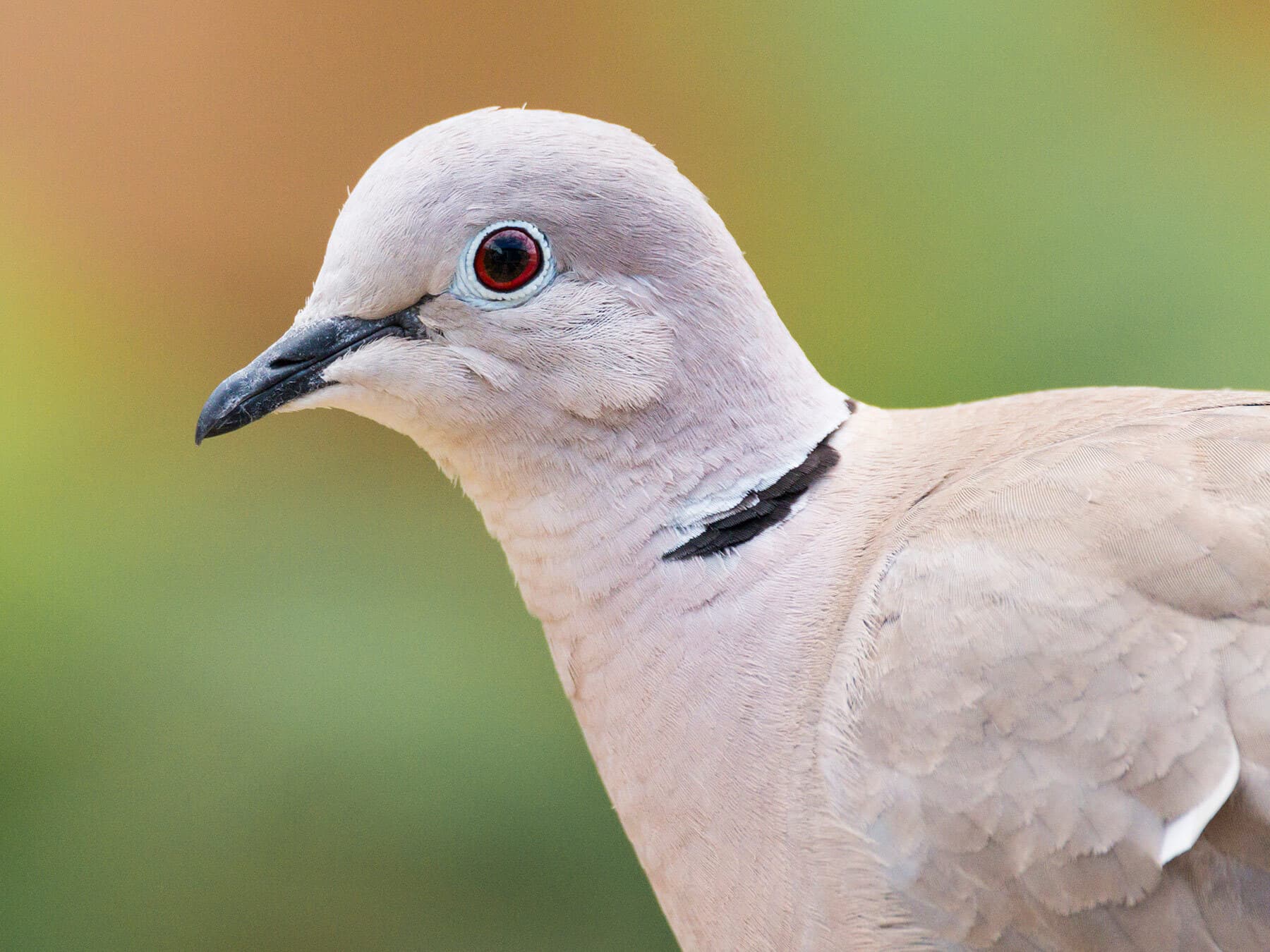 Eurasian Collared DoveStreptopelia decaoctoResidentCommon30–32 cmRecorded all year · 0.94% in Mar
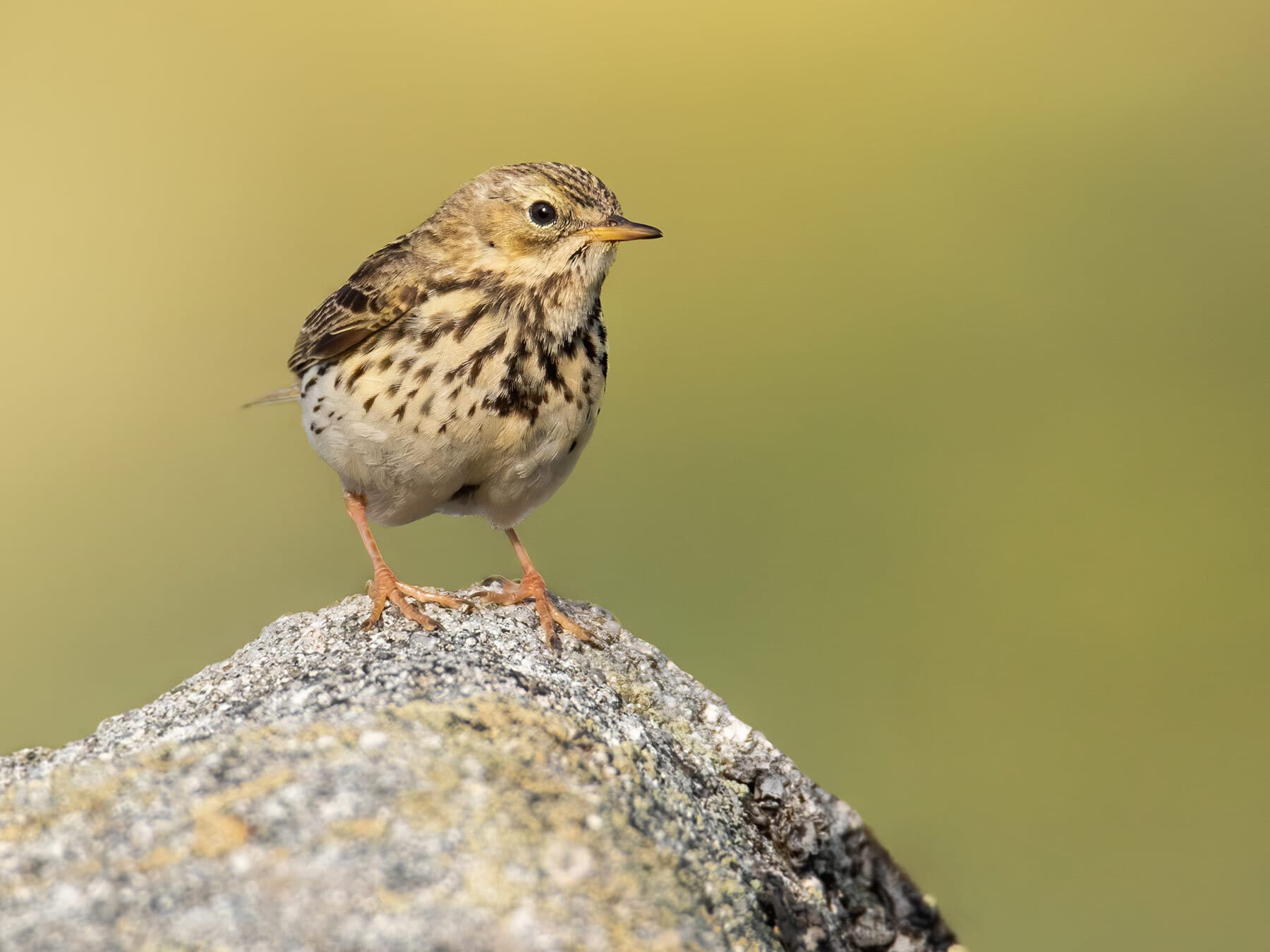 Meadow PipitAnthus pratensisResidentCommon14–15 cmRecorded all year · 0.93% in Mar
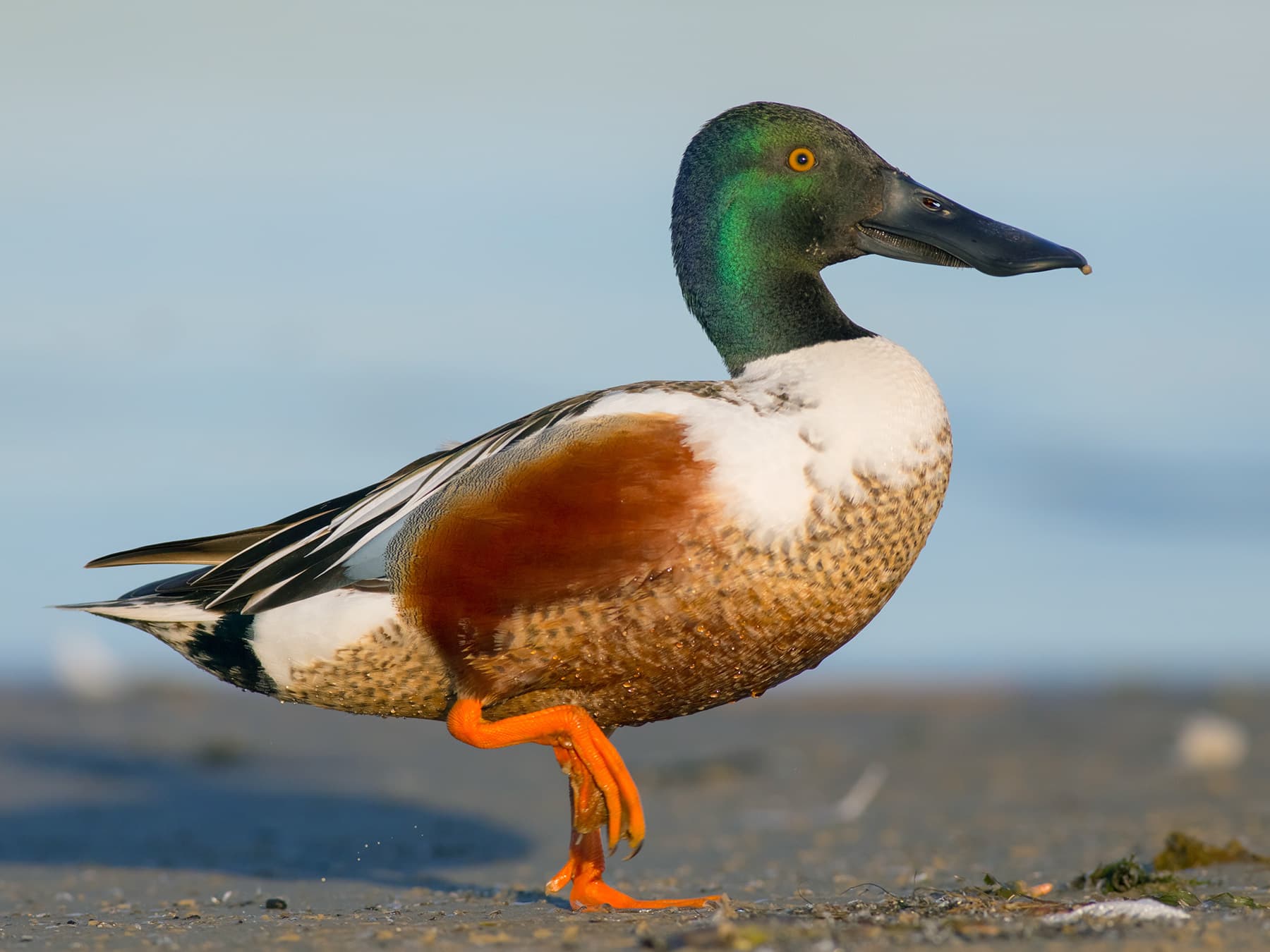 Northern ShovelerSpatula clypeataResidentCommon44–51 cmRecorded all year · 0.93% in Mar
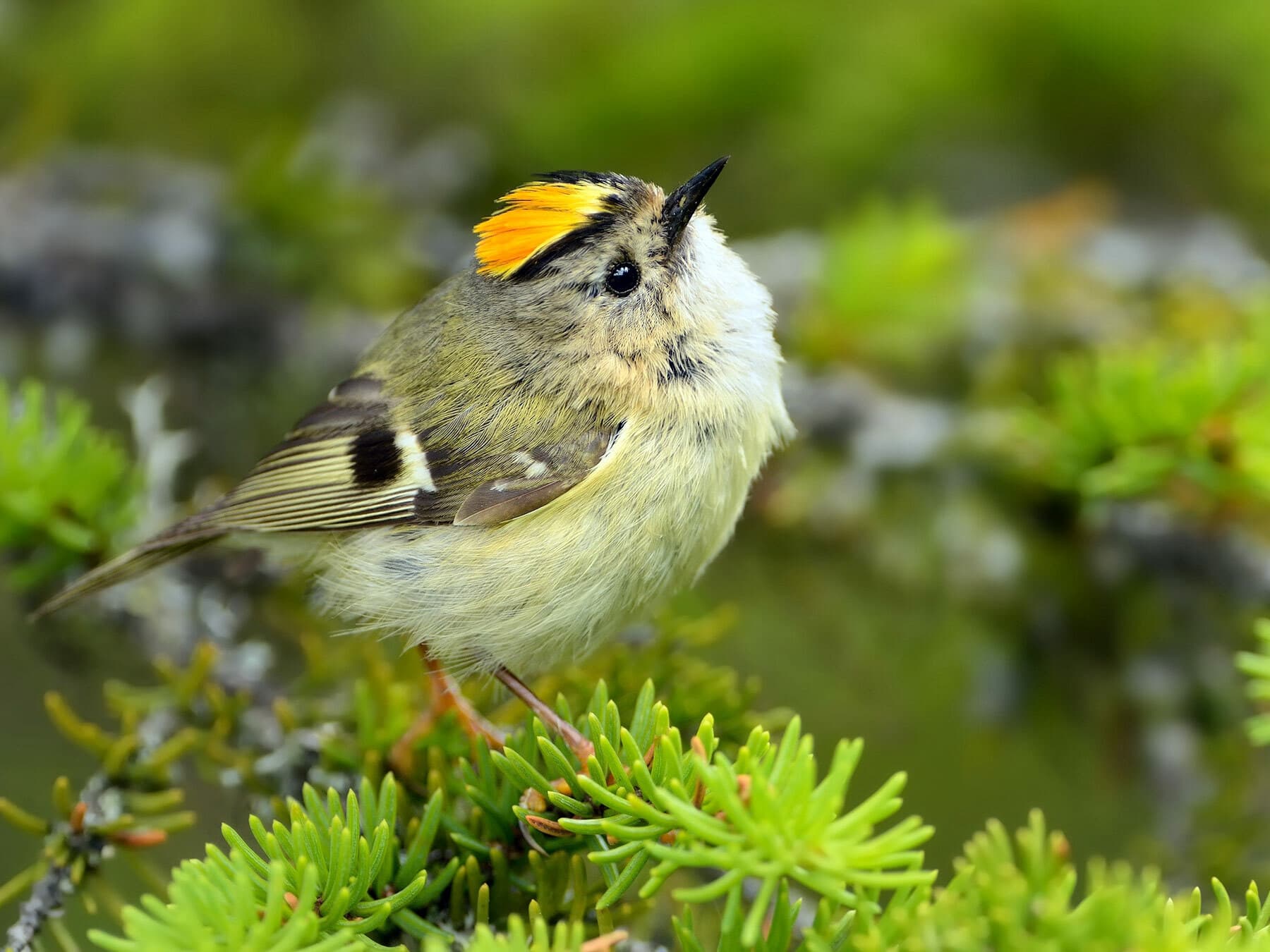 GoldcrestRegulus regulusResidentCommon9–10 cmRecorded all year · 0.91% in Mar
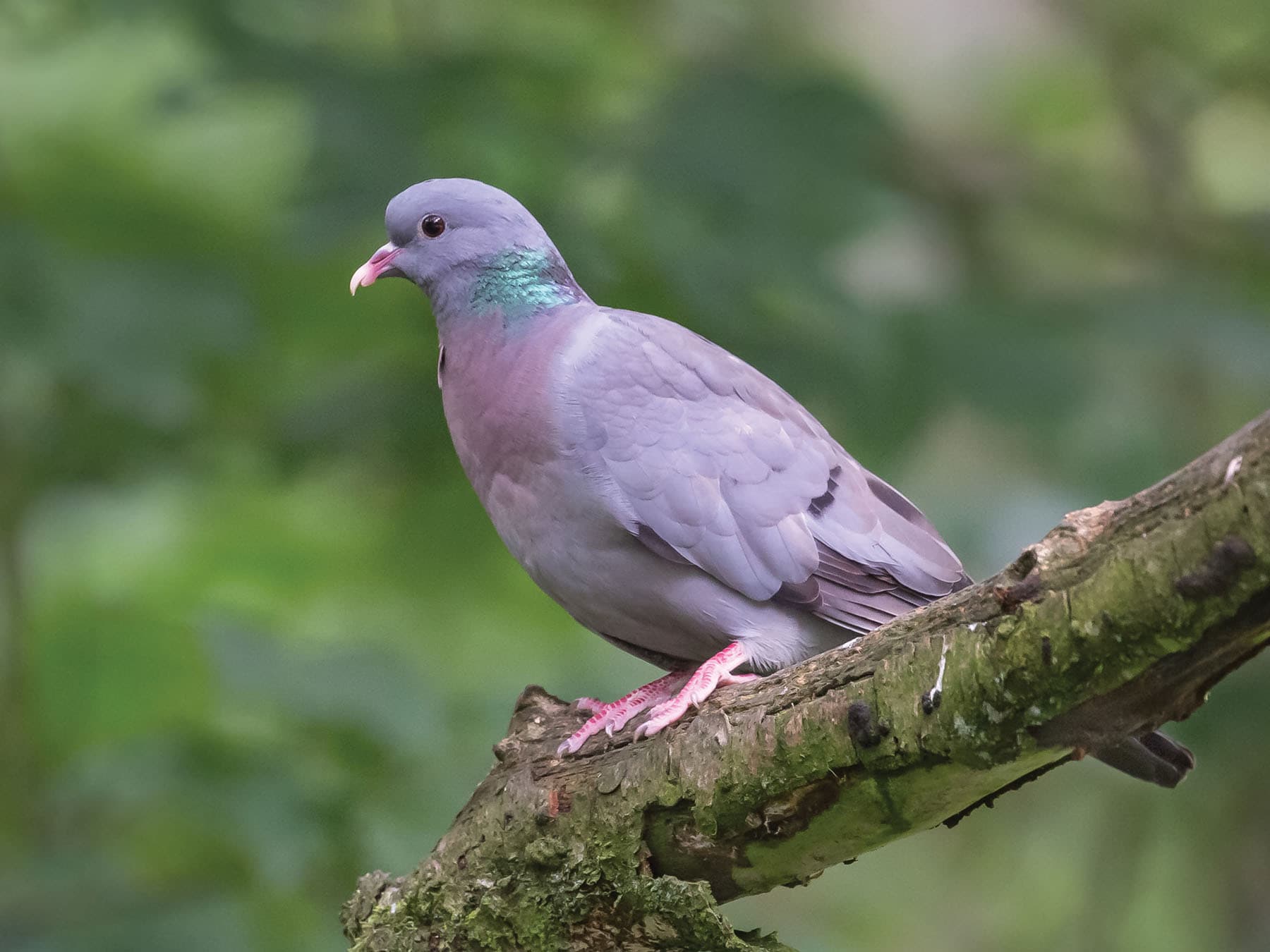 Stock DoveColumba oenasResidentCommon32–34 cmRecorded all year · 0.88% in Mar
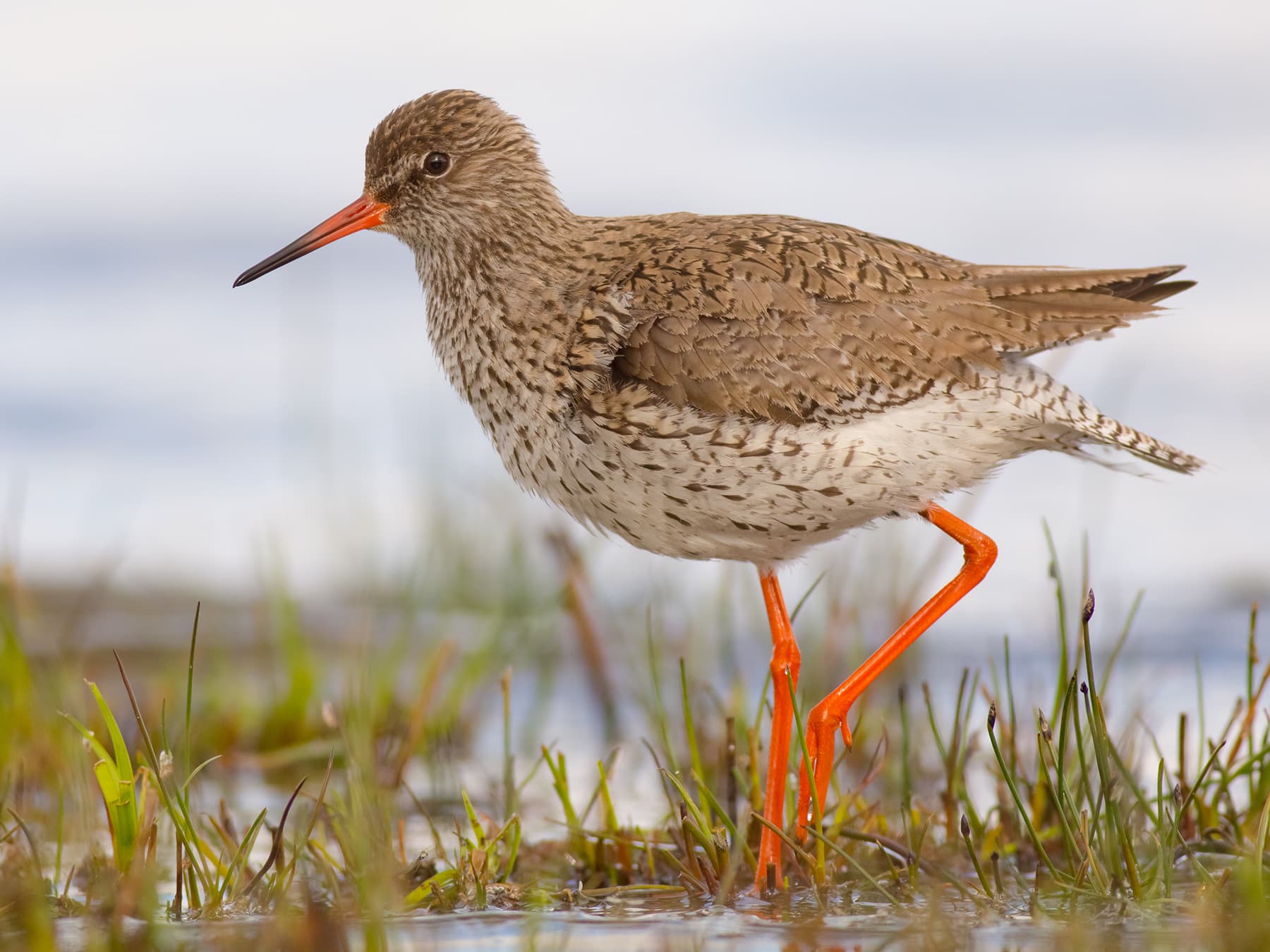 RedshankTringa totanusResidentCommon27–29 cmRecorded all year · 0.83% in Mar
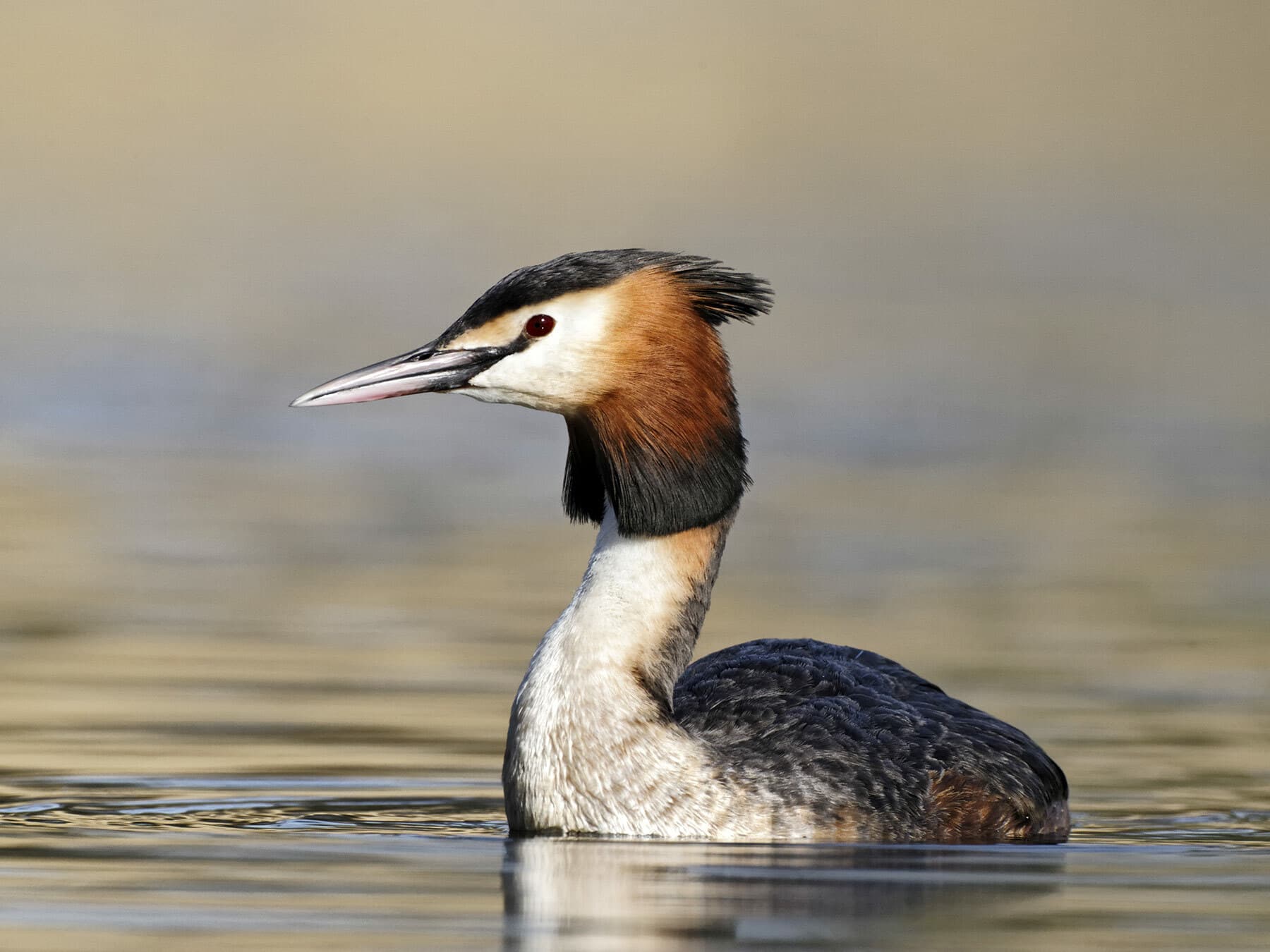 Great Crested GrebePodiceps cristatusResidentCommon46–51 cmRecorded all year · 0.83% in Mar
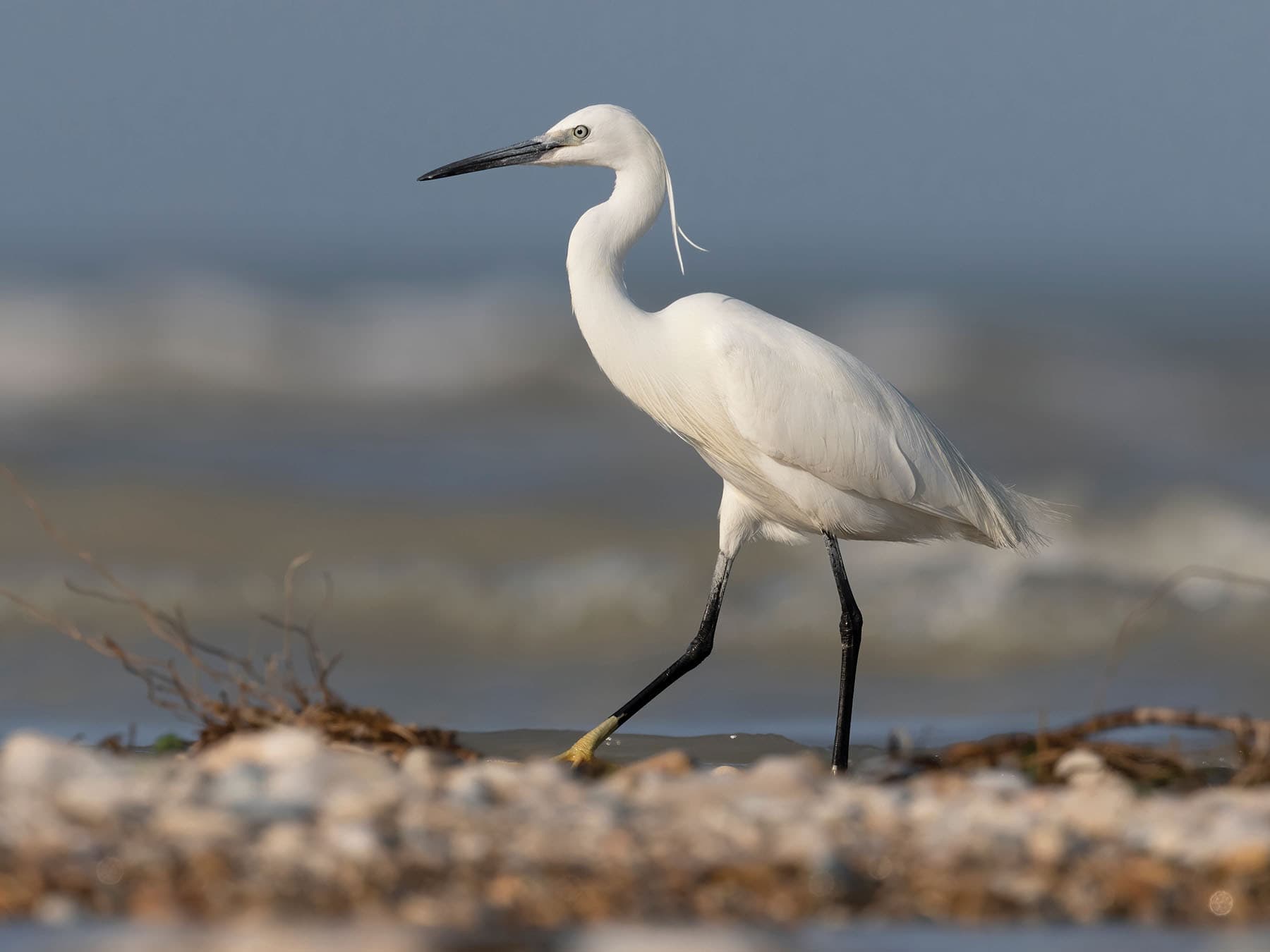 Little EgretEgretta garzettaResidentCommon55–65 cmRecorded all year · 0.80% in Mar
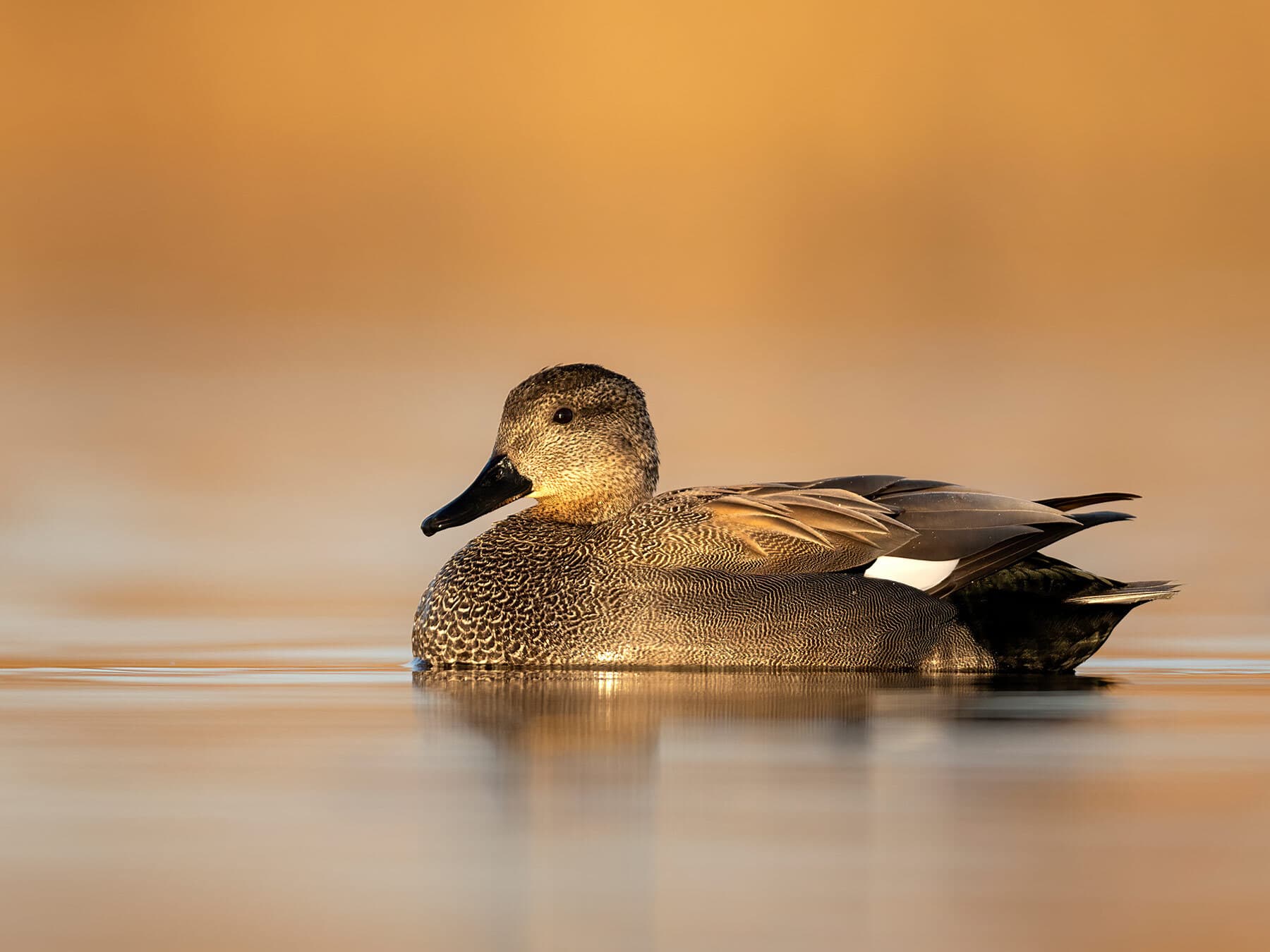 GadwallMareca streperaResidentCommon46–56 cmRecorded all year · 0.80% in Mar
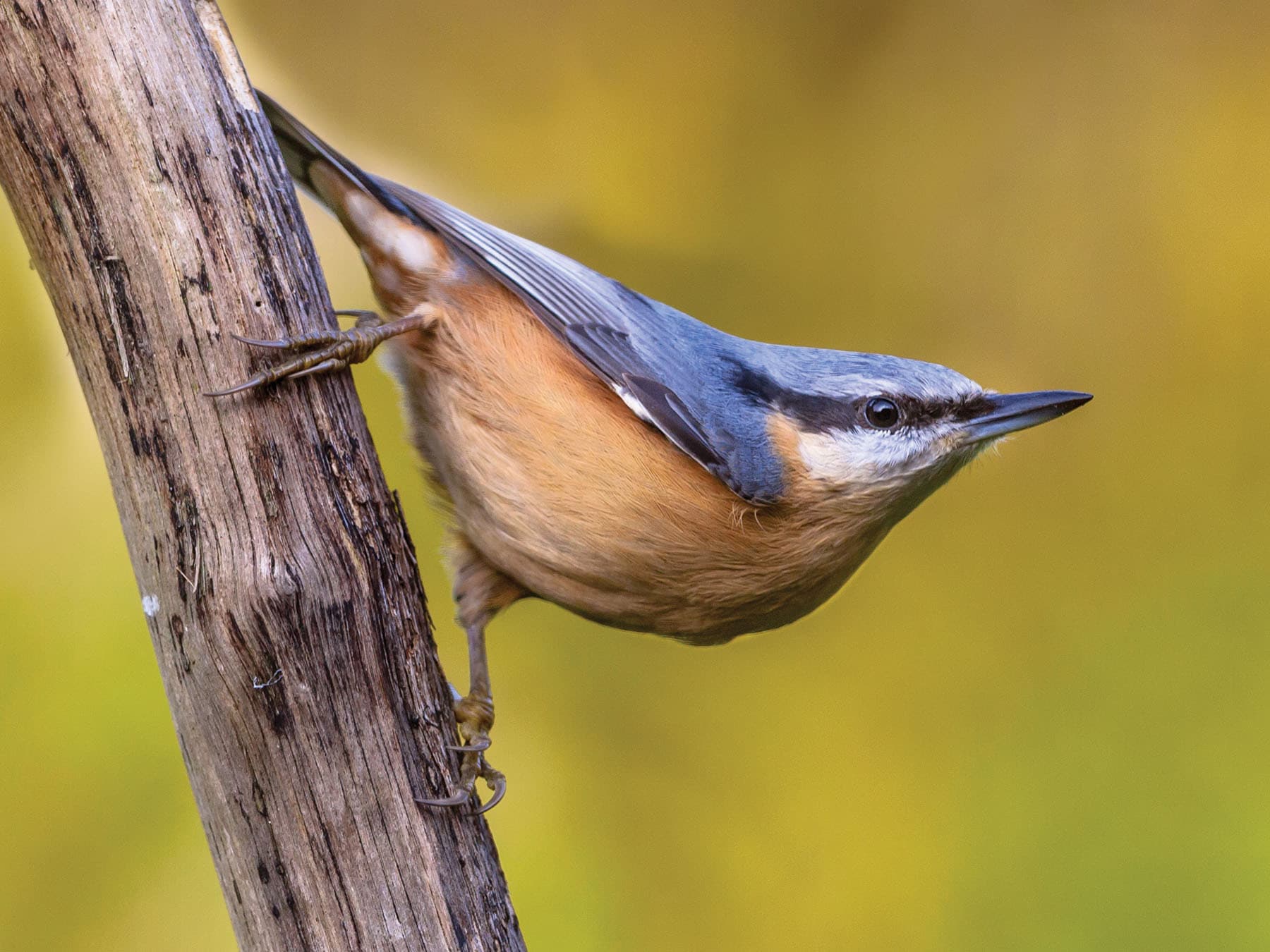 Eurasian NuthatchSitta europaeaResidentCommon12–15 cmRecorded all year · 0.78% in Mar
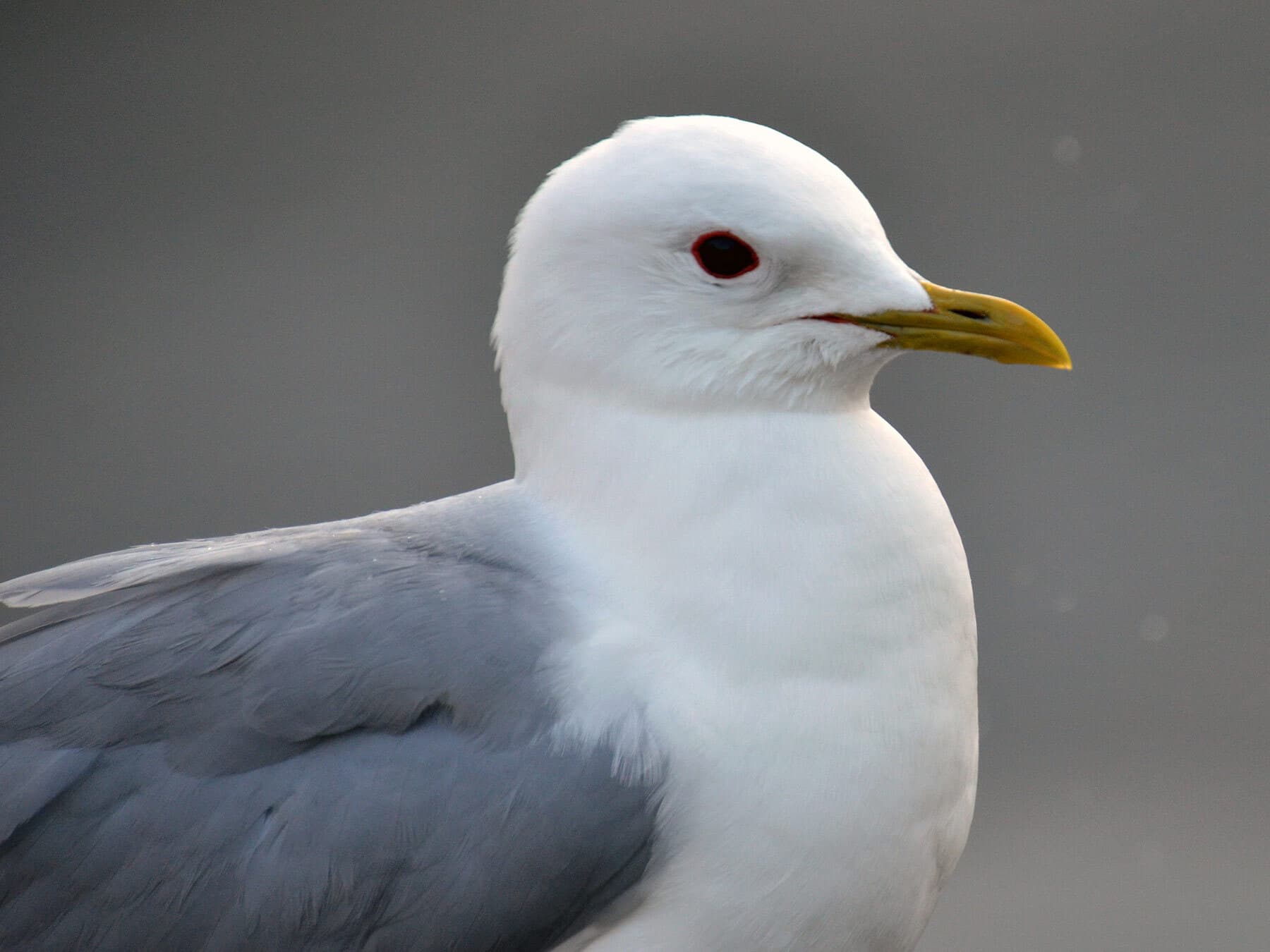 Common GullLarus canusWinter visitorCommon40–46 cmRecorded all year · 0.76% in Mar
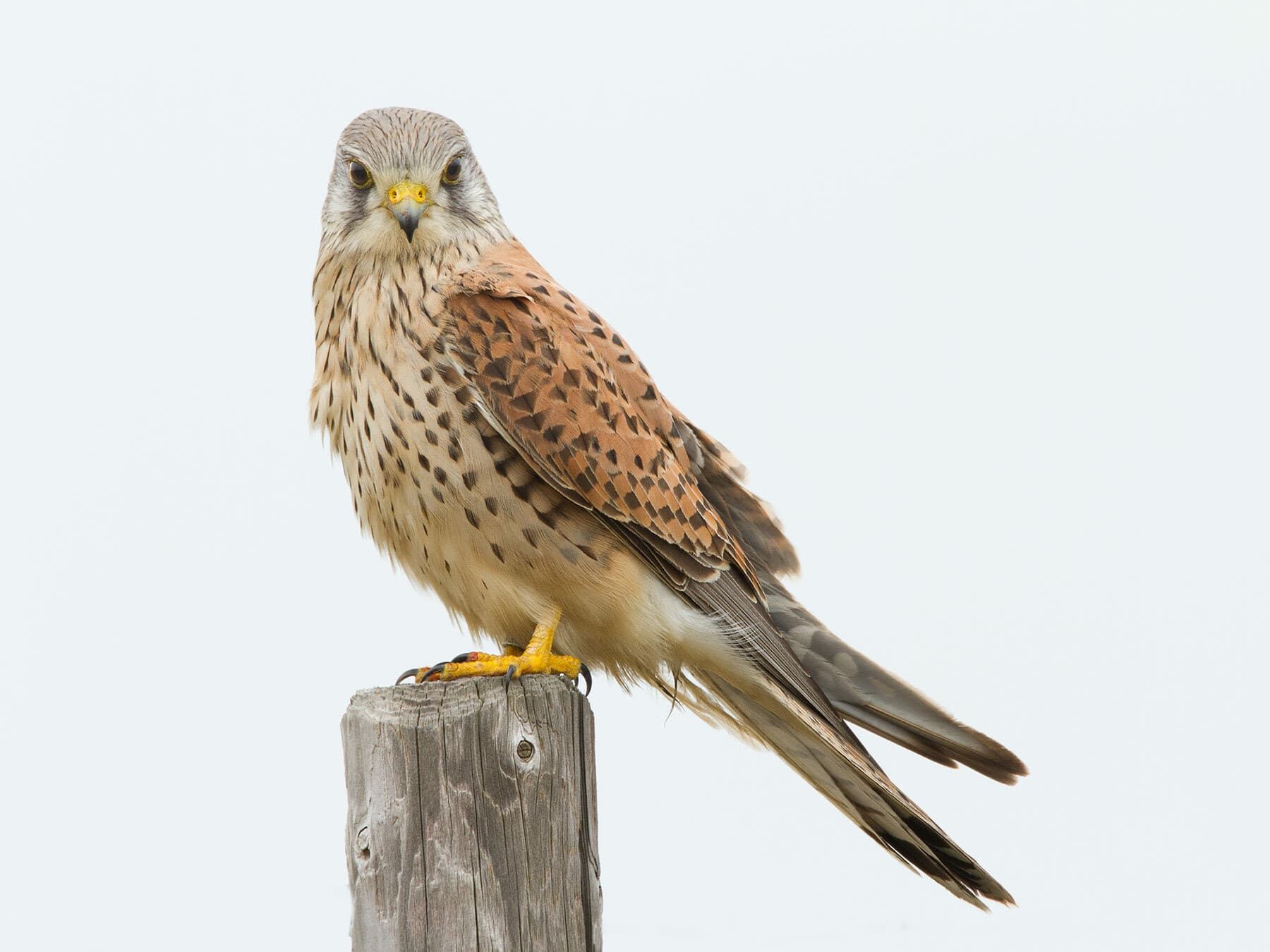 KestrelFalco tinnunculusResidentCommon32–39 cmRecorded all year · 0.72% in Mar
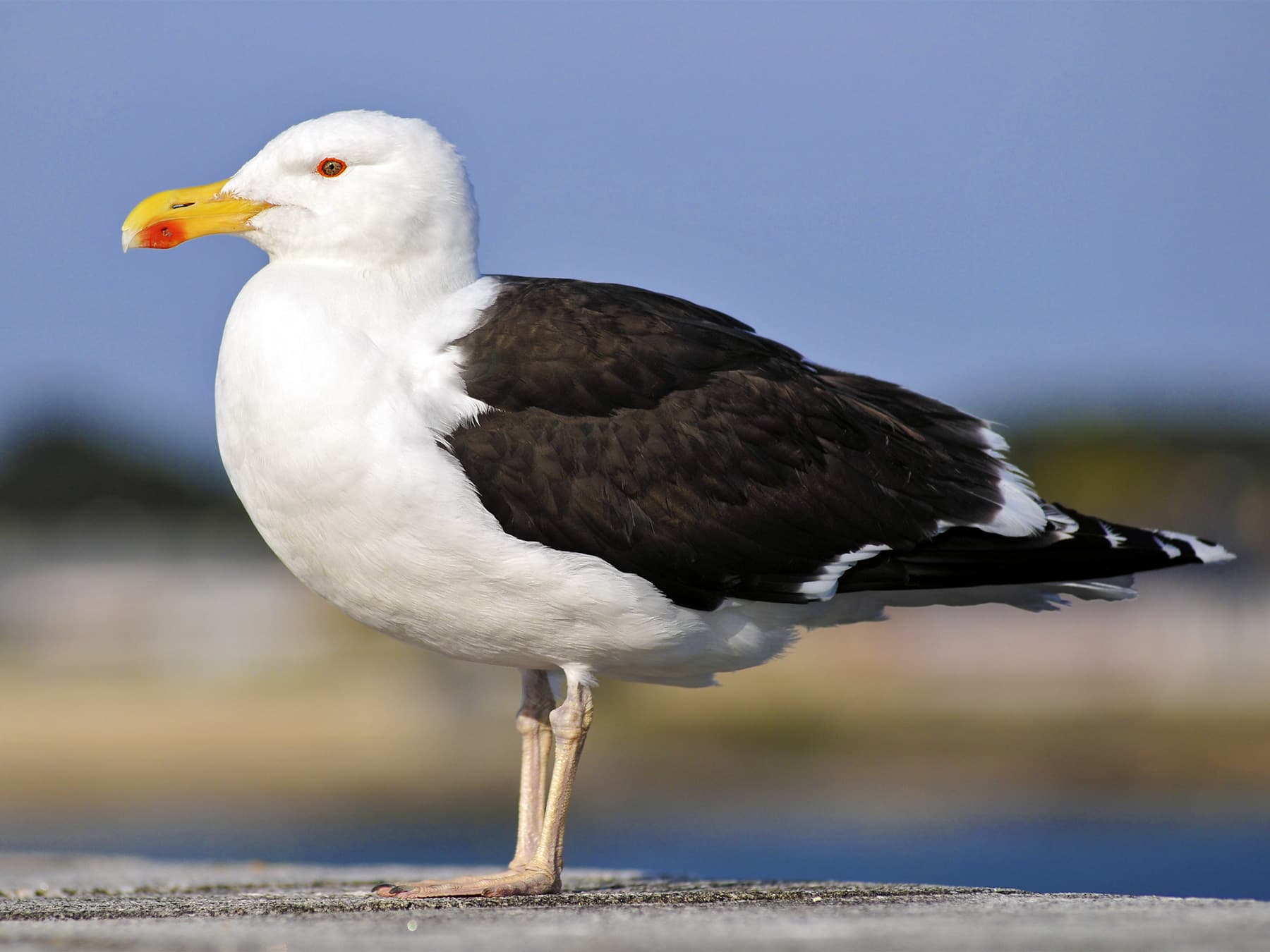 Great Black-backed GullLarus marinusResidentCommon64–79 cmRecorded all year · 0.70% in Mar
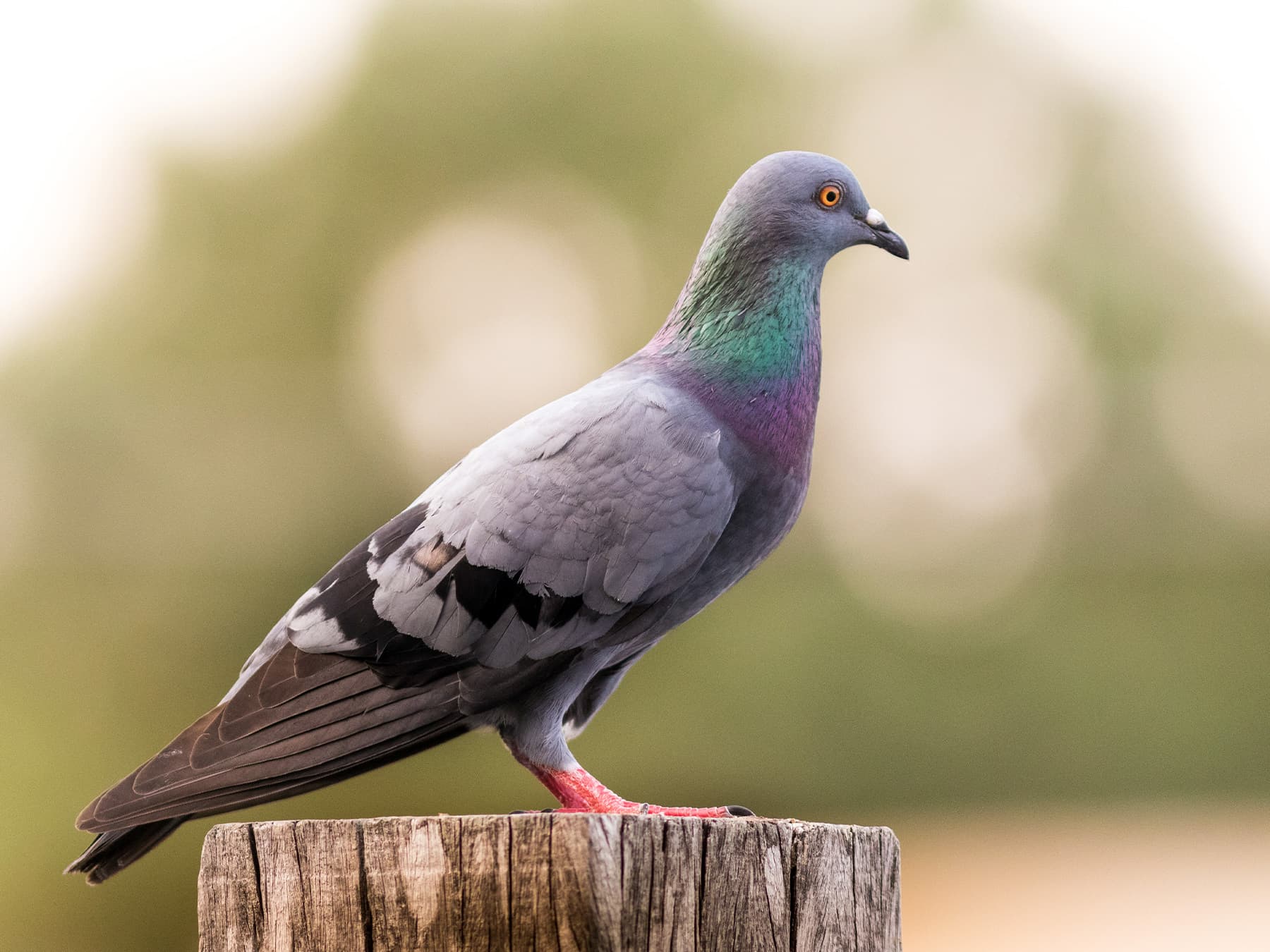 Rock DoveColumba liviaResidentCommon29–37 cmRecorded all year · 0.68% in Mar
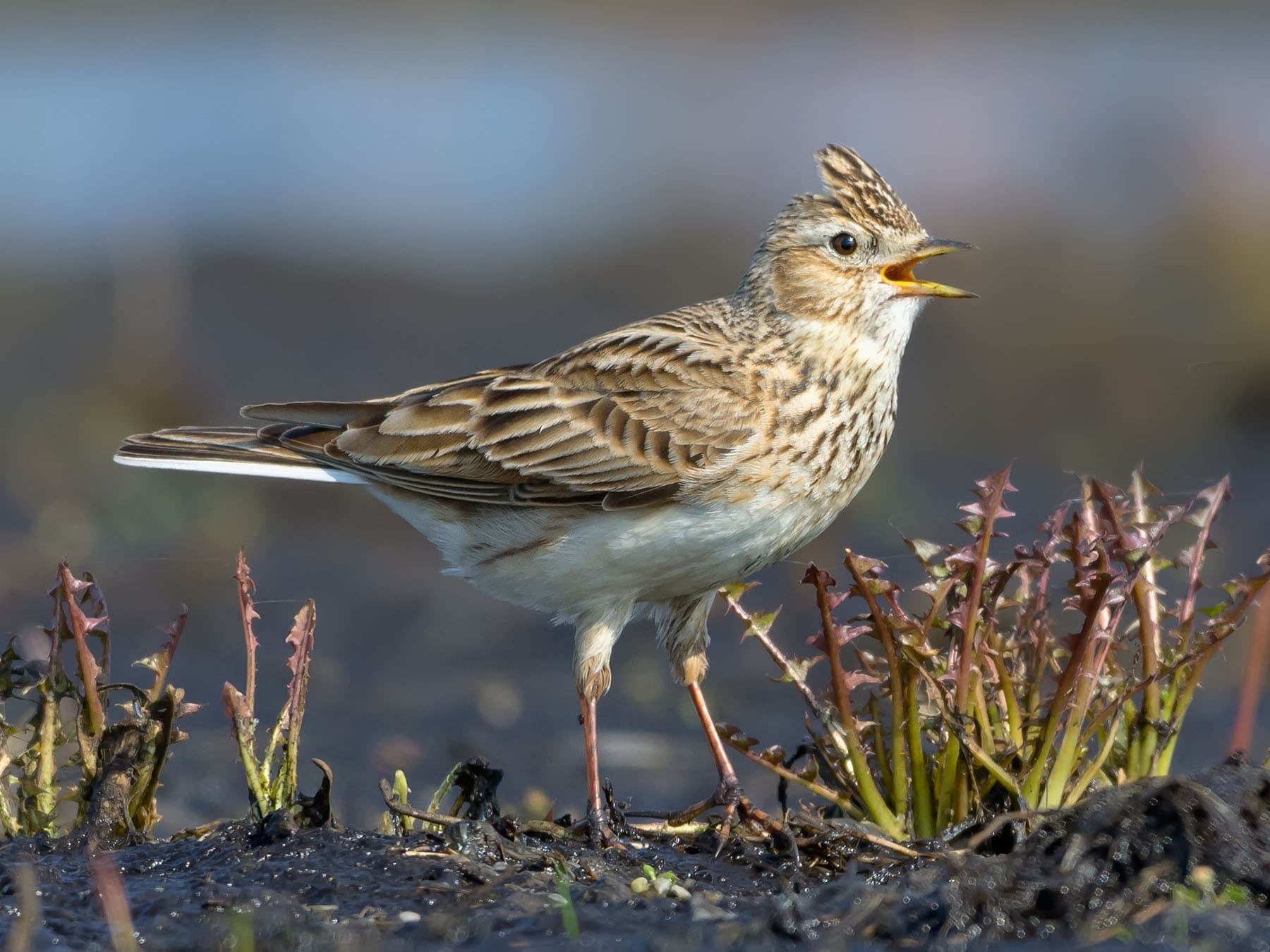 Eurasian SkylarkAlauda arvensisResidentCommon16–18 cmRecorded all year · 0.68% in Mar
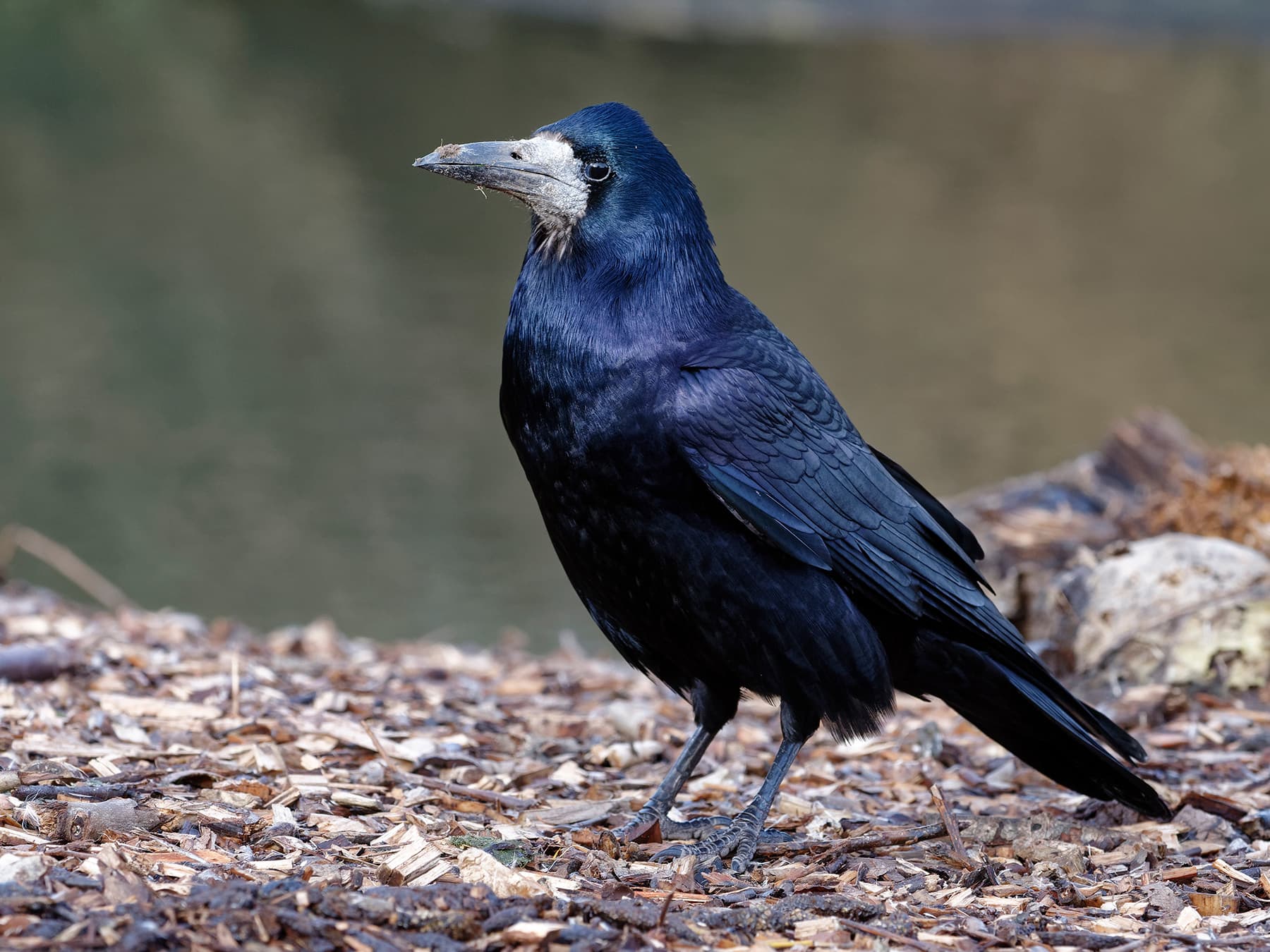 RookCorvus frugilegusResidentCommon45–47 cmRecorded all year · 0.66% in Mar
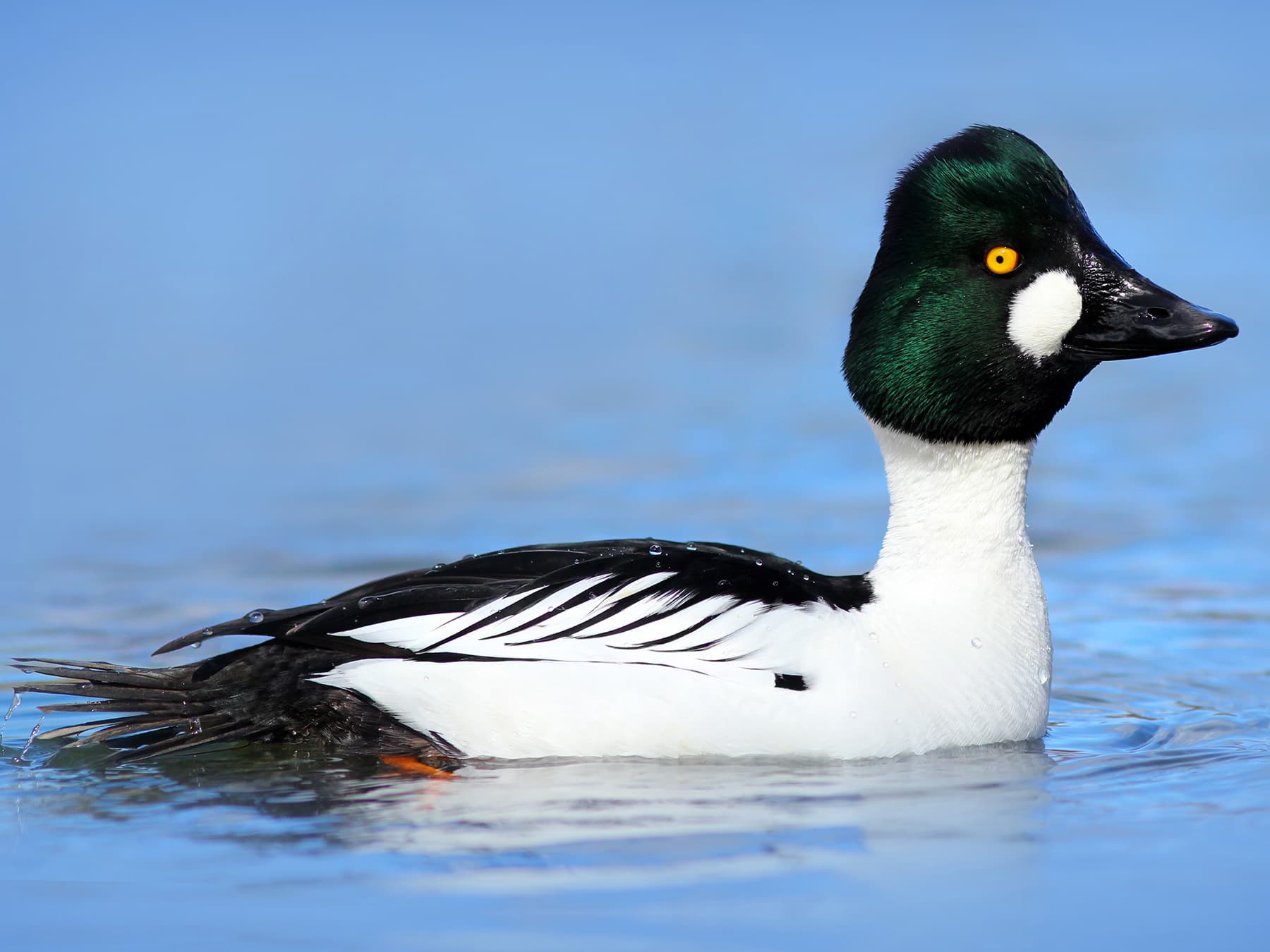 GoldeneyeBucephala clangulaWinter visitorCommon40–51 cmRegularly Oct–Mar · 0.65% in Mar
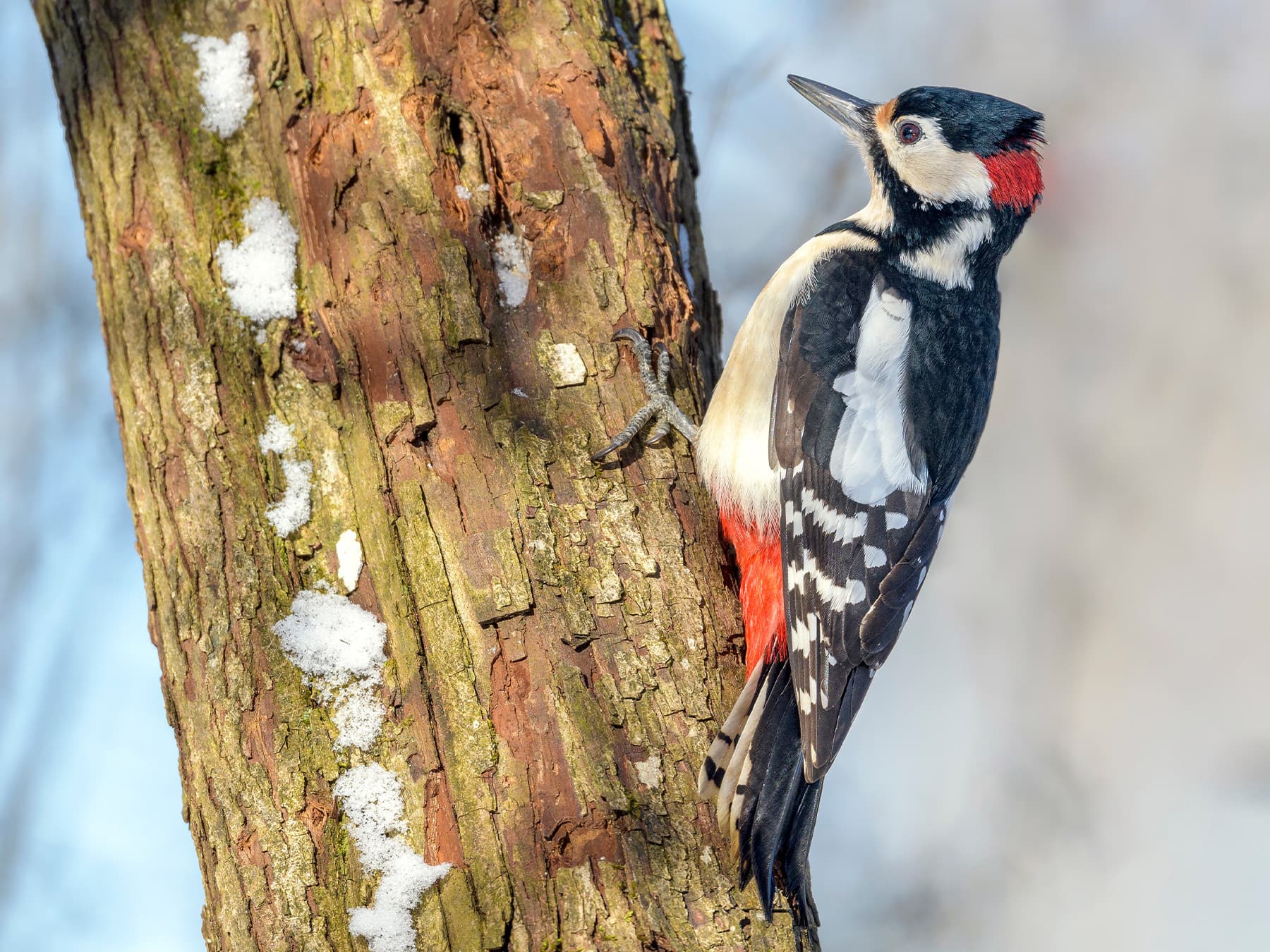 Great Spotted WoodpeckerDendrocopos majorResidentCommon23–26 cmRecorded all year · 0.65% in Mar
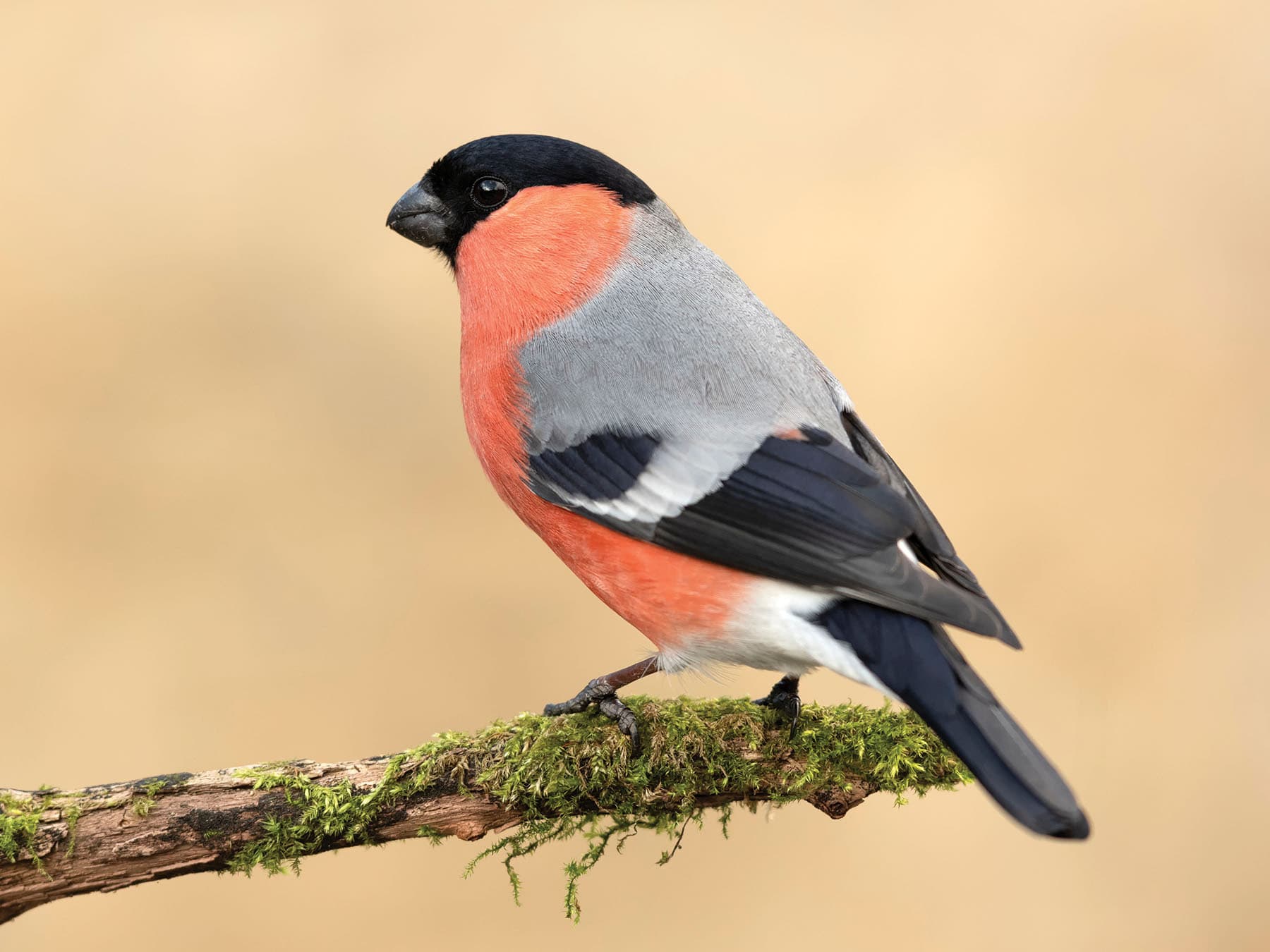 BullfinchPyrrhula pyrrhulaResidentCommon15–17 cmRecorded all year · 0.64% in Mar
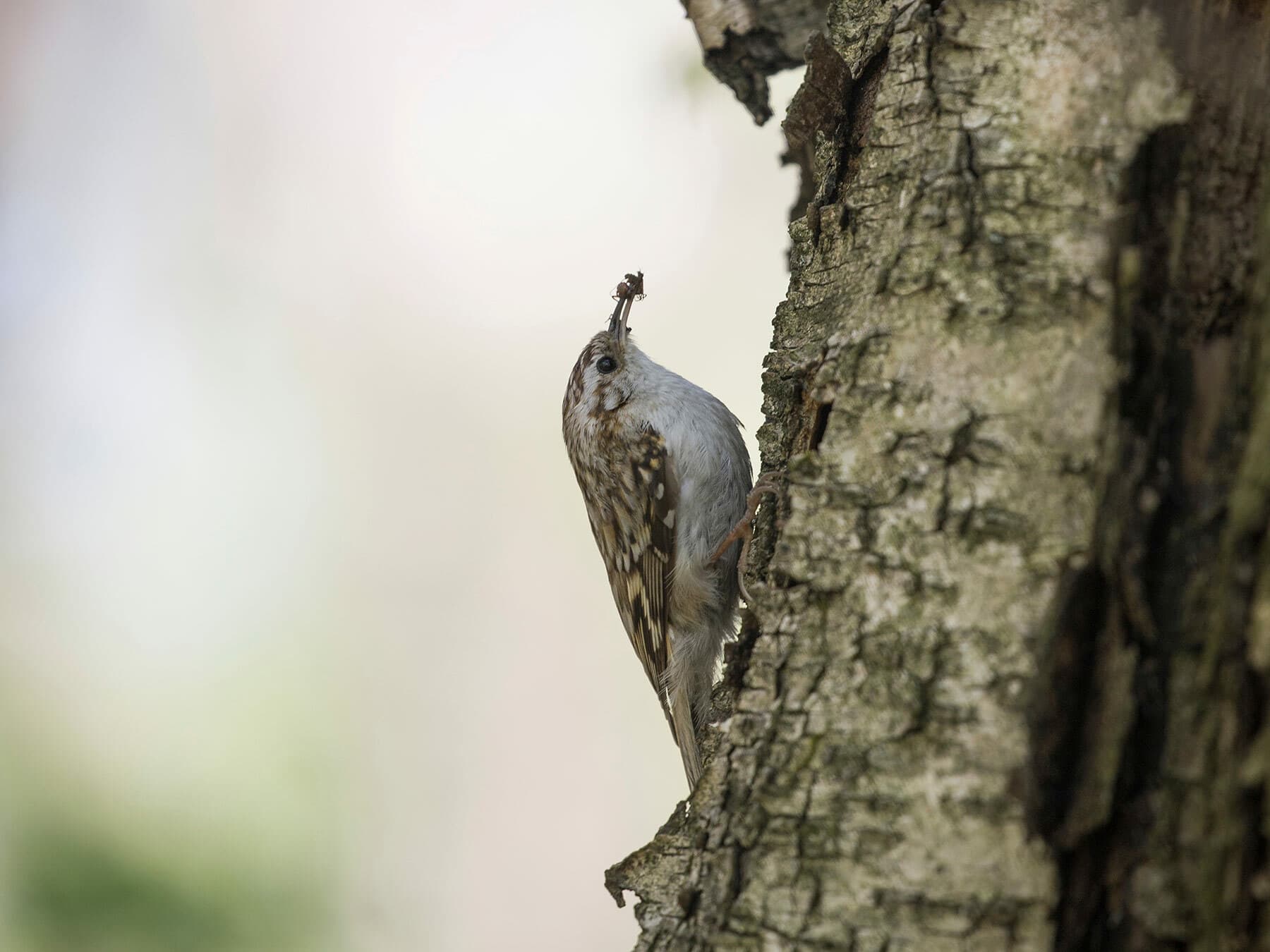 TreecreeperCerthia familiarisResidentCommon12–14 cmRecorded all year · 0.59% in Mar
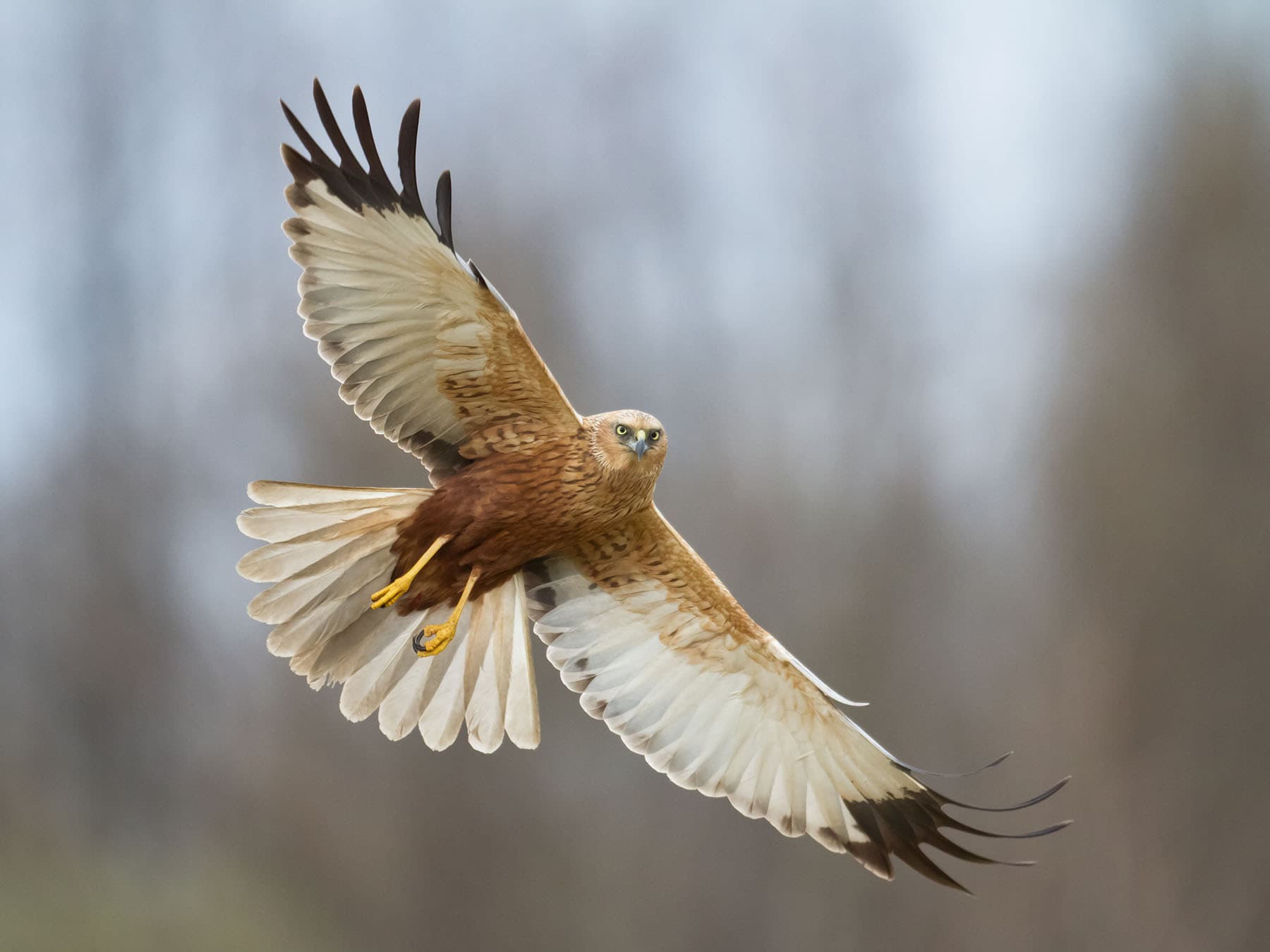 Western Marsh-harrierCircus aeruginosusResidentCommon48–56 cmRecorded all year · 0.58% in Mar
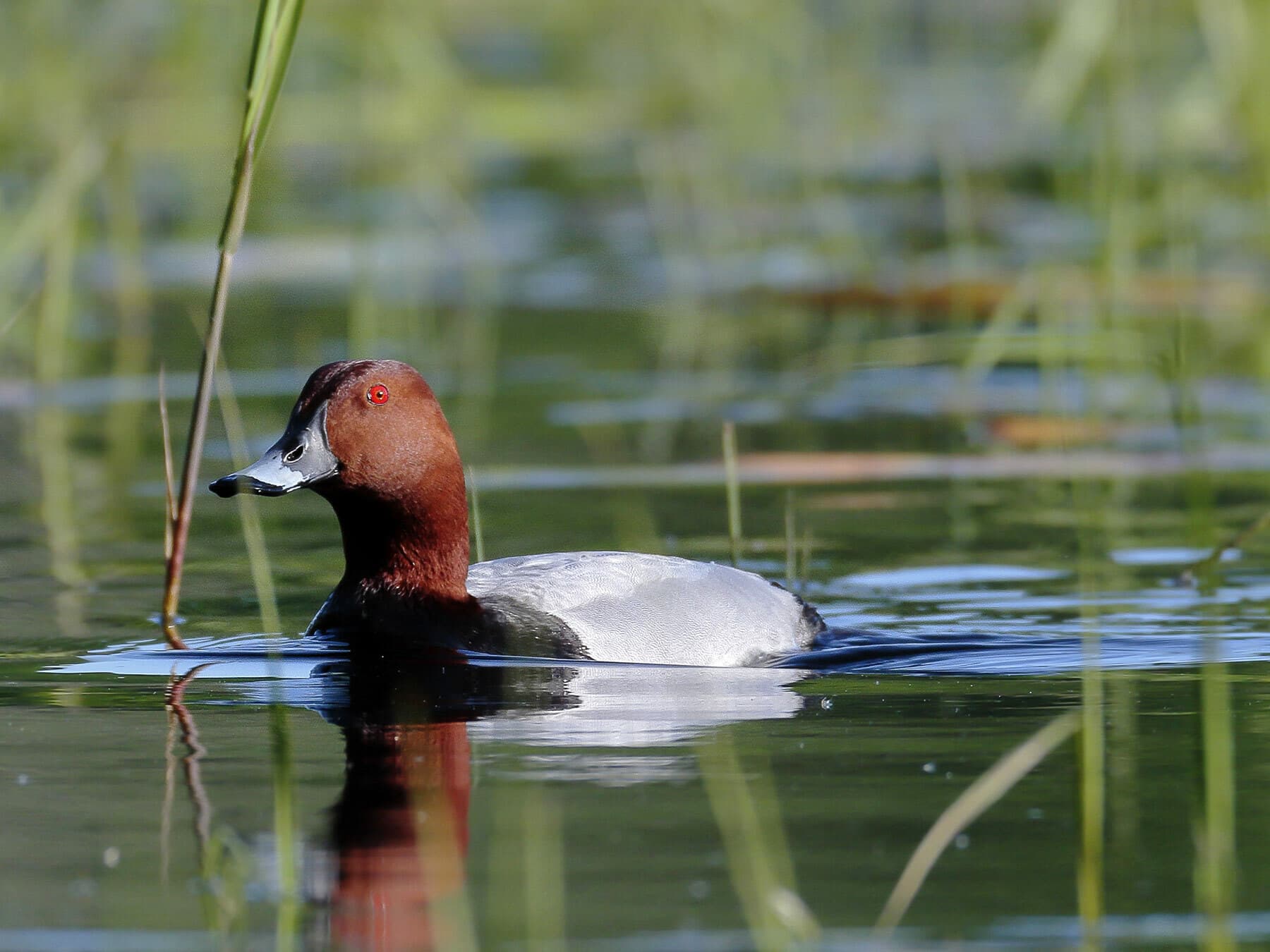 PochardAythya ferinaResidentCommon42–49 cmRecorded all year · 0.56% in Mar
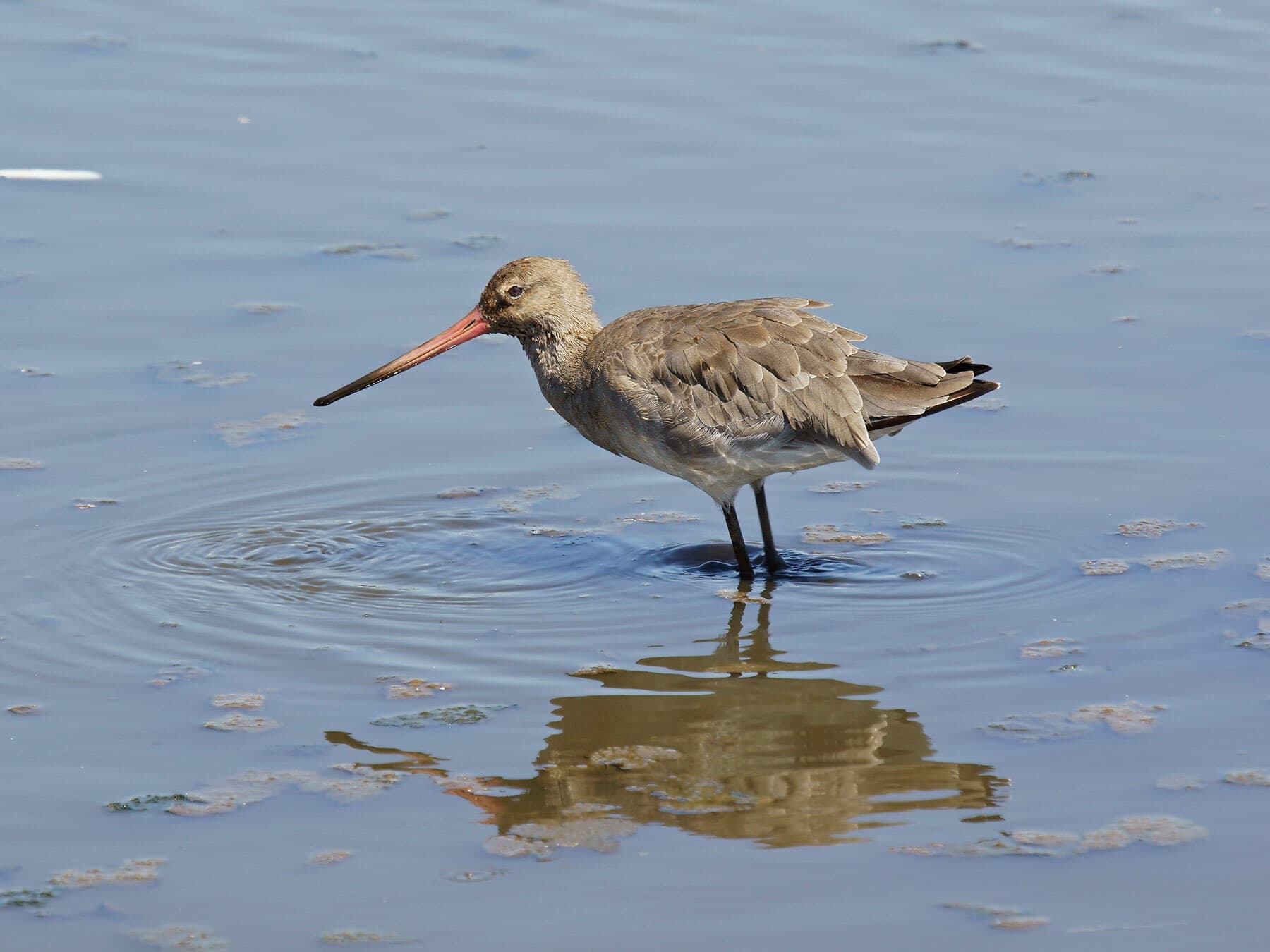 Black-tailed GodwitLimosa limosaResidentCommon40–44 cmRecorded all year · 0.55% in Mar
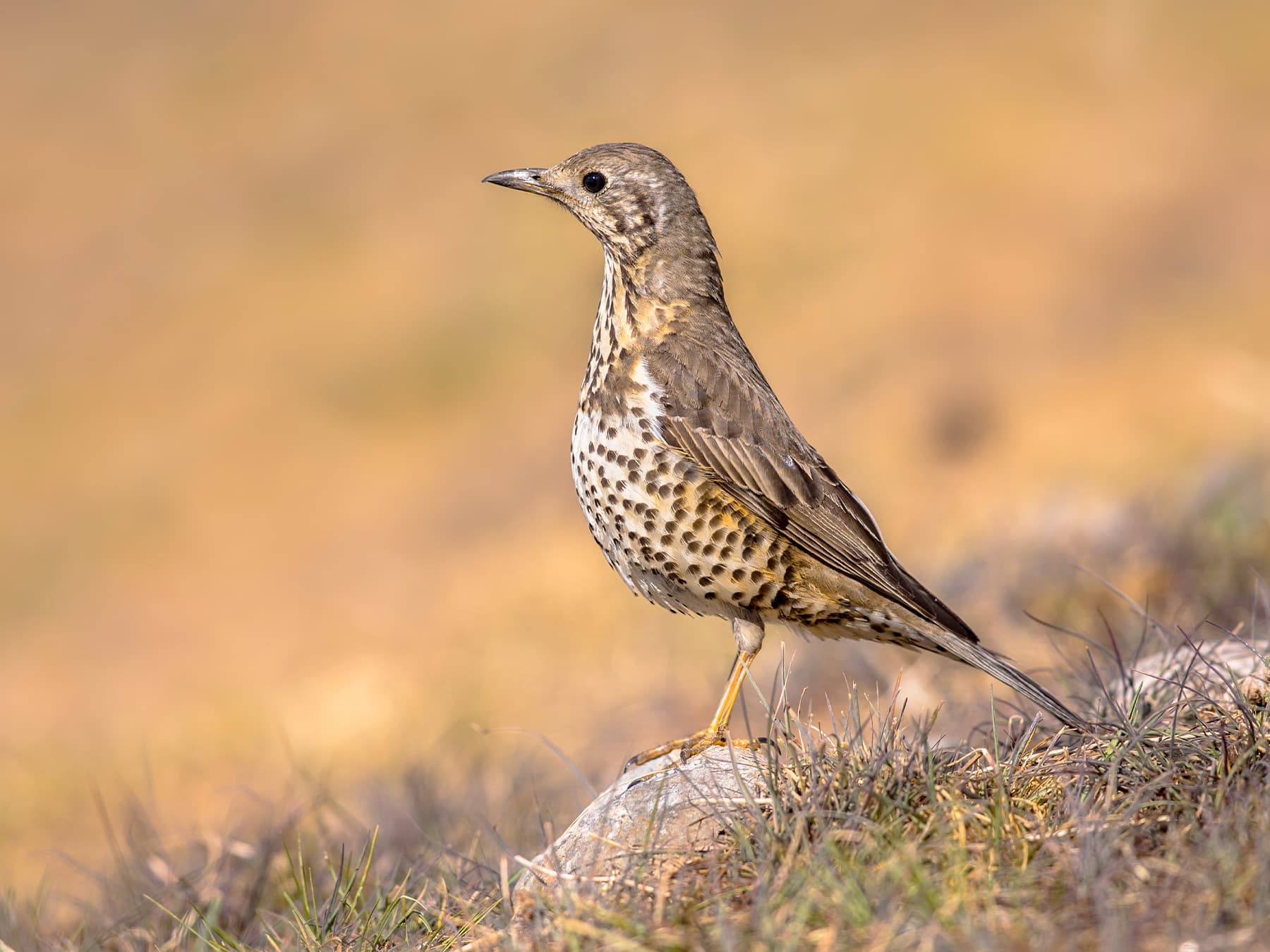 Mistle ThrushTurdus viscivorusResidentCommon26–29 cmRecorded all year · 0.54% in Mar
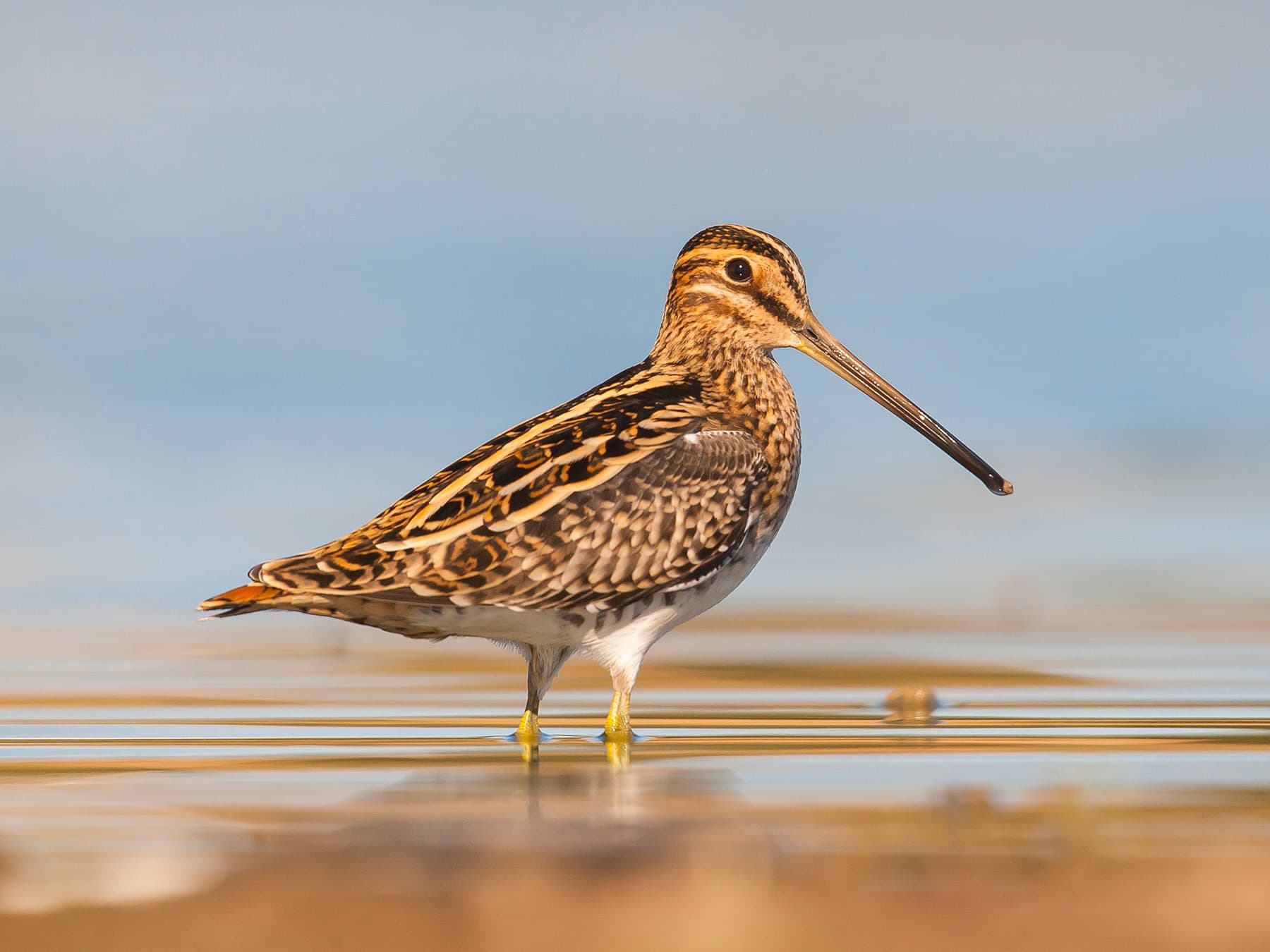 Common SnipeGallinago gallinagoWinter visitorCommon25–27 cmRecorded all year · 0.54% in Mar
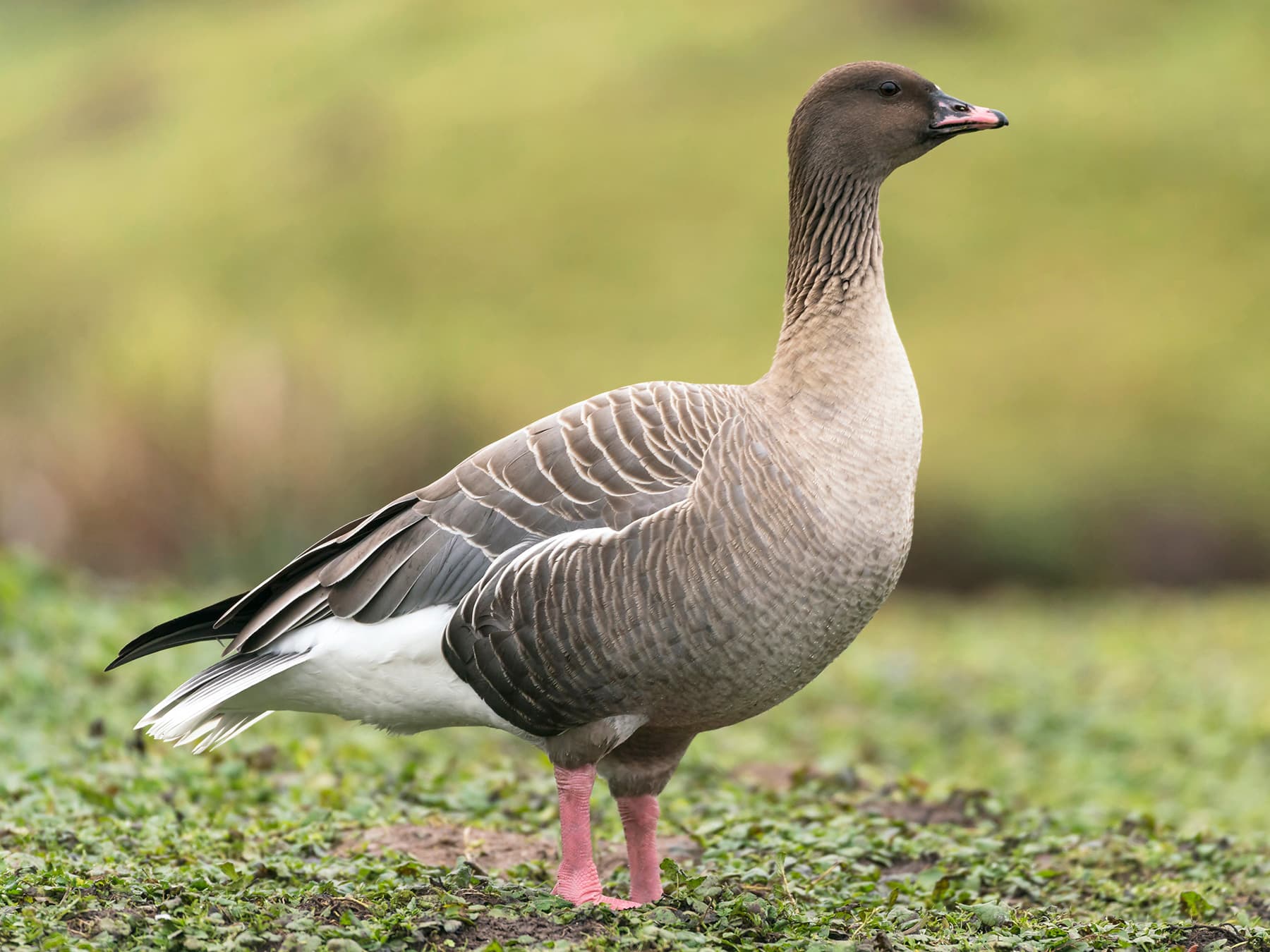 Pink-footed GooseAnser brachyrhynchusWinter visitorCommon60–75 cmRegularly Sep–May · 0.53% in Mar
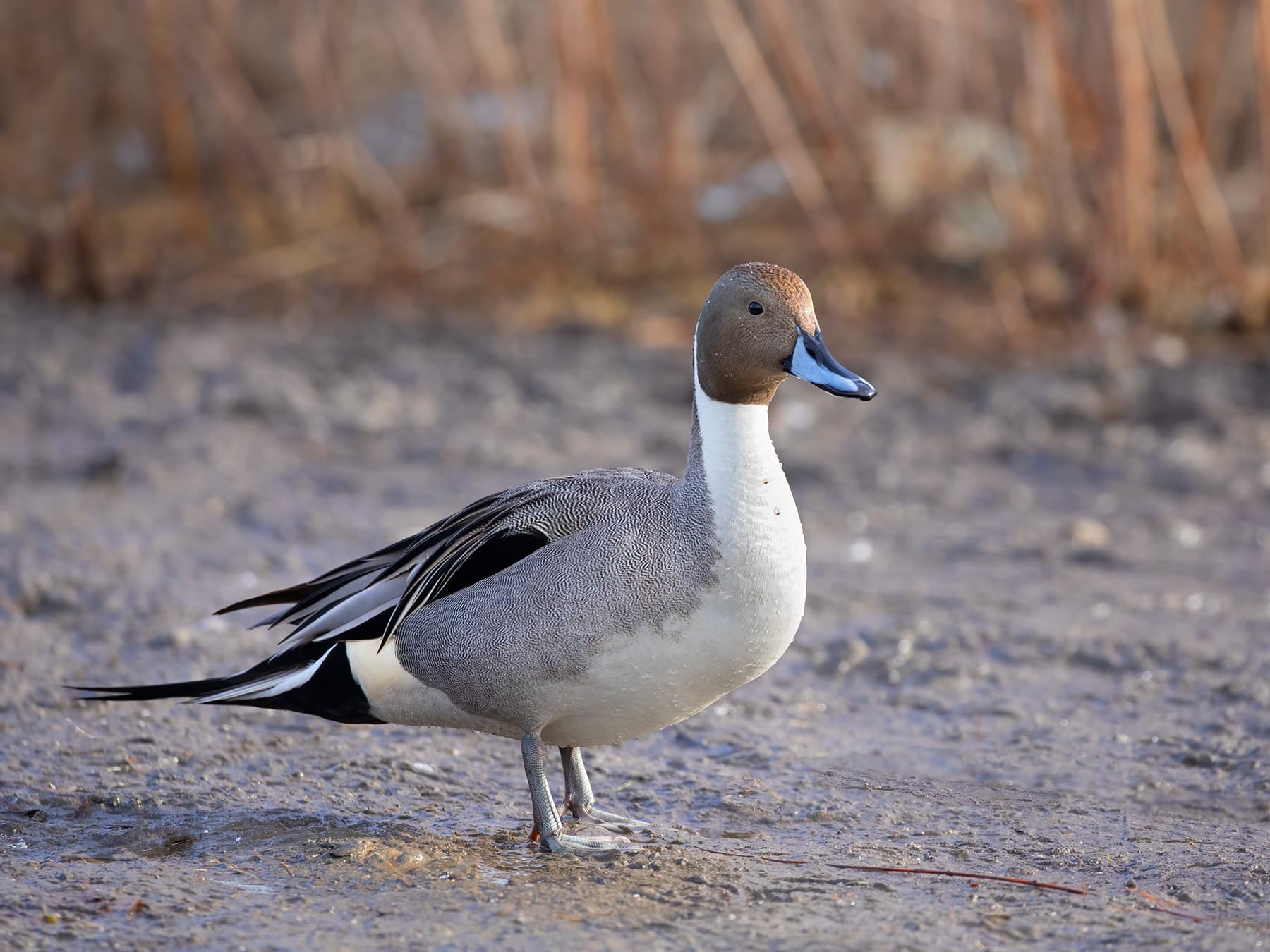 Northern PintailAnas acutaWinter visitorCommon59–76 cmRegularly Sep–Jul · 0.50% in Mar
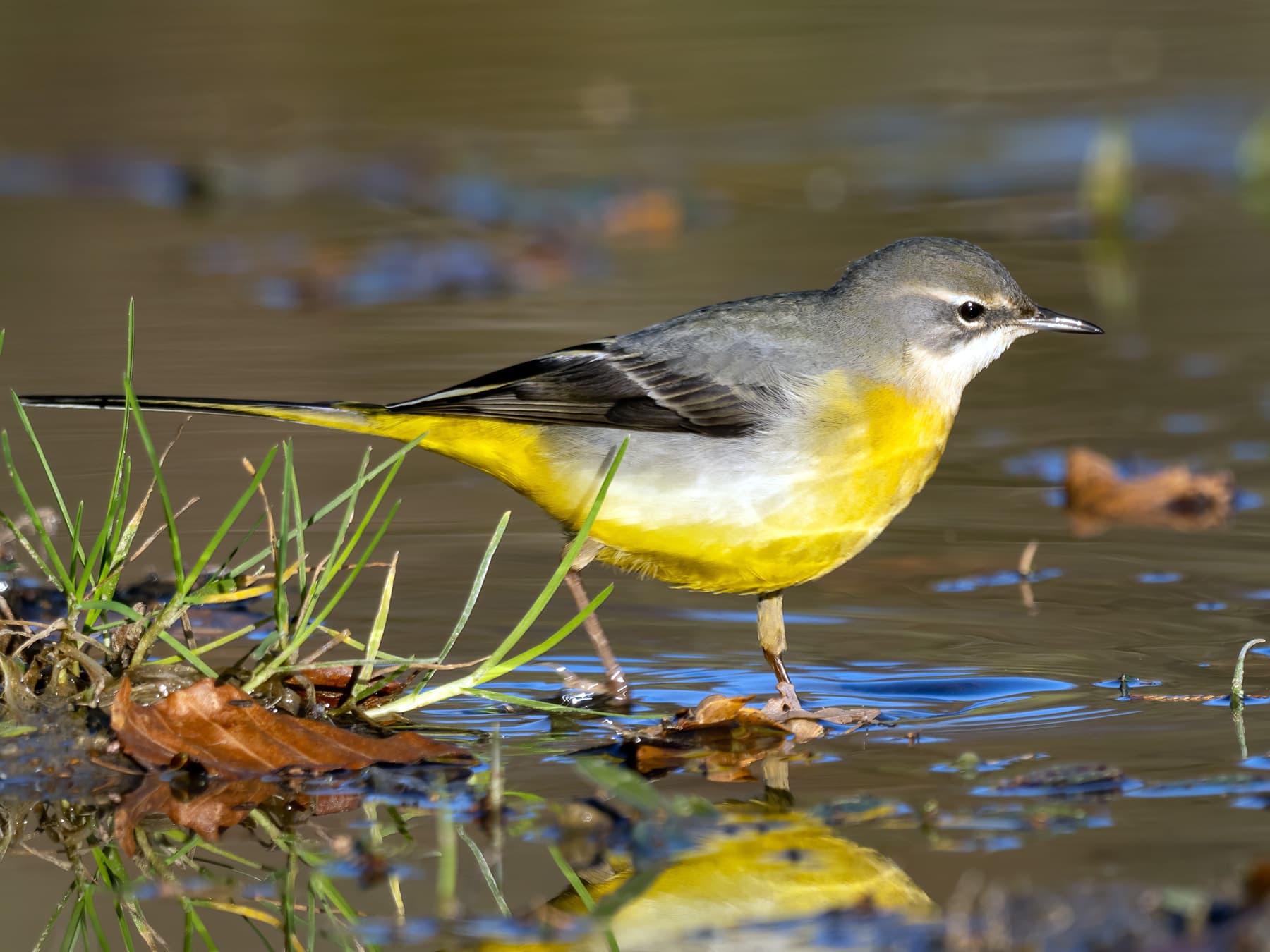 Grey WagtailMotacilla cinereaResidentCommon17–20 cmRecorded all year · 0.48% in Mar
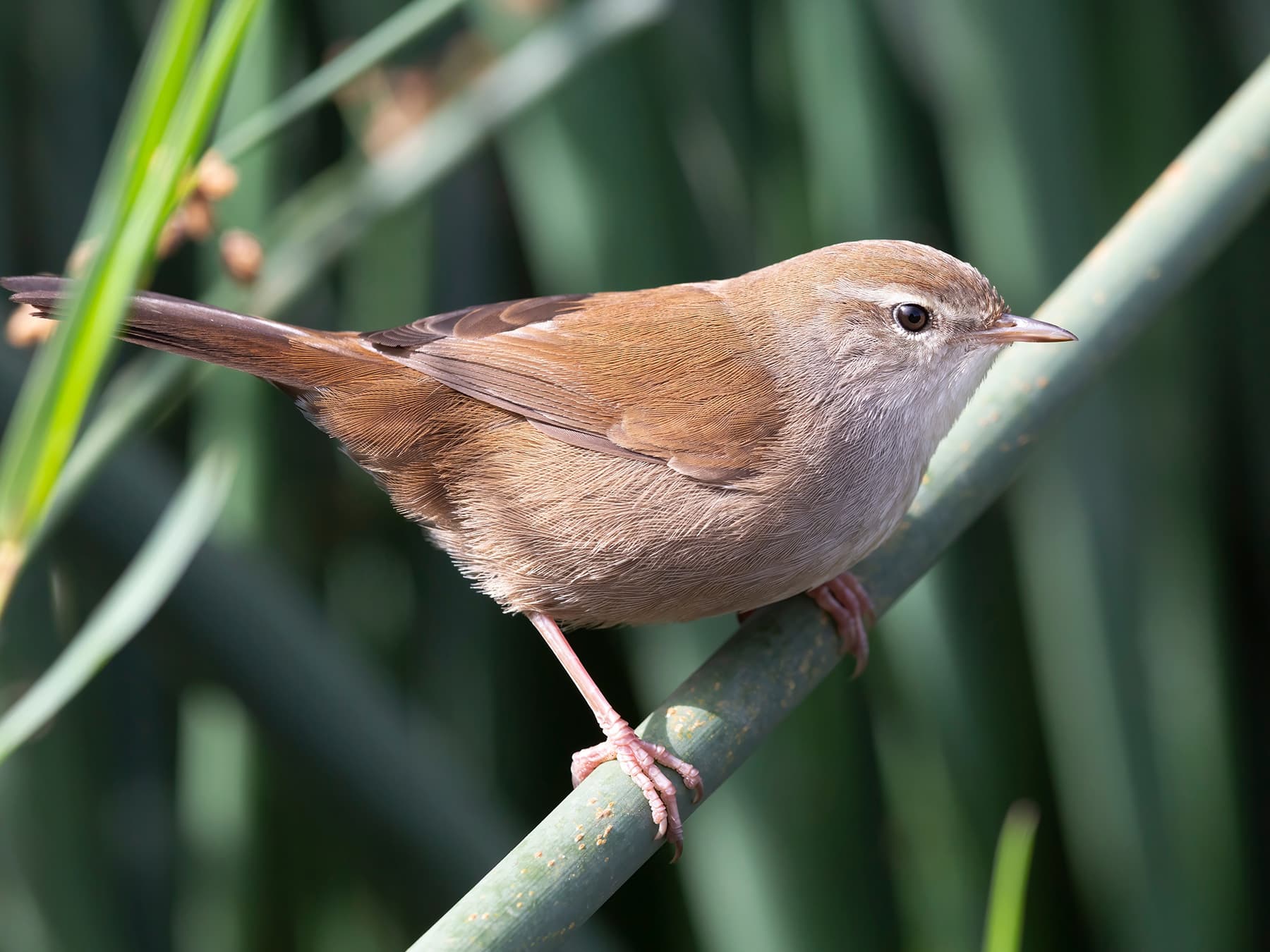 Cetti's WarblerCettia cettiResidentCommon13–14 cmRecorded all year · 0.44% in Mar
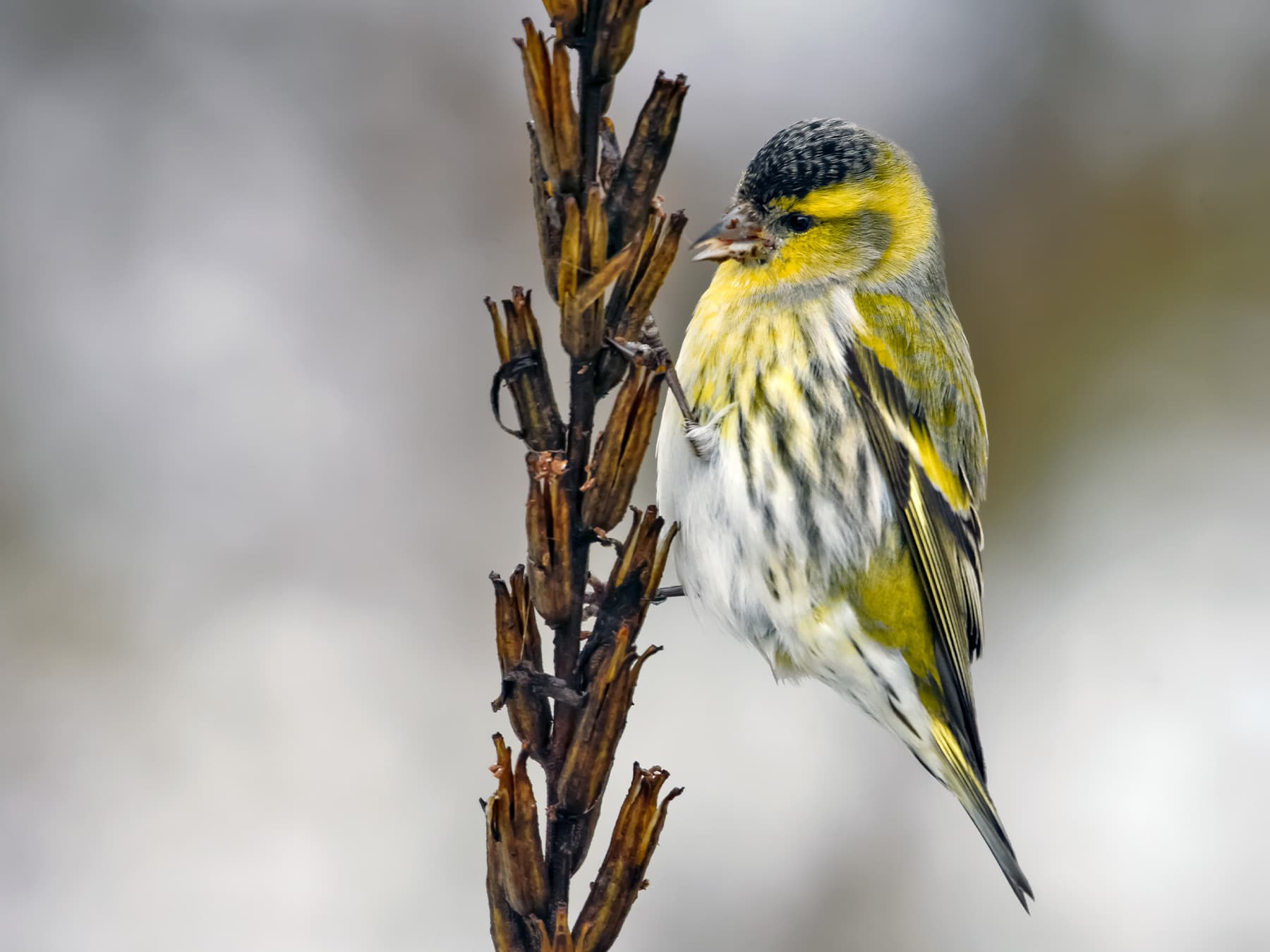 Eurasian SiskinSpinus spinusResidentCommon11–13 cmRecorded all year · 0.42% in Mar
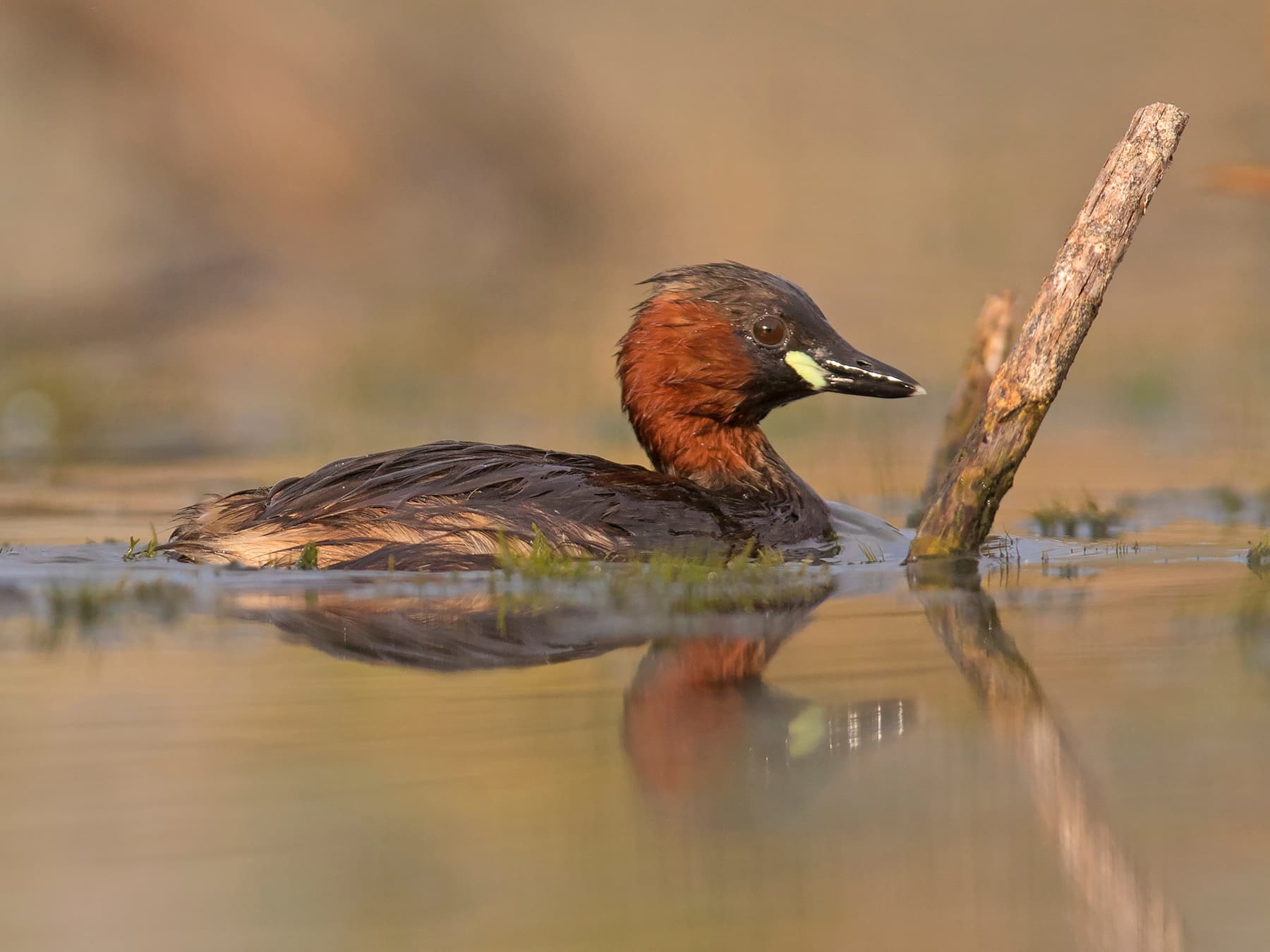 Little GrebeTachybaptus ruficollisResidentCommon23–29 cmRecorded all year · 0.42% in Mar
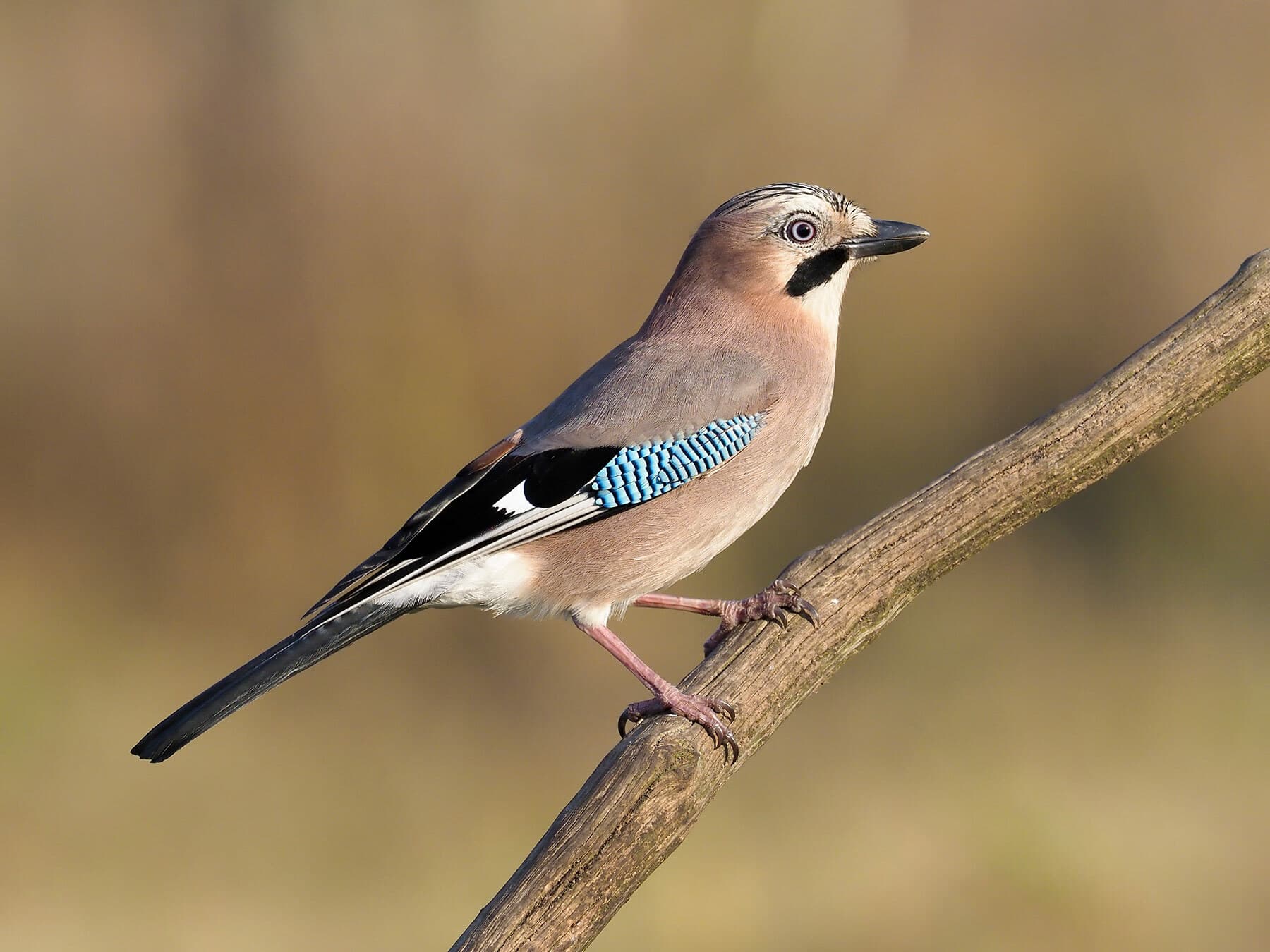 Eurasian JayGarrulus glandariusResidentCommon32–35 cmRecorded all year · 0.41% in Mar
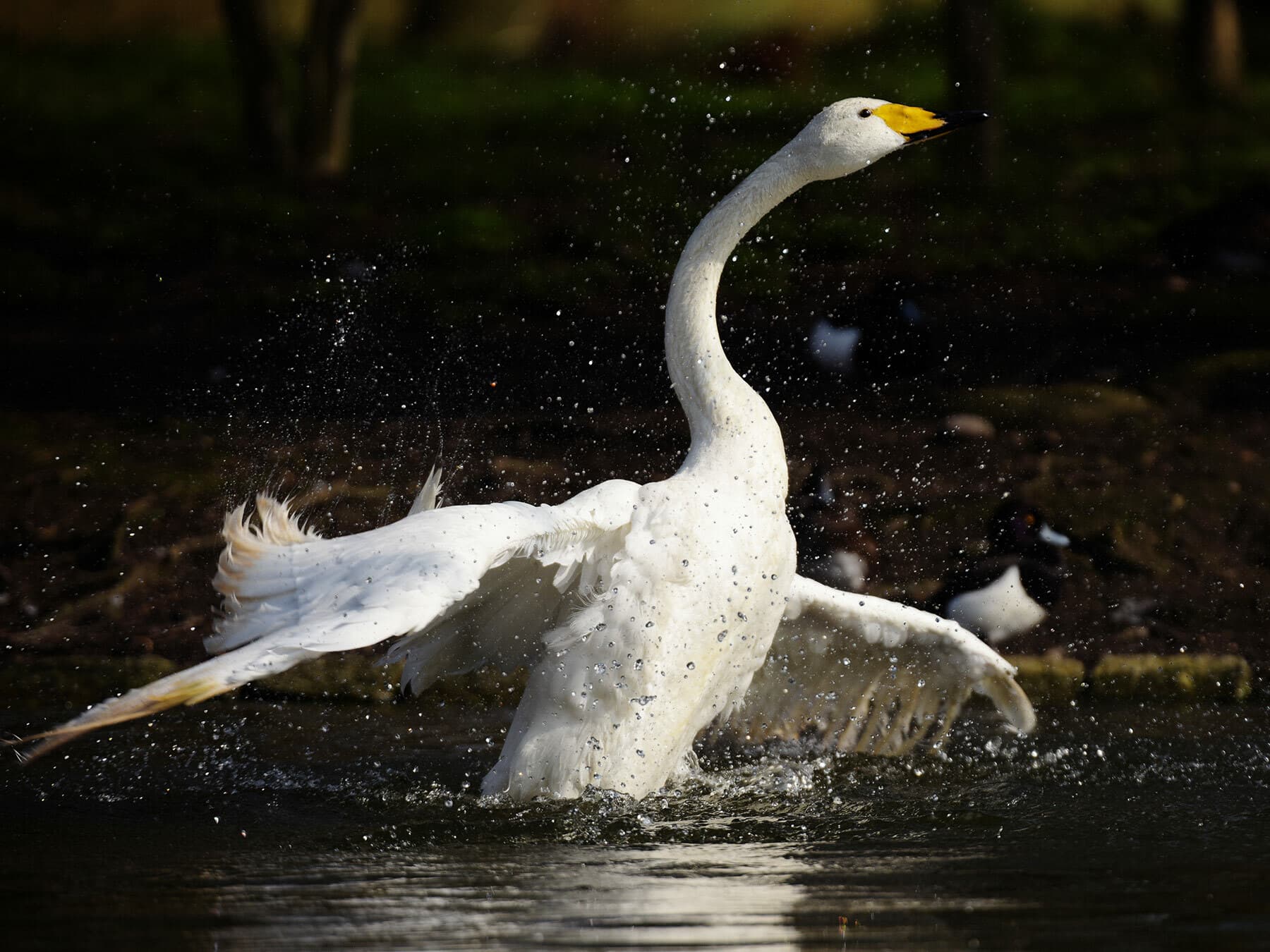 Whooper SwanCygnus cygnusWinter visitorCommon140–165 cmRecorded all year · 0.38% in Mar
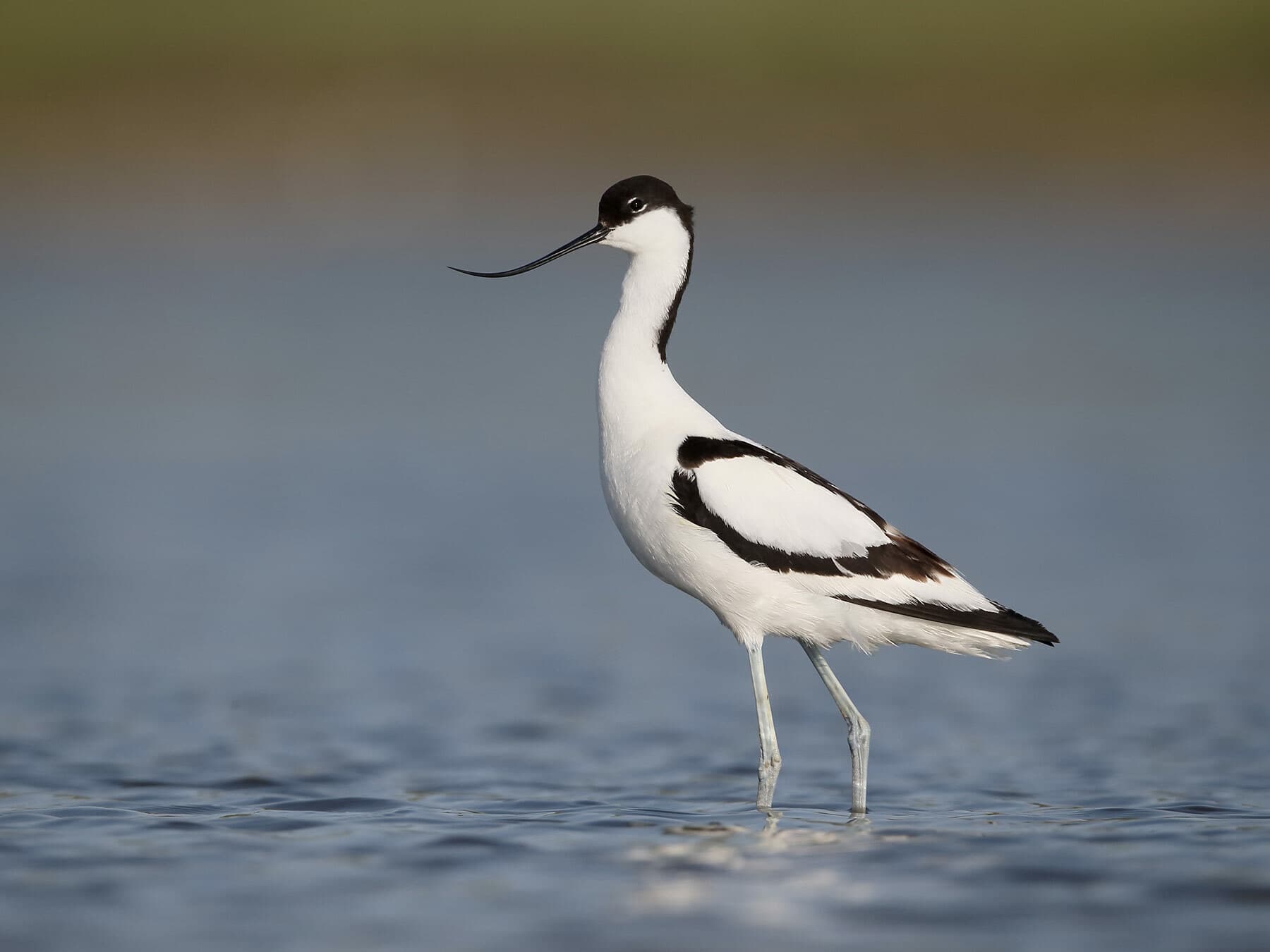 AvocetRecurvirostra avosettaSummer visitorCommon42–45 cmRegularly Feb–Oct · 0.38% in Mar
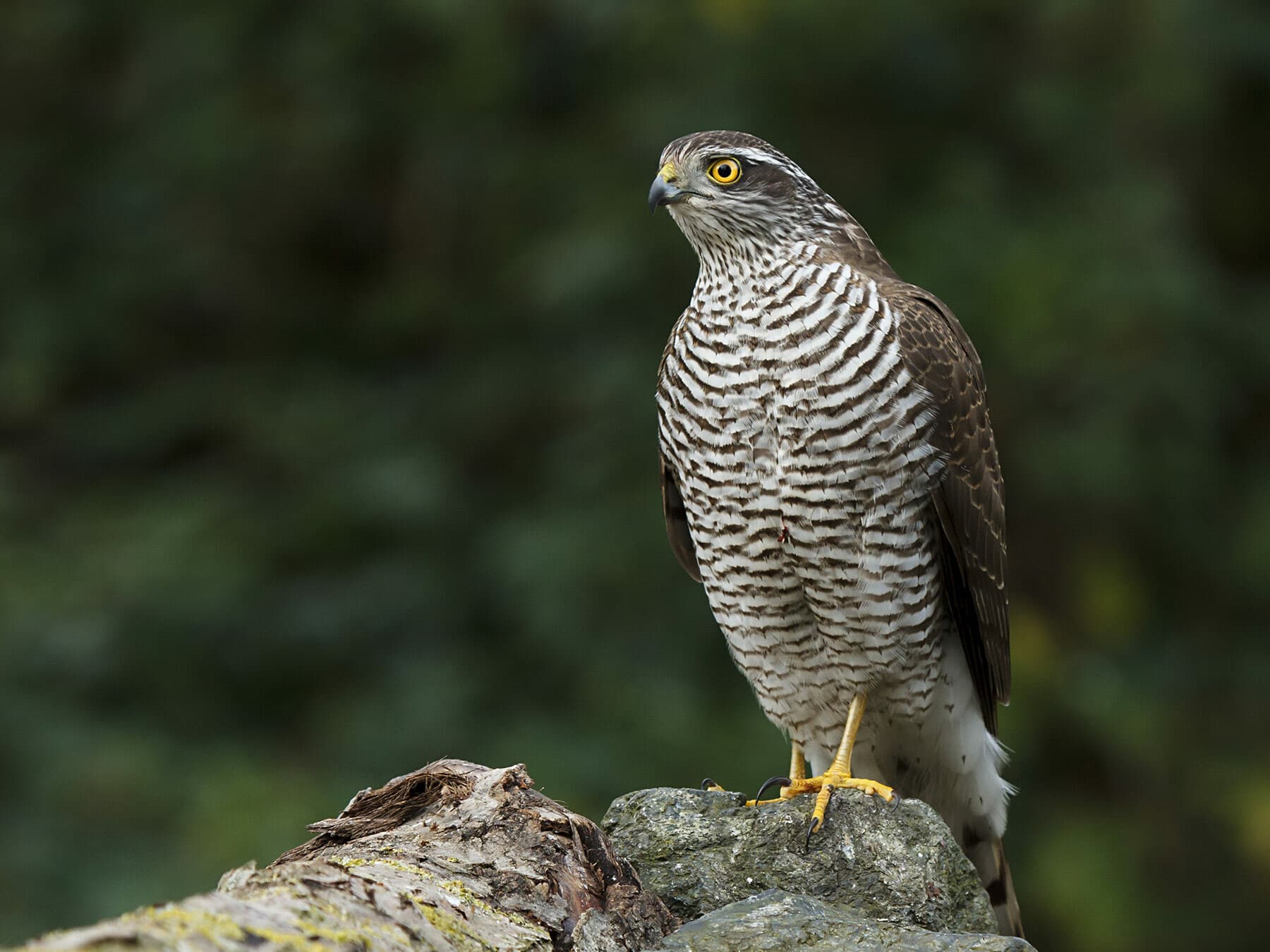 SparrowhawkAccipiter nisusResidentCommon28–38 cmRecorded all year · 0.38% in Mar
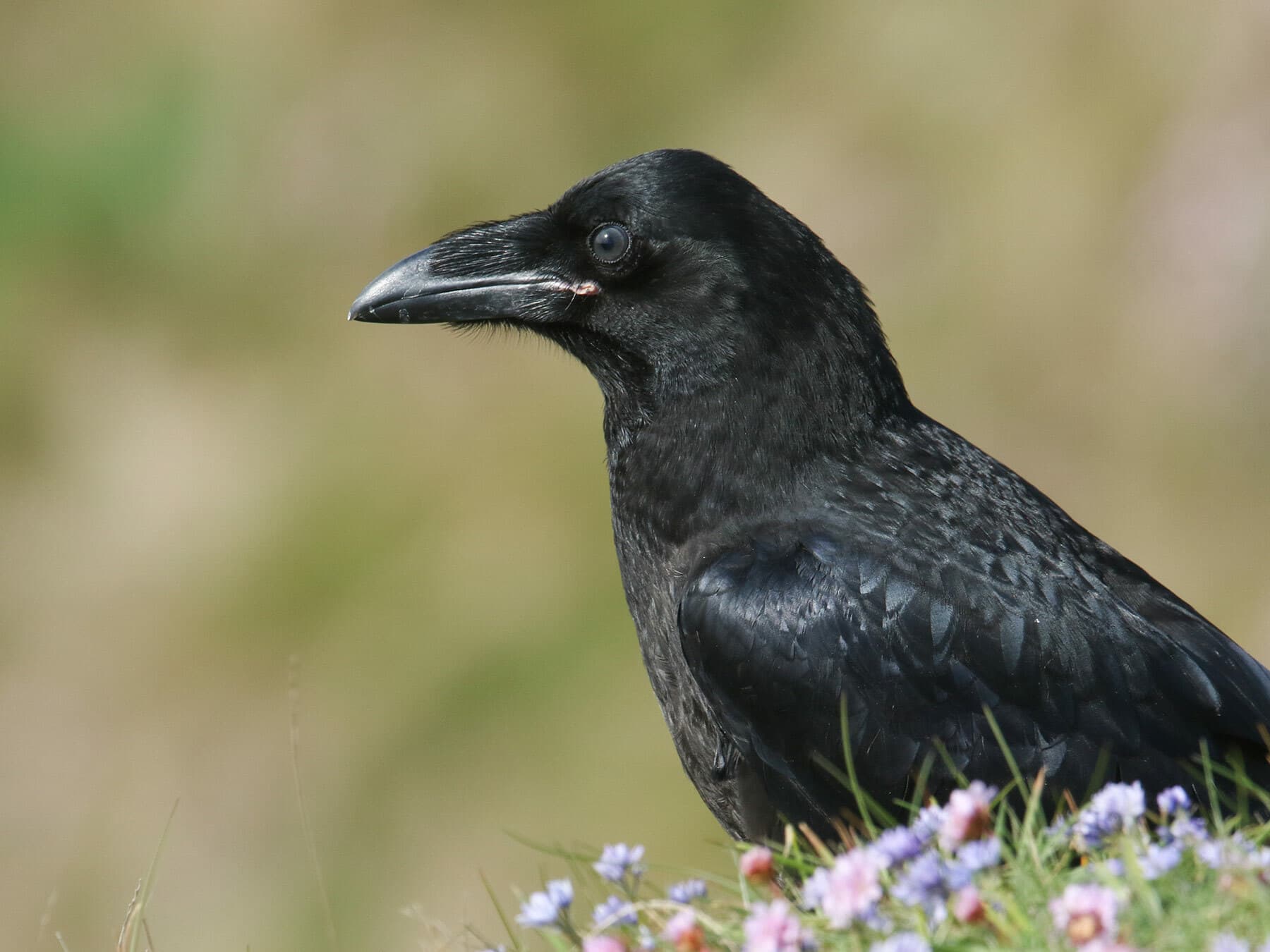 Common RavenCorvus coraxResidentCommon54–67 cmRecorded all year · 0.37% in Mar
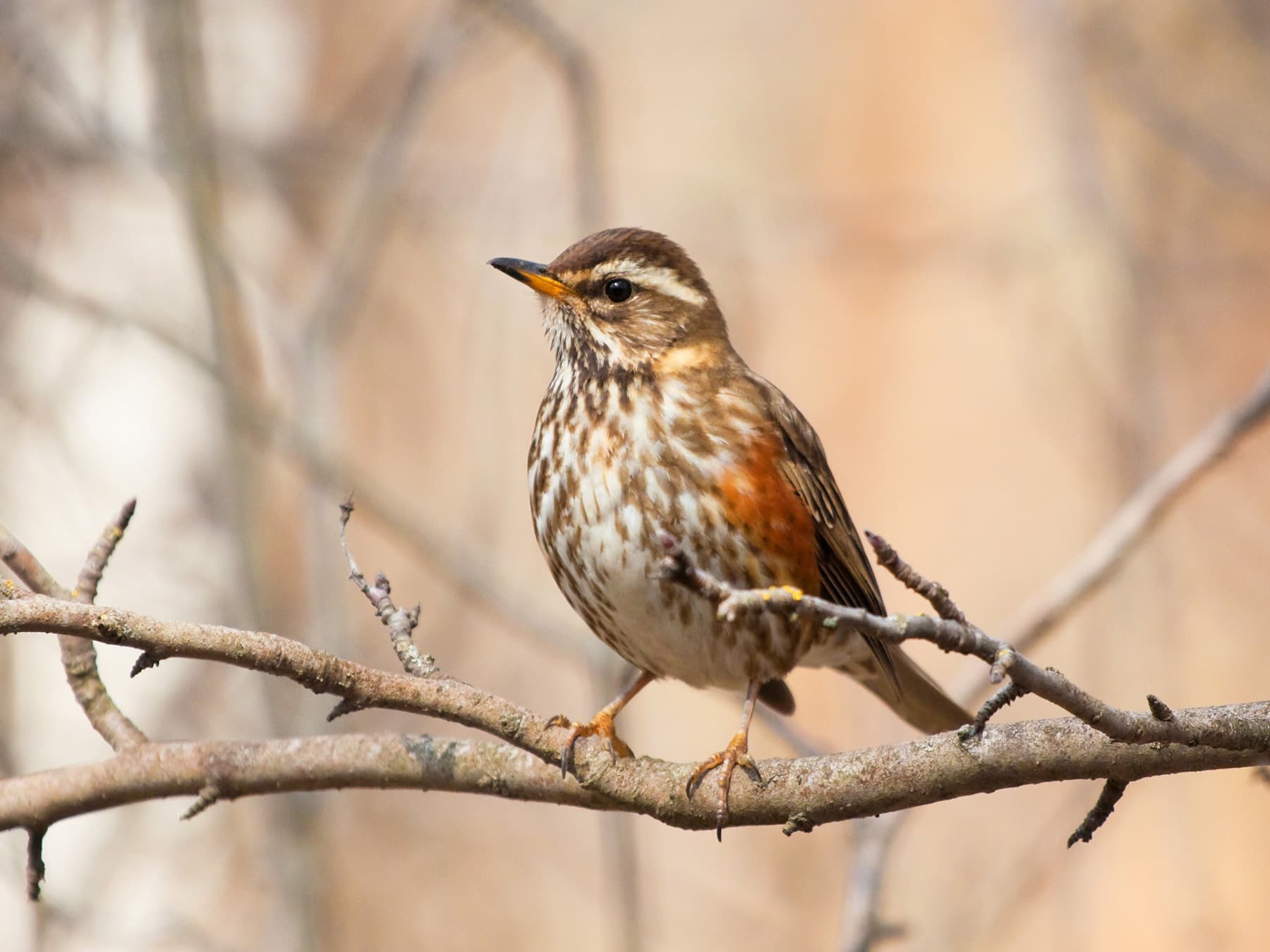 RedwingTurdus iliacusWinter visitorCommon20–24 cmRegularly Oct–Mar · 0.37% in Mar
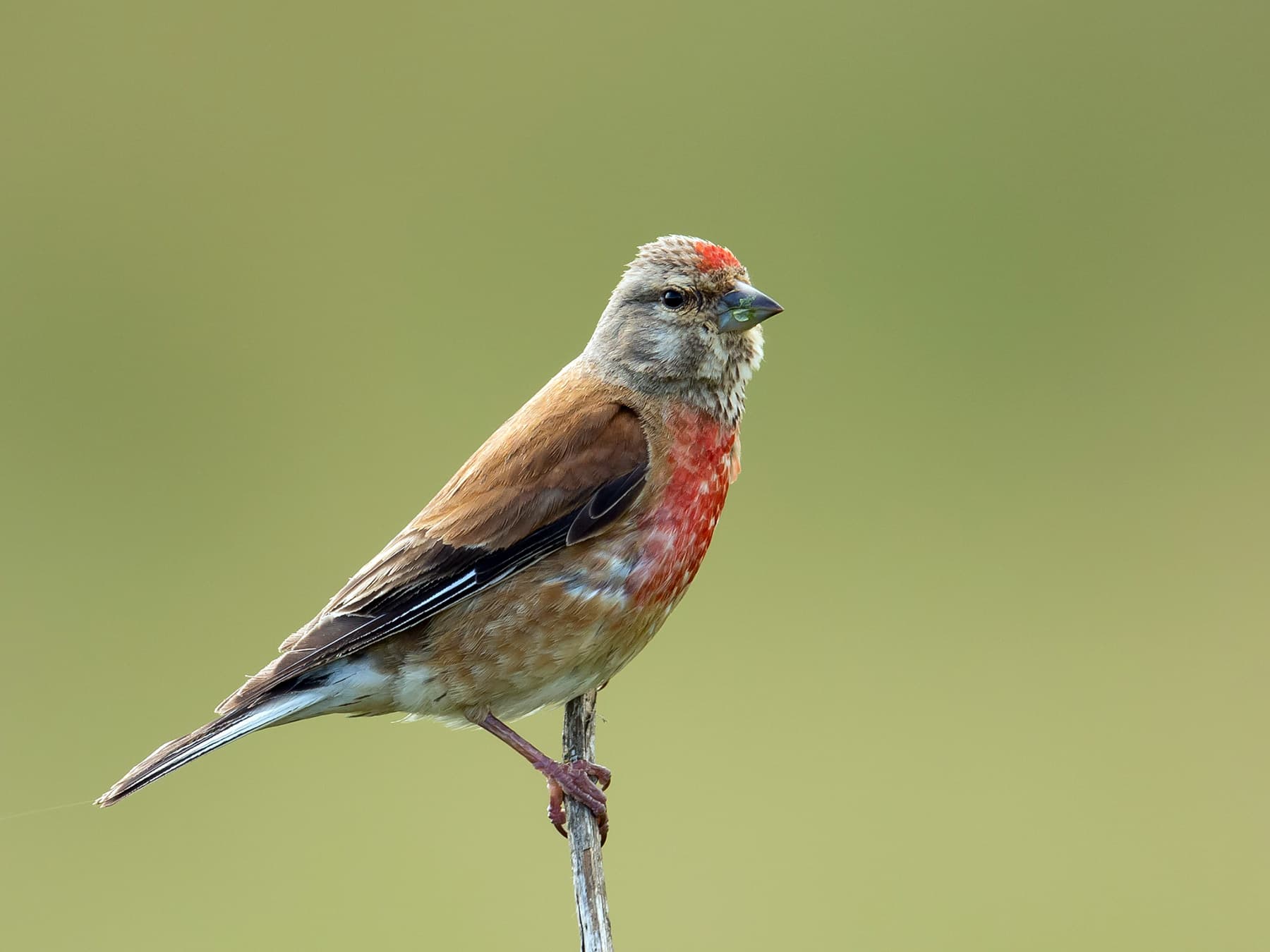 LinnetLinaria cannabinaResidentCommon13–14 cmRecorded all year · 0.37% in Mar
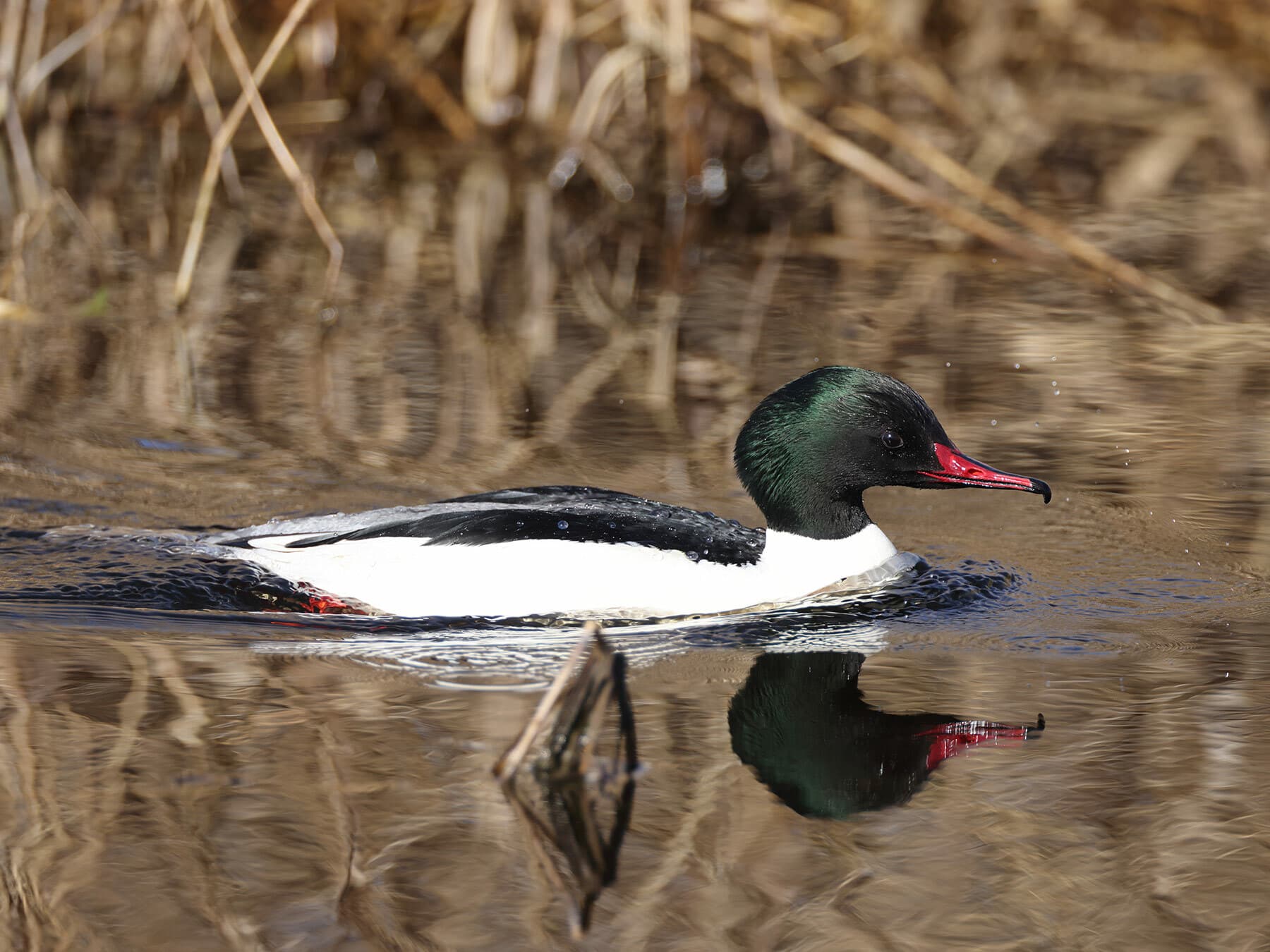 Common MerganserMergus merganserWinter visitorCommon58–68 cmRecorded all year · 0.35% in Mar
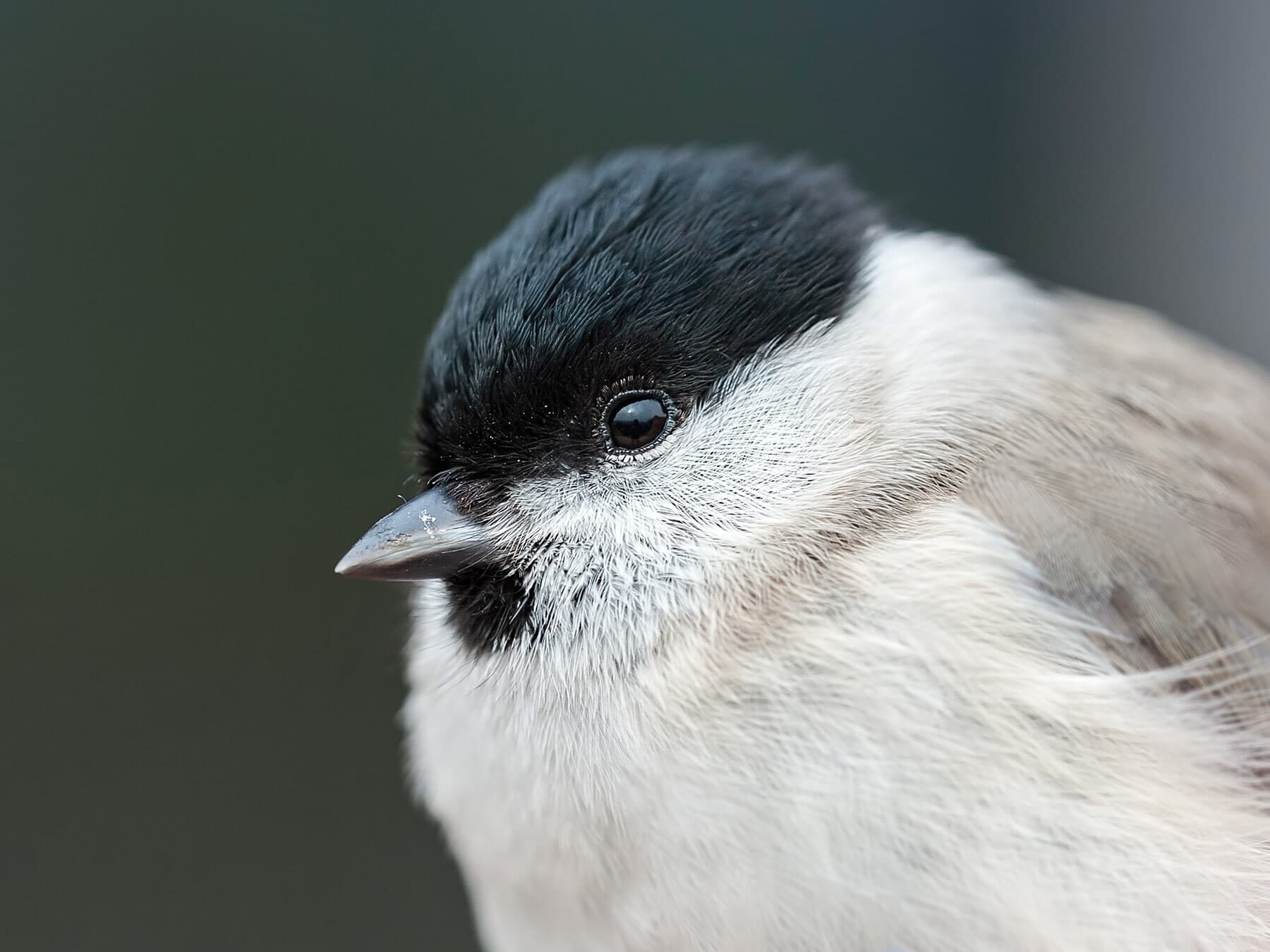 Marsh TitPoecile palustrisResidentUncommon12–13 cmRecorded all year · 0.32% in Mar
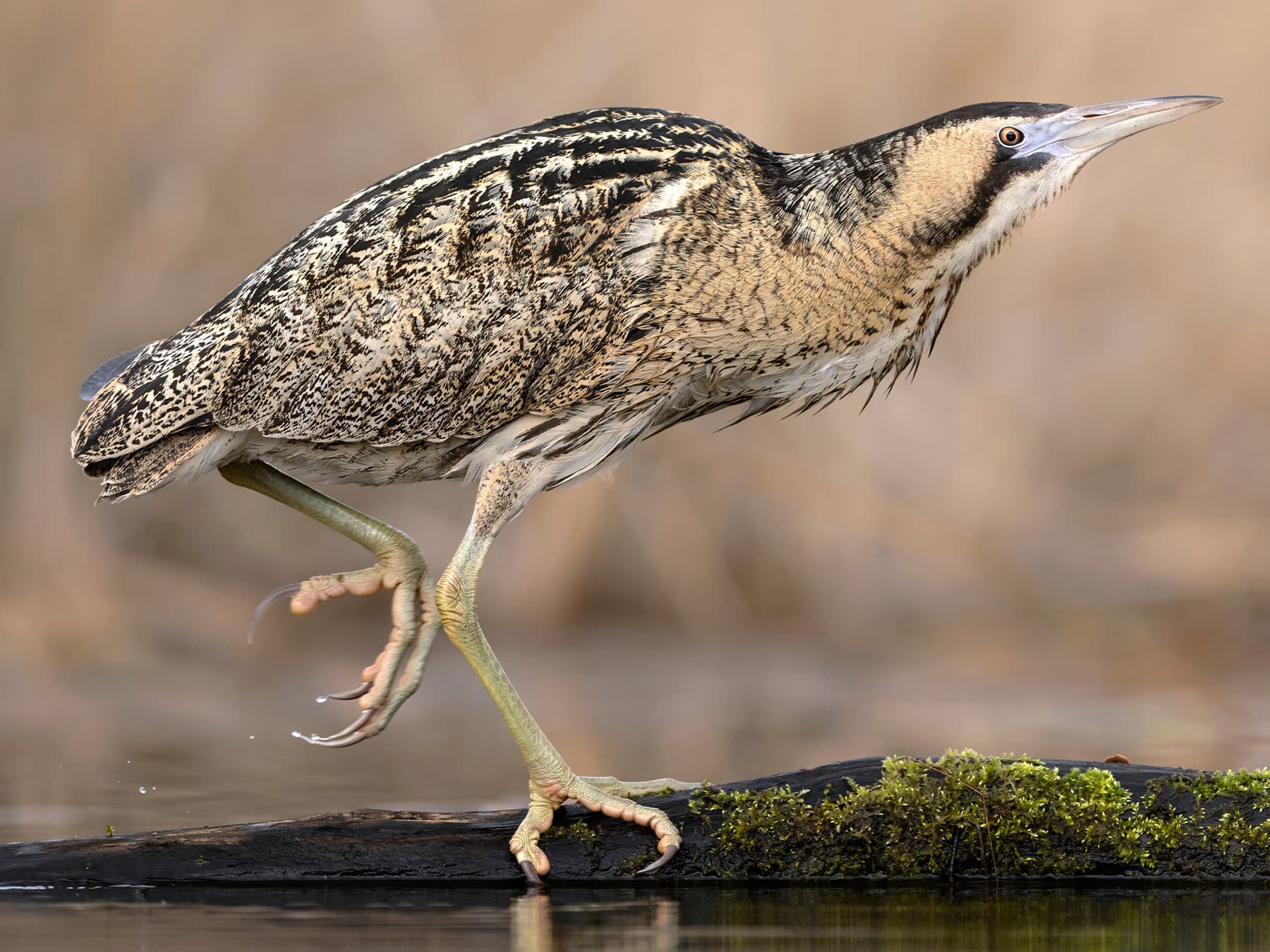 Eurasian BitternBotaurus stellarisSummer visitorUncommon69–81 cmRecorded all year · 0.31% in Mar
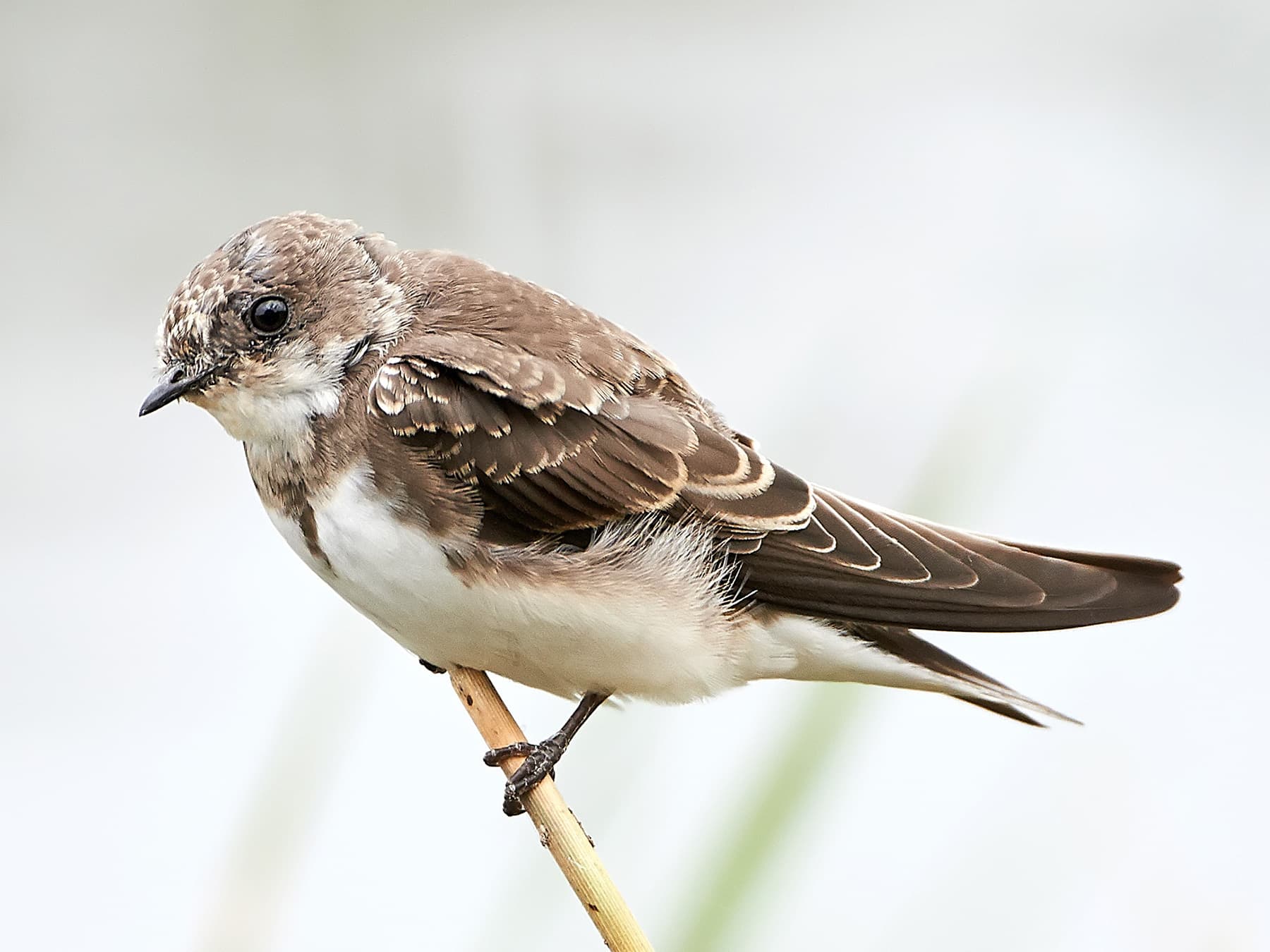 Sand MartinRiparia ripariaSummer visitorCommon12–14 cmRegularly Mar–Sep · 0.31% in Mar
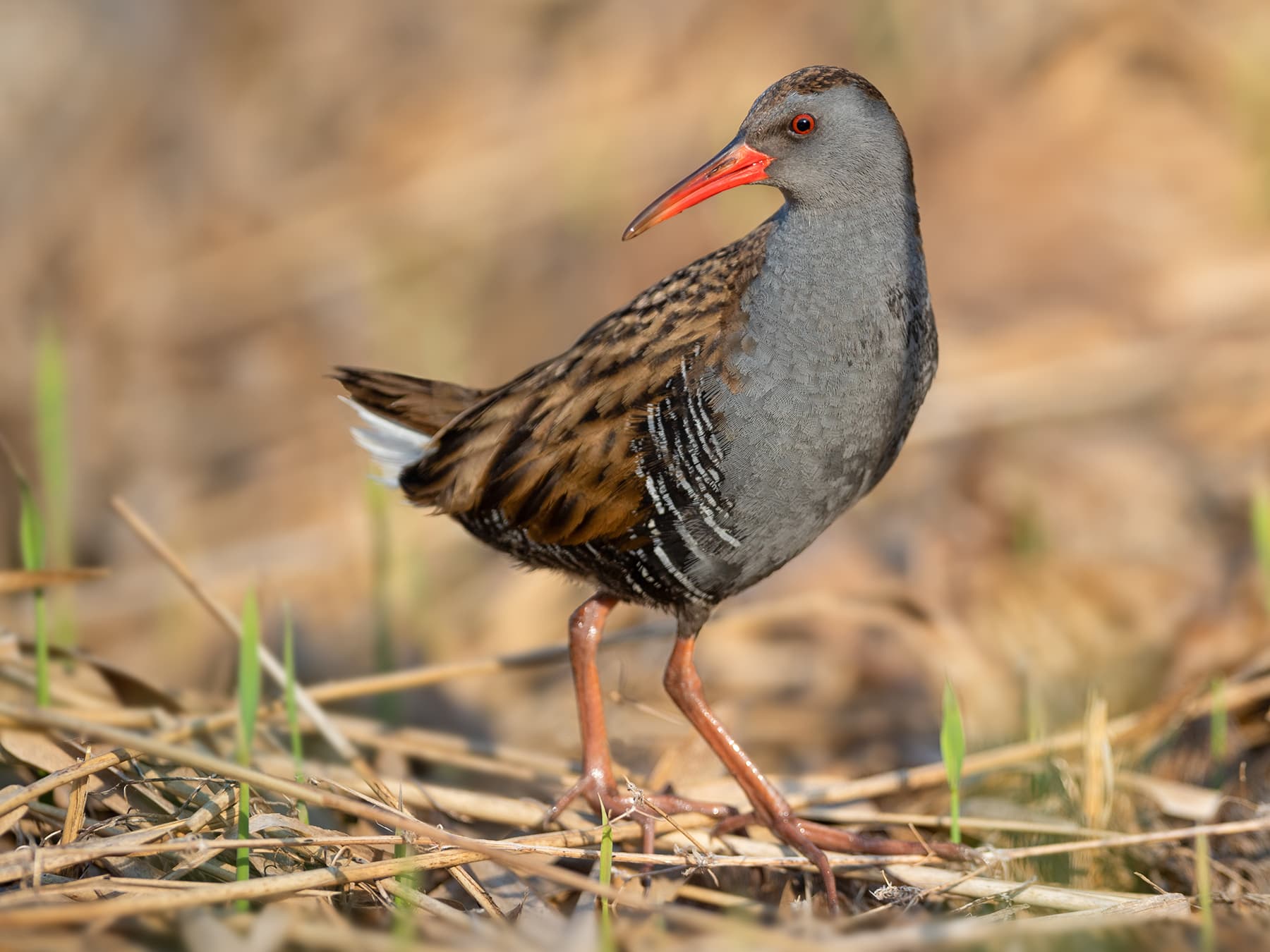 Water RailRallus aquaticusWinter visitorUncommon23–28 cmRecorded all year · 0.30% in Mar
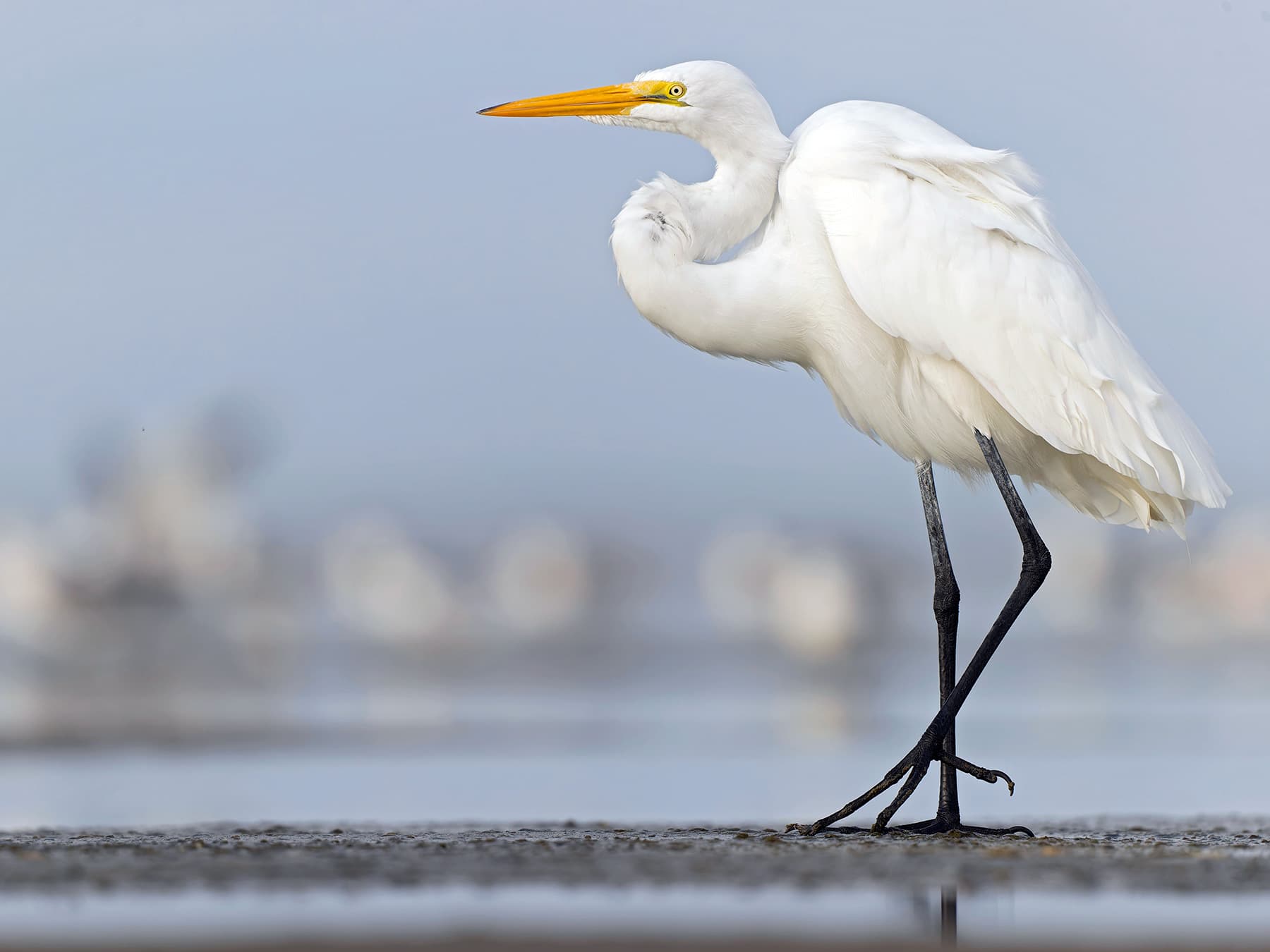 Great White EgretArdea albaWinter visitorCommon80–104 cmRecorded all year · 0.27% in Mar
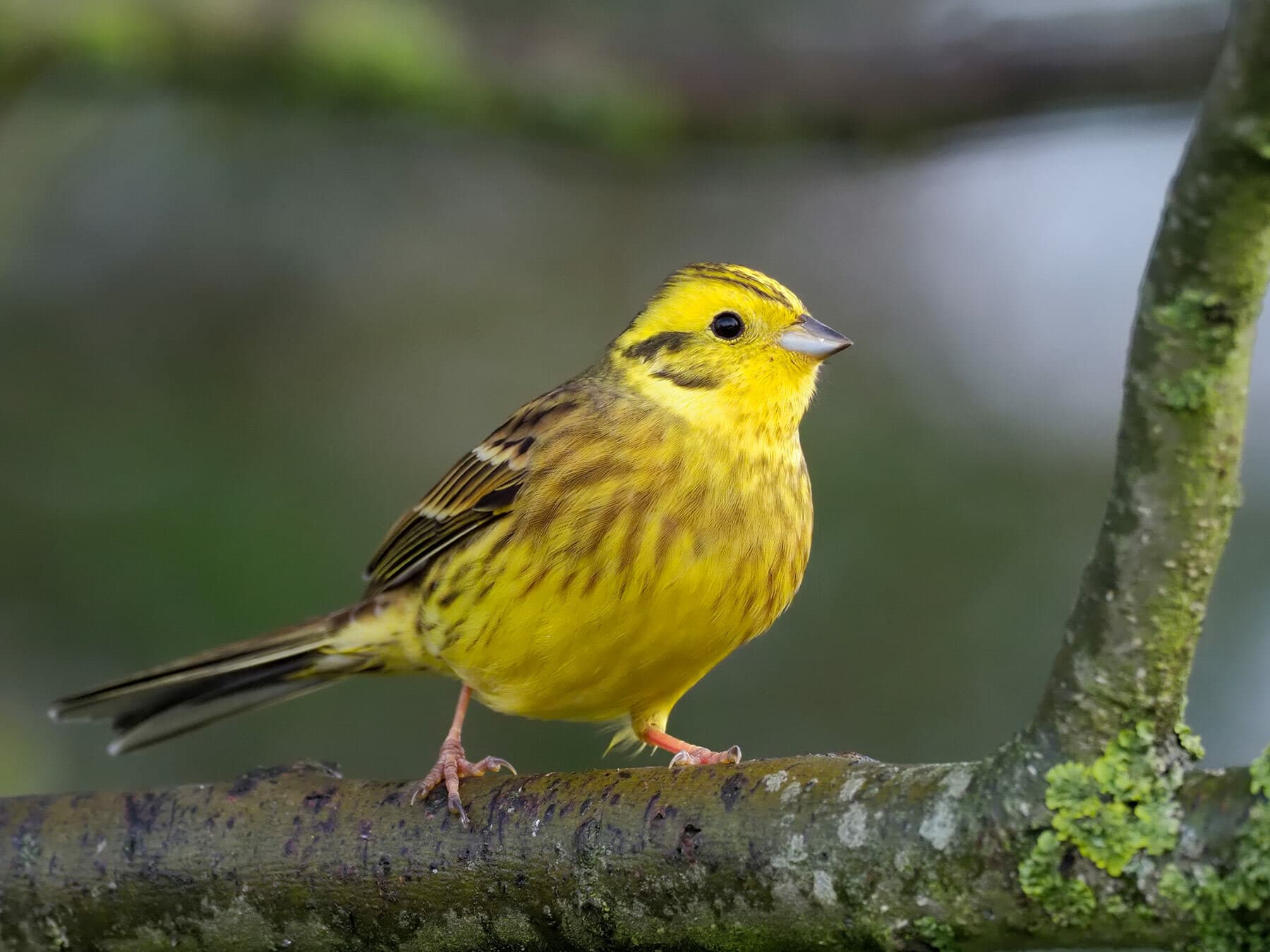 YellowhammerEmberiza citrinellaResidentUncommon16–17 cmRecorded all year · 0.27% in Mar
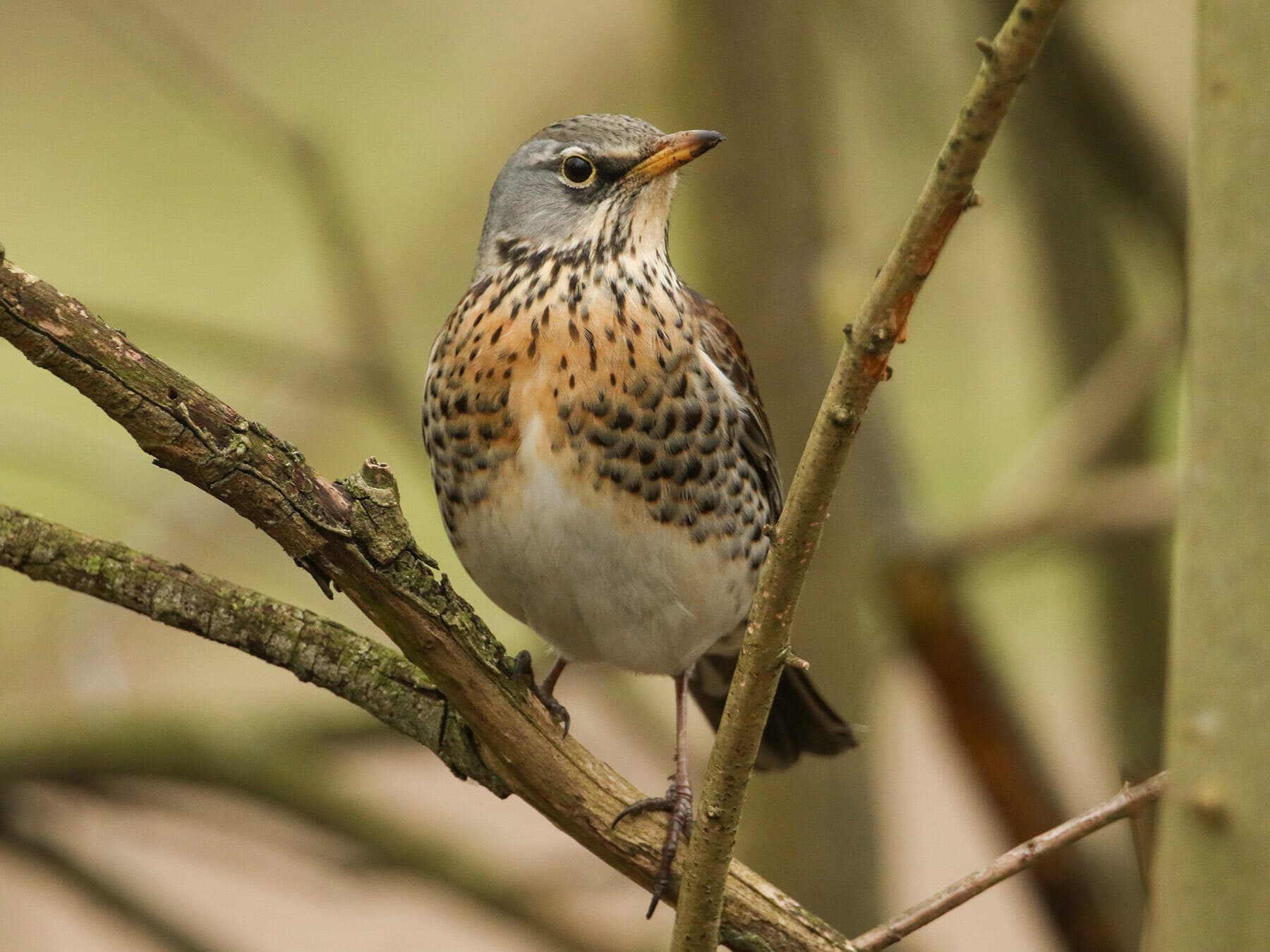 FieldfareTurdus pilarisWinter visitorCommon22–27 cmRegularly Oct–Apr · 0.26% in Mar
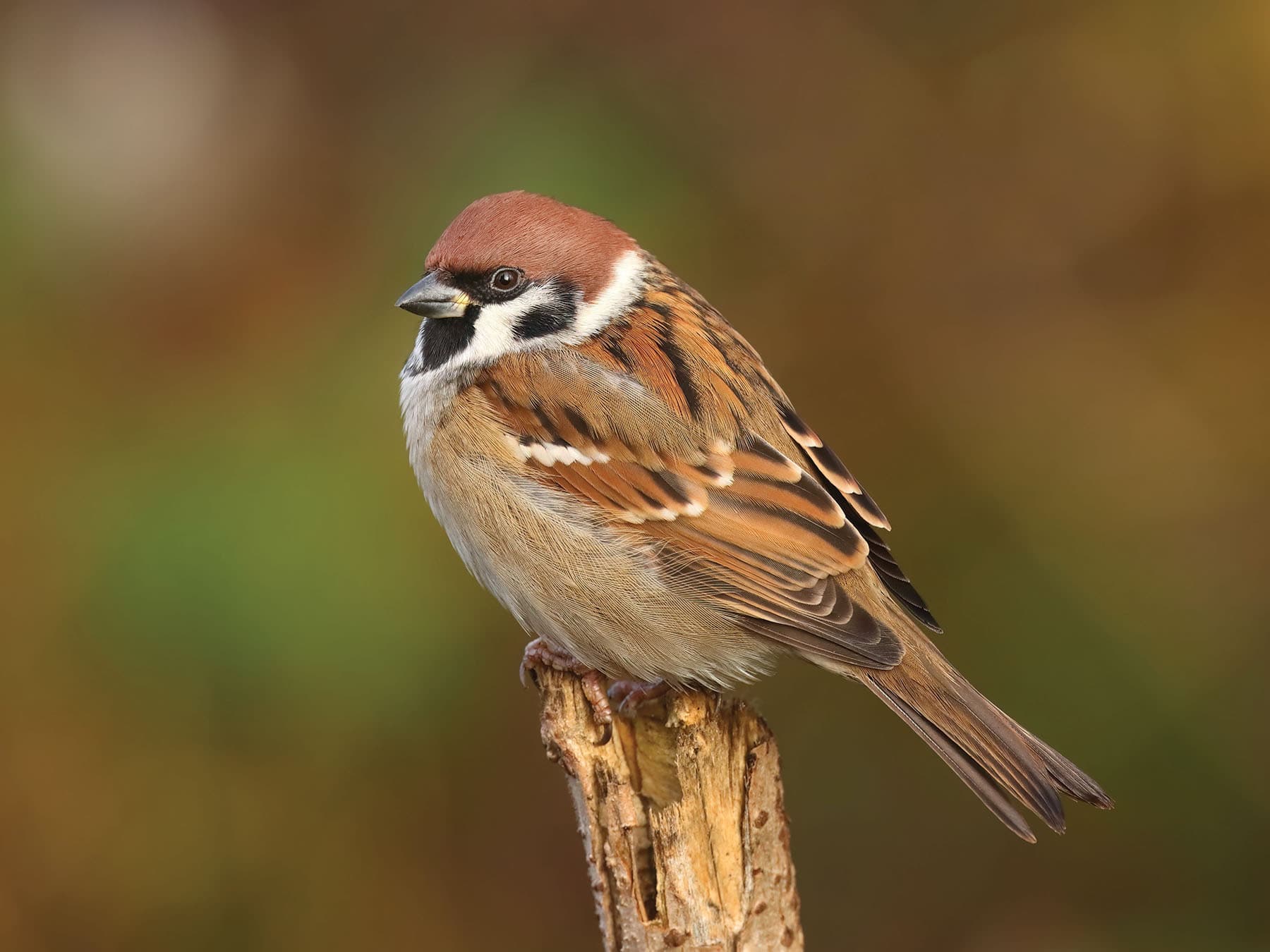 Eurasian Tree SparrowPasser montanusResidentUncommon13–14 cmRecorded all year · 0.25% in Mar
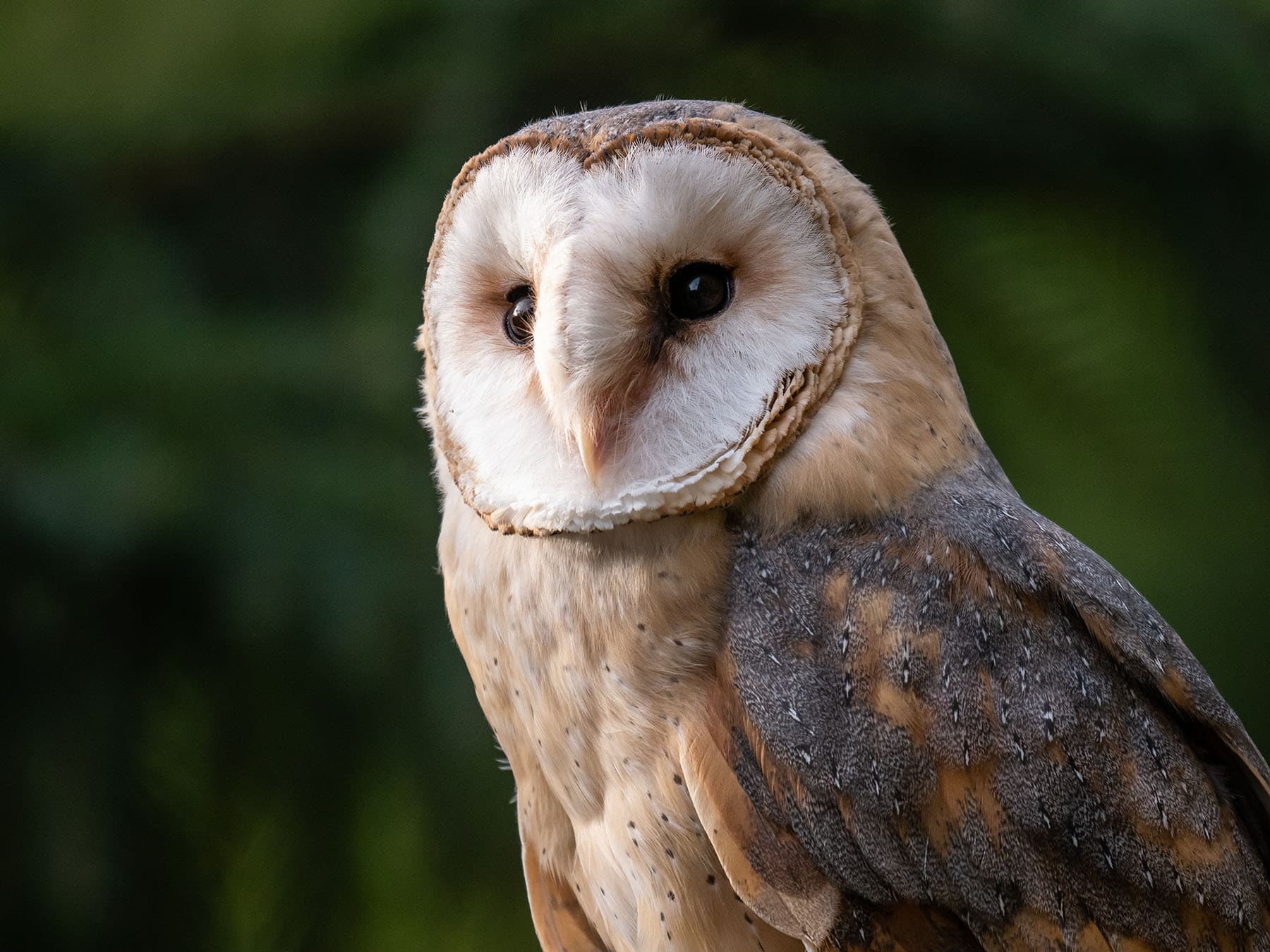 Barn OwlTyto albaResidentUncommon33–39 cmRecorded all year · 0.21% in Mar
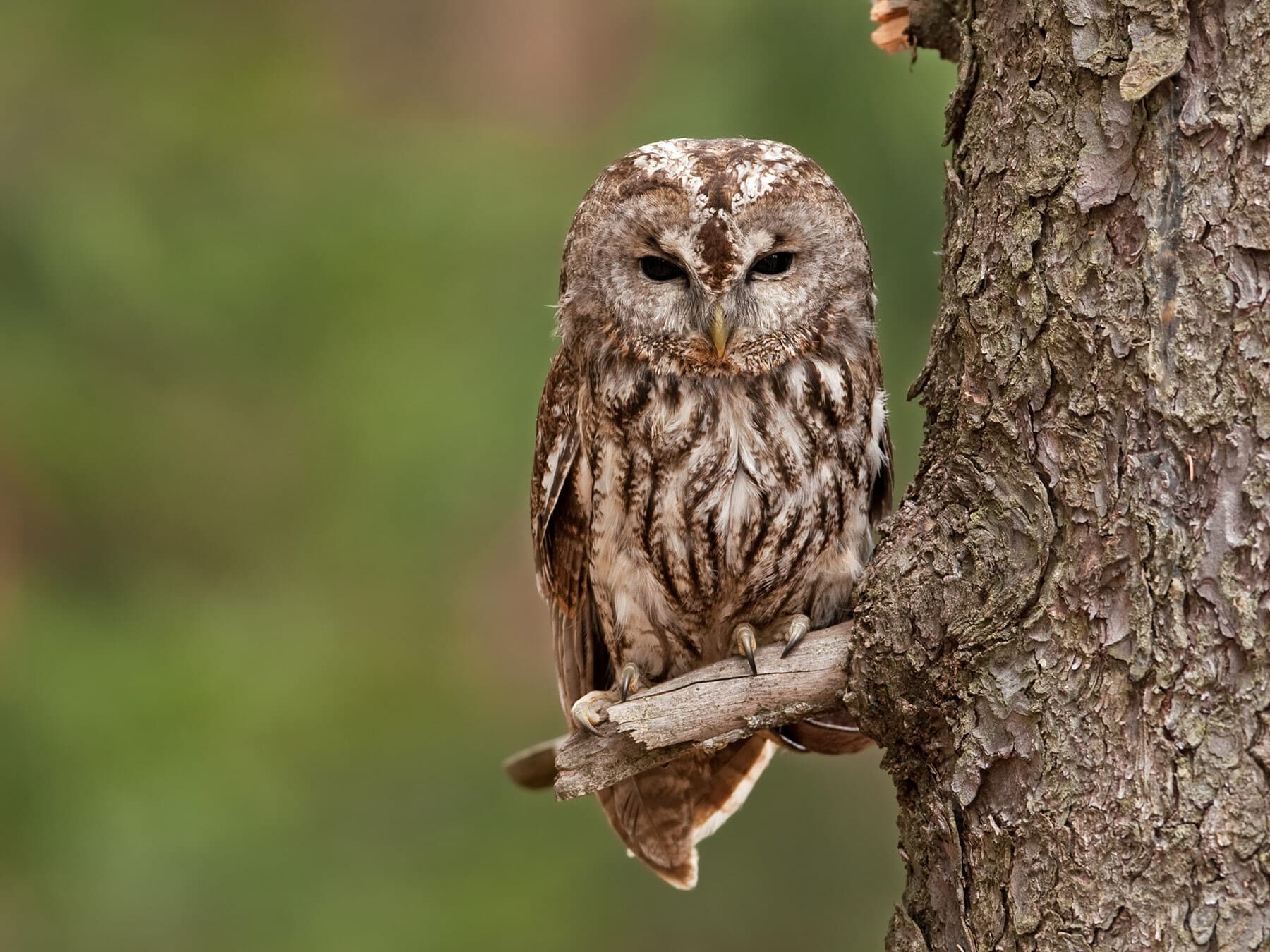 Tawny OwlStrix alucoResidentUncommon37–43 cmRecorded all year · 0.21% in Mar
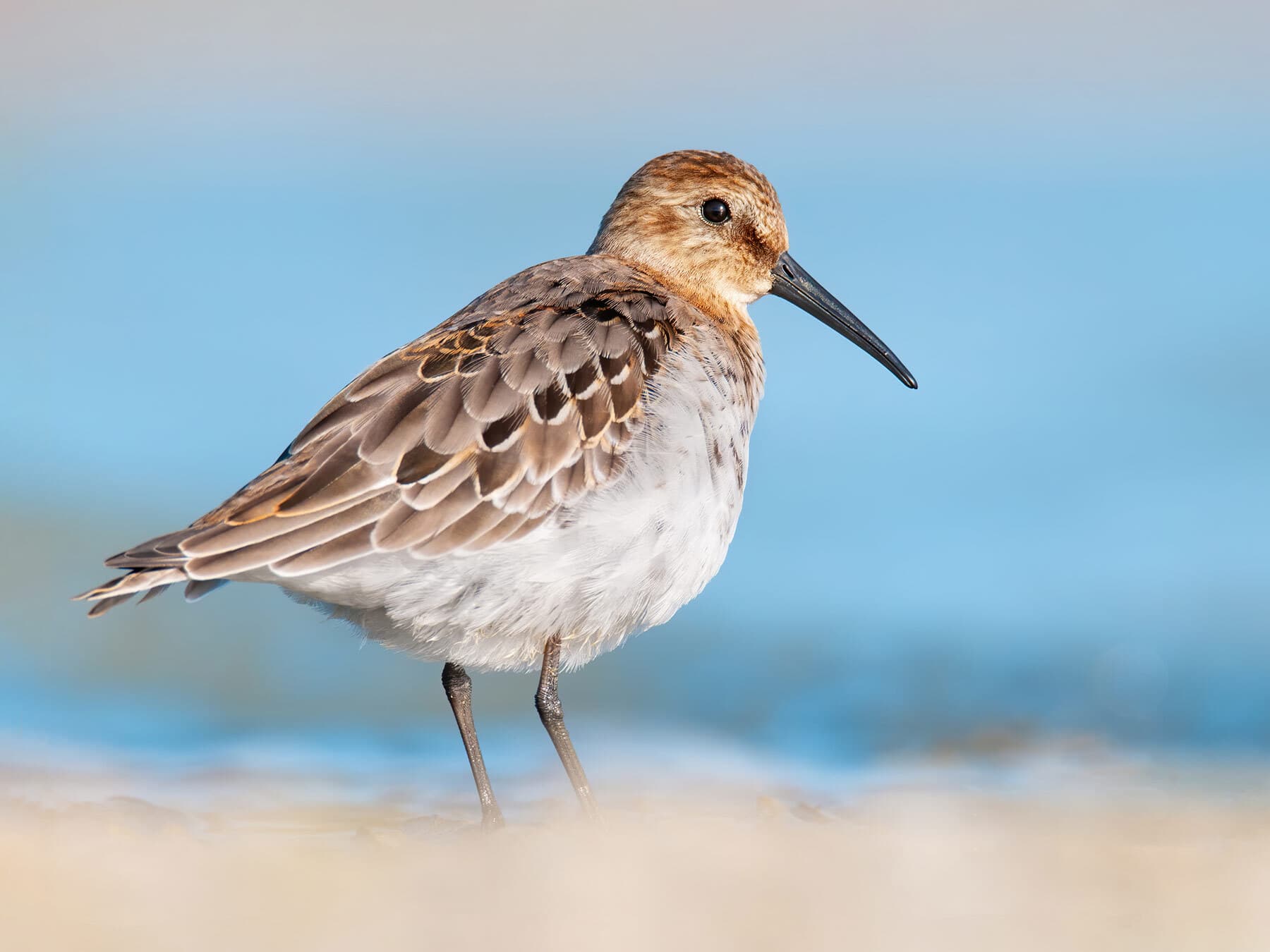 DunlinCalidris alpinaResidentCommon16–22 cmRecorded all year · 0.19% in Mar
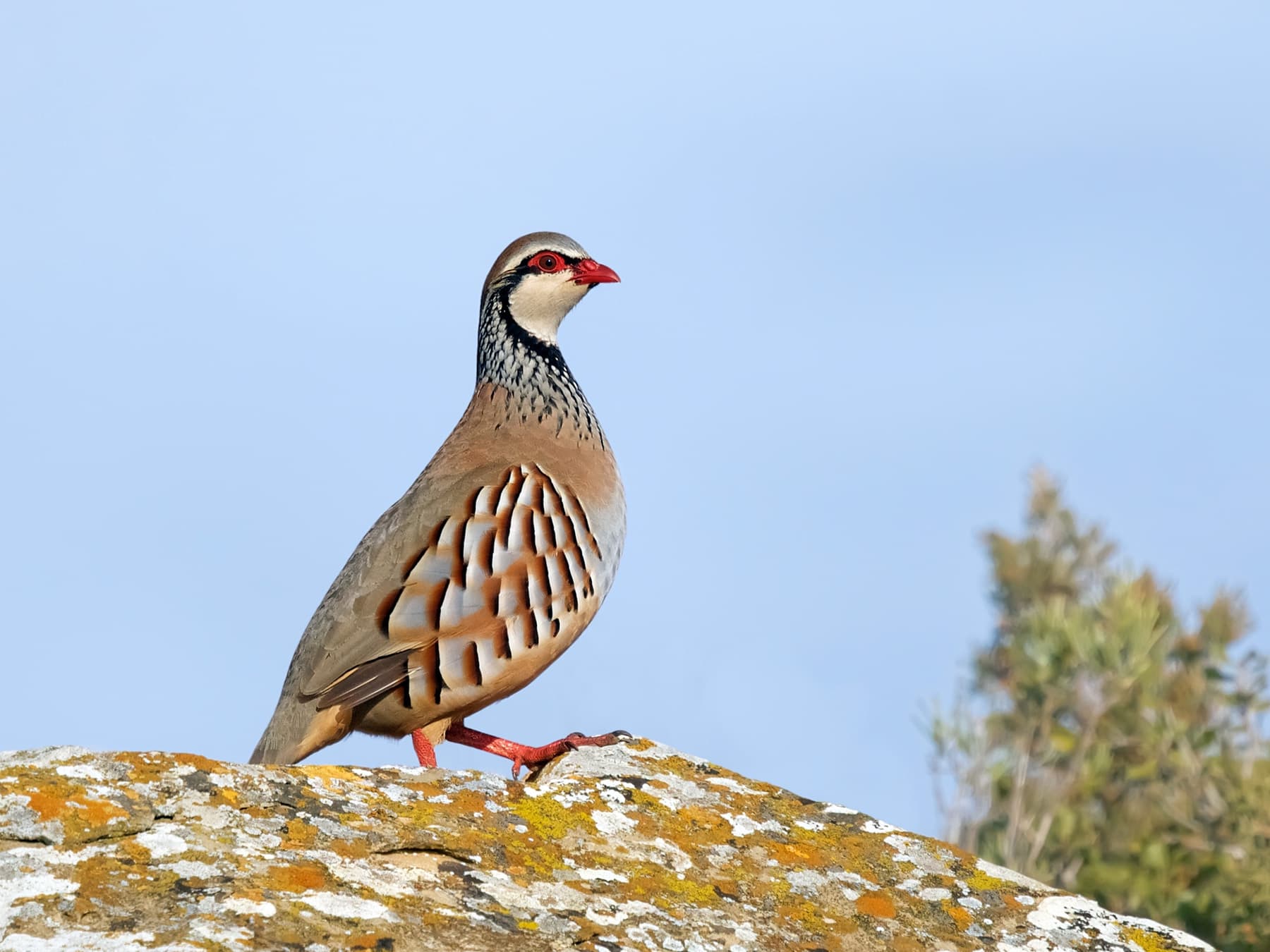 Red-legged PartridgeAlectoris rufaResidentUncommon32–34 cmRecorded all year · 0.19% in Mar
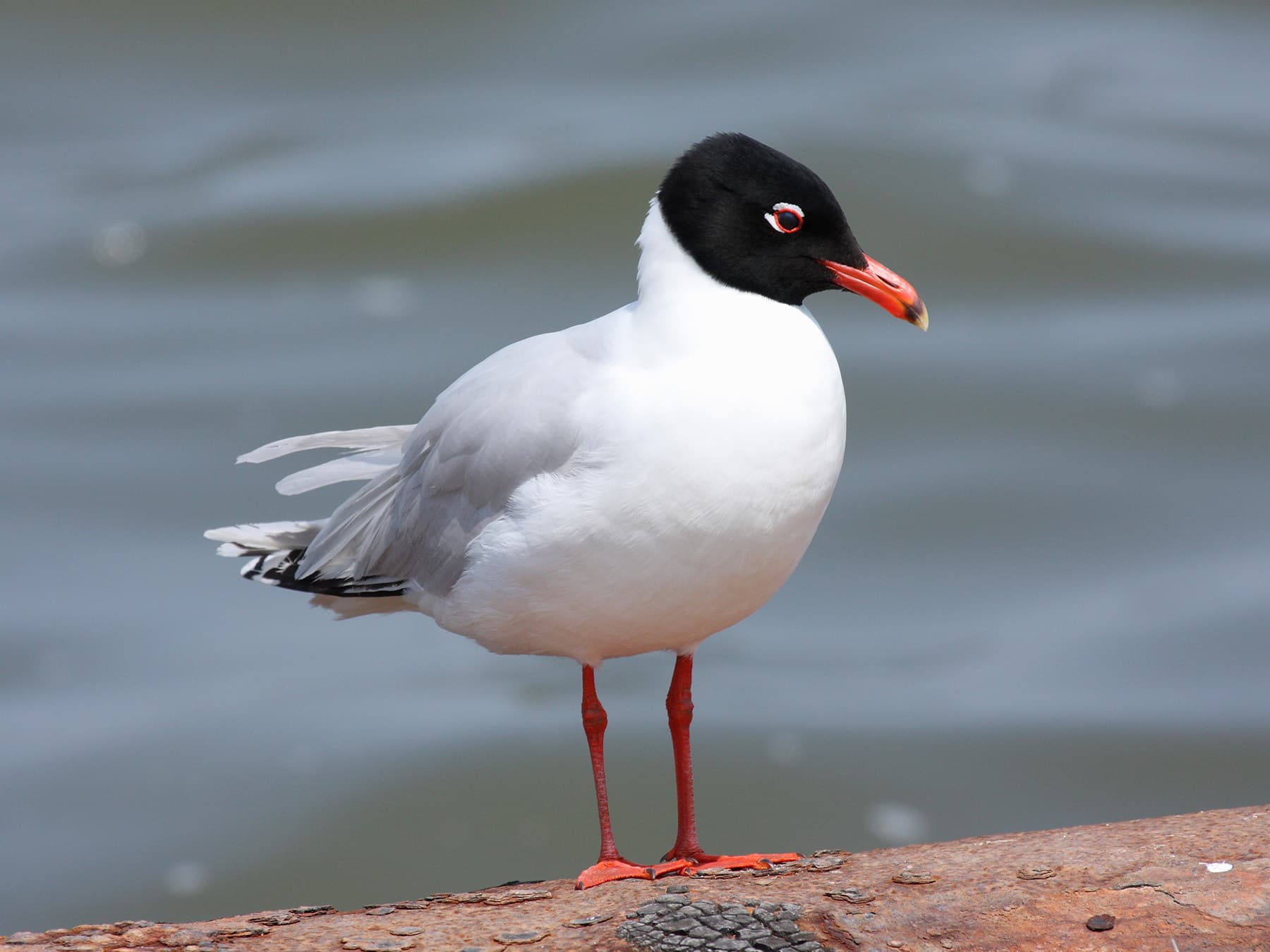 Mediterranean GullIchthyaetus melanocephalusResidentUncommon37–40 cmRecorded all year · 0.18% in Mar
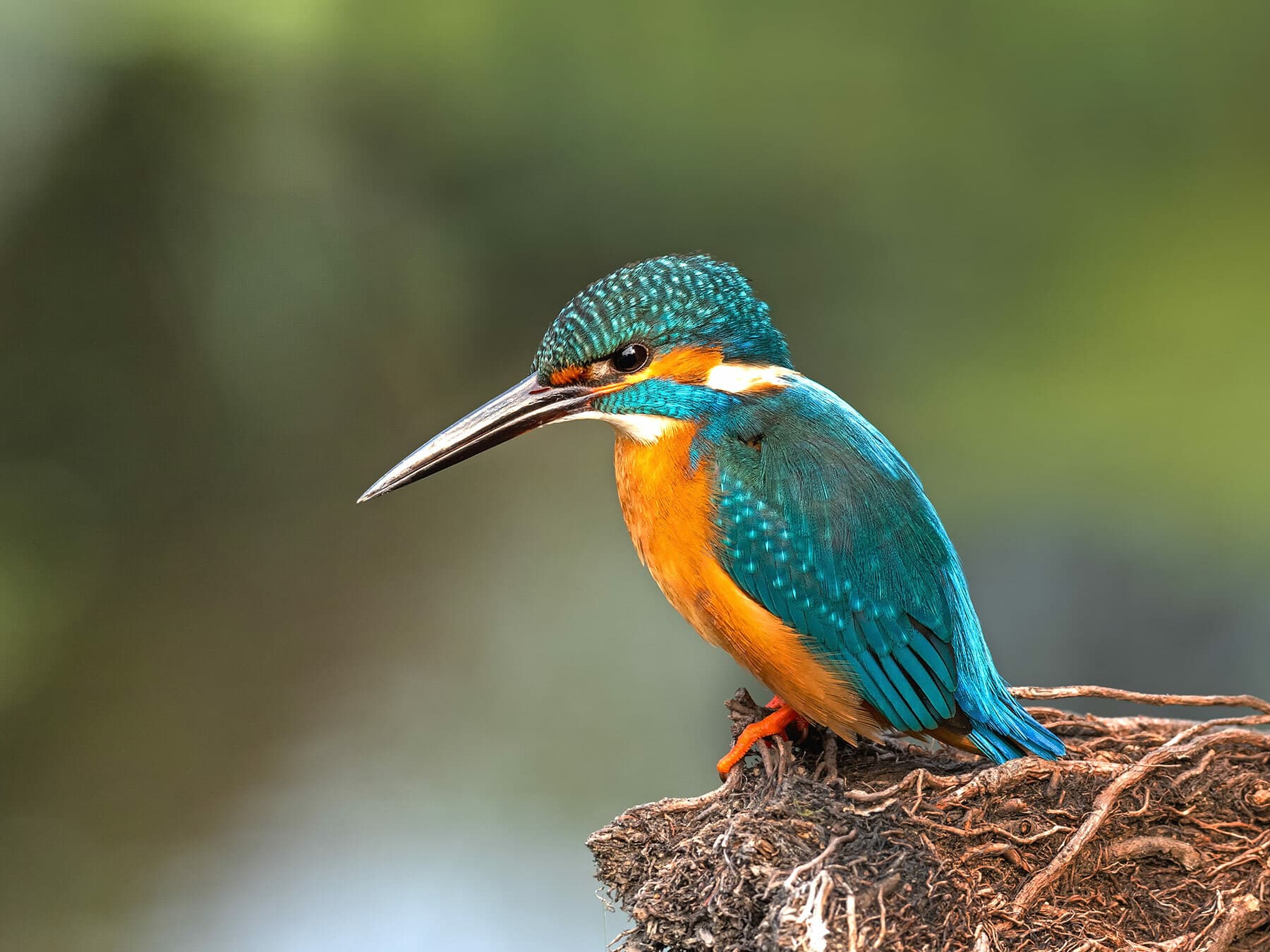 Common KingfisherAlcedo atthisResidentCommon16–17 cmRecorded all year · 0.16% in Mar
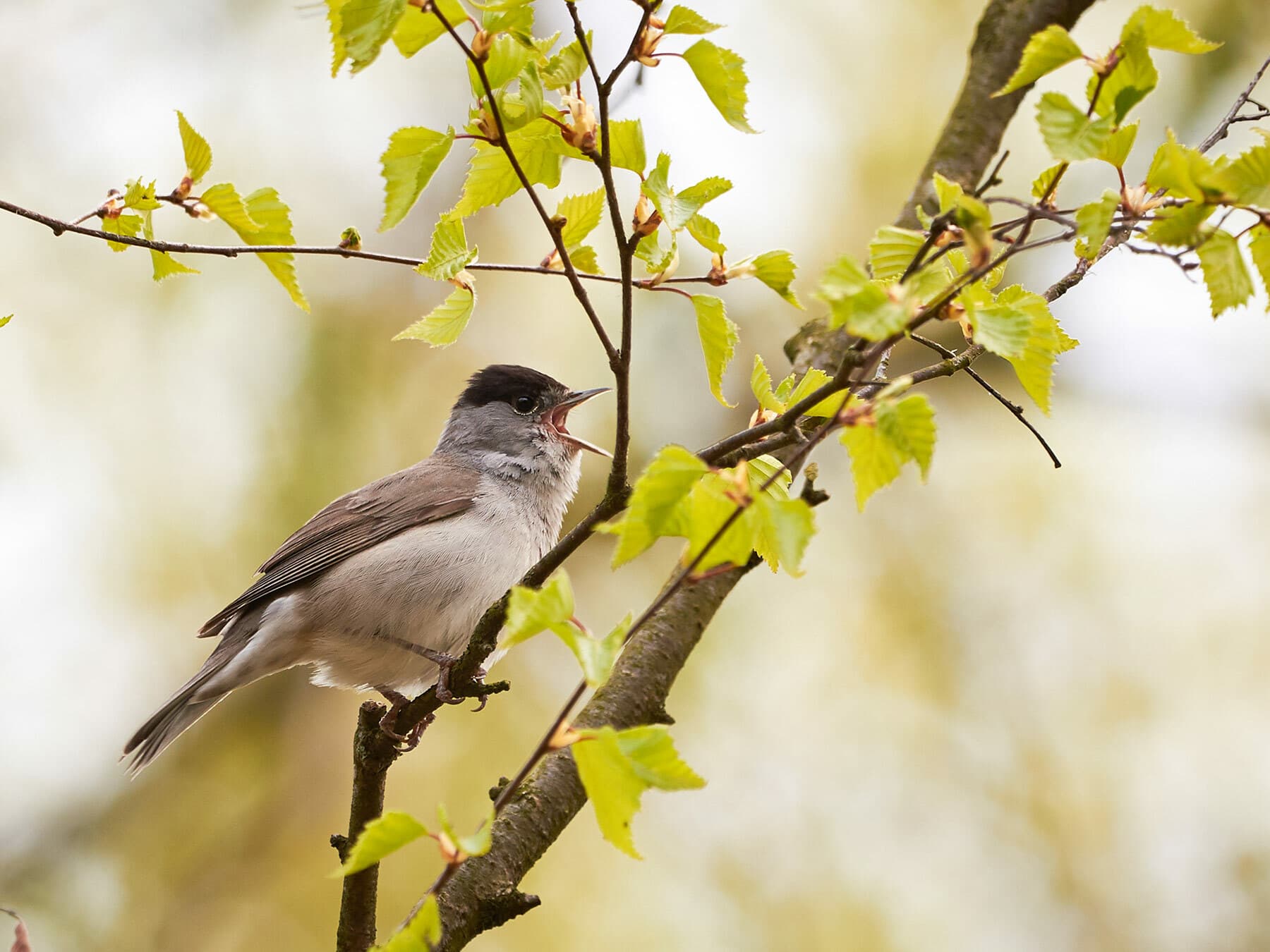 BlackcapSylvia atricapillaSummer visitorCommon13–15 cmRegularly Mar–Sep · 0.15% in Mar
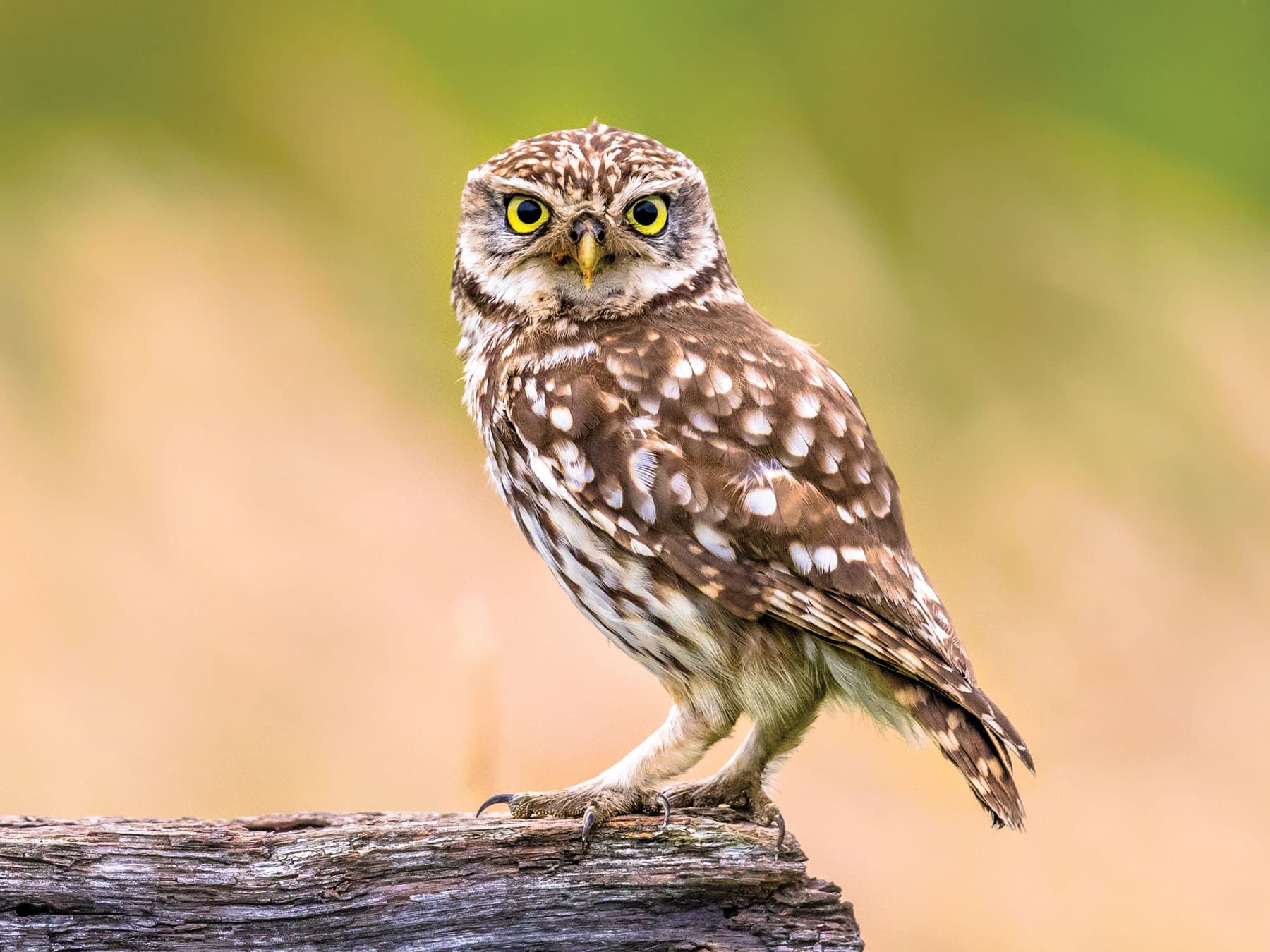 Little OwlAthene noctuaResidentUncommon21–23 cmRecorded all year · 0.15% in Mar
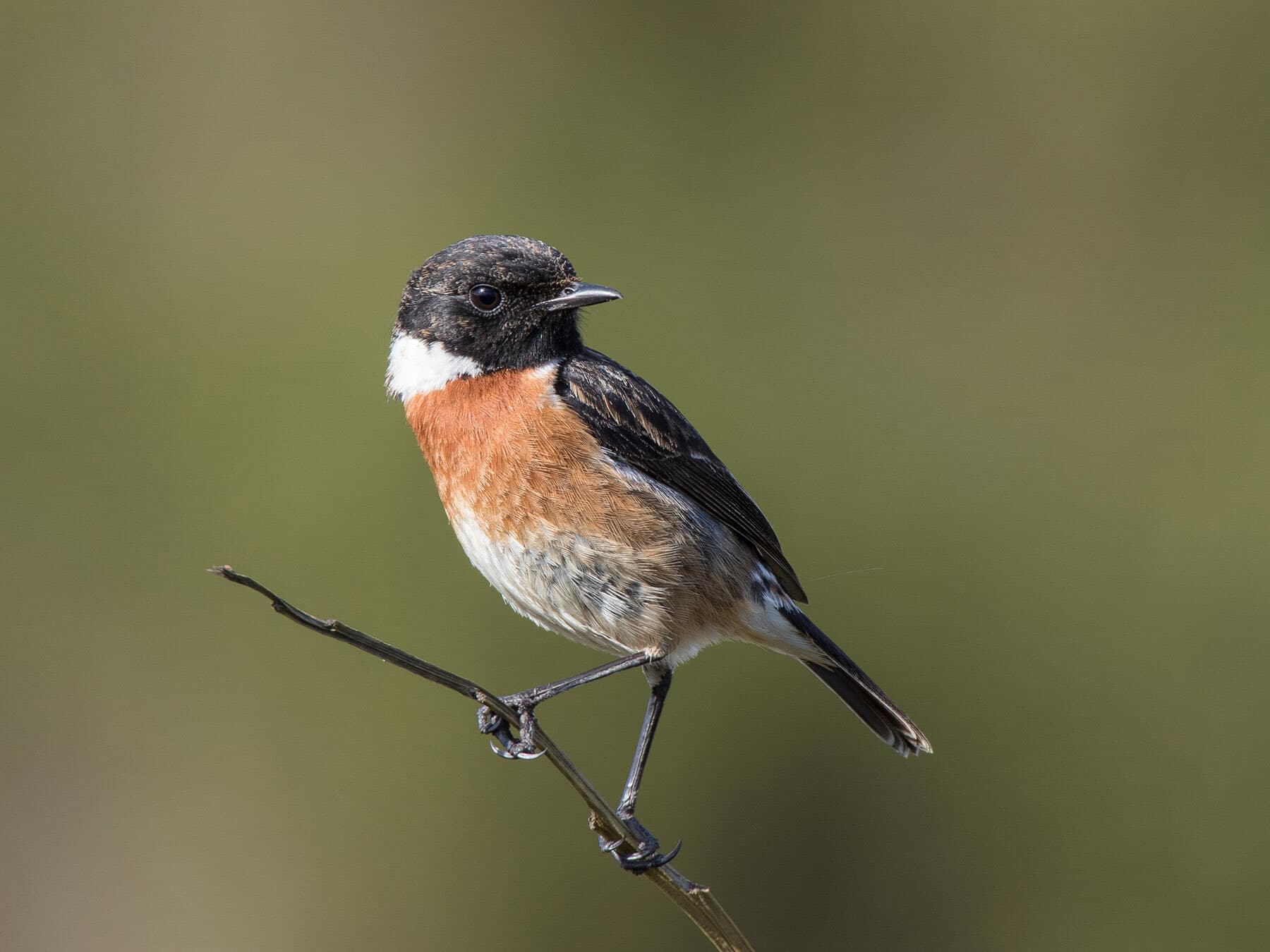 StonechatSaxicola rubicolaResidentUncommon12–13 cmRecorded all year · 0.14% in Mar
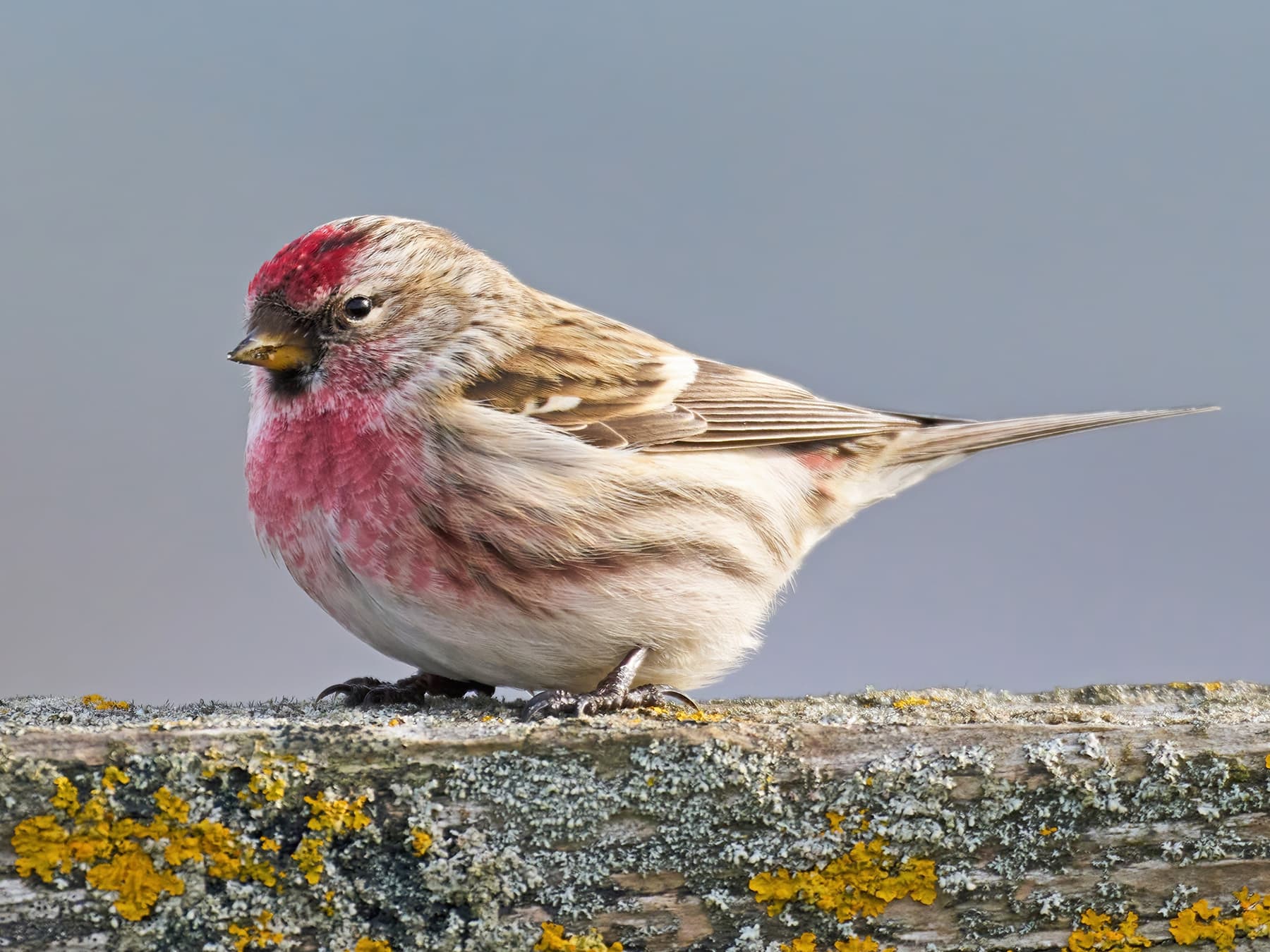 Common RedpollAcanthis flammeaResidentUncommon12–14 cmRecorded all year · 0.12% in Mar
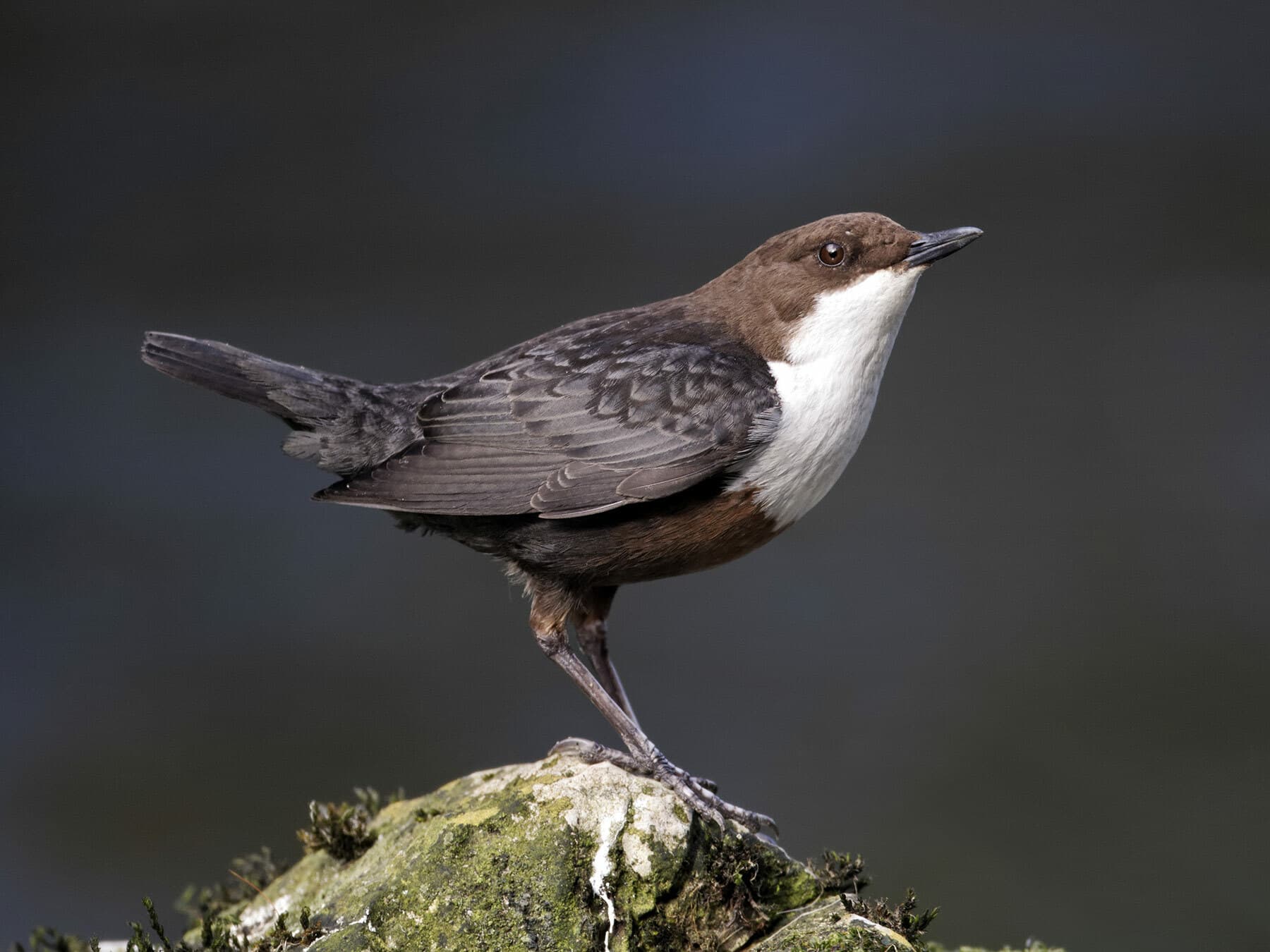 DipperCinclus cinclusResidentUncommon17–20 cmRecorded all year · 0.12% in Mar
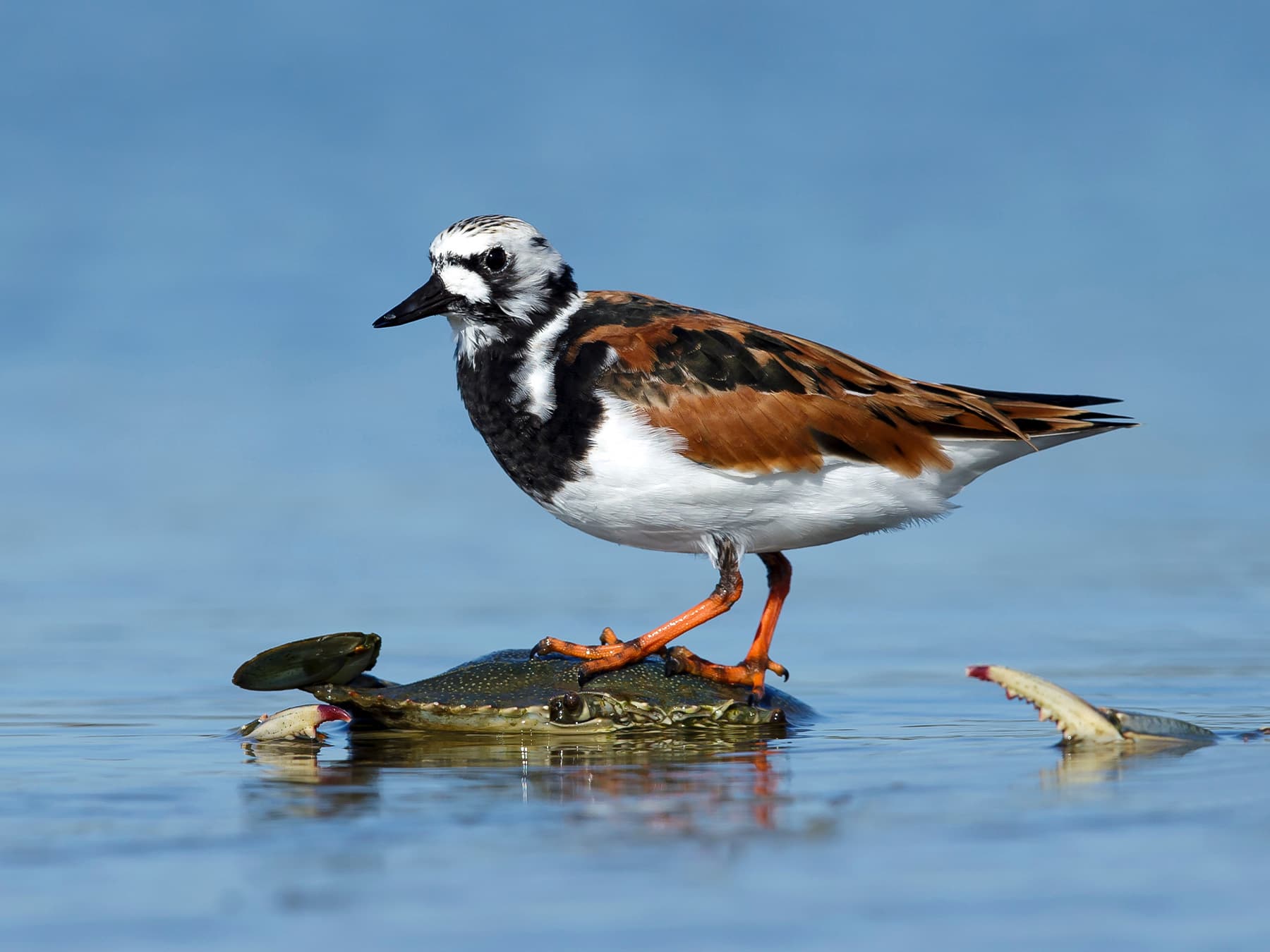 Ruddy TurnstoneArenaria interpresWinter visitorUncommon21–24 cmRegularly Jul–May · 0.11% in Mar
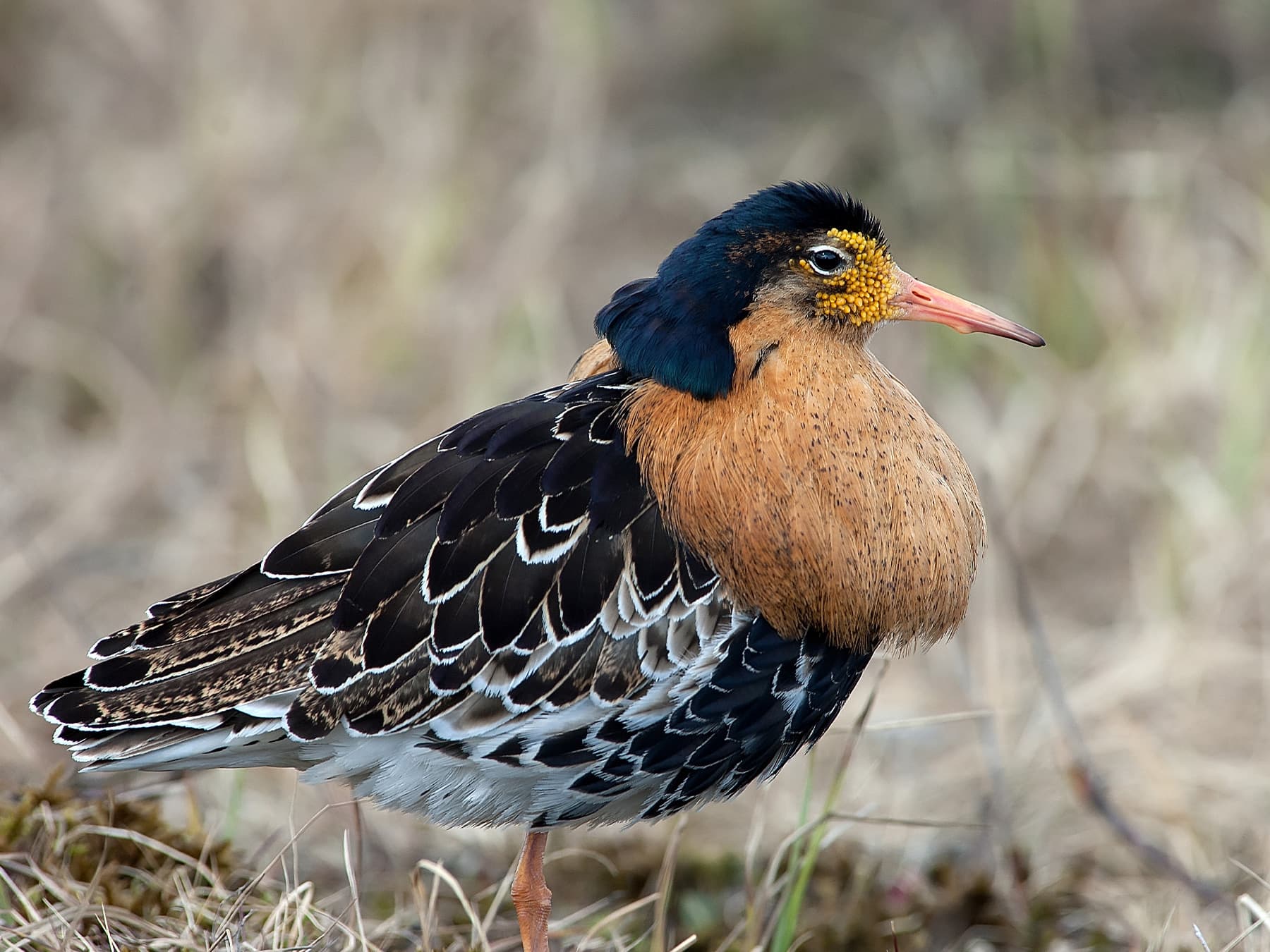 RuffCalidris pugnaxWinter visitorUncommon20–32 cmRegularly Jul–May · 0.10% in Mar
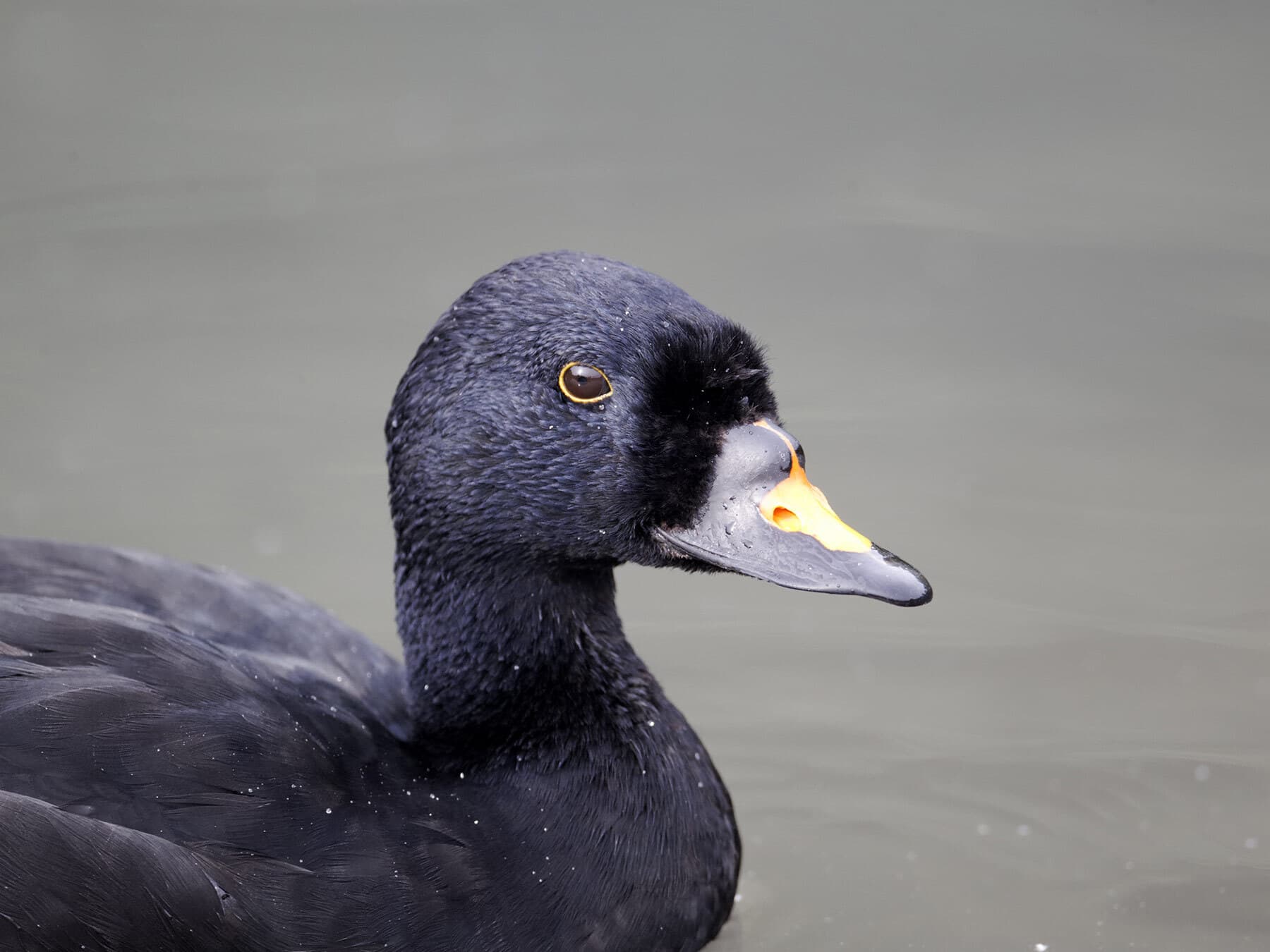 Common ScoterMelanitta nigraResidentUncommon43–54 cmRecorded all year · 0.10% in Mar
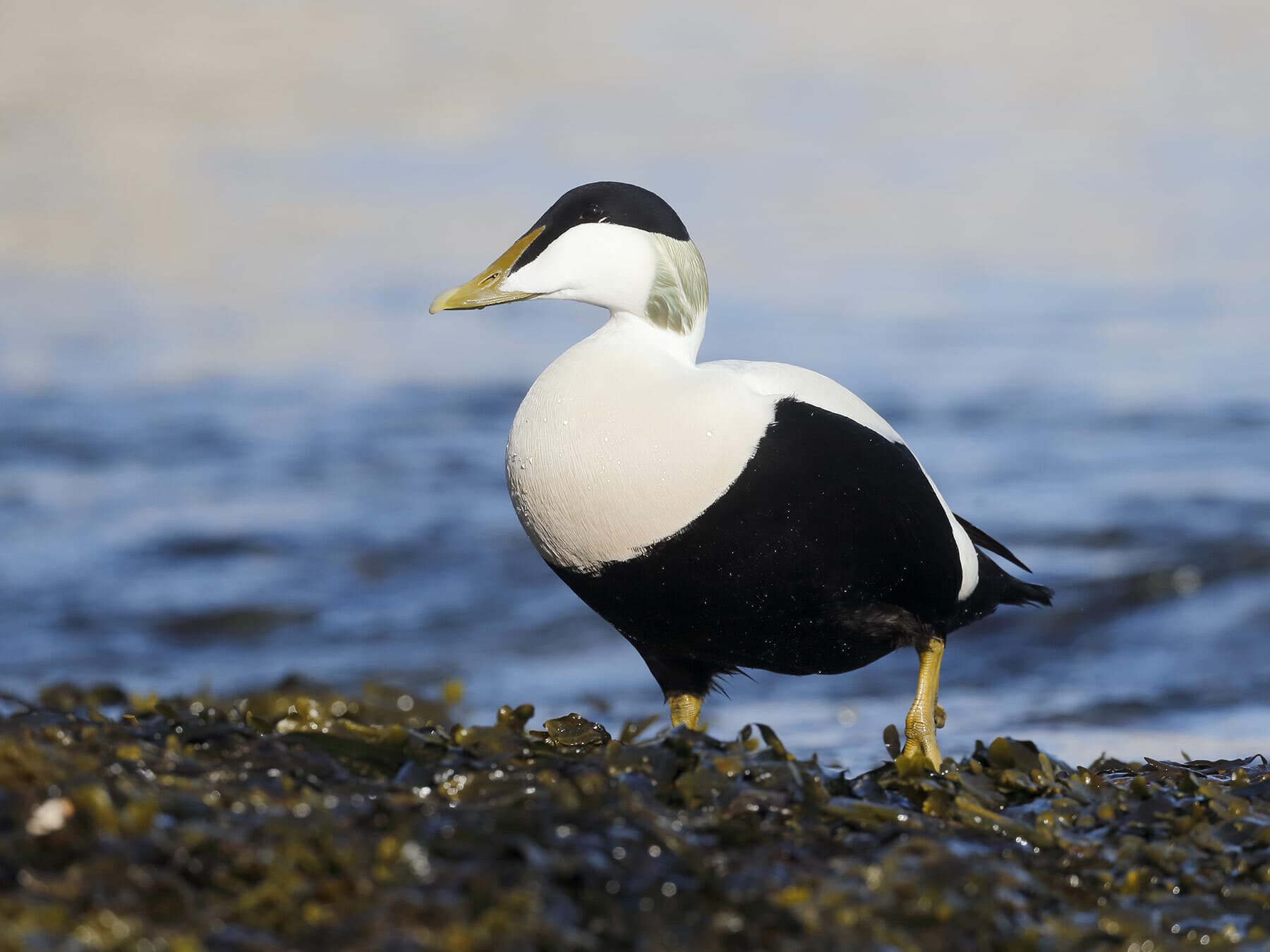 EiderSomateria mollissimaResidentUncommon50–71 cmRecorded all year · 0.10% in Mar
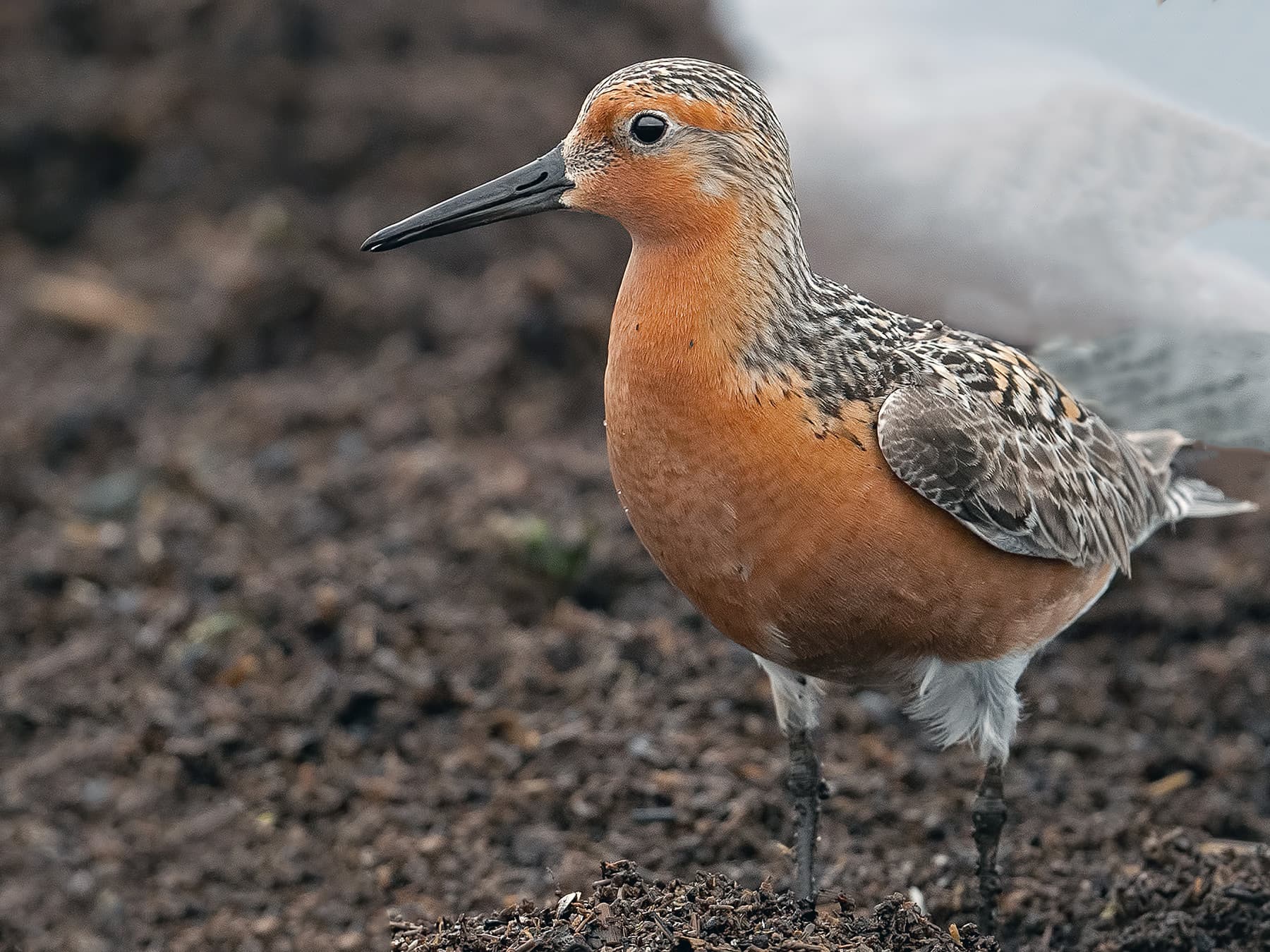 Red KnotCalidris canutusResidentUncommon23–26 cmRecorded all year · 0.09% in Mar
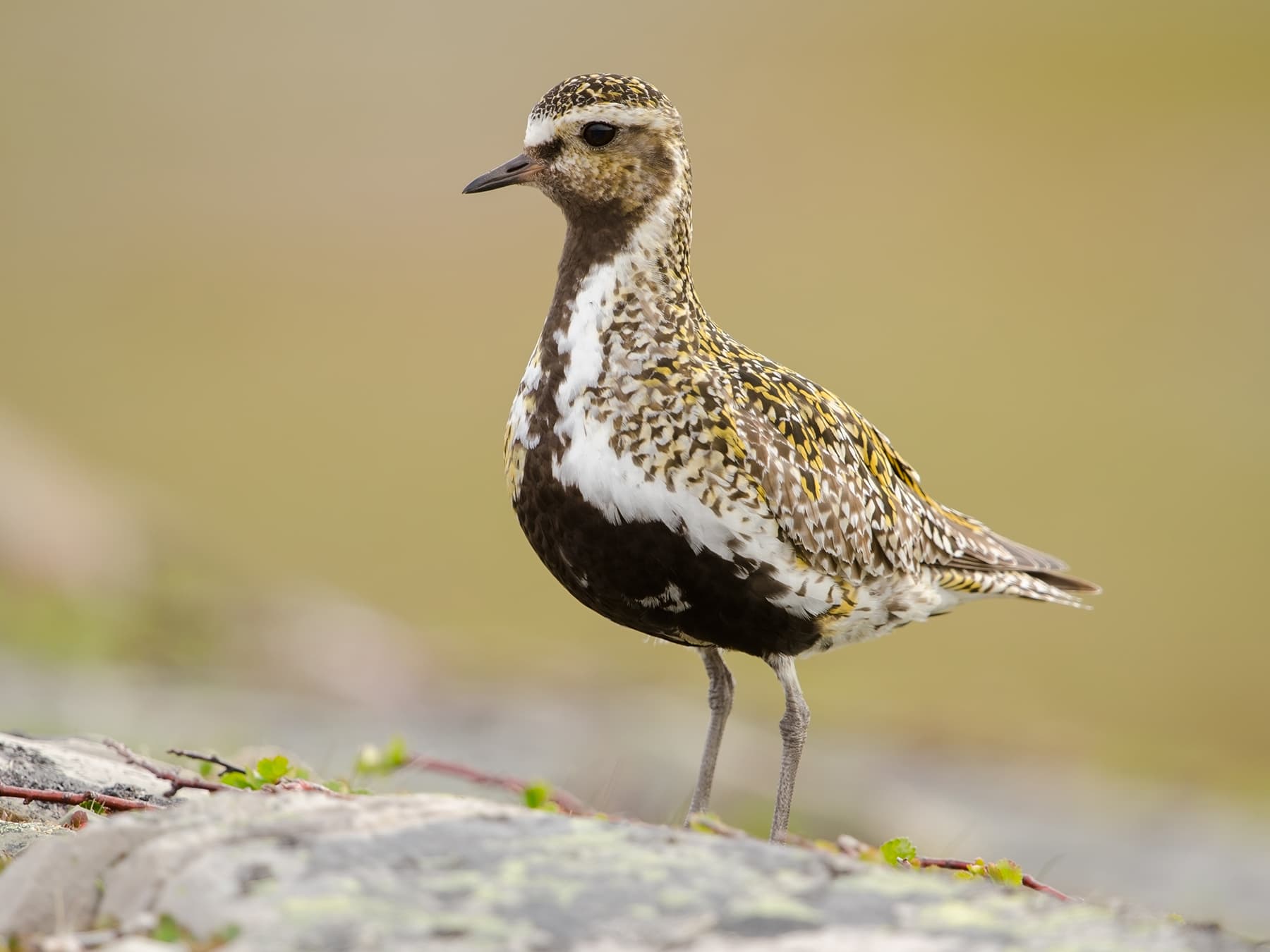 Golden PloverPluvialis apricariaWinter visitorUncommon26–29 cmRegularly Jul–May · 0.09% in Mar
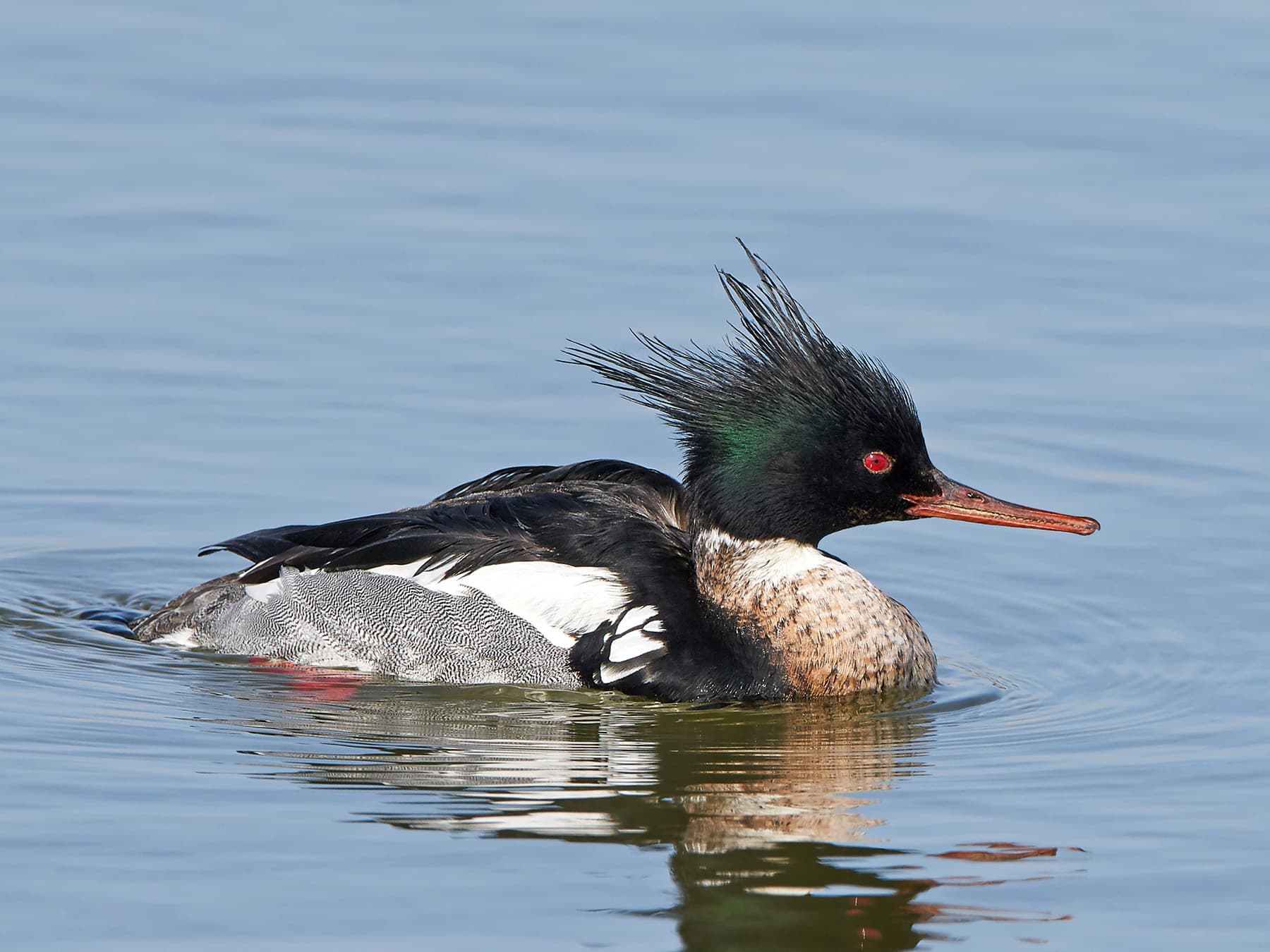 Red-breasted MerganserMergus serratorWinter visitorUncommon52–58 cmRegularly Aug–Jun · 0.08% in Mar
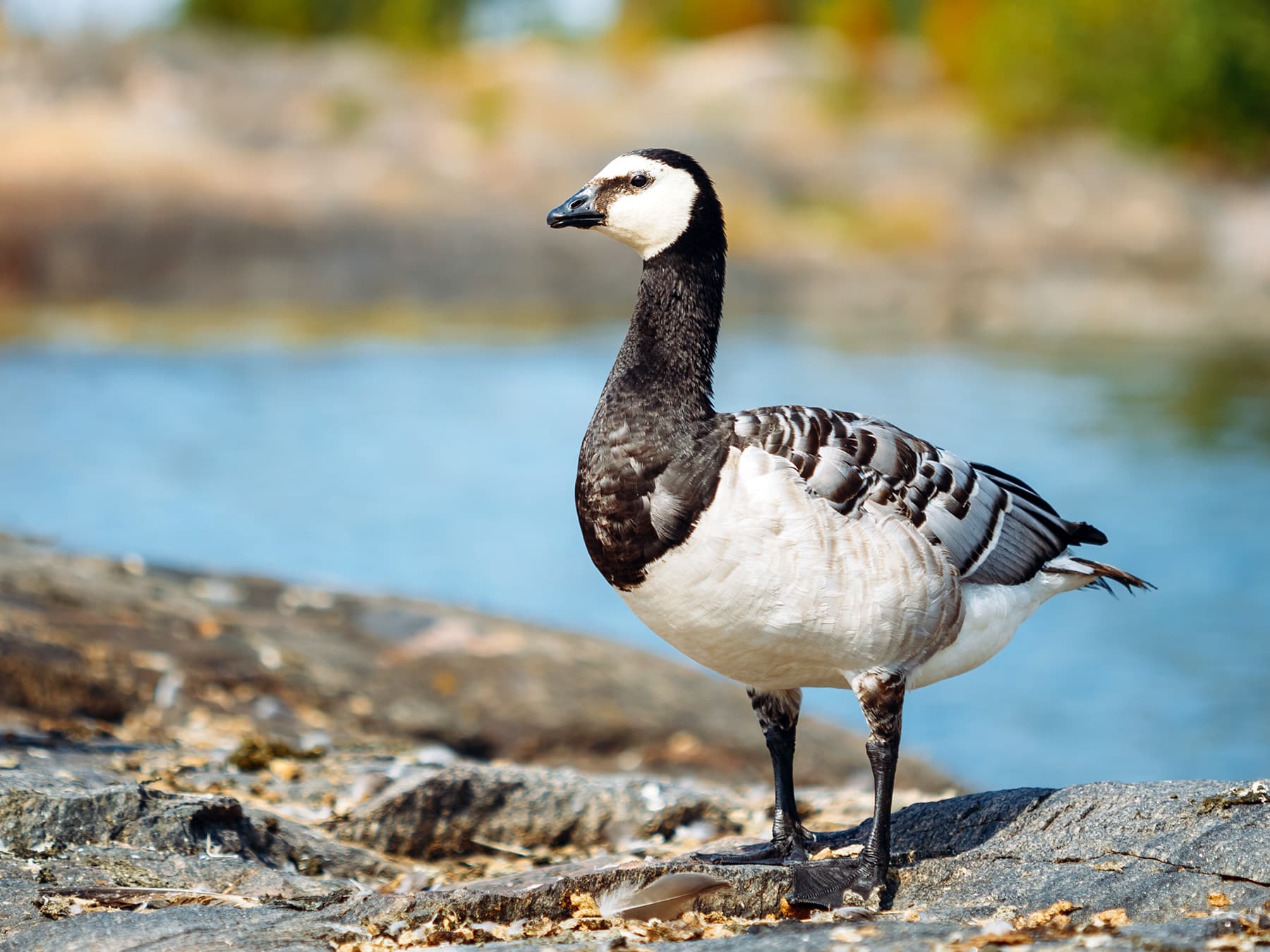 Barnacle GooseBranta leucopsisResidentUncommon58–70 cmRecorded all year · 0.08% in Mar
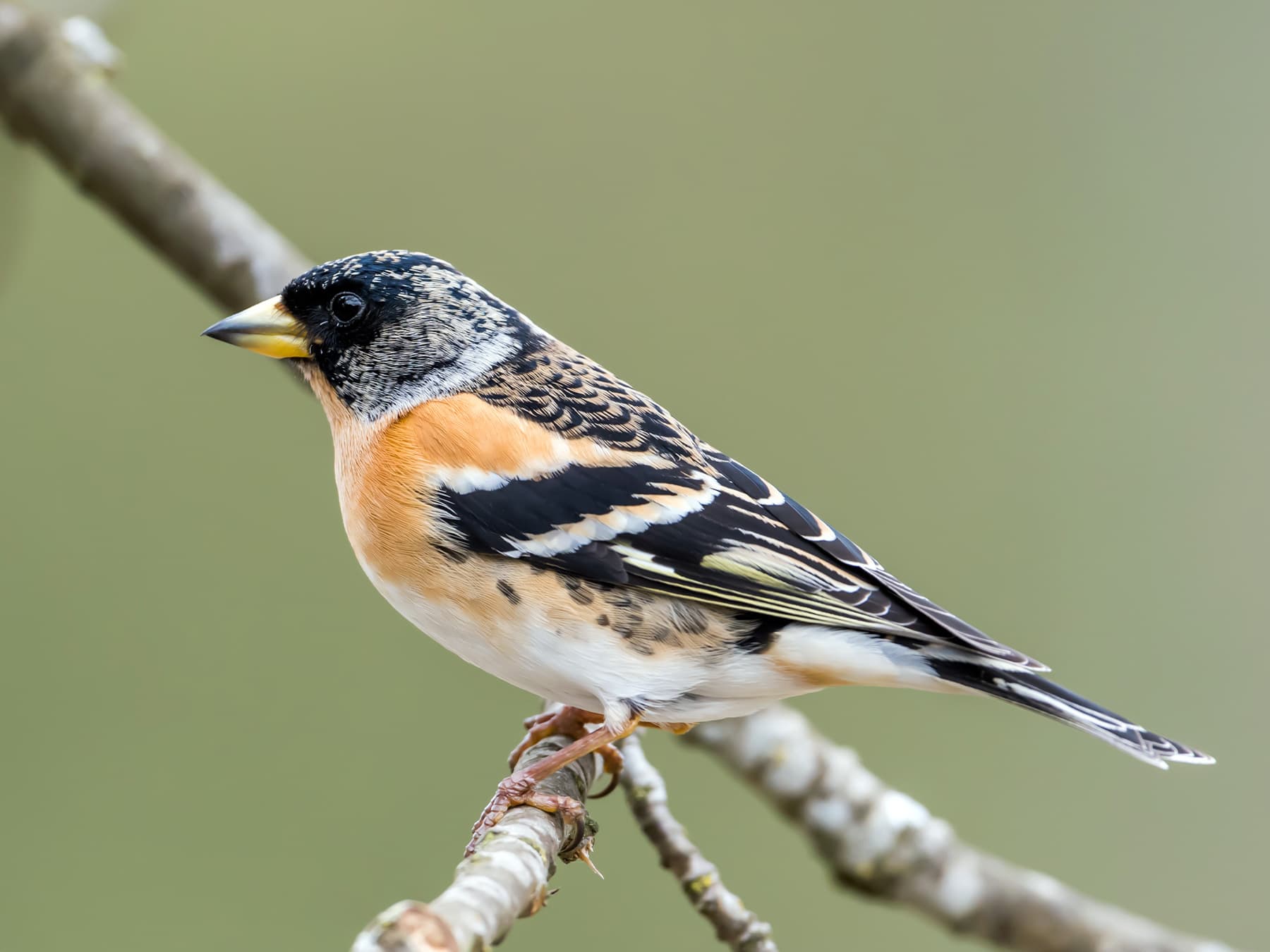 BramblingFringilla montifringillaWinter visitorUncommon14–16 cmRegularly Oct–Apr · 0.08% in Mar
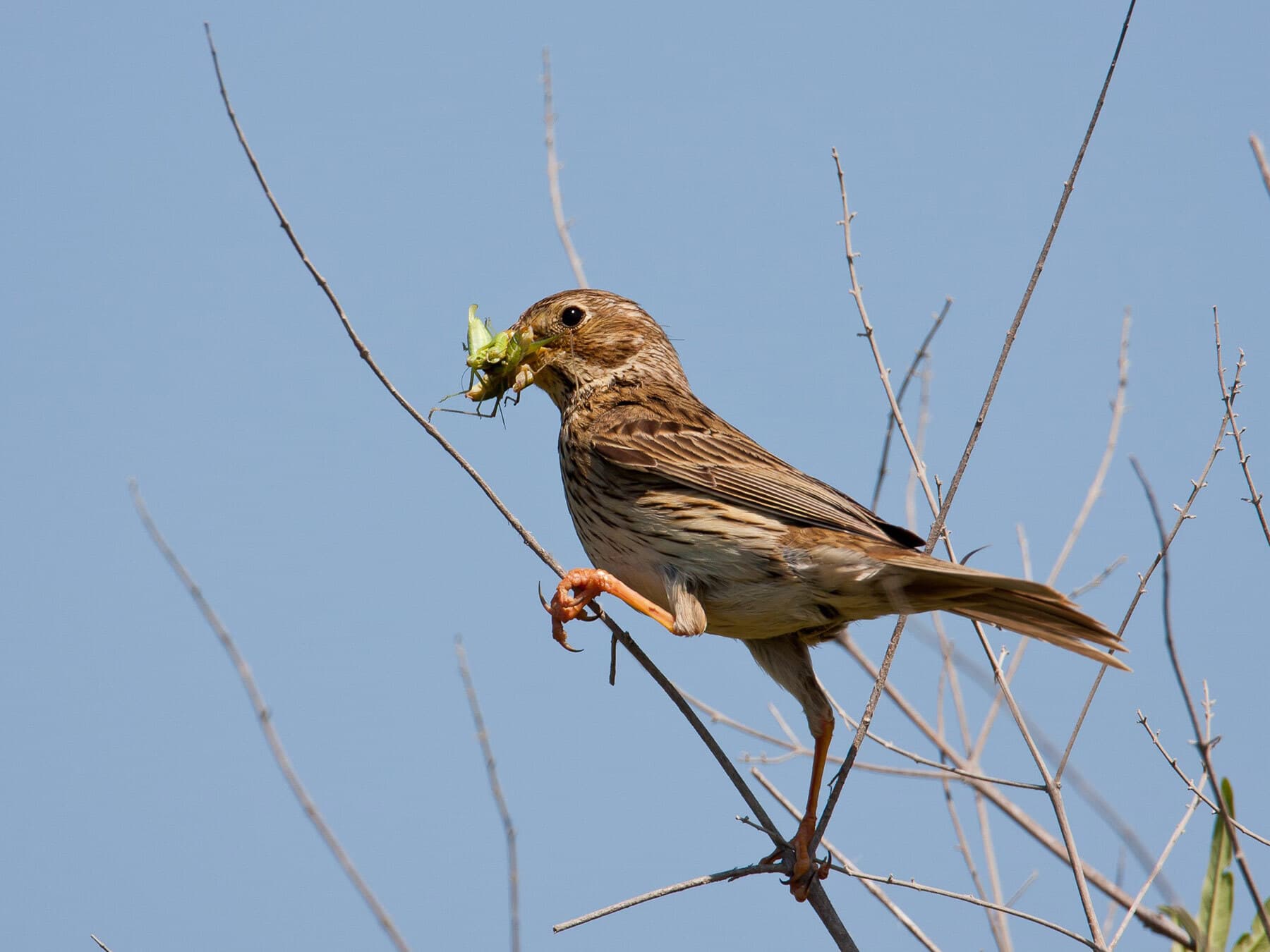 Corn BuntingEmberiza calandraResidentUncommon16–19 cmRegularly Sep–Jul · 0.07% in Mar
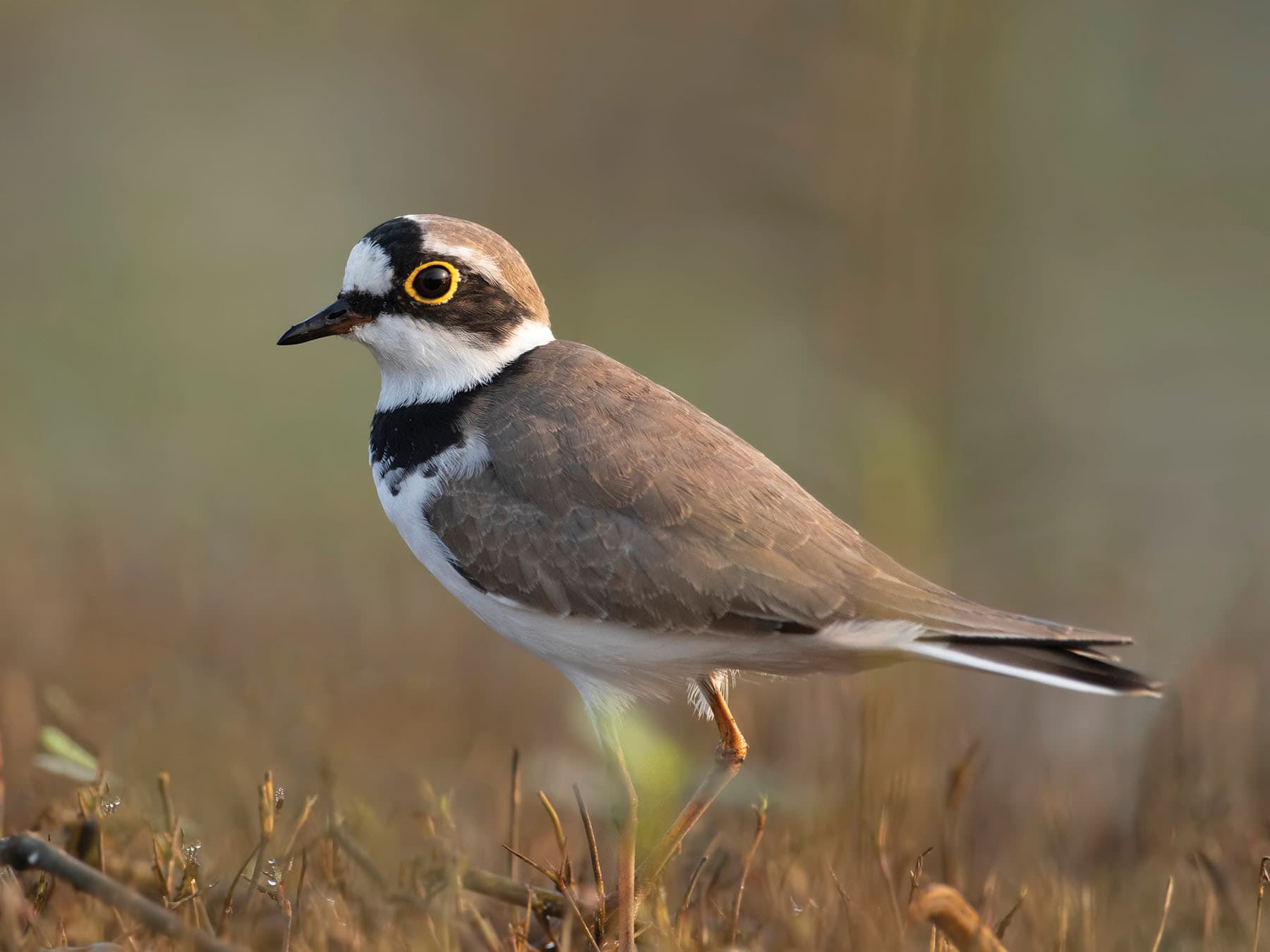 Little Ringed PloverThinornis dubiusSummer visitorUncommon14–17 cmRegularly Mar–Sep · 0.07% in Mar
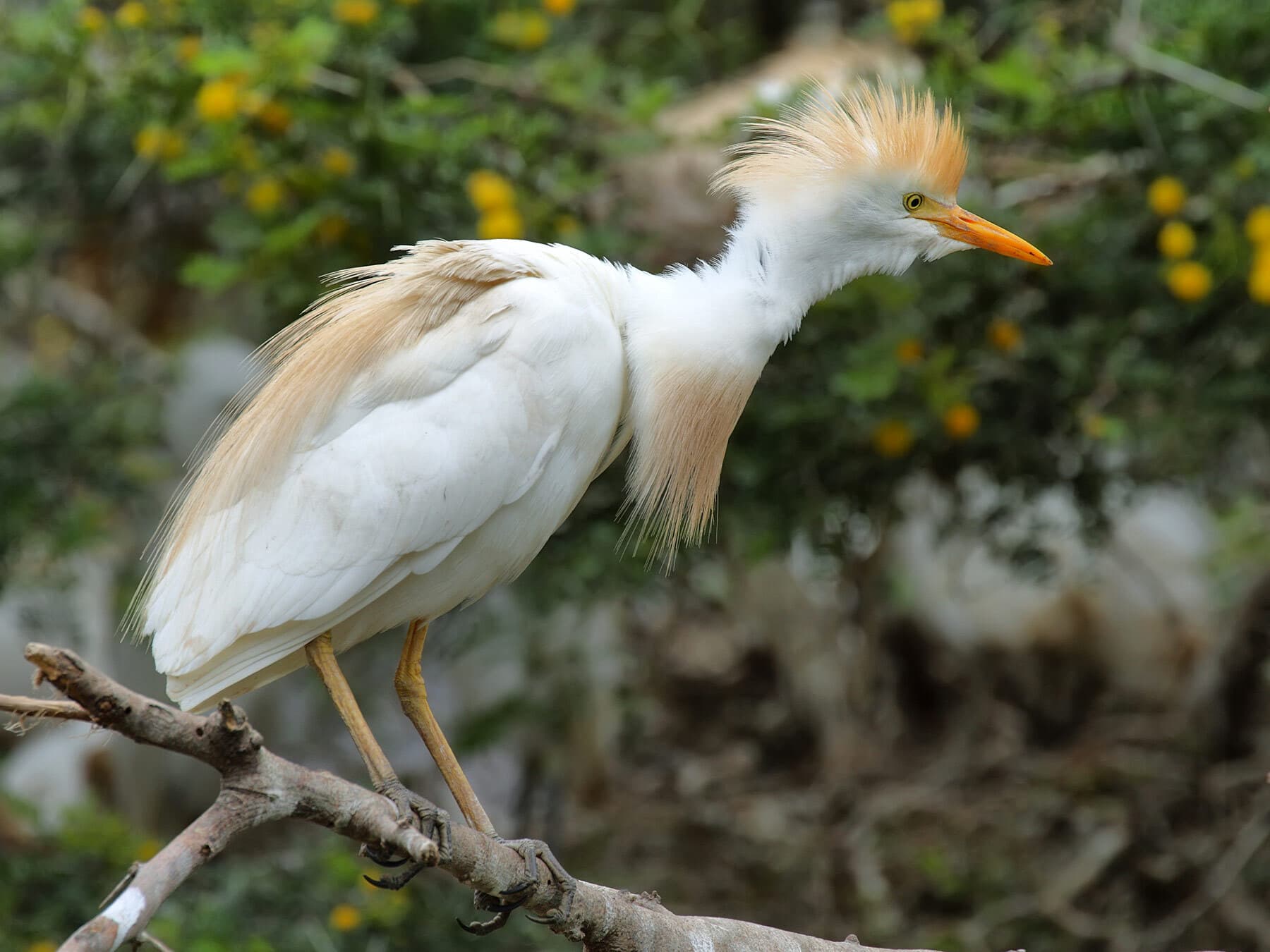 Cattle EgretArdea ibisPassage migrantUncommon46–56 cmRegularly Jul–Apr · 0.07% in Mar
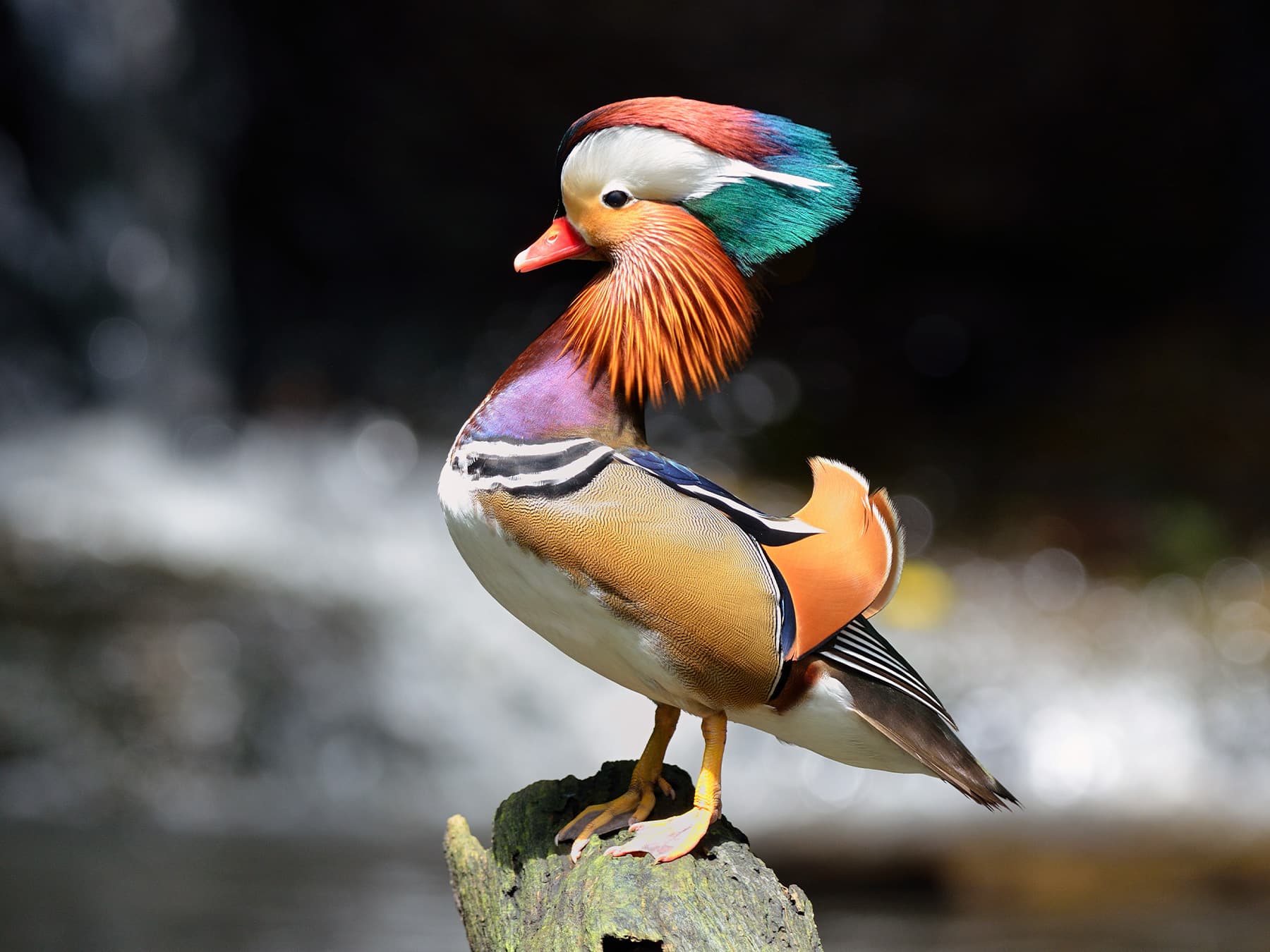 Mandarin DuckAix galericulataSummer visitorUncommon41–49 cmRegularly Feb–Dec · 0.07% in Mar
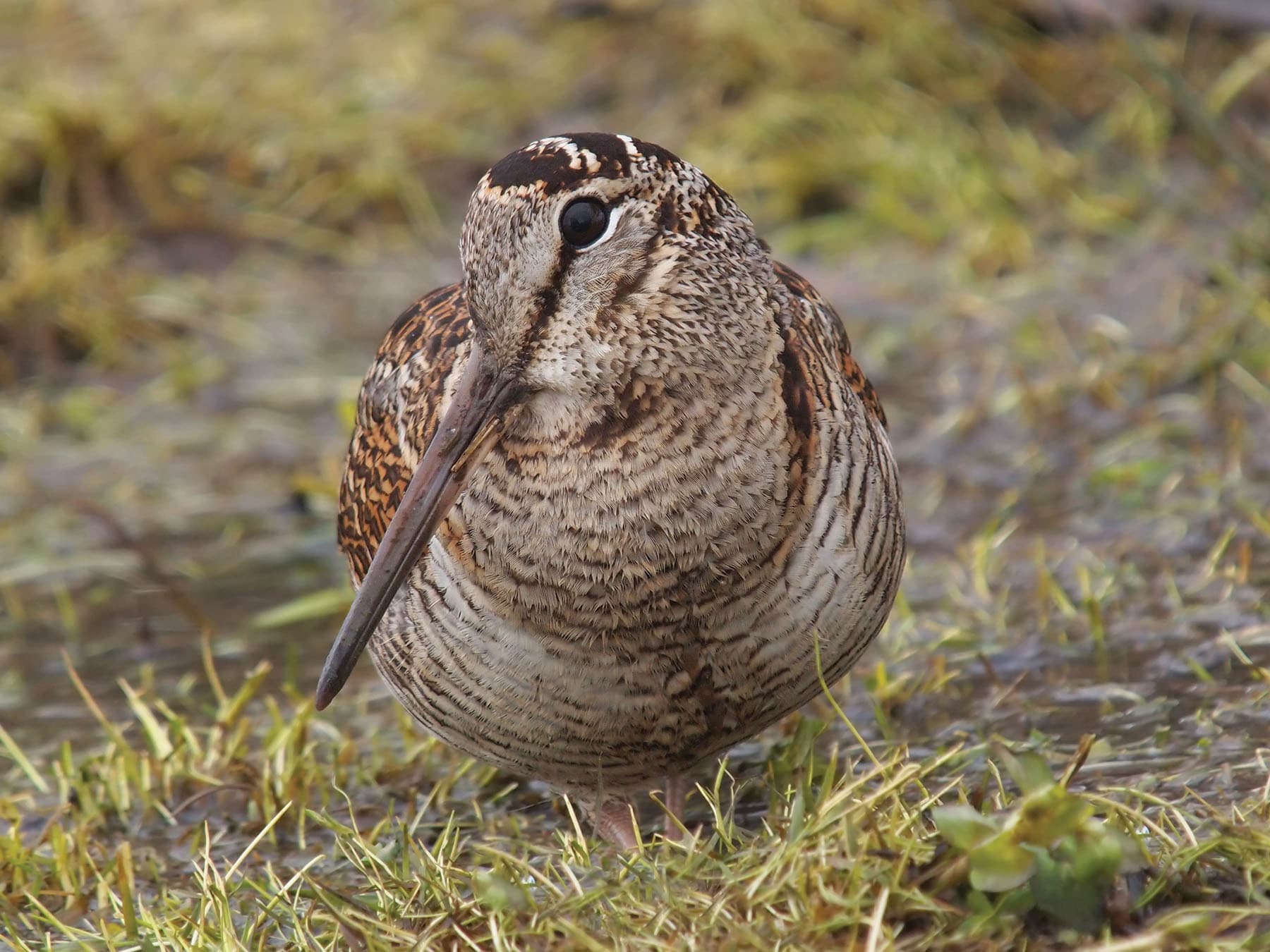 Eurasian WoodcockScolopax rusticolaWinter visitorUncommon33–38 cmRegularly Nov–Jun · 0.06% in Mar
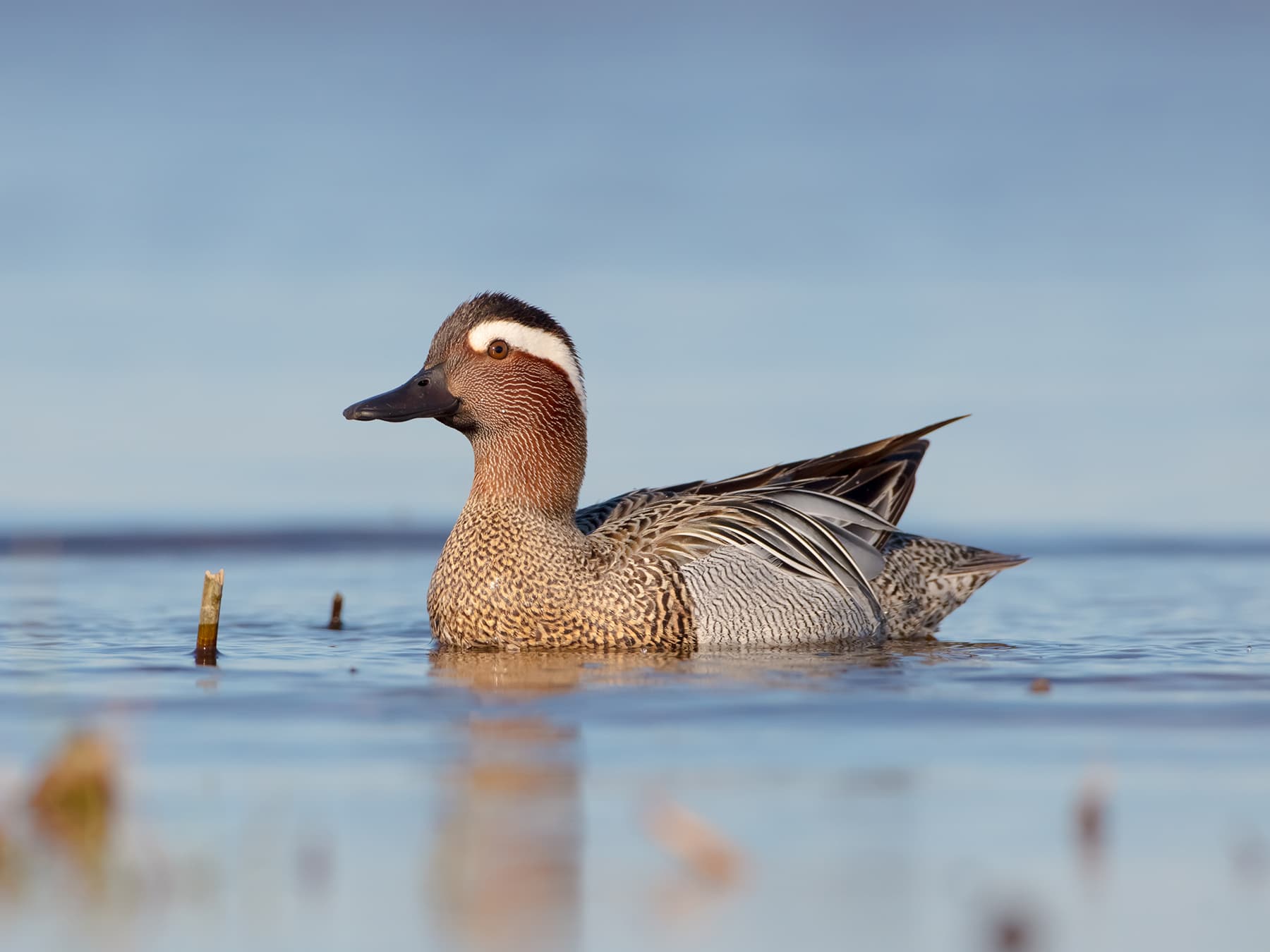 GarganeySpatula querquedulaPassage migrantUncommon37–41 cmRegularly Mar–Oct · 0.06% in Mar
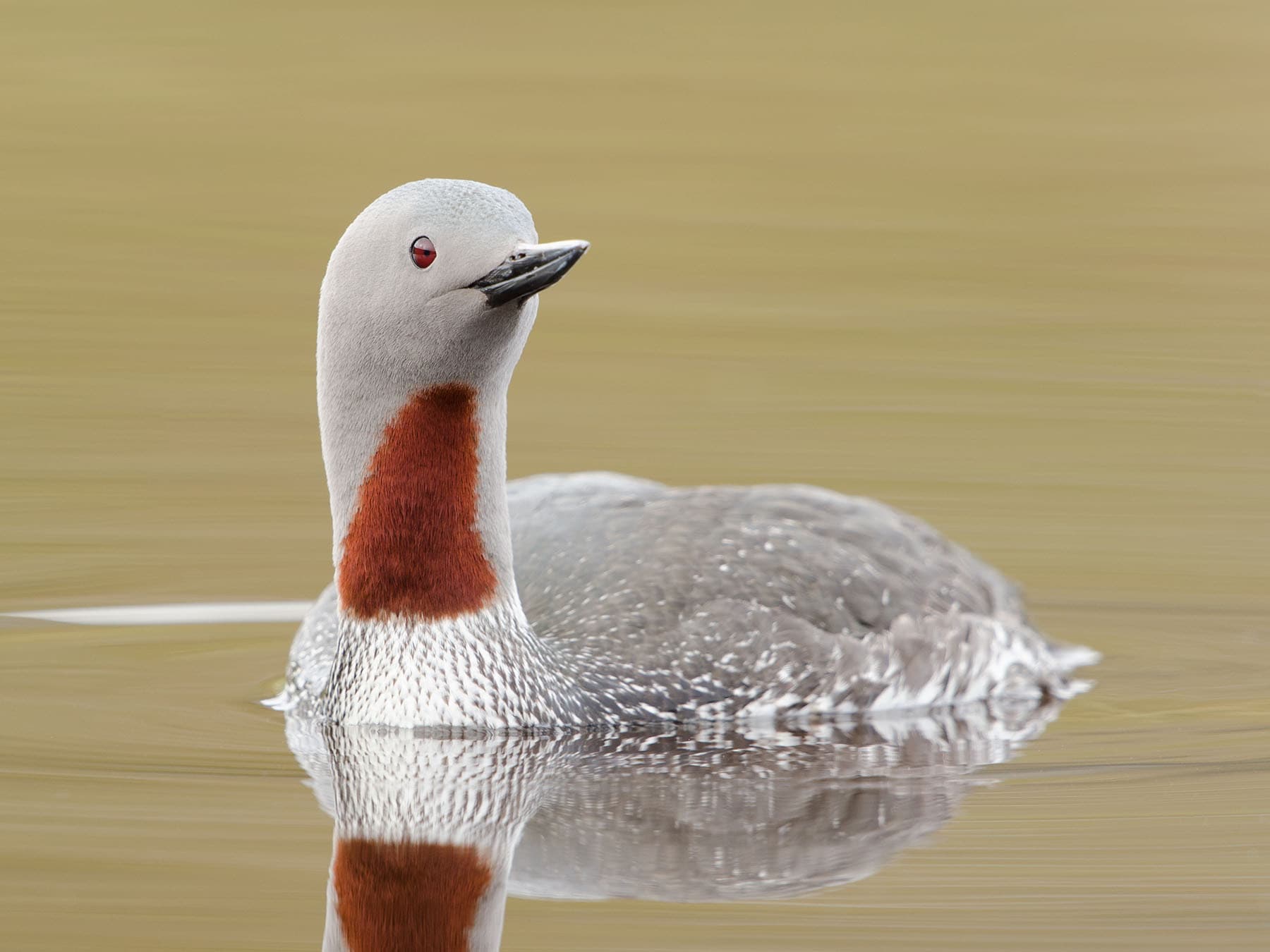 Red-throated LoonGavia stellataWinter visitorUncommon53–69 cmRegularly Sep–May · 0.06% in Mar
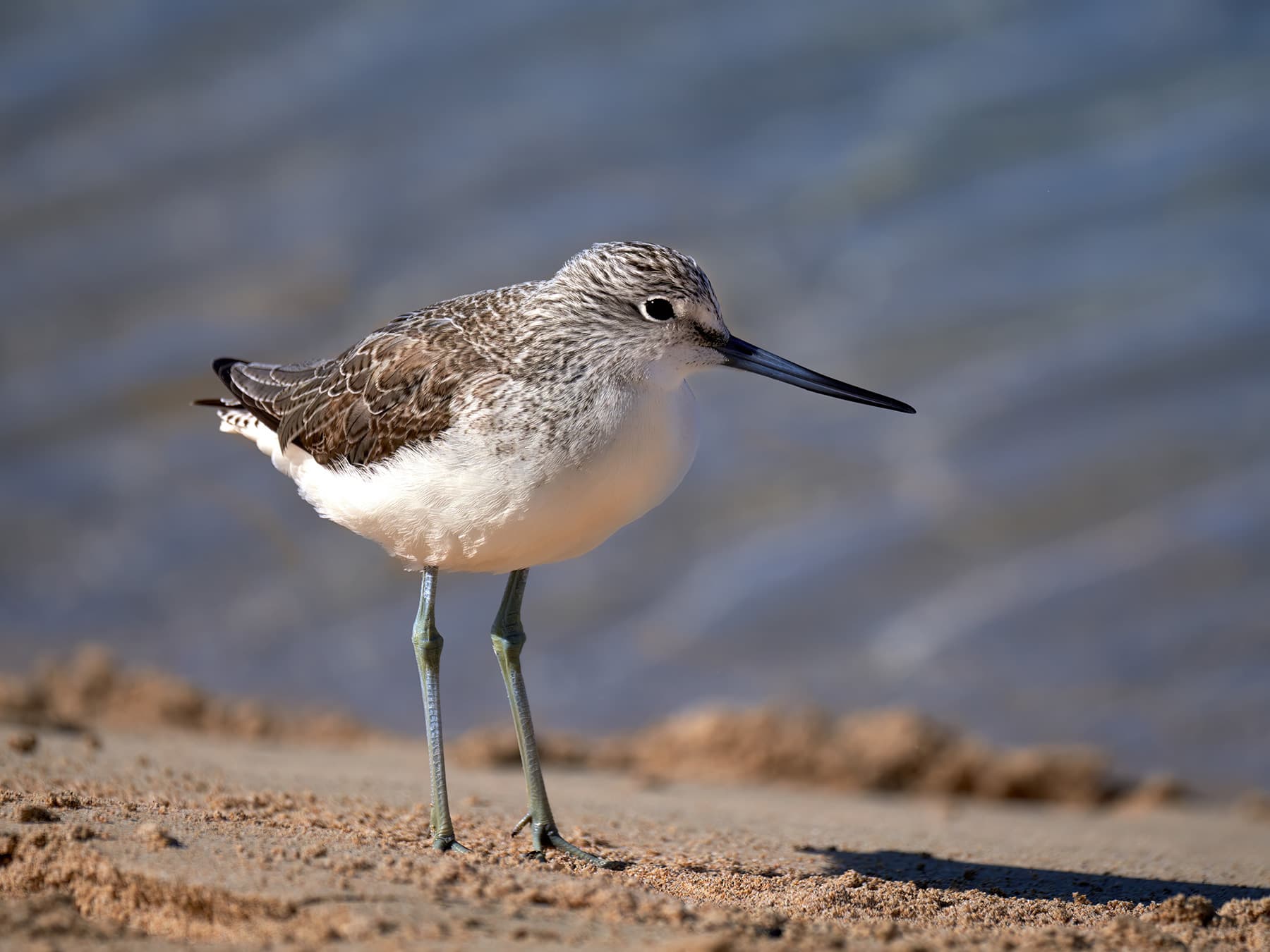 GreenshankTringa nebulariaSummer visitorCommon30–35 cmRegularly Jan–Nov · 0.05% in Mar
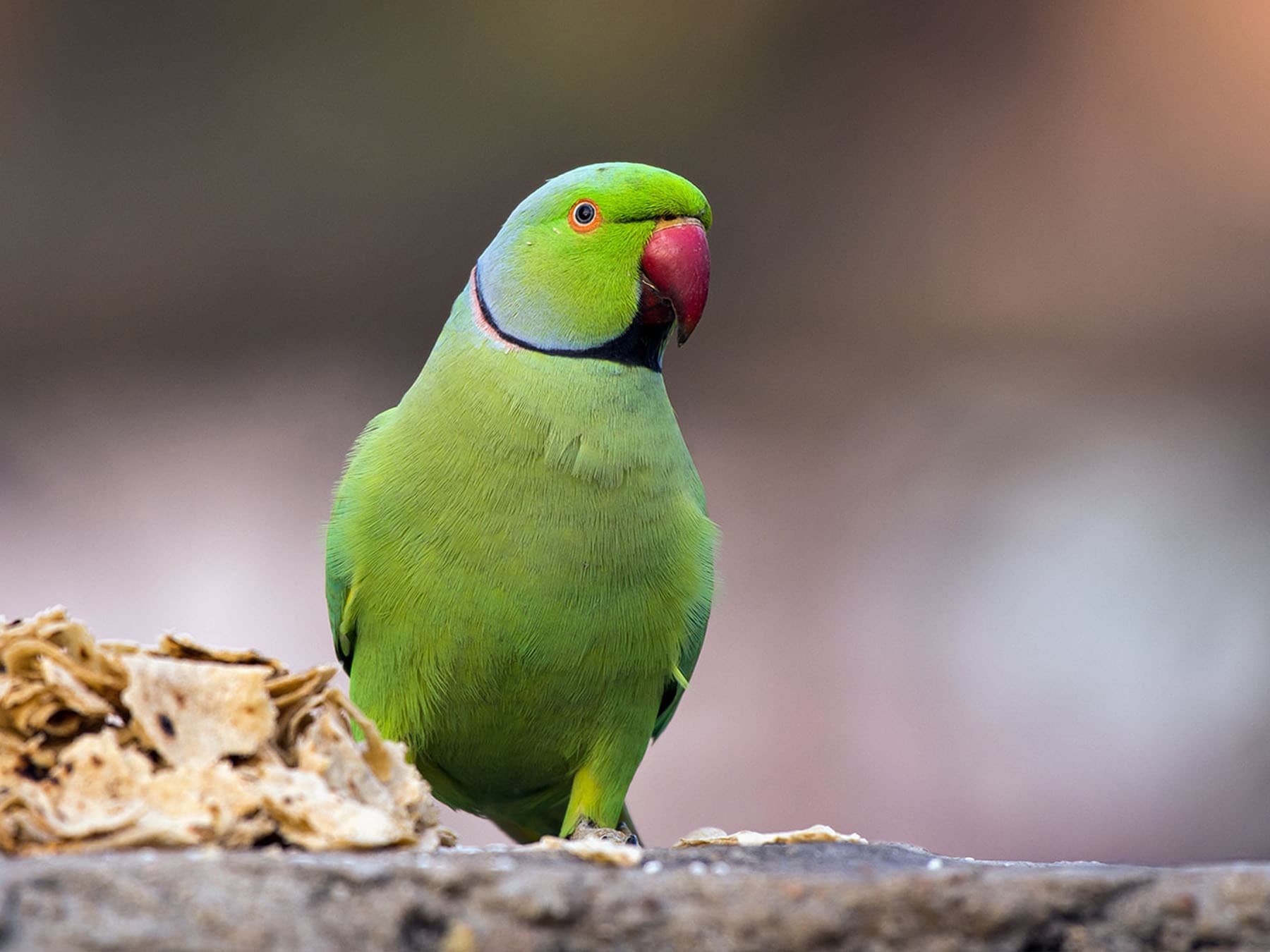 Rose-ringed ParakeetPsittacula krameriResidentUncommon38–42 cmRecorded all year · 0.05% in Mar
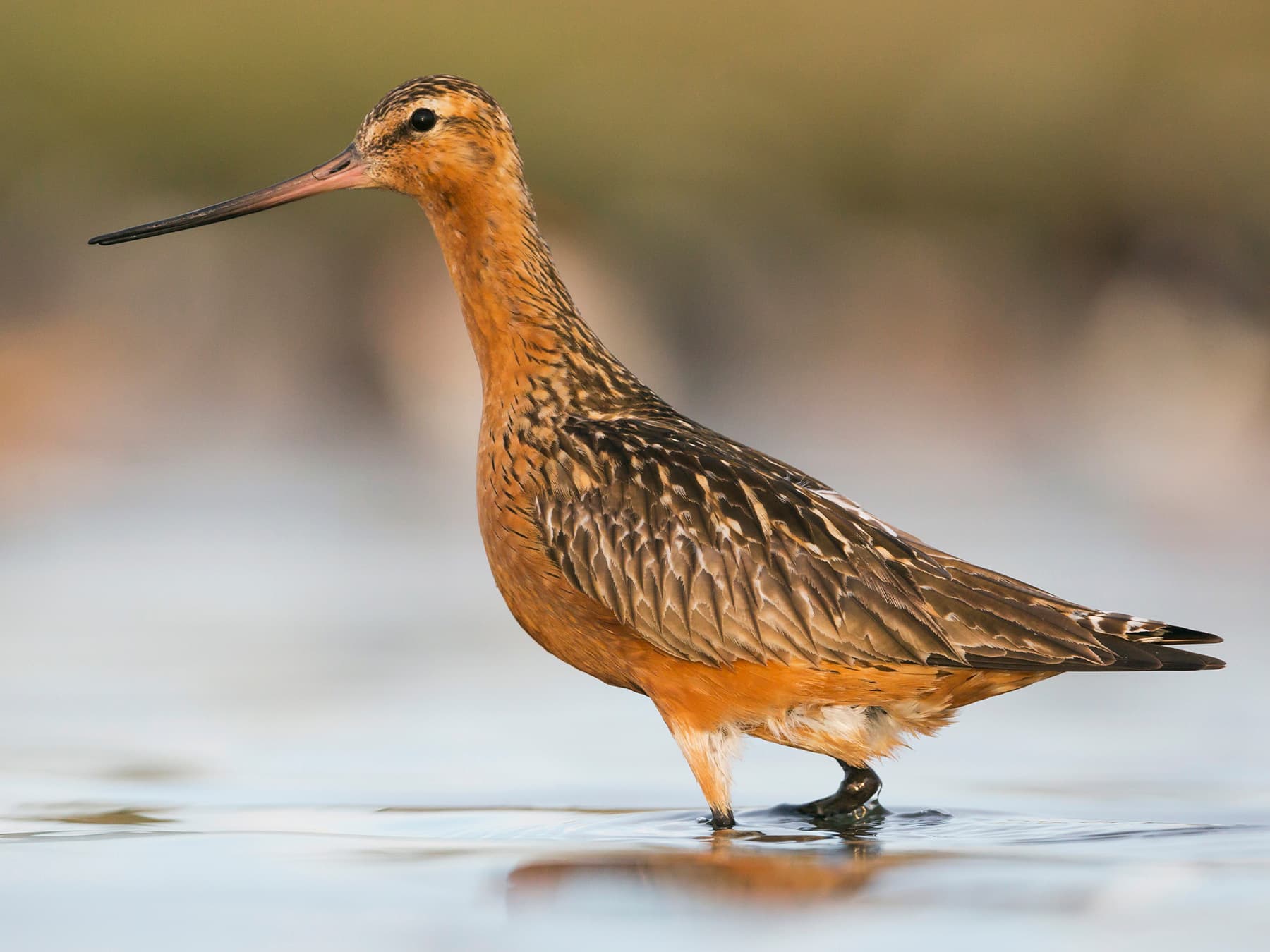 Bar-tailed GodwitLimosa lapponicaResidentUncommon37–41 cmRecorded all year · 0.05% in Mar
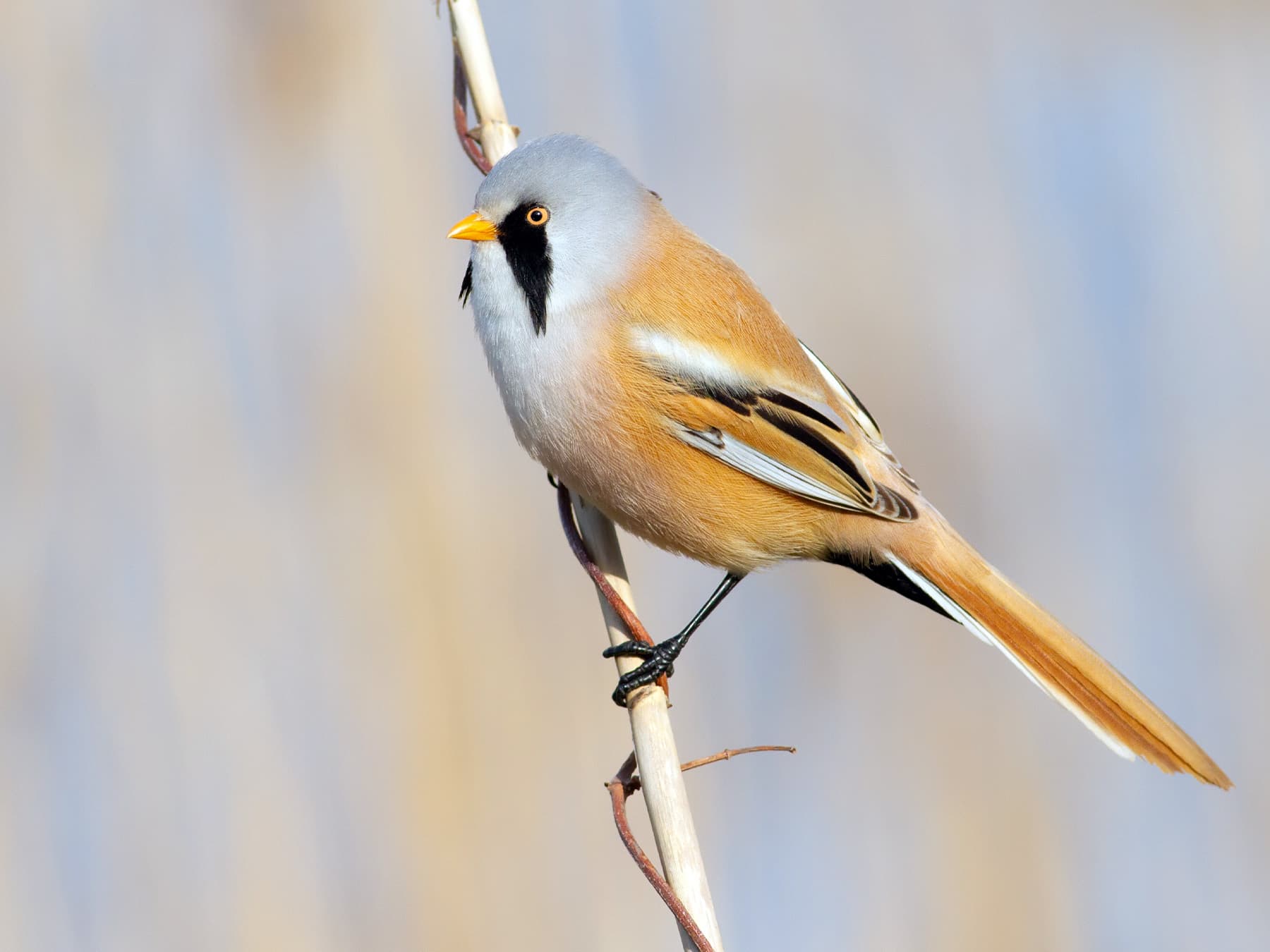 Bearded TitPanurus biarmicusSummer visitorUncommon13–15 cmRecorded all year · 0.05% in Mar
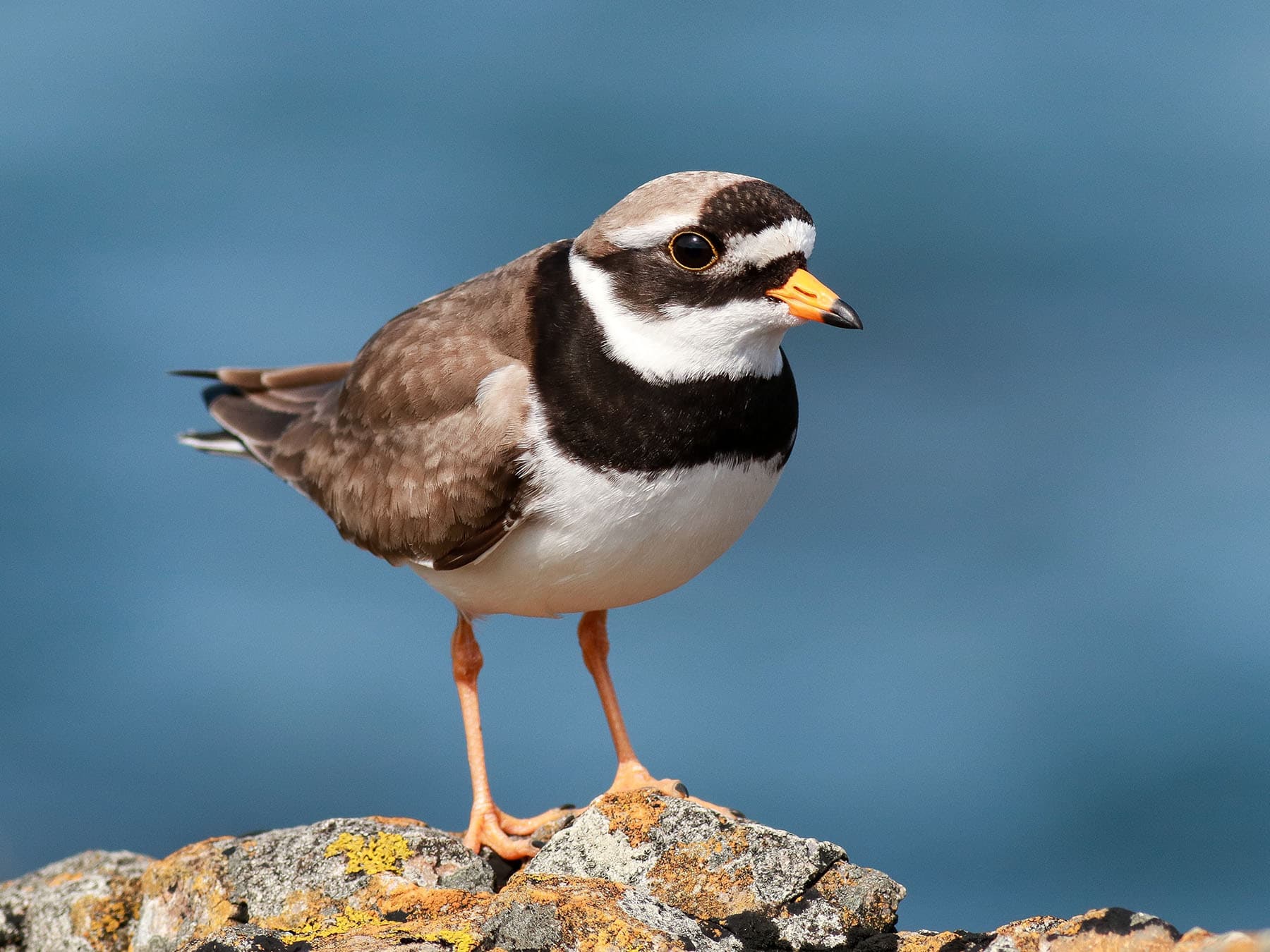 Ringed PloverCharadrius hiaticulaSummer visitorUncommon17–19 cmRecorded all year · 0.05% in Mar
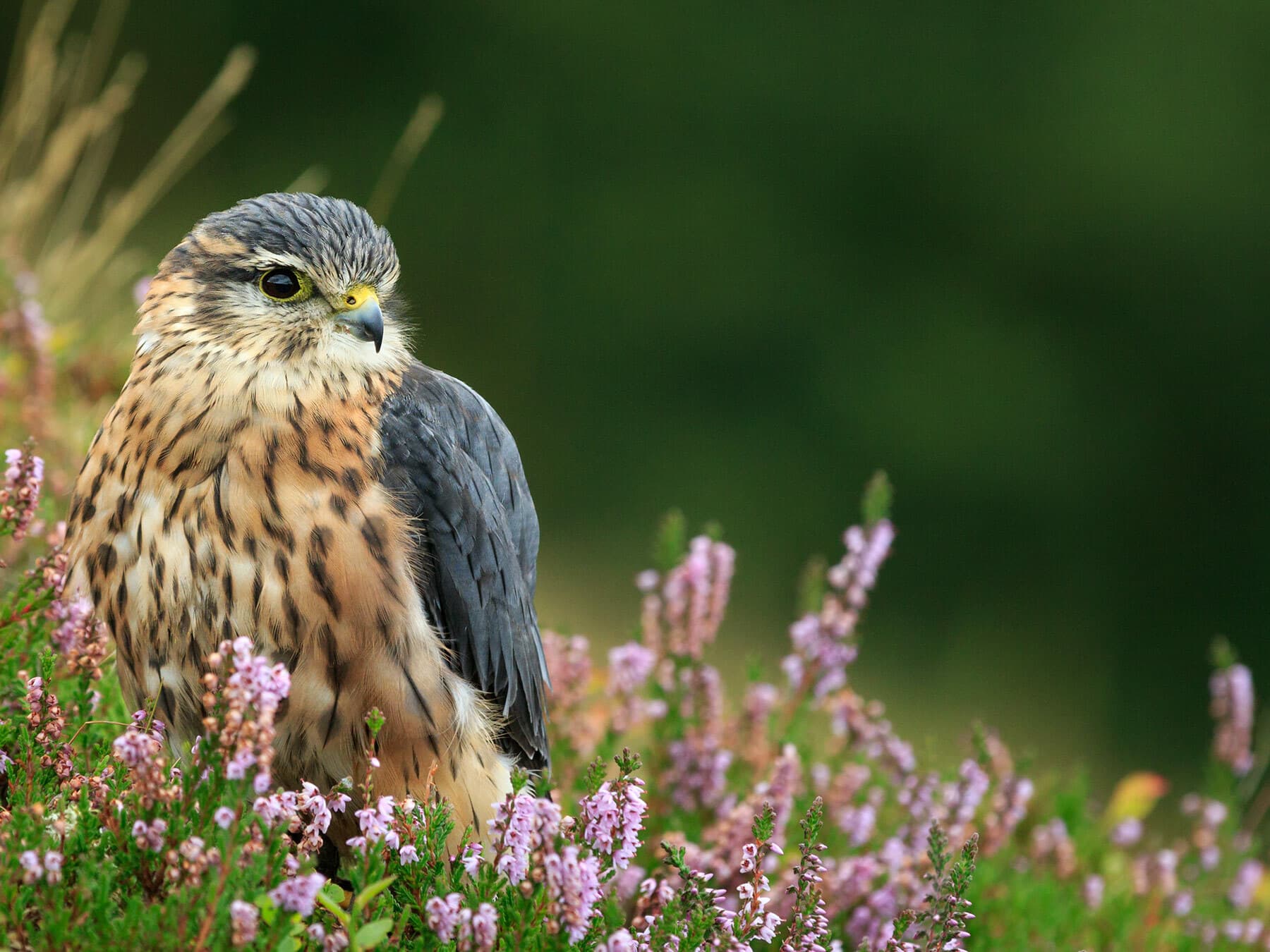 MerlinFalco columbariusWinter visitorUncommon24–33 cmRegularly Aug–Mar · 0.04% in Mar
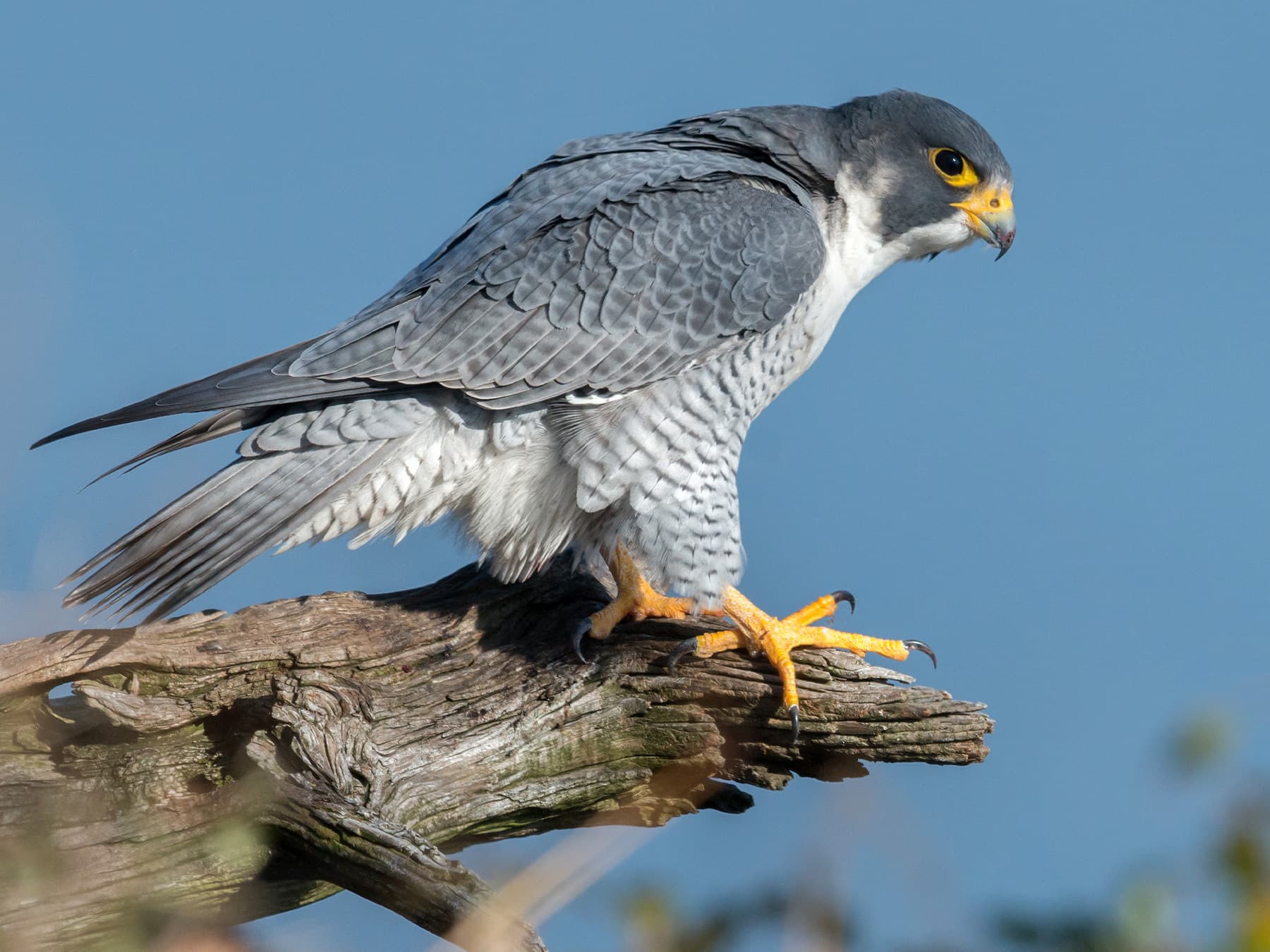 Peregrine FalconFalco peregrinusResidentUncommon34–58 cmRecorded all year · 0.04% in Mar
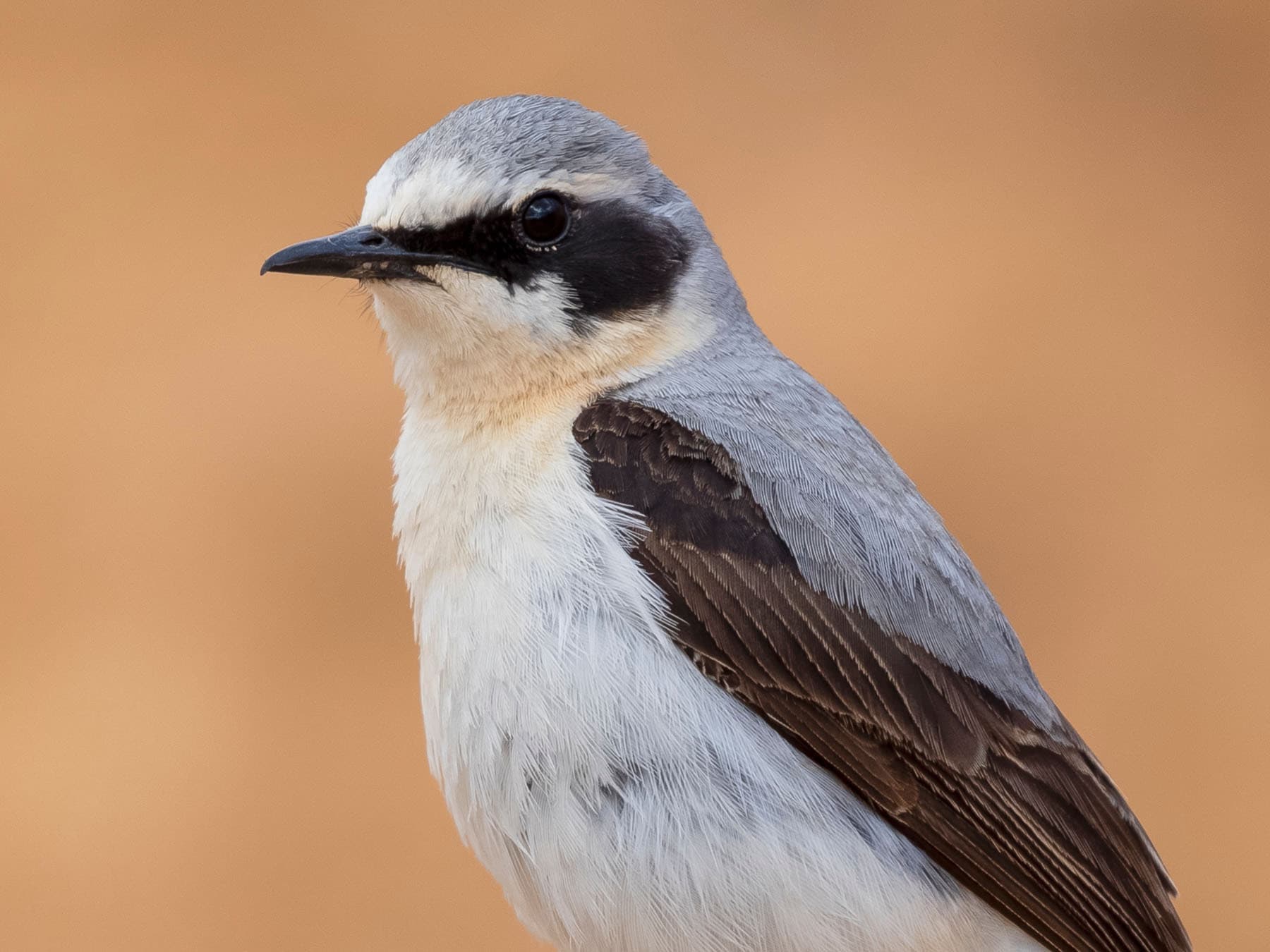 WheatearOenanthe oenantheSummer visitorUncommon15–16 cmRegularly Mar–Oct · 0.04% in Mar
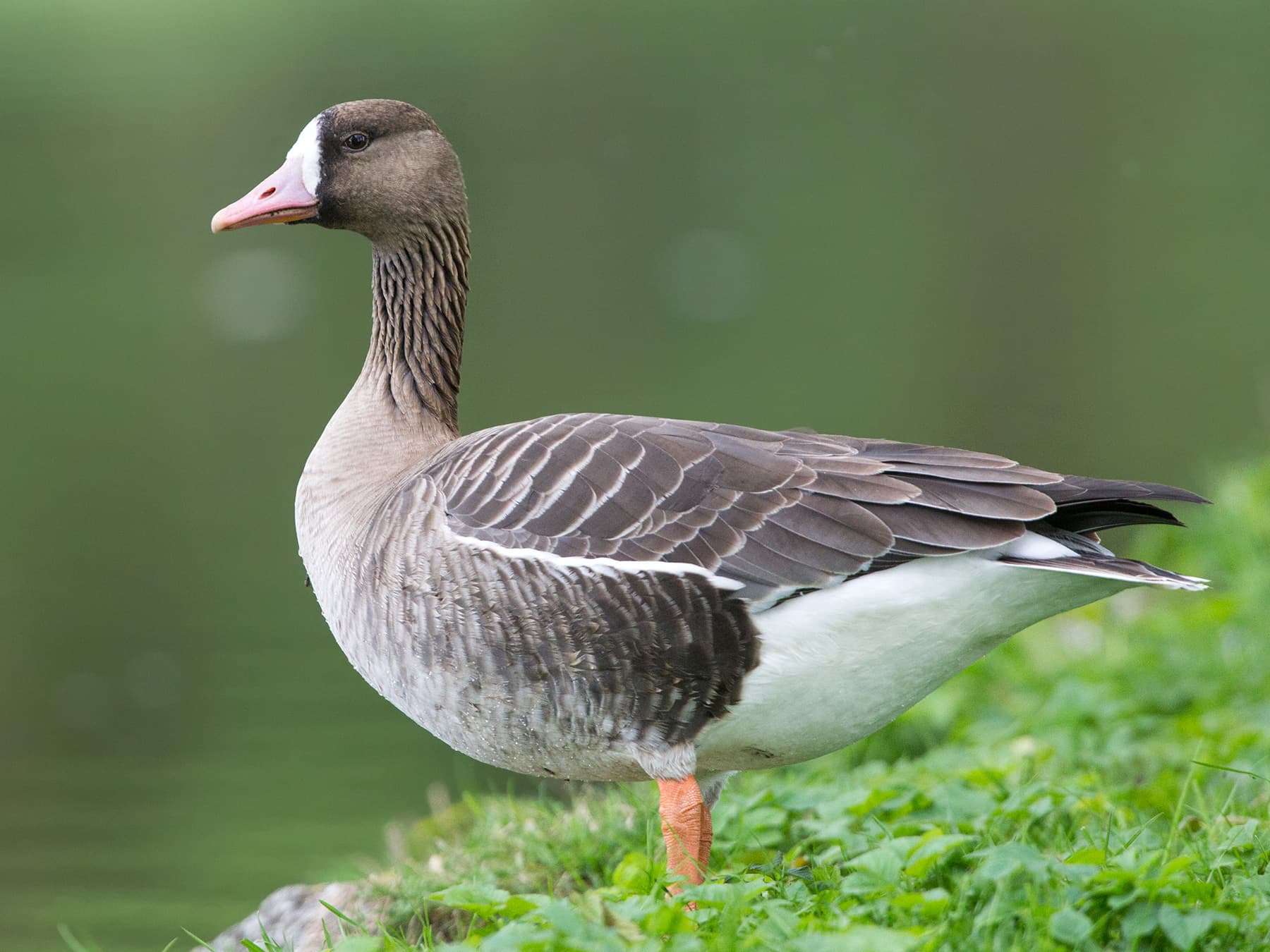 Greater White-fronted GooseAnser albifronsWinter visitorUncommon64–81 cmRegularly Oct–Mar · 0.04% in Mar
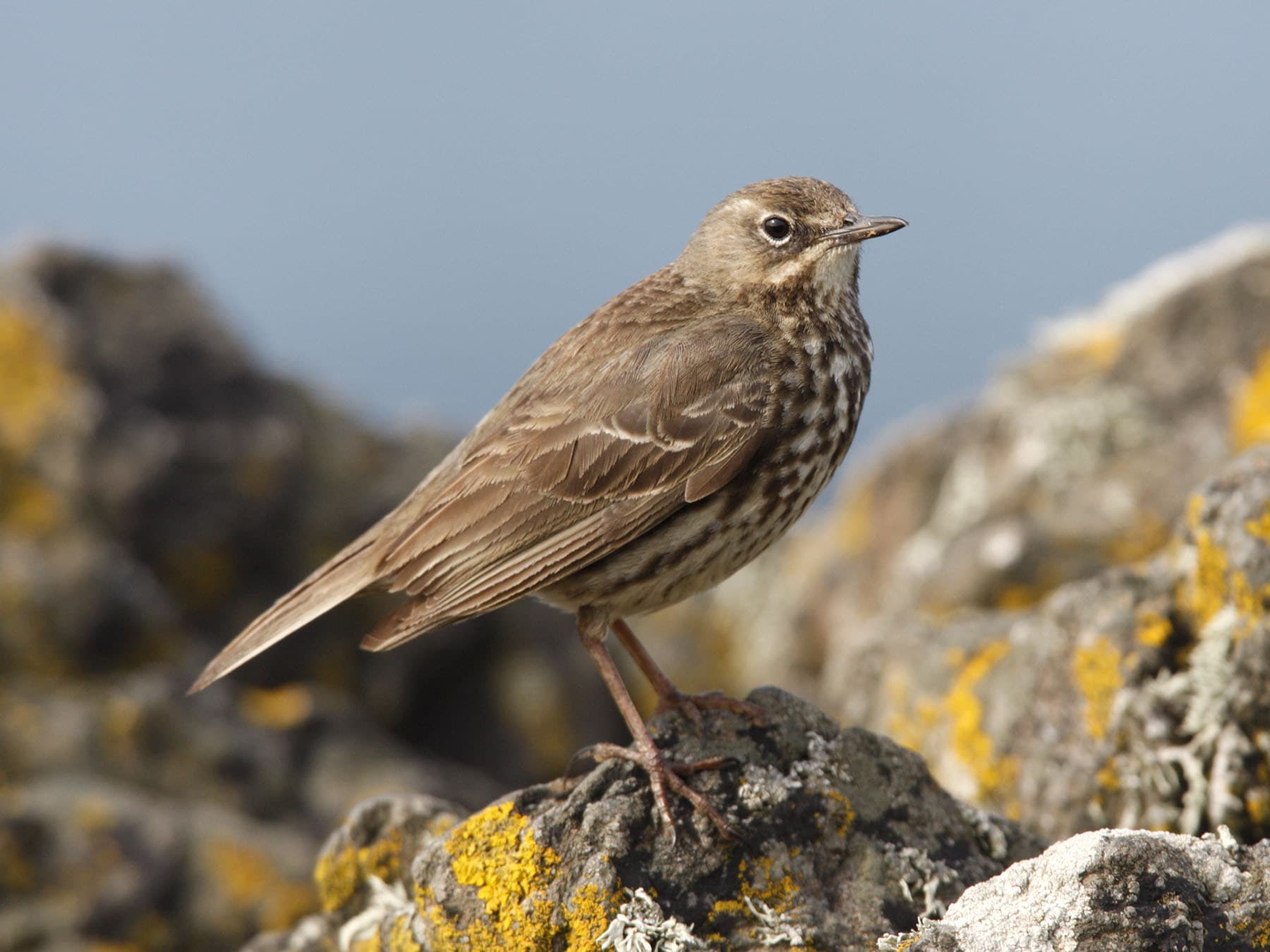 Rock PipitAnthus petrosusWinter visitorUncommon16–18 cmRegularly Sep–May · 0.04% in Mar
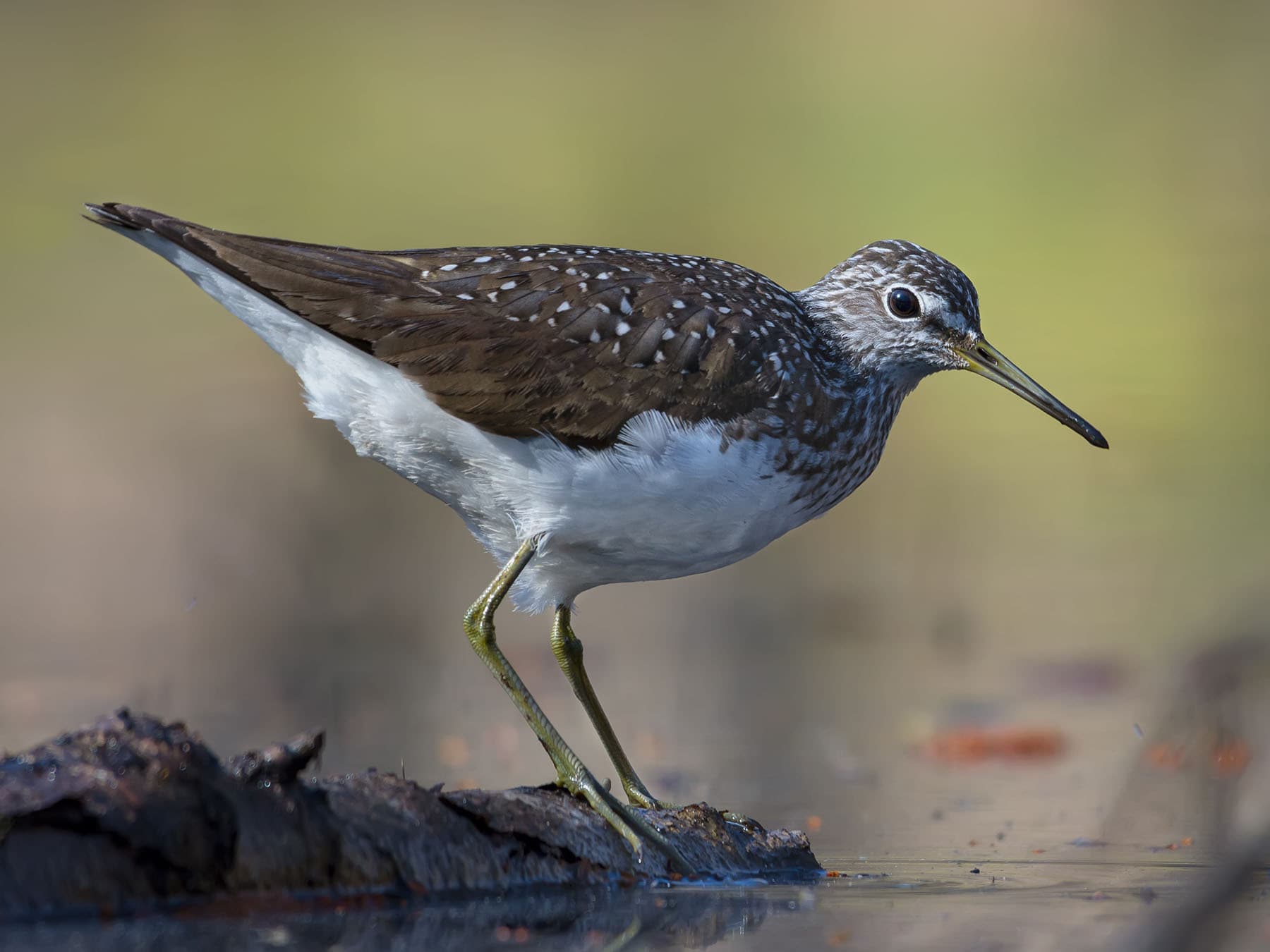 Green SandpiperTringa ochropusWinter visitorUncommon21–24 cmRegularly Jun–Apr · 0.04% in Mar
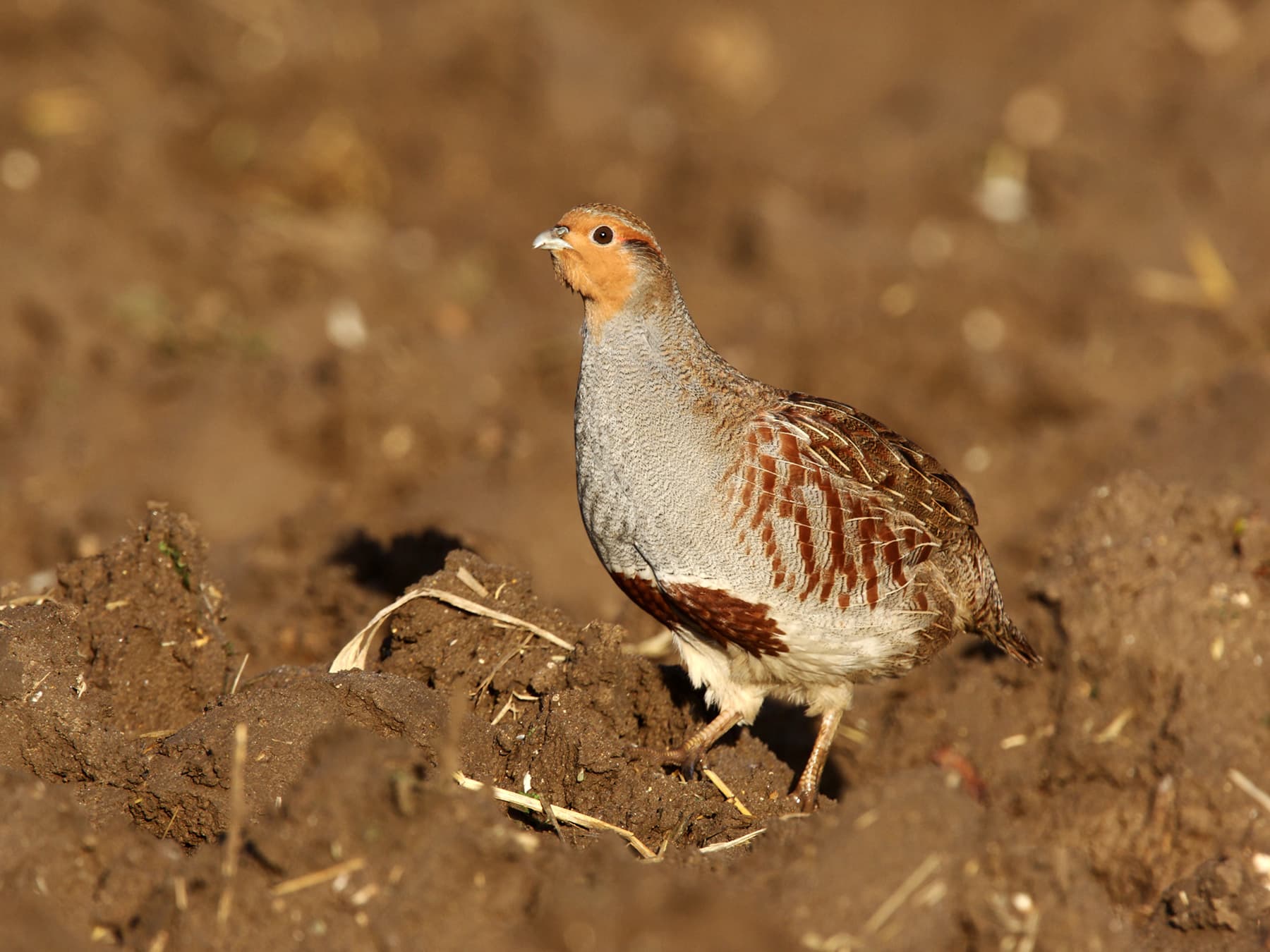 Grey PartridgePerdix perdixWinter visitorUncommon28–32 cmRegularly Jul–May · 0.04% in Mar
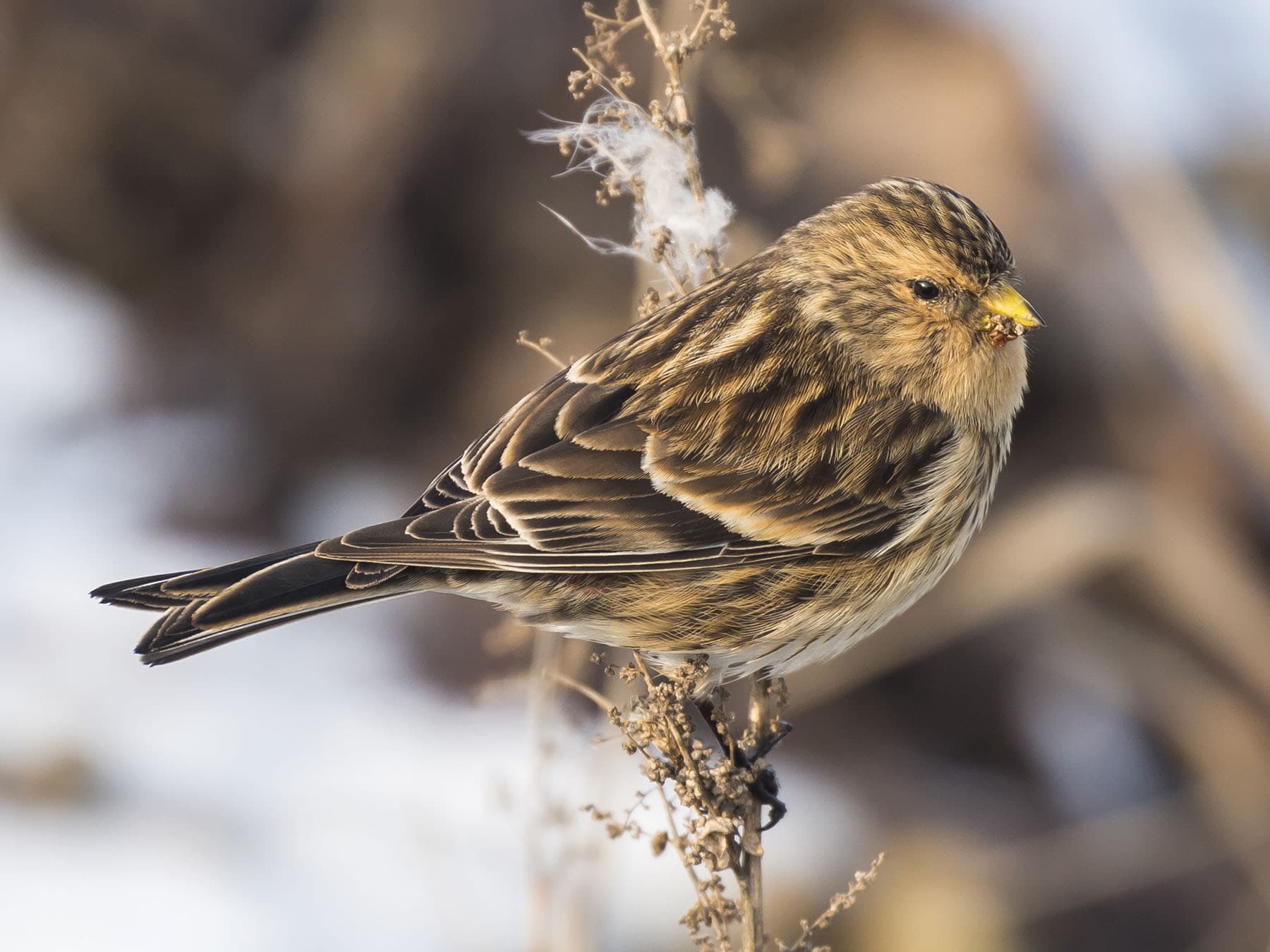 TwiteLinaria flavirostrisWinter visitorUncommon13–14 cmRegularly Nov–Mar · 0.03% in Mar
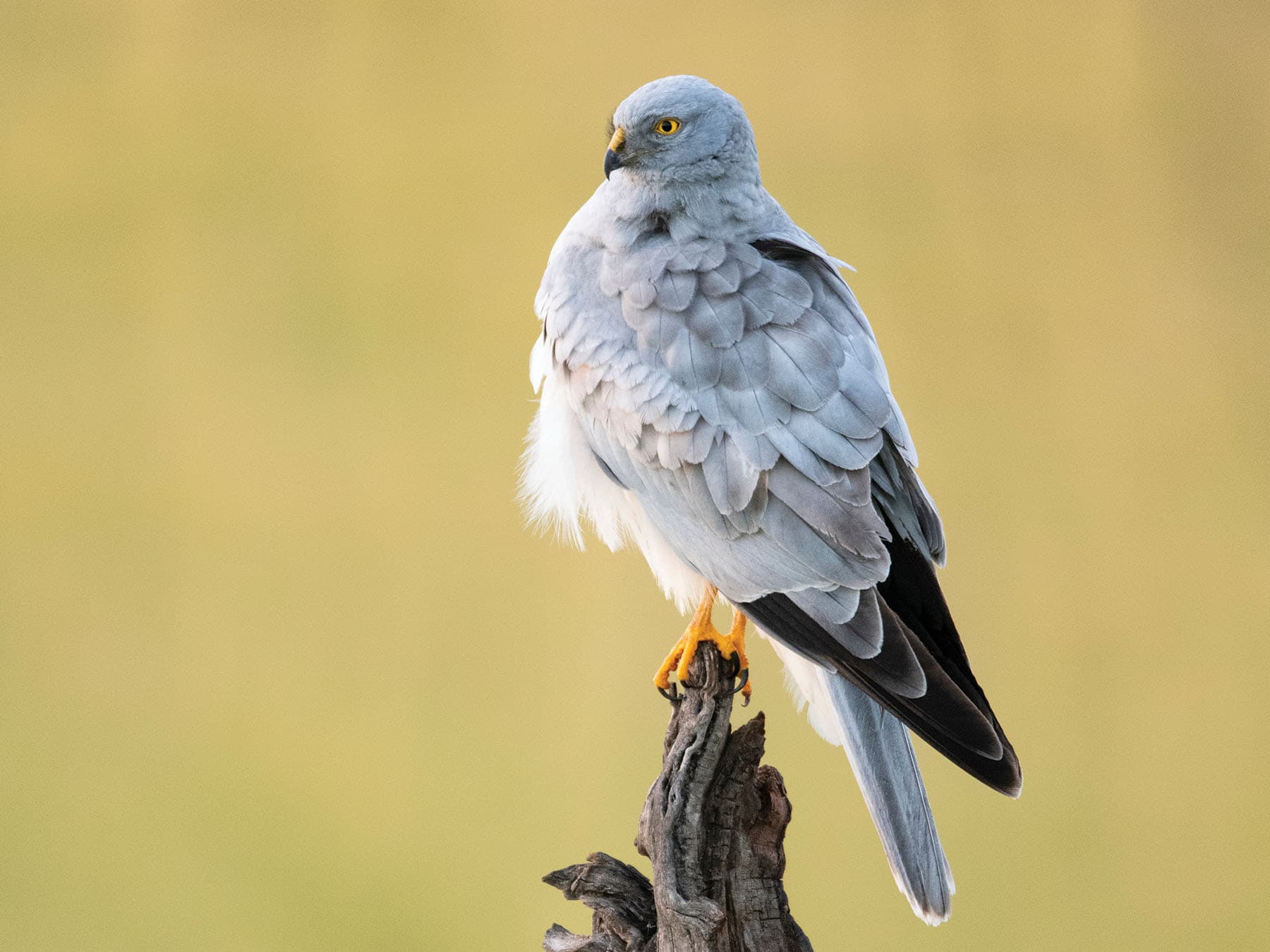 Hen HarrierCircus cyaneusPassage migrantUncommon41–52 cmRegularly Oct–Jul · records held back in Mar (protected)
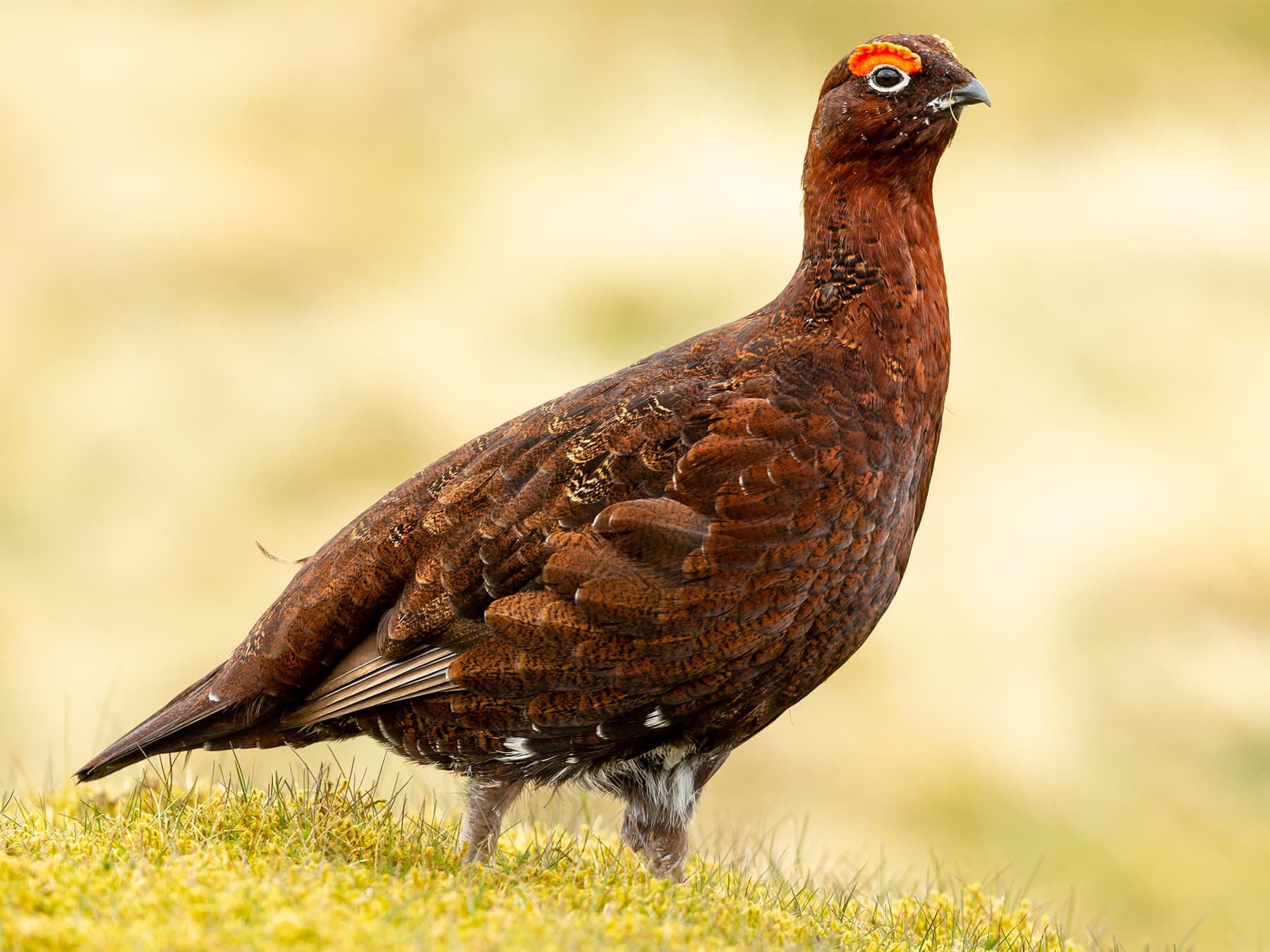 Red GrouseLagopus scoticaResidentUncommon37–42 cmRegularly Nov–Sep · 0.03% in Mar
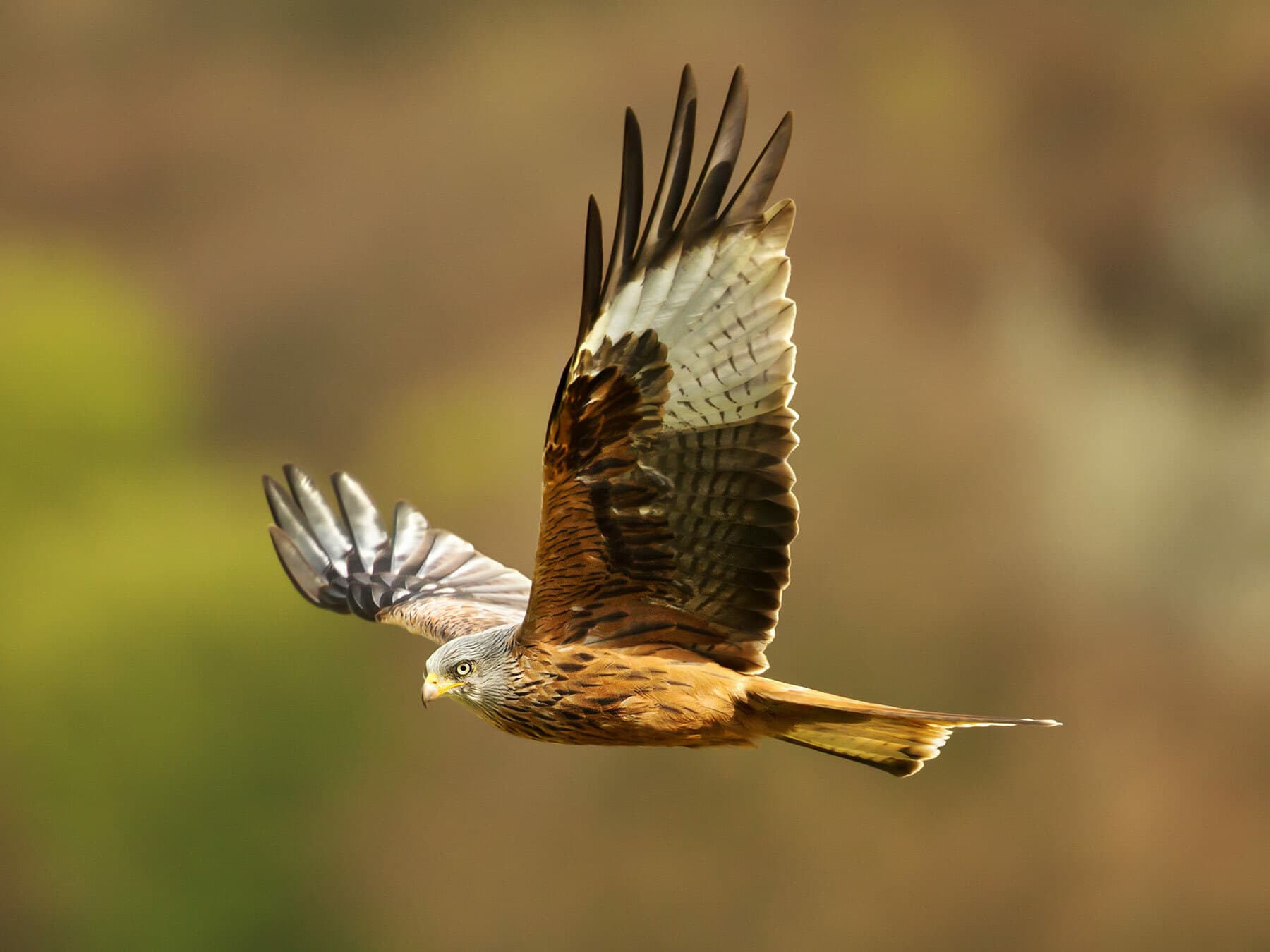 Red KiteMilvus milvusResidentRare60–66 cmRegularly Feb–Aug · 0.03% in Mar
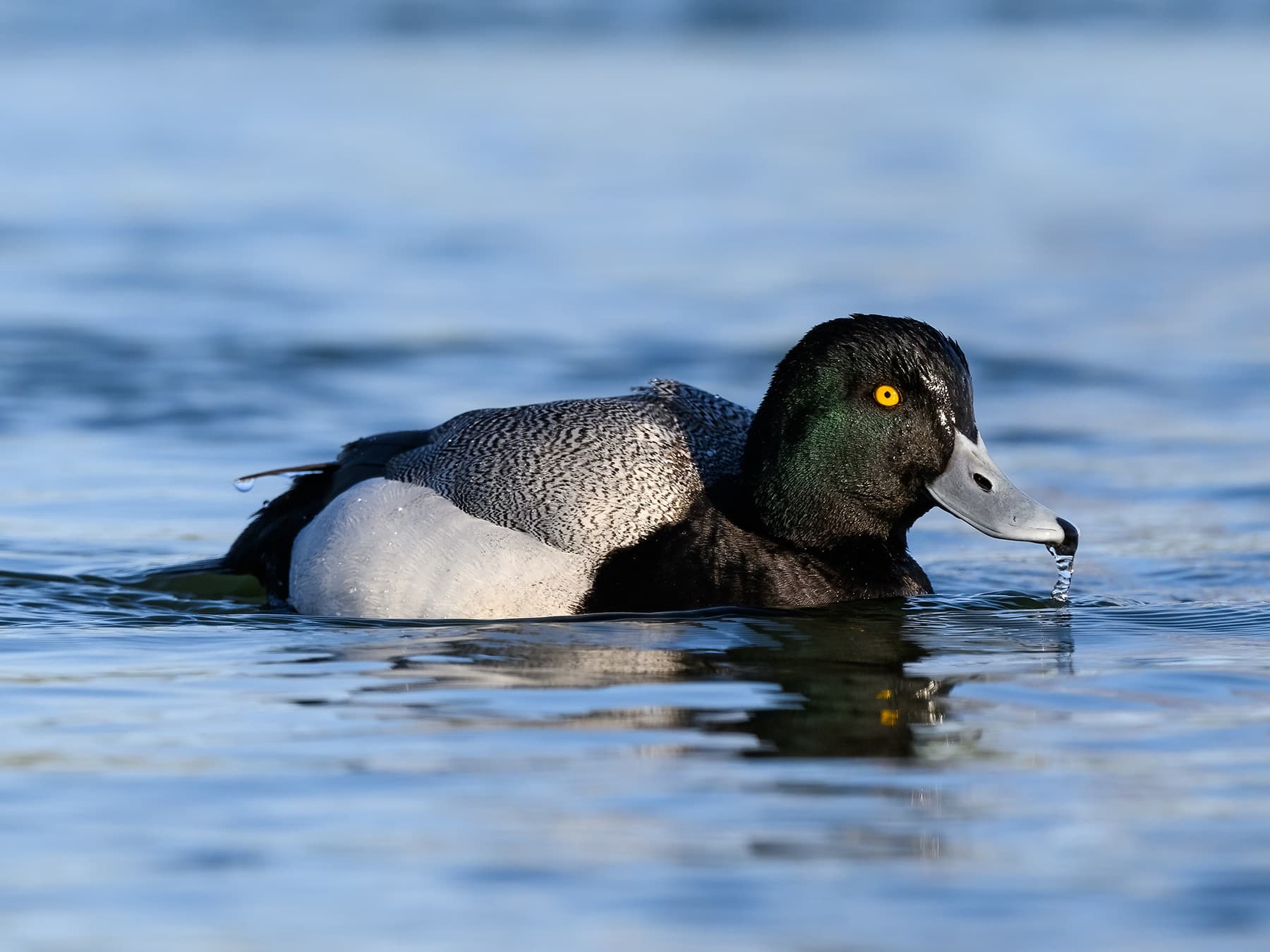 Greater ScaupAythya marilaWinter visitorUncommon39–56 cmRegularly Oct–Apr · 0.03% in Mar
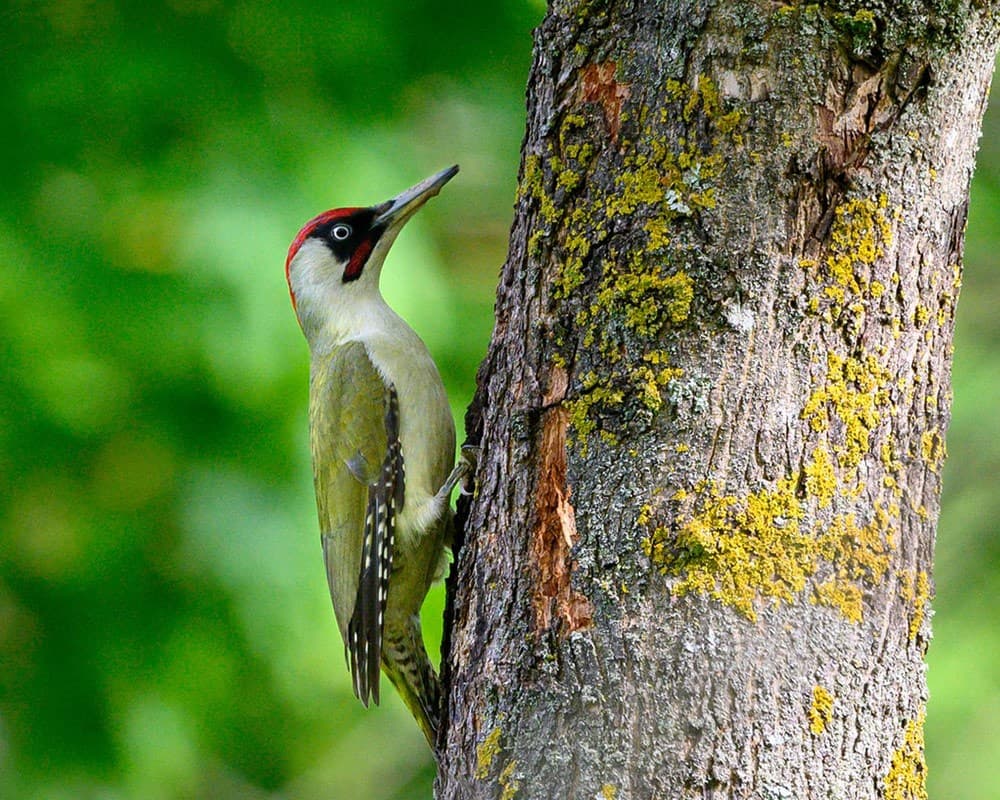 European Green WoodpeckerPicus viridisResidentUncommon30–36 cmRegularly Oct–Aug · 0.02% in Mar
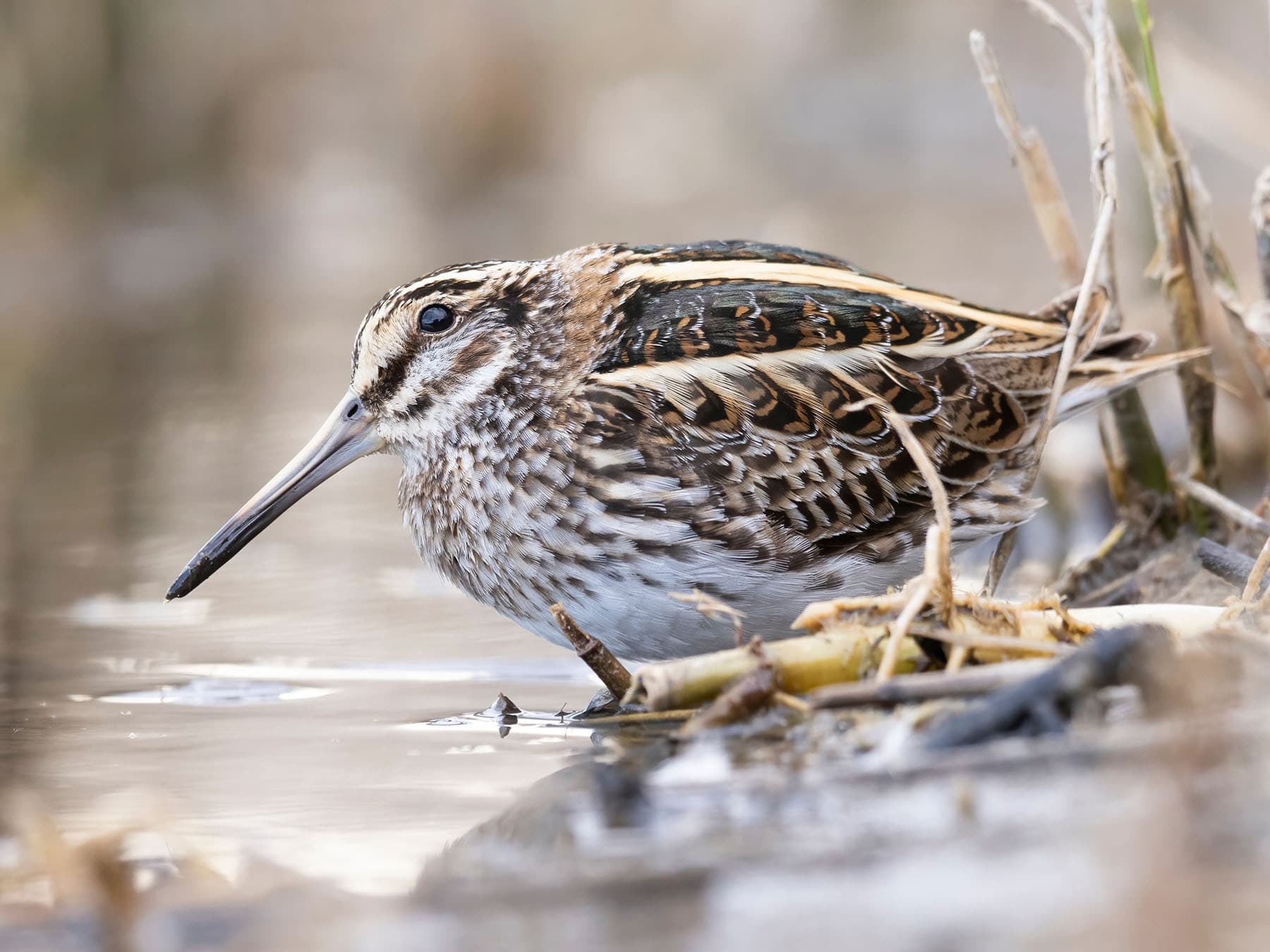 Jack SnipeLymnocryptes minimusWinter visitorRare17–19 cmRegularly Oct–Mar · 0.02% in Mar
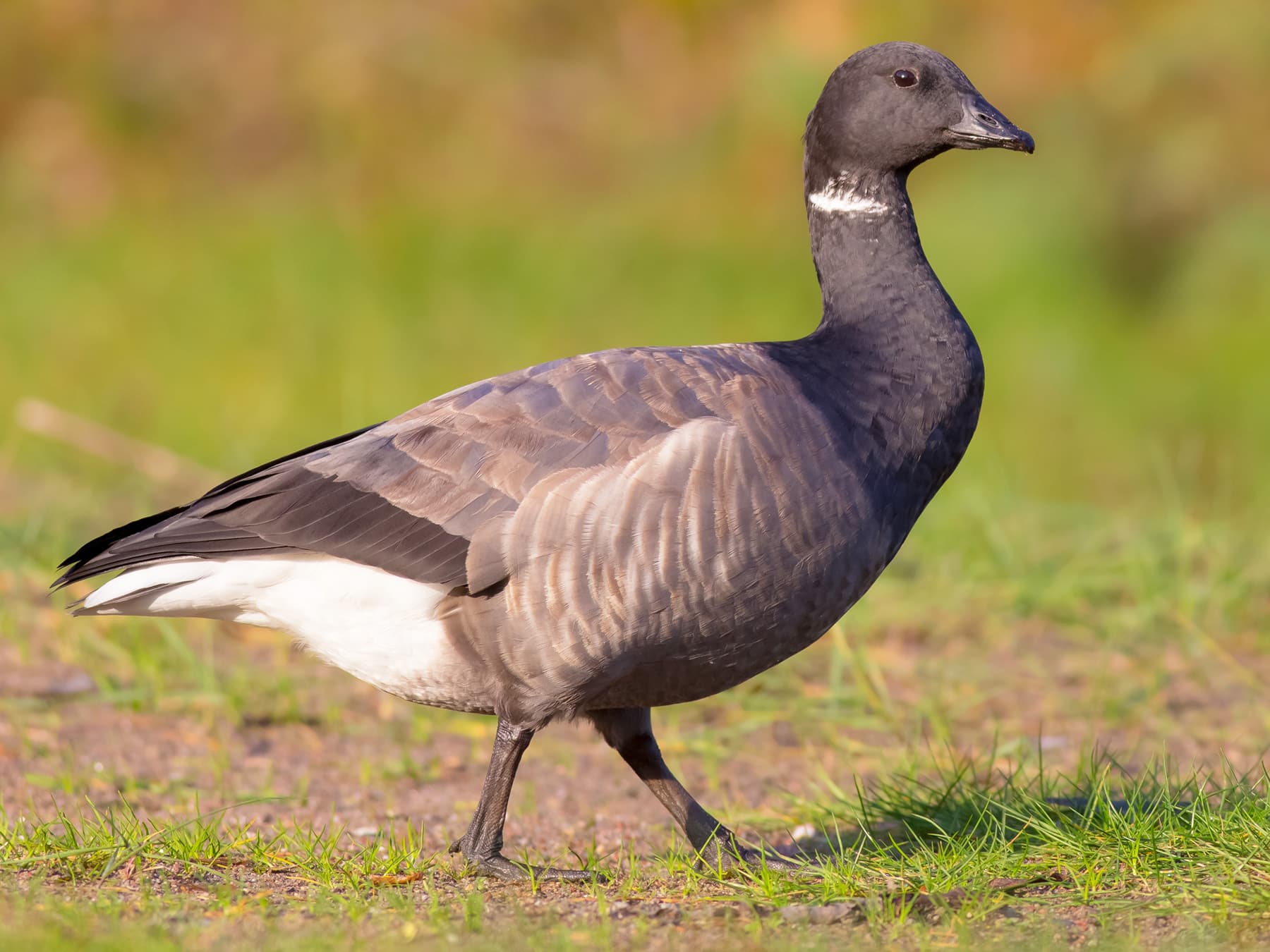 Brent GooseBranta berniclaWinter visitorRare55–66 cmRegularly Dec–Mar · 0.02% in Mar
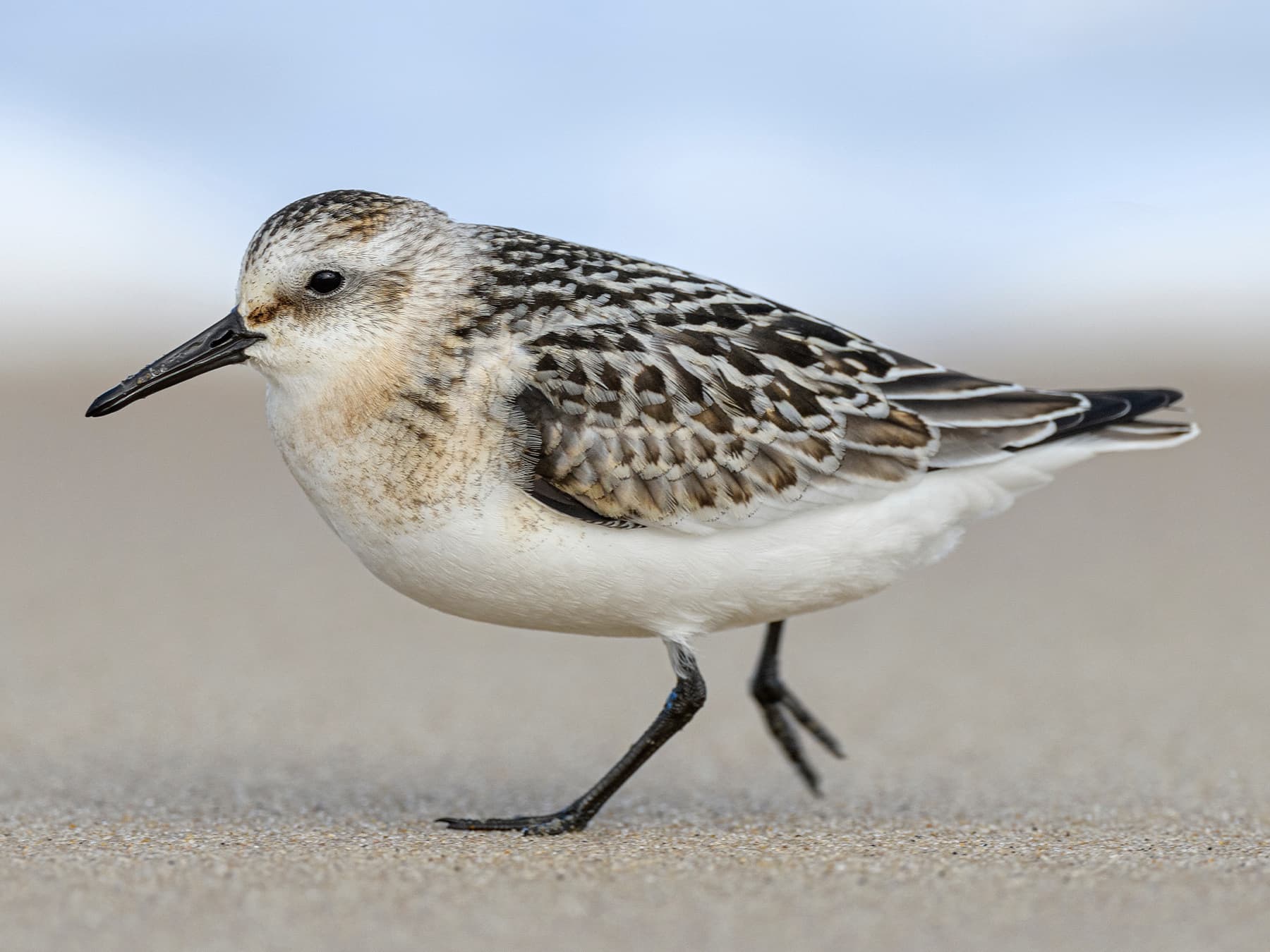 SanderlingCalidris albaResidentUncommon18–20 cmRecorded all year · 0.02% in Mar
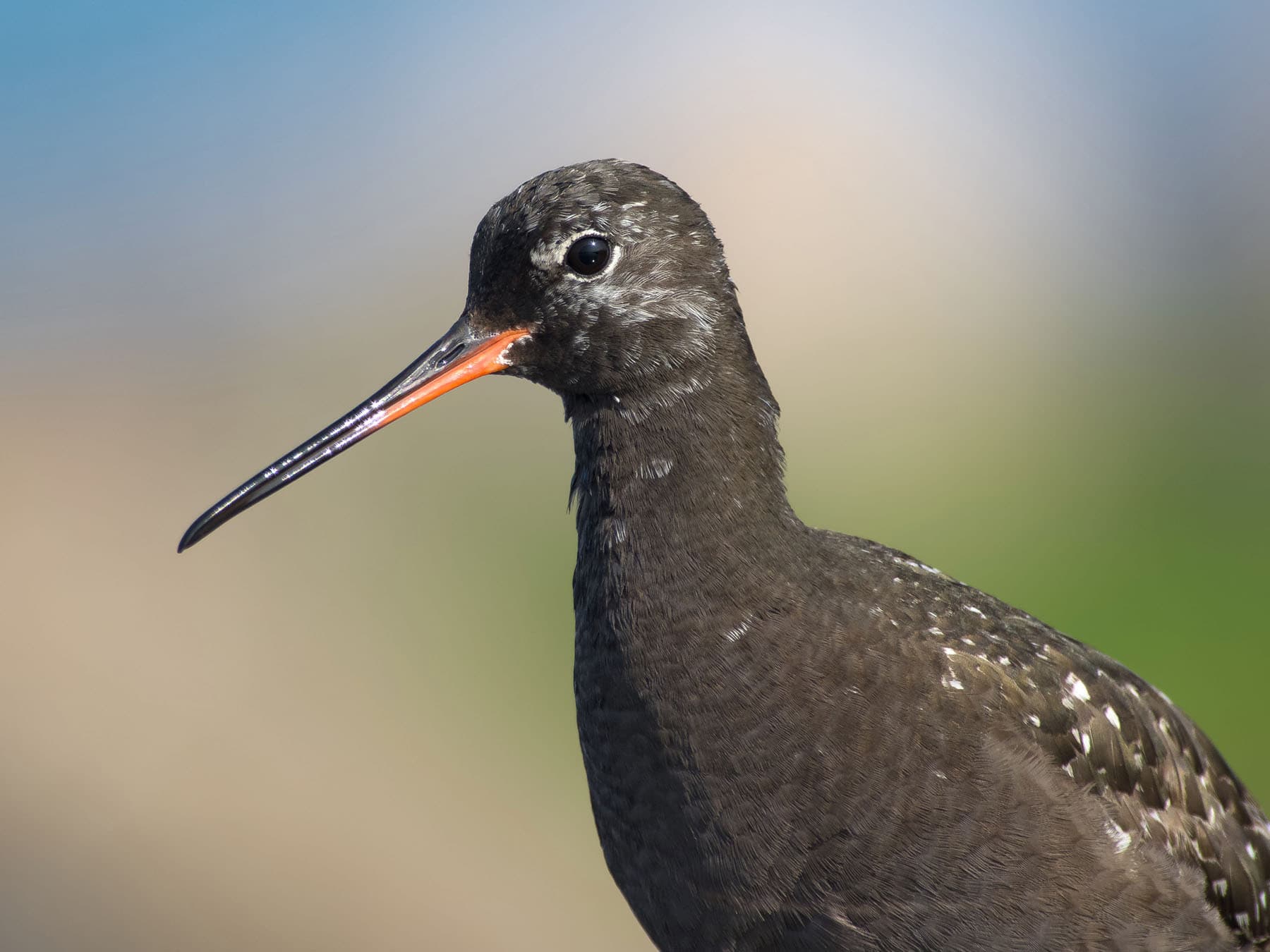 Spotted RedshankTringa erythropusSummer visitorUncommon29–31 cmRegularly Mar–Jan · 0.02% in Mar
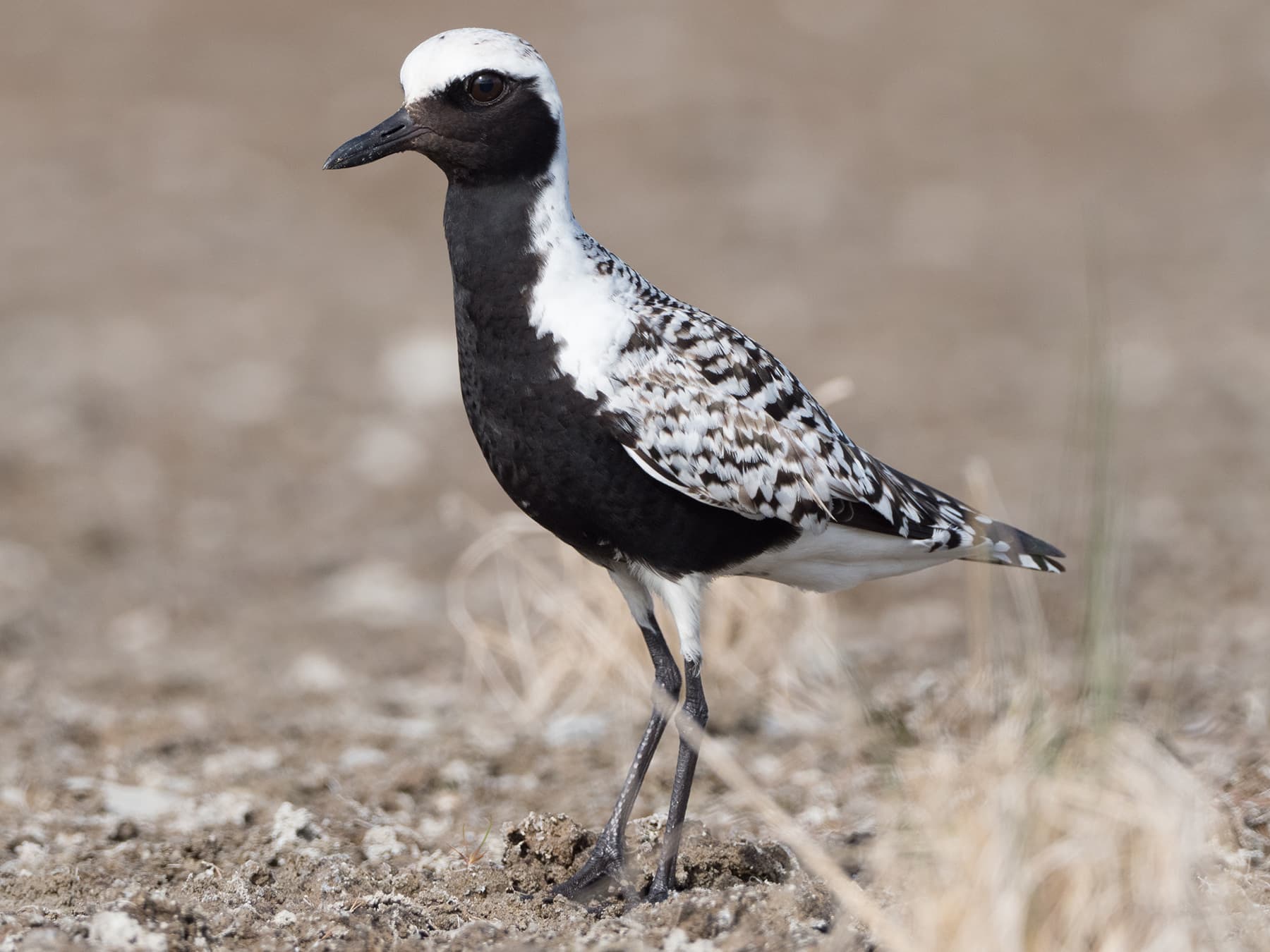 Grey PloverPluvialis squatarolaWinter visitorUncommon27–30 cmRegularly Sep–May · 0.02% in Mar
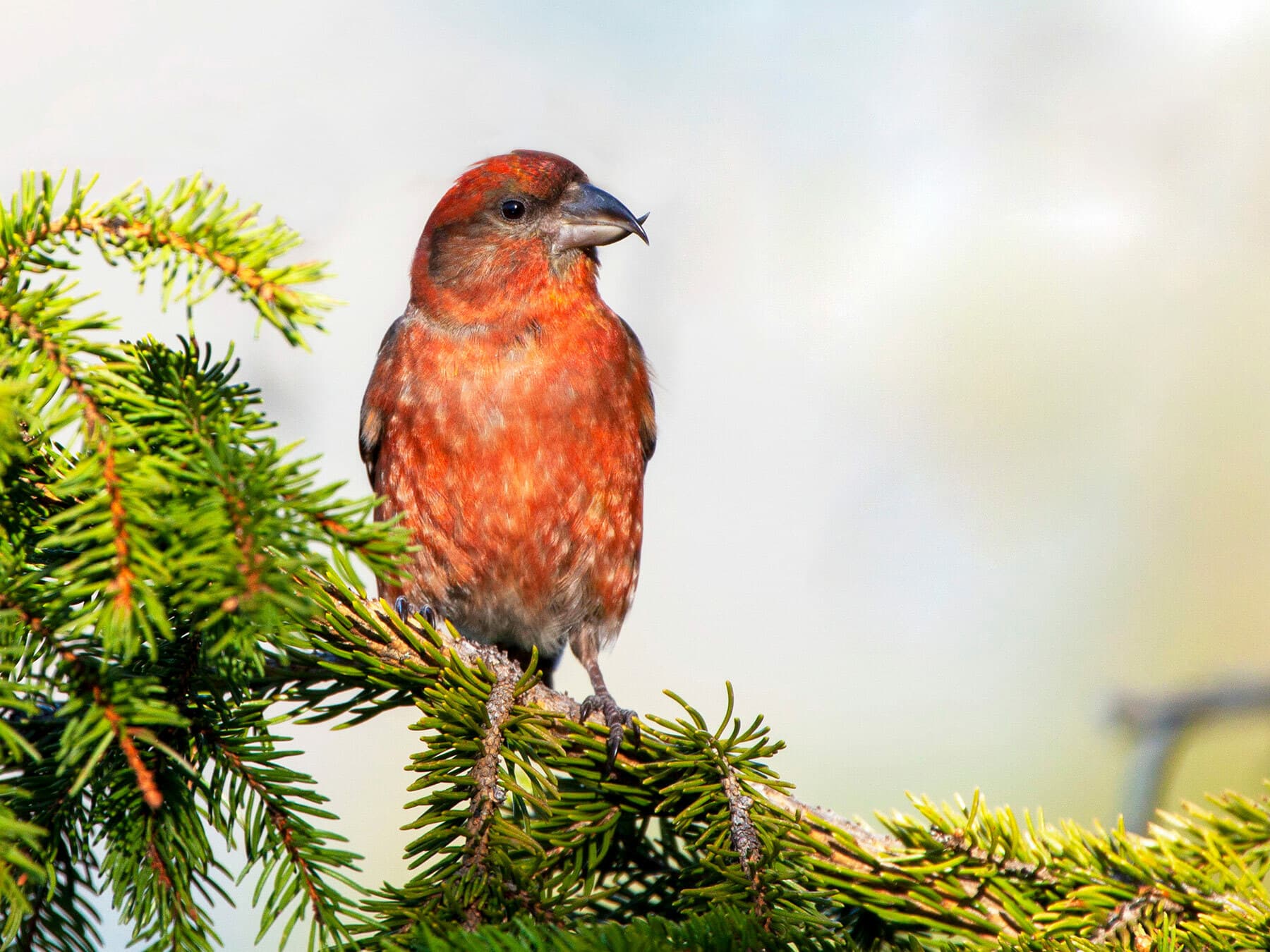 Red CrossbillLoxia curvirostraSummer visitorRare15–17 cmRegularly Mar–Jan · 0.02% in Mar
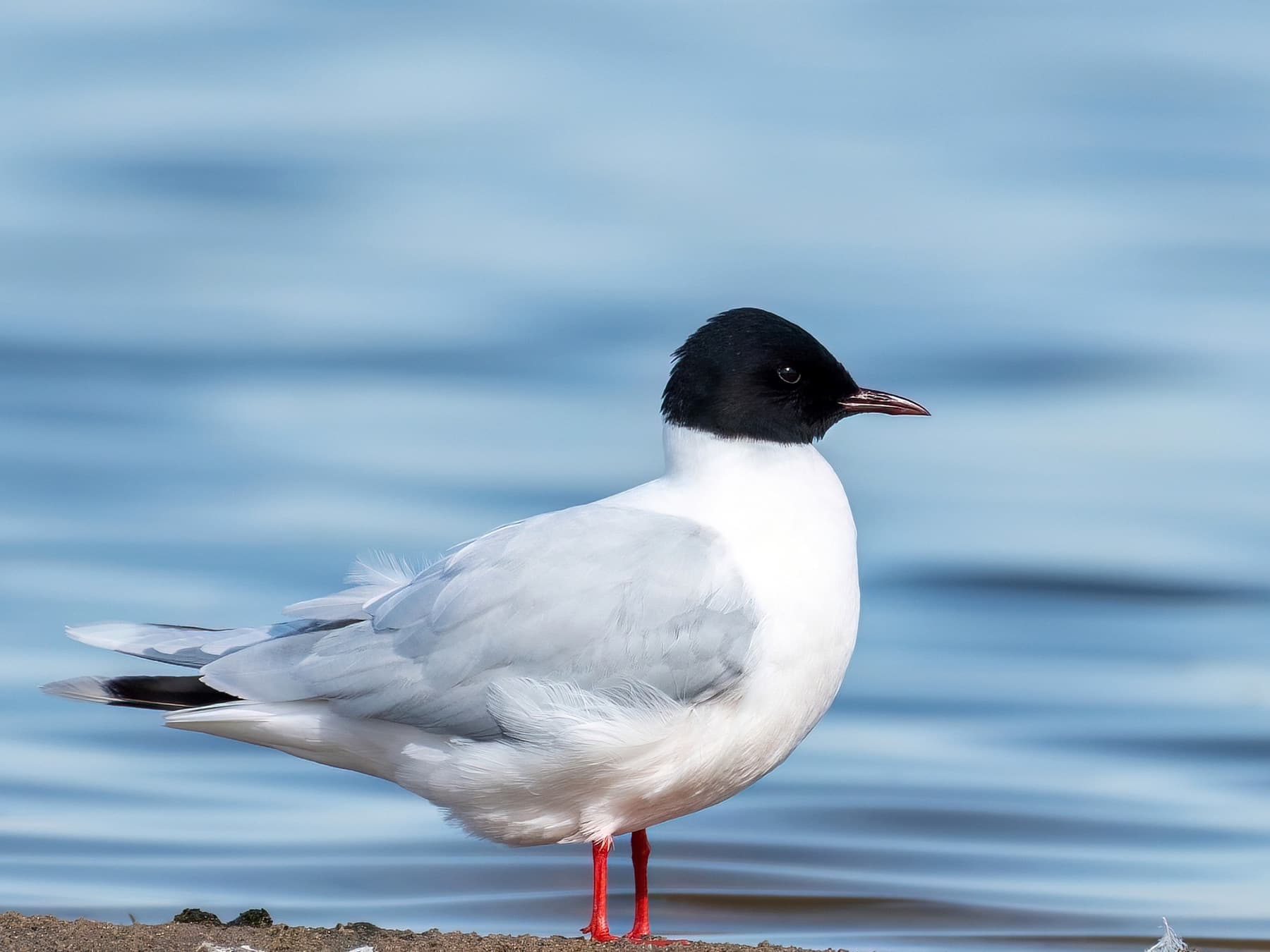 Little GullHydrocoloeus minutusPassage migrantRare25–30 cmRegularly Mar–May · 0.01% in Mar
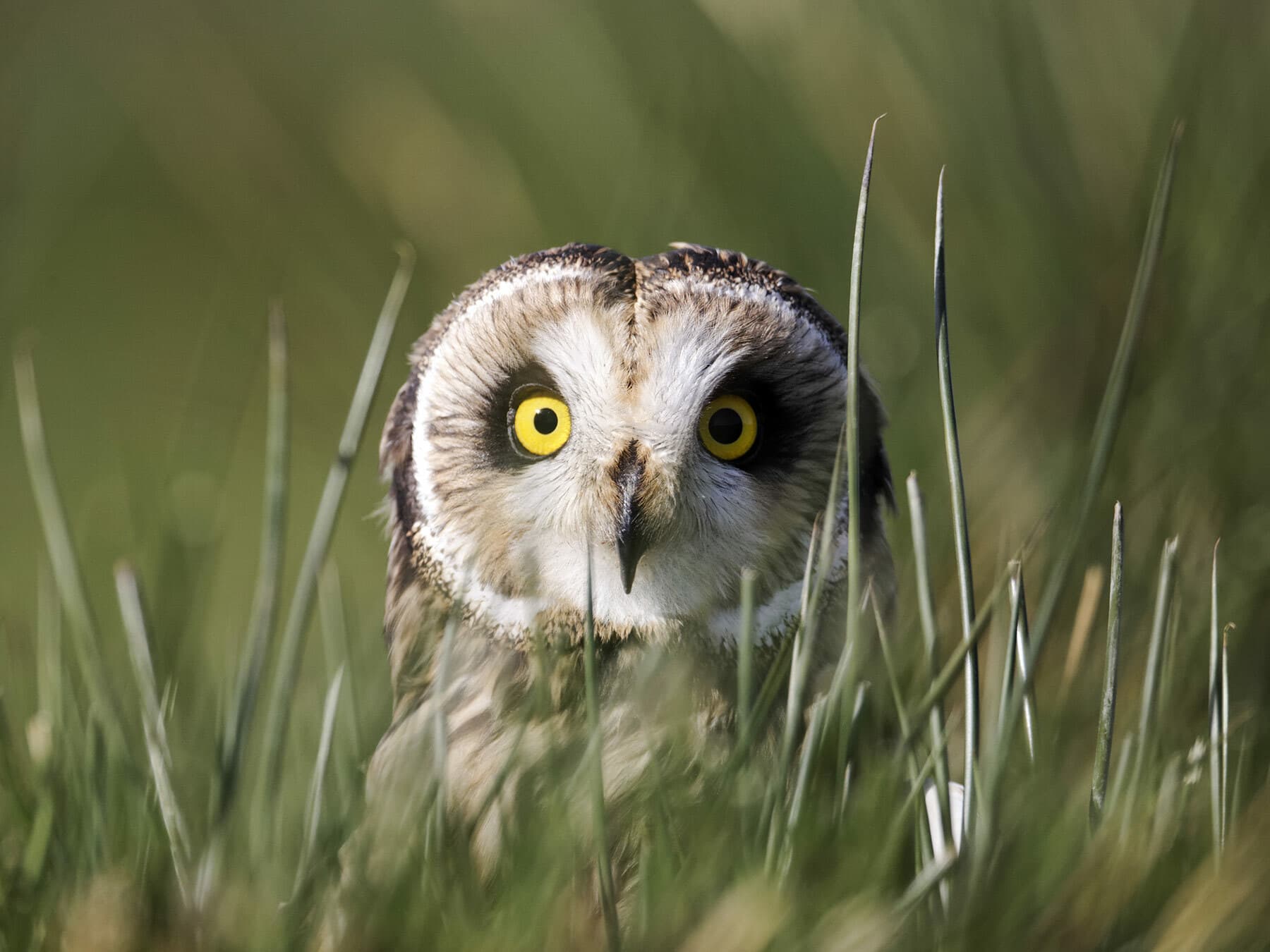 Short-eared OwlAsio flammeusResidentRare34–43 cmRegularly Oct–Jun · 0.01% in Mar
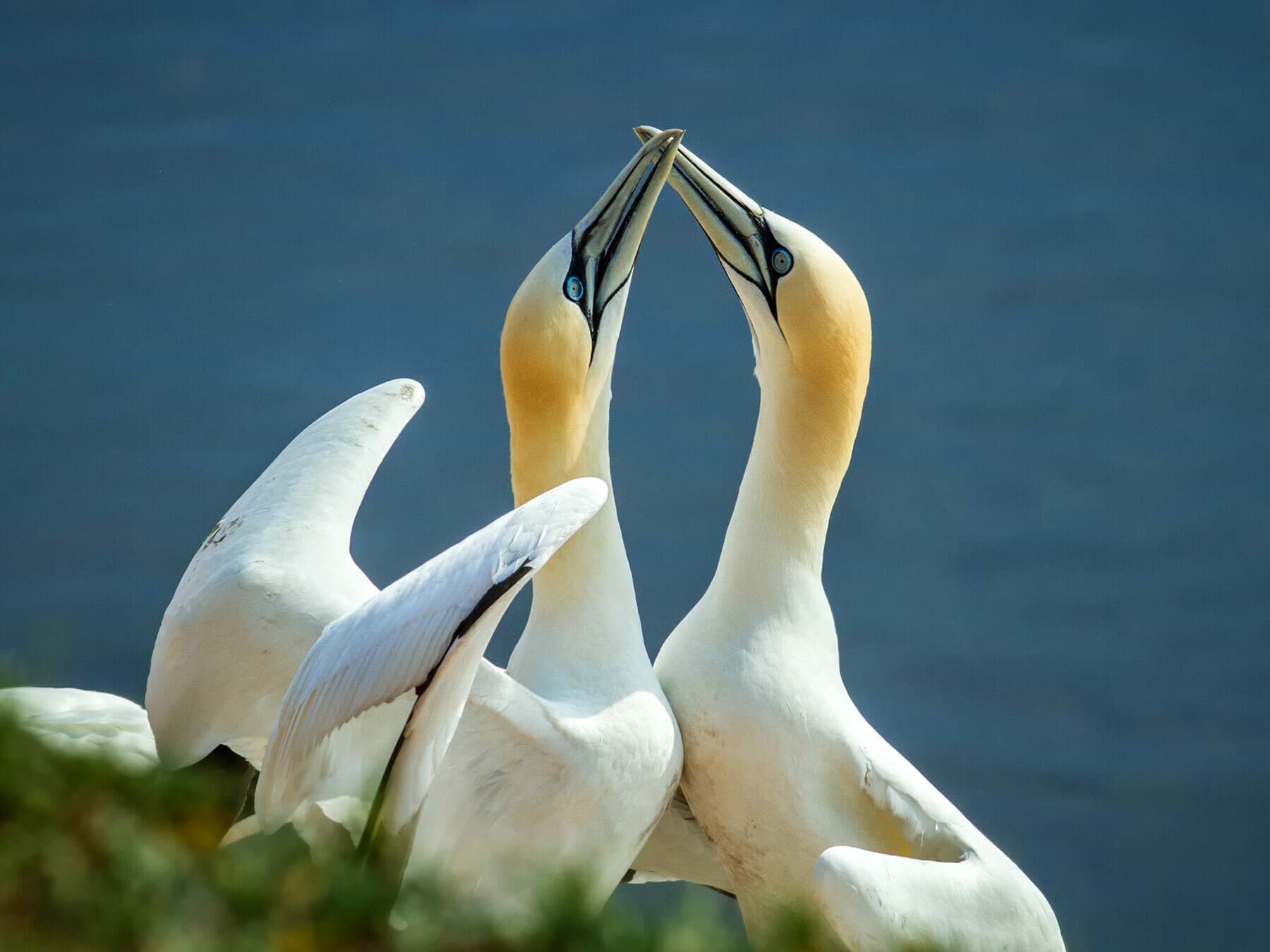 Northern GannetMorus bassanusSummer visitorUncommon87–100 cmRegularly Mar–Oct · 0.01% in Mar
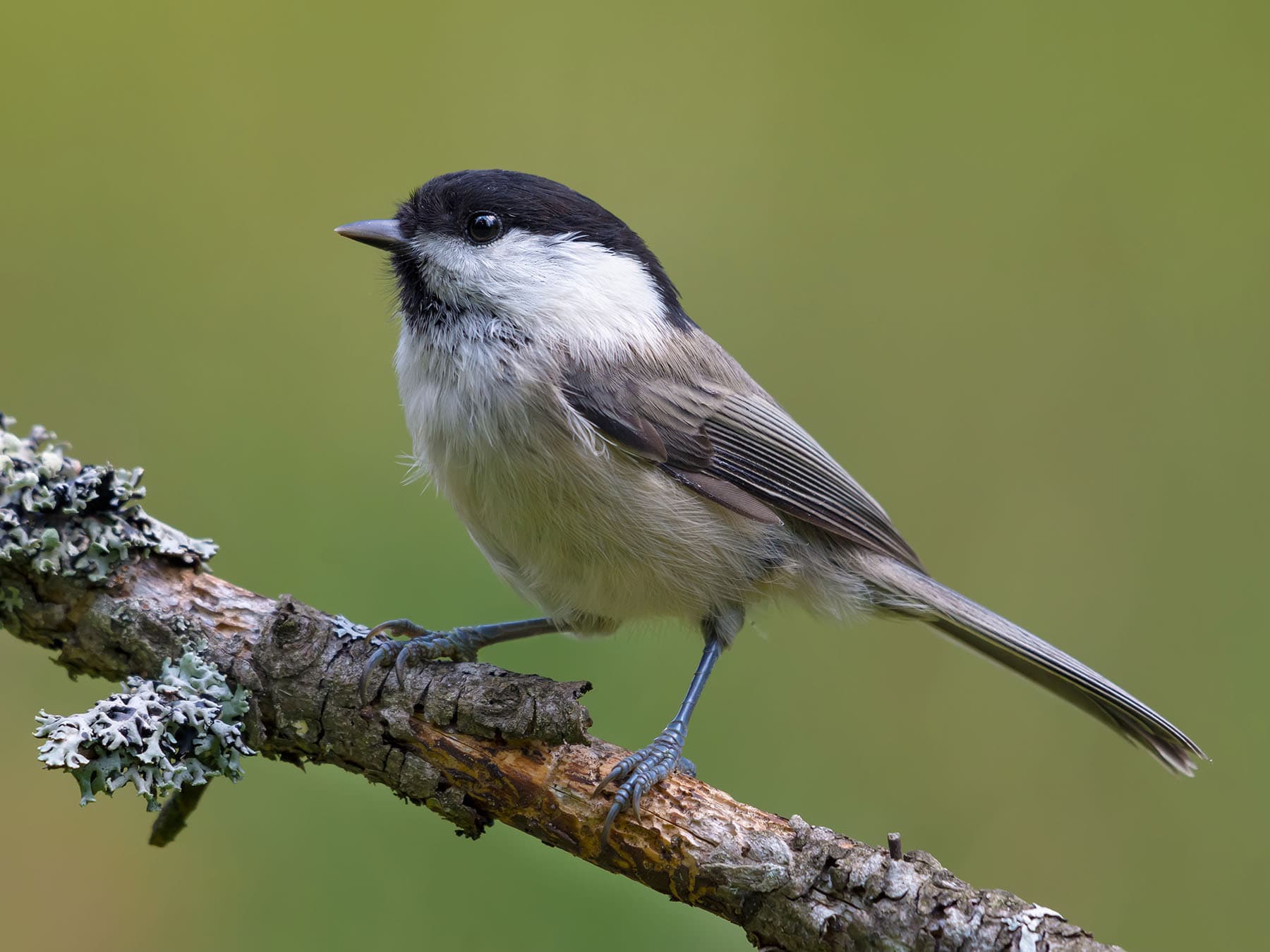 Willow TitPoecile montanusResidentRare11–12 cmRegularly Oct–Mar · 0.01% in Mar
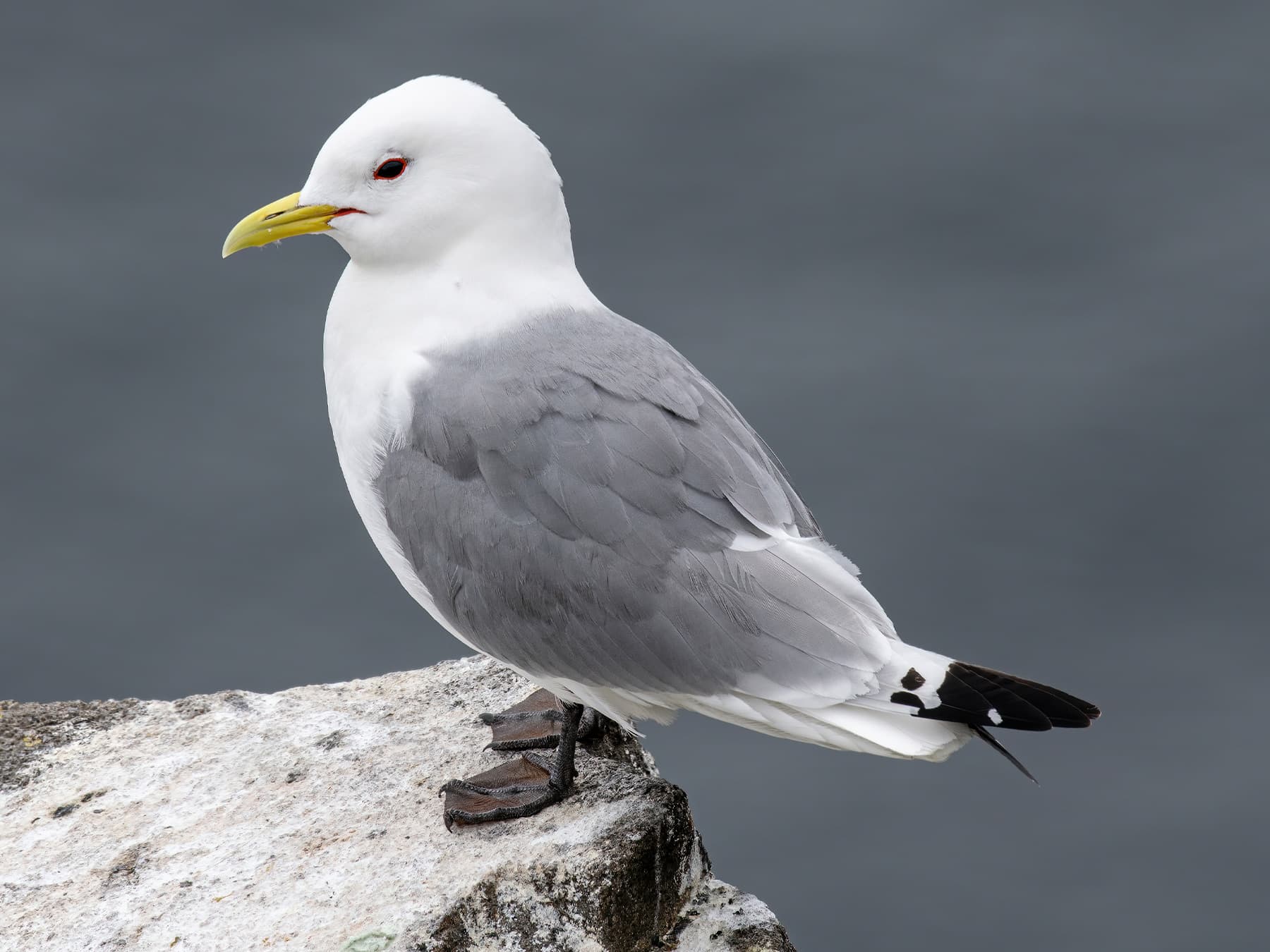 KittiwakeRissa tridactylaWinter visitorRare37–41 cmRegularly Aug–Jun · 0.01% in Mar
Data: EOD – eBird Observation Dataset (Cornell Lab of Ornithology), accessed via GBIF.org, CC BY 4.0. Records from 2019–2024, aggregated and filtered by Birdfact. How these lists are made