Birds to See in Nottinghamshire in March
123 species matching this filter.
Nottinghamshire comes alive in March as winter visitors linger and early spring migrants begin to arrive, offering a wonderful diversity of birdlife across the county. With 123 species recorded this month, birders can explore habitats ranging from Sherwood Forest's ancient woodlands to the wetlands of the Idle Valley and Attenborough Nature Reserve. Notable species to look out for include Pink-footed Goose, Great Grey Shrike, Common Merganser, and the displaying Northern Lapwing on farmland fields.
New in March8
Leaving after last month2
Resident
(103)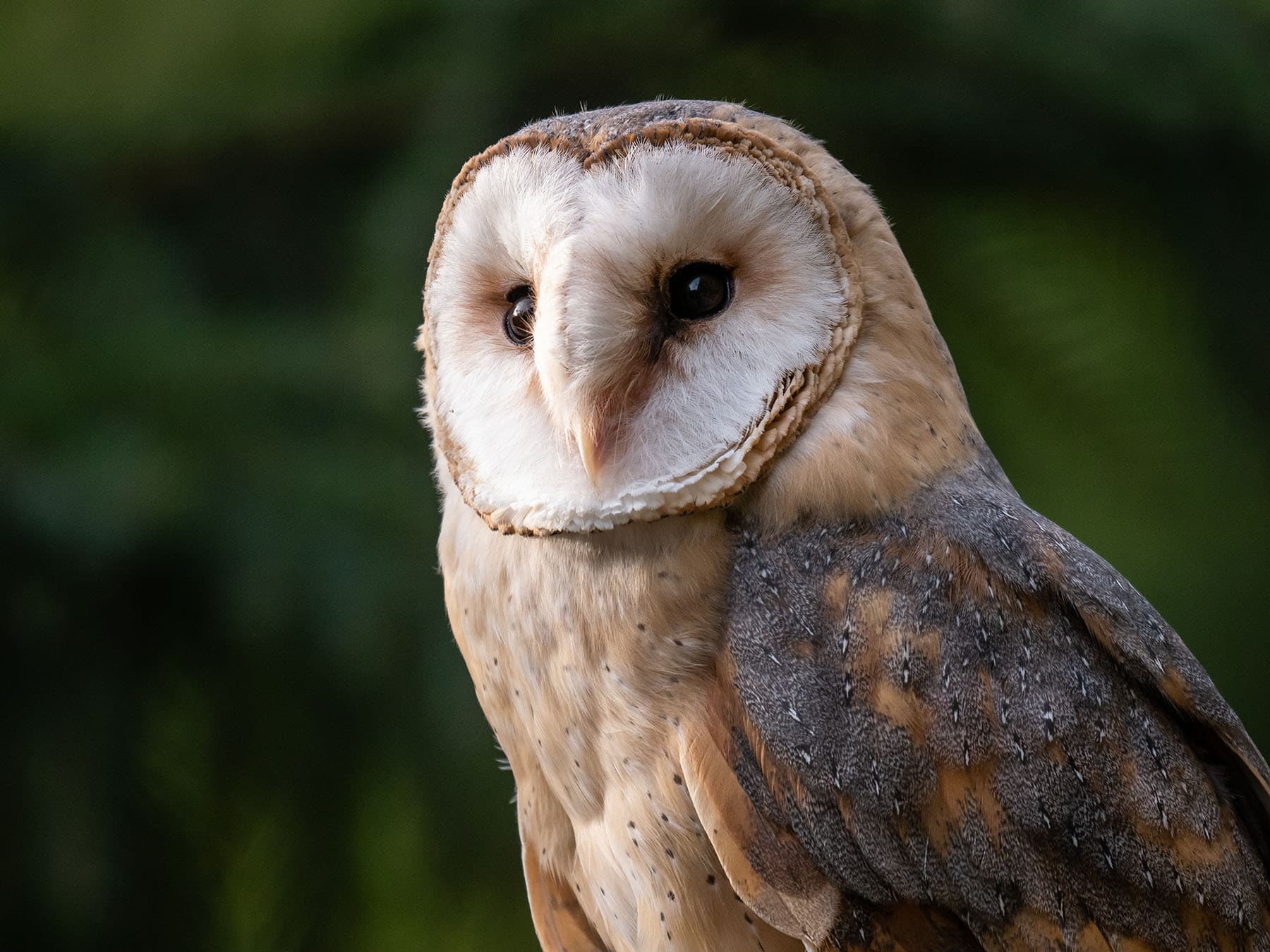
Barn Owl
Tyto albaLC
A scarce resident favouring the county's farmland and river valleys. Nest box schemes along the Trent corridor have helped support this ghostly hunter.
Year-round
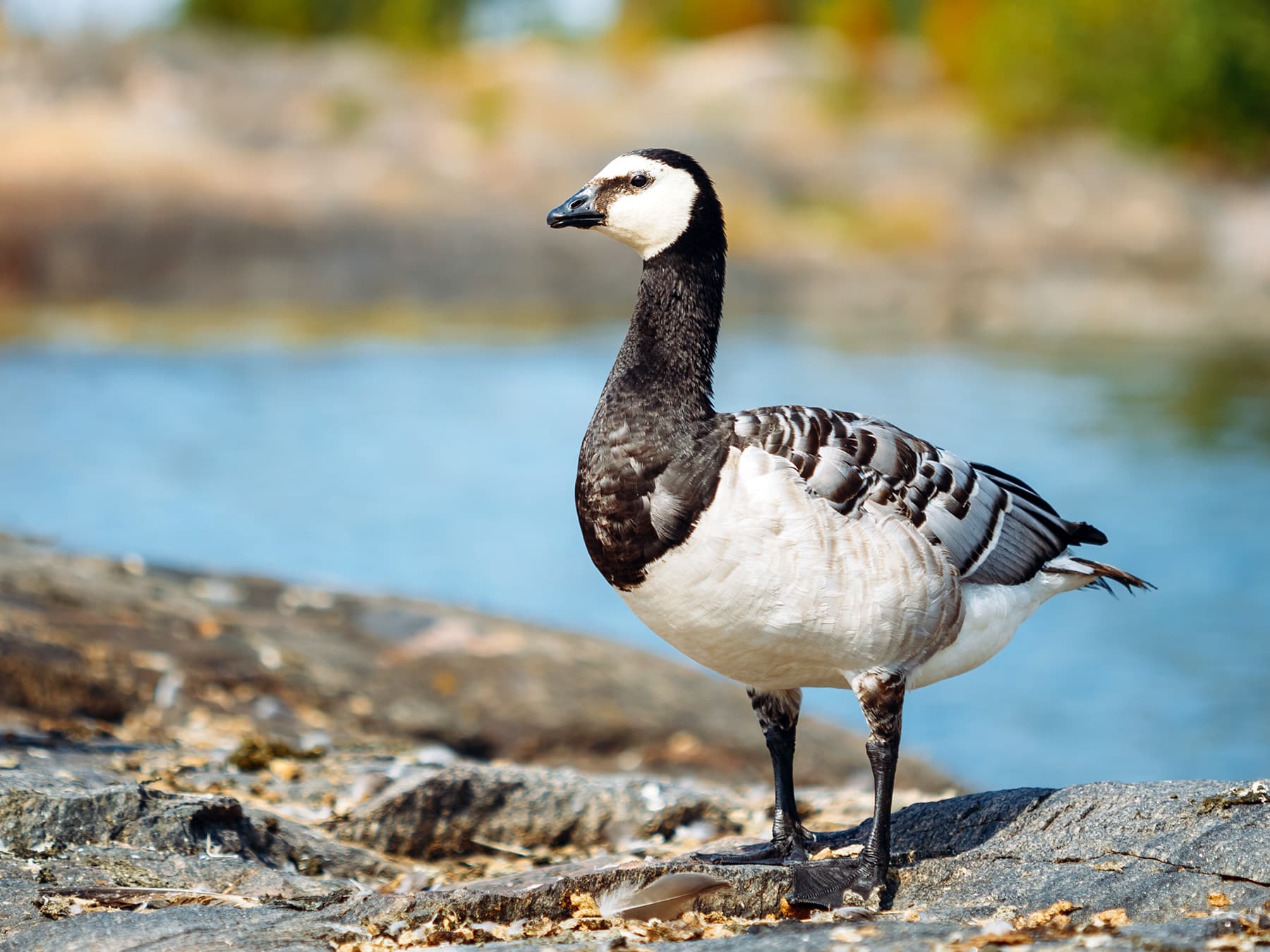
Barnacle Goose
Branta leucopsisLC
Rare resident, with most birds likely of feral origin. Small numbers frequent parkland lakes and gravel pits, mainly from autumn through spring.
Jan–Sep
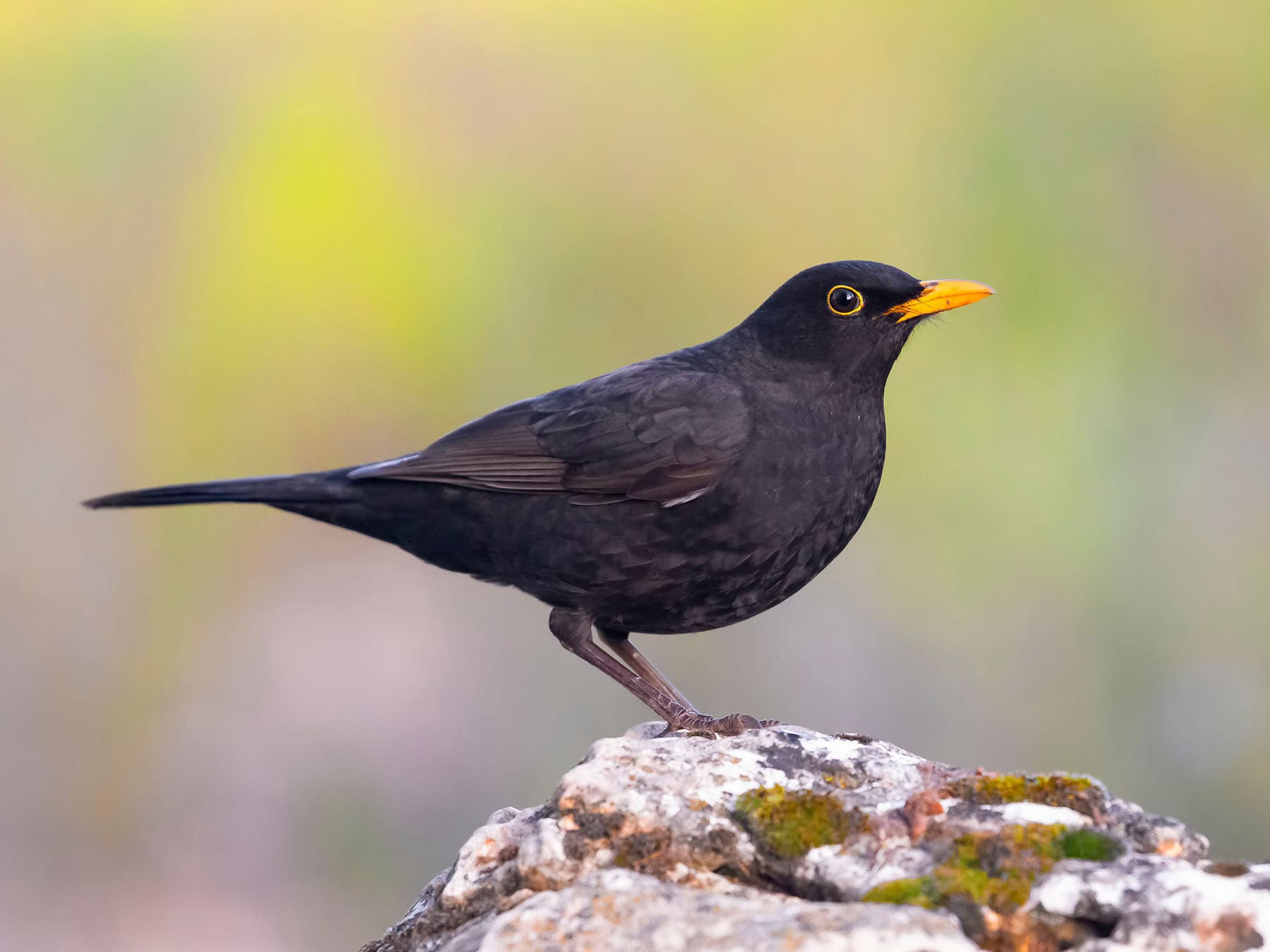
Blackbird
Turdus merulaLC
One of the county's most familiar birds, abundant in gardens, parks and hedgerows throughout the year.
Year-round
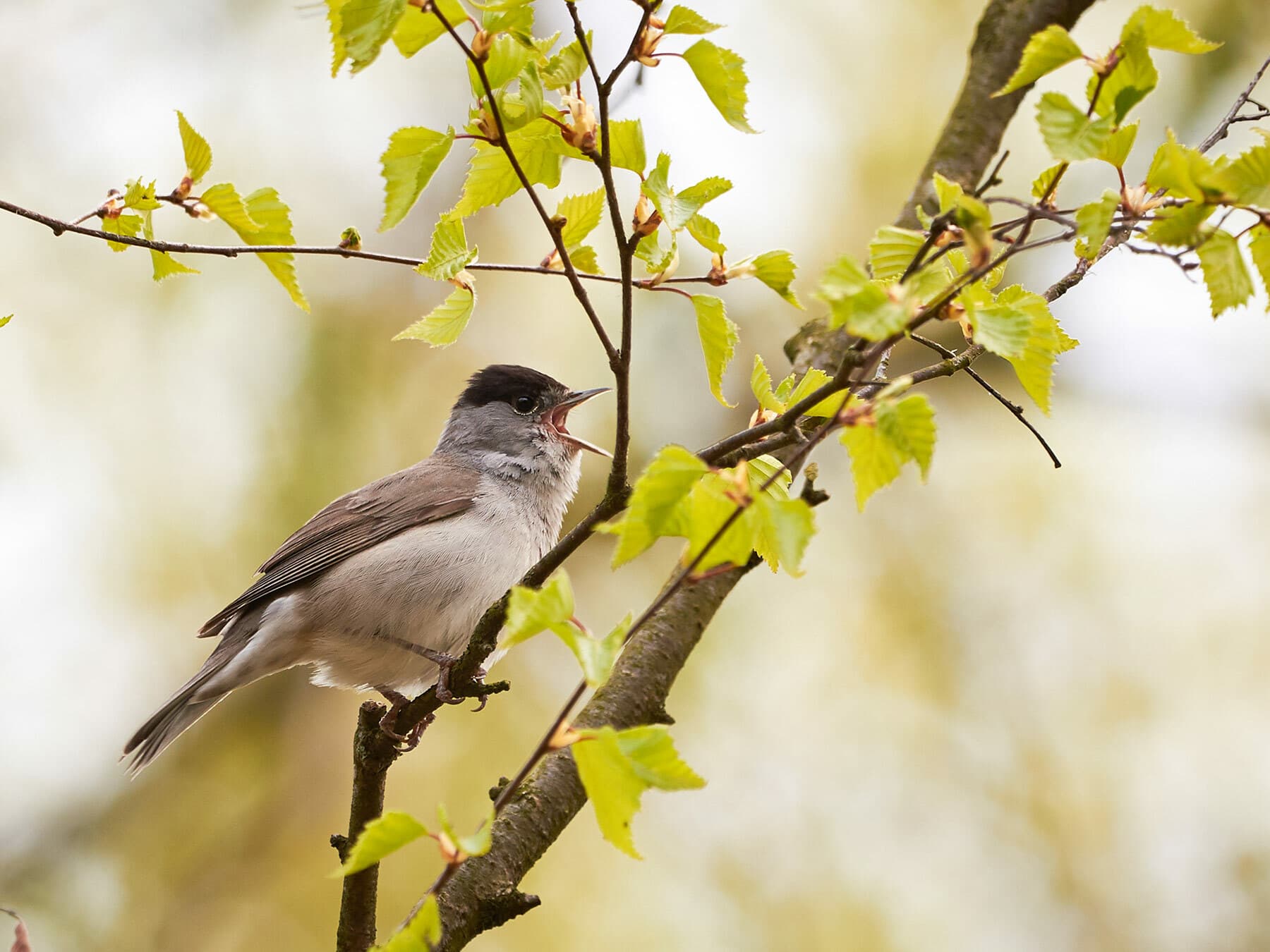
Blackcap
Sylvia atricapillaLC
A common year-round warbler found in woodlands, hedgerows and gardens. Increasingly overwinters, often visiting feeders in colder months.
Year-round
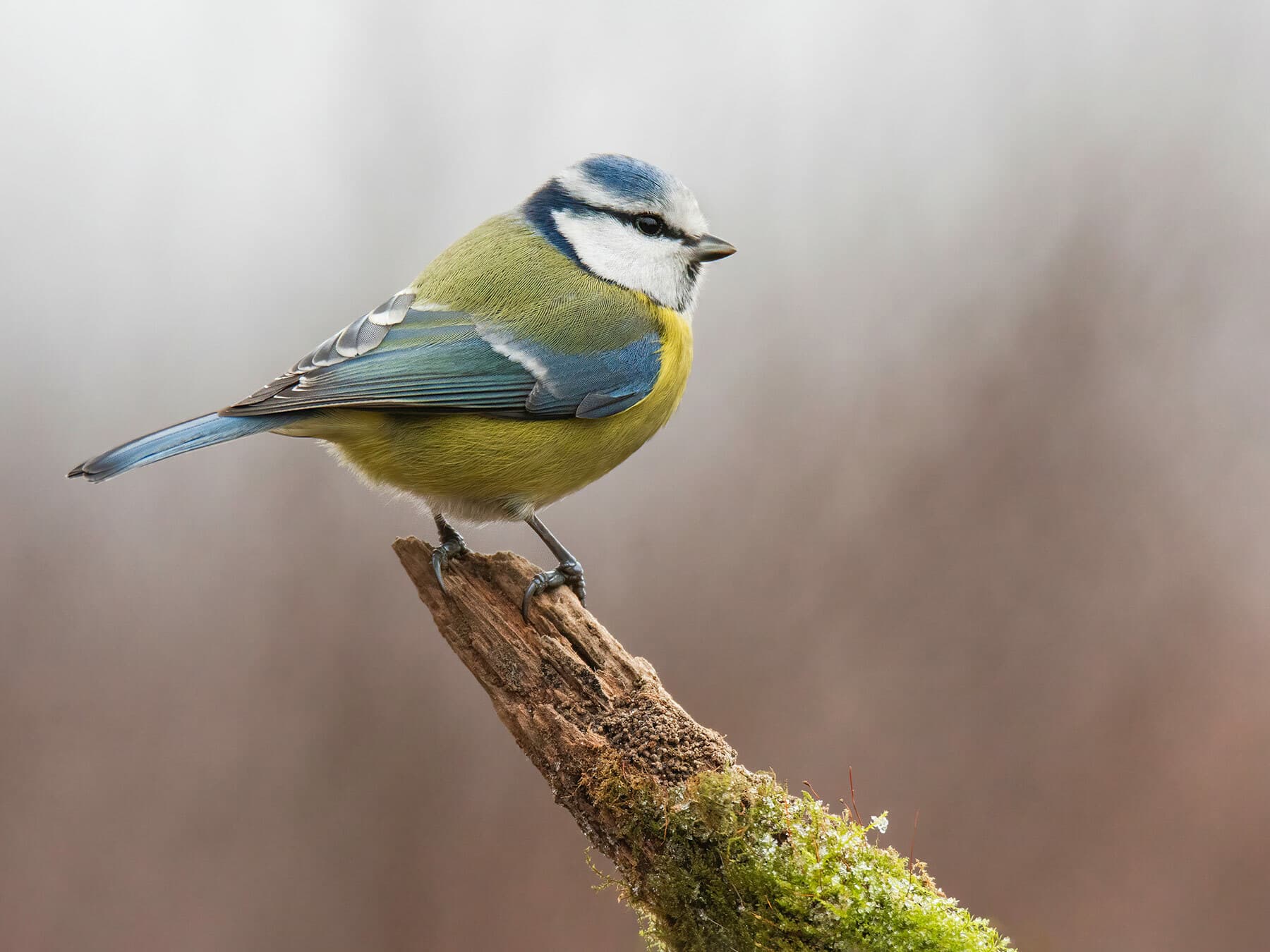
Blue Tit
Cyanistes caeruleusLC
One of the county's most familiar garden birds, present year-round. Readily uses nest boxes and is a regular at feeders.
Year-round
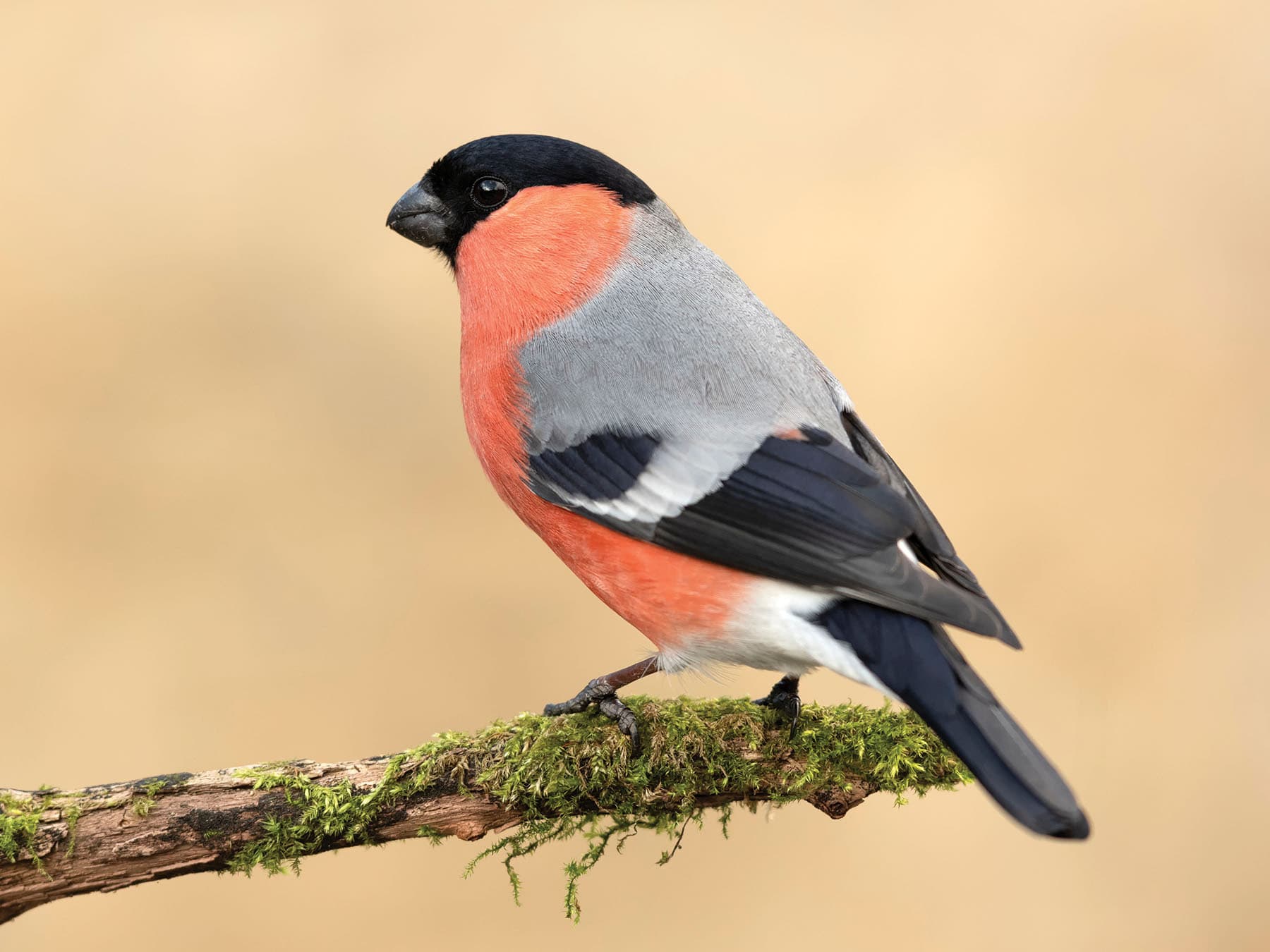
Bullfinch
Pyrrhula pyrrhulaLC
An uncommon but year-round resident of thick hedgerows and scrubby woodland. Shy and unobtrusive, often detected by its soft piping call.
Year-round
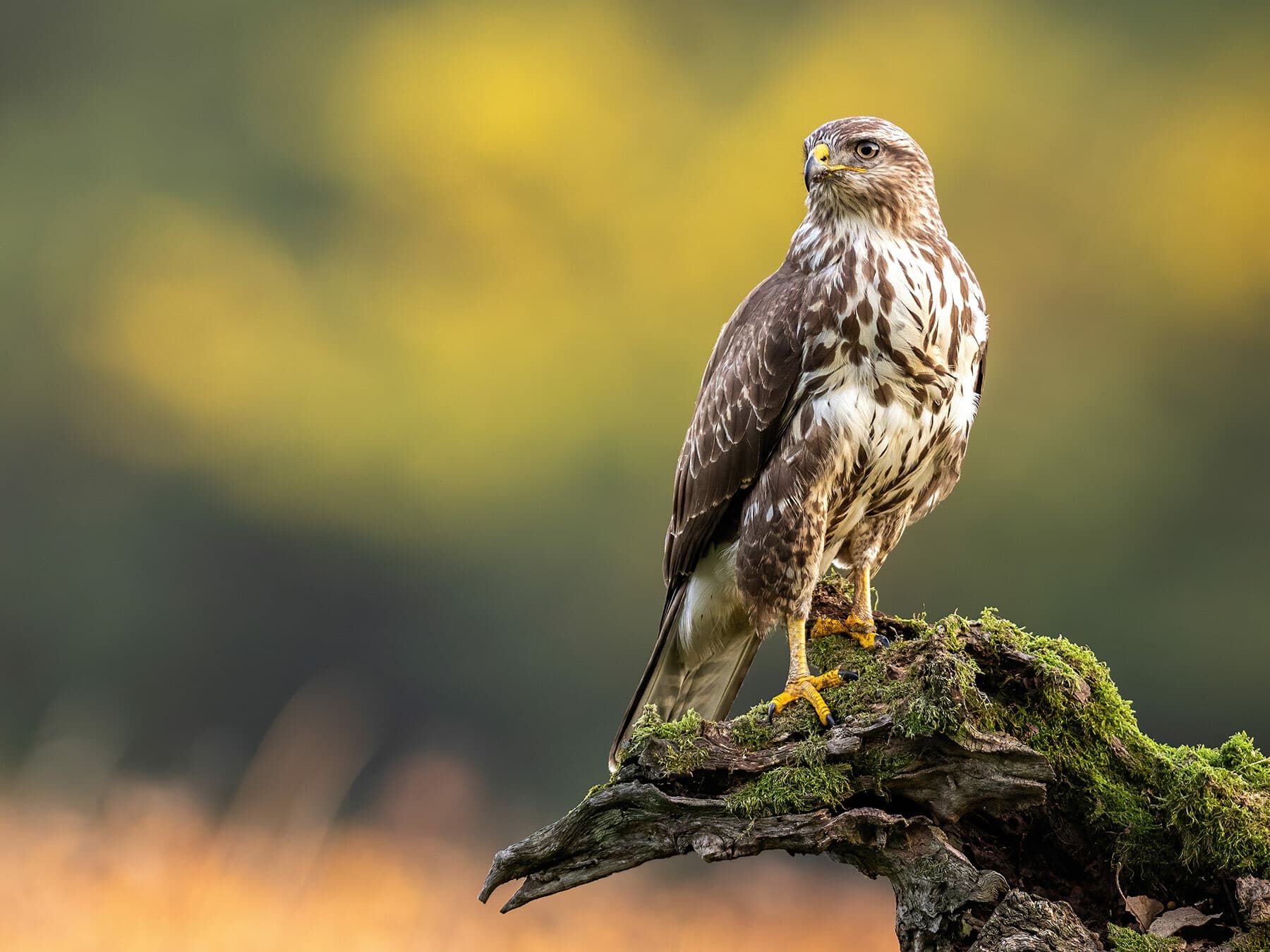
Buzzard
Buteo buteoLC
A common resident, frequently seen soaring over farmland and woodland. Has increased dramatically across the county since the 1990s.
Year-round
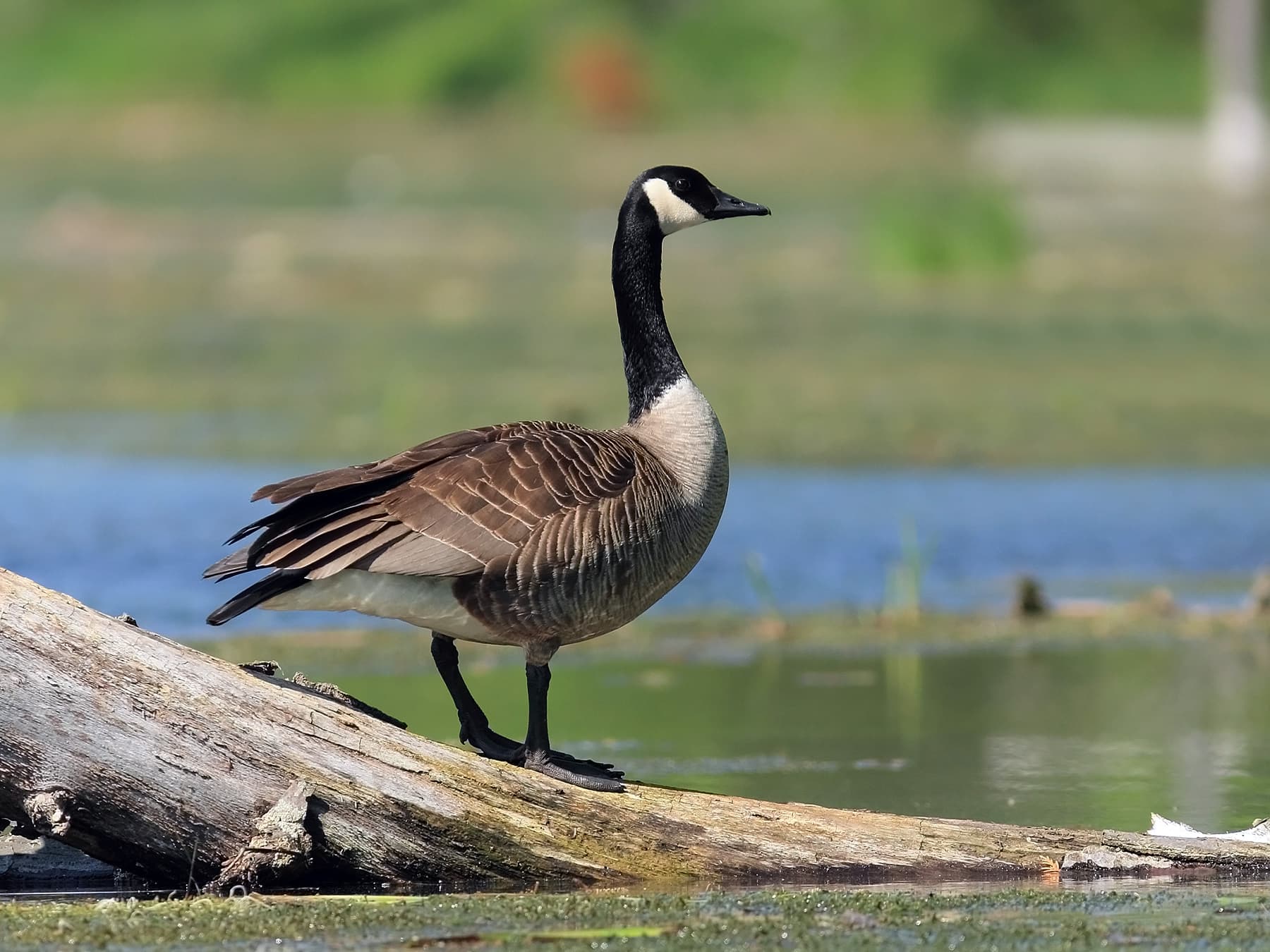
Canada Goose
Branta canadensisLC
Abundant resident on lakes, rivers and parkland throughout the county. Large flocks gather on the Trent valley gravel pits and urban waters year-round.
Year-round
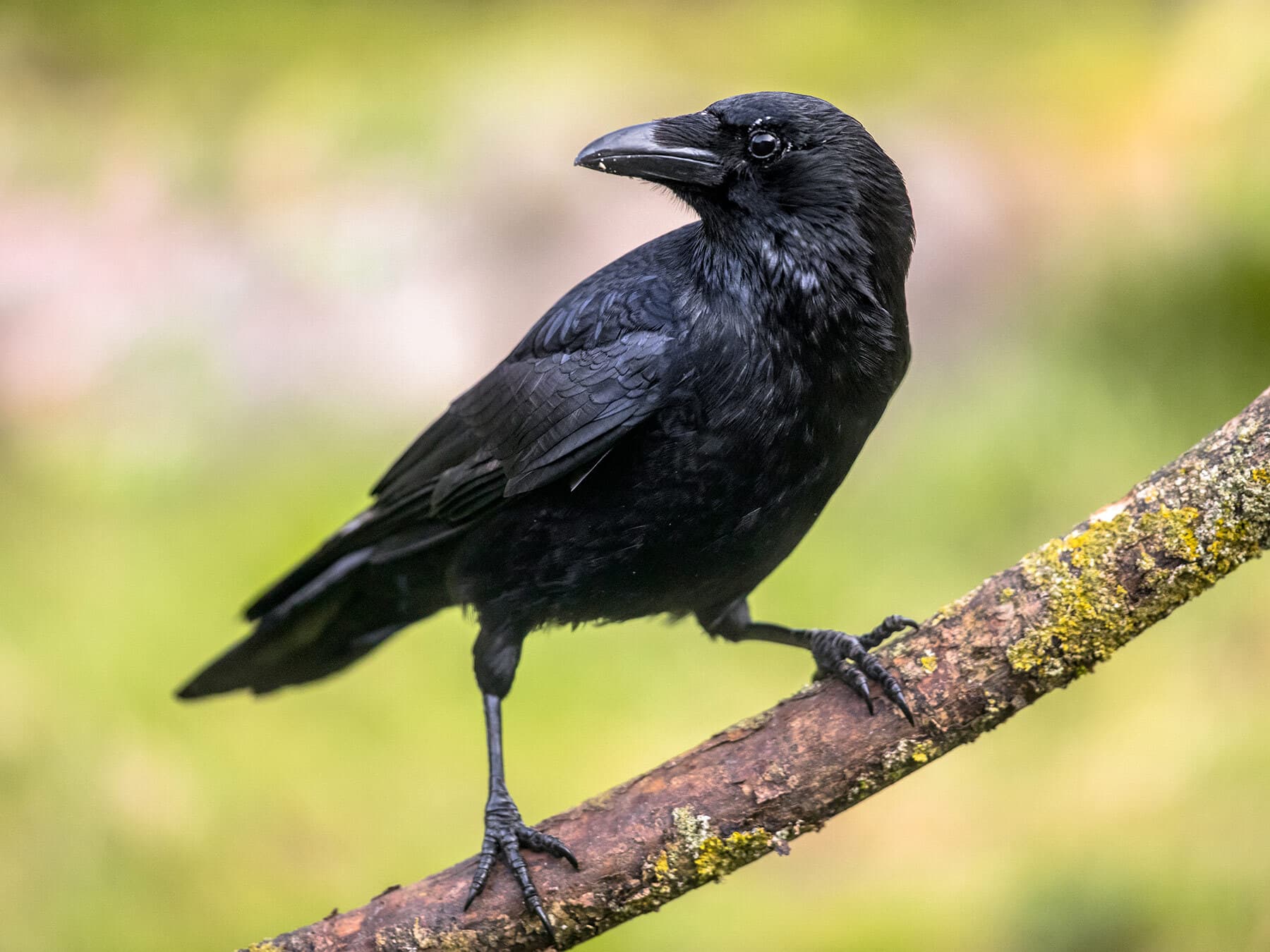
Carrion Crow
Corvus coroneLC
A common and adaptable resident found across all habitats, from city centres to farmland. Often gathers in large roosts in winter.
Year-round
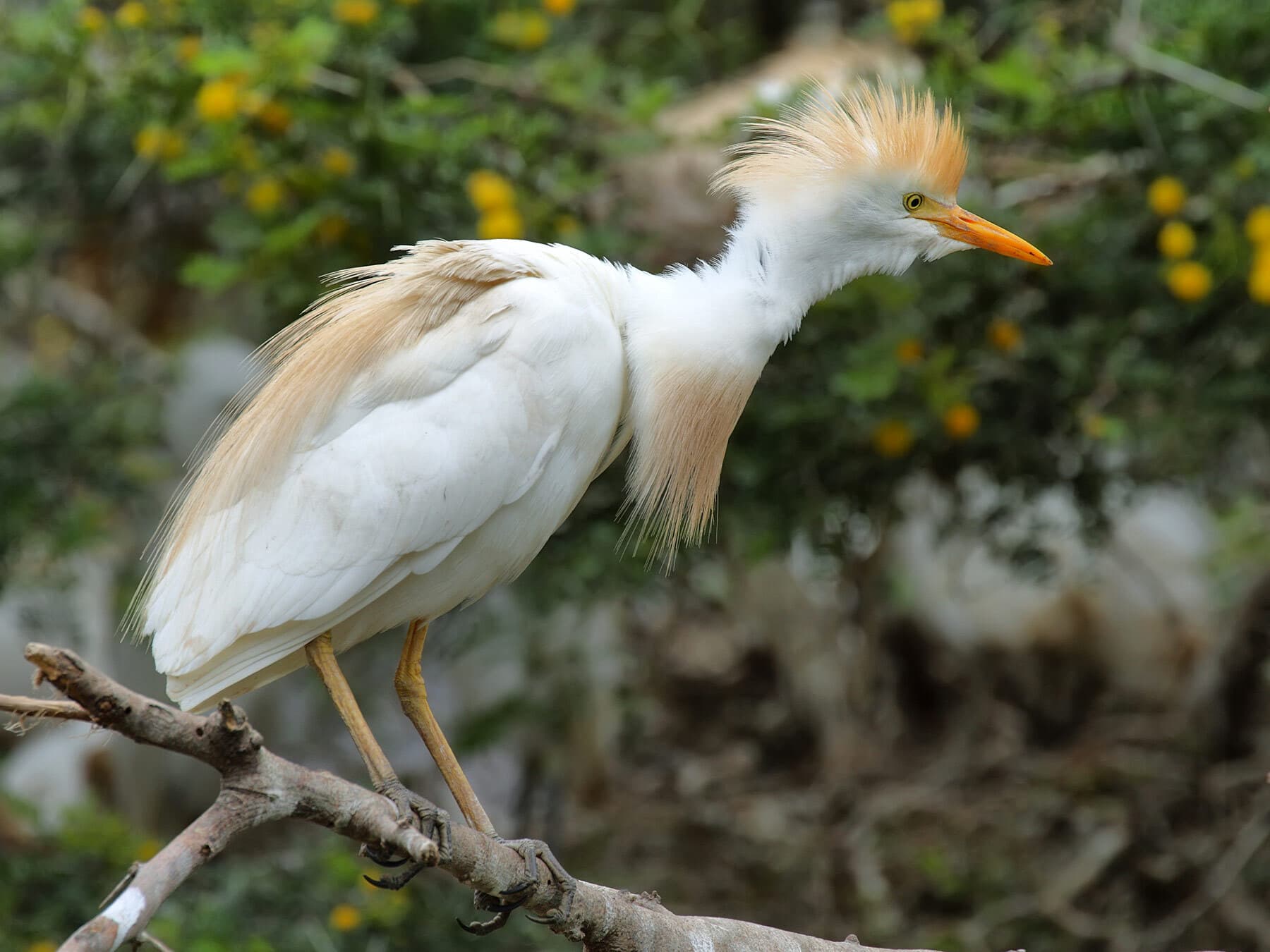
Cattle Egret
Bubulcus ibisLC
A rare but increasingly recorded species, reflecting a national range expansion. Favours damp pastures near livestock.
Jul–May
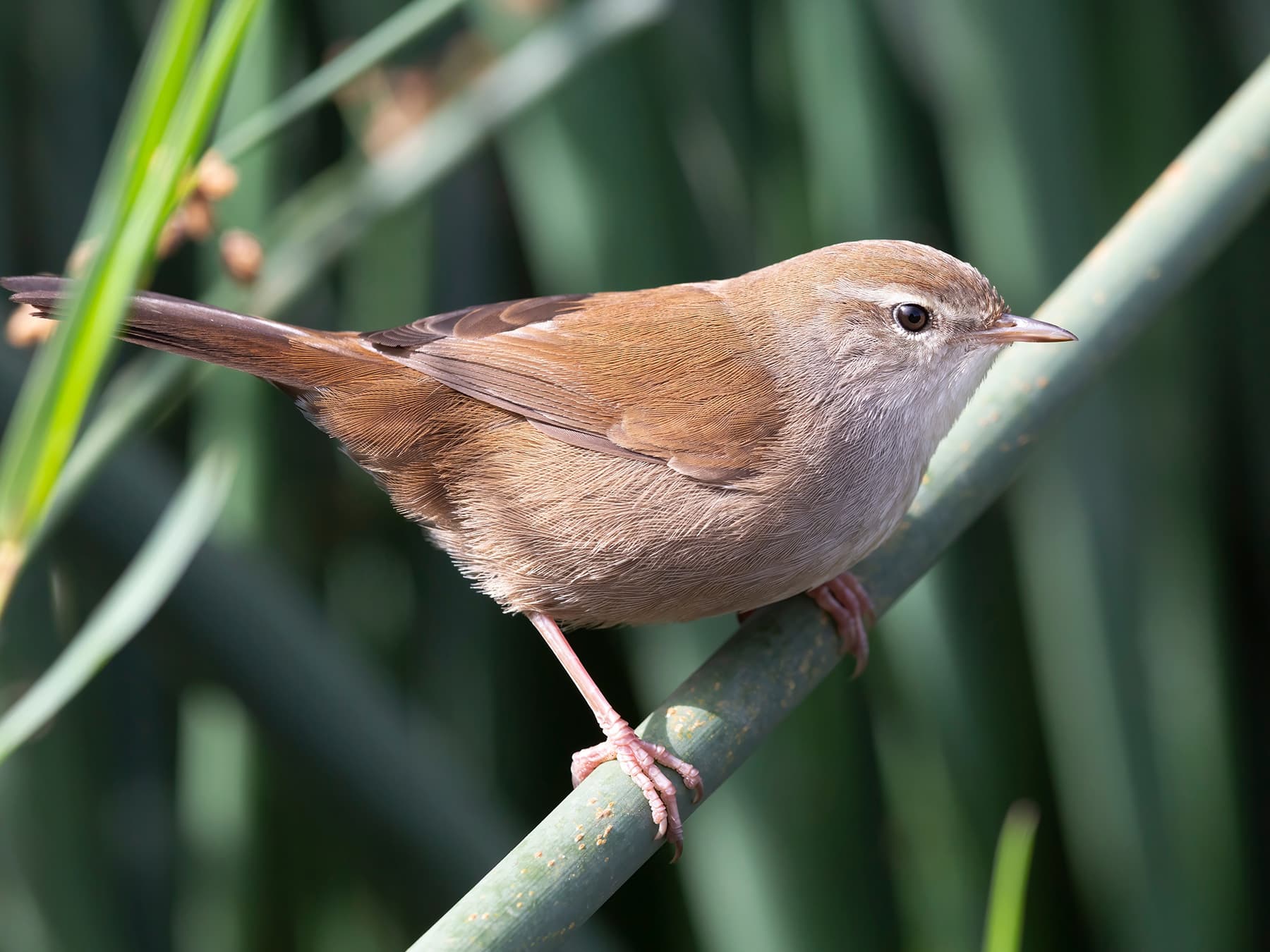
Cetti's Warbler
Cettia cettiLC
An uncommon but increasing resident of dense wetland scrub. More often heard than seen, with its explosive burst of song.
Year-round
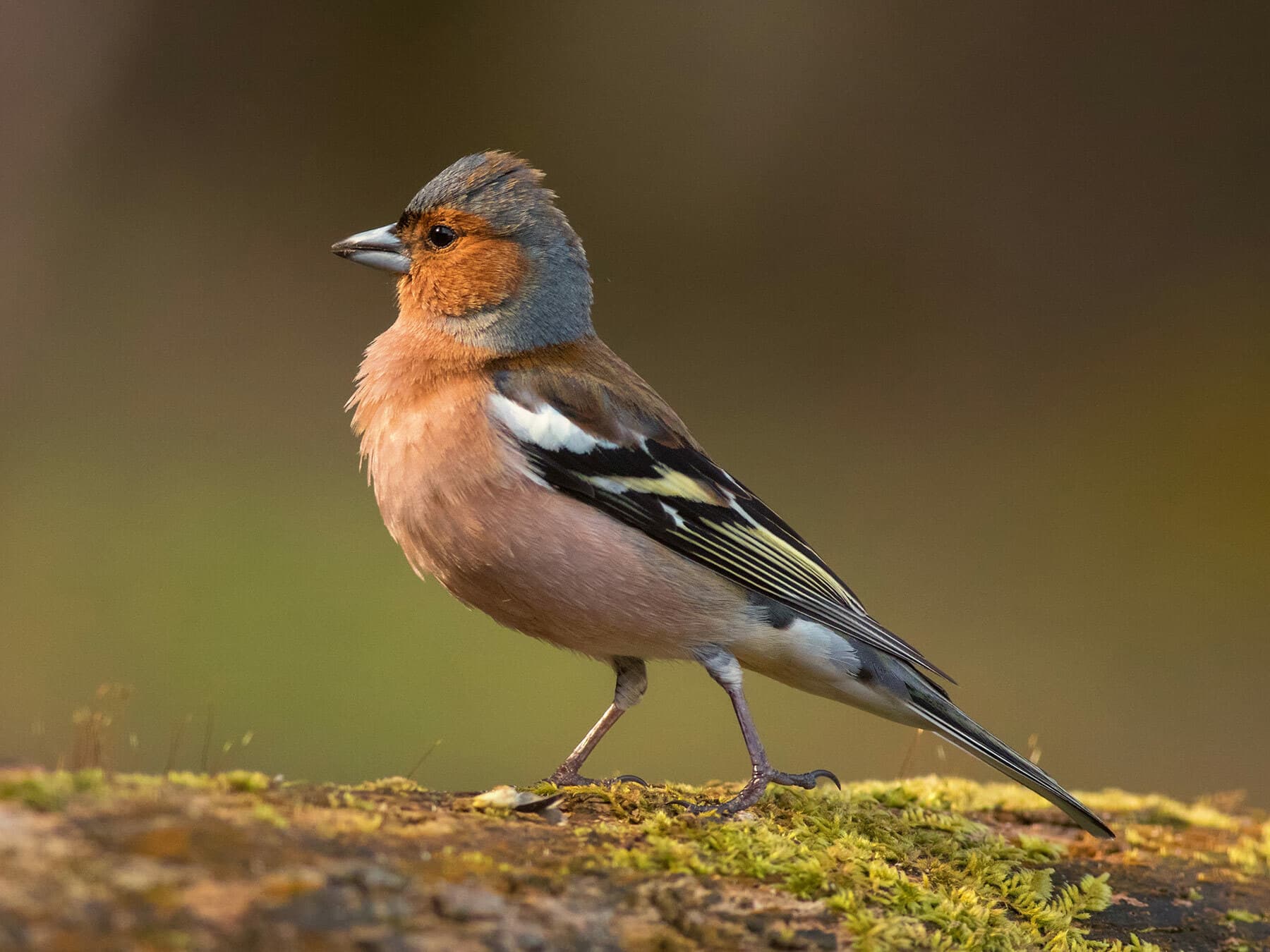
Chaffinch
Fringilla coelebsLC
A common and familiar resident of gardens, woodlands, and hedgerows throughout the county, present all year with a cheerful, ringing song.
Year-round
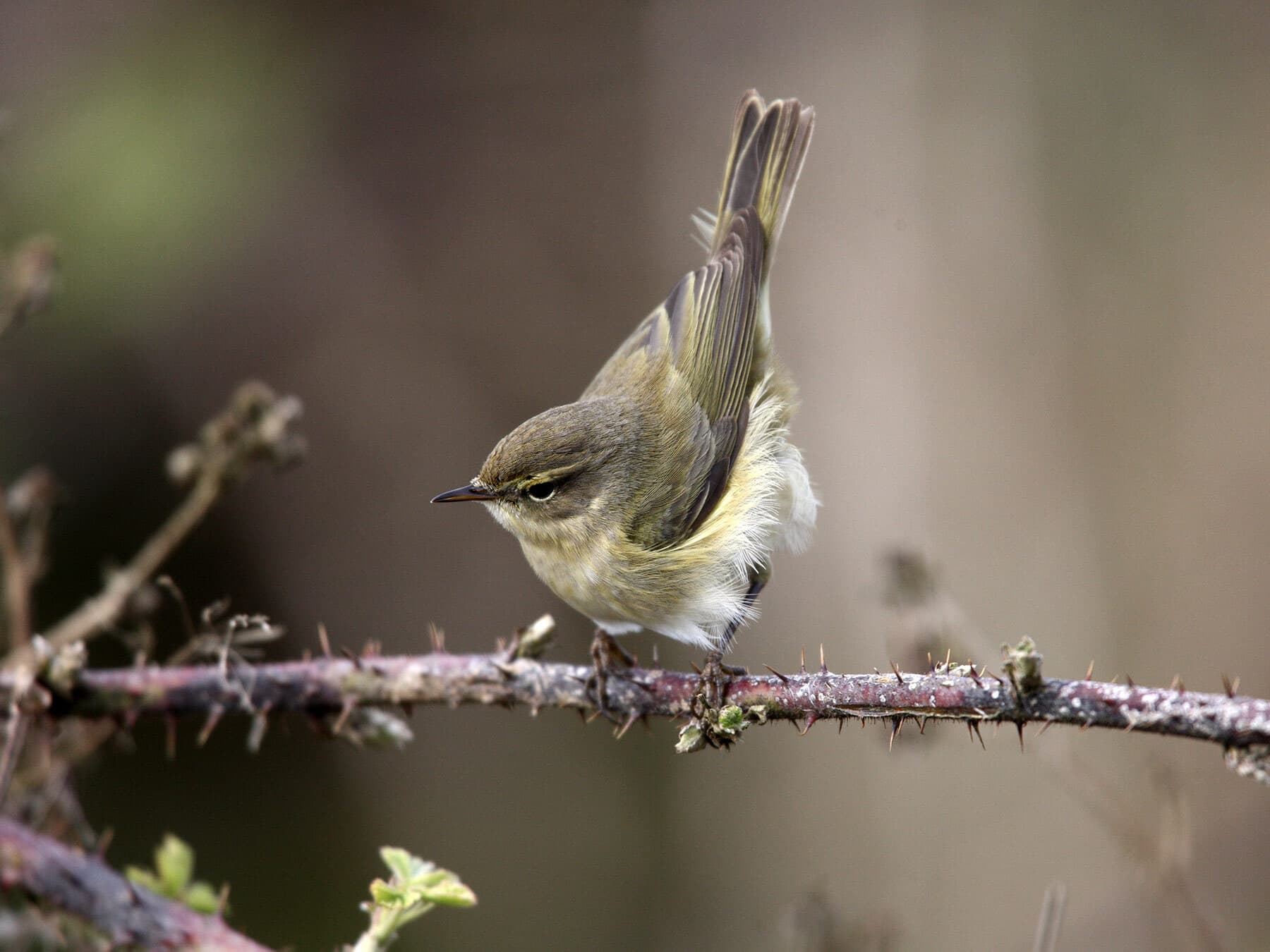
Chiffchaff
Phylloscopus collybitaLC
A common resident heard year-round, with numbers boosted by continental migrants in autumn. Its repetitive two-note song is a familiar woodland sound.
Year-round
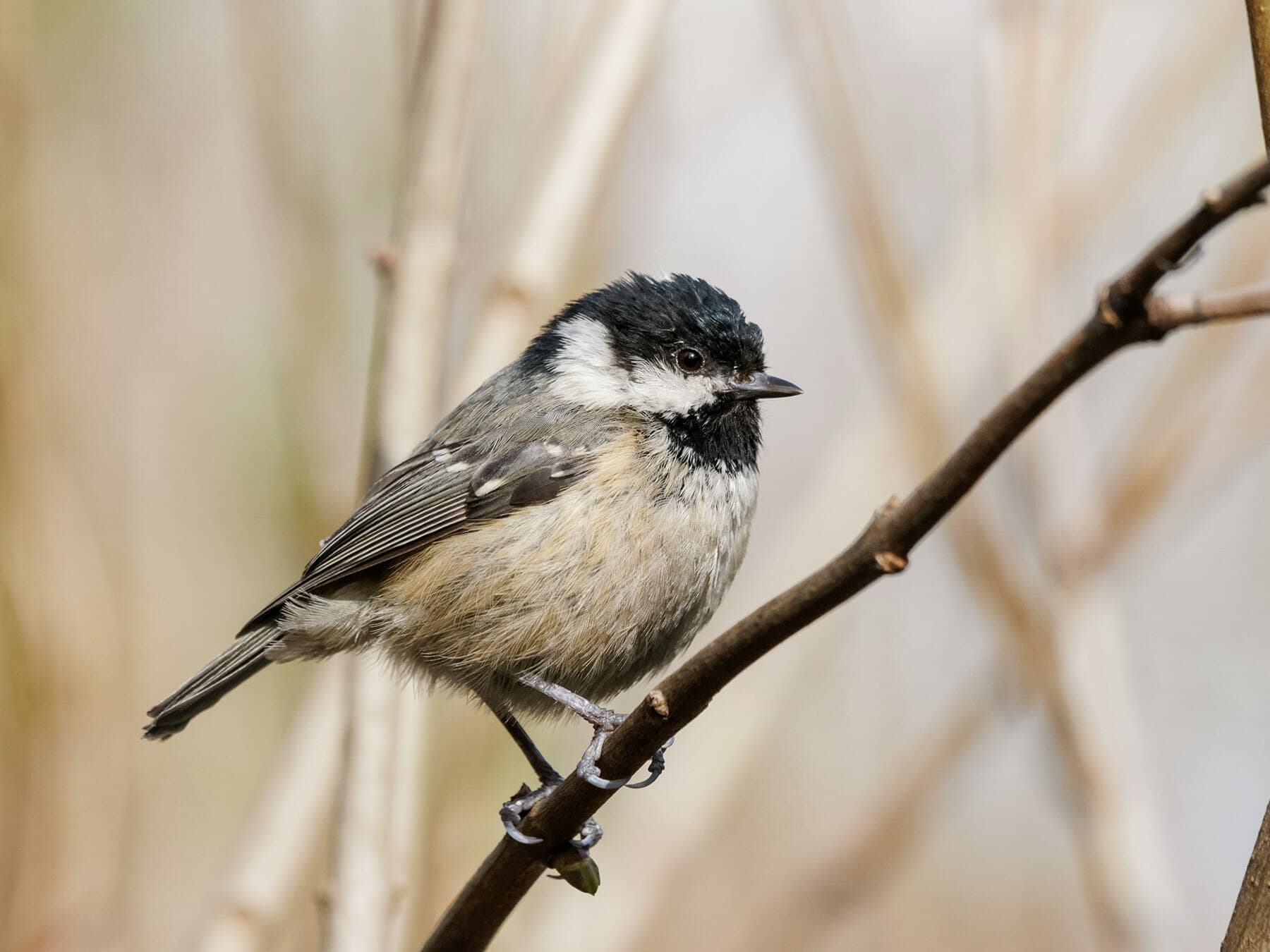
Coal Tit
Periparus aterLC
An uncommon resident favouring coniferous and mixed woodland. Regularly visits garden feeders, especially in winter months.
Year-round
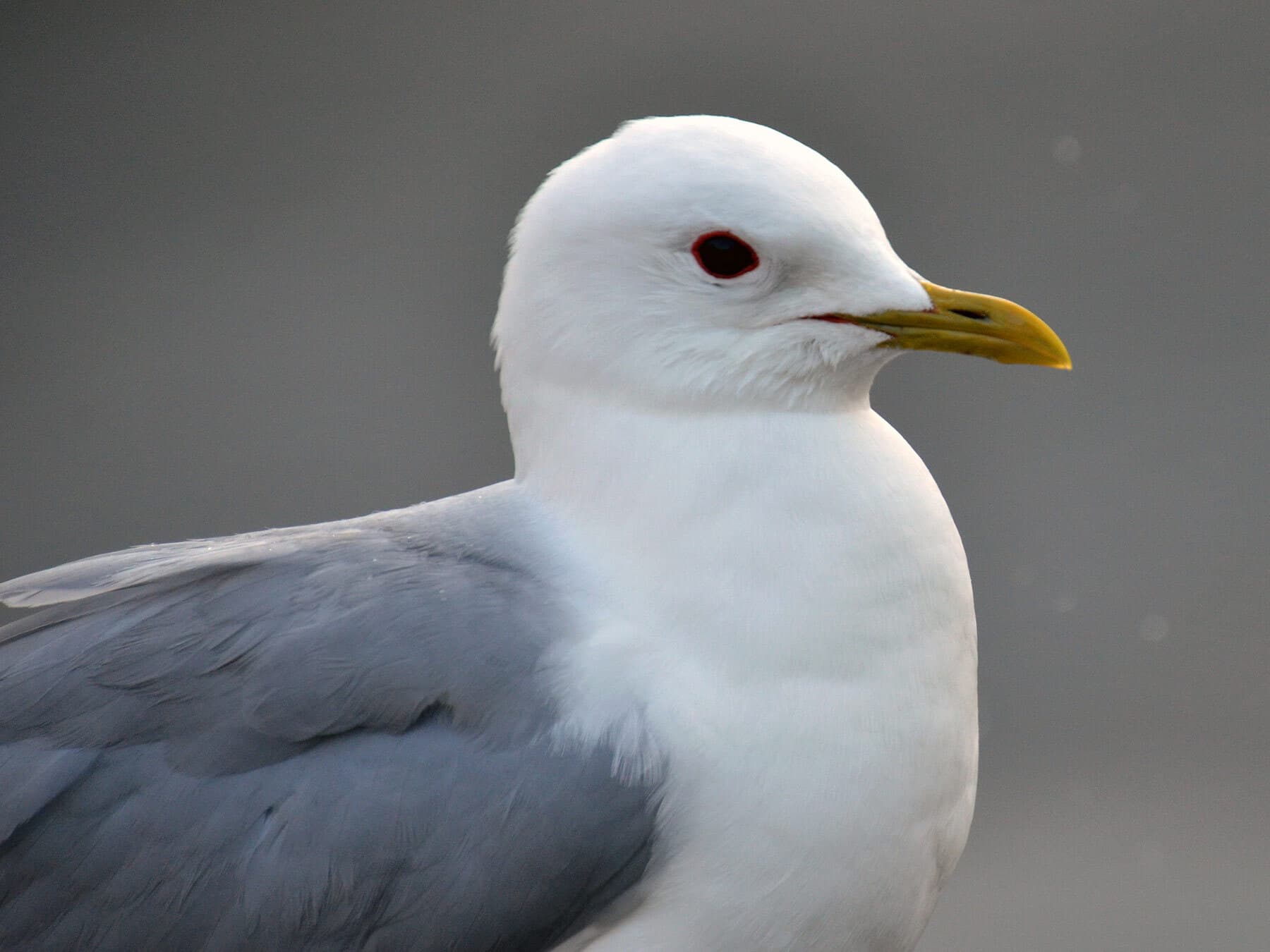
Common Gull
Larus canusLC
An uncommon resident found on playing fields, reservoirs and farmland, with numbers boosted in winter by continental visitors.
Jul–May
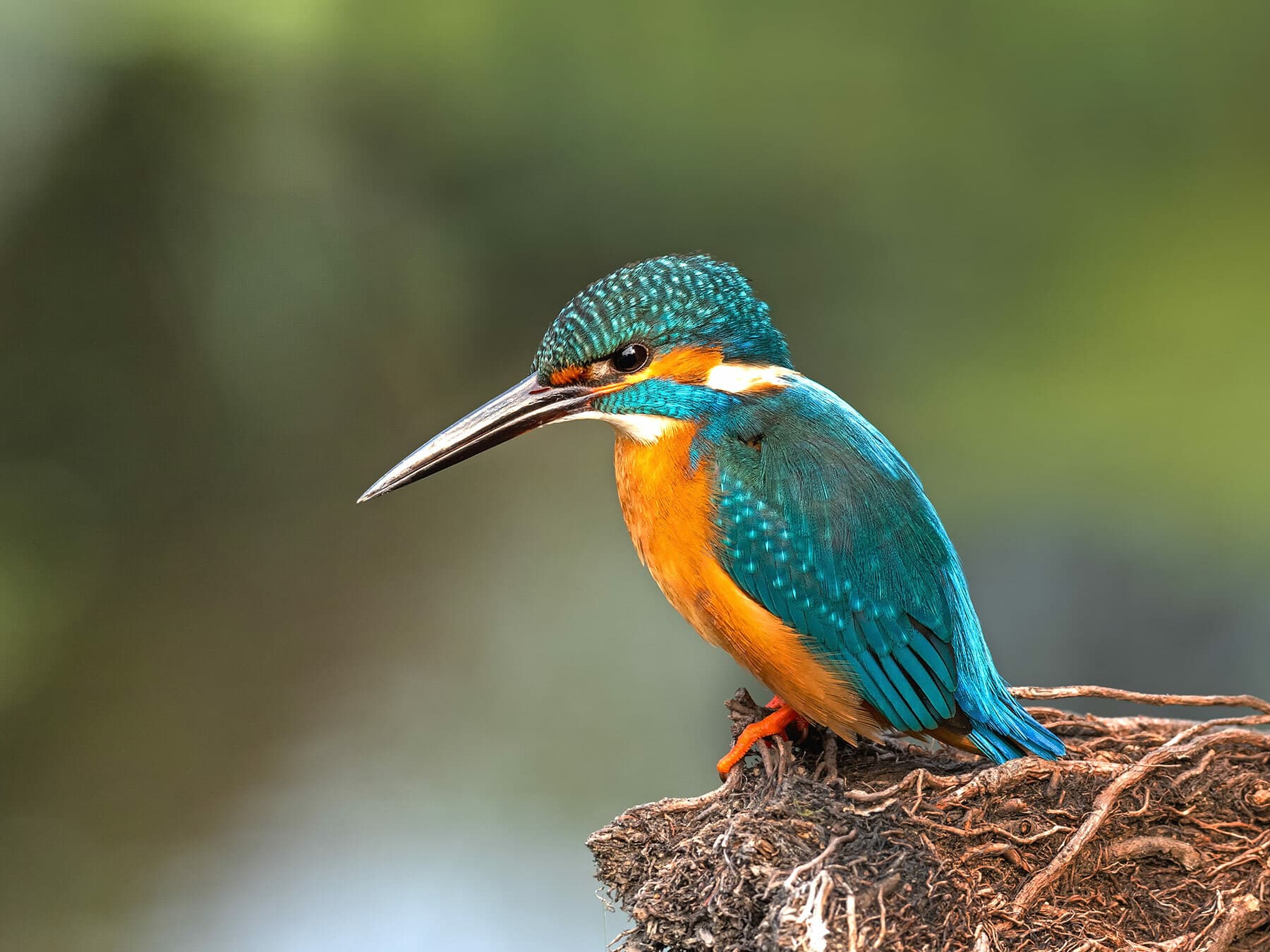
Common Kingfisher
Alcedo atthisLC
Found year-round along the Trent and its tributaries. A flash of electric blue darting low over the water is often the first sign.
Year-round
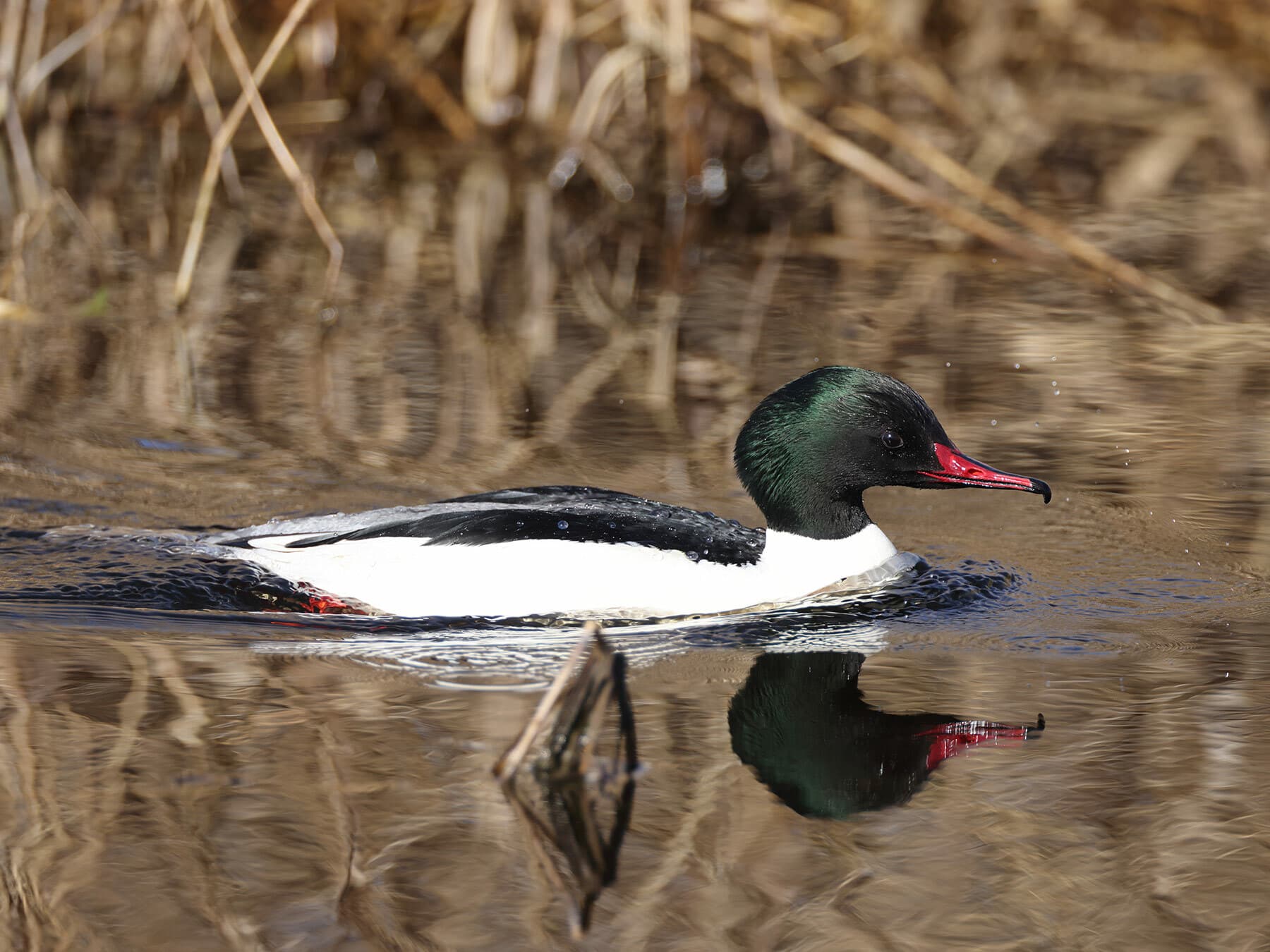
Common Merganser
Mergus merganserLC
Uncommon but regular on the Trent and larger rivers, mainly from autumn to spring. Sawbill flocks fish in clear stretches through the winter months.
Sep–May
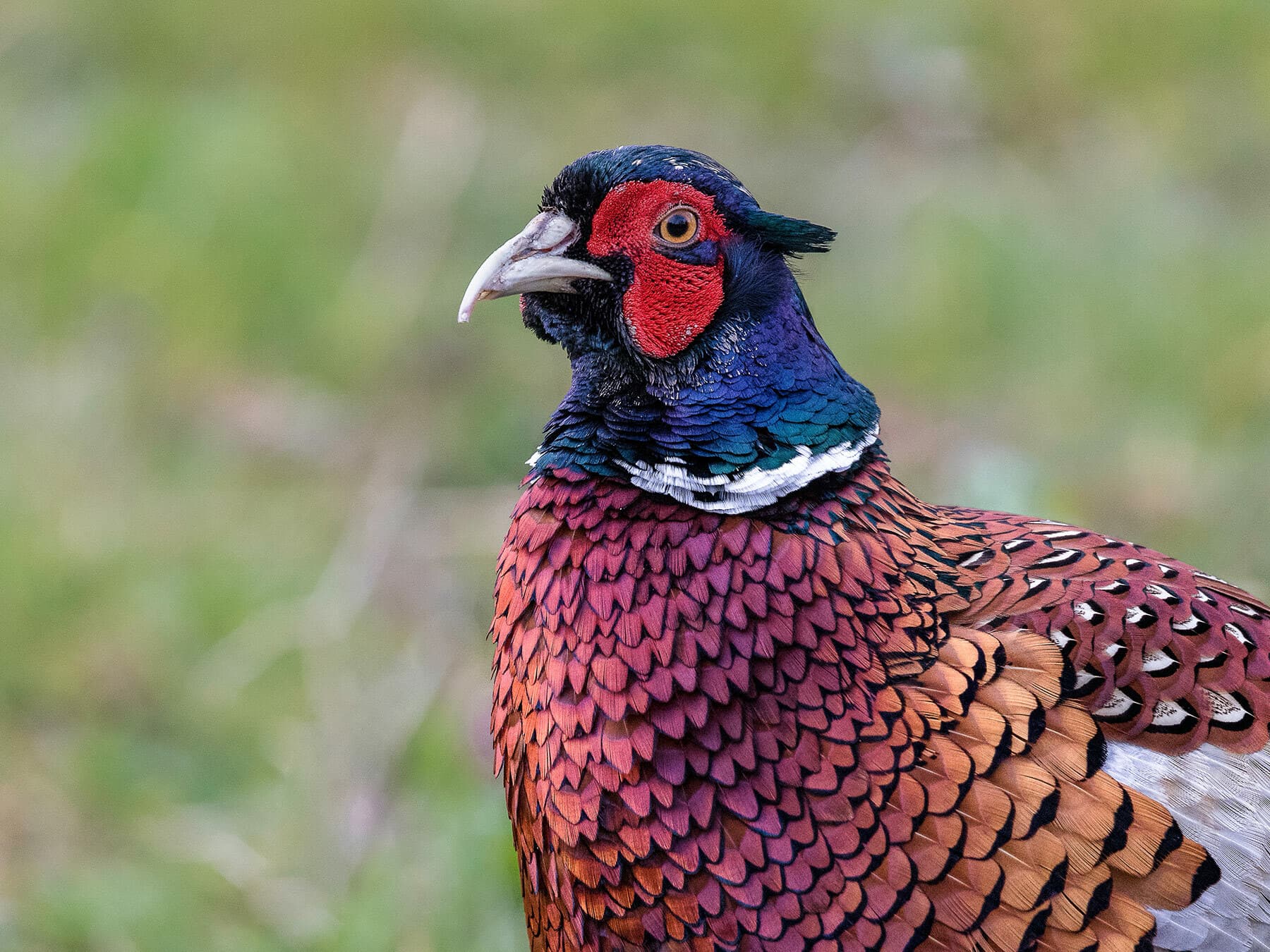
Common Pheasant
Phasianus colchicusLC
Abundant year-round across farmland, woodland edges and country estates, largely sustained by releases for shooting.
Year-round
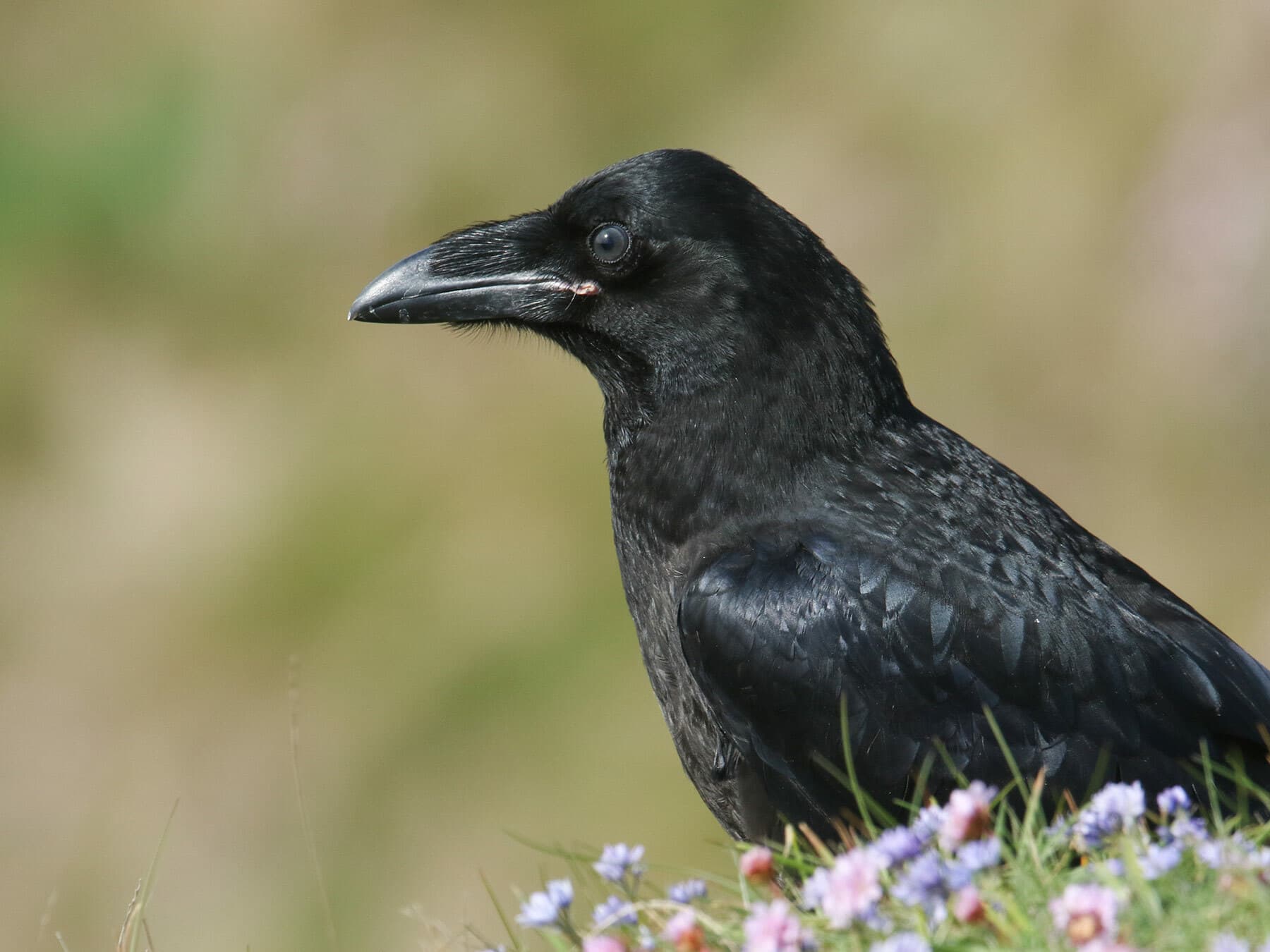
Common Raven
Corvus coraxLC
An uncommon but increasing resident, now regularly seen soaring over woodland and farmland. Its deep cronking call is increasingly heard countywide.
Year-round
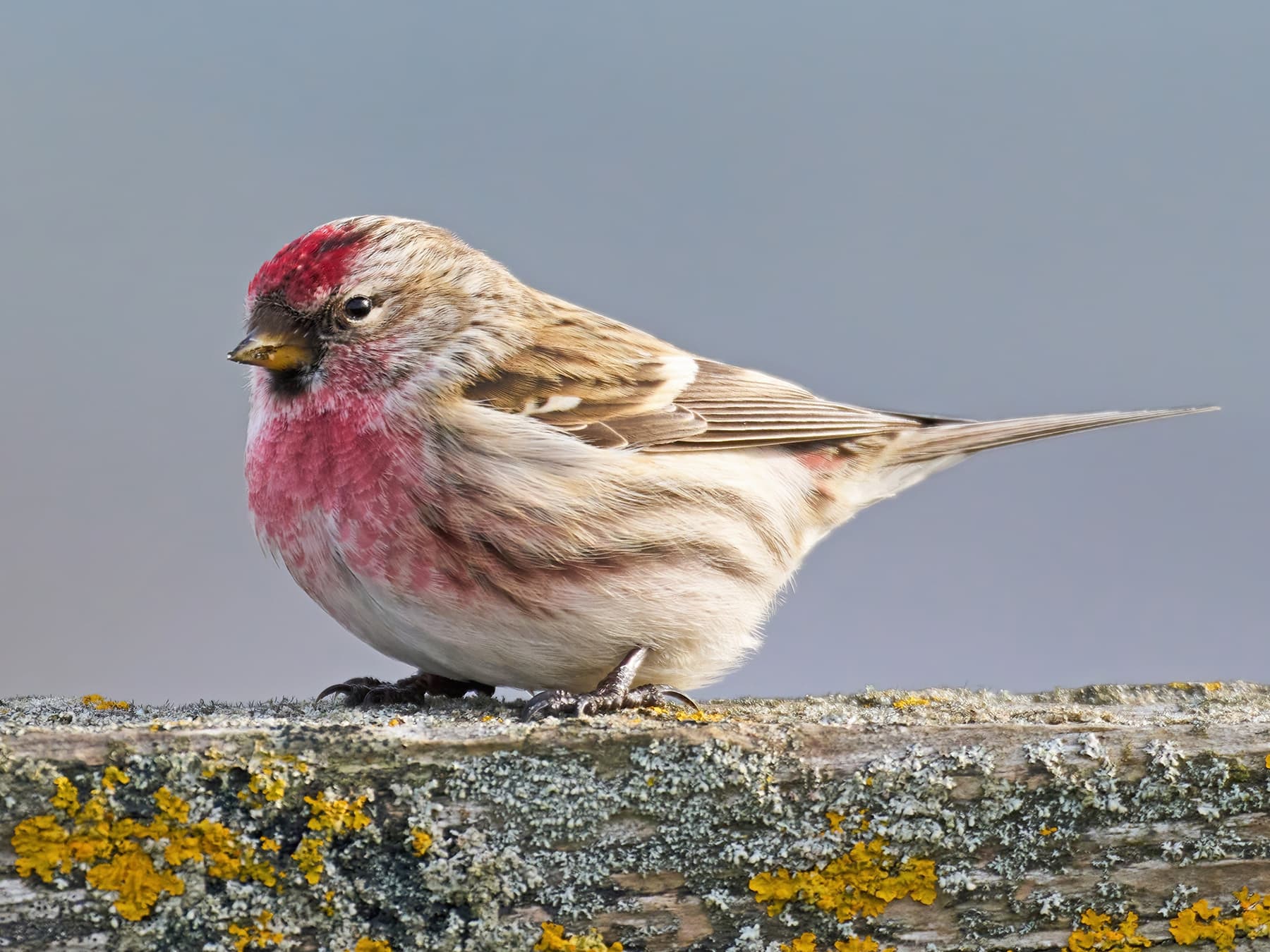
Common Redpoll
Acanthis flammeaLC
An uncommon visitor to birch and alder woodland, most often seen in winter flocks at Sherwood and along the Trent Valley.
Jul–May
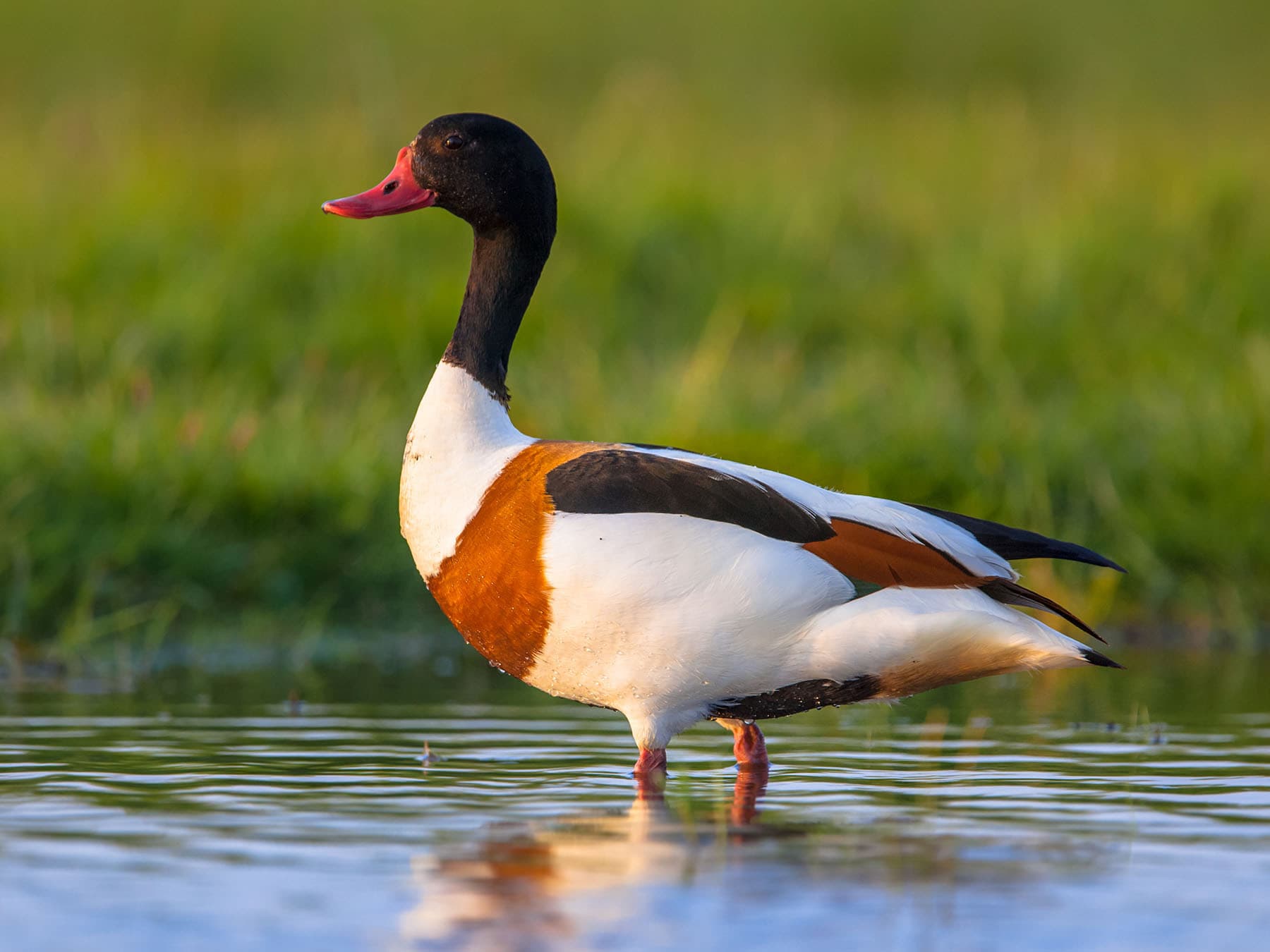
Common Shelduck
Tadorna tadornaLC
An uncommon resident, breeding at a few wetland sites. More often seen on gravel pits and the Trent floodplain outside the breeding season.
Year-round
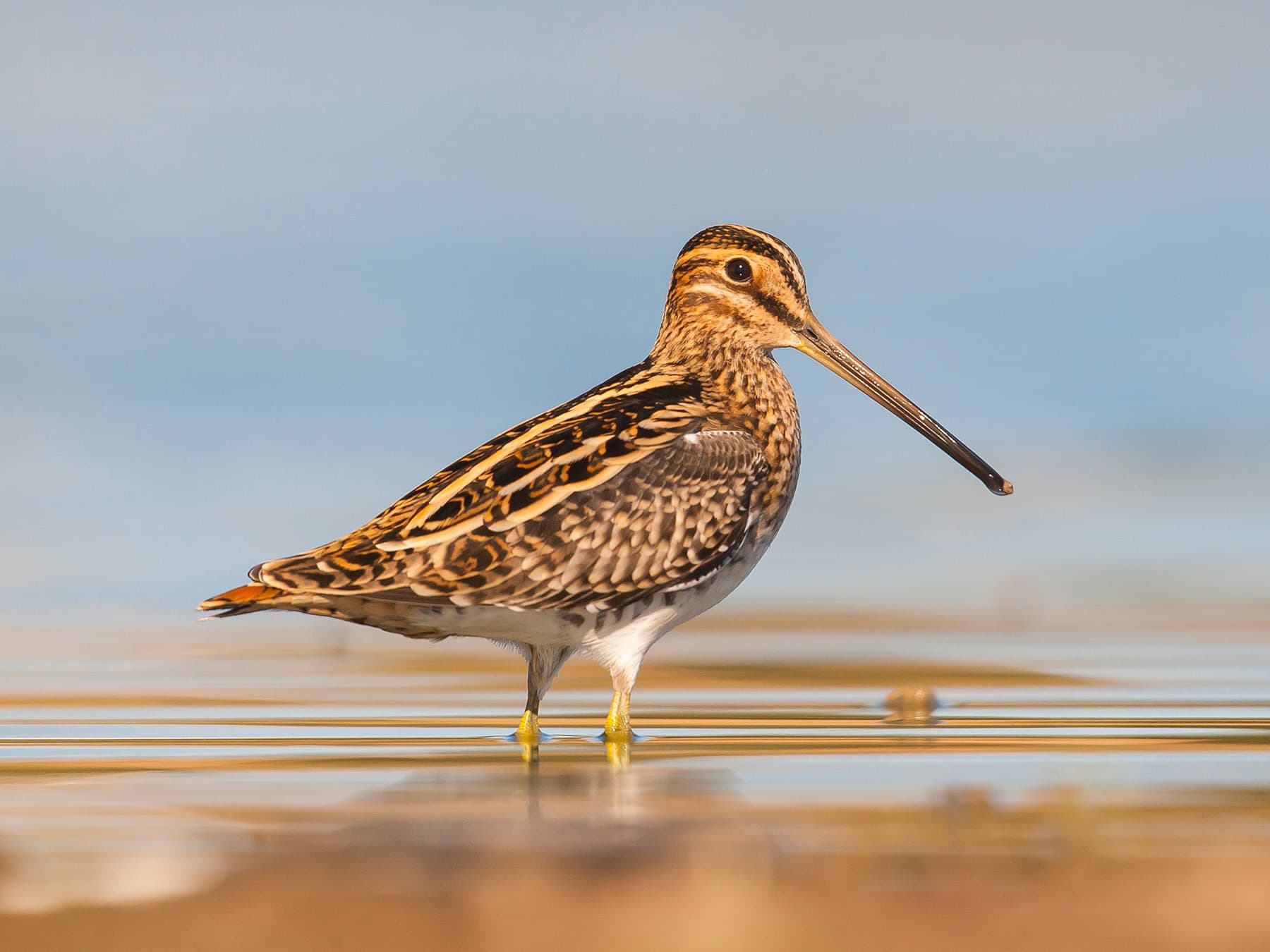
Common Snipe
Gallinago gallinagoLC
An uncommon resident found in marshy fields and wetland edges. Numbers increase in winter, with drumming displays heard over suitable bogs in spring.
Jul–May
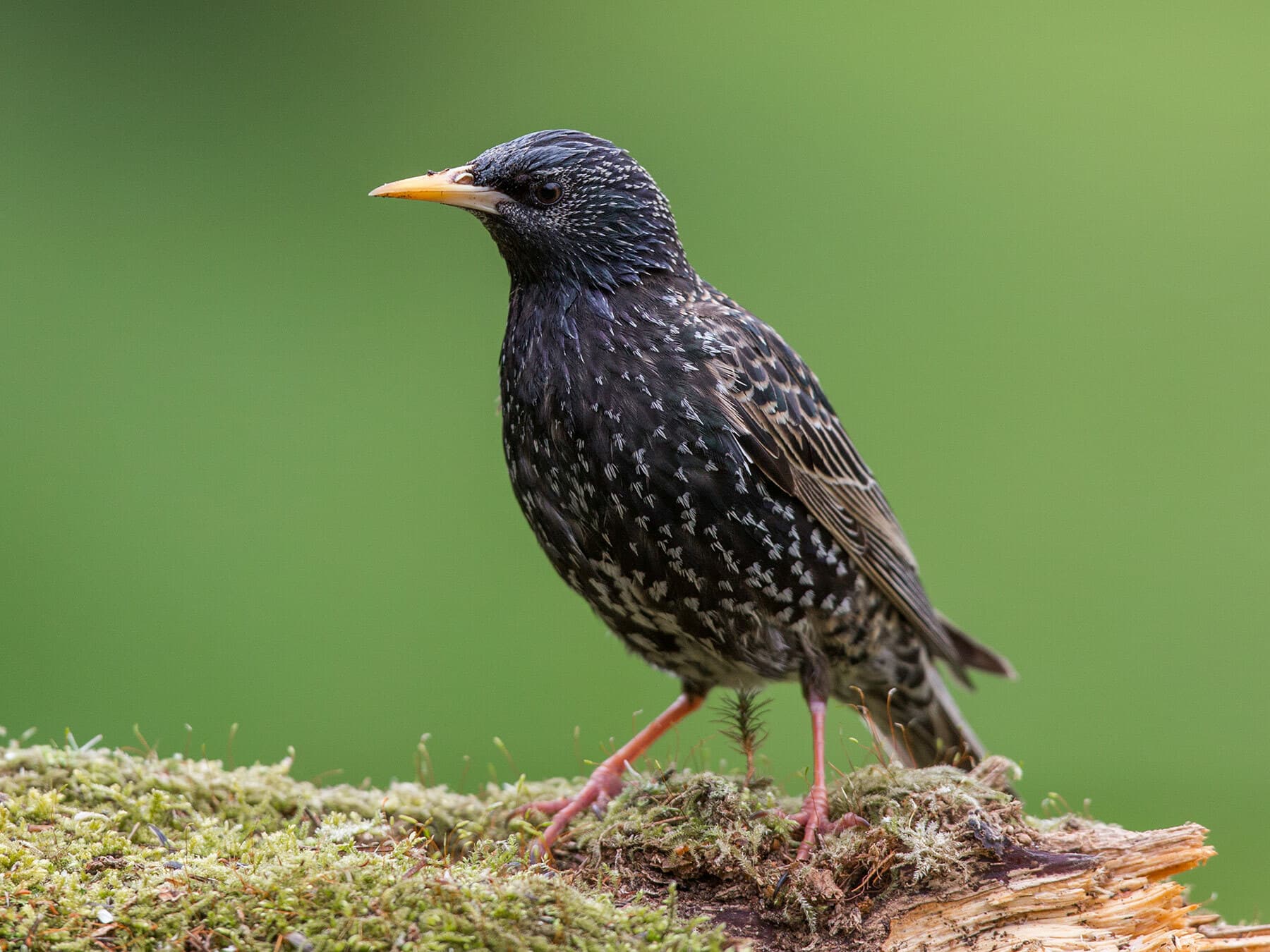
Common Starling
Sturnus vulgarisLC
Common and conspicuous year-round, forming spectacular winter murmurations over towns and reedbeds despite ongoing national decline.
Year-round
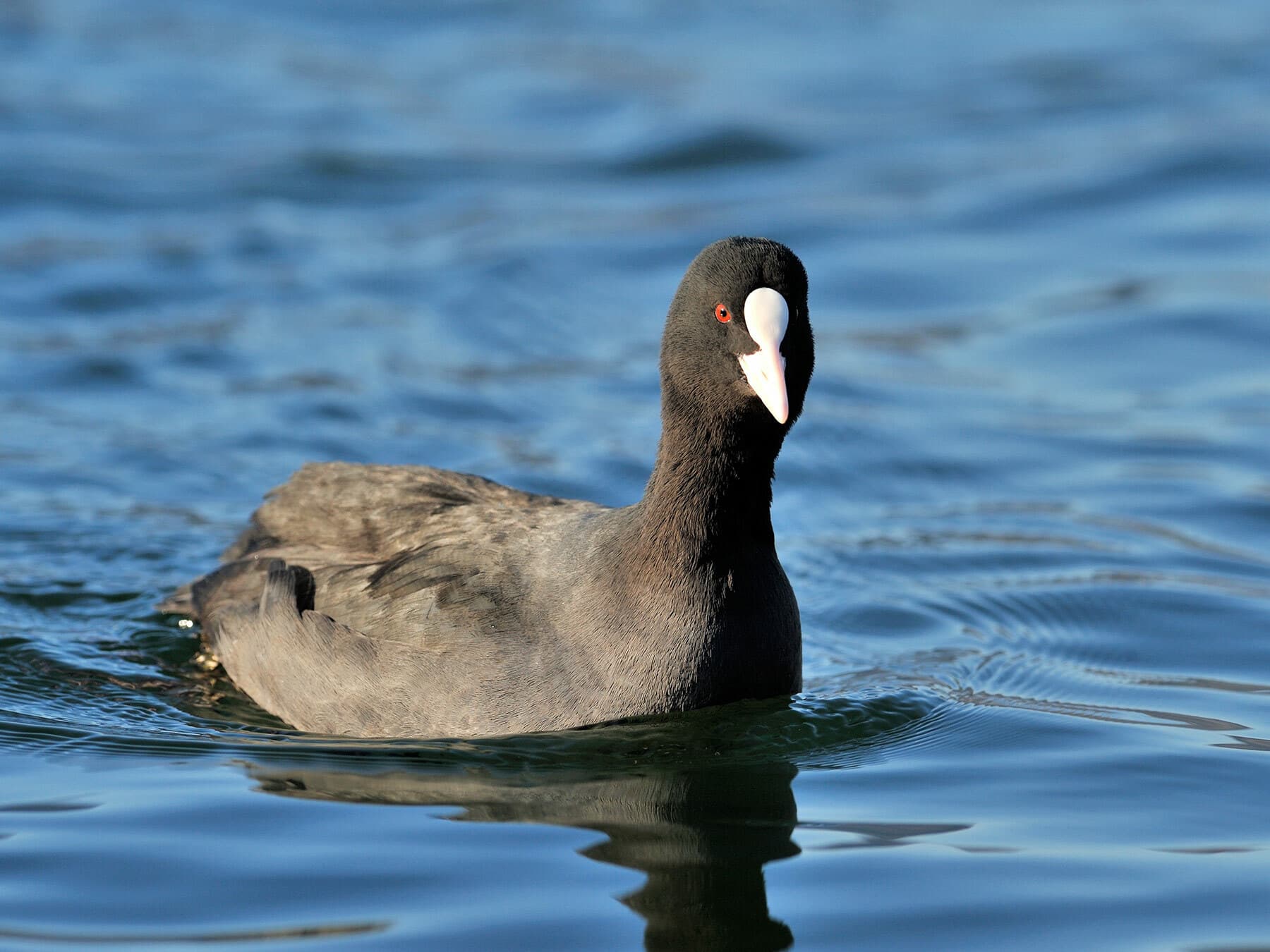
Coot
Fulica atraLC
A common resident on lakes, reservoirs and gravel pits across the county, often forming large winter flocks at sites like Attenborough.
Year-round
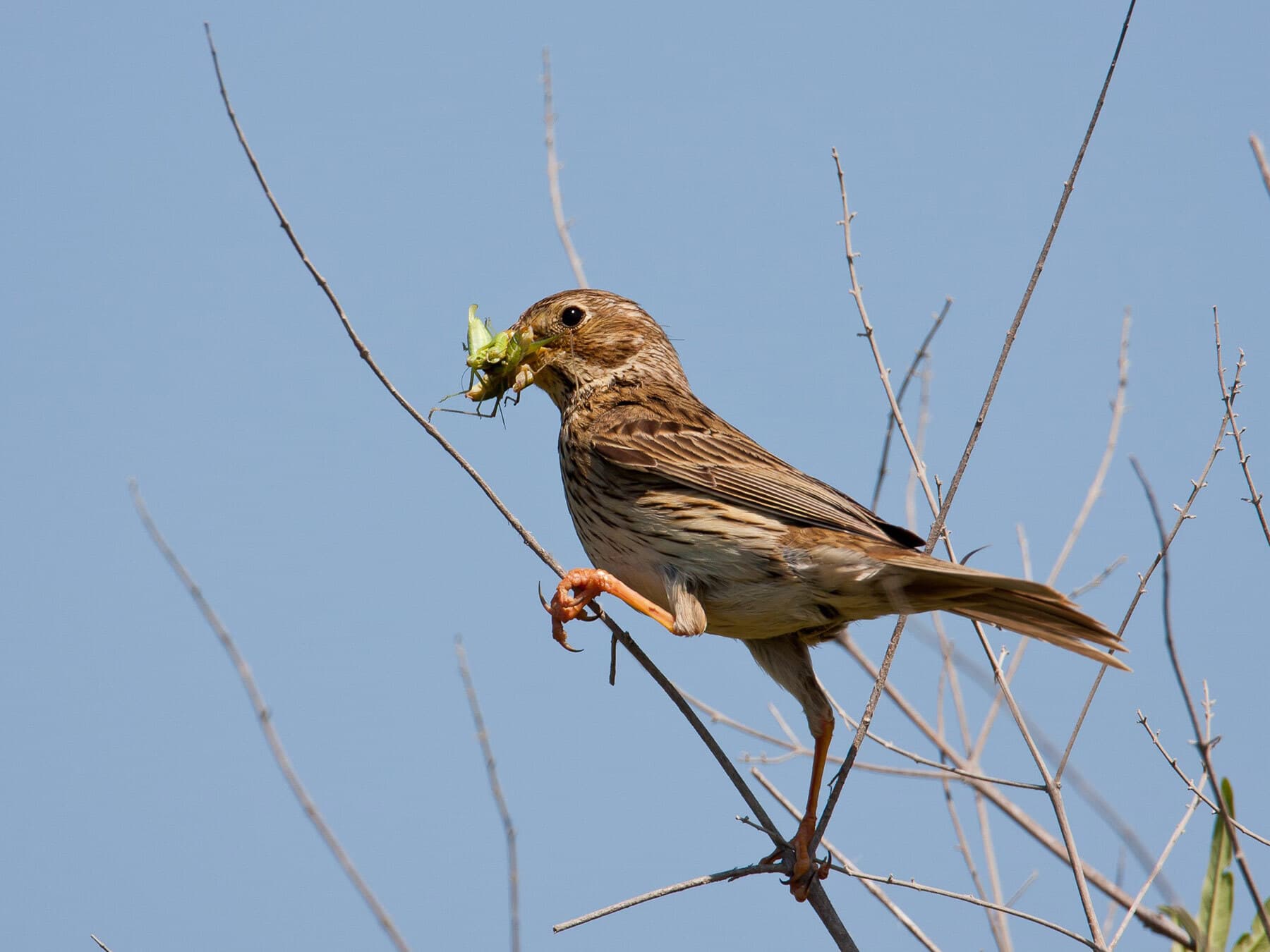
Corn Bunting
Emberiza calandraLC
A rare and declining resident of open arable farmland, now confined to a few scattered sites in the county.
Nov–Jul
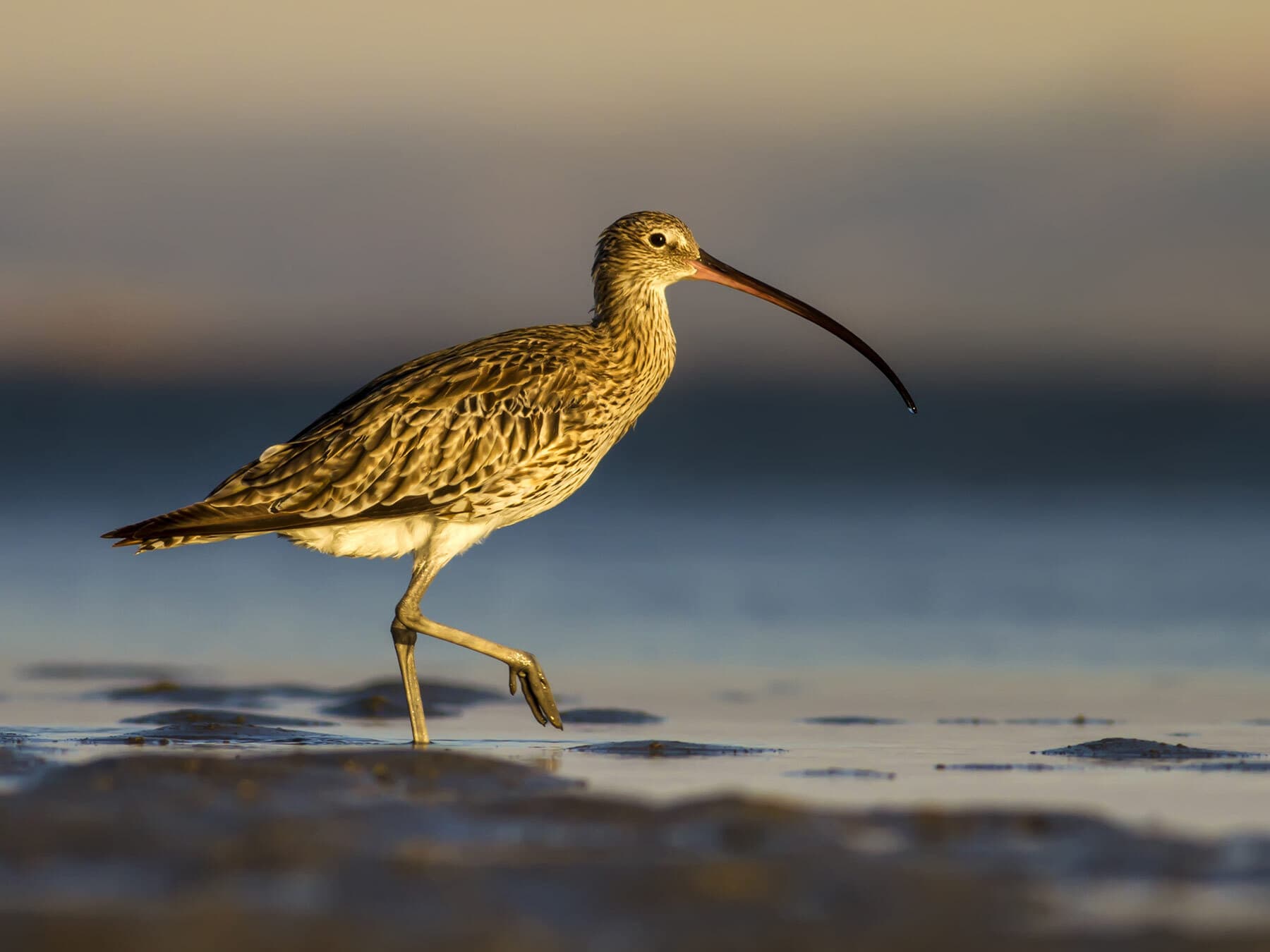
Curlew
Numenius arquataNT
A rare and declining resident, breeding on damp pastures in the north of the county. Passage birds visit Trent Valley wetlands.
Mar–Jan
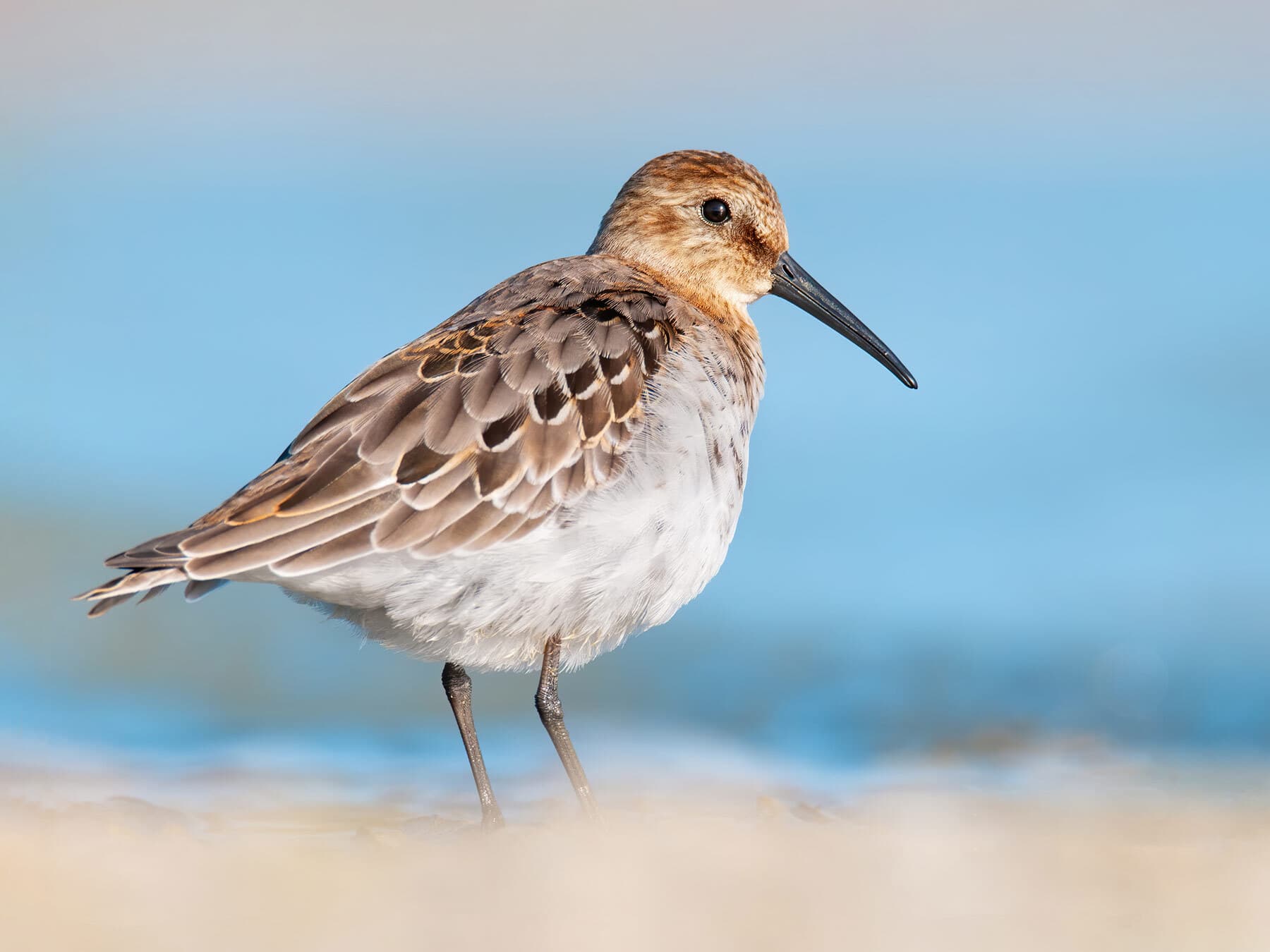
Dunlin
Calidris alpinaLC
A rare year-round presence at wetland sites, most often seen on passage or in winter at muddy reservoir margins.
Year-round
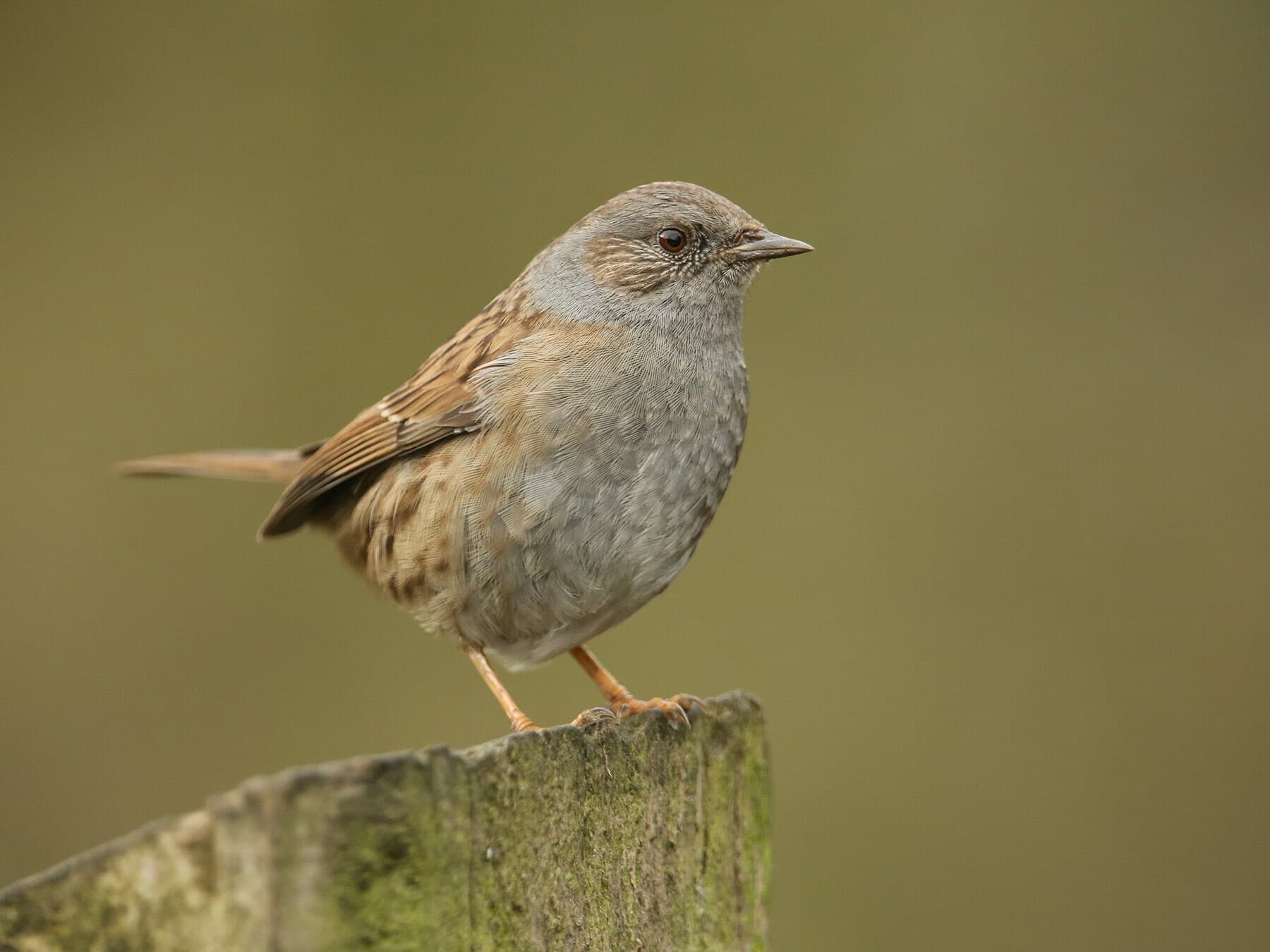
Dunnock
Prunella modularisLC
A common and unobtrusive resident of hedgerows and garden shrubbery across the county. Its thin, warbling song is one of the earliest heard each spring.
Year-round
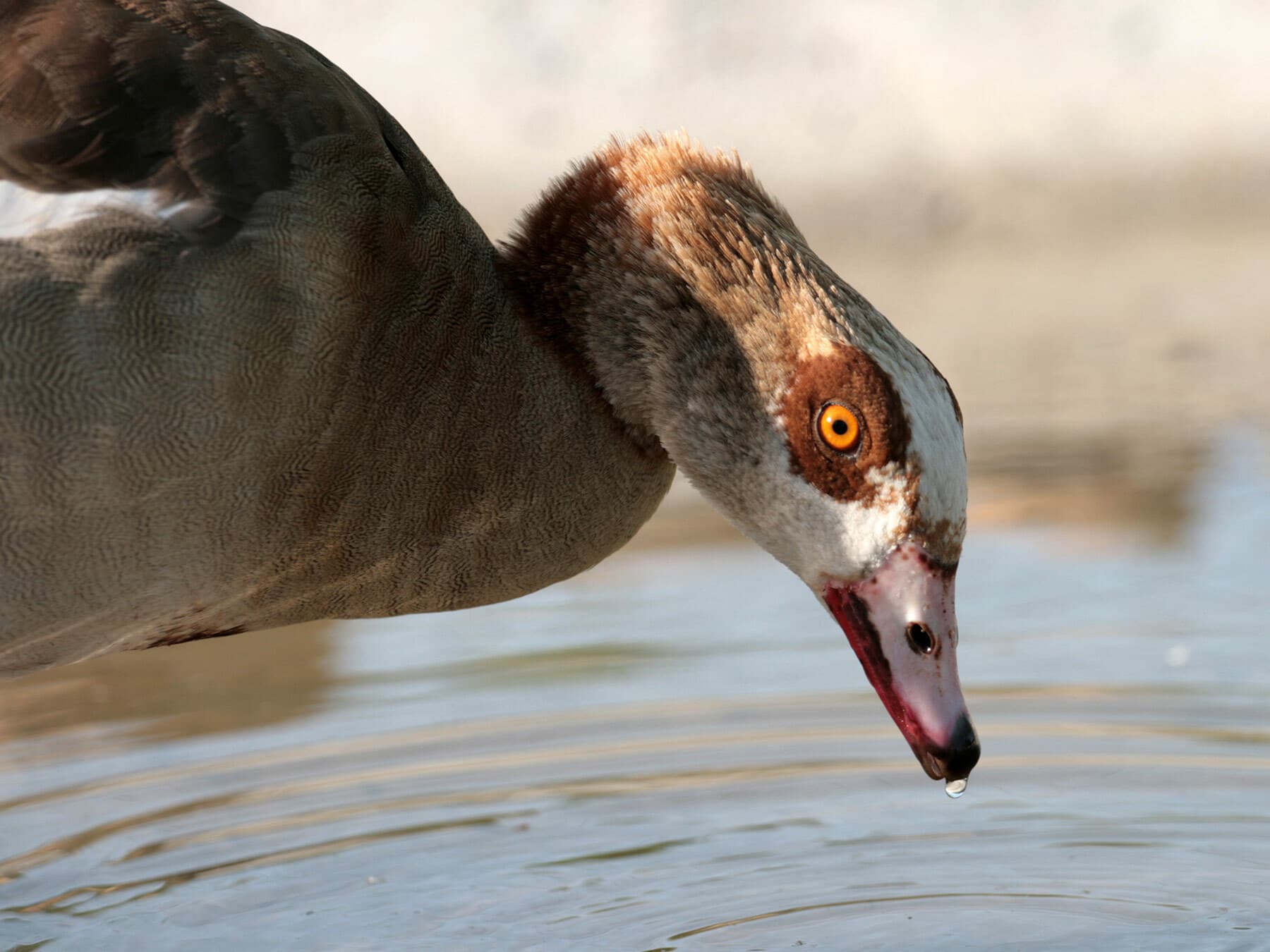
Egyptian Goose
Alopochen aegyptiacaLC
An established and increasing resident found year-round on lakes, gravel pits and parkland. This naturalised species is now a common sight across the county.
Year-round
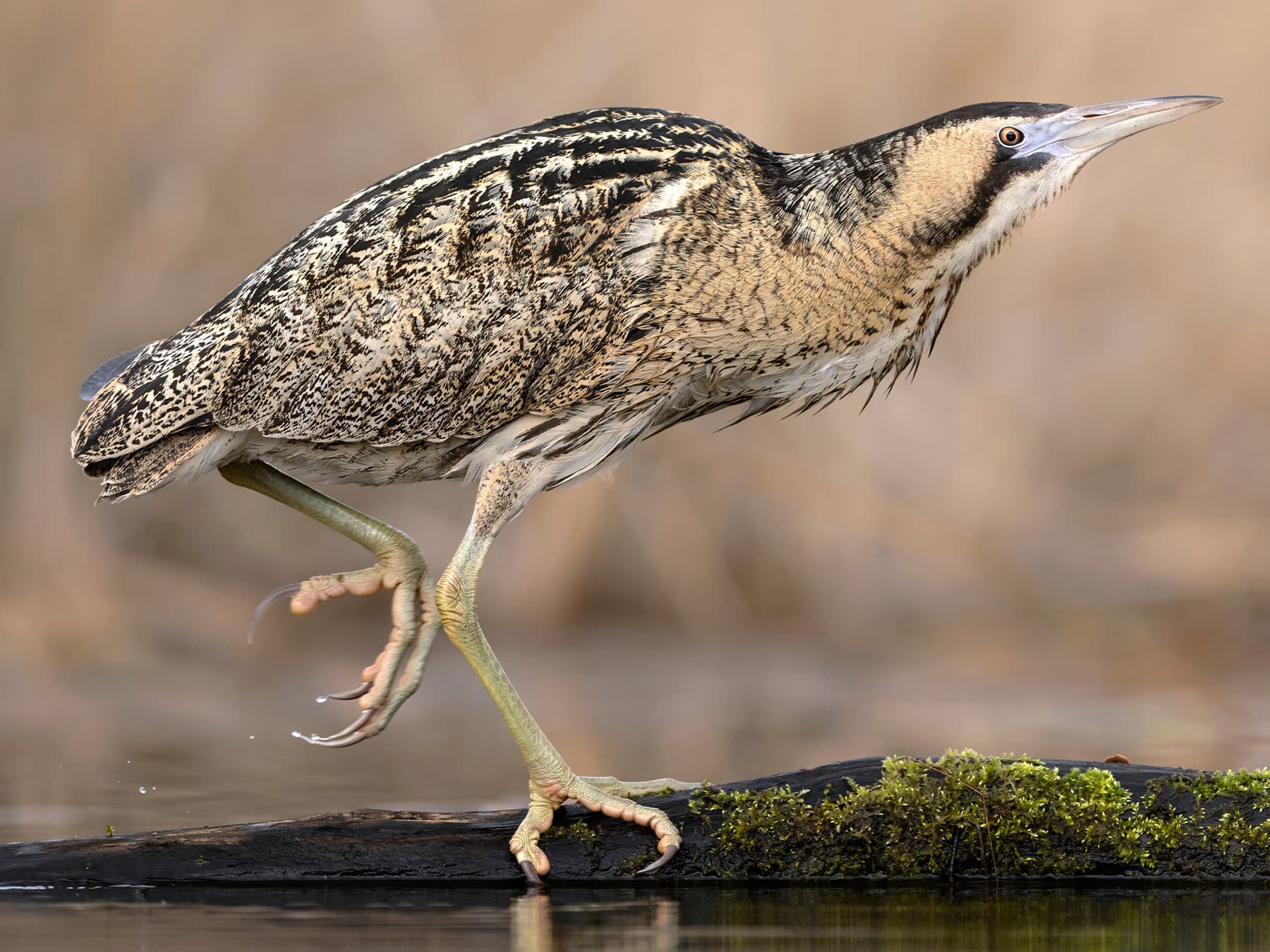
Eurasian Bittern
Botaurus stellarisLC
A rare but increasing resident of extensive reedbeds, with sites like Attenborough and Lound offering the best chances of a sighting.
Oct–Aug
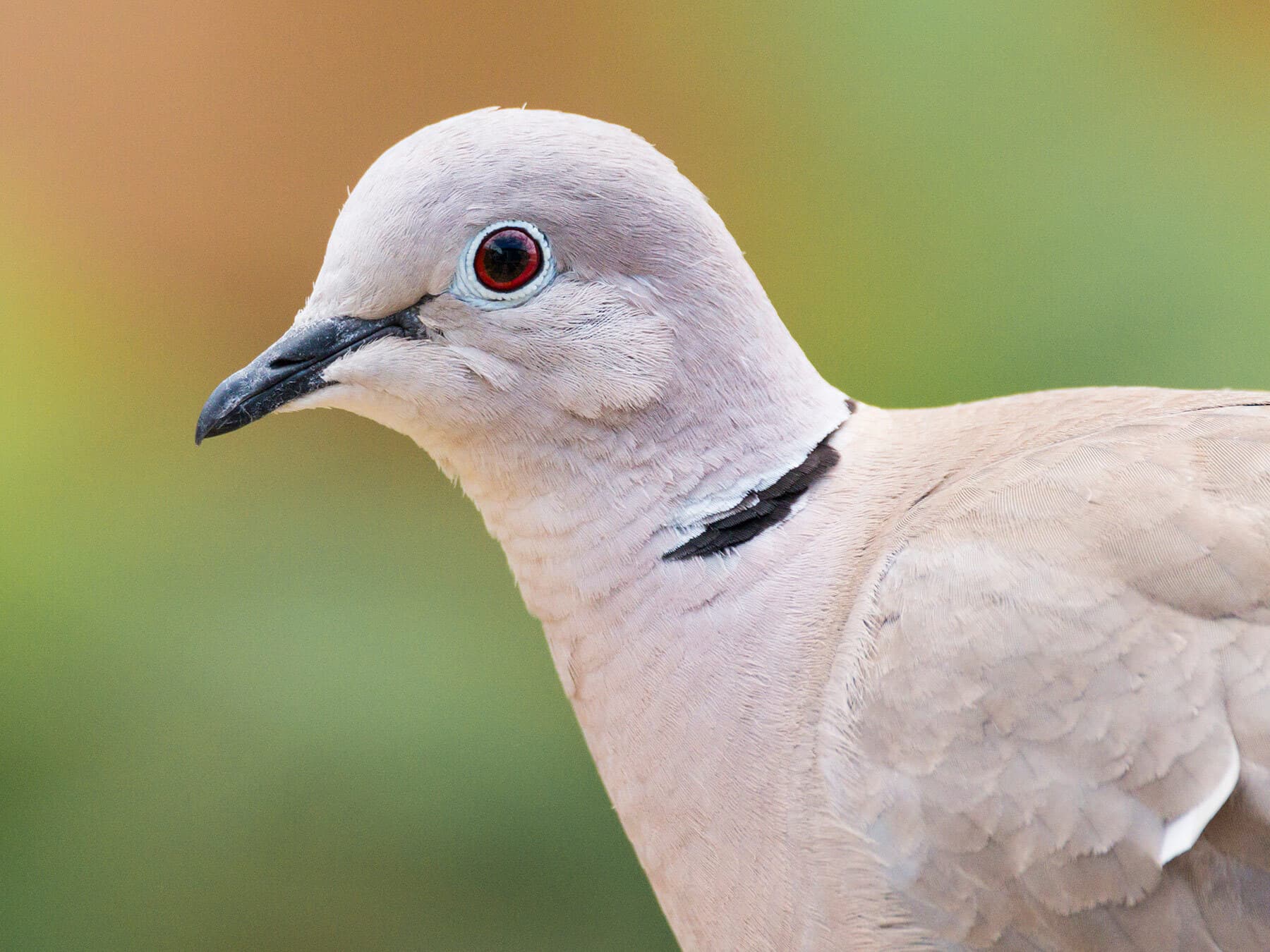
Eurasian Collared Dove
Streptopelia decaoctoLC
A familiar resident of gardens, farms and suburban areas throughout Nottinghamshire, heard giving its repetitive three-note call year-round.
Year-round
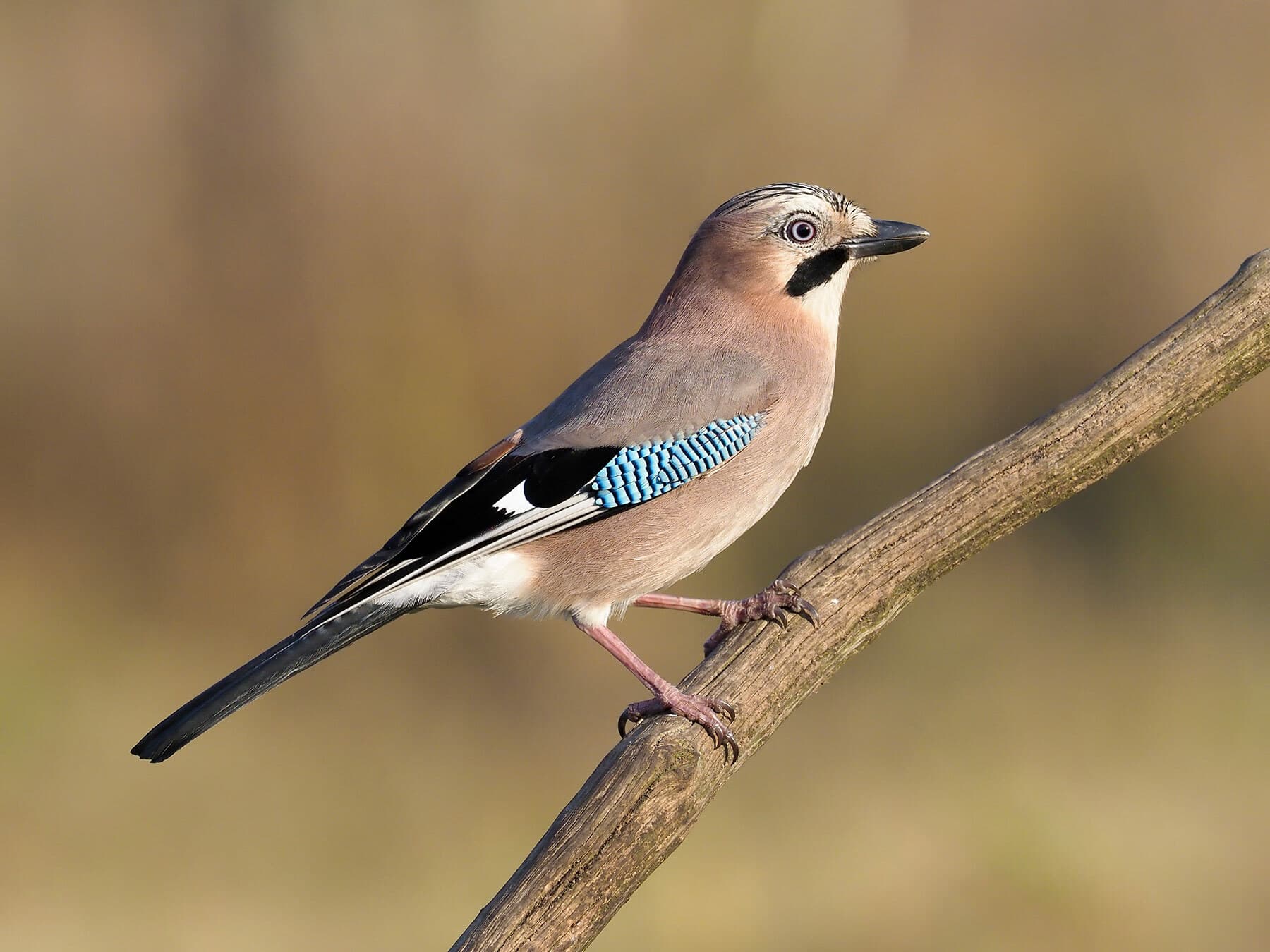
Eurasian Jay
Garrulus glandariusLC
An uncommon but year-round resident of broadleaved and mixed woodland, often detected by its harsh screeching call. Buries acorns in autumn.
Year-round
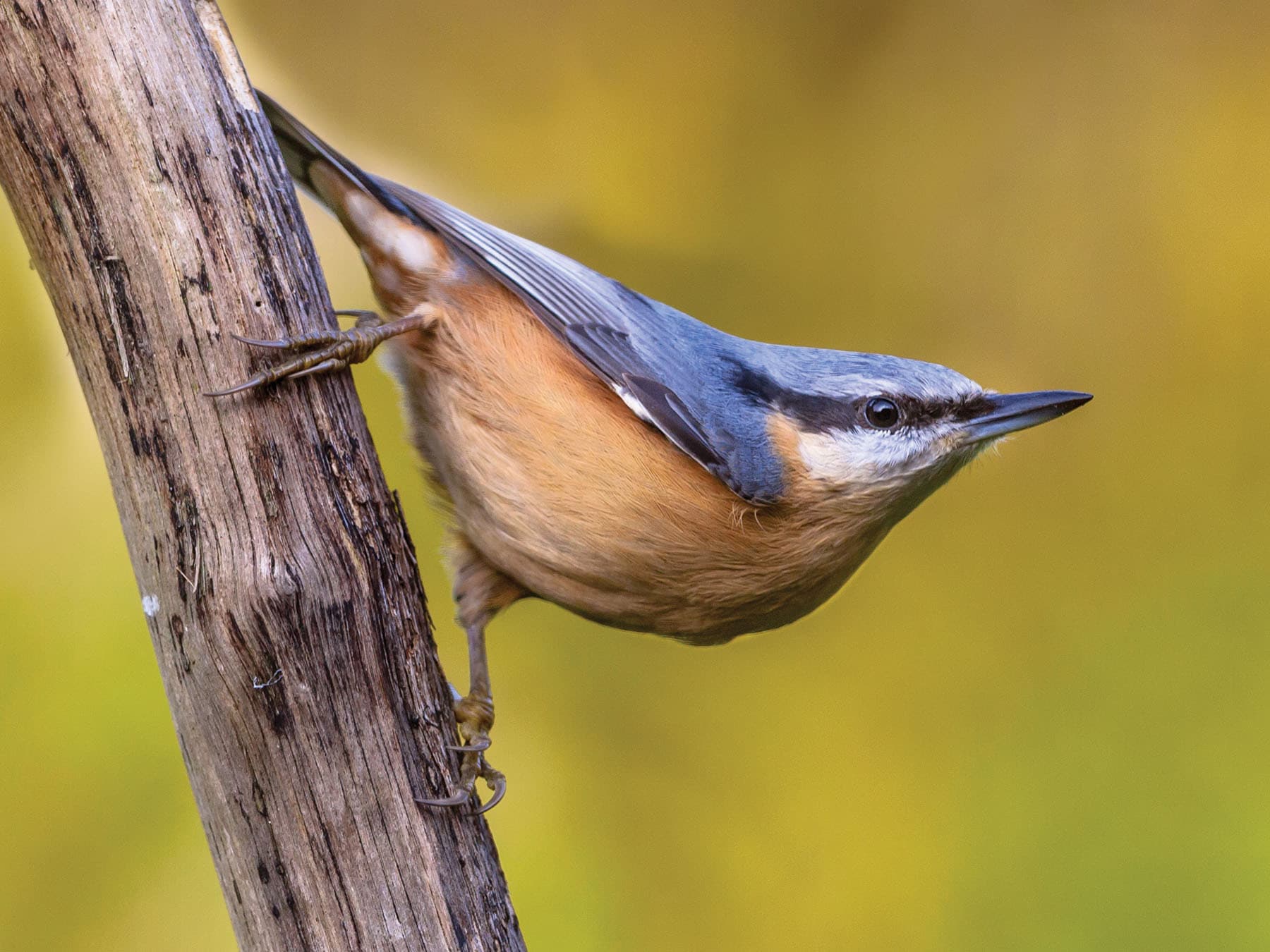
Eurasian Nuthatch
Sitta europaeaLC
An uncommon resident of mature woodland, found at sites like Clumber Park and Sherwood Forest. Its loud calls ring through oak and beech canopy year-round.
Year-round
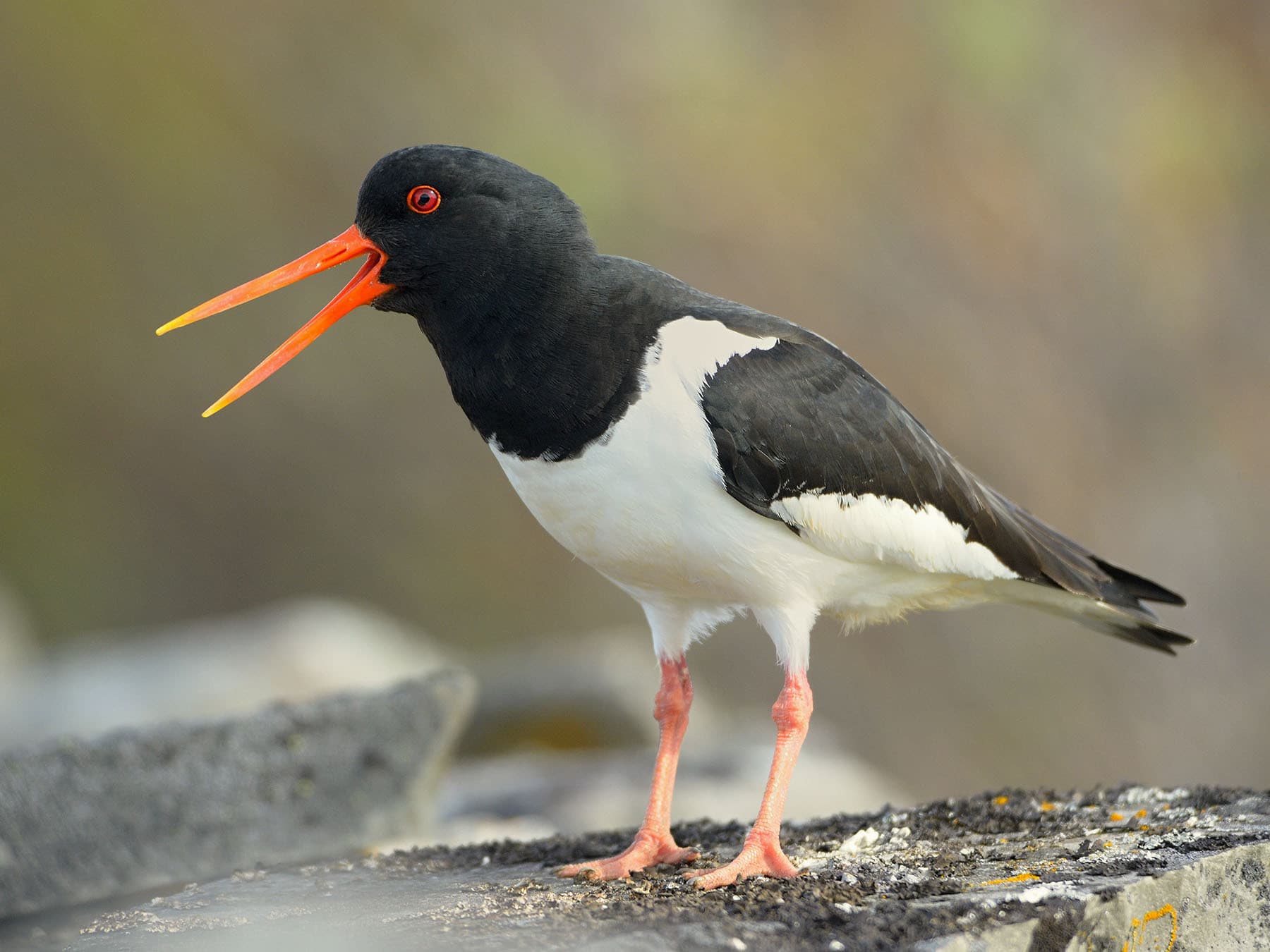
Eurasian Oystercatcher
Haematopus ostralegusNT
A common sight along the Trent Valley's gravel pits and flooded fields, breeding on shingle banks from spring through summer.
Jan–Aug
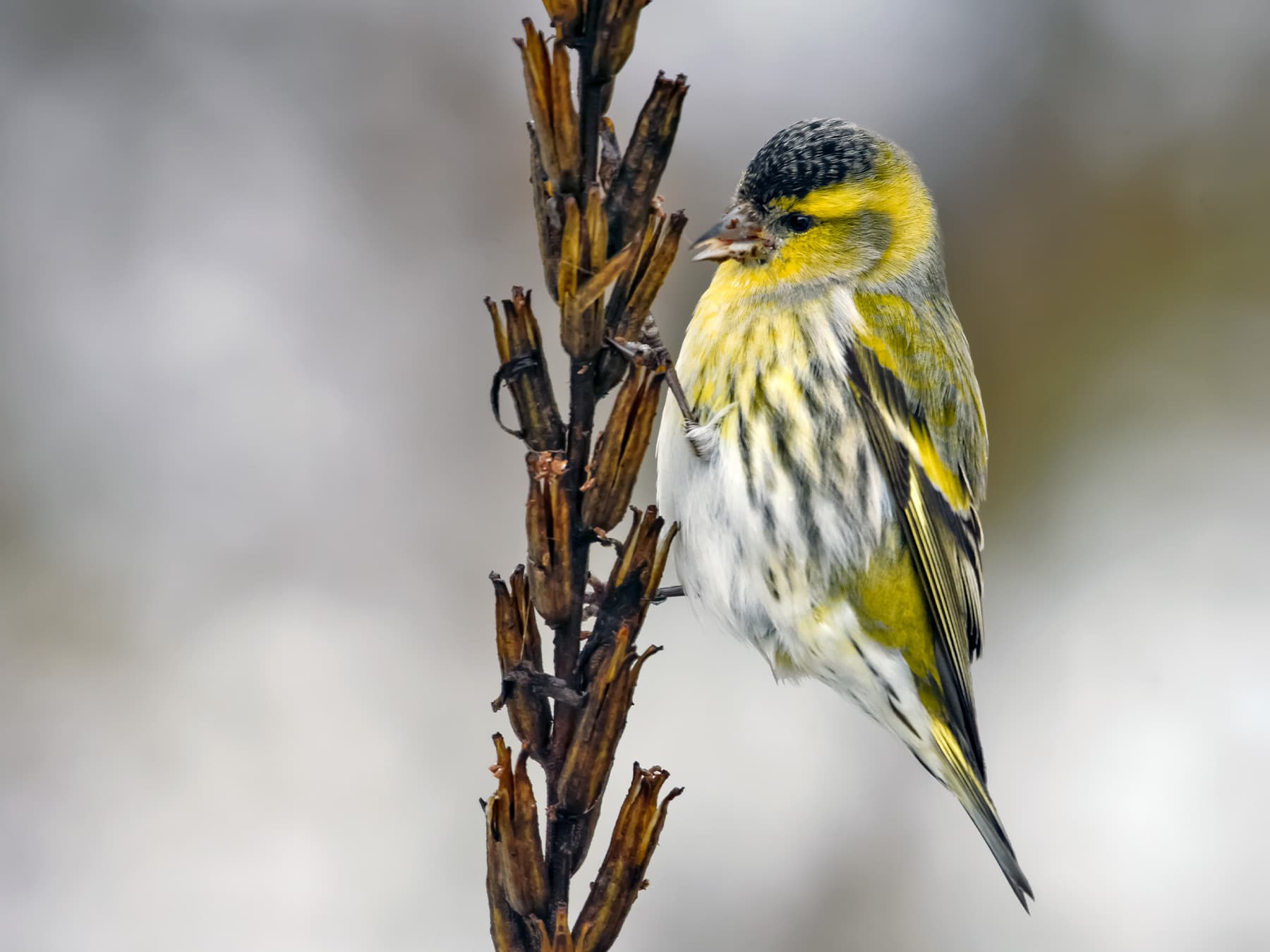
Eurasian Siskin
Spinus spinusLC
Present year-round but uncommon, favouring alder-lined waterways and conifer plantations. Numbers swell in winter with continental arrivals.
Year-round
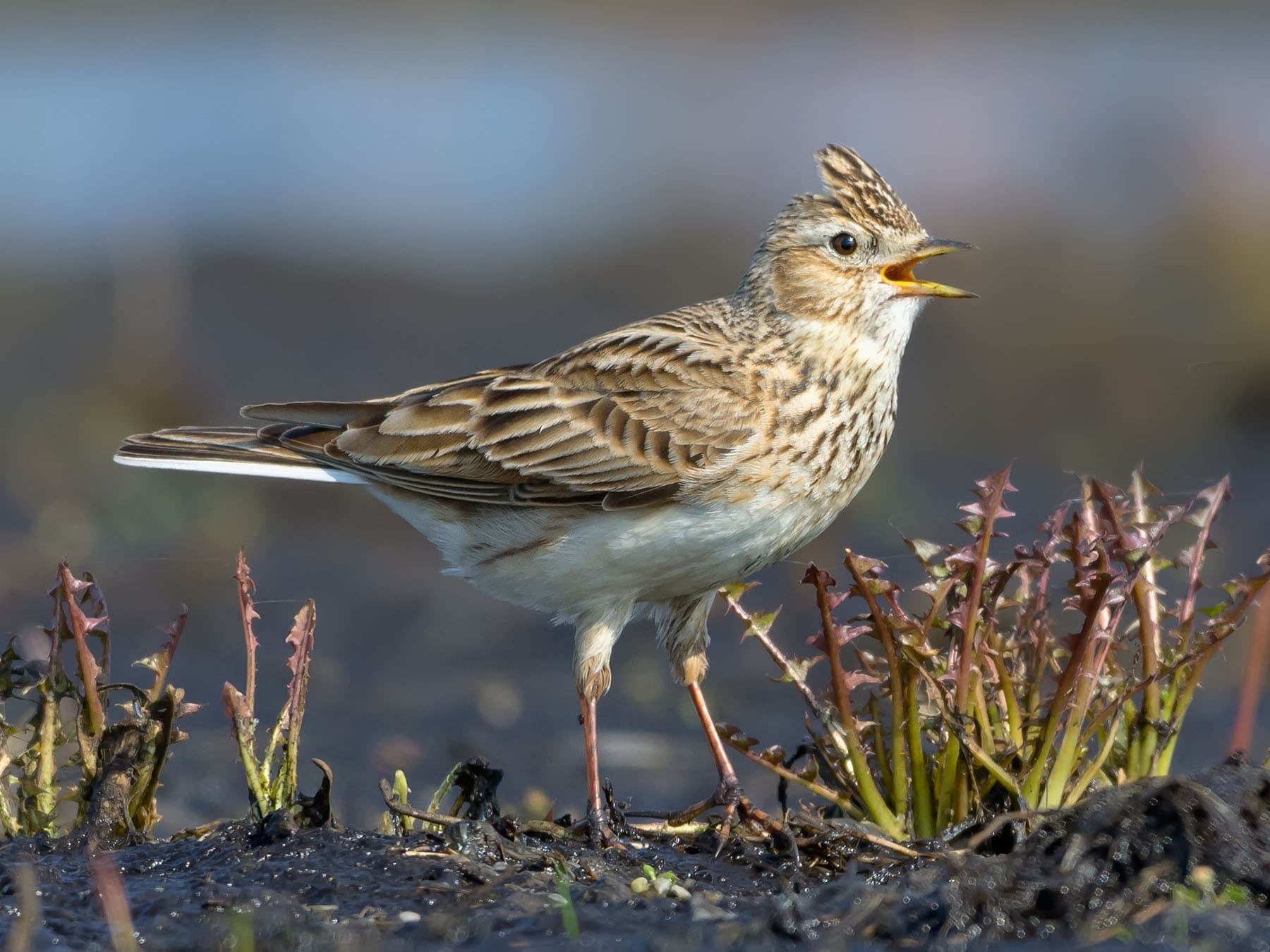
Eurasian Skylark
Alauda arvensisLC
An uncommon resident of arable farmland and grassland, declining due to agricultural intensification. Song flights can be heard over open fields in spring.
Year-round
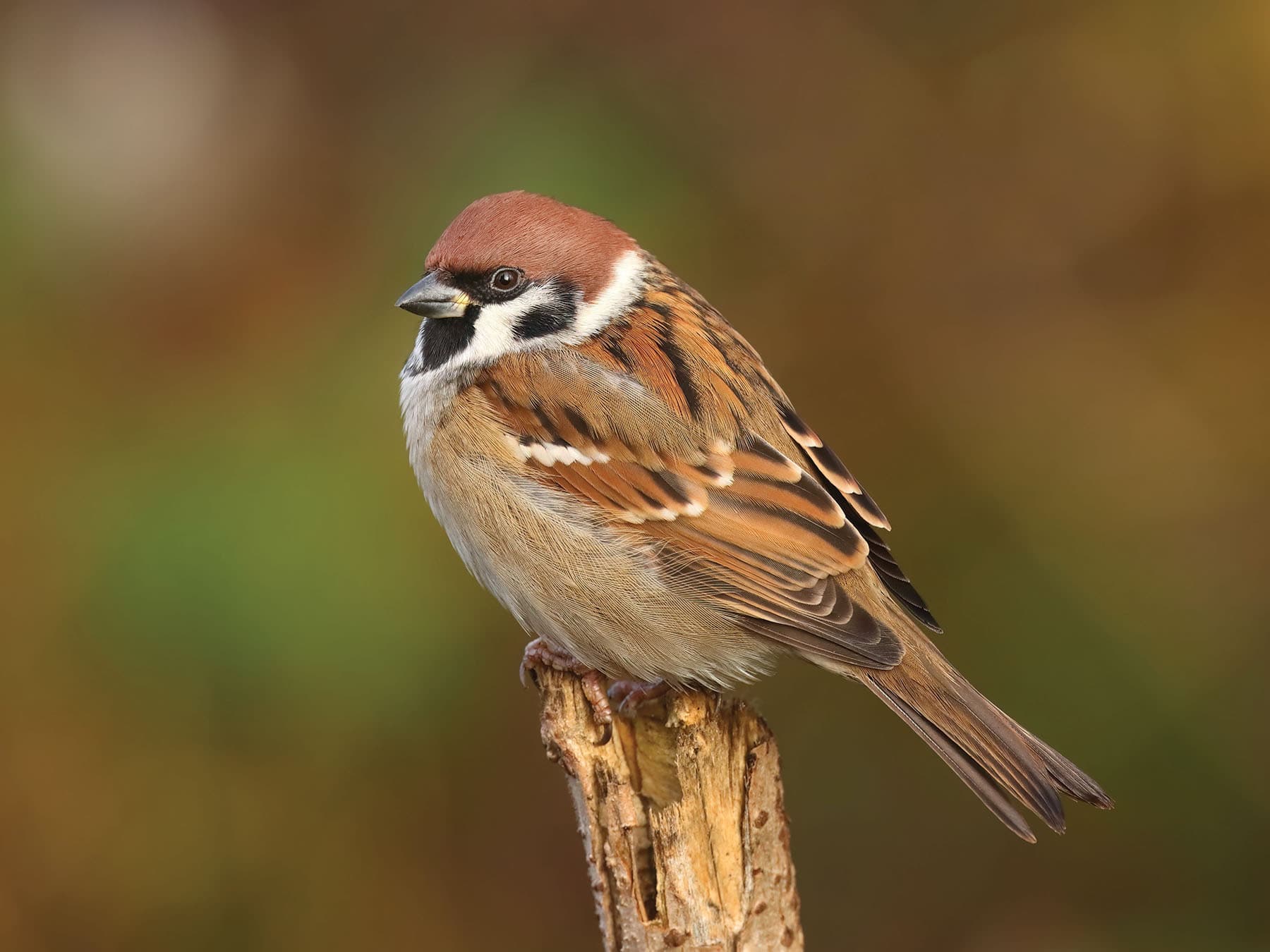
Eurasian Tree Sparrow
Passer montanusLC
An uncommon resident of farmland and rural edges, often visiting feeding stations in small flocks. Has declined nationally but persists locally.
Year-round
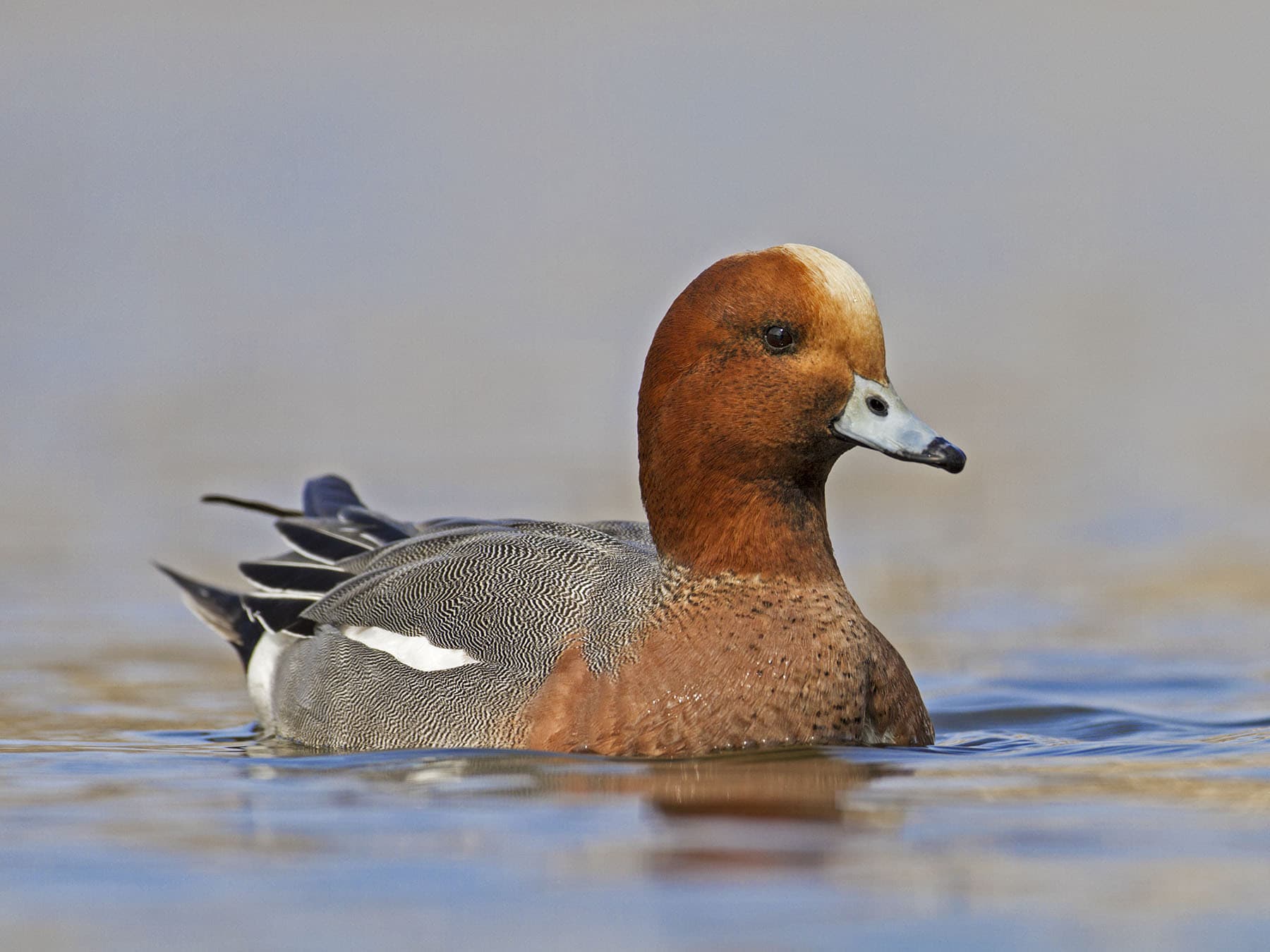
Eurasian Wigeon
Mareca penelopeLC
A common year-round duck on flooded grasslands and reservoir margins. Whistling flocks are most conspicuous in winter across the Trent floodplain.
Year-round
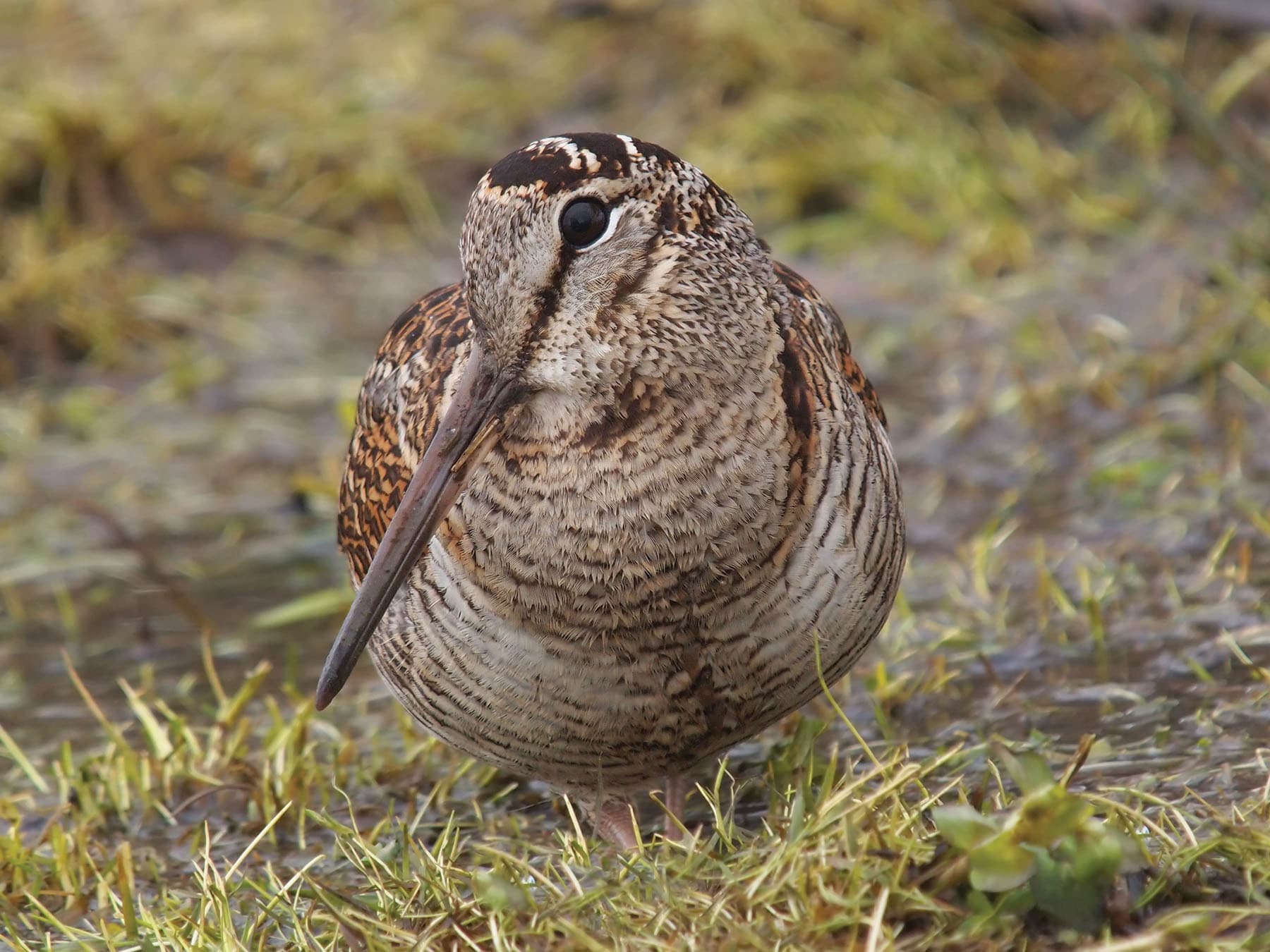
Eurasian Woodcock
Scolopax rusticolaLC
A secretive resident of damp woodland, most often encountered during winter when continental birds arrive and roding displays in spring.
Dec–Jul
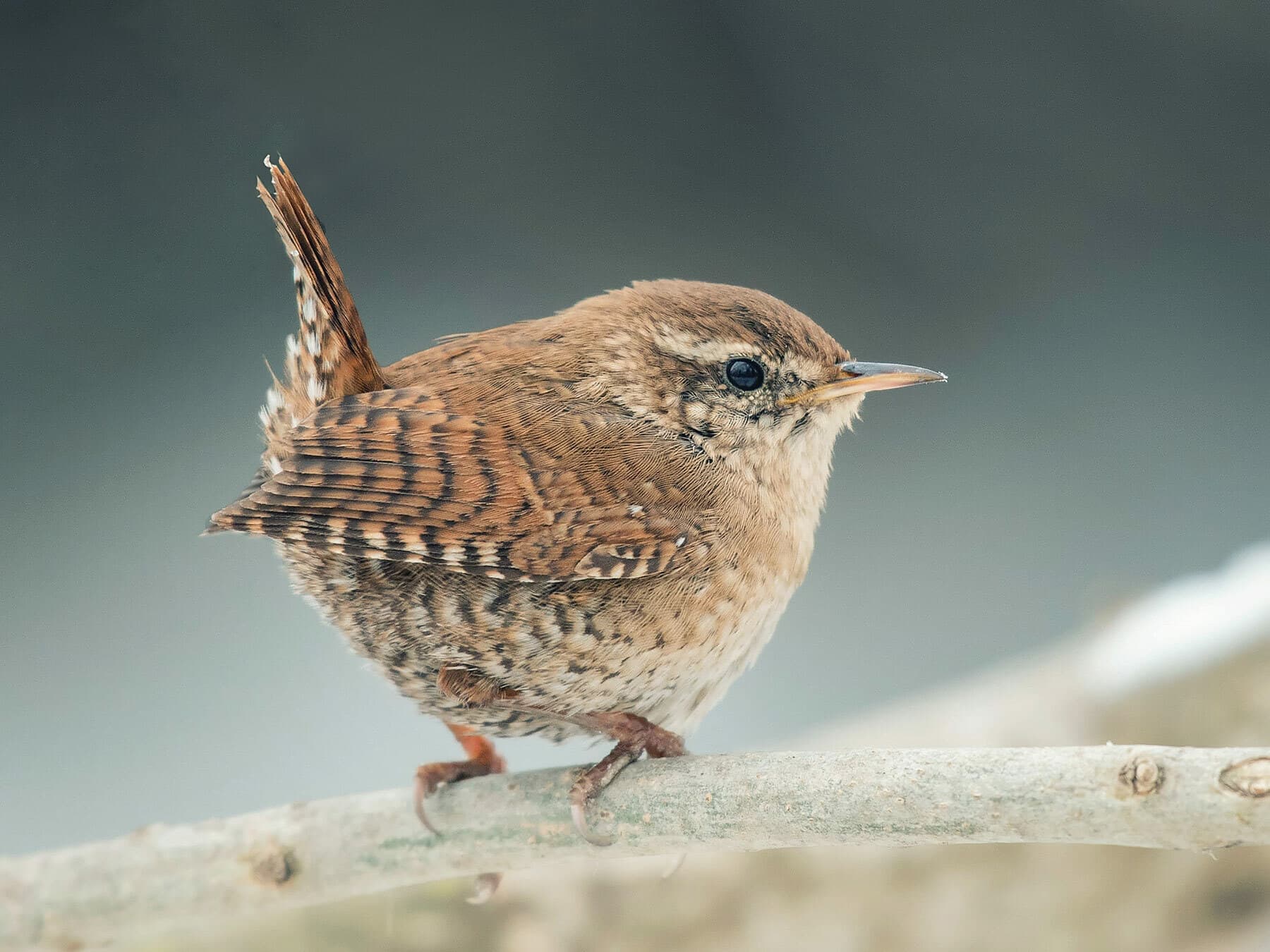
Eurasian Wren
Troglodytes troglodytesLC
One of the county's most abundant residents, found in virtually every habitat with low cover. Its powerful song belies its tiny size.
Year-round
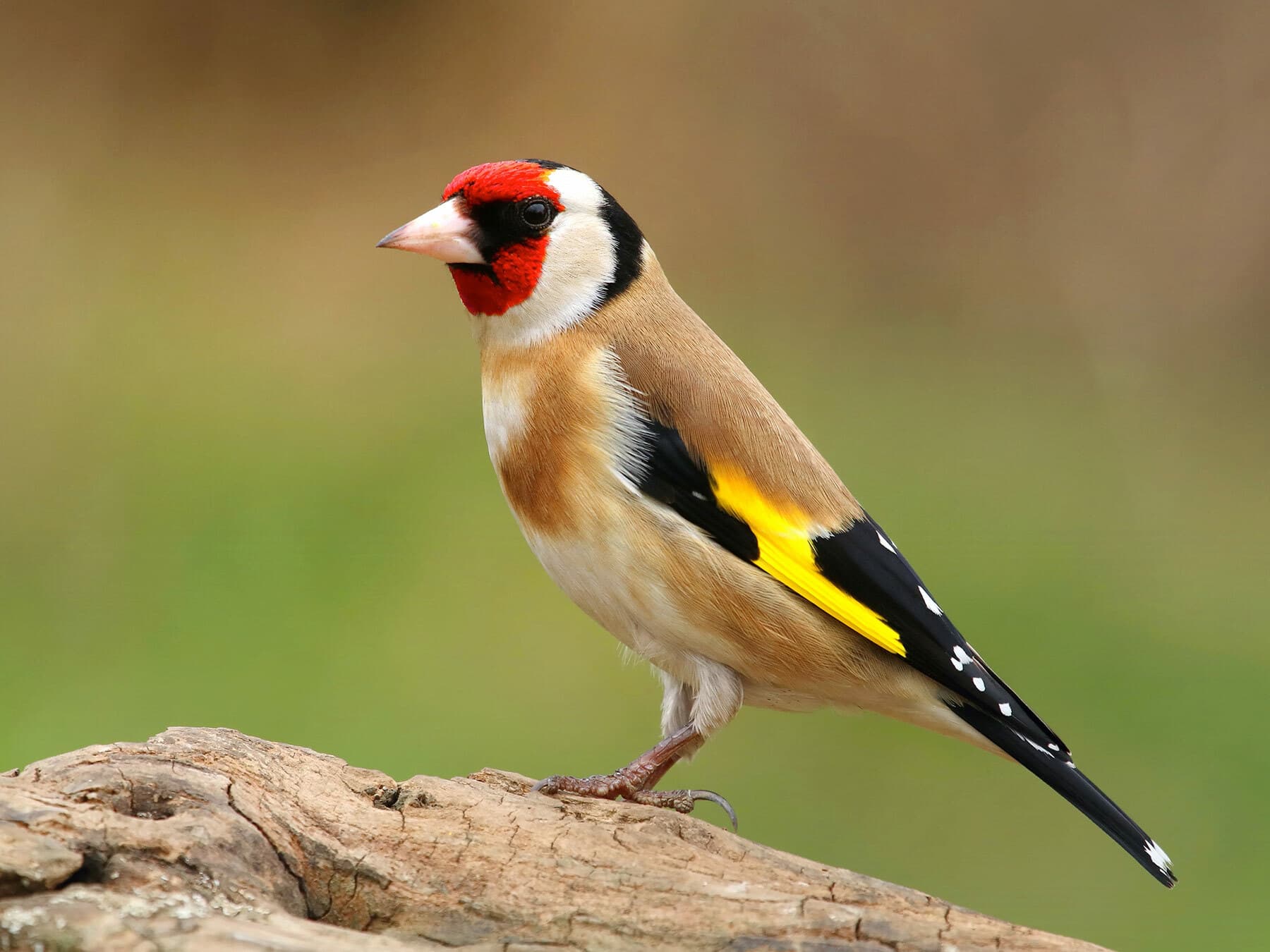
European Goldfinch
Carduelis carduelisLC
A colourful and common resident, often seen in flocks on teasel and thistle heads in autumn and winter.
Year-round
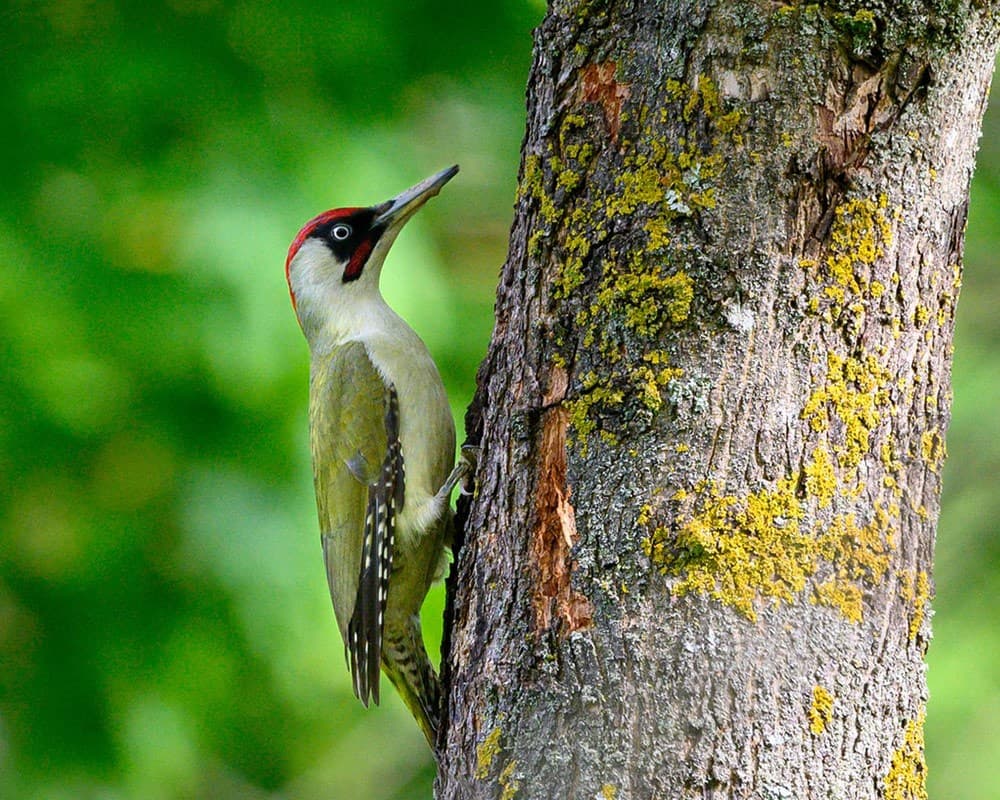
European Green Woodpecker
Picus viridisLC
An uncommon resident of parkland and woodland edges, often heard giving its loud, laughing call. Feeds on ants in short grassland year-round.
Year-round
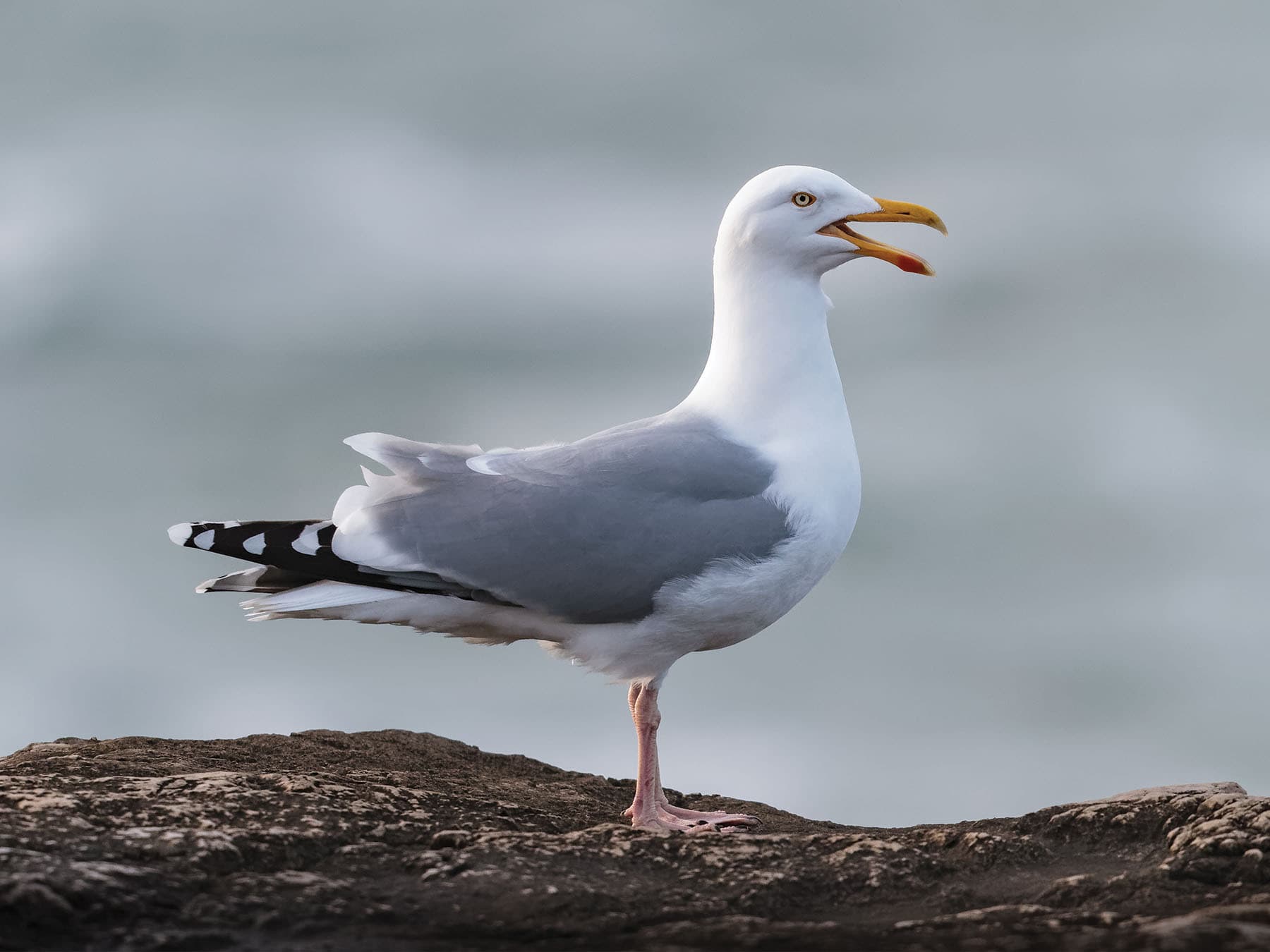
European Herring Gull
Larus argentatusLC
Present year-round at landfill sites, reservoirs and urban rooftops, though nationally declining as a breeding species.
Year-round
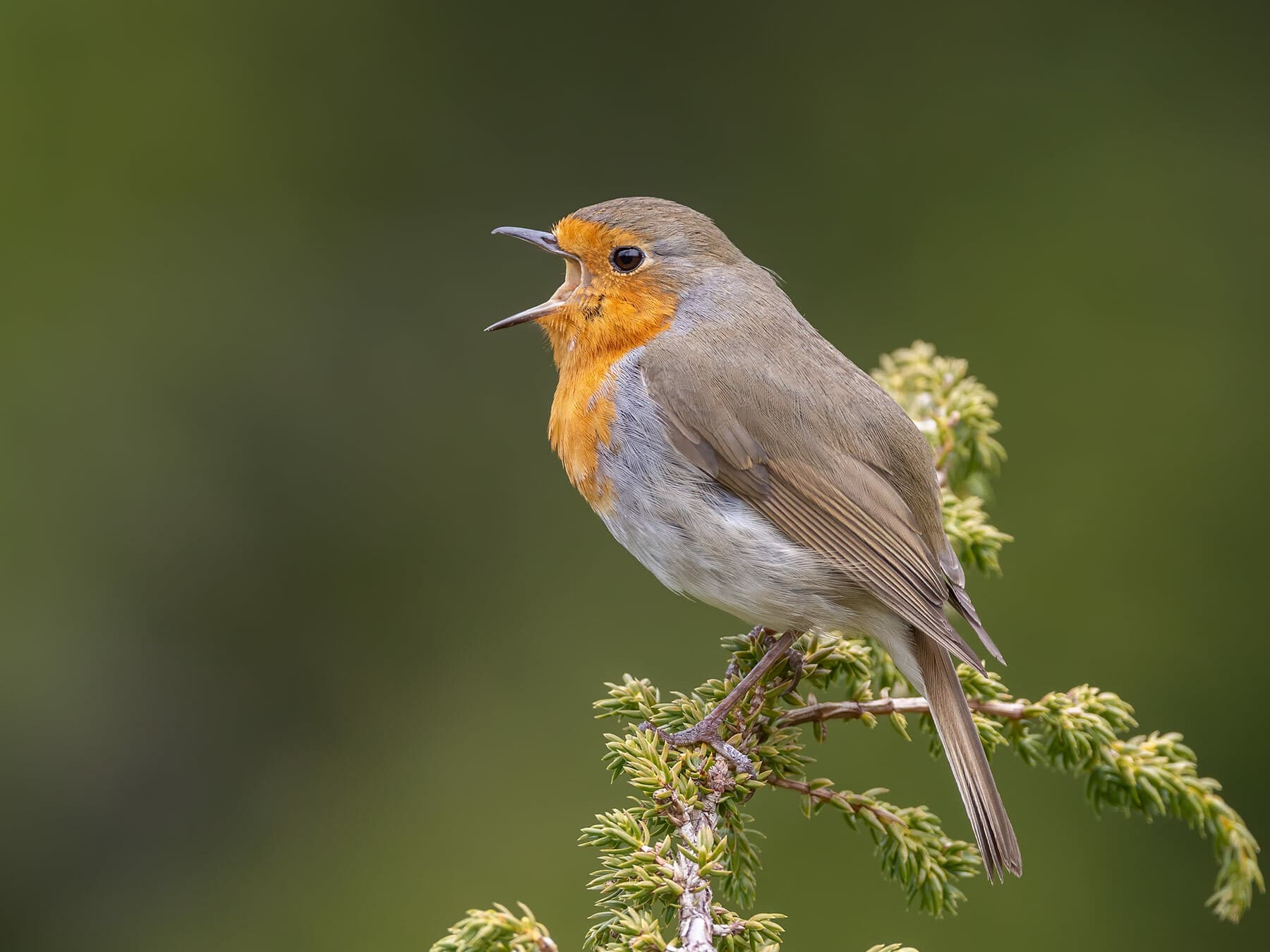
European Robin
Erithacus rubeculaLC
One of the county's most widespread residents, found in gardens, woodlands, and hedgerows year-round. Its melodious song is heard in every month.
Year-round
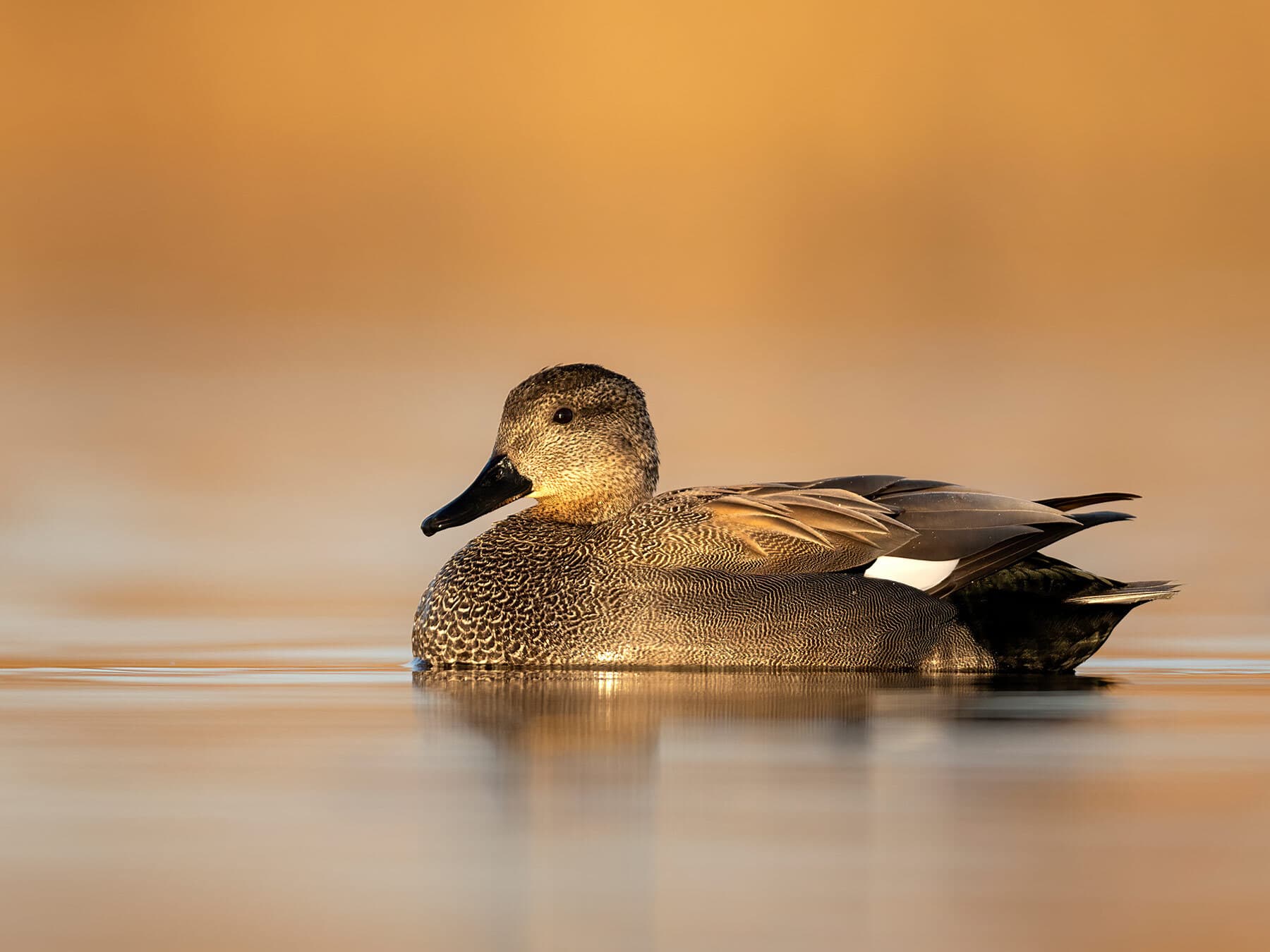
Gadwall
Mareca streperaLC
A common year-round resident on lakes and gravel pits, particularly at Attenborough and Idle valley reserves. Numbers have increased in recent decades.
Year-round
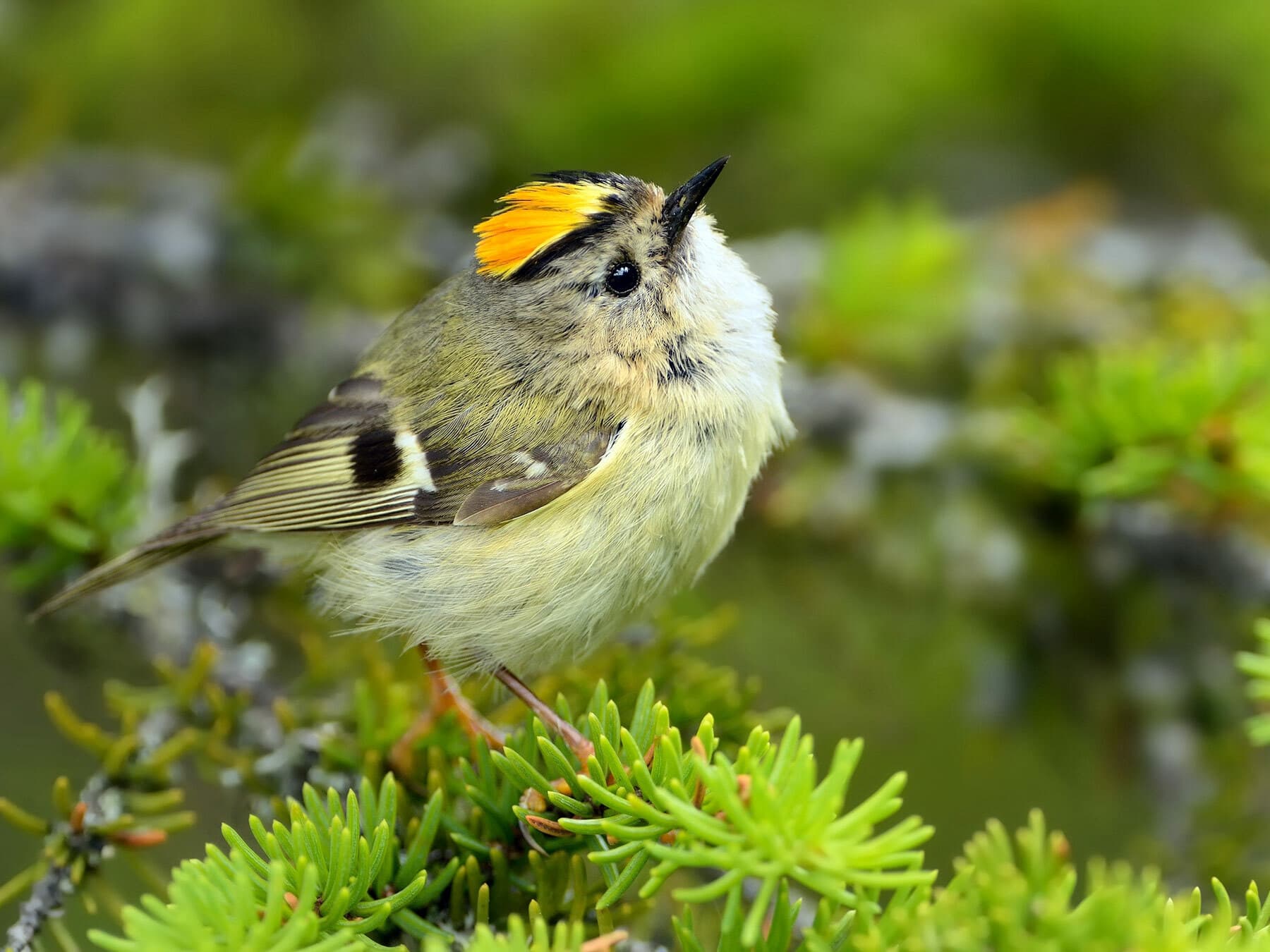
Goldcrest
Regulus regulusLC
Britain's smallest bird, resident year-round in coniferous and mixed woodland. Numbers swell in autumn with continental migrants.
Year-round
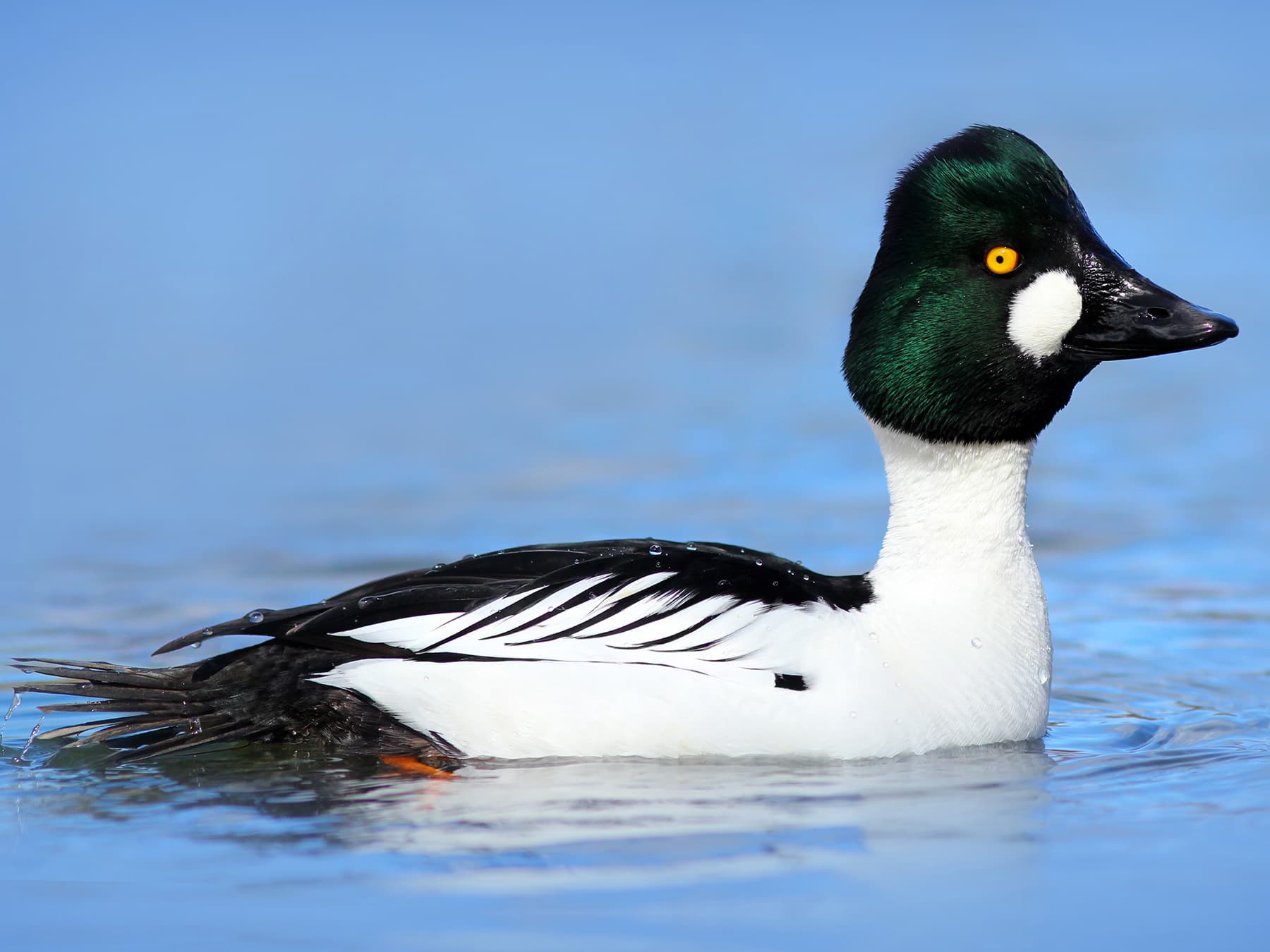
Goldeneye
Bucephala clangulaLC
An uncommon but regular visitor, mainly present from autumn through spring on gravel pits and reservoirs. Diving birds catch the eye on calm waters.
Jul–May
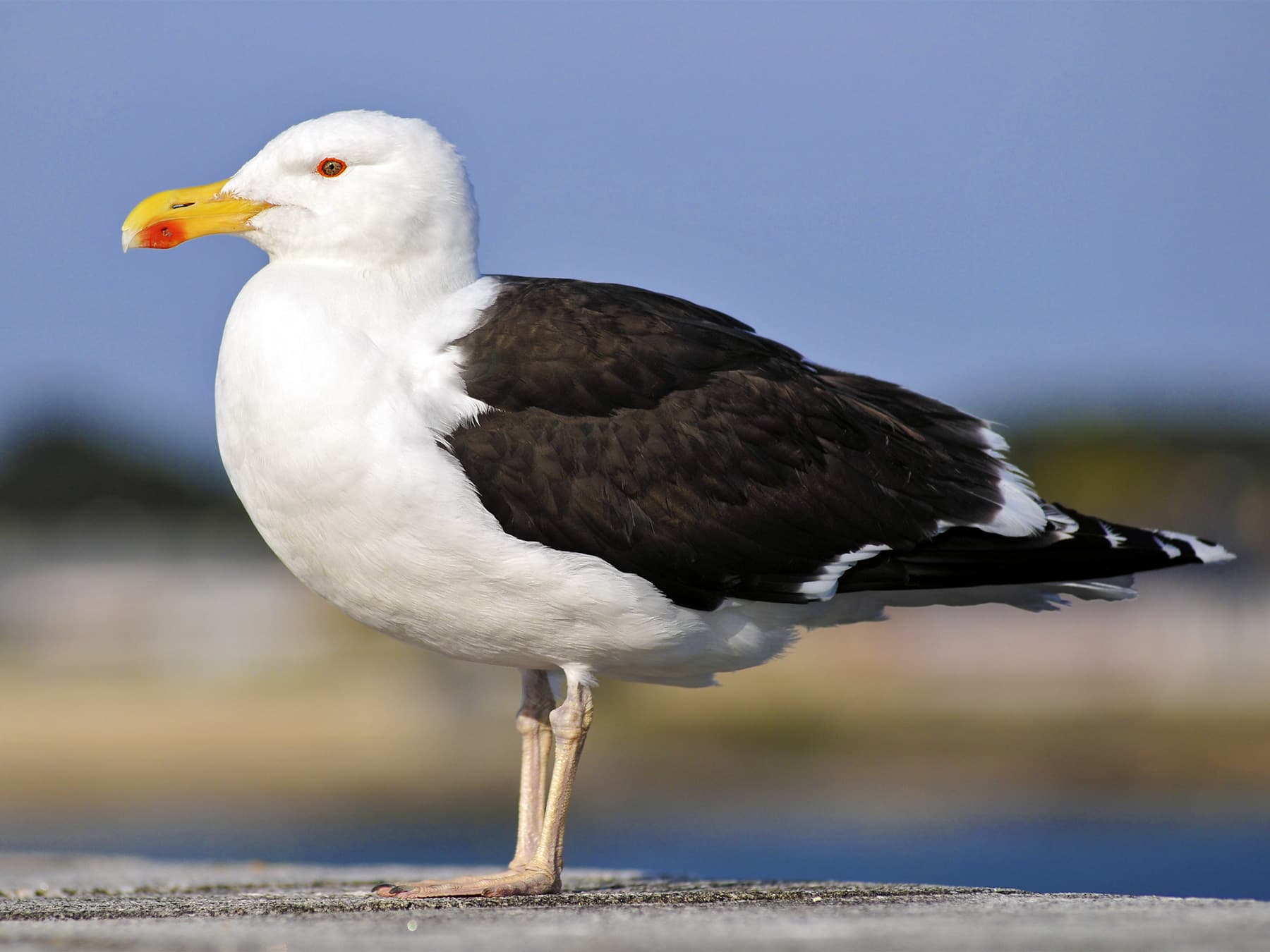
Great Black-backed Gull
Larus marinusLC
An uncommon year-round resident, seen at reservoirs, landfill sites and gravel pits, often loafing among other large gulls.
Year-round
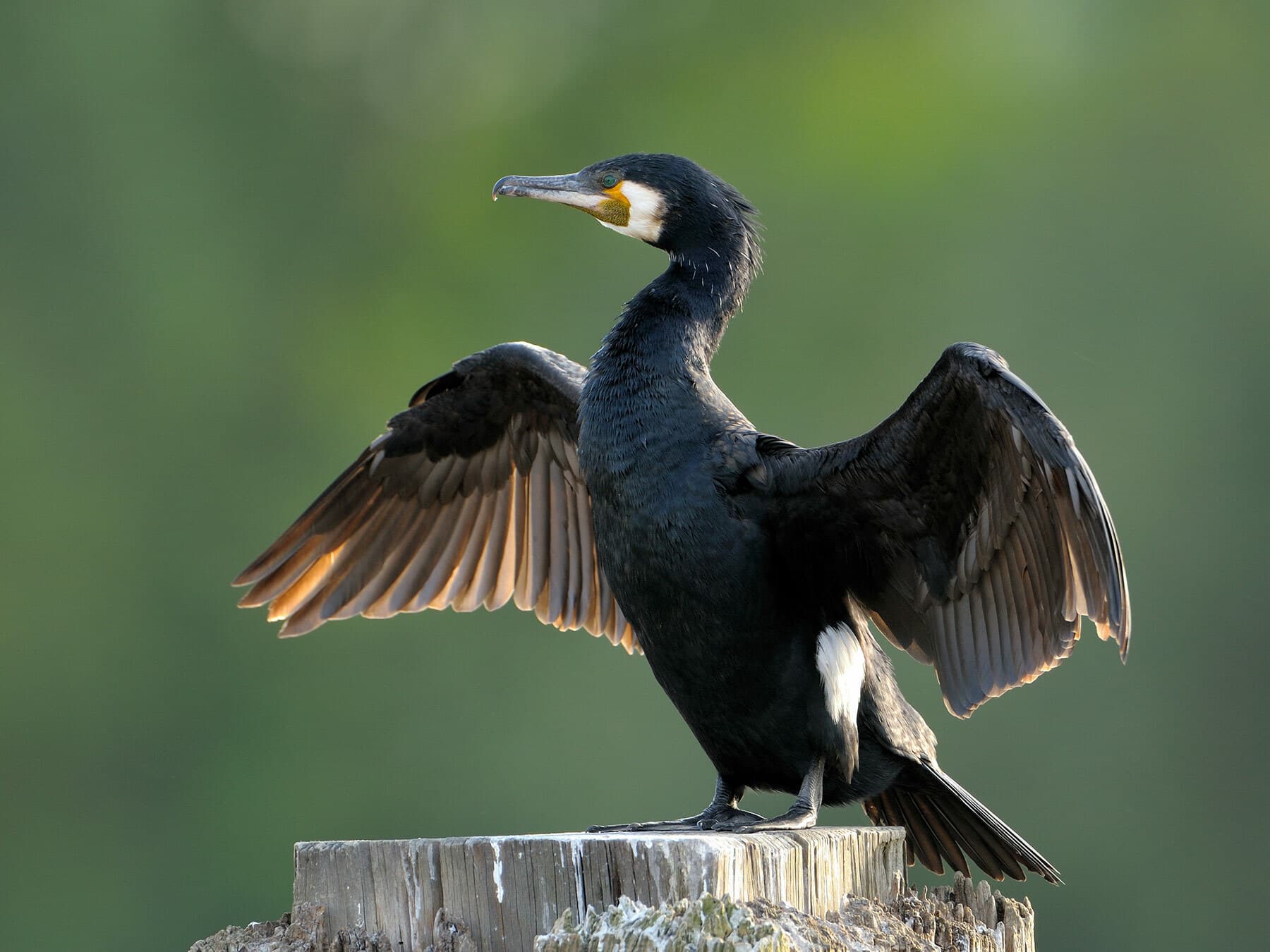
Great Cormorant
Phalacrocorax carboLC
A common year-round resident, often seen drying outstretched wings beside rivers and gravel pits. Numbers have increased significantly in recent decades.
Year-round
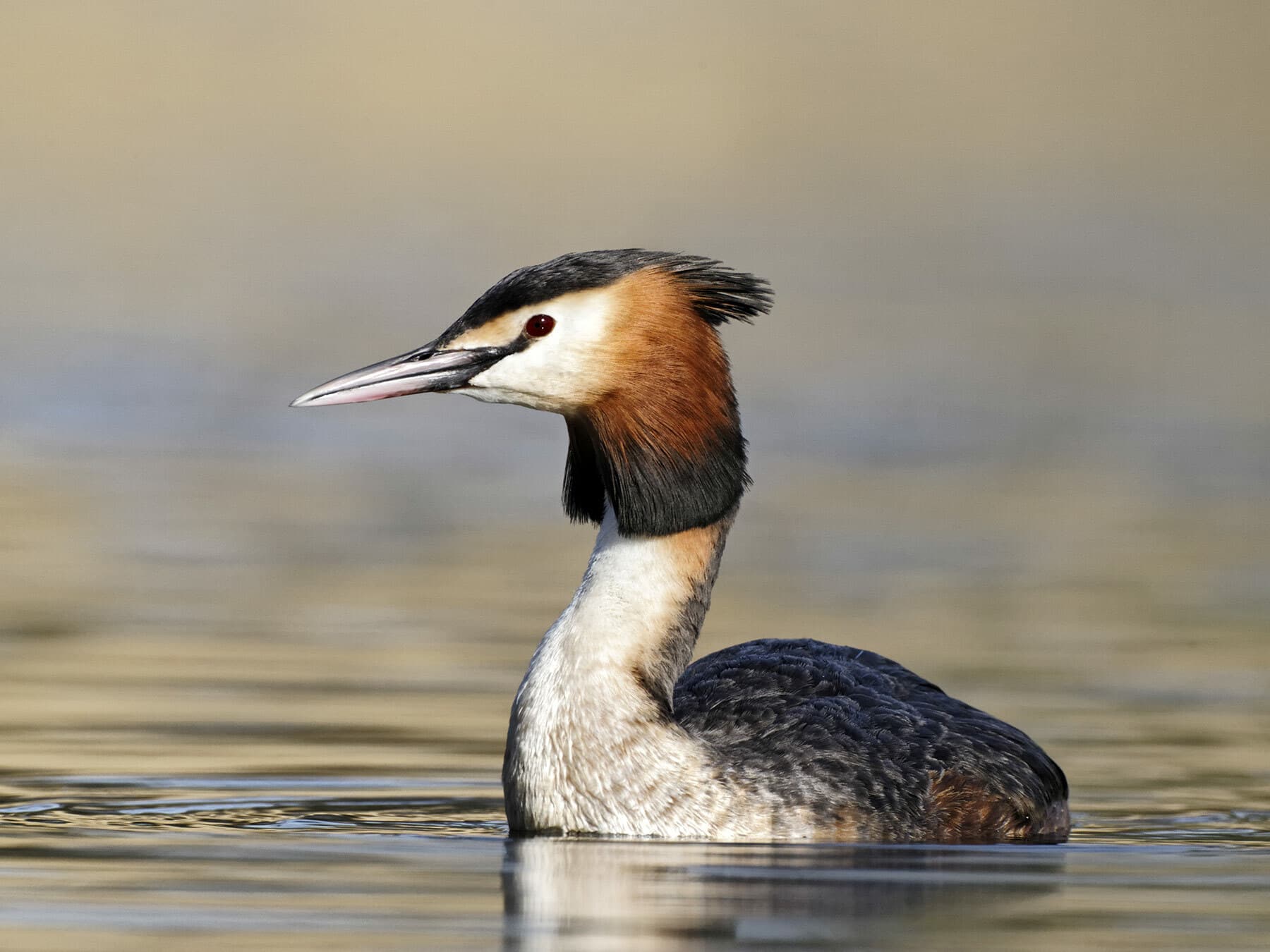
Great Crested Grebe
Podiceps cristatusLC
A common resident on larger lakes and gravel pits. Its elaborate head-shaking courtship display is a highlight of spring at Trent Valley waters.
Year-round
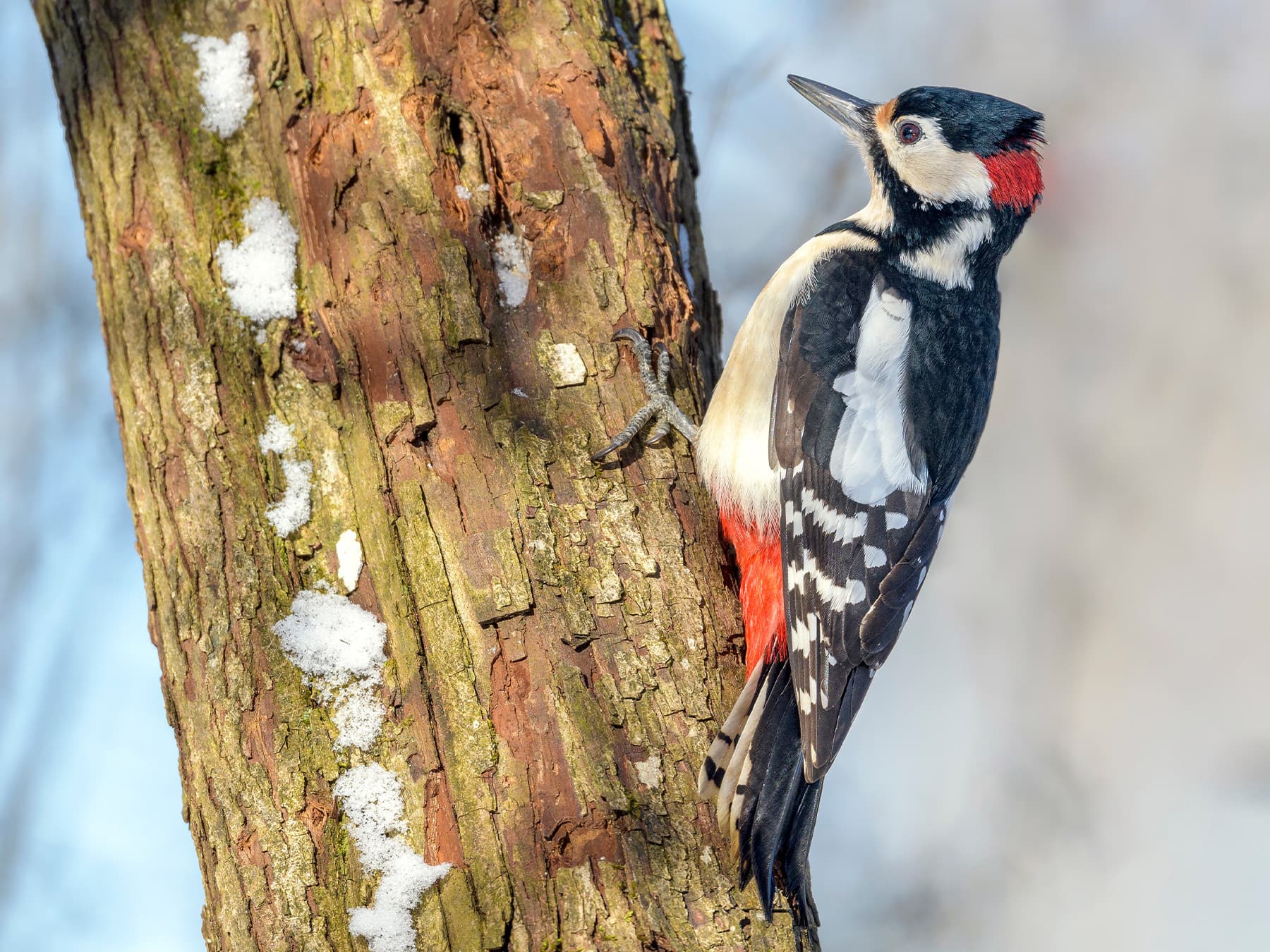
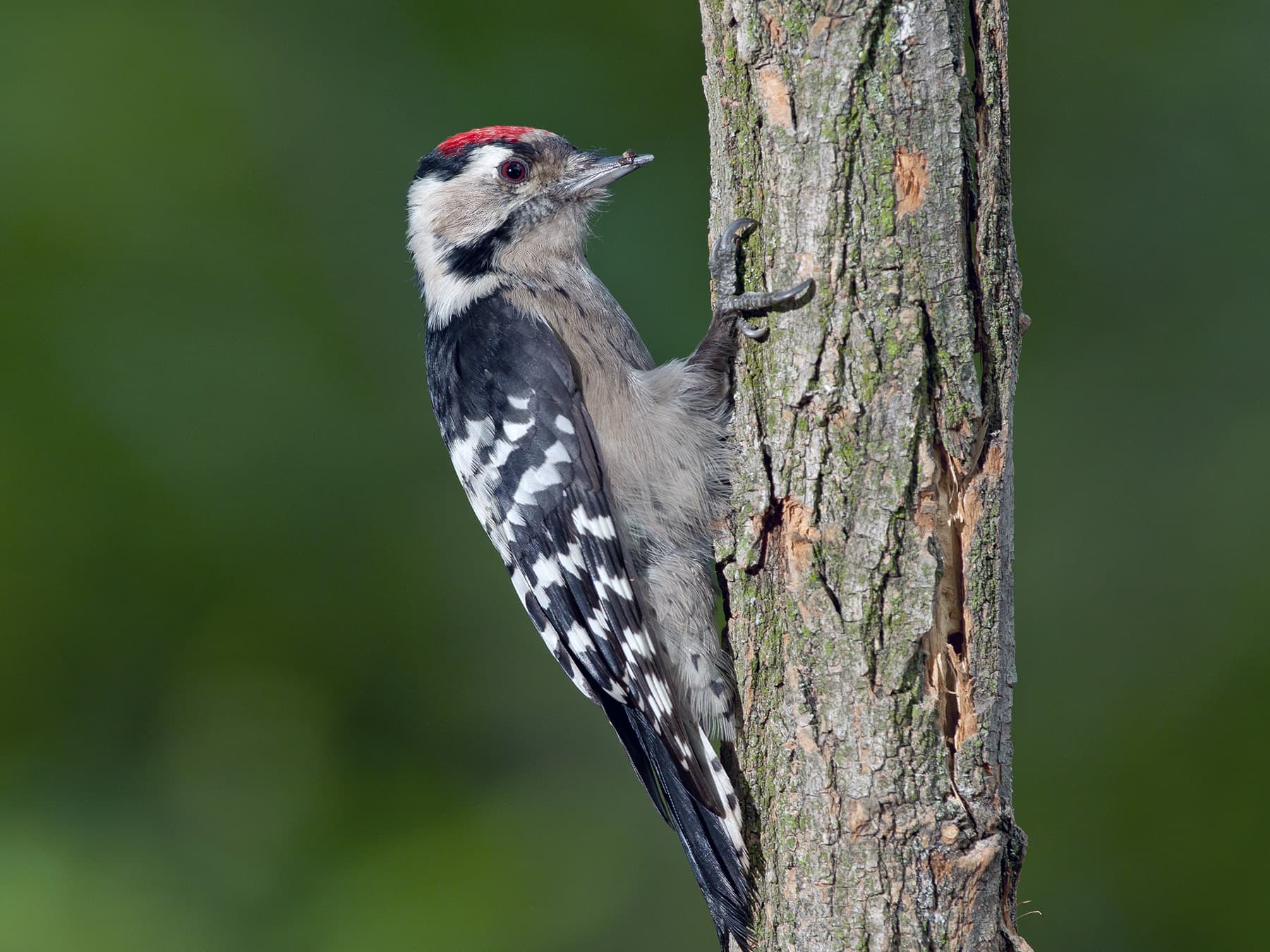
Great Spotted Woodpecker
Dendrocopos majorLC
An uncommon but widespread resident of mature woodland and parks. Its loud drumming is a familiar spring sound in Sherwood Forest.
Year-round
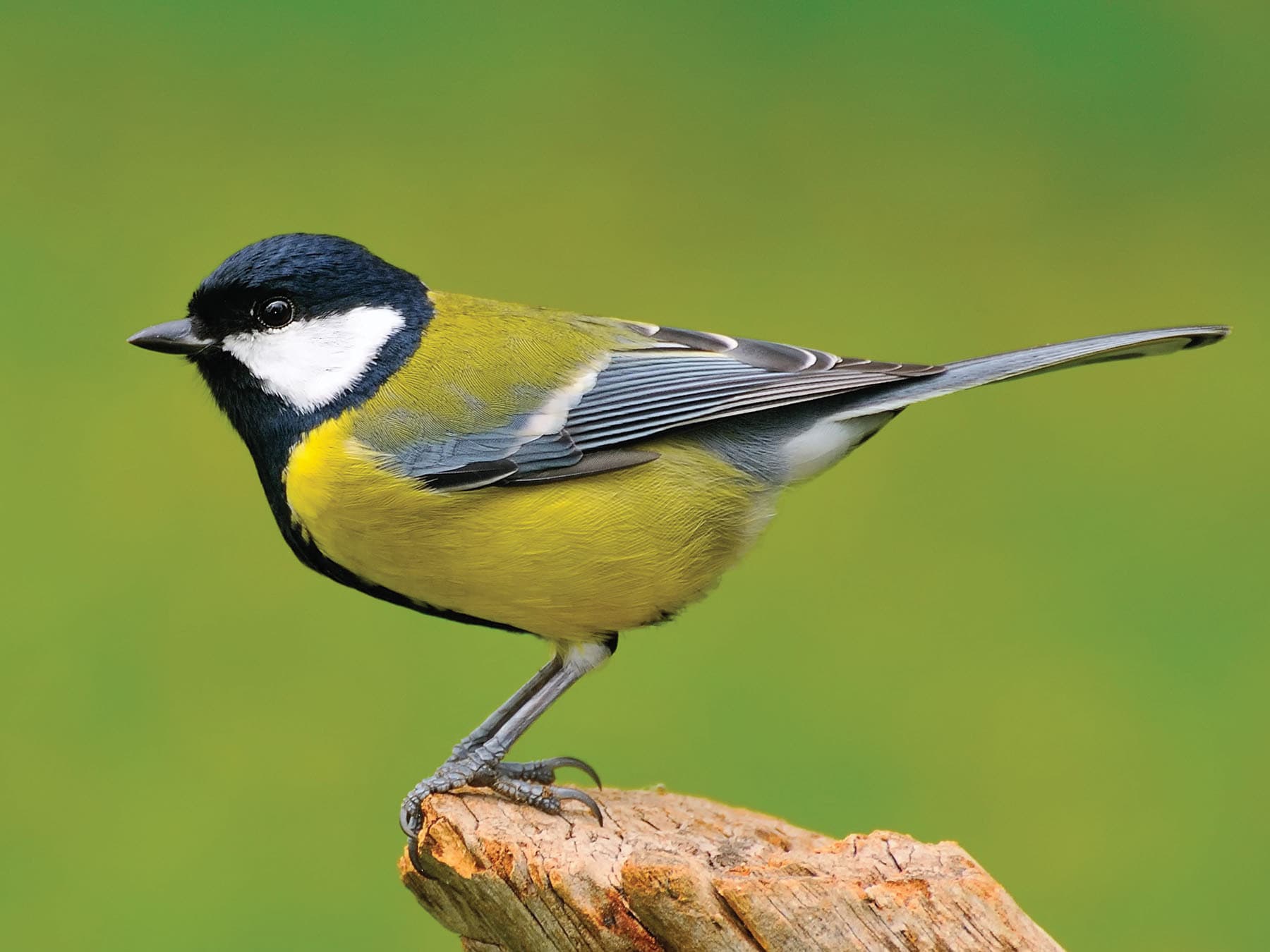
Great Tit
Parus majorLC
One of the county's most familiar garden birds, present year-round. Bold and vocal, it readily visits feeders in parks and gardens across Nottinghamshire.
Year-round
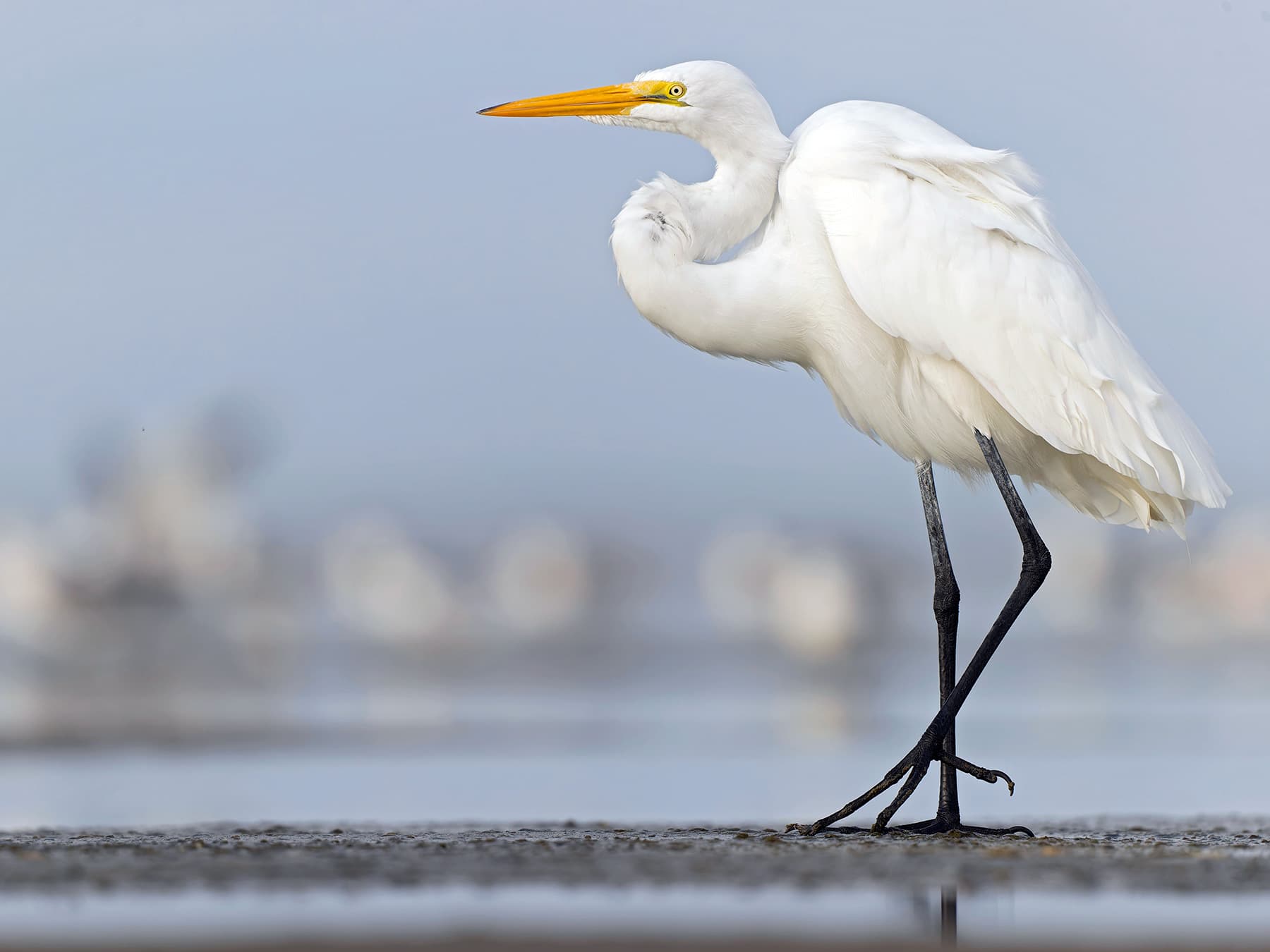
Great White Egret
Ardea albaLC
An increasingly regular resident at wetland reserves, part of a wider UK range expansion. Often seen at Attenborough and the Trent Valley.
Year-round
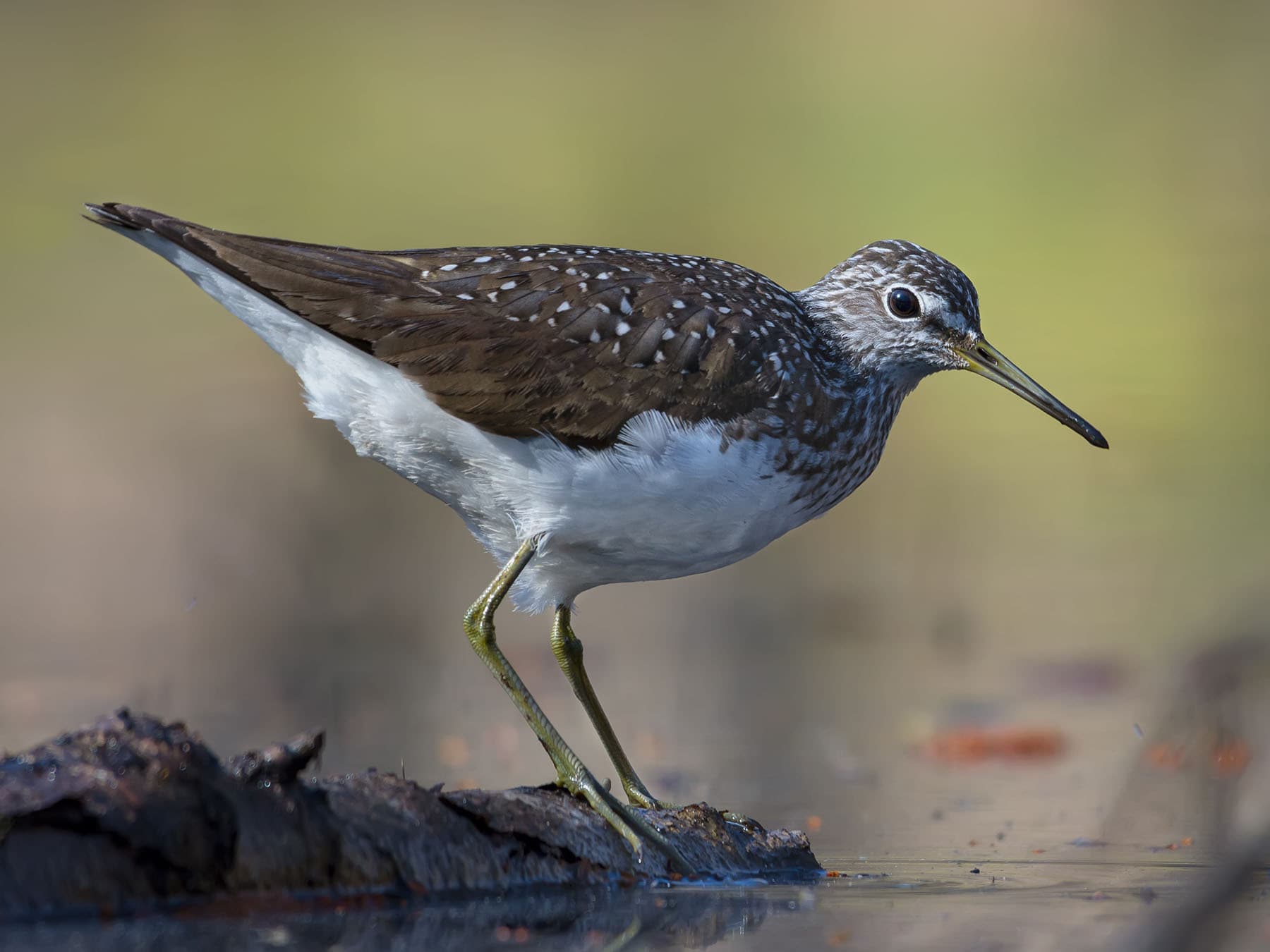
Green Sandpiper
Tringa ochropusLC
An uncommon but year-round visitor to muddy ditches and watercress beds. Often bobs along stream edges, flushing with a distinctive white rump.
Jun–Apr
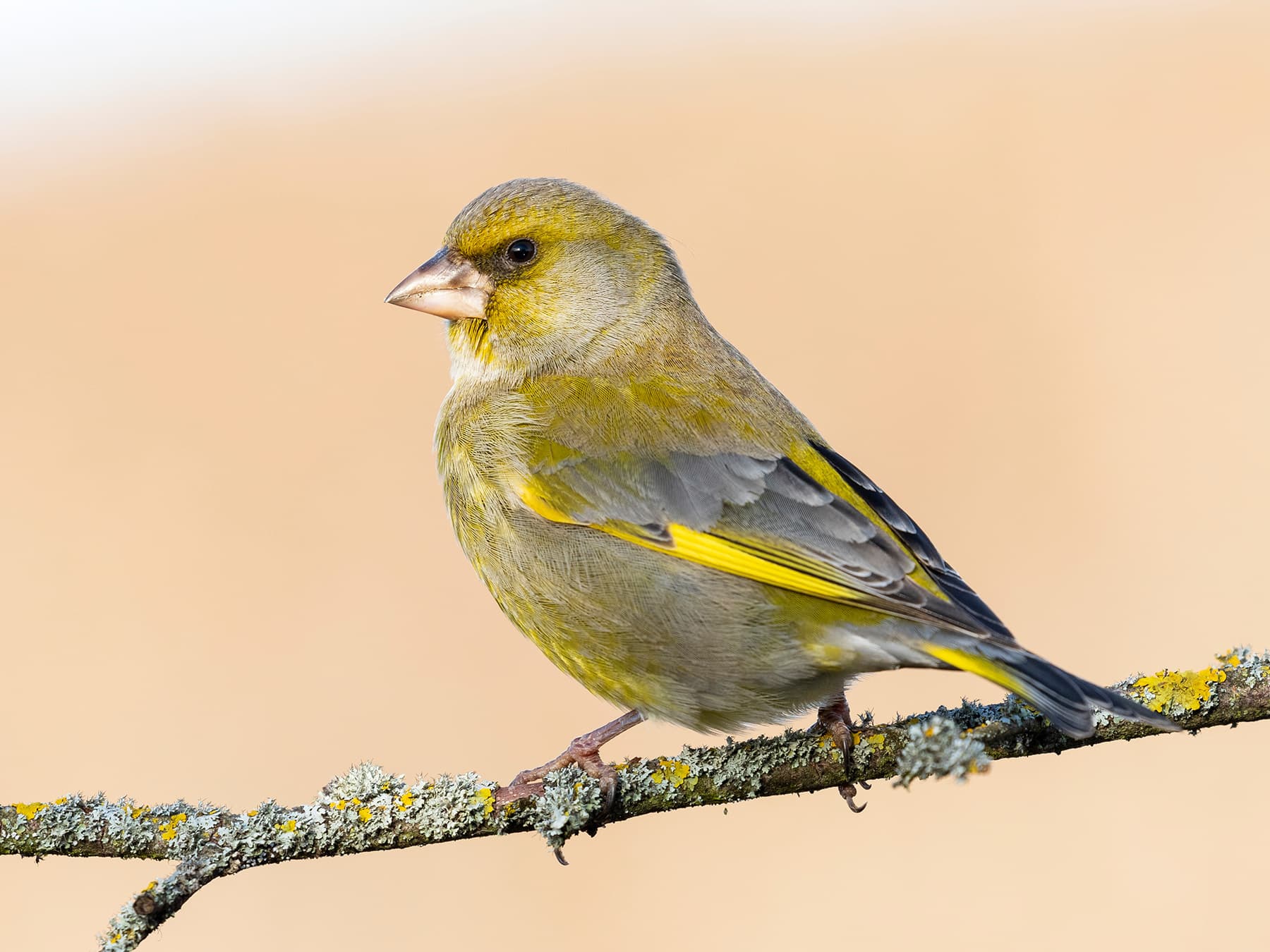
Greenfinch
Chloris chlorisLC
A common resident of gardens, parks, and farmland hedgerows, though numbers have declined sharply due to disease. Its wheezy song is a familiar sound.
Year-round
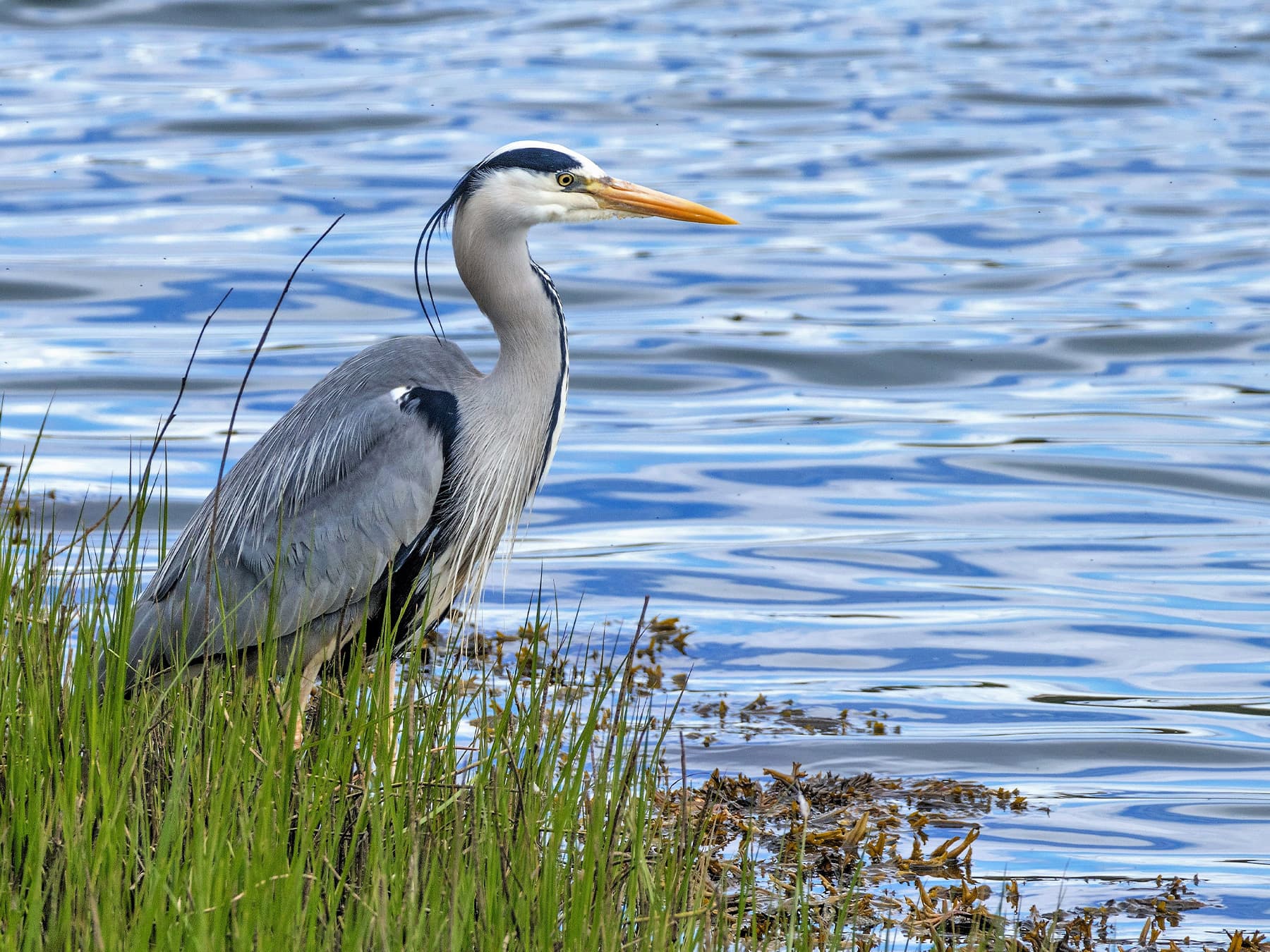
Grey Heron
Ardea cinereaLC
A familiar year-round resident, standing sentinel at rivers, gravel pits and garden ponds across the county.
Year-round
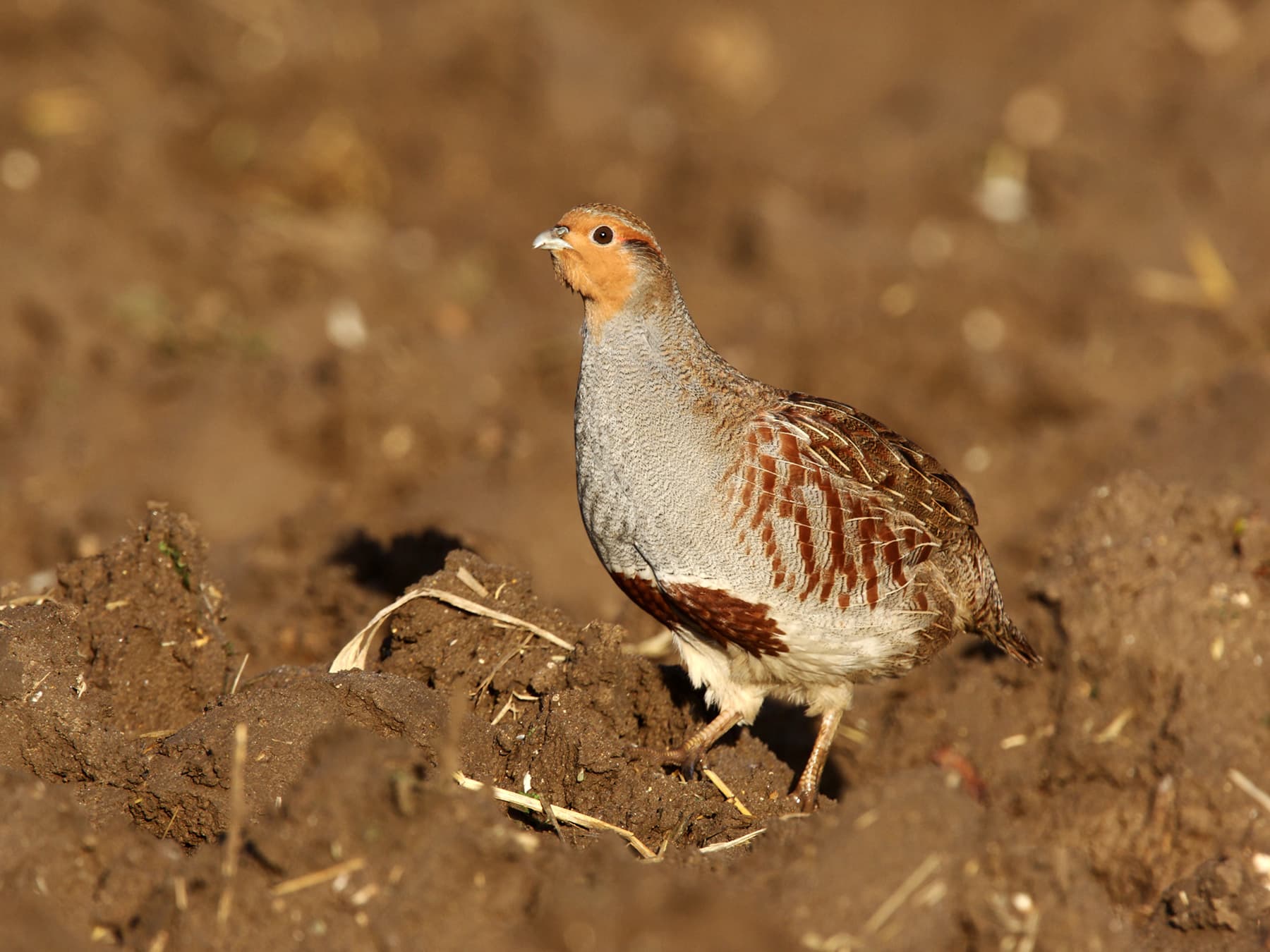
Grey Partridge
Perdix perdixLC
A rare and declining resident of arable farmland. Once widespread, it now clings on in small numbers on traditional mixed farms across the county.
Year-round
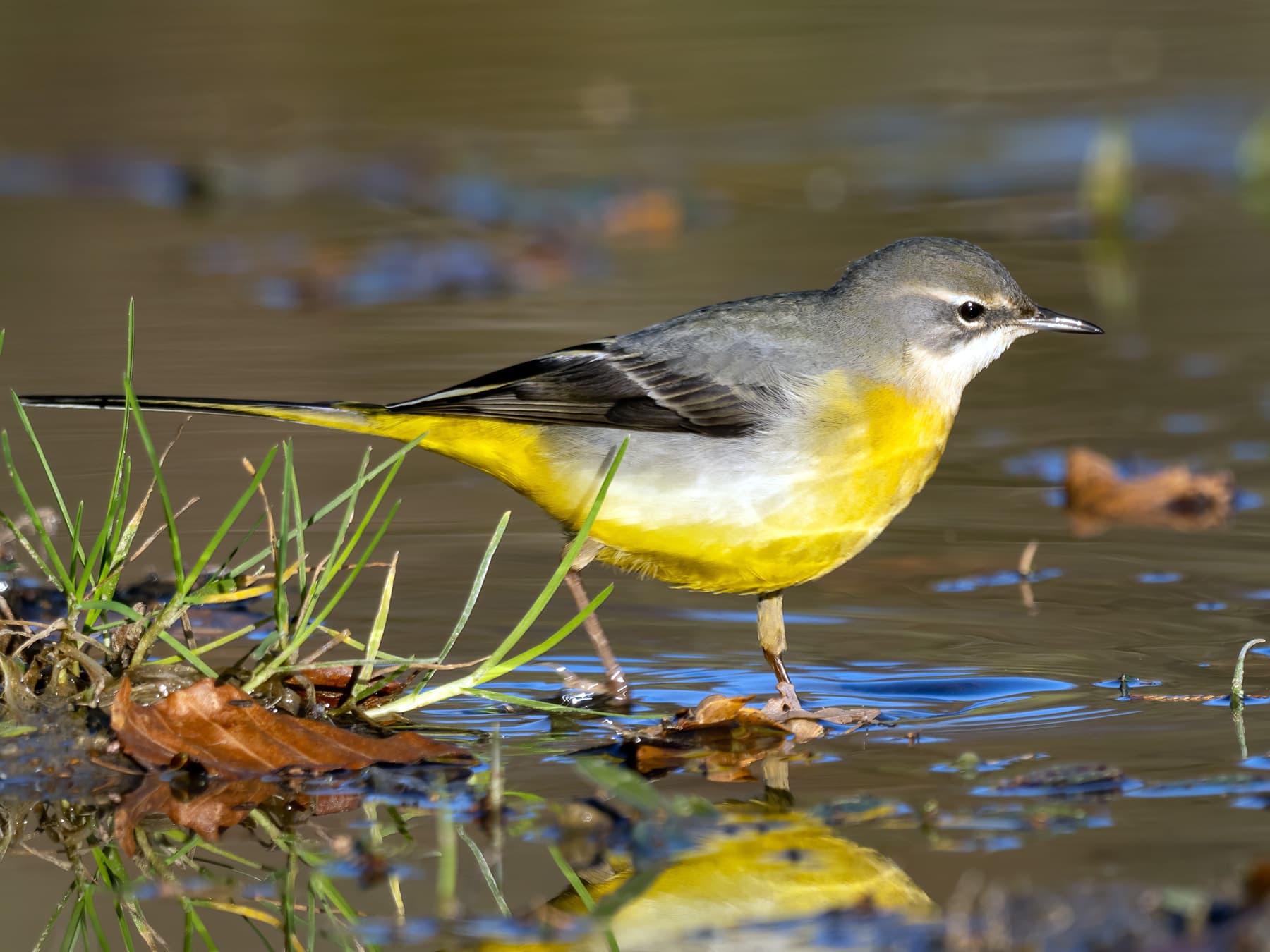
Grey Wagtail
Motacilla cinereaLC
An uncommon year-round resident, favouring streams and waterways. Often bobs its long tail on rocks along the Trent and its tributaries.
Year-round
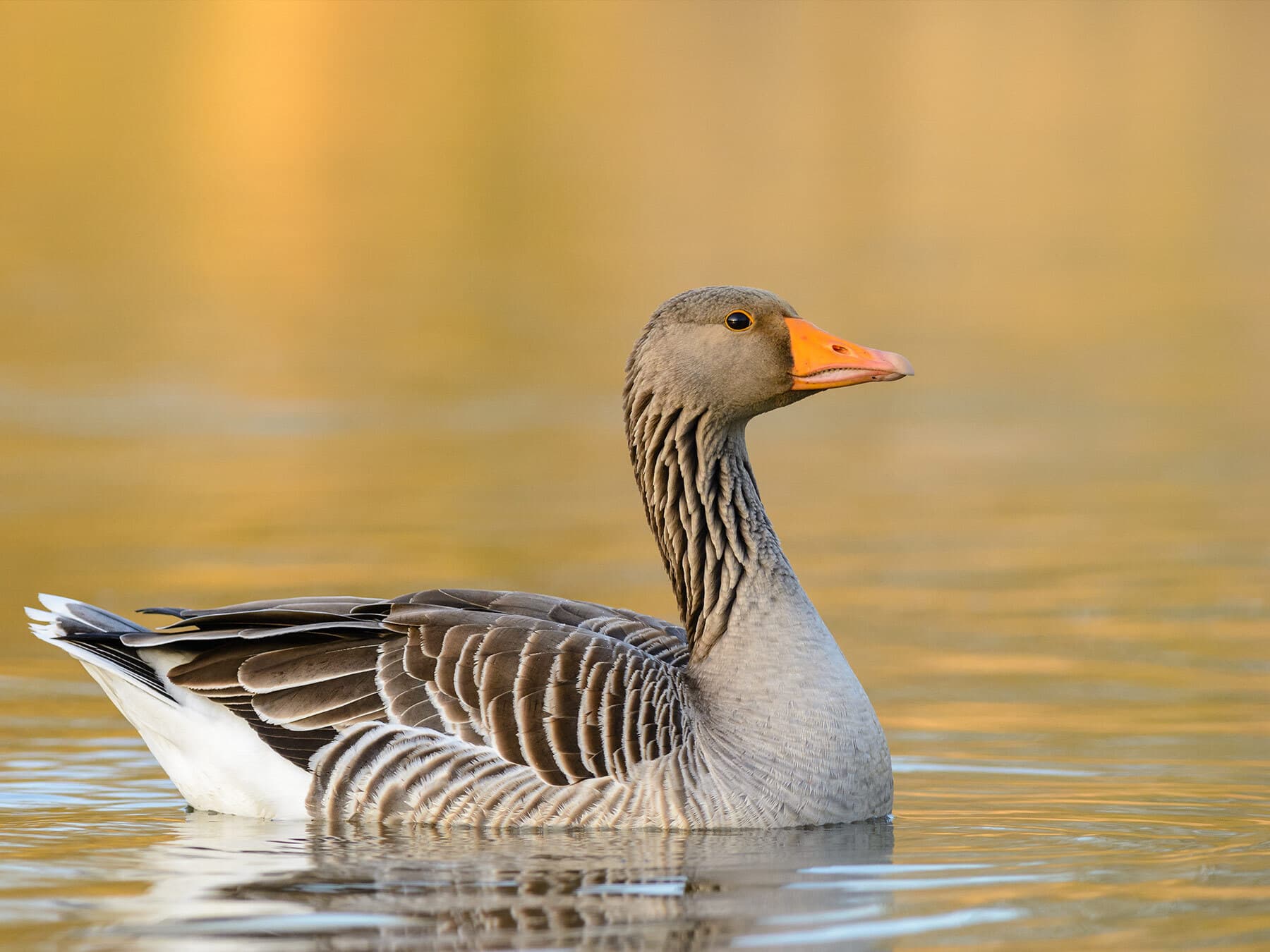
Greylag Goose
Anser anserLC
A common year-round resident found on lakes, gravel pits and the Trent floodplain. Feral and wild populations mix, with numbers boosted by winter arrivals.
Year-round
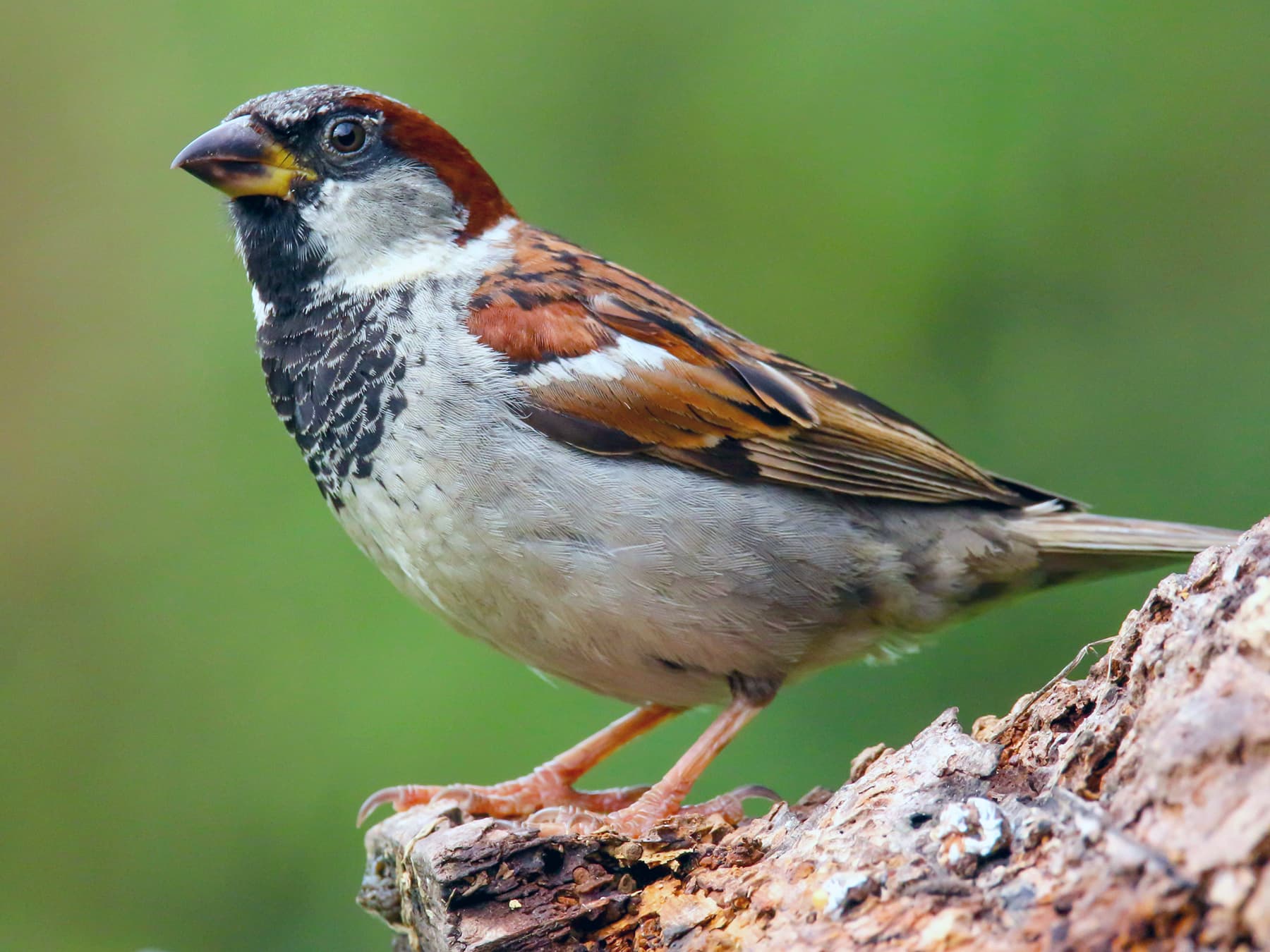
House Sparrow
Passer domesticusLC
A common resident closely tied to urban and suburban areas, nesting under eaves and in hedges across Nottinghamshire's towns.
Year-round
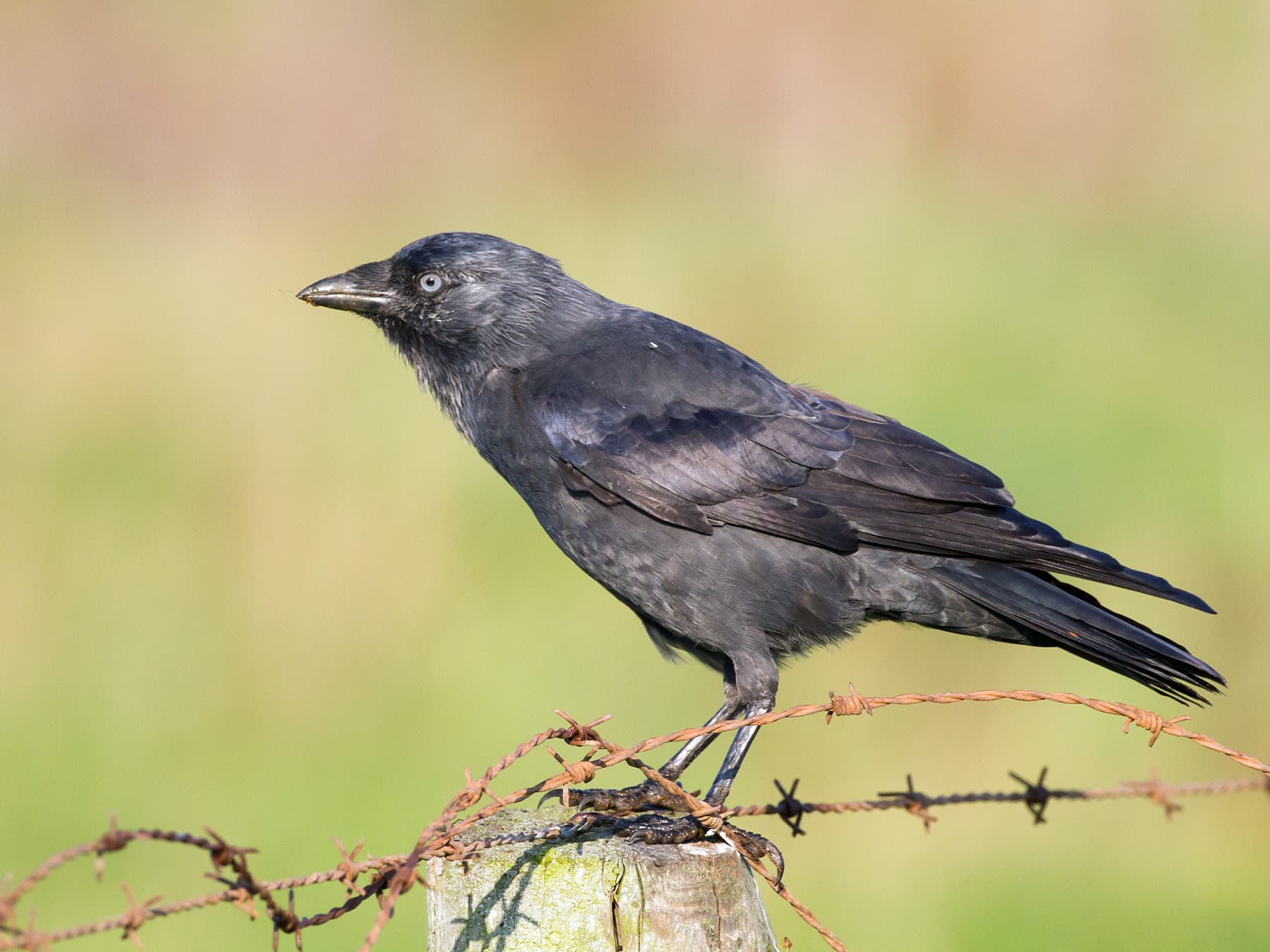
Jackdaw
Coloeus monedulaLC
An abundant and sociable resident found in towns, villages, and farmland across the county. Often nests in church towers and old buildings throughout Nottinghamshire.
Year-round
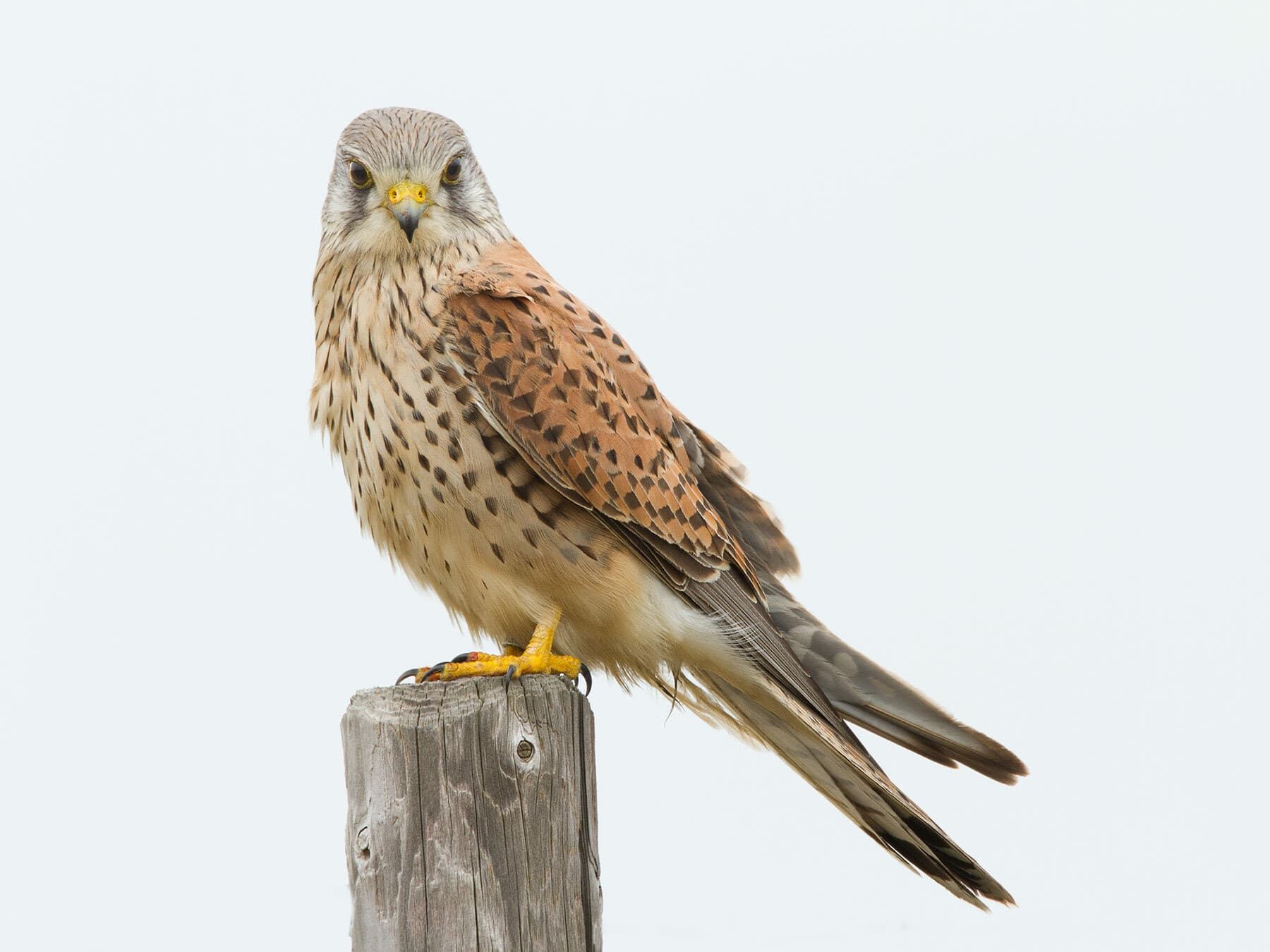
Kestrel
Falco tinnunculusLC
A common year-round resident, often seen hovering over roadside verges and open farmland hunting for voles.
Year-round
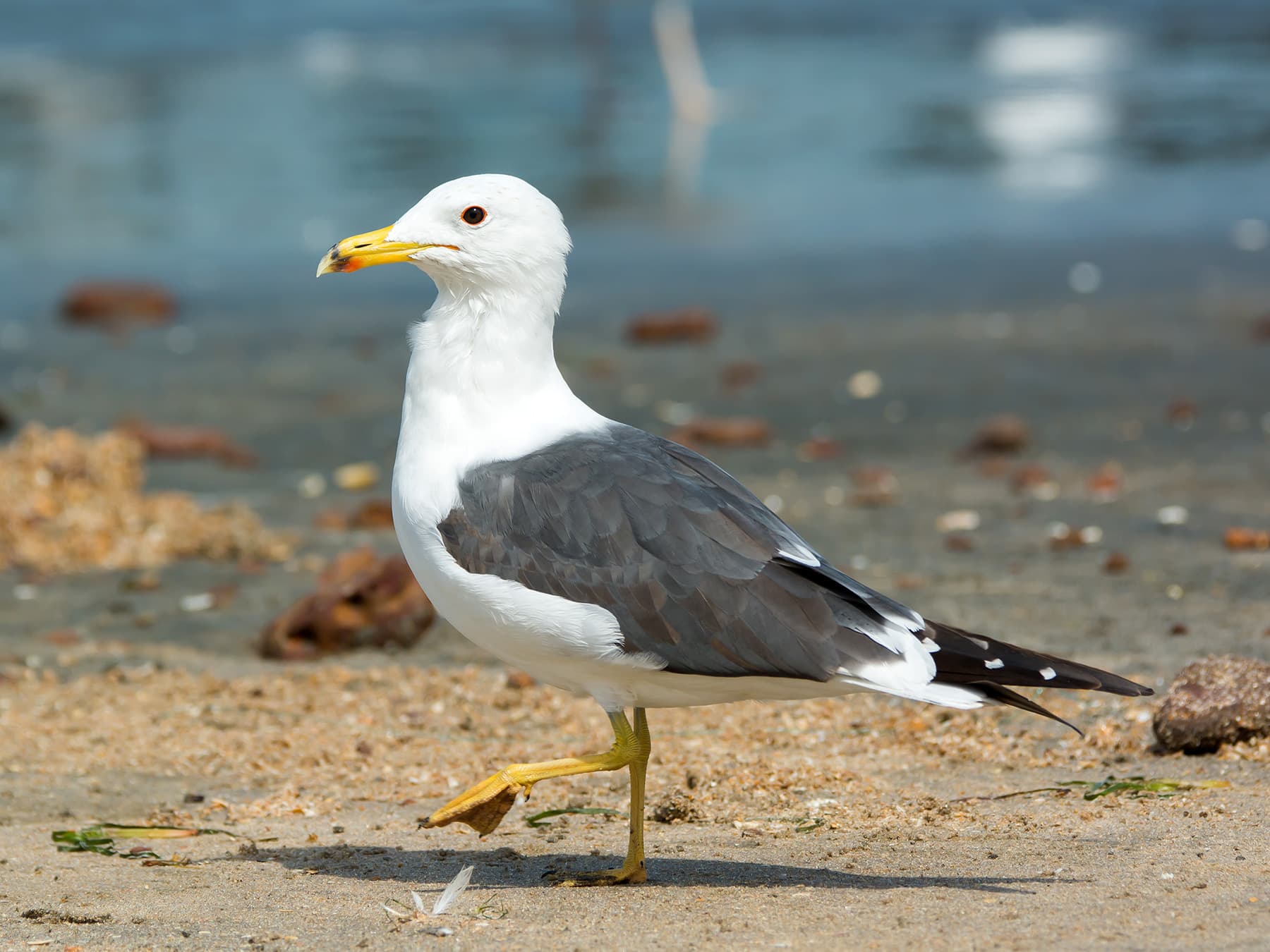
Lesser Black-backed Gull
Larus fuscusLC
A common resident seen year-round at reservoirs, tips, and playing fields. Numbers peak in late summer when post-breeding flocks gather.
Year-round
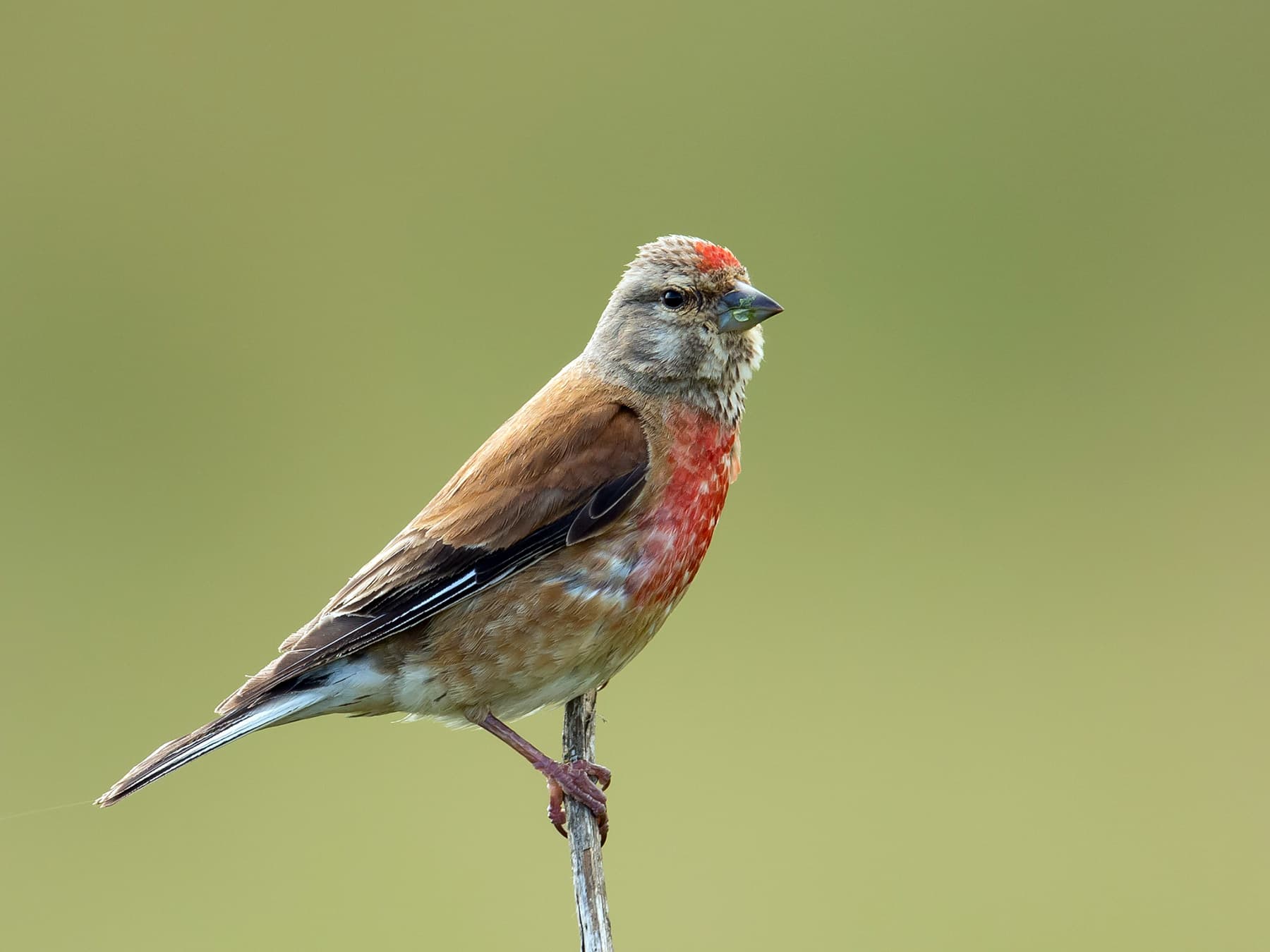
Linnet
Linaria cannabinaLC
An uncommon resident of open farmland and weedy margins, sometimes forming sizeable flocks in winter. Numbers have declined significantly.
Year-round
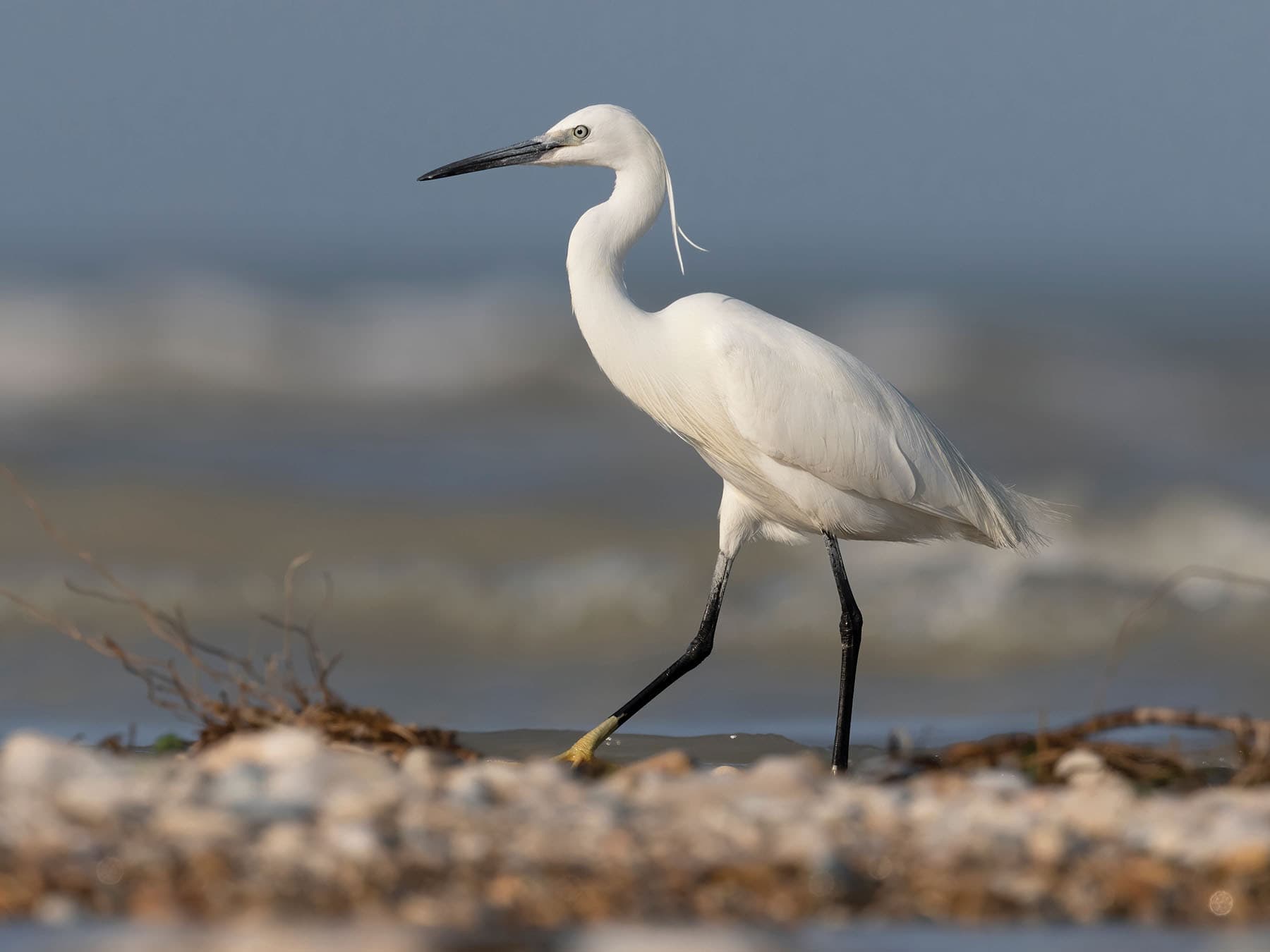
Little Egret
Egretta garzettaLC
A year-round resident along the Trent Valley and county wetlands, having colonised Nottinghamshire since the early 2000s. Now commonly seen at gravel pits and marshes.
Year-round
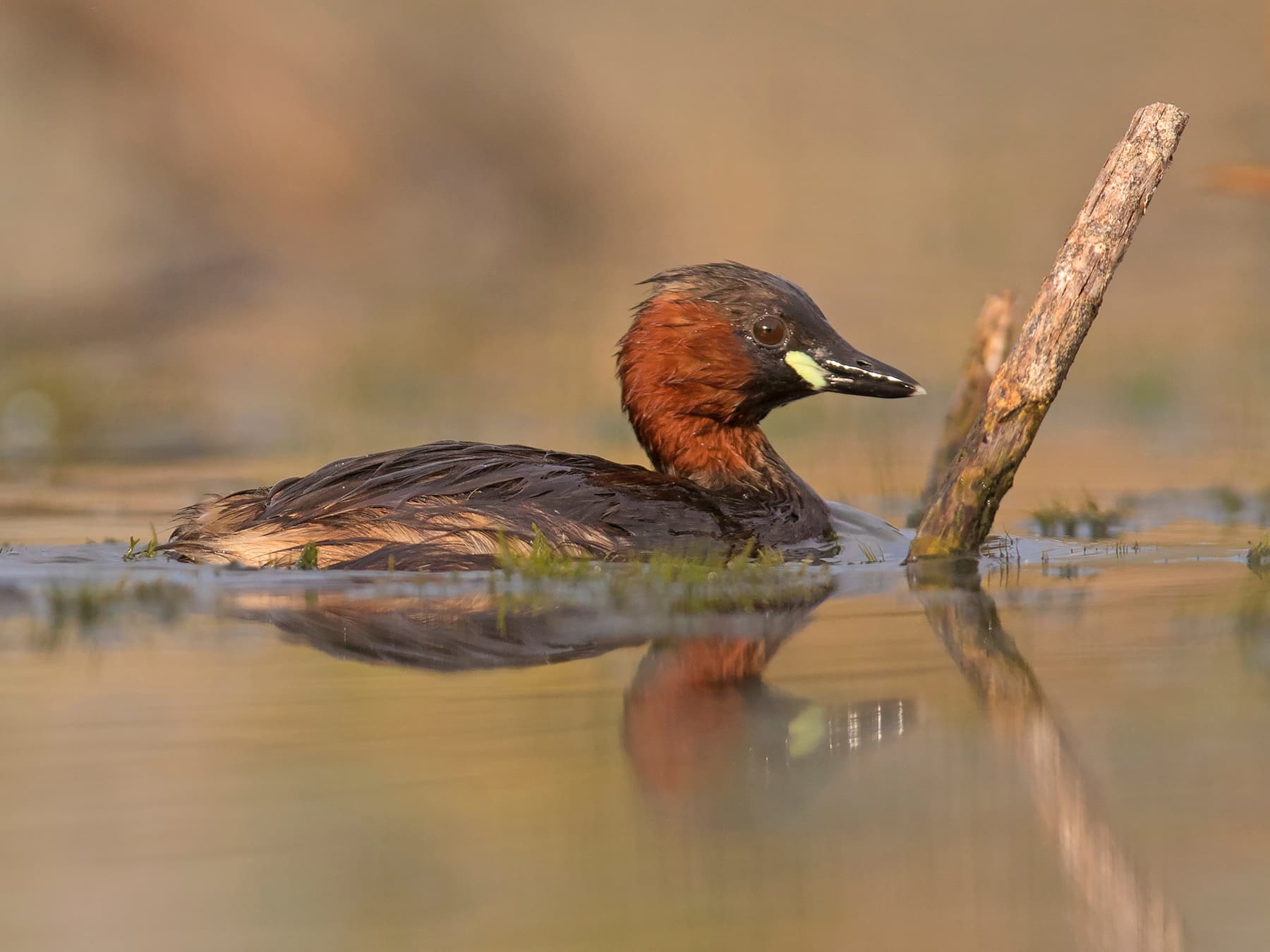
Little Grebe
Tachybaptus ruficollisLC
A common resident on ponds, canals, and sheltered lake margins throughout the county. Its whinnying trill is a familiar wetland sound.
Year-round
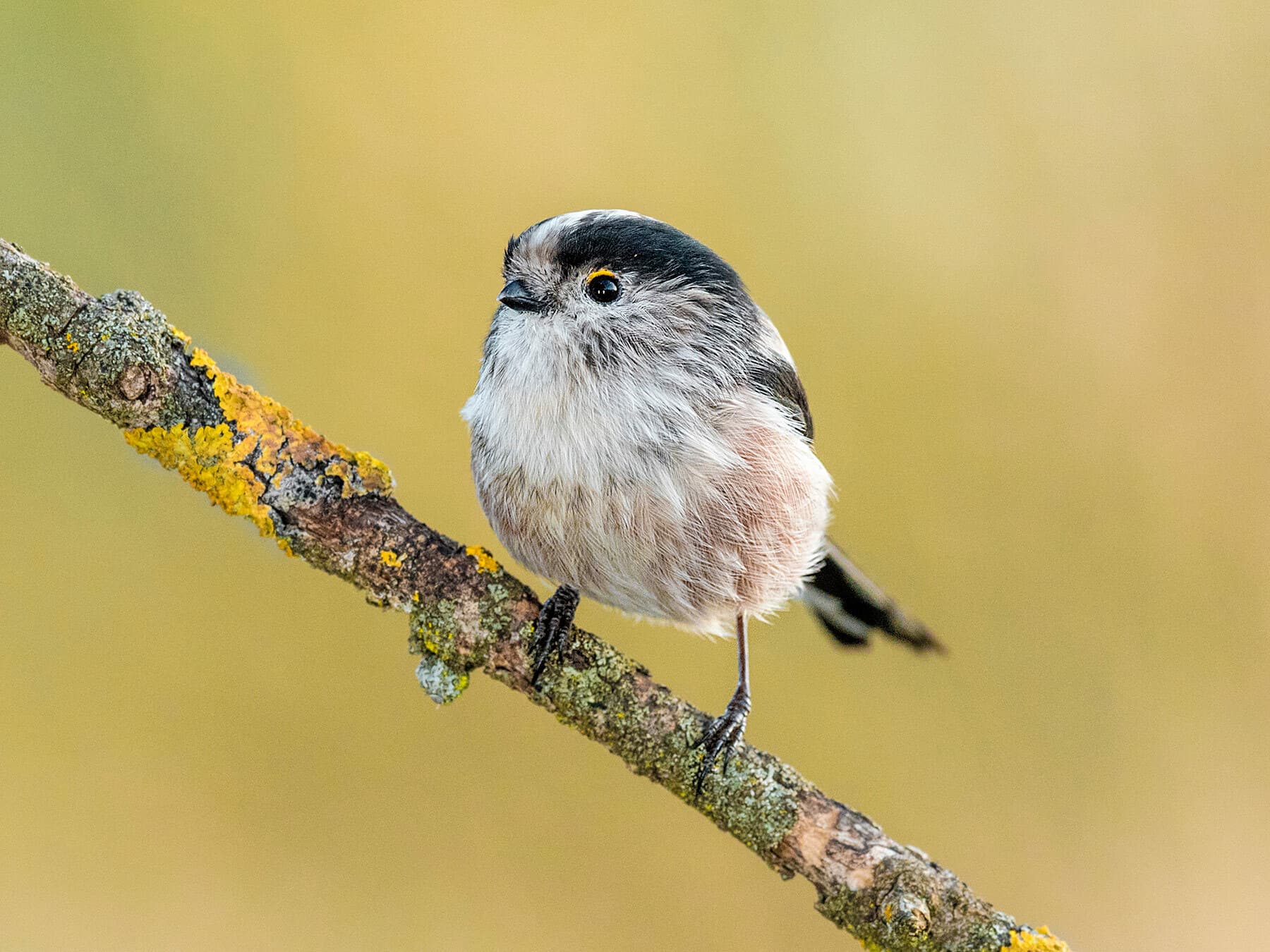
Long-tailed Tit
Aegithalos caudatusLC
A charming year-round resident, often seen in noisy family parties moving through hedgerows and woodland edges. Builds elaborate domed nests in spring.
Year-round
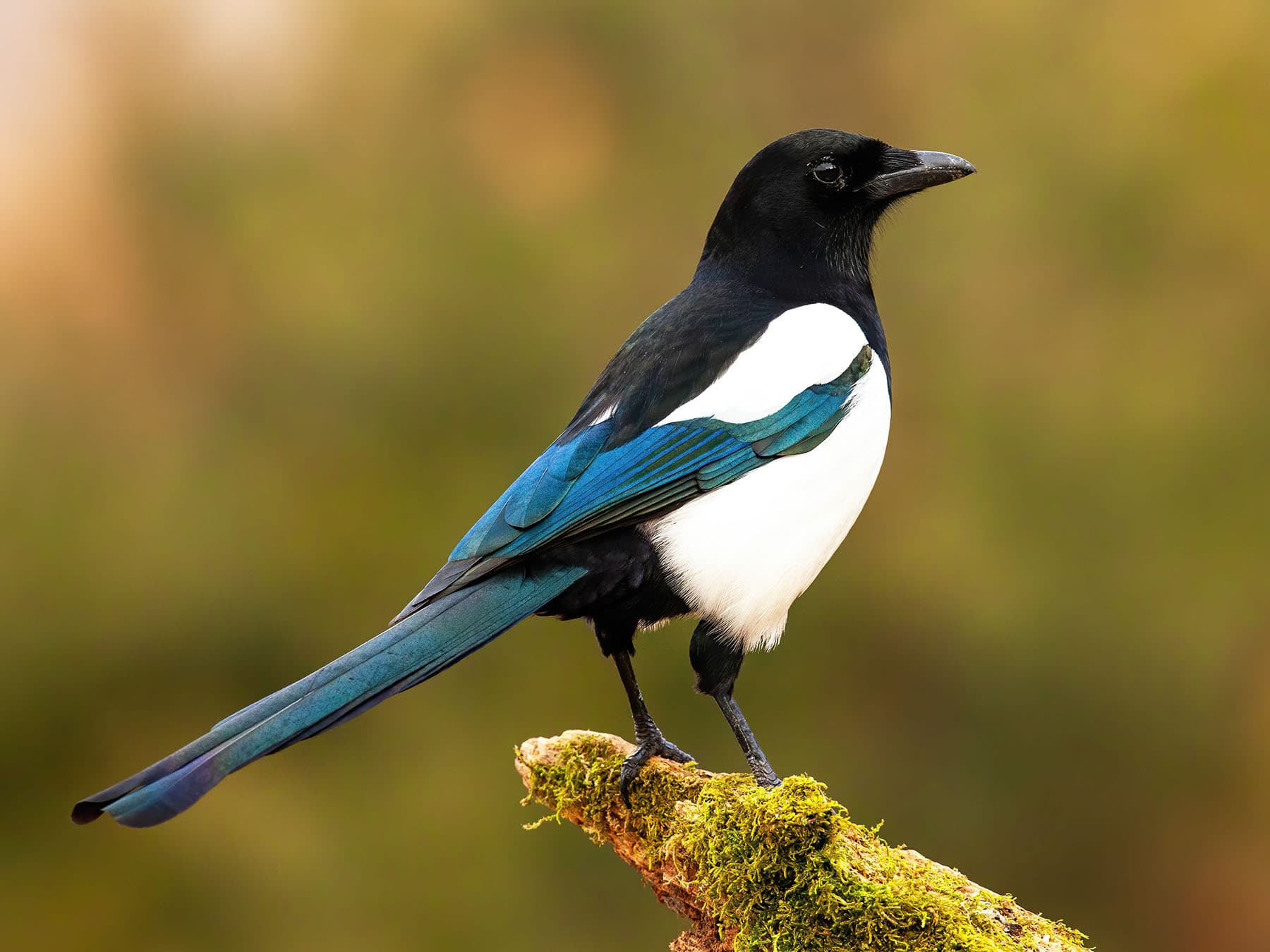
Magpie
Pica picaLC
Abundant and conspicuous year-round in gardens, parks, and hedgerows across the county. Its chattering call is unmistakable.
Year-round
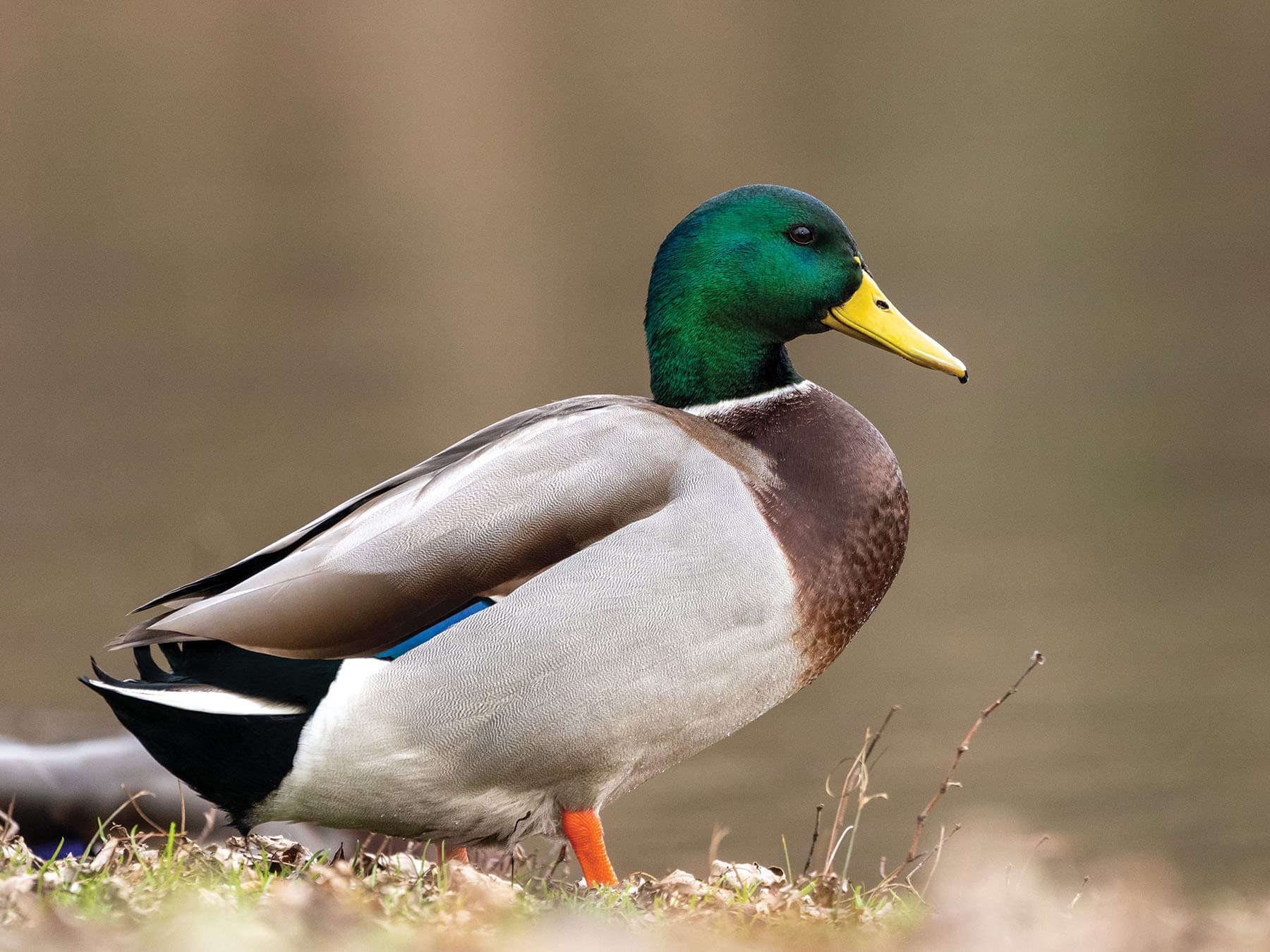
Mallard
Anas platyrhynchosLC
The most widespread duck in the county, common year-round on virtually any waterbody from urban park ponds to rural rivers and reservoirs.
Year-round
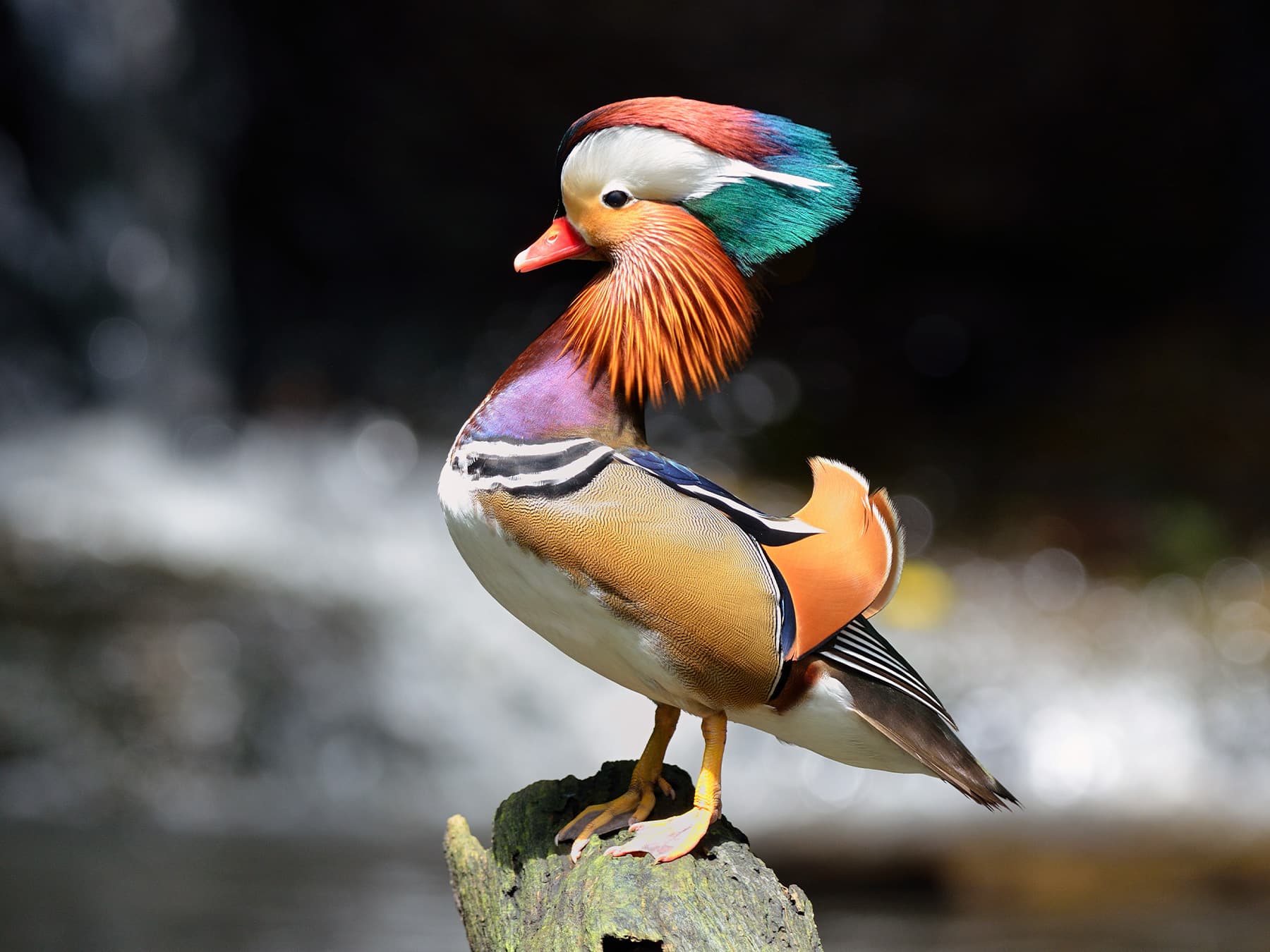
Mandarin Duck
Aix galericulataLC
A scarce but resident breeder, favouring wooded lakes and rivers such as the Idle valley. Males are strikingly ornate but often elusive.
Year-round
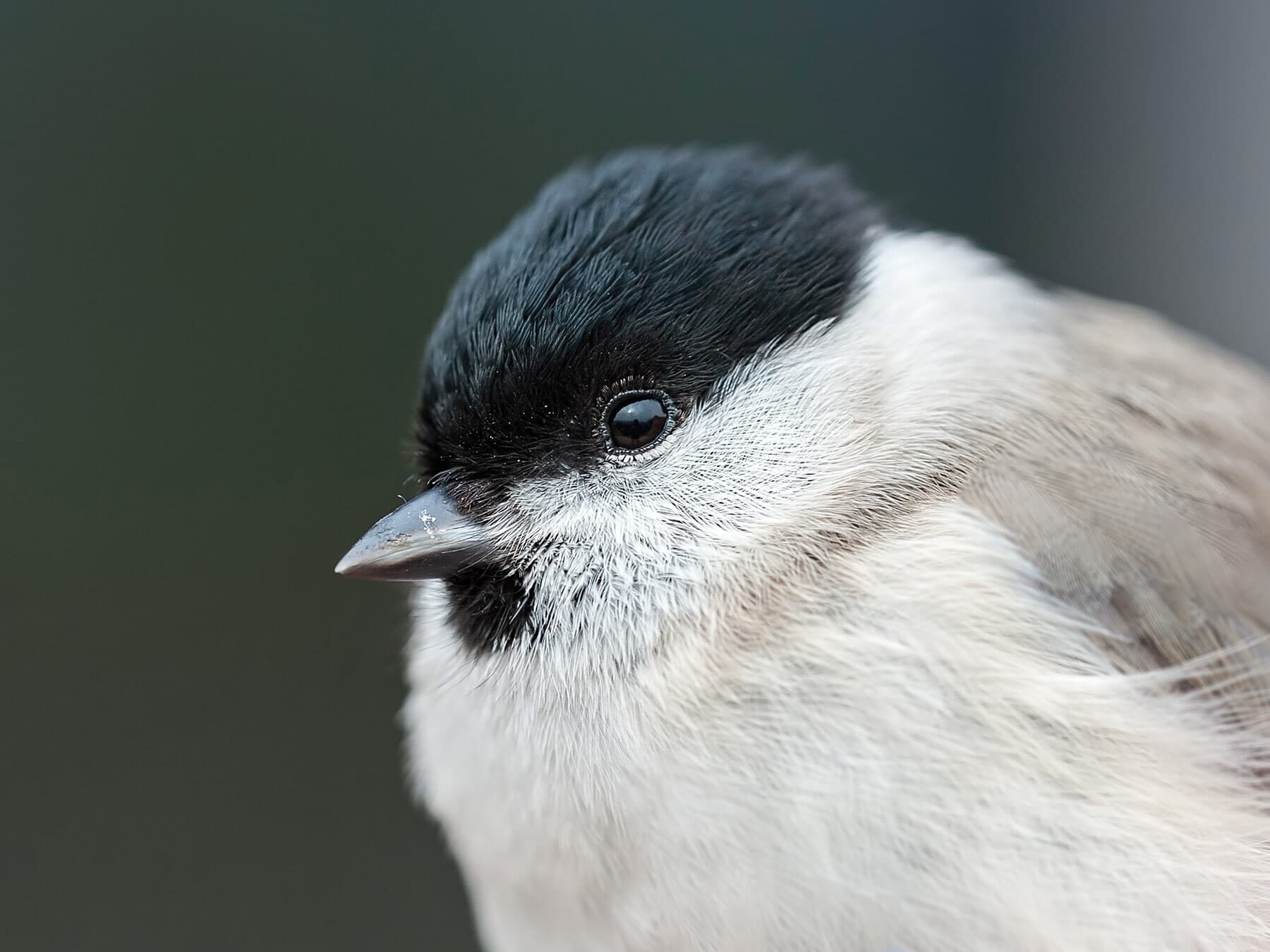
Marsh Tit
Poecile palustrisLC
A scarce resident of mature deciduous woodland, found at sites like Sherwood Forest and Clumber Park. Declining nationally, making local populations valuable.
Year-round
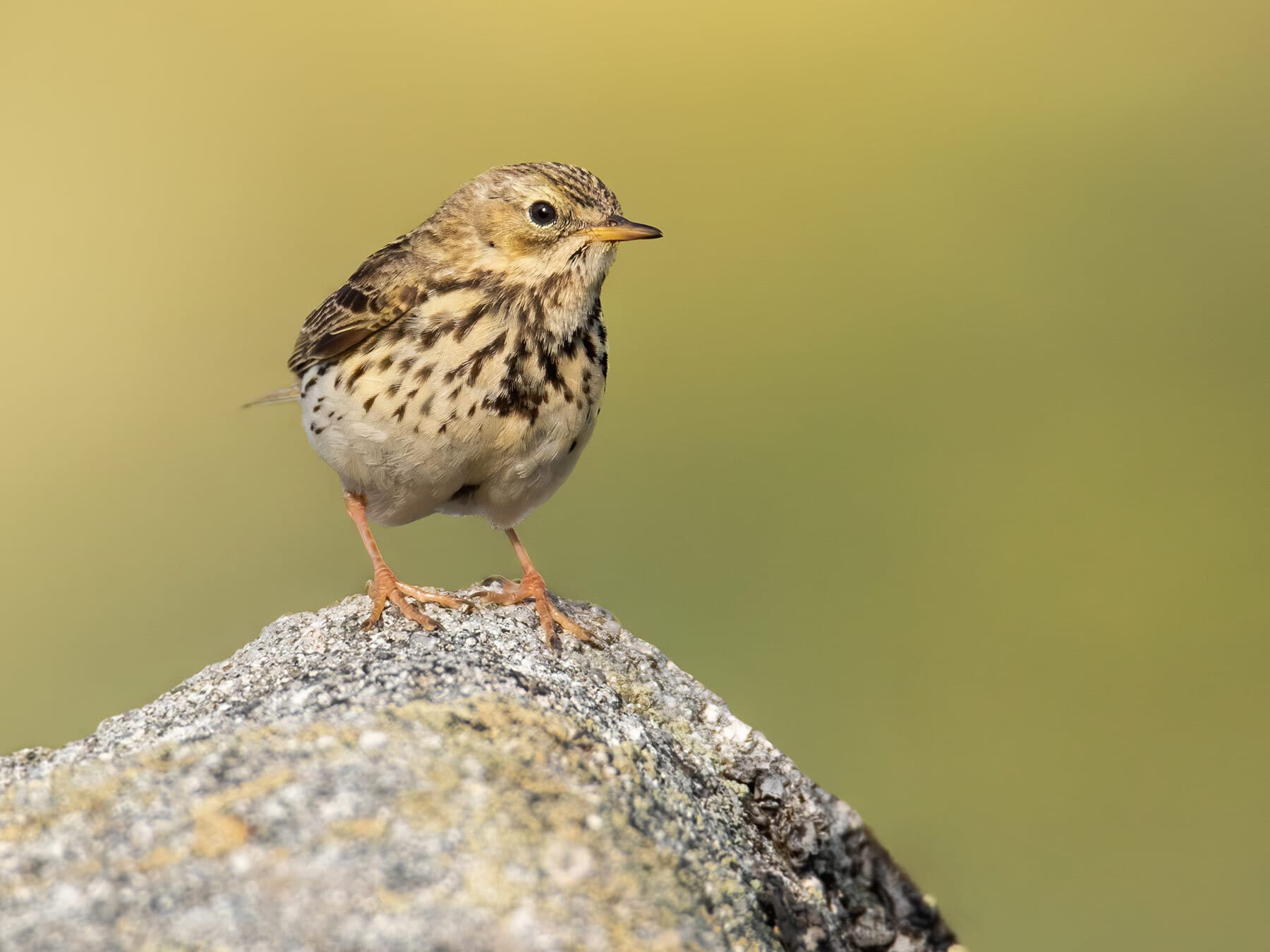
Meadow Pipit
Anthus pratensisLC
An uncommon resident of rough grassland and heathland, more conspicuous in winter when numbers are boosted by migrants.
Year-round
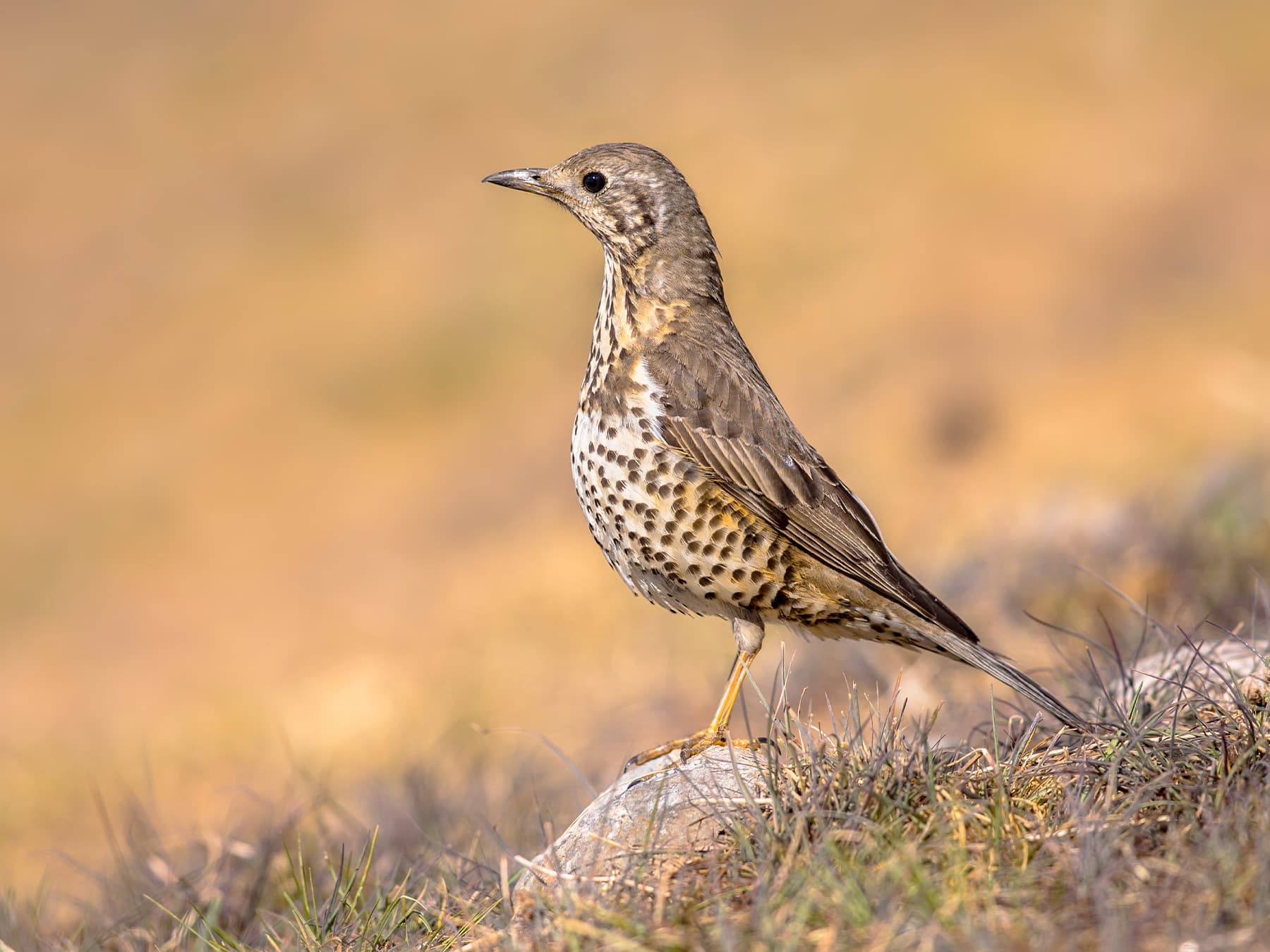
Mistle Thrush
Turdus viscivorusLC
An uncommon but vocal resident of parkland and open woodland. Often the first thrush to sing, sometimes from January.
Year-round
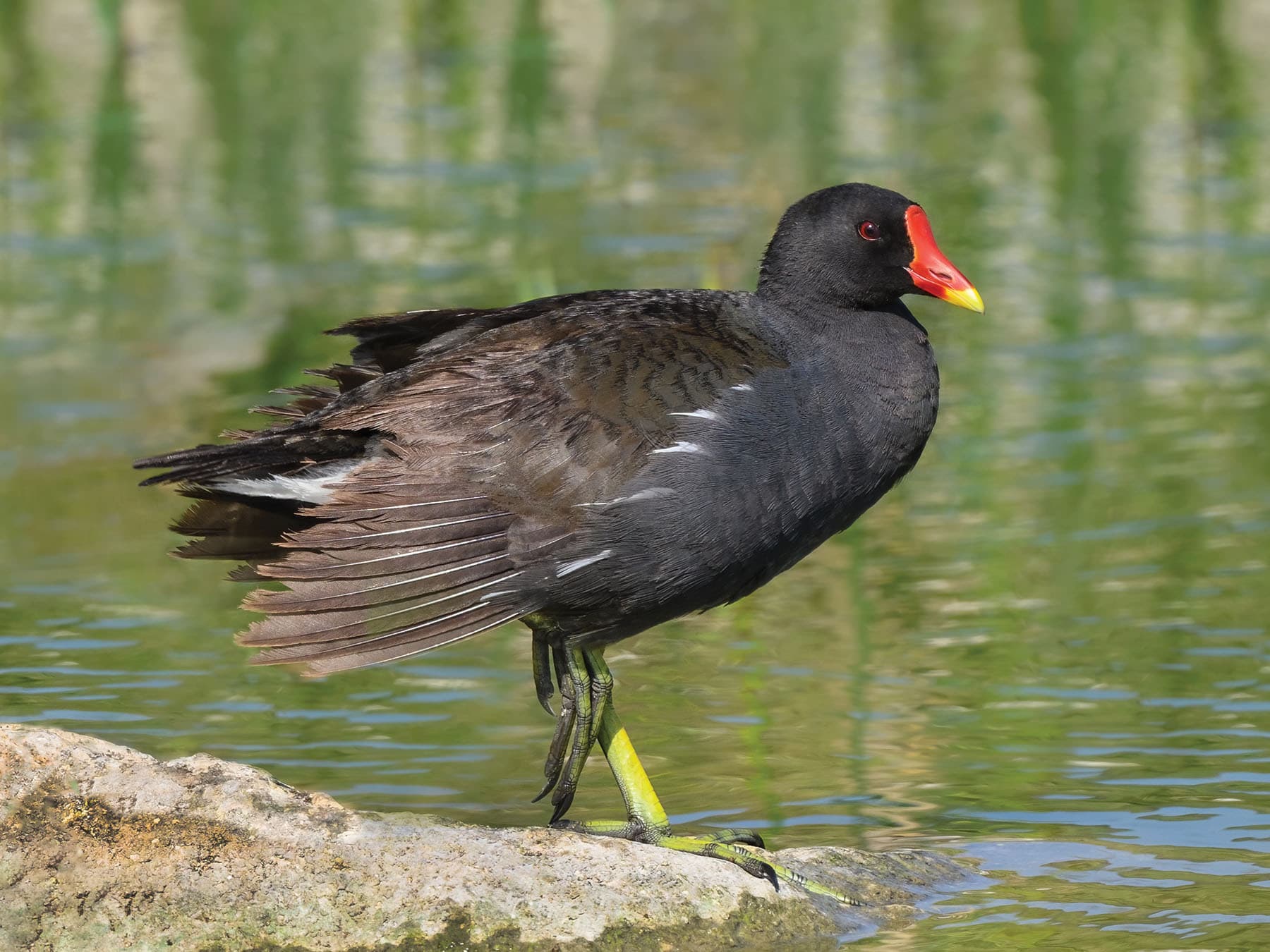
Moorhen
Gallinula chloropusLC
A common resident of ponds, ditches and waterways throughout the county. Easily seen skulking along vegetated margins of even small urban waters.
Year-round
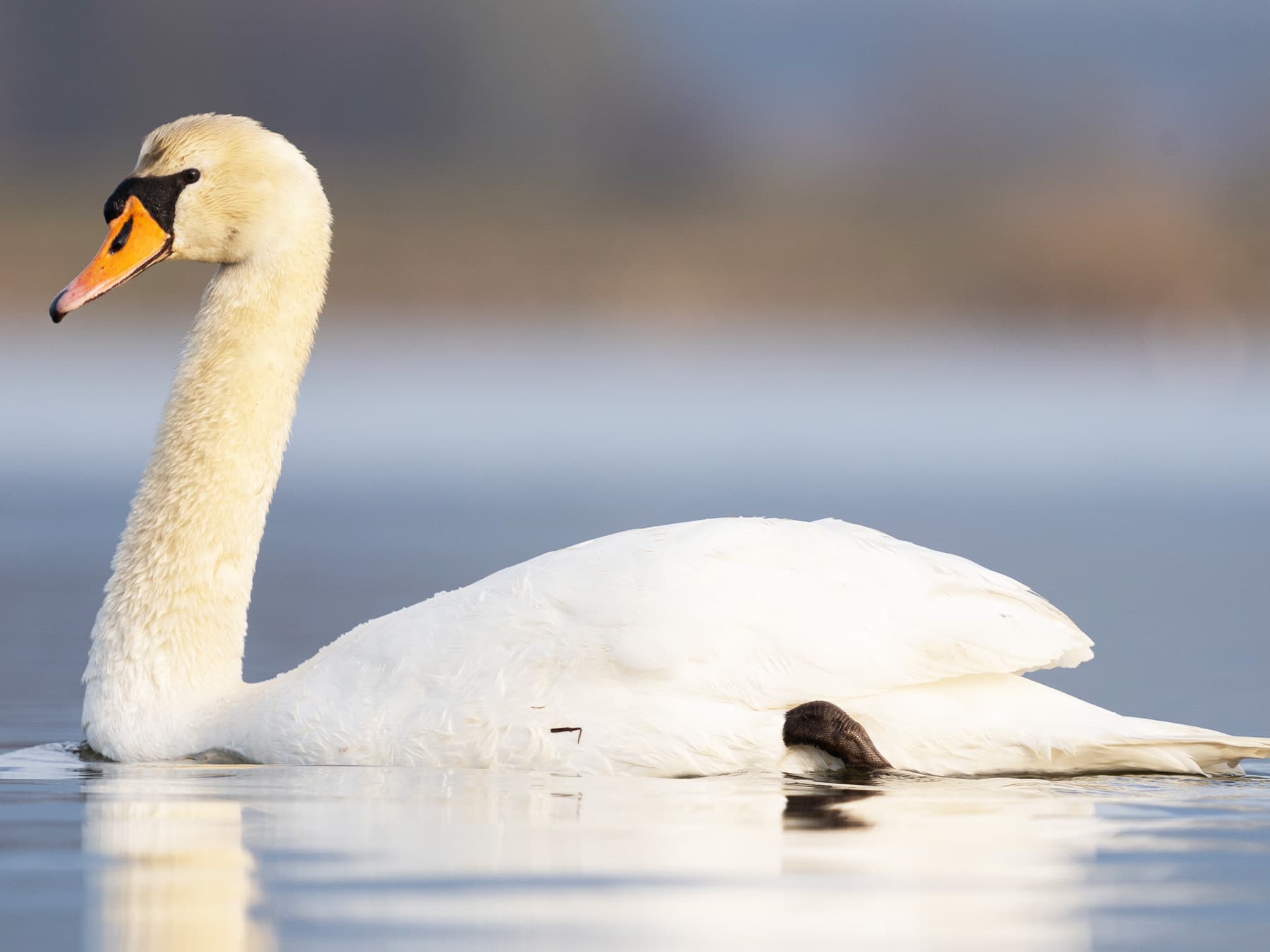
Mute Swan
Cygnus olorLC
A familiar year-round resident gracing rivers, lakes and canals across the county. Breeds readily on the Trent and at urban park lakes.
Year-round
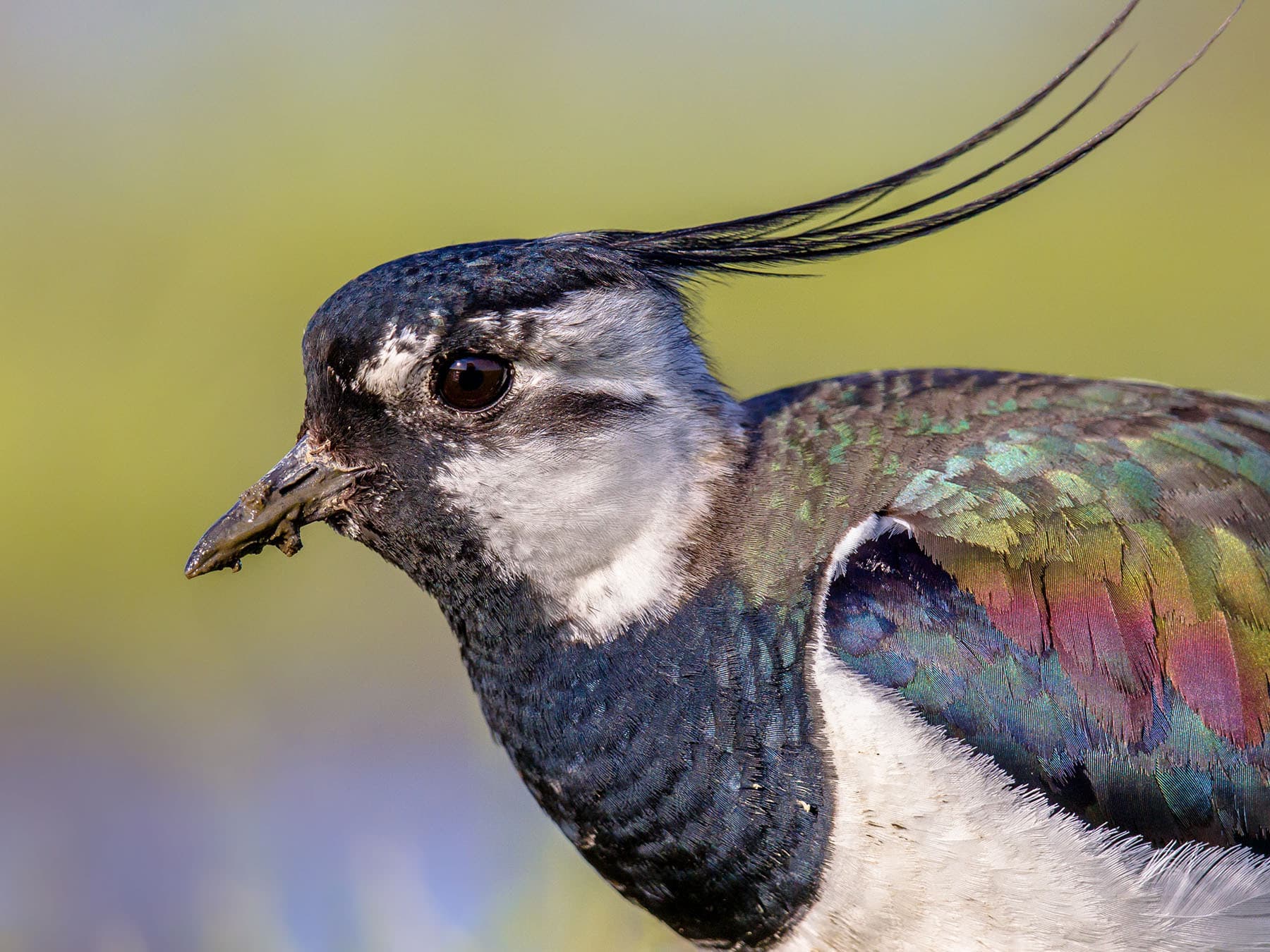
Northern Lapwing
Vanellus vanellusNT
A common but declining resident breeding on farmland and wet meadows, with numbers boosted by continental birds in winter.
Year-round
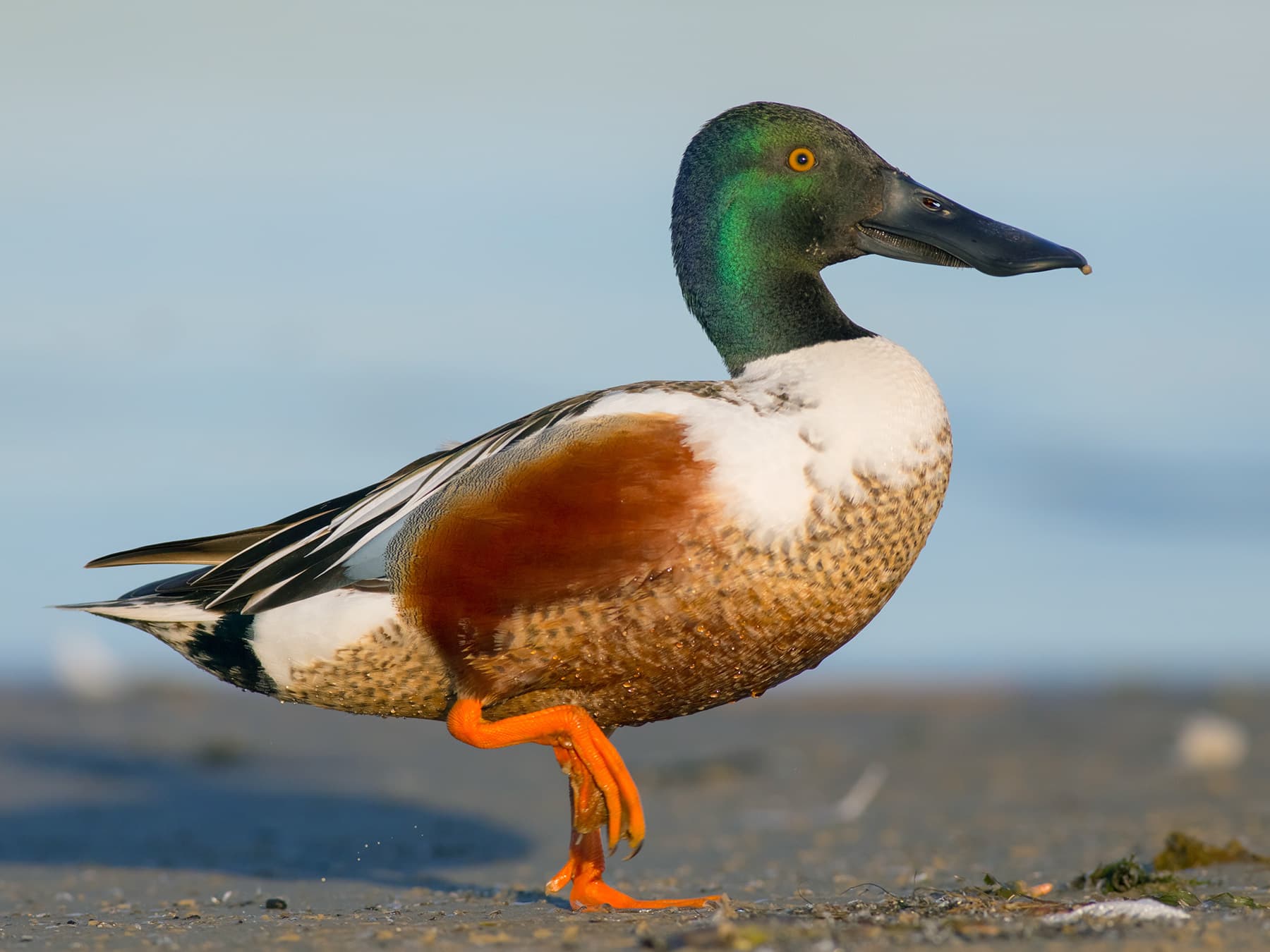
Northern Shoveler
Spatula clypeataLC
A common resident on shallow lakes and marshes, sweeping its broad bill through the water. Readily found at Attenborough and Idle Valley reserves.
Year-round
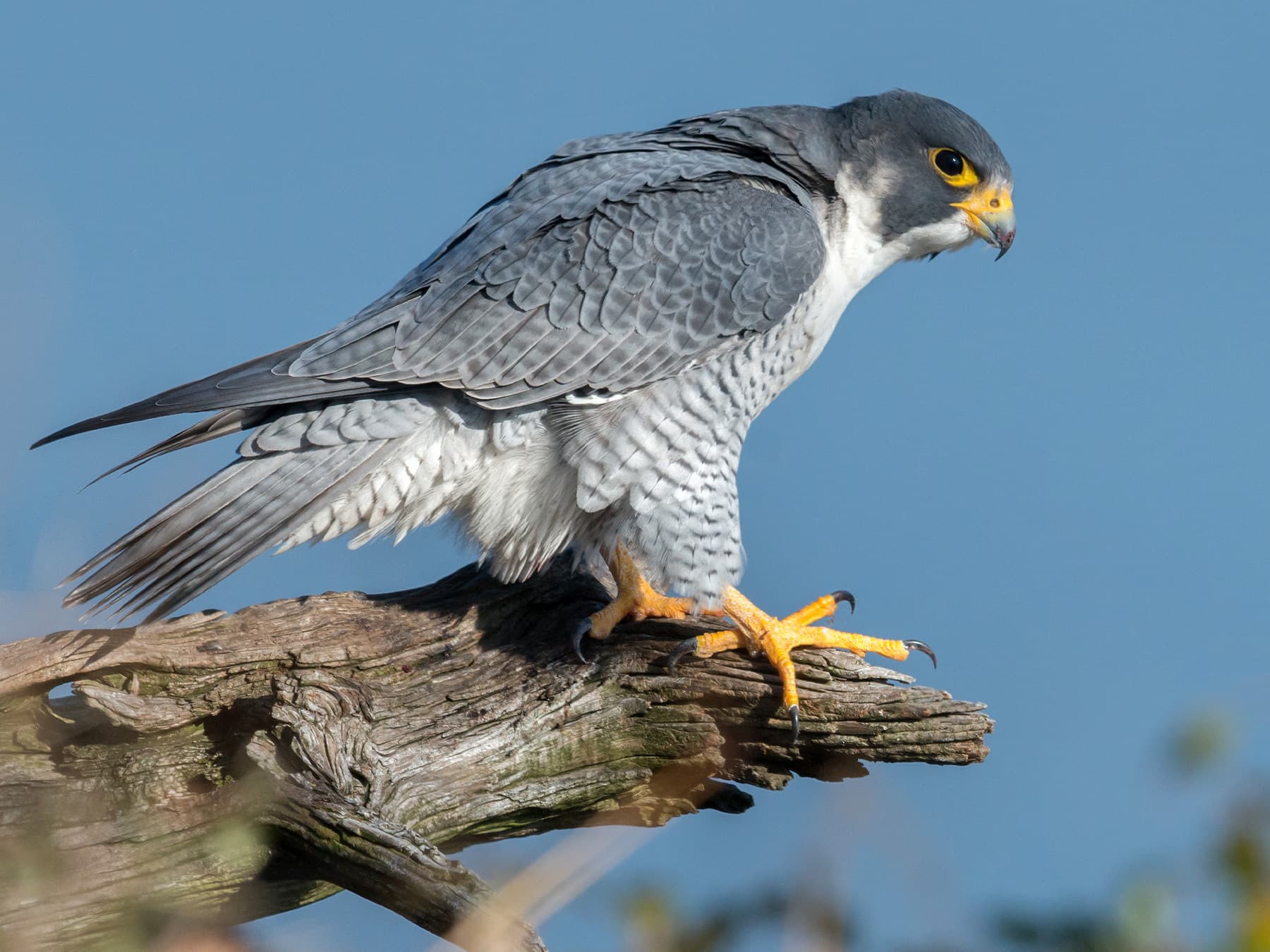
Peregrine Falcon
Falco peregrinusLC
A rare but year-round resident, nesting on tall buildings in Nottingham city centre. Occasionally seen hunting over wetland reserves.
Year-round
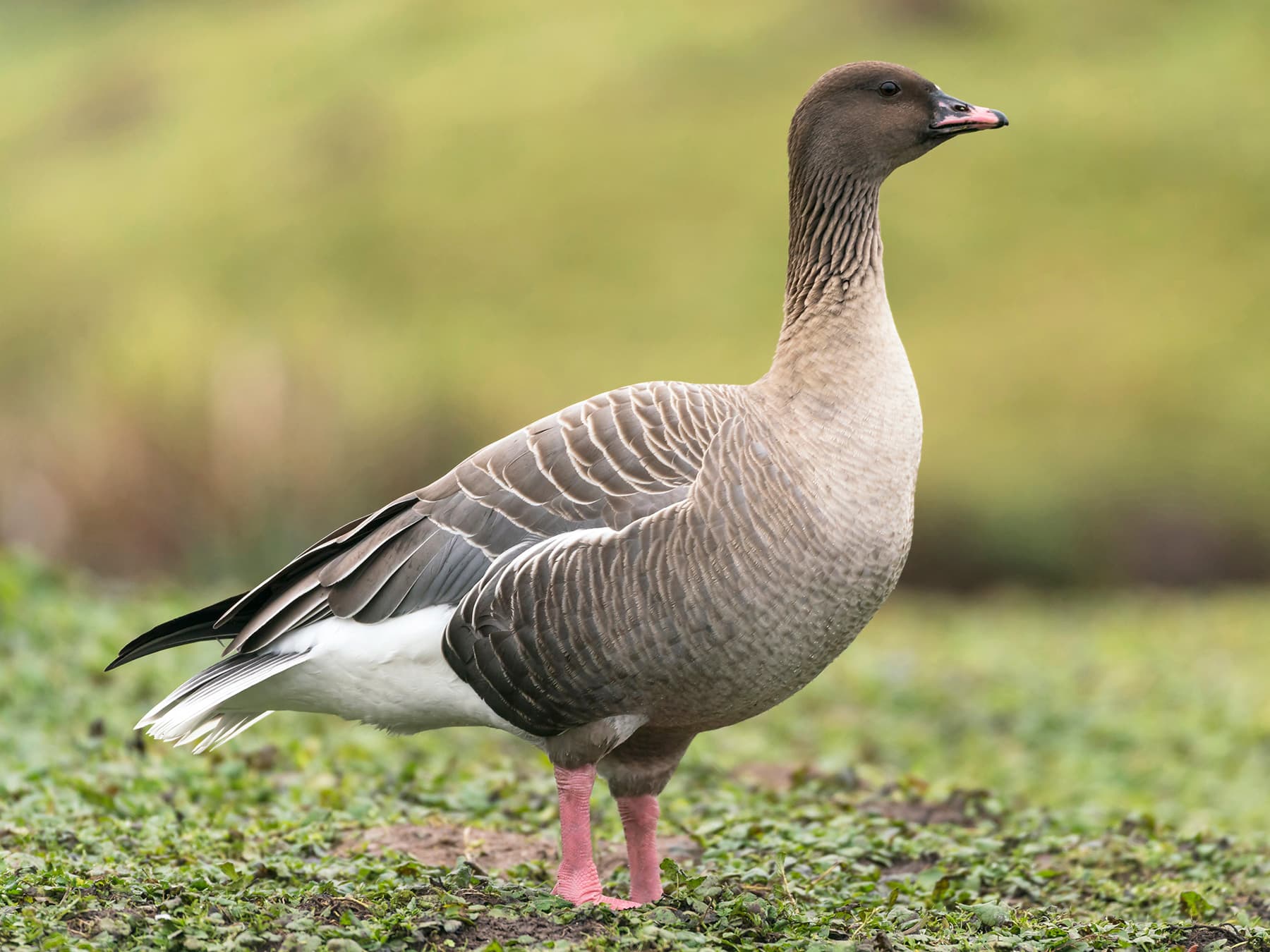
Pink-footed Goose
Anser brachyrhynchusLC
Rare but regular, mainly seen in winter and early spring on Trent valley farmland. Skeins are sometimes spotted overhead during autumn migration.
Sep–May
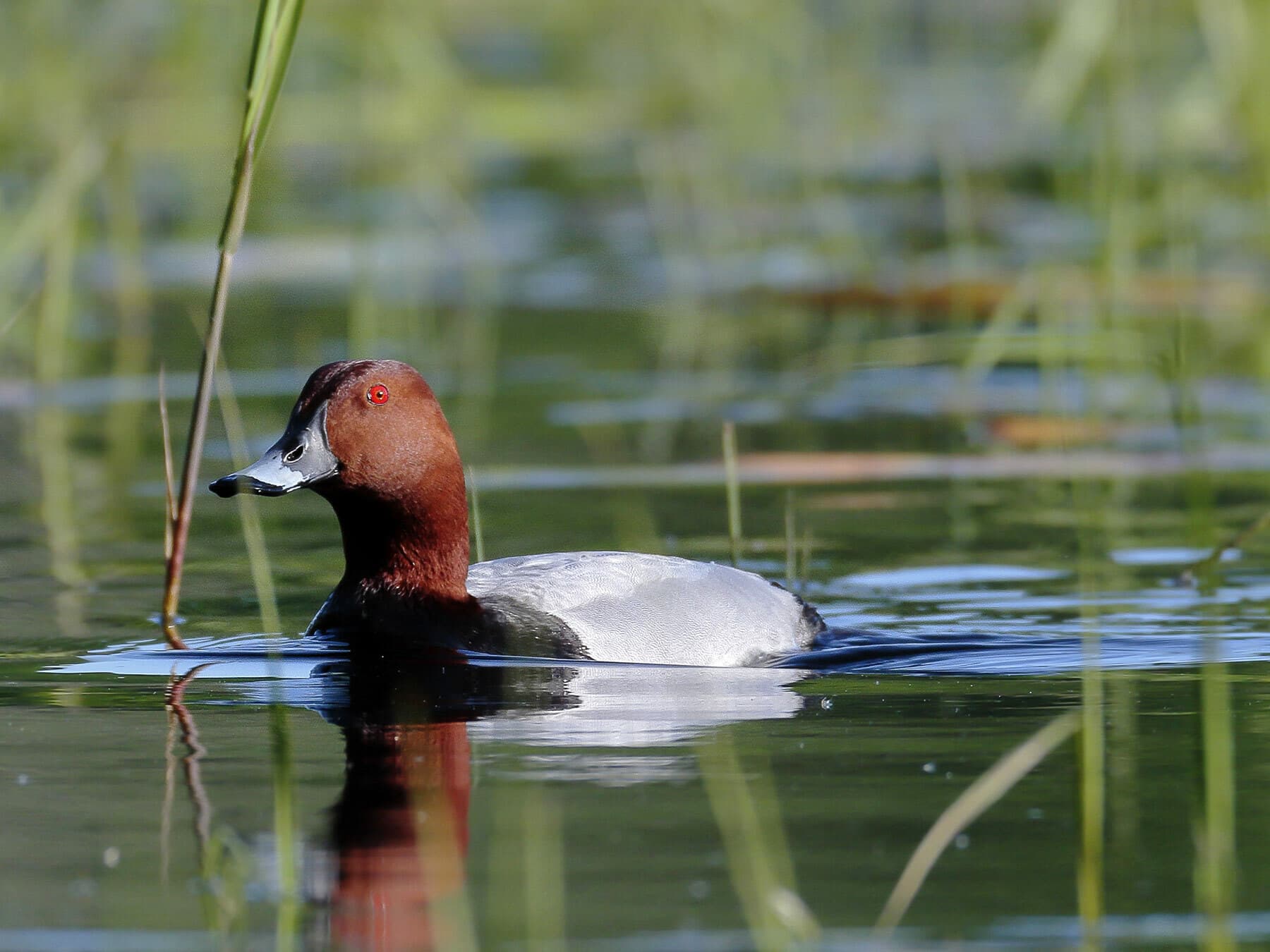
Pochard
Aythya ferinaVU
A common resident on lakes and gravel pits, though nationally declining. Winter flocks gather at Attenborough and other Trent Valley sites.
Year-round
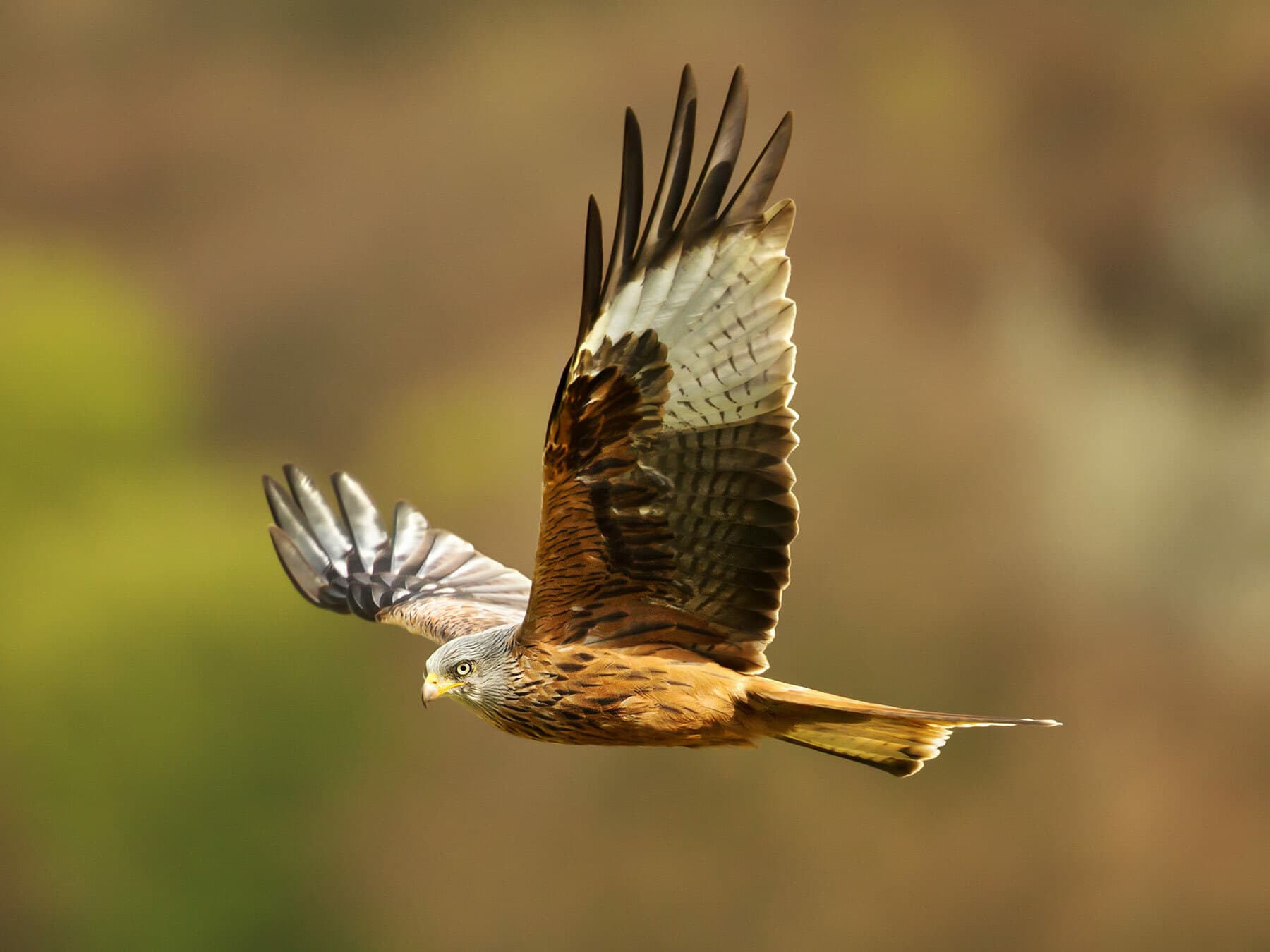
Red Kite
Milvus milvusLC
Once persecuted to near-extinction, now slowly recolonising. Seen year-round soaring over farmland and woodland edges.
Year-round
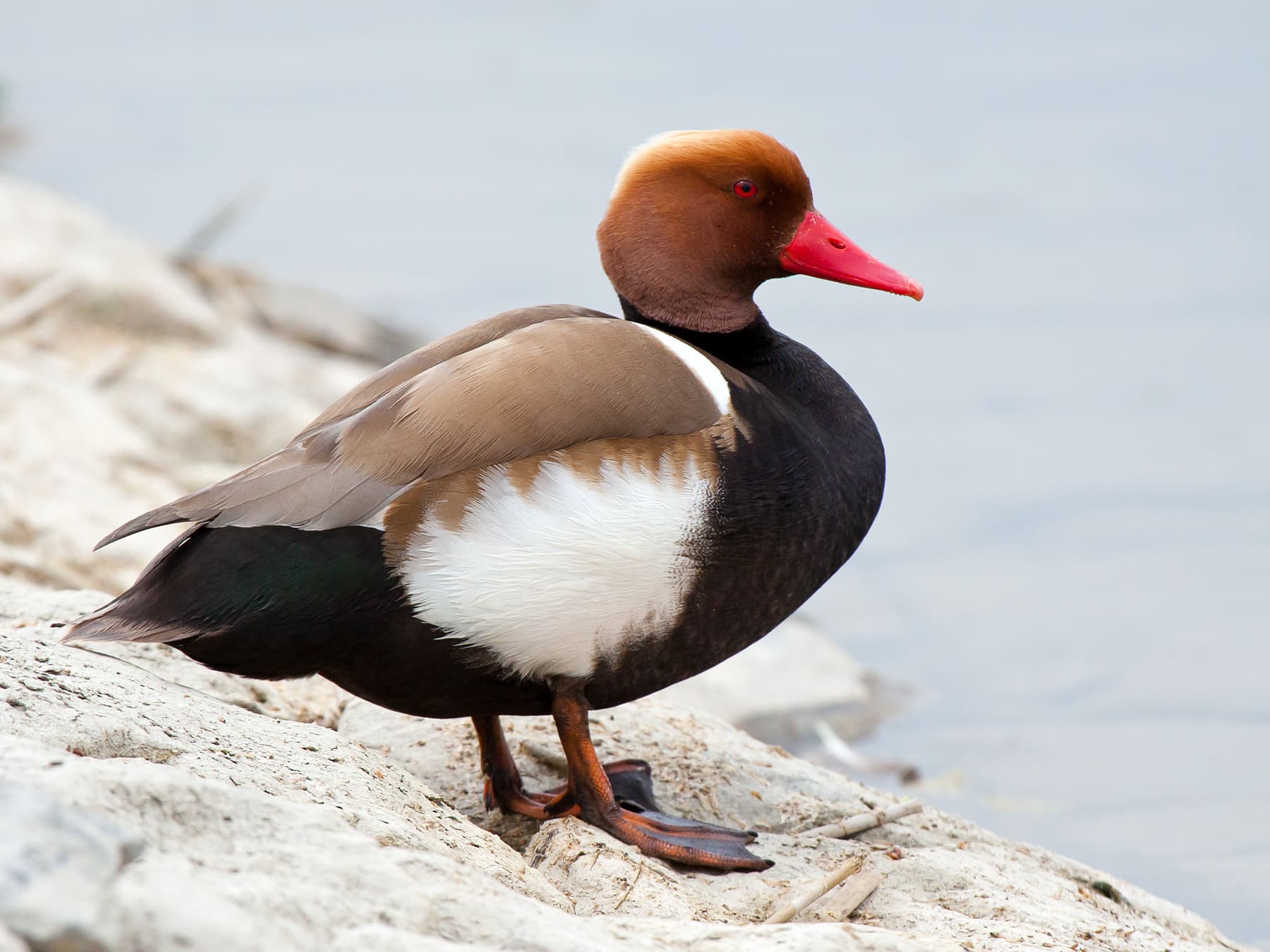
Red-crested Pochard
Netta rufinaLC
An uncommon resident on larger lakes and gravel pits. The striking orange-headed males are increasingly seen, likely of mixed feral and wild origin.
Year-round
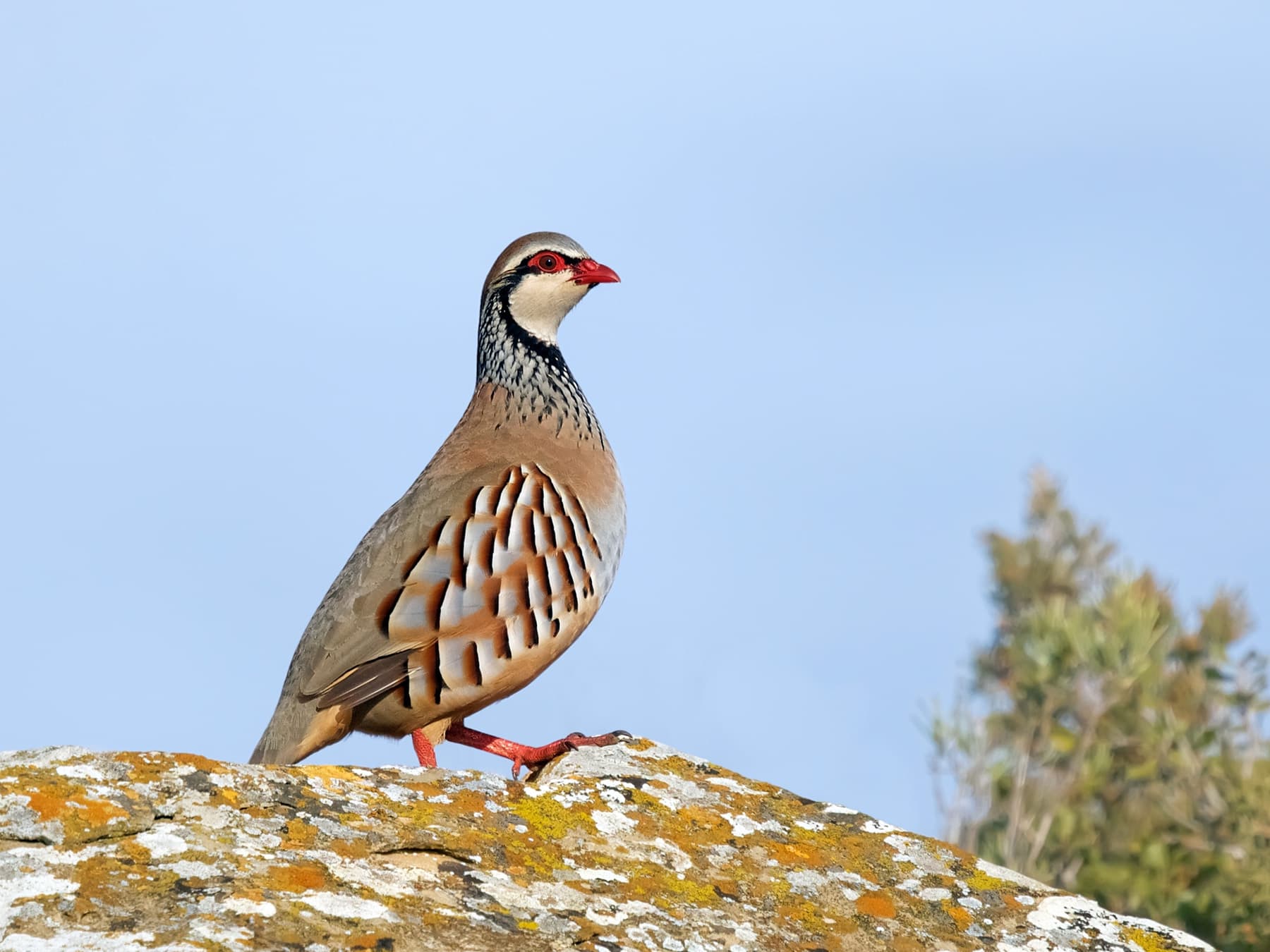
Red-legged Partridge
Alectoris rufaNT
A rare resident of arable farmland, occasionally encountered on open fields but far less numerous than the Common Pheasant.
Year-round
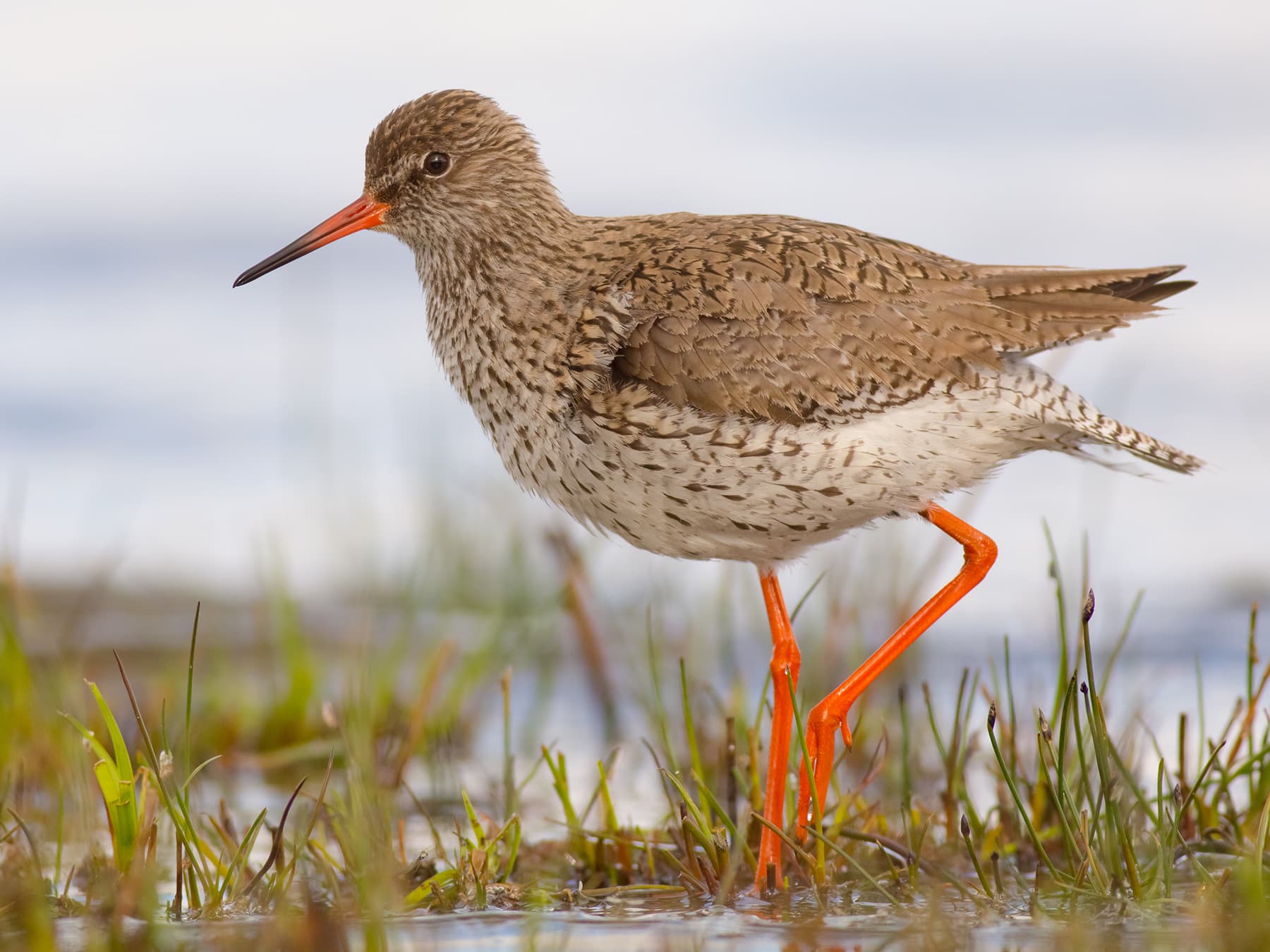
Redshank
Tringa totanusLC
An uncommon resident breeding on wet grasslands and marshes. Present all year at sites like the Idle Valley, with noisy alarm calls in spring.
Year-round
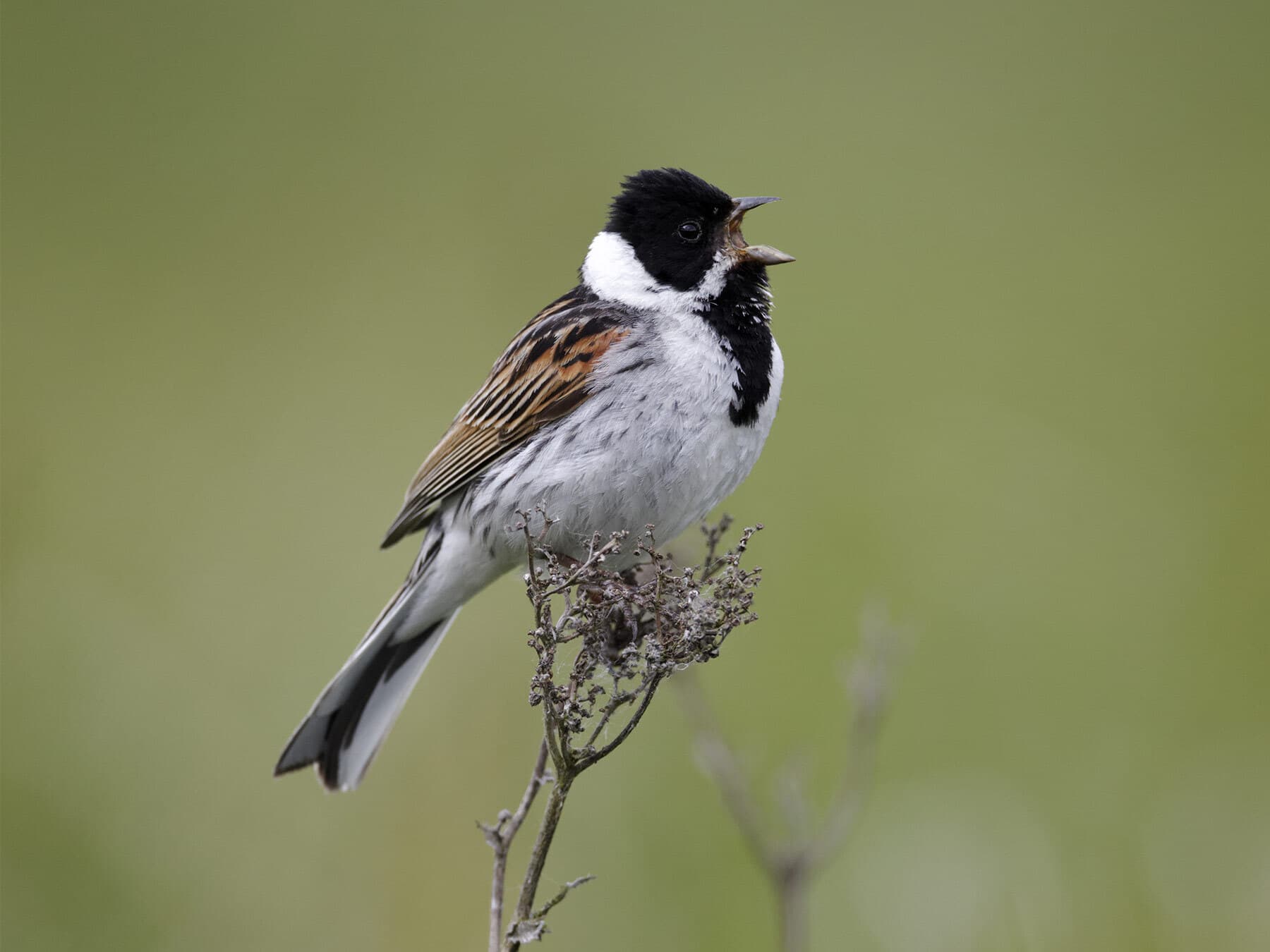
Reed Bunting
Emberiza schoeniclusLC
A common resident of reedbeds, ditches, and wetland margins across the county. Males are easily spotted by their black head and white collar.
Year-round
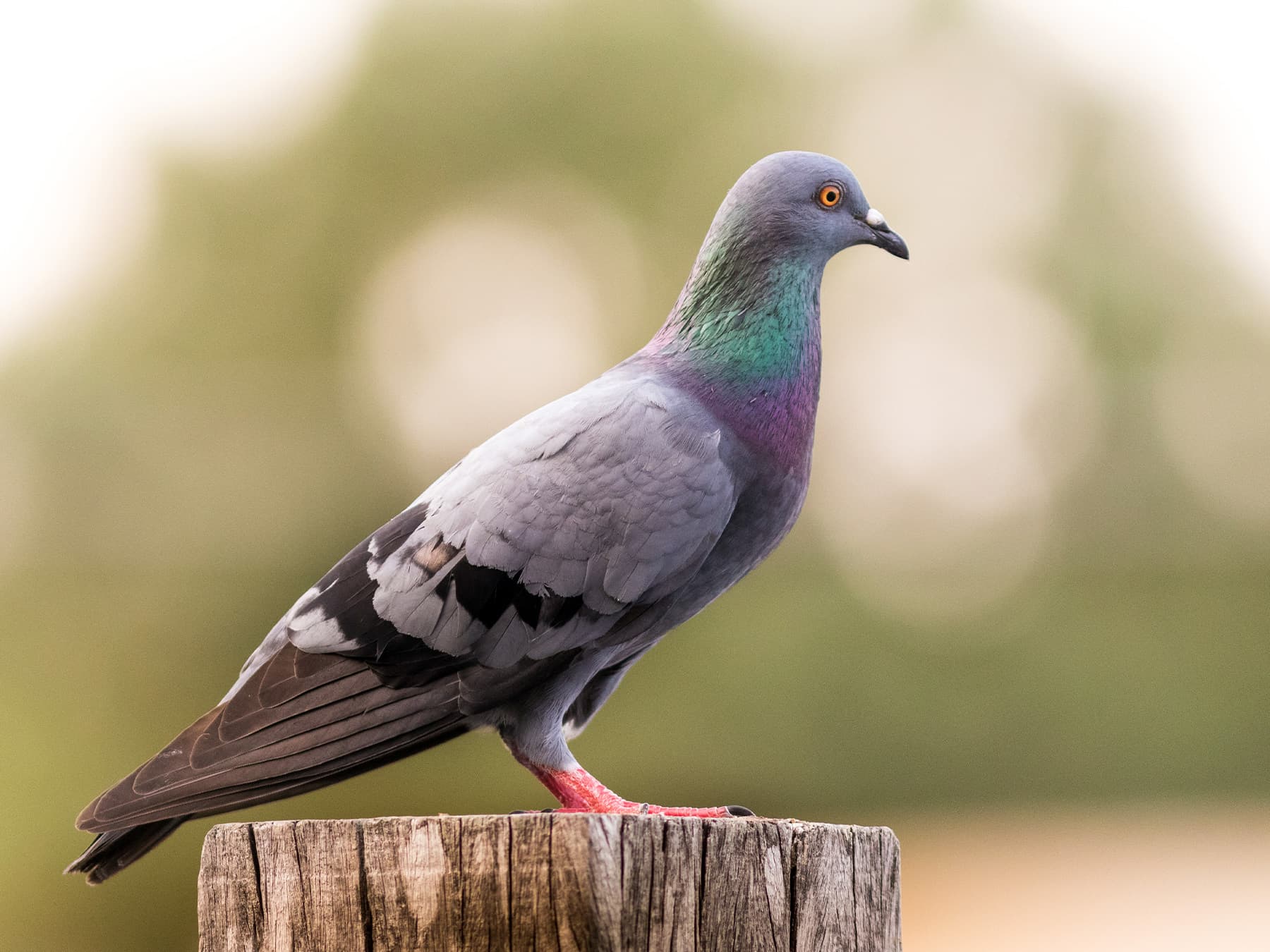
Rock Dove
Columba liviaLC
Feral populations are widespread in Nottingham's urban areas year-round. True wild-type birds are scarce; most show varied plumage from domestic ancestry.
Year-round
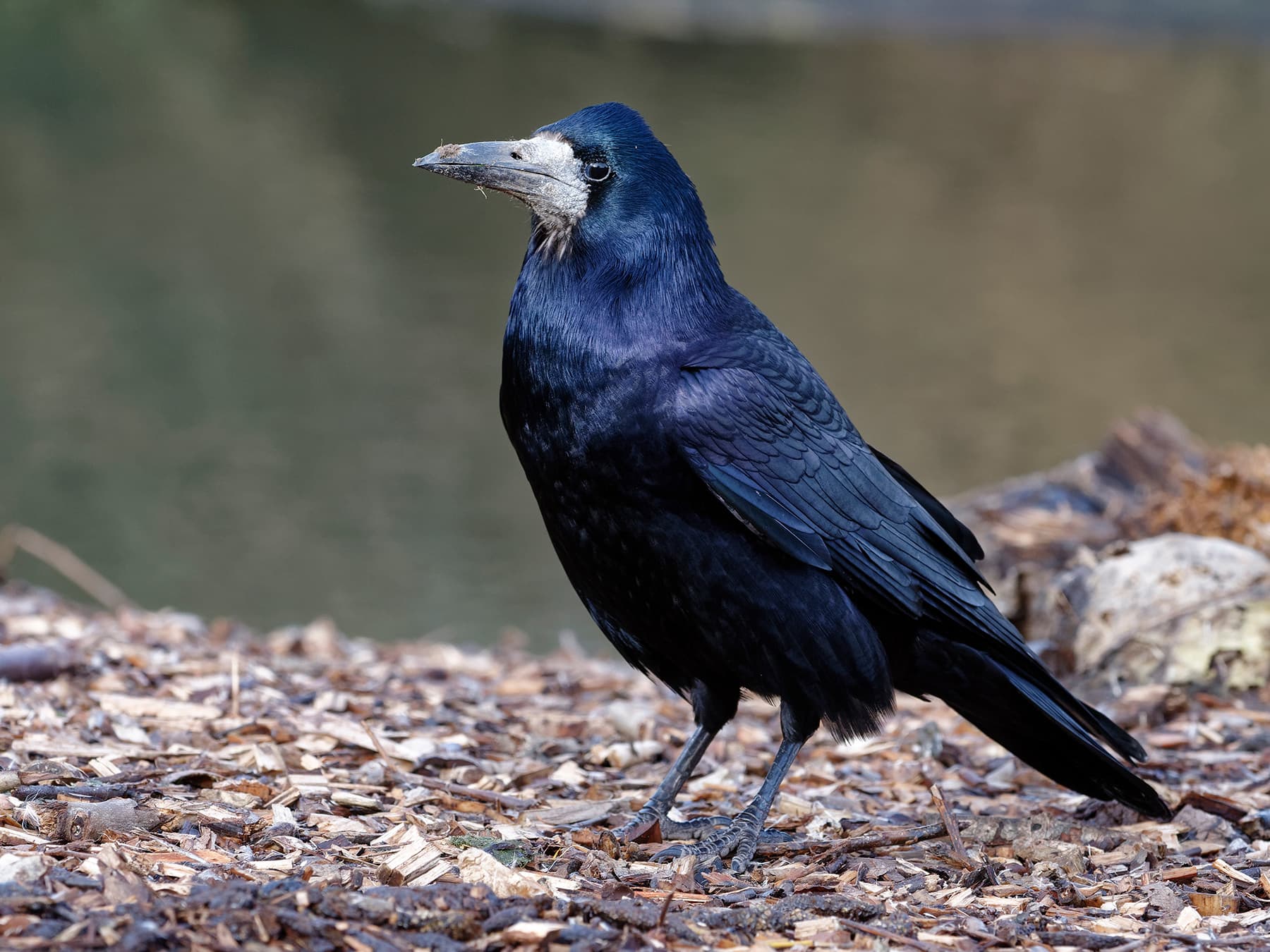
Rook
Corvus frugilegusLC
A common and conspicuous resident of farmland, nesting colonially in tall trees. Noisy rookeries are a familiar feature of the county's villages.
Year-round
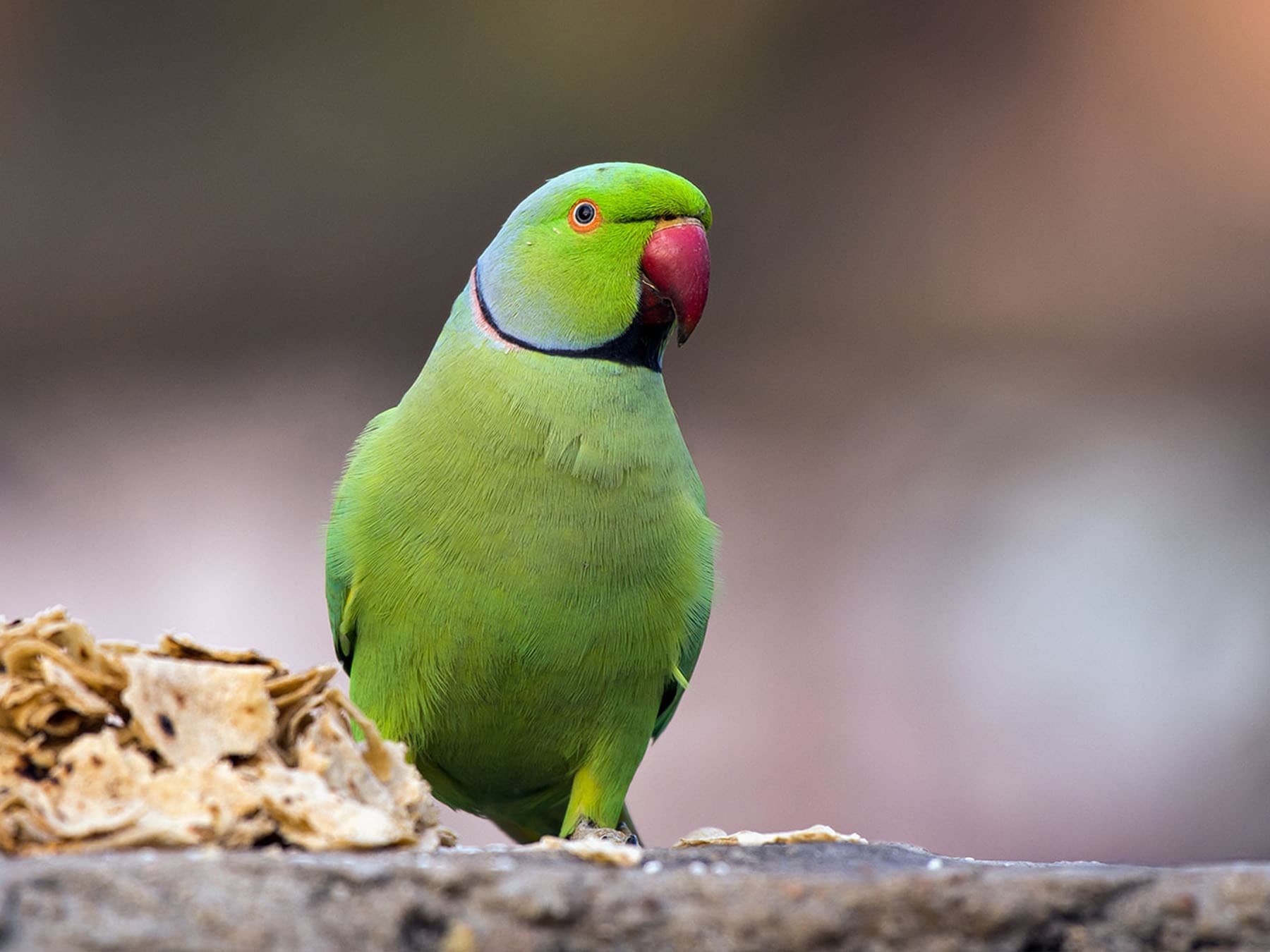
Rose-ringed Parakeet
Alexandrinus krameriLC
A rare resident, part of the slowly expanding feral population. Occasionally seen around suburban parks and gardens in the county.
Aug–Jun
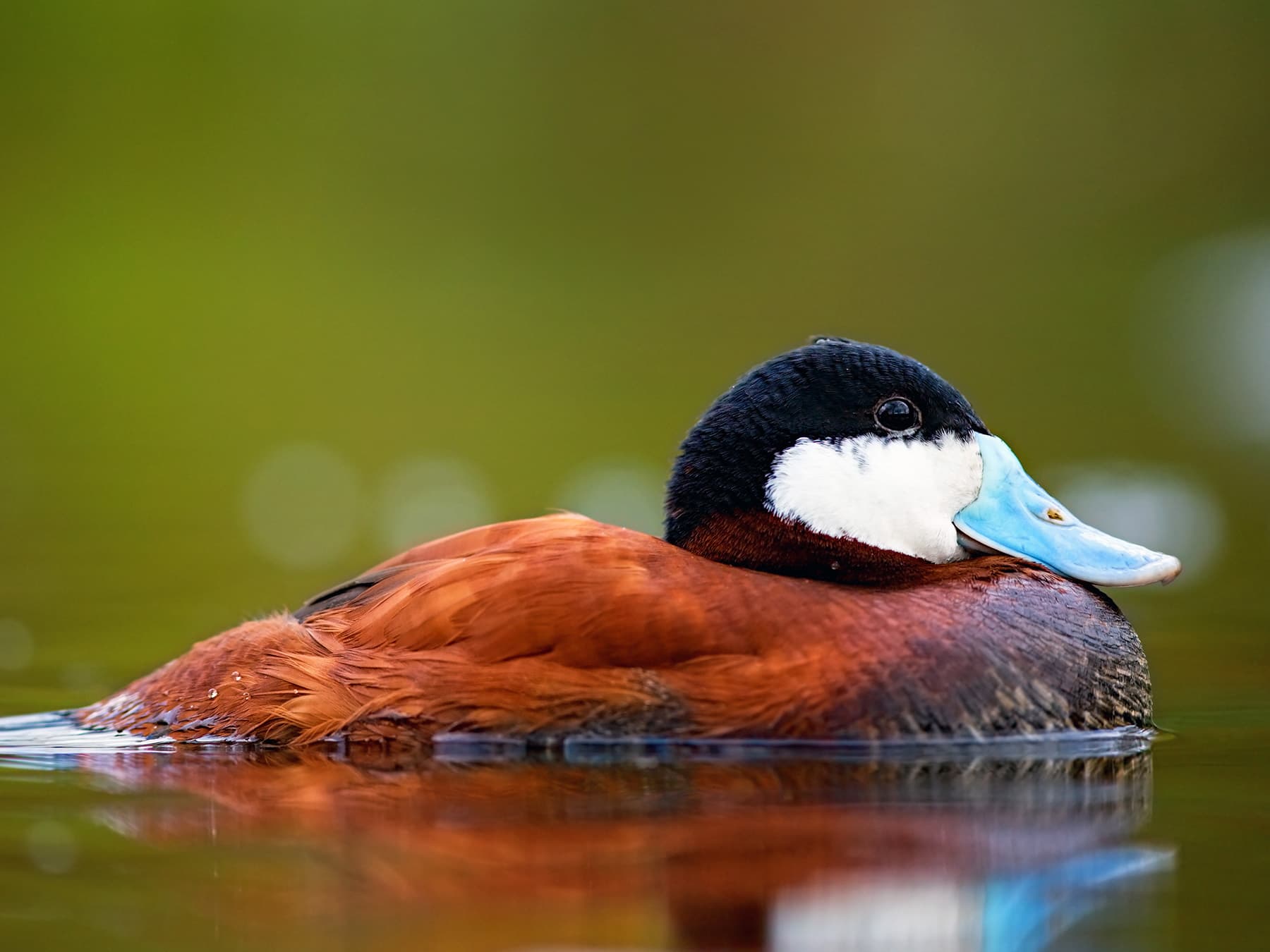
Ruddy Duck
Oxyura jamaicensisLC
A rare resident, now largely eradicated through national culling programmes. Any remaining birds on county lakes are increasingly unusual sightings.
Year-round
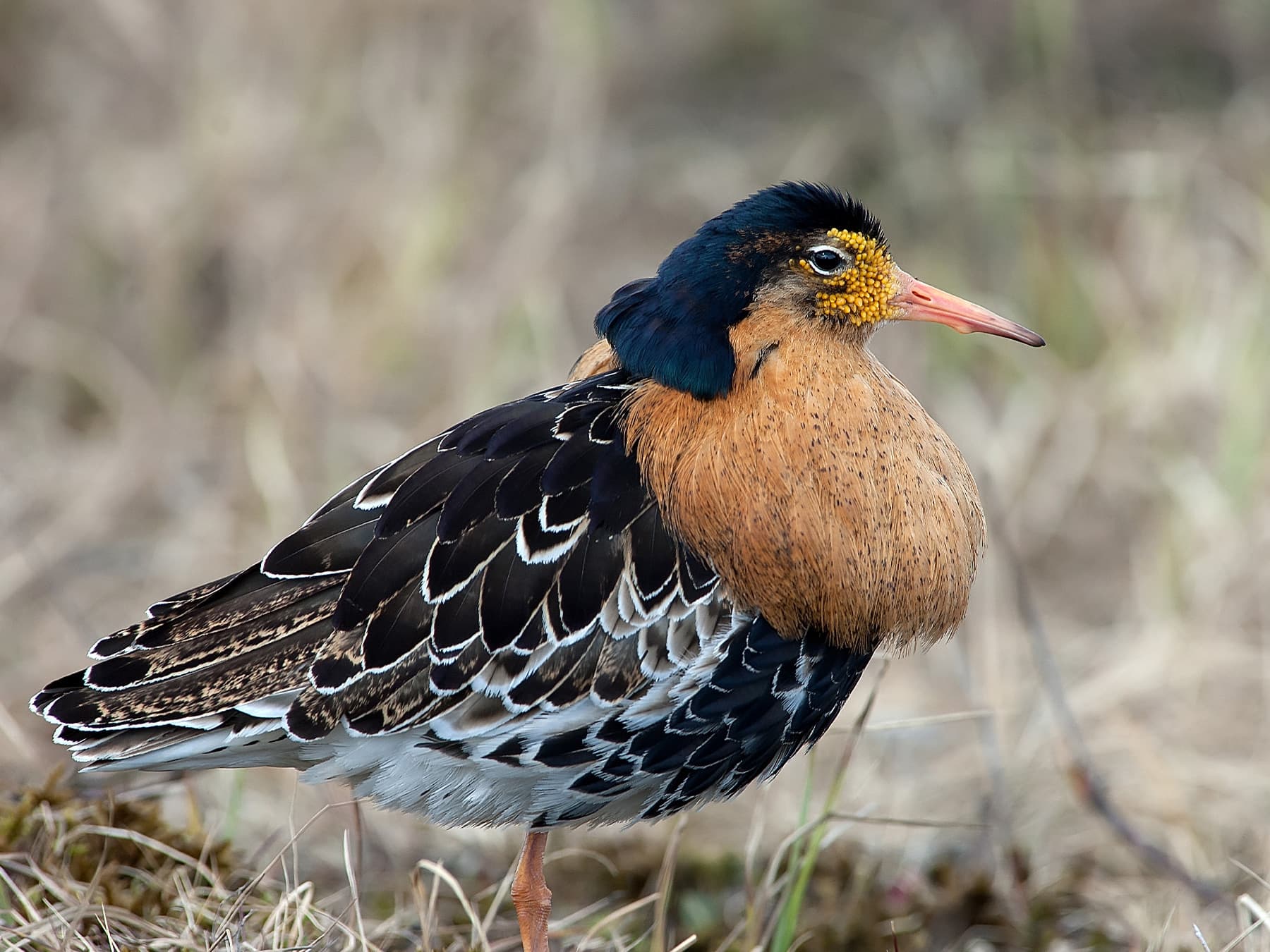
Ruff
Philomachus pugnaxLC
A rare but near year-round visitor to shallow scrapes and flooded fields. Small numbers linger at key wetland reserves along the Trent Valley.
Jul–May
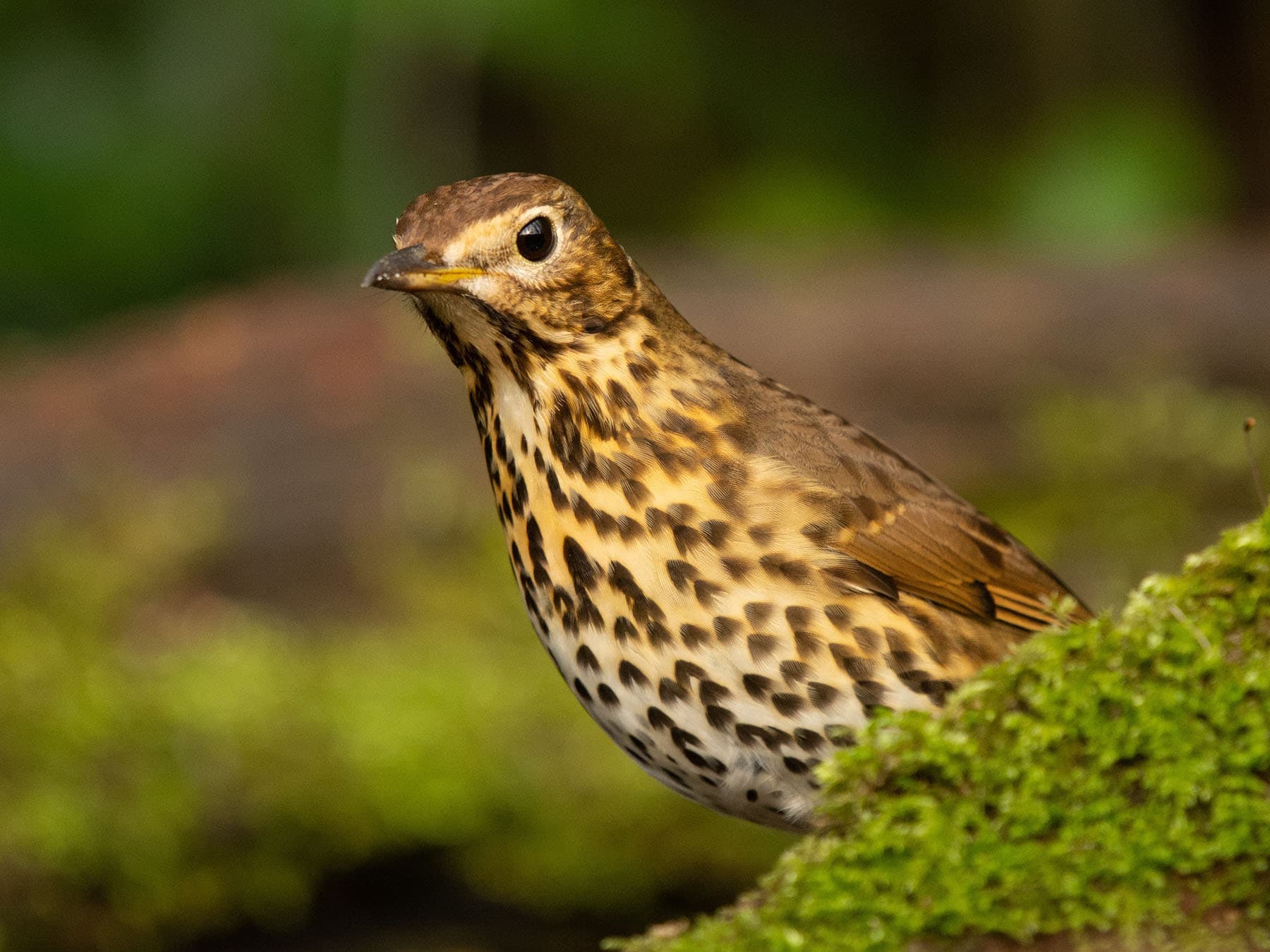
Song Thrush
Turdus philomelosLC
A common year-round resident of gardens, parks, and woodland. Often seen smashing snails on a favourite stone 'anvil'.
Year-round
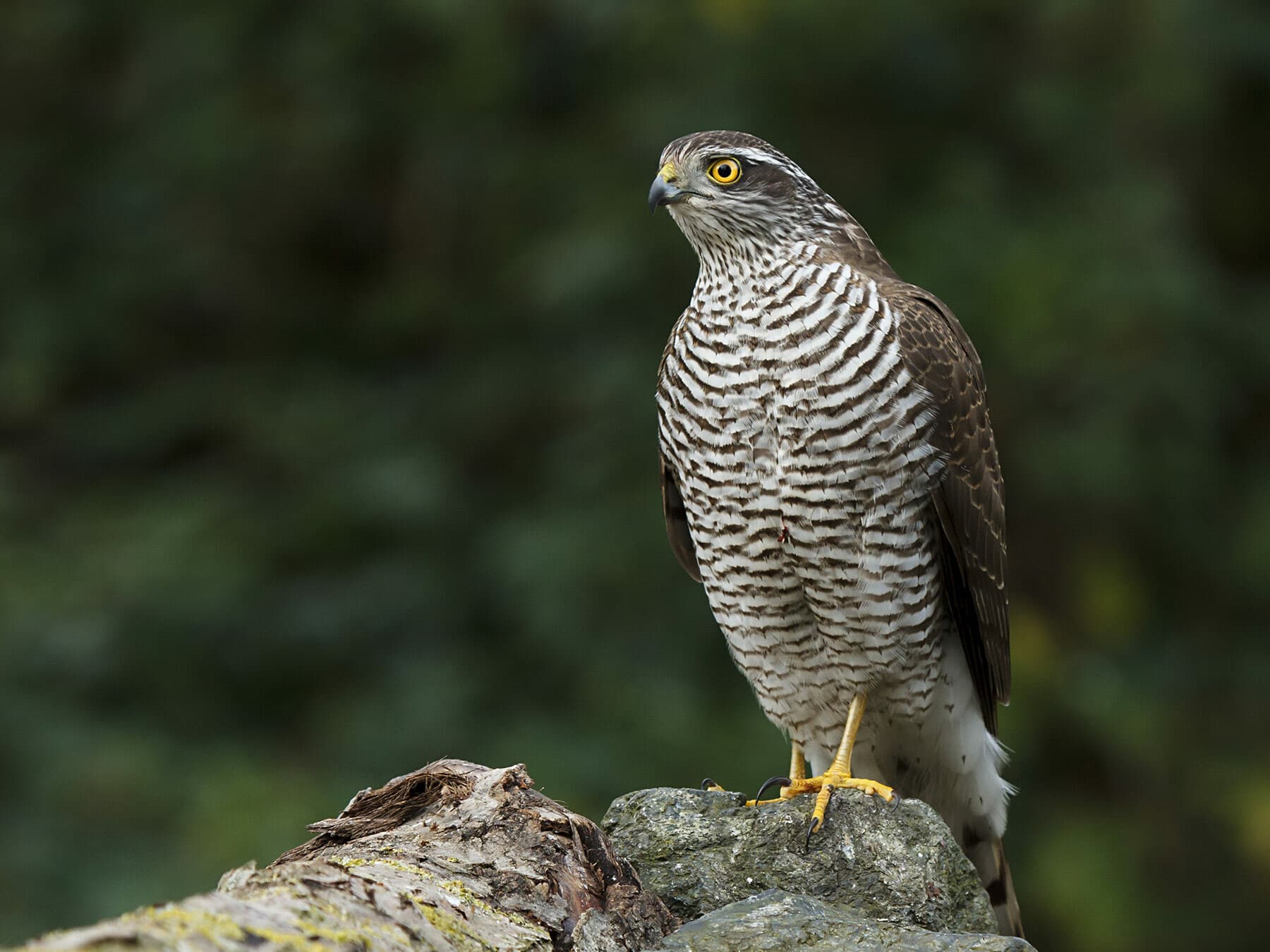
Sparrowhawk
Accipiter nisusLC
A secretive resident of woodlands and suburban gardens, often detected by panicked songbird alarm calls. Hunts along hedgerows and garden bird feeders year-round.
Year-round
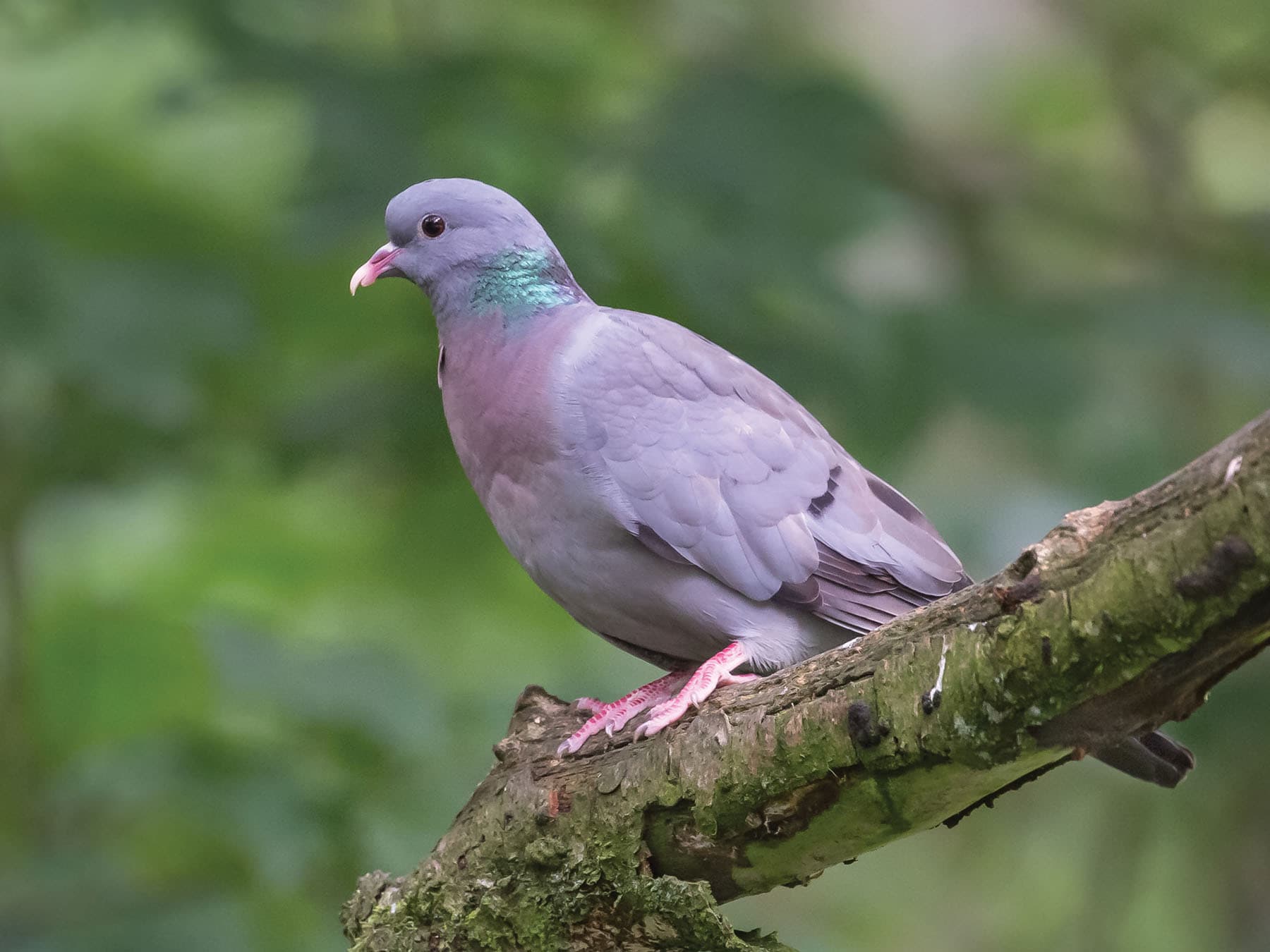
Stock Dove
Columba oenasLC
A common resident found year-round in parkland, mature woodland and farmland with old trees providing nest holes across the county.
Year-round
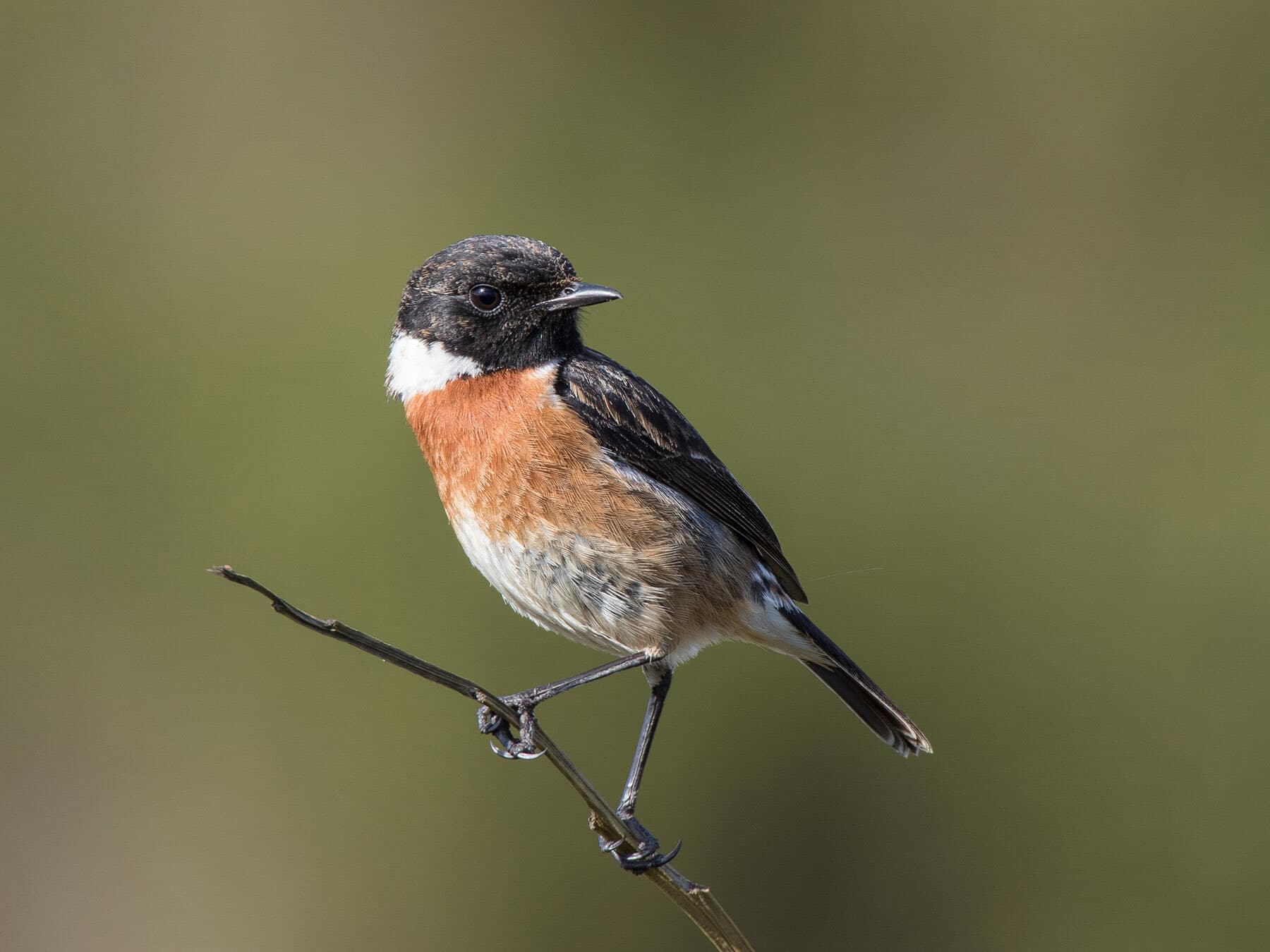
Stonechat
Saxicola torquatusLC
An uncommon resident found year-round on heathland and scrubby margins, often perching prominently on gorse or fence posts.
Year-round
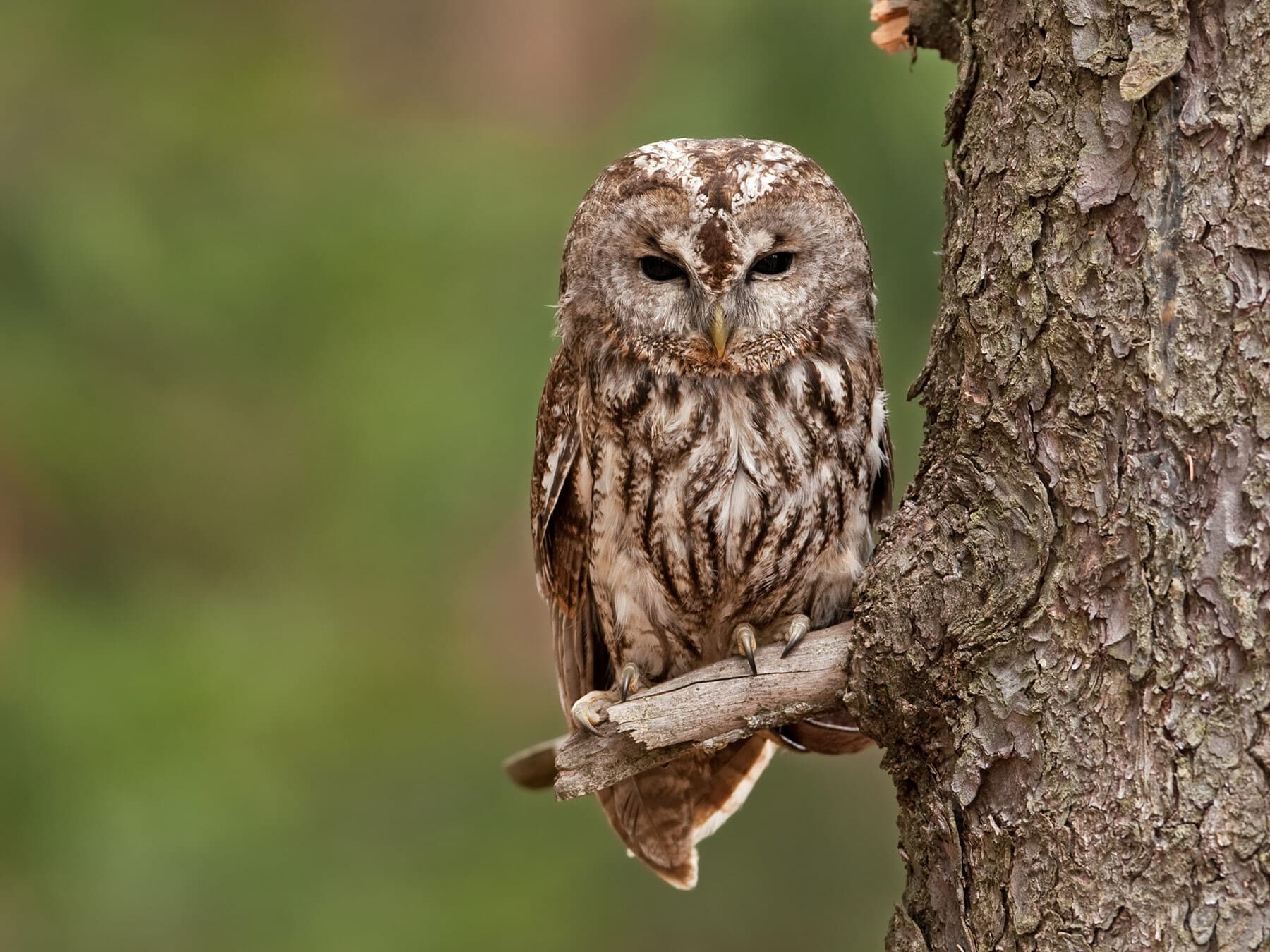
Tawny Owl
Strix alucoLC
A scarce but resident owl of mature woodland, including Sherwood Forest. Its familiar hooting carries through Nottinghamshire's ancient oaks on still nights.
Year-round
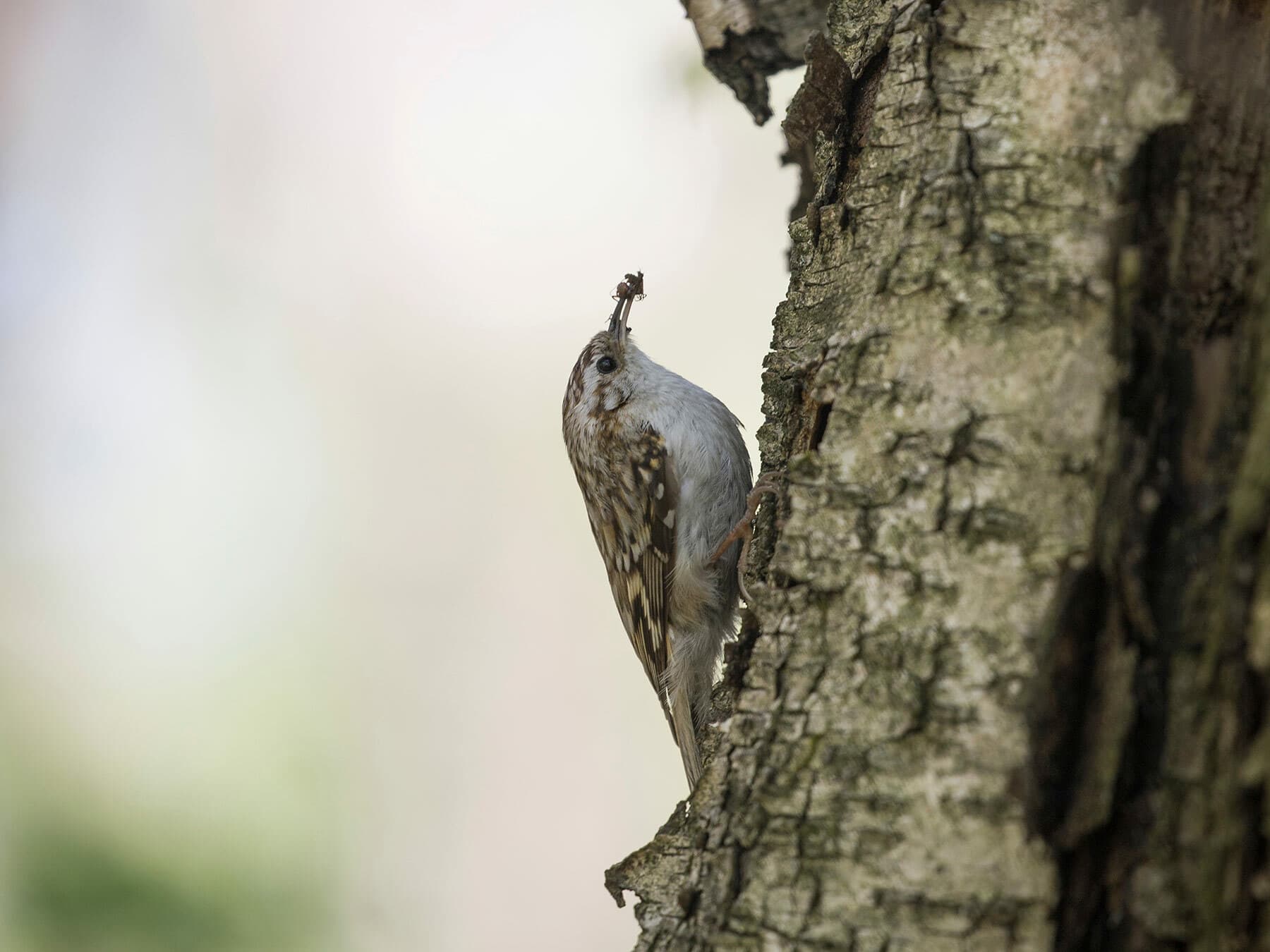
Treecreeper
Certhia familiarisLC
A quiet resident of mature woodland, spiralling up tree trunks in Sherwood Forest and other wooded areas throughout the year.
Year-round
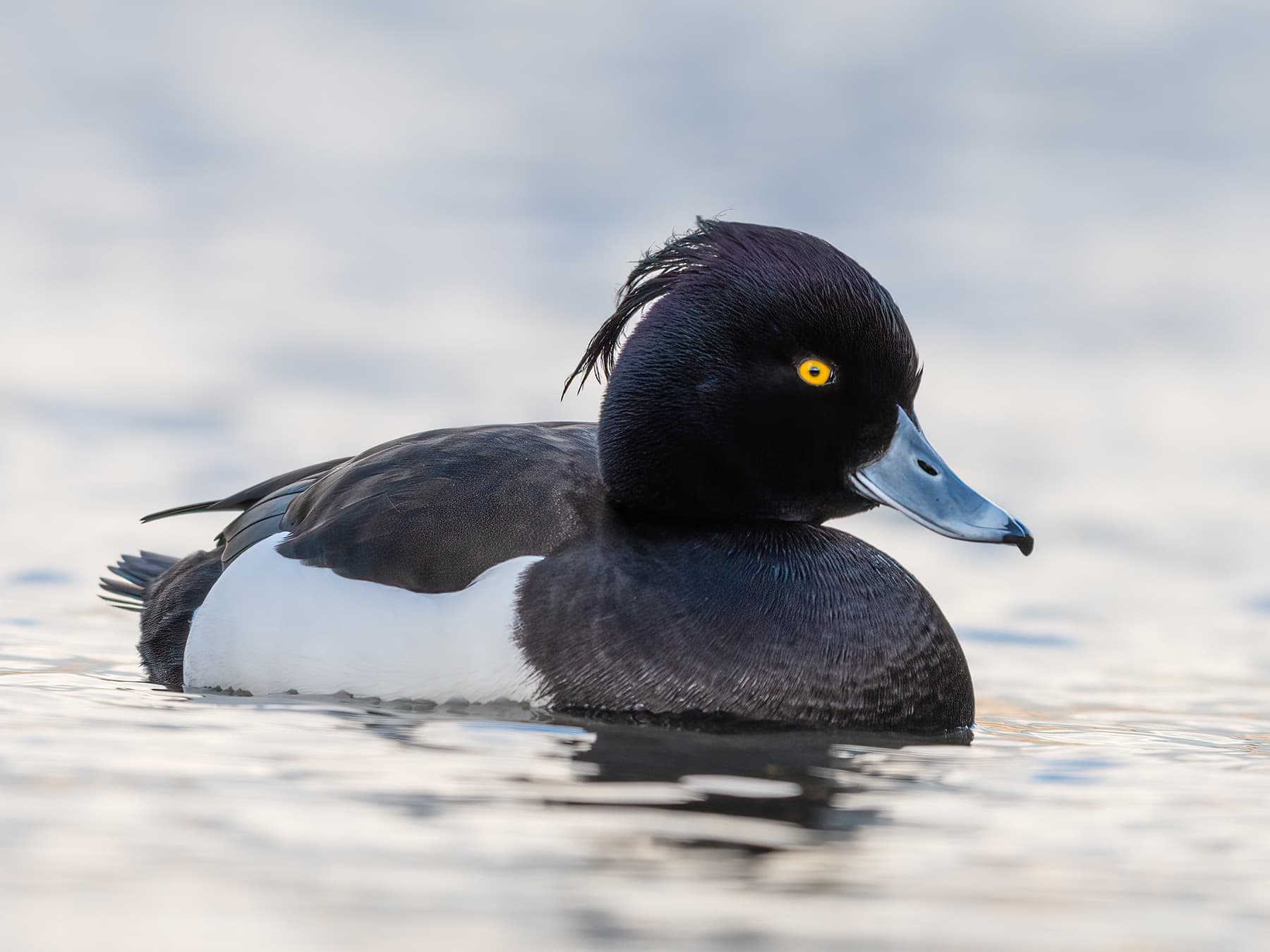
Tufted Duck
Aythya fuligulaLC
A common diving duck found year-round on gravel pits, reservoirs and park lakes, with numbers peaking in winter.
Year-round
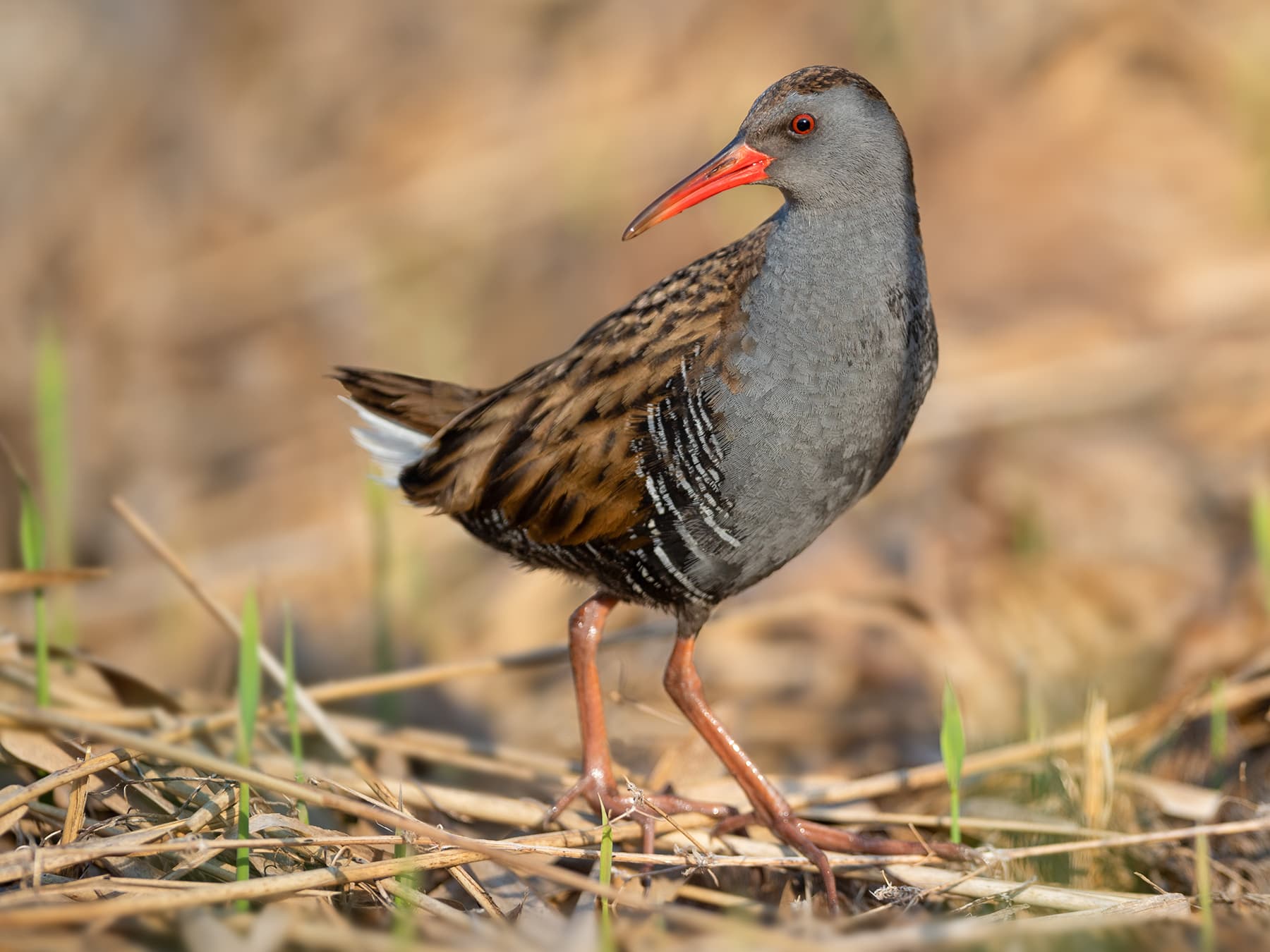
Water Rail
Rallus aquaticusLC
A secretive resident of reedbeds and marshy margins, more often heard squealing than seen. Sites like Attenborough hold birds year-round.
Year-round
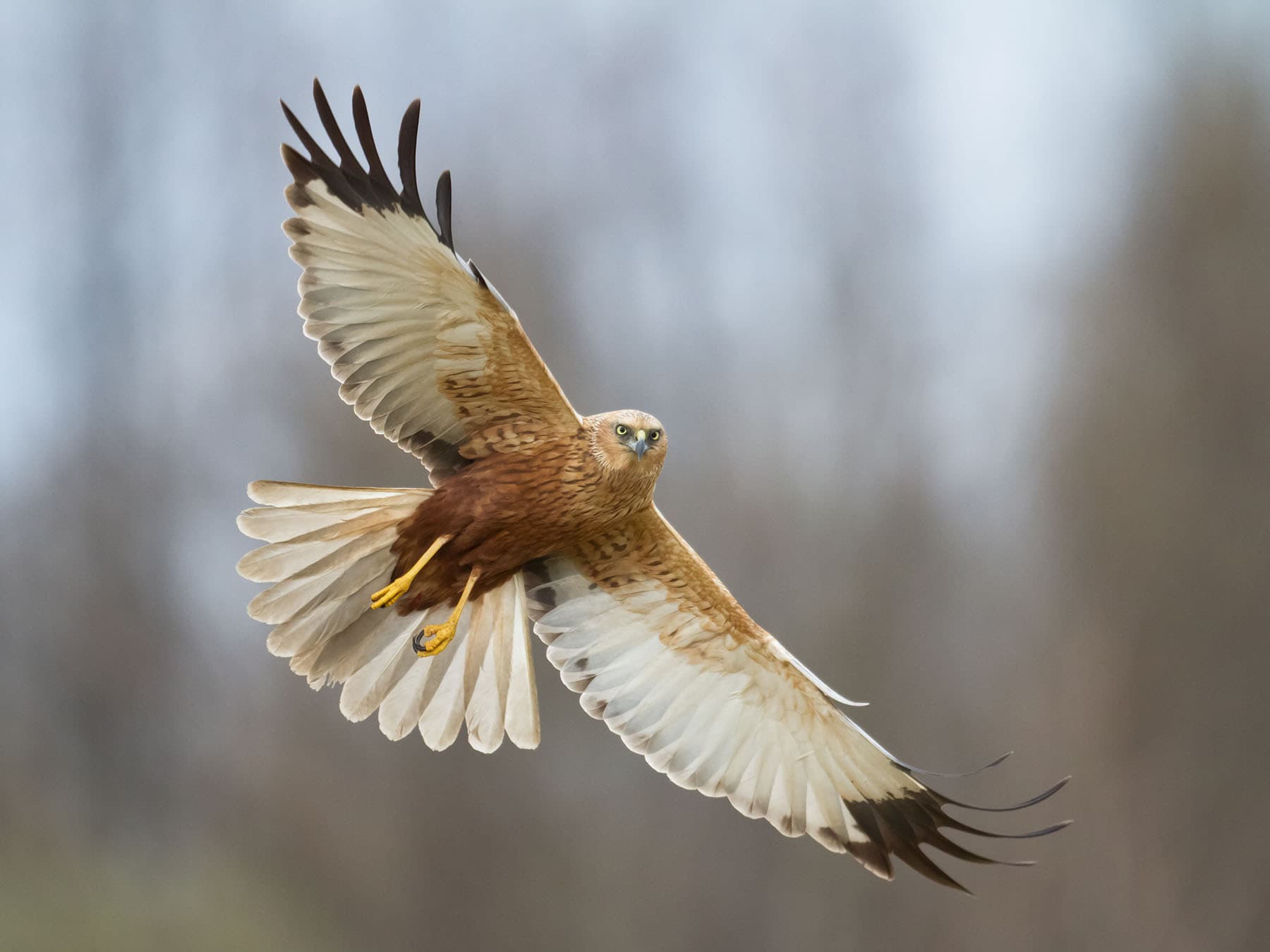
Western Marsh-harrier
Circus aeruginosusLC
A rare but increasing resident, breeding at wetland reserves such as Attenborough and Idle Valley with their extensive reedbeds.
Year-round
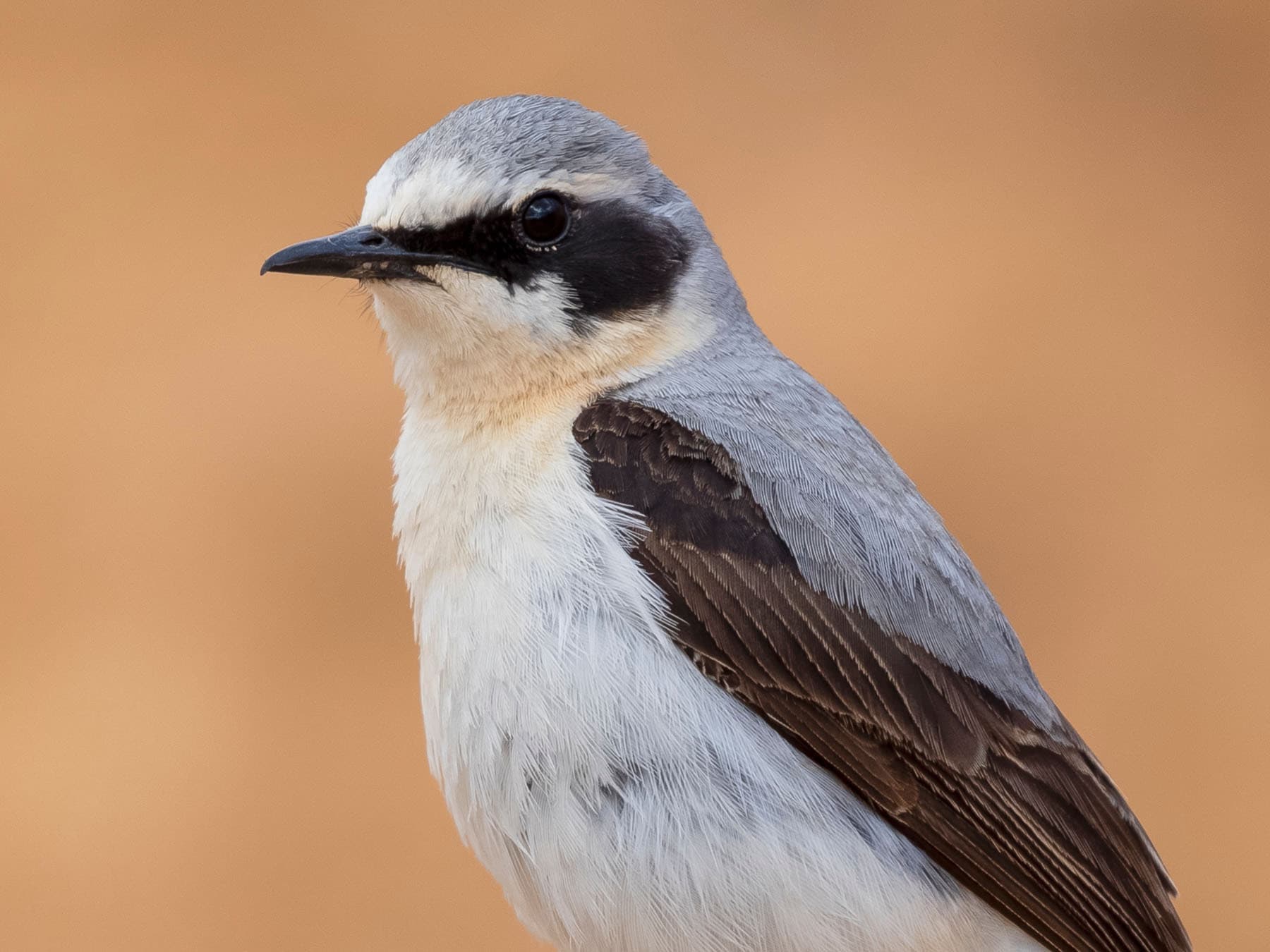
Wheatear
Oenanthe oenantheLC
A rare passage visitor seen on open farmland and gravel pits in spring and autumn, rarely lingering long.
Mar–Sep
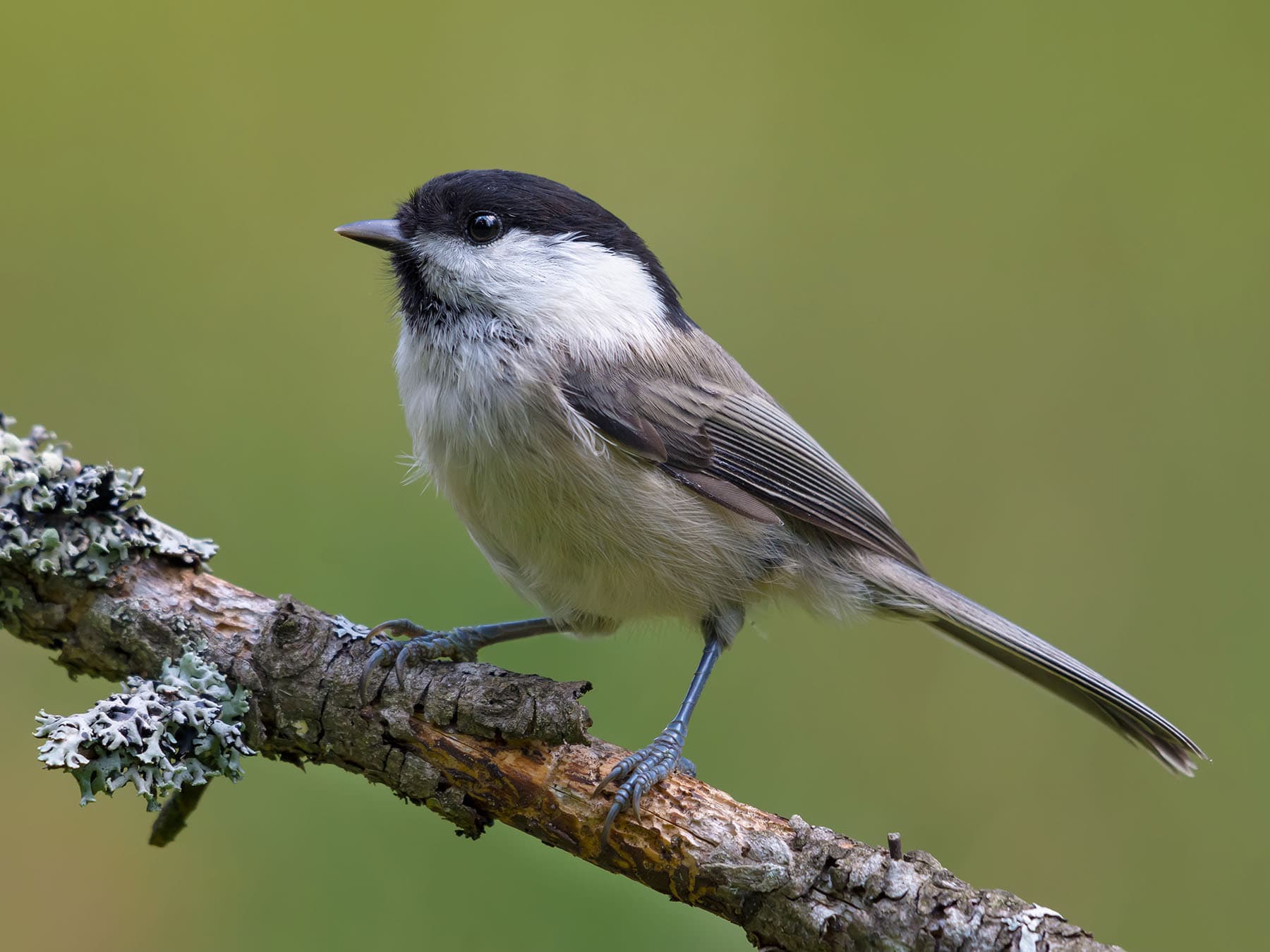
Willow Tit
Poecile montanusLC
A rare and rapidly declining resident of damp woodland with standing deadwood. One of the UK's most threatened species; Nottinghamshire is a stronghold.
Year-round
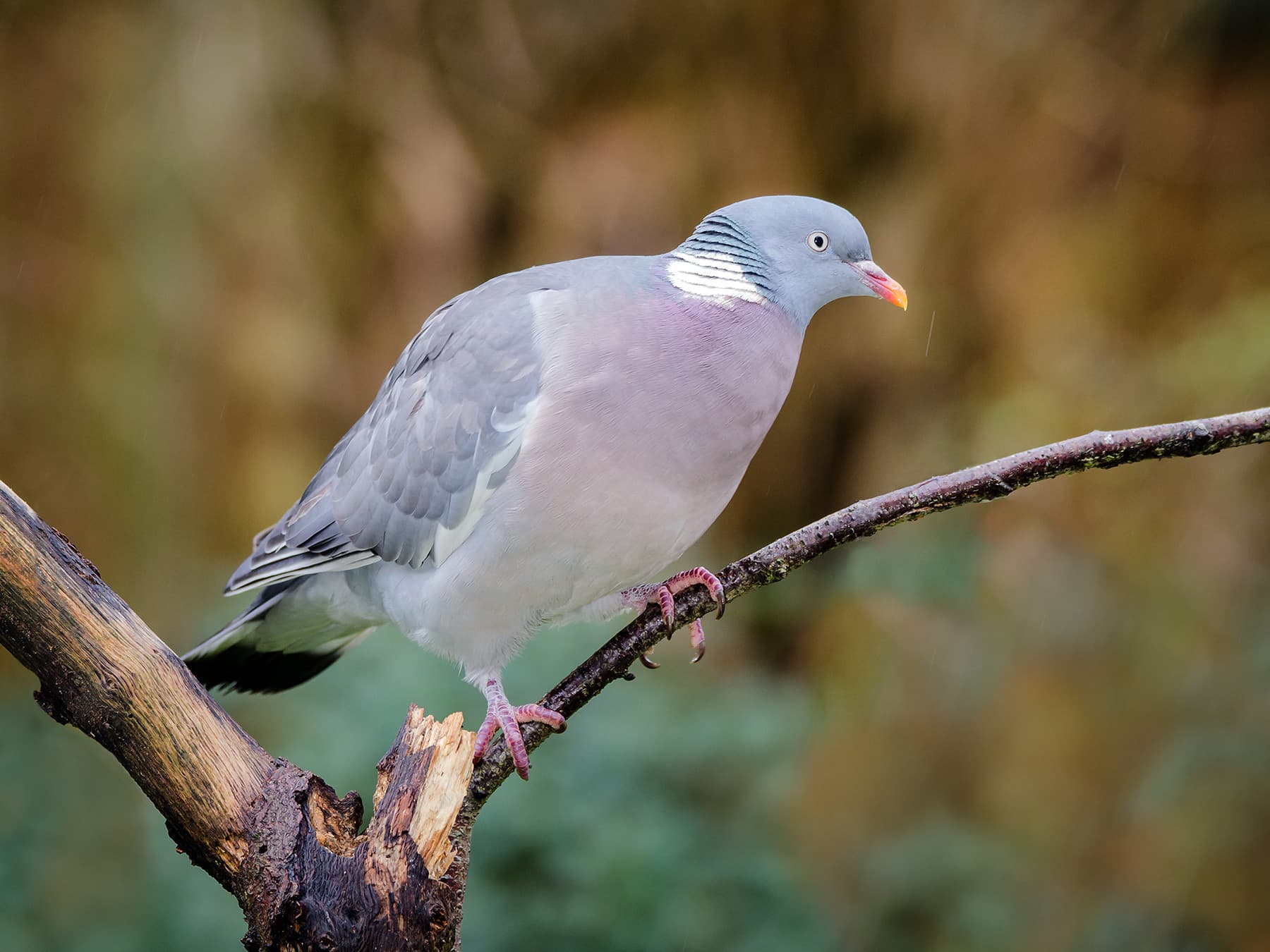
Woodpigeon
Columba palumbusLC
An abundant resident found in virtually every habitat from city centres to farmland. Numbers peak in autumn.
Year-round
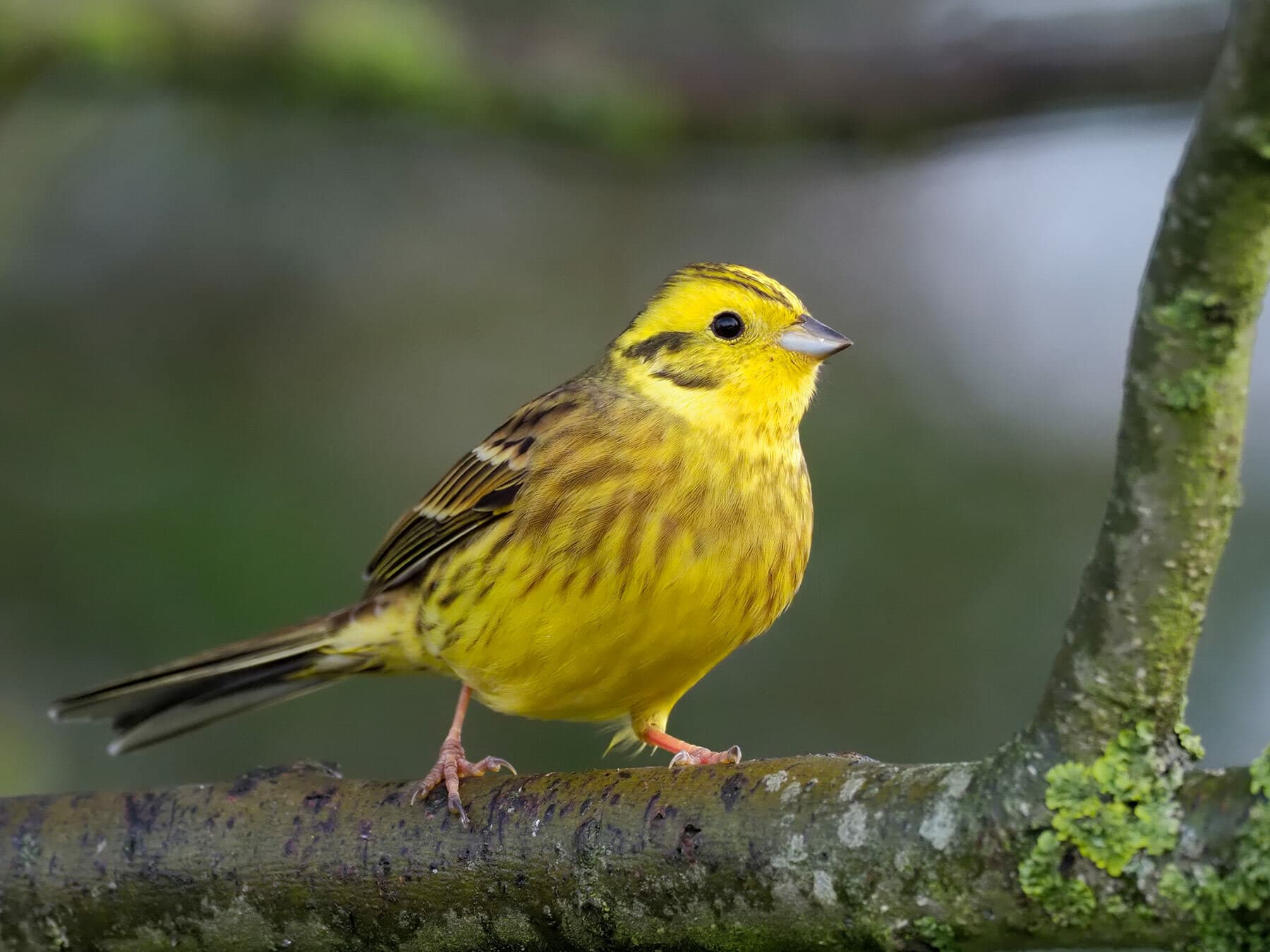
Yellowhammer
Emberiza citrinellaLC
A year-round resident of farmland hedgerows, though declining. Listen for its distinctive 'a-little-bit-of-bread-and-no-cheese' song.
Year-round
Breeding
(8)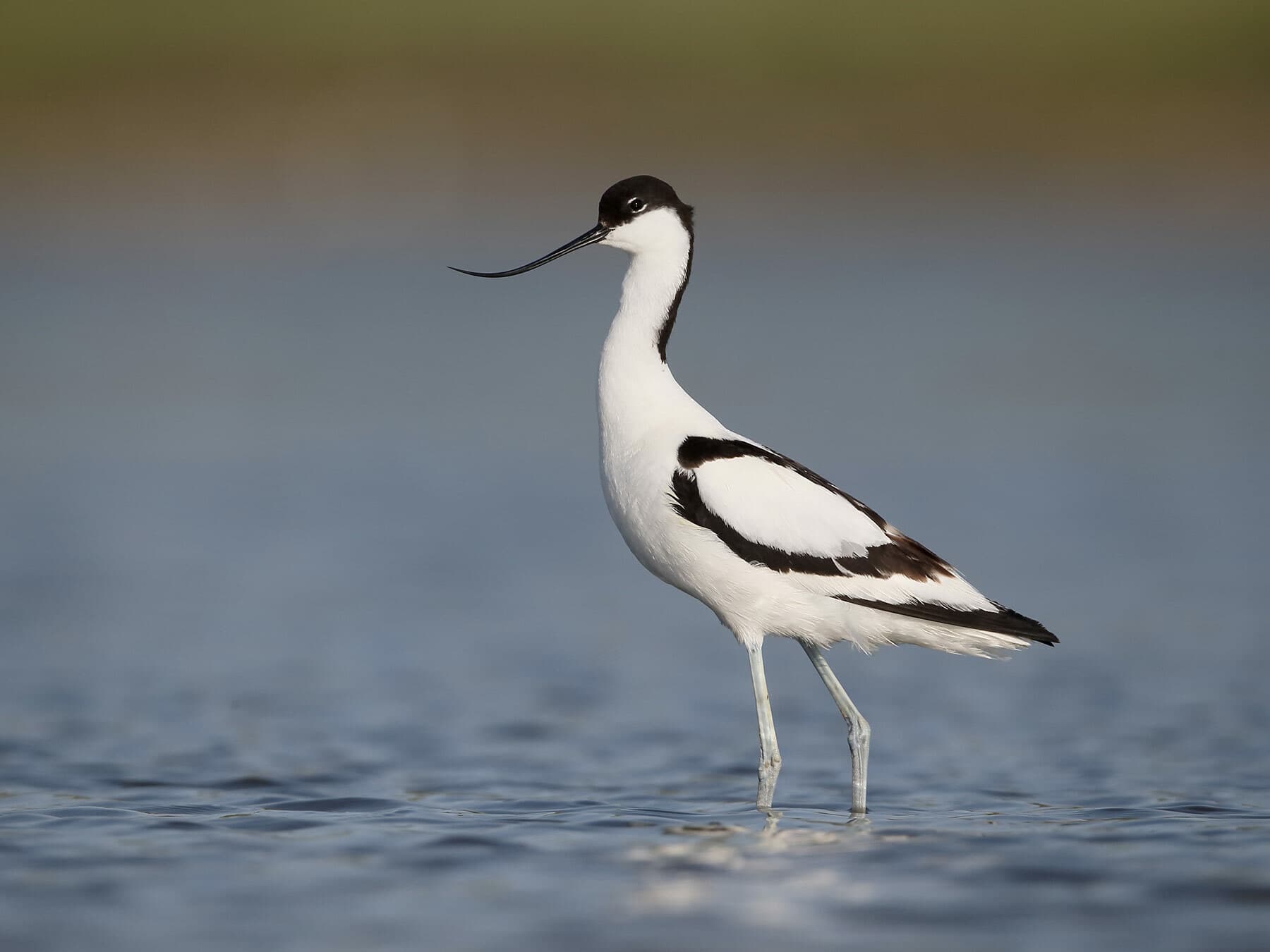
Avocet
Recurvirostra avosettaLC
An uncommon breeder present from March to August, nesting at wetland reserves such as Langford Lowfields and Attenborough.
Mar–Aug
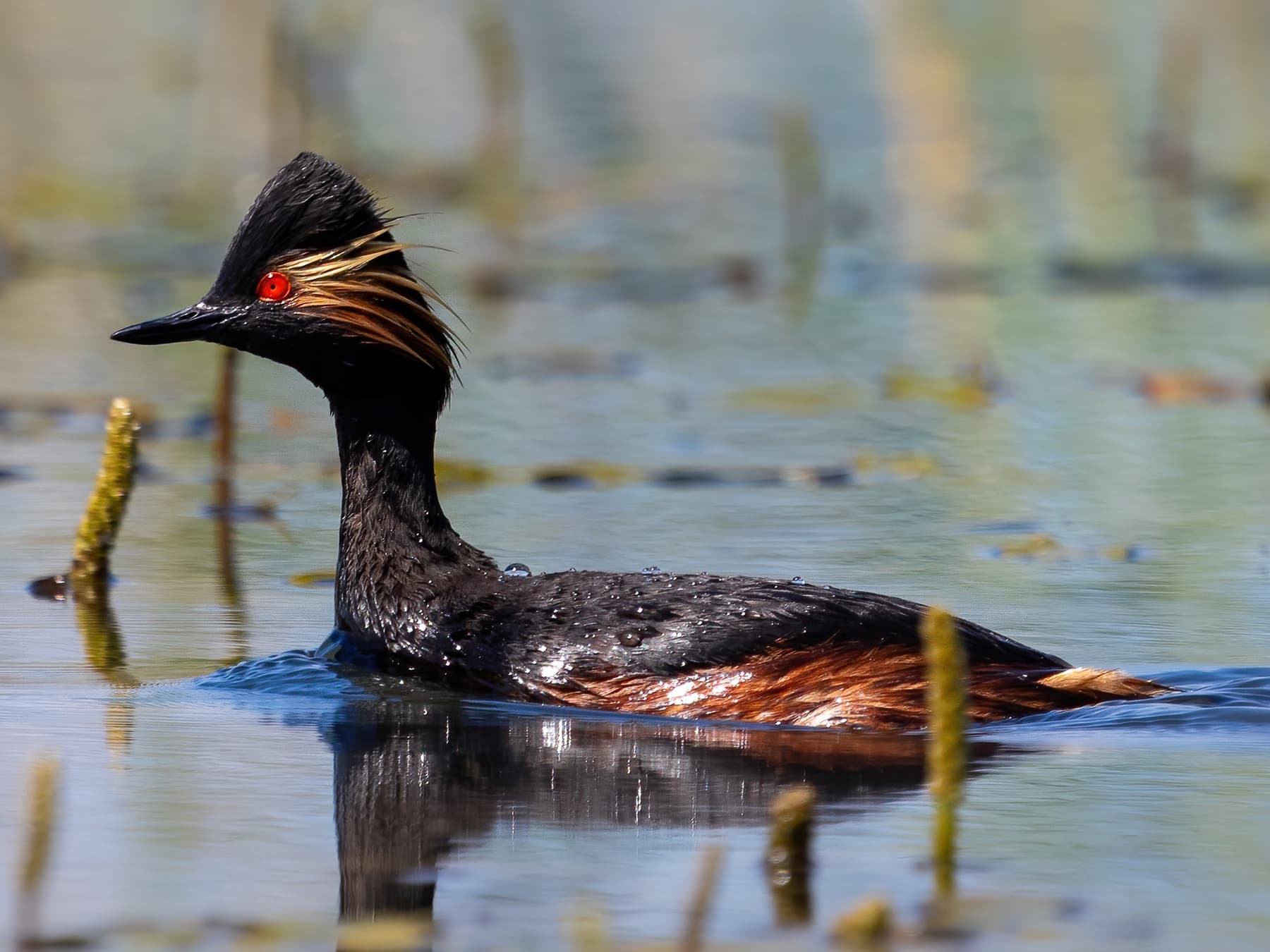
Black-necked Grebe
Podiceps nigricollisLC
A rare breeder present from March to October at sheltered lakes and gravel pits, with Attenborough a favoured site.
Mar–Oct
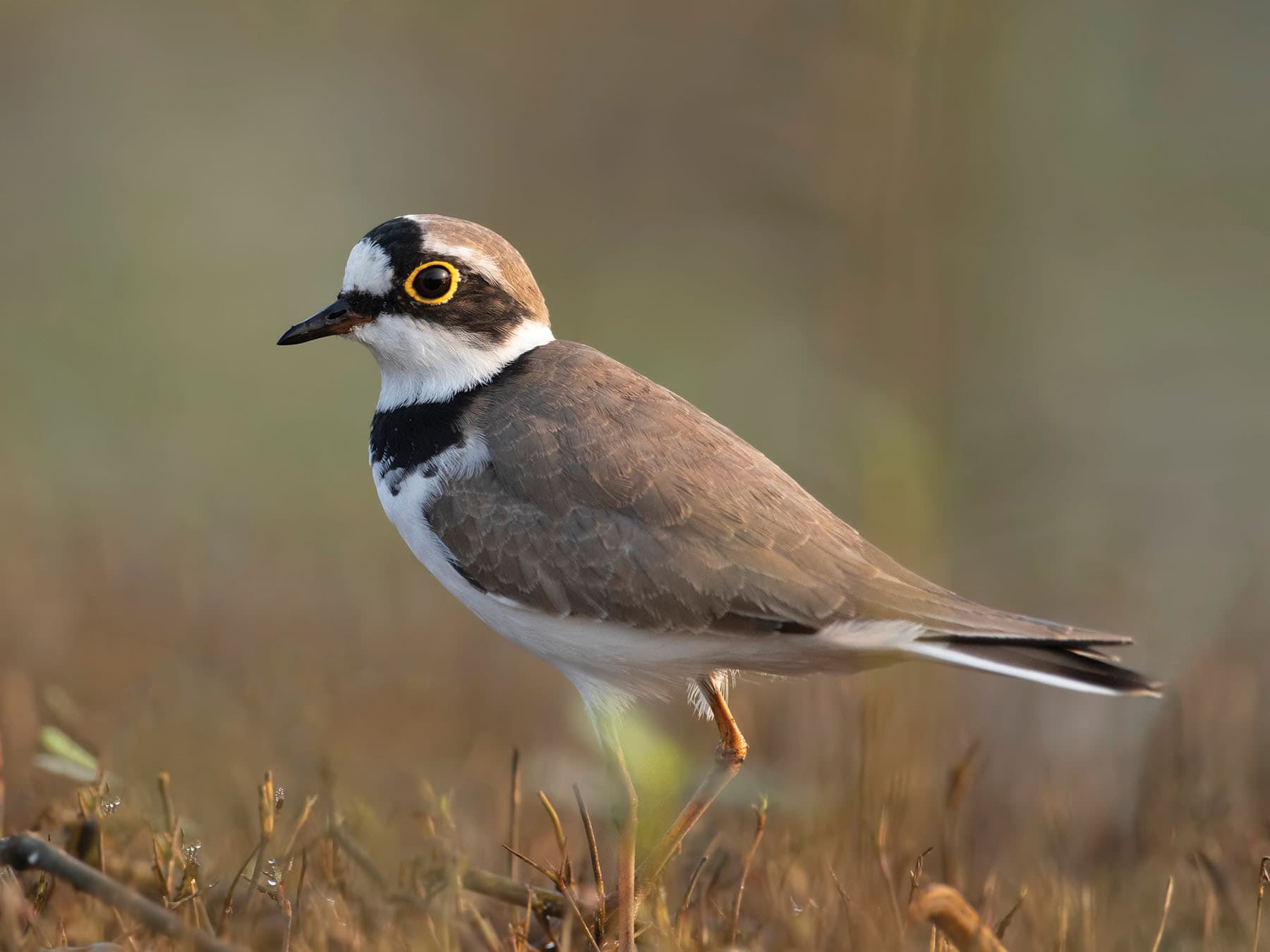
Little Ringed Plover
Charadrius dubiusLC
An uncommon summer breeder, nesting on bare ground at gravel pits and construction sites. Arrives in March and departs by September.
Mar–Sep
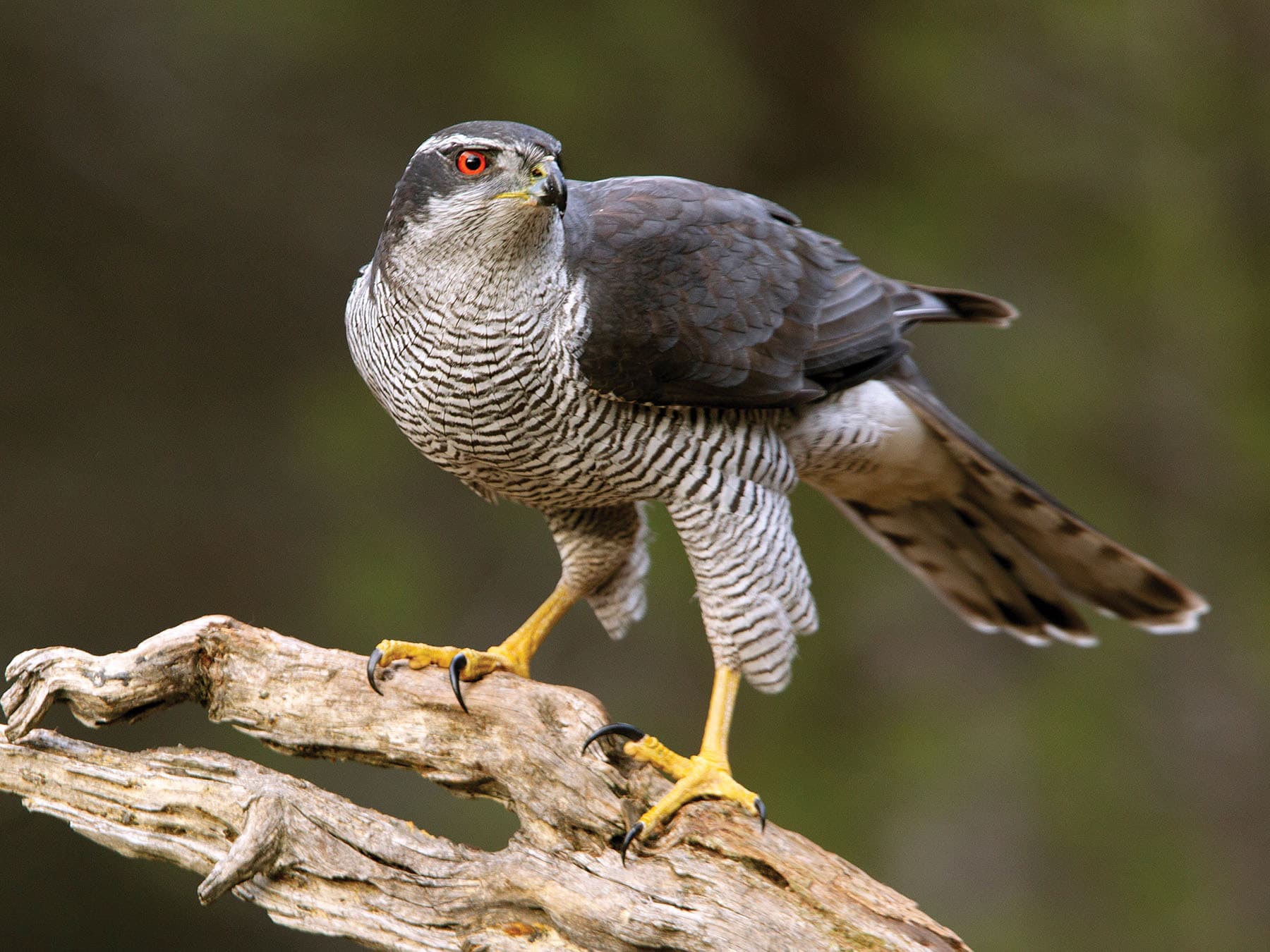
Northern Goshawk
Accipiter gentilisLC
A rare breeding raptor centred on large woodland blocks such as Sherwood Forest. Secretive but increasingly established.
Feb–Aug
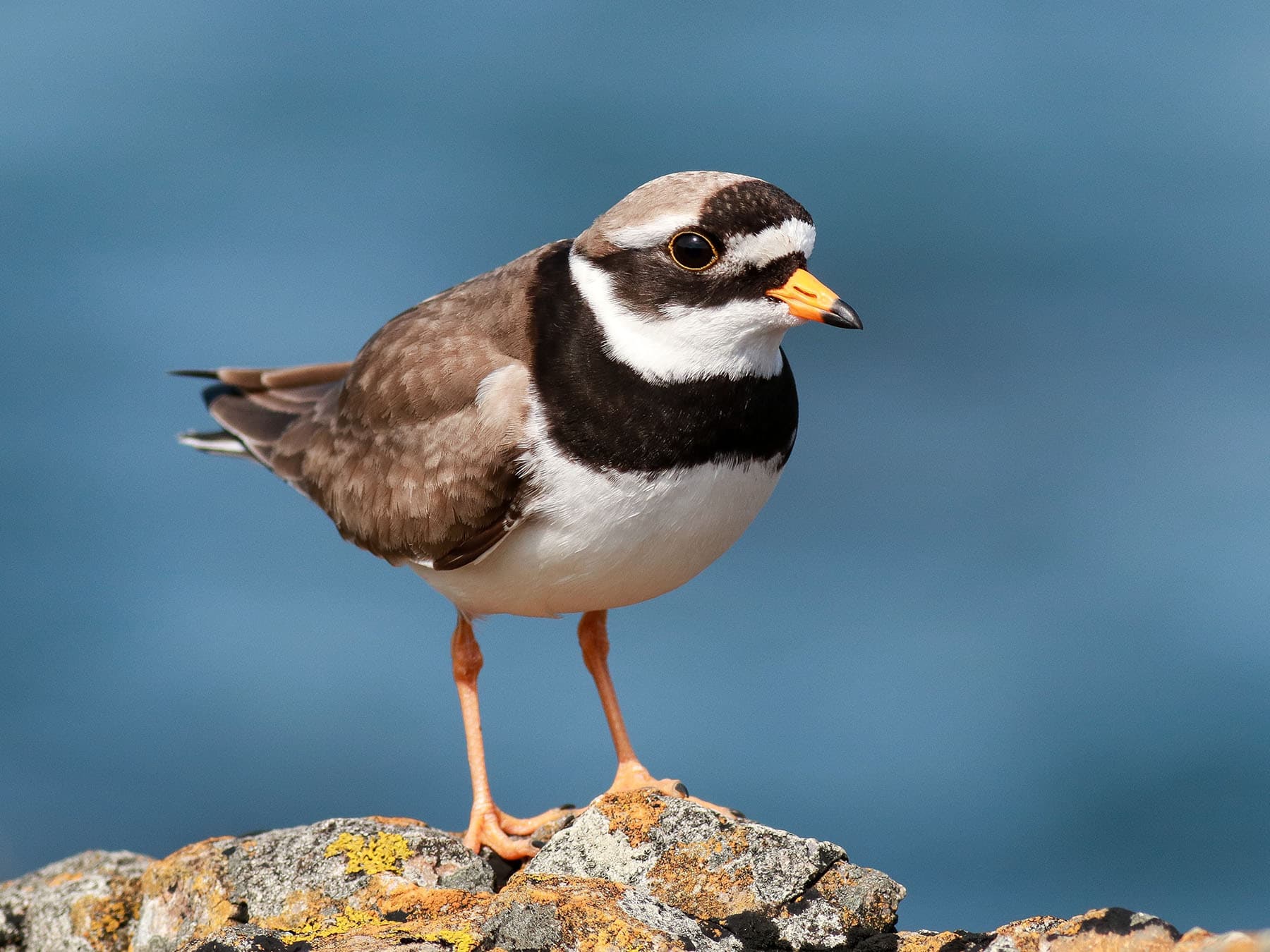
Ringed Plover
Charadrius hiaticulaLC
A rare breeding bird on bare gravel and reservoir margins, with small numbers on passage at wetland sites from March to October.
Mar–Oct
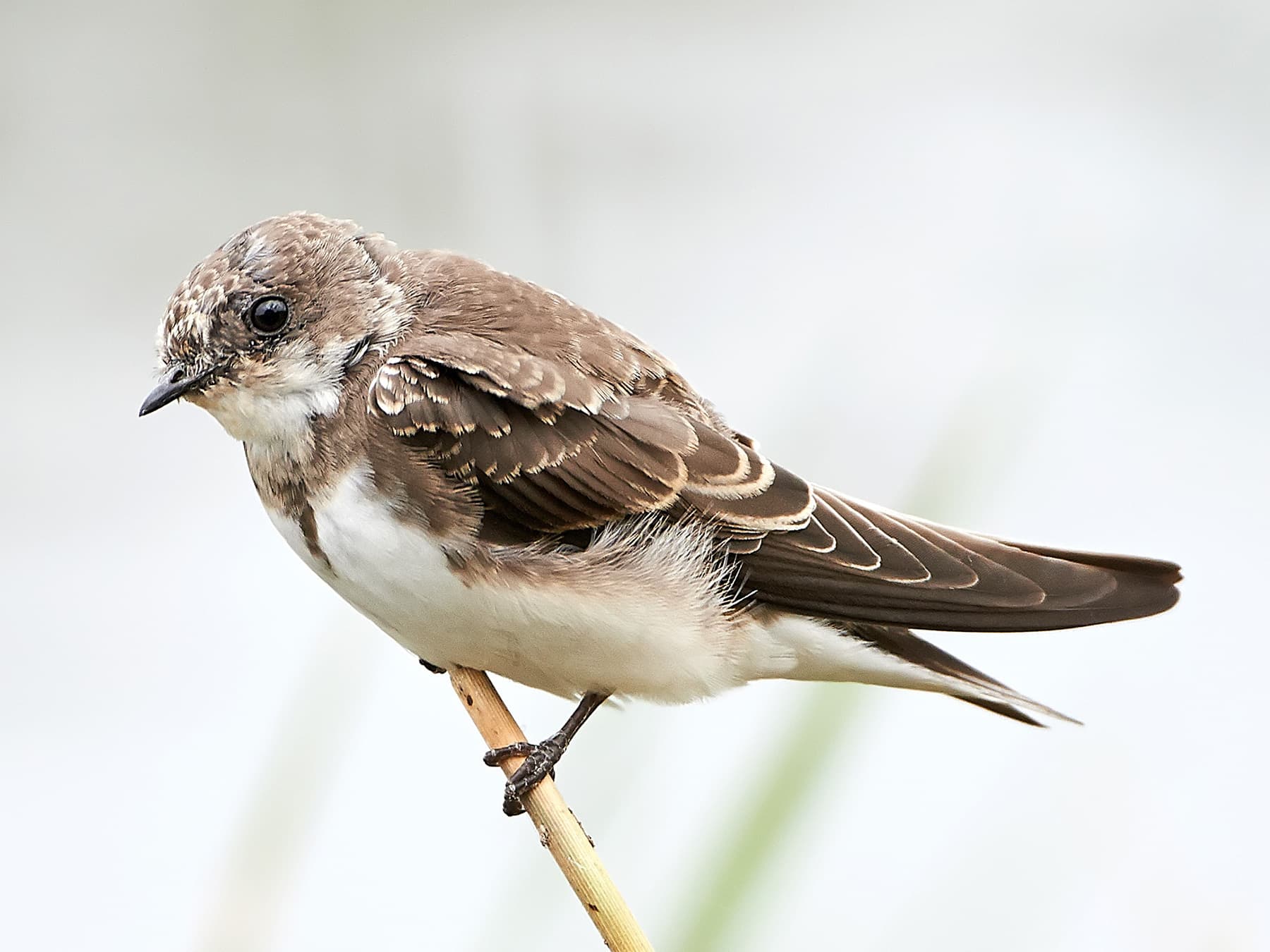
Sand Martin
Riparia ripariaLC
A common summer visitor breeding colonially in sandy riverbanks and quarry faces along the Trent valley, arriving from March.
Mar–Sep
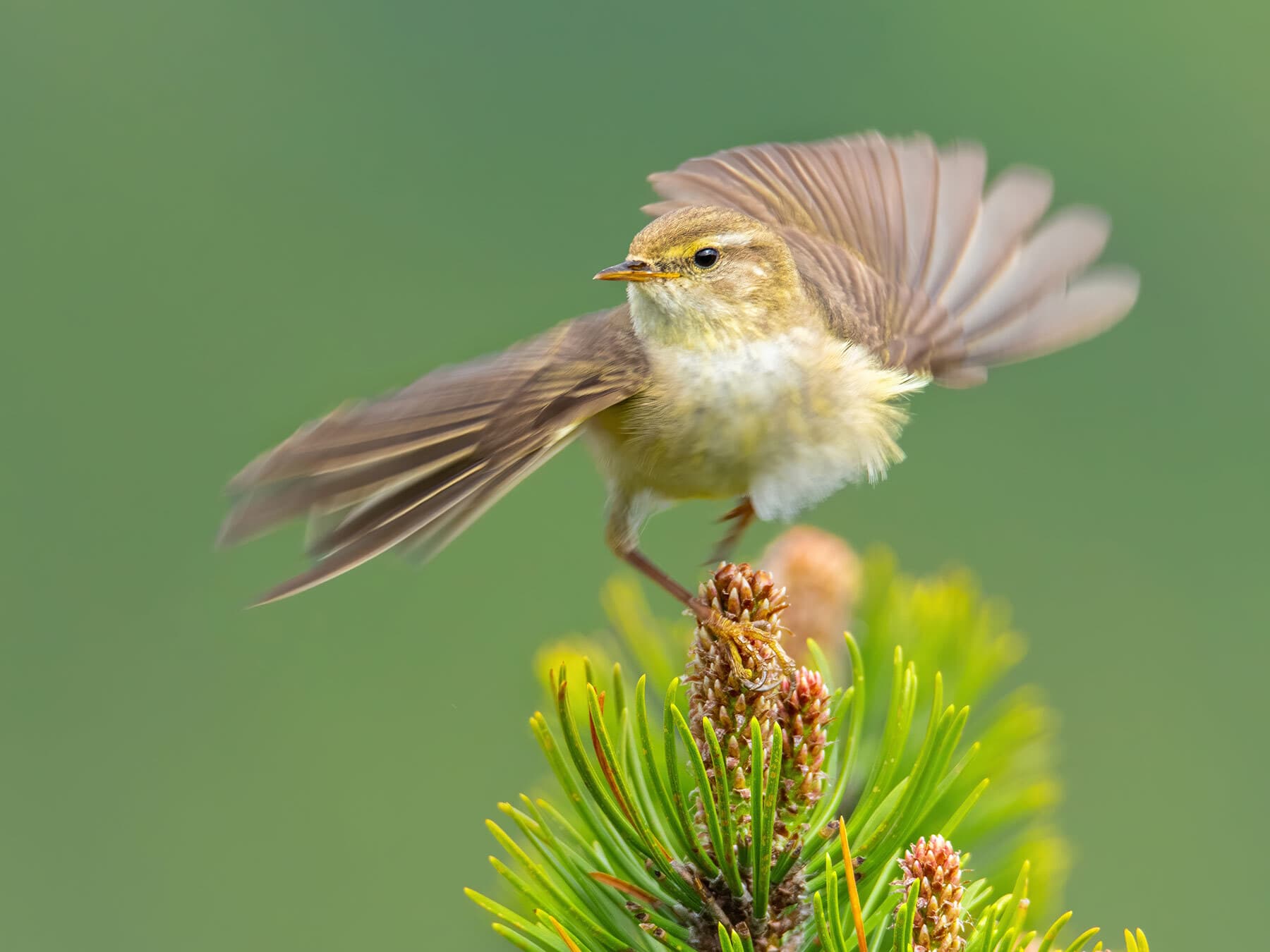
Willow Warbler
Phylloscopus trochilusLC
A common summer breeder arriving from March, filling woodlands and scrub with its sweet descending song. Favours birch and willow at heathland edges.
Mar–Oct
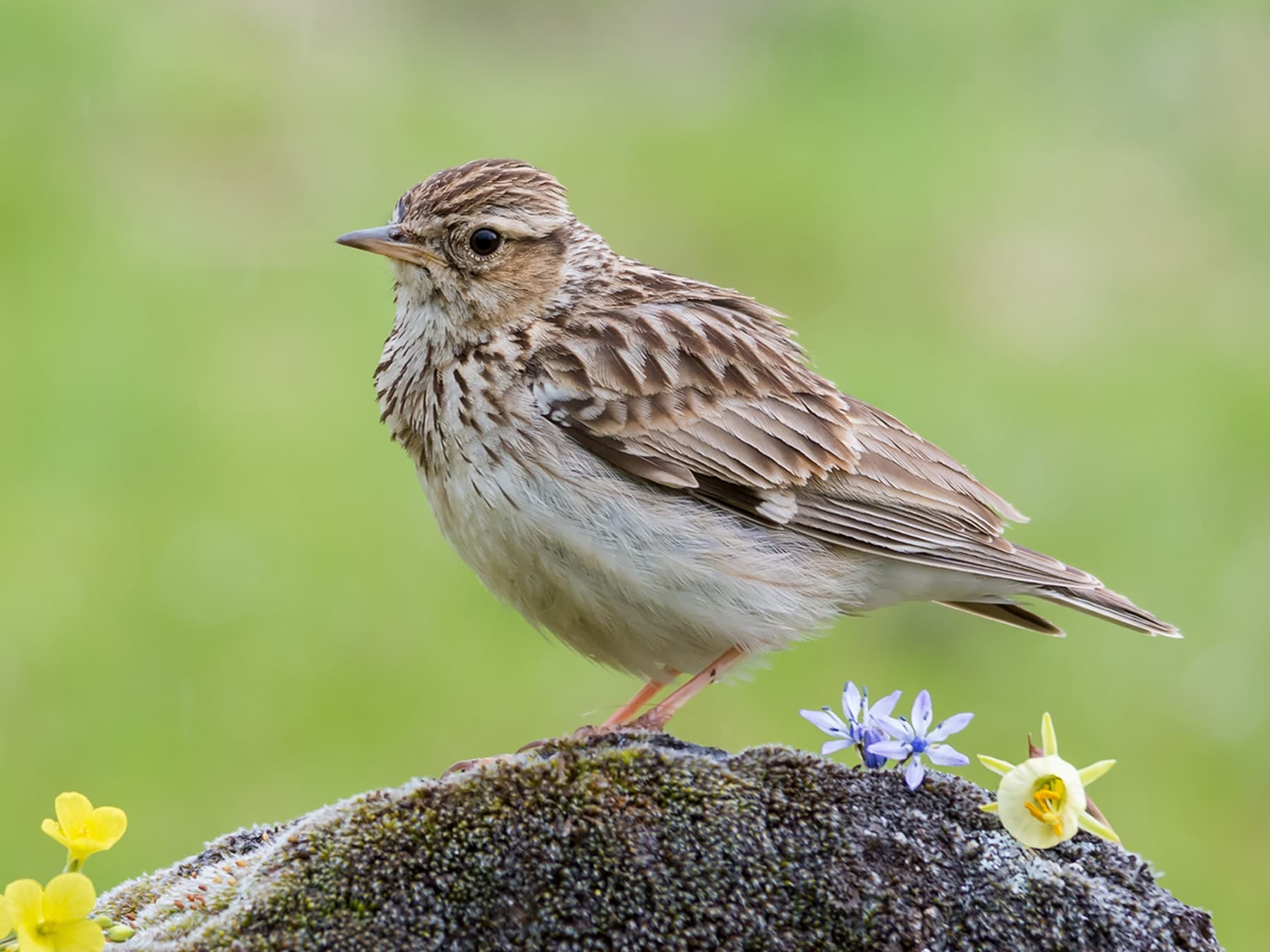
Woodlark
Lullula arboreaLC
A rare breeding visitor to heathland areas, arriving from February. Sherwood's sandy heaths offer scarce but suitable habitat.
Feb–Jul
Non-breeding
(11)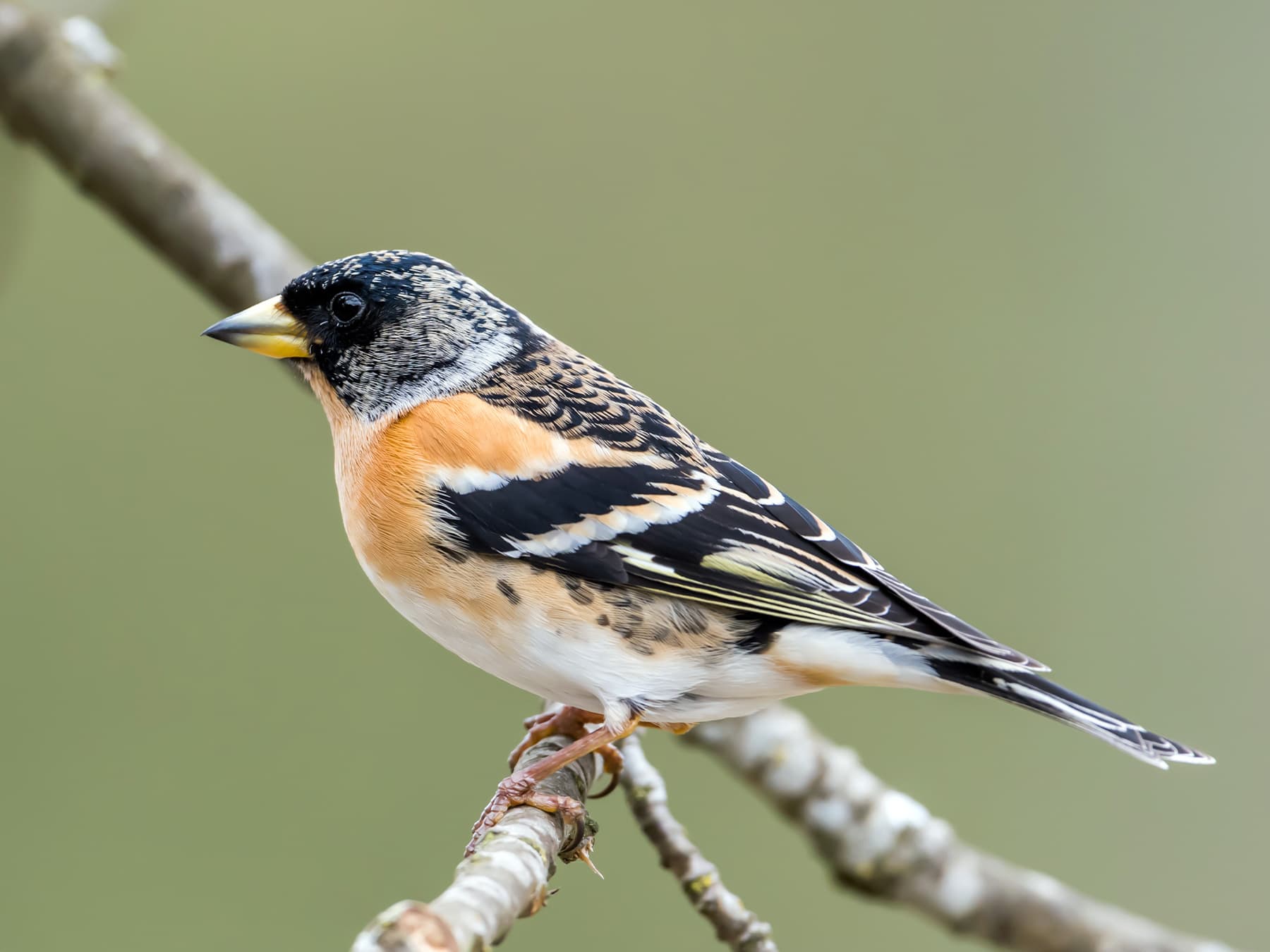
Brambling
Fringilla montifringillaLC
A rare winter visitor from Scandinavia, sometimes joining Chaffinch flocks in beech woodland and farmland. Numbers vary greatly between years.
Oct–Apr
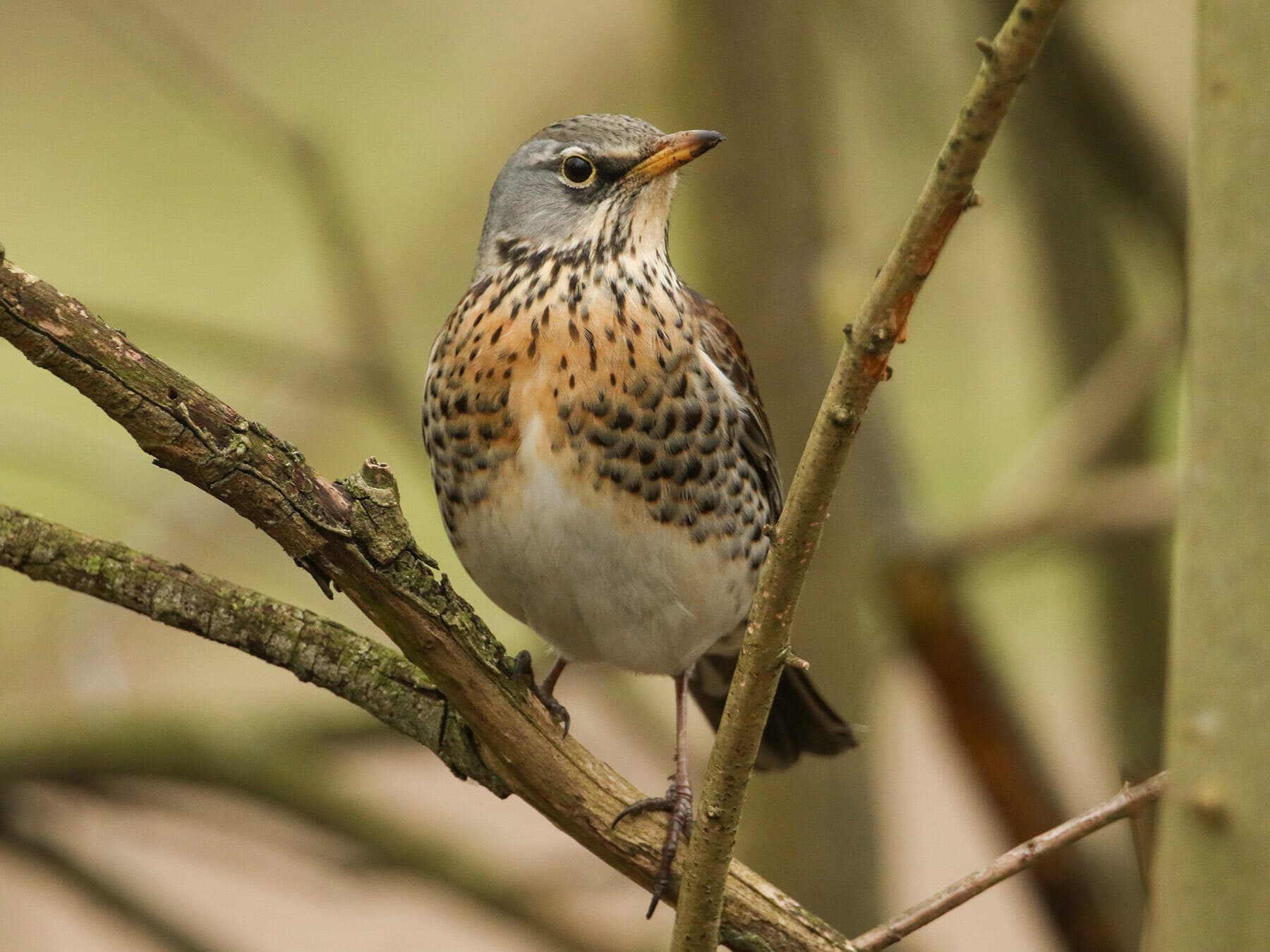
Fieldfare
Turdus pilarisLC
A common winter thrush, arriving from Scandinavia in October and foraging in flocks across farmland hedgerows and berry-laden hawthorns until spring.
Oct–Apr
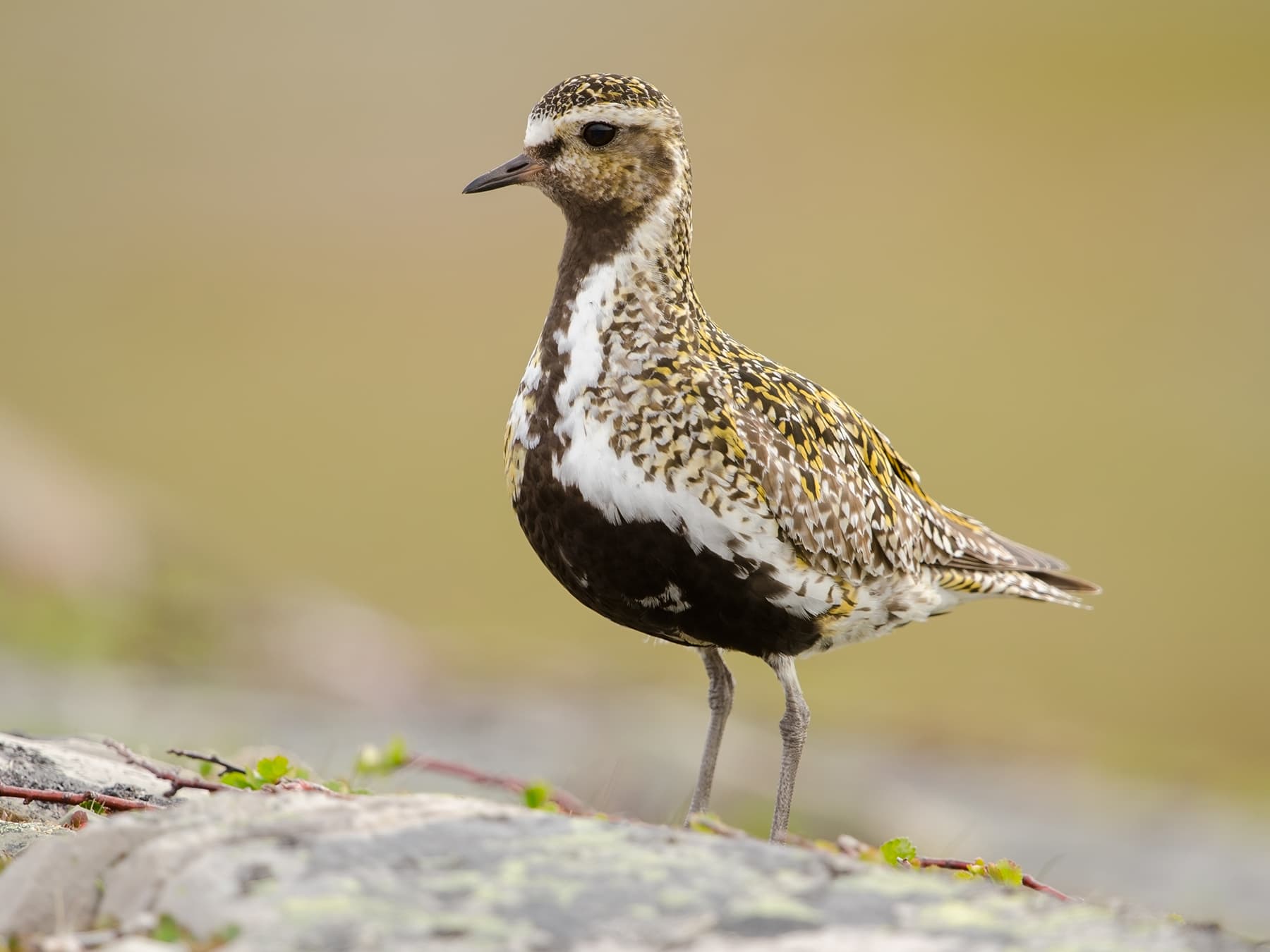
Golden Plover
Pluvialis apricariaLC
A rare non-breeding visitor forming flocks on arable fields and wet grassland from autumn through winter, often alongside lapwings.
Sep–Mar
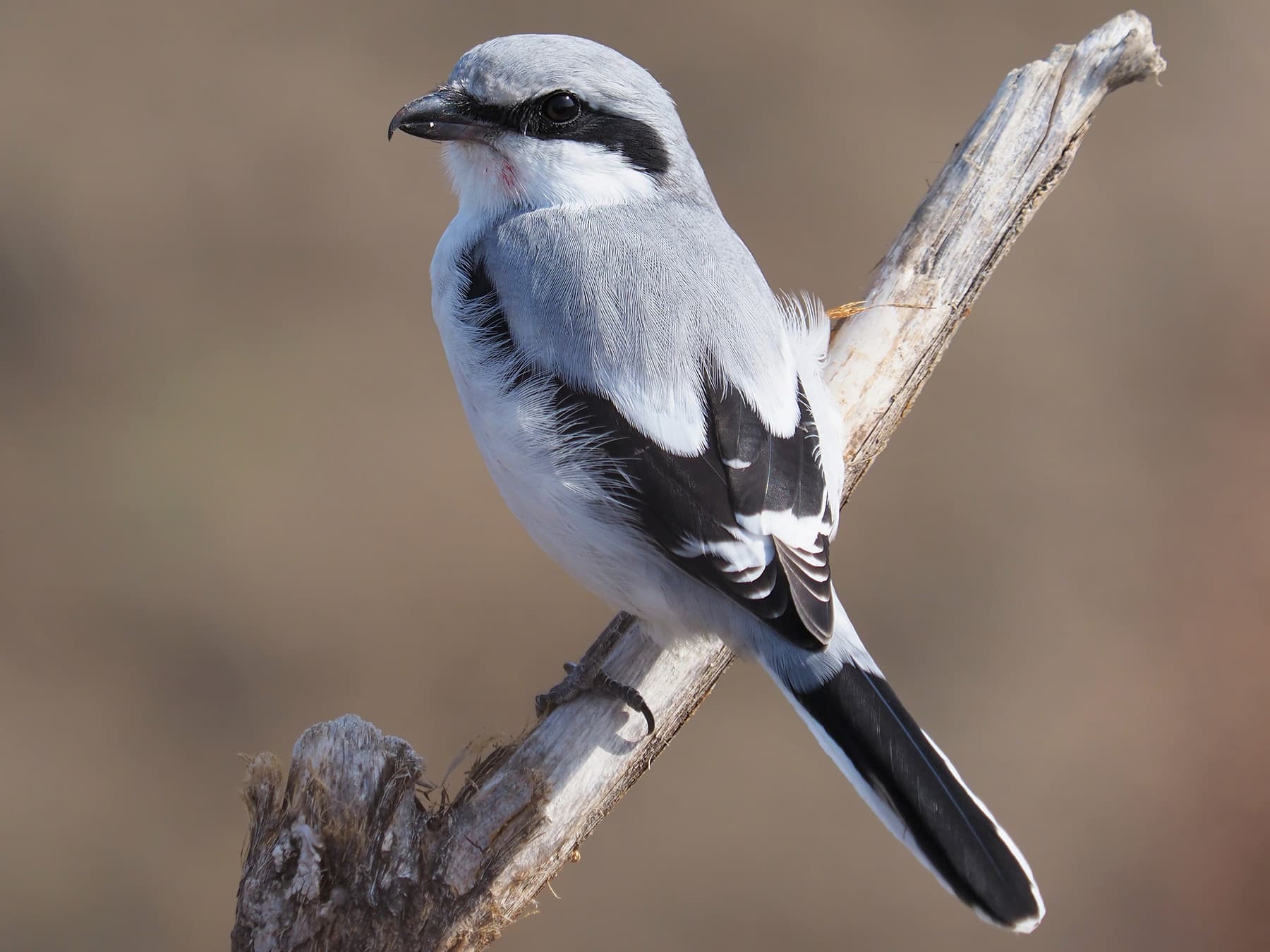
Great Grey Shrike
Lanius excubitorLC
A rare winter visitor, occasionally turning up on heathland and scrubby edges. Most records fall in late autumn and early spring on passage.
Nov–Mar
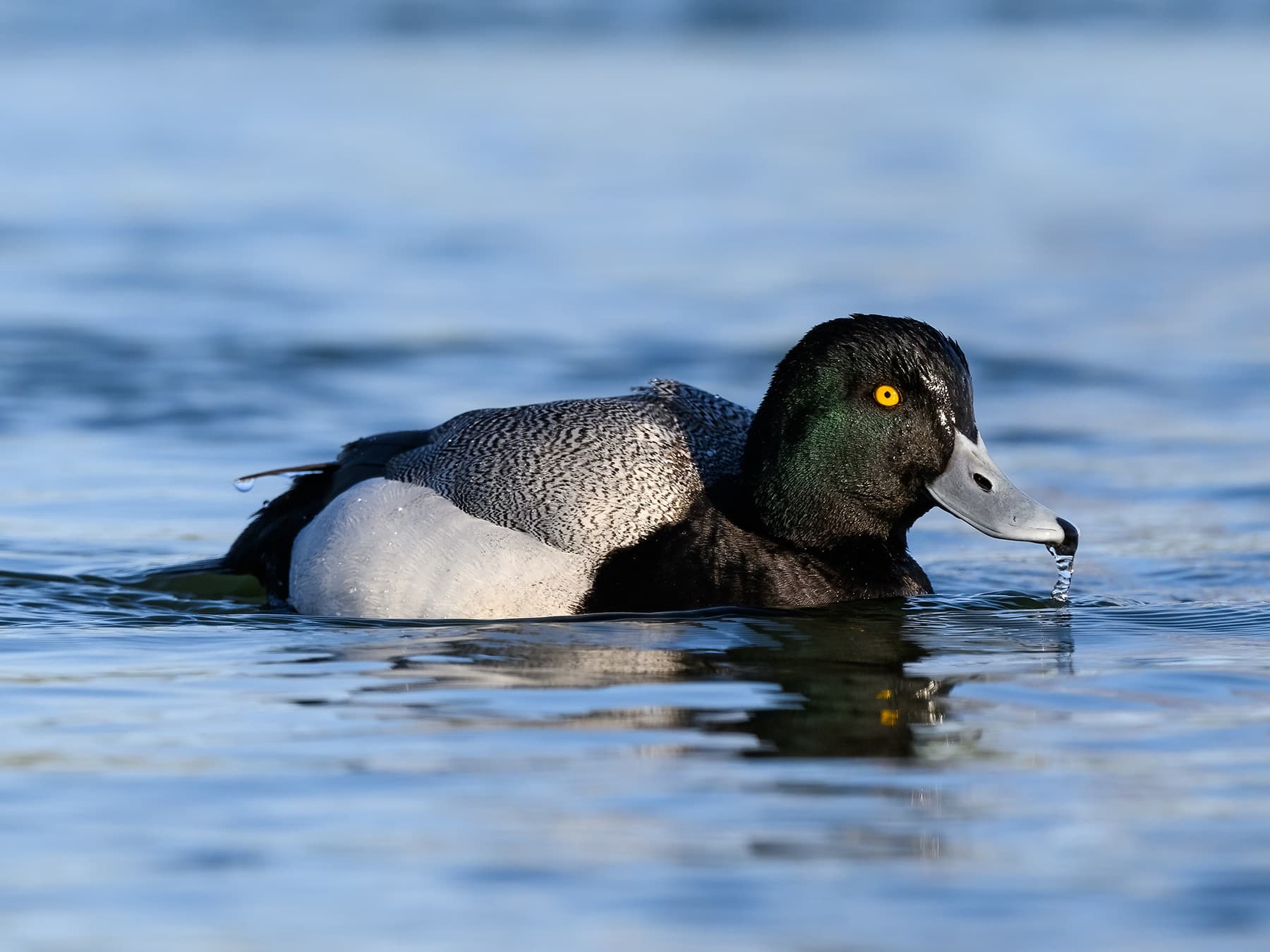
Greater Scaup
Aythya marilaLC
A rare non-breeding visitor to larger reservoirs and gravel pits from late autumn to early spring. Usually found among Tufted Duck flocks.
Nov–Apr
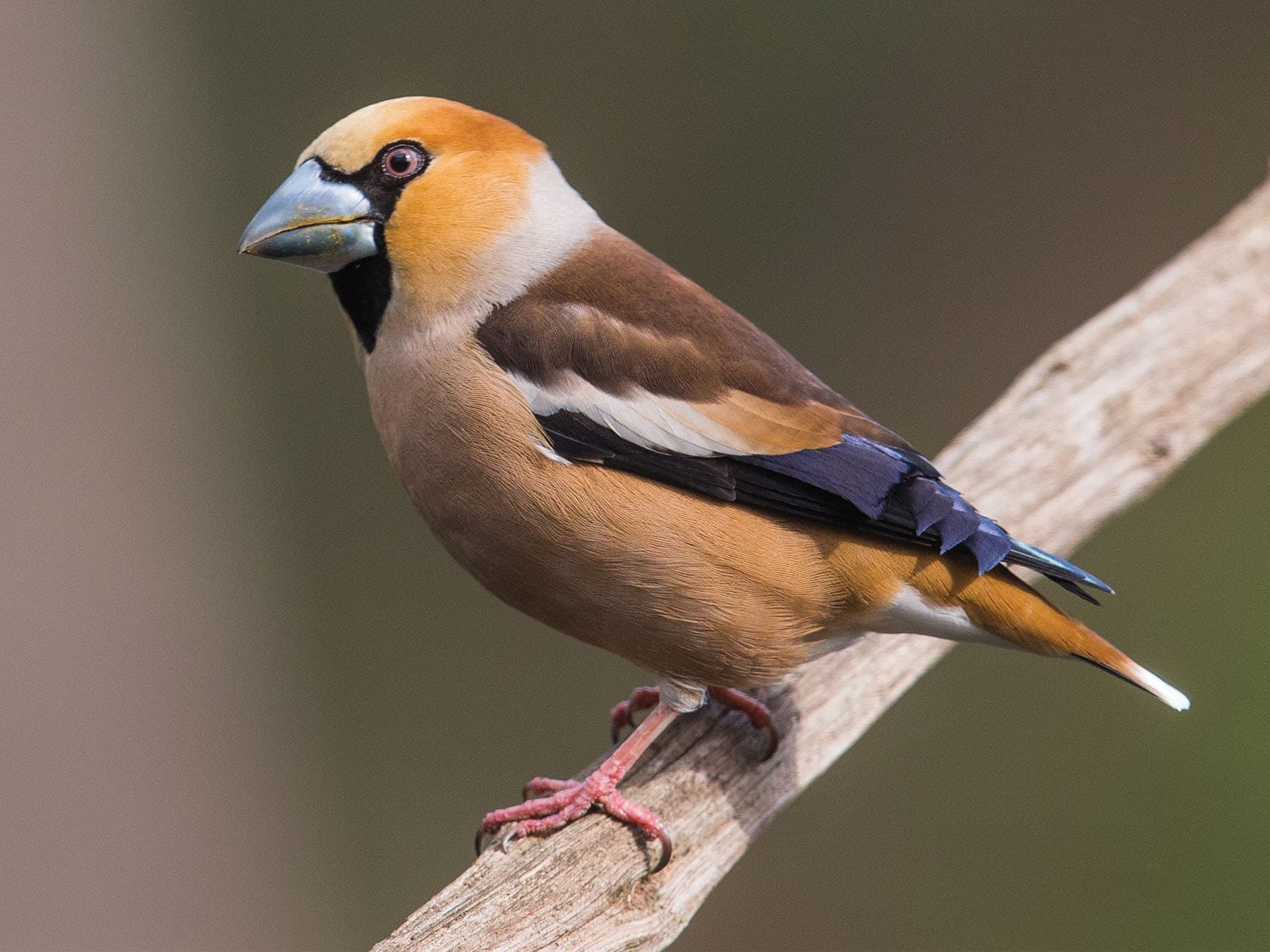
Hawfinch
Coccothraustes coccothraustesLC
A rare and elusive winter visitor, occasionally recorded in mature woodland with hornbeam and cherry trees.
Nov–Mar
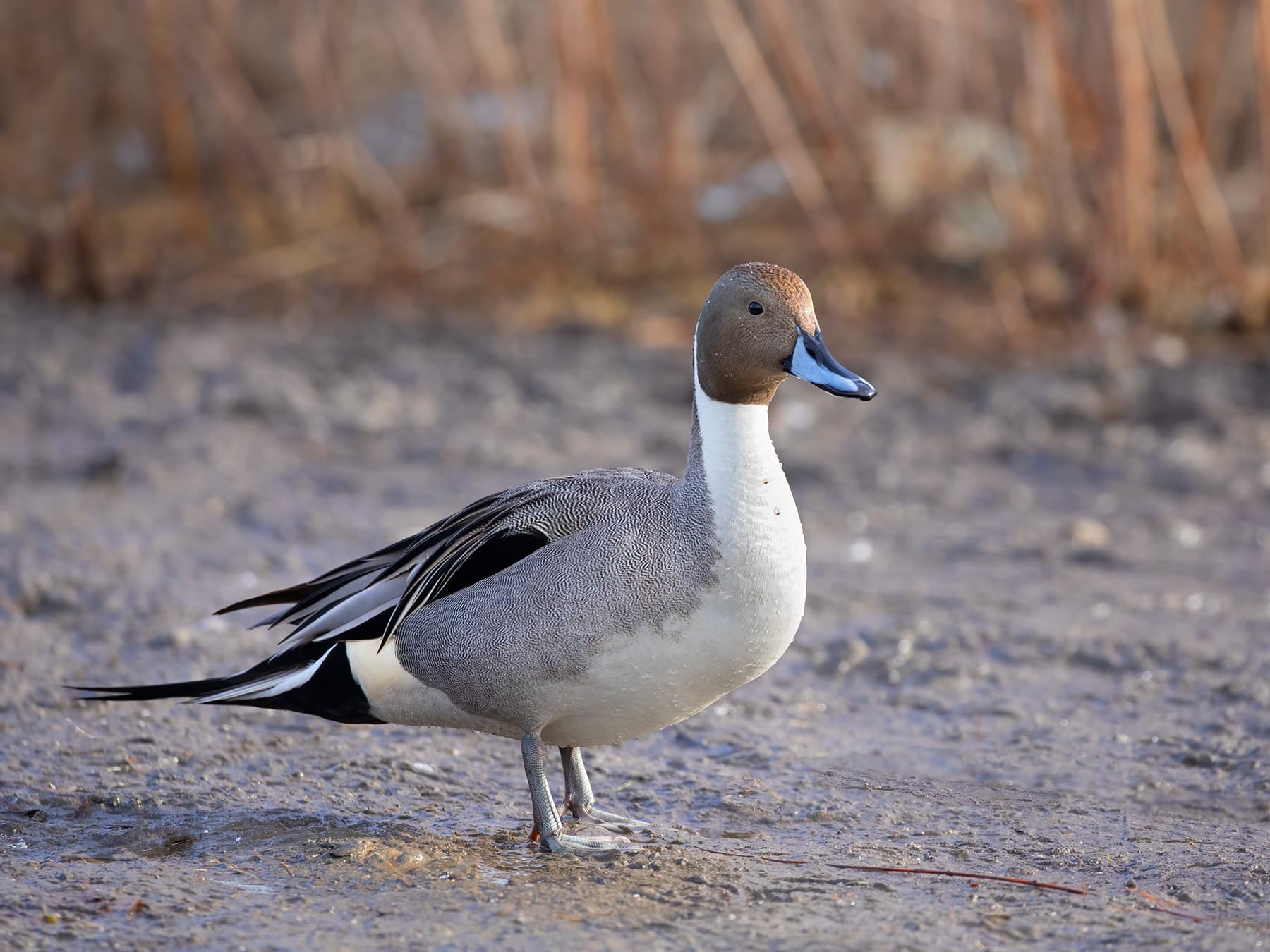
Northern Pintail
Anas acutaLC
An uncommon winter visitor to Trent Valley gravel pits and flooded fields, with elegant drakes arriving from autumn.
Sep–Apr
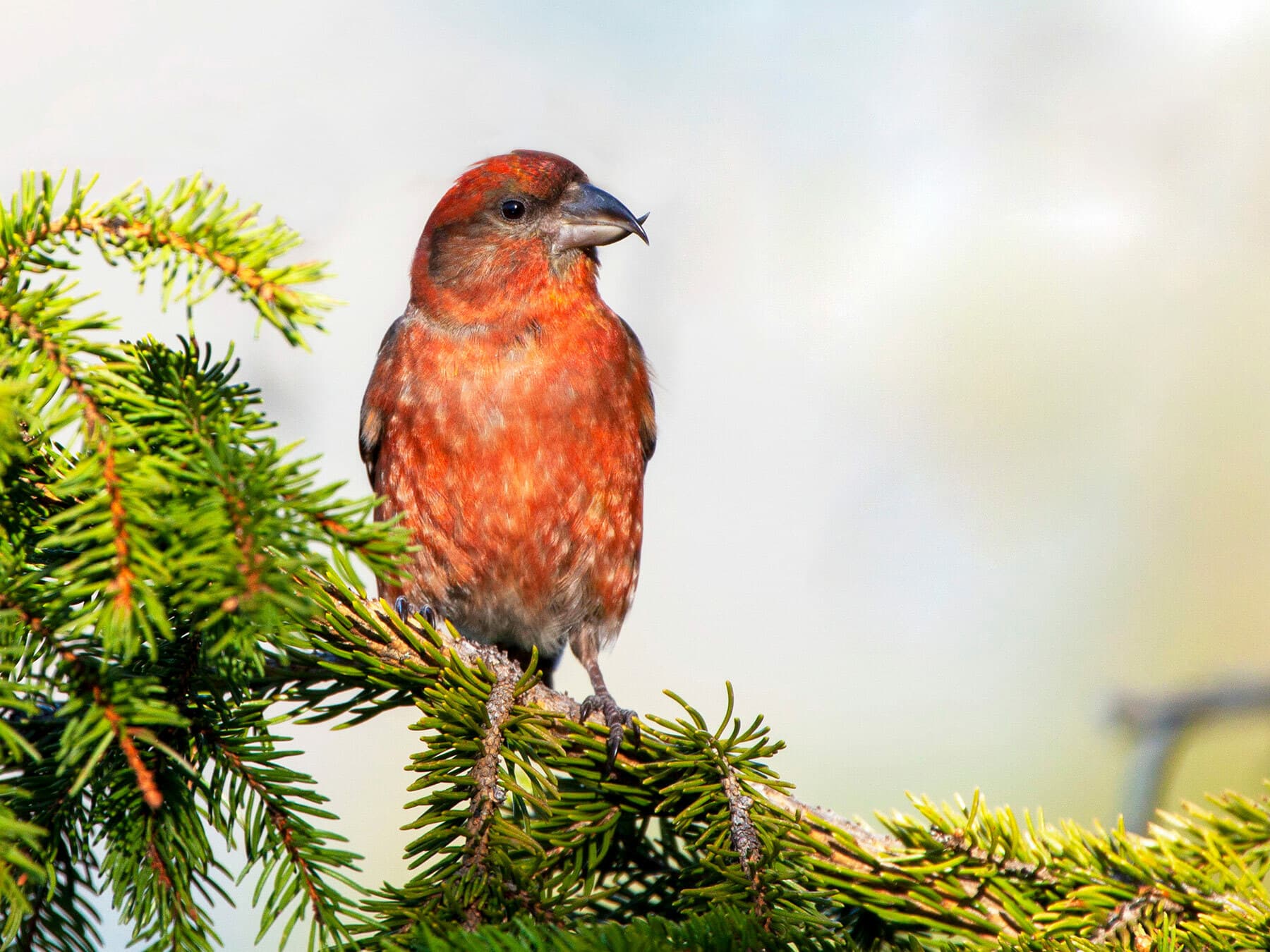
Red Crossbill
Loxia curvirostraLC
A rare and irruptive visitor to conifer plantations, most likely in autumn and late winter. Numbers vary greatly between years.
Oct–Apr
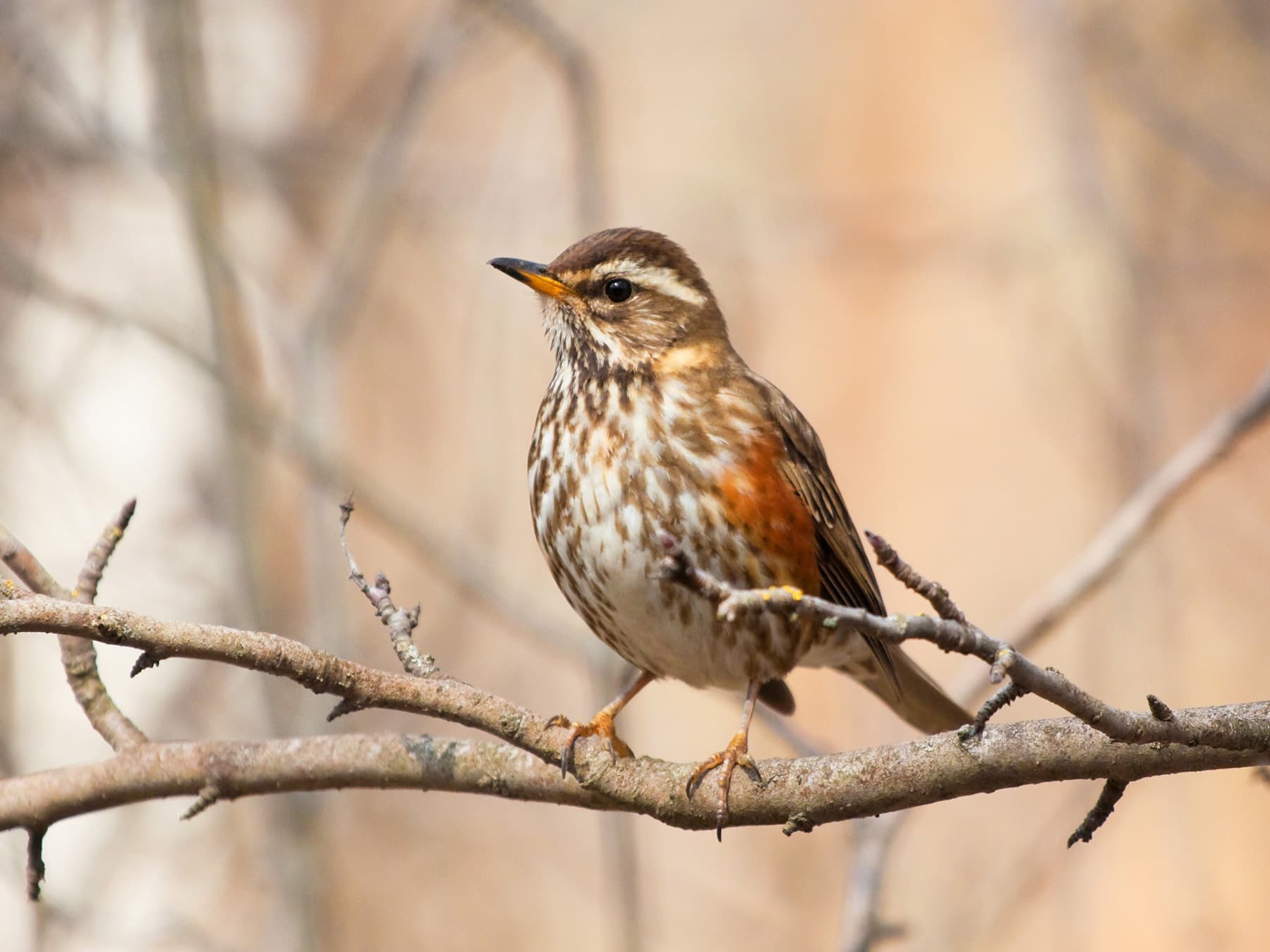
Redwing
Turdus iliacusNT
A common winter visitor from Scandinavia, arriving in October and foraging in hedgerows and fields. Often found alongside Fieldfares in berry-laden hawthorns.
Oct–Apr
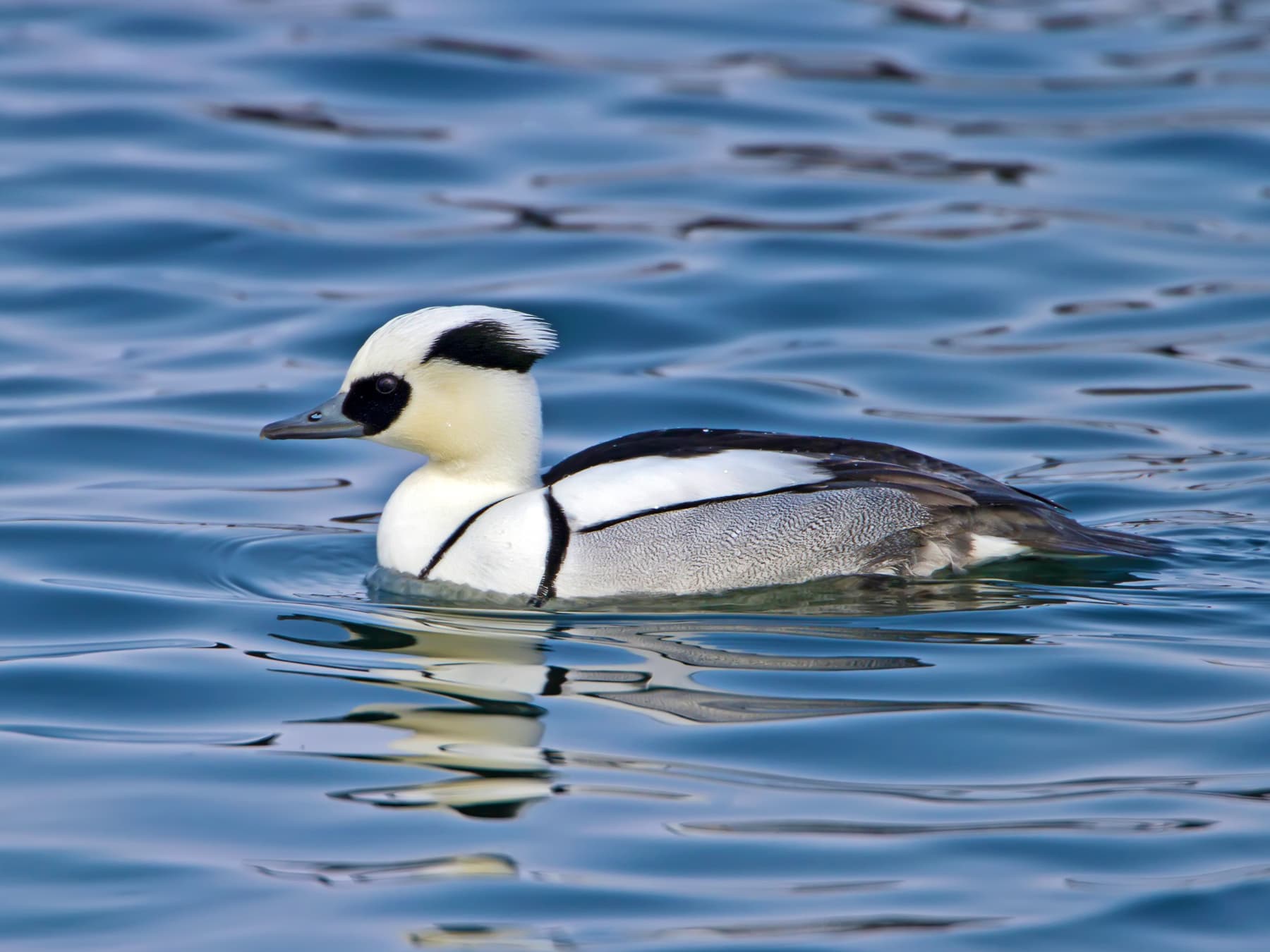
Smew
Mergellus albellusLC
A rare and prized winter visitor, with smart black-and-white drakes occasionally appearing on Trent Valley lakes in cold winters.
Nov–Mar
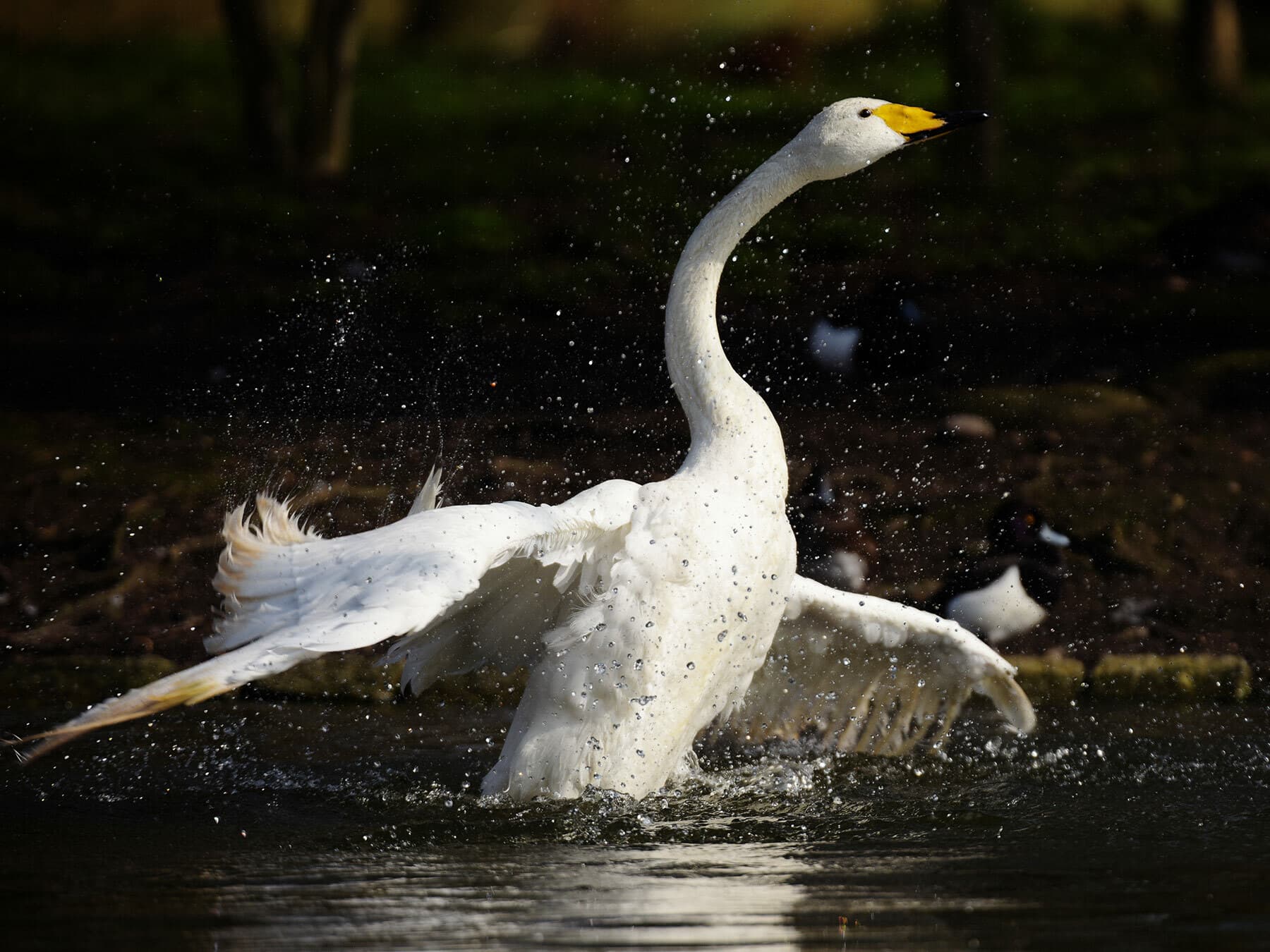
Whooper Swan
Cygnus cygnusLC
A rare winter visitor from Iceland, occasionally found on Trent valley floodplain and larger waters between October and April.
Oct–Apr