


Birds to See in Shetland Islands in February
88 bird species on our list for Shetland Islands are recorded regularly in February
Of these, the most often recorded are European Herring Gull, Common Starling, Eurasian Oystercatcher, Greylag Goose and Hooded Crow. New this month: Eurasian Skylark, Goldcrest, Woodpigeon and Lesser Black-backed Gull and 5 more.
On the move in February
GBIF · FebArriving
At their peak
From Shetland Islands’s bird records, 2019–2024: arriving birds are regular this month but not last; leaving birds are regular this month but not next.
Other months
All 88 birds in February
88 birds
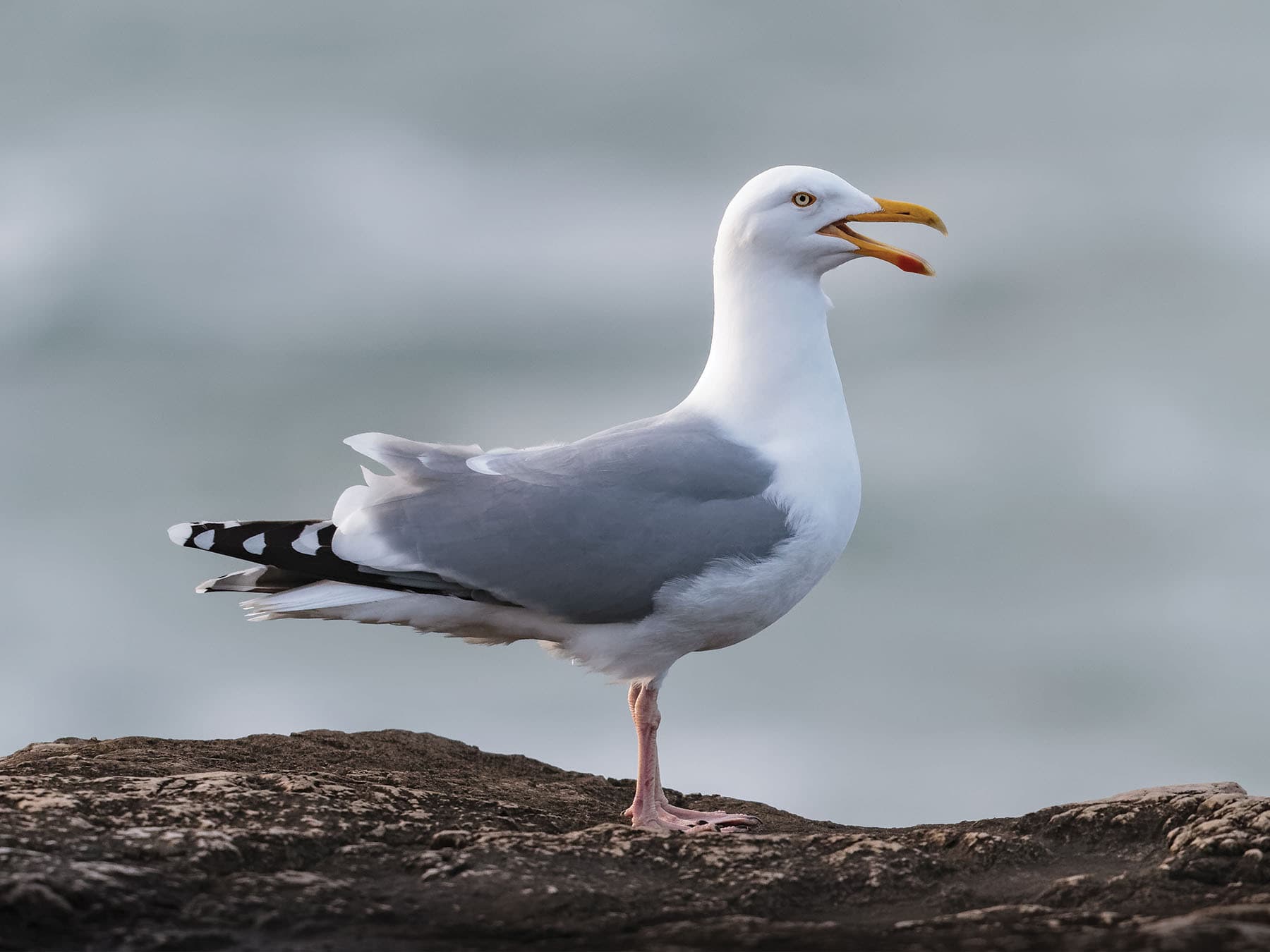 European Herring GullLarus argentatusResidentCommon55–67 cmRecorded all year · 4.76% in Feb
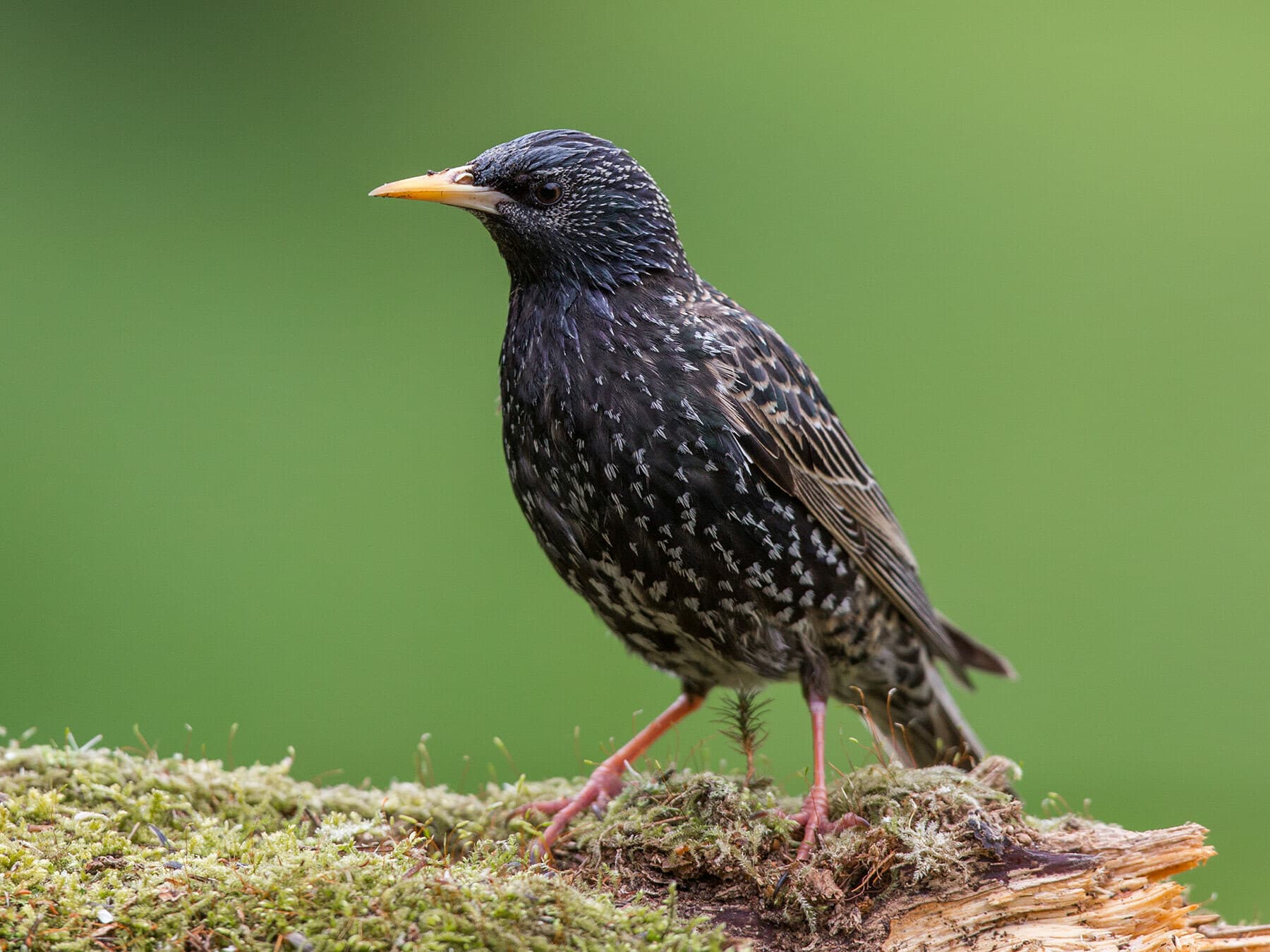 Common StarlingSturnus vulgarisResidentCommon21–23 cmRecorded all year · 4.62% in Feb
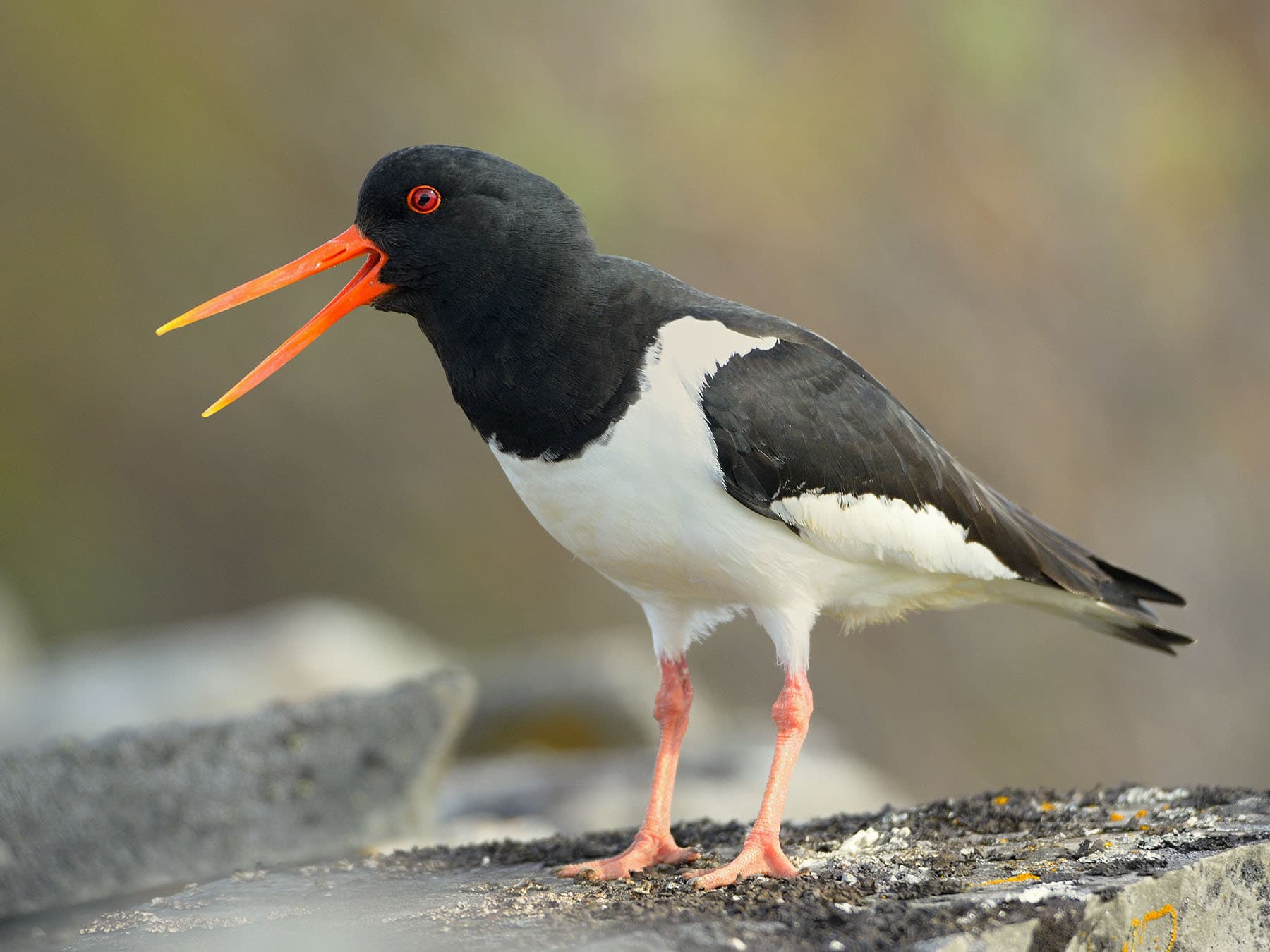 Eurasian OystercatcherHaematopus ostralegusResidentCommon40–45 cmRecorded all year · 3.97% in Feb
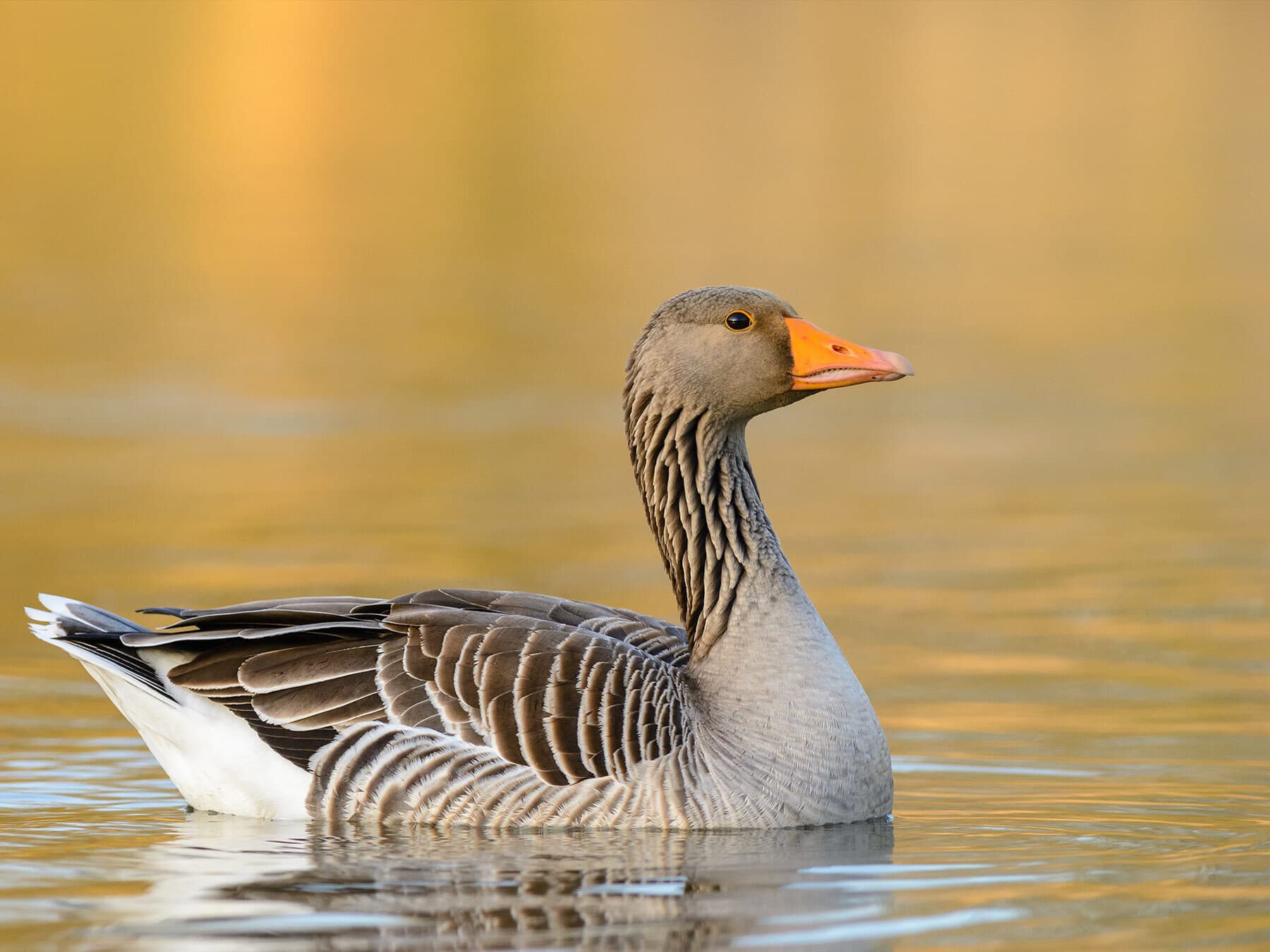 Greylag GooseAnser anserResidentCommon75–90 cmRecorded all year · 3.89% in Feb
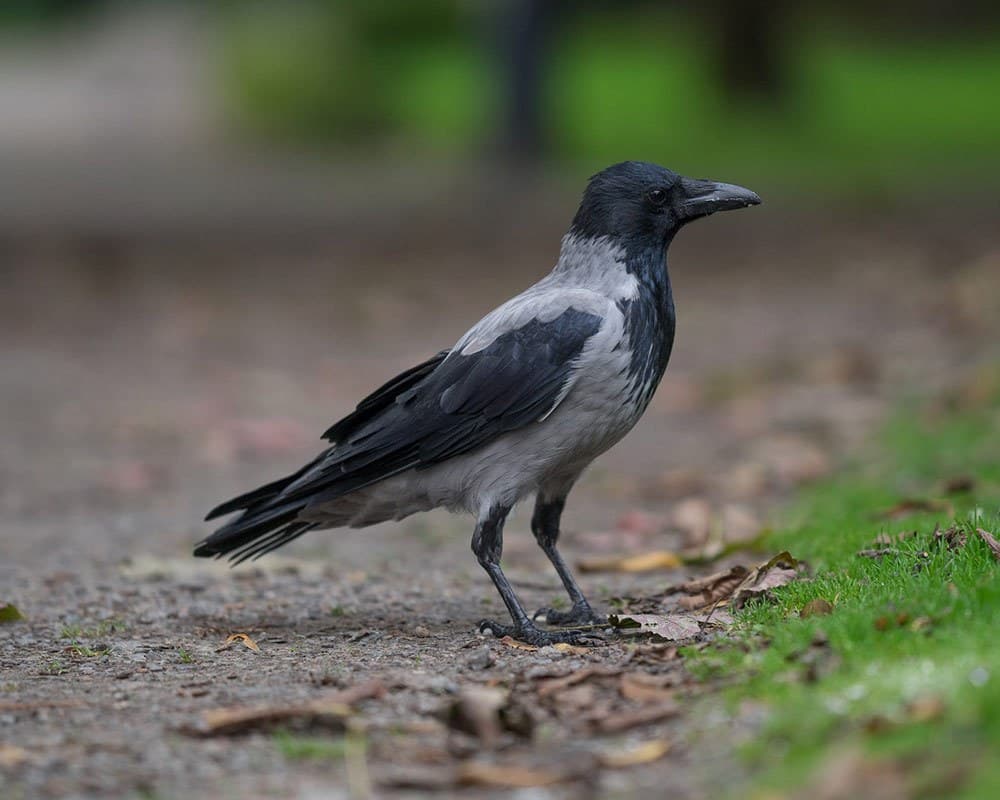 Hooded CrowCorvus cornixResidentCommon44–51 cmRecorded all year · 3.70% in Feb
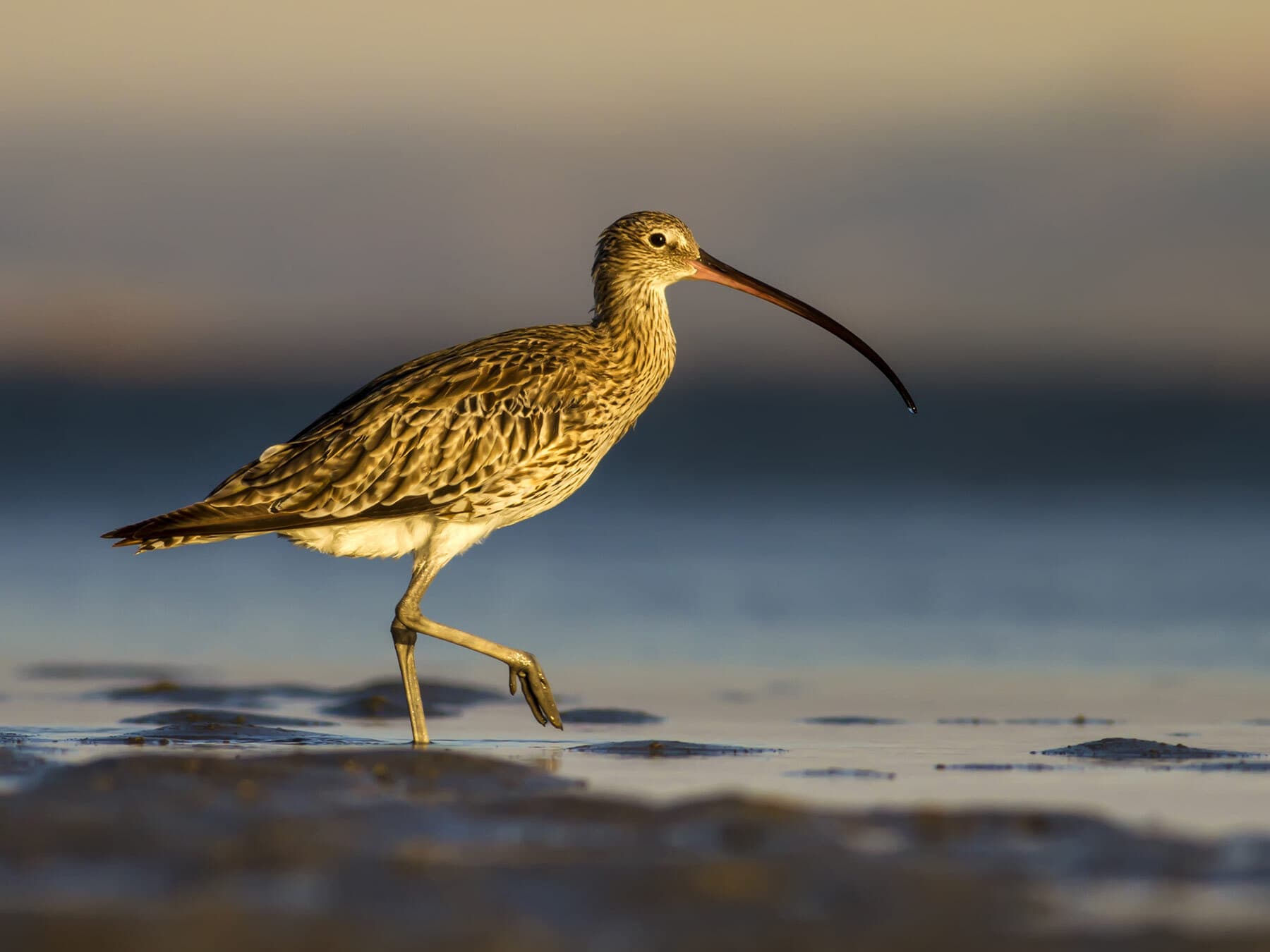 CurlewNumenius arquataResidentCommon50–60 cmRecorded all year · 3.67% in Feb
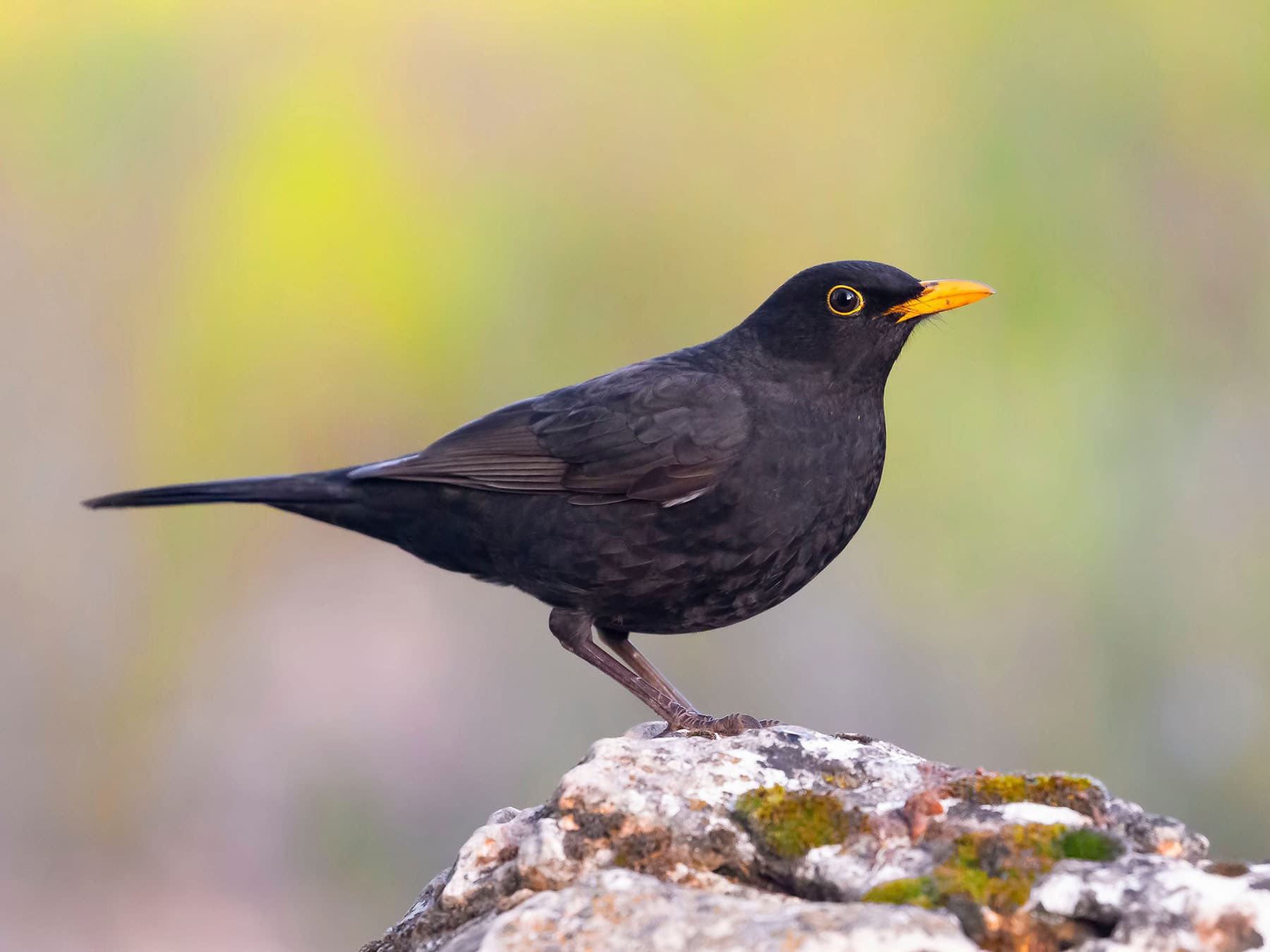 BlackbirdTurdus merulaResidentCommon24–25 cmRecorded all year · 3.46% in Feb
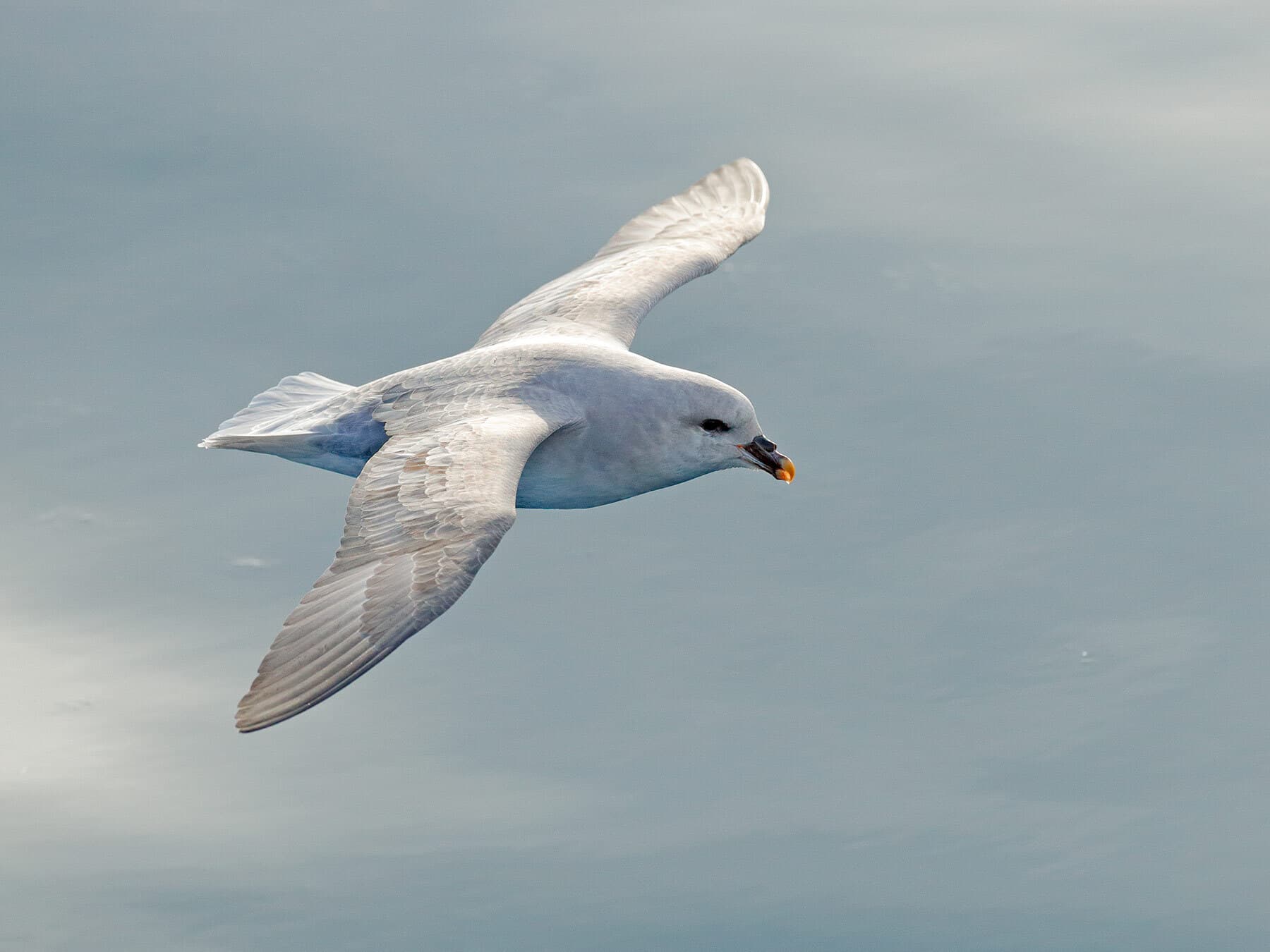 FulmarFulmarus glacialisResidentCommon45–50 cmRecorded all year · 3.44% in Feb
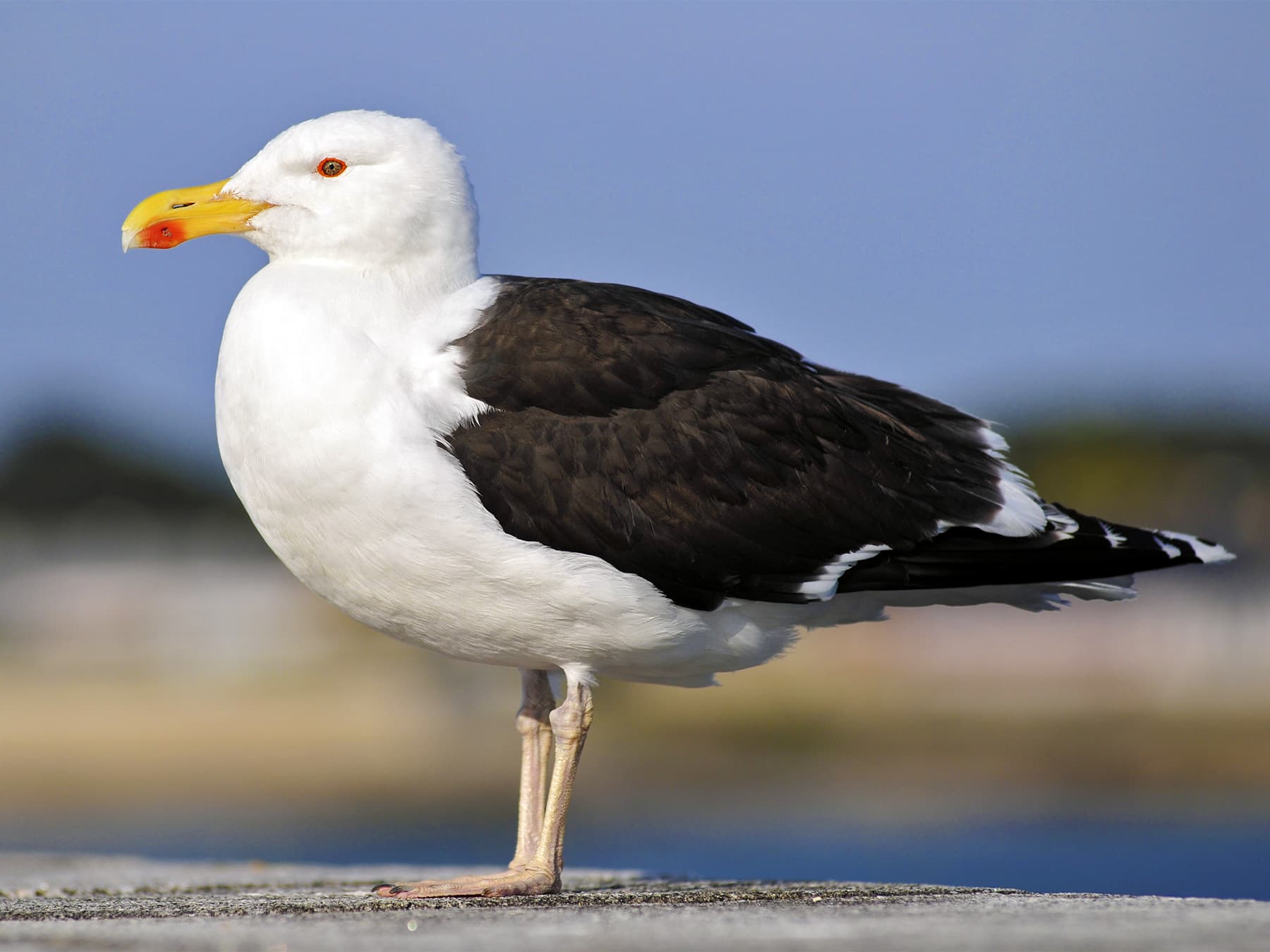 Great Black-backed GullLarus marinusResidentCommon64–79 cmRecorded all year · 3.43% in Feb
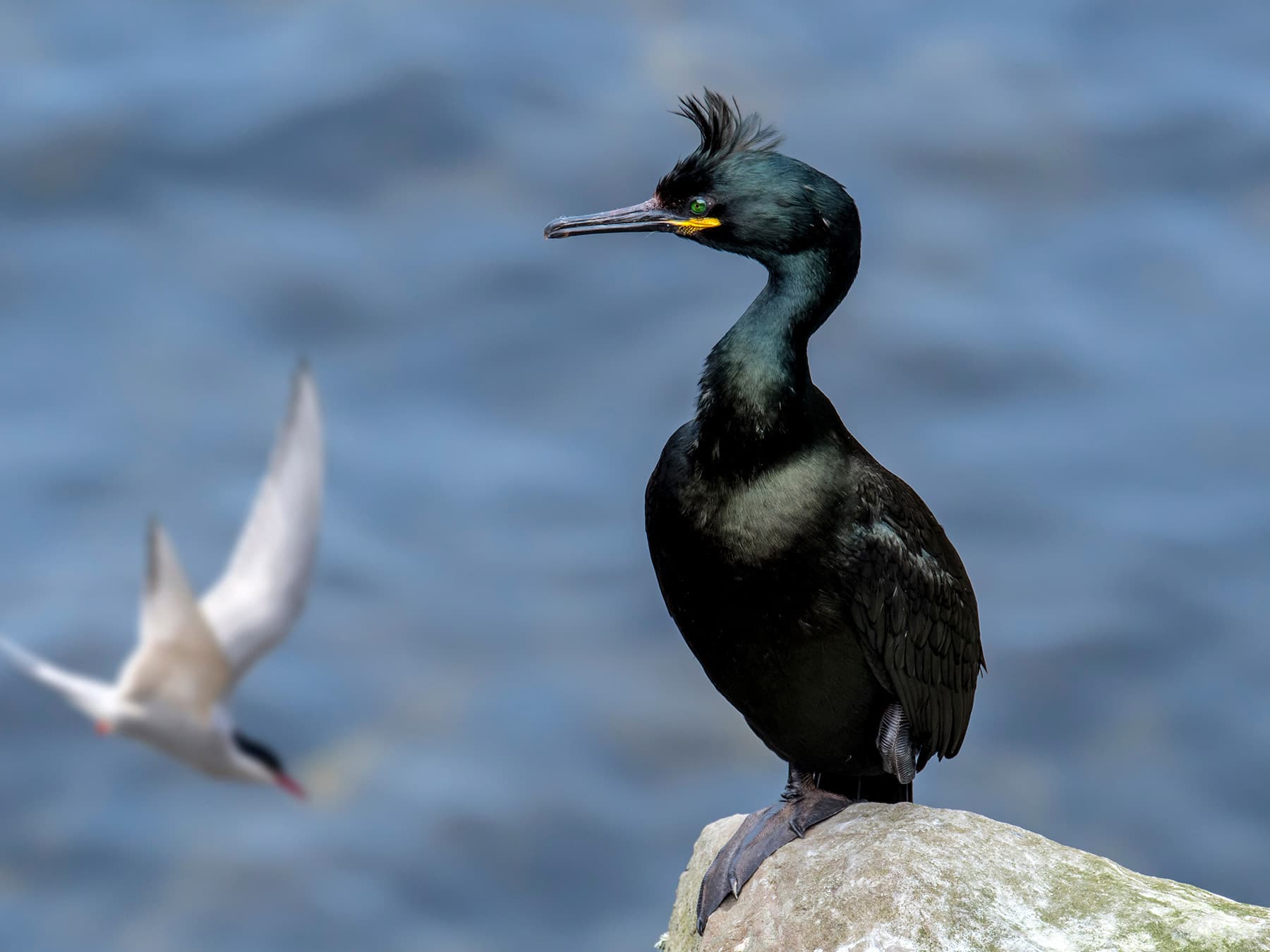 European ShagGulosus aristotelisResidentCommon65–80 cmRecorded all year · 3.32% in Feb
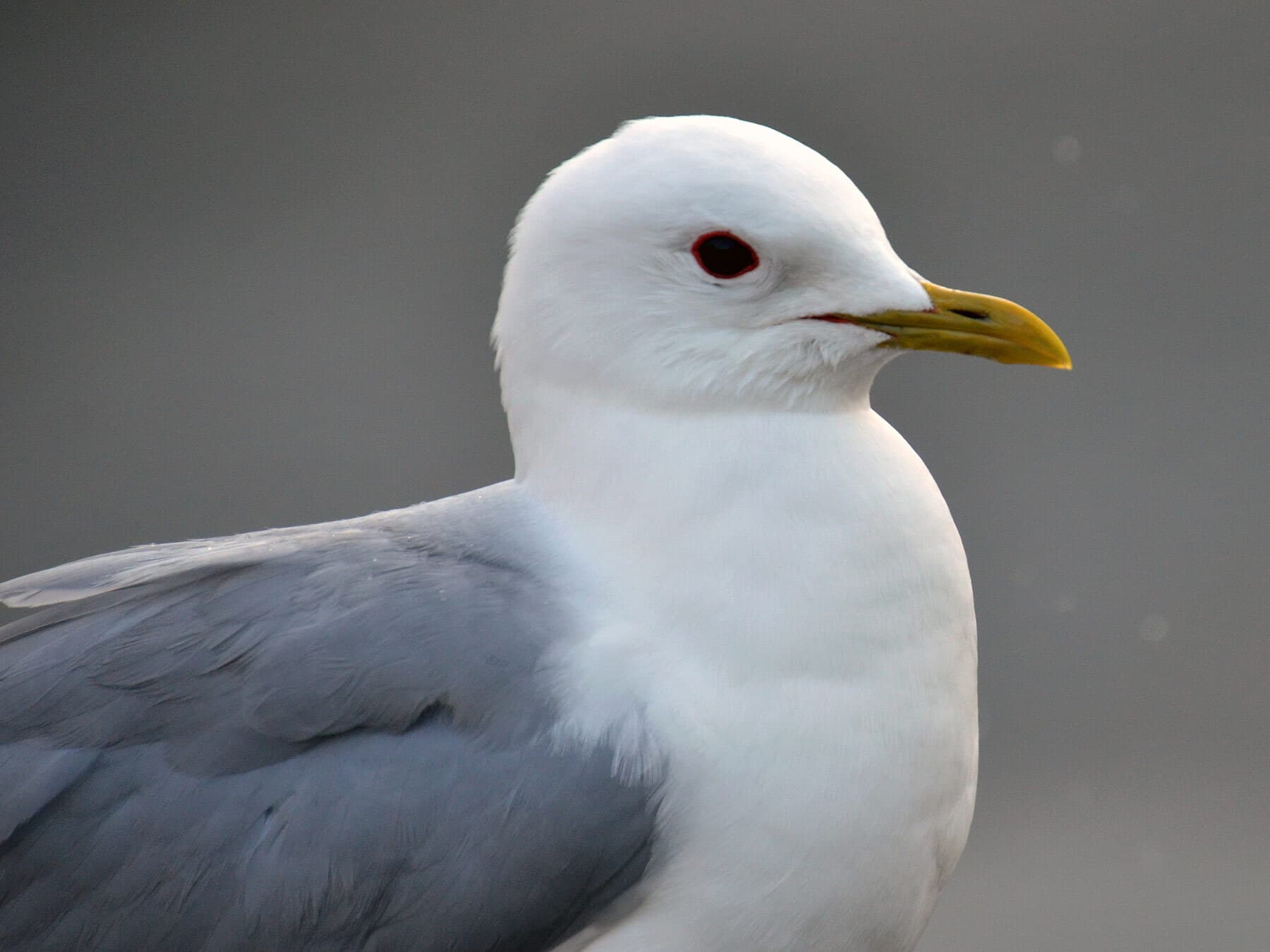 Common GullLarus canusResidentCommon40–46 cmRecorded all year · 3.26% in Feb
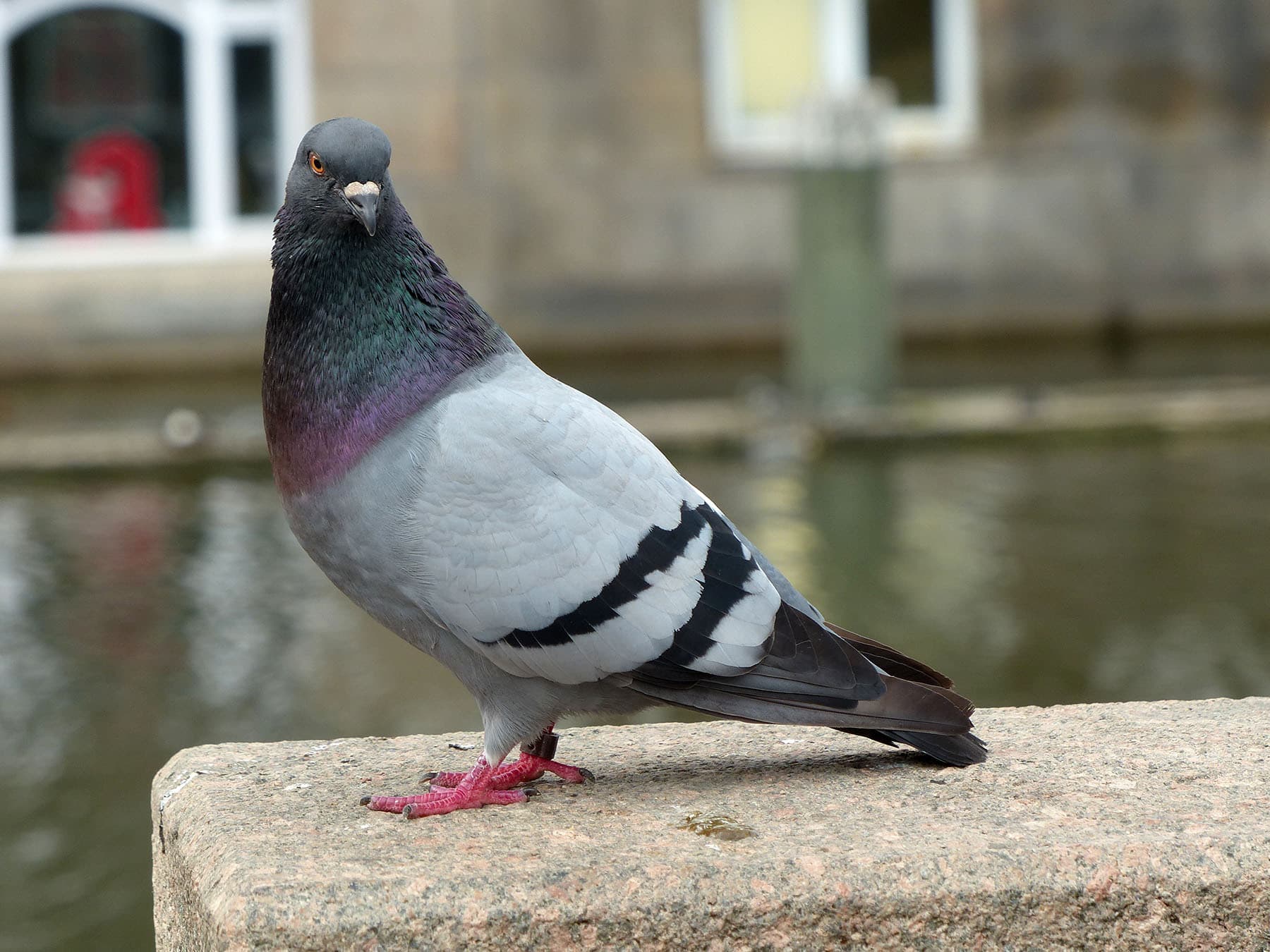 Rock DoveColumba liviaResidentCommon31–34 cmRecorded all year · 3.17% in Feb
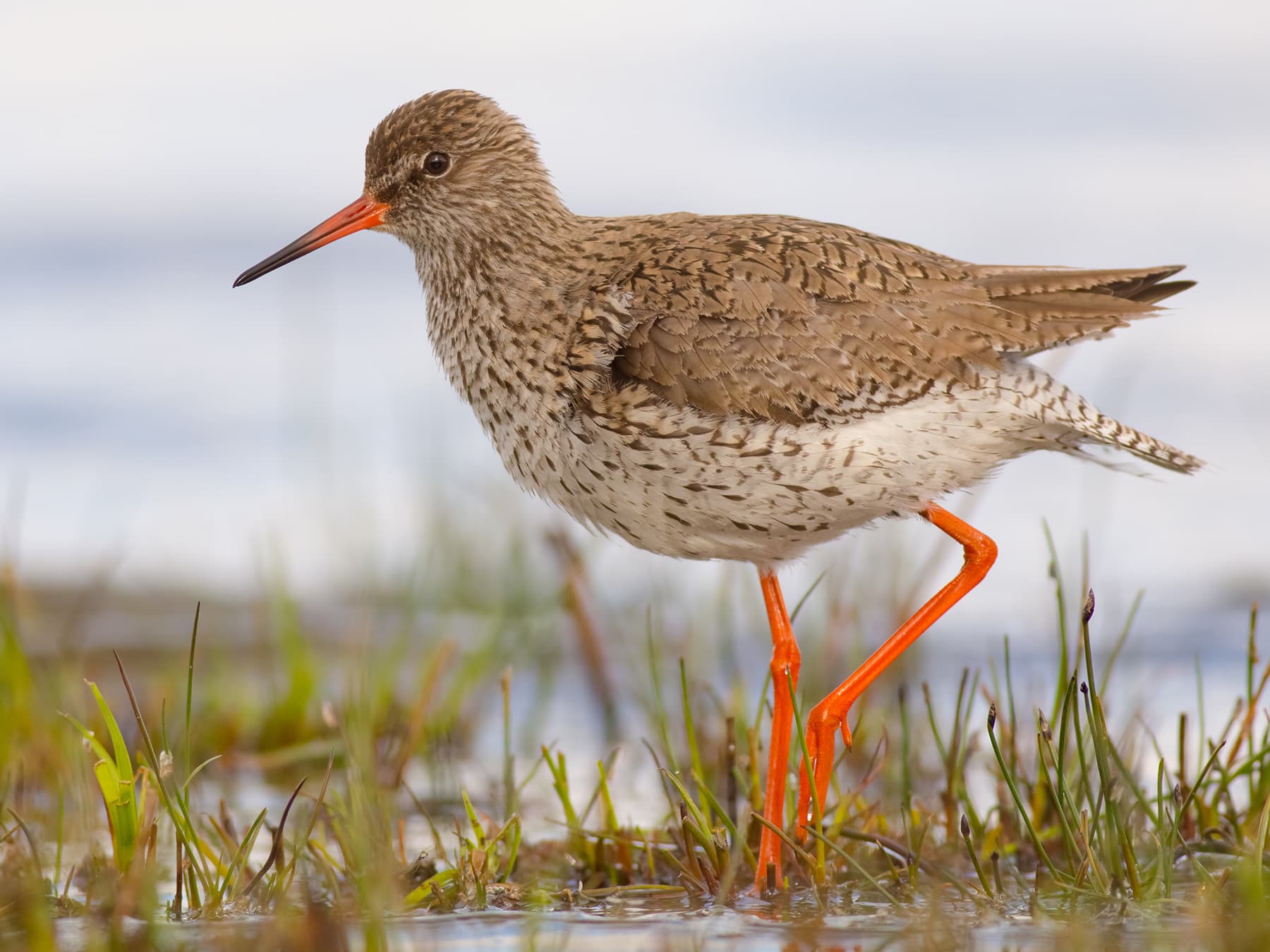 RedshankTringa totanusResidentCommon27–29 cmRecorded all year · 3.11% in Feb
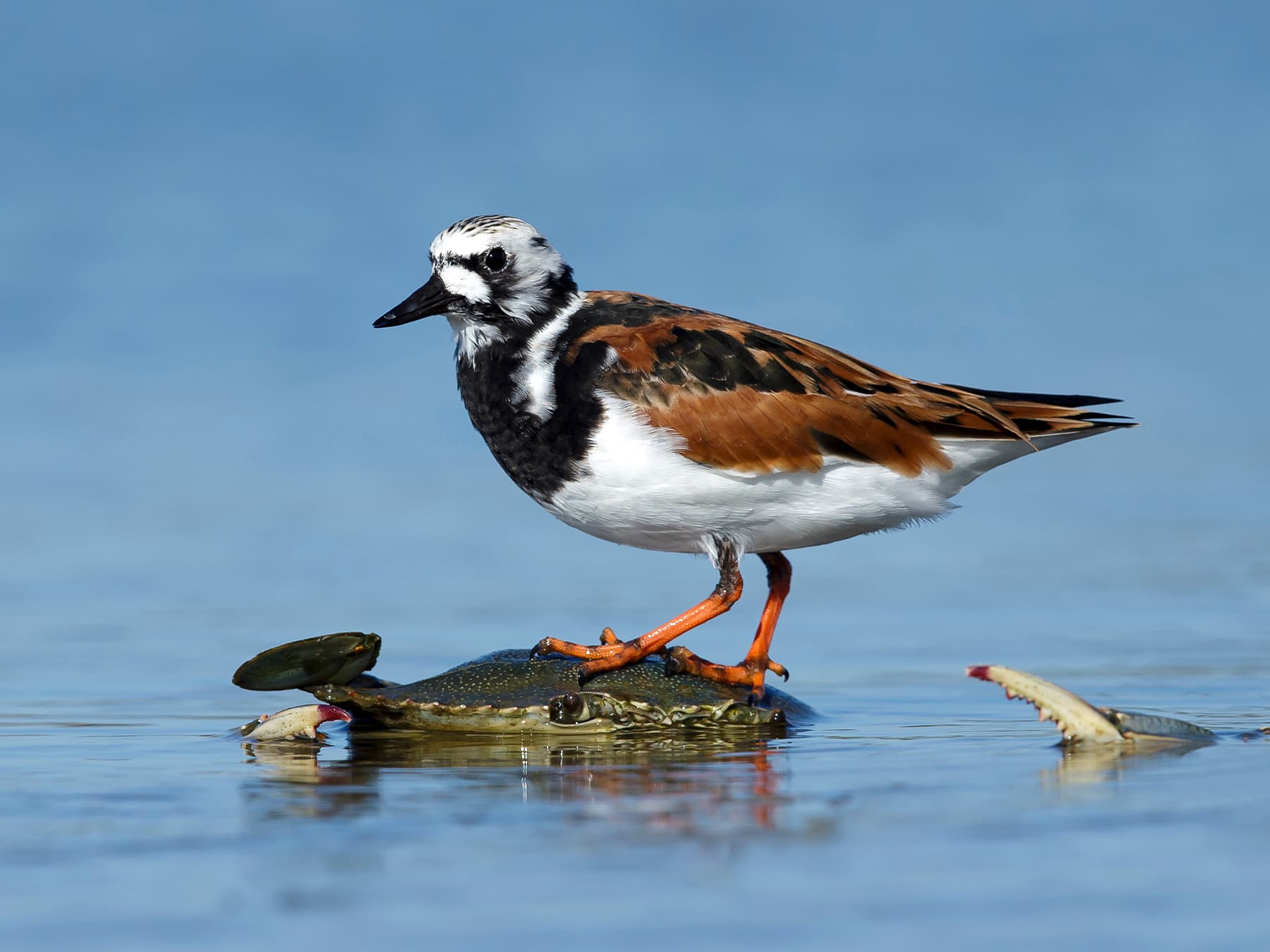 Ruddy TurnstoneArenaria interpresResidentCommon21–24 cmRecorded all year · 3.02% in Feb
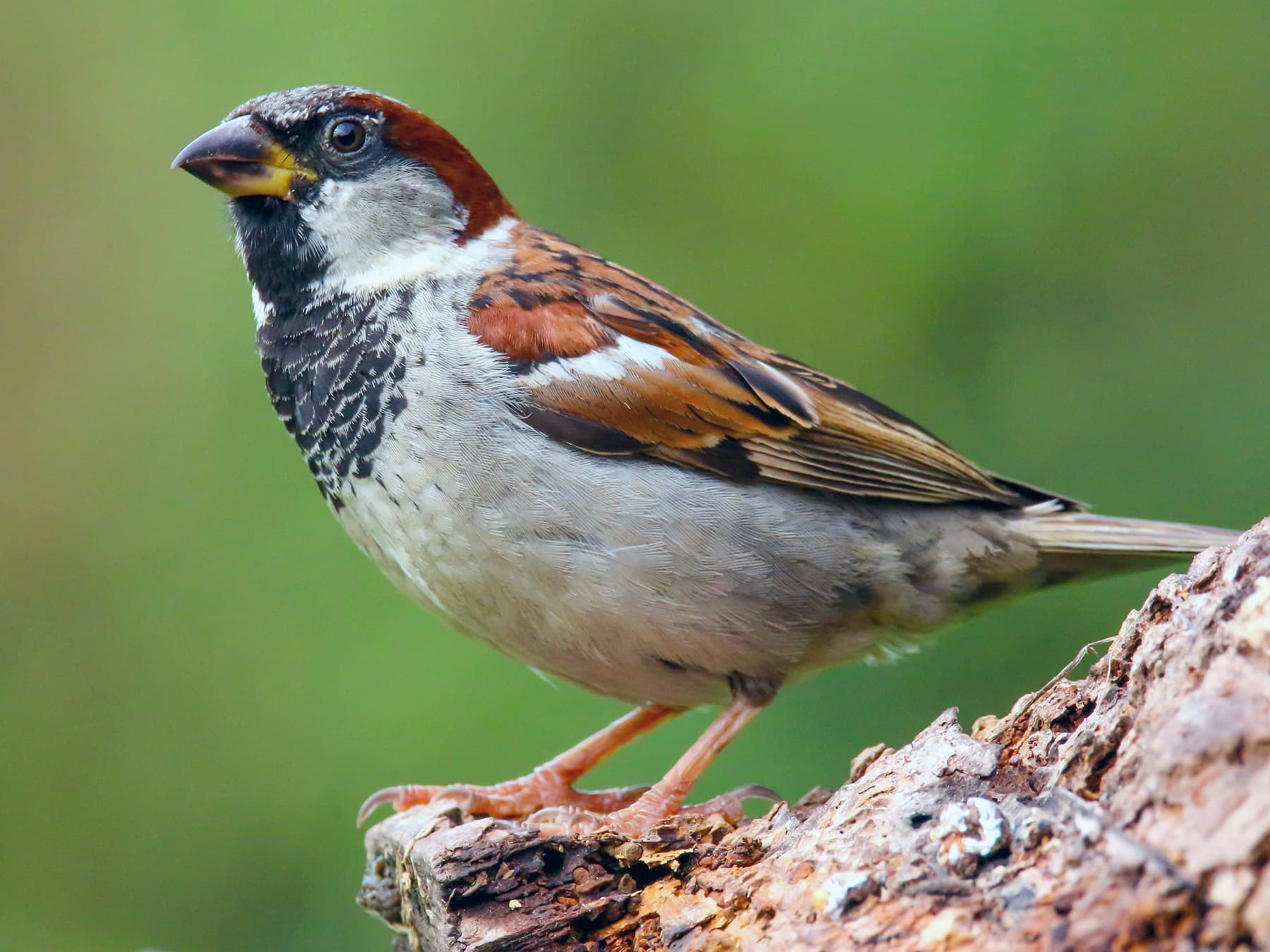 House SparrowPasser domesticusResidentCommon14–17 cmRecorded all year · 2.98% in Feb
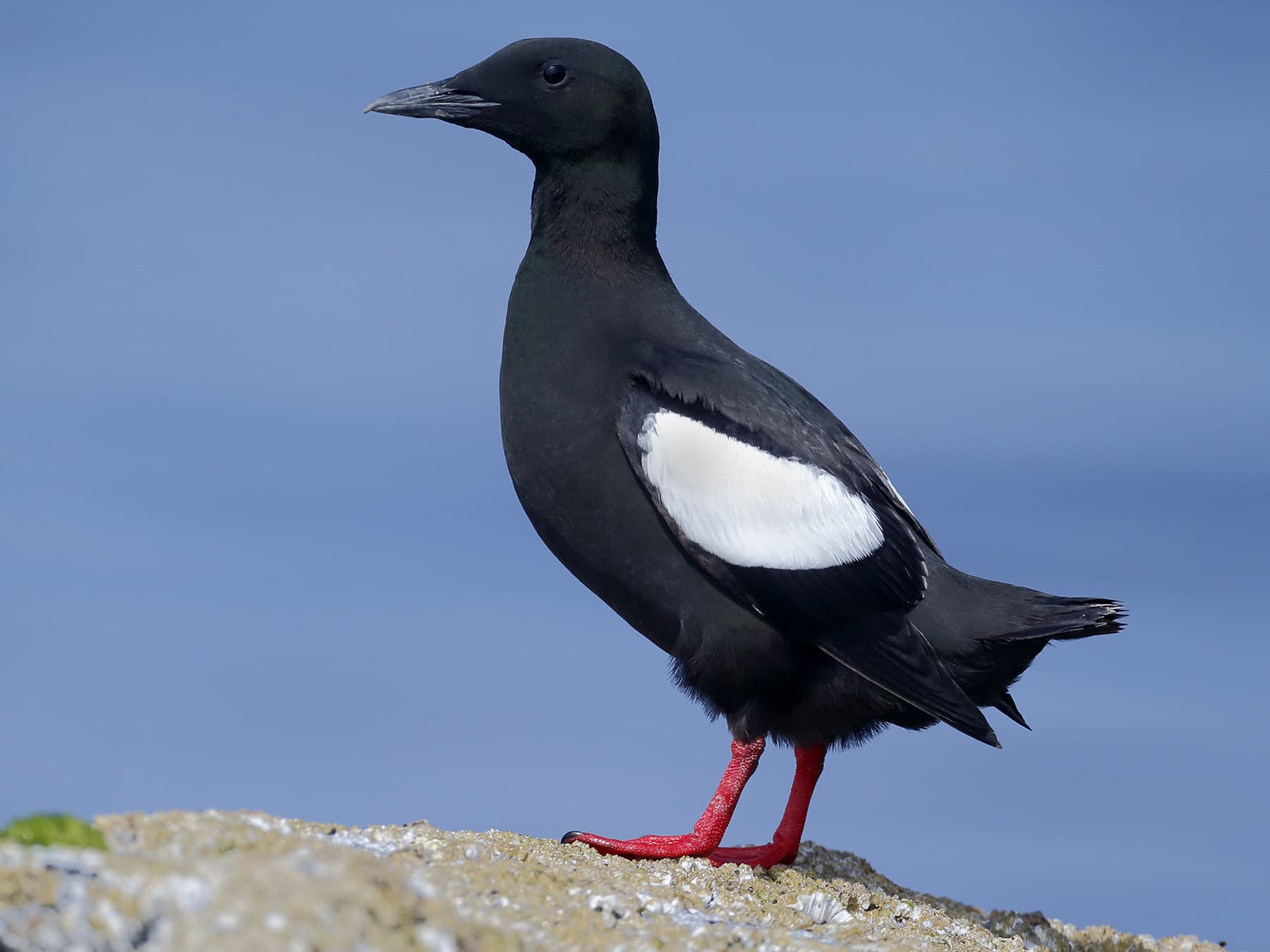 Black GuillemotCepphus grylleResidentCommon30–32 cmRecorded all year · 2.38% in Feb
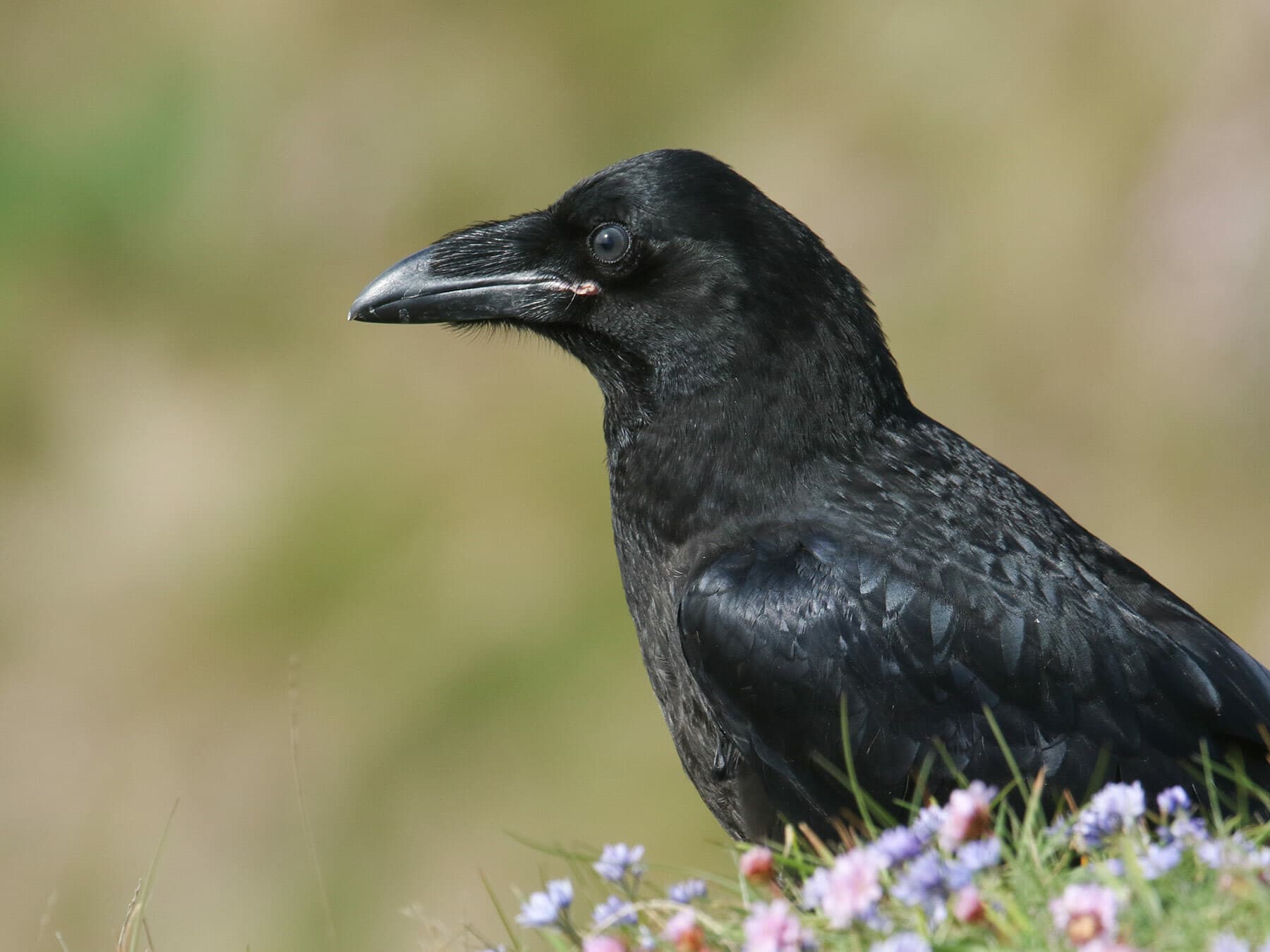 Common RavenCorvus coraxResidentCommon54–67 cmRecorded all year · 2.28% in Feb
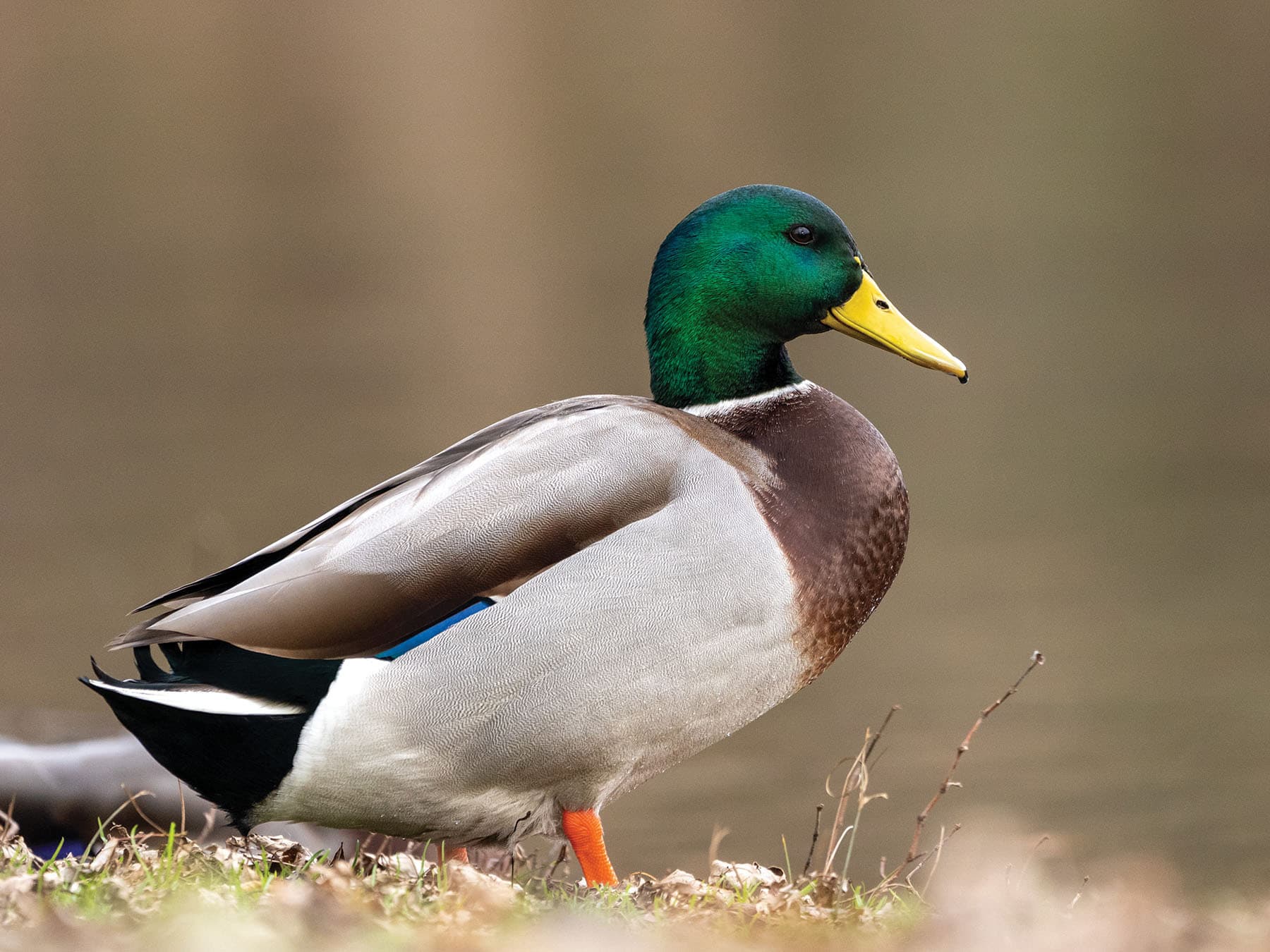 MallardAnas platyrhynchosResidentCommon50–65 cmRecorded all year · 1.97% in Feb
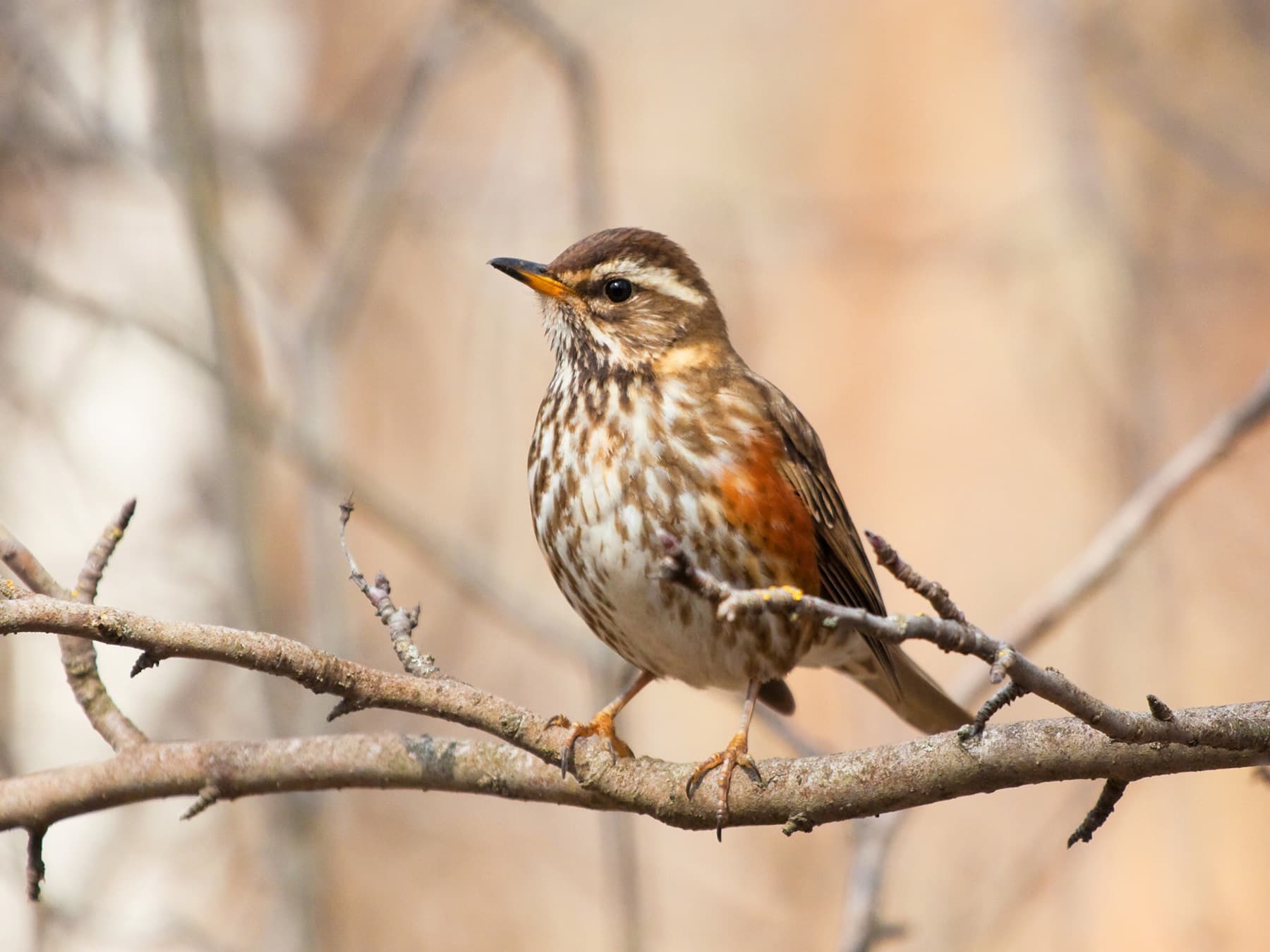 RedwingTurdus iliacusWinter visitorCommon20–24 cmRegularly Sep–Apr · 1.68% in Feb
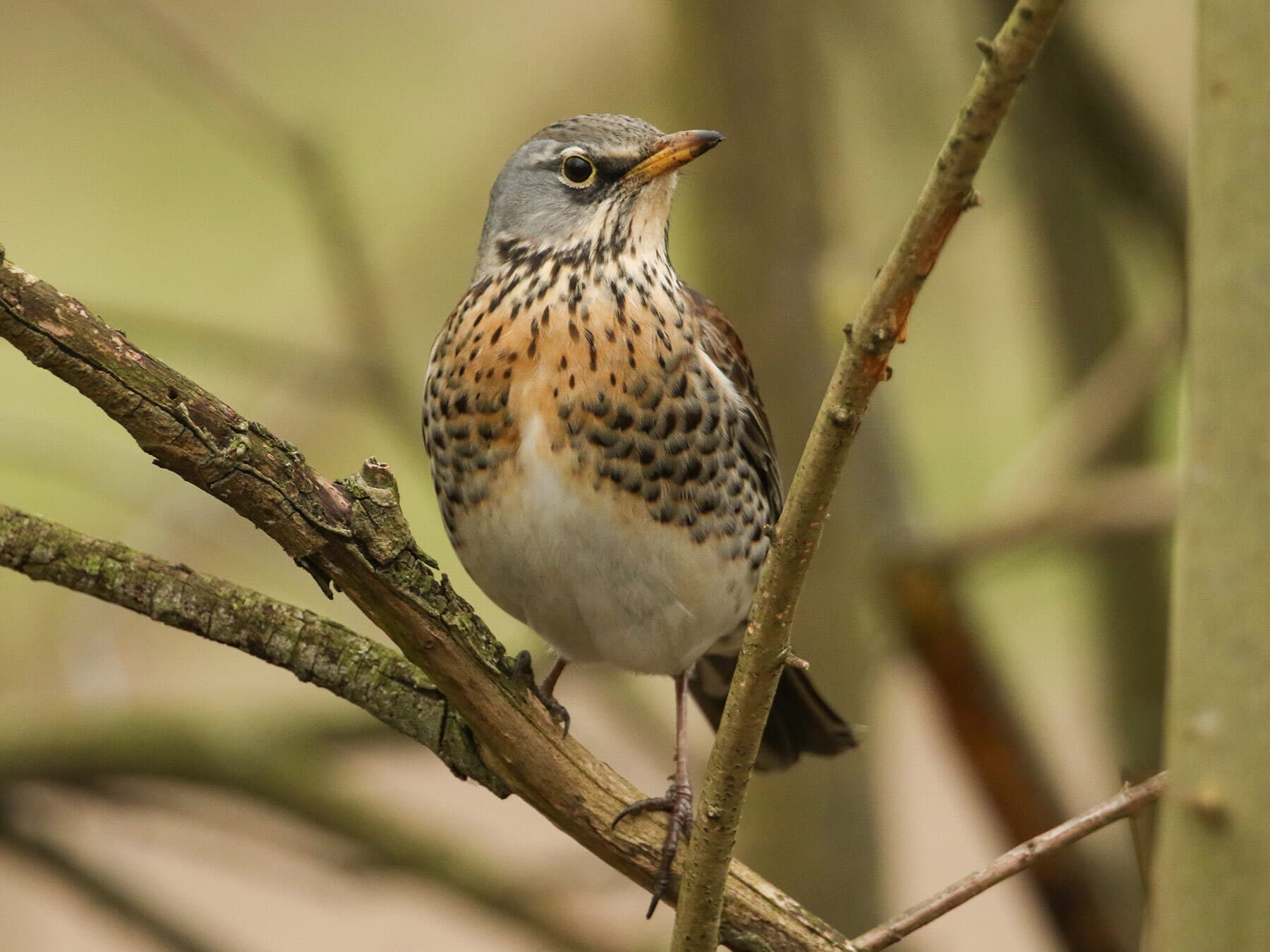 FieldfareTurdus pilarisWinter visitorCommon22–27 cmRegularly Oct–Apr · 1.59% in Feb
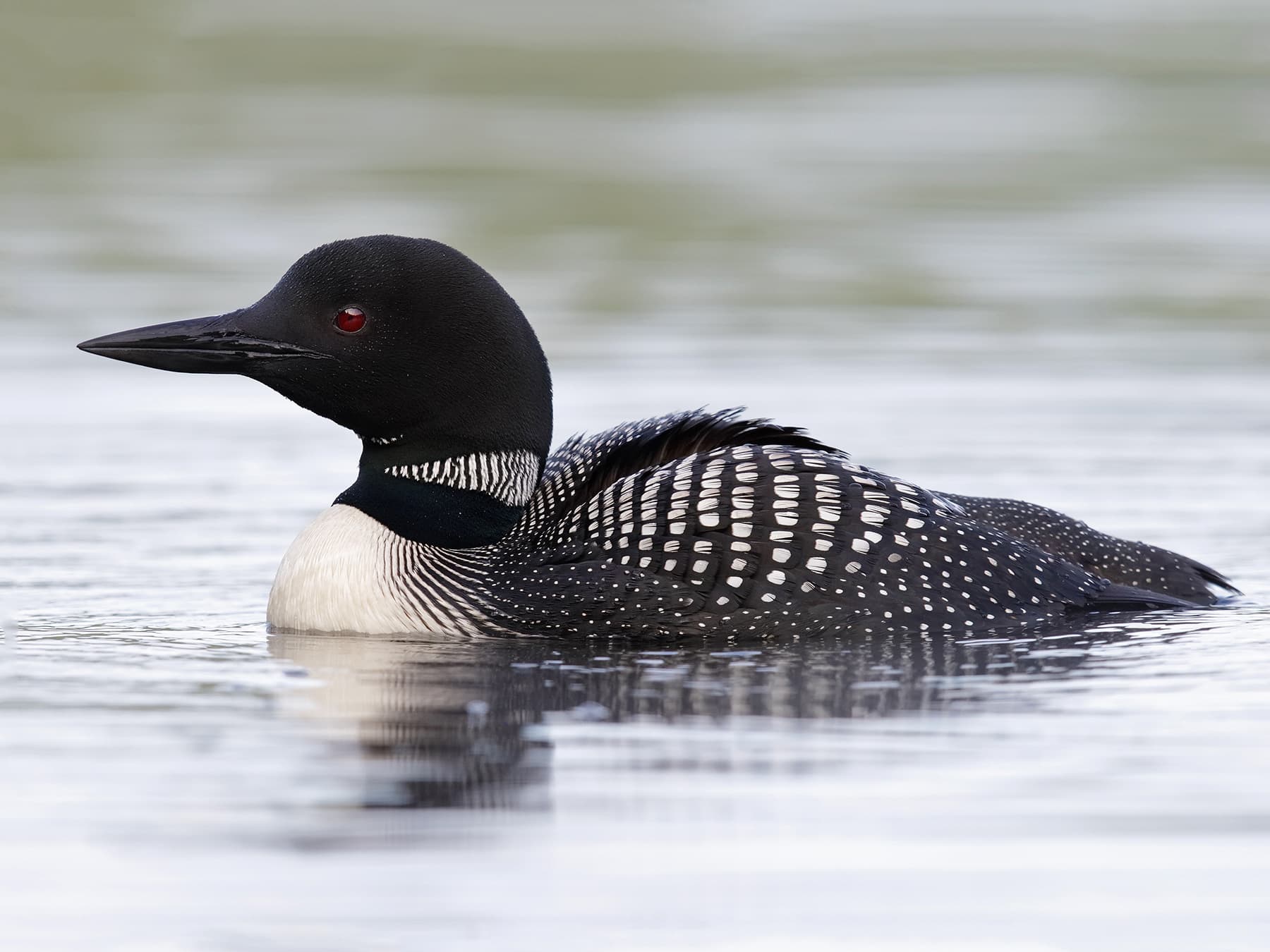 Common LoonGavia immerResidentCommon66–91 cmRecorded all year · 1.45% in Feb
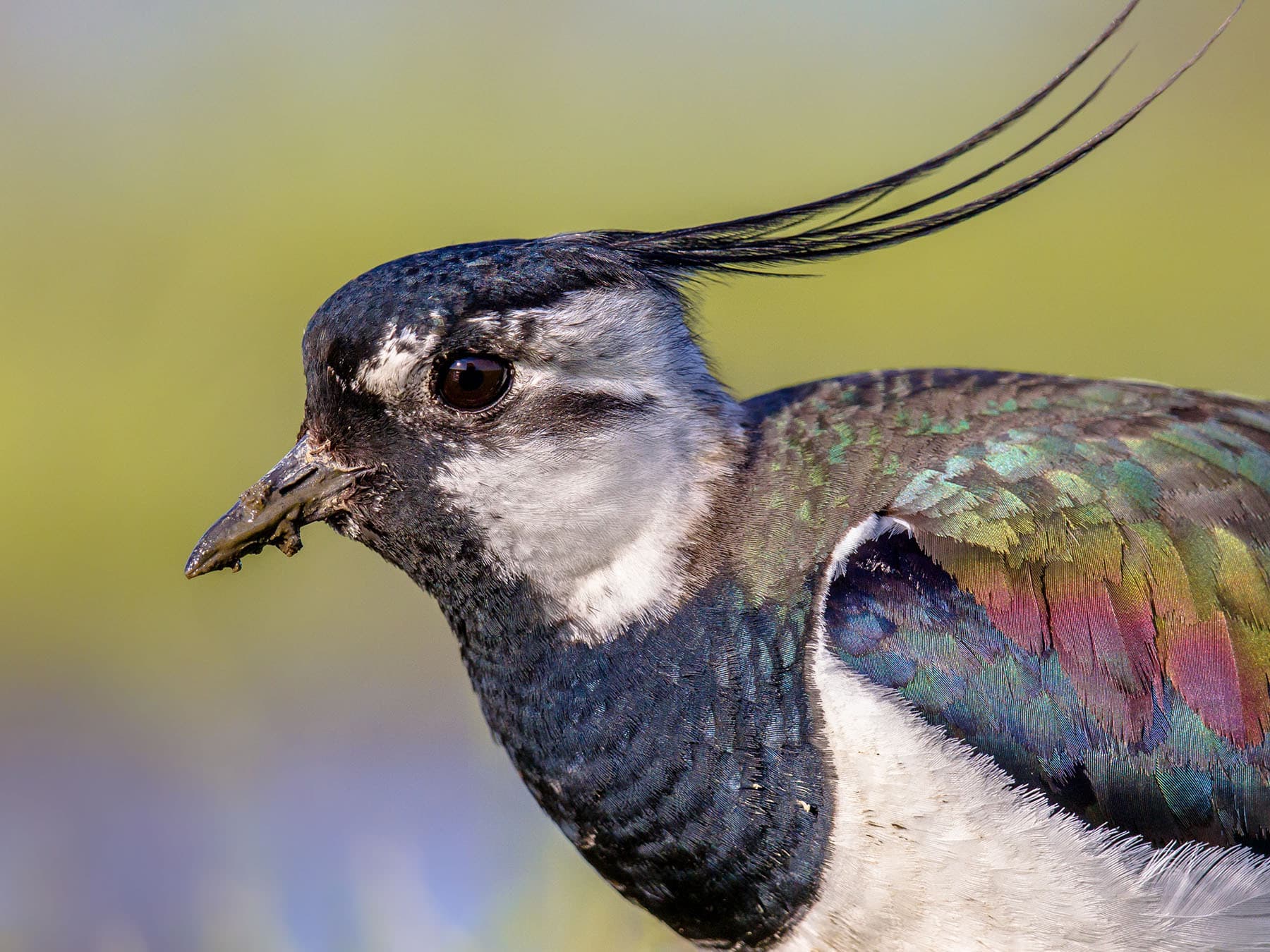 Northern LapwingVanellus vanellusResidentCommon28–31 cmRecorded all year · 1.44% in Feb
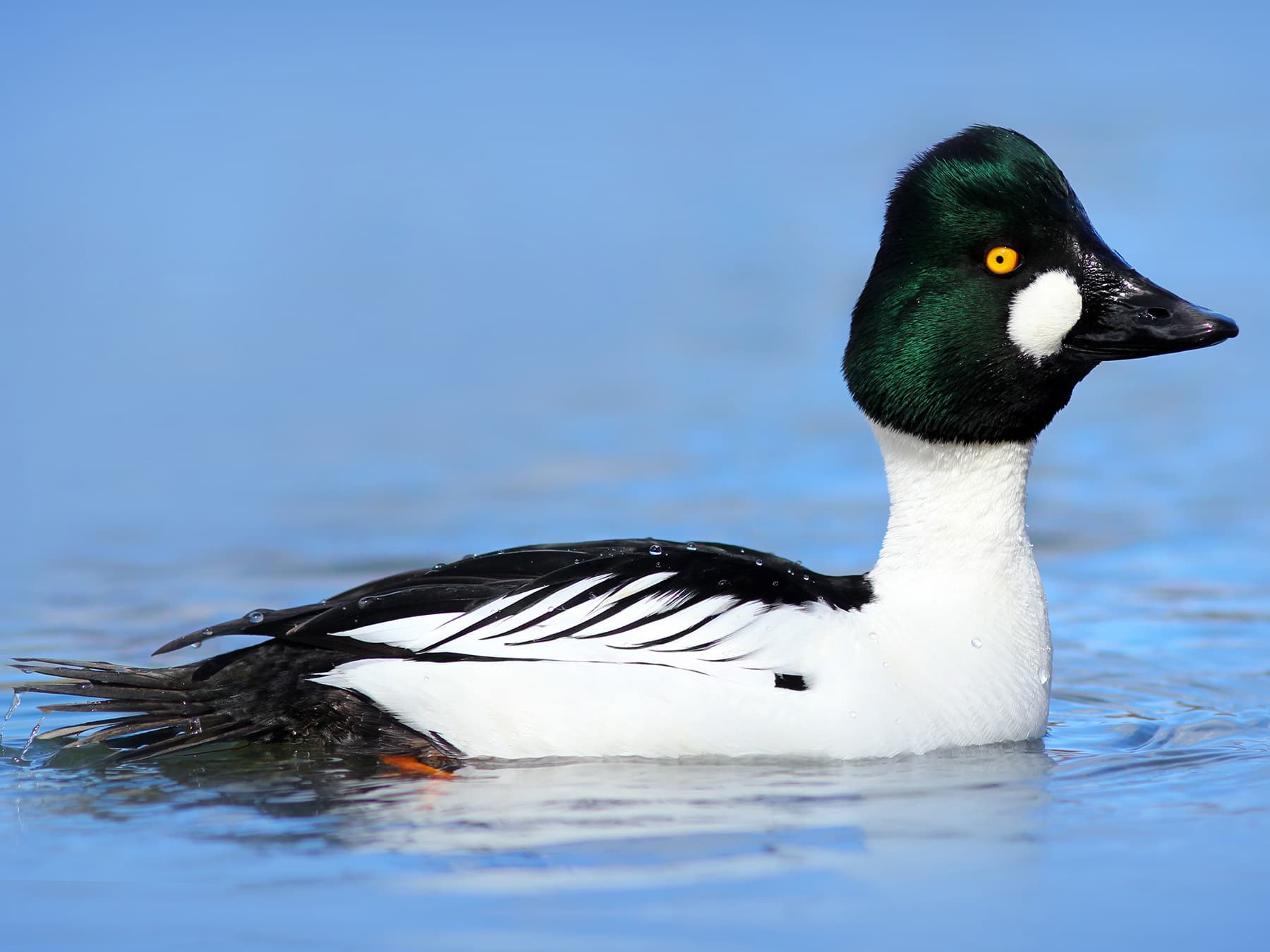 GoldeneyeBucephala clangulaWinter visitorCommon40–51 cmRegularly Sep–Apr · 1.35% in Feb
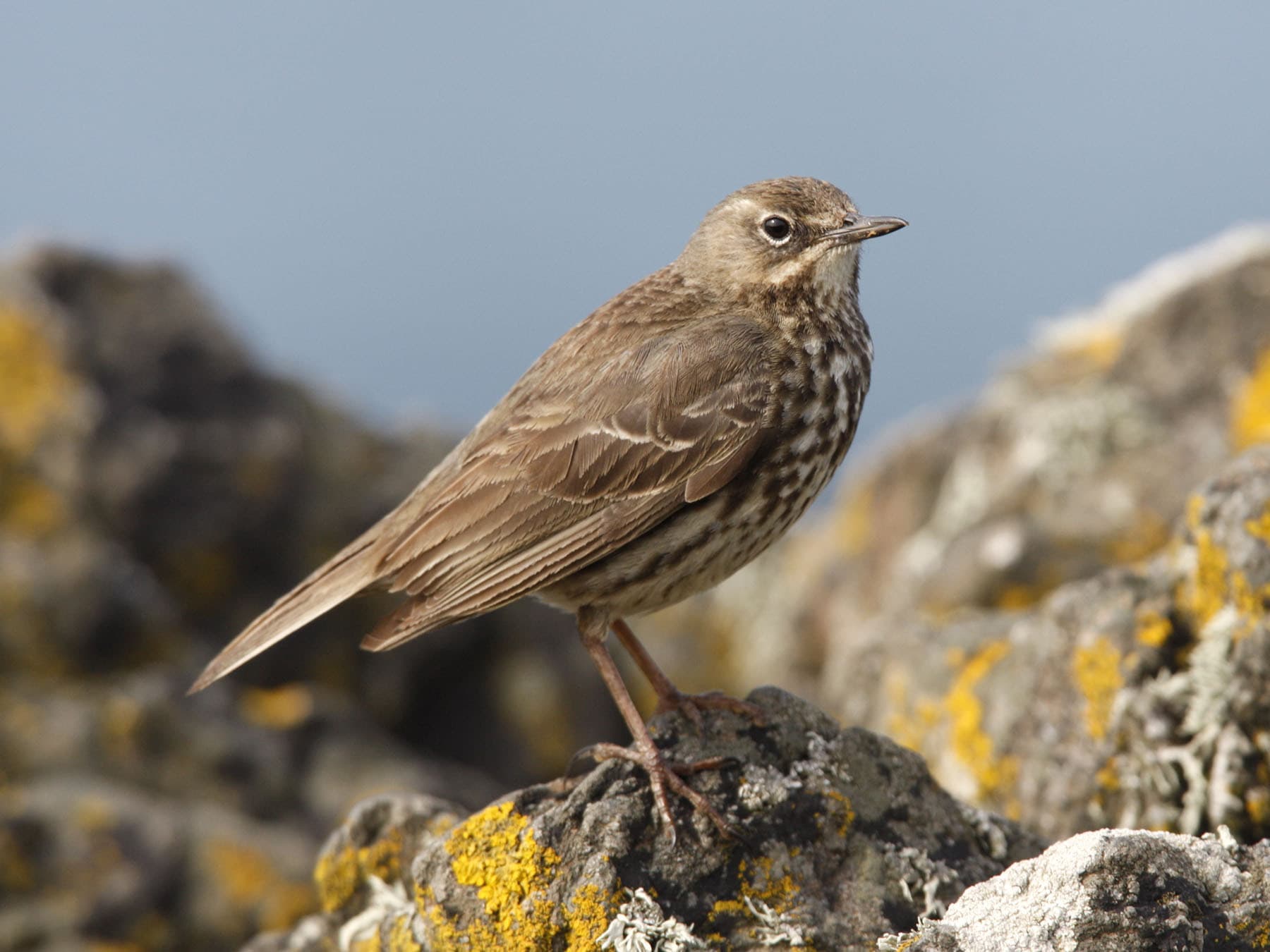 Rock PipitAnthus petrosusResidentCommon16–18 cmRecorded all year · 1.34% in Feb
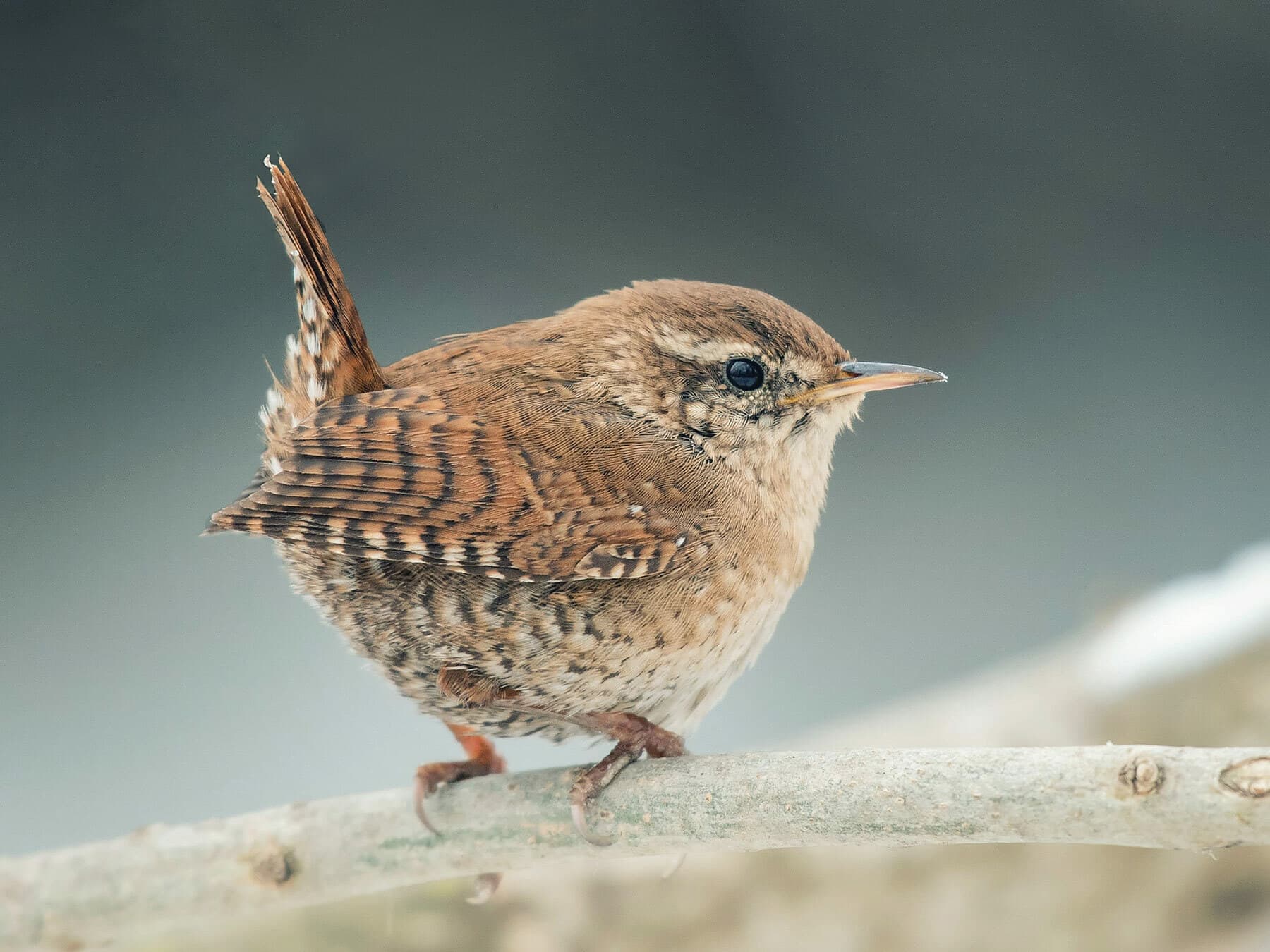 Eurasian WrenTroglodytes troglodytesResidentCommon9–10 cmRecorded all year · 1.32% in Feb
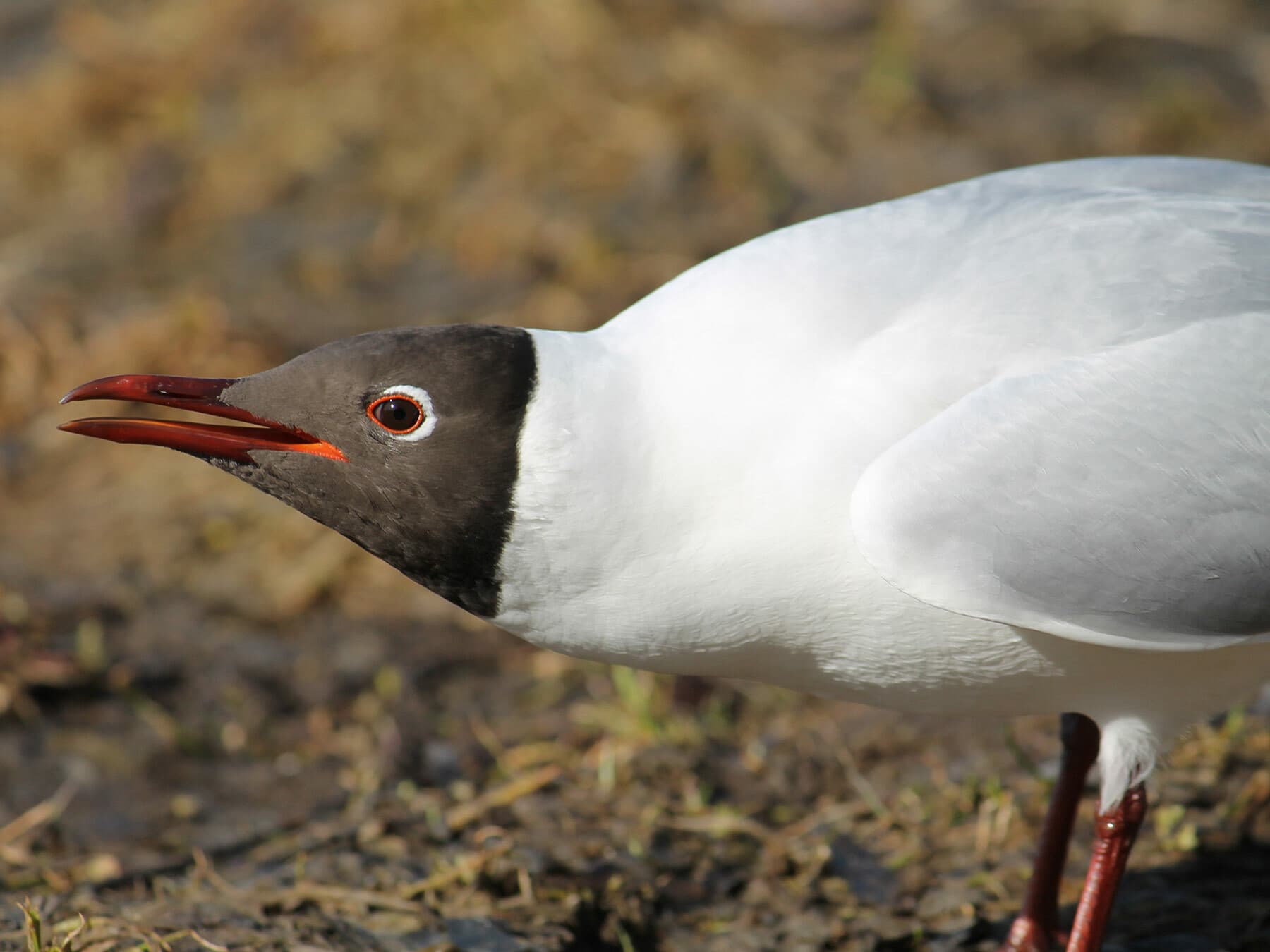 Black-headed GullChroicocephalus ridibundusResidentCommon38–44 cmRecorded all year · 1.26% in Feb
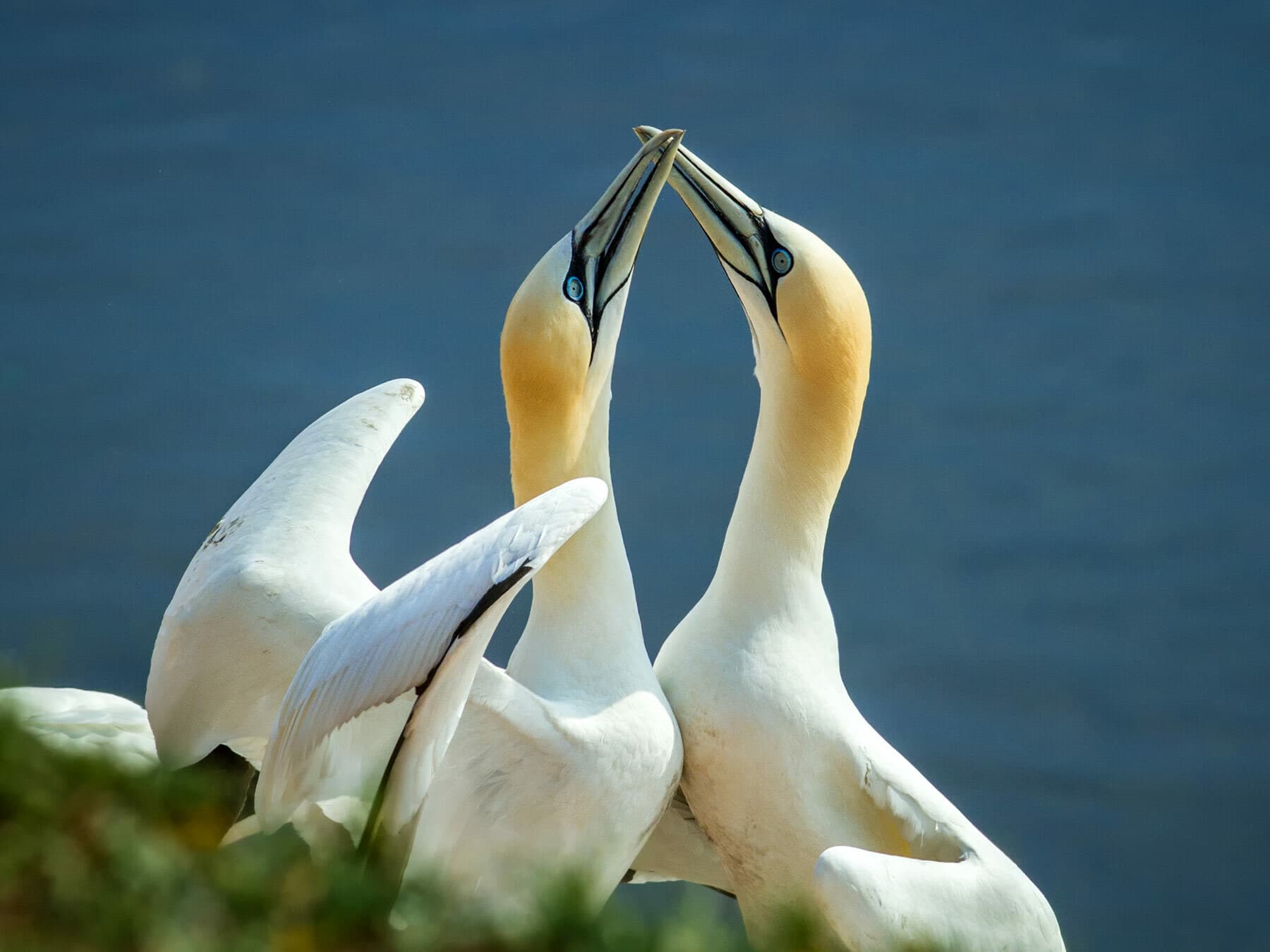 Northern GannetMorus bassanusResidentCommon87–100 cmRecorded all year · 1.19% in Feb
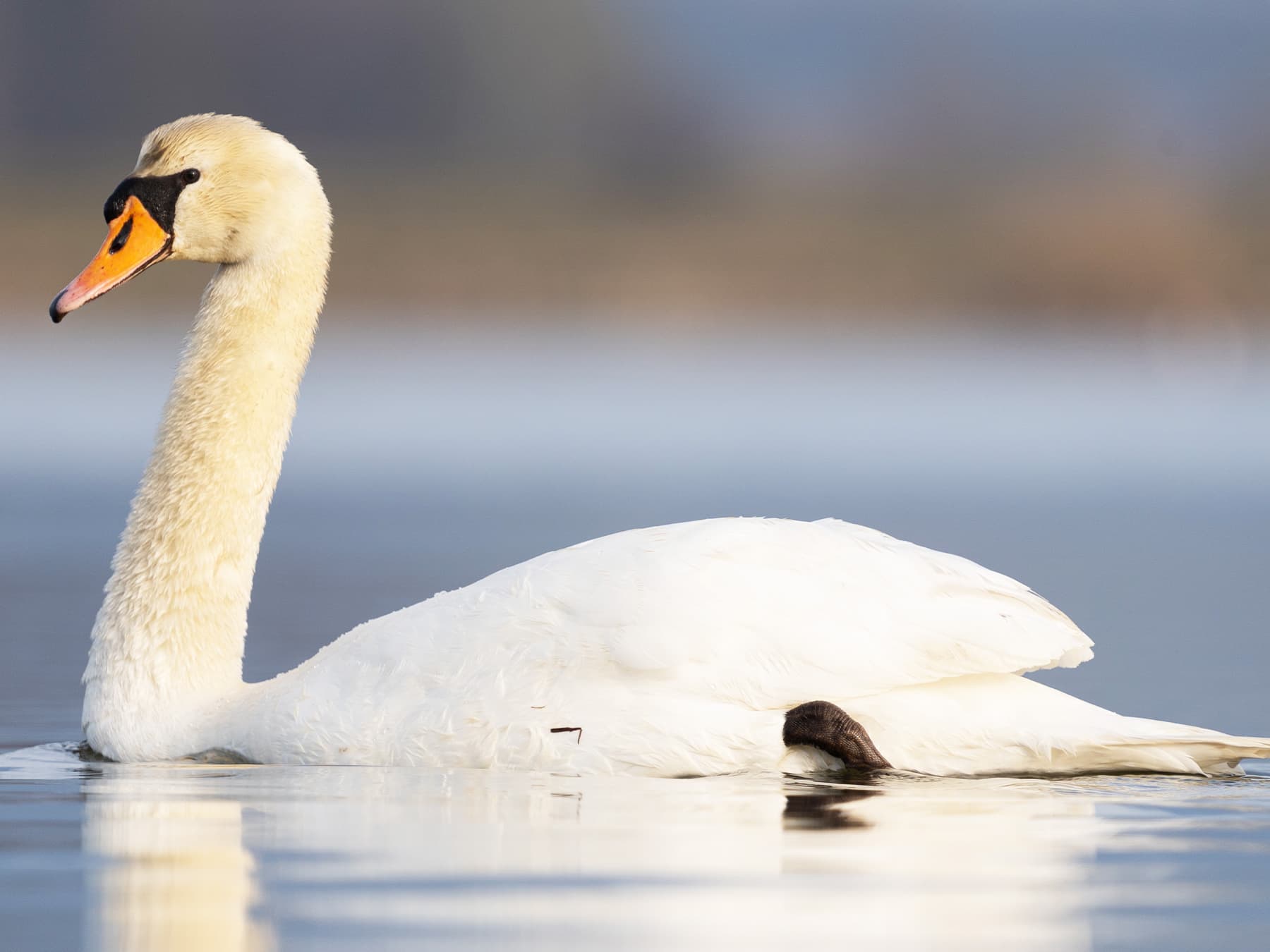 Mute SwanCygnus olorResidentCommon140–160 cmRecorded all year · 1.15% in Feb
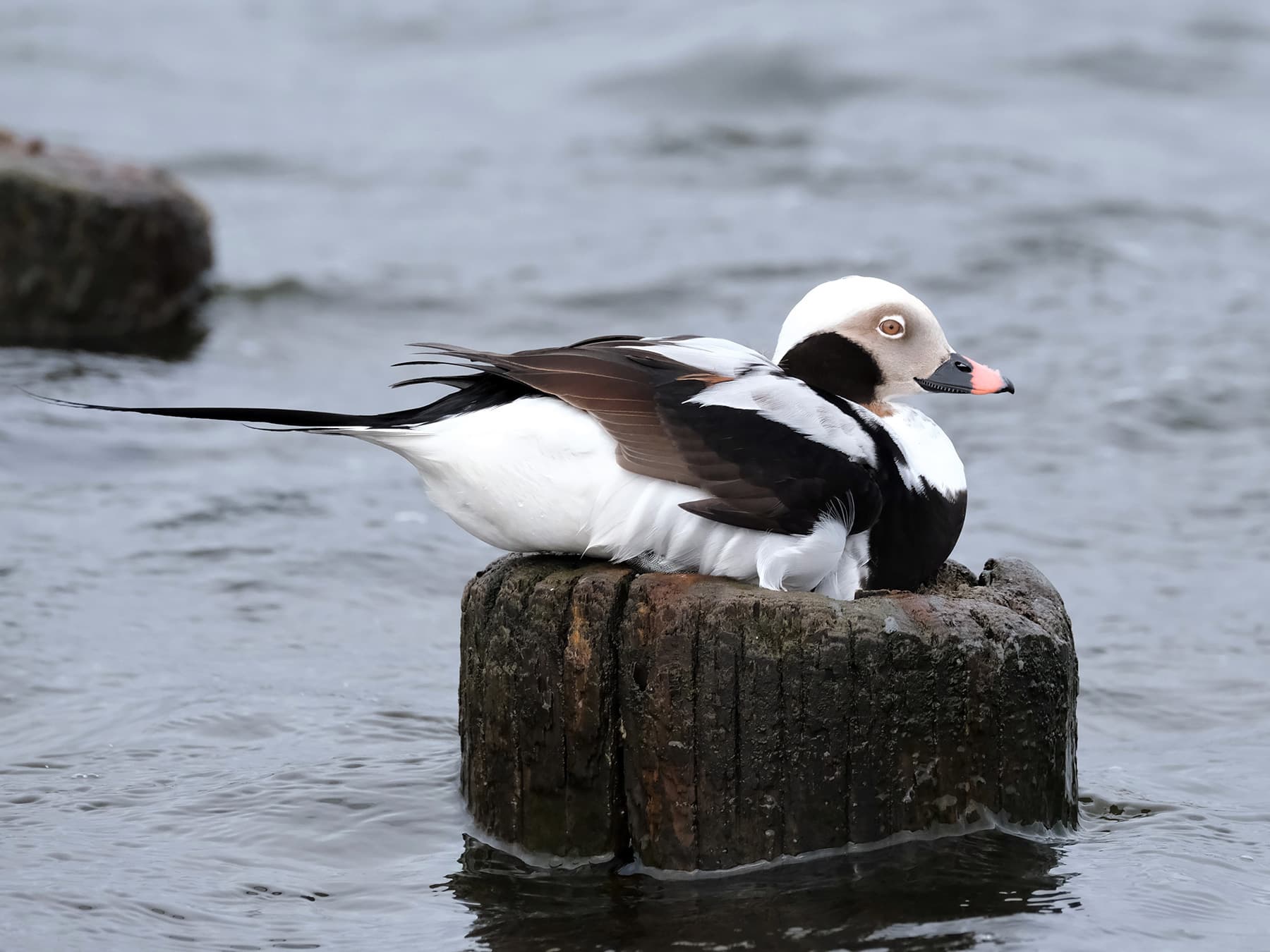 Long-tailed DuckClangula hyemalisWinter visitorCommon37–60 cmRegularly Sep–Jun · 1.06% in Feb
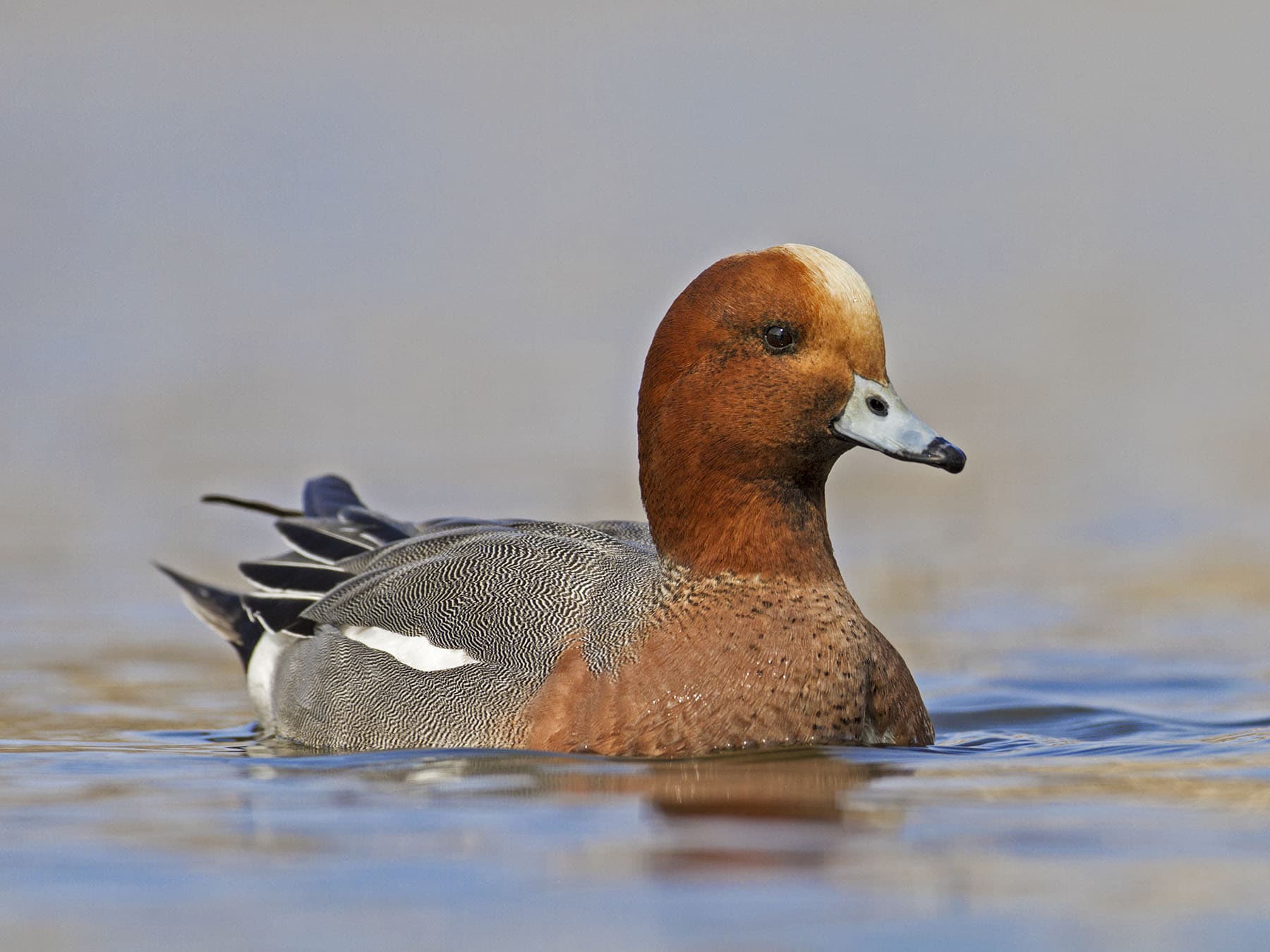 Eurasian WigeonMareca penelopeWinter visitorCommon42–51 cmRegularly Aug–Jun · 1.04% in Feb
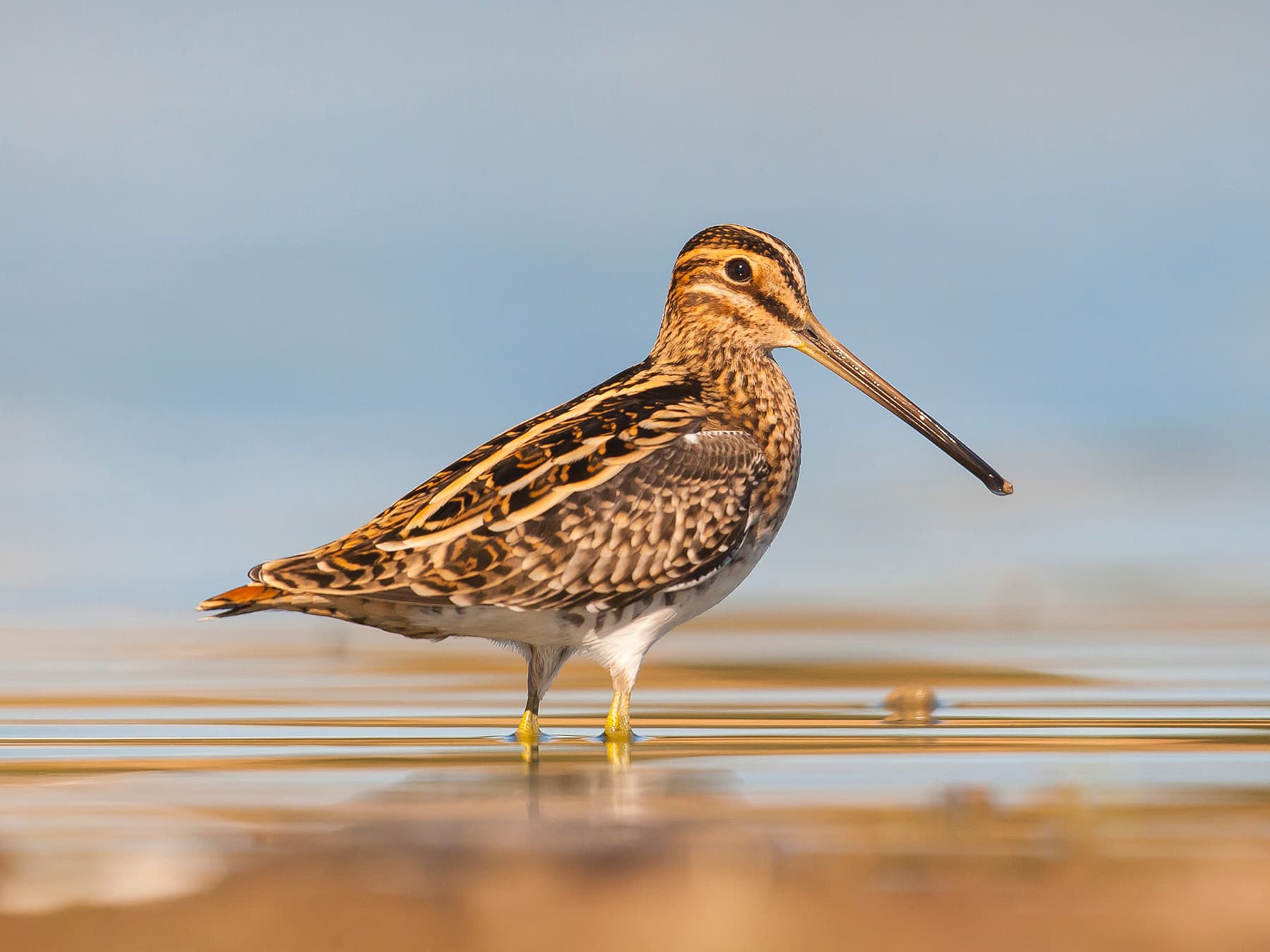 Common SnipeGallinago gallinagoResidentCommon25–27 cmRecorded all year · 1.02% in Feb
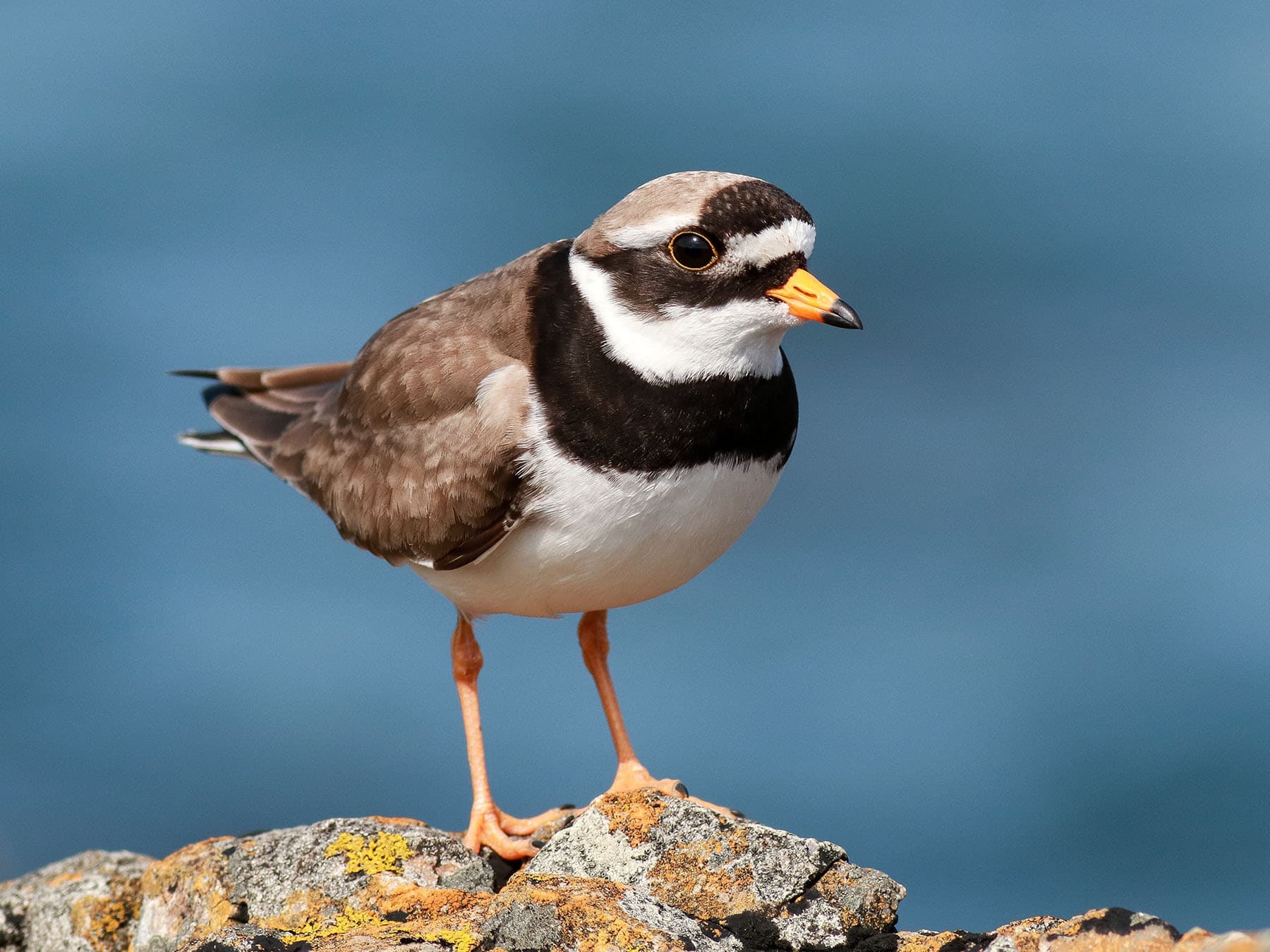 Ringed PloverCharadrius hiaticulaResidentCommon17–19 cmRecorded all year · 1.02% in Feb
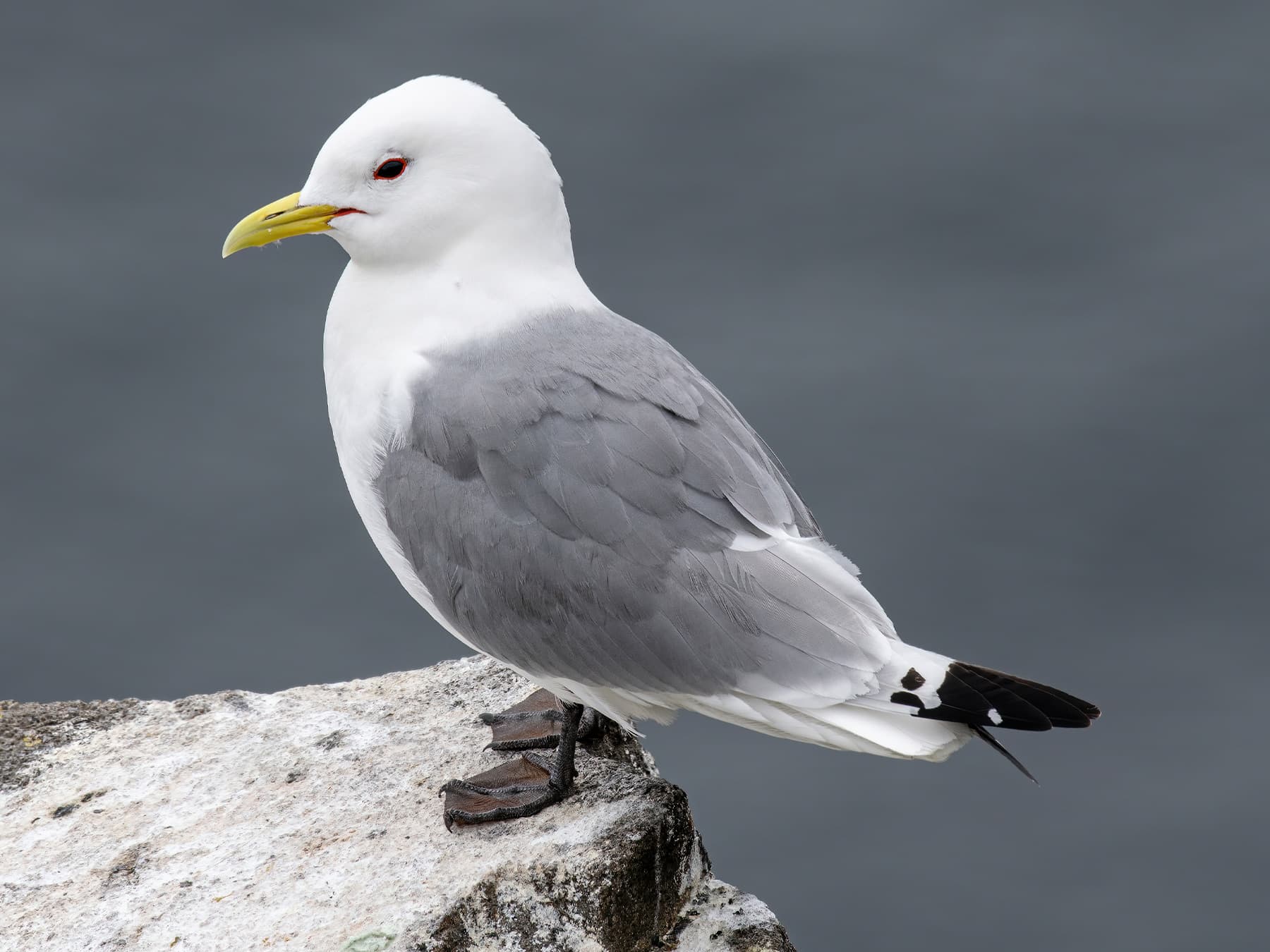 KittiwakeRissa tridactylaResidentCommon37–41 cmRecorded all year · 0.97% in Feb
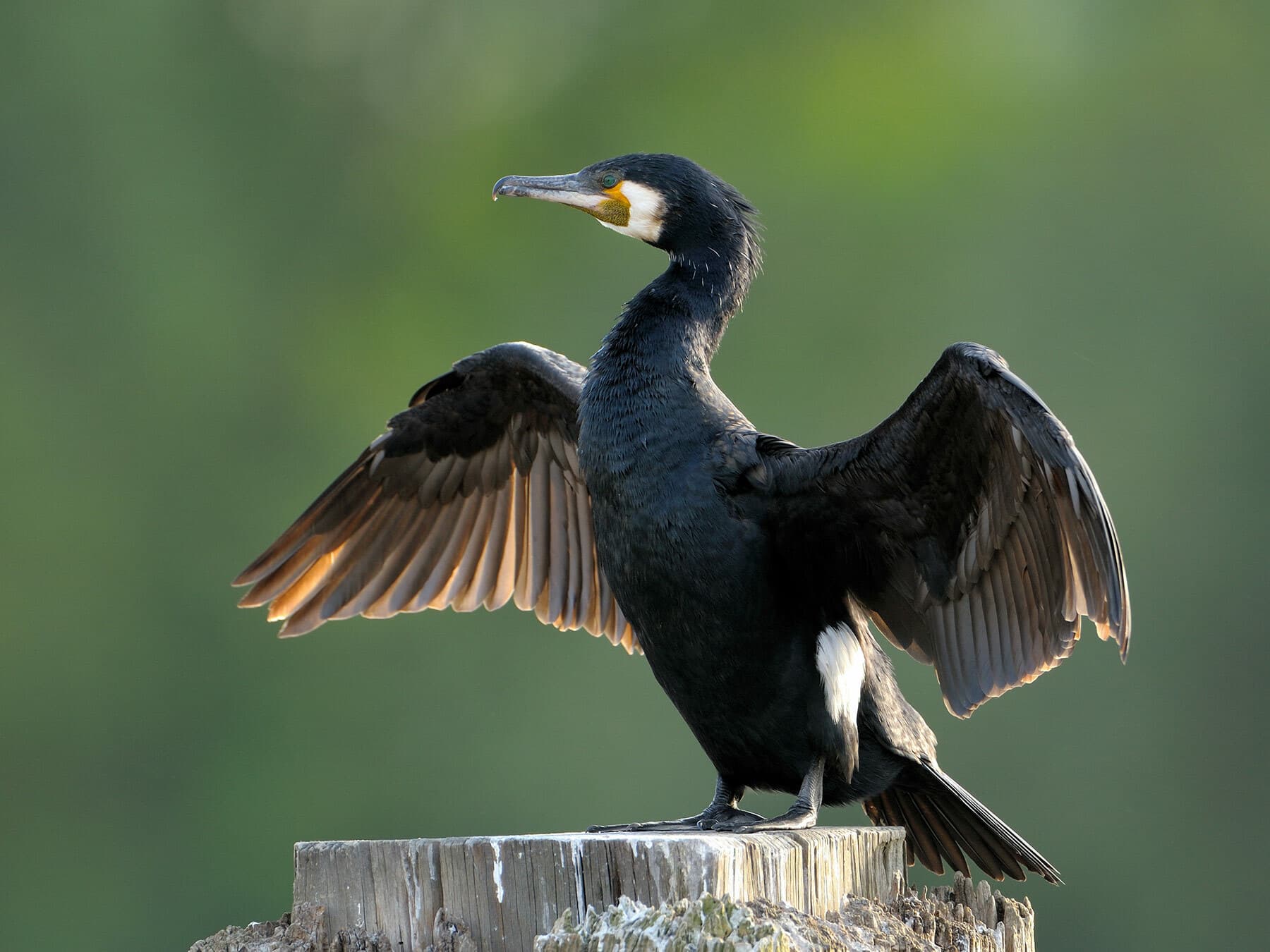 Great CormorantPhalacrocorax carboResidentCommon80–100 cmRecorded all year · 0.96% in Feb
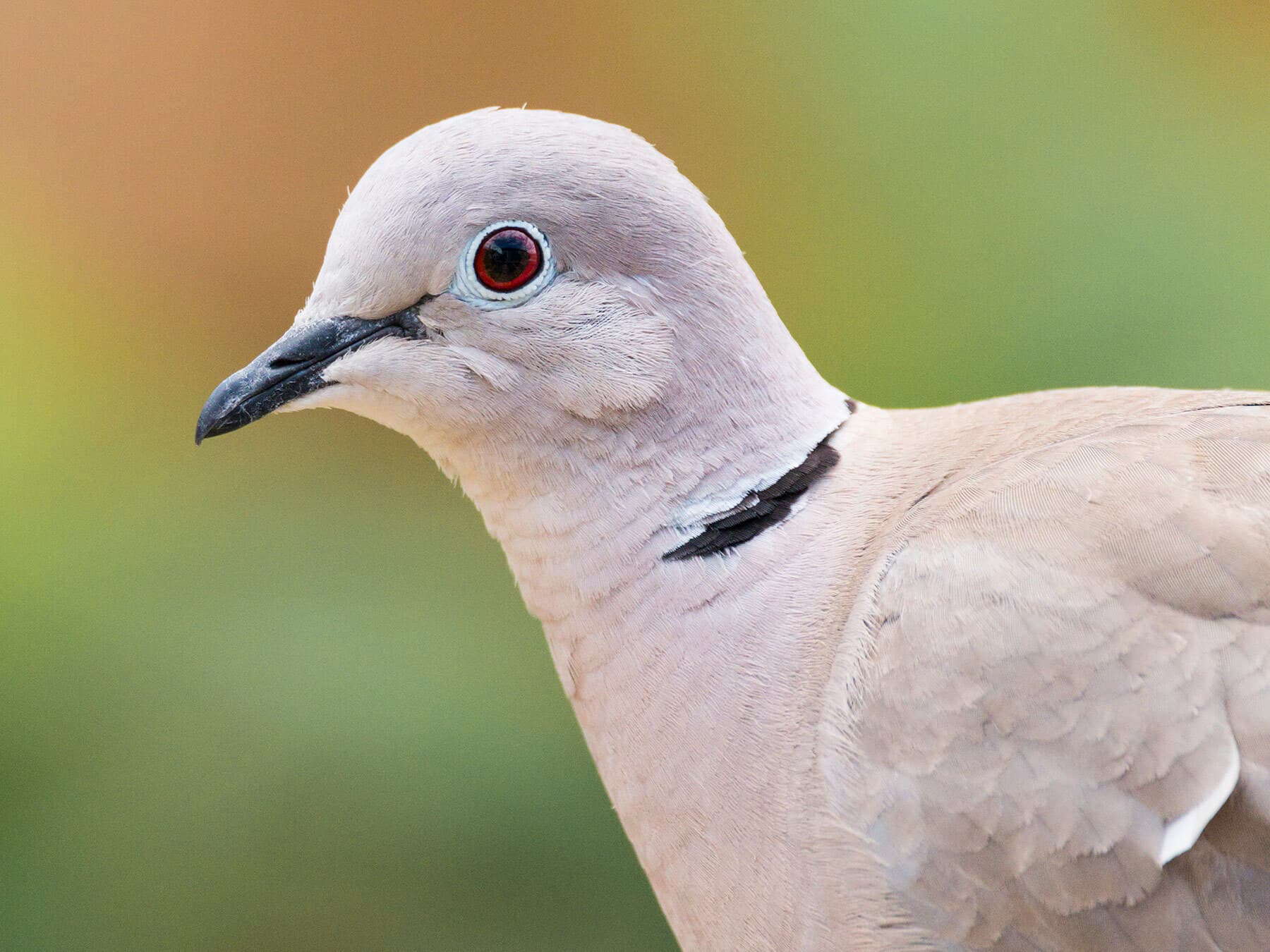 Eurasian Collared DoveStreptopelia decaoctoResidentCommon30–32 cmRecorded all year · 0.92% in Feb
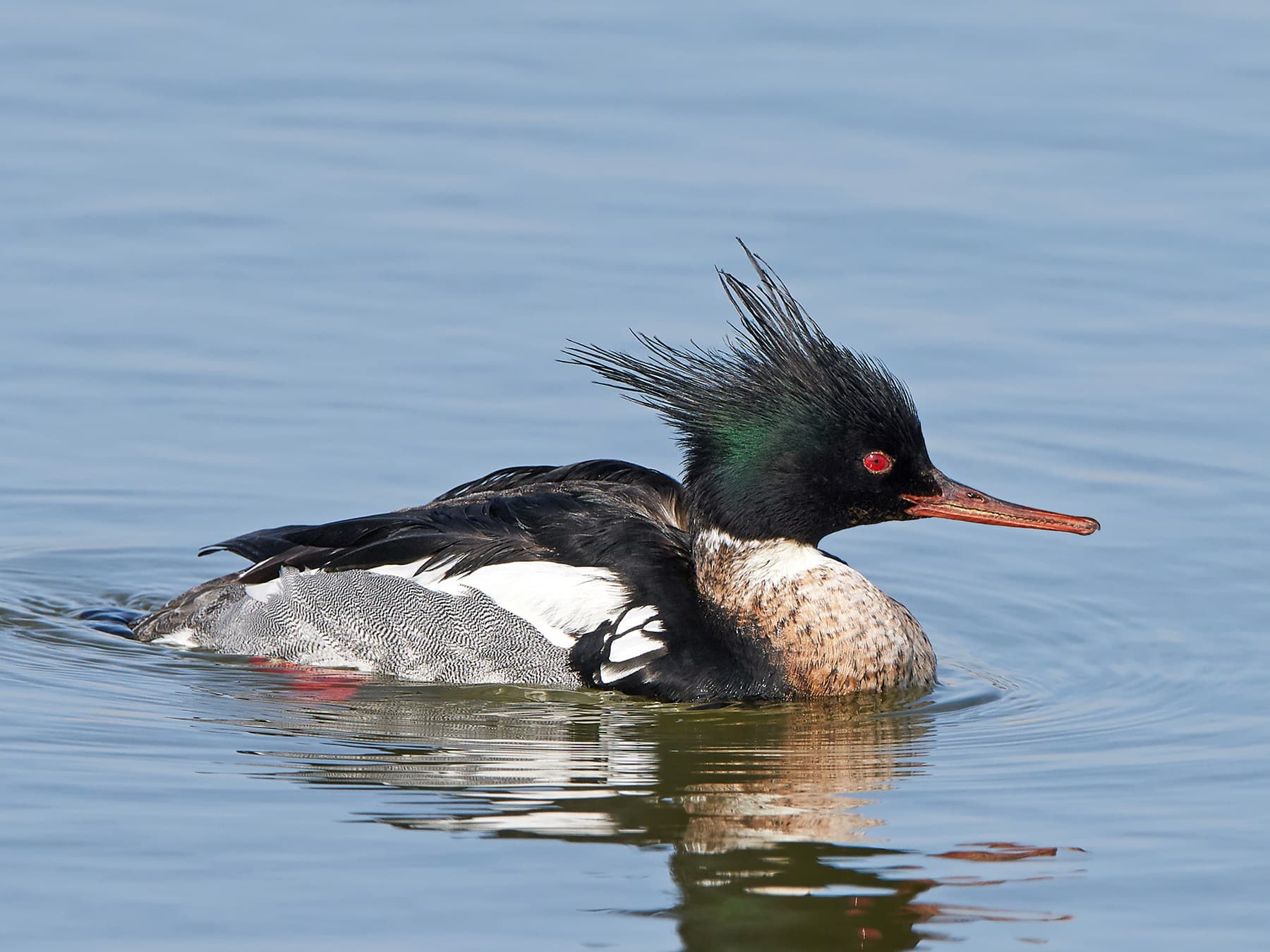 Red-breasted MerganserMergus serratorResidentCommon52–58 cmRecorded all year · 0.92% in Feb
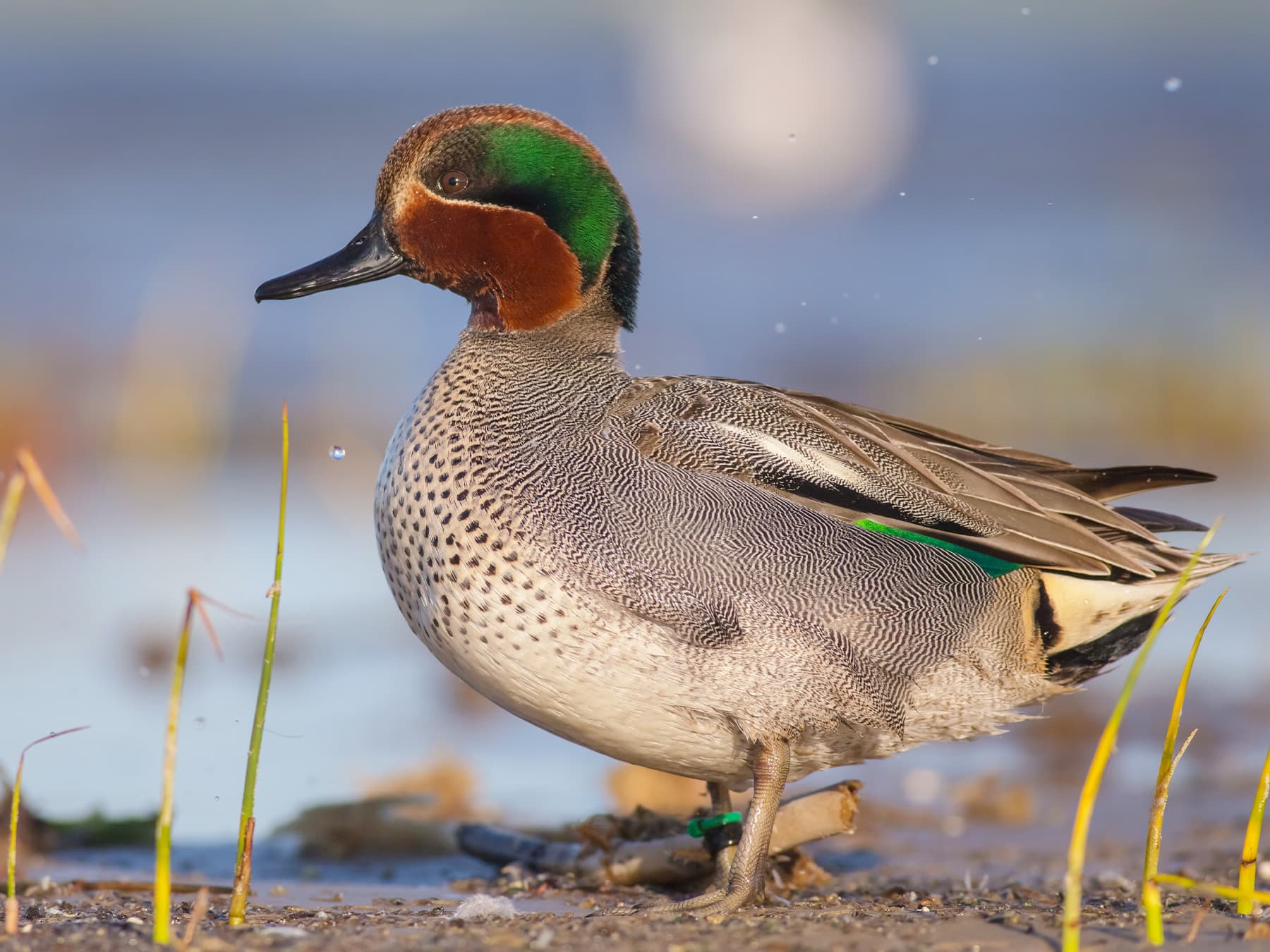 Eurasian TealAnas creccaWinter visitorCommon34–38 cmRecorded all year · 0.91% in Feb
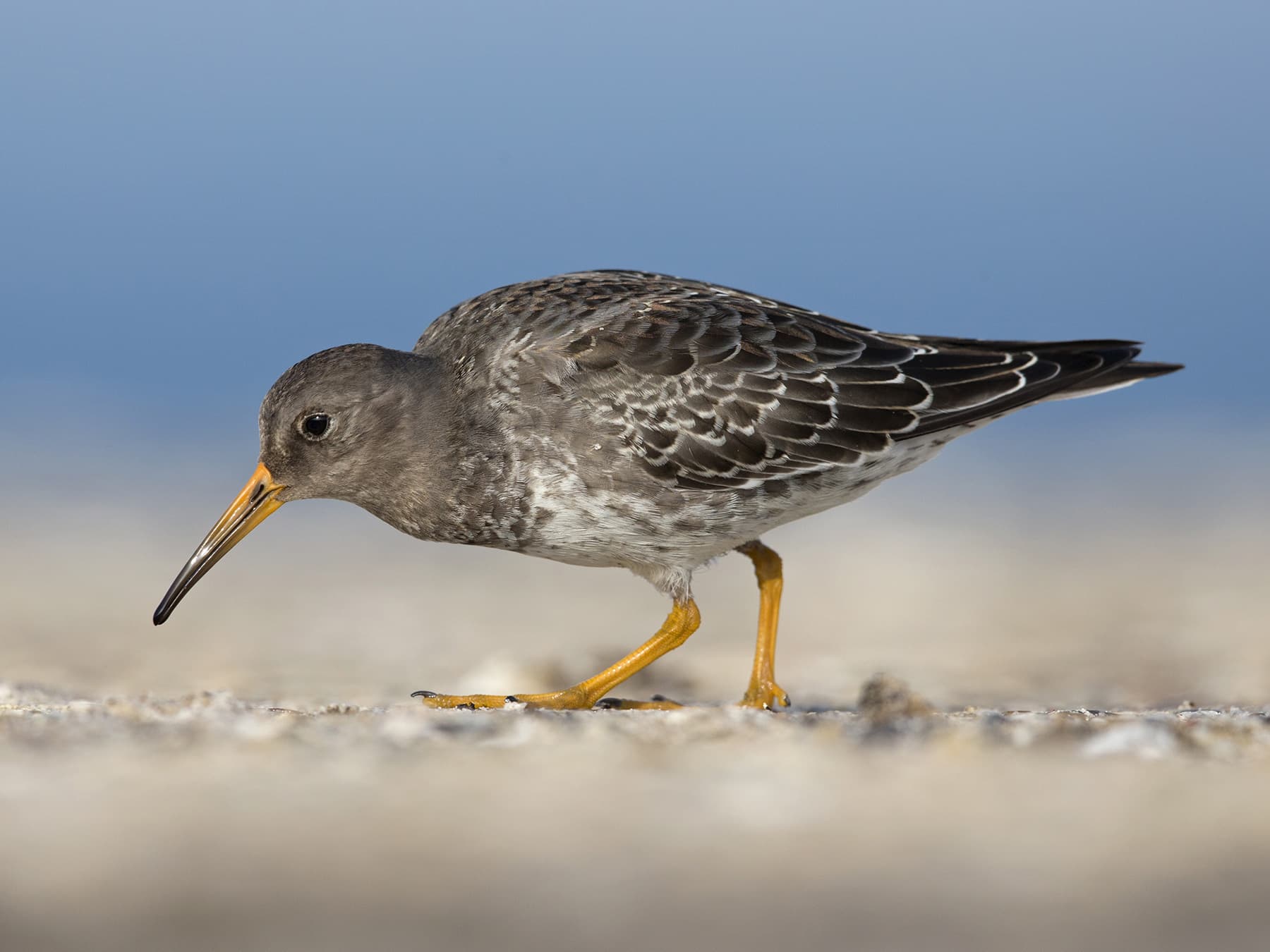 Purple SandpiperCalidris maritimaWinter visitorCommon20–22 cmRegularly Aug–Apr · 0.86% in Feb
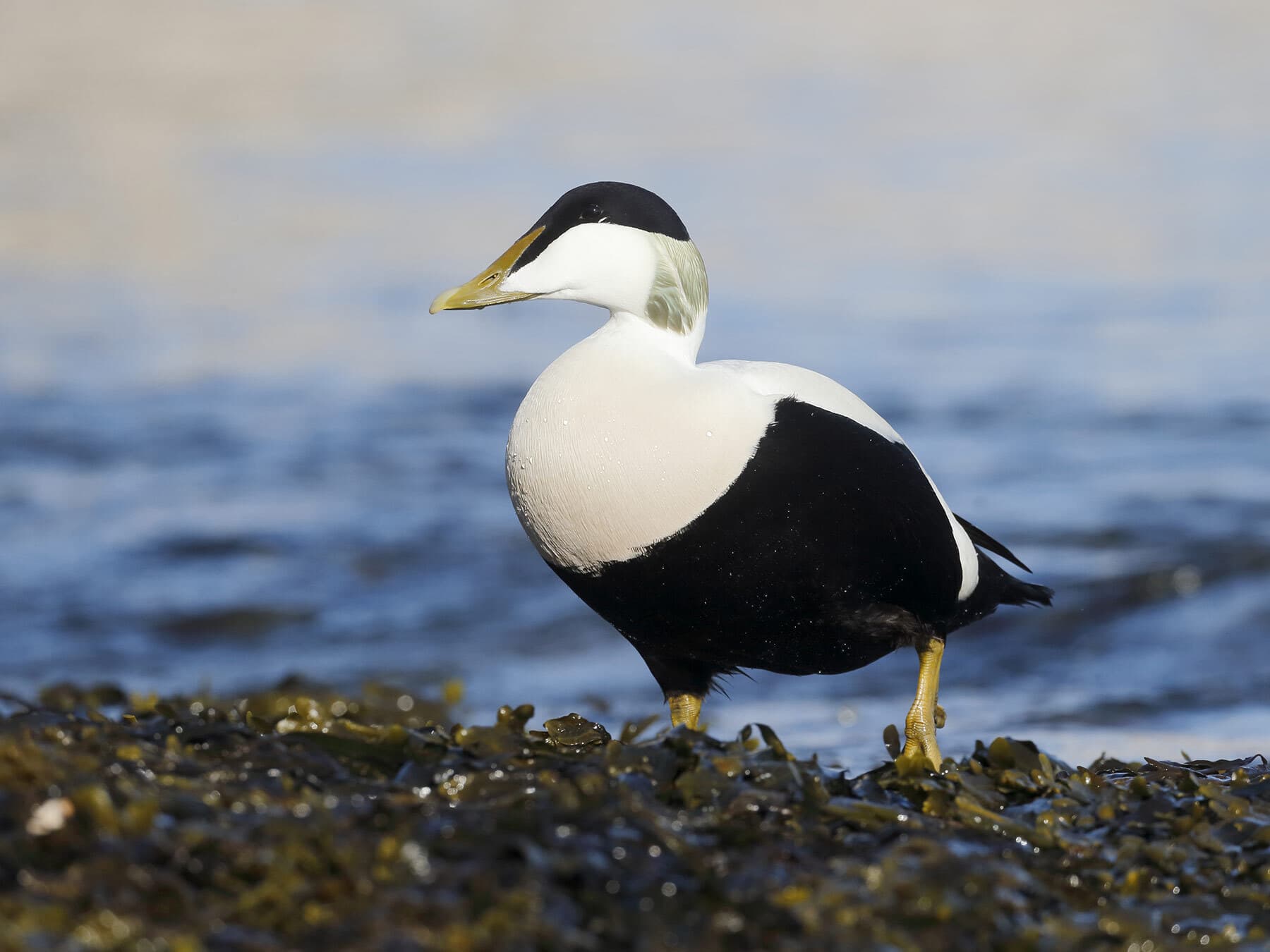 EiderSomateria mollissimaResidentCommon50–71 cmRecorded all year · 0.85% in Feb
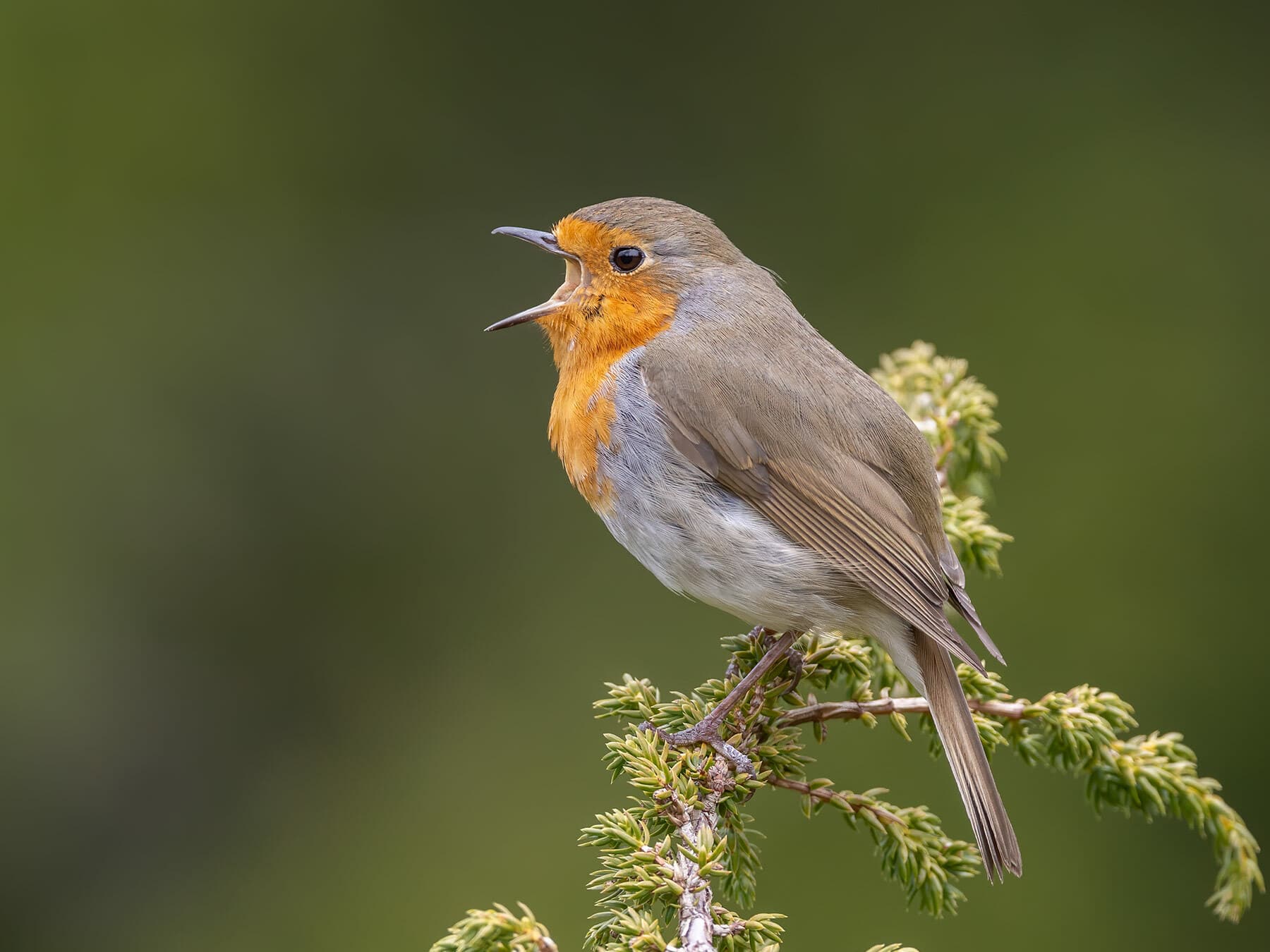 European RobinErithacus rubeculaWinter visitorCommon13–14 cmRegularly Sep–Jun · 0.83% in Feb
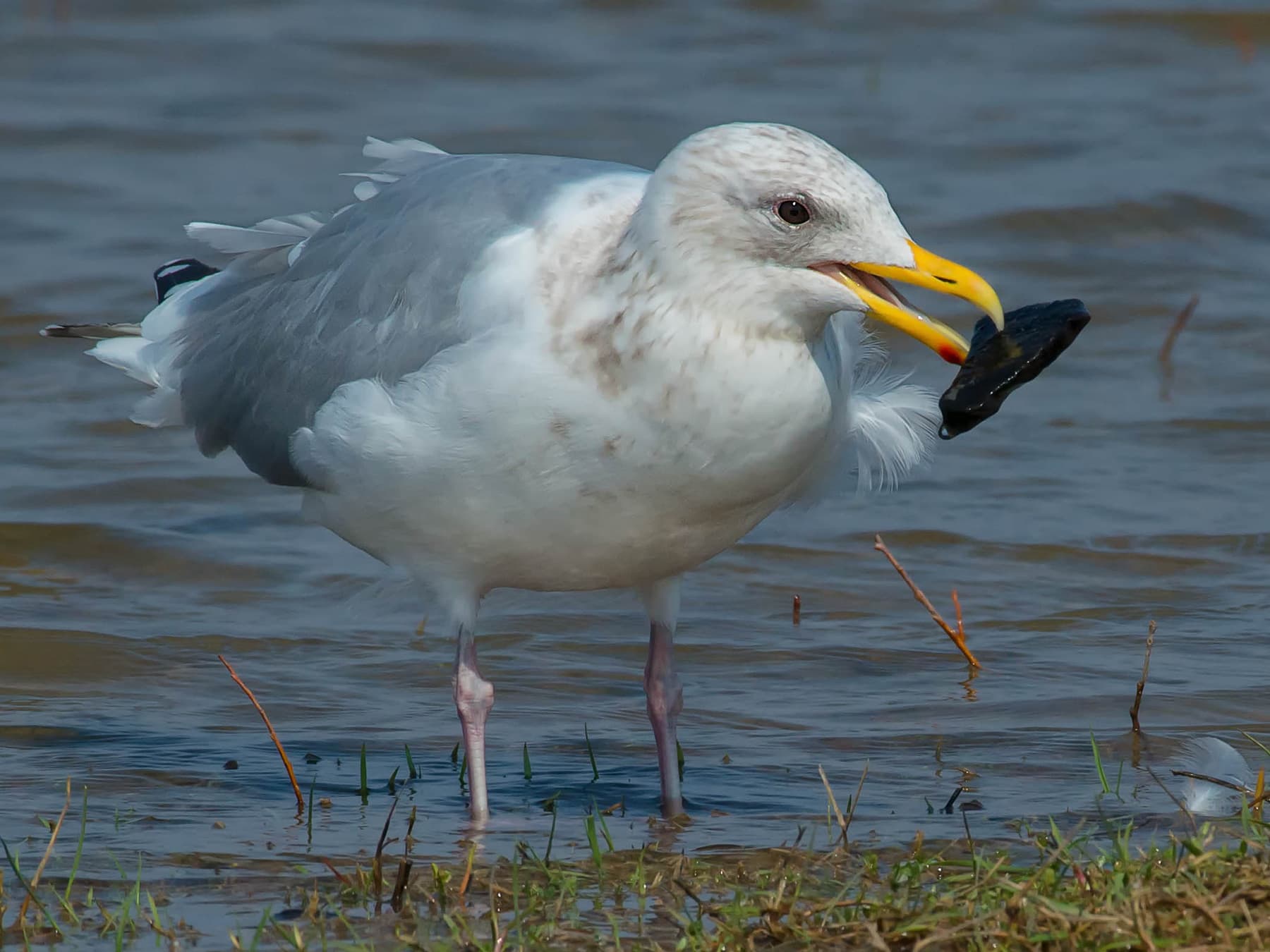 Iceland GullLarus glaucoidesWinter visitorCommon52–60 cmRegularly Nov–May · 0.83% in Feb
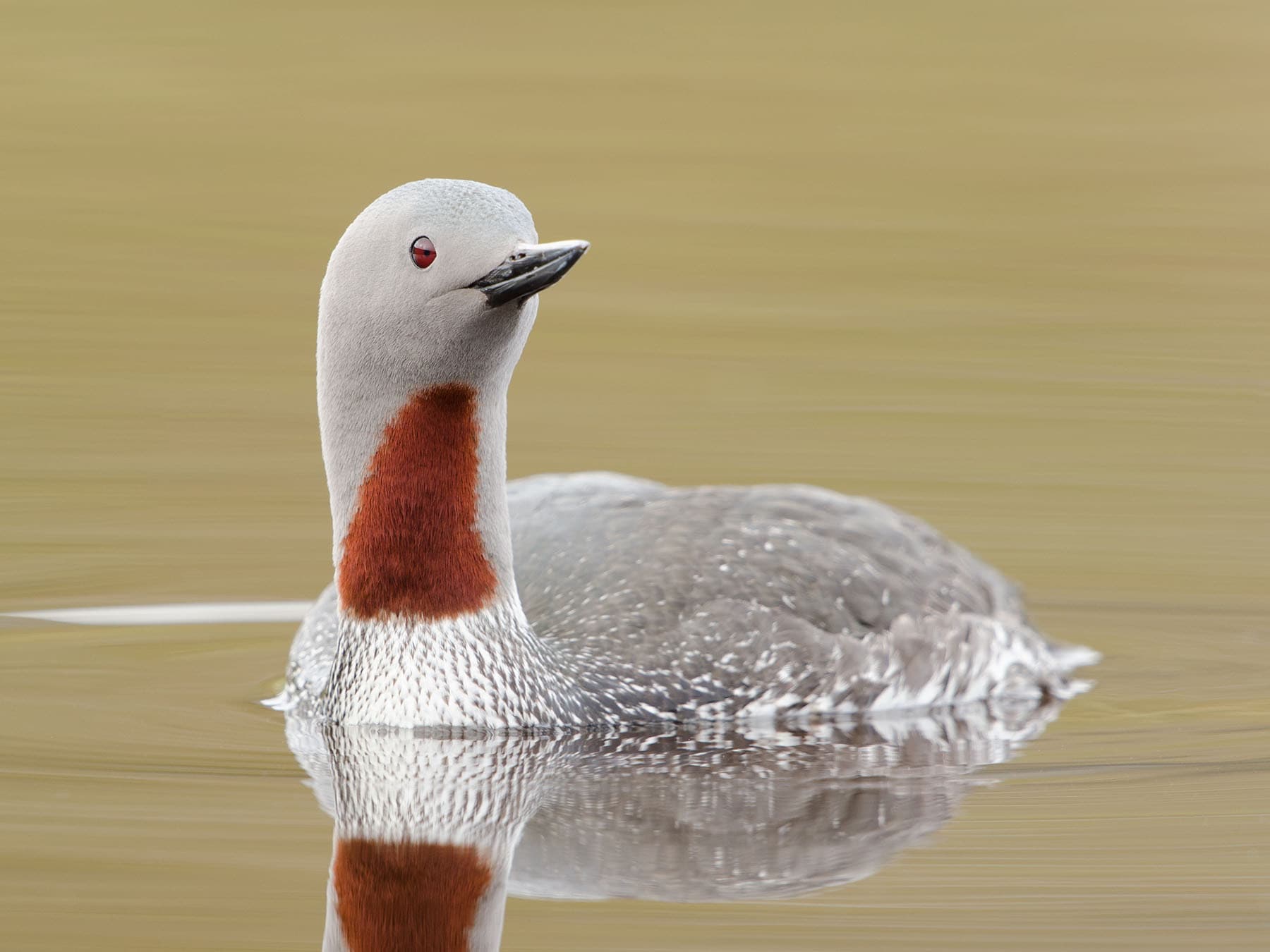 Red-throated LoonGavia stellataResidentCommon53–69 cmRecorded all year · 0.80% in Feb
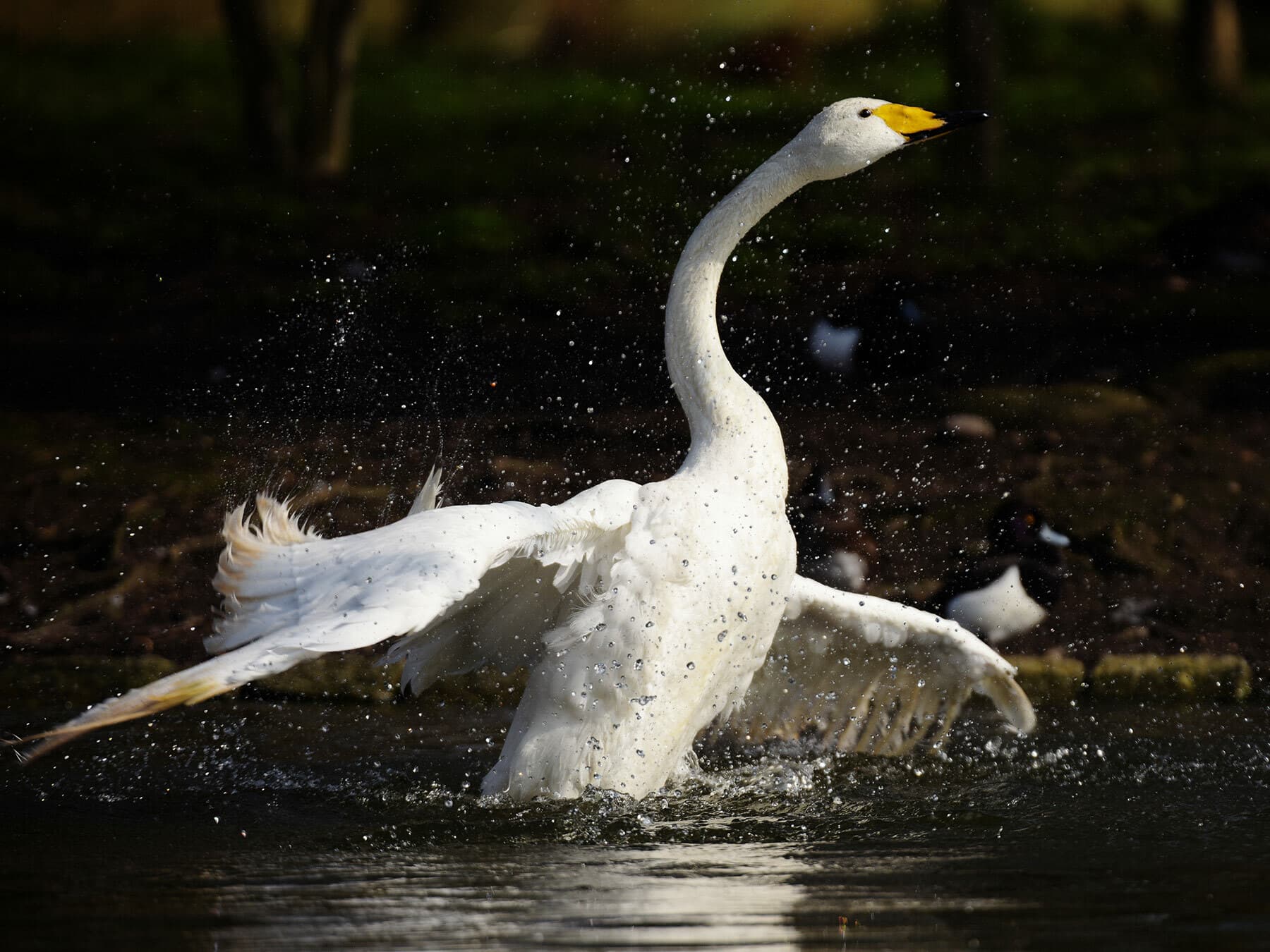 Whooper SwanCygnus cygnusWinter visitorCommon140–165 cmRegularly Aug–Mar · 0.79% in Feb
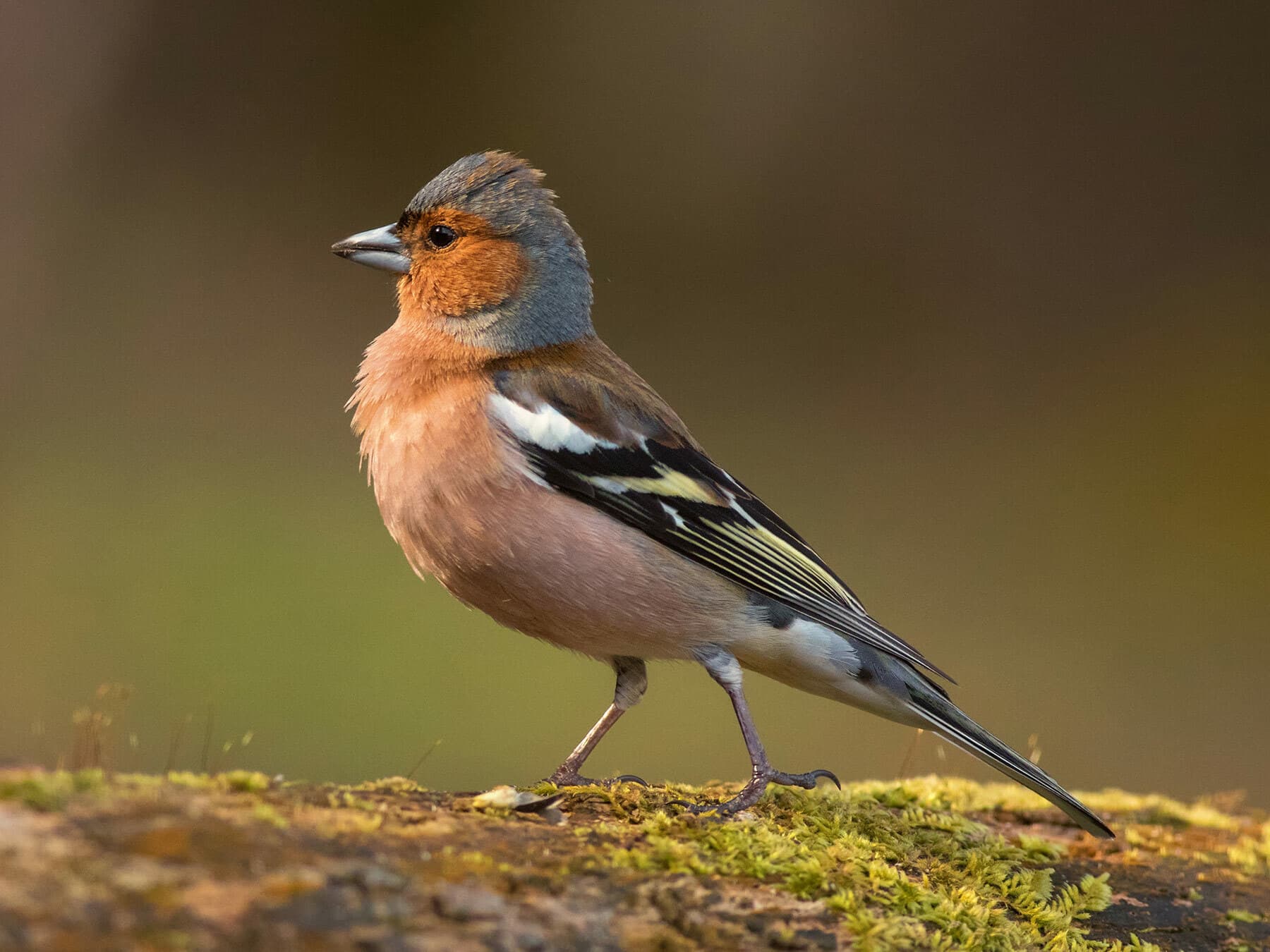 ChaffinchFringilla coelebsWinter visitorCommon14–16 cmRegularly Sep–Jun · 0.74% in Feb
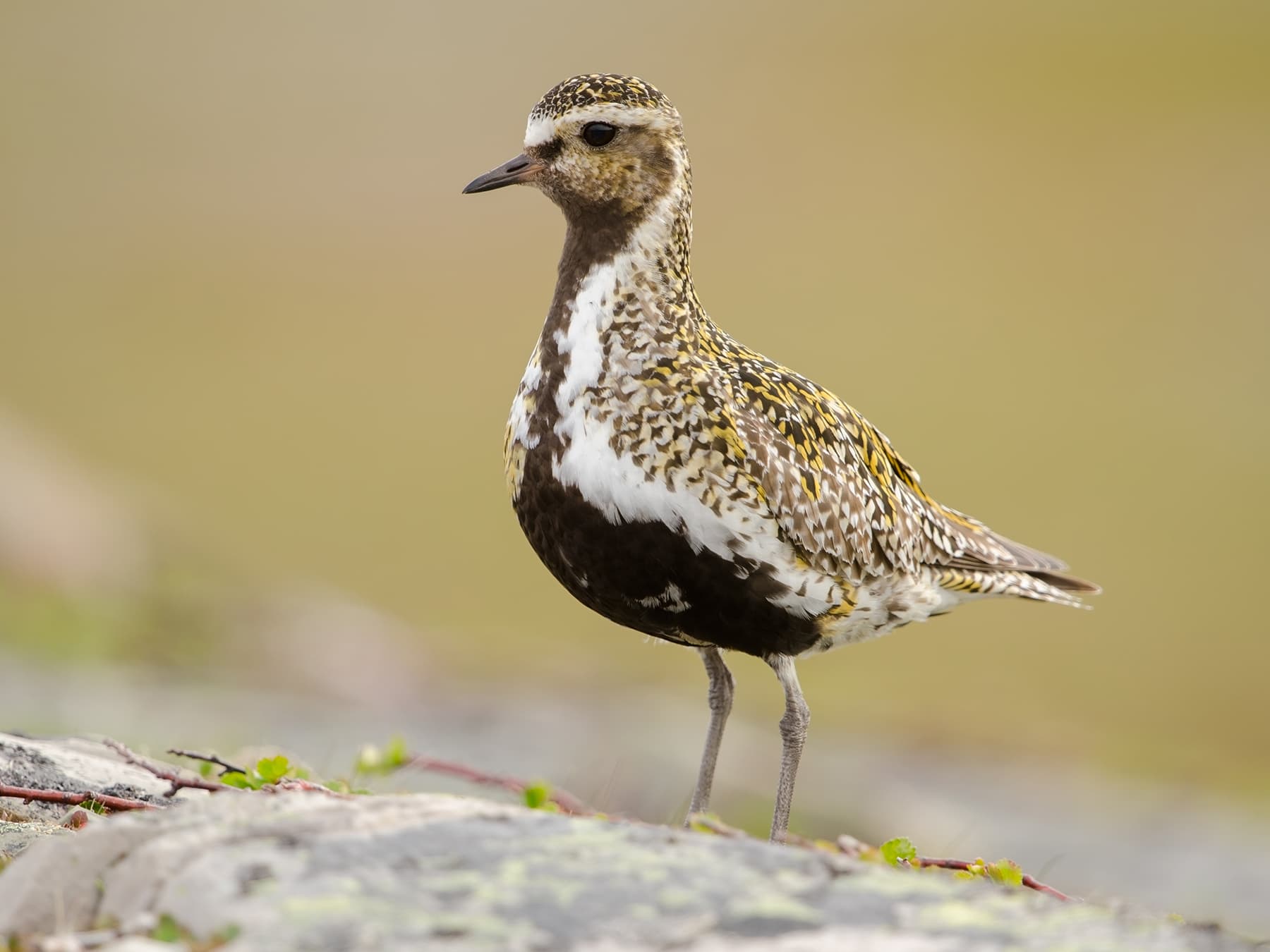 Golden PloverPluvialis apricariaResidentCommon26–29 cmRecorded all year · 0.60% in Feb
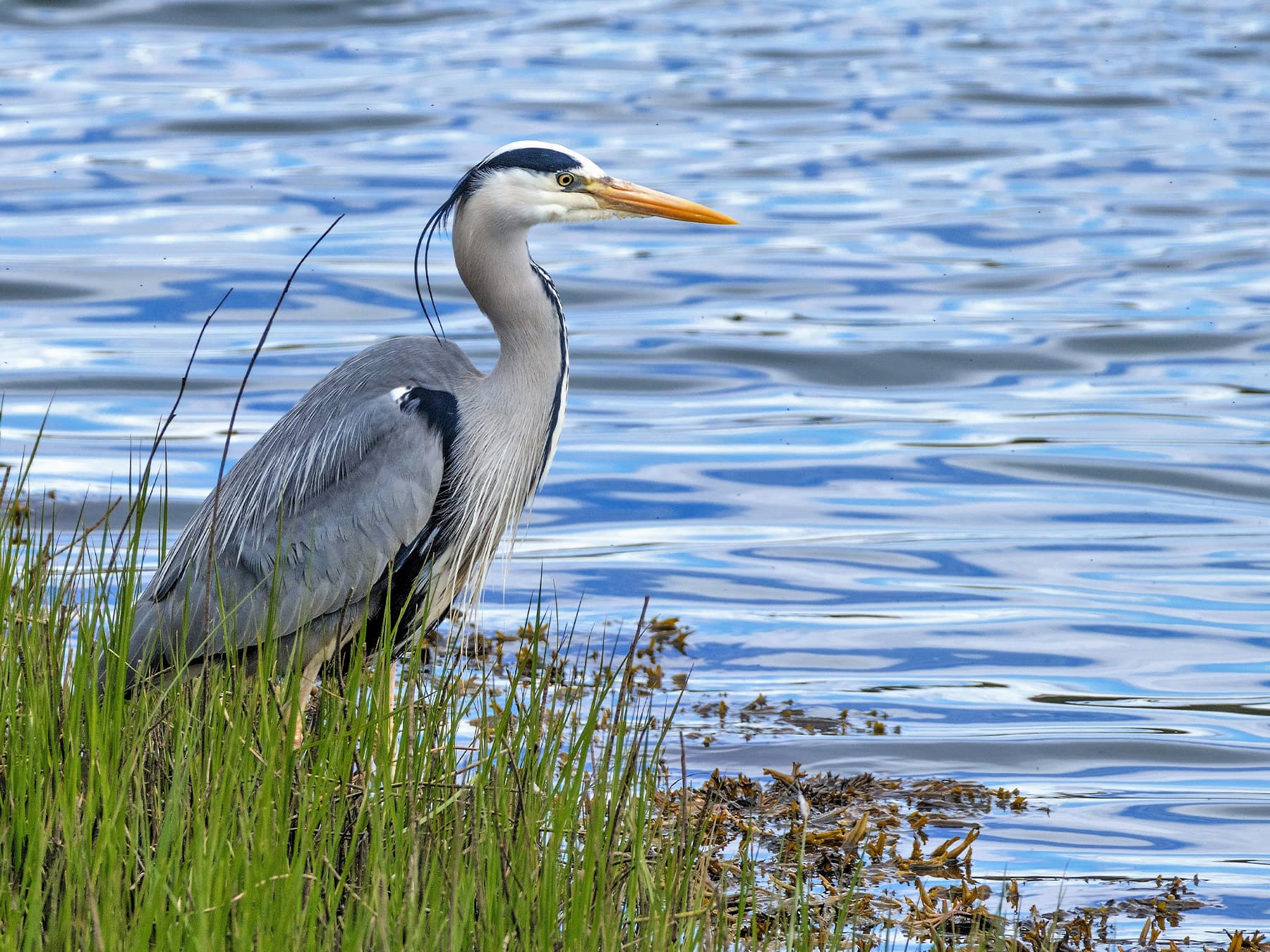 Grey HeronArdea cinereaWinter visitorCommon90–98 cmRecorded all year · 0.57% in Feb
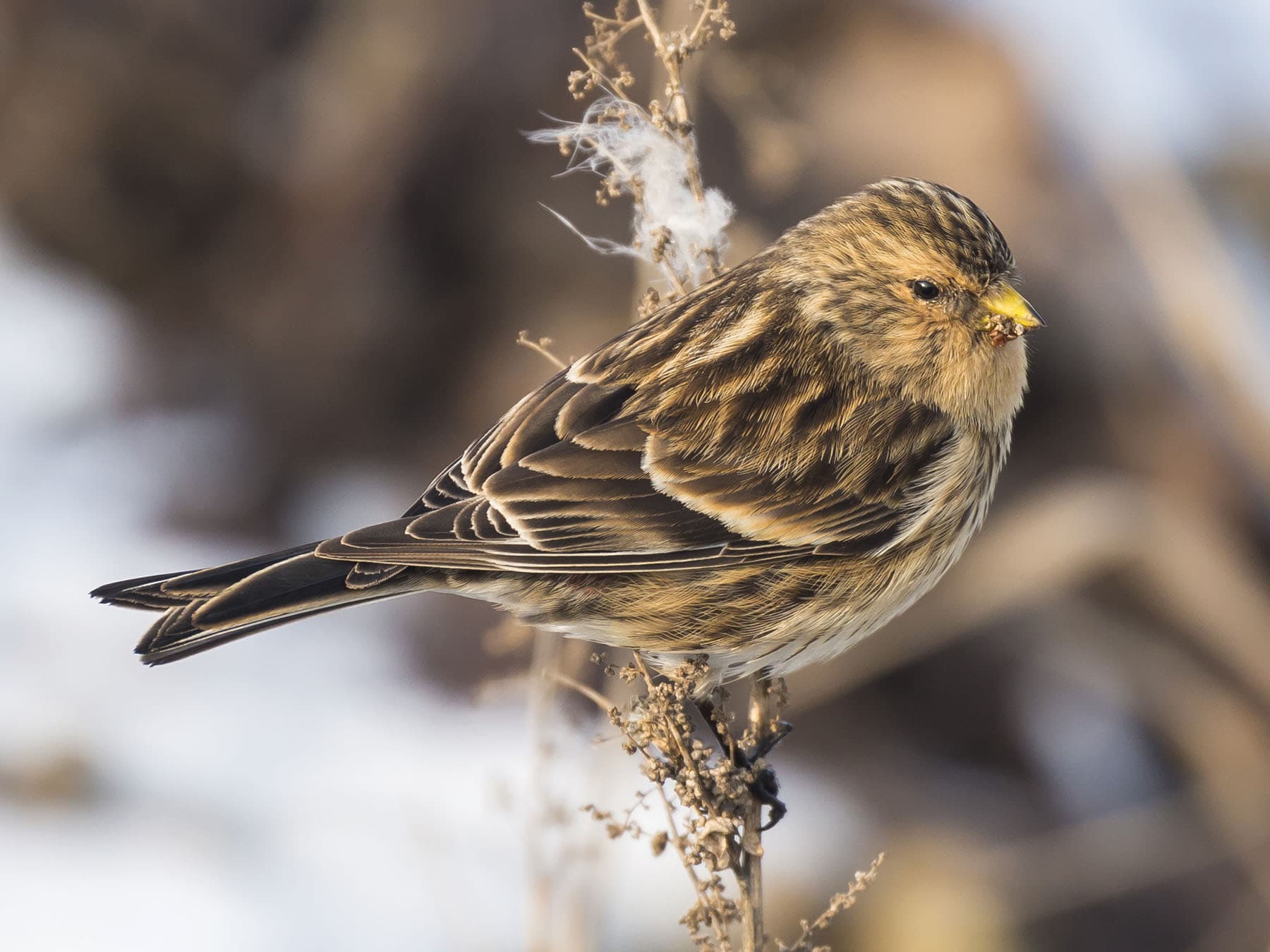 TwiteLinaria flavirostrisResidentCommon13–14 cmRecorded all year · 0.57% in Feb
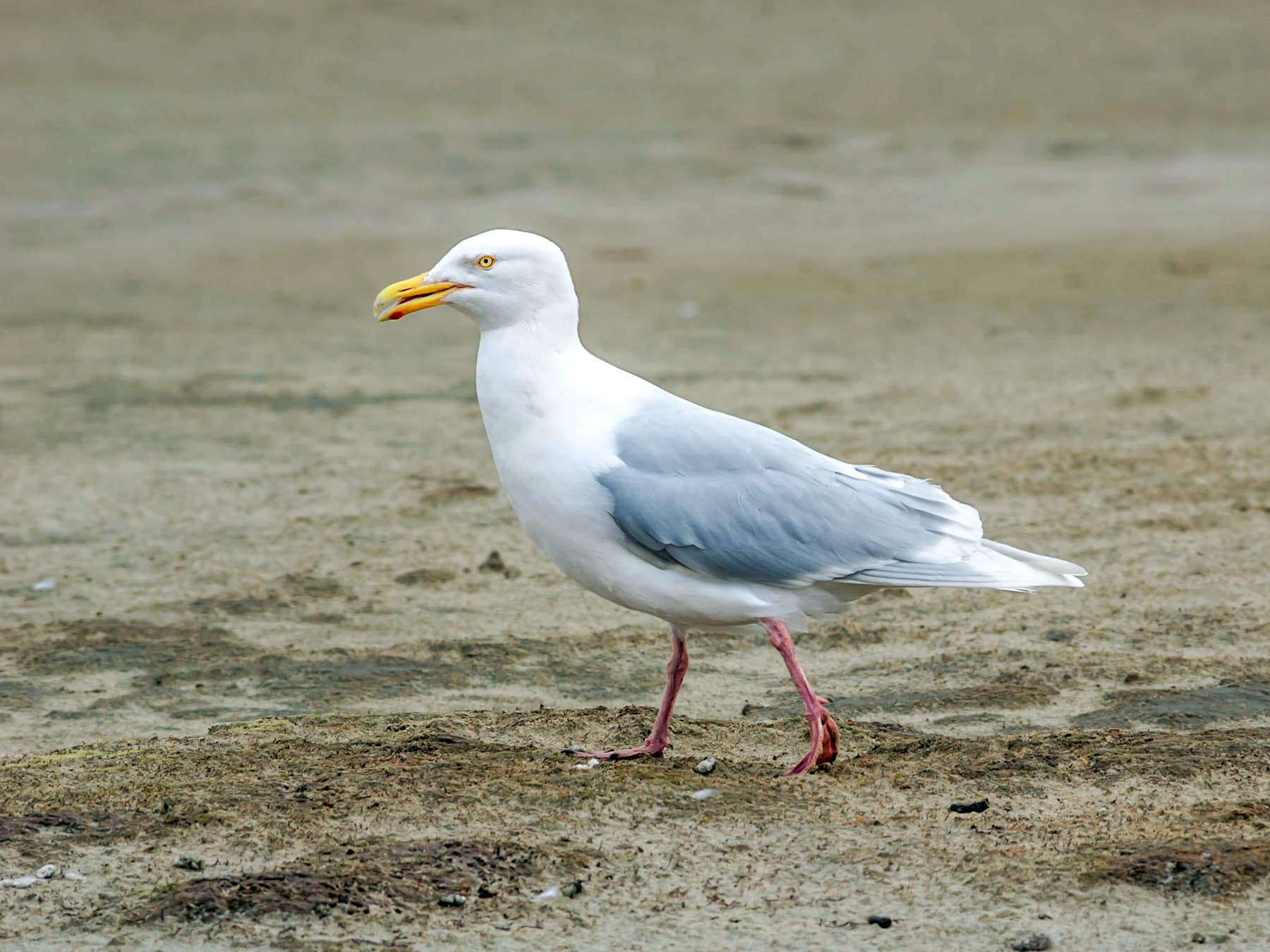 Glaucous GullLarus hyperboreusWinter visitorCommon62–68 cmRegularly Jul–Apr · 0.52% in Feb
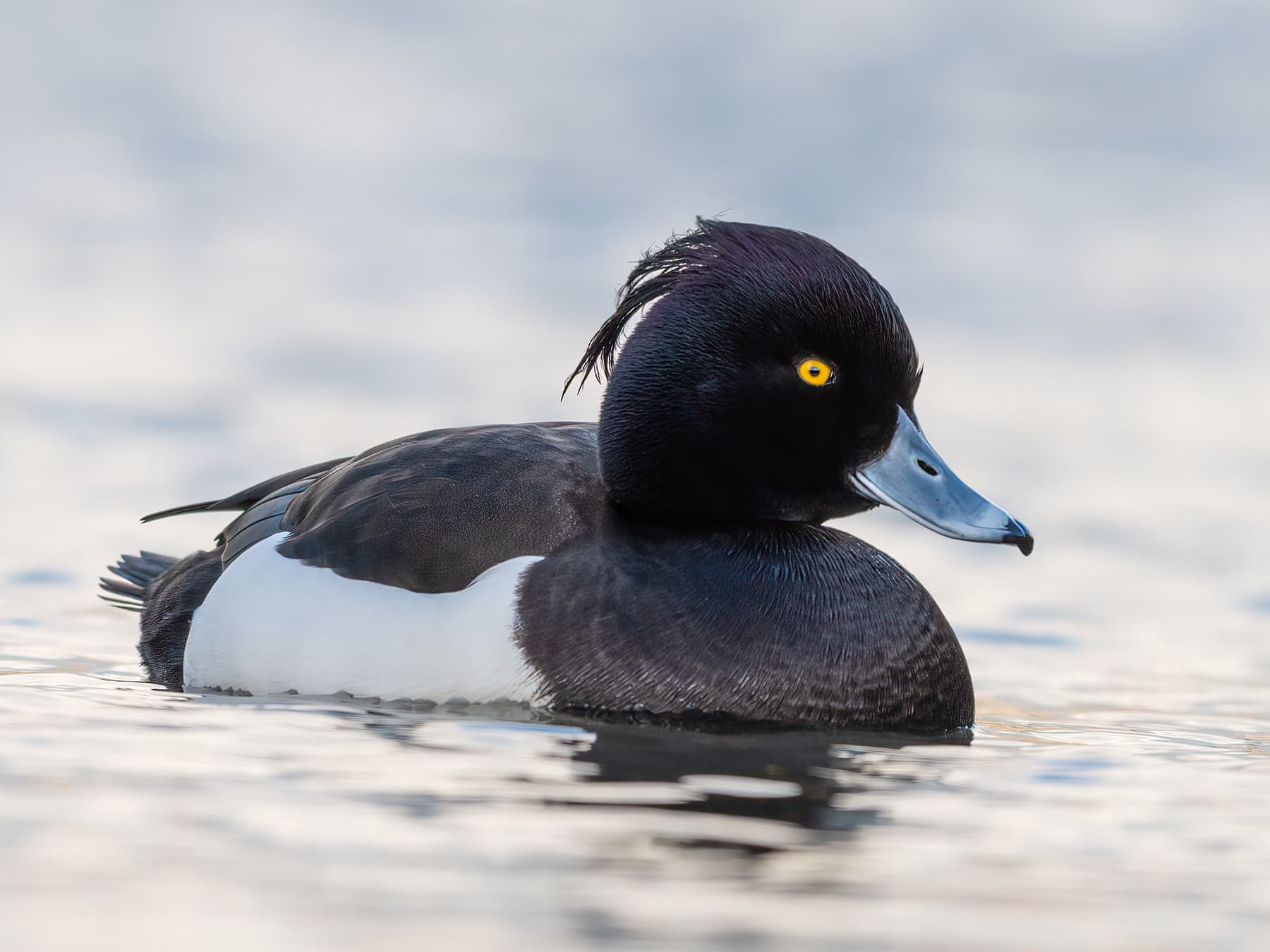 Tufted DuckAythya fuligulaResidentCommon40–47 cmRecorded all year · 0.41% in Feb
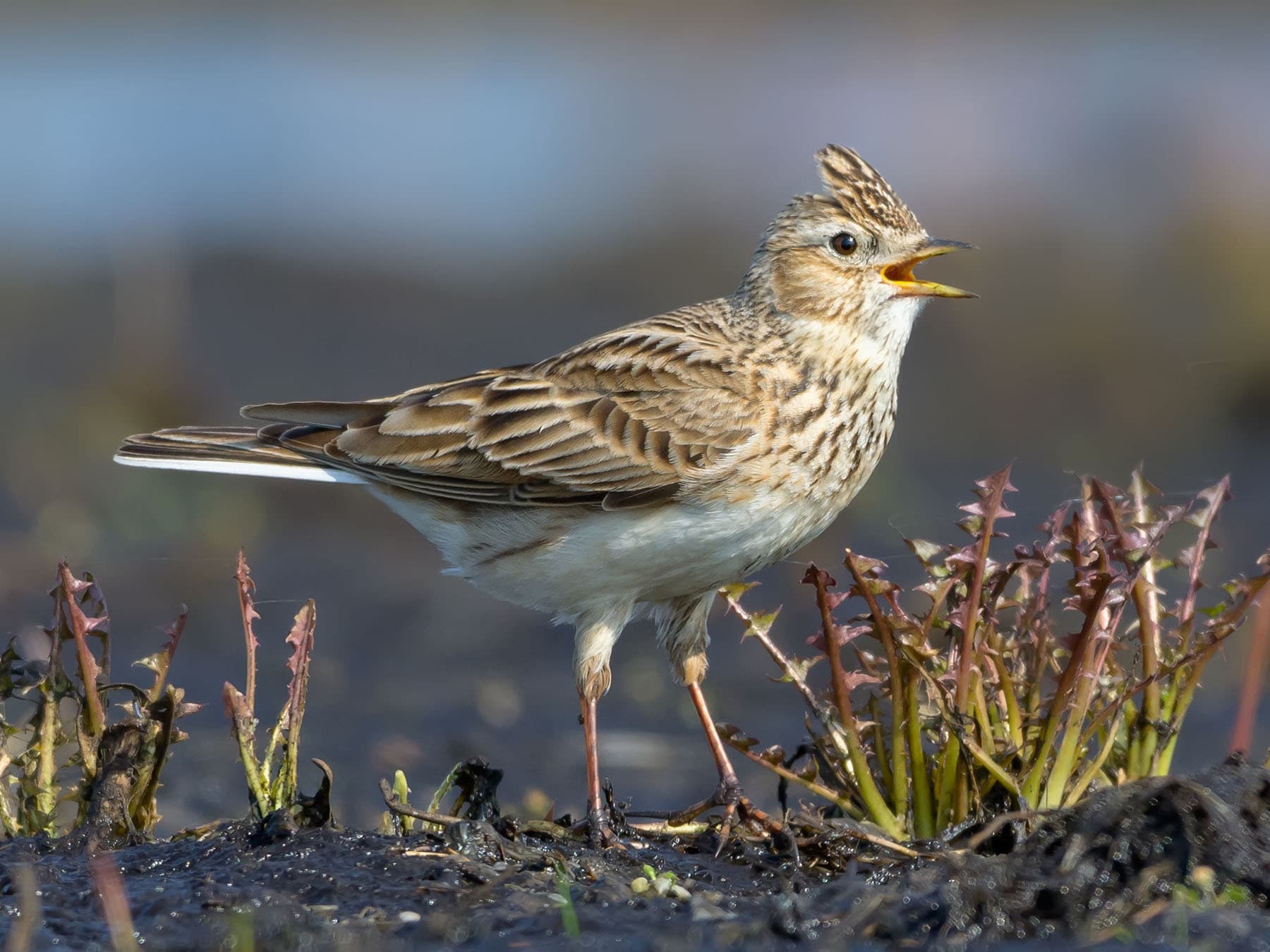 Eurasian SkylarkAlauda arvensisSummer visitorCommon16–18 cmRegularly Feb–Dec · 0.36% in Feb
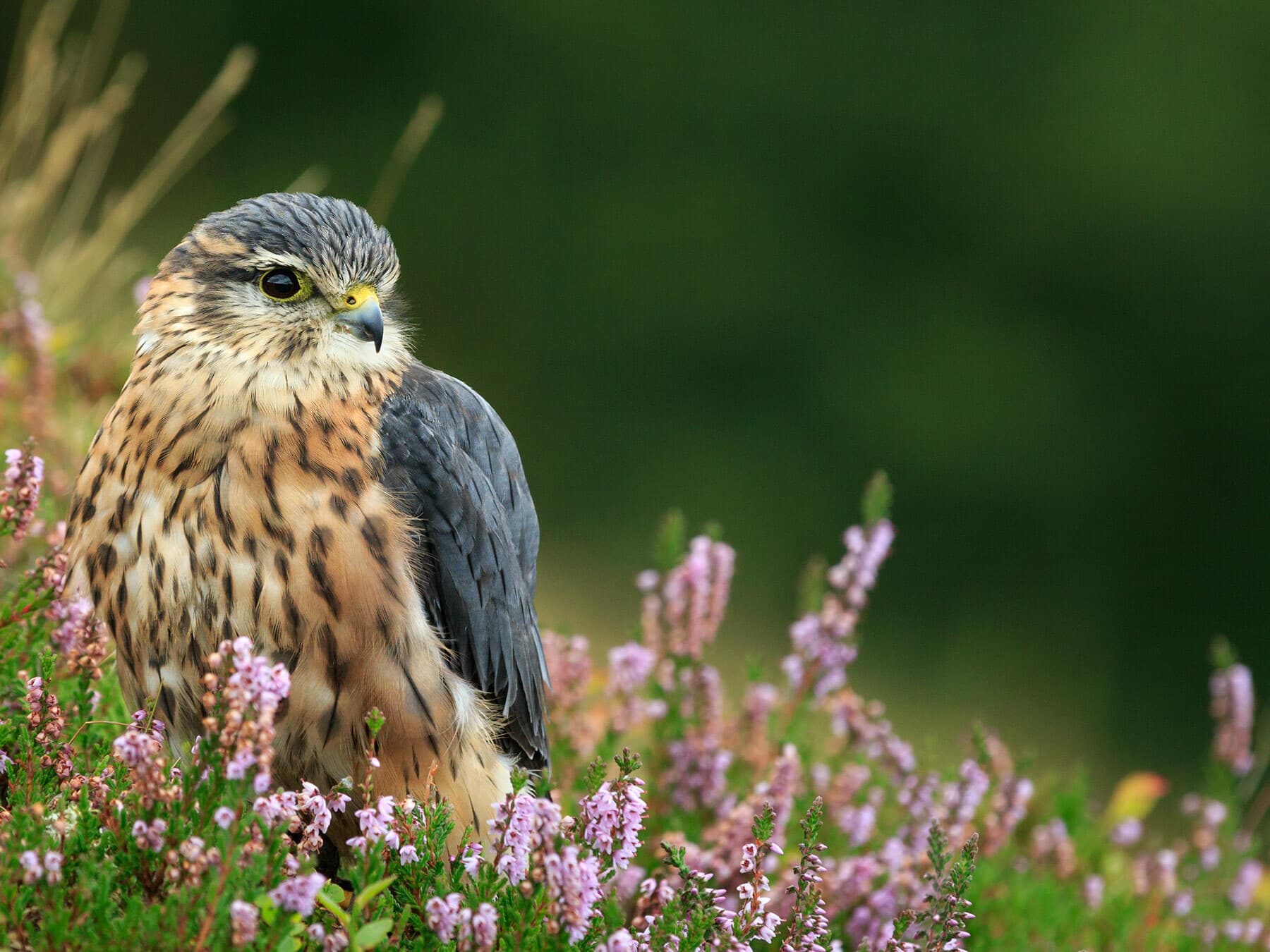 MerlinFalco columbariusWinter visitorCommon24–33 cmRecorded all year · 0.36% in Feb
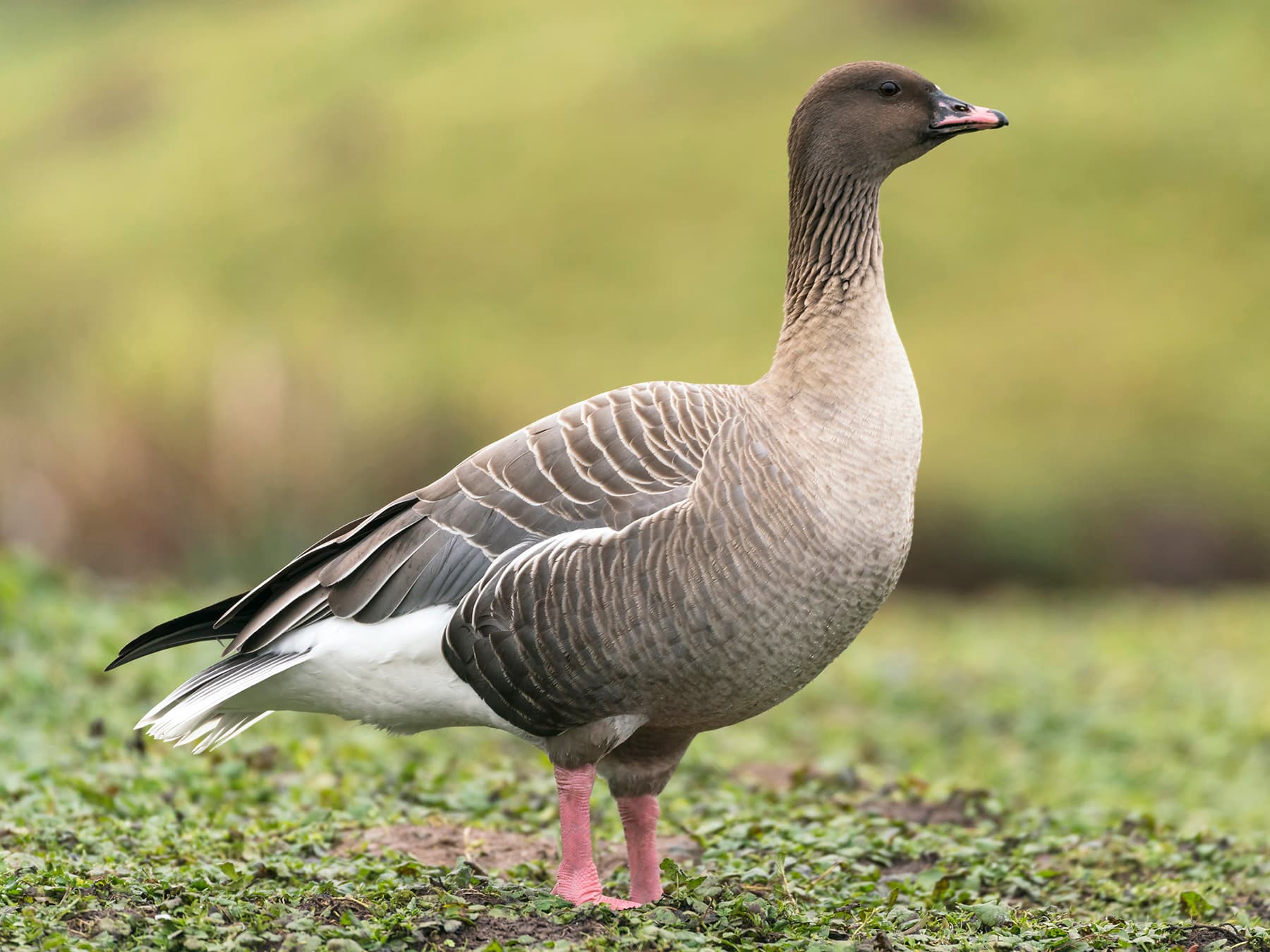 Pink-footed GooseAnser brachyrhynchusWinter visitorUncommon60–75 cmRegularly Sep–Jun · 0.36% in Feb
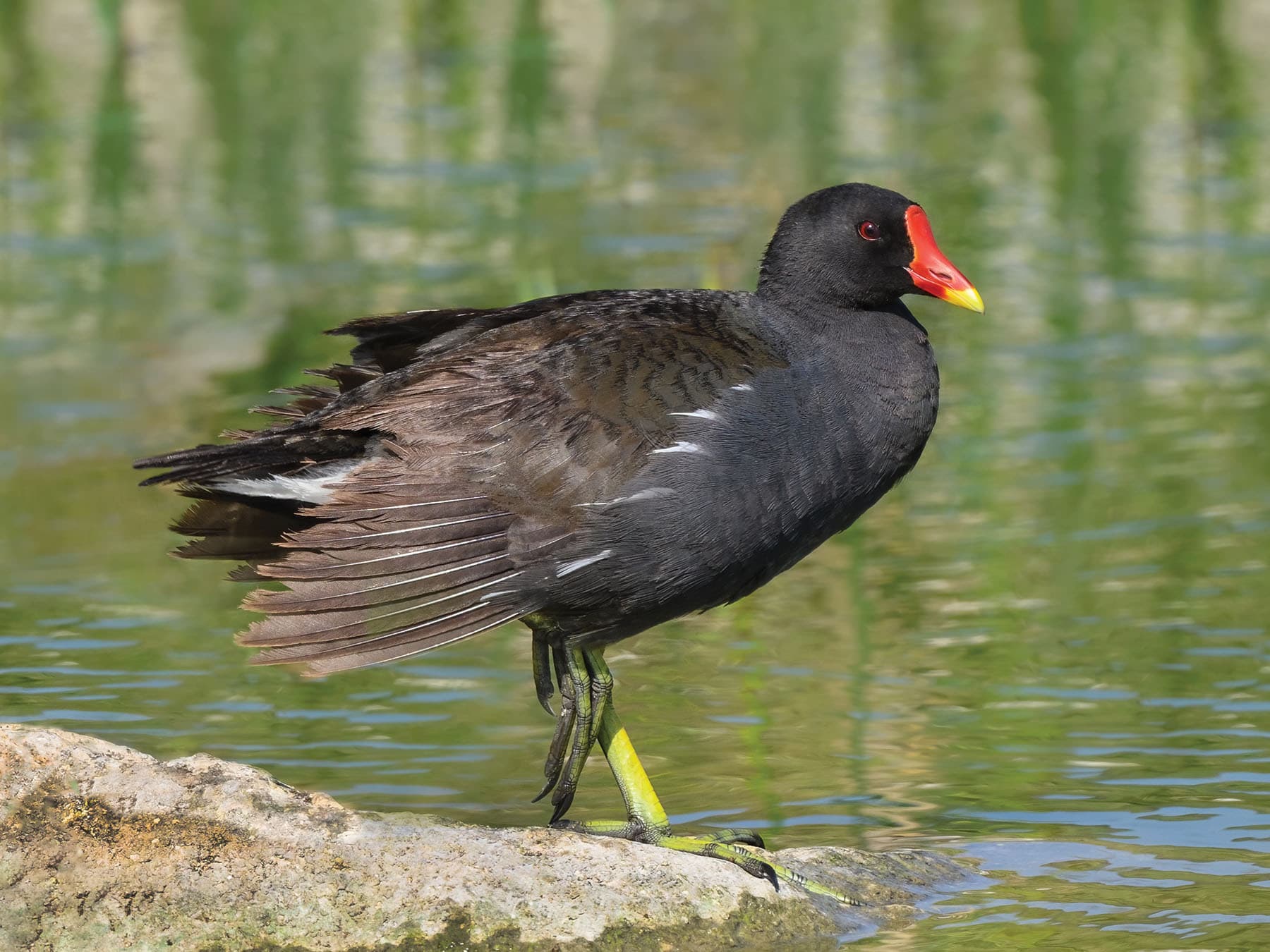 MoorhenGallinula chloropusWinter visitorUncommon30–38 cmRecorded all year · 0.31% in Feb
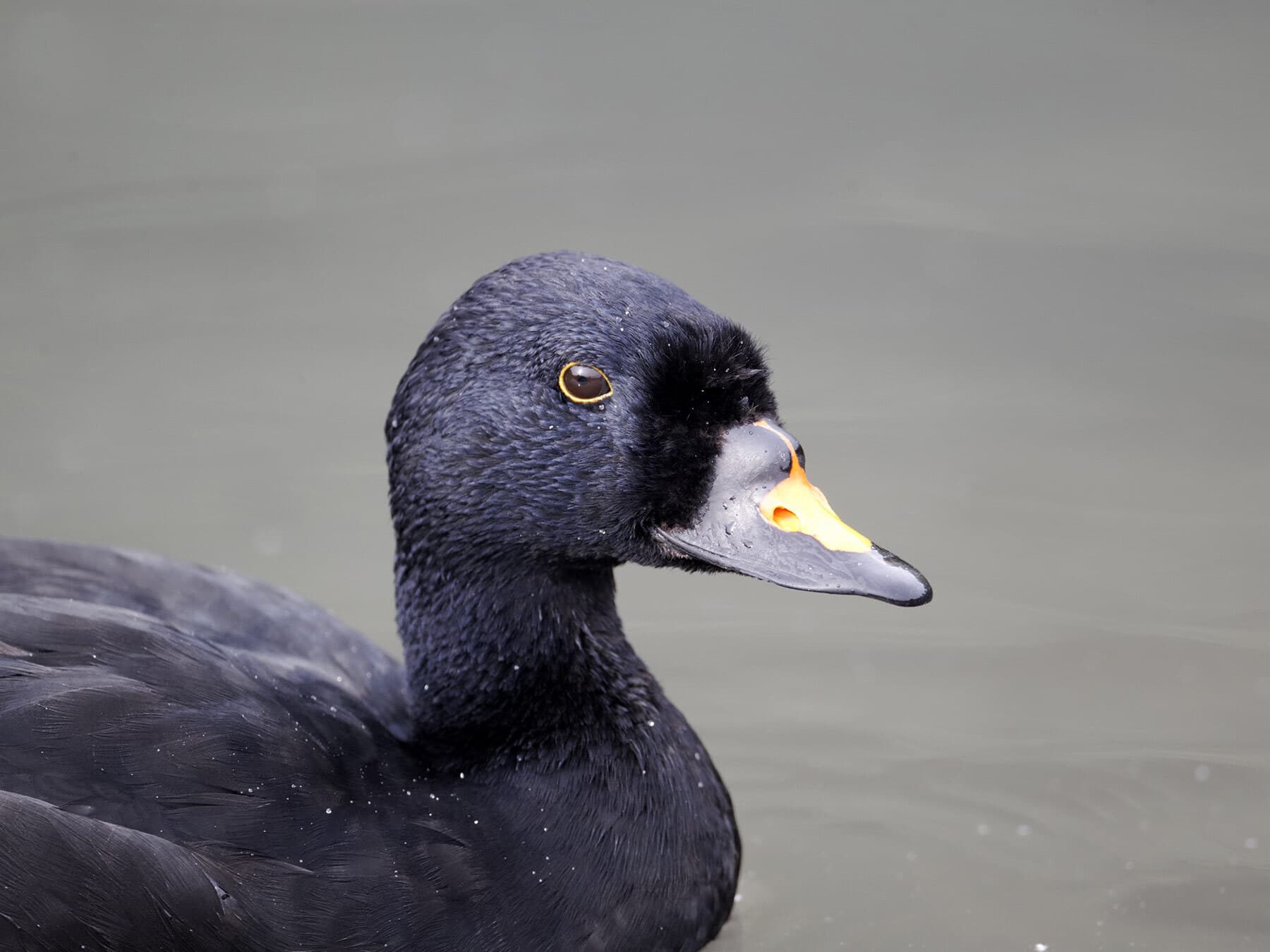 Common ScoterMelanitta nigraResidentUncommon43–54 cmRecorded all year · 0.29% in Feb
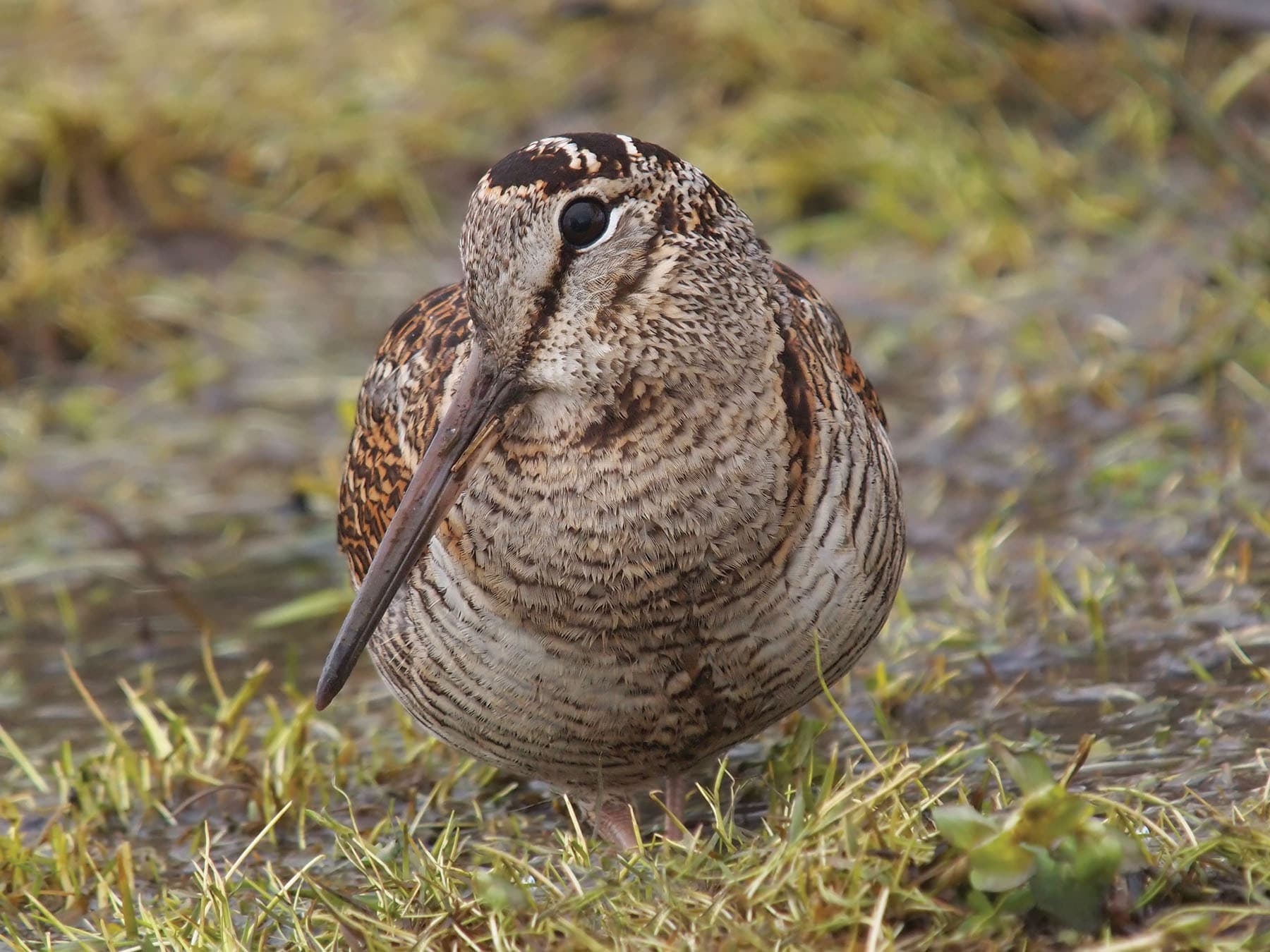 Eurasian WoodcockScolopax rusticolaWinter visitorCommon33–38 cmRegularly Oct–Mar · 0.28% in Feb
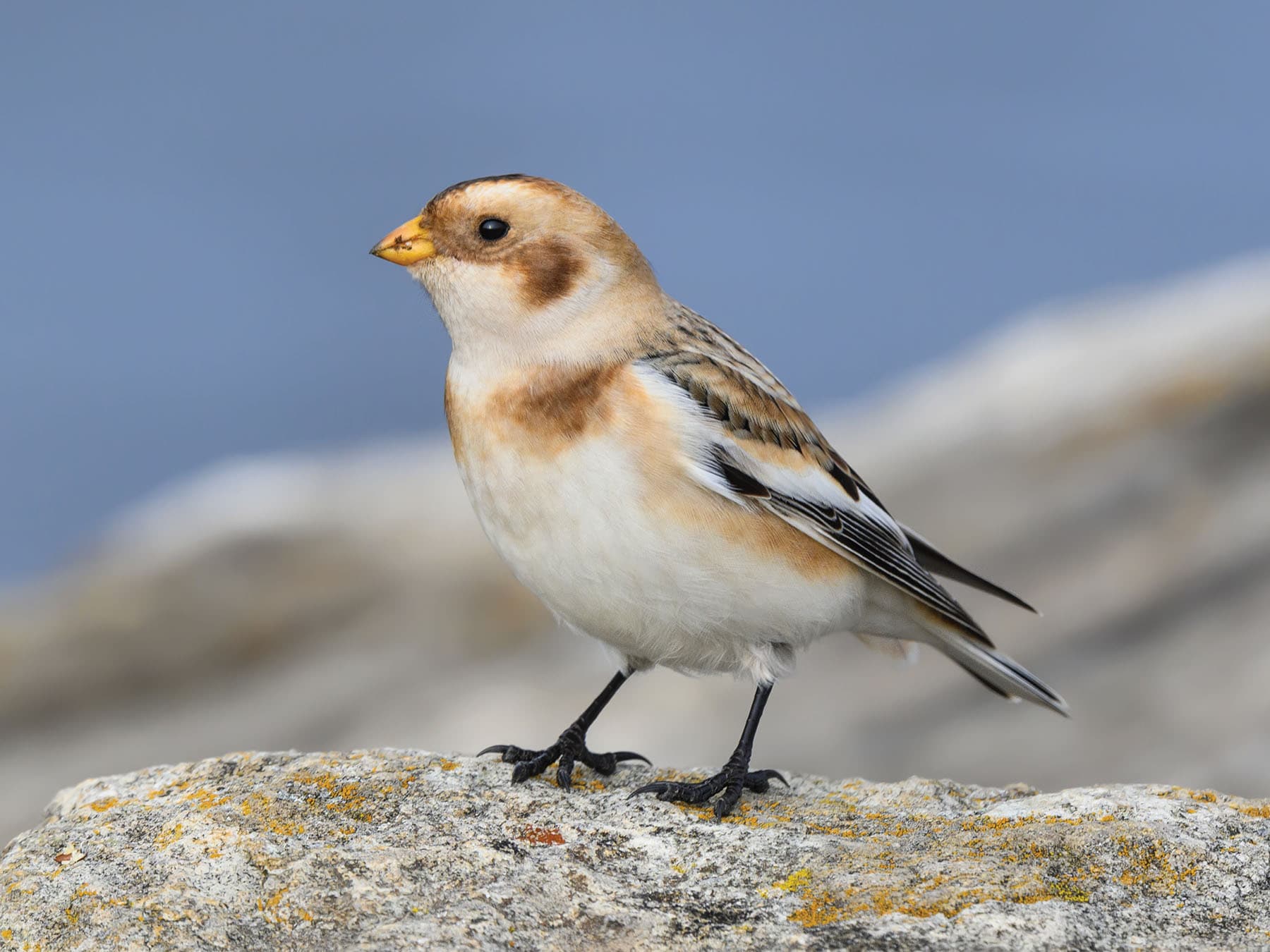 Snow BuntingPlectrophenax nivalisWinter visitorUncommon15–18 cmRegularly Sep–May · 0.28% in Feb
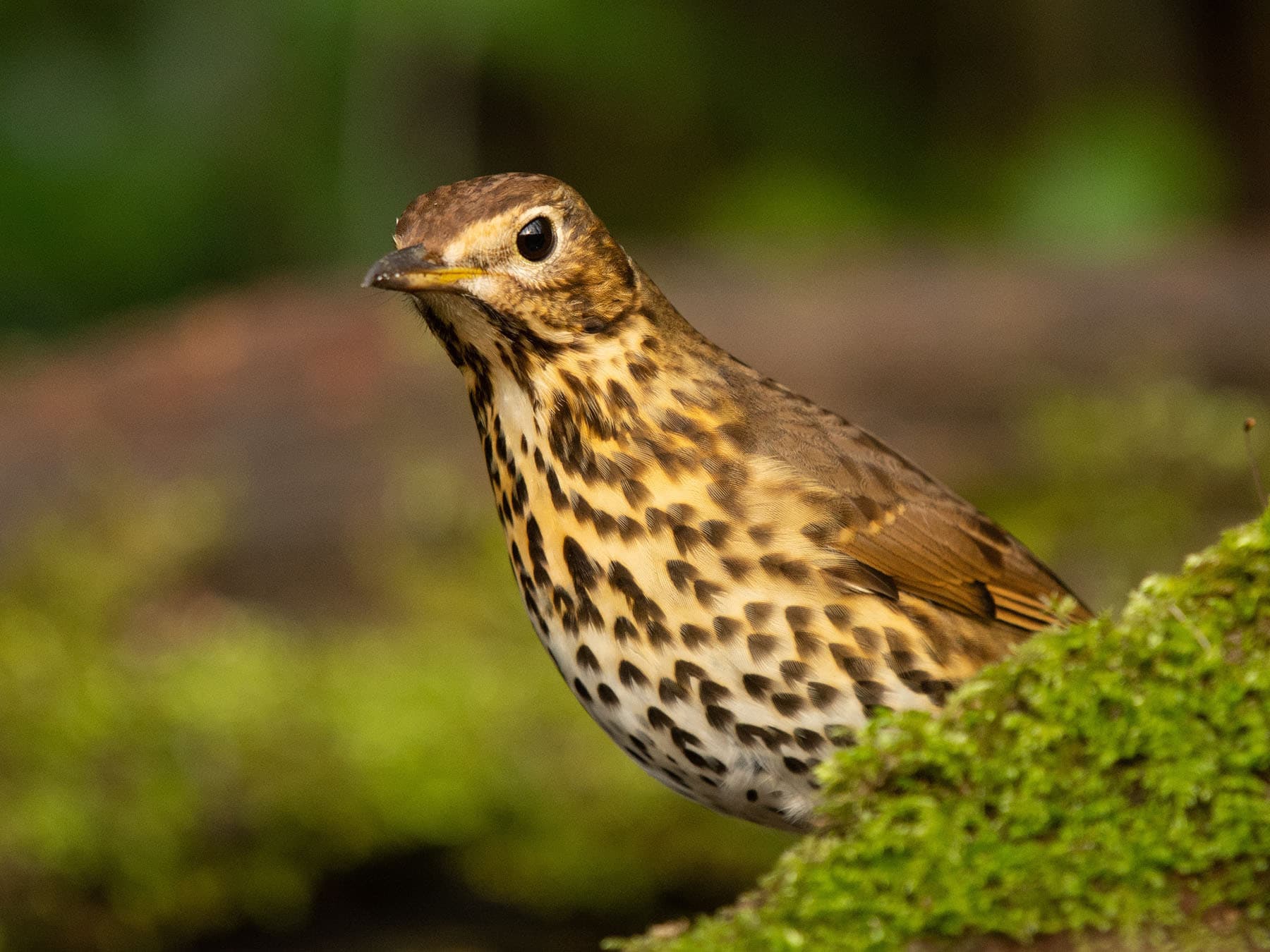 Song ThrushTurdus philomelosWinter visitorCommon20–23 cmRegularly Sep–May · 0.26% in Feb
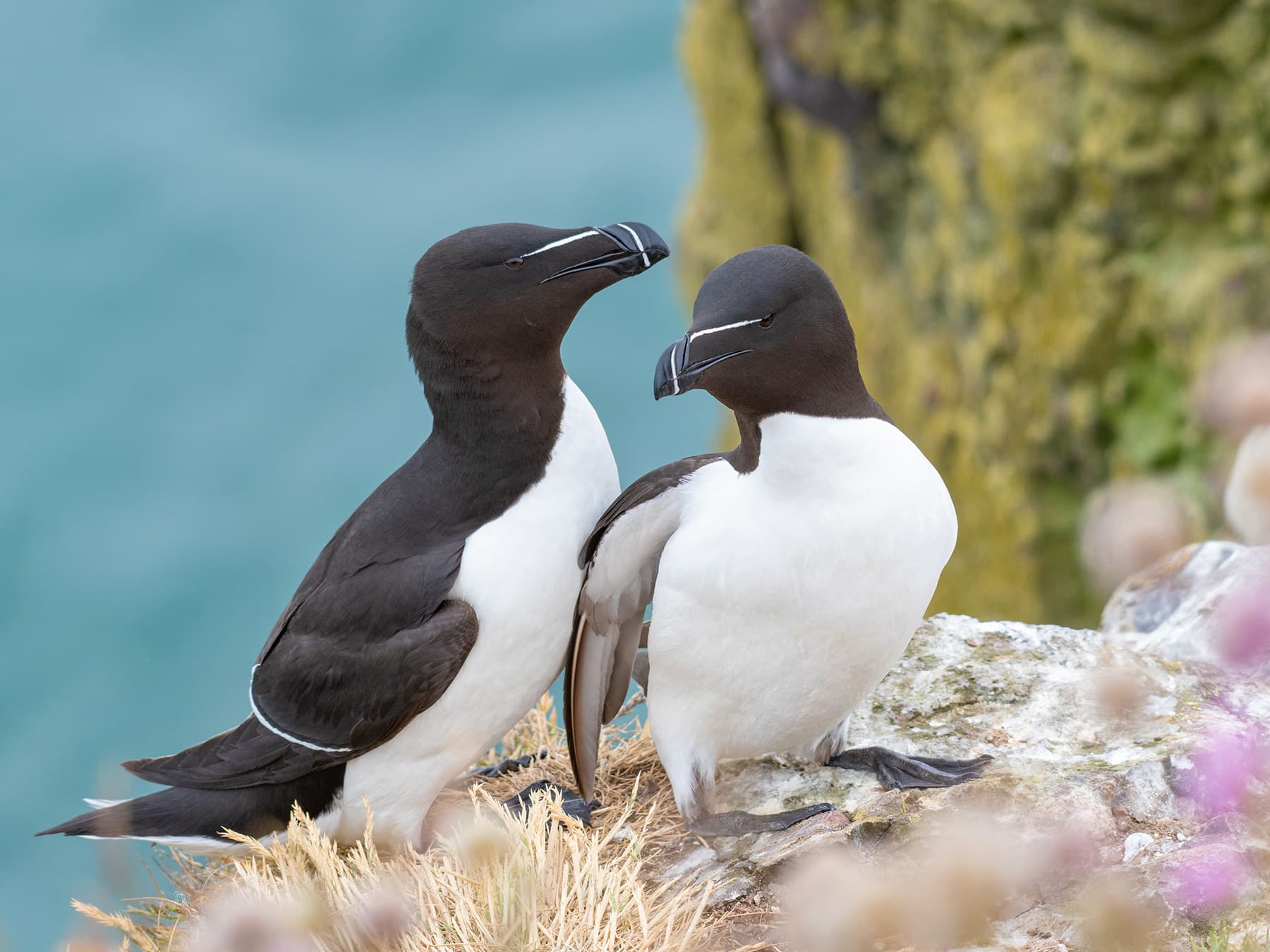 RazorbillAlca tordaSummer visitorCommon38–43 cmRecorded all year · 0.25% in Feb
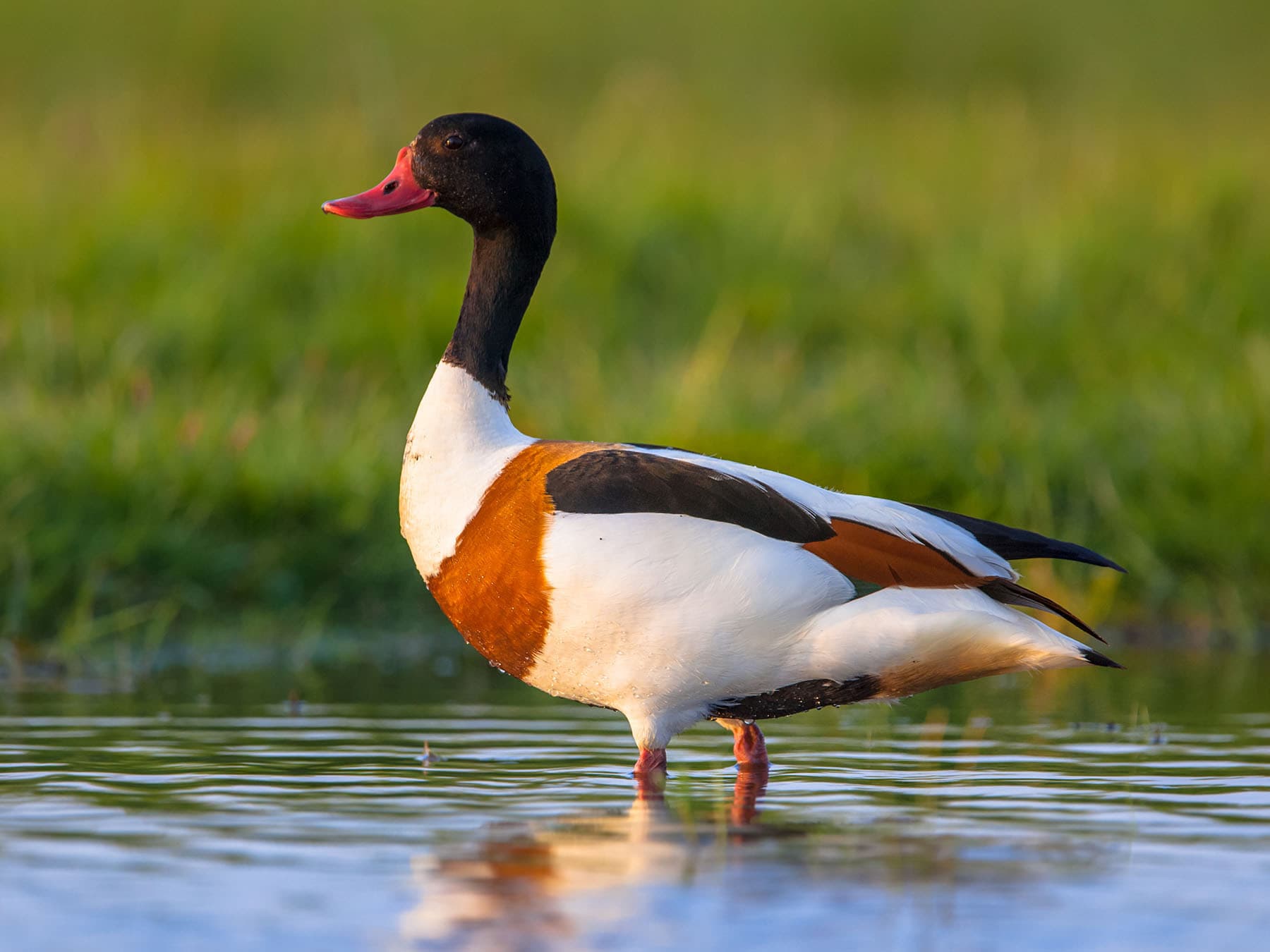 Common ShelduckTadorna tadornaResidentUncommon58–67 cmRegularly Nov–Jul · 0.24% in Feb
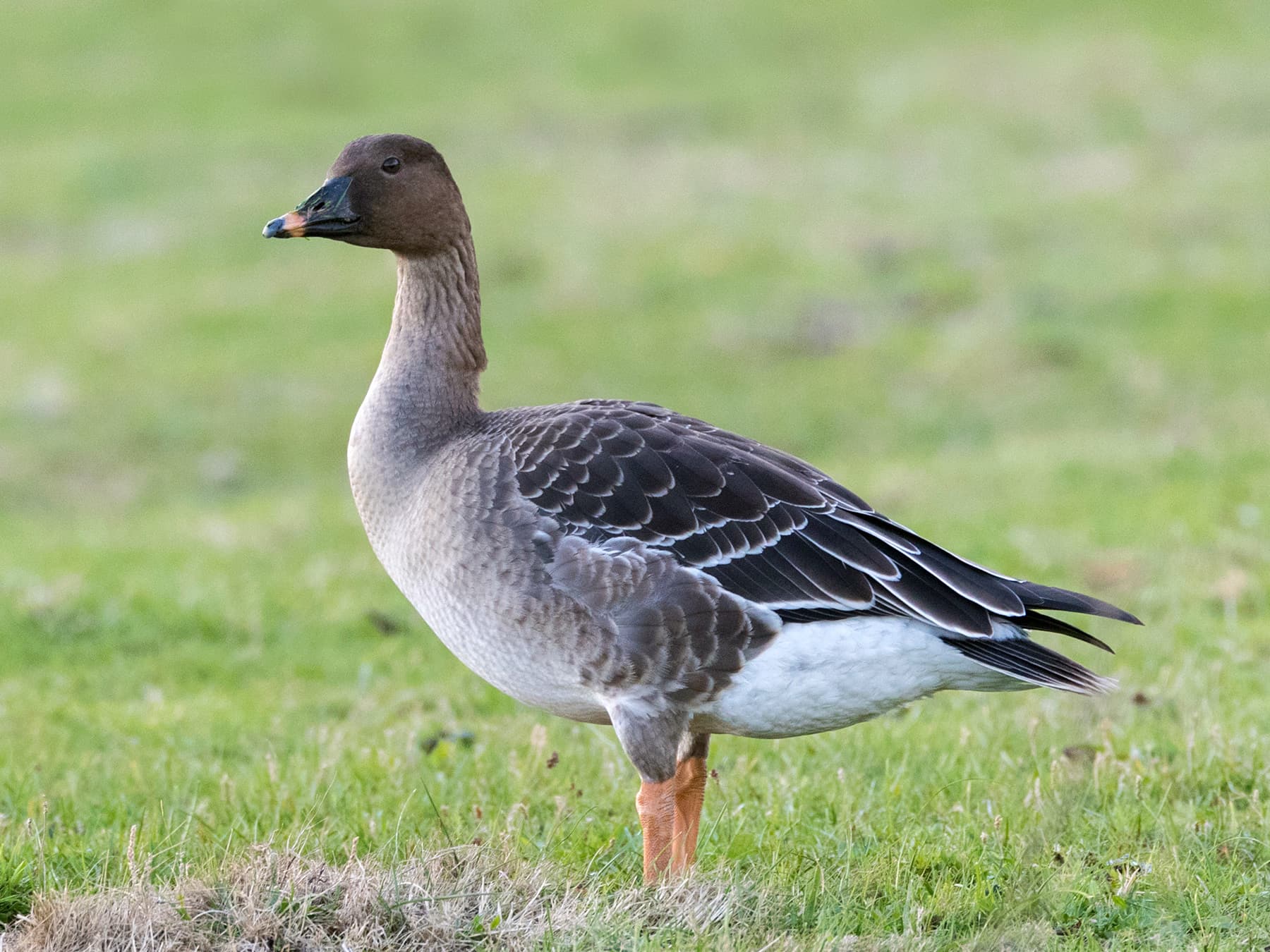 Tundra Bean GooseAnser serrirostrisPassage migrantUncommon66–84 cmRegularly Jan–Apr · 0.24% in Feb
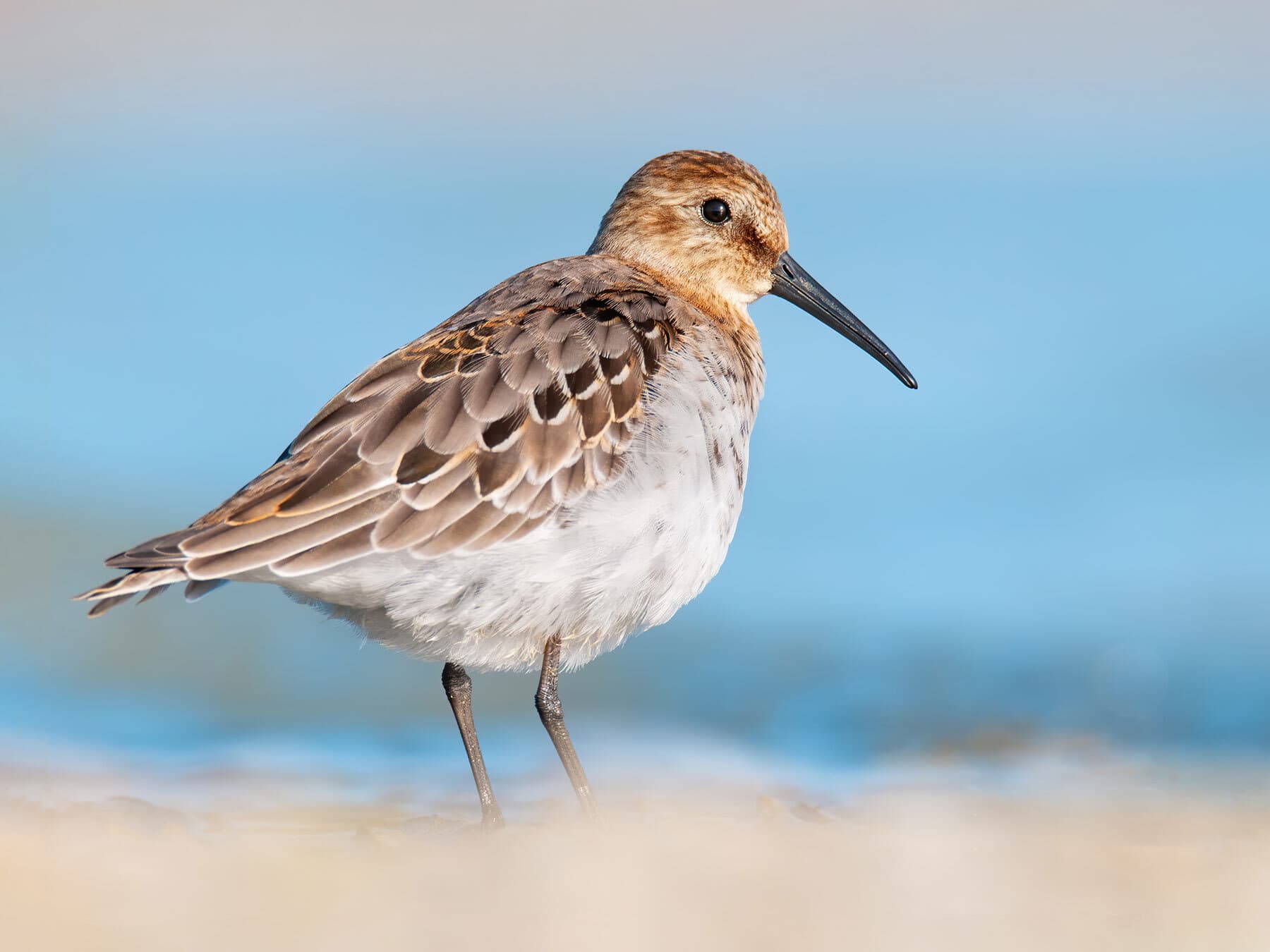 DunlinCalidris alpinaResidentCommon16–22 cmRecorded all year · 0.22% in Feb
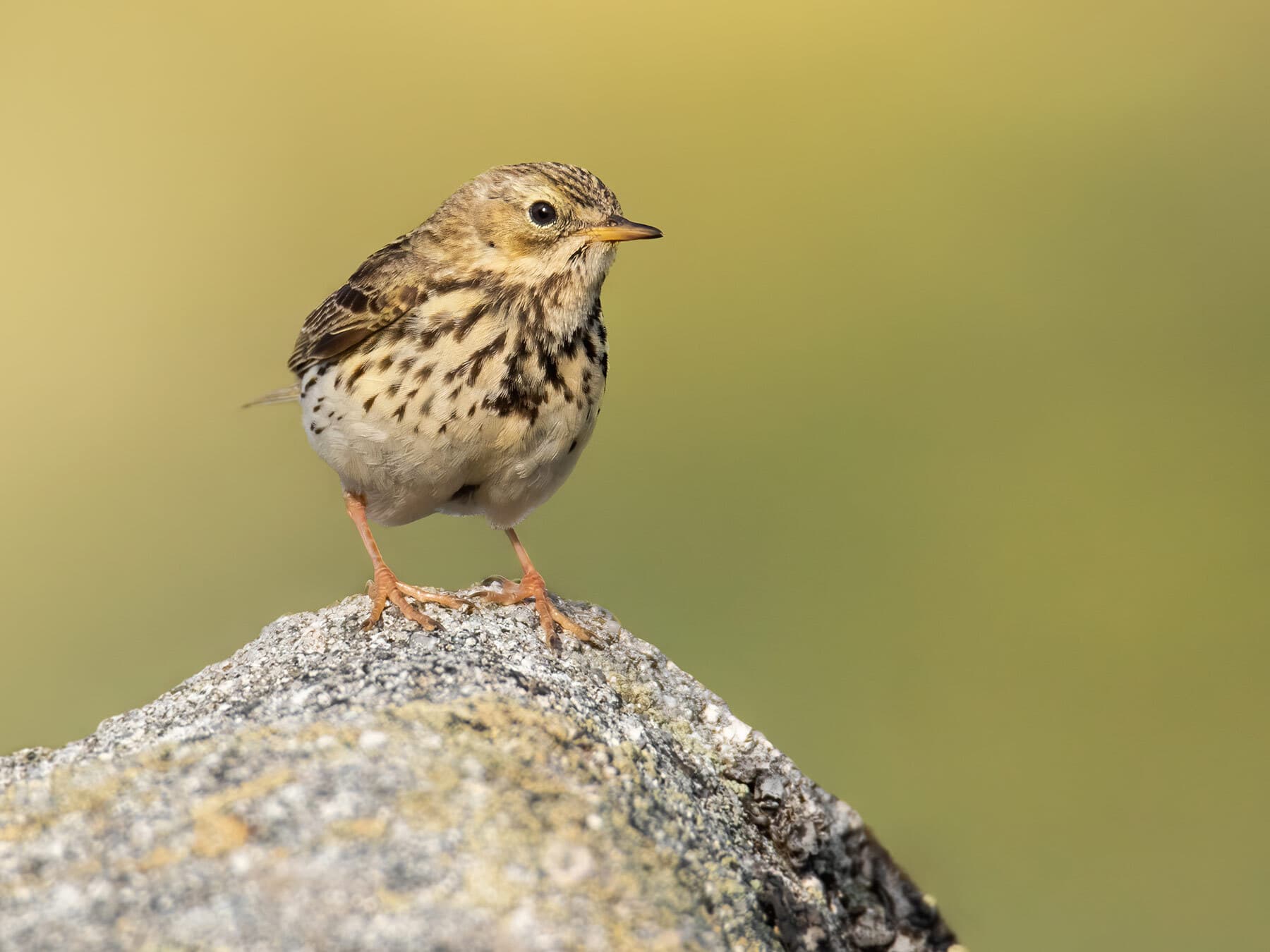 Meadow PipitAnthus pratensisSummer visitorCommon14–15 cmRecorded all year · 0.20% in Feb
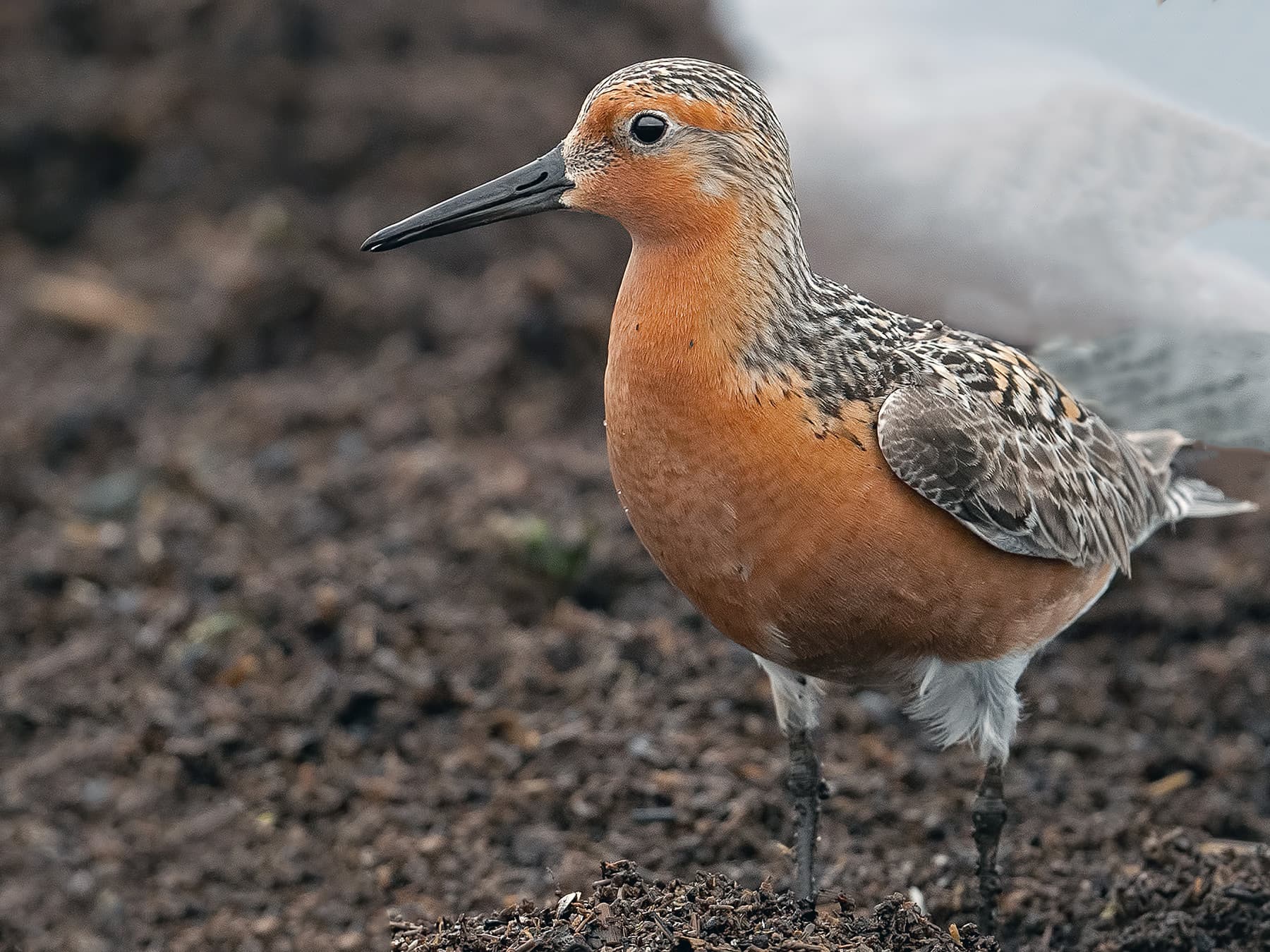 Red KnotCalidris canutusWinter visitorCommon23–26 cmRegularly Jul–May · 0.16% in Feb
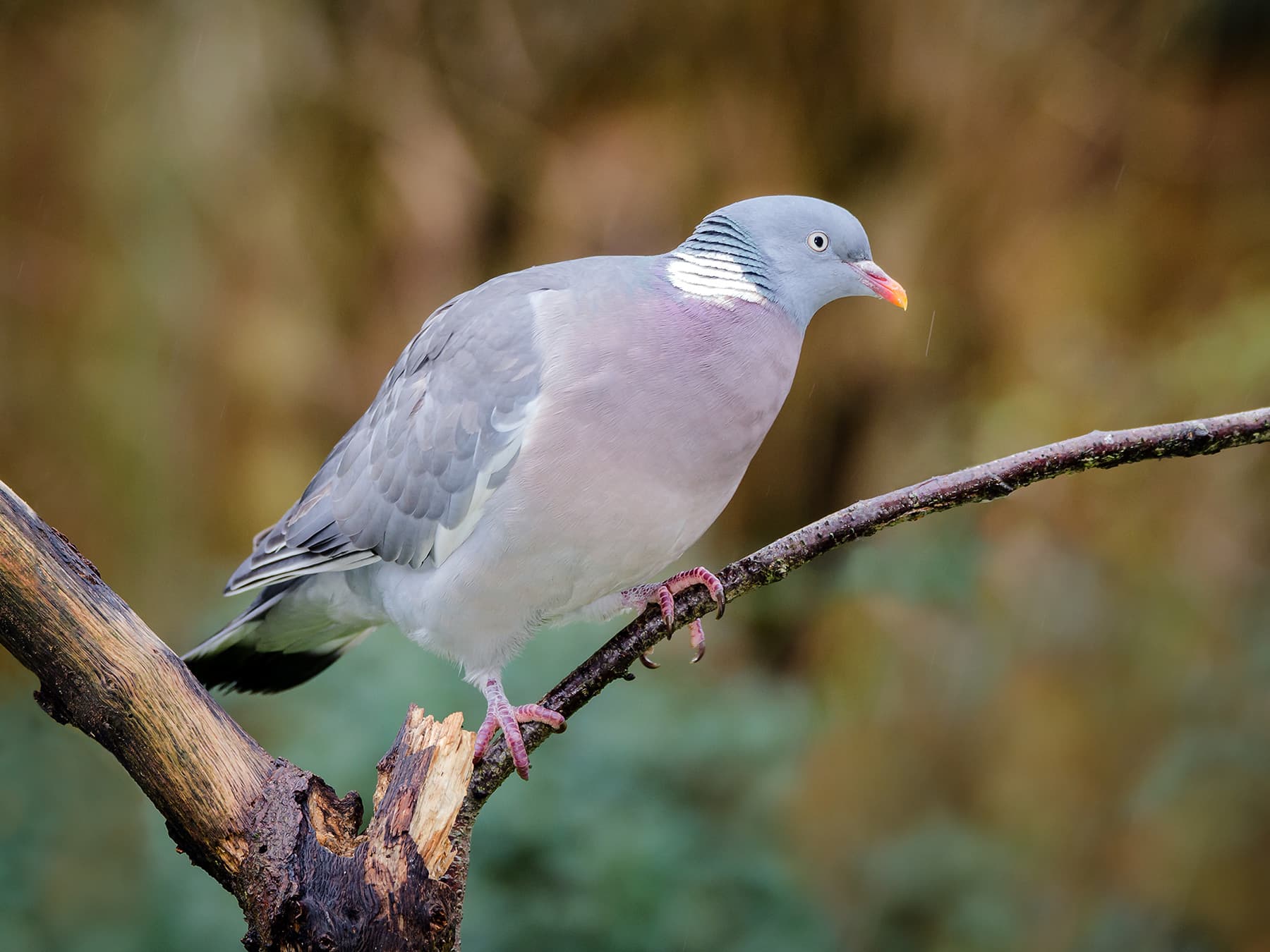 WoodpigeonColumba palumbusSummer visitorCommon40–42 cmRegularly Feb–Dec · 0.16% in Feb
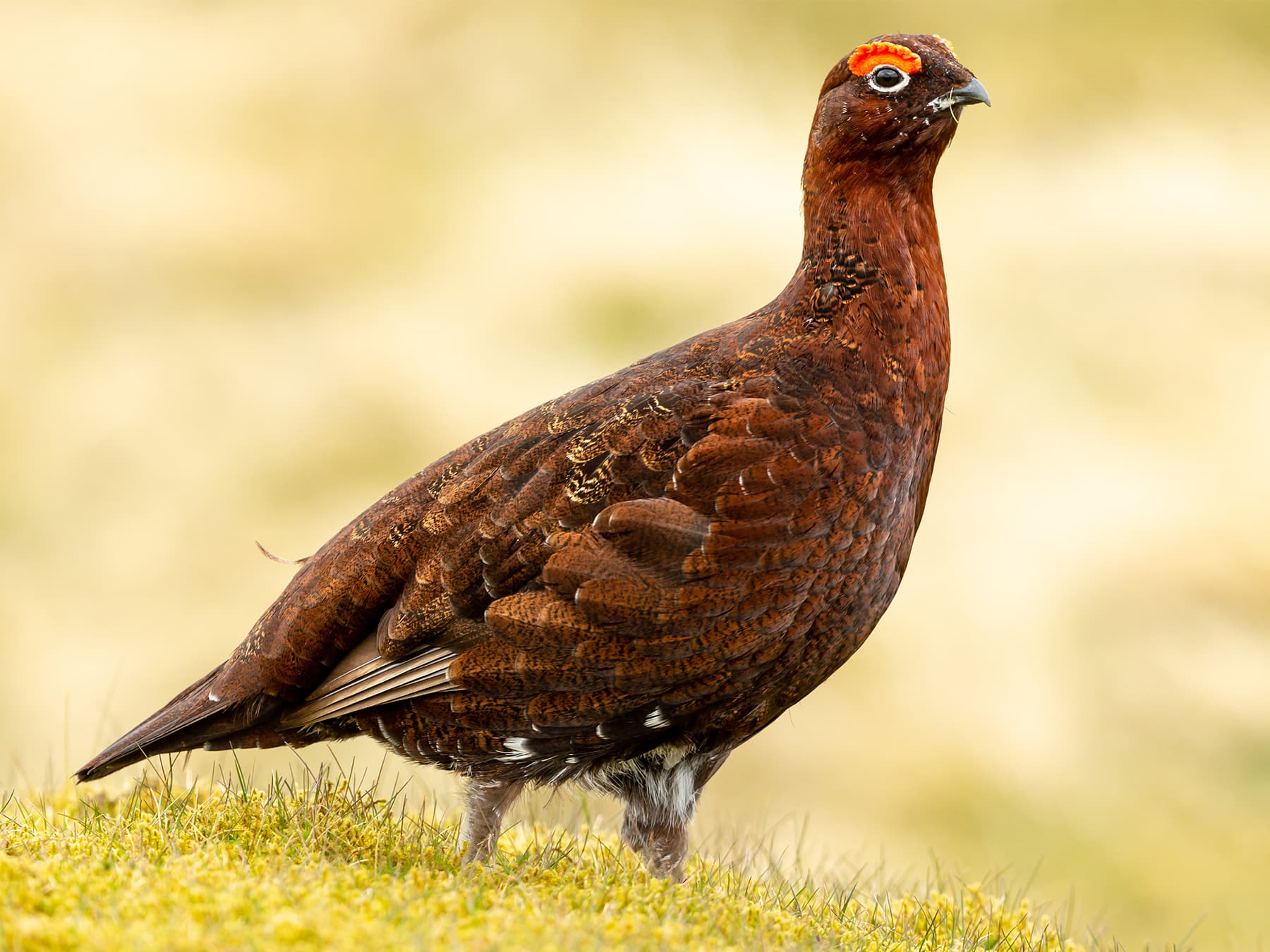 Red GrouseLagopus scoticaSummer visitorUncommon37–42 cmRegularly Feb–Nov · 0.15% in Feb
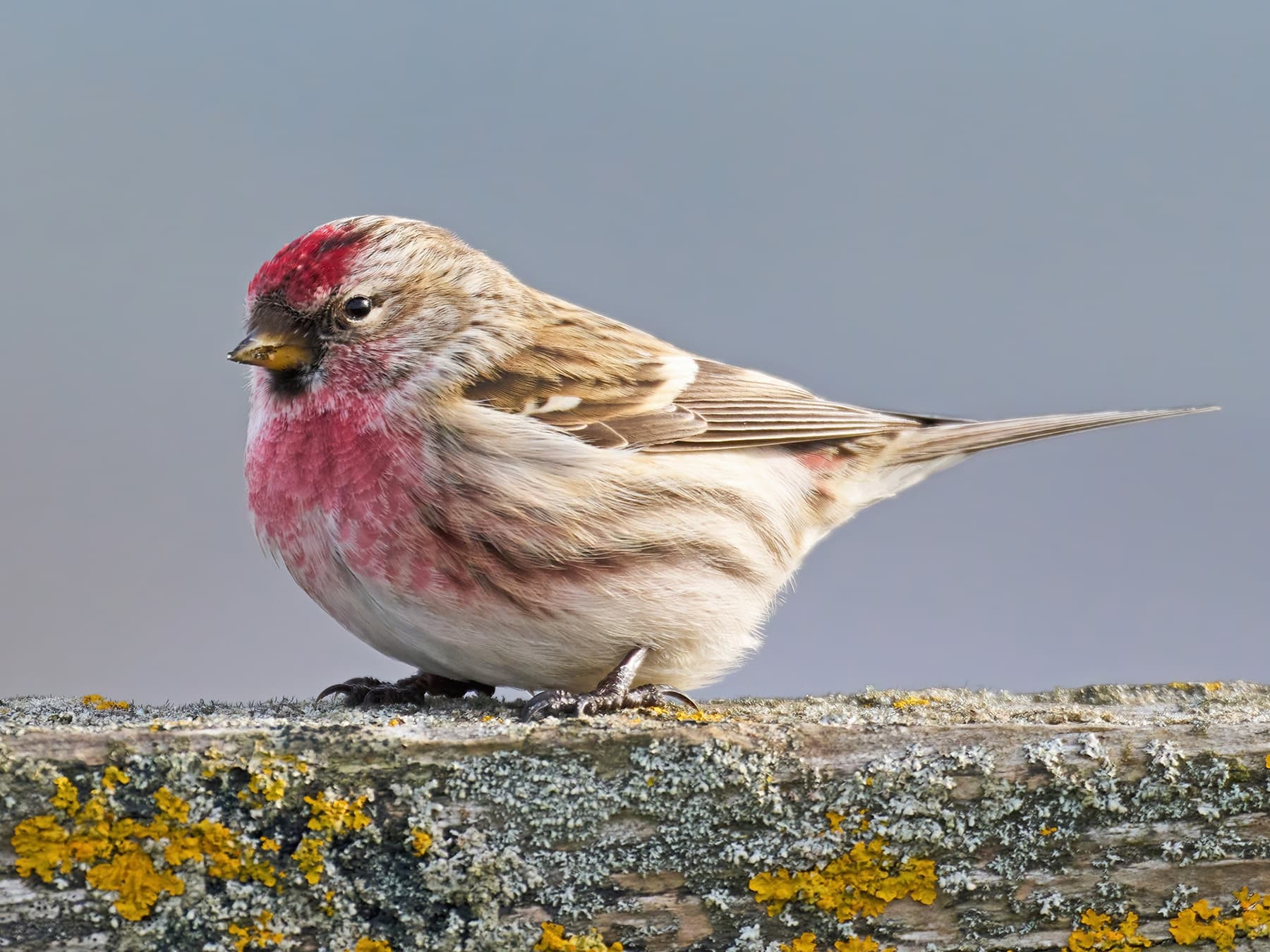 Common RedpollAcanthis flammeaSummer visitorCommon12–14 cmRegularly Feb–Dec · 0.12% in Feb
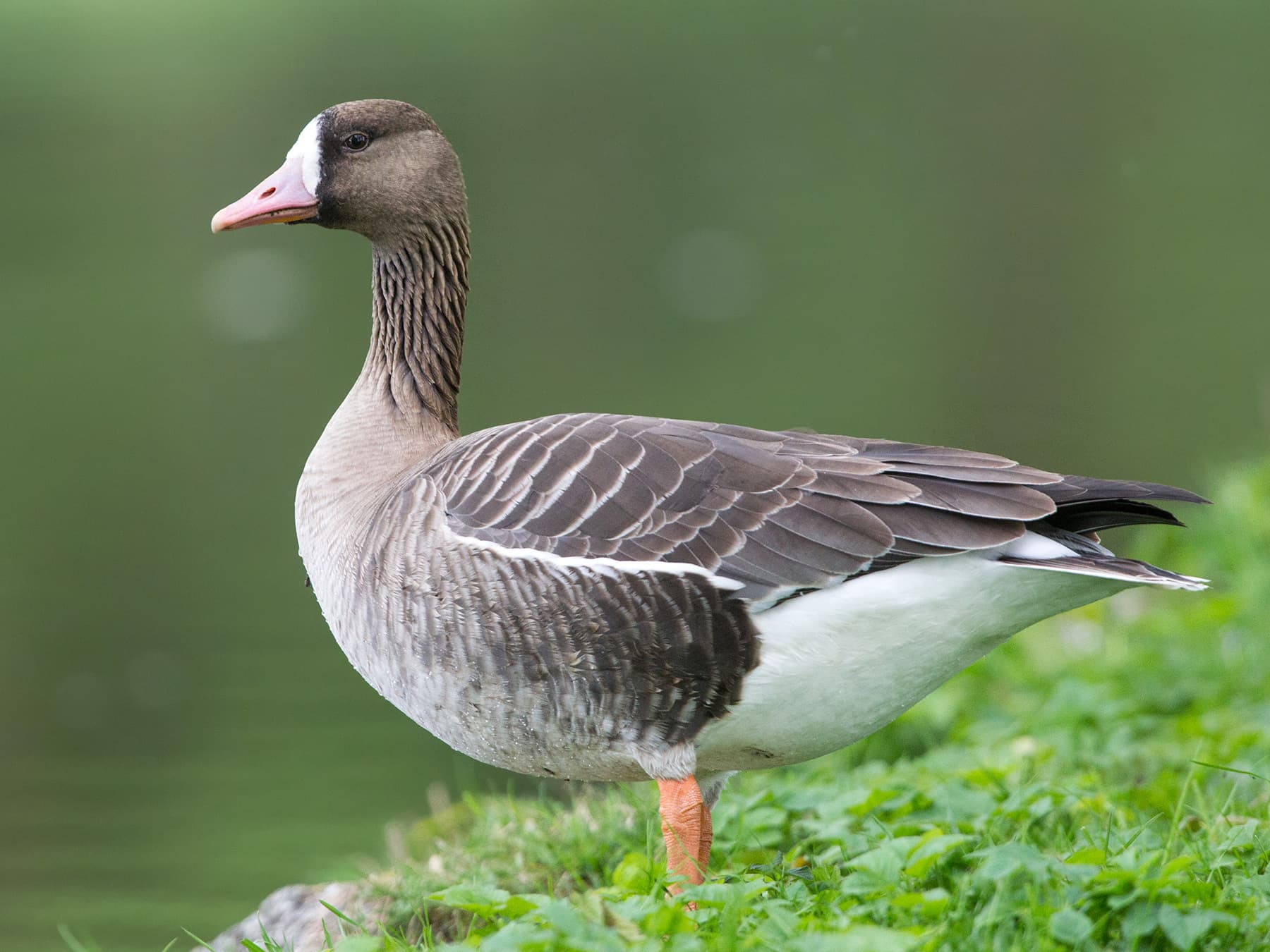 Greater White-fronted GooseAnser albifronsPassage migrantUncommon64–81 cmRegularly Oct–Apr · 0.12% in Feb
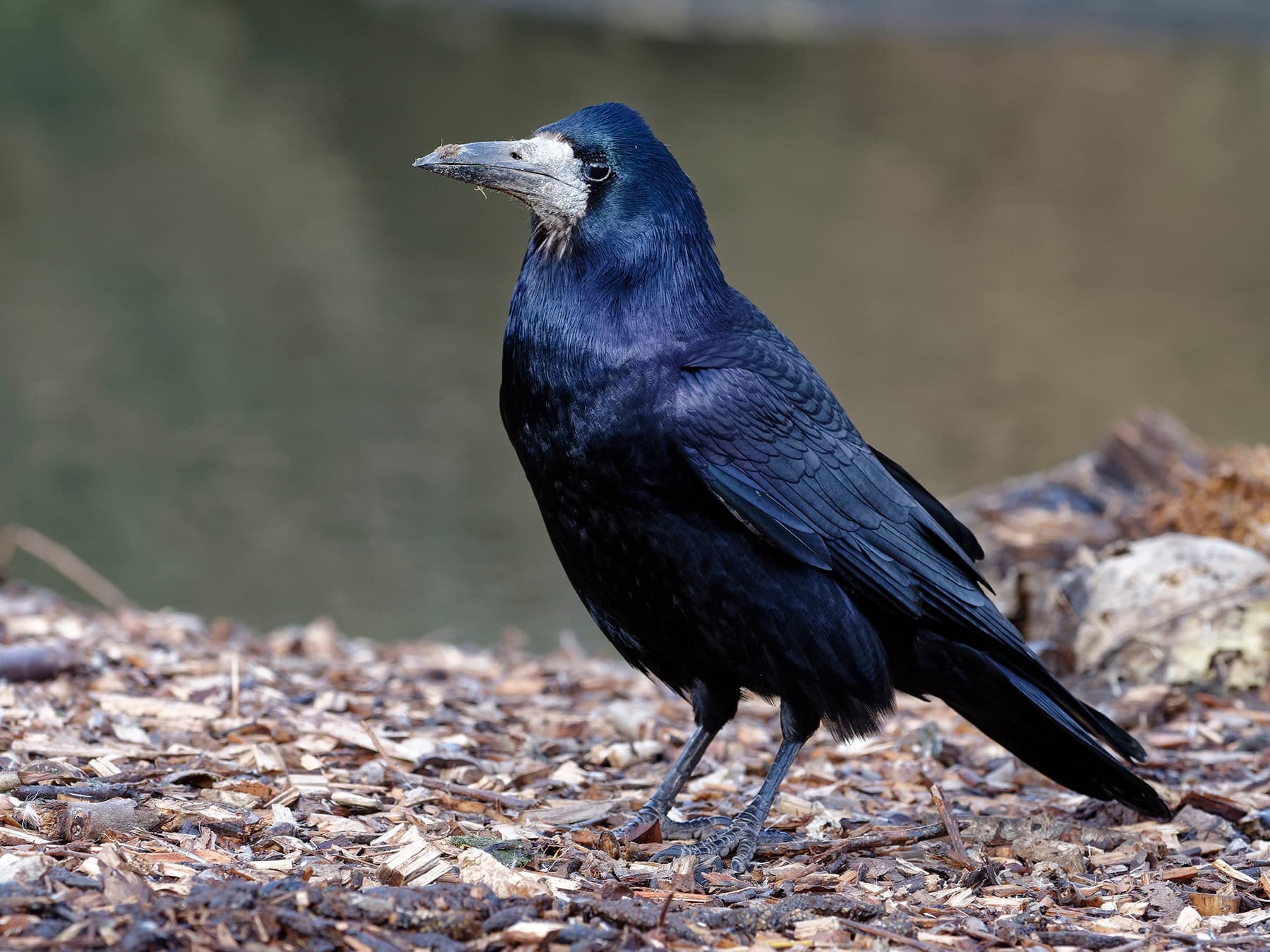 RookCorvus frugilegusResidentUncommon45–47 cmRecorded all year · 0.12% in Feb
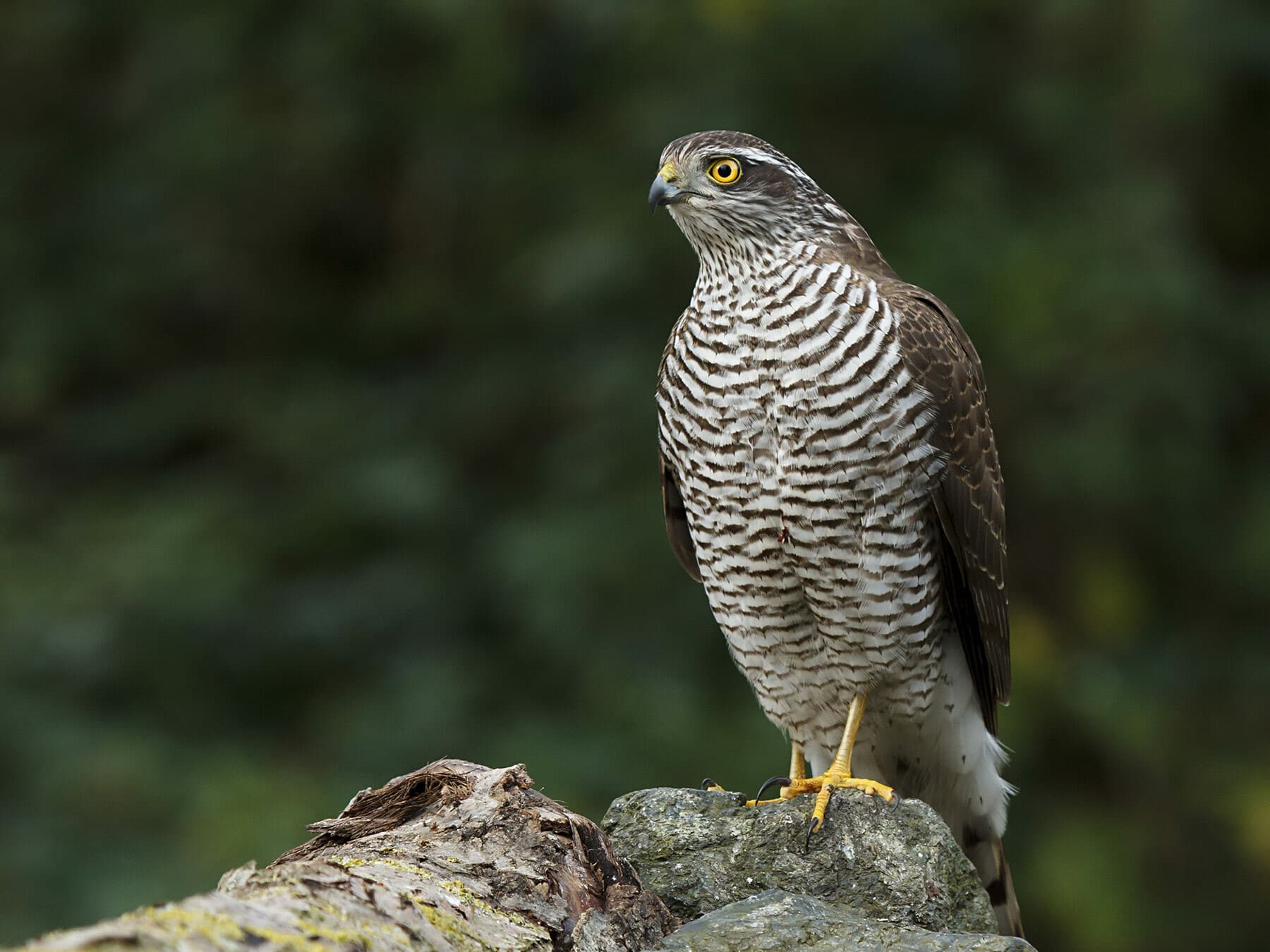 SparrowhawkAccipiter nisusResidentUncommon28–38 cmRecorded all year · 0.12% in Feb
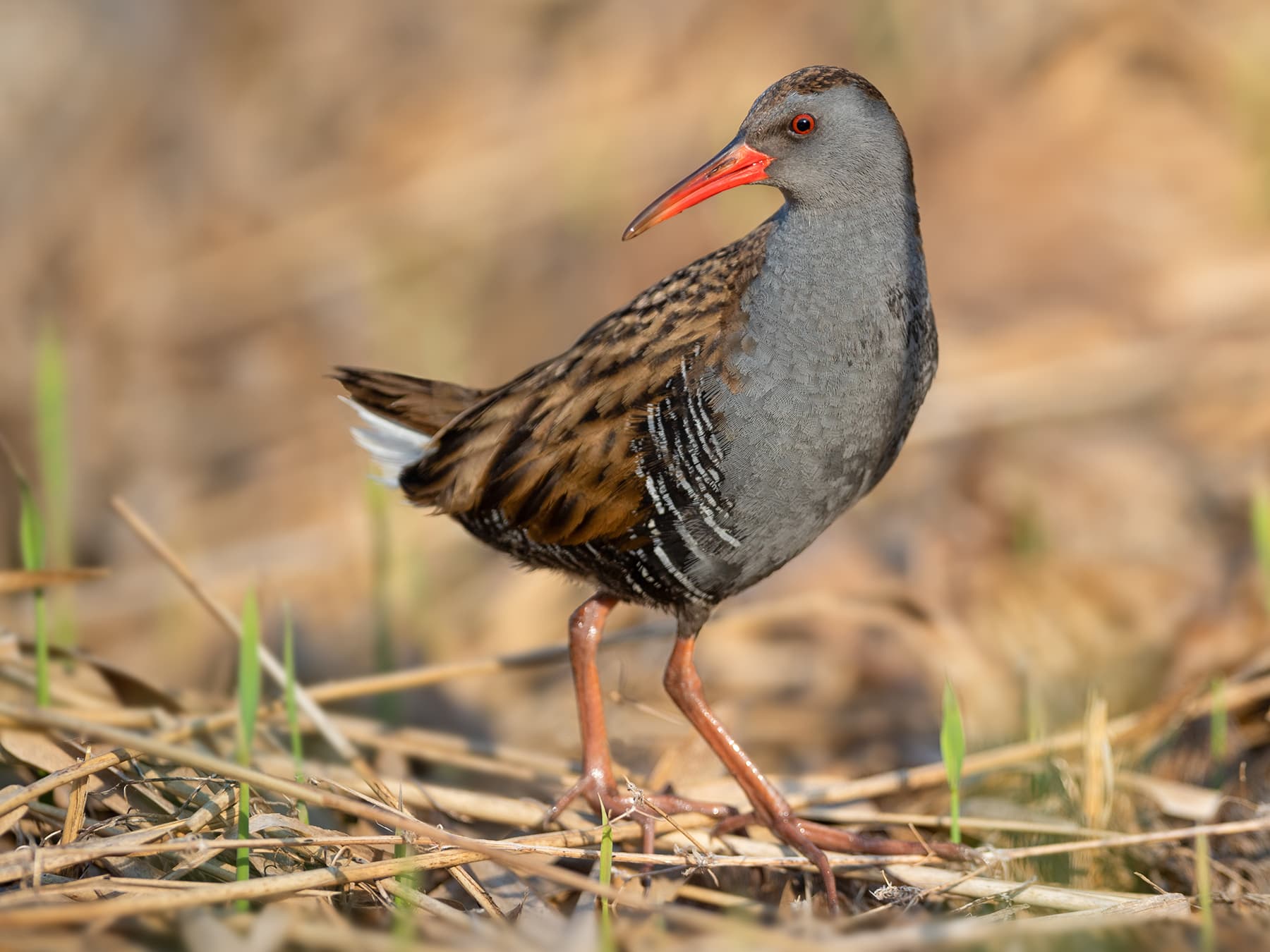 Water RailRallus aquaticusWinter visitorUncommon23–28 cmRegularly Sep–Jun · 0.12% in Feb
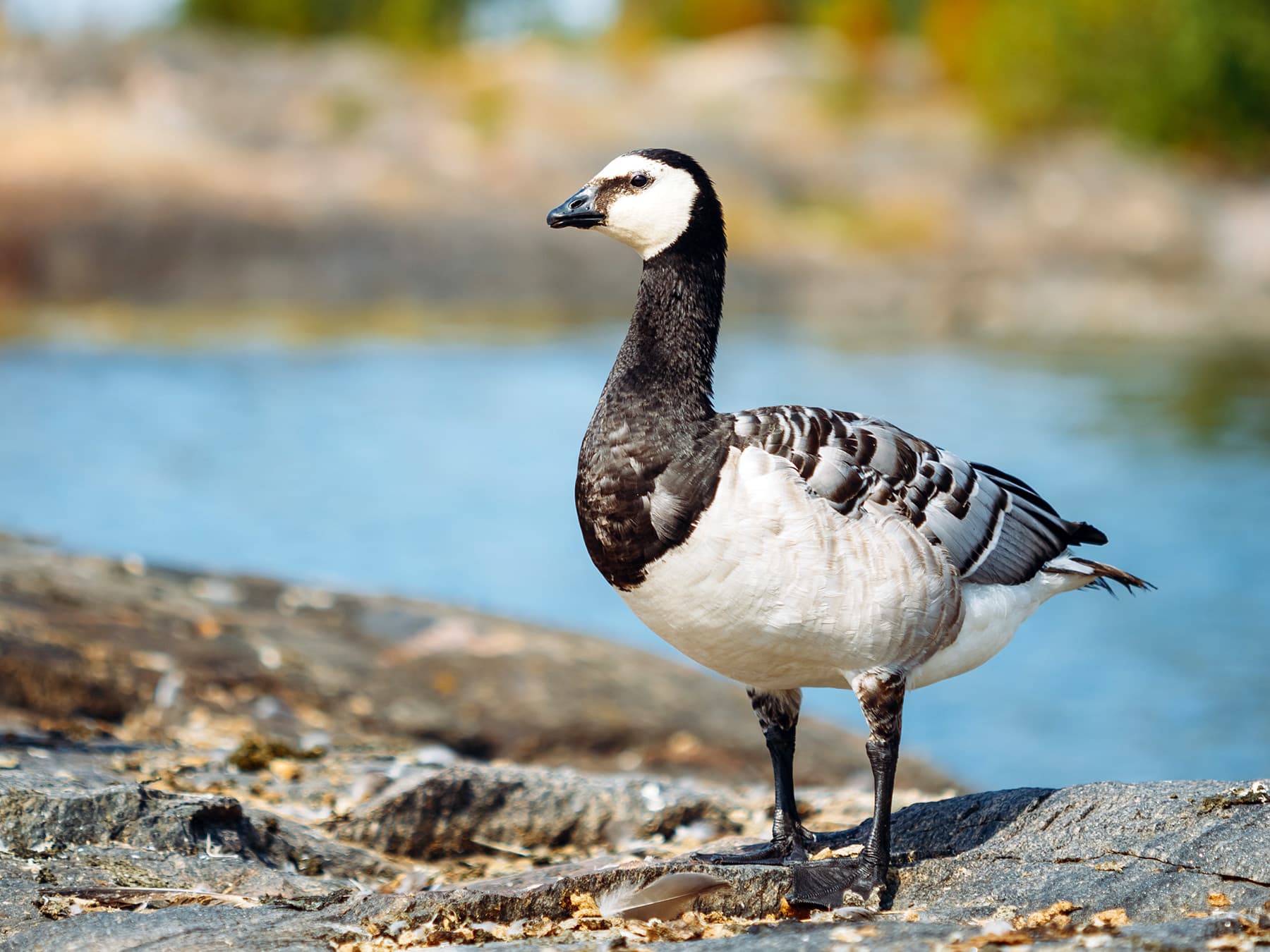 Barnacle GooseBranta leucopsisResidentUncommon58–70 cmRegularly Sep–Jul · 0.11% in Feb
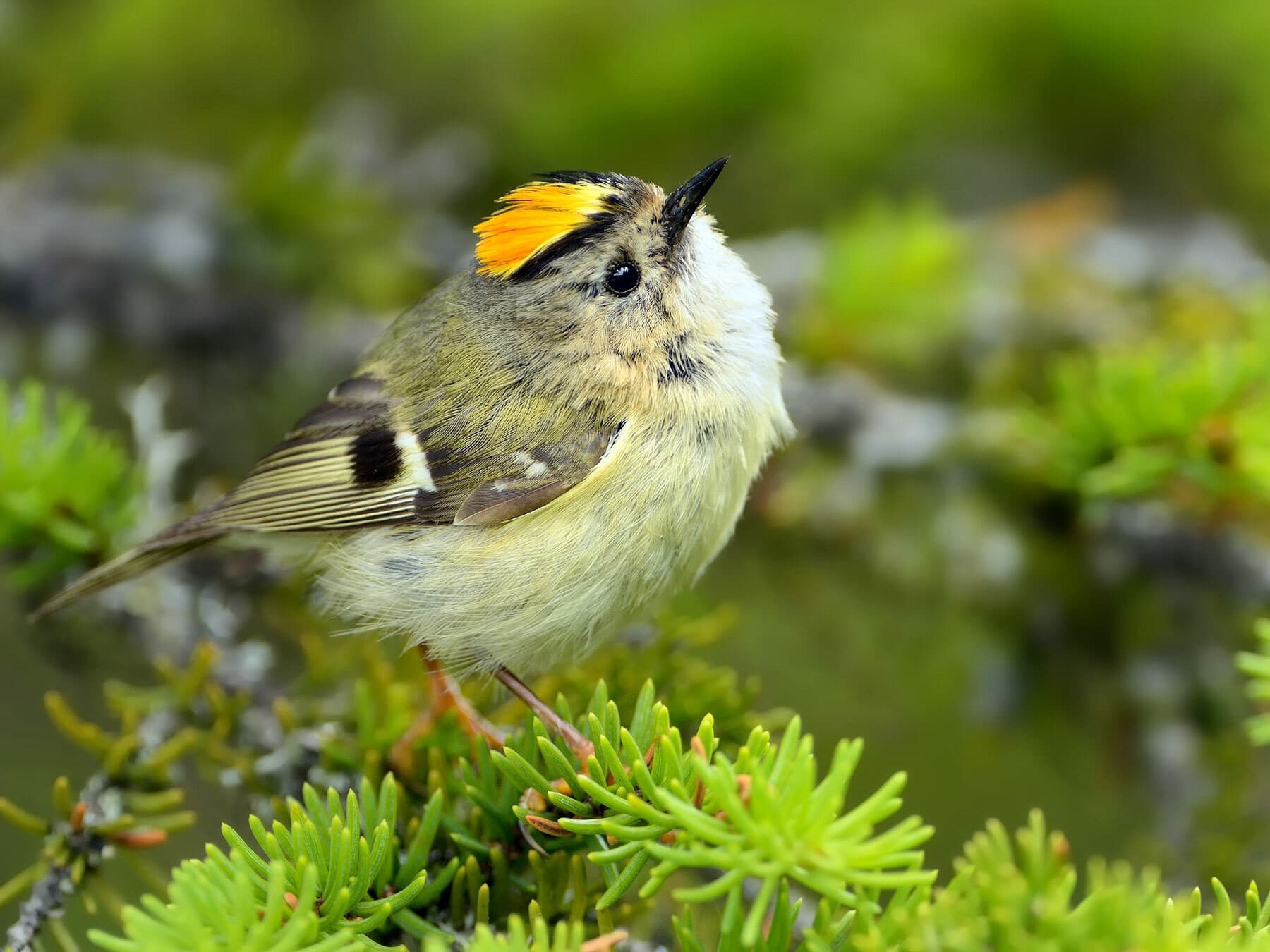 GoldcrestRegulus regulusPassage migrantCommon9–10 cmRegularly Sep–May · 0.11% in Feb
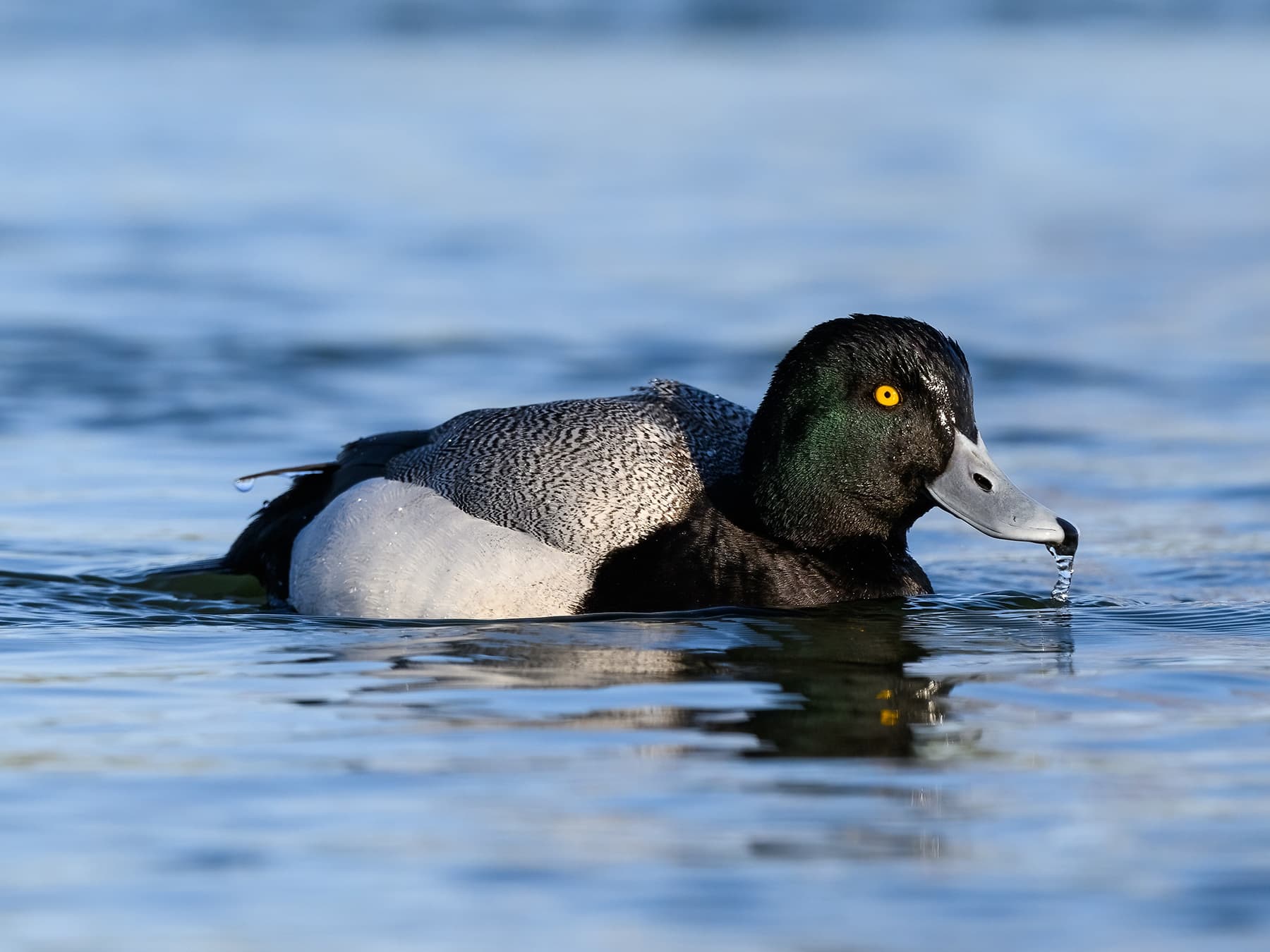 Greater ScaupAythya marilaPassage migrantUncommon39–56 cmRegularly Sep–Mar · 0.11% in Feb
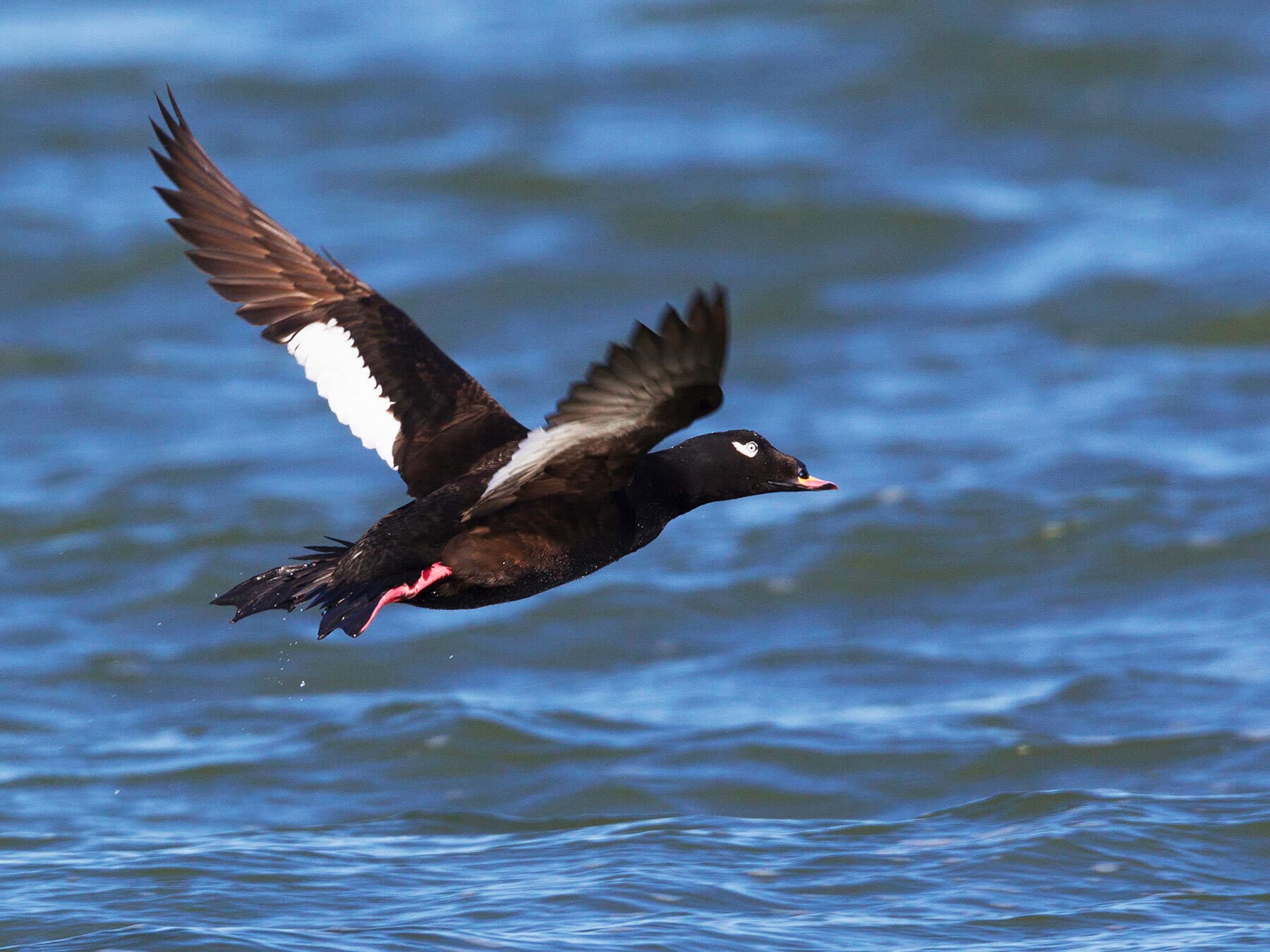 Velvet ScoterMelanitta fuscaWinter visitorUncommon51–58 cmRegularly Oct–Feb · 0.11% in Feb
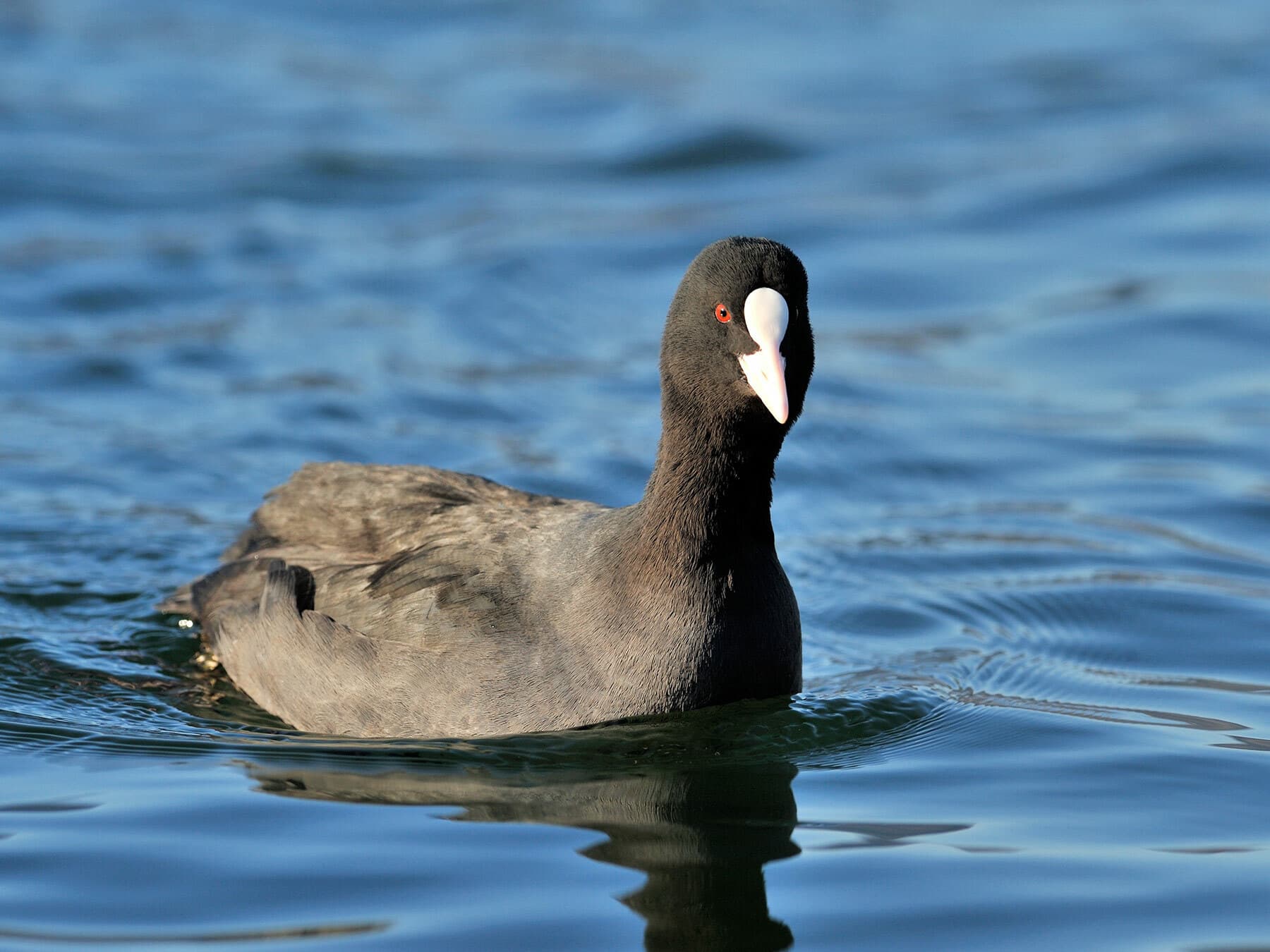 CootFulica atraWinter visitorUncommon36–42 cmRegularly Oct–May · 0.10% in Feb
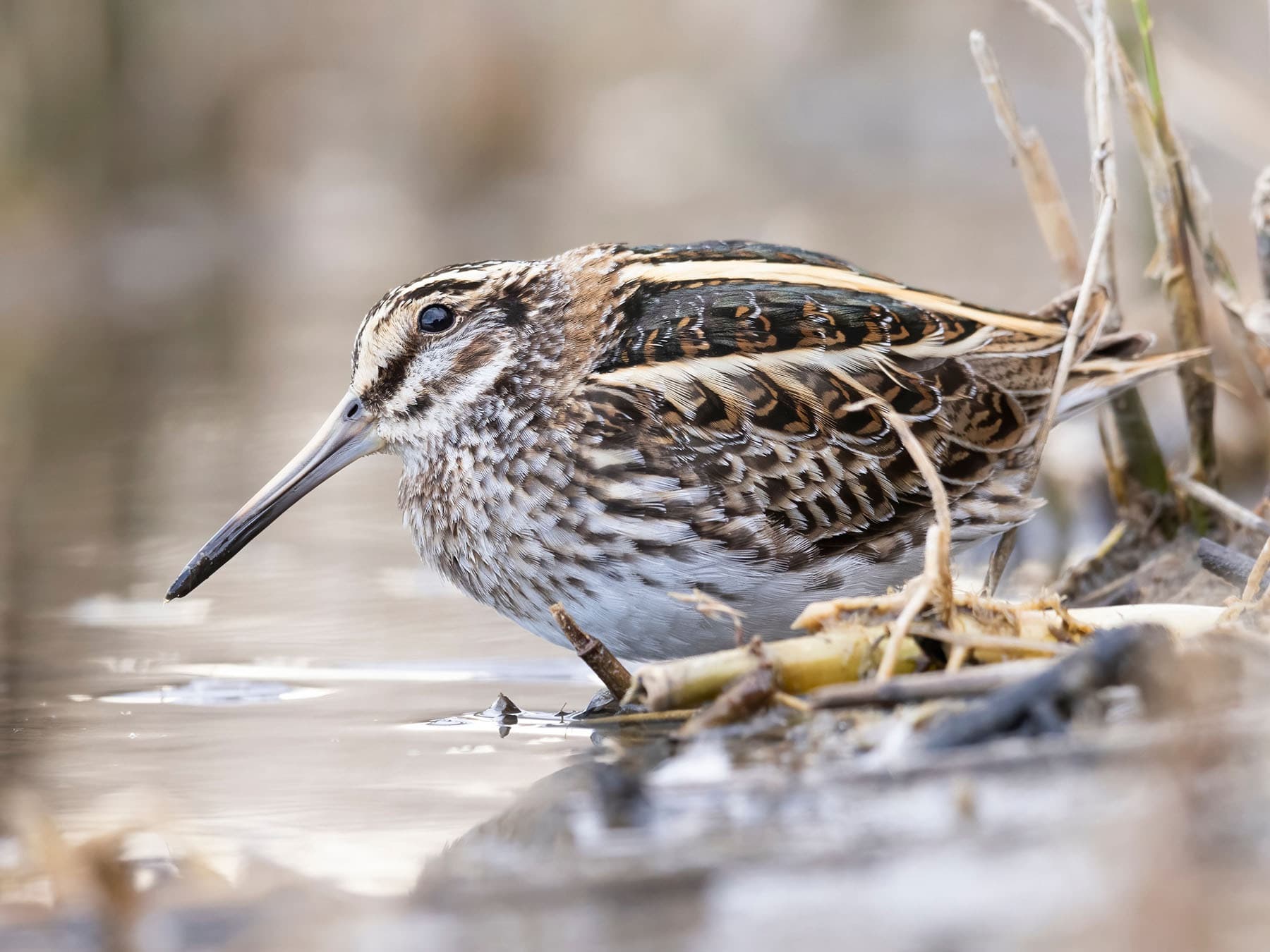 Jack SnipeLymnocryptes minimusWinter visitorCommon17–19 cmRegularly Sep–Apr · 0.10% in Feb
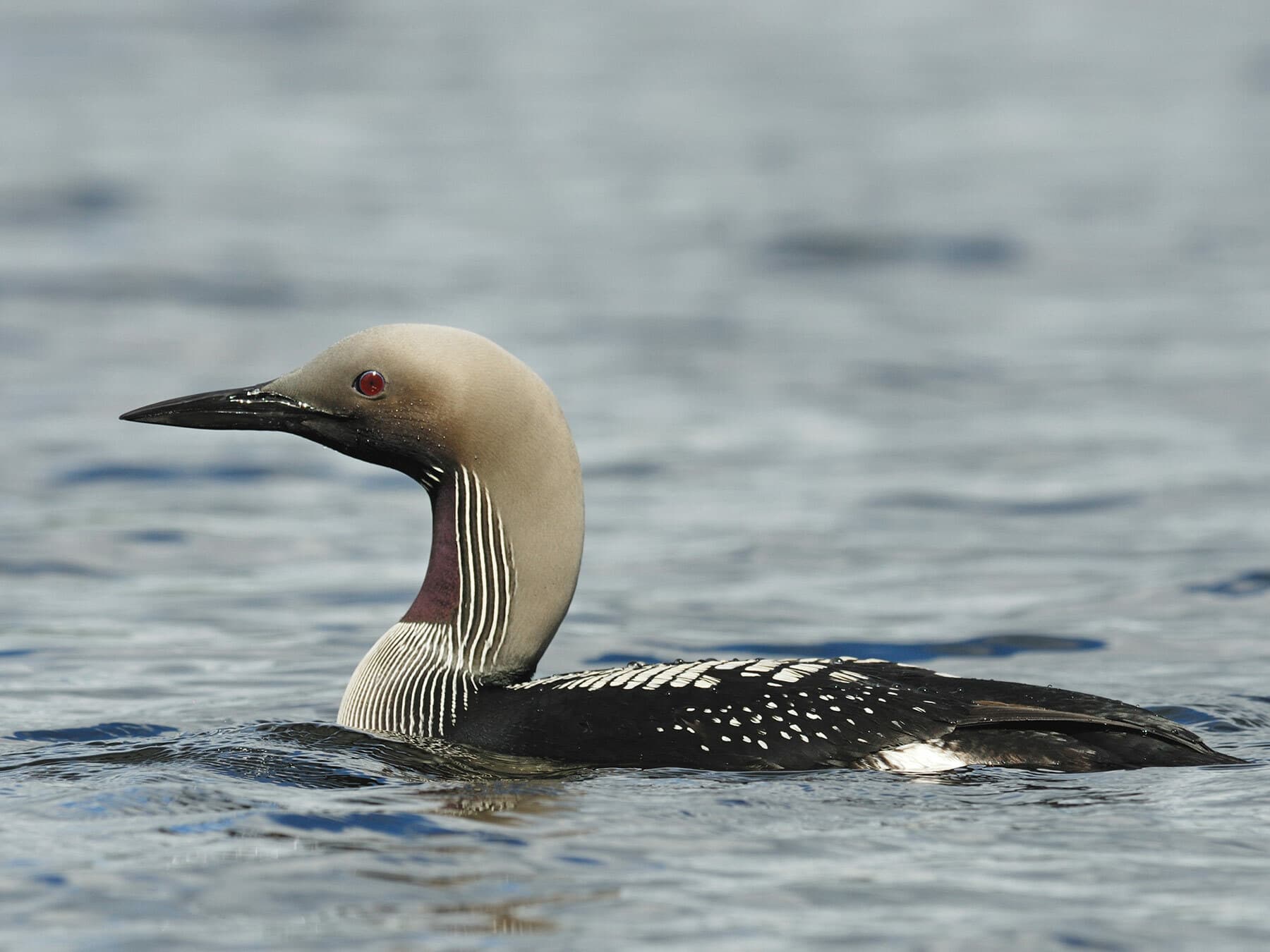 Arctic LoonGavia arcticaResidentUncommon58–77 cmRegularly Sep–Feb · 0.09% in Feb
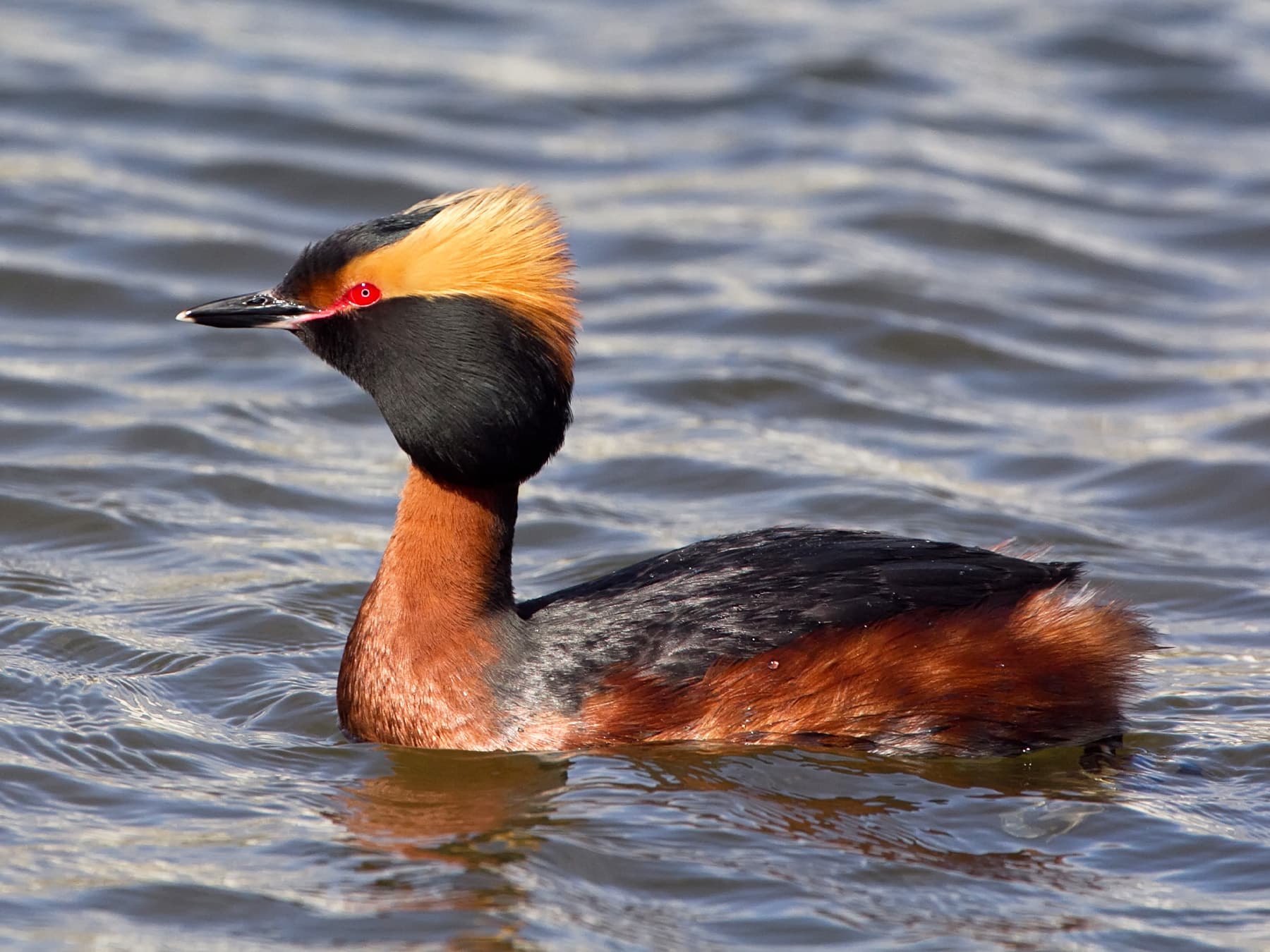 Horned GrebePodiceps auritusWinter visitorUncommon31–38 cmRegularly Sep–Mar · 0.09% in Feb
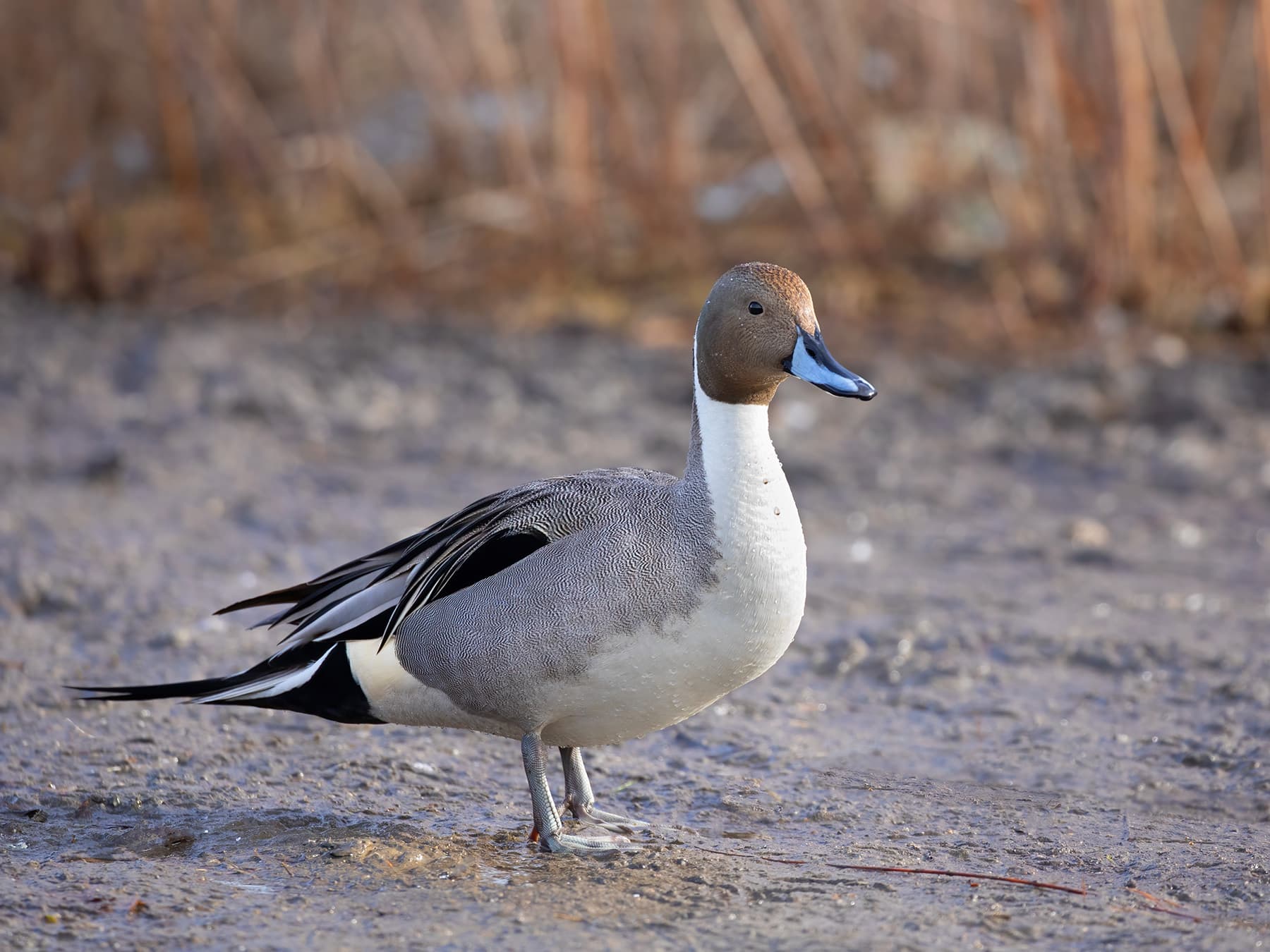 Northern PintailAnas acutaPassage migrantUncommon59–76 cmRegularly Sep–Jun · 0.09% in Feb
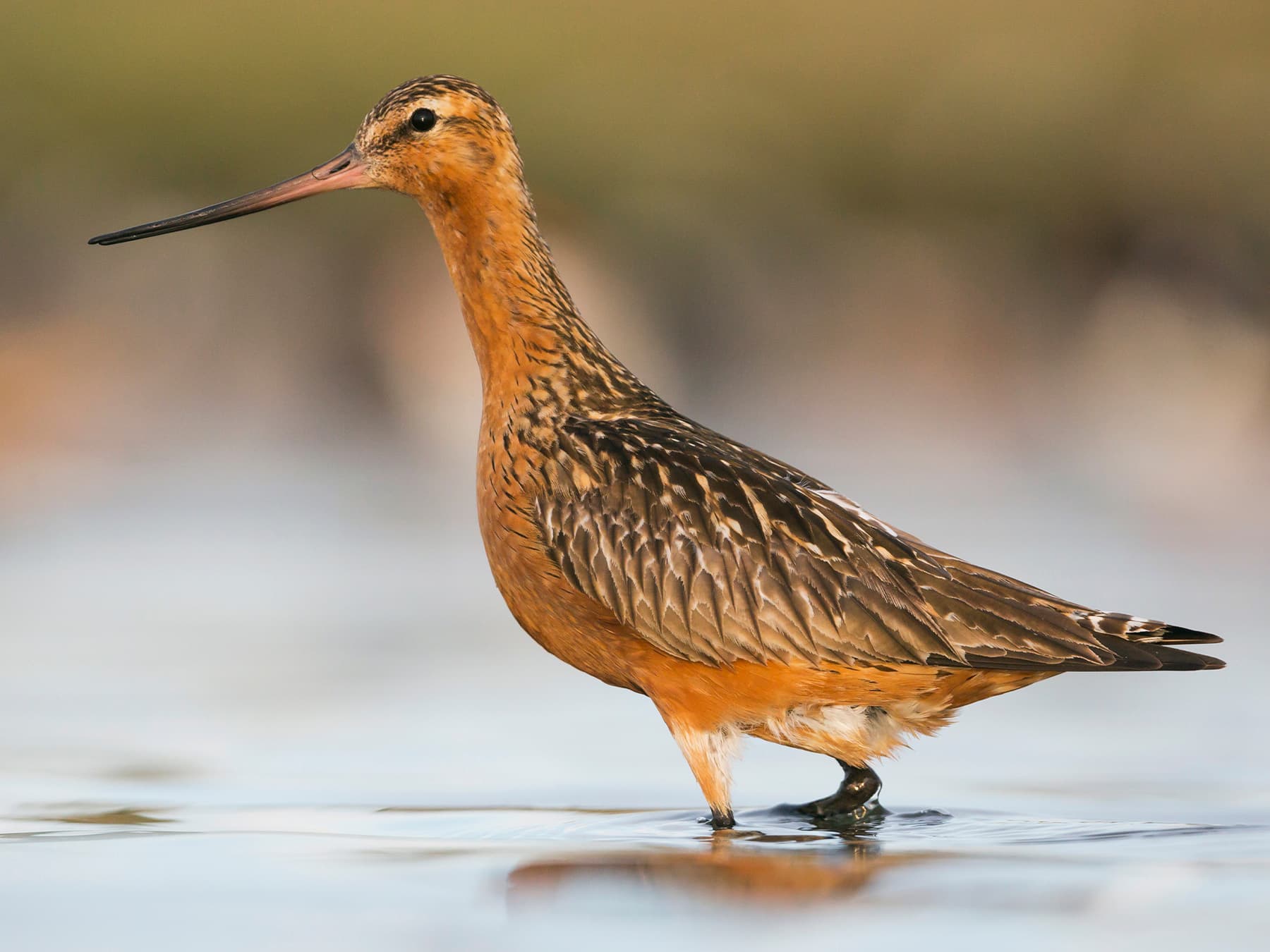 Bar-tailed GodwitLimosa lapponicaSummer visitorUncommon37–41 cmRegularly Jan–Nov · 0.08% in Feb
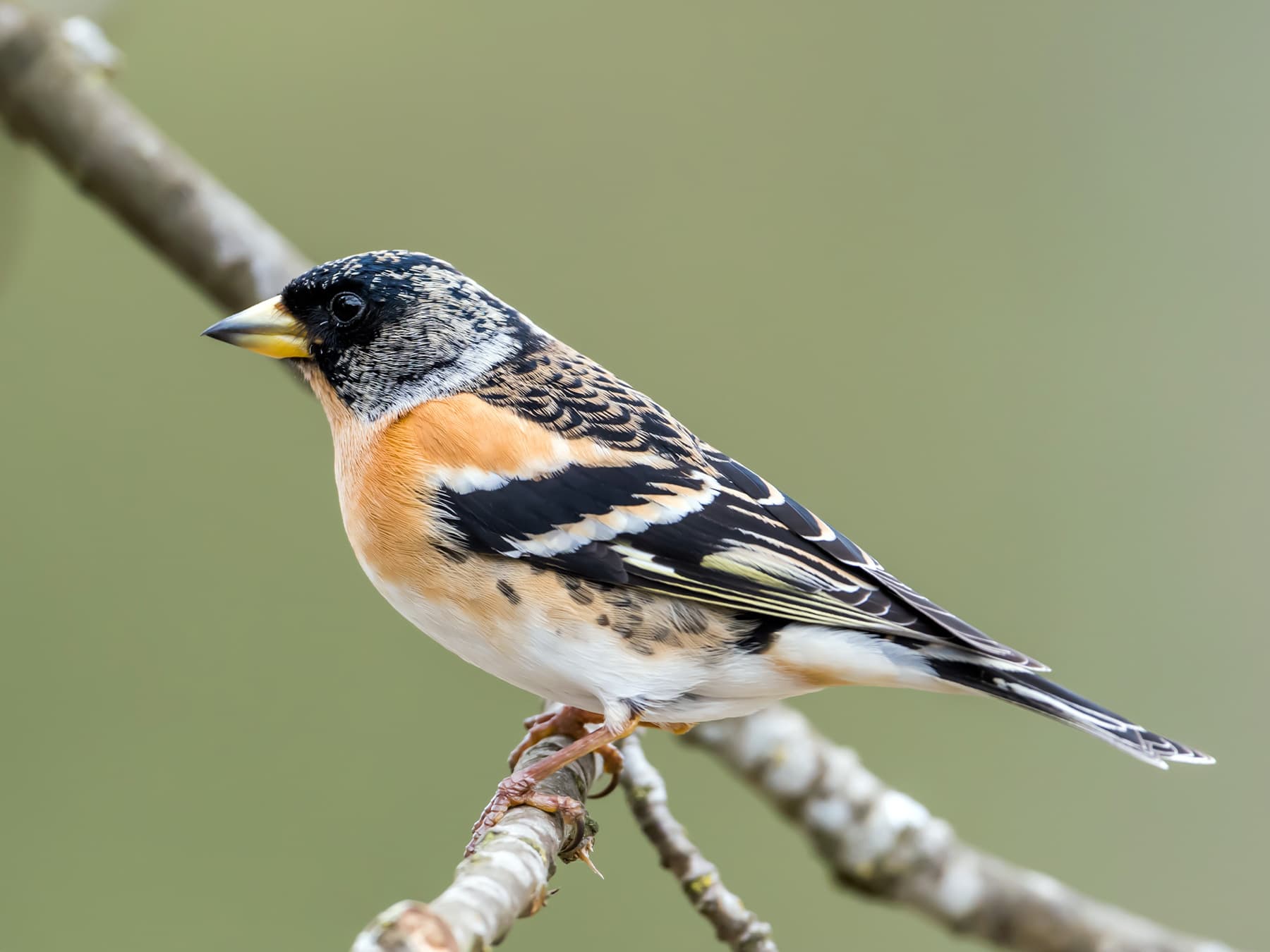 BramblingFringilla montifringillaPassage migrantCommon14–16 cmRegularly Sep–Apr · 0.08% in Feb
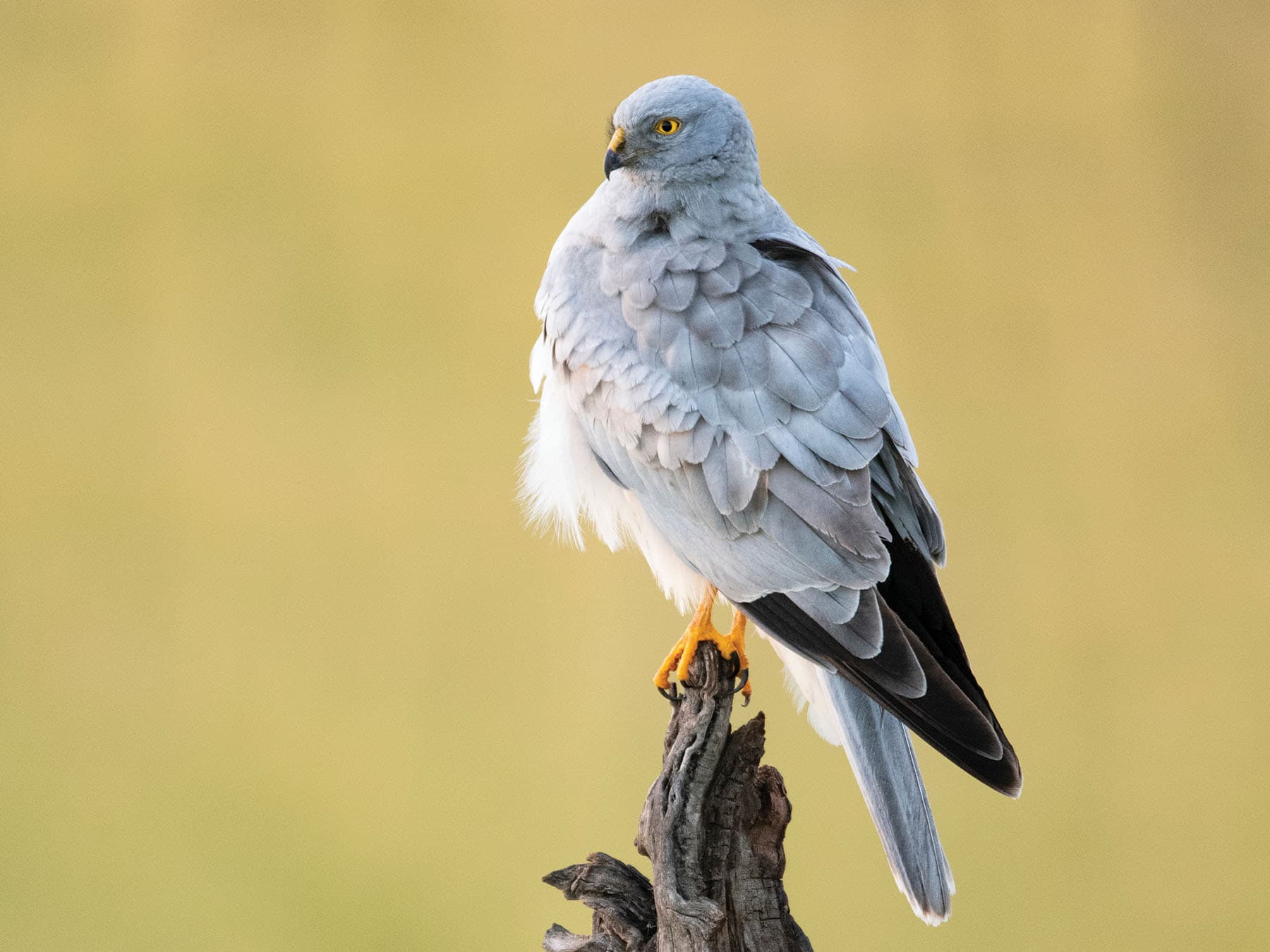 Hen HarrierCircus cyaneusResidentUncommon41–52 cmRegularly Feb–Dec · records held back in Feb (protected)
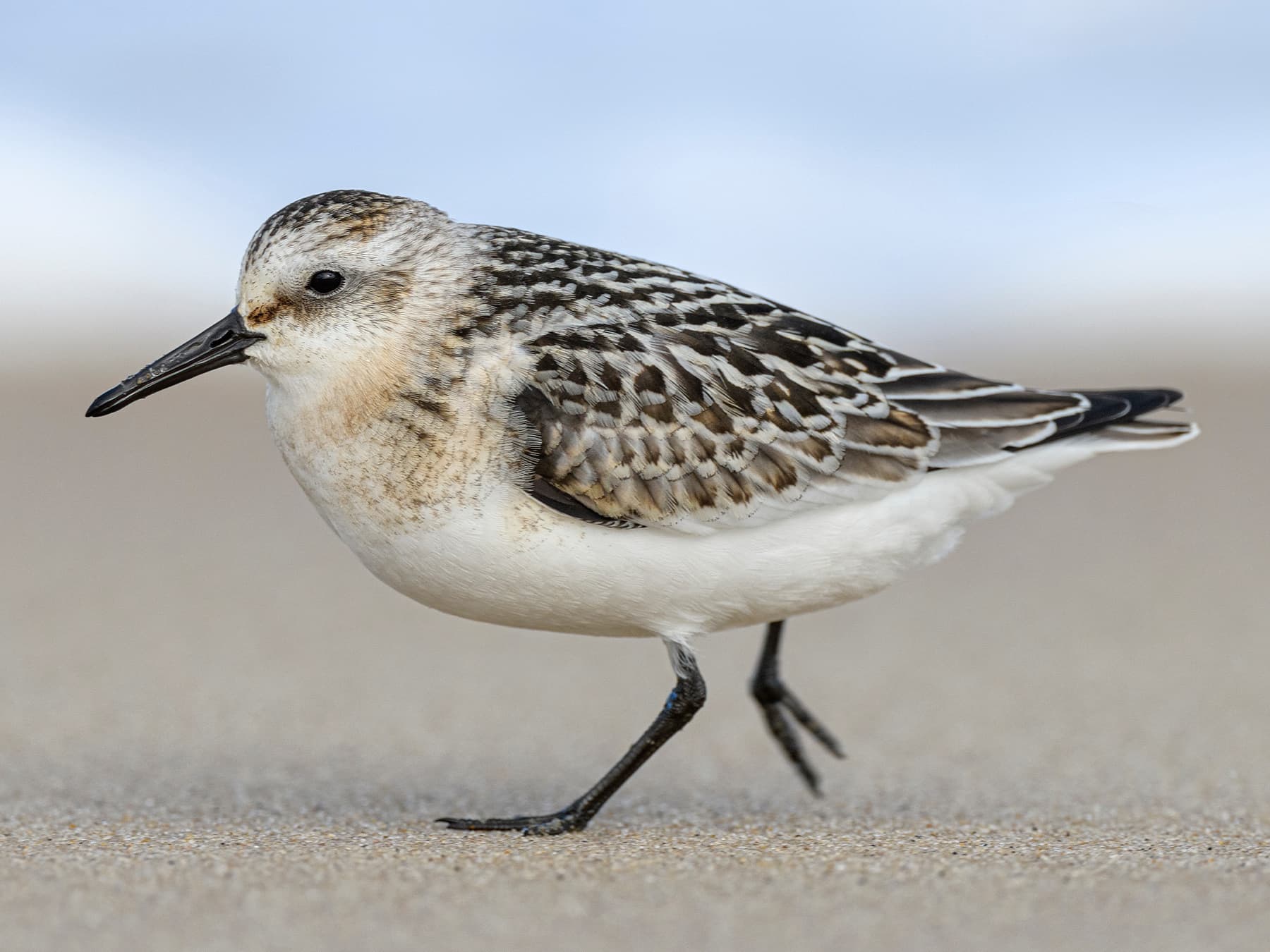 SanderlingCalidris albaSummer visitorCommon18–20 cmRegularly May–Mar · 0.08% in Feb
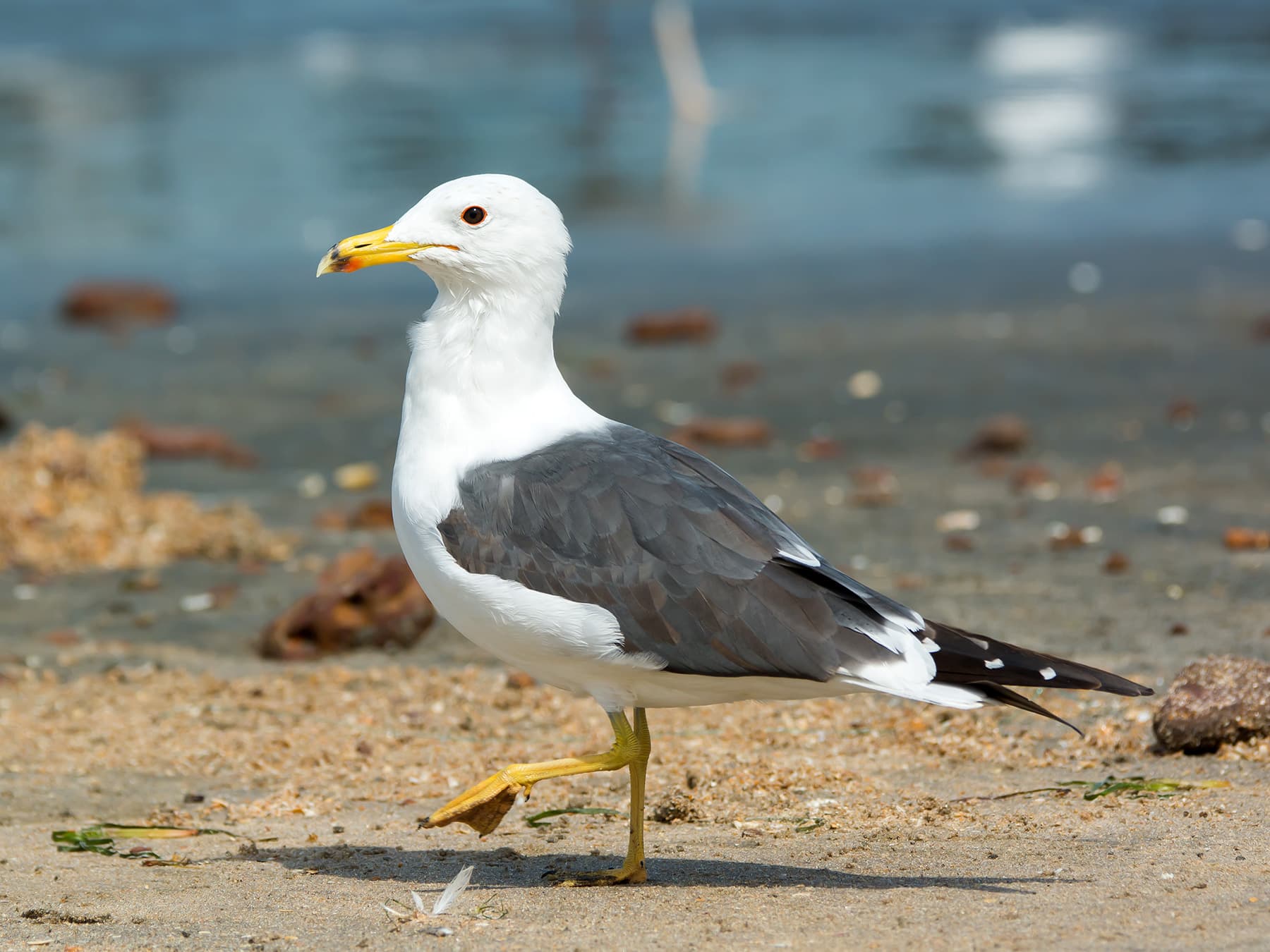 Lesser Black-backed GullLarus fuscusSummer visitorCommon52–64 cmRegularly Feb–Oct · 0.07% in Feb
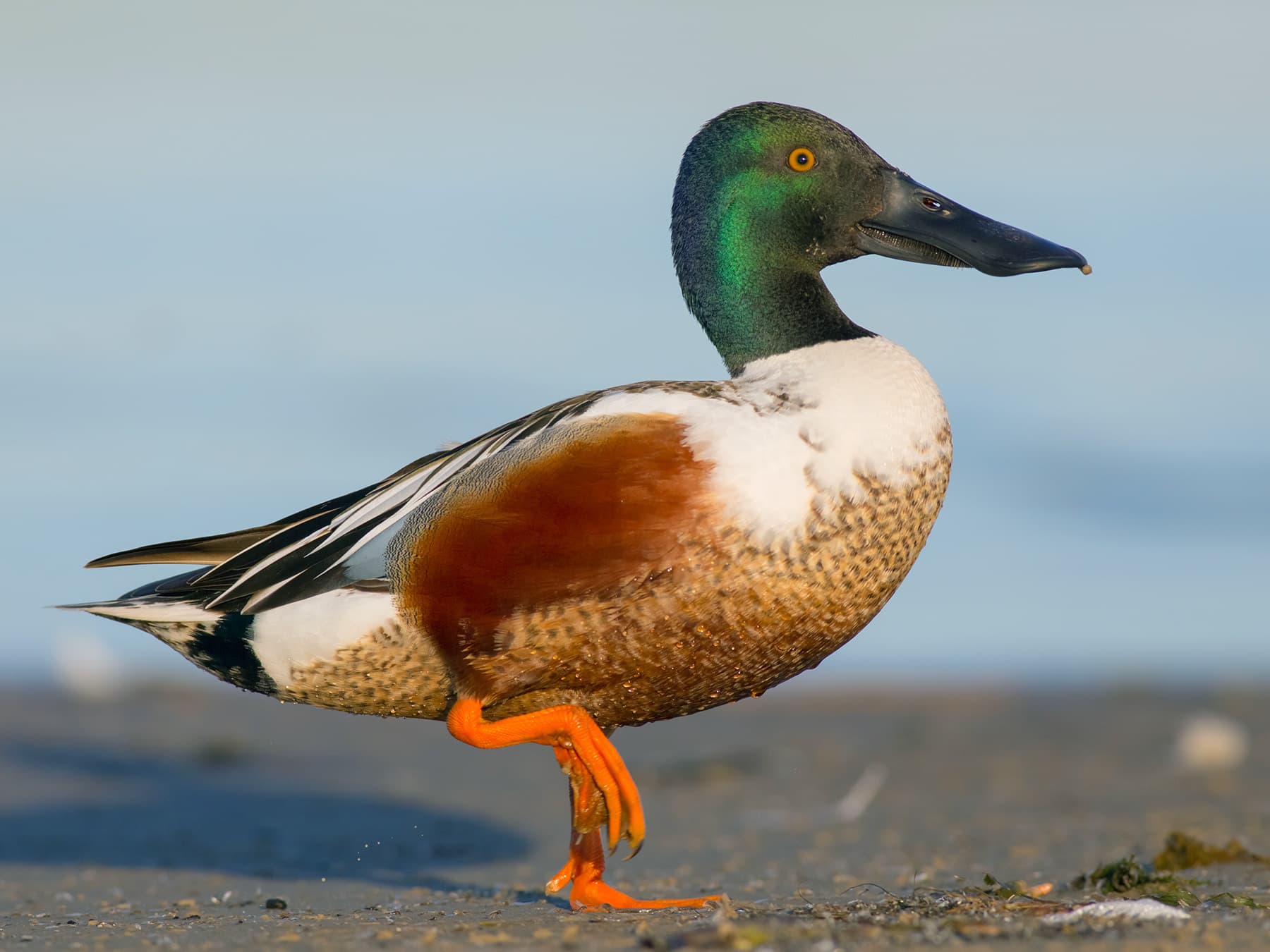 Northern ShovelerSpatula clypeataSummer visitorUncommon44–51 cmRegularly Feb–Oct · 0.07% in Feb
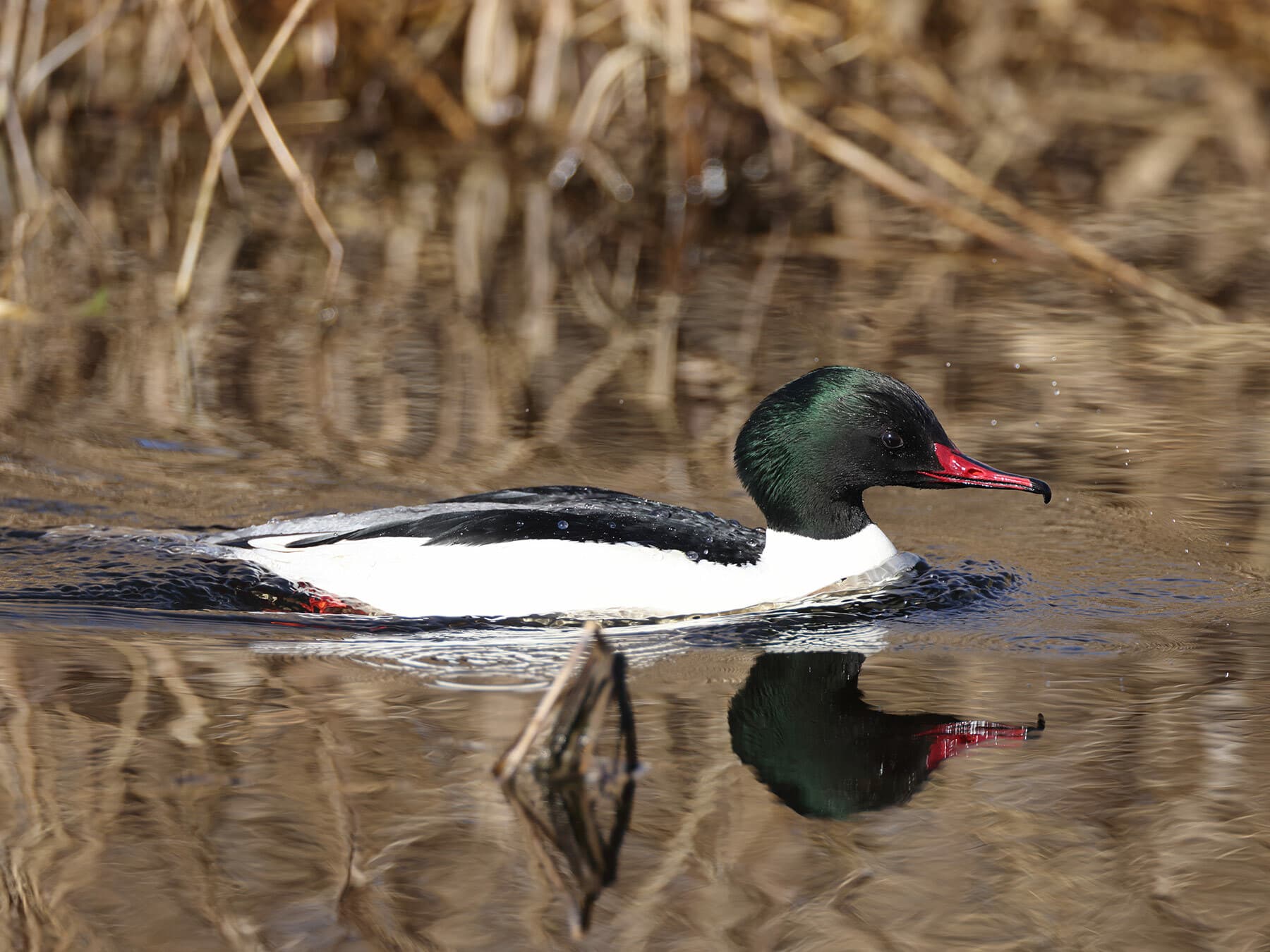 Common MerganserMergus merganserResidentUncommon58–68 cmRegularly Jan–Oct · 0.06% in Feb
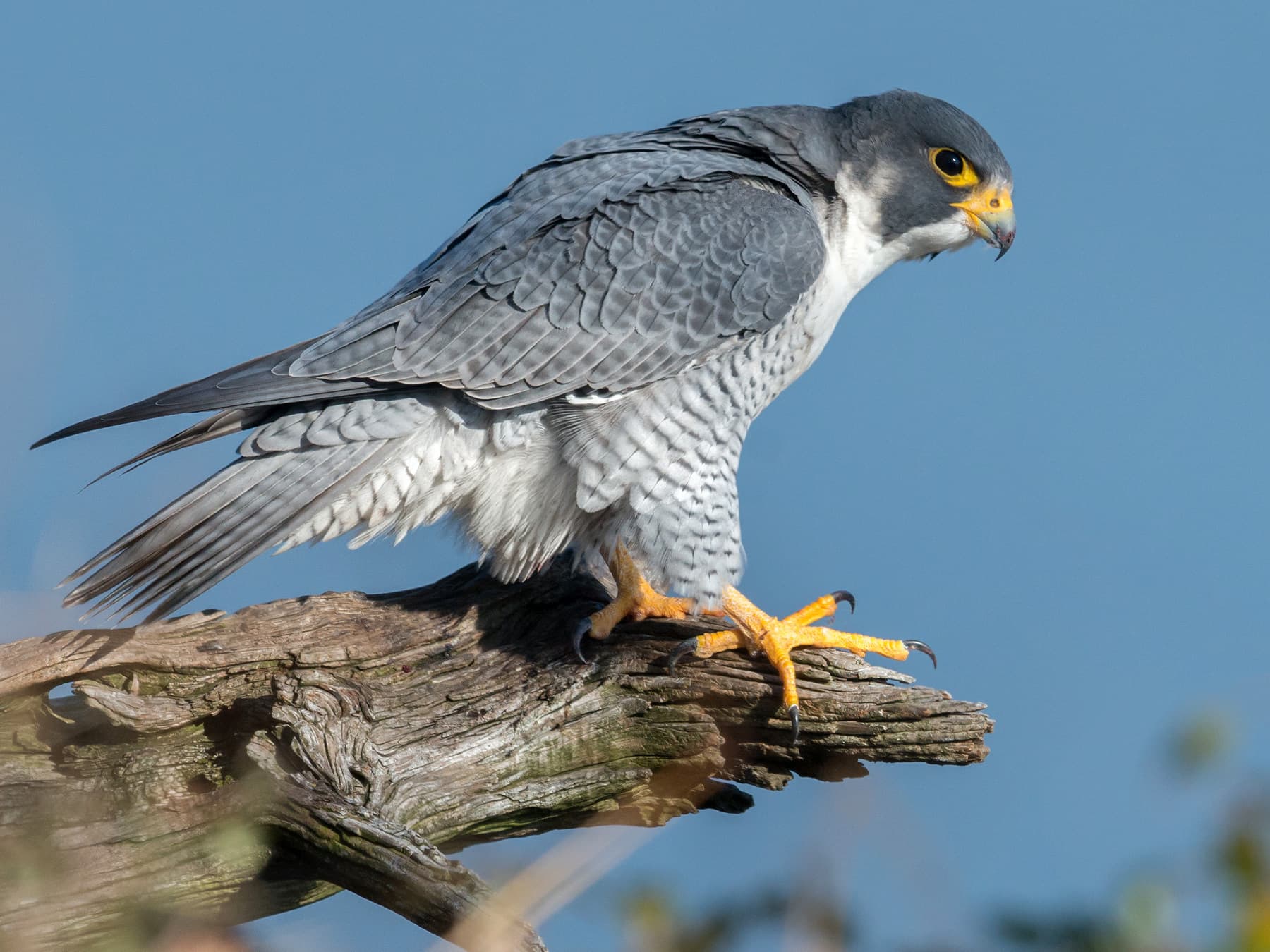 Peregrine FalconFalco peregrinusWinter visitorUncommon34–58 cmRegularly Aug–Feb · 0.06% in Feb
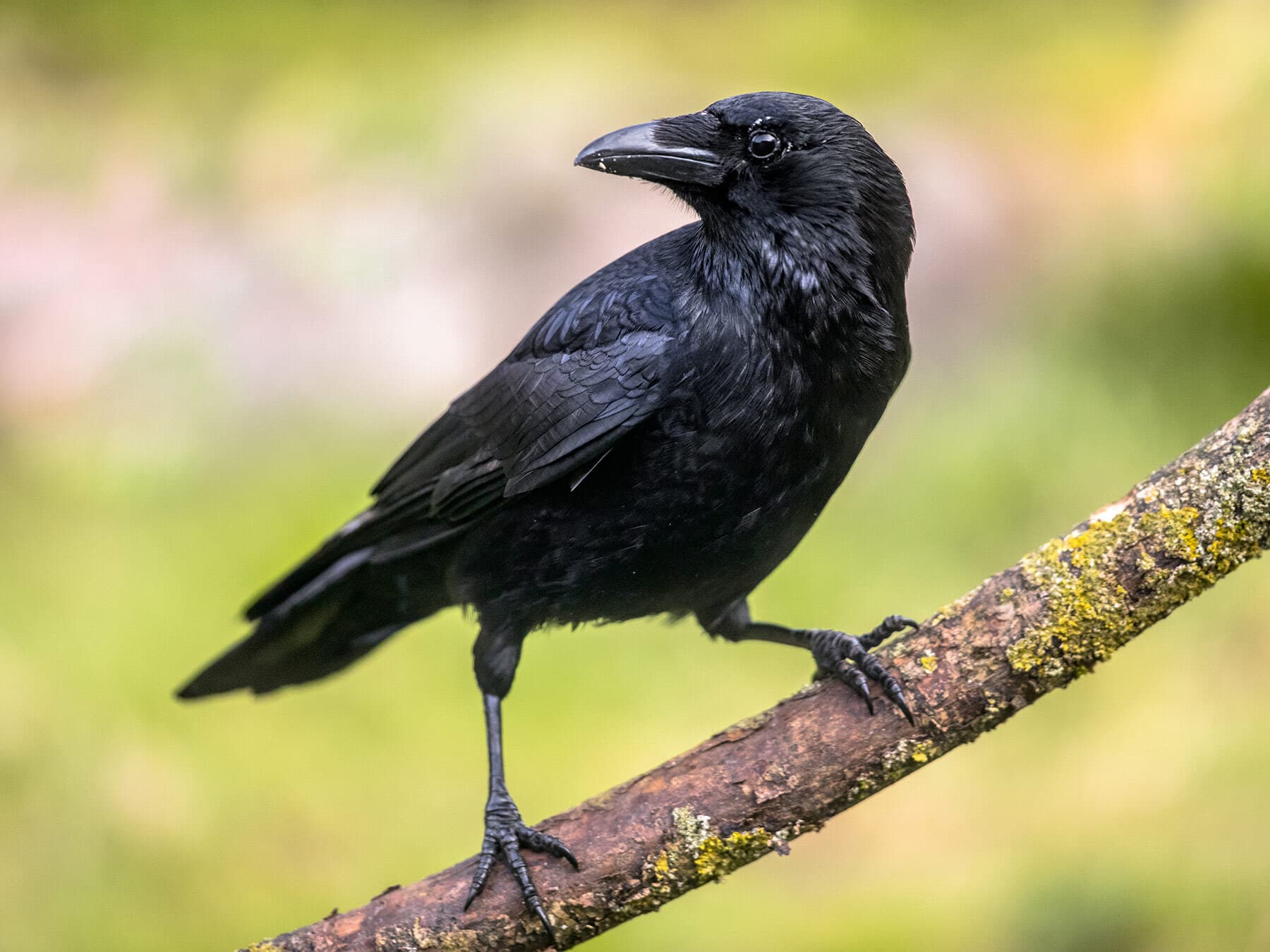 Carrion CrowCorvus coroneSummer visitorUncommon45–47 cmRecorded all year · 0.05% in Feb
Data: EOD – eBird Observation Dataset (Cornell Lab of Ornithology), accessed via GBIF.org, CC BY 4.0. Records from 2019–2024, aggregated and filtered by Birdfact. How these lists are made