


Birds to See in Aberdeen in March
89 bird species on our list for Aberdeen are recorded regularly in March
Of these, the most often recorded are European Herring Gull, Carrion Crow, Eurasian Oystercatcher, Blackbird and Woodpigeon. New this month: Lesser Black-backed Gull, Chiffchaff, Dunlin and Golden Plover and 5 more.
On the move in March
GBIF · MarArriving
At their peak
From Aberdeen’s bird records, 2019–2024: arriving birds are regular this month but not last; leaving birds are regular this month but not next.
Other months
All 89 birds in March
89 birds
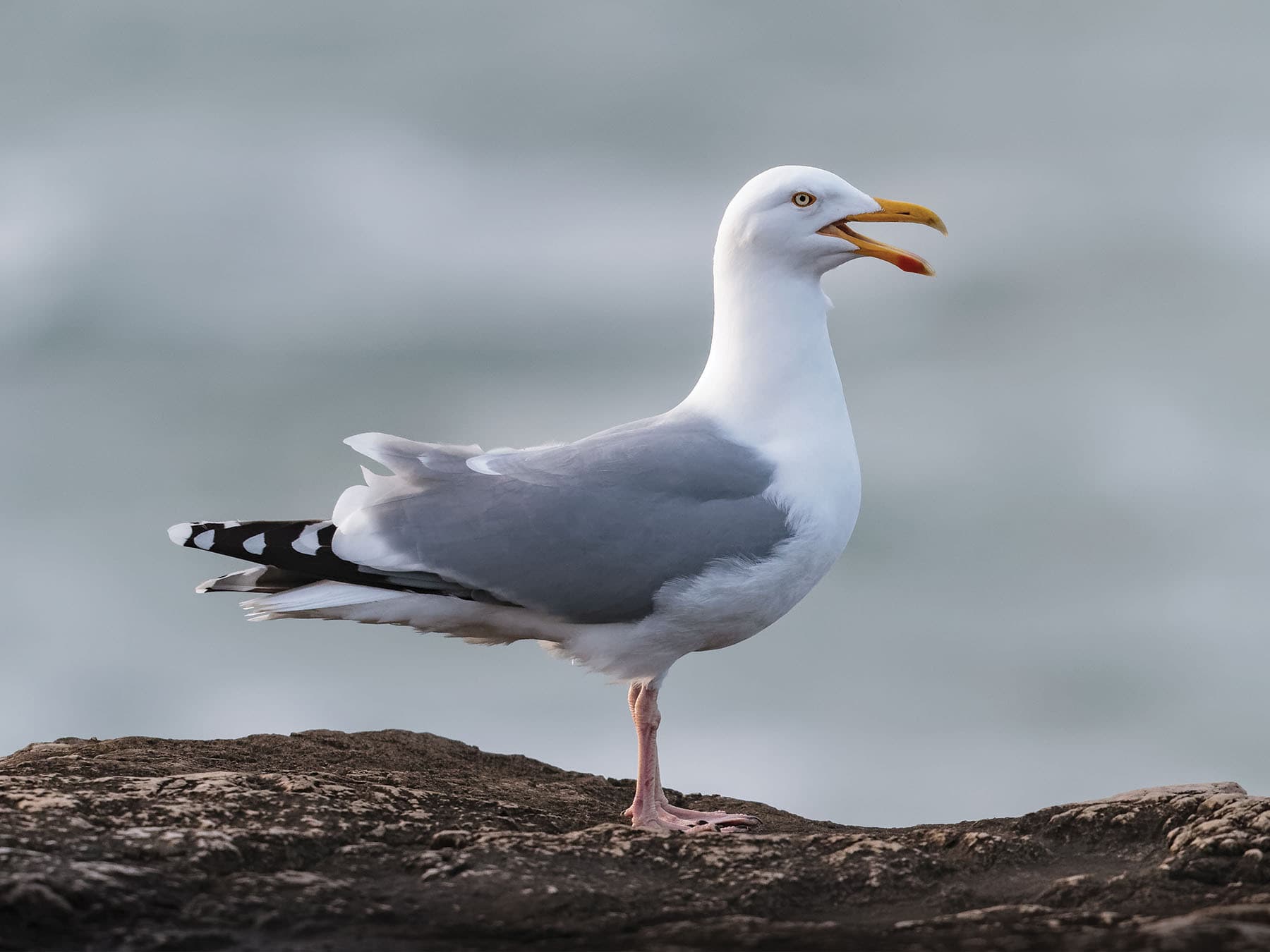 European Herring GullLarus argentatusResidentCommon55–67 cmRecorded all year · 5.51% in Mar
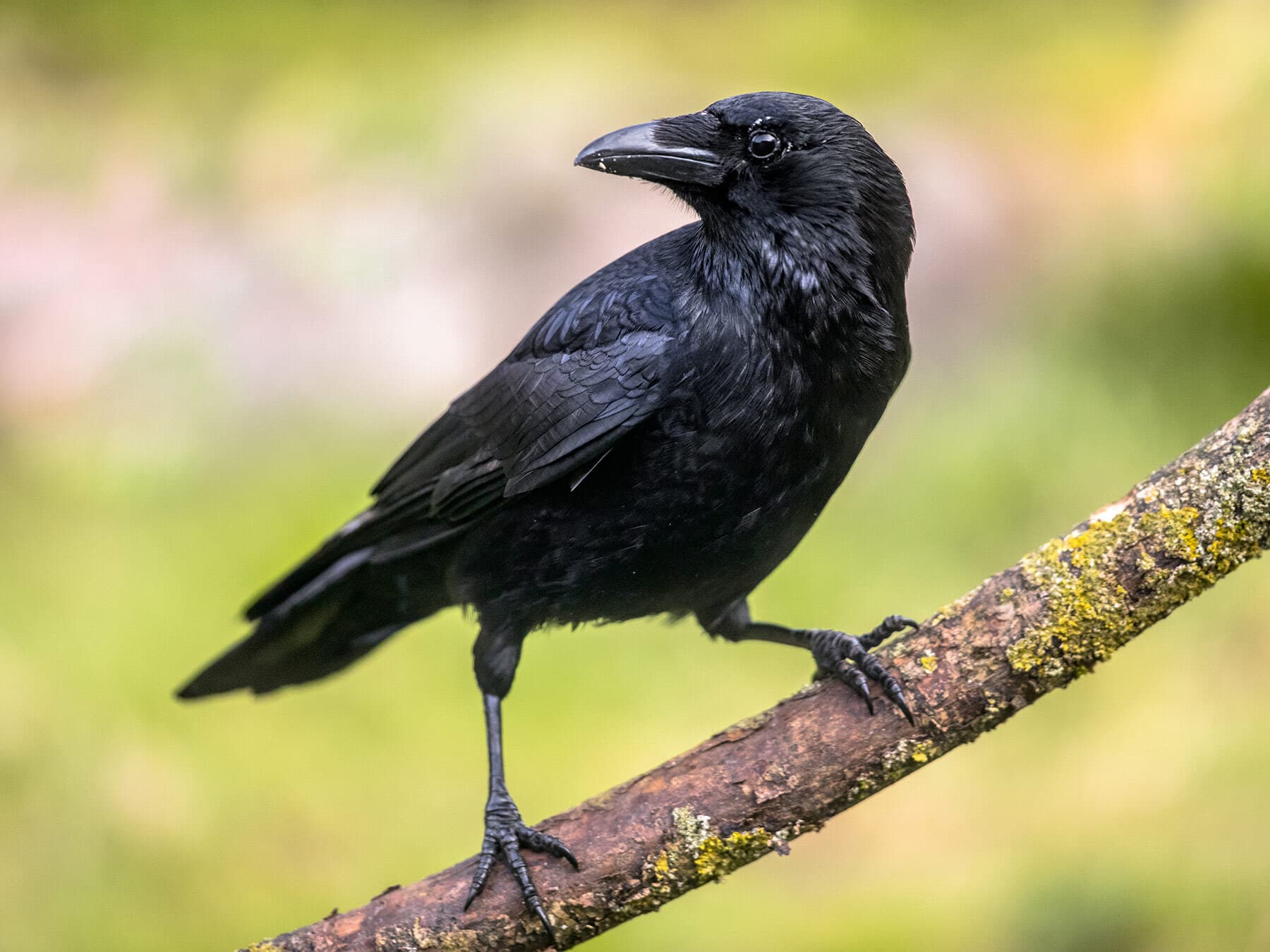 Carrion CrowCorvus coroneResidentCommon45–47 cmRecorded all year · 3.65% in Mar
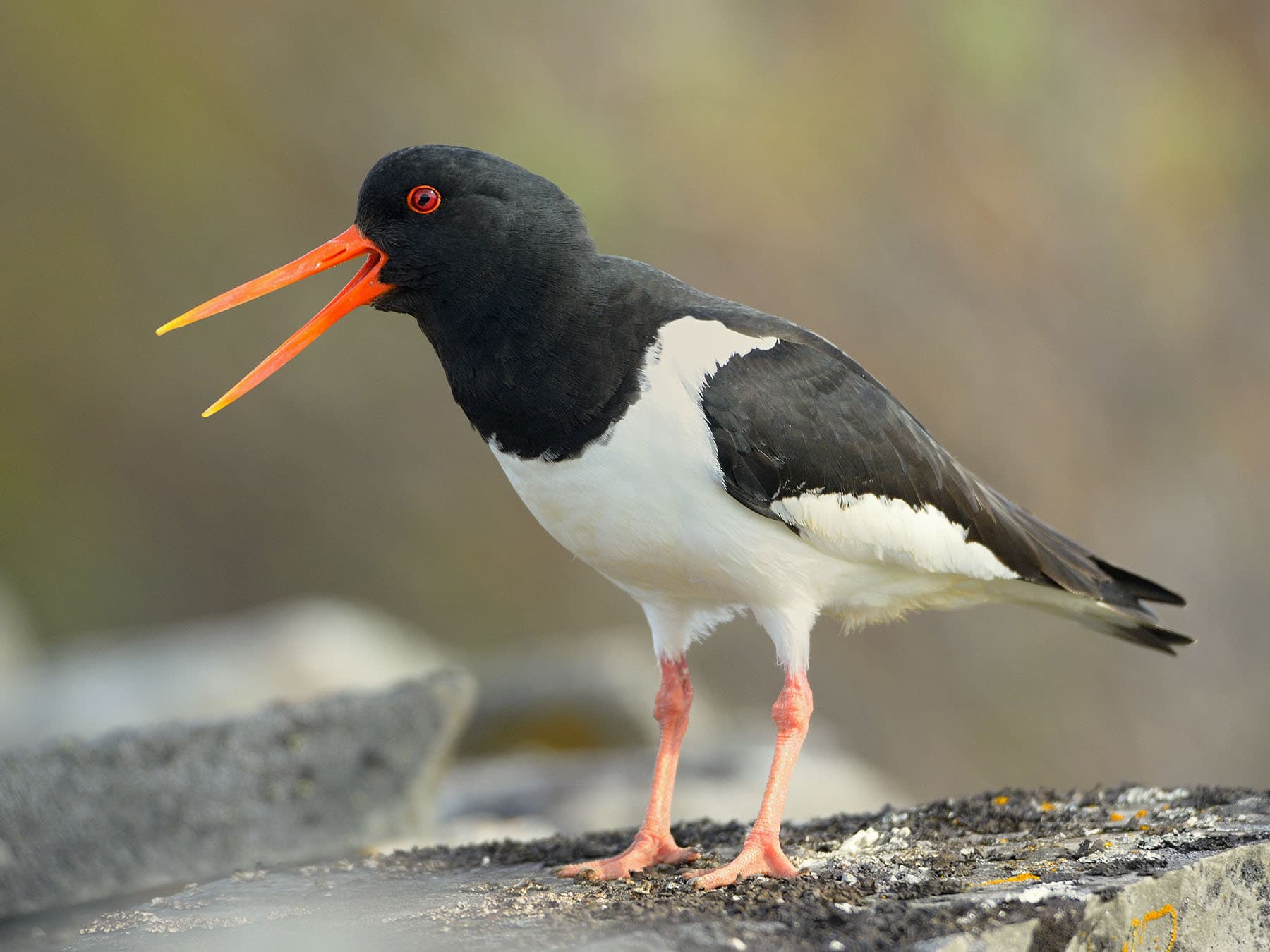 Eurasian OystercatcherHaematopus ostralegusResidentCommon40–45 cmRecorded all year · 3.51% in Mar
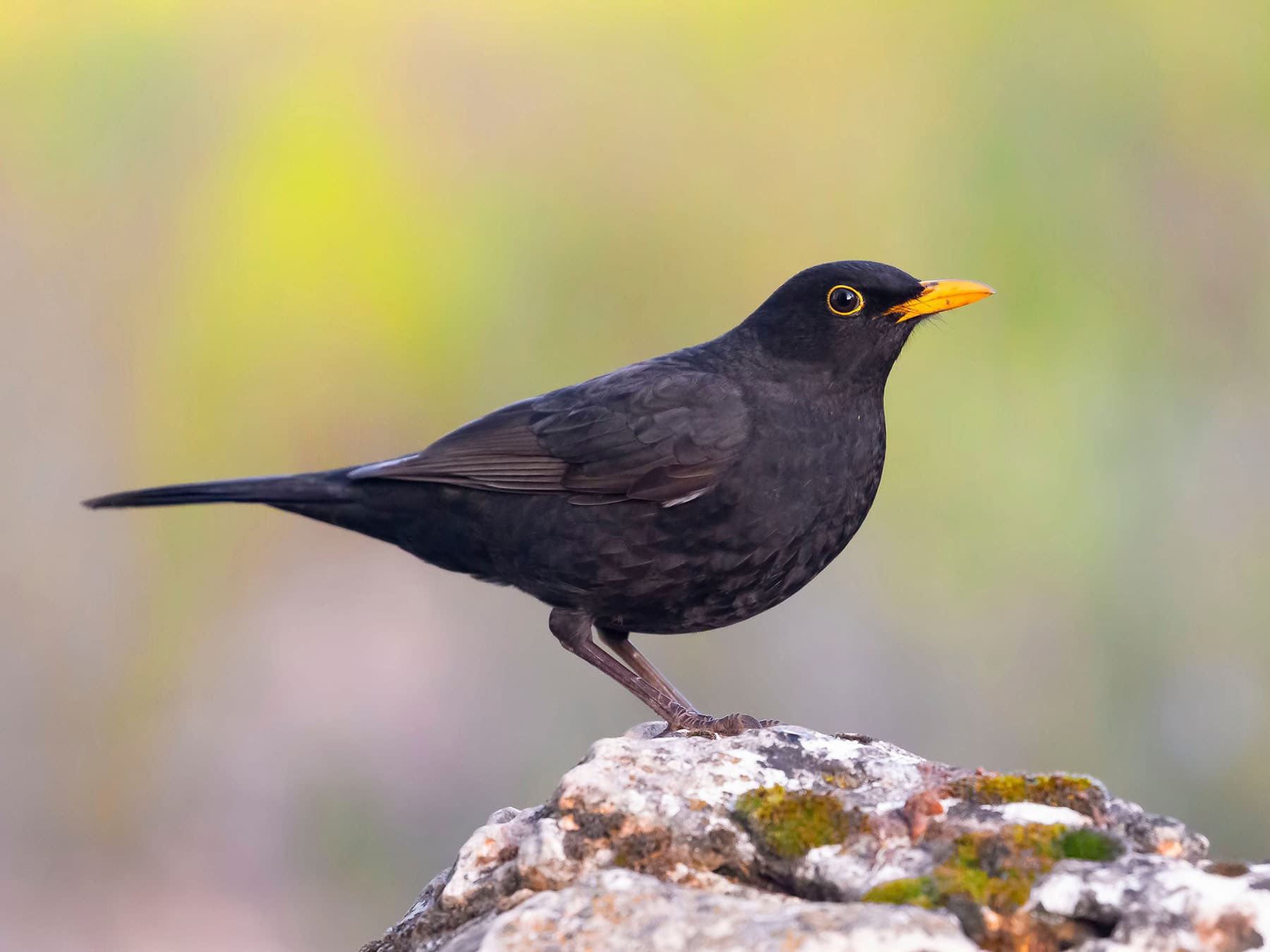 BlackbirdTurdus merulaResidentCommon24–25 cmRecorded all year · 3.49% in Mar
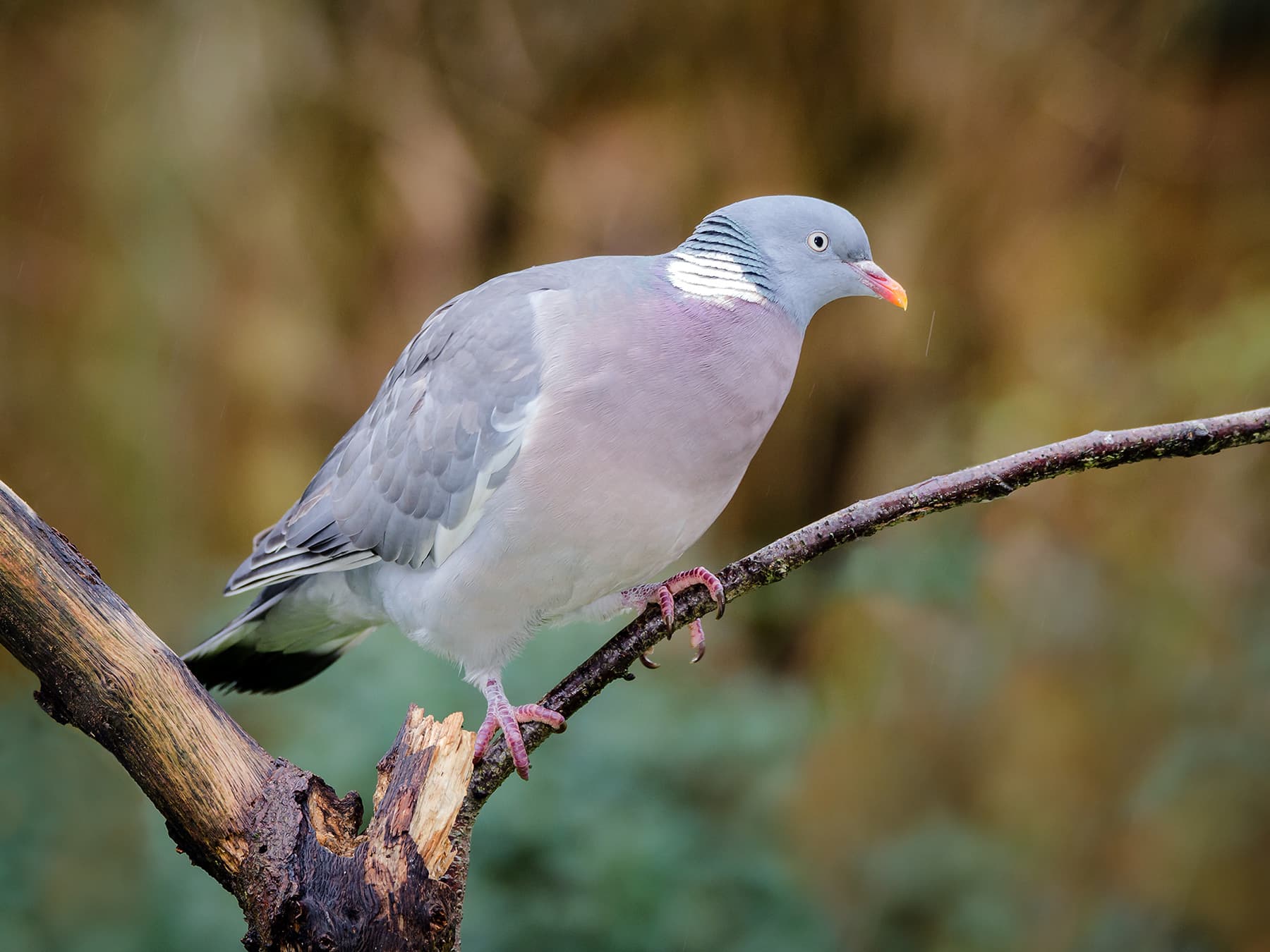 WoodpigeonColumba palumbusResidentCommon40–42 cmRecorded all year · 3.36% in Mar
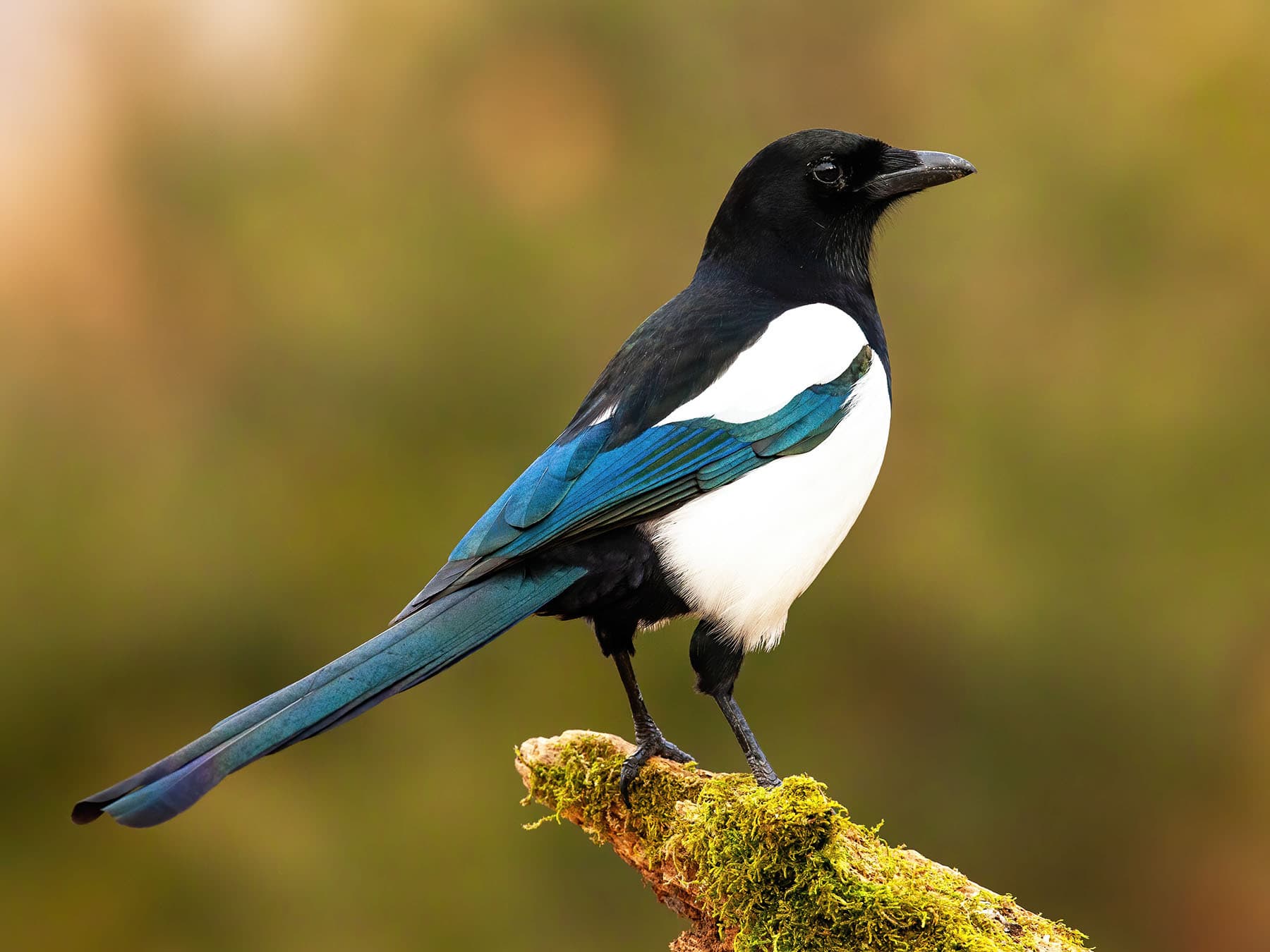 MagpiePica picaResidentCommon44–46 cmRecorded all year · 3.03% in Mar
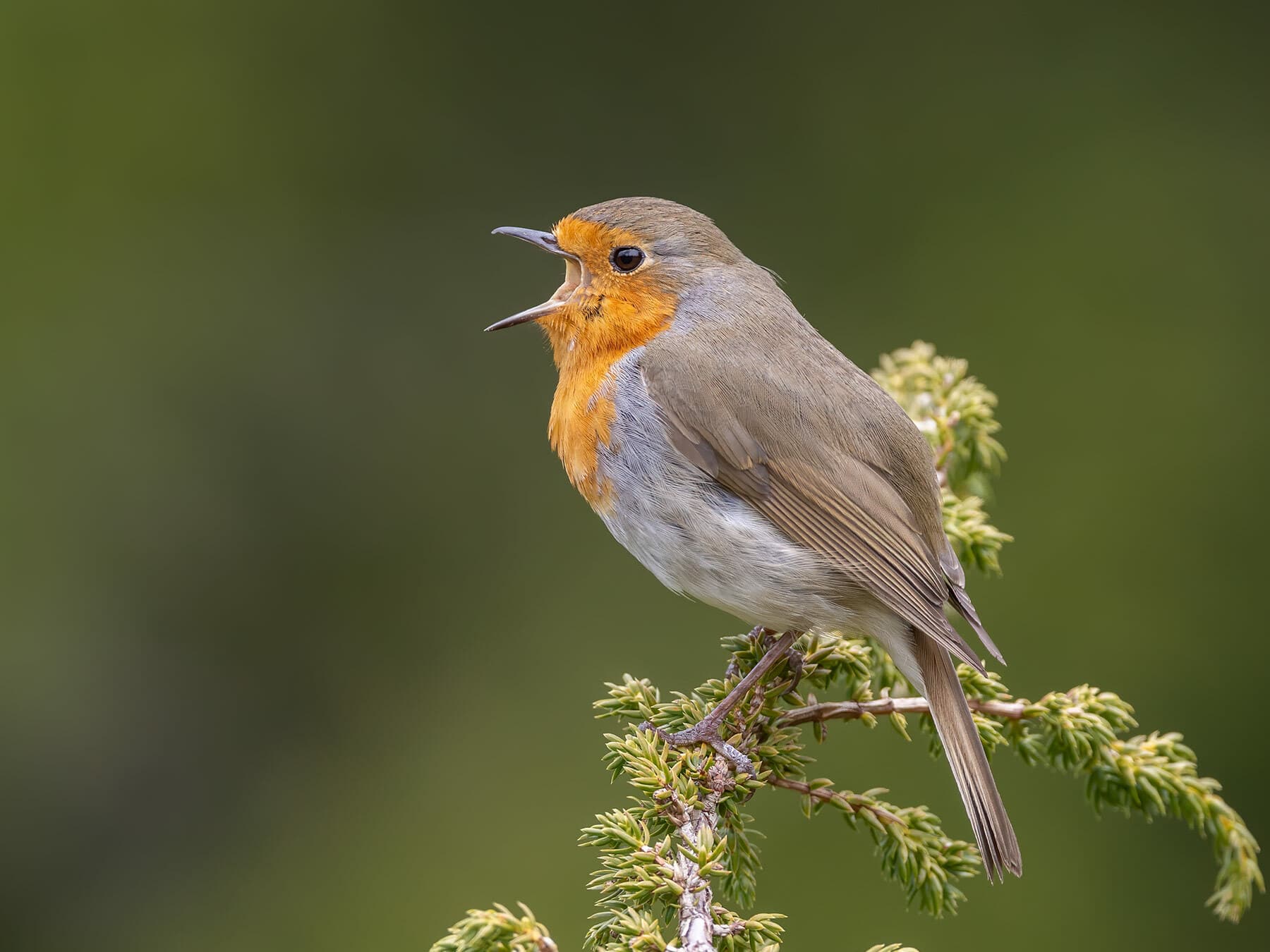 European RobinErithacus rubeculaResidentCommon13–14 cmRecorded all year · 2.84% in Mar
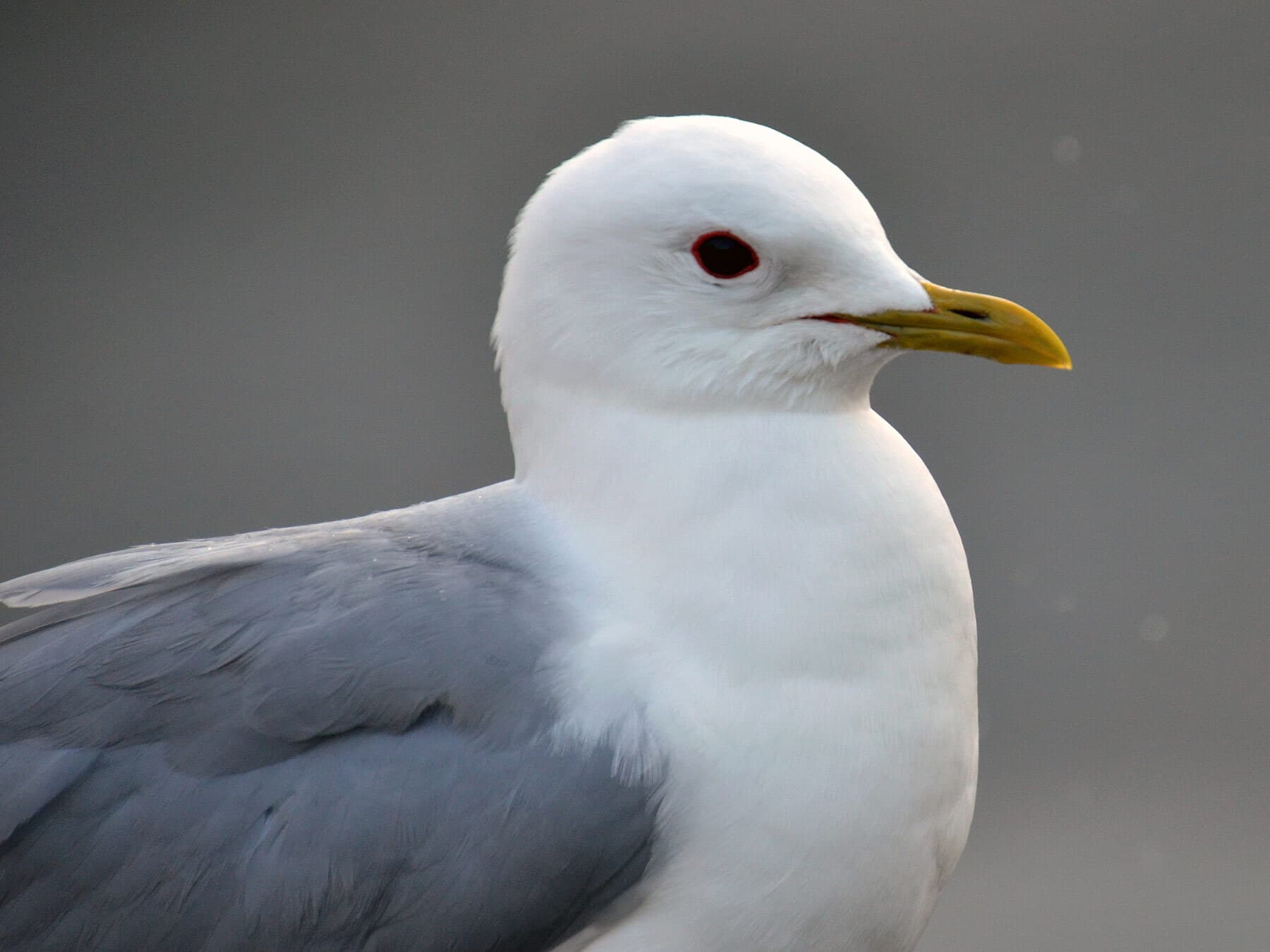 Common GullLarus canusResidentCommon40–46 cmRecorded all year · 2.70% in Mar
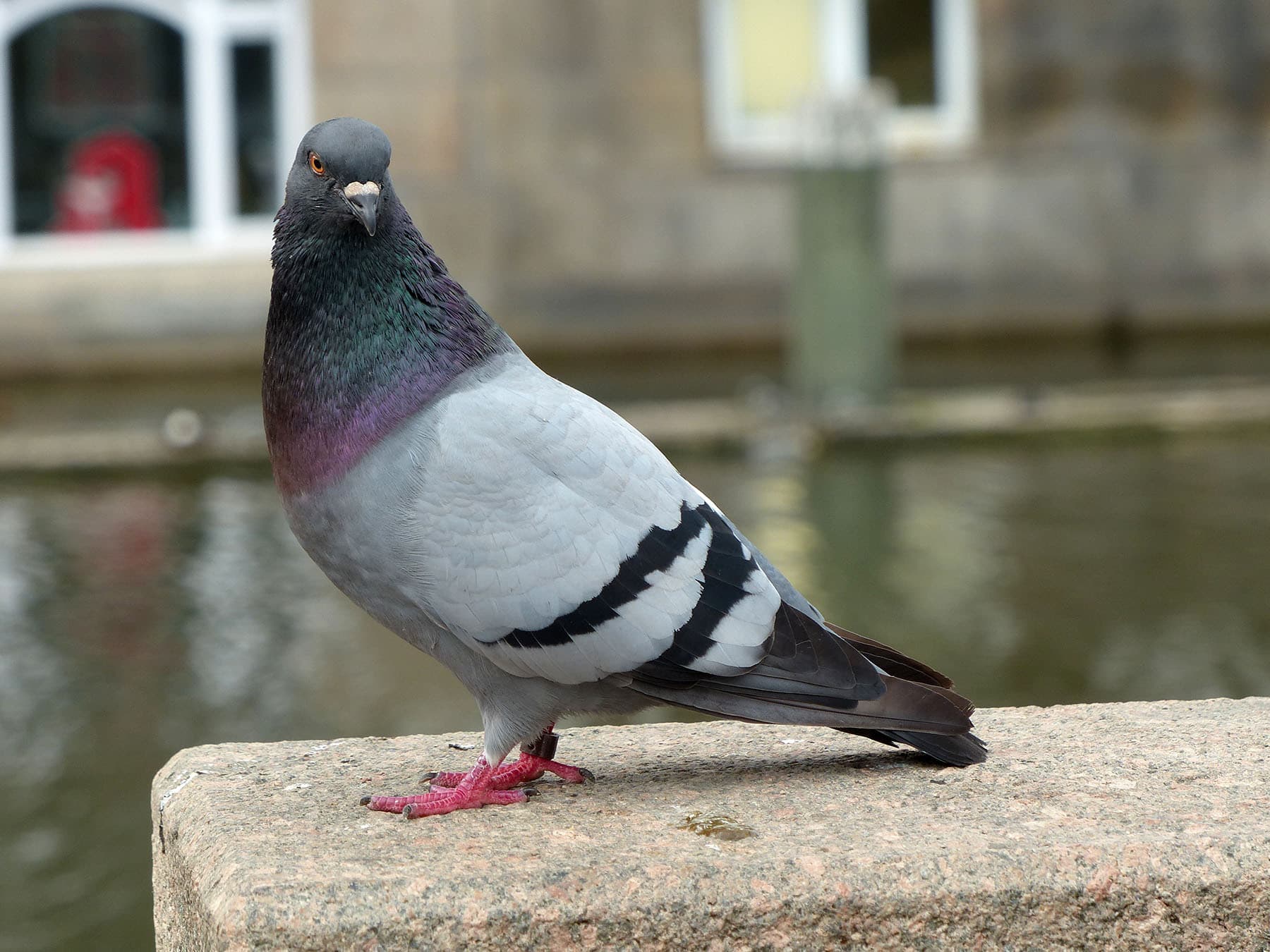 Rock DoveColumba liviaResidentCommon31–34 cmRecorded all year · 2.69% in Mar
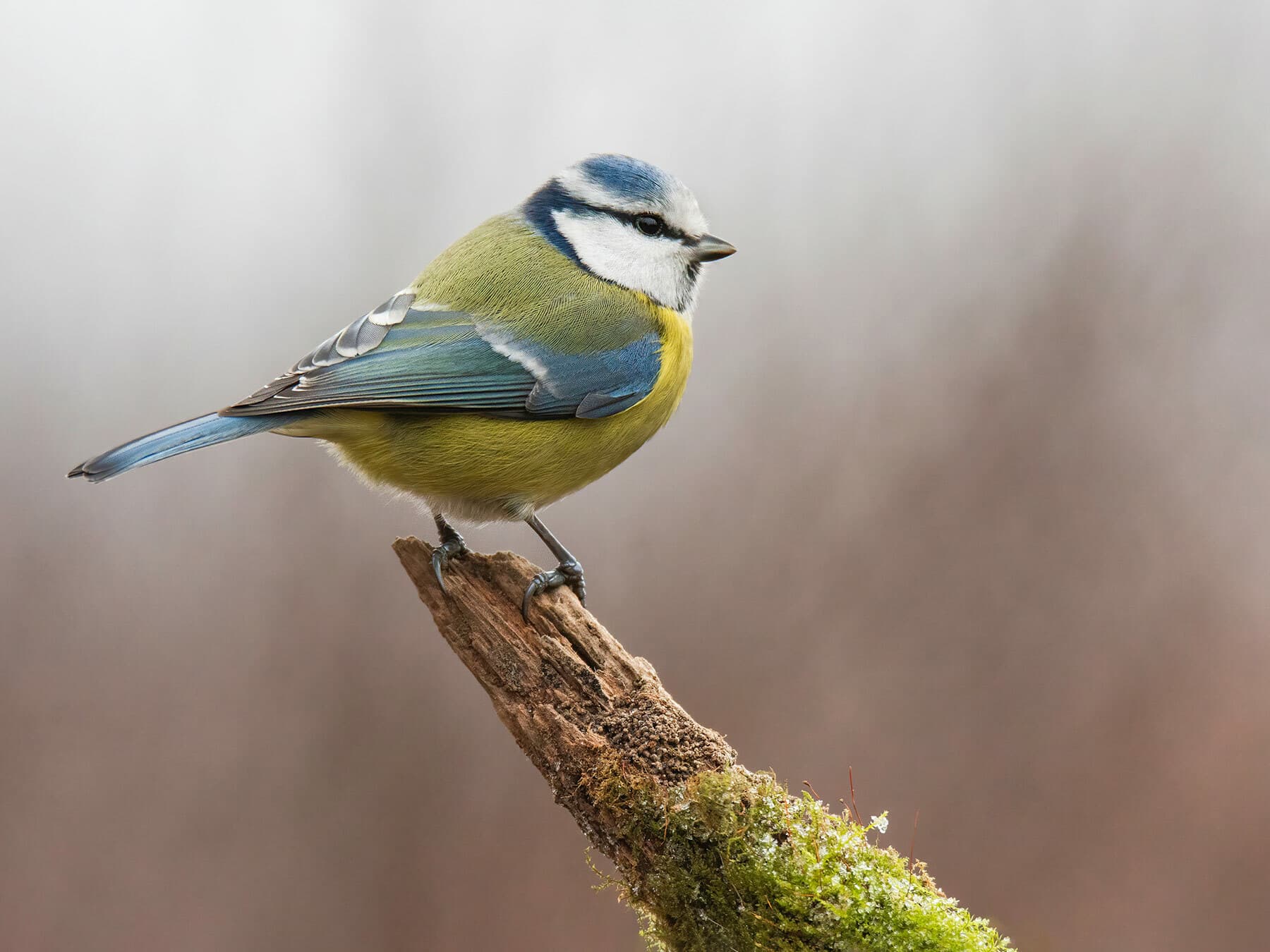 Blue TitCyanistes caeruleusResidentCommon11–12 cmRecorded all year · 2.65% in Mar
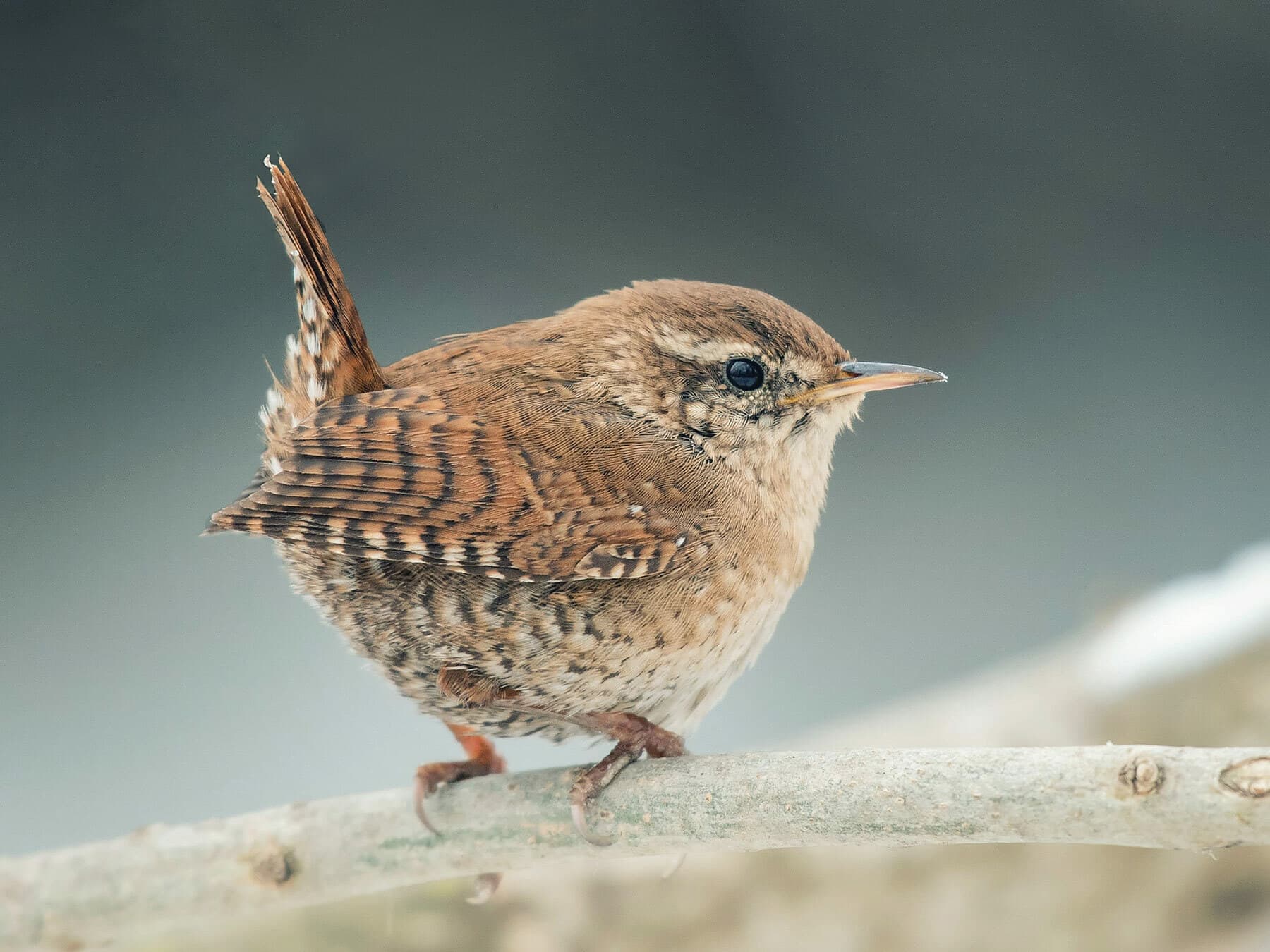 Eurasian WrenTroglodytes troglodytesResidentCommon9–10 cmRecorded all year · 2.65% in Mar
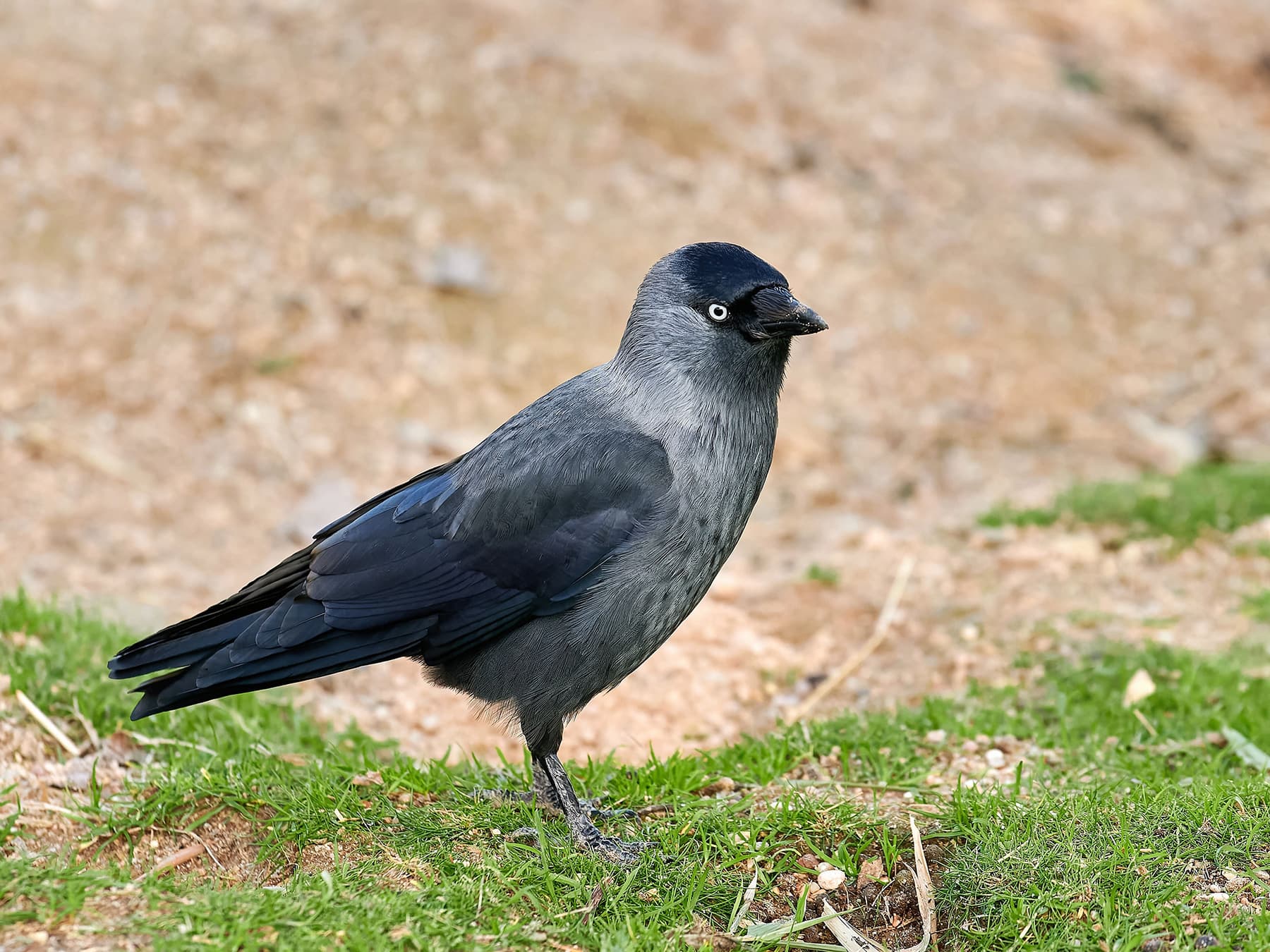 JackdawColoeus monedulaResidentCommon34–39 cmRecorded all year · 2.62% in Mar
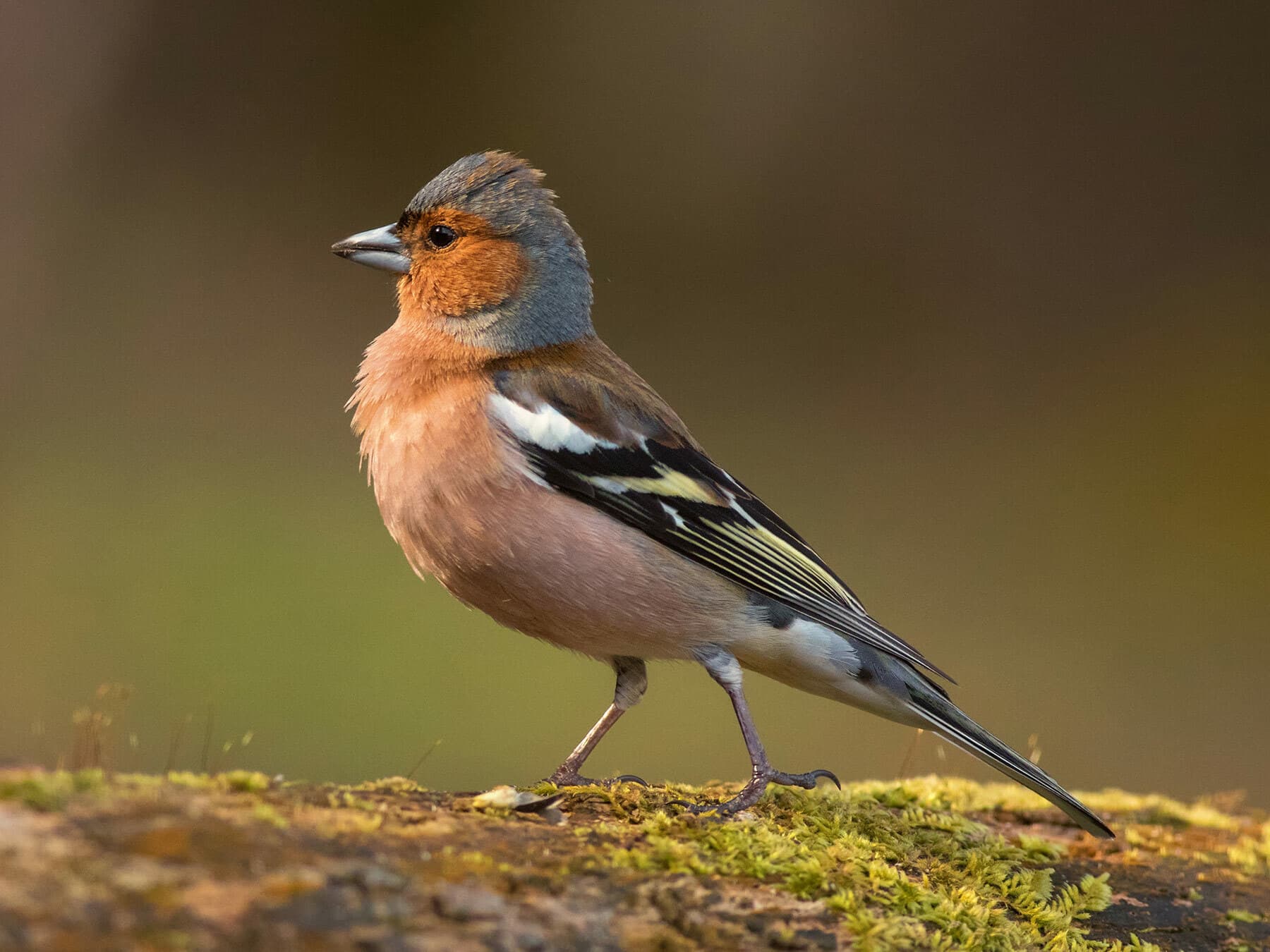 ChaffinchFringilla coelebsResidentCommon14–16 cmRecorded all year · 2.42% in Mar
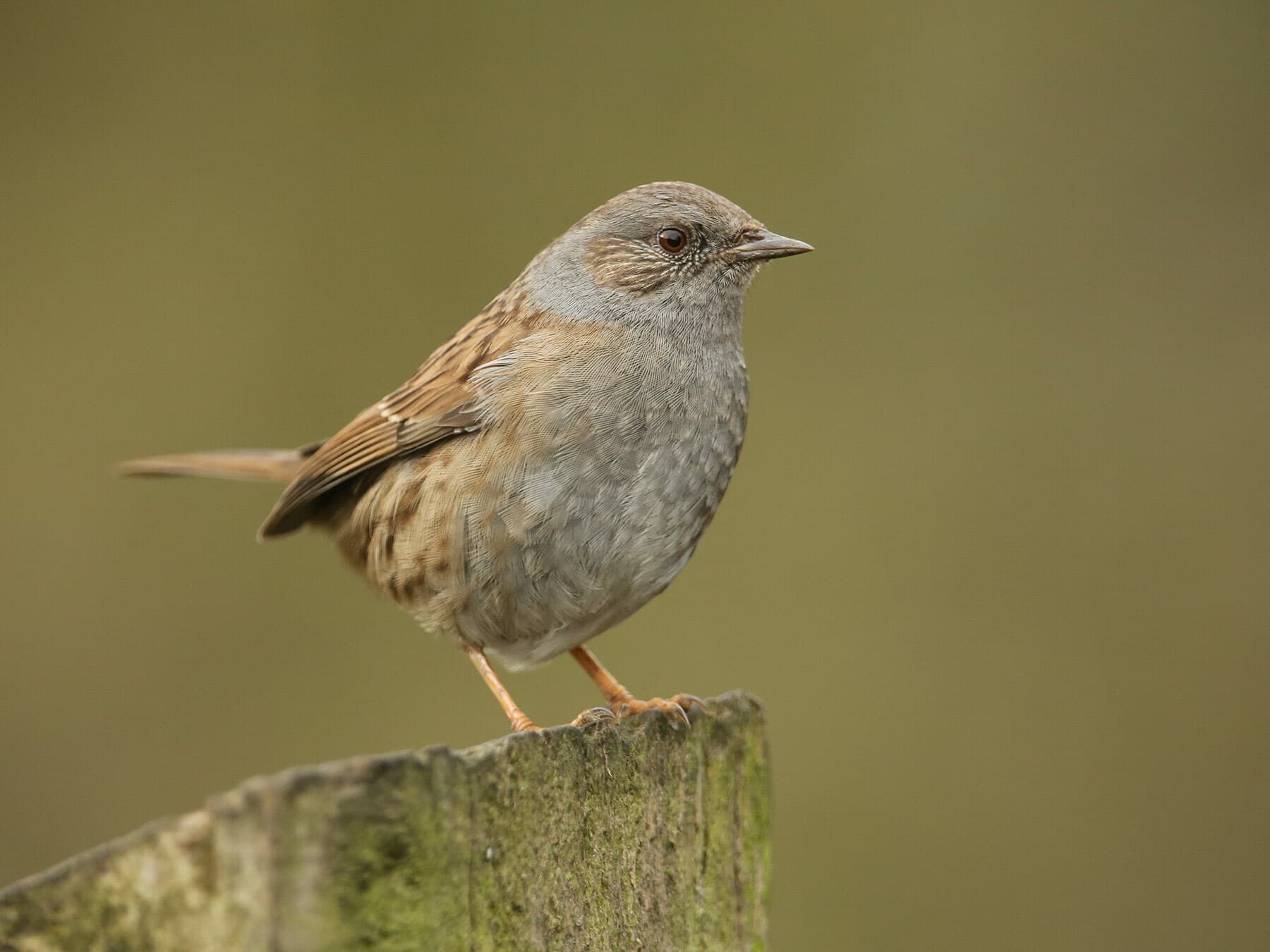 DunnockPrunella modularisResidentCommon14–15 cmRecorded all year · 2.35% in Mar
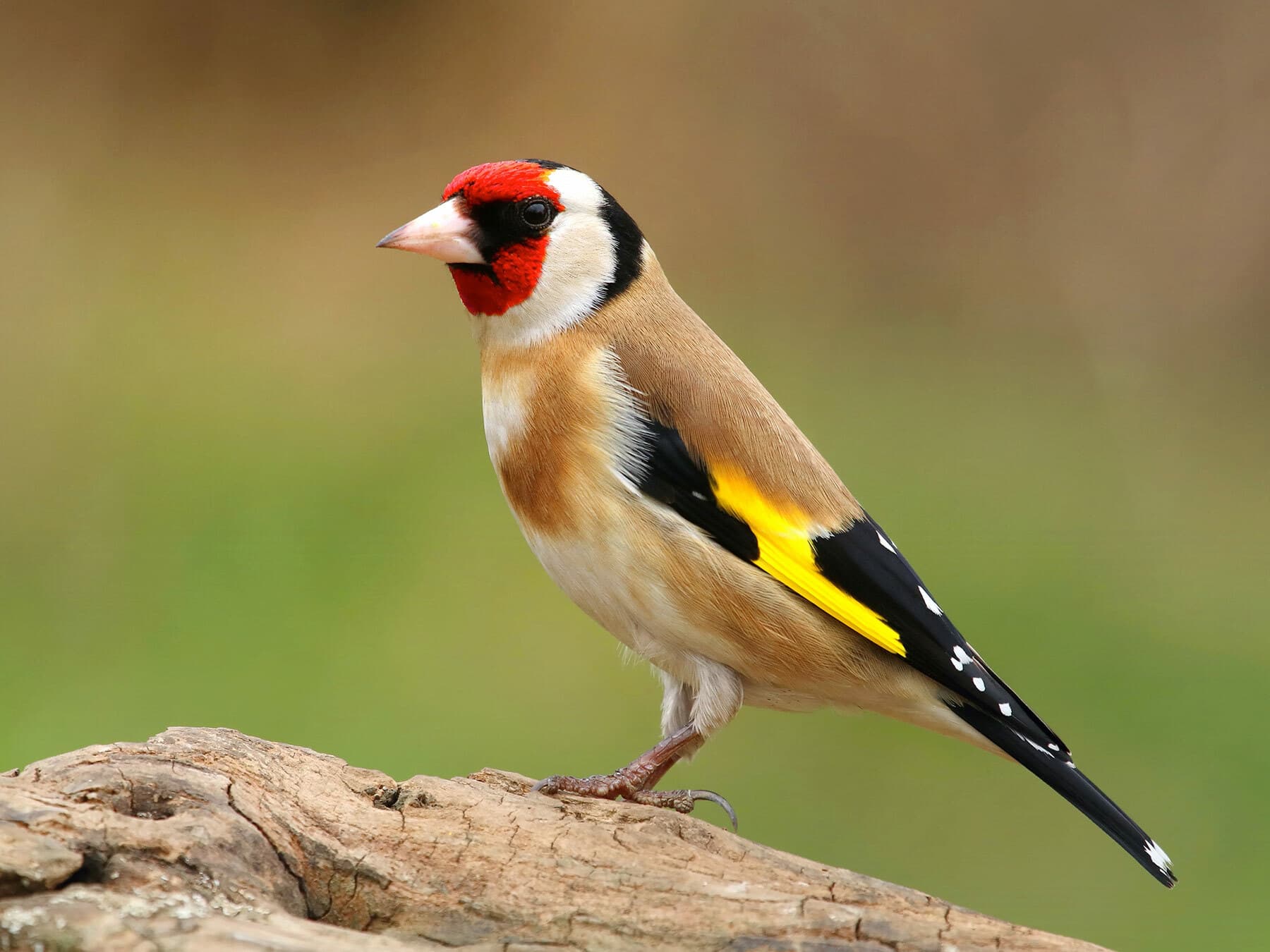 European GoldfinchCarduelis carduelisResidentCommon12–13 cmRecorded all year · 2.35% in Mar
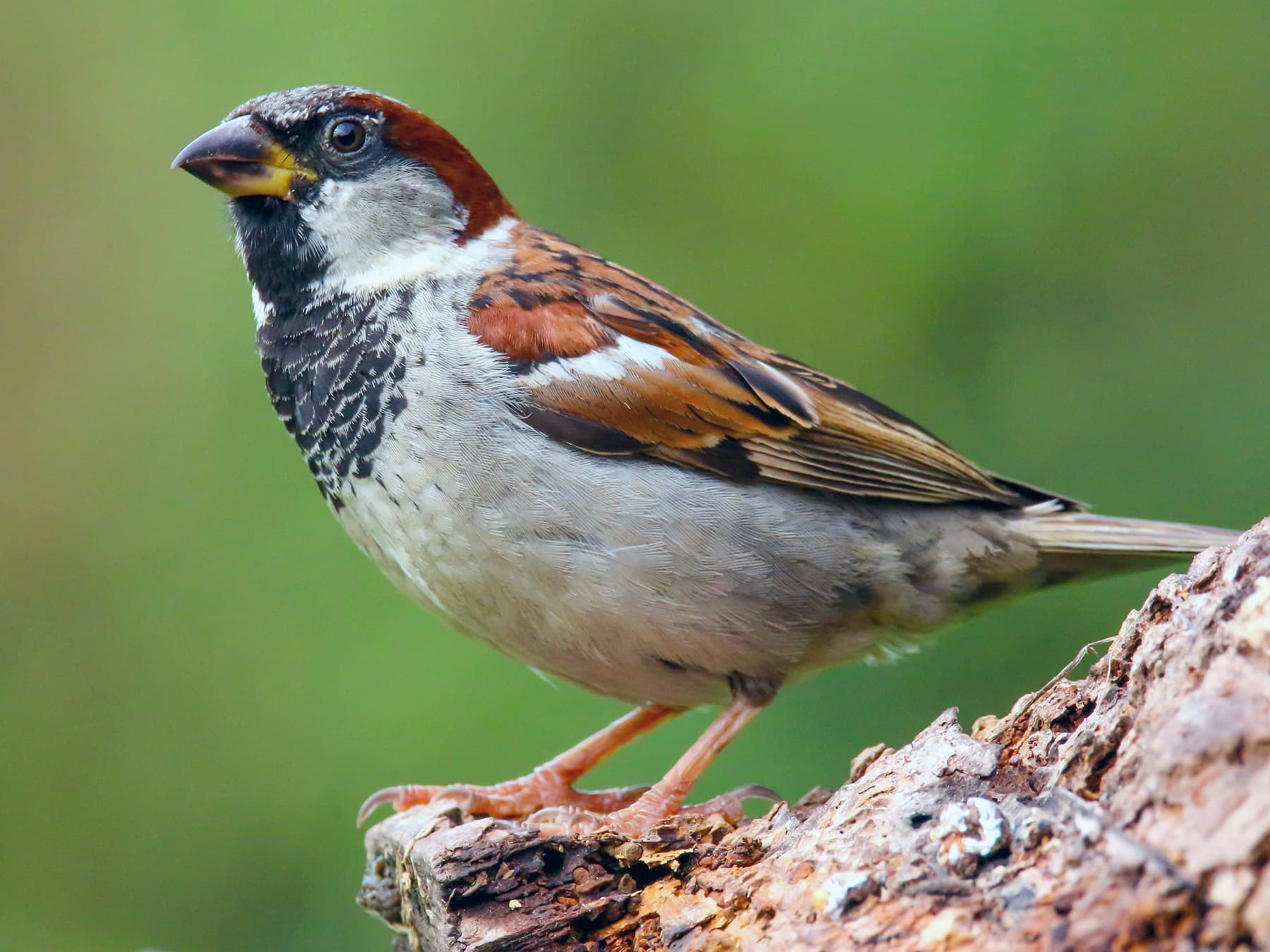 House SparrowPasser domesticusResidentCommon14–17 cmRecorded all year · 2.20% in Mar
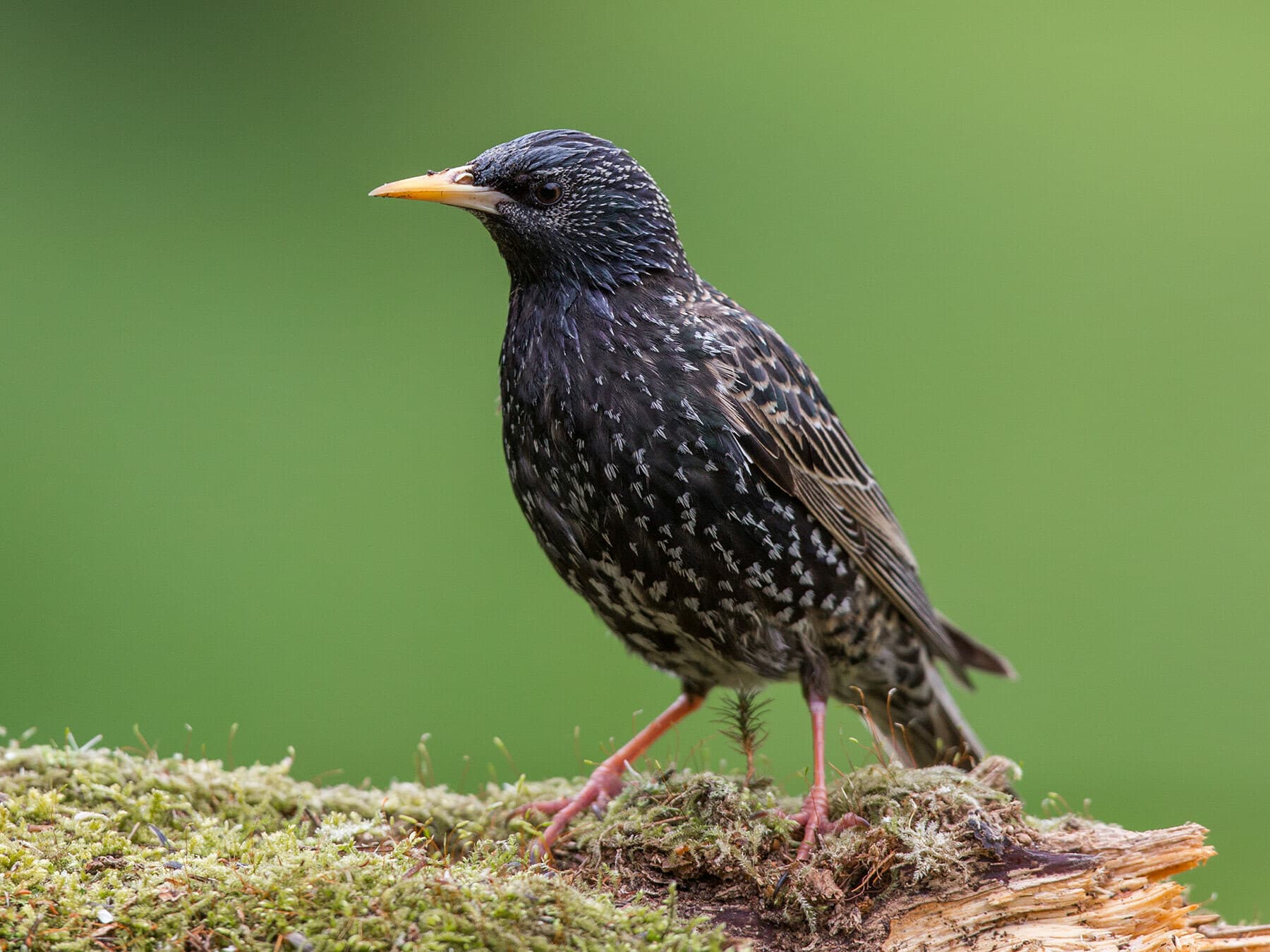 Common StarlingSturnus vulgarisResidentCommon21–23 cmRecorded all year · 2.10% in Mar
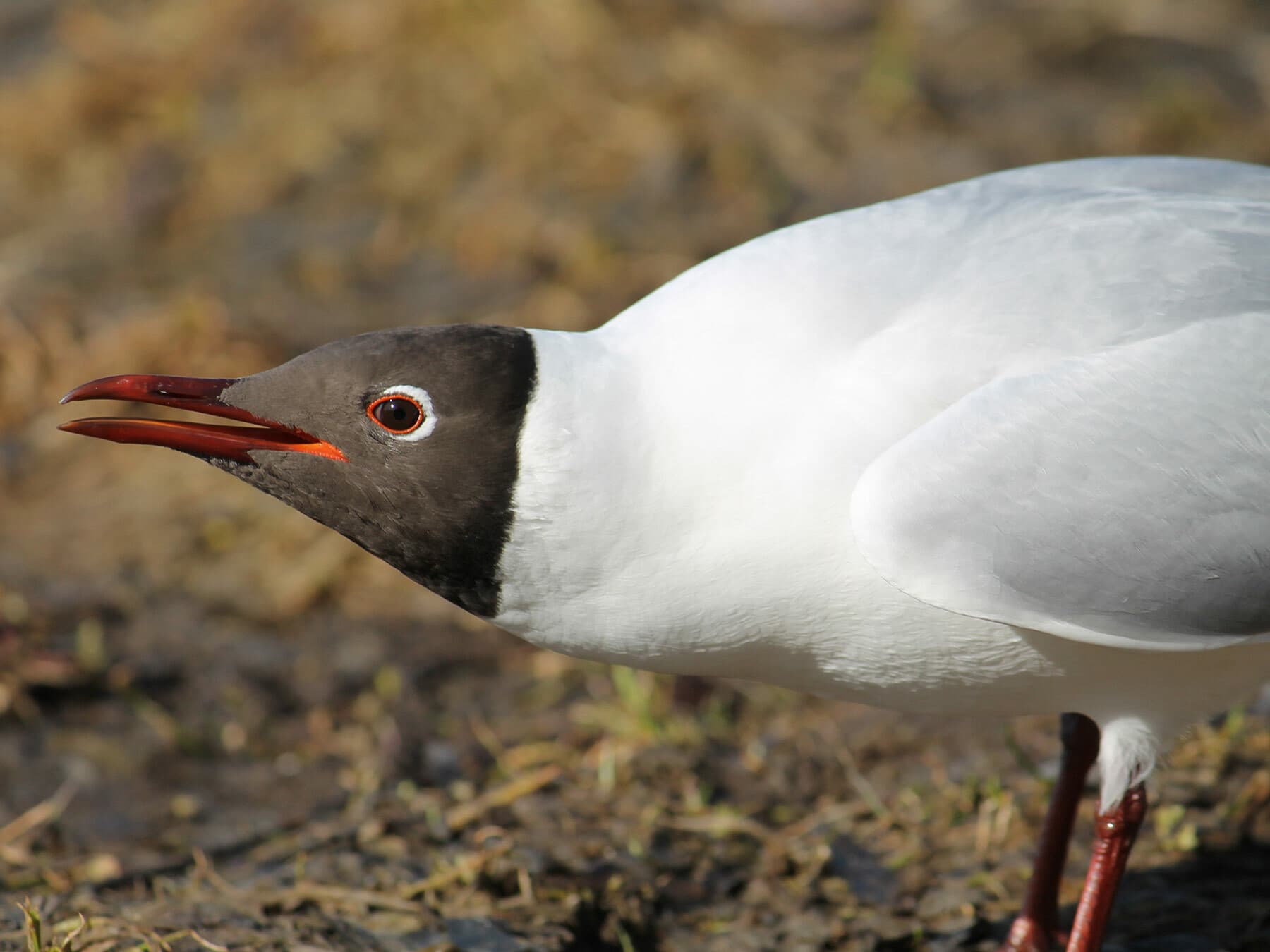 Black-headed GullChroicocephalus ridibundusResidentCommon38–44 cmRecorded all year · 1.82% in Mar
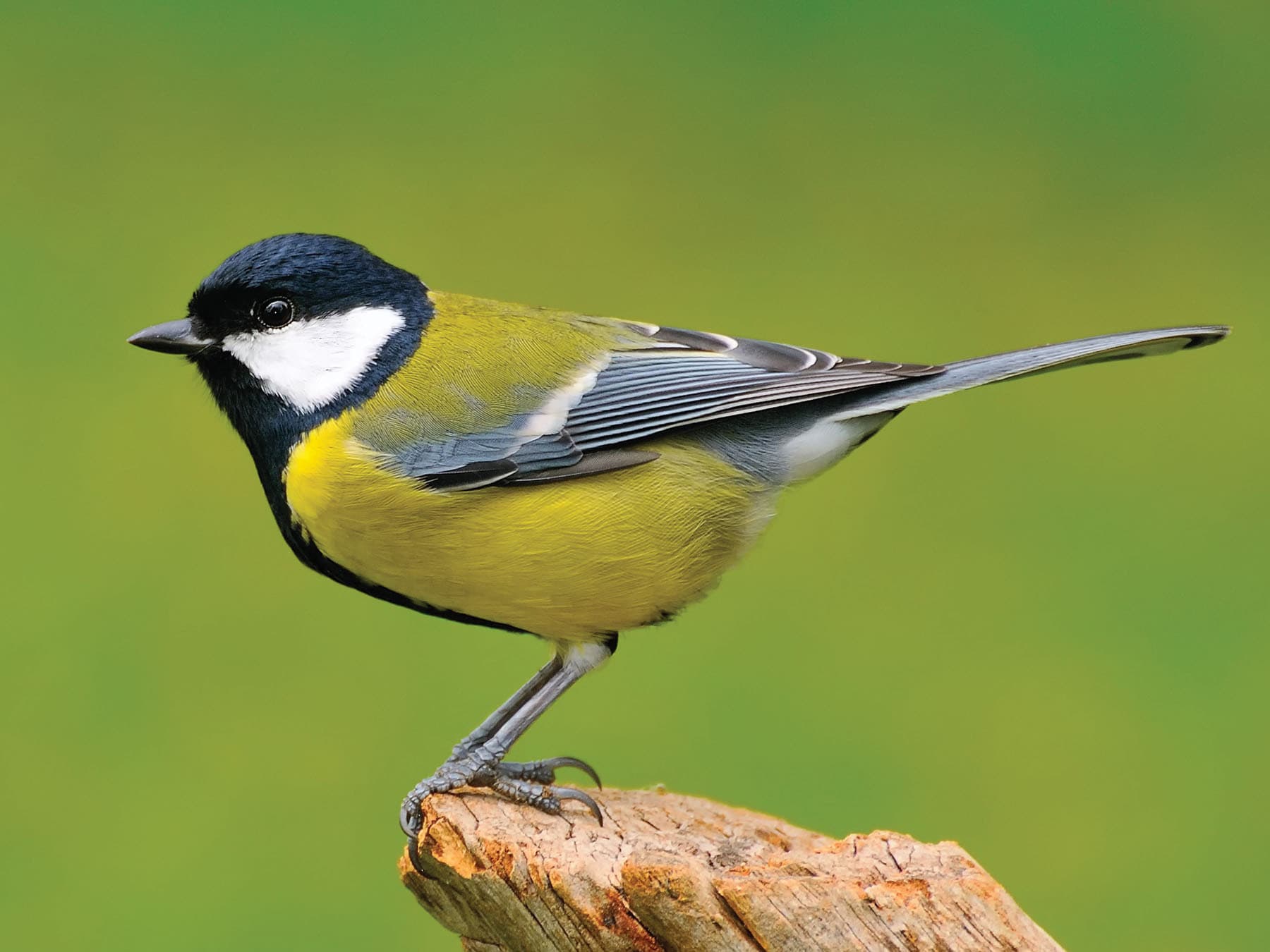 Great TitParus majorResidentCommonRecorded all year · 1.71% in Mar
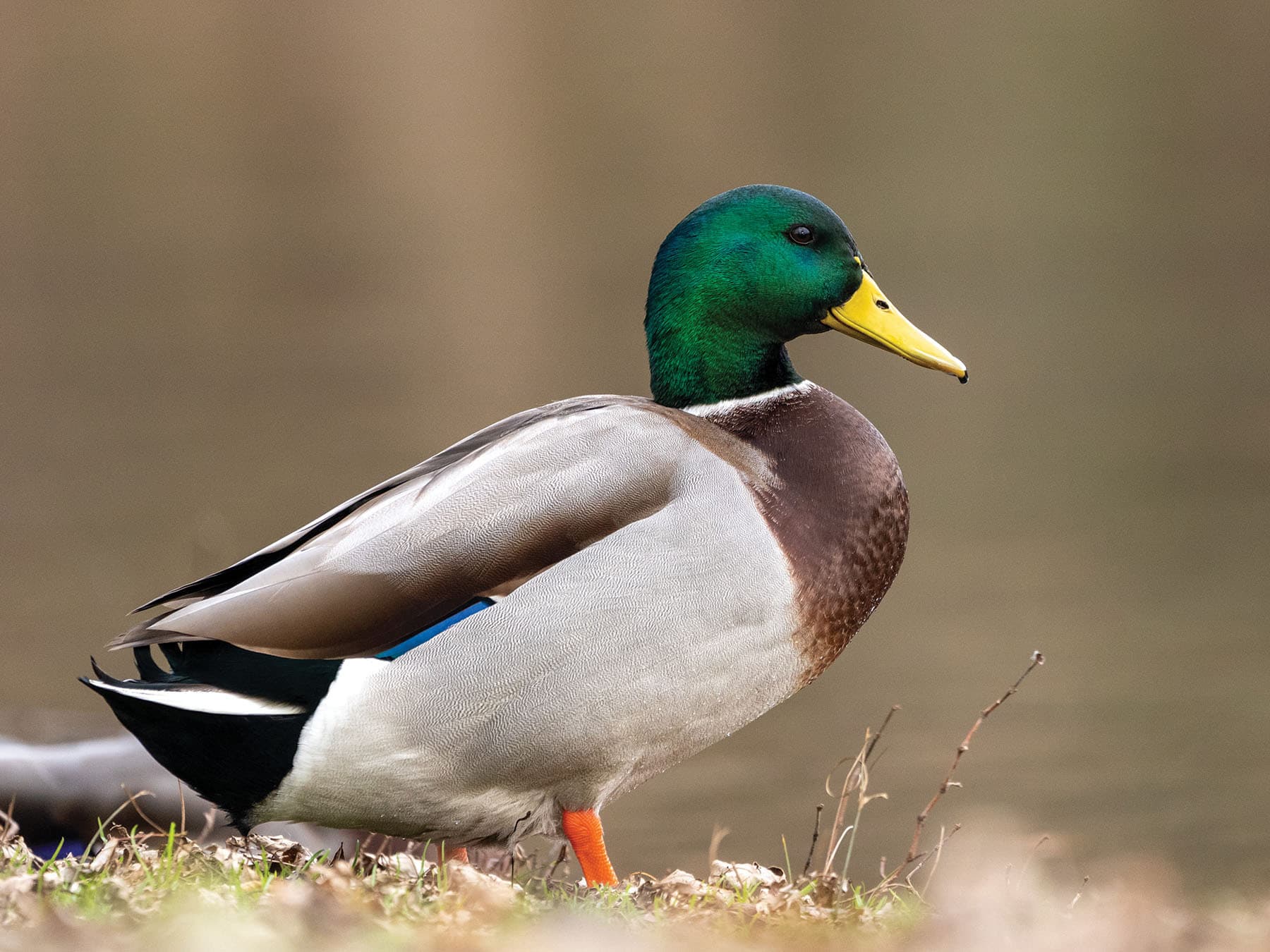 MallardAnas platyrhynchosResidentCommon50–65 cmRecorded all year · 1.69% in Mar
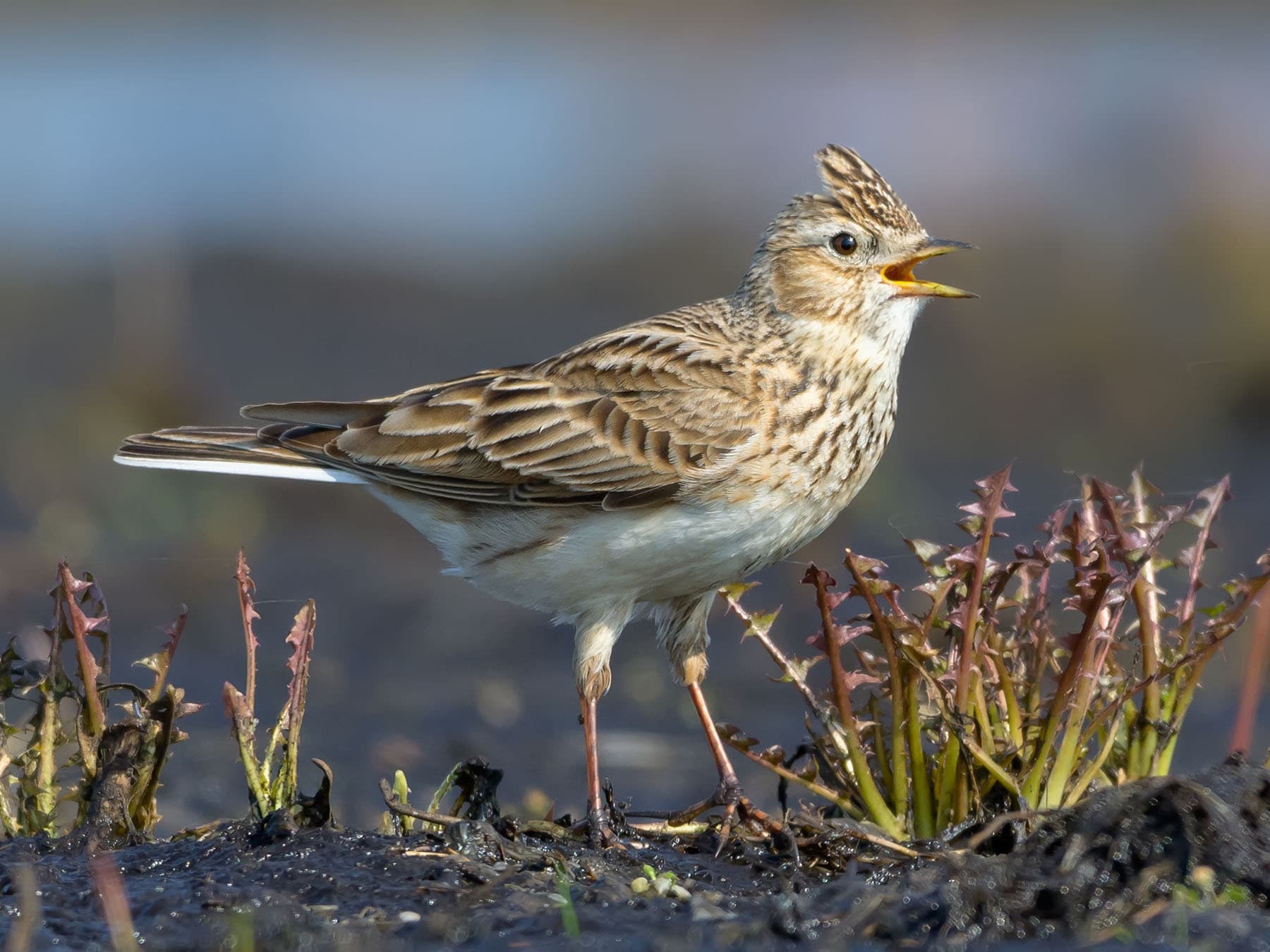 Eurasian SkylarkAlauda arvensisResidentCommon16–18 cmRecorded all year · 1.58% in Mar
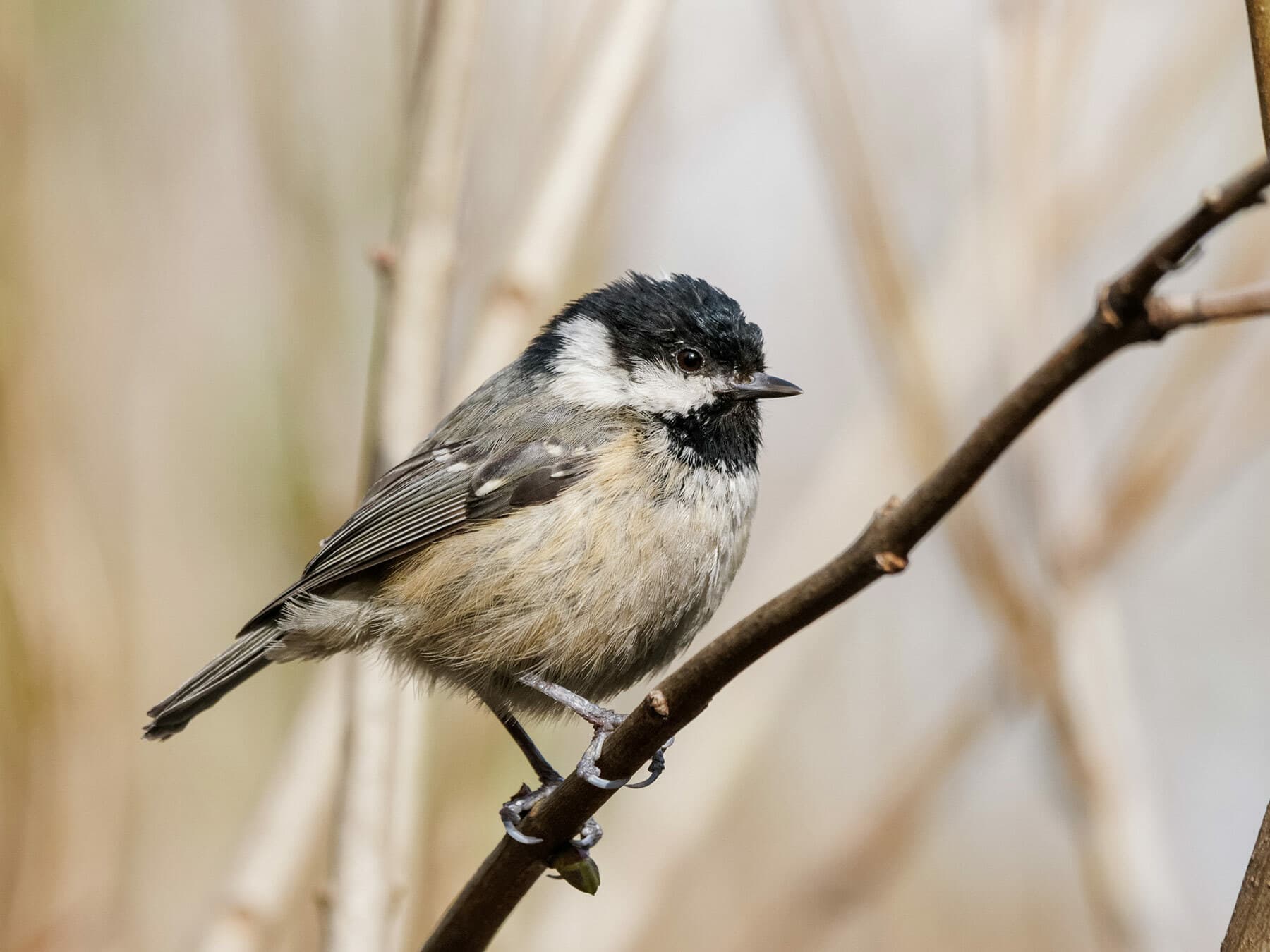 Coal TitPeriparus aterResidentCommon10–12 cmRecorded all year · 1.53% in Mar
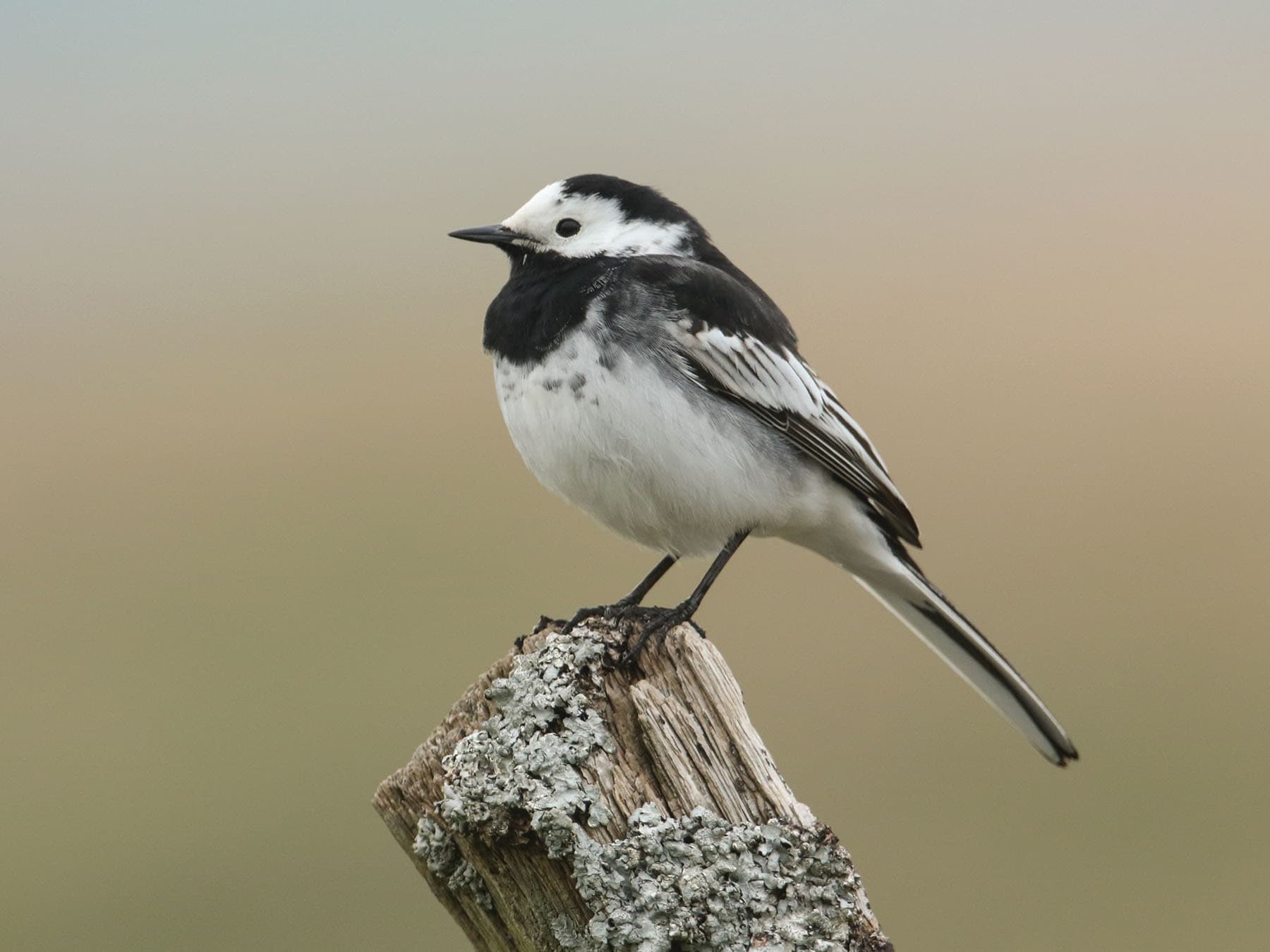 Pied WagtailMotacilla albaResidentCommon17–19 cmRecorded all year · 1.48% in Mar
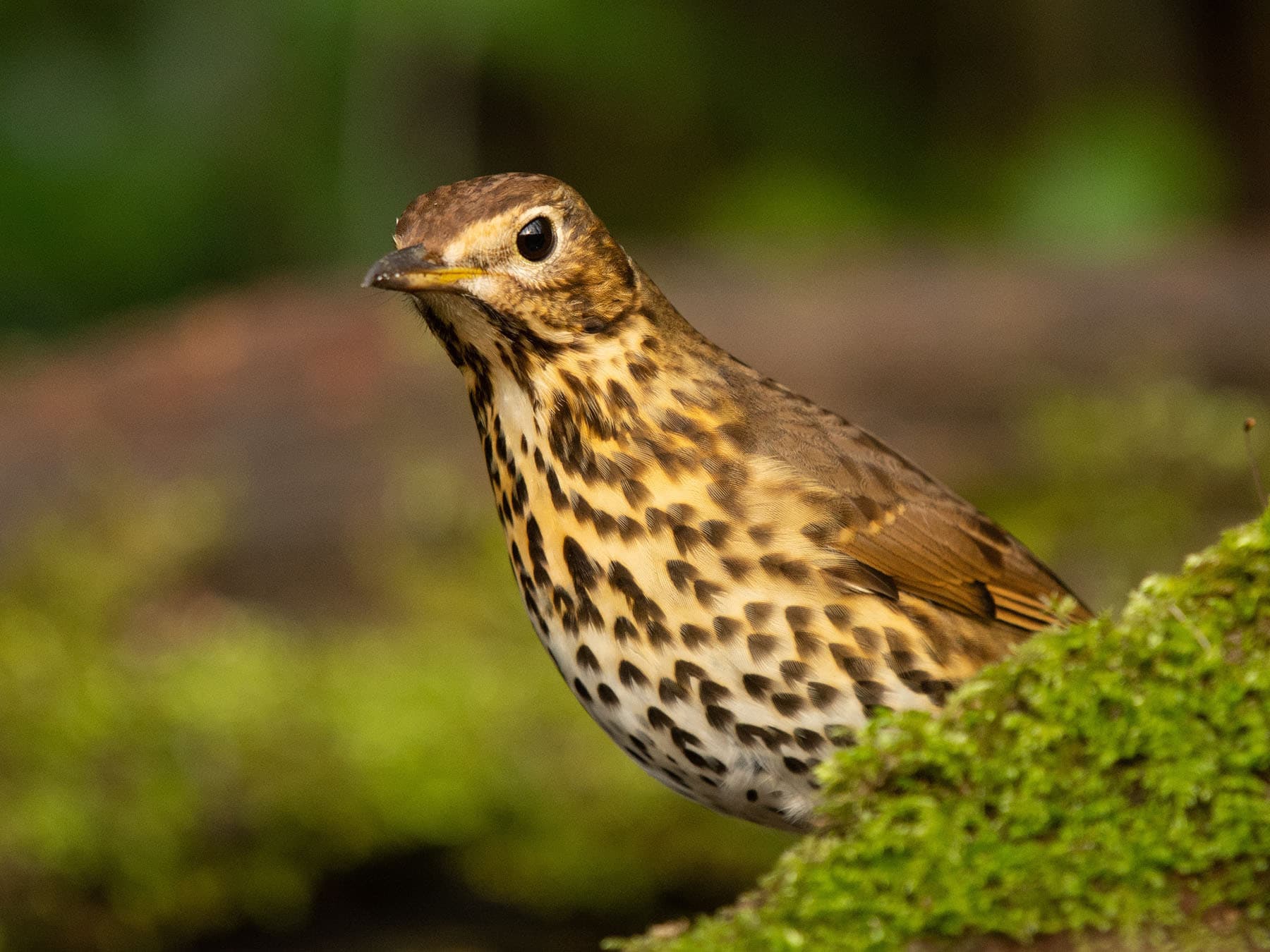 Song ThrushTurdus philomelosResidentCommon20–23 cmRecorded all year · 1.44% in Mar
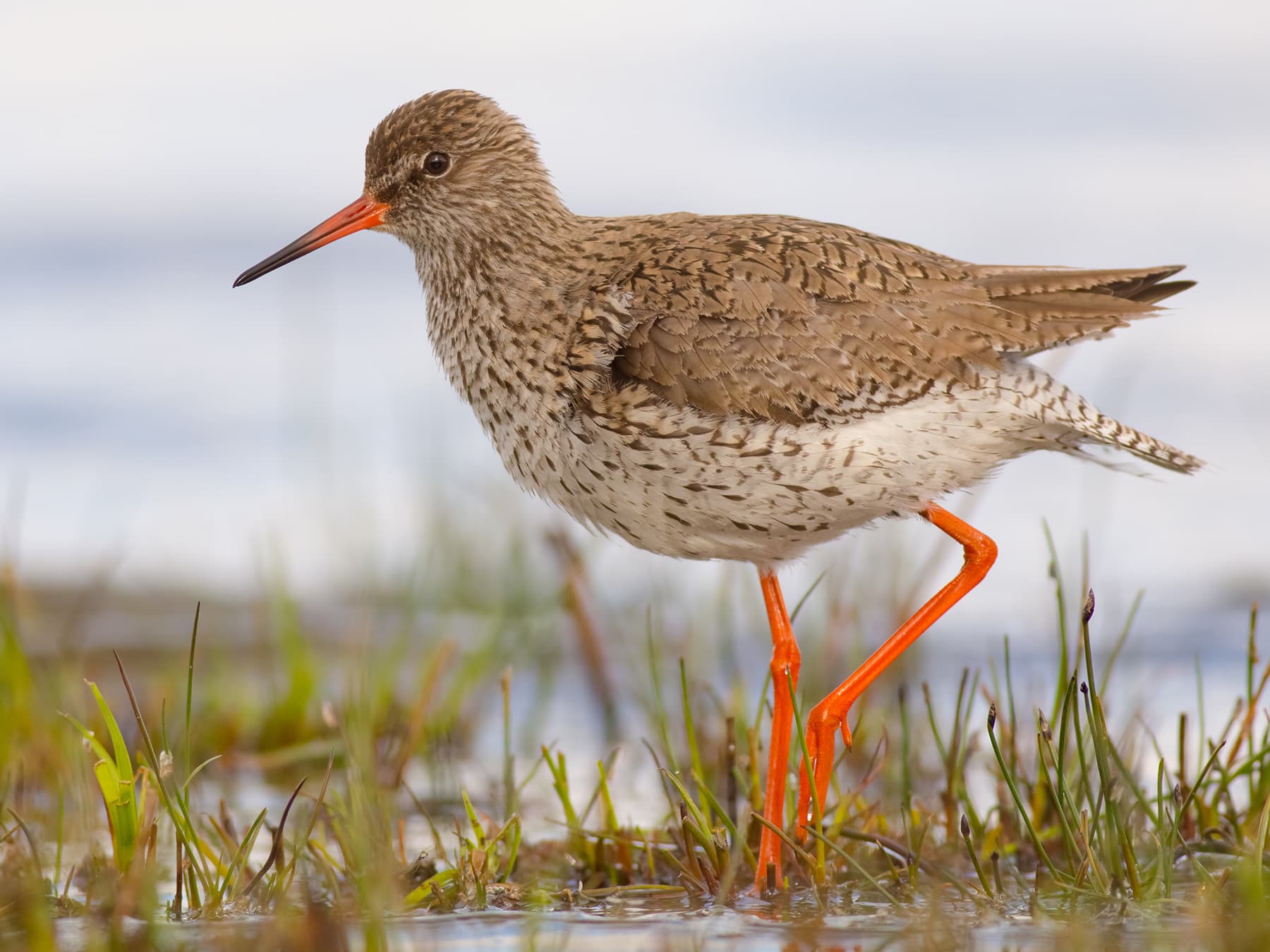 RedshankTringa totanusWinter visitorCommon27–29 cmRegularly Jul–Apr · 1.41% in Mar
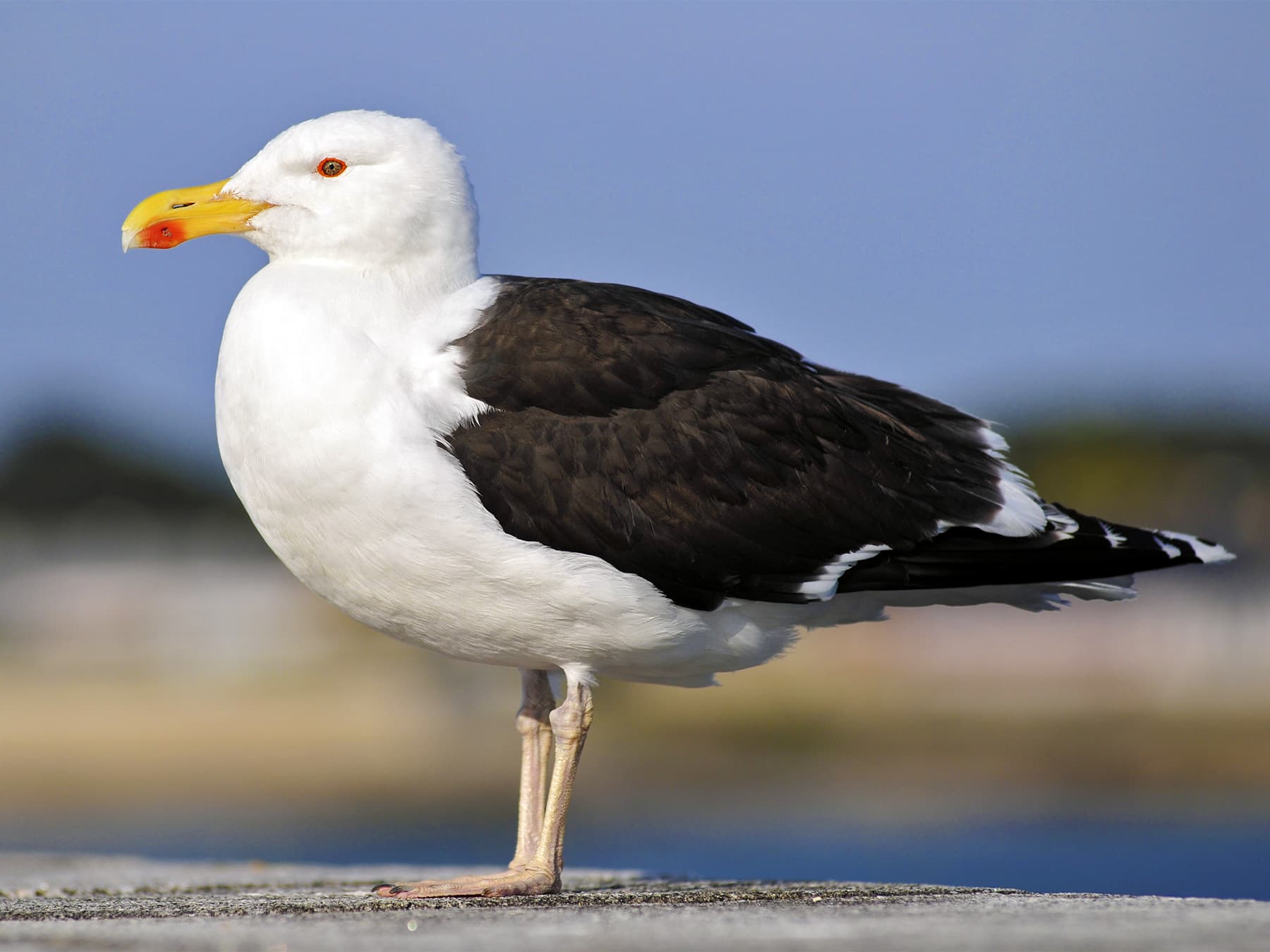 Great Black-backed GullLarus marinusResidentCommon64–79 cmRecorded all year · 1.34% in Mar
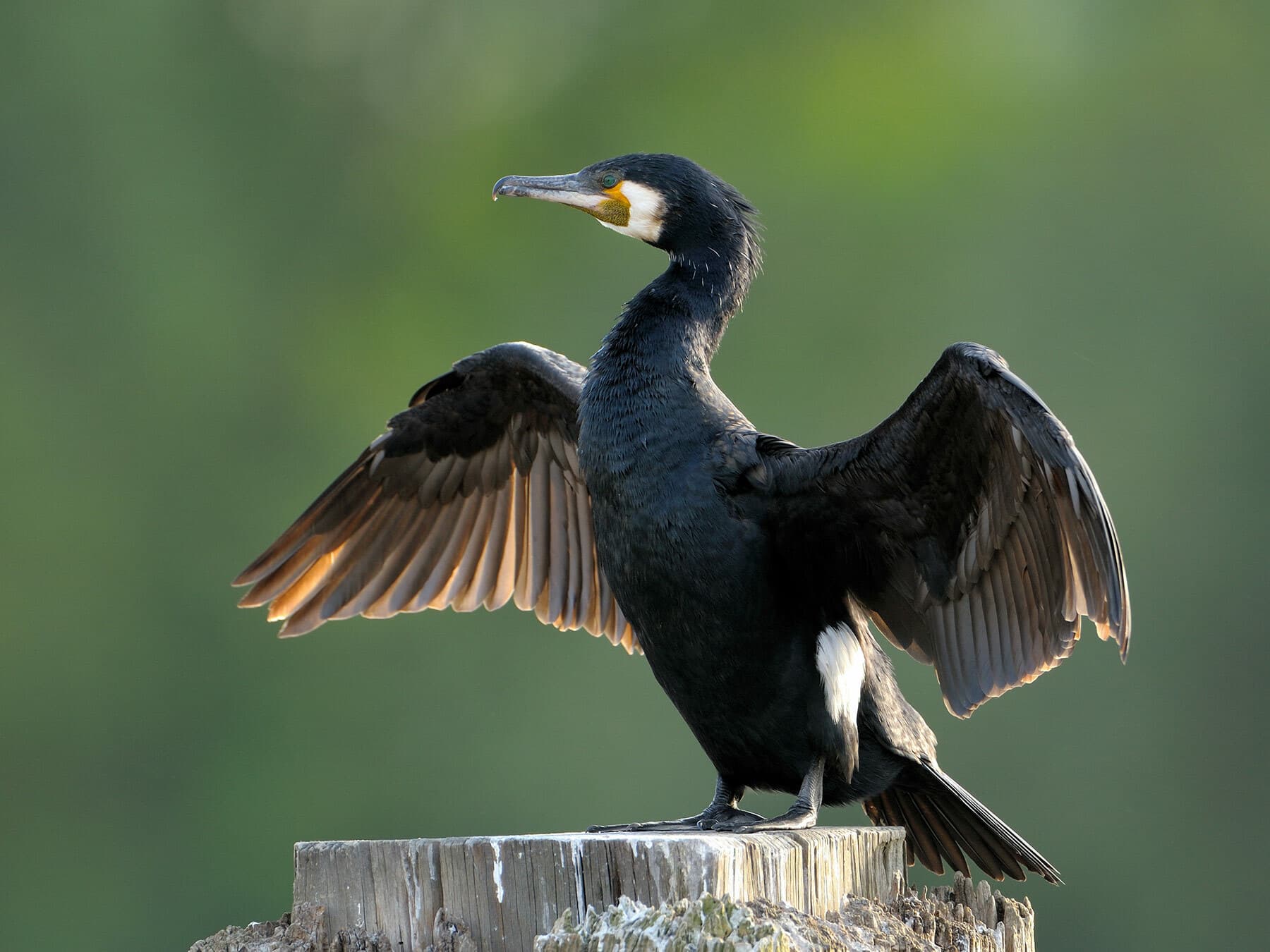 Great CormorantPhalacrocorax carboResidentCommon80–100 cmRecorded all year · 1.34% in Mar
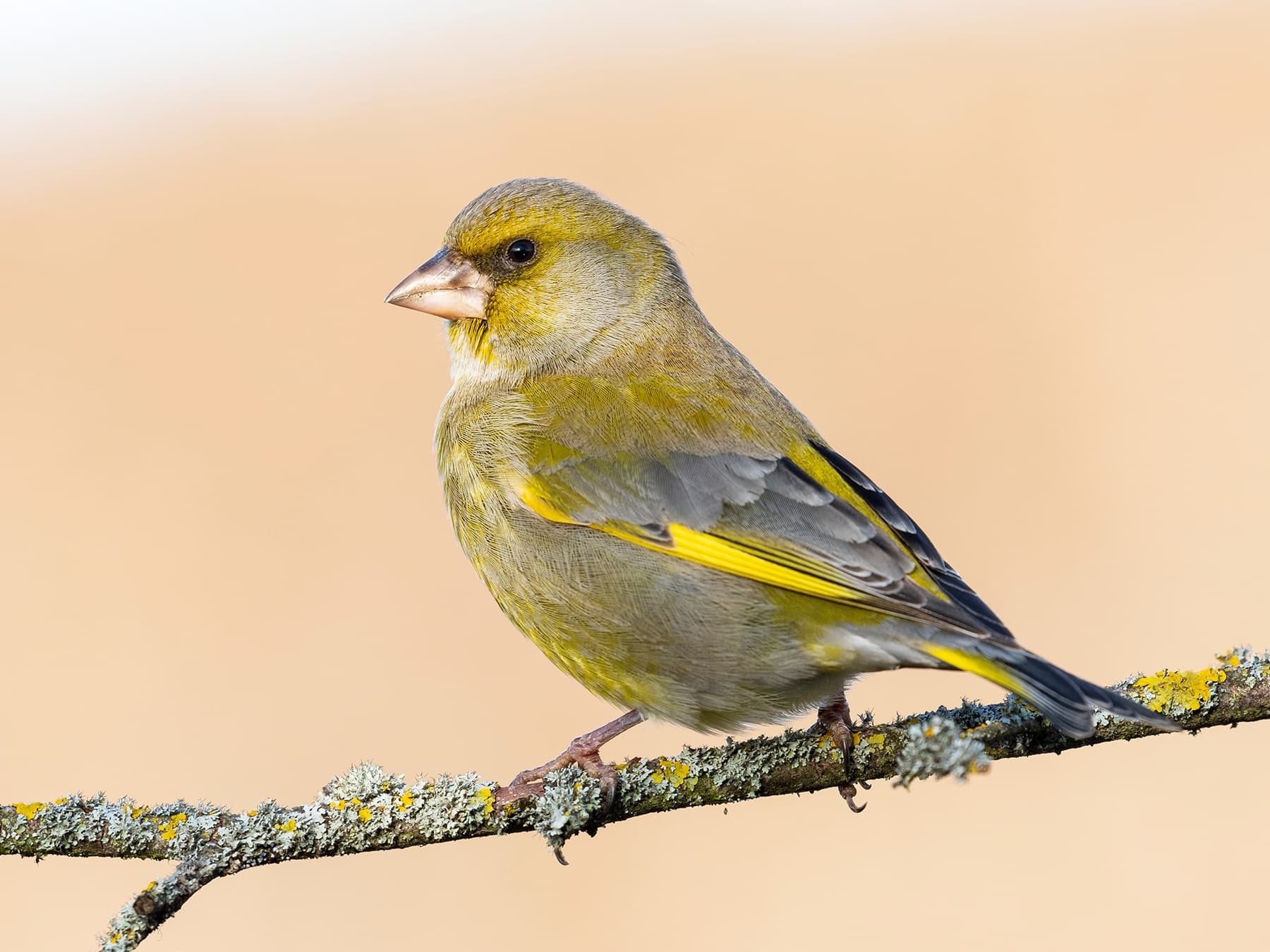 GreenfinchChloris chlorisResidentCommon15–16 cmRecorded all year · 1.26% in Mar
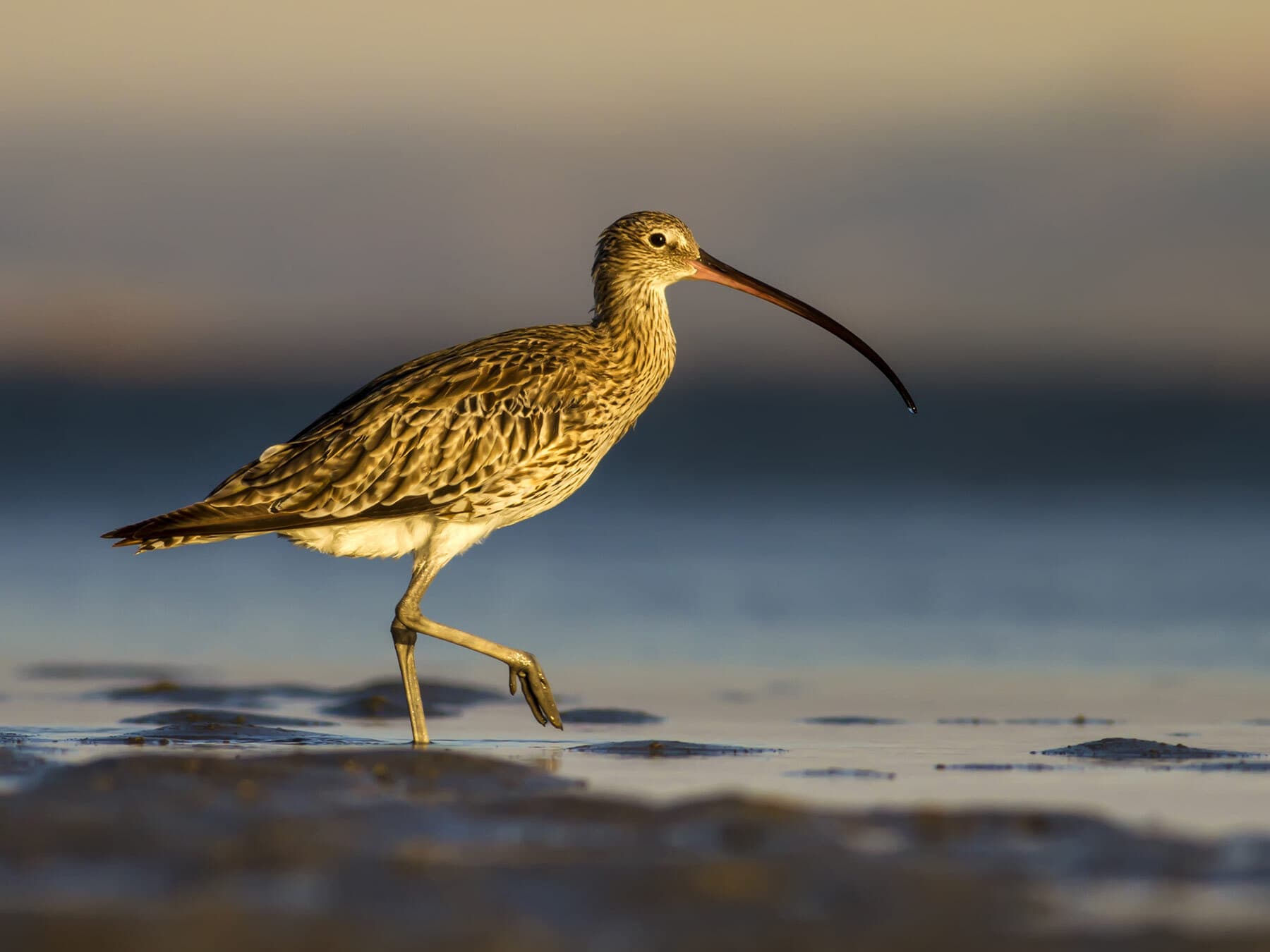 CurlewNumenius arquataResidentCommon50–60 cmRecorded all year · 1.25% in Mar
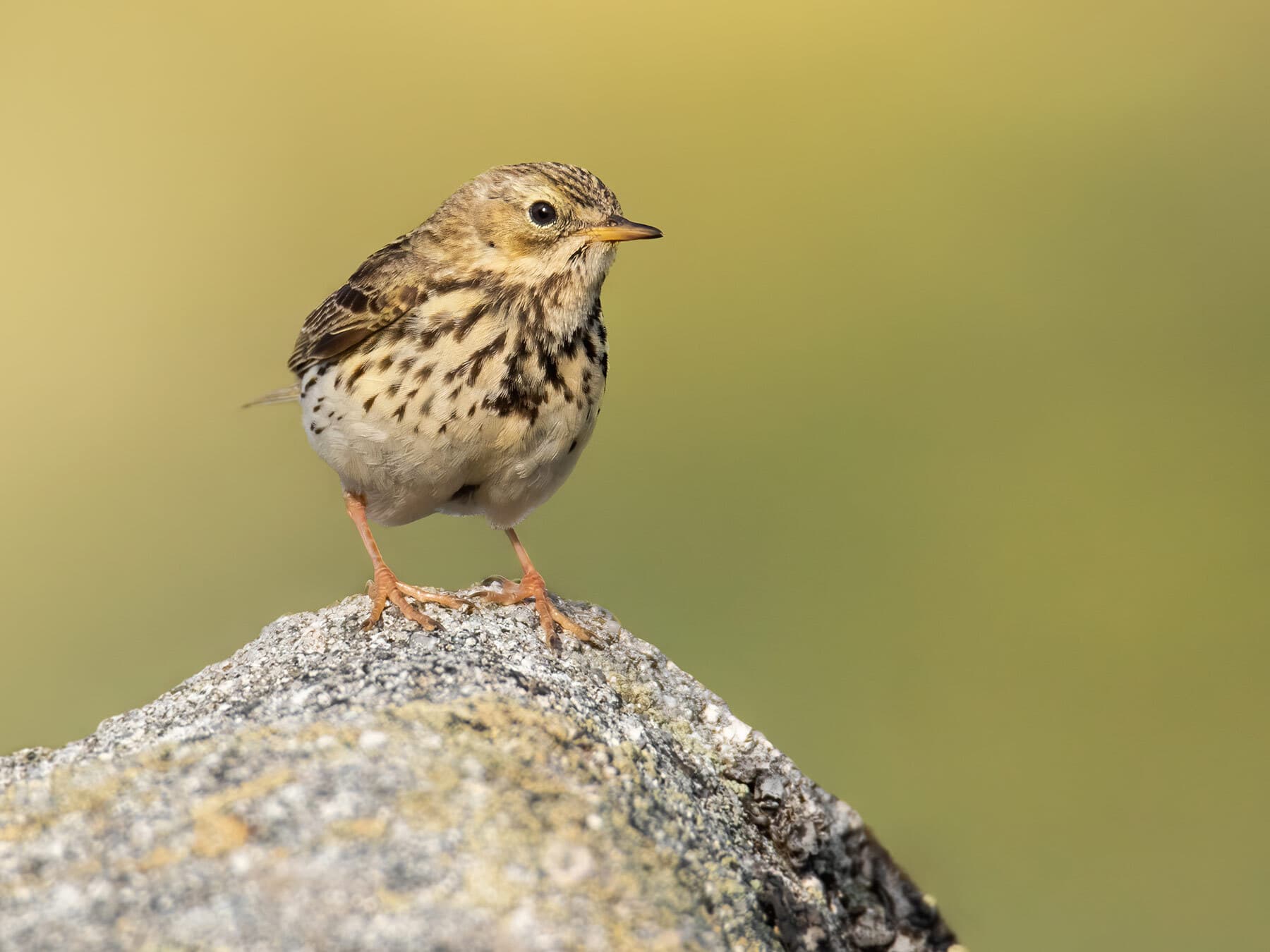 Meadow PipitAnthus pratensisSummer visitorCommon14–15 cmRecorded all year · 1.25% in Mar
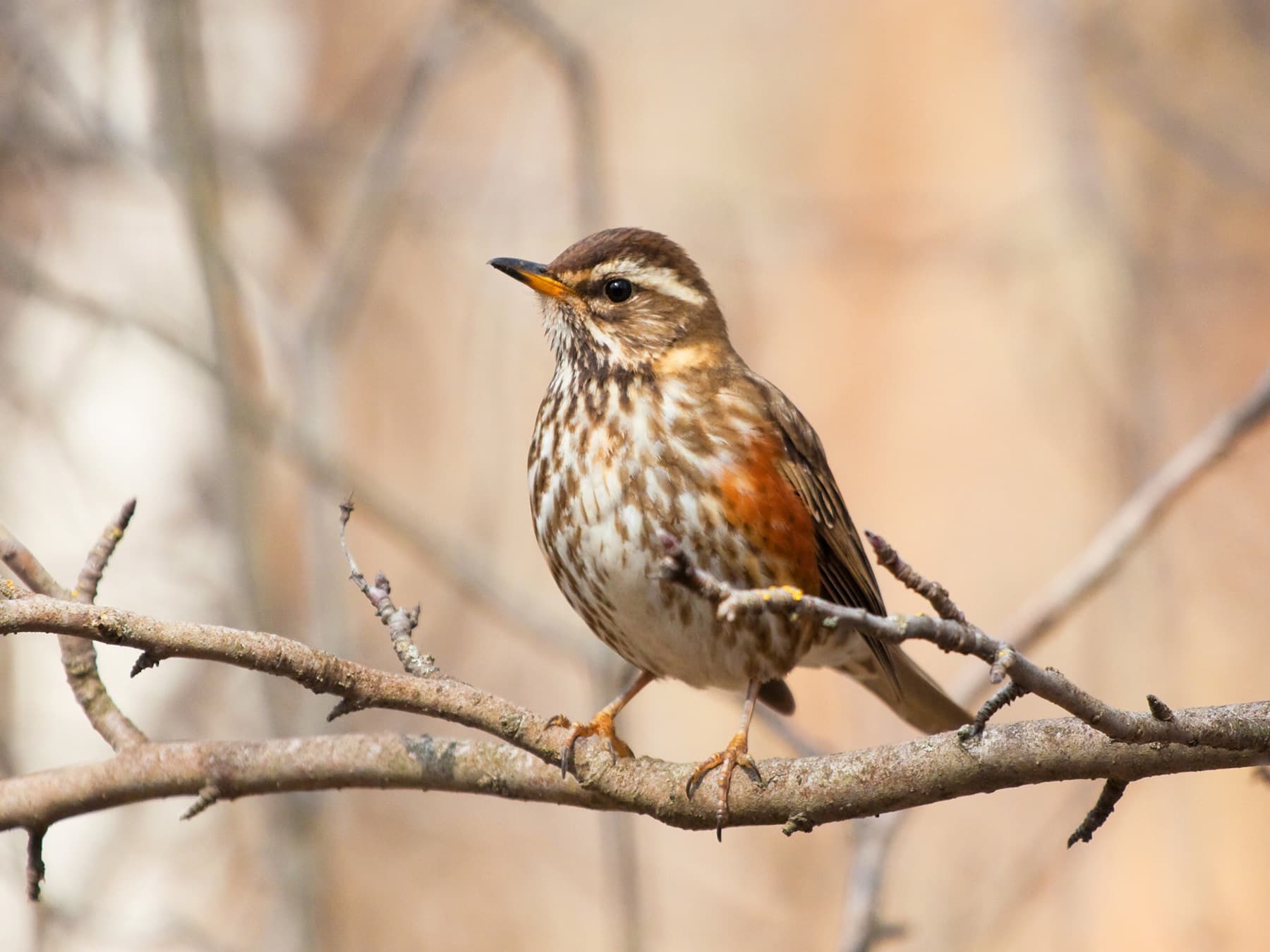 RedwingTurdus iliacusWinter visitorCommon20–24 cmRegularly Oct–Apr · 1.12% in Mar
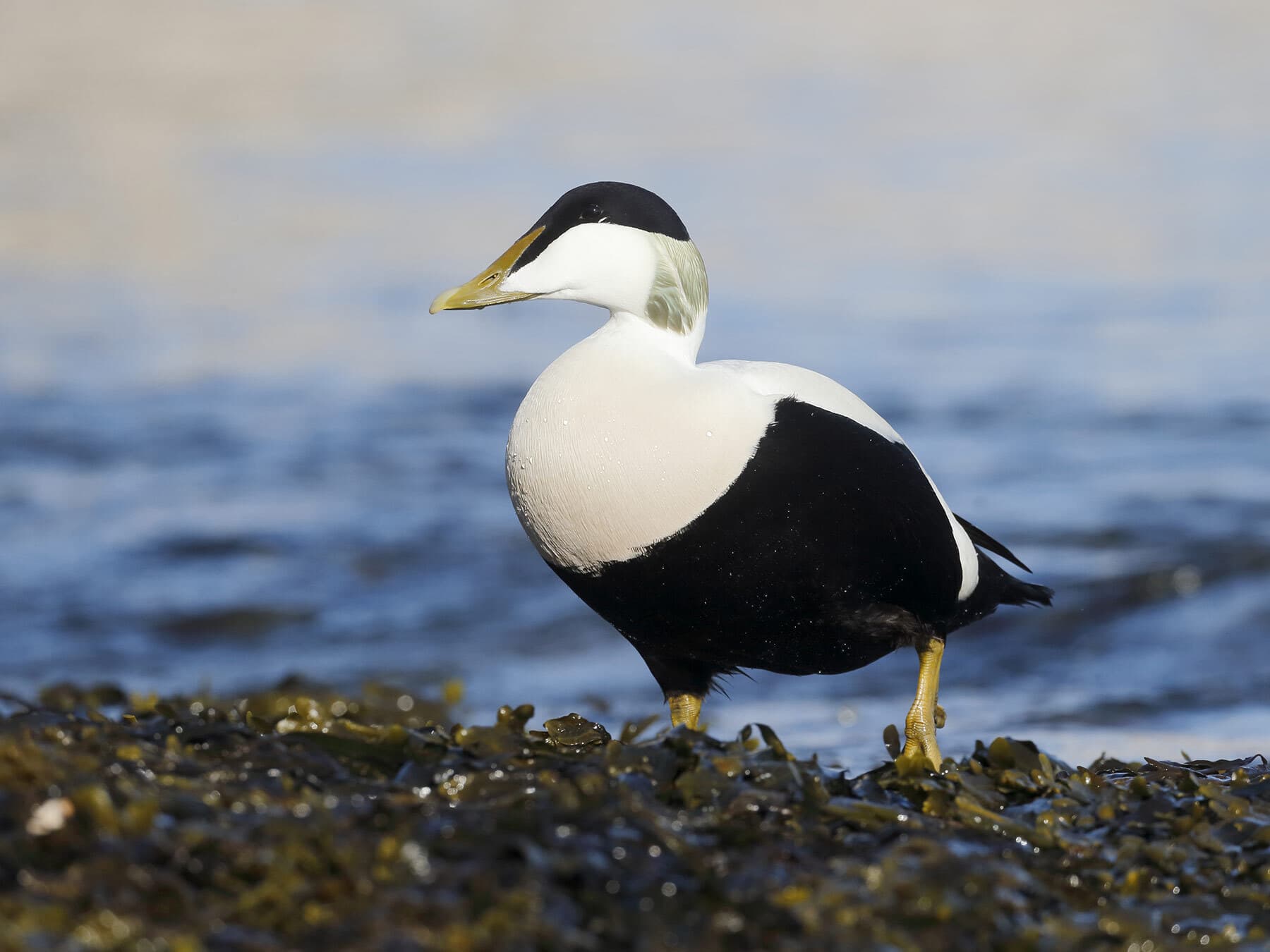 EiderSomateria mollissimaResidentCommon50–71 cmRecorded all year · 1.09% in Mar
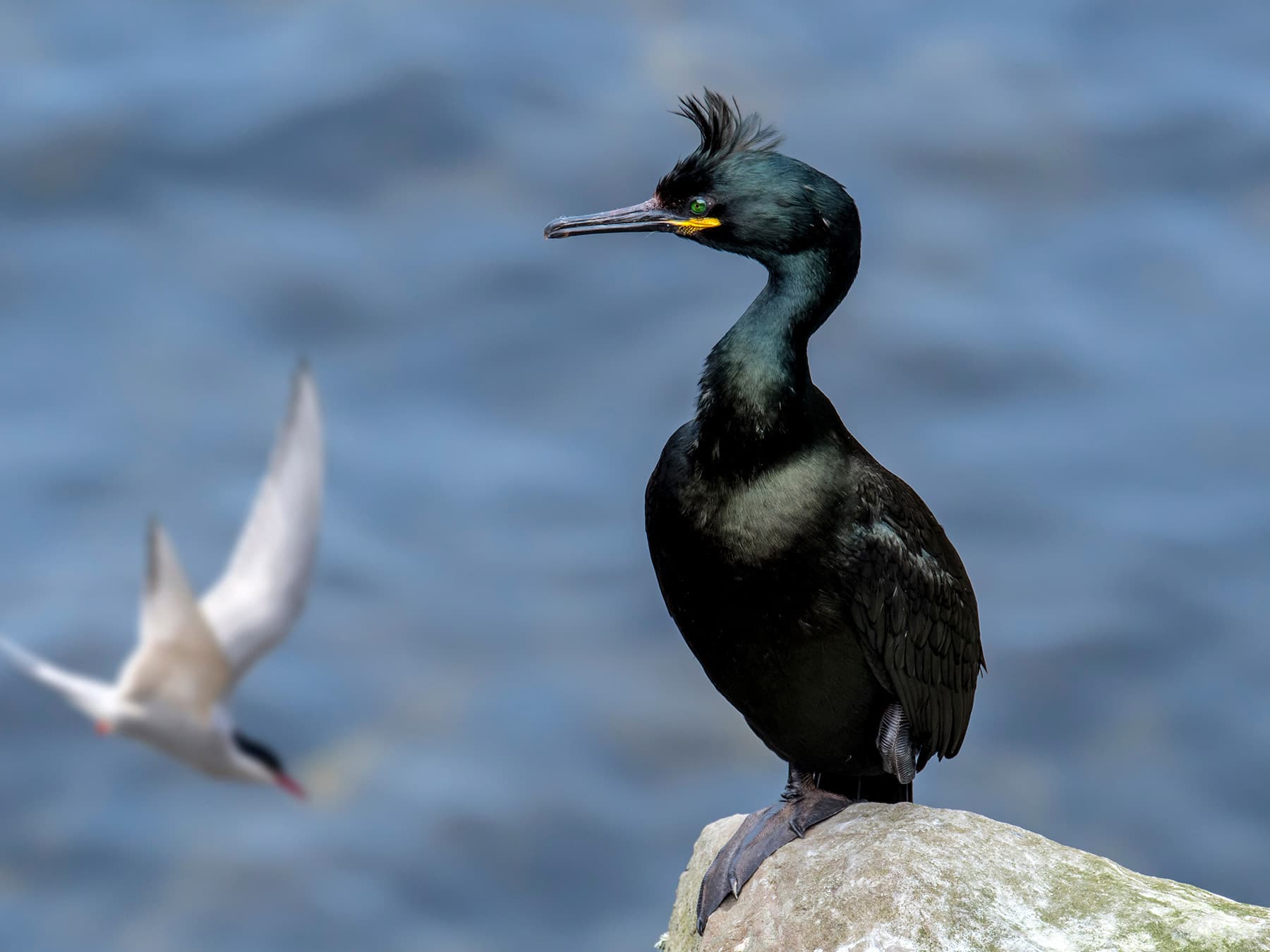 European ShagGulosus aristotelisResidentCommon65–80 cmRecorded all year · 0.96% in Mar
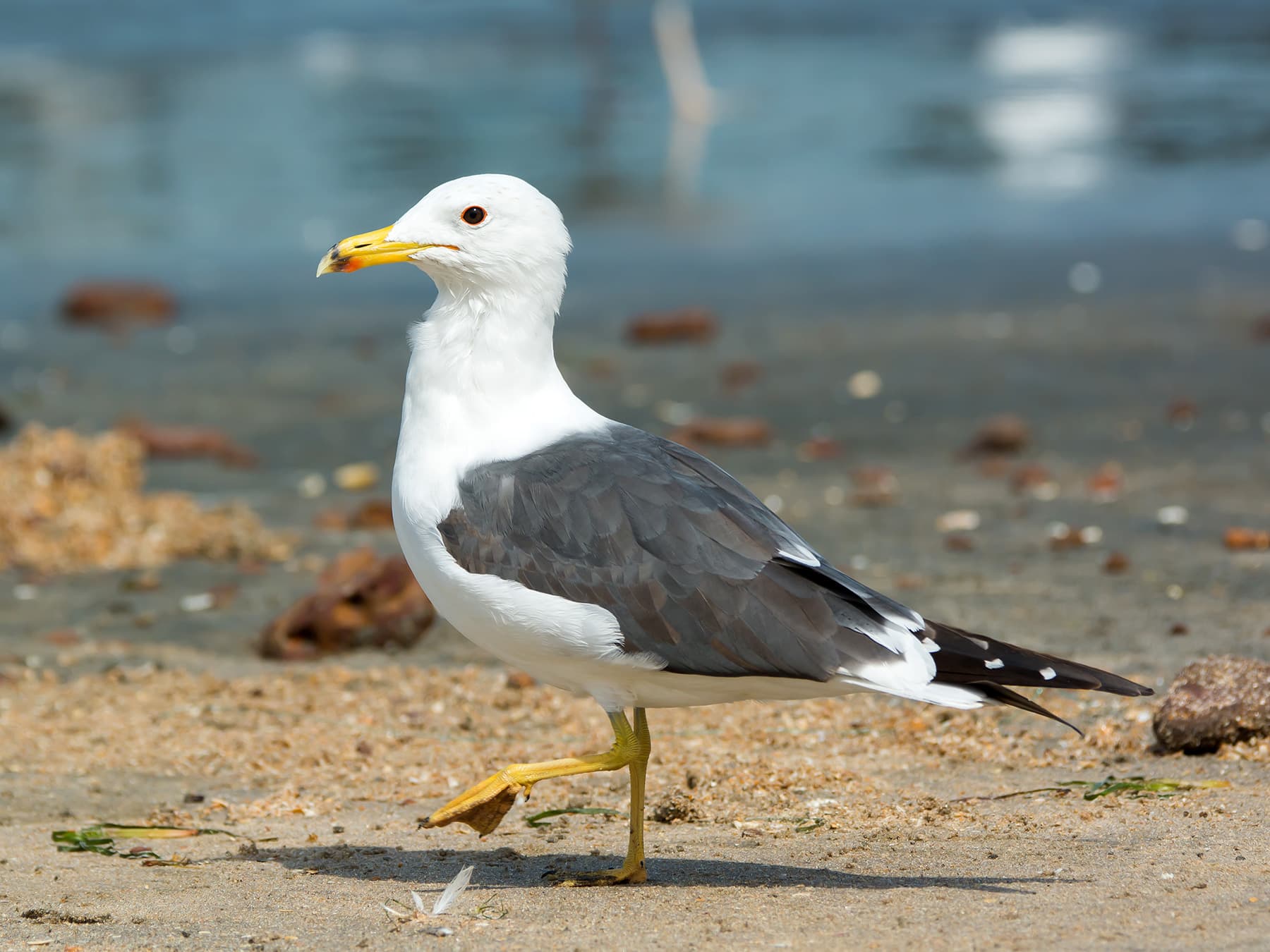 Lesser Black-backed GullLarus fuscusSummer visitorCommon52–64 cmRegularly Mar–Oct · 0.96% in Mar
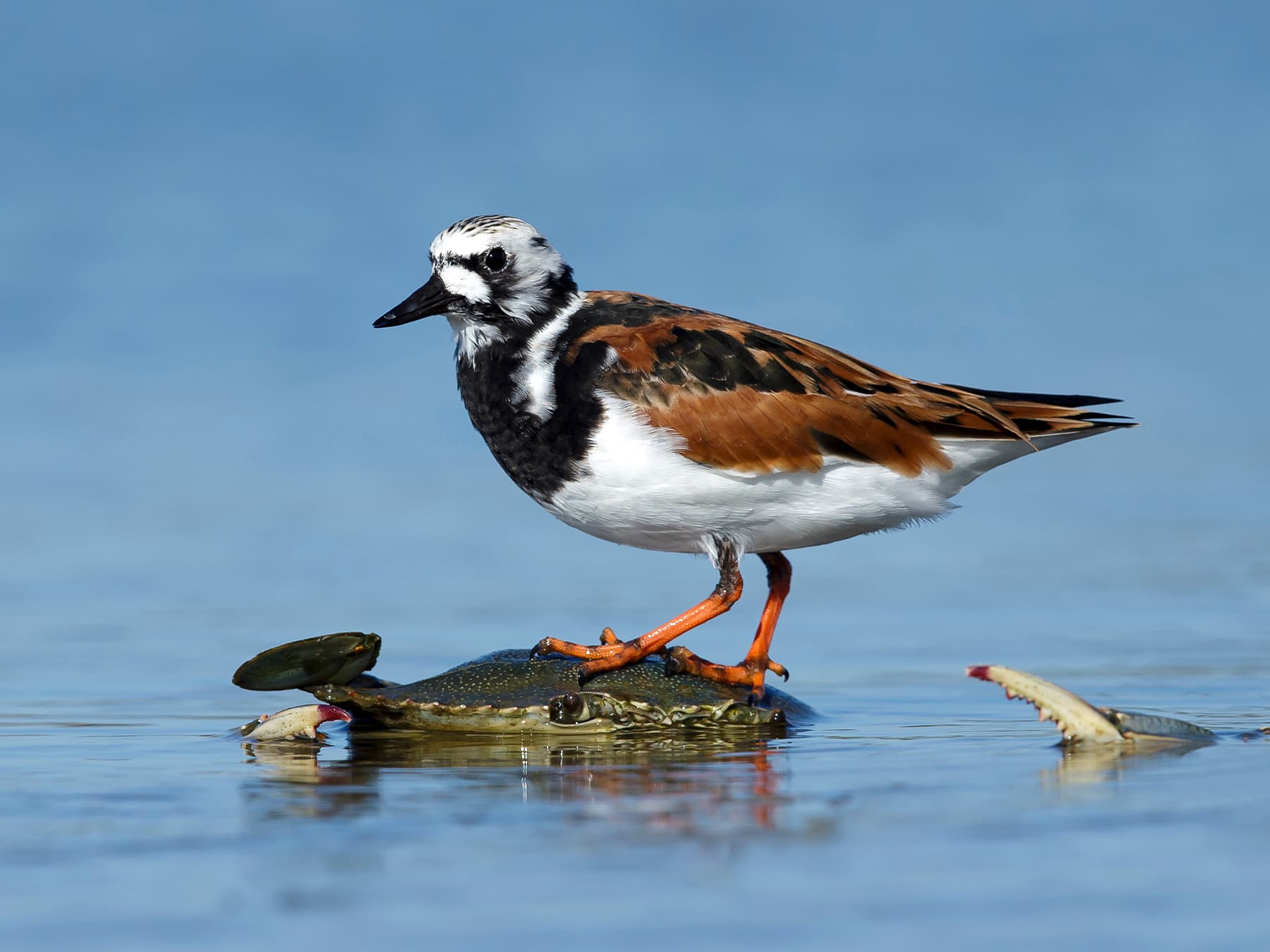 Ruddy TurnstoneArenaria interpresResidentCommon21–24 cmRecorded all year · 0.96% in Mar
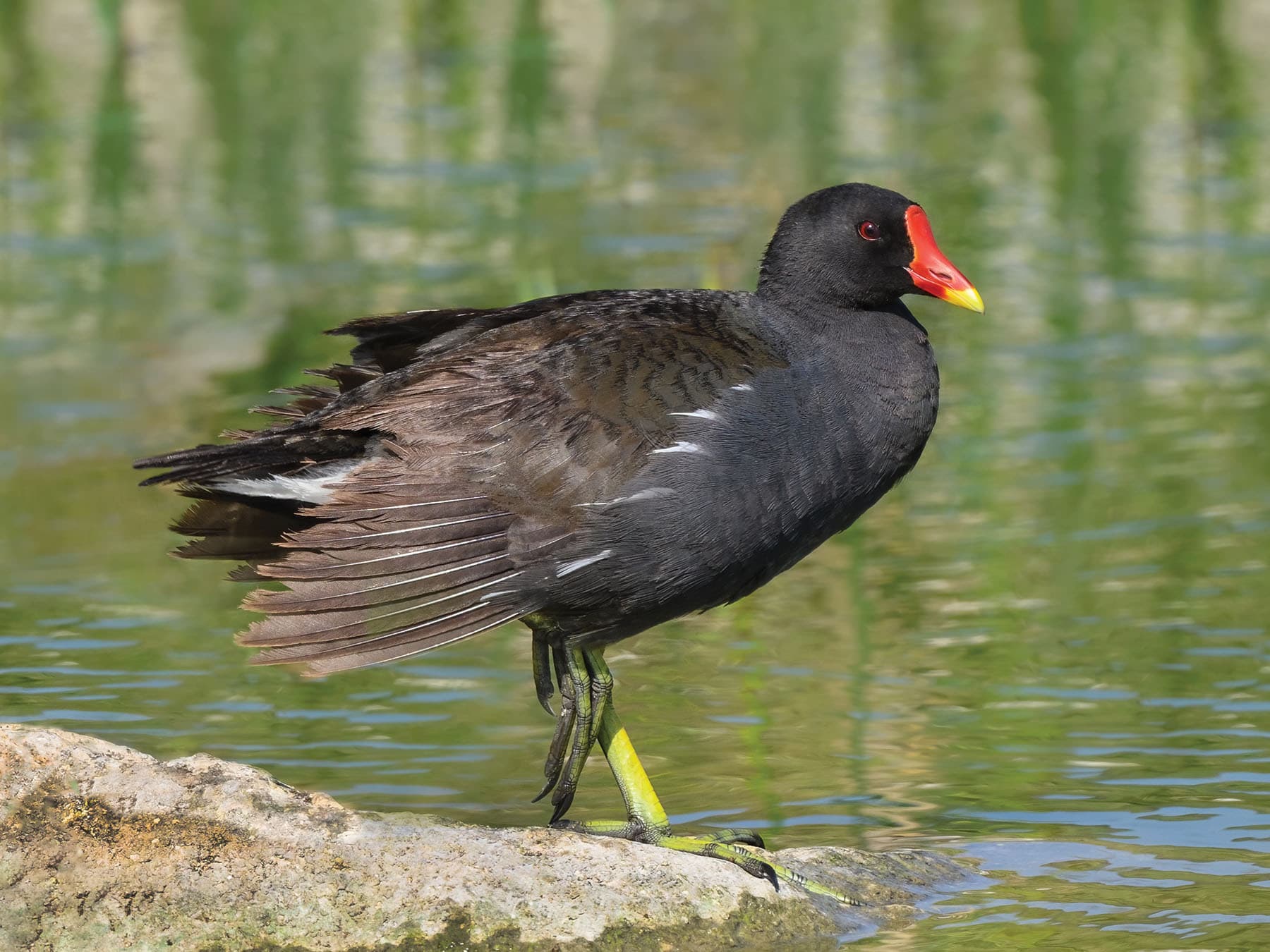 MoorhenGallinula chloropusResidentCommon30–38 cmRecorded all year · 0.92% in Mar
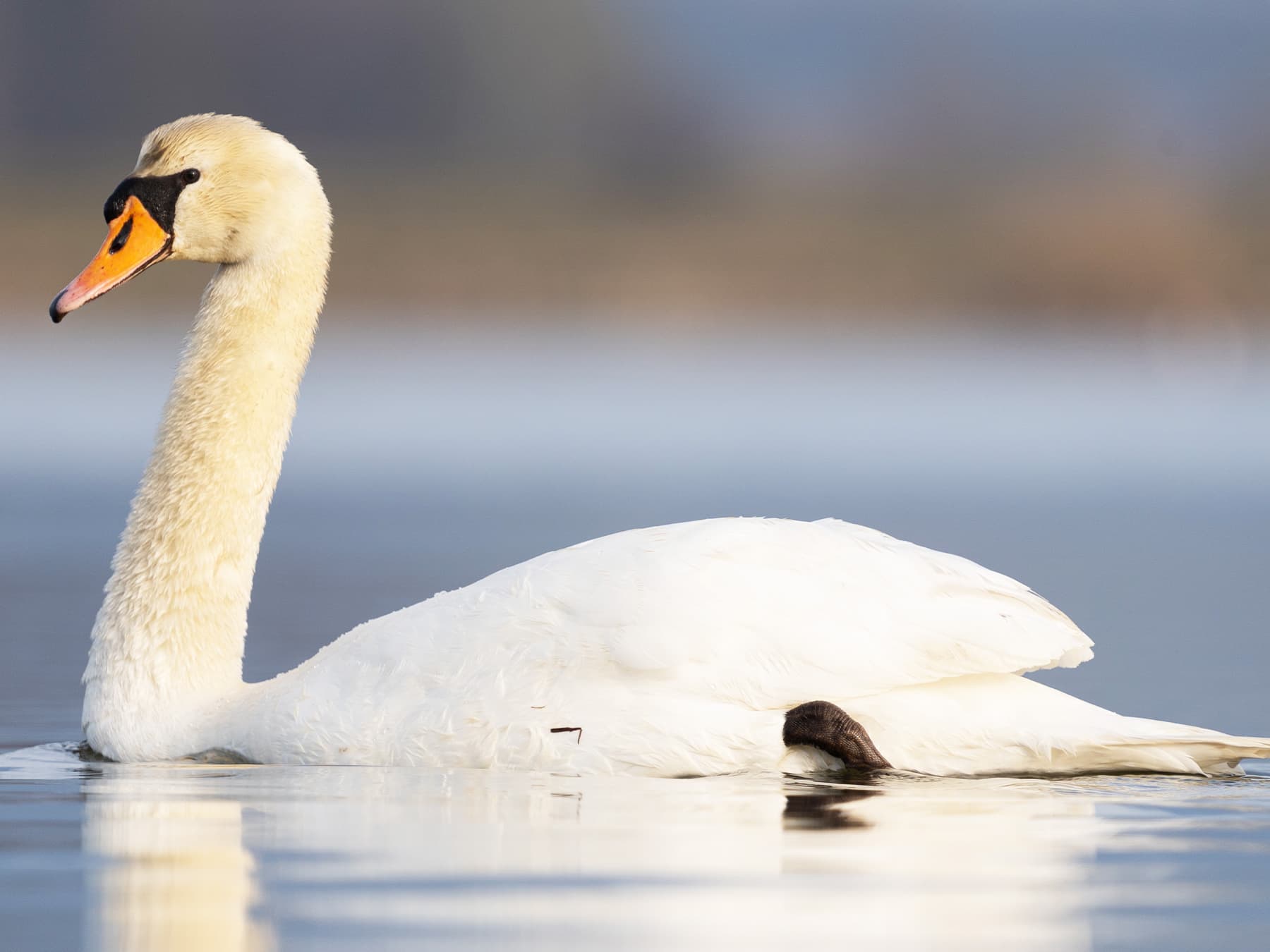 Mute SwanCygnus olorResidentCommon140–160 cmRecorded all year · 0.90% in Mar
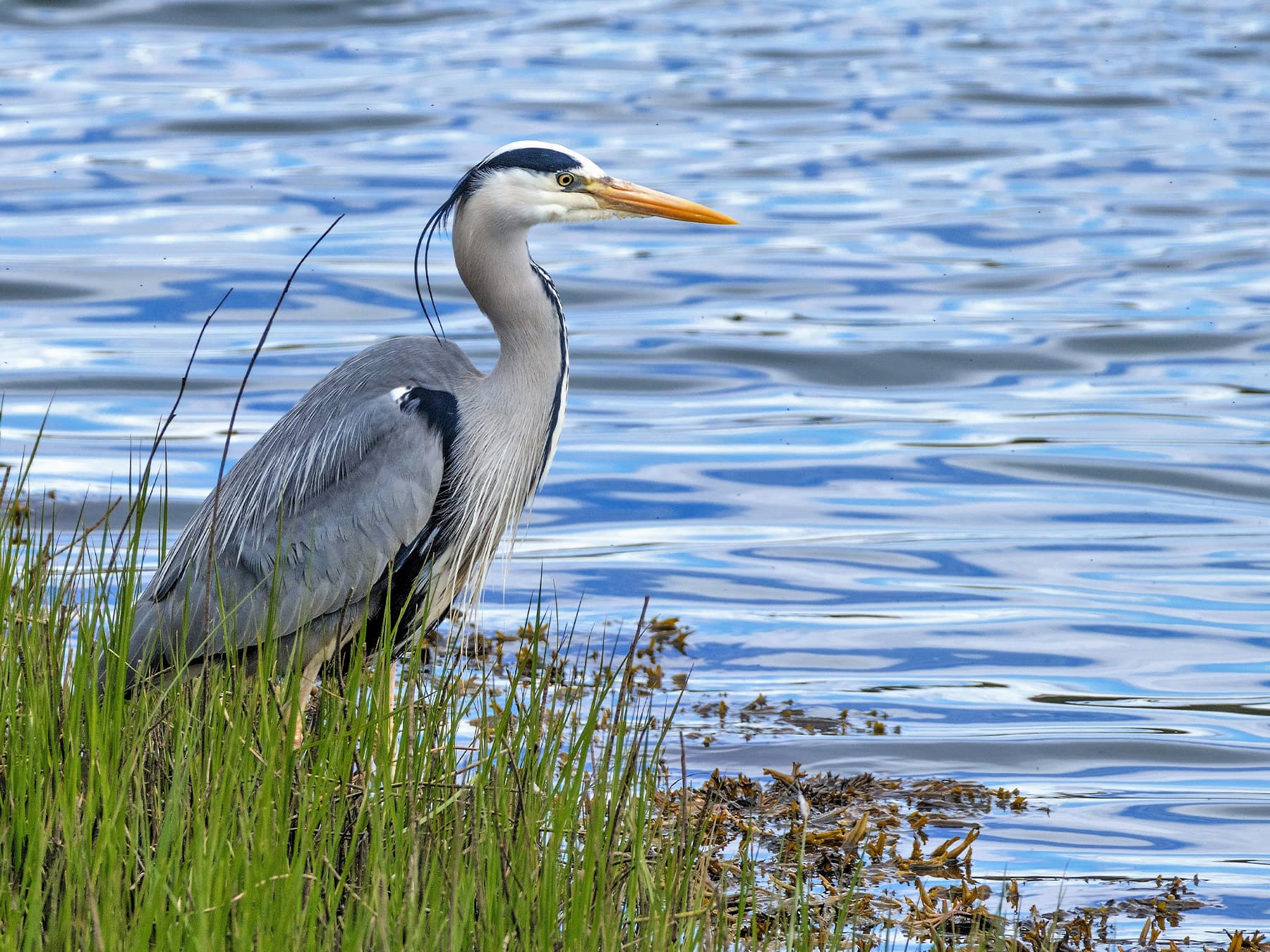 Grey HeronArdea cinereaResidentCommon90–98 cmRecorded all year · 0.87% in Mar
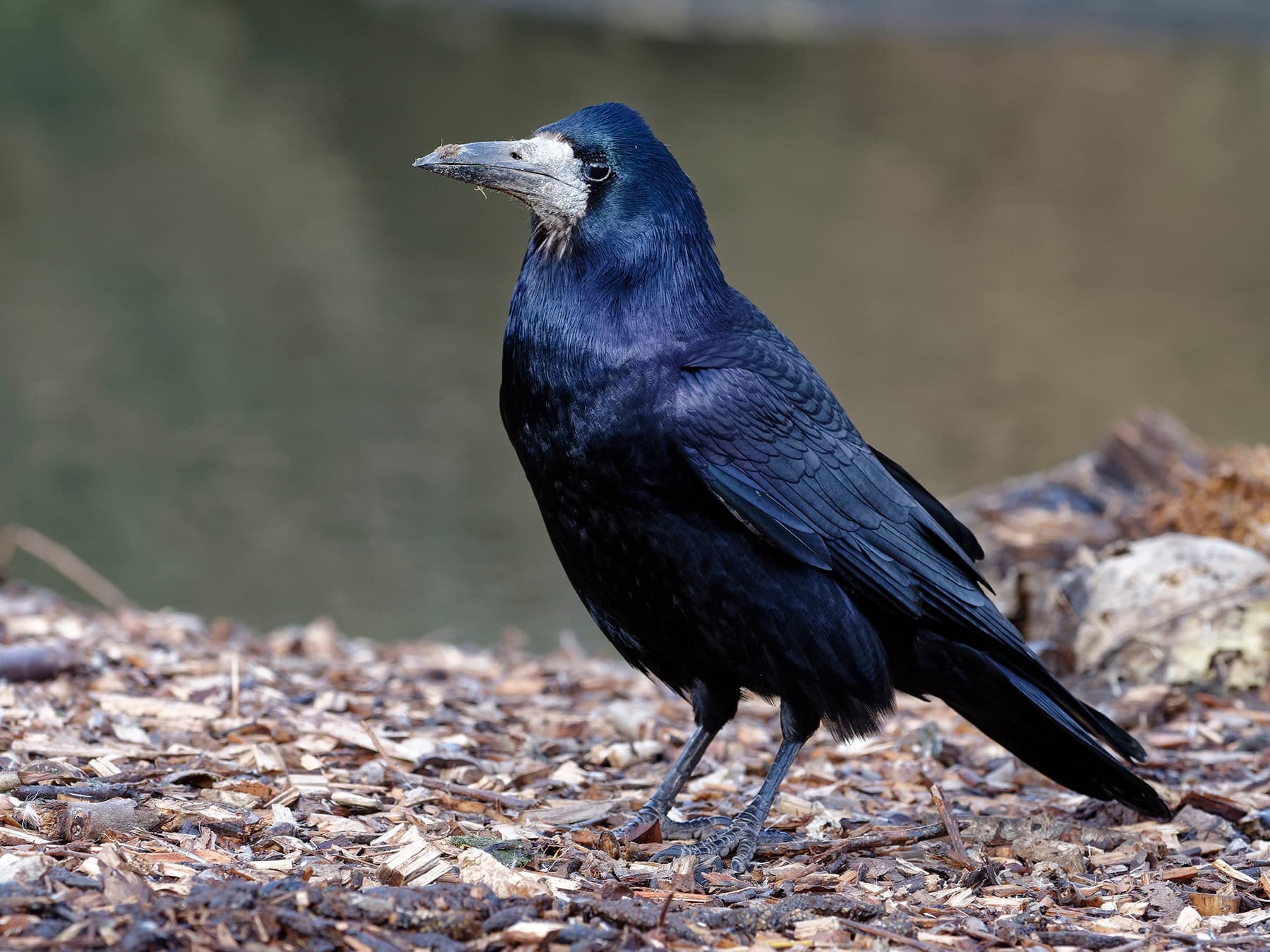 RookCorvus frugilegusResidentCommon45–47 cmRecorded all year · 0.85% in Mar
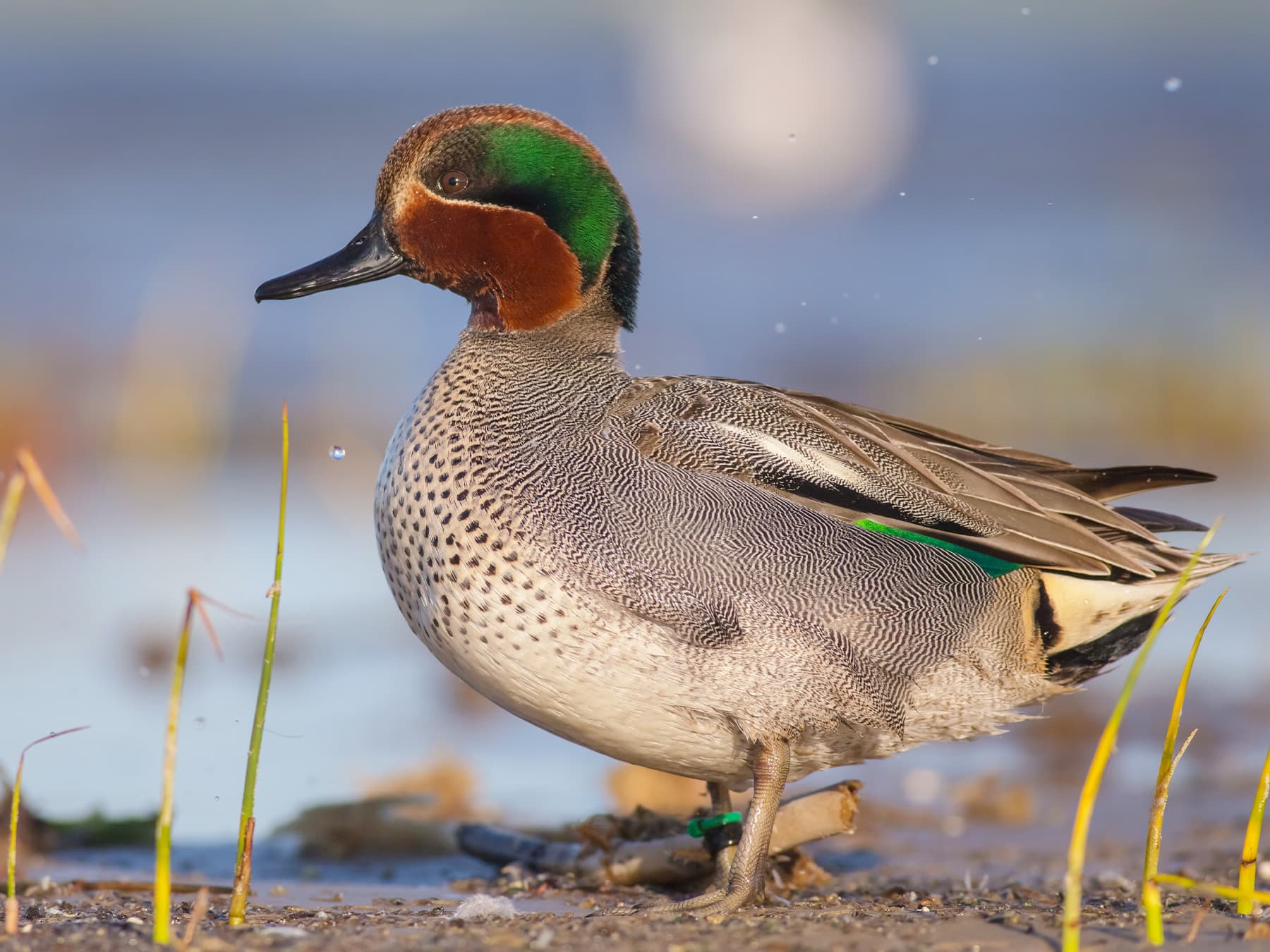 Eurasian TealAnas creccaWinter visitorCommon34–38 cmRecorded all year · 0.84% in Mar
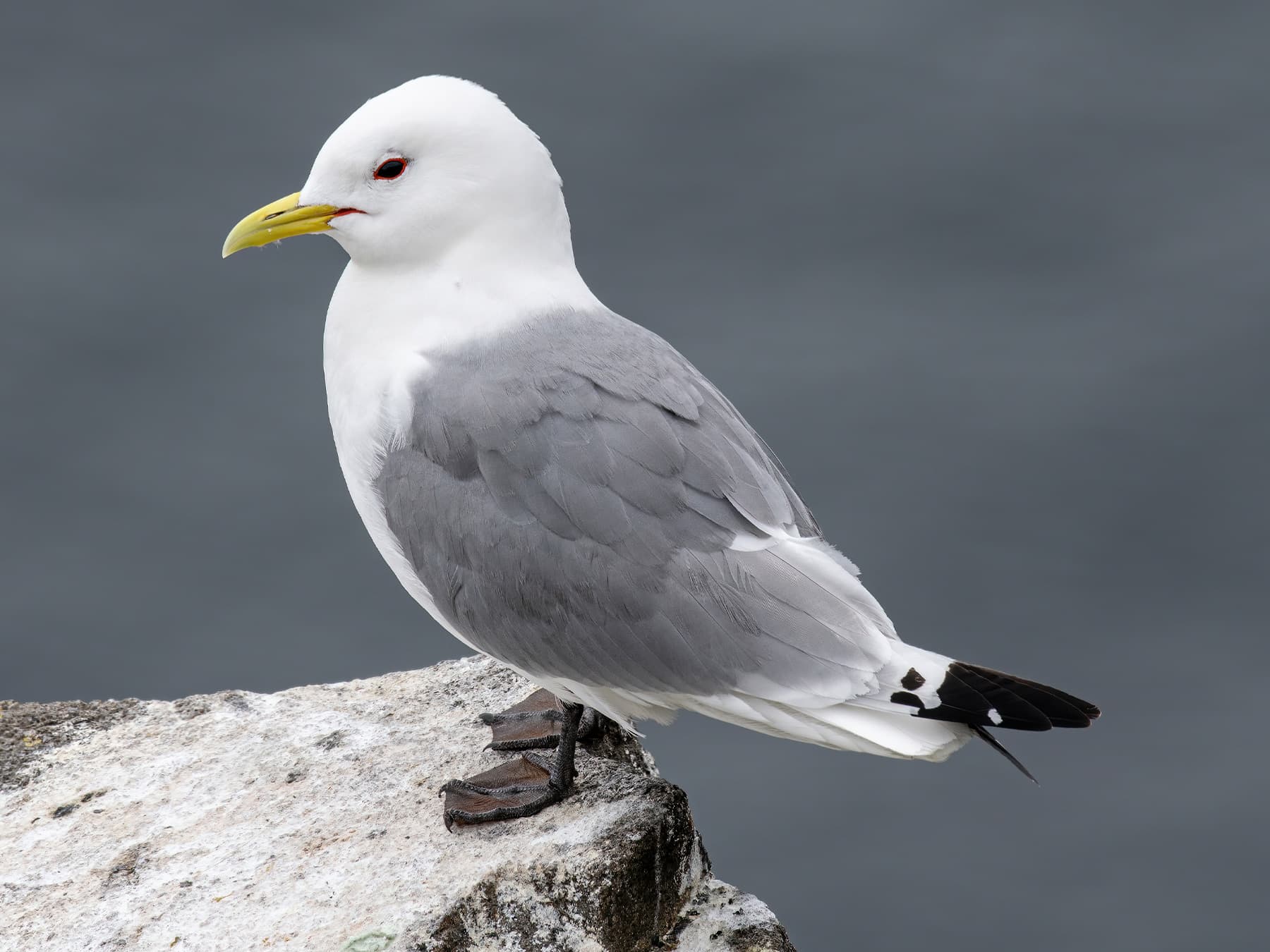 KittiwakeRissa tridactylaSummer visitorCommon37–41 cmRegularly Jan–Nov · 0.84% in Mar
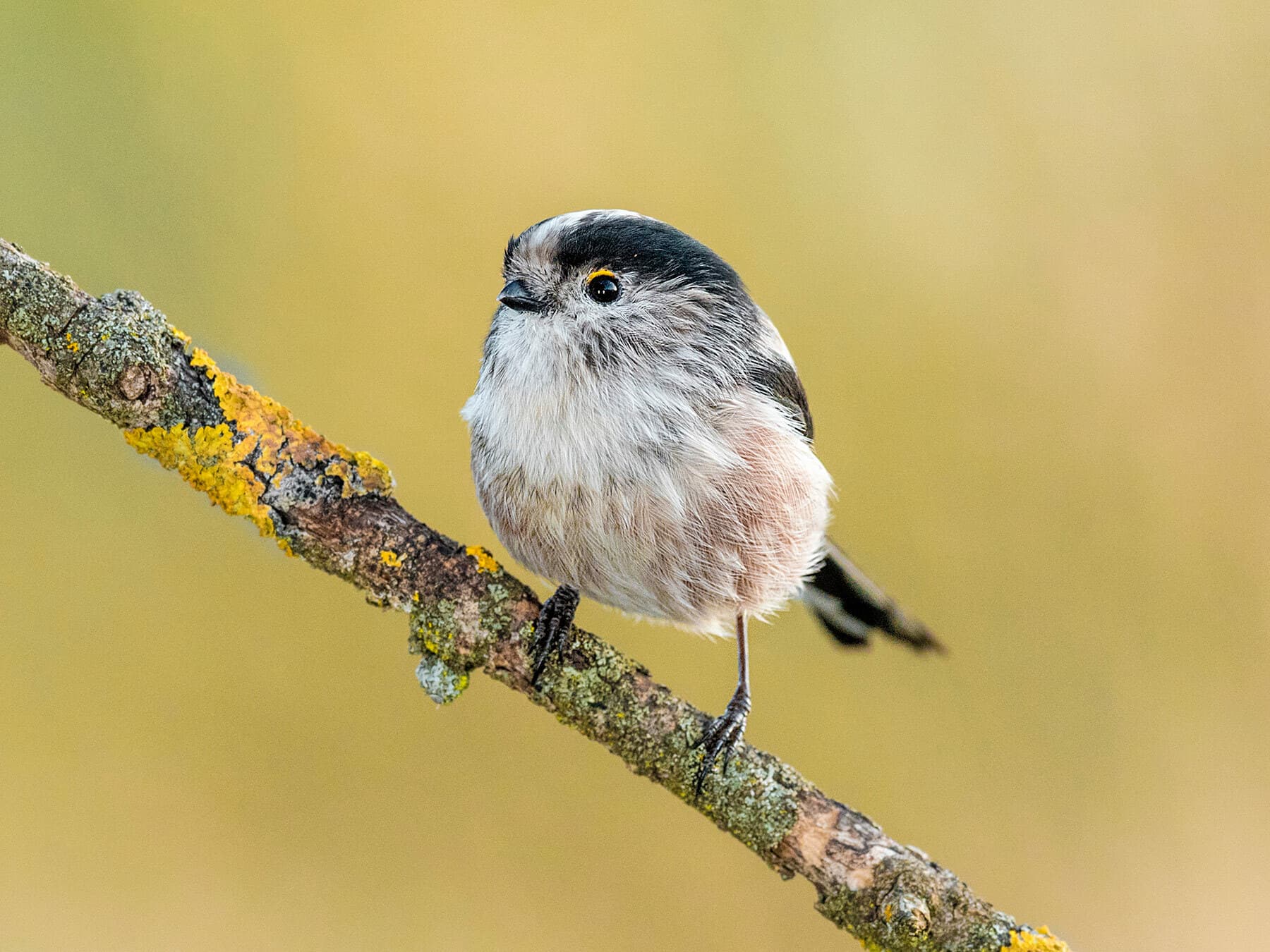 Long-tailed TitAegithalos caudatusResidentCommon13–16 cmRegularly Oct–Aug · 0.82% in Mar
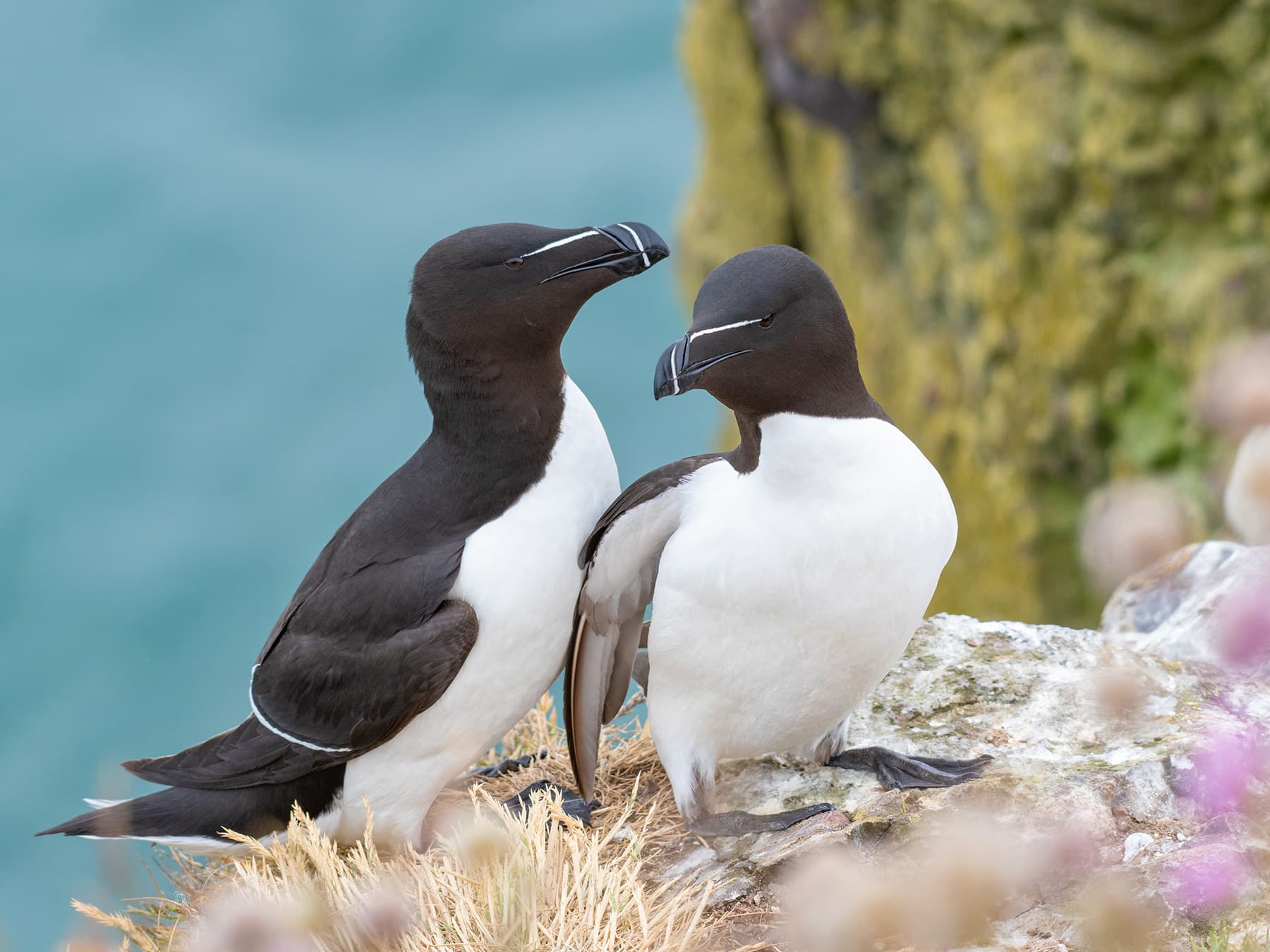 RazorbillAlca tordaResidentCommon38–43 cmRecorded all year · 0.82% in Mar
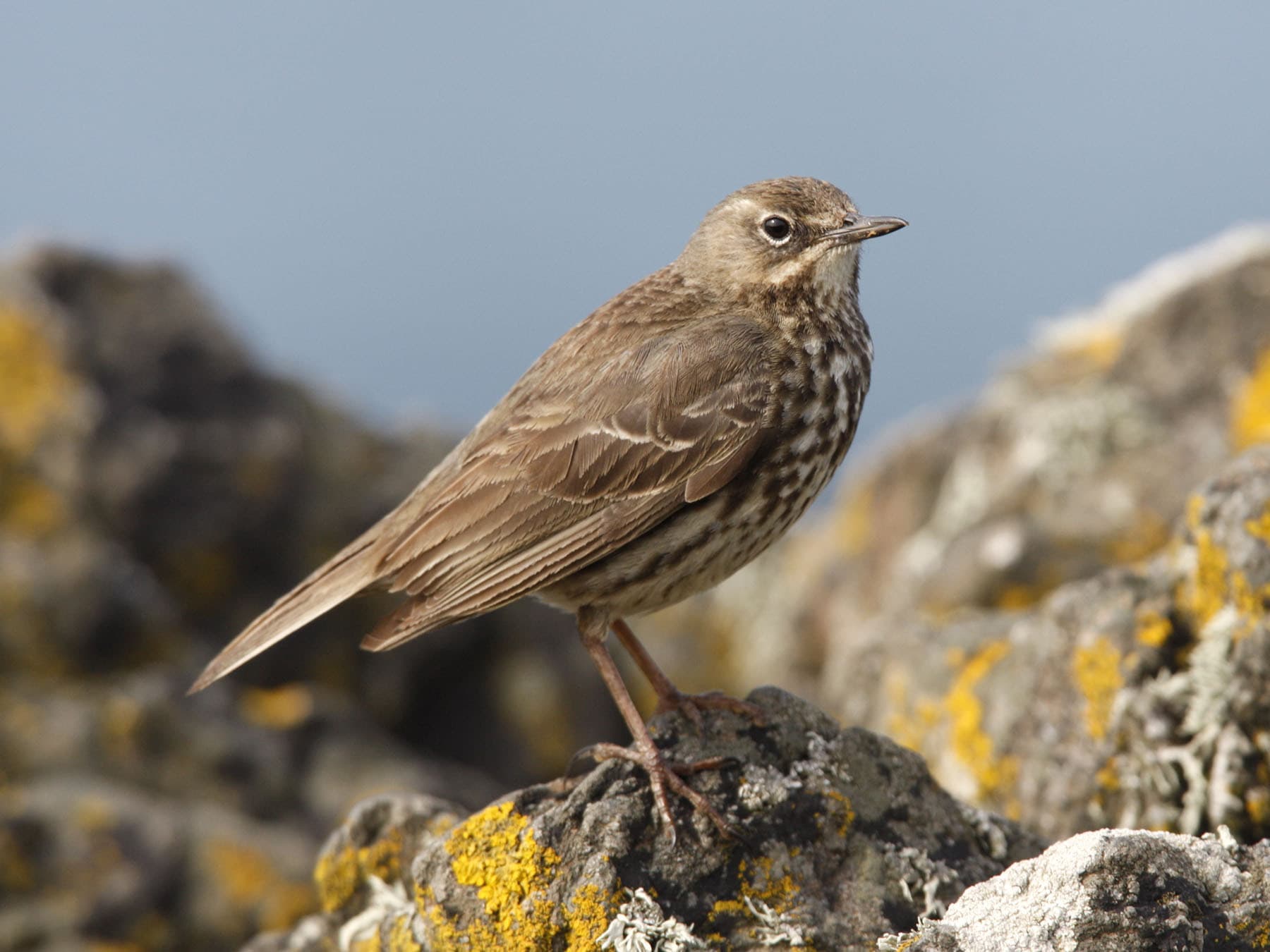 Rock PipitAnthus petrosusResidentCommon16–18 cmRecorded all year · 0.79% in Mar
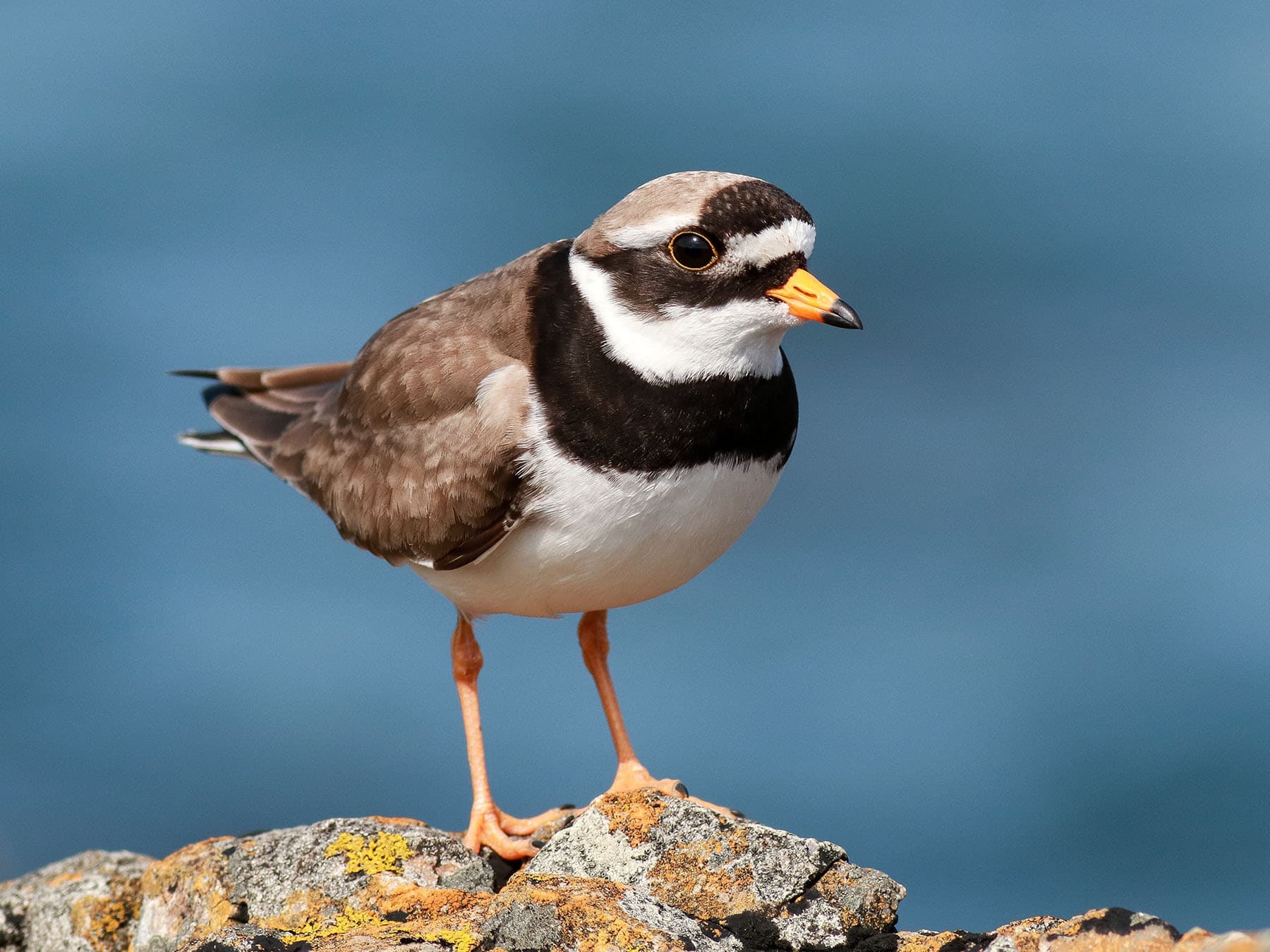 Ringed PloverCharadrius hiaticulaResidentCommon17–19 cmRecorded all year · 0.77% in Mar
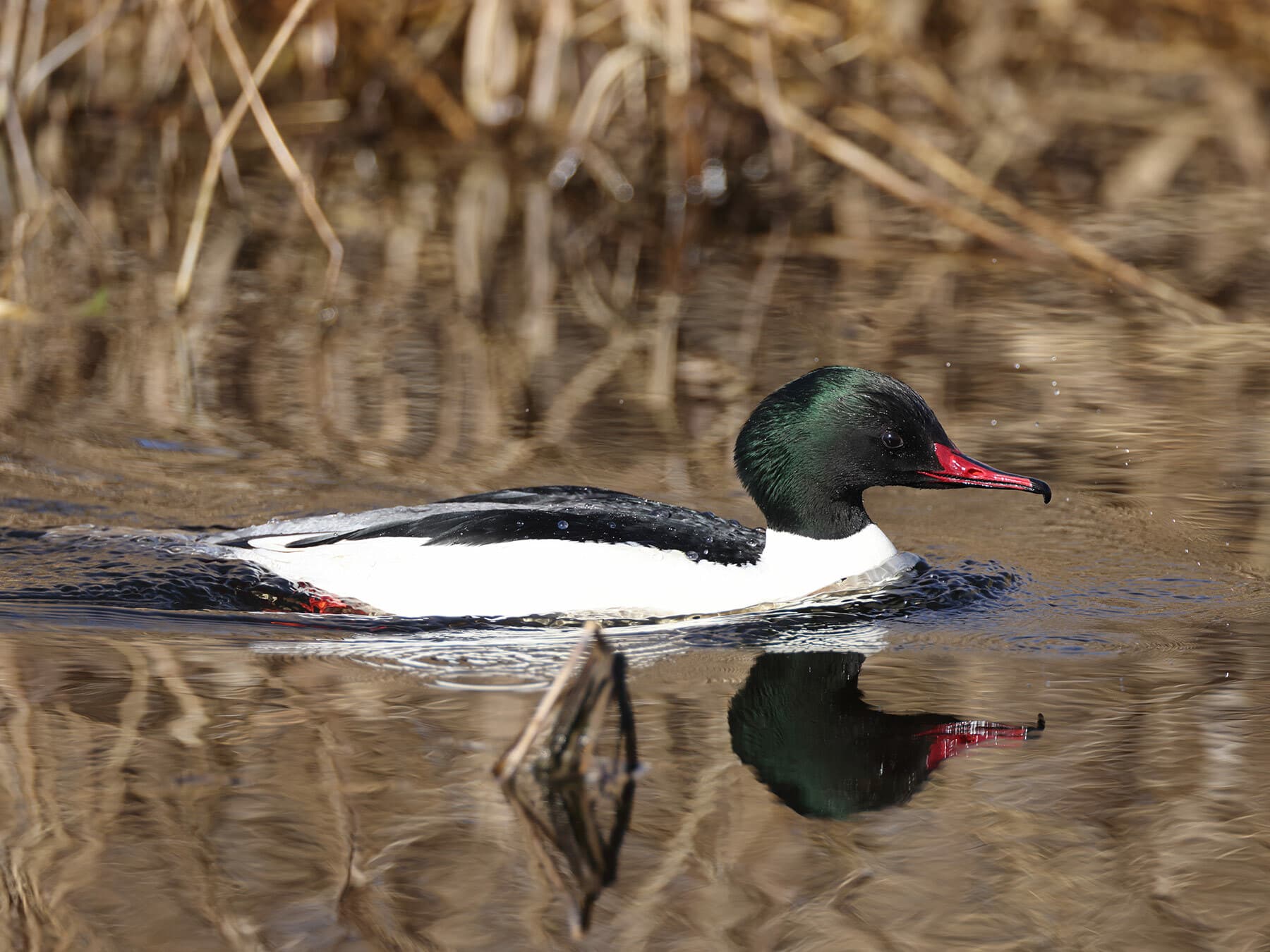 Common MerganserMergus merganserResidentCommon58–68 cmRecorded all year · 0.76% in Mar
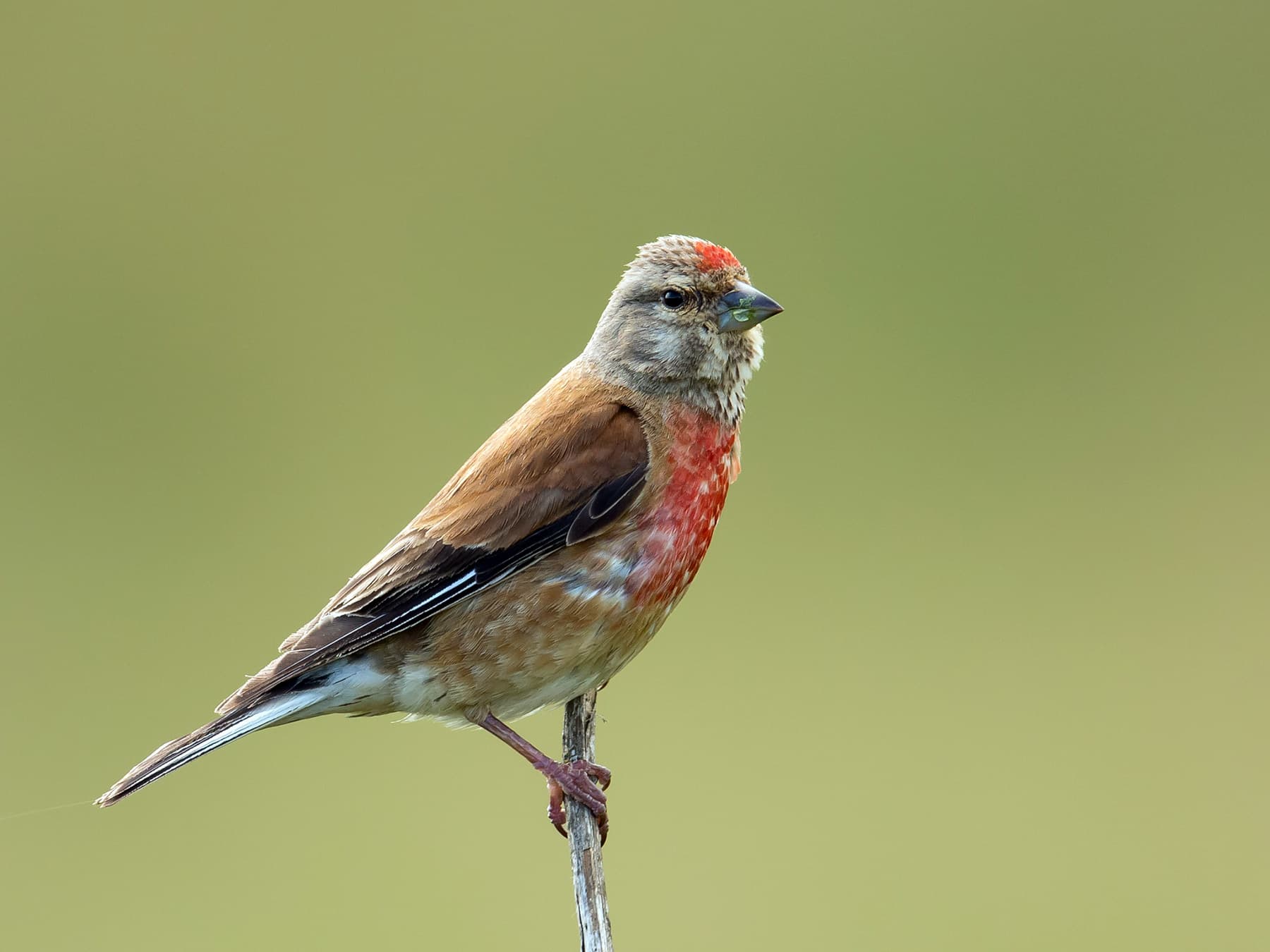 LinnetLinaria cannabinaSummer visitorCommon13–14 cmRecorded all year · 0.73% in Mar
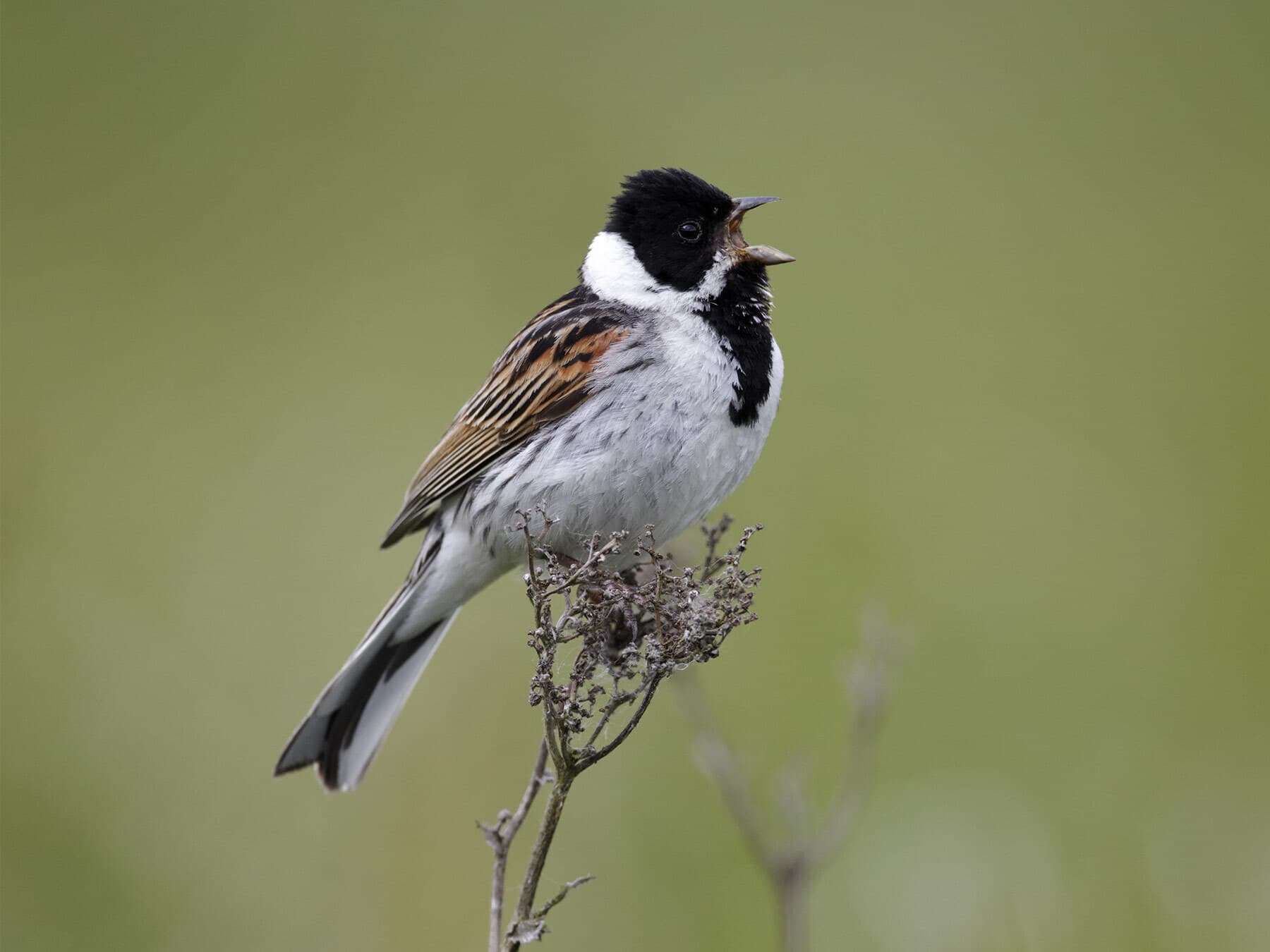 Reed BuntingEmberiza schoeniclusResidentCommon14–16 cmRecorded all year · 0.73% in Mar
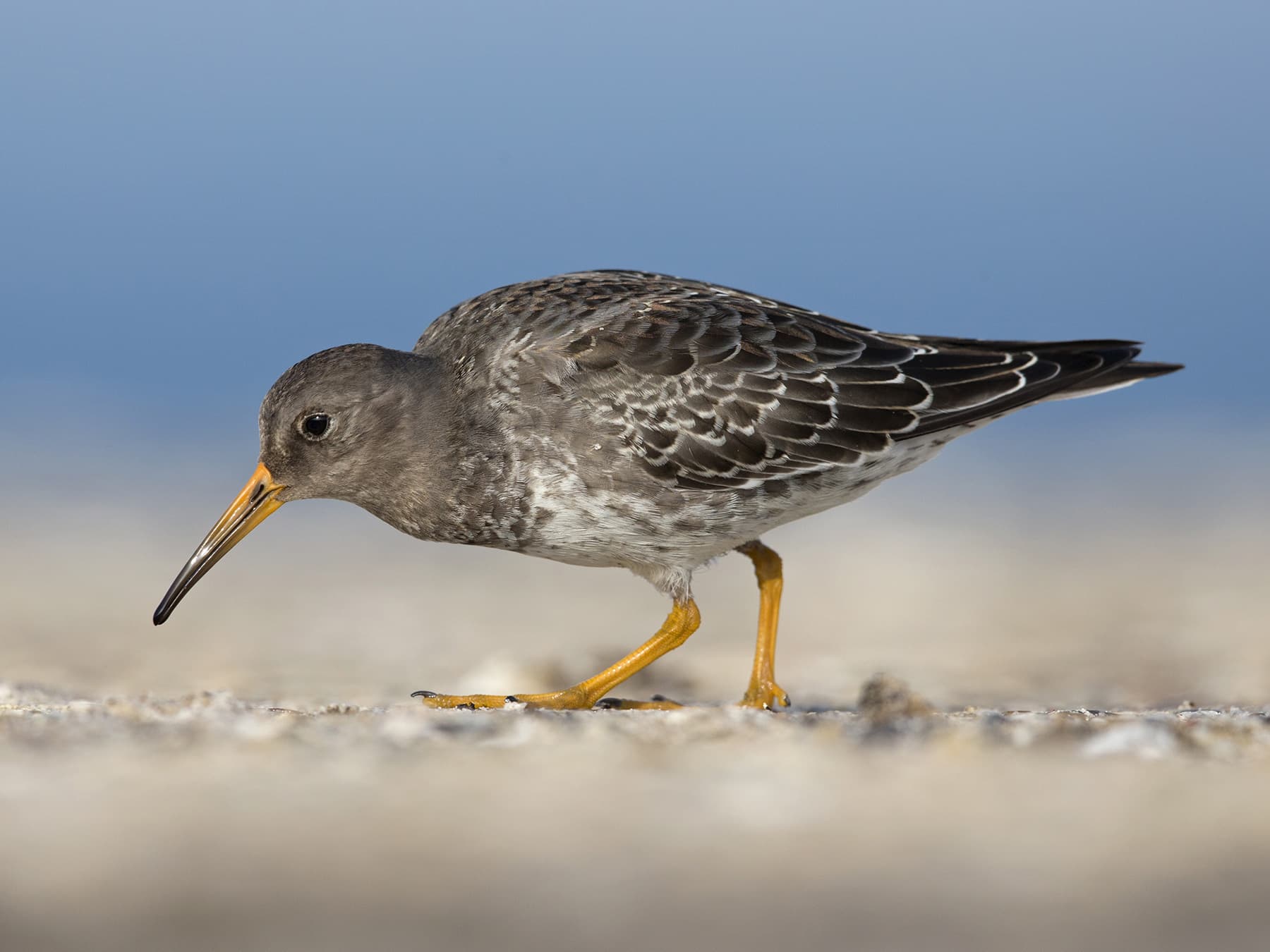 Purple SandpiperCalidris maritimaWinter visitorCommon20–22 cmRegularly Sep–Apr · 0.68% in Mar
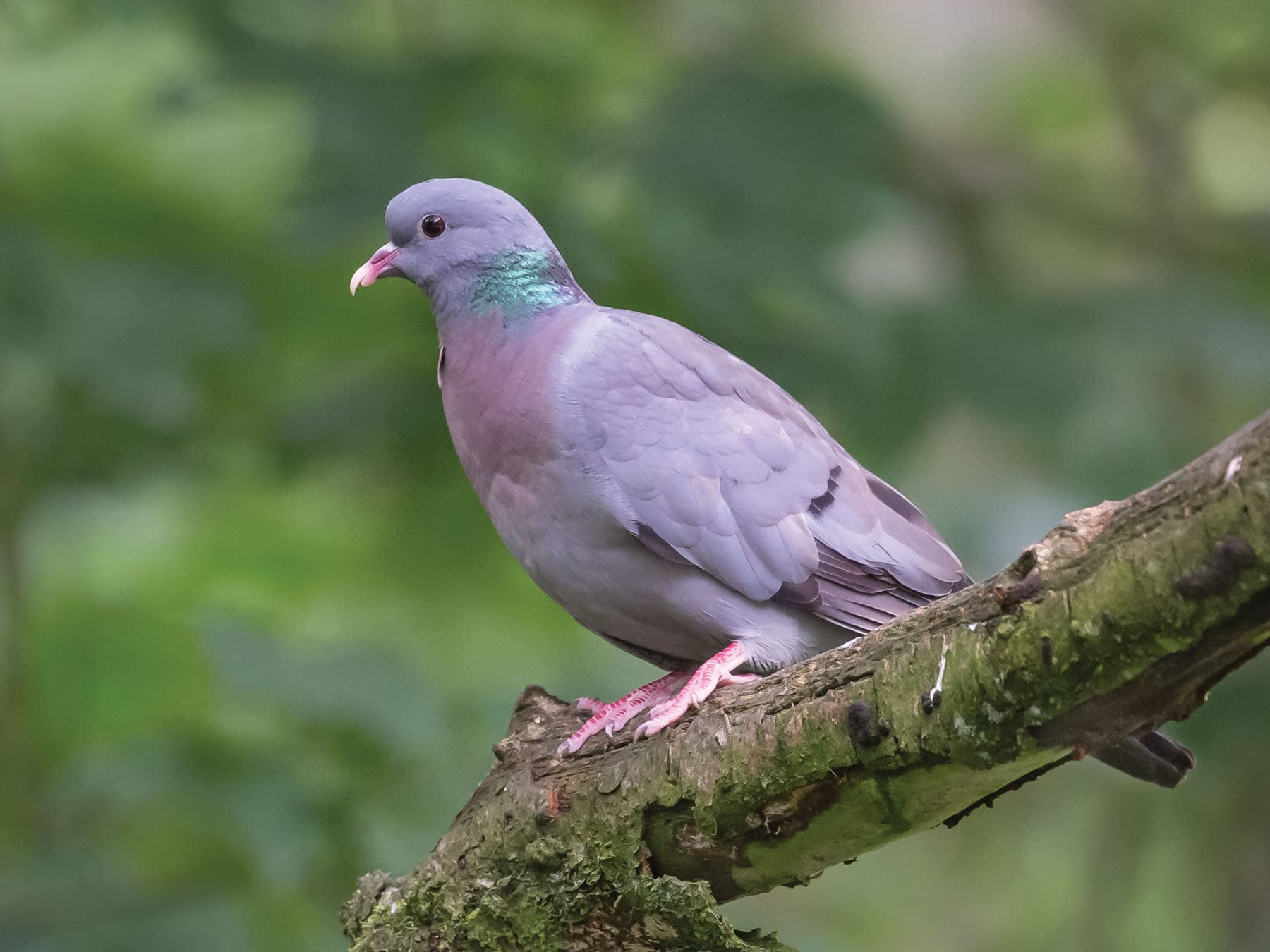 Stock DoveColumba oenasResidentCommon32–34 cmRecorded all year · 0.63% in Mar
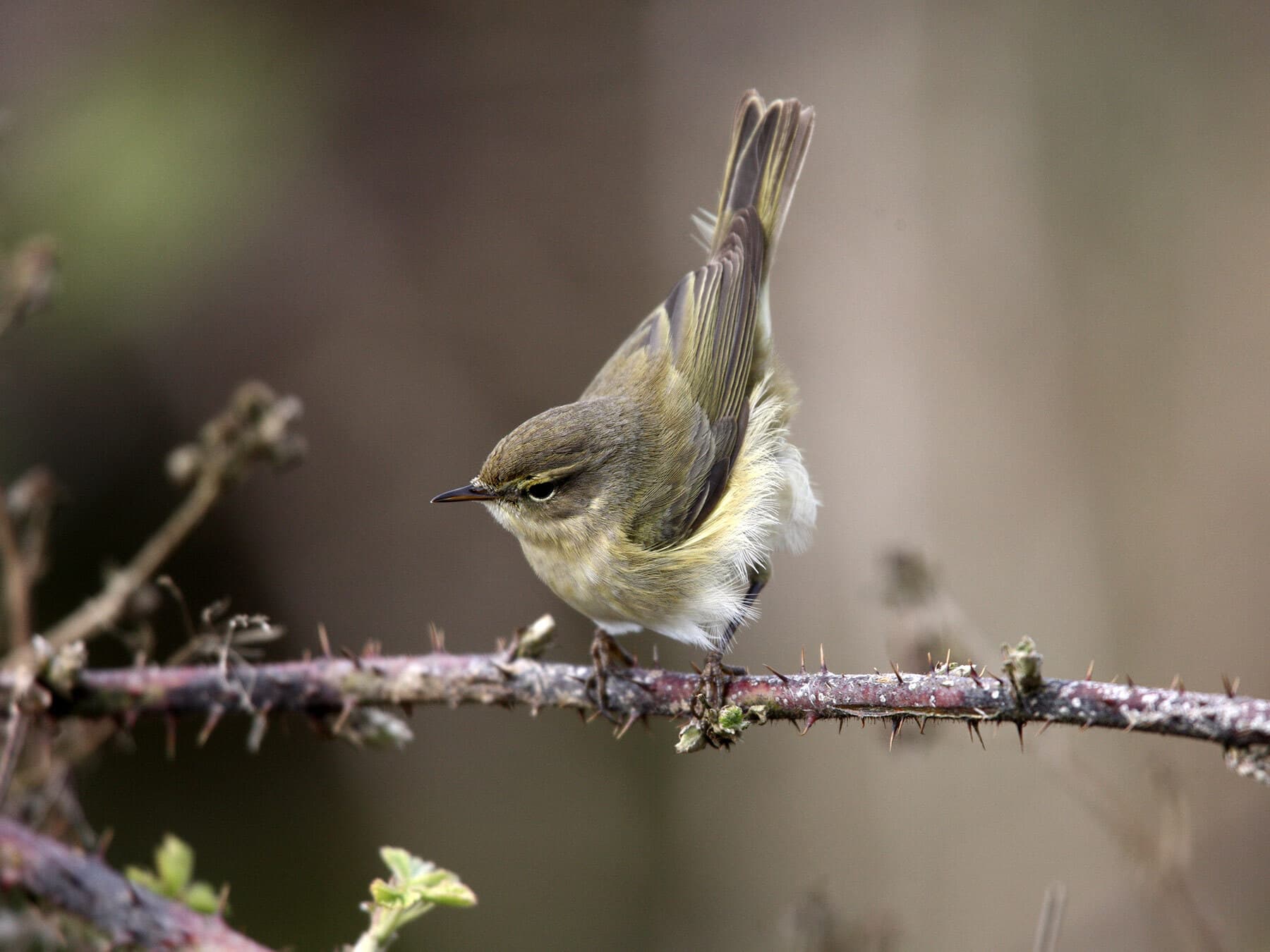 ChiffchaffPhylloscopus collybitaSummer visitorCommon10–12 cmRegularly Mar–Nov · 0.62% in Mar
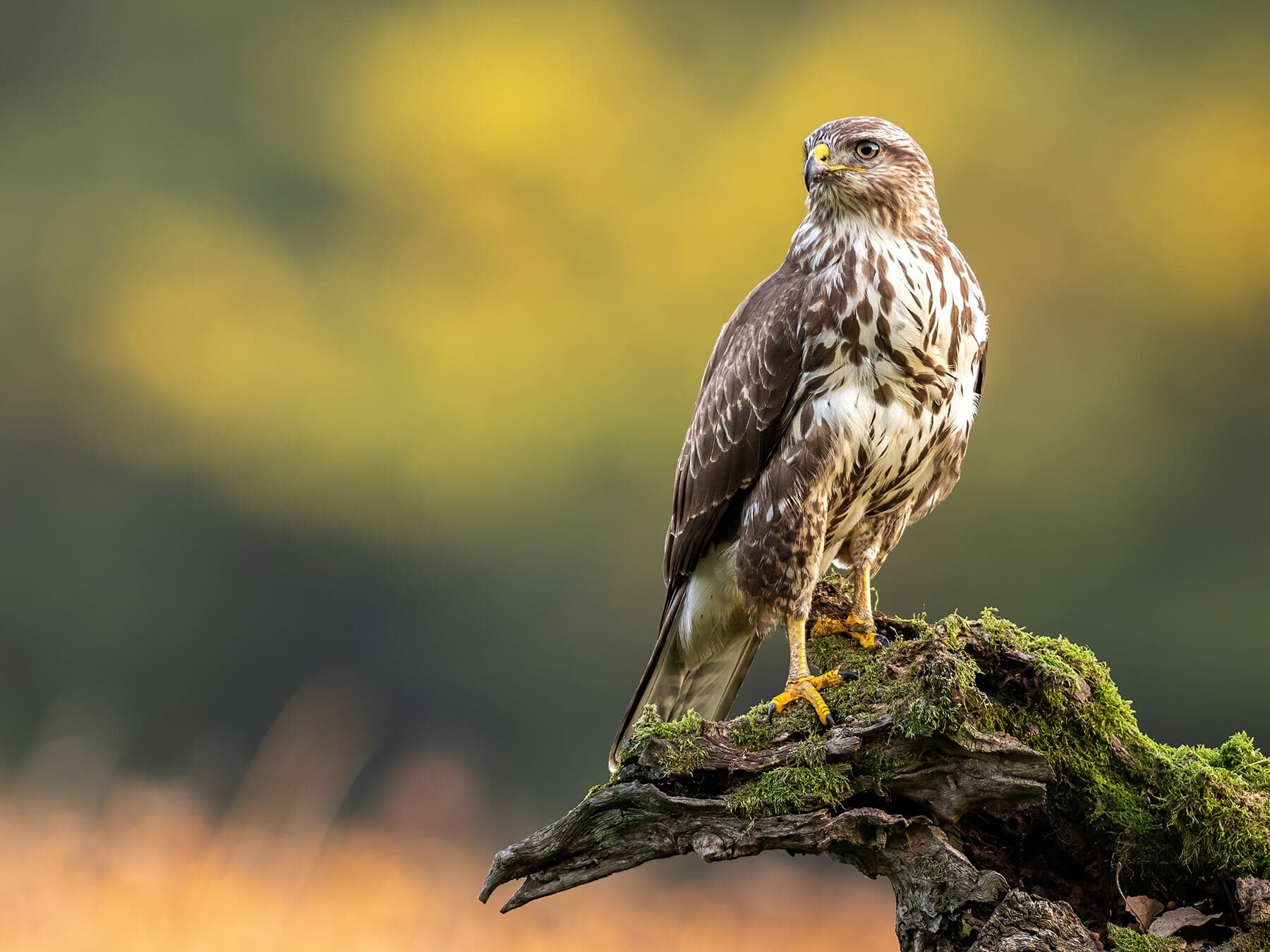 BuzzardButeo buteoResidentCommon51–57 cmRecorded all year · 0.60% in Mar
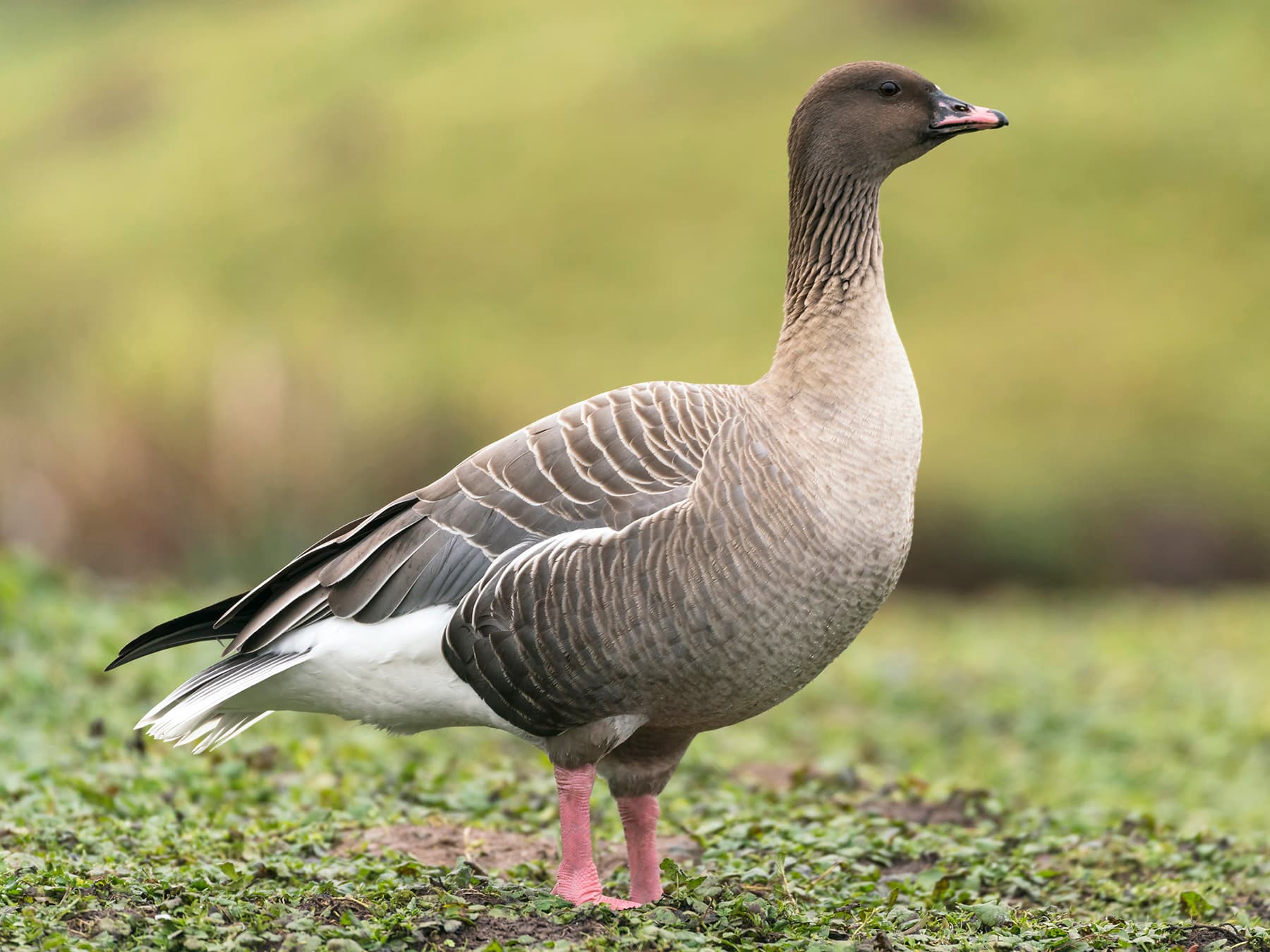 Pink-footed GooseAnser brachyrhynchusWinter visitorCommon60–75 cmRegularly Sep–Apr · 0.58% in Mar
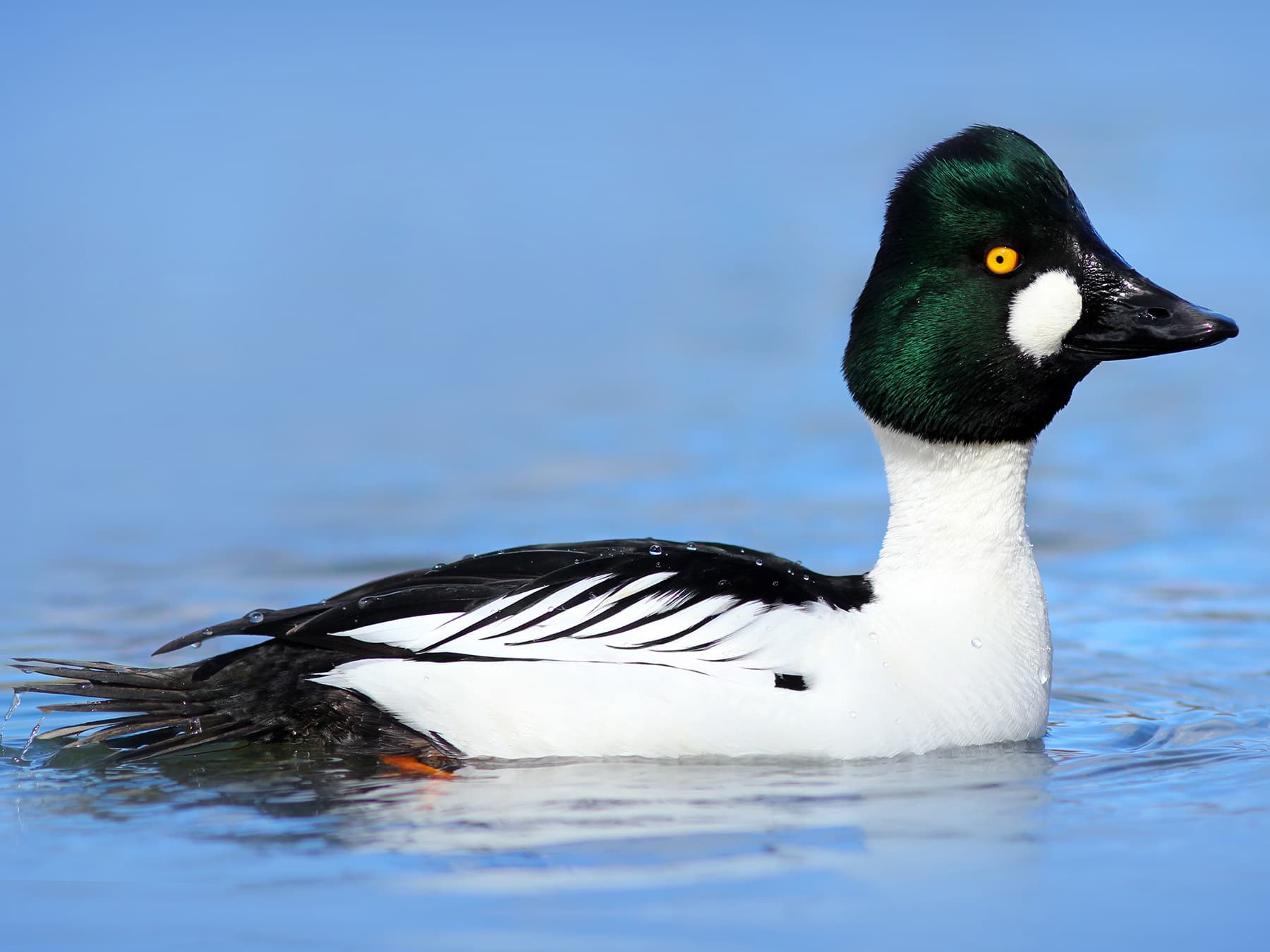 GoldeneyeBucephala clangulaWinter visitorCommon40–51 cmRegularly Oct–Apr · 0.57% in Mar
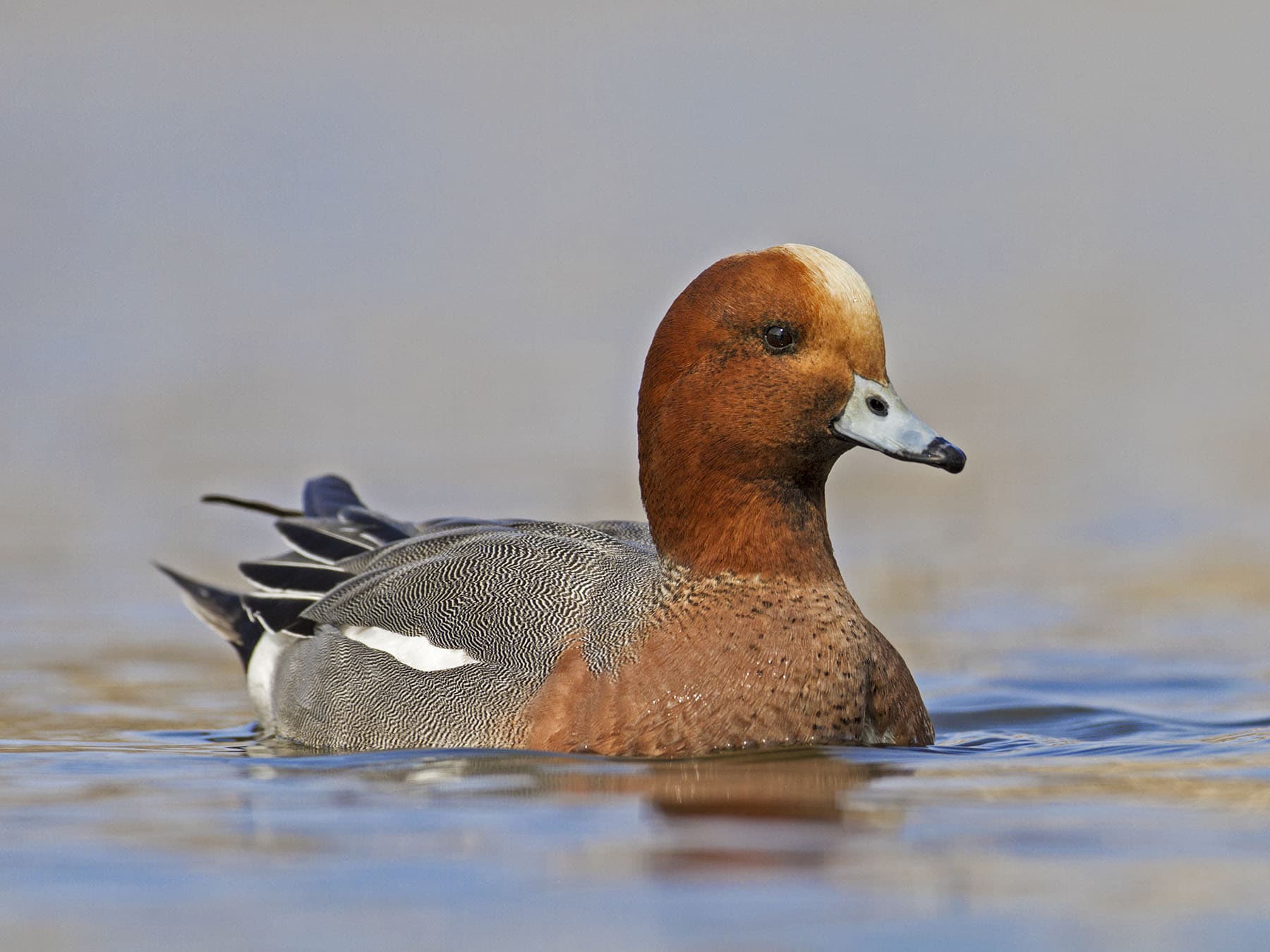 Eurasian WigeonMareca penelopeWinter visitorCommon42–51 cmRegularly Aug–Apr · 0.55% in Mar
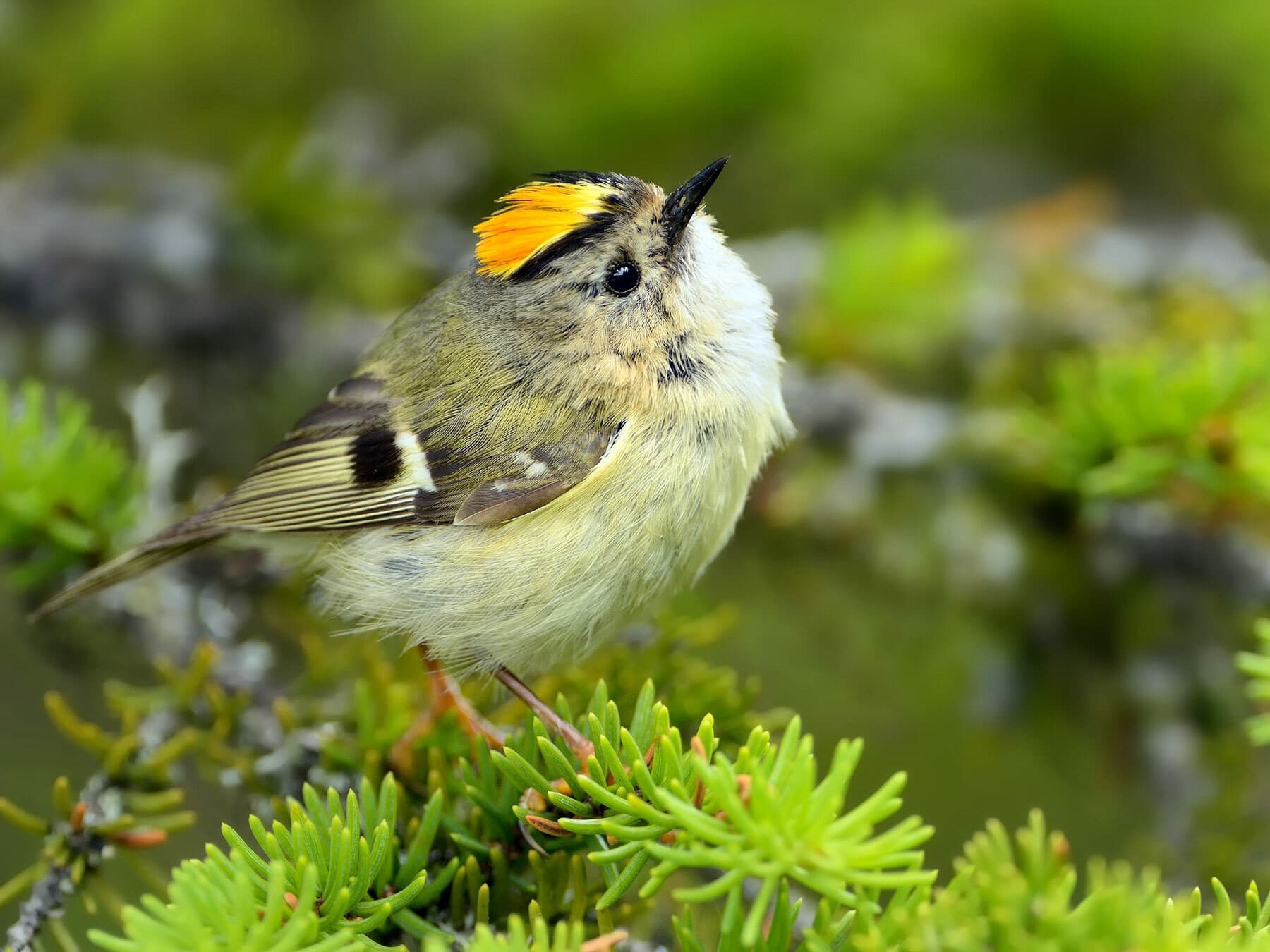 GoldcrestRegulus regulusWinter visitorCommon9–10 cmRecorded all year · 0.55% in Mar
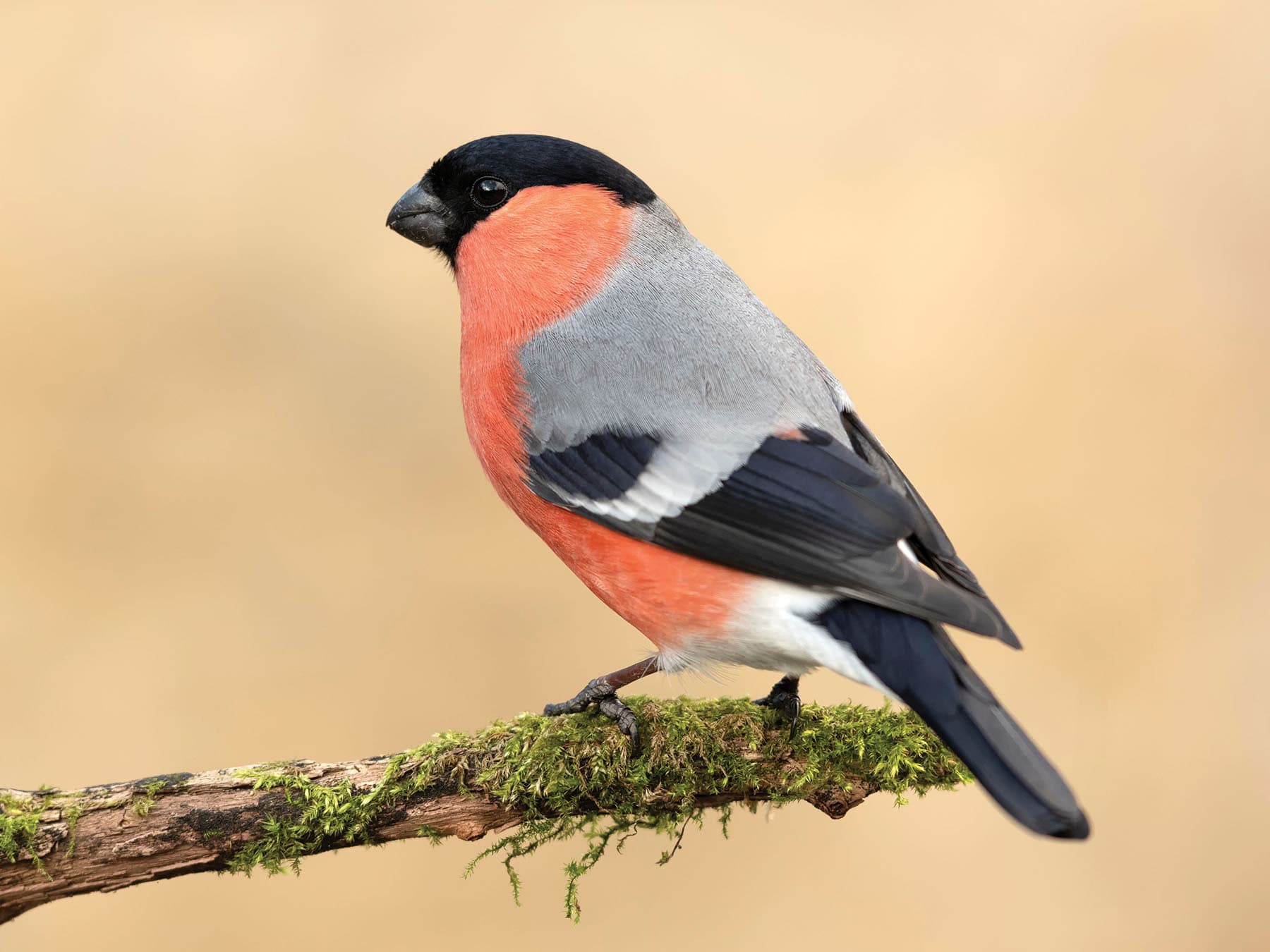 BullfinchPyrrhula pyrrhulaWinter visitorCommon15–17 cmRegularly Oct–Jul · 0.52% in Mar
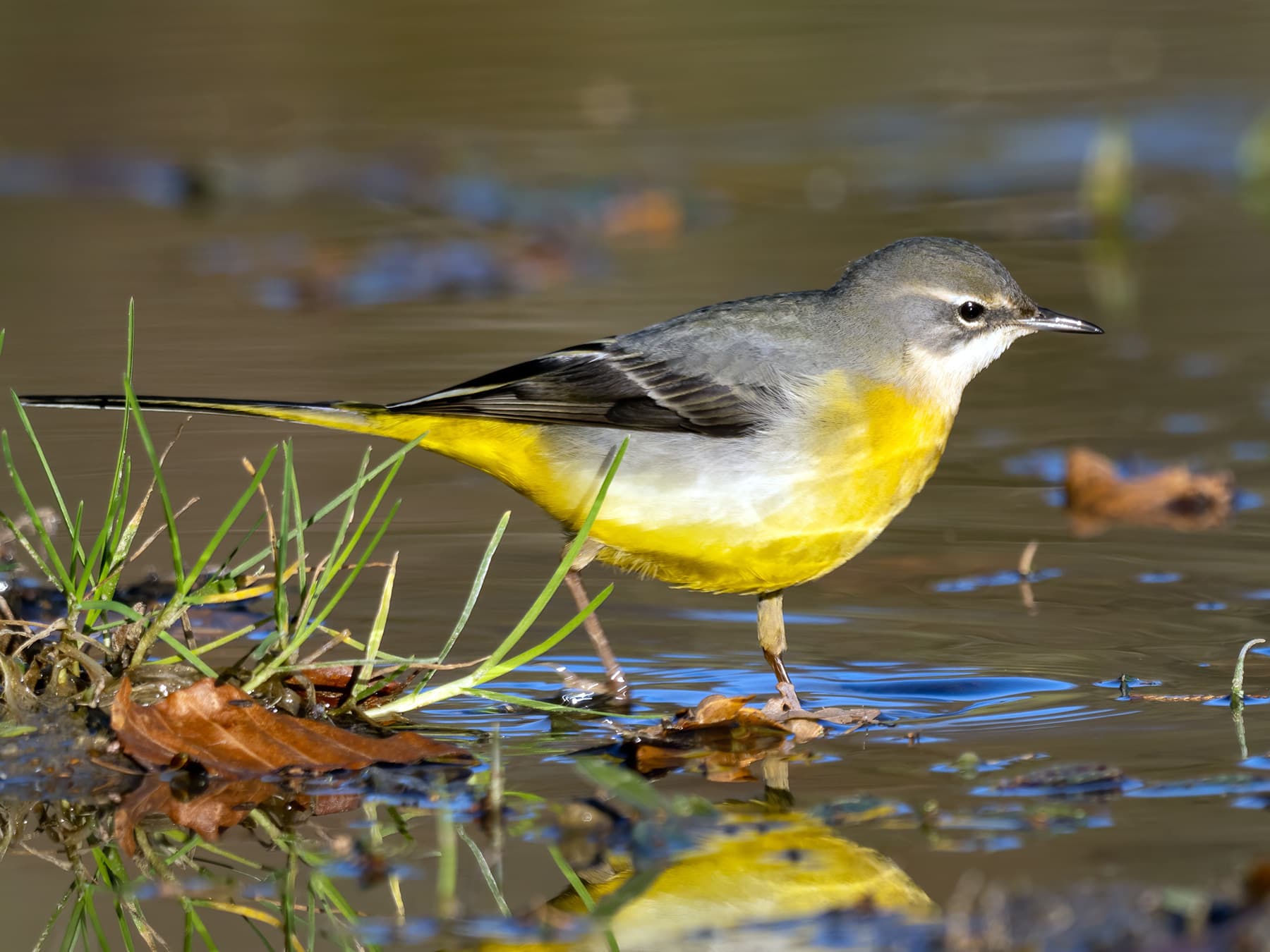 Grey WagtailMotacilla cinereaResidentCommon17–20 cmRecorded all year · 0.51% in Mar
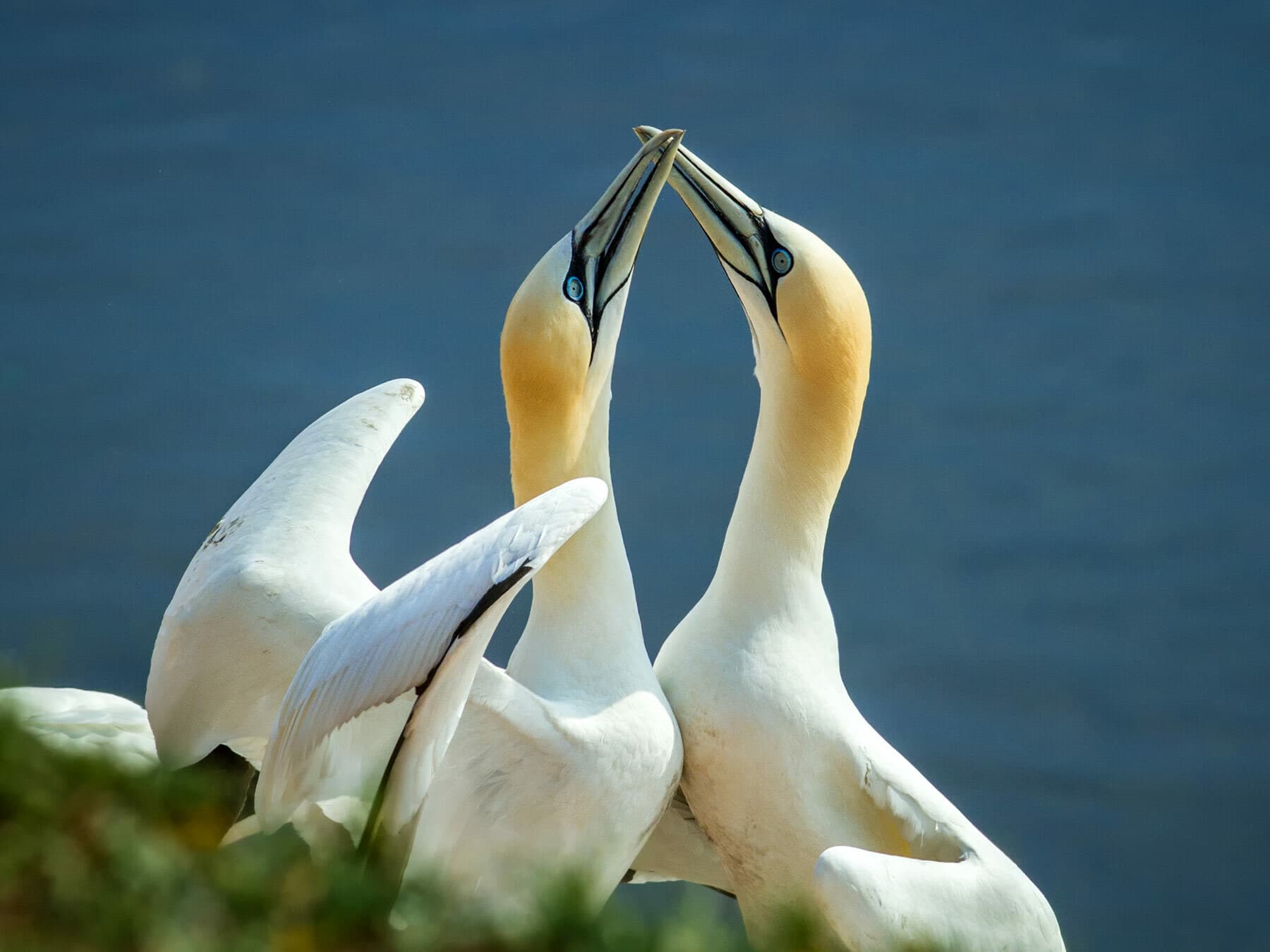 Northern GannetMorus bassanusSummer visitorCommon87–100 cmRegularly Feb–Nov · 0.51% in Mar
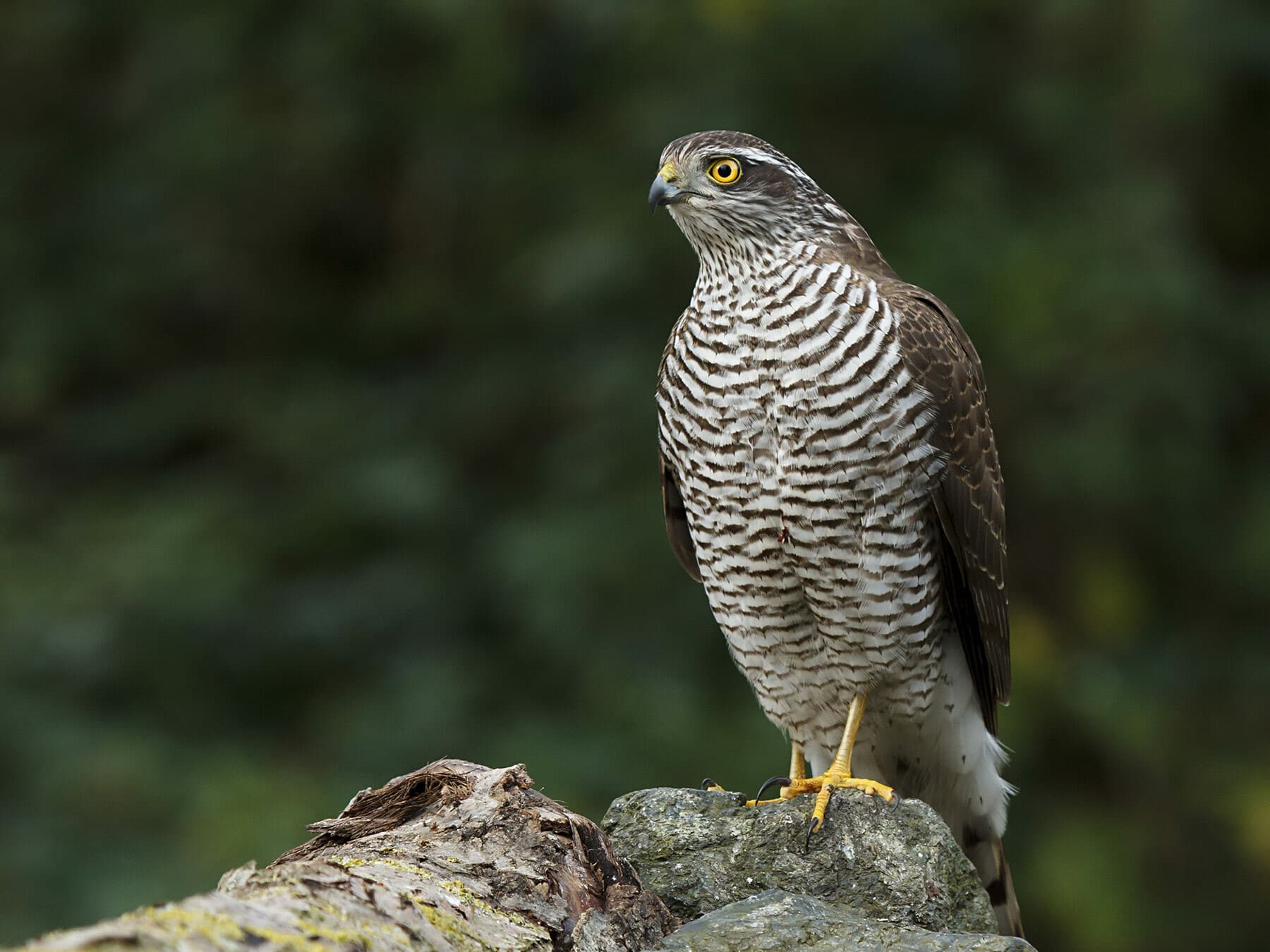 SparrowhawkAccipiter nisusResidentCommon28–38 cmRecorded all year · 0.49% in Mar
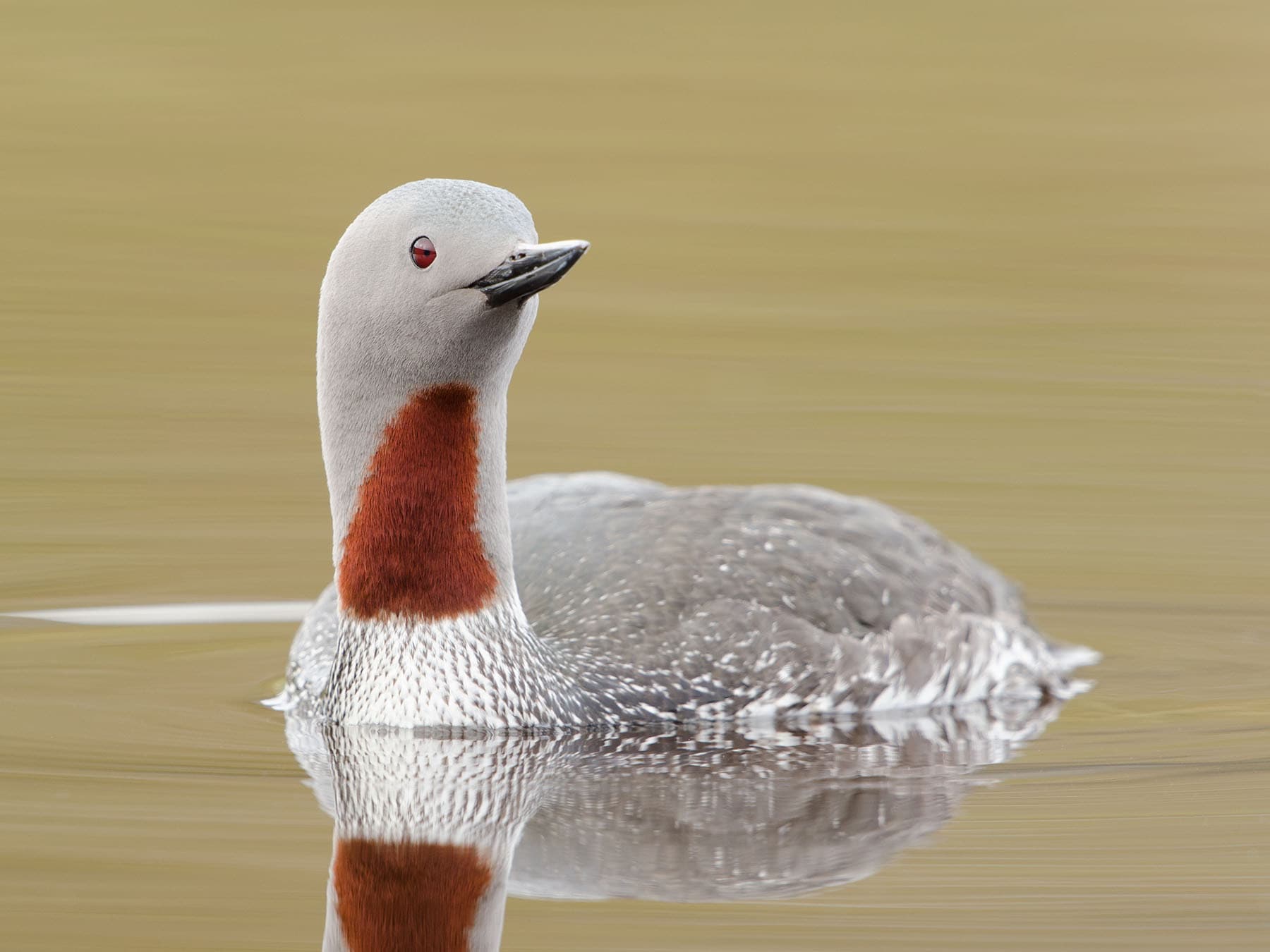 Red-throated LoonGavia stellataWinter visitorCommon53–69 cmRecorded all year · 0.47% in Mar
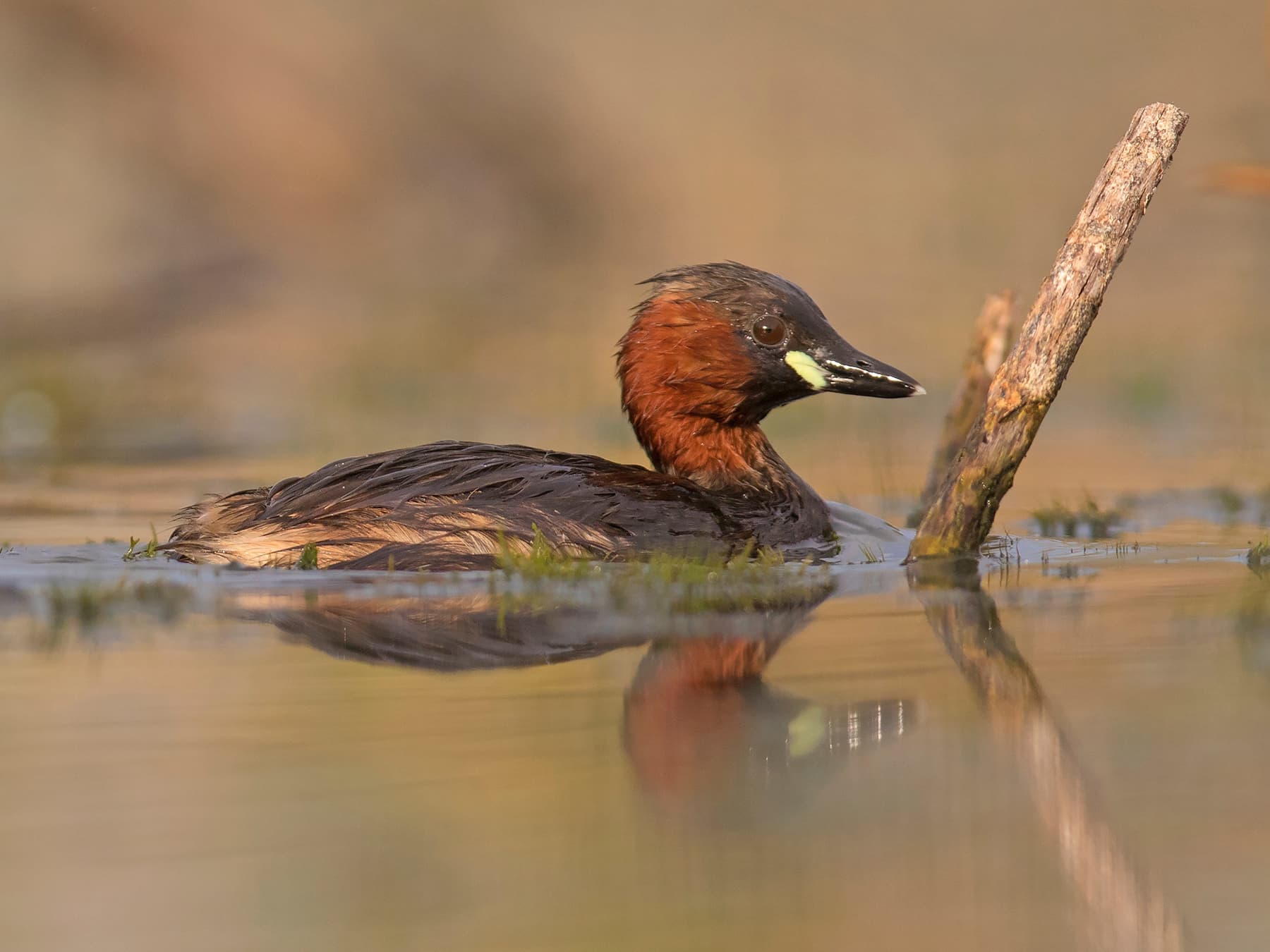 Little GrebeTachybaptus ruficollisWinter visitorCommon23–29 cmRegularly Aug–Jun · 0.43% in Mar
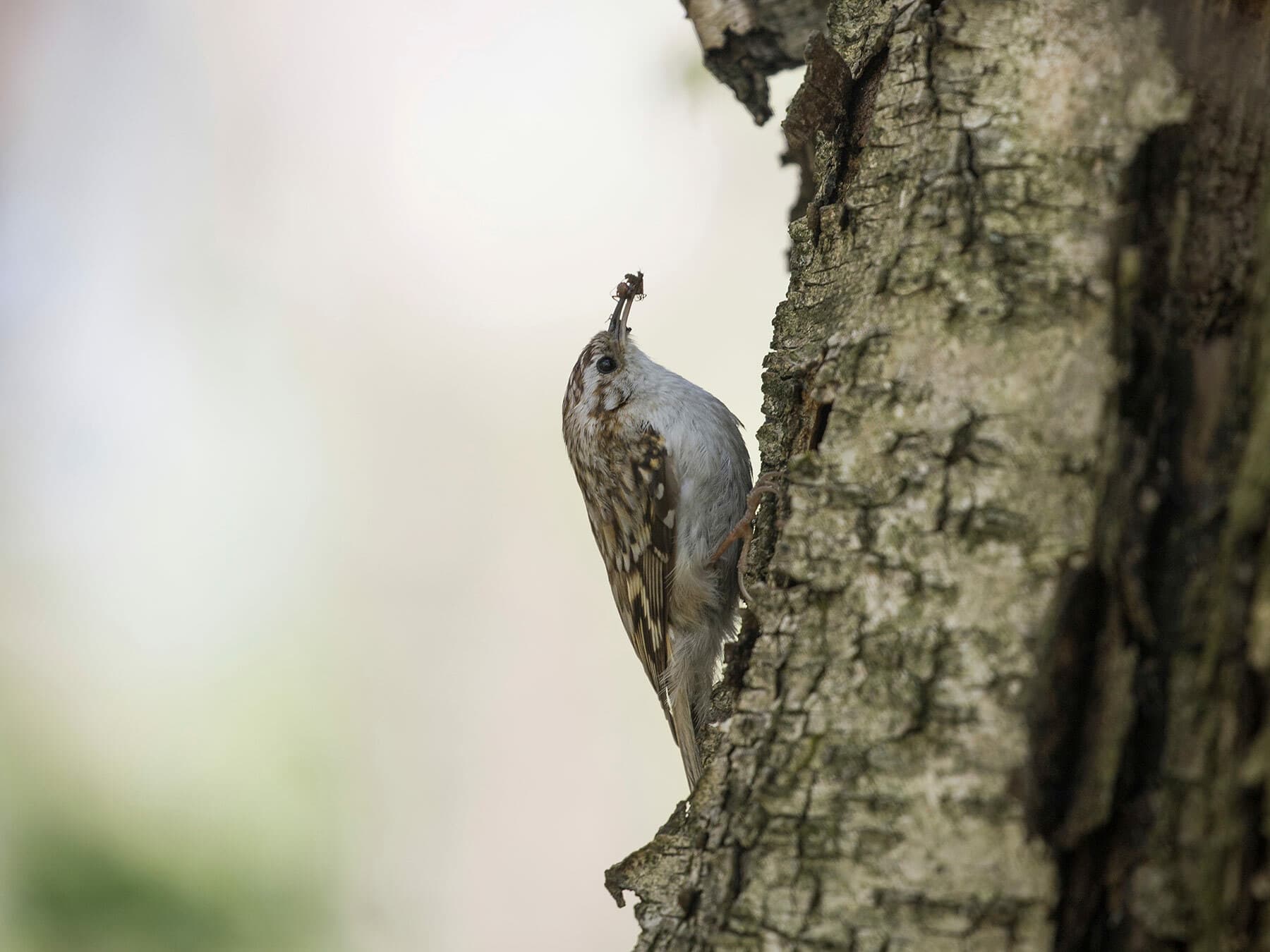 TreecreeperCerthia familiarisWinter visitorCommon12–14 cmRecorded all year · 0.38% in Mar
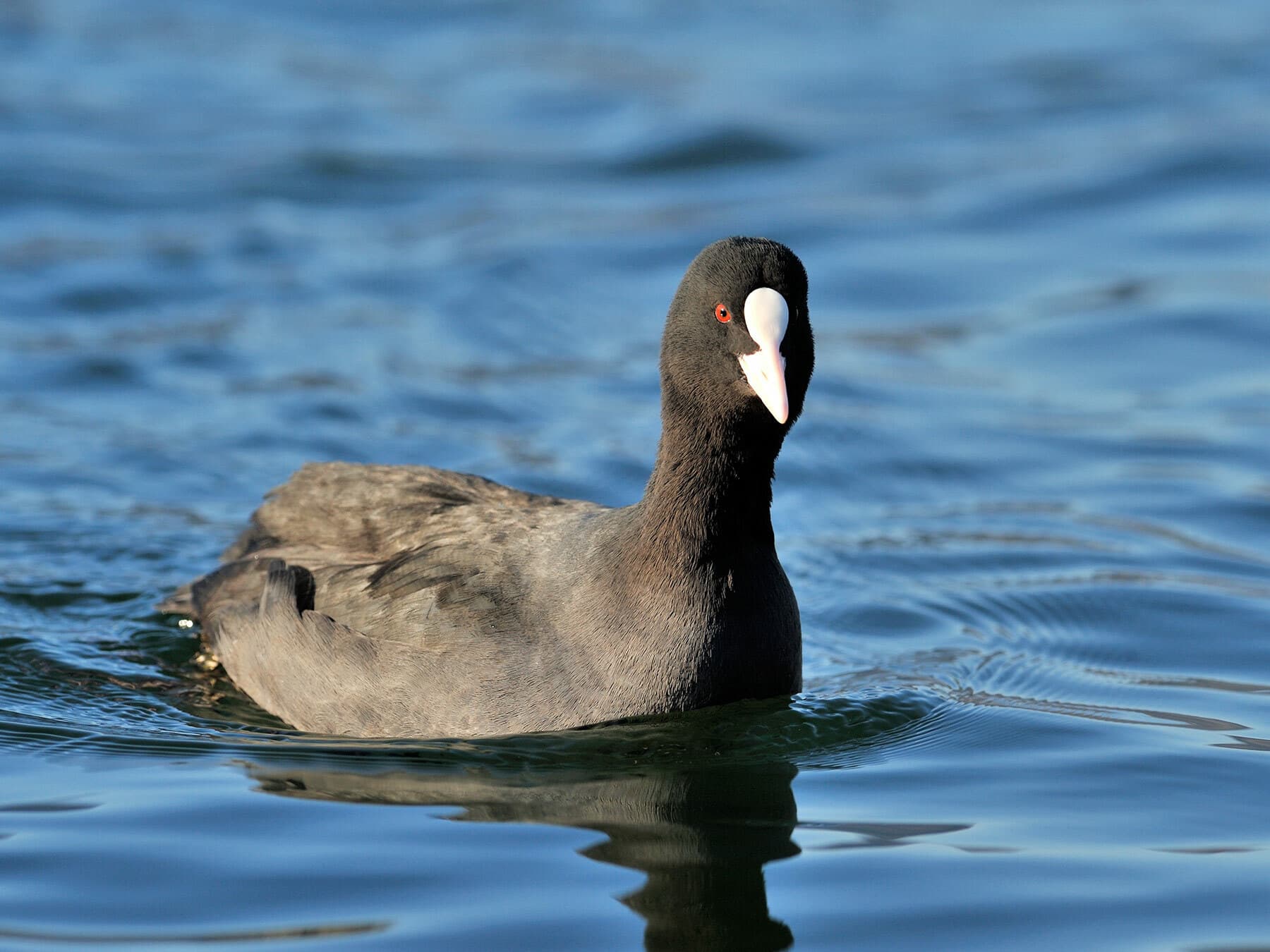 CootFulica atraResidentUncommon36–42 cmRegularly Jan–Aug · 0.36% in Mar
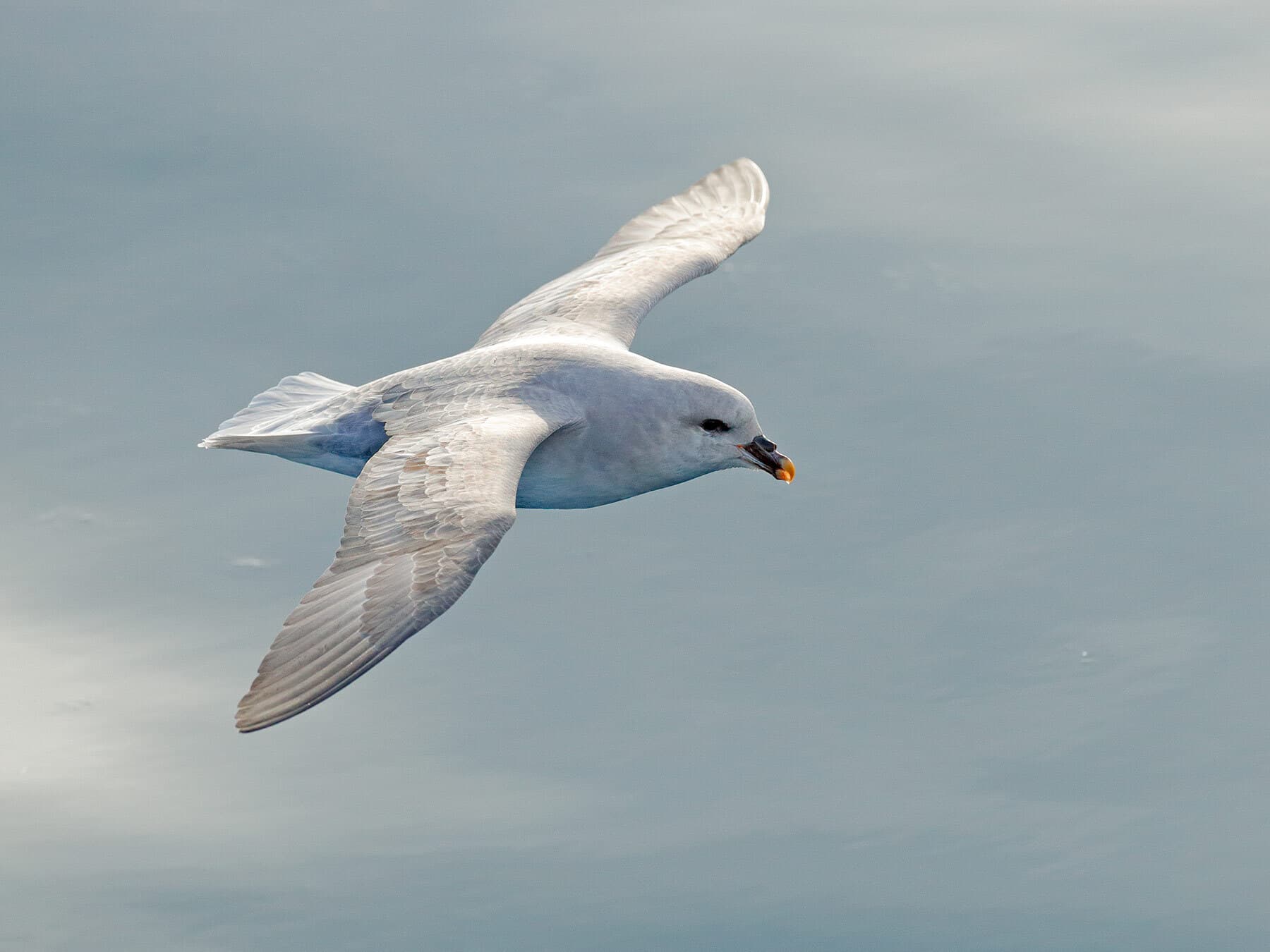 FulmarFulmarus glacialisSummer visitorCommon45–50 cmRegularly Feb–Oct · 0.36% in Mar
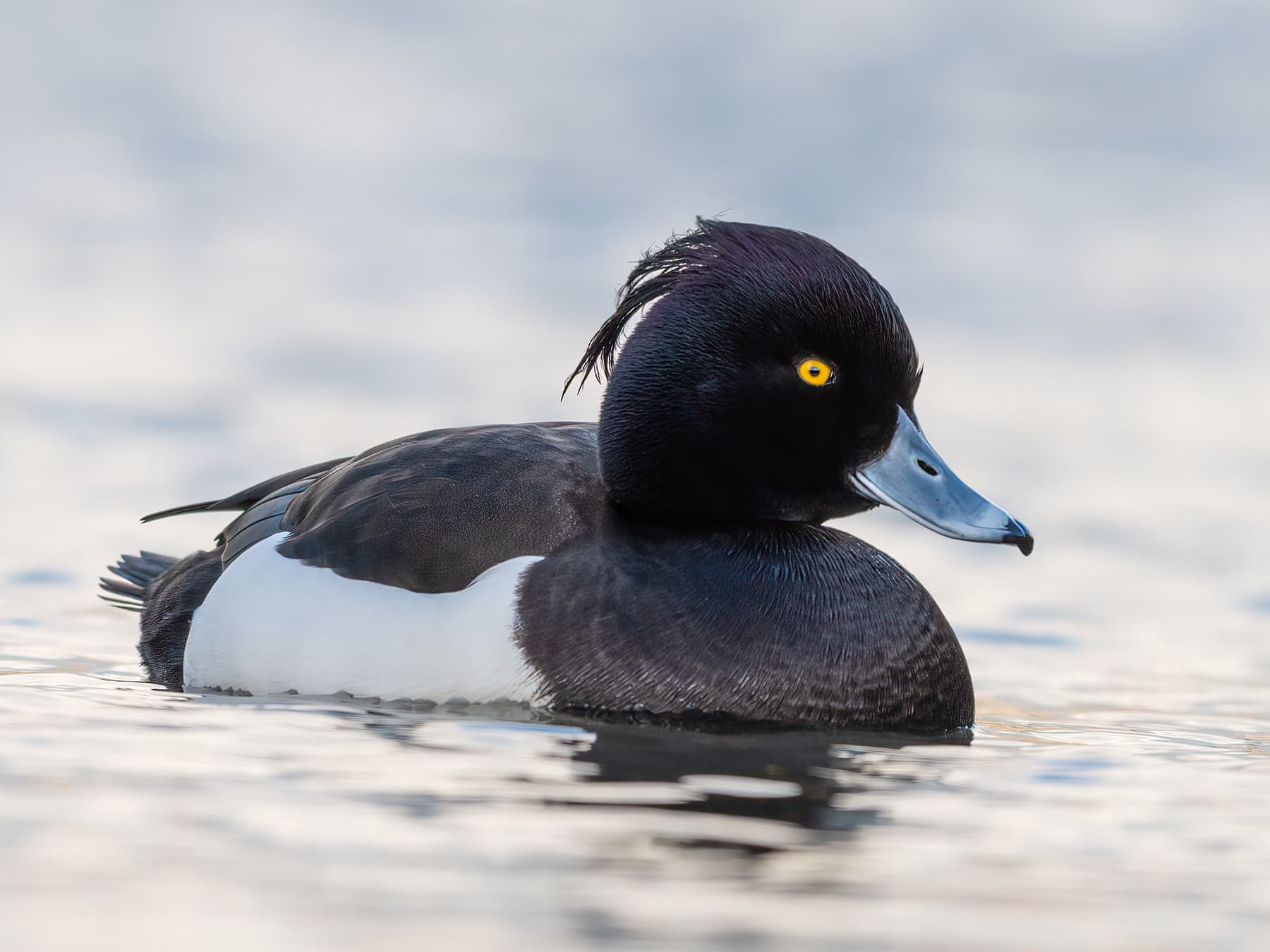 Tufted DuckAythya fuligulaResidentUncommon40–47 cmRegularly Dec–Oct · 0.36% in Mar
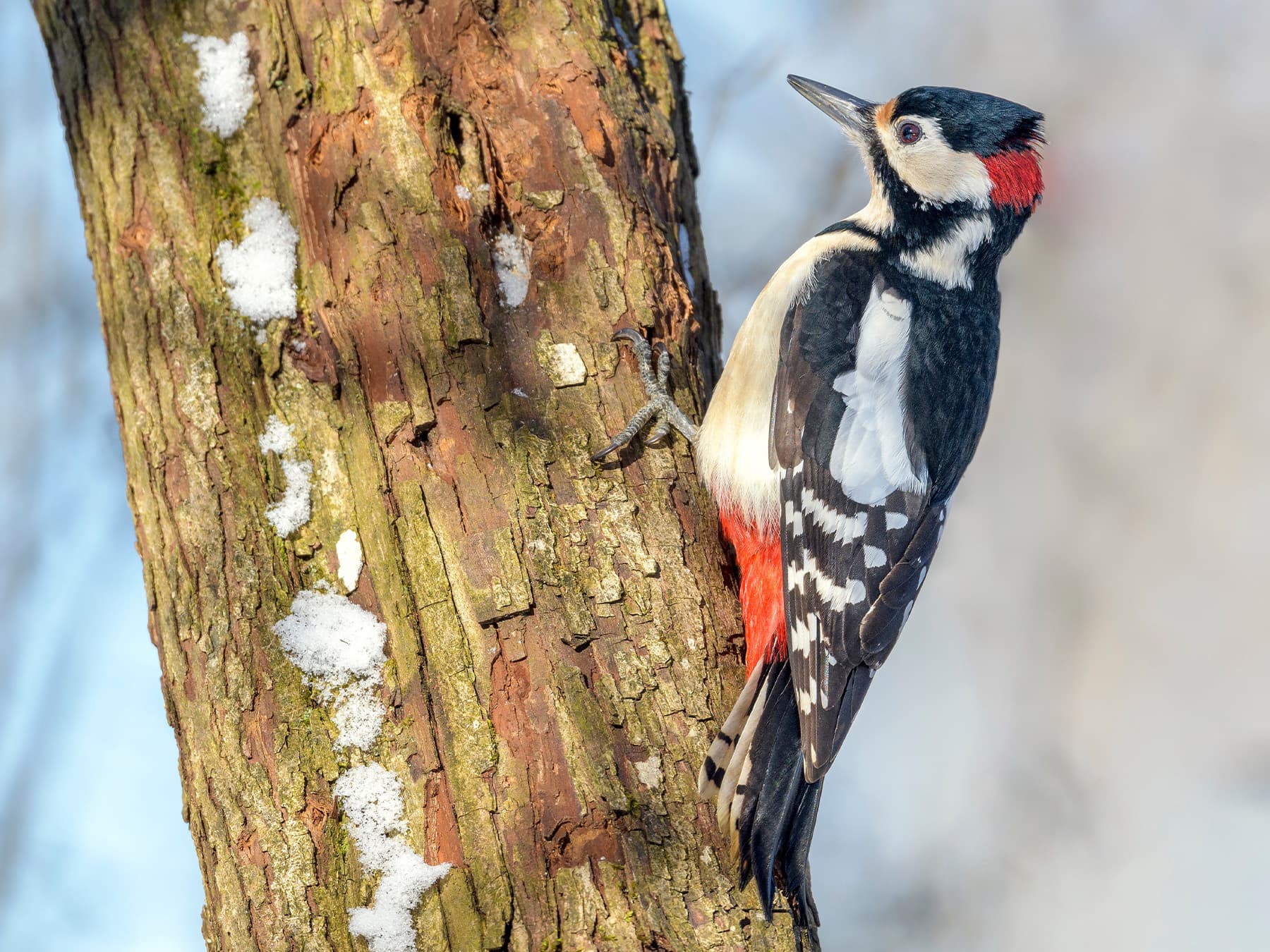 Great Spotted WoodpeckerDendrocopos majorWinter visitorCommon23–26 cmRegularly Sep–Jul · 0.33% in Mar
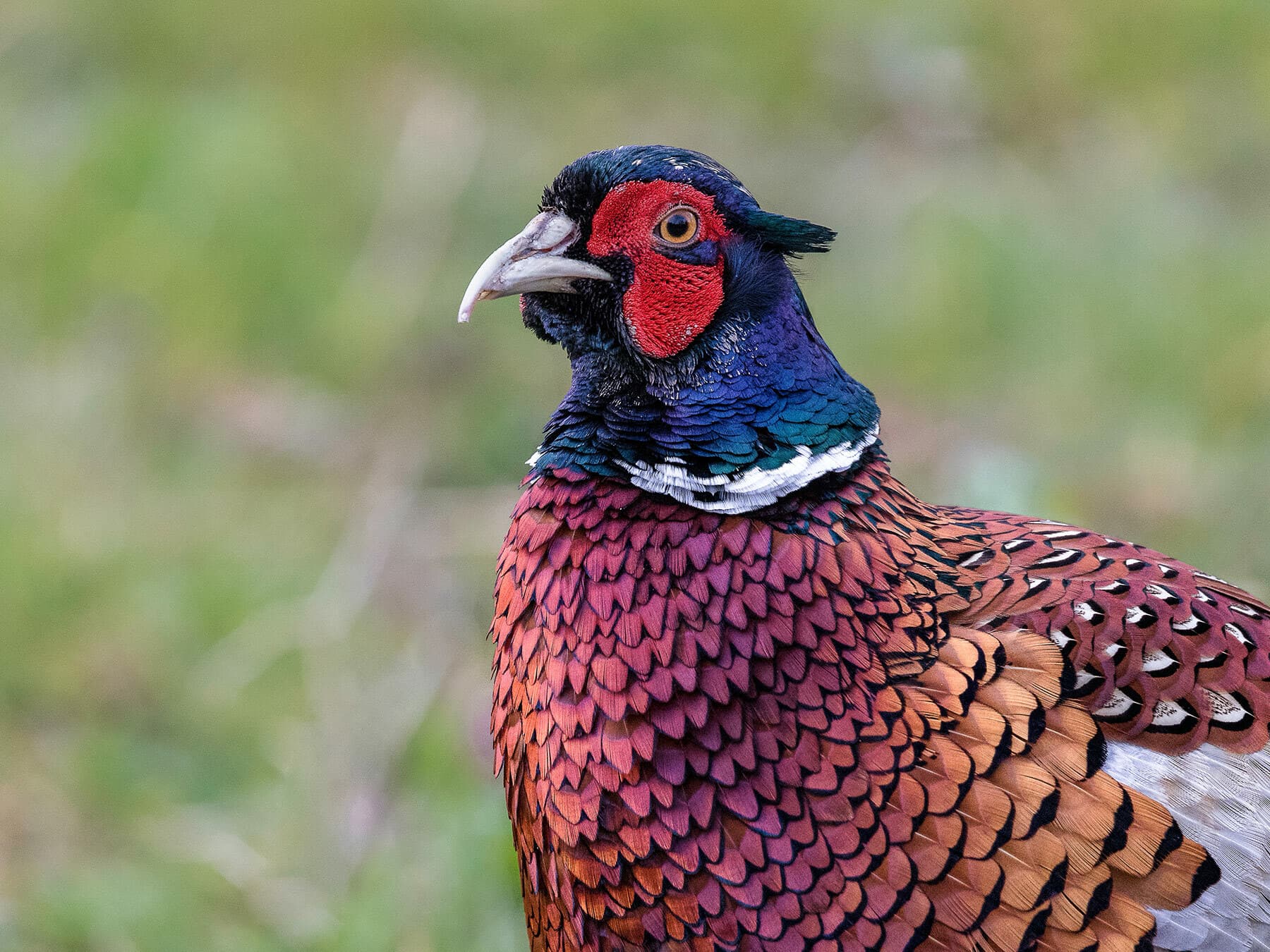 Common PheasantPhasianus colchicusResidentUncommon50–90 cmRegularly Aug–Jun · 0.27% in Mar
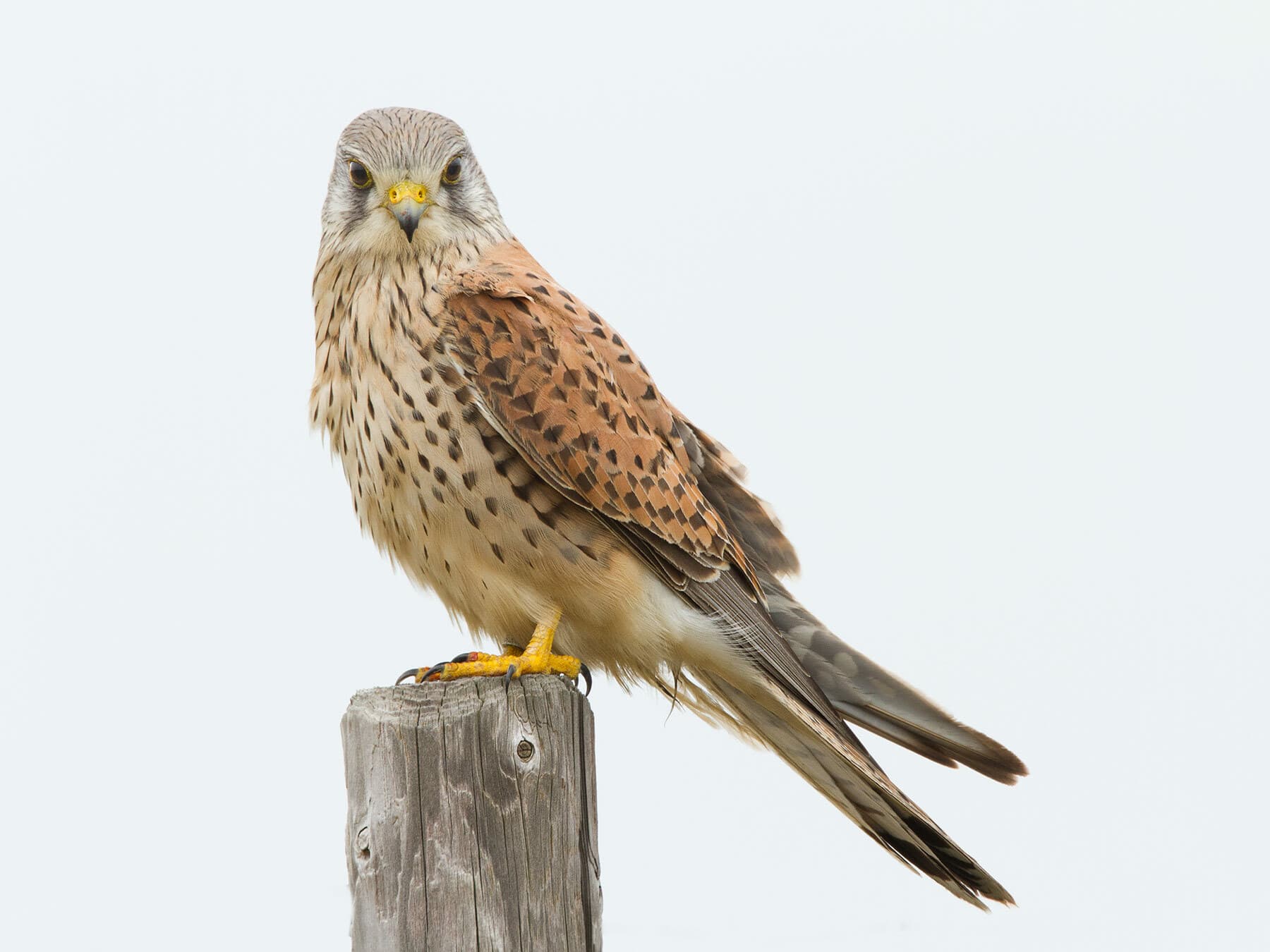 KestrelFalco tinnunculusResidentCommon32–39 cmRecorded all year · 0.27% in Mar
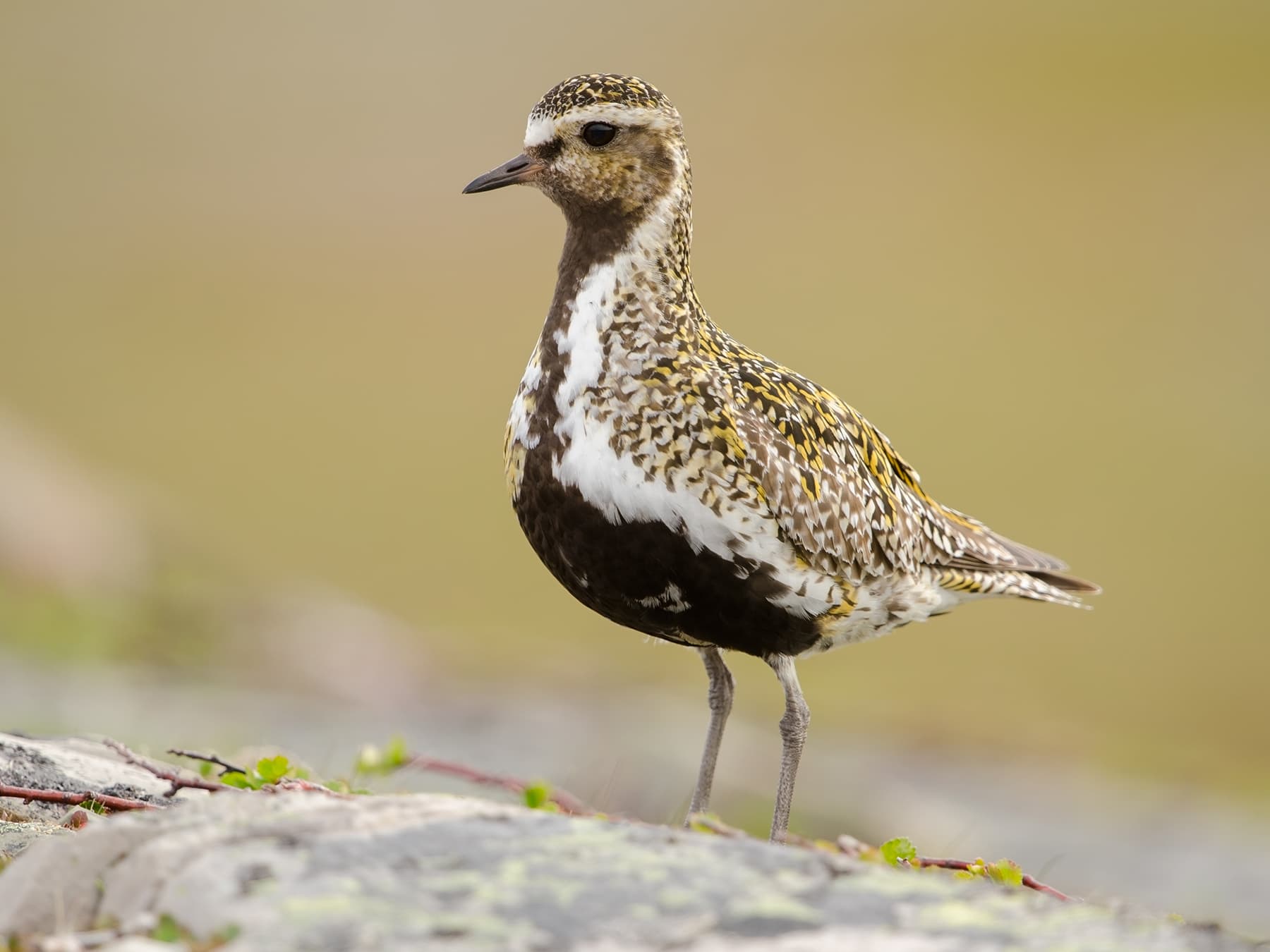 Golden PloverPluvialis apricariaPassage migrantUncommon26–29 cmRegularly Mar–Sep · 0.25% in Mar
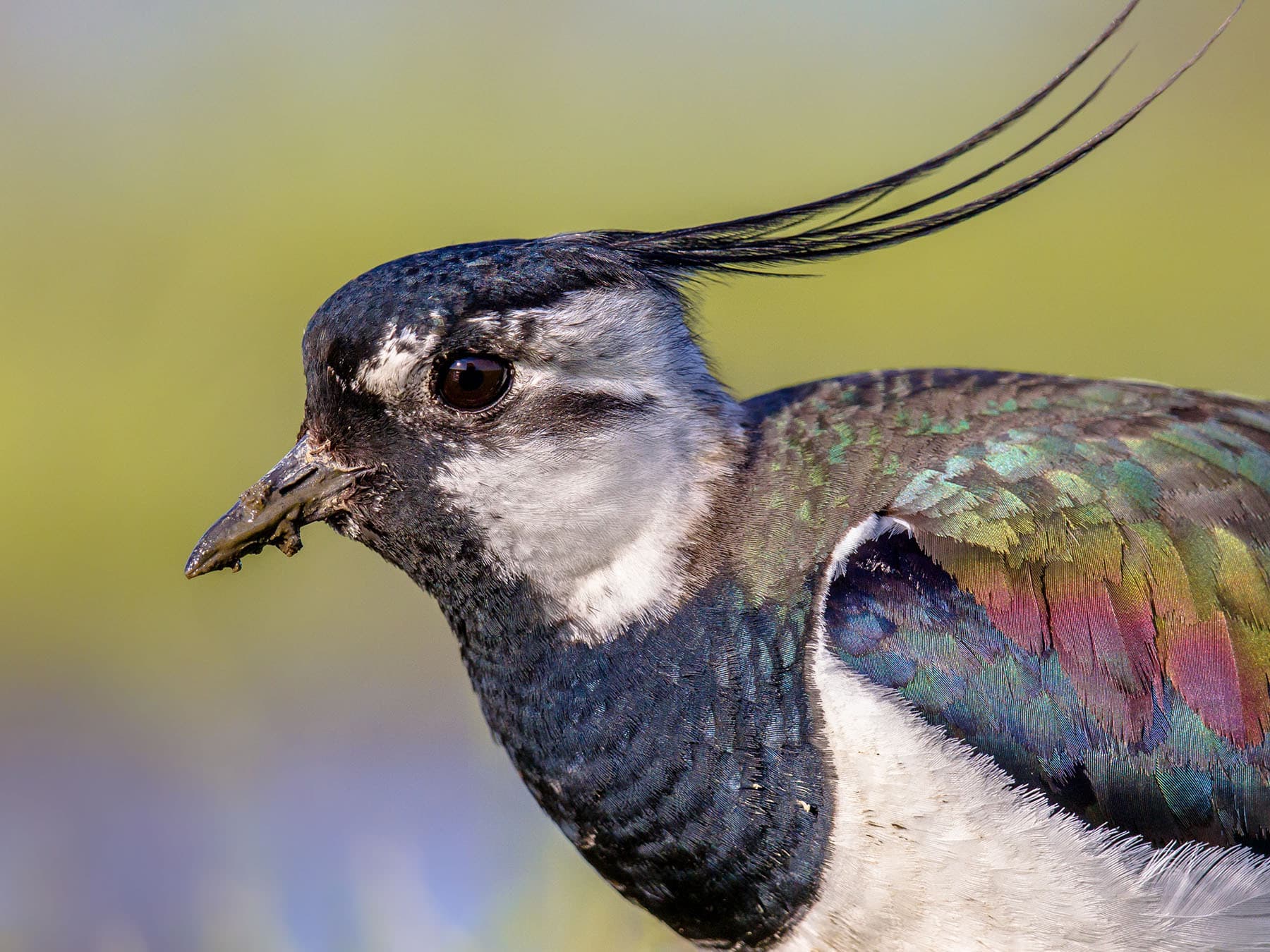 Northern LapwingVanellus vanellusSummer visitorUncommon28–31 cmRegularly Jan–Aug · 0.25% in Mar
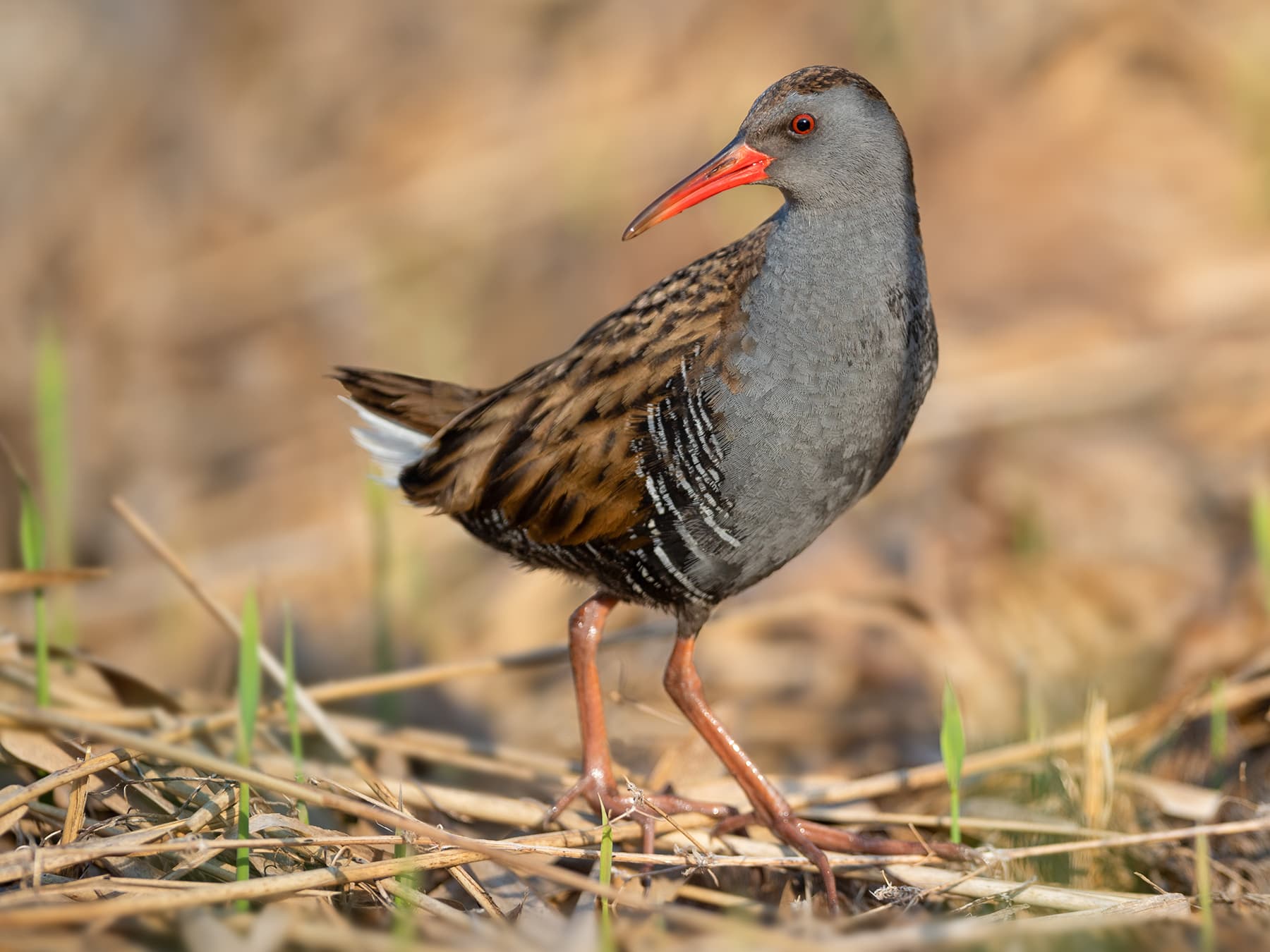 Water RailRallus aquaticusWinter visitorUncommon23–28 cmRegularly Oct–Jun · 0.24% in Mar
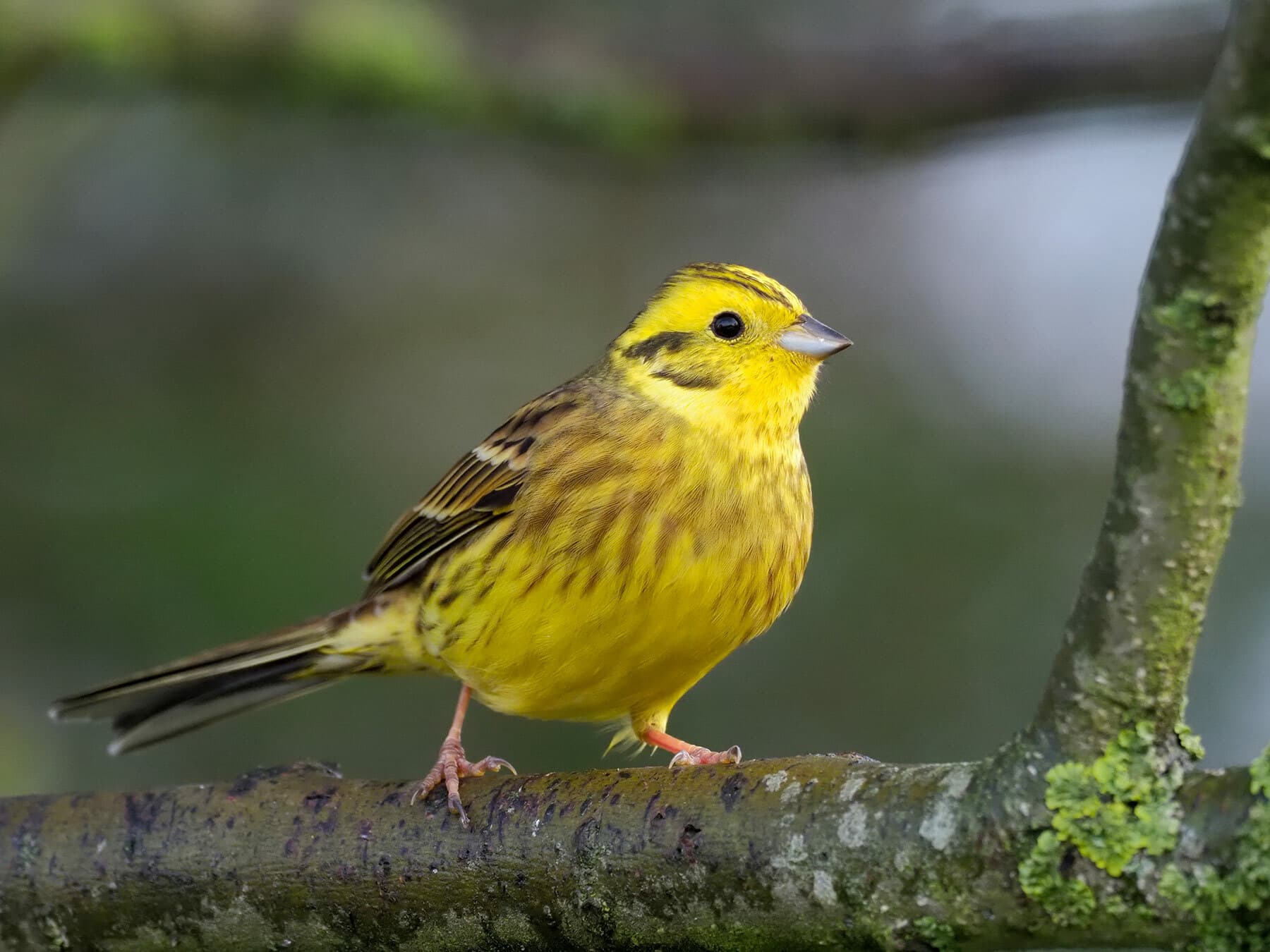 YellowhammerEmberiza citrinellaSummer visitorCommon16–17 cmRegularly Nov–Aug · 0.24% in Mar
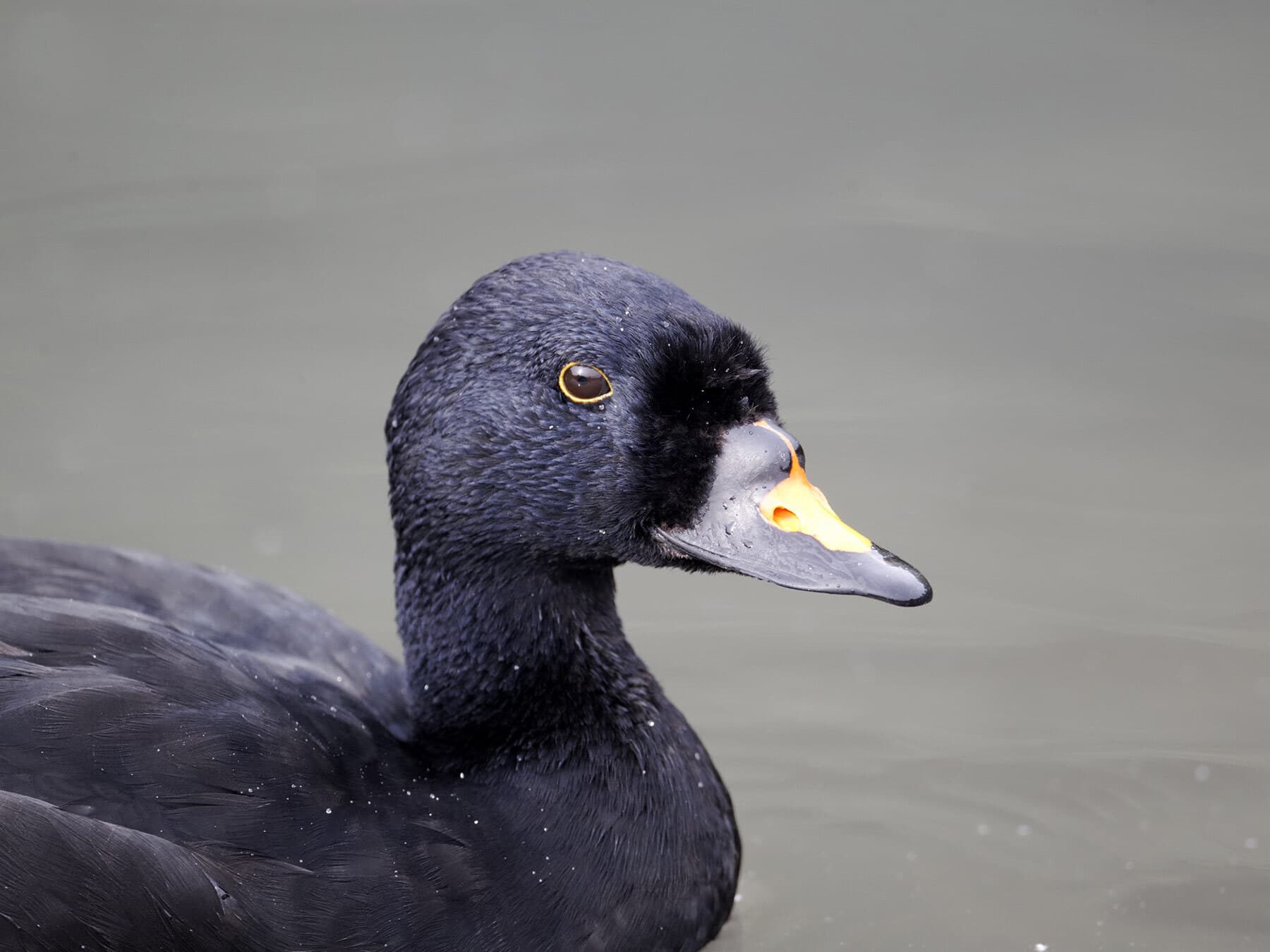 Common ScoterMelanitta nigraResidentCommon43–54 cmRecorded all year · 0.22% in Mar
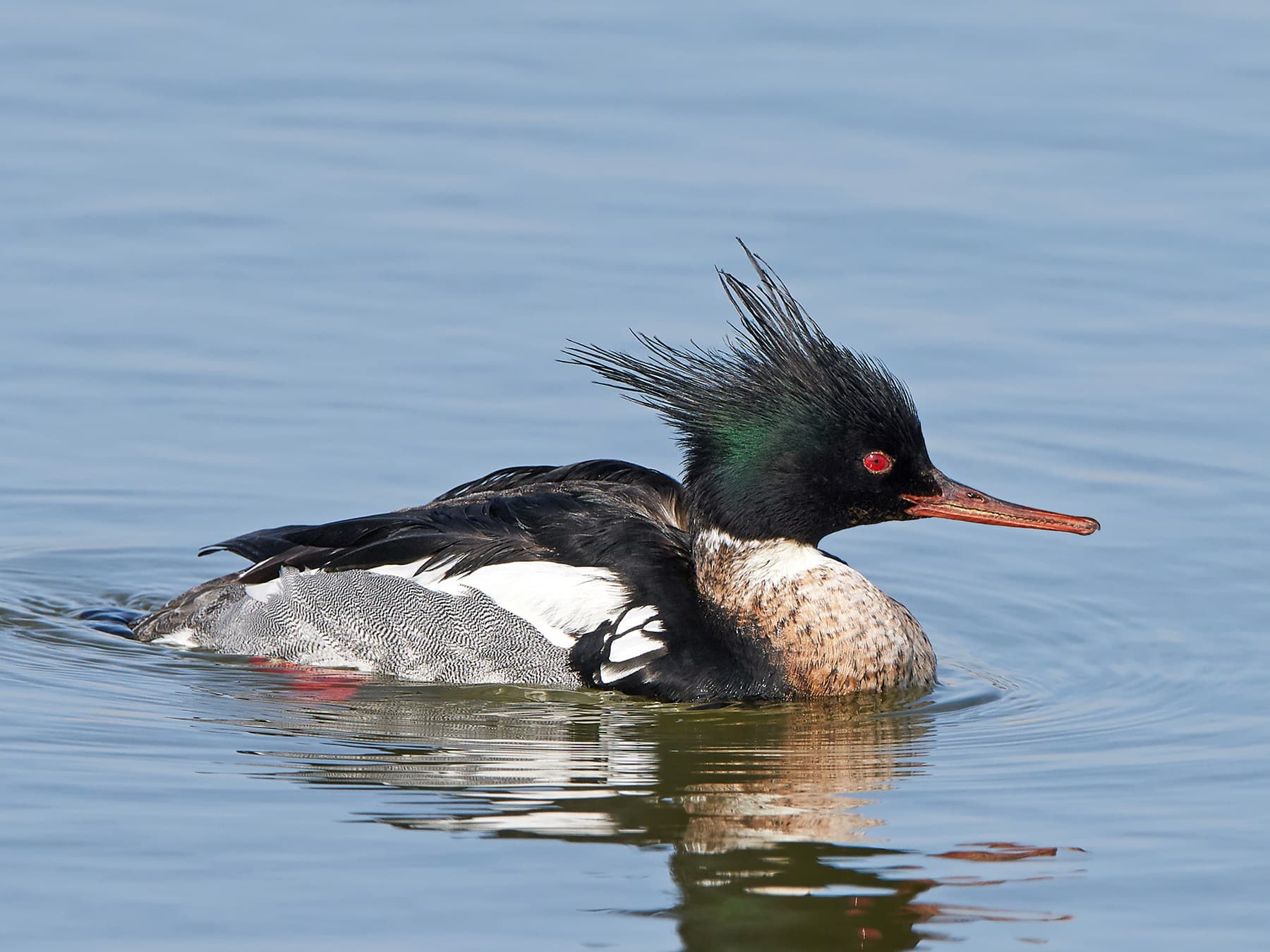 Red-breasted MerganserMergus serratorWinter visitorCommon52–58 cmRecorded all year · 0.21% in Mar
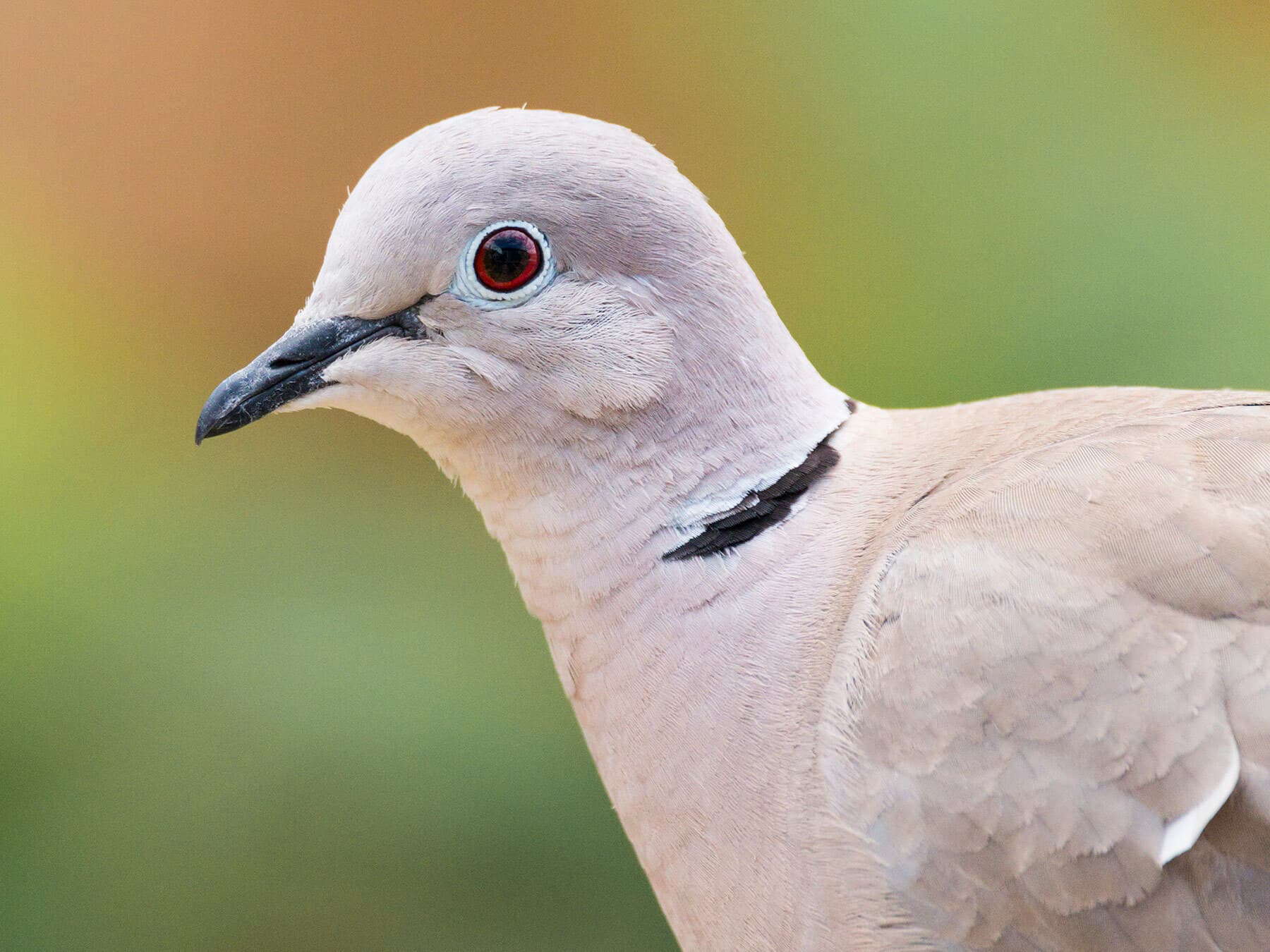 Eurasian Collared DoveStreptopelia decaoctoSummer visitorCommon30–32 cmRegularly Jan–Oct · 0.17% in Mar
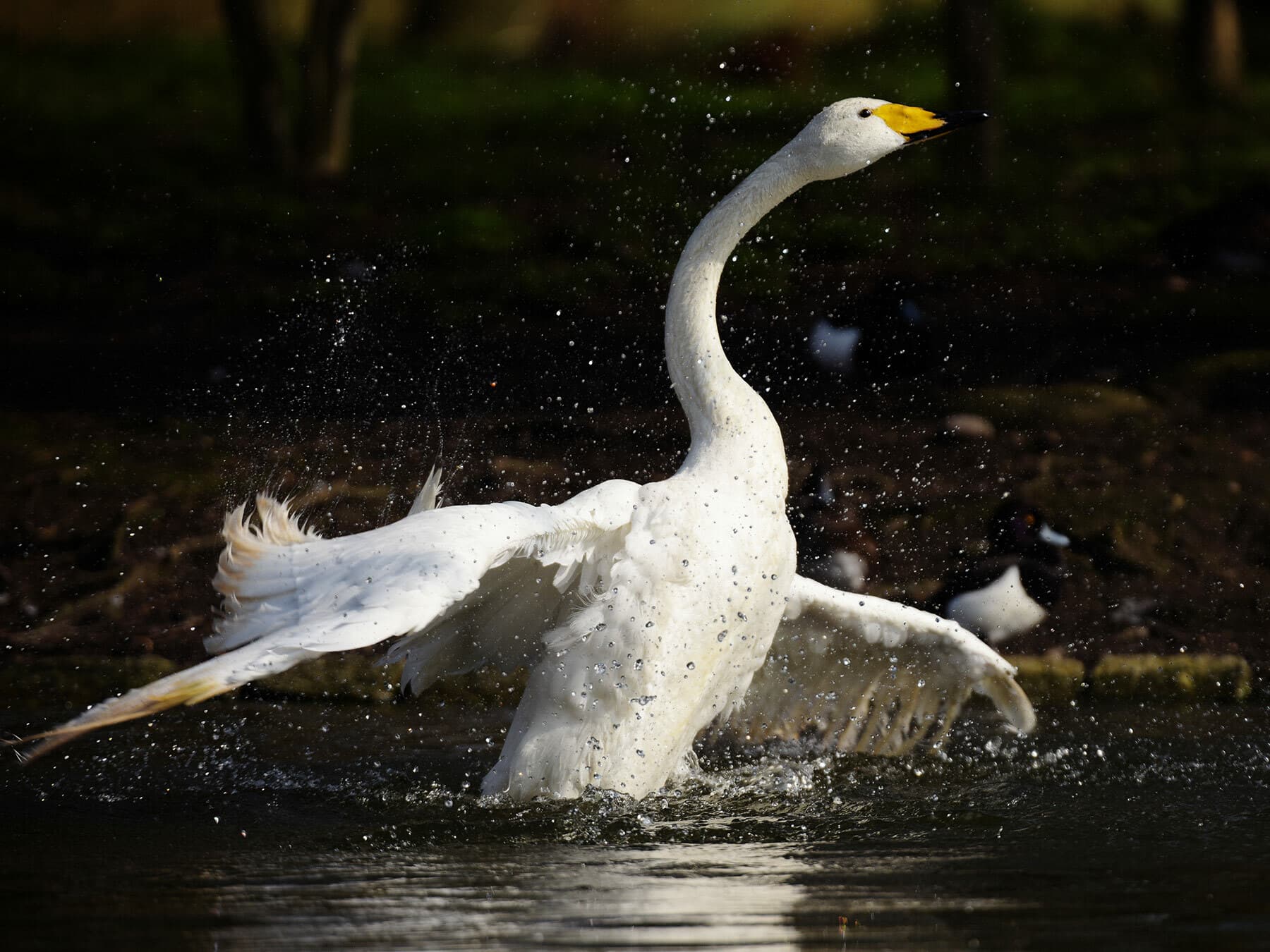 Whooper SwanCygnus cygnusWinter visitorUncommon140–165 cmRegularly Sep–Jul · 0.17% in Mar
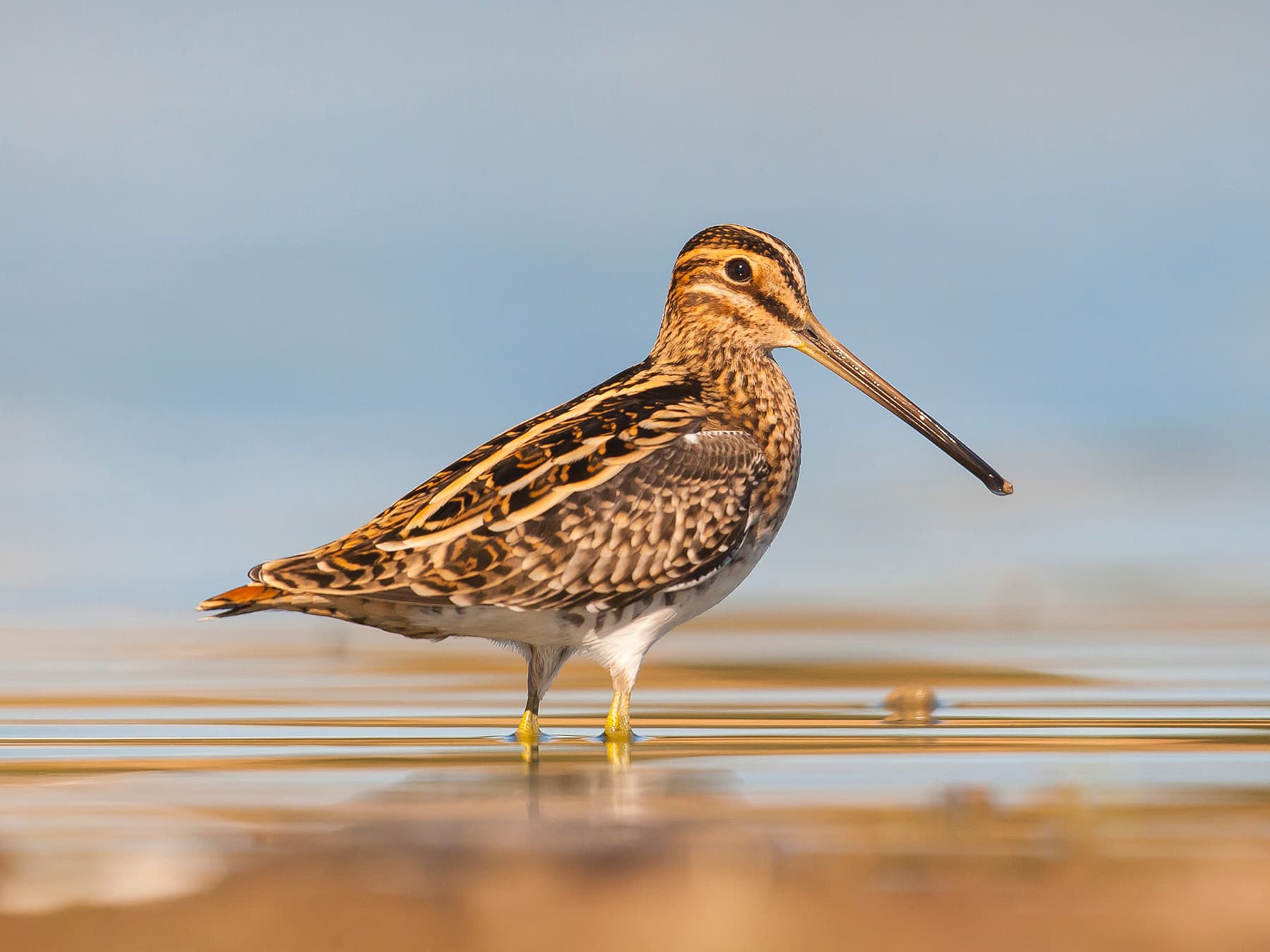 Common SnipeGallinago gallinagoWinter visitorUncommon25–27 cmRegularly Aug–Apr · 0.14% in Mar
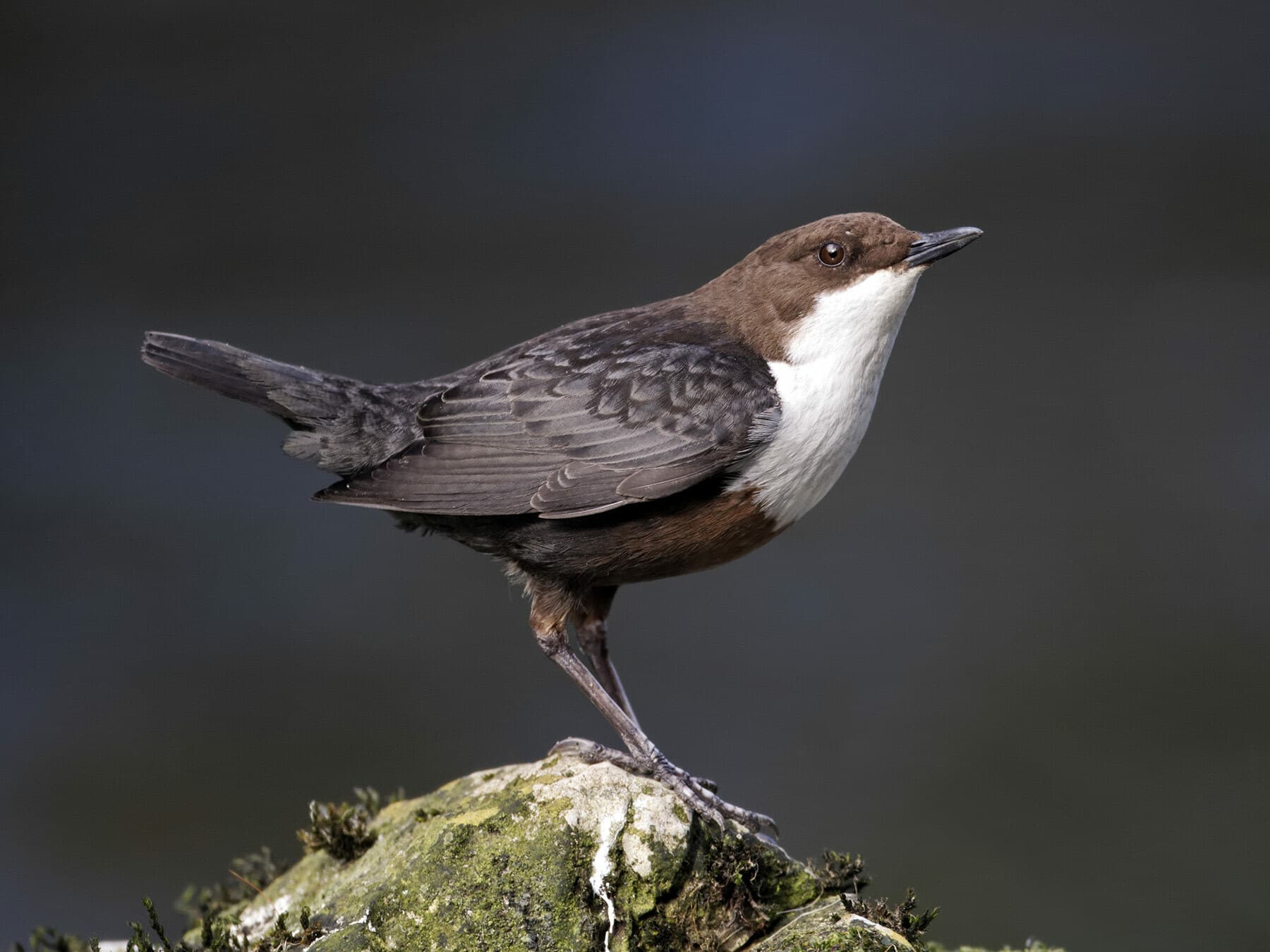 DipperCinclus cinclusWinter visitorCommon17–20 cmRegularly Oct–Aug · 0.14% in Mar
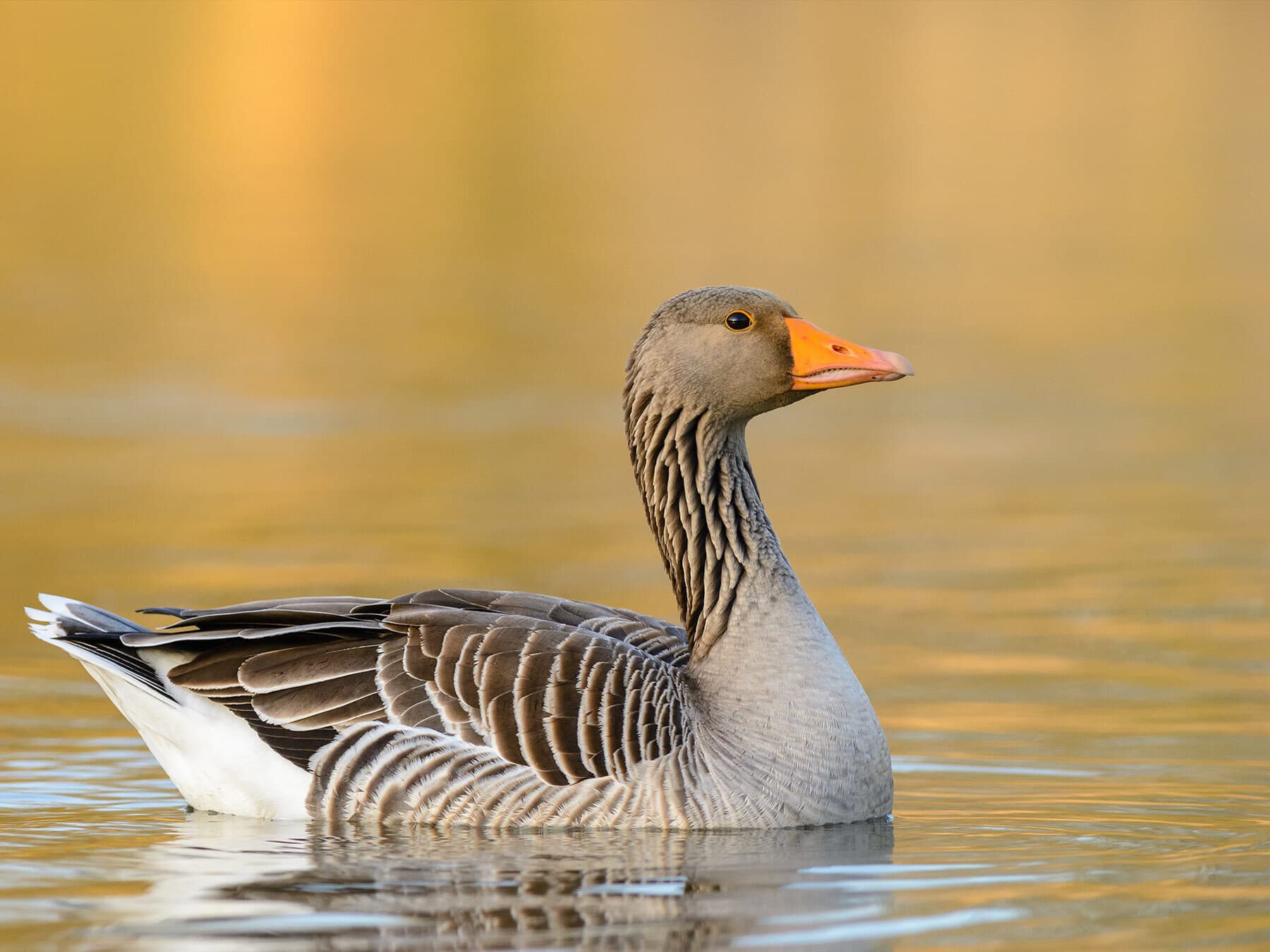 Greylag GooseAnser anserResidentUncommon75–90 cmRegularly Oct–May · 0.14% in Mar
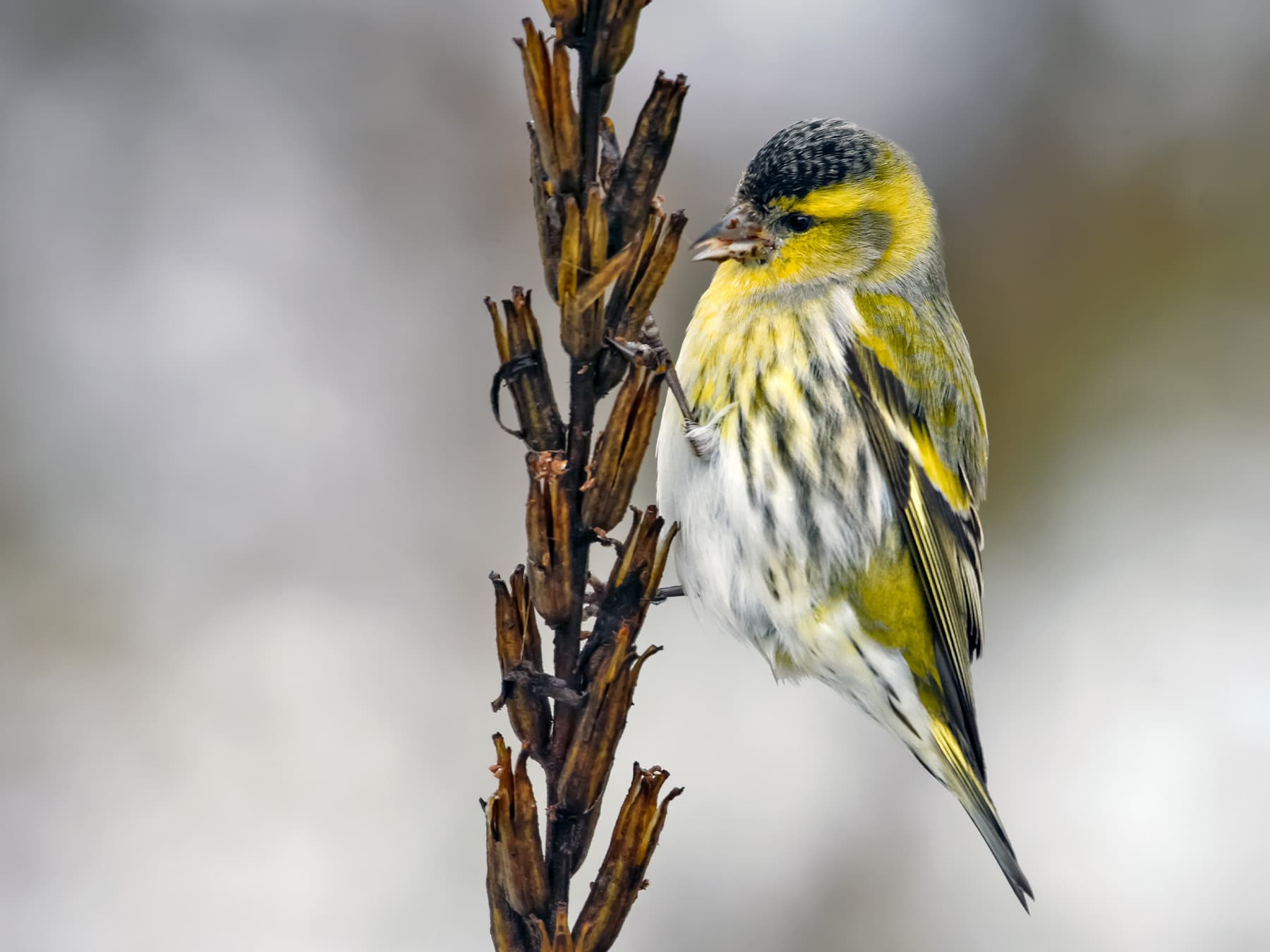 Eurasian SiskinSpinus spinusWinter visitorCommon11–13 cmRegularly May–Mar · 0.13% in Mar
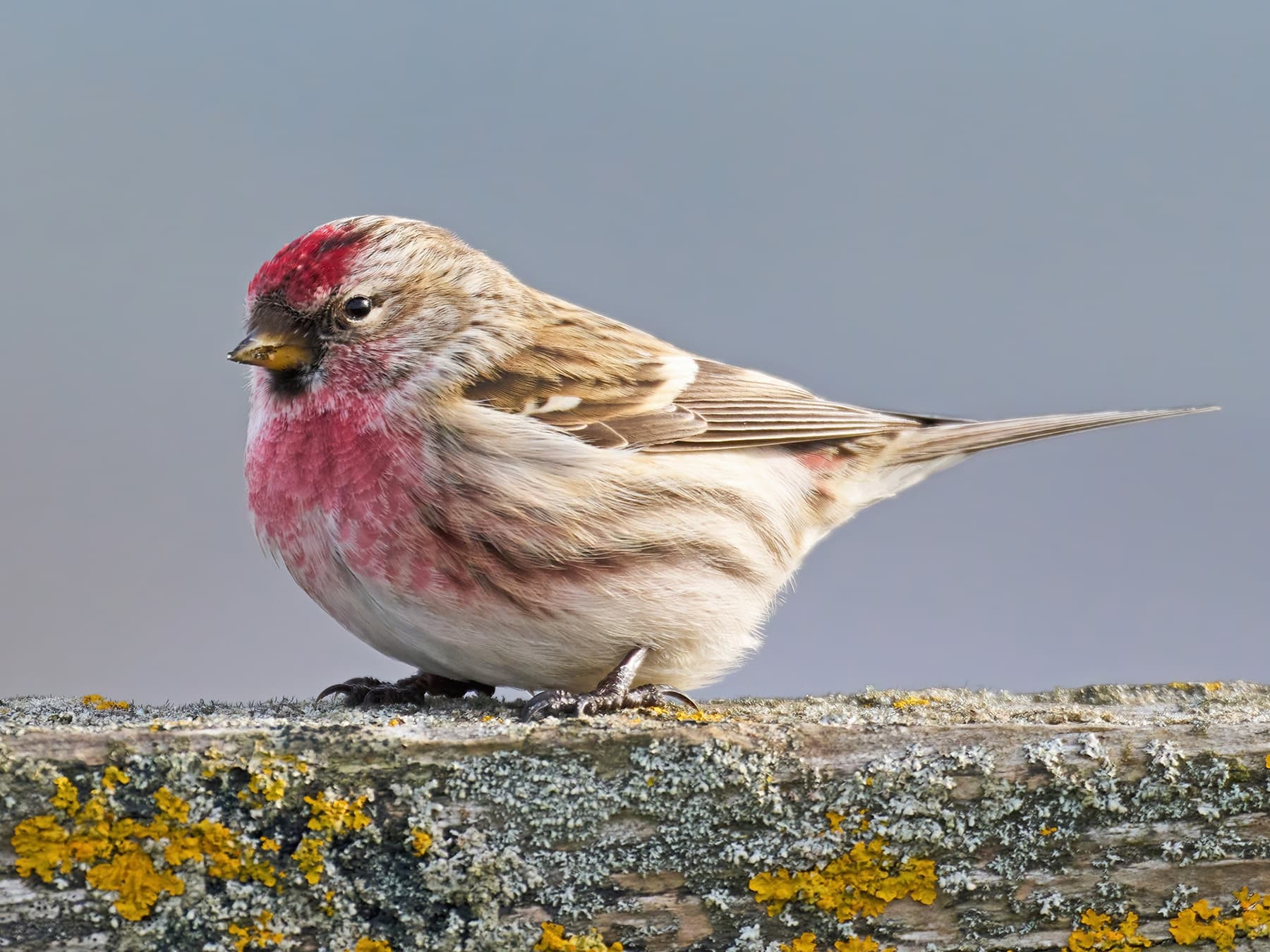 Common RedpollAcanthis flammeaResidentUncommon12–14 cmRegularly Oct–Jun · 0.11% in Mar
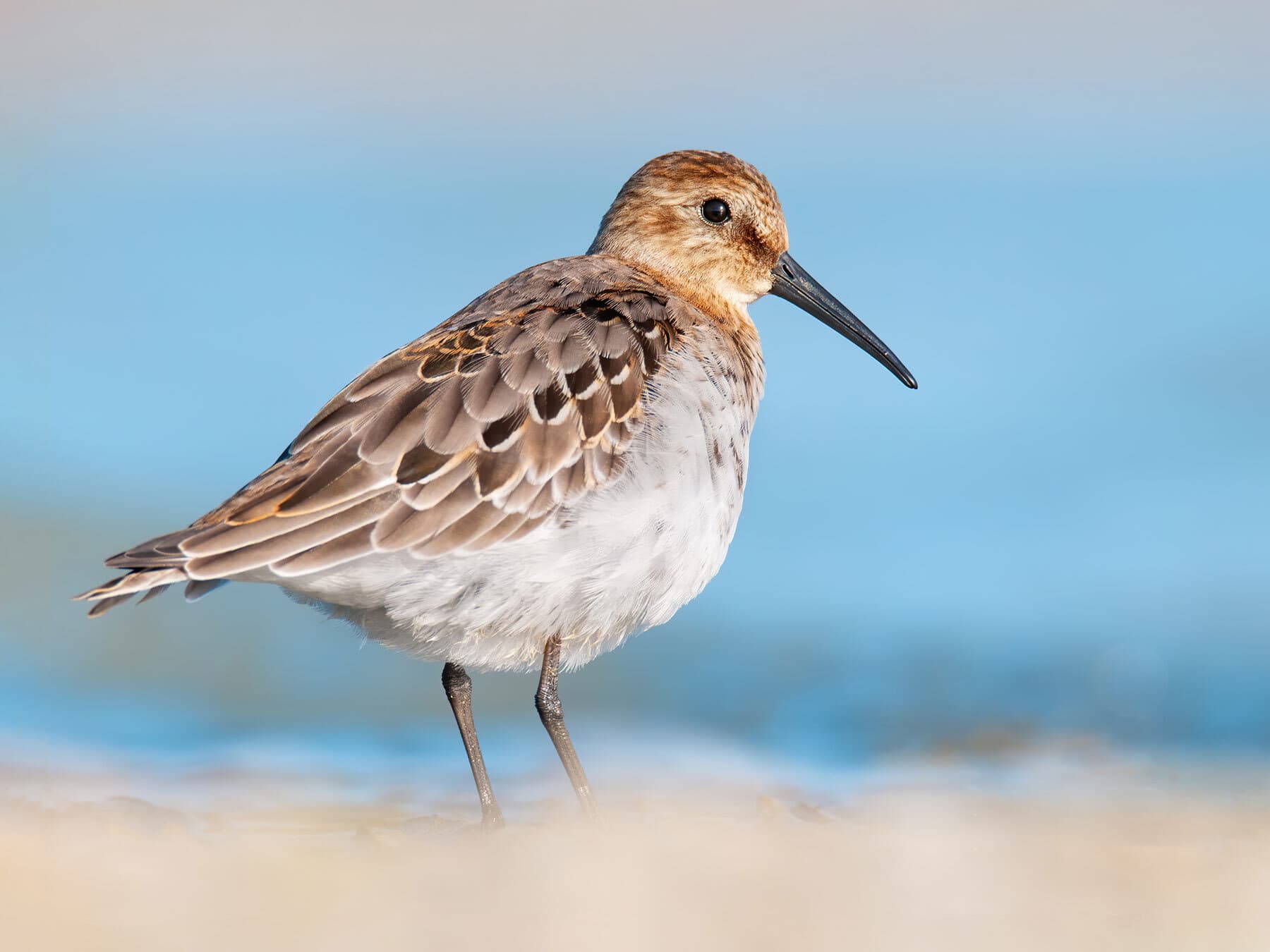 DunlinCalidris alpinaSummer visitorCommon16–22 cmRegularly Mar–Dec · 0.09% in Mar
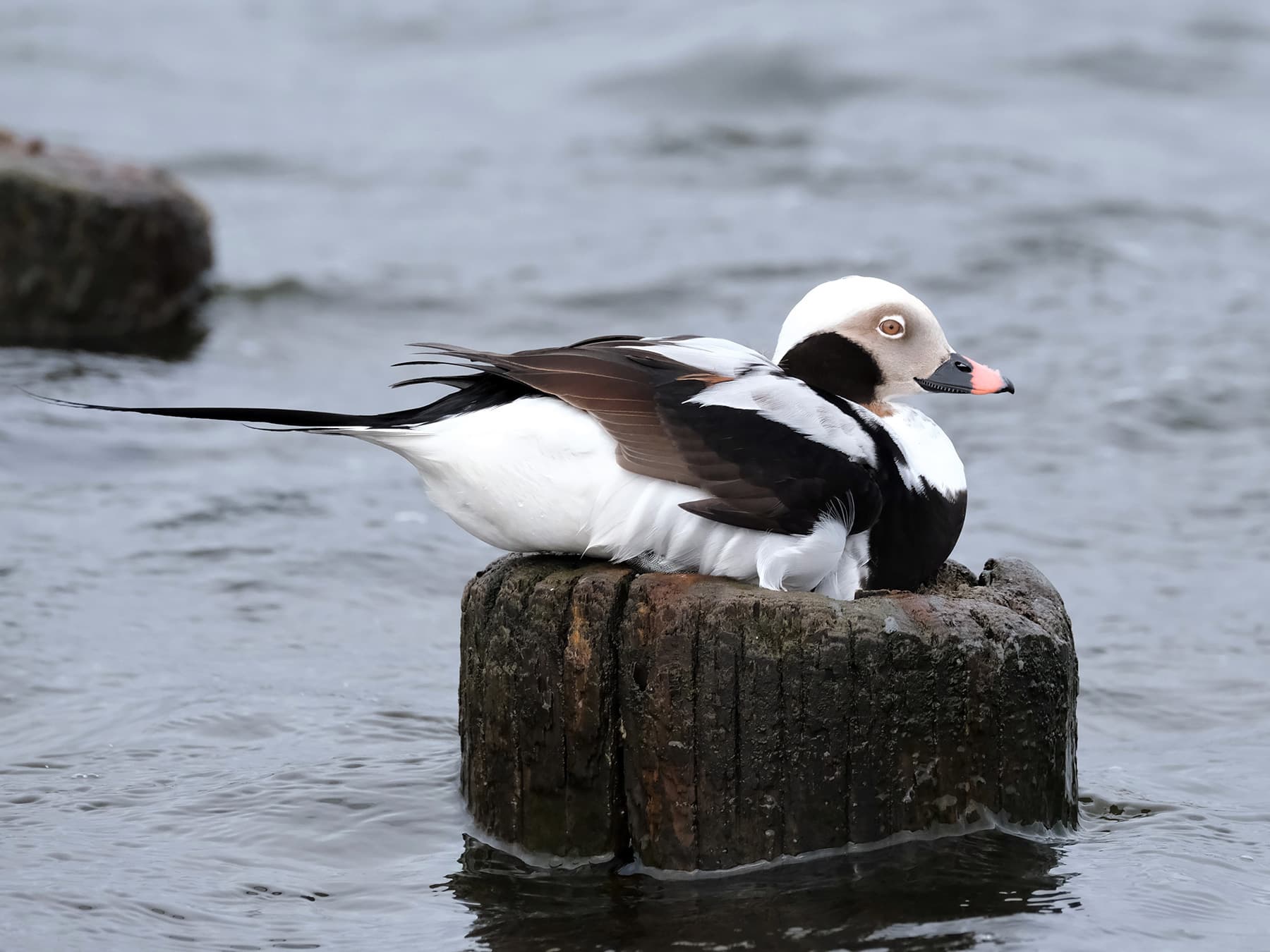 Long-tailed DuckClangula hyemalisWinter visitorUncommon37–60 cmRegularly Oct–Mar · 0.09% in Mar
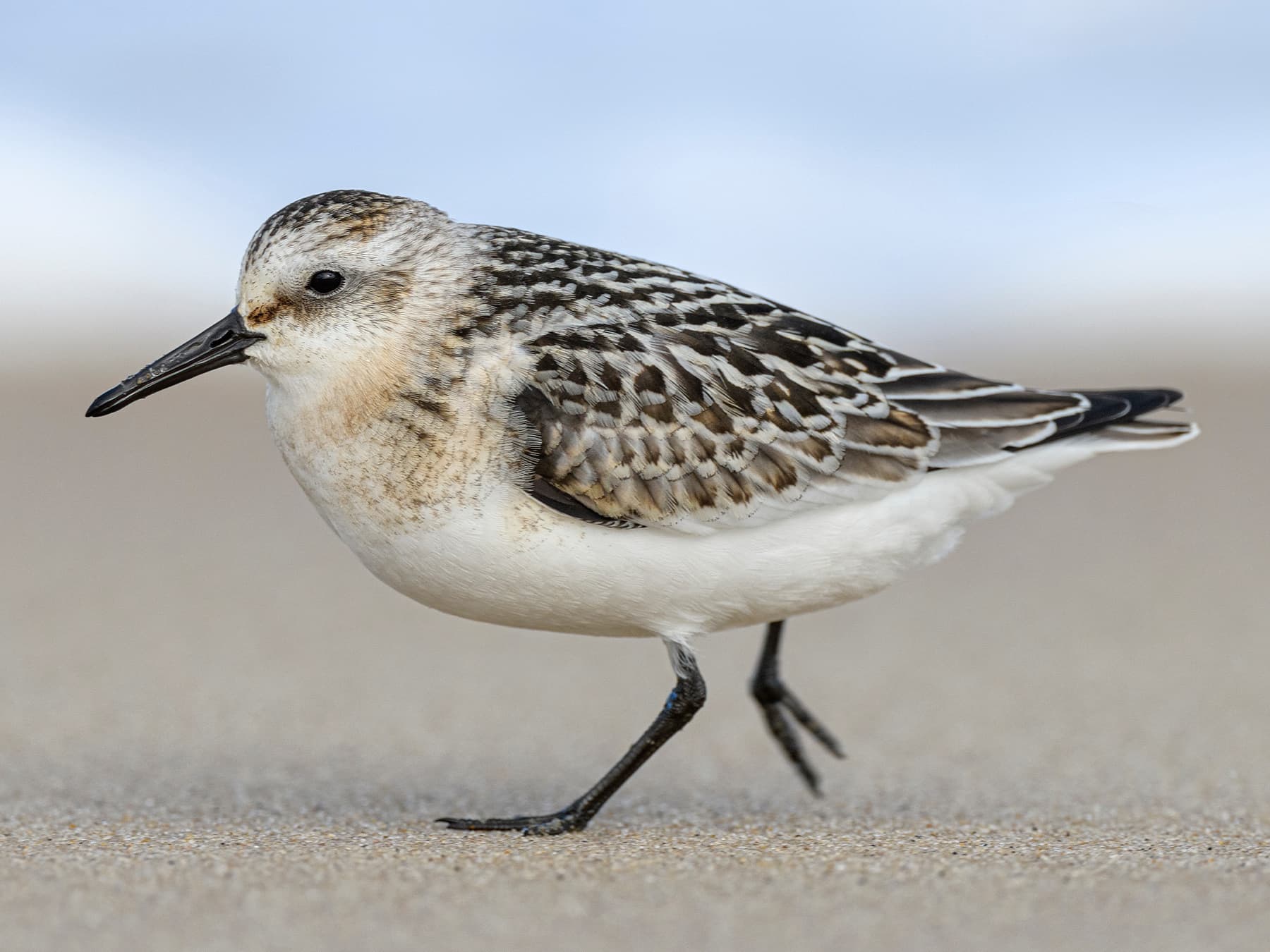 SanderlingCalidris albaWinter visitorUncommon18–20 cmRegularly May–Mar · 0.09% in Mar
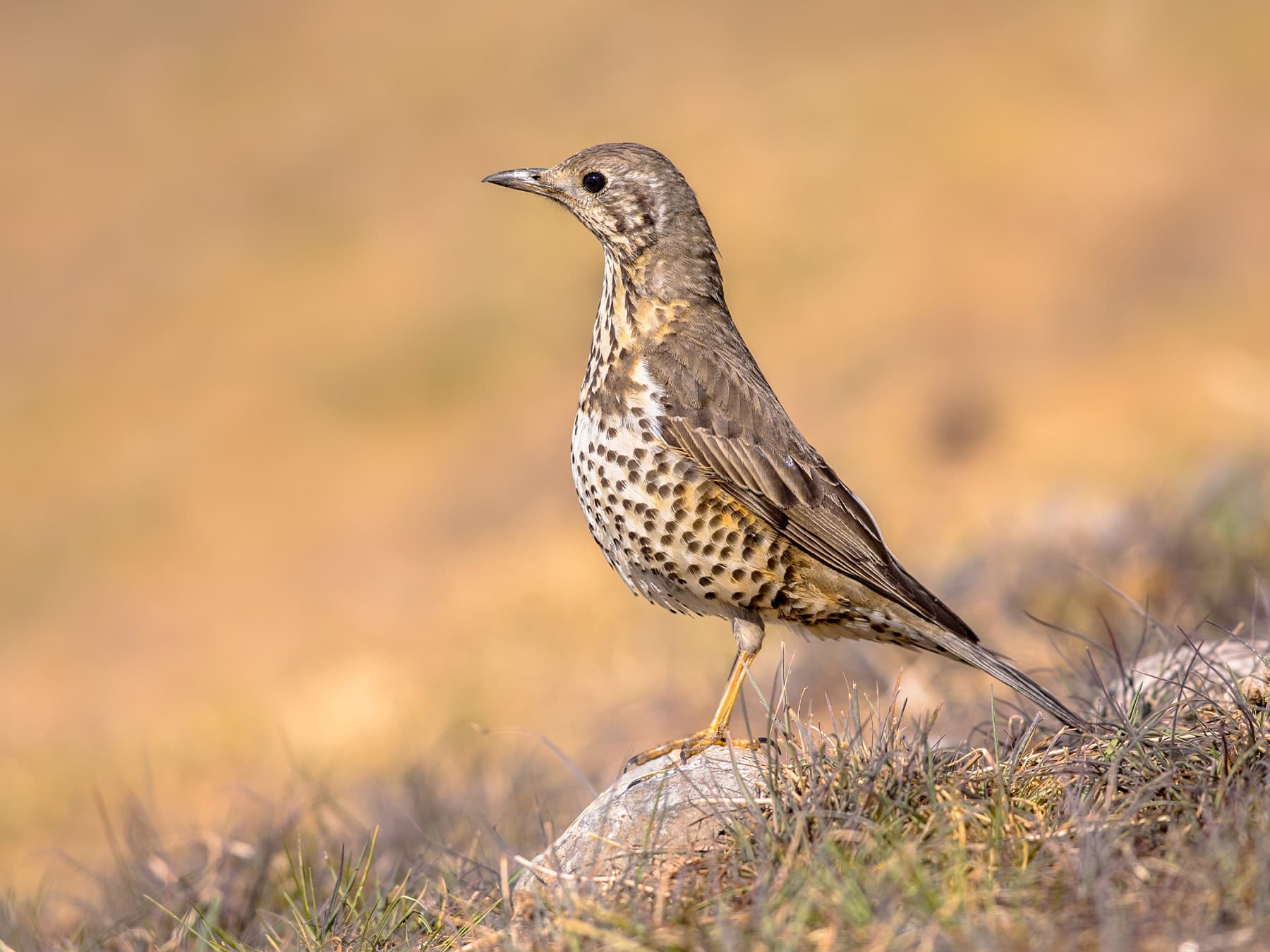 Mistle ThrushTurdus viscivorusWinter visitorUncommon26–29 cmRegularly Oct–Jun · 0.08% in Mar
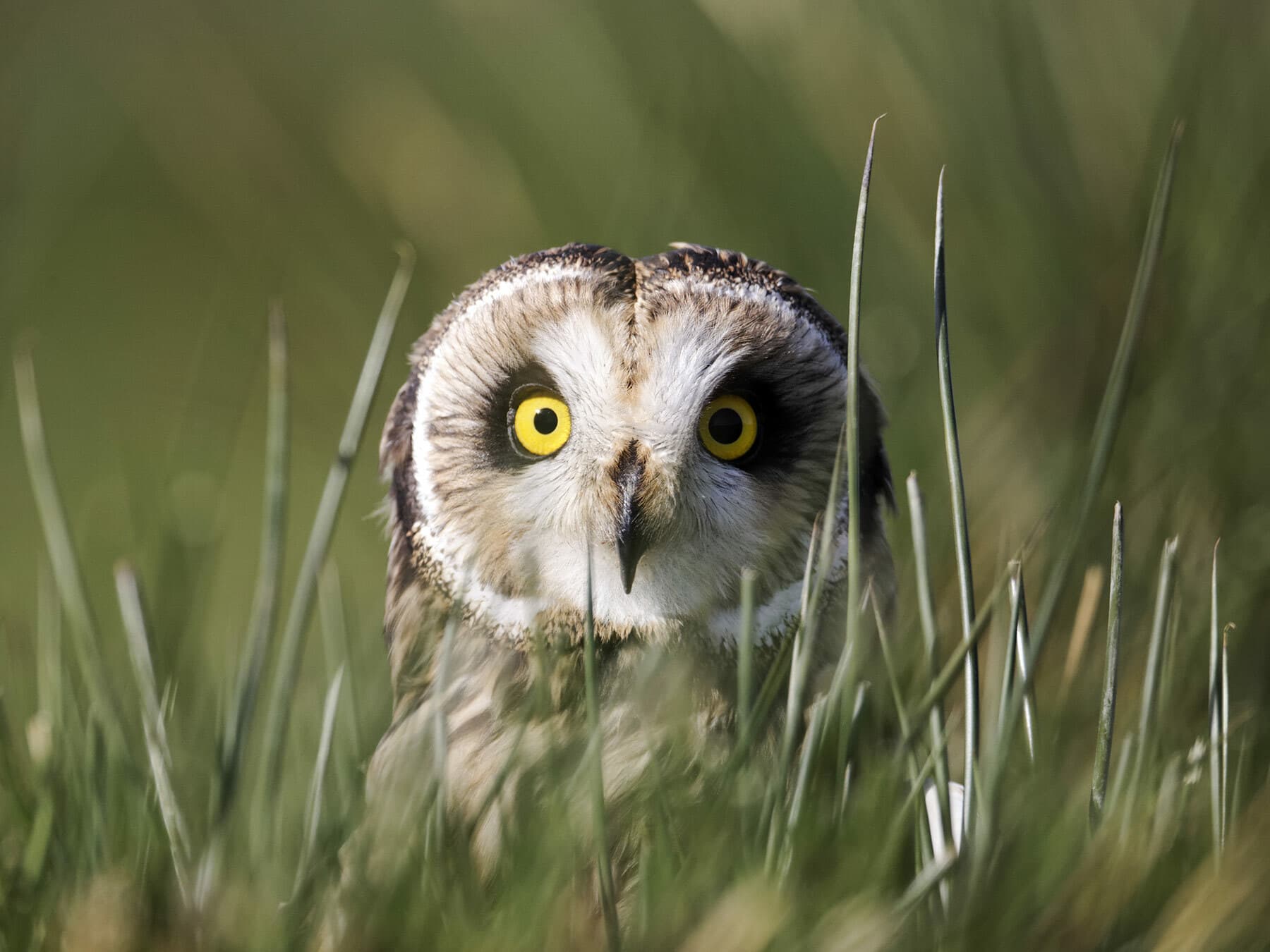 Short-eared OwlAsio flammeusPassage migrantUncommon34–43 cmRegularly Nov–Jul · records held back in Mar (protected)
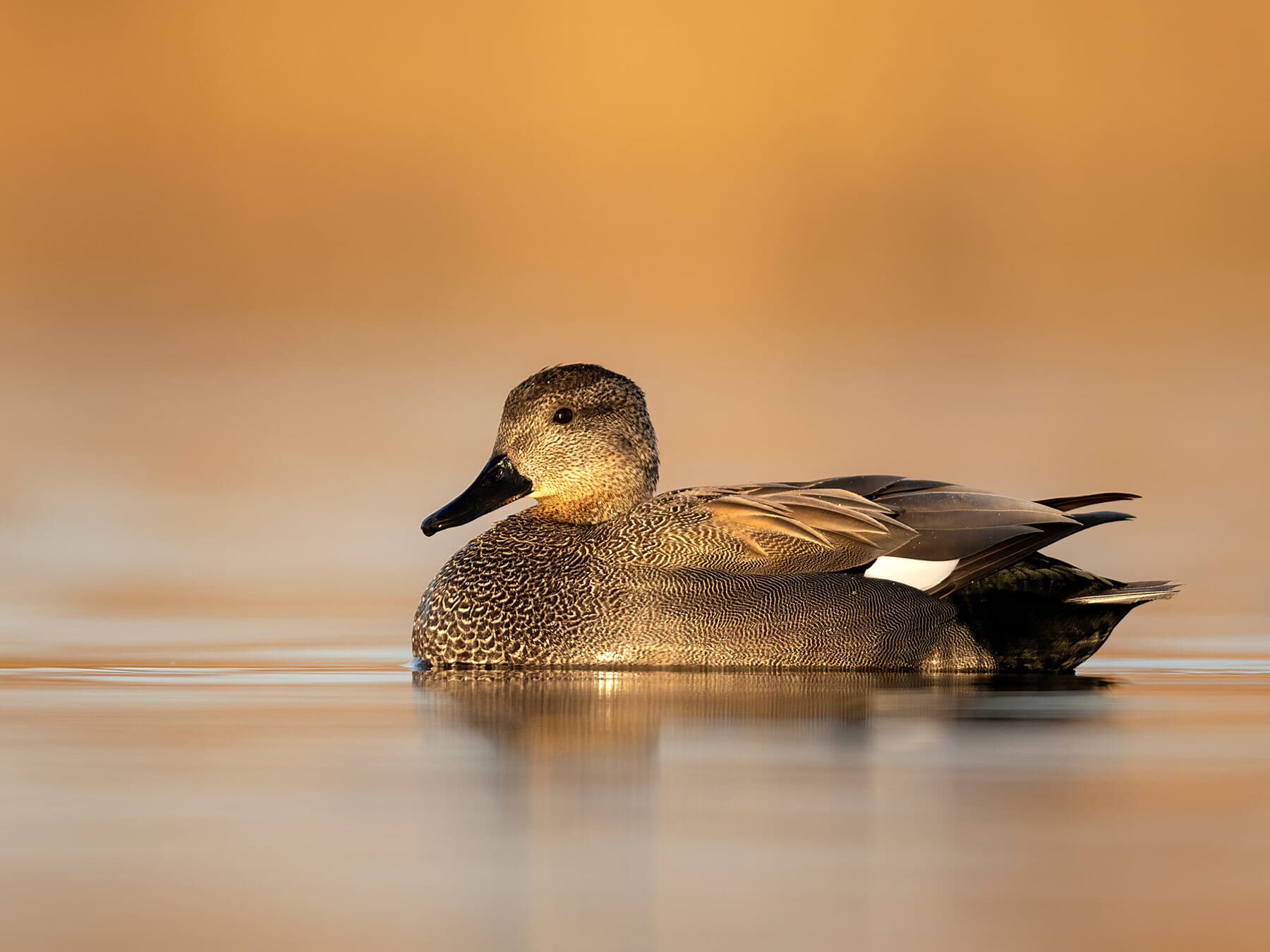 GadwallMareca streperaResidentRare46–56 cmRegularly Mar · 0.05% in Mar
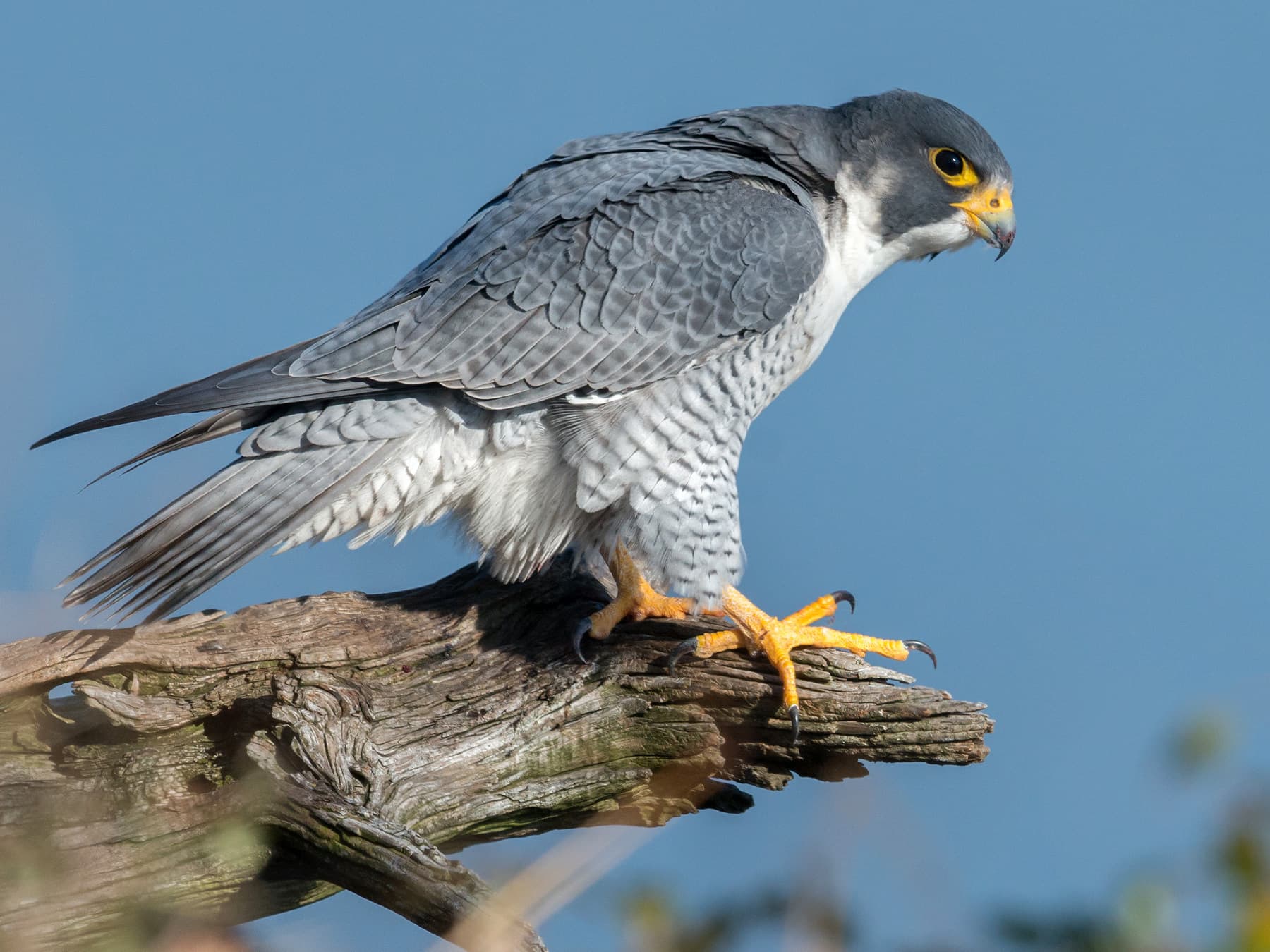 Peregrine FalconFalco peregrinusResidentUncommon34–58 cmRegularly Mar–Jan · 0.05% in Mar
Data: EOD – eBird Observation Dataset (Cornell Lab of Ornithology), accessed via GBIF.org, CC BY 4.0. Records from 2019–2024, aggregated and filtered by Birdfact. How these lists are made