


Birds to See in Stockton-on-Tees in February
85 bird species on our list for Stockton-on-Tees are recorded regularly in February
Of these, the most often recorded are Carrion Crow, Mallard, Black-headed Gull, Magpie and Coot. New this month: Avocet, Great Crested Grebe, Ringed Plover and Cetti's Warbler and 6 more.
On the move in February
GBIF · FebArriving
From Stockton-on-Tees’s bird records, 2019–2024: arriving birds are regular this month but not last; leaving birds are regular this month but not next.
Other months
All 85 birds in February
85 birds
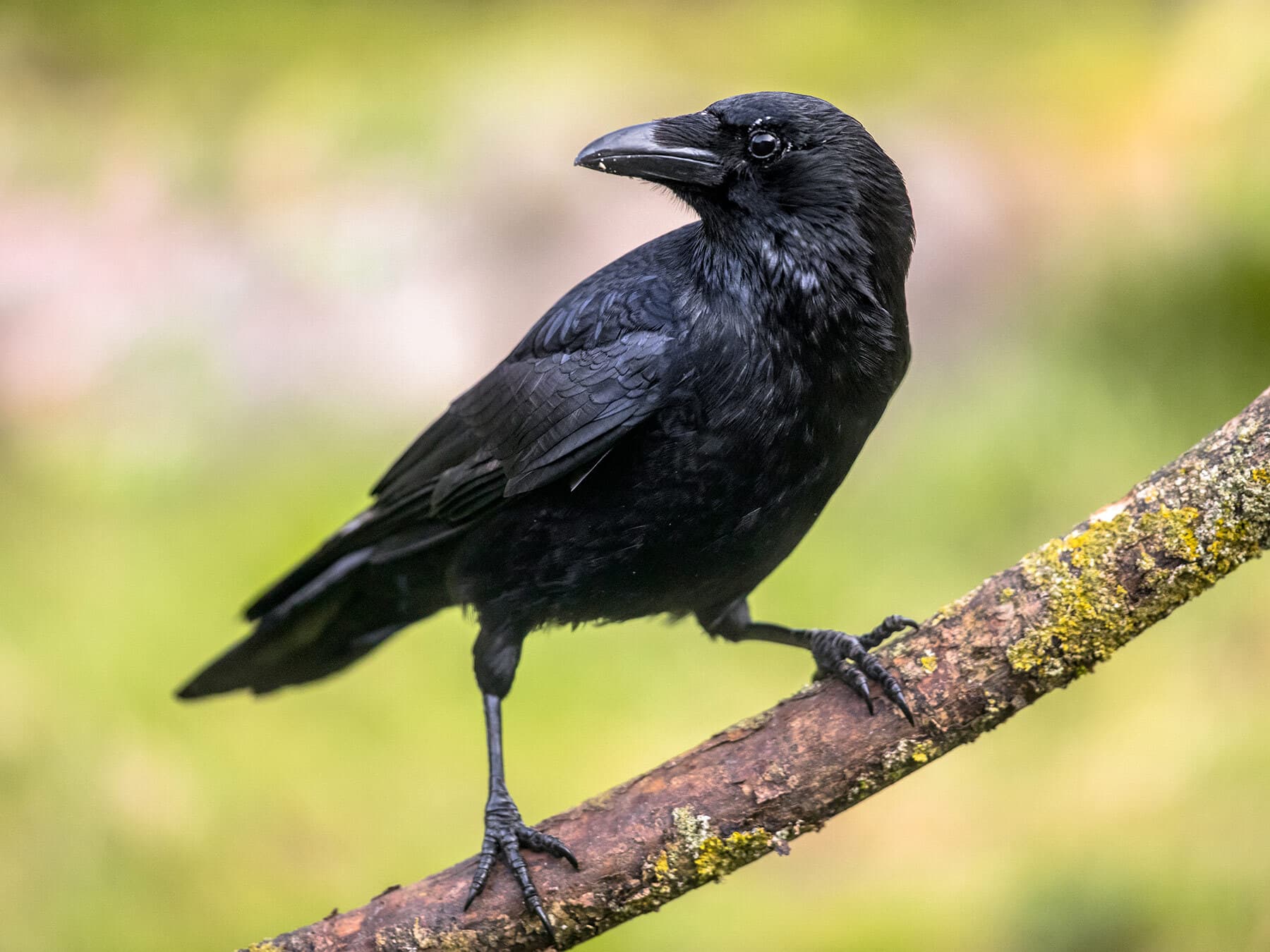 Carrion CrowCorvus coroneResidentCommon45–47 cmRecorded all year · 2.81% in Feb
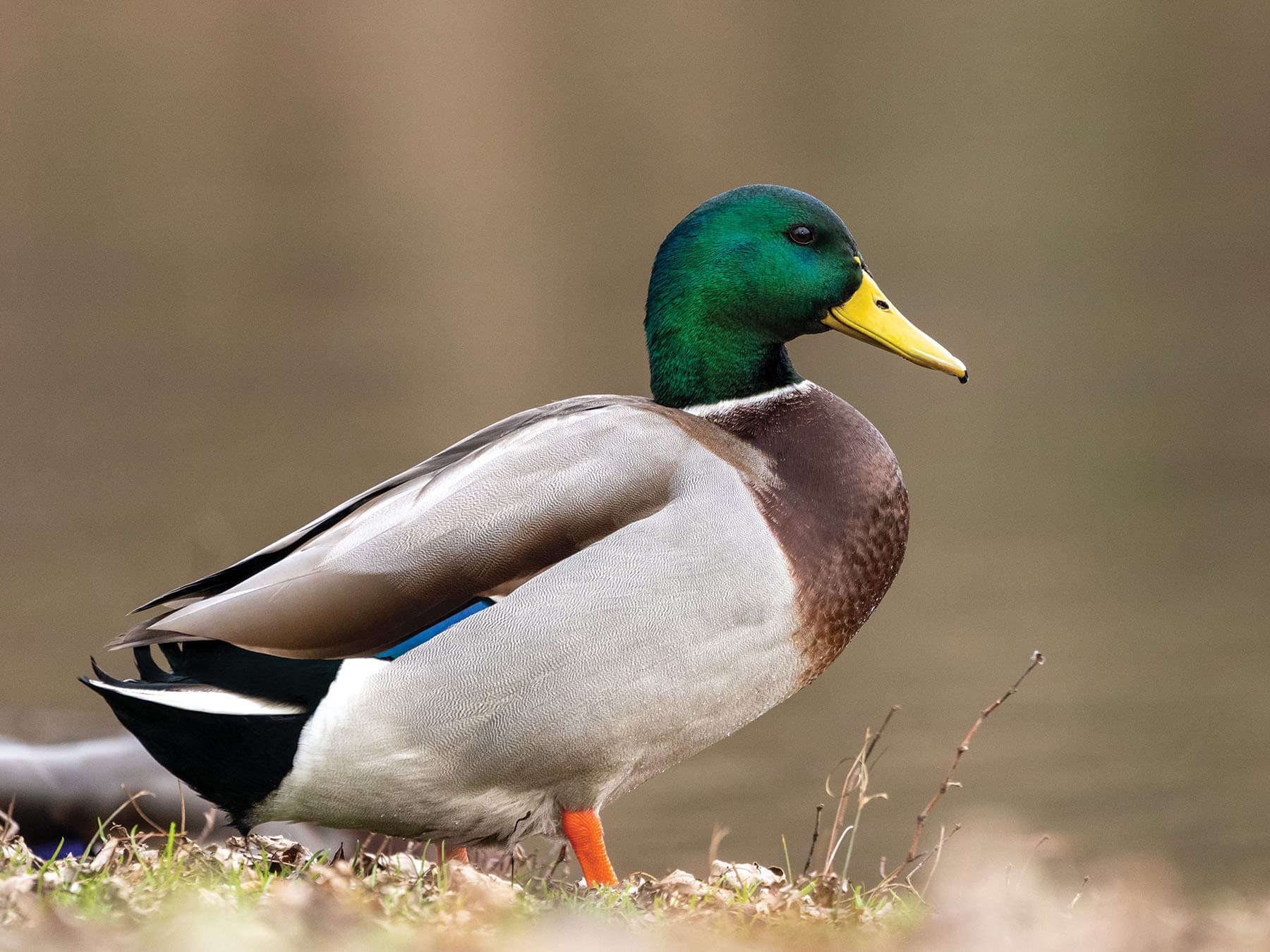 MallardAnas platyrhynchosResidentCommon50–65 cmRecorded all year · 2.67% in Feb
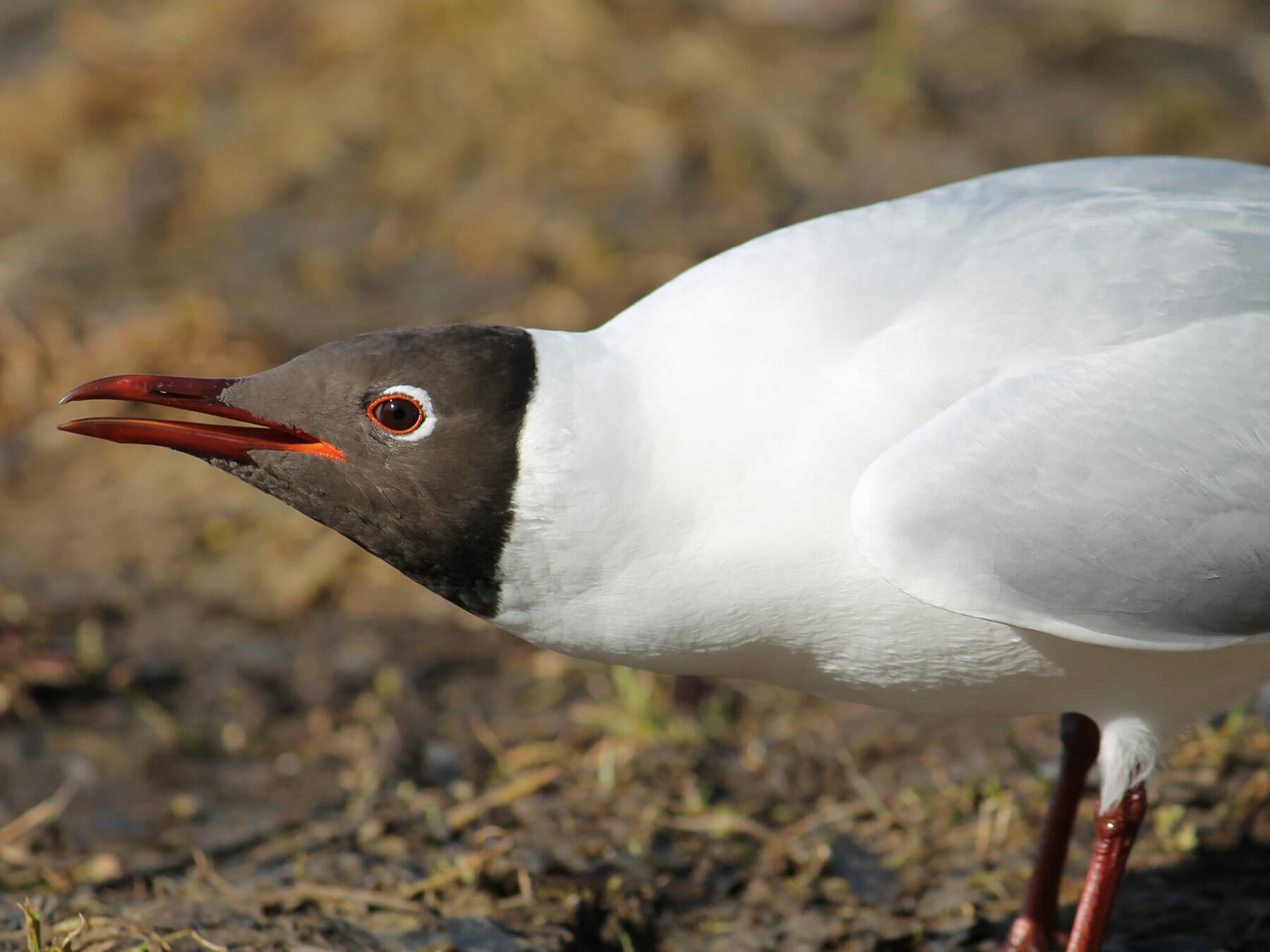 Black-headed GullChroicocephalus ridibundusResidentCommon38–44 cmRecorded all year · 2.53% in Feb
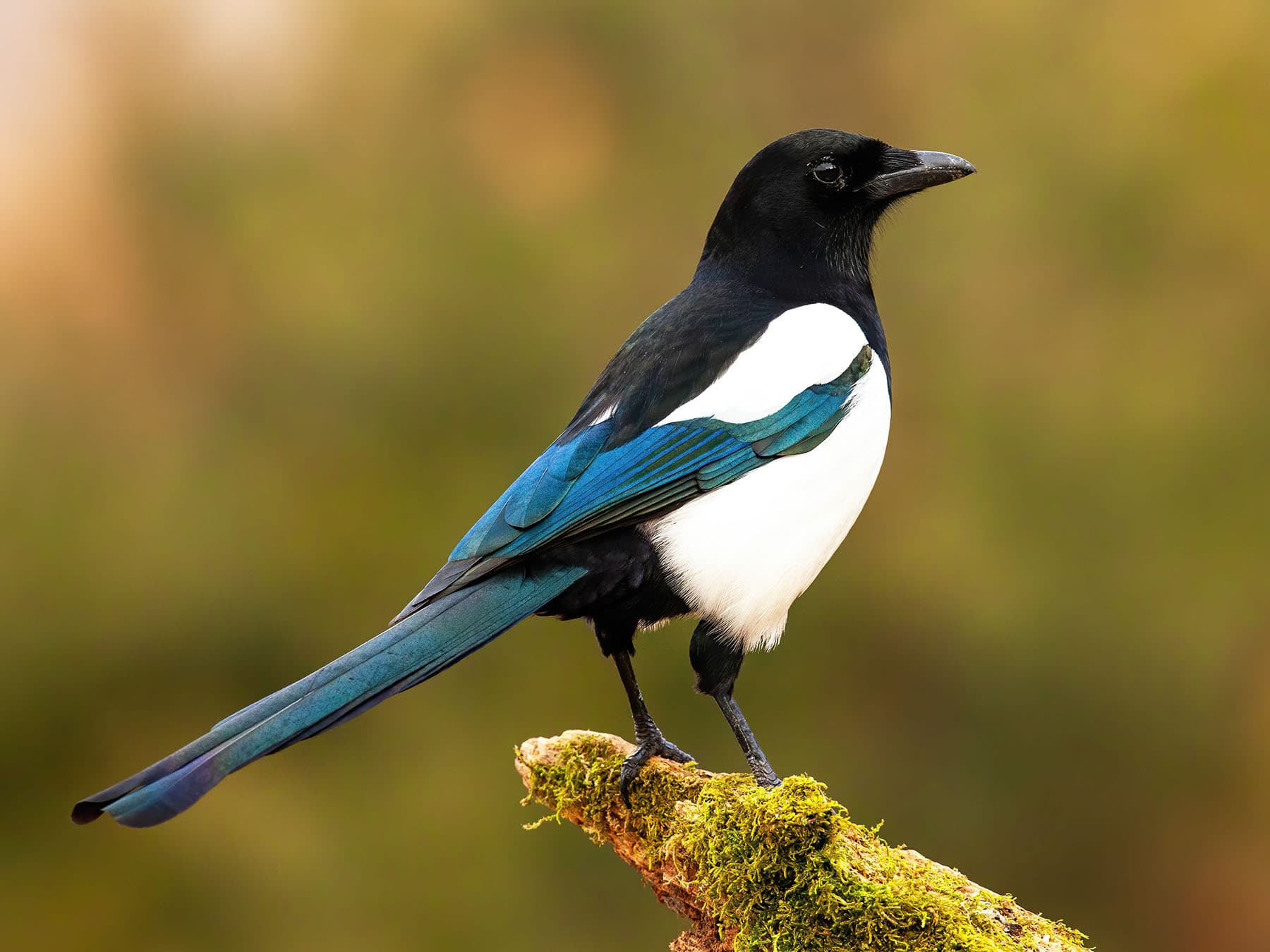 MagpiePica picaResidentCommon44–46 cmRecorded all year · 2.51% in Feb
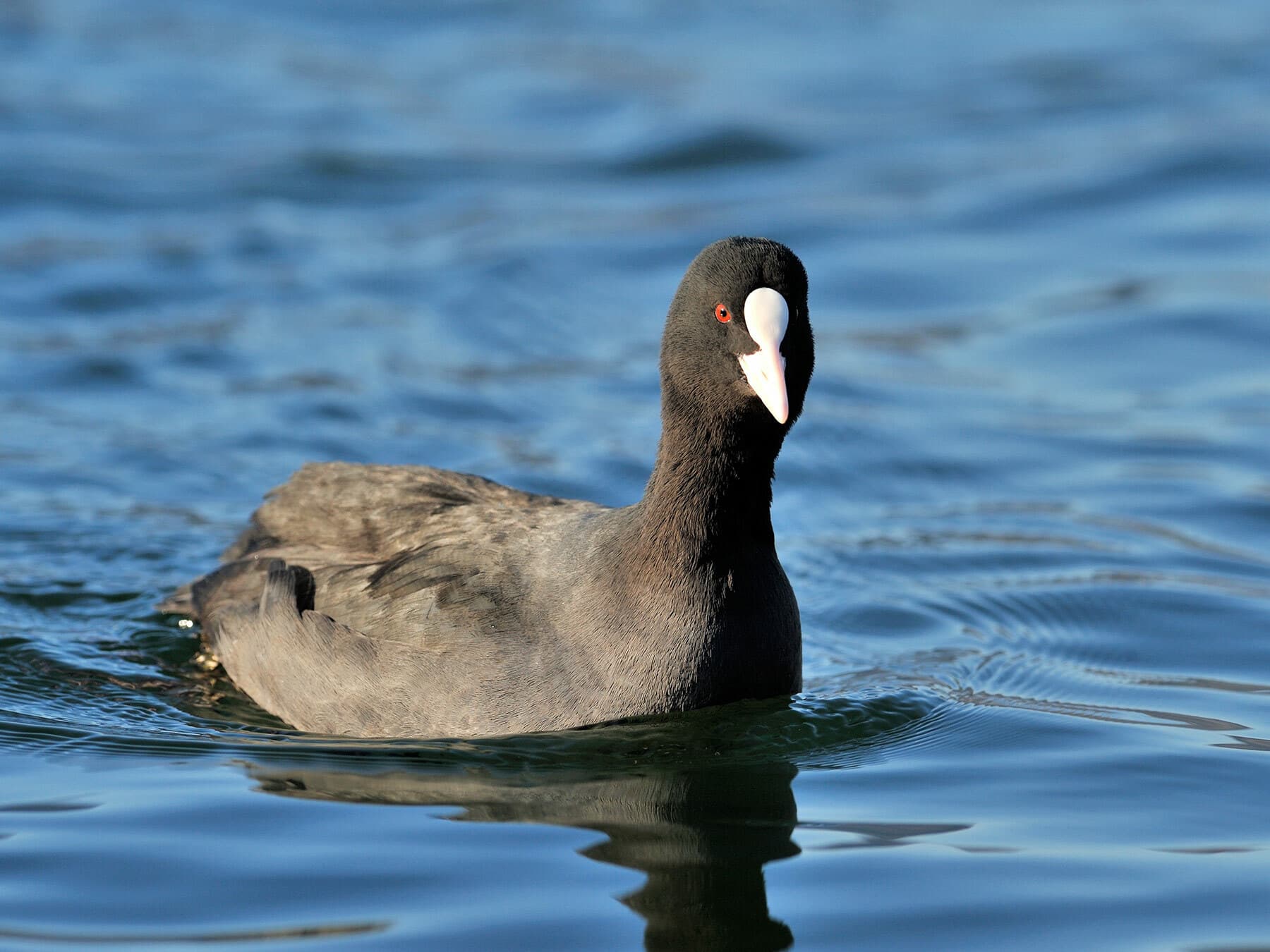 CootFulica atraResidentCommon36–42 cmRecorded all year · 2.49% in Feb
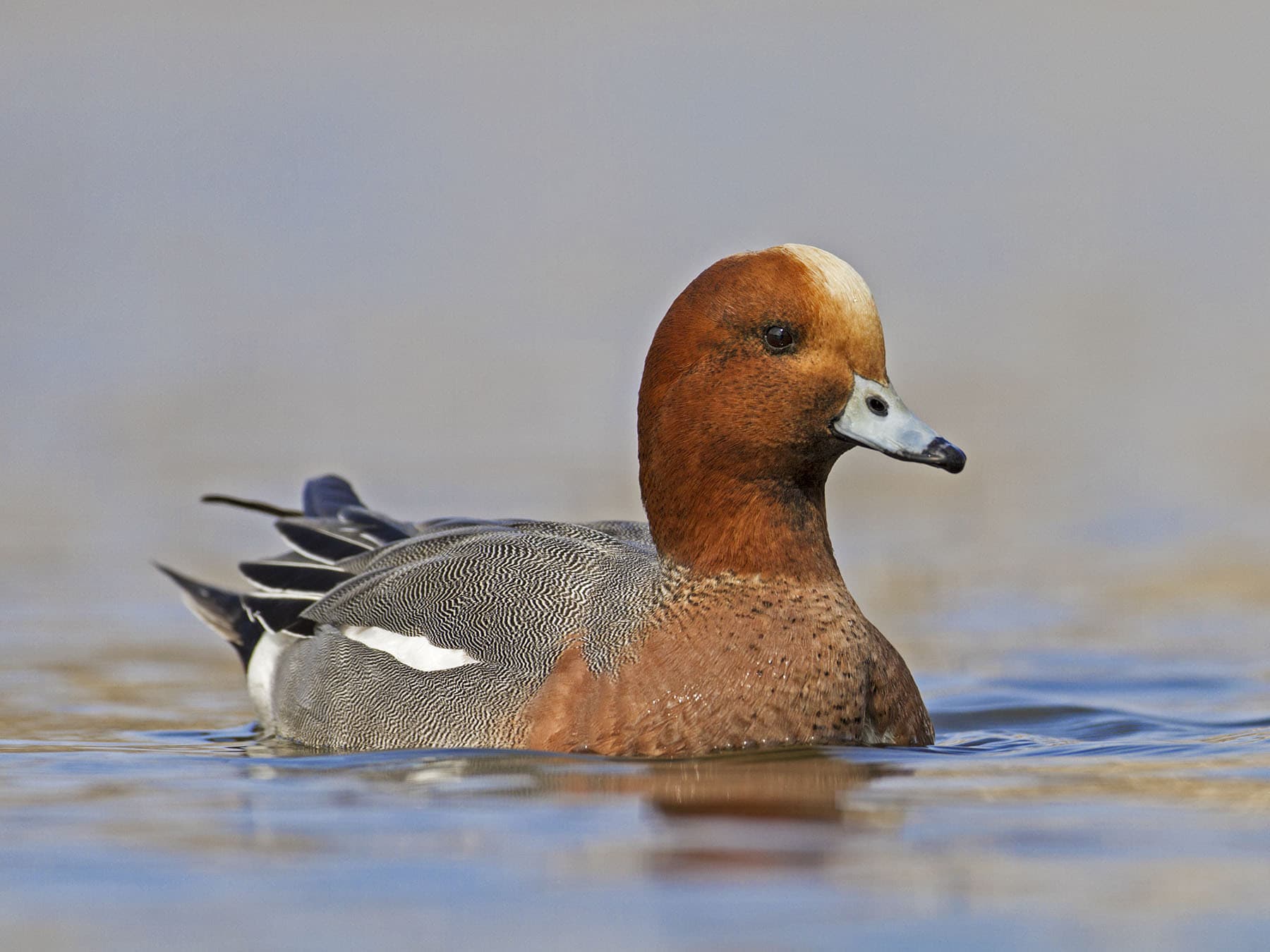 Eurasian WigeonMareca penelopeResidentCommon42–51 cmRecorded all year · 2.49% in Feb
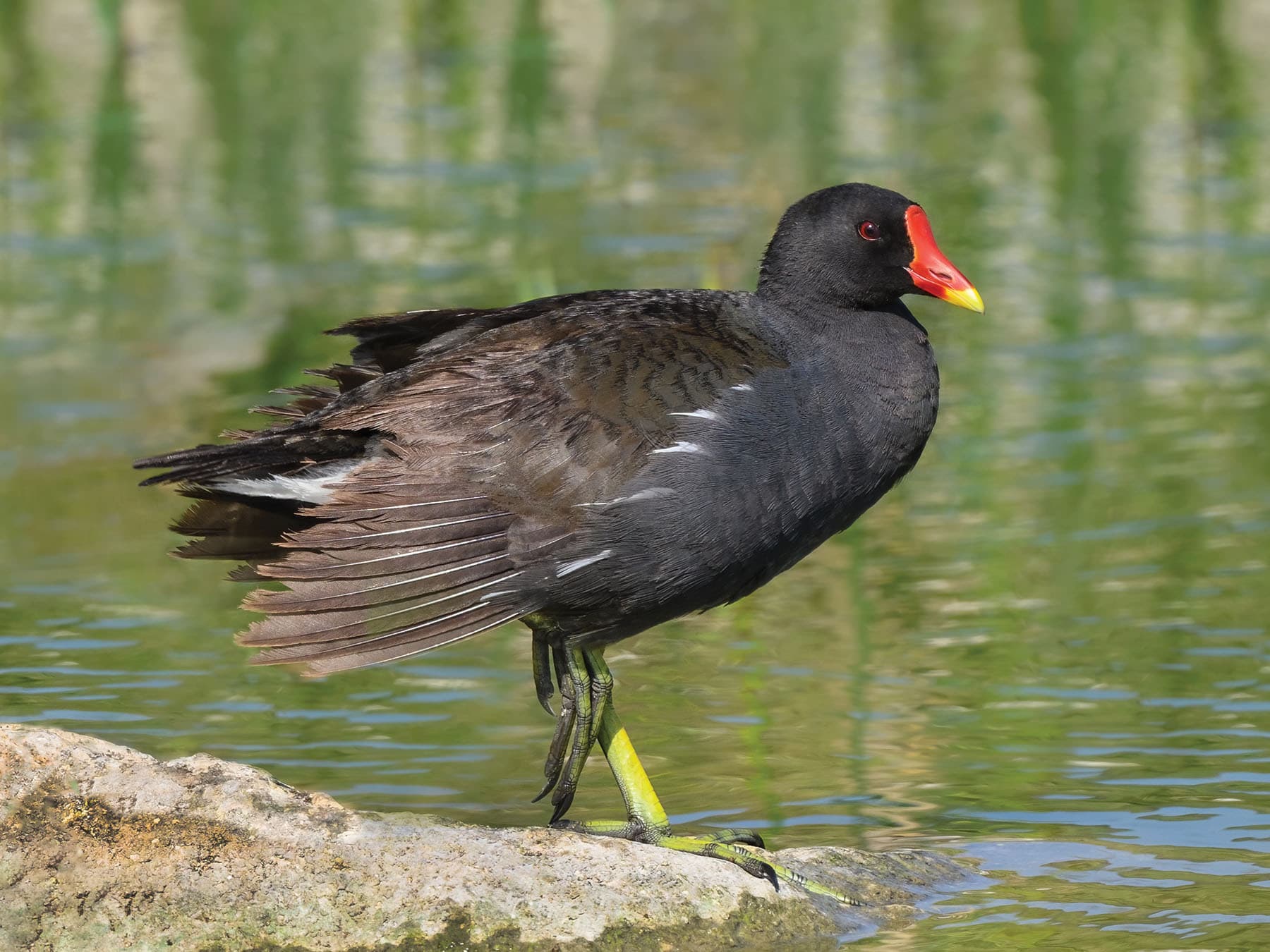 MoorhenGallinula chloropusResidentCommon30–38 cmRecorded all year · 2.46% in Feb
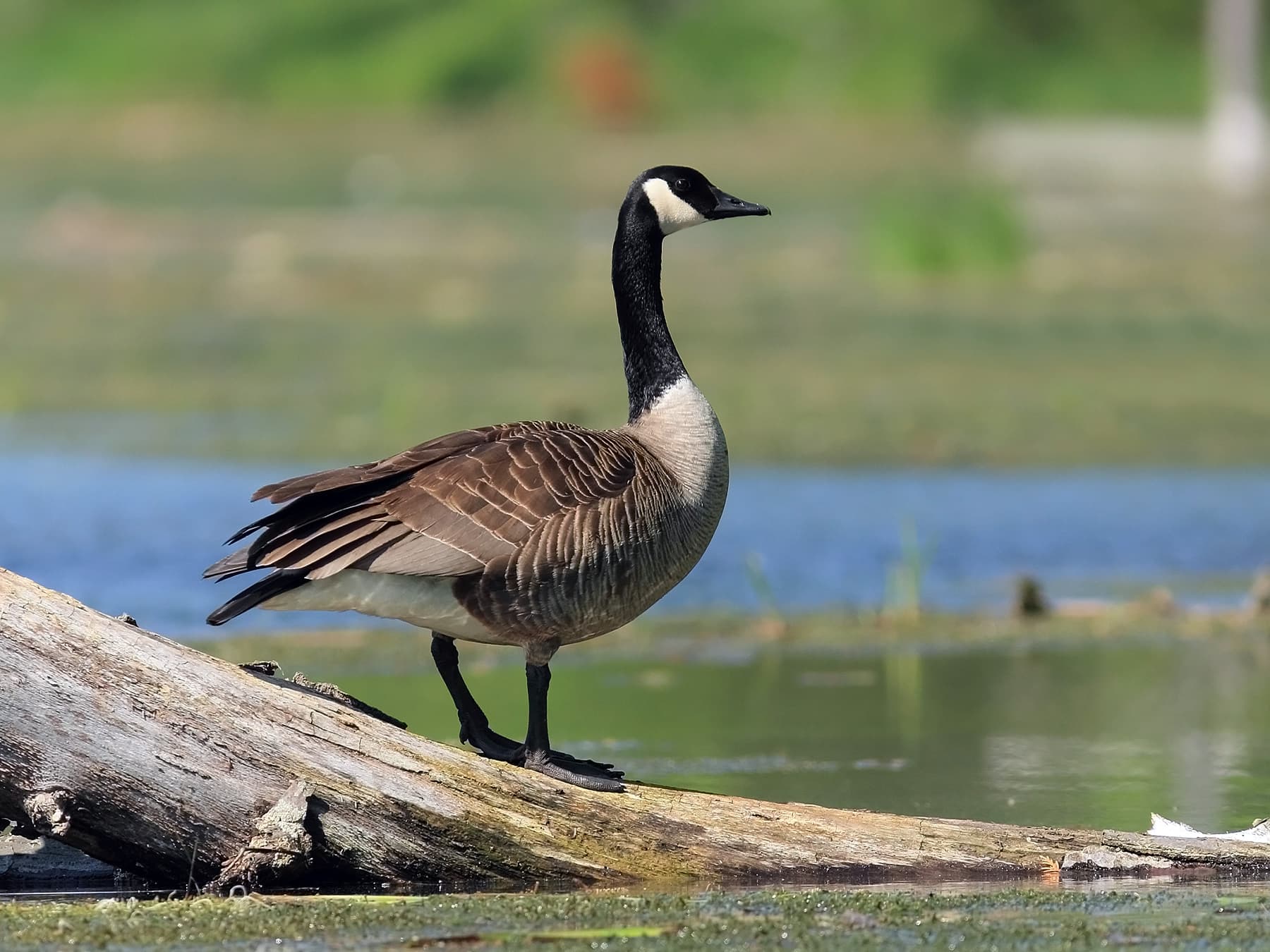 Canada GooseBranta canadensisResidentCommon76–110 cmRecorded all year · 2.42% in Feb
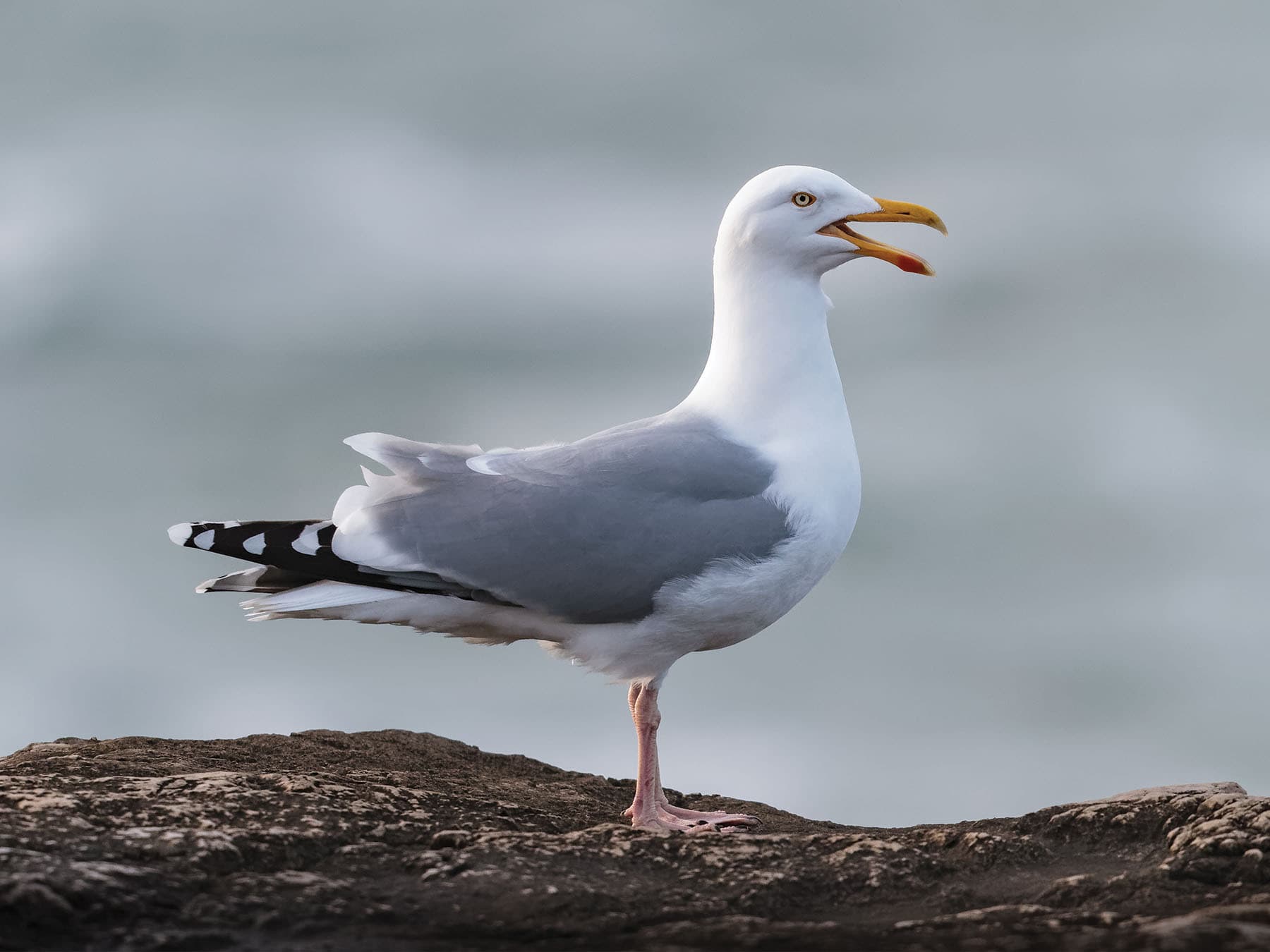 European Herring GullLarus argentatusResidentCommon55–67 cmRecorded all year · 2.39% in Feb
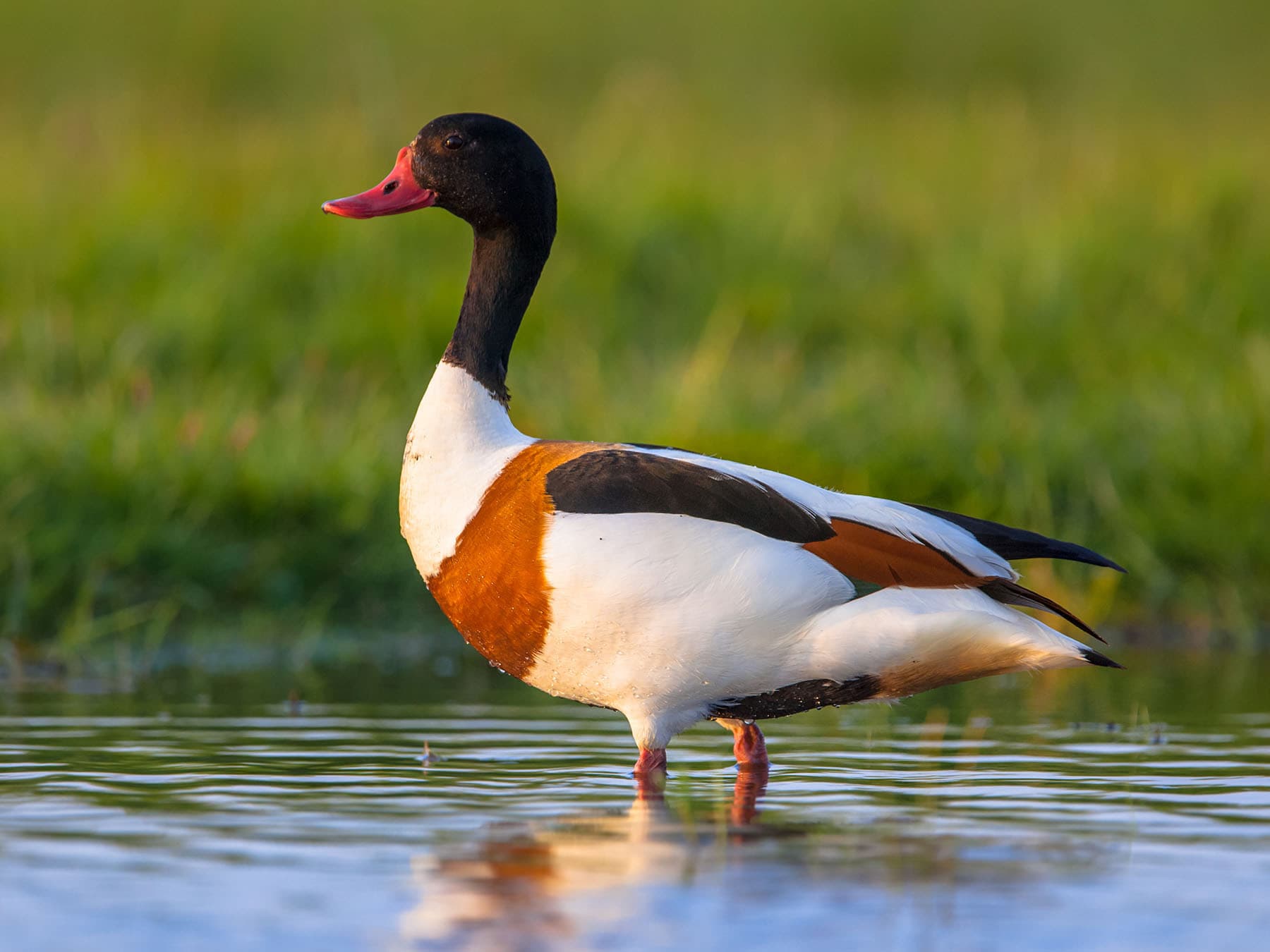 Common ShelduckTadorna tadornaResidentCommon58–67 cmRecorded all year · 2.37% in Feb
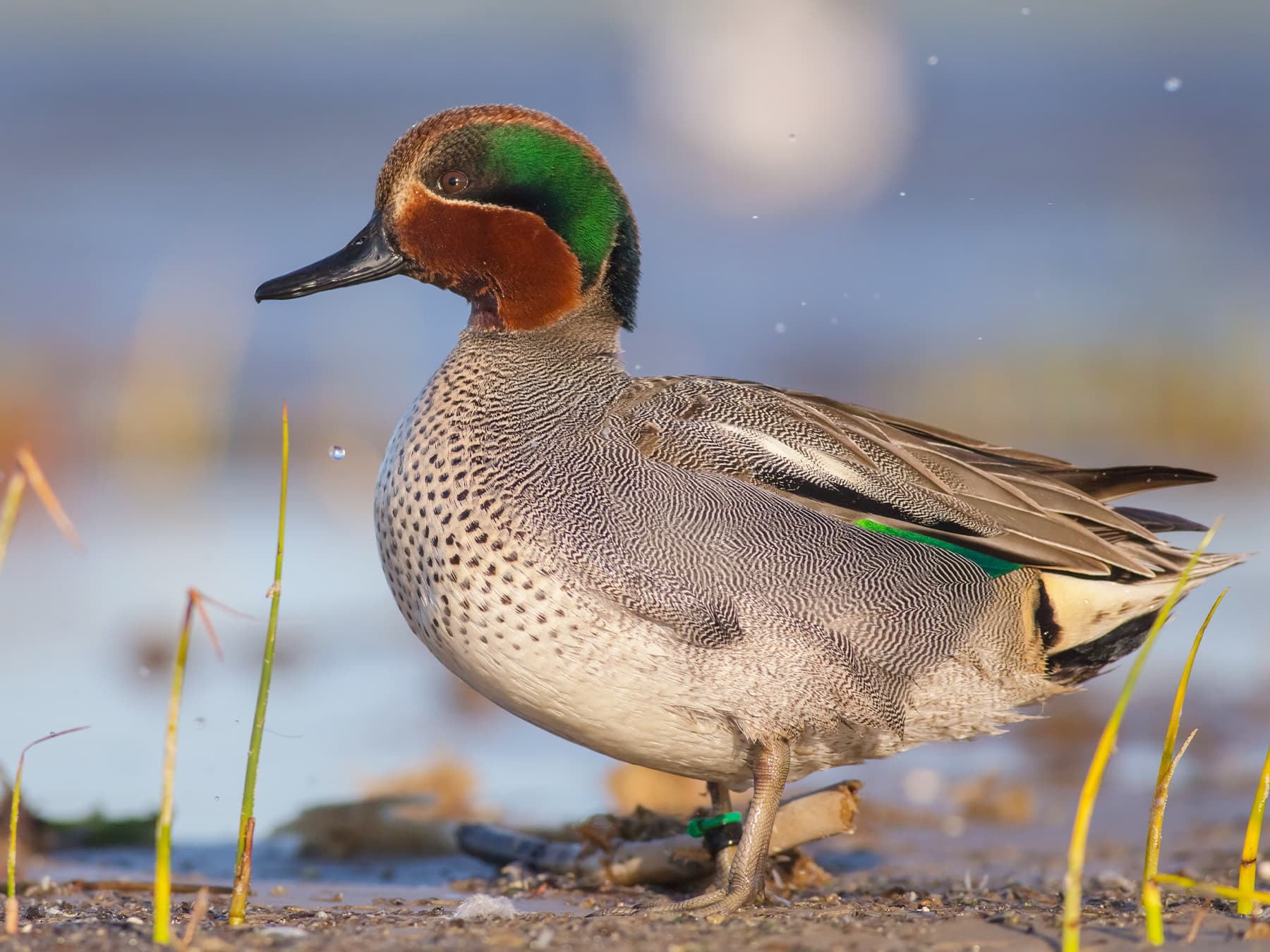 Eurasian TealAnas creccaWinter visitorCommon34–38 cmRecorded all year · 2.37% in Feb
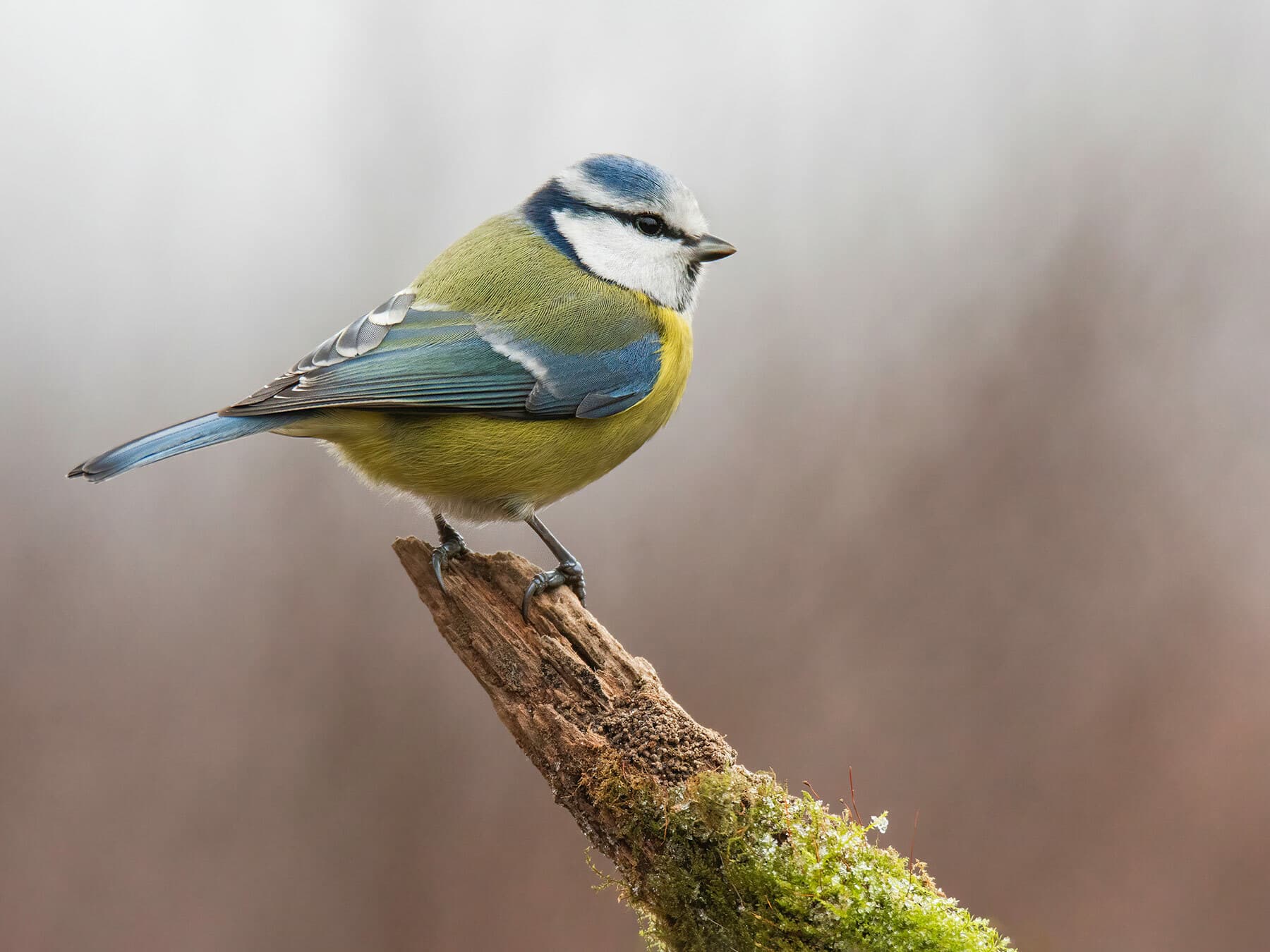 Blue TitCyanistes caeruleusResidentCommon11–12 cmRecorded all year · 2.28% in Feb
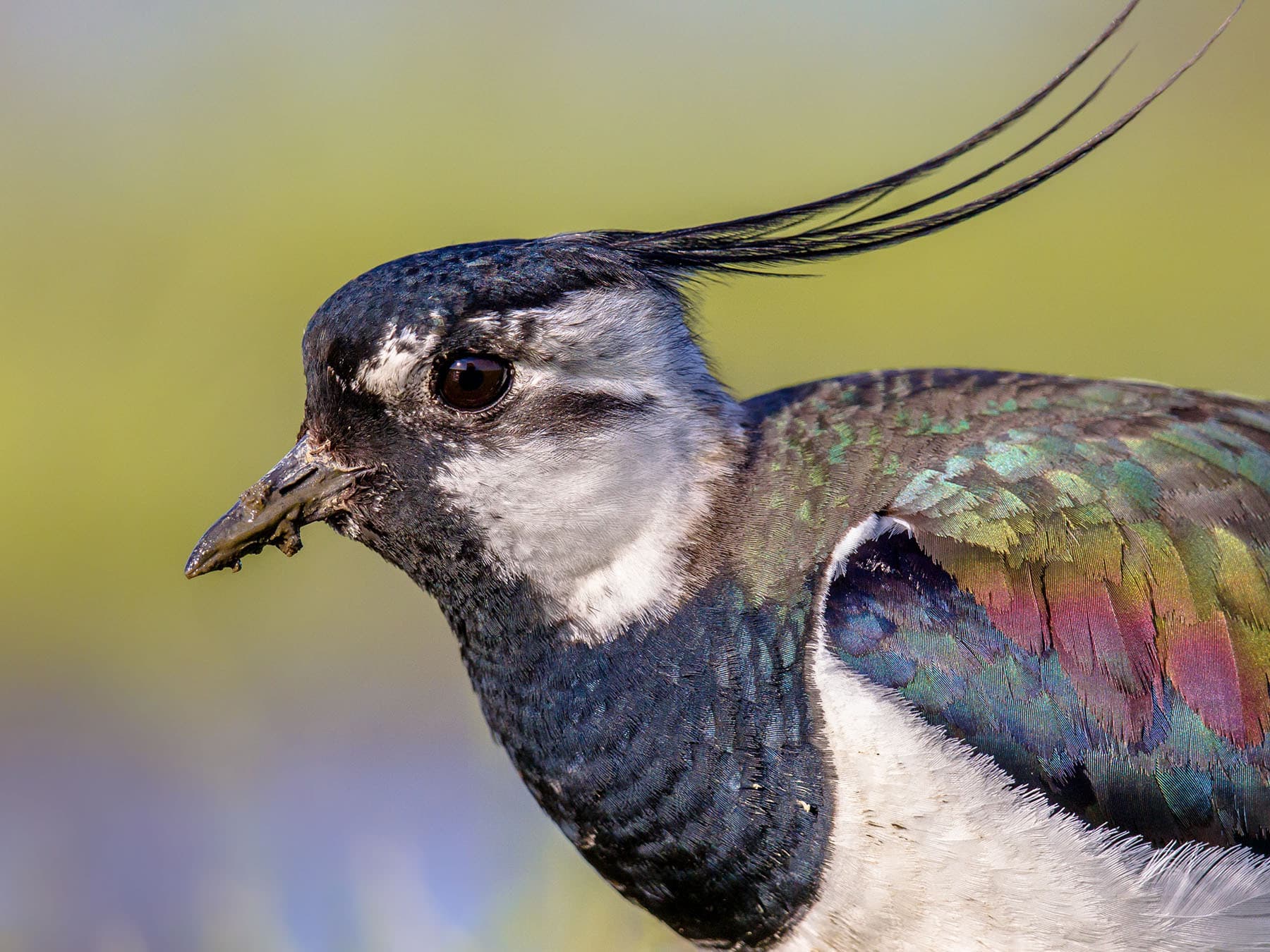 Northern LapwingVanellus vanellusResidentCommon28–31 cmRecorded all year · 2.28% in Feb
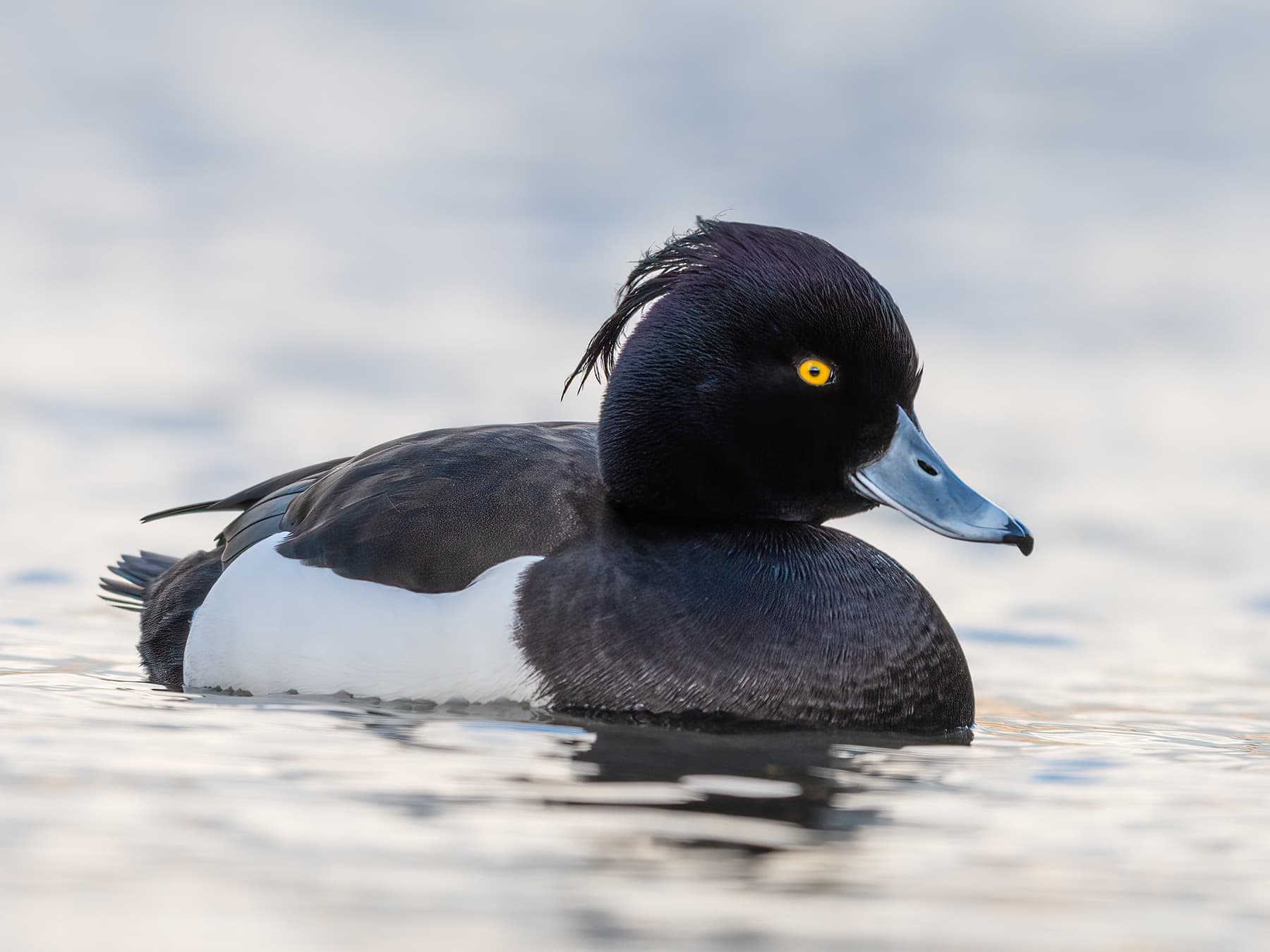 Tufted DuckAythya fuligulaResidentCommon40–47 cmRecorded all year · 2.14% in Feb
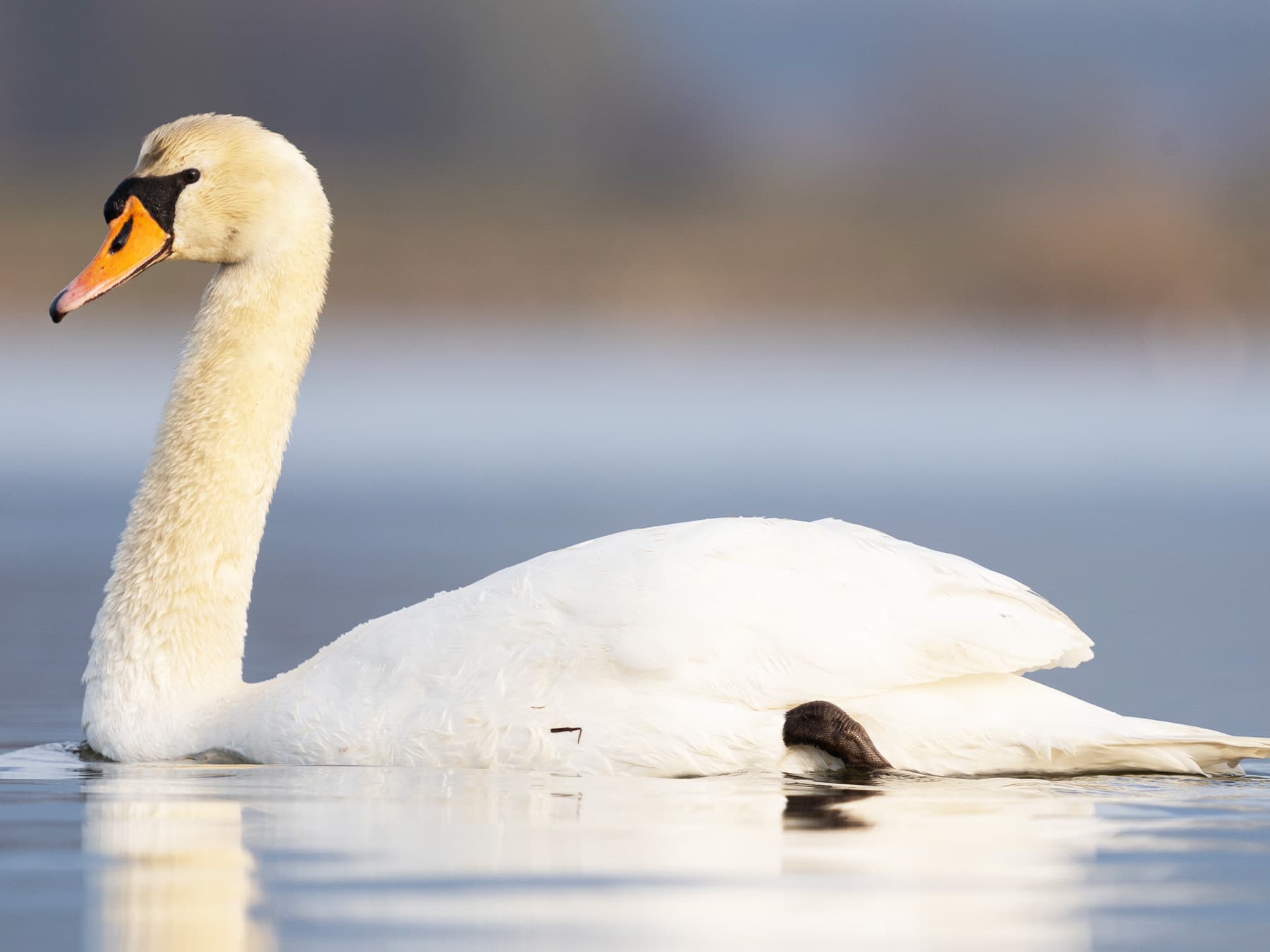 Mute SwanCygnus olorResidentCommon140–160 cmRecorded all year · 2.12% in Feb
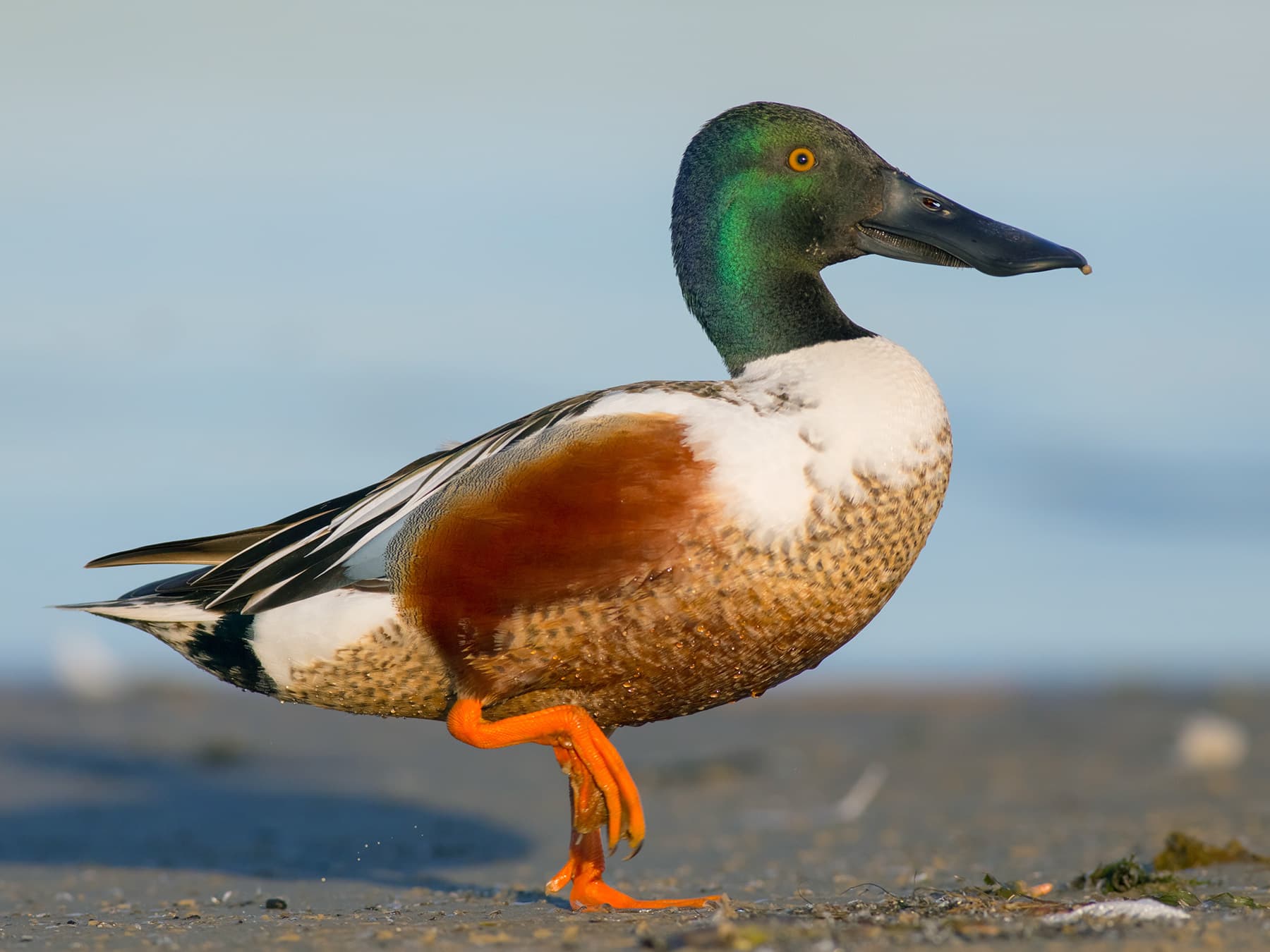 Northern ShovelerSpatula clypeataResidentCommon44–51 cmRecorded all year · 2.09% in Feb
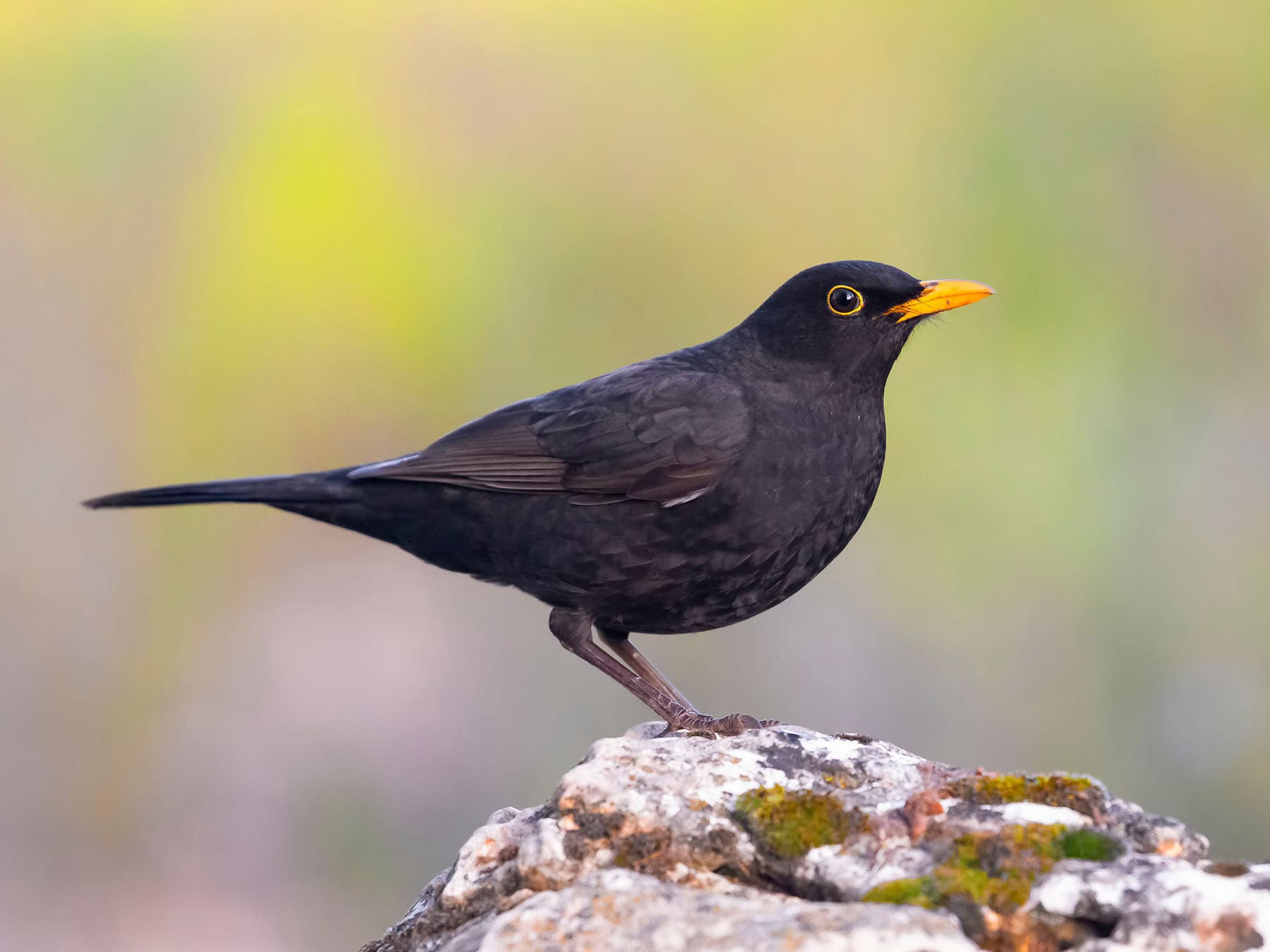 BlackbirdTurdus merulaResidentCommon24–25 cmRecorded all year · 2.07% in Feb
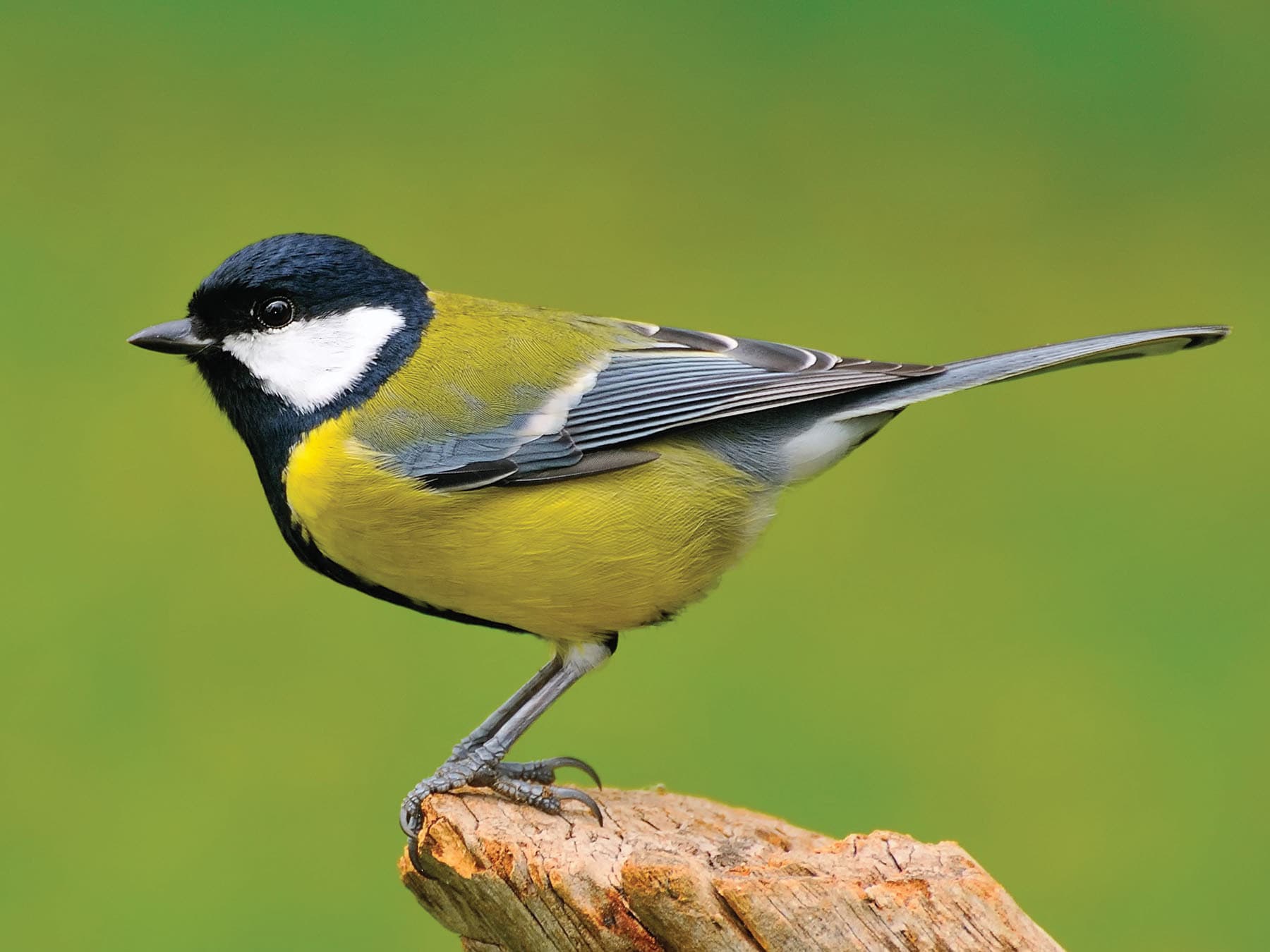 Great TitParus majorResidentCommonRecorded all year · 2.05% in Feb
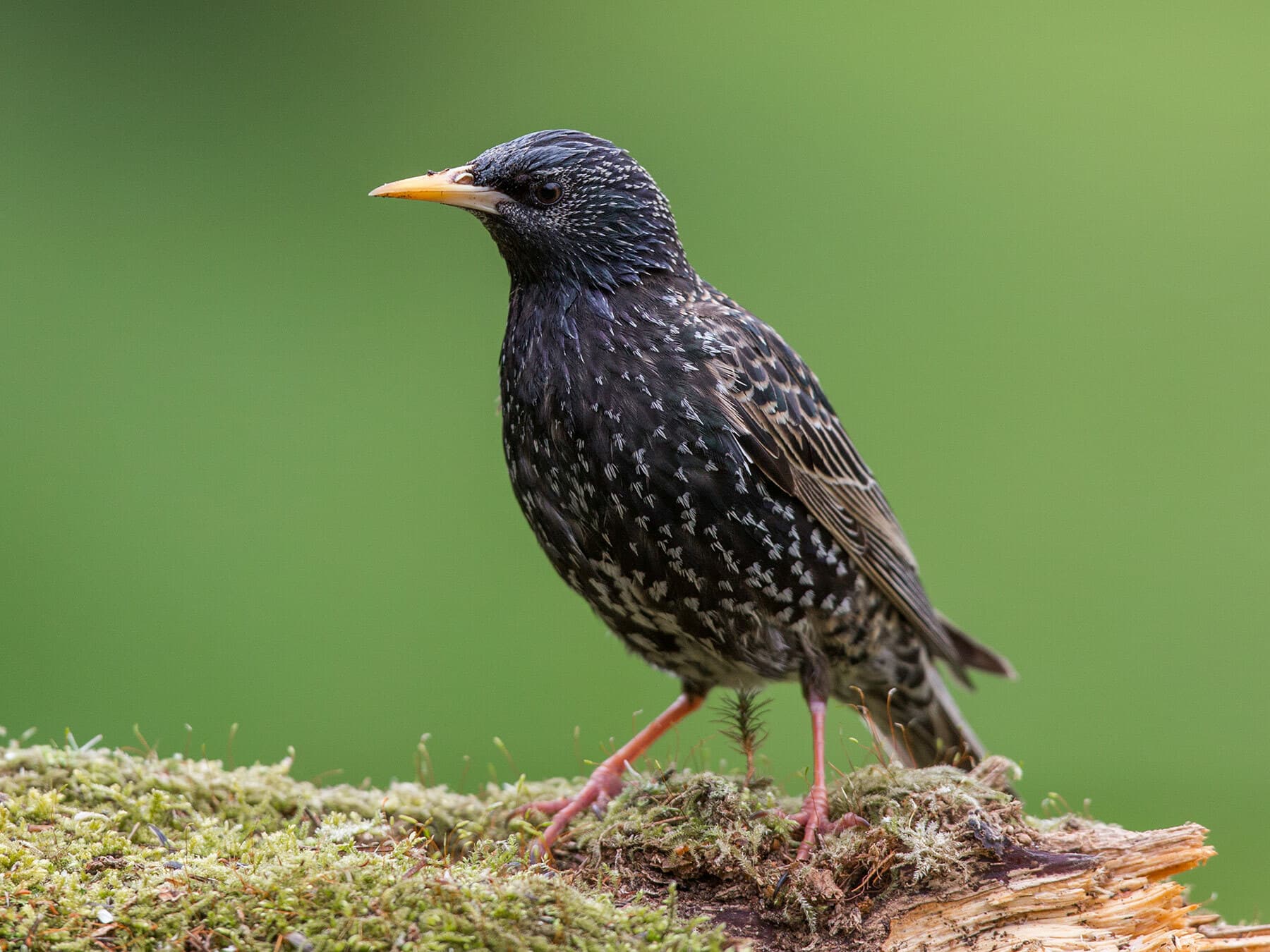 Common StarlingSturnus vulgarisResidentCommon21–23 cmRecorded all year · 2.03% in Feb
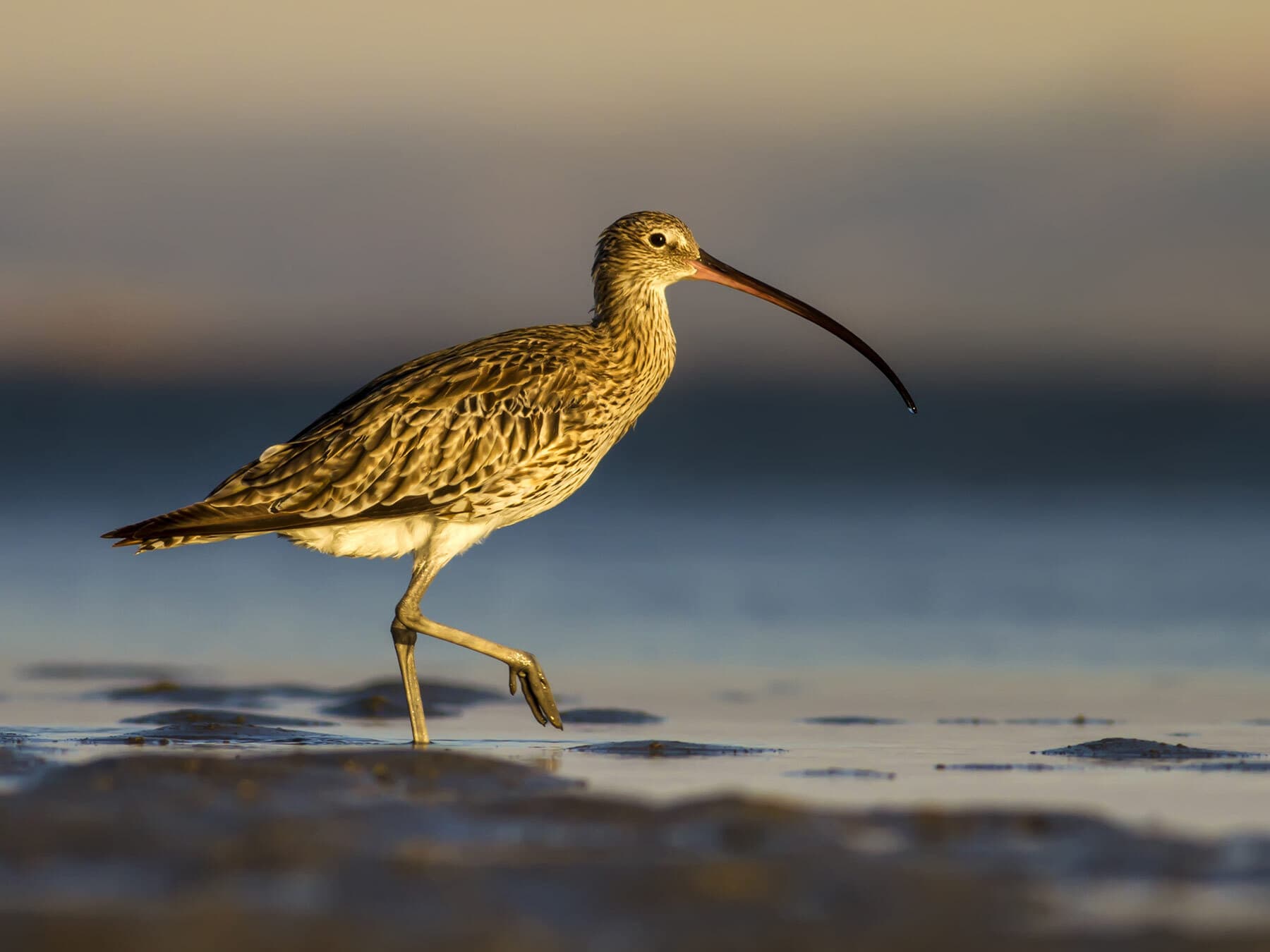 CurlewNumenius arquataWinter visitorCommon50–60 cmRecorded all year · 2.03% in Feb
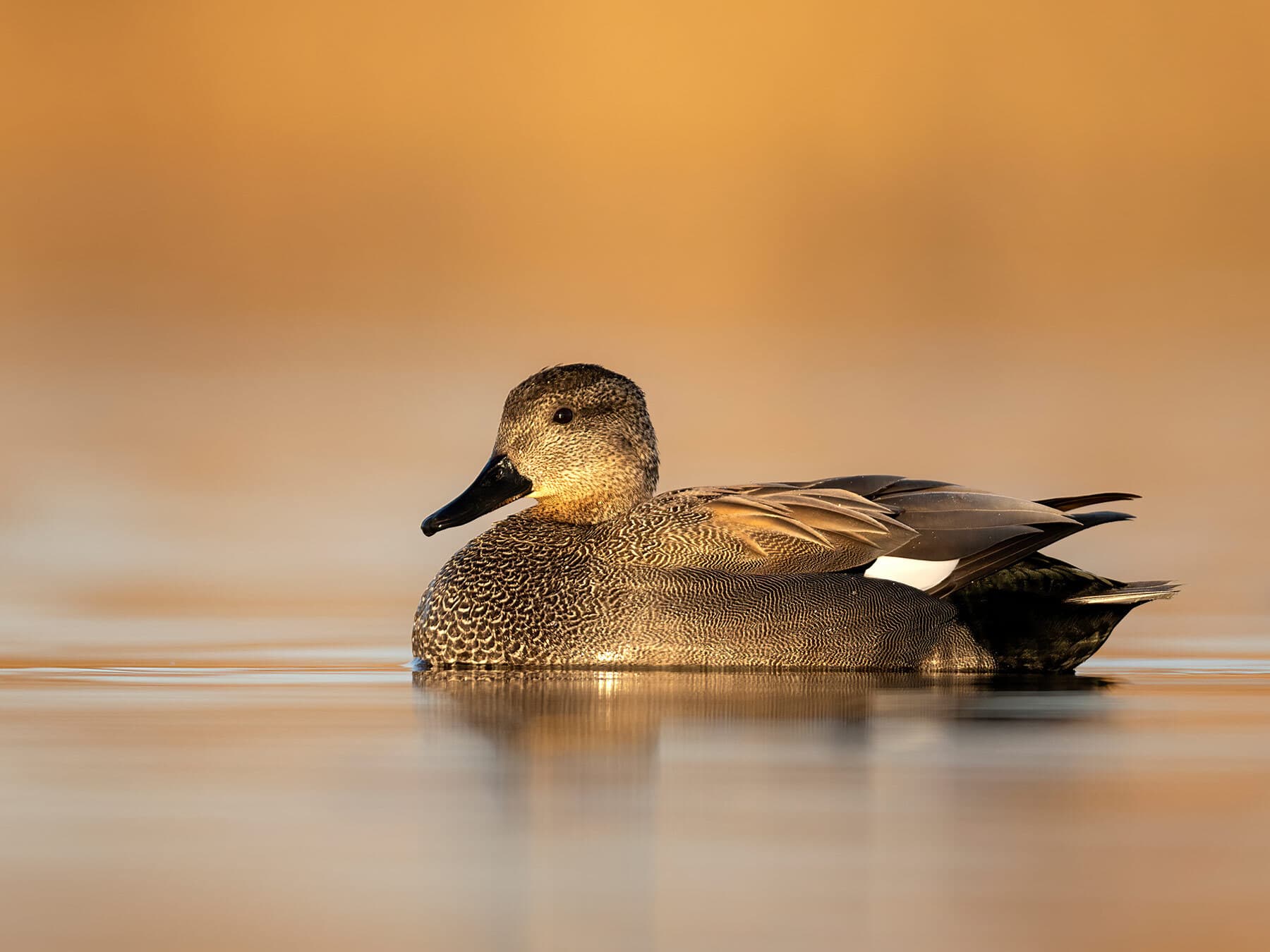 GadwallMareca streperaResidentCommon46–56 cmRecorded all year · 1.96% in Feb
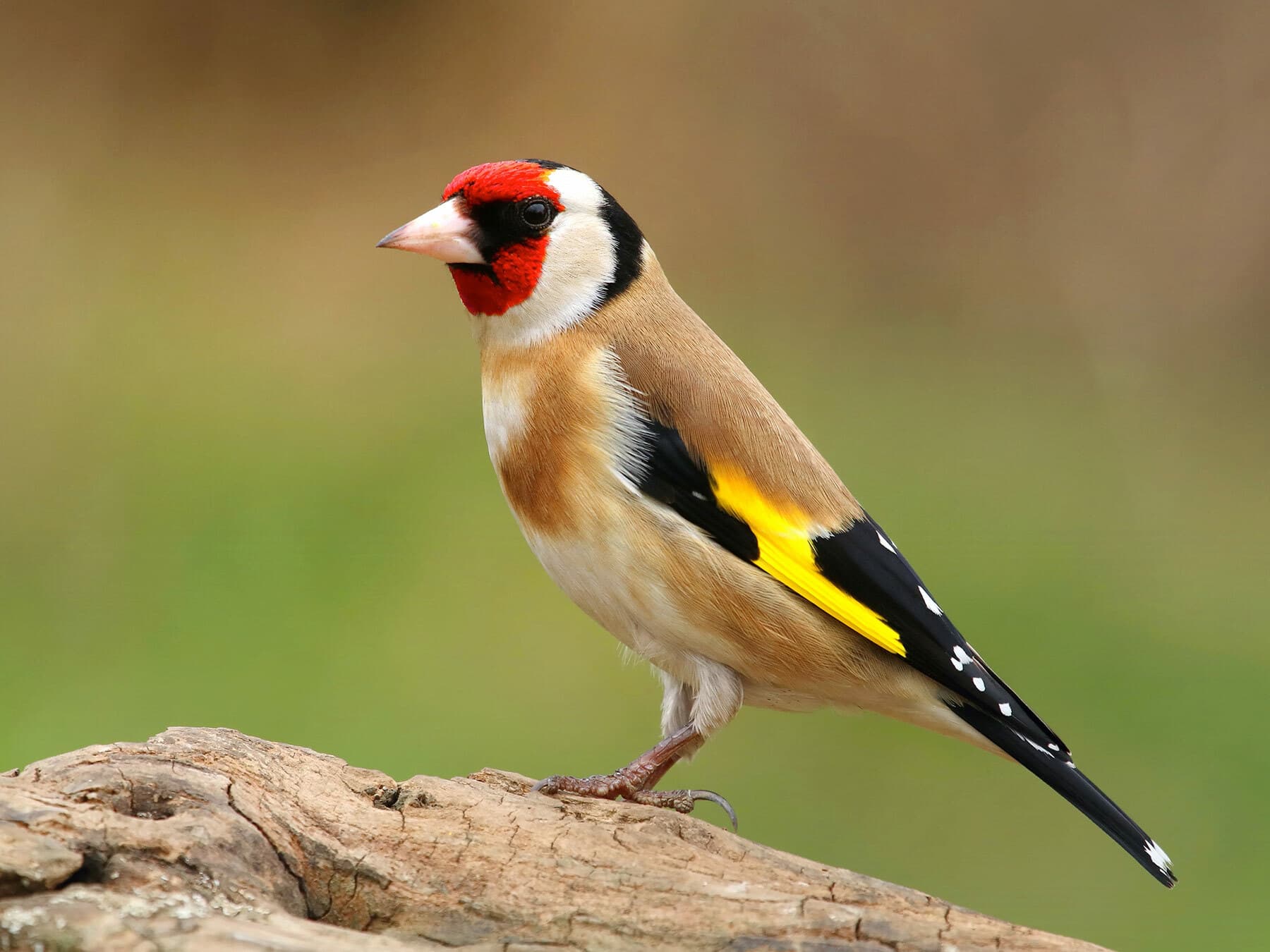 European GoldfinchCarduelis carduelisResidentCommon12–13 cmRecorded all year · 1.91% in Feb
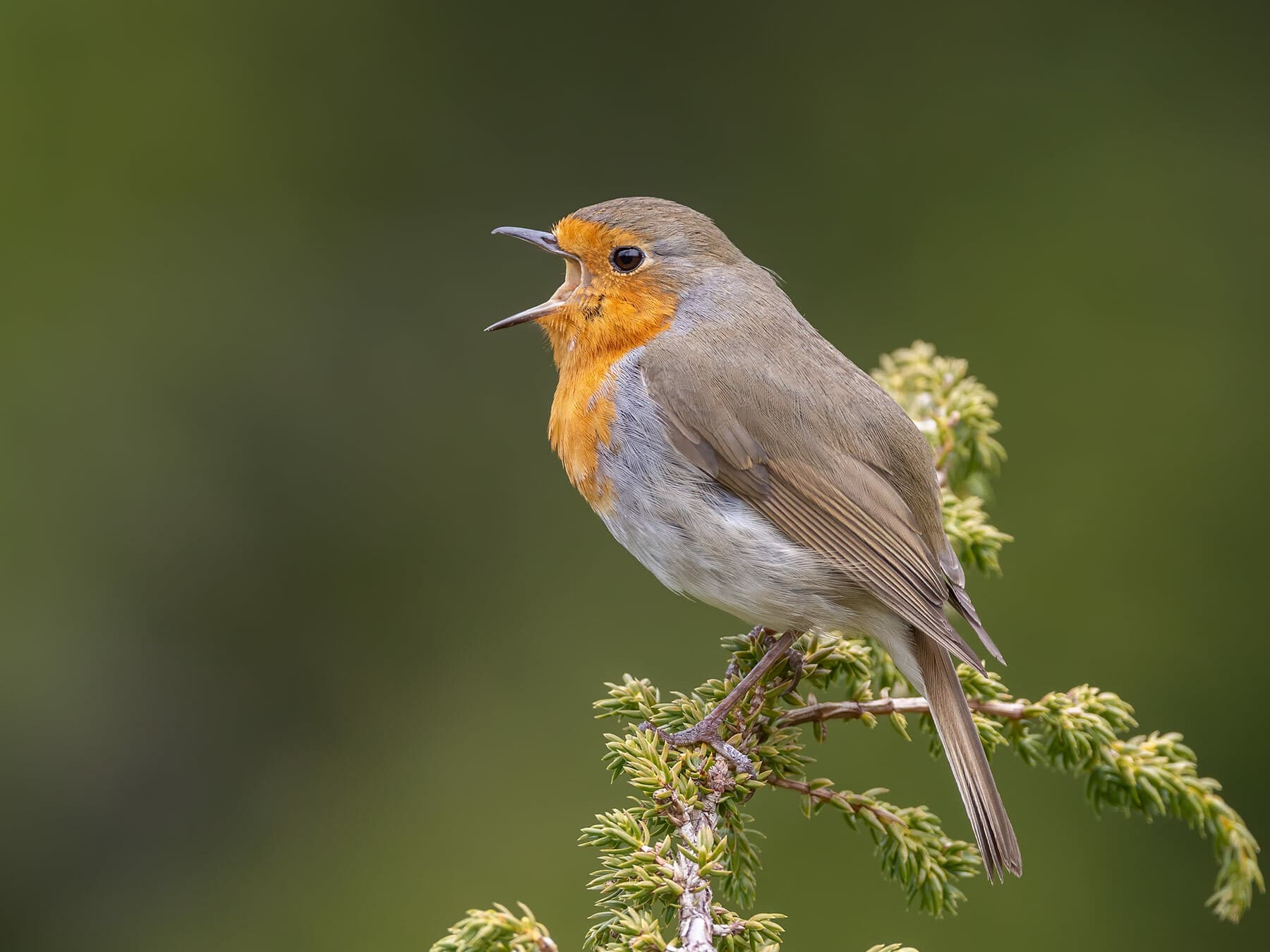 European RobinErithacus rubeculaResidentCommon13–14 cmRecorded all year · 1.82% in Feb
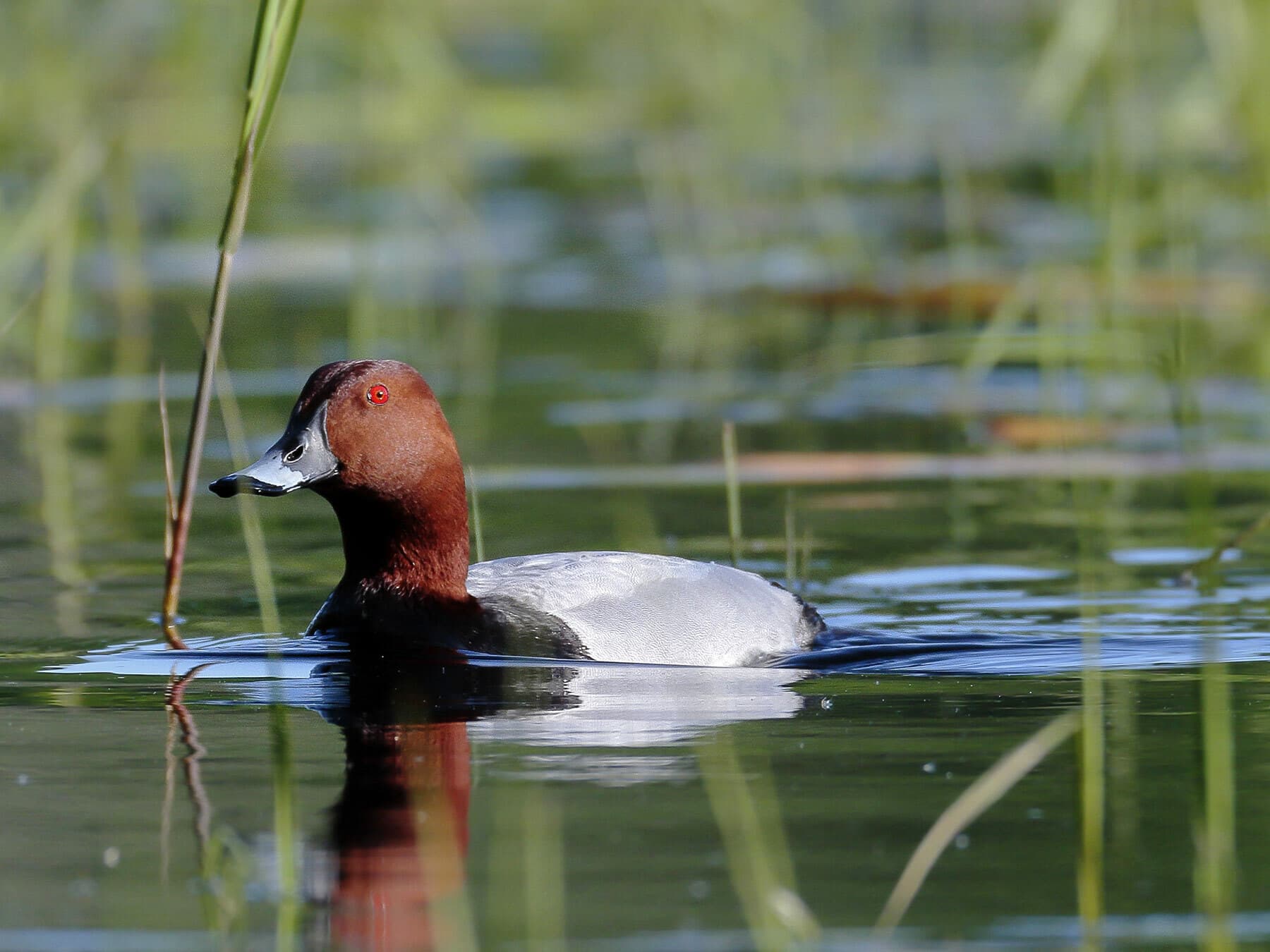 PochardAythya ferinaResidentCommon42–49 cmRecorded all year · 1.80% in Feb
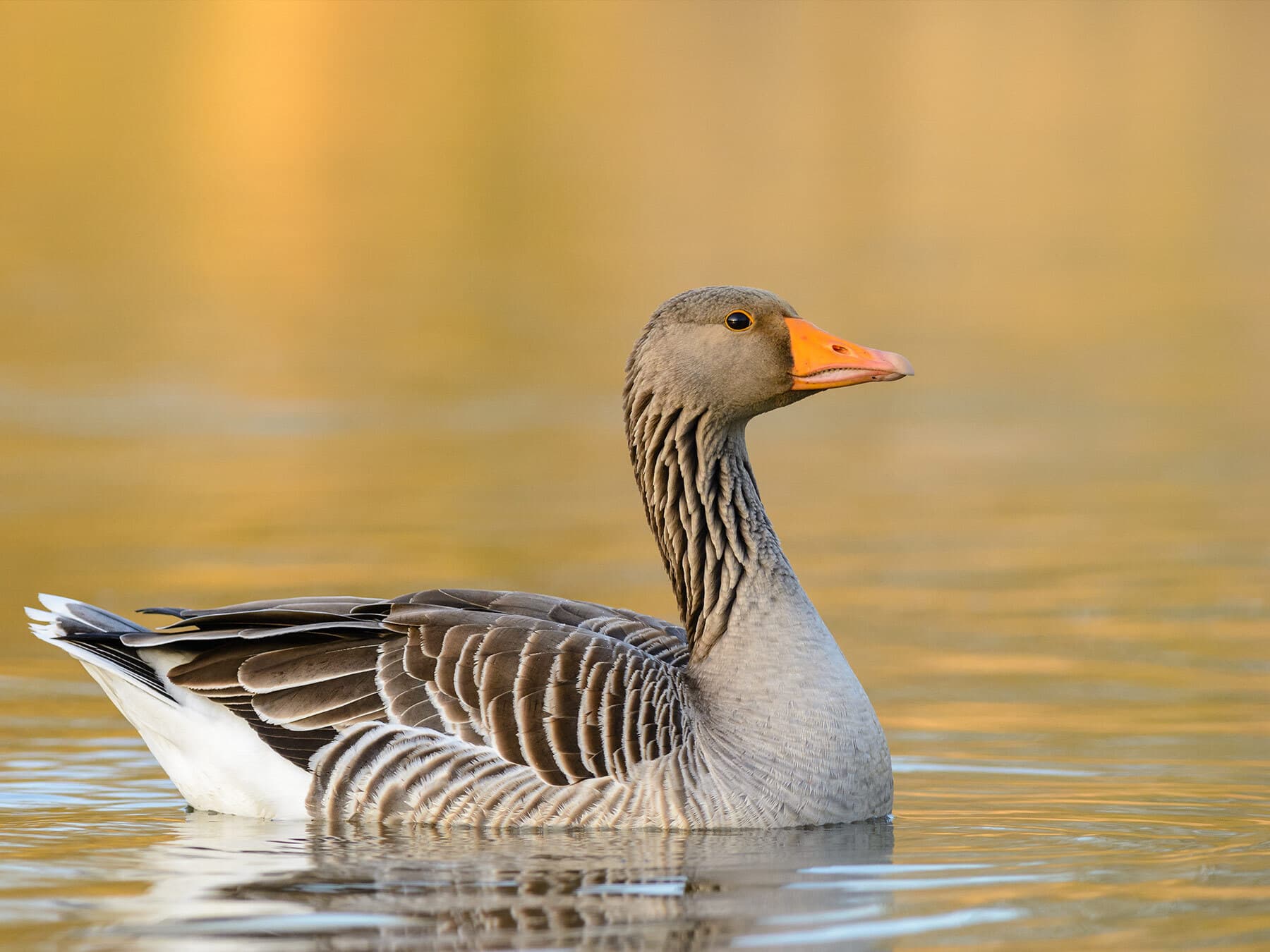 Greylag GooseAnser anserResidentCommon75–90 cmRecorded all year · 1.75% in Feb
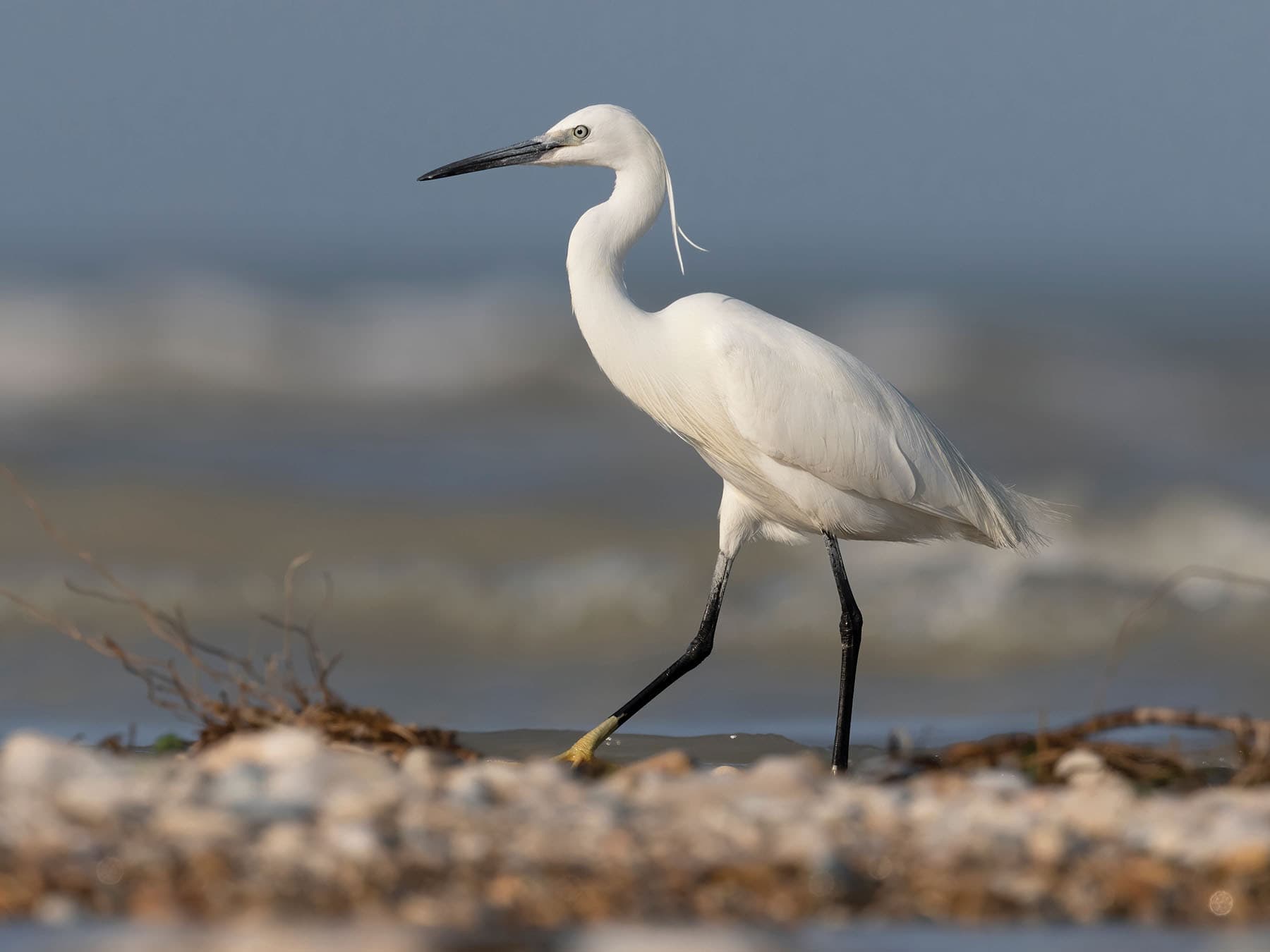 Little EgretEgretta garzettaResidentCommon55–65 cmRecorded all year · 1.75% in Feb
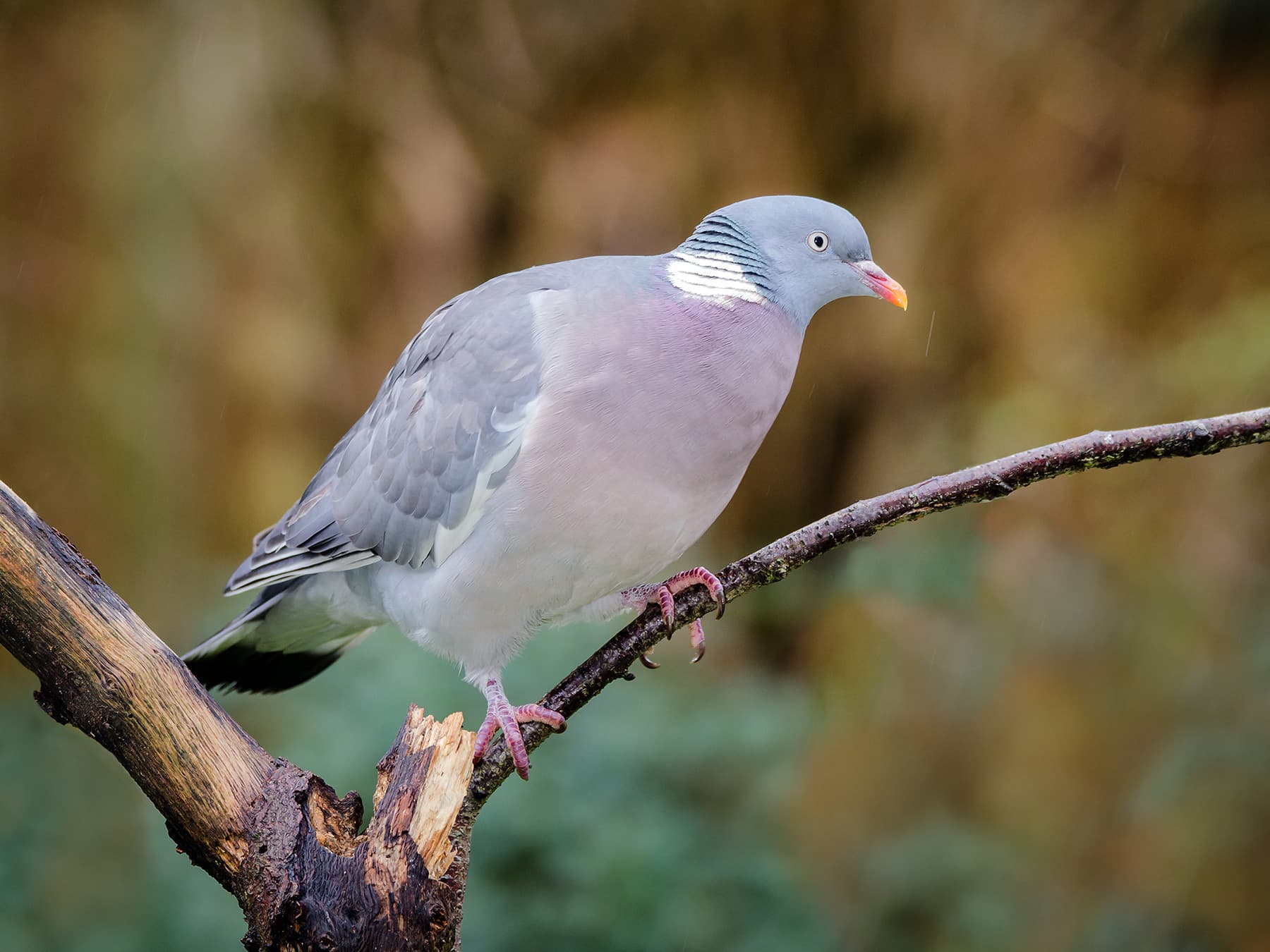 WoodpigeonColumba palumbusResidentCommon40–42 cmRecorded all year · 1.70% in Feb
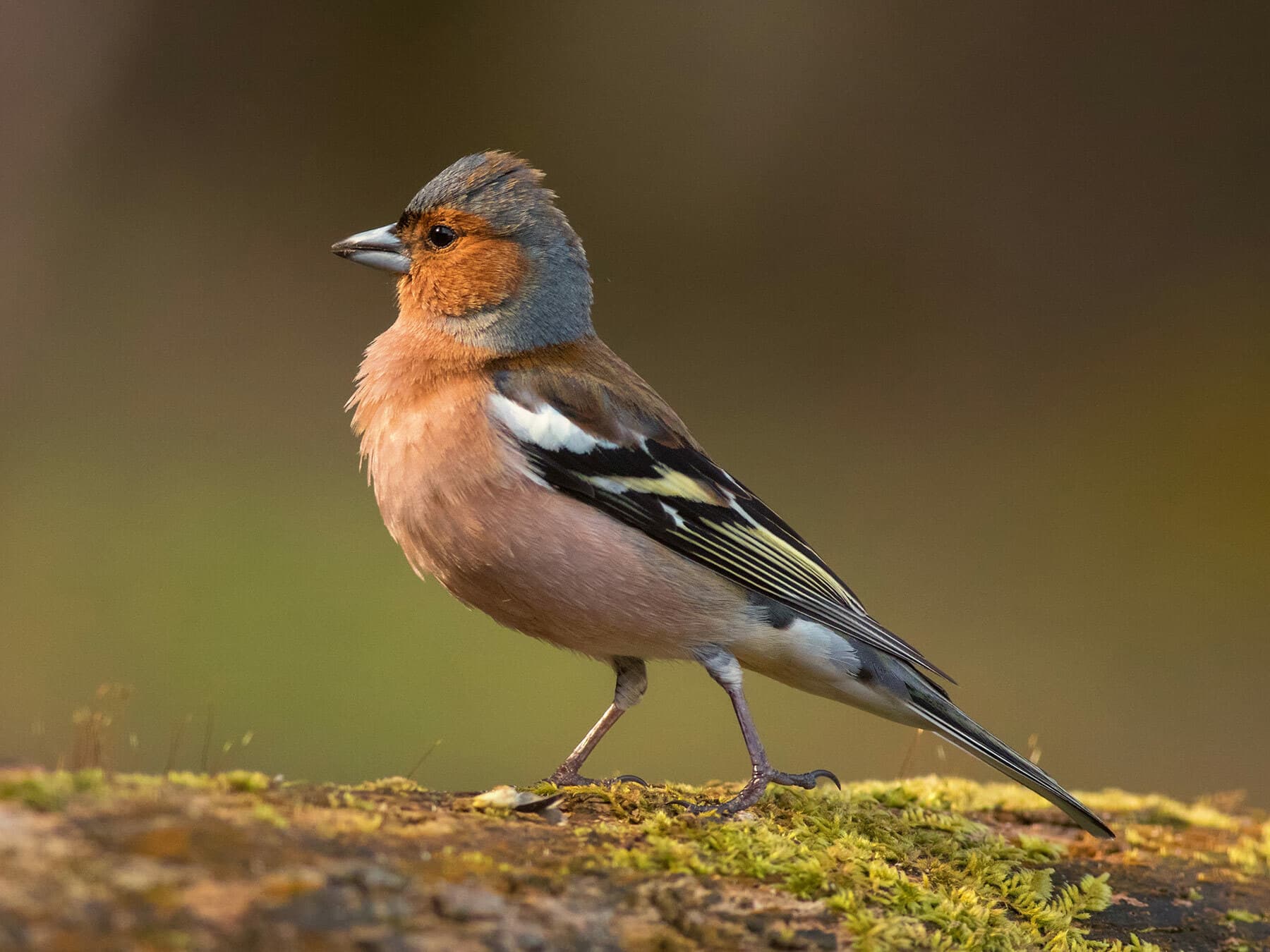 ChaffinchFringilla coelebsResidentCommon14–16 cmRecorded all year · 1.63% in Feb
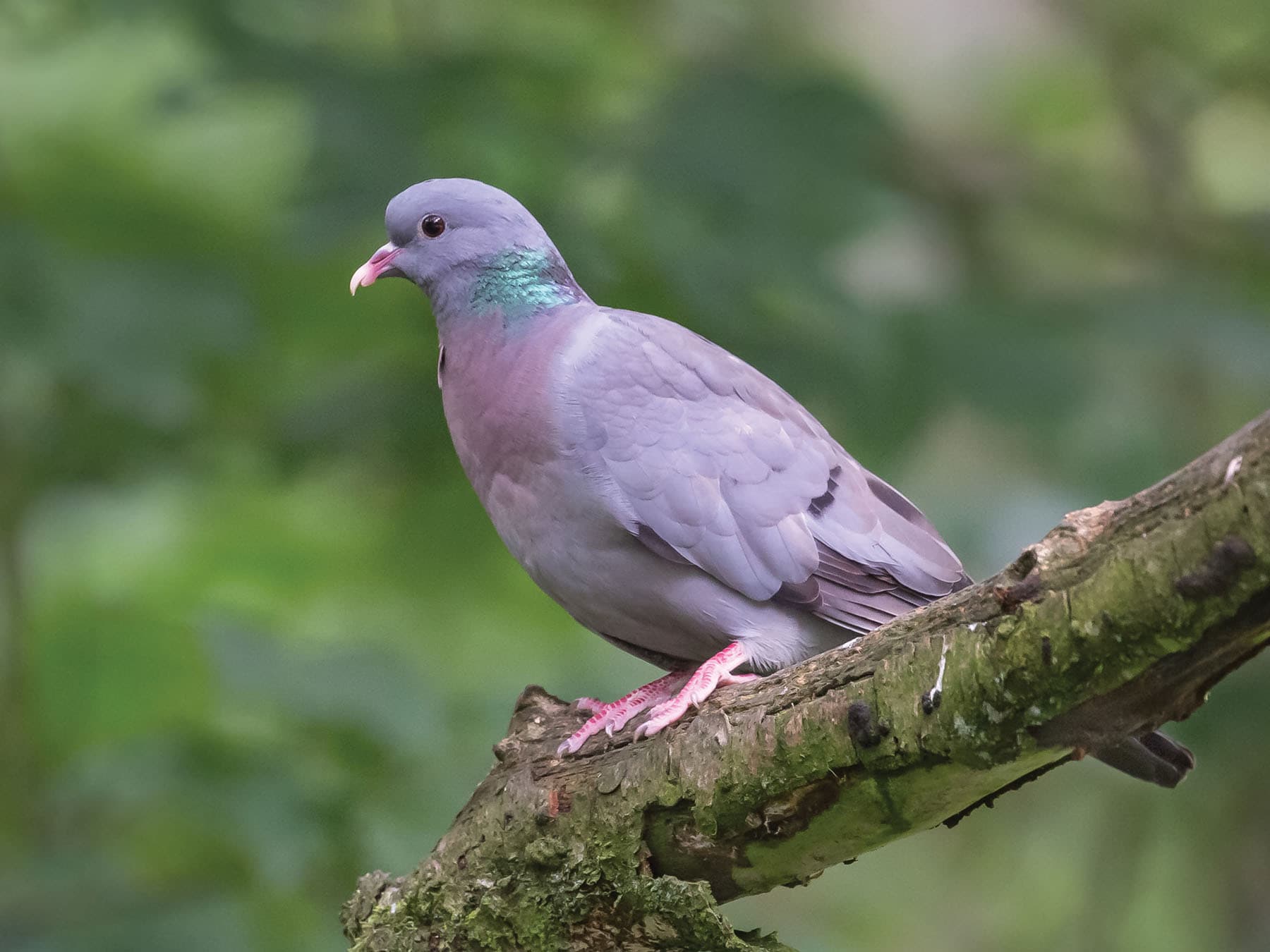 Stock DoveColumba oenasResidentCommon32–34 cmRecorded all year · 1.59% in Feb
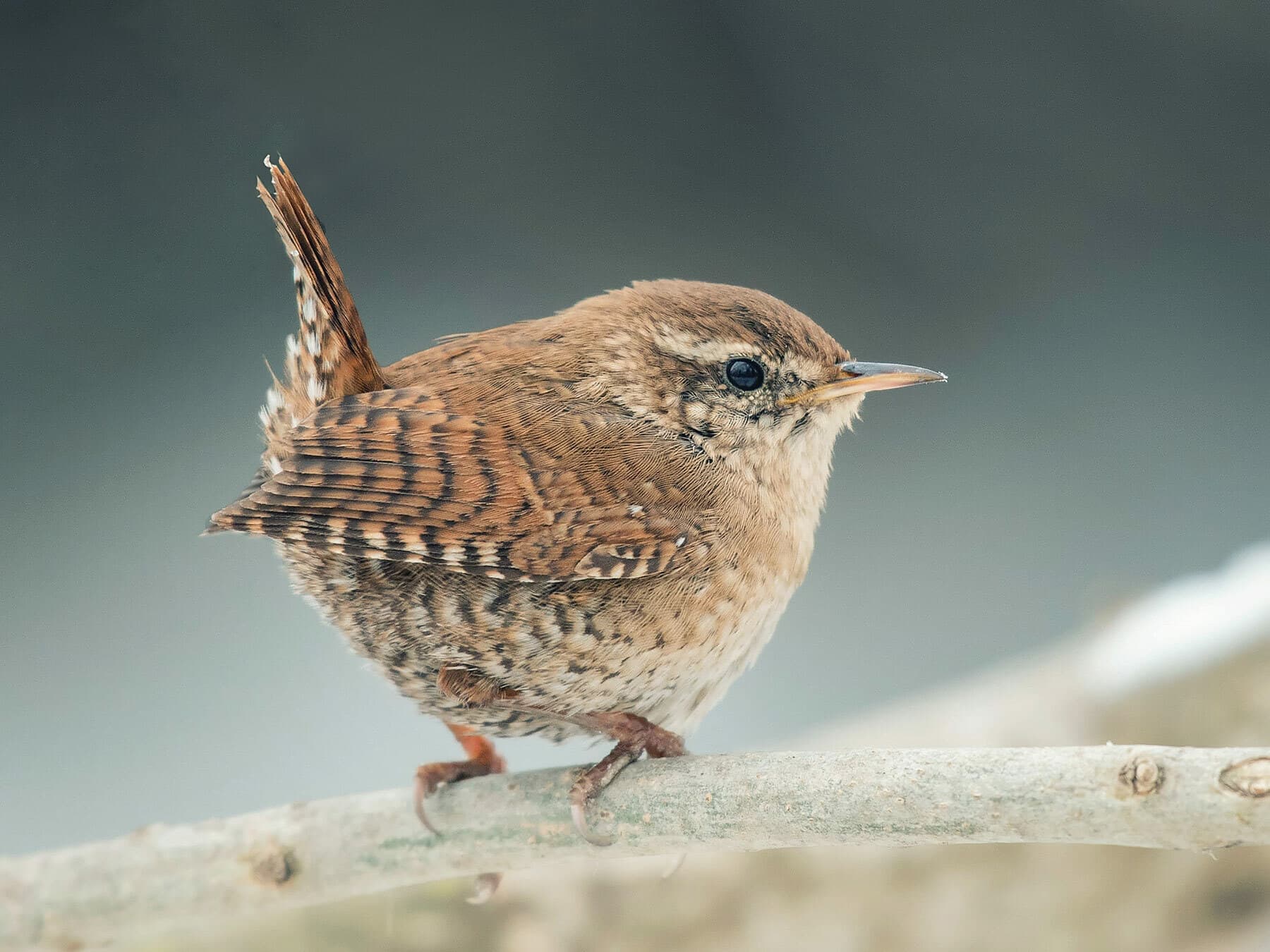 Eurasian WrenTroglodytes troglodytesResidentCommon9–10 cmRecorded all year · 1.45% in Feb
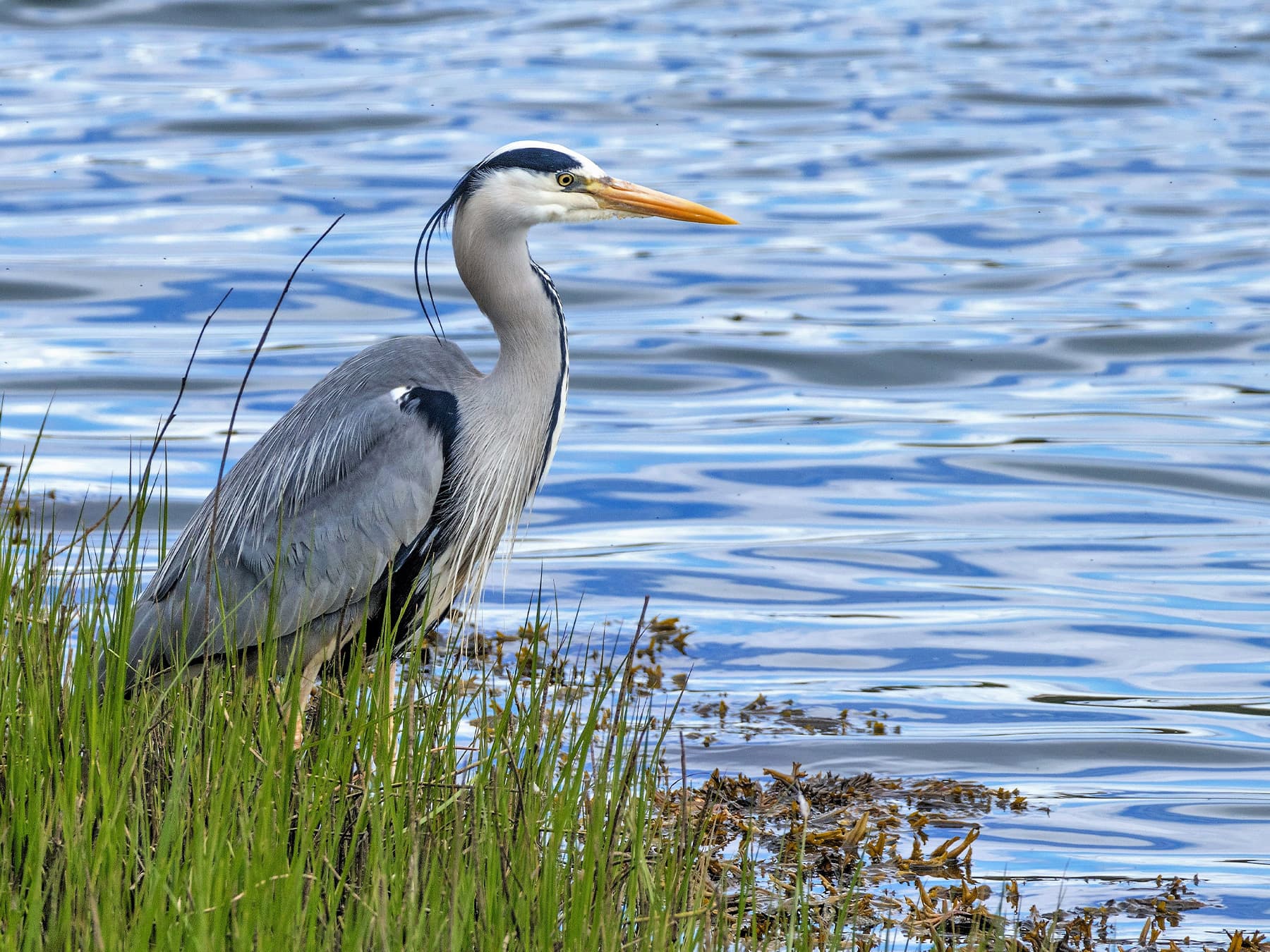 Grey HeronArdea cinereaResidentCommon90–98 cmRecorded all year · 1.38% in Feb
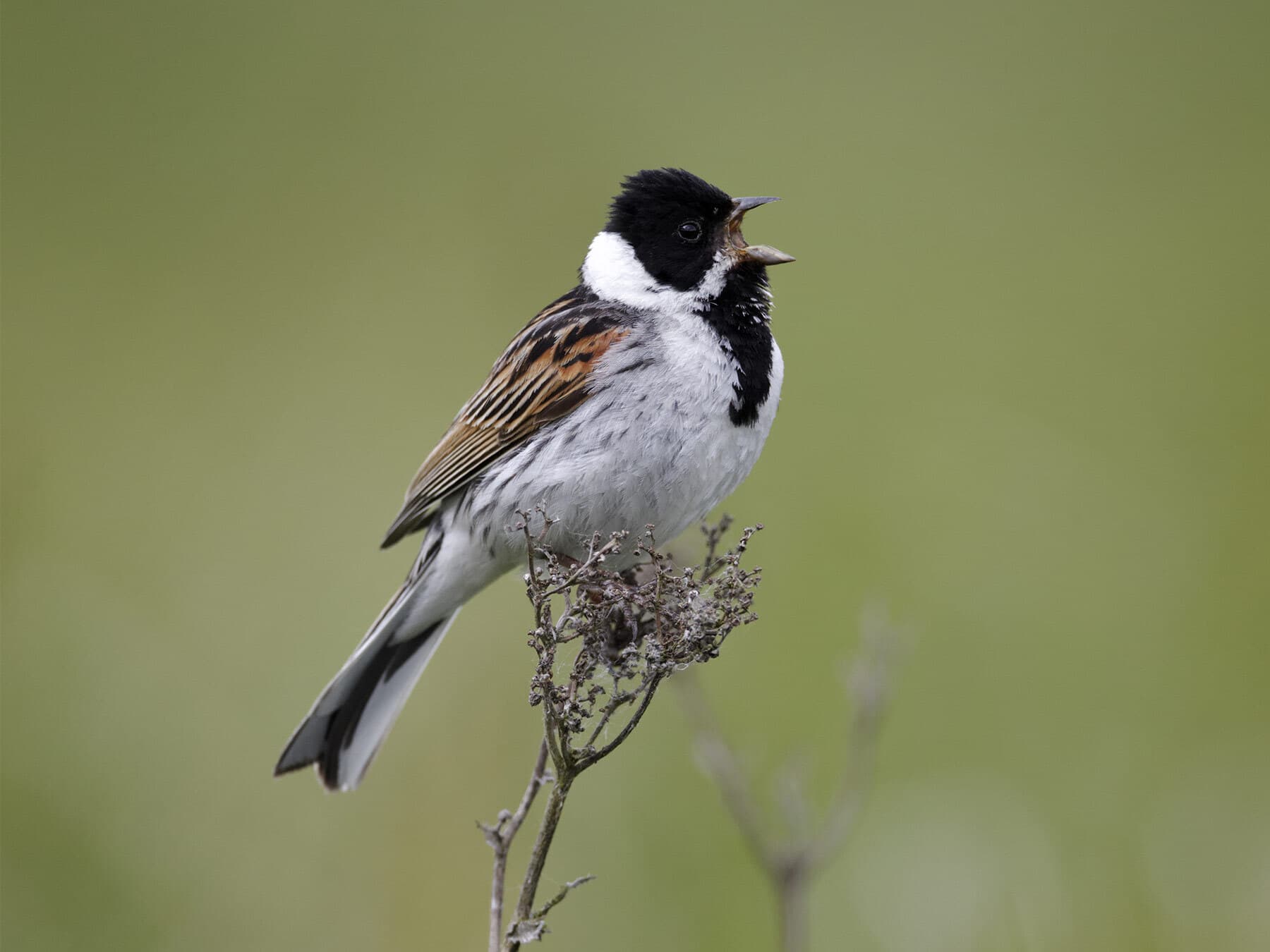 Reed BuntingEmberiza schoeniclusResidentCommon14–16 cmRecorded all year · 1.36% in Feb
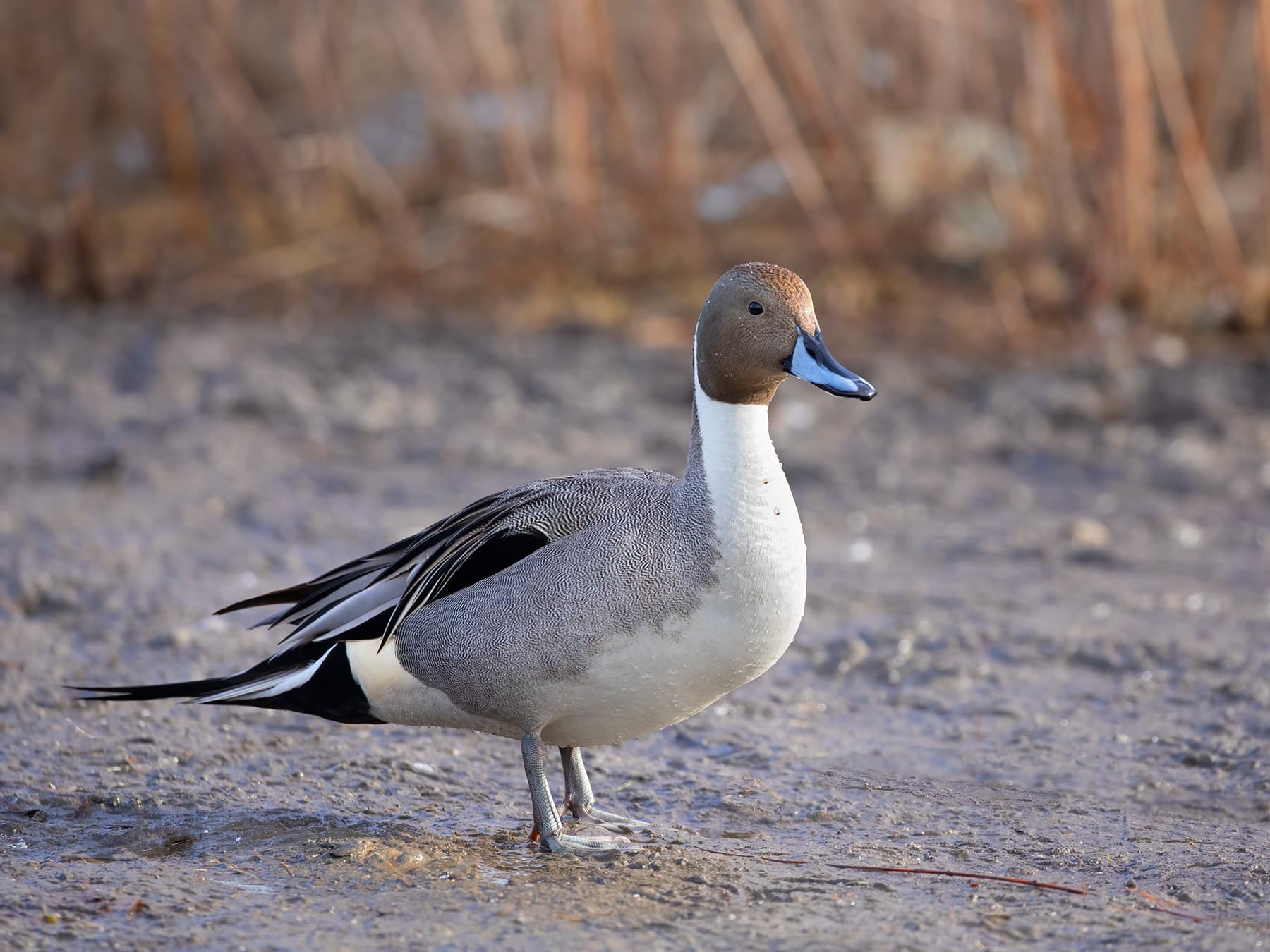 Northern PintailAnas acutaWinter visitorCommon59–76 cmRegularly Sep–Apr · 1.33% in Feb
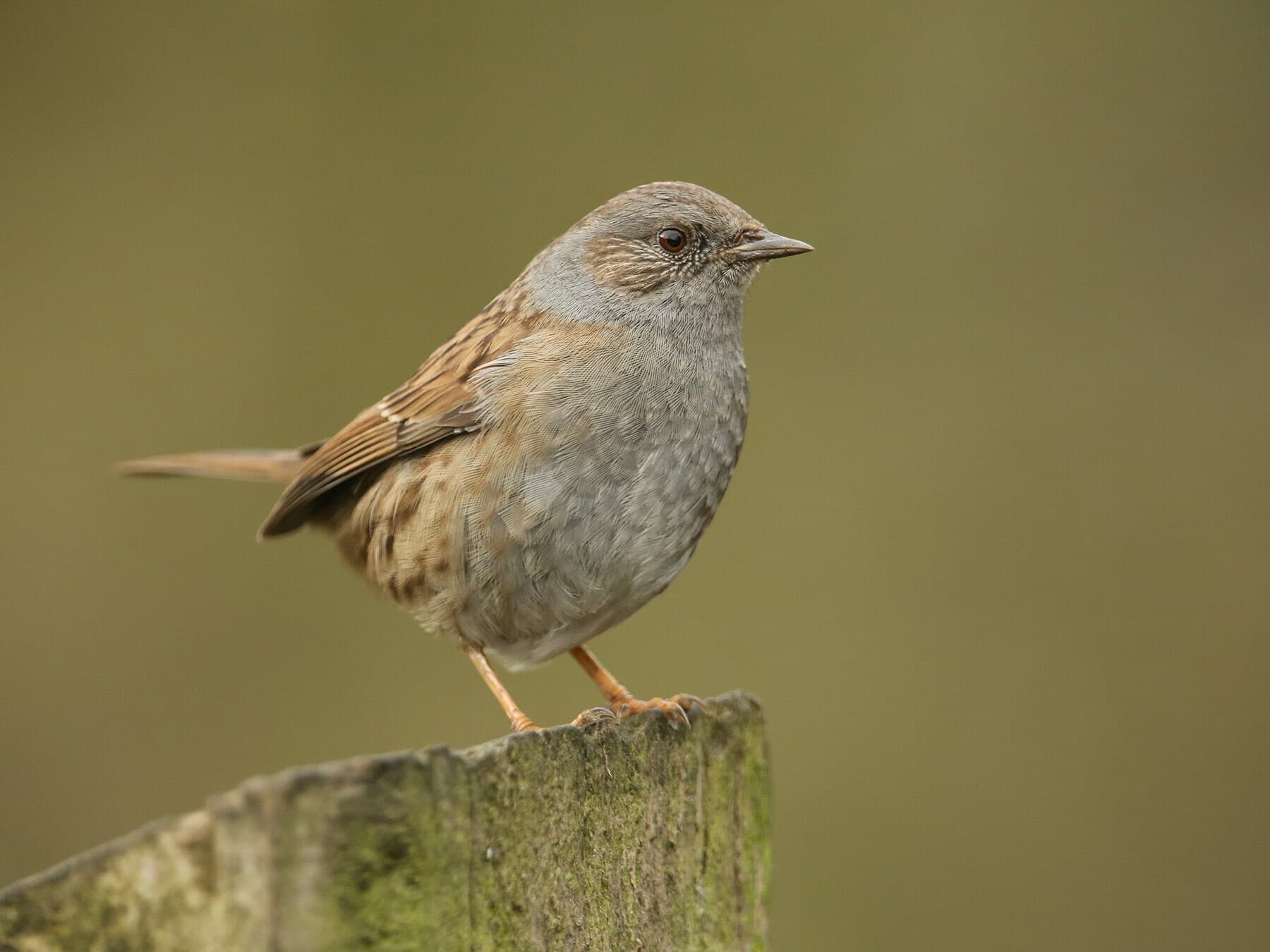 DunnockPrunella modularisResidentCommon14–15 cmRecorded all year · 1.22% in Feb
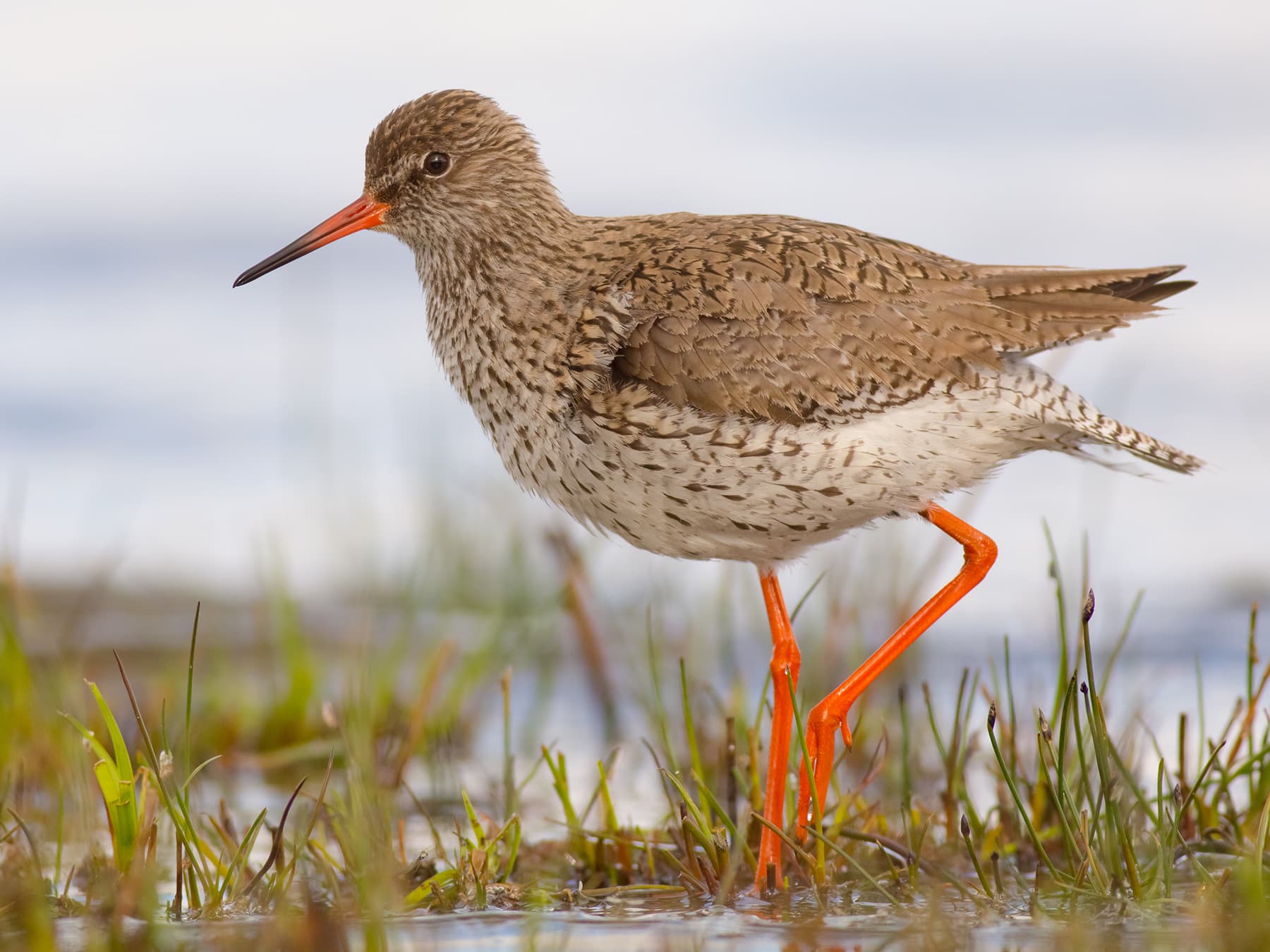 RedshankTringa totanusResidentCommon27–29 cmRecorded all year · 1.20% in Feb
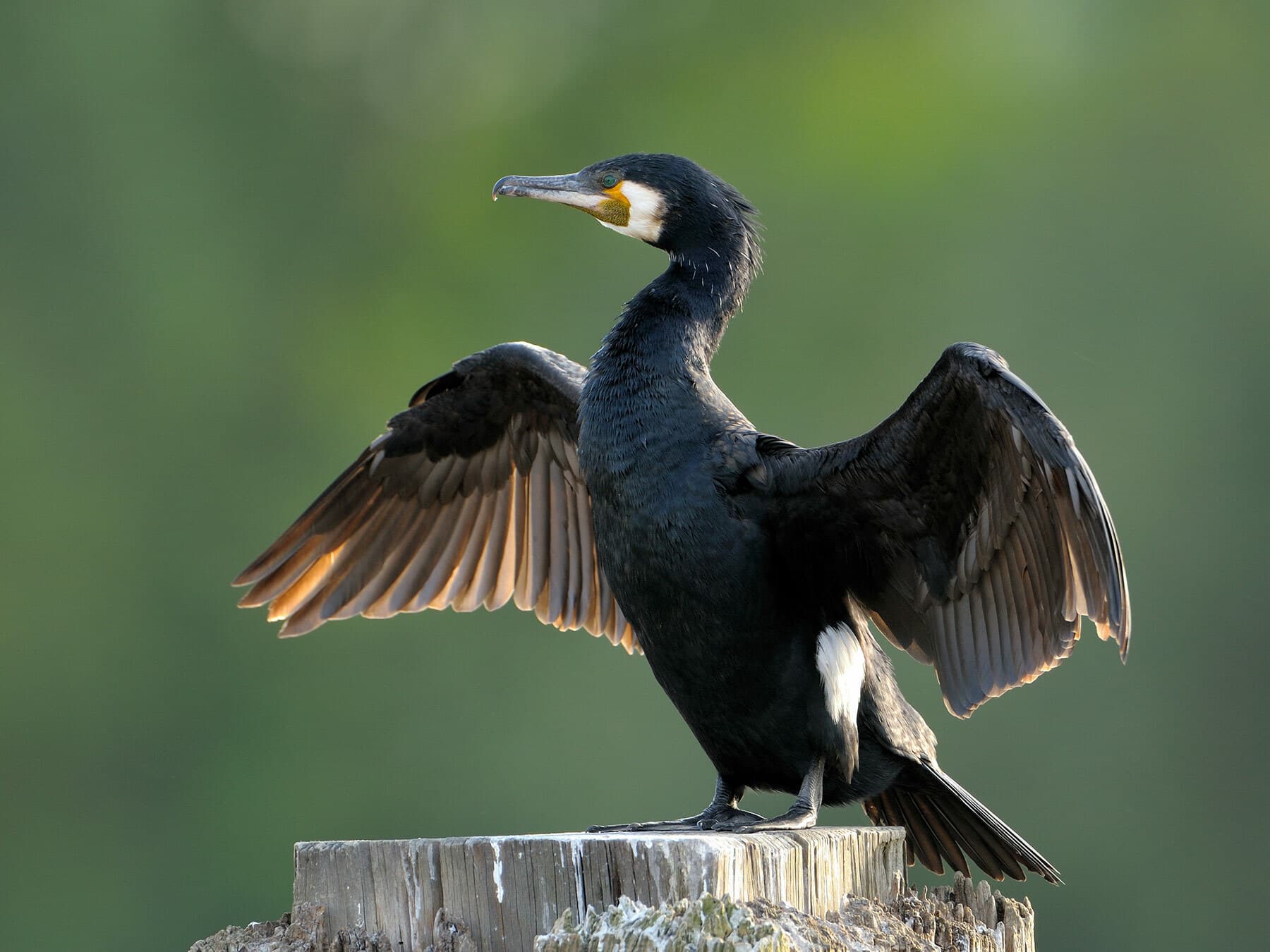 Great CormorantPhalacrocorax carboResidentCommon80–100 cmRecorded all year · 1.17% in Feb
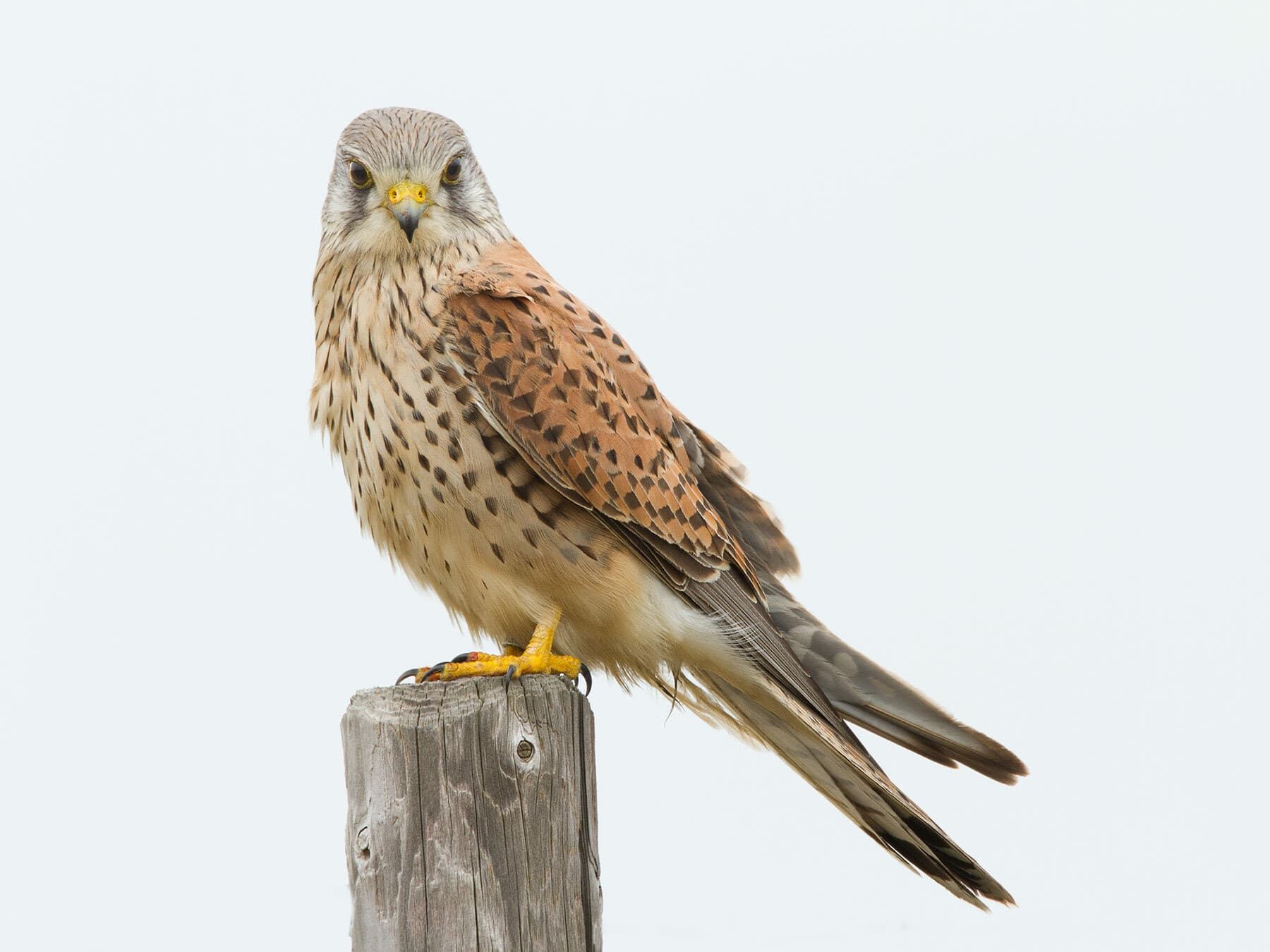 KestrelFalco tinnunculusResidentCommon32–39 cmRecorded all year · 1.17% in Feb
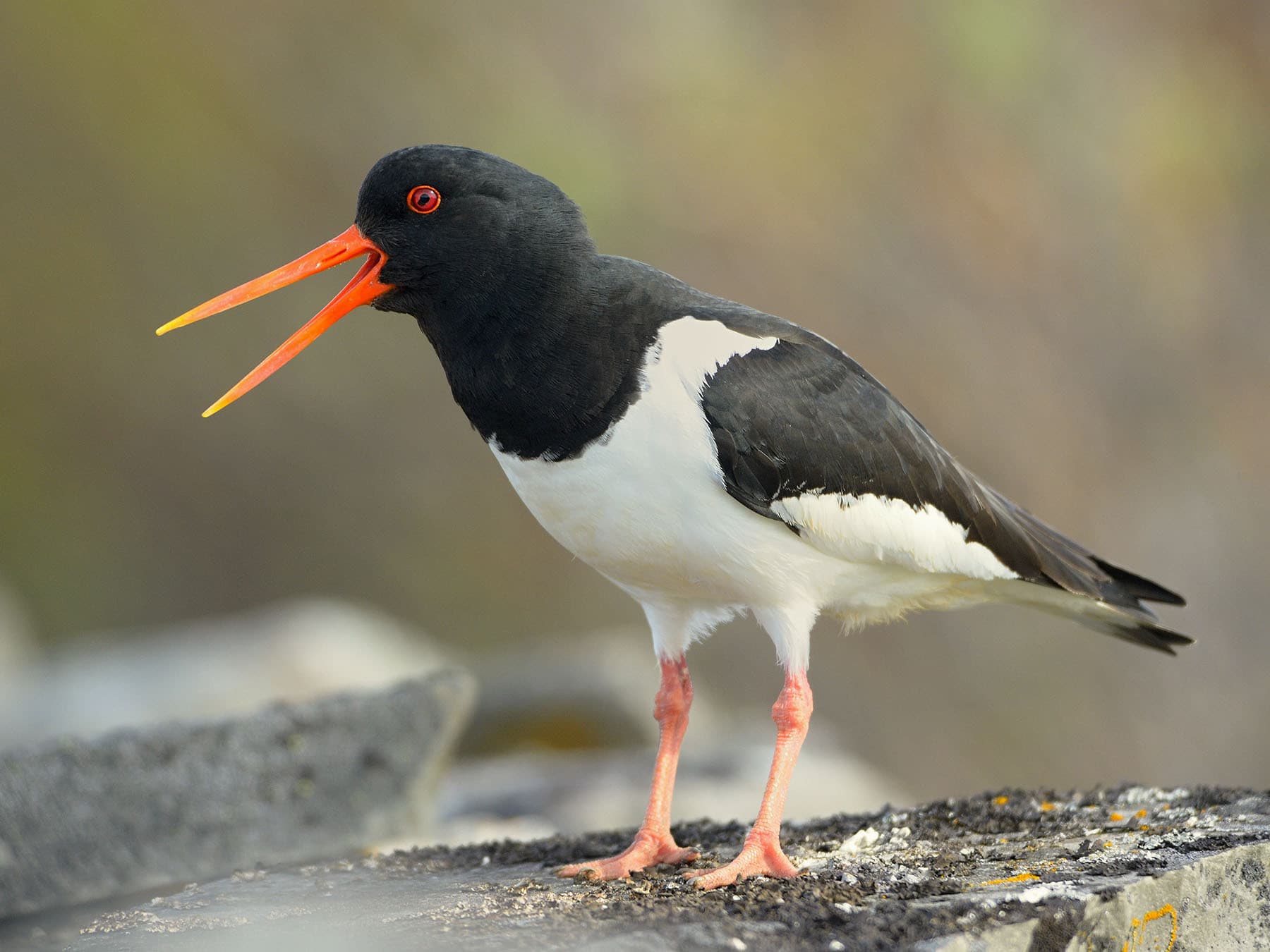 Eurasian OystercatcherHaematopus ostralegusResidentCommon40–45 cmRecorded all year · 1.10% in Feb
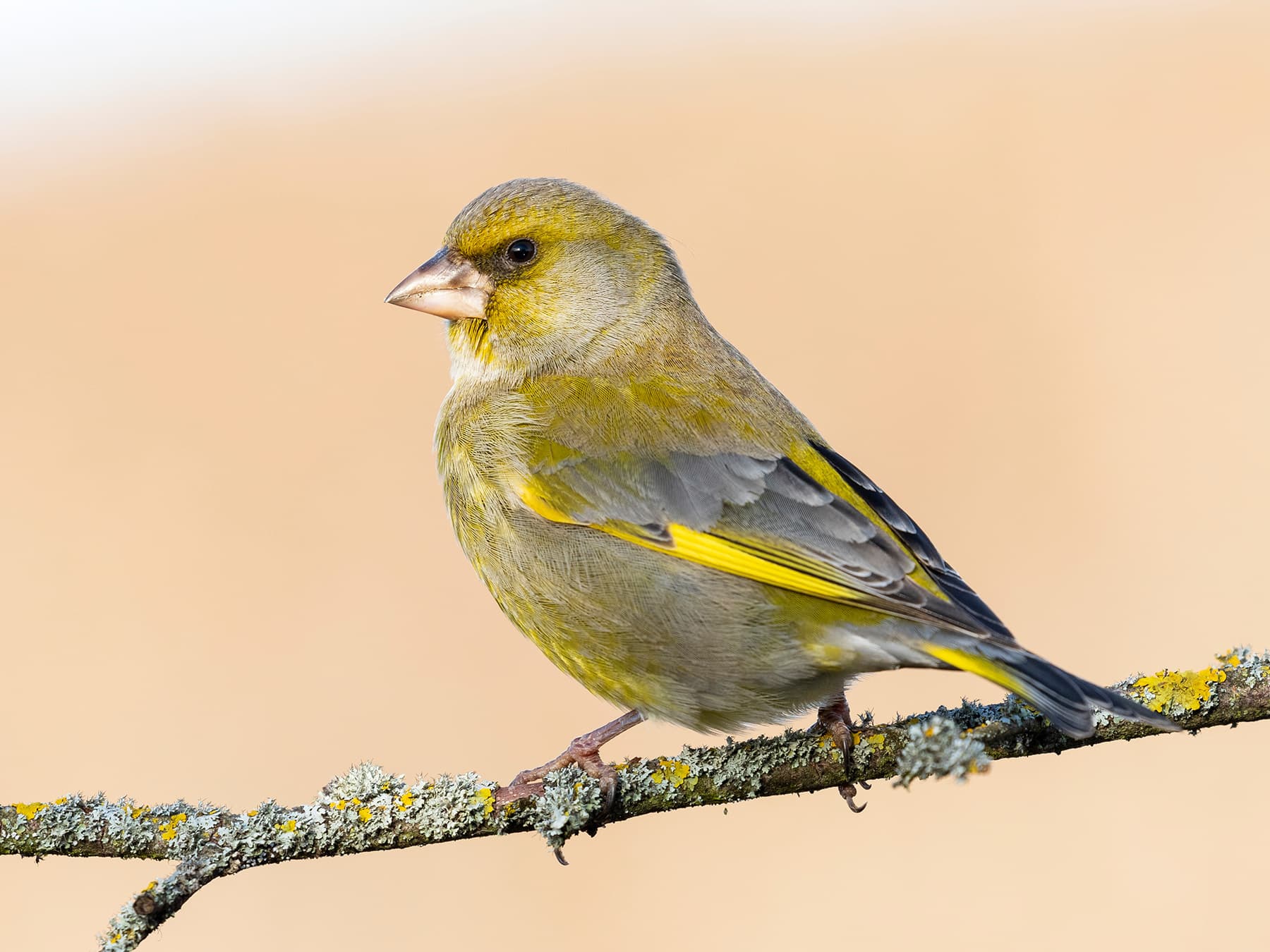 GreenfinchChloris chlorisResidentCommon15–16 cmRecorded all year · 1.10% in Feb
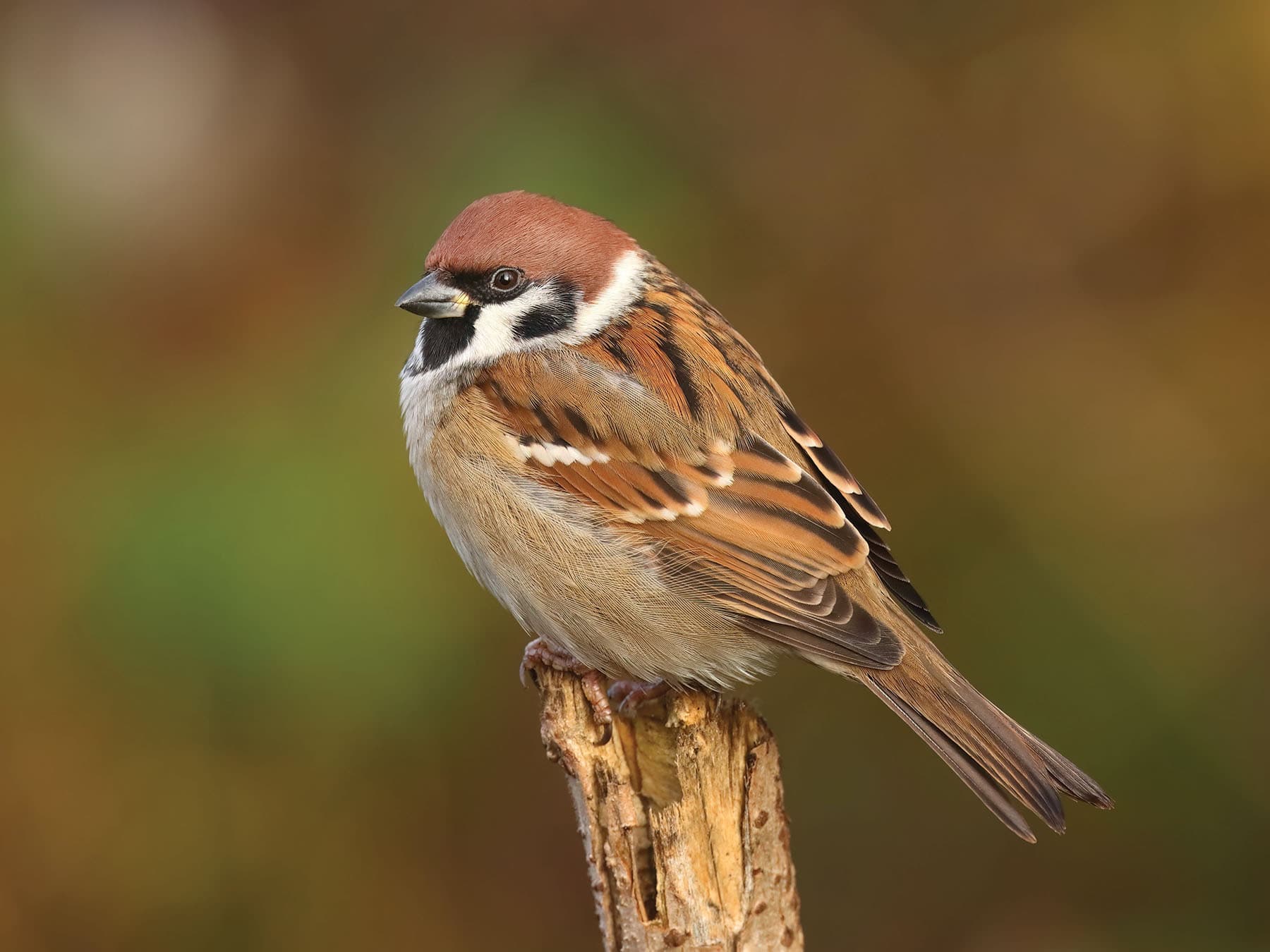 Eurasian Tree SparrowPasser montanusResidentCommon13–14 cmRecorded all year · 1.04% in Feb
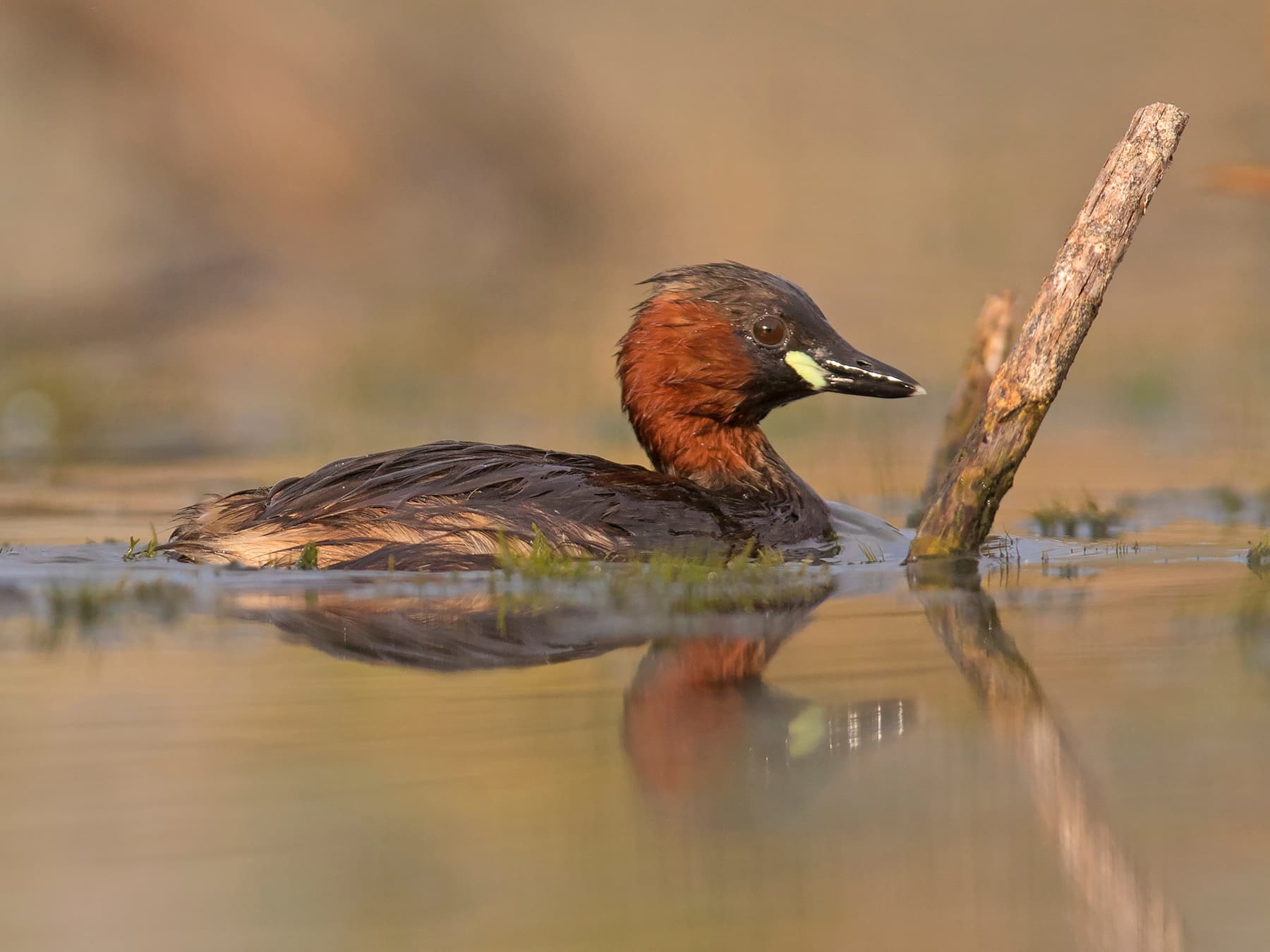 Little GrebeTachybaptus ruficollisResidentCommon23–29 cmRecorded all year · 1.01% in Feb
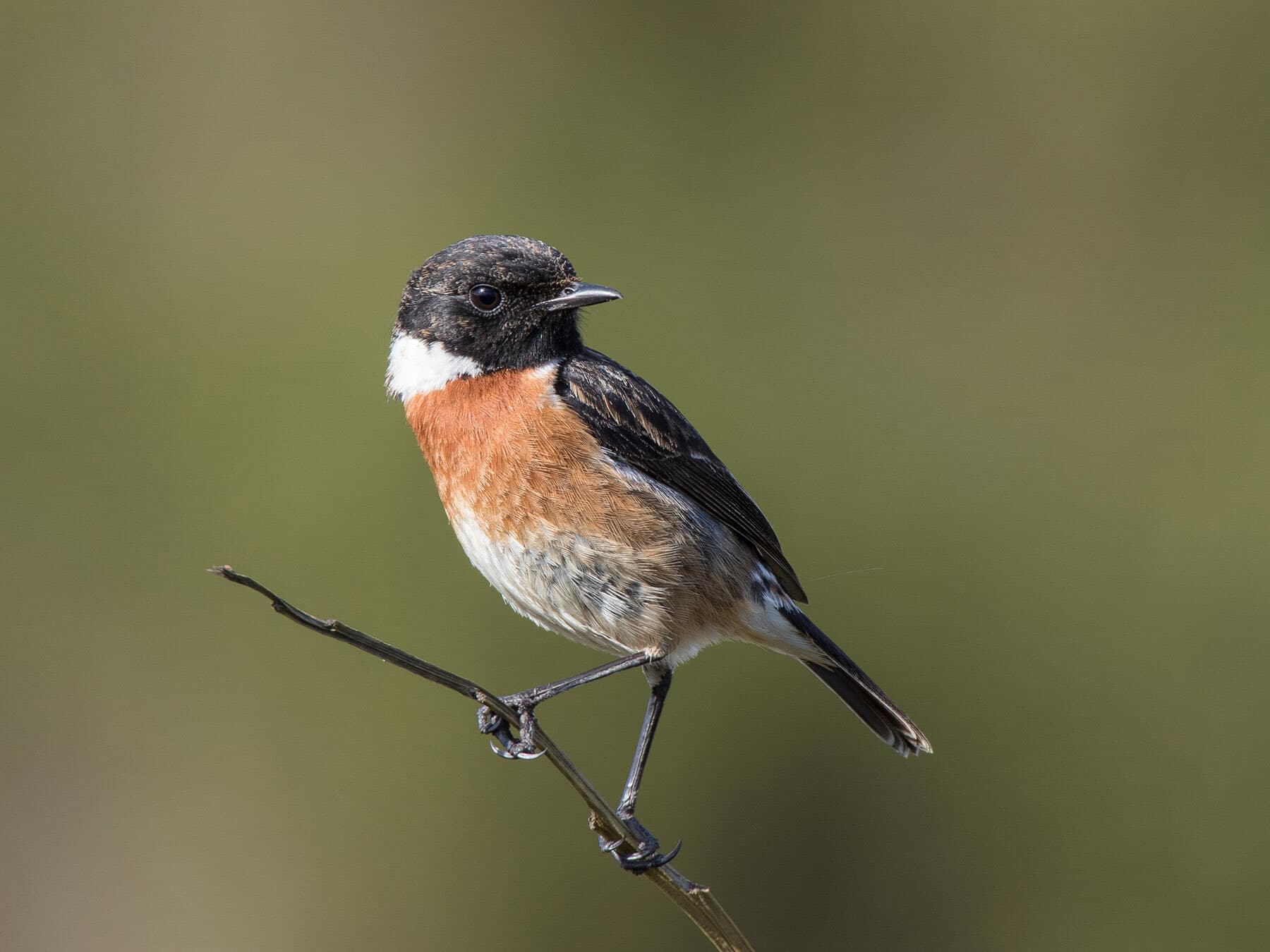 StonechatSaxicola rubicolaWinter visitorCommon12–13 cmRegularly Oct–Jun · 0.99% in Feb
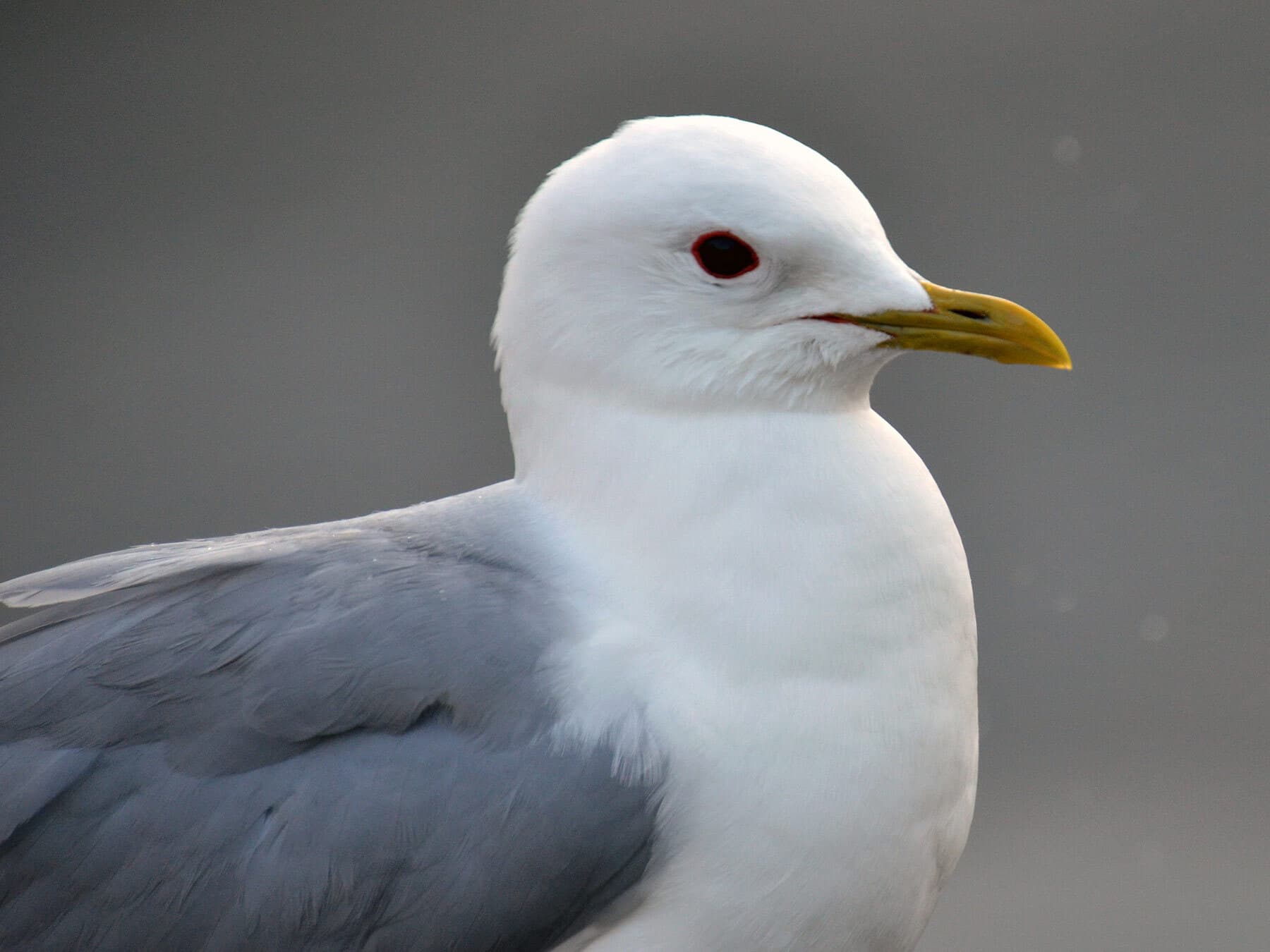 Common GullLarus canusResidentCommon40–46 cmRecorded all year · 0.97% in Feb
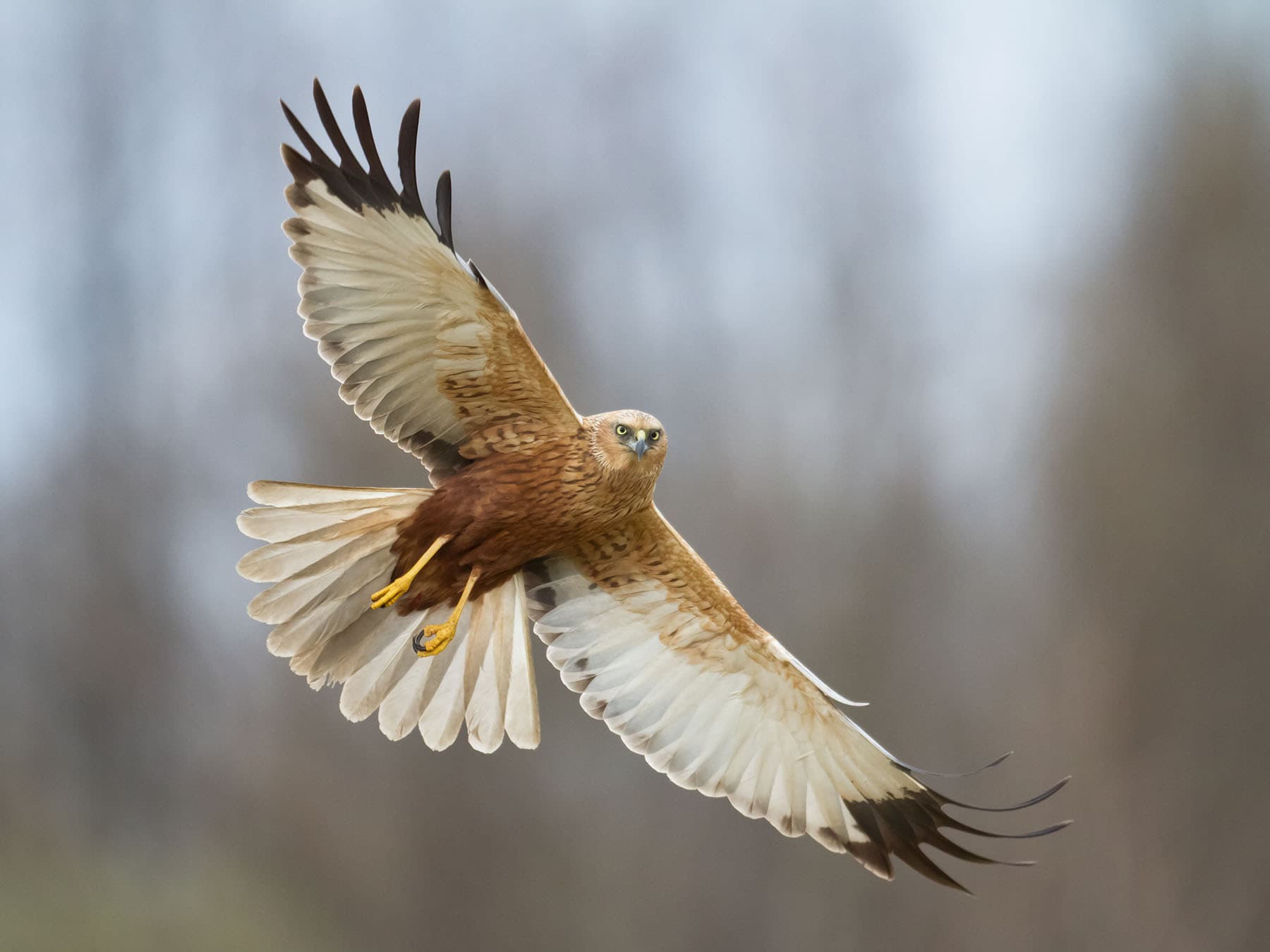 Western Marsh-harrierCircus aeruginosusResidentCommon48–56 cmRecorded all year · 0.97% in Feb
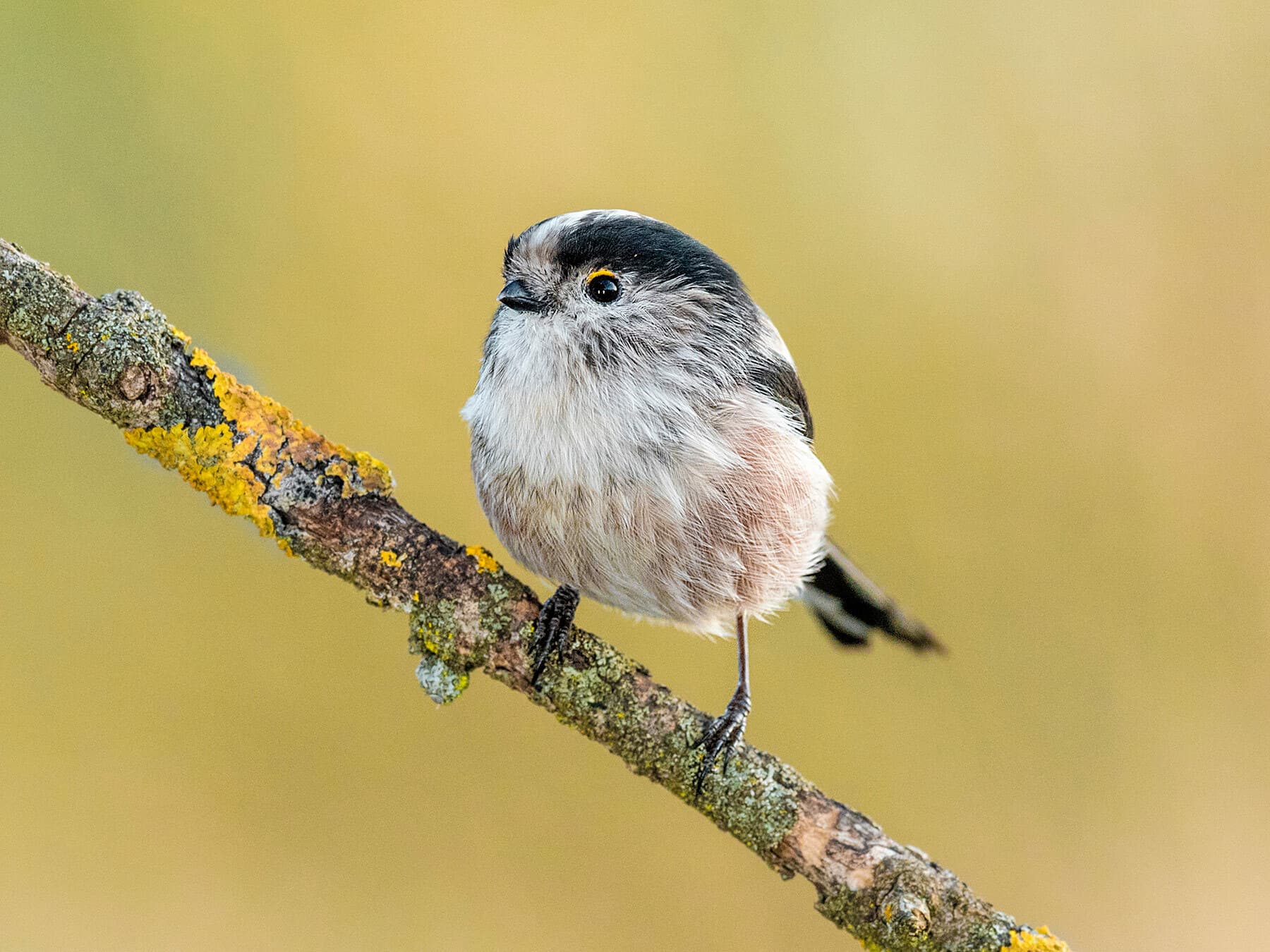 Long-tailed TitAegithalos caudatusResidentCommon13–16 cmRecorded all year · 0.94% in Feb
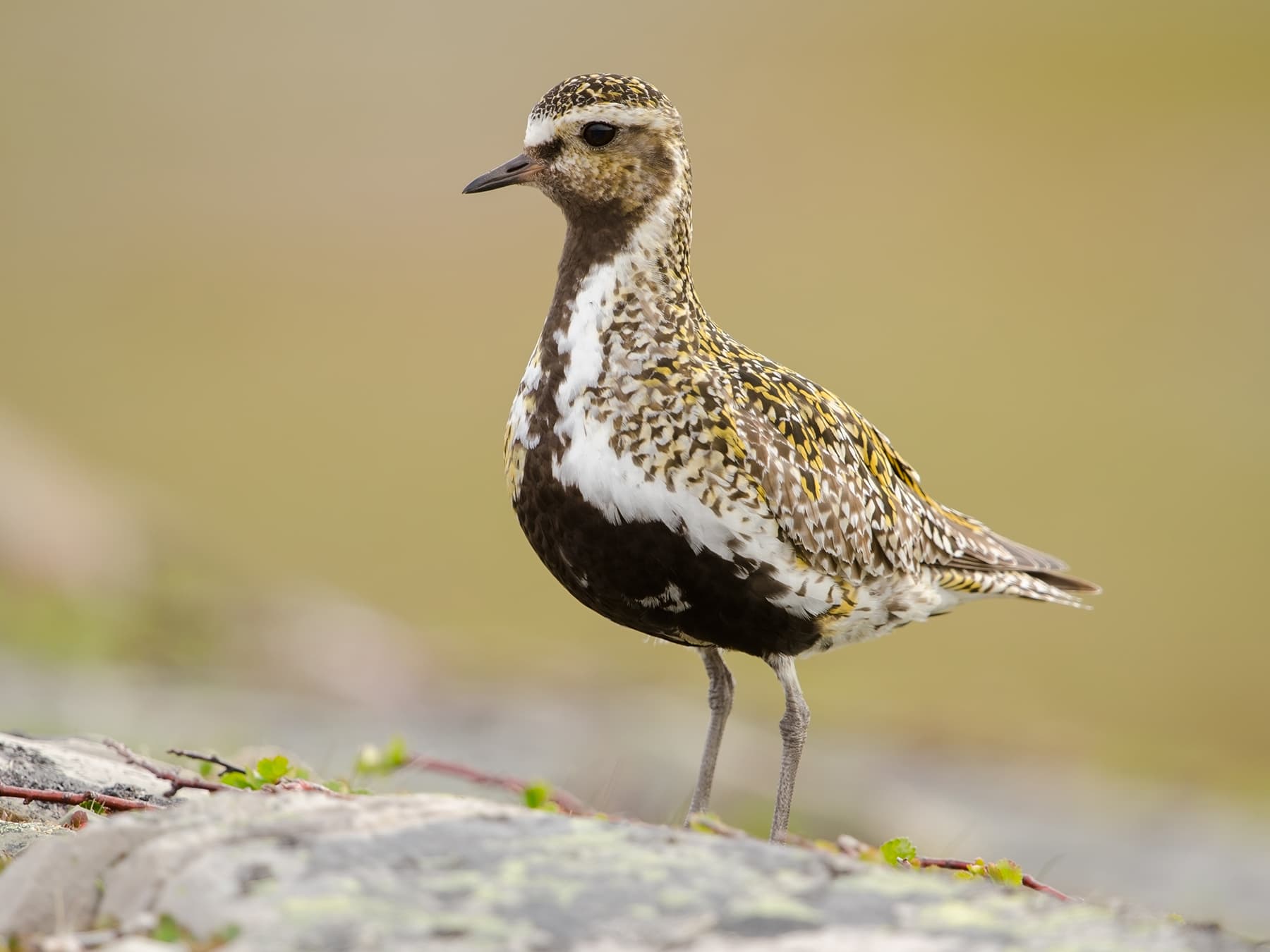 Golden PloverPluvialis apricariaWinter visitorCommon26–29 cmRegularly Aug–Mar · 0.87% in Feb
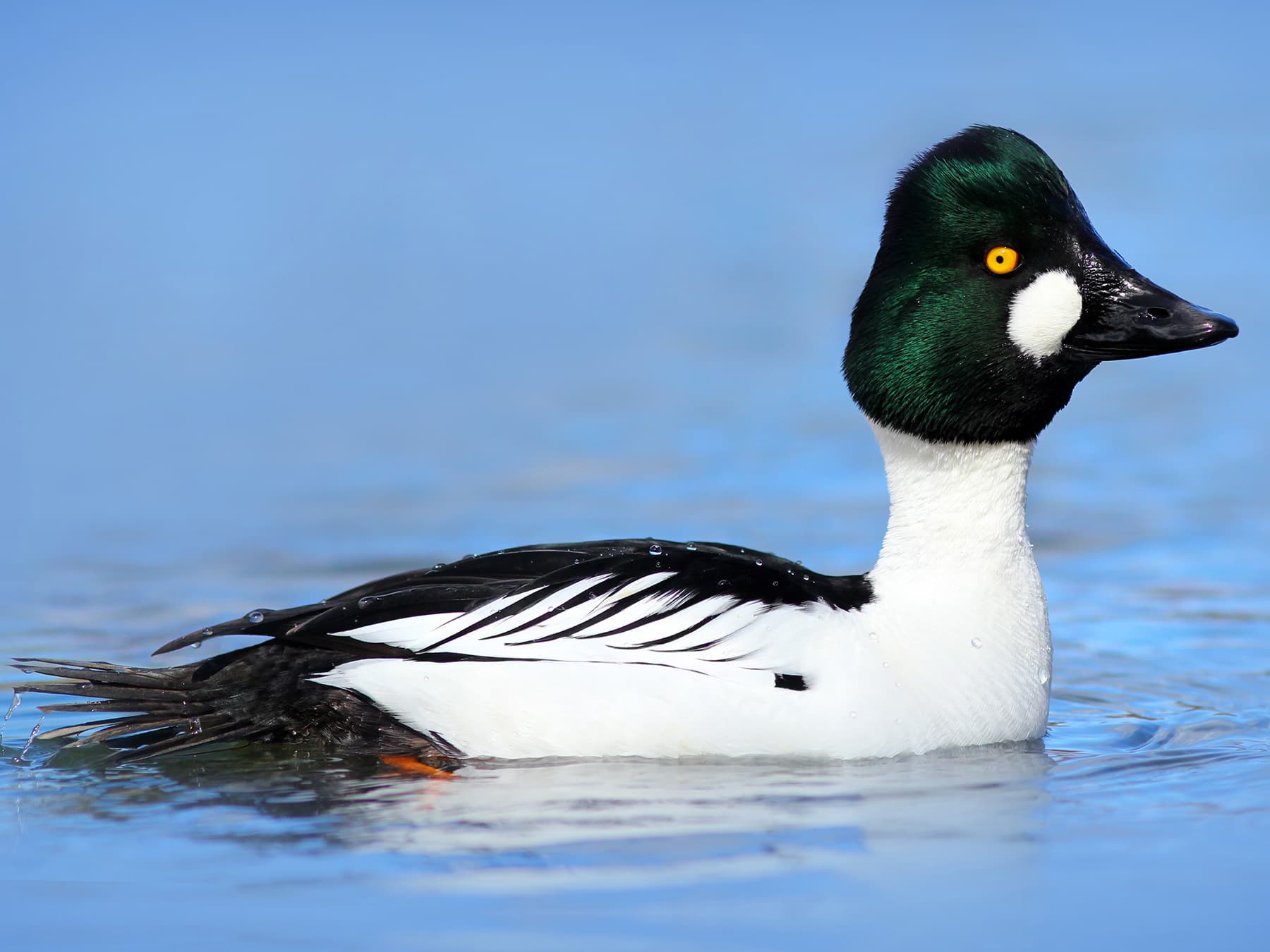 GoldeneyeBucephala clangulaWinter visitorCommon40–51 cmRegularly Oct–Mar · 0.87% in Feb
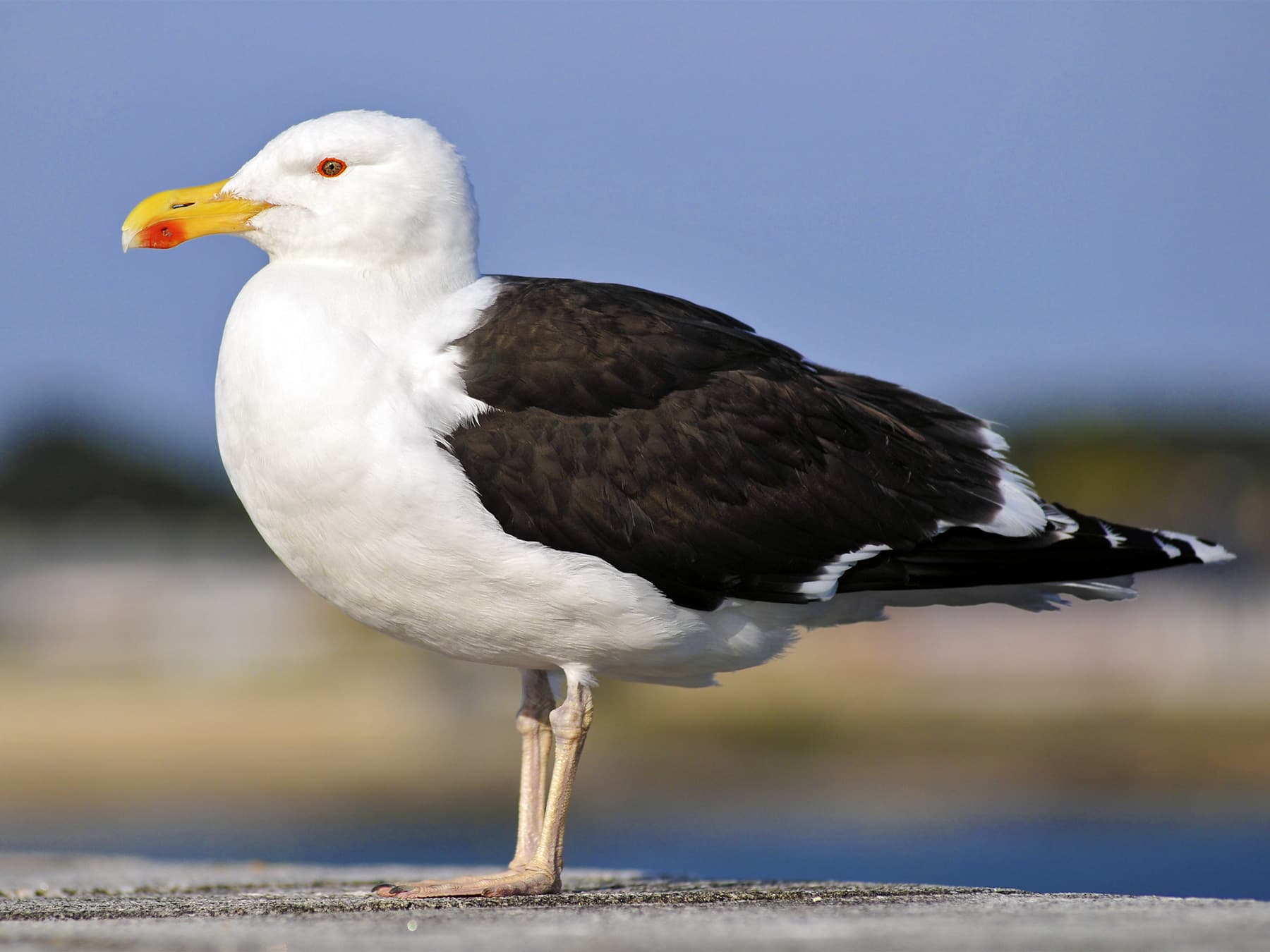 Great Black-backed GullLarus marinusResidentCommon64–79 cmRecorded all year · 0.87% in Feb
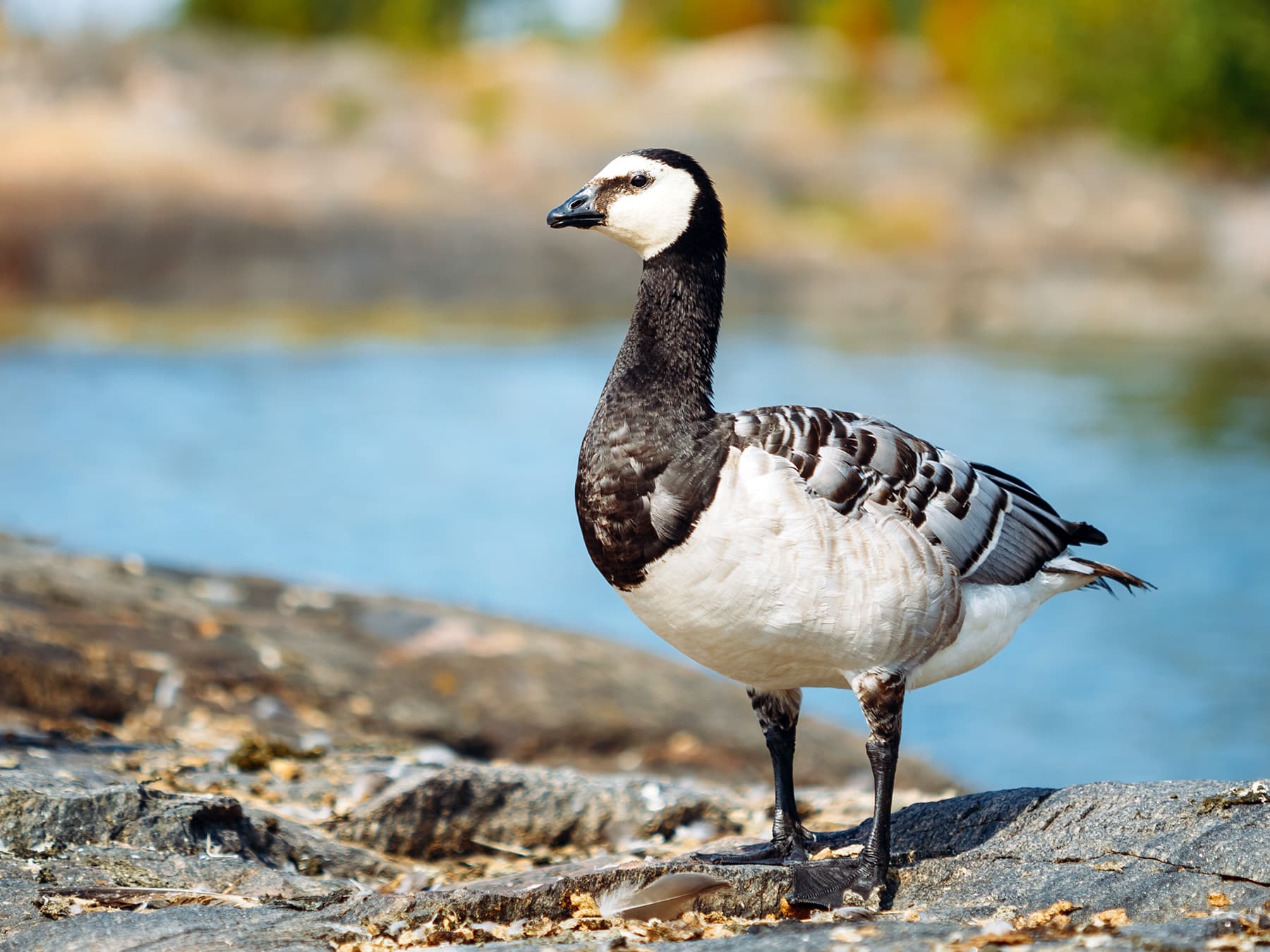 Barnacle GooseBranta leucopsisWinter visitorCommon58–70 cmRecorded all year · 0.85% in Feb
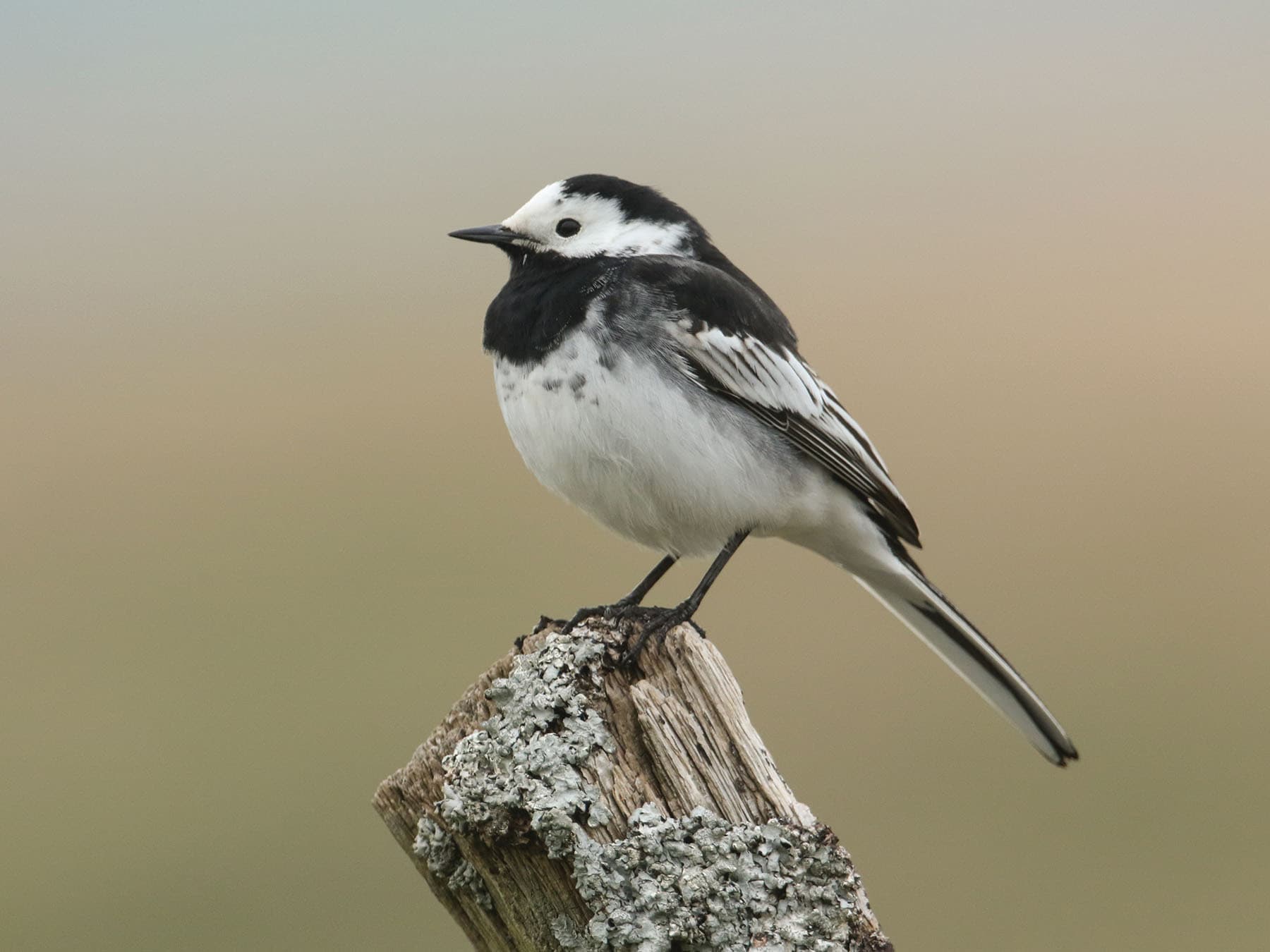 Pied WagtailMotacilla albaResidentCommon17–19 cmRecorded all year · 0.76% in Feb
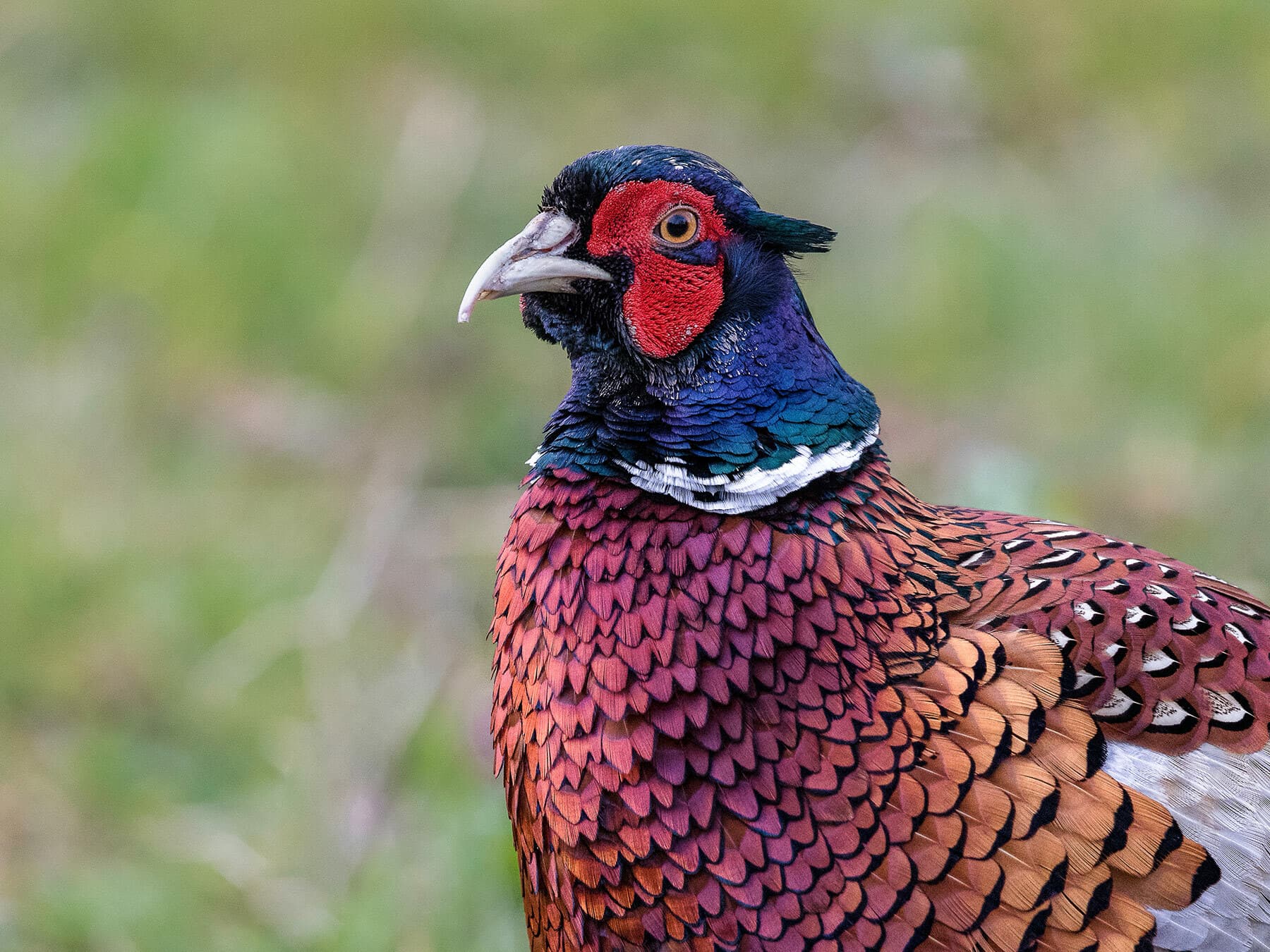 Common PheasantPhasianus colchicusResidentCommon50–90 cmRecorded all year · 0.64% in Feb
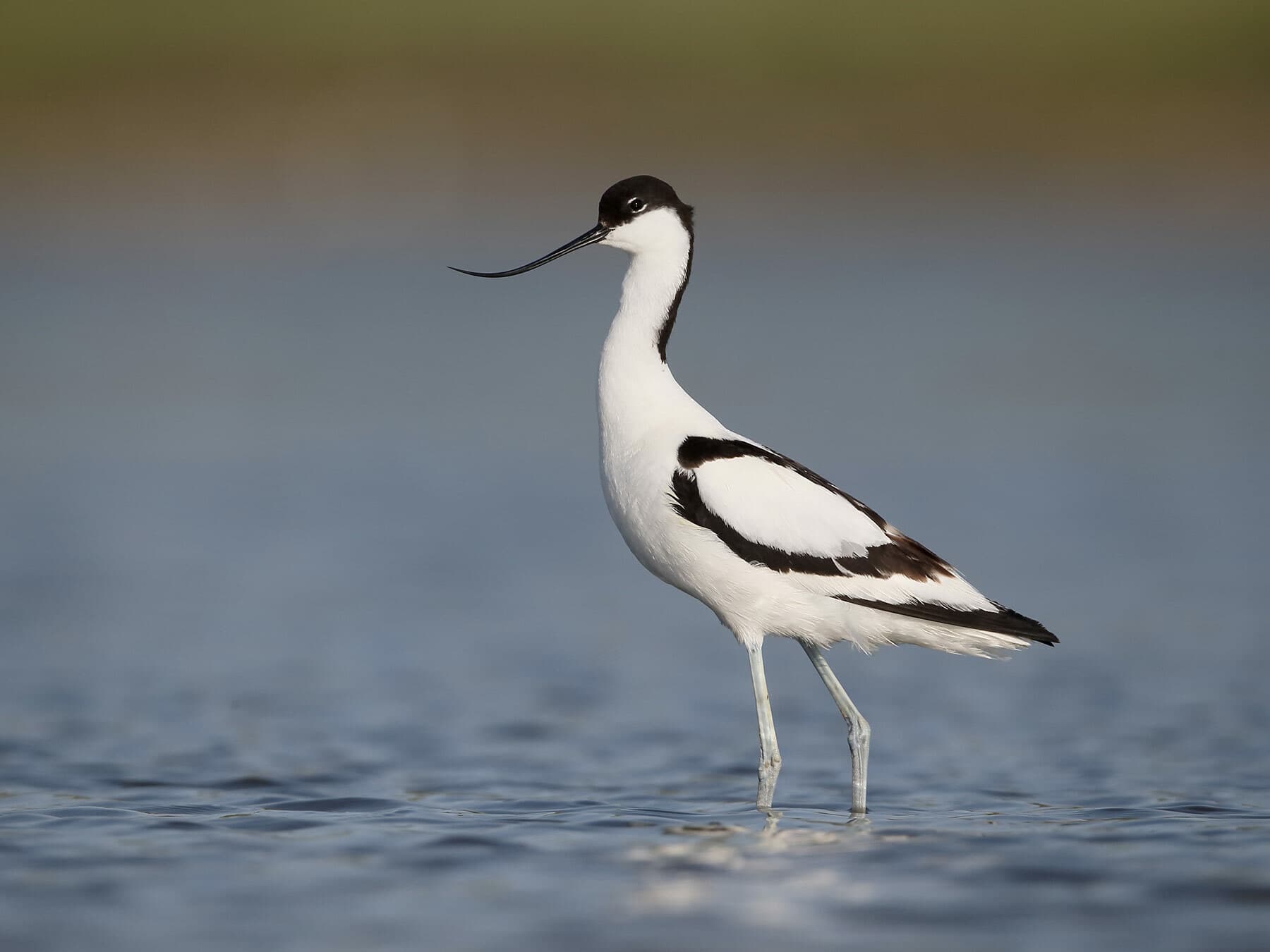 AvocetRecurvirostra avosettaSummer visitorCommon42–45 cmRegularly Feb–Oct · 0.62% in Feb
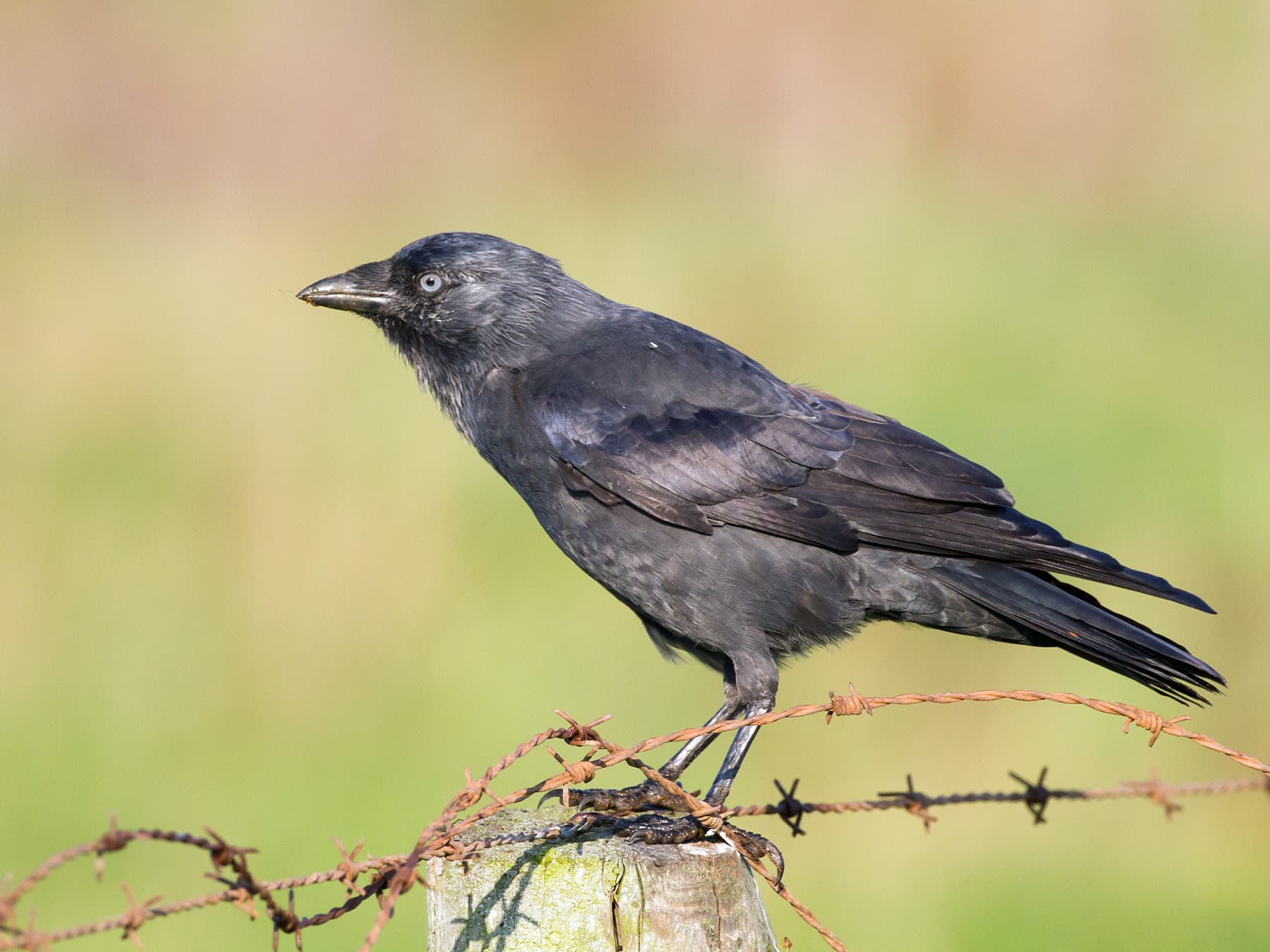 JackdawColoeus monedulaResidentCommon34–39 cmRecorded all year · 0.62% in Feb
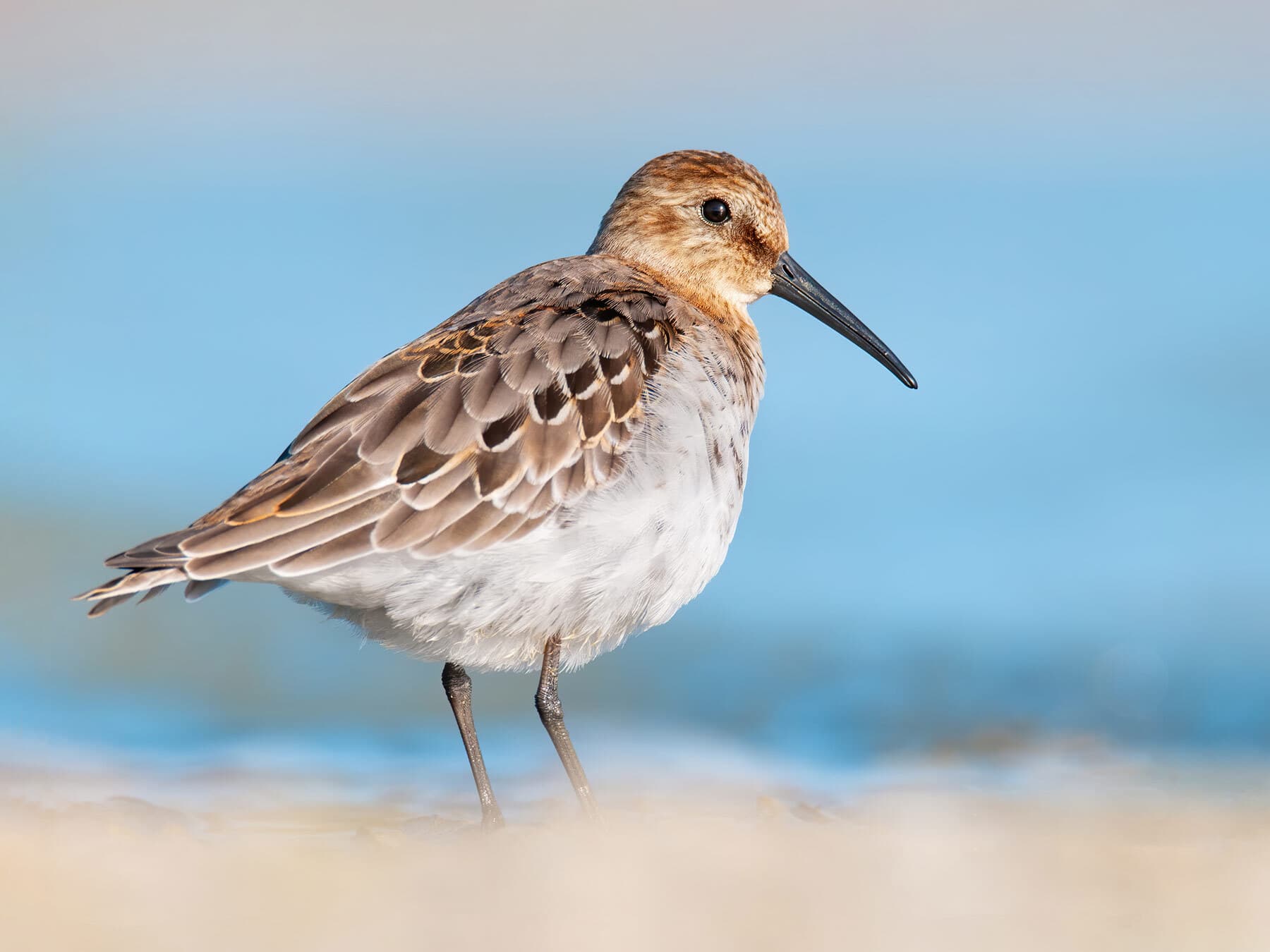 DunlinCalidris alpinaWinter visitorCommon16–22 cmRecorded all year · 0.60% in Feb
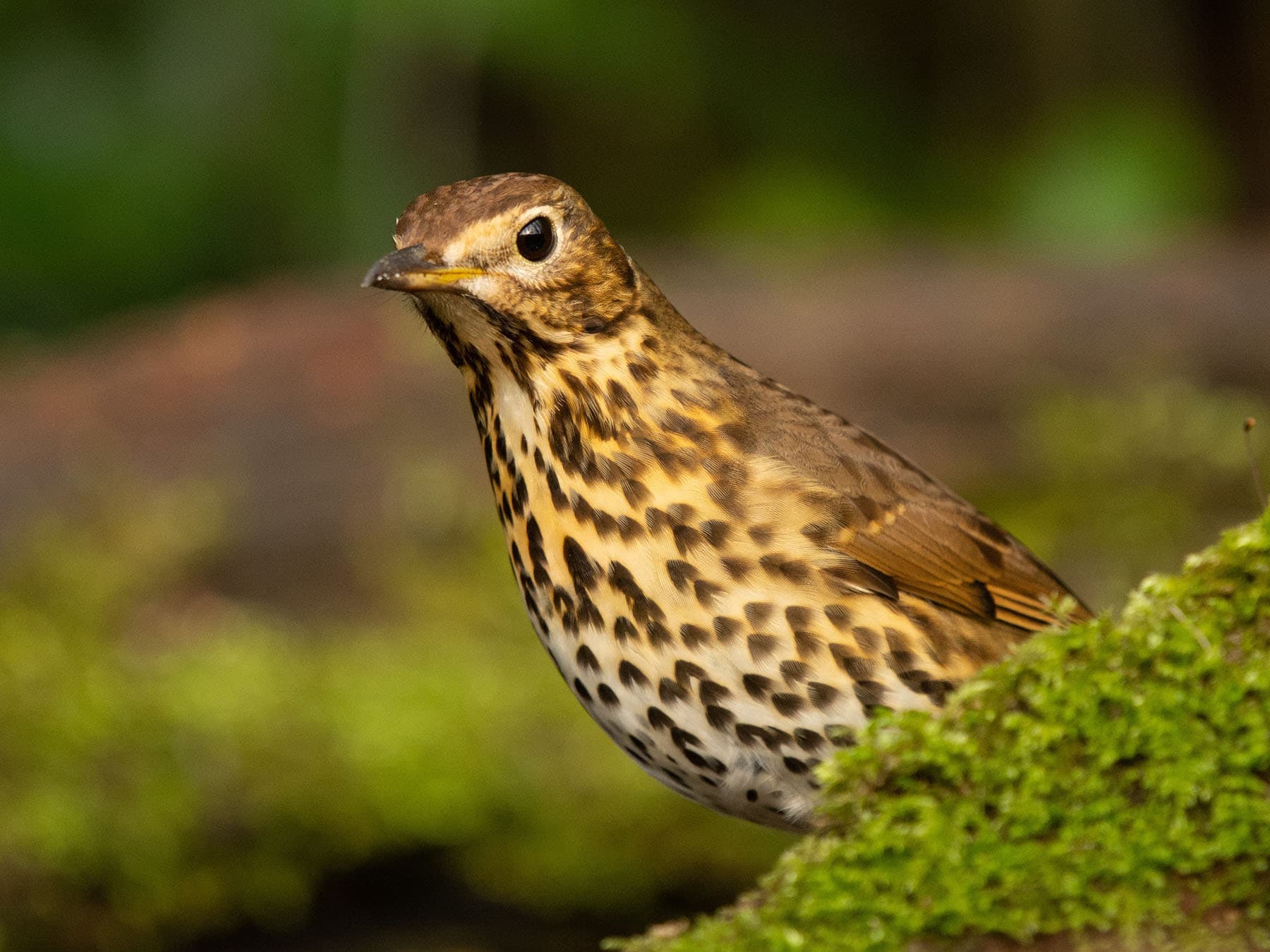 Song ThrushTurdus philomelosResidentCommon20–23 cmRegularly Oct–Jul · 0.55% in Feb
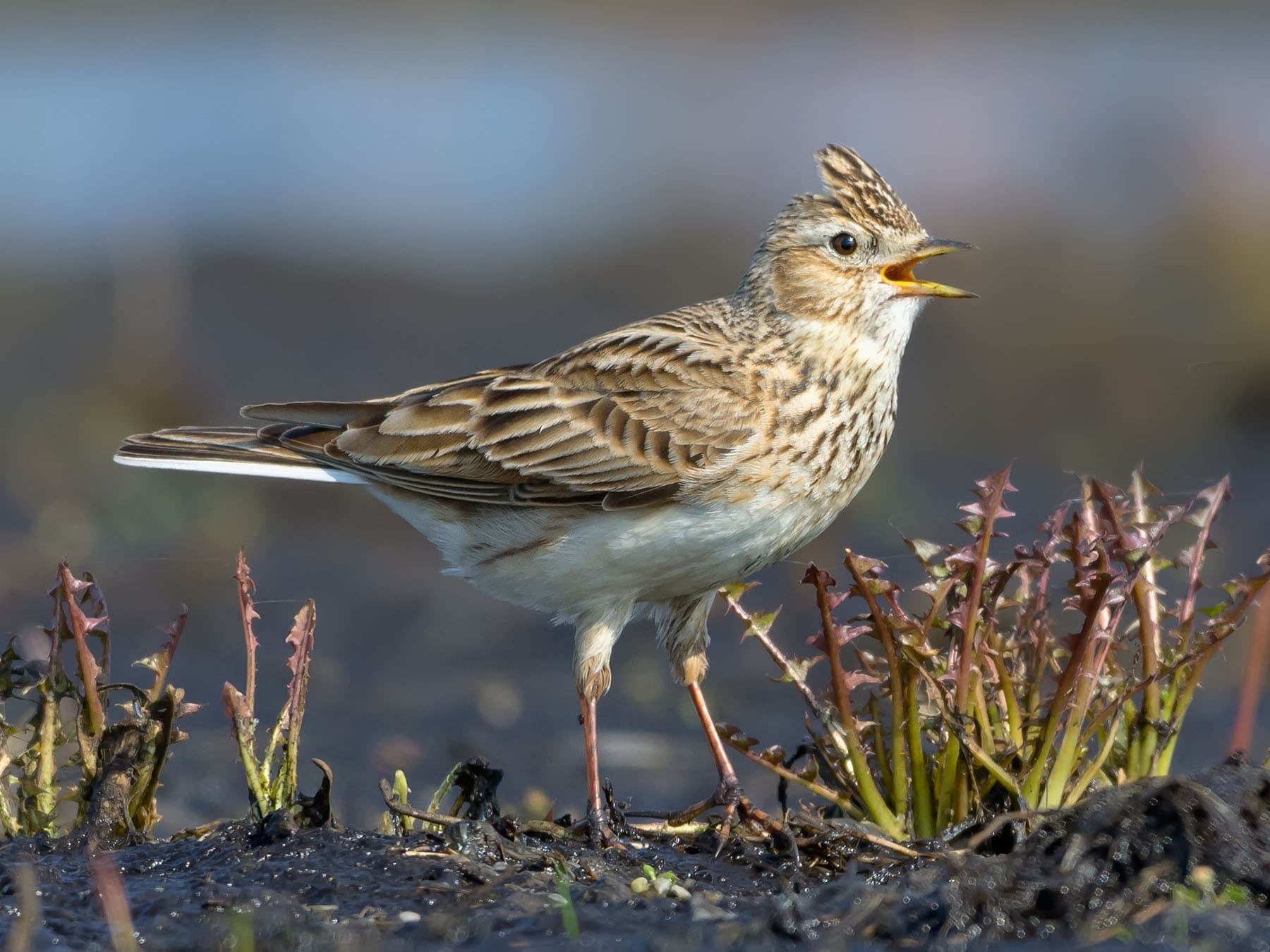 Eurasian SkylarkAlauda arvensisSummer visitorCommon16–18 cmRegularly Jan–Nov · 0.53% in Feb
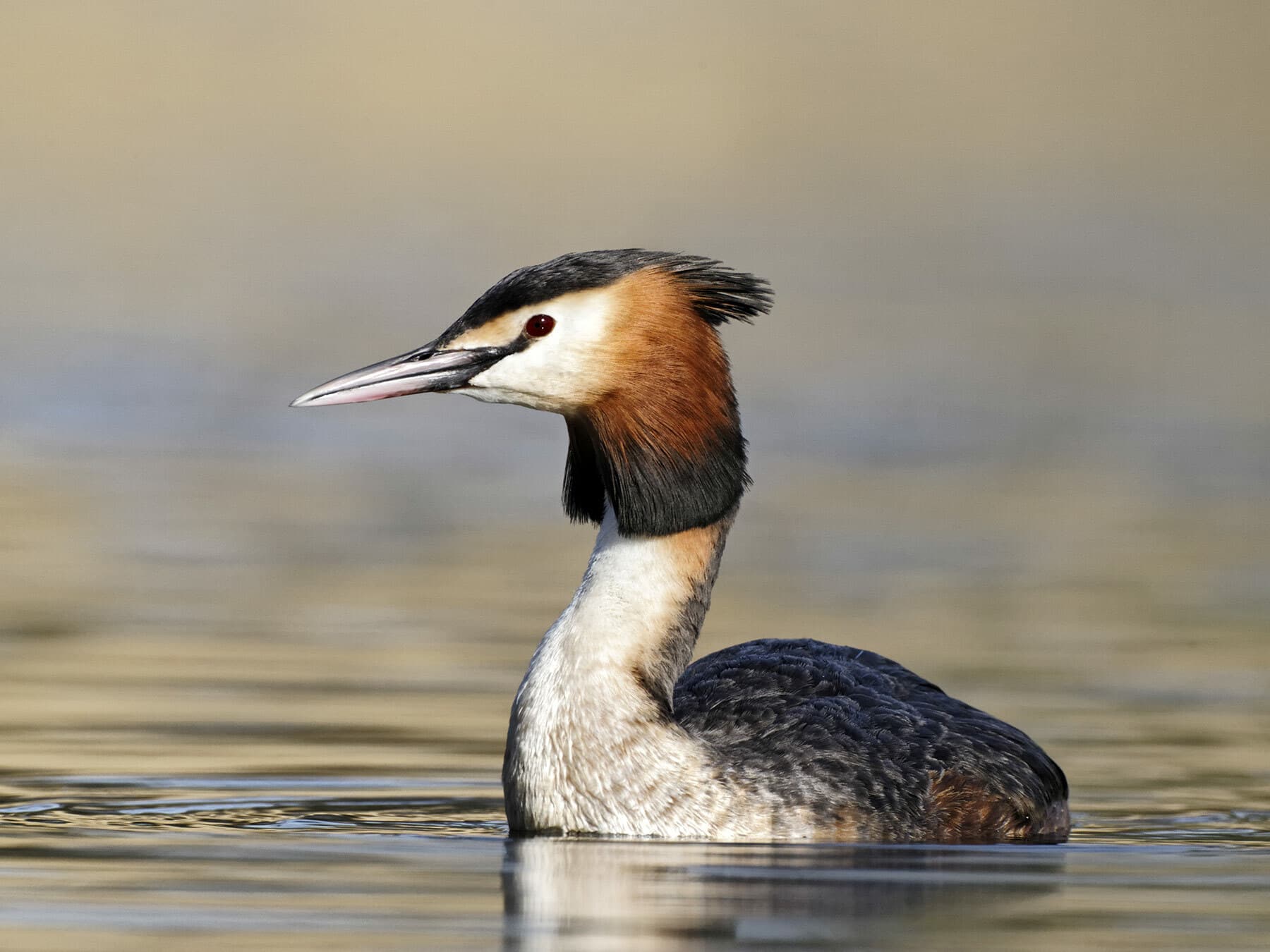 Great Crested GrebePodiceps cristatusSummer visitorCommon46–51 cmRegularly Feb–Nov · 0.53% in Feb
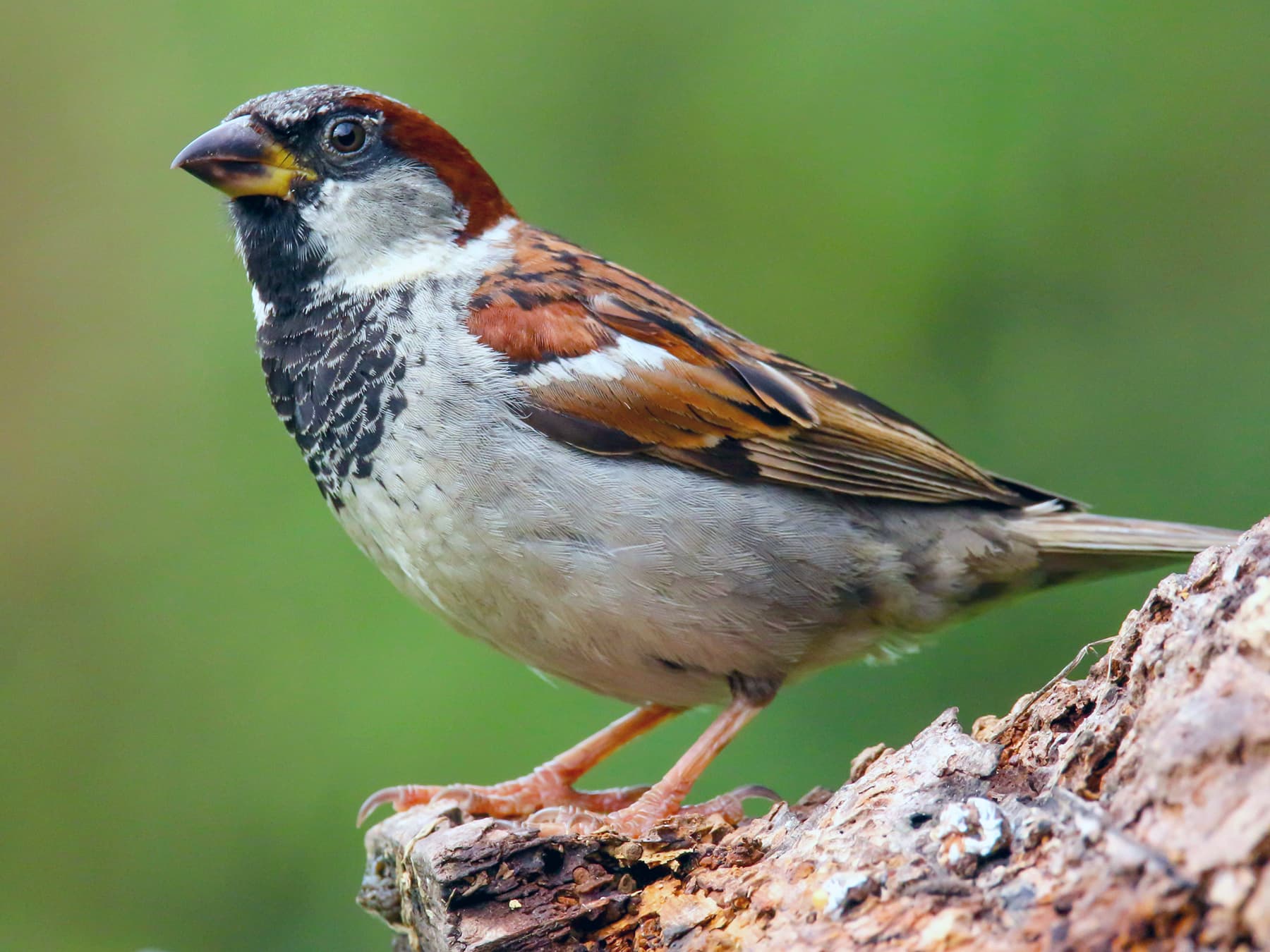 House SparrowPasser domesticusResidentCommon14–17 cmRegularly Dec–Oct · 0.51% in Feb
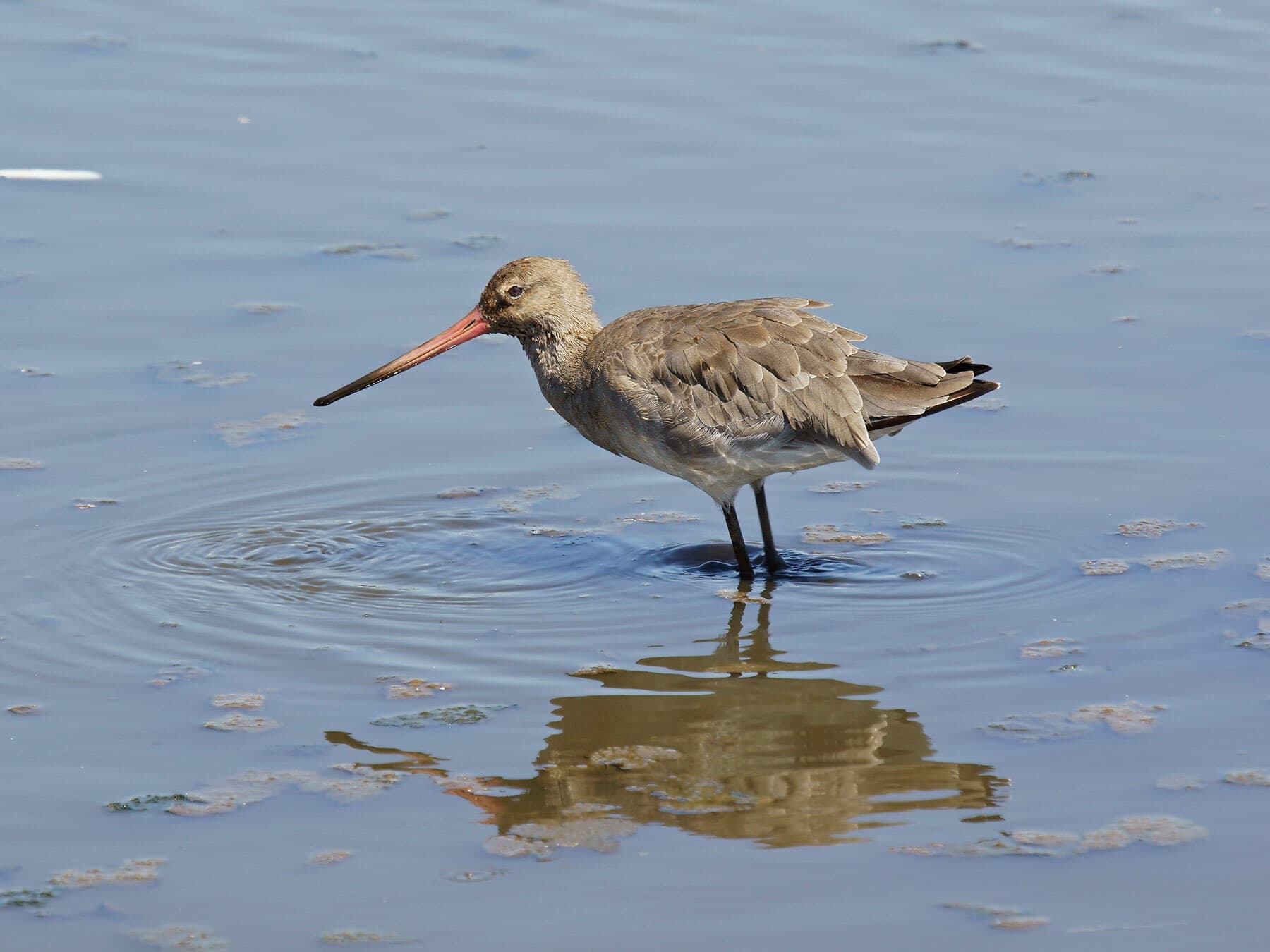 Black-tailed GodwitLimosa limosaResidentCommon40–44 cmRecorded all year · 0.48% in Feb
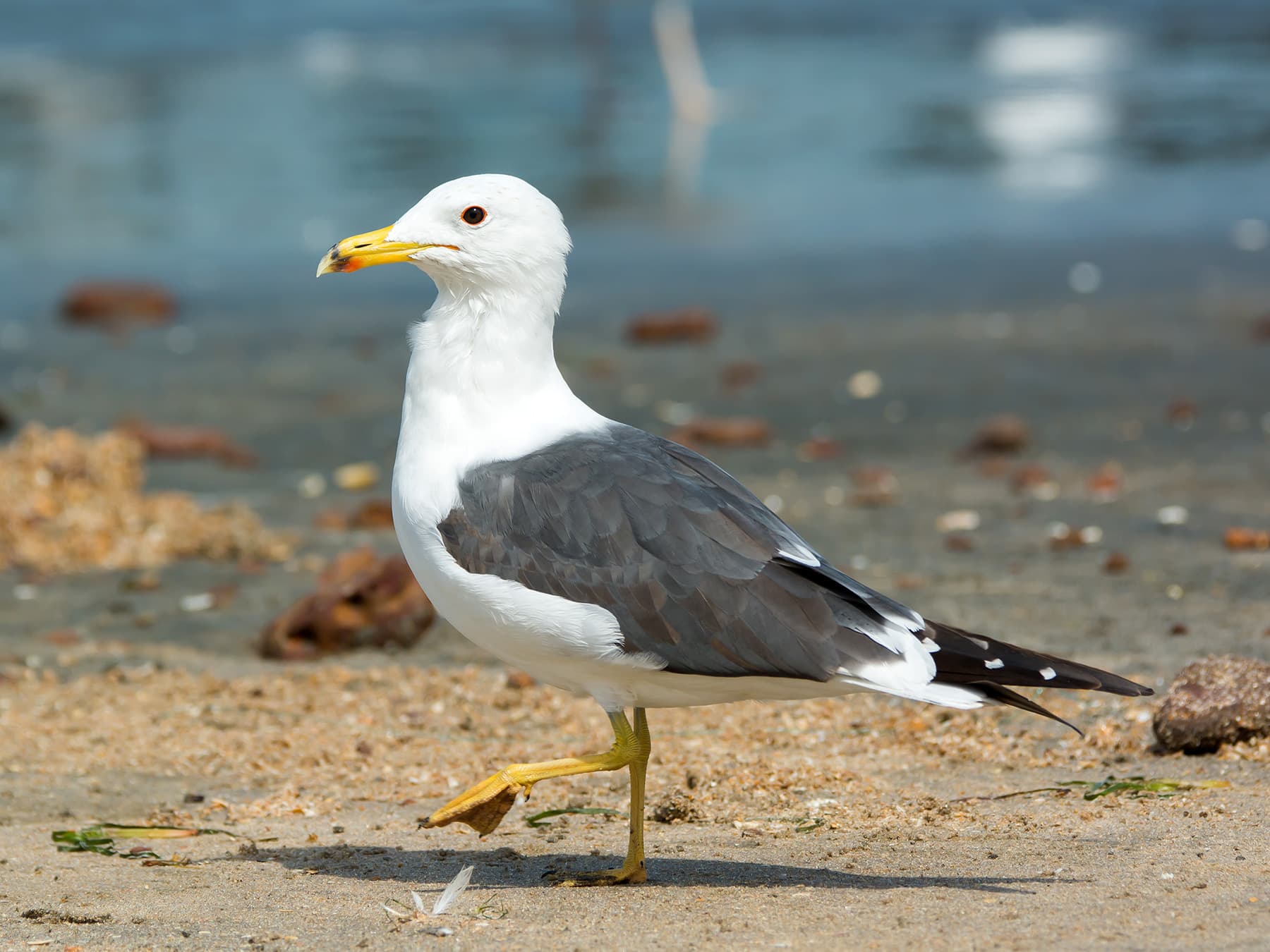 Lesser Black-backed GullLarus fuscusSummer visitorCommon52–64 cmRecorded all year · 0.48% in Feb
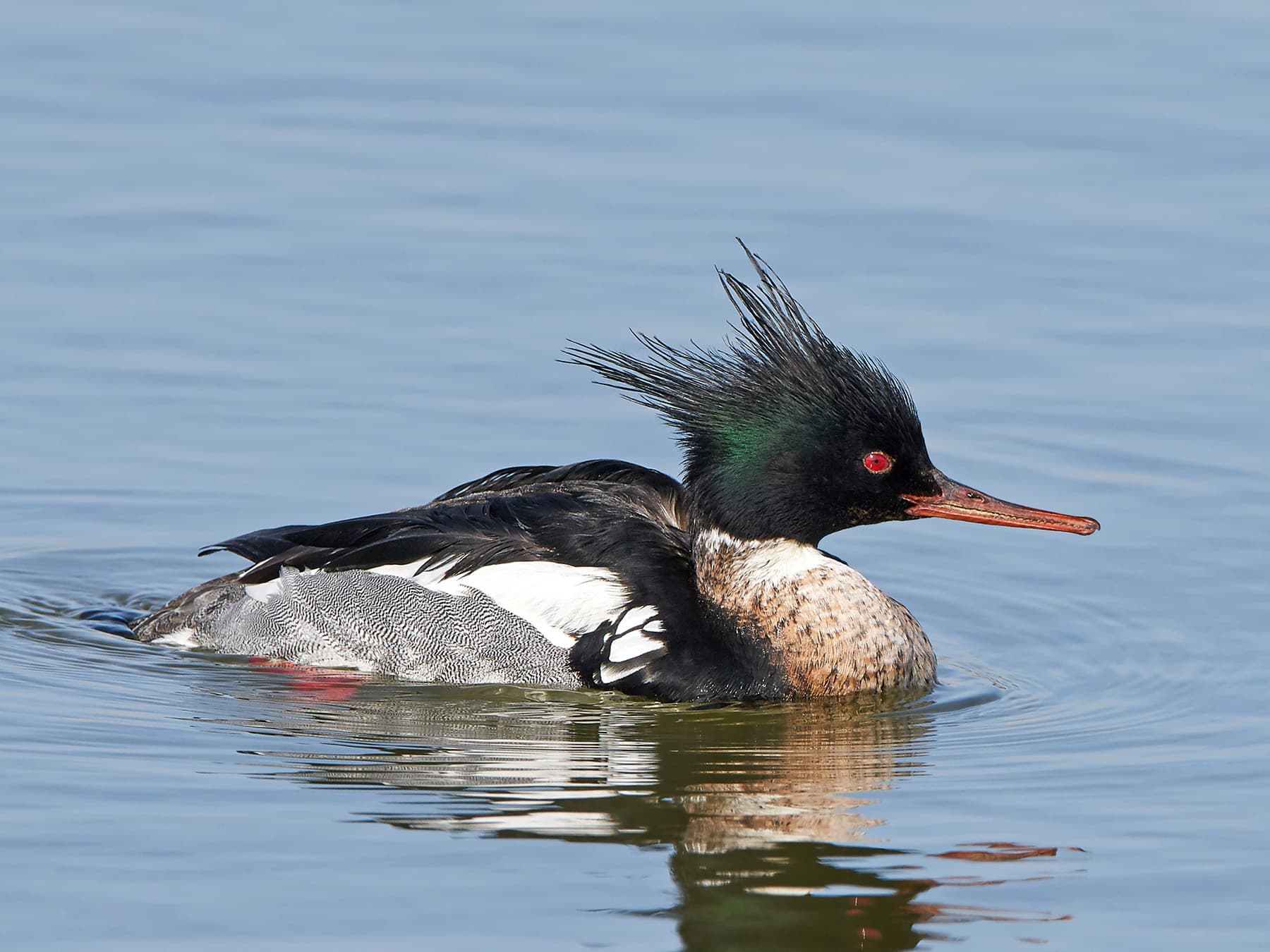 Red-breasted MerganserMergus serratorWinter visitorCommon52–58 cmRegularly Oct–Apr · 0.48% in Feb
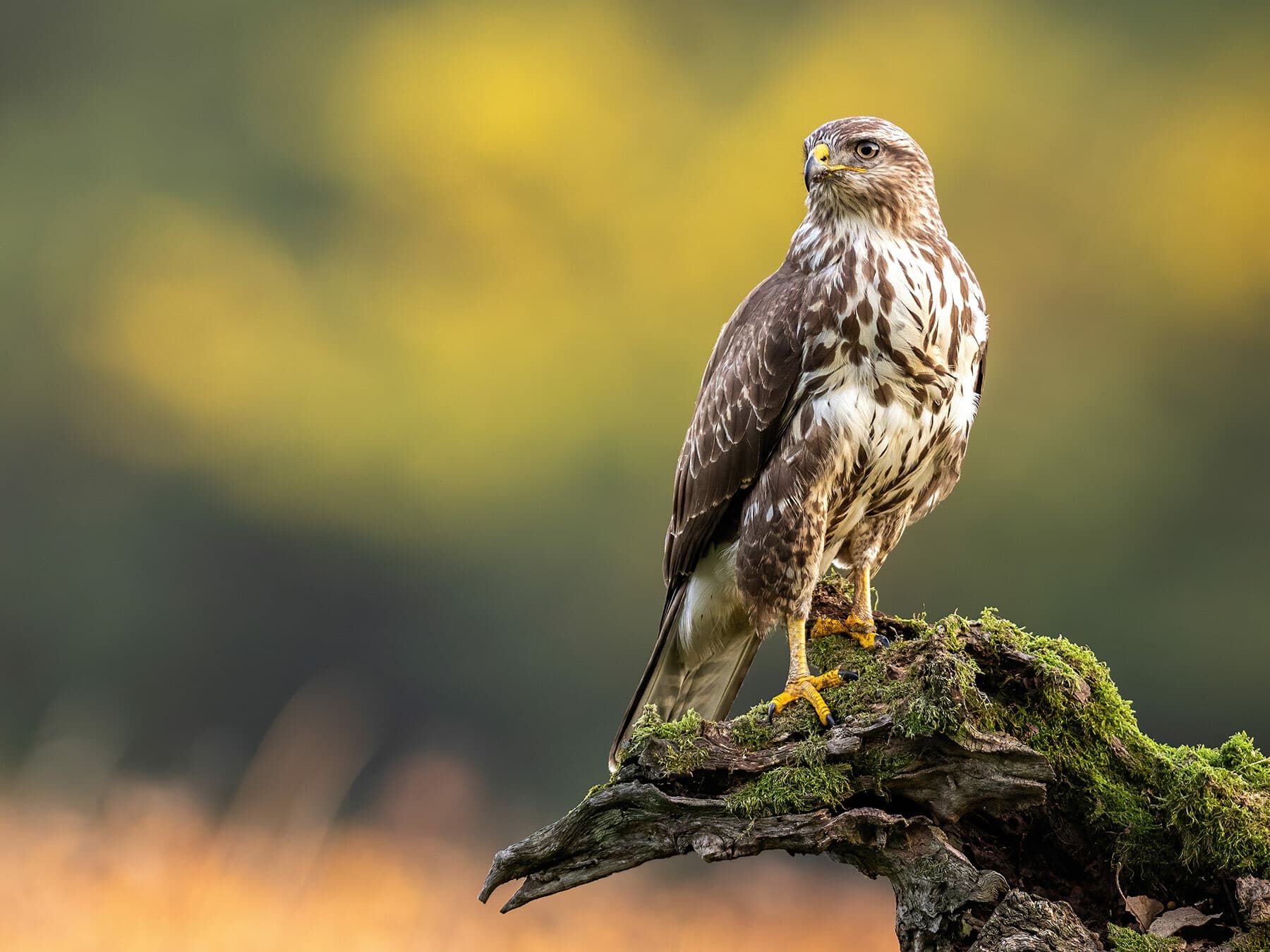 BuzzardButeo buteoResidentUncommon51–57 cmRecorded all year · 0.46% in Feb
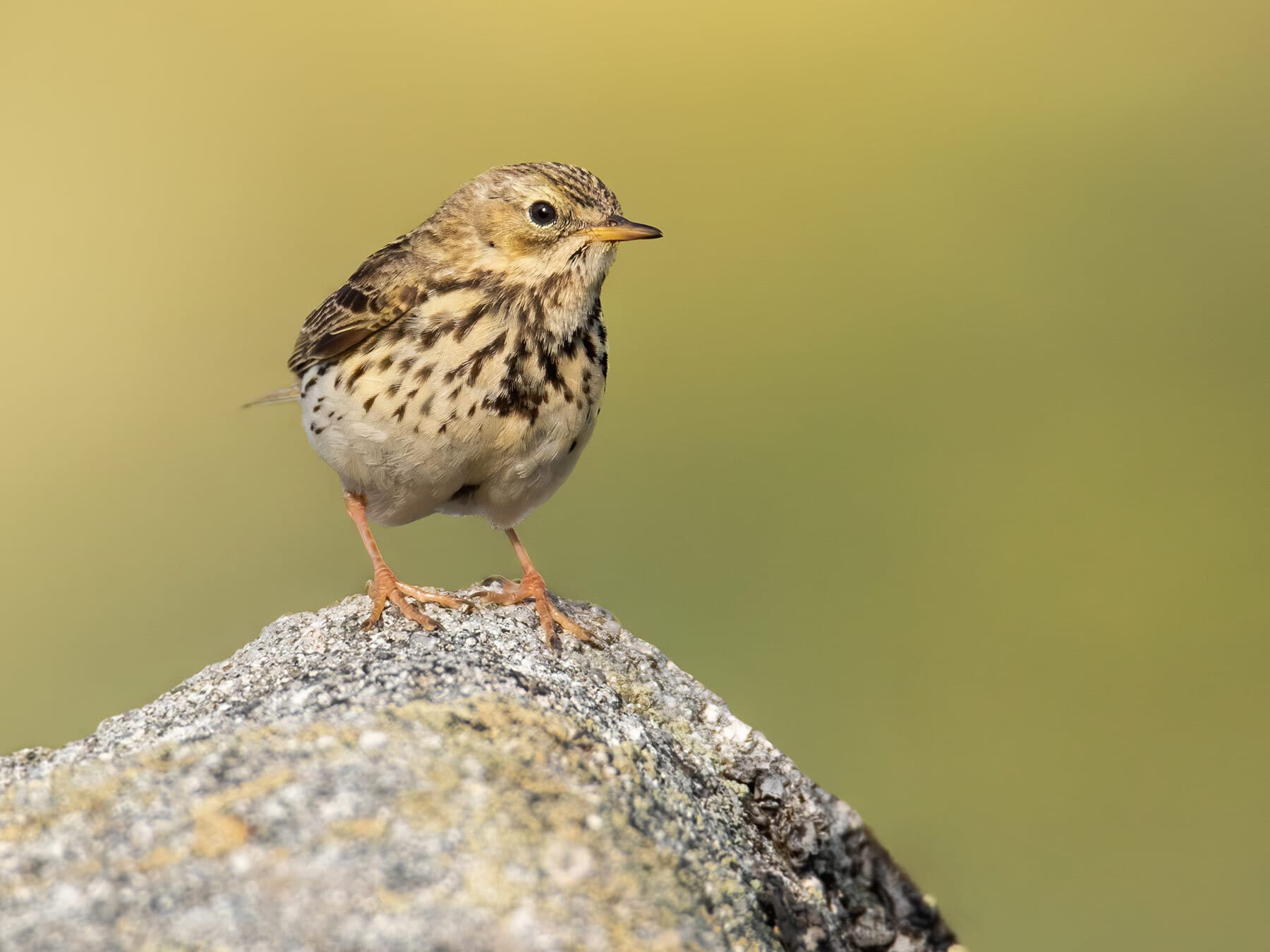 Meadow PipitAnthus pratensisResidentCommon14–15 cmRecorded all year · 0.46% in Feb
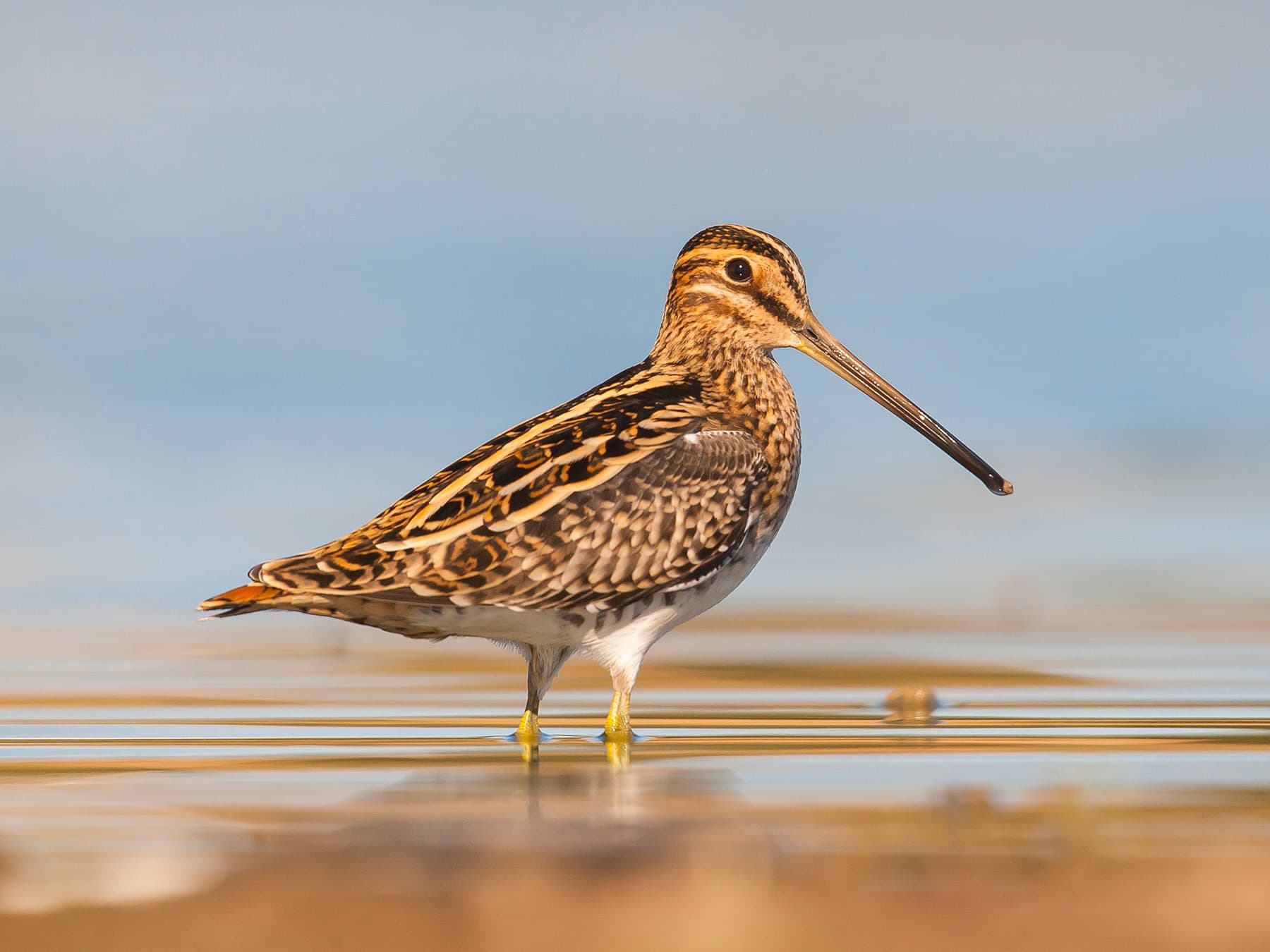 Common SnipeGallinago gallinagoWinter visitorCommon25–27 cmRegularly Jun–Apr · 0.44% in Feb
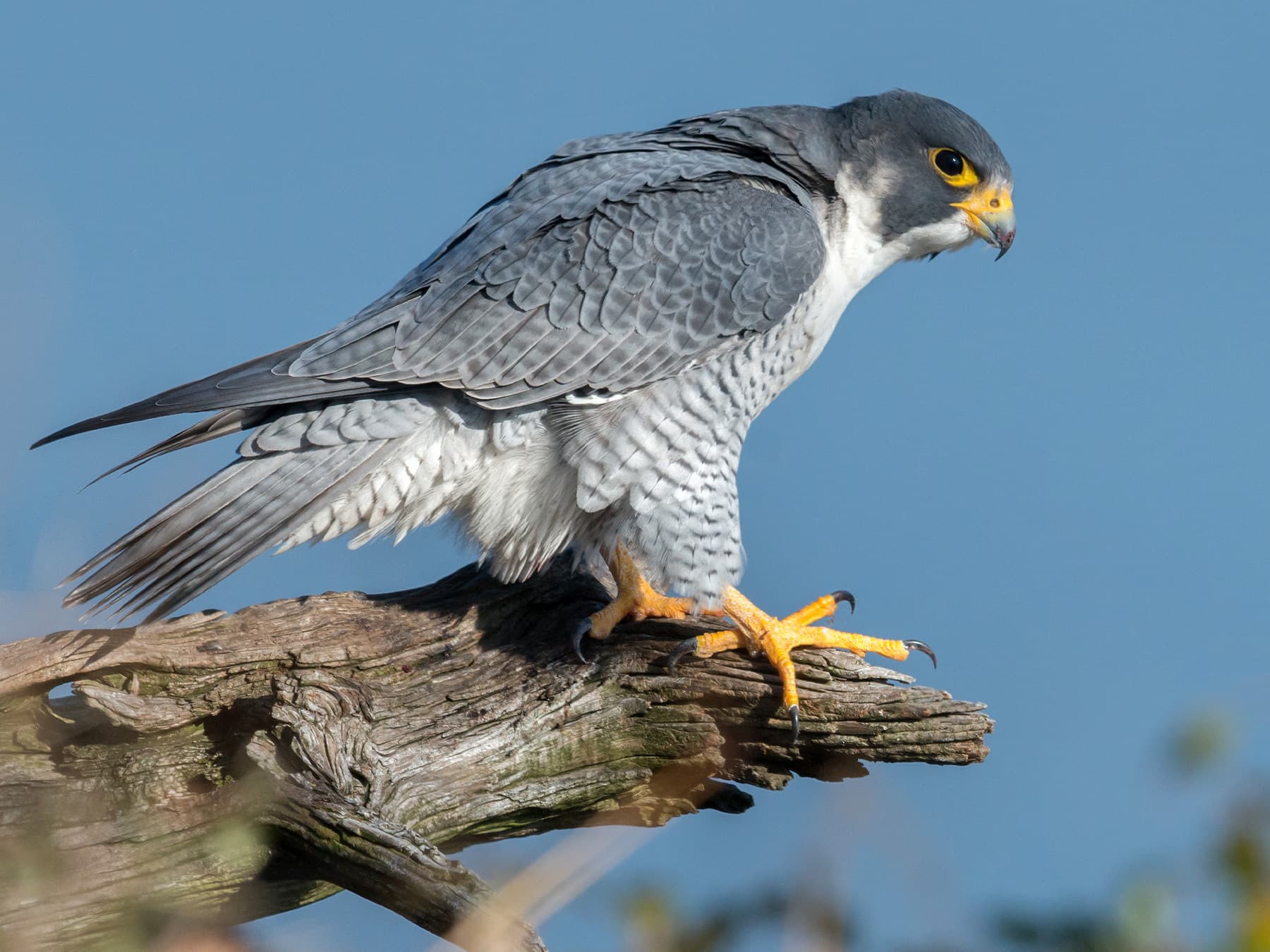 Peregrine FalconFalco peregrinusResidentUncommon34–58 cmRecorded all year · 0.44% in Feb
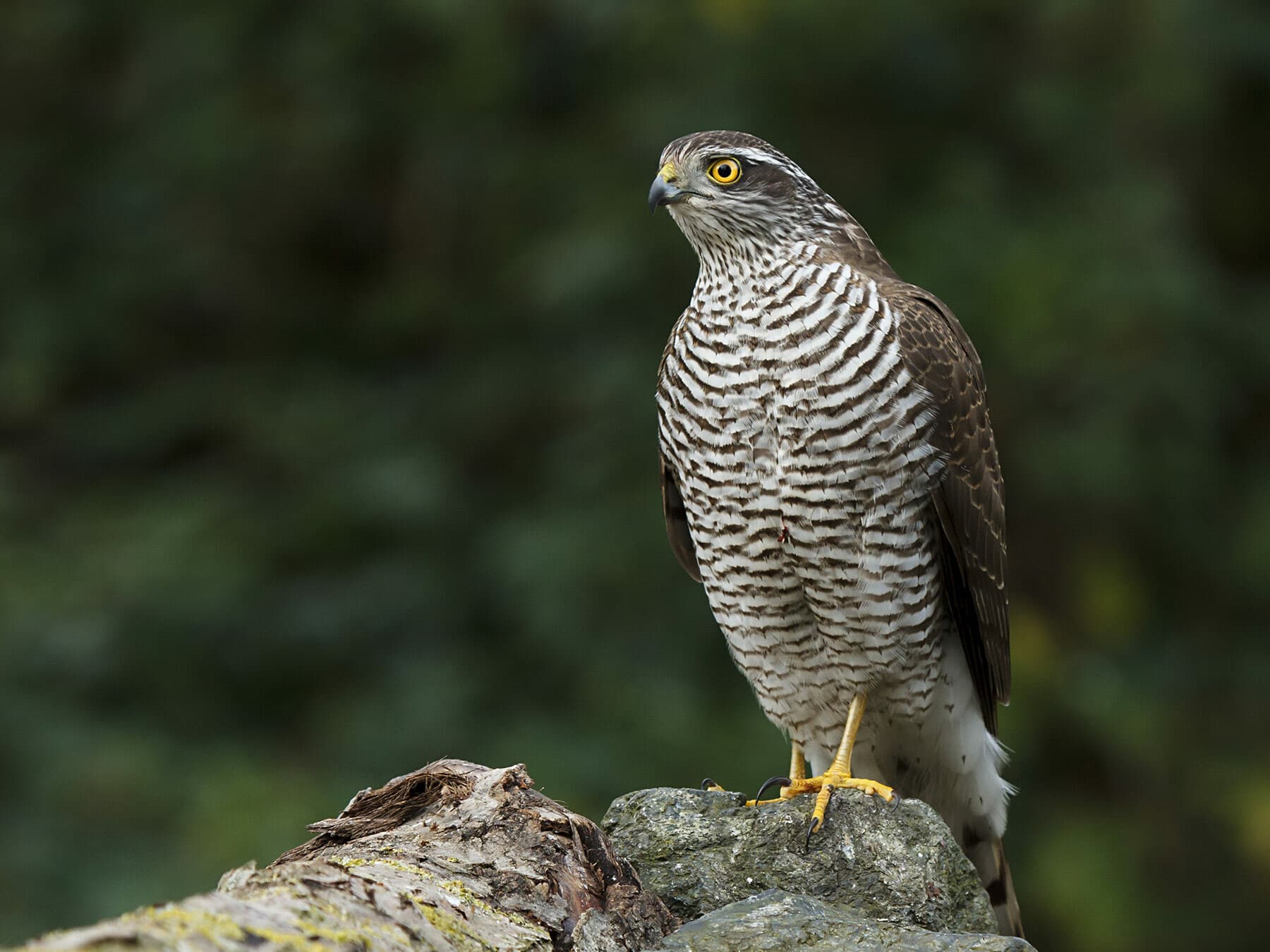 SparrowhawkAccipiter nisusWinter visitorCommon28–38 cmRecorded all year · 0.44% in Feb
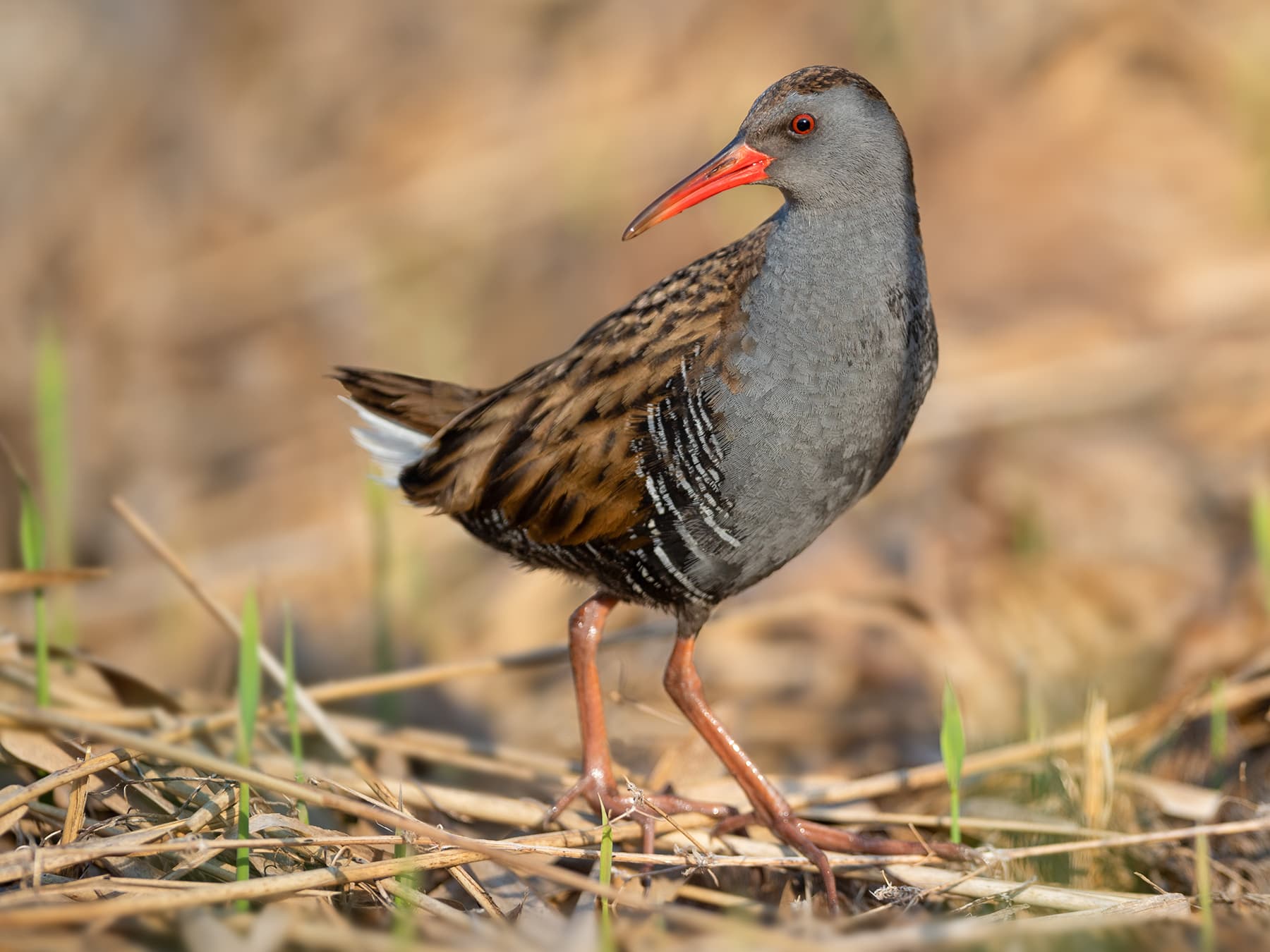 Water RailRallus aquaticusResidentCommon23–28 cmRecorded all year · 0.44% in Feb
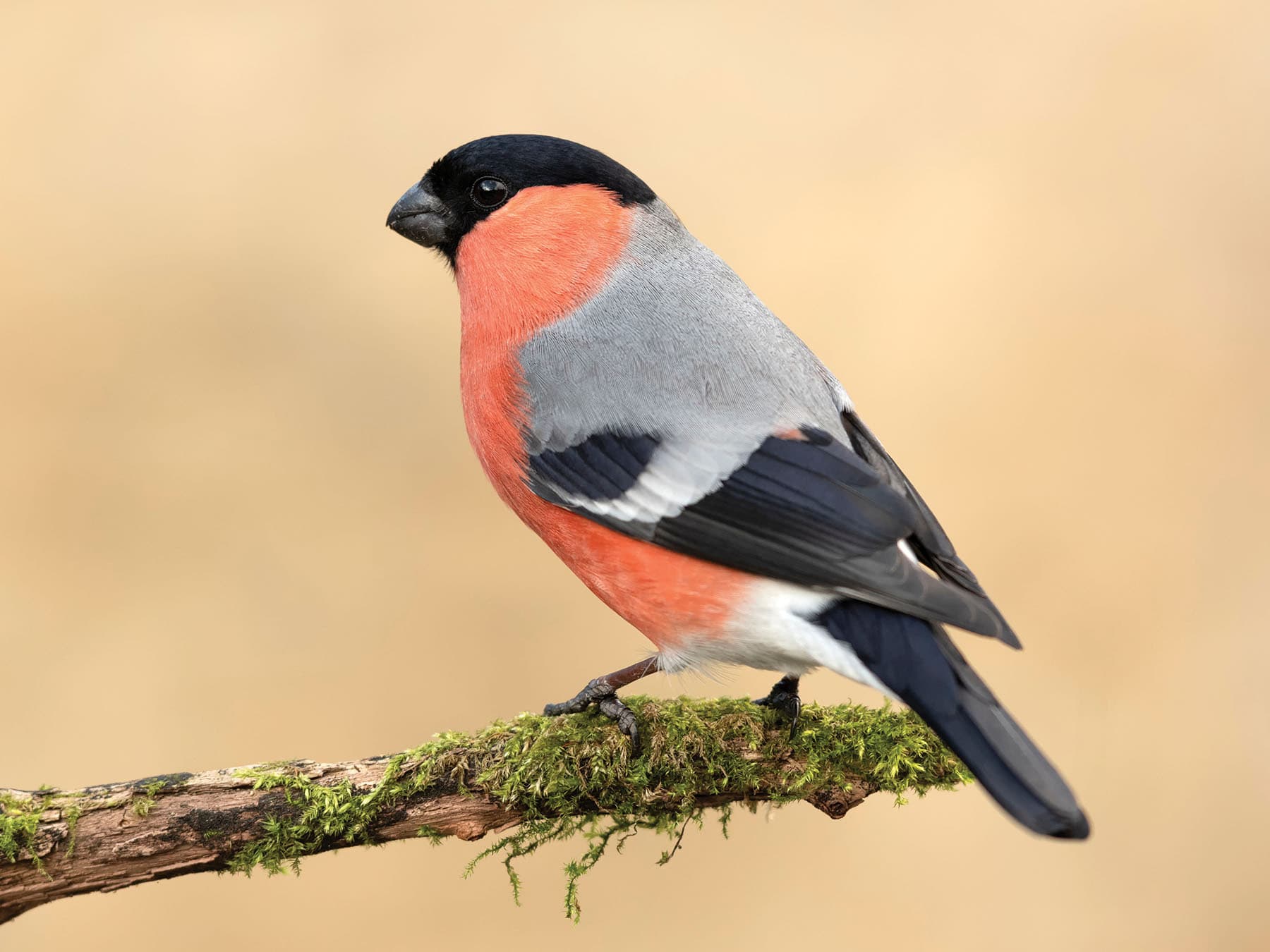 BullfinchPyrrhula pyrrhulaResidentCommon15–17 cmRegularly Oct–Jul · 0.39% in Feb
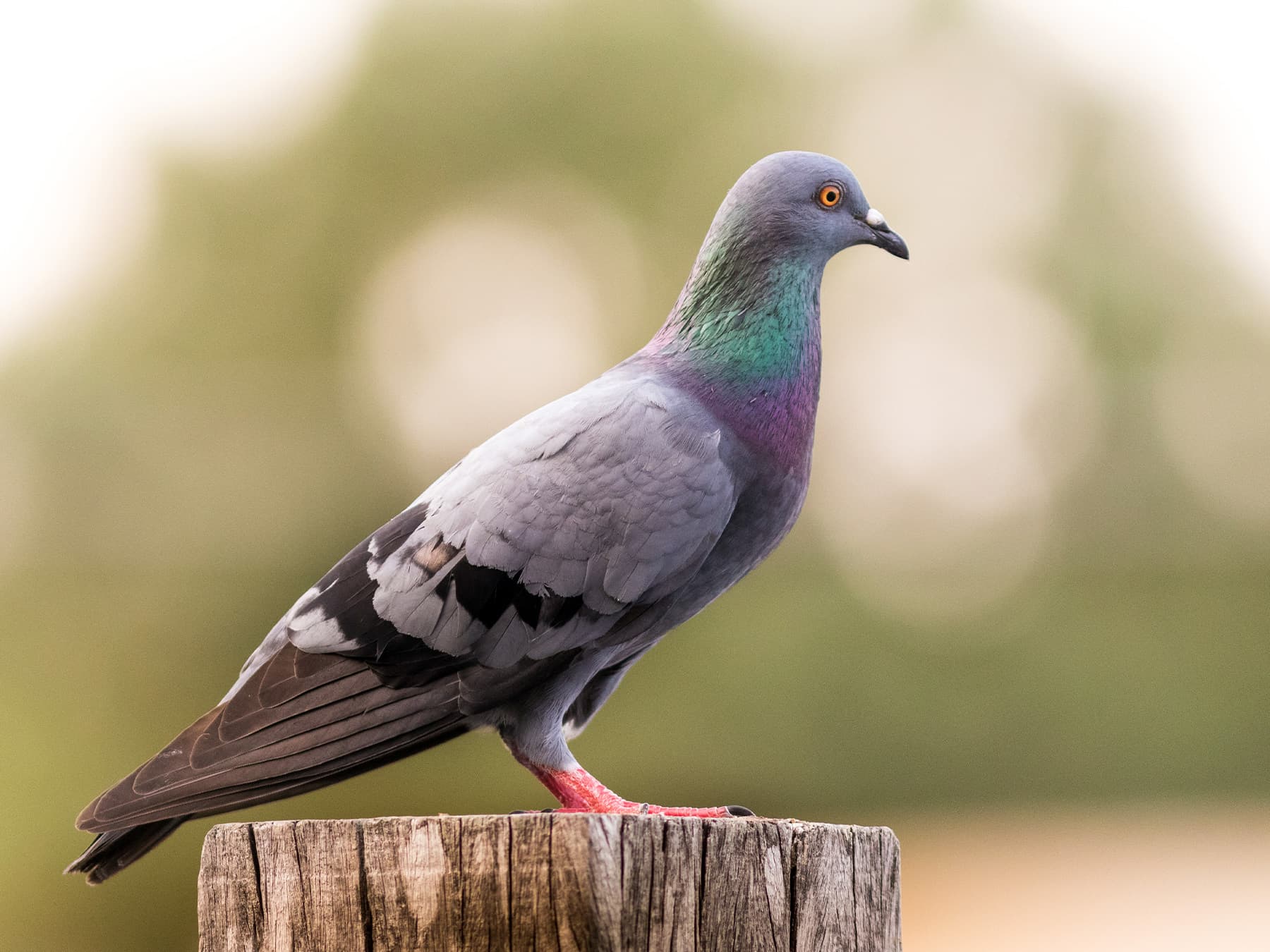 Rock DoveColumba liviaResidentCommon29–37 cmRecorded all year · 0.39% in Feb
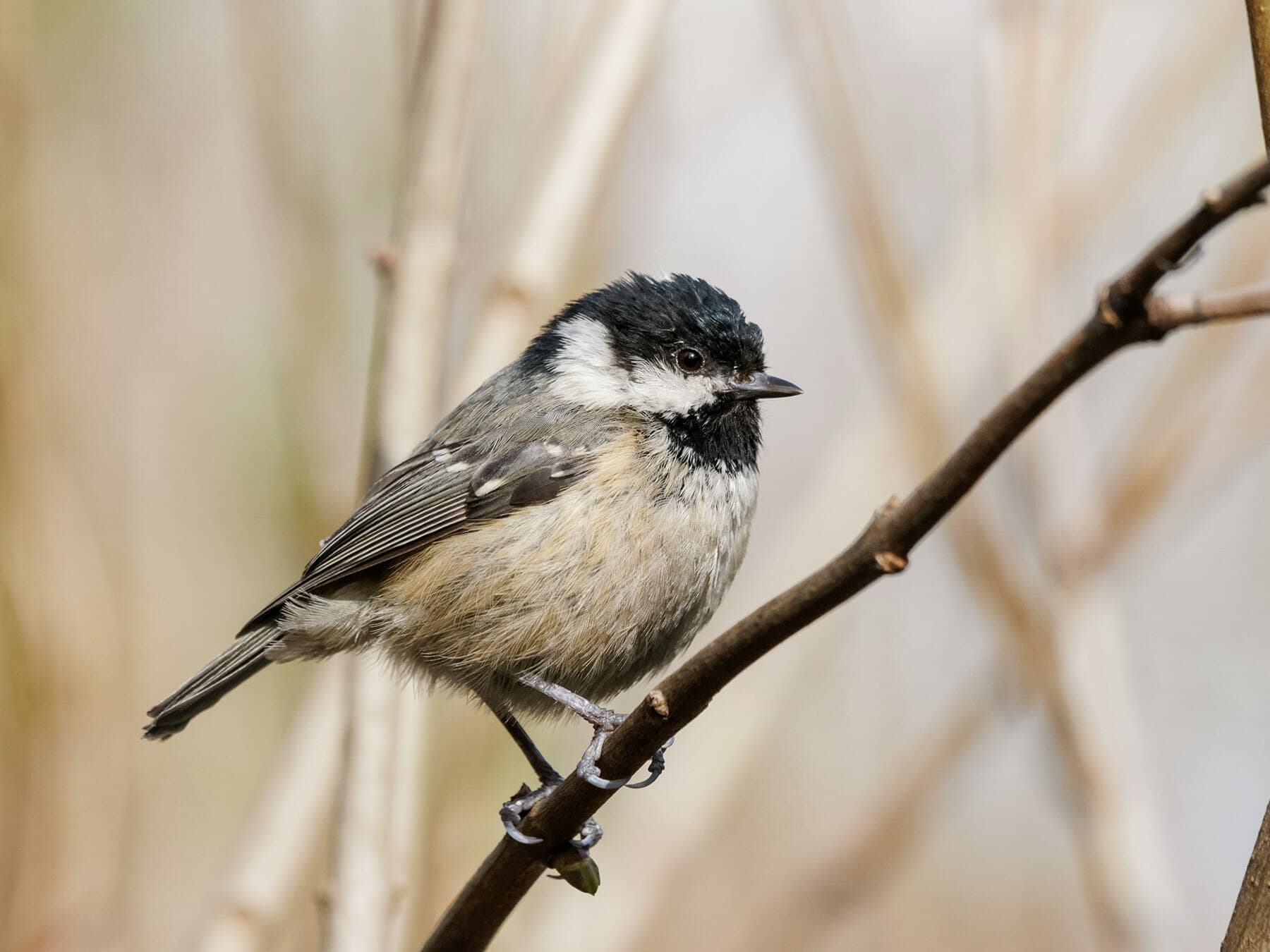 Coal TitPeriparus aterResidentUncommon10–12 cmRegularly Sep–Jul · 0.32% in Feb
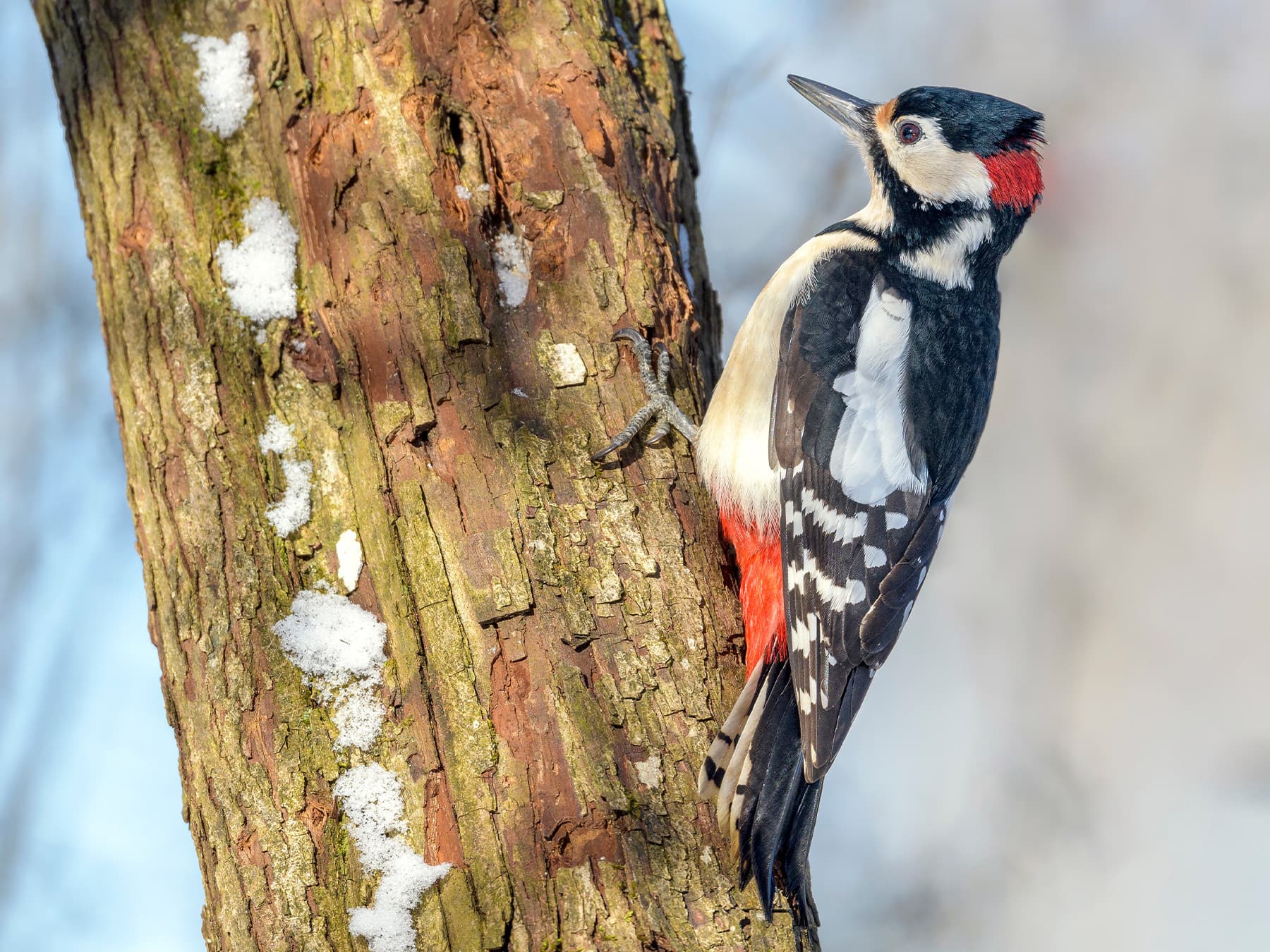 Great Spotted WoodpeckerDendrocopos majorWinter visitorUncommon23–26 cmRegularly Jul–Apr · 0.30% in Feb
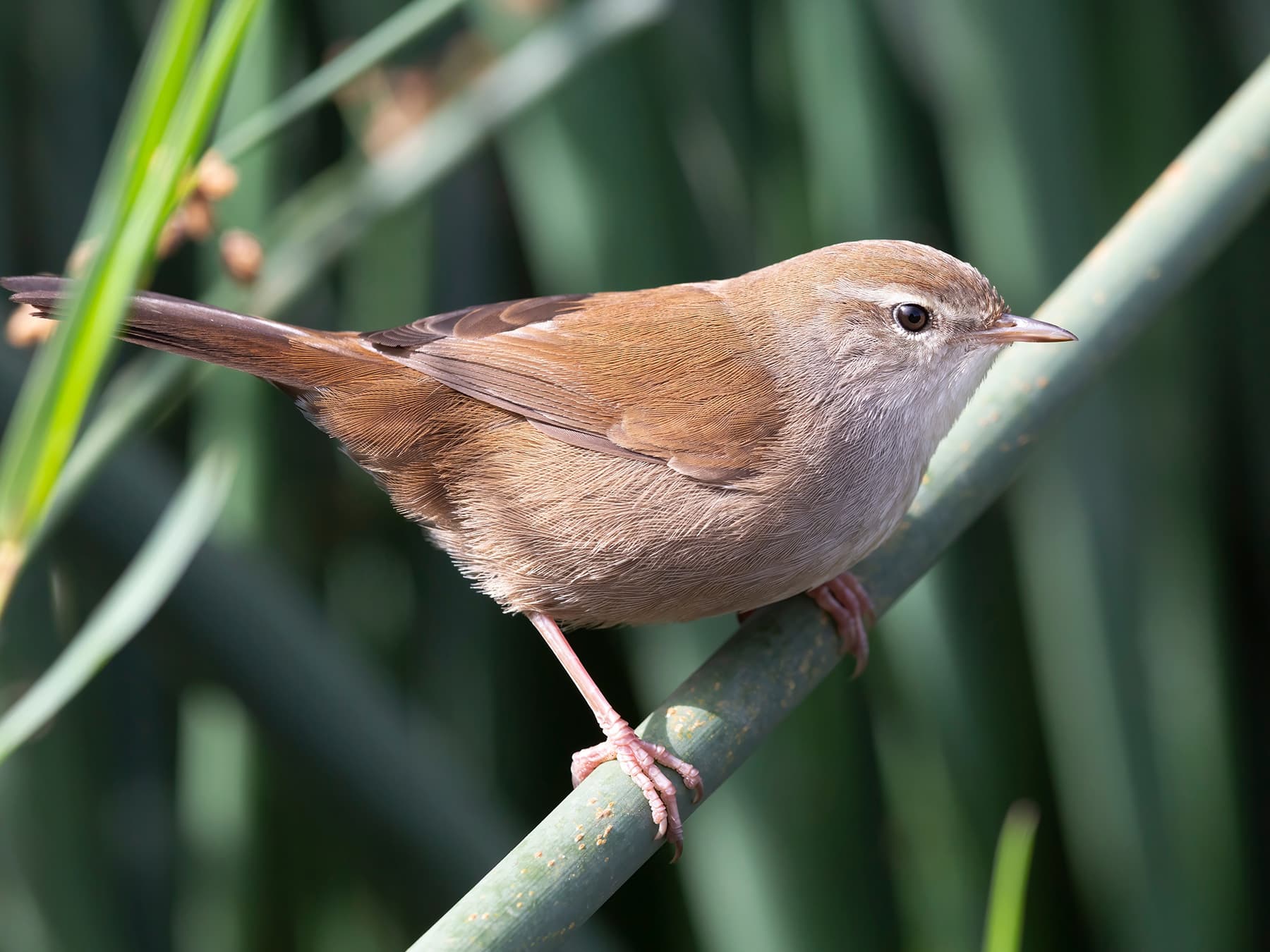 Cetti's WarblerCettia cettiPassage migrantCommon13–14 cmRegularly Sep–Jun · 0.28% in Feb
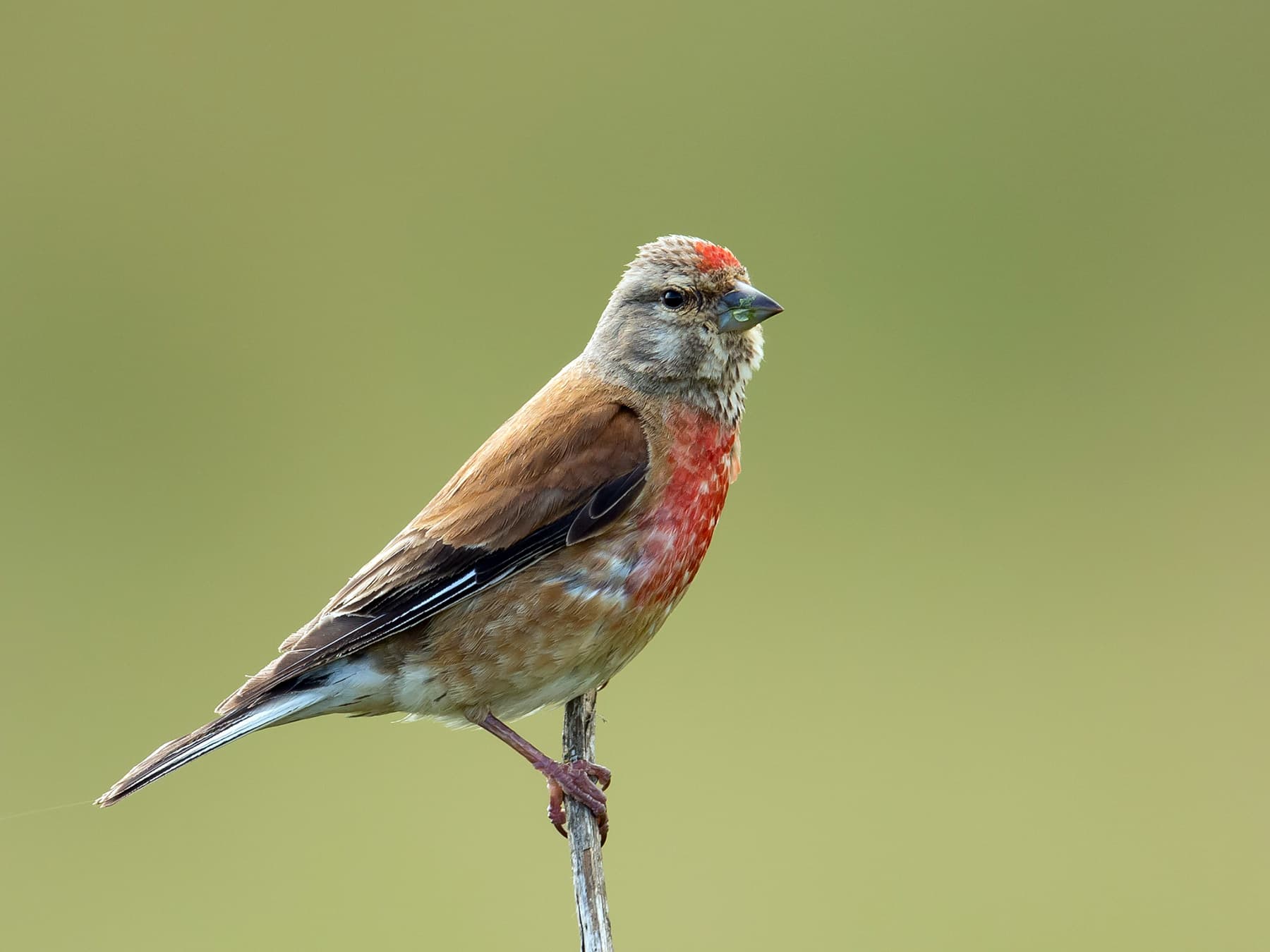 LinnetLinaria cannabinaResidentCommon13–14 cmRecorded all year · 0.25% in Feb
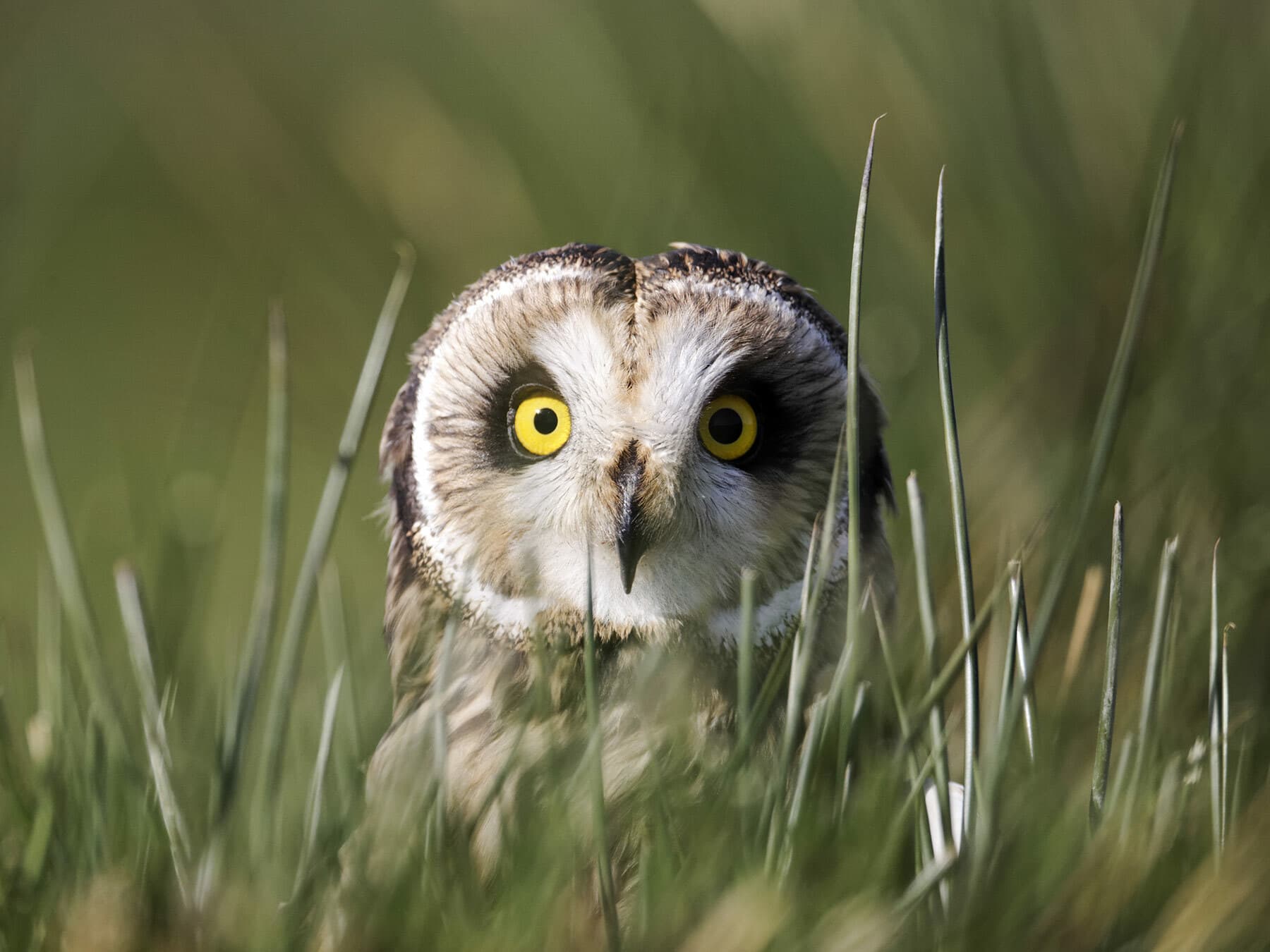 Short-eared OwlAsio flammeusResidentUncommon34–43 cmRegularly Jan–Mar · 0.25% in Feb
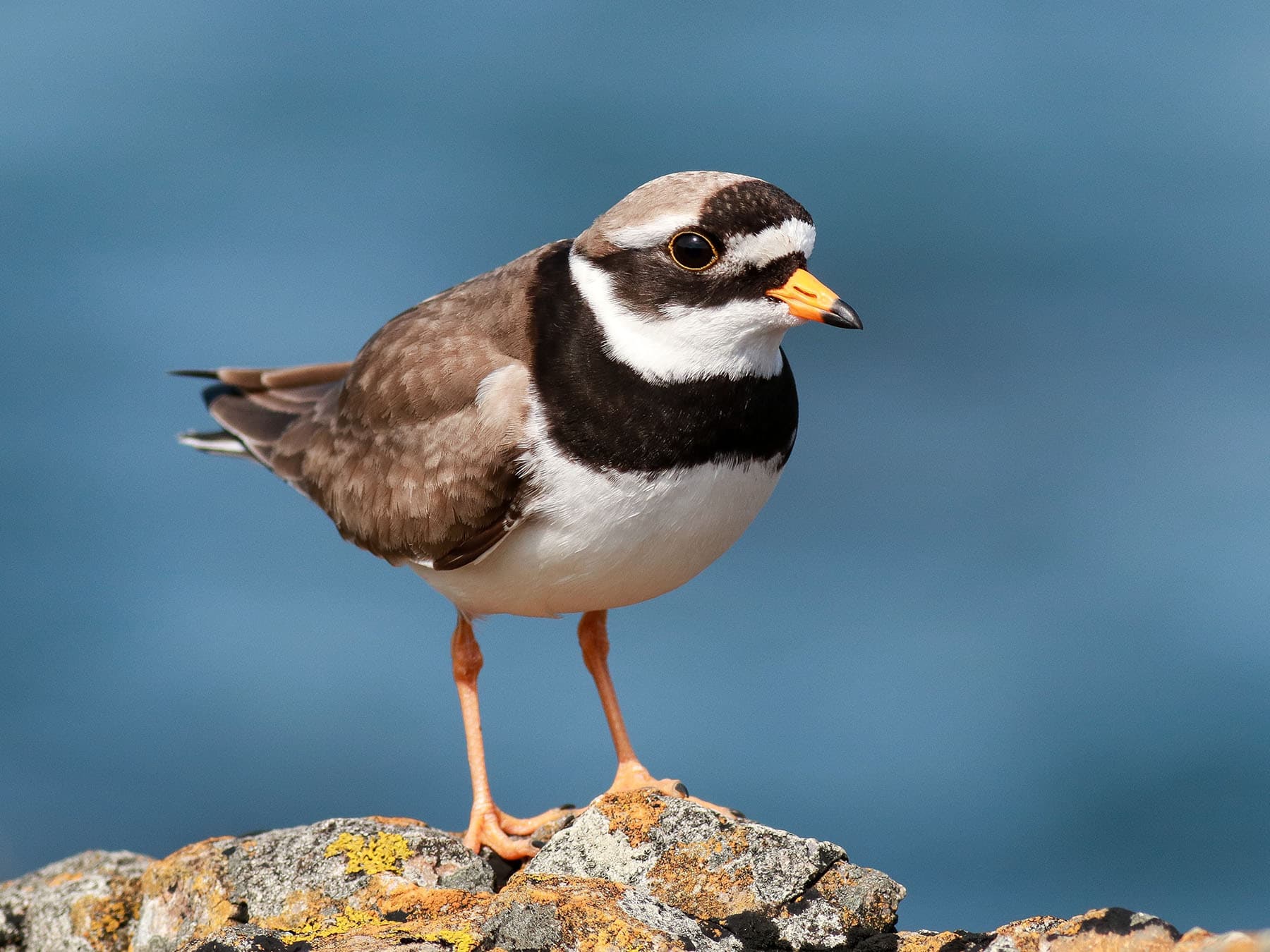 Ringed PloverCharadrius hiaticulaSummer visitorCommon17–19 cmRegularly Feb–Oct · 0.23% in Feb
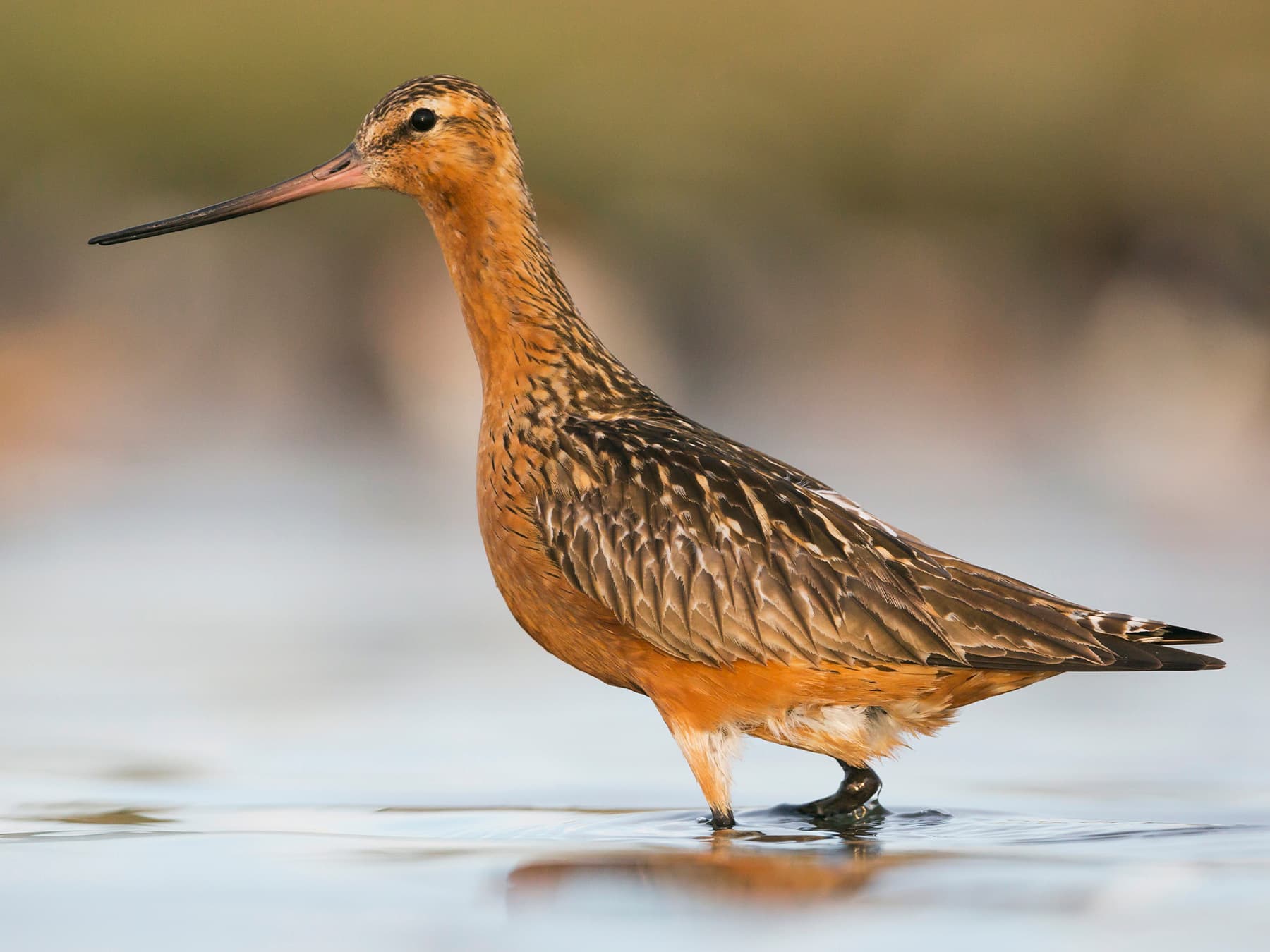 Bar-tailed GodwitLimosa lapponicaWinter visitorUncommon37–41 cmRegularly Aug–Apr · 0.16% in Feb
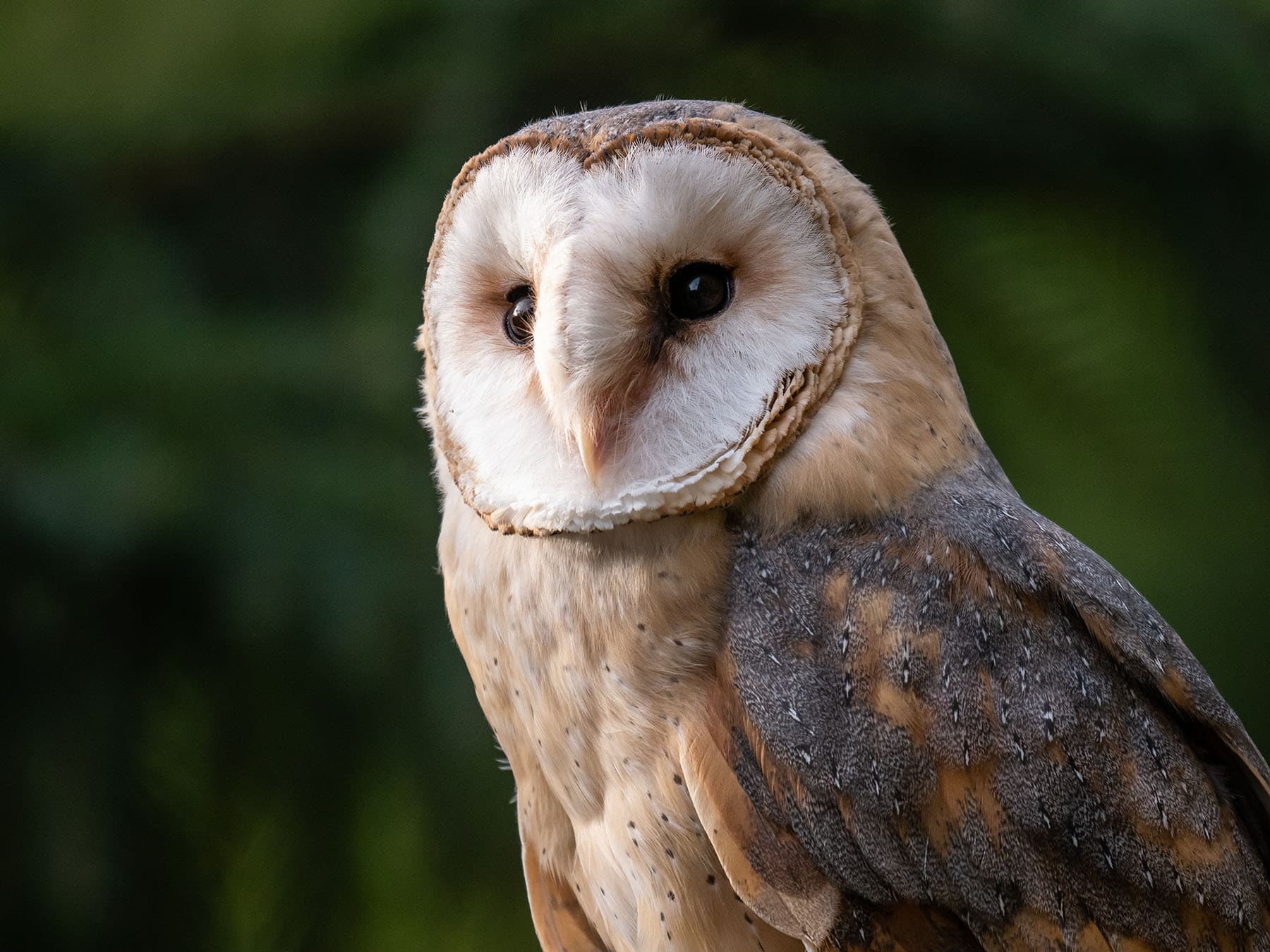 Barn OwlTyto albaSummer visitorUncommon33–39 cmRegularly Feb–Oct · 0.14% in Feb
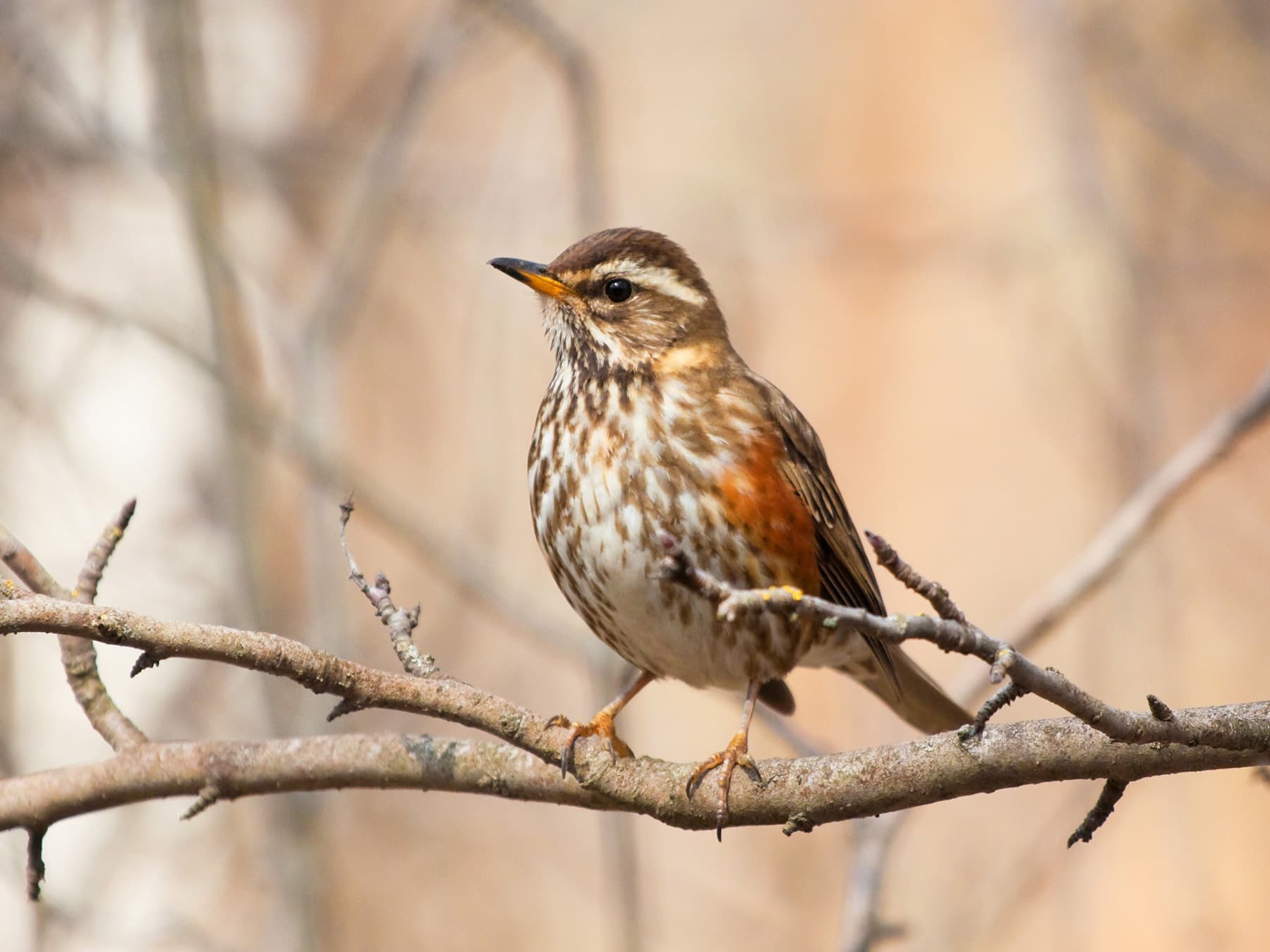 RedwingTurdus iliacusWinter visitorCommon20–24 cmRegularly Oct–Mar · 0.14% in Feb
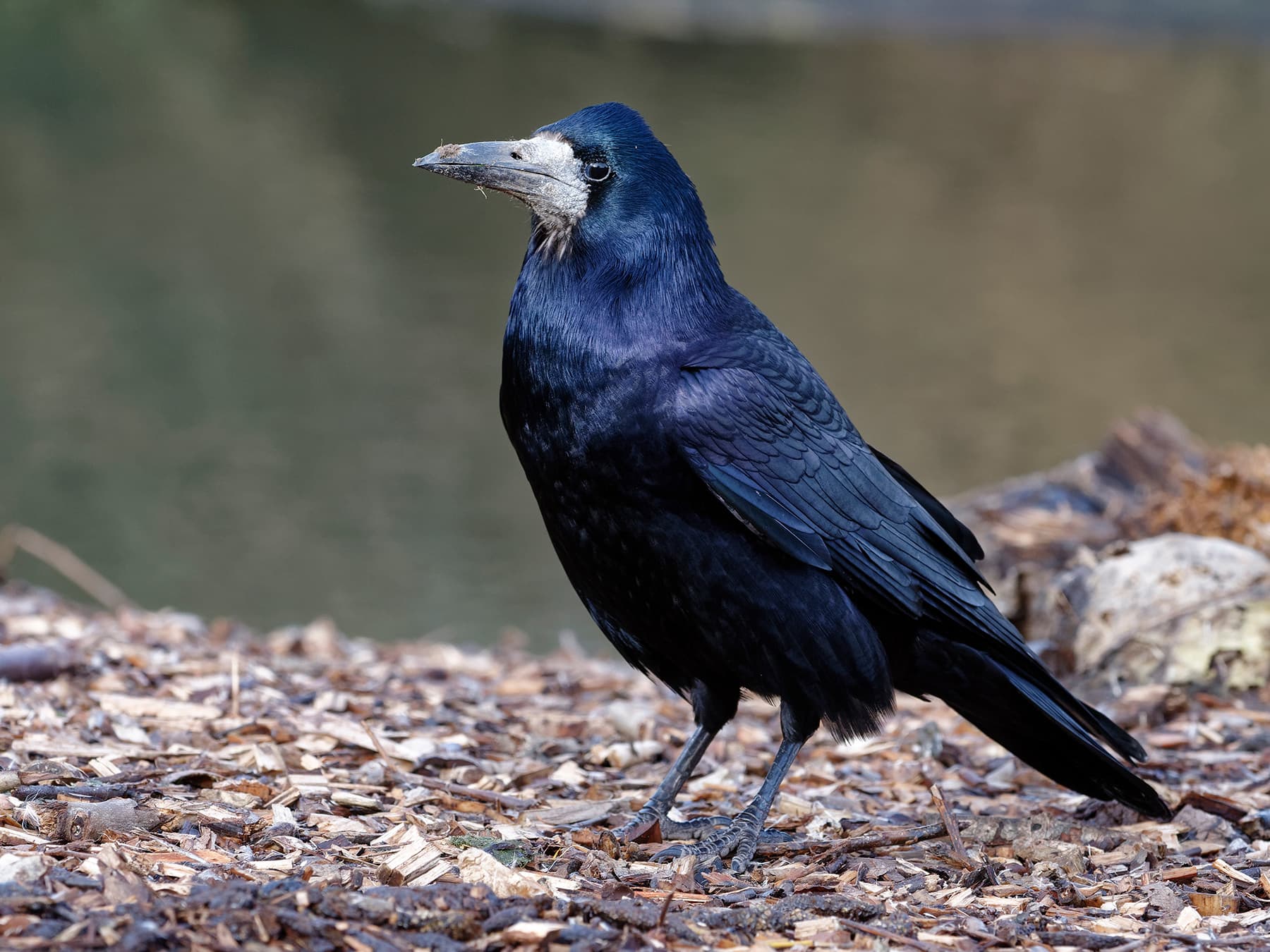 RookCorvus frugilegusSummer visitorUncommon45–47 cmRegularly Feb–Dec · 0.14% in Feb
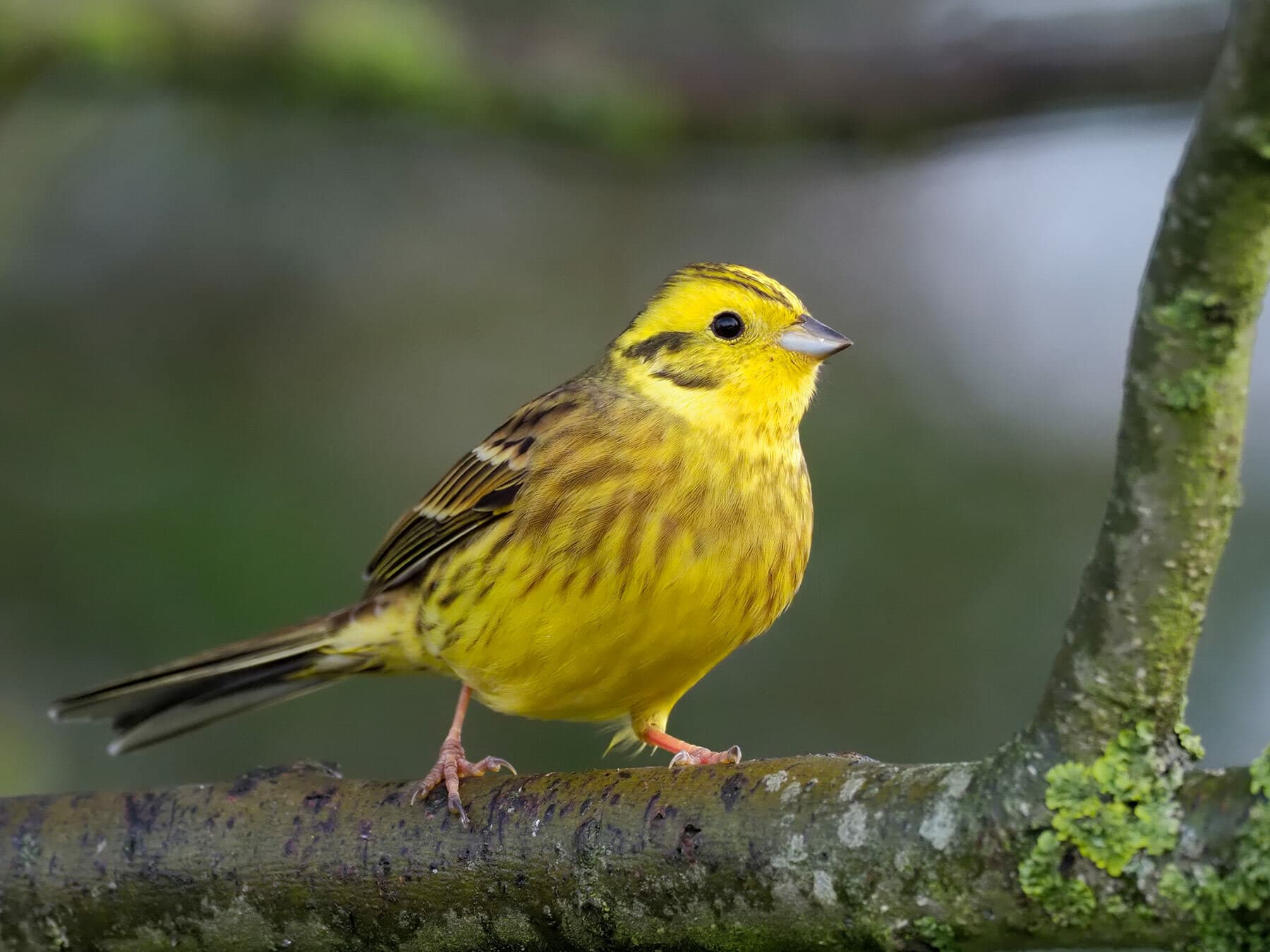 YellowhammerEmberiza citrinellaResidentUncommon16–17 cmRegularly Feb · 0.14% in Feb
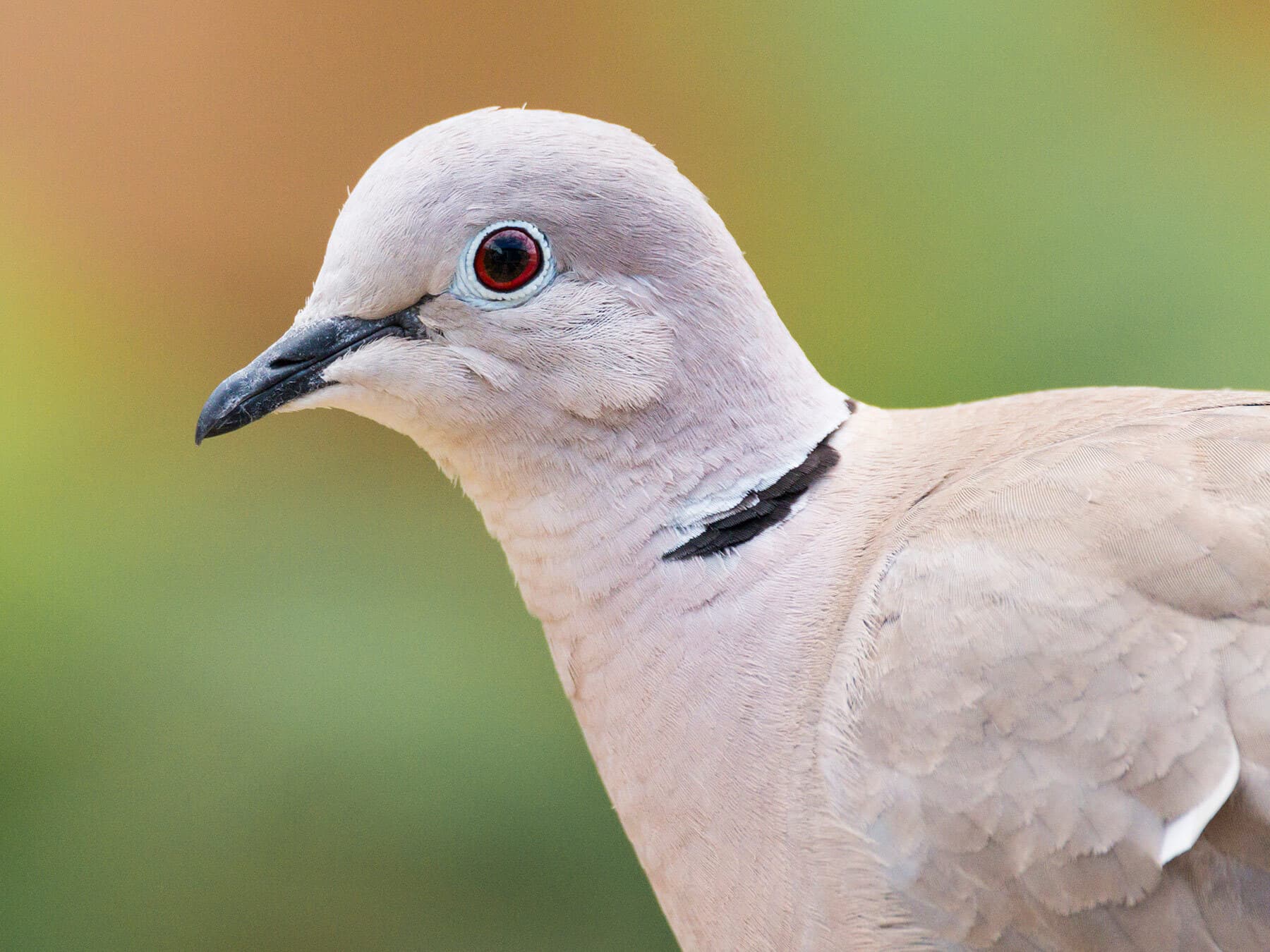 Eurasian Collared DoveStreptopelia decaoctoResidentUncommon30–32 cmRegularly Apr–Feb · 0.12% in Feb
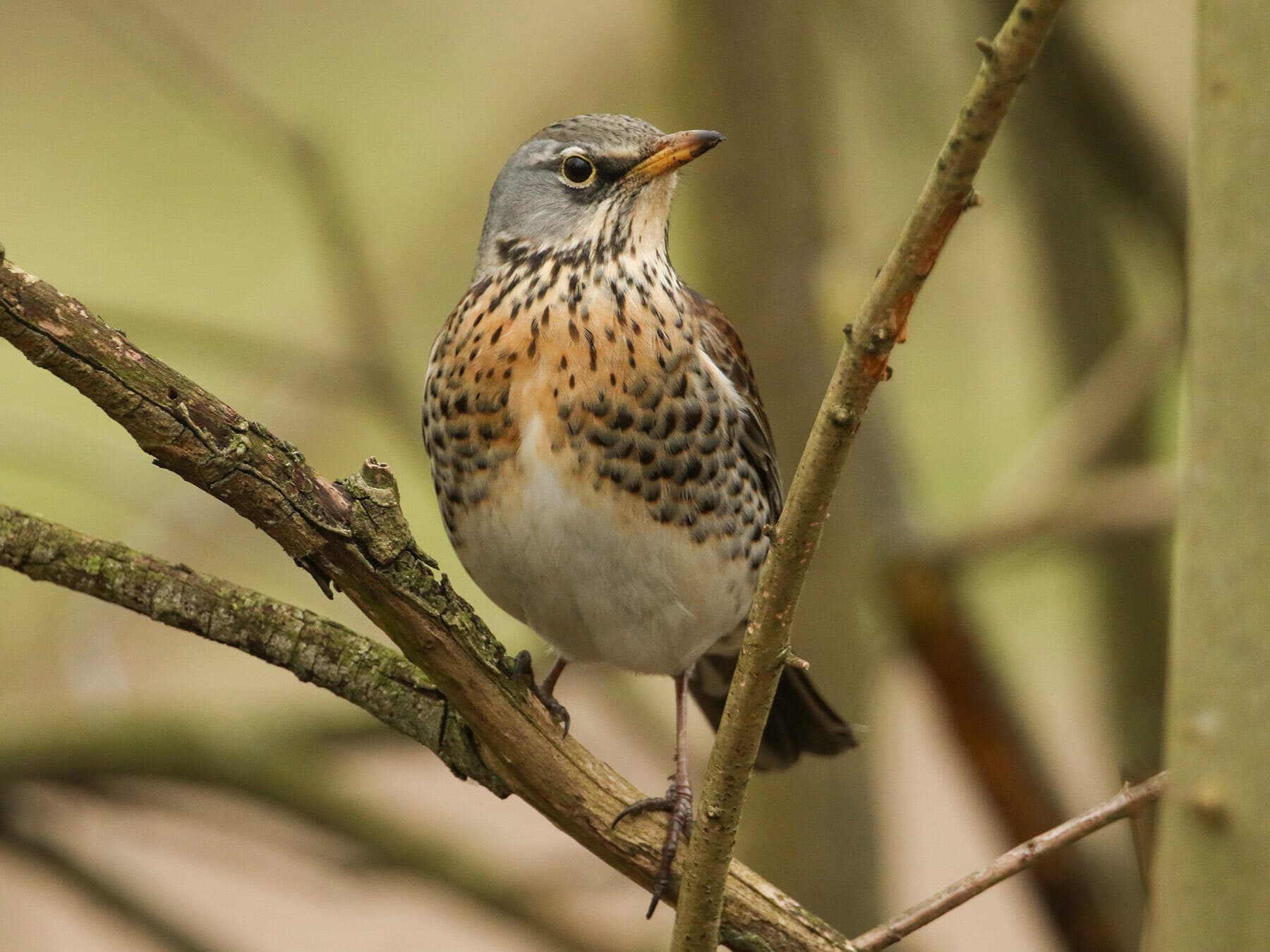 FieldfareTurdus pilarisWinter visitorUncommon22–27 cmRegularly Oct–Feb · 0.12% in Feb
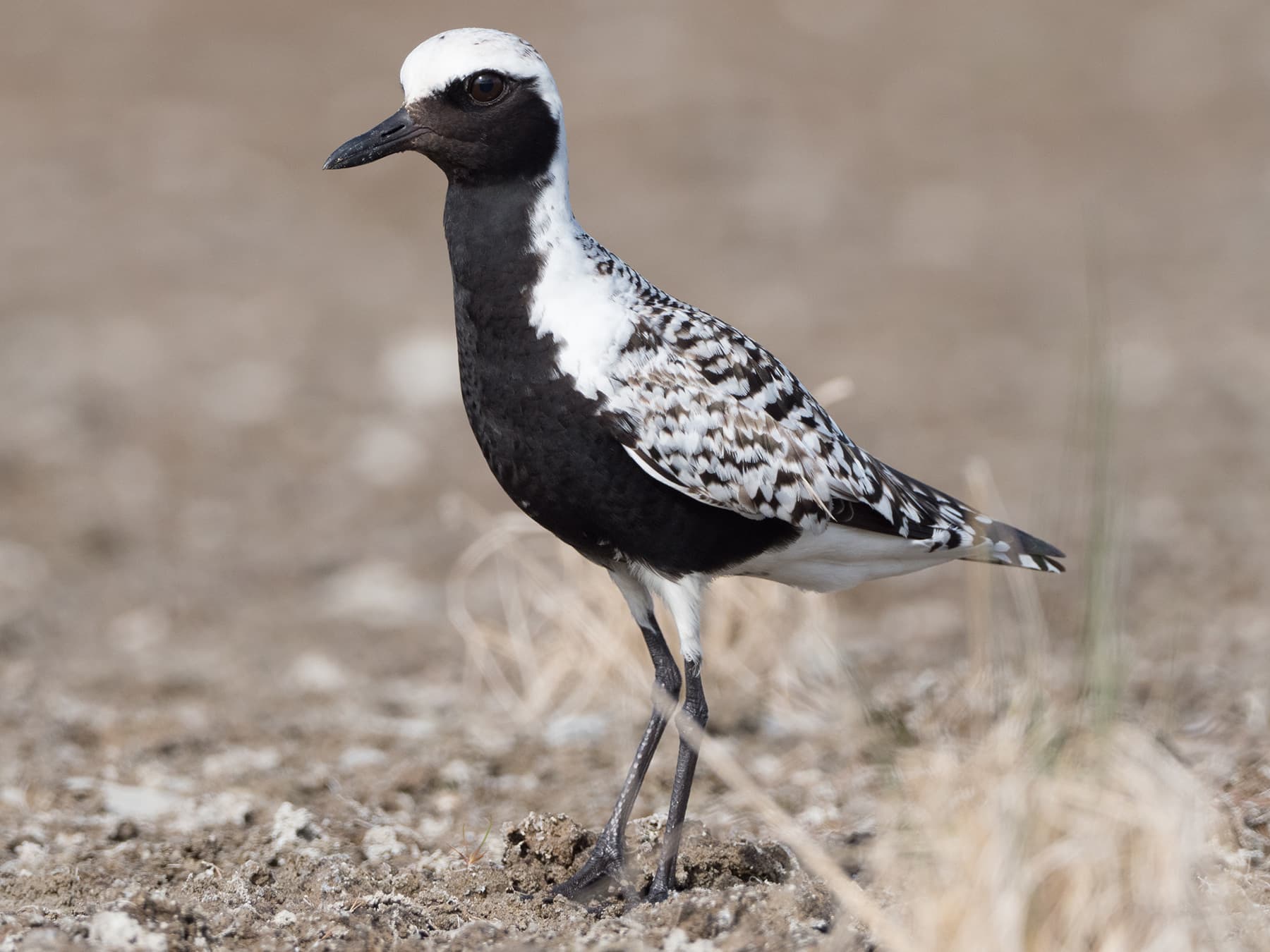 Grey PloverPluvialis squatarolaPassage migrantUncommon27–30 cmRegularly Dec–Feb · 0.12% in Feb
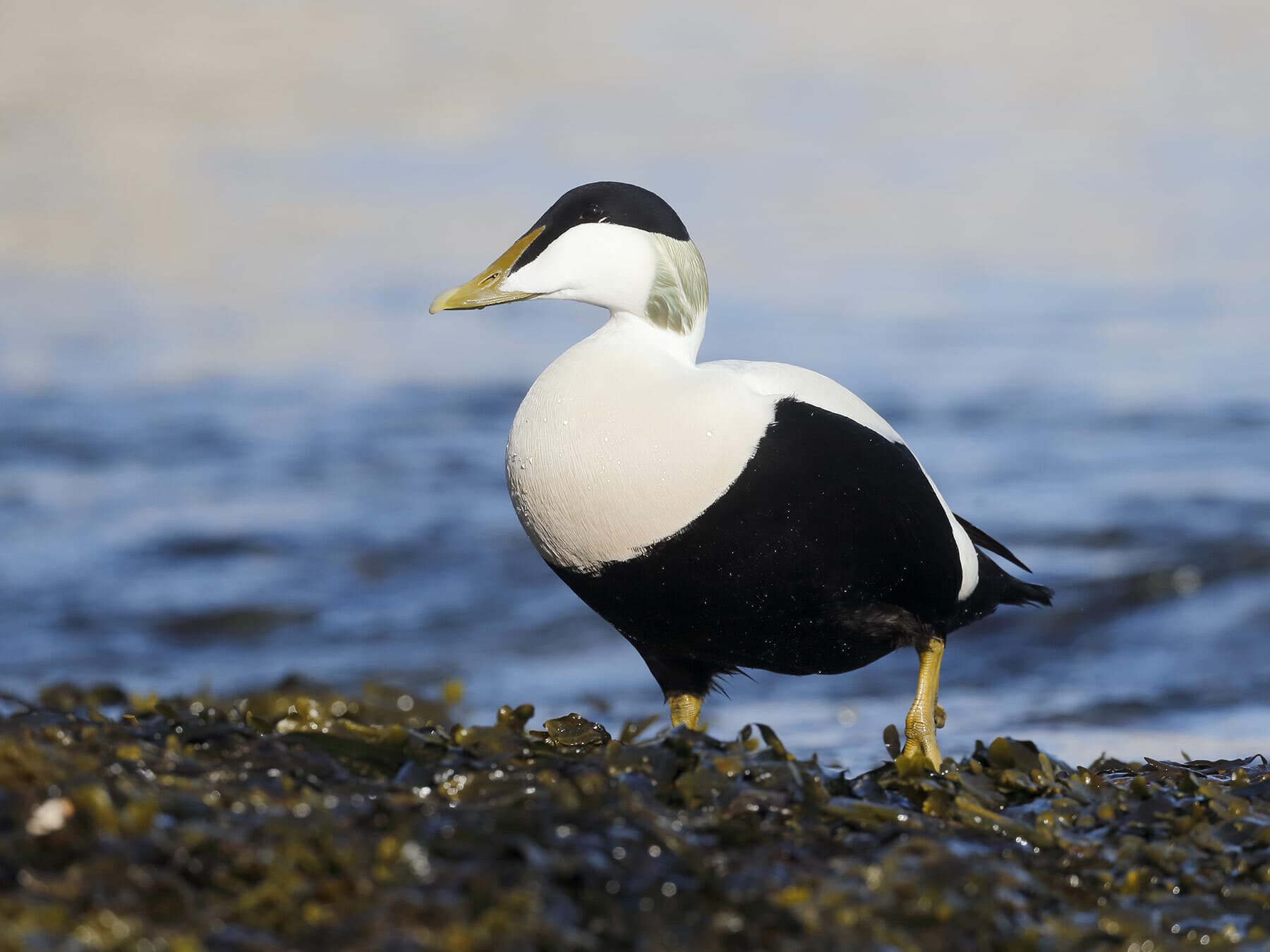 EiderSomateria mollissimaResidentUncommon50–71 cmRegularly Feb · 0.07% in Feb
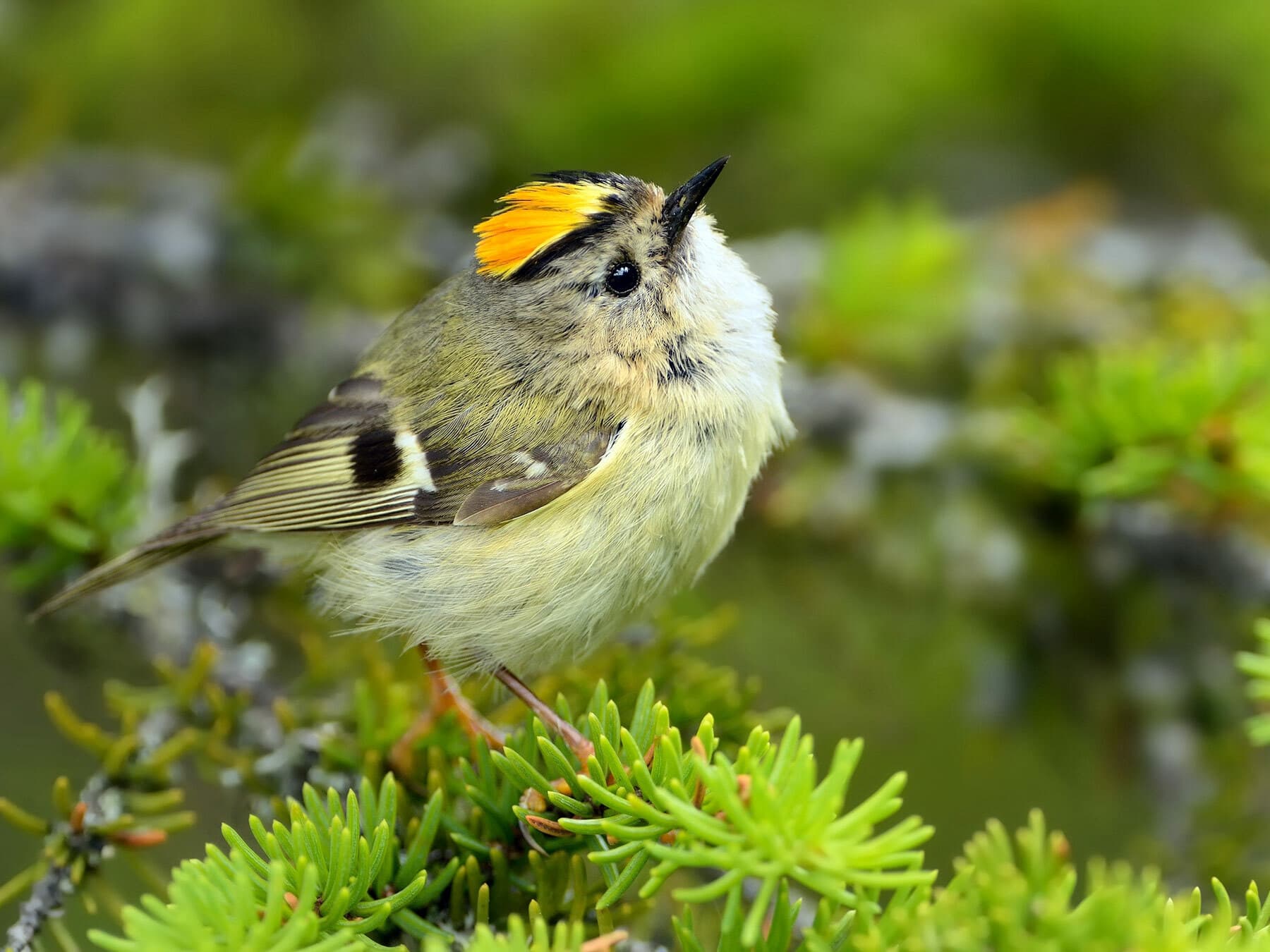 GoldcrestRegulus regulusResidentUncommon9–10 cmRegularly Oct–Feb · 0.07% in Feb
Data: EOD – eBird Observation Dataset (Cornell Lab of Ornithology), accessed via GBIF.org, CC BY 4.0. Records from 2019–2024, aggregated and filtered by Birdfact. How these lists are made