


Birds to See in Luxembourg in September
88 bird species on our list for Luxembourg are recorded regularly in September
Of these, the most often recorded are Carrion Crow, Woodpigeon, Blue Tit, Great Tit and European Robin. New this month: Crested Tit, Firecrest, Northern Shoveler and Common Raven and 4 more.
On the move in September
GBIF · SepArriving
At their peak
From Luxembourg’s bird records, 2019–2024: arriving birds are regular this month but not last; leaving birds are regular this month but not next.
Other months
All 88 birds in September
88 birds
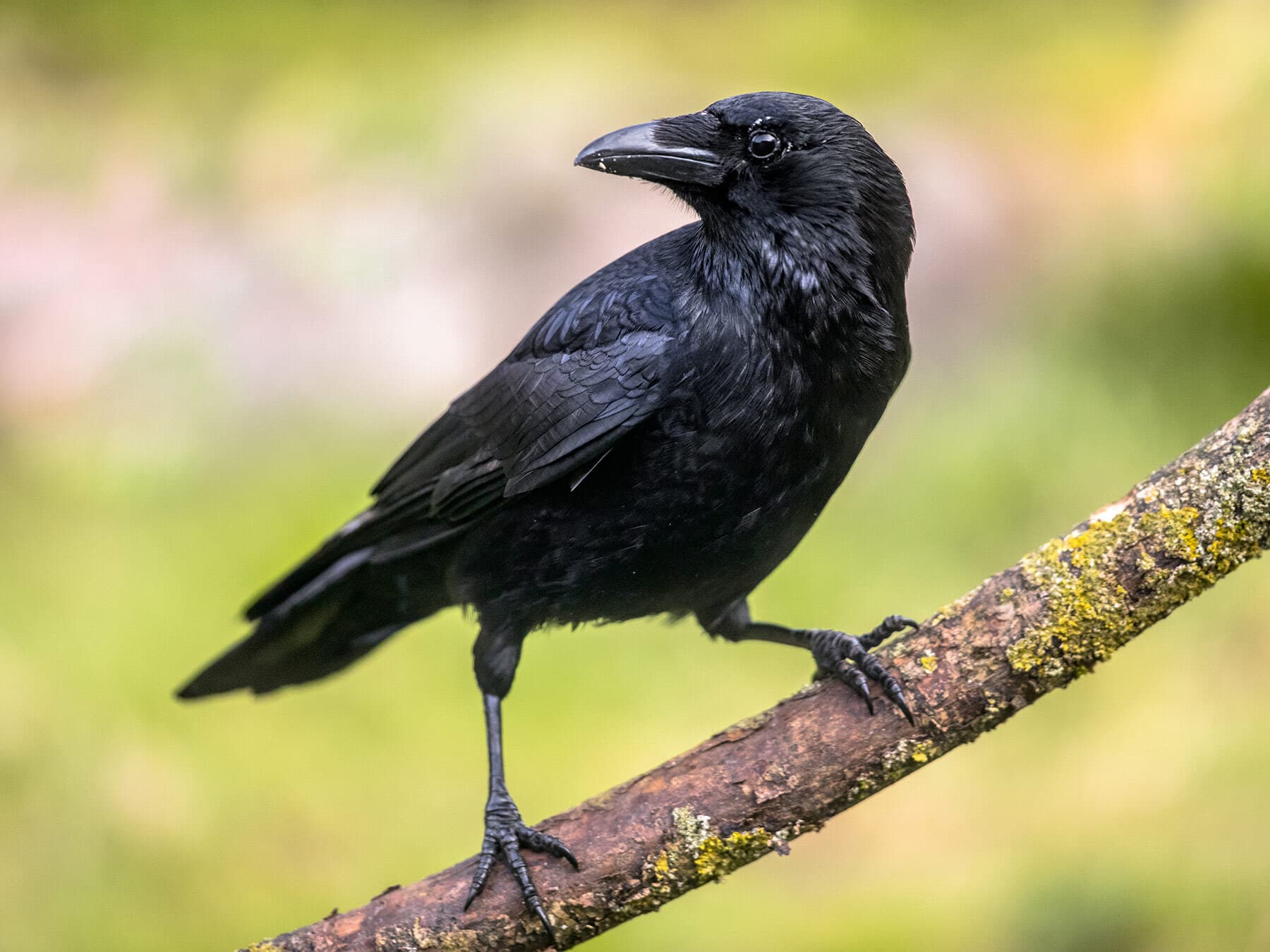 Carrion CrowCorvus coroneResidentCommon45–47 cmRecorded all year · 5.01% in Sep
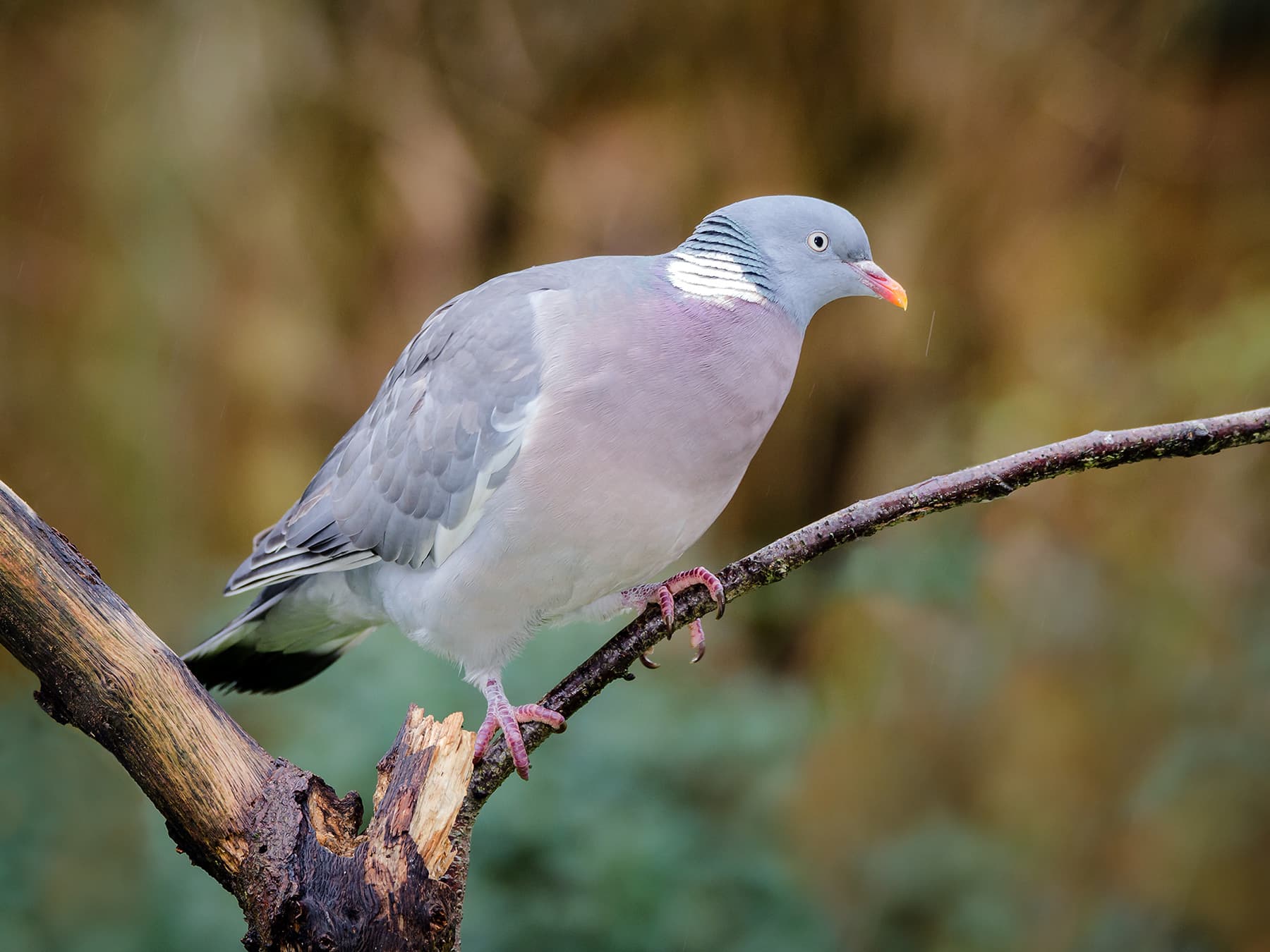 WoodpigeonColumba palumbusResidentCommon40–42 cmRecorded all year · 4.33% in Sep
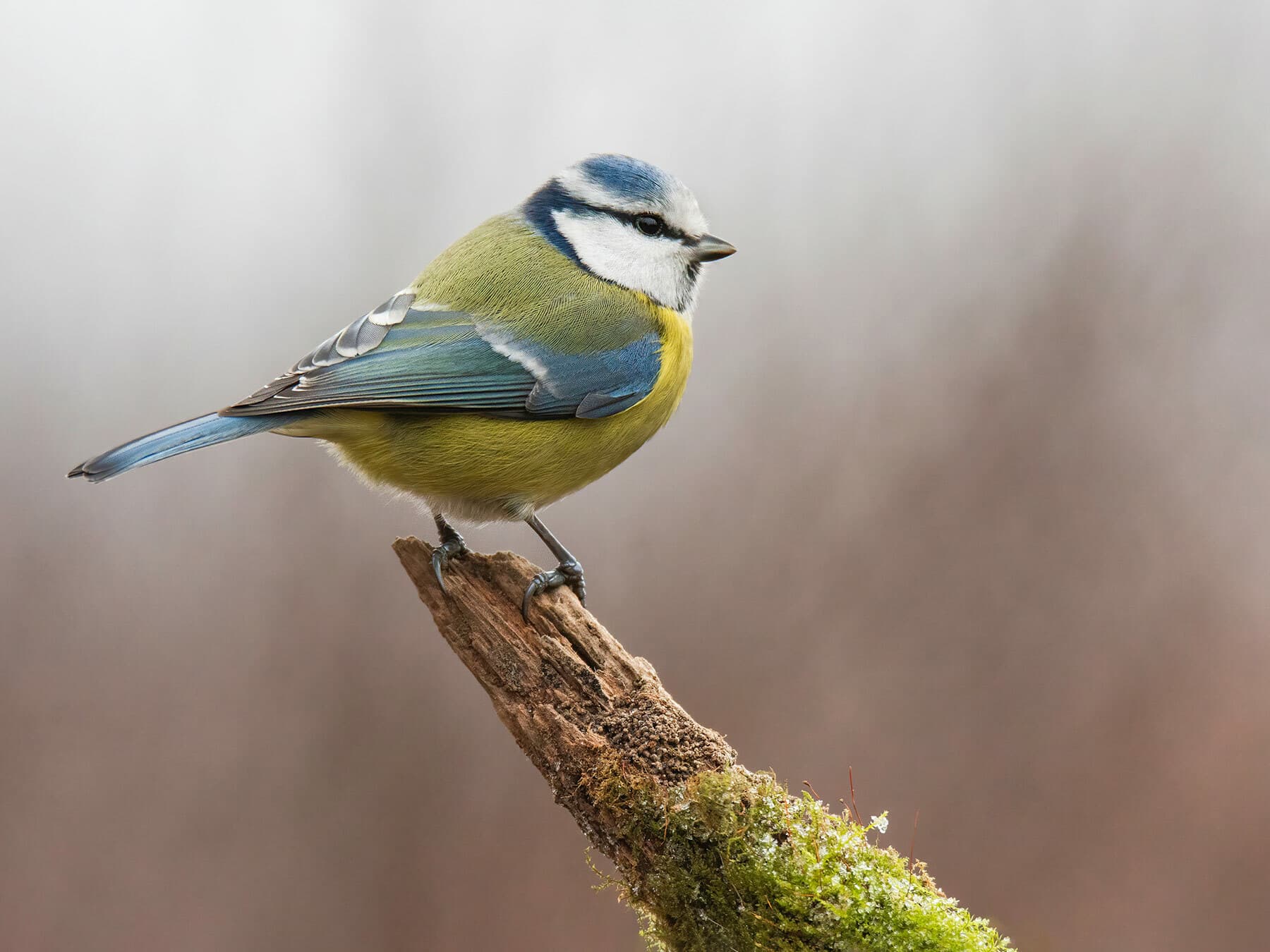 Blue TitCyanistes caeruleusResidentCommon11–12 cmRecorded all year · 3.92% in Sep
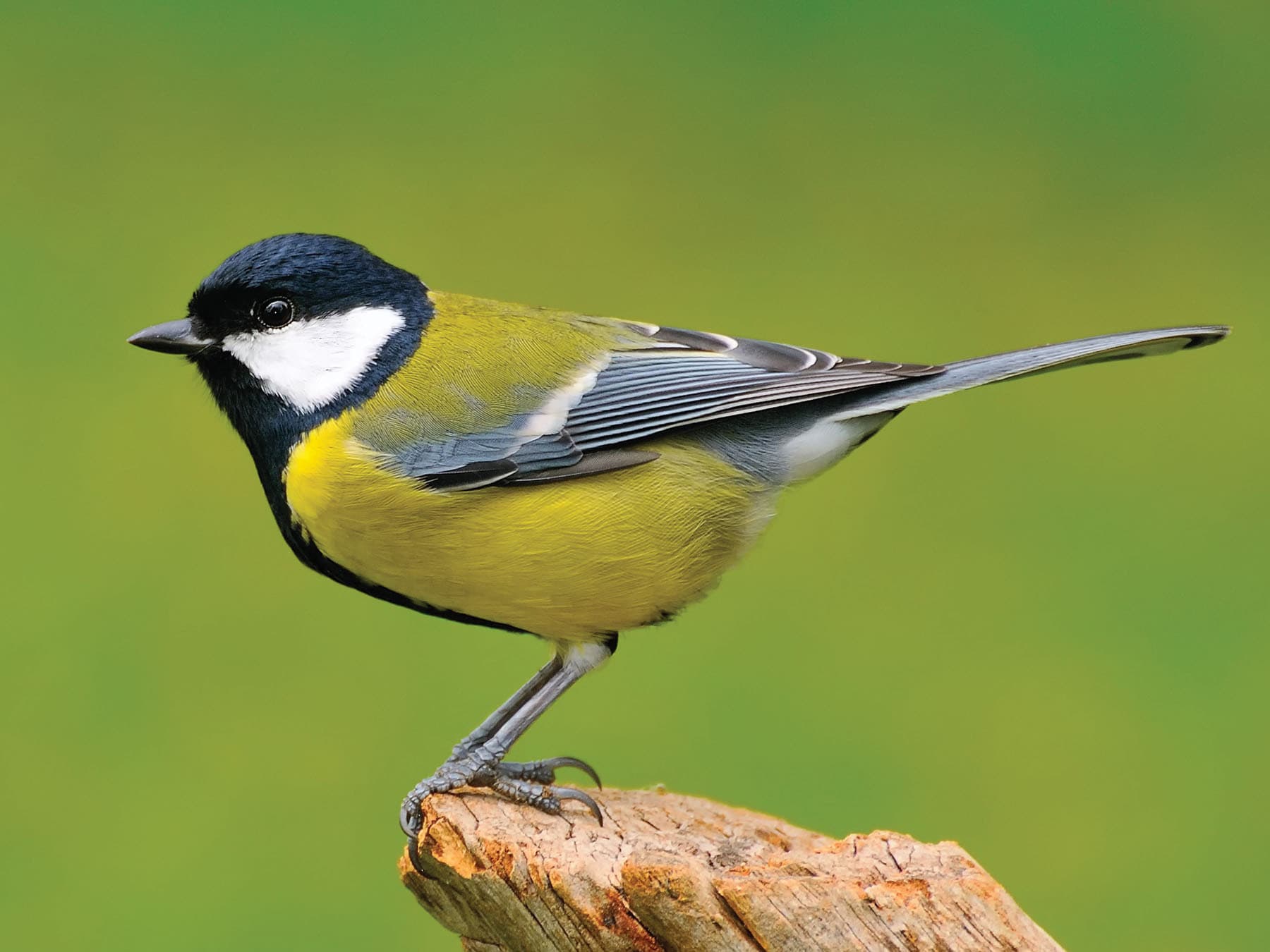 Great TitParus majorResidentCommonRecorded all year · 3.60% in Sep
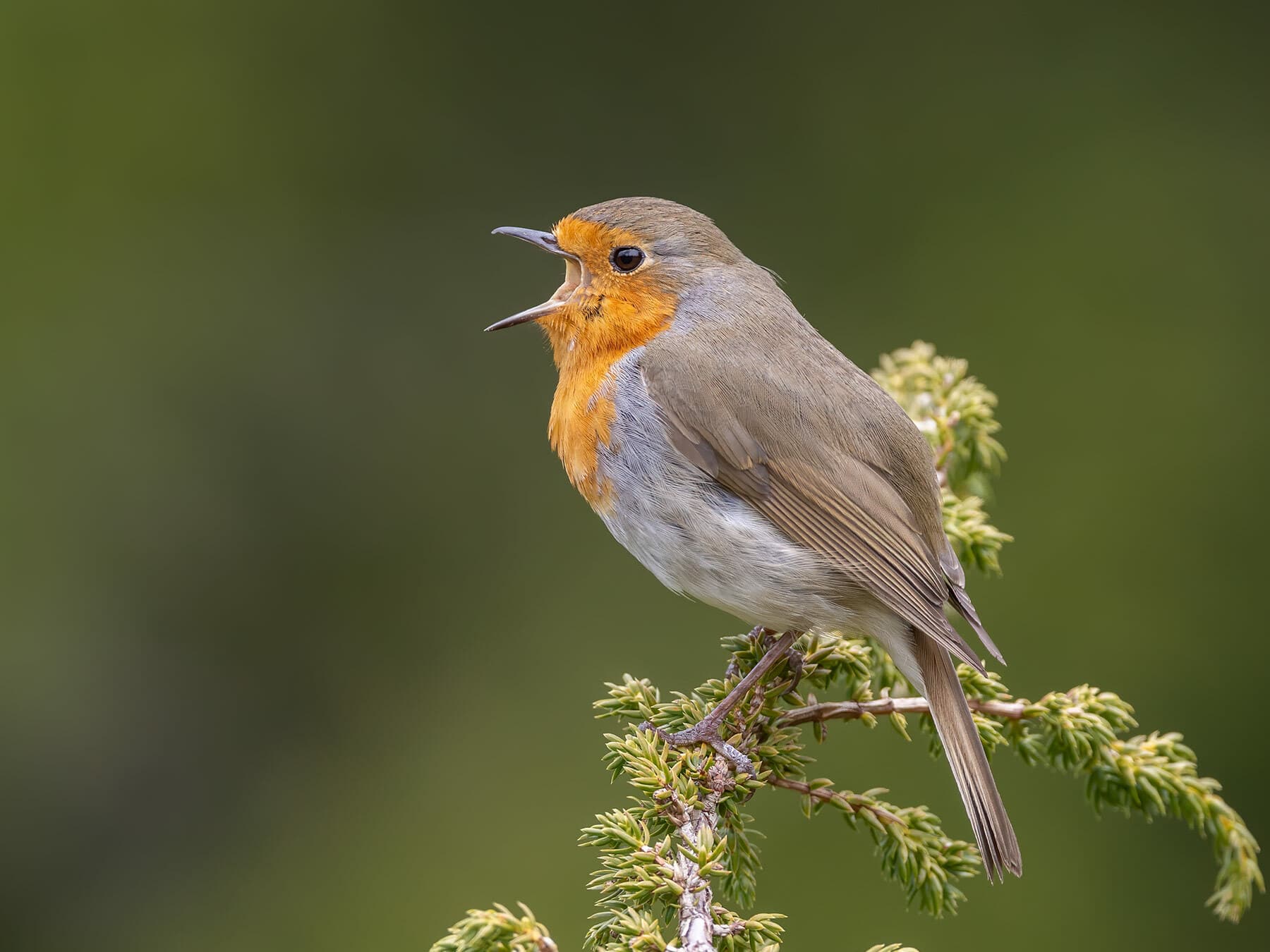 European RobinErithacus rubeculaResidentCommon13–14 cmRecorded all year · 3.20% in Sep
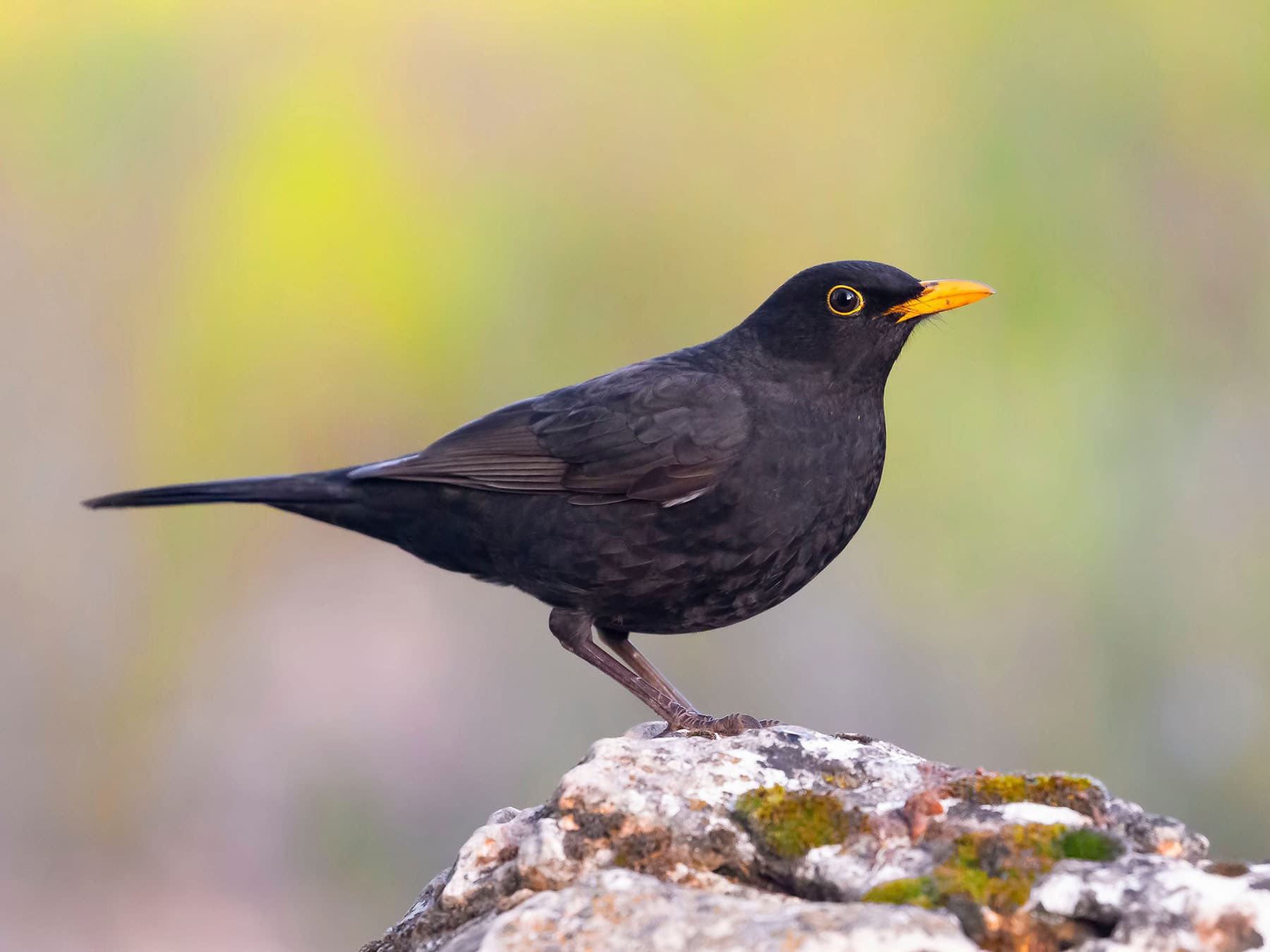 BlackbirdTurdus merulaResidentCommon24–25 cmRecorded all year · 2.72% in Sep
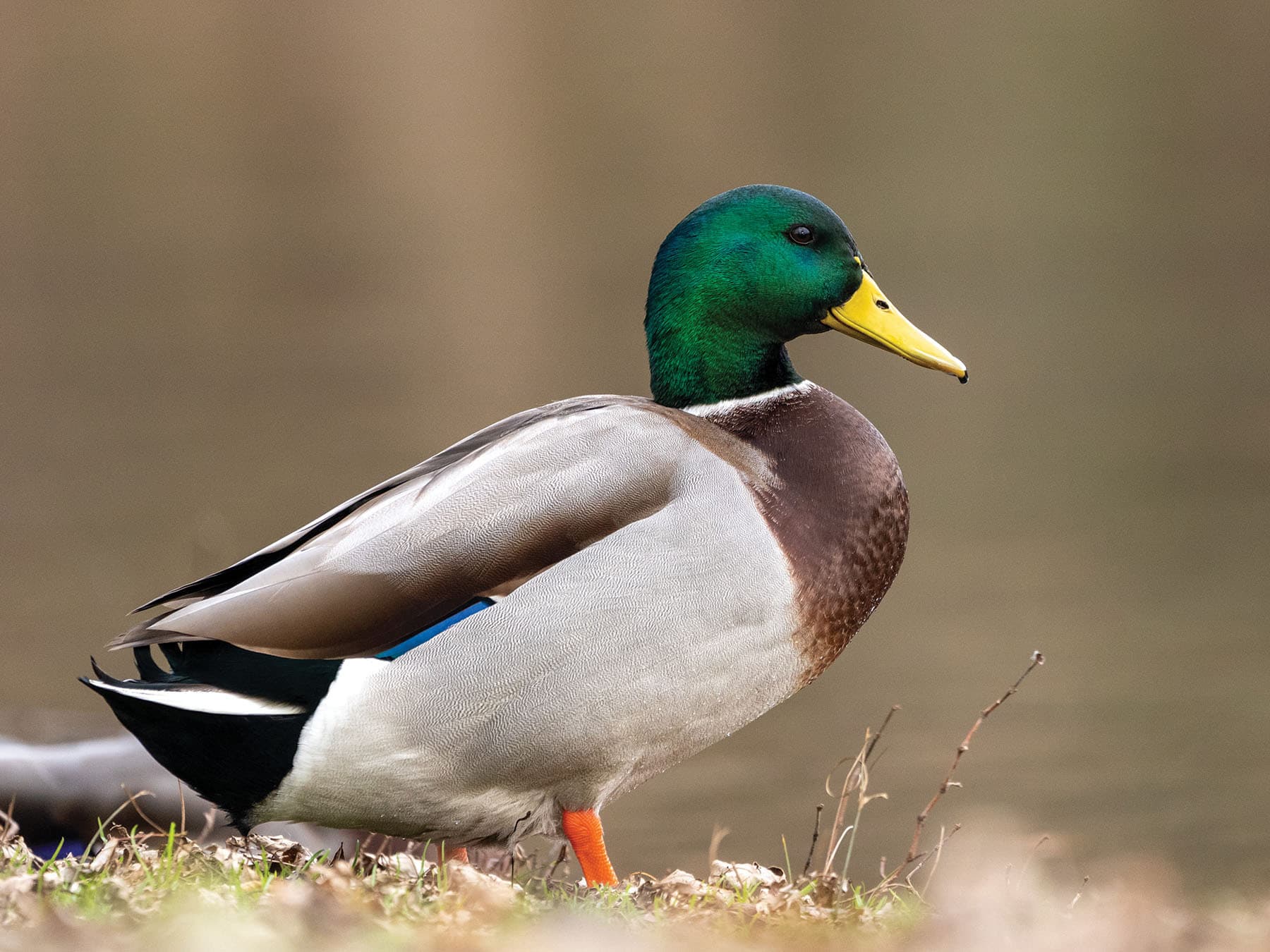 MallardAnas platyrhynchosResidentCommon50–65 cmRecorded all year · 2.68% in Sep
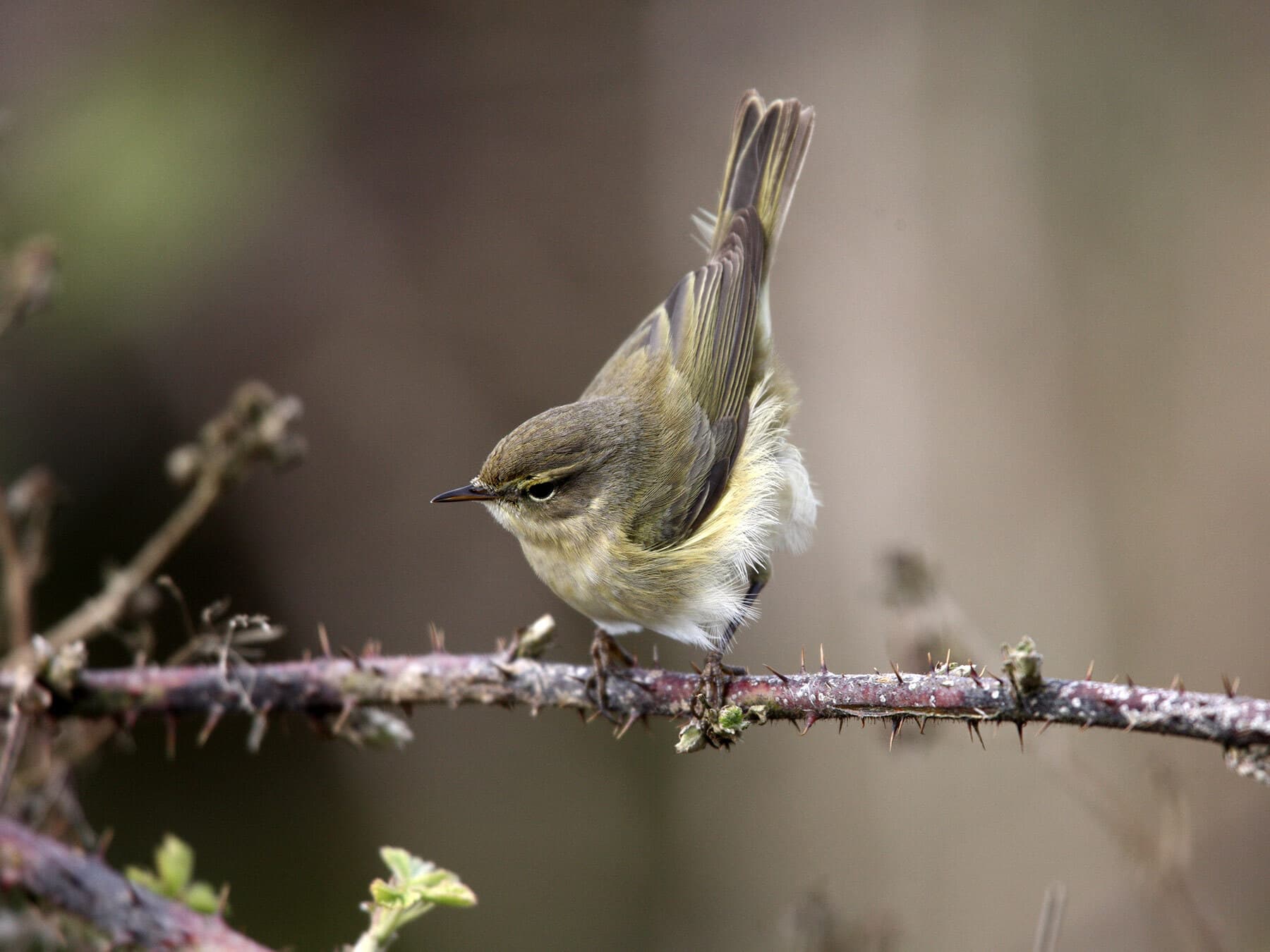 ChiffchaffPhylloscopus collybitaSummer visitorCommon10–12 cmRegularly Feb–Nov · 2.60% in Sep
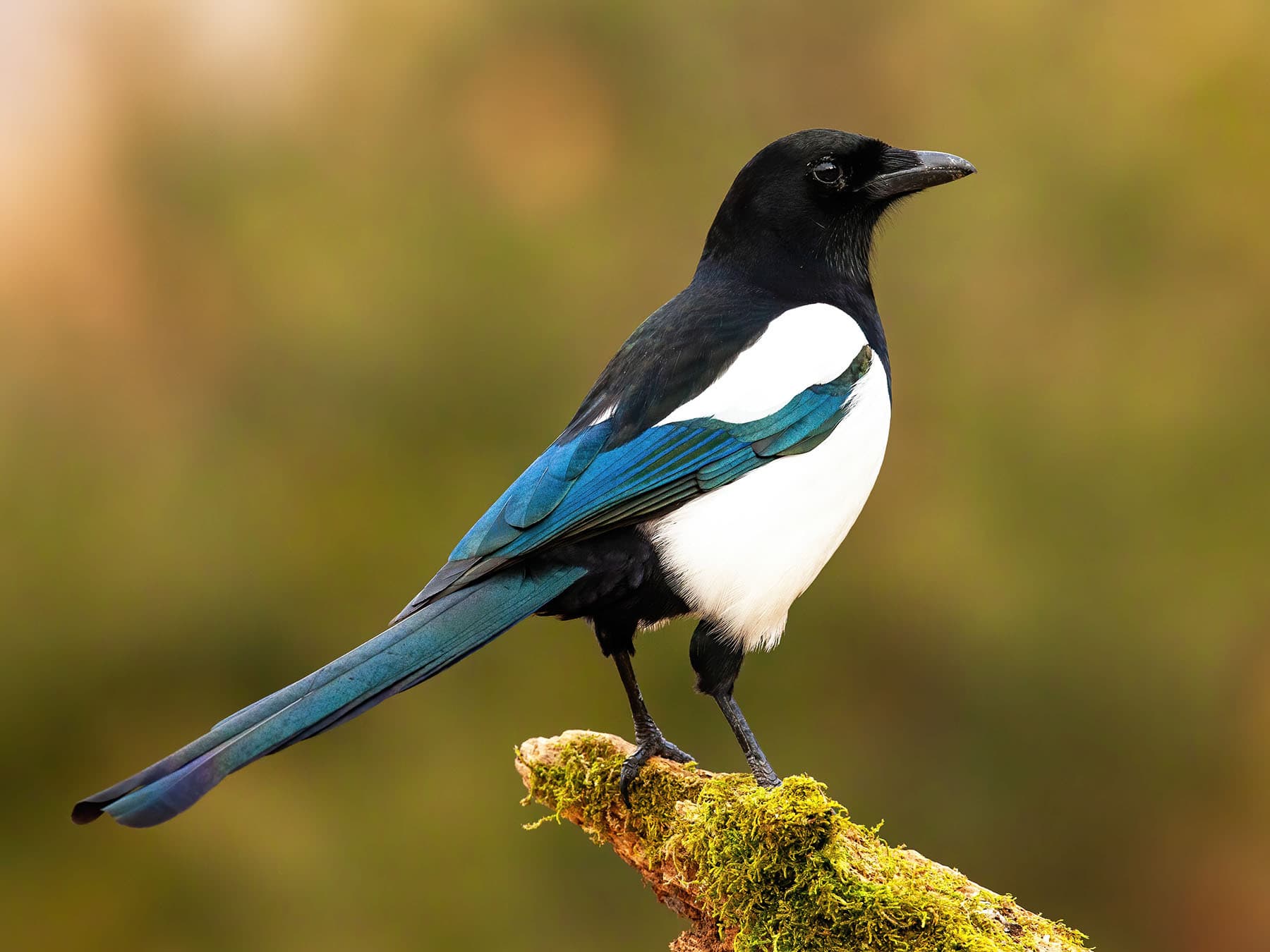 MagpiePica picaResidentCommon44–46 cmRecorded all year · 2.52% in Sep
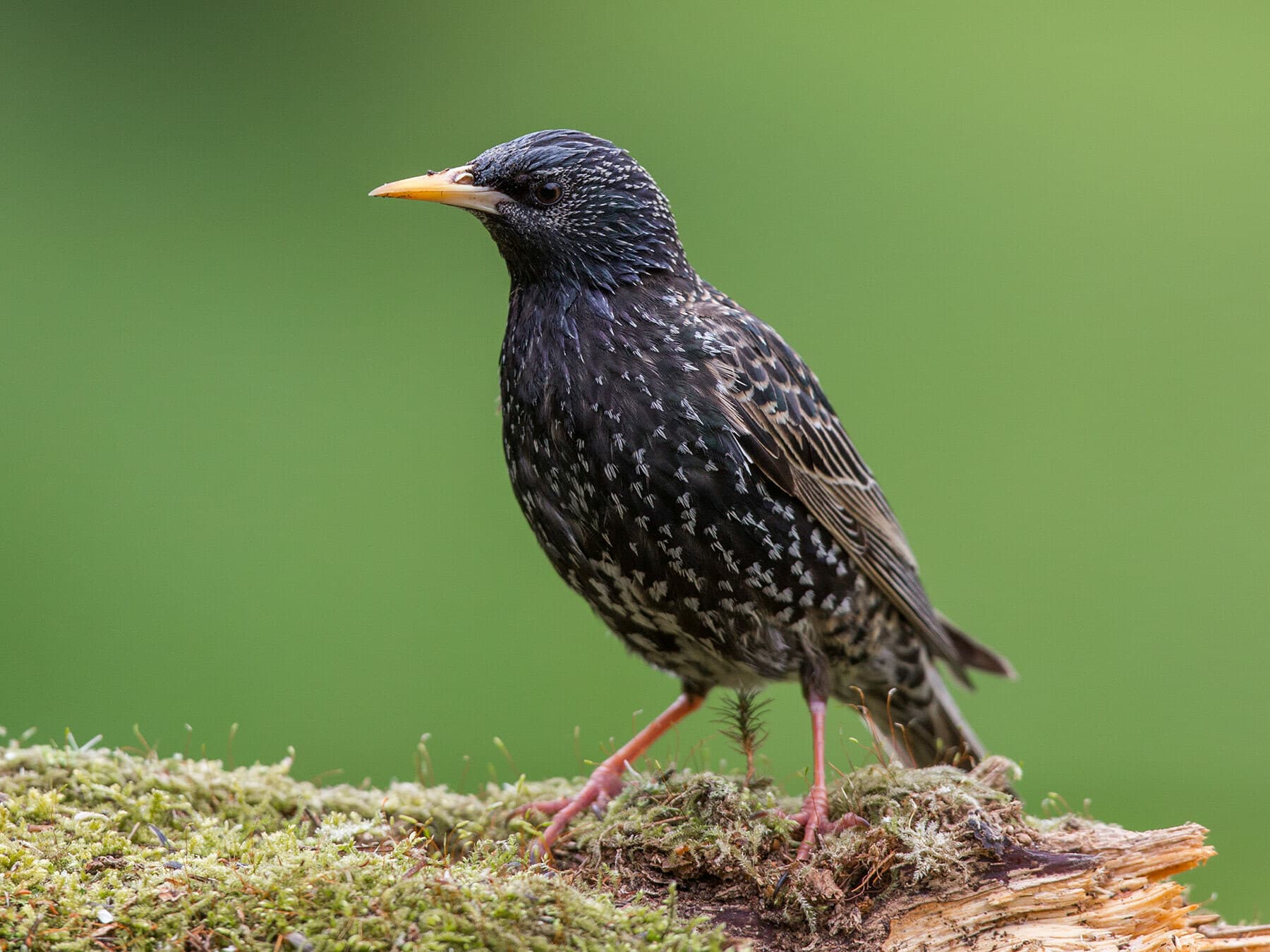 Common StarlingSturnus vulgarisResidentCommon21–23 cmRecorded all year · 2.40% in Sep
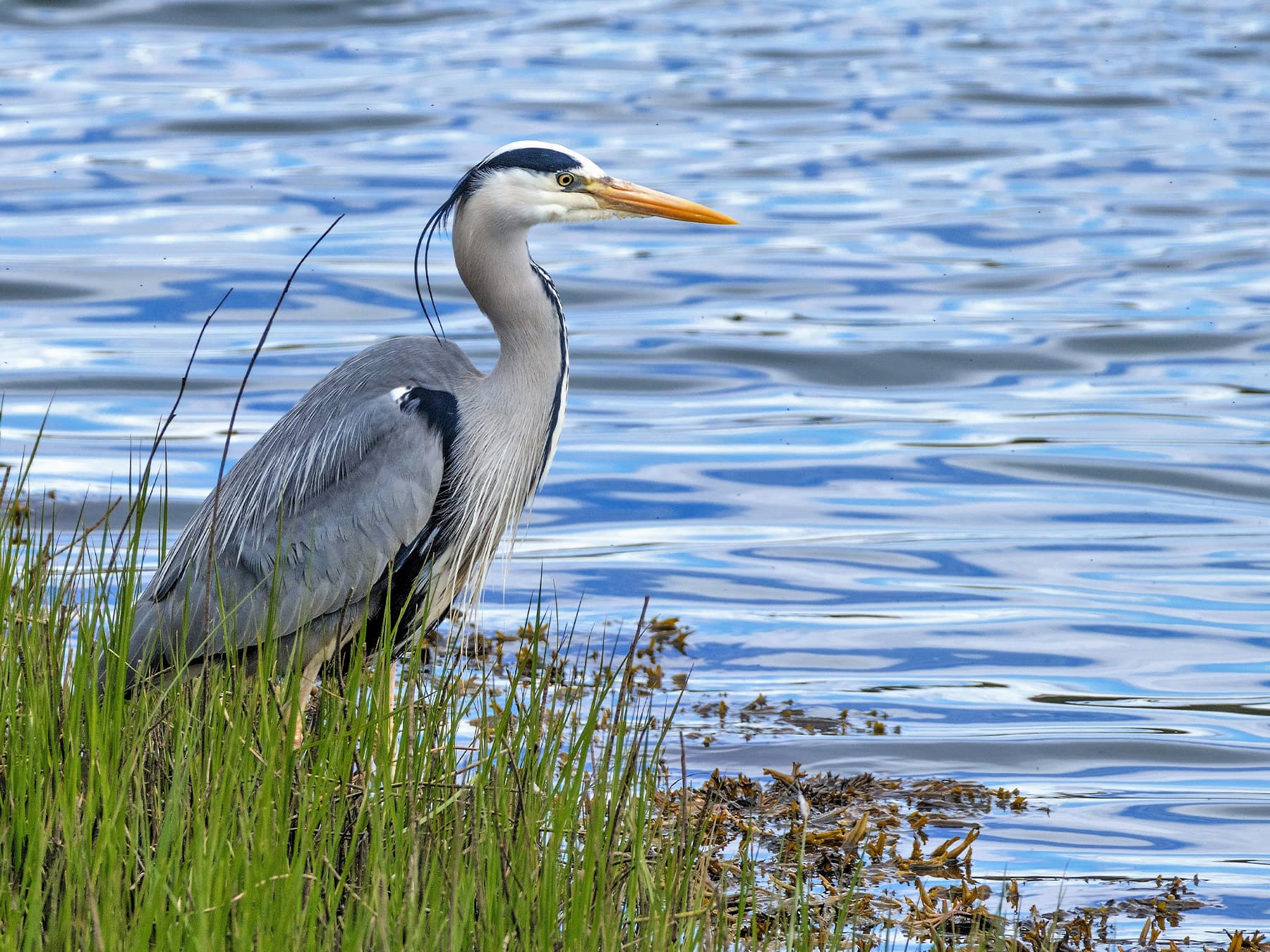 Grey HeronArdea cinereaResidentCommon90–98 cmRecorded all year · 2.28% in Sep
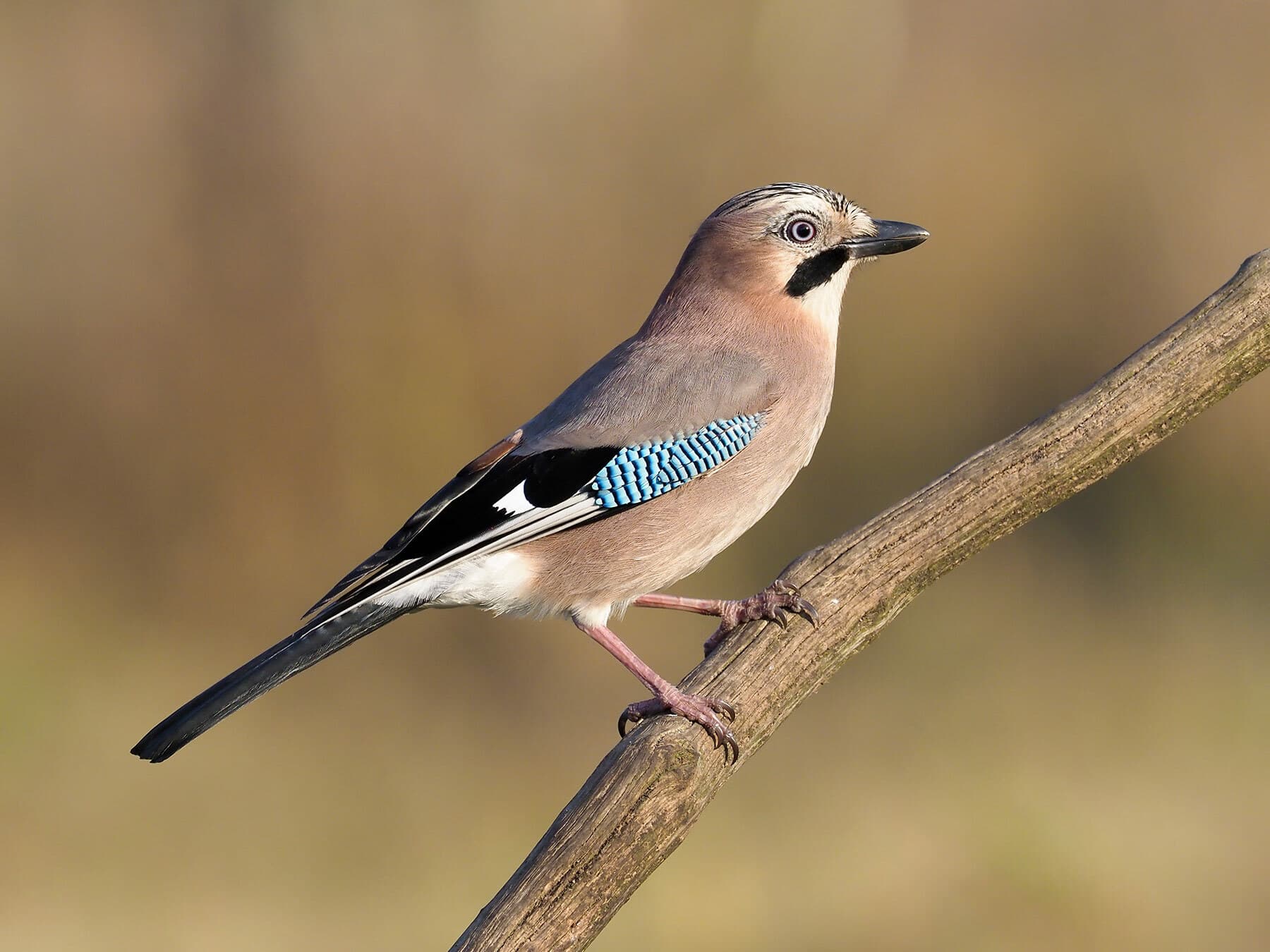 Eurasian JayGarrulus glandariusResidentCommon32–35 cmRecorded all year · 2.16% in Sep
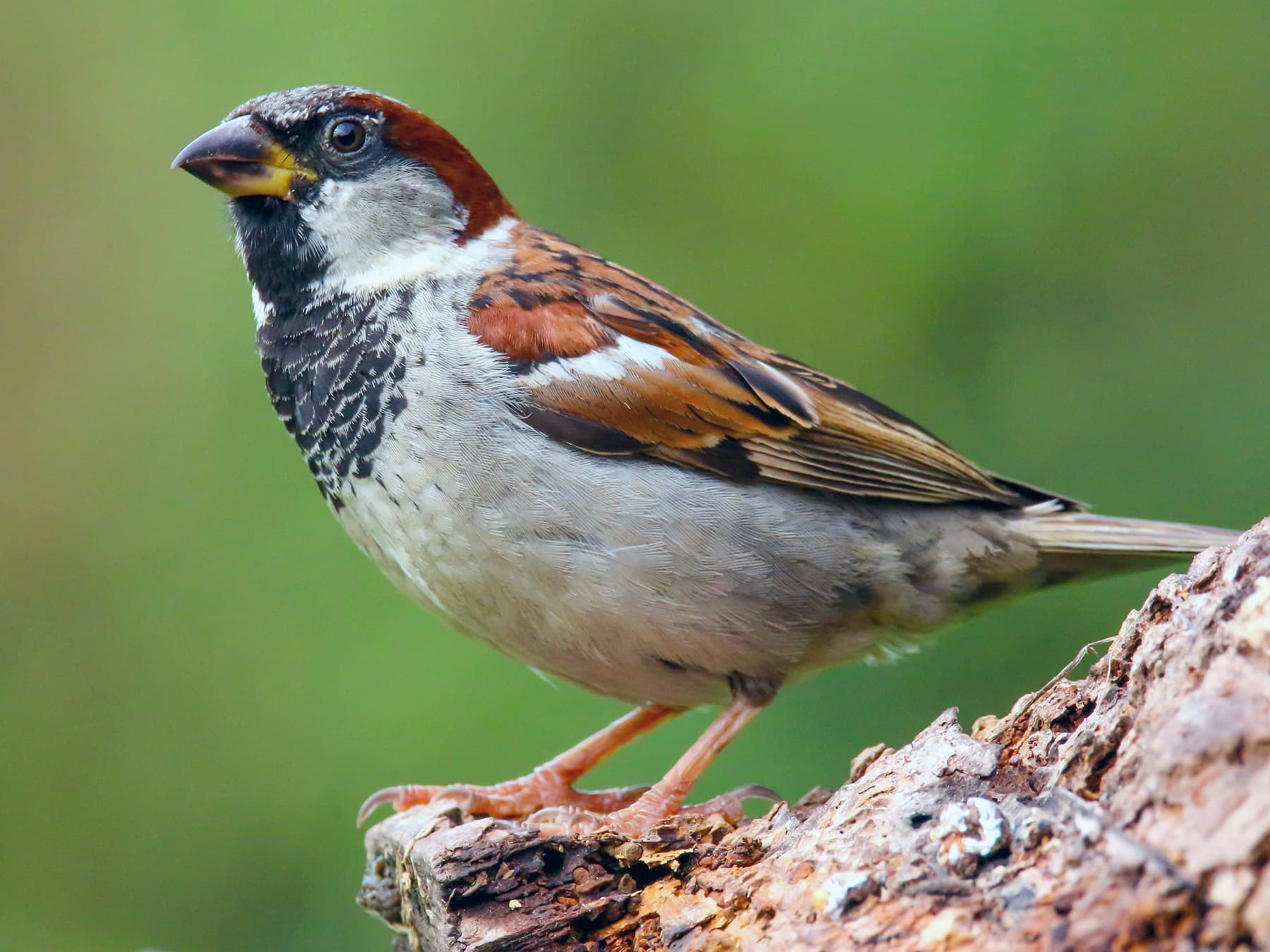 House SparrowPasser domesticusResidentCommon14–17 cmRecorded all year · 2.08% in Sep
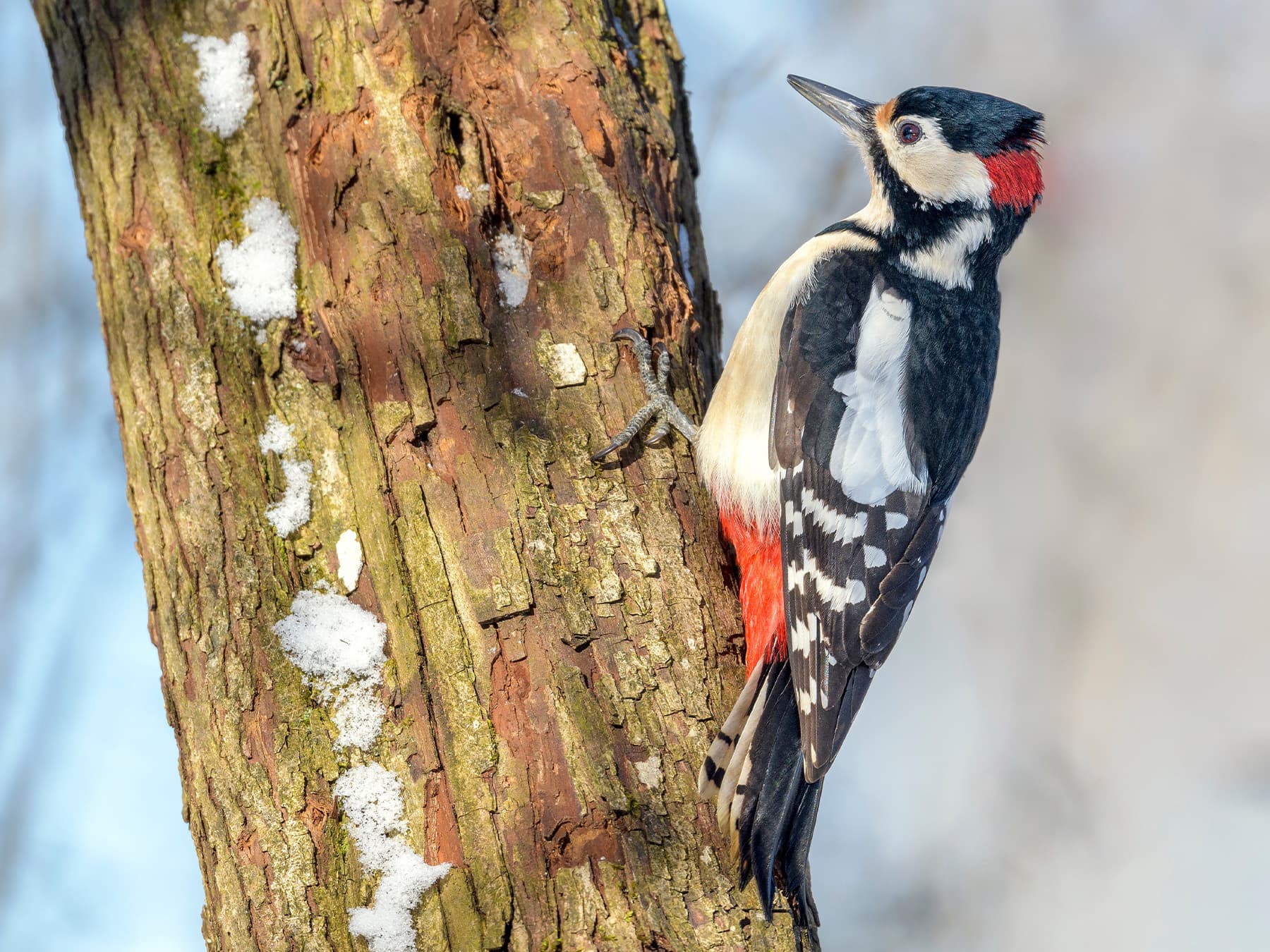 Great Spotted WoodpeckerDendrocopos majorResidentCommon23–26 cmRecorded all year · 2.00% in Sep
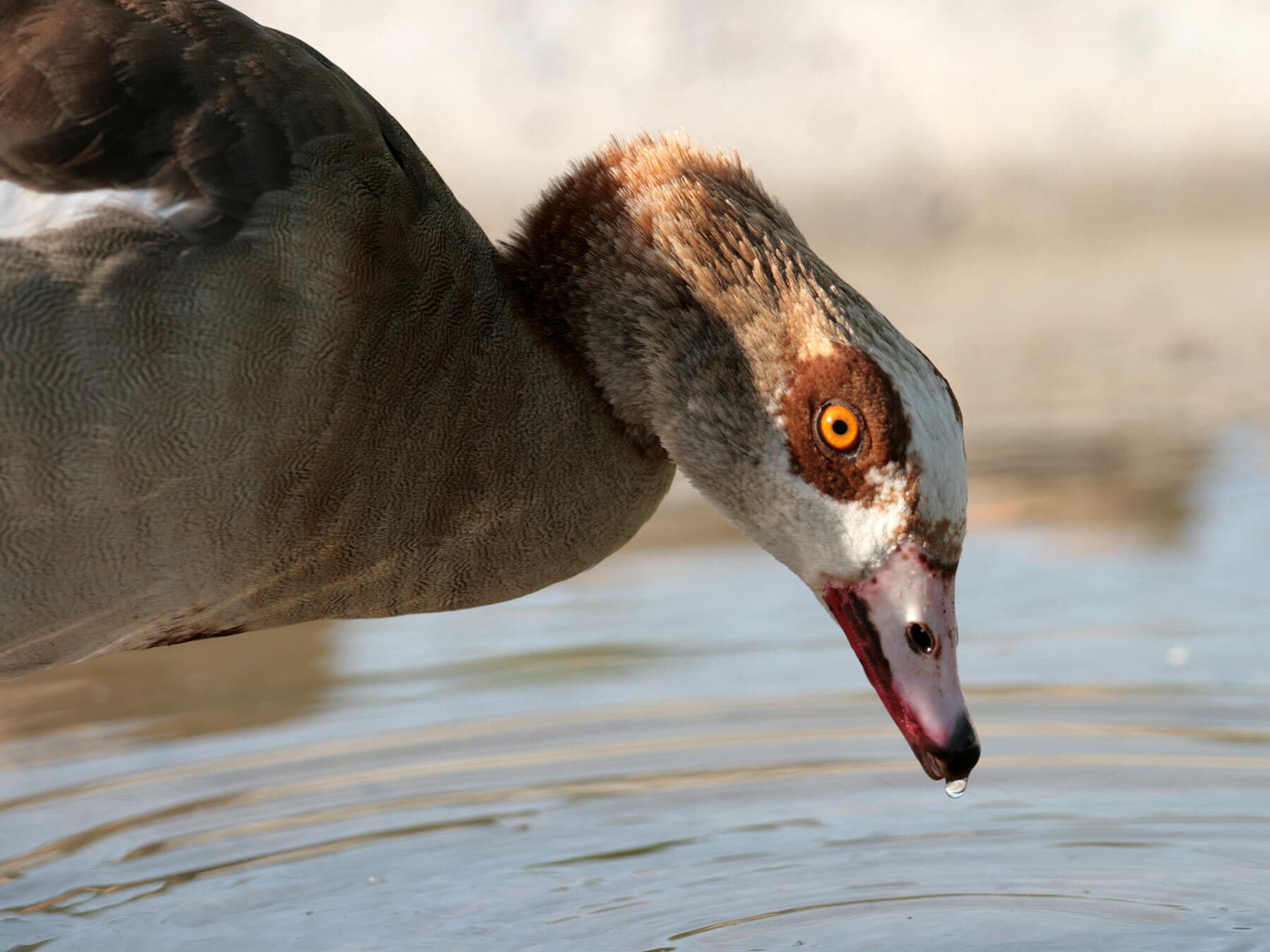 Egyptian GooseAlopochen aegyptiacaResidentCommon63–73 cmRecorded all year · 1.84% in Sep
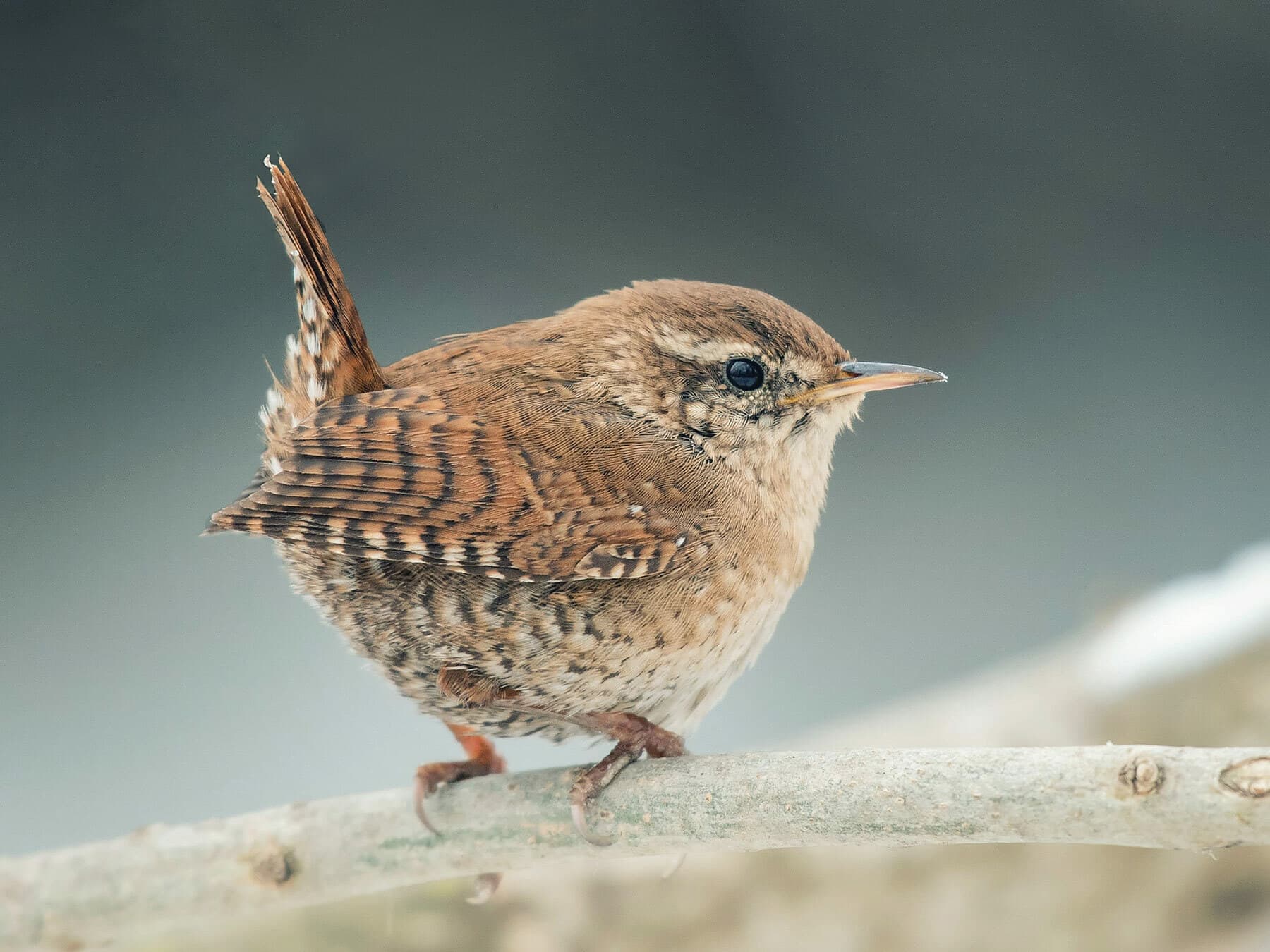 Eurasian WrenTroglodytes troglodytesResidentCommon9–10 cmRecorded all year · 1.84% in Sep
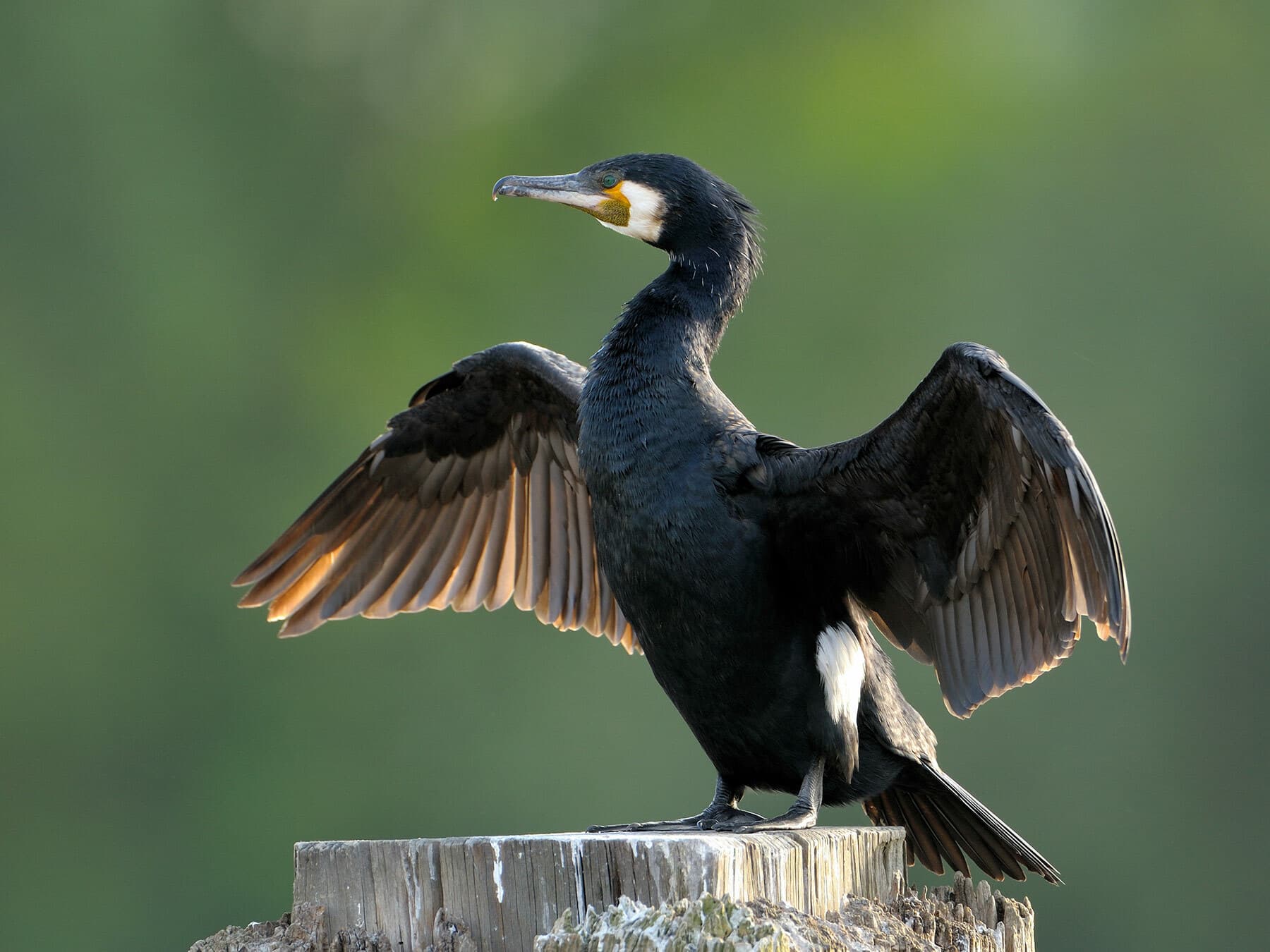 Great CormorantPhalacrocorax carboResidentCommon80–100 cmRecorded all year · 1.84% in Sep
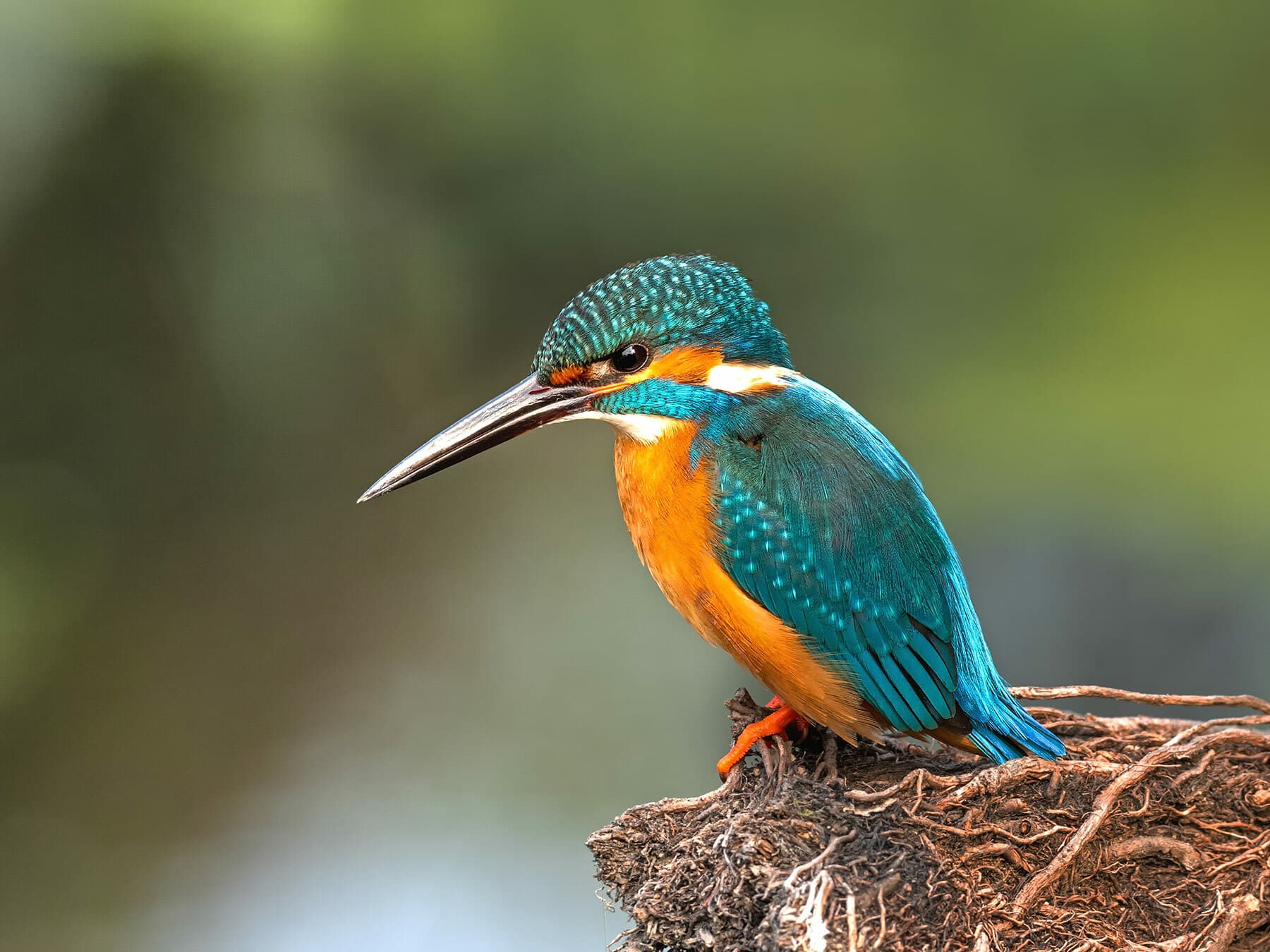 Common KingfisherAlcedo atthisSummer visitorCommon16–17 cmRegularly Mar–Jan · 1.76% in Sep
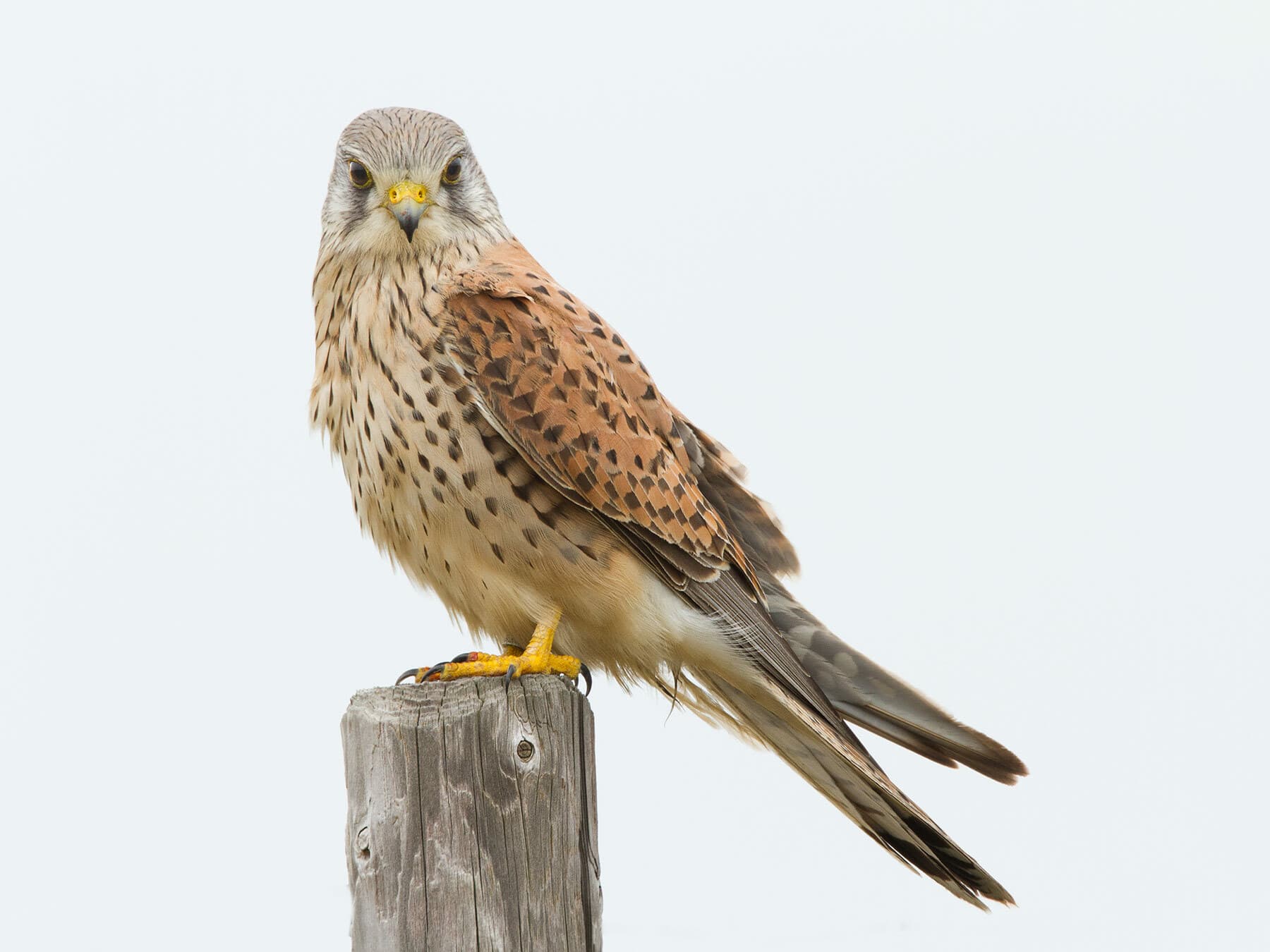 KestrelFalco tinnunculusResidentCommon32–39 cmRecorded all year · 1.72% in Sep
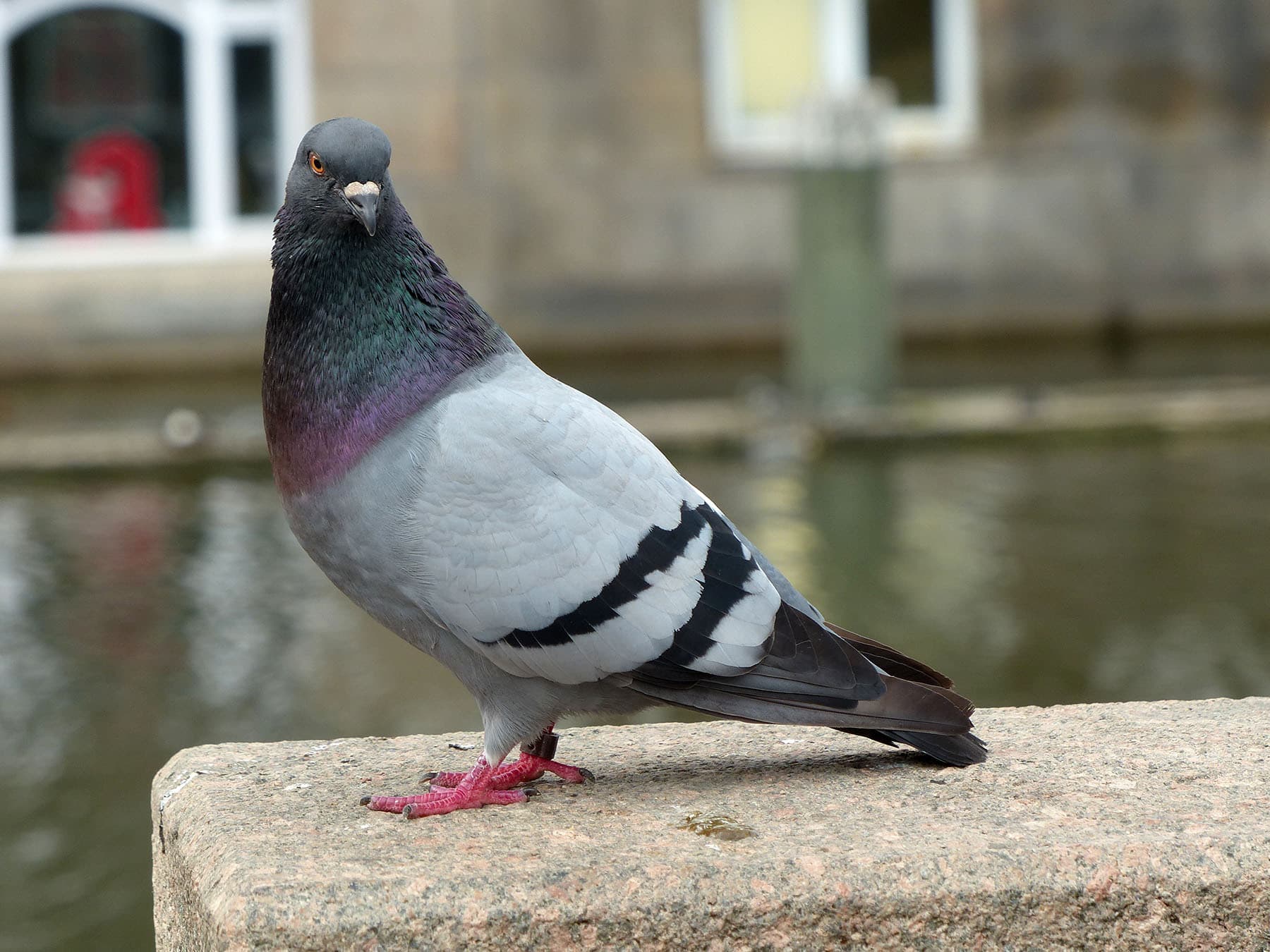 Rock DoveColumba liviaResidentCommon31–34 cmRecorded all year · 1.72% in Sep
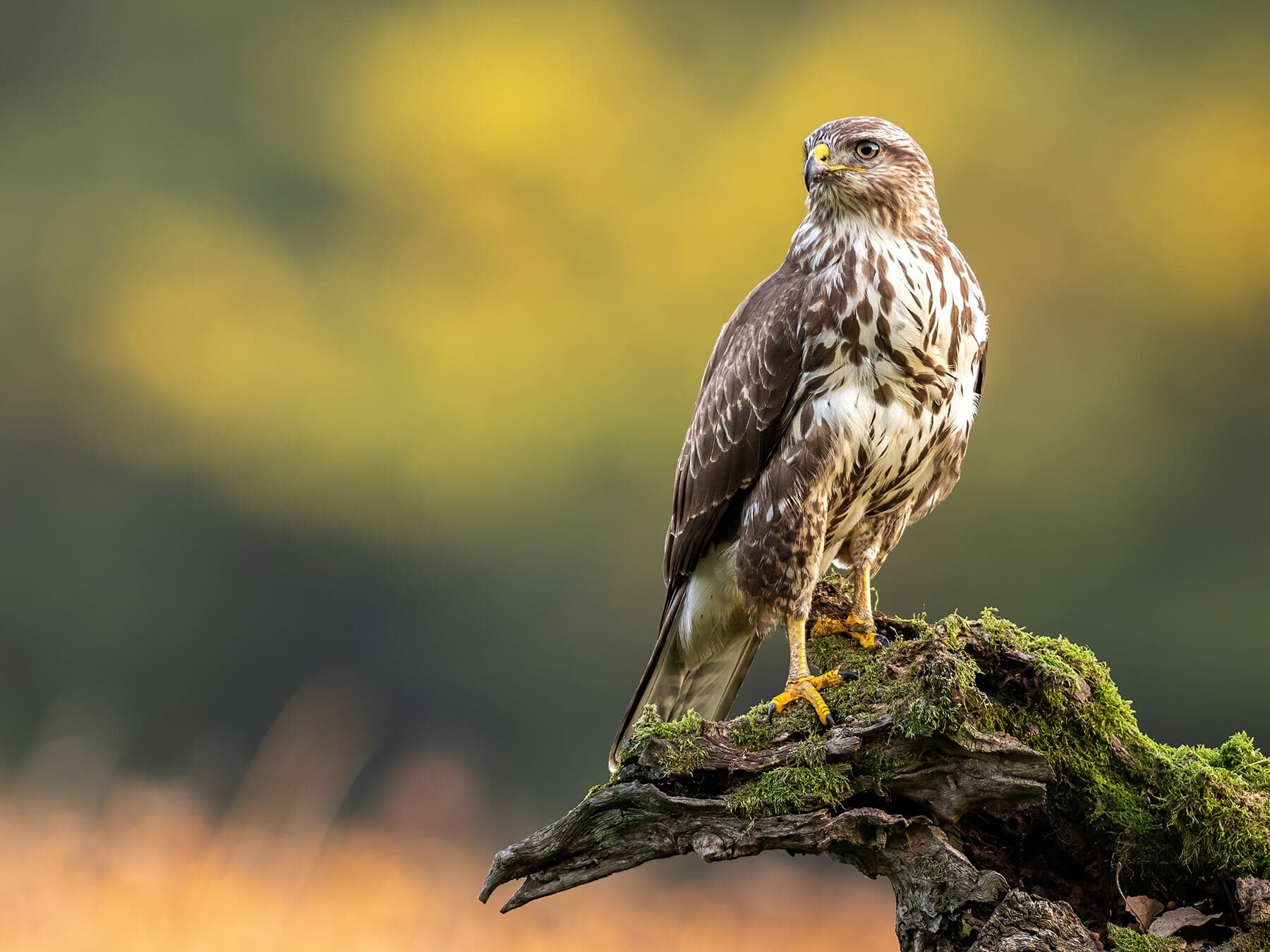 BuzzardButeo buteoResidentCommon51–57 cmRecorded all year · 1.68% in Sep
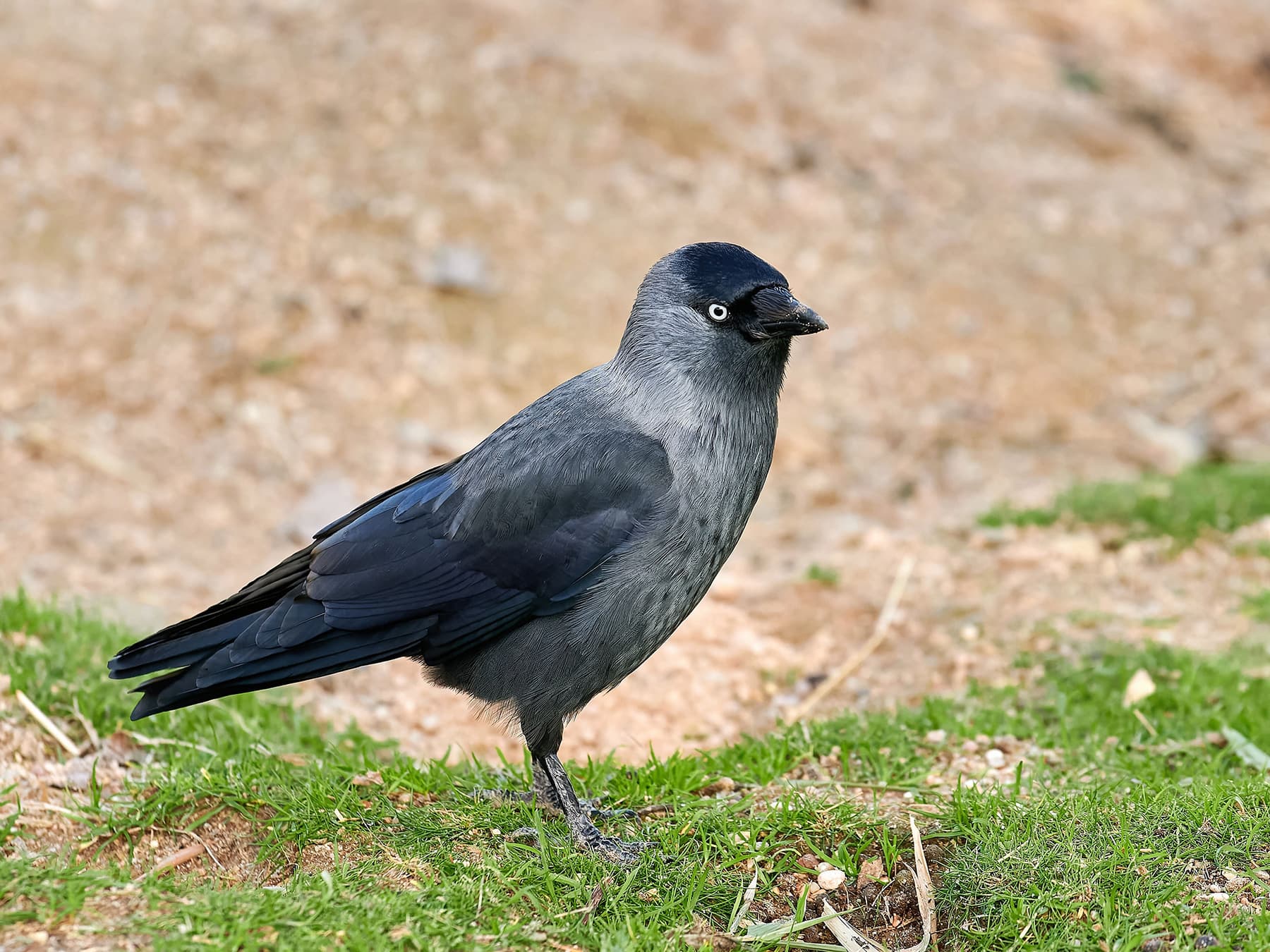 JackdawColoeus monedulaResidentCommon34–39 cmRecorded all year · 1.64% in Sep
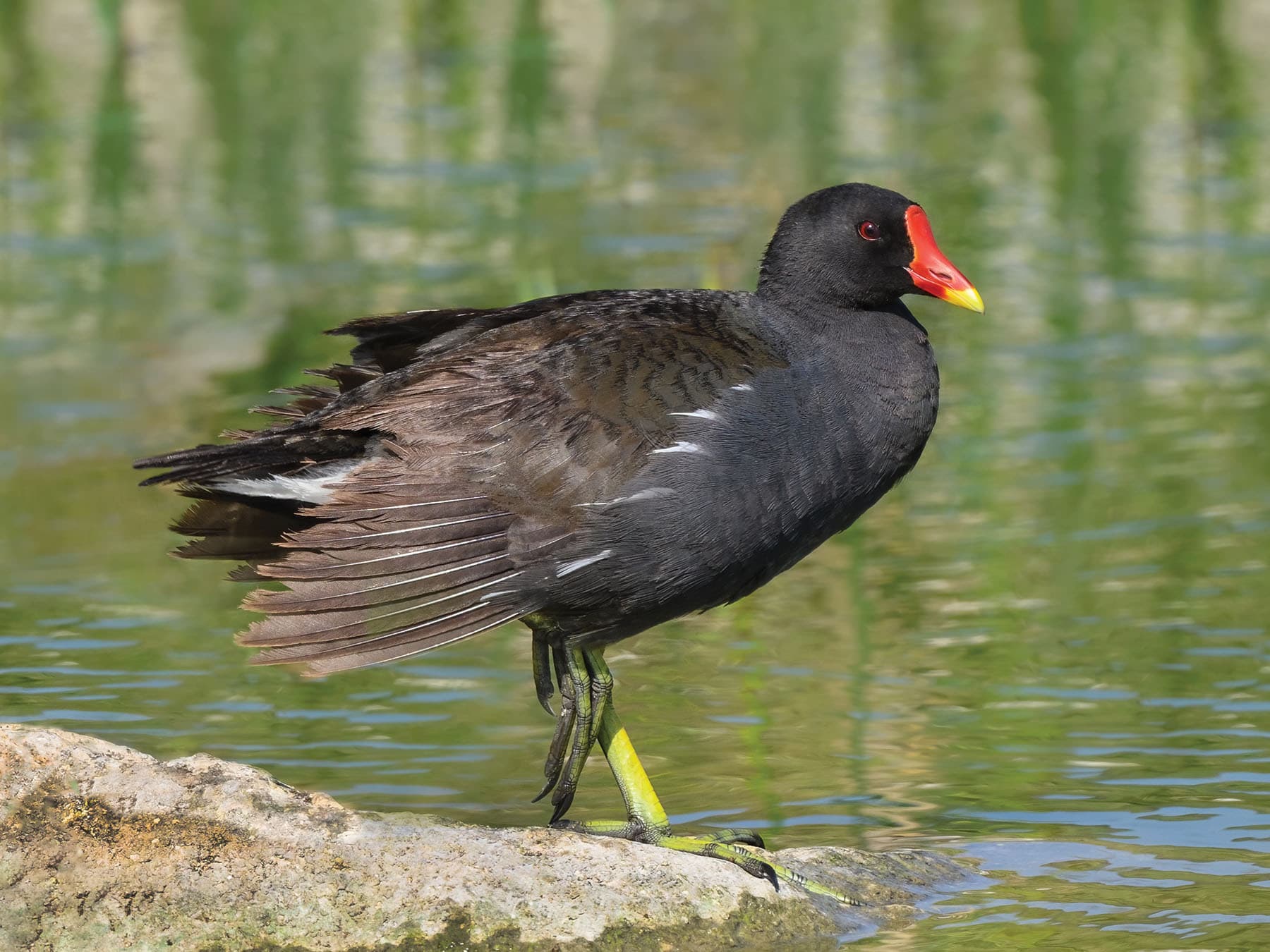 MoorhenGallinula chloropusResidentCommon30–38 cmRecorded all year · 1.64% in Sep
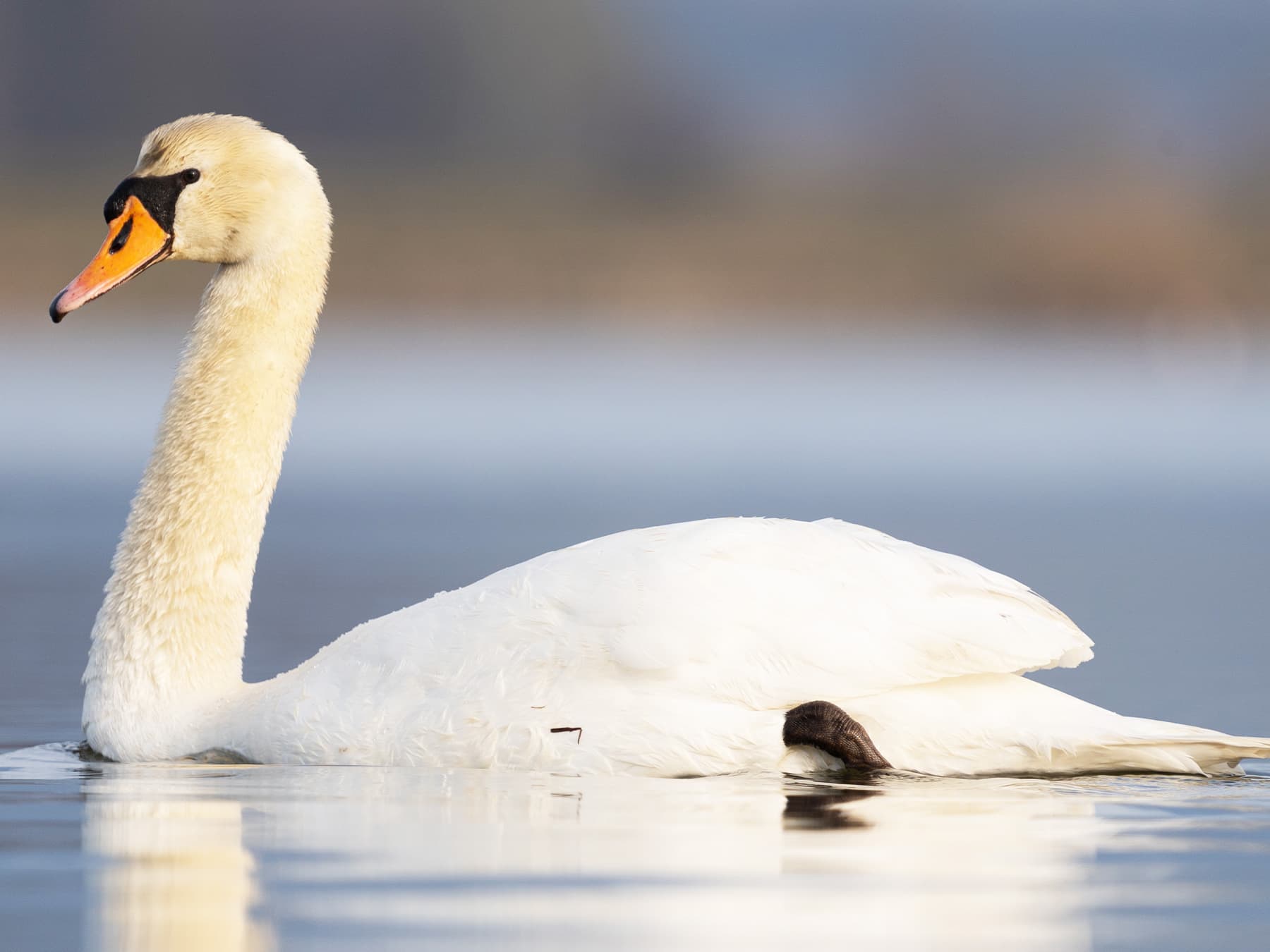 Mute SwanCygnus olorResidentCommon140–160 cmRecorded all year · 1.64% in Sep
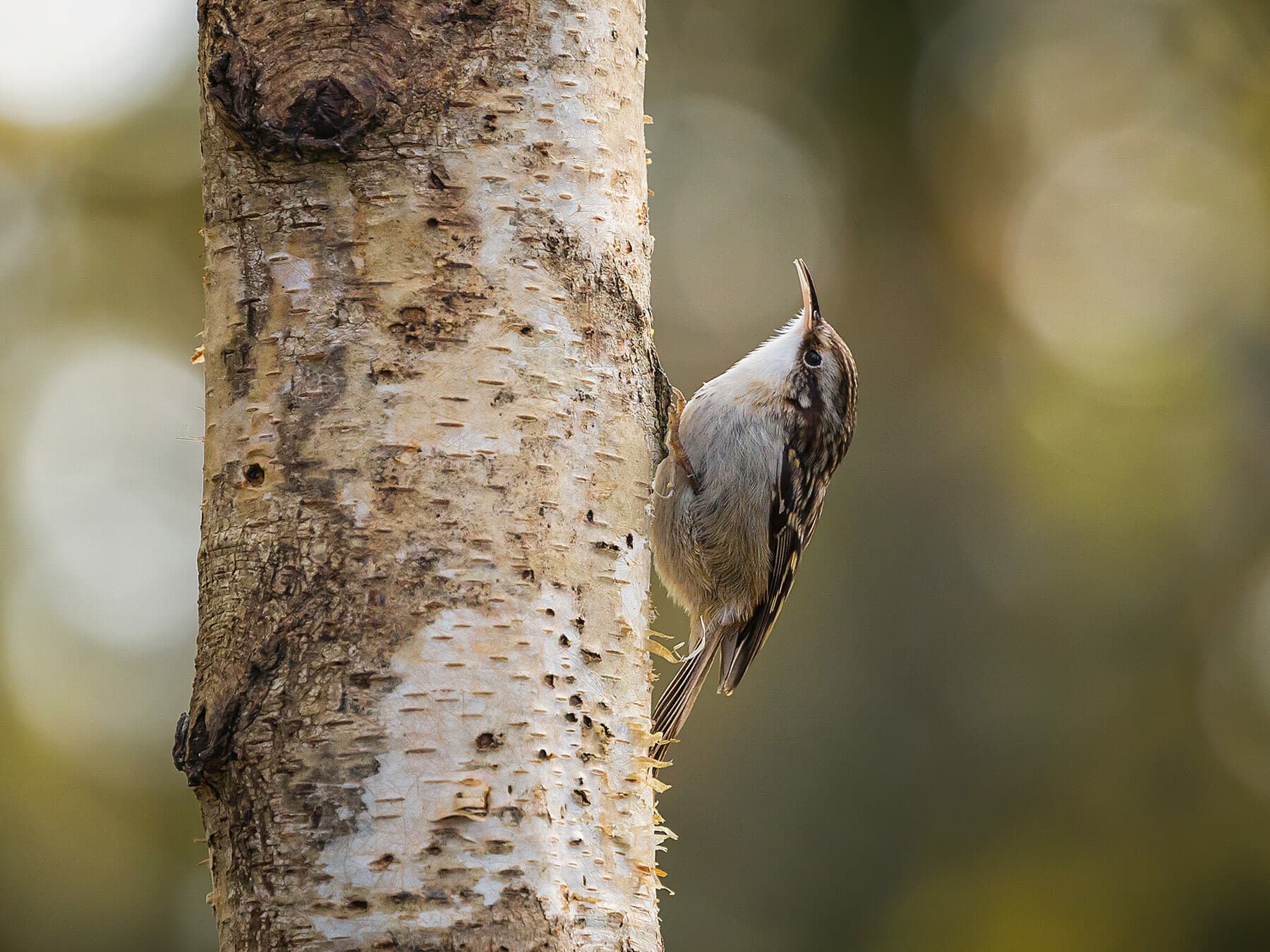 Short-toed TreecreeperCerthia brachydactylaResidentCommon12–14 cmRecorded all year · 1.64% in Sep
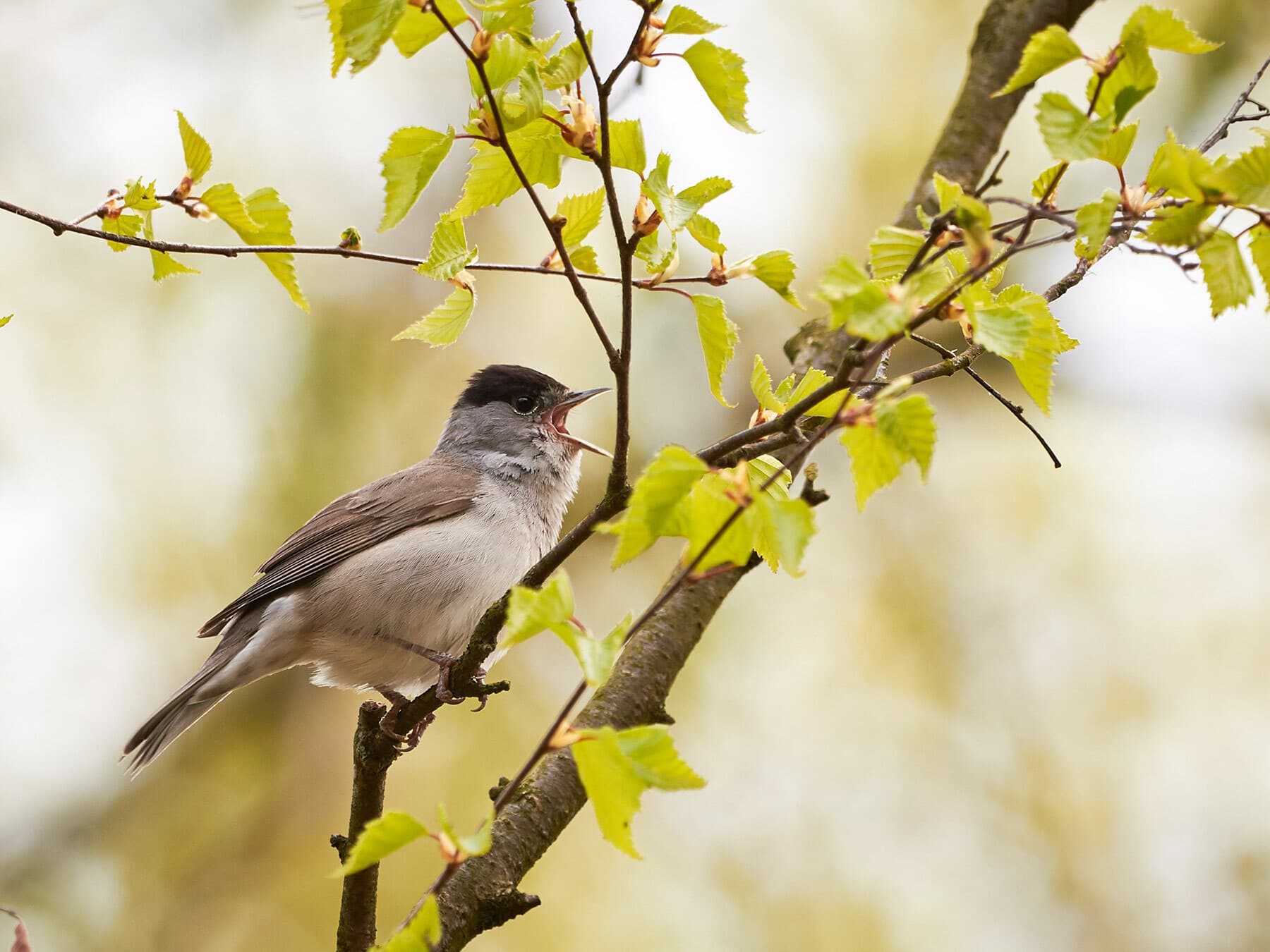 BlackcapSylvia atricapillaSummer visitorCommon13–15 cmRegularly Mar–Oct · 1.60% in Sep
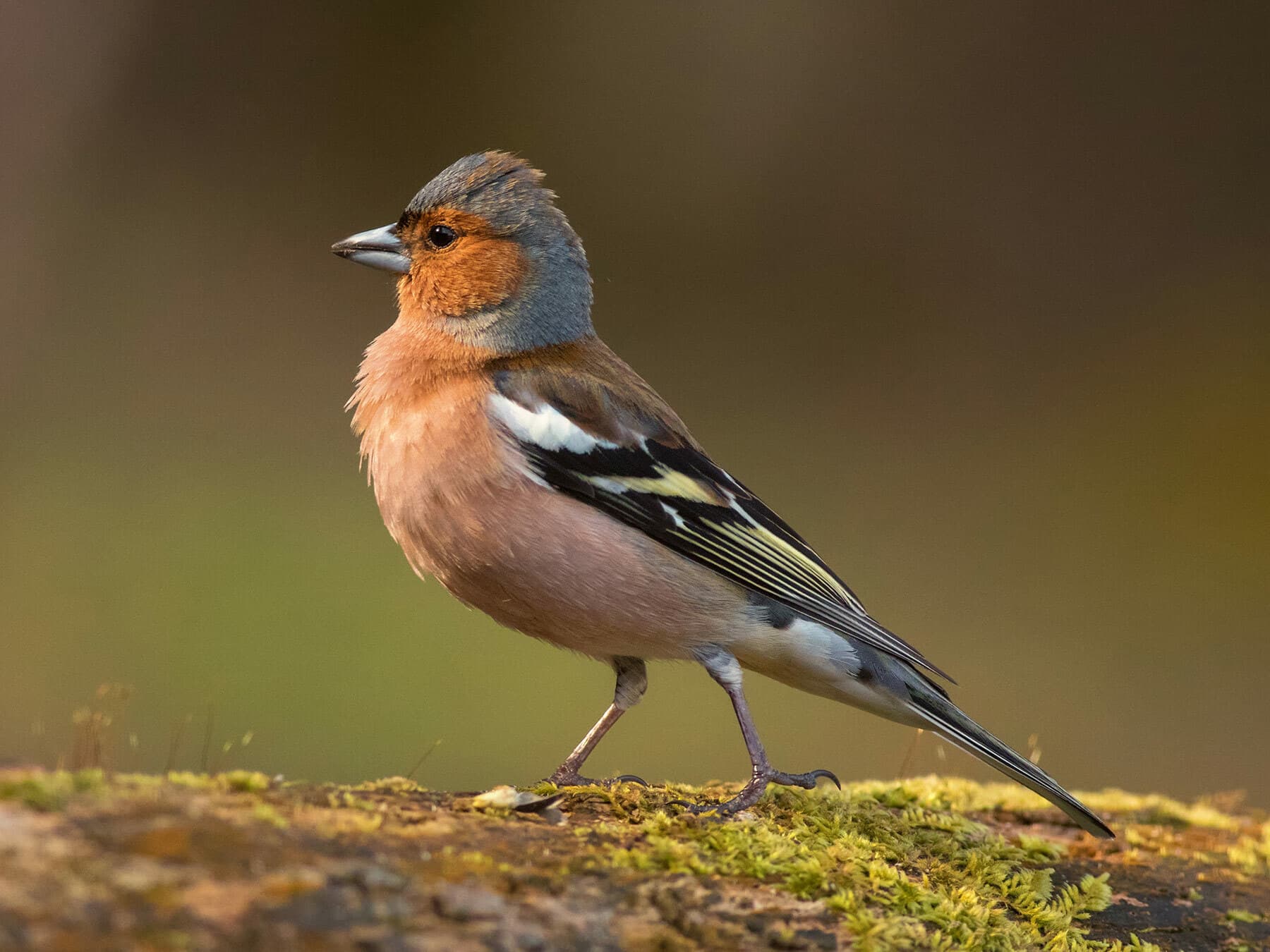 ChaffinchFringilla coelebsResidentCommon14–16 cmRecorded all year · 1.56% in Sep
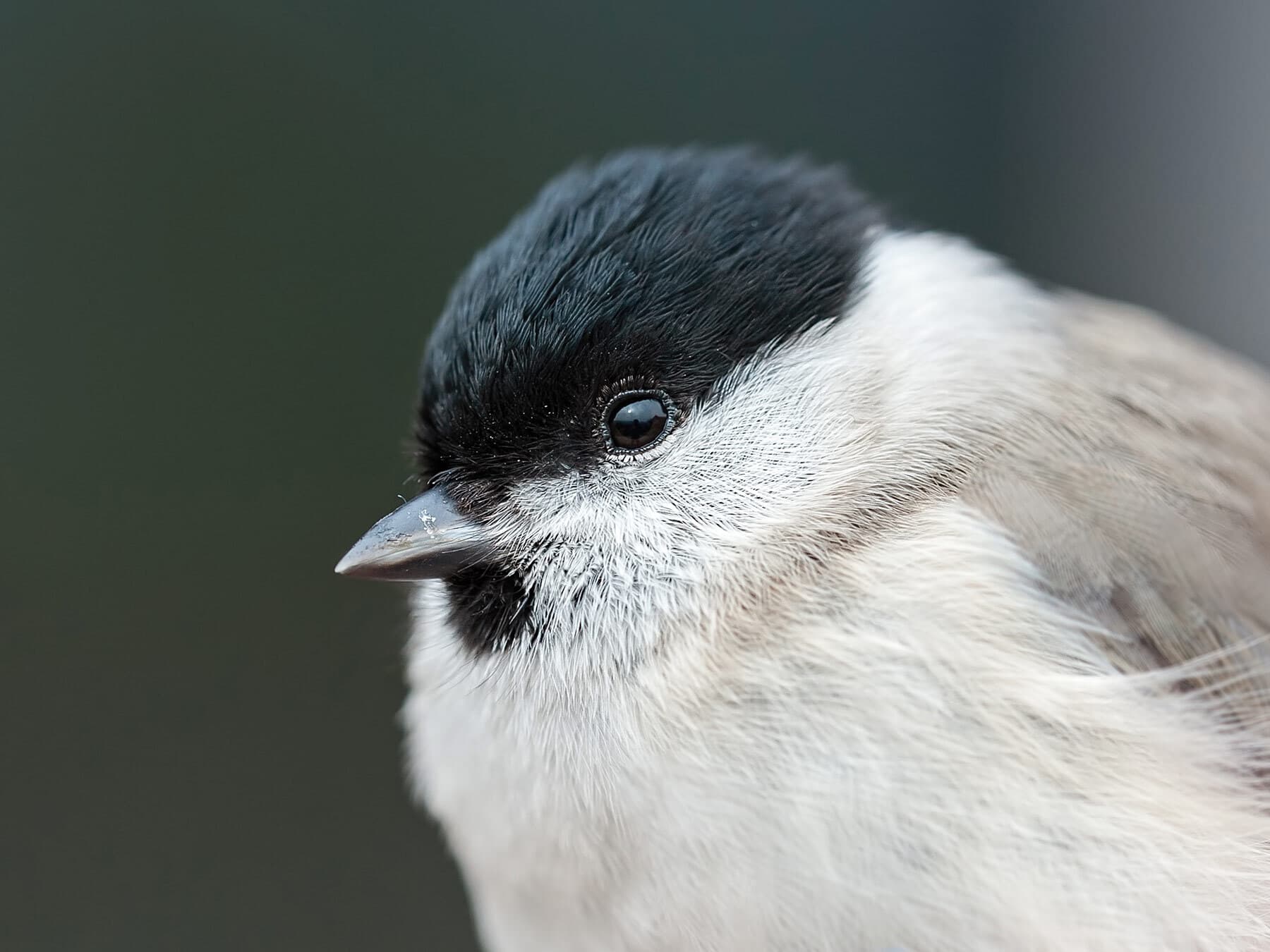 Marsh TitPoecile palustrisResidentCommon12–13 cmRecorded all year · 1.56% in Sep
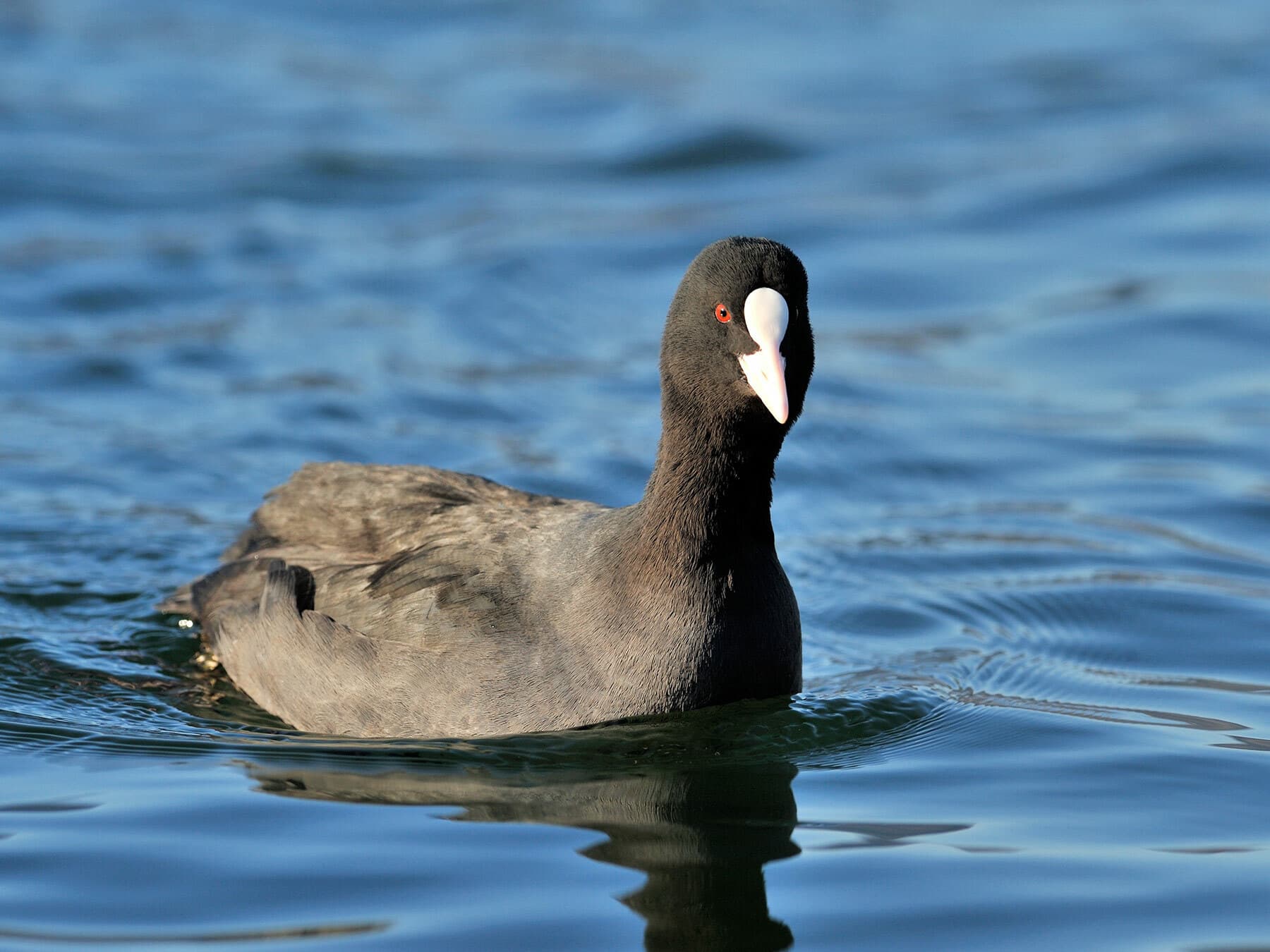 CootFulica atraResidentCommon36–42 cmRecorded all year · 1.44% in Sep
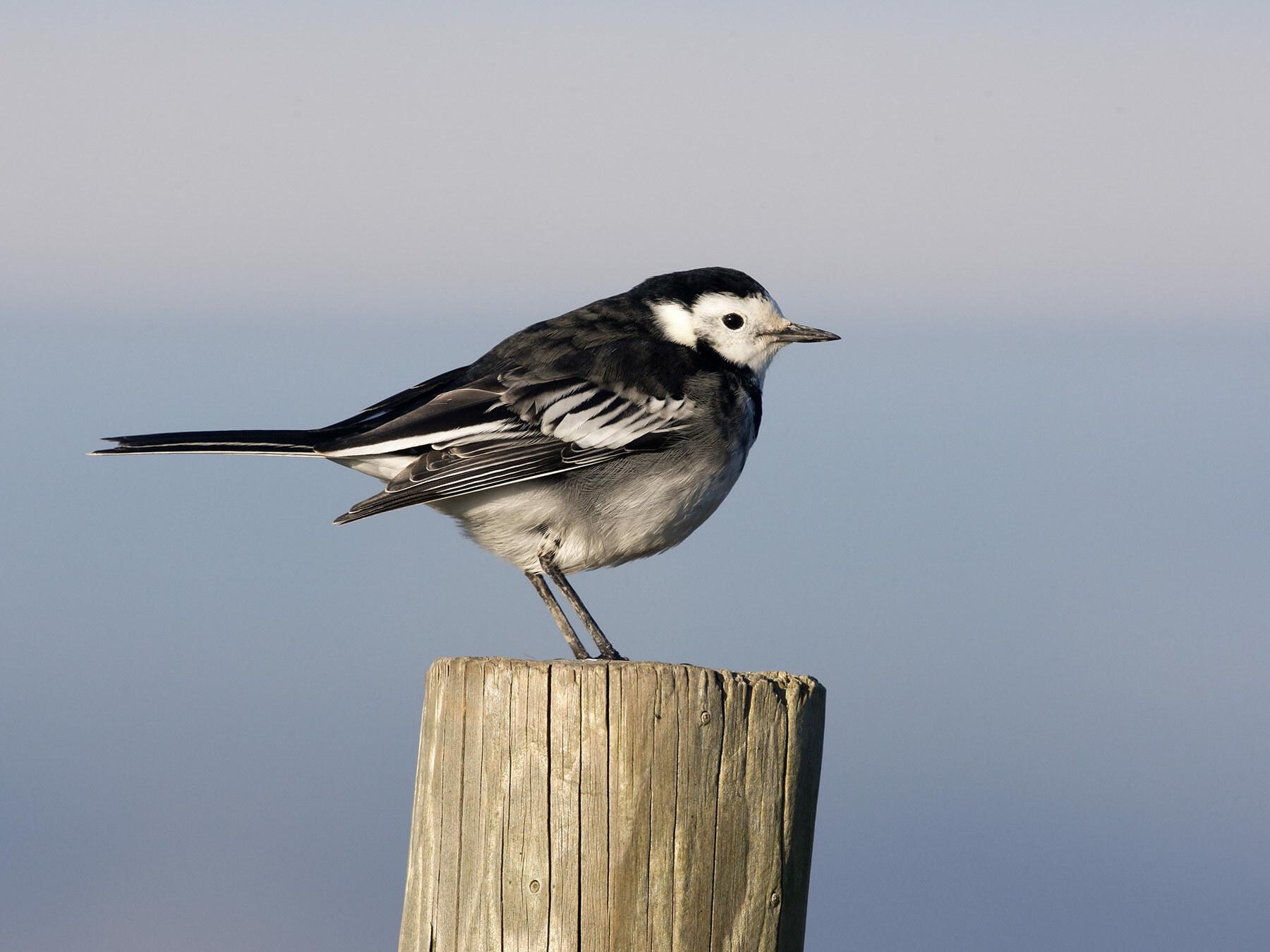 Pied WagtailMotacilla albaSummer visitorCommon17–18 cmRecorded all year · 1.40% in Sep
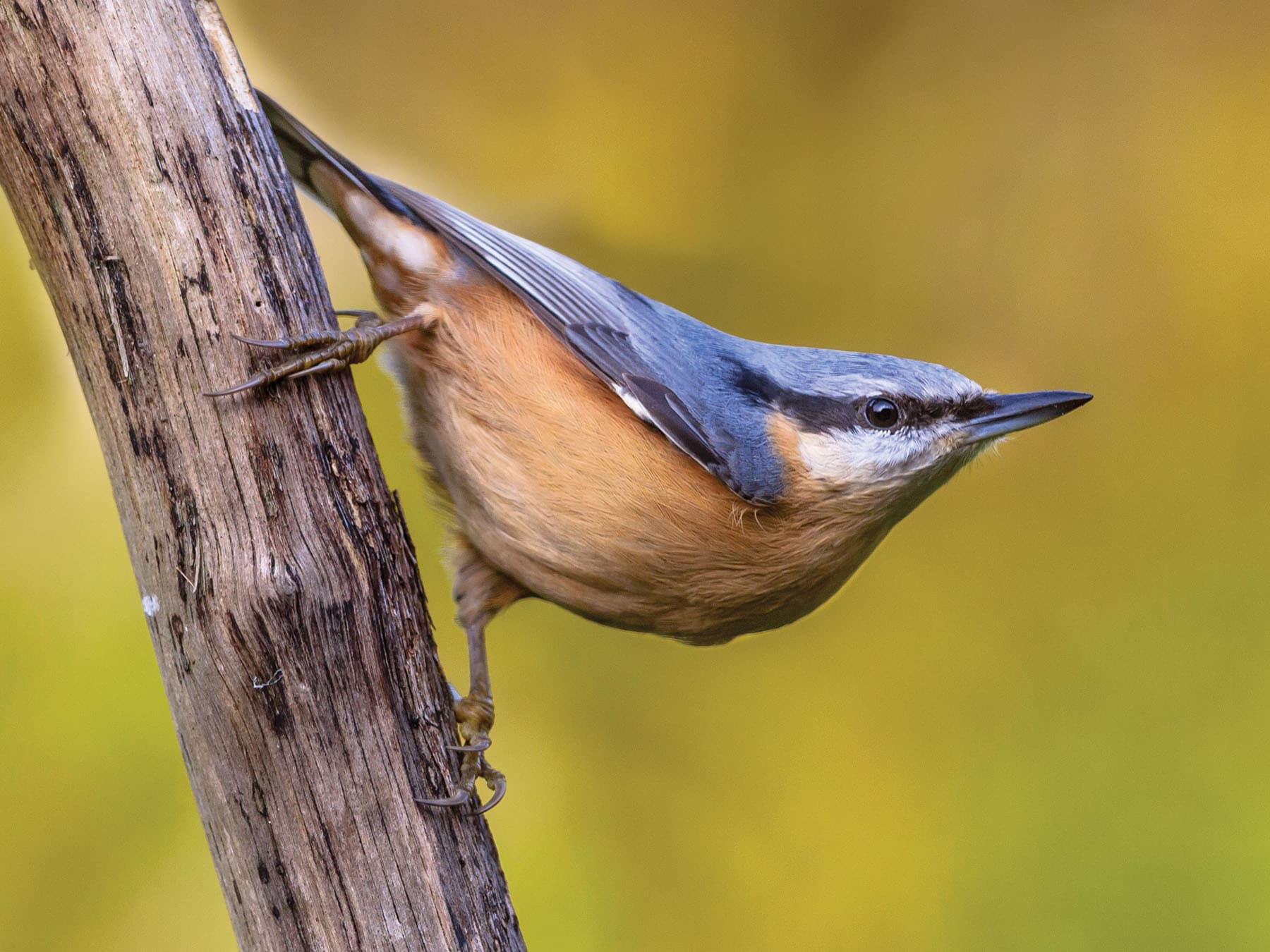 Eurasian NuthatchSitta europaeaResidentCommon12–15 cmRecorded all year · 1.36% in Sep
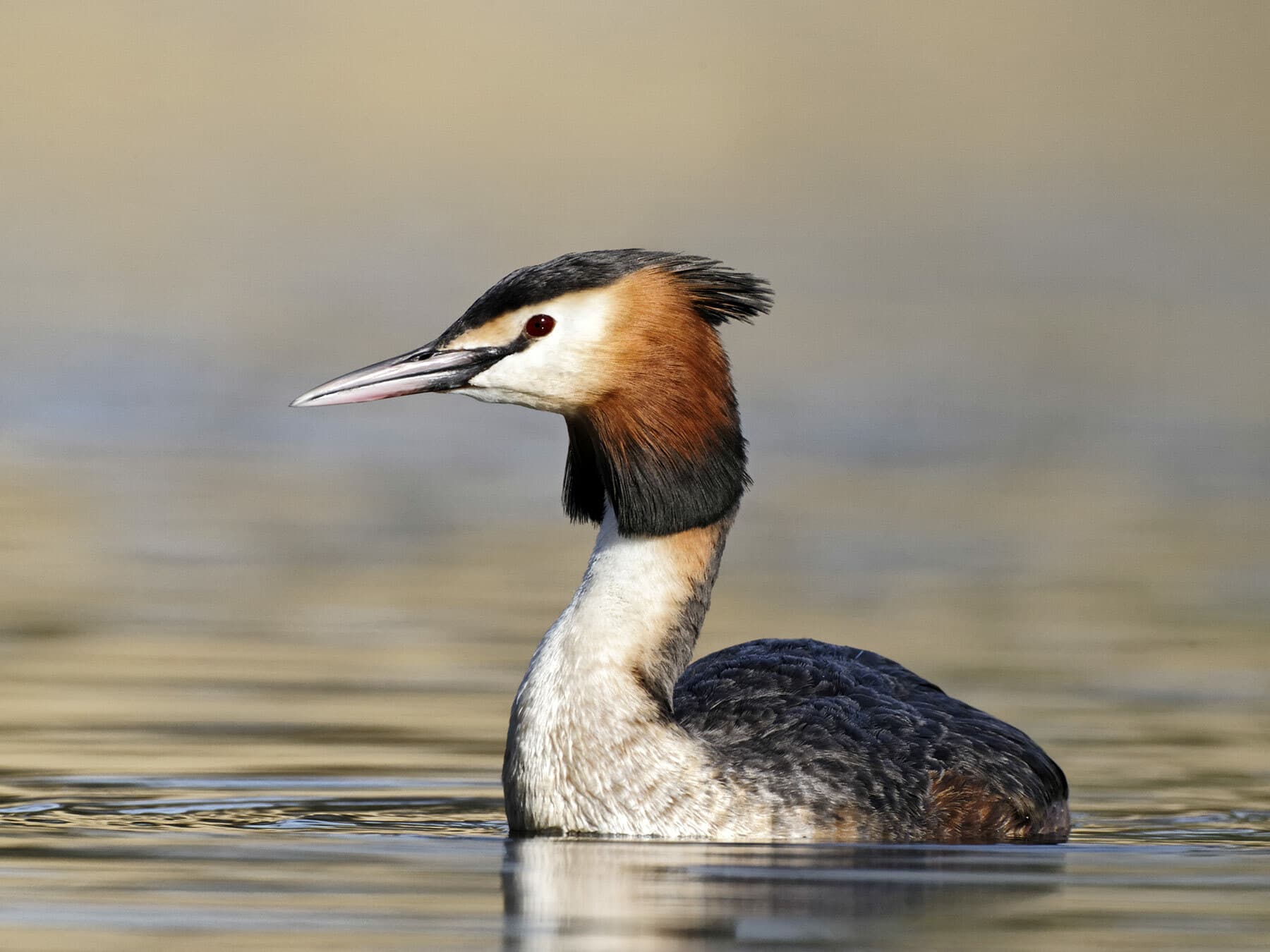 Great Crested GrebePodiceps cristatusResidentCommon46–51 cmRecorded all year · 1.16% in Sep
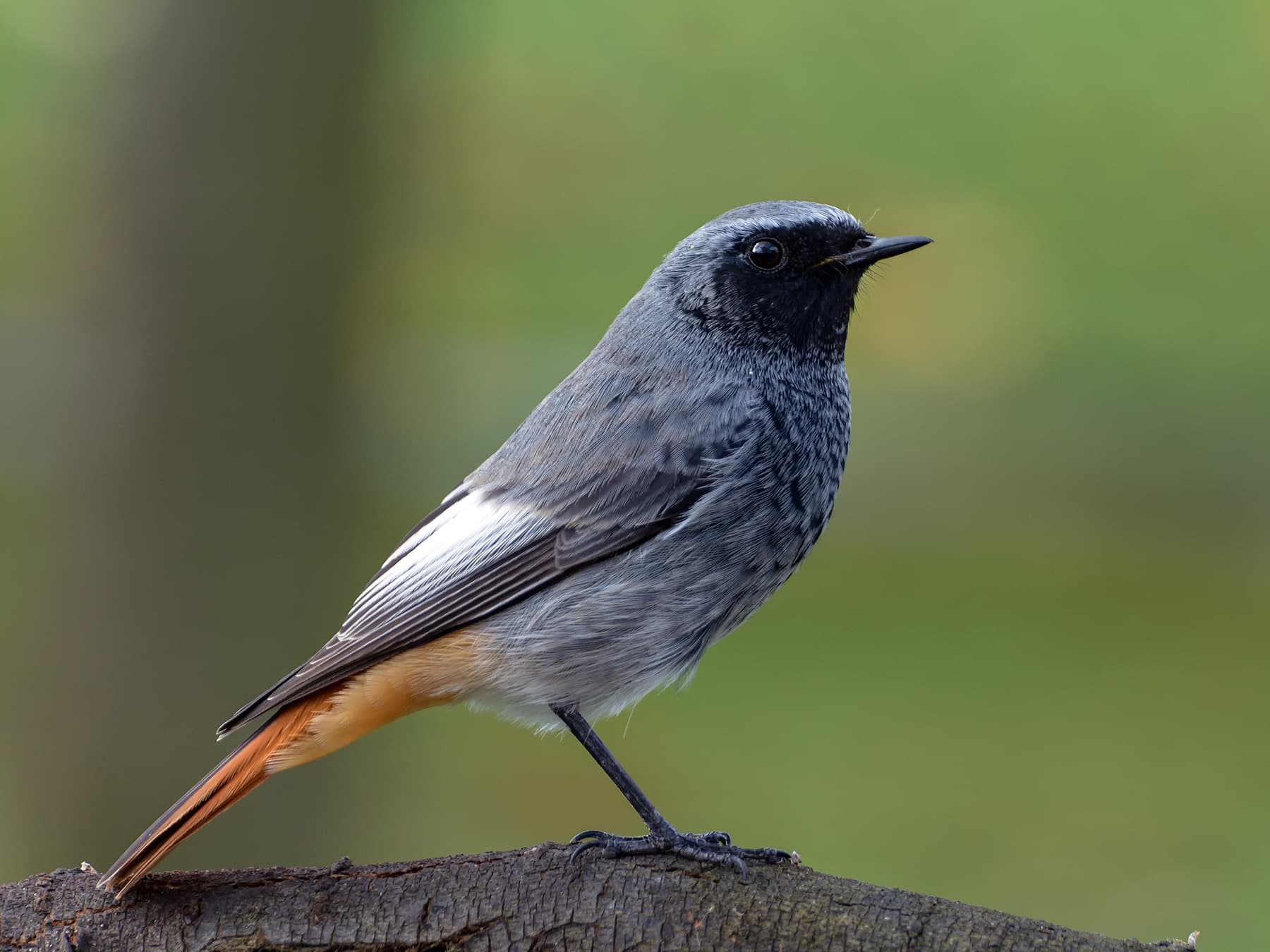 Black RedstartPhoenicurus ochrurosSummer visitorCommon13–15 cmRegularly Mar–Dec · 1.08% in Sep
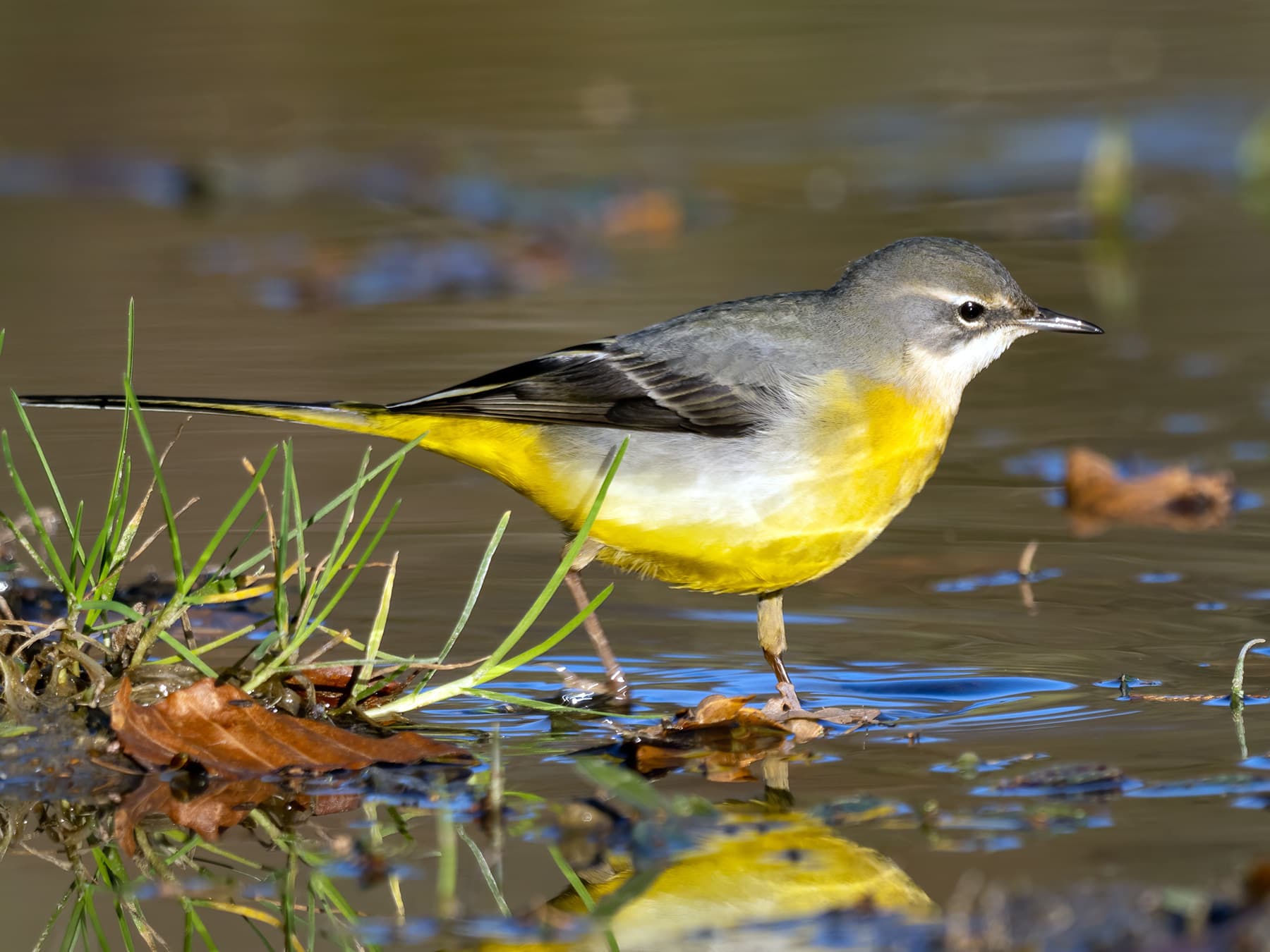 Grey WagtailMotacilla cinereaResidentCommon17–20 cmRecorded all year · 1.00% in Sep
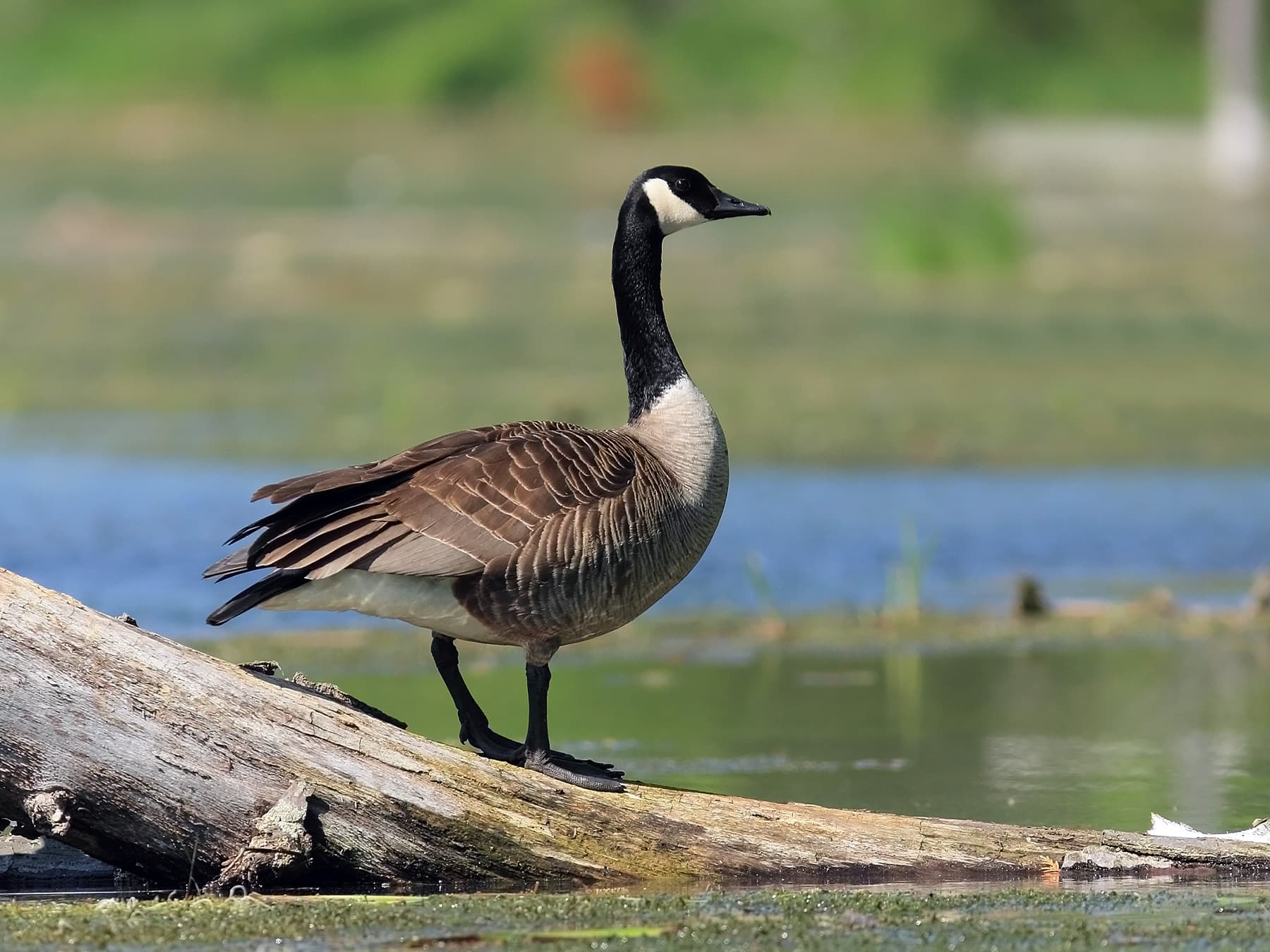 Canada GooseBranta canadensisResidentCommon76–110 cmRecorded all year · 0.96% in Sep
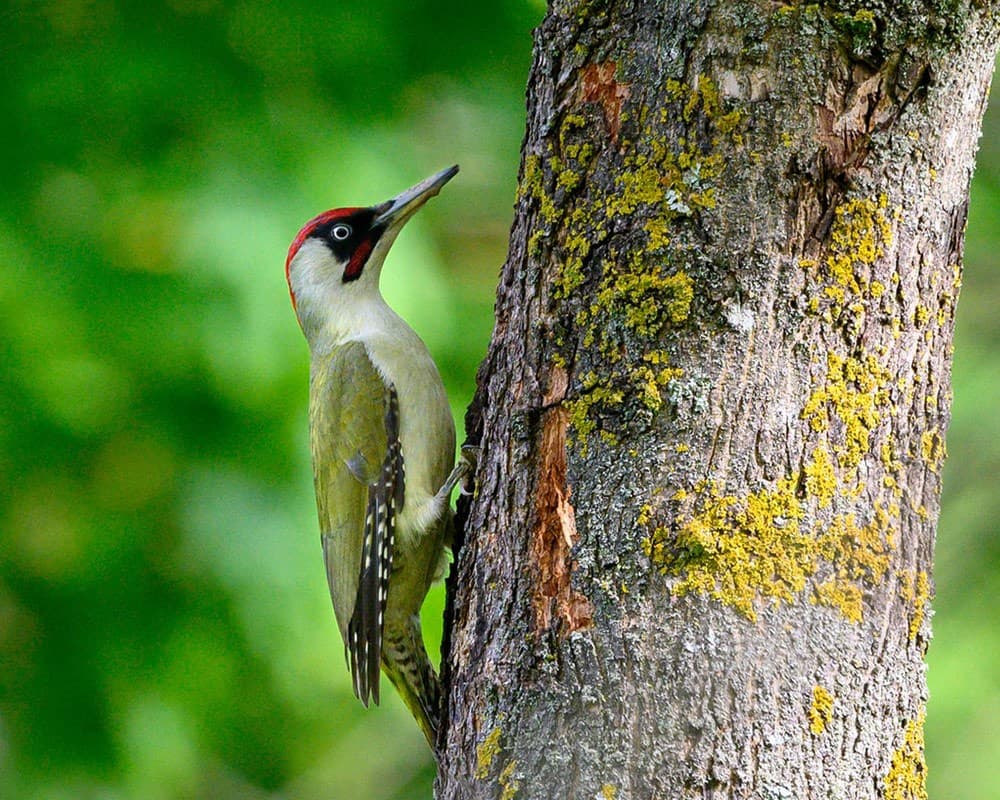 European Green WoodpeckerPicus viridisResidentCommon30–36 cmRecorded all year · 0.96% in Sep
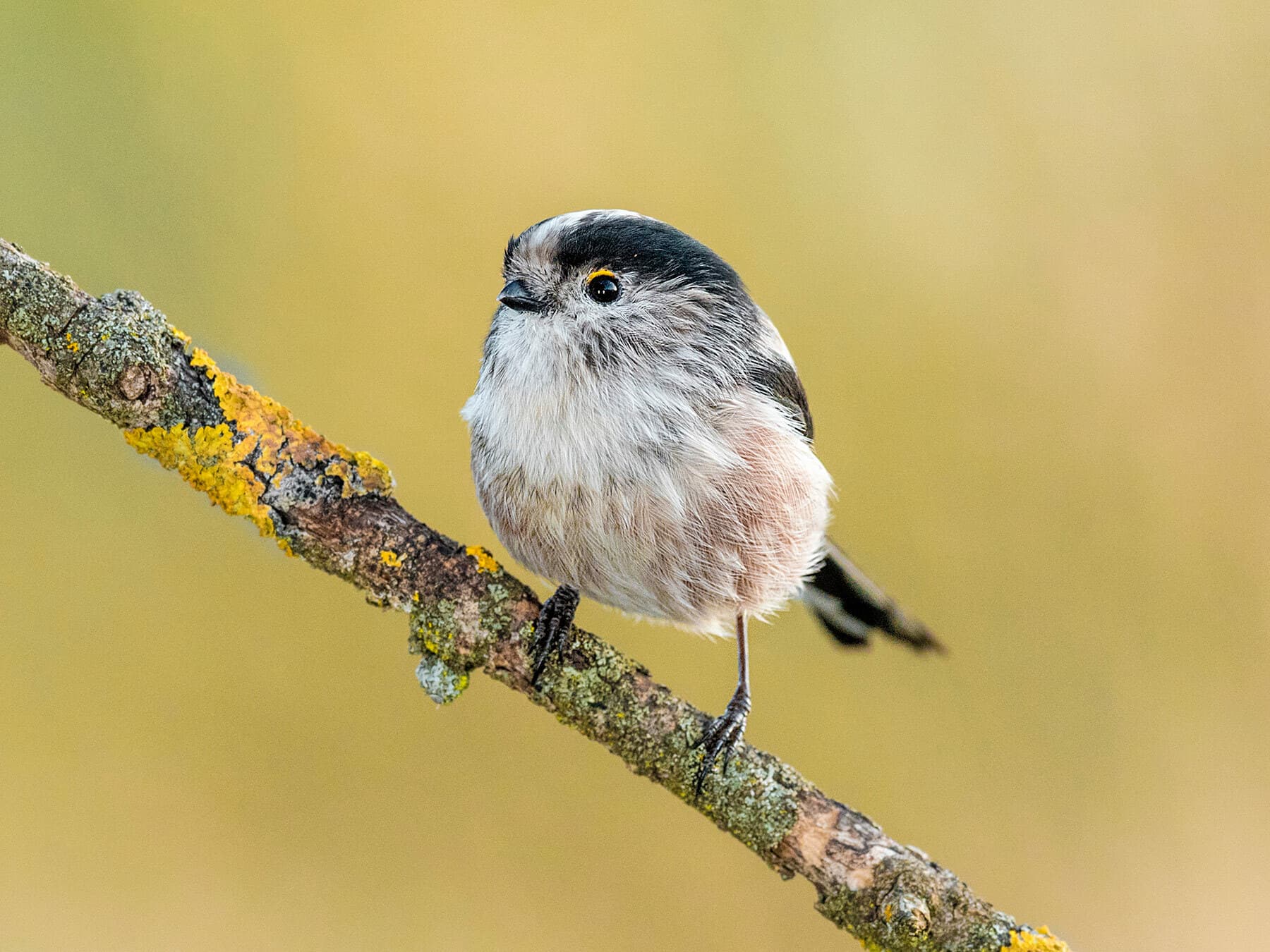 Long-tailed TitAegithalos caudatusResidentCommon13–16 cmRecorded all year · 0.96% in Sep
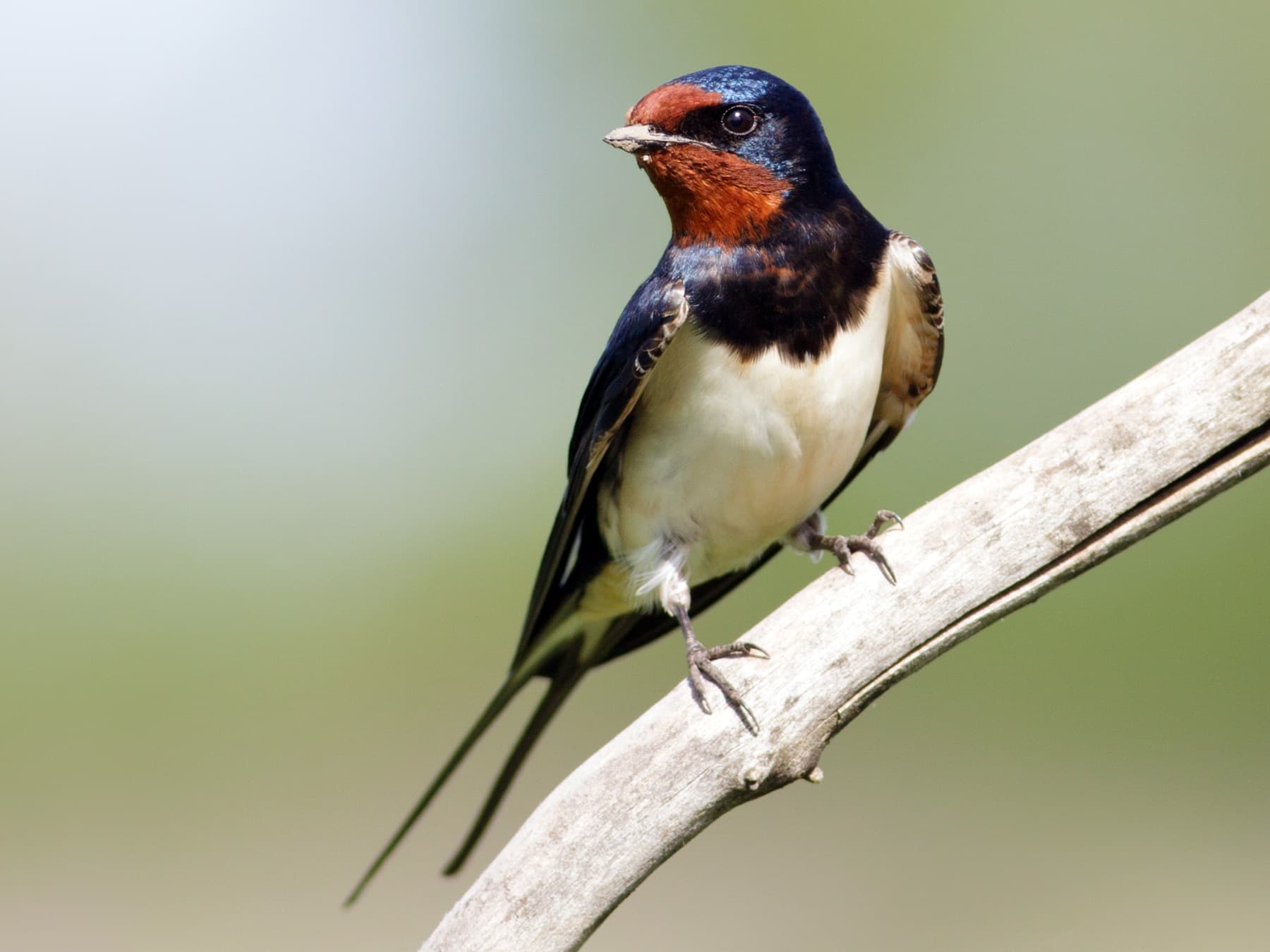 Barn SwallowHirundo rusticaSummer visitorCommon17–19 cmRegularly Mar–Oct · 0.92% in Sep
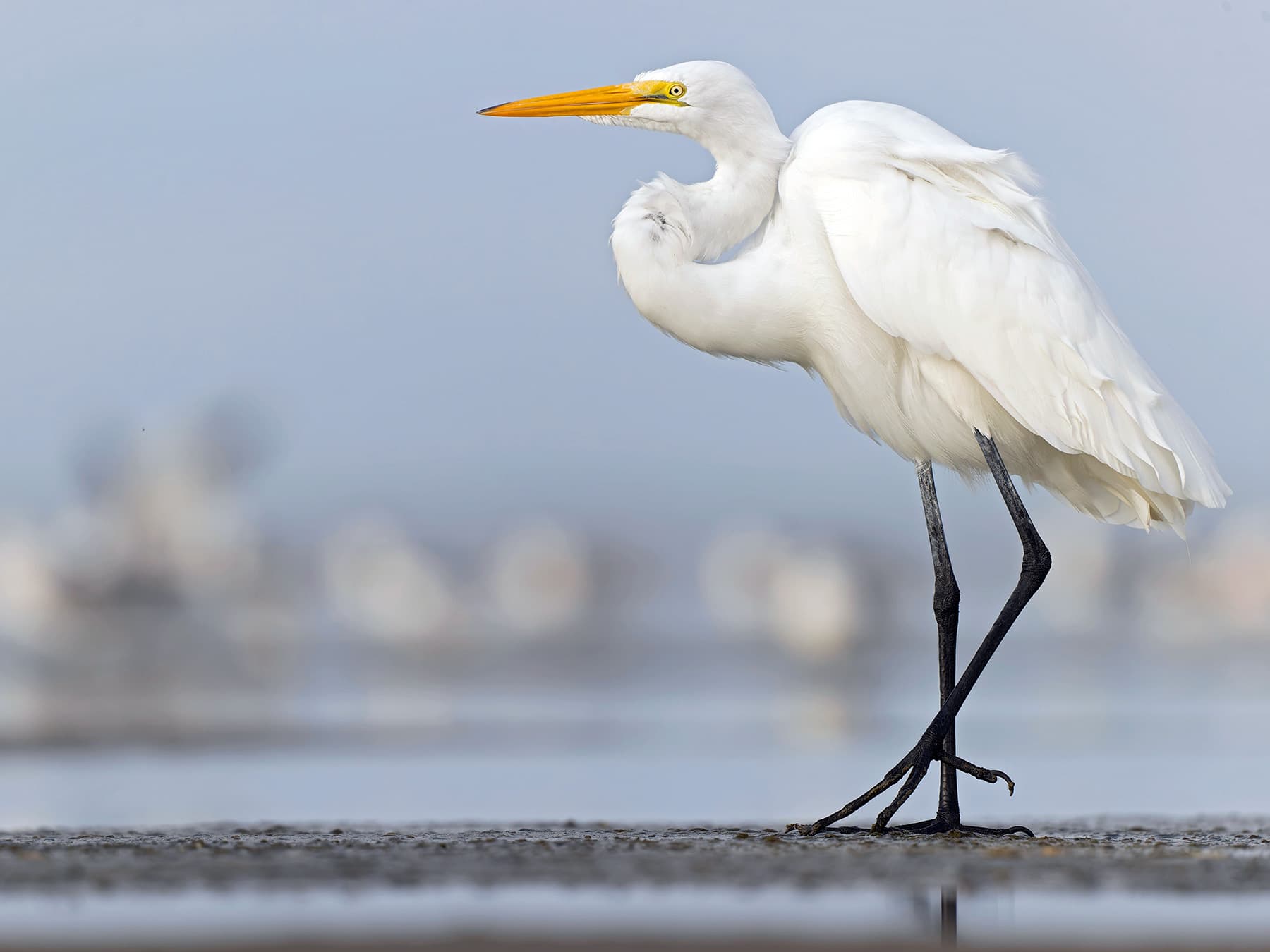 Great White EgretArdea albaWinter visitorCommon80–104 cmRecorded all year · 0.76% in Sep
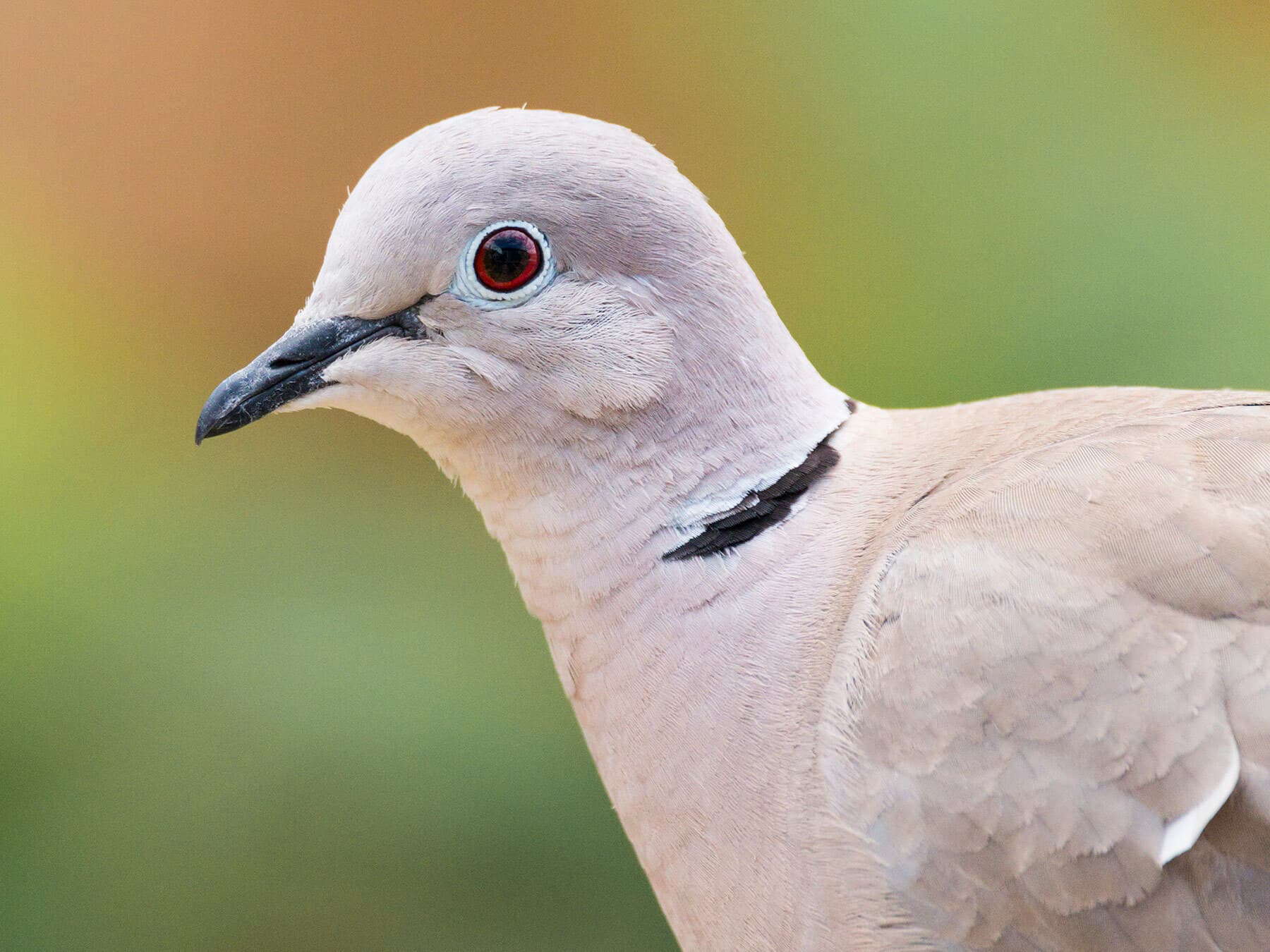 Eurasian Collared DoveStreptopelia decaoctoSummer visitorCommon30–32 cmRegularly Jan–Oct · 0.68% in Sep
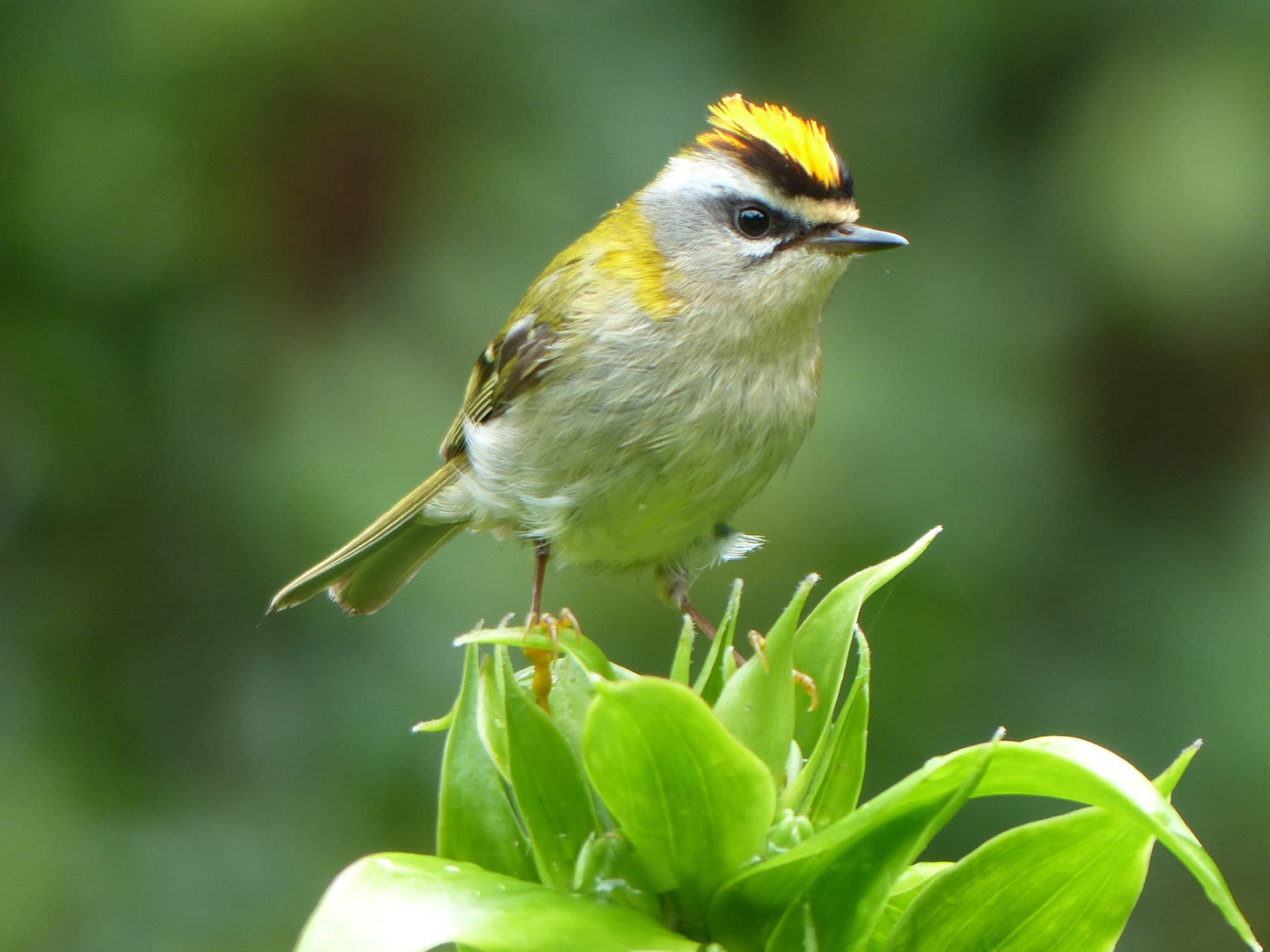 FirecrestRegulus ignicapillaSummer visitorCommon9–10 cmRegularly Mar–Dec · 0.64% in Sep
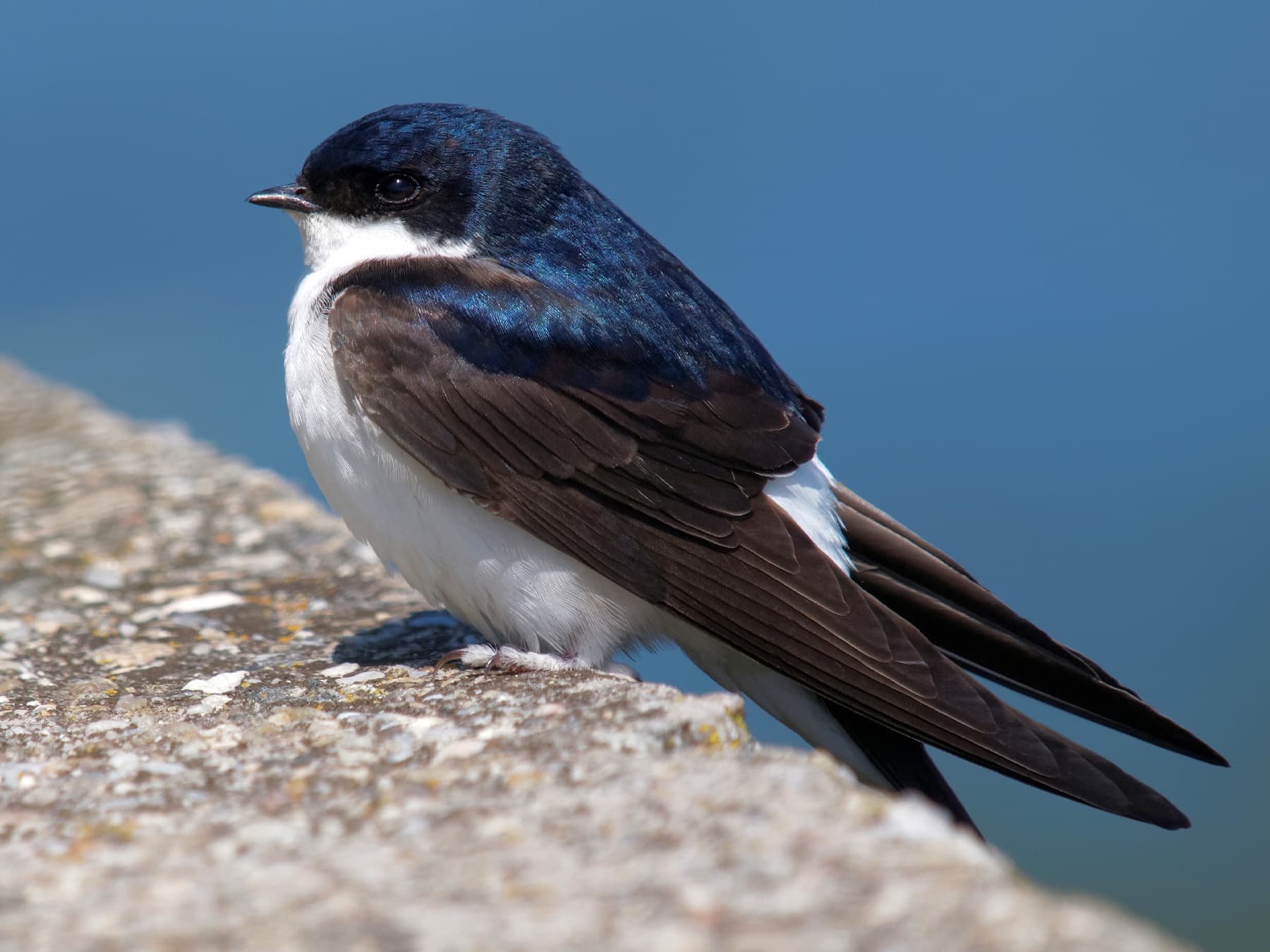 House MartinDelichon urbicumSummer visitorCommon13–15 cmRegularly Apr–Sep · 0.64% in Sep
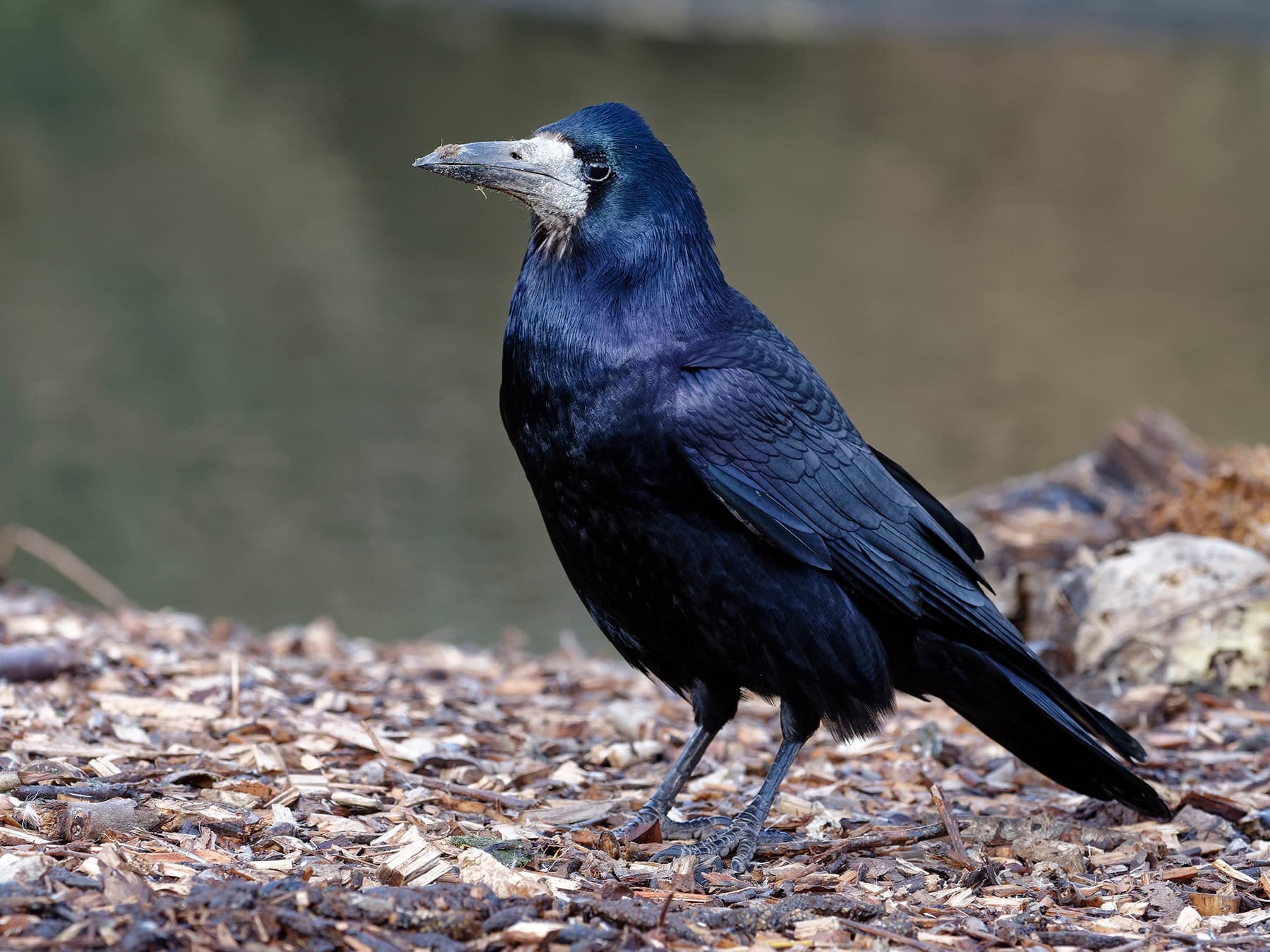 RookCorvus frugilegusResidentCommon45–47 cmRecorded all year · 0.64% in Sep
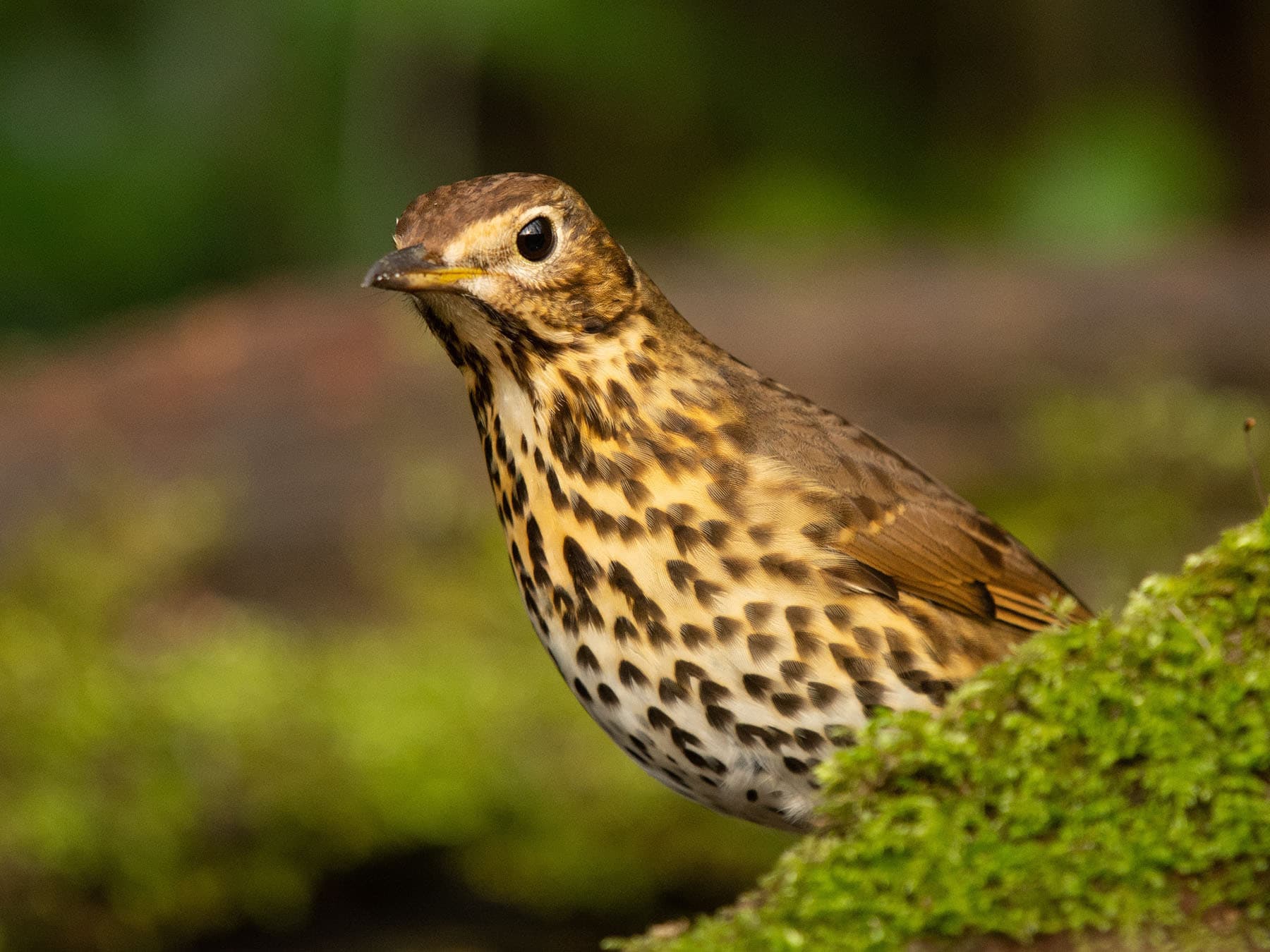 Song ThrushTurdus philomelosSummer visitorCommon20–23 cmRegularly Jan–Nov · 0.64% in Sep
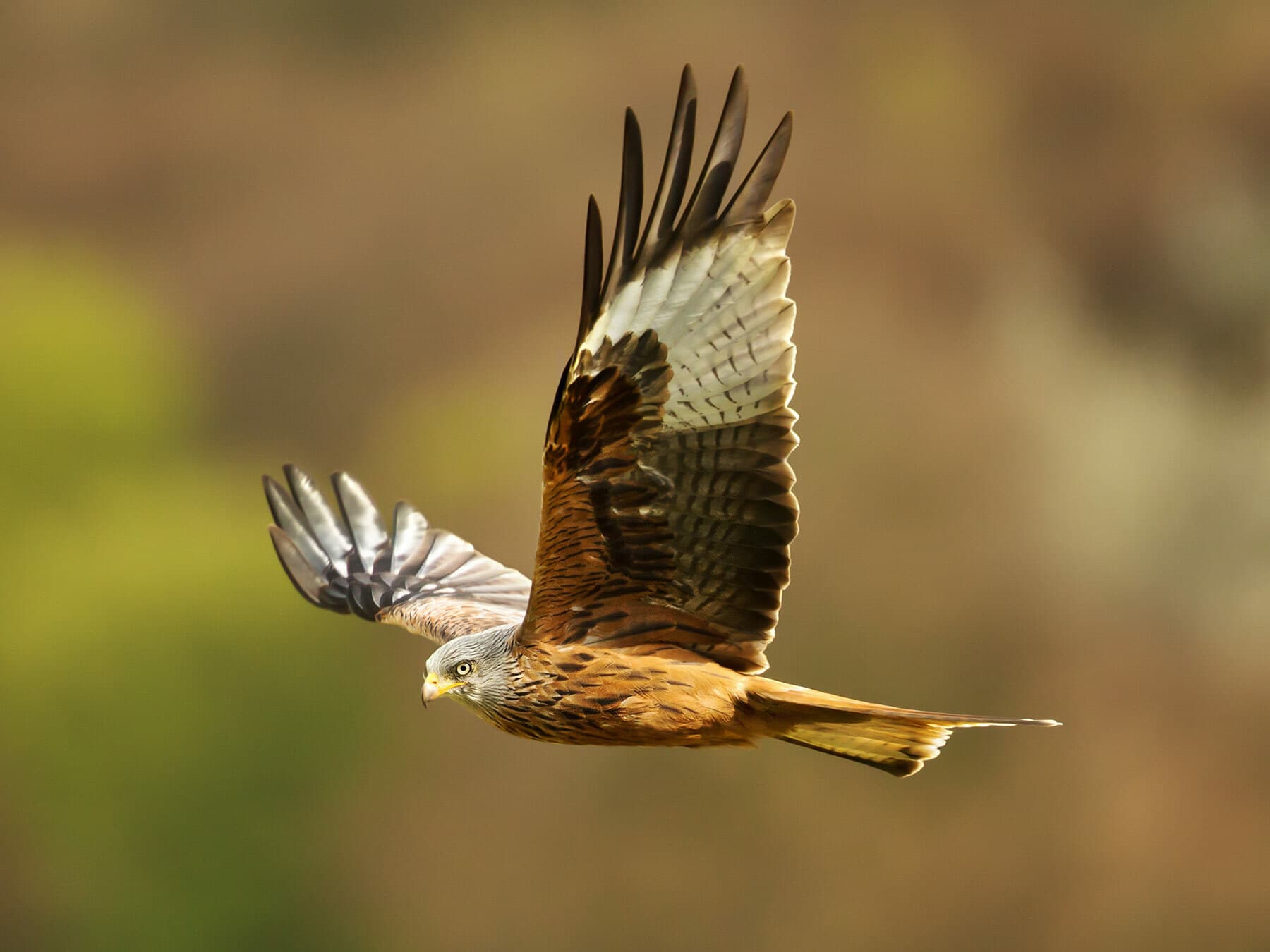 Red KiteMilvus milvusSummer visitorCommon60–66 cmRegularly Feb–Nov · 0.60% in Sep
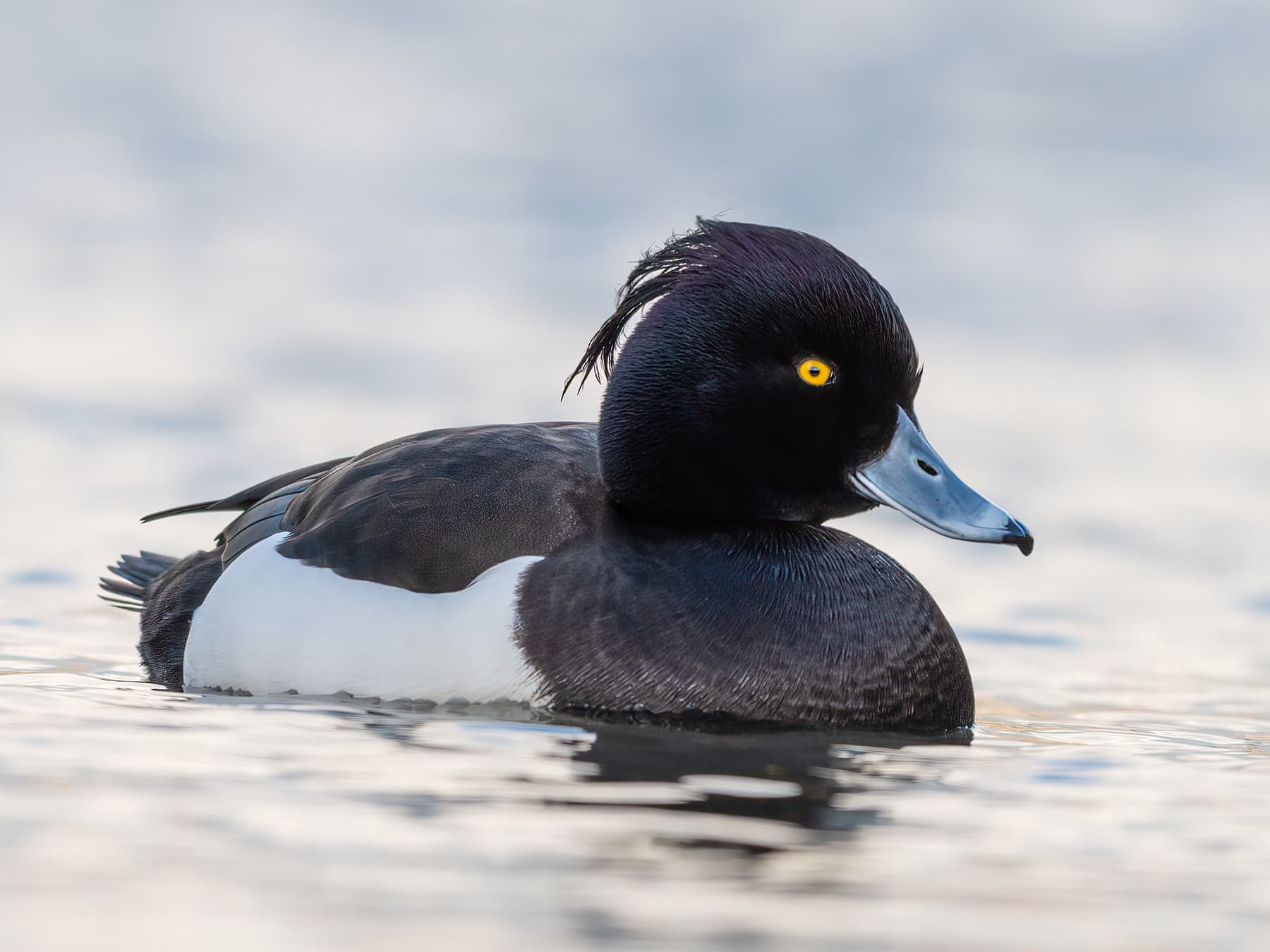 Tufted DuckAythya fuligulaResidentCommon40–47 cmRecorded all year · 0.60% in Sep
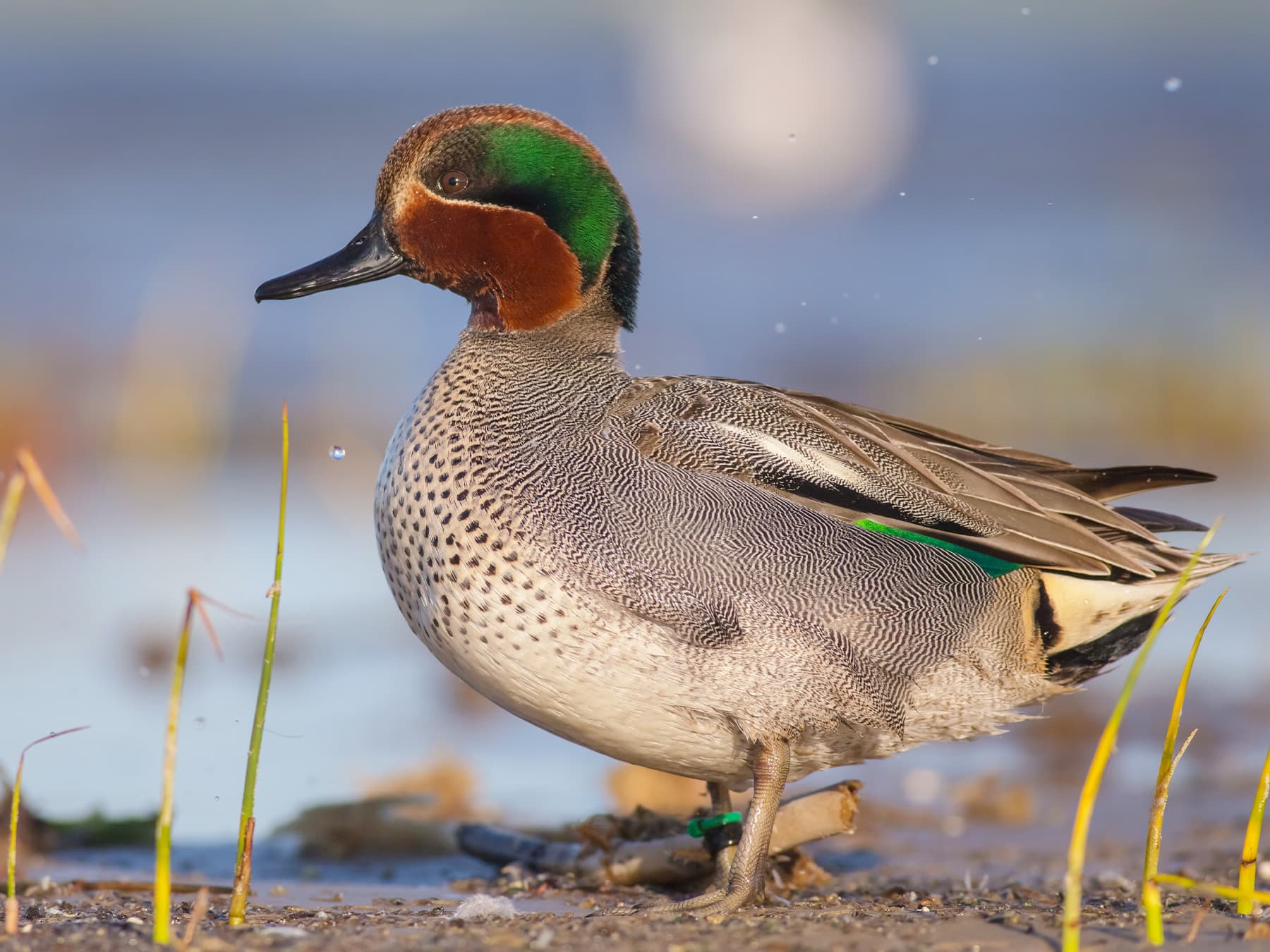 Eurasian TealAnas creccaWinter visitorCommon34–38 cmRegularly Aug–Apr · 0.56% in Sep
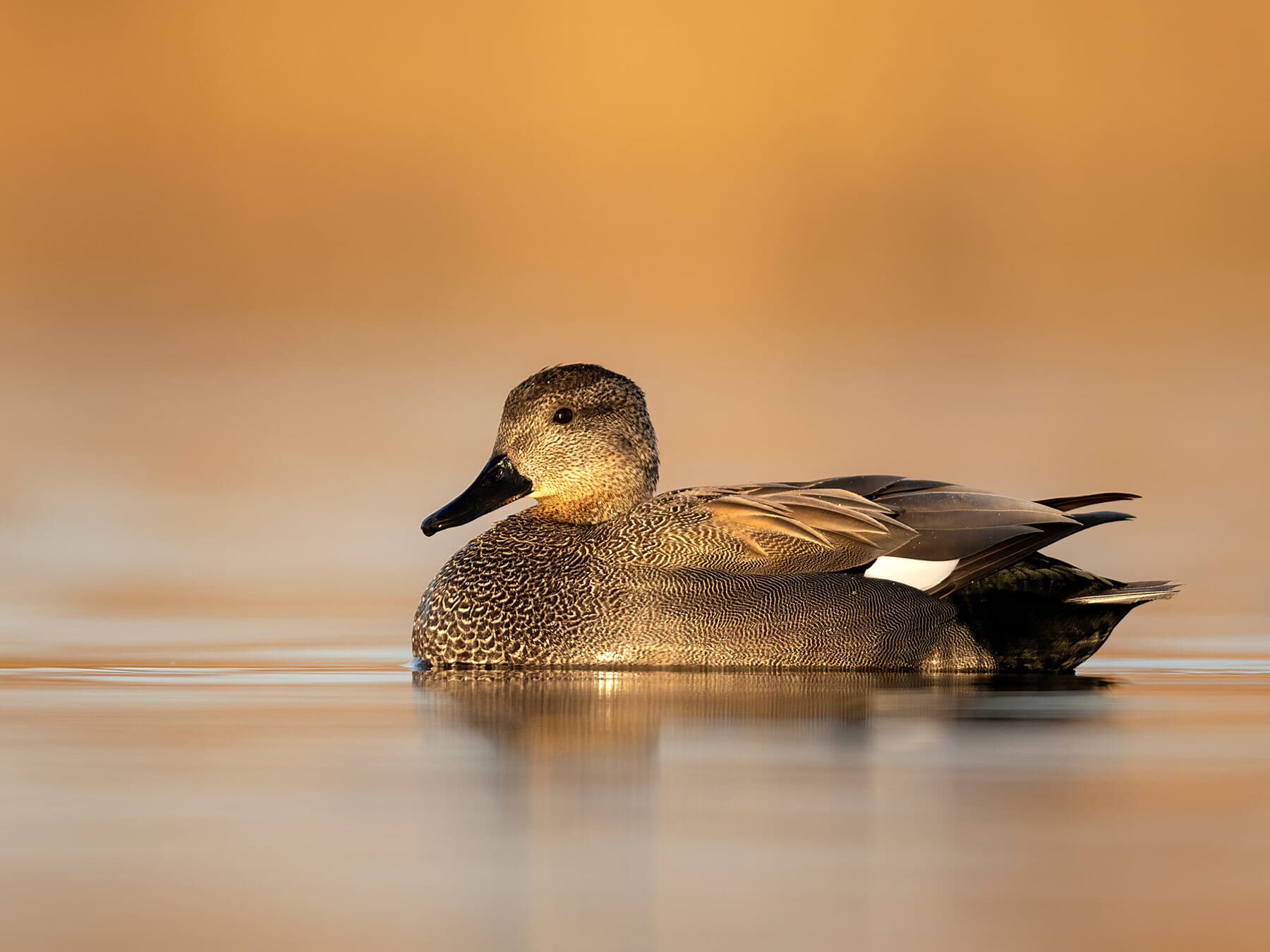 GadwallMareca streperaWinter visitorCommon46–56 cmRegularly Aug–Apr · 0.56% in Sep
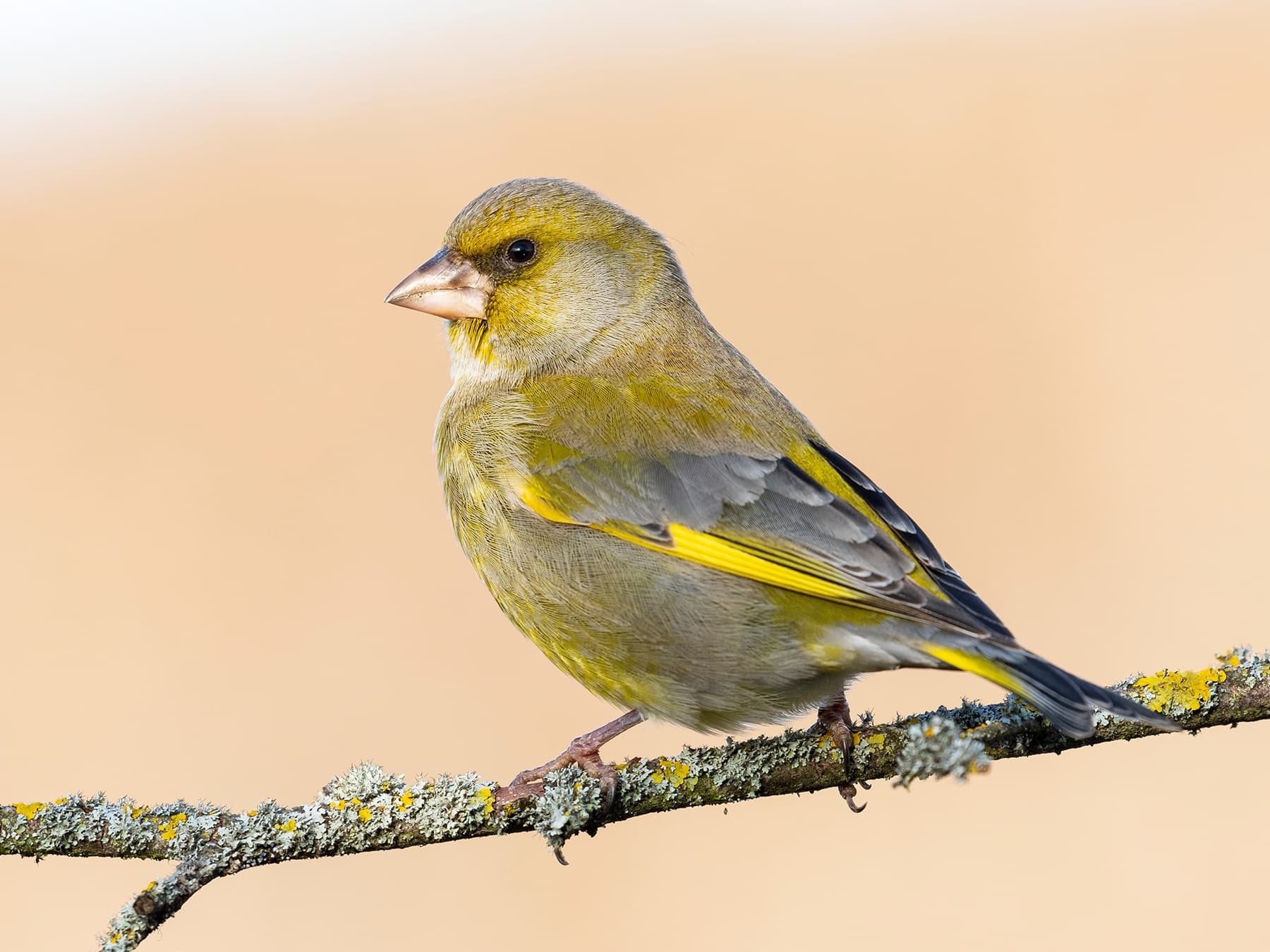 GreenfinchChloris chlorisResidentCommon15–16 cmRecorded all year · 0.56% in Sep
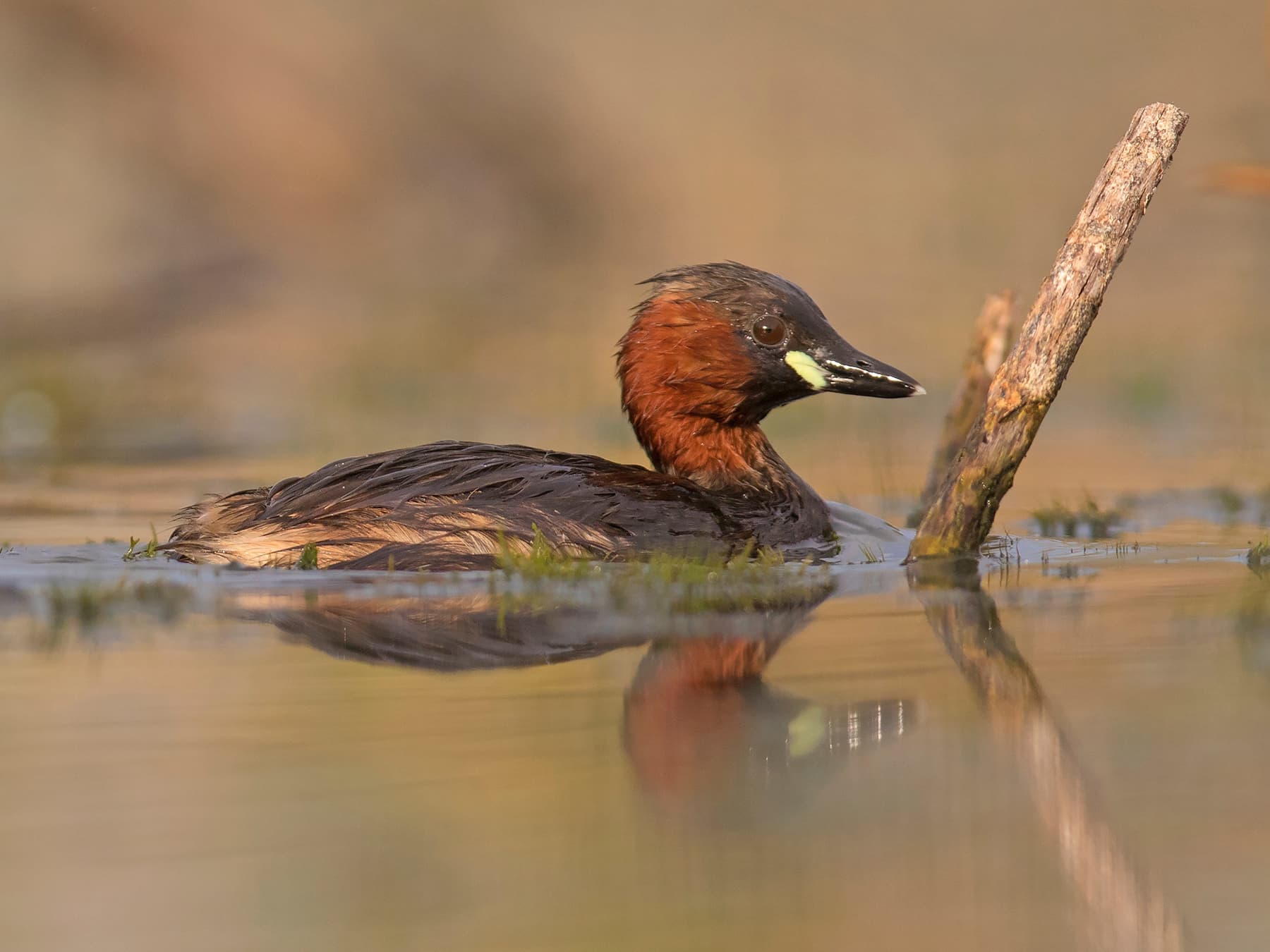 Little GrebeTachybaptus ruficollisWinter visitorCommon23–29 cmRecorded all year · 0.56% in Sep
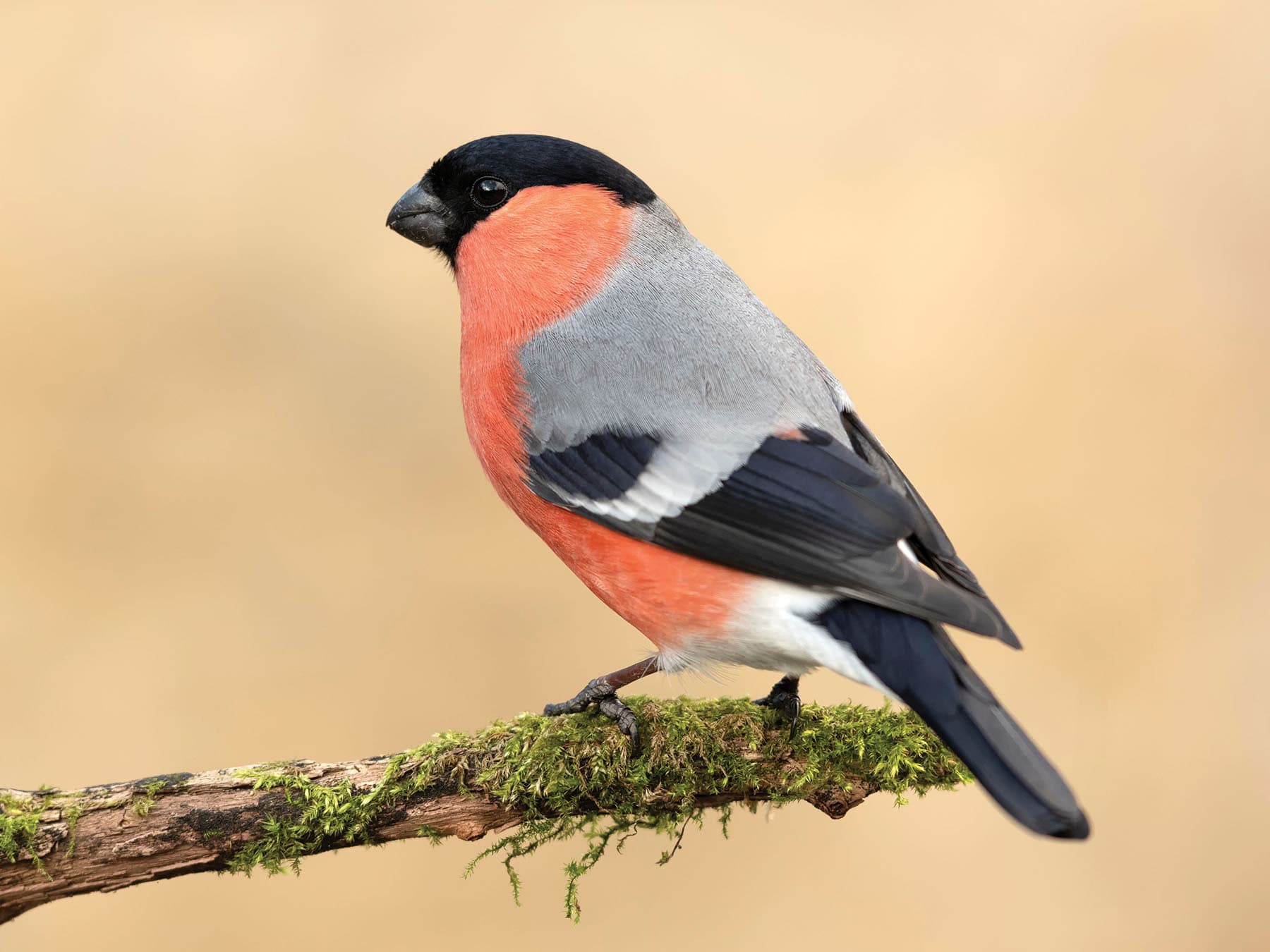 BullfinchPyrrhula pyrrhulaResidentCommon15–17 cmRecorded all year · 0.52% in Sep
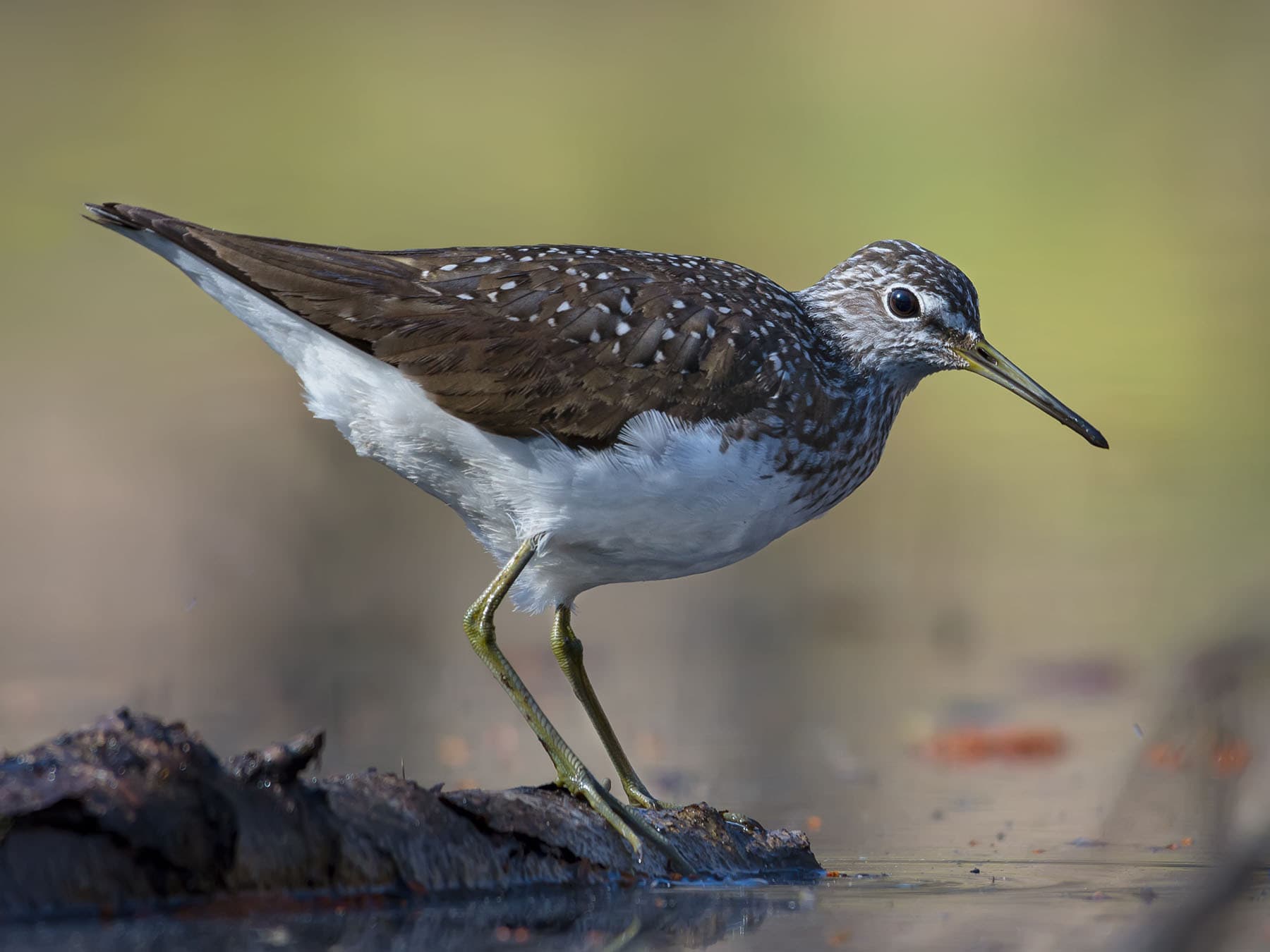 Green SandpiperTringa ochropusPassage migrantCommon21–24 cmRegularly Mar–Oct · 0.52% in Sep
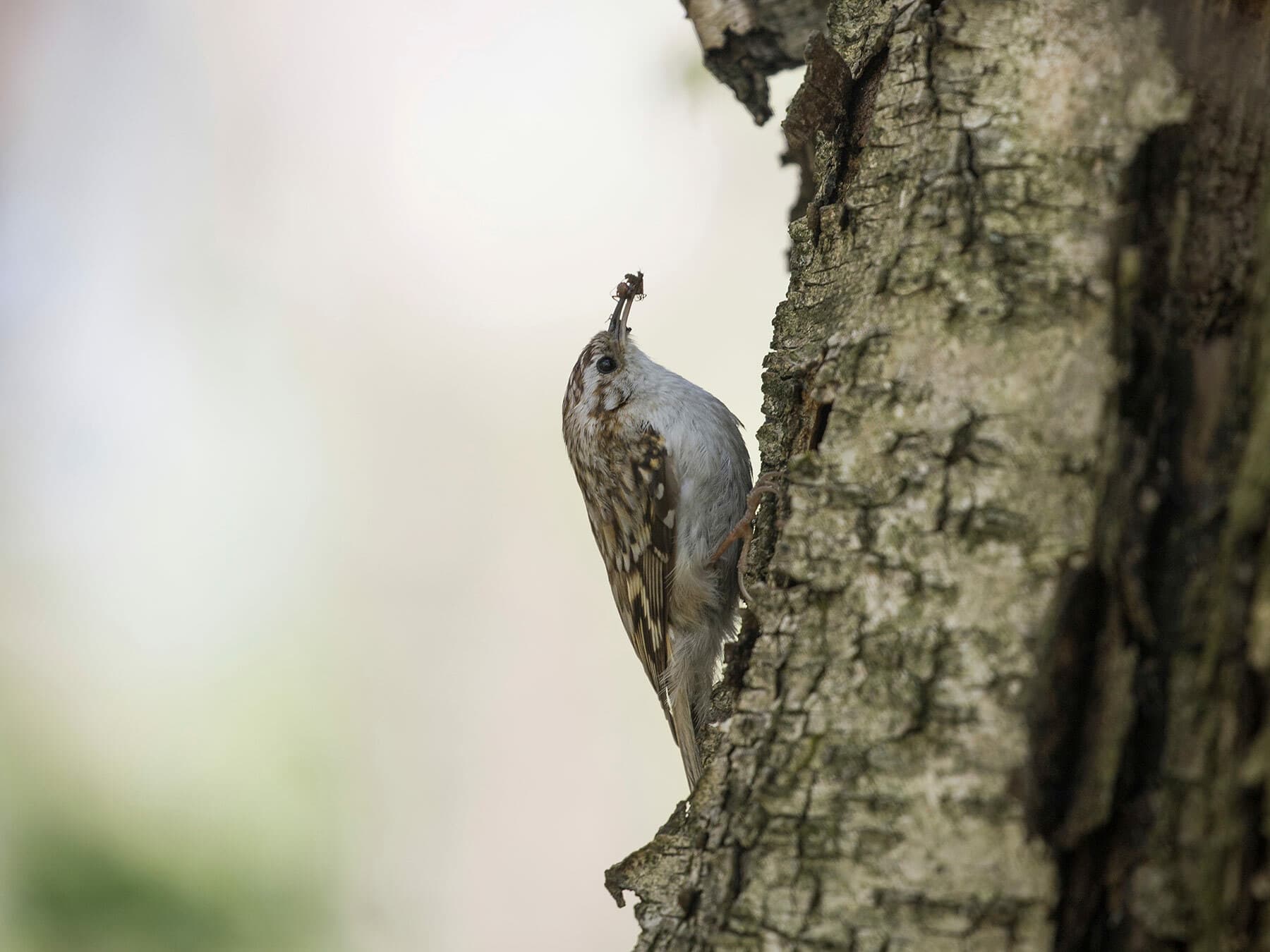 TreecreeperCerthia familiarisResidentCommon12–14 cmRecorded all year · 0.52% in Sep
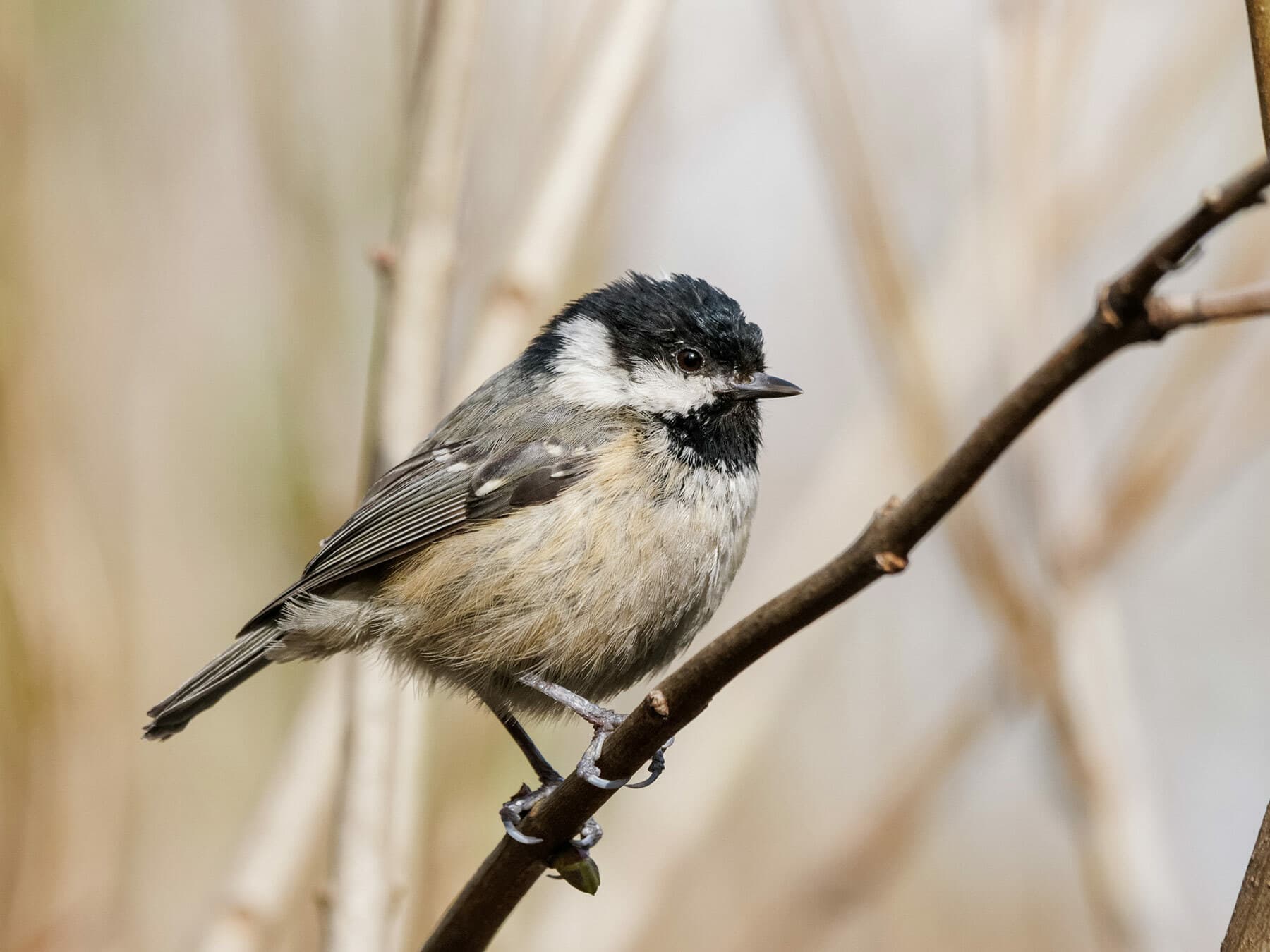 Coal TitPeriparus aterSummer visitorCommon10–12 cmRegularly Feb–Nov · 0.48% in Sep
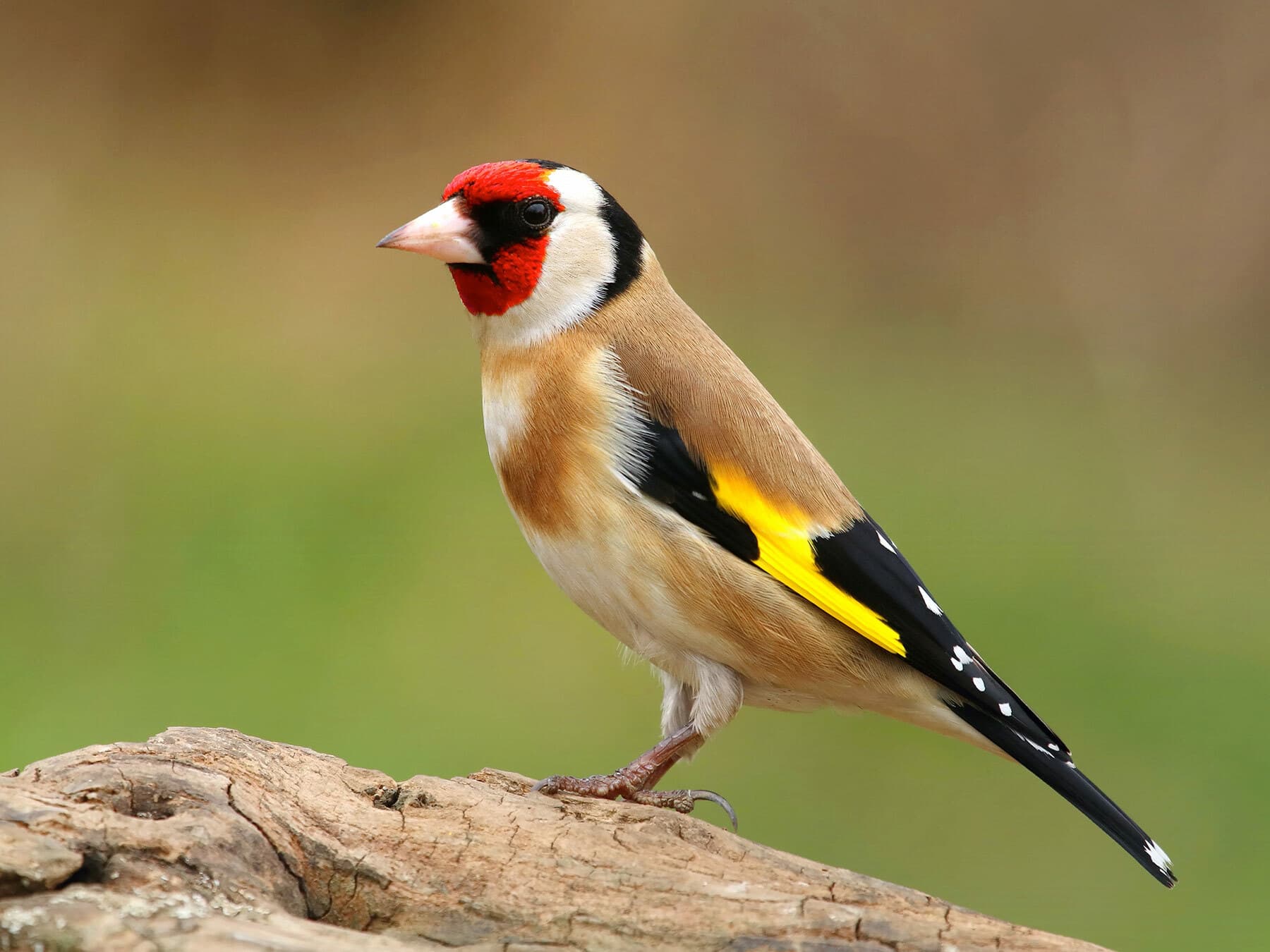 European GoldfinchCarduelis carduelisResidentCommon12–13 cmRecorded all year · 0.48% in Sep
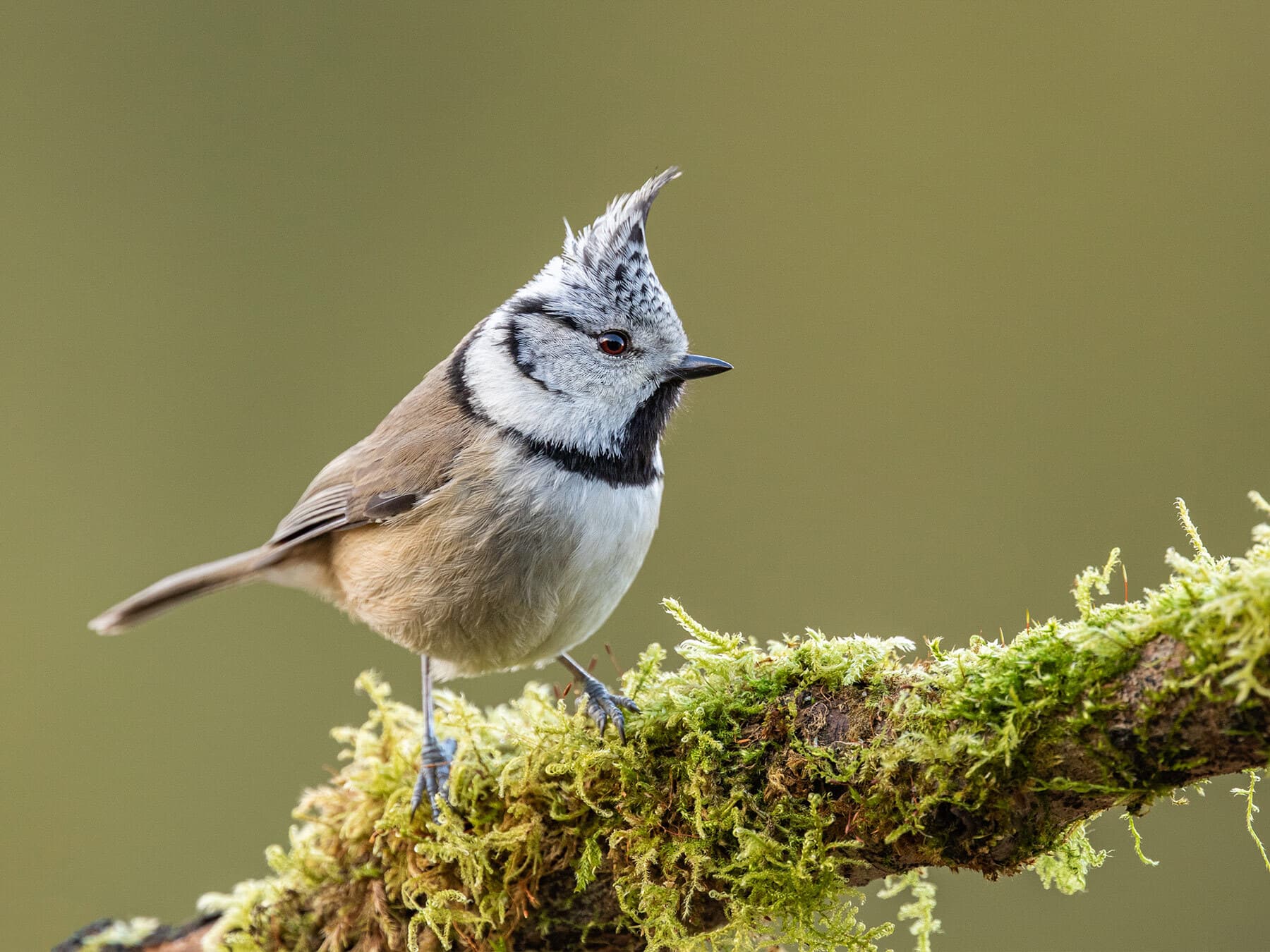 Crested TitLophophanes cristatusPassage migrantCommon11–12 cmRegularly Jul–Apr · 0.44% in Sep
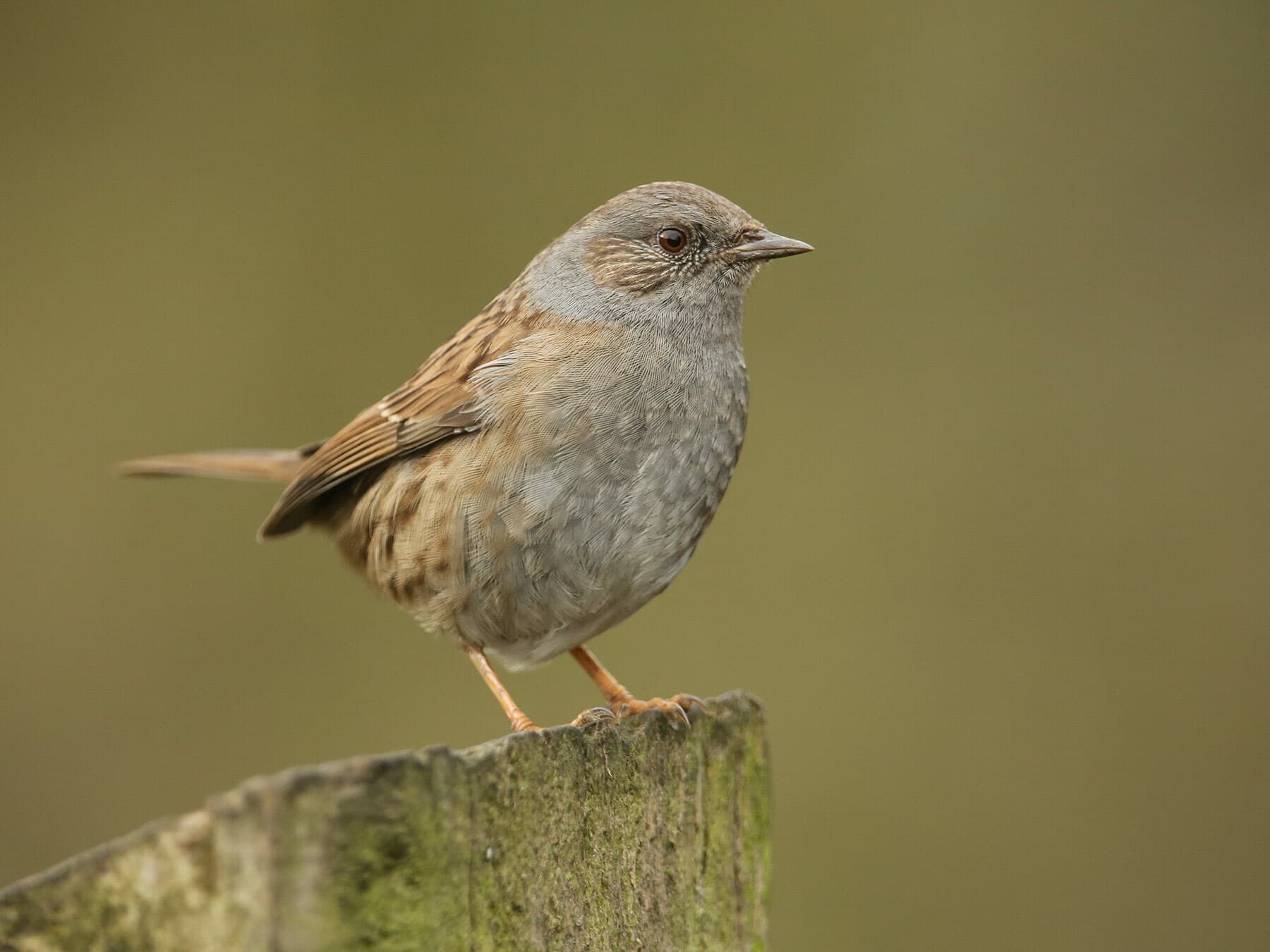 DunnockPrunella modularisSummer visitorCommon14–15 cmRegularly Mar–Nov · 0.44% in Sep
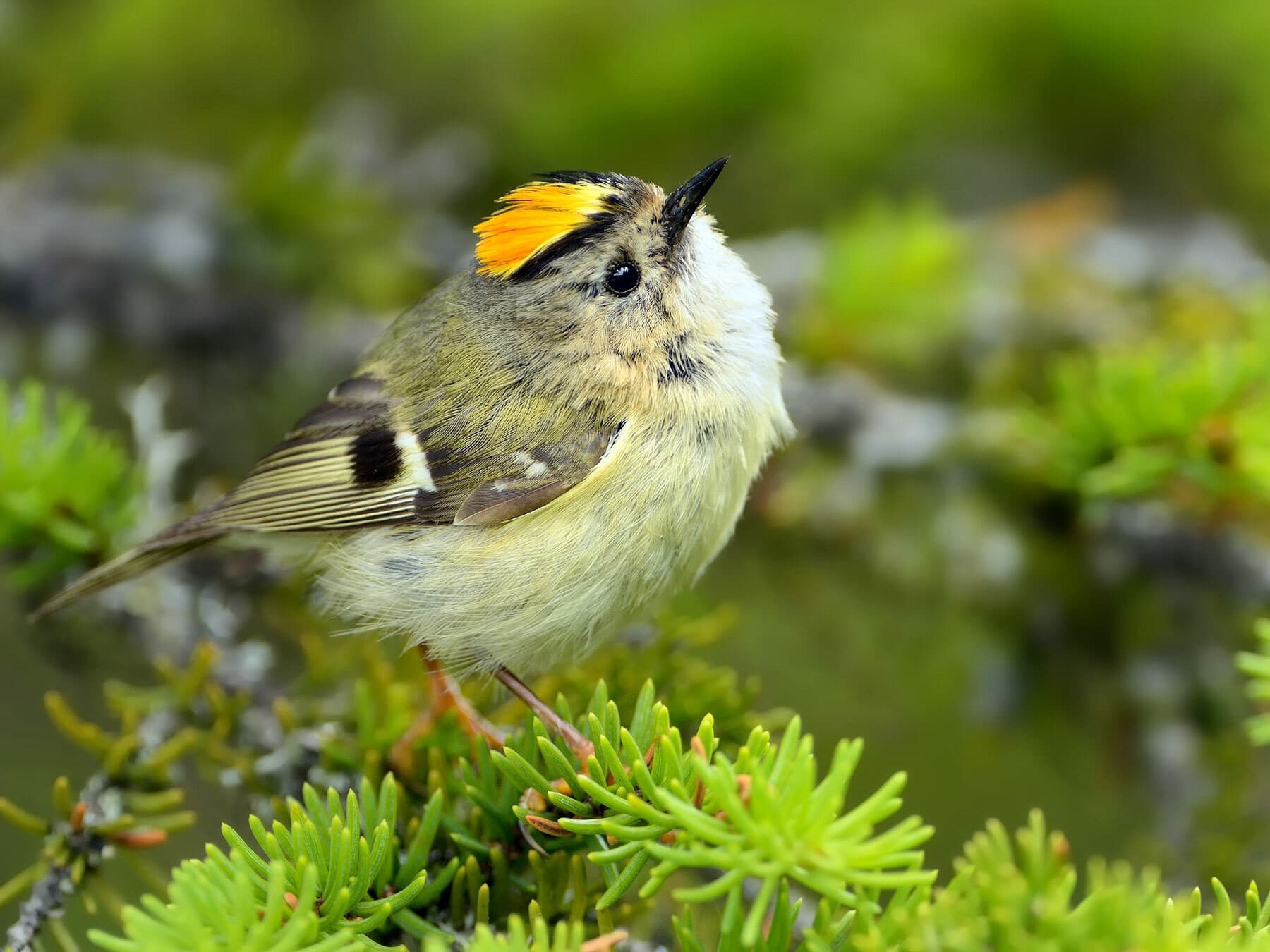 GoldcrestRegulus regulusResidentCommon9–10 cmRecorded all year · 0.44% in Sep
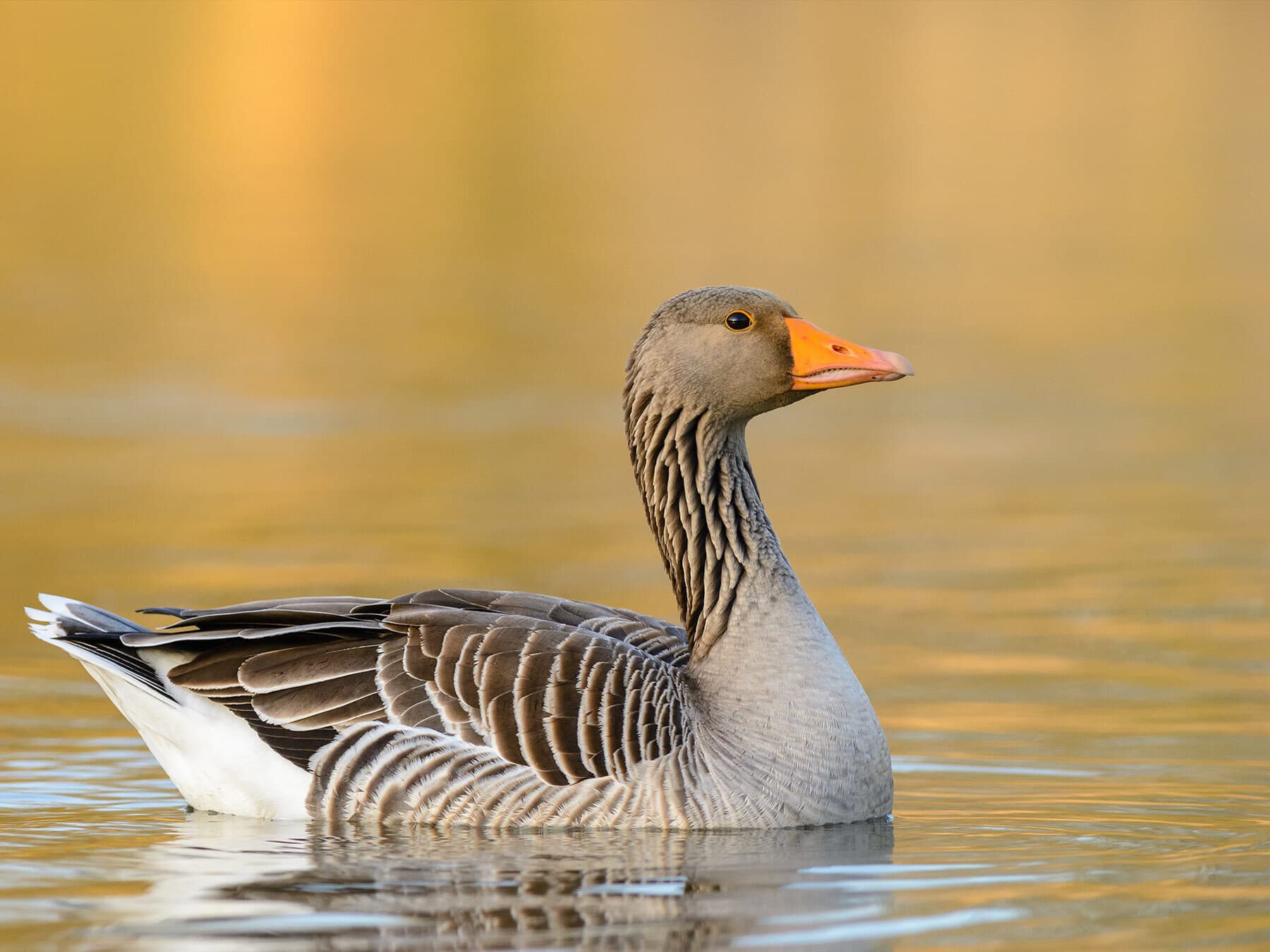 Greylag GooseAnser anserSummer visitorCommon75–90 cmRegularly Jan–Nov · 0.44% in Sep
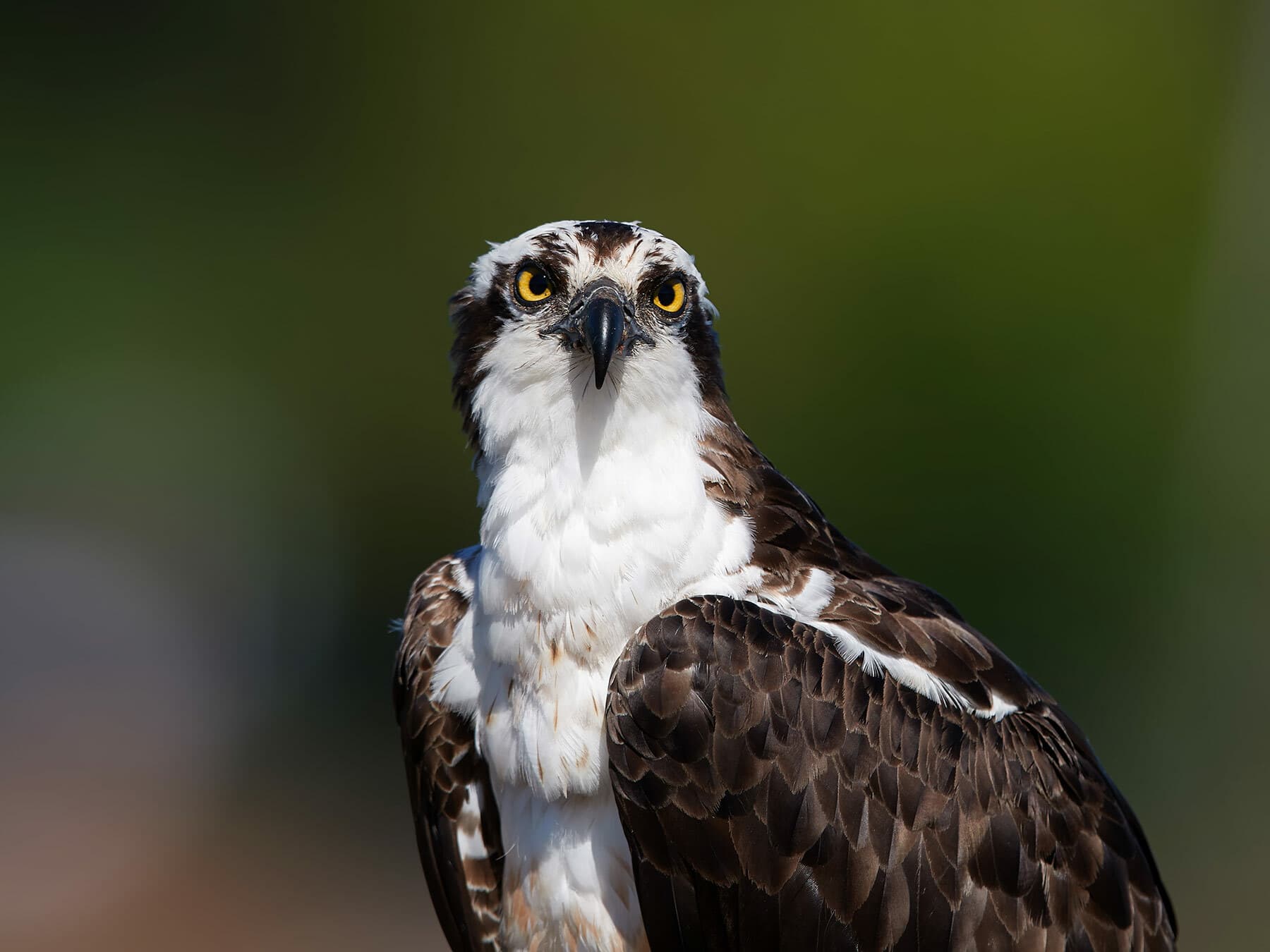 OspreyPandion haliaetusPassage migrantUncommon54–58 cmRegularly Aug–Sep · 0.40% in Sep
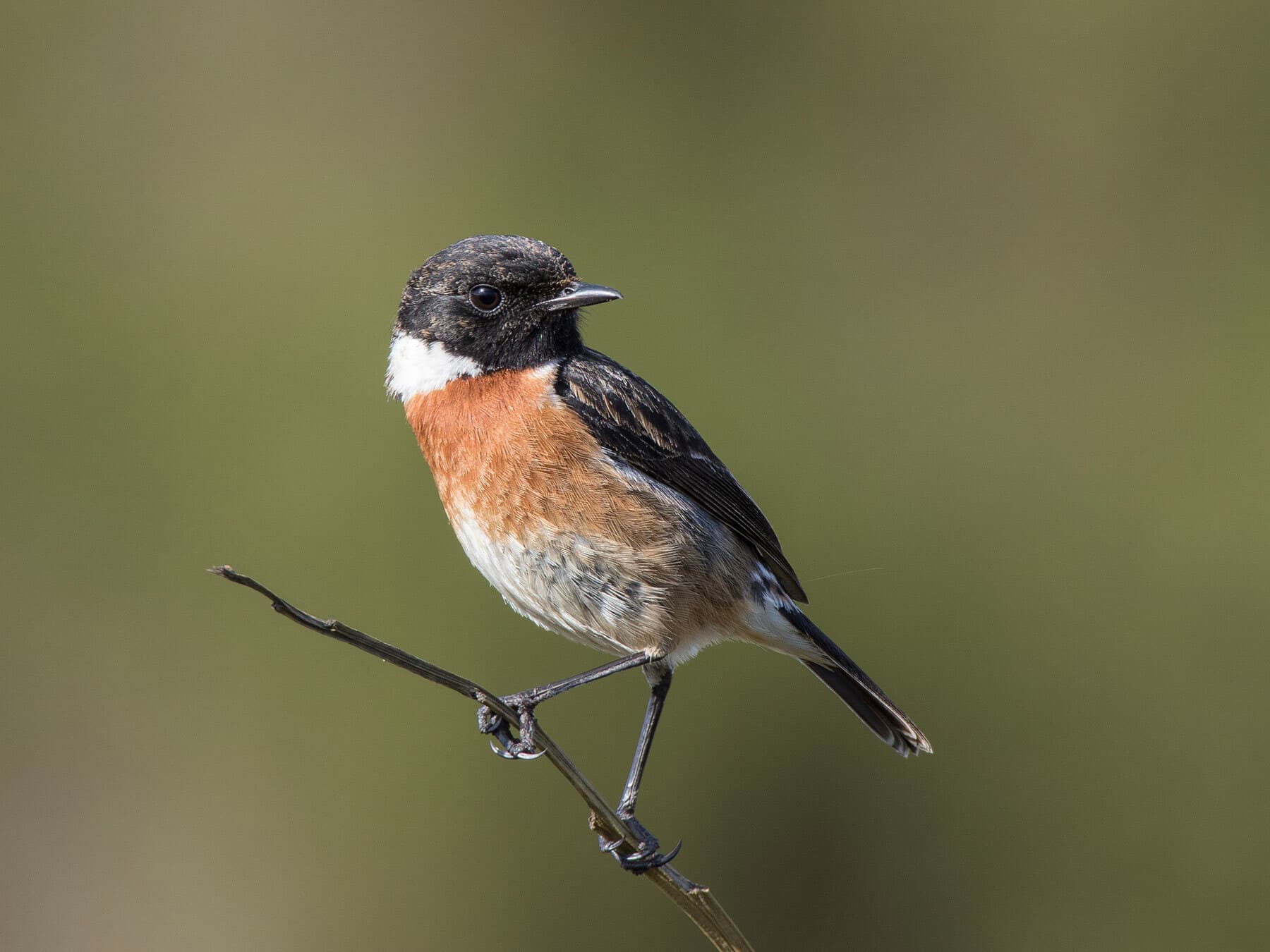 StonechatSaxicola rubicolaSummer visitorUncommon12–13 cmRegularly Mar–Oct · 0.40% in Sep
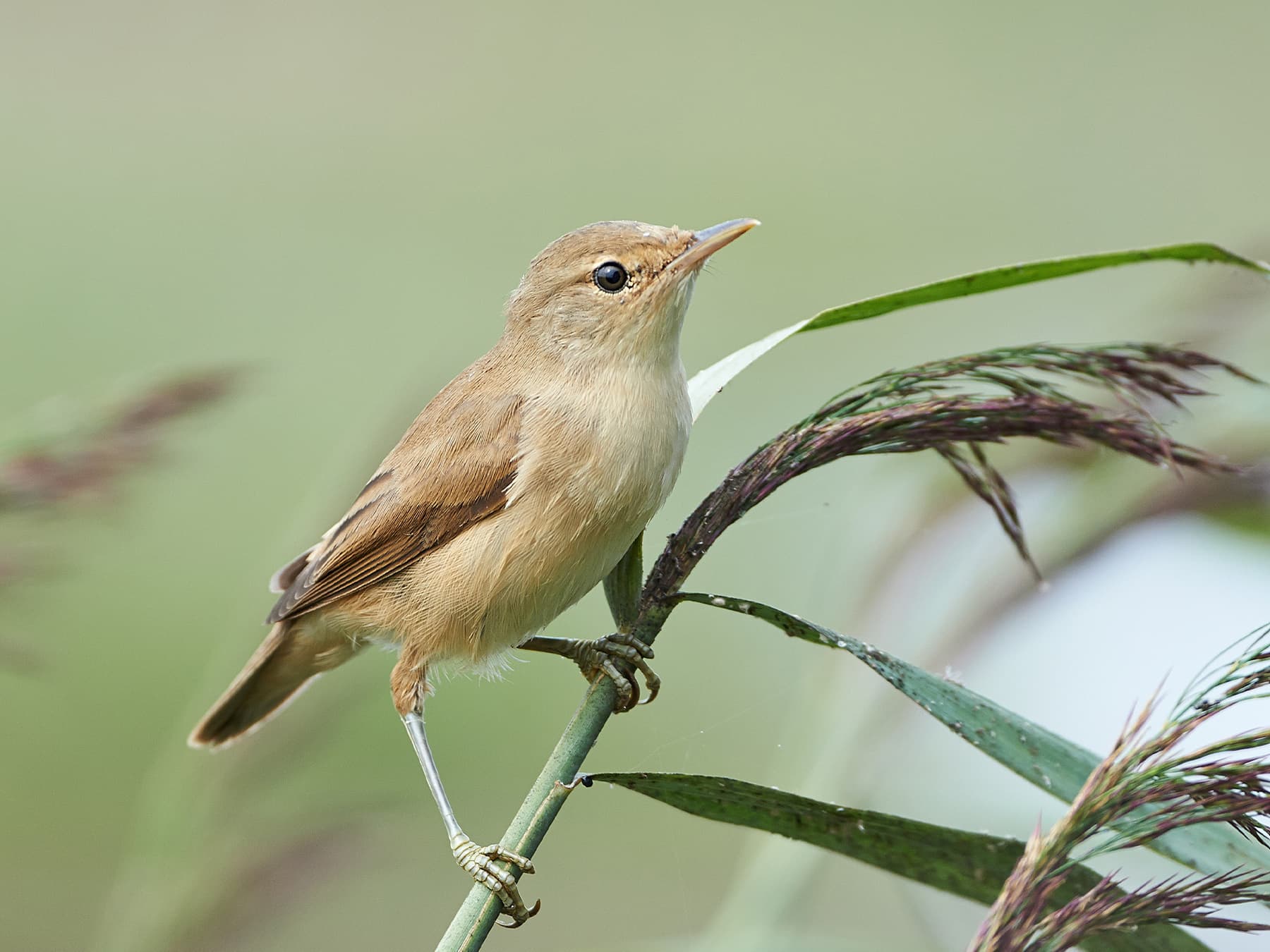 Common Reed-warblerAcrocephalus scirpaceusSummer visitorCommon13–14 cmRegularly Apr–Sep · 0.36% in Sep
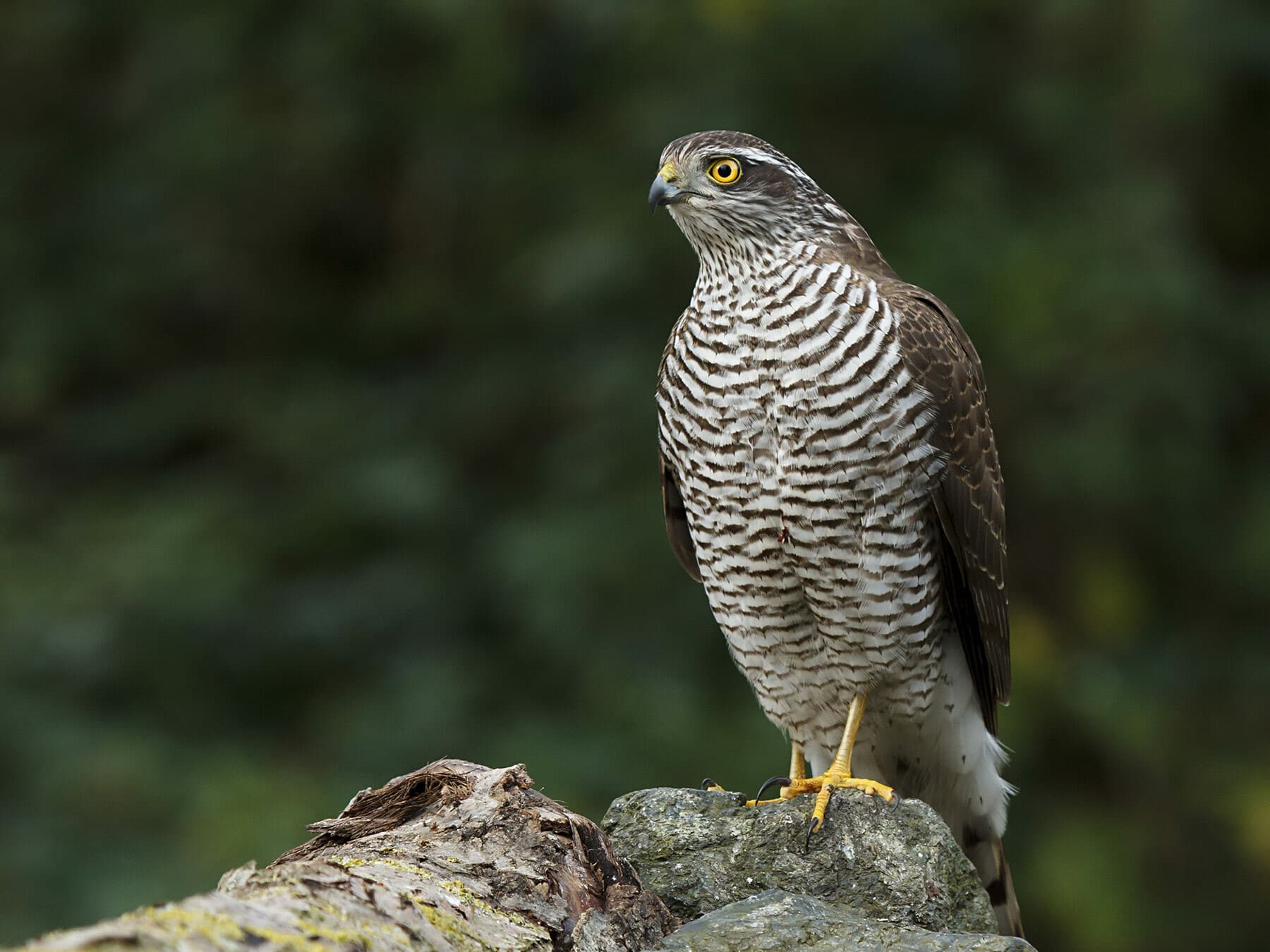 SparrowhawkAccipiter nisusResidentCommon28–38 cmRegularly Dec–Oct · 0.36% in Sep
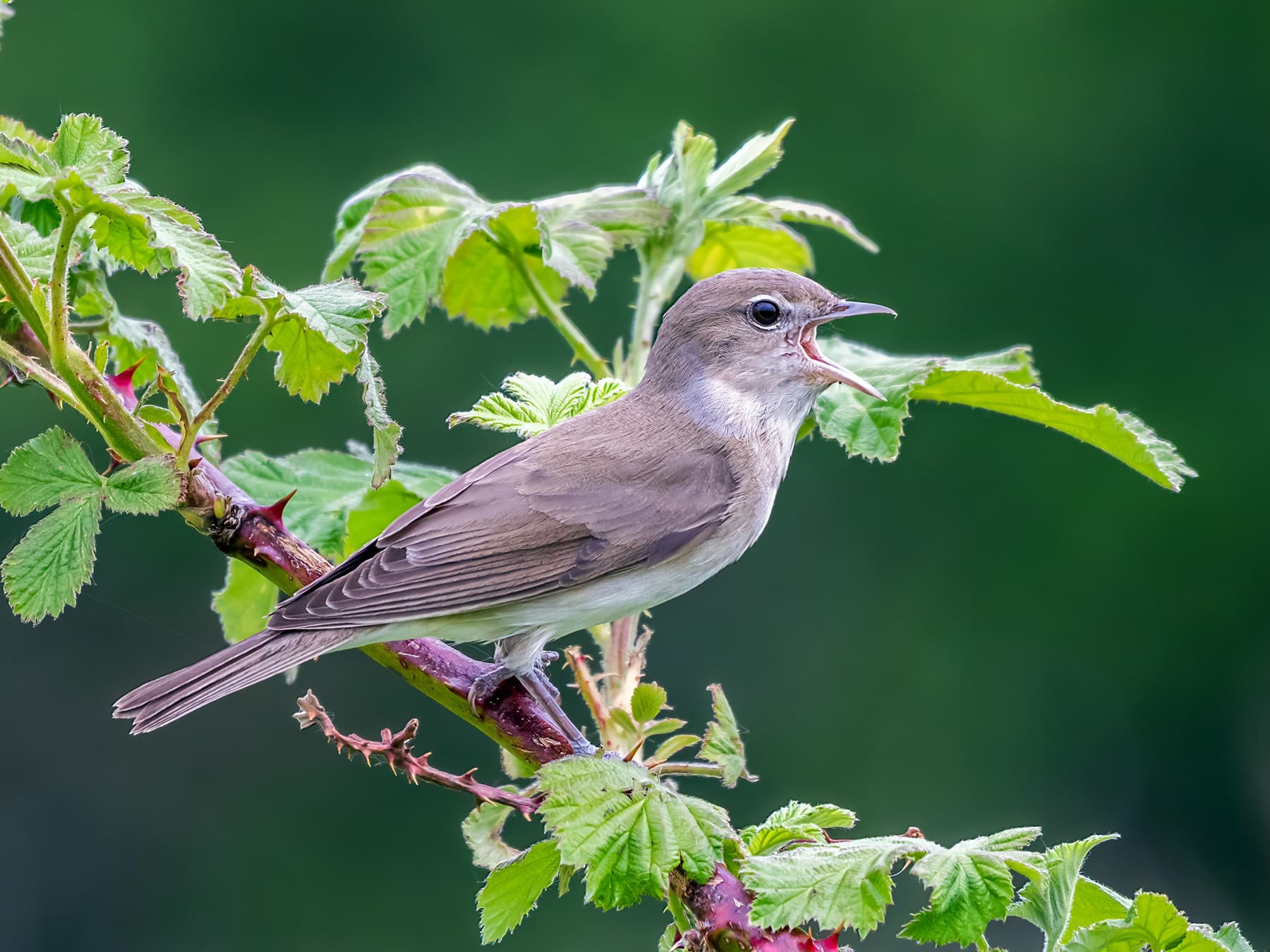 Garden WarblerSylvia borinSummer visitorCommon14–15 cmRegularly Apr–Sep · 0.32% in Sep
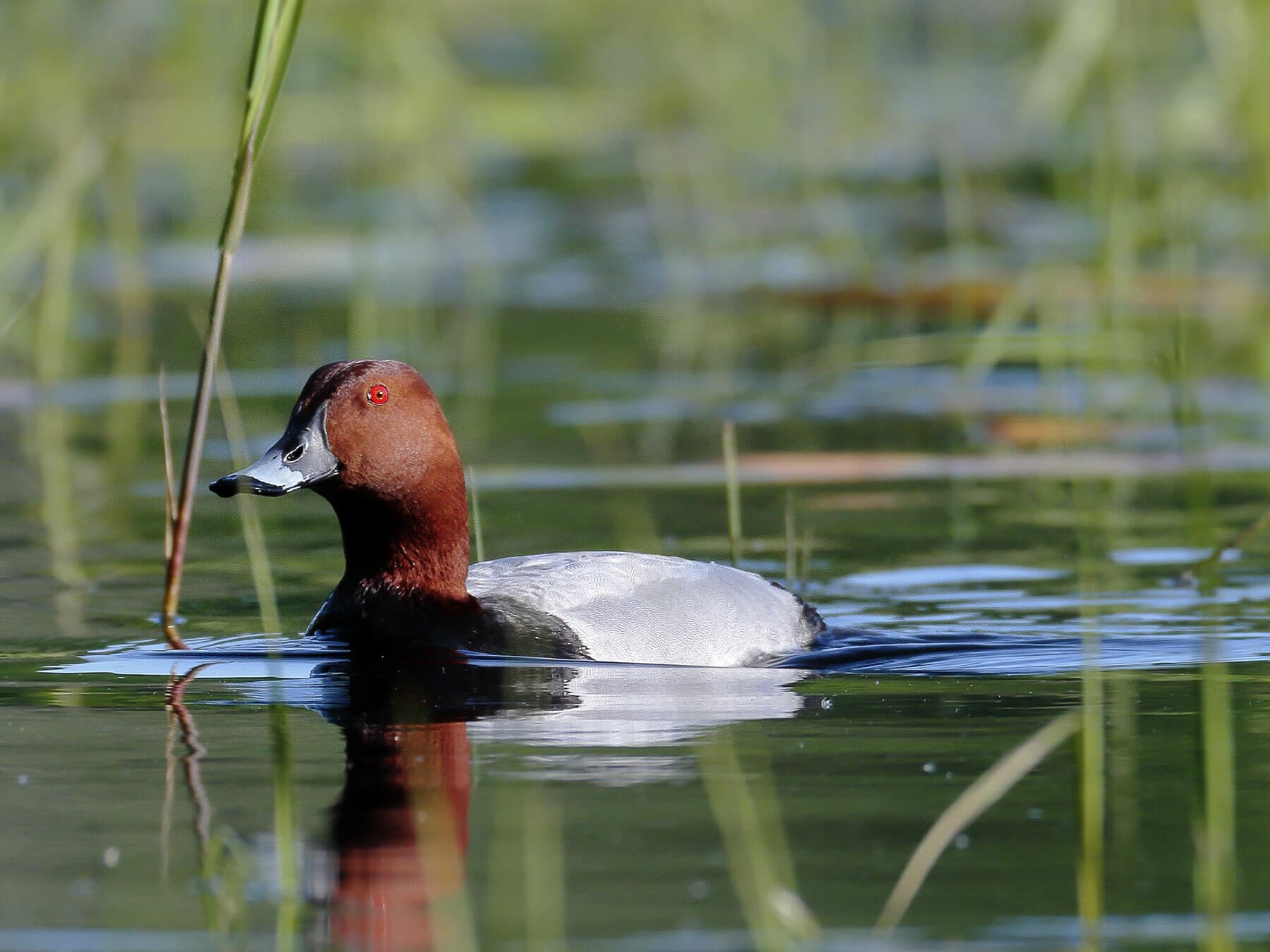 PochardAythya ferinaWinter visitorCommon42–49 cmRegularly Jun–Apr · 0.32% in Sep
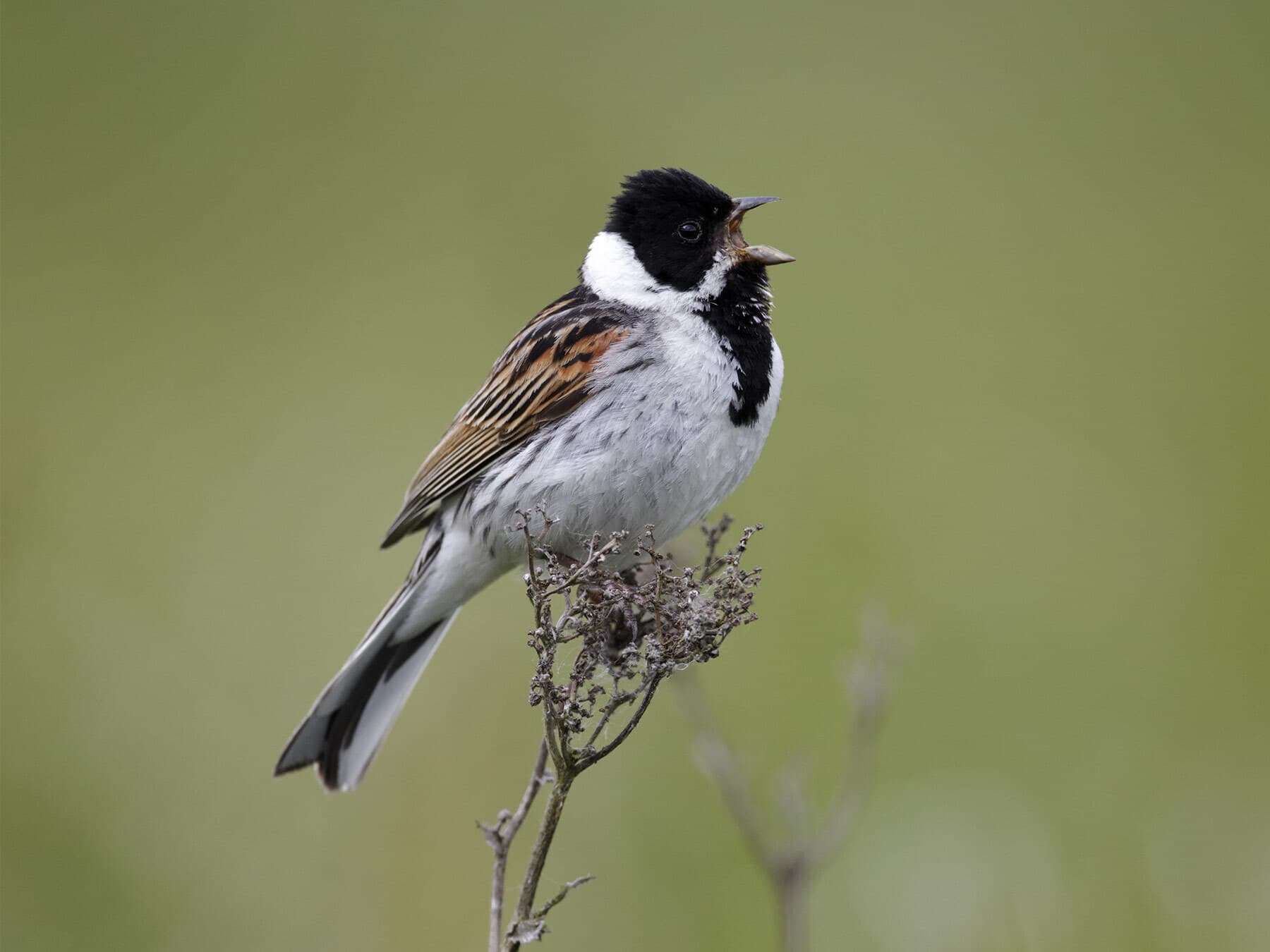 Reed BuntingEmberiza schoeniclusSummer visitorCommon14–16 cmRegularly Mar–Jan · 0.32% in Sep
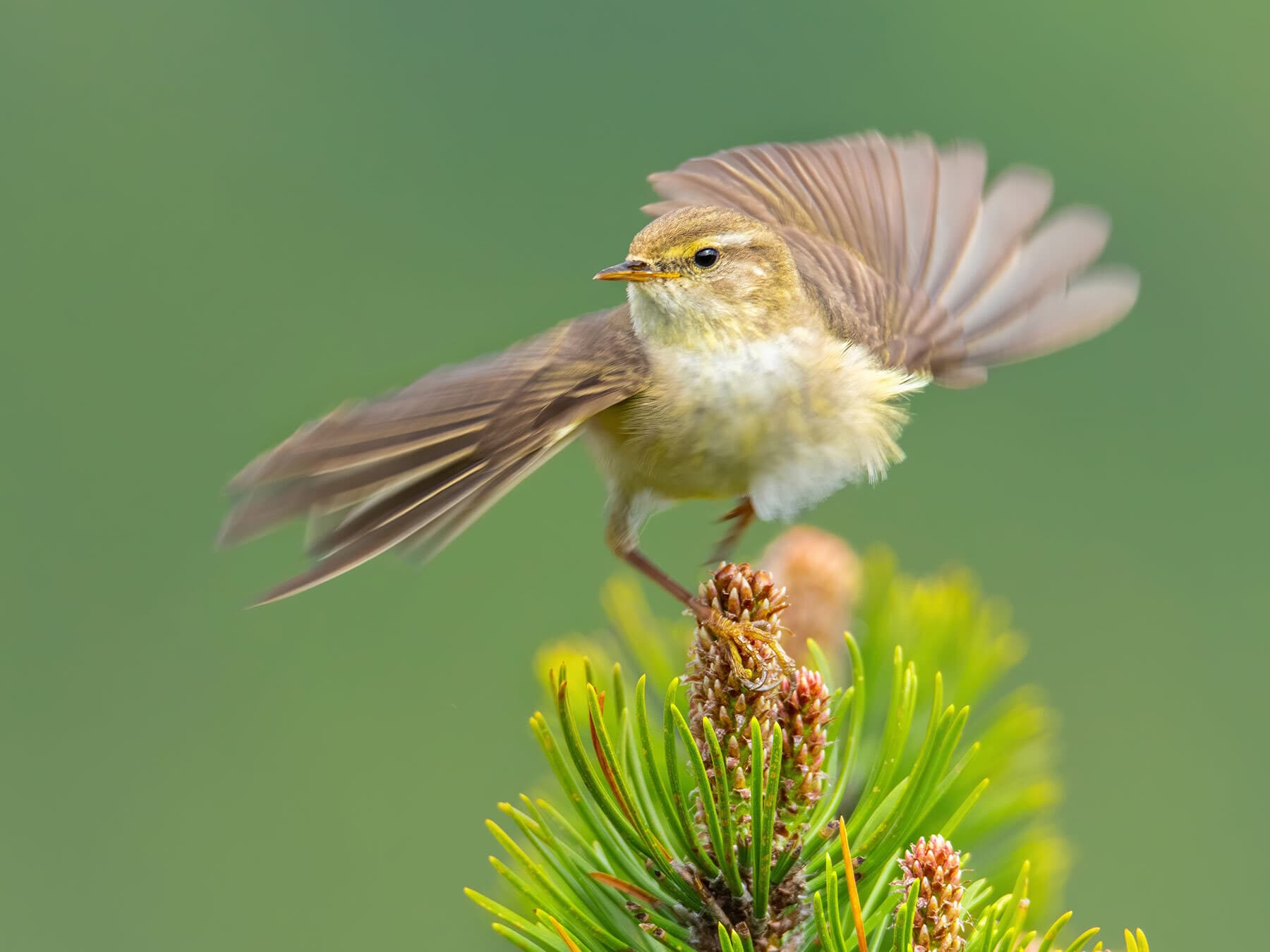 Willow WarblerPhylloscopus trochilusSummer visitorCommon11–13 cmRegularly Apr–Sep · 0.32% in Sep
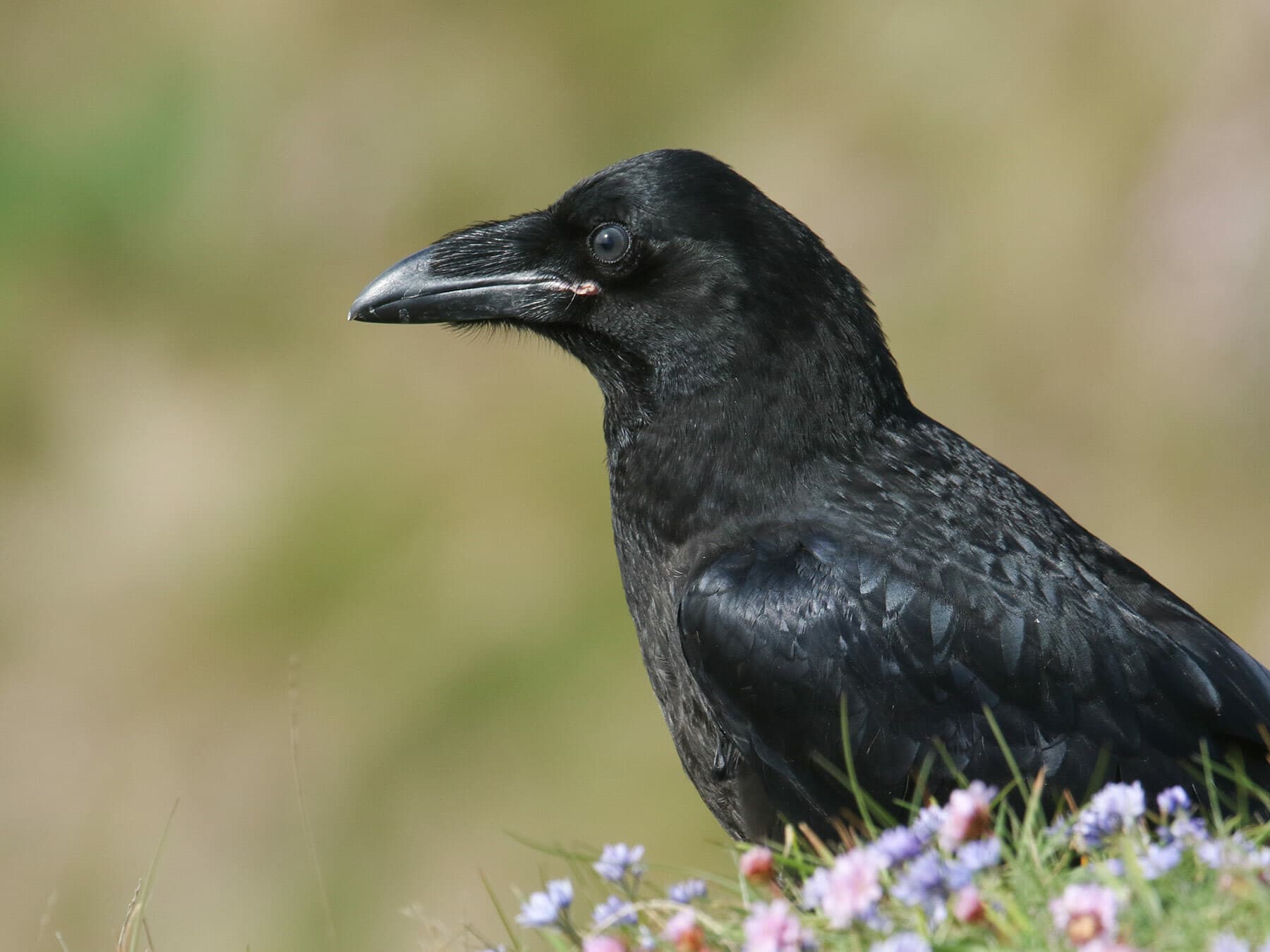 Common RavenCorvus coraxPassage migrantUncommon54–67 cmRegularly Sep–Apr · 0.28% in Sep
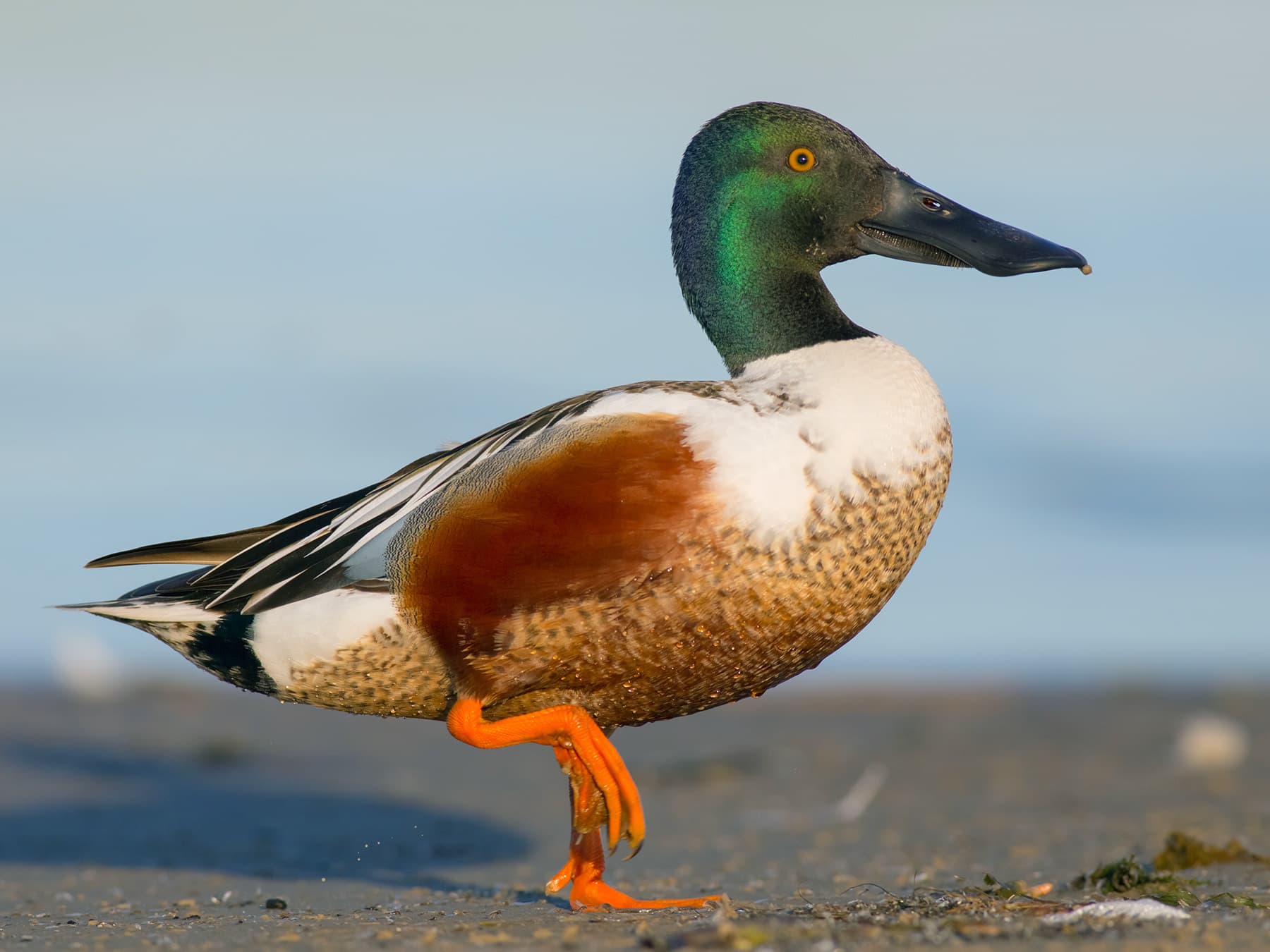 Northern ShovelerSpatula clypeataPassage migrantUncommon44–51 cmRegularly Mar–Dec · 0.28% in Sep
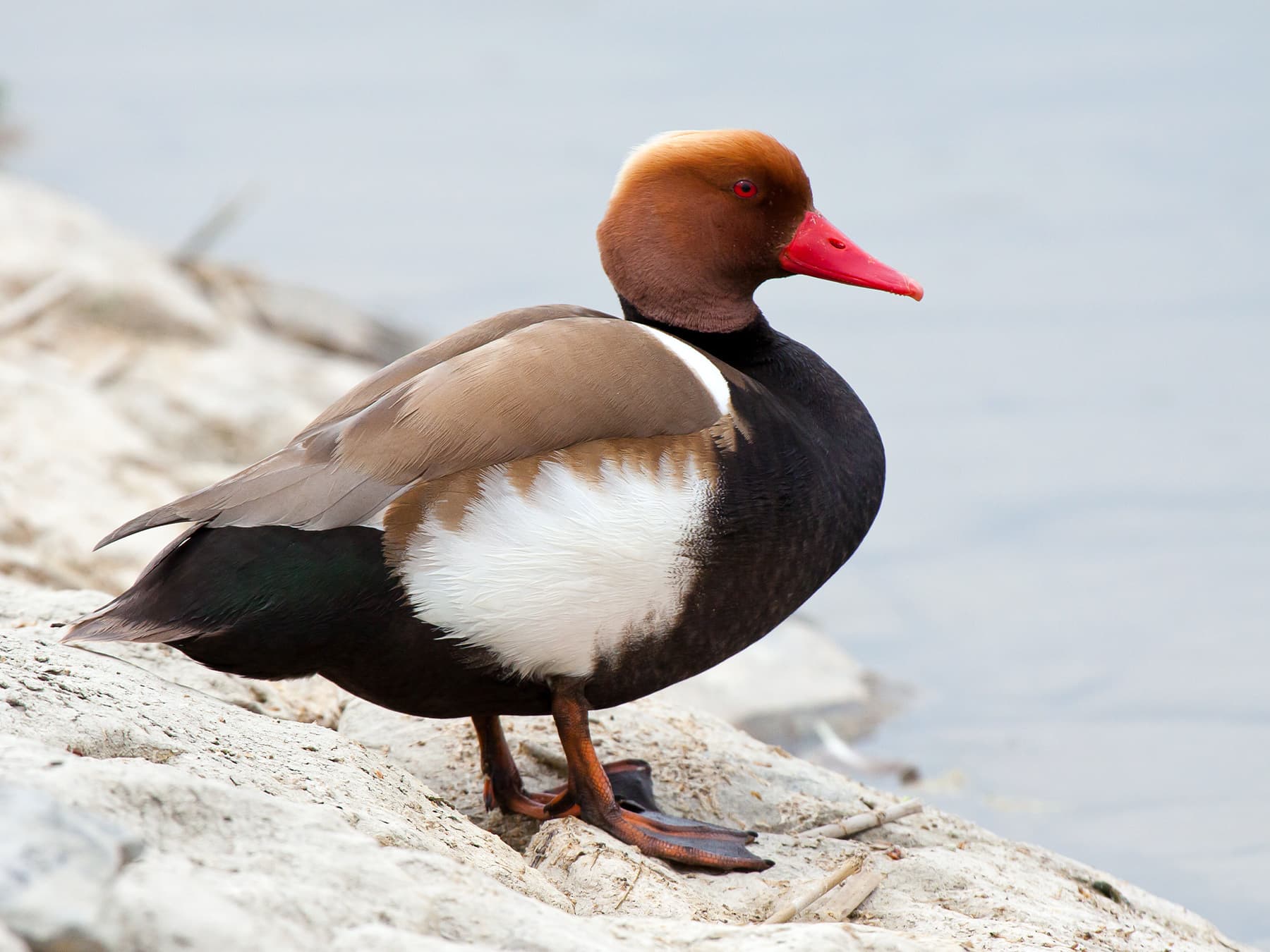 Red-crested PochardNetta rufinaSummer visitorUncommon53–57 cmRegularly Apr–Sep · 0.28% in Sep
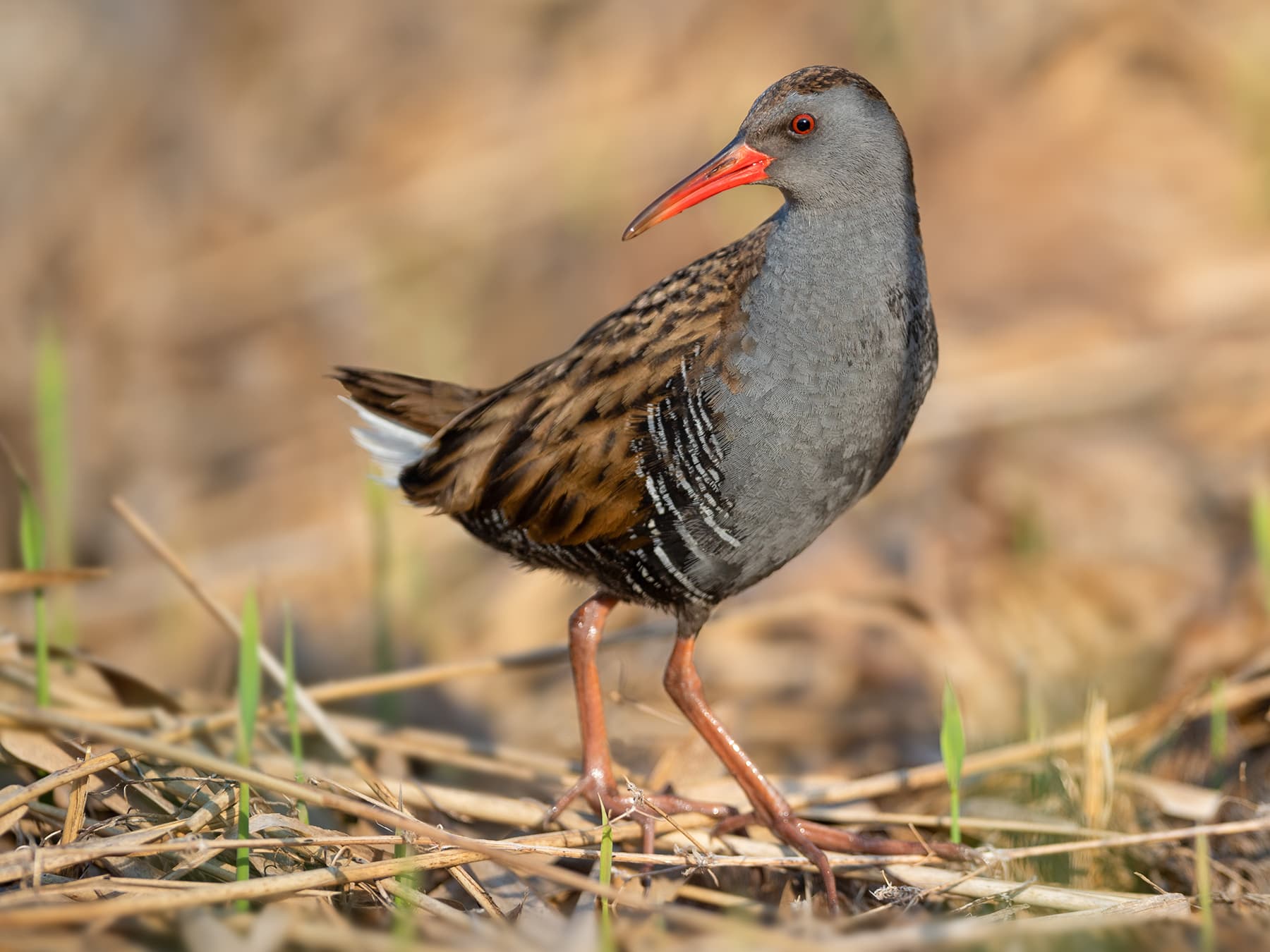 Water RailRallus aquaticusSummer visitorCommon23–28 cmRegularly Mar–Jan · 0.28% in Sep
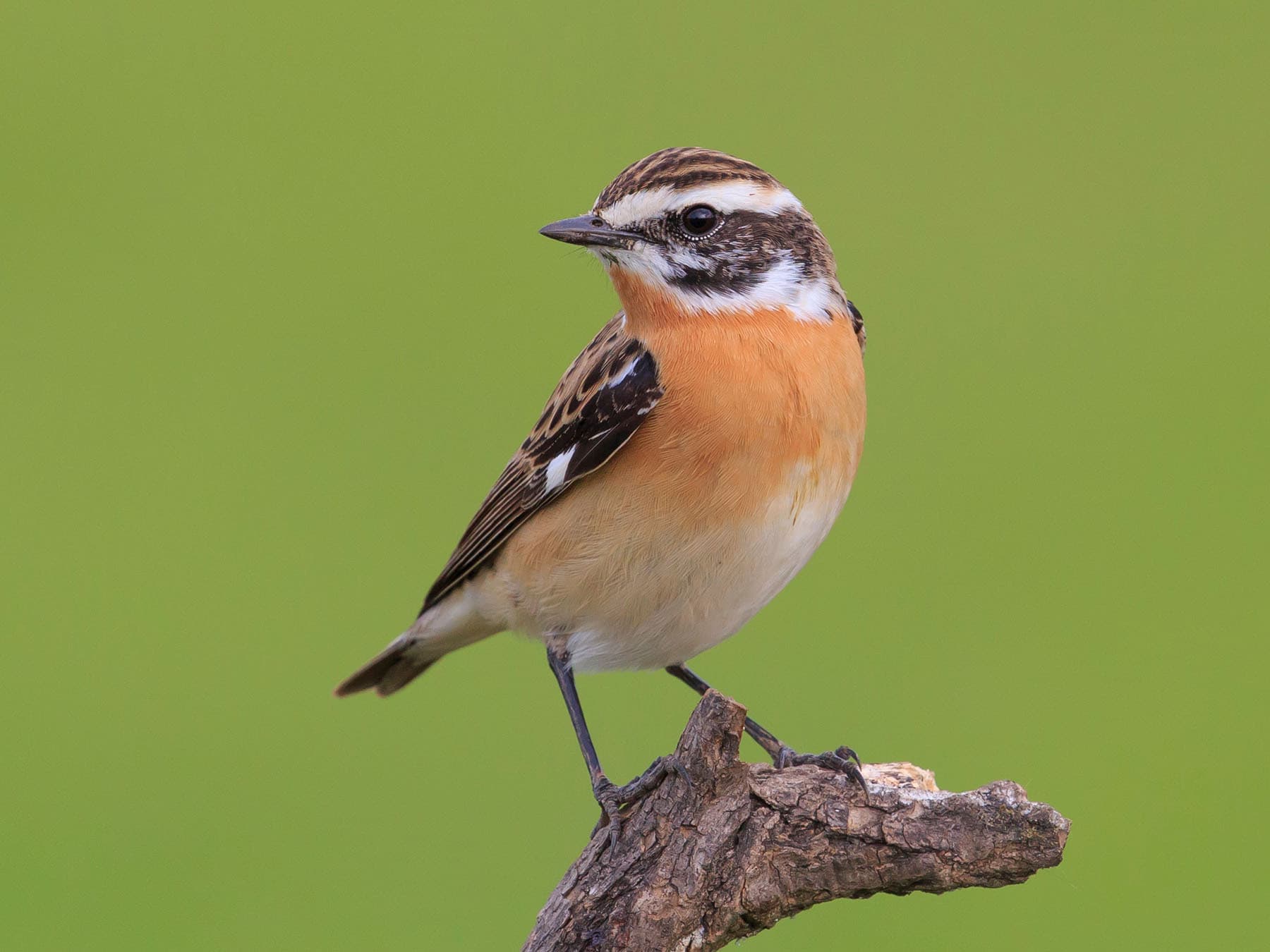 WhinchatSaxicola rubetraPassage migrantUncommon12–14 cmRegularly May–Sep · 0.28% in Sep
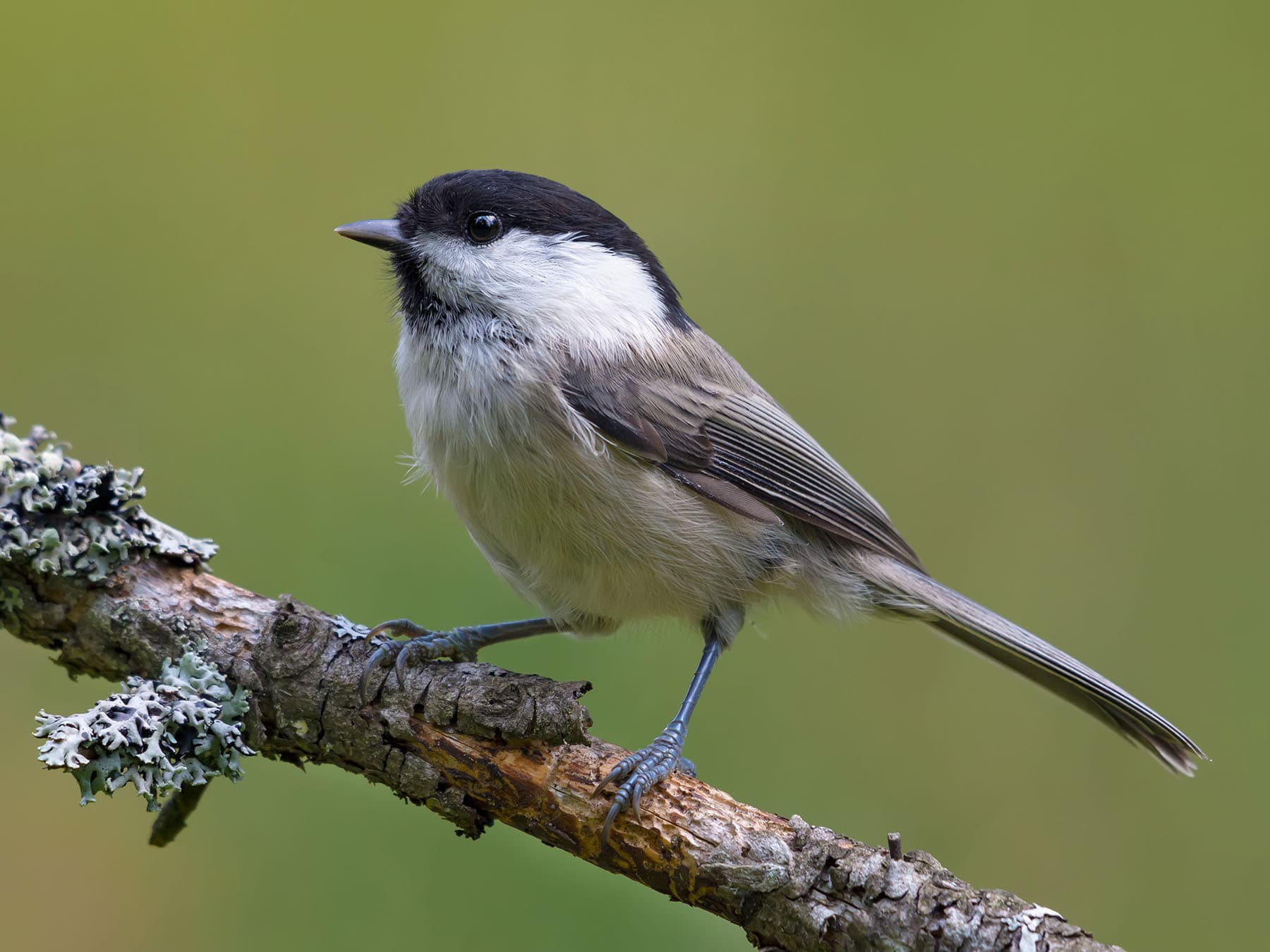 Willow TitPoecile montanusSummer visitorCommon11–12 cmRegularly Mar–Jan · 0.28% in Sep
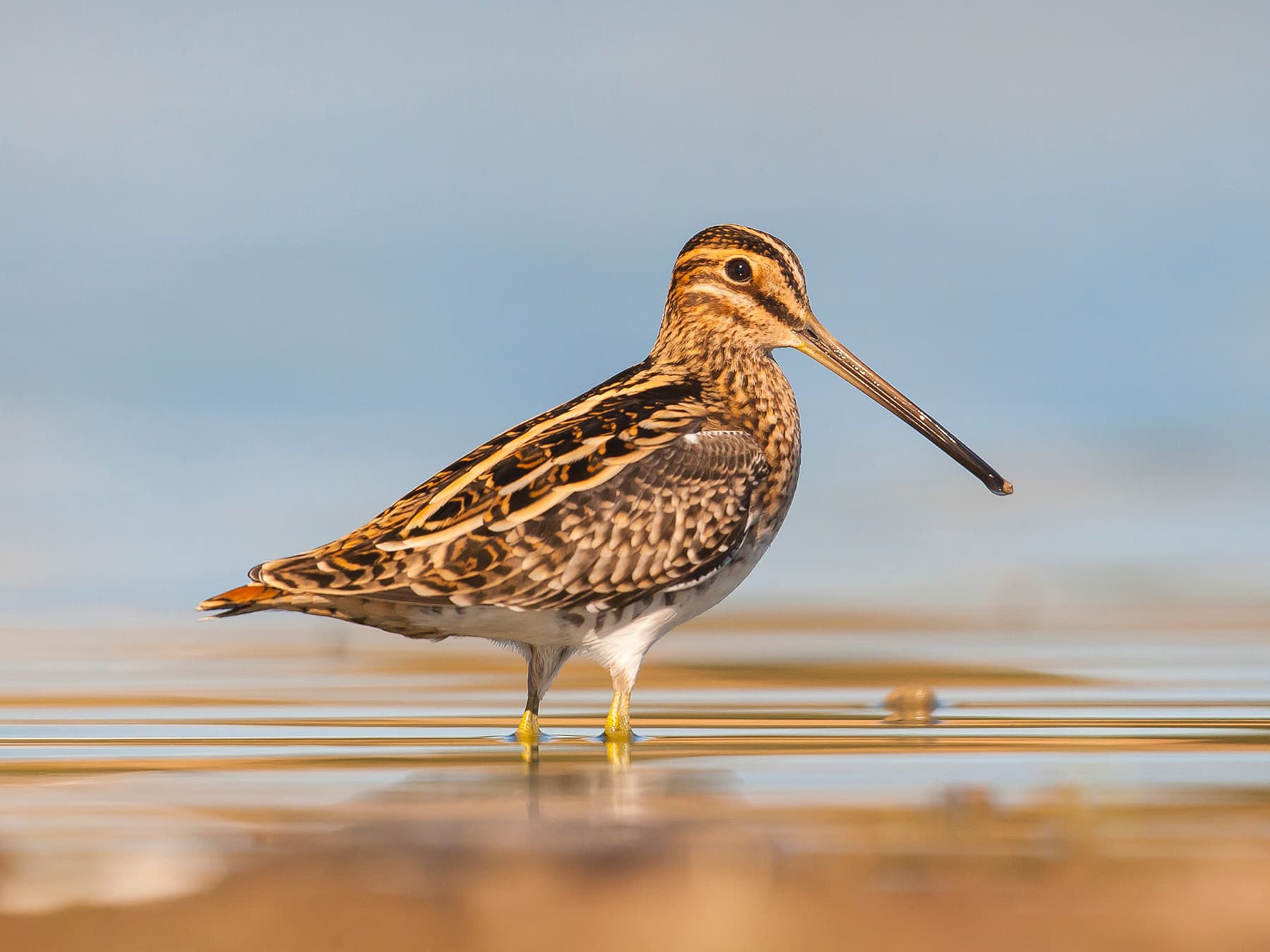 Common SnipeGallinago gallinagoPassage migrantCommon25–27 cmRegularly Aug–Apr · 0.24% in Sep
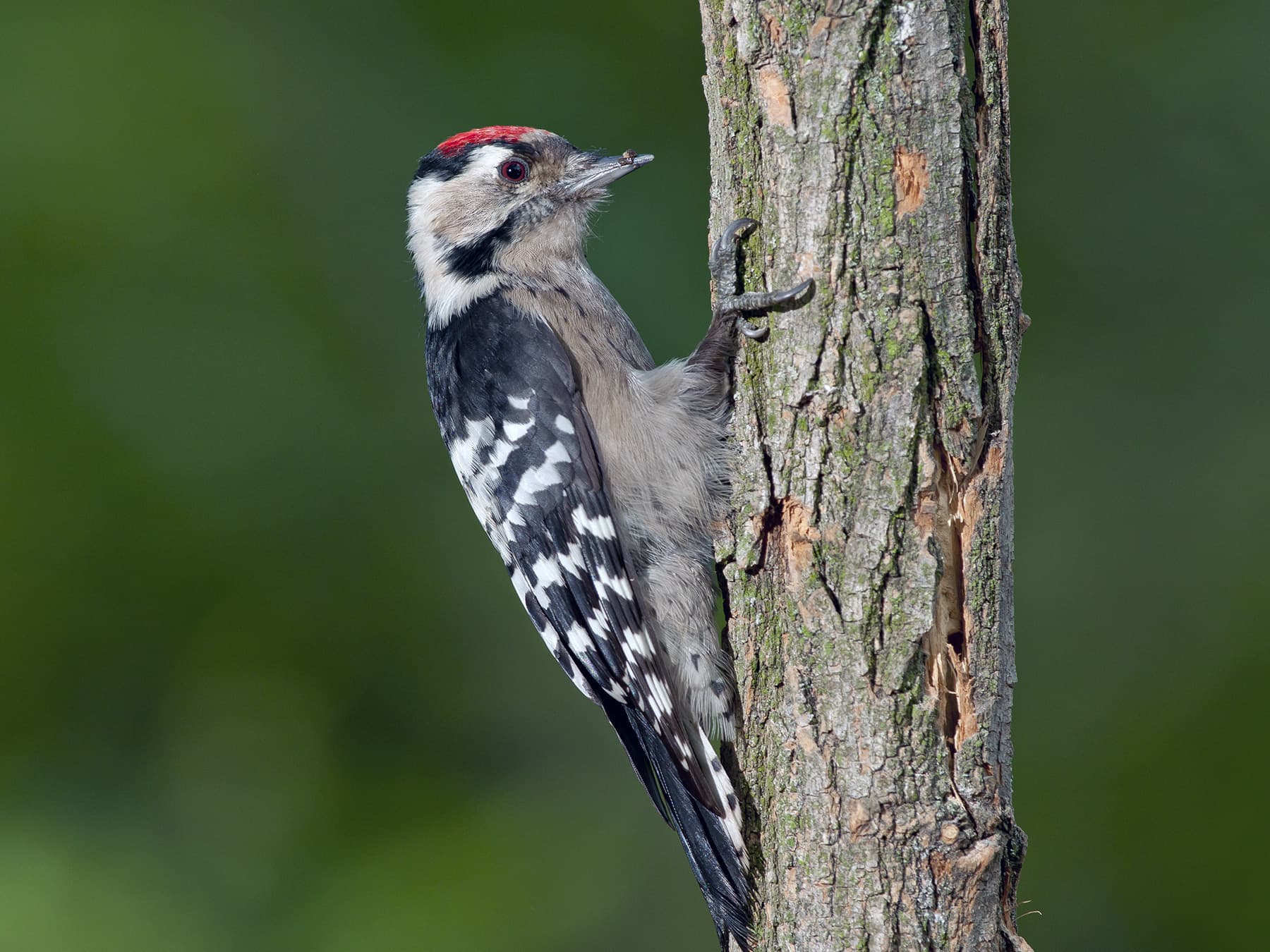 Lesser Spotted WoodpeckerDryobates minorPassage migrantUncommon14–16 cmRegularly Jul–Apr · 0.24% in Sep
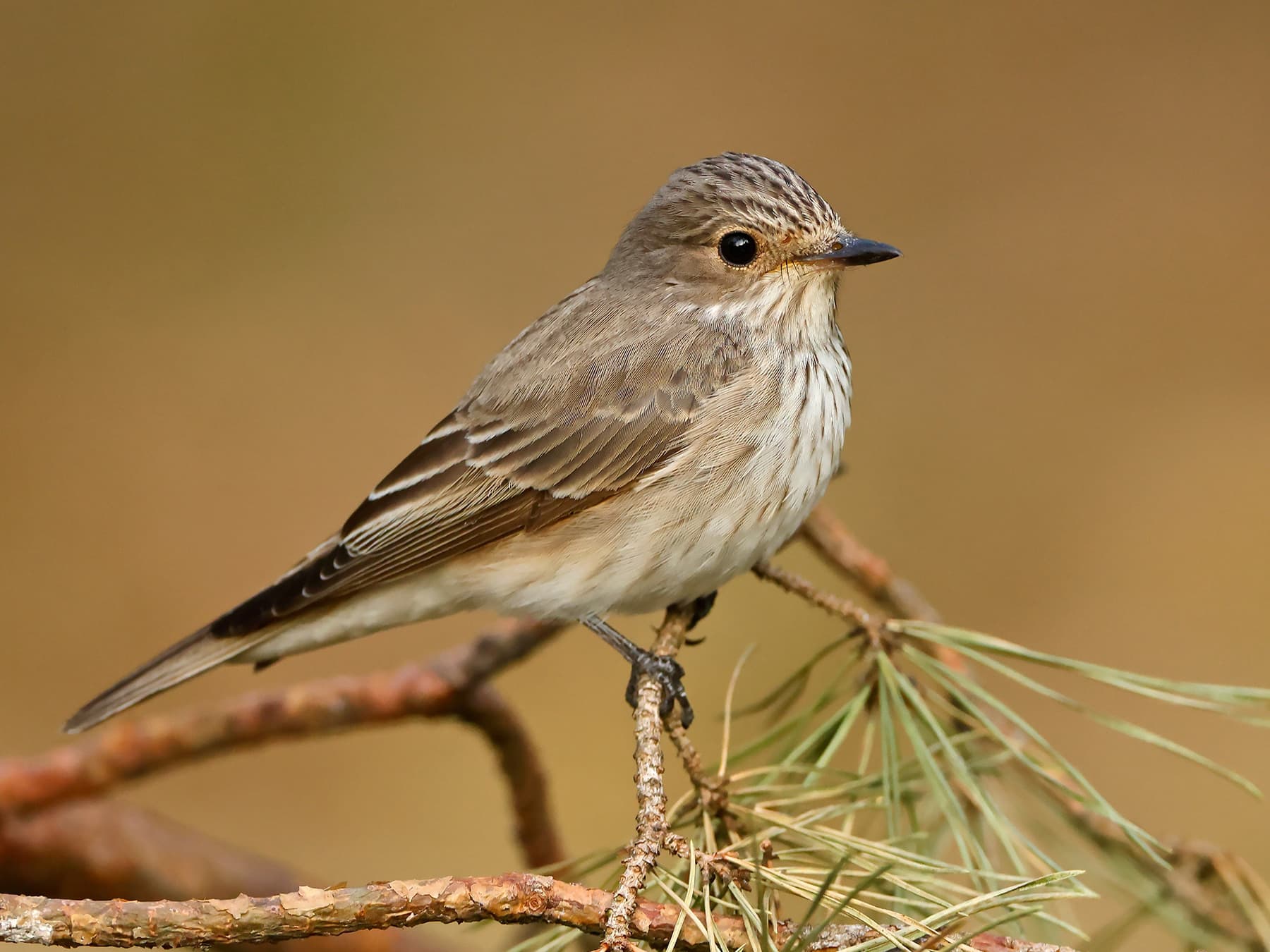 Spotted FlycatcherMuscicapa striataPassage migrantCommon14–16 cmRegularly May–Sep · 0.24% in Sep
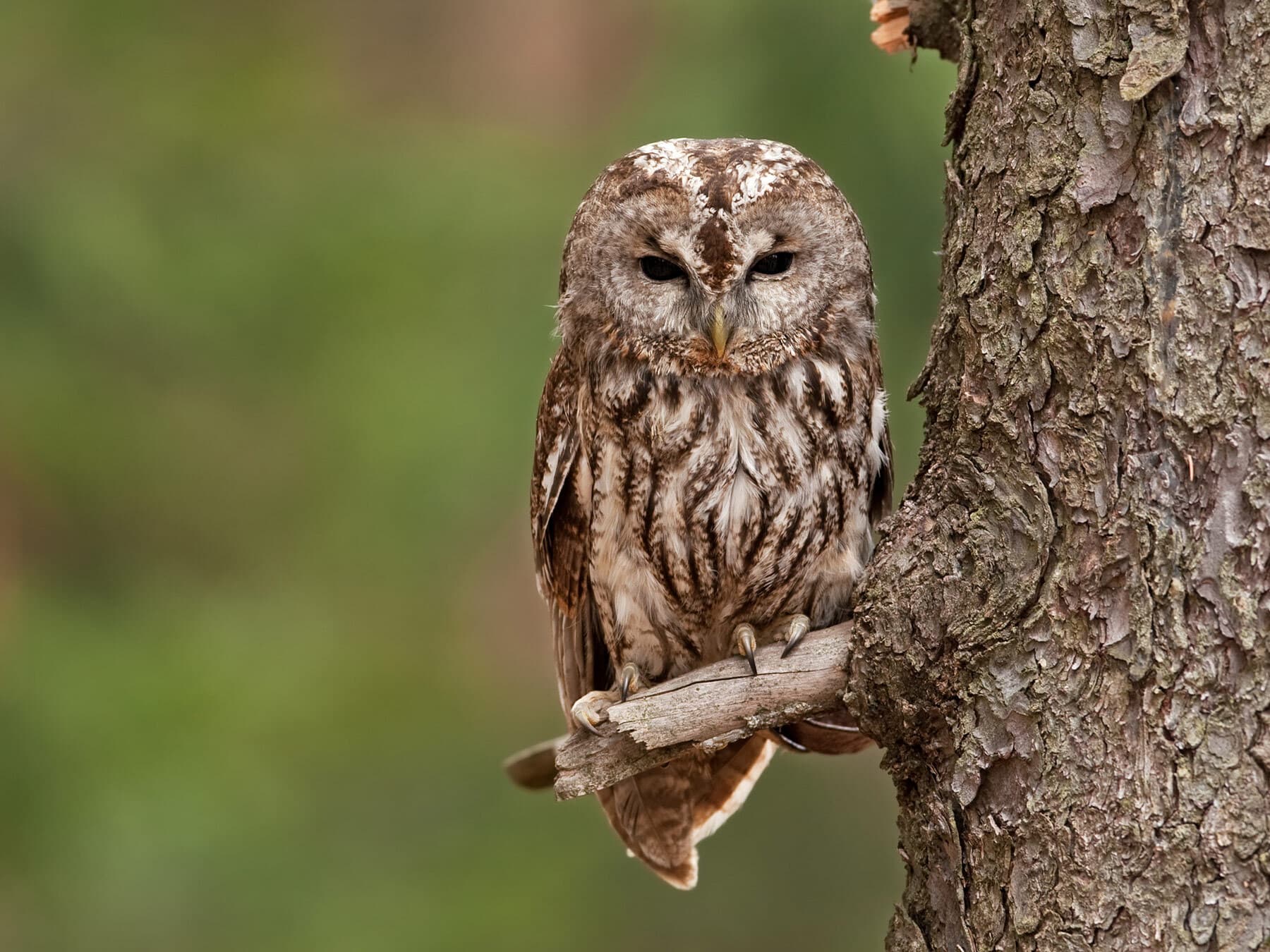 Tawny OwlStrix alucoPassage migrantUncommon37–43 cmRegularly Sep · 0.24% in Sep
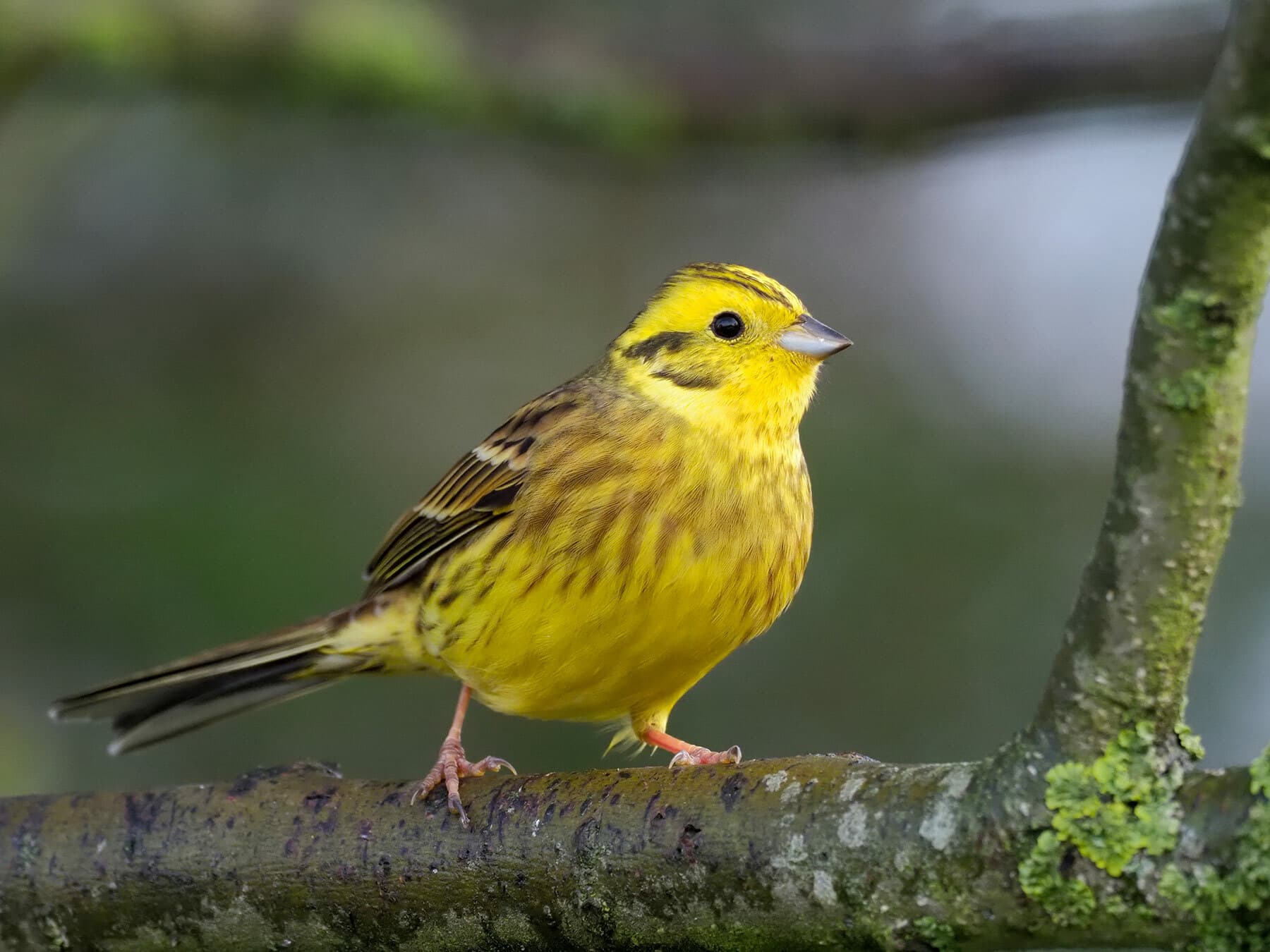 YellowhammerEmberiza citrinellaSummer visitorCommon16–17 cmRegularly Mar–Nov · 0.24% in Sep
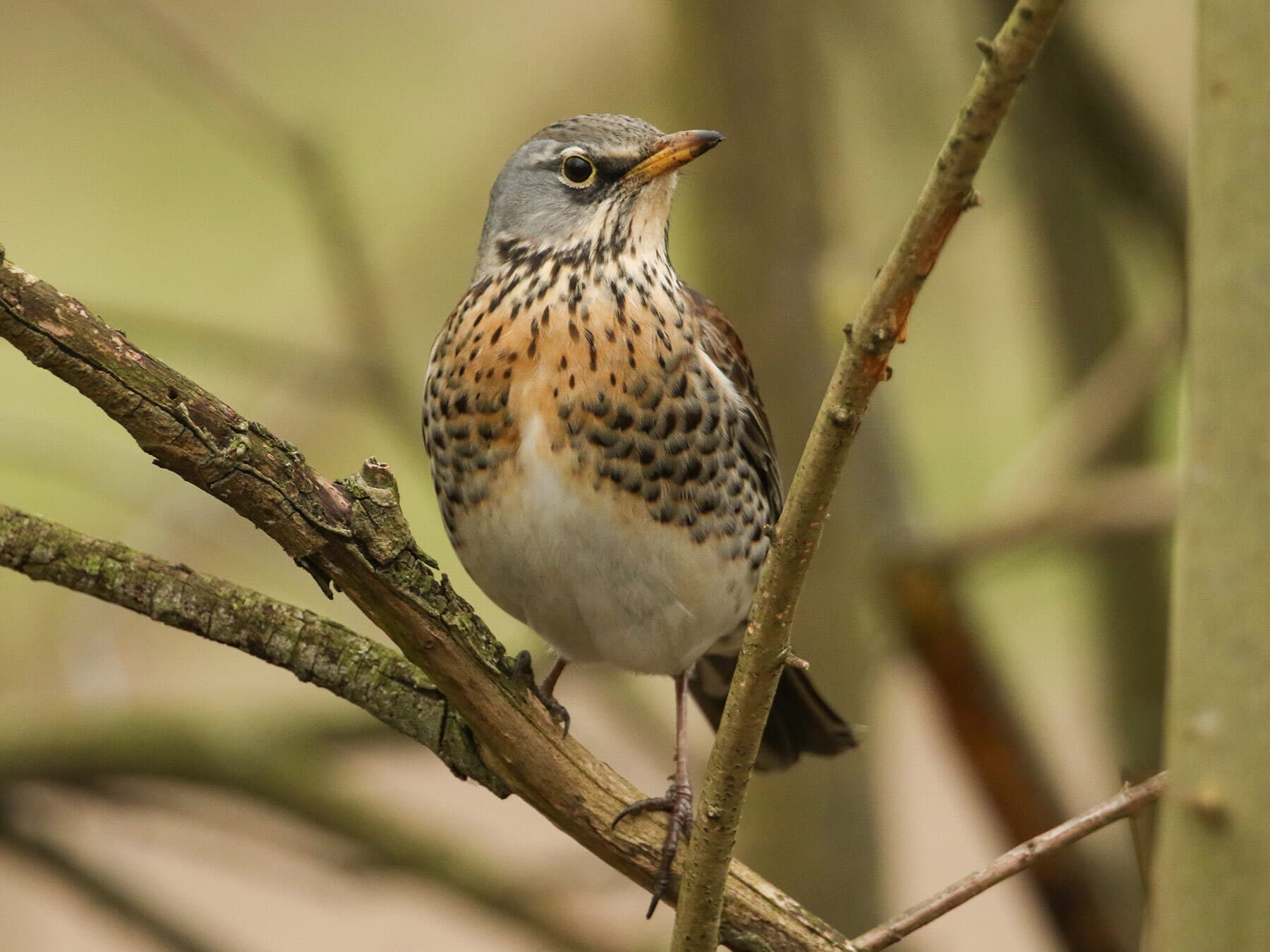 FieldfareTurdus pilarisResidentCommon22–27 cmRecorded all year · 0.20% in Sep
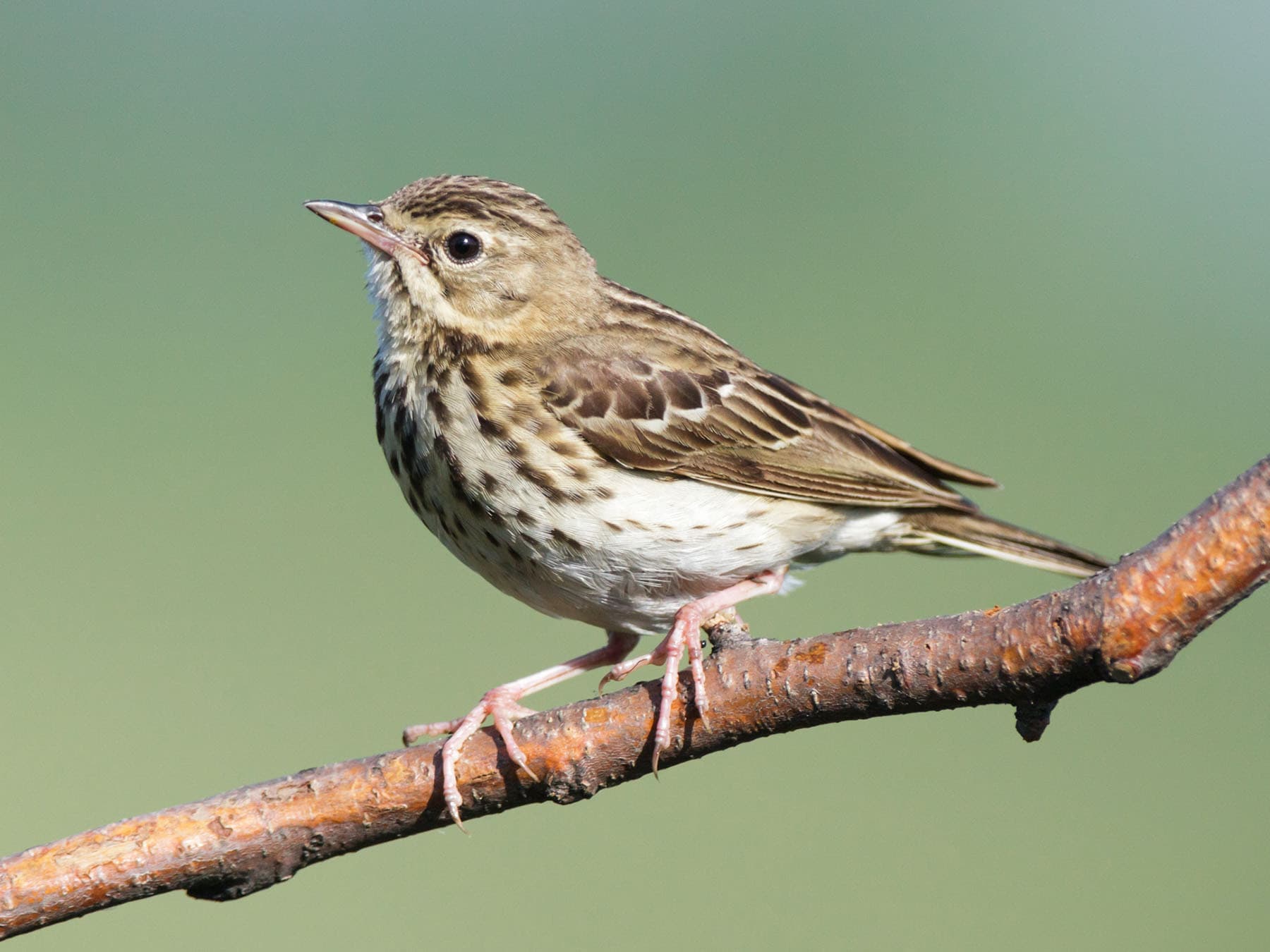 Tree PipitAnthus trivialisPassage migrantUncommon14–16 cmRegularly May–Sep · 0.20% in Sep
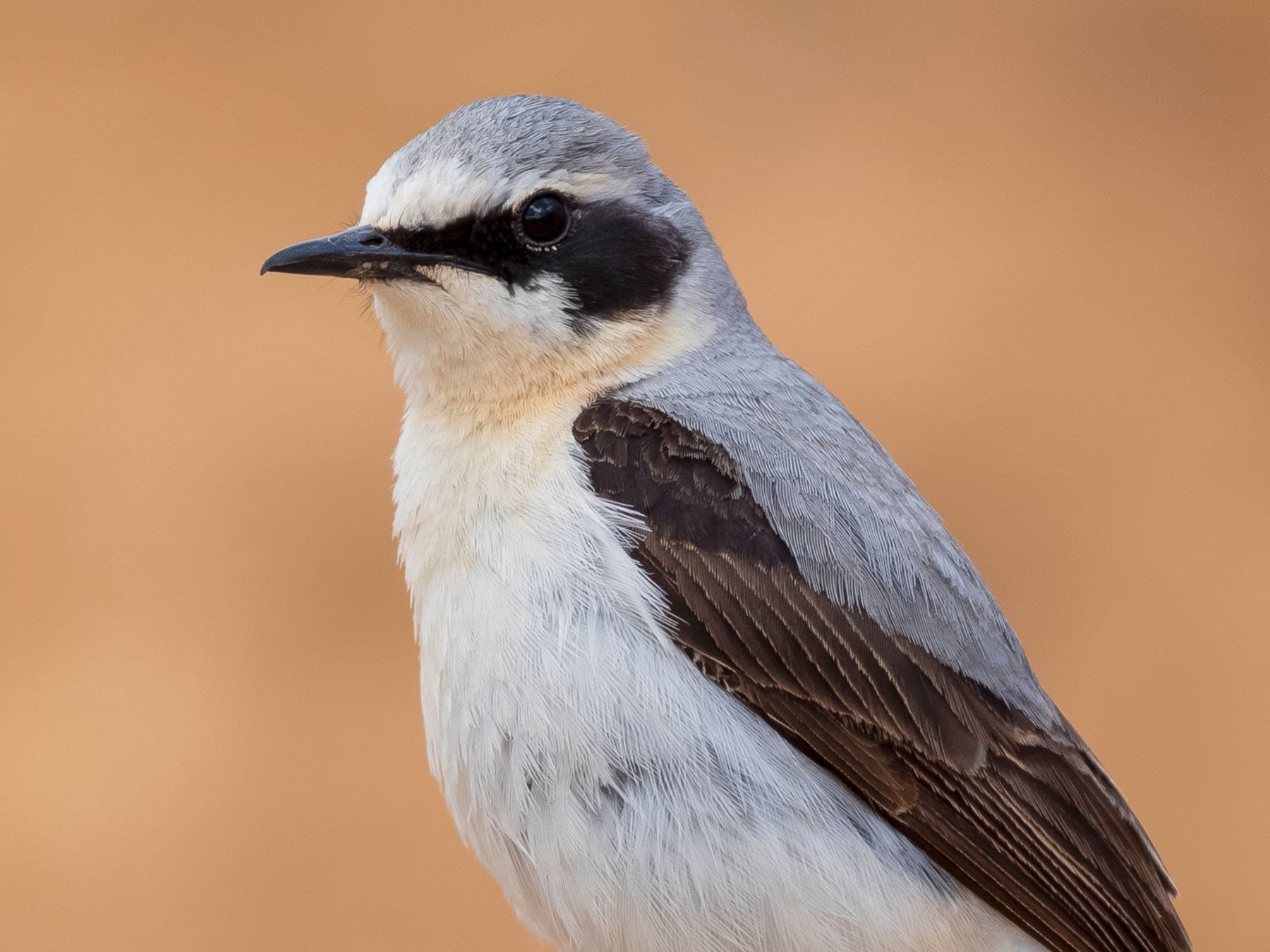 WheatearOenanthe oenanthePassage migrantUncommon15–16 cmRegularly Apr–Sep · 0.20% in Sep
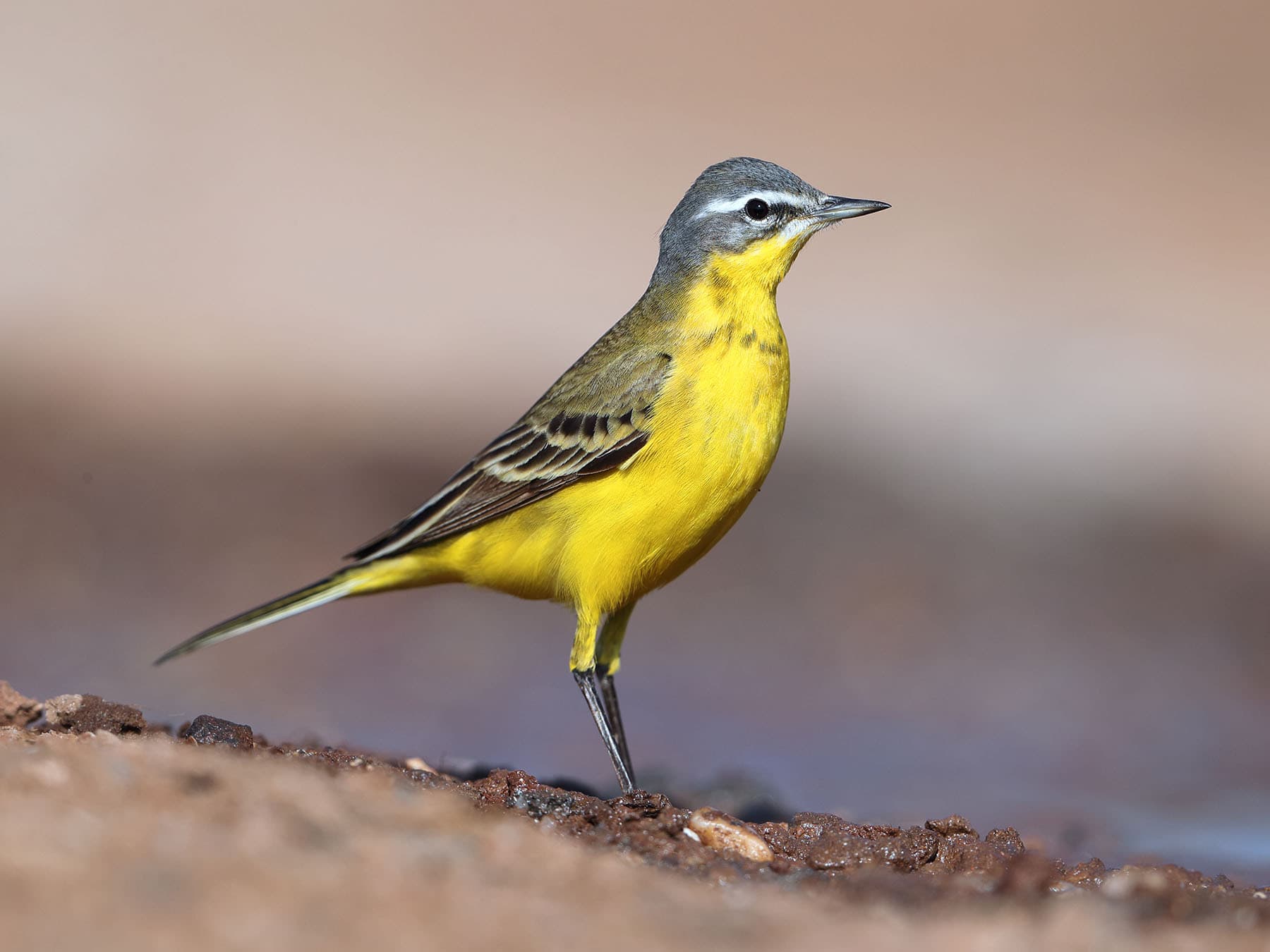 Yellow WagtailMotacilla flavaPassage migrantUncommon15–17 cmRegularly Apr–Sep · 0.20% in Sep
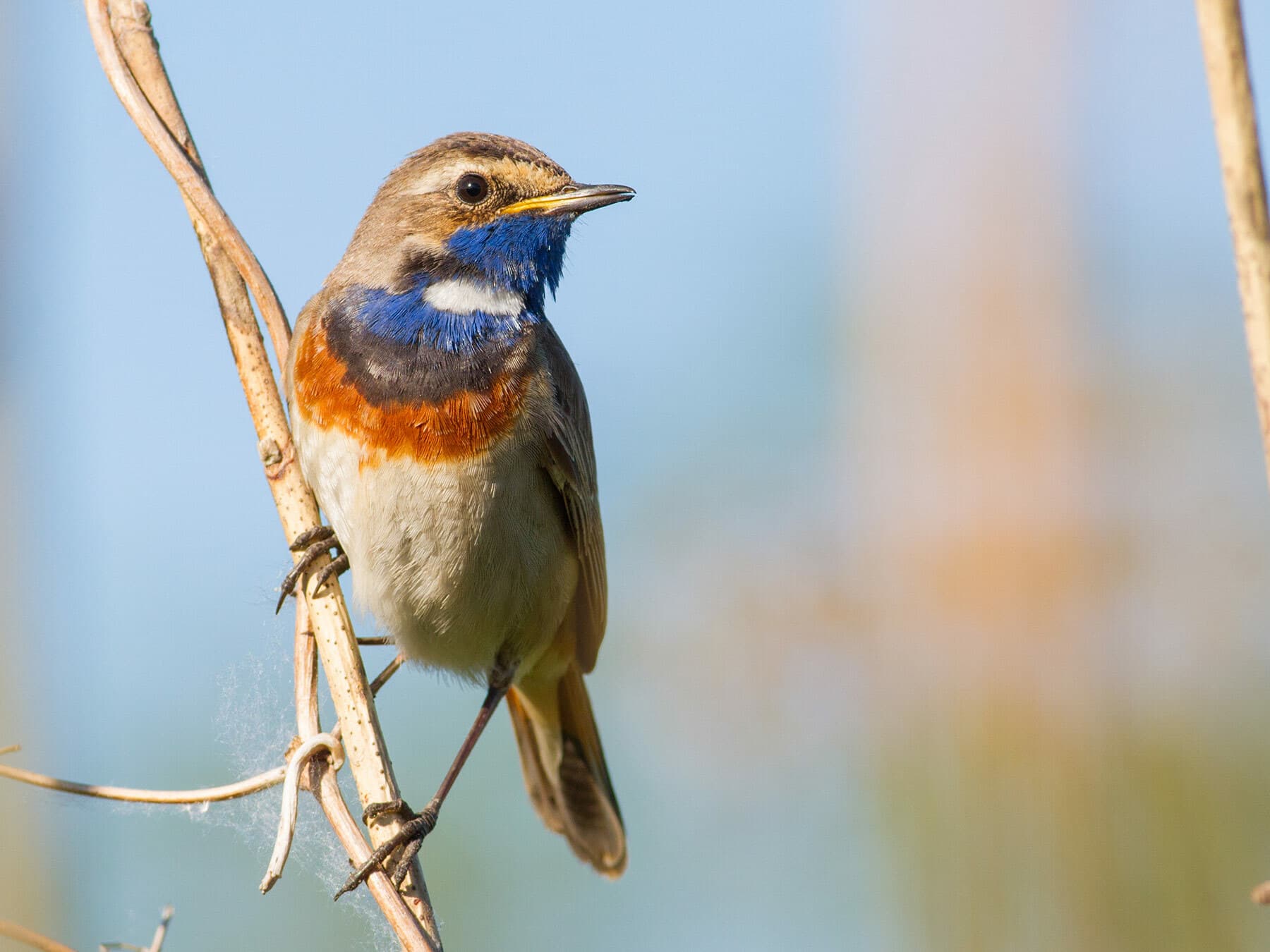 BluethroatLuscinia svecicaPassage migrantUncommon13–14 cmRegularly Aug–Sep · 0.16% in Sep
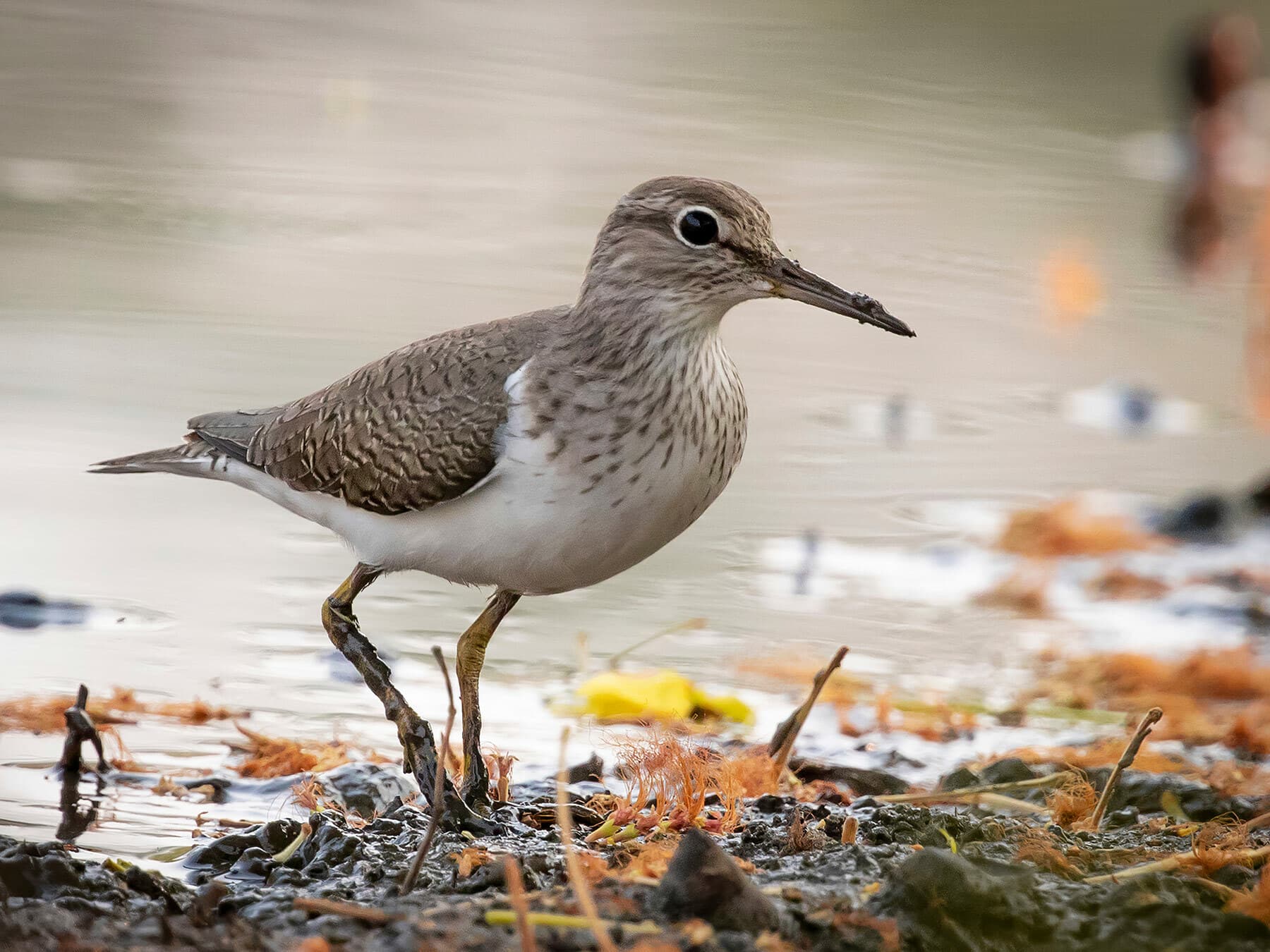 Common SandpiperActitis hypoleucosPassage migrantCommon18–20 cmRegularly Apr–Sep · 0.16% in Sep
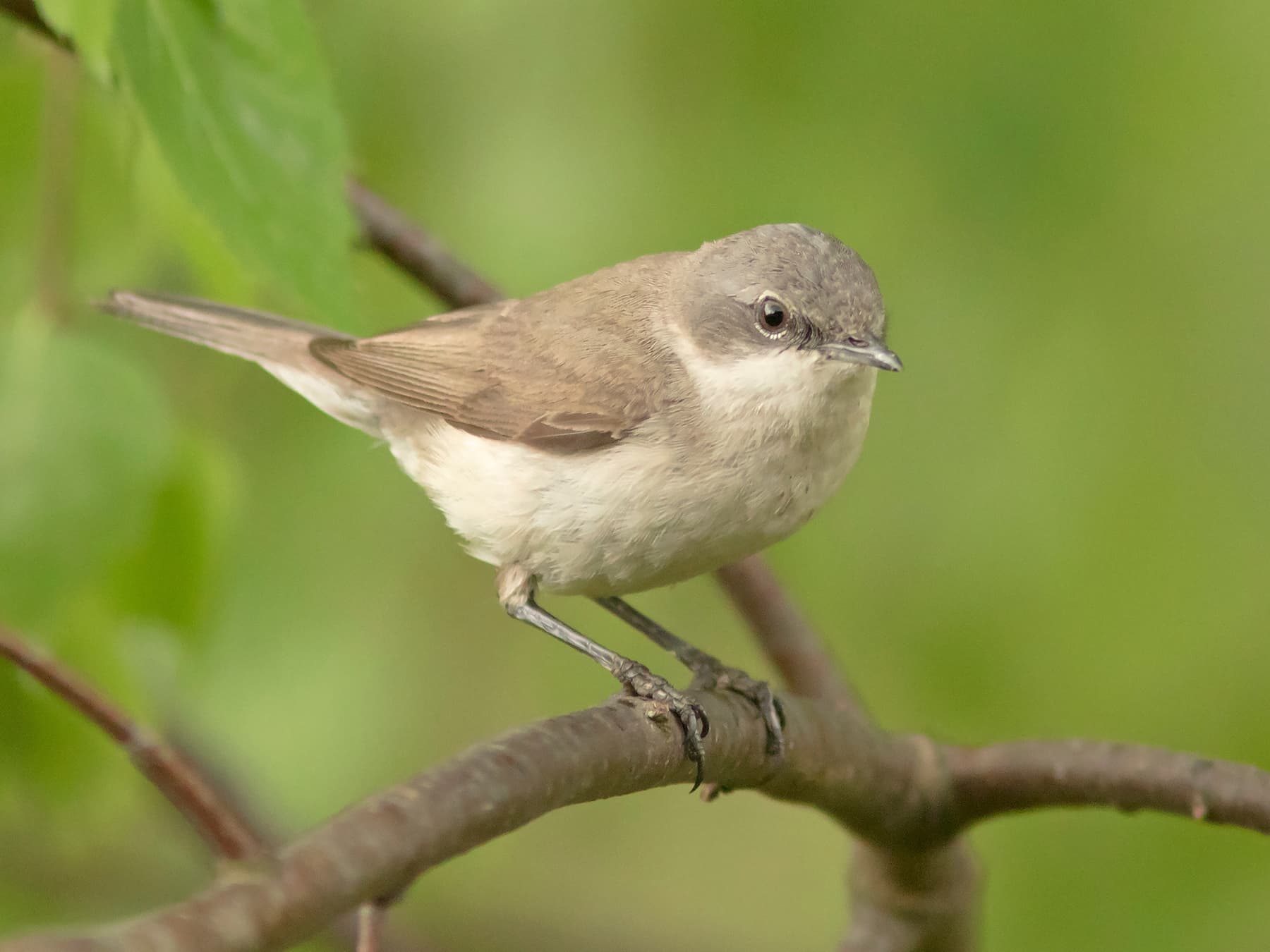 Lesser WhitethroatCurruca currucaPassage migrantCommon11–13 cmRegularly Apr–Sep · 0.16% in Sep
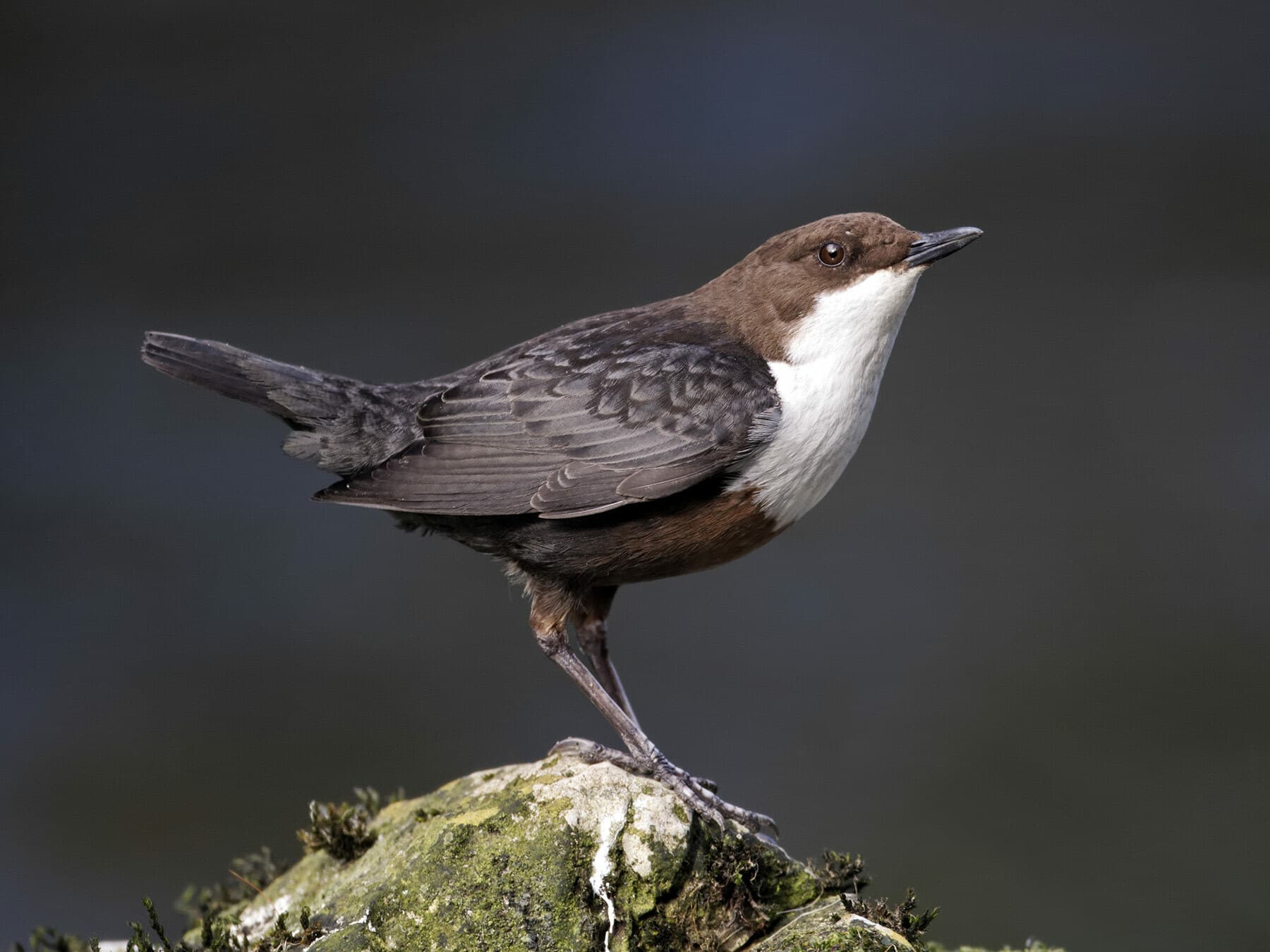 DipperCinclus cinclusPassage migrantUncommon17–20 cmRegularly Apr–Sep · 0.12% in Sep
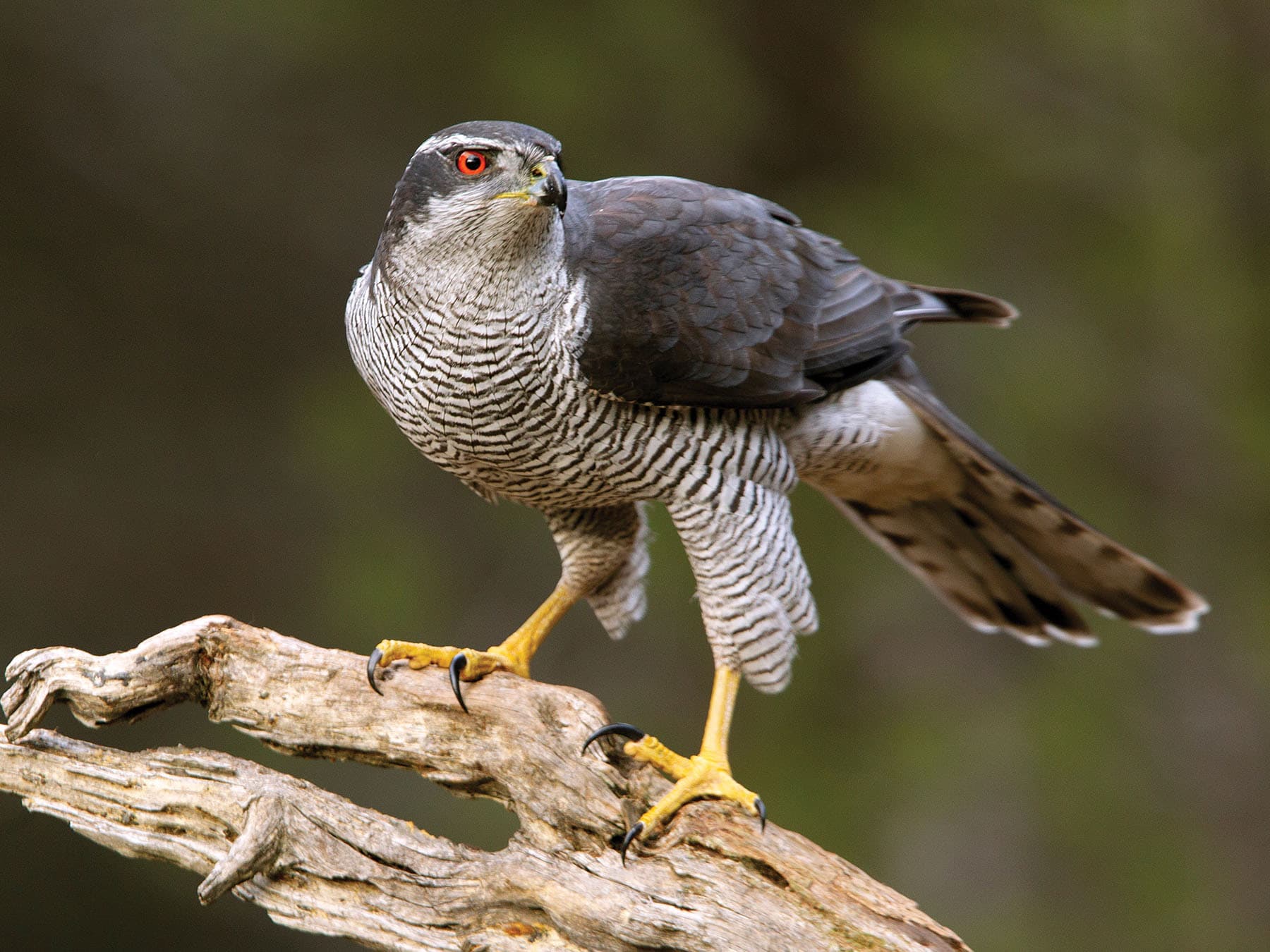 Northern GoshawkAstur gentilisPassage migrantUncommon46–61 cmRegularly Aug–May · 0.12% in Sep
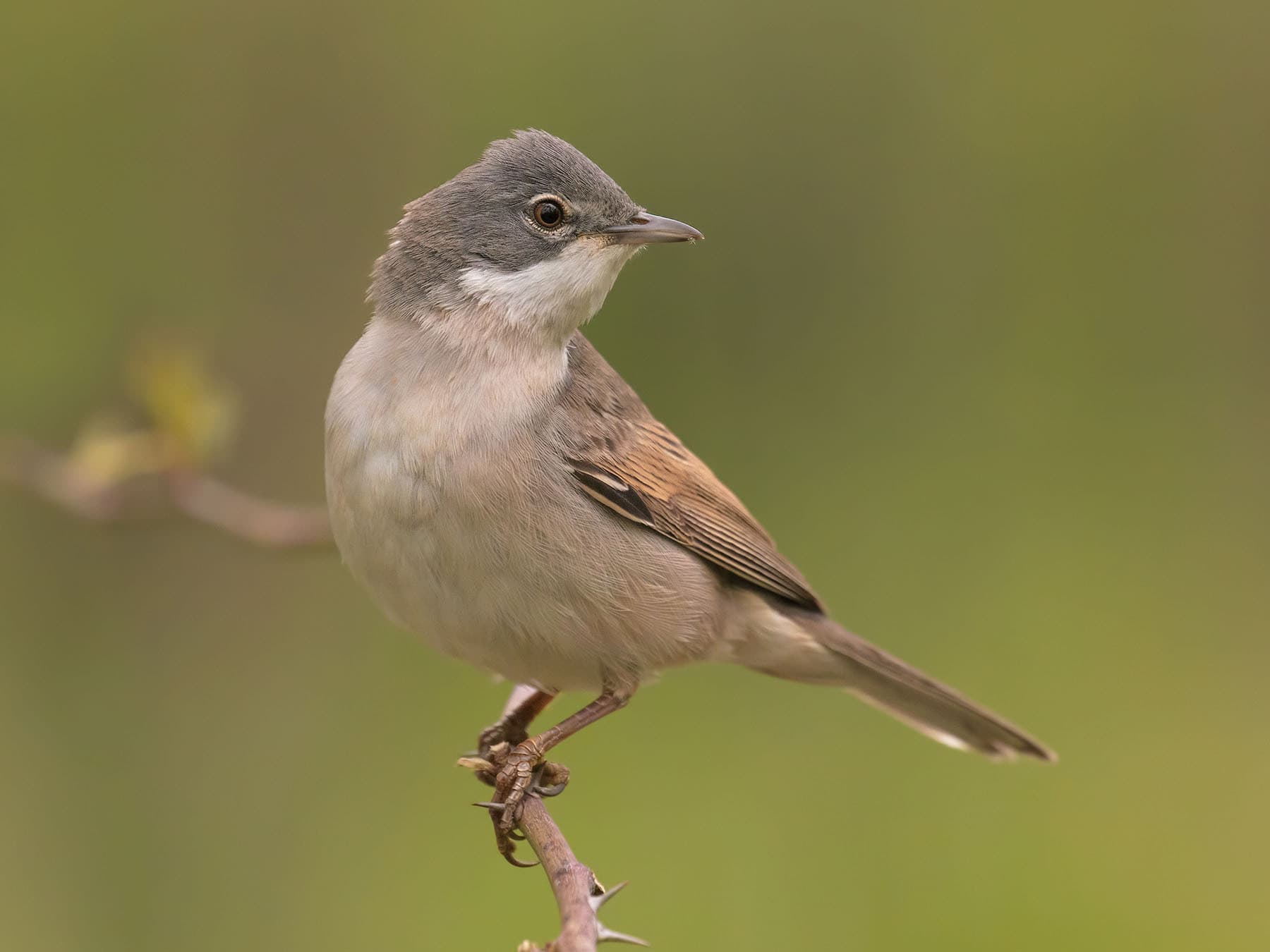 WhitethroatCurruca communisSummer visitorCommon13–15 cmRegularly Apr–Sep · 0.12% in Sep
Data: EOD – eBird Observation Dataset (Cornell Lab of Ornithology), accessed via GBIF.org, CC BY 4.0. Records from 2019–2024, aggregated and filtered by Birdfact. How these lists are made