


Birds in Cayman Islands
Our list for Cayman Islands has 94 bird species recorded regularly there: 20 residents, 3 summer visitors, 23 winter visitors, 35 passage migrants and 13 scarce visitors
The list comes from 266,000 birdwatchers' records from 2019–2024, shared through the eBird Observation Dataset on GBIF. A bird is listed when it was recorded in at least 3 of the 6 years and has a Birdfact species guide, so more species occur here than are listed; the months show when it is recorded most years.
- Species on our list
- 94
- In October
- 73
- Common
- 37
- Busiest month
- Oct
This month: October
GBIF · OctMost likely
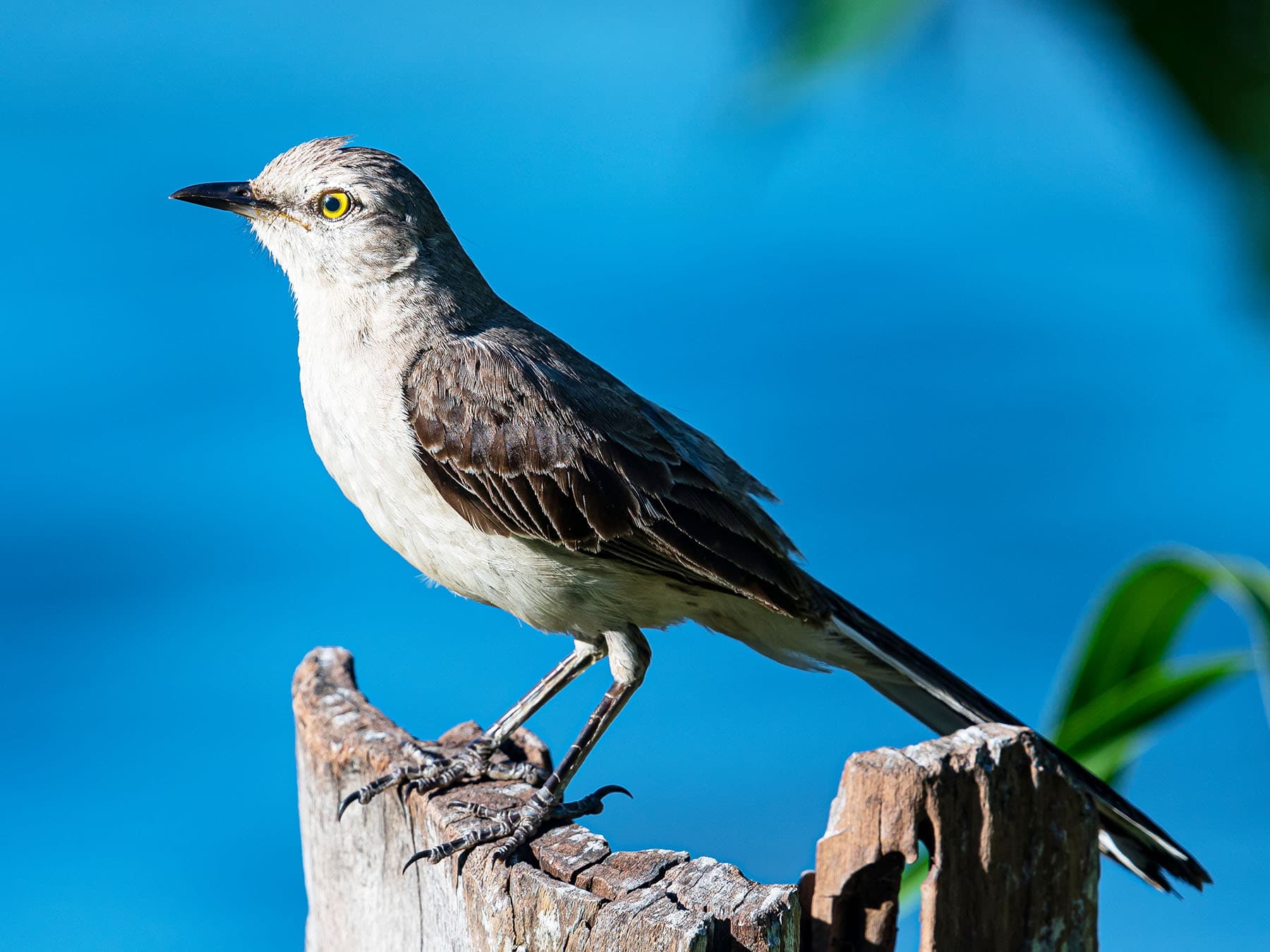
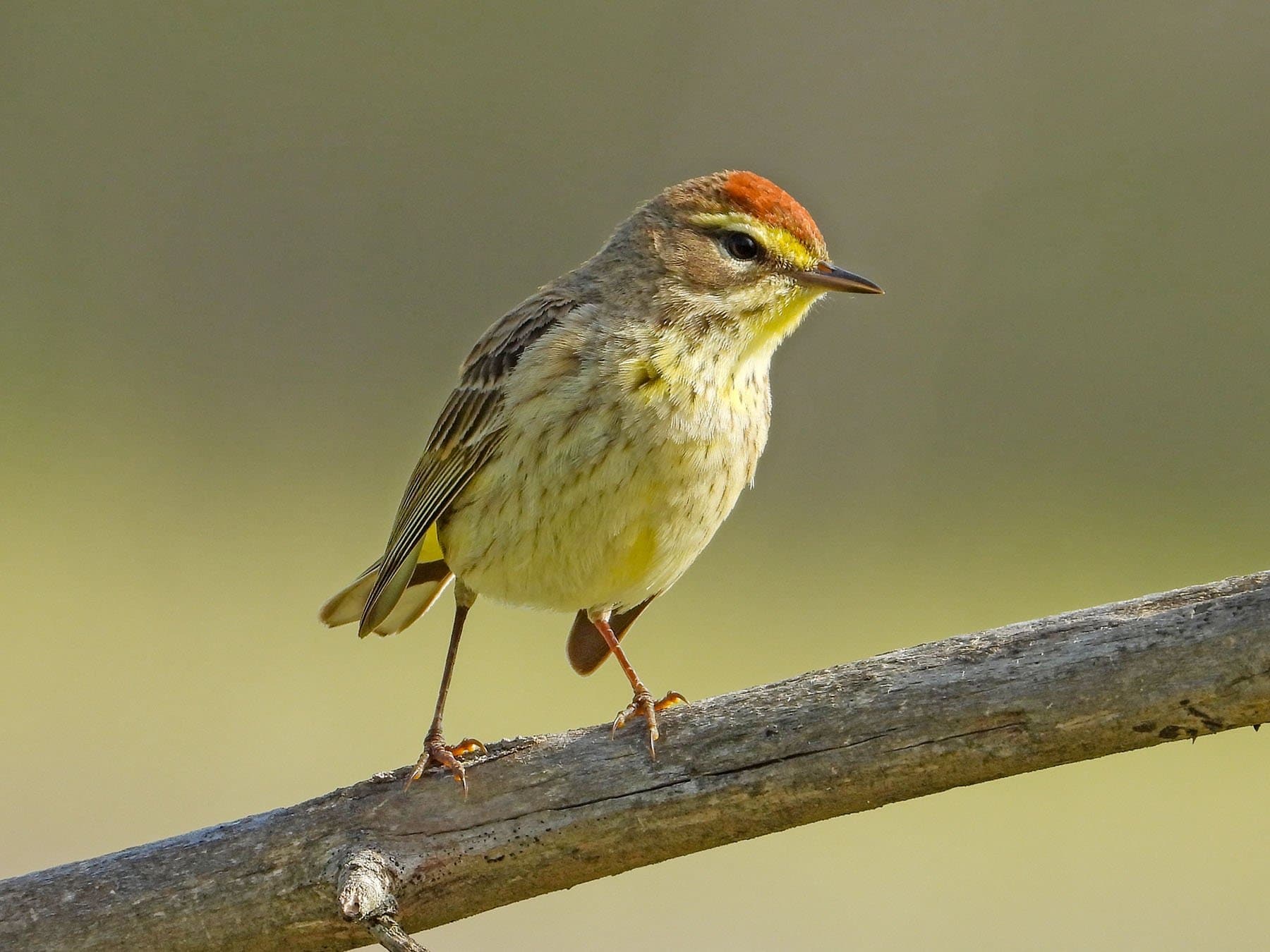
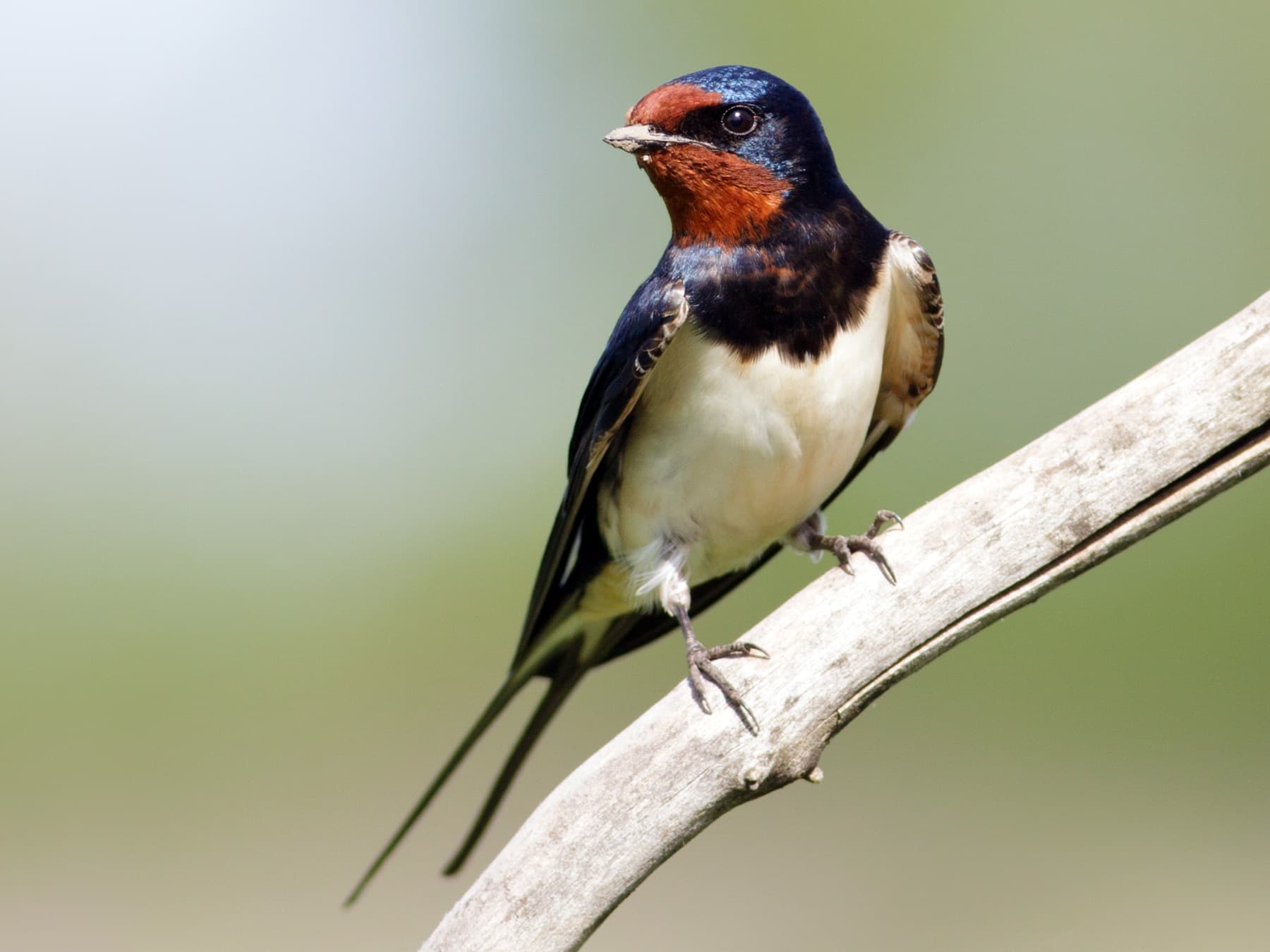
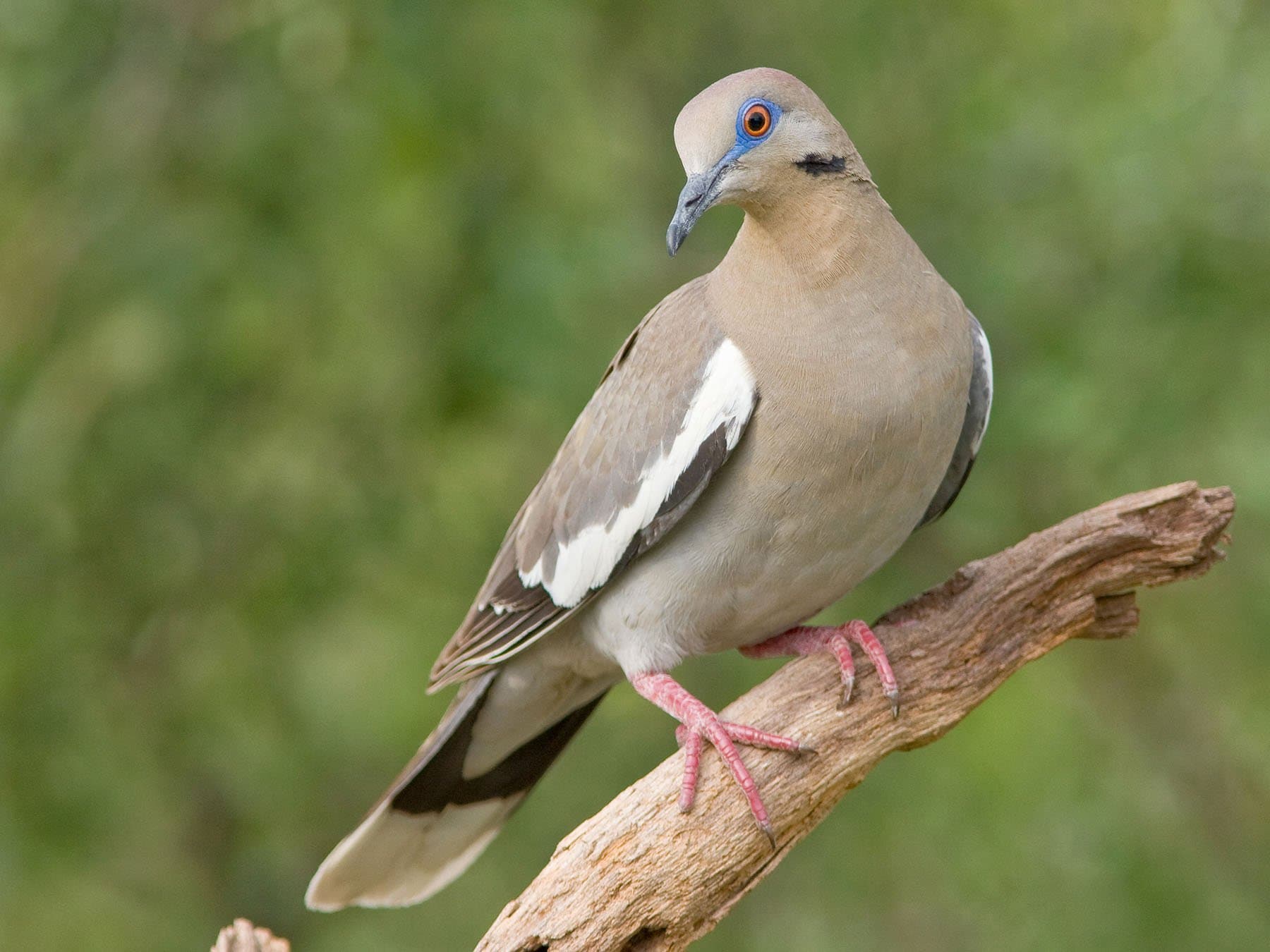
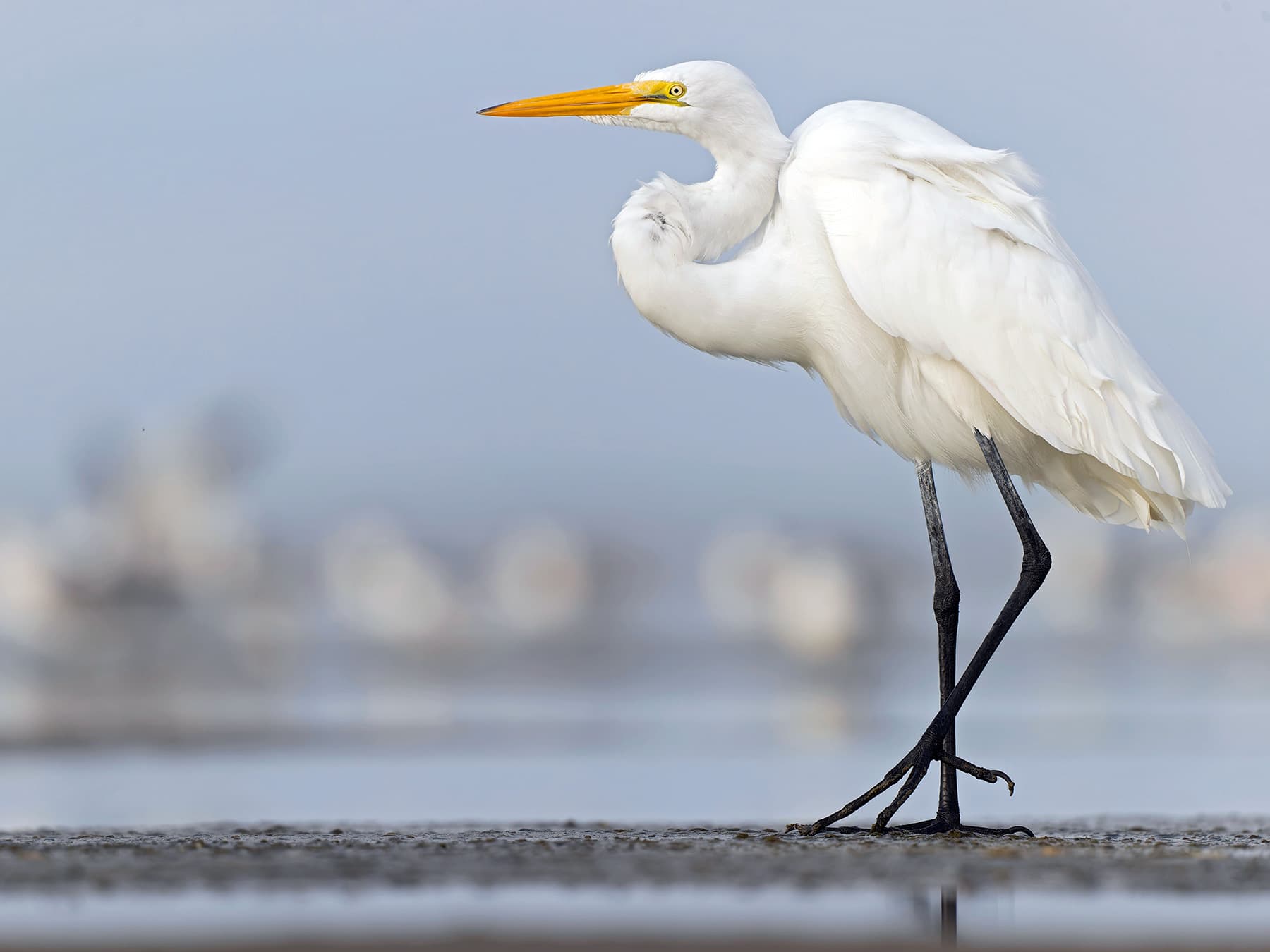
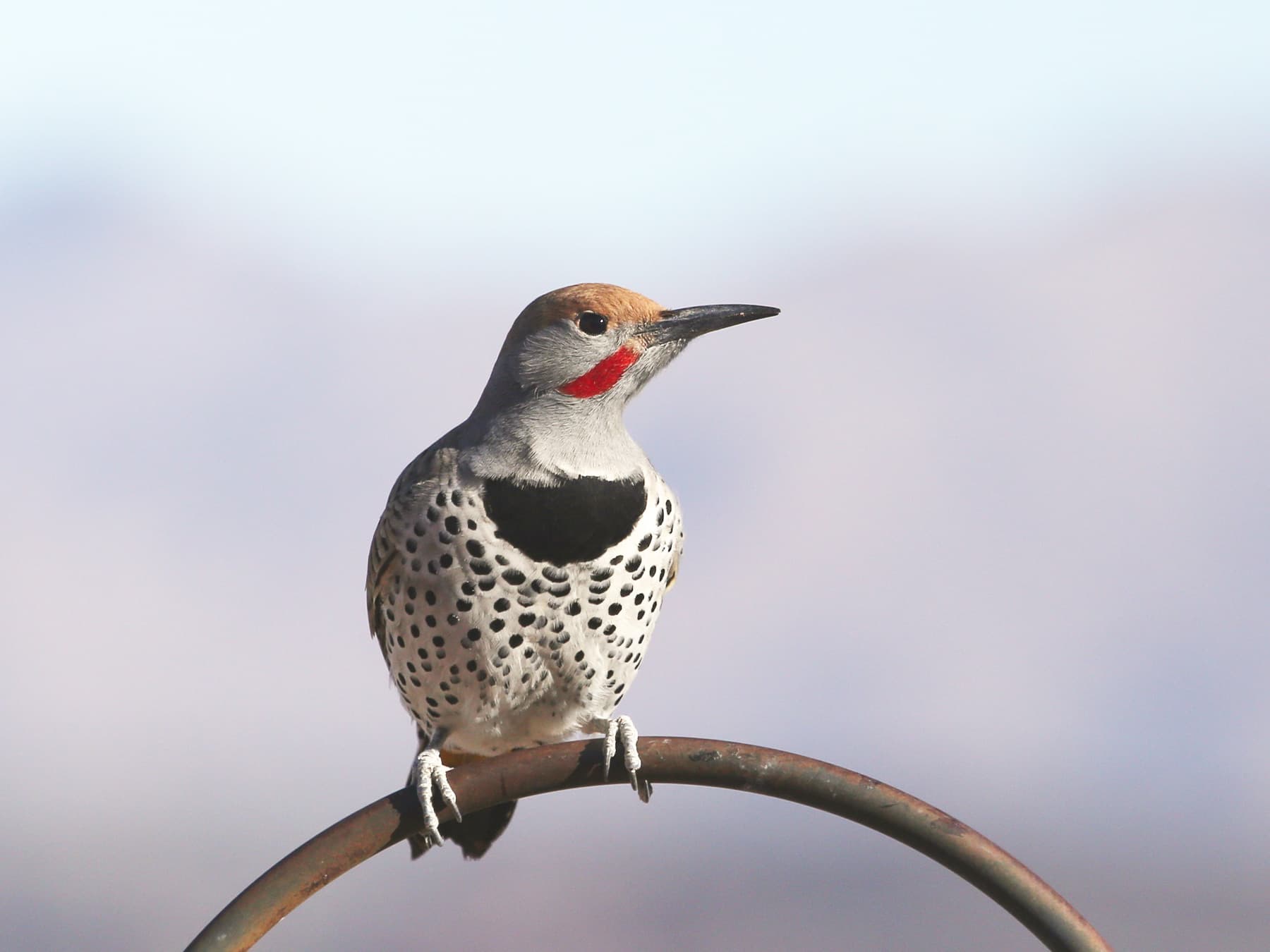
Arriving now
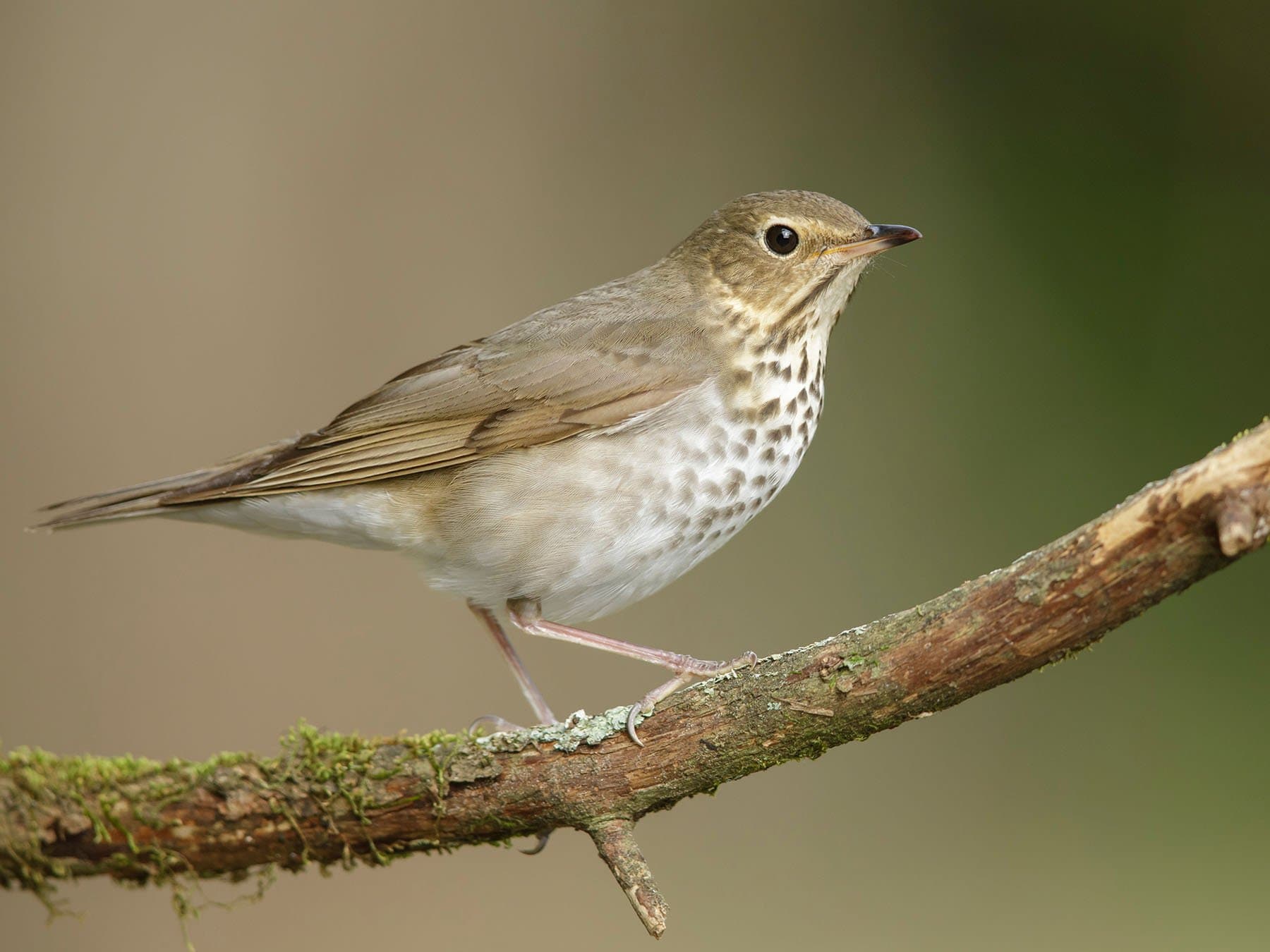 Swainson's ThrushPassage migrantSep 0.08% → Oct 0.62%
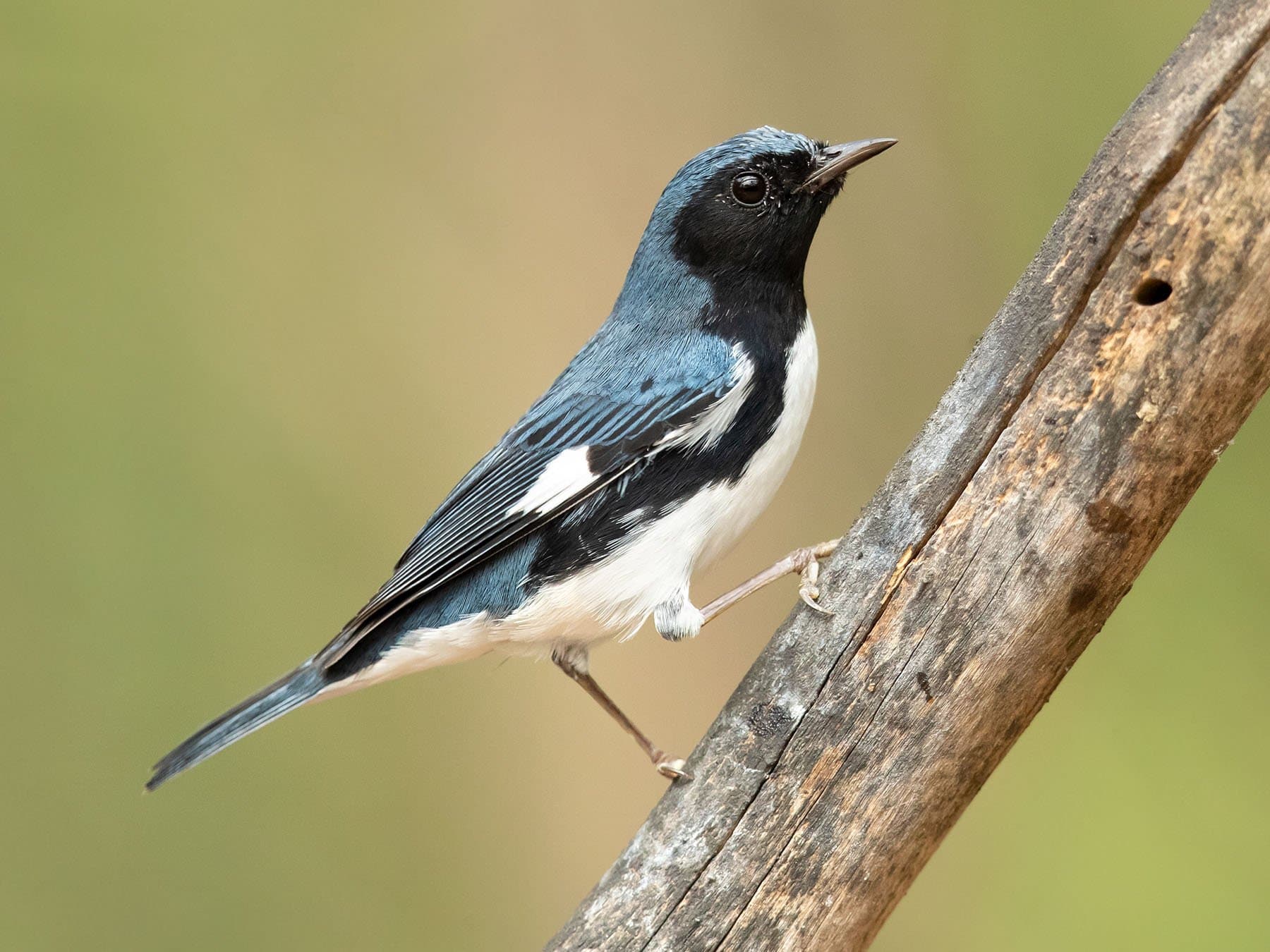 Black-throated Blue WarblerWinter visitorSep 0.03% → Oct 0.60%
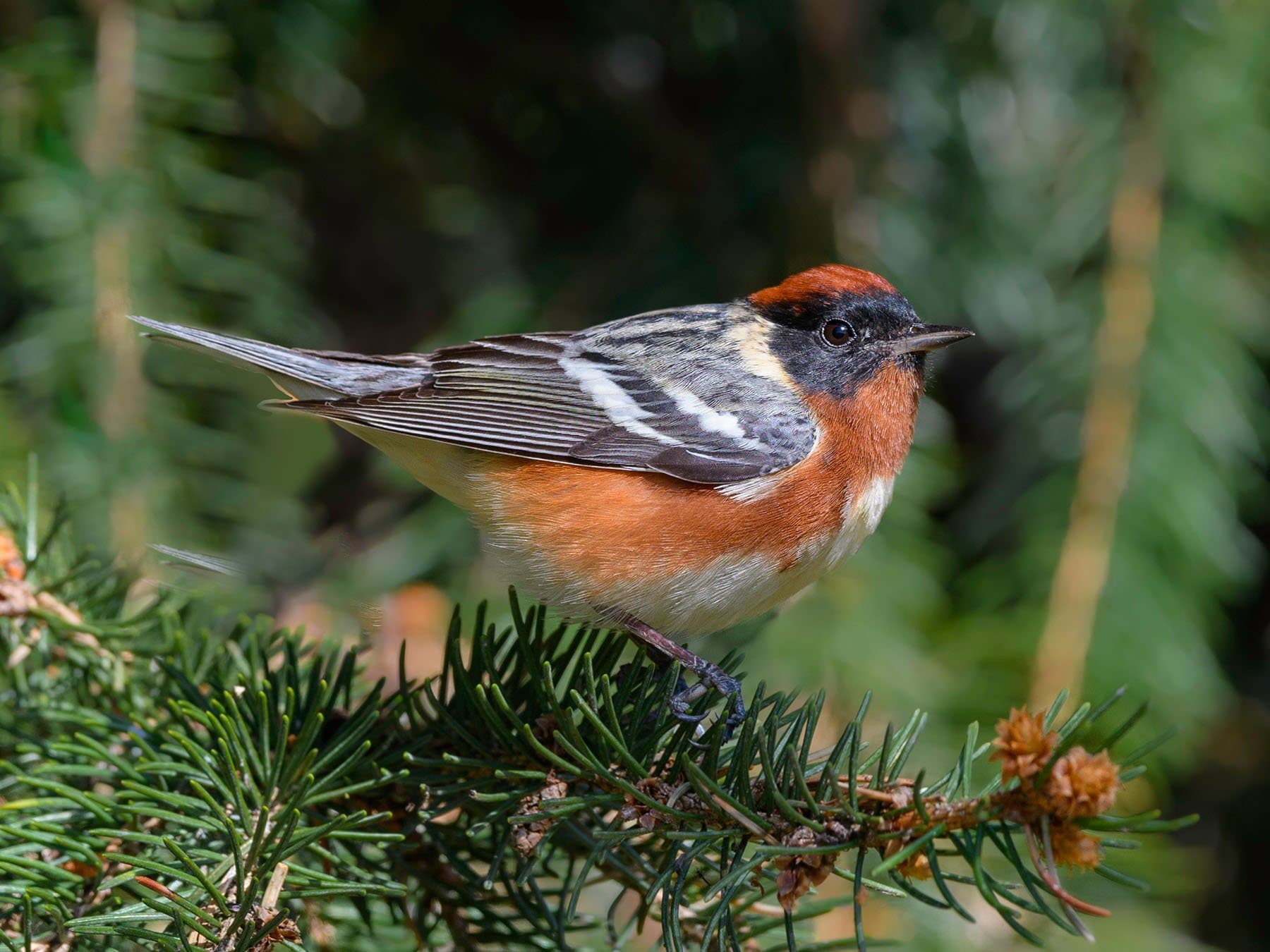 Bay-breasted WarblerPassage migrantSep 0.00% → Oct 0.41%
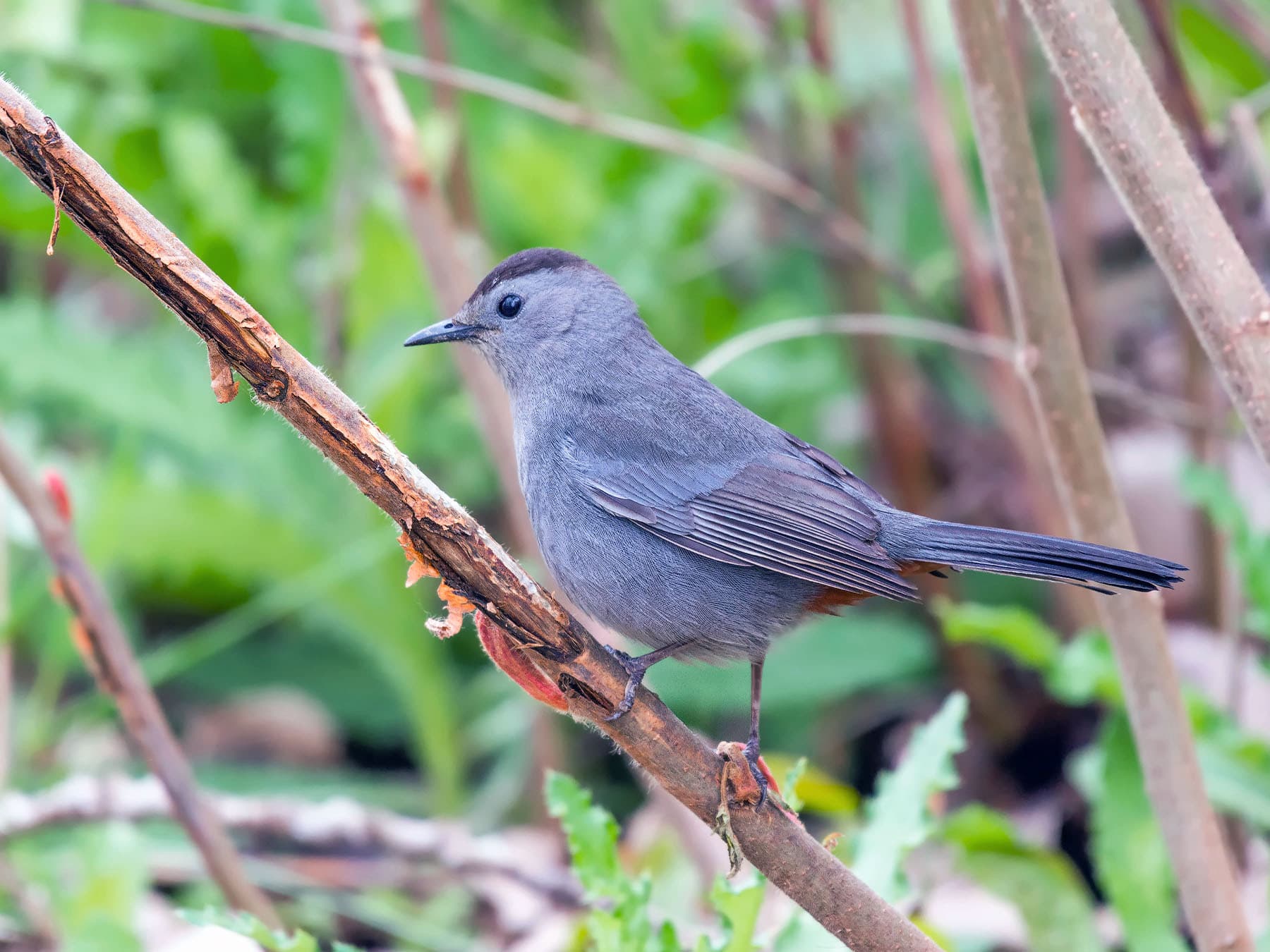 Gray CatbirdWinter visitorSep 0.00% → Oct 0.37%
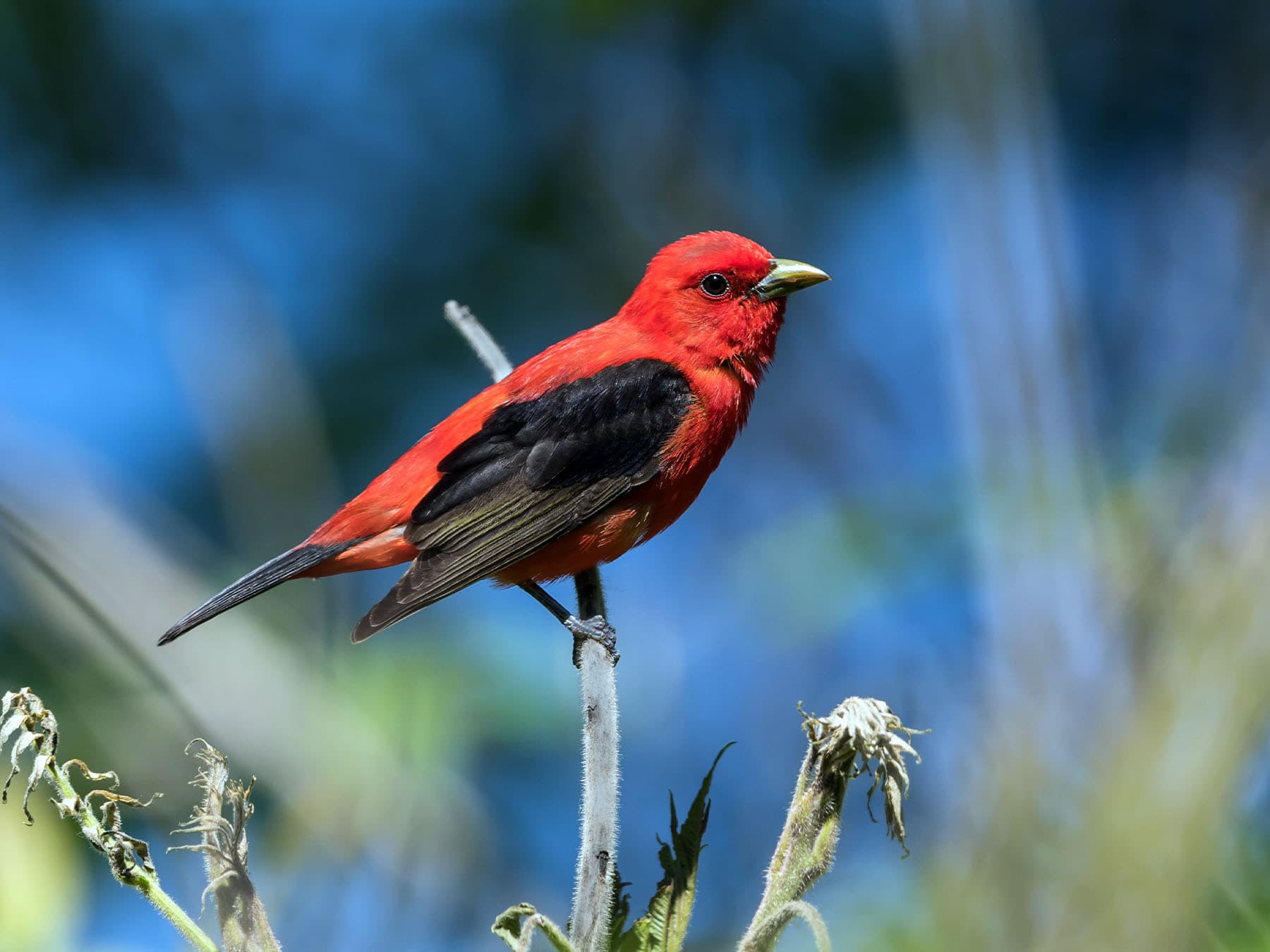 Scarlet TanagerPassage migrantSep 0.13% → Oct 0.35%
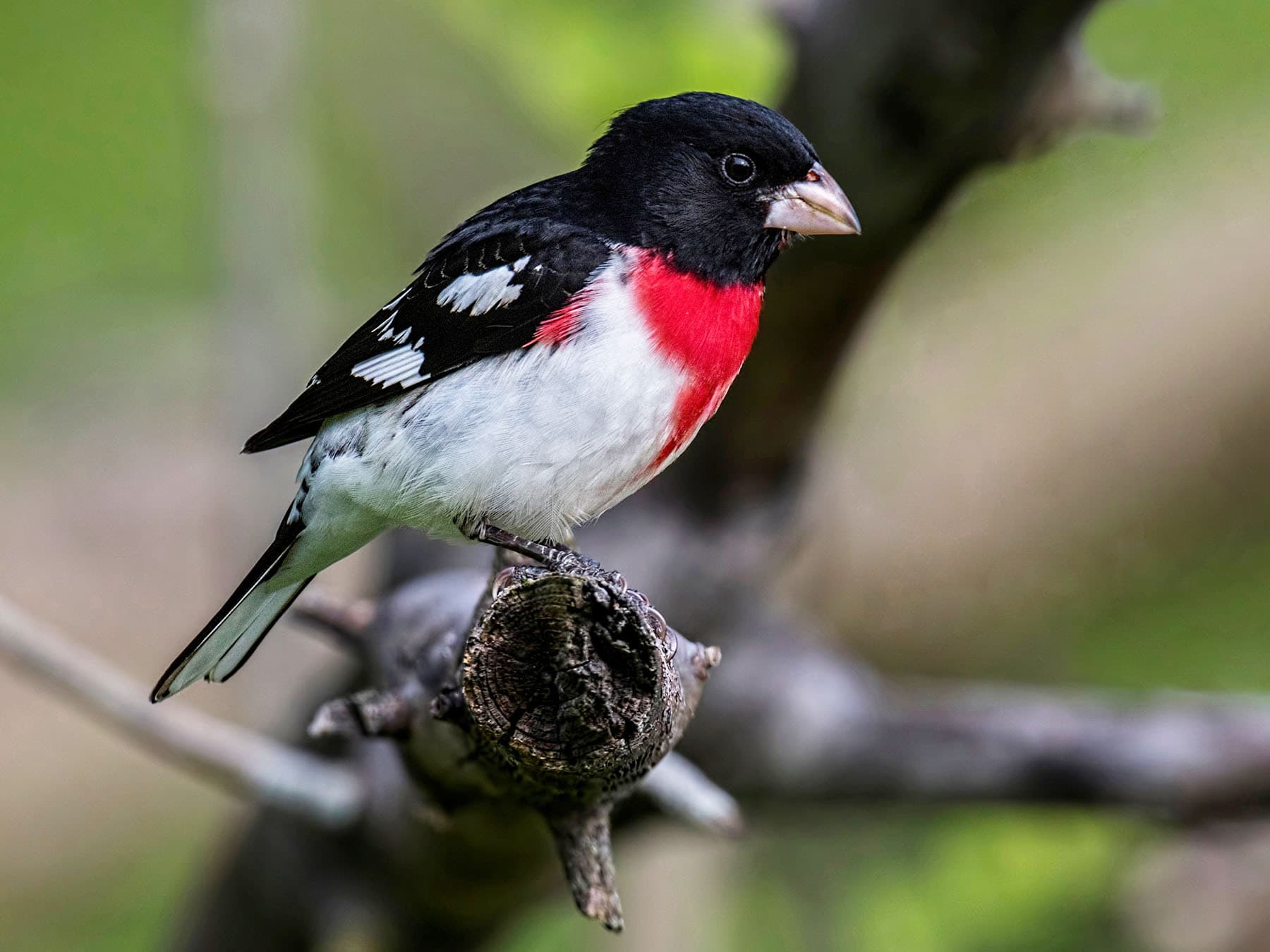 Rose-breasted GrosbeakPassage migrantSep 0.01% → Oct 0.33%
Share of all bird records in Cayman Islands in October, 2019–2024. “Arriving now” are the birds whose share rises most from last month. Each month links to that month’s page.
The bird calendar for Cayman Islands
Month by monthWhen each bird is around, through the year. The darker the square, the closer that month is to the bird’s busiest. Filter by summer or winter visitors to see the seasons turn over.
| Bird | Jan | Feb | Mar | Apr | May | Jun | Jul | Aug | Sep | Oct | Nov | Dec |
|---|---|---|---|---|---|---|---|---|---|---|---|---|
| Northern Mockingbird | ||||||||||||
| White-winged Dove | ||||||||||||
| Palm Warbler | ||||||||||||
| Barn Swallow | ||||||||||||
| Great White Egret | ||||||||||||
| Northern Flicker | ||||||||||||
| Greater Yellowlegs | ||||||||||||
| Least Sandpiper | ||||||||||||
| Semipalmated Plover | ||||||||||||
| Lesser Yellowlegs | ||||||||||||
| Pied-billed Grebe | ||||||||||||
| Northern Waterthrush | ||||||||||||
| American Redstart | ||||||||||||
| Ruddy Turnstone | ||||||||||||
| Cattle Egret | ||||||||||||
| Great Blue Heron | ||||||||||||
| Grey Plover | ||||||||||||
| Cape May Warbler | ||||||||||||
| Black-crowned Night-heron | ||||||||||||
| Short-billed Dowitcher | ||||||||||||
| Osprey | ||||||||||||
| Gray Catbird | ||||||||||||
| Willet | ||||||||||||
| Merlin | ||||||||||||
| Common Yellowthroat | ||||||||||||
| Black-throated Blue Warbler | ||||||||||||
| Glossy Ibis | ||||||||||||
| Ovenbird | ||||||||||||
| Sand Martin | ||||||||||||
| Yellow-rumped Warbler |
The year in Cayman Islands
Records by month| January | 25,370 |
|---|---|
| February | 24,257 |
| March | 25,248 |
| April | 23,469 |
| May | 22,147 |
| June | 12,344 |
| July | 13,869 |
| August | 17,297 |
| September | 22,373 |
| October | 31,047 |
| November | 21,296 |
| December | 27,417 |
October has the most records (31,000). Records follow birdwatchers as well as birds: a busy month means more people out looking, as well as more birds passing through.
By family
12 of 17- Sandpipers & Snipes19
- New World Warblers16
- Gulls & Terns8
- Ducks, Geese & Swans5
- Herons & Egrets5
- Tyrant Flycatchers4
- Cardinals & Grosbeaks3
- Pigeons & Doves3
- Plovers & Lapwings3
- Swallows & Martins3
- Thrushes3
- Falcons2
All 17 families in Cayman Islands
How common
All 94 birds, A to Z
- American Avocet
- American Bittern
- American Golden-Plover
- American Herring Gull
- American Redstart
- Baltimore Oriole
- Barn Swallow
- Bay-breasted Warbler
- Black Tern
- Black-billed Cuckoo
- Black-crowned Night-heron
- Black-throated Blue Warbler
- Black-throated Green Warbler
- Blackpoll Warbler
- Blue-headed Vireo
- Bobolink
- Buff-breasted Sandpiper
- Cape May Warbler
- Cattle Egret
- Chestnut-sided Warbler
- Common Tern
- Common Yellowthroat
- Dickcissel
- Eurasian Collared Dove
Show all 94 birds
- Eurasian Teal
- Forster's Tern
- Franklin's Gull
- Glossy Ibis
- Gray Catbird
- Gray-cheeked Thrush
- Great Blue Heron
- Great Crested Flycatcher
- Great White Egret
- Greater Yellowlegs
- Grey Plover
- Gull-billed Tern
- House Sparrow
- Indian Peafowl
- Least Flycatcher
- Least Sandpiper
- Lesser Yellowlegs
- Long-billed Dowitcher
- Magnolia Warbler
- Mallard
- Merlin
- Monk Parakeet
- Nashville Warbler
- Northern Flicker
- Northern Mockingbird
- Northern Pintail
- Northern Shoveler
- Northern Waterthrush
- Osprey
- Ovenbird
- Palm Warbler
- Pectoral Sandpiper
- Peregrine Falcon
- Philadelphia Vireo
- Pied-billed Grebe
- Prothonotary Warbler
- Purple Martin
- Red Junglefowl
- Red Knot
- Red-breasted Merganser
- Ring-billed Gull
- Rock Dove
- Rose-breasted Grosbeak
- Ruddy Turnstone
- Sand Martin
- Sanderling
- Sandwich Tern
- Scaly-breasted Munia
- Scarlet Tanager
- Scissor-tailed Flycatcher
- Semipalmated Plover
- Semipalmated Sandpiper
- Short-billed Dowitcher
- Short-eared Owl
- Solitary Sandpiper
- Stilt Sandpiper
- Swainson's Thrush
- Tennessee Warbler
- Turkey Vulture
- Upland Sandpiper
- Veery
- Western Sandpiper
- Whimbrel
- White-rumped Sandpiper
- White-winged Dove
- Willet
- Wilson's Phalarope
- Yellow-bellied Flycatcher
- Yellow-bellied Sapsucker
- Yellow-rumped Warbler
Questions
3How many birds are on Birdfact's list for Cayman Islands?
94 species, each recorded regularly in Cayman Islands (in at least 3 of the 6 years 2019–2024): 20 residents, 3 summer visitors, 23 winter visitors, 35 passage migrants and 13 scarce visitors. The list includes only birds with a Birdfact species guide, so more species occur in Cayman Islands, and rarer vagrants are not listed.
What birds can I see in Cayman Islands in October?
73 species on our list for Cayman Islands are recorded regularly in October. Of these, the most often recorded are Northern Mockingbird, Palm Warbler, Barn Swallow, White-winged Dove and Great White Egret.
What are the most common birds in Cayman Islands?
Of the birds on our list, the ones birdwatchers record most often in Cayman Islands are Northern Mockingbird, White-winged Dove, Palm Warbler, Barn Swallow and Least Sandpiper.
Data: EOD – eBird Observation Dataset (Cornell Lab of Ornithology), accessed via GBIF.org, CC BY 4.0. Records from 2019–2024, aggregated and filtered by Birdfact. How these lists are made