


Birds to See in Cayman Islands in January
50 bird species on our list for Cayman Islands are recorded regularly in January
Of these, the most often recorded are Northern Mockingbird, Palm Warbler, Great White Egret, White-winged Dove and Northern Flicker. New this month: Semipalmated Sandpiper, Mallard and Indian Peafowl.
On the move in January
GBIF · JanArriving
At their peak
From Cayman Islands’s bird records, 2019–2024: arriving birds are regular this month but not last; leaving birds are regular this month but not next.
Other months
All 50 birds in January
50 birds
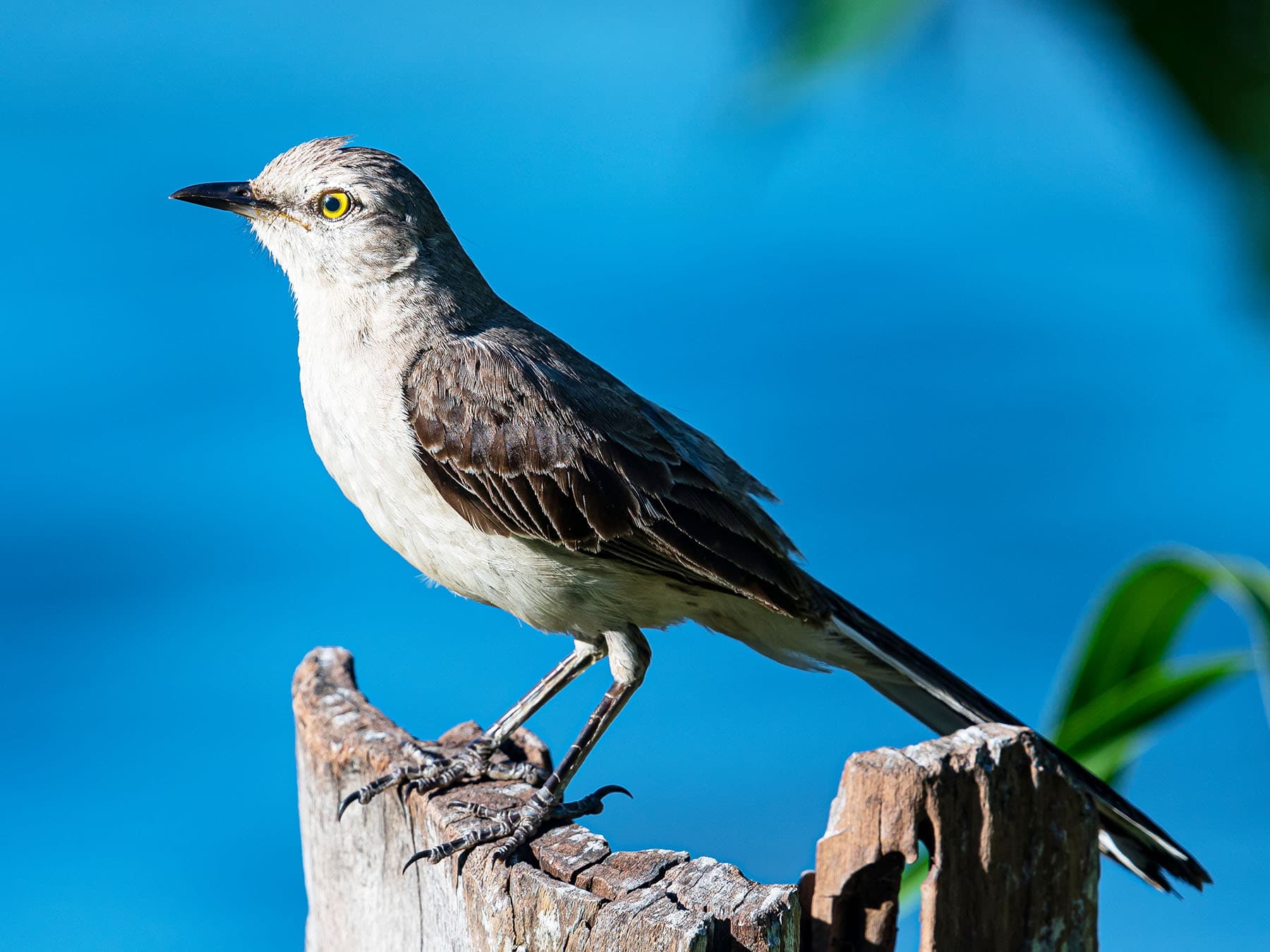 Northern MockingbirdMimus polyglottosResidentCommon21–26 cmRecorded all year · 4.40% in Jan
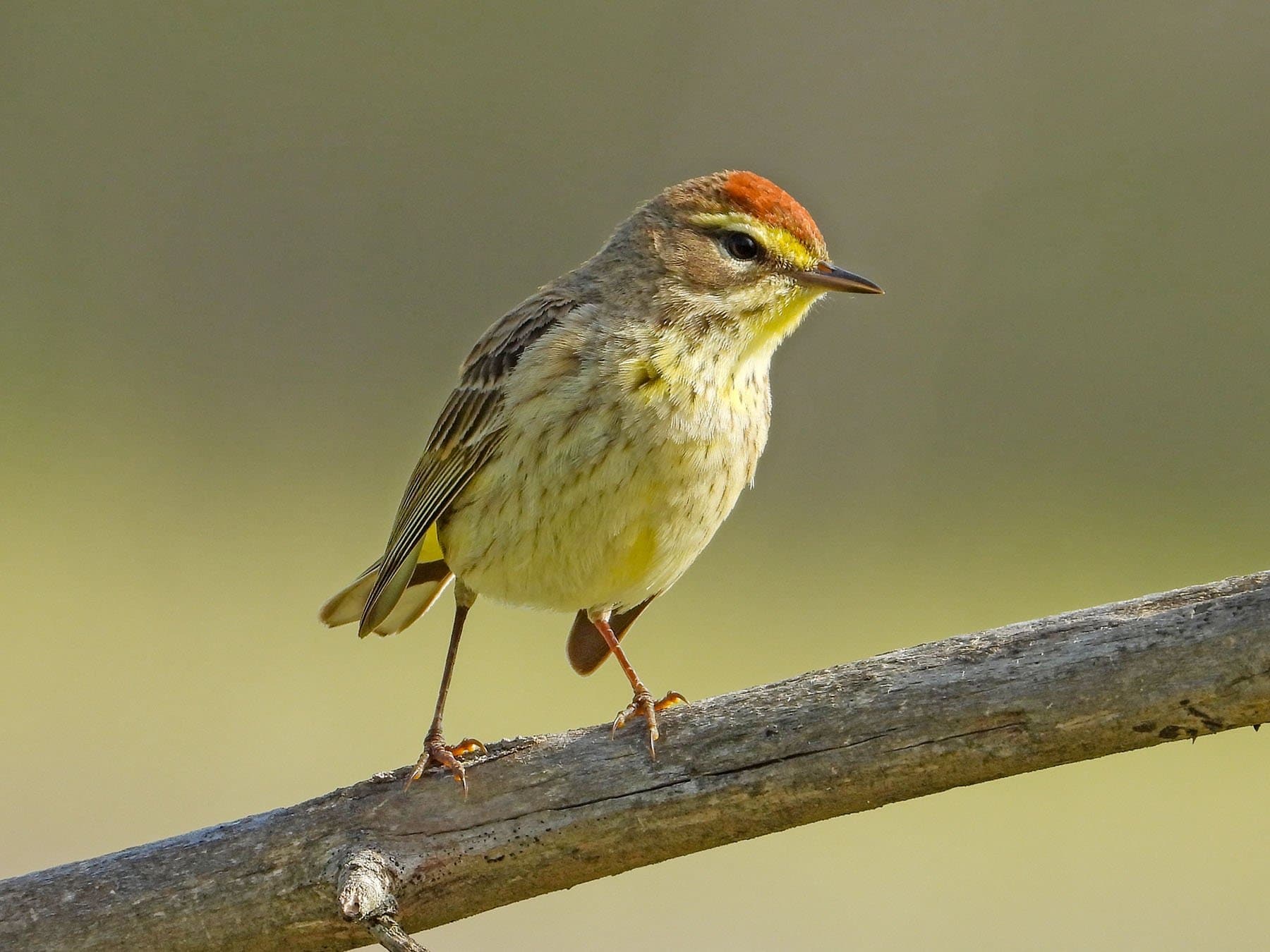 Palm WarblerSetophaga palmarumWinter visitorCommon12–14 cmRegularly Sep–Apr · 3.52% in Jan
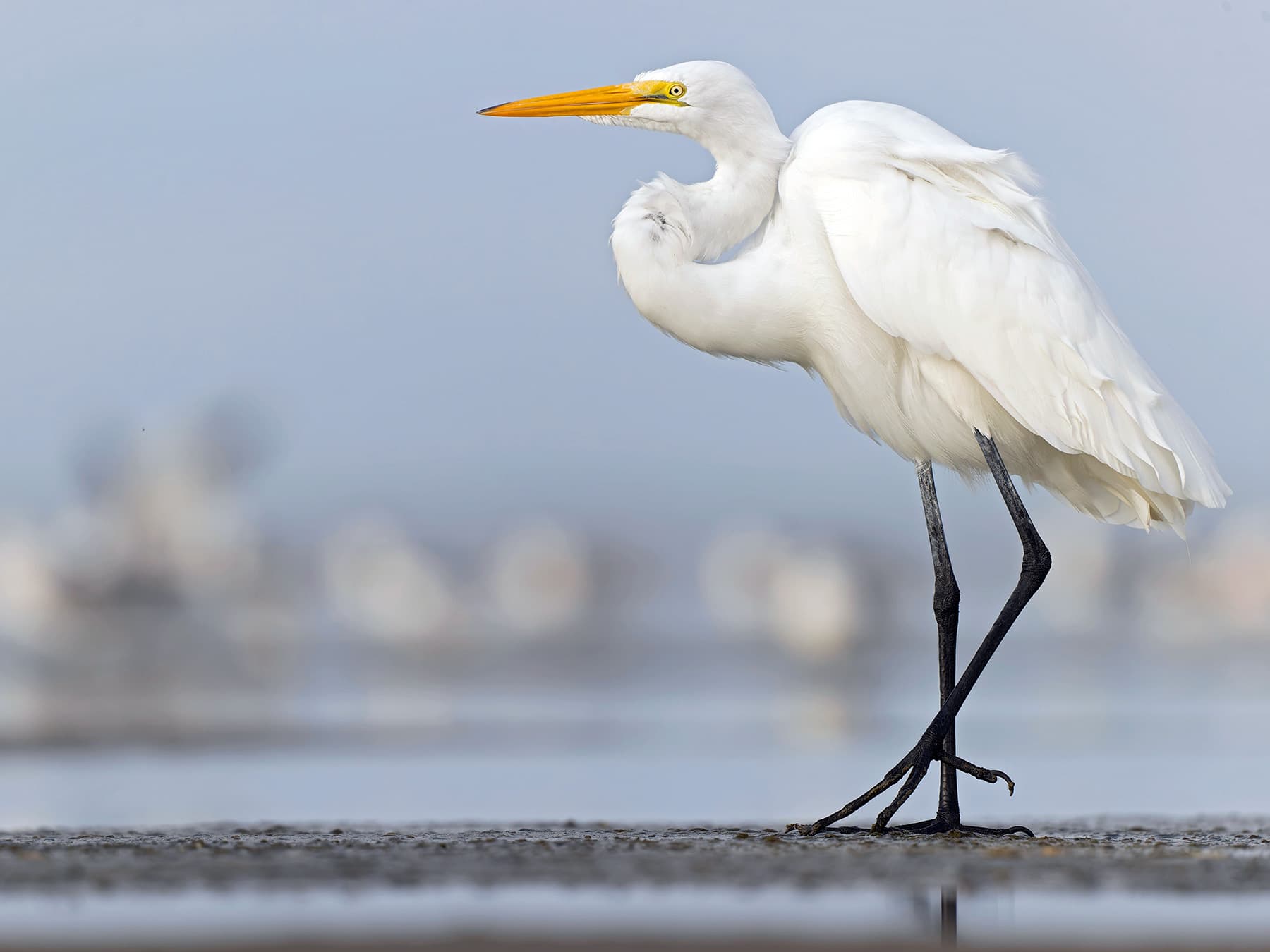 Great White EgretArdea albaResidentCommon80–104 cmRecorded all year · 2.00% in Jan
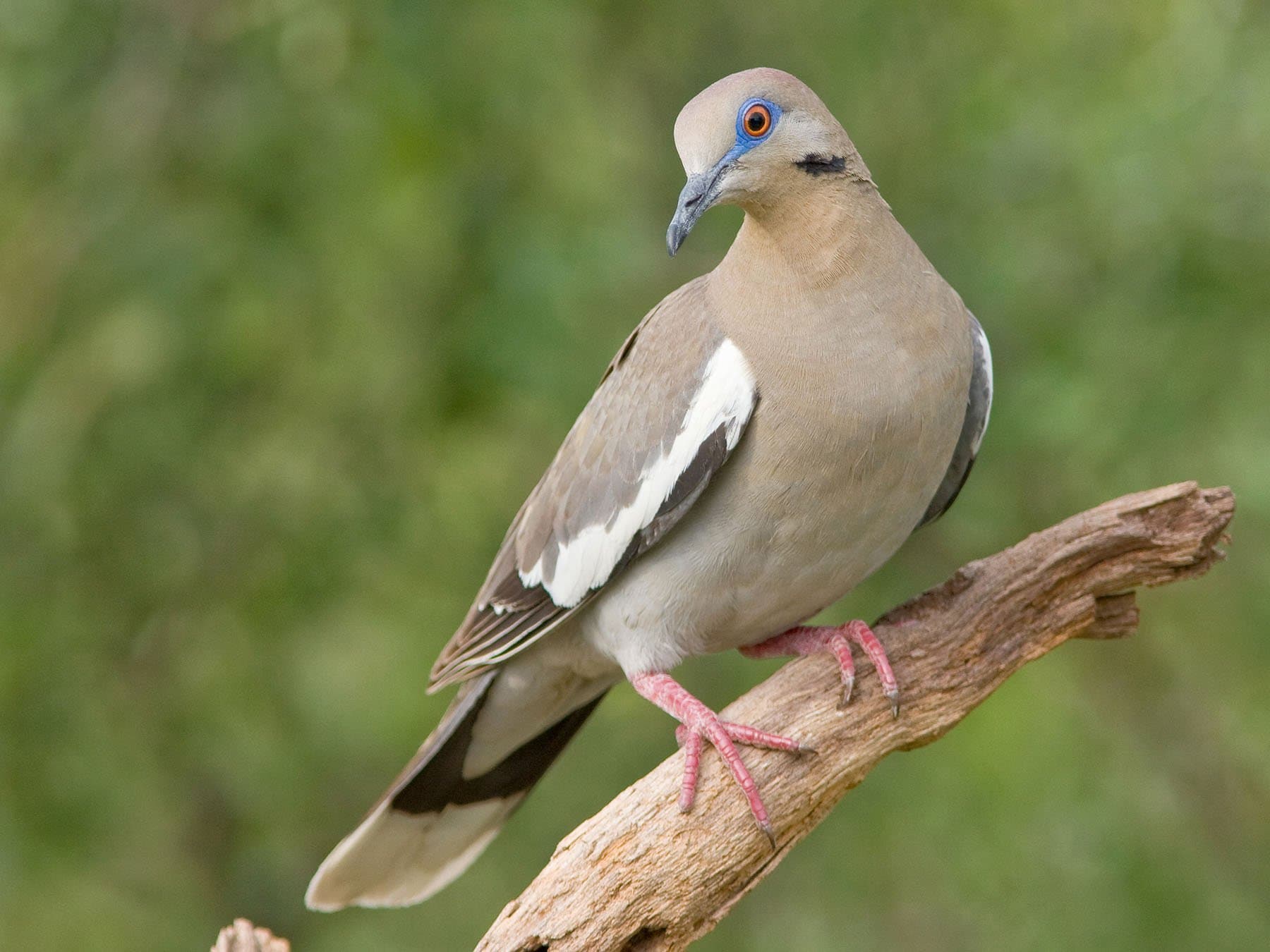 White-winged DoveZenaida asiaticaResidentCommon27–30 cmRecorded all year · 1.98% in Jan
 Northern FlickerColaptes auratusResidentCommon28–31 cmRecorded all year · 1.53% in Jan
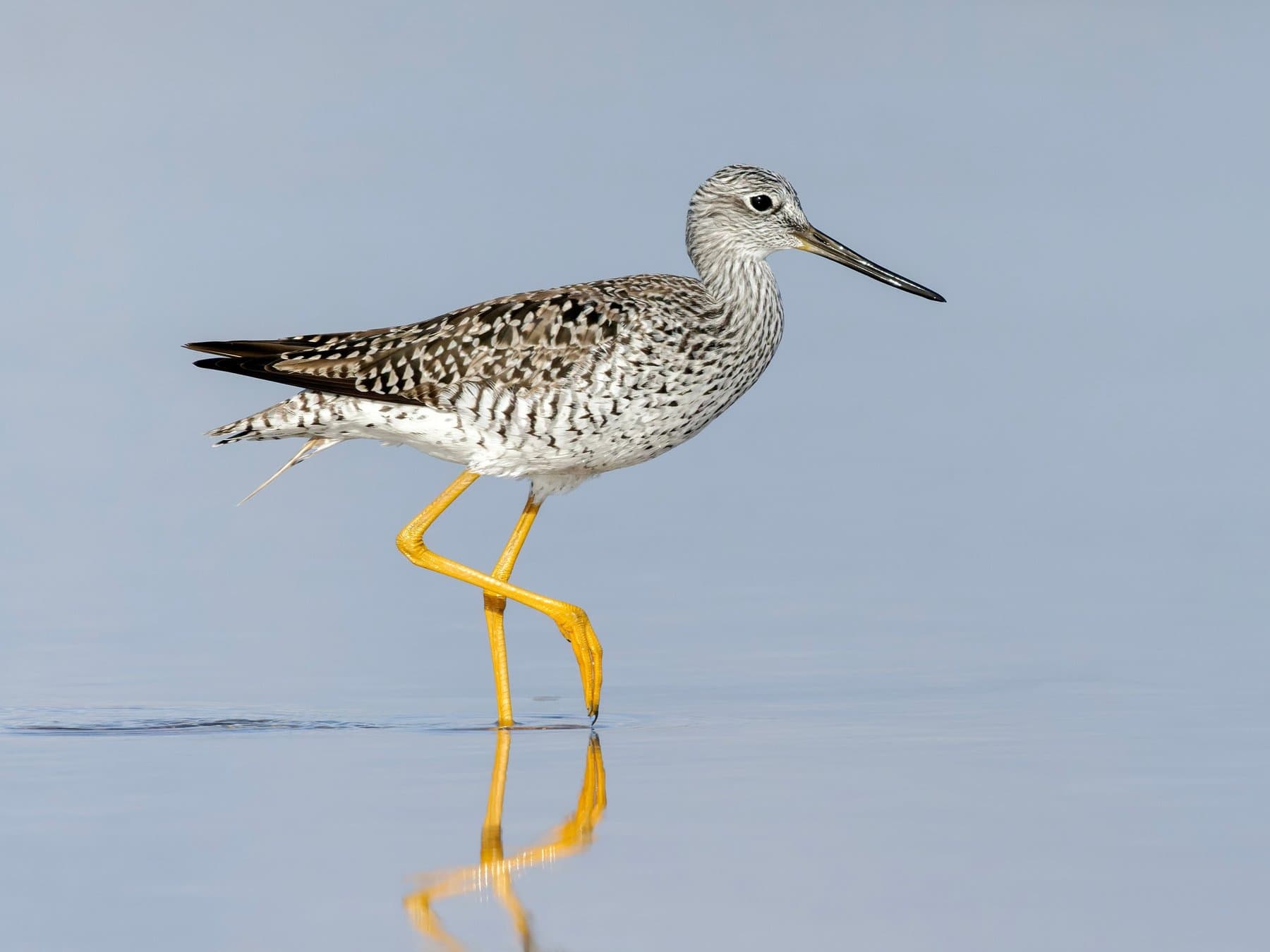 Greater YellowlegsTringa melanoleucaResidentCommon29–40 cmRecorded all year · 1.45% in Jan
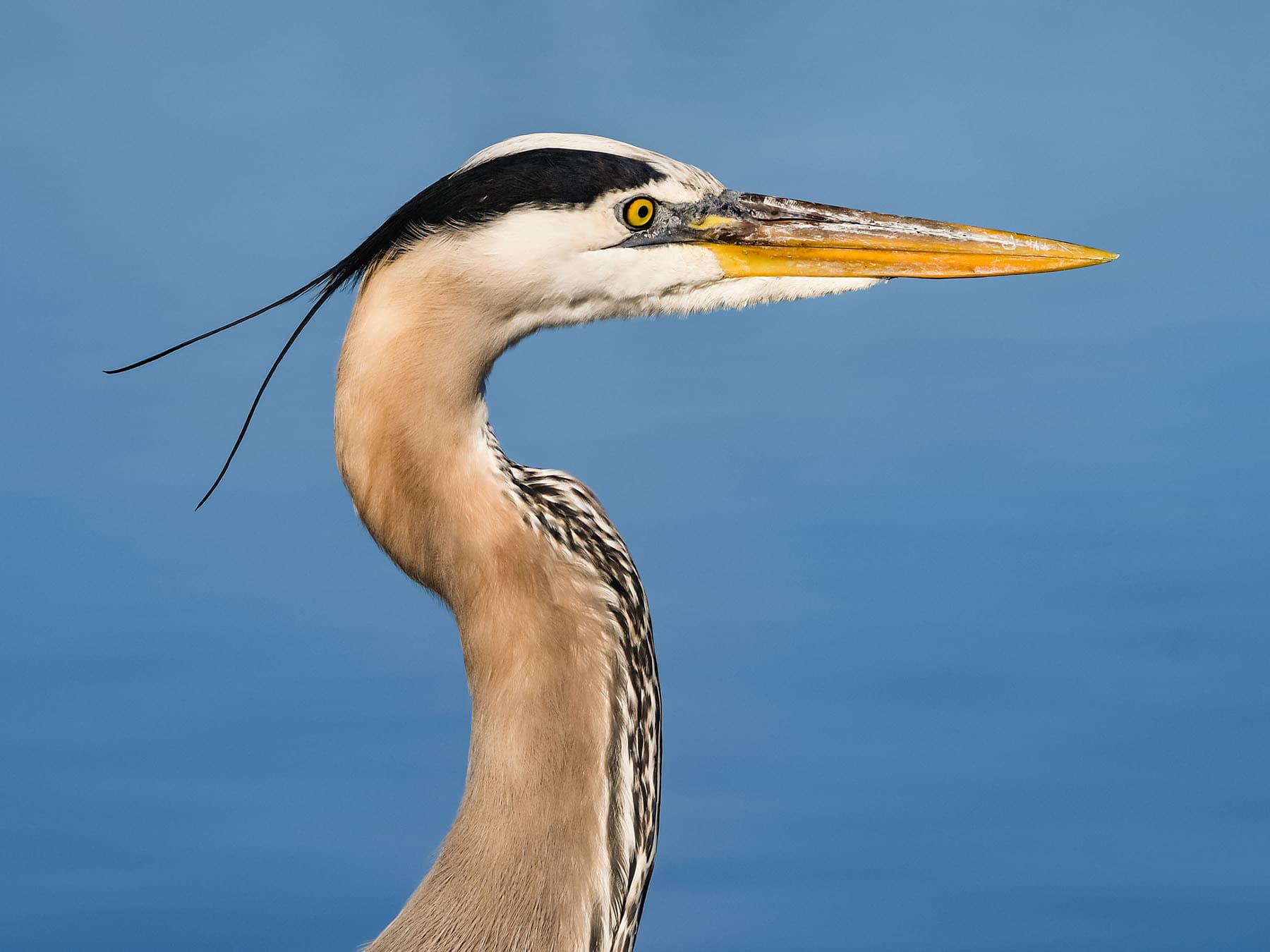 Great Blue HeronArdea herodiasResidentCommon91–137 cmRecorded all year · 1.19% in Jan
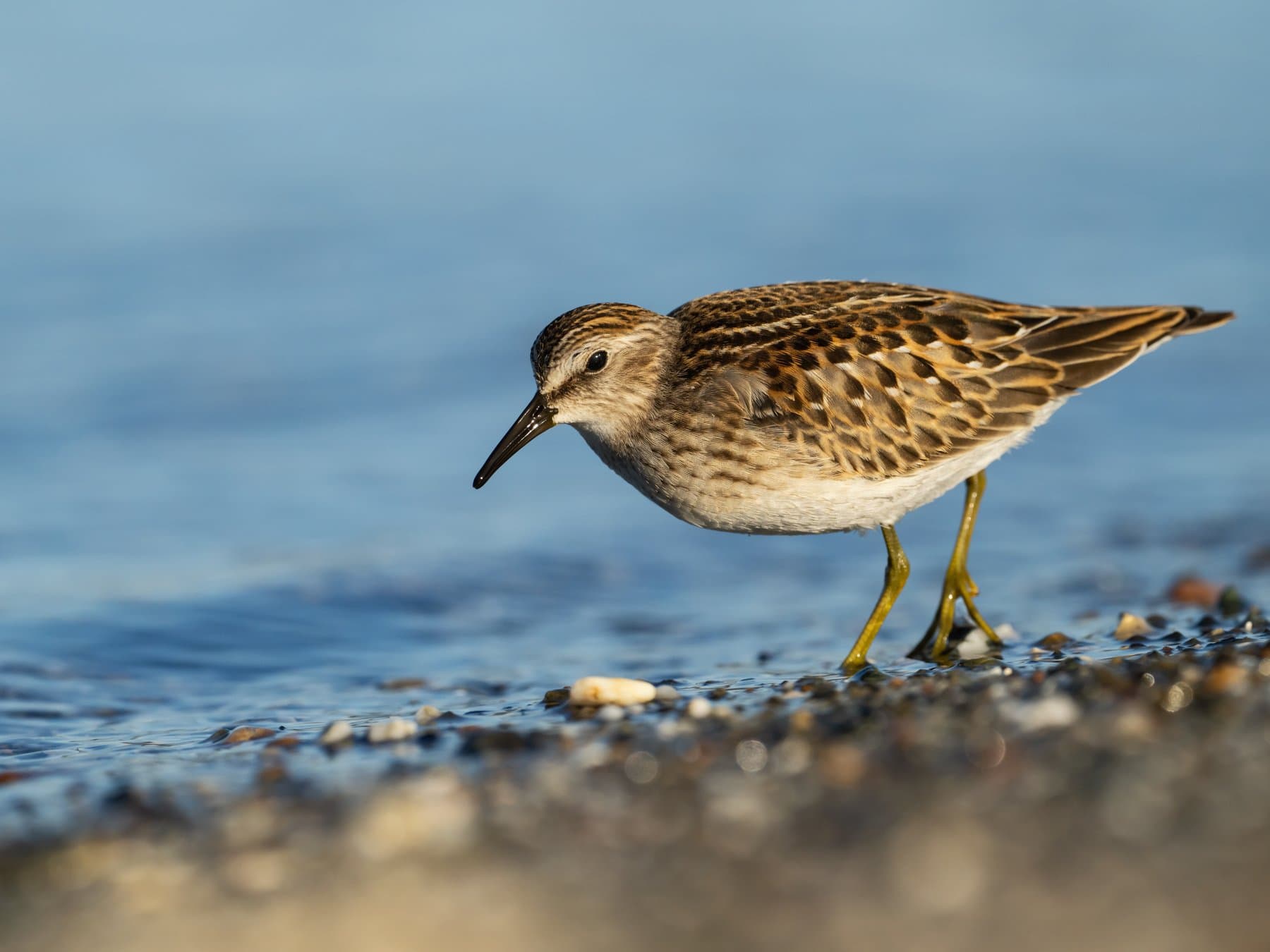 Least SandpiperCalidris minutillaWinter visitorCommon13–15 cmRegularly Jul–May · 1.19% in Jan
 American RedstartSetophaga ruticillaWinter visitorCommon11–14 cmRegularly Aug–May · 1.16% in Jan
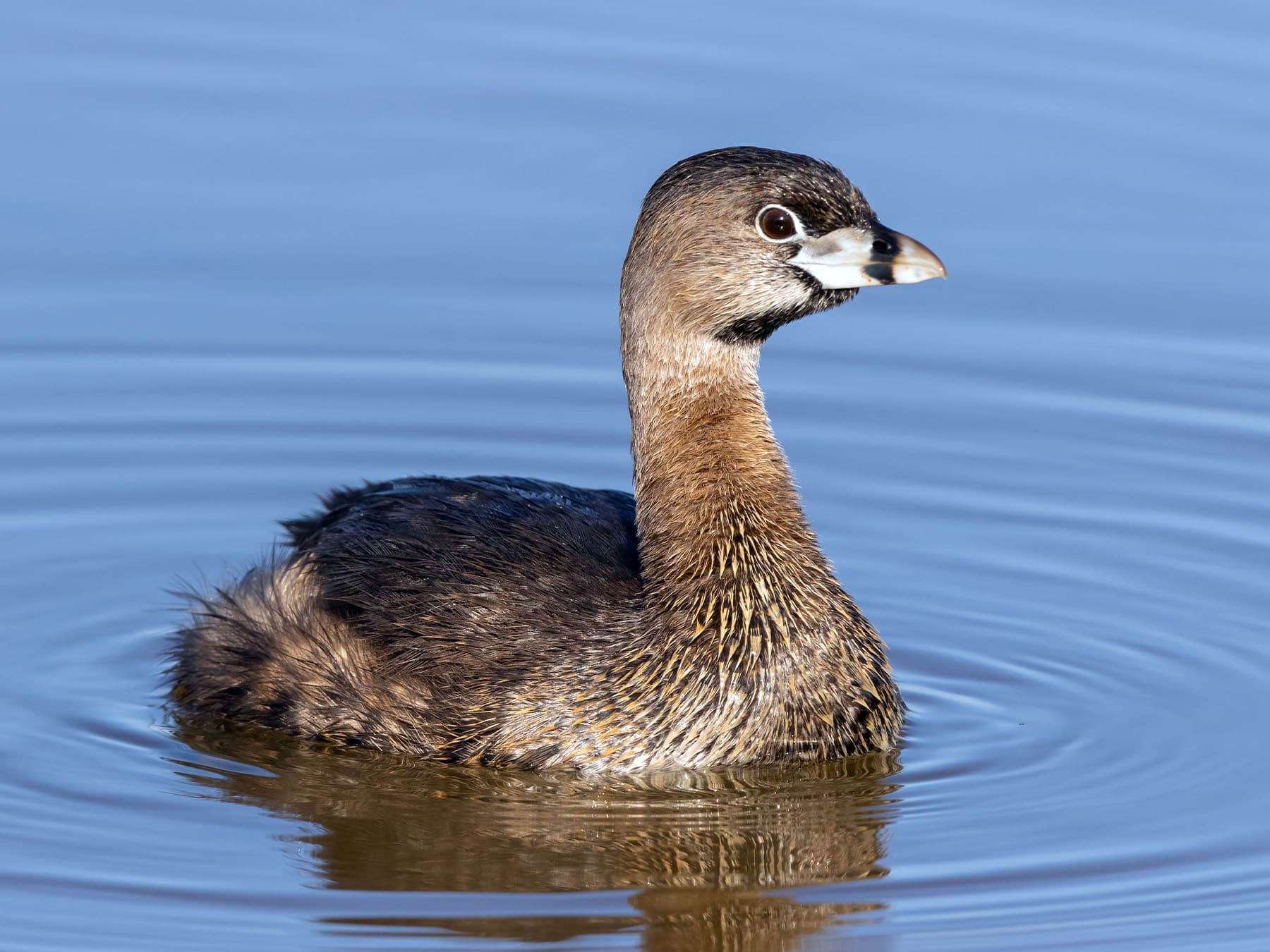 Pied-billed GrebePodilymbus podicepsResidentCommon31–38 cmRecorded all year · 1.10% in Jan
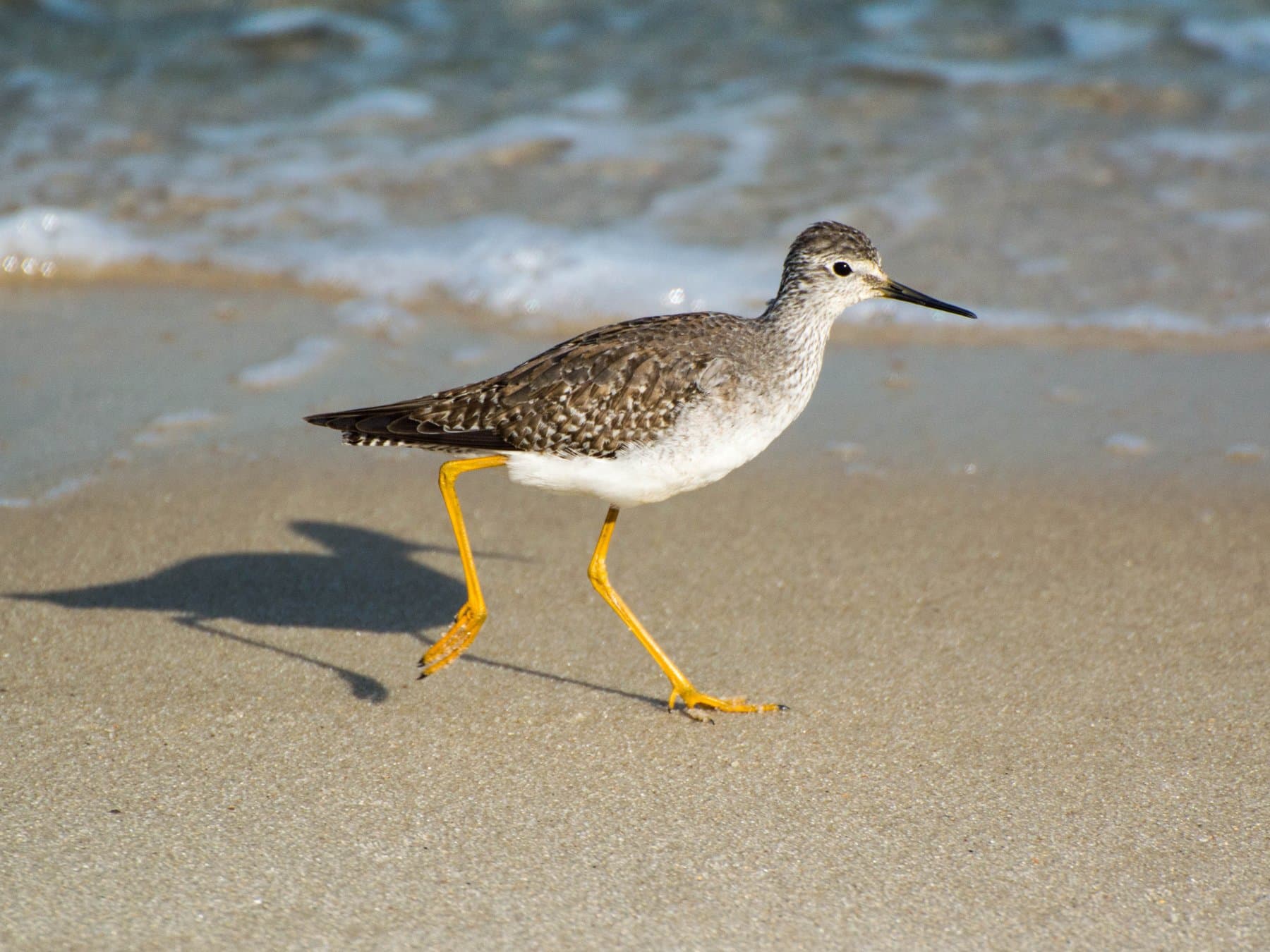 Lesser YellowlegsTringa flavipesResidentCommon23–27 cmRecorded all year · 1.06% in Jan
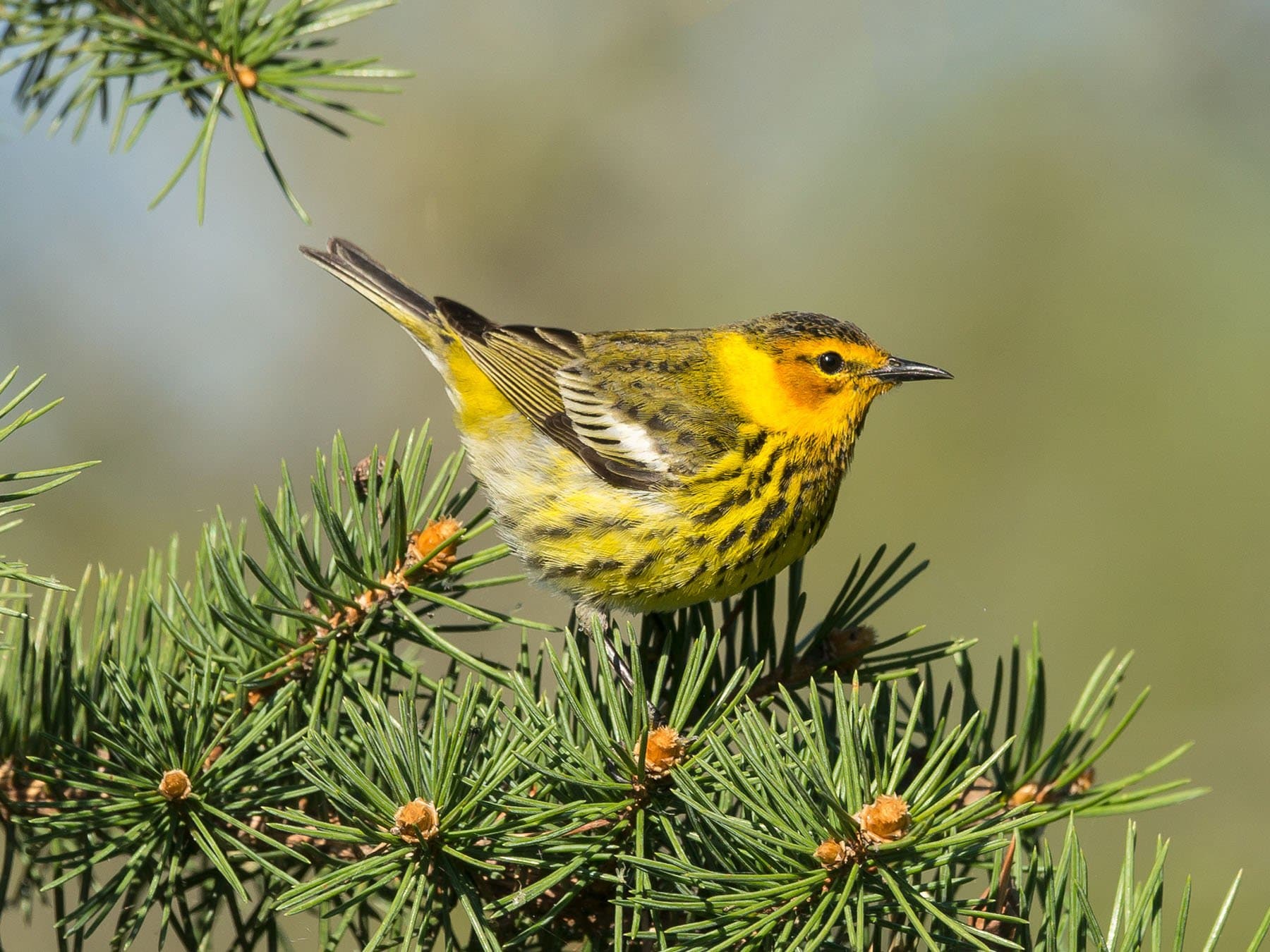 Cape May WarblerSetophaga tigrinaWinter visitorCommon12–14 cmRegularly Sep–Apr · 1.01% in Jan
 Northern WaterthrushParkesia noveboracensisWinter visitorCommon12–15 cmRegularly Aug–May · 0.99% in Jan
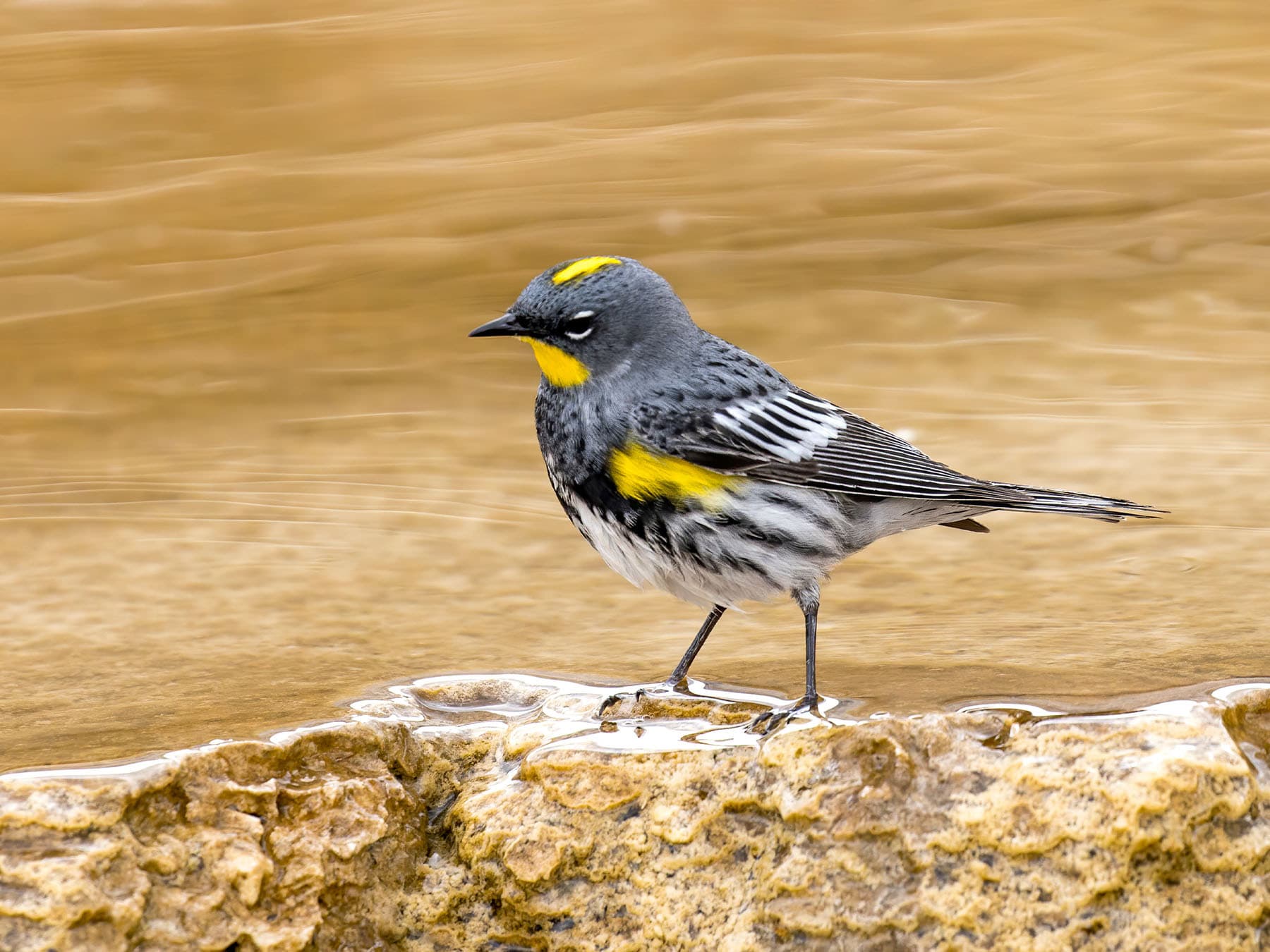 Yellow-rumped WarblerSetophaga coronataWinter visitorCommon12–15 cmRegularly Nov–Apr · 0.93% in Jan
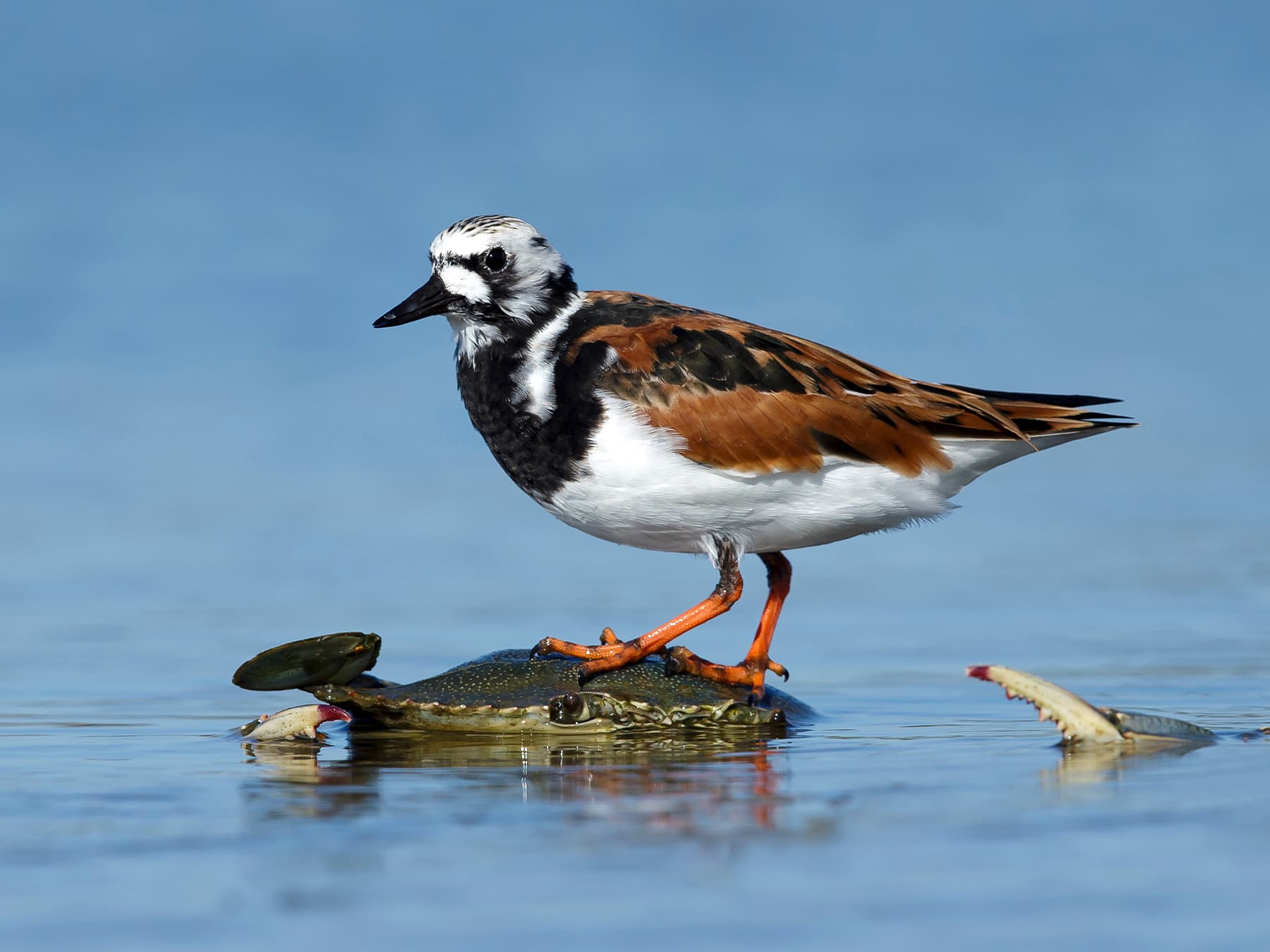 Ruddy TurnstoneArenaria interpresResidentCommon21–24 cmRecorded all year · 0.86% in Jan
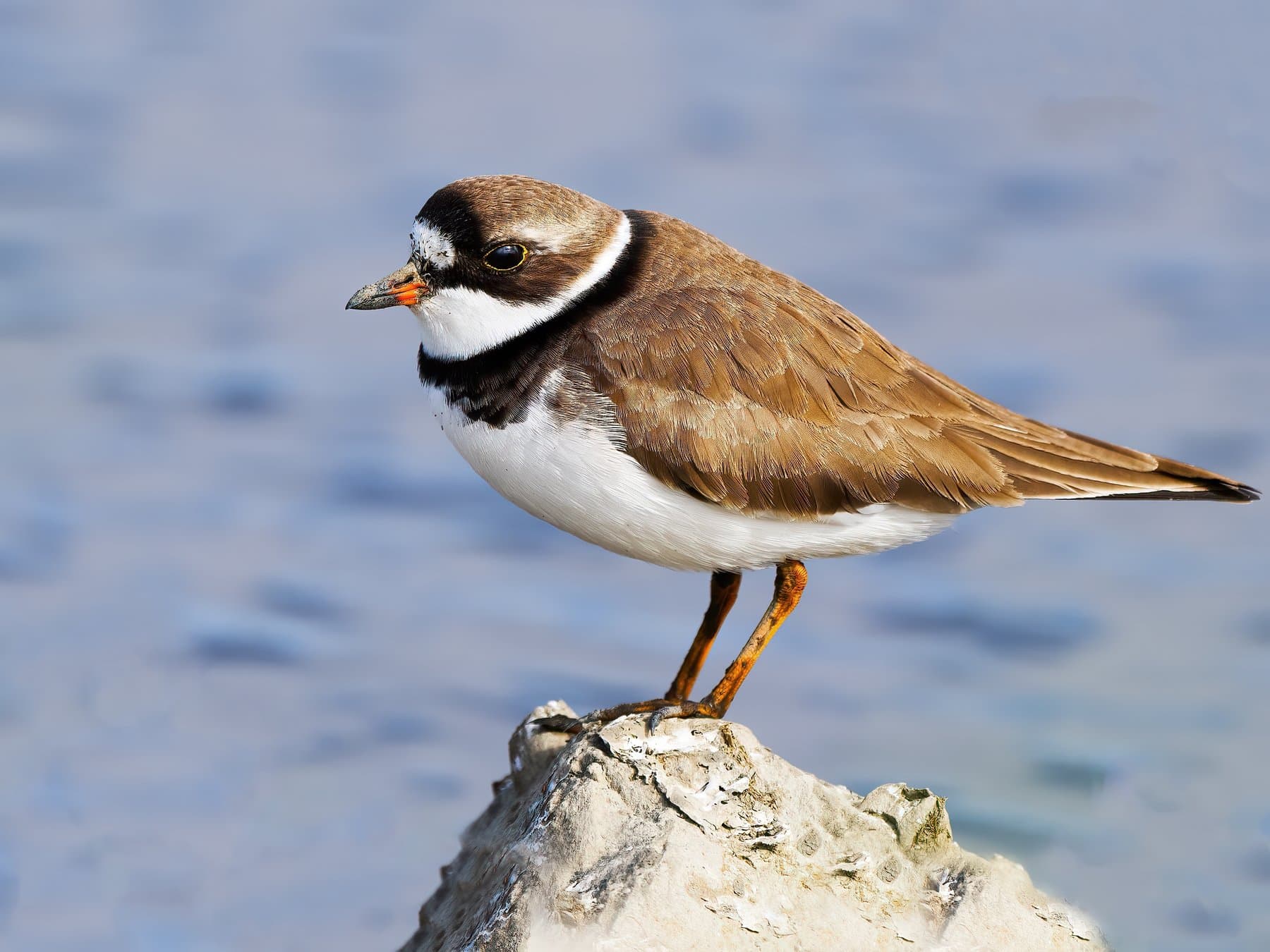 Semipalmated PloverCharadrius semipalmatusResidentCommon17–19 cmRecorded all year · 0.84% in Jan
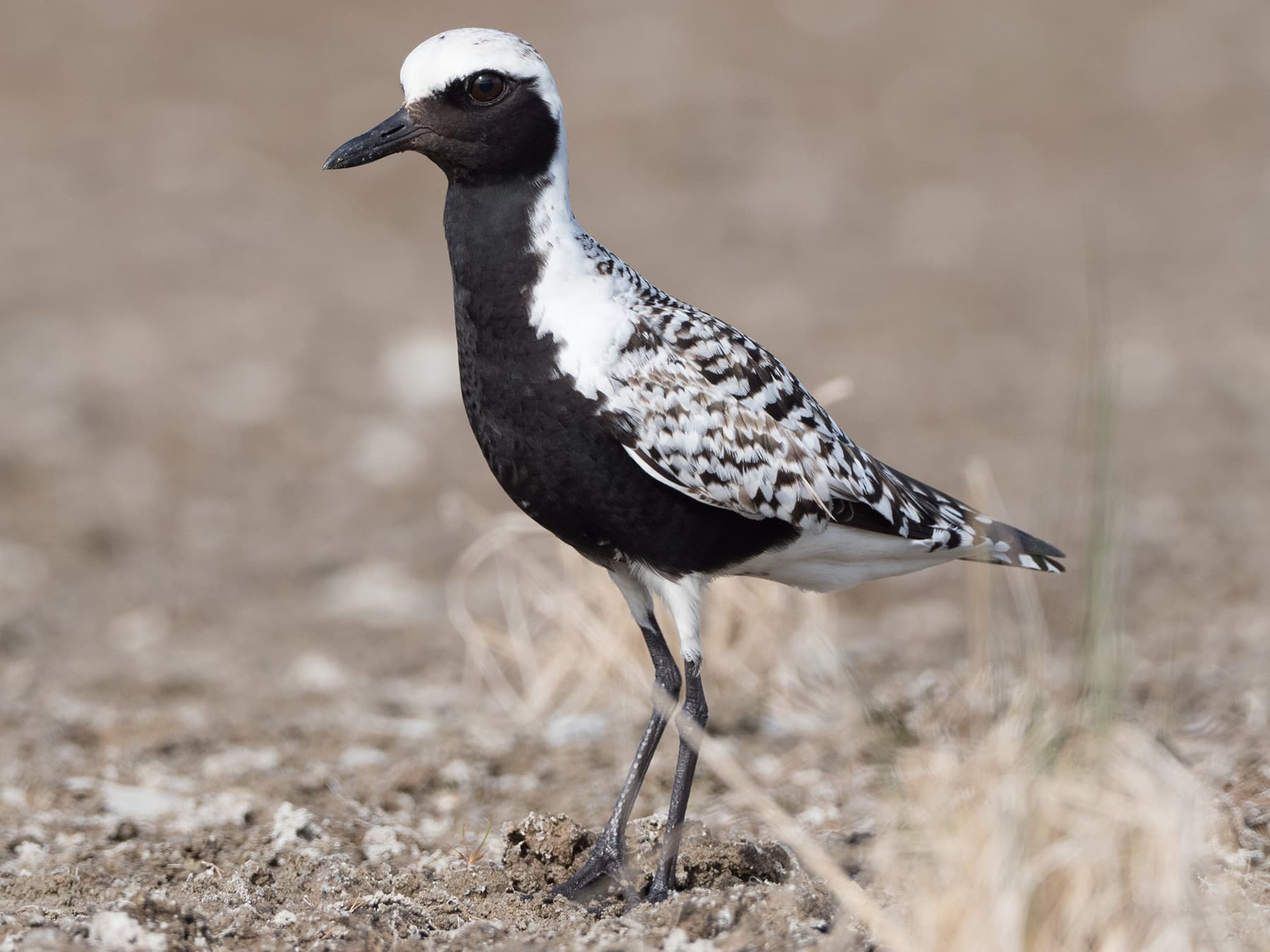 Grey PloverPluvialis squatarolaResidentCommon27–30 cmRecorded all year · 0.72% in Jan
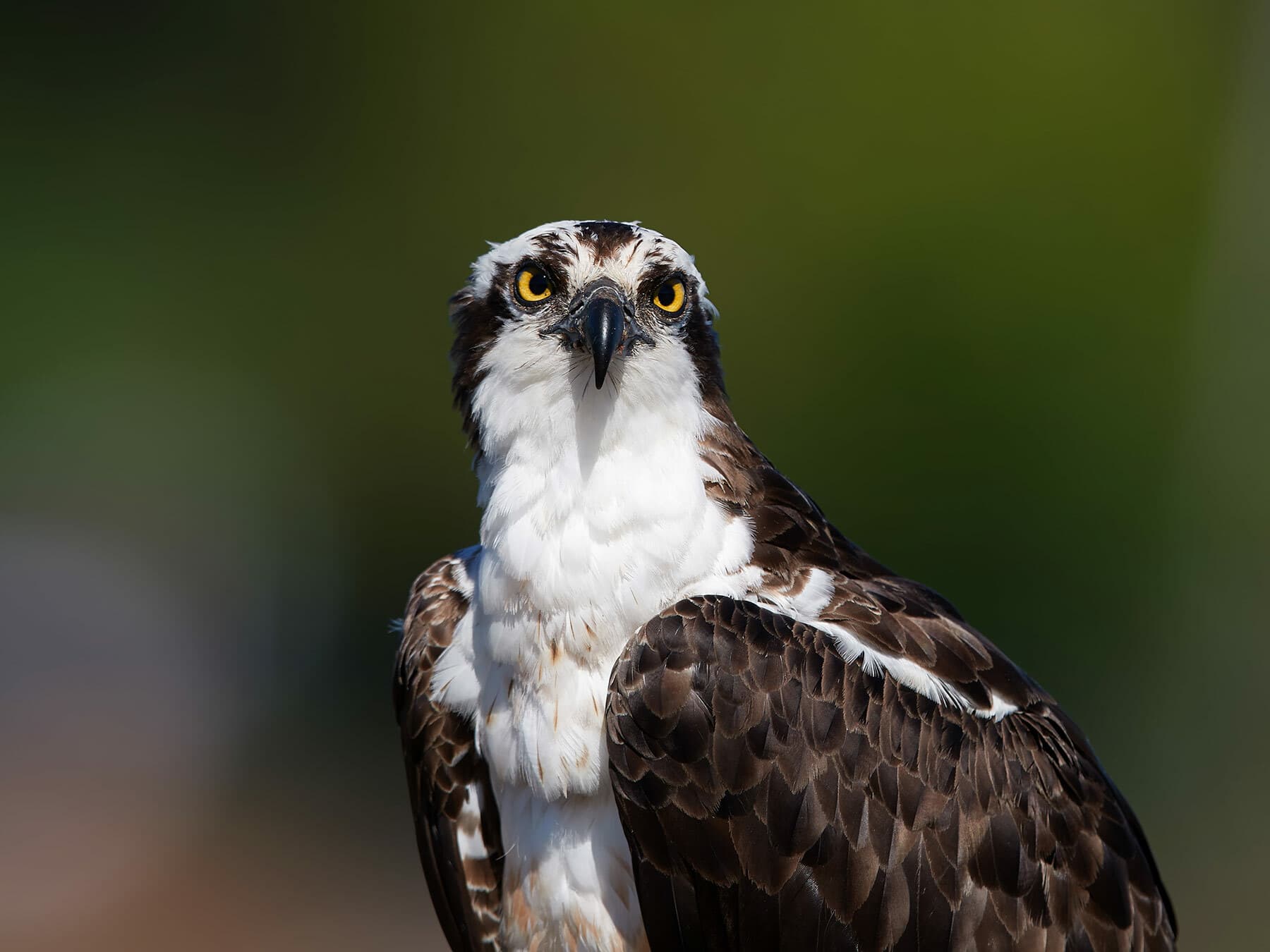 OspreyPandion haliaetusWinter visitorCommon54–58 cmRecorded all year · 0.70% in Jan
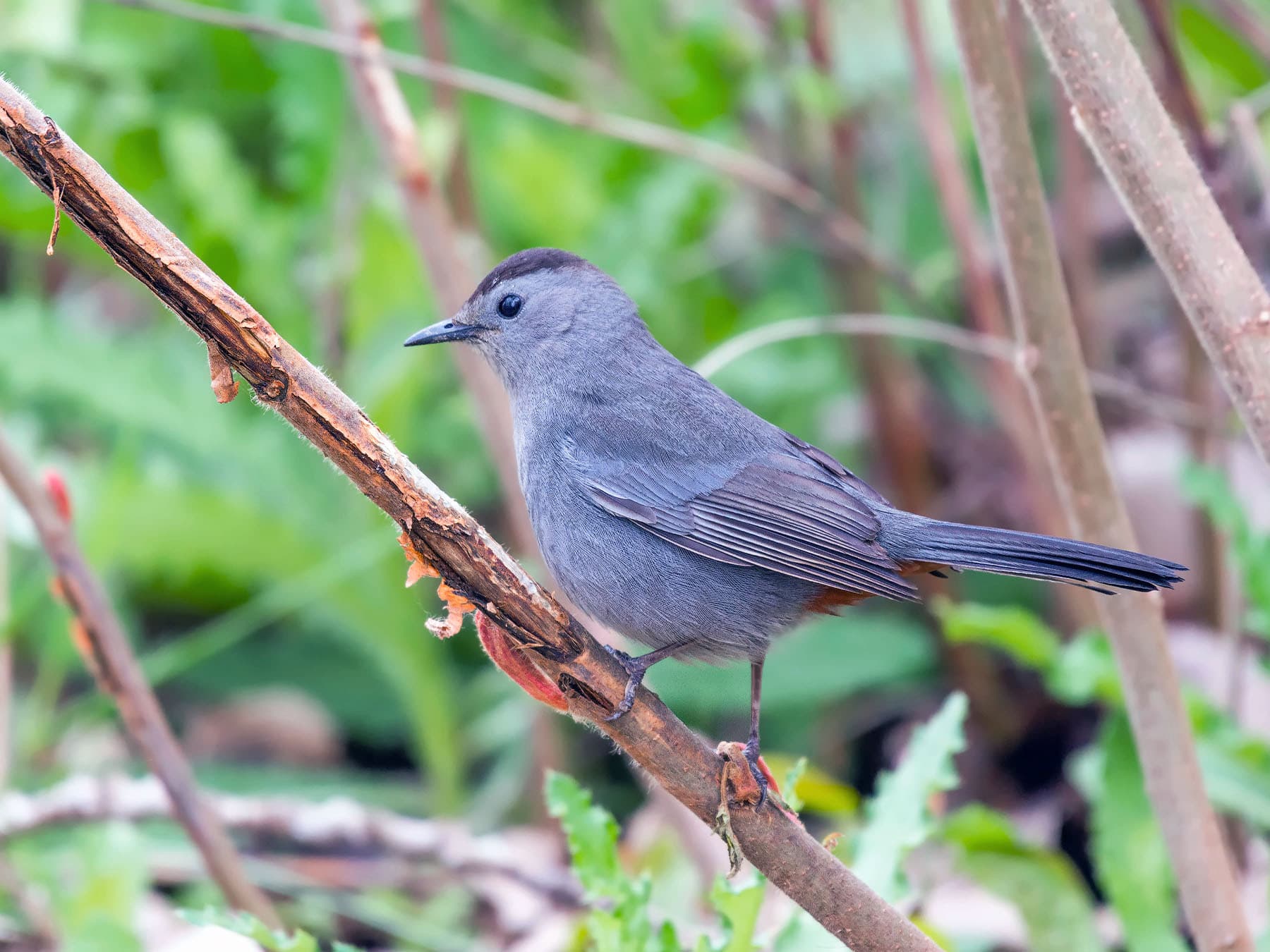 Gray CatbirdDumetella carolinensisWinter visitorCommon20–24 cmRegularly Oct–Apr · 0.67% in Jan
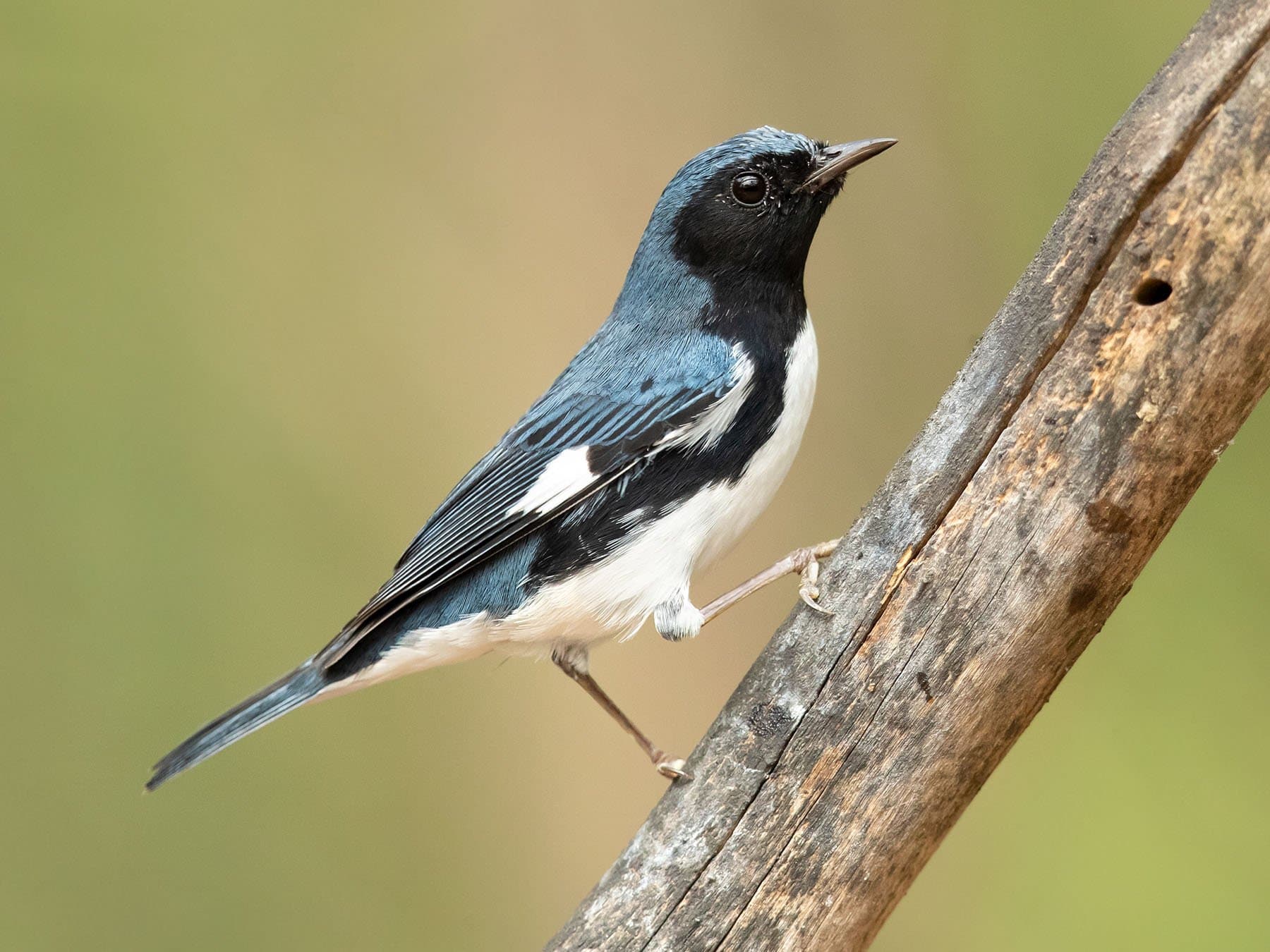 Black-throated Blue WarblerSetophaga caerulescensWinter visitorCommon11–13 cmRegularly Oct–Apr · 0.65% in Jan
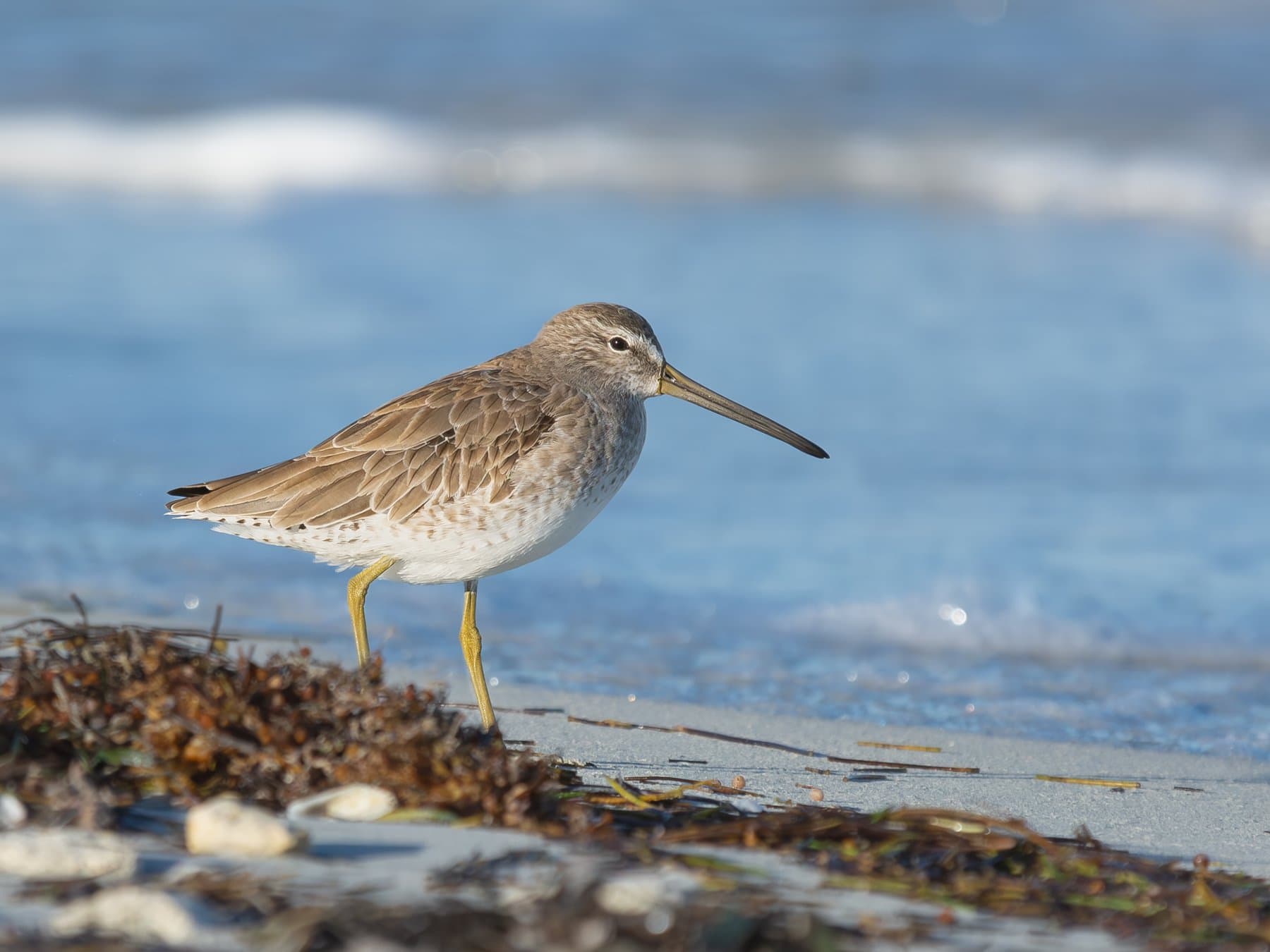 Short-billed DowitcherLimnodromus griseusWinter visitorCommon23–32 cmRecorded all year · 0.65% in Jan
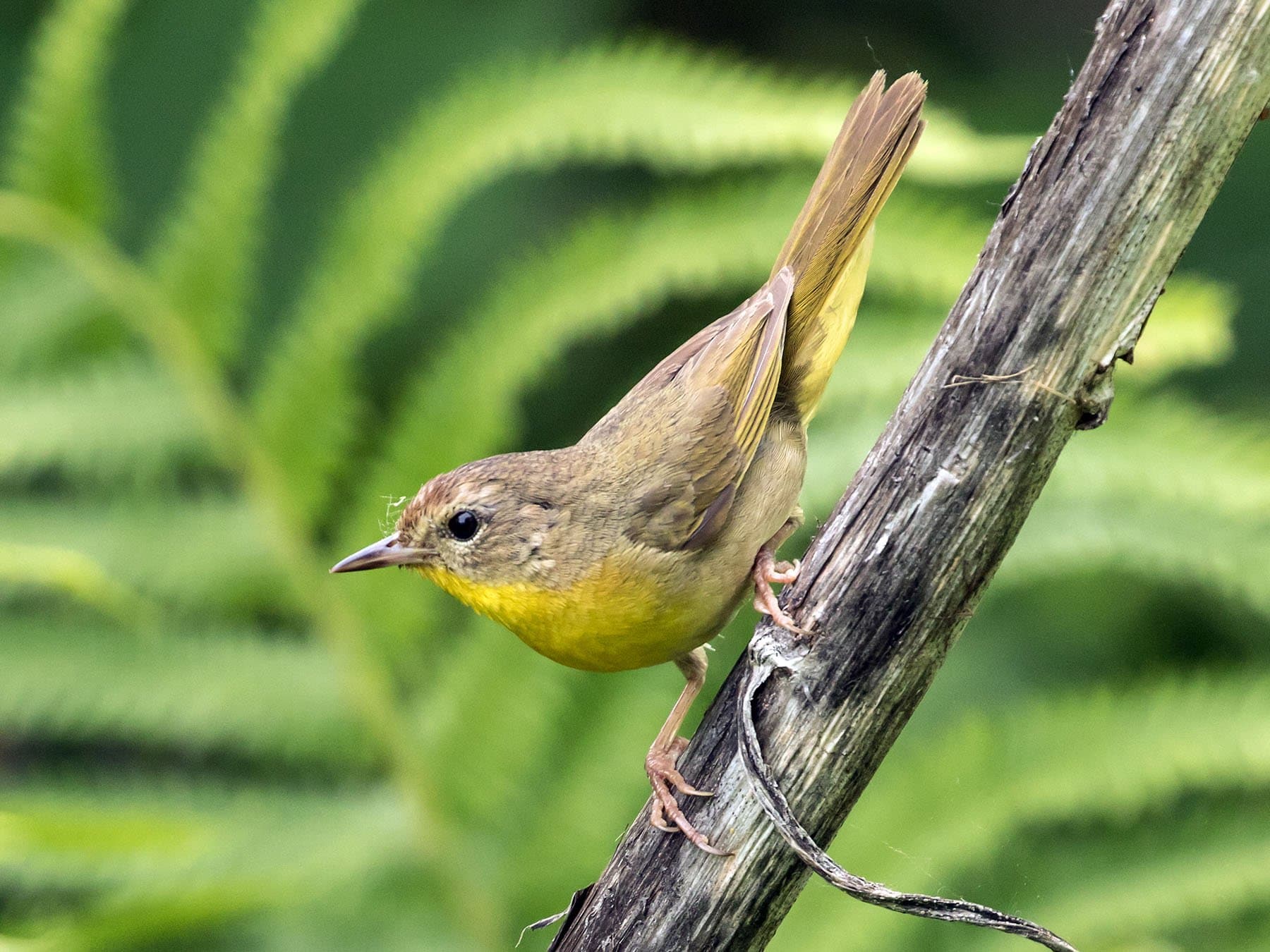 Common YellowthroatGeothlypis trichasWinter visitorCommon11–13 cmRegularly Sep–Apr · 0.63% in Jan
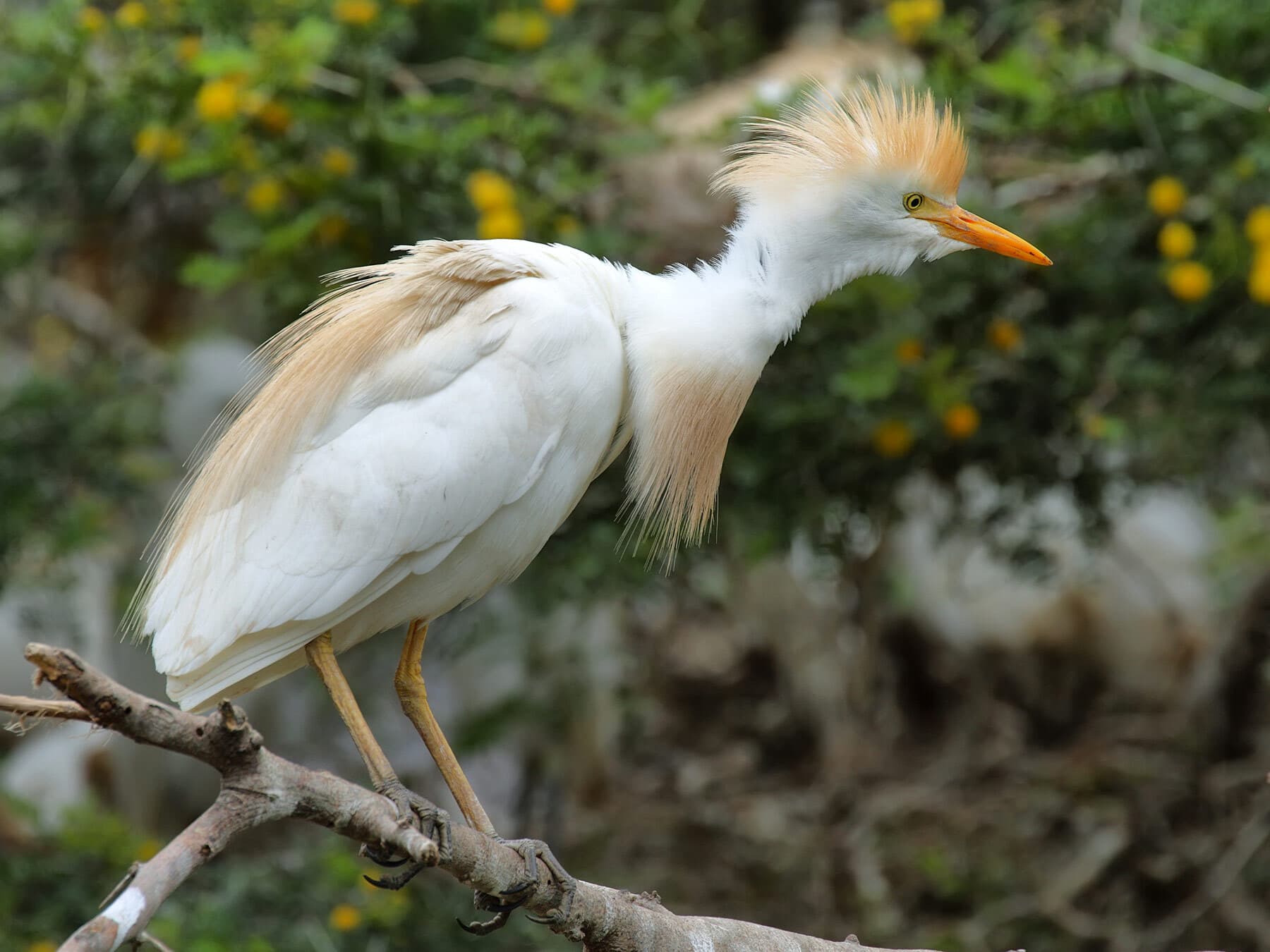 Cattle EgretArdea ibisResidentCommon46–56 cmRecorded all year · 0.61% in Jan
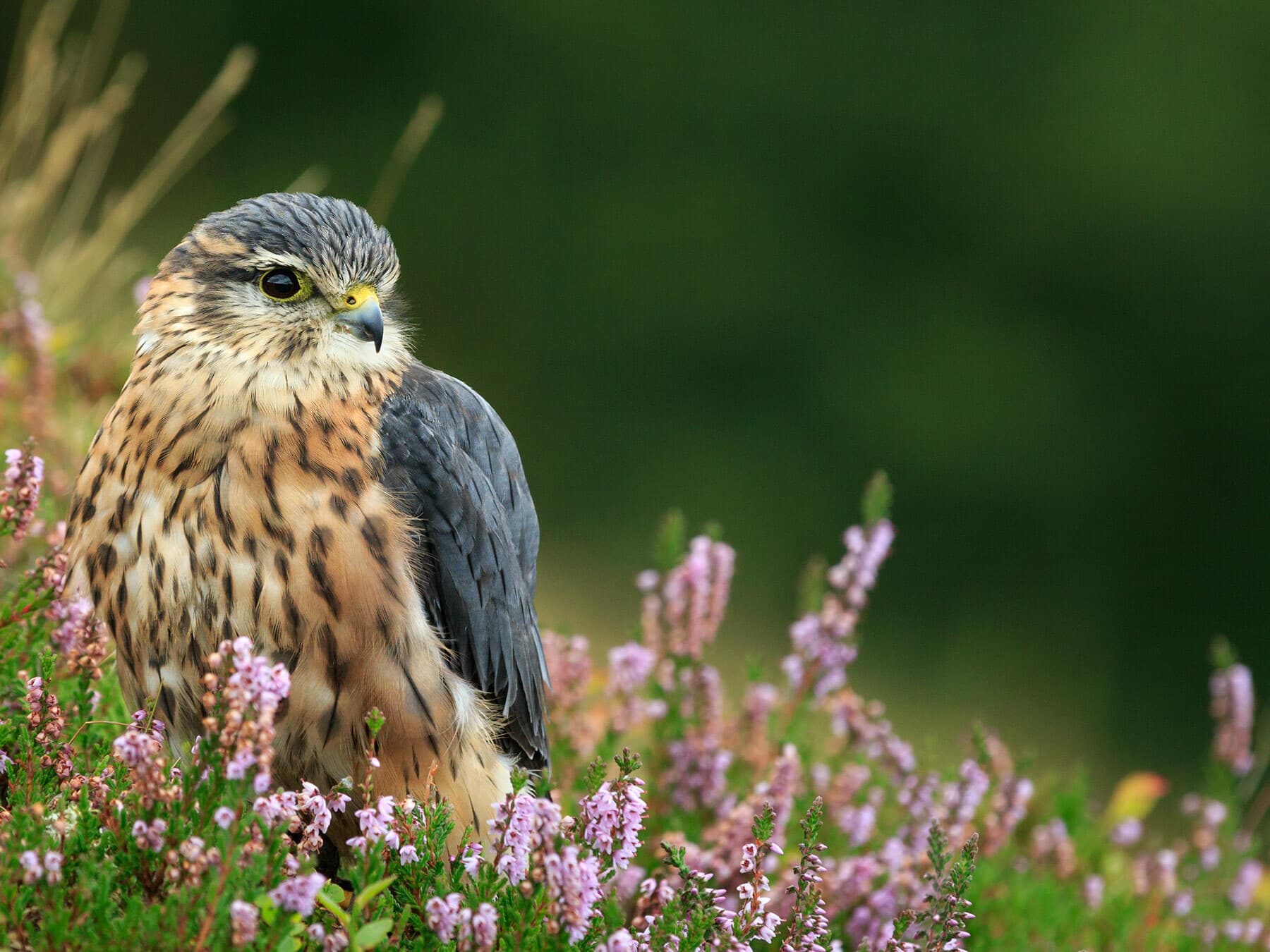 MerlinFalco columbariusWinter visitorCommon24–33 cmRegularly Sep–Apr · 0.50% in Jan
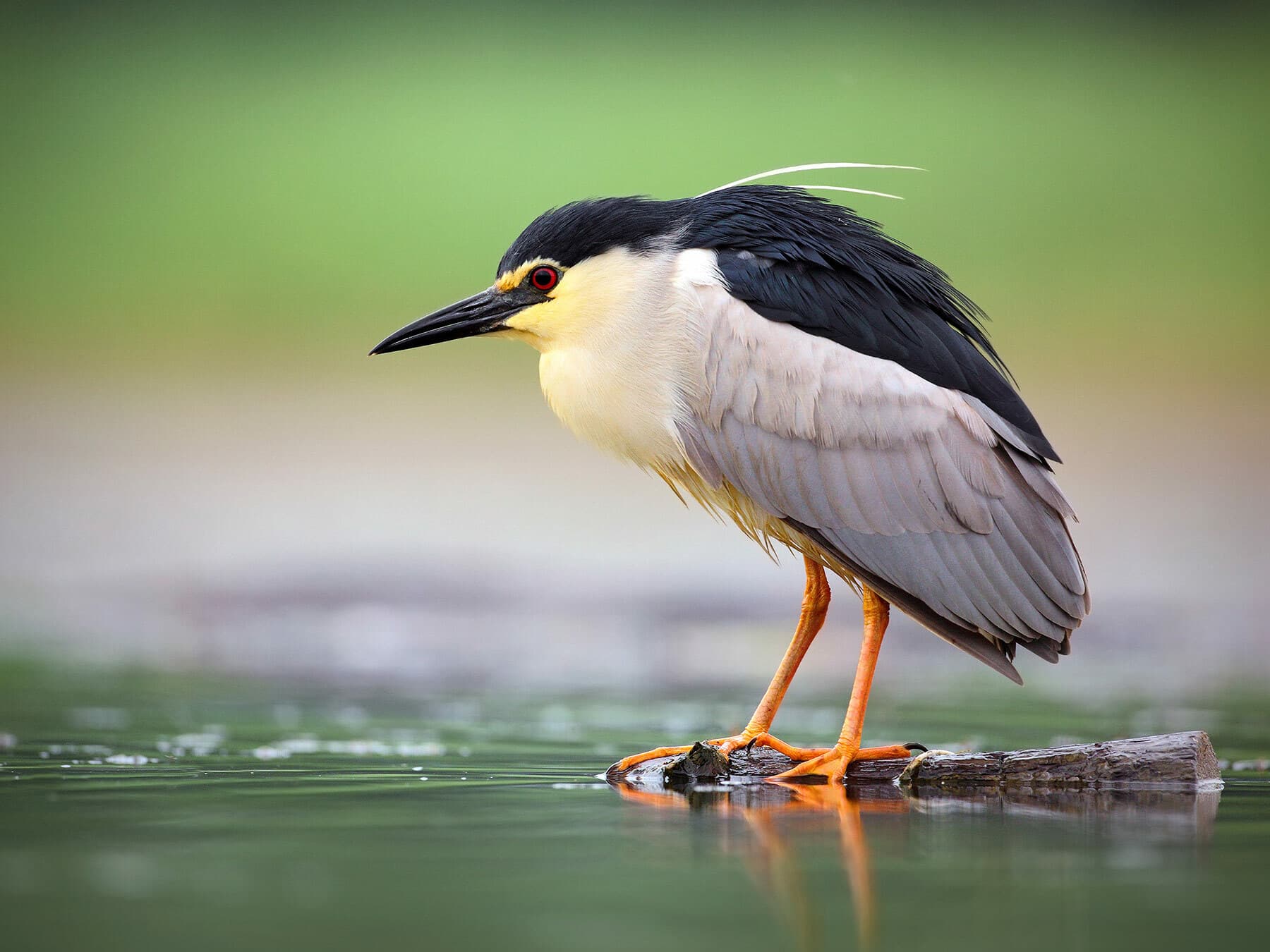 Black-crowned Night-heronNycticorax nycticoraxResidentCommon58–65 cmRecorded all year · 0.47% in Jan
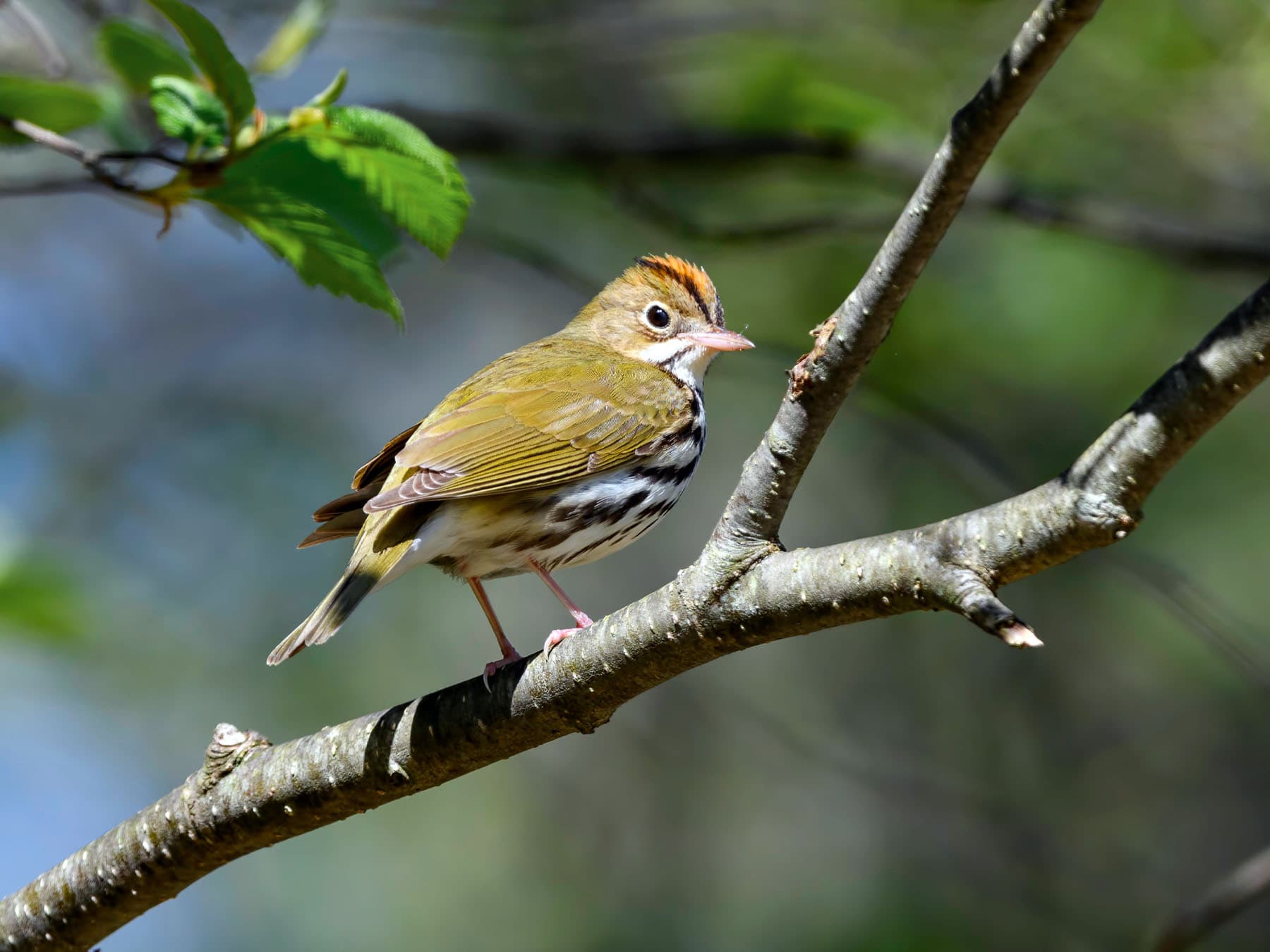 OvenbirdSeiurus aurocapillaWinter visitorCommon12–15 cmRegularly Sep–Apr · 0.47% in Jan
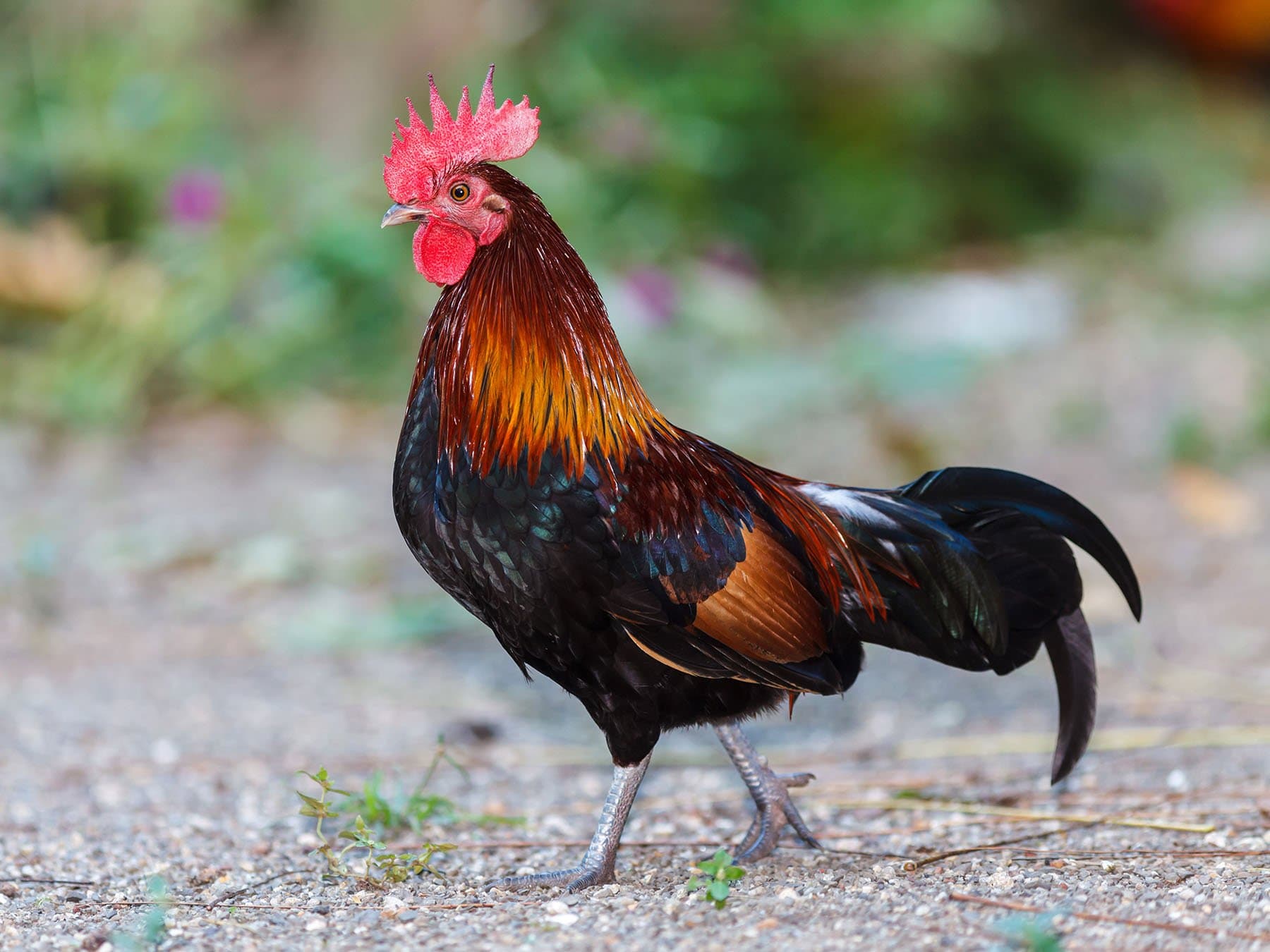 Red JunglefowlGallus gallusResidentCommon42–75 cmRegularly Oct–Aug · 0.41% in Jan
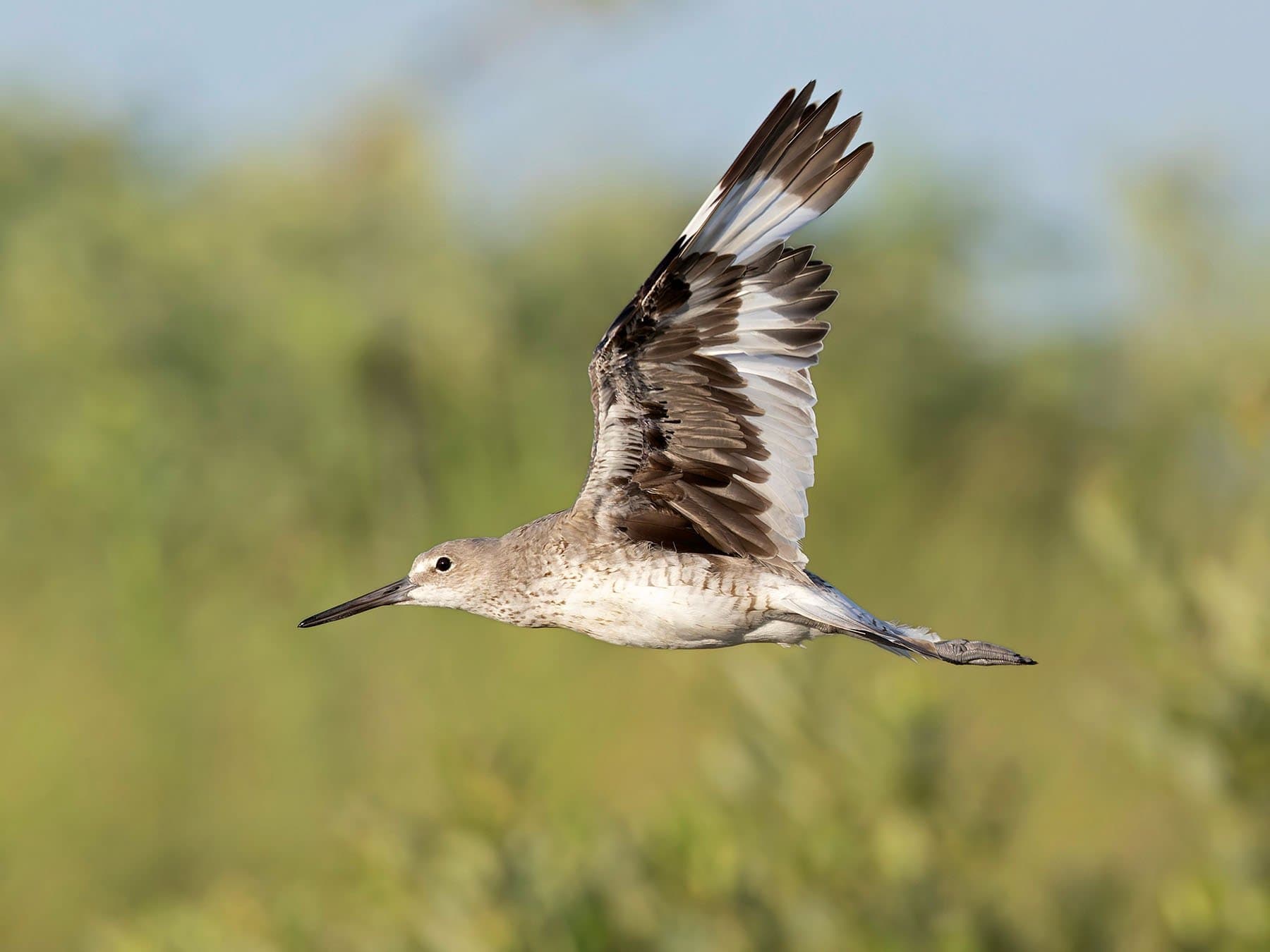 WilletTringa semipalmataResidentCommon33–41 cmRecorded all year · 0.38% in Jan
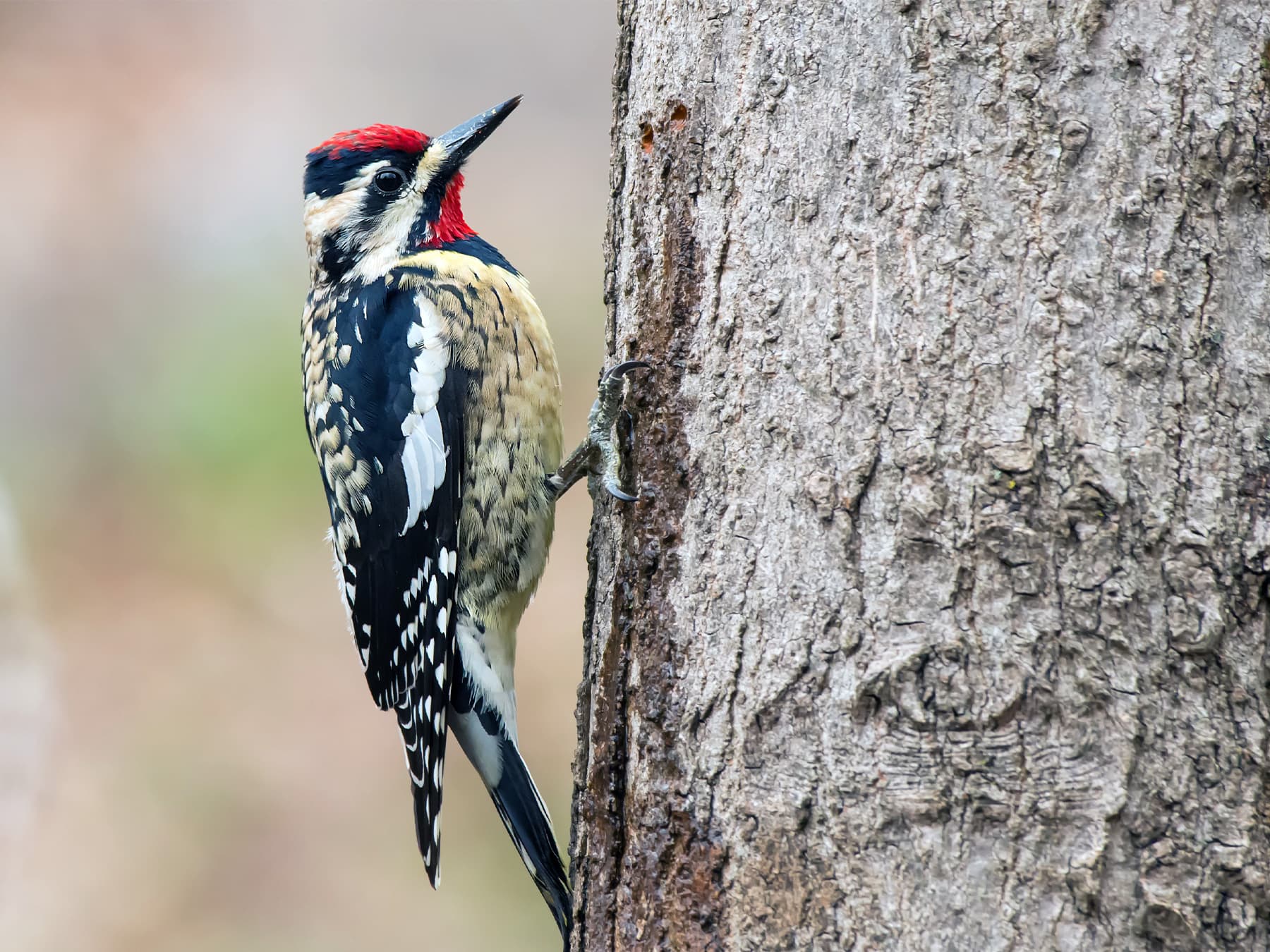 Yellow-bellied SapsuckerSphyrapicus variusWinter visitorUncommon19–22 cmRegularly Nov–Mar · 0.37% in Jan
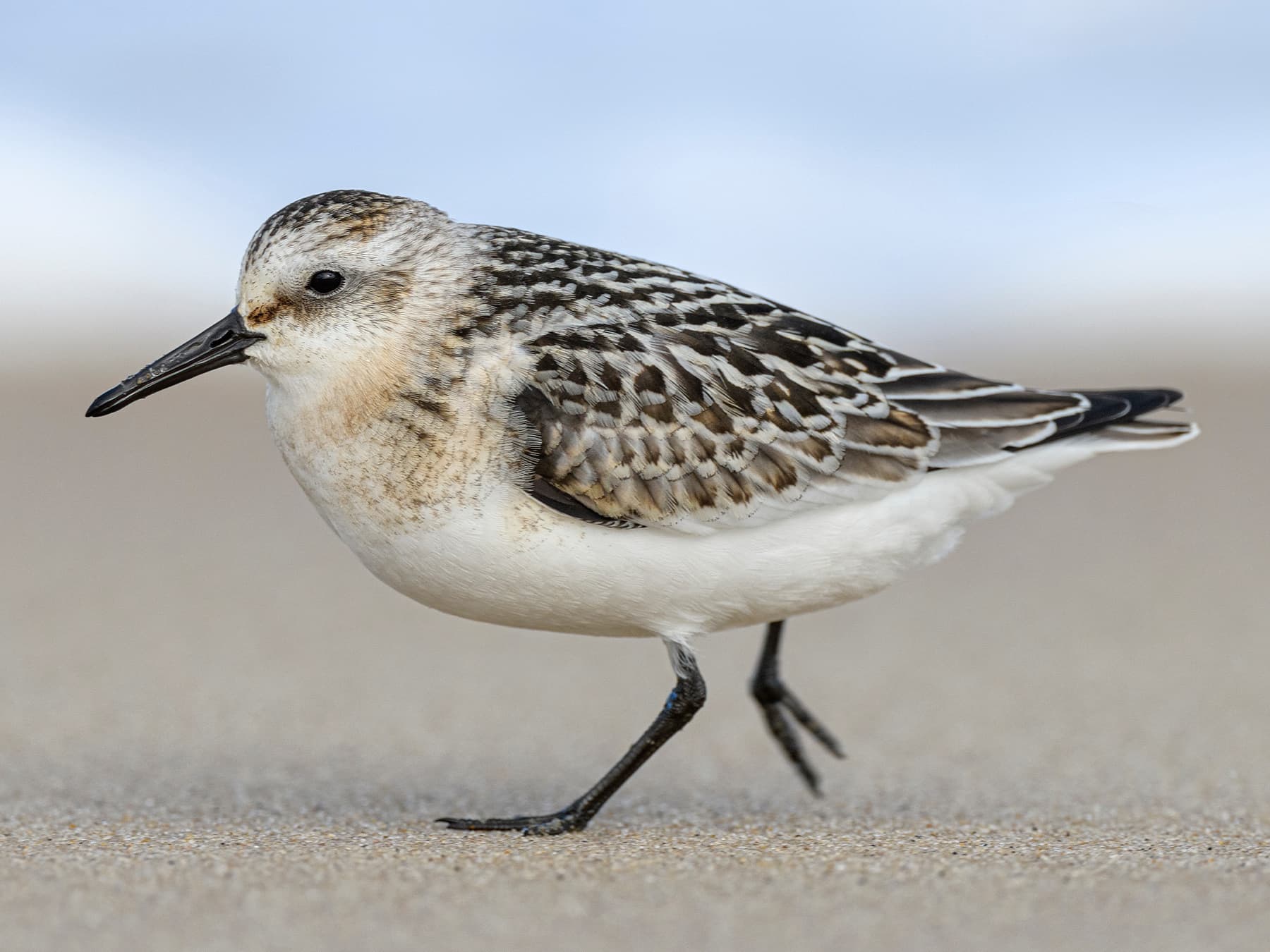 SanderlingCalidris albaWinter visitorUncommon18–20 cmRegularly Aug–May · 0.30% in Jan
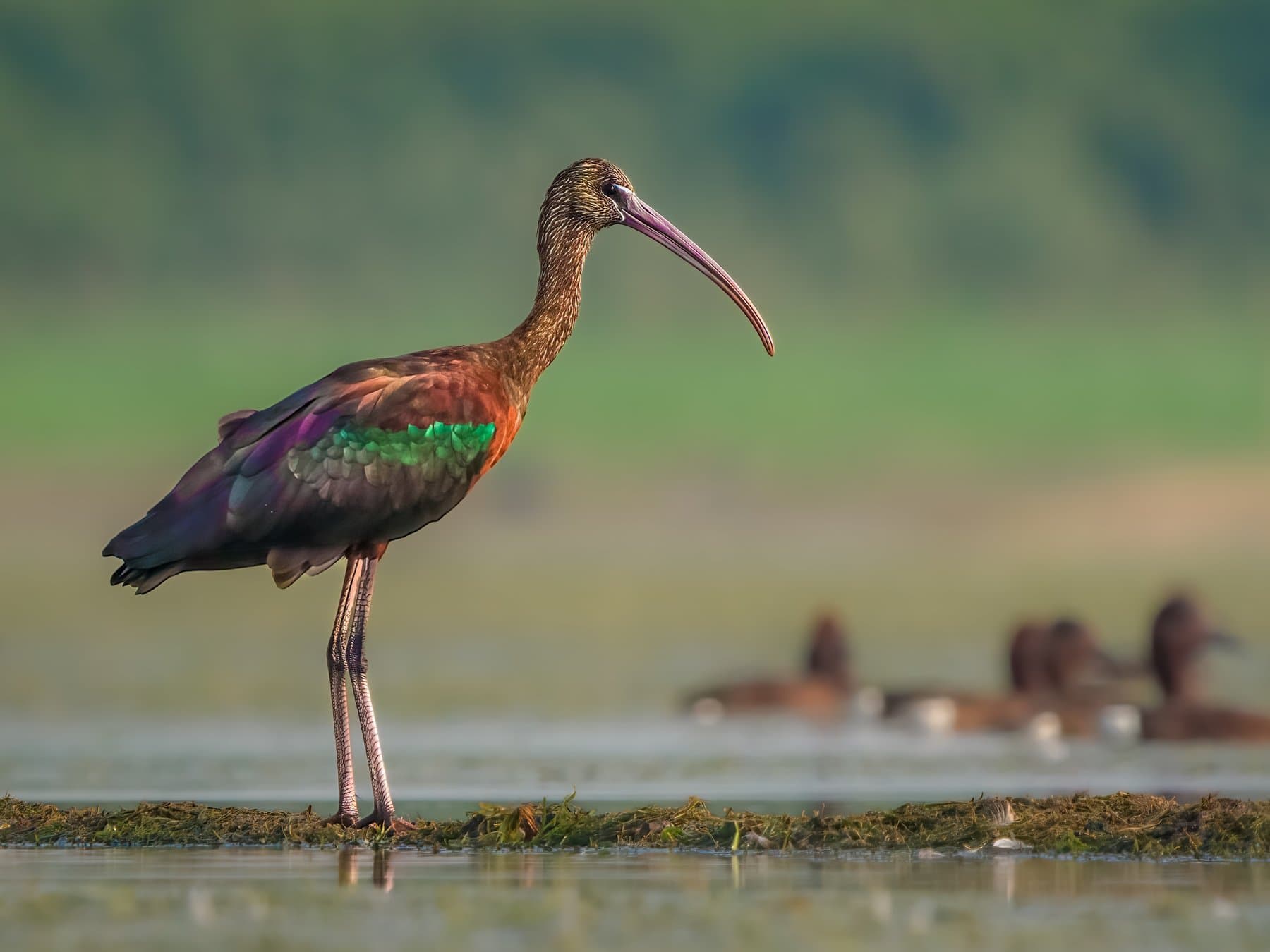 Glossy IbisPlegadis falcinellusResidentCommon48–66 cmRecorded all year · 0.29% in Jan
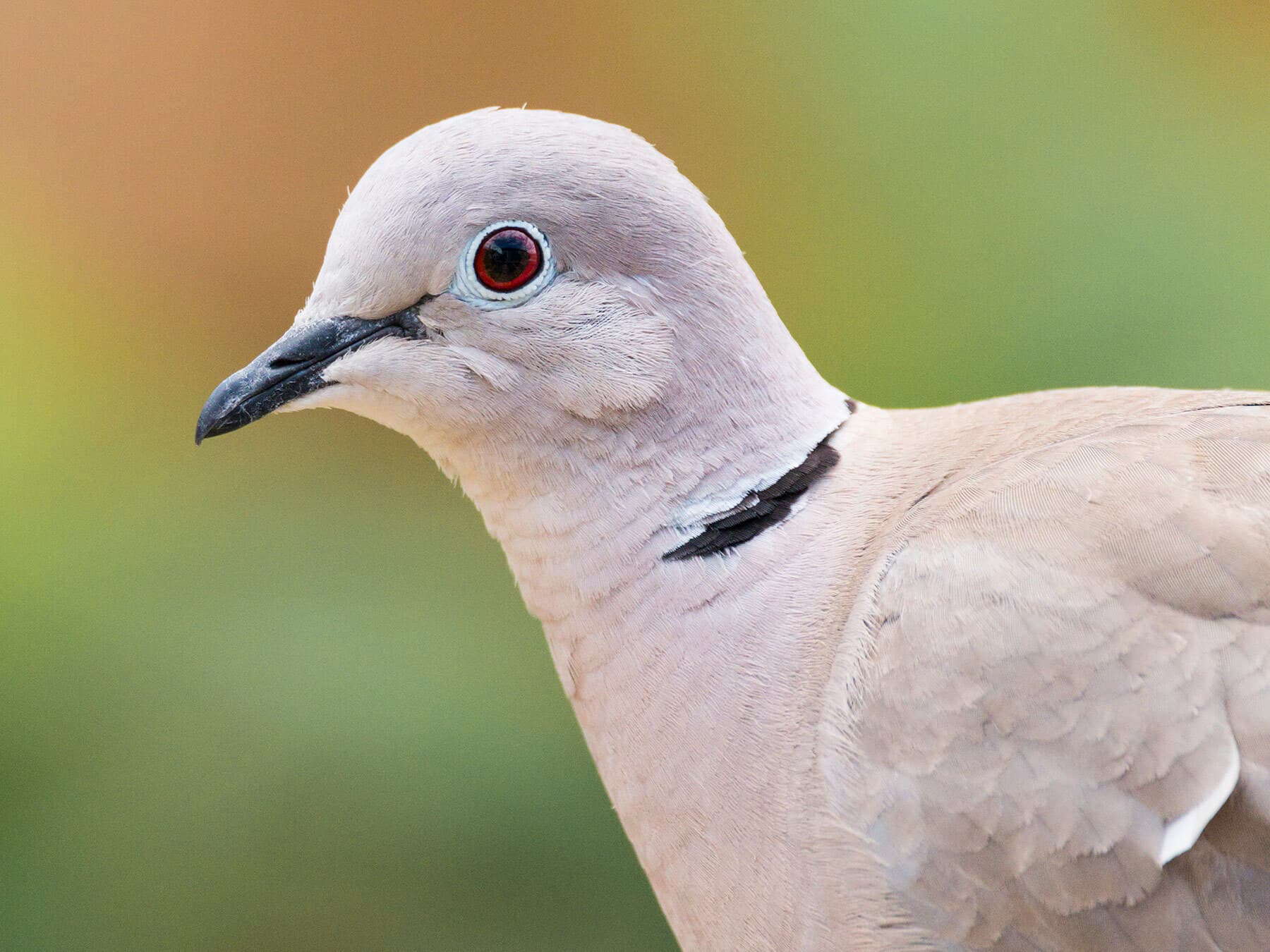 Eurasian Collared DoveStreptopelia decaoctoResidentUncommon30–32 cmRecorded all year · 0.26% in Jan
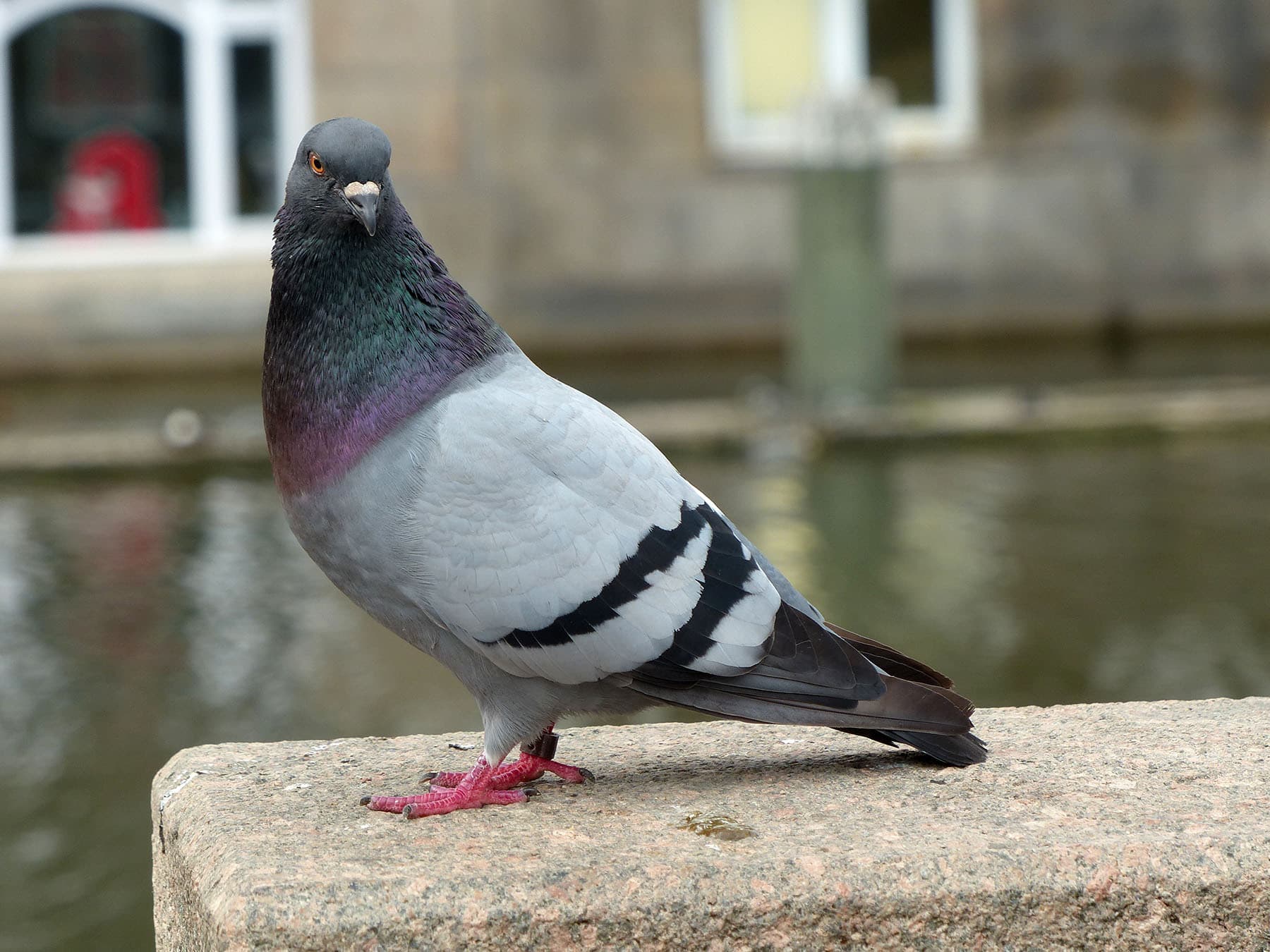 Rock DoveColumba liviaResidentUncommon31–34 cmRecorded all year · 0.25% in Jan
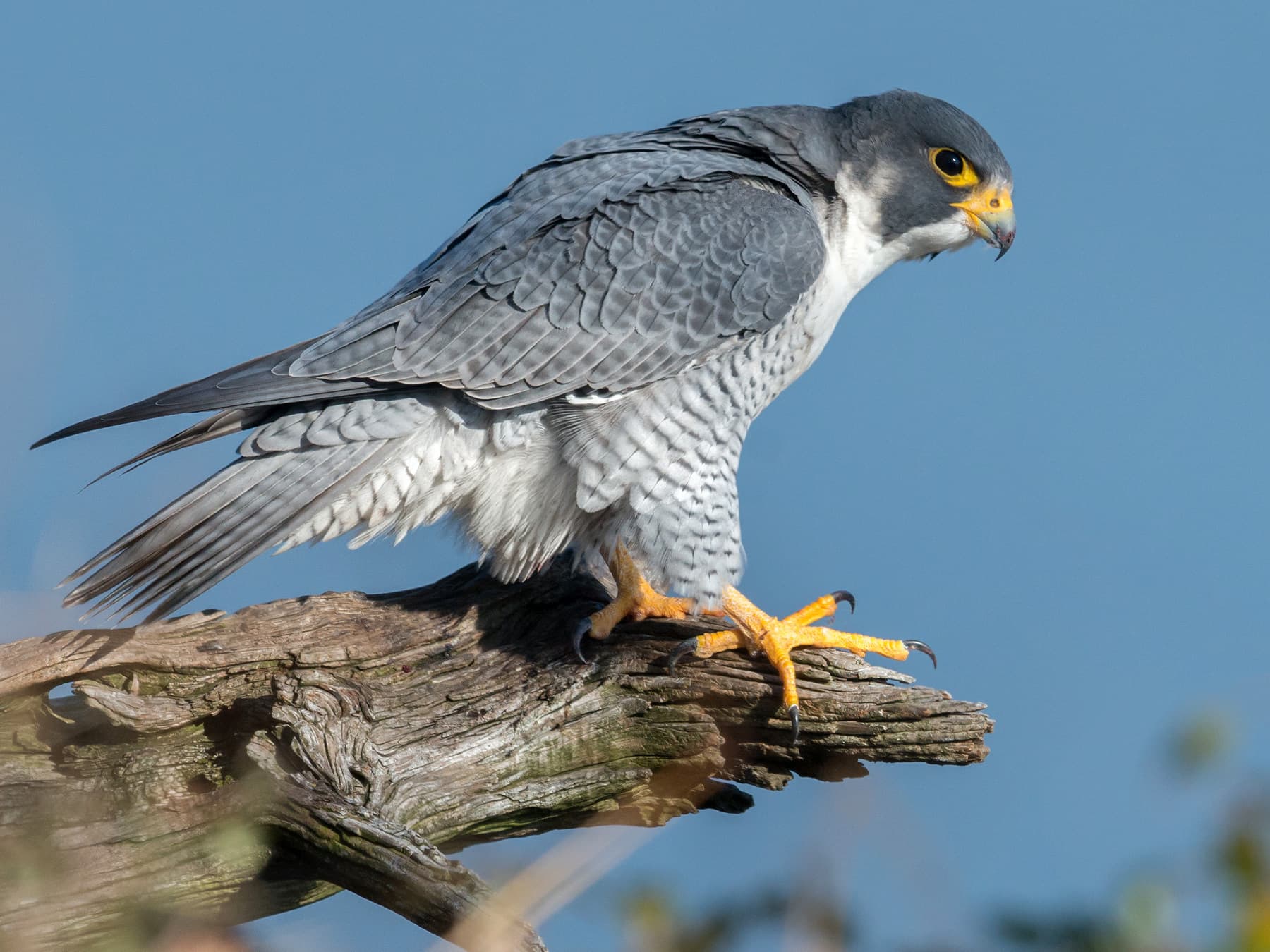 Peregrine FalconFalco peregrinusWinter visitorUncommon34–58 cmRegularly Sep–May · 0.23% in Jan
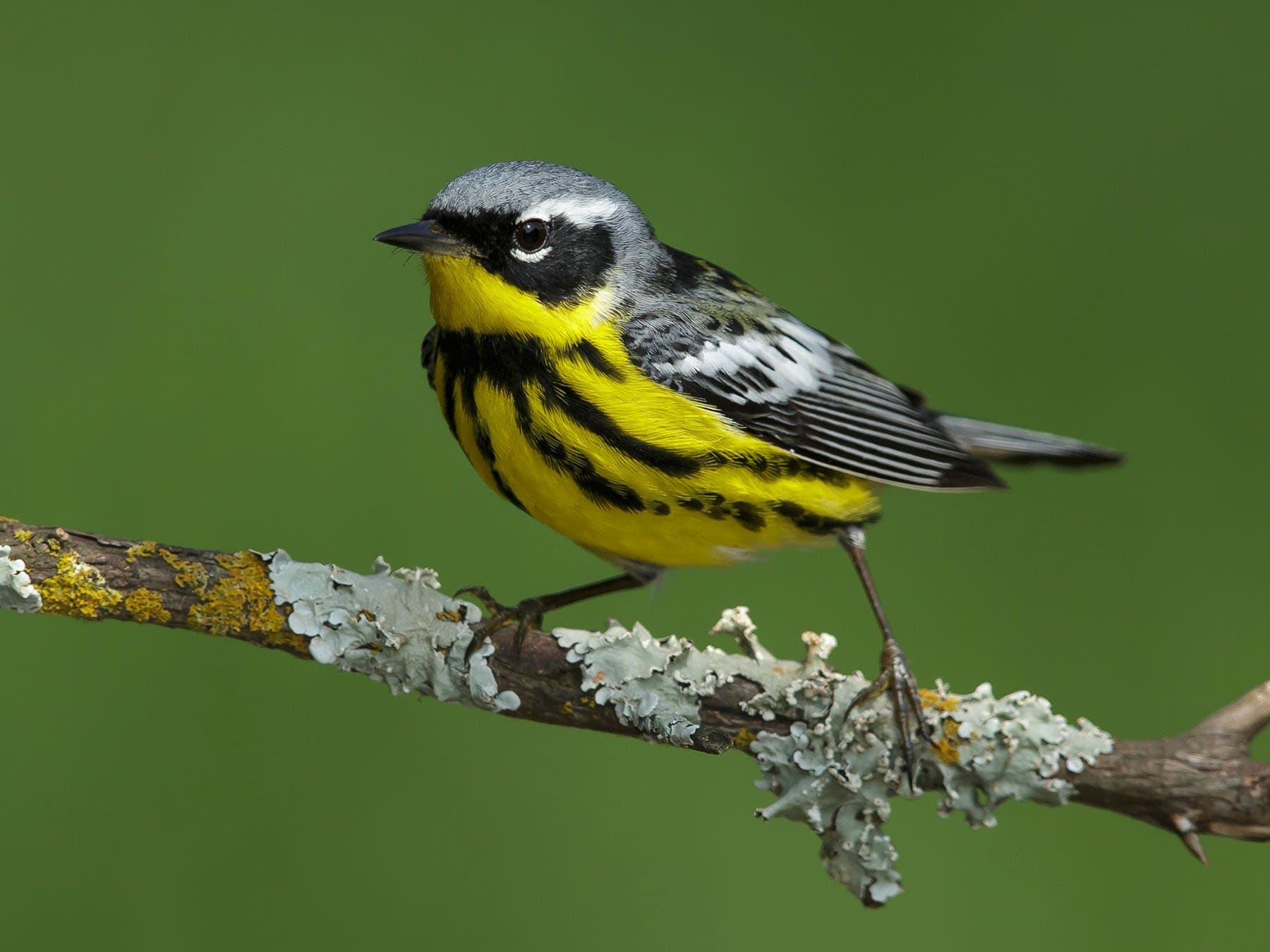 Magnolia WarblerSetophaga magnoliaWinter visitorUncommon11–13 cmRegularly Sep–Apr · 0.19% in Jan
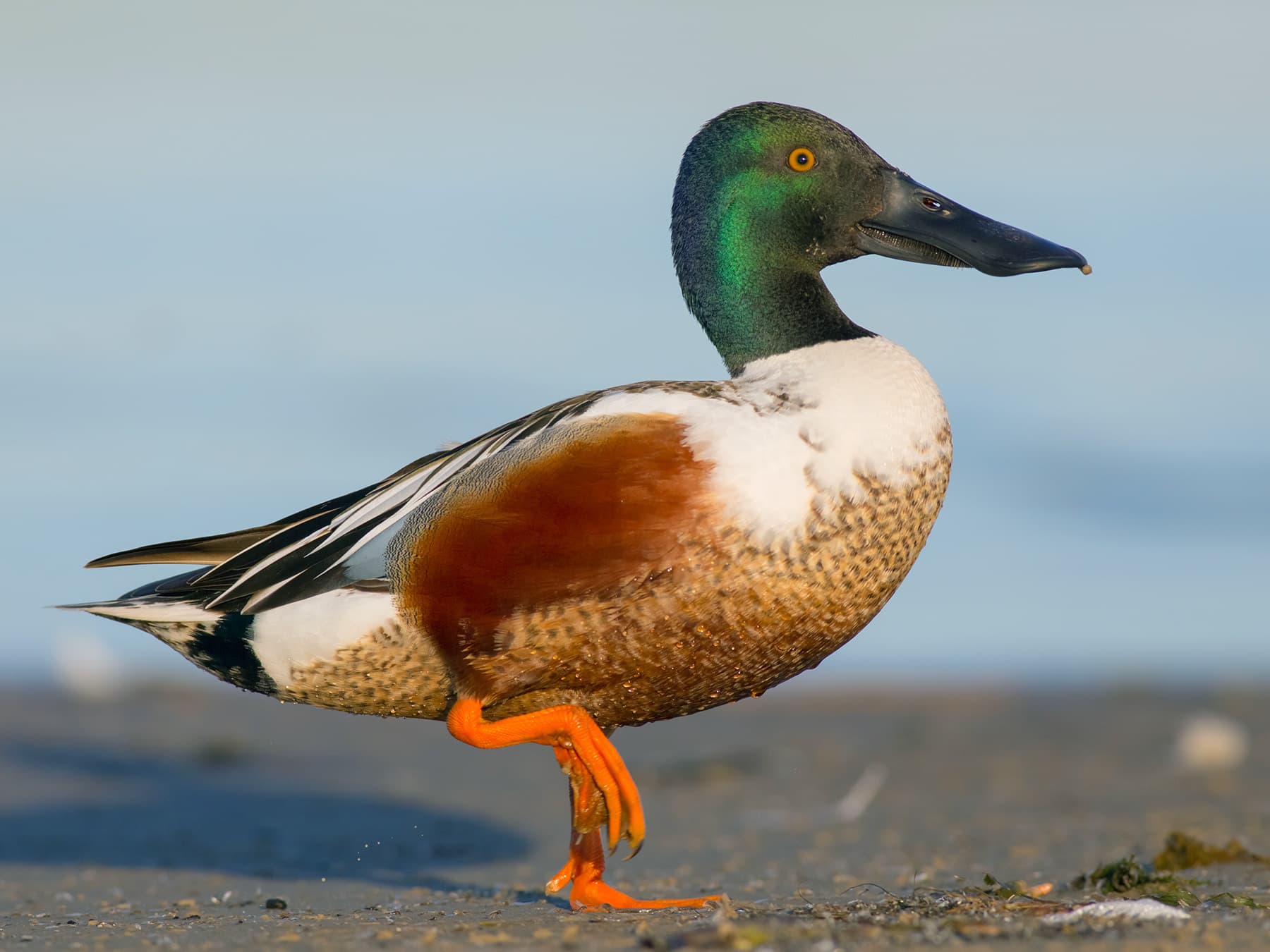 Northern ShovelerSpatula clypeataWinter visitorUncommon44–51 cmRegularly Sep–Apr · 0.17% in Jan
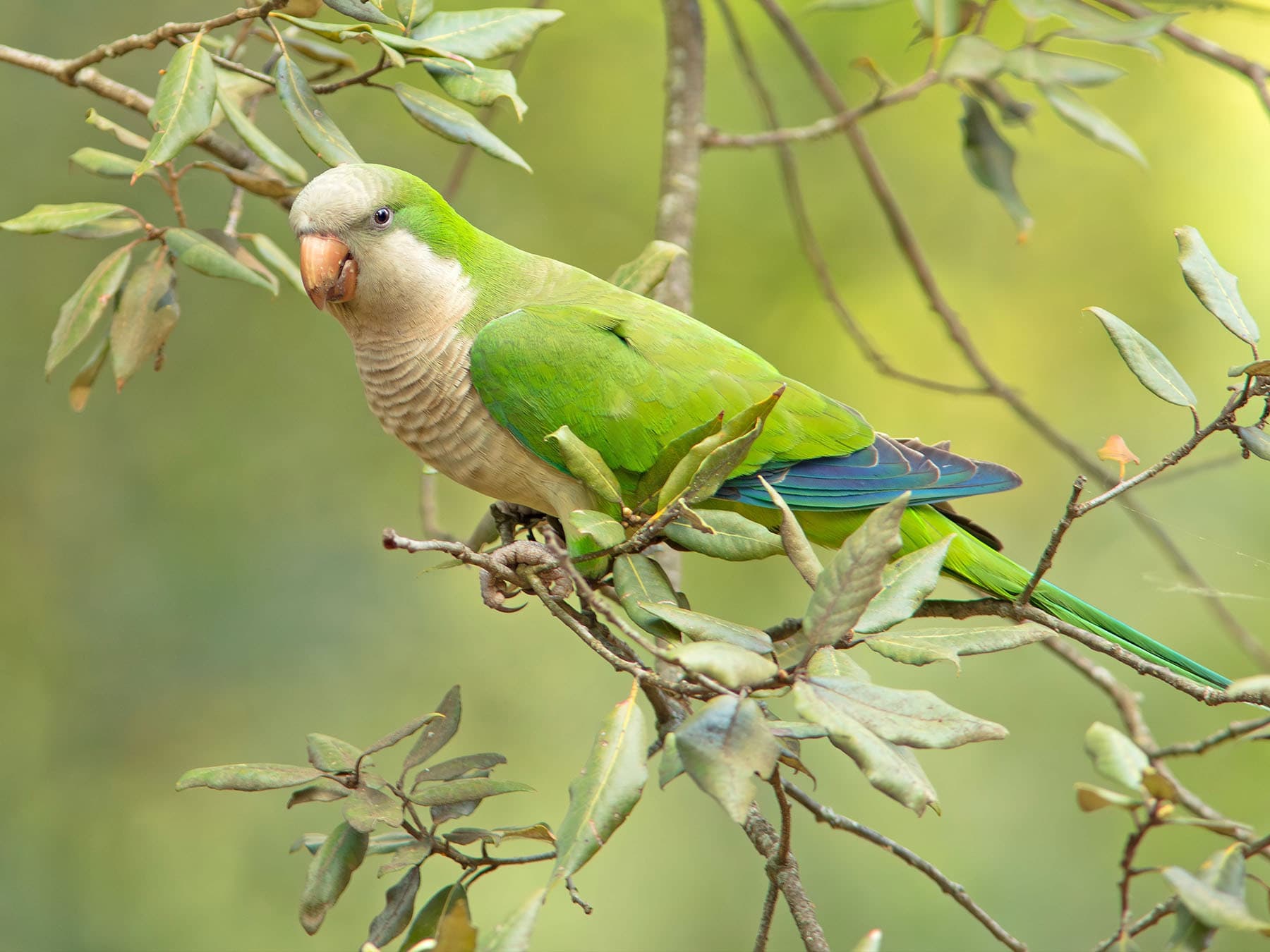 Monk ParakeetMyiopsitta monachusResidentUncommon29–31 cmRecorded all year · 0.16% in Jan
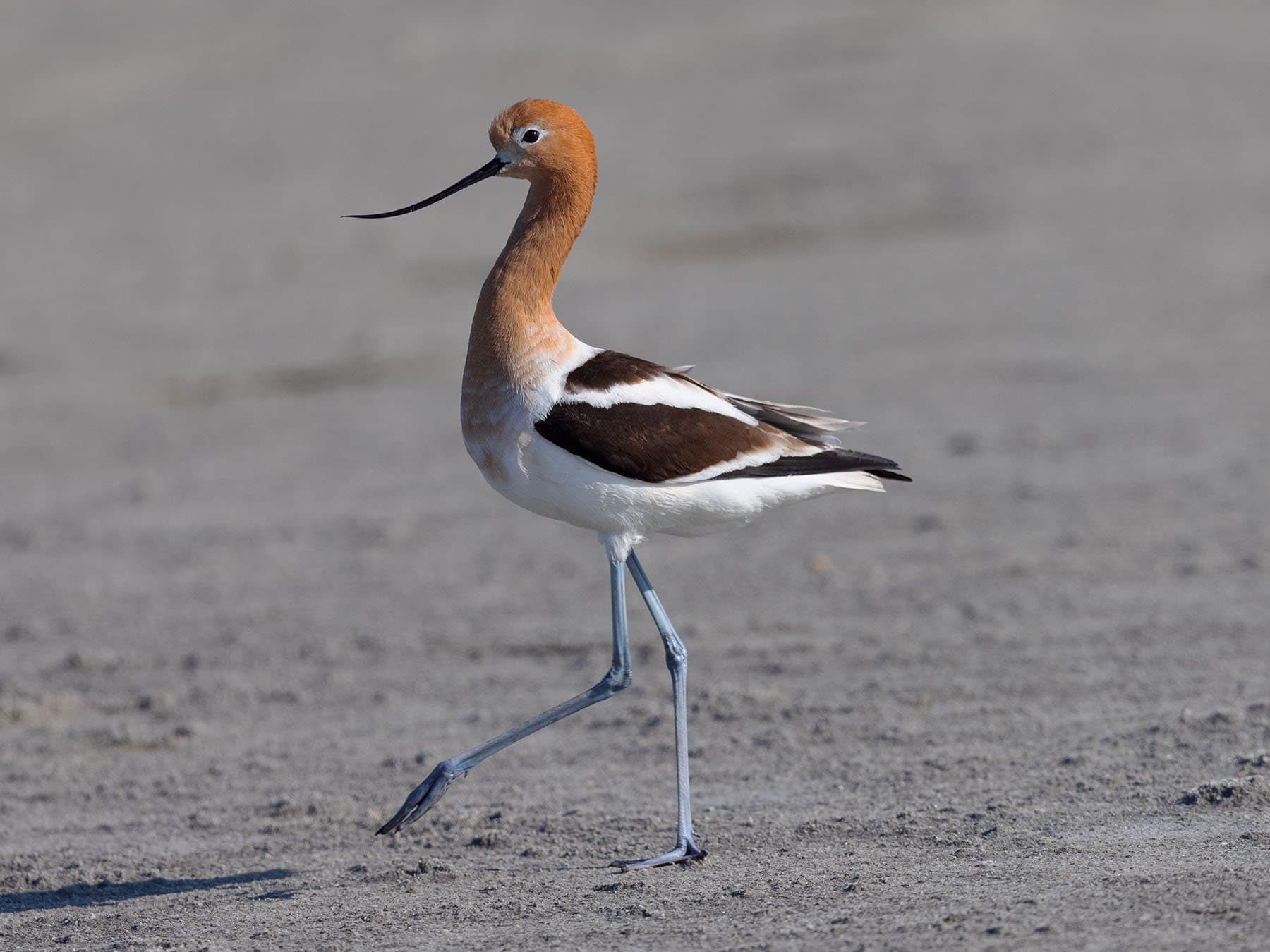 American AvocetRecurvirostra americanaWinter visitorUncommon43–51 cmRegularly Sep–Mar · 0.14% in Jan
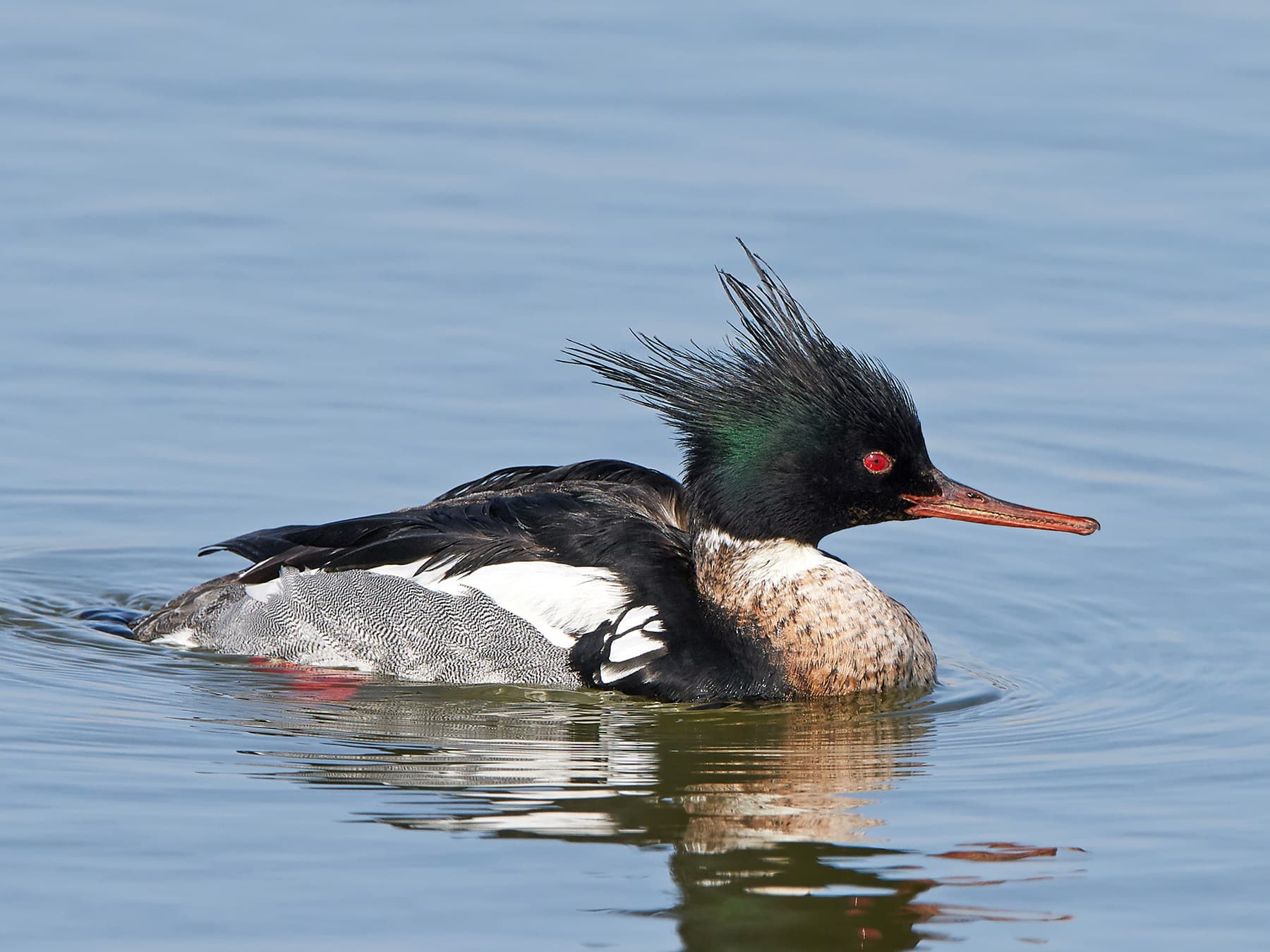 Red-breasted MerganserMergus serratorPassage migrantUncommon52–58 cmRegularly Dec–Jan · 0.12% in Jan
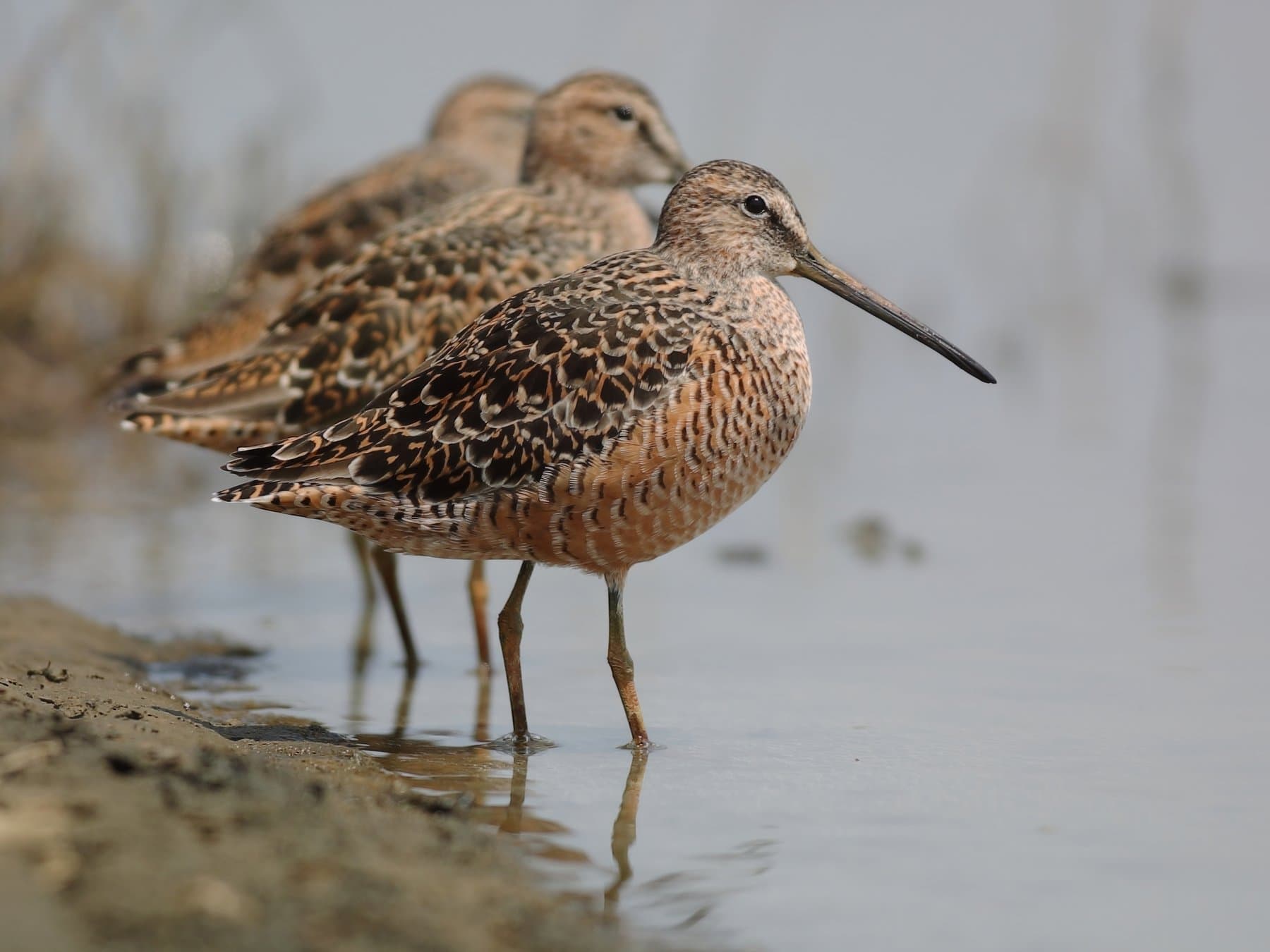 Long-billed DowitcherLimnodromus scolopaceusWinter visitorUncommon27–30 cmRegularly Sep–Apr · 0.11% in Jan
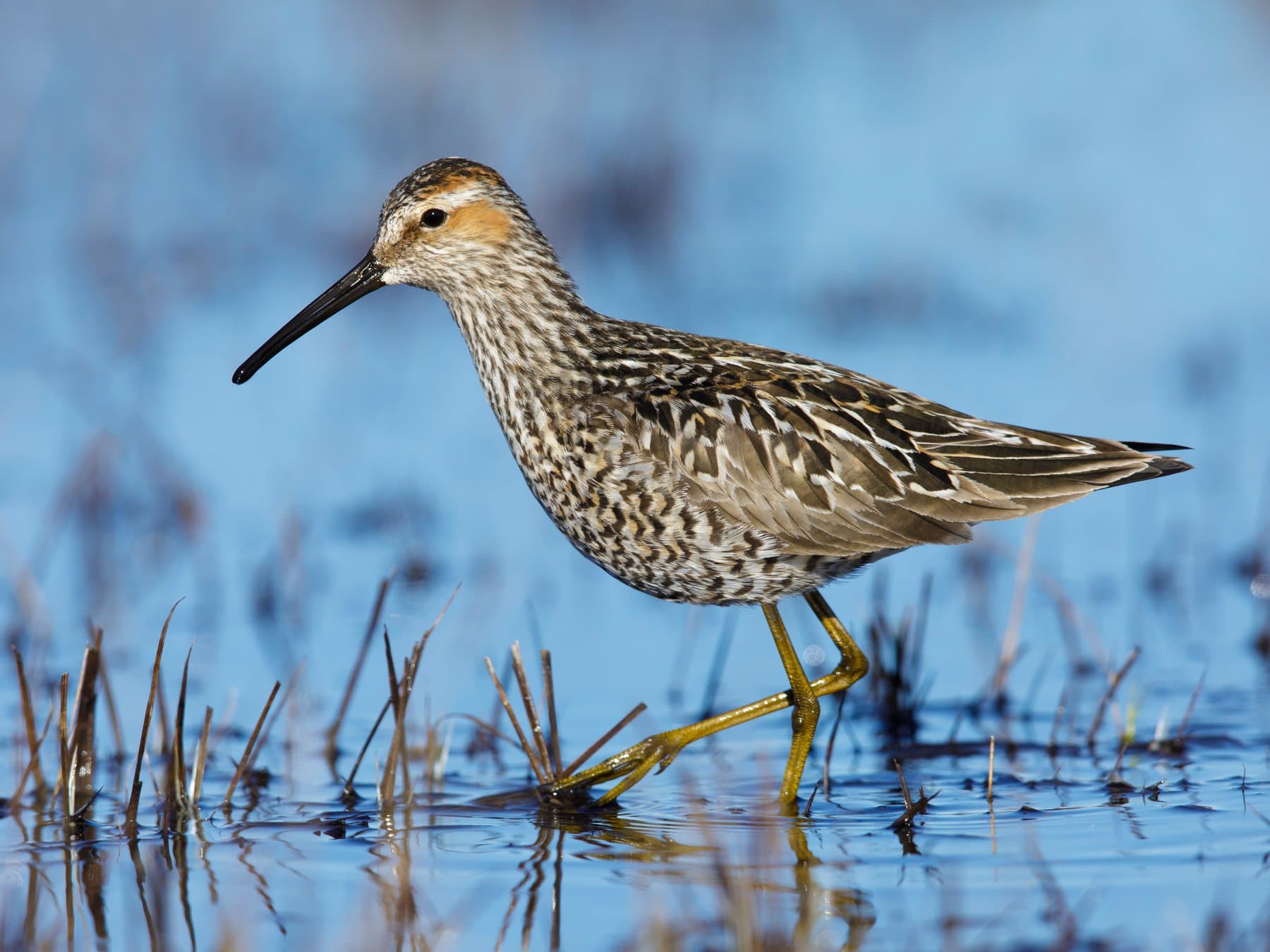 Stilt SandpiperCalidris himantopusWinter visitorUncommon18–23 cmRegularly Jul–Apr · 0.11% in Jan
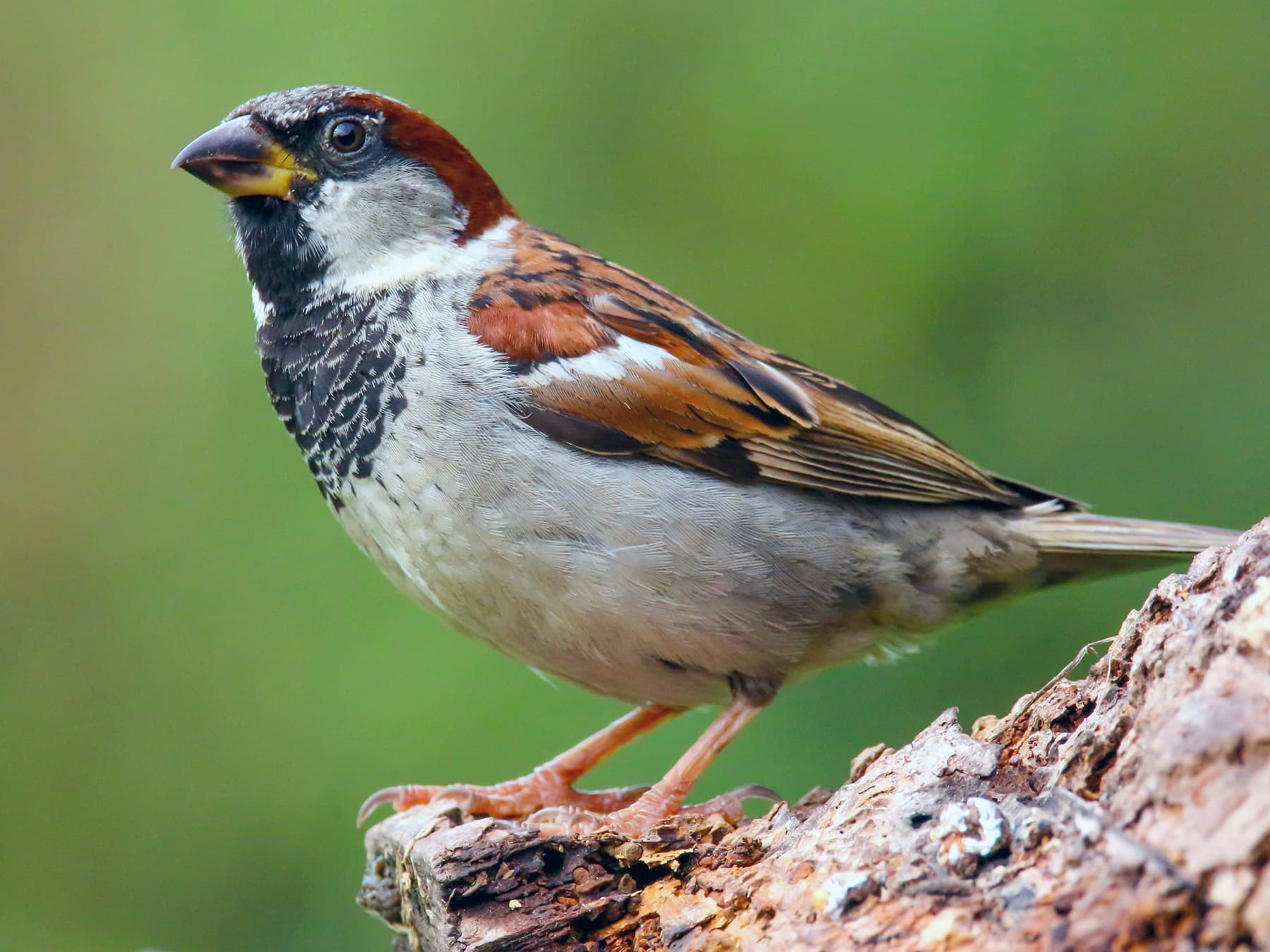 House SparrowPasser domesticusResidentUncommon14–17 cmRecorded all year · 0.09% in Jan
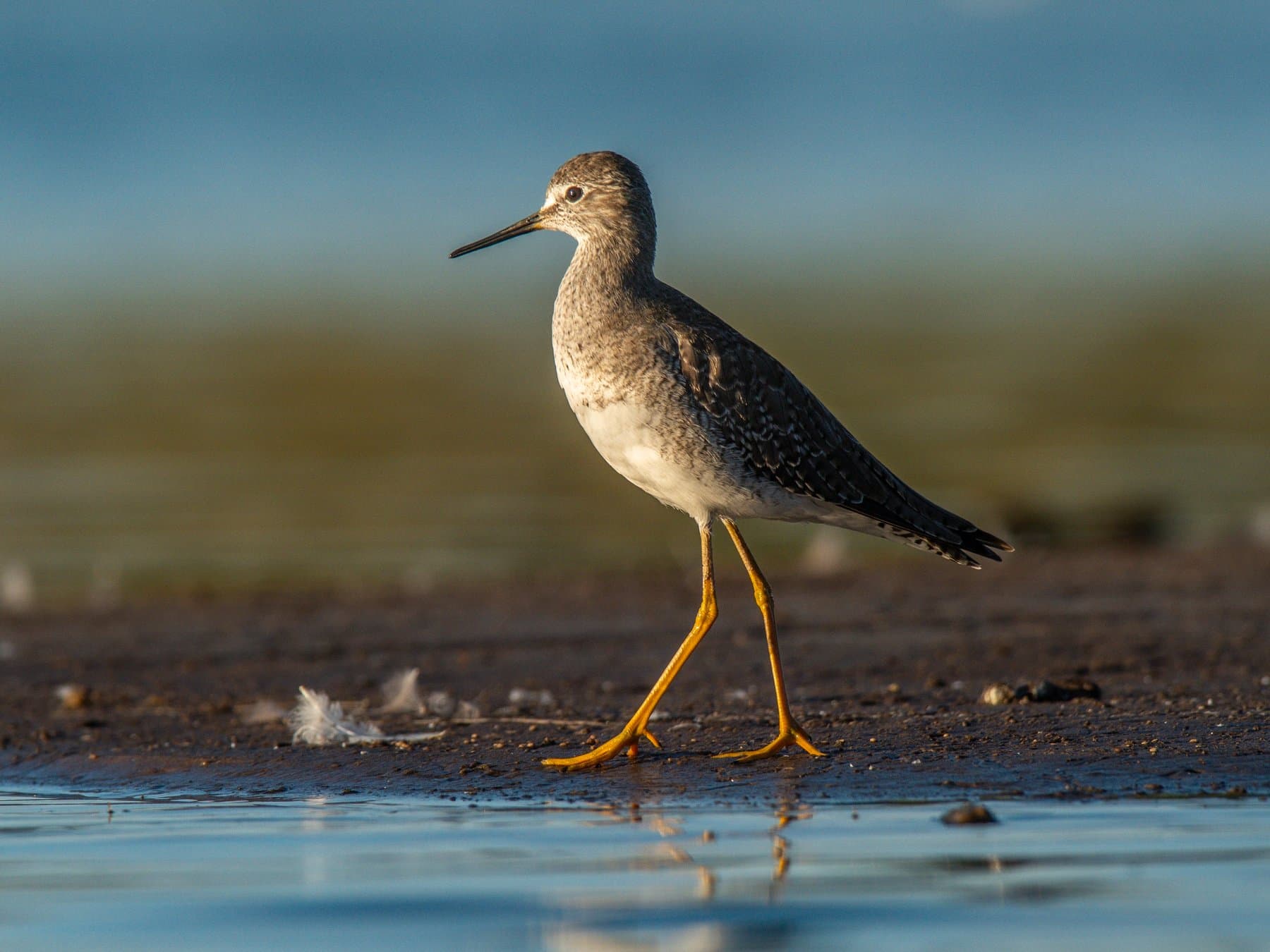 Solitary SandpiperTringa solitariaWinter visitorUncommon19–23 cmRegularly Jul–May · 0.09% in Jan
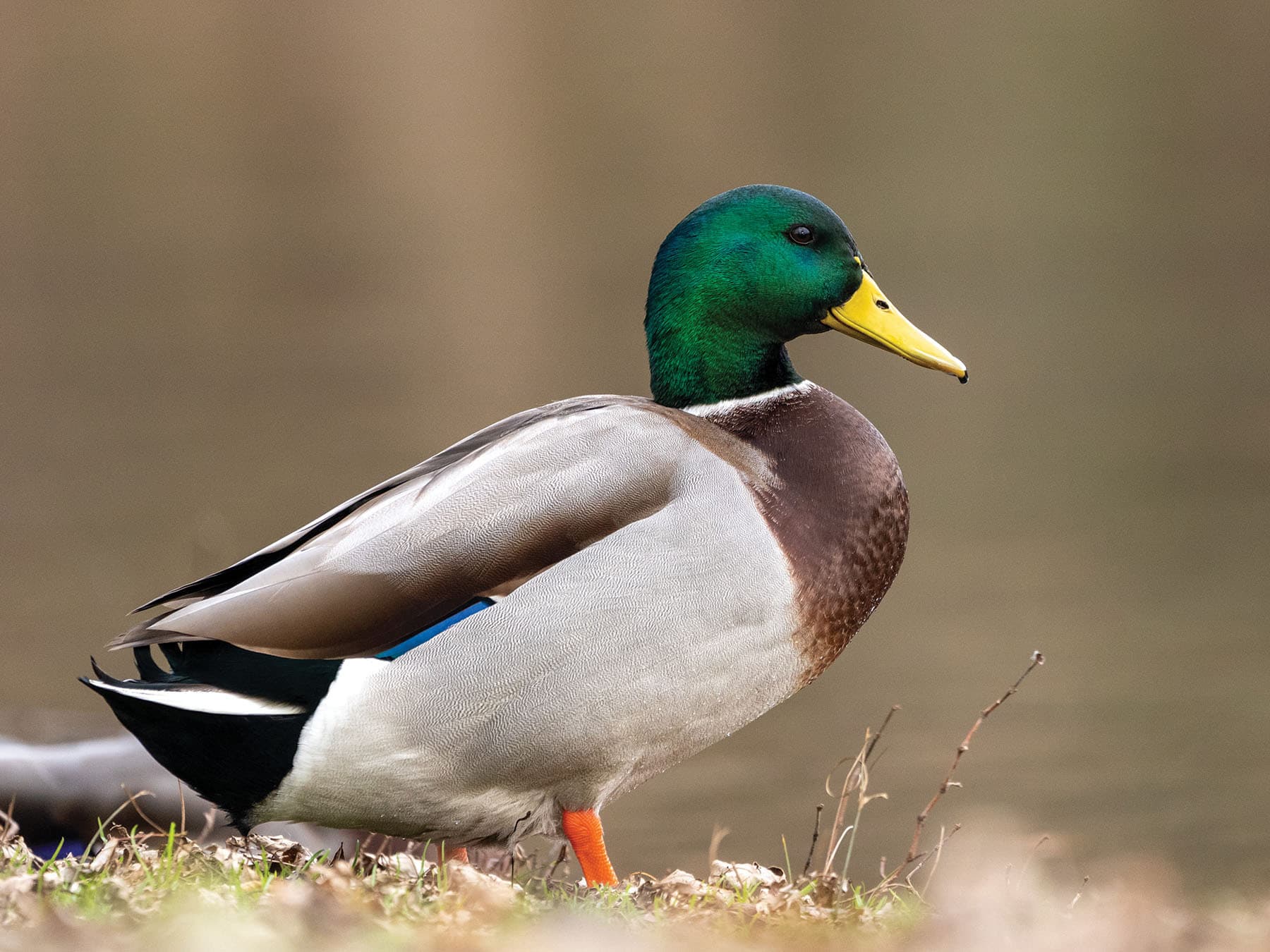 MallardAnas platyrhynchosPassage migrantUncommon50–65 cmRegularly Jan · 0.07% in Jan
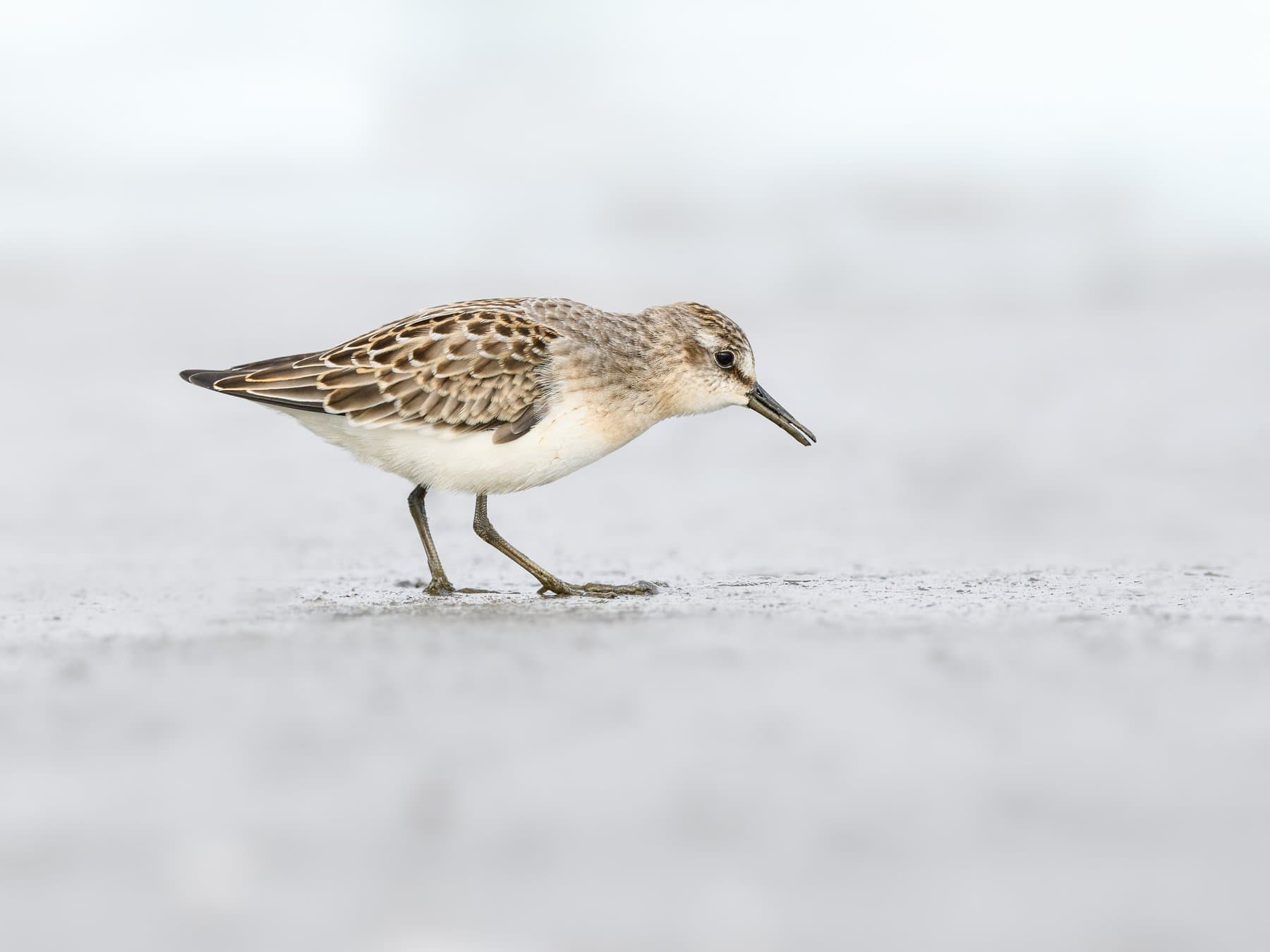 Semipalmated SandpiperCalidris pusillaPassage migrantCommon15–18 cmRegularly Jul–May · 0.07% in Jan
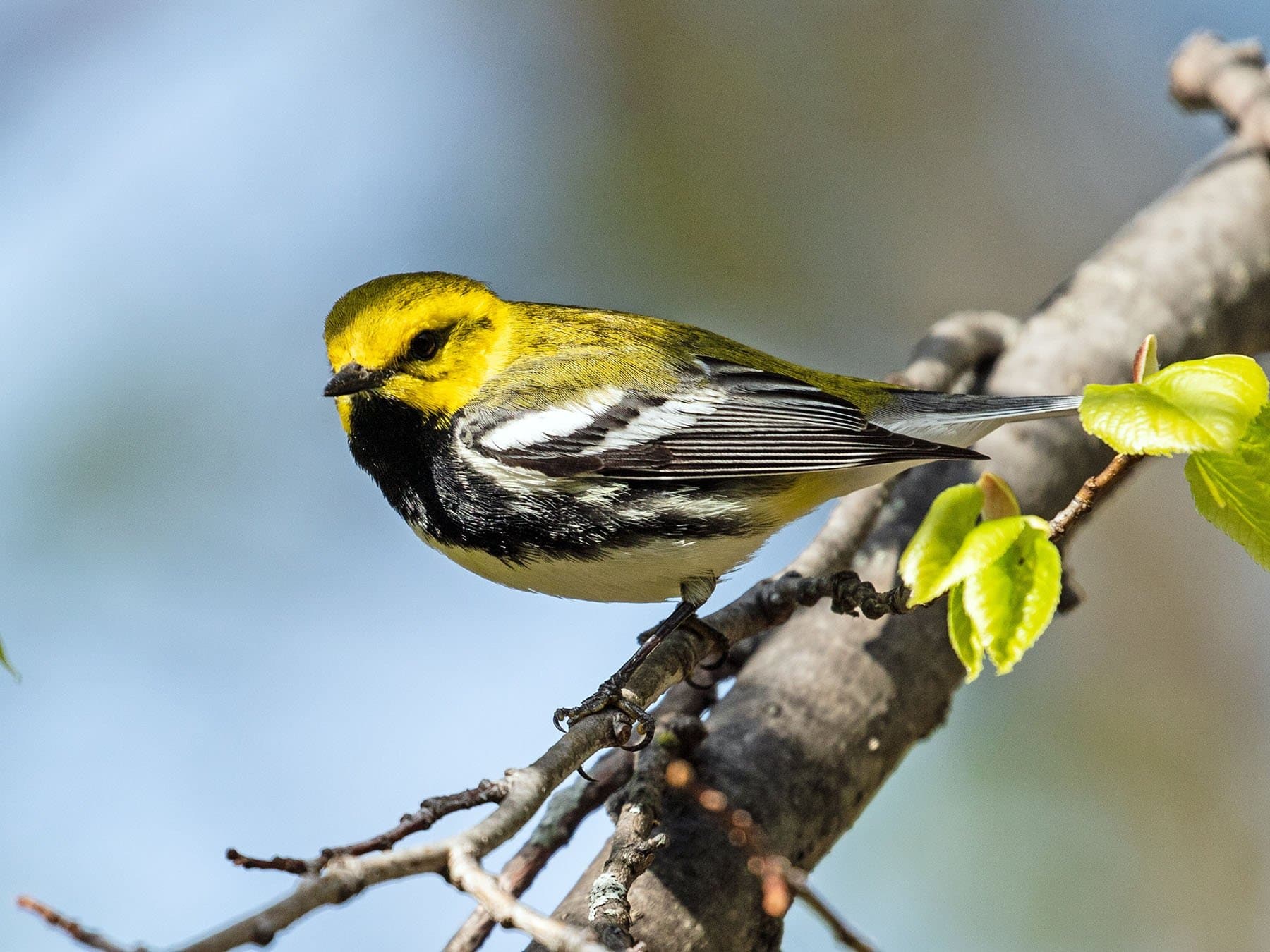 Black-throated Green WarblerSetophaga virensWinter visitorUncommon11–12 cmRegularly Oct–Apr · 0.06% in Jan
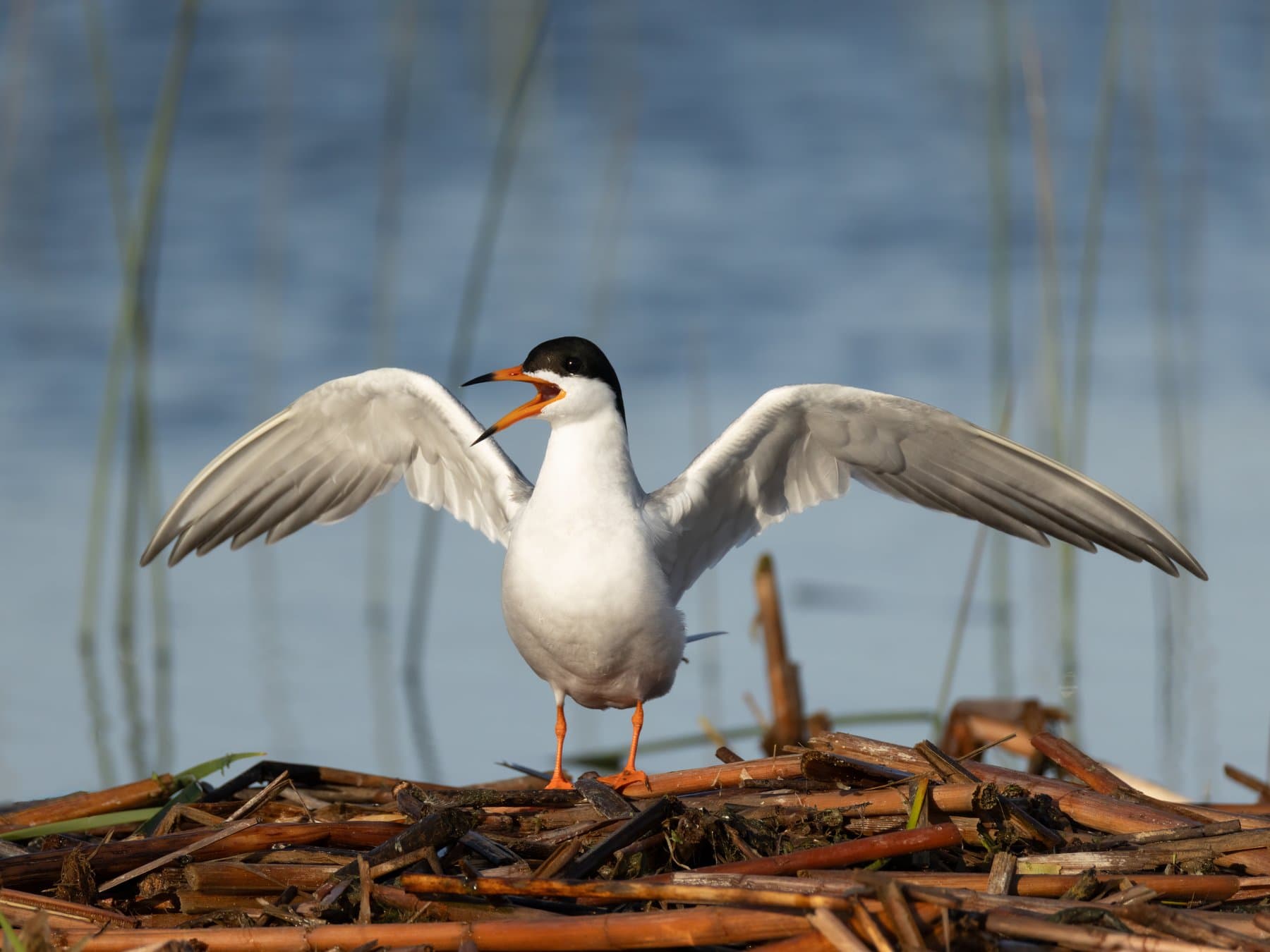 Forster's TernSterna forsteriPassage migrantUncommon33–36 cmRegularly Sep–Mar · 0.04% in Jan
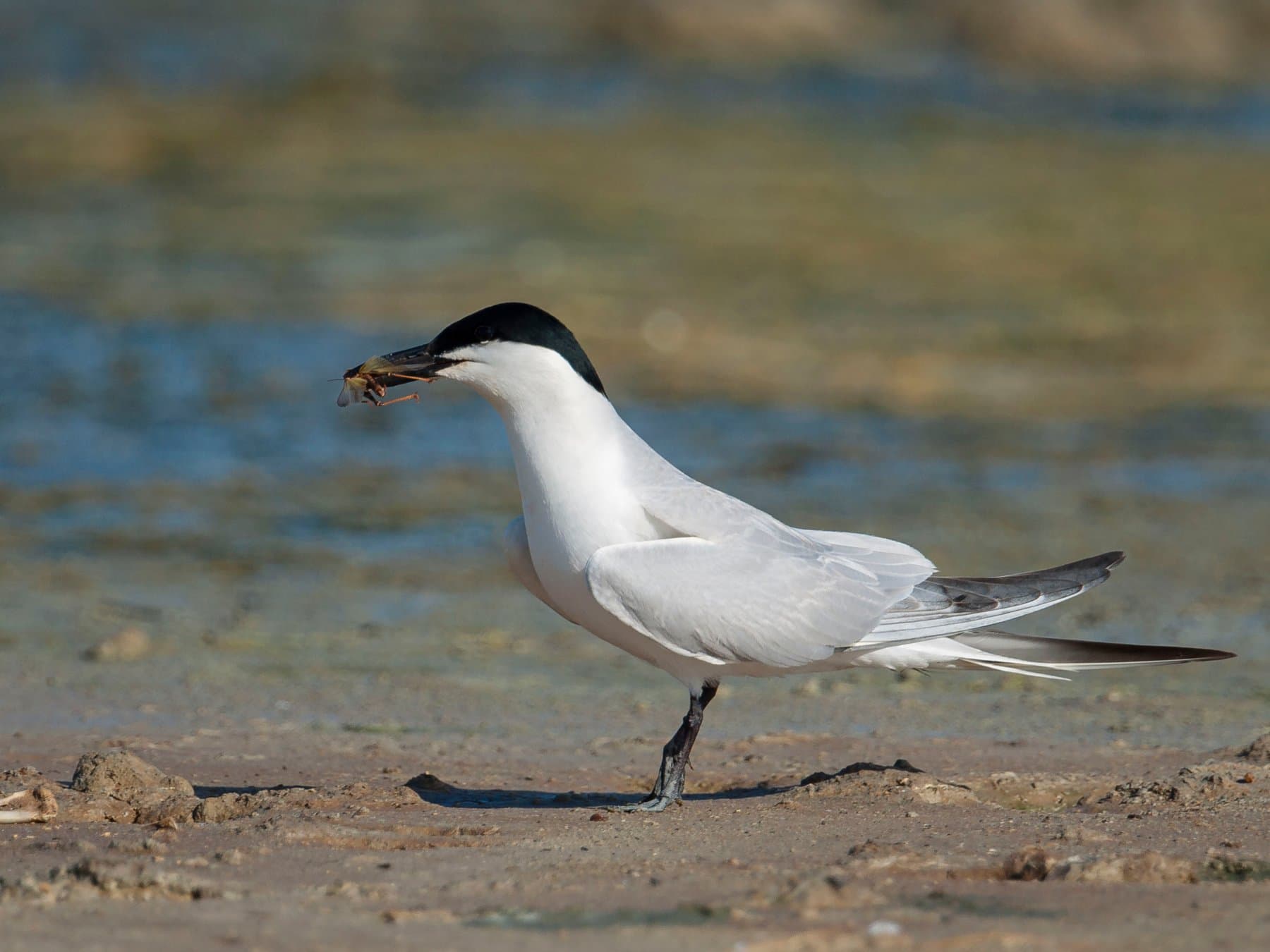 Gull-billed TernGelochelidon niloticaSummer visitorUncommon33–42 cmRegularly Apr–Jan · 0.03% in Jan
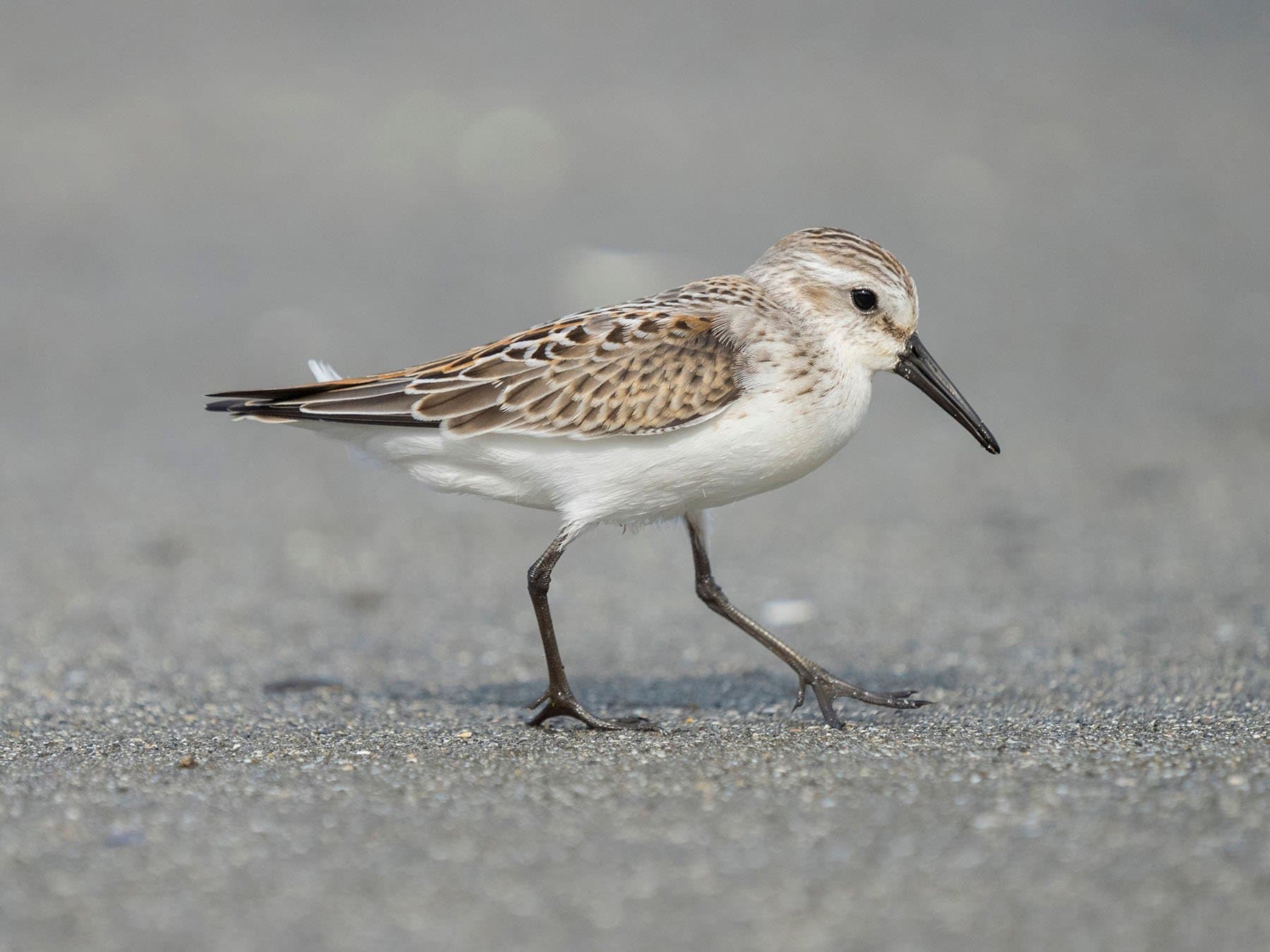 Western SandpiperCalidris mauriPassage migrantUncommon14–17 cmRegularly Jul–Apr · 0.02% in Jan
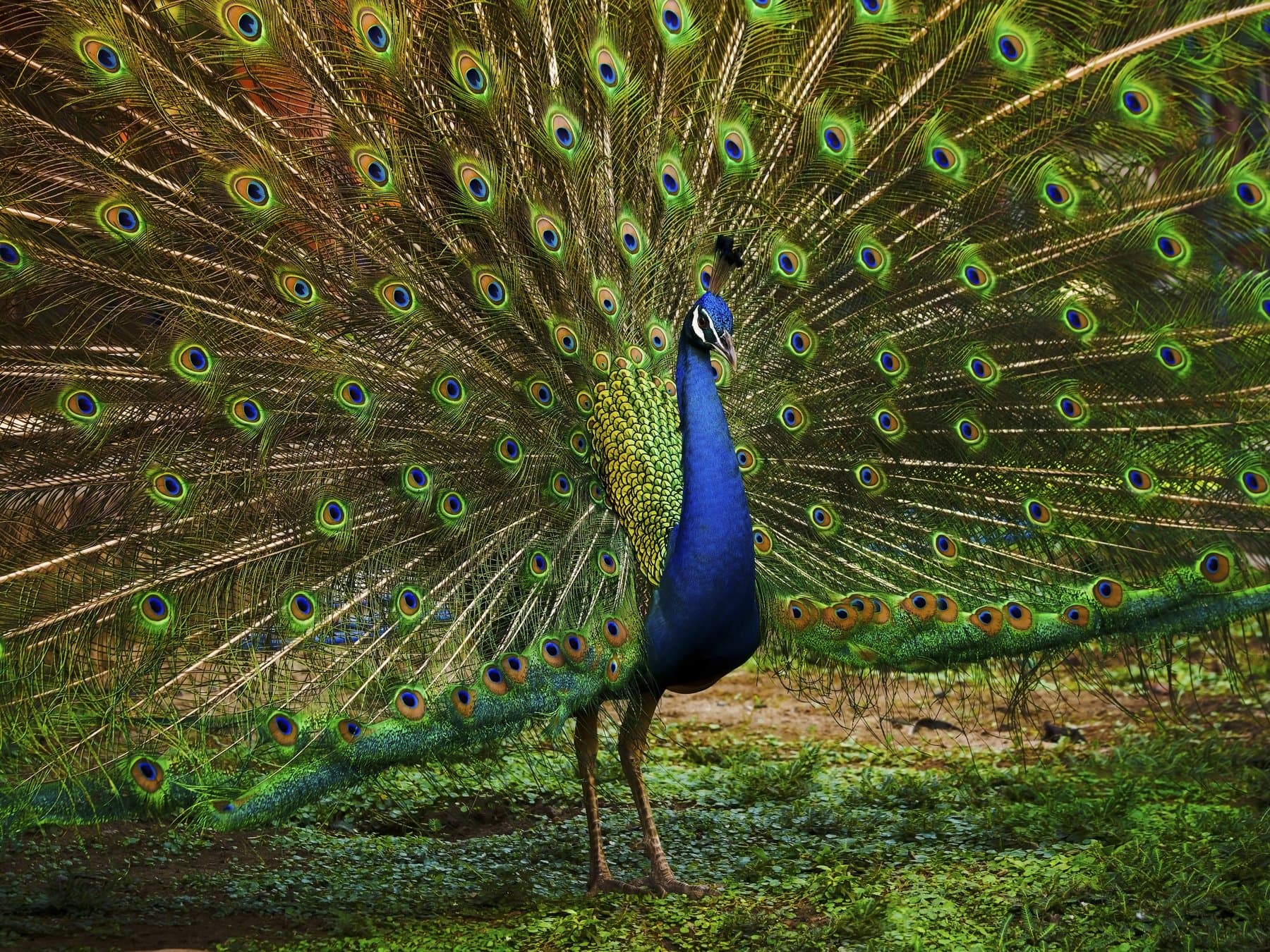 Indian PeafowlPavo cristatusScarceRare86–230 cmRegularly Jan · 0.02% in Jan
Data: EOD – eBird Observation Dataset (Cornell Lab of Ornithology), accessed via GBIF.org, CC BY 4.0. Records from 2019–2024, aggregated and filtered by Birdfact. How these lists are made