


Rare Birds in Cayman Islands
Our list for Cayman Islands has 16 rare birds recorded regularly there: 8 passage migrants and 8 scarce visitors
Most likely in October
GBIF · OctShare of all bird records in Cayman Islands in October, 2019–2024. Each month links to that month’s page.
All 16, most common first
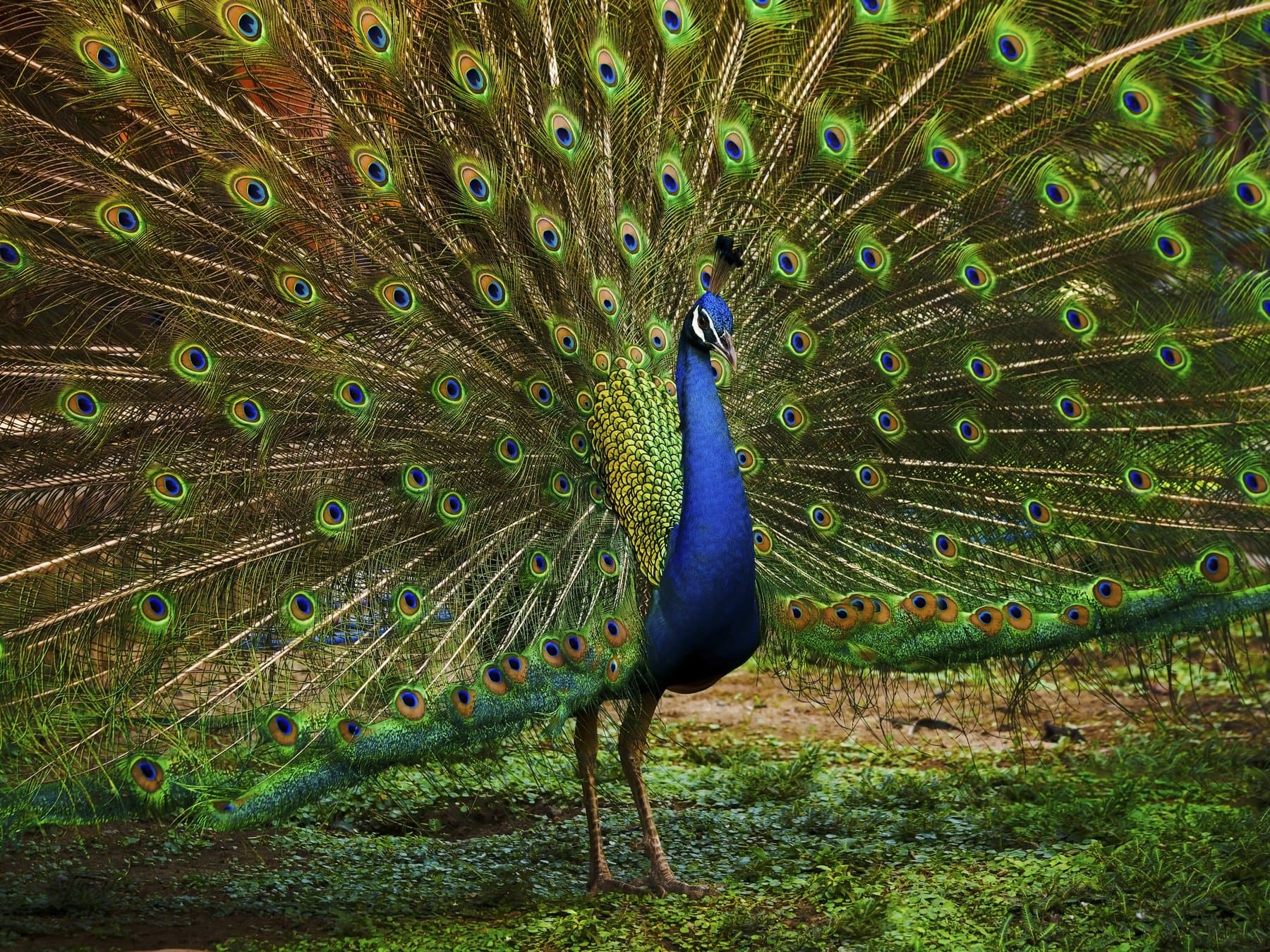 Indian PeafowlPavo cristatusScarceRare86–230 cmRegularly Jan
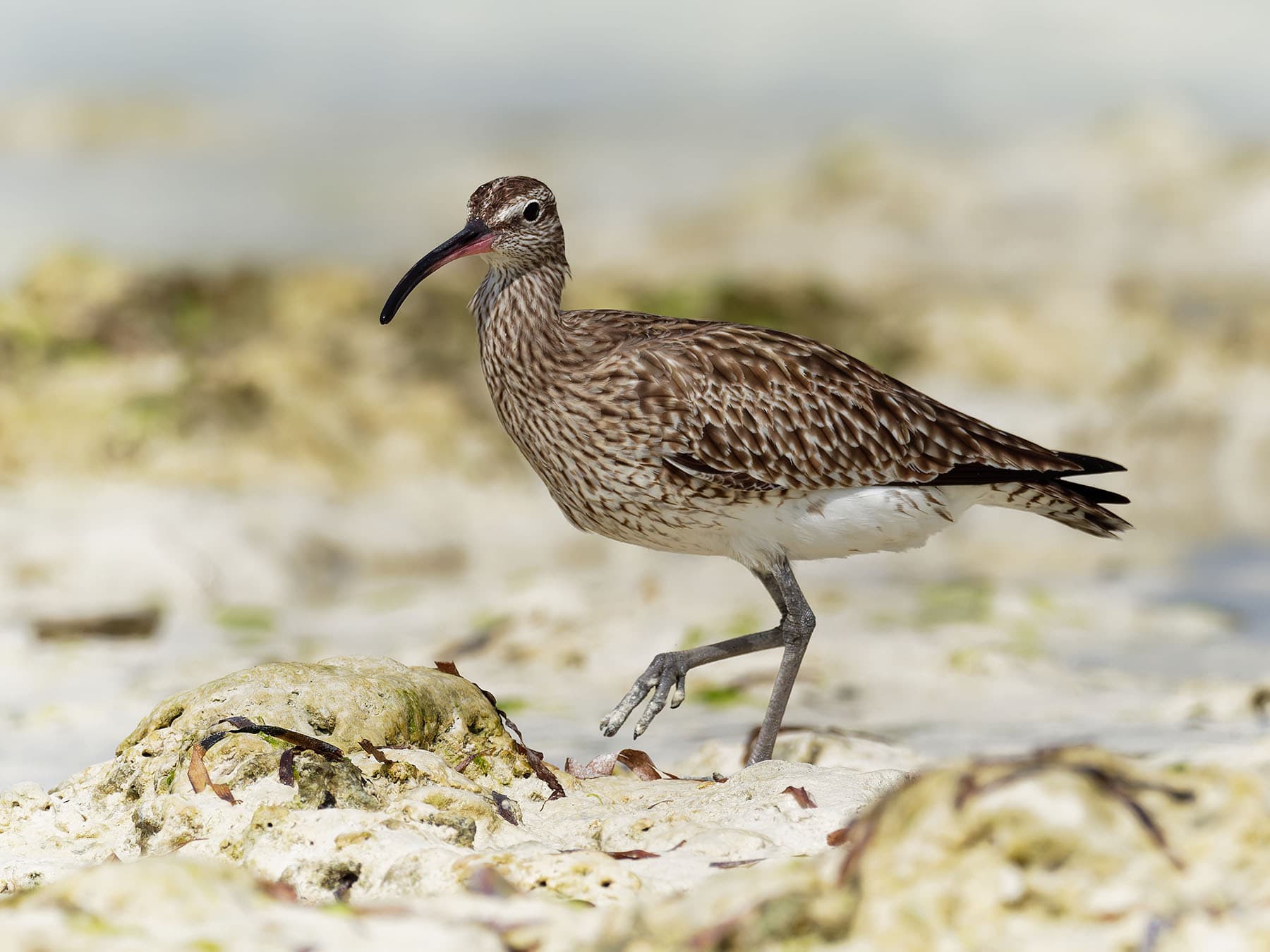 WhimbrelNumenius phaeopusPassage migrantRare40–46 cmRegularly Sep–Mar
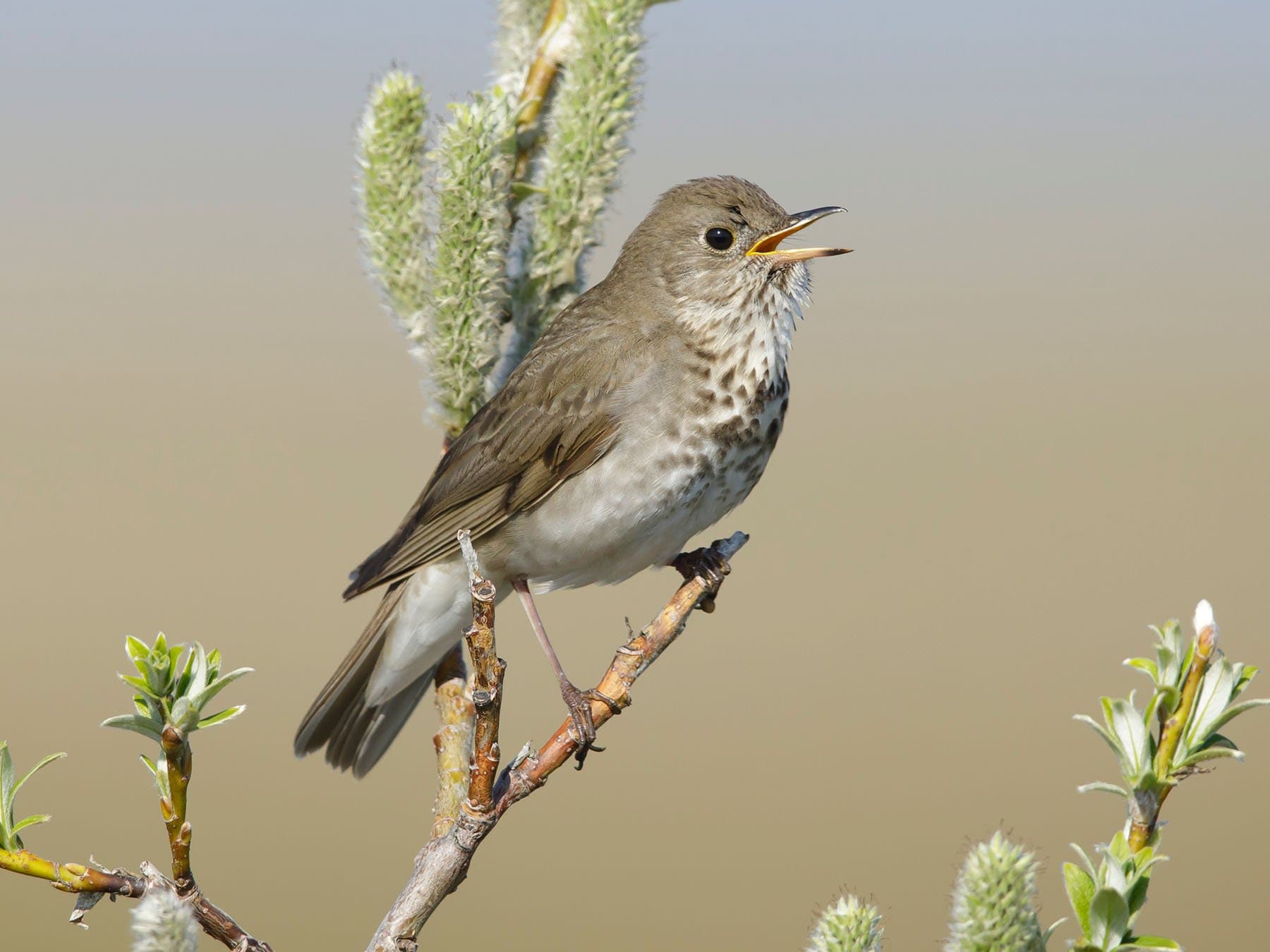 Gray-cheeked ThrushCatharus minimusPassage migrantRare16–17 cmRegularly Oct
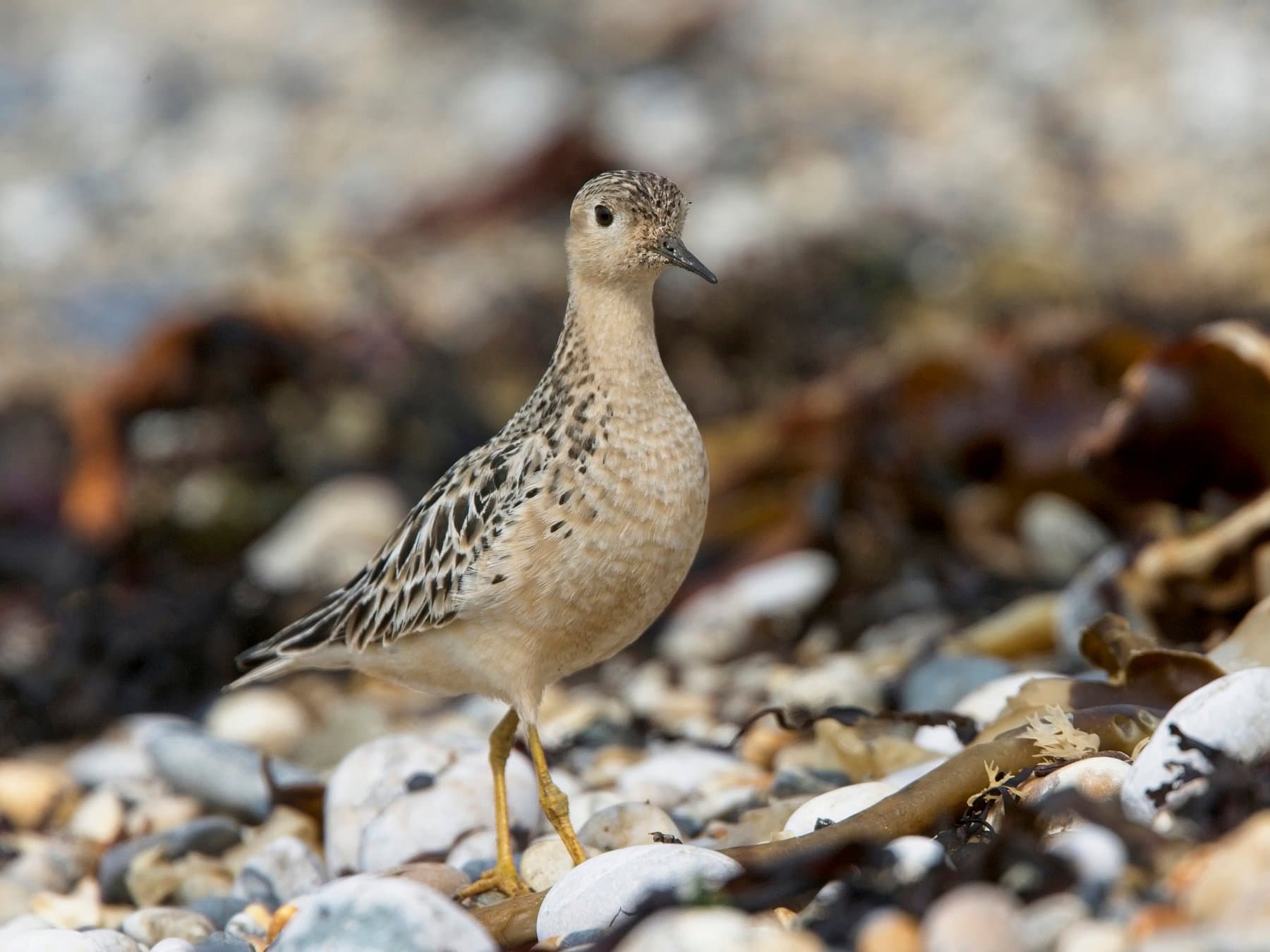 Buff-breasted SandpiperCalidris subruficollisScarceRare18–20 cm
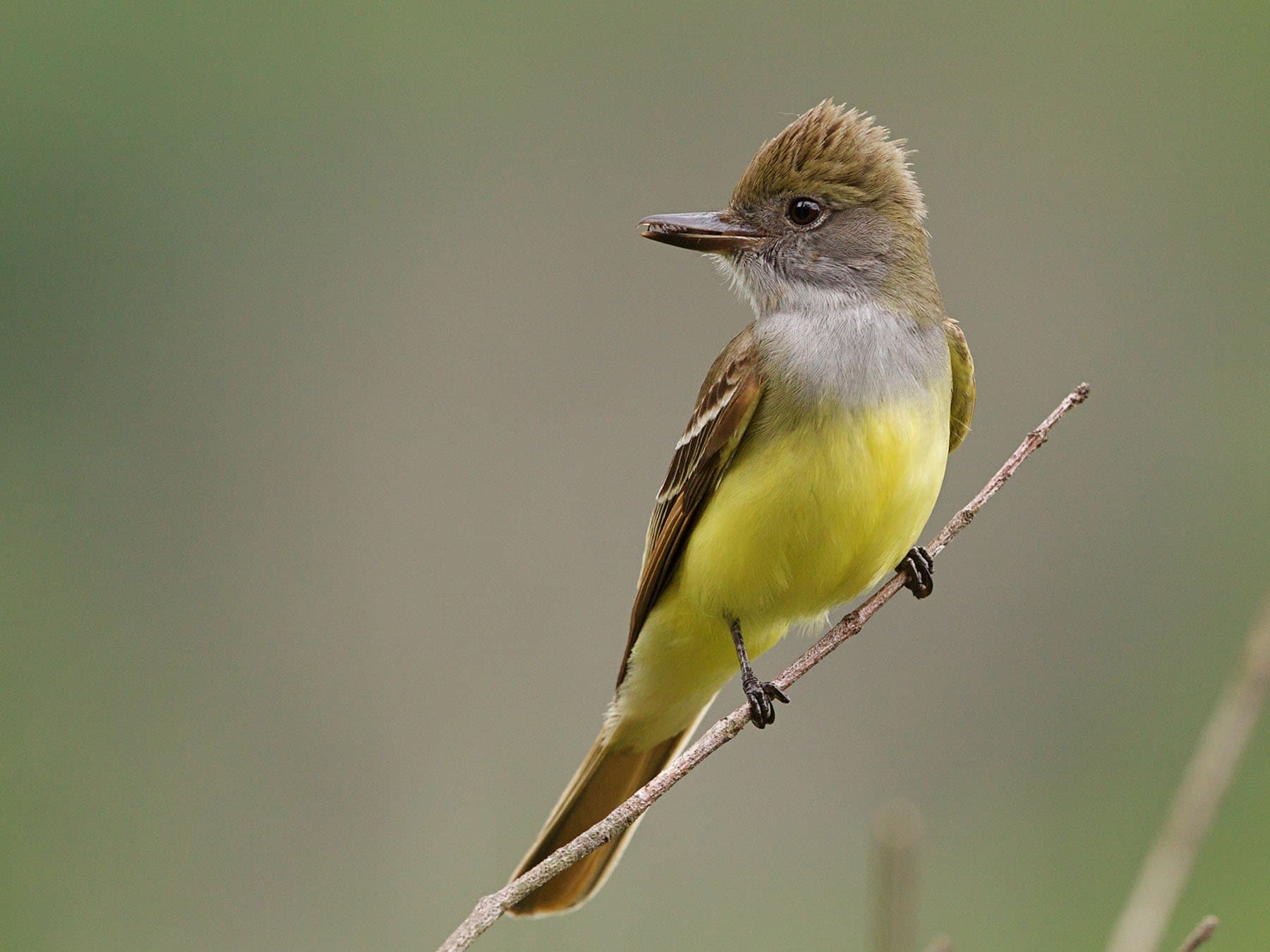 Great Crested FlycatcherMyiarchus crinitusPassage migrantRare17–22 cmRegularly Sep
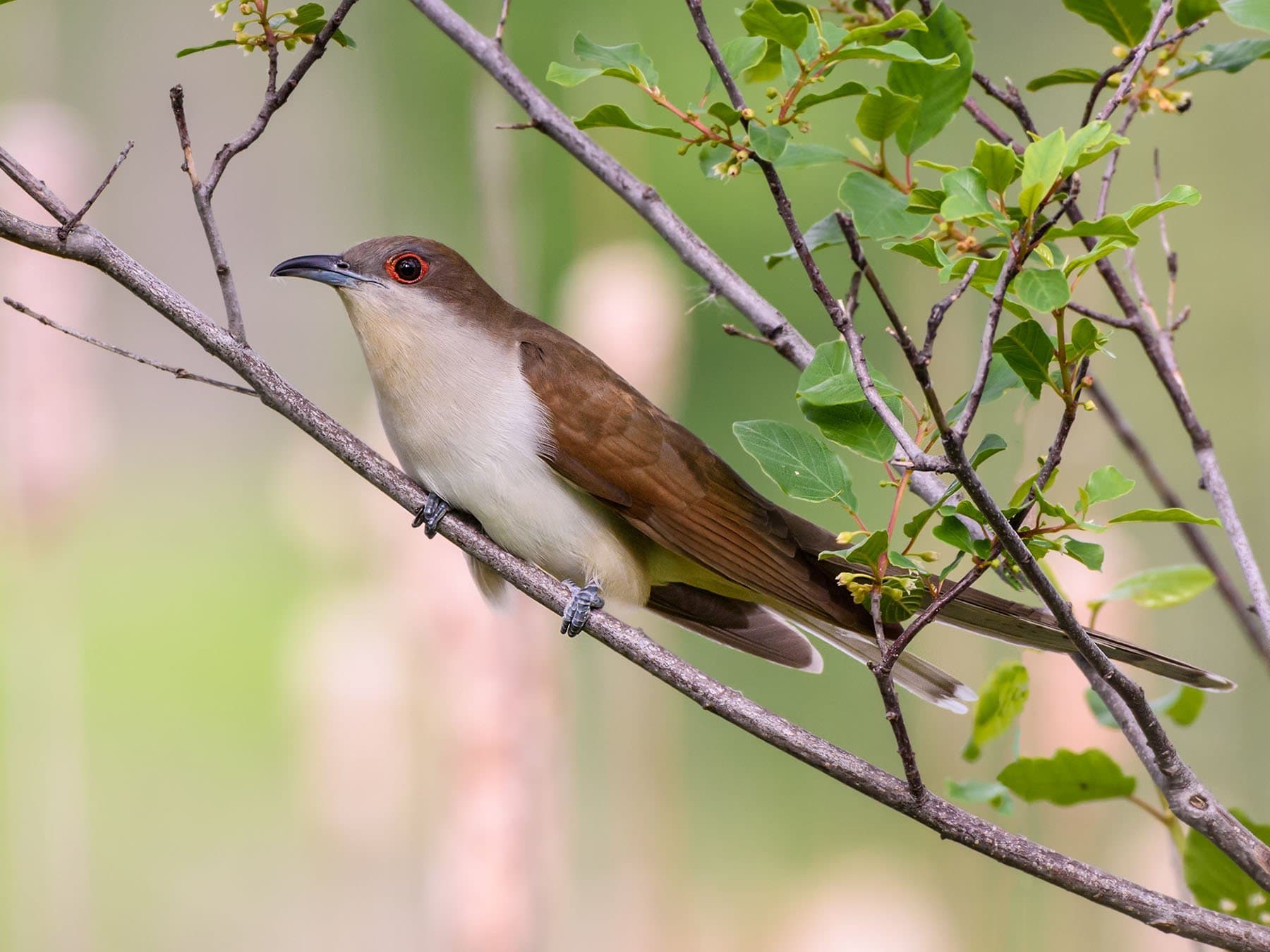 Black-billed CuckooCoccyzus erythropthalmusPassage migrantRare28–32 cmRegularly Oct
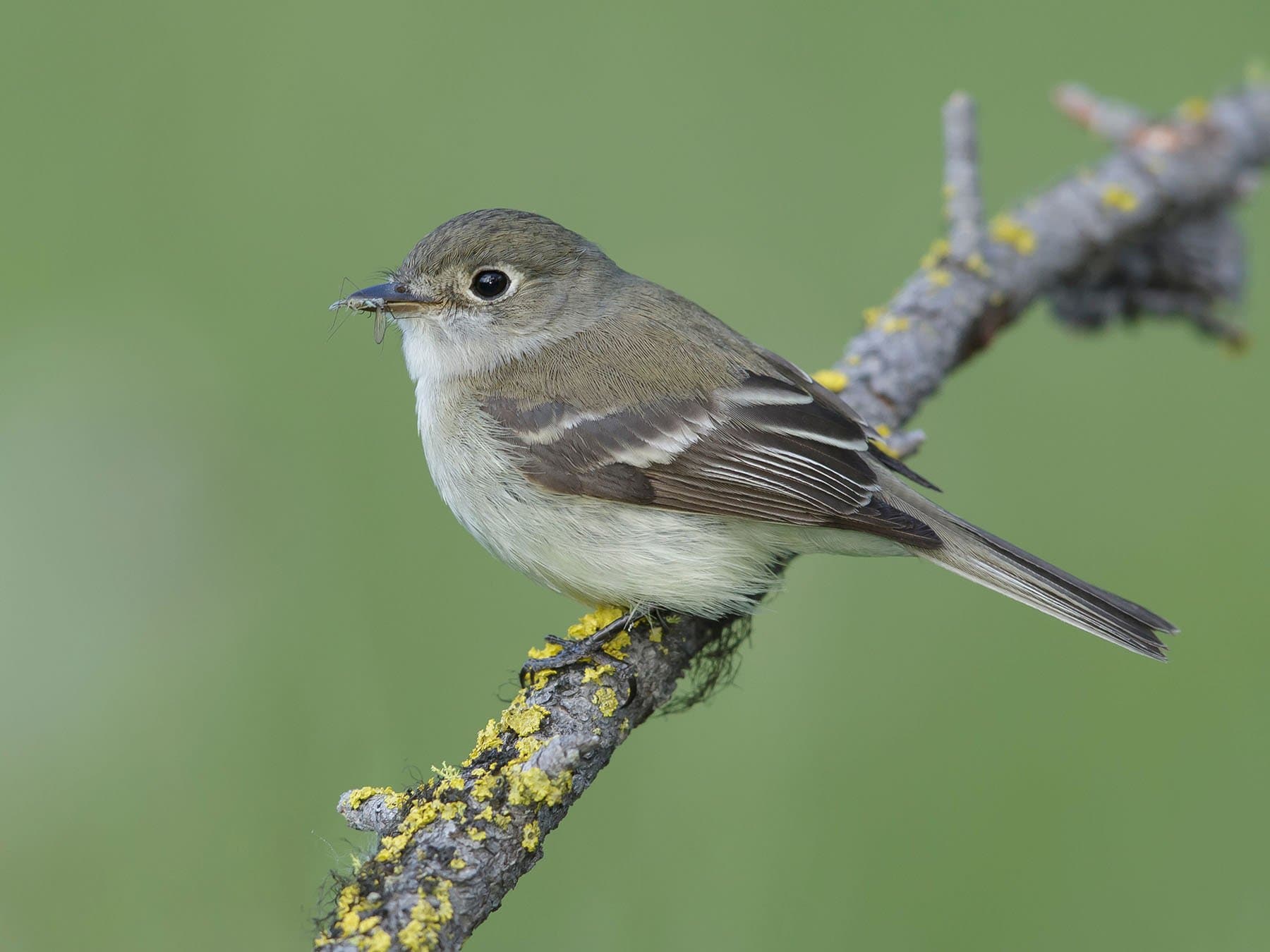 Least FlycatcherEmpidonax minimusPassage migrantRare12–14 cmRegularly Oct
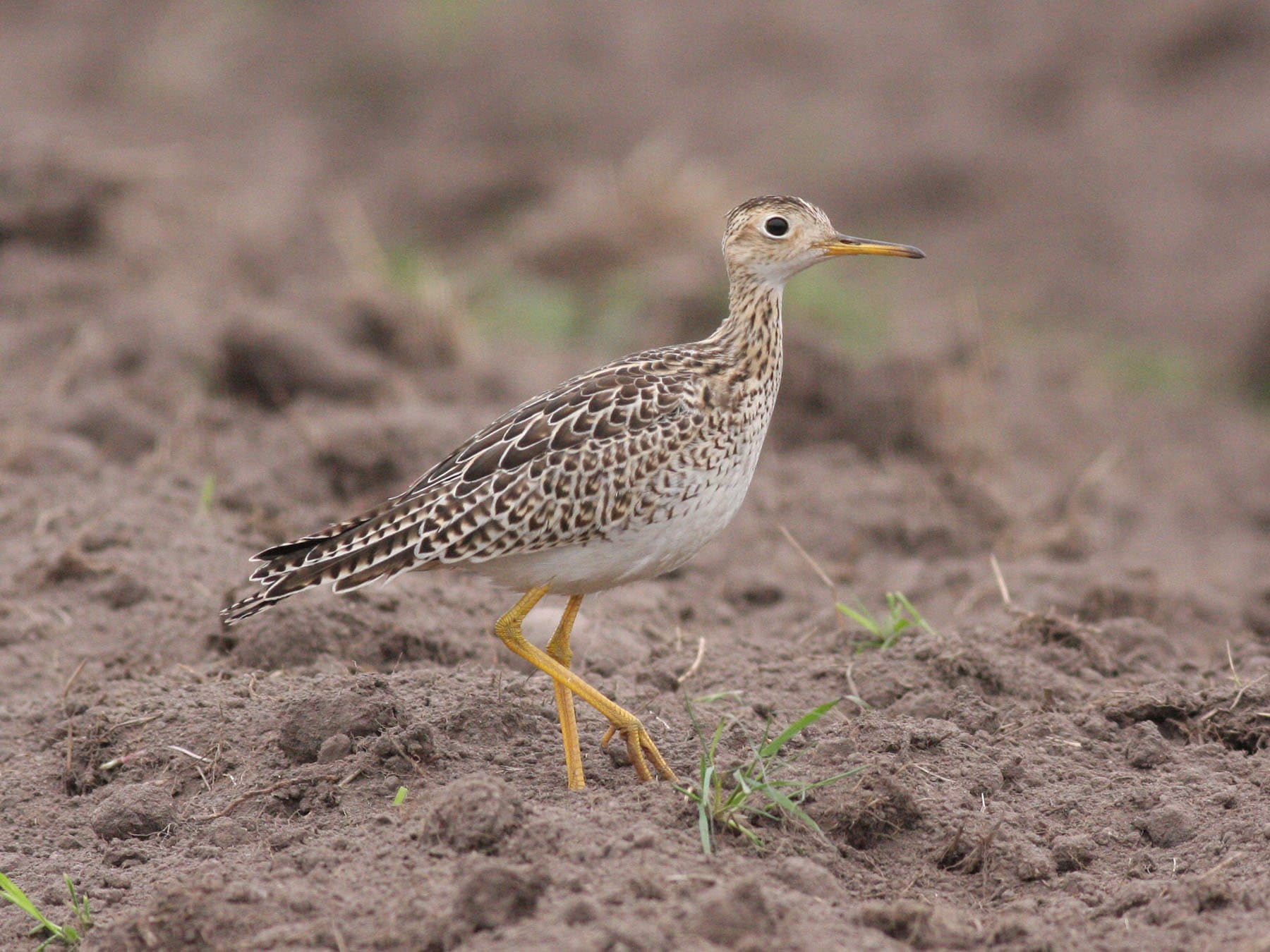 Upland SandpiperBartramia longicaudaPassage migrantRare28–32 cmRegularly May–Oct
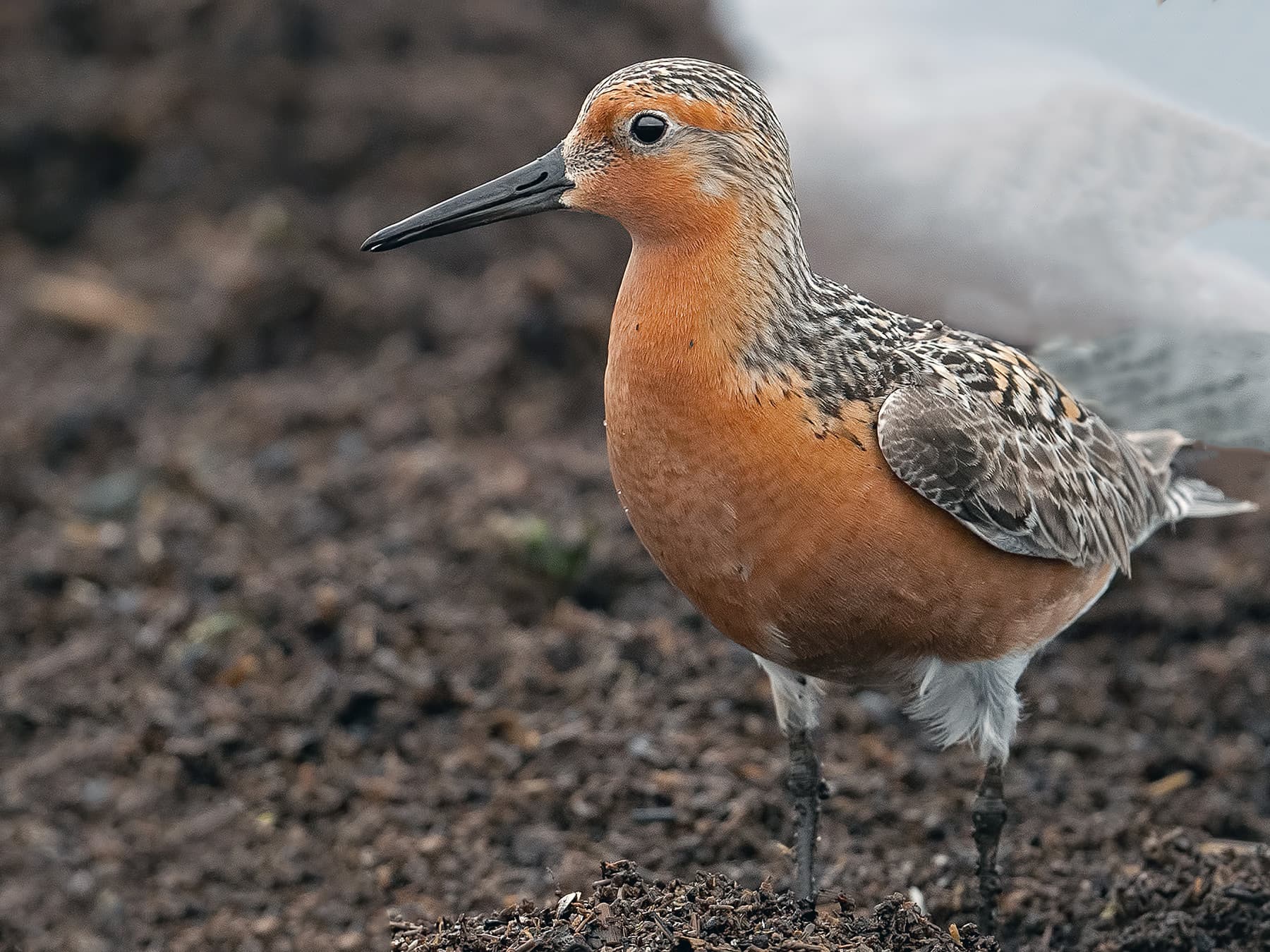 Red KnotCalidris canutusScarceRare23–26 cm
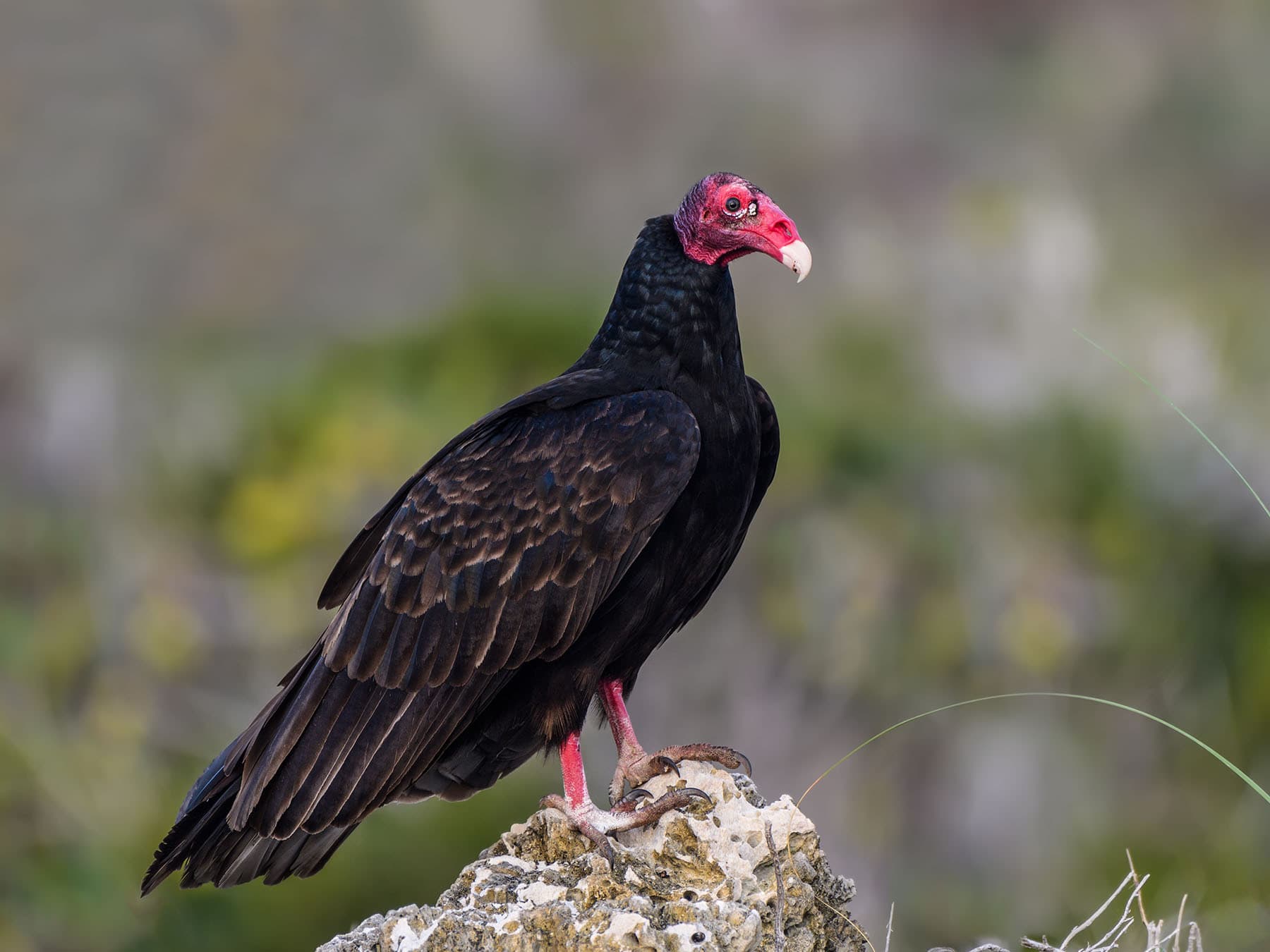 Turkey VultureCathartes auraScarceRare62–81 cm
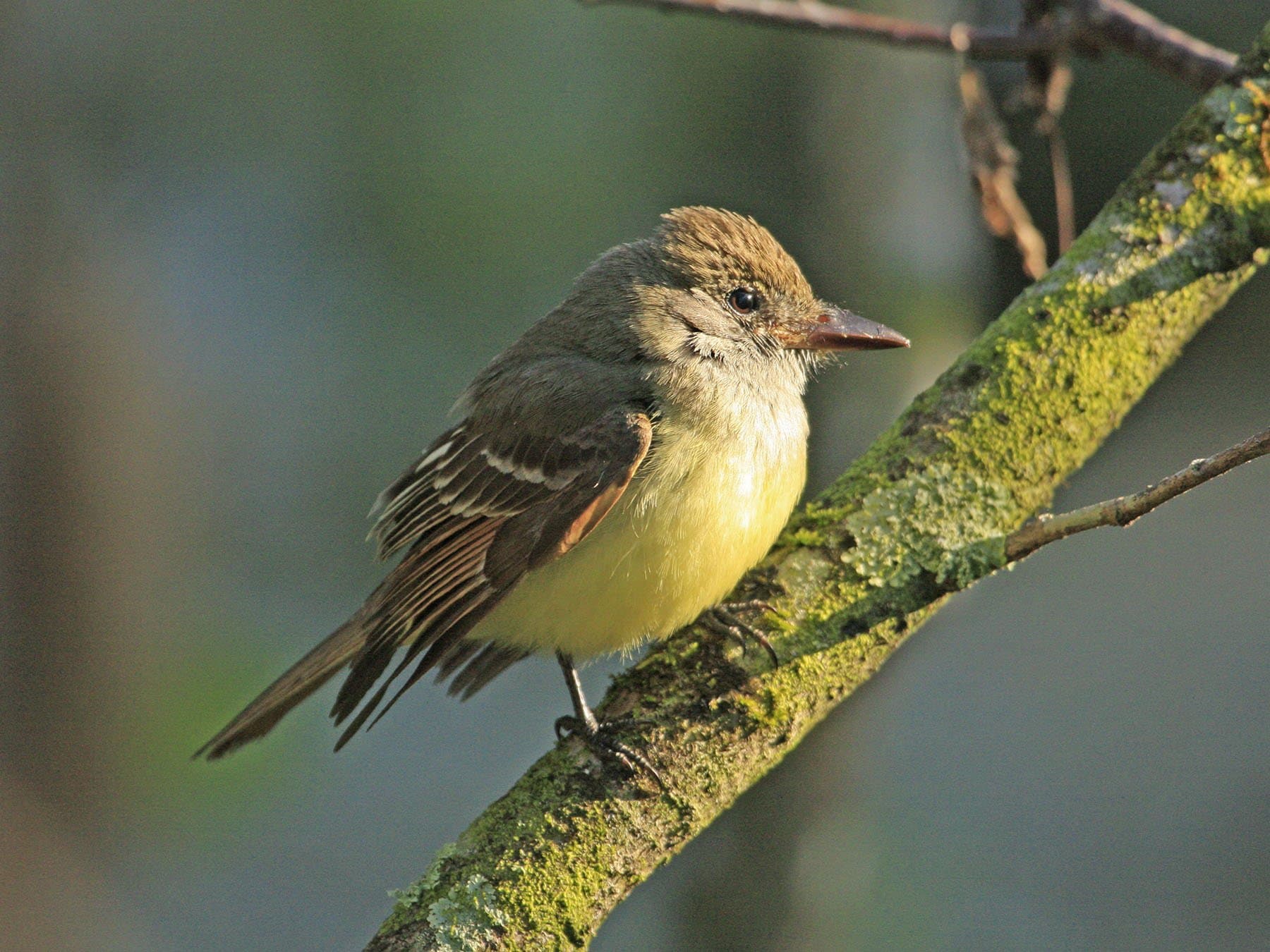 Yellow-bellied FlycatcherEmpidonax flaviventrisScarceRare13–15 cmRegularly Sep
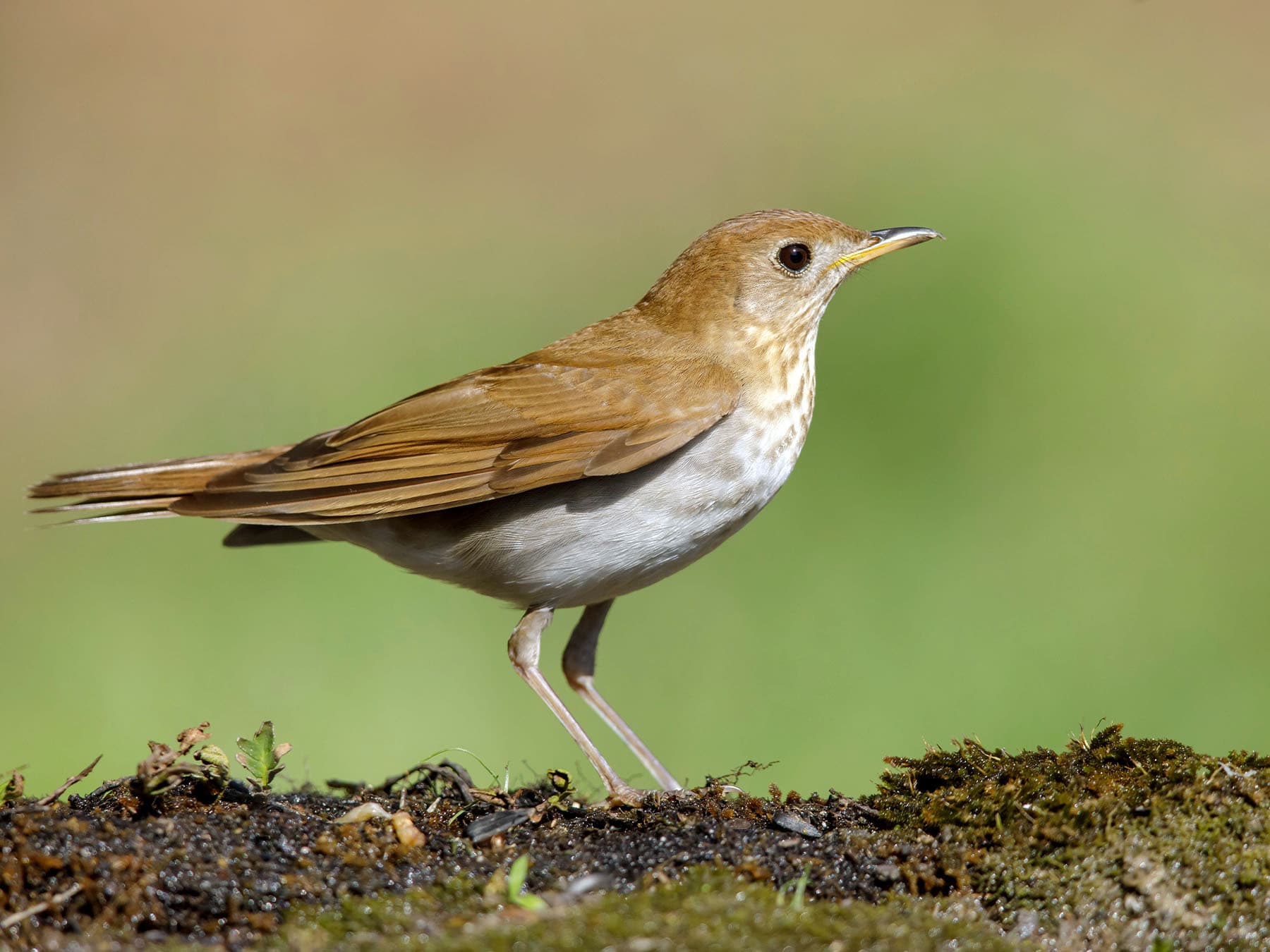 VeeryCatharus fuscescensPassage migrantRare16–19 cmRegularly Oct
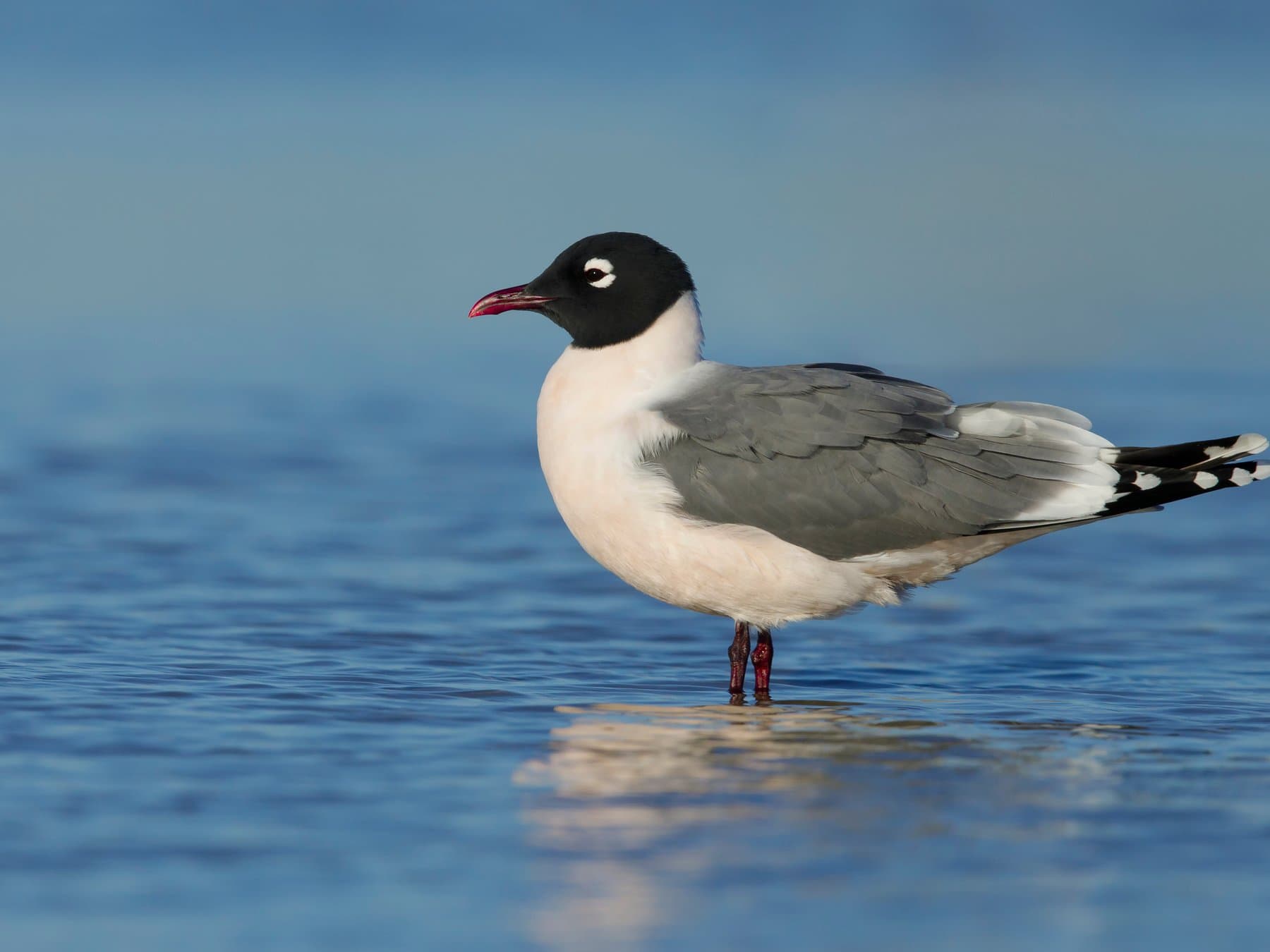 Franklin's GullLeucophaeus pipixcanScarceRare32–36 cm
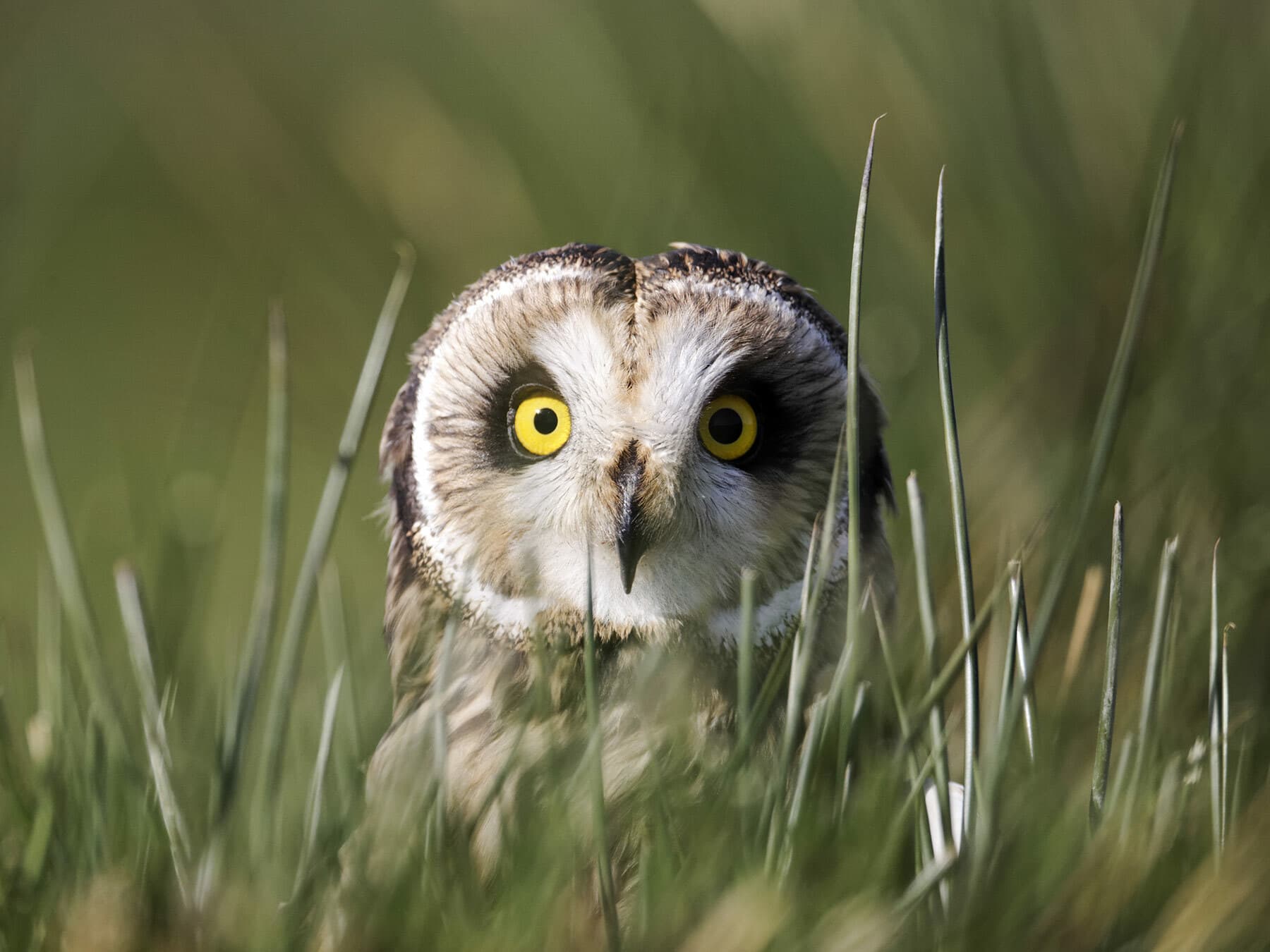 Short-eared OwlAsio flammeusPassage migrantRare34–43 cmRegularly Oct–Mar
 American BitternBotaurus lentiginosusScarceRare58–85 cm
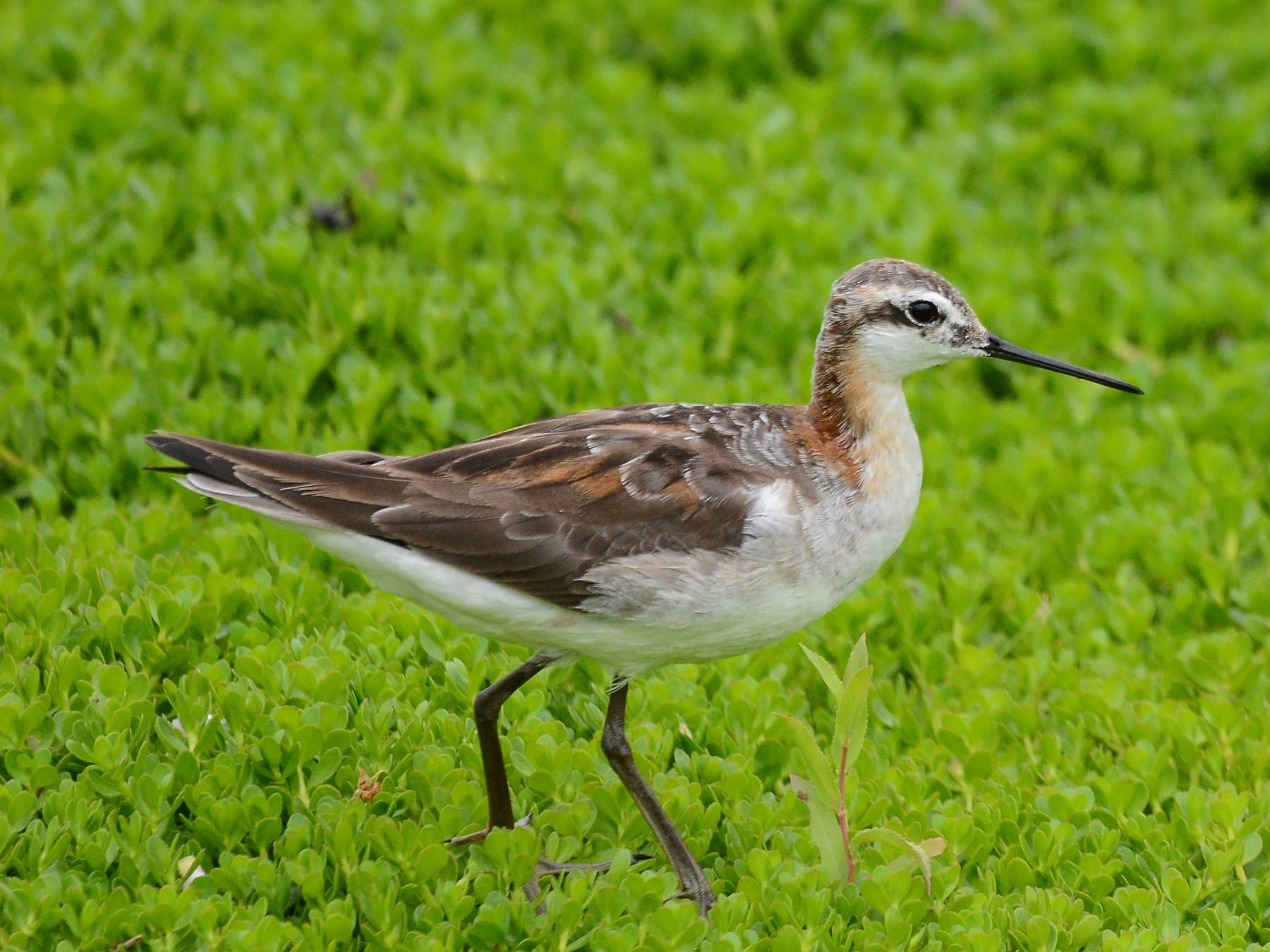 Wilson's PhalaropePhalaropus tricolorScarceRare22–24 cm
Smallest to largest
Length, cm- Least Flycatcher 12–14 cm
- Yellow-bellied Flycatcher 13–15 cm
- Gray-cheeked Thrush 16–17 cm
- Veery 16–19 cm
- Buff-breasted Sandpiper 18–20 cm
- Great Crested Flycatcher 17–22 cm
- Wilson's Phalarope 22–24 cm
- Red Knot 23–26 cm
- Black-billed Cuckoo 28–32 cm
- Upland Sandpiper 28–32 cm
- Franklin's Gull 32–36 cm
- Short-eared Owl 34–43 cm
- Whimbrel 40–46 cm
- Turkey Vulture 62–81 cm
- American Bittern 58–85 cm
- Indian Peafowl 86–230 cm
Body length, bill to tail. Rare birds in grey.
Data: EOD – eBird Observation Dataset (Cornell Lab of Ornithology), accessed via GBIF.org, CC BY 4.0. Records from 2019–2024, aggregated and filtered by Birdfact. How these lists are made