


Birds to See in Tunisia in October
85 bird species on our list for Tunisia are recorded regularly in October
Of these, the most often recorded are Rock Dove, Great Grey Shrike, Eurasian Collared Dove, Blackbird and Sardinian Warbler. New this month: Pied Wagtail, Chiffchaff, Black Redstart and Common Shelduck and 15 more.
On the move in October
GBIF · OctArriving
At their peak
From Tunisia’s bird records, 2019–2024: arriving birds are regular this month but not last; leaving birds are regular this month but not next.
Other months
All 85 birds in October
85 birds
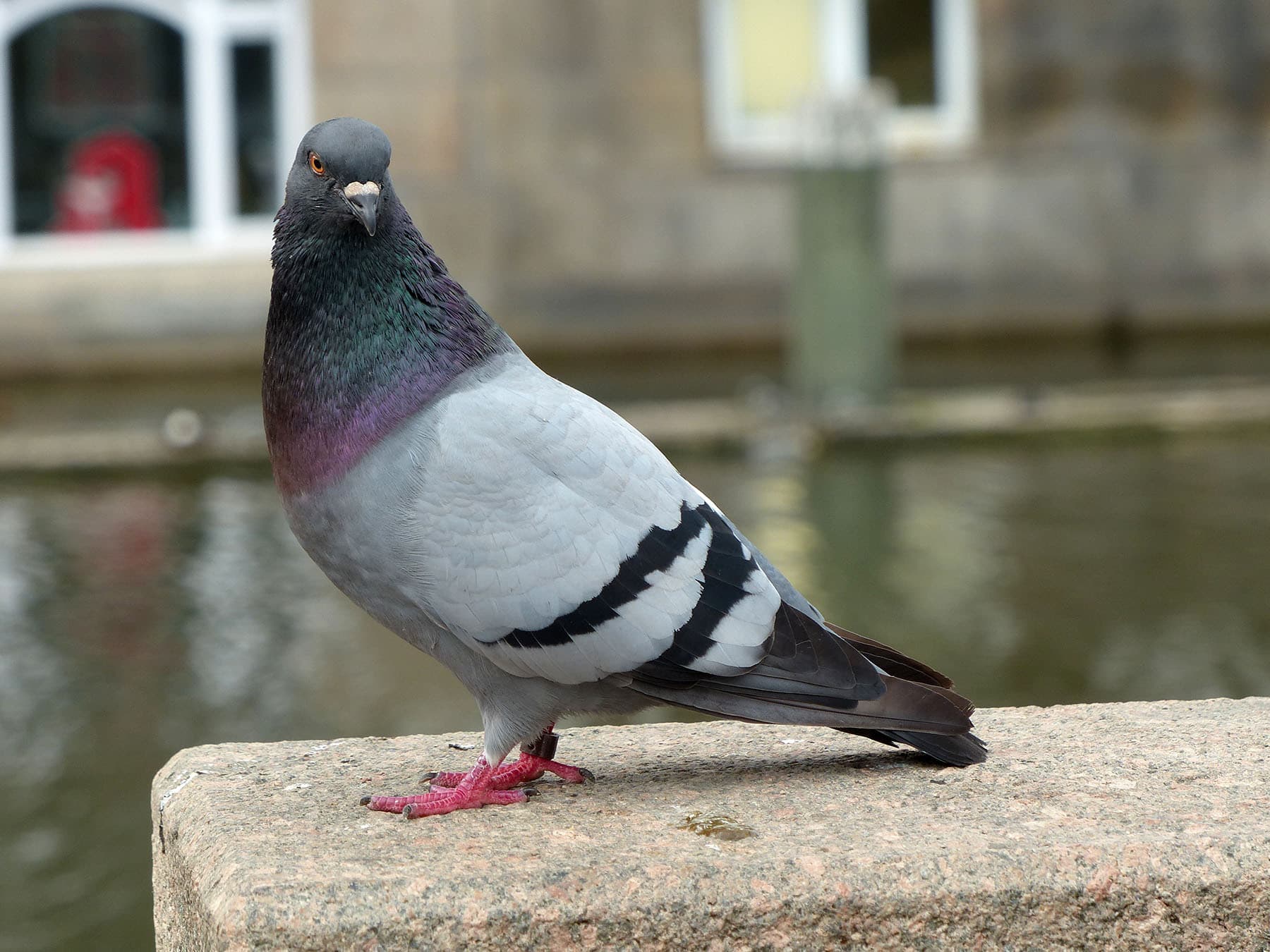 Rock DoveColumba liviaResidentCommon31–34 cmRecorded all year · 3.08% in Oct
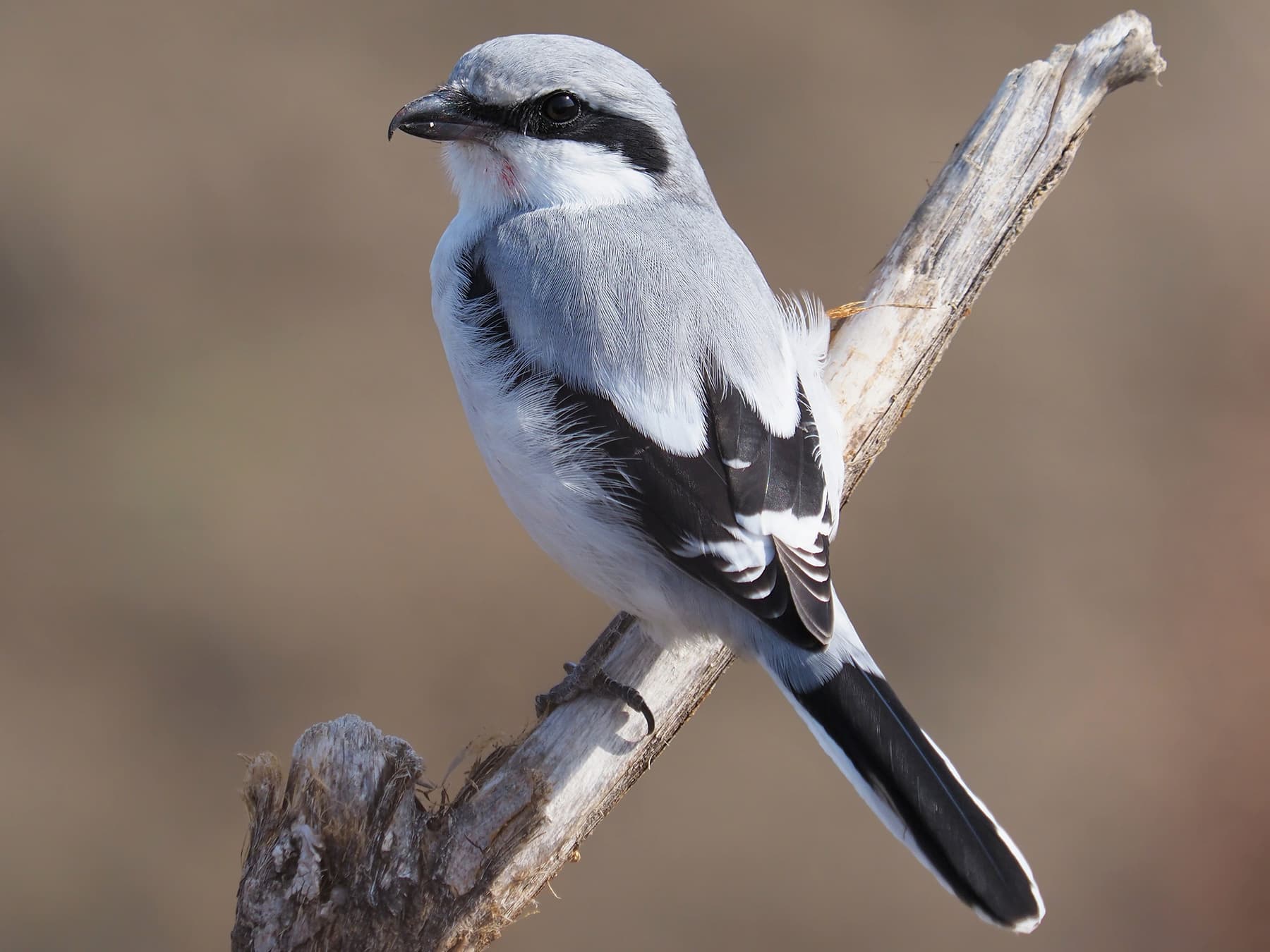 Great Grey ShrikeLanius excubitorResidentCommon22–26 cmRecorded all year · 2.74% in Oct
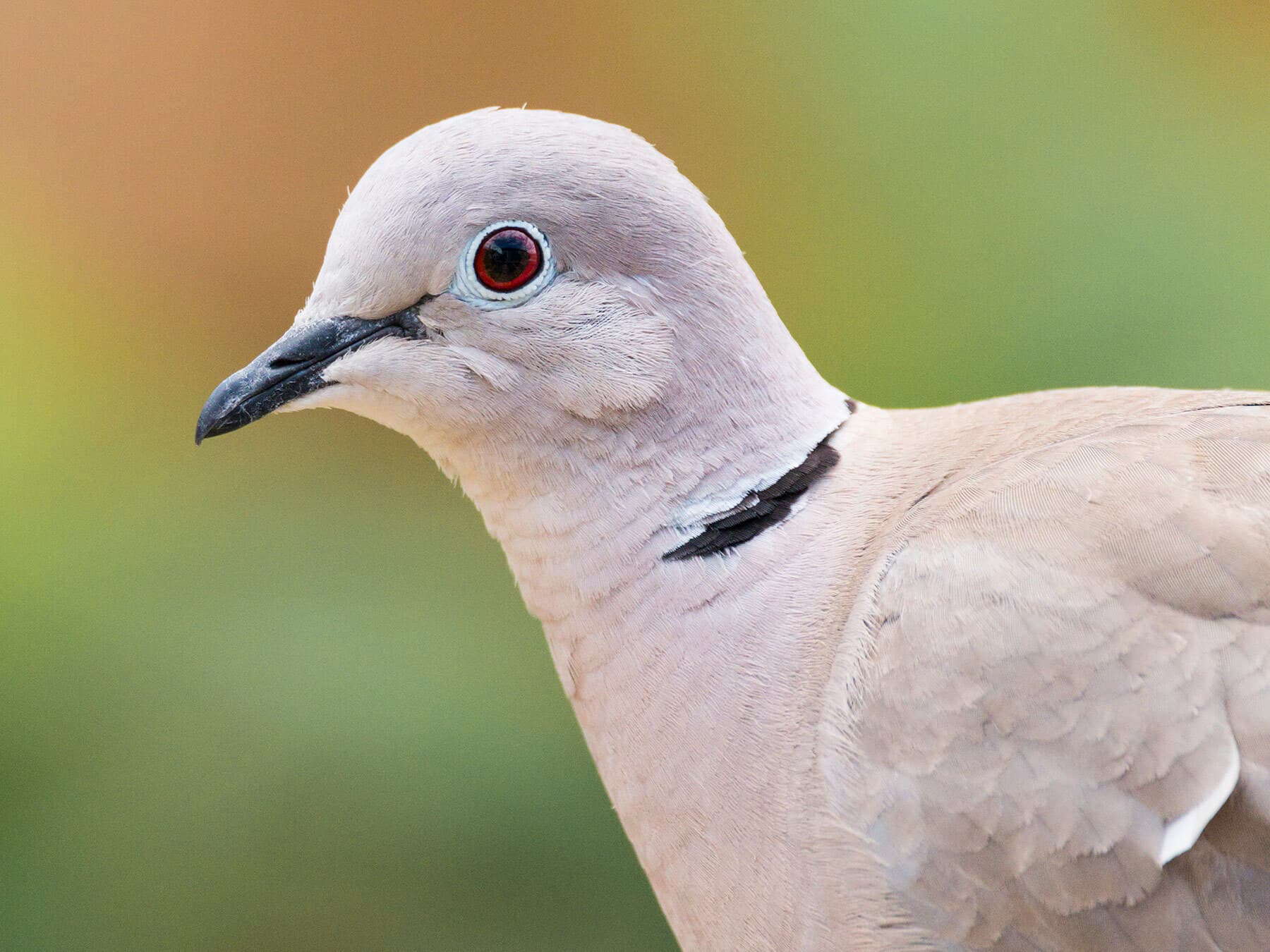 Eurasian Collared DoveStreptopelia decaoctoResidentCommon30–32 cmRecorded all year · 2.61% in Oct
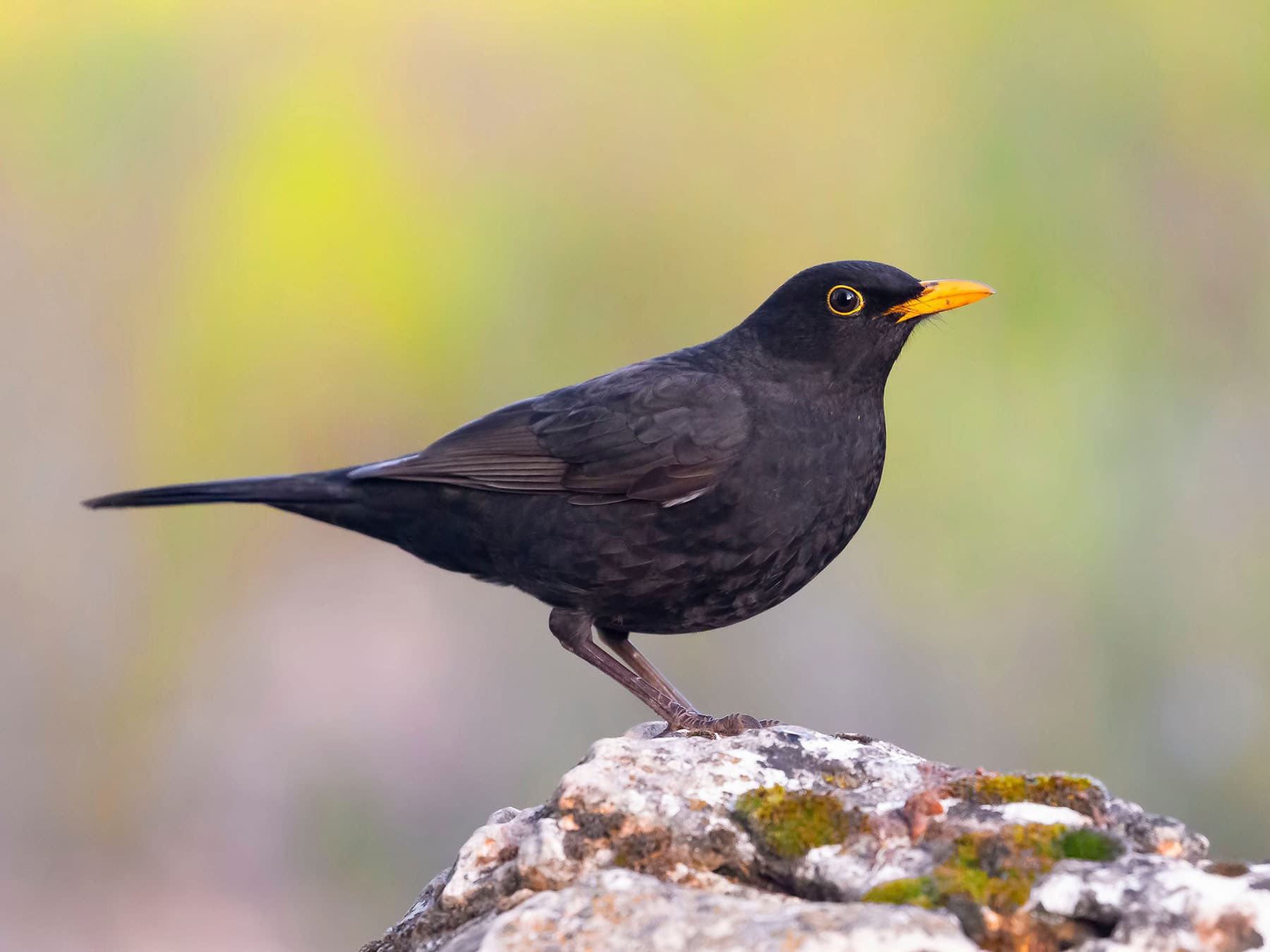 BlackbirdTurdus merulaResidentCommon24–25 cmRecorded all year · 2.48% in Oct
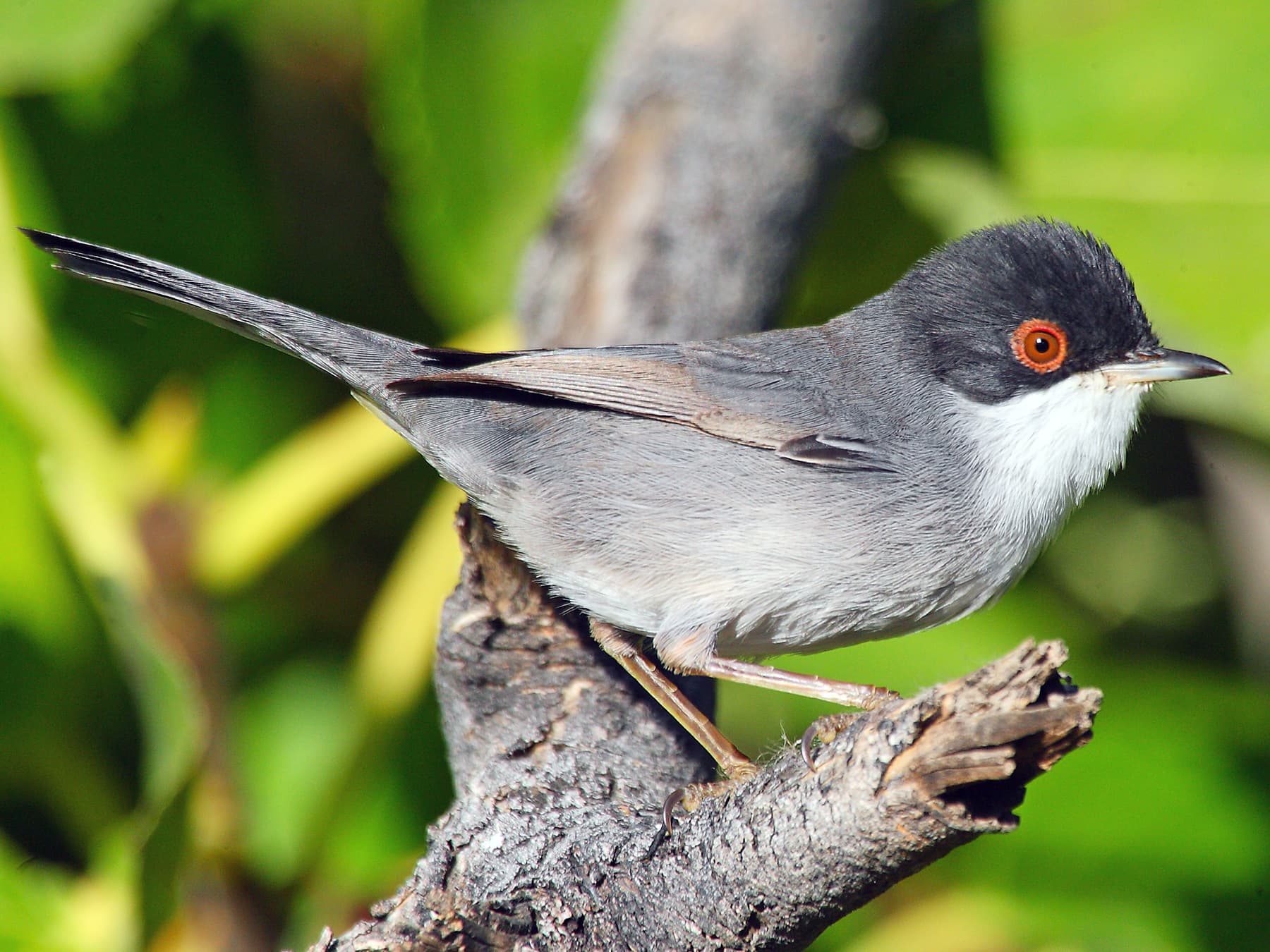 Sardinian WarblerCurruca melanocephalaResidentCommon13–14 cmRecorded all year · 2.44% in Oct
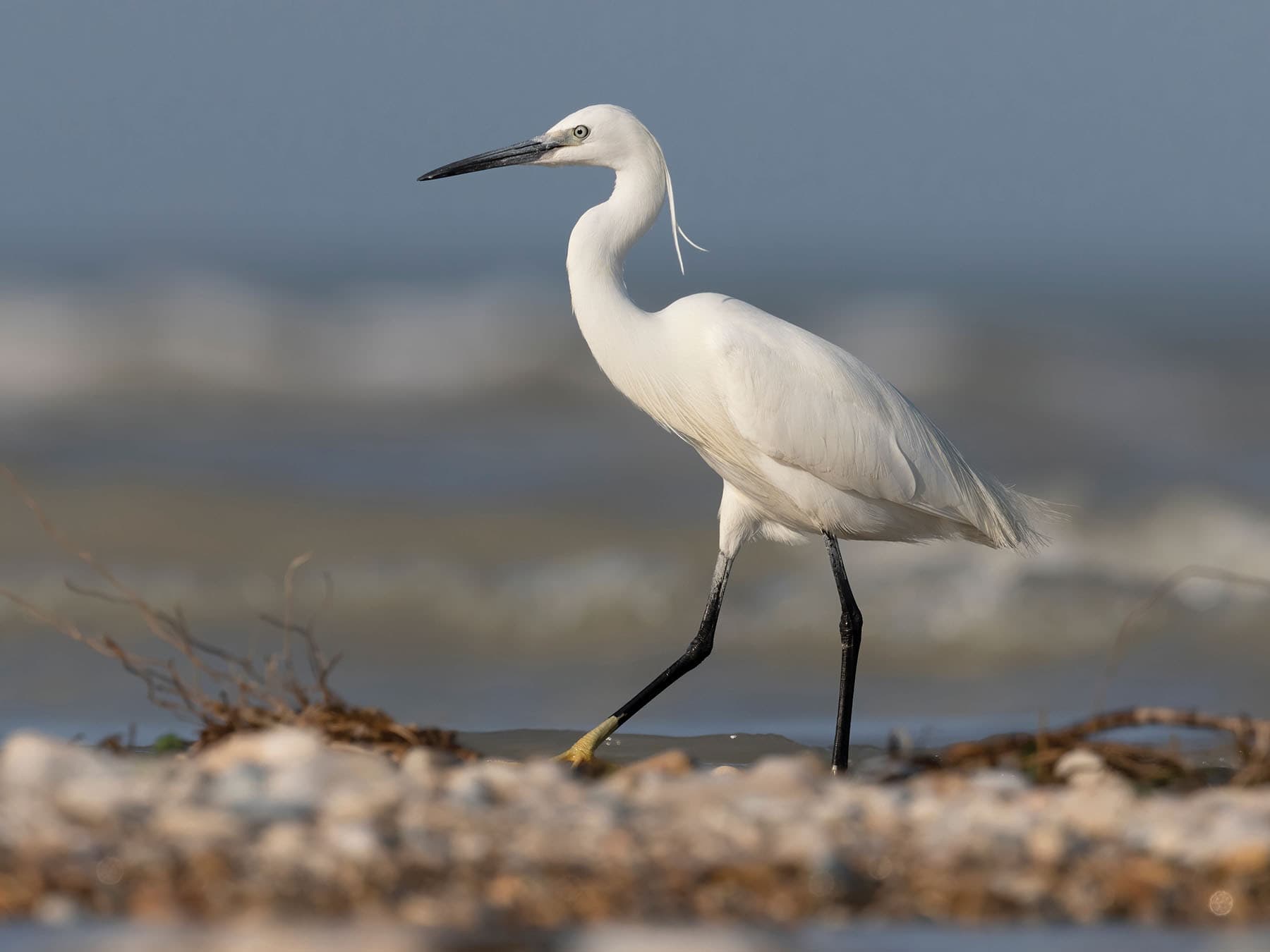 Little EgretEgretta garzettaResidentCommon55–65 cmRecorded all year · 2.40% in Oct
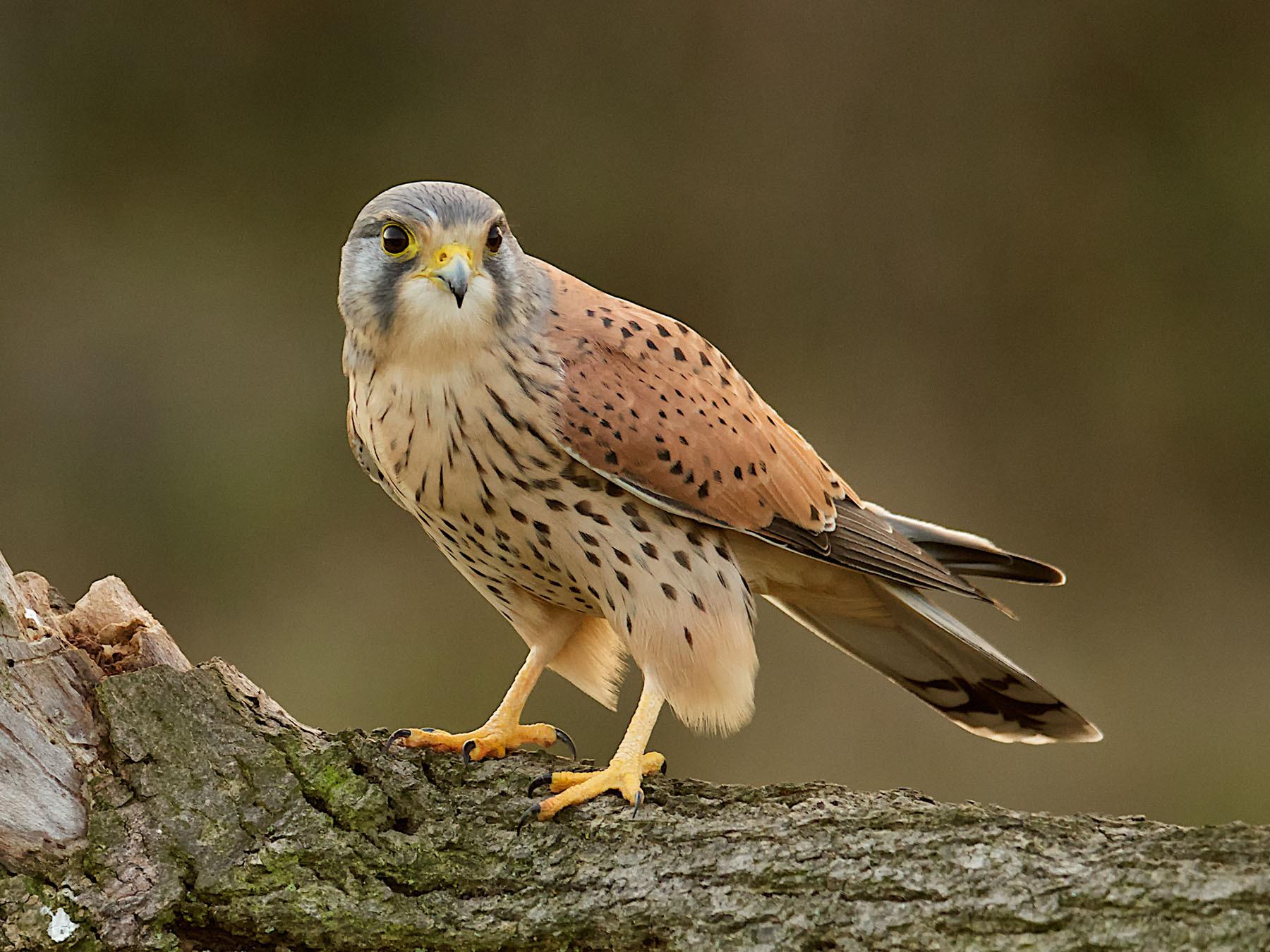 KestrelFalco tinnunculusResidentCommon31–39 cmRecorded all year · 2.35% in Oct
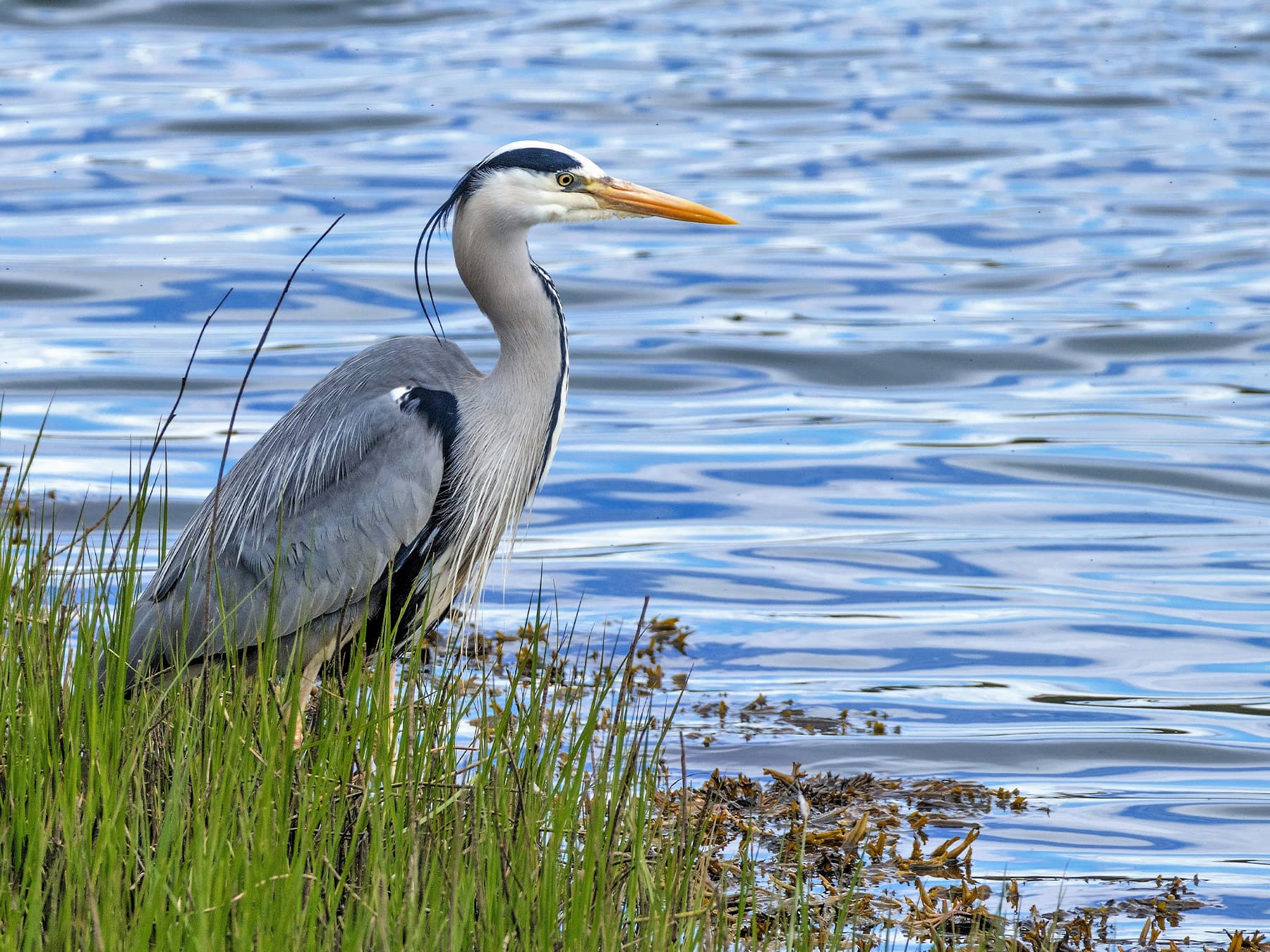 Grey HeronArdea cinereaResidentCommon90–98 cmRecorded all year · 2.10% in Oct
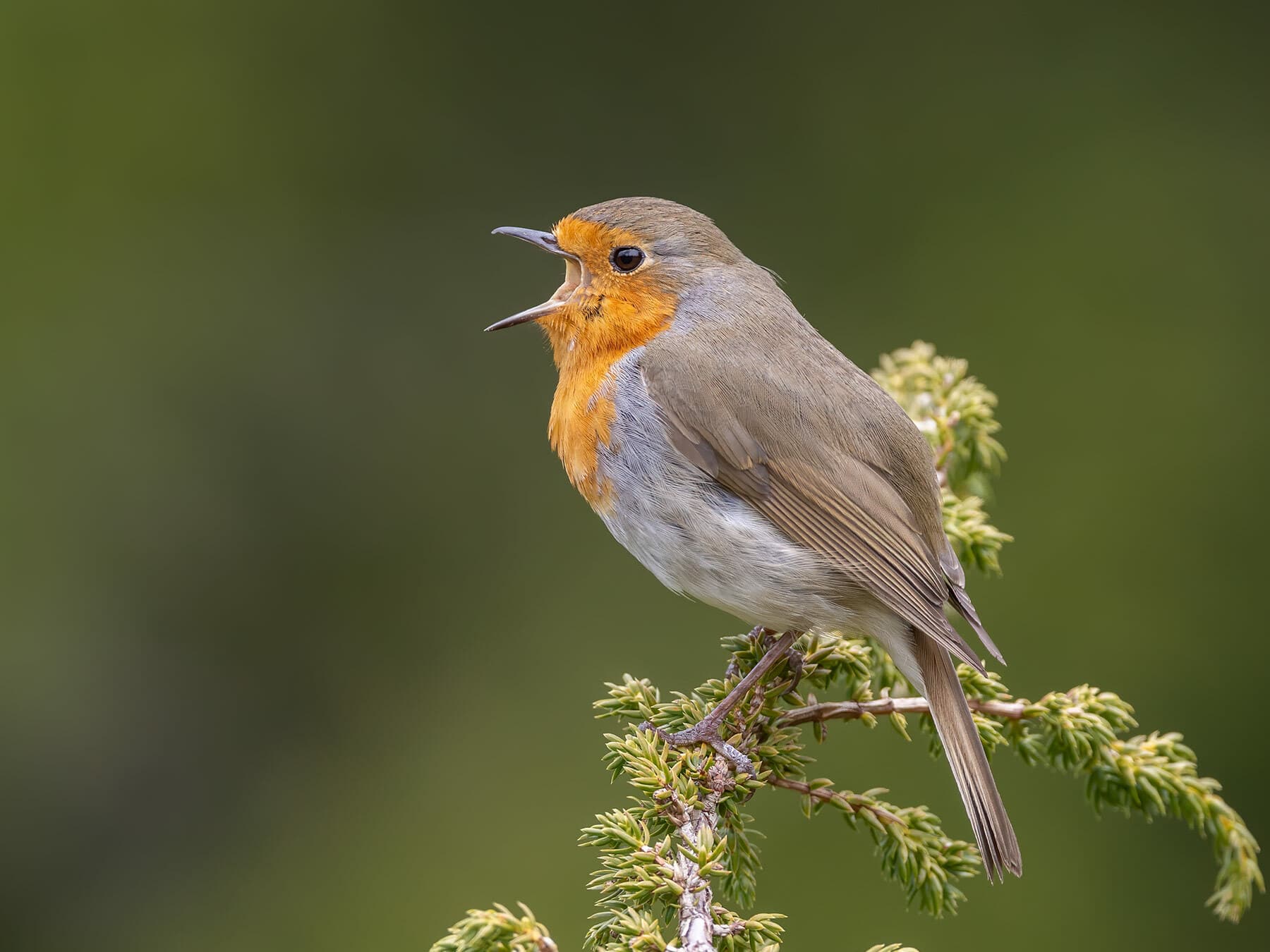 European RobinErithacus rubeculaWinter visitorCommon13–14 cmRegularly Aug–May · 2.01% in Oct
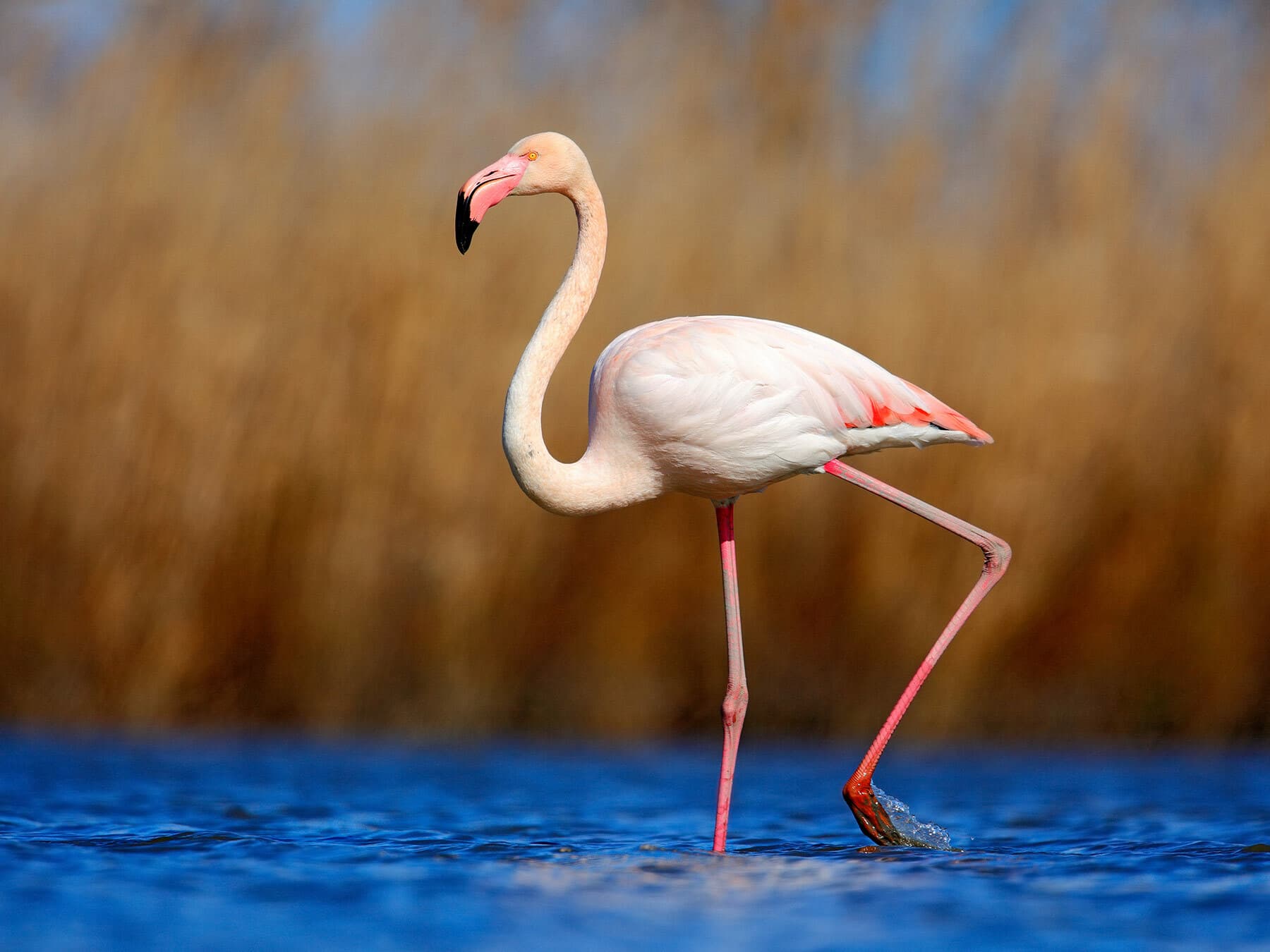 Greater FlamingoPhoenicopterus roseusResidentCommon120–145 cmRecorded all year · 2.01% in Oct
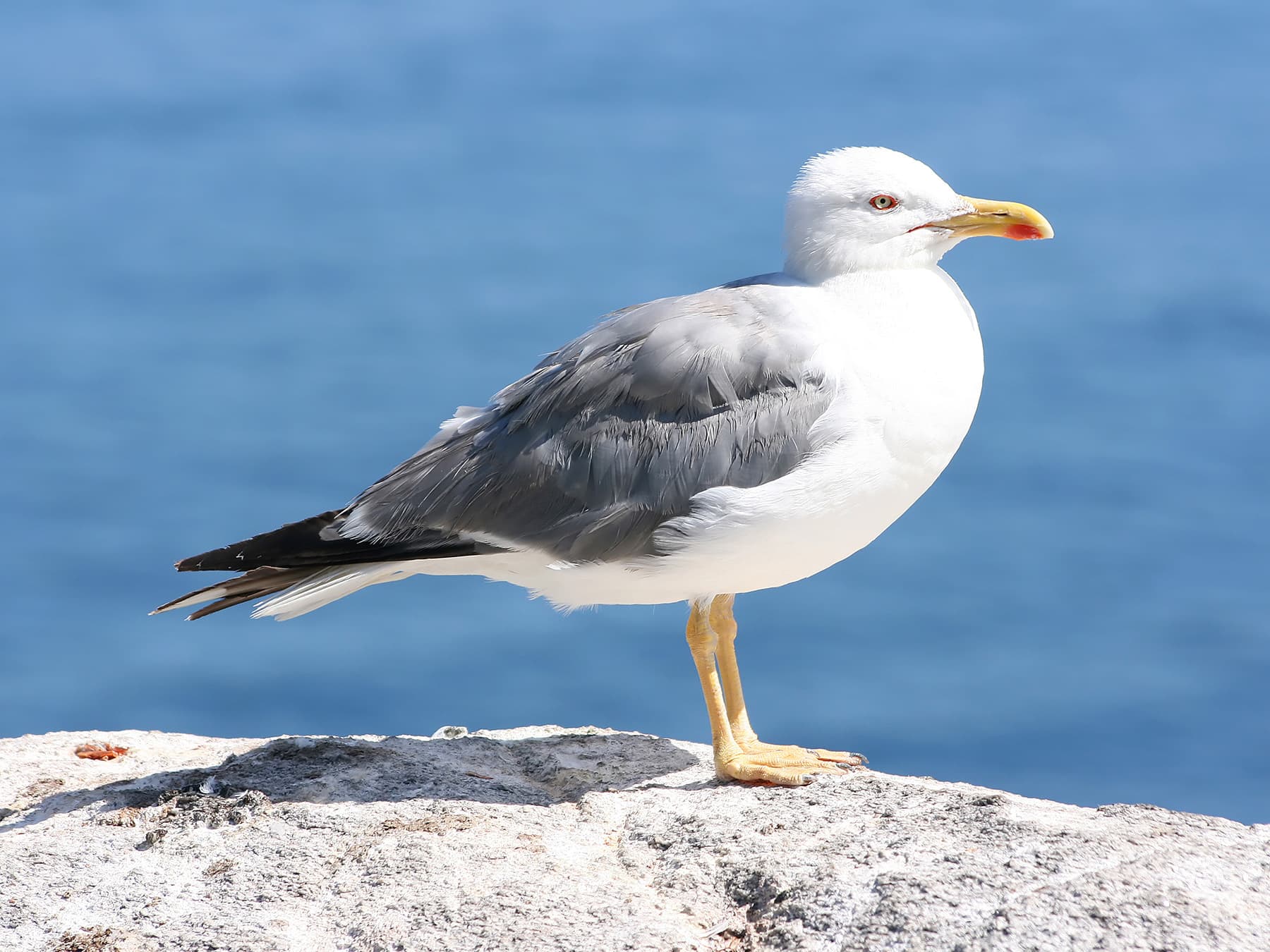 Yellow-legged GullLarus michahellisResidentCommon52–68 cmRecorded all year · 2.01% in Oct
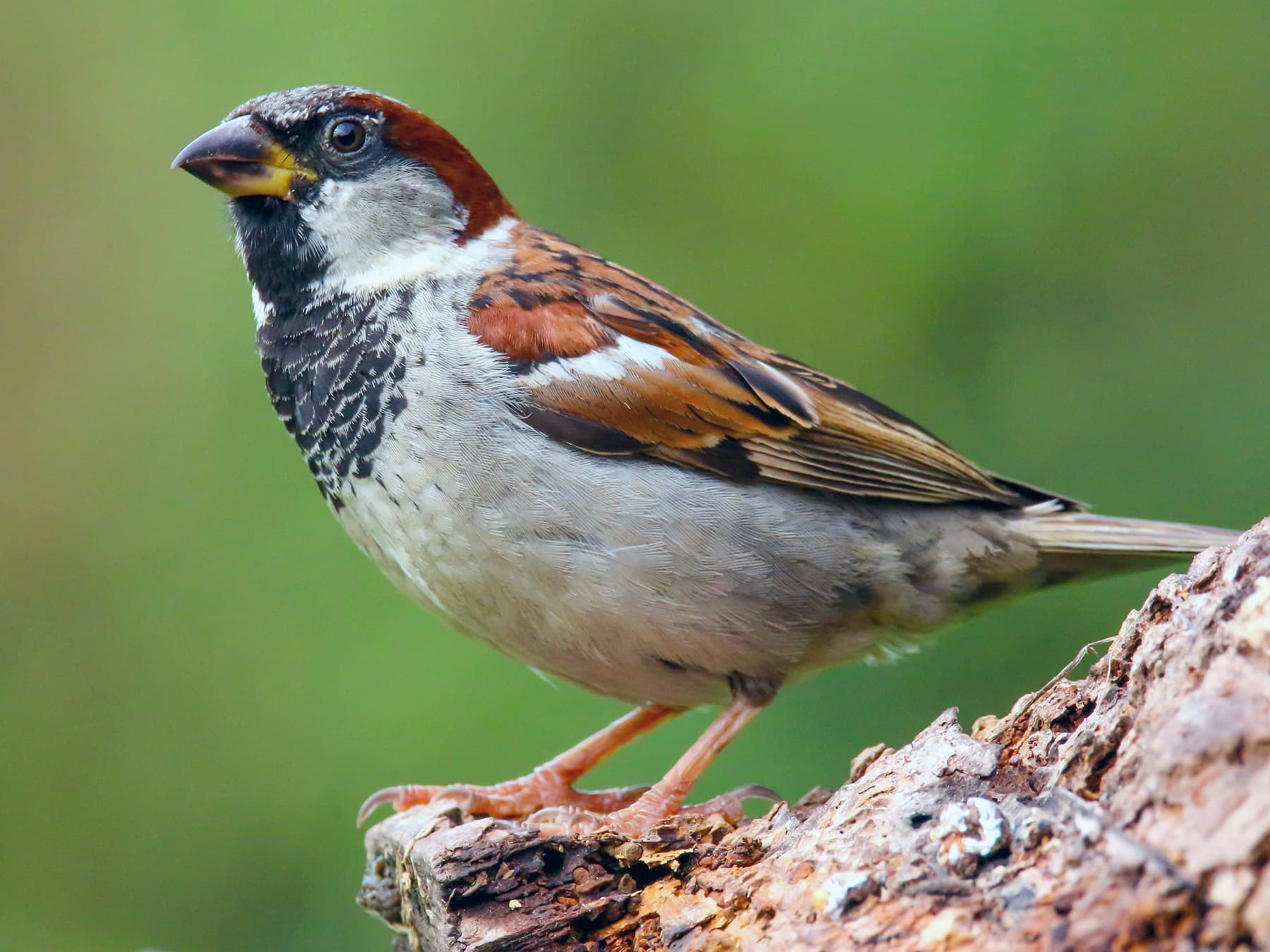 House SparrowPasser domesticusResidentCommon14–17 cmRegularly Sep–Jul · 1.88% in Oct
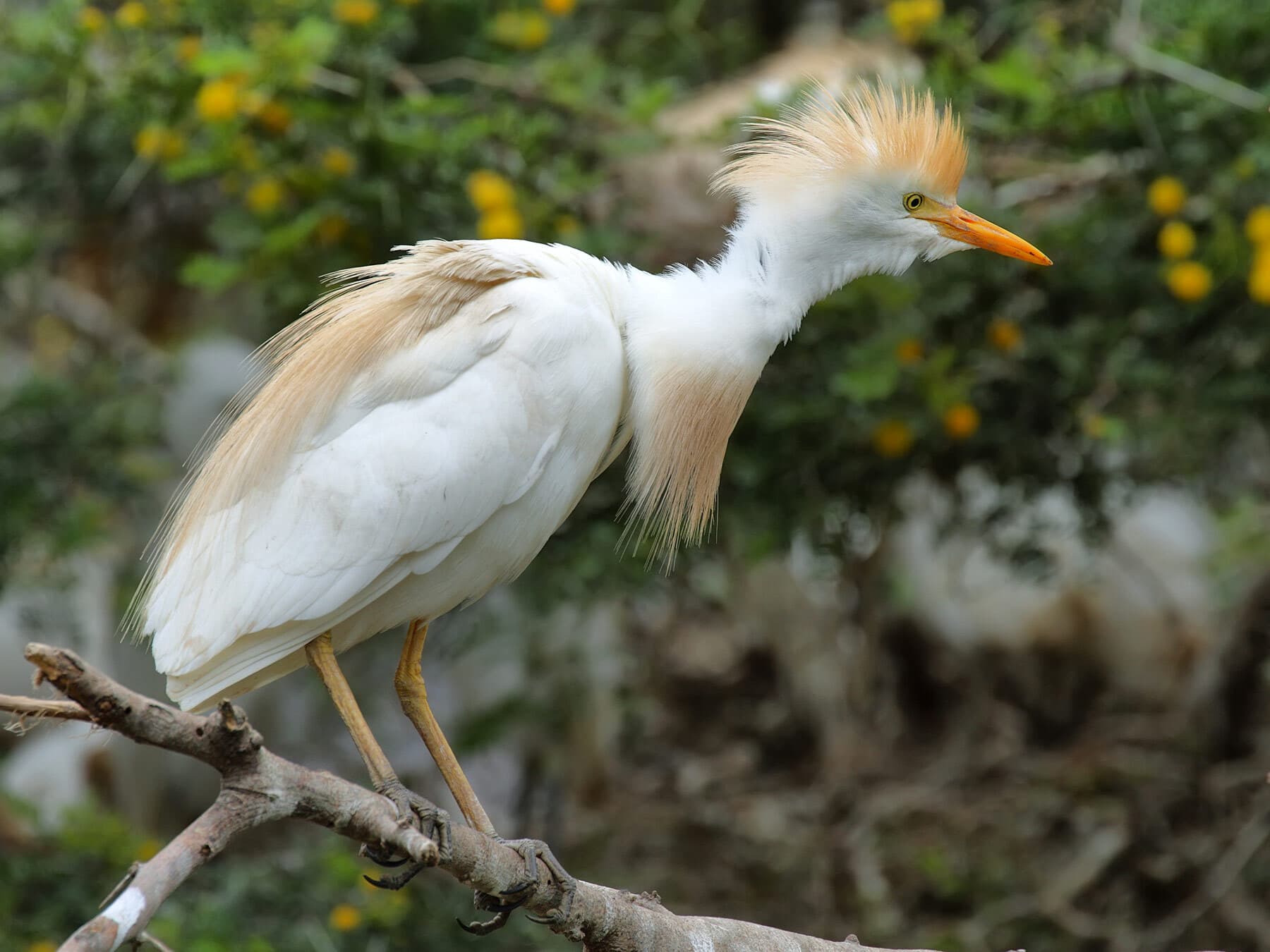 Cattle EgretArdea ibisWinter visitorCommon46–56 cmRegularly Aug–Jun · 1.63% in Oct
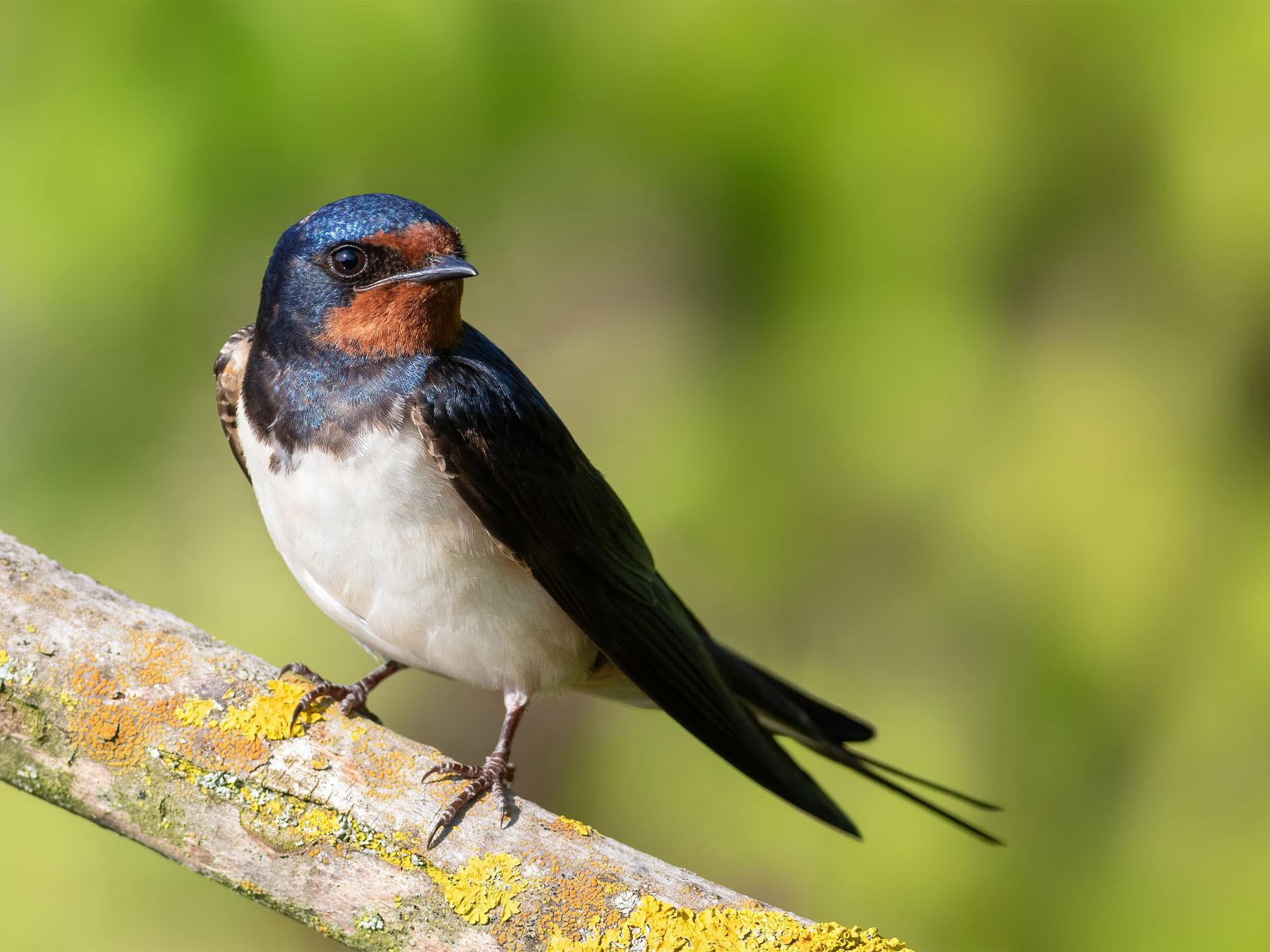 Barn SwallowHirundo rusticaSummer visitorCommon17–19 cmRegularly Feb–Nov · 1.50% in Oct
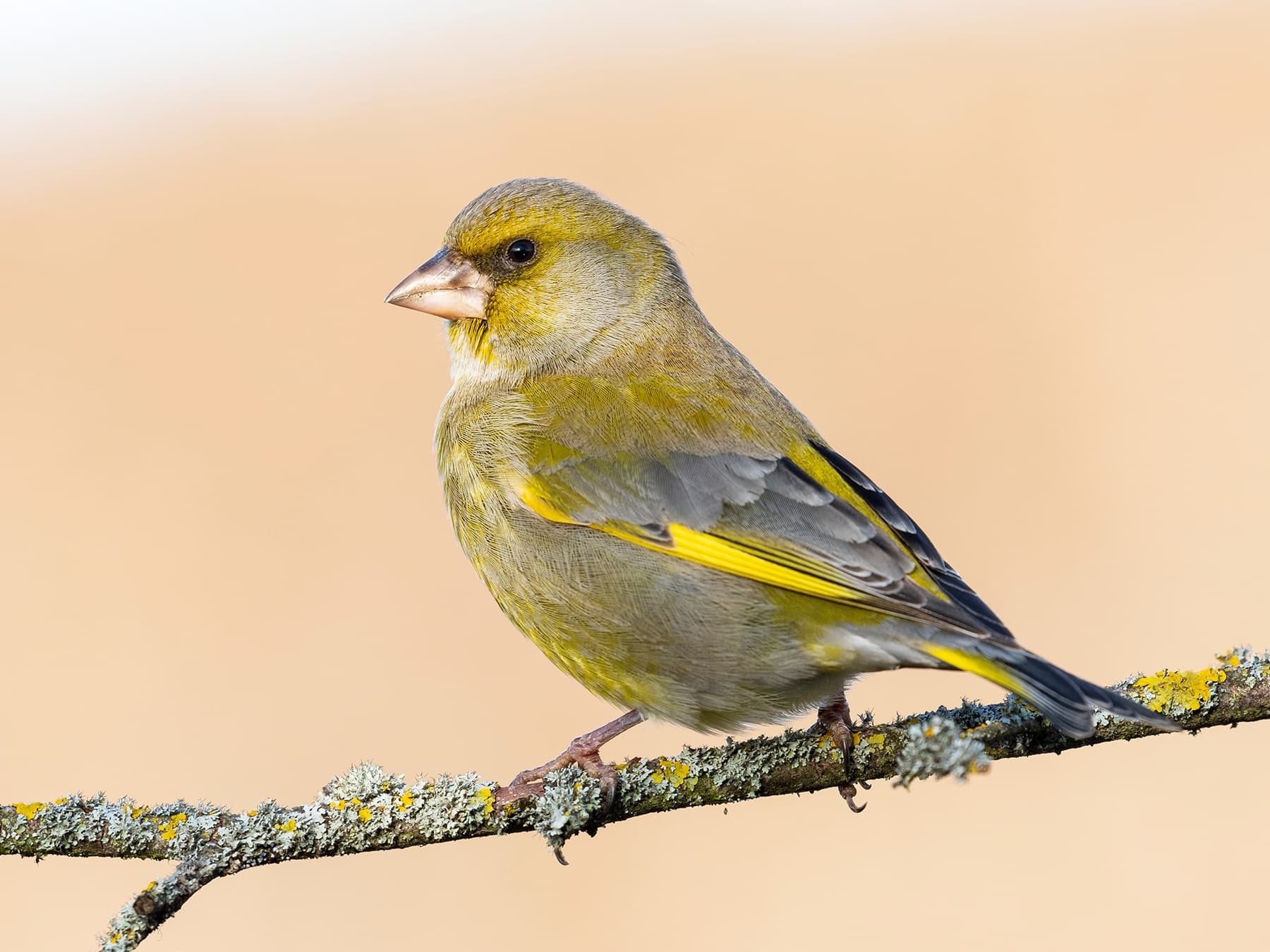 GreenfinchChloris chlorisResidentCommon15–16 cmRegularly Sep–Jul · 1.24% in Oct
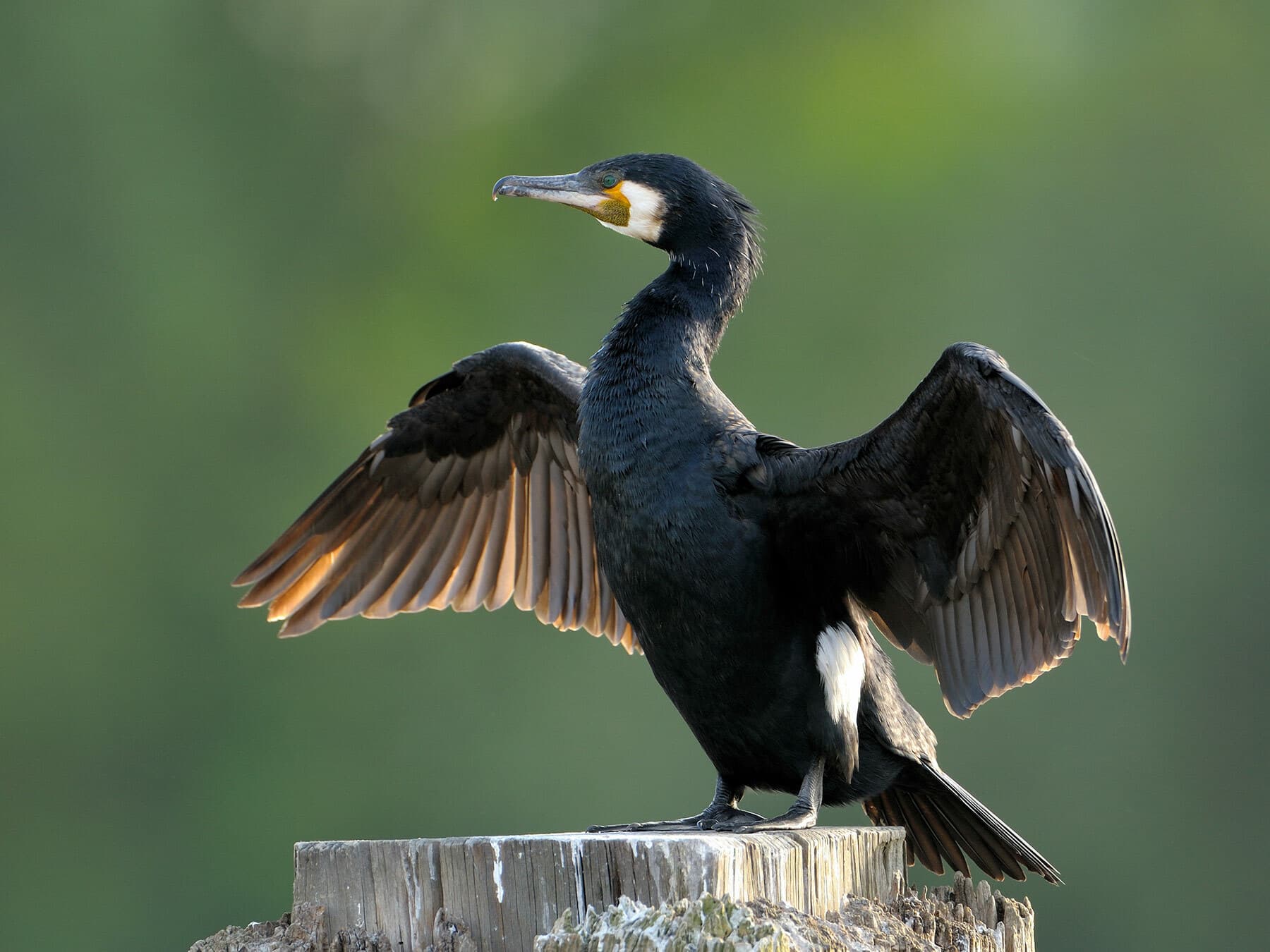 Great CormorantPhalacrocorax carboWinter visitorCommon80–100 cmRegularly Sep–May · 1.20% in Oct
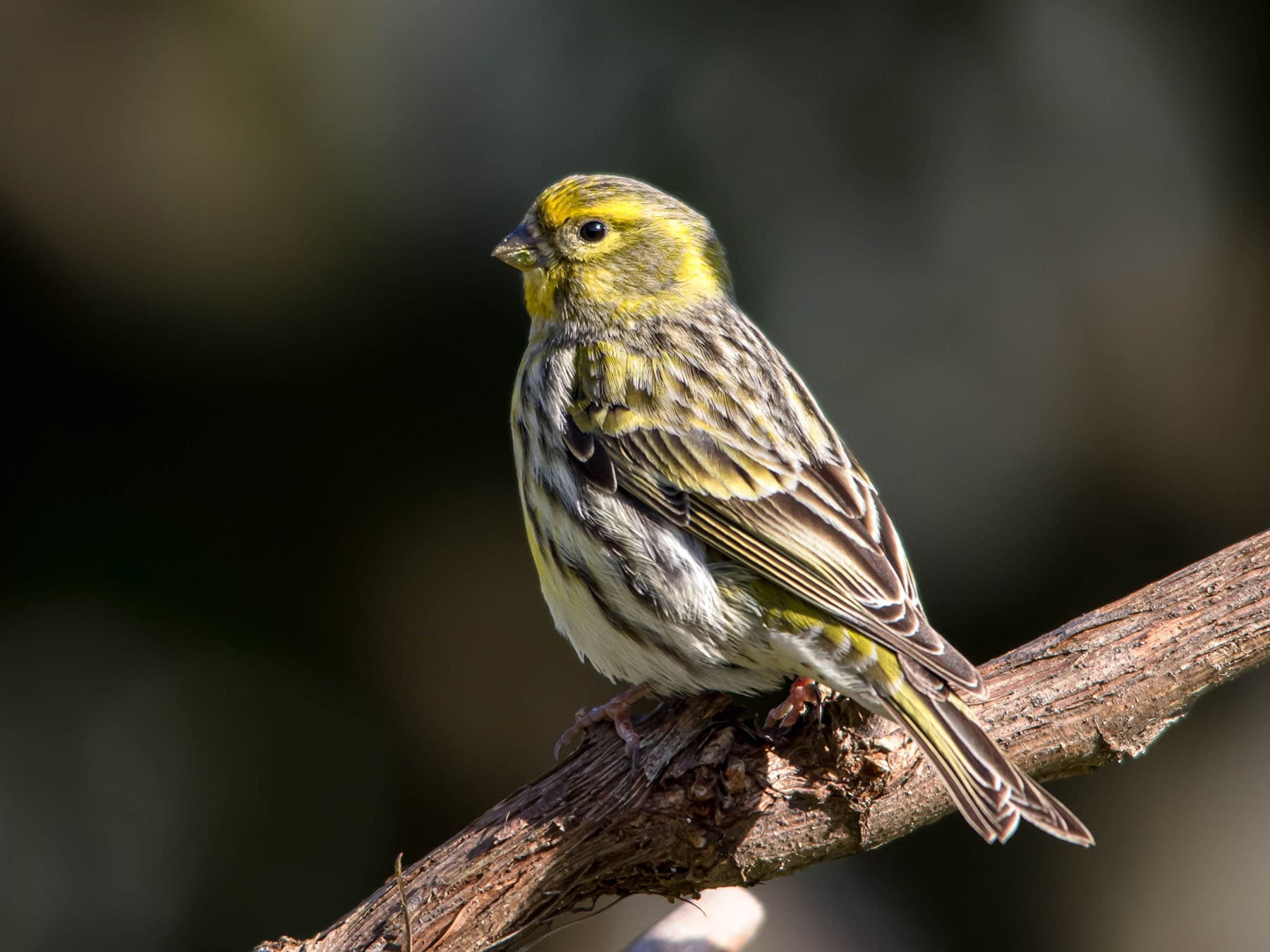 SerinSerinus serinusWinter visitorCommon11–12 cmRegularly Aug–Jun · 1.20% in Oct
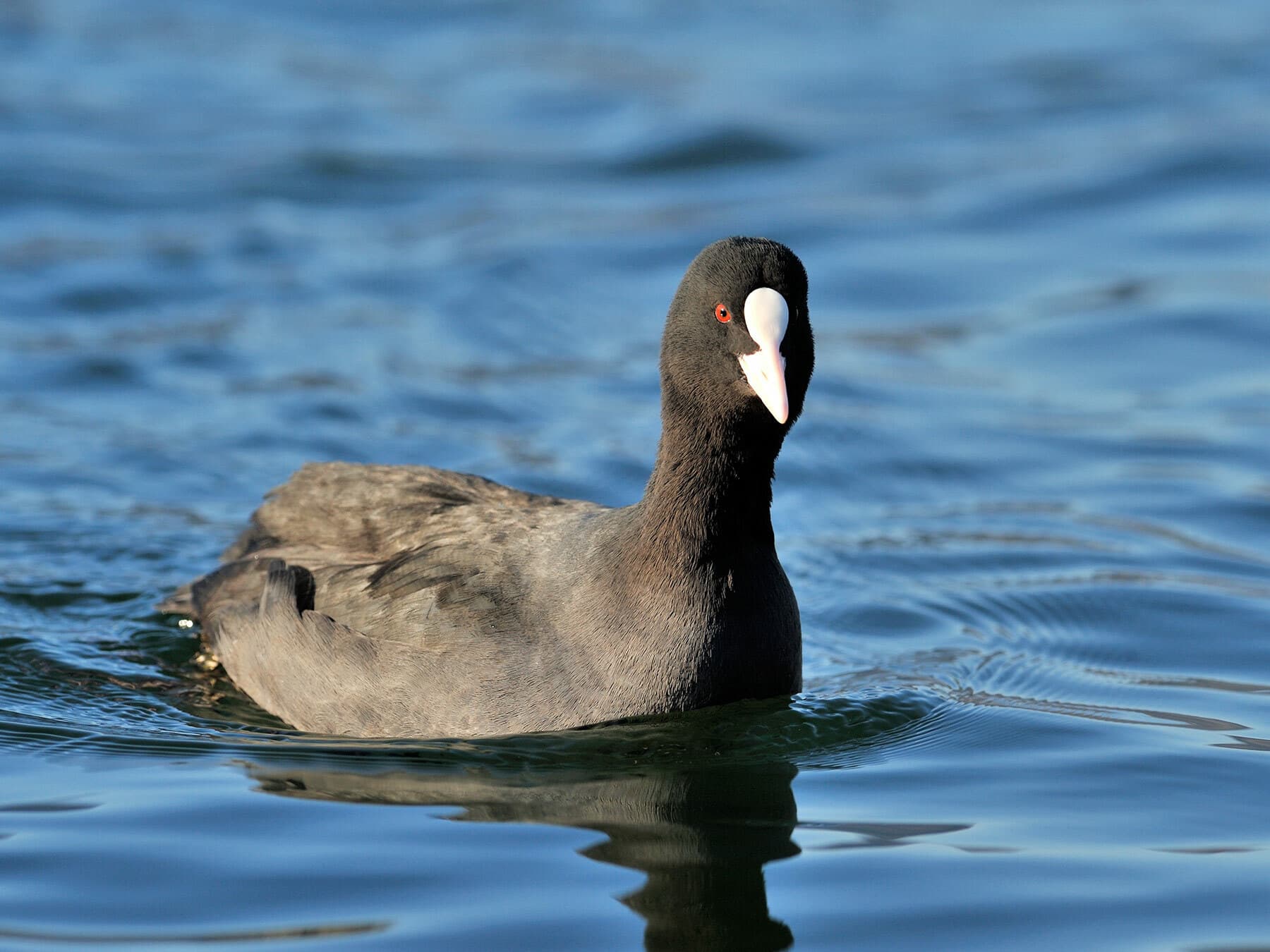 CootFulica atraResidentCommon36–42 cmRegularly Sep–Jul · 1.07% in Oct
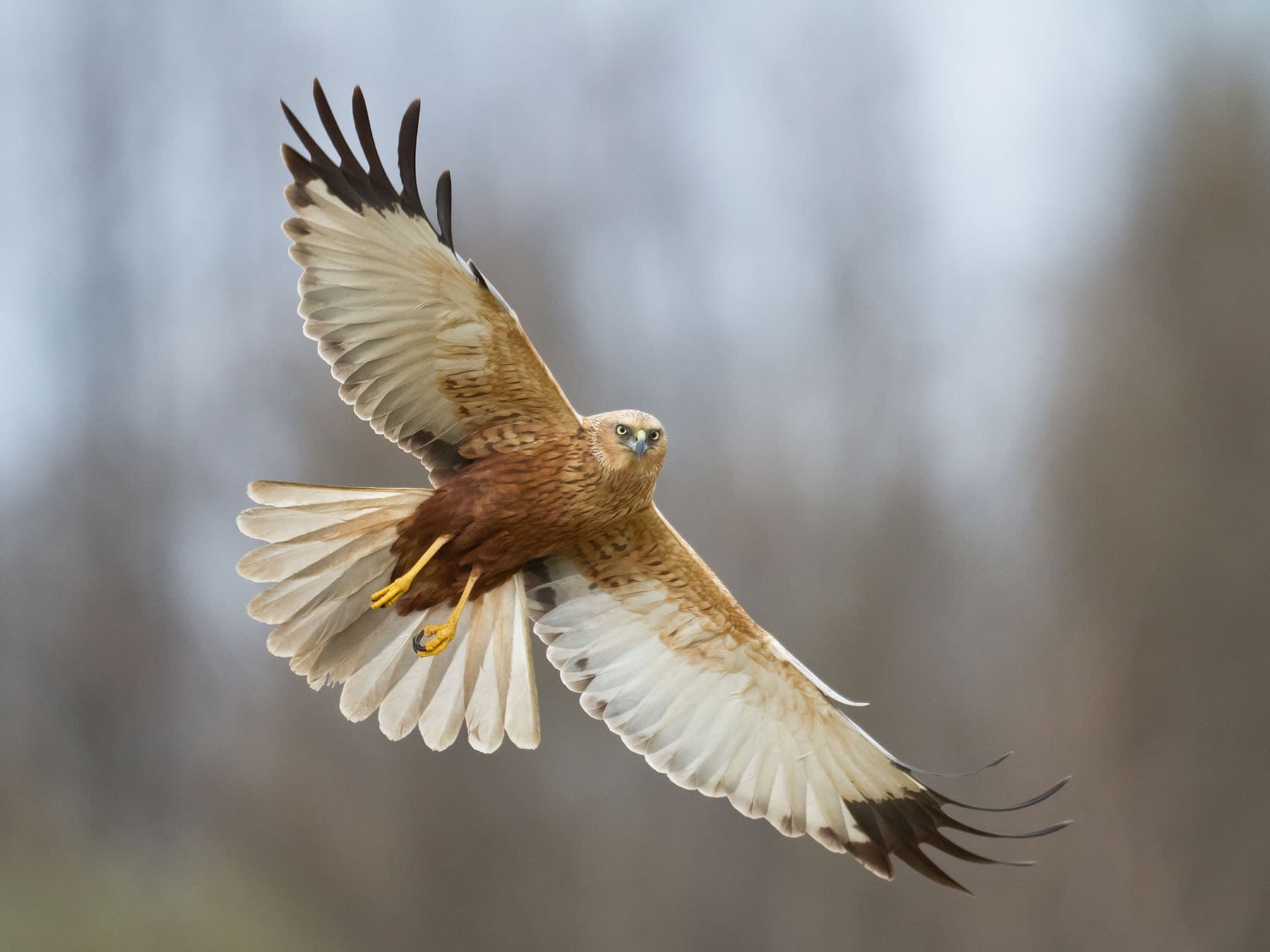 Western Marsh-harrierCircus aeruginosusWinter visitorCommon48–56 cmRegularly Aug–May · 1.07% in Oct
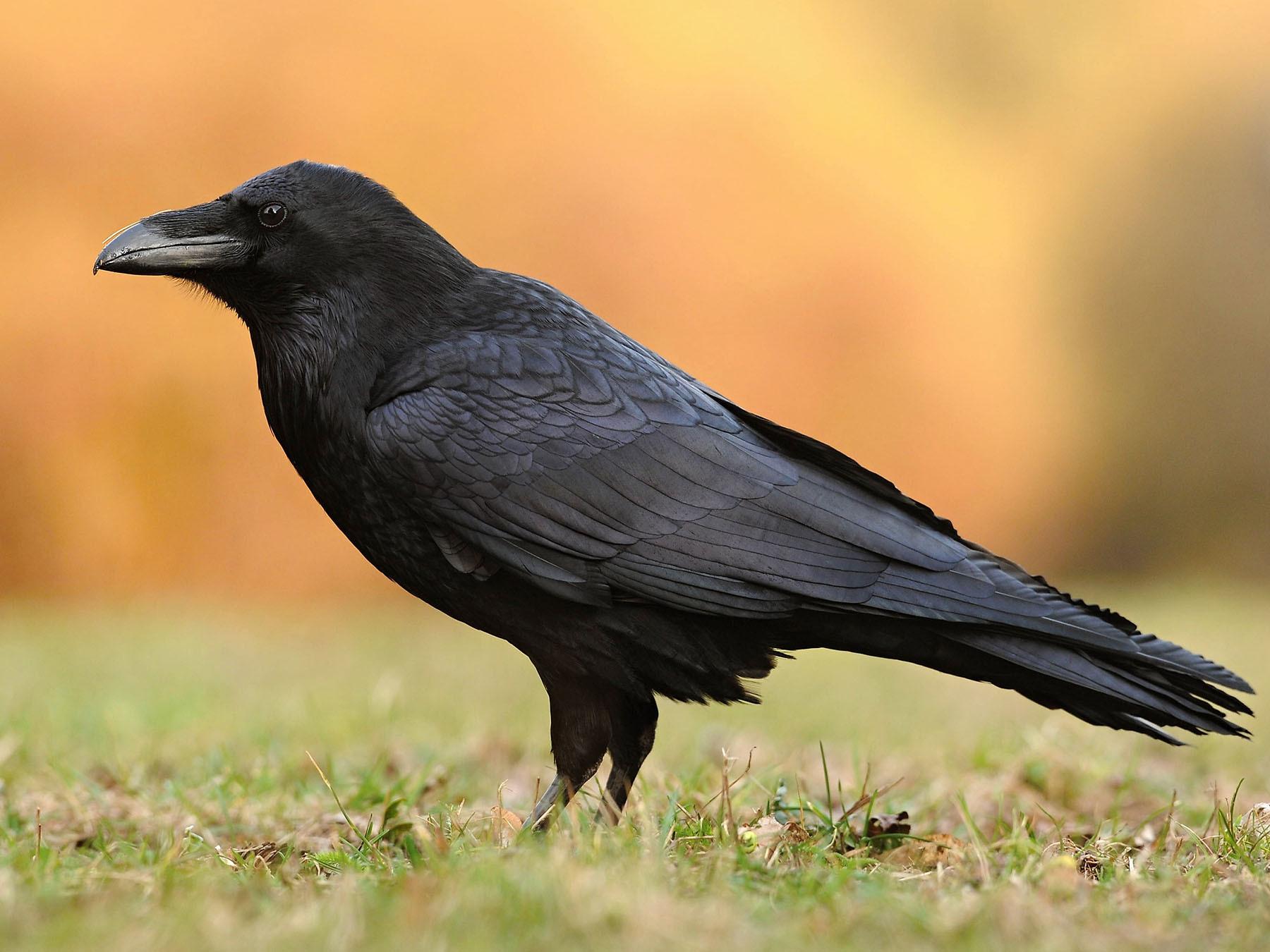 Common RavenCorvus coraxResidentCommon58–69 cmRecorded all year · 1.03% in Oct
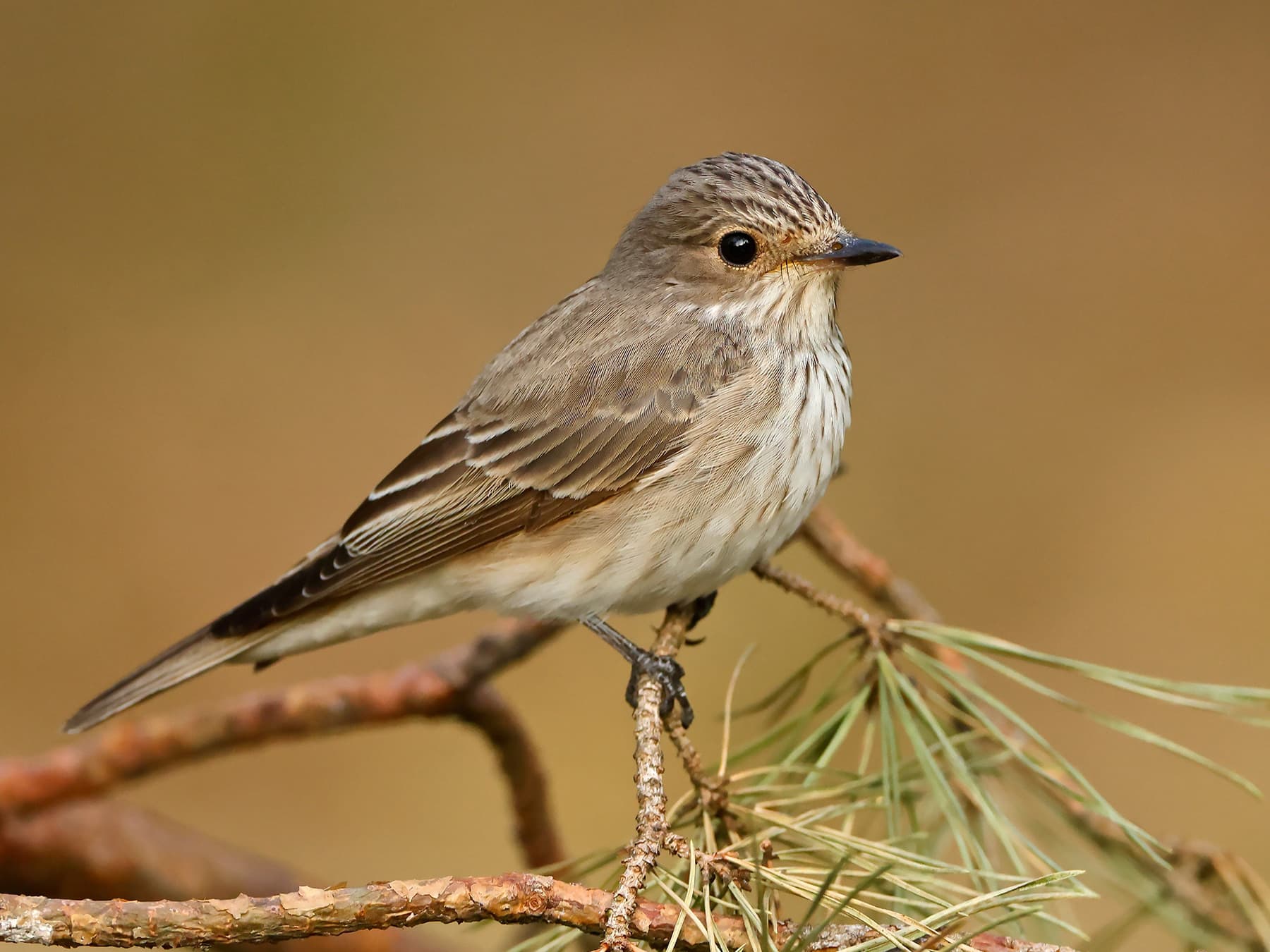 Spotted FlycatcherMuscicapa striataSummer visitorCommon14–16 cmRegularly Apr–Nov · 1.03% in Oct
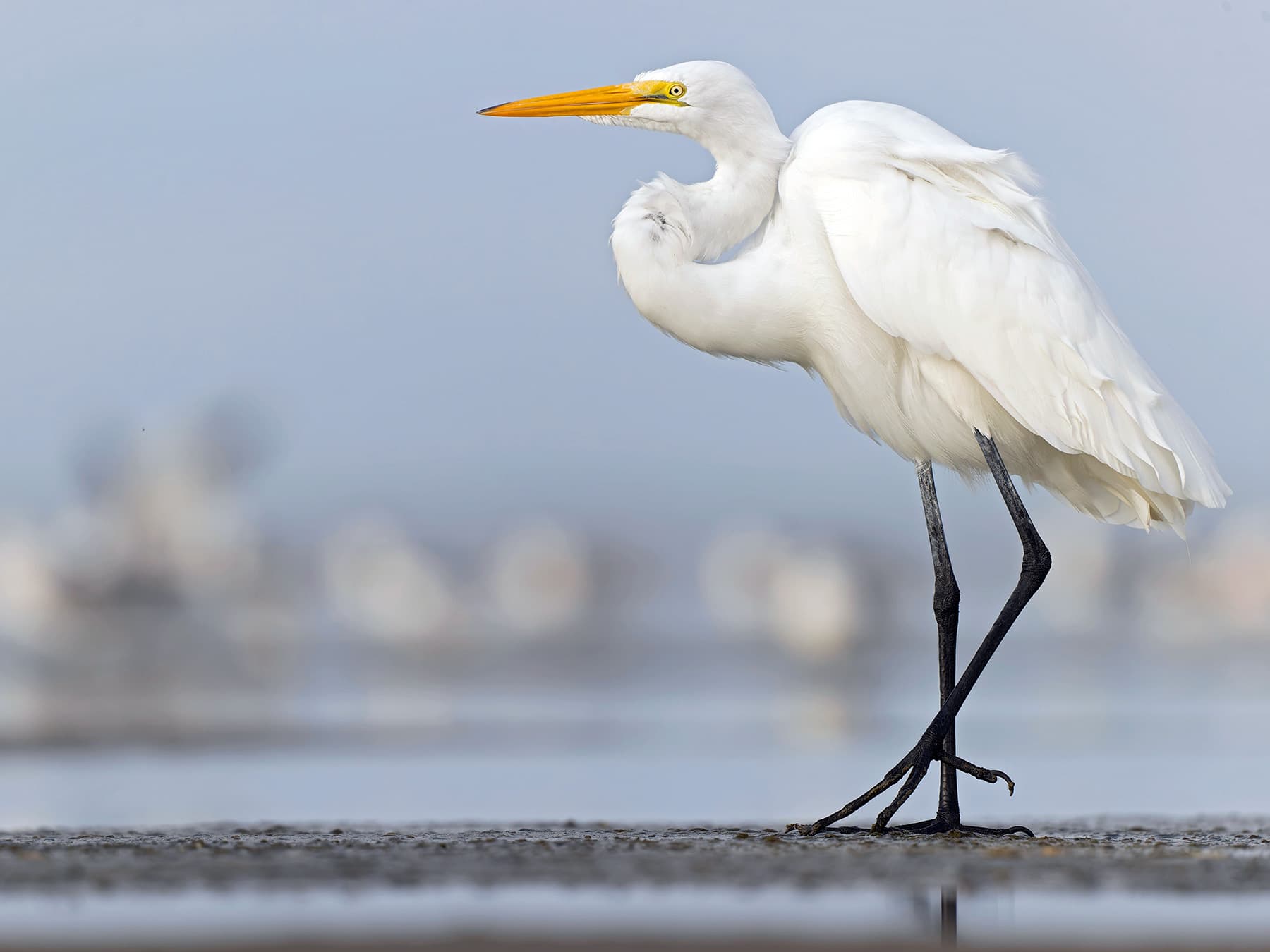 Great White EgretArdea albaWinter visitorCommon80–104 cmRegularly Sep–May · 0.98% in Oct
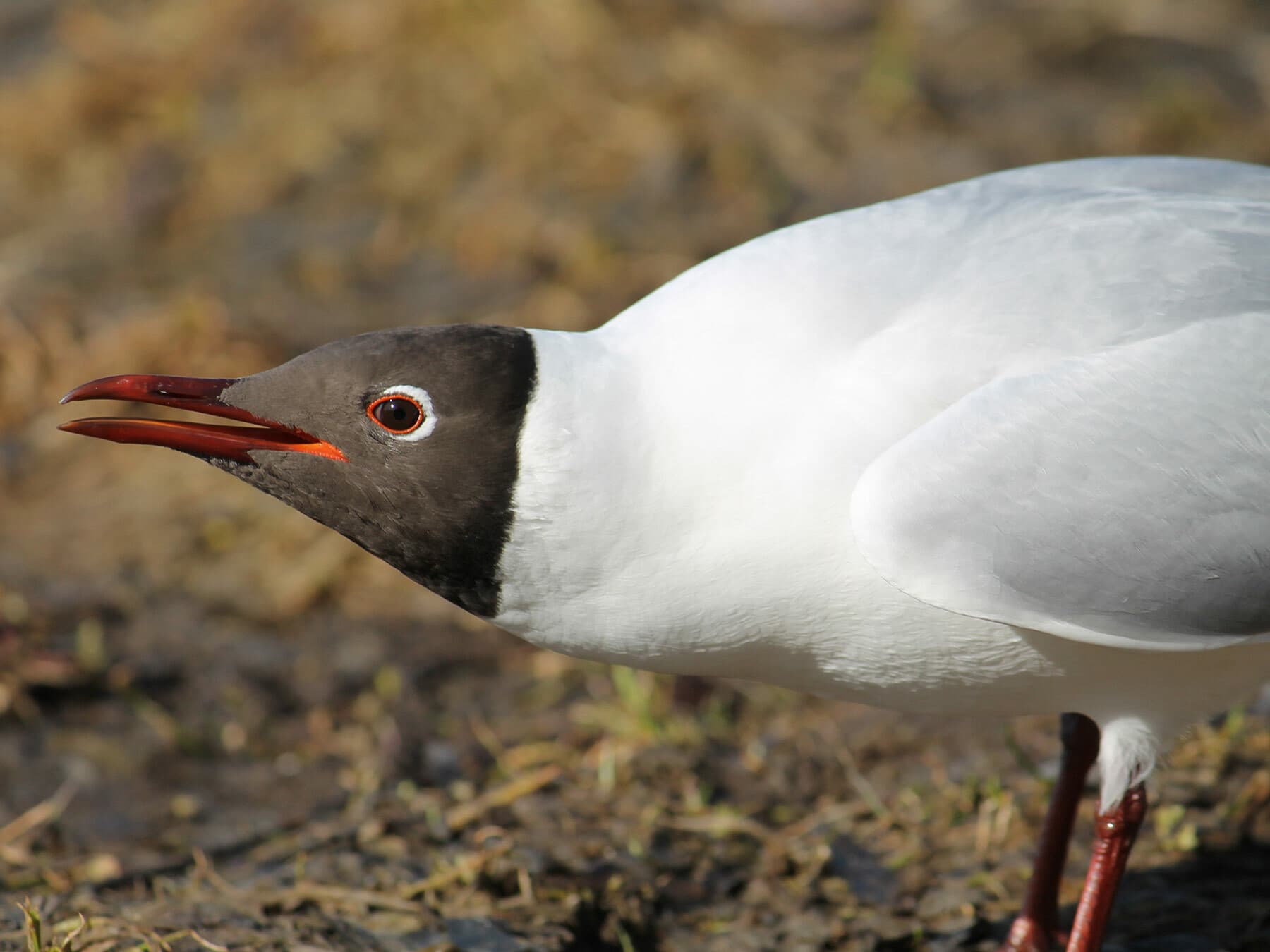 Black-headed GullChroicocephalus ridibundusWinter visitorCommon38–44 cmRegularly Sep–Jun · 0.94% in Oct
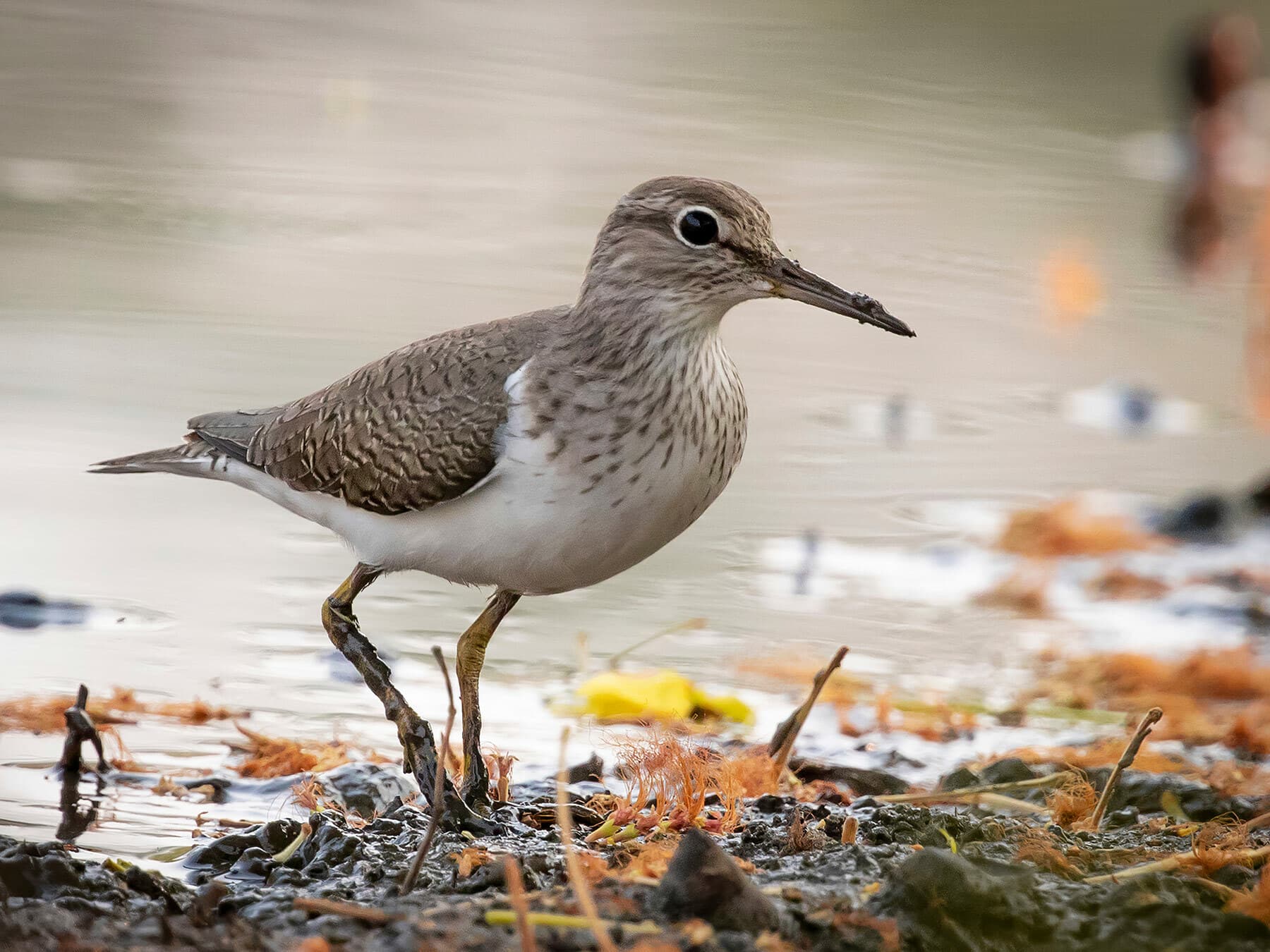 Common SandpiperActitis hypoleucosWinter visitorCommon18–20 cmRegularly Aug–May · 0.94% in Oct
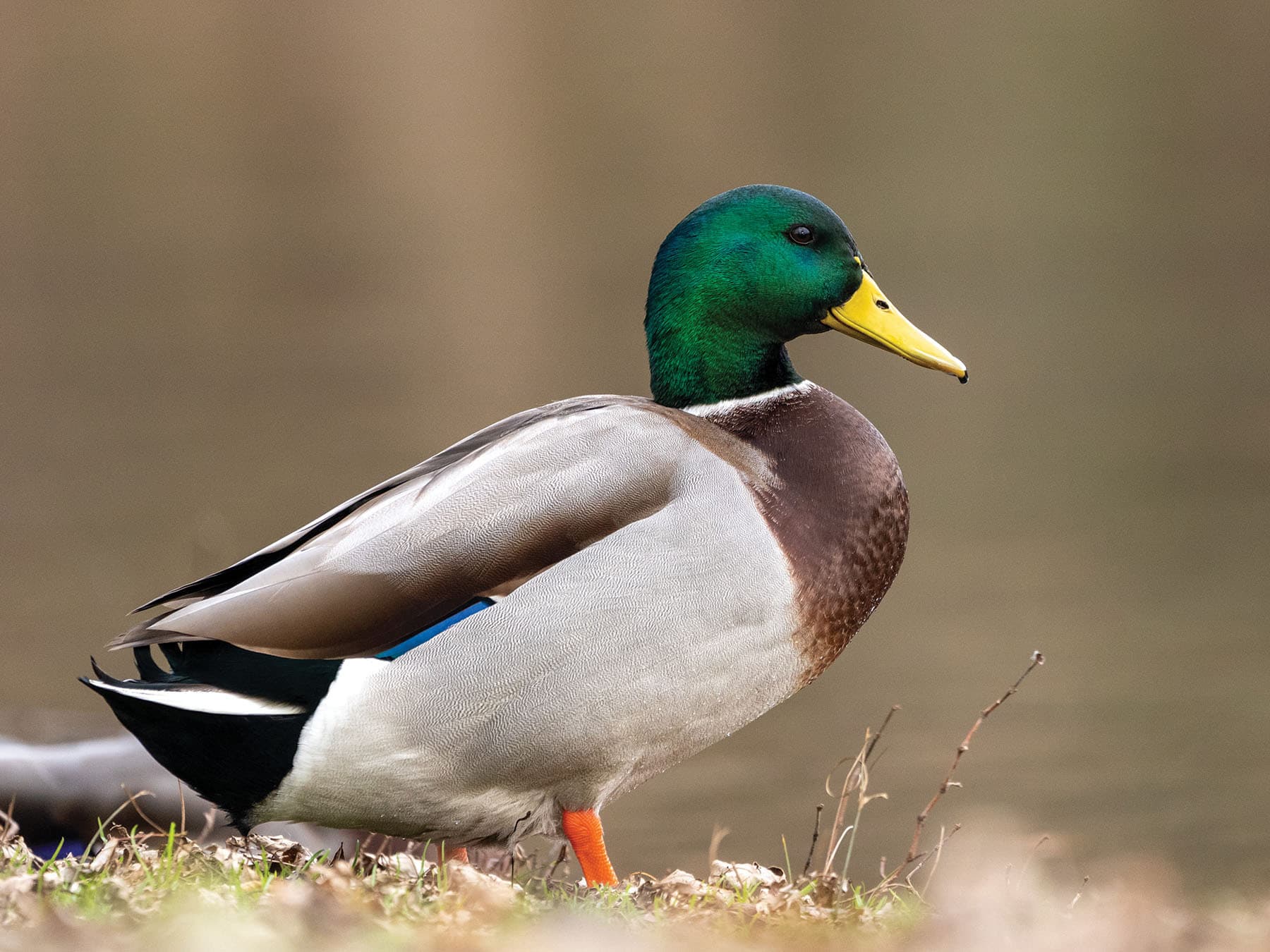 MallardAnas platyrhynchosWinter visitorCommon50–65 cmRegularly Aug–Jun · 0.94% in Oct
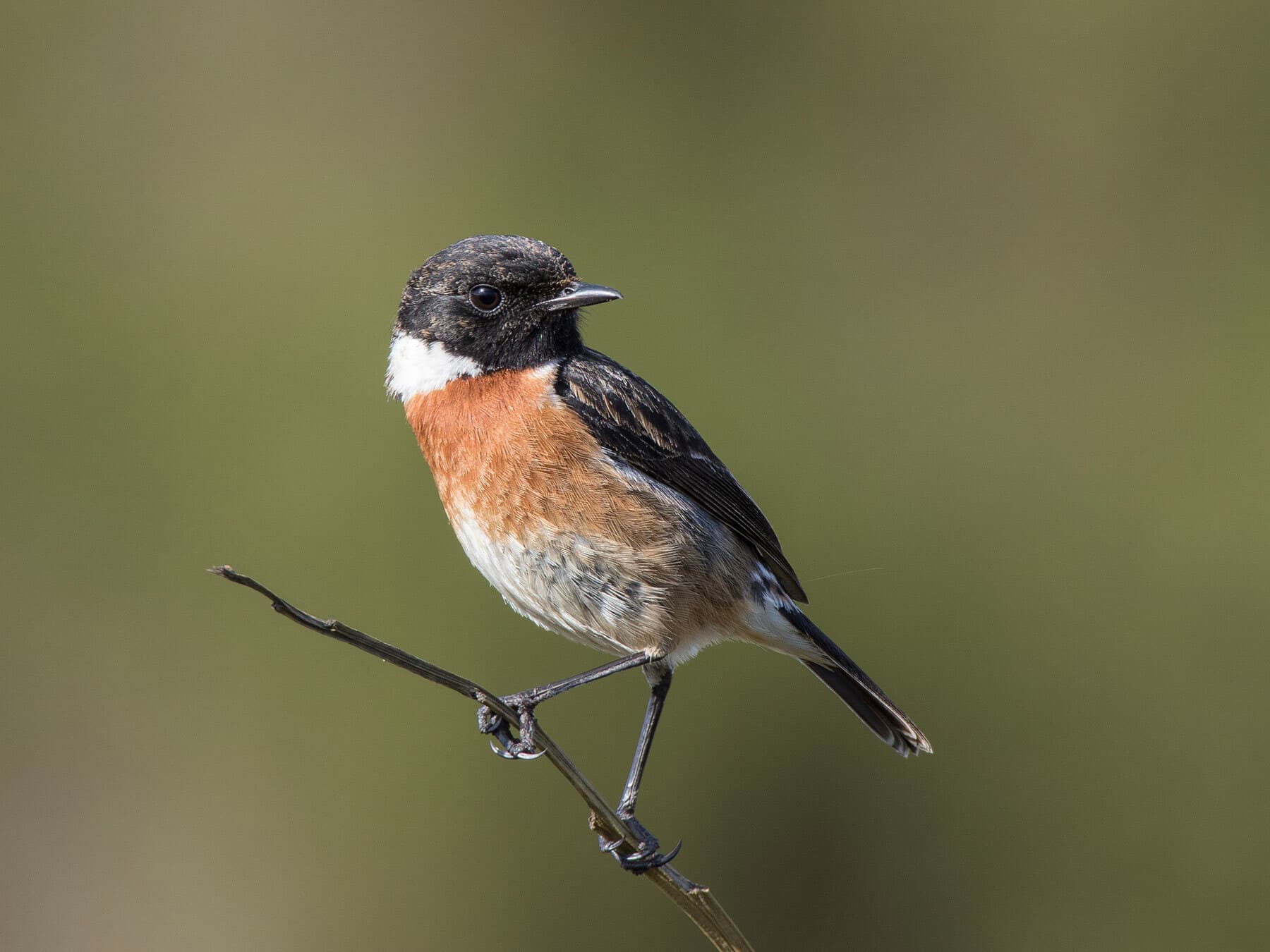 StonechatSaxicola rubicolaWinter visitorCommon12–13 cmRegularly Sep–Jun · 0.94% in Oct
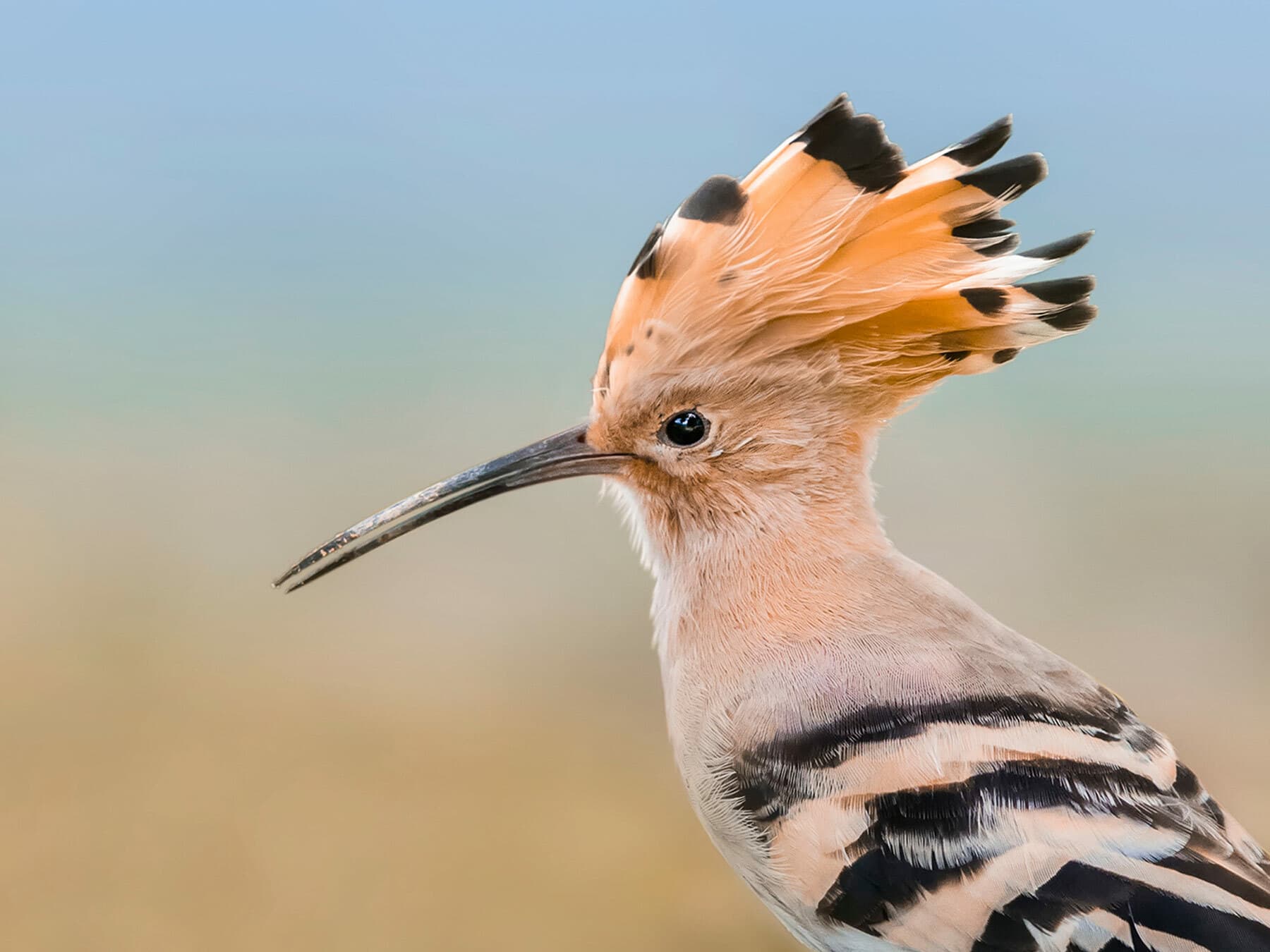 HoopoeUpupa epopsResidentCommon25–32 cmRegularly Sep–Jul · 0.90% in Oct
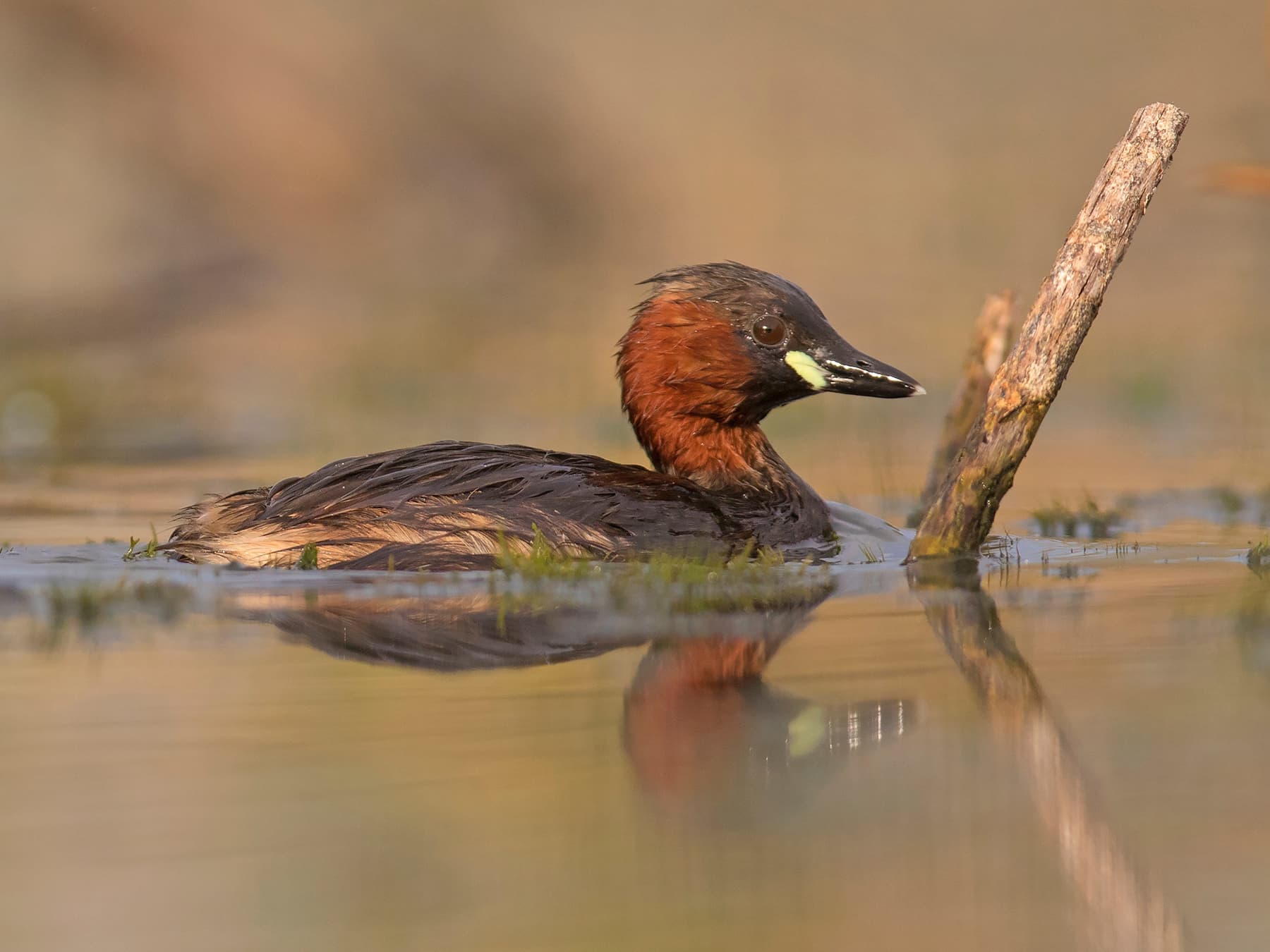 Little GrebeTachybaptus ruficollisResidentCommon23–29 cmRegularly Sep–Jul · 0.86% in Oct
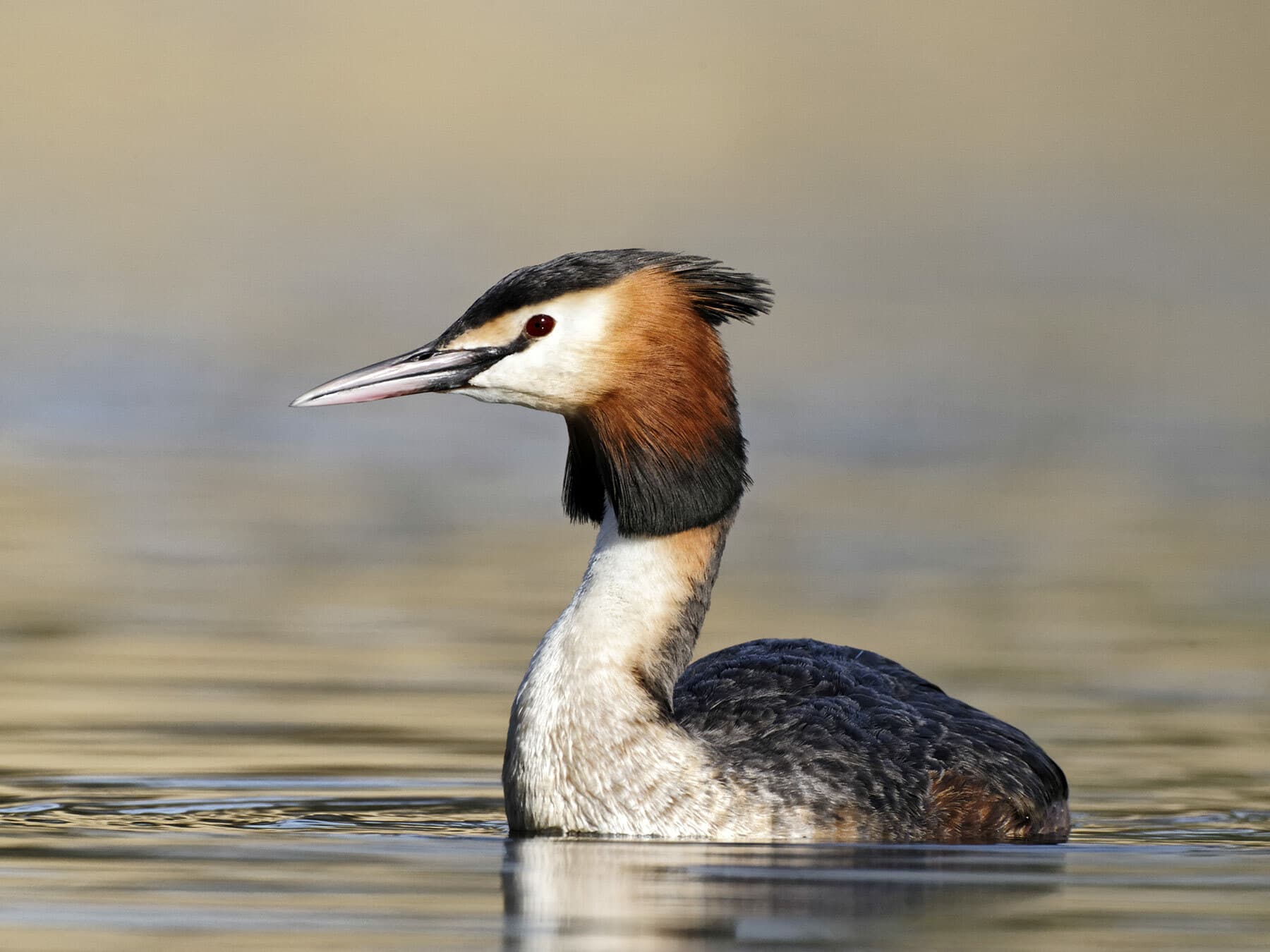 Great Crested GrebePodiceps cristatusWinter visitorCommon46–51 cmRegularly Sep–Jun · 0.77% in Oct
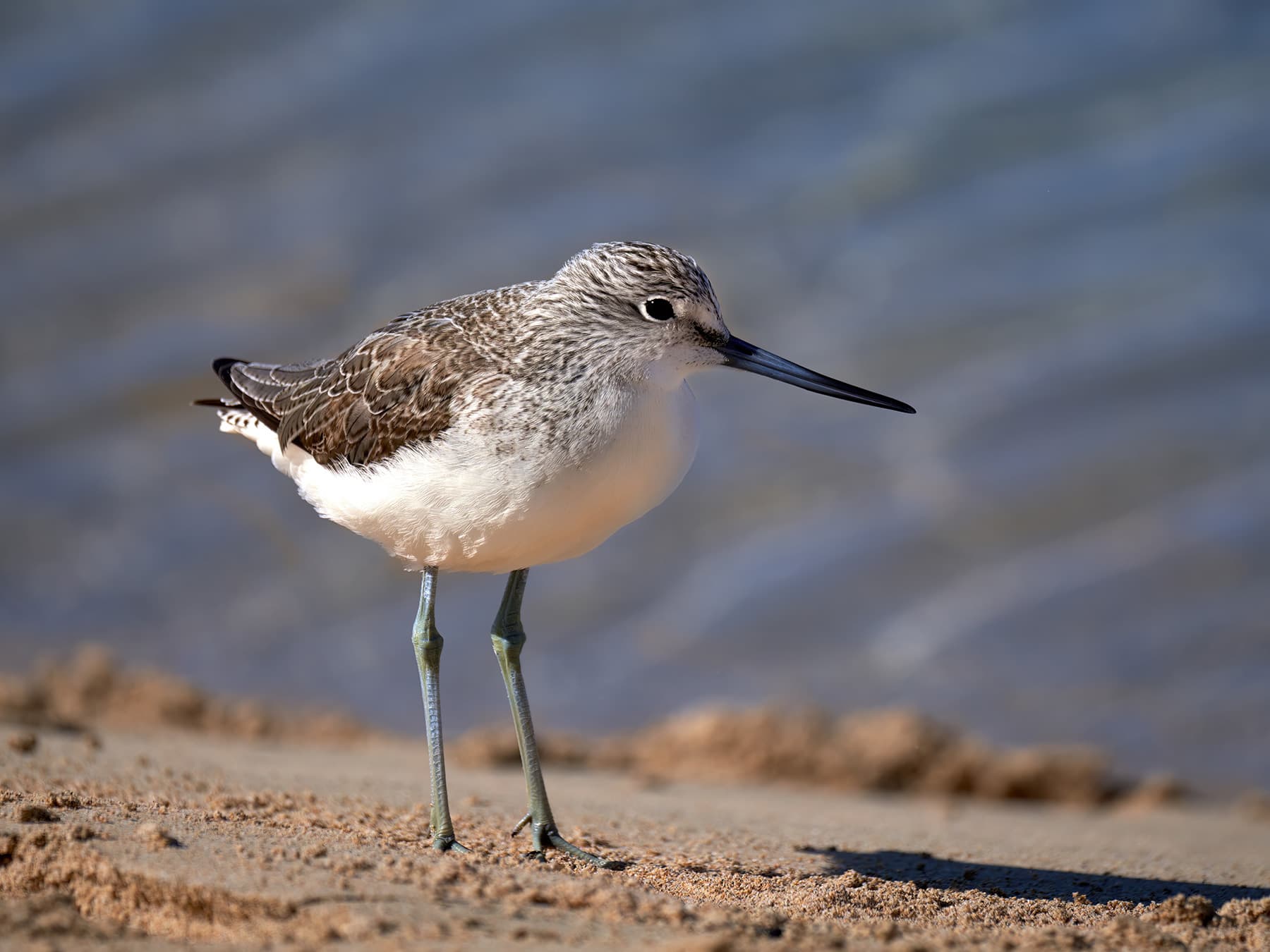 GreenshankTringa nebulariaWinter visitorCommon30–35 cmRegularly Aug–May · 0.77% in Oct
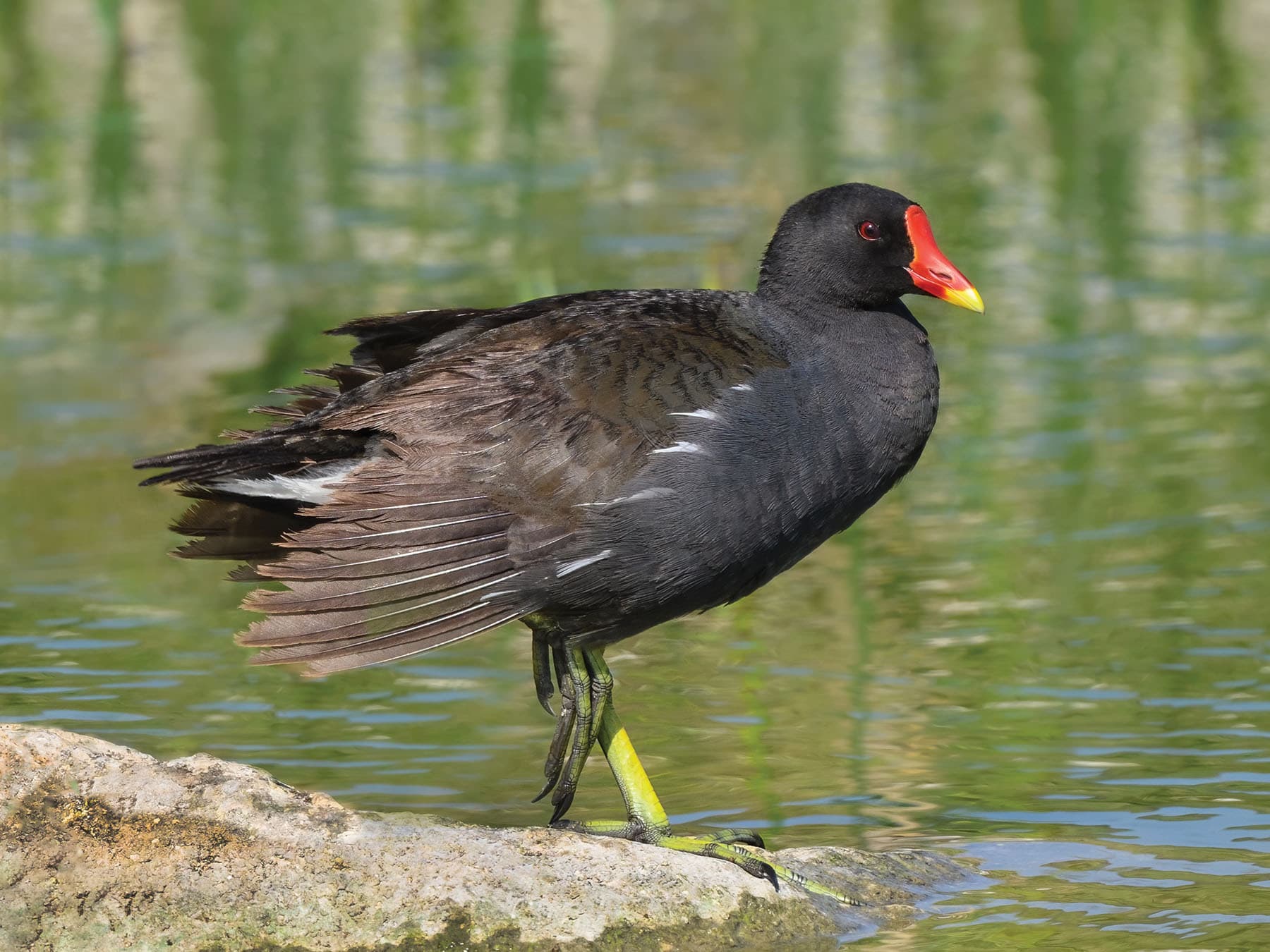 MoorhenGallinula chloropusResidentCommon30–38 cmRecorded all year · 0.77% in Oct
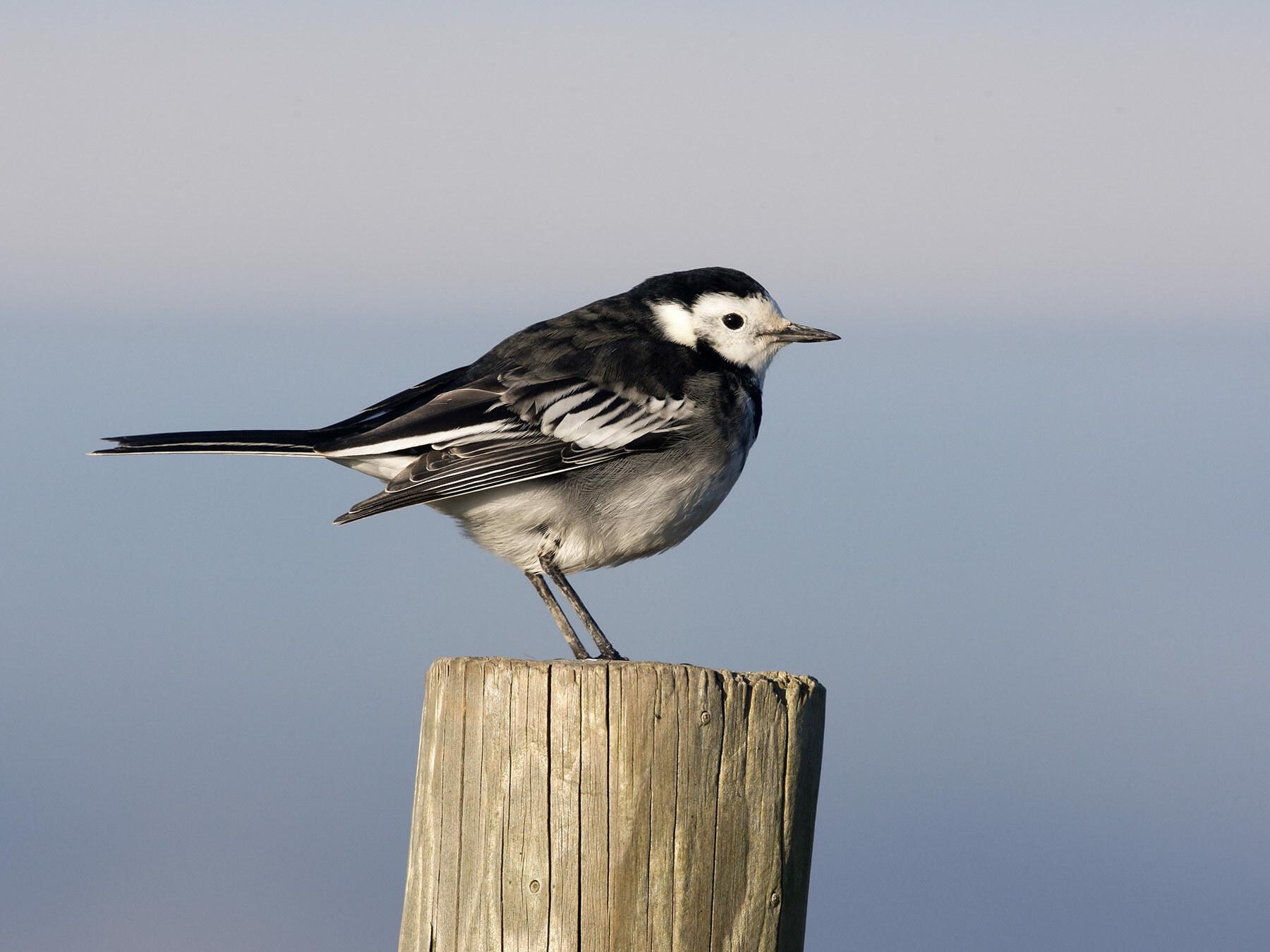 Pied WagtailMotacilla albaWinter visitorCommon17–18 cmRegularly Oct–Mar · 0.77% in Oct
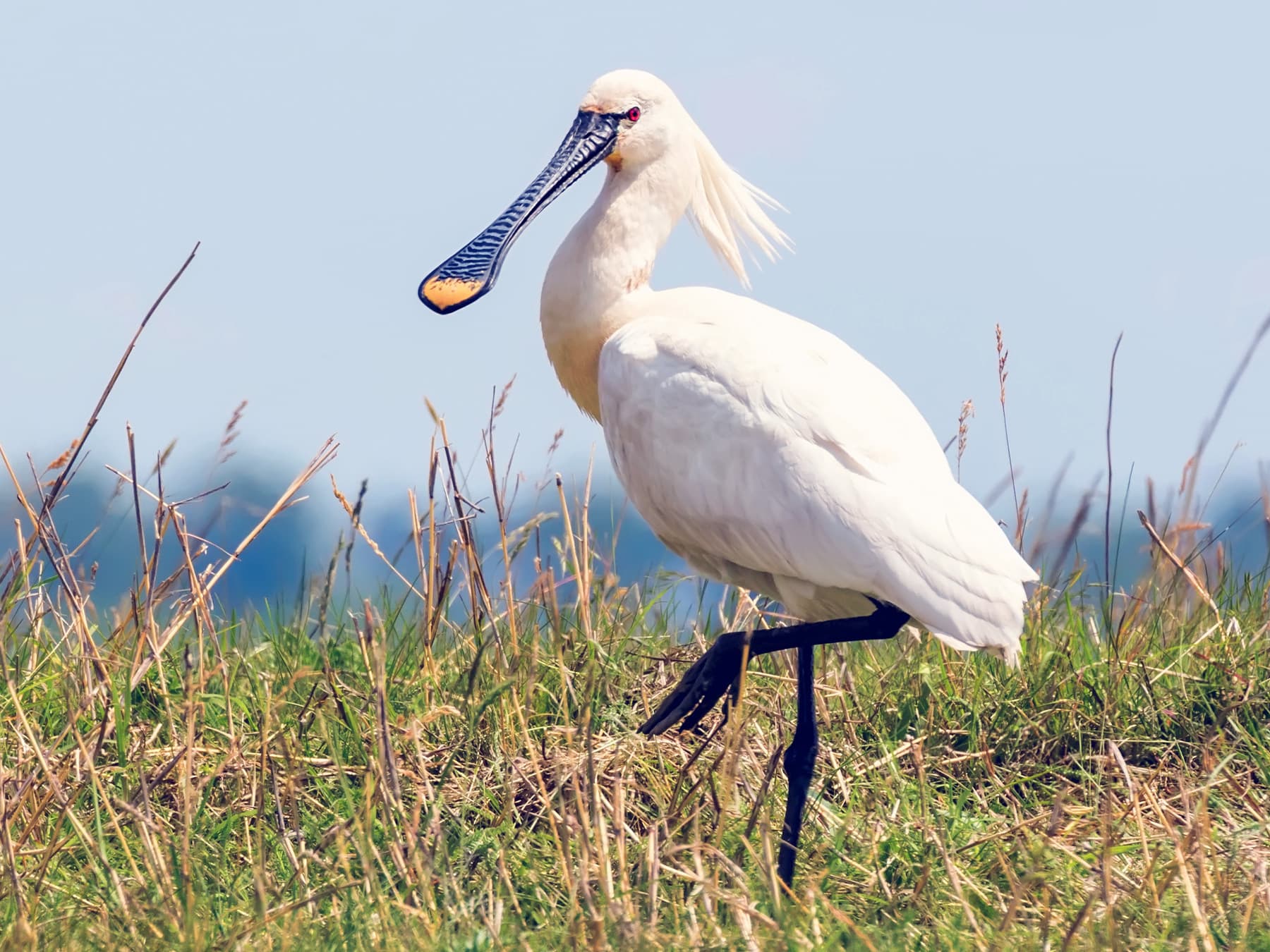 Eurasian SpoonbillPlatalea leucorodiaWinter visitorCommon80–90 cmRegularly Jul–Apr · 0.73% in Oct
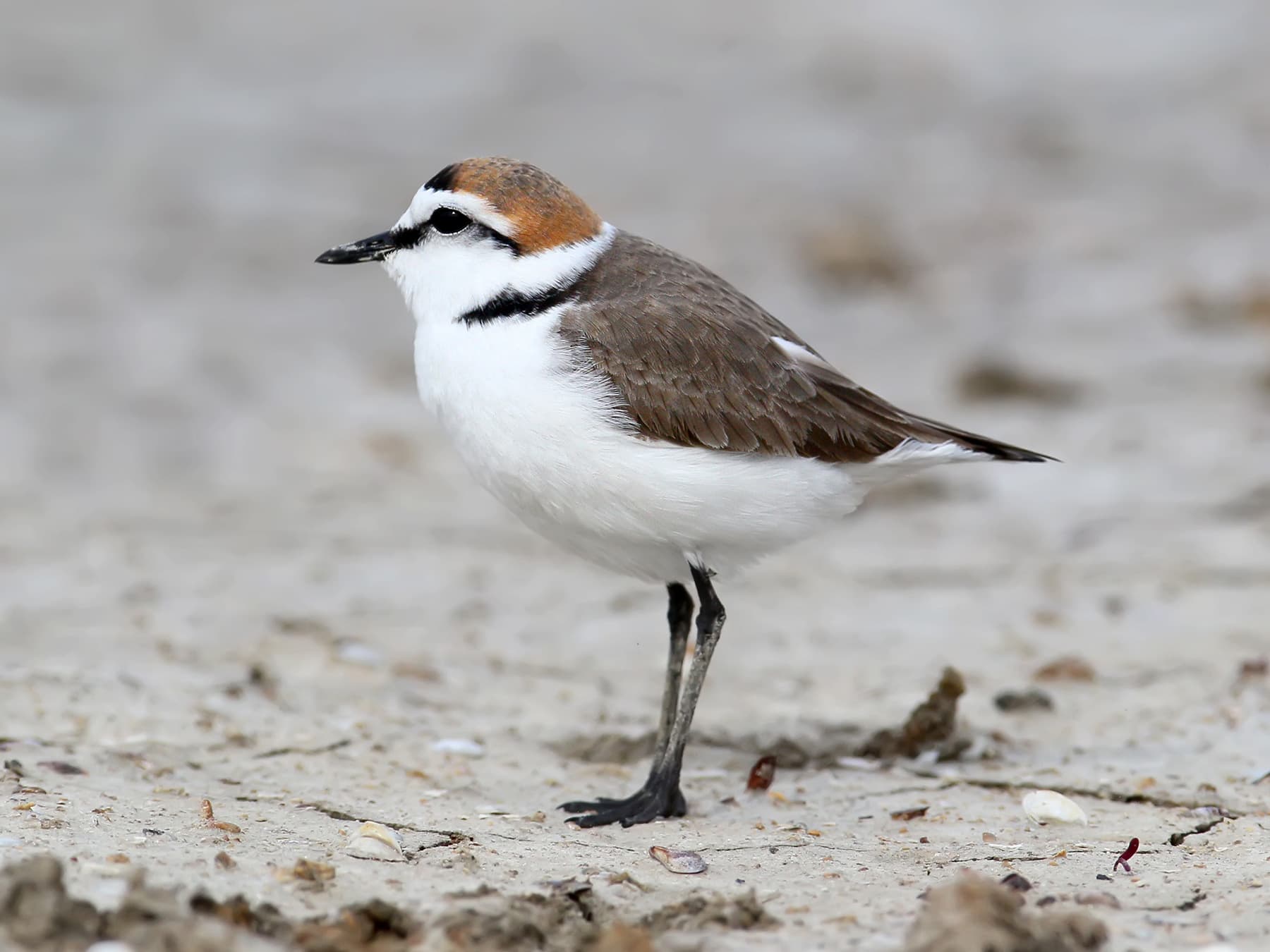 Kentish PloverCharadrius alexandrinusResidentCommon15–17 cmRecorded all year · 0.73% in Oct
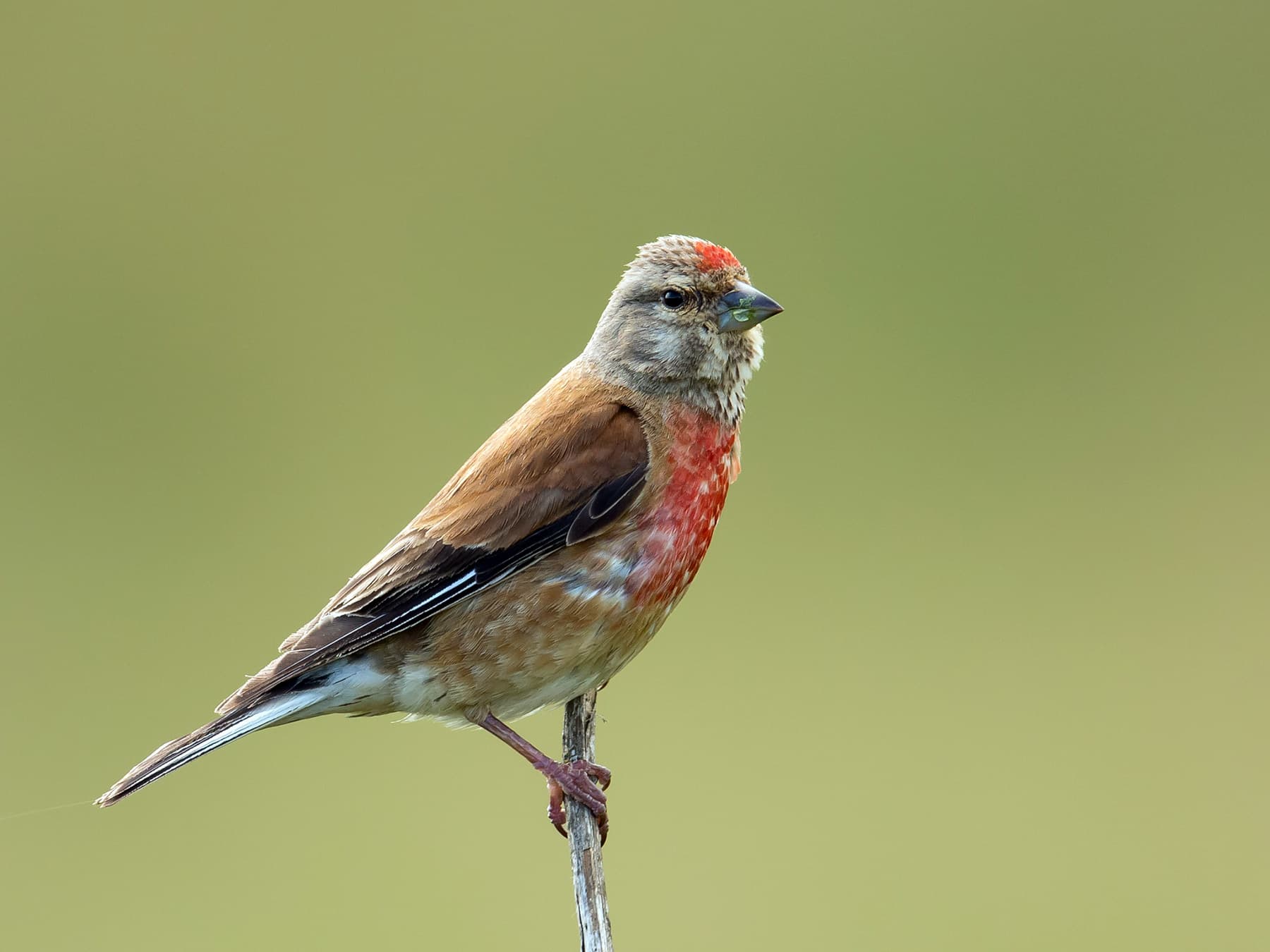 LinnetLinaria cannabinaWinter visitorCommon13–14 cmRegularly Sep–Jun · 0.73% in Oct
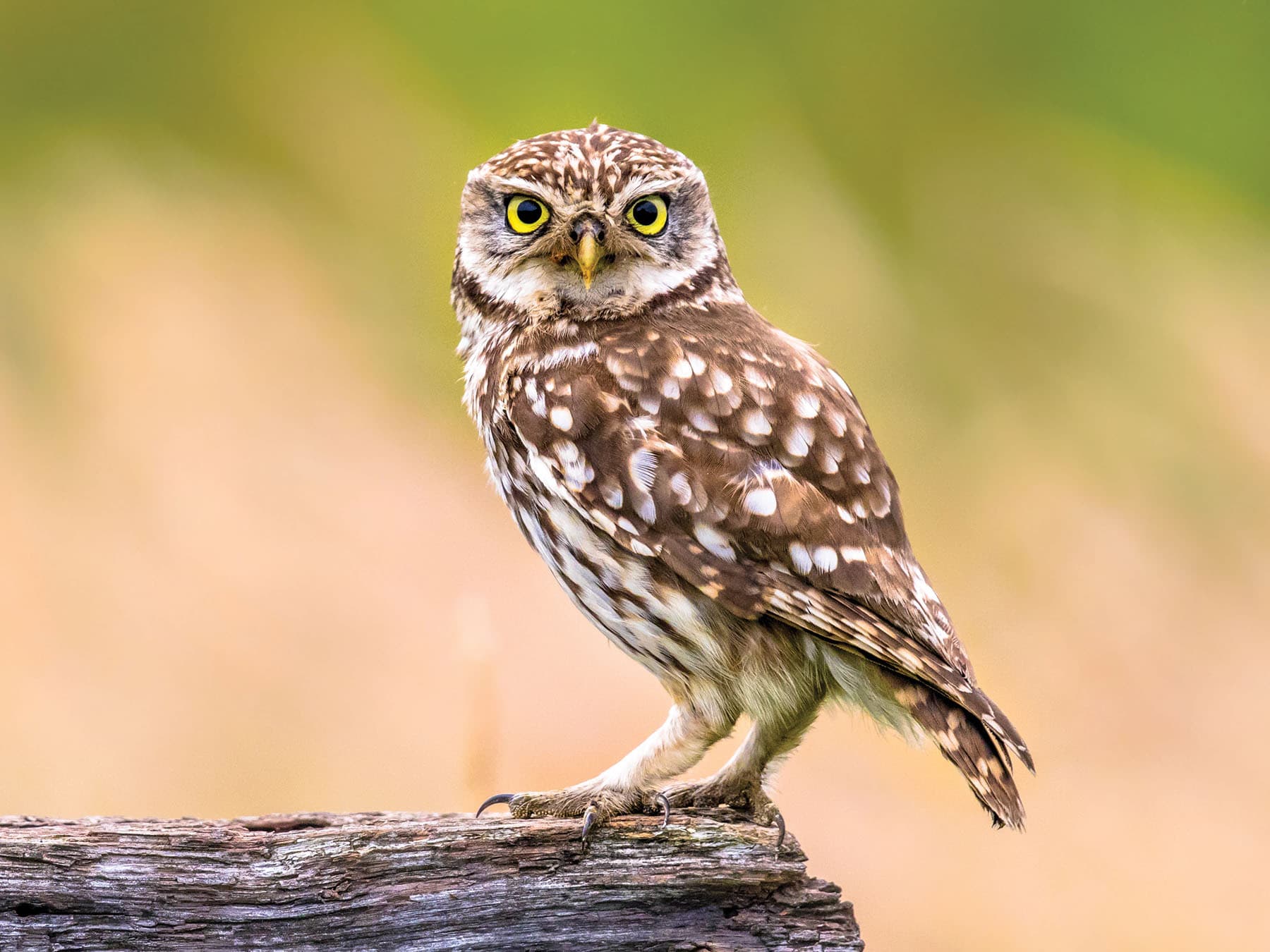 Little OwlAthene noctuaWinter visitorCommon21–23 cmRegularly Sep–Jun · 0.73% in Oct
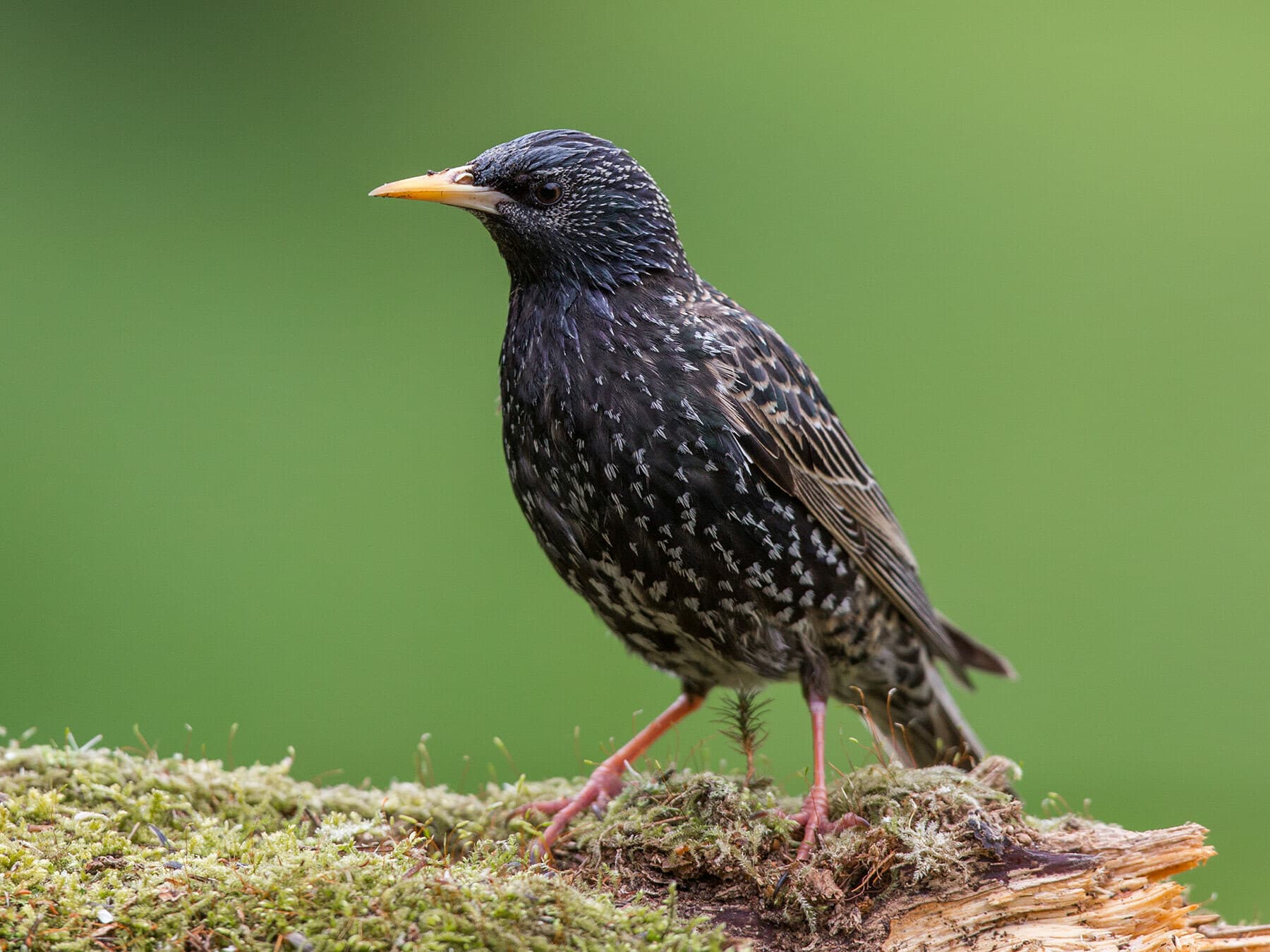 Common StarlingSturnus vulgarisWinter visitorCommon21–23 cmRegularly Sep–May · 0.68% in Oct
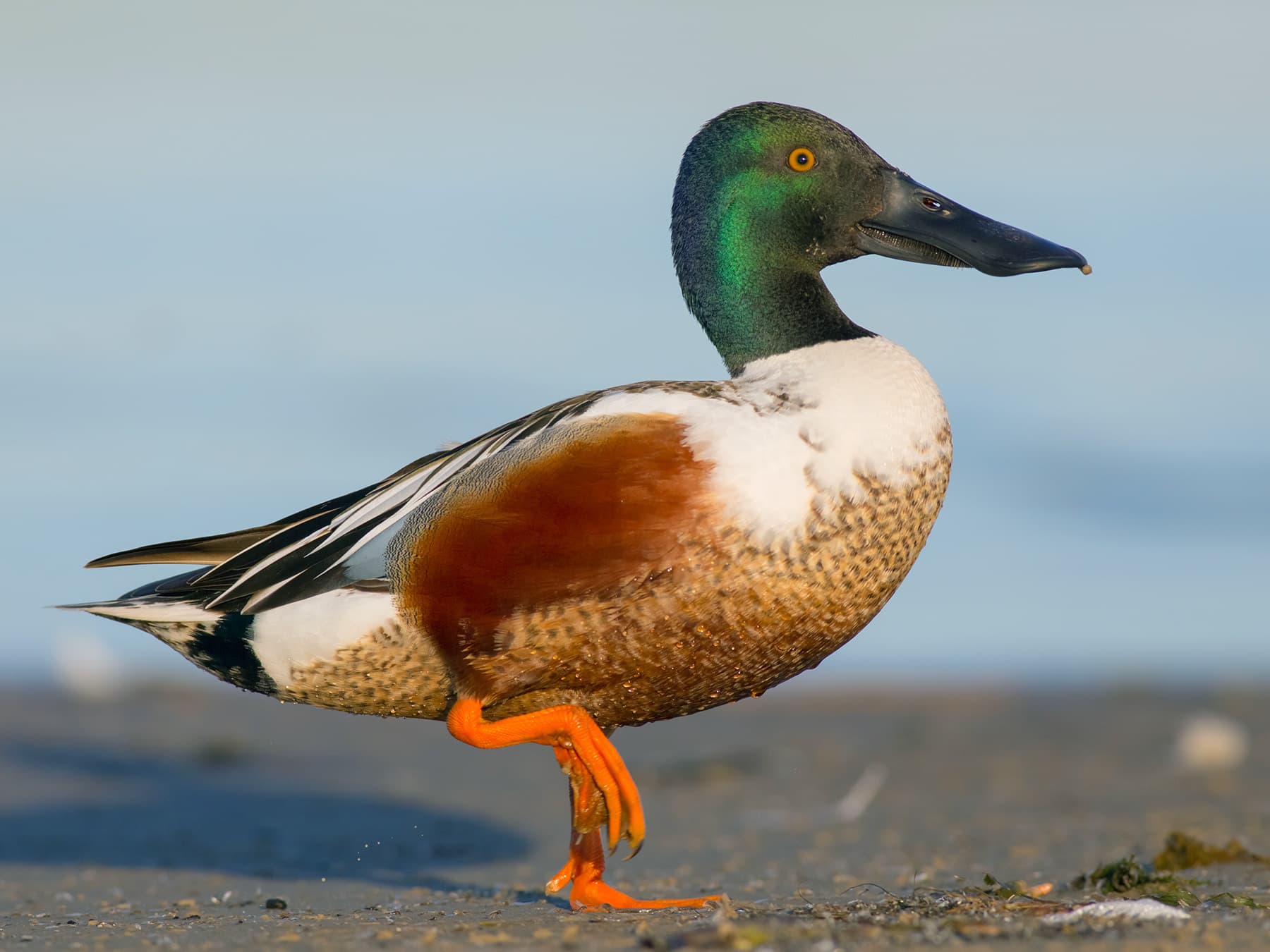 Northern ShovelerSpatula clypeataWinter visitorCommon44–51 cmRegularly Sep–Apr · 0.68% in Oct
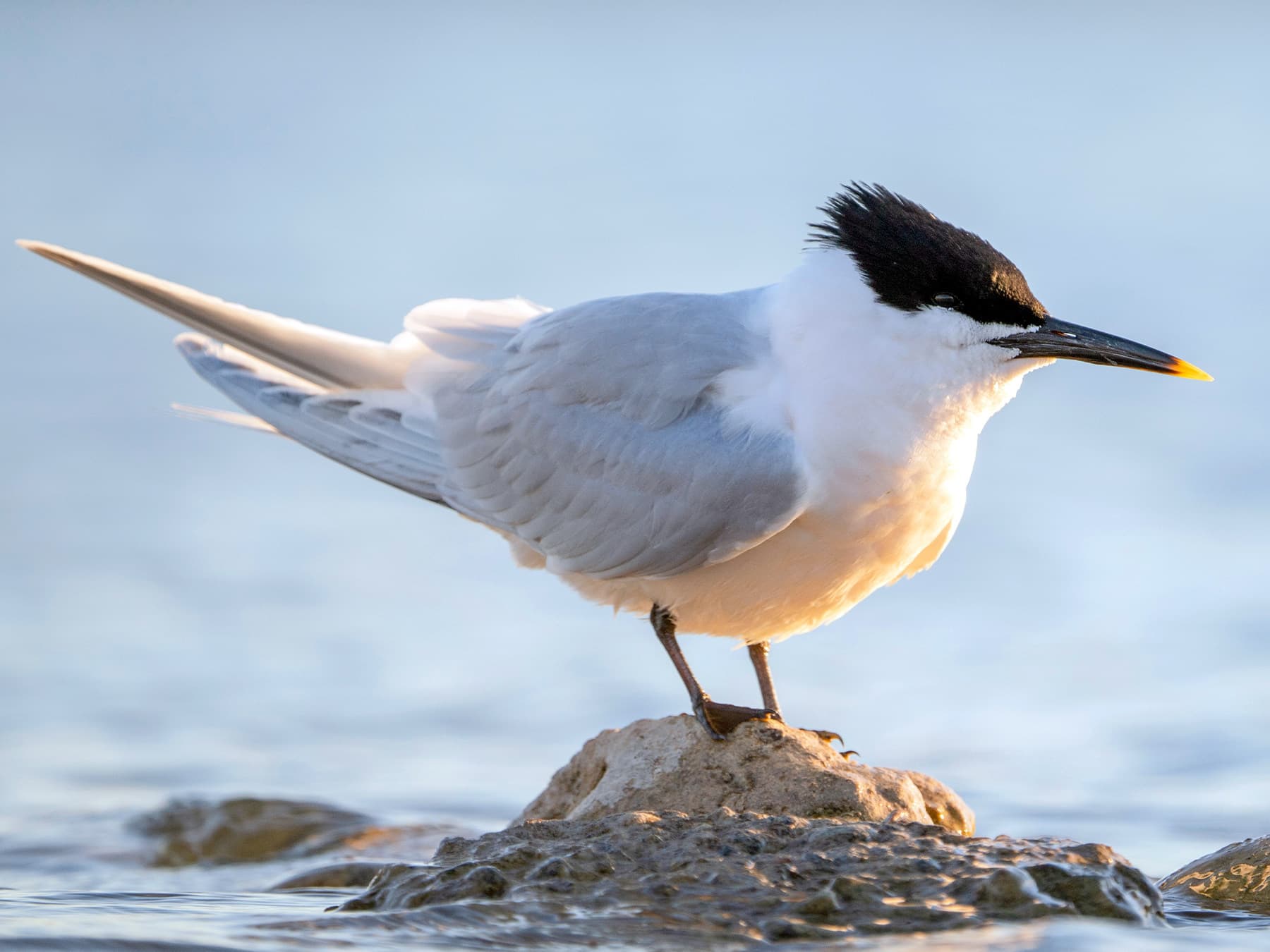 Sandwich TernThalasseus sandvicensisWinter visitorCommon36–41 cmRegularly Sep–Apr · 0.68% in Oct
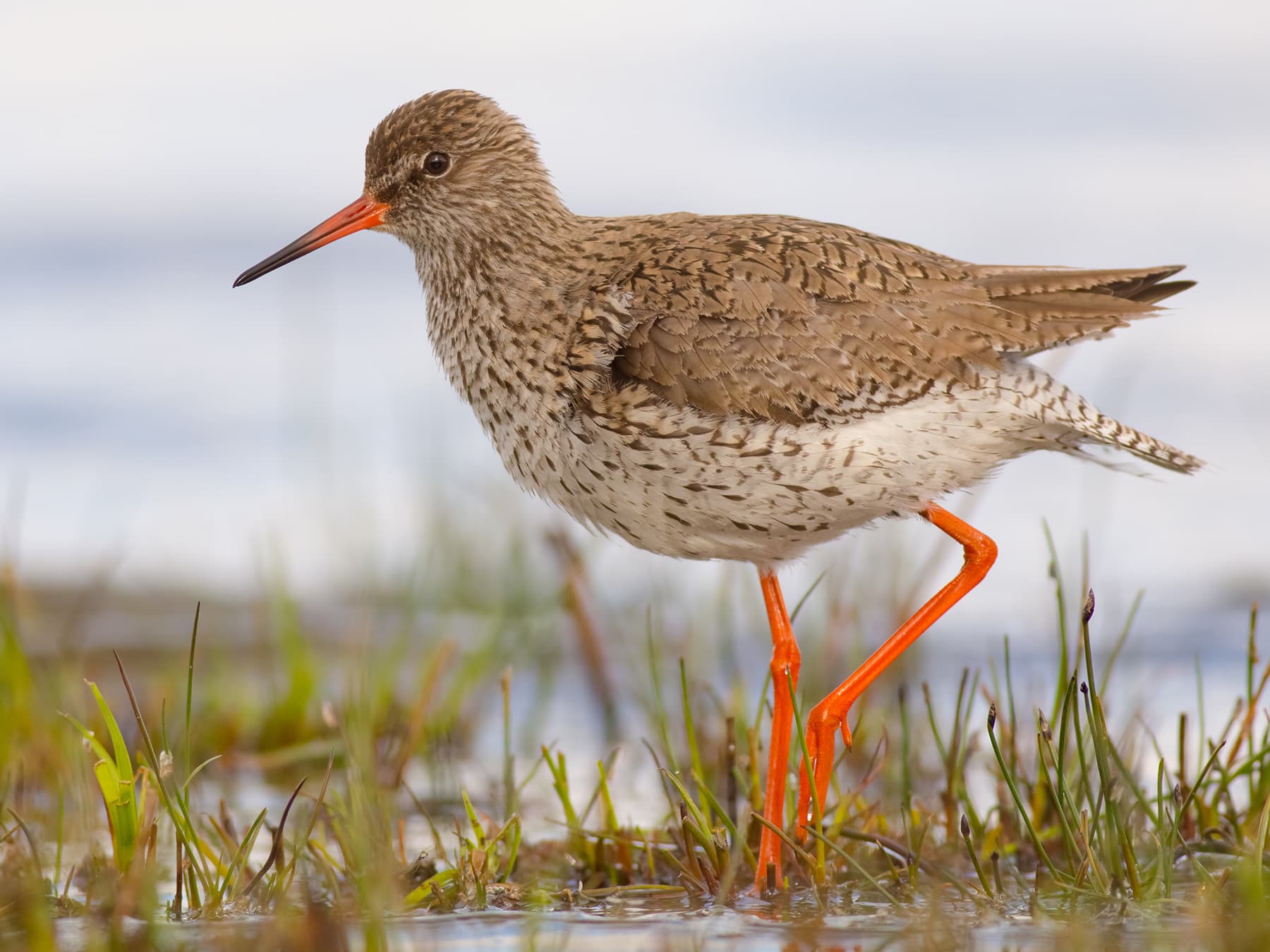 RedshankTringa totanusWinter visitorCommon27–29 cmRegularly Oct–Jun · 0.64% in Oct
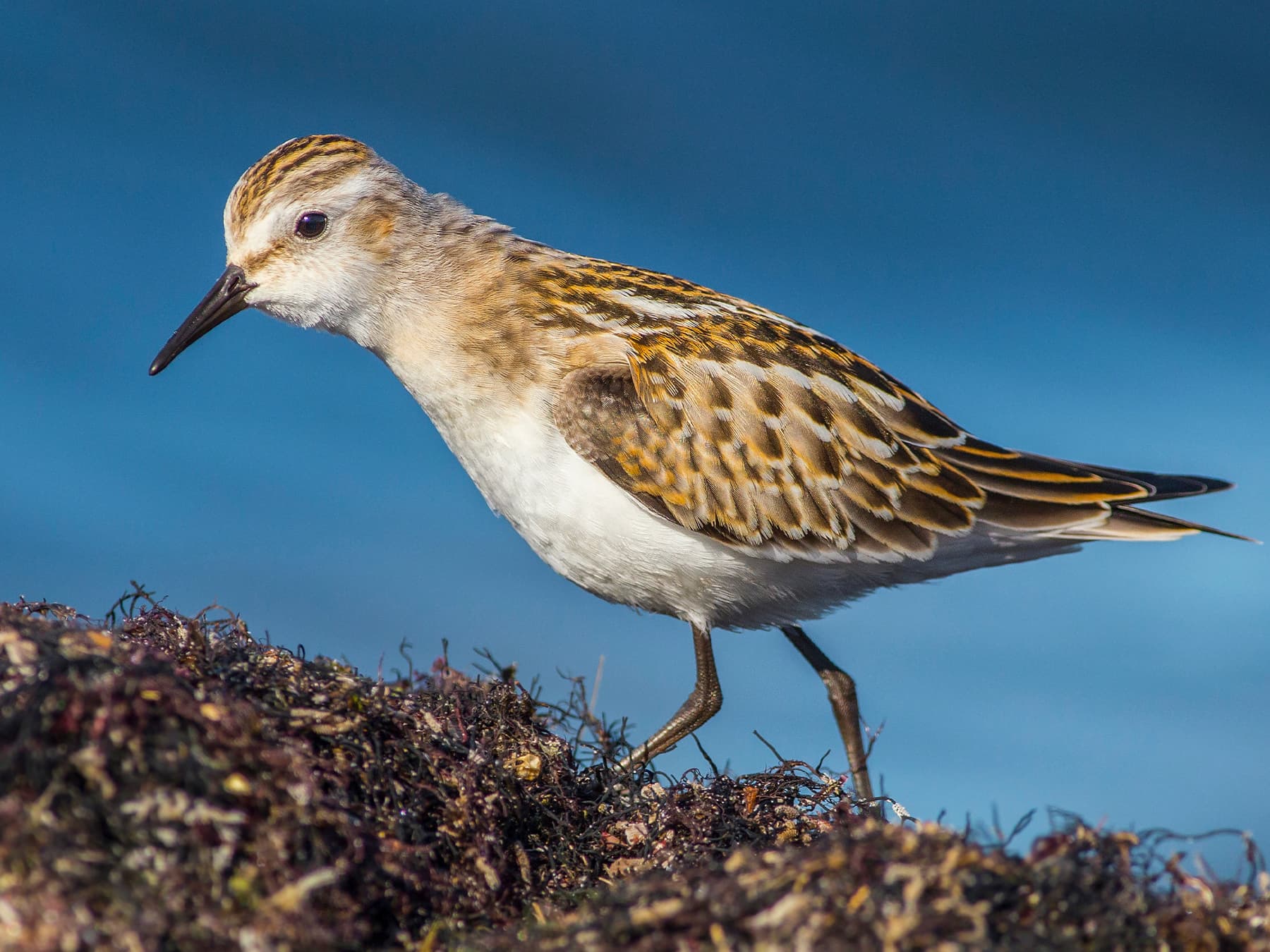 Little StintCalidris minutaWinter visitorCommon13–15 cmRegularly Aug–May · 0.60% in Oct
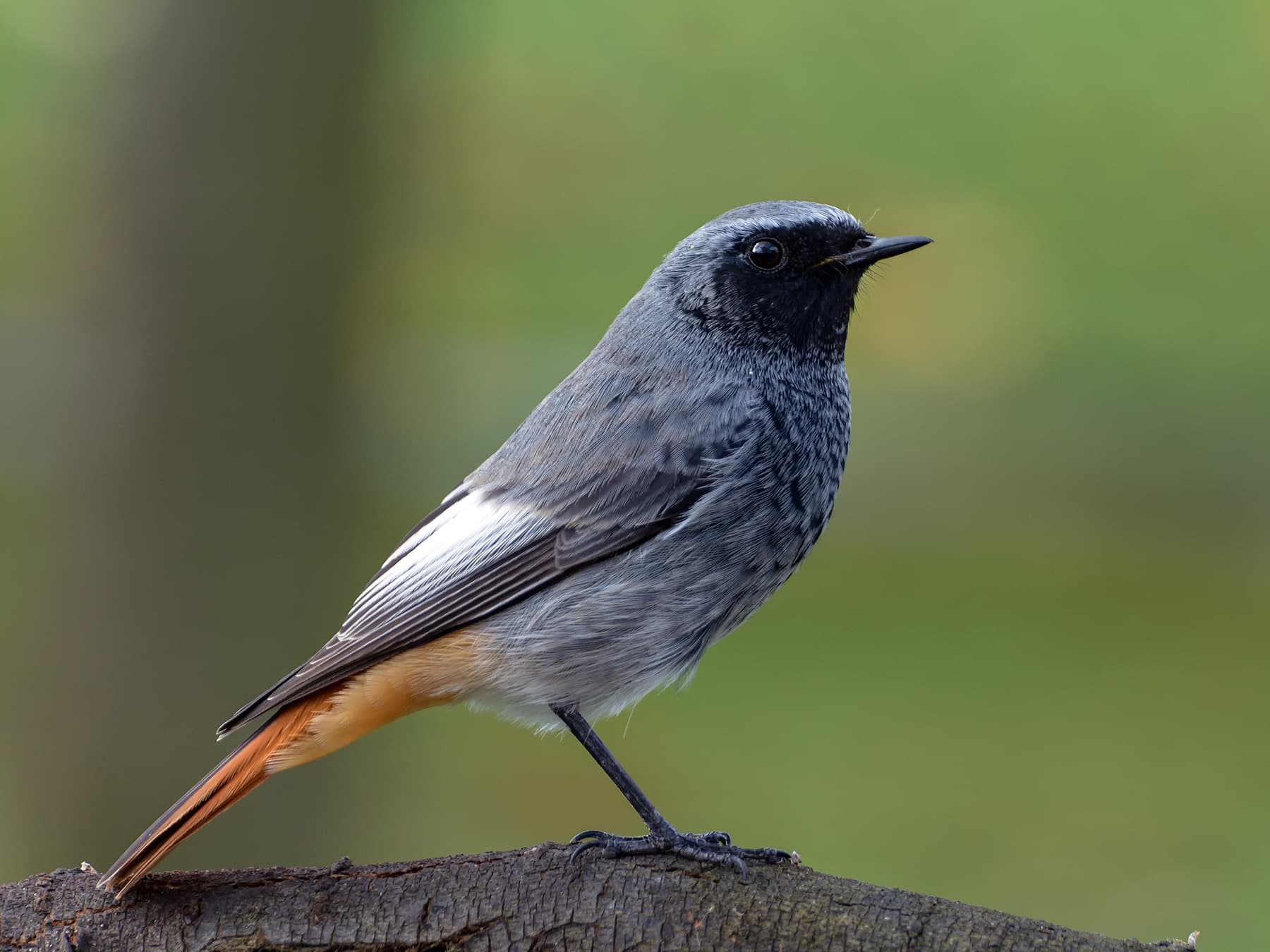 Black RedstartPhoenicurus ochrurosWinter visitorCommon13–15 cmRegularly Oct–Mar · 0.51% in Oct
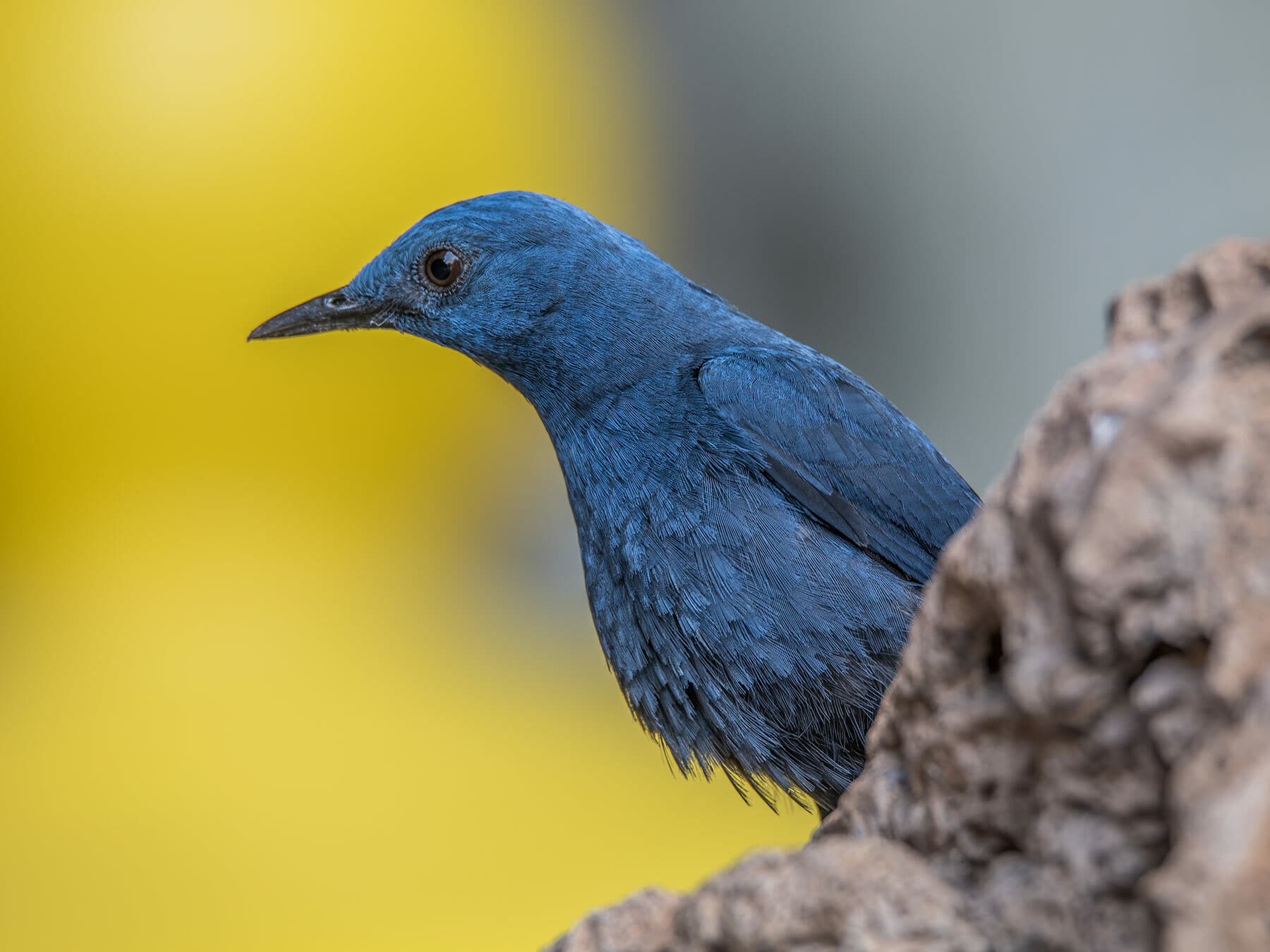 Blue Rock-thrushMonticola solitariusWinter visitorCommon21–23 cmRegularly Oct–Jun · 0.51% in Oct
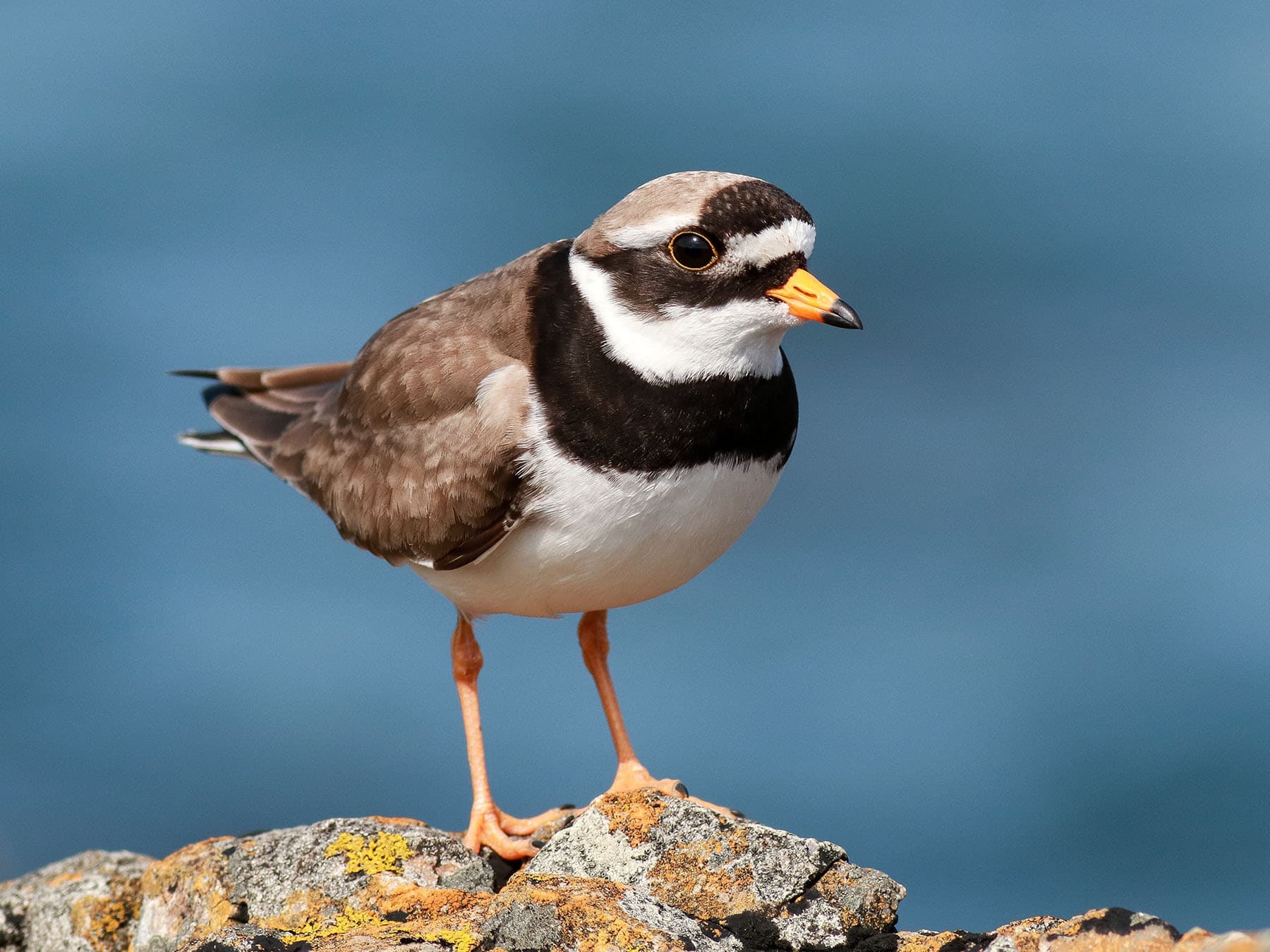 Ringed PloverCharadrius hiaticulaWinter visitorCommon17–19 cmRegularly Aug–May · 0.51% in Oct
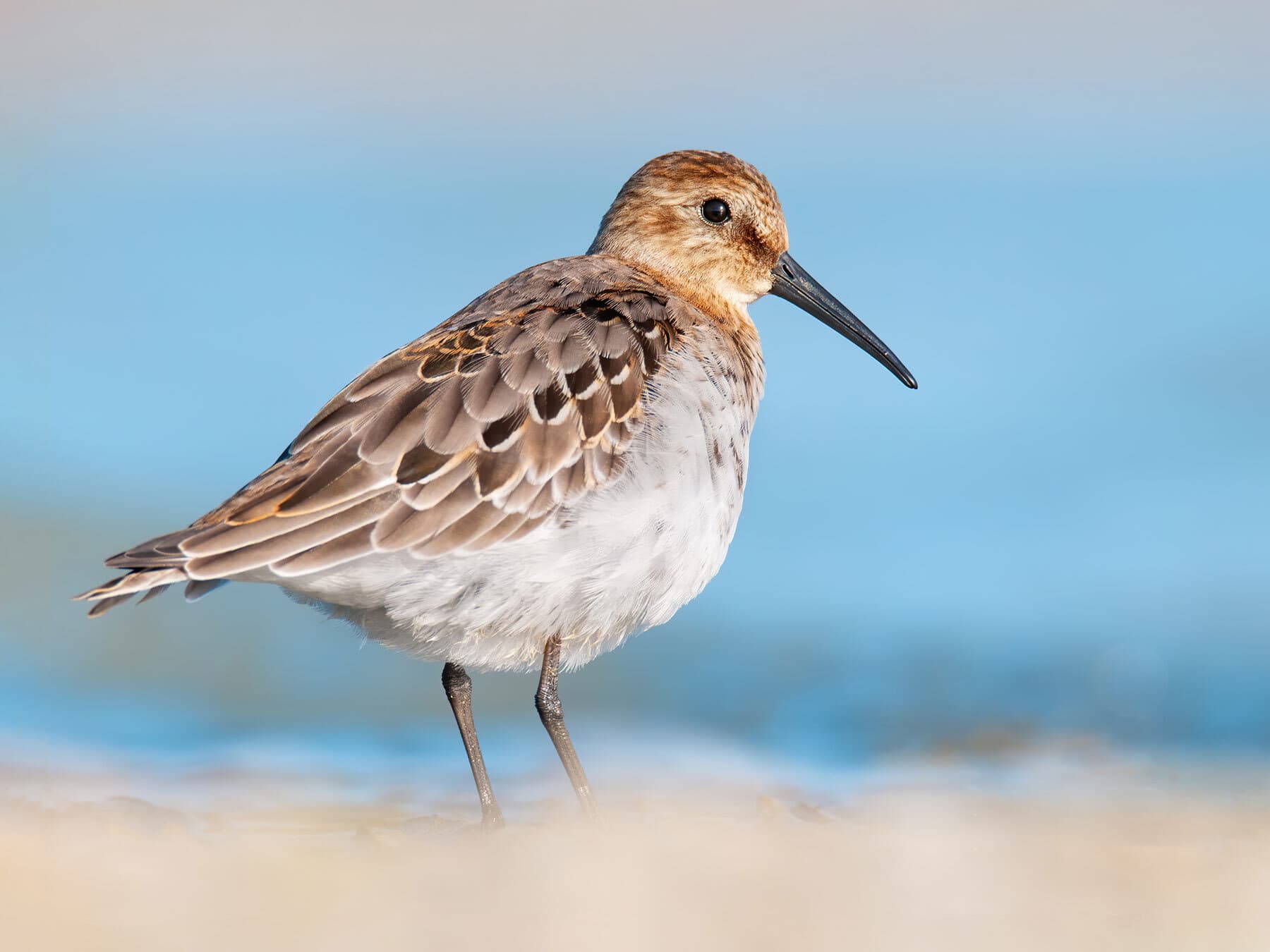 DunlinCalidris alpinaPassage migrantCommon16–22 cmRegularly Aug–Apr · 0.47% in Oct
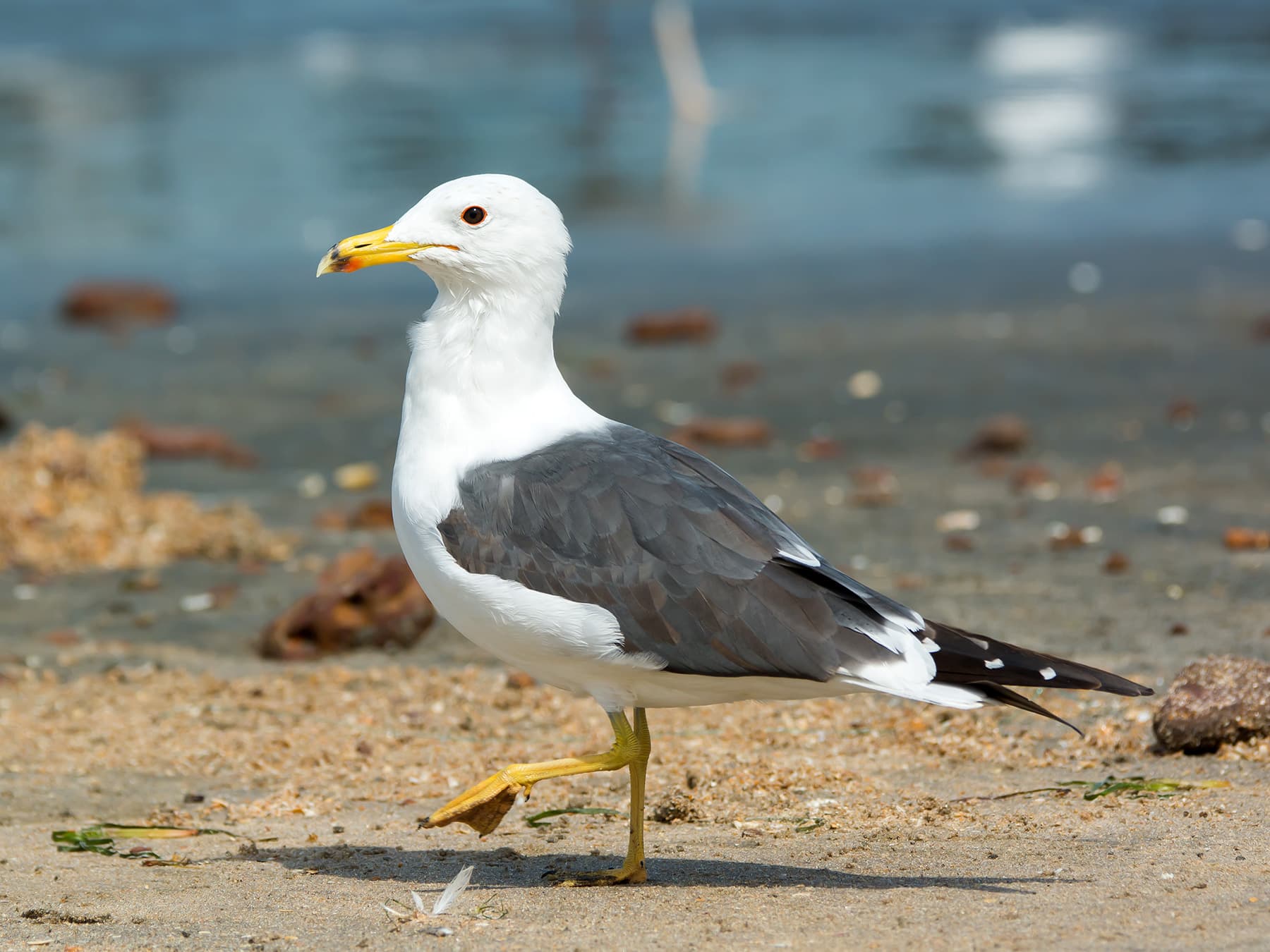 Lesser Black-backed GullLarus fuscusWinter visitorCommon52–64 cmRegularly Sep–Mar · 0.47% in Oct
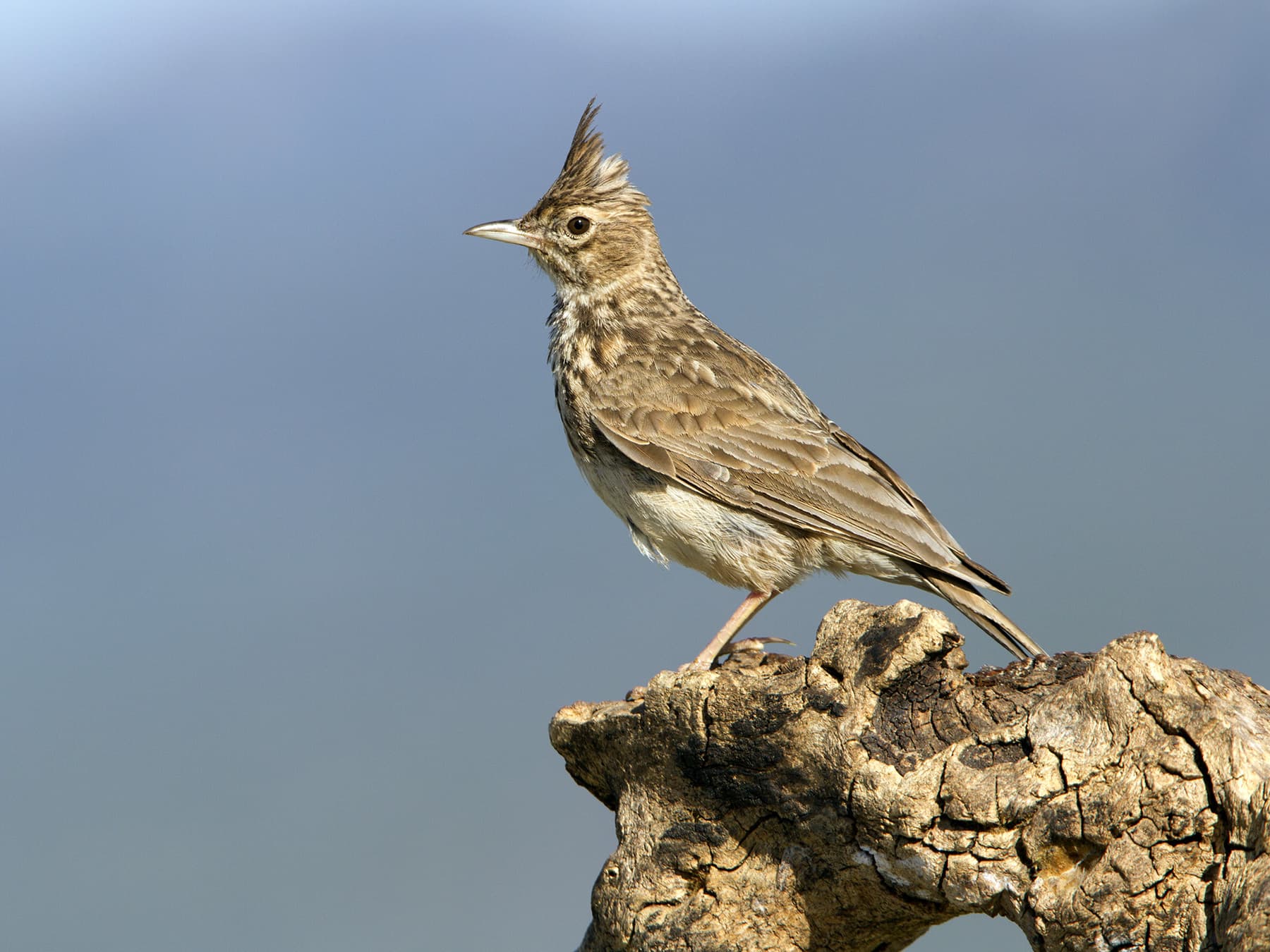 Thekla's LarkGalerida theklaeWinter visitorCommon15–17 cmRegularly Sep–May · 0.47% in Oct
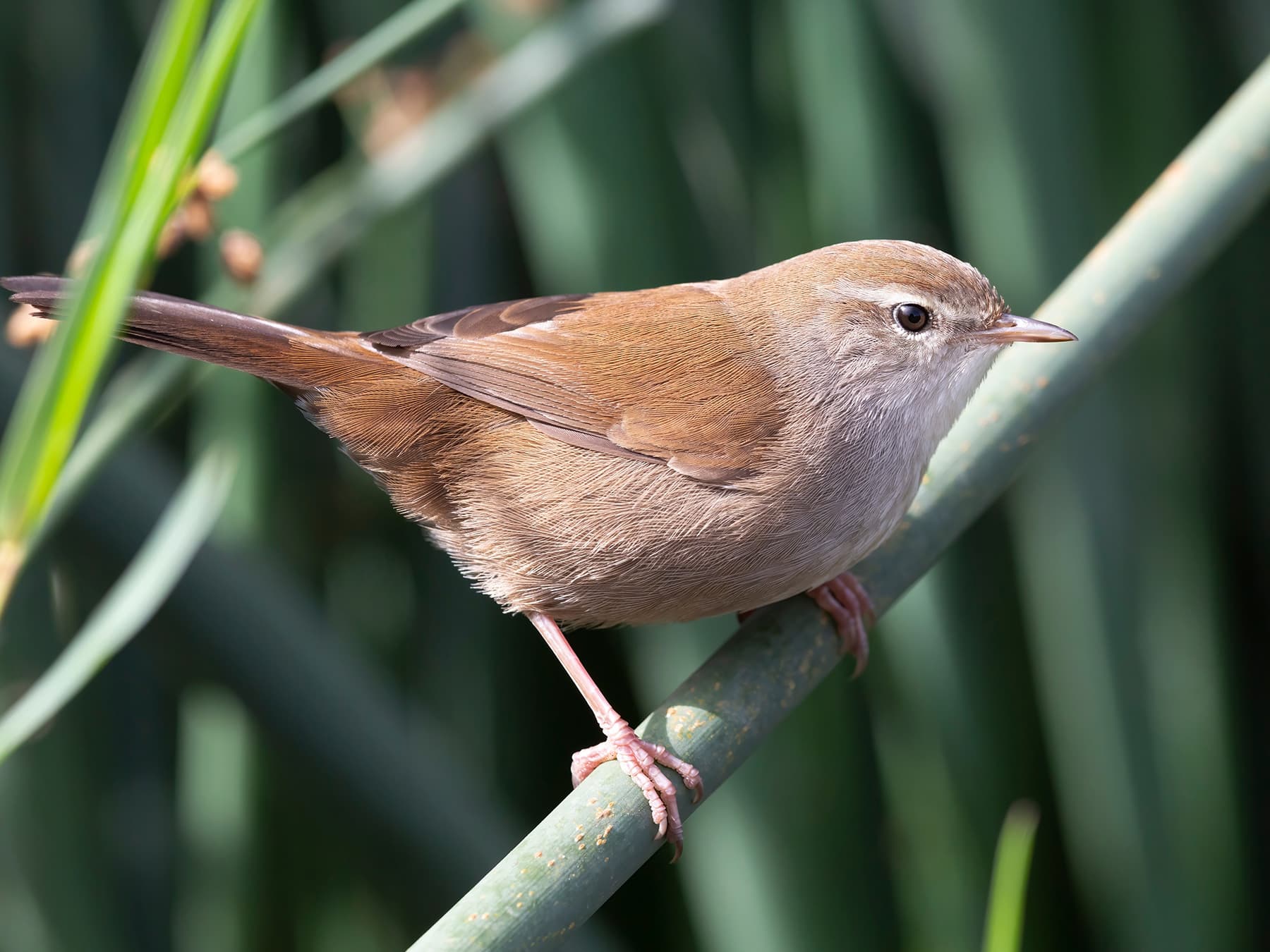 Cetti's WarblerCettia cettiWinter visitorCommon13–14 cmRegularly Sep–May · 0.43% in Oct
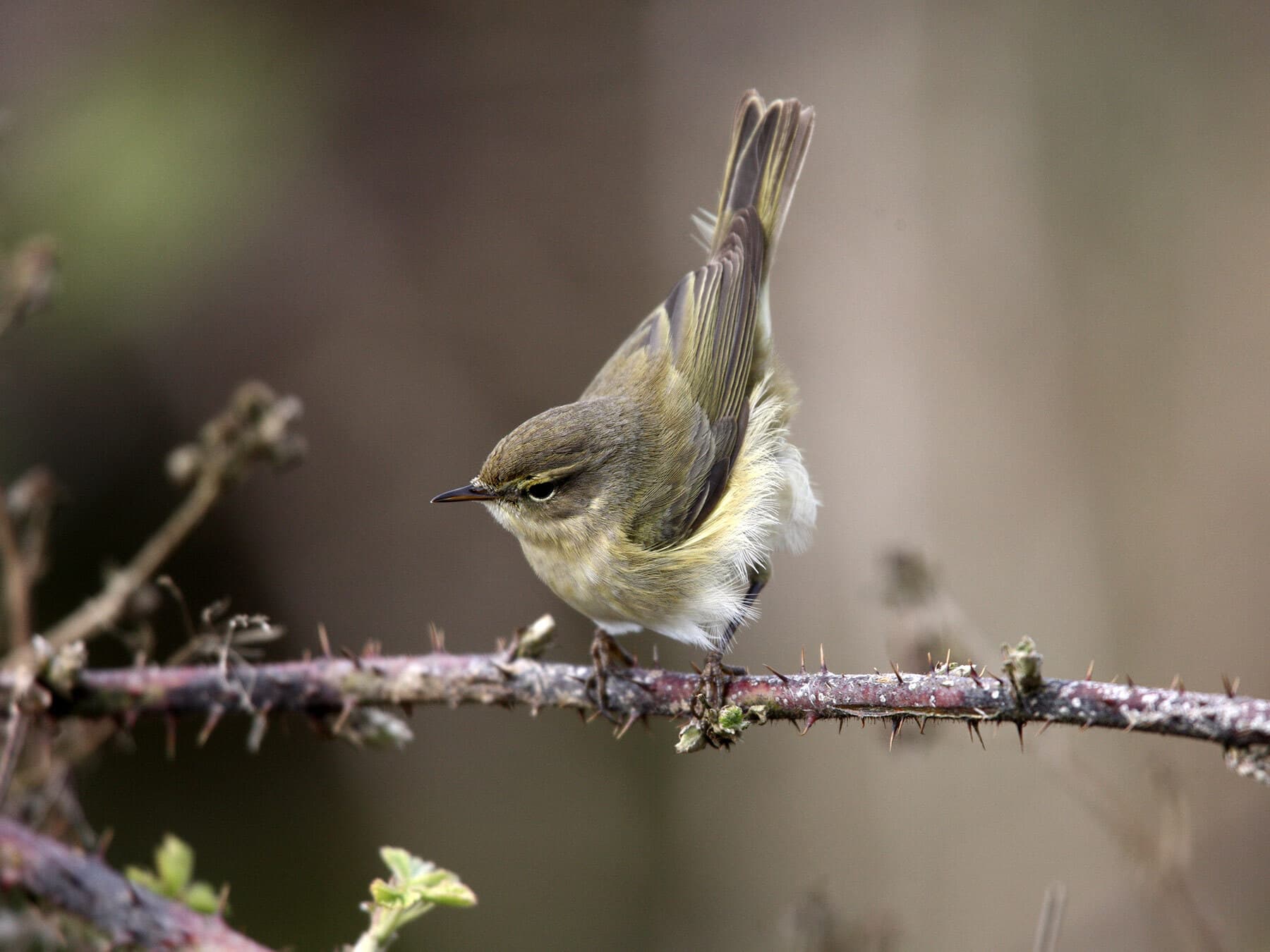 ChiffchaffPhylloscopus collybitaWinter visitorCommon10–12 cmRegularly Oct–Apr · 0.43% in Oct
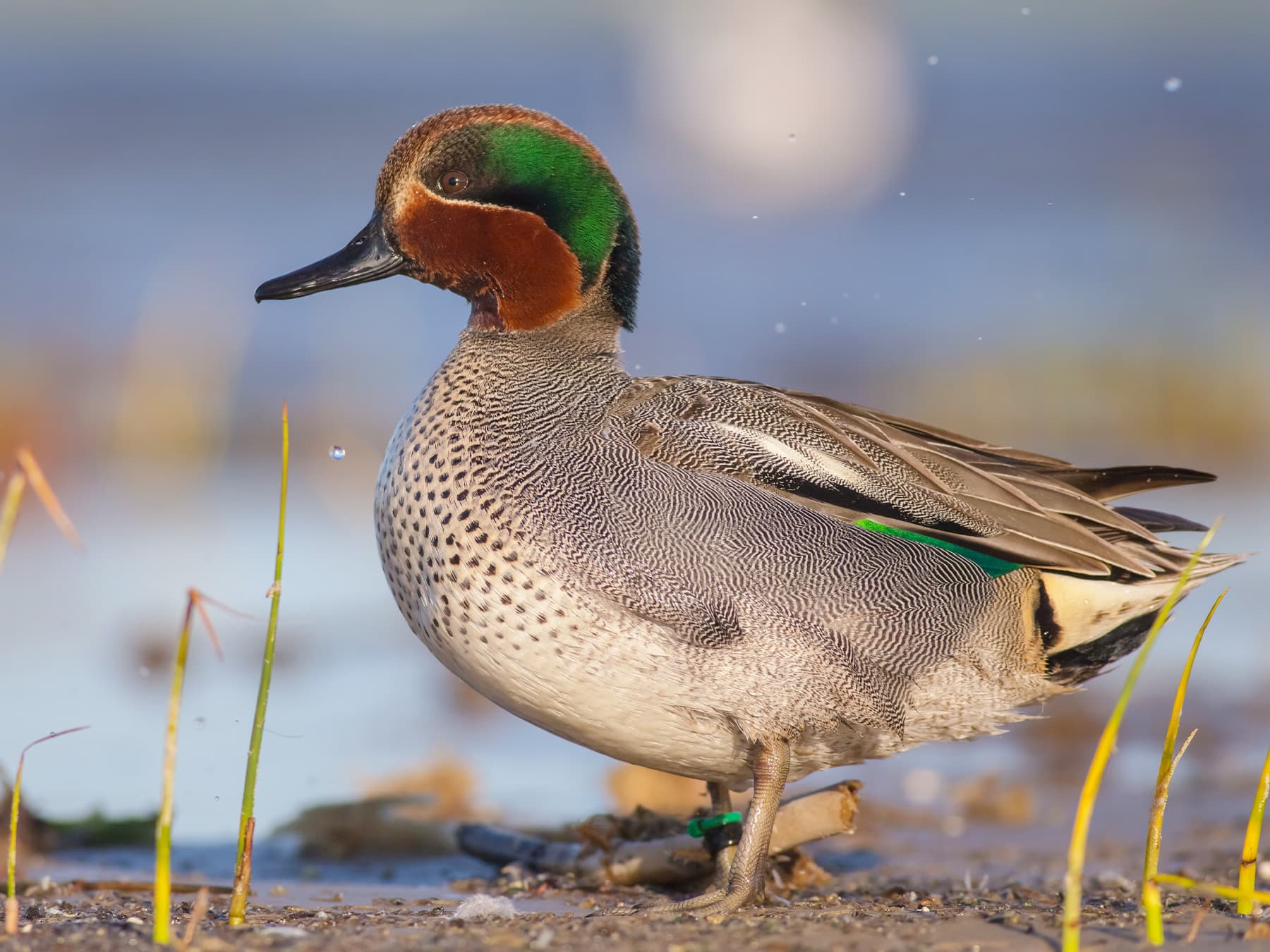 Eurasian TealAnas creccaWinter visitorCommon34–38 cmRegularly Sep–Mar · 0.43% in Oct
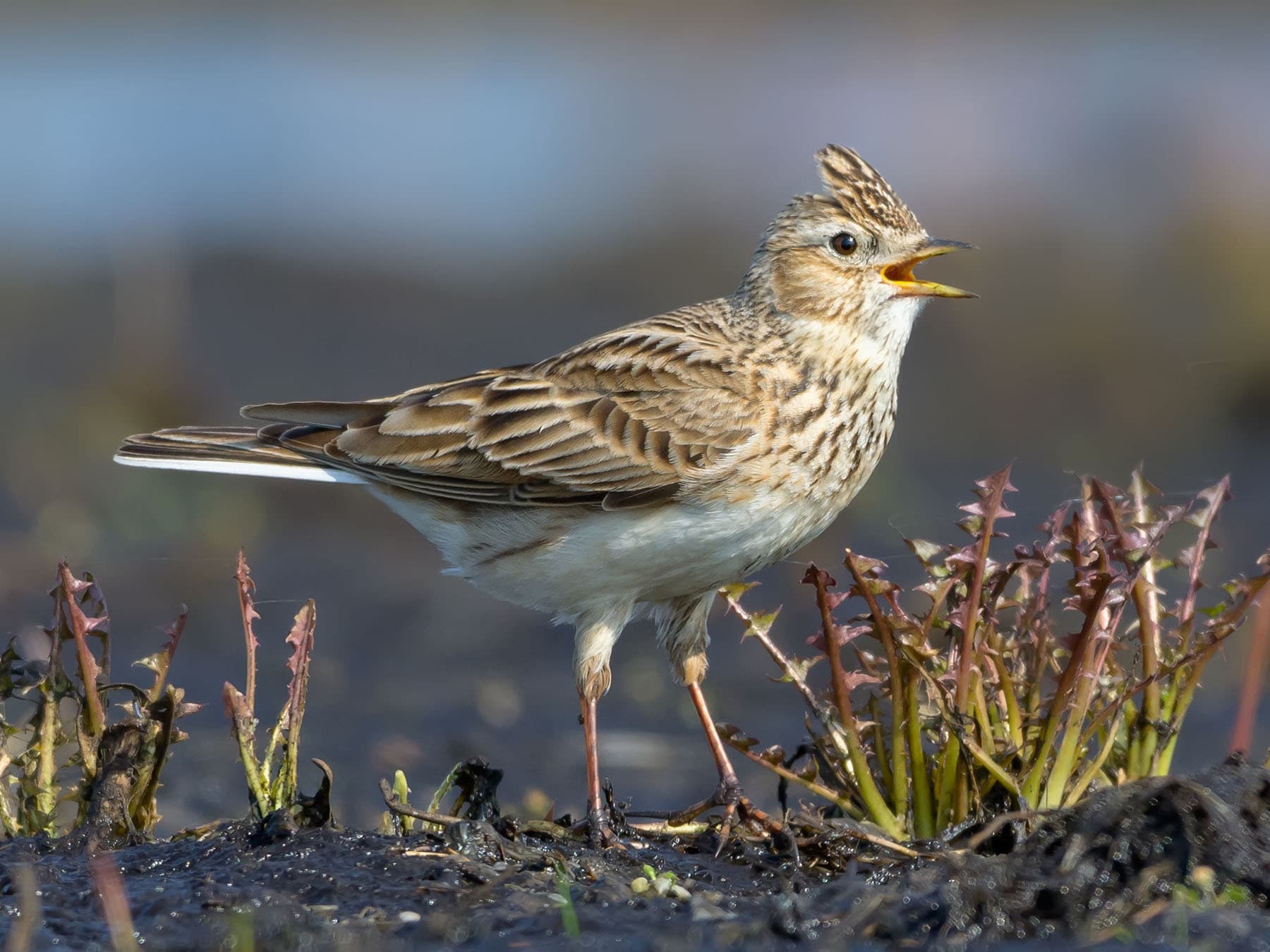 Eurasian SkylarkAlauda arvensisPassage migrantUncommon16–18 cmRegularly Oct–Jun · 0.38% in Oct
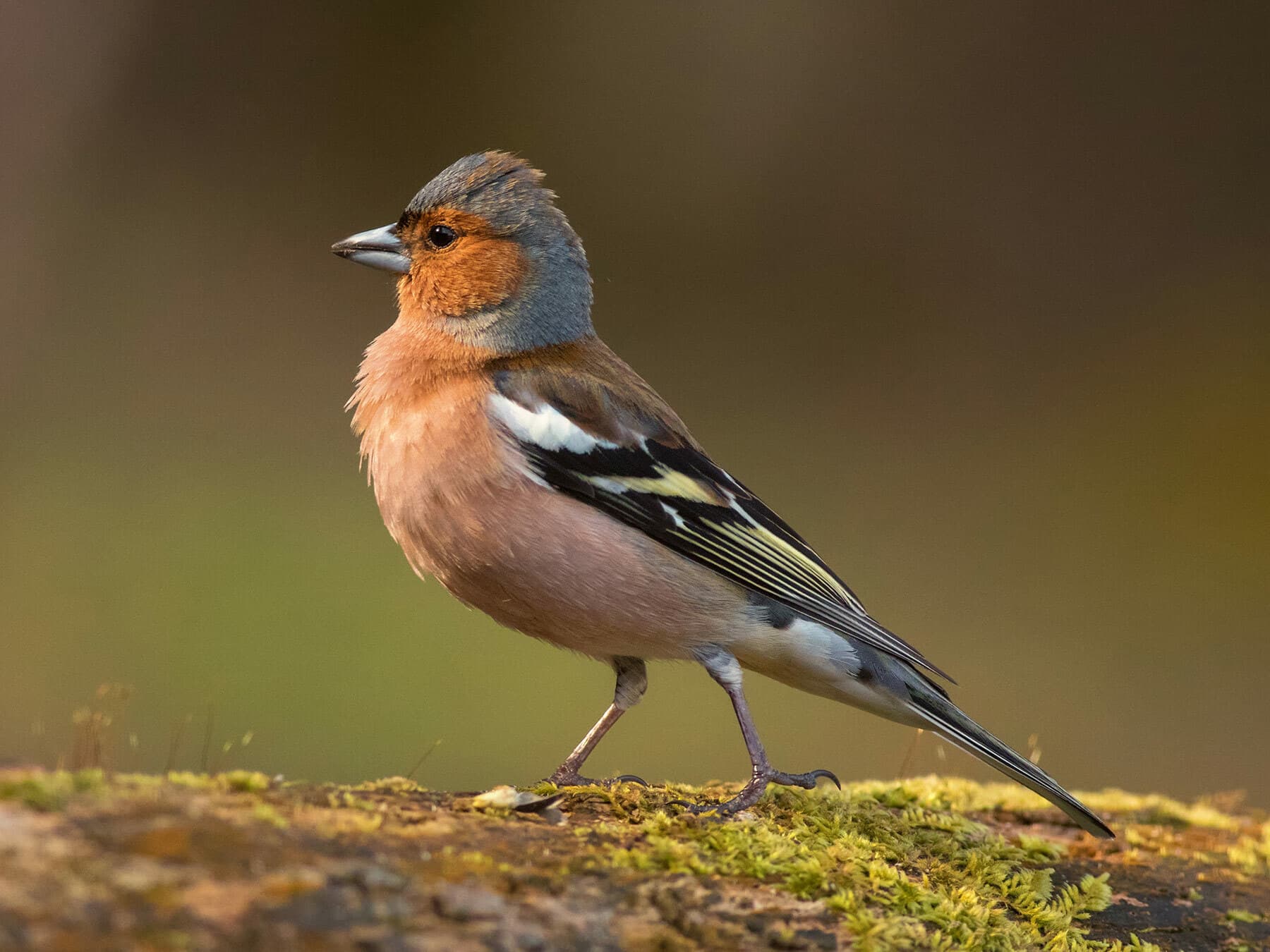 ChaffinchFringilla coelebsSummer visitorCommon14–16 cmRegularly Feb–Dec · 0.34% in Oct
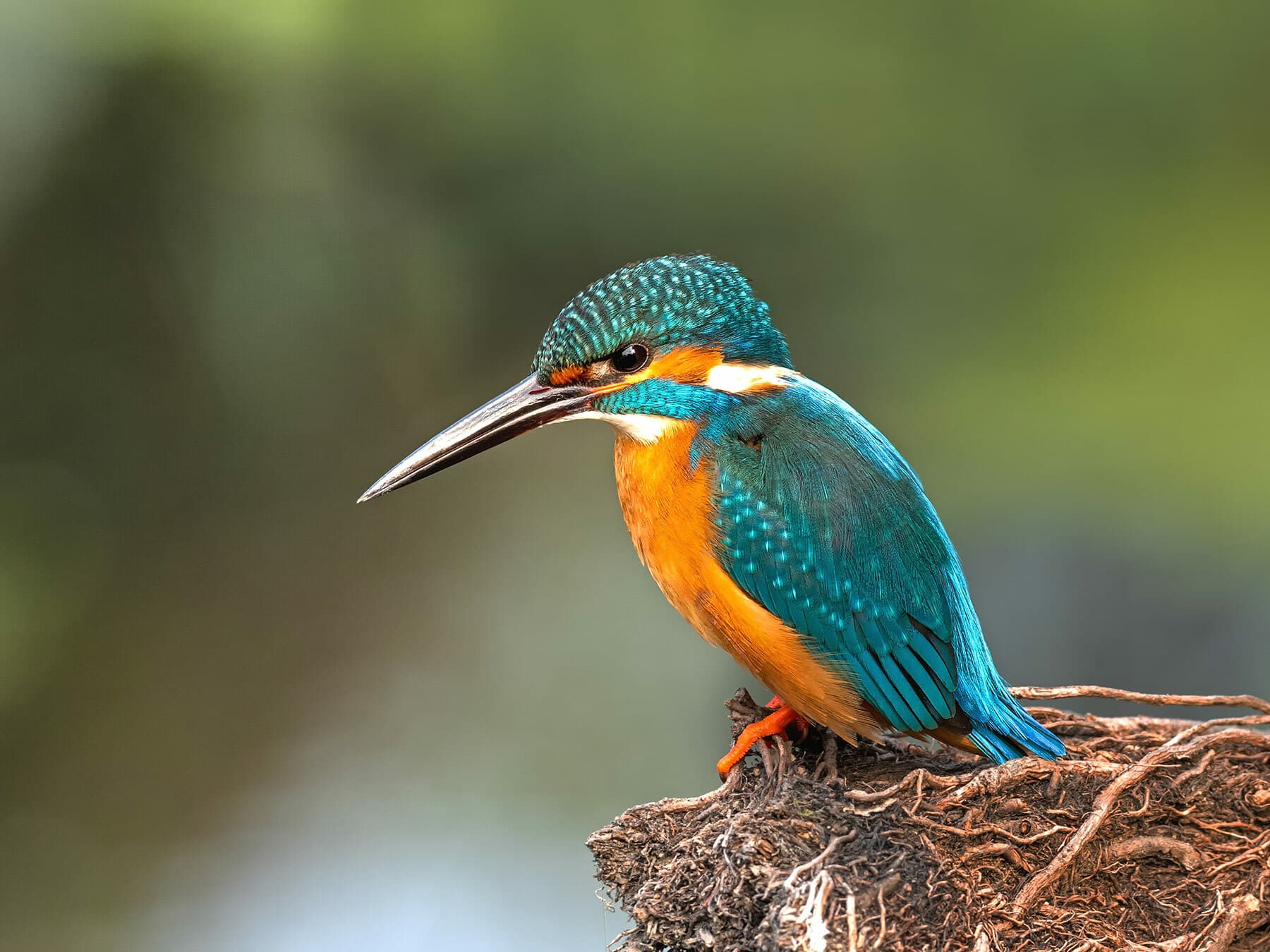 Common KingfisherAlcedo atthisWinter visitorUncommon16–17 cmRegularly Jun–Feb · 0.34% in Oct
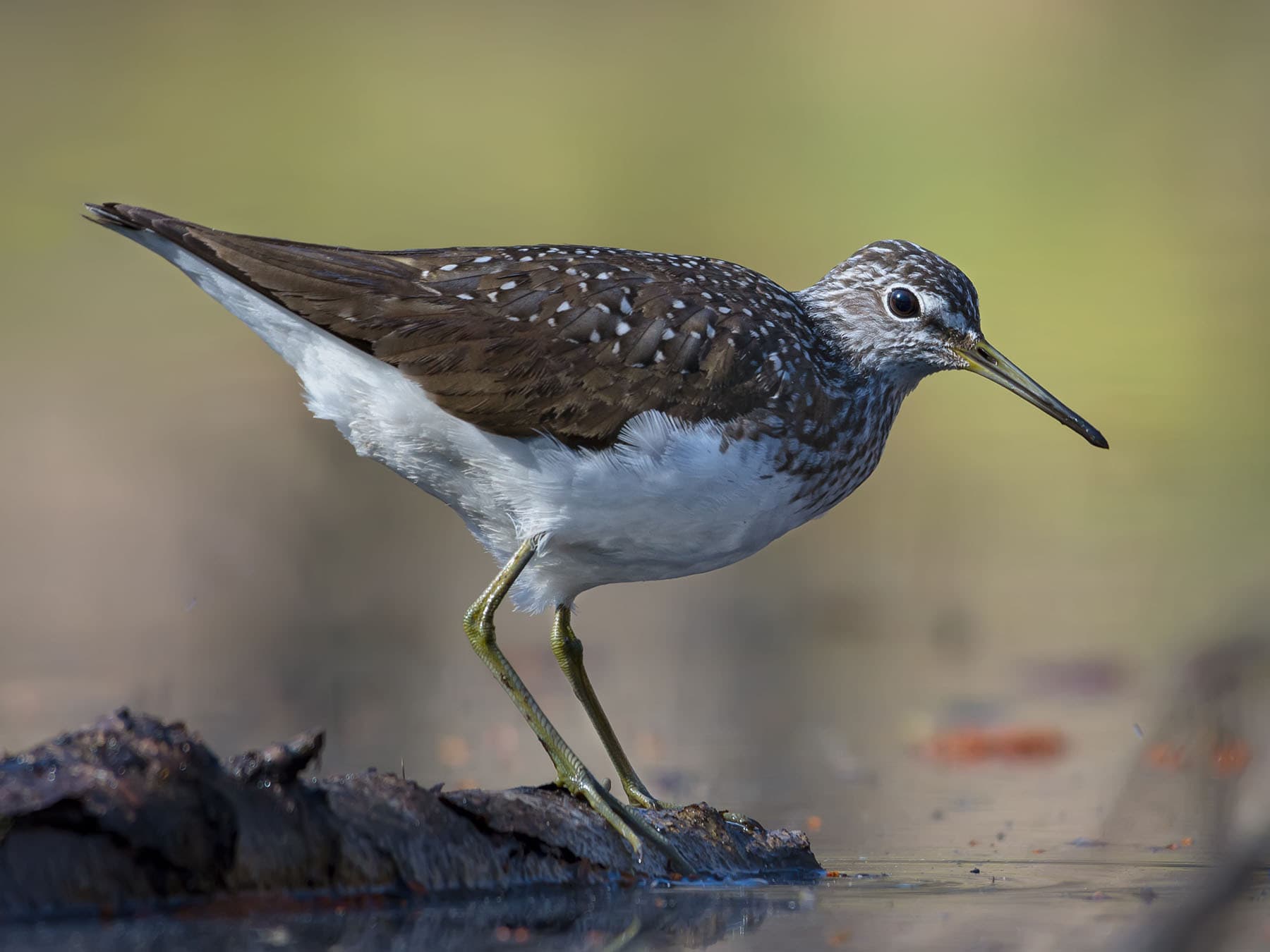 Green SandpiperTringa ochropusWinter visitorCommon21–24 cmRegularly Aug–Apr · 0.34% in Oct
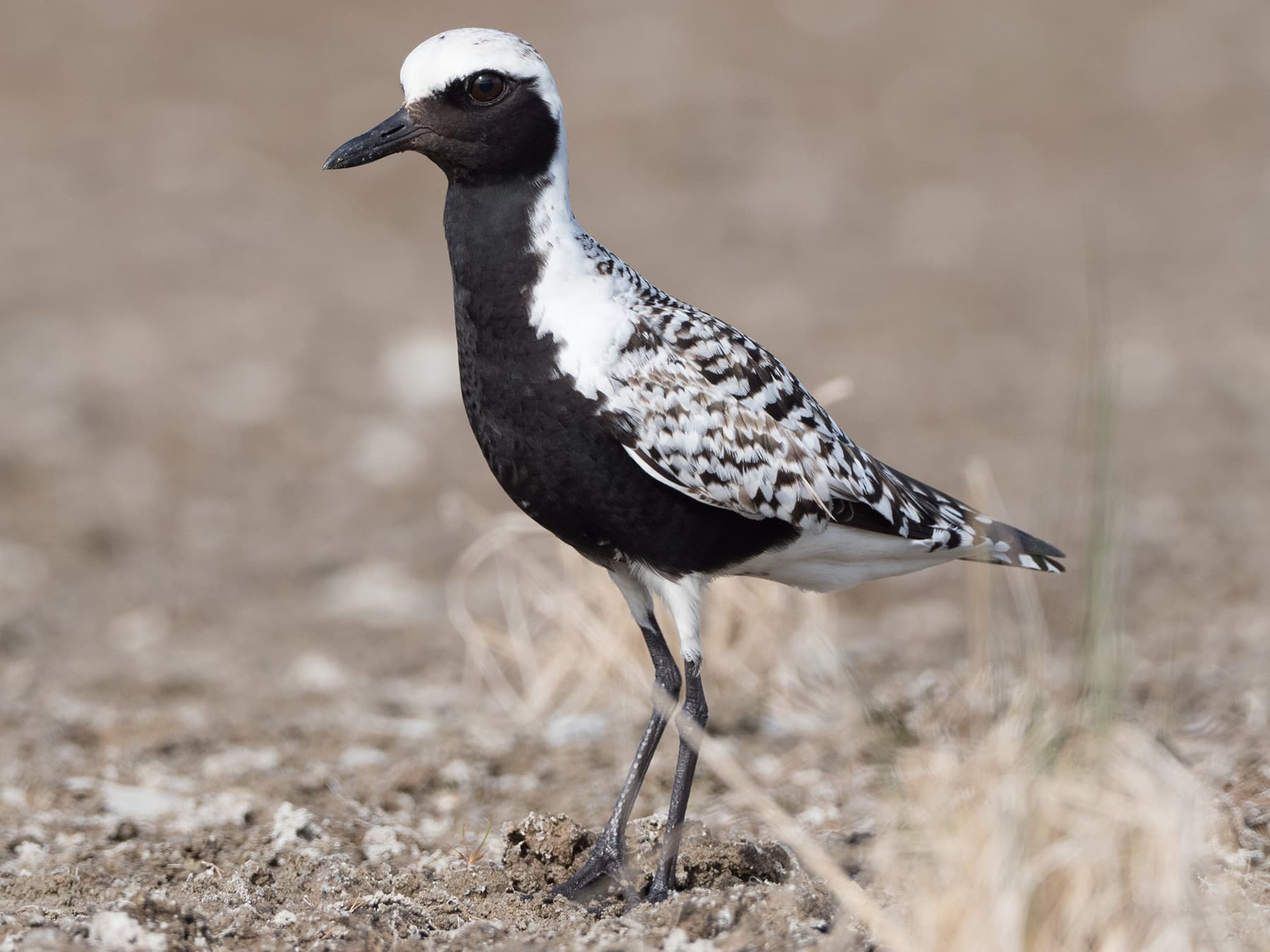 Grey PloverPluvialis squatarolaWinter visitorCommon27–30 cmRegularly Aug–May · 0.34% in Oct
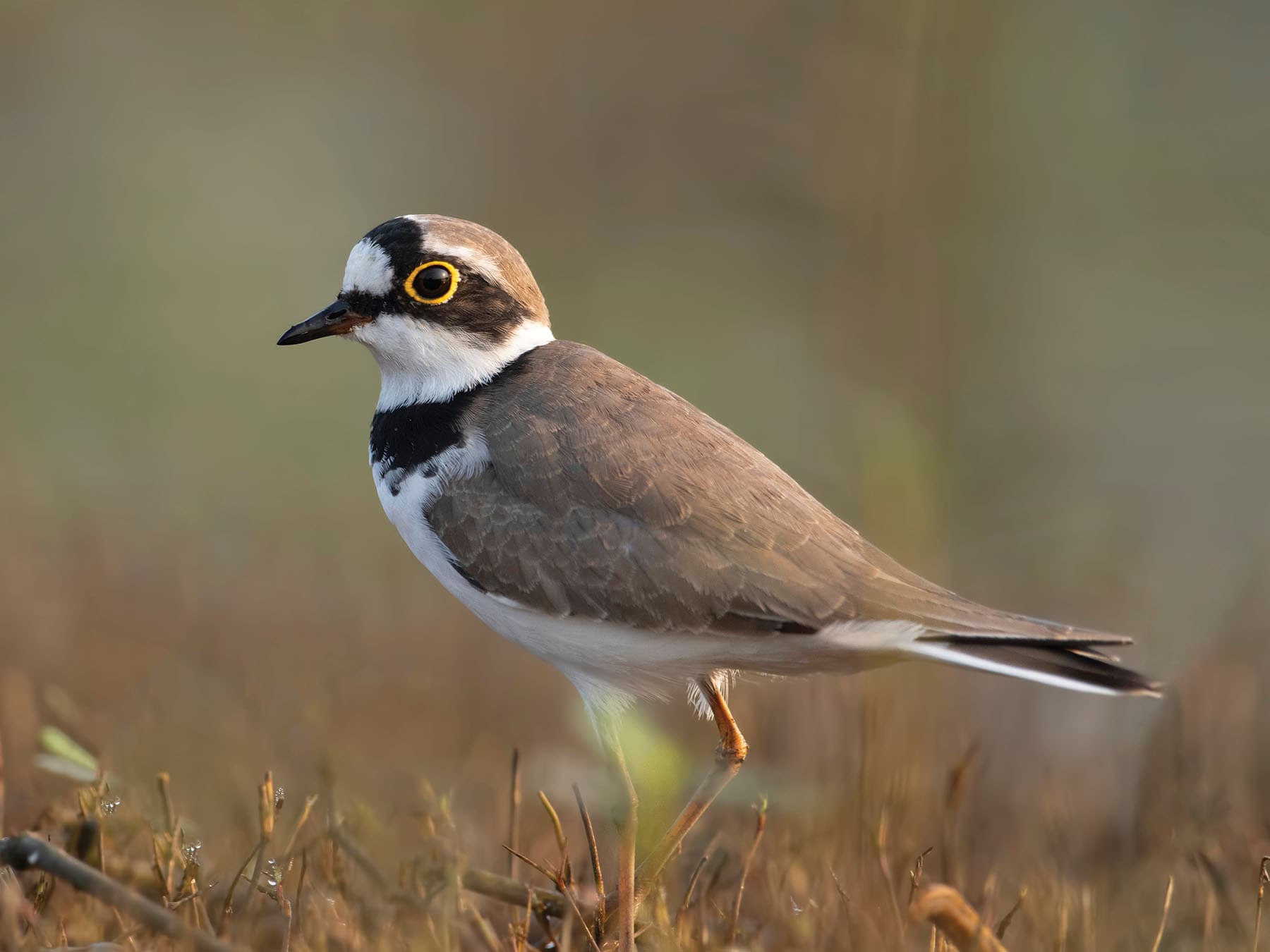 Little Ringed PloverThinornis dubiusPassage migrantCommon14–17 cmRegularly Jun–Mar · 0.34% in Oct
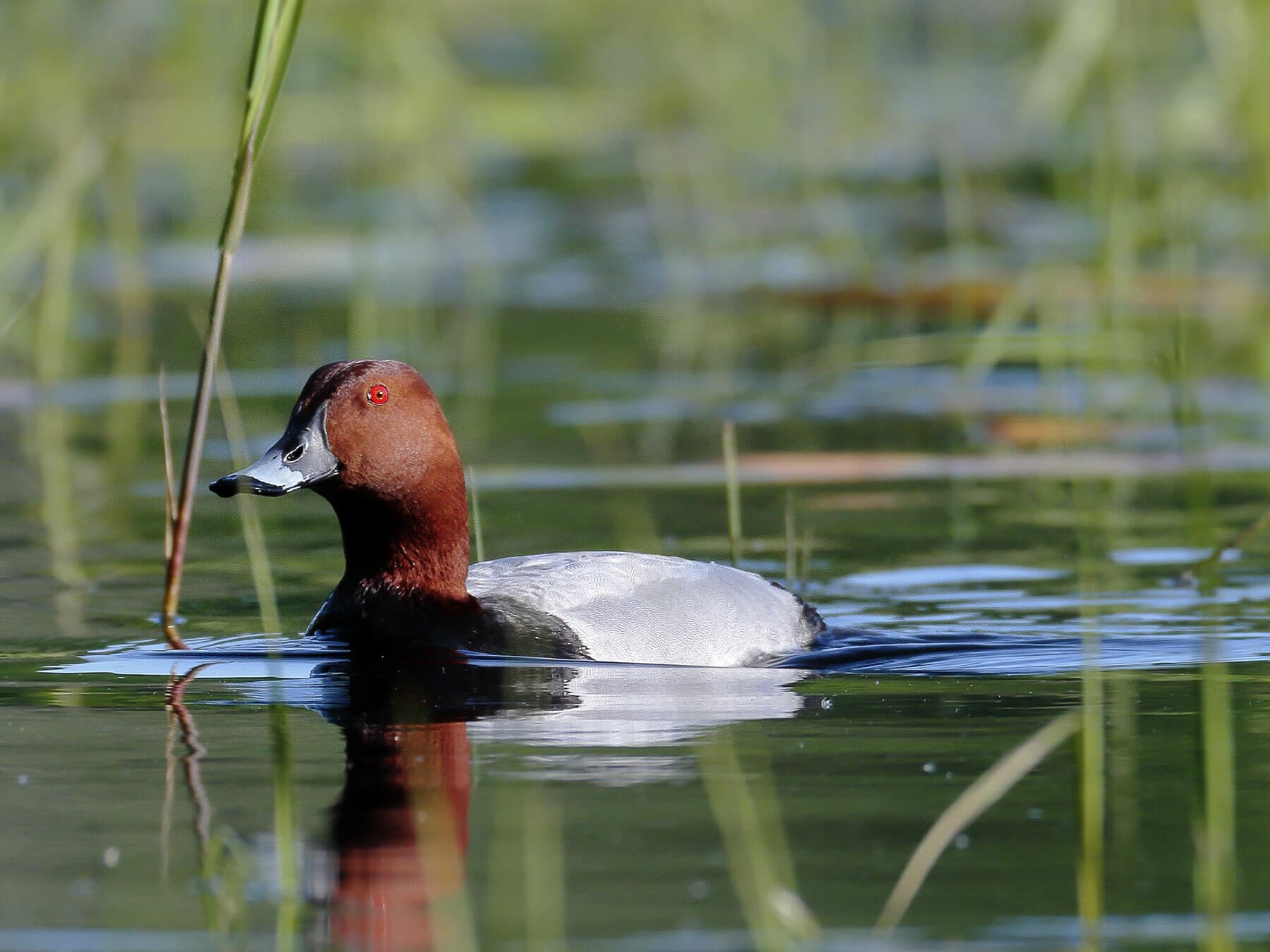 PochardAythya ferinaPassage migrantUncommon42–49 cmRegularly Oct–May · 0.34% in Oct
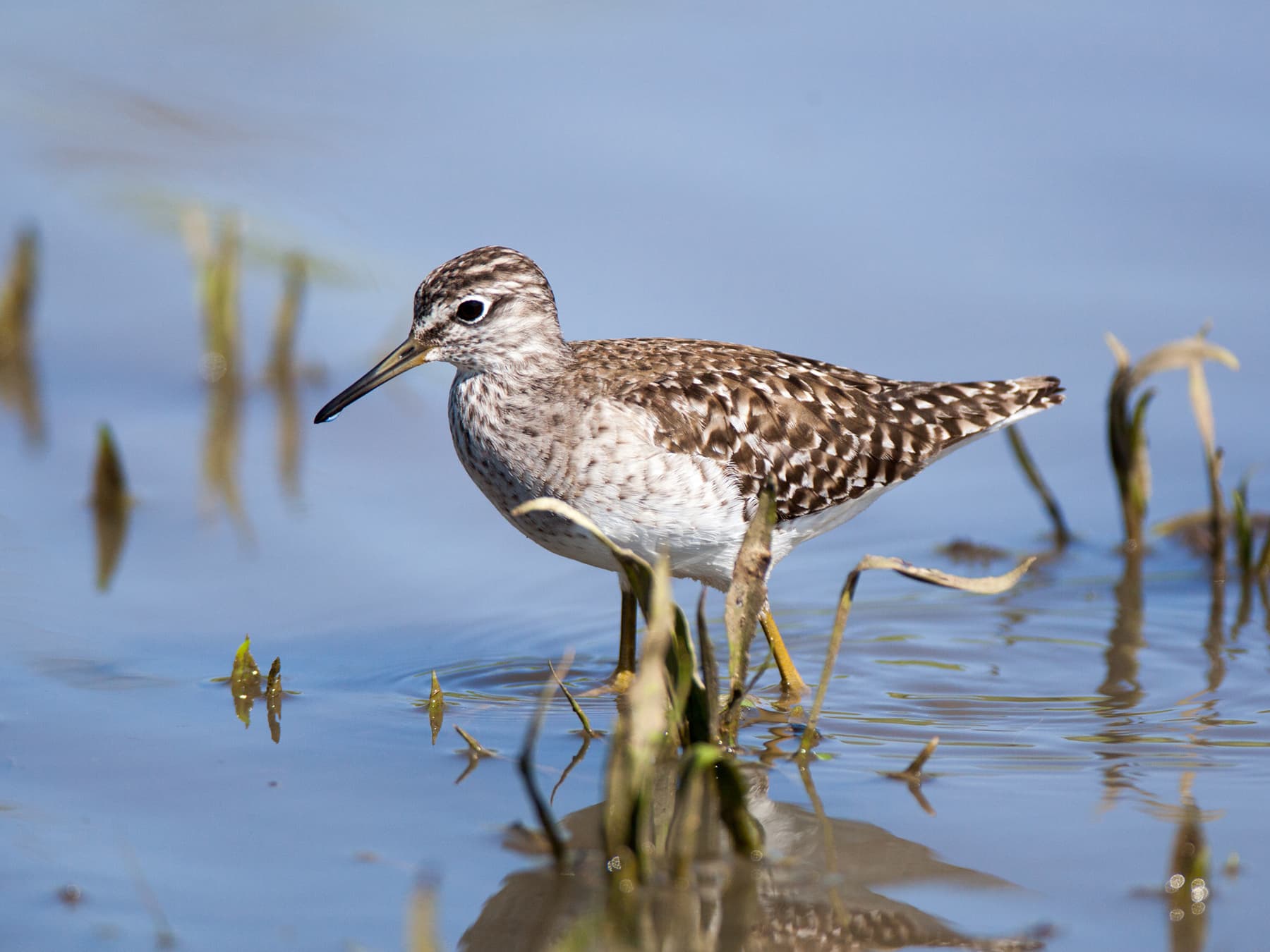 Wood SandpiperTringa glareolaPassage migrantCommon19–21 cmRegularly Aug–Apr · 0.34% in Oct
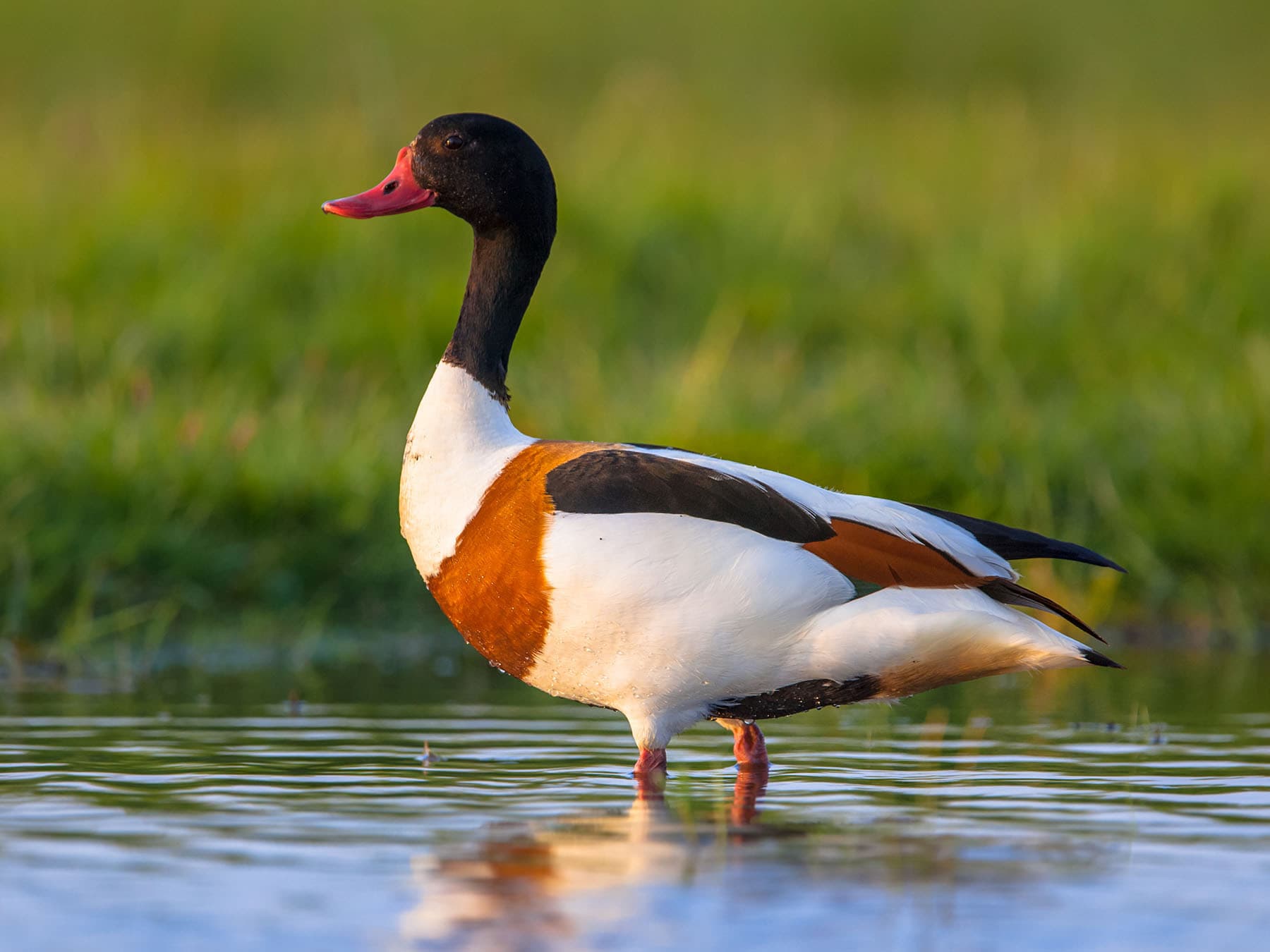 Common ShelduckTadorna tadornaWinter visitorCommon58–67 cmRegularly Aug–Jun · 0.30% in Oct
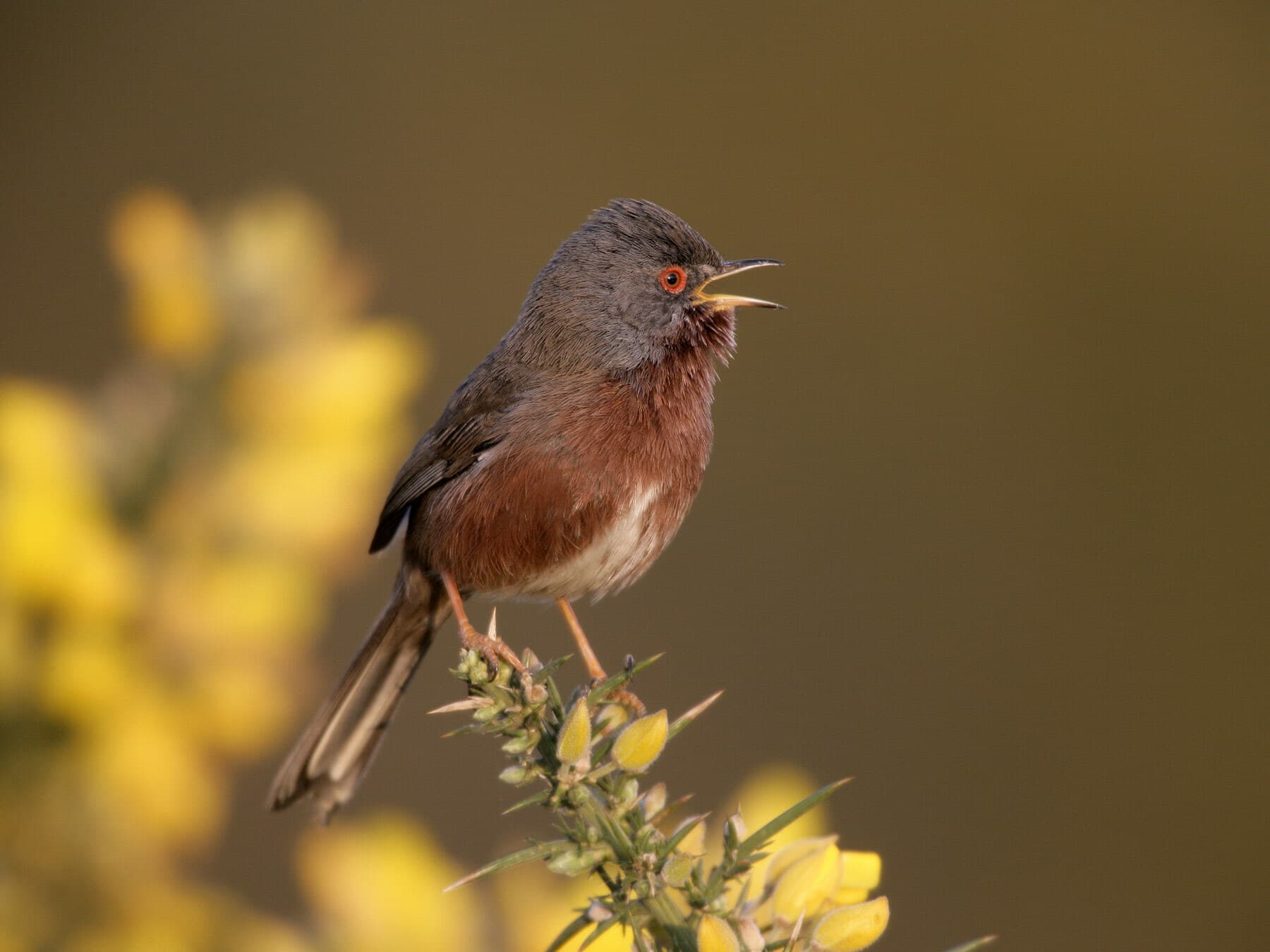 Dartford WarblerCurruca undataWinter visitorUncommon12–13 cmRegularly Sep–Apr · 0.30% in Oct
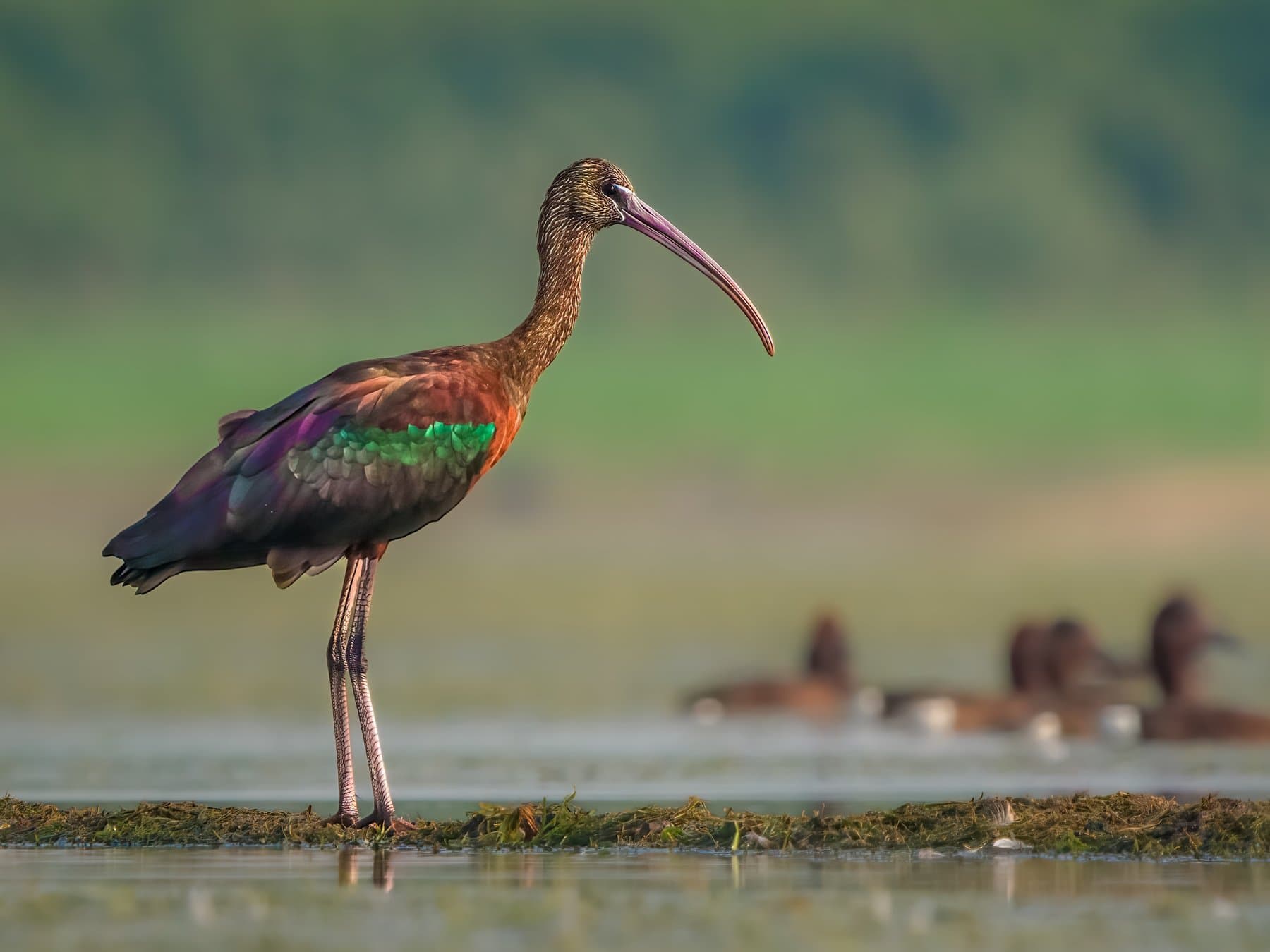 Glossy IbisPlegadis falcinellusPassage migrantCommon48–66 cmRegularly Feb–Oct · 0.30% in Oct
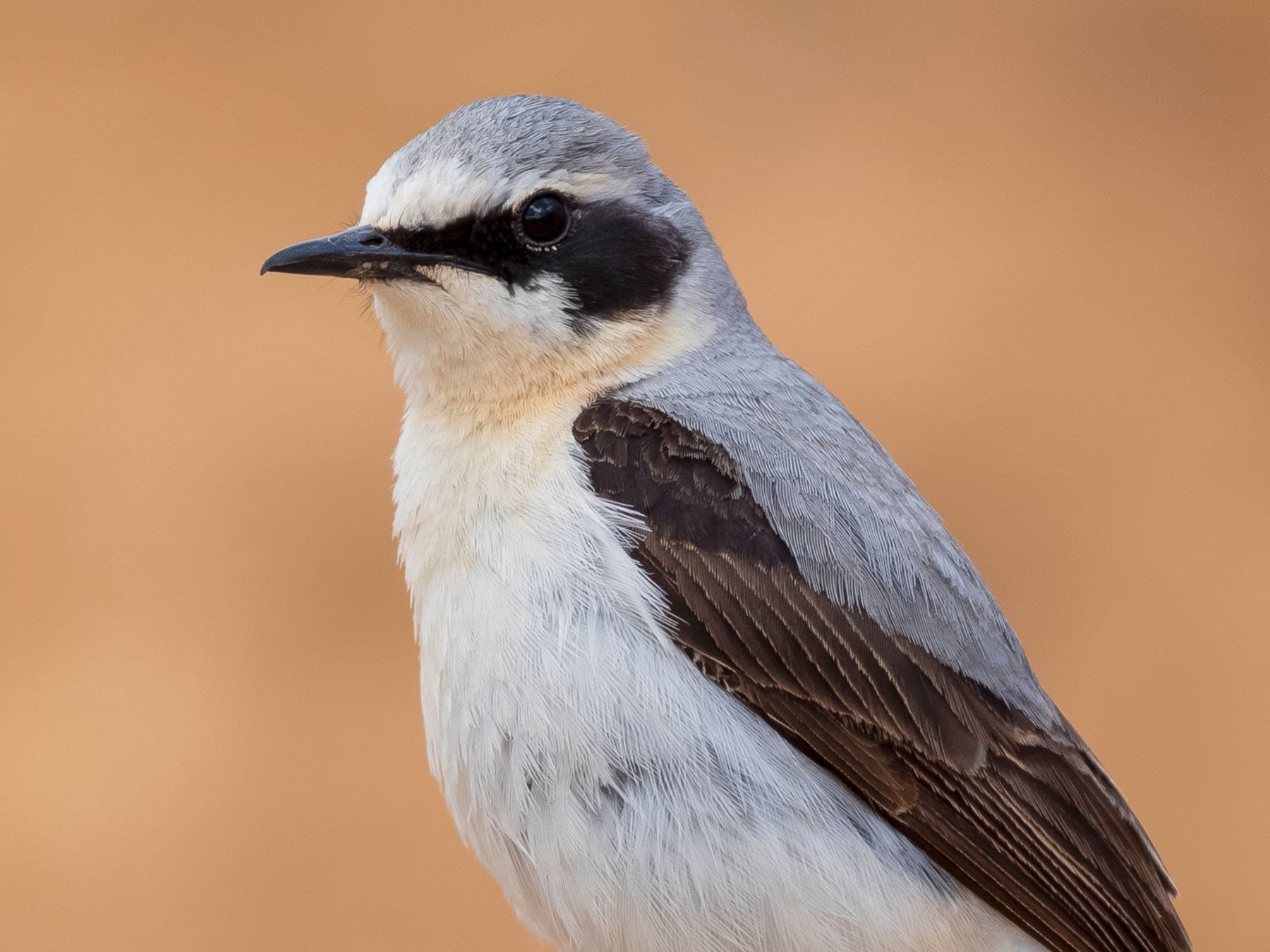 WheatearOenanthe oenanthePassage migrantUncommon15–16 cmRegularly Sep–Apr · 0.30% in Oct
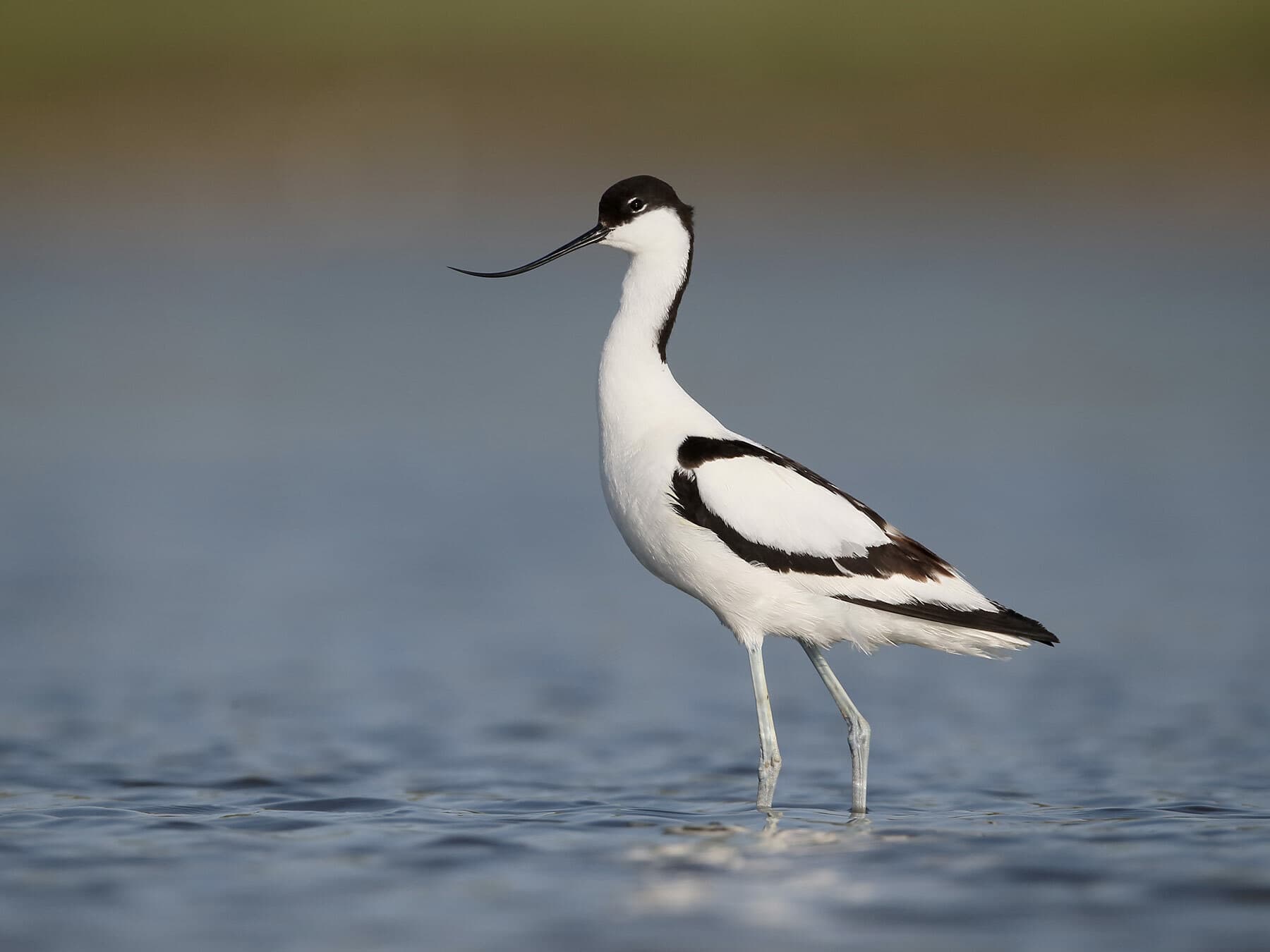 AvocetRecurvirostra avosettaPassage migrantCommon42–45 cmRegularly Jan–Oct · 0.26% in Oct
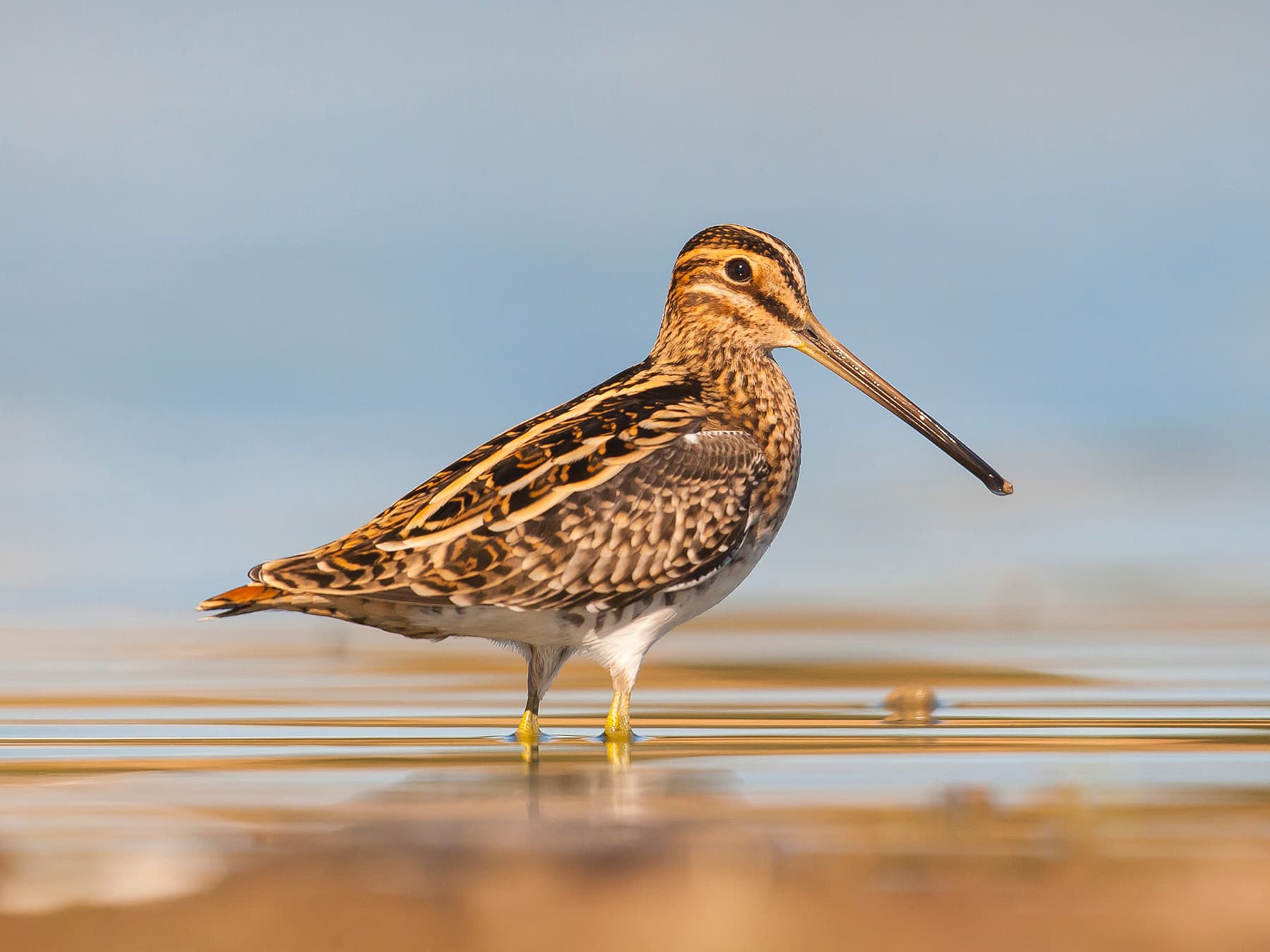 Common SnipeGallinago gallinagoWinter visitorCommon25–27 cmRegularly Sep–Apr · 0.26% in Oct
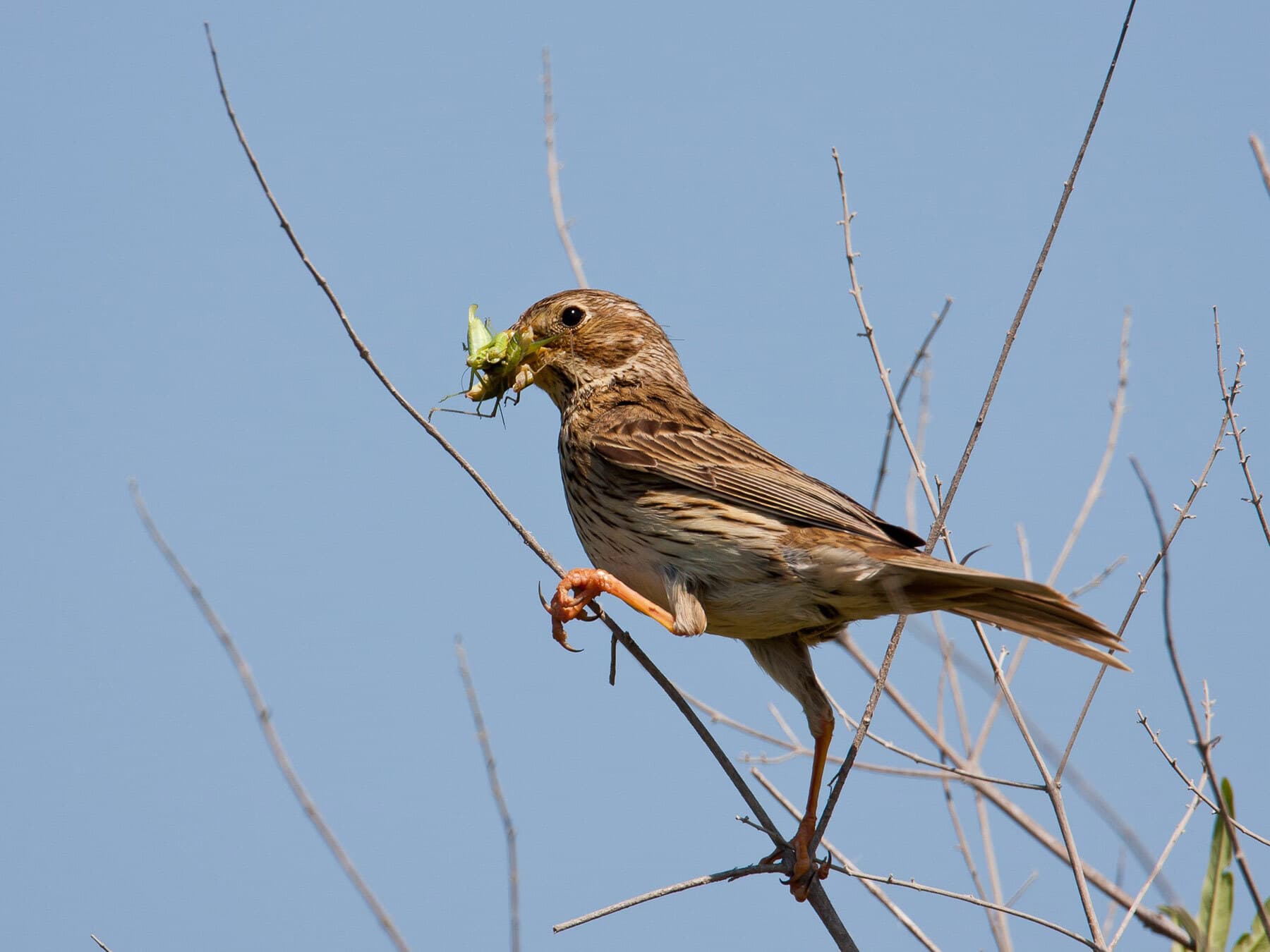 Corn BuntingEmberiza calandraWinter visitorCommon16–19 cmRegularly Sep–Jun · 0.26% in Oct
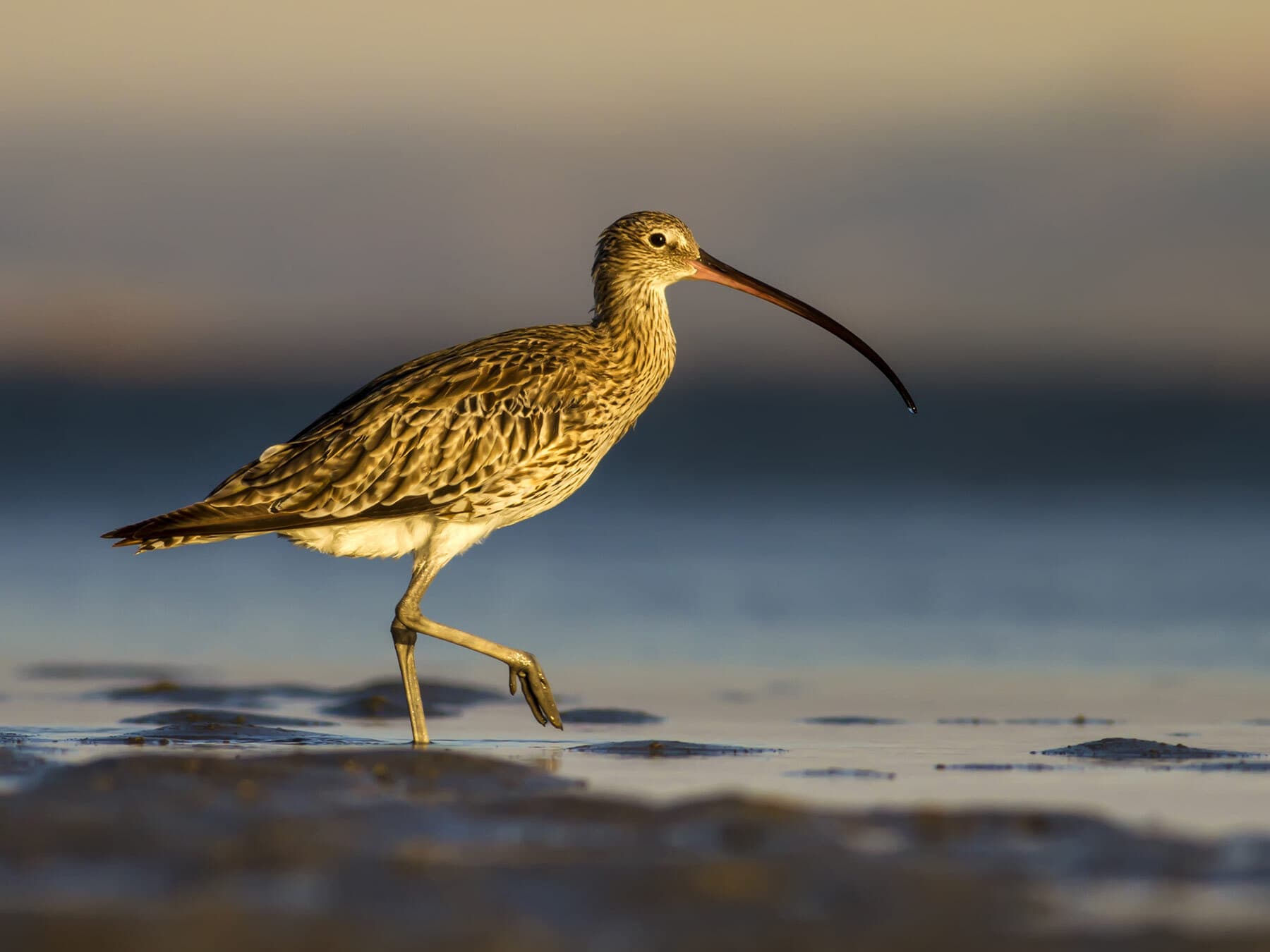 CurlewNumenius arquataPassage migrantCommon50–60 cmRegularly Aug–Apr · 0.26% in Oct
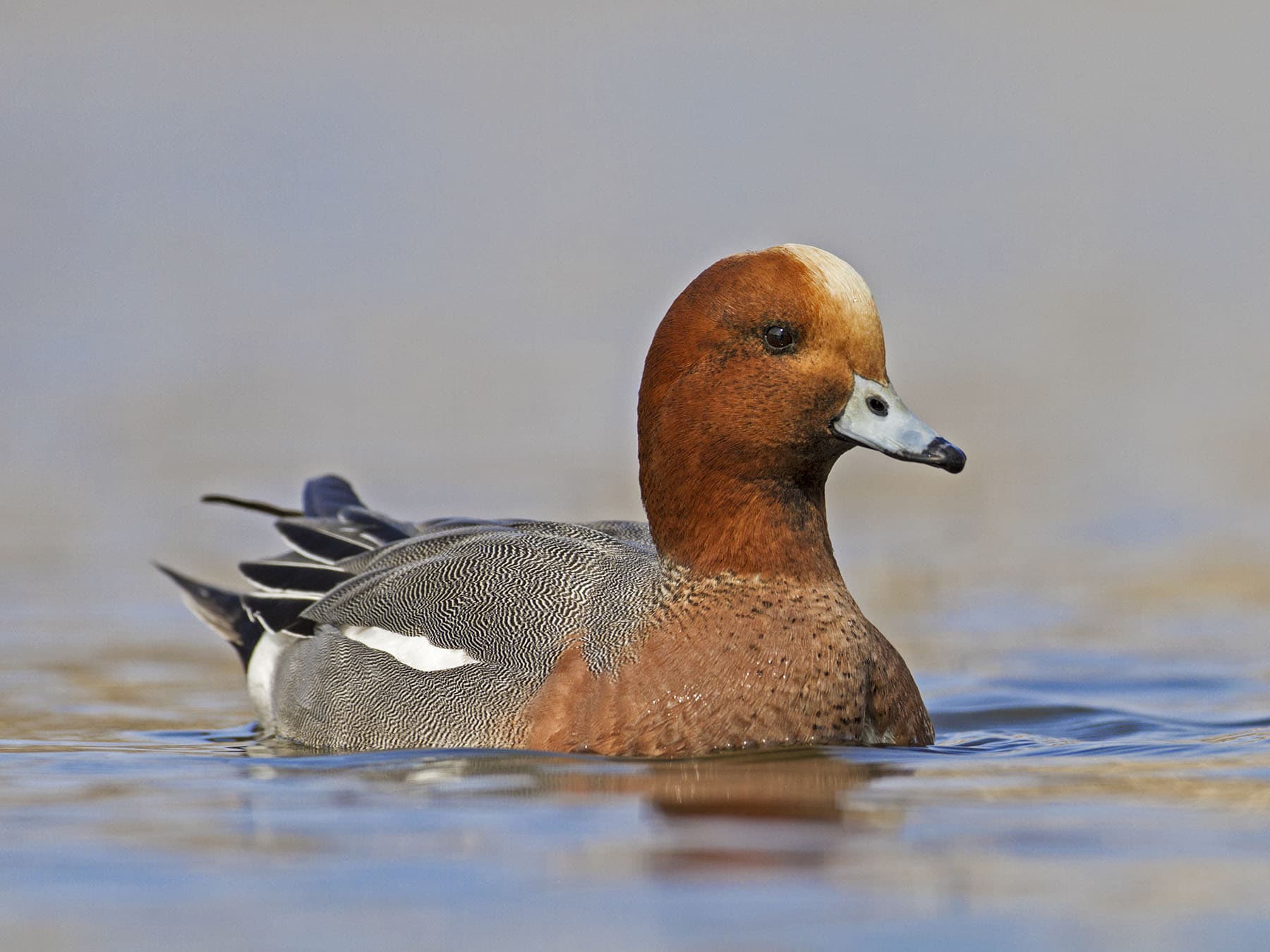 Eurasian WigeonMareca penelopeWinter visitorCommon42–51 cmRegularly Oct–Mar · 0.26% in Oct
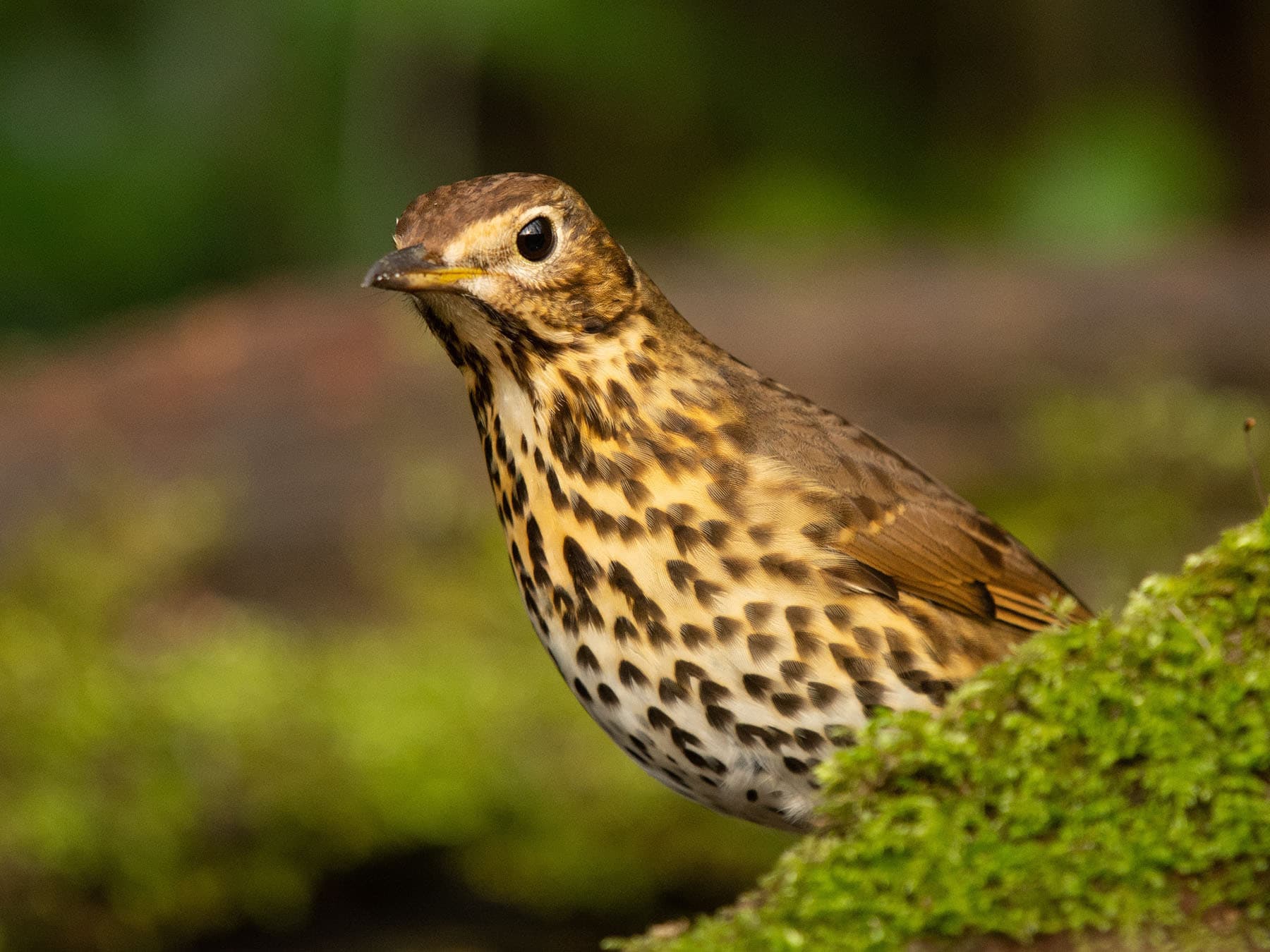 Song ThrushTurdus philomelosPassage migrantUncommon20–23 cmRegularly Oct–Mar · 0.26% in Oct
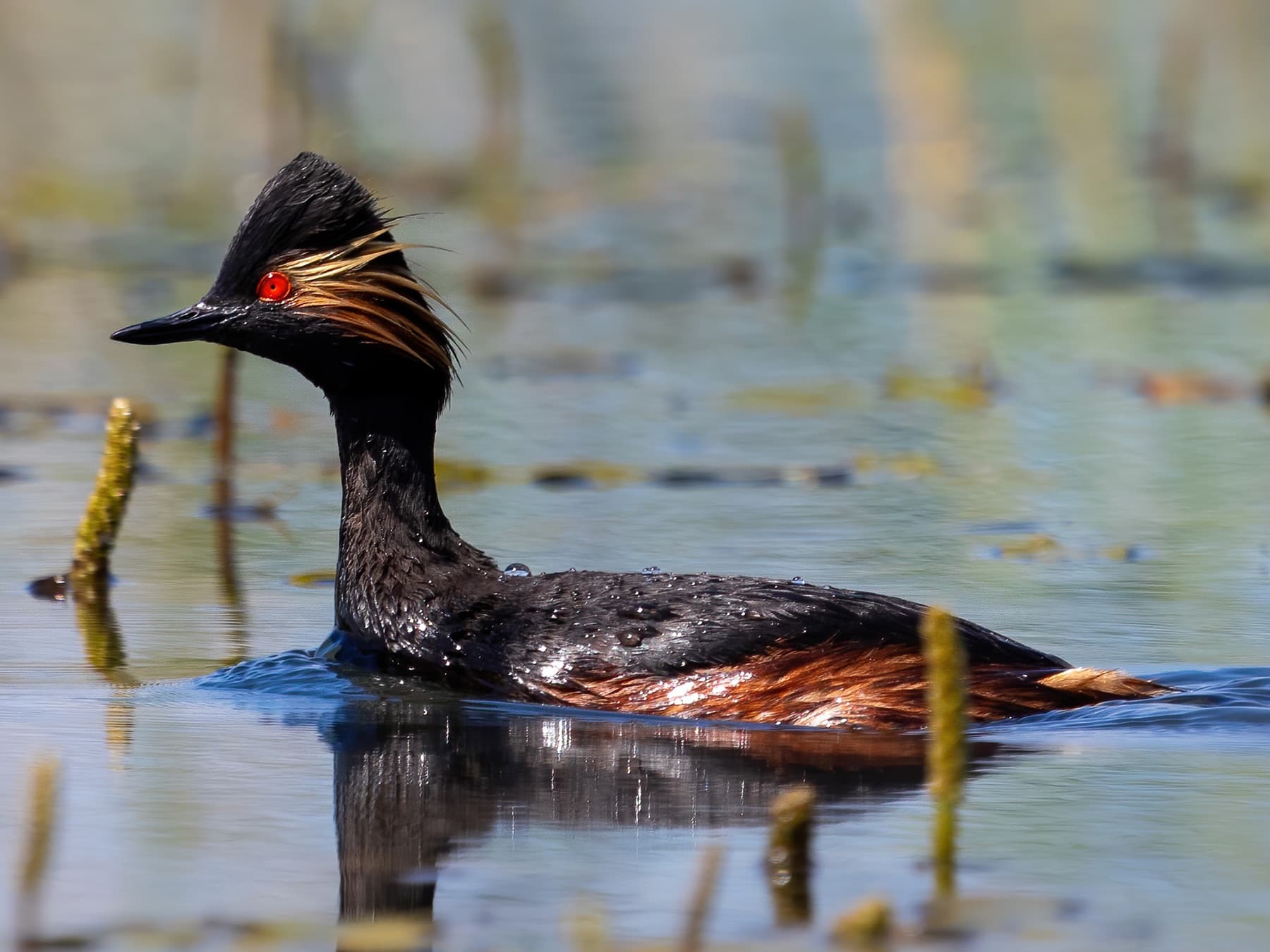 Black-necked GrebePodiceps nigricollisWinter visitorUncommon28–34 cmRegularly Sep–Mar · 0.21% in Oct
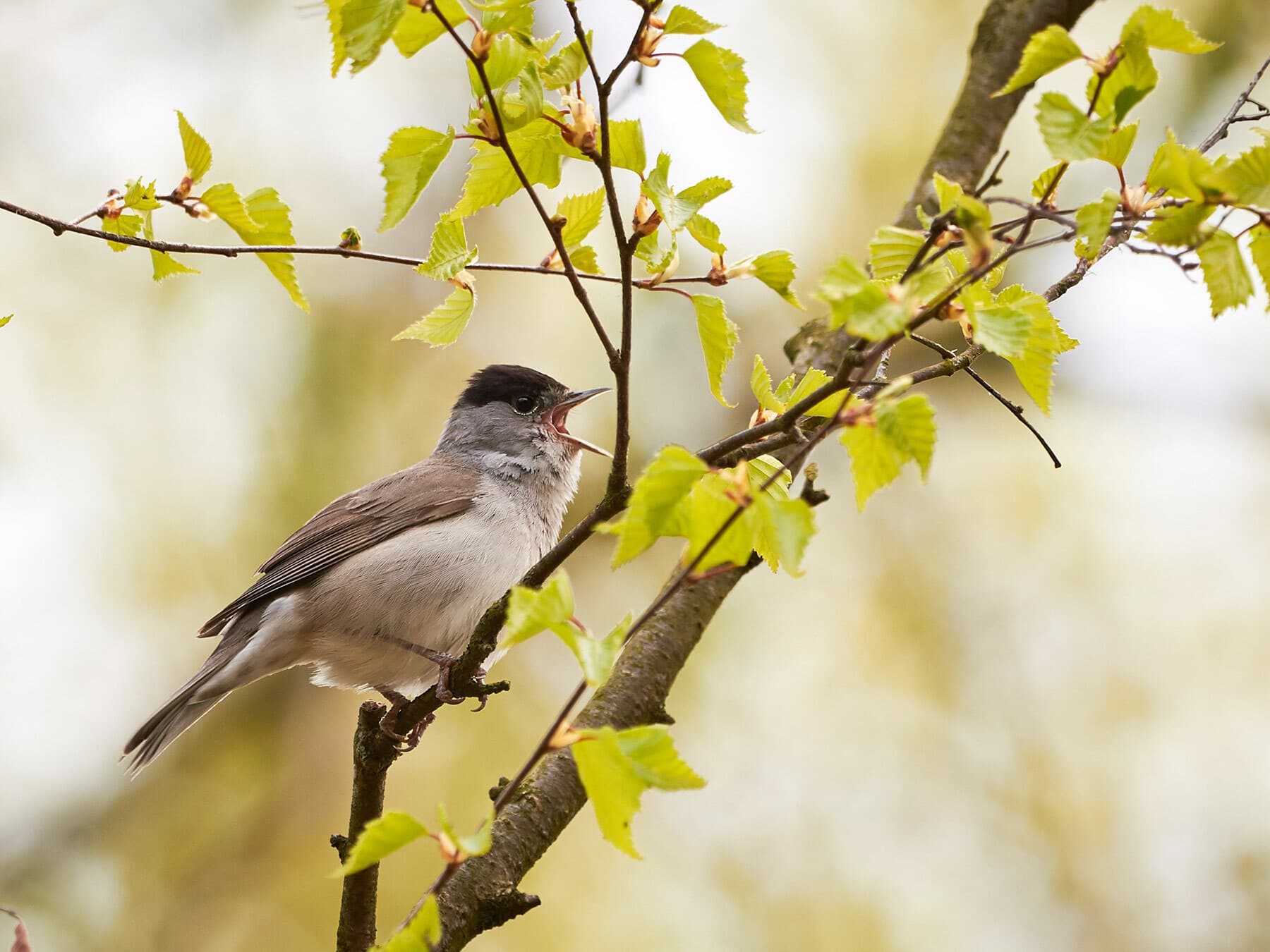 BlackcapSylvia atricapillaPassage migrantCommon13–15 cmRegularly Sep–Jun · 0.21% in Oct
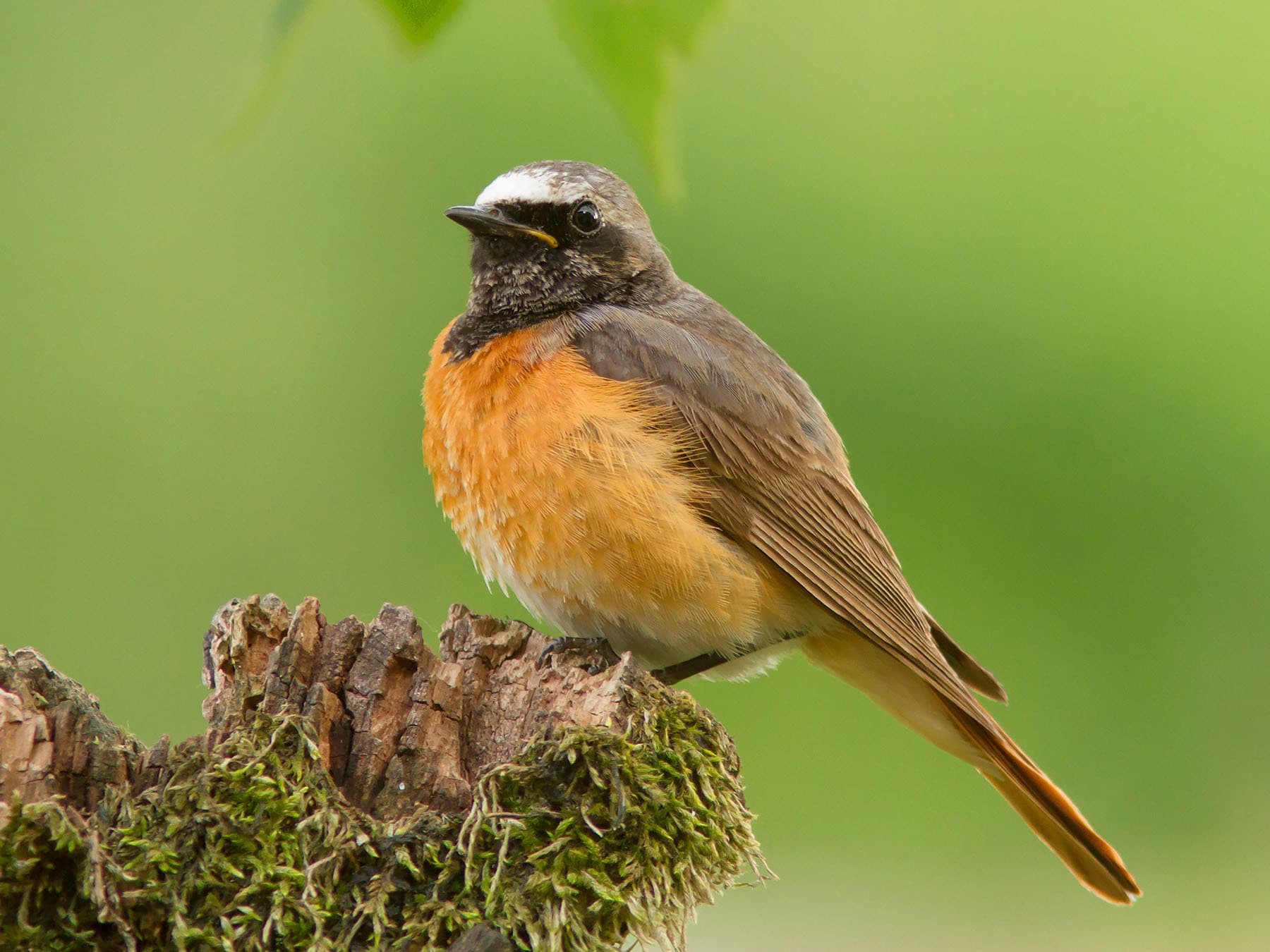 Common RedstartPhoenicurus phoenicurusPassage migrantCommon13–15 cmRegularly Oct–Apr · 0.21% in Oct
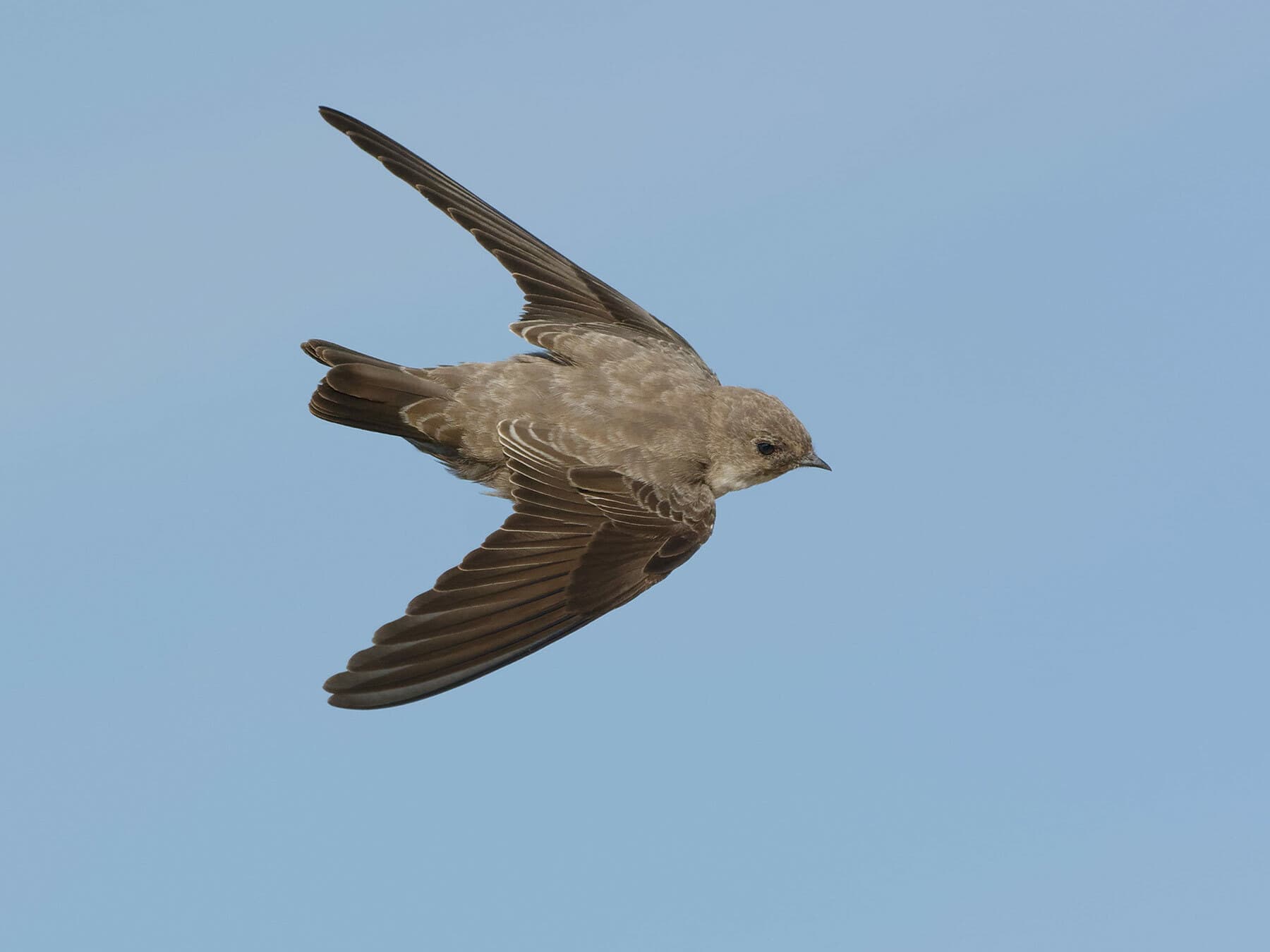 Crag MartinPtyonoprogne rupestrisPassage migrantUncommon14–15 cmRegularly Oct–Feb · 0.21% in Oct
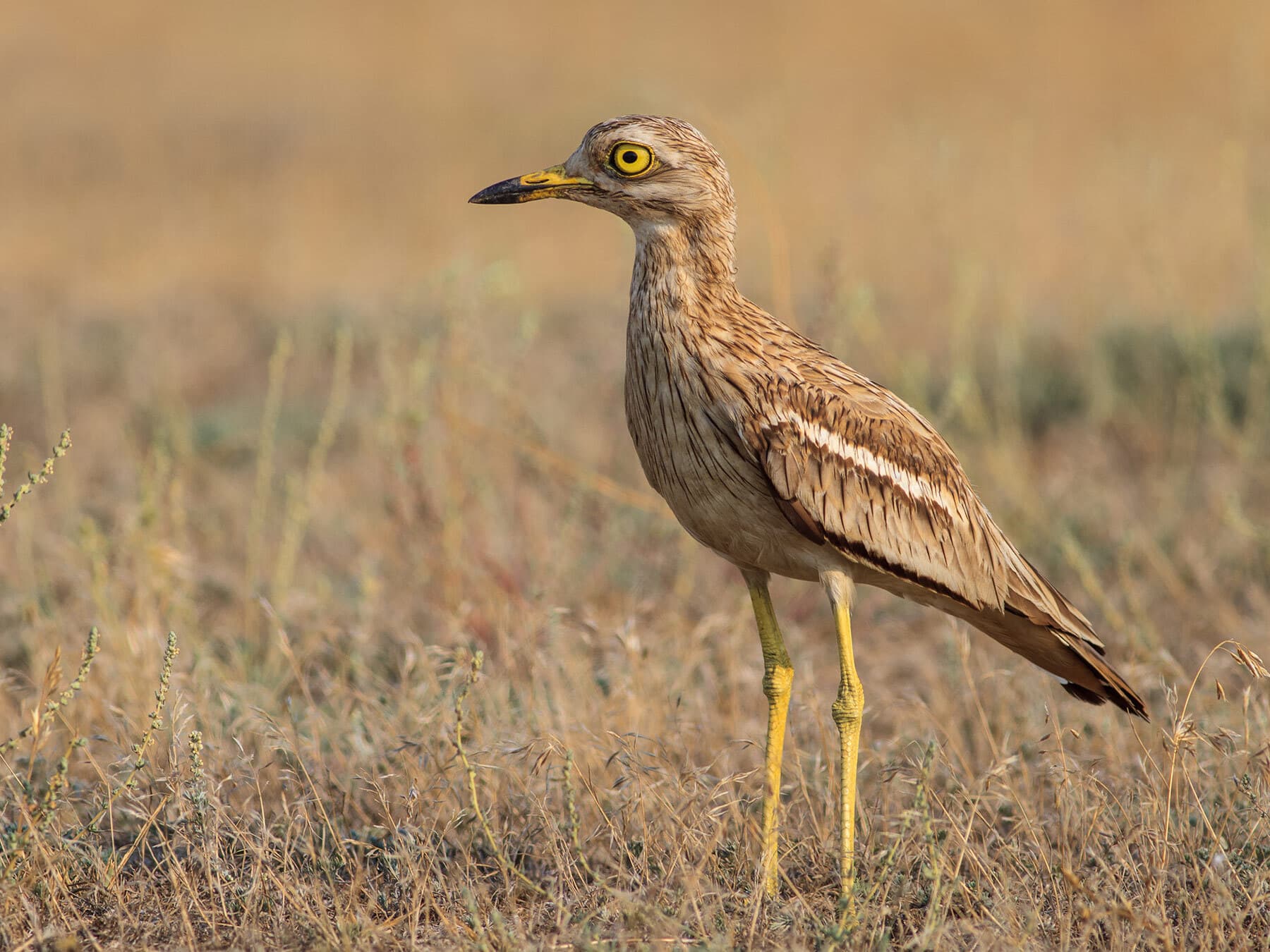 Eurasian Stone-curlewBurhinus oedicnemusSummer visitorCommon40–44 cmRegularly Jan–Oct · 0.21% in Oct
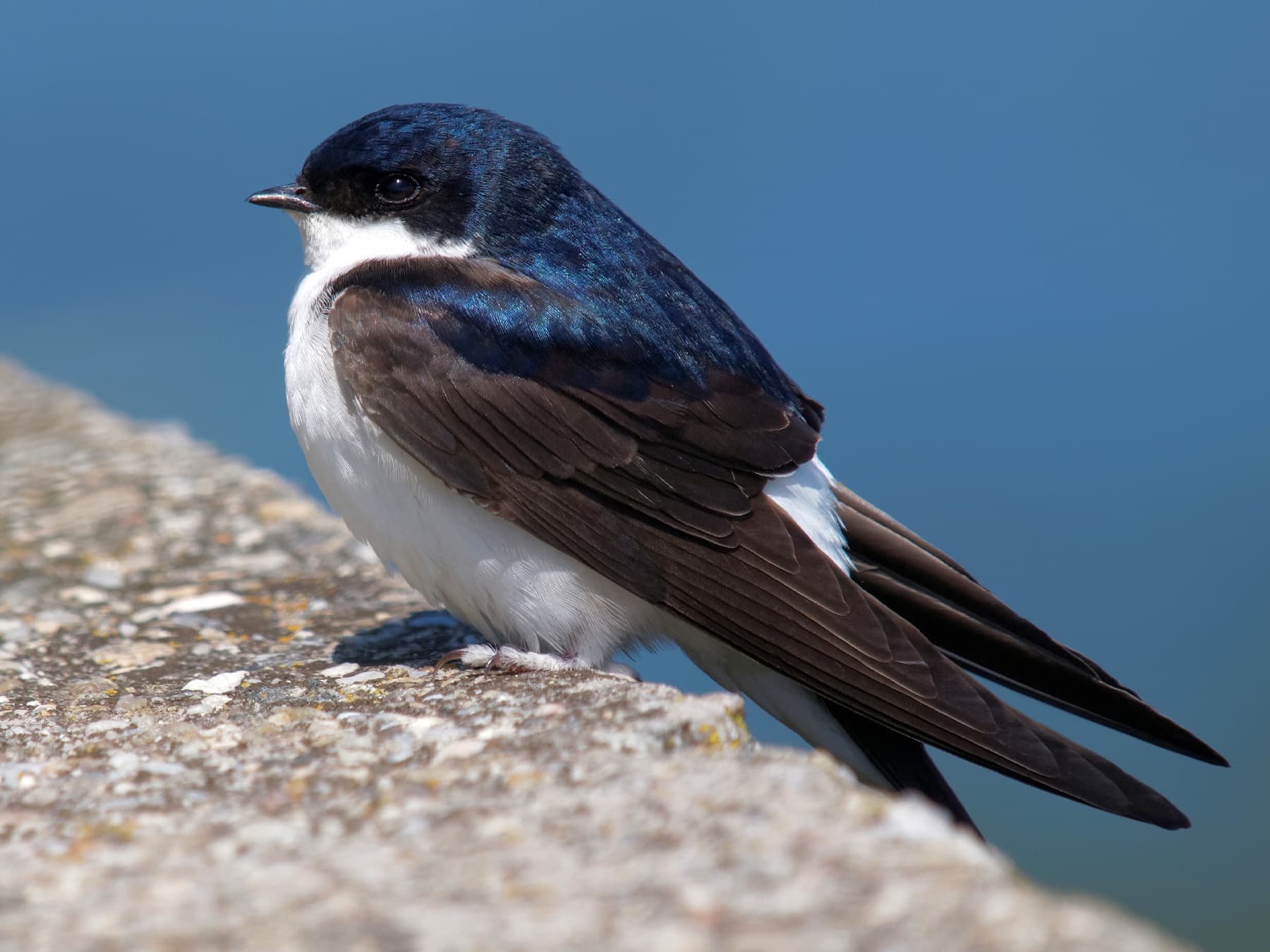 House MartinDelichon urbicumSummer visitorCommon13–15 cmRegularly Feb–Oct · 0.21% in Oct
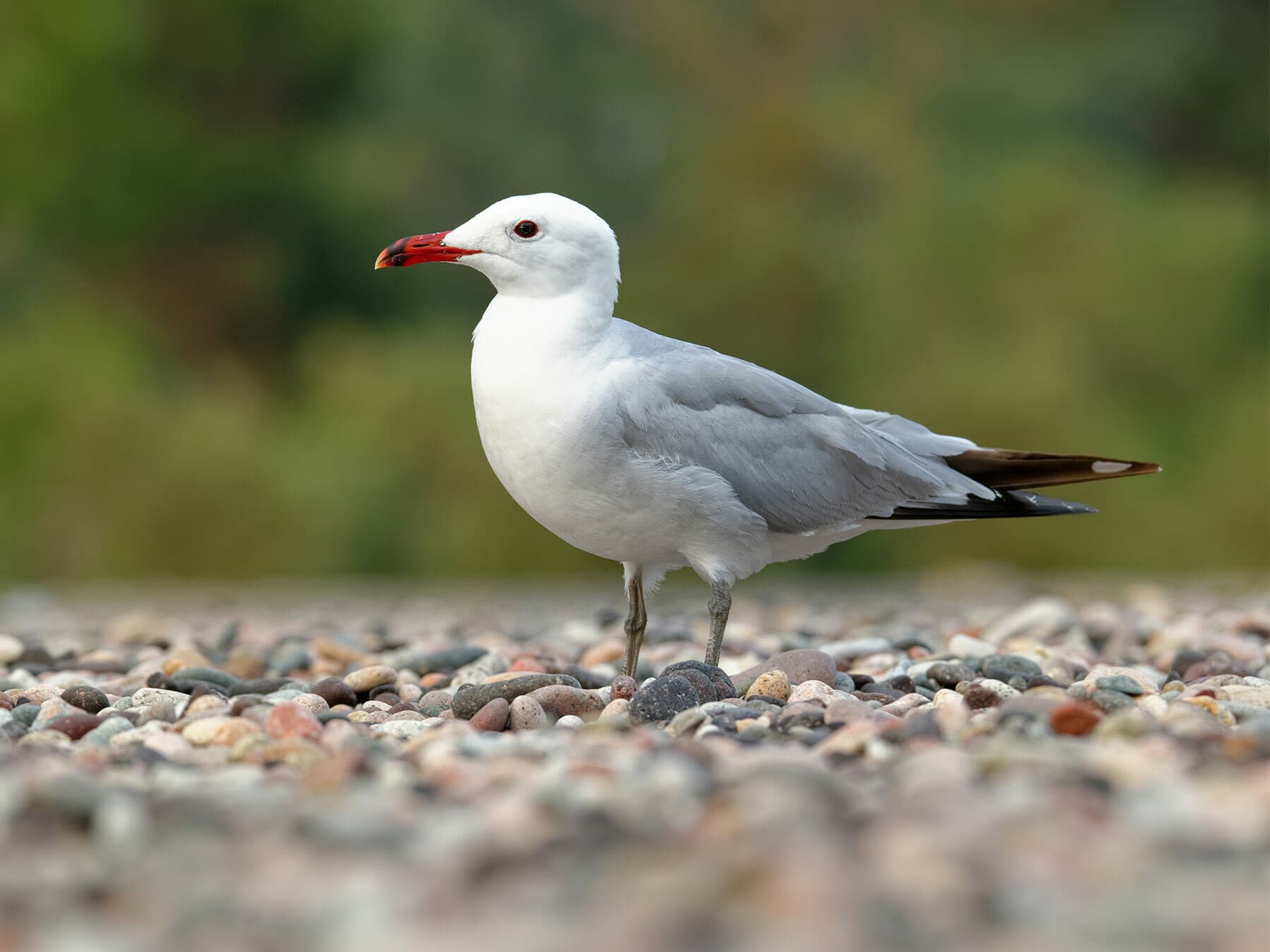 Audouin's GullIchthyaetus audouiniiPassage migrantUncommon48–52 cmRegularly Sep–Apr · 0.17% in Oct
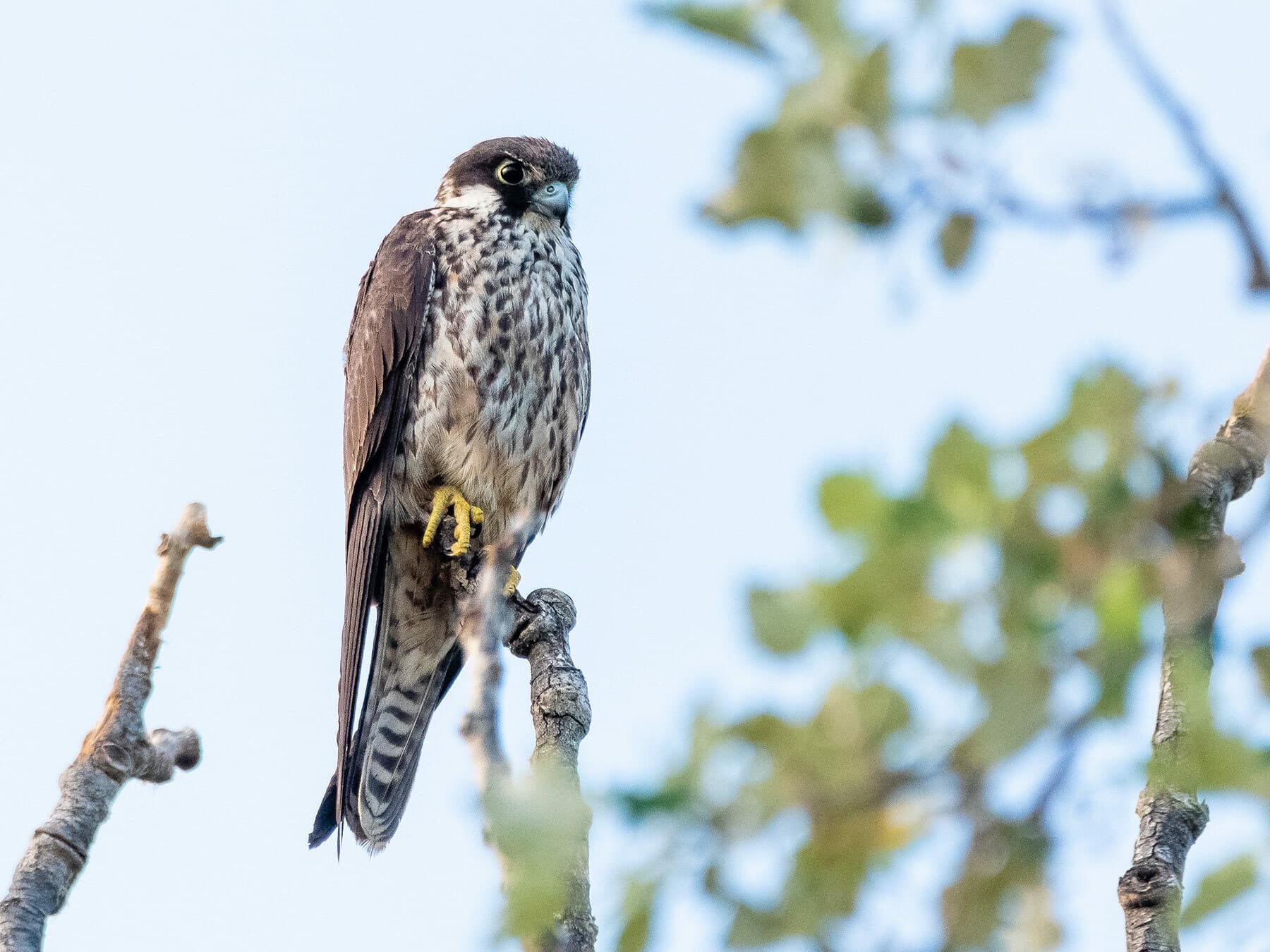 Eleonora's FalconFalco eleonoraePassage migrantUncommon36–42 cmRegularly Oct · 0.17% in Oct
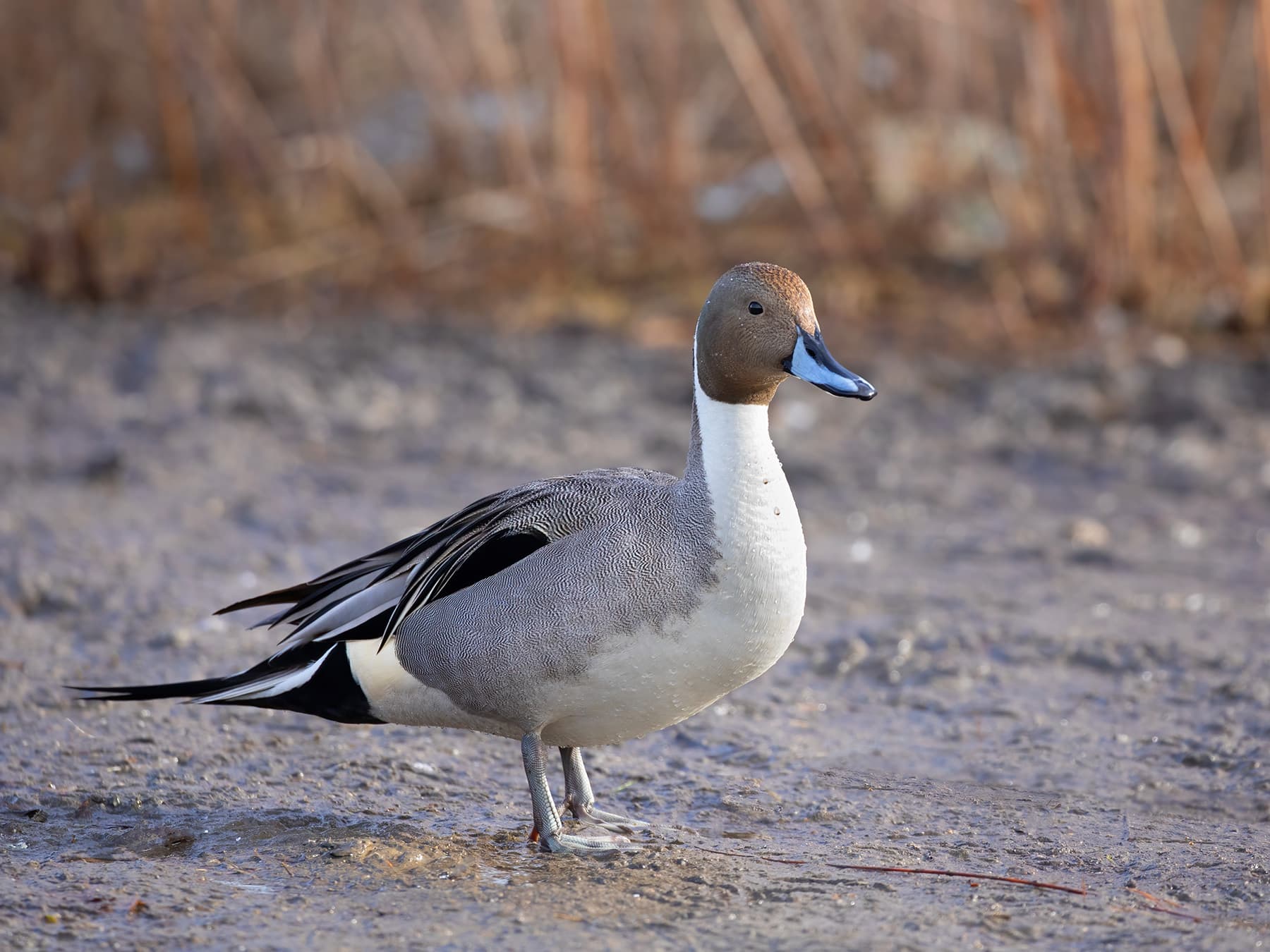 Northern PintailAnas acutaWinter visitorCommon59–76 cmRegularly Oct–Mar · 0.17% in Oct
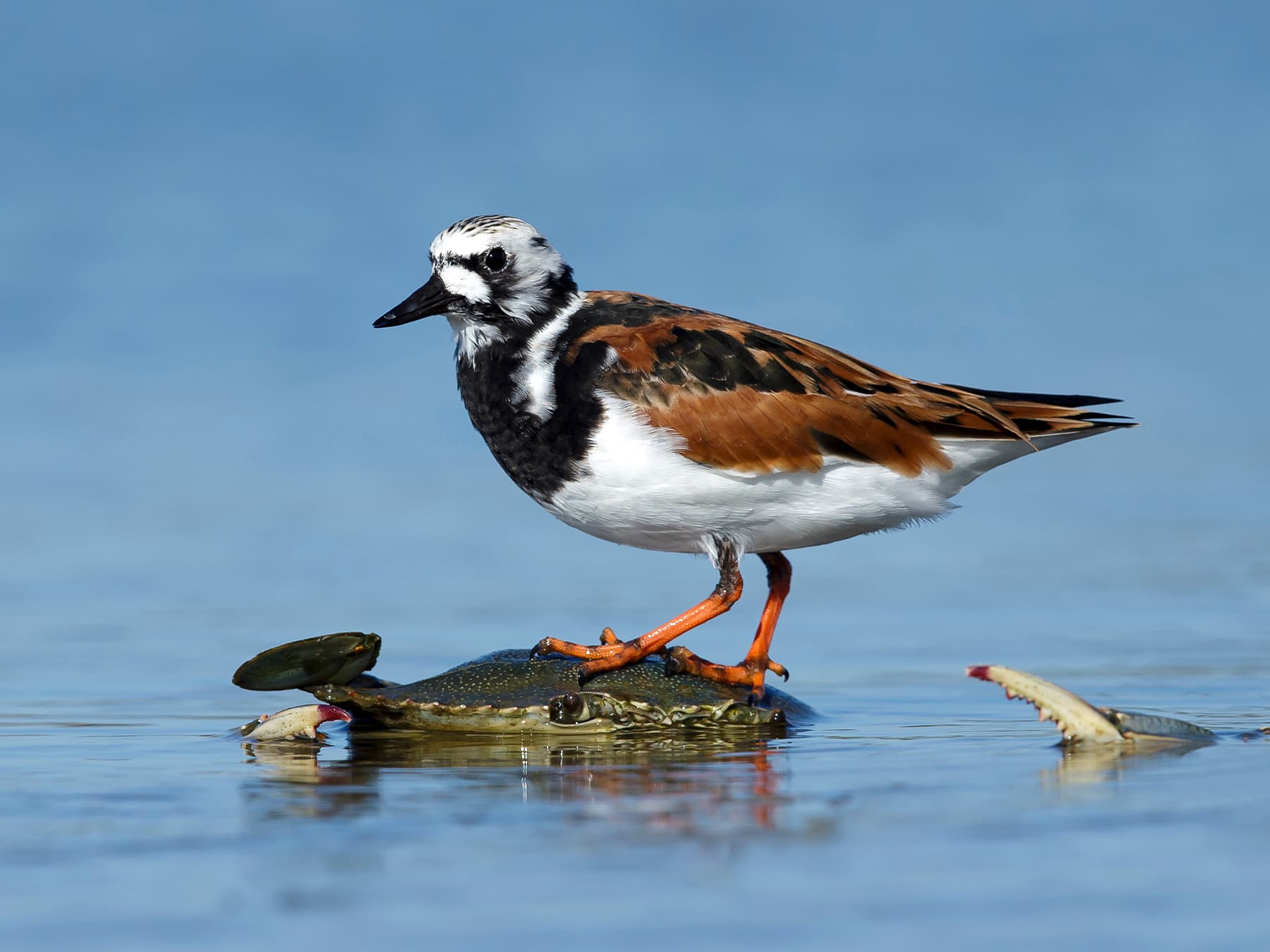 Ruddy TurnstoneArenaria interpresPassage migrantCommon21–24 cmRegularly Apr–Dec · 0.17% in Oct
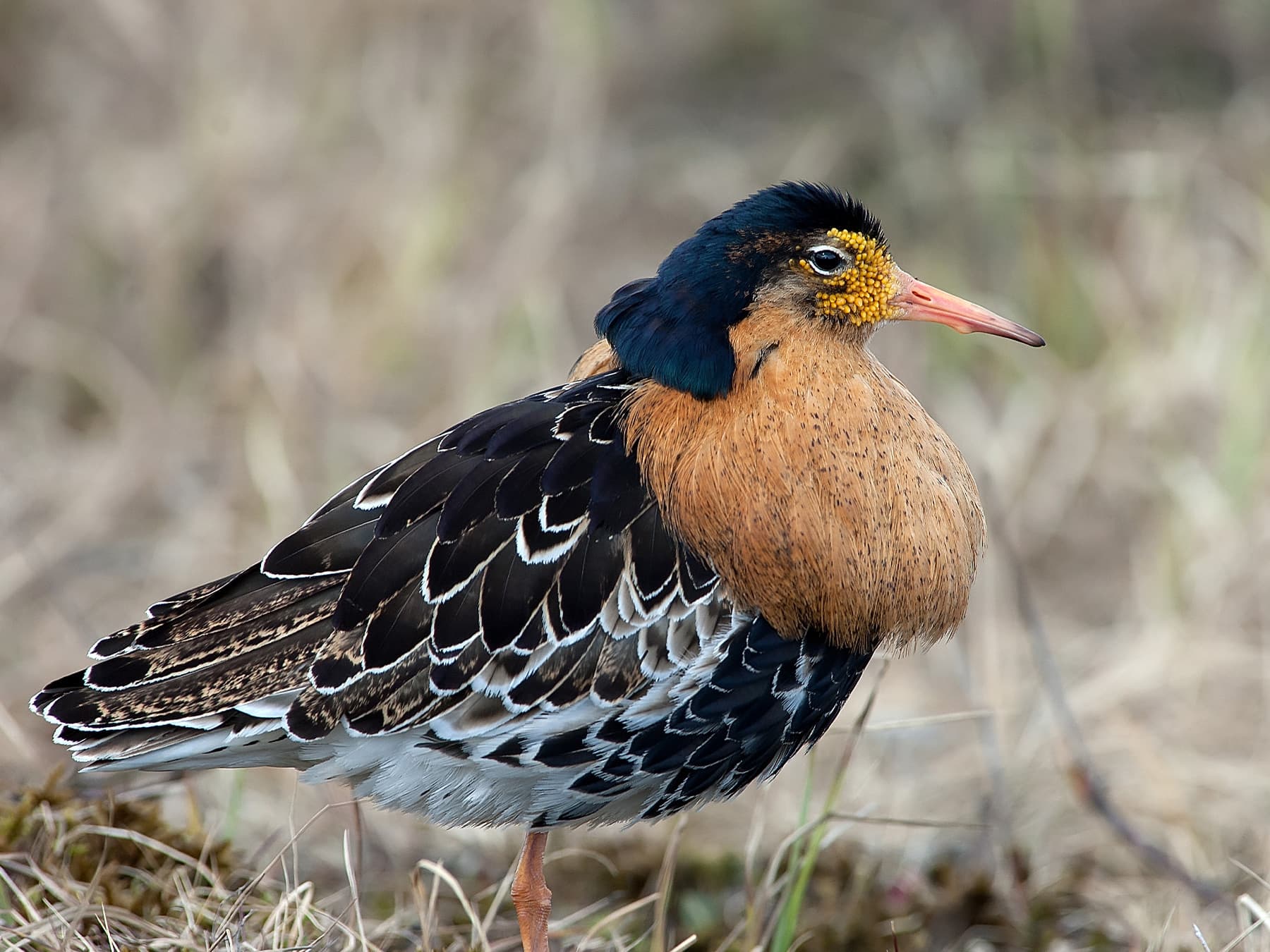 RuffCalidris pugnaxWinter visitorCommon20–32 cmRegularly Aug–Apr · 0.17% in Oct
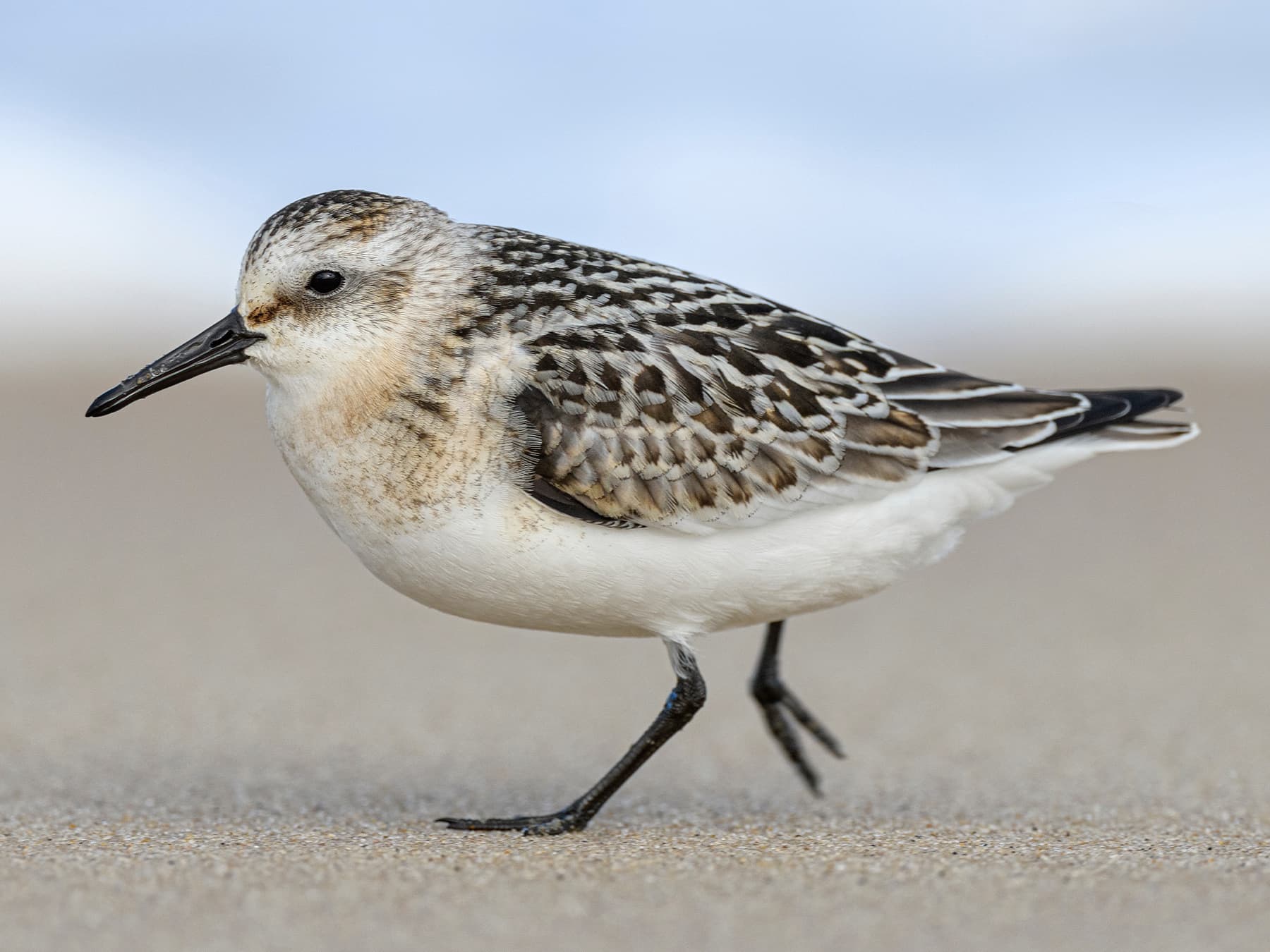 SanderlingCalidris albaPassage migrantUncommon18–20 cmRegularly Oct–Dec · 0.17% in Oct
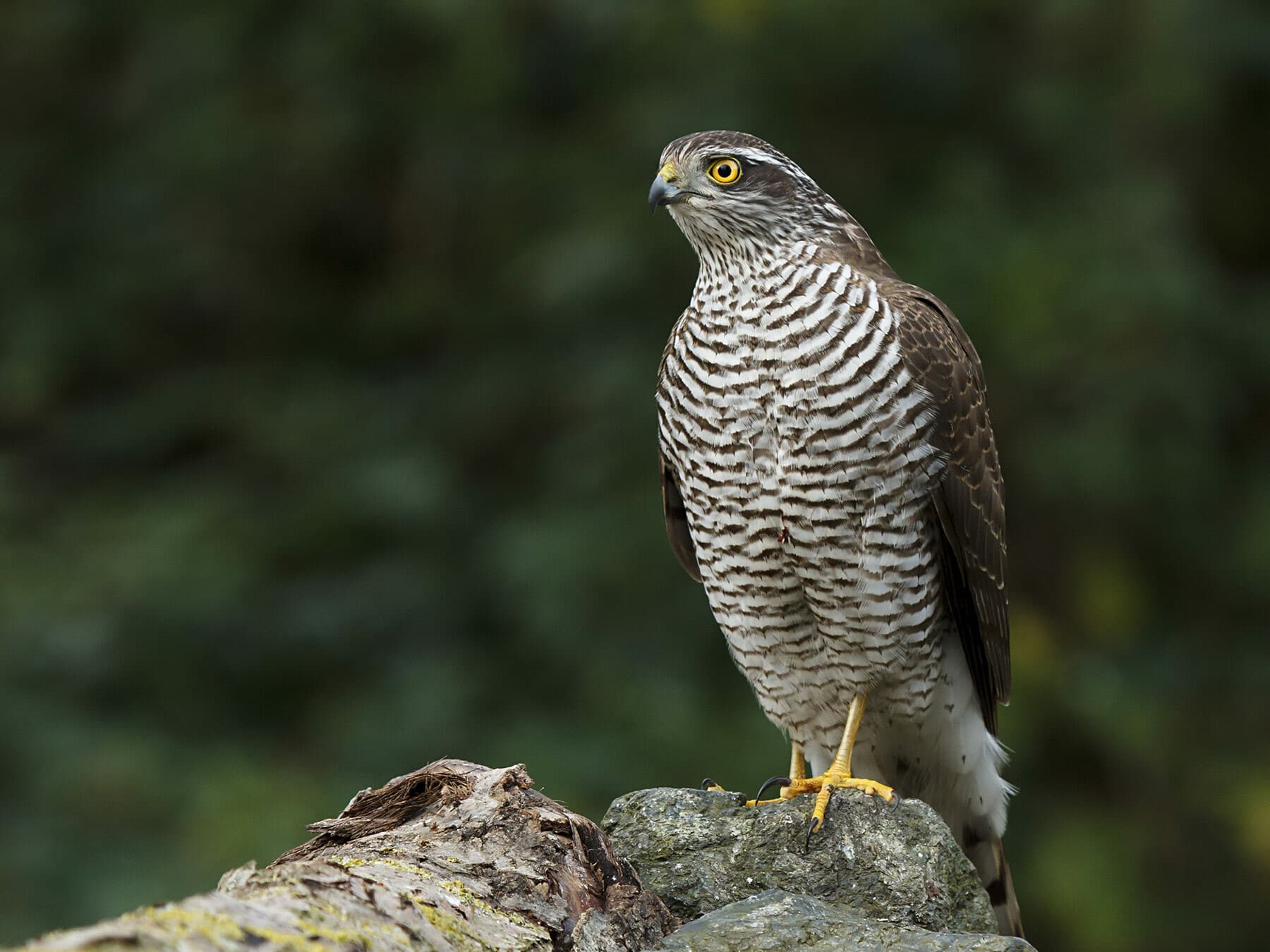 SparrowhawkAccipiter nisusPassage migrantUncommon28–38 cmRegularly Oct–Apr · 0.17% in Oct
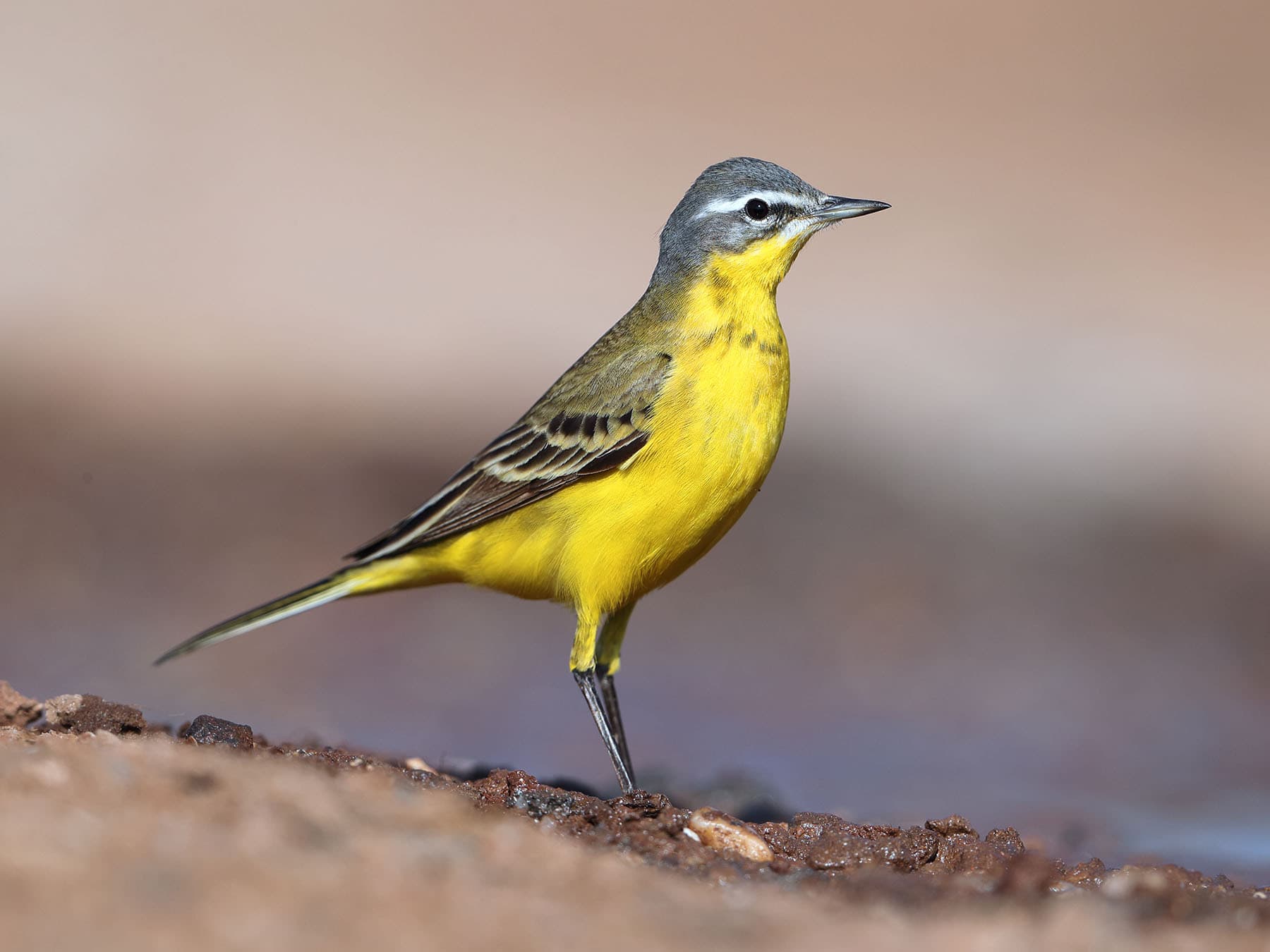 Yellow WagtailMotacilla flavaSummer visitorCommon15–17 cmRegularly Mar–Oct · 0.17% in Oct
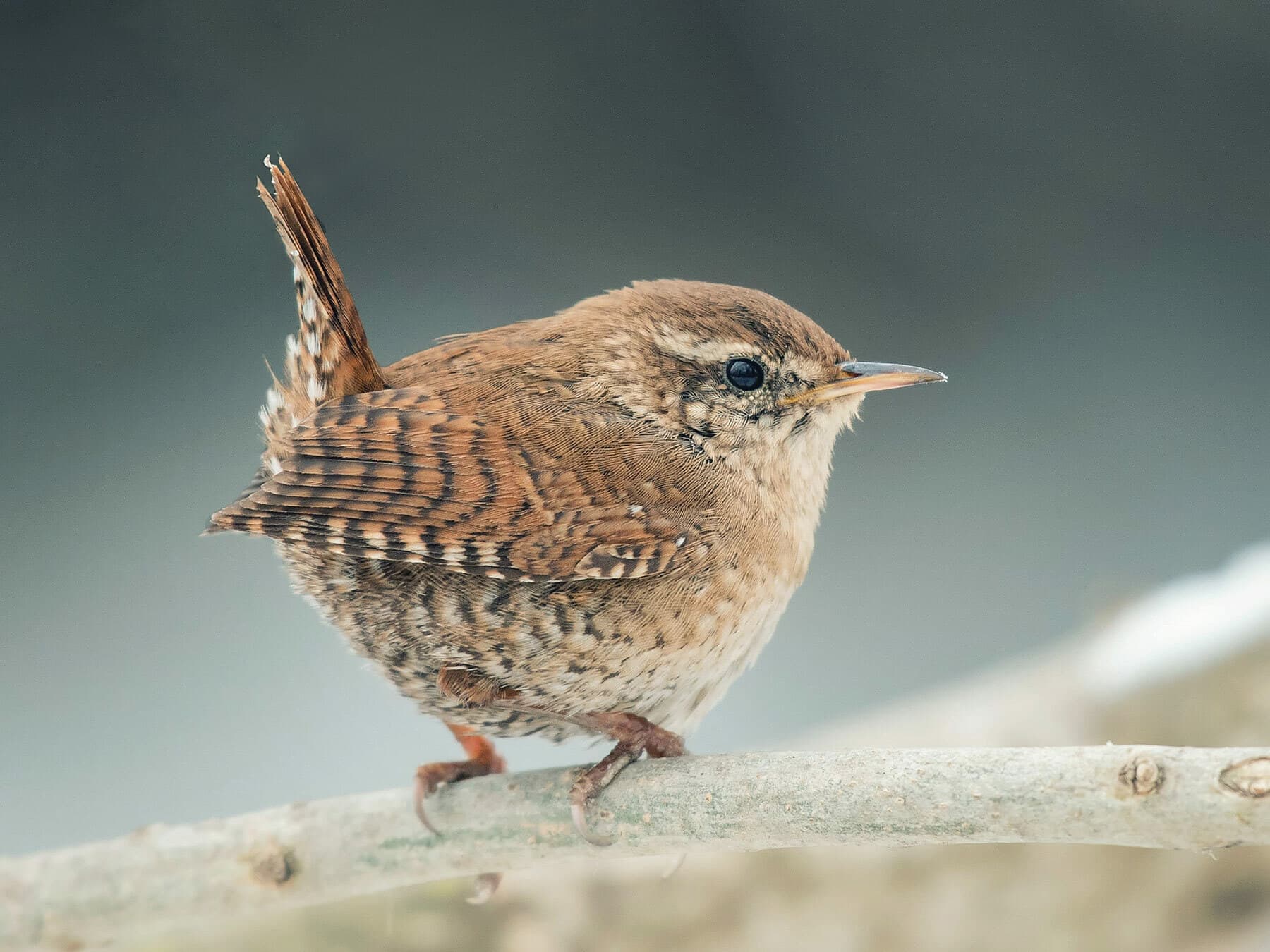 Eurasian WrenTroglodytes troglodytesWinter visitorCommon9–10 cmRegularly Sep–May · 0.13% in Oct
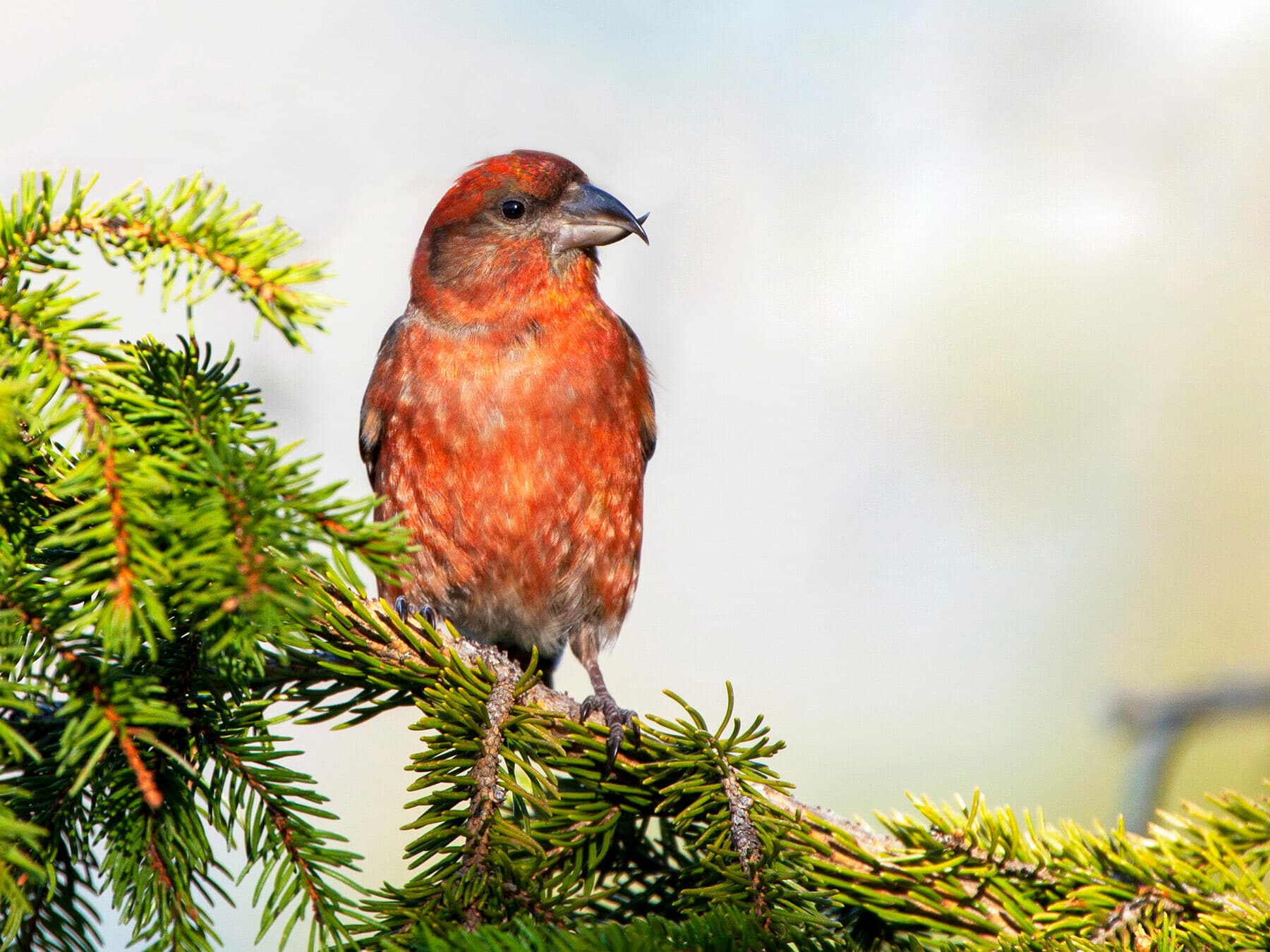 Red CrossbillLoxia curvirostraPassage migrantUncommon15–17 cmRegularly Oct–Mar · 0.13% in Oct
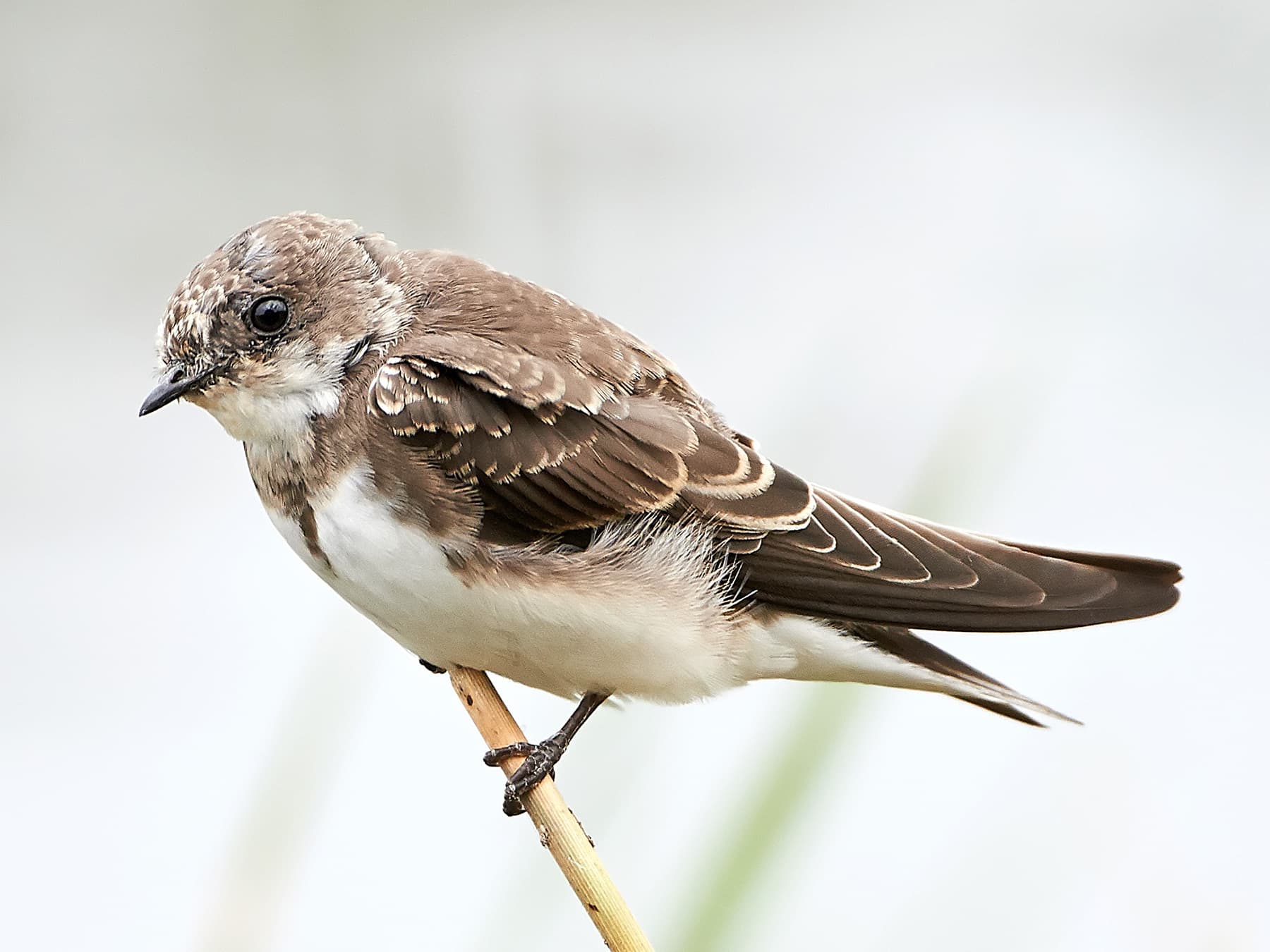 Sand MartinRiparia ripariaPassage migrantUncommon12–14 cmRegularly Apr–Oct · 0.13% in Oct
Data: EOD – eBird Observation Dataset (Cornell Lab of Ornithology), accessed via GBIF.org, CC BY 4.0. Records from 2019–2024, aggregated and filtered by Birdfact. How these lists are made