


Birds to See in Estonia in February
74 bird species on our list for Estonia are recorded regularly in February
Of these, the most often recorded are Hooded Crow, Great Tit, European Herring Gull, Blue Tit and Goldeneye. New this month: Eurasian Skylark, Northern Lapwing, Greylag Goose and Eurasian Wren and 9 more.
On the move in February
GBIF · FebArriving
At their peak
Leaving soon
From Estonia’s bird records, 2019–2024: arriving birds are regular this month but not last; leaving birds are regular this month but not next.
Other months
All 74 birds in February
74 birds
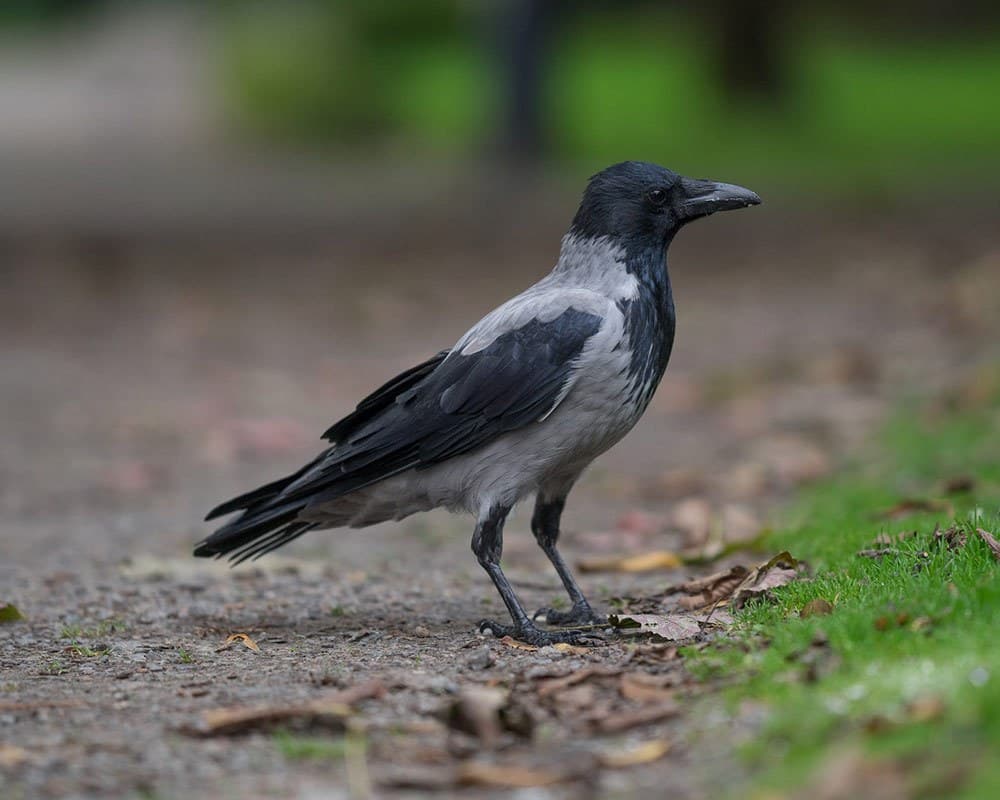 Hooded CrowCorvus cornixResidentCommon44–51 cmRecorded all year · 6.93% in Feb
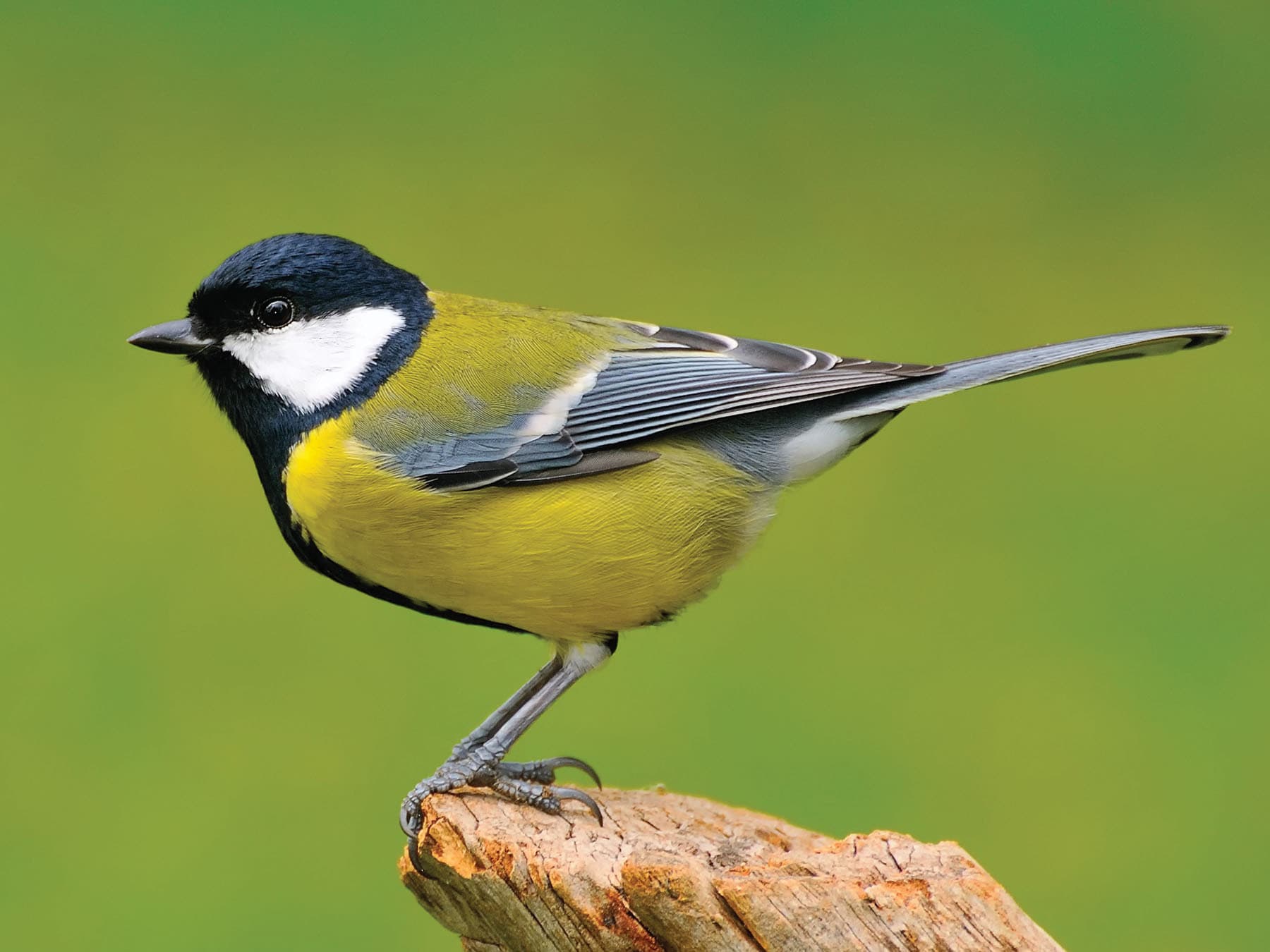 Great TitParus majorWinter visitorCommonRecorded all year · 6.16% in Feb
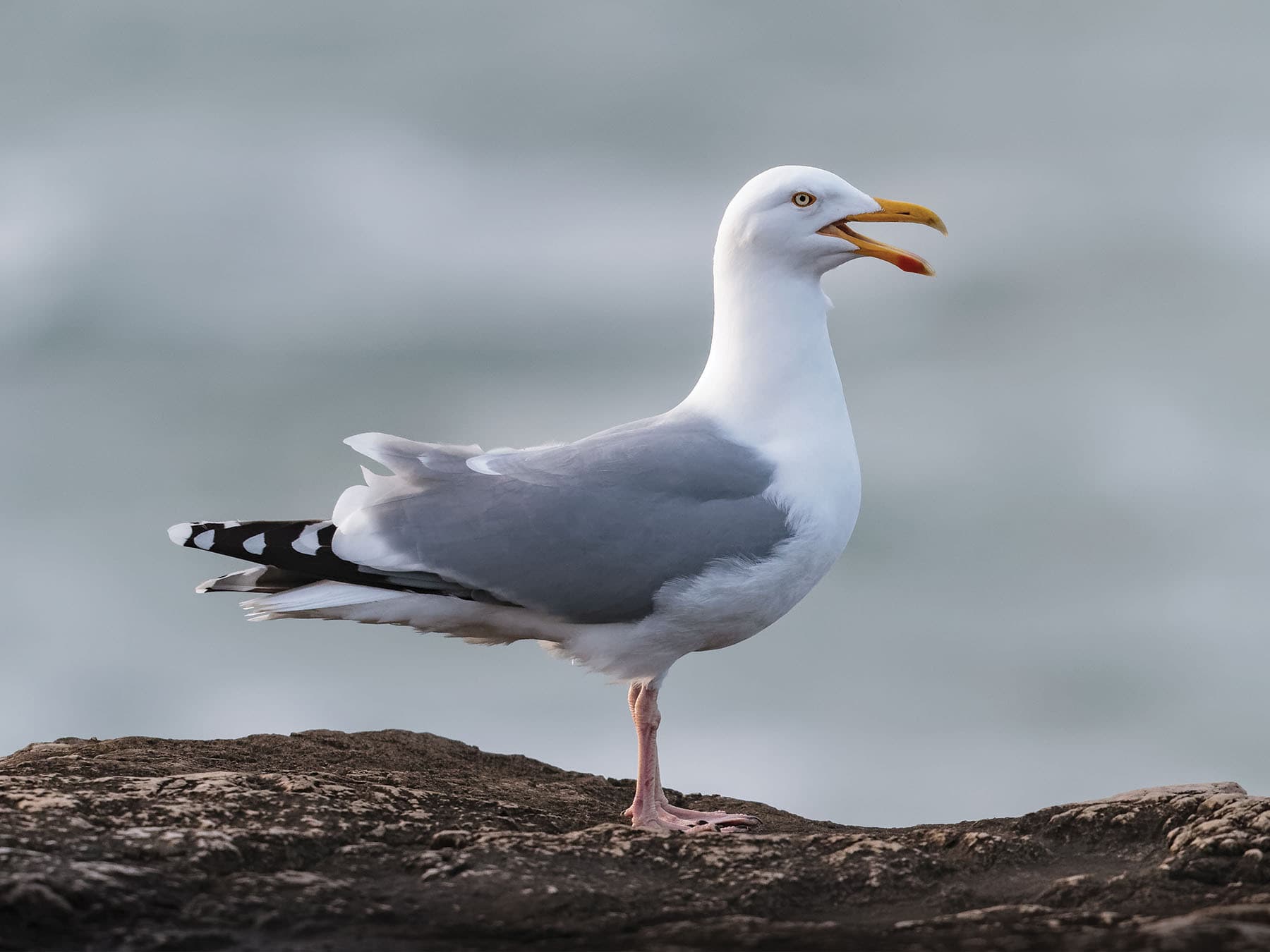 European Herring GullLarus argentatusResidentCommon55–67 cmRecorded all year · 4.43% in Feb
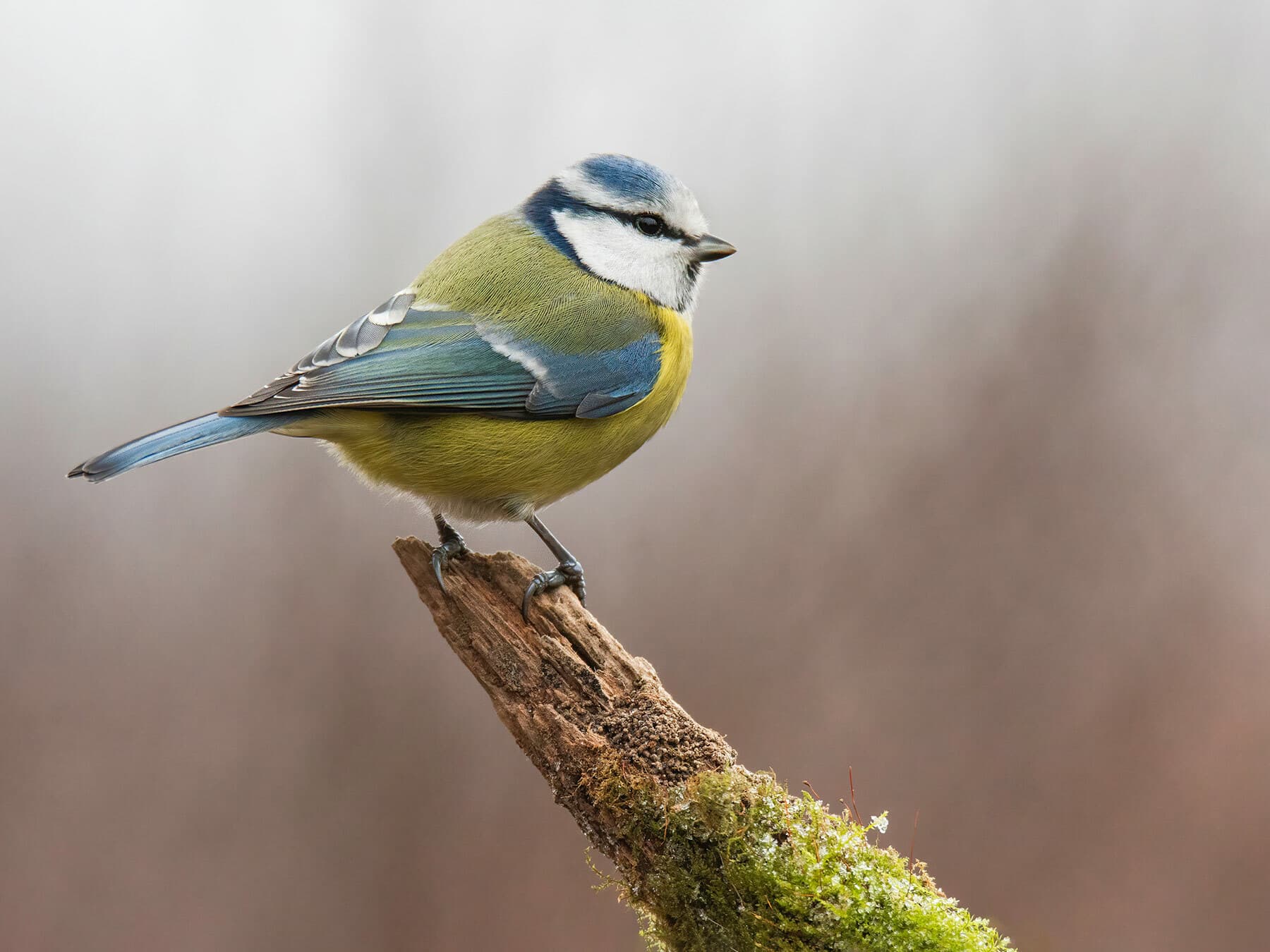 Blue TitCyanistes caeruleusWinter visitorCommon11–12 cmRecorded all year · 3.69% in Feb
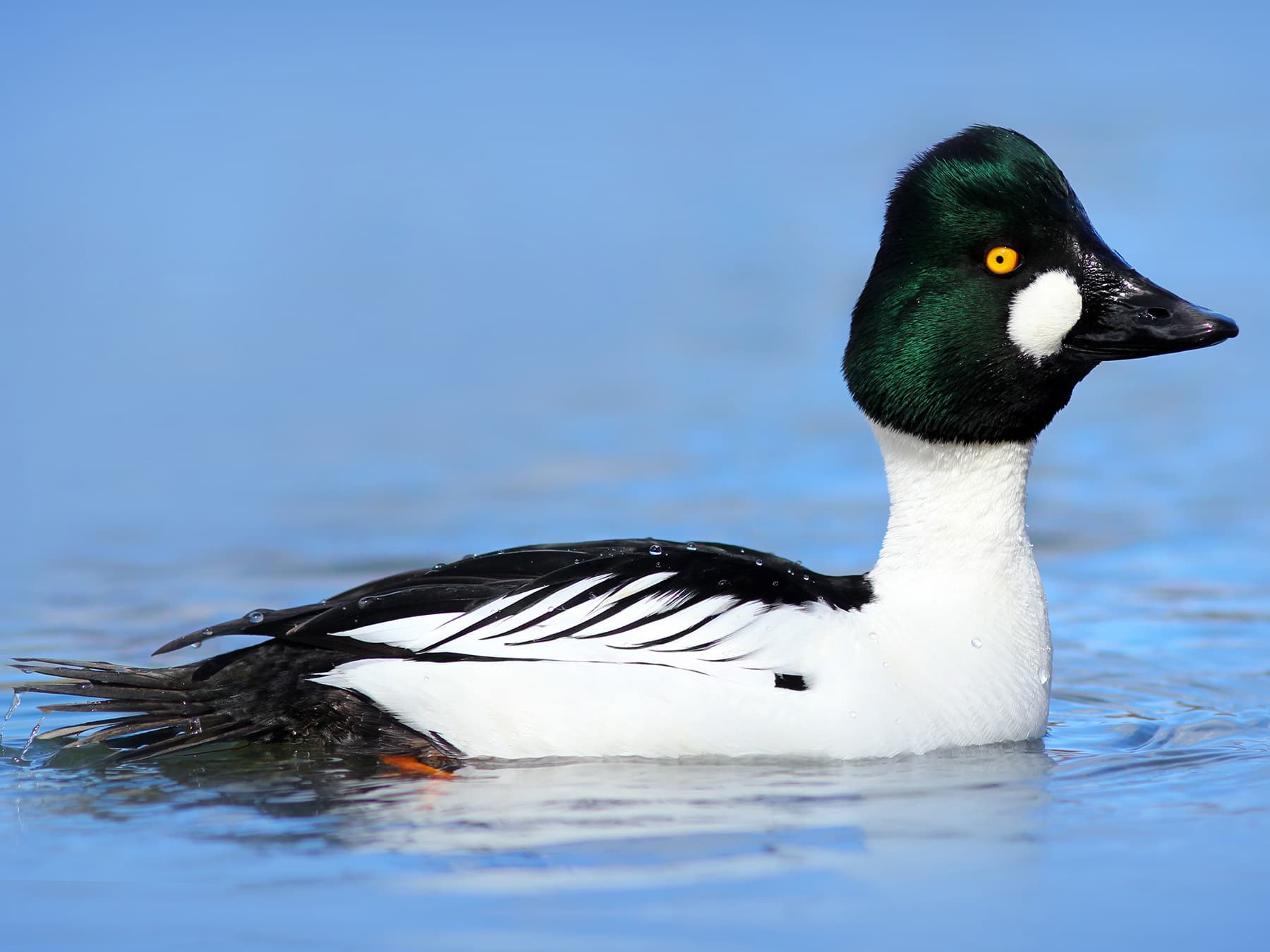 GoldeneyeBucephala clangulaWinter visitorCommon40–51 cmRecorded all year · 3.04% in Feb
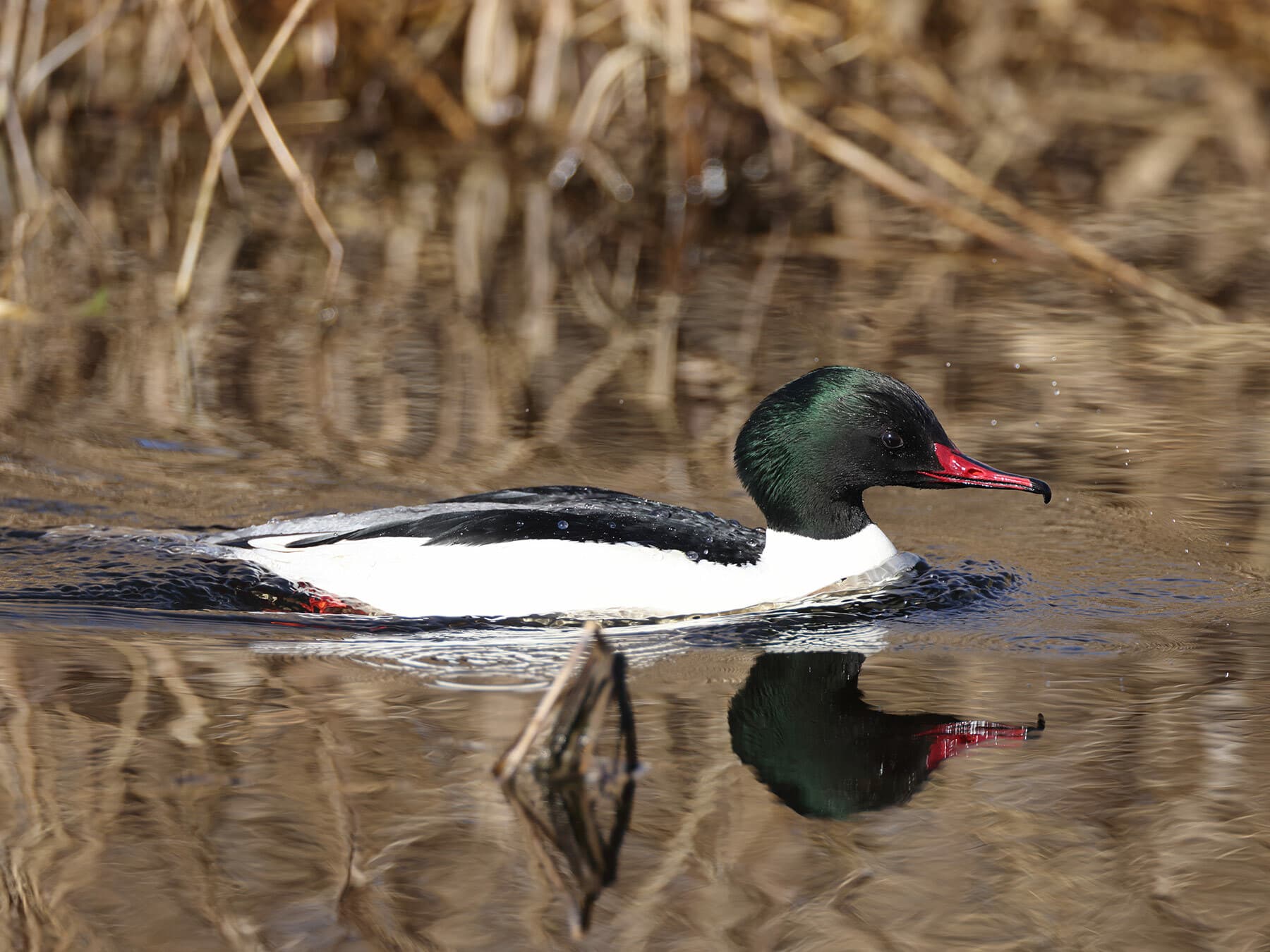 Common MerganserMergus merganserWinter visitorCommon58–68 cmRecorded all year · 2.81% in Feb
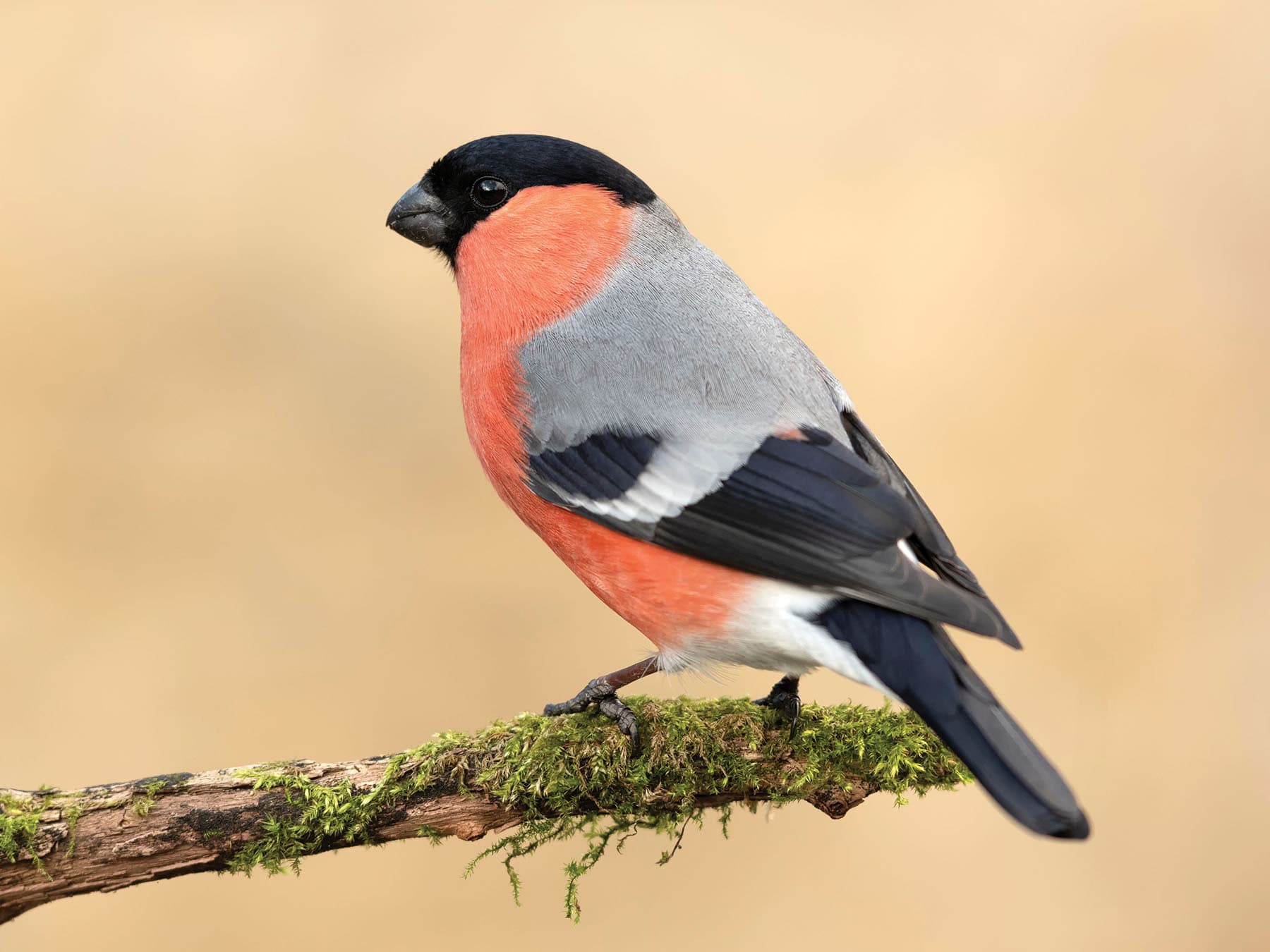 BullfinchPyrrhula pyrrhulaWinter visitorCommon15–17 cmRegularly Oct–Aug · 2.79% in Feb
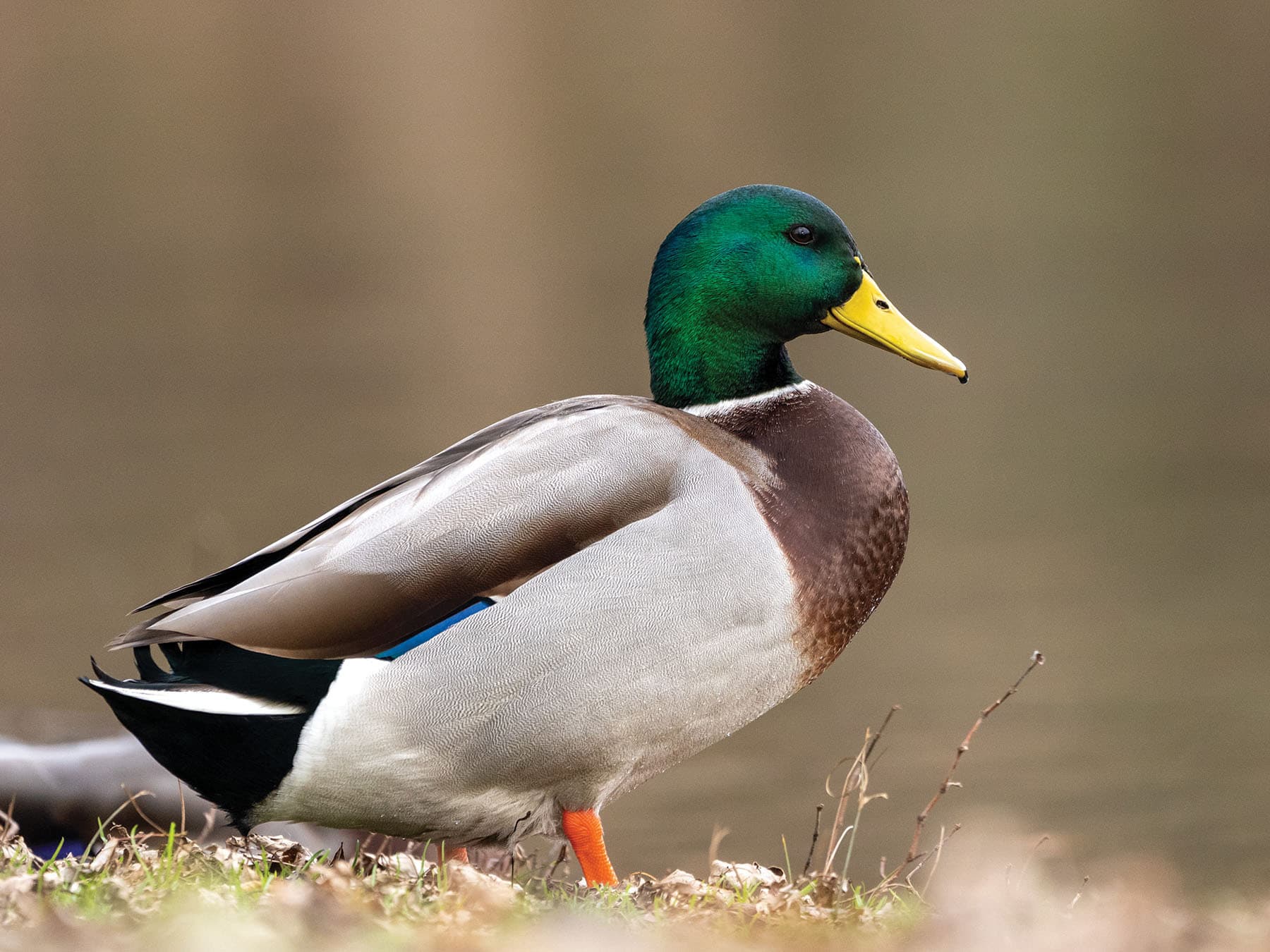 MallardAnas platyrhynchosResidentCommon50–65 cmRecorded all year · 2.79% in Feb
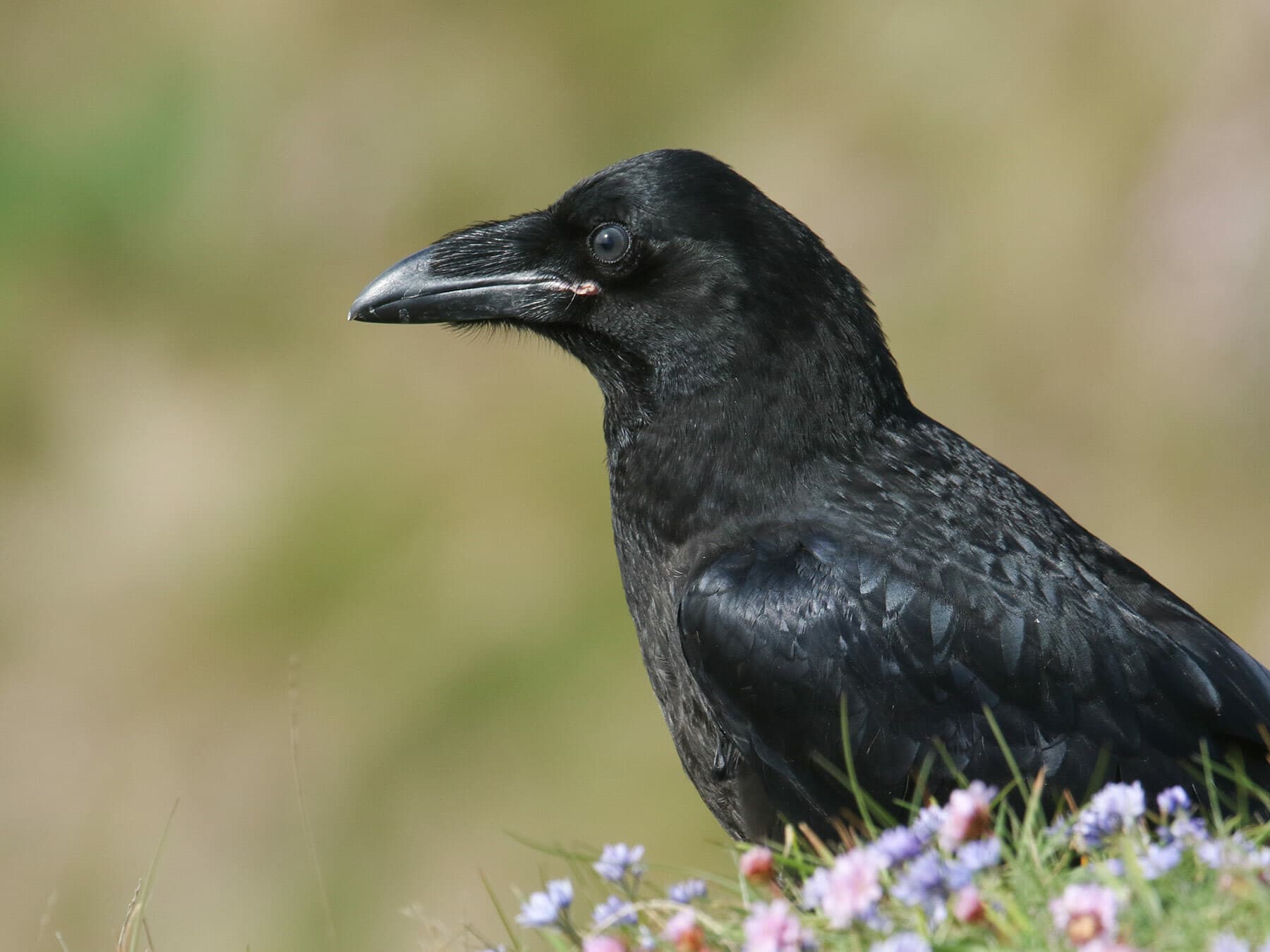 Common RavenCorvus coraxResidentCommon54–67 cmRecorded all year · 2.70% in Feb
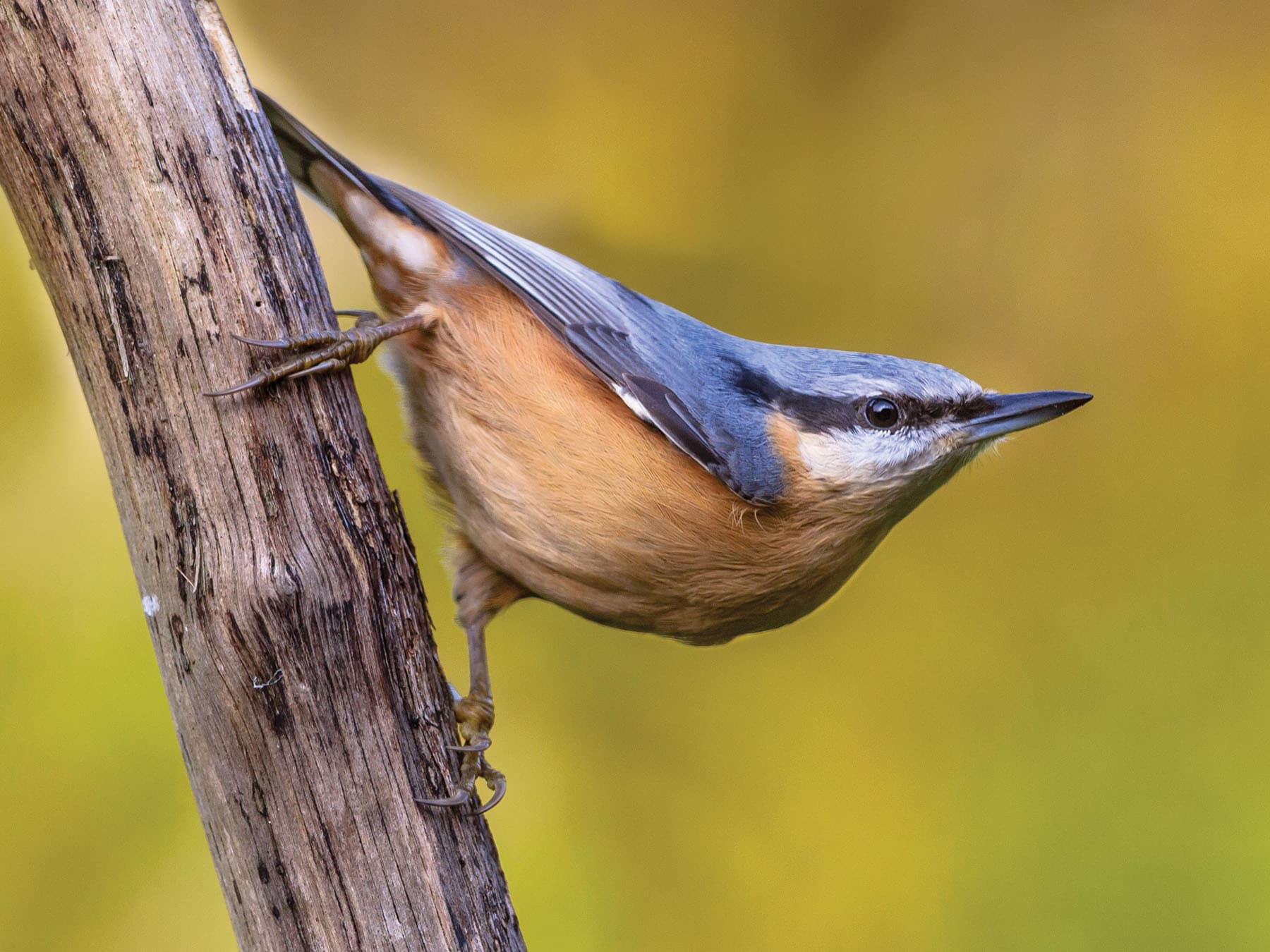 Eurasian NuthatchSitta europaeaWinter visitorCommon12–15 cmRecorded all year · 2.36% in Feb
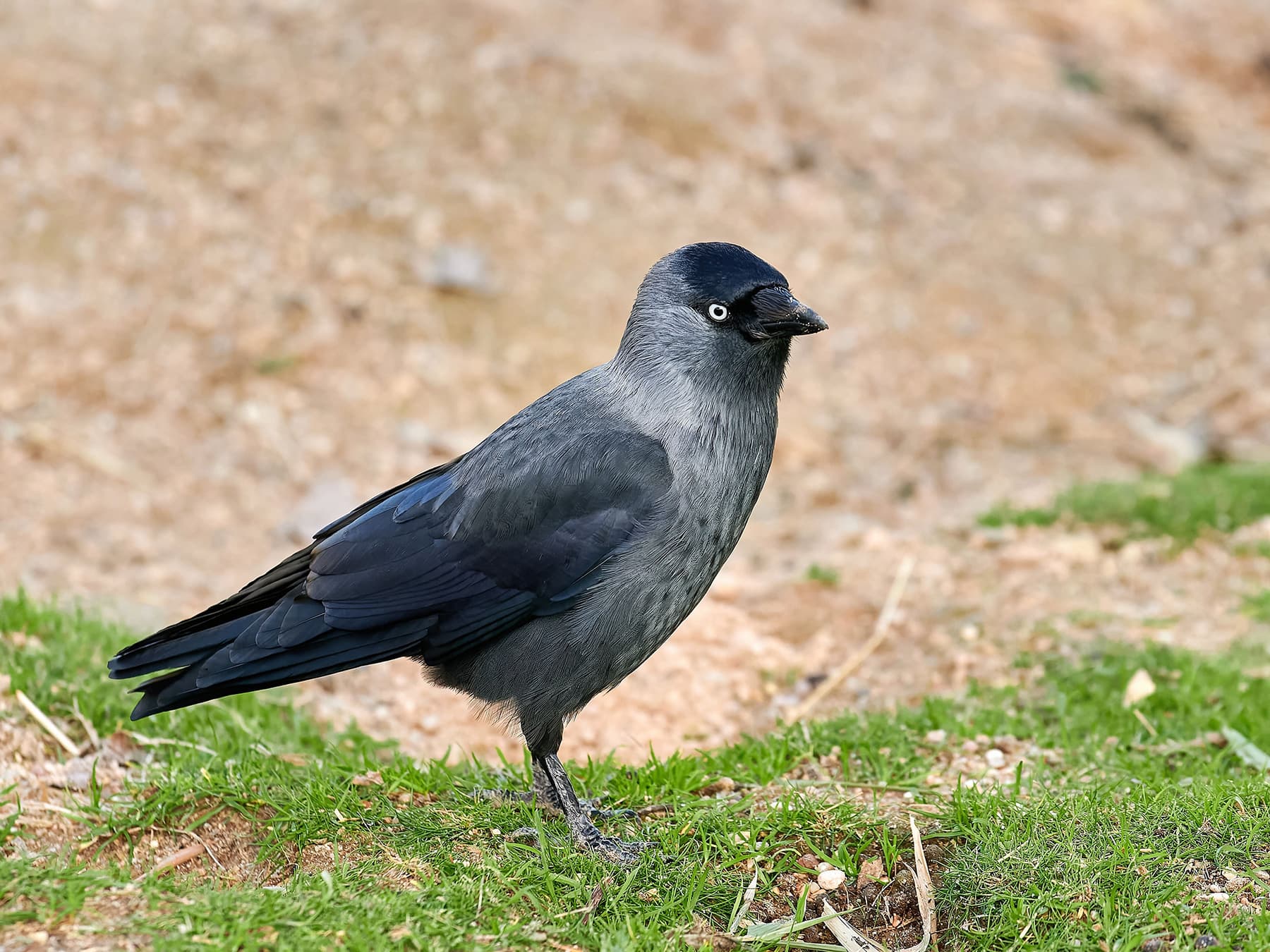 JackdawColoeus monedulaResidentCommon34–39 cmRecorded all year · 2.29% in Feb
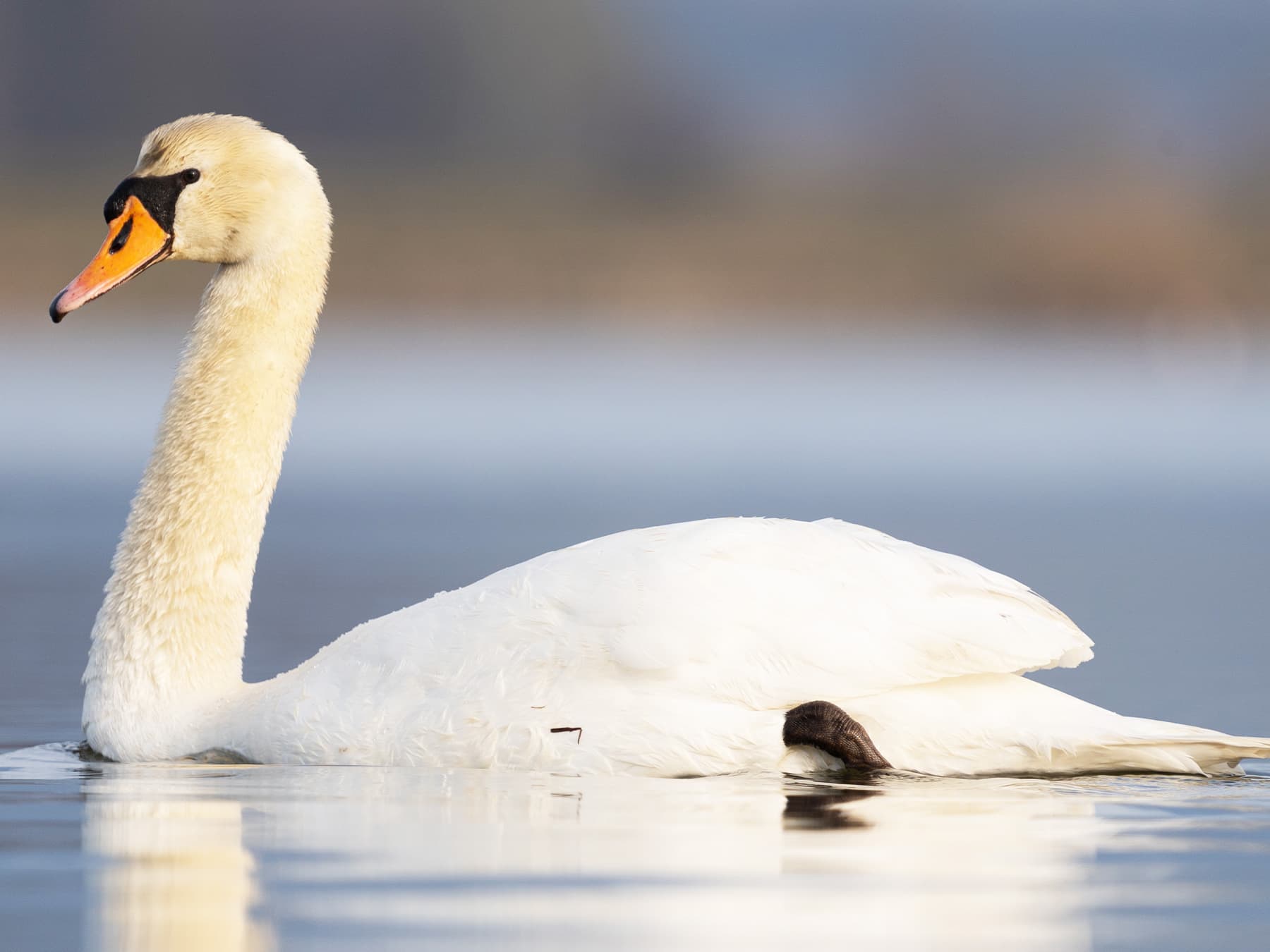 Mute SwanCygnus olorResidentCommon140–160 cmRecorded all year · 2.27% in Feb
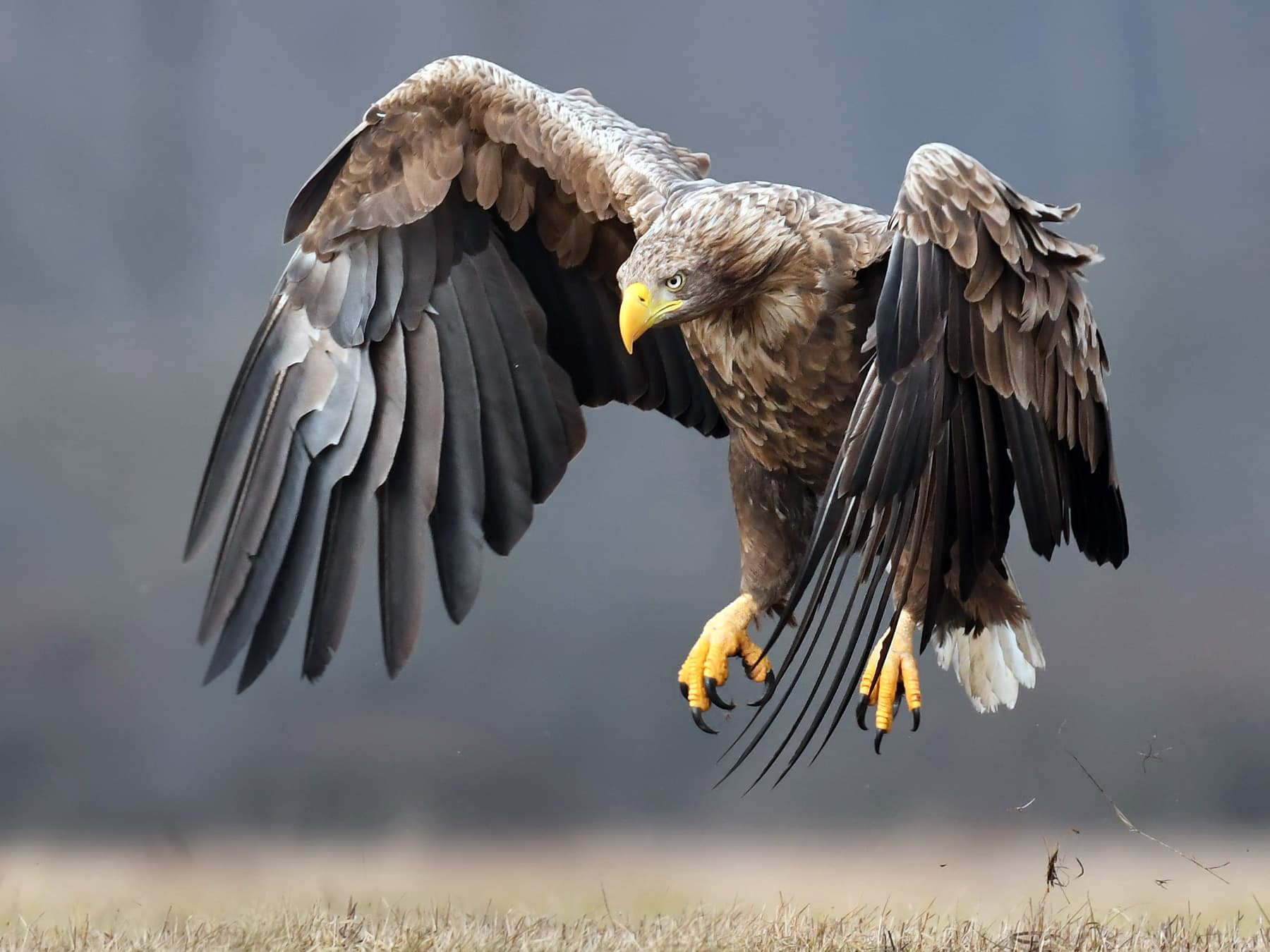 White-tailed Sea-eagleHaliaeetus albicillaResidentCommon66–94 cmRecorded all year · 2.27% in Feb
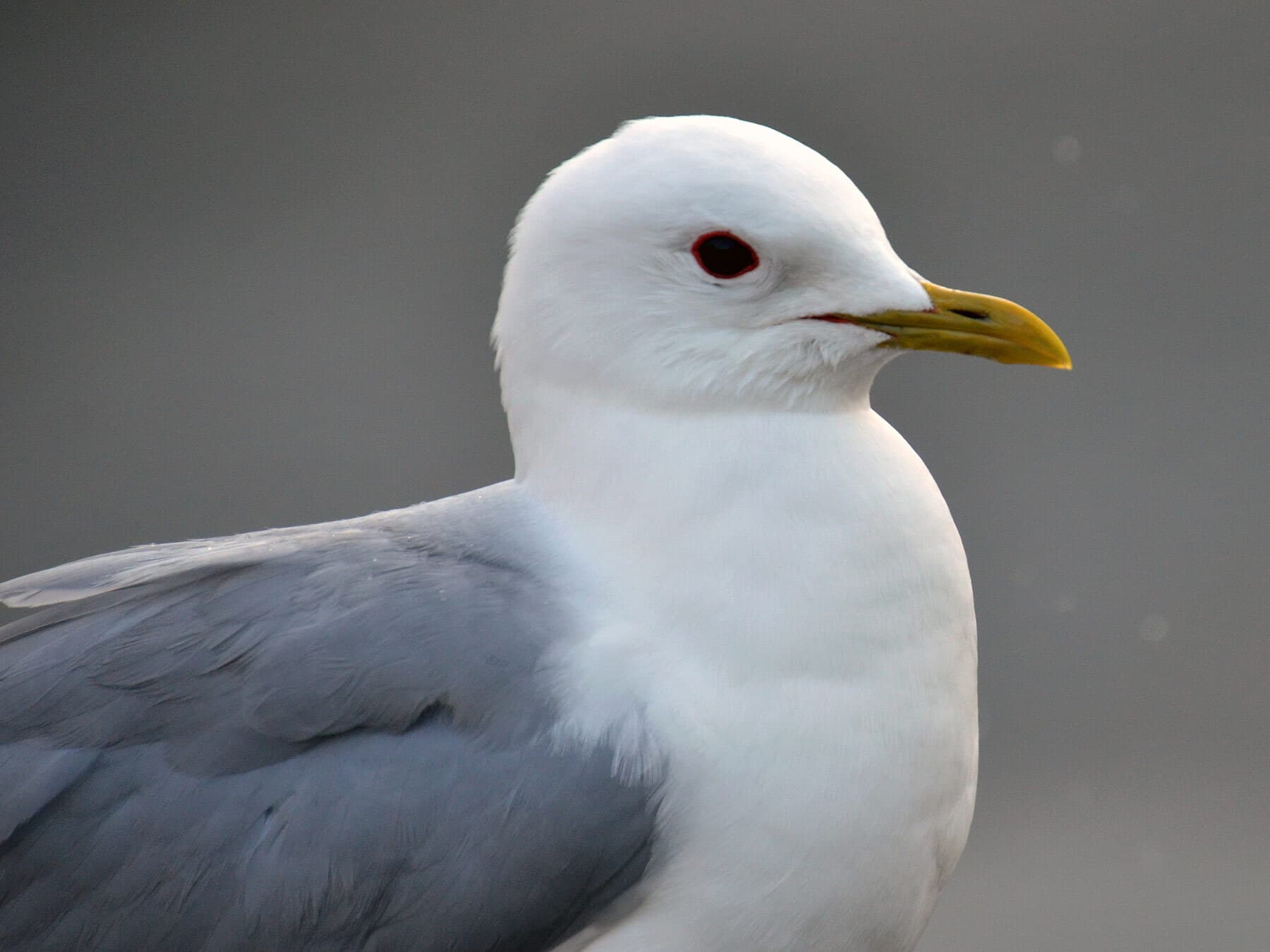 Common GullLarus canusResidentCommon40–46 cmRecorded all year · 2.23% in Feb
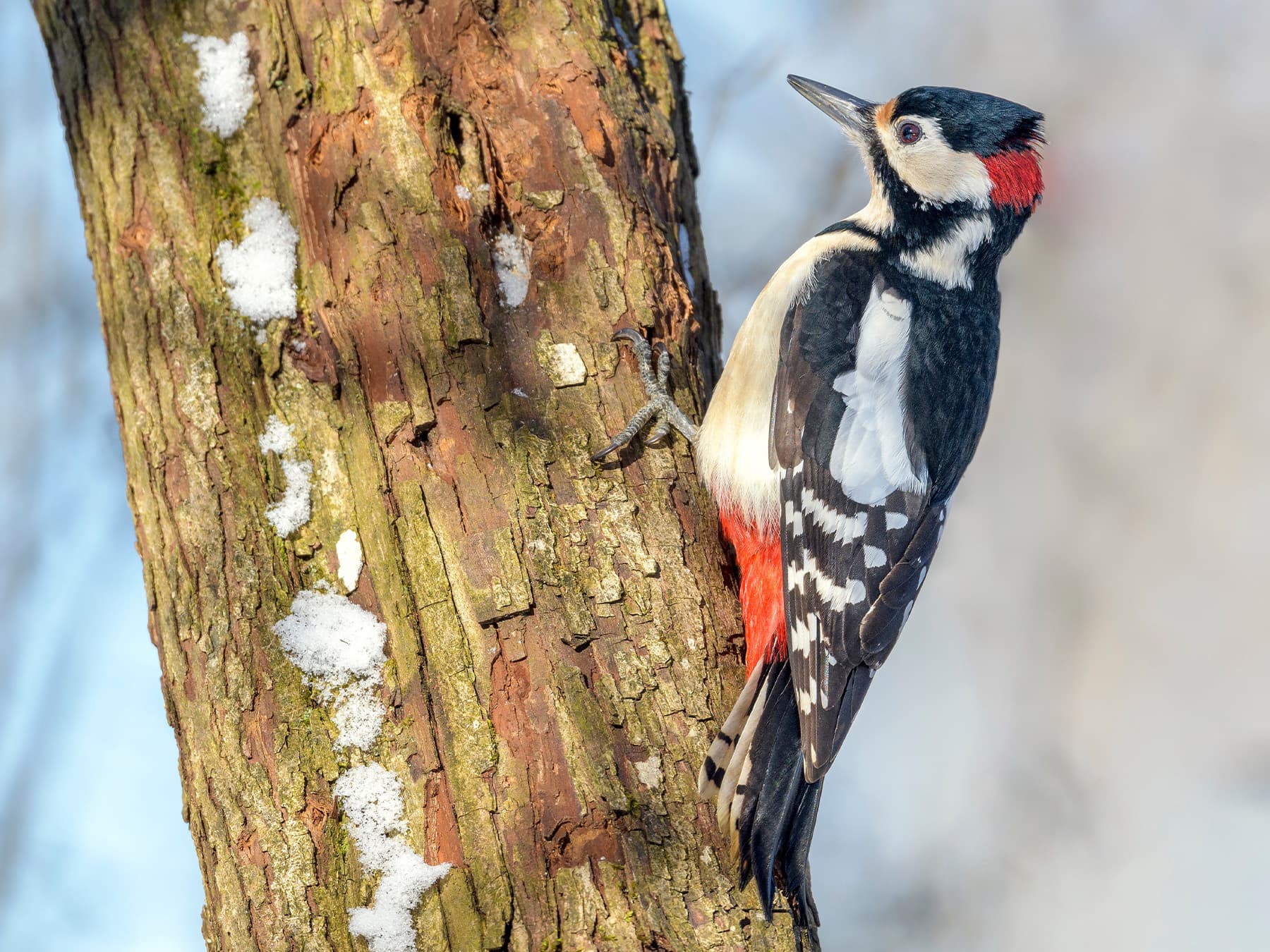 Great Spotted WoodpeckerDendrocopos majorResidentCommon23–26 cmRecorded all year · 2.23% in Feb
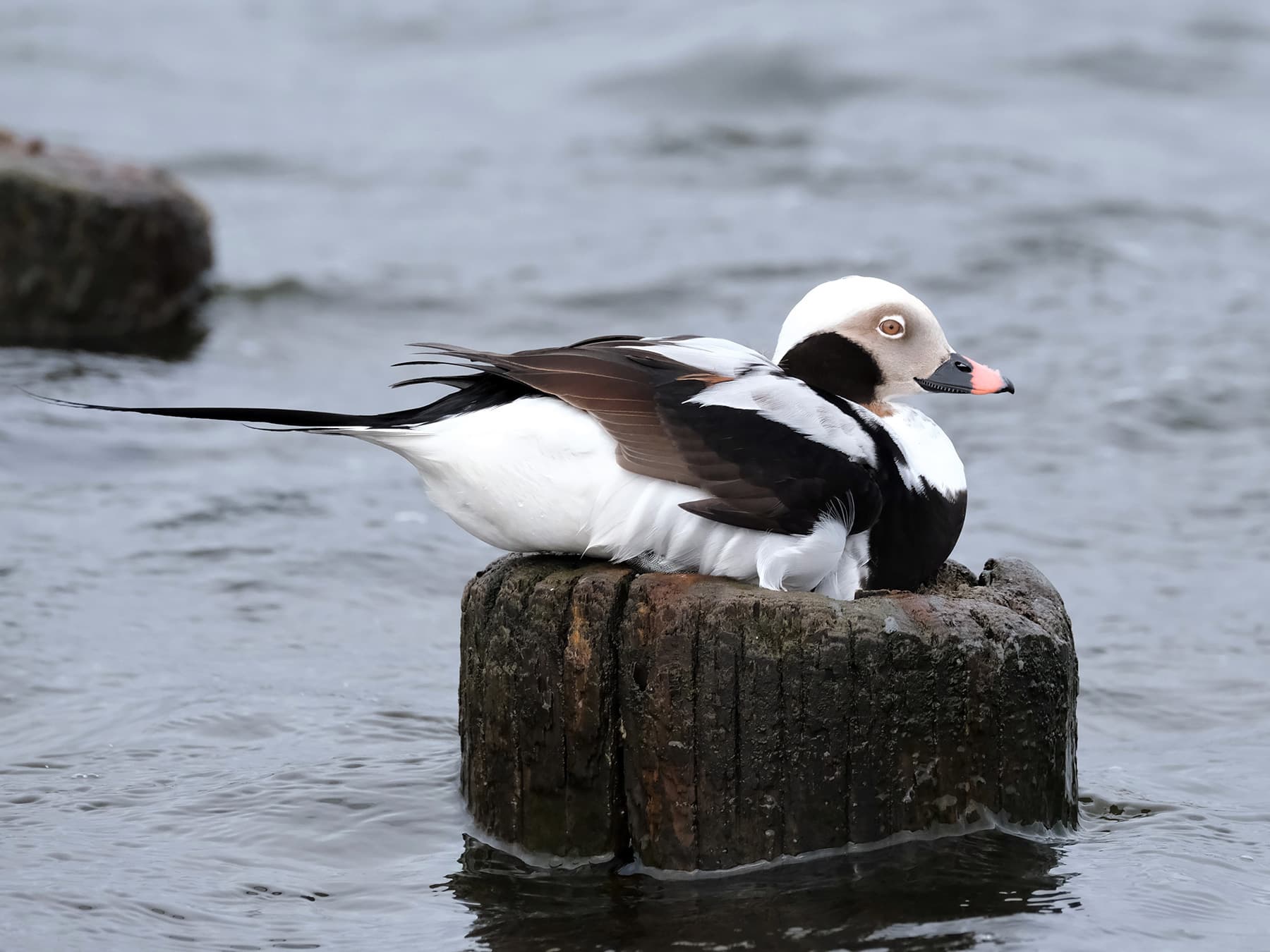 Long-tailed DuckClangula hyemalisWinter visitorCommon37–60 cmRegularly Sep–May · 2.14% in Feb
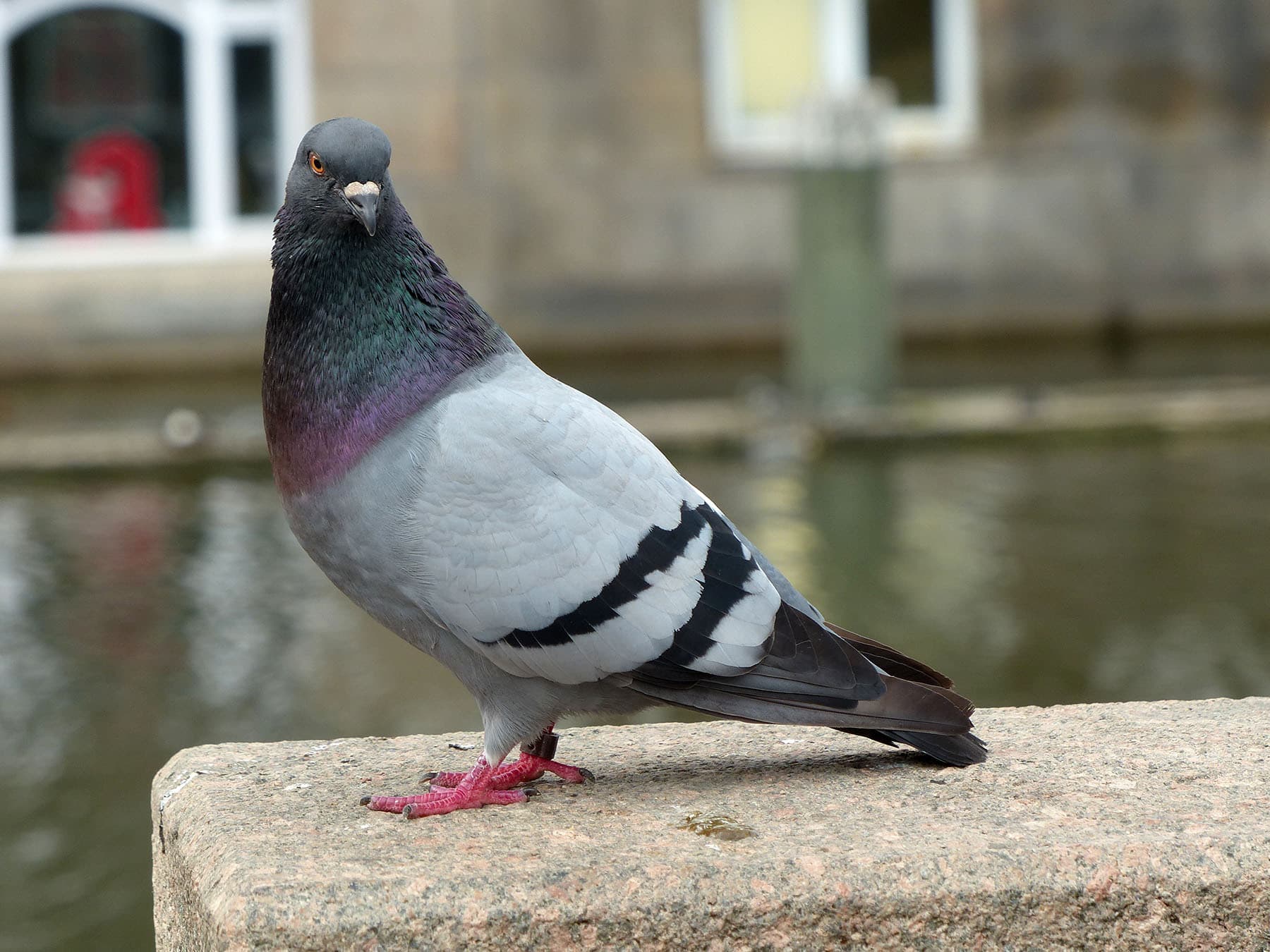 Rock DoveColumba liviaResidentCommon31–34 cmRecorded all year · 2.09% in Feb
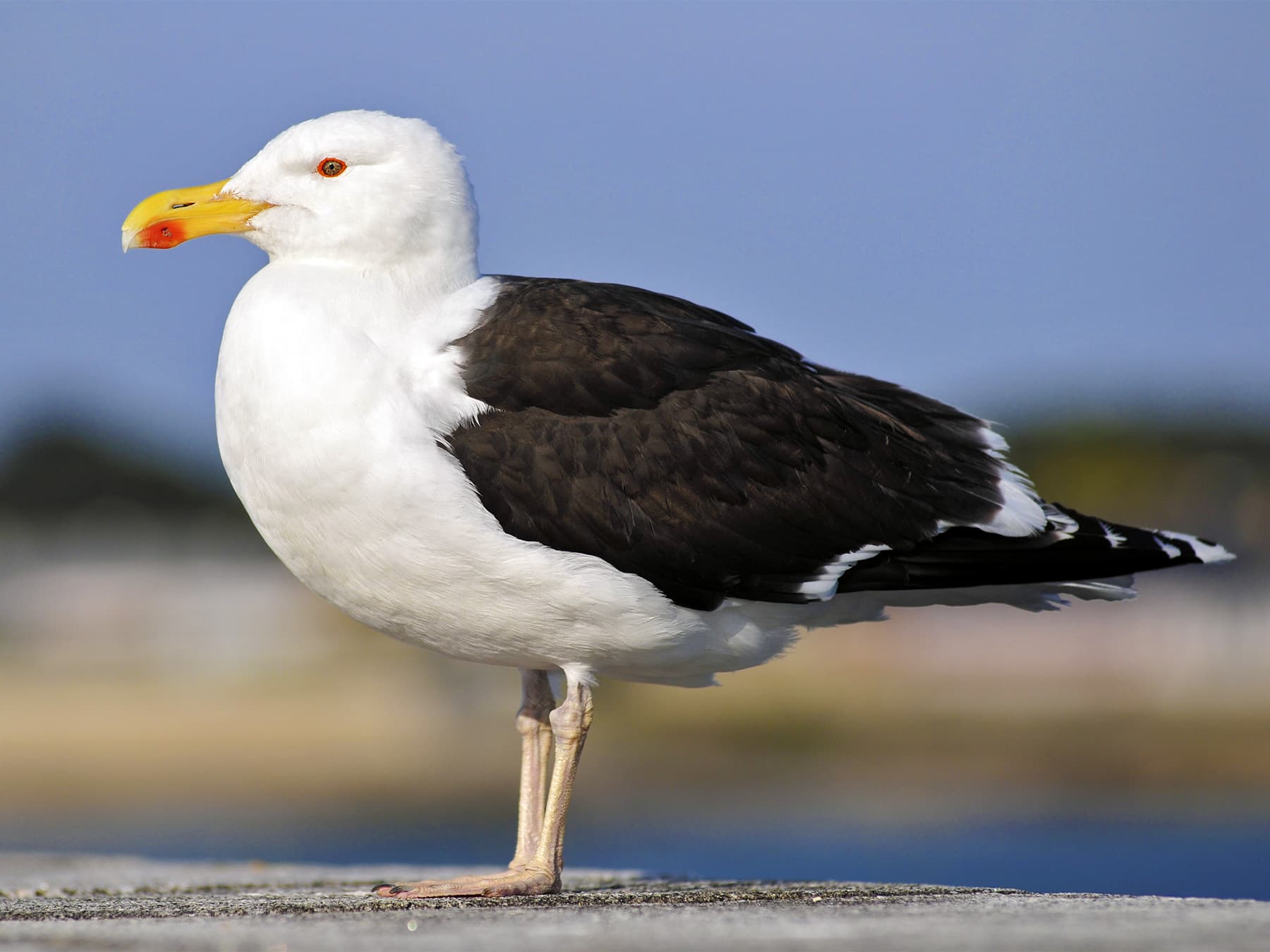 Great Black-backed GullLarus marinusWinter visitorCommon64–79 cmRecorded all year · 1.84% in Feb
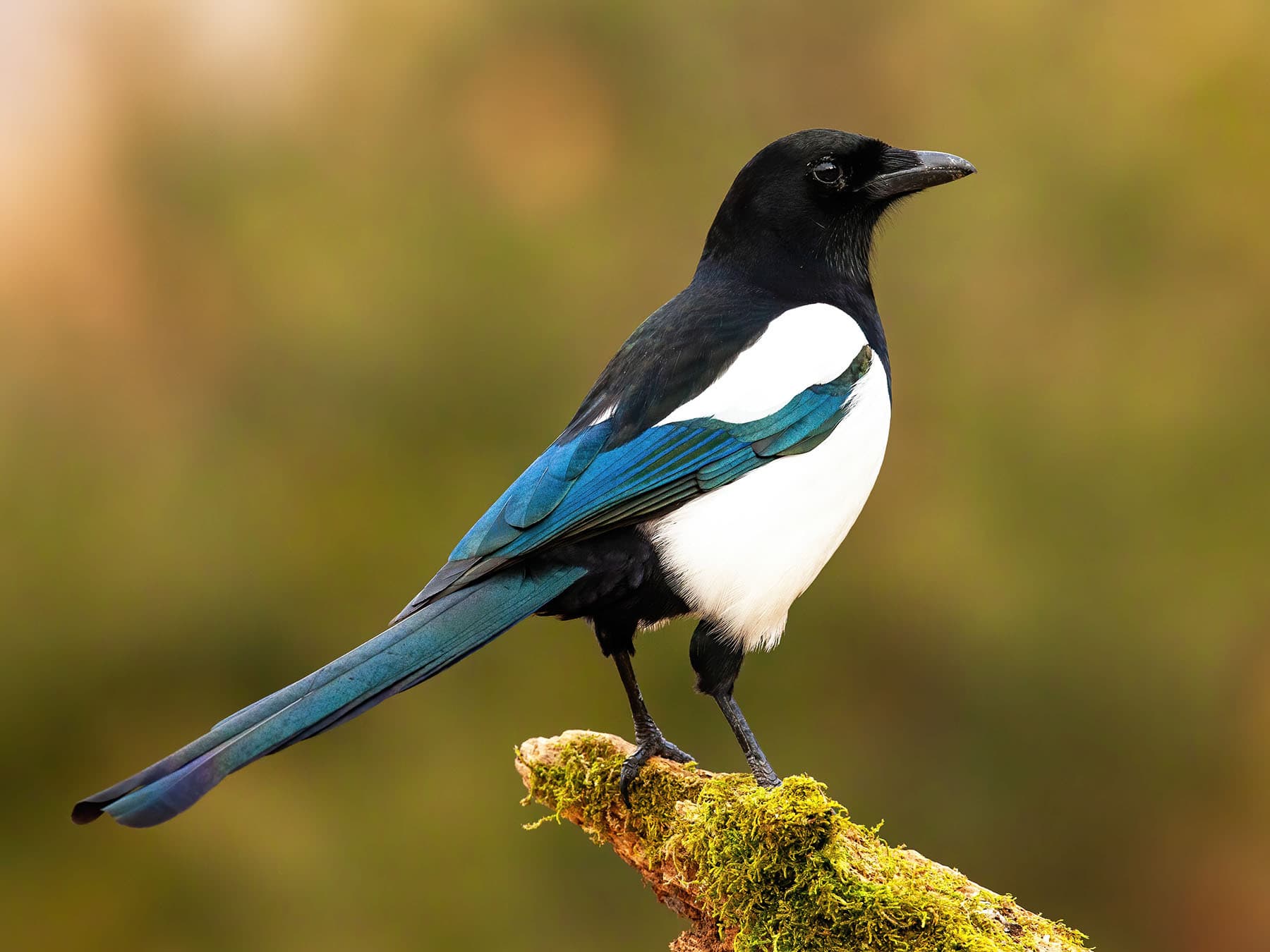 MagpiePica picaResidentCommon44–46 cmRecorded all year · 1.71% in Feb
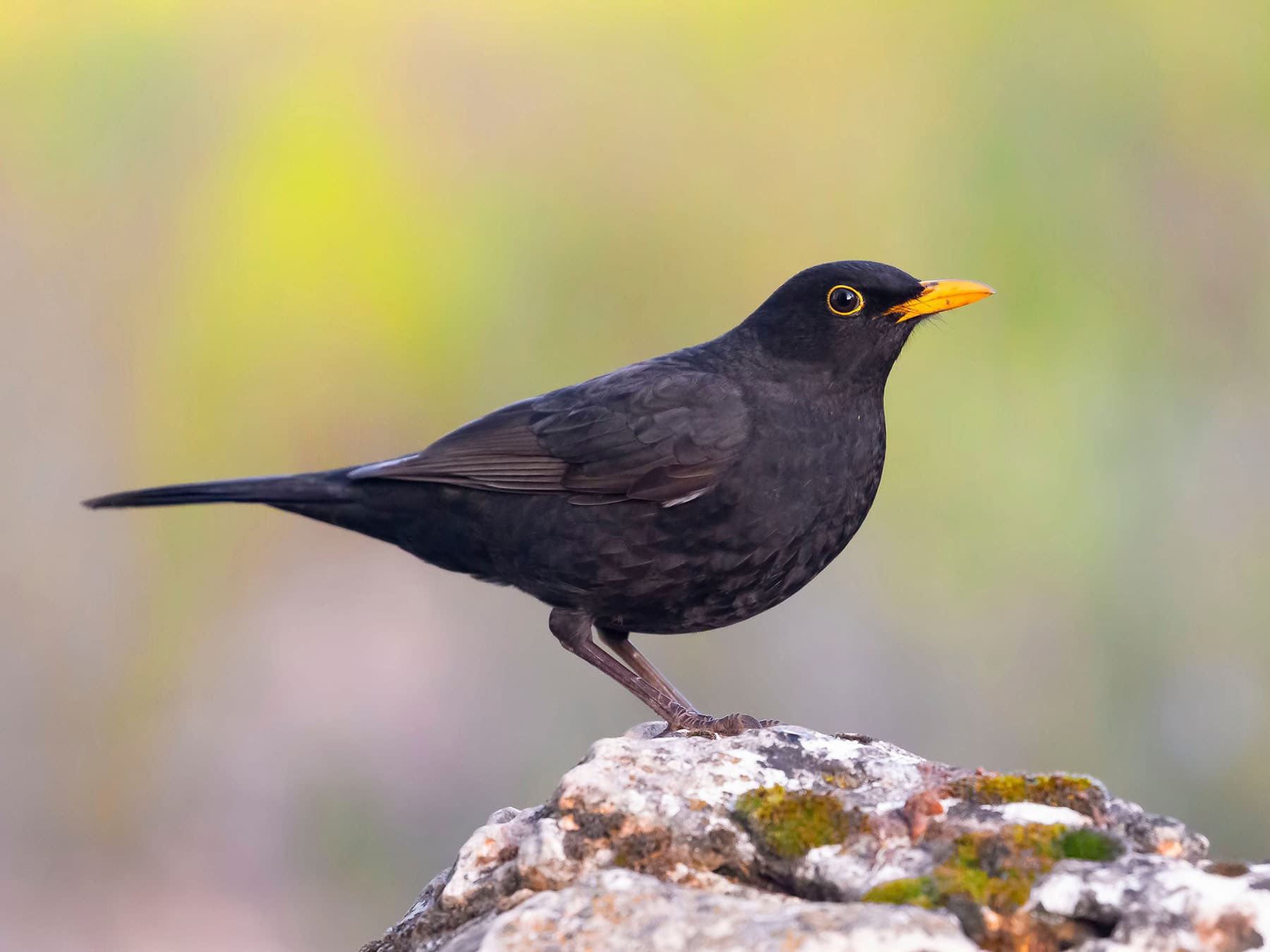 BlackbirdTurdus merulaResidentCommon24–25 cmRecorded all year · 1.57% in Feb
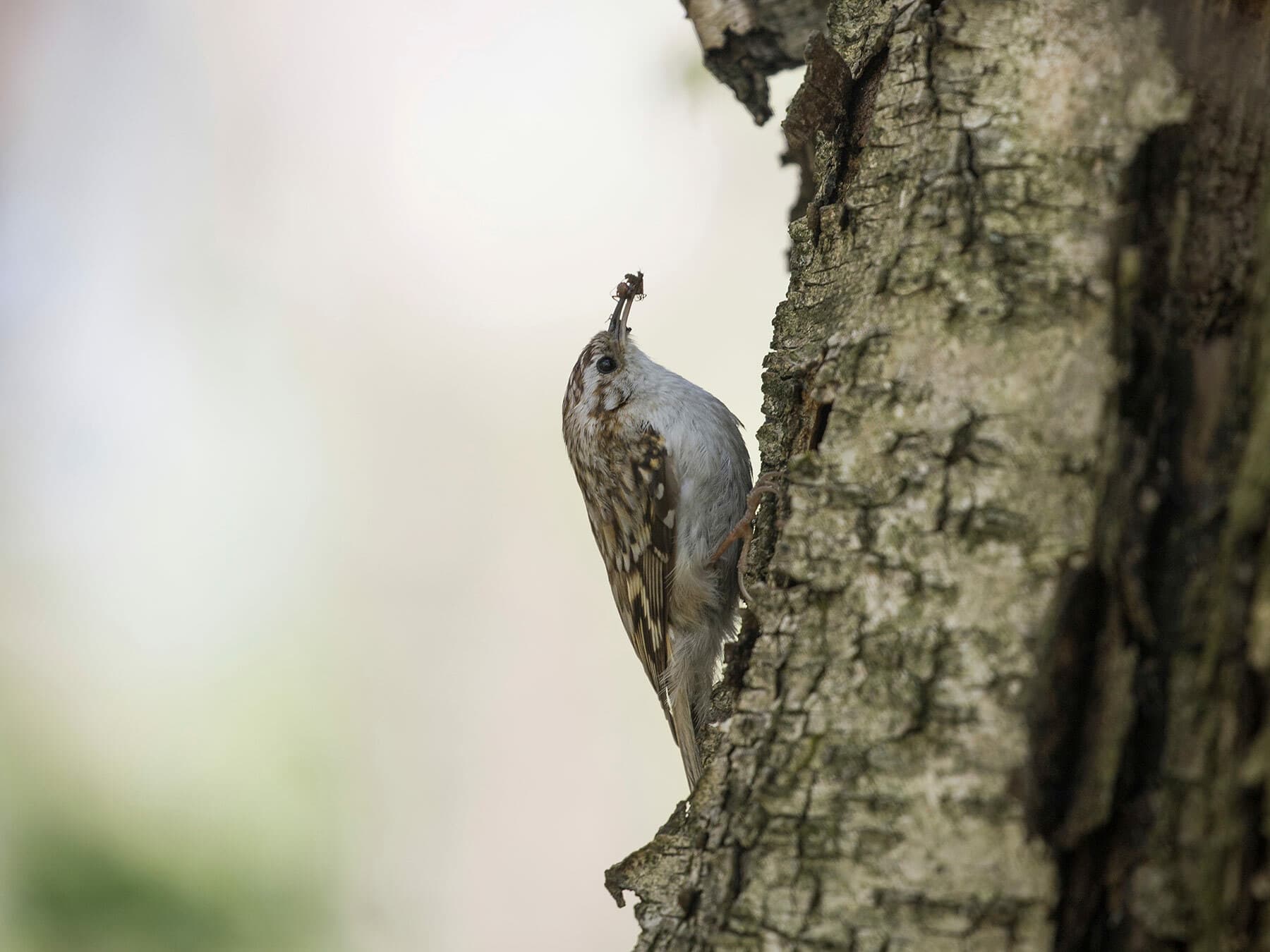 TreecreeperCerthia familiarisWinter visitorCommon12–14 cmRecorded all year · 1.57% in Feb
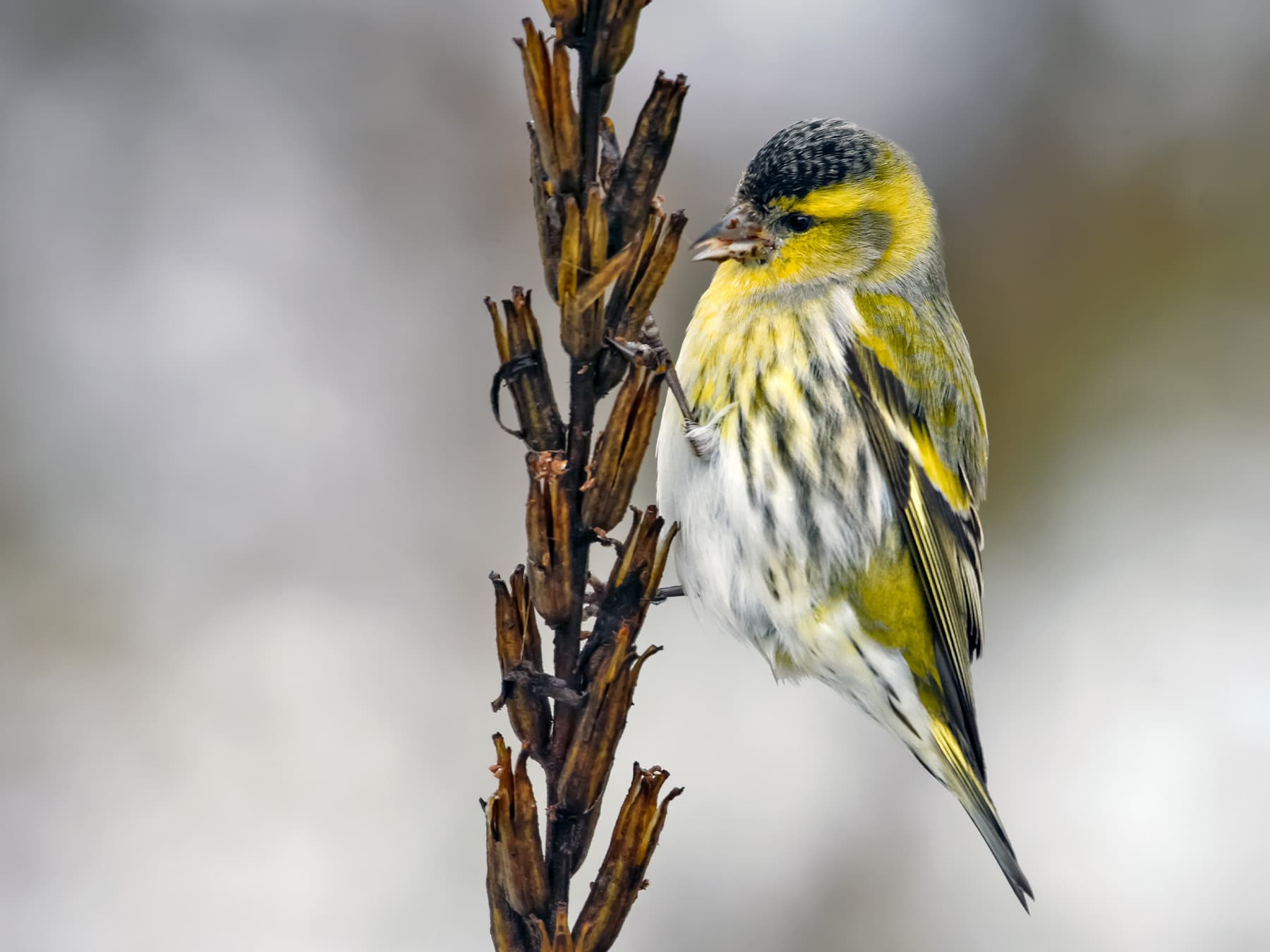 Eurasian SiskinSpinus spinusSummer visitorCommon11–13 cmRegularly Jan–Nov · 1.53% in Feb
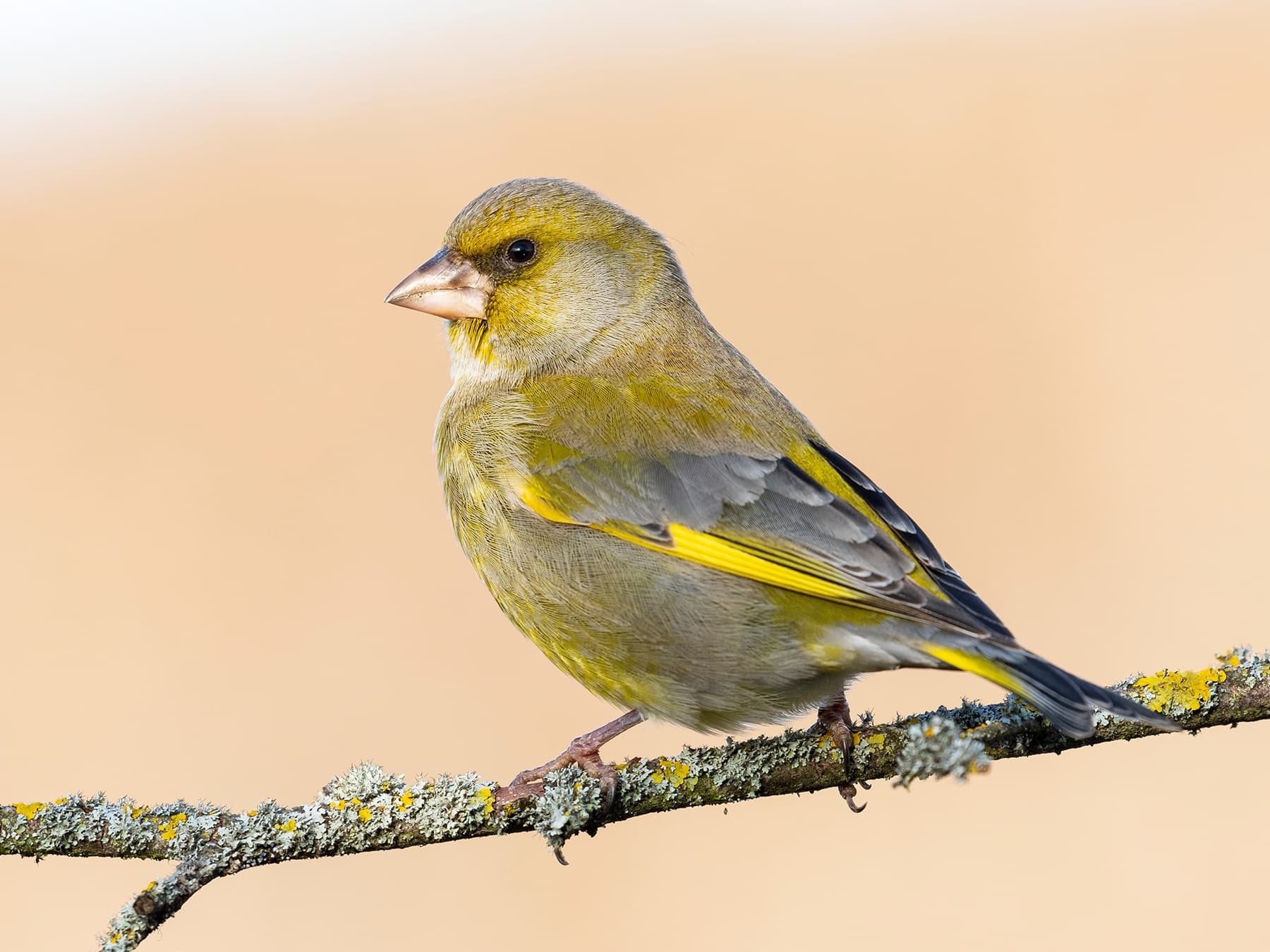 GreenfinchChloris chlorisResidentCommon15–16 cmRecorded all year · 1.51% in Feb
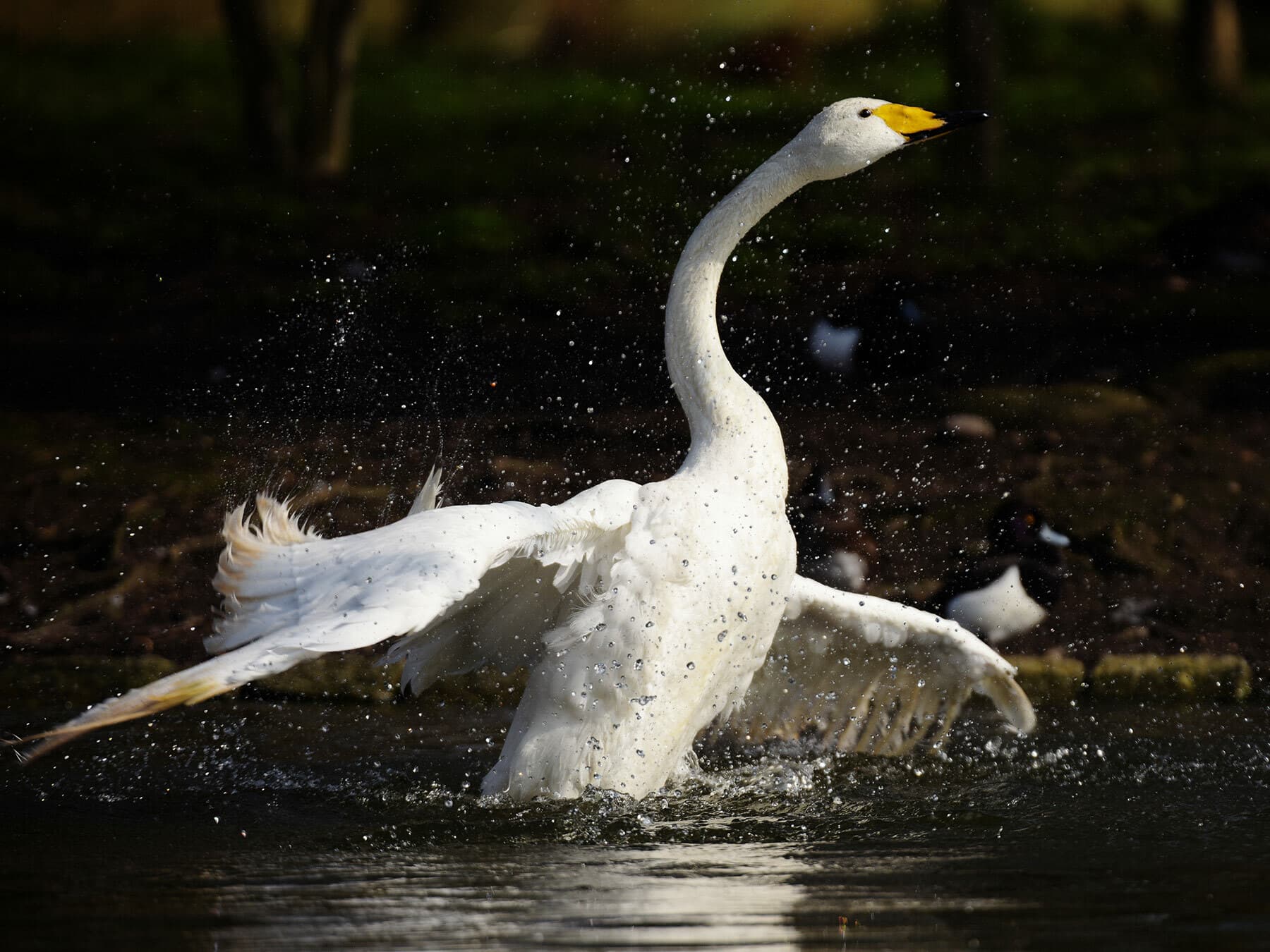 Whooper SwanCygnus cygnusWinter visitorCommon140–165 cmRecorded all year · 1.48% in Feb
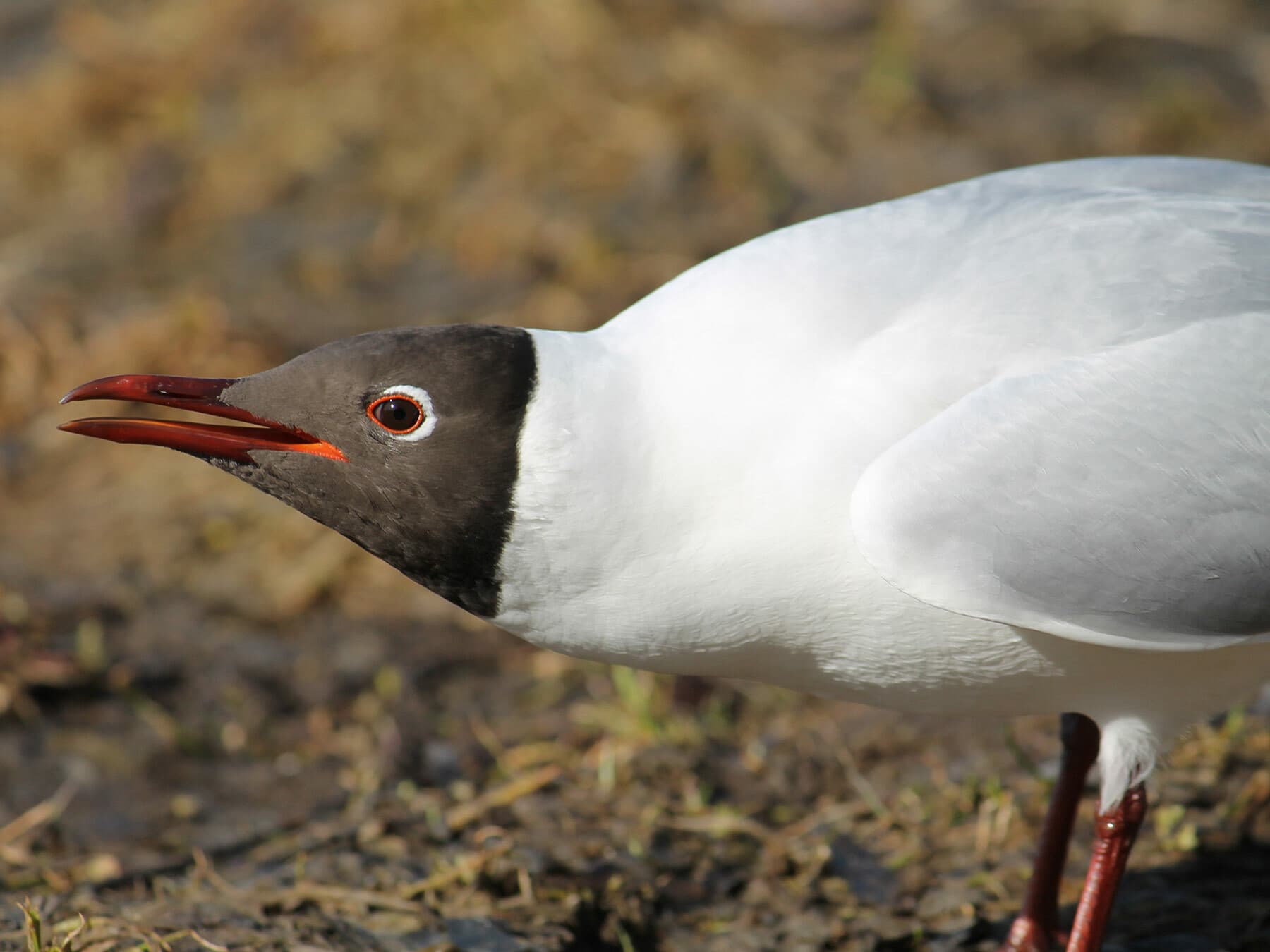 Black-headed GullChroicocephalus ridibundusResidentCommon38–44 cmRecorded all year · 1.42% in Feb
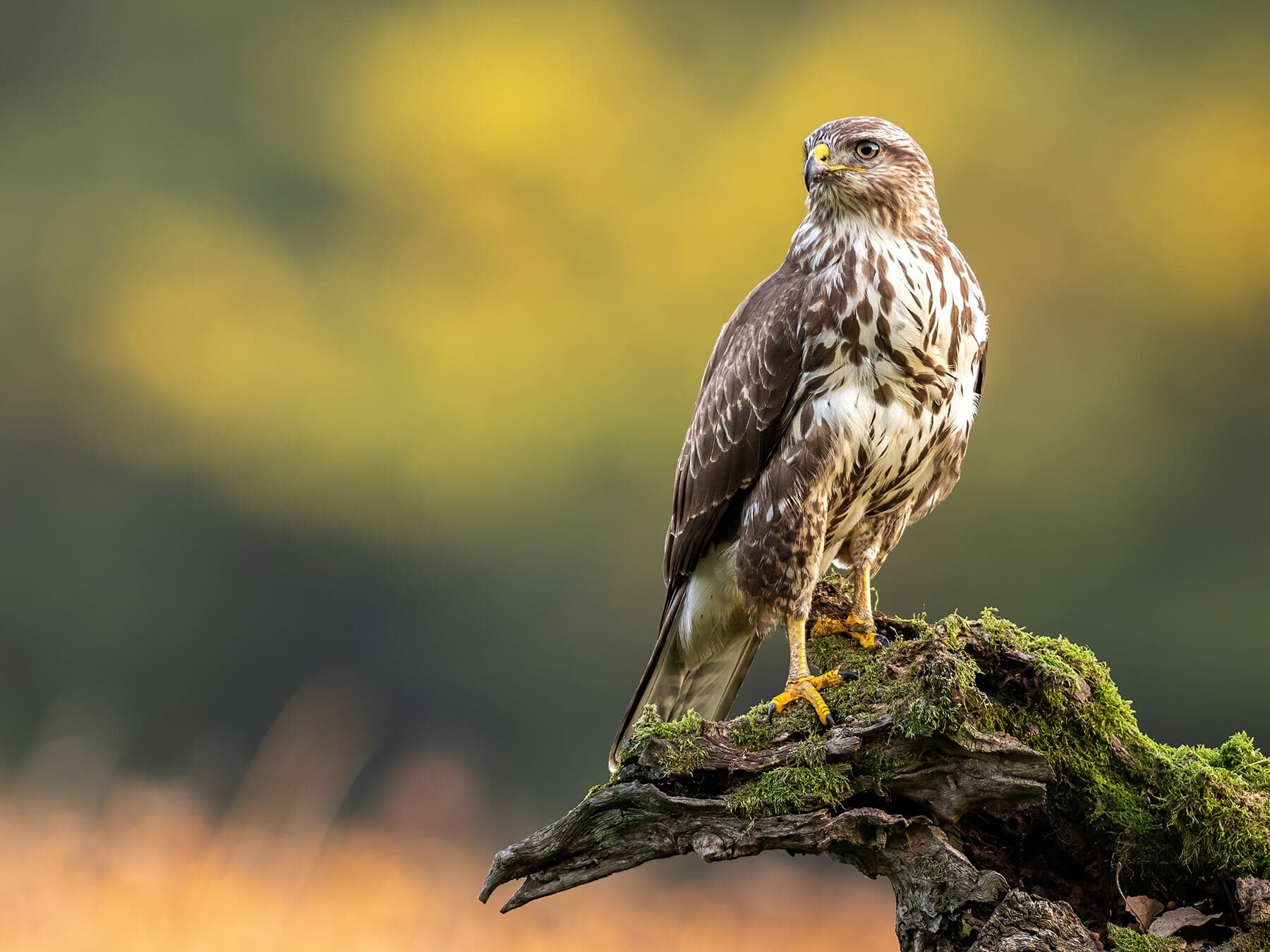 BuzzardButeo buteoResidentCommon51–57 cmRecorded all year · 1.42% in Feb
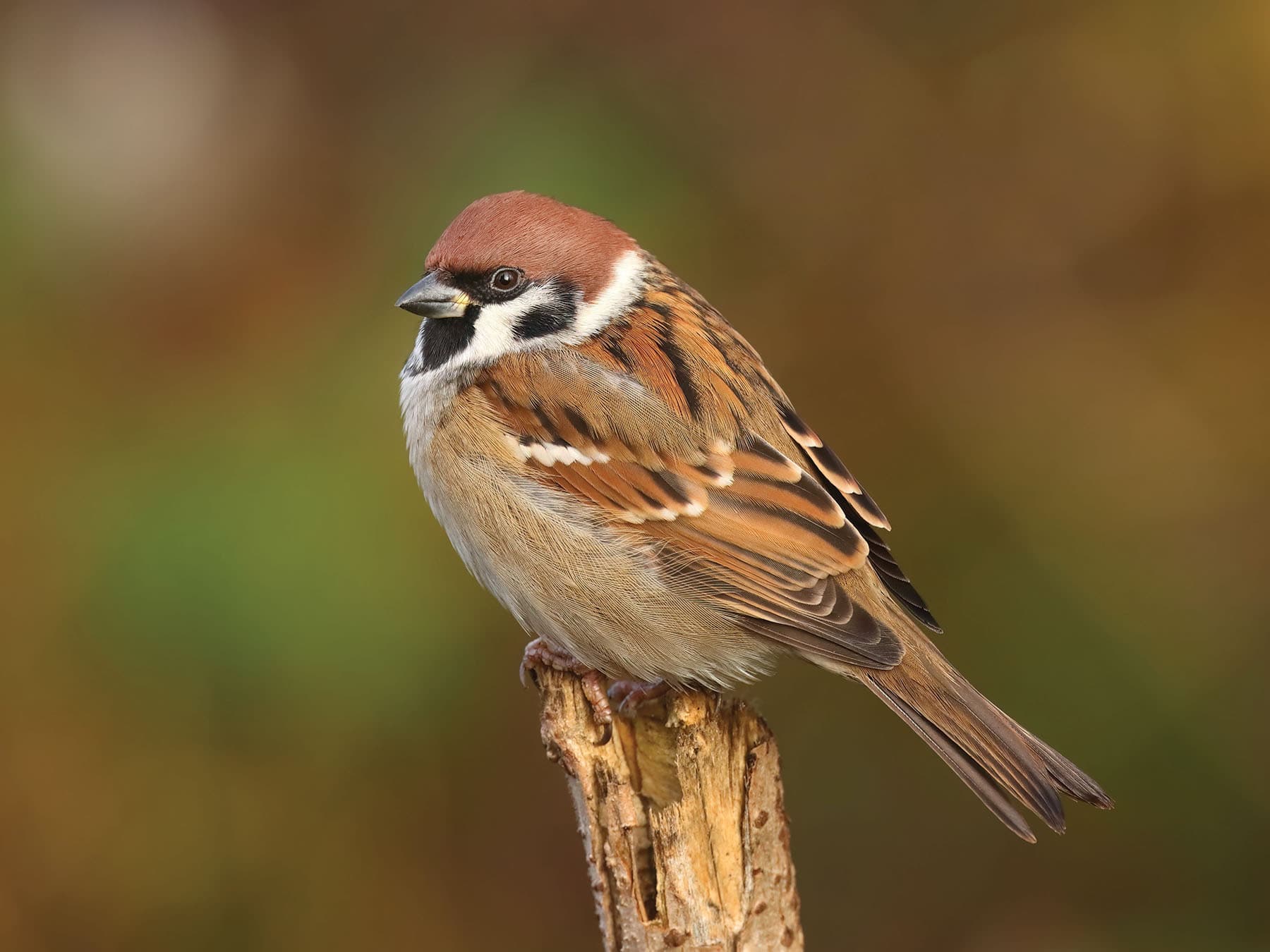 Eurasian Tree SparrowPasser montanusResidentCommon13–14 cmRecorded all year · 1.42% in Feb
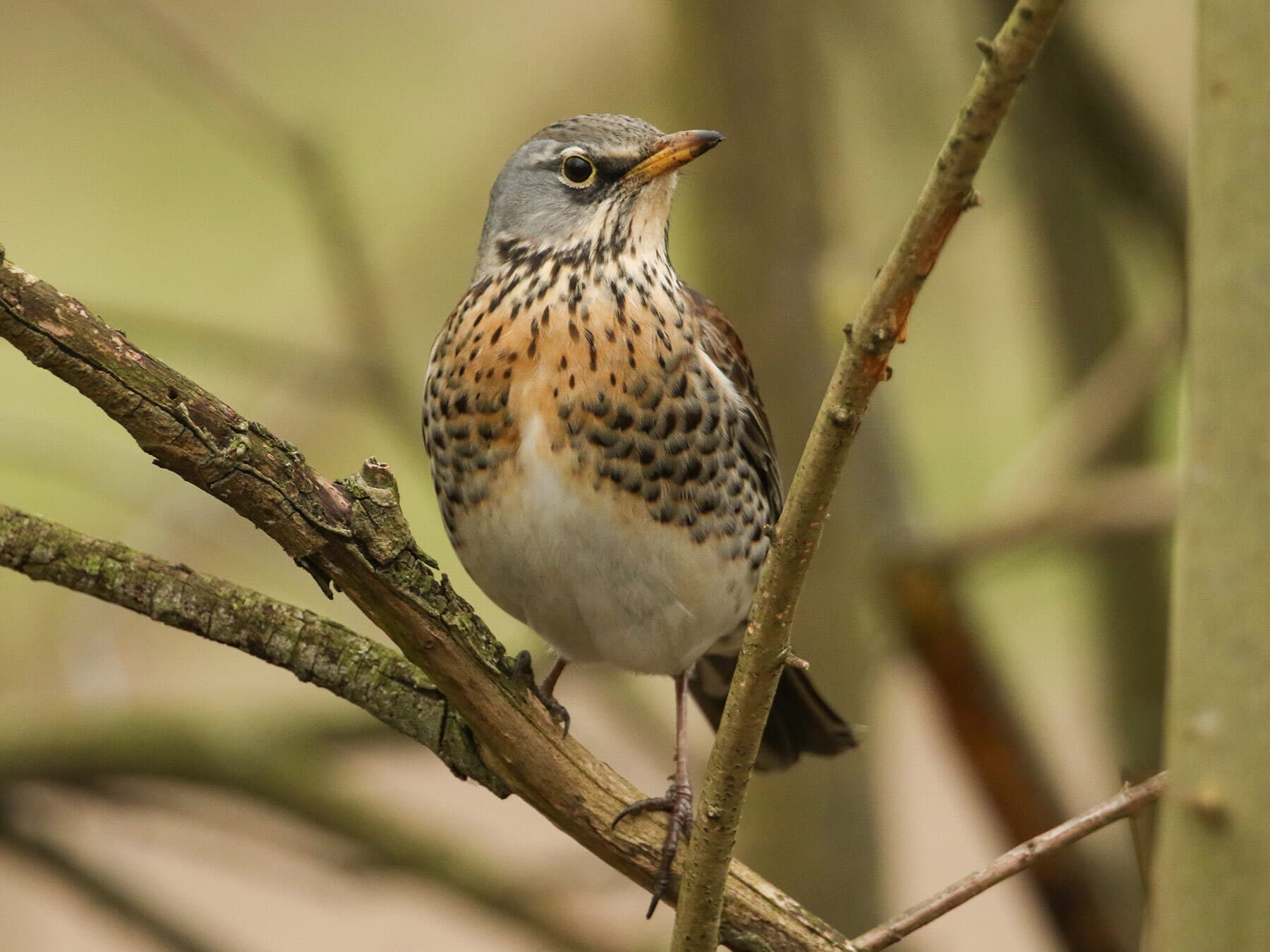 FieldfareTurdus pilarisResidentCommon22–27 cmRecorded all year · 1.35% in Feb
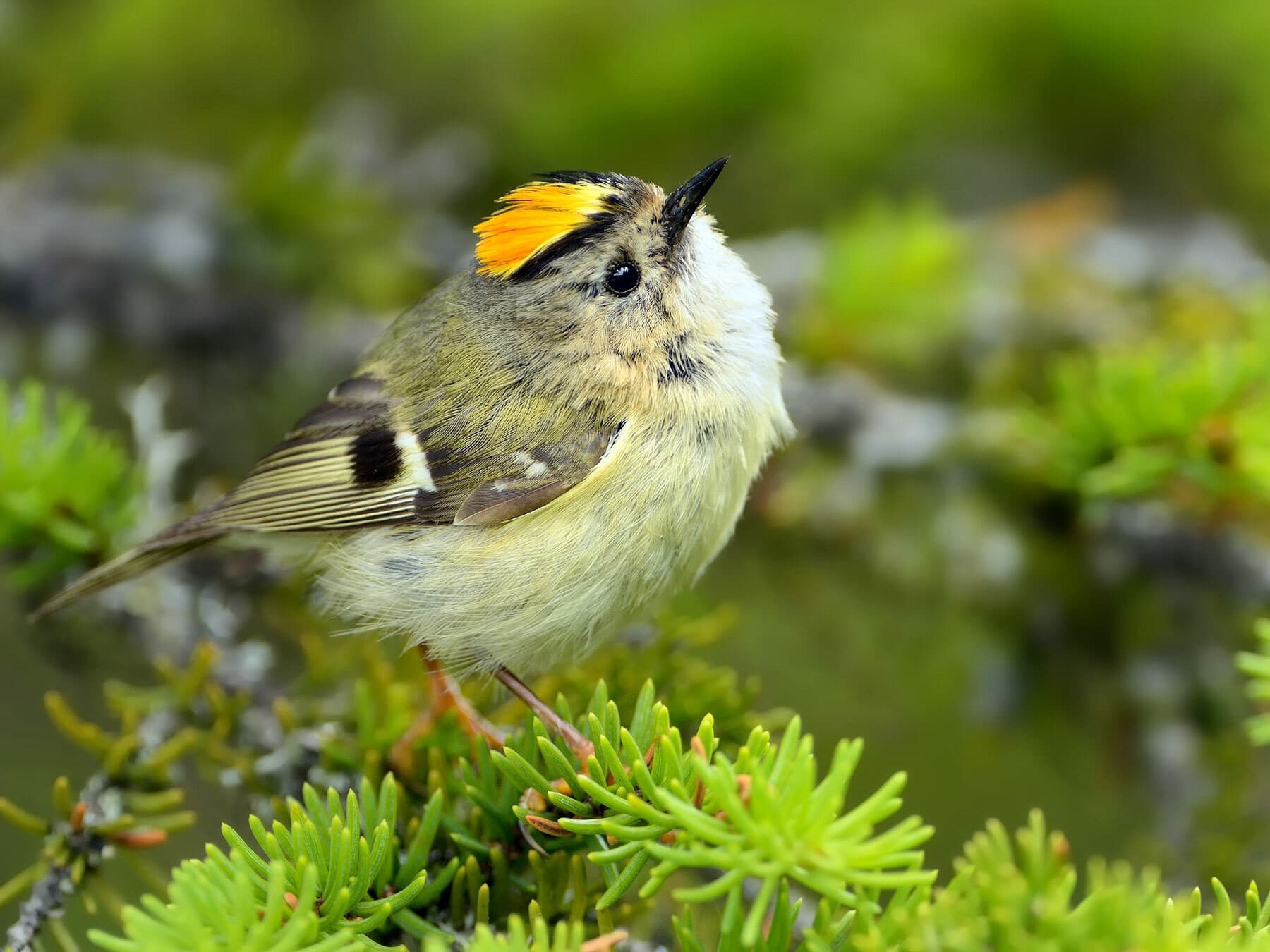 GoldcrestRegulus regulusWinter visitorCommon9–10 cmRecorded all year · 1.19% in Feb
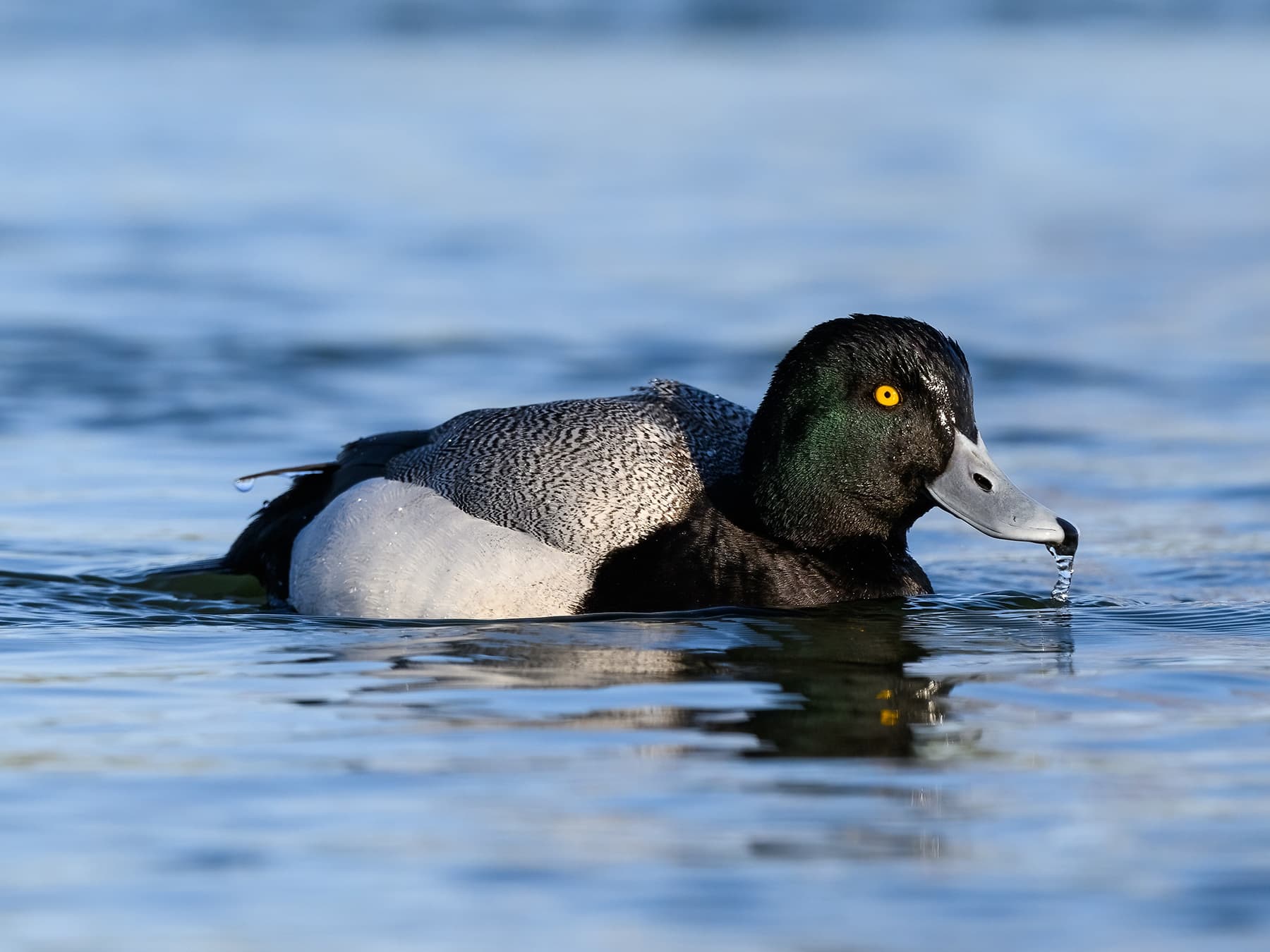 Greater ScaupAythya marilaWinter visitorCommon39–56 cmRegularly Jul–May · 1.15% in Feb
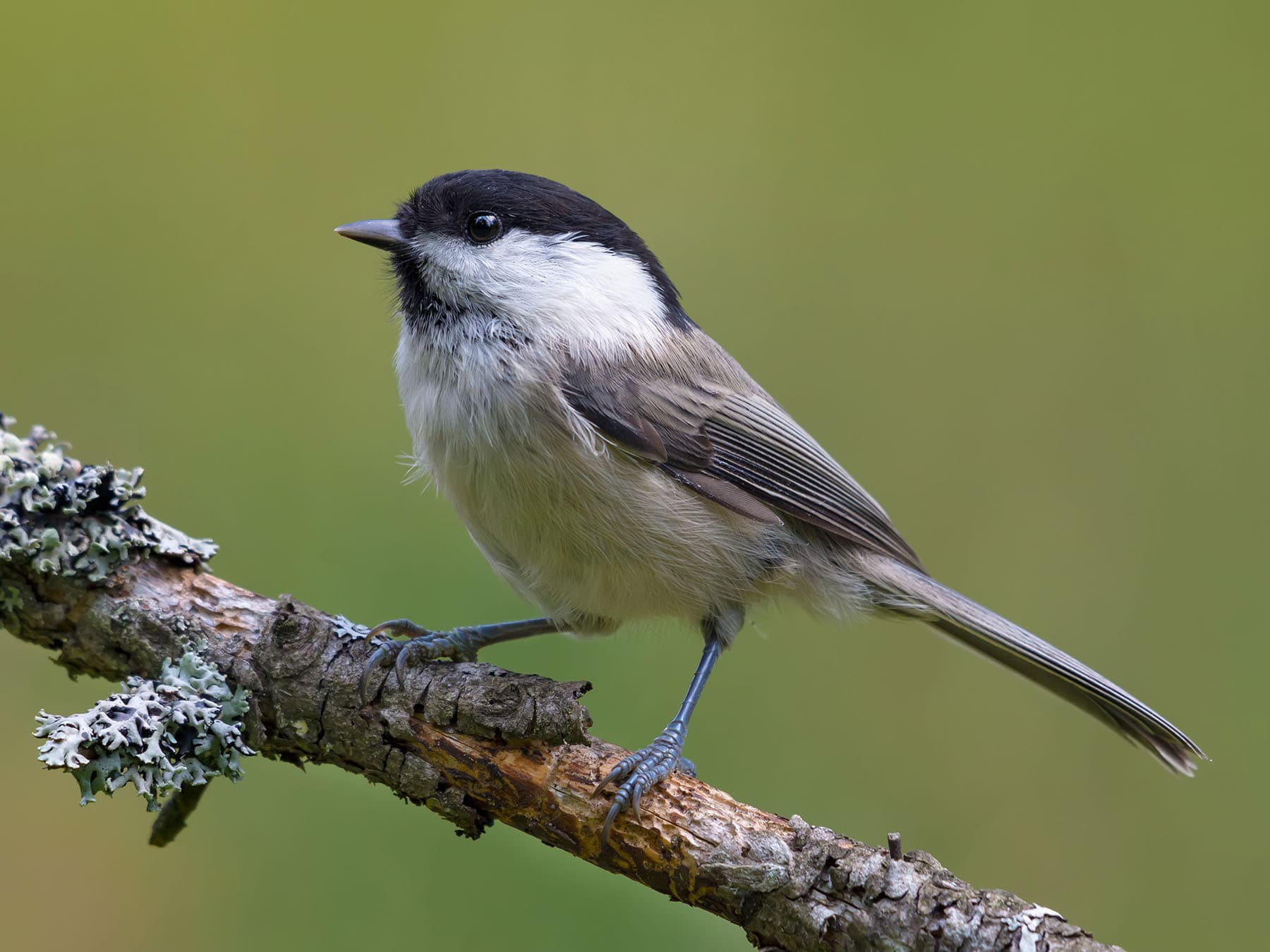 Willow TitPoecile montanusWinter visitorCommon11–12 cmRecorded all year · 1.15% in Feb
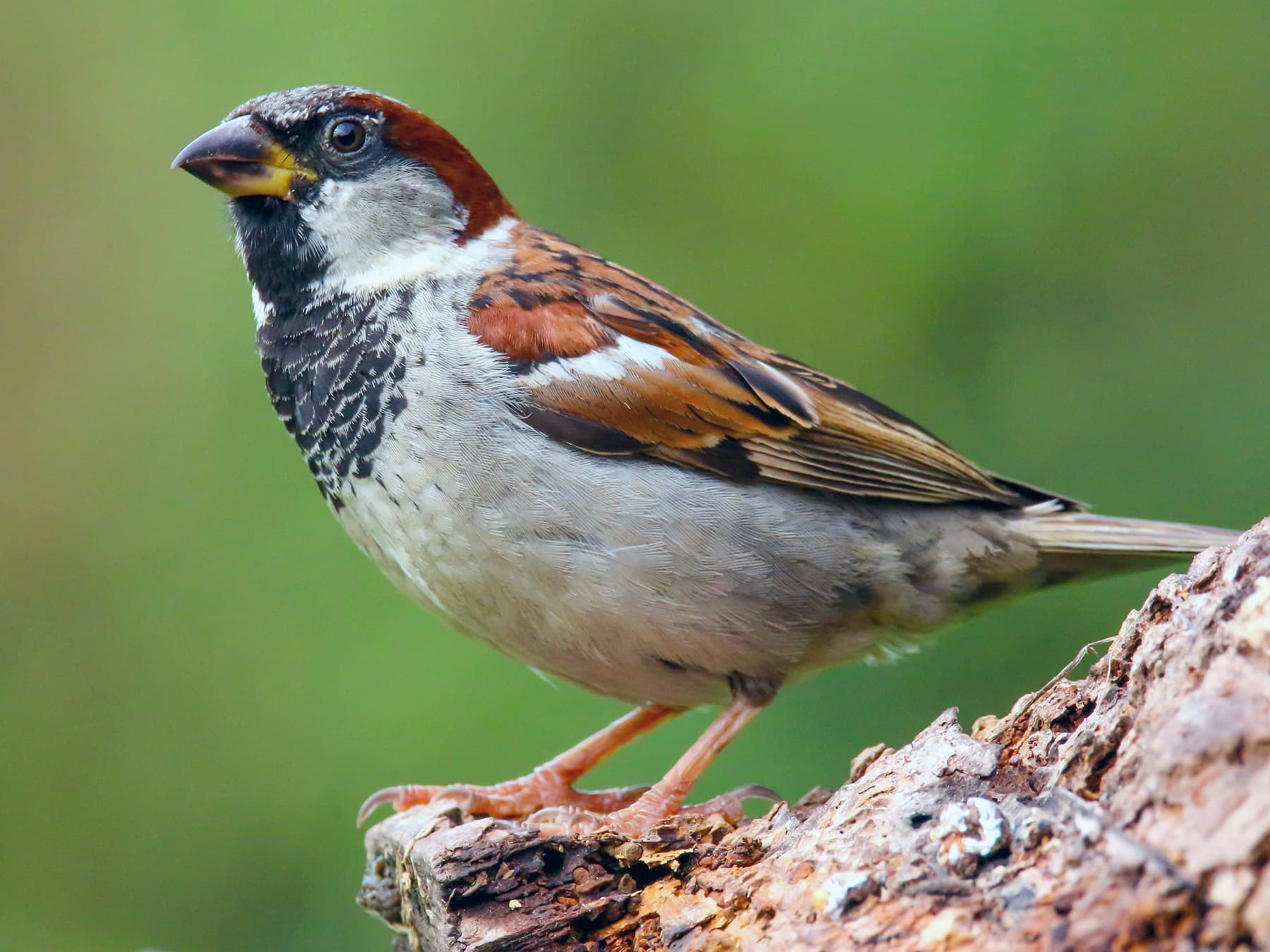 House SparrowPasser domesticusResidentCommon14–17 cmRecorded all year · 1.10% in Feb
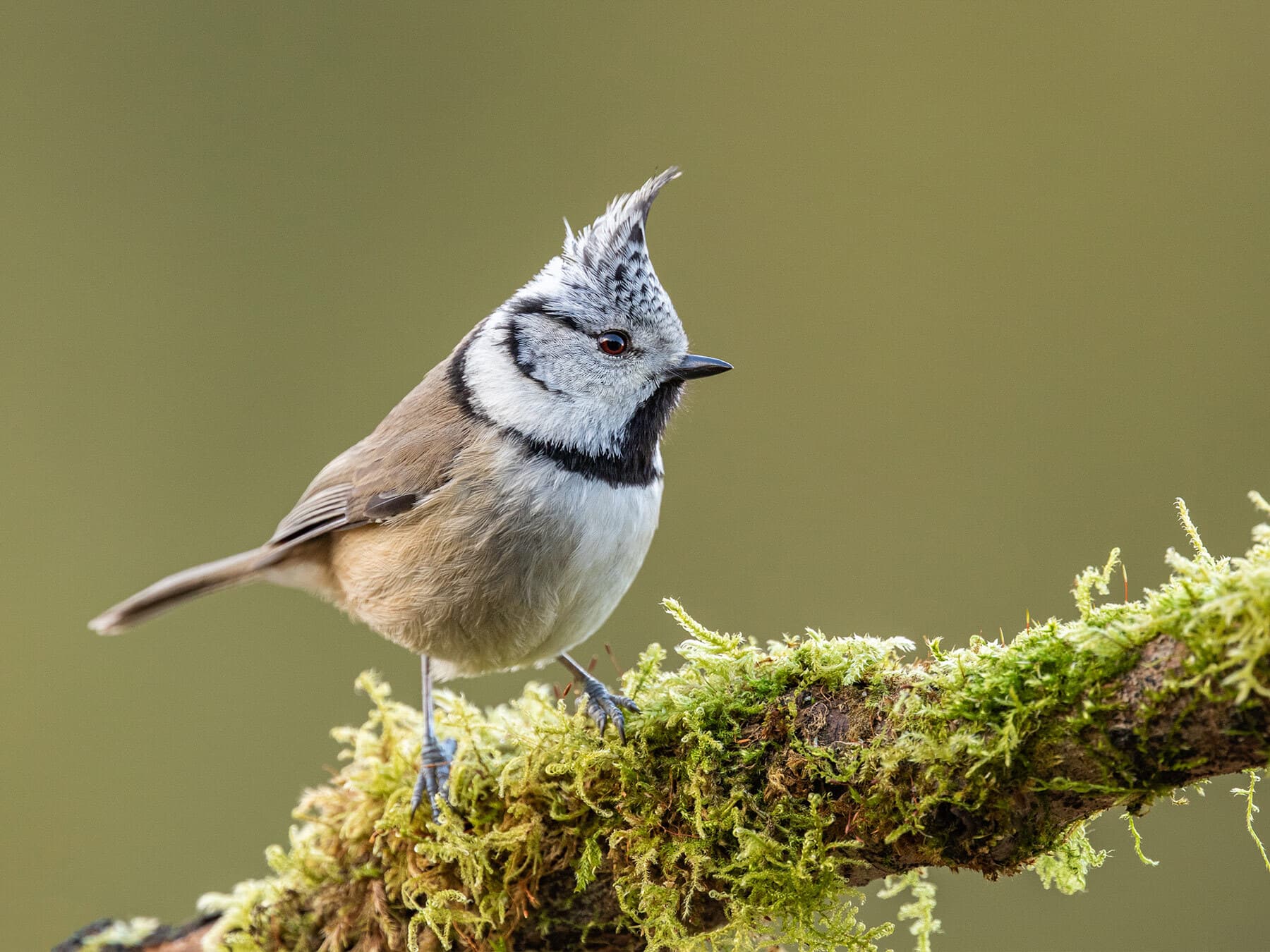 Crested TitLophophanes cristatusWinter visitorCommon11–12 cmRecorded all year · 1.03% in Feb
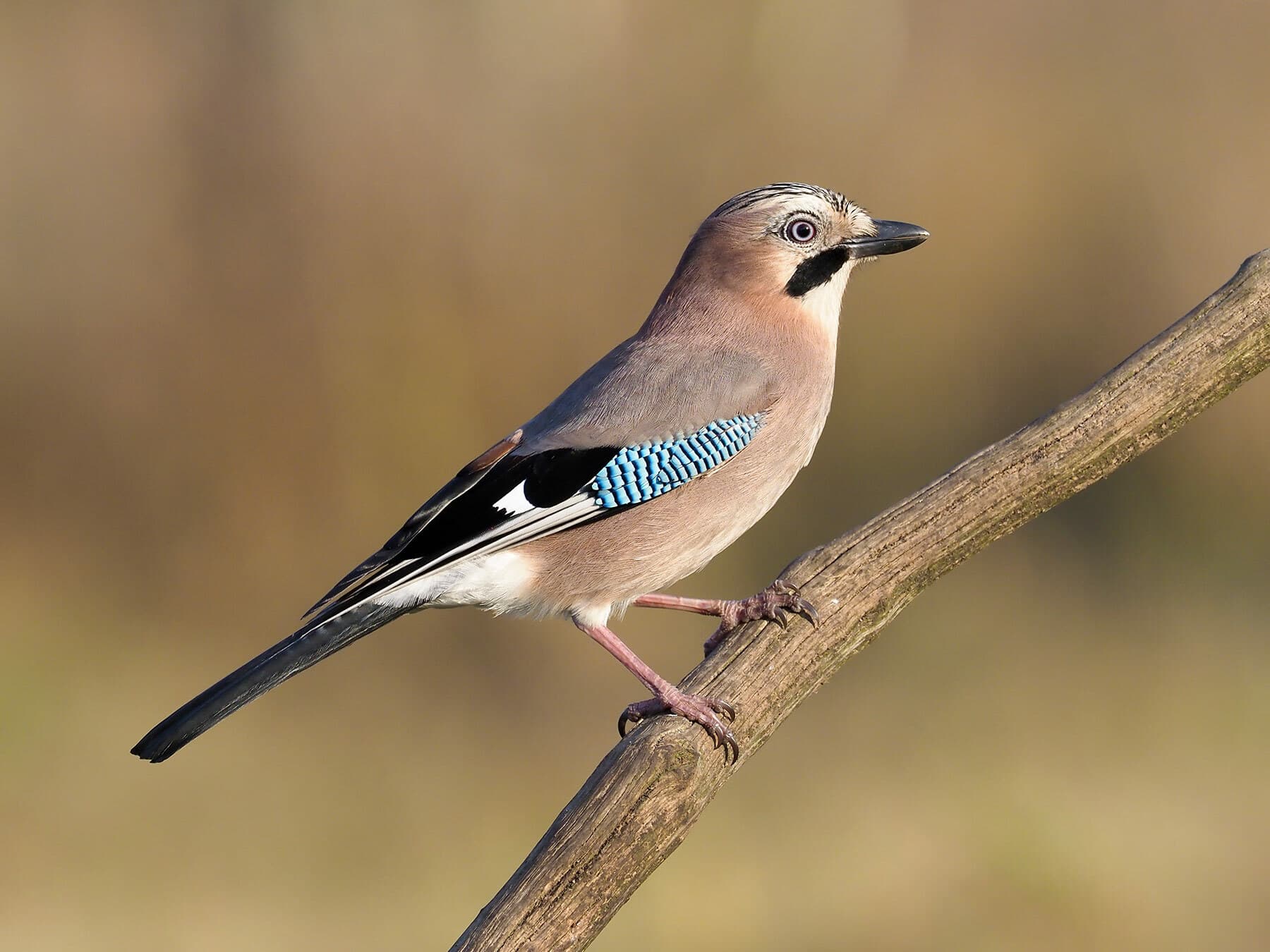 Eurasian JayGarrulus glandariusWinter visitorCommon32–35 cmRecorded all year · 1.03% in Feb
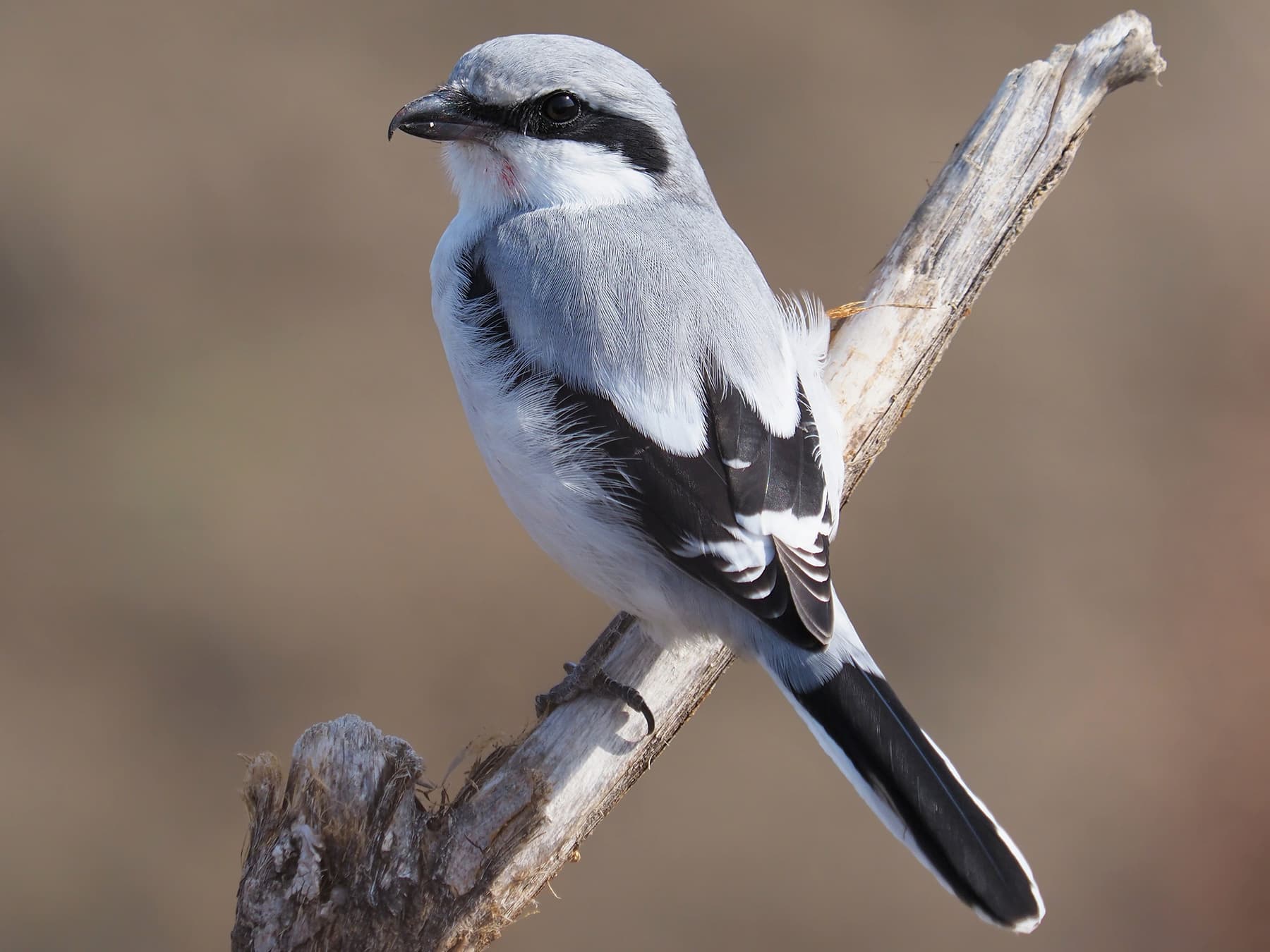 Great Grey ShrikeLanius excubitorWinter visitorCommon22–26 cmRegularly Jul–Apr · 0.94% in Feb
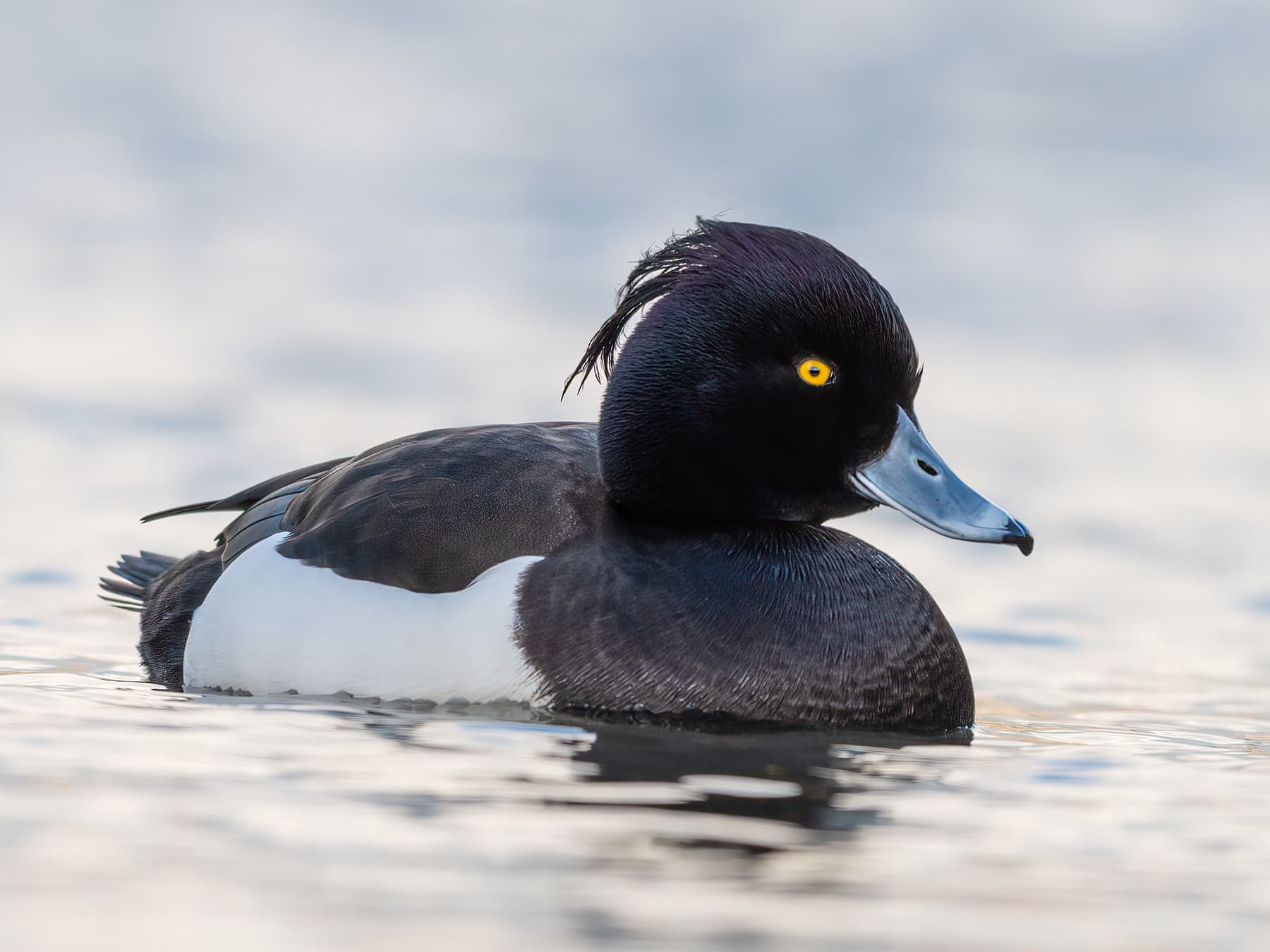 Tufted DuckAythya fuligulaResidentCommon40–47 cmRecorded all year · 0.92% in Feb
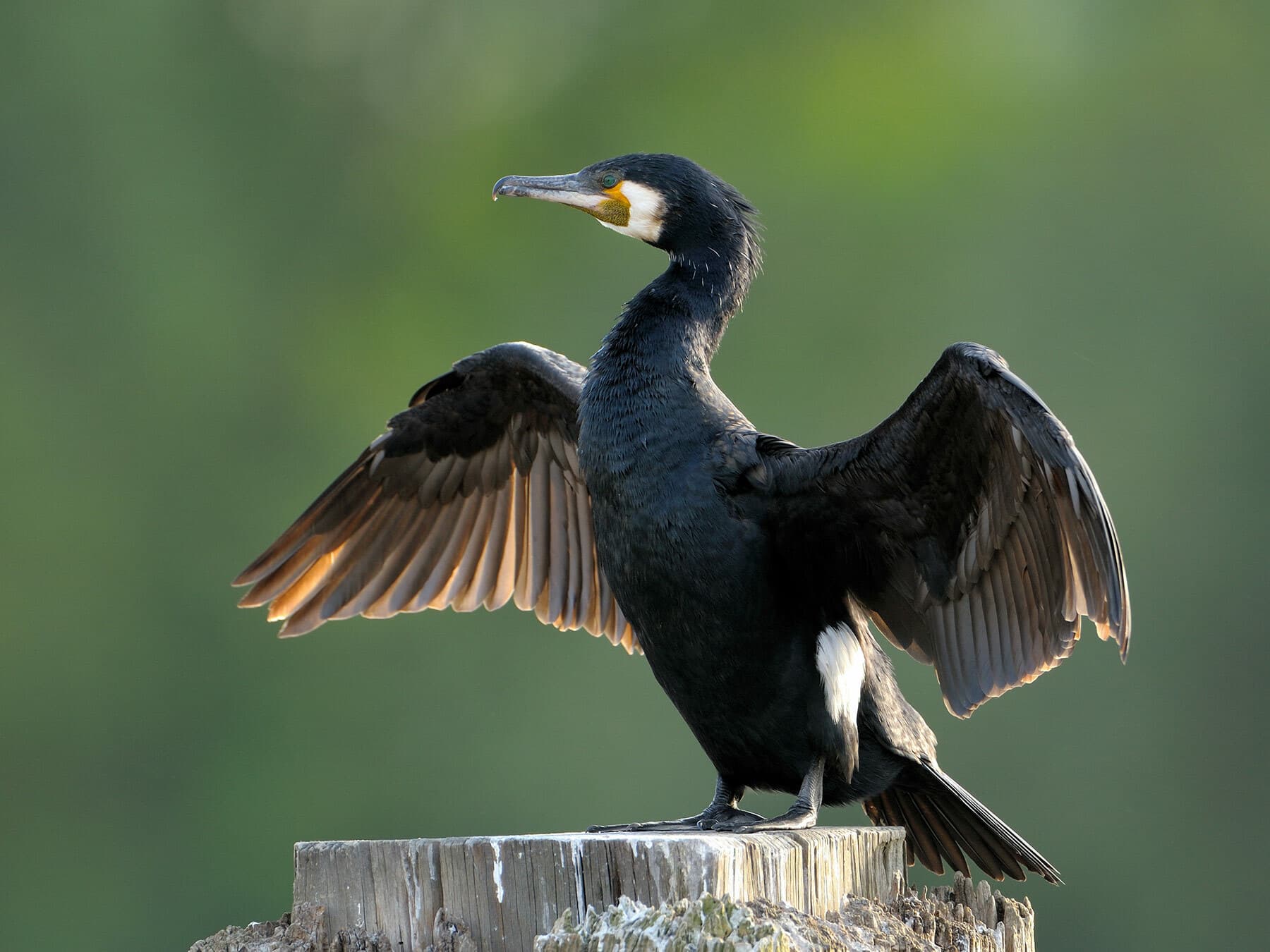 Great CormorantPhalacrocorax carboResidentCommon80–100 cmRecorded all year · 0.90% in Feb
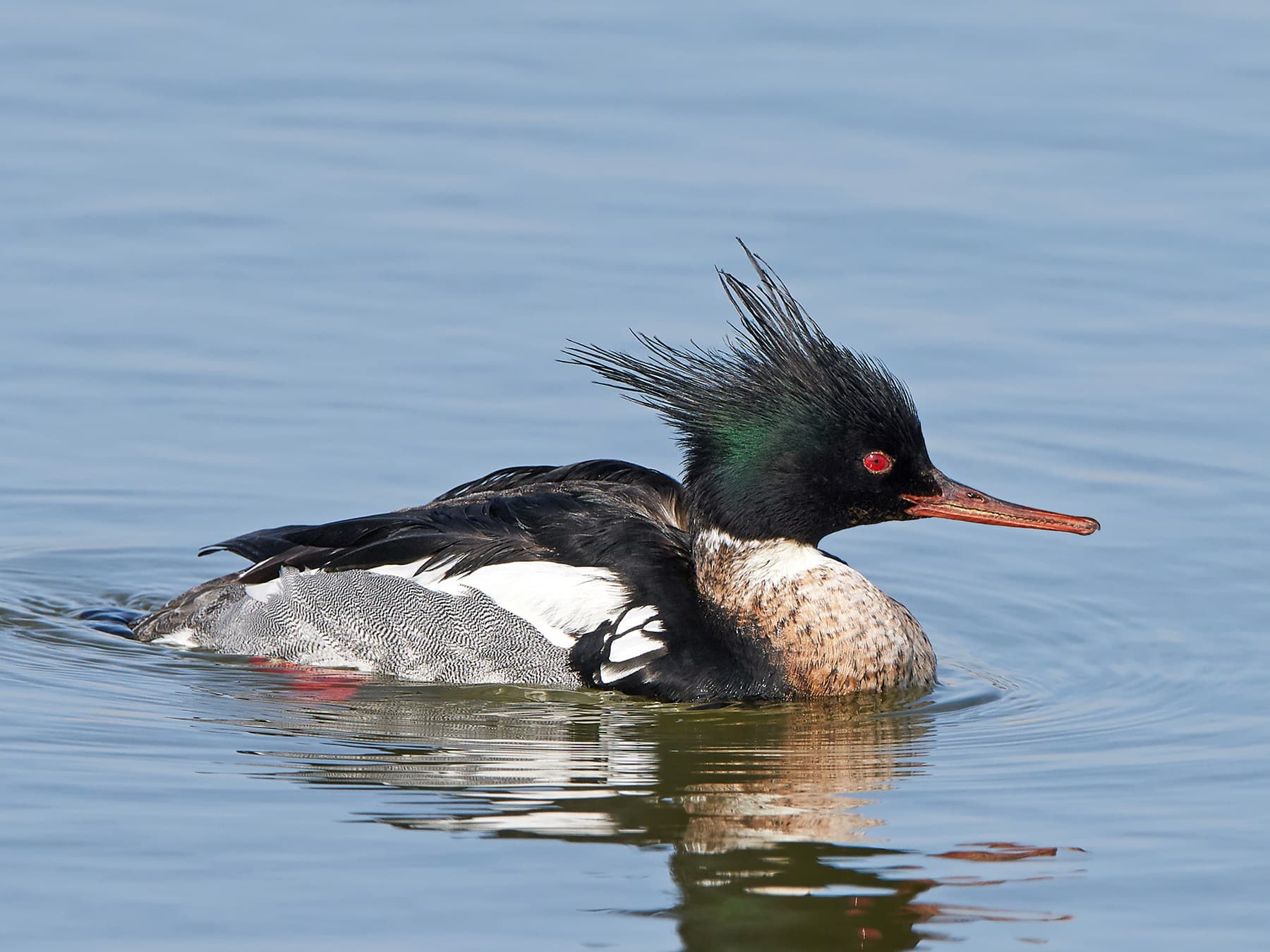 Red-breasted MerganserMergus serratorWinter visitorCommon52–58 cmRecorded all year · 0.83% in Feb
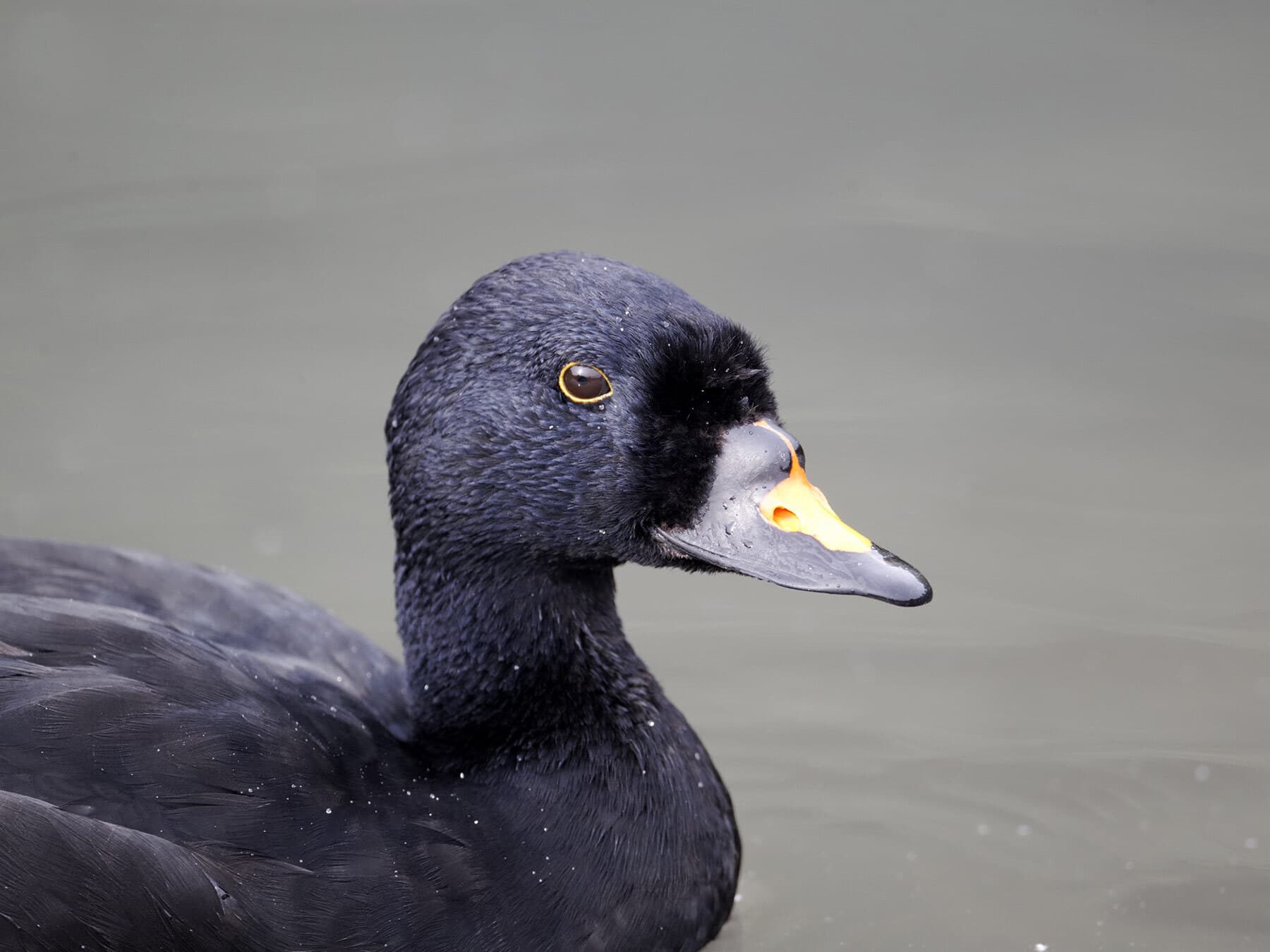 Common ScoterMelanitta nigraResidentCommon43–54 cmRecorded all year · 0.81% in Feb
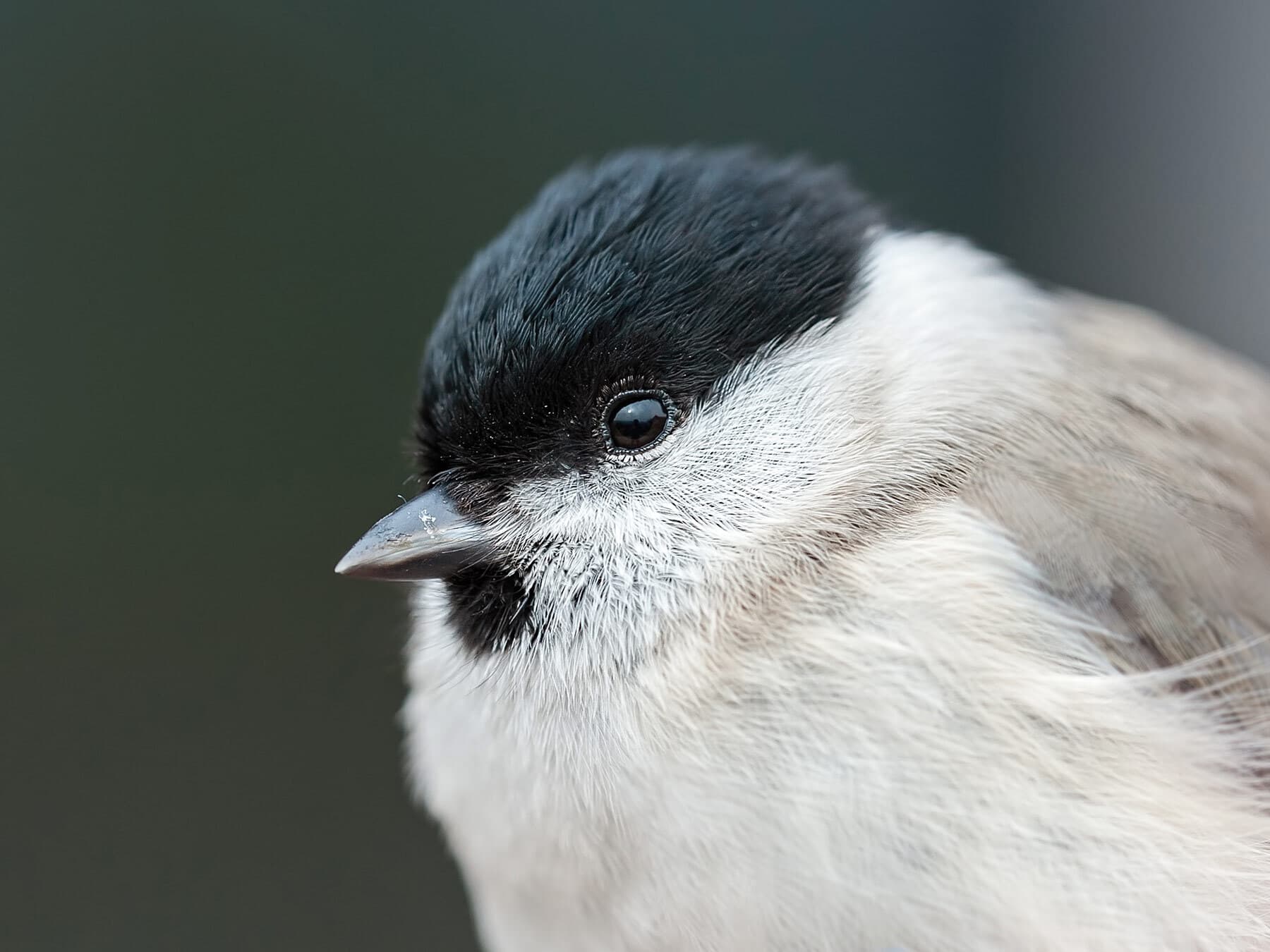 Marsh TitPoecile palustrisWinter visitorCommon12–13 cmRecorded all year · 0.81% in Feb
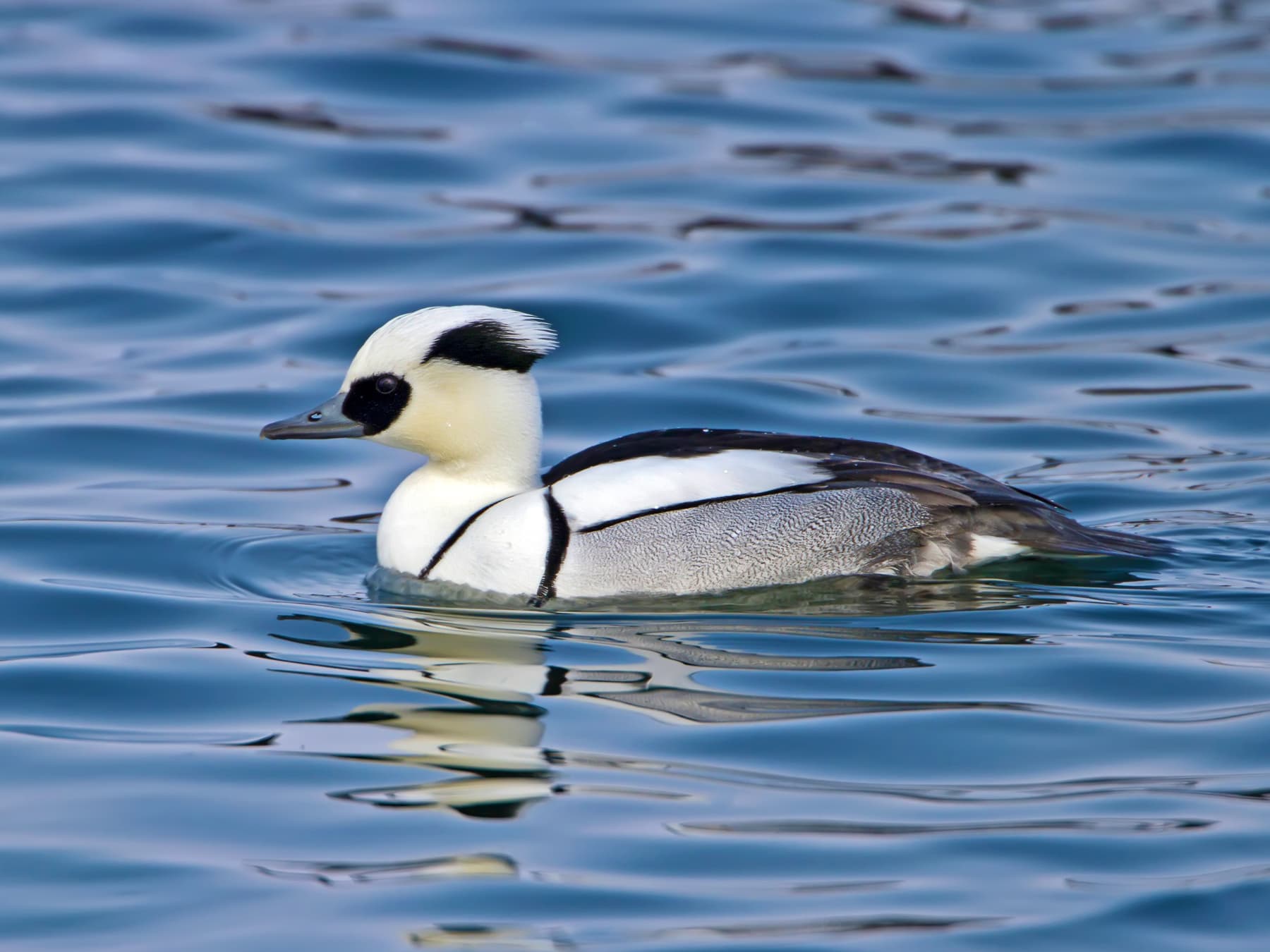 SmewMergellus albellusWinter visitorCommon38–44 cmRegularly Sep–May · 0.81% in Feb
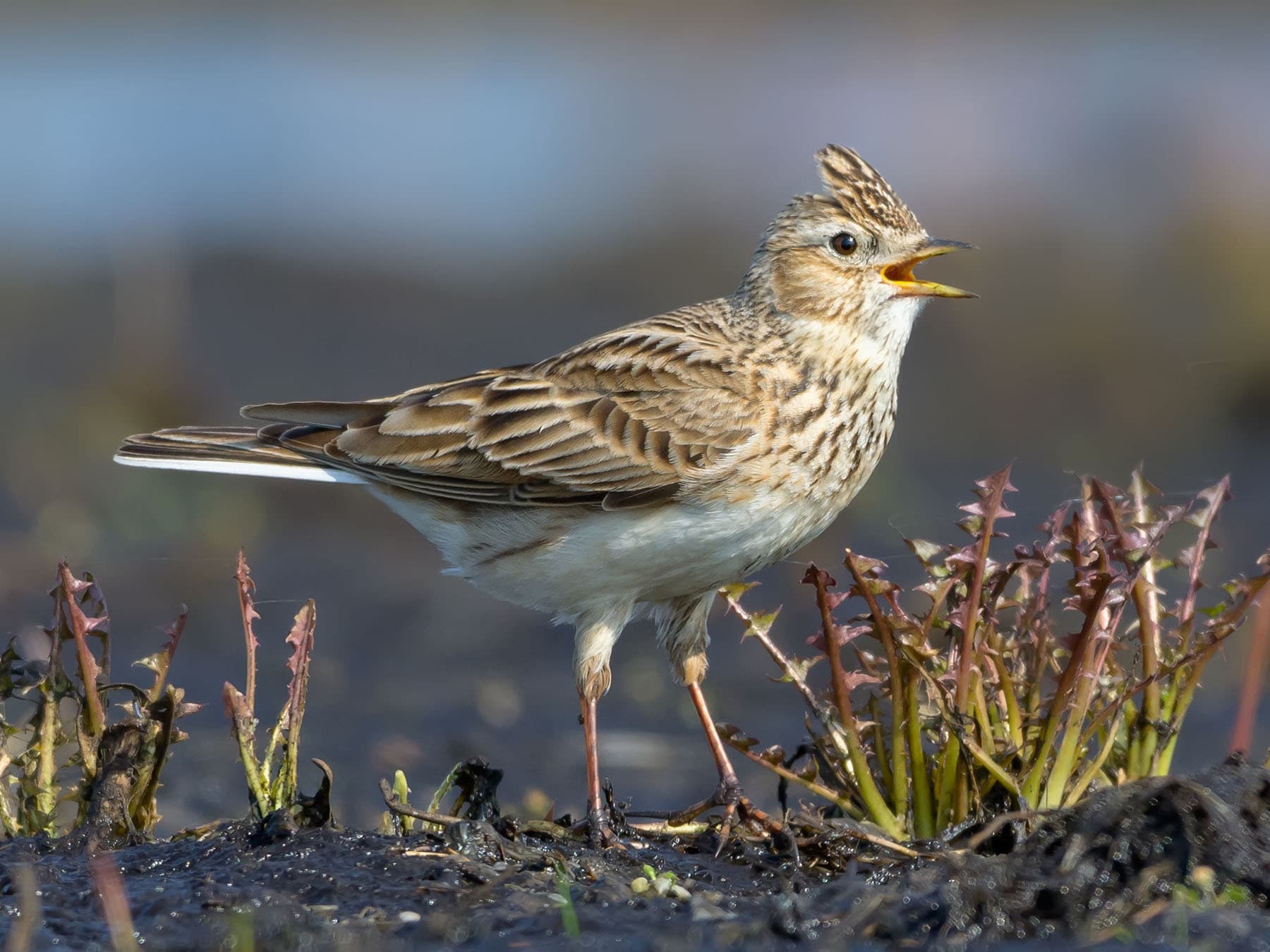 Eurasian SkylarkAlauda arvensisSummer visitorCommon16–18 cmRegularly Feb–Oct · 0.76% in Feb
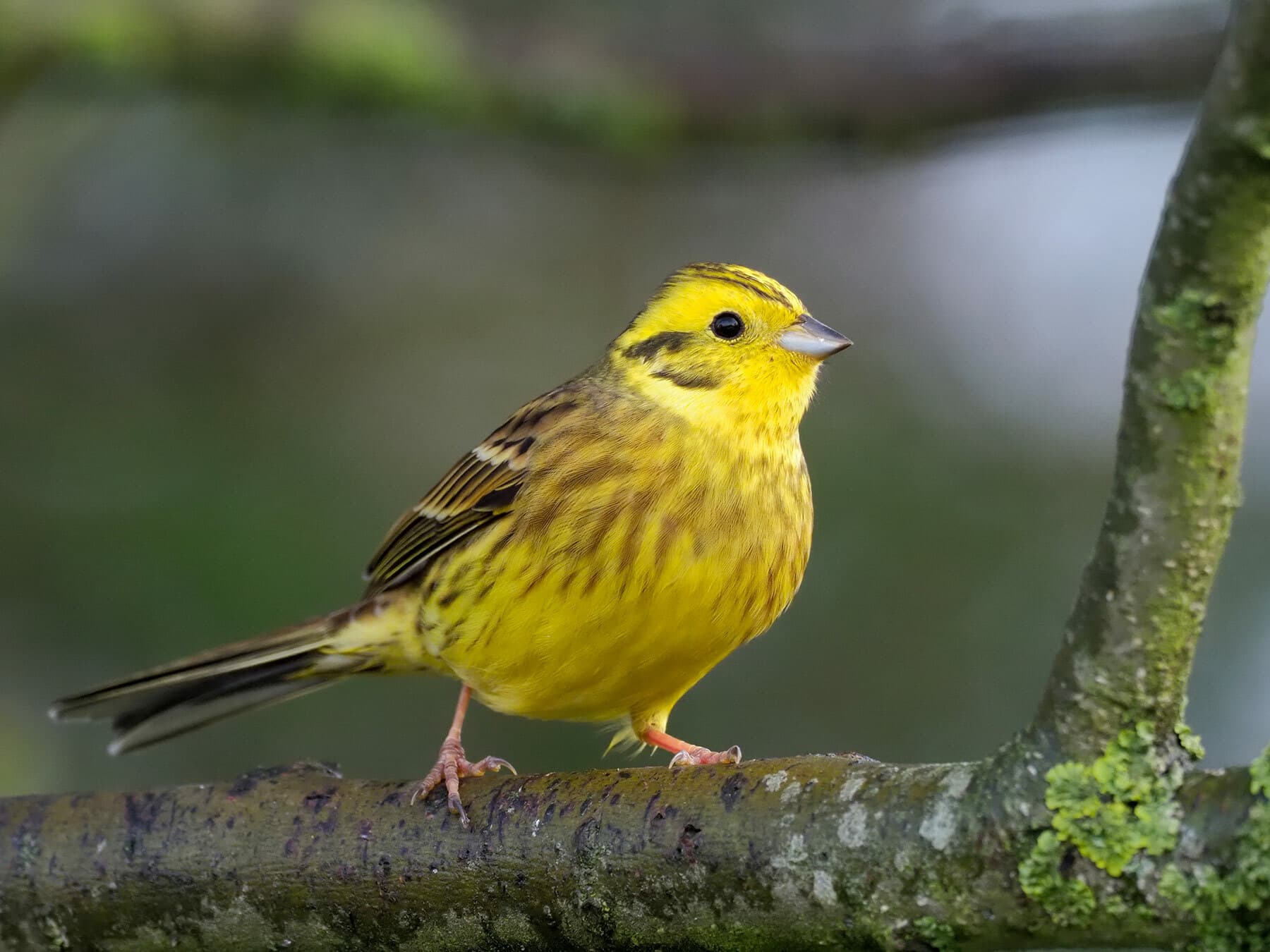 YellowhammerEmberiza citrinellaResidentCommon16–17 cmRecorded all year · 0.70% in Feb
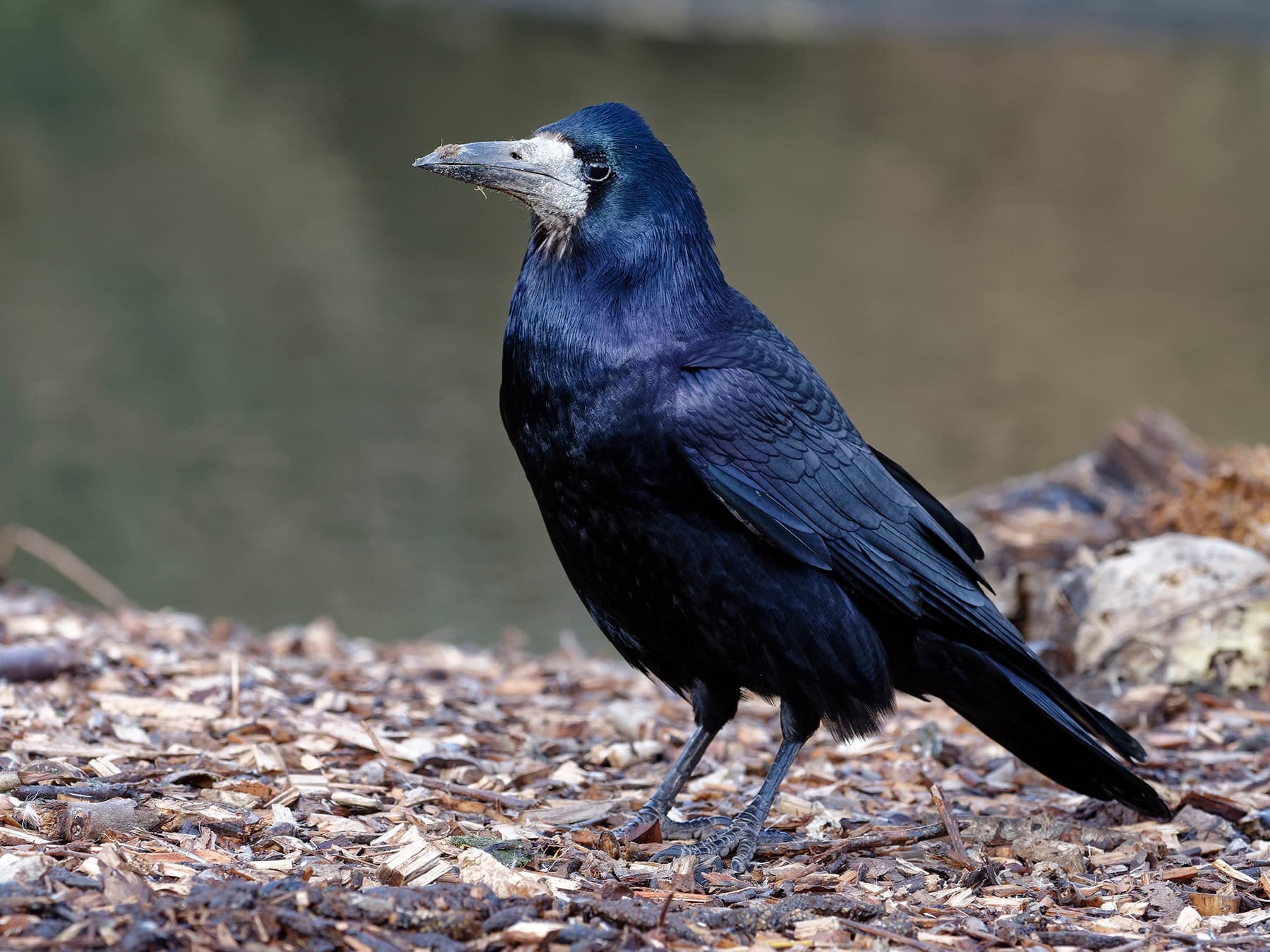 RookCorvus frugilegusResidentCommon45–47 cmRecorded all year · 0.65% in Feb
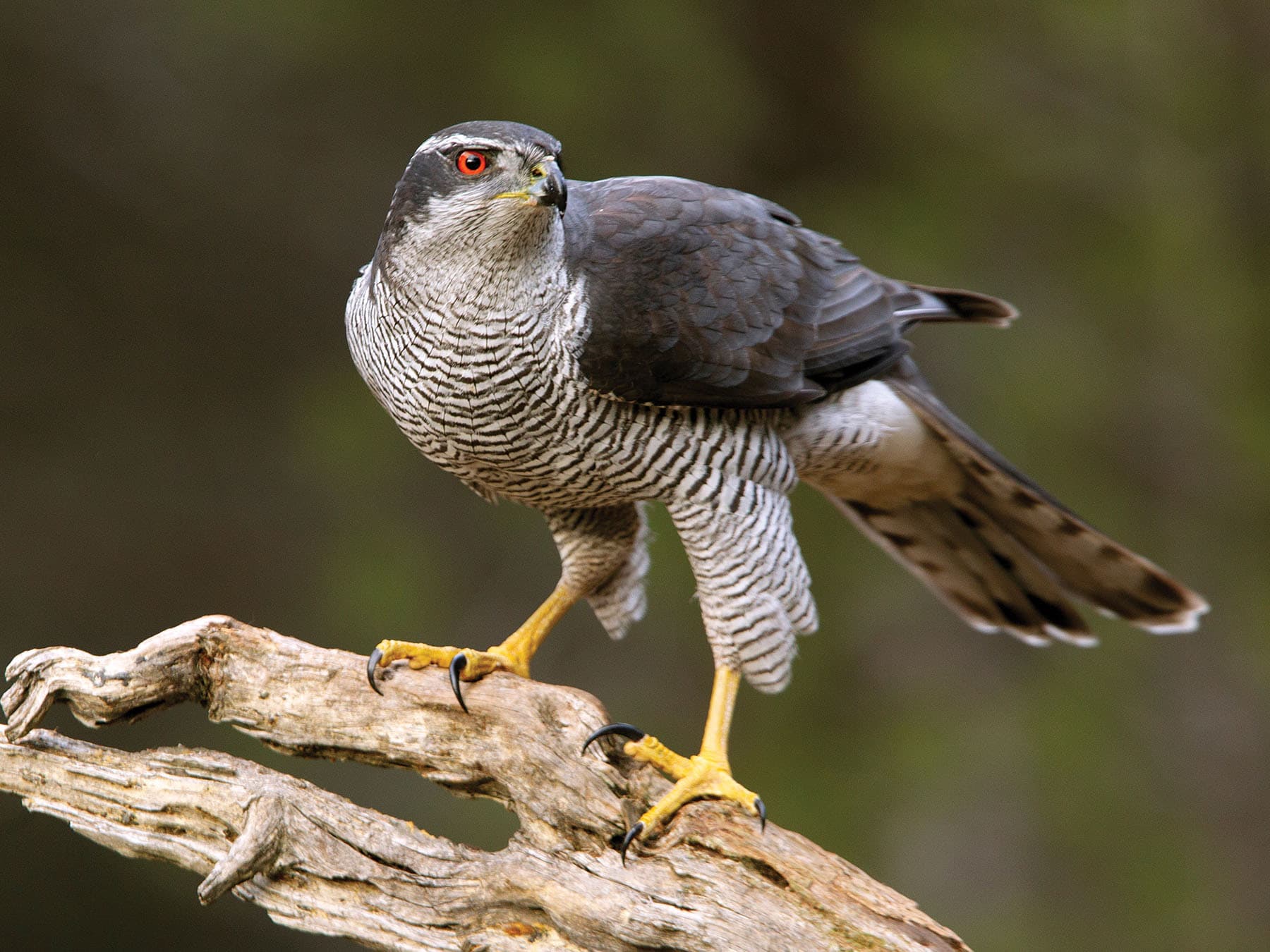 Northern GoshawkAstur gentilisWinter visitorCommon46–61 cmRecorded all year · 0.58% in Feb
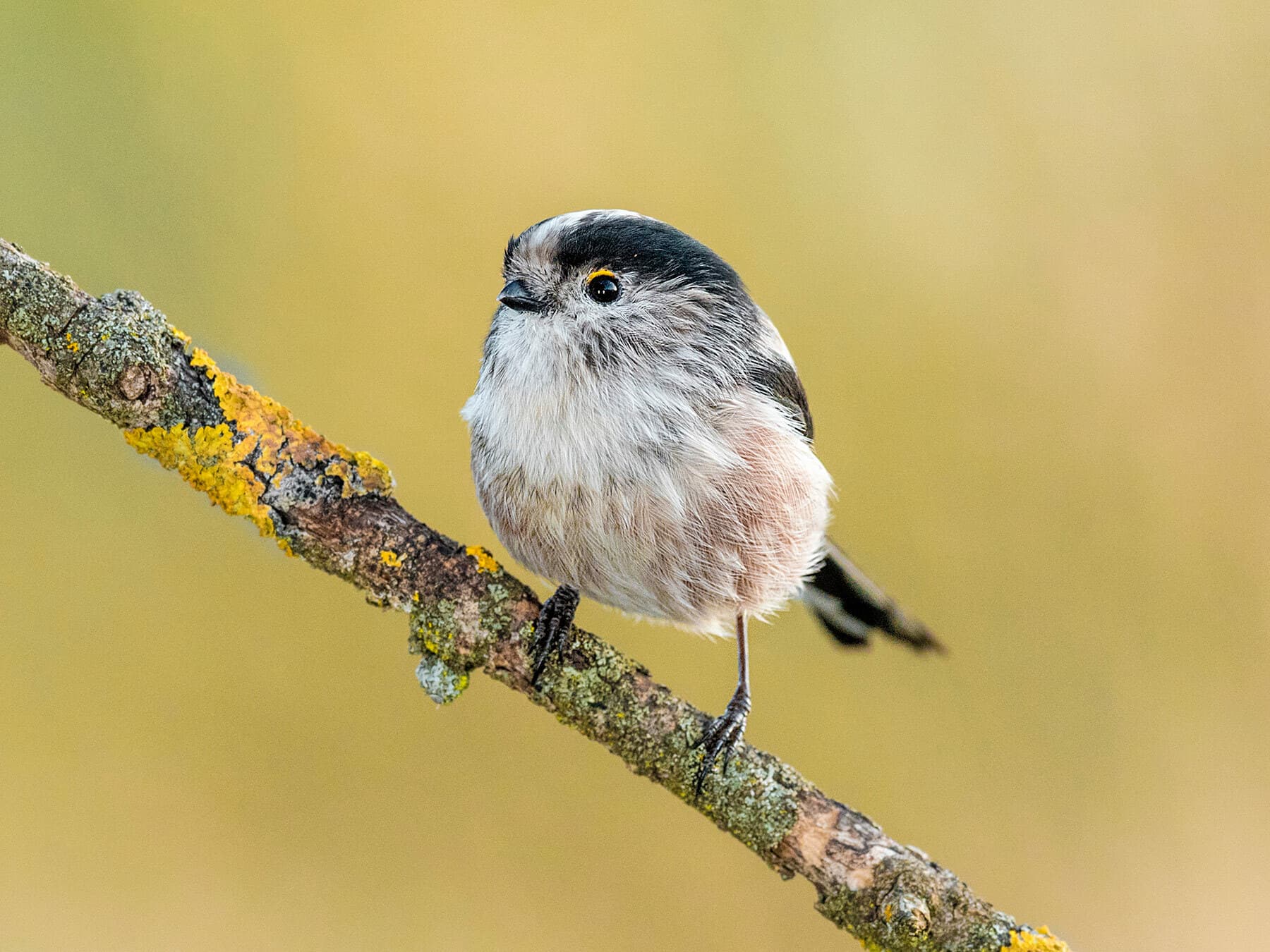 Long-tailed TitAegithalos caudatusWinter visitorCommon13–16 cmRecorded all year · 0.56% in Feb
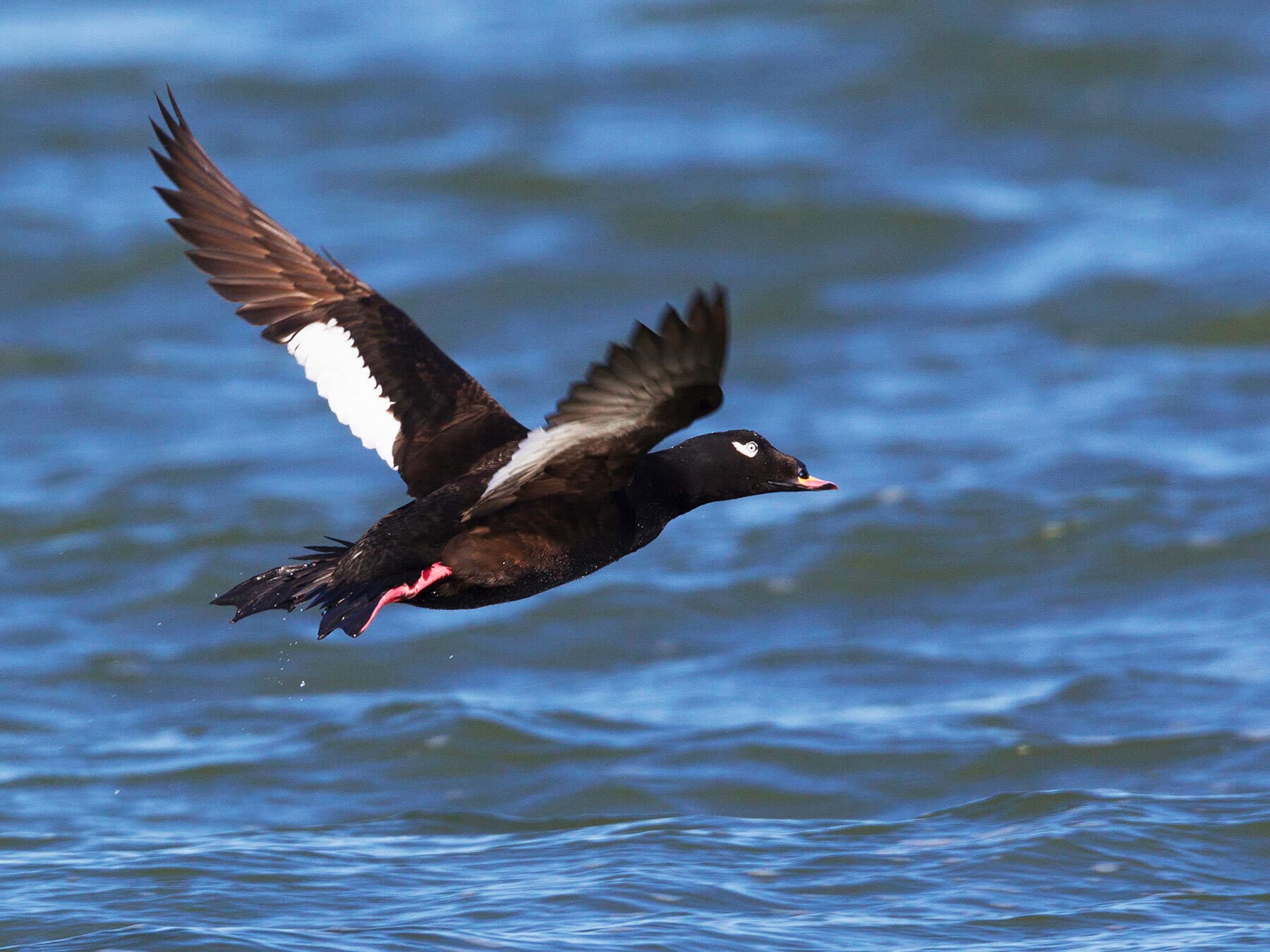 Velvet ScoterMelanitta fuscaWinter visitorCommon51–58 cmRecorded all year · 0.56% in Feb
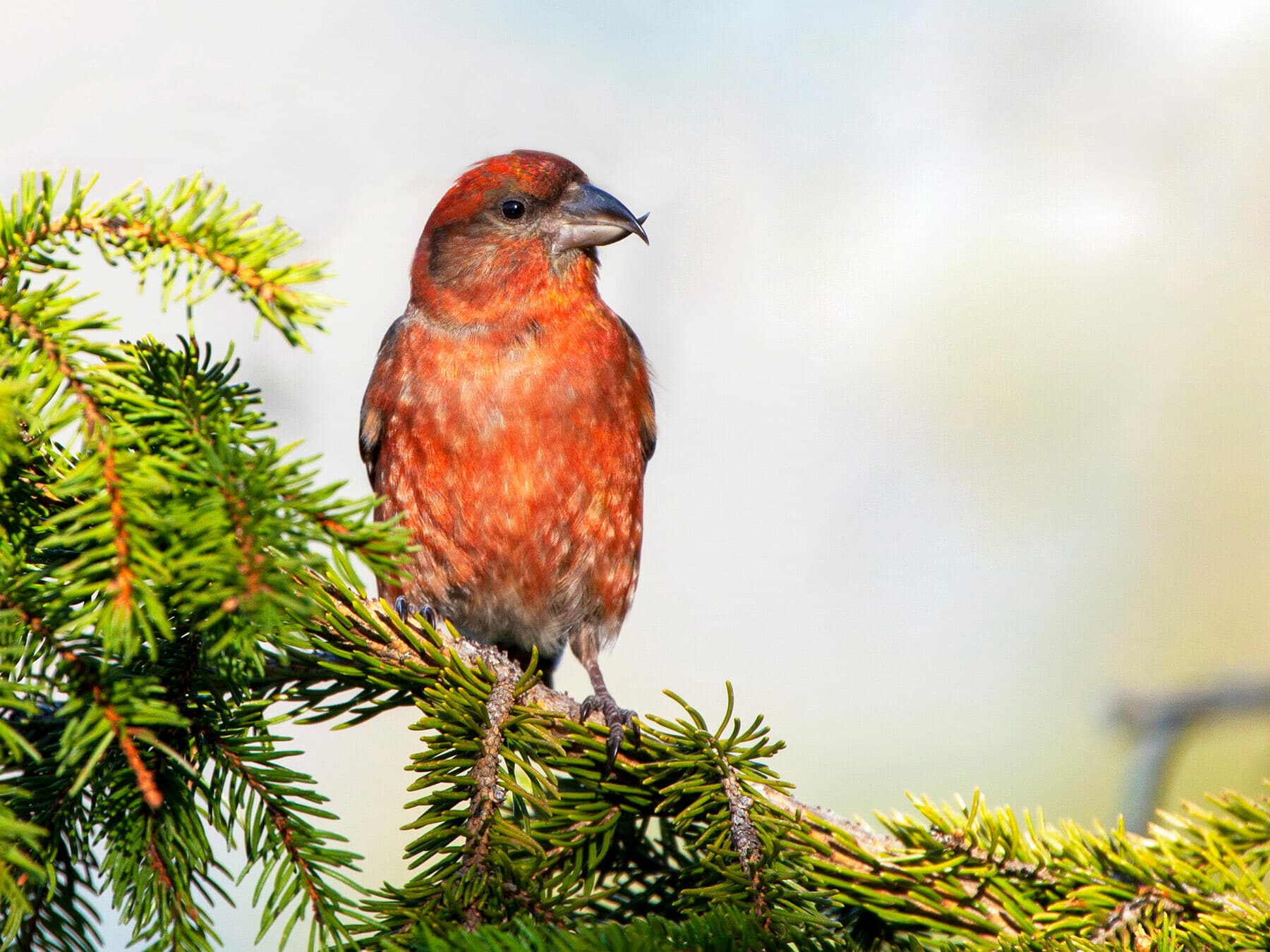 Red CrossbillLoxia curvirostraSummer visitorCommon15–17 cmRegularly Feb–Nov · 0.54% in Feb
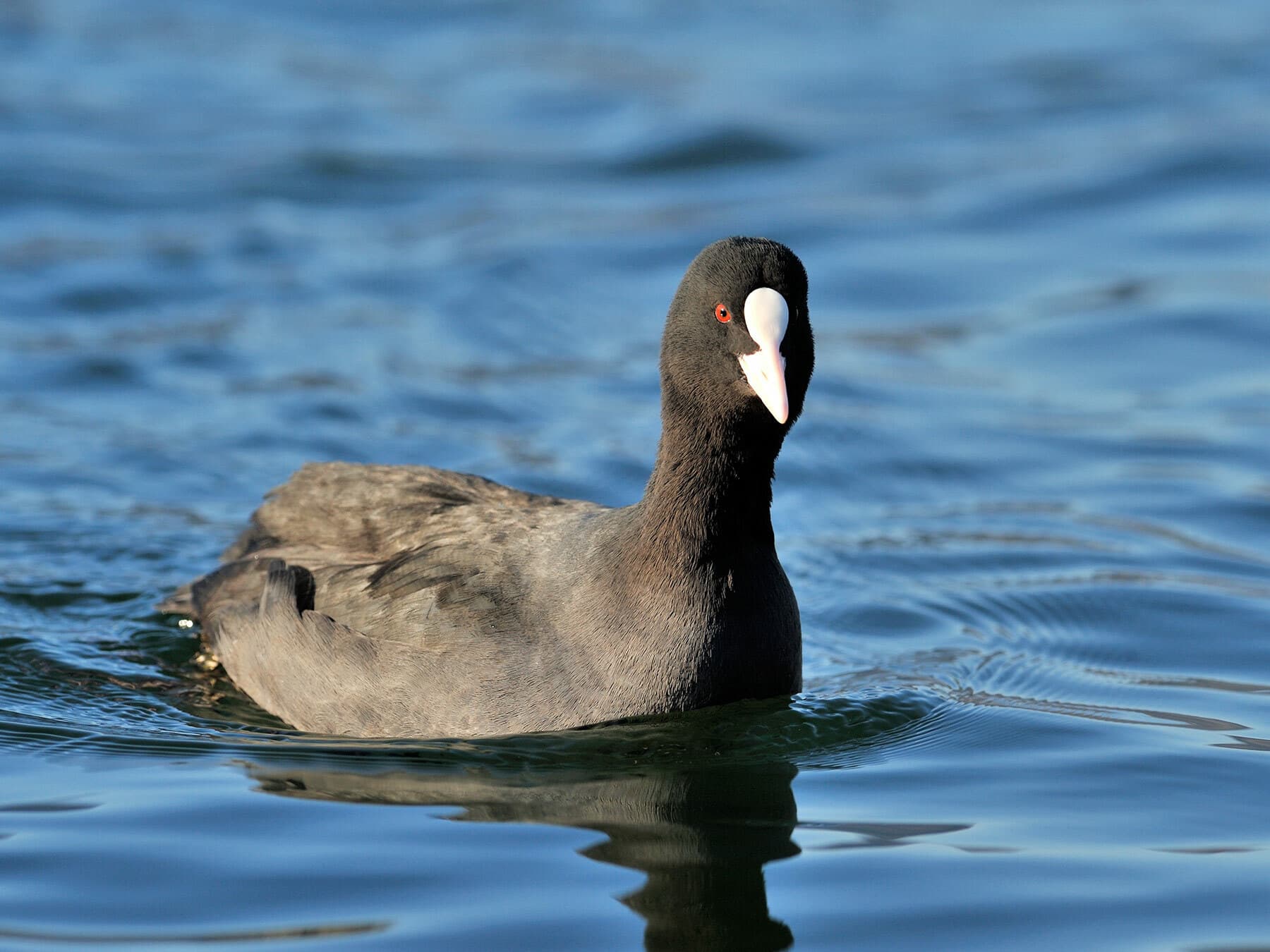 CootFulica atraSummer visitorCommon36–42 cmRegularly Feb–Dec · 0.52% in Feb
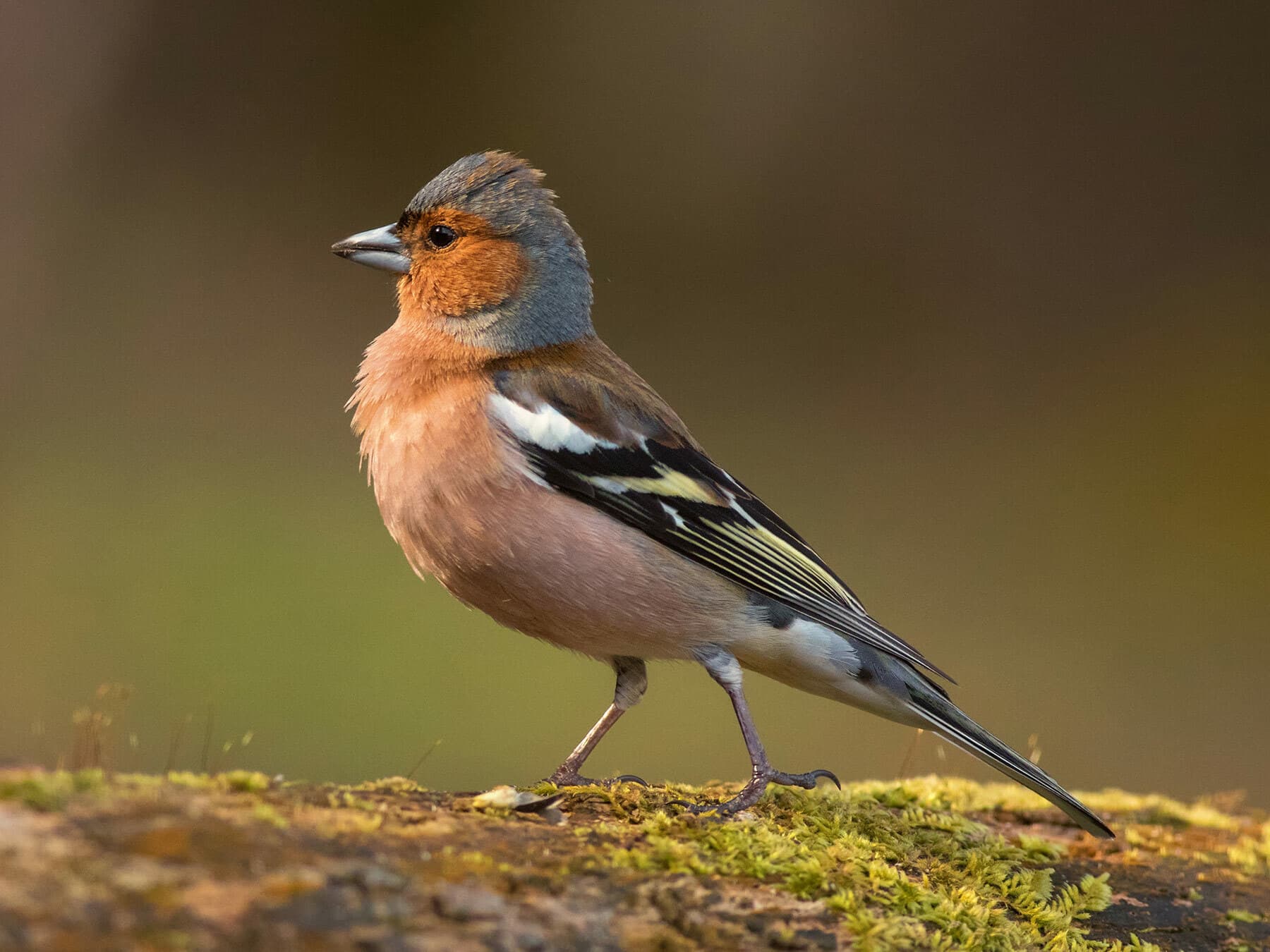 ChaffinchFringilla coelebsSummer visitorCommon14–16 cmRecorded all year · 0.43% in Feb
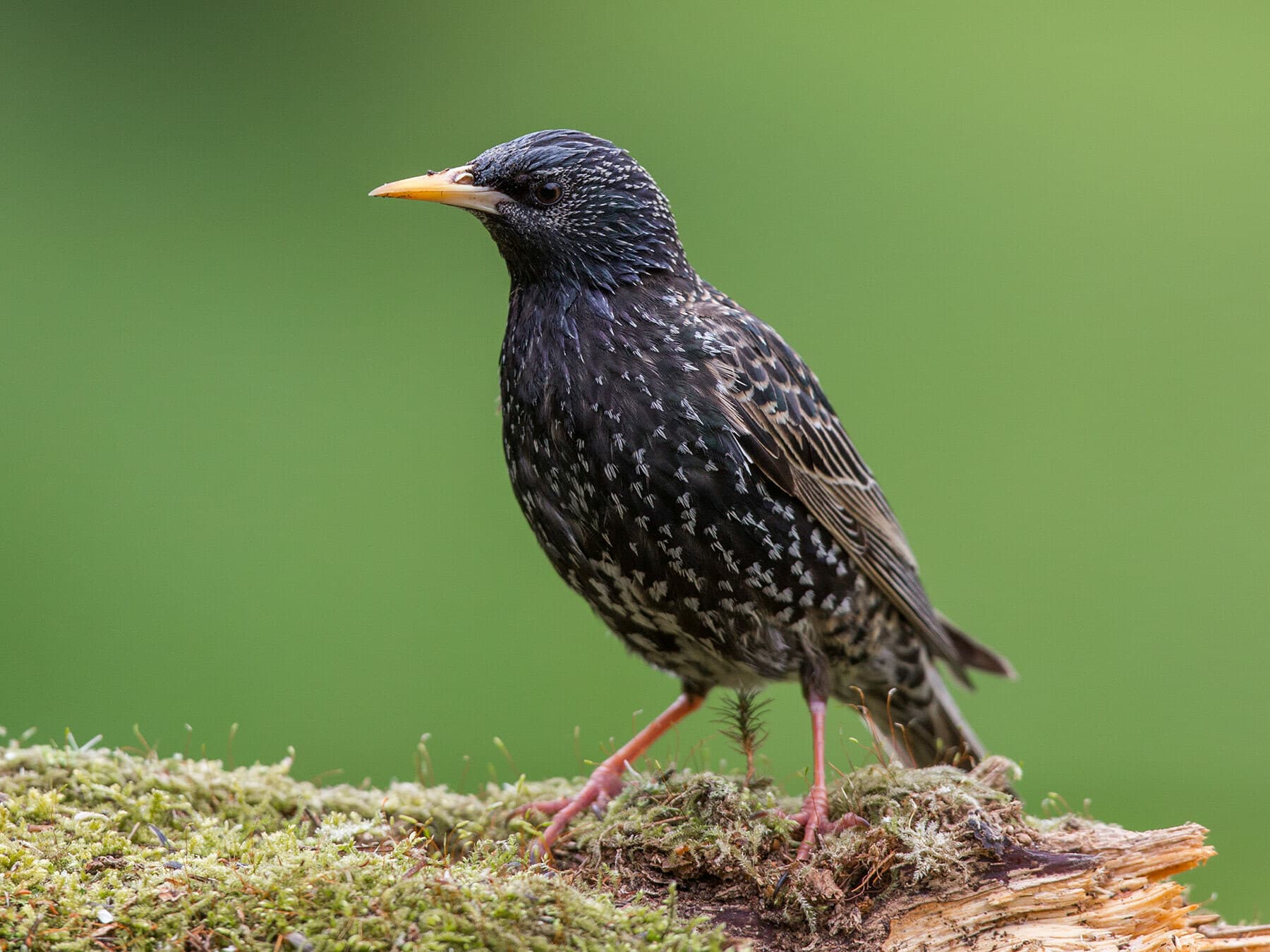 Common StarlingSturnus vulgarisSummer visitorCommon21–23 cmRecorded all year · 0.43% in Feb
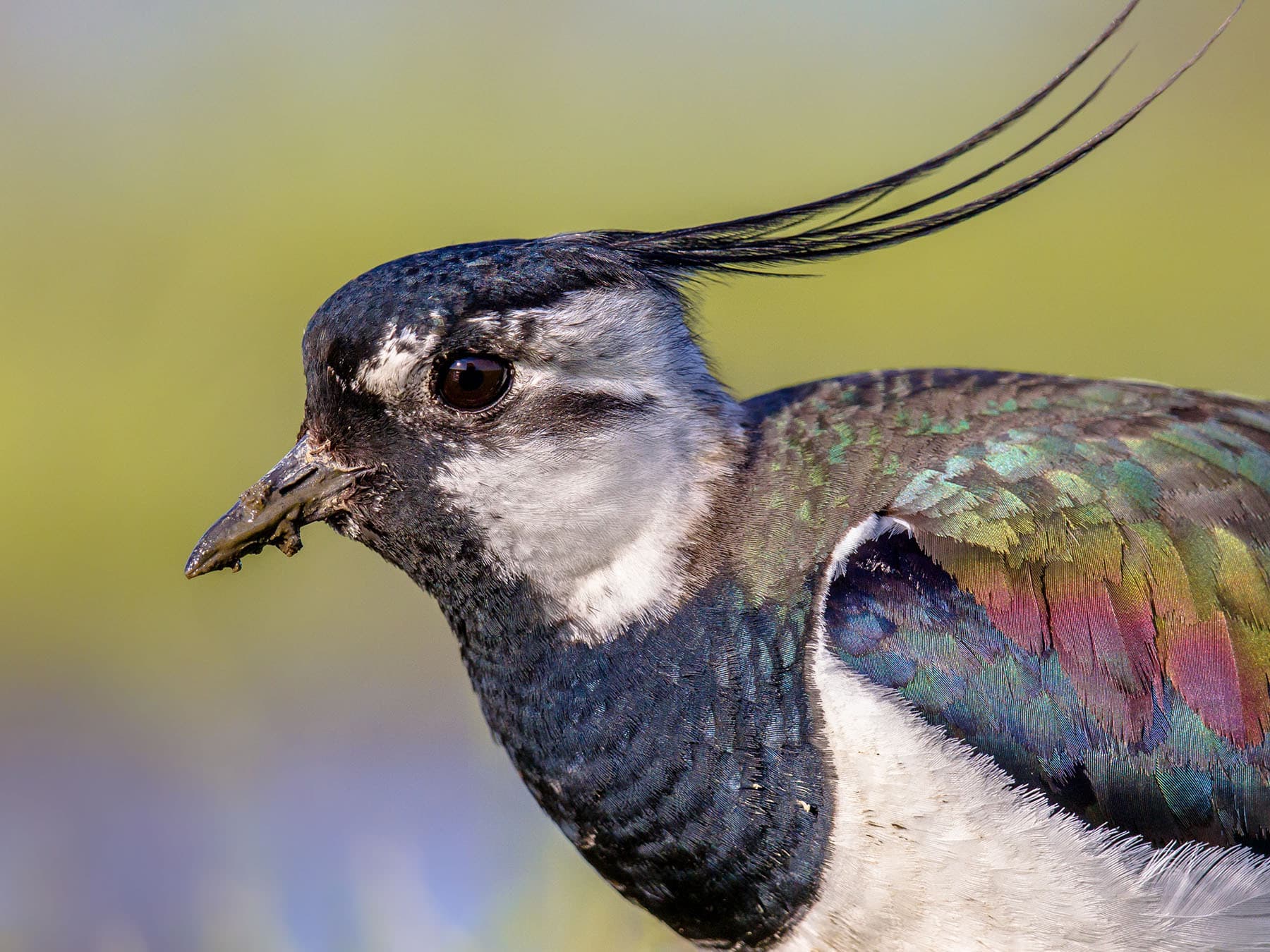 Northern LapwingVanellus vanellusSummer visitorCommon28–31 cmRegularly Feb–Nov · 0.43% in Feb
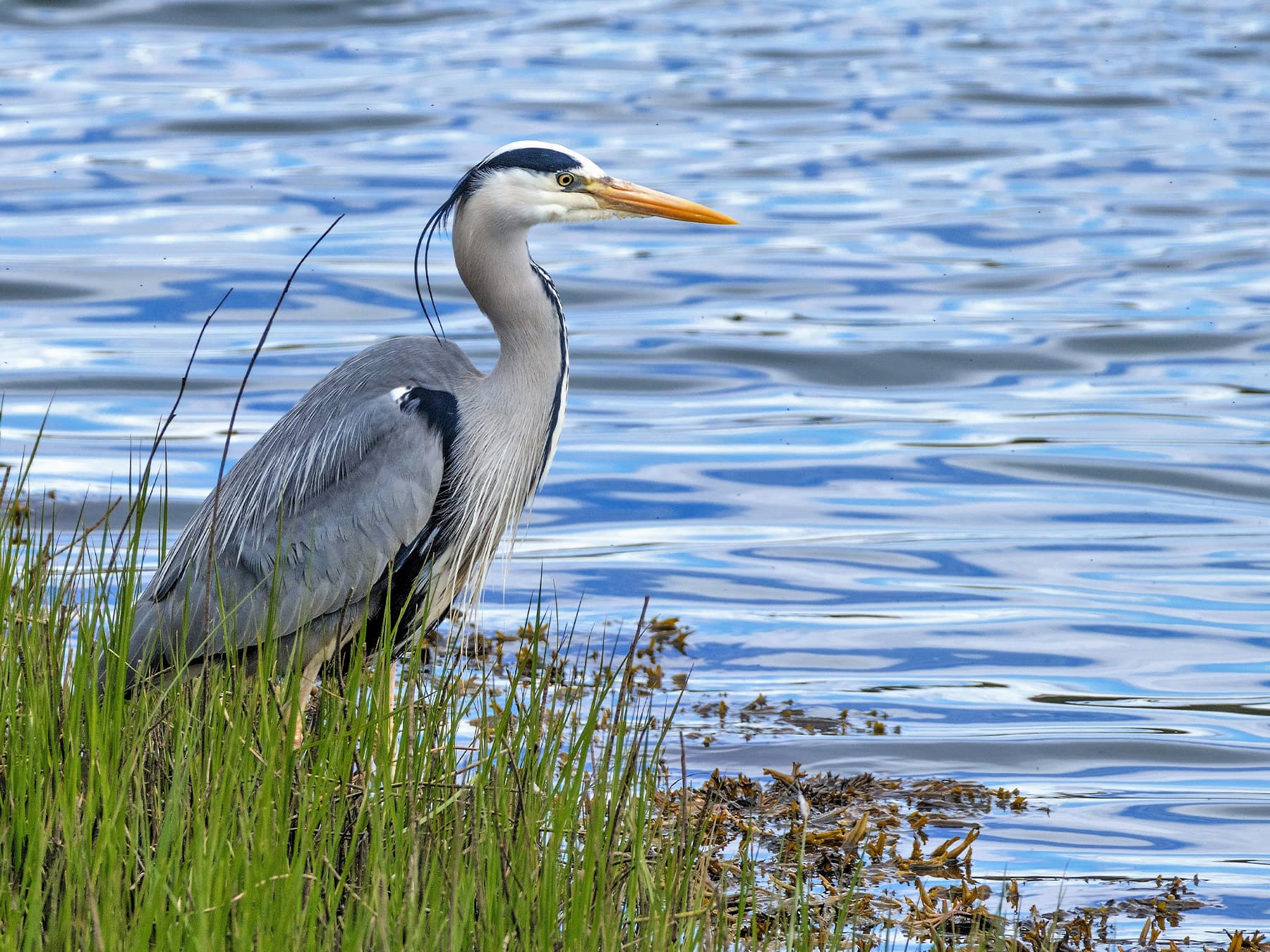 Grey HeronArdea cinereaResidentCommon90–98 cmRecorded all year · 0.36% in Feb
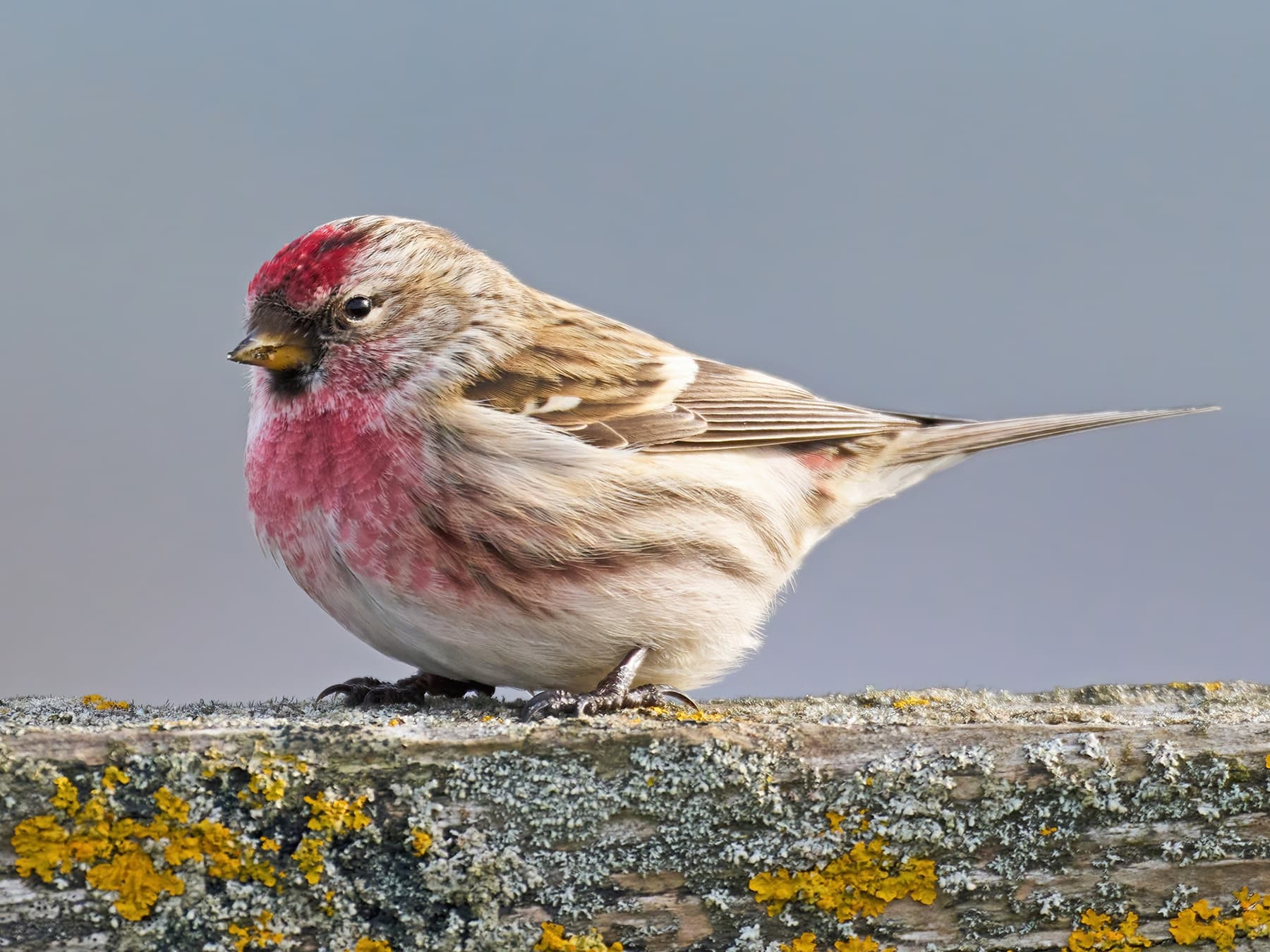 Common RedpollAcanthis flammeaWinter visitorCommon12–14 cmRegularly Sep–Jun · 0.34% in Feb
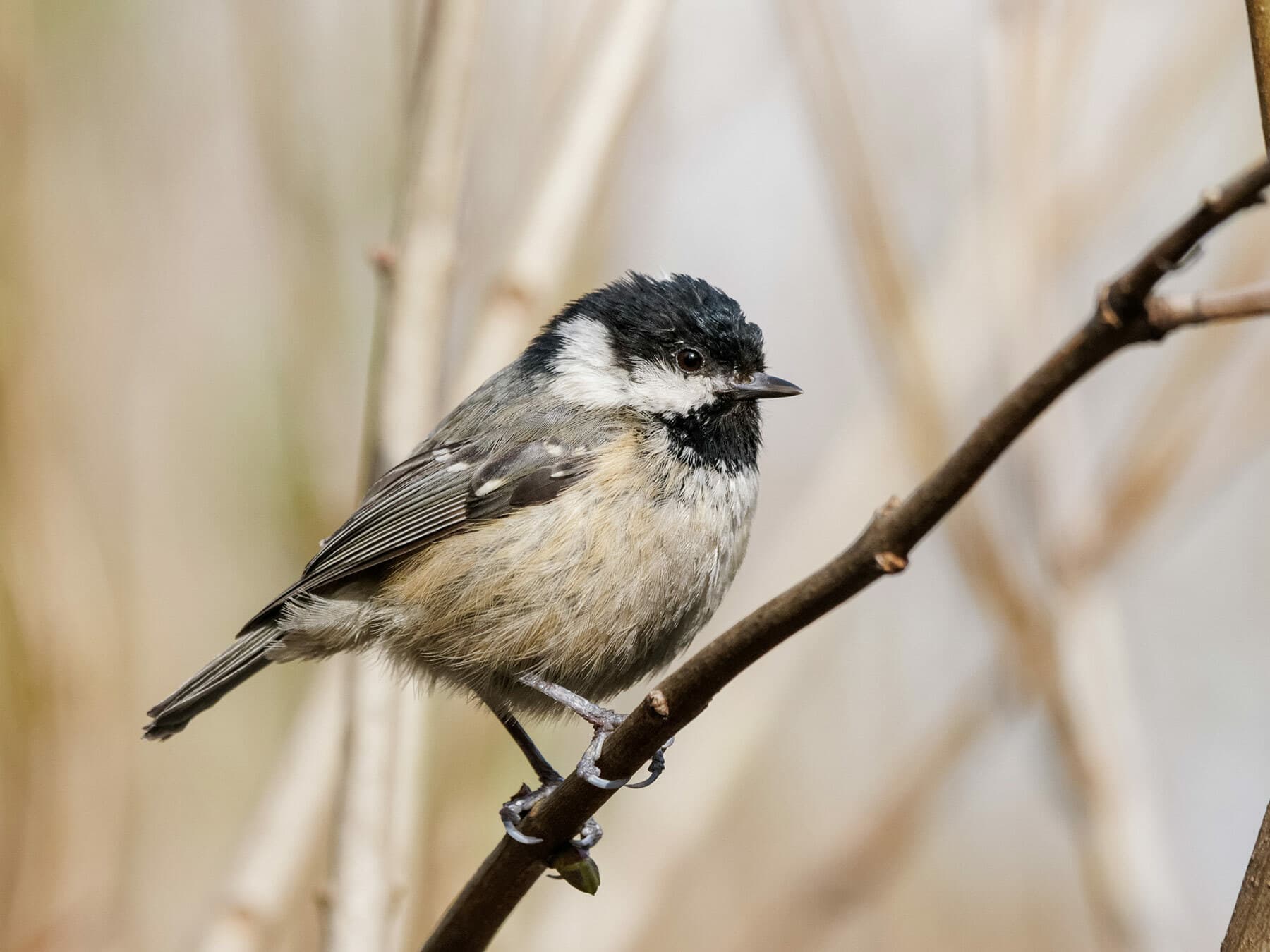 Coal TitPeriparus aterWinter visitorCommon10–12 cmRegularly Aug–Jun · 0.31% in Feb
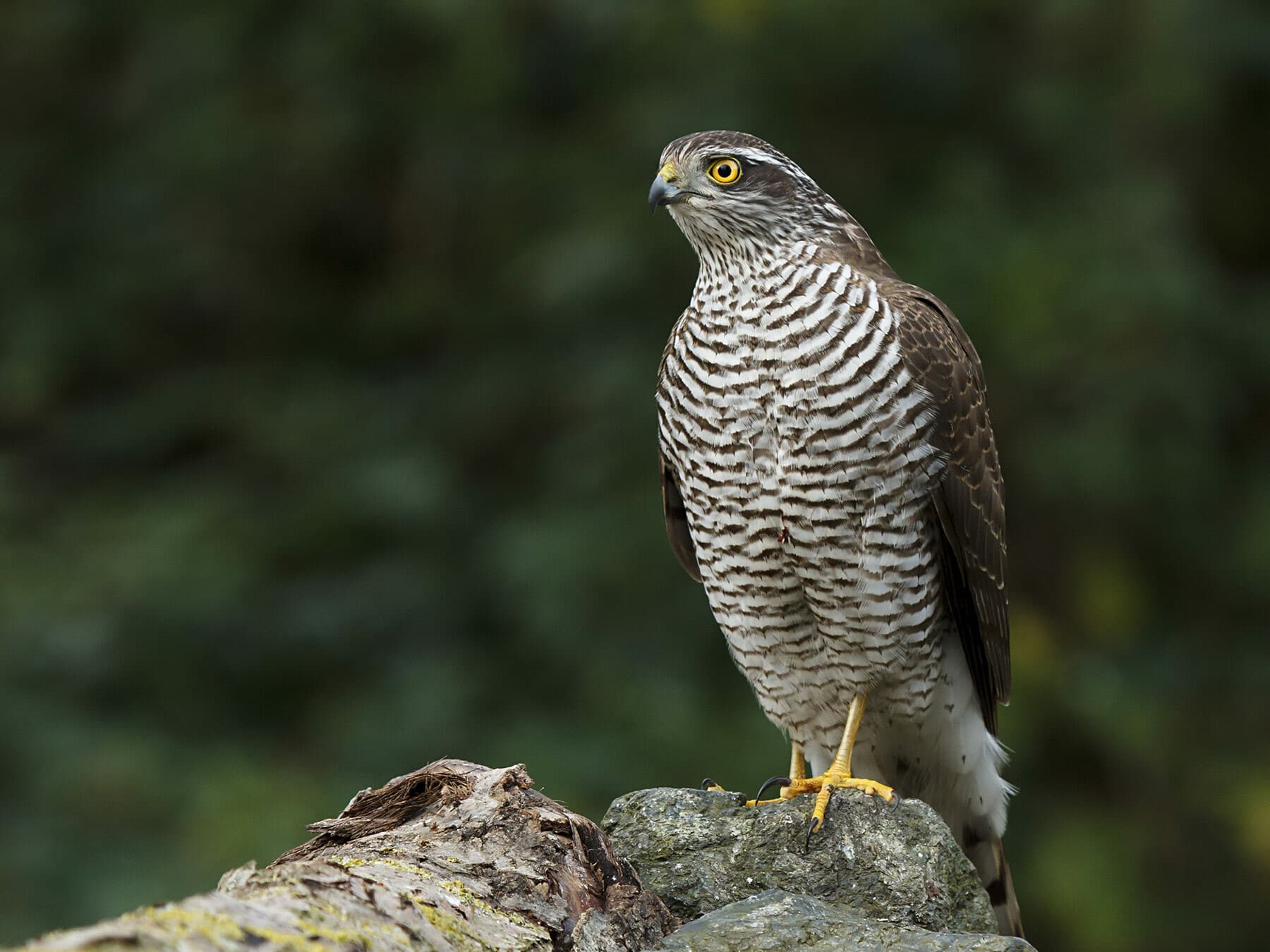 SparrowhawkAccipiter nisusSummer visitorCommon28–38 cmRecorded all year · 0.31% in Feb
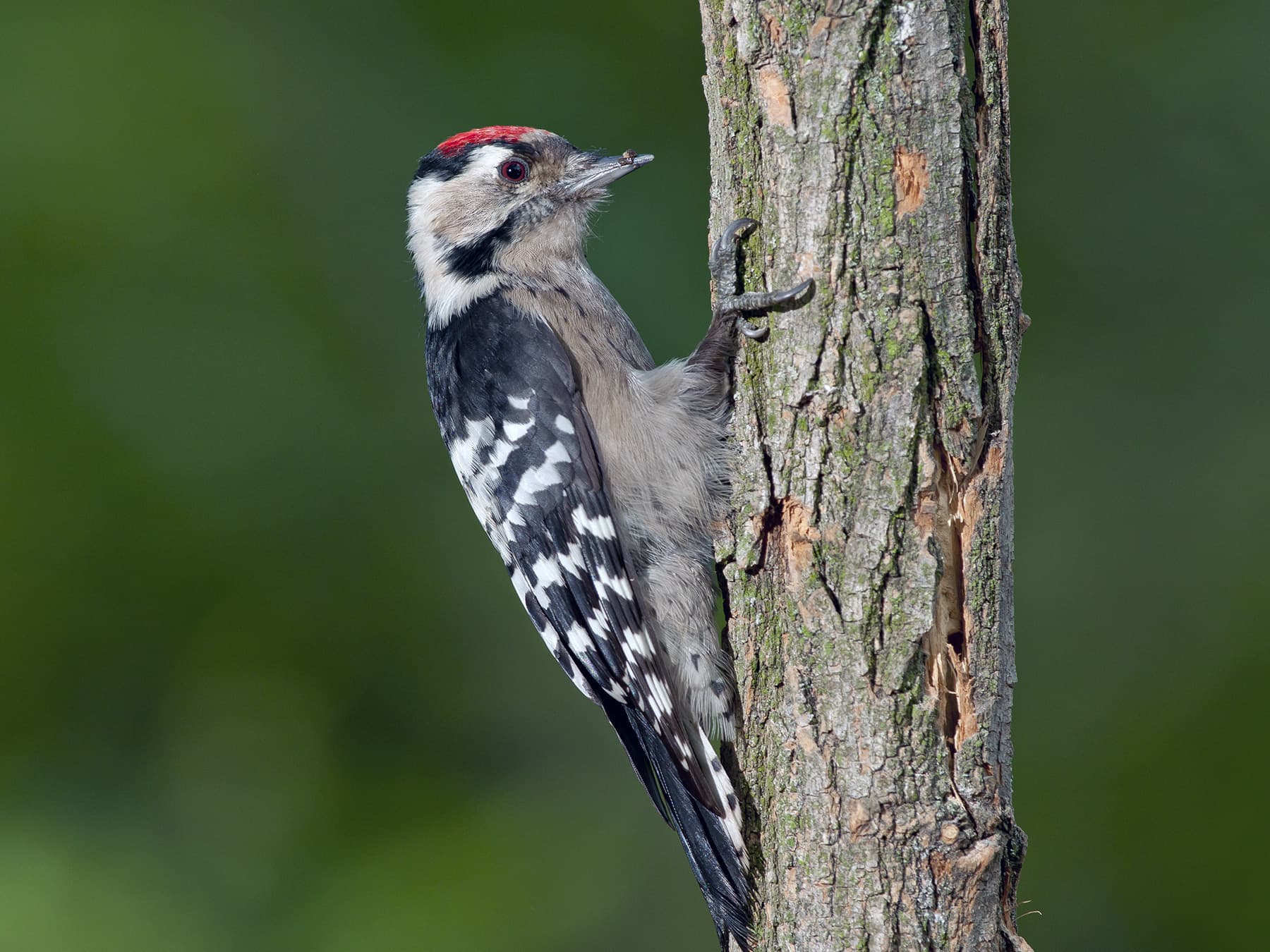 Lesser Spotted WoodpeckerDryobates minorResidentUncommon14–16 cmRecorded all year · 0.29% in Feb
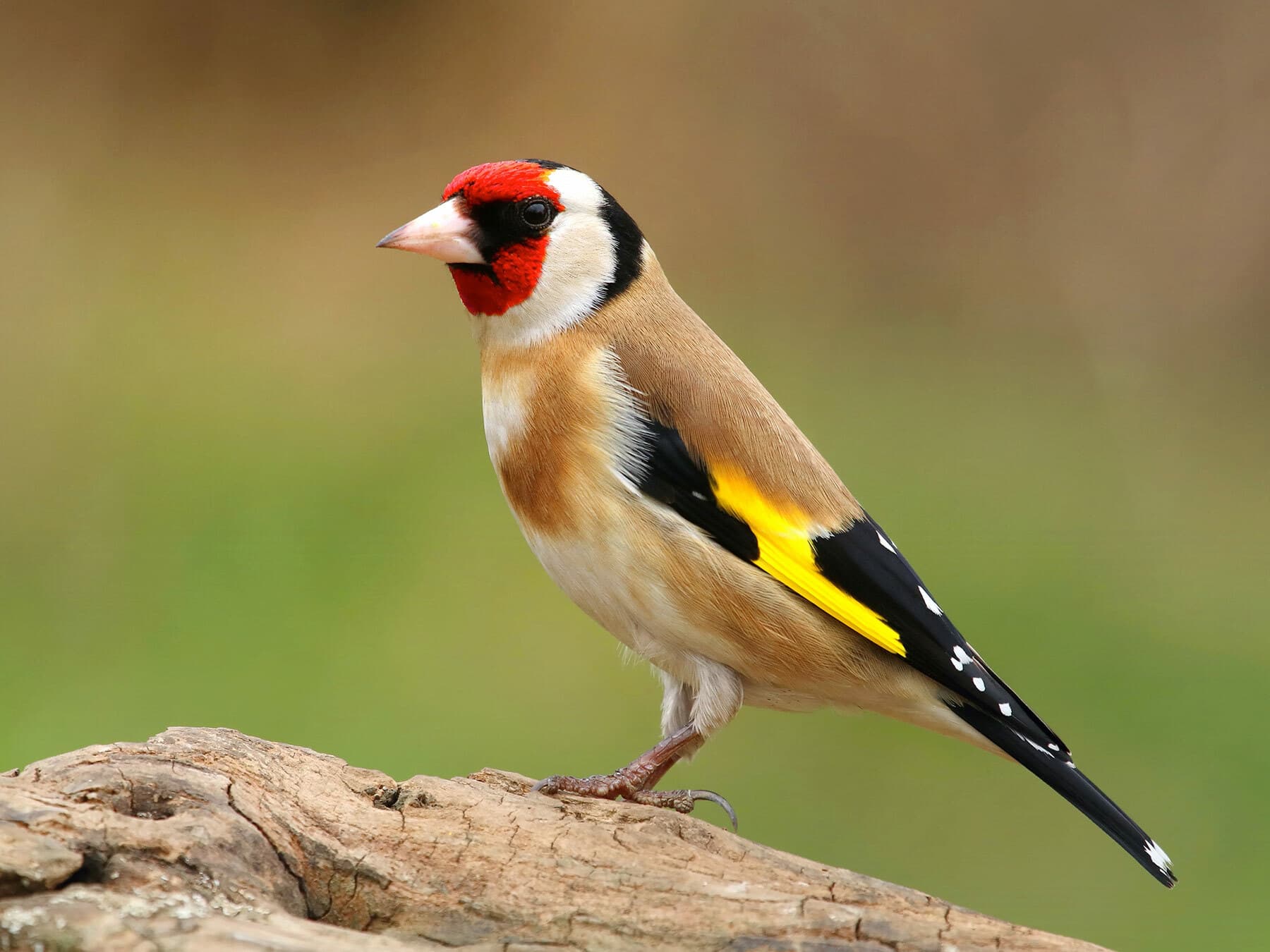 European GoldfinchCarduelis carduelisSummer visitorCommon12–13 cmRegularly Jan–Nov · 0.27% in Feb
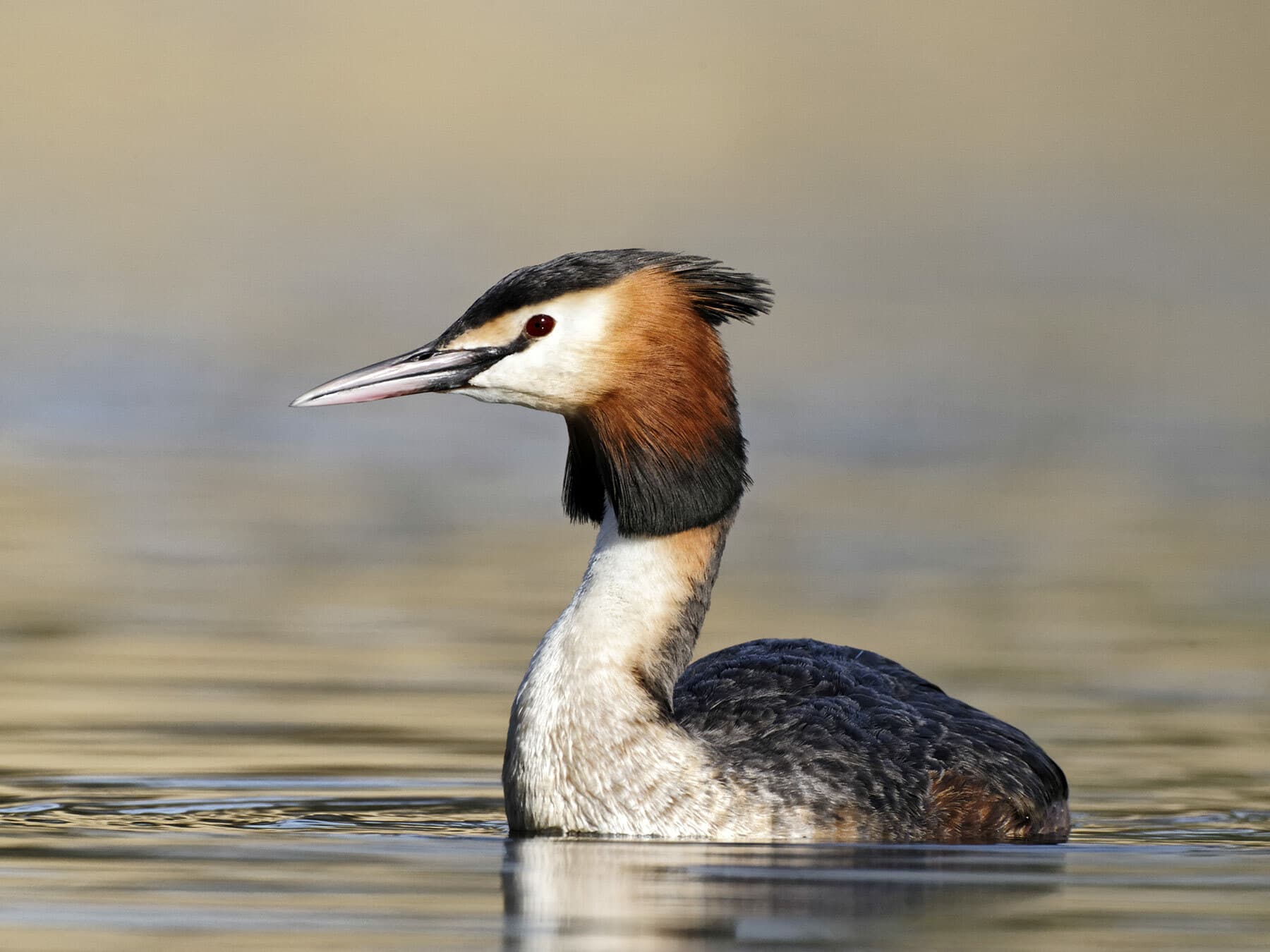 Great Crested GrebePodiceps cristatusResidentCommon46–51 cmRegularly Dec–Oct · 0.27% in Feb
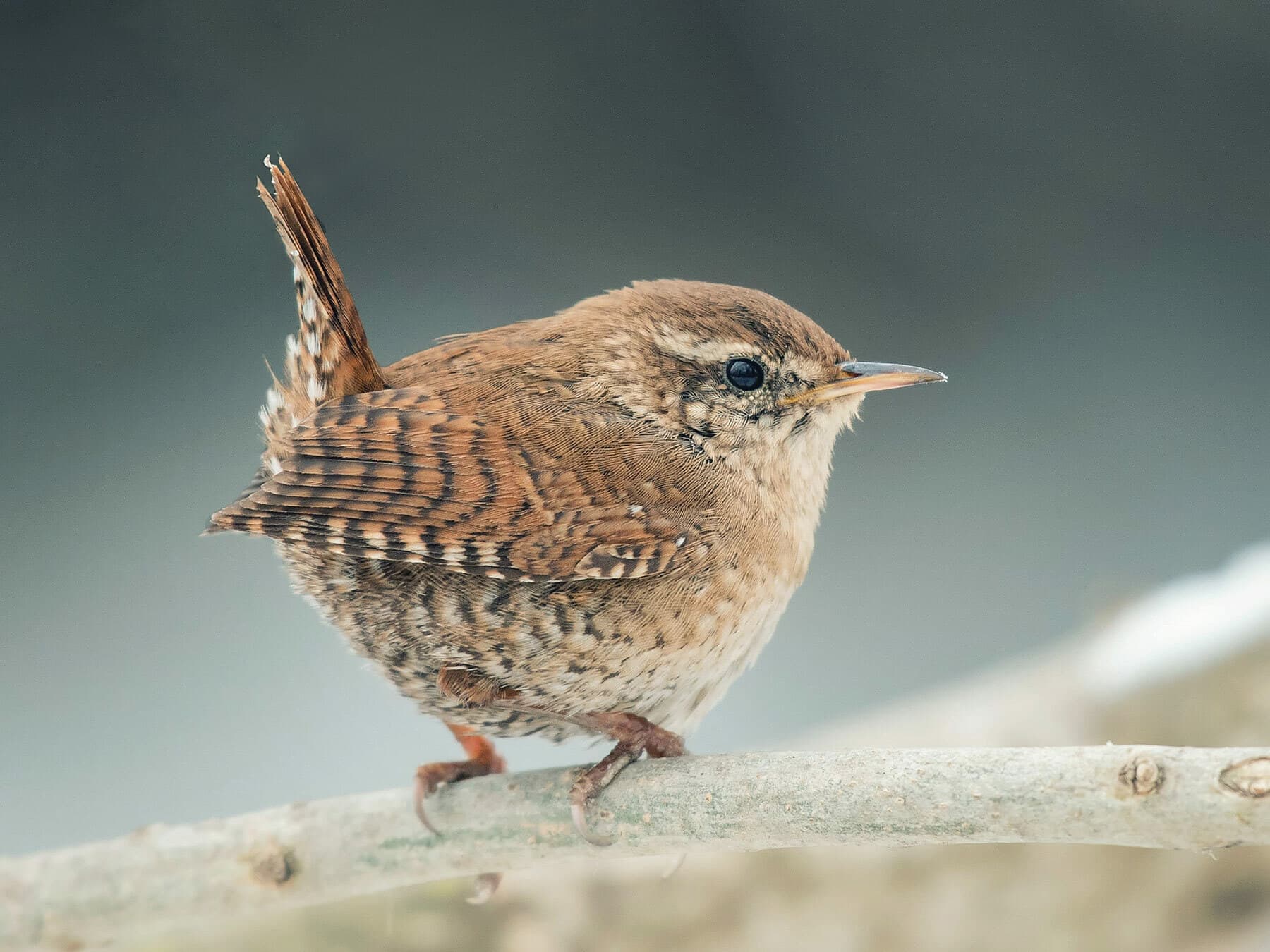 Eurasian WrenTroglodytes troglodytesSummer visitorCommon9–10 cmRegularly Feb–Dec · 0.25% in Feb
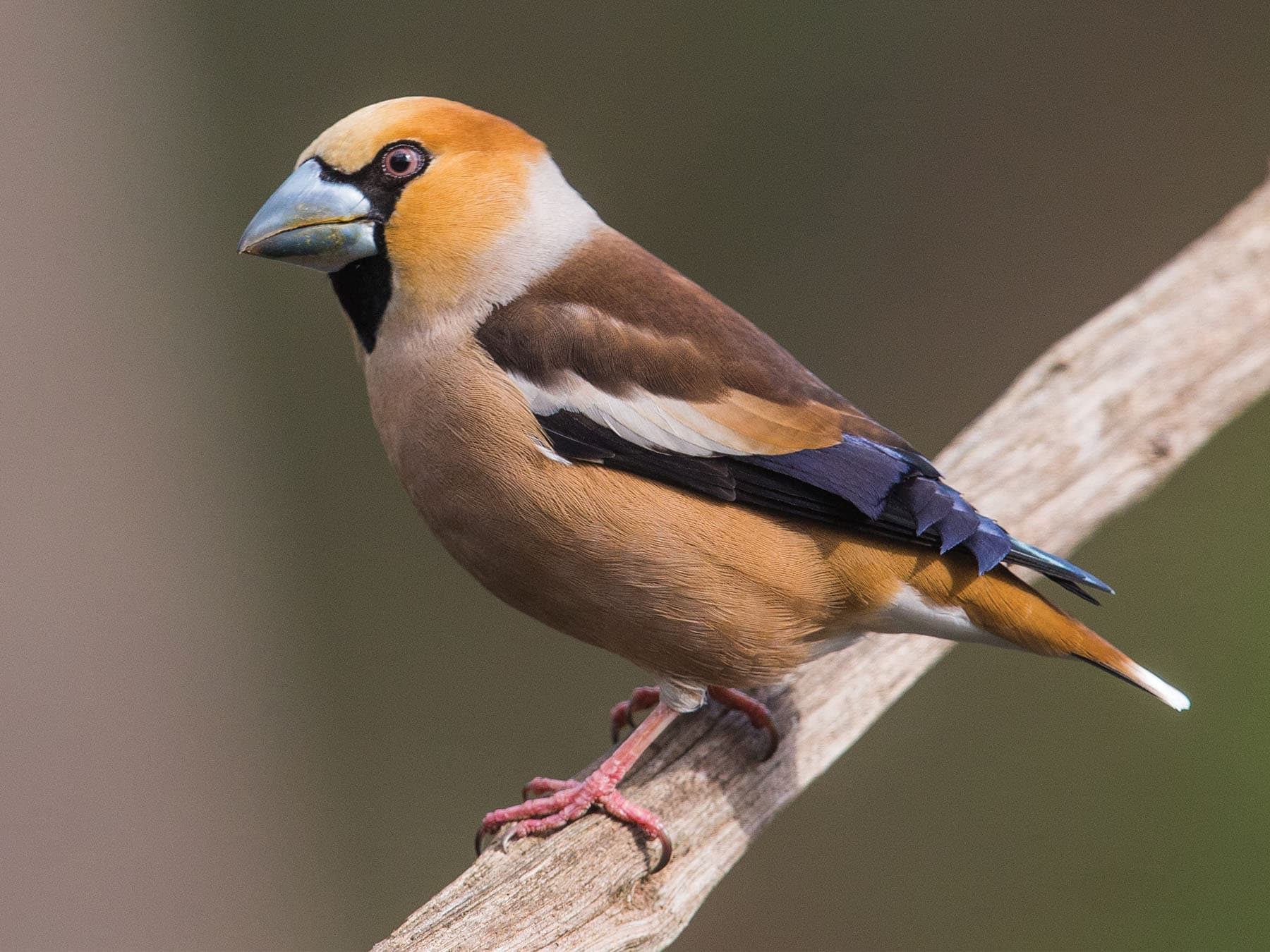 HawfinchCoccothraustes coccothraustesSummer visitorUncommon17–18 cmRegularly Jan–Nov · 0.25% in Feb
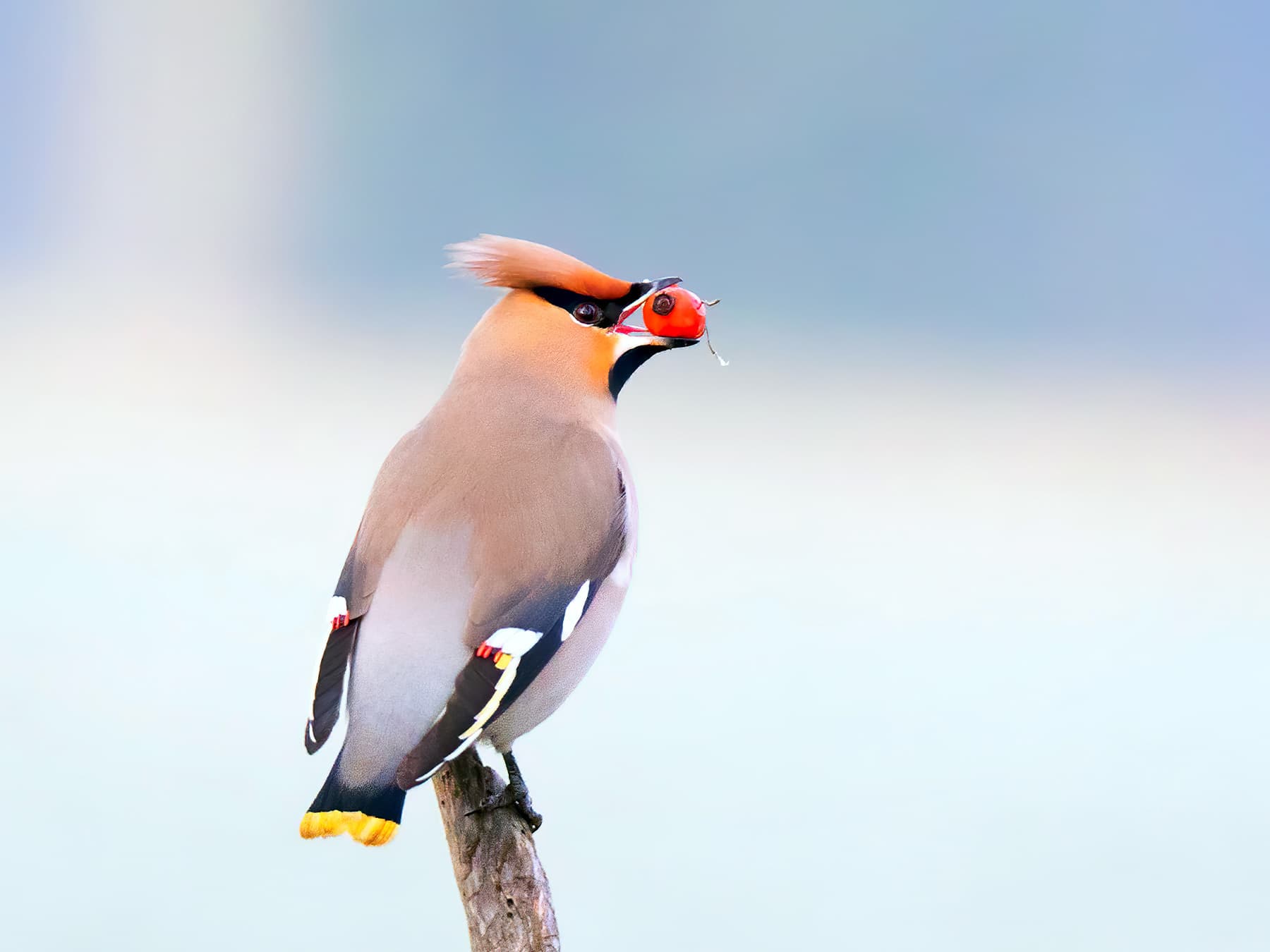 Bohemian WaxwingBombycilla garrulusWinter visitorCommon19–23 cmRegularly Sep–May · 0.22% in Feb
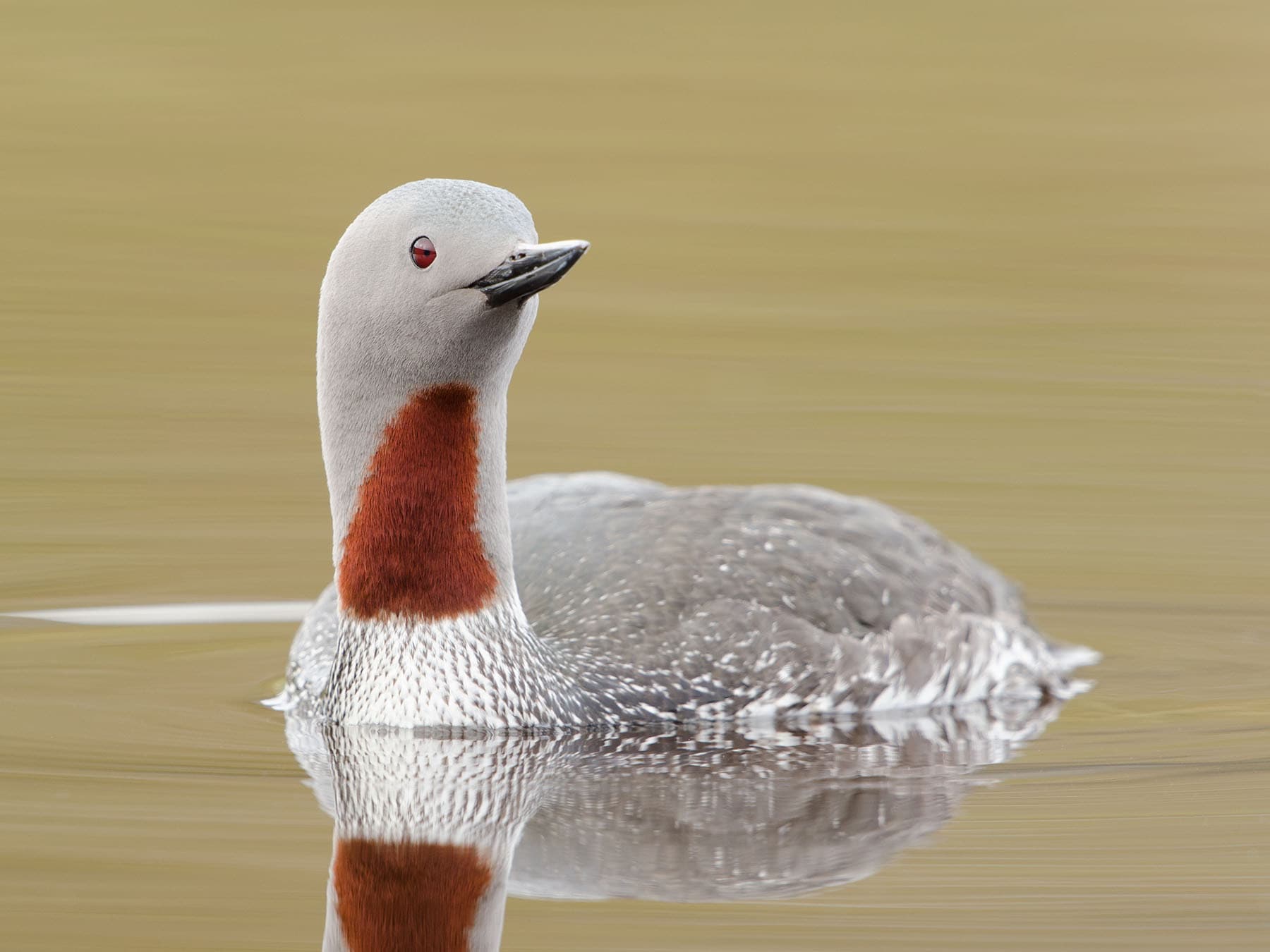 Red-throated LoonGavia stellataWinter visitorCommon53–69 cmRegularly Jul–May · 0.22% in Feb
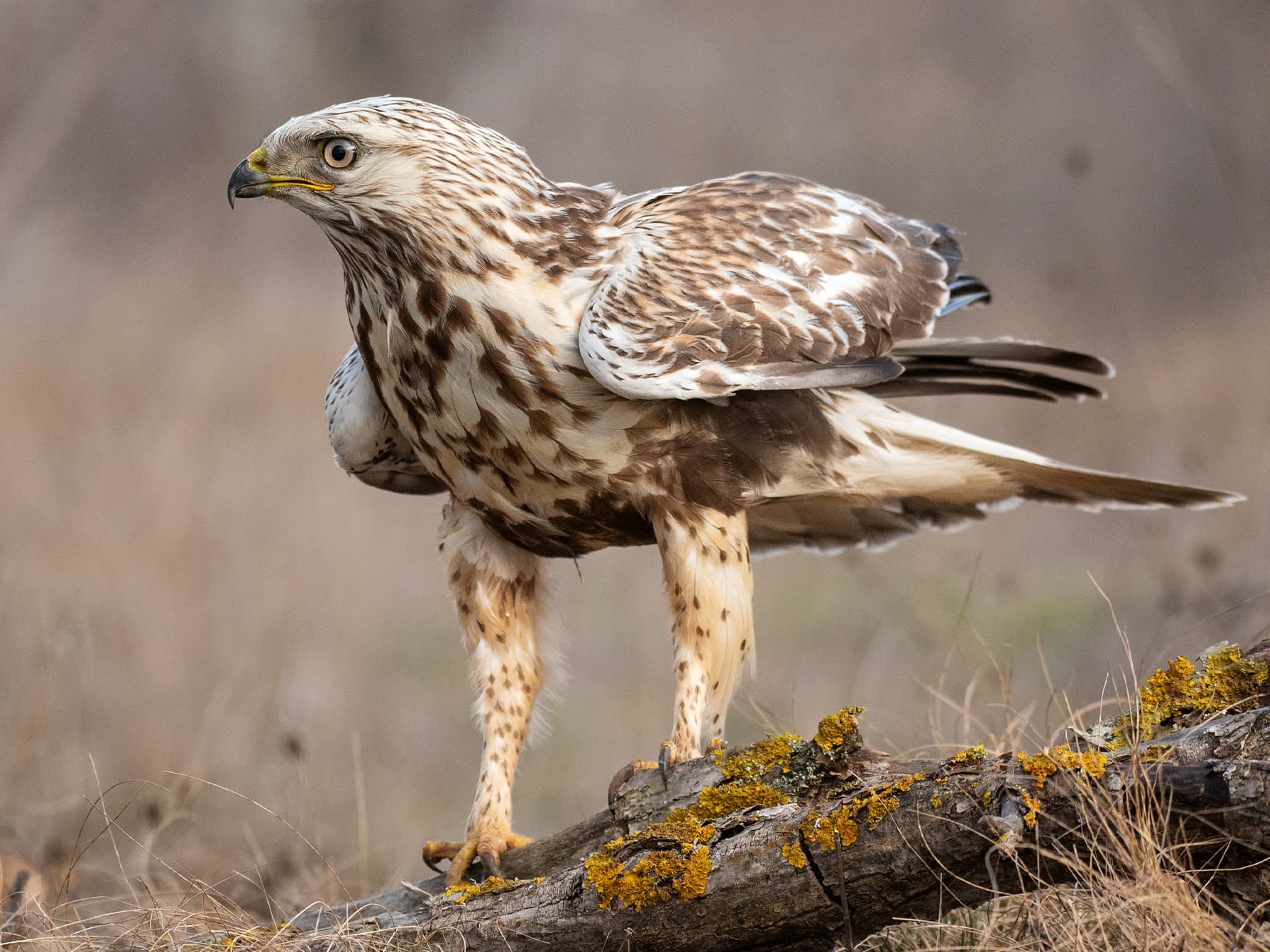 Rough-legged HawkButeo lagopusPassage migrantUncommon46–59 cmRegularly Sep–May · 0.20% in Feb
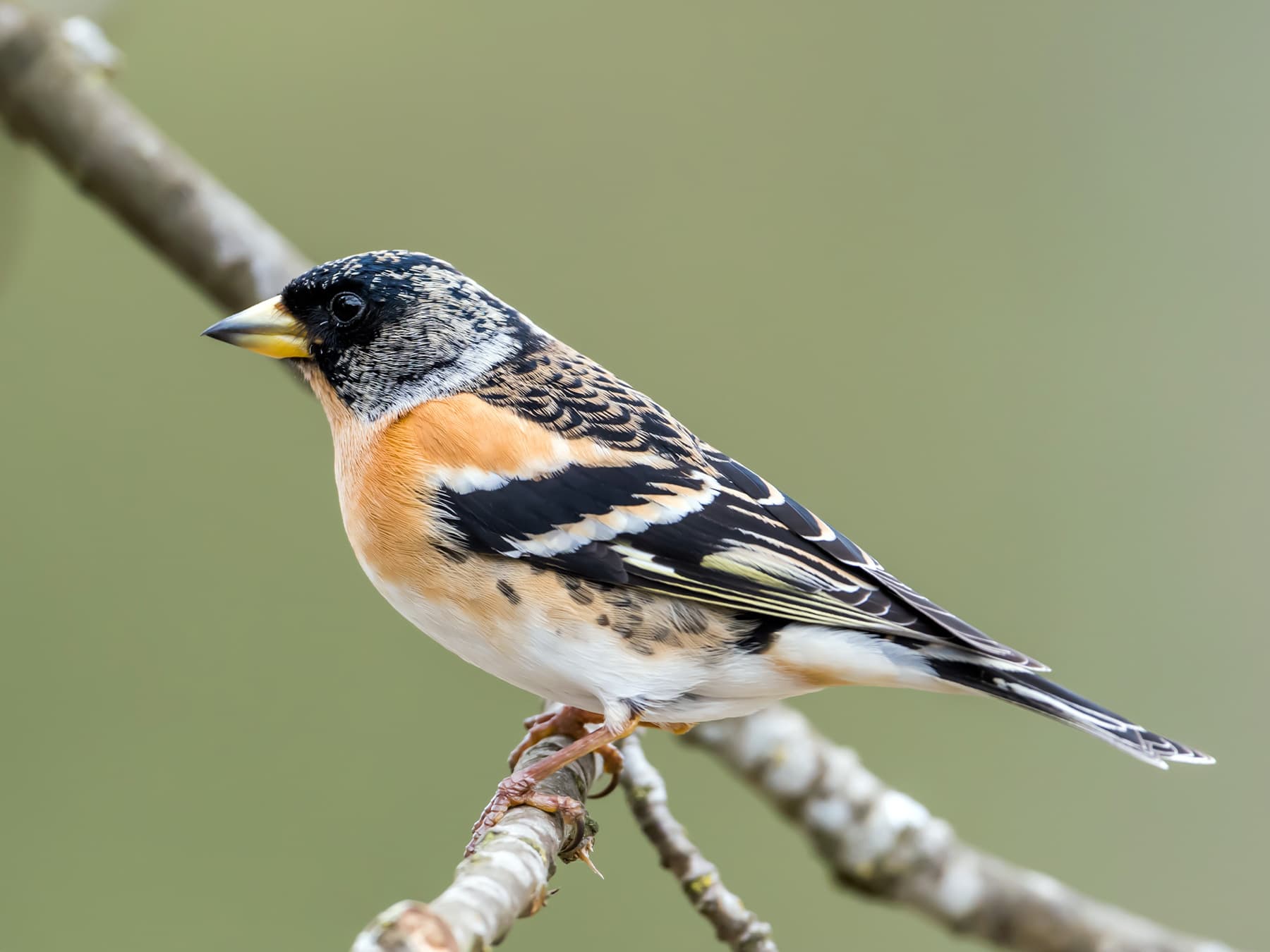 BramblingFringilla montifringillaPassage migrantCommon14–16 cmRegularly Sep–May · 0.18% in Feb
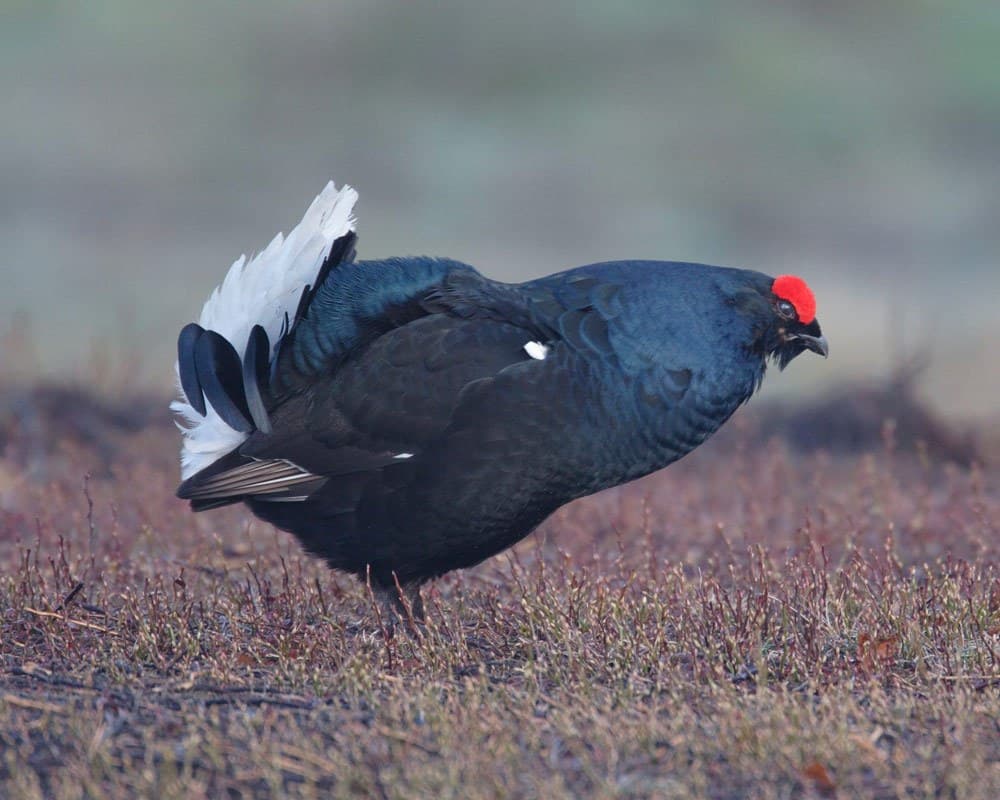 Black GrouseLyrurus tetrixPassage migrantUncommon40–55 cmRegularly Feb–Oct · 0.16% in Feb
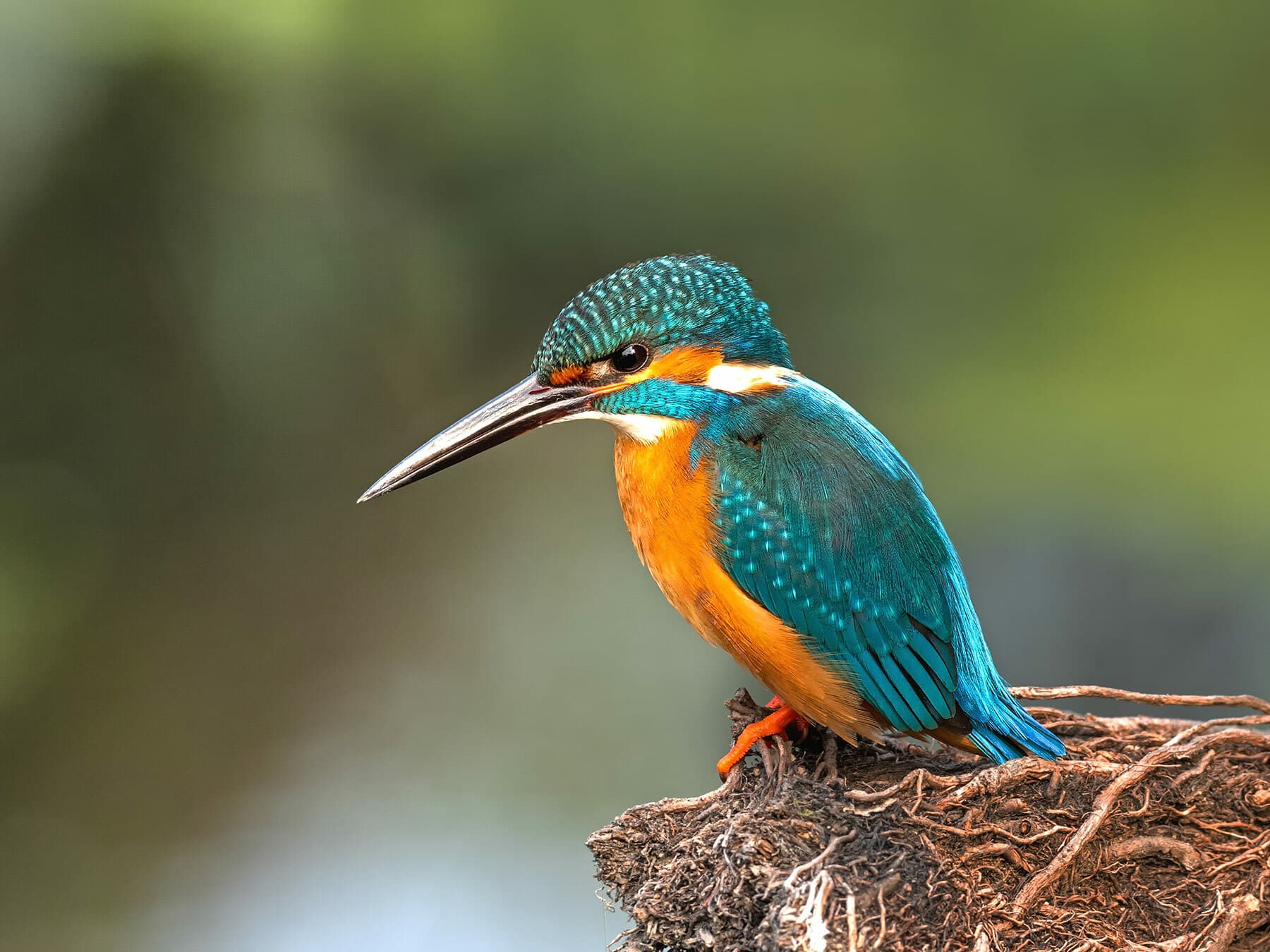 Common KingfisherAlcedo atthisSummer visitorUncommon16–17 cmRegularly Feb–Nov · 0.16% in Feb
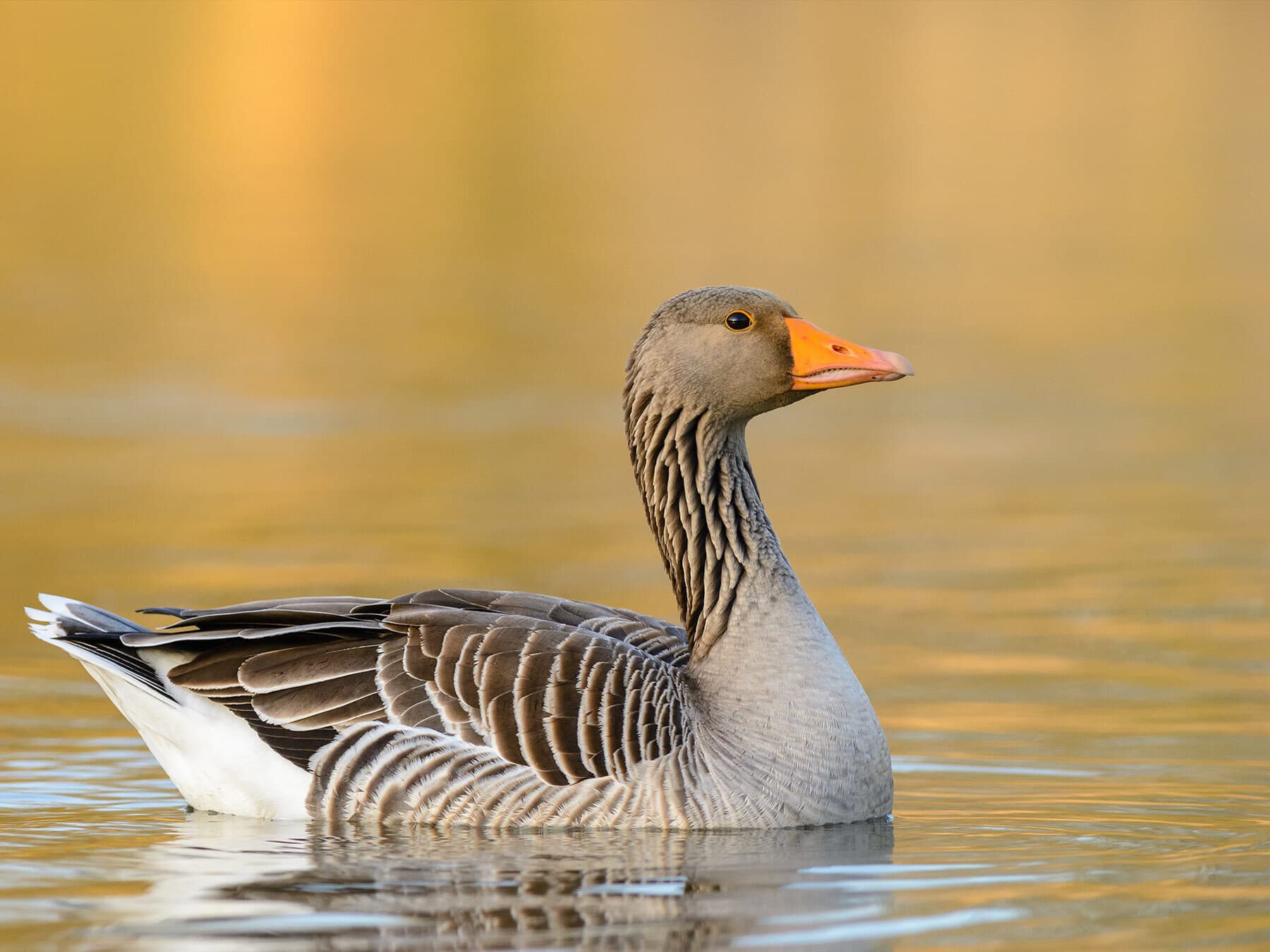 Greylag GooseAnser anserSummer visitorCommon75–90 cmRegularly Feb–Oct · 0.16% in Feb
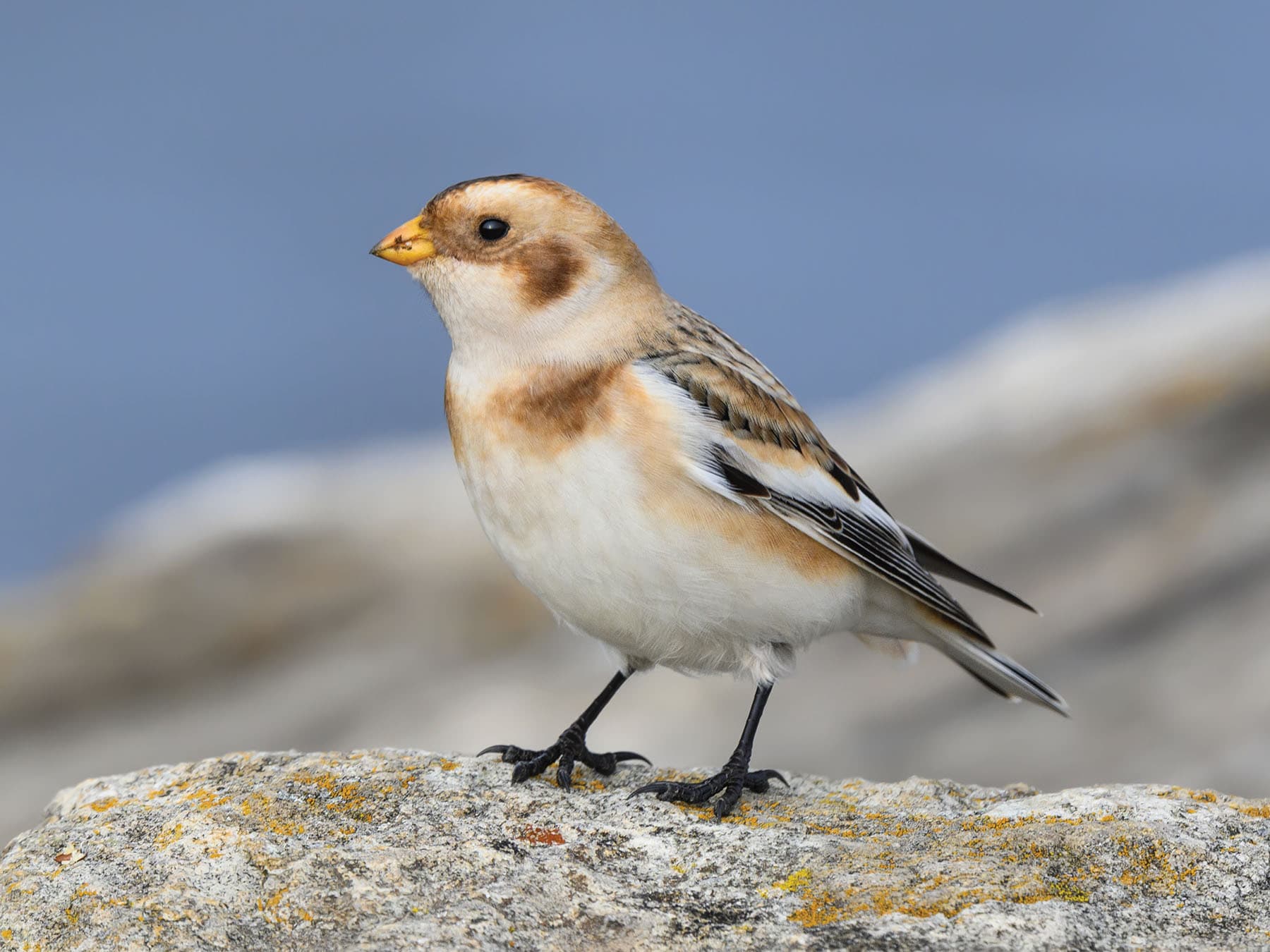 Snow BuntingPlectrophenax nivalisPassage migrantUncommon15–18 cmRegularly Oct–Apr · 0.16% in Feb
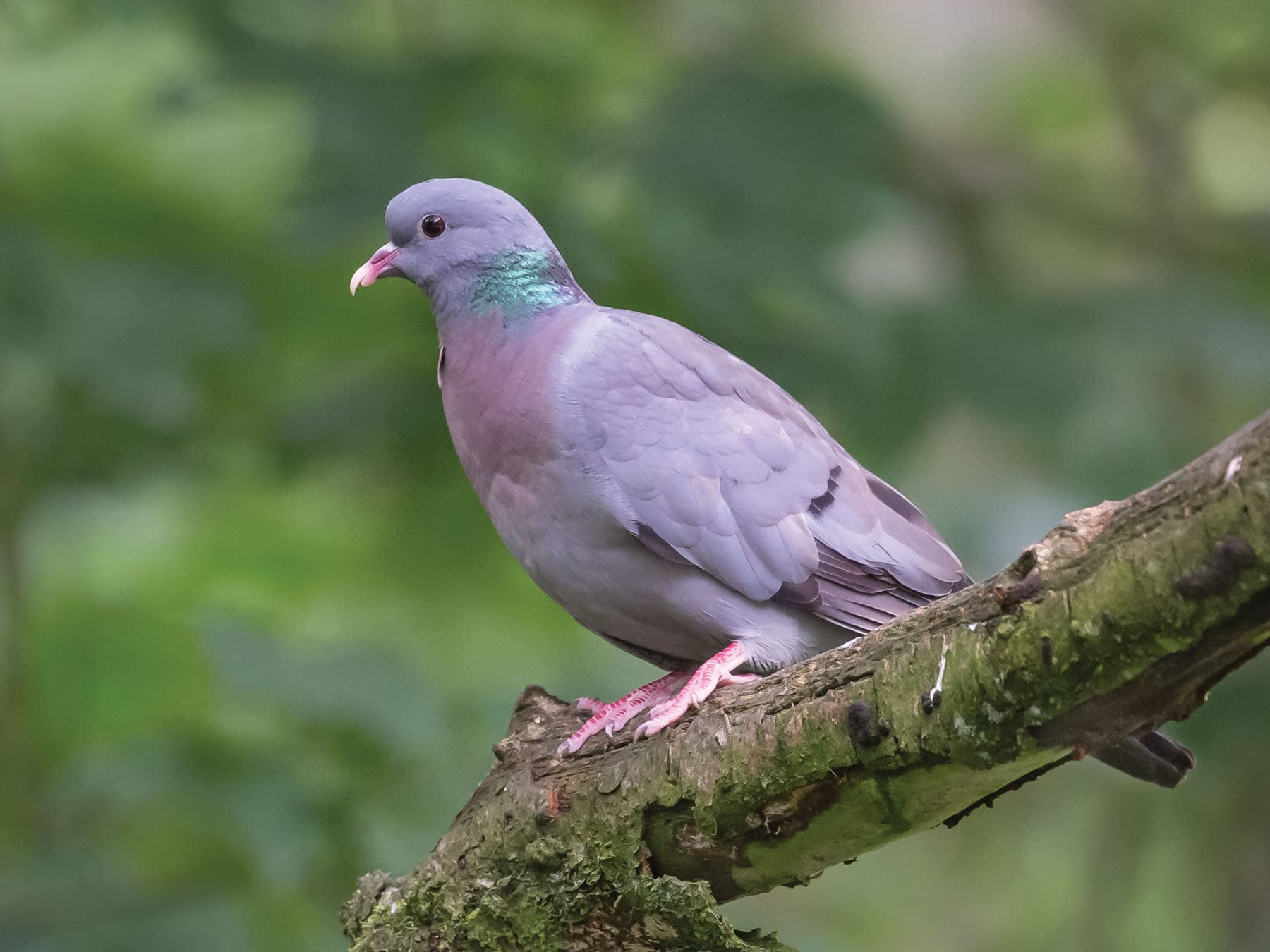 Stock DoveColumba oenasSummer visitorUncommon32–34 cmRegularly Feb–Oct · 0.16% in Feb
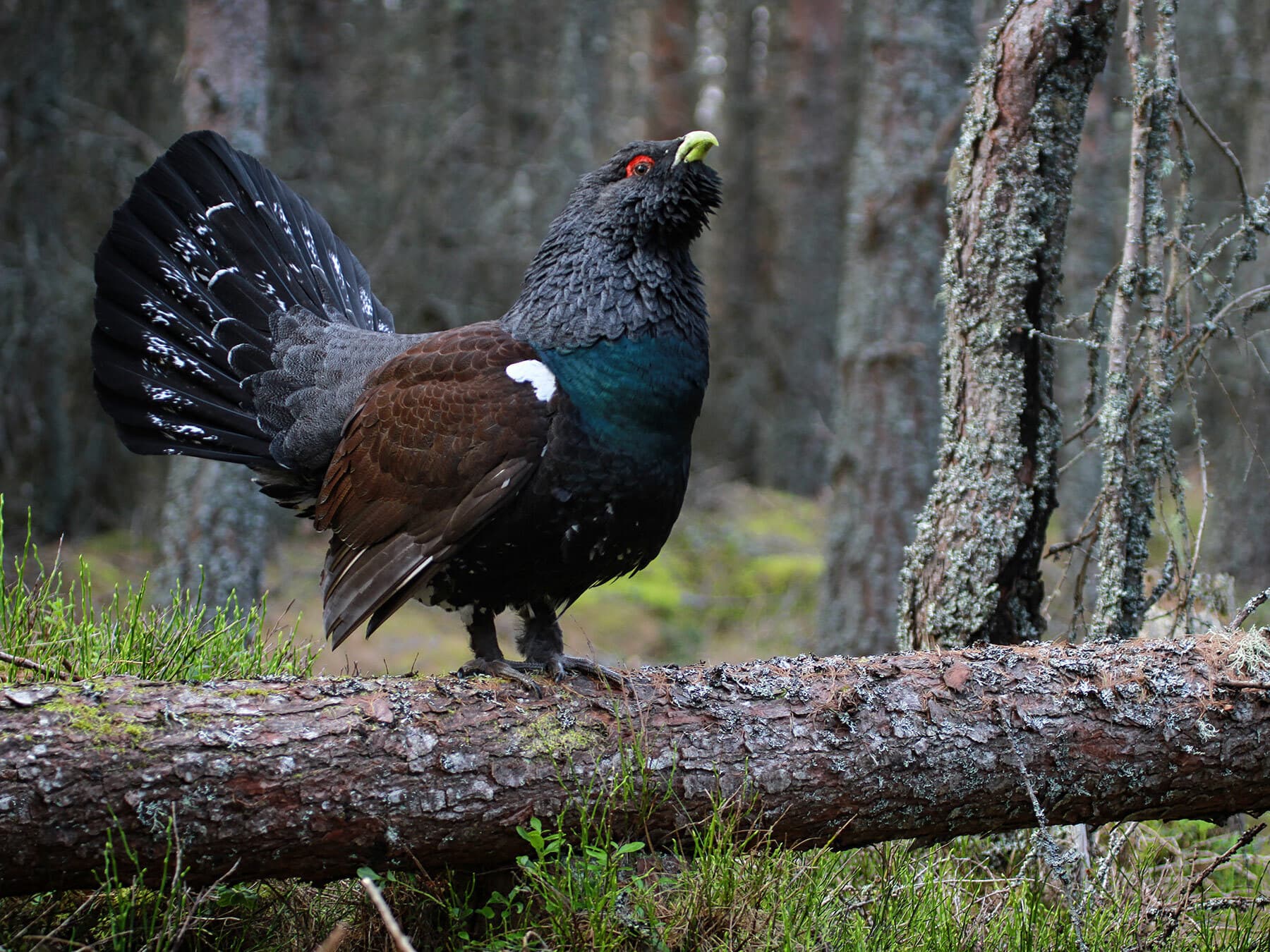 Western CapercaillieTetrao urogallusPassage migrantUncommon60–87 cmRegularly Oct–Jun · 0.13% in Feb
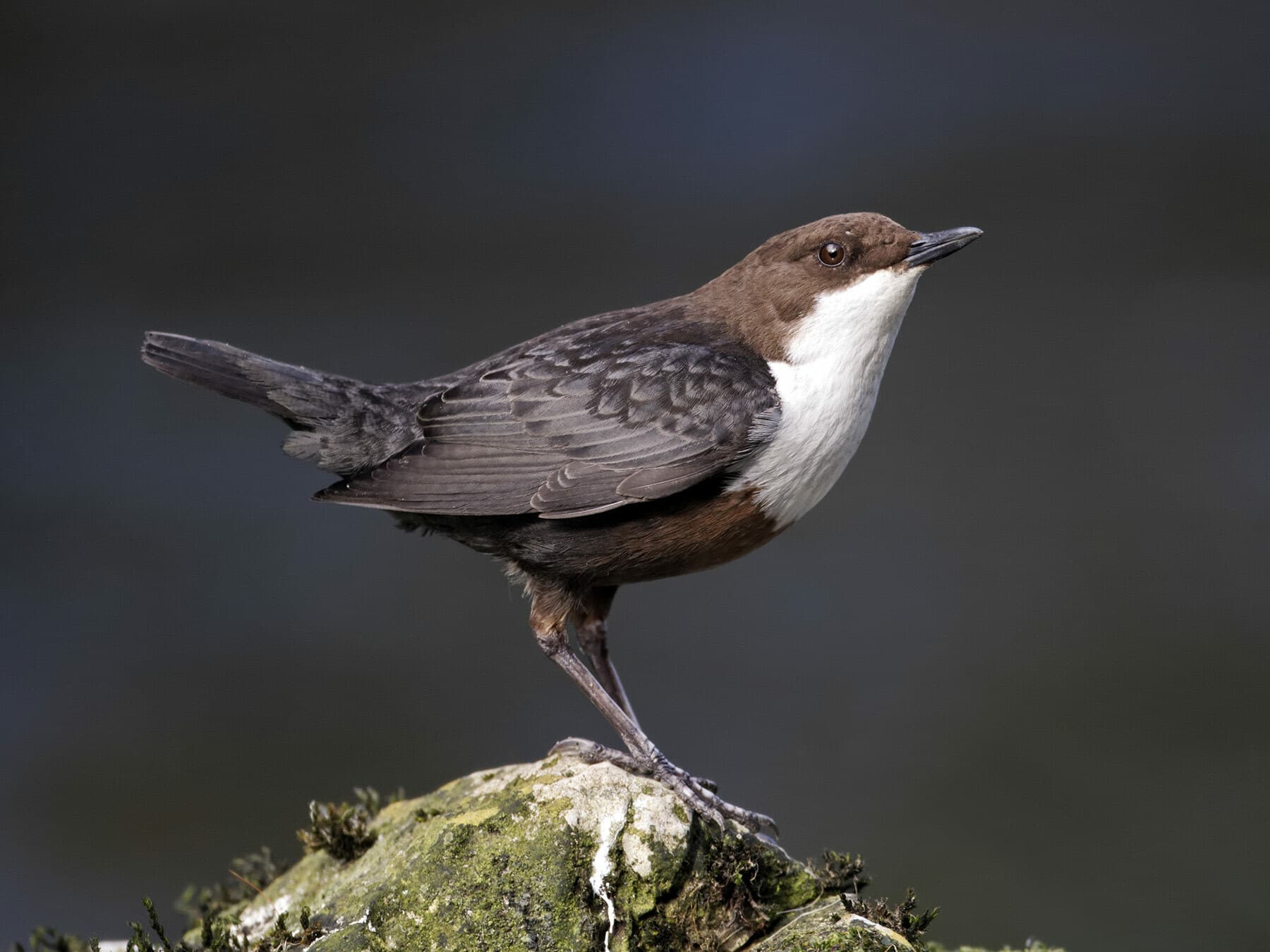 DipperCinclus cinclusPassage migrantUncommon17–20 cmRegularly Feb–Apr · 0.11% in Feb
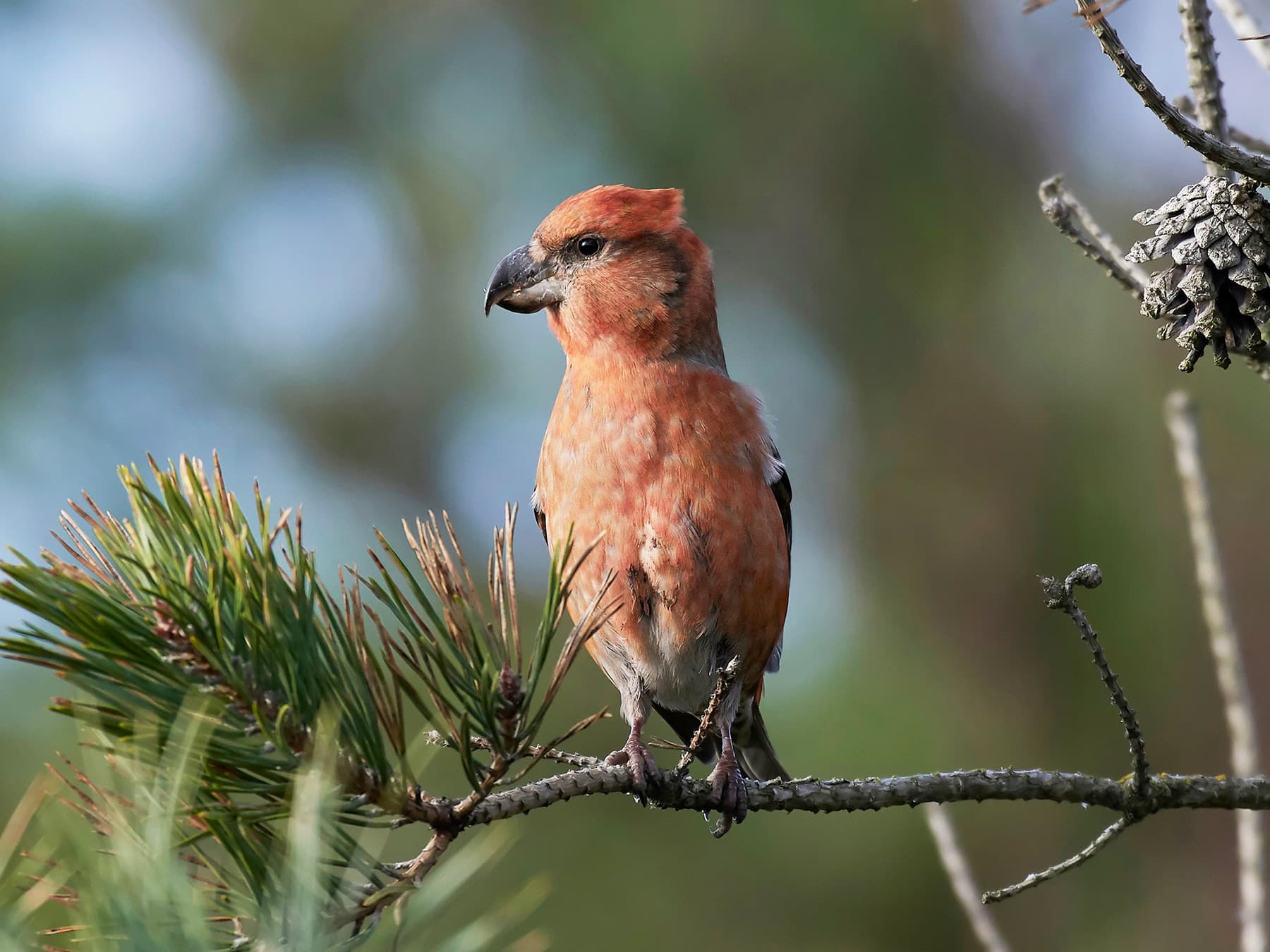 Parrot CrossbillLoxia pytyopsittacusPassage migrantUncommon16–18 cmRegularly Oct–May · 0.11% in Feb
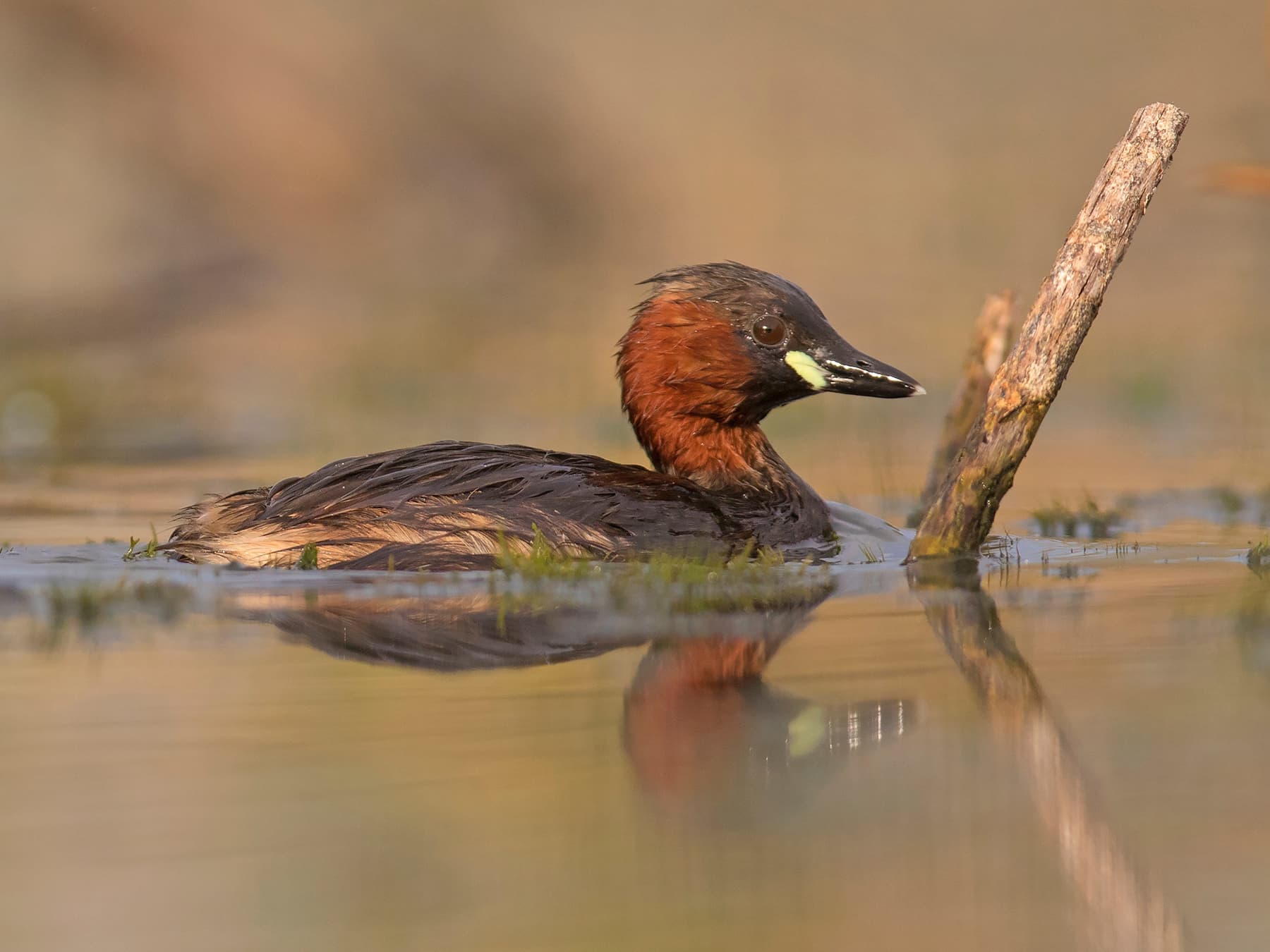 Little GrebeTachybaptus ruficollisPassage migrantUncommon23–29 cmRegularly Feb–Sep · 0.09% in Feb
Data: EOD – eBird Observation Dataset (Cornell Lab of Ornithology), accessed via GBIF.org, CC BY 4.0. Records from 2019–2024, aggregated and filtered by Birdfact. How these lists are made