


Birds to See in Bermuda in January
68 bird species on our list for Bermuda are recorded regularly in January
Of these, the most often recorded are Common Starling, House Sparrow, Mourning Dove, European Goldfinch and Mallard. New this month: Least Sandpiper, Glossy Ibis, Black-crowned Night-heron and Forster's Tern and 3 more.
On the move in January
GBIF · JanArriving
At their peak
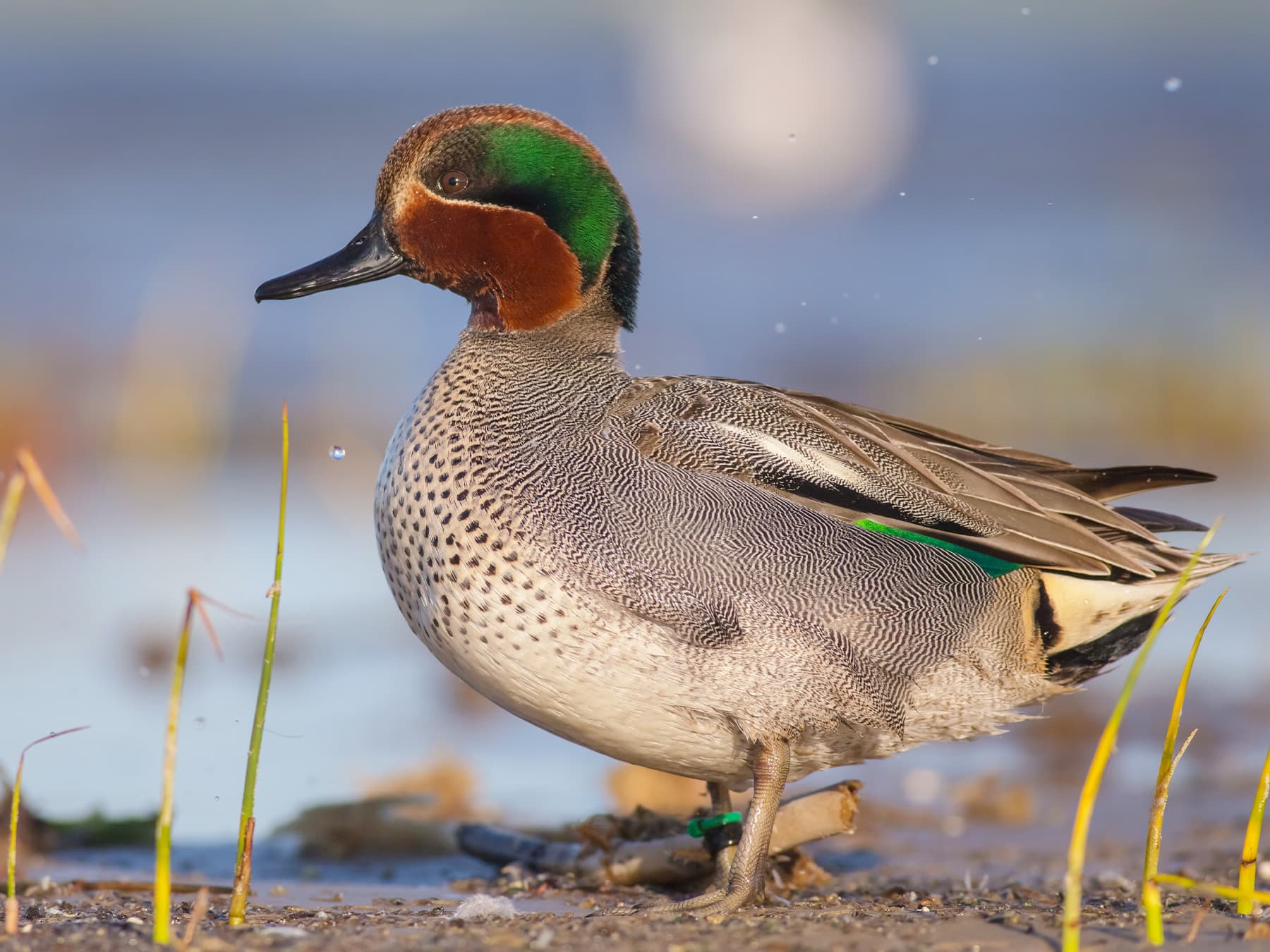 Eurasian TealBusiest month of the year · Sep–May
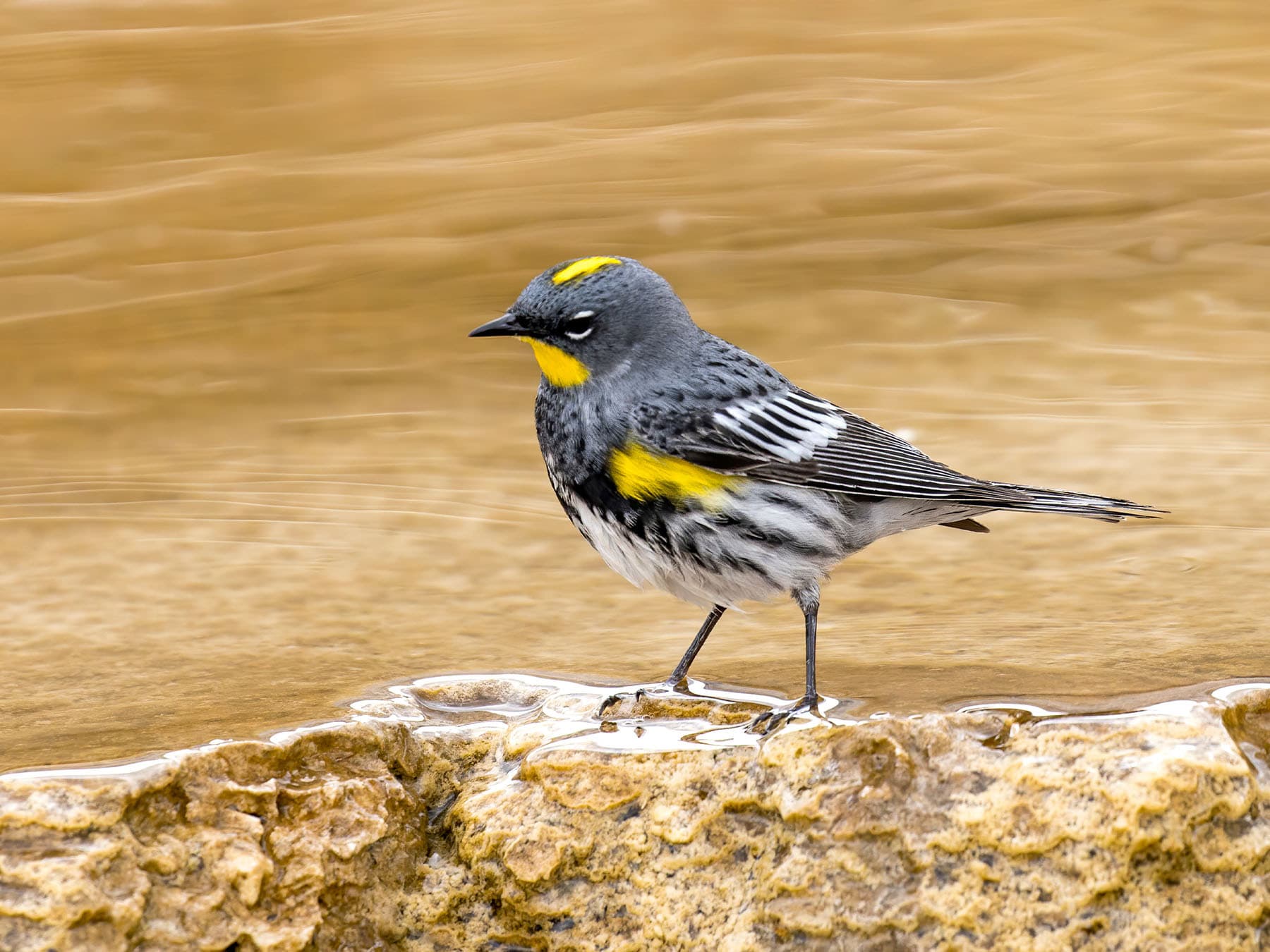 Yellow-rumped WarblerBusiest month of the year · Oct–Apr
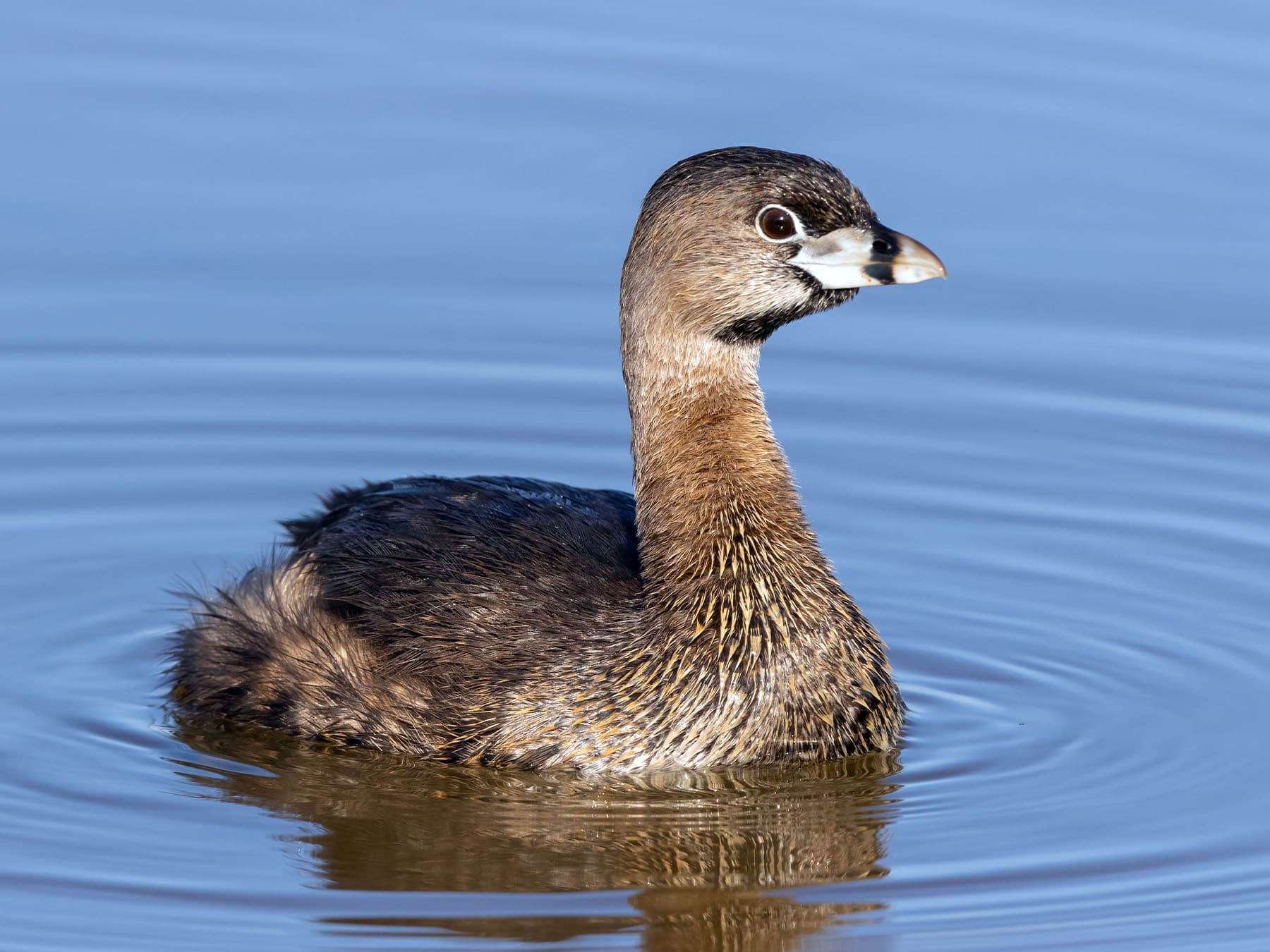 Pied-billed GrebeBusiest month of the year · Sep–May
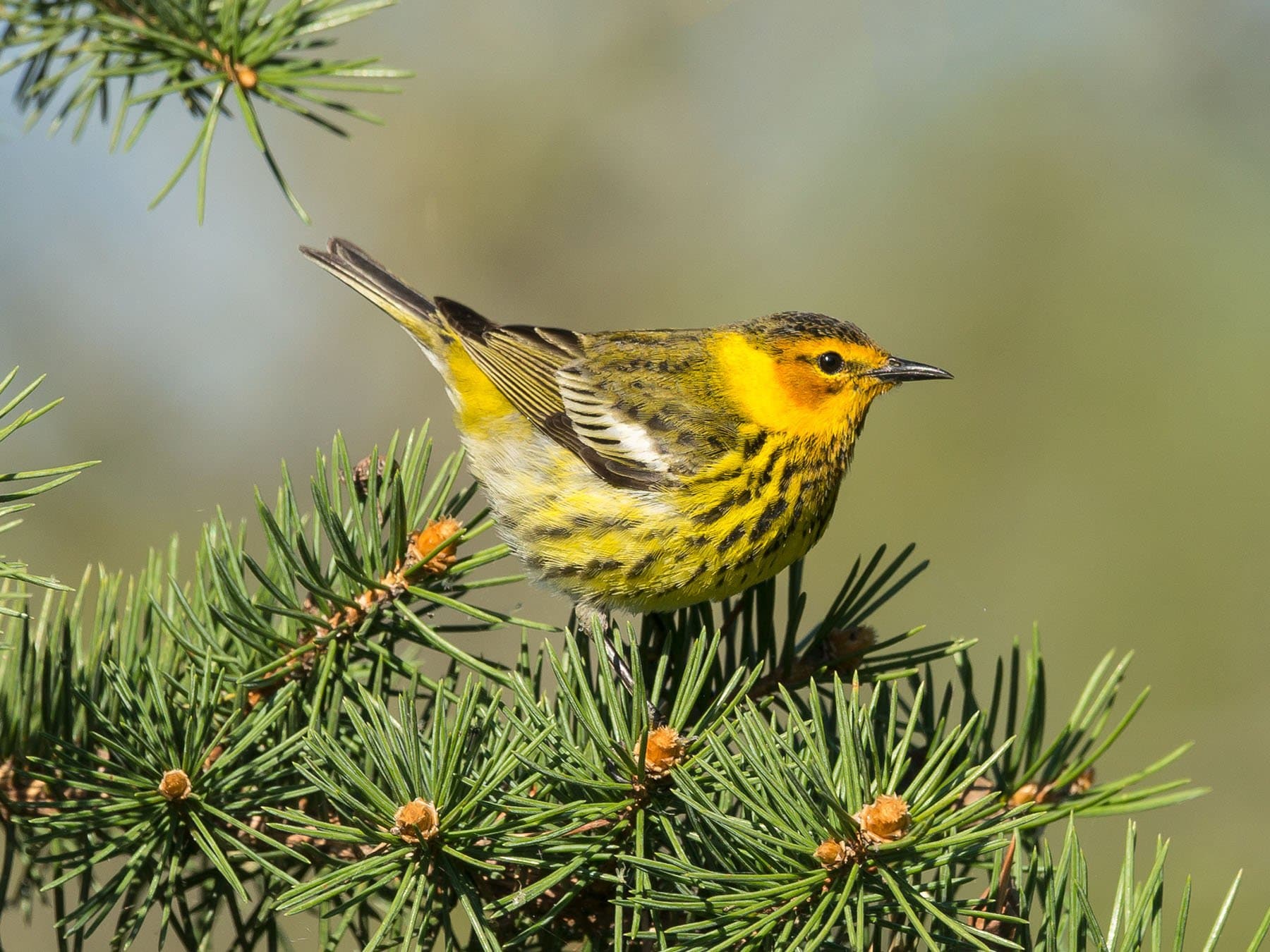 Cape May WarblerBusiest month of the year · Sep–Apr
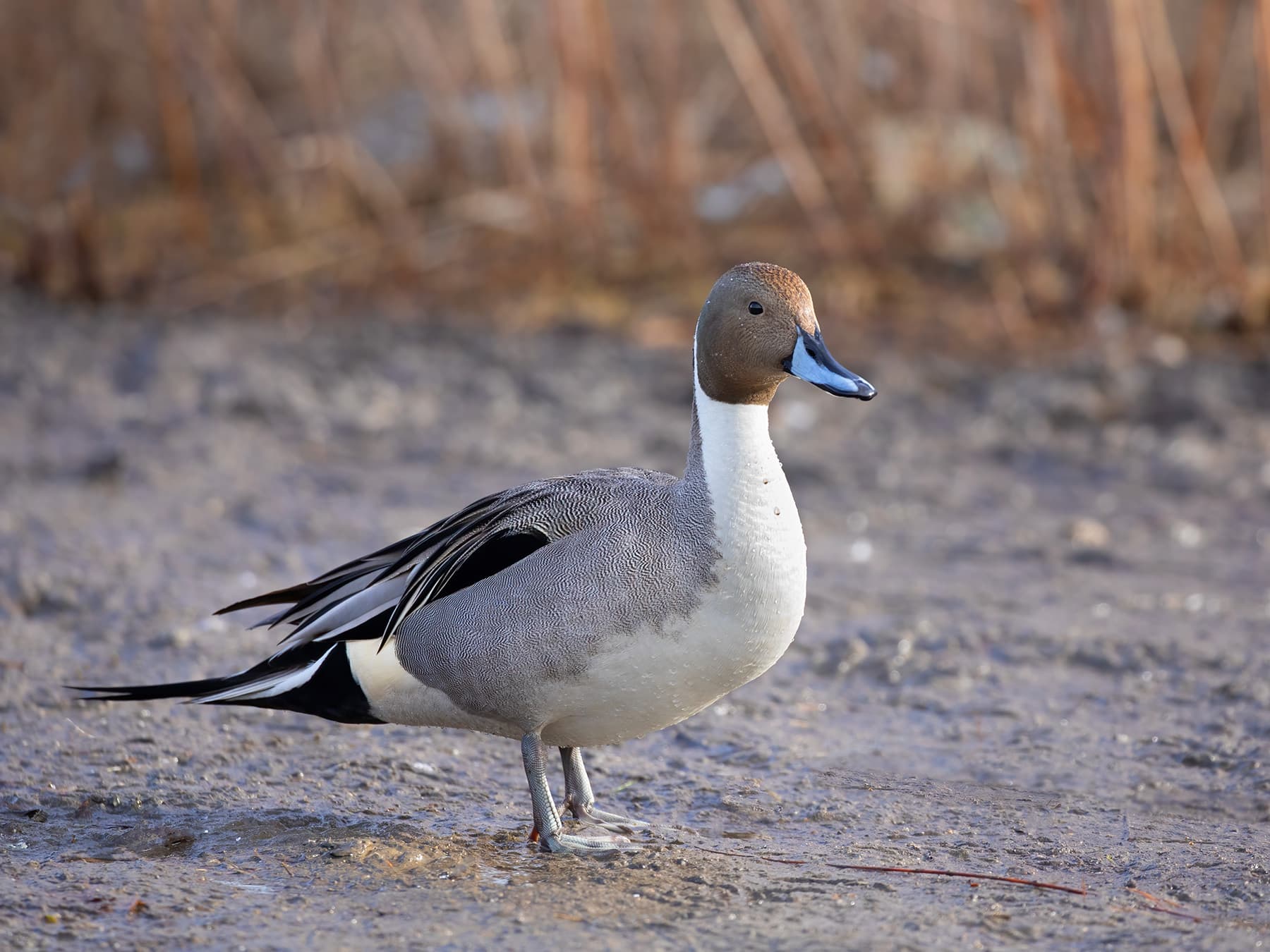 Northern PintailBusiest month of the year · Nov–Apr
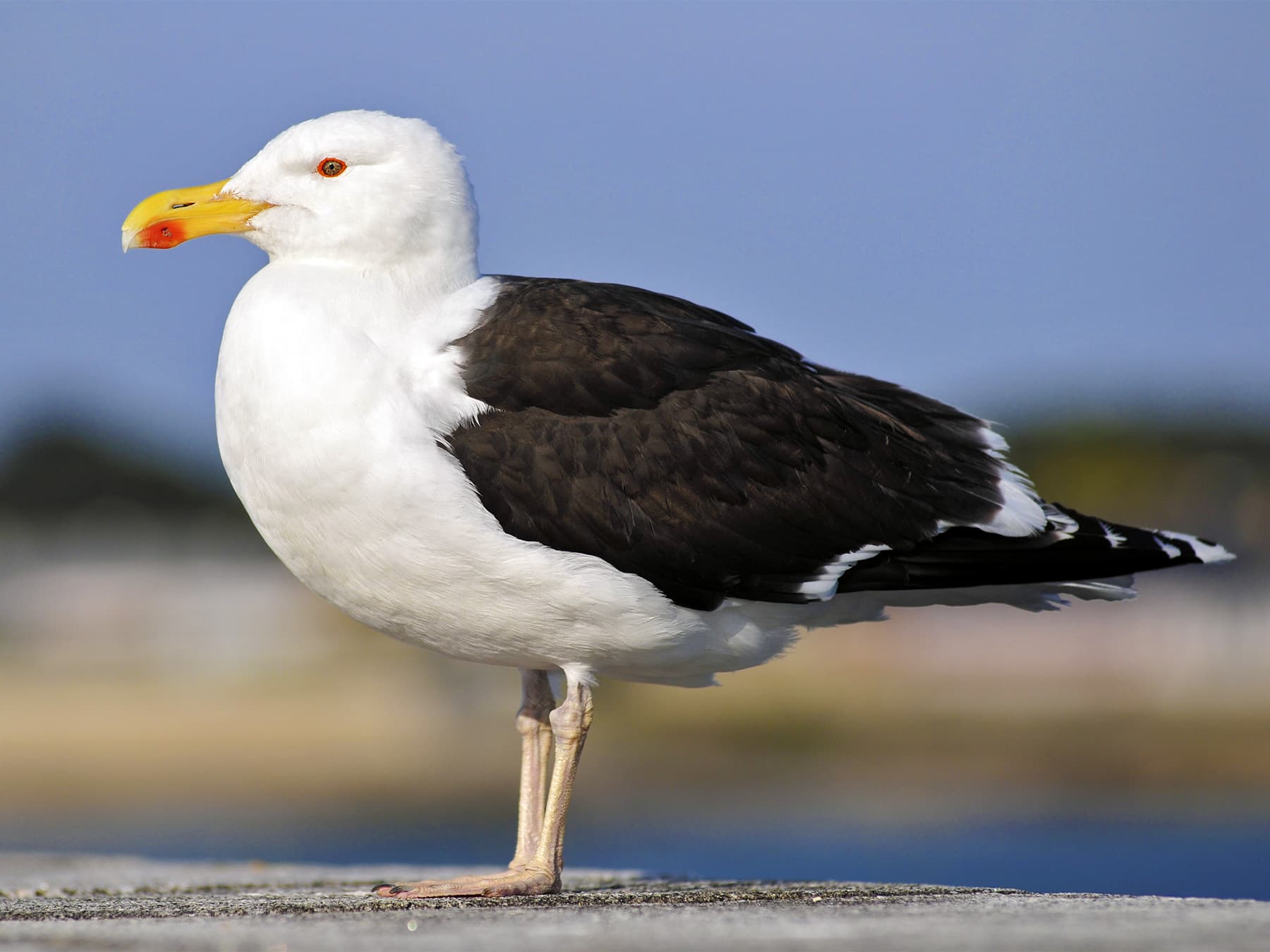 Great Black-backed GullBusiest month of the year · Oct–Apr
From Bermuda’s bird records, 2019–2024: arriving birds are regular this month but not last; leaving birds are regular this month but not next.
Other months
All 68 birds in January
68 birds
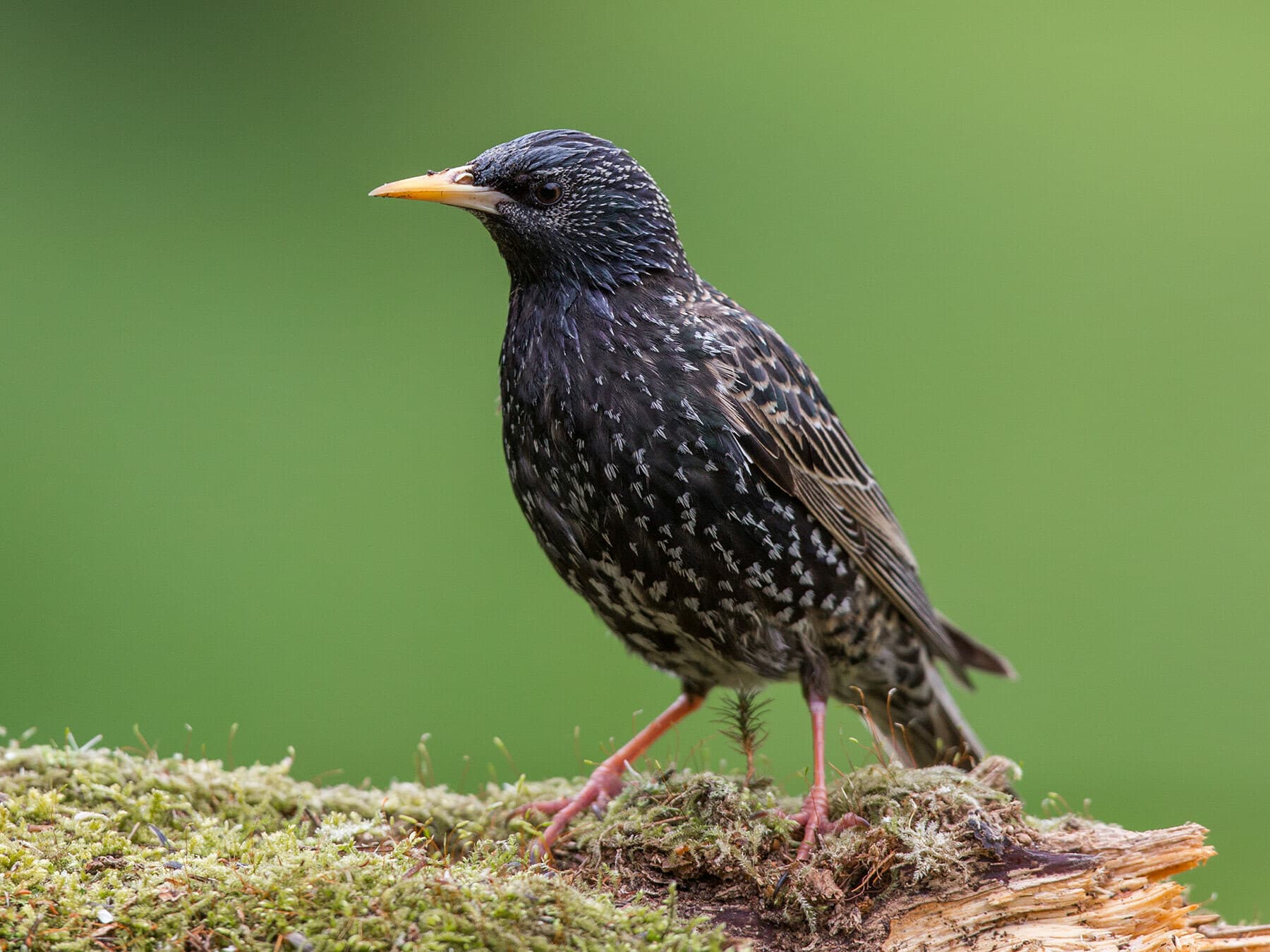 Common StarlingSturnus vulgarisResidentCommon21–23 cmRecorded all year · 6.30% in Jan
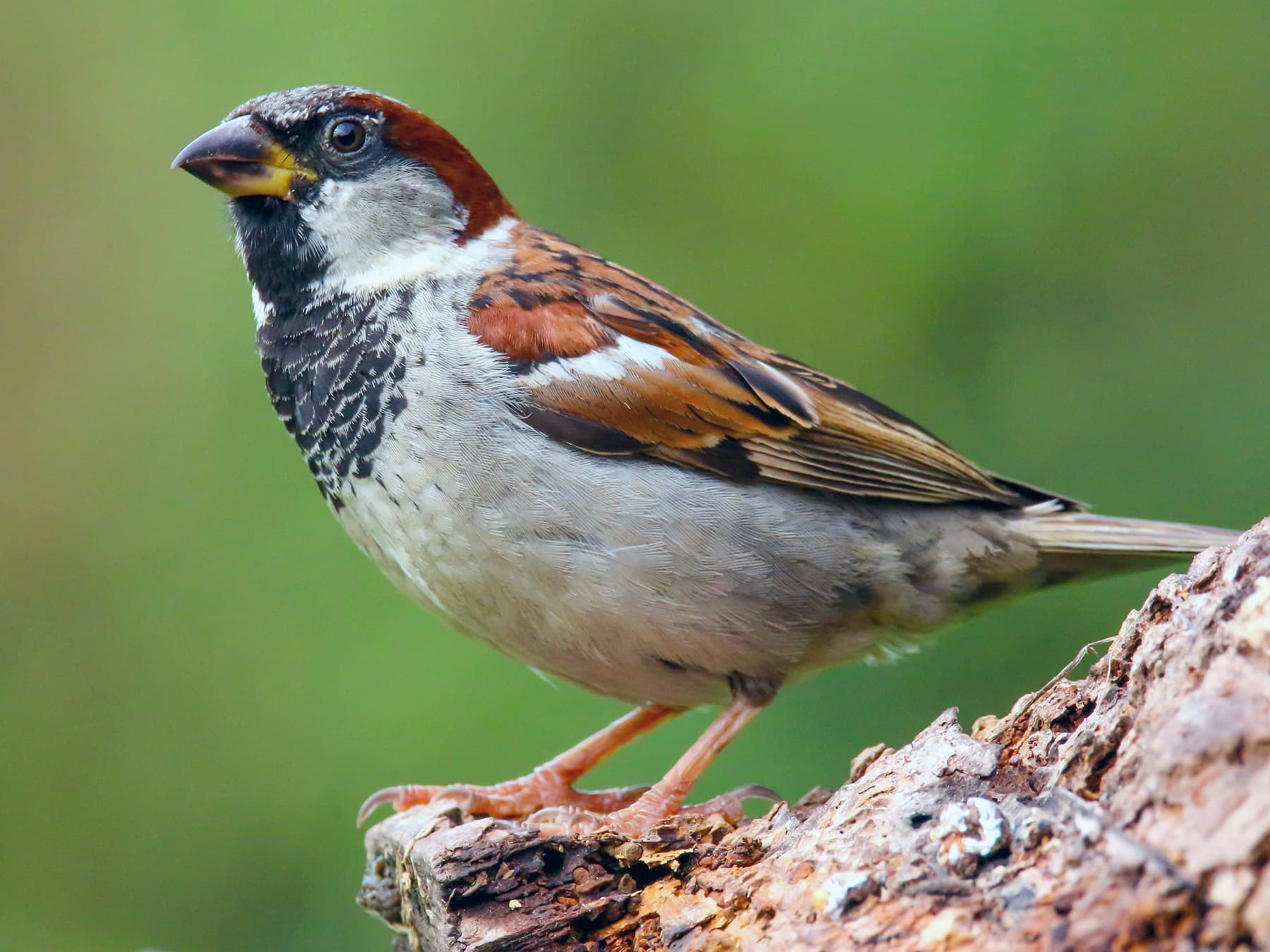 House SparrowPasser domesticusResidentCommon14–17 cmRecorded all year · 5.66% in Jan
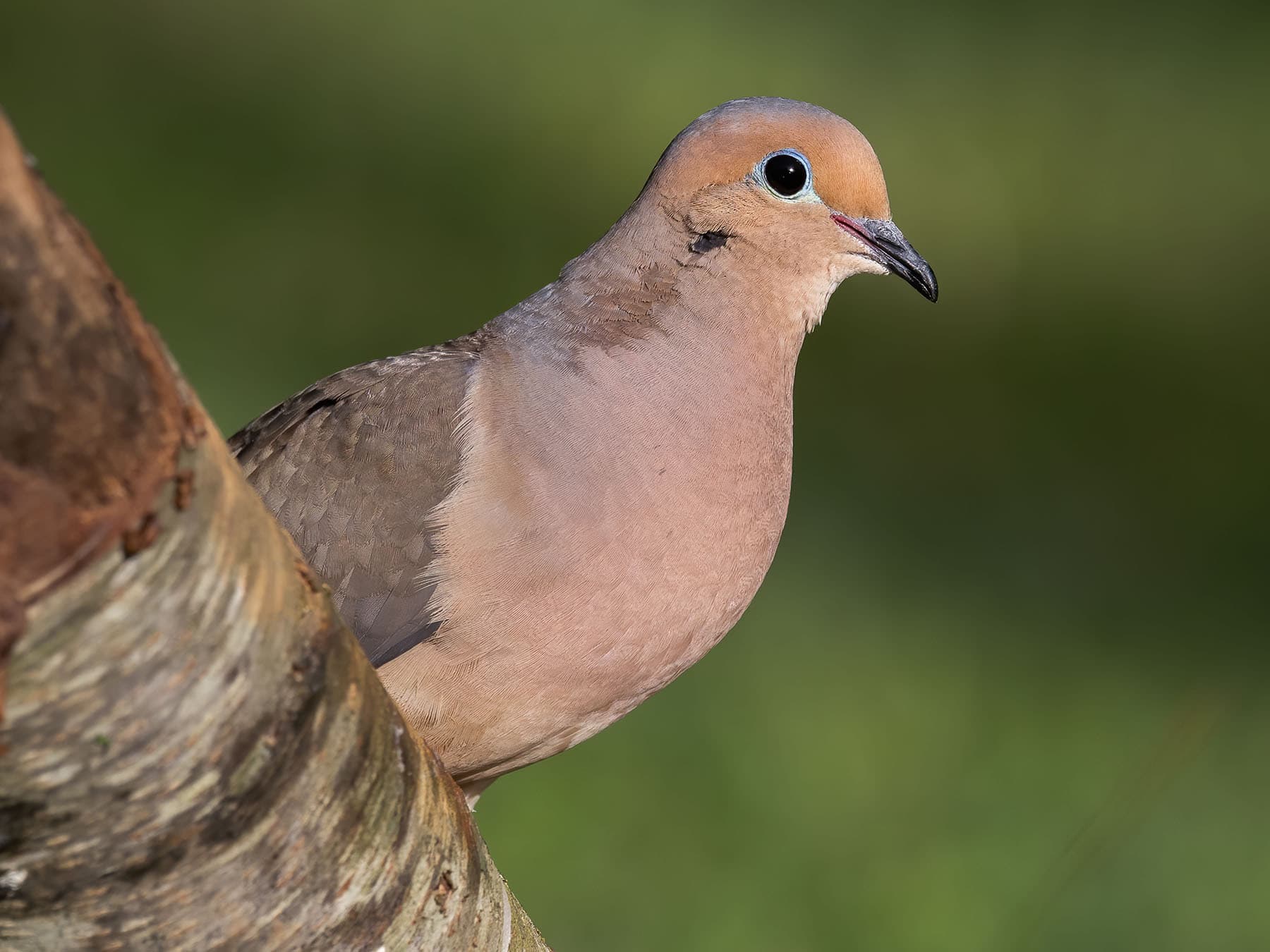 Mourning DoveZenaida macrouraResidentCommon23–34 cmRecorded all year · 3.99% in Jan
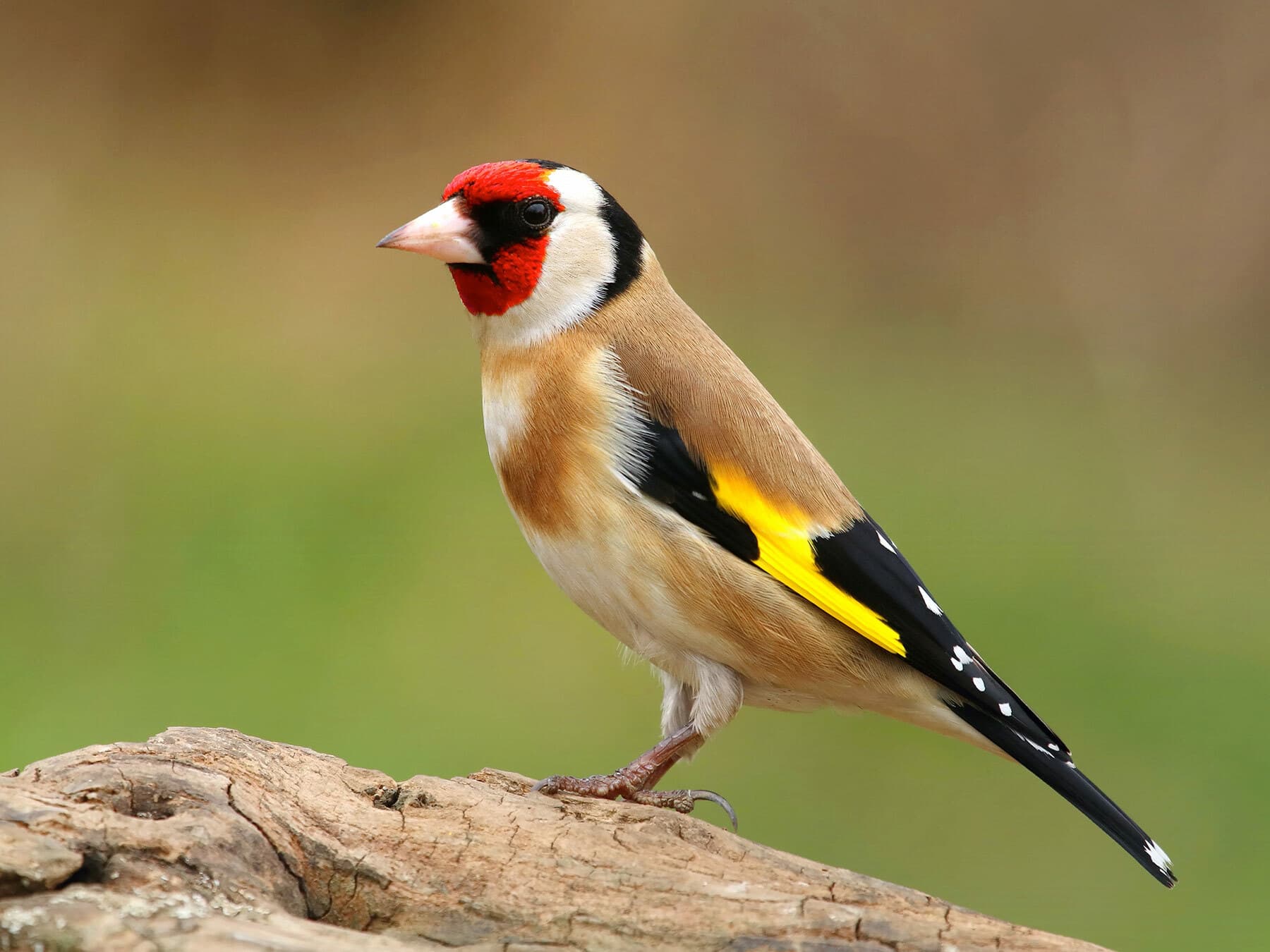 European GoldfinchCarduelis carduelisResidentCommon12–13 cmRecorded all year · 3.62% in Jan
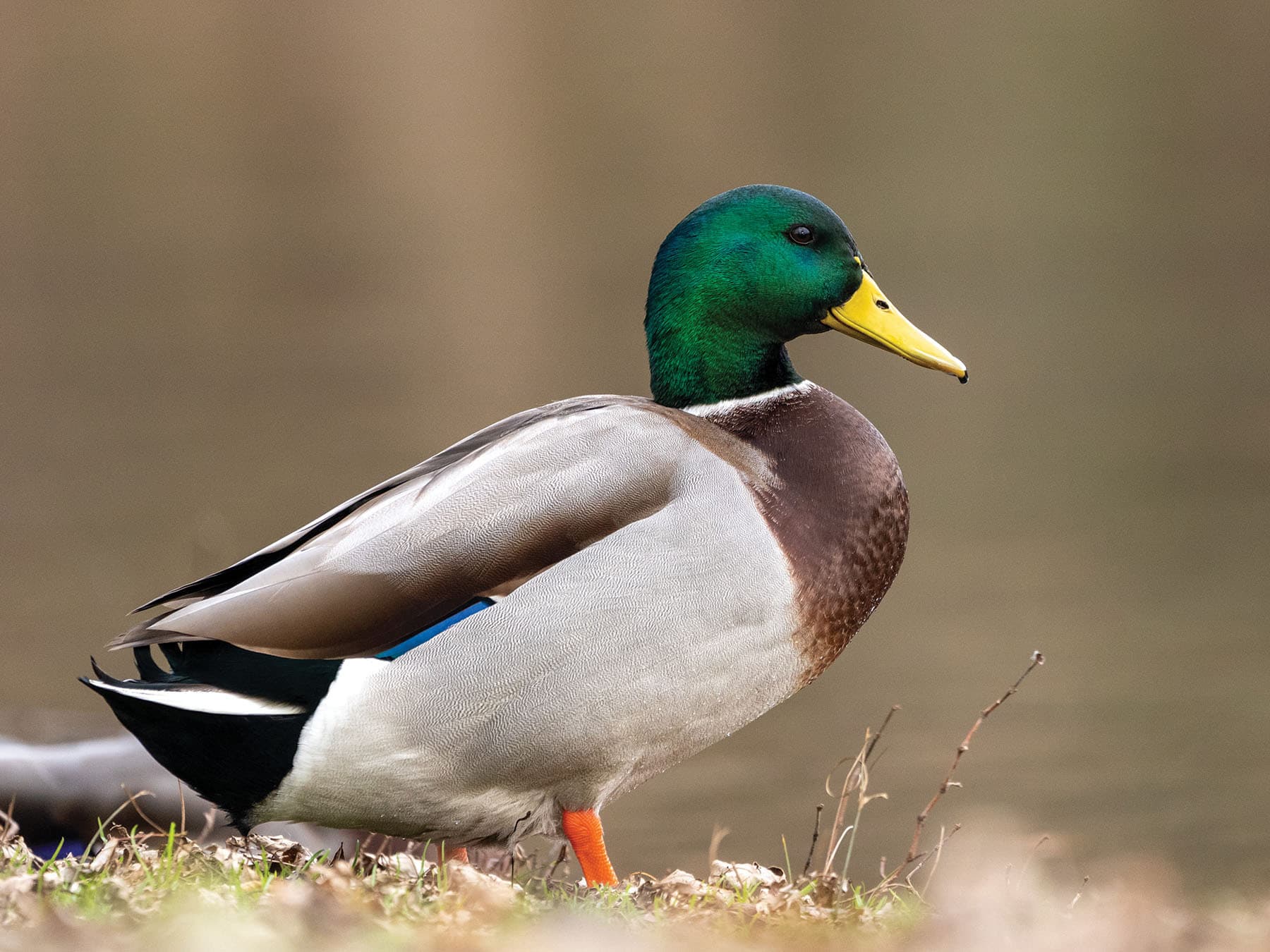 MallardAnas platyrhynchosResidentCommon50–65 cmRecorded all year · 3.44% in Jan
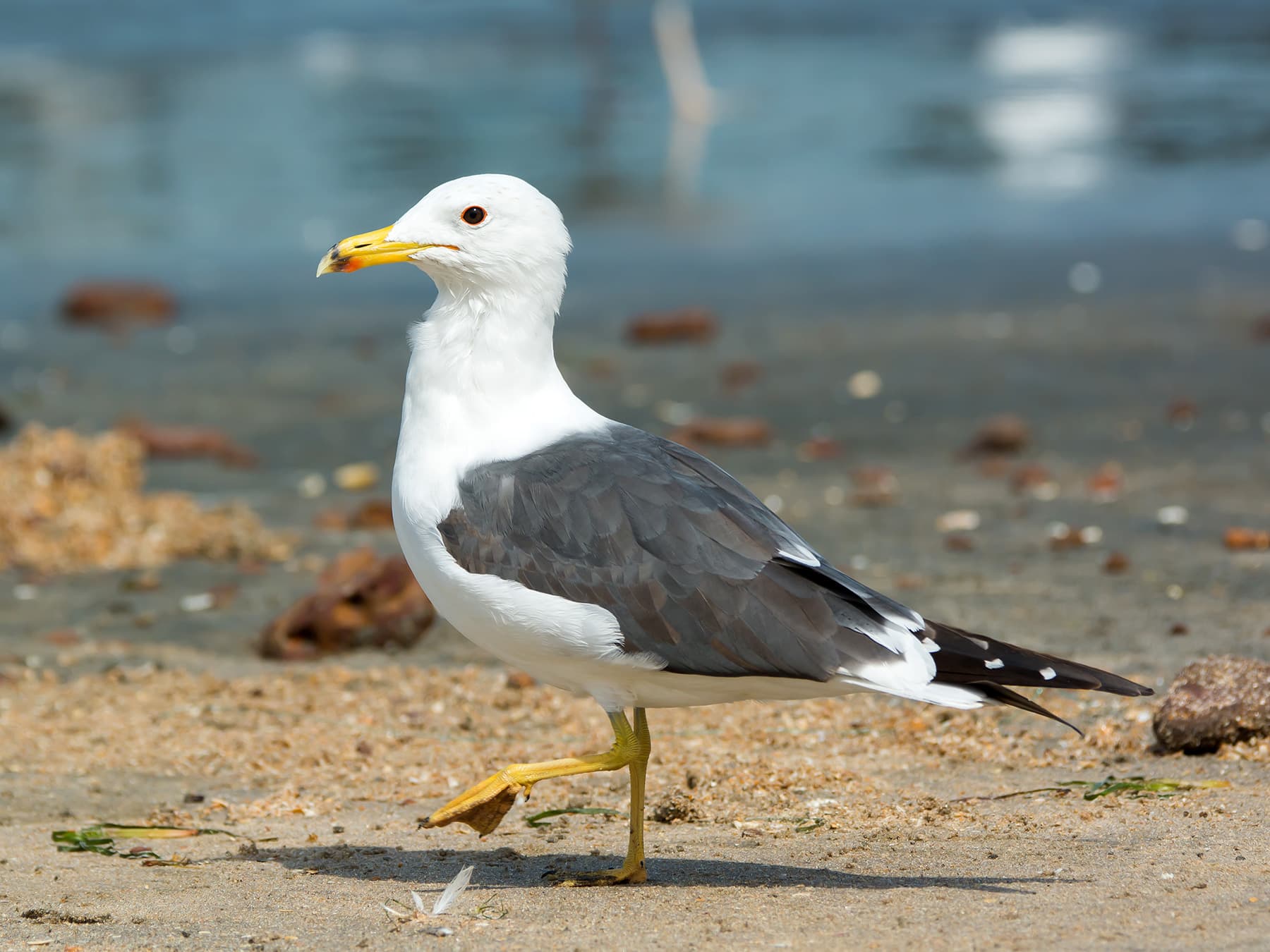 Lesser Black-backed GullLarus fuscusWinter visitorCommon52–64 cmRecorded all year · 3.32% in Jan
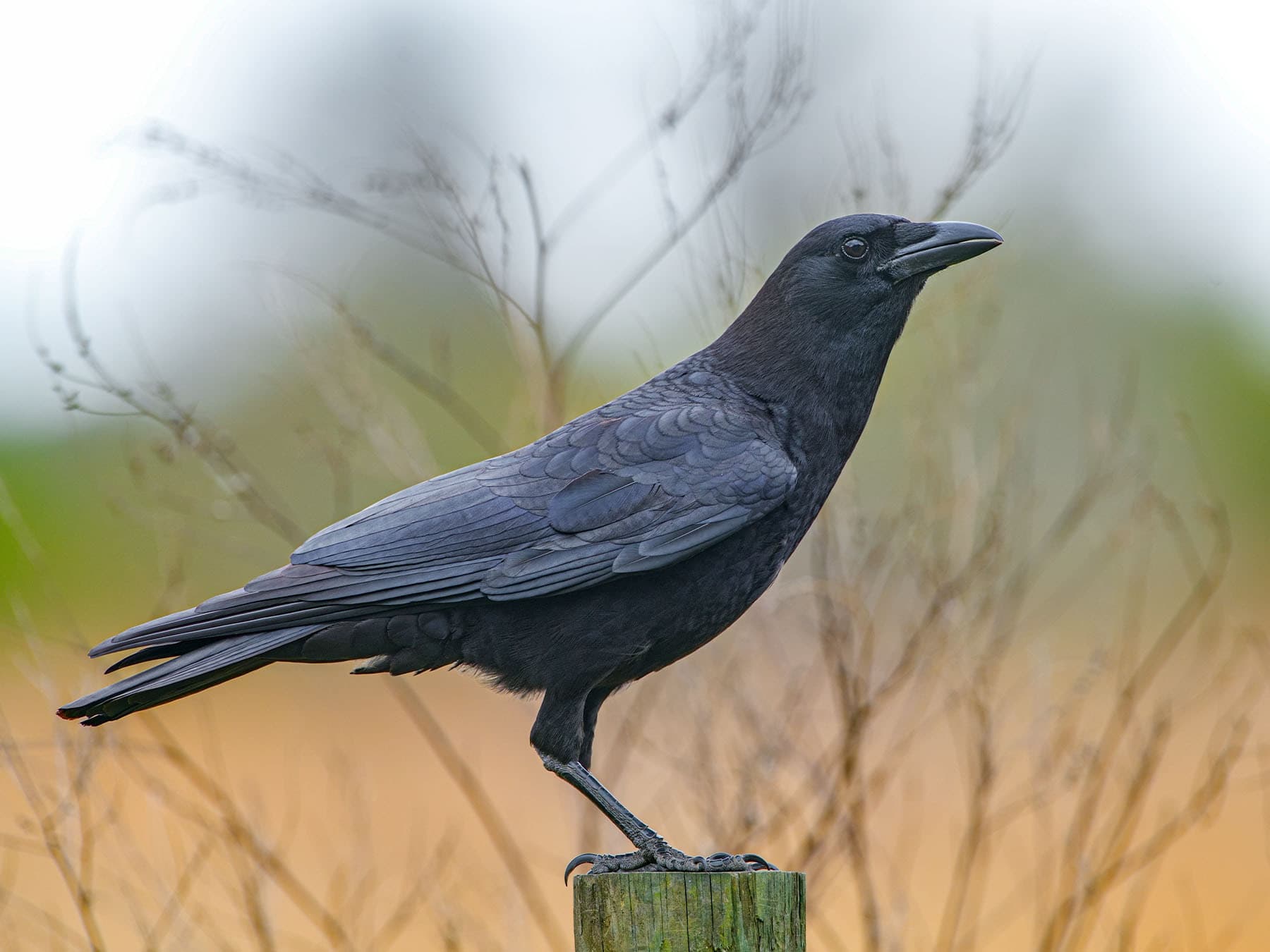 American CrowCorvus brachyrhynchosResidentCommon41–53 cmRecorded all year · 3.02% in Jan
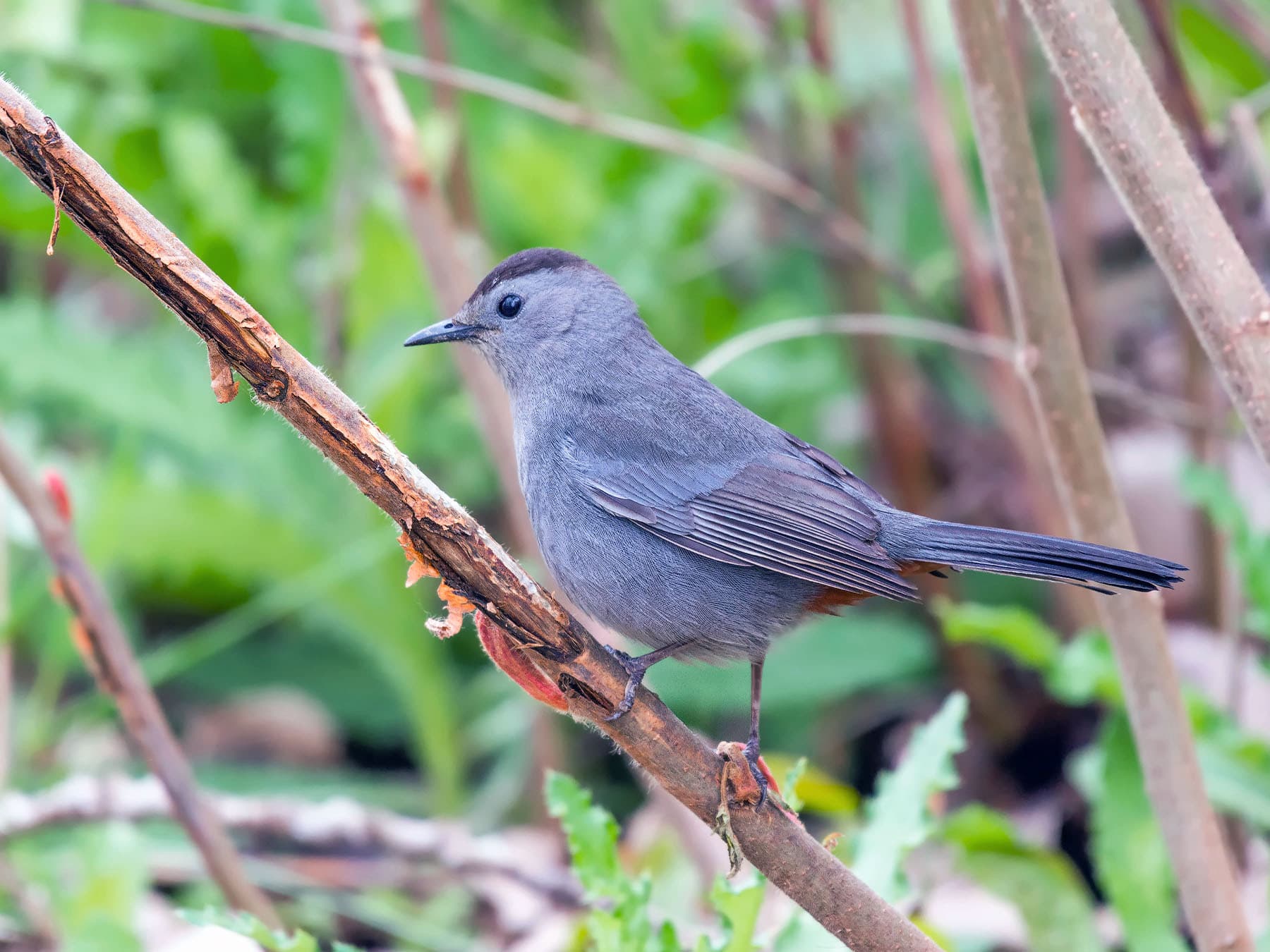 Gray CatbirdDumetella carolinensisResidentCommon20–24 cmRecorded all year · 2.81% in Jan
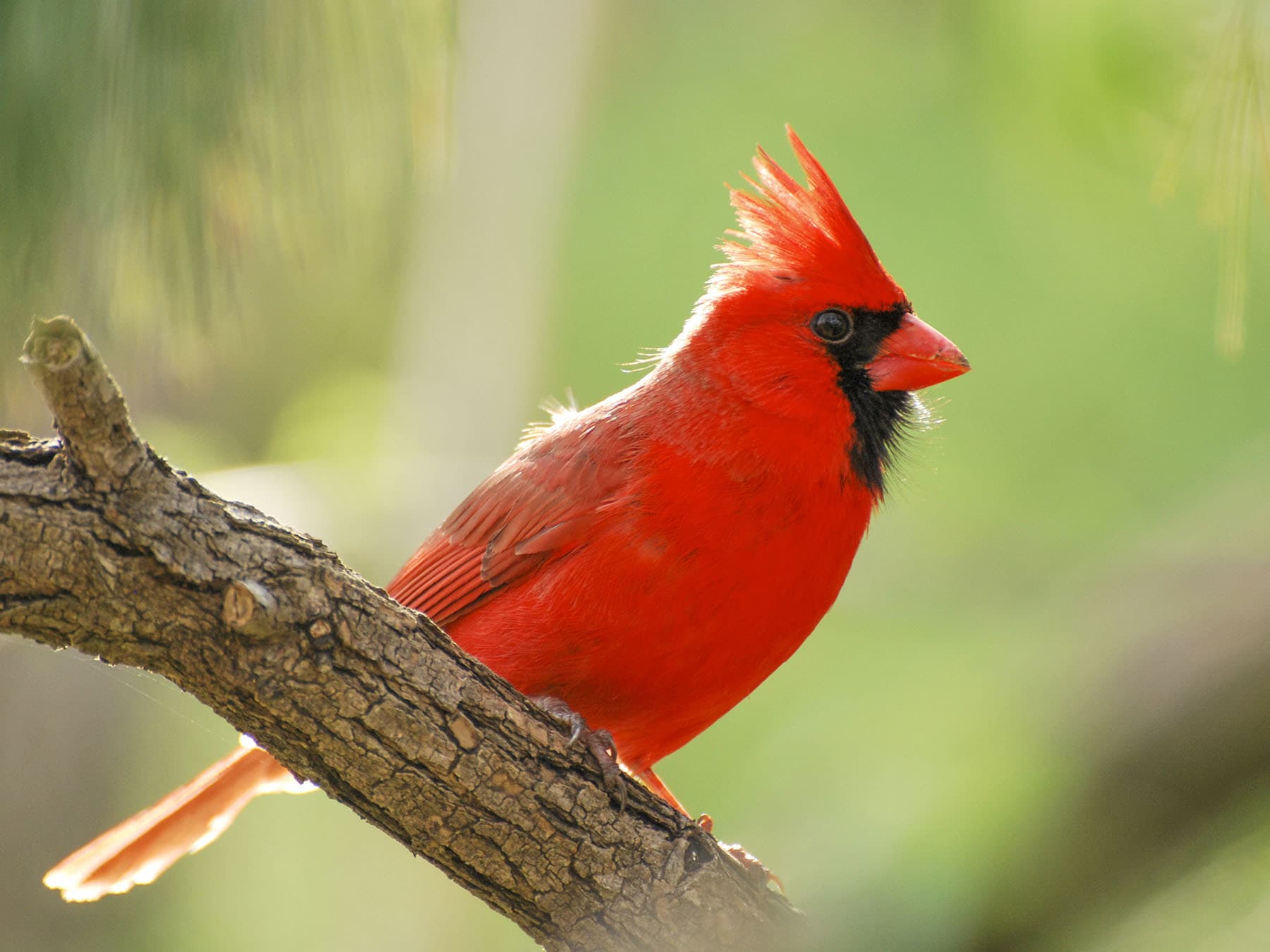 Northern CardinalCardinalis cardinalisResidentCommon21–23 cmRecorded all year · 2.75% in Jan
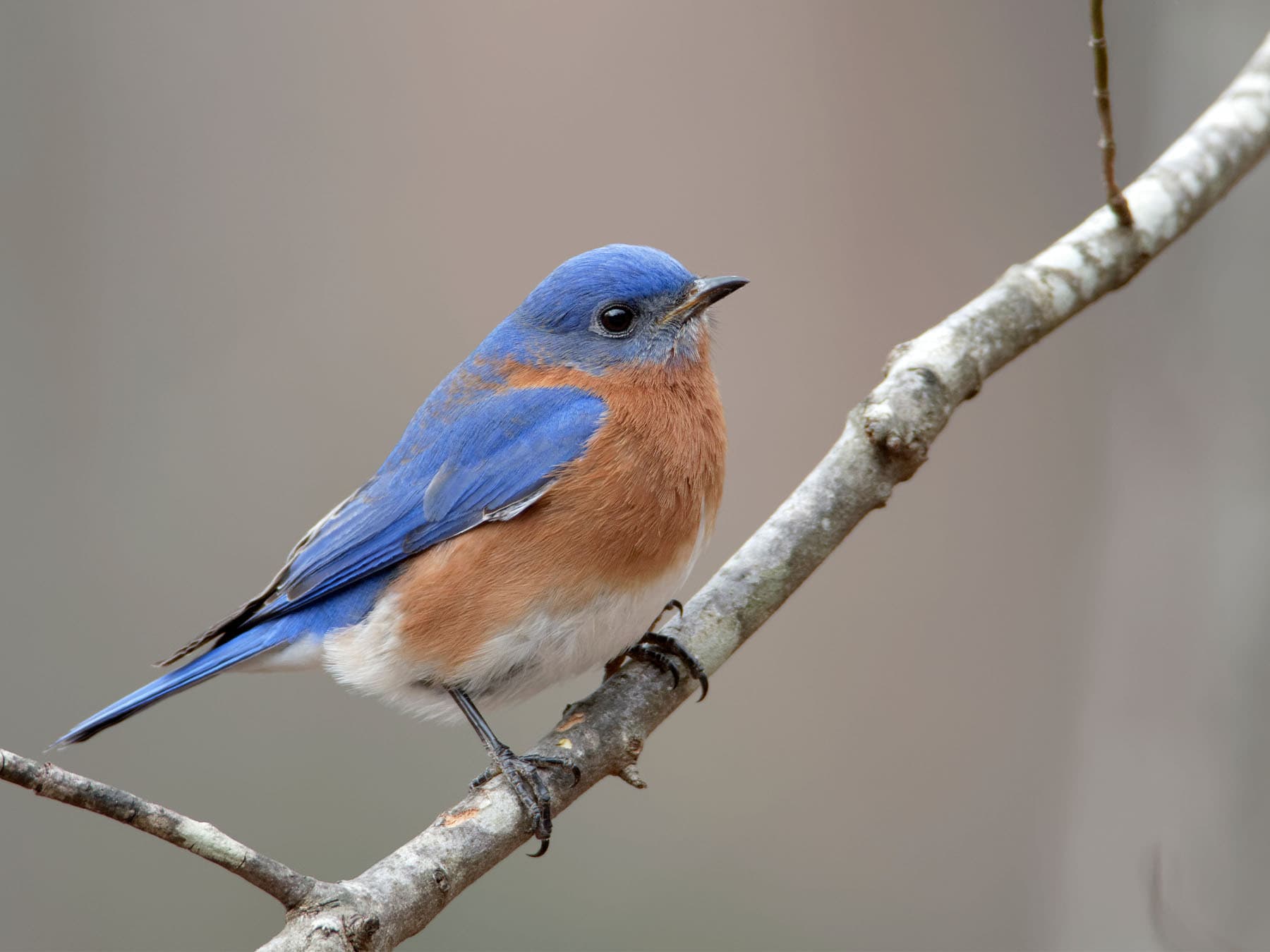 Eastern BluebirdSialia sialisResidentCommon16–21 cmRecorded all year · 2.60% in Jan
 Northern WaterthrushParkesia noveboracensisWinter visitorCommon12–15 cmRegularly Aug–May · 1.53% in Jan
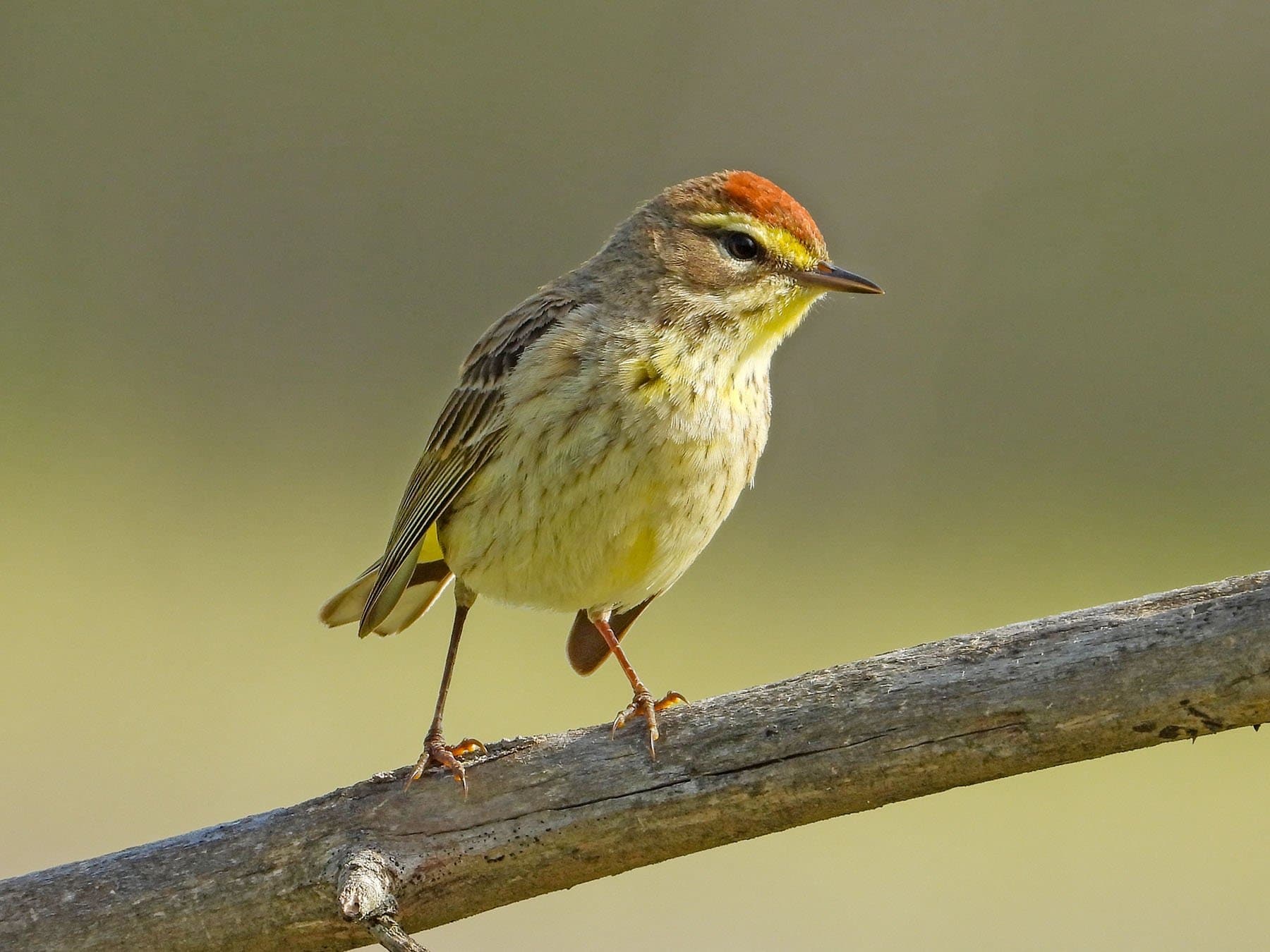 Palm WarblerSetophaga palmarumWinter visitorCommon12–14 cmRegularly Oct–Apr · 1.51% in Jan
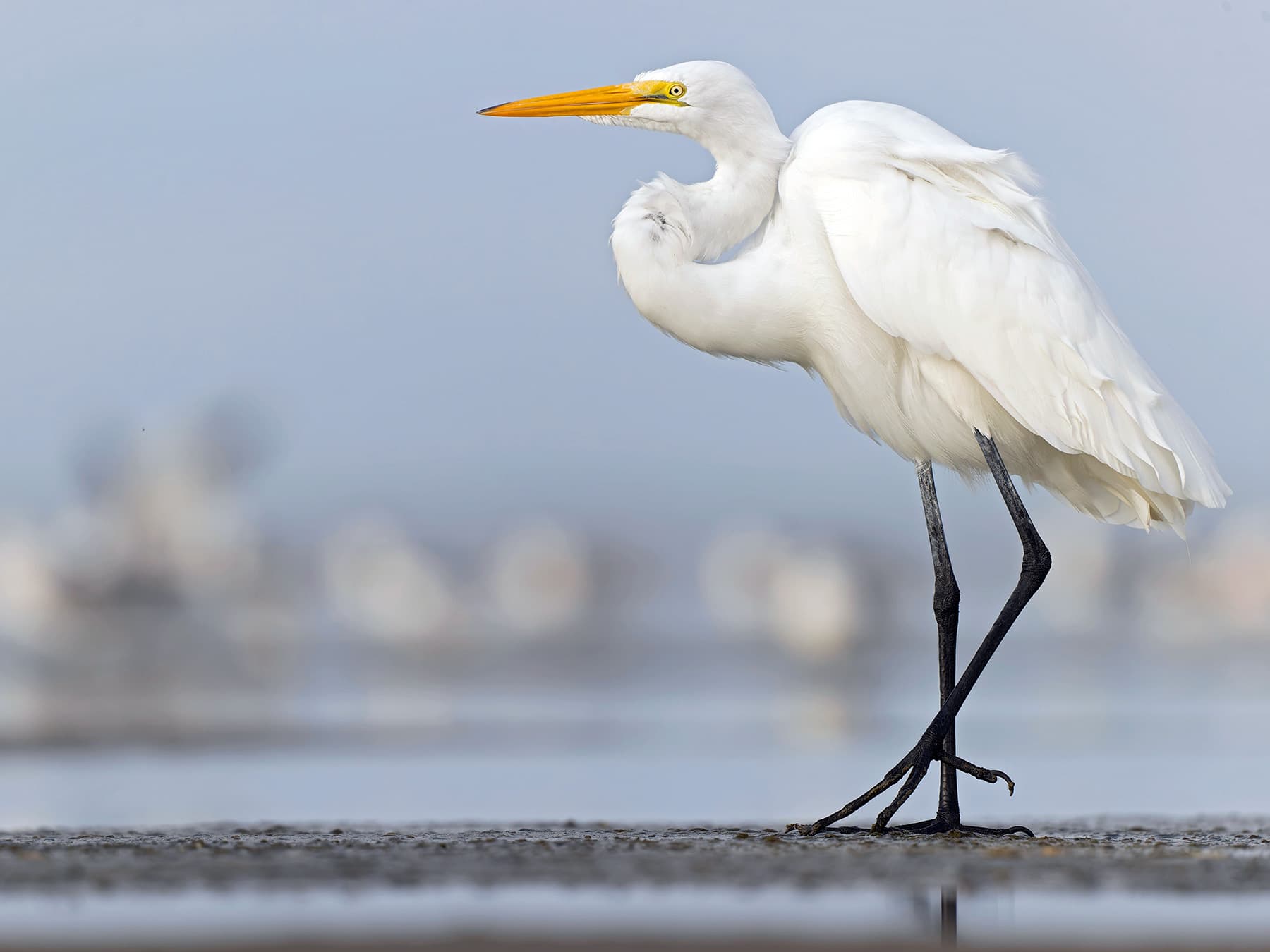 Great White EgretArdea albaResidentCommon80–104 cmRecorded all year · 1.45% in Jan
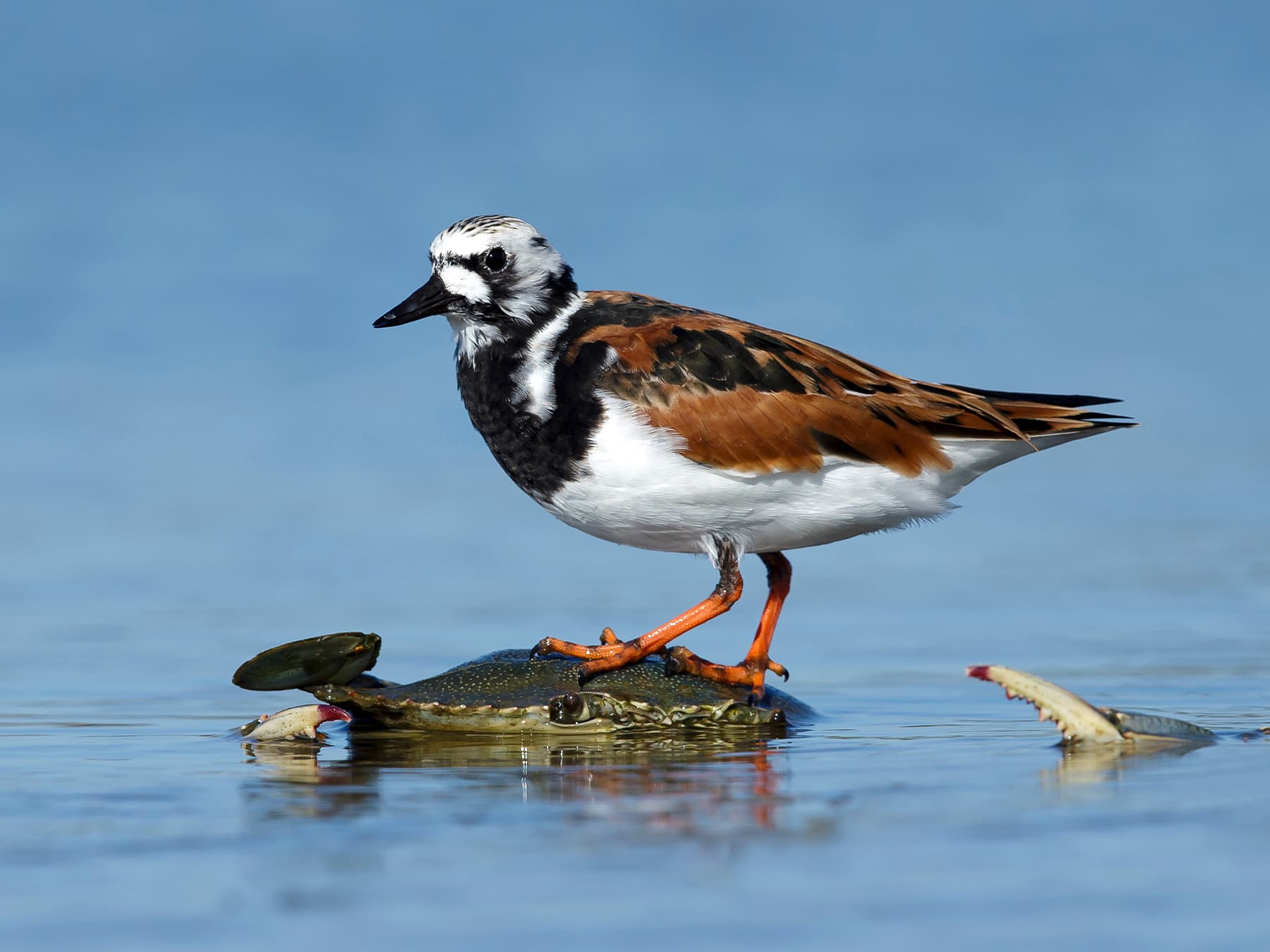 Ruddy TurnstoneArenaria interpresResidentCommon21–24 cmRecorded all year · 1.40% in Jan
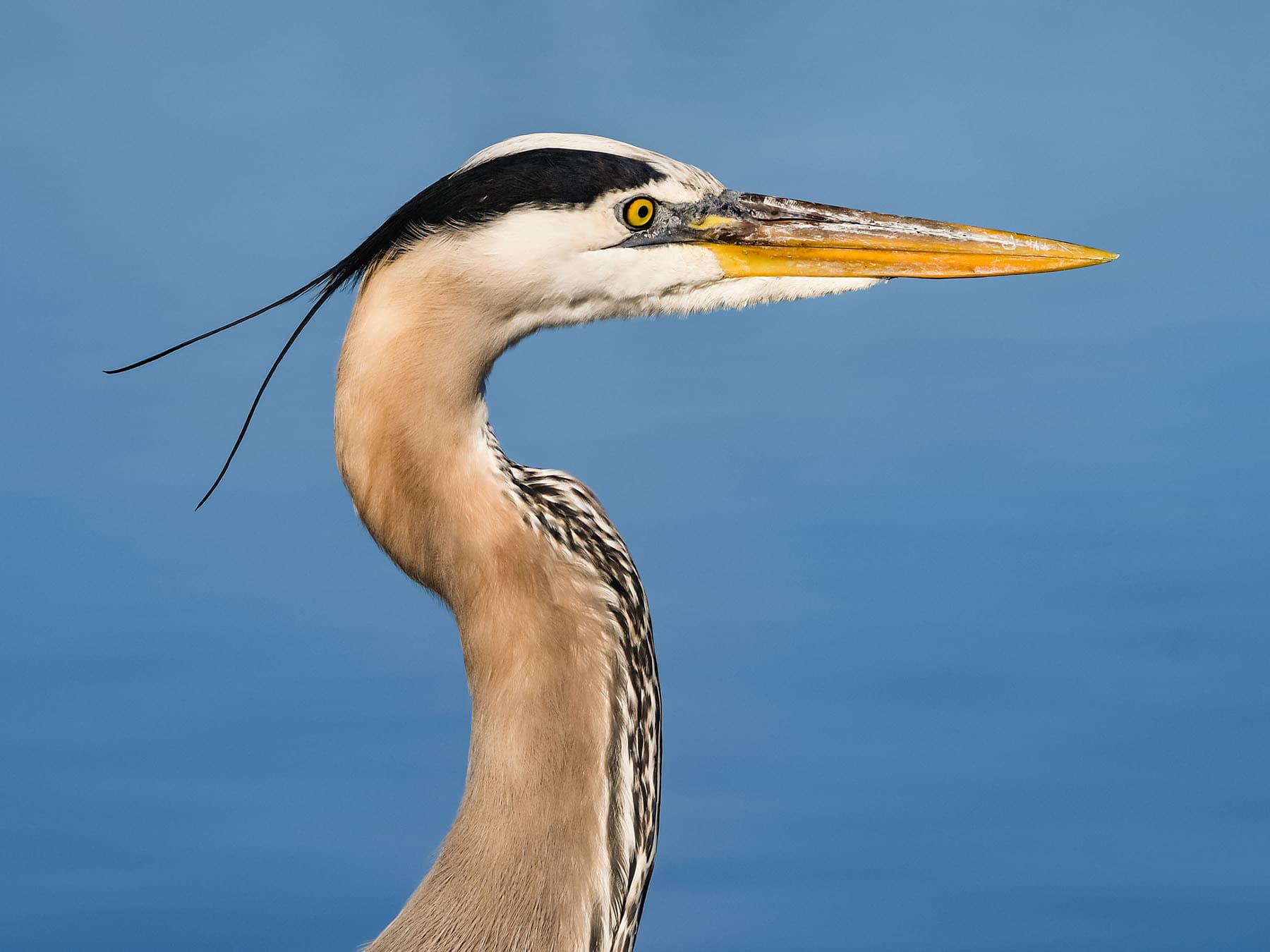 Great Blue HeronArdea herodiasResidentCommon91–137 cmRecorded all year · 1.39% in Jan
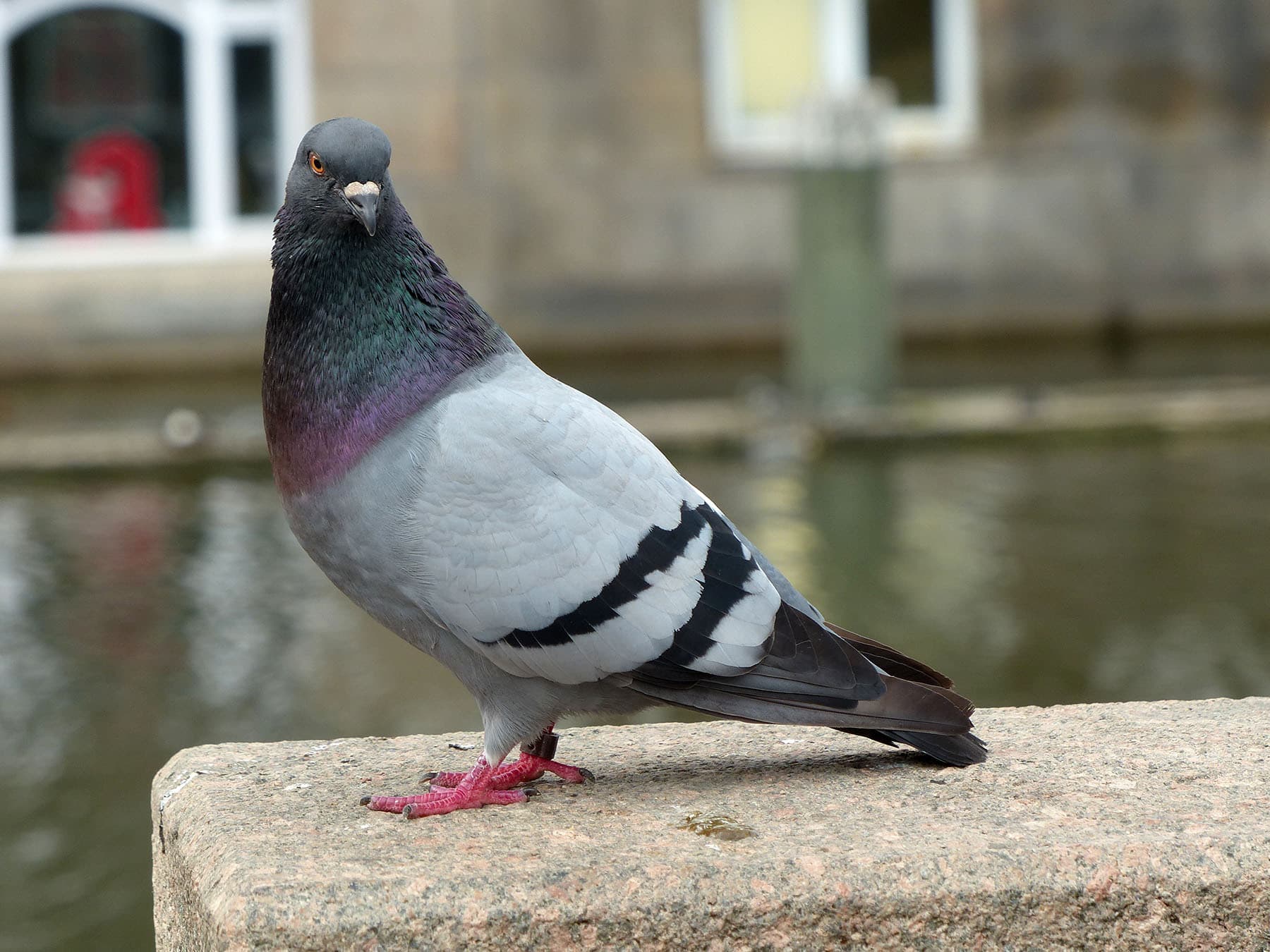 Rock DoveColumba liviaResidentCommon31–34 cmRecorded all year · 1.34% in Jan
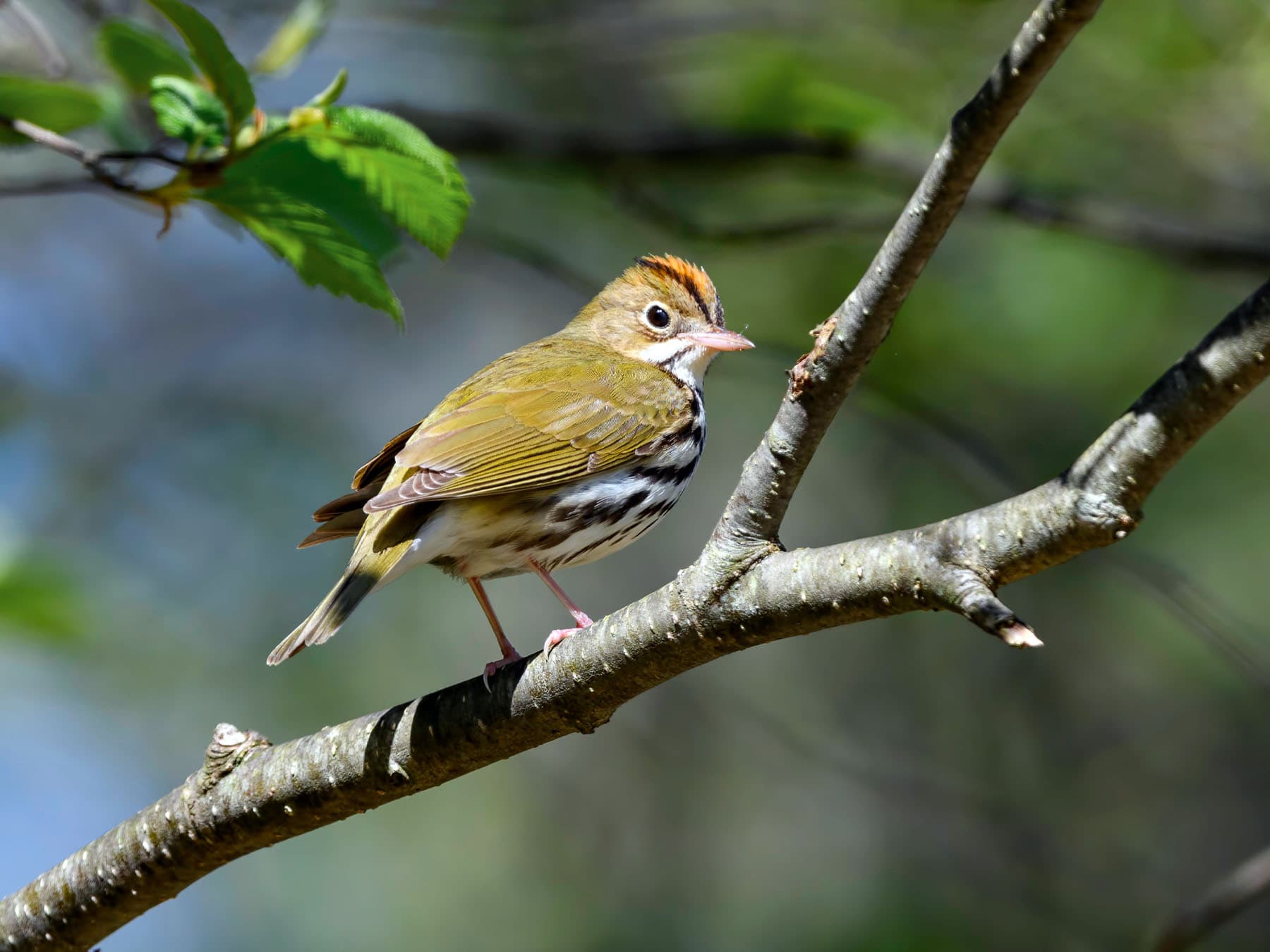 OvenbirdSeiurus aurocapillaWinter visitorCommon12–15 cmRegularly Sep–Apr · 1.32% in Jan
- Eurasian TealAnas creccaWinter visitorCommon34–38 cmRegularly Sep–May · 1.03% in Jan
- Yellow-rumped WarblerSetophaga coronataWinter visitorCommon12–15 cmRegularly Oct–Apr · 0.97% in Jan
 American RedstartSetophaga ruticillaWinter visitorCommon11–14 cmRegularly Aug–Apr · 0.93% in Jan
- Pied-billed GrebePodilymbus podicepsWinter visitorCommon31–38 cmRegularly Sep–May · 0.83% in Jan
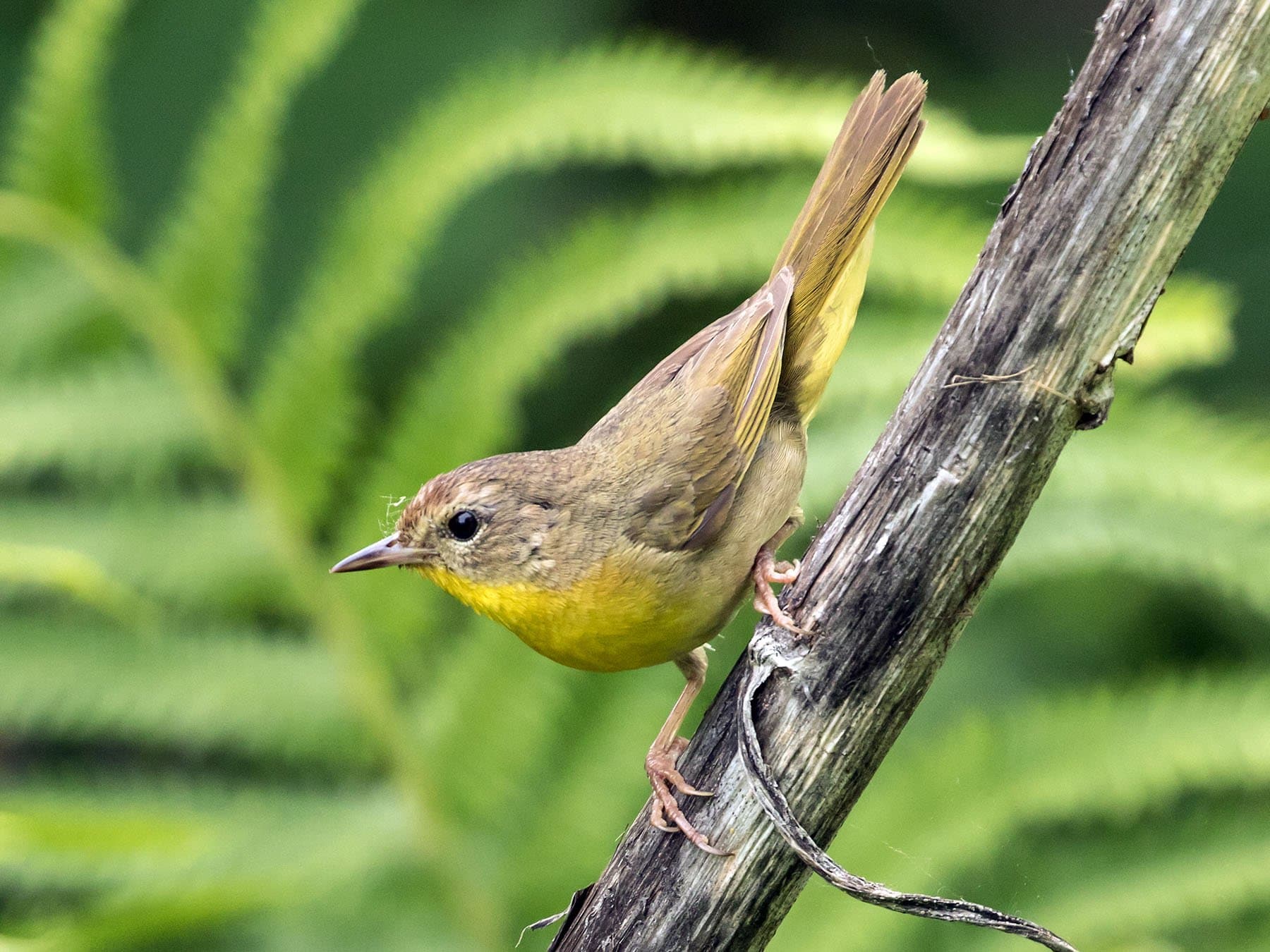 Common YellowthroatGeothlypis trichasWinter visitorCommon11–13 cmRegularly Sep–Apr · 0.83% in Jan
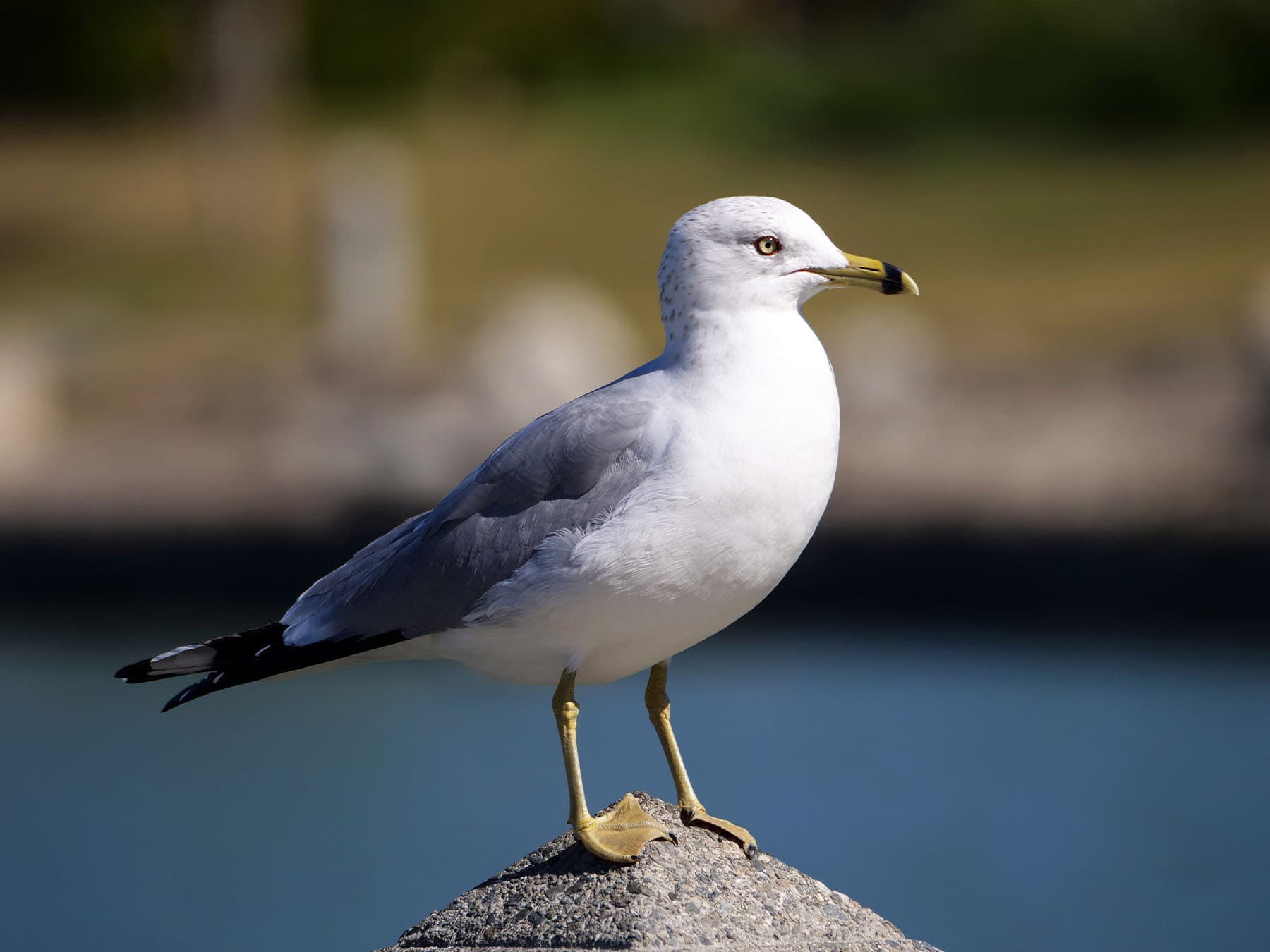 Ring-billed GullLarus delawarensisWinter visitorCommon43–54 cmRegularly Oct–Apr · 0.82% in Jan
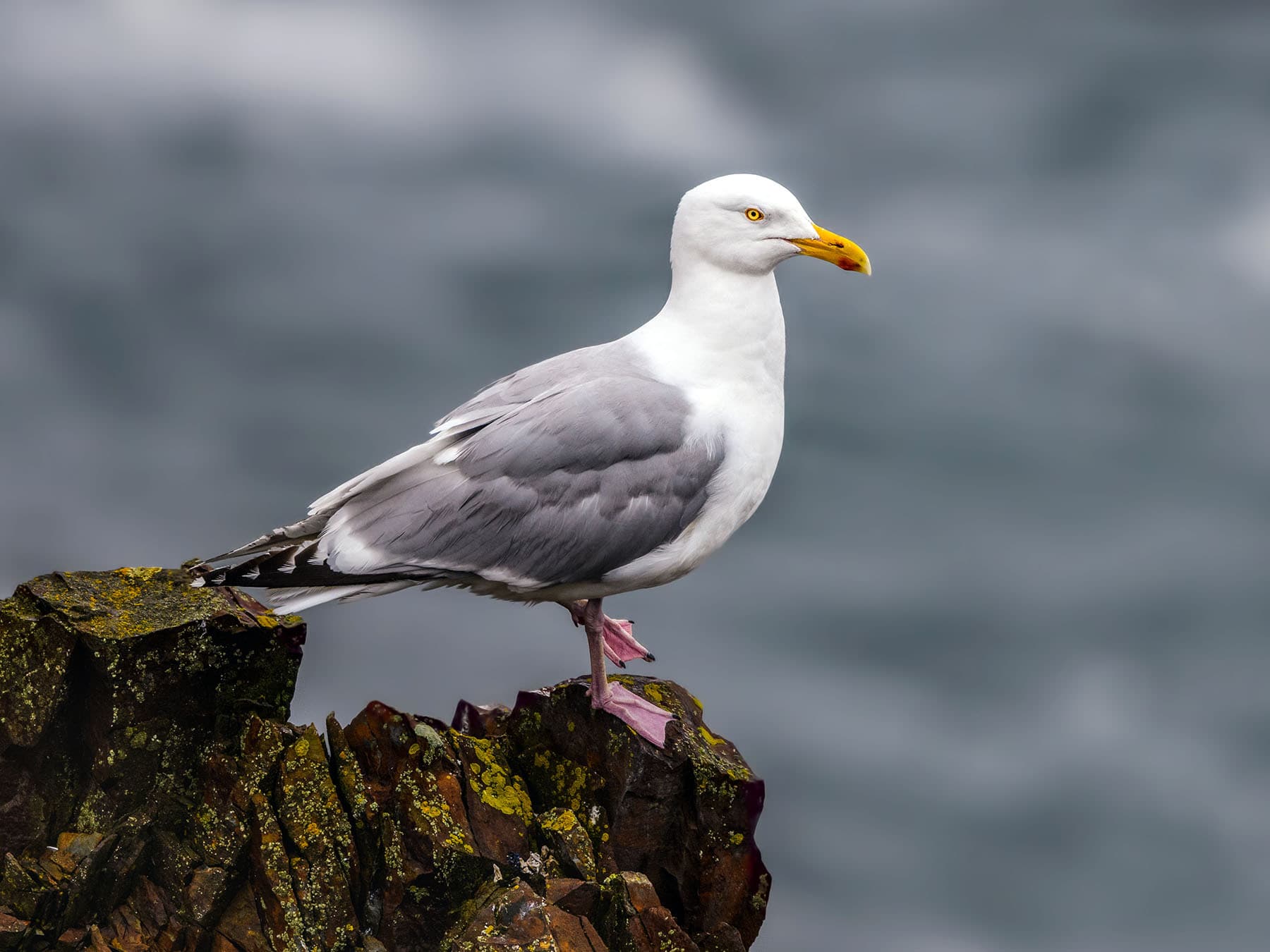 American Herring GullLarus smithsonianusWinter visitorCommon53–65 cmRegularly Sep–May · 0.81% in Jan
- Cape May WarblerSetophaga tigrinaWinter visitorCommon12–14 cmRegularly Sep–Apr · 0.62% in Jan
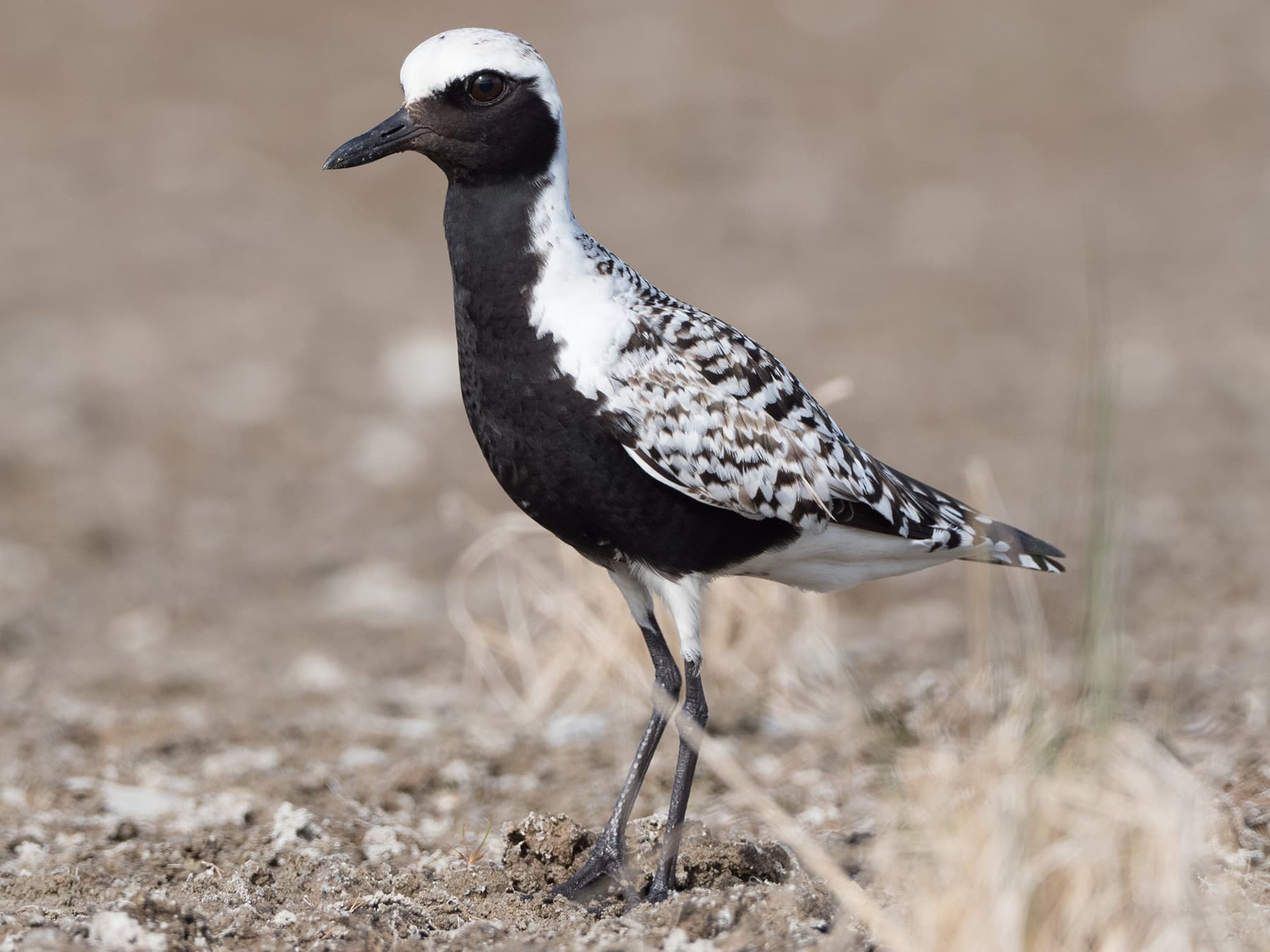 Grey PloverPluvialis squatarolaResidentCommon27–30 cmRecorded all year · 0.60% in Jan
- Northern PintailAnas acutaWinter visitorCommon59–76 cmRegularly Nov–Apr · 0.50% in Jan
- Great Black-backed GullLarus marinusWinter visitorUncommon64–79 cmRegularly Oct–Apr · 0.50% in Jan
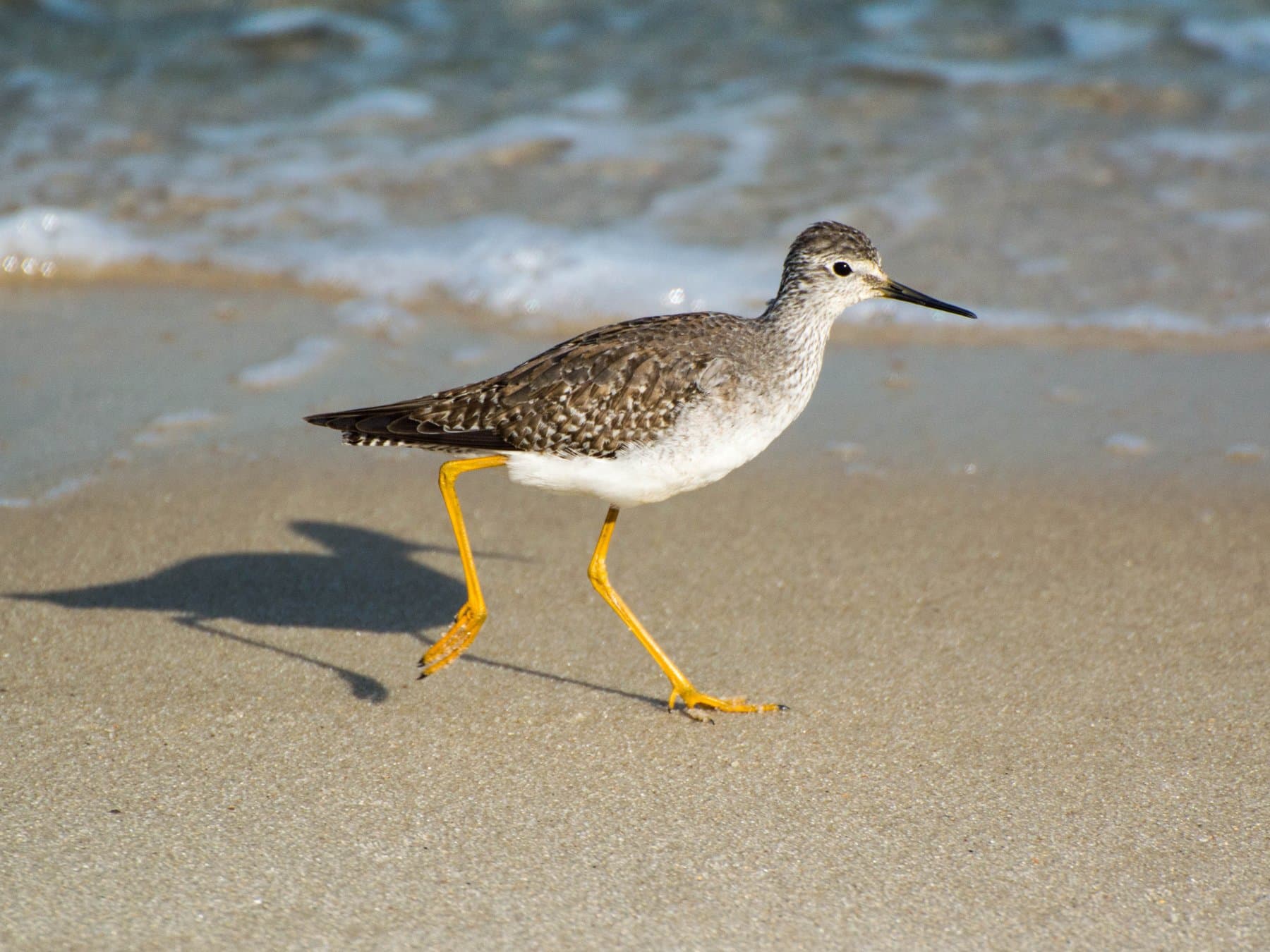 Lesser YellowlegsTringa flavipesWinter visitorCommon23–27 cmRegularly Jul–May · 0.43% in Jan
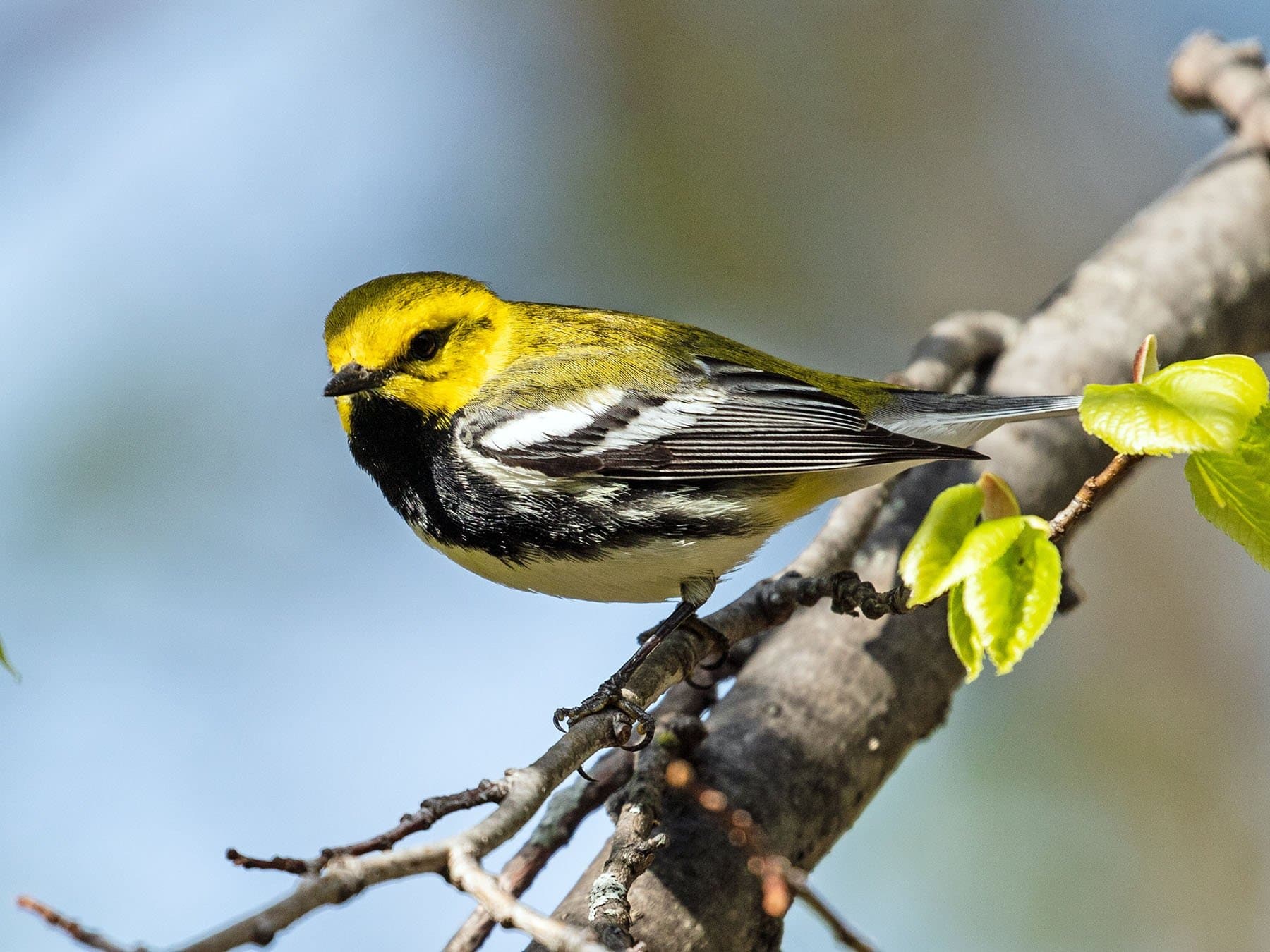 Black-throated Green WarblerSetophaga virensWinter visitorUncommon11–12 cmRegularly Sep–Apr · 0.40% in Jan
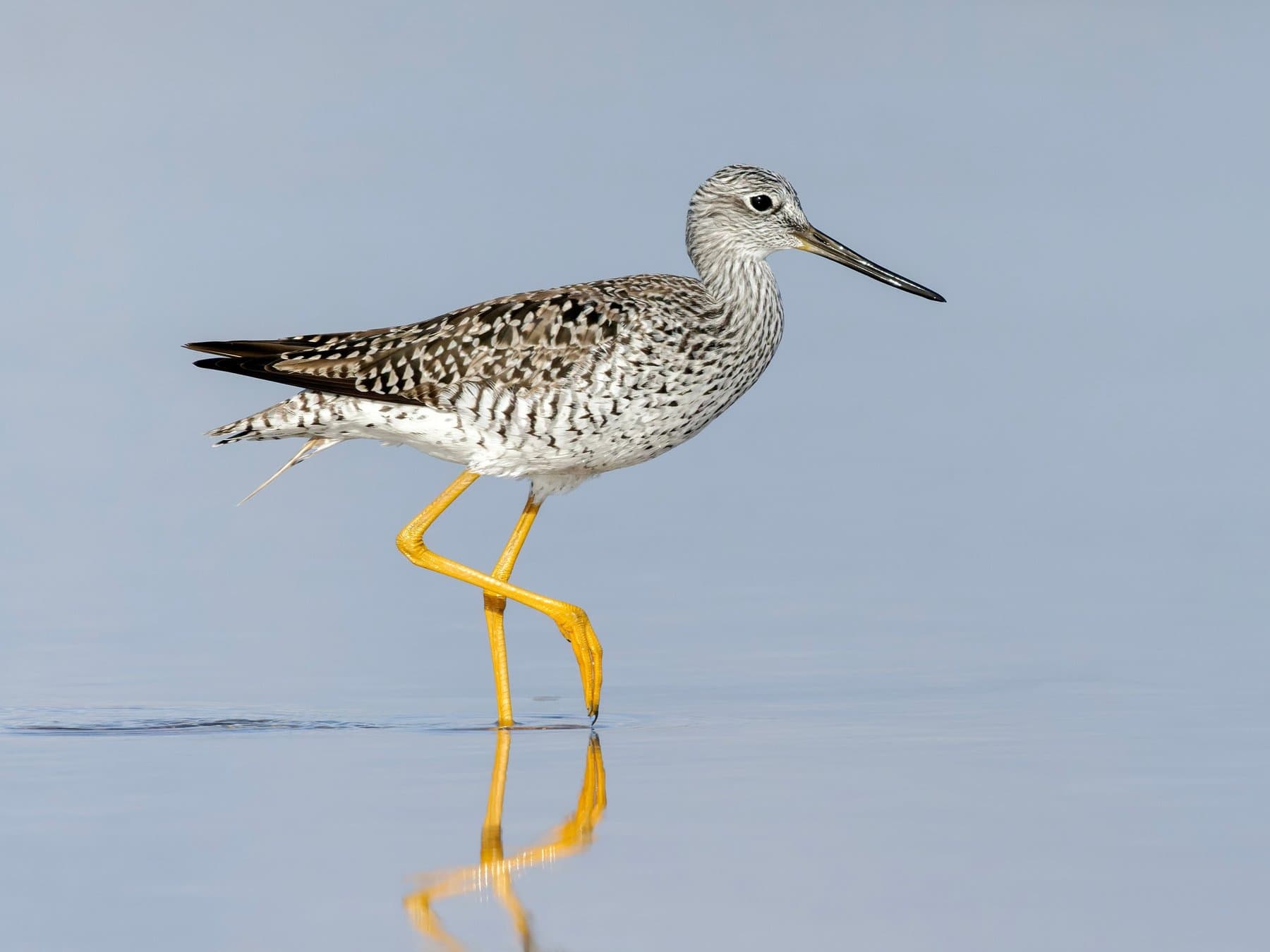 Greater YellowlegsTringa melanoleucaWinter visitorCommon29–40 cmRegularly Jul–May · 0.32% in Jan
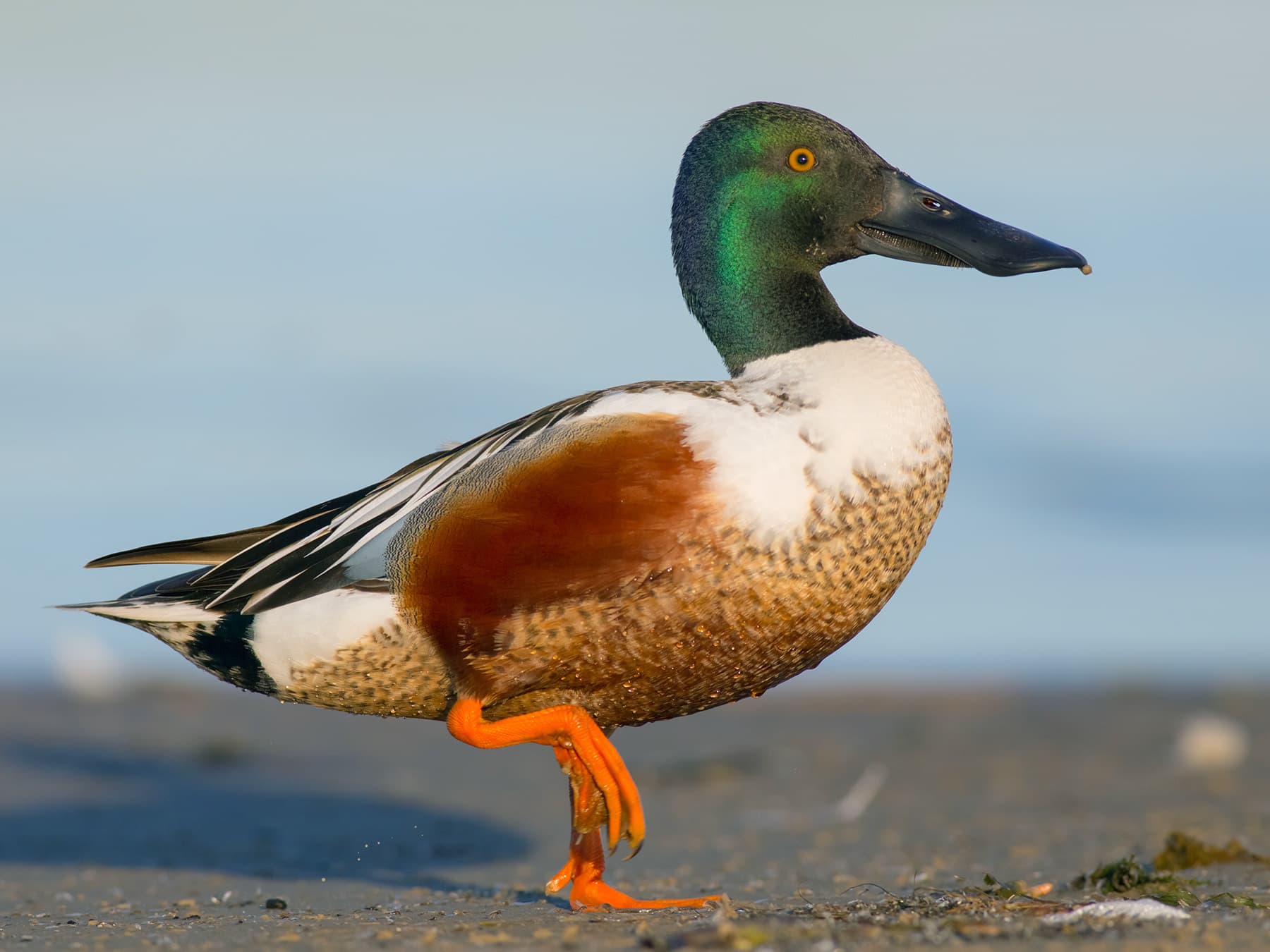 Northern ShovelerSpatula clypeataWinter visitorUncommon44–51 cmRegularly Oct–Mar · 0.31% in Jan
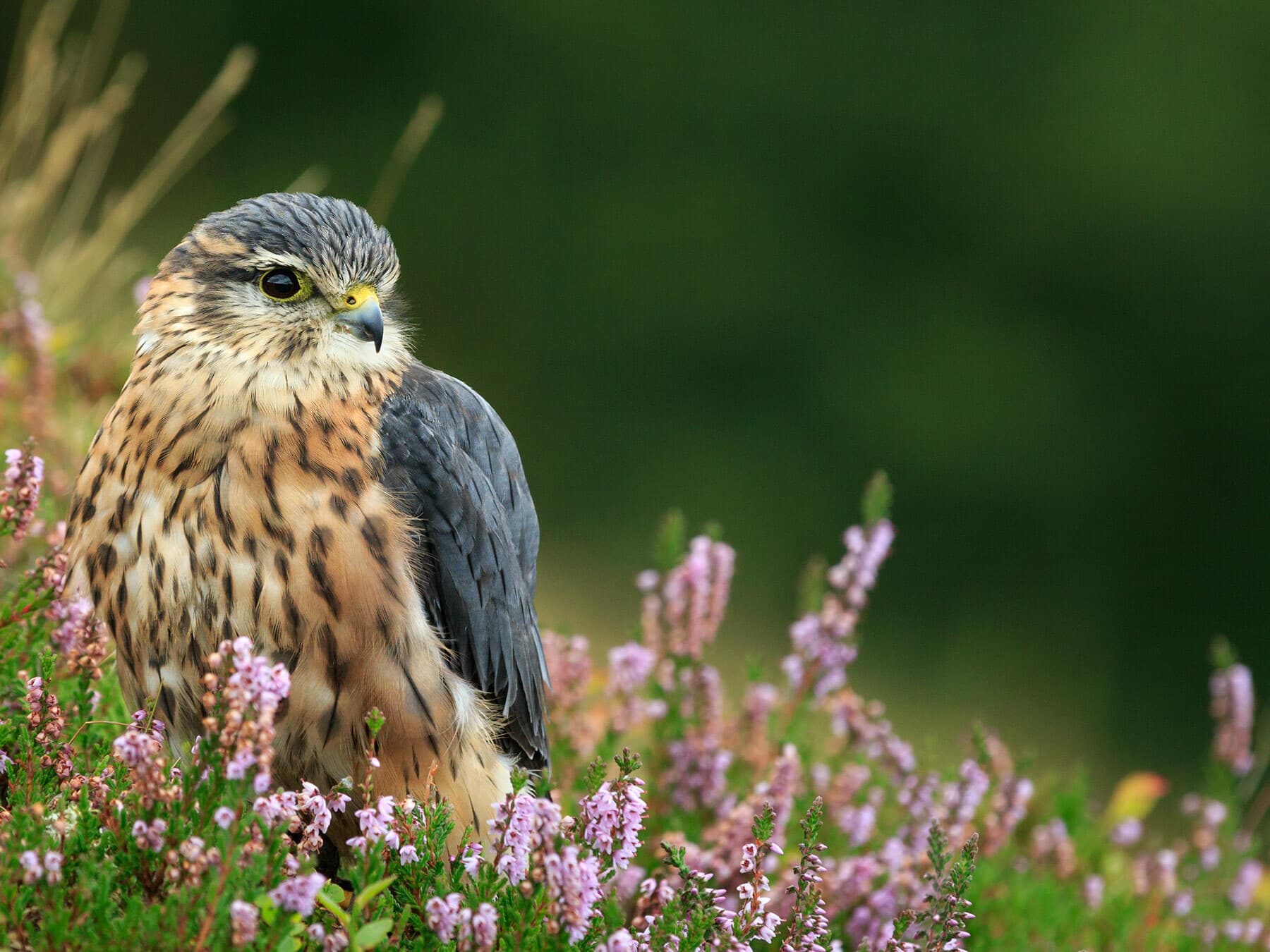 MerlinFalco columbariusWinter visitorCommon24–33 cmRegularly Sep–May · 0.28% in Jan
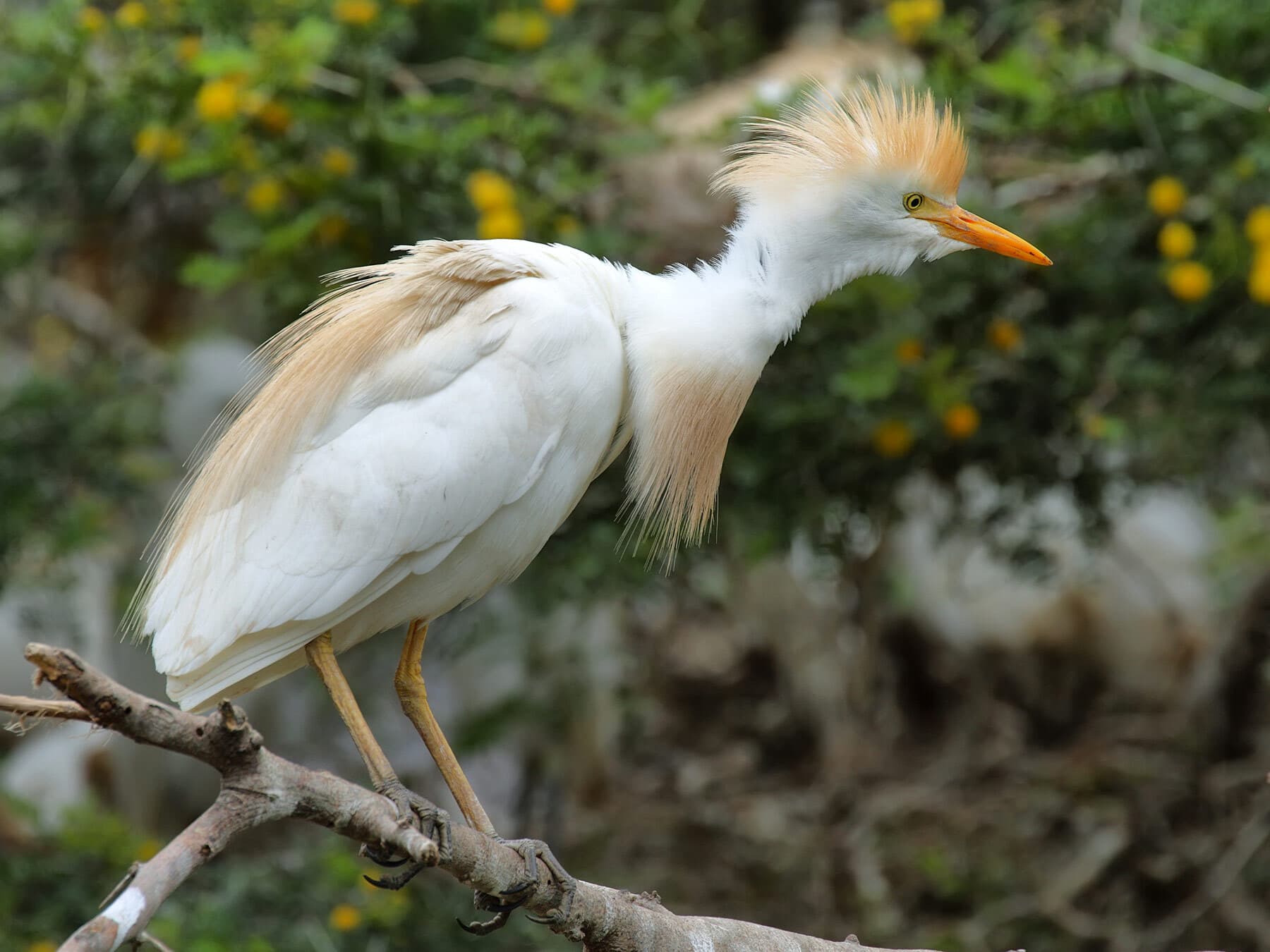 Cattle EgretArdea ibisWinter visitorUncommon46–56 cmRegularly Oct–May · 0.23% in Jan
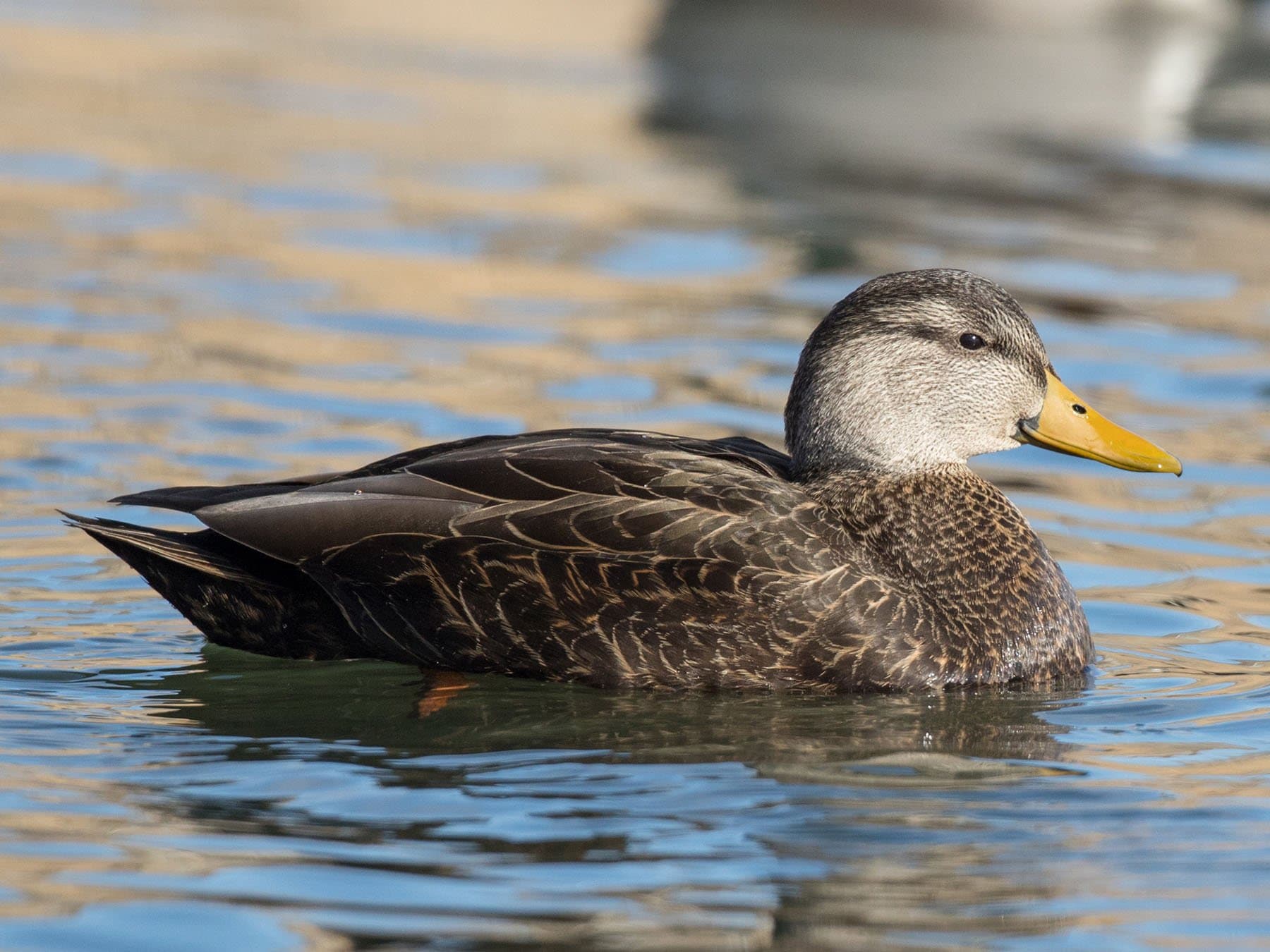 American Black DuckAnas rubripesWinter visitorUncommon54–59 cmRegularly Nov–May · 0.23% in Jan
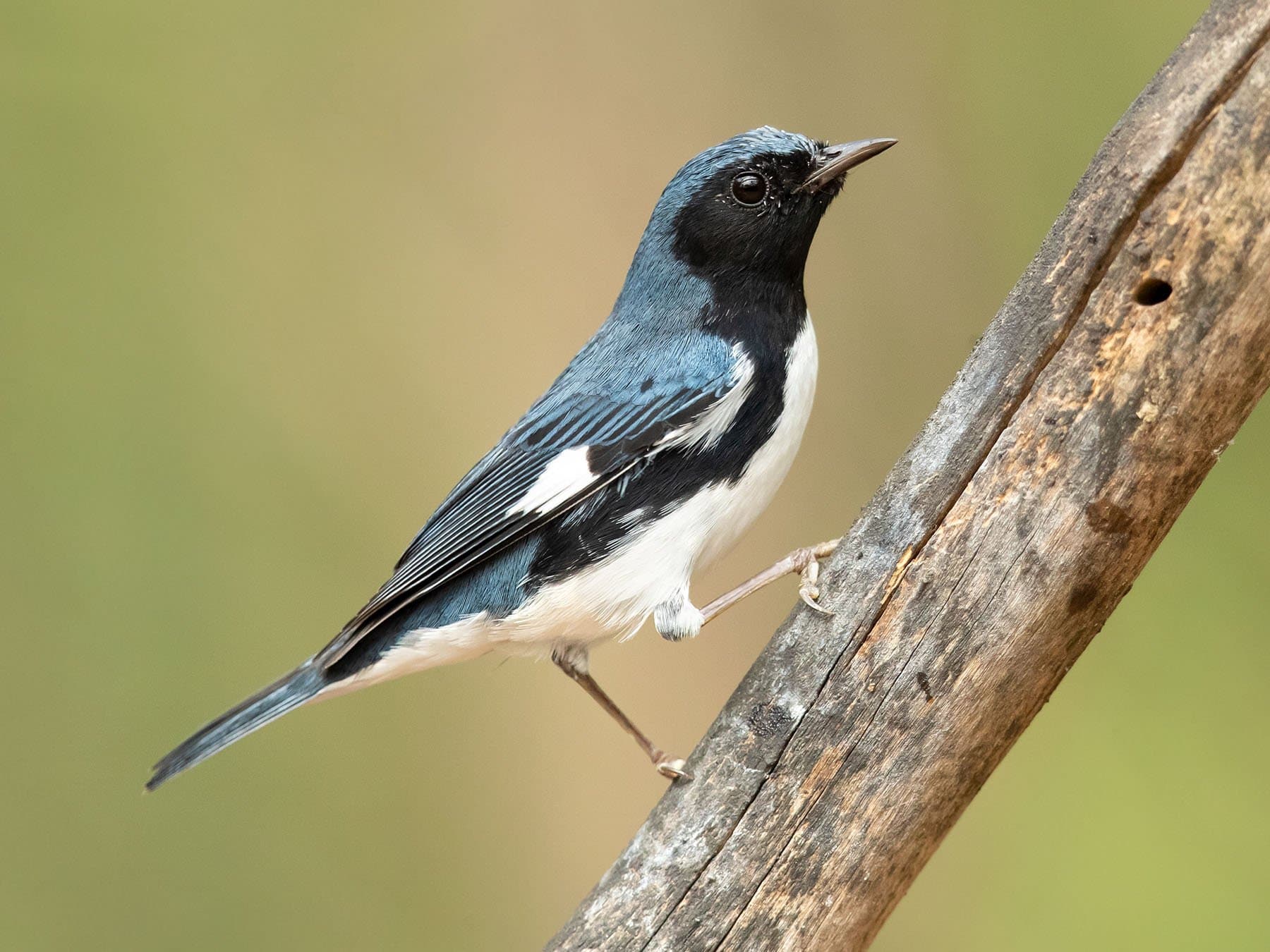 Black-throated Blue WarblerSetophaga caerulescensWinter visitorUncommon11–13 cmRegularly Sep–Apr · 0.22% in Jan
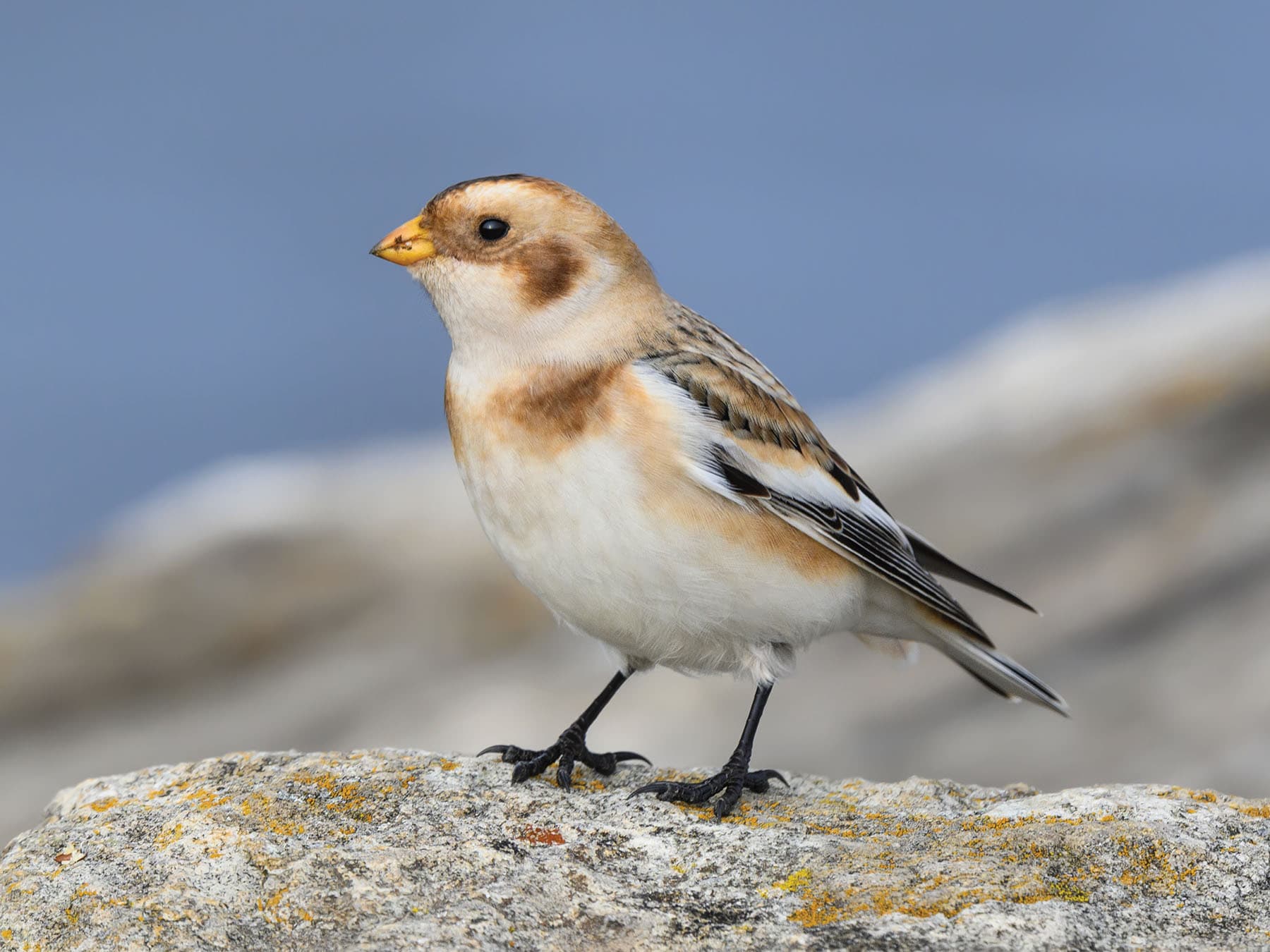 Snow BuntingPlectrophenax nivalisWinter visitorUncommon15–18 cmRegularly Nov–Feb · 0.20% in Jan
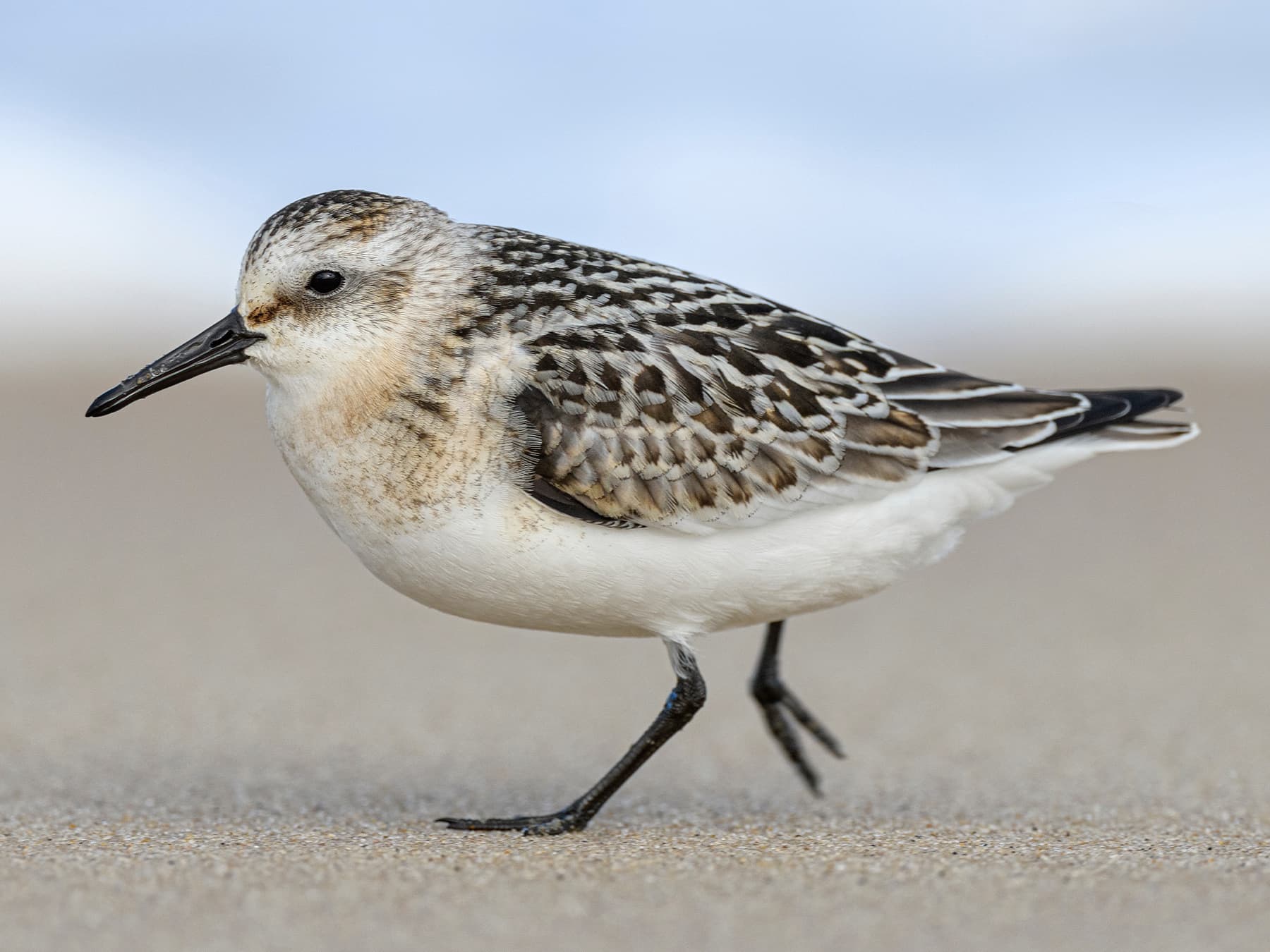 SanderlingCalidris albaWinter visitorUncommon18–20 cmRegularly Aug–May · 0.19% in Jan
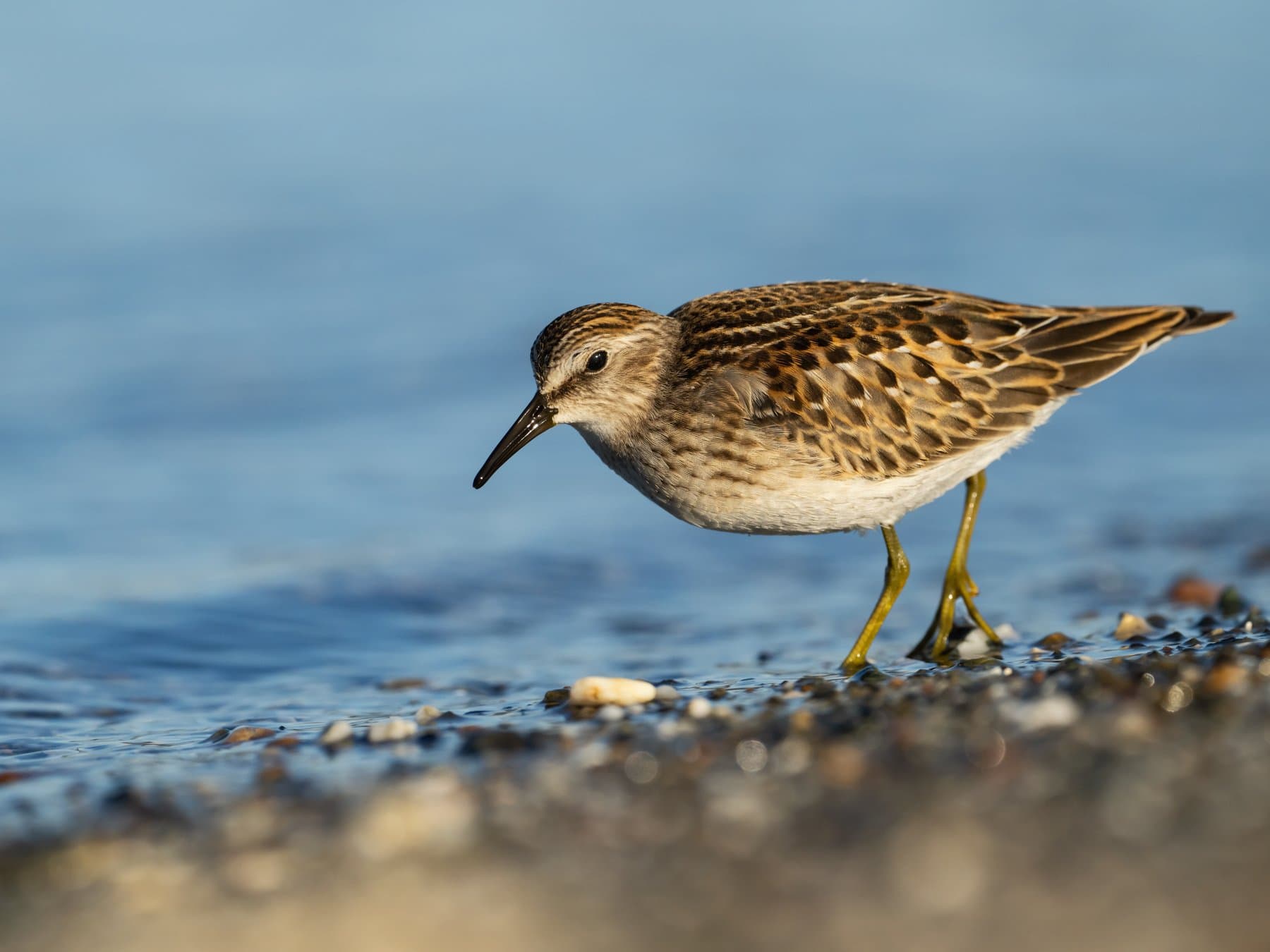 Least SandpiperCalidris minutillaPassage migrantCommon13–15 cmRegularly Jul–Apr · 0.18% in Jan
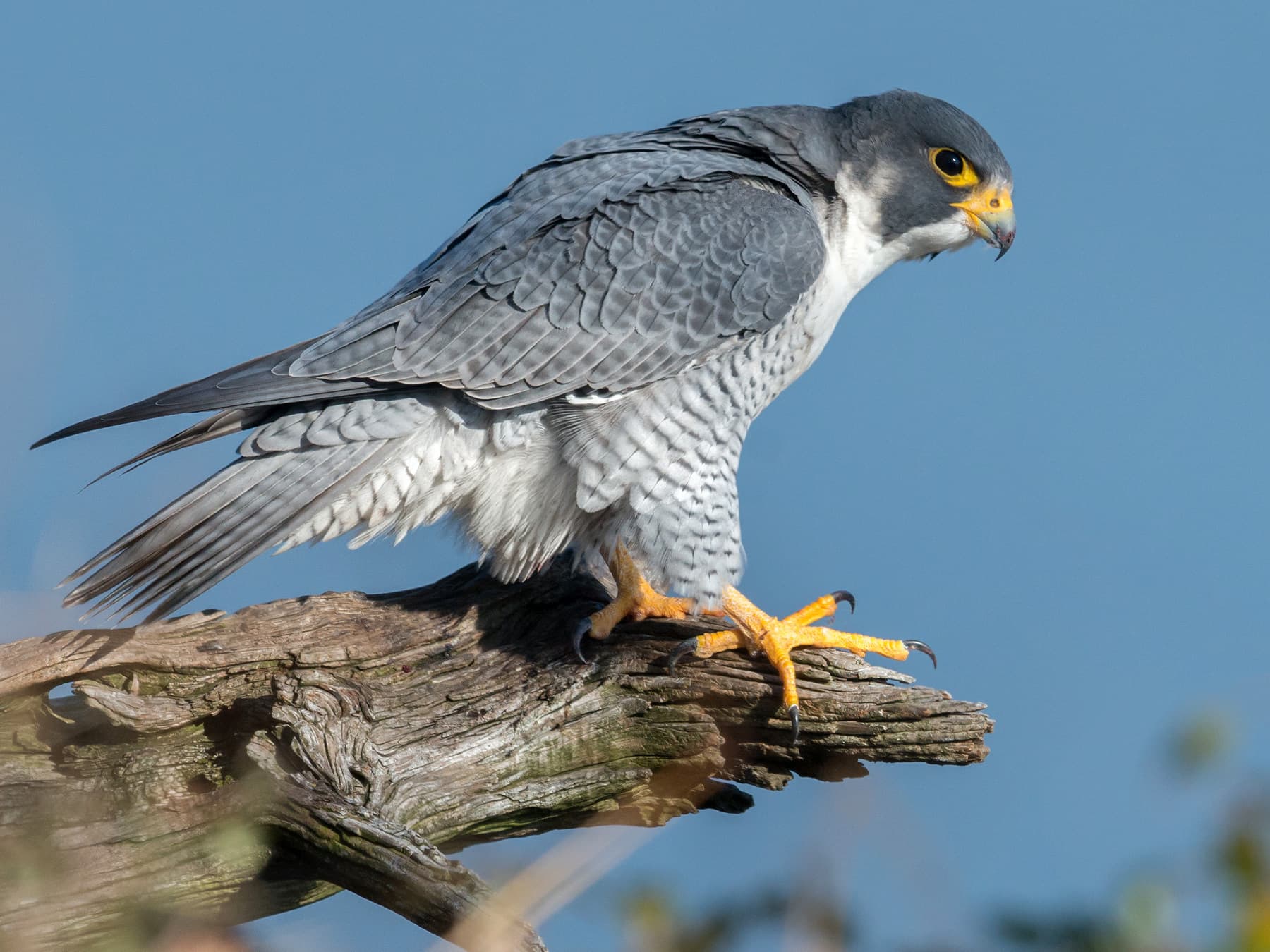 Peregrine FalconFalco peregrinusWinter visitorUncommon34–58 cmRegularly Sep–May · 0.18% in Jan
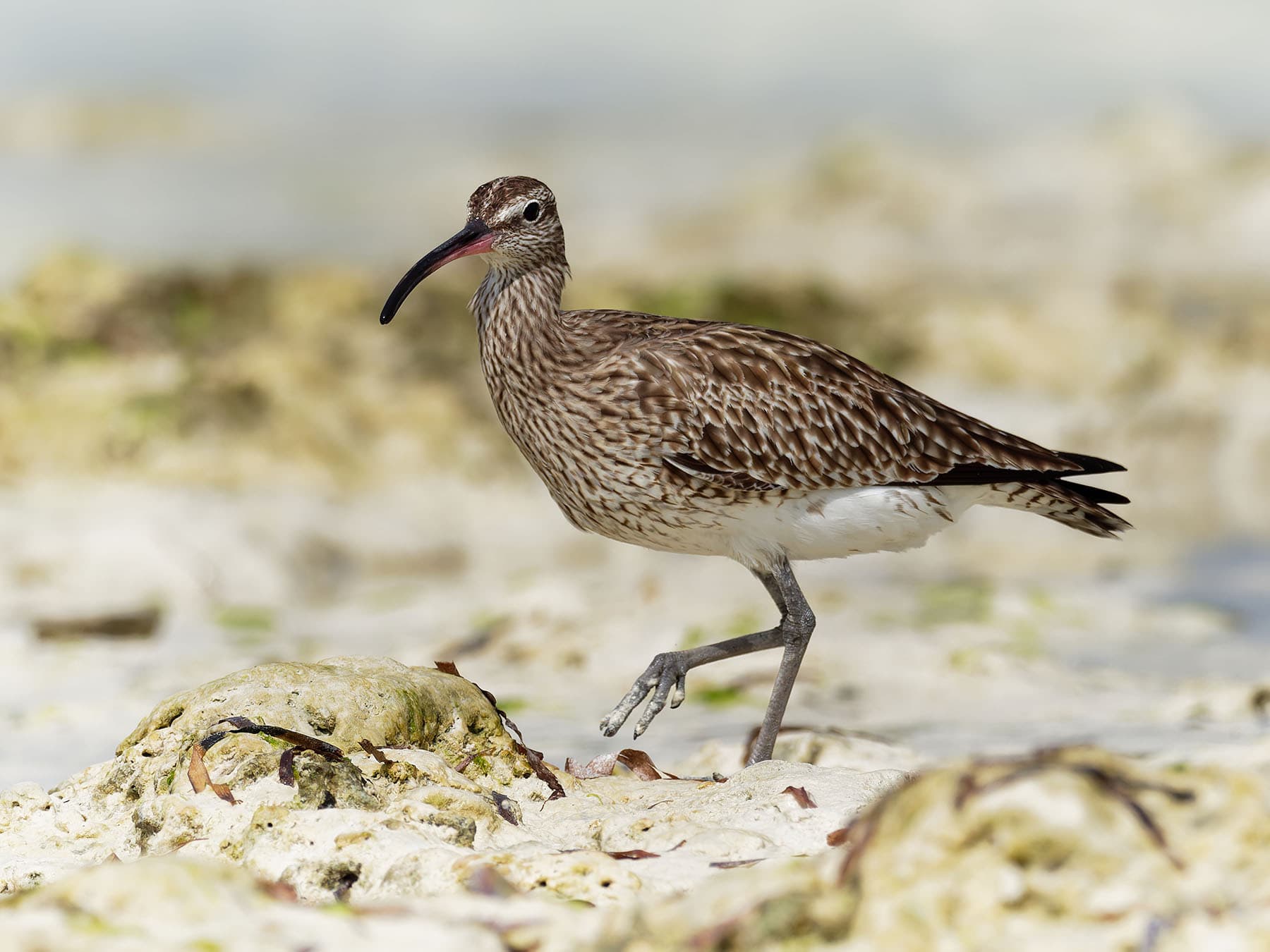 WhimbrelNumenius phaeopusWinter visitorUncommon40–46 cmRegularly Jul–May · 0.18% in Jan
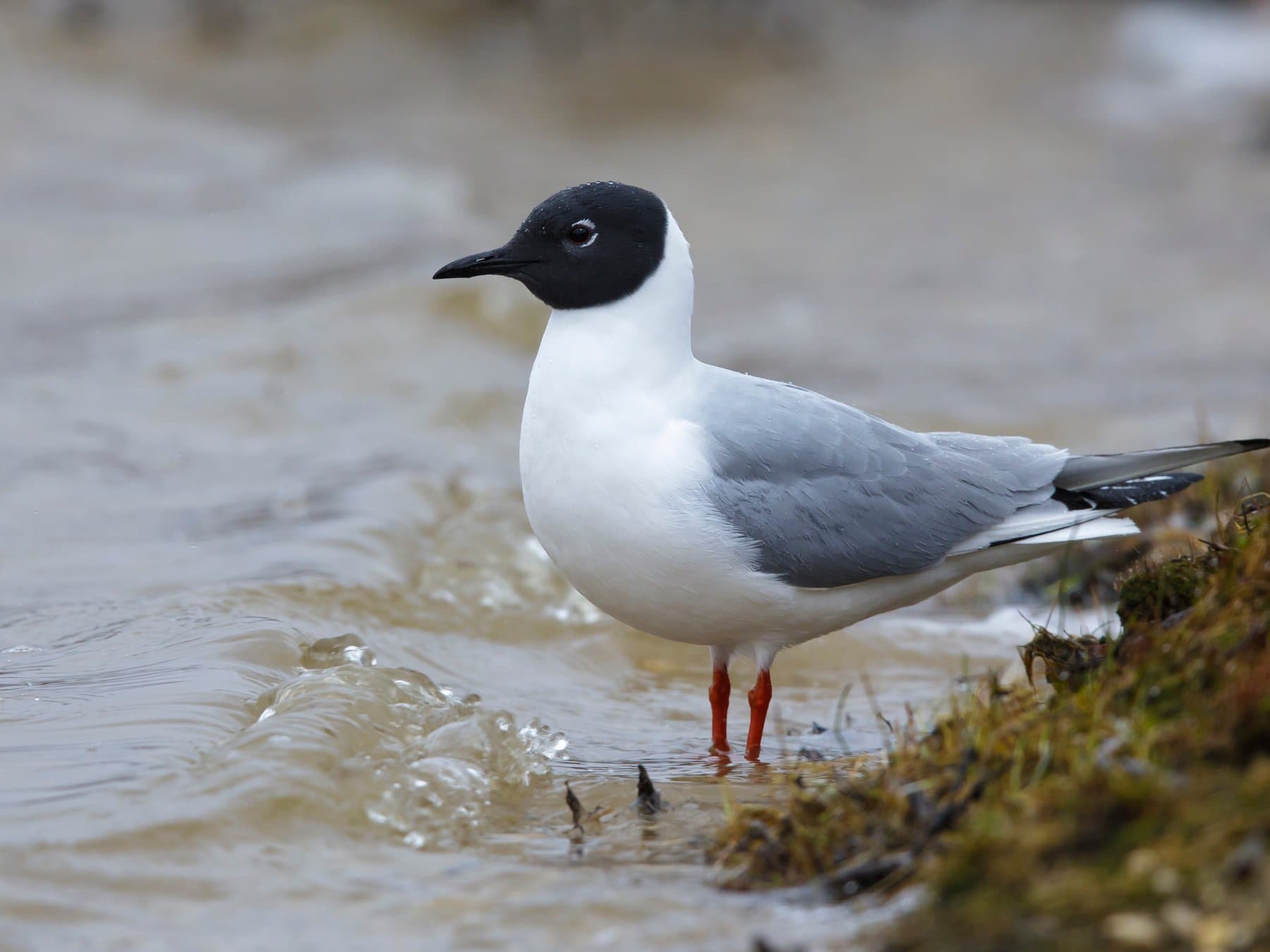 Bonaparte's GullChroicocephalus philadelphiaWinter visitorUncommon28–38 cmRegularly Nov–Mar · 0.17% in Jan
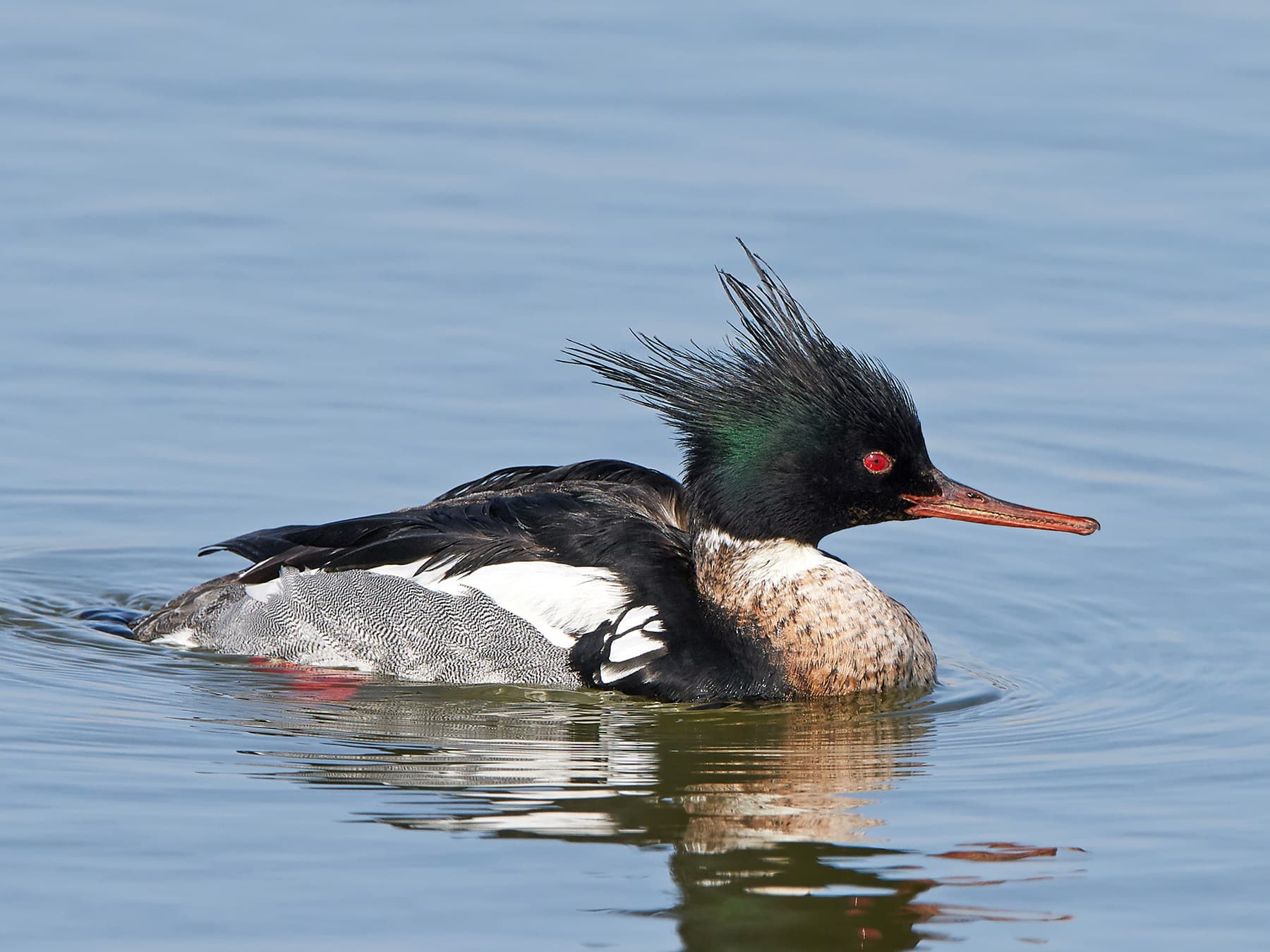 Red-breasted MerganserMergus serratorPassage migrantUncommon52–58 cmRegularly Jan · 0.16% in Jan
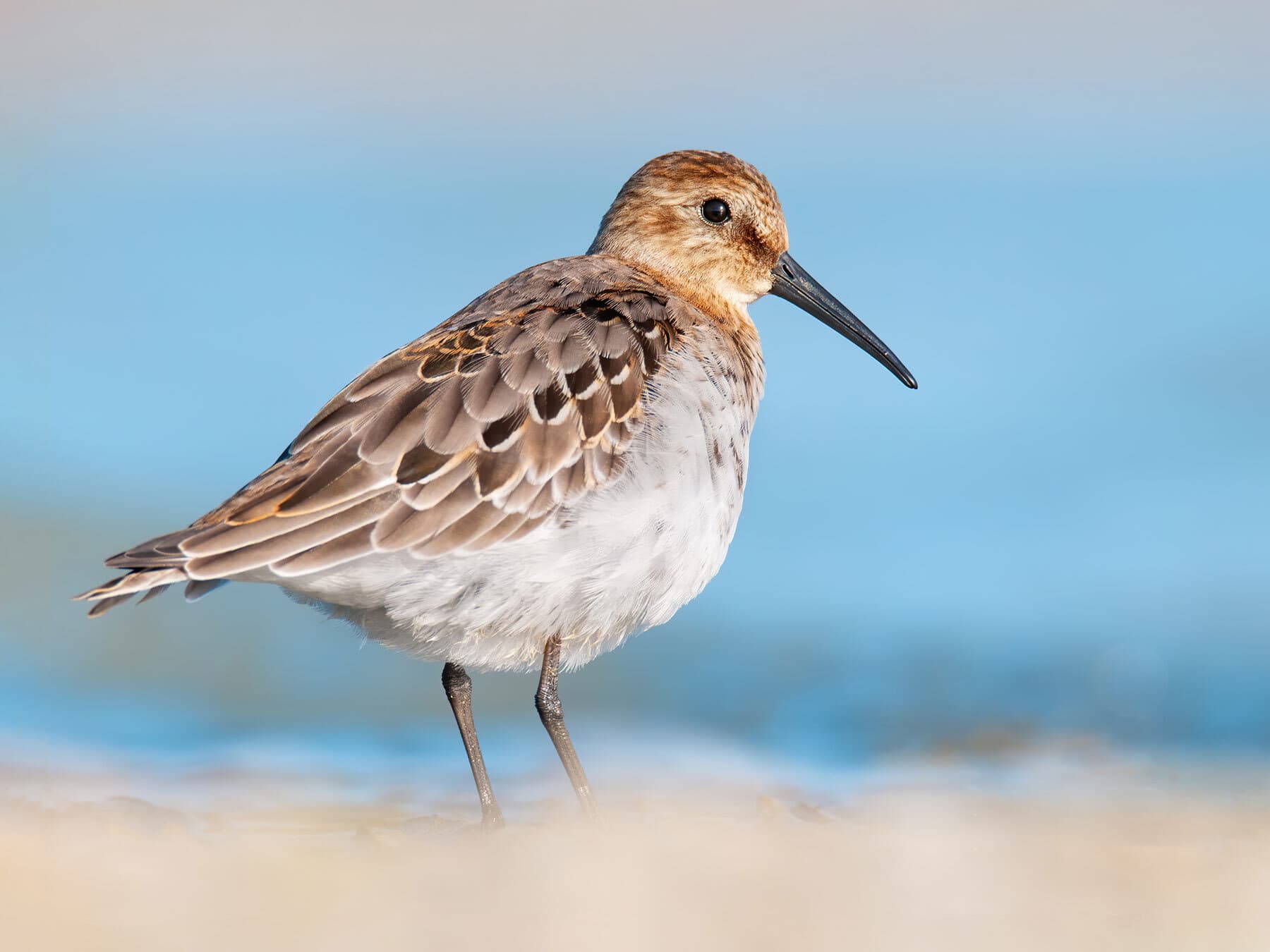 DunlinCalidris alpinaWinter visitorUncommon16–22 cmRegularly Sep–Feb · 0.15% in Jan
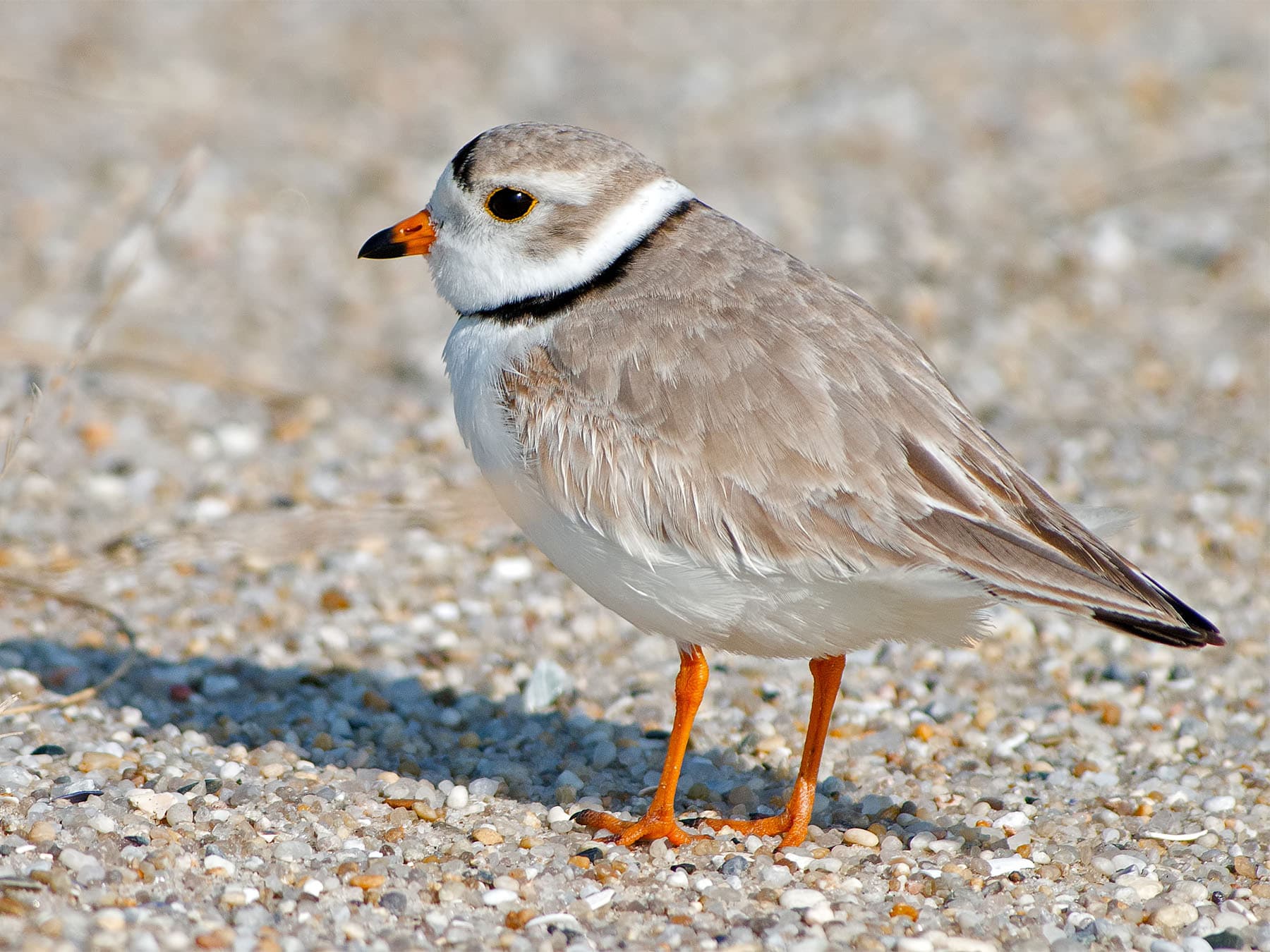 Piping PloverCharadrius melodusWinter visitorUncommon17–18 cmRegularly Aug–Mar · 0.15% in Jan
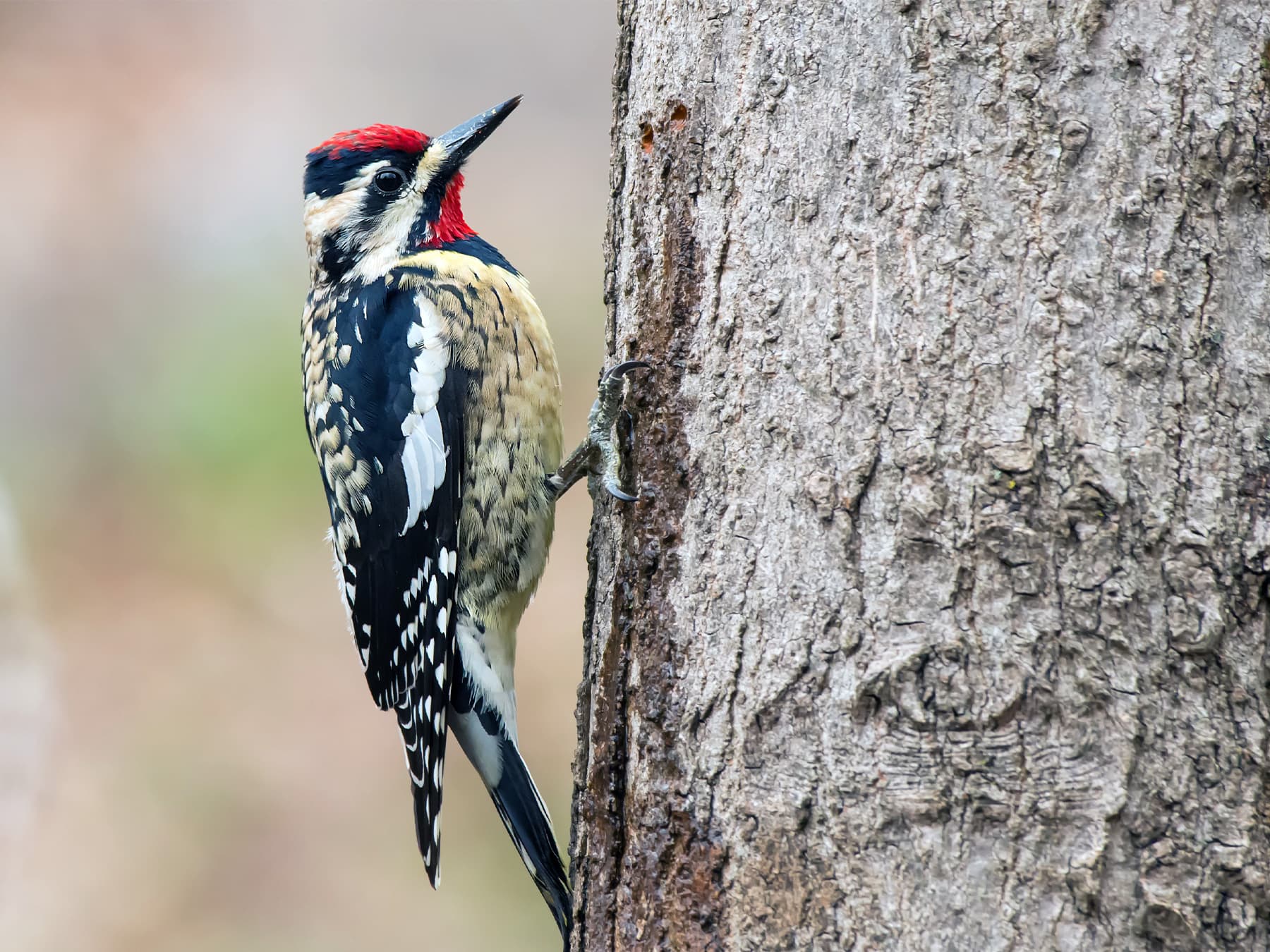 Yellow-bellied SapsuckerSphyrapicus variusWinter visitorUncommon19–22 cmRegularly Oct–Mar · 0.15% in Jan
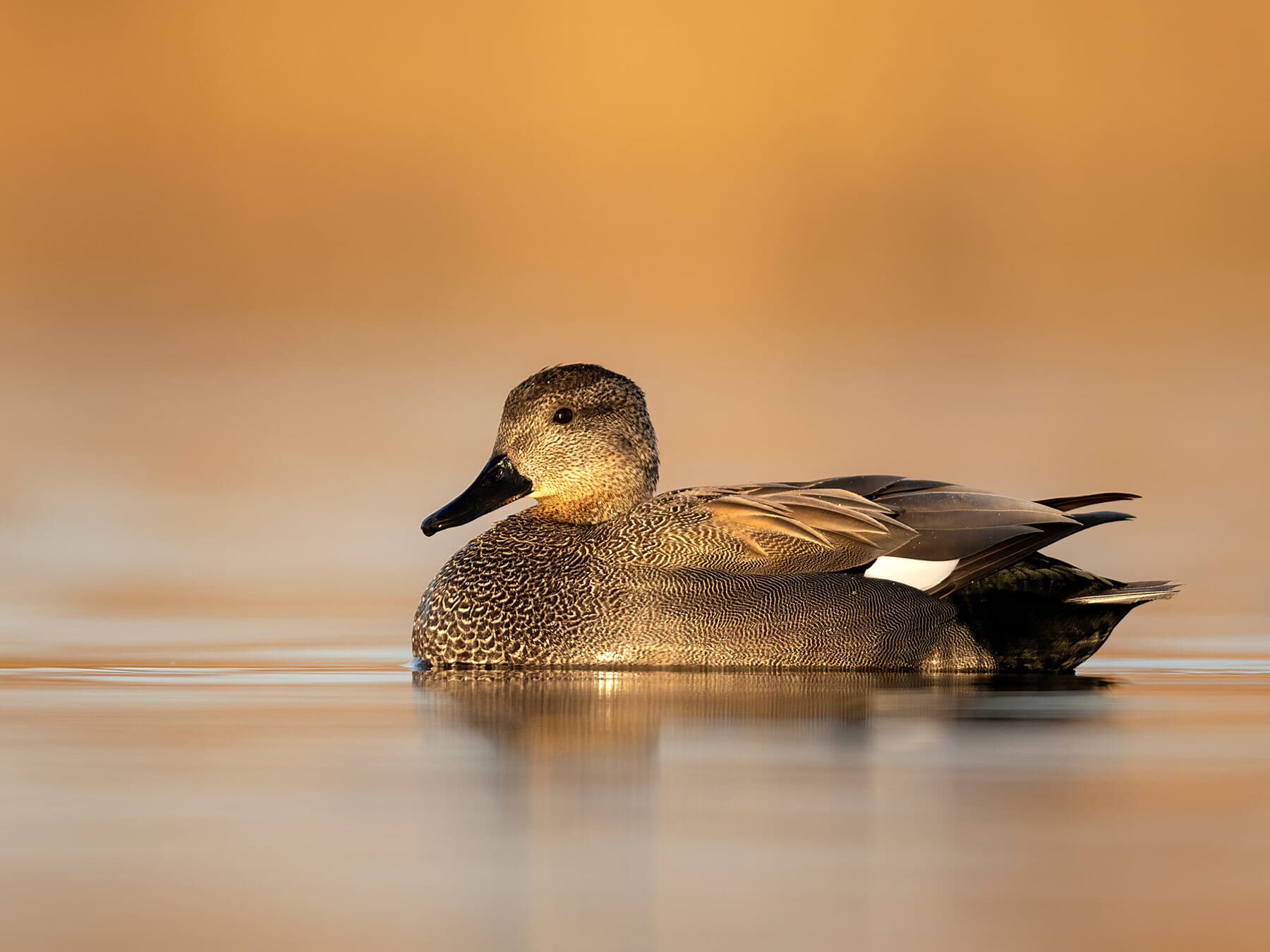 GadwallMareca streperaPassage migrantUncommon46–56 cmRegularly Jan–Feb · 0.14% in Jan
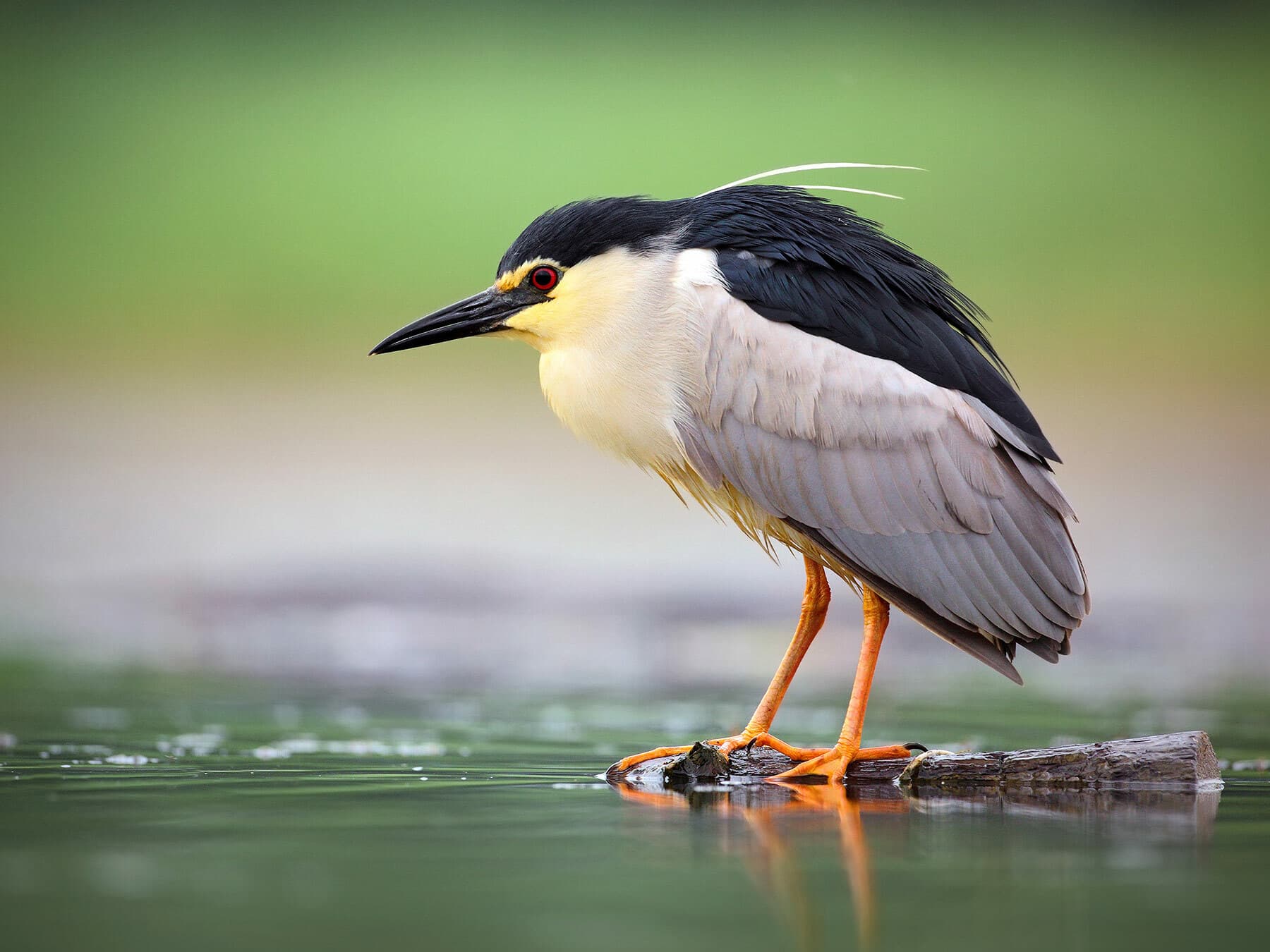 Black-crowned Night-heronNycticorax nycticoraxPassage migrantUncommon58–65 cmRegularly Oct–May · 0.13% in Jan
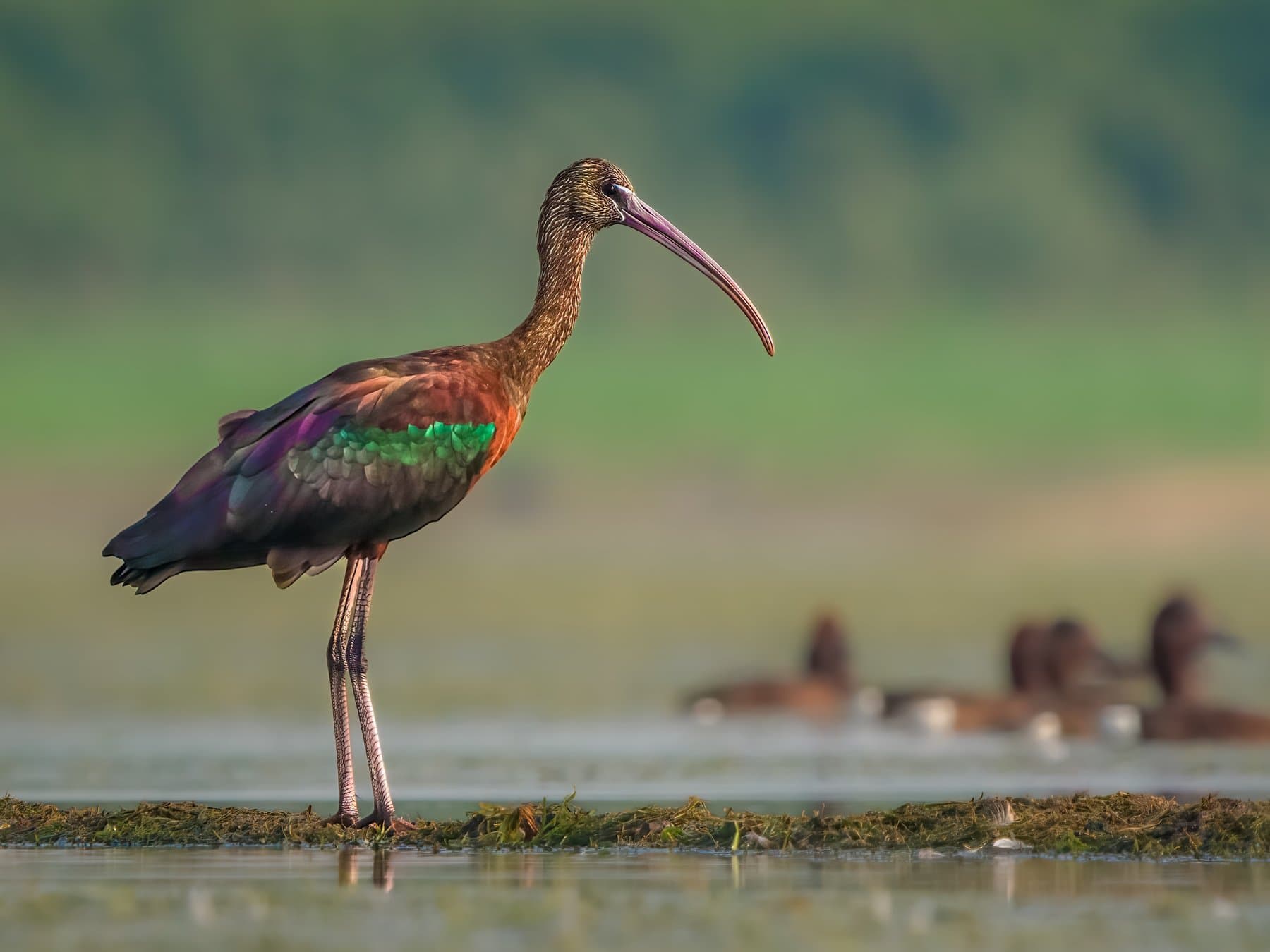 Glossy IbisPlegadis falcinellusPassage migrantUncommon48–66 cmRegularly Aug–May · 0.13% in Jan
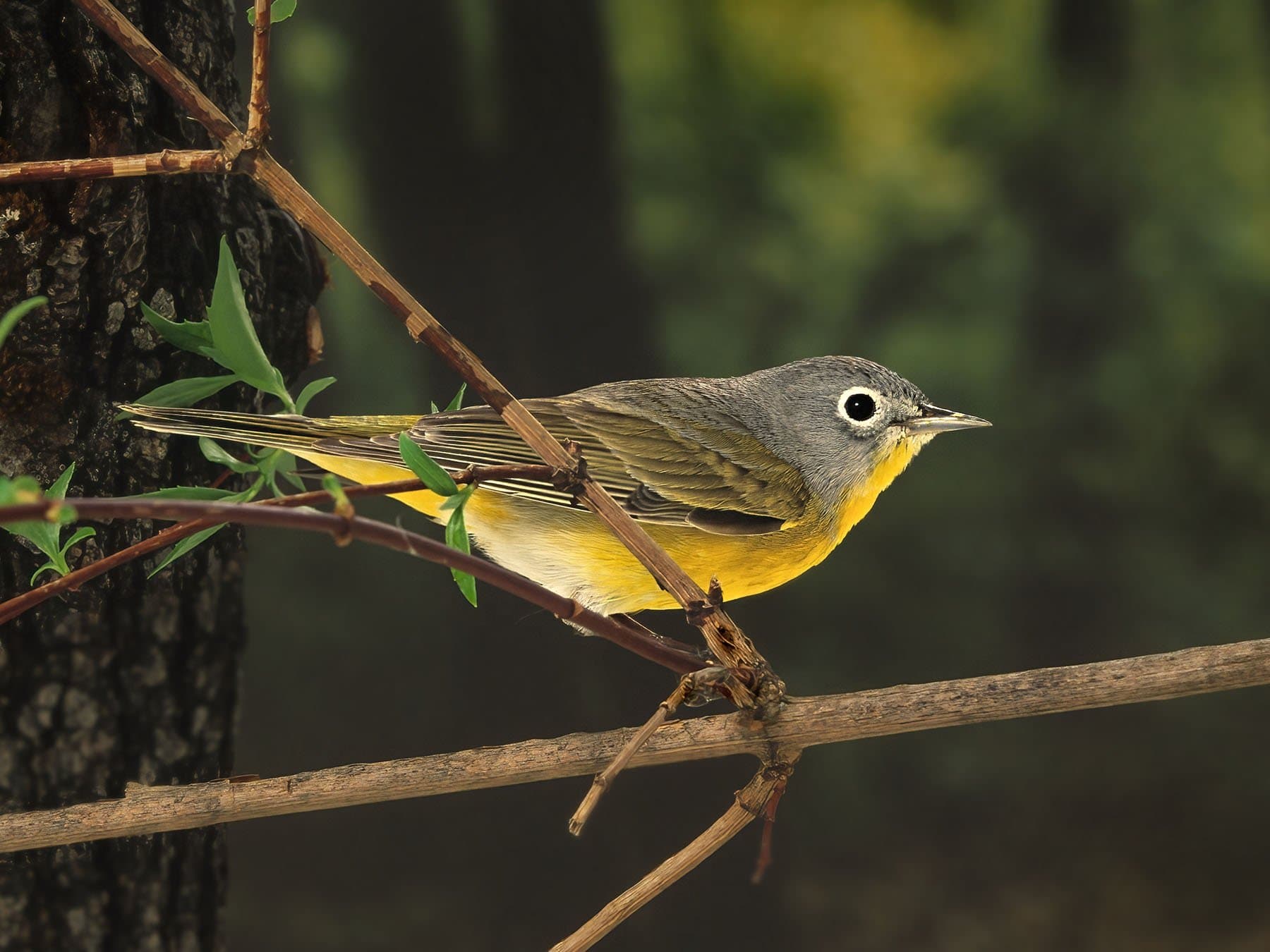 Nashville WarblerLeiothlypis ruficapillaWinter visitorUncommon11–13 cmRegularly Sep–Mar · 0.13% in Jan
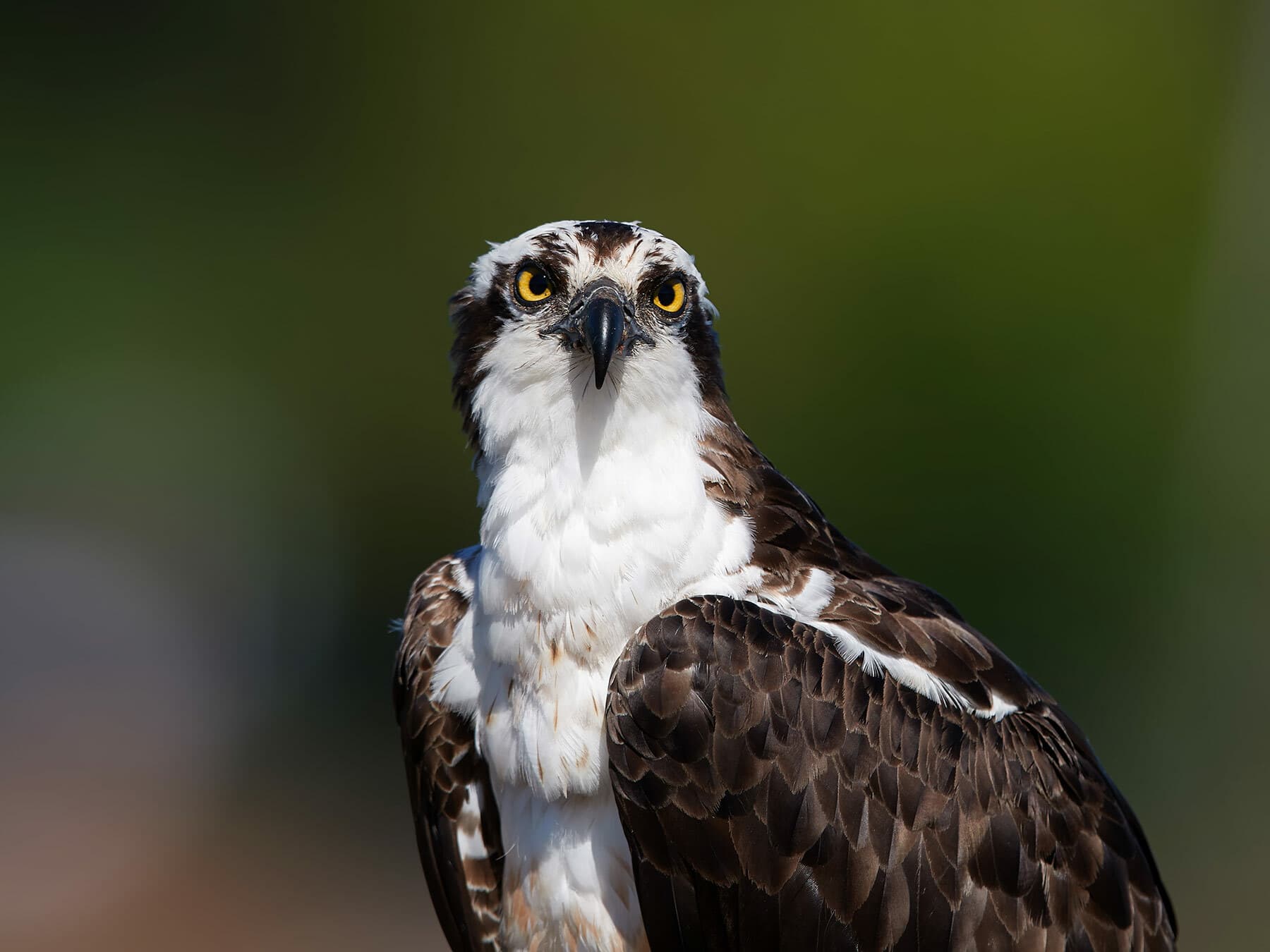 OspreyPandion haliaetusResidentUncommon54–58 cmRecorded all year · 0.13% in Jan
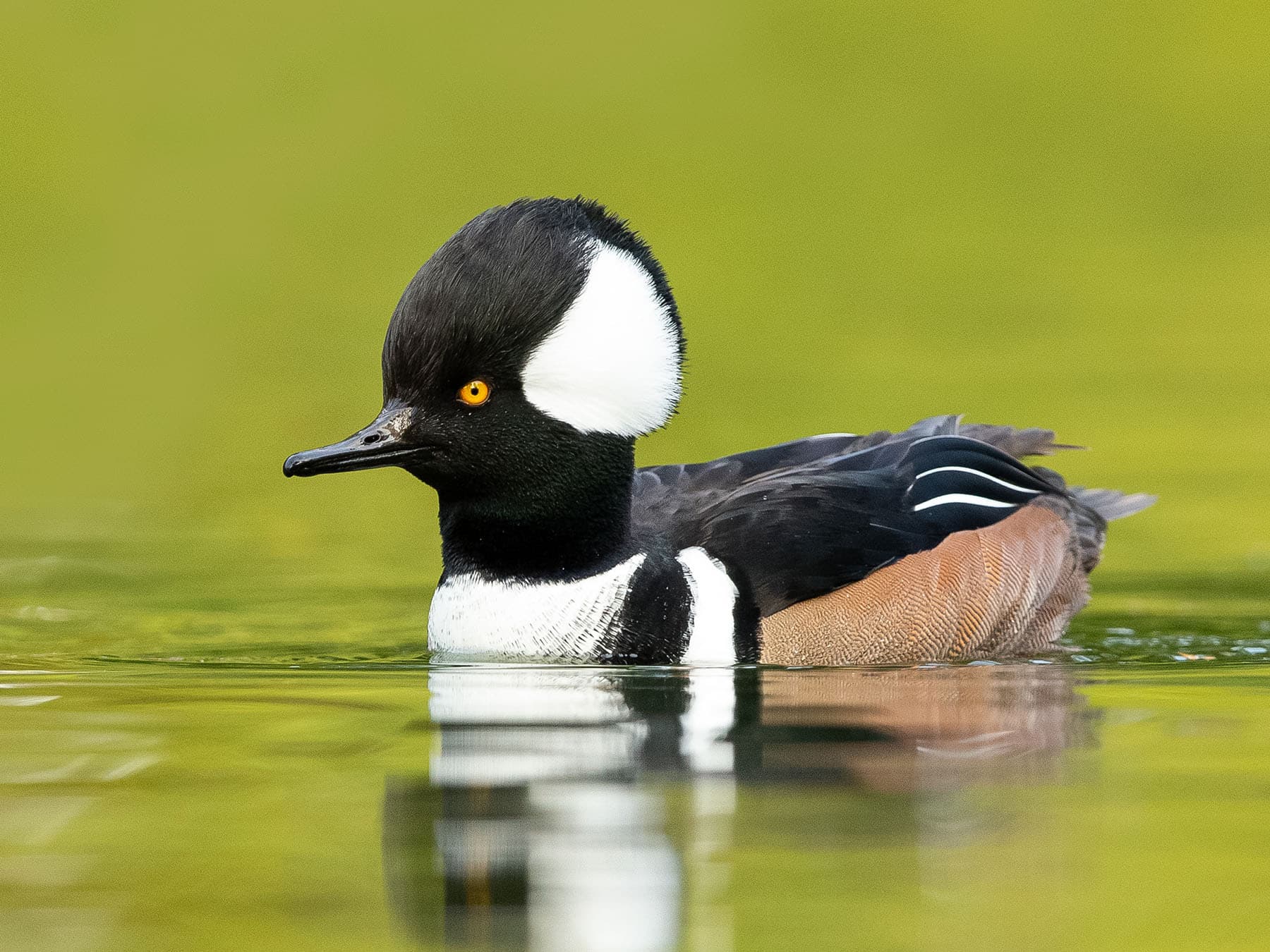 Hooded MerganserLophodytes cucullatusWinter visitorUncommon40–49 cmRegularly Nov–Mar · 0.12% in Jan
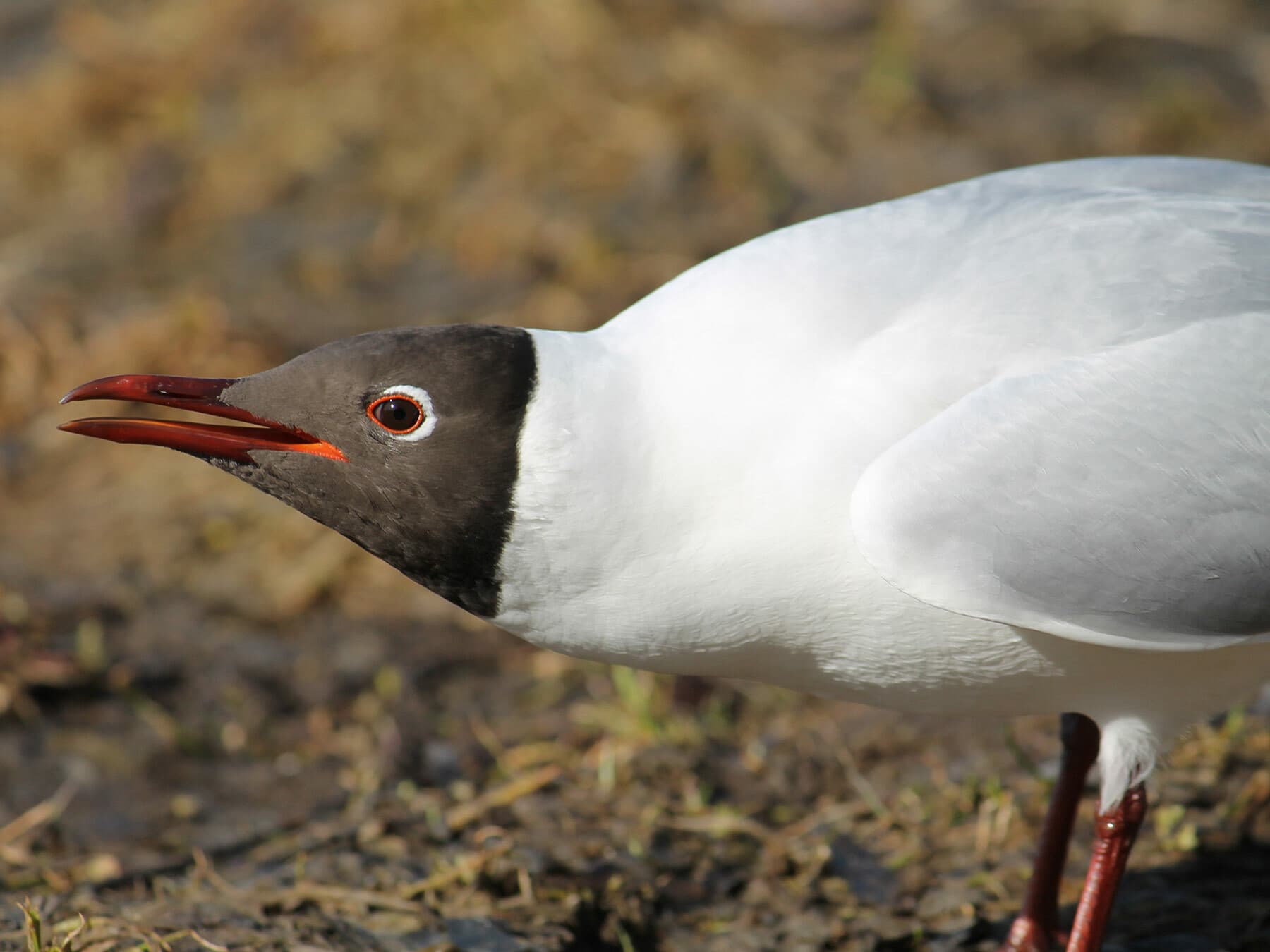 Black-headed GullChroicocephalus ridibundusWinter visitorUncommon38–44 cmRegularly Dec–Mar · 0.12% in Jan
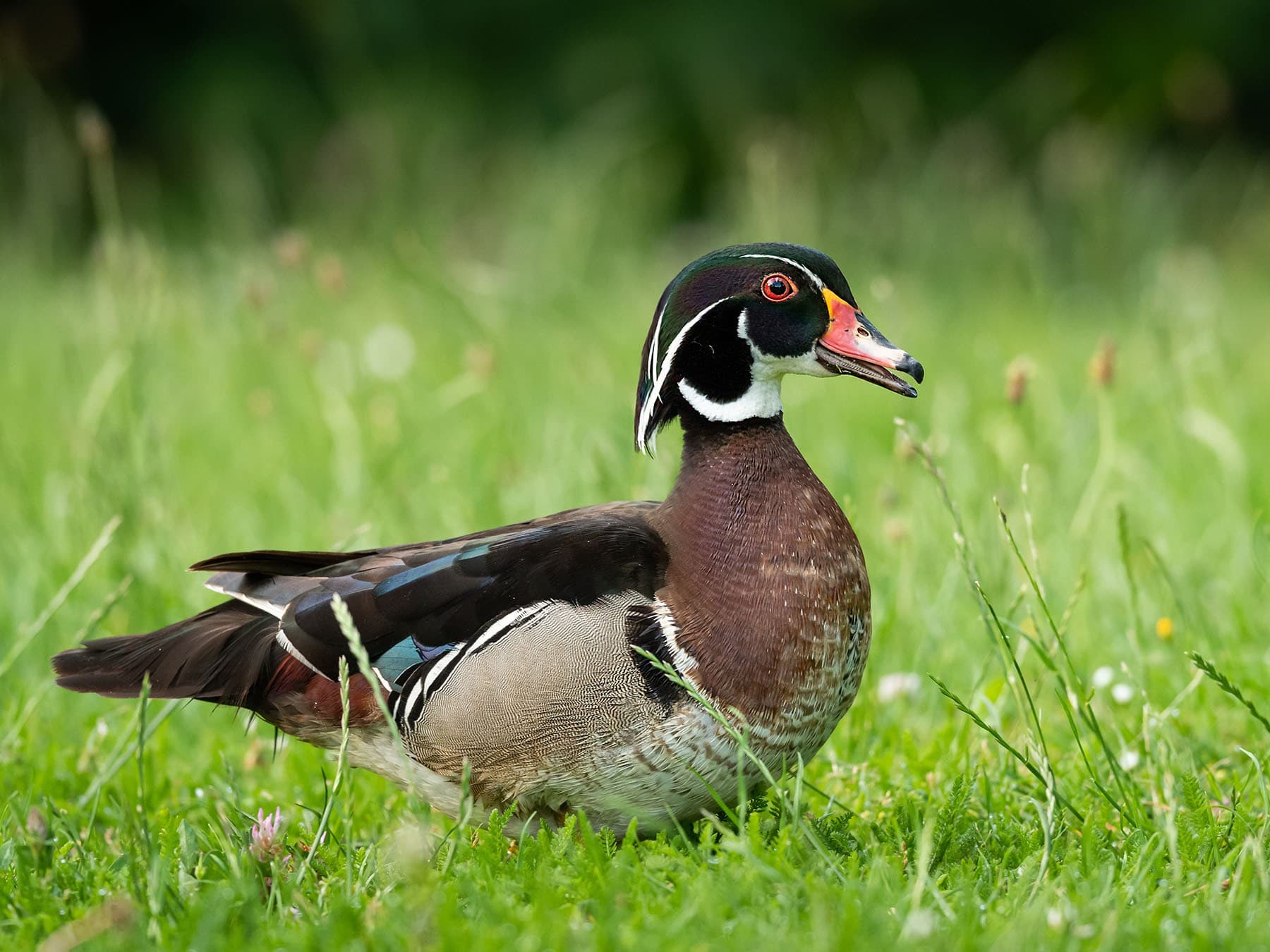 Wood DuckAix sponsaWinter visitorUncommon47–54 cmRegularly Oct–May · 0.11% in Jan
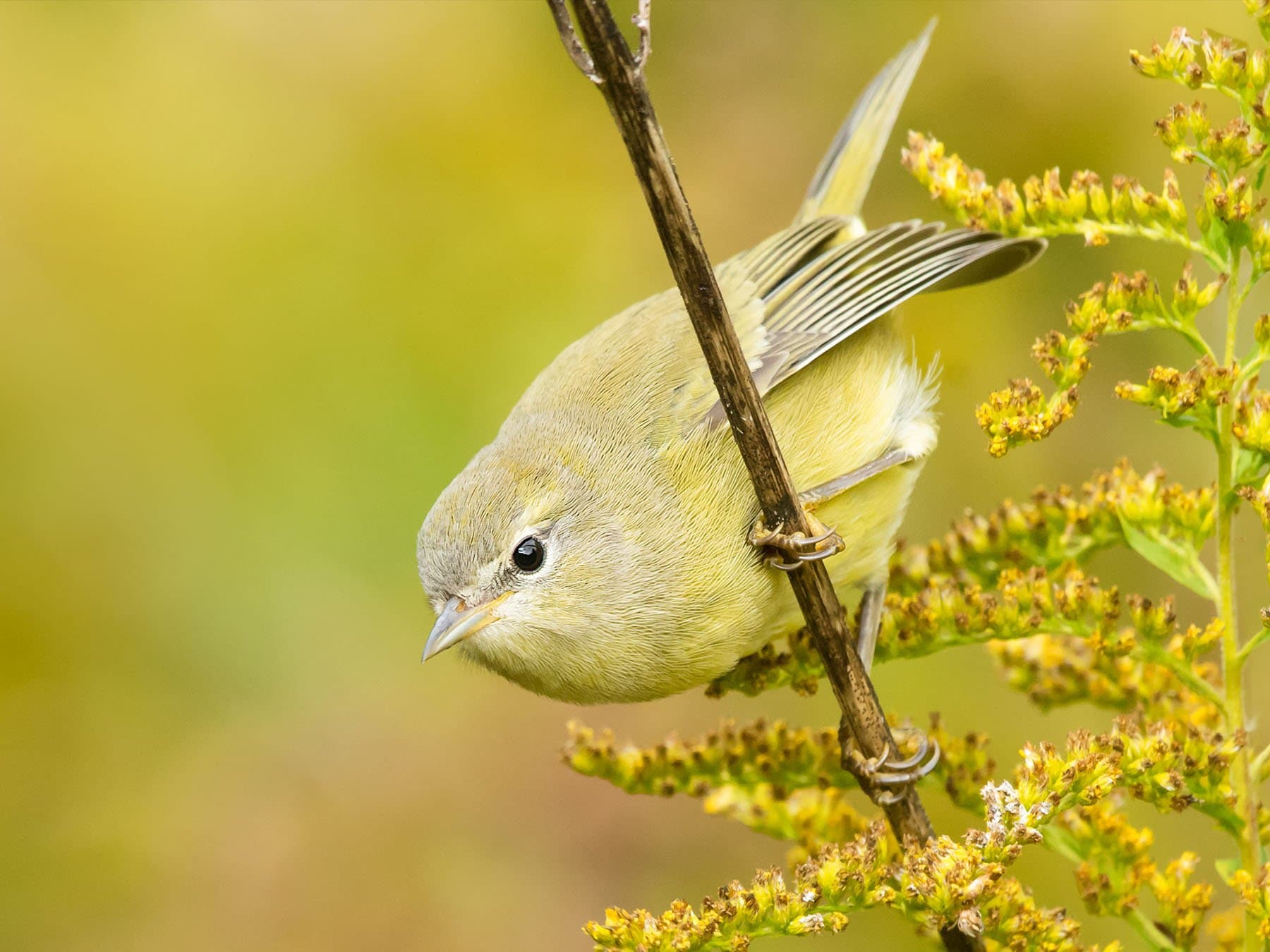 Orange-crowned WarblerLeiothlypis celataPassage migrantUncommon11–14 cmRegularly Oct–Mar · 0.10% in Jan
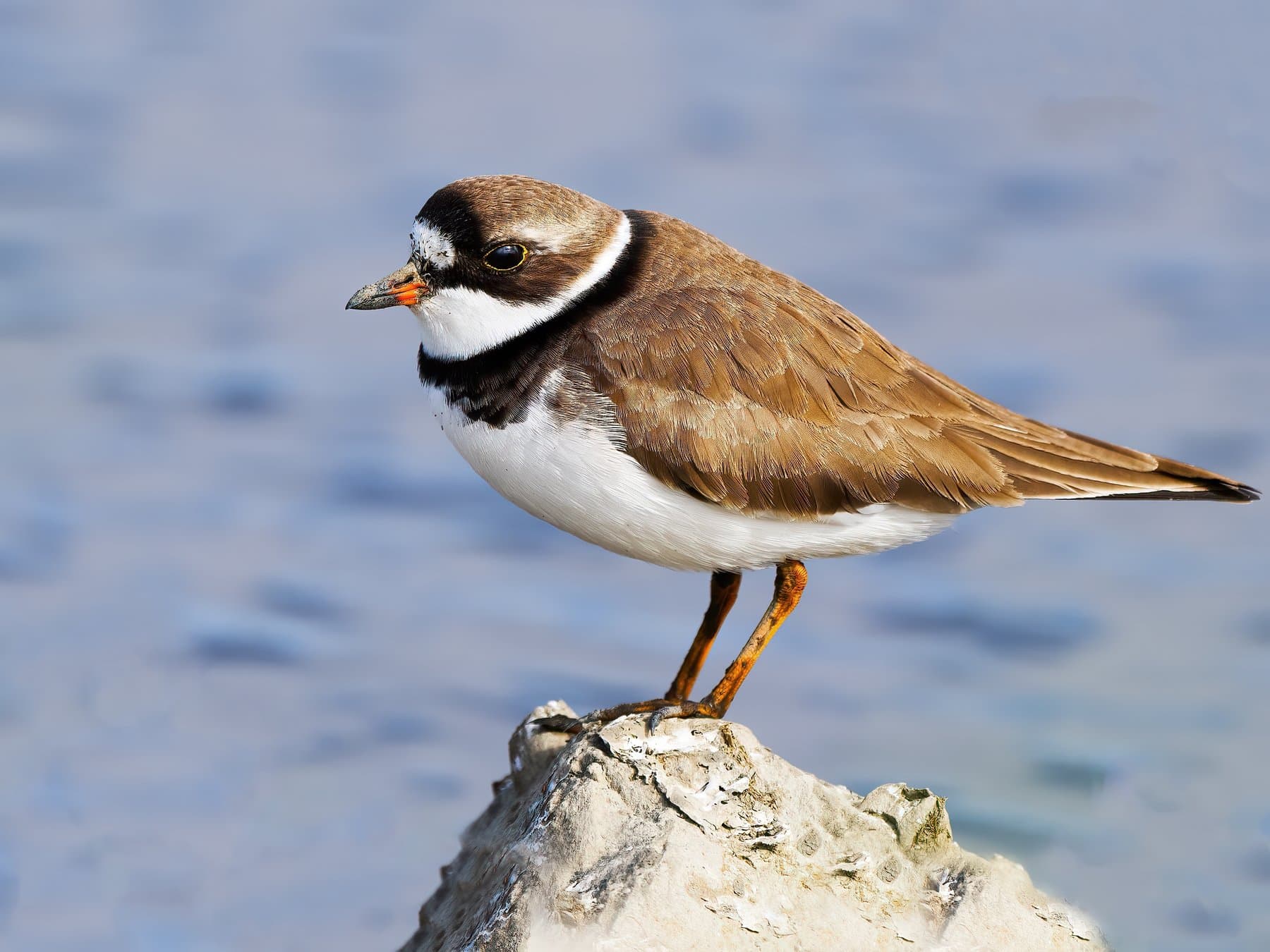 Semipalmated PloverCharadrius semipalmatusPassage migrantCommon17–19 cmRegularly May–Jan · 0.10% in Jan
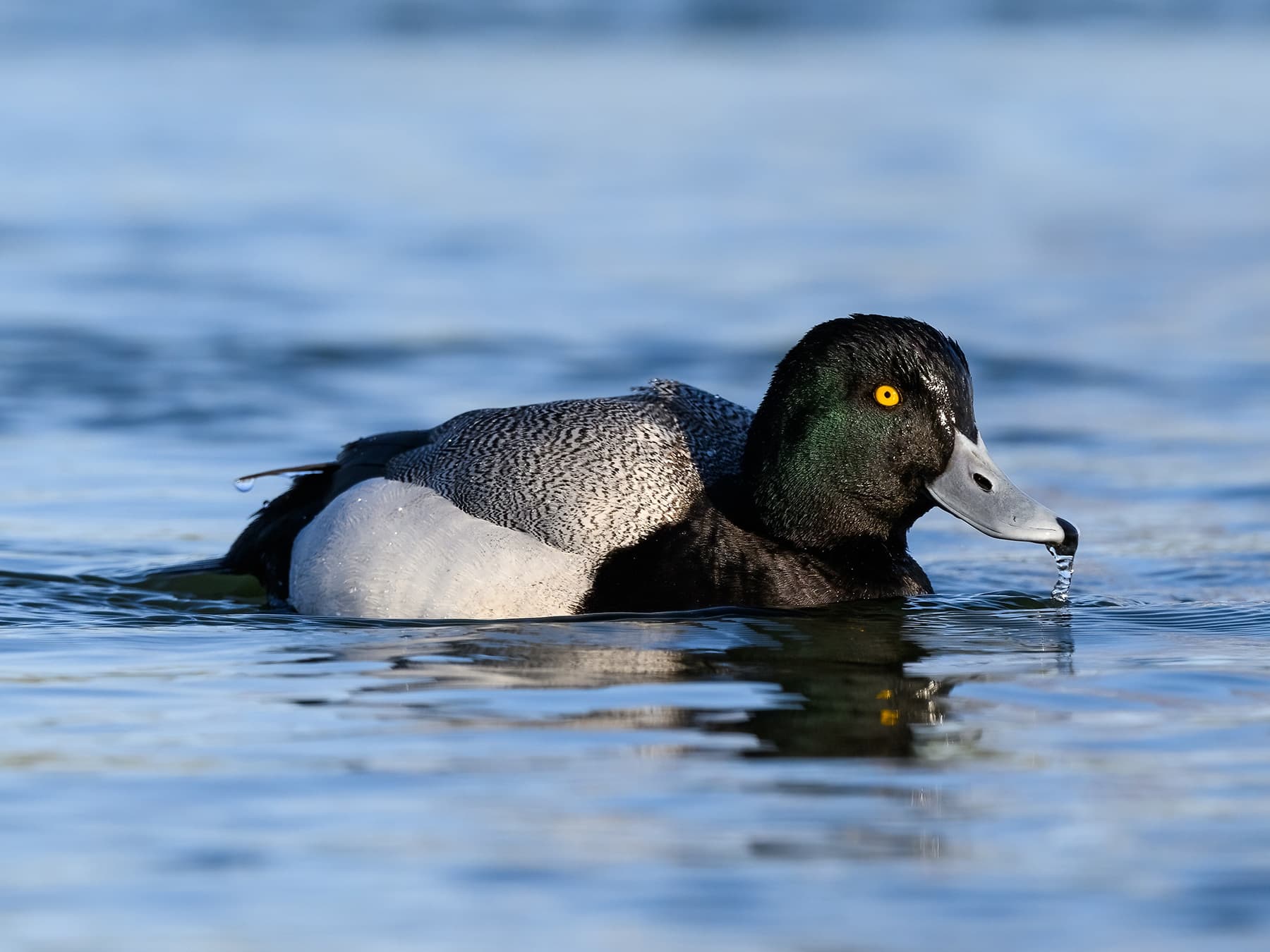 Greater ScaupAythya marilaPassage migrantUncommon39–56 cmRegularly Nov–Jan · 0.10% in Jan
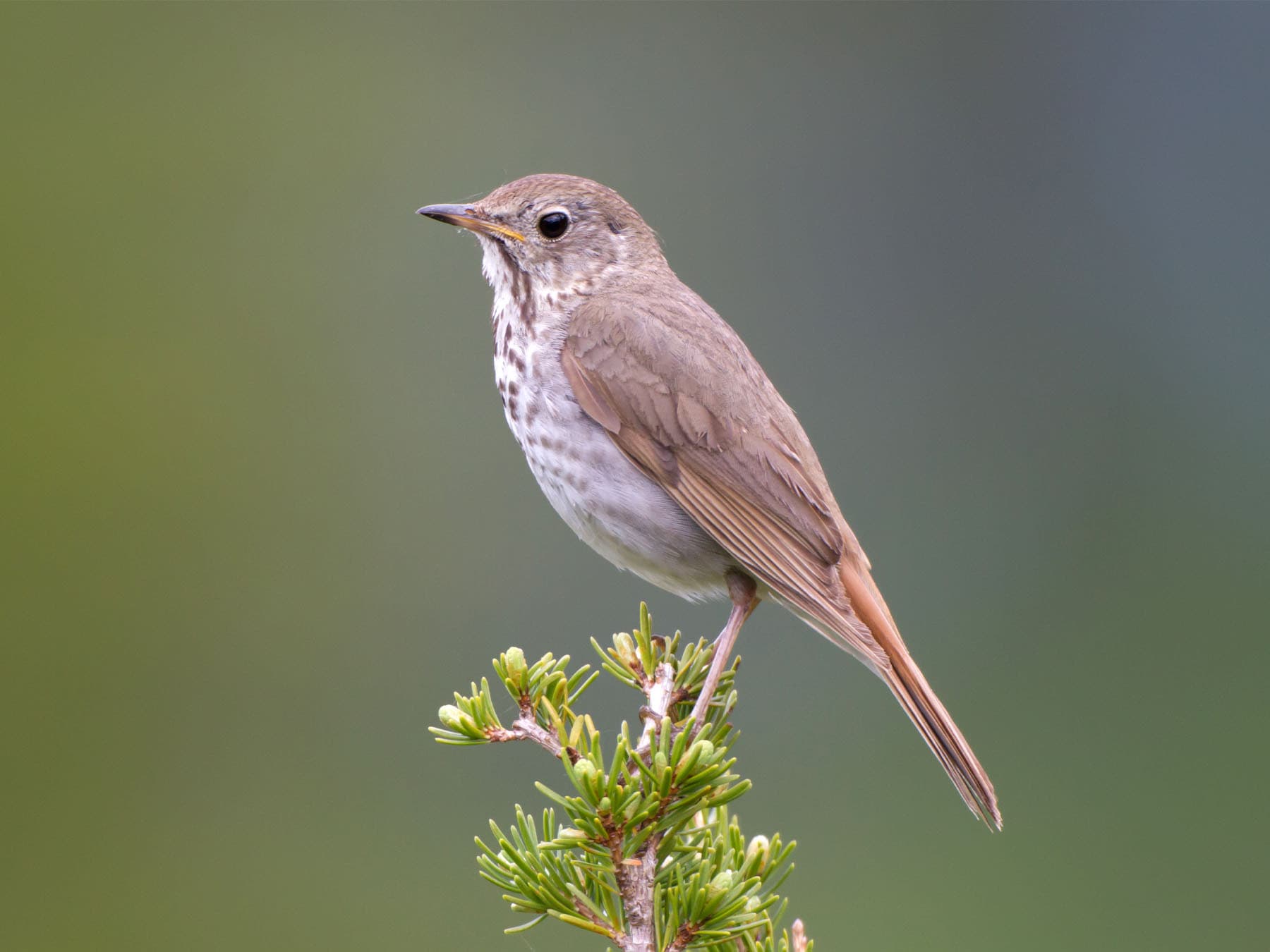 Hermit ThrushCatharus guttatusWinter visitorUncommon14–18 cmRegularly Nov–Mar · 0.08% in Jan
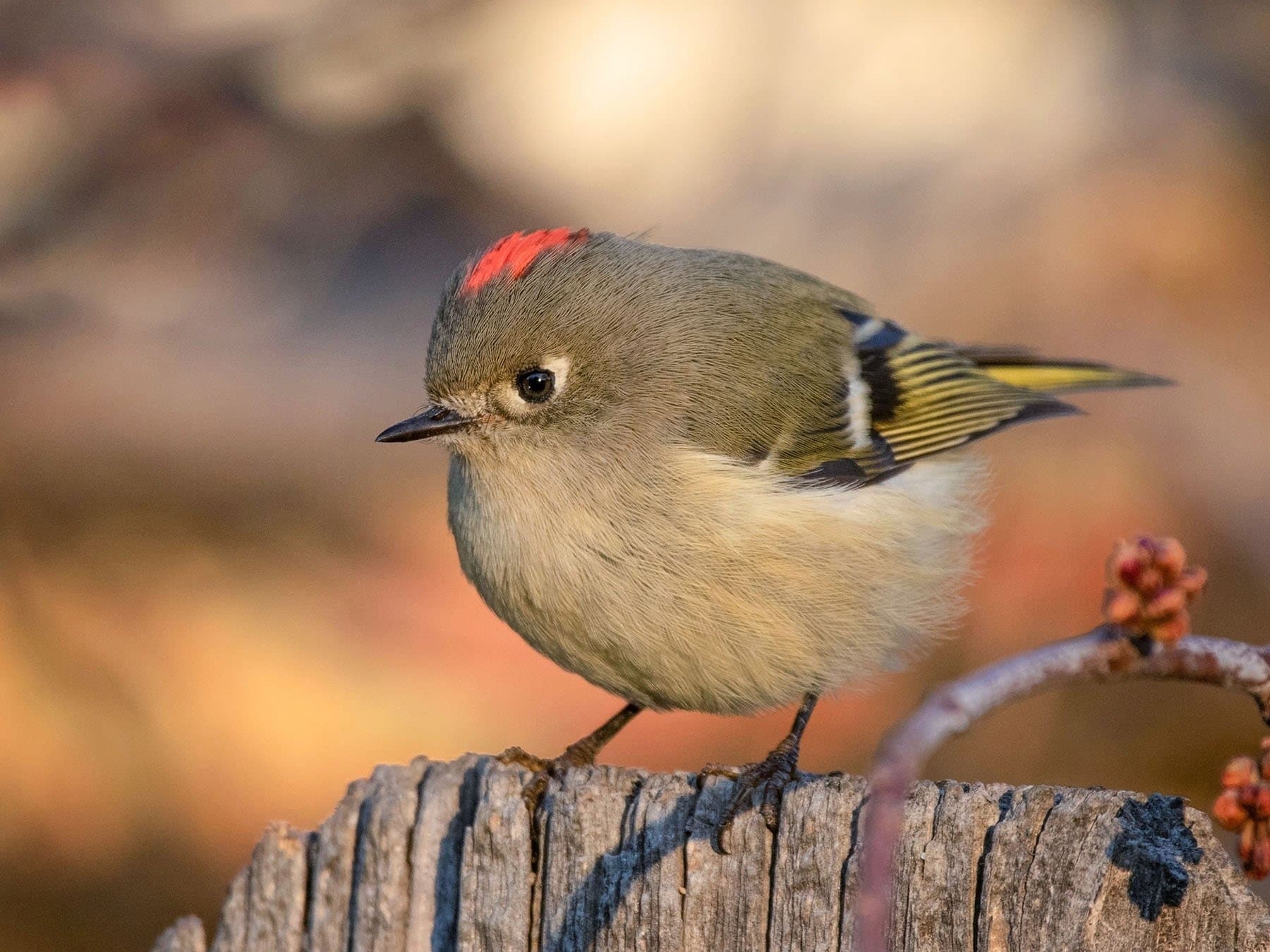 Ruby-crowned KingletCorthylio calendulaWinter visitorUncommon9–11 cmRegularly Oct–Feb · 0.08% in Jan
 American BitternBotaurus lentiginosusWinter visitorUncommon58–85 cmRegularly Oct–Feb · 0.07% in Jan
 Dark-eyed JuncoJunco hyemalisWinter visitorUncommon14–17 cmRegularly Oct–Feb · 0.07% in Jan
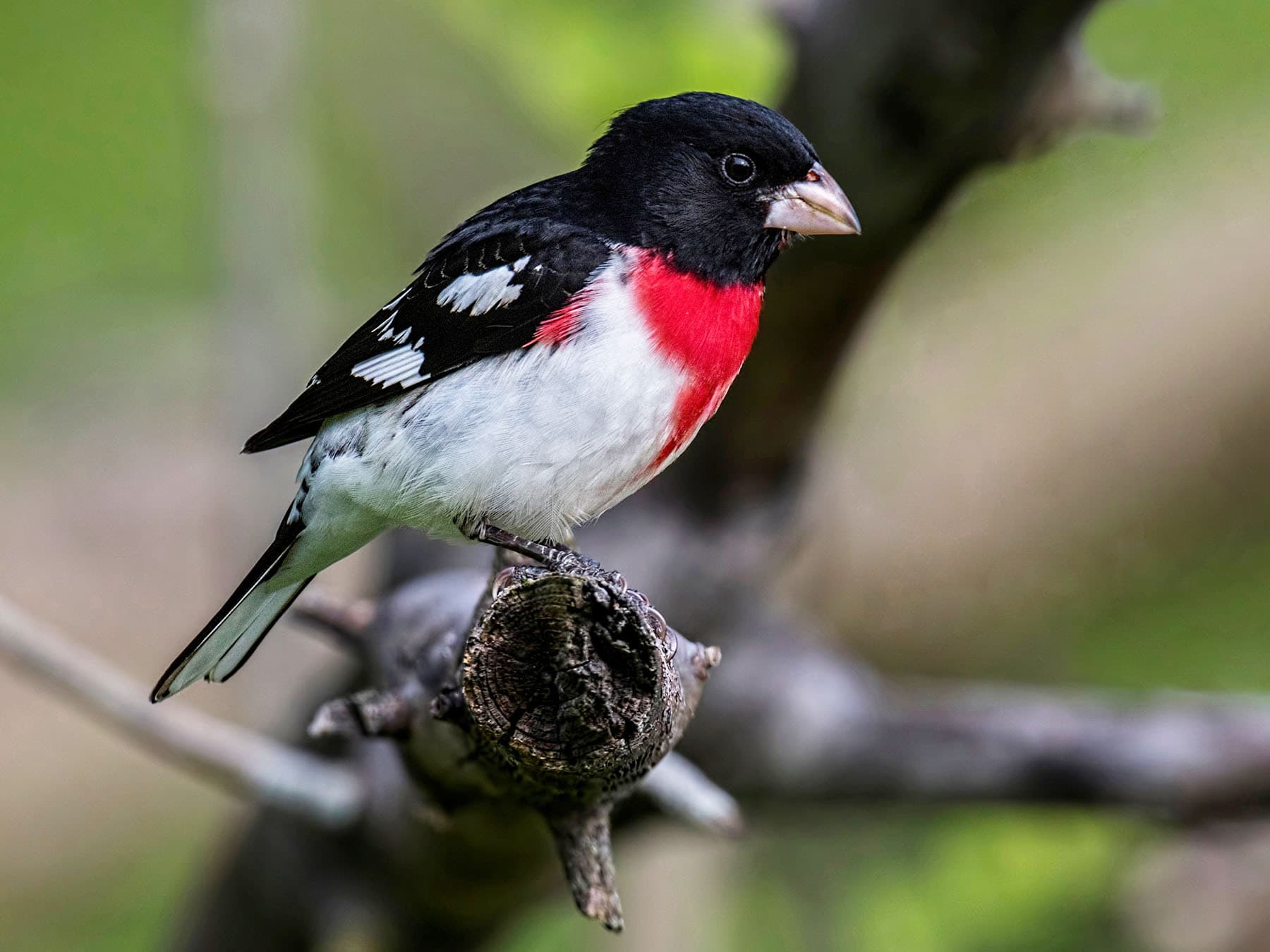 Rose-breasted GrosbeakPheucticus ludovicianusPassage migrantUncommon18–22 cmRegularly Oct–May · 0.07% in Jan
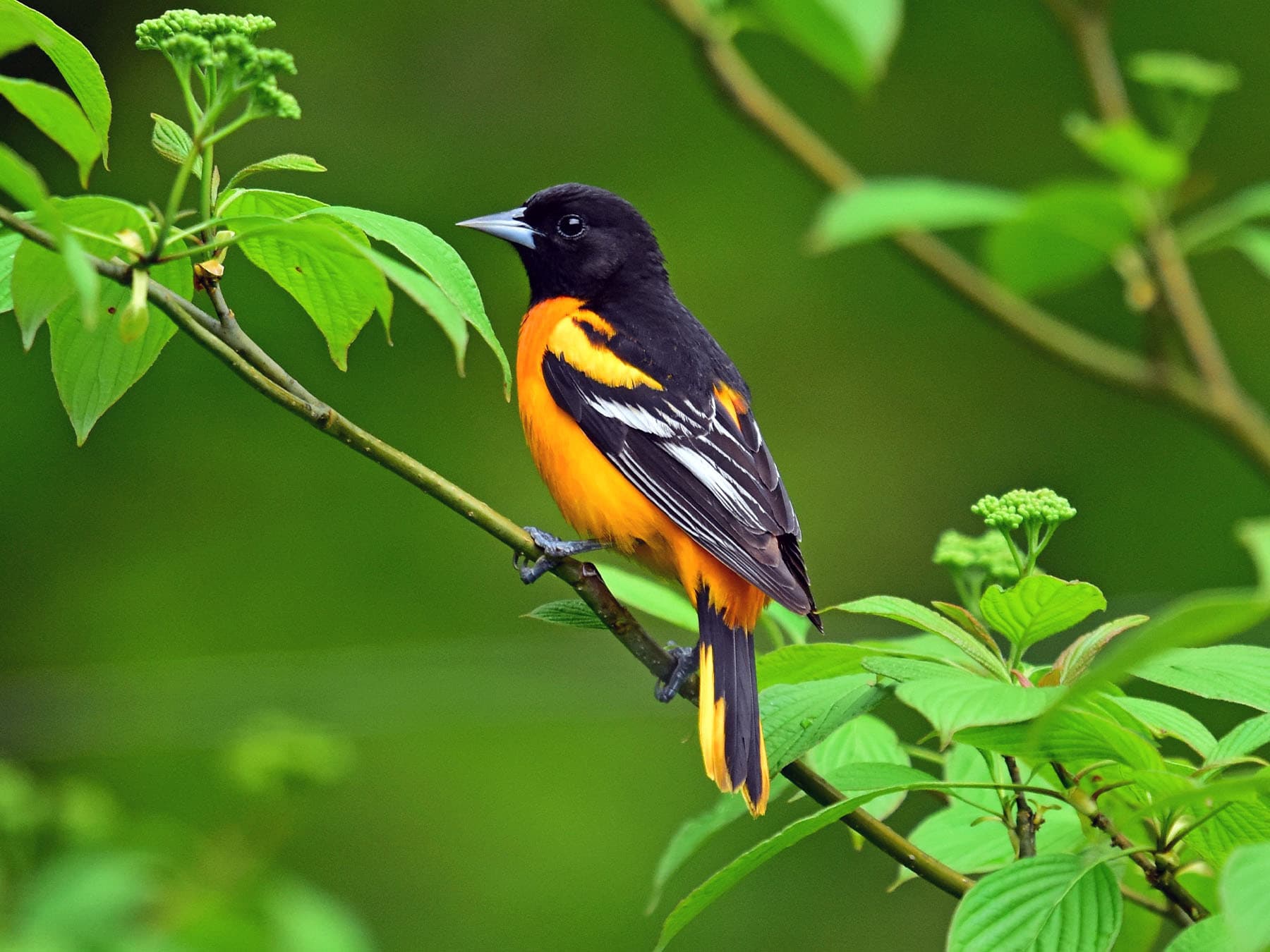 Baltimore OrioleIcterus galbulaPassage migrantUncommon17–19 cmRegularly Sep–Apr · 0.07% in Jan
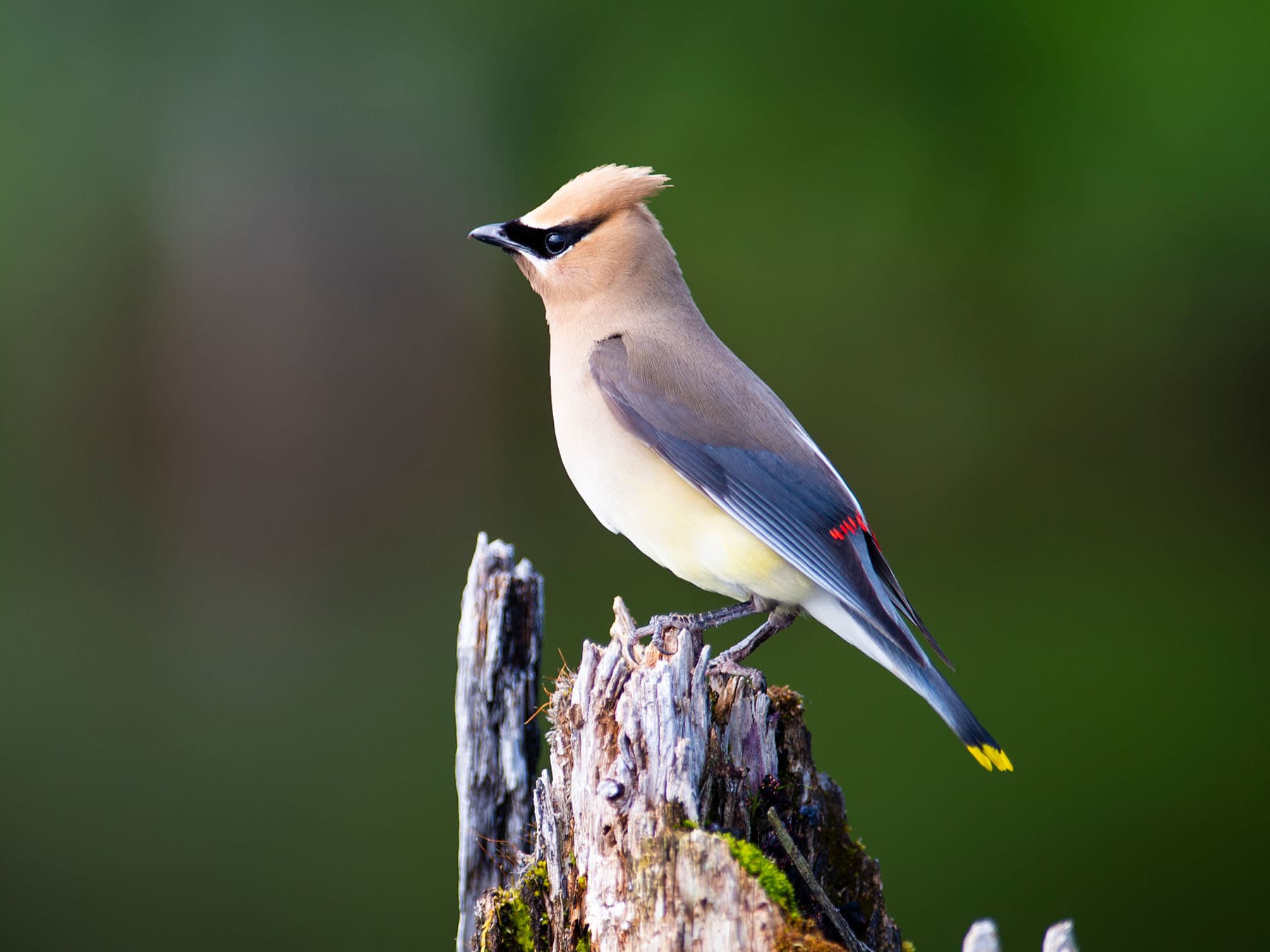 Cedar WaxwingBombycilla cedrorumWinter visitorUncommon15–18 cmRegularly Sep–May · 0.06% in Jan
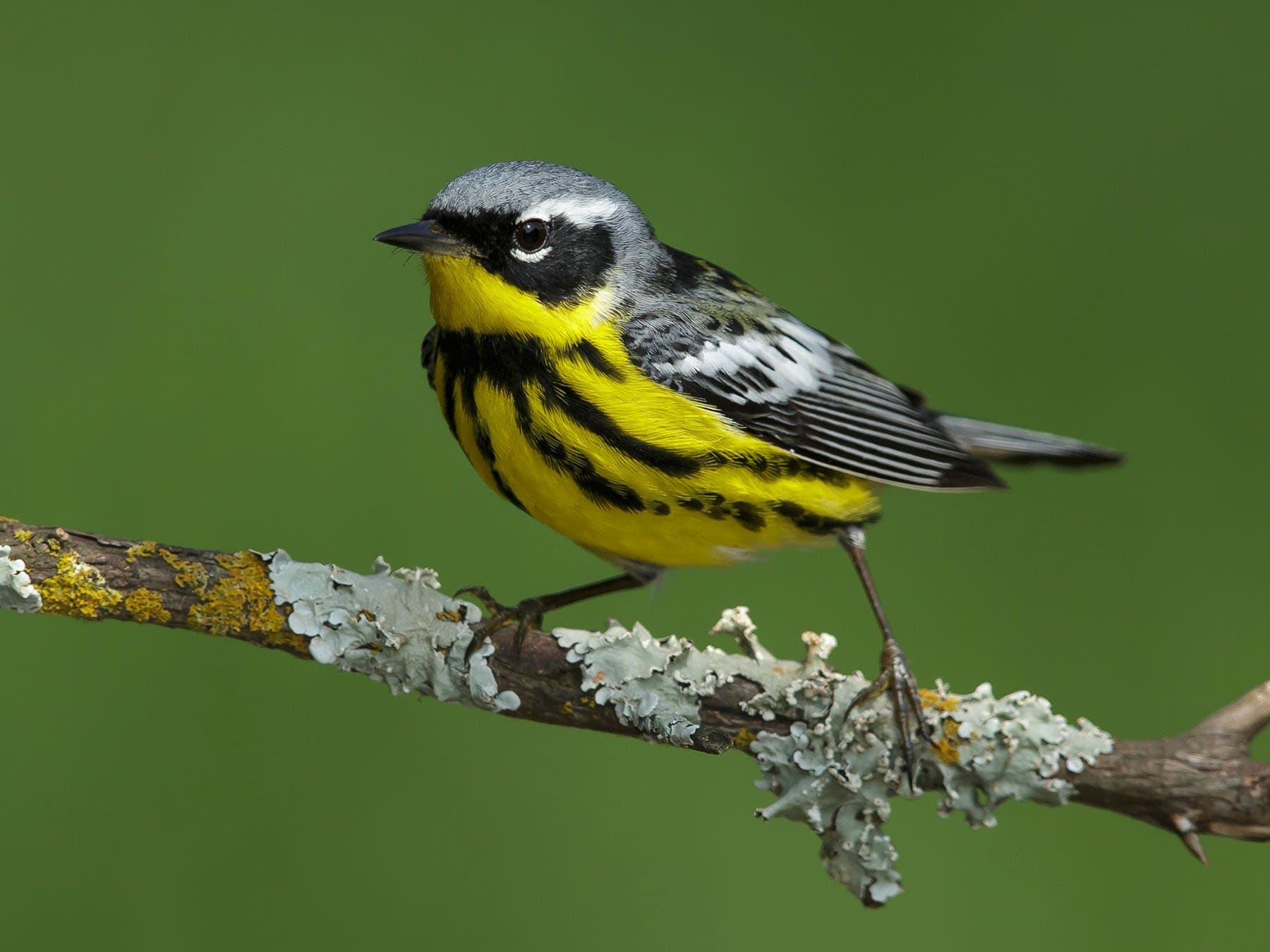 Magnolia WarblerSetophaga magnoliaWinter visitorUncommon11–13 cmRegularly Sep–May · 0.05% in Jan
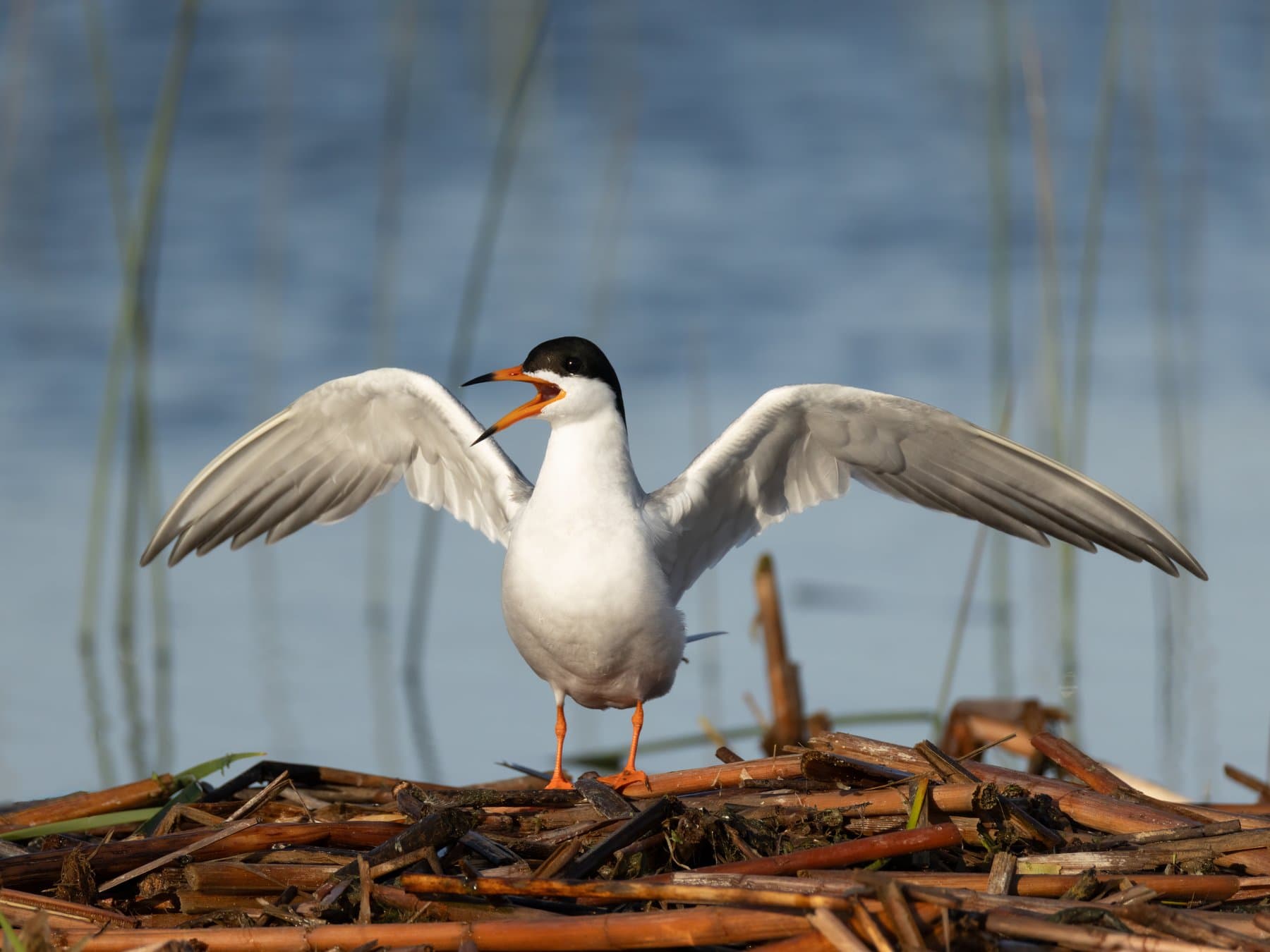 Forster's TernSterna forsteriScarceUncommon33–36 cmRegularly Jan · 0.05% in Jan
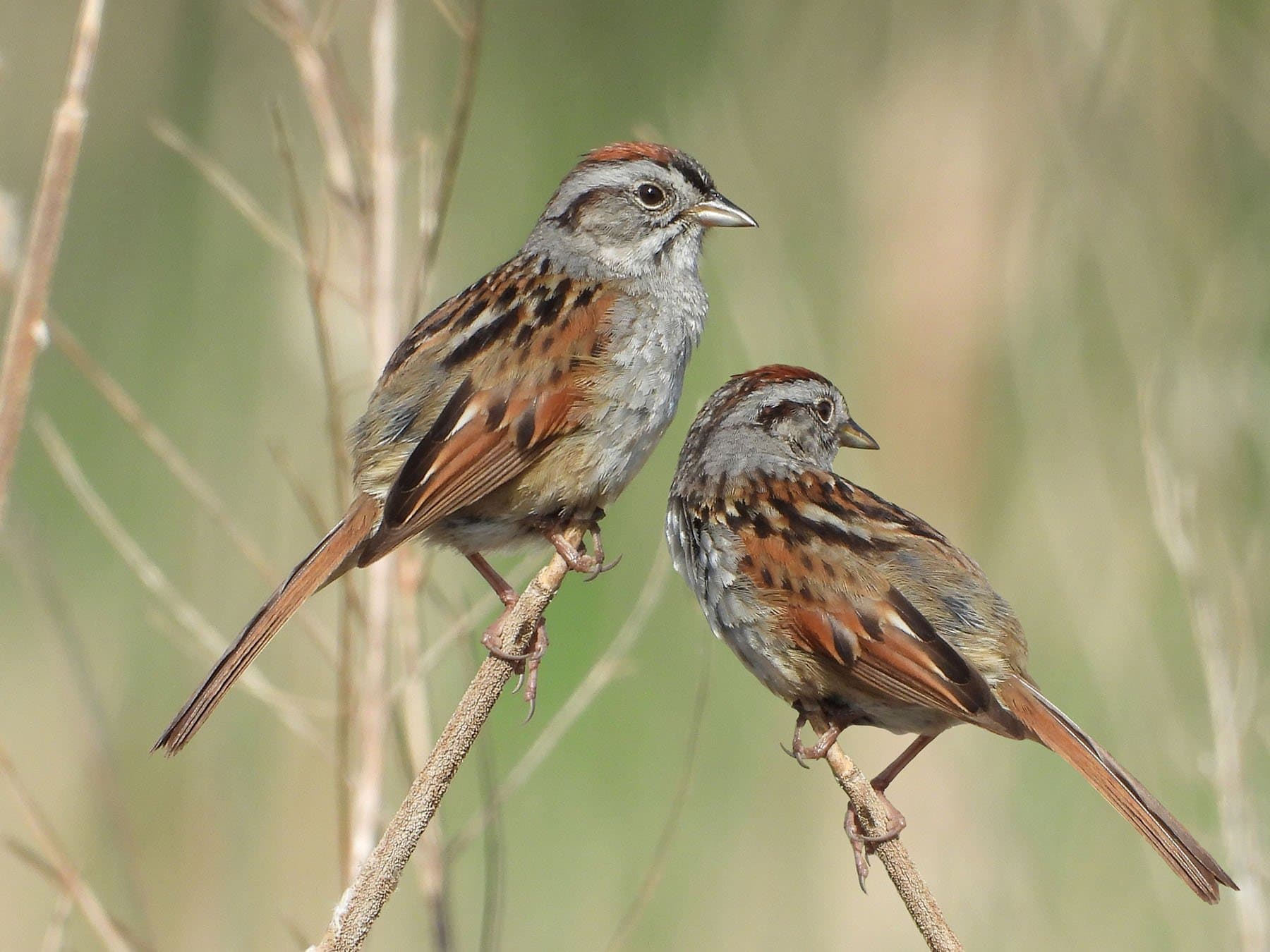 Swamp SparrowMelospiza georgianaPassage migrantUncommon12–15 cmRegularly Jan · 0.03% in Jan
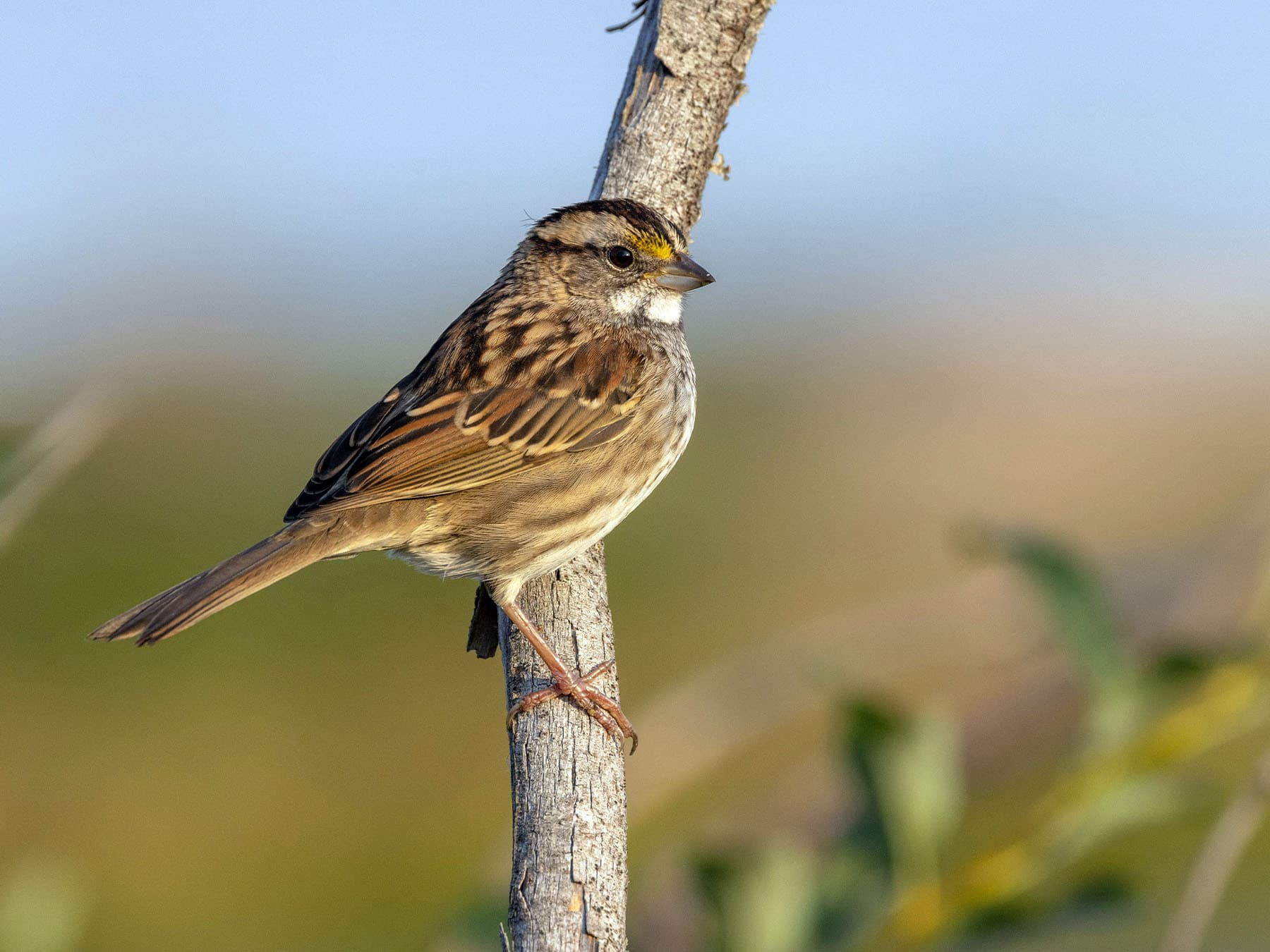 White-throated SparrowZonotrichia albicollisWinter visitorUncommon16–18 cmRegularly Dec–Feb · 0.03% in Jan
Data: EOD – eBird Observation Dataset (Cornell Lab of Ornithology), accessed via GBIF.org, CC BY 4.0. Records from 2019–2024, aggregated and filtered by Birdfact. How these lists are made