


Birds to See in Zambia in February
60 bird species on our list for Zambia are recorded regularly in February
Of these, the most often recorded are Barn Swallow, Fork-tailed Drongo, Cattle Egret, European Bee-eater and Pied Crow. New this month: Crowned Eagle, Gull-billed Tern and Montagu's Harrier.
On the move in February
GBIF · FebArriving
At their peak
From Zambia’s bird records, 2019–2024: arriving birds are regular this month but not last; leaving birds are regular this month but not next.
Other months
All 60 birds in February
60 birds
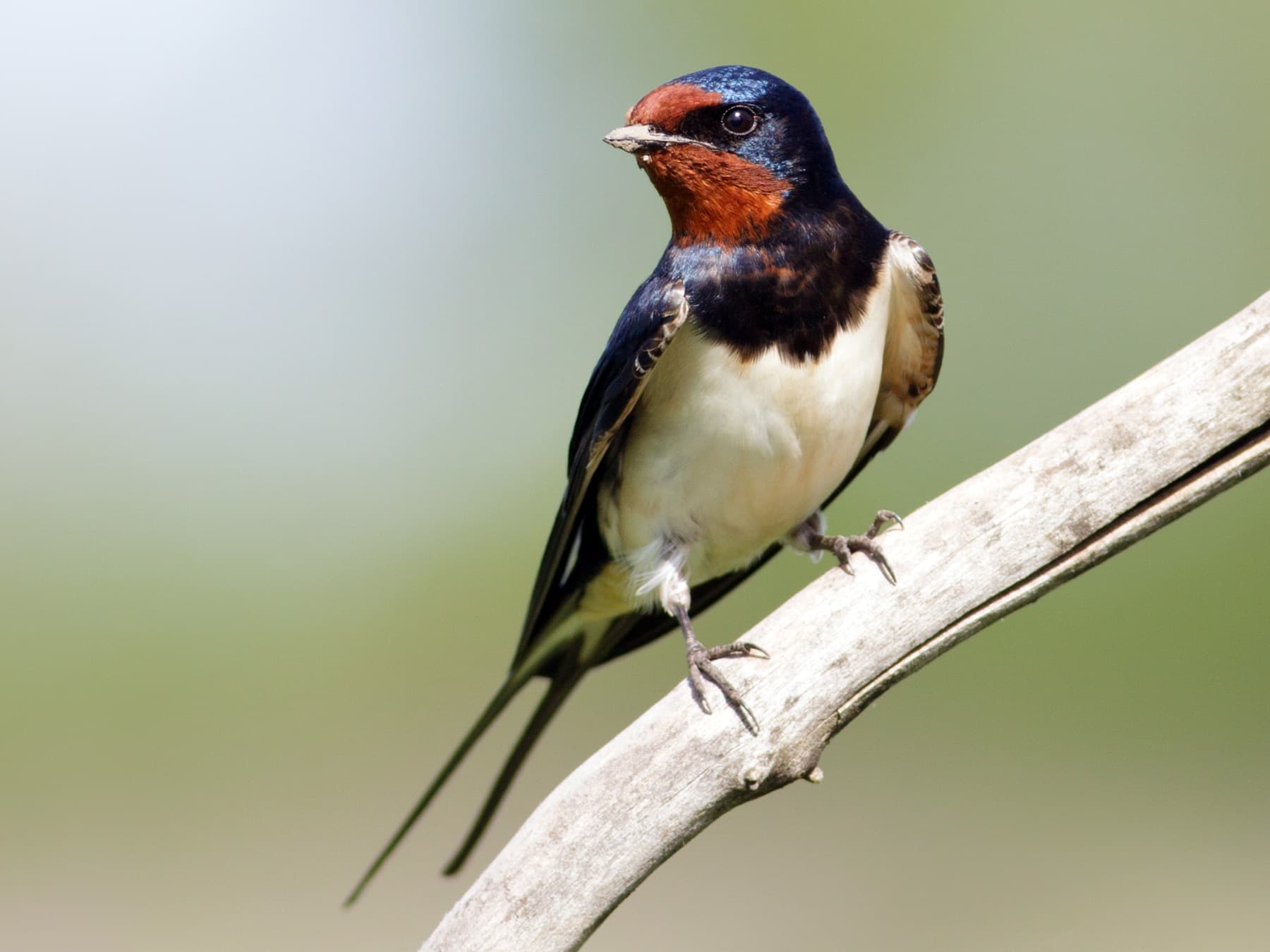 Barn SwallowHirundo rusticaSummer visitorCommon17–19 cmRegularly Sep–May · 1.11% in Feb
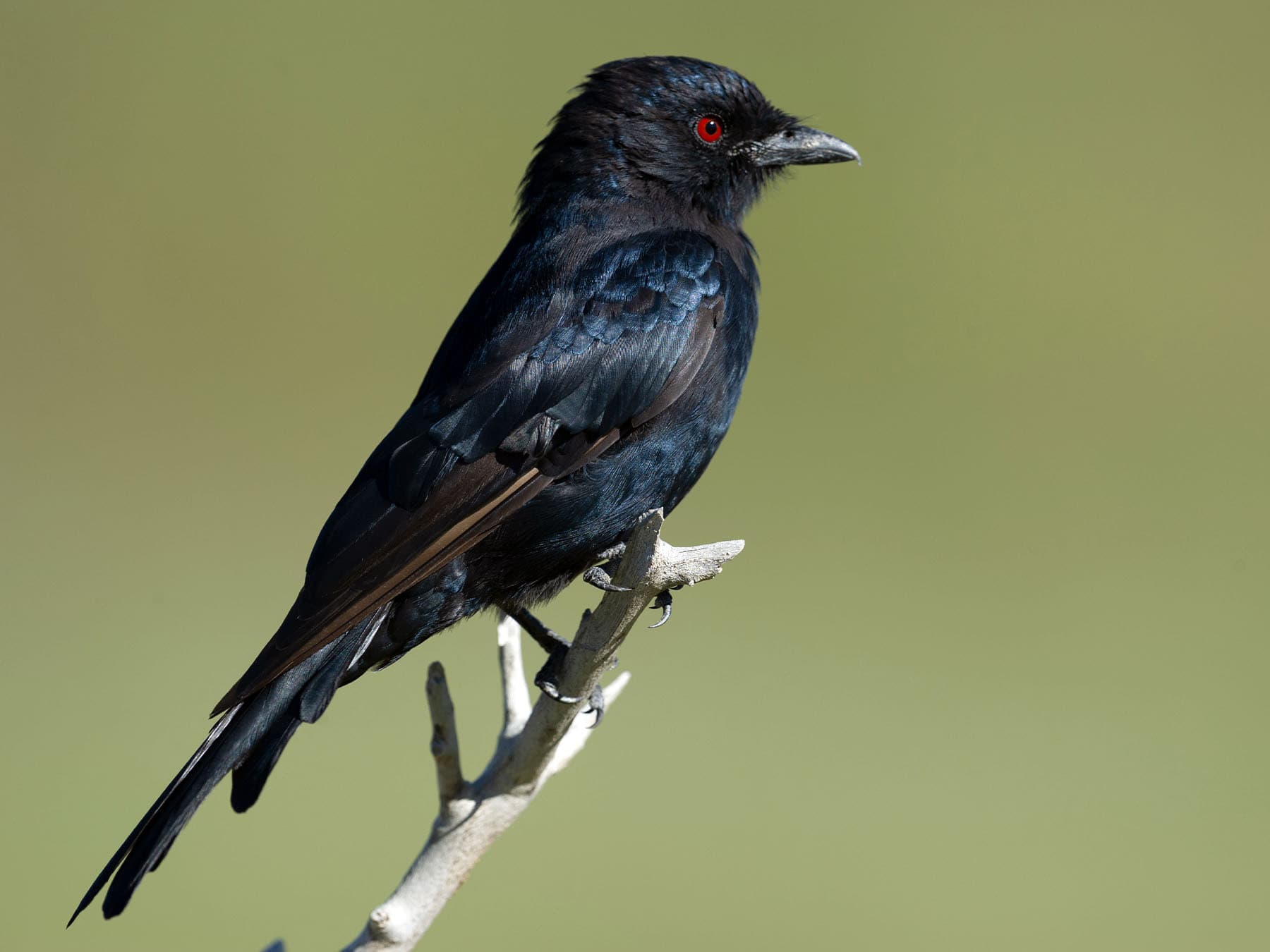 Fork-tailed DrongoDicrurus adsimilisResidentCommon23–26 cmRecorded all year · 1.07% in Feb
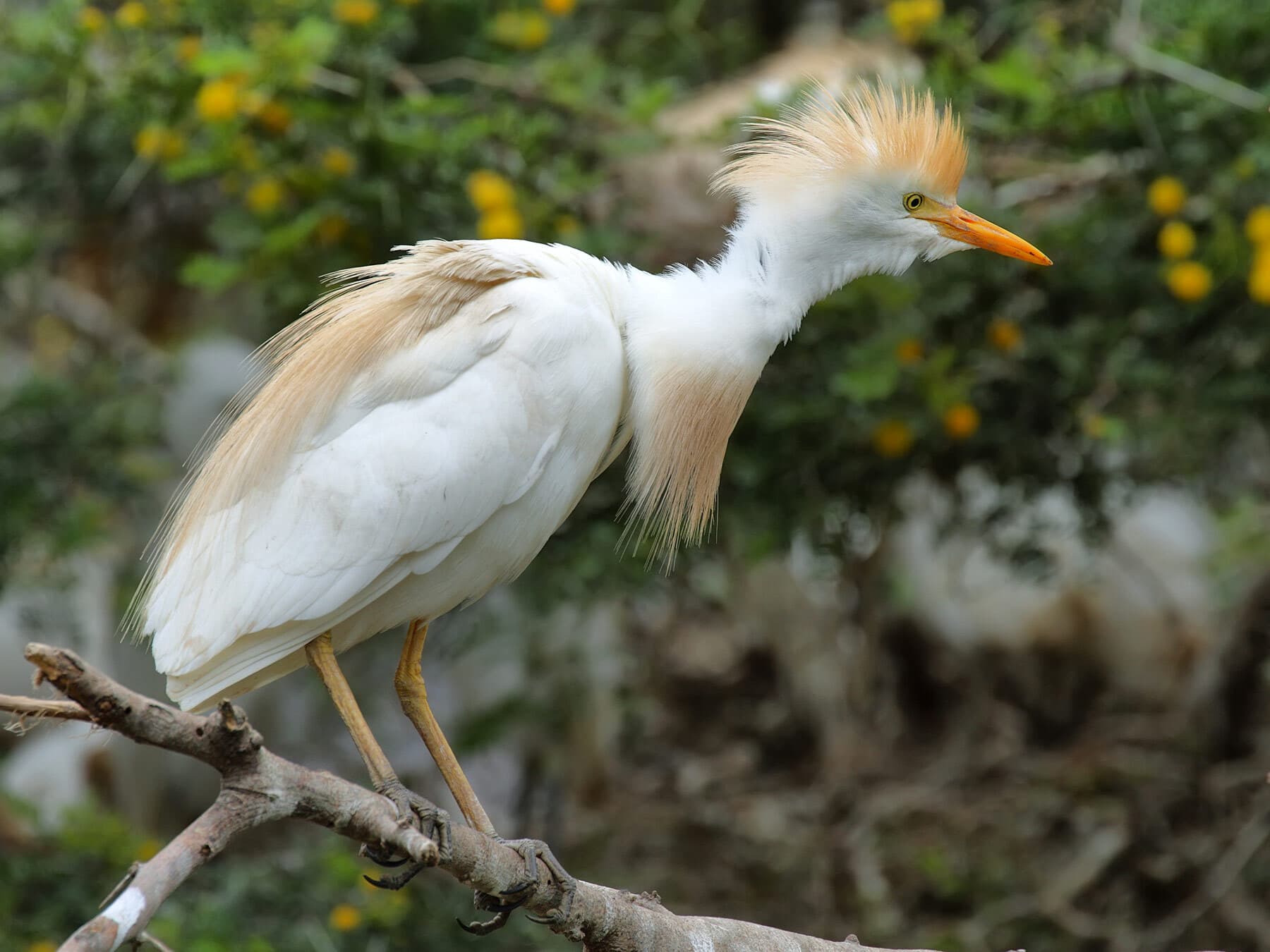 Cattle EgretArdea ibisResidentCommon46–56 cmRecorded all year · 1.03% in Feb
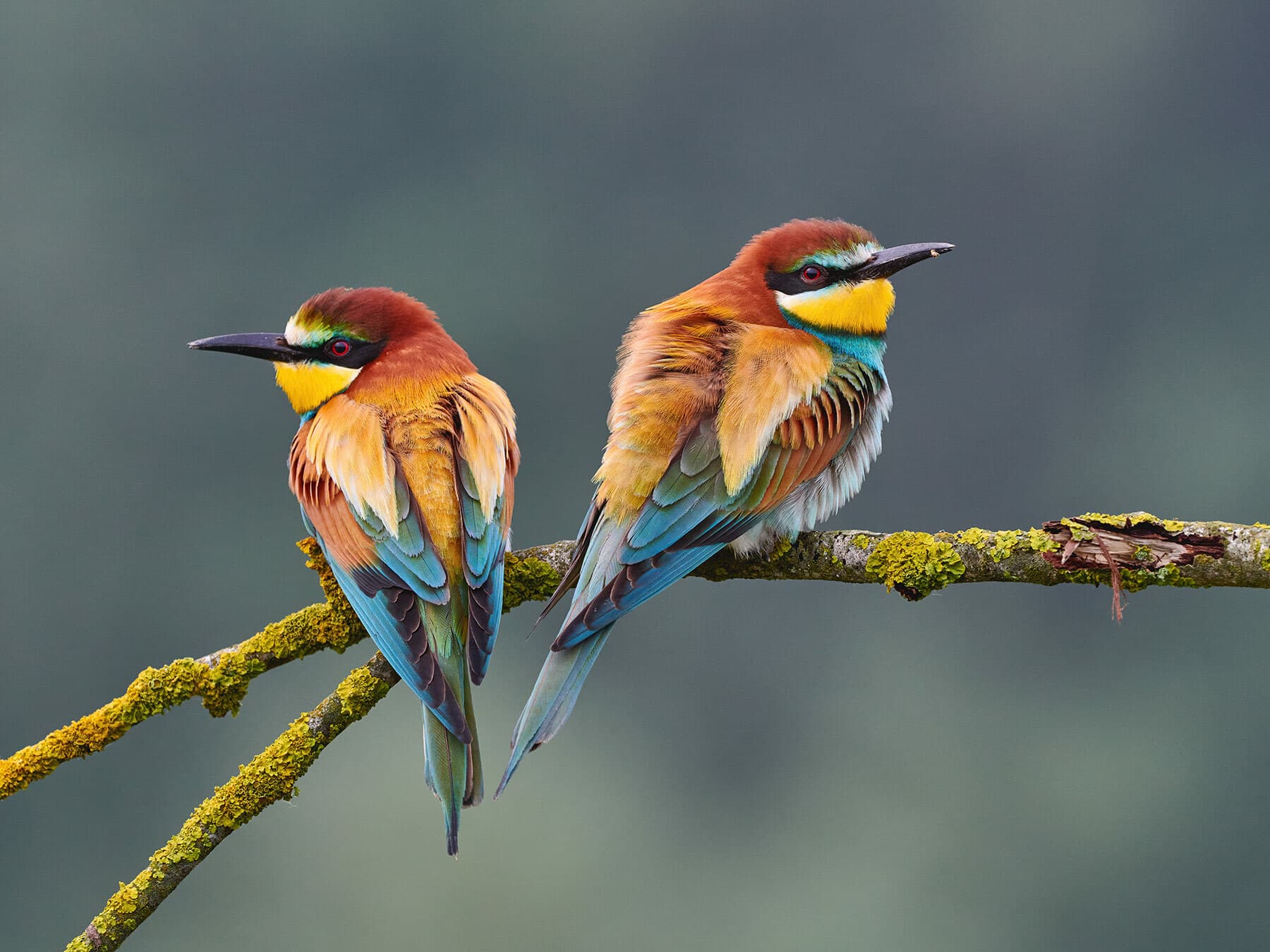 European Bee-eaterMerops apiasterSummer visitorCommon27–29 cmRegularly Sep–Apr · 0.97% in Feb
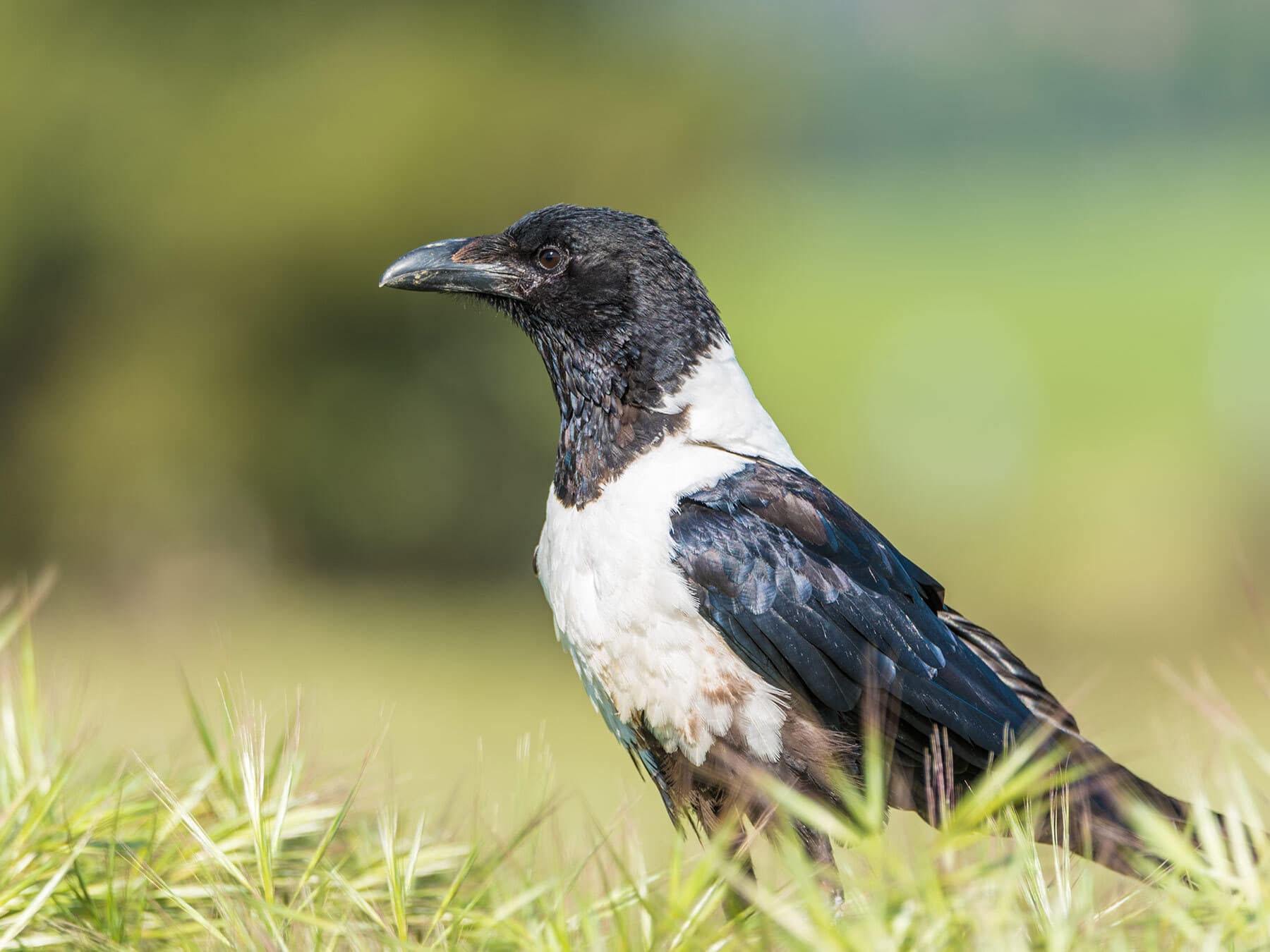 Pied CrowCorvus albusResidentCommon46–52 cmRecorded all year · 0.66% in Feb
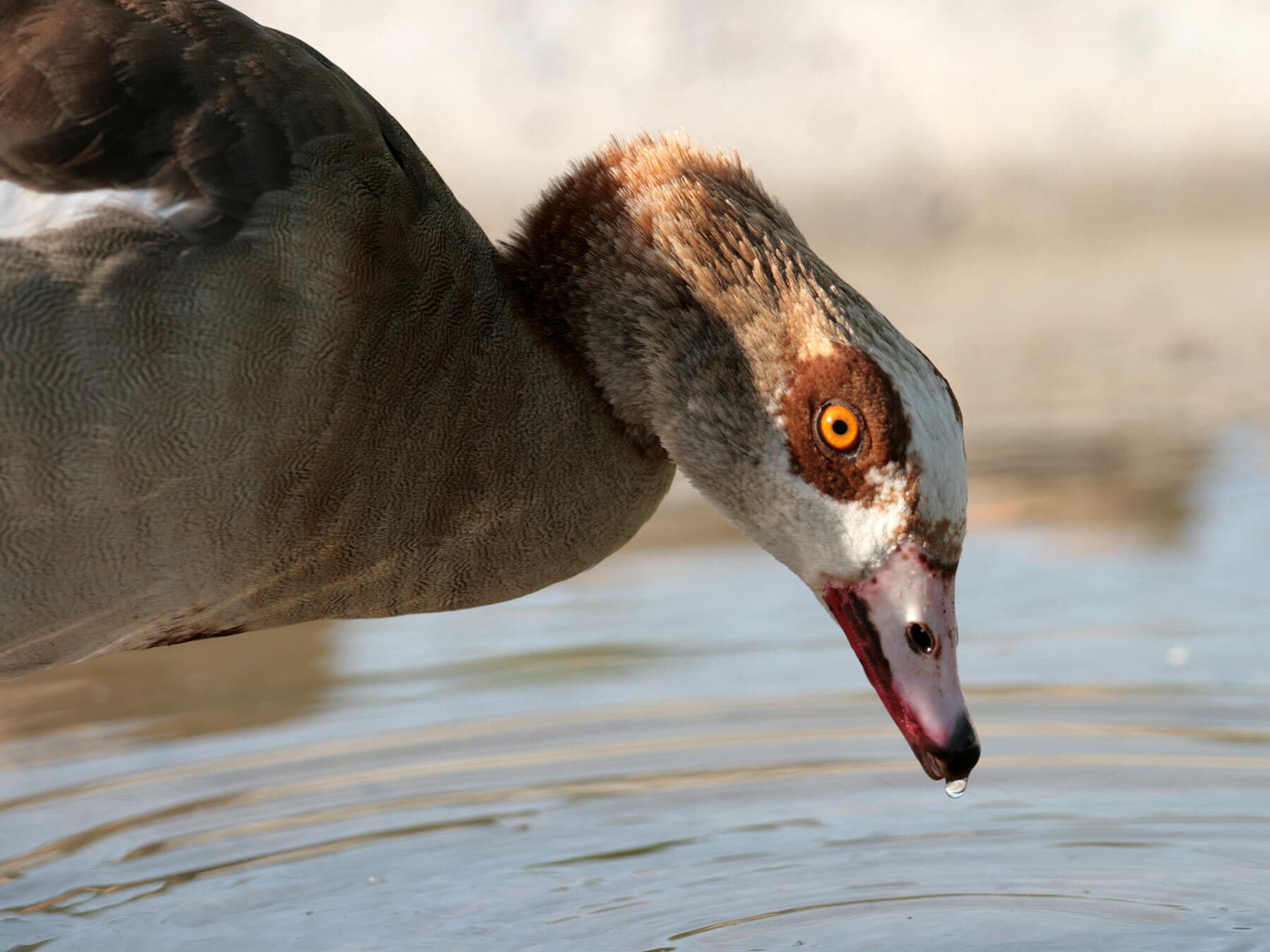 Egyptian GooseAlopochen aegyptiacaResidentCommon63–73 cmRecorded all year · 0.65% in Feb
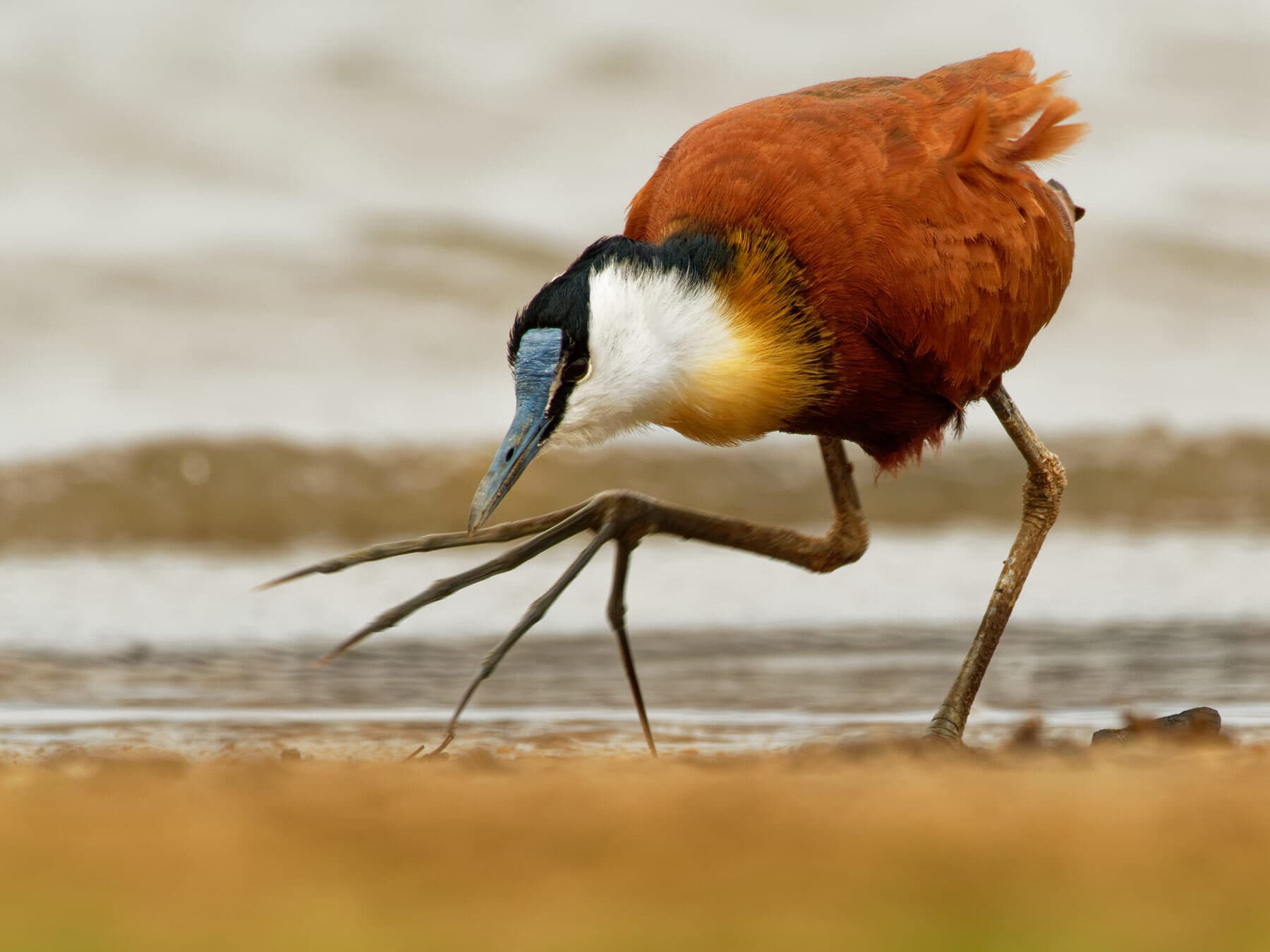 African JacanaActophilornis africanusResidentCommon23–31 cmRecorded all year · 0.61% in Feb
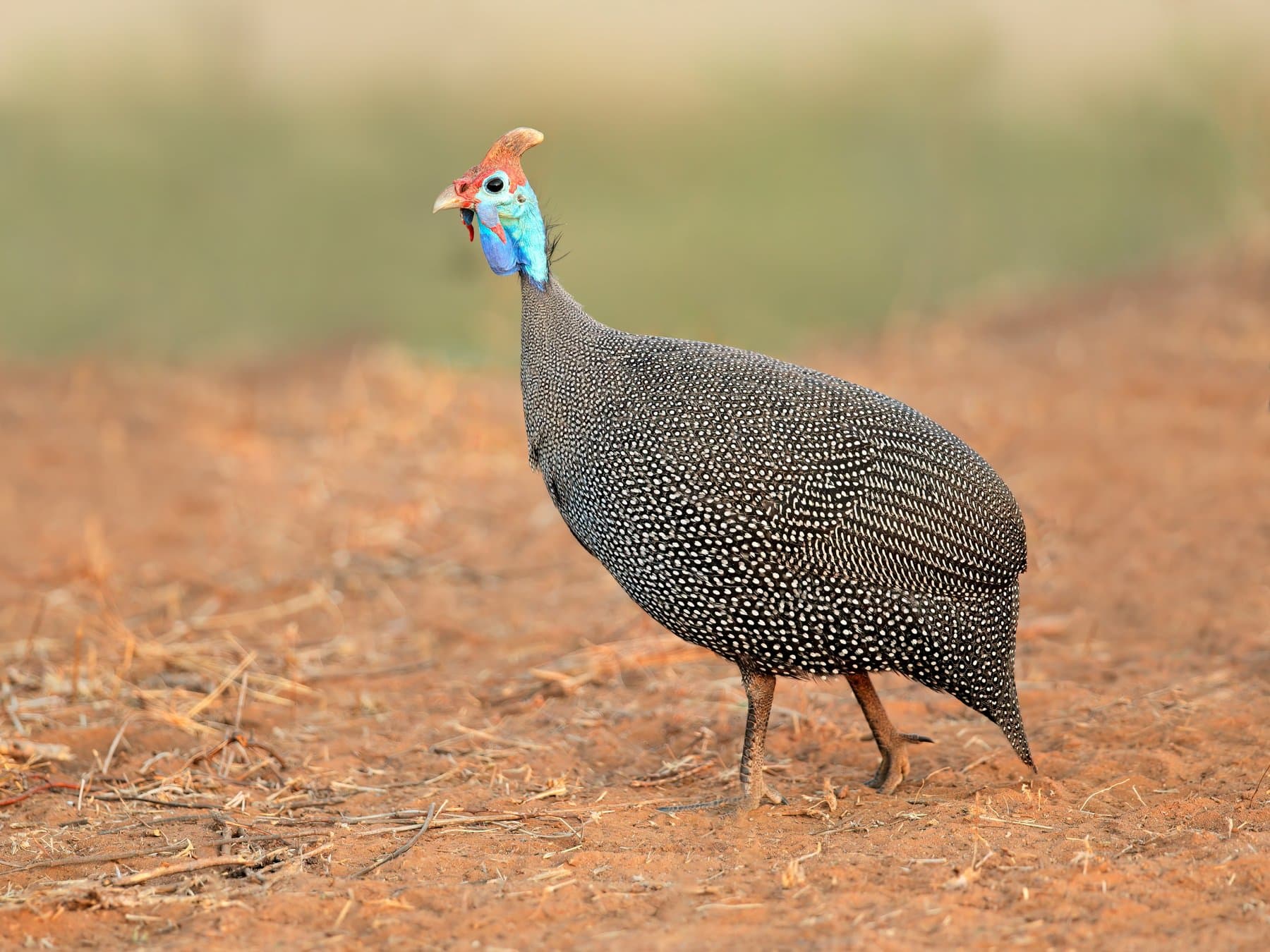 Helmeted GuineafowlNumida meleagrisResidentCommon53–63 cmRecorded all year · 0.60% in Feb
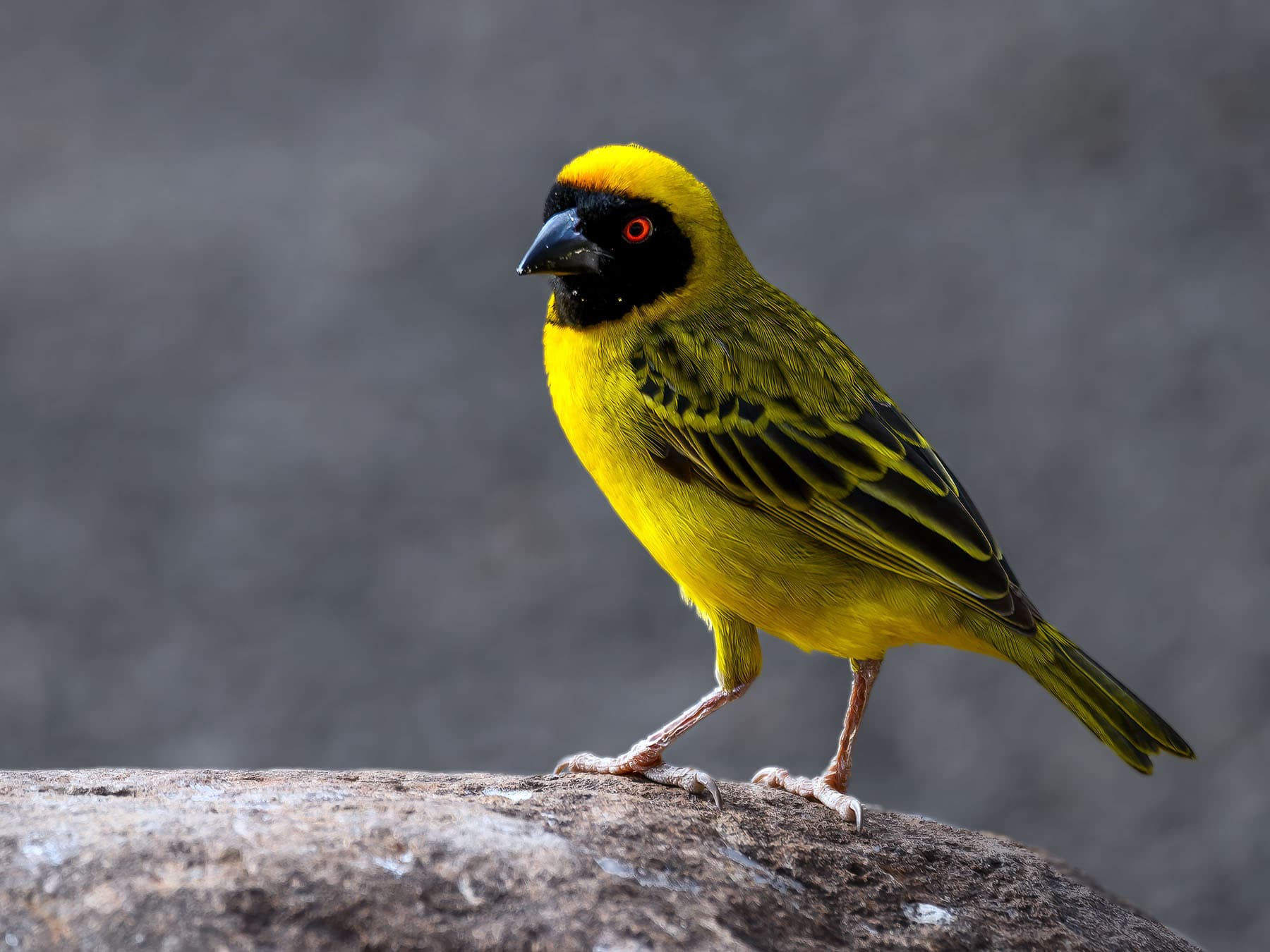 Southern Masked WeaverPloceus velatusResidentCommon13–15 cmRecorded all year · 0.59% in Feb
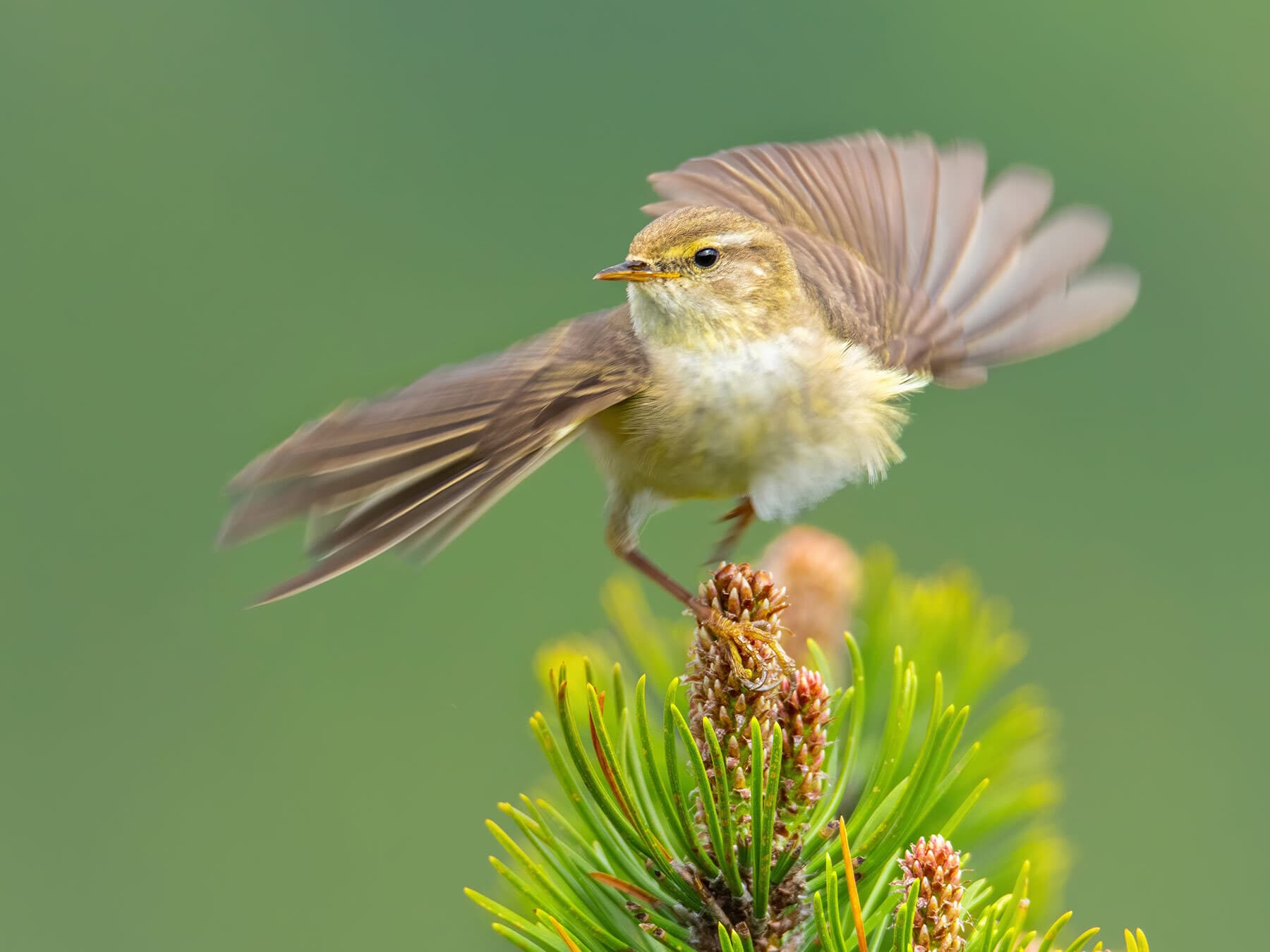 Willow WarblerPhylloscopus trochilusSummer visitorCommon11–13 cmRegularly Sep–Apr · 0.57% in Feb
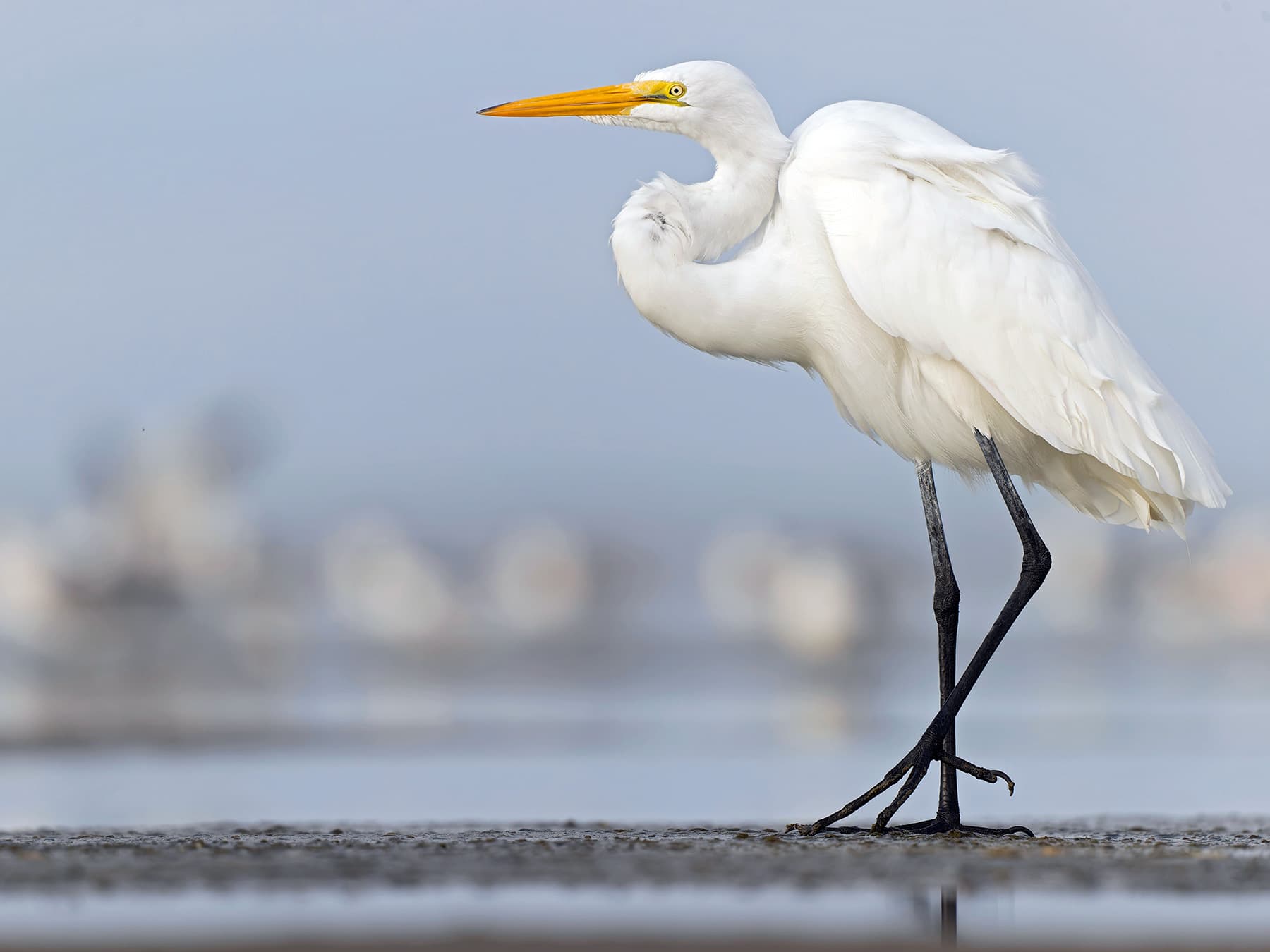 Great White EgretArdea albaResidentCommon80–104 cmRecorded all year · 0.54% in Feb
 Common SandpiperActitis hypoleucosSummer visitorCommon18–20 cmRegularly Jul–May · 0.51% in Feb
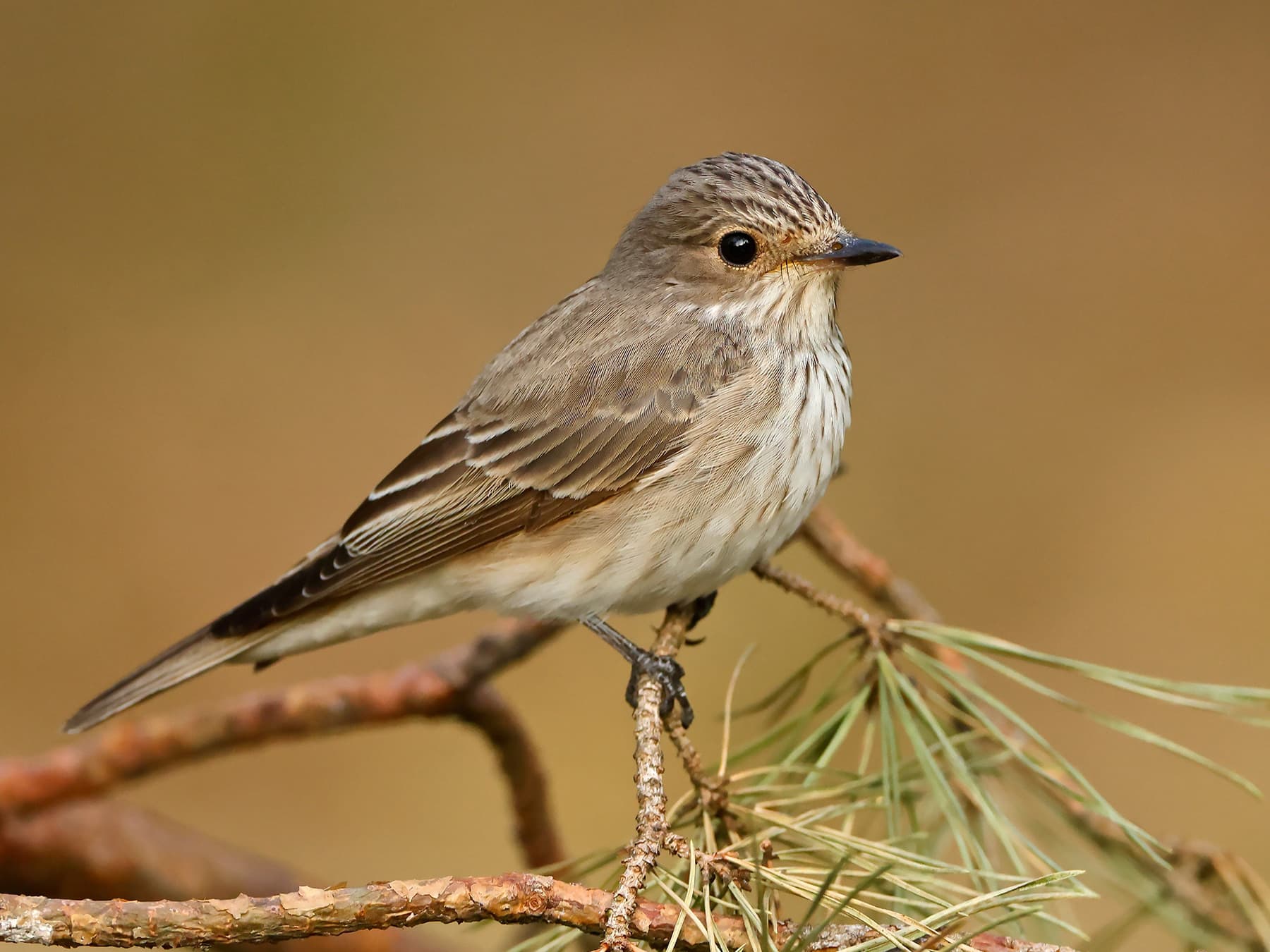 Spotted FlycatcherMuscicapa striataSummer visitorCommon14–16 cmRegularly Oct–Apr · 0.51% in Feb
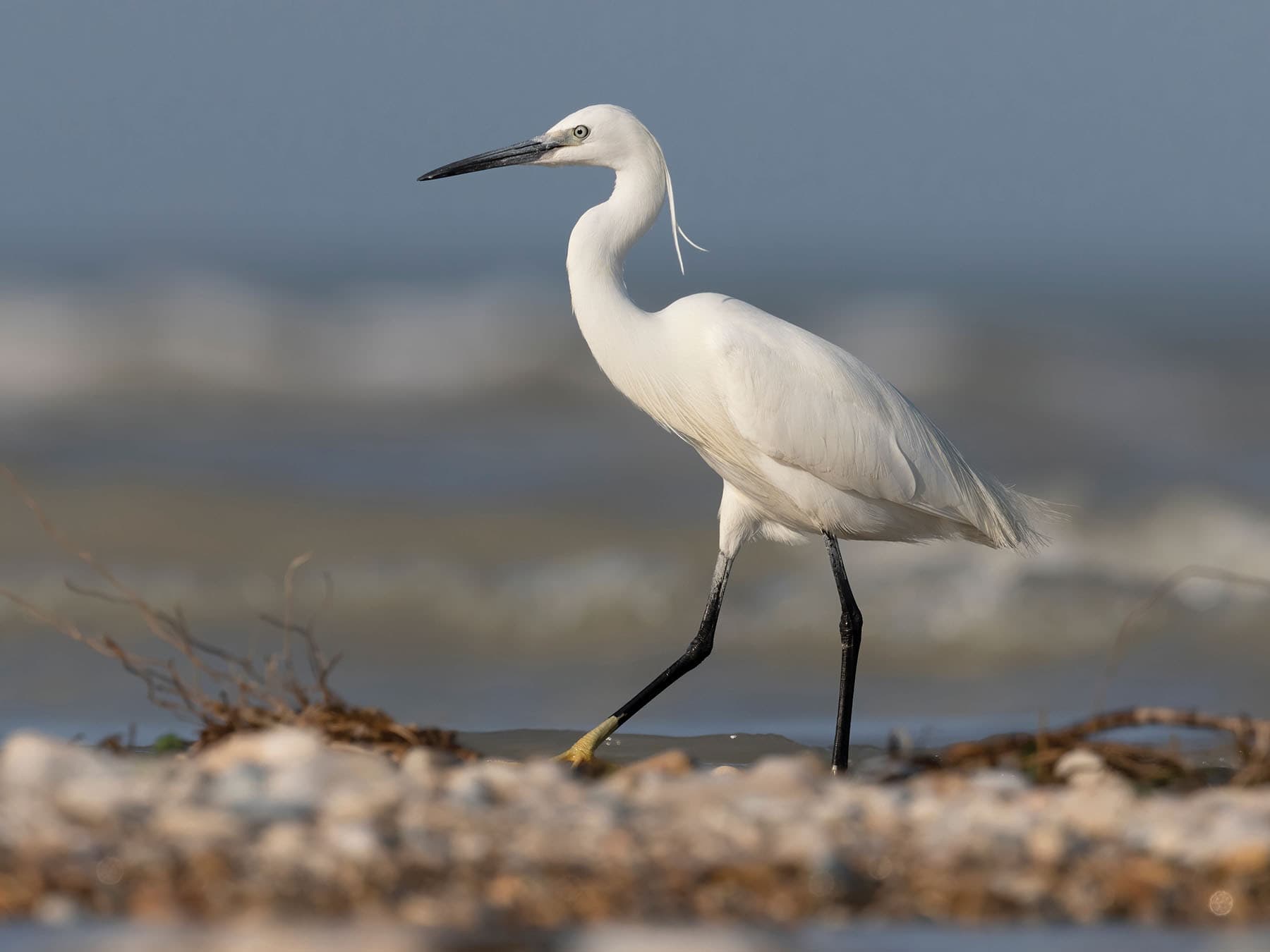 Little EgretEgretta garzettaResidentCommon55–65 cmRecorded all year · 0.48% in Feb
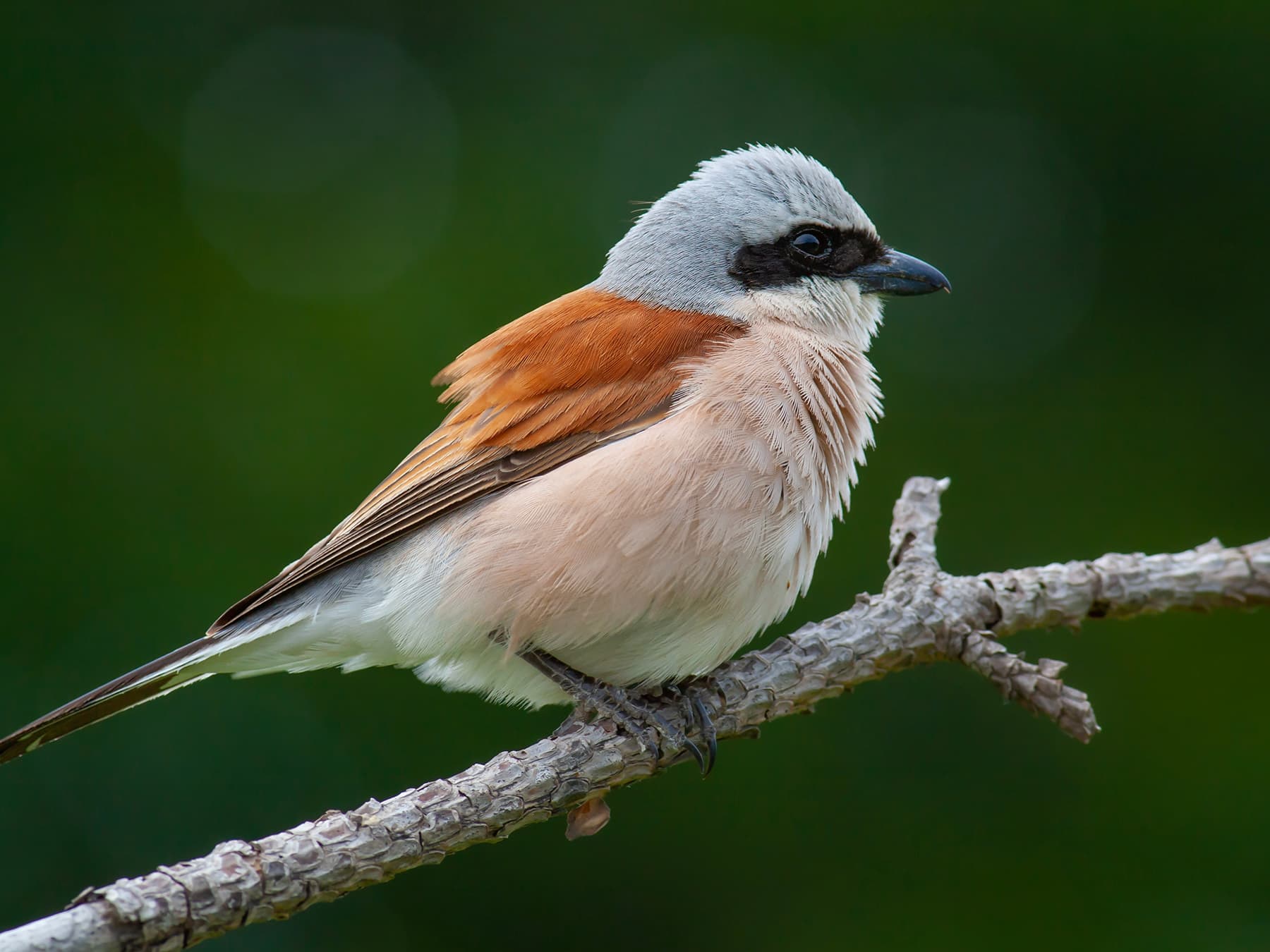 Red-backed ShrikeLanius collurioSummer visitorCommon16–18 cmRegularly Oct–Apr · 0.47% in Feb
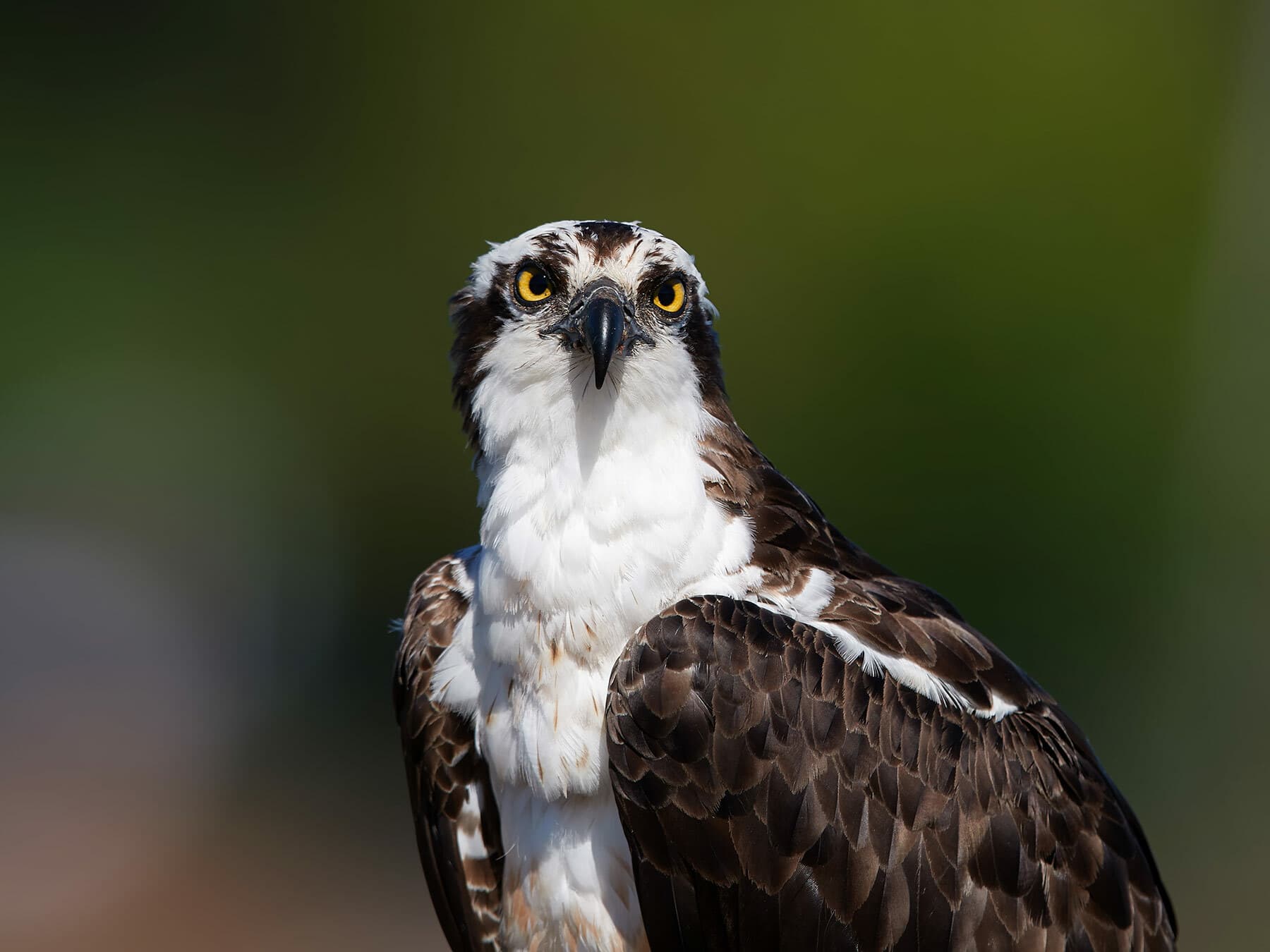 OspreyPandion haliaetusSummer visitorUncommon54–58 cmRecorded all year · 0.43% in Feb
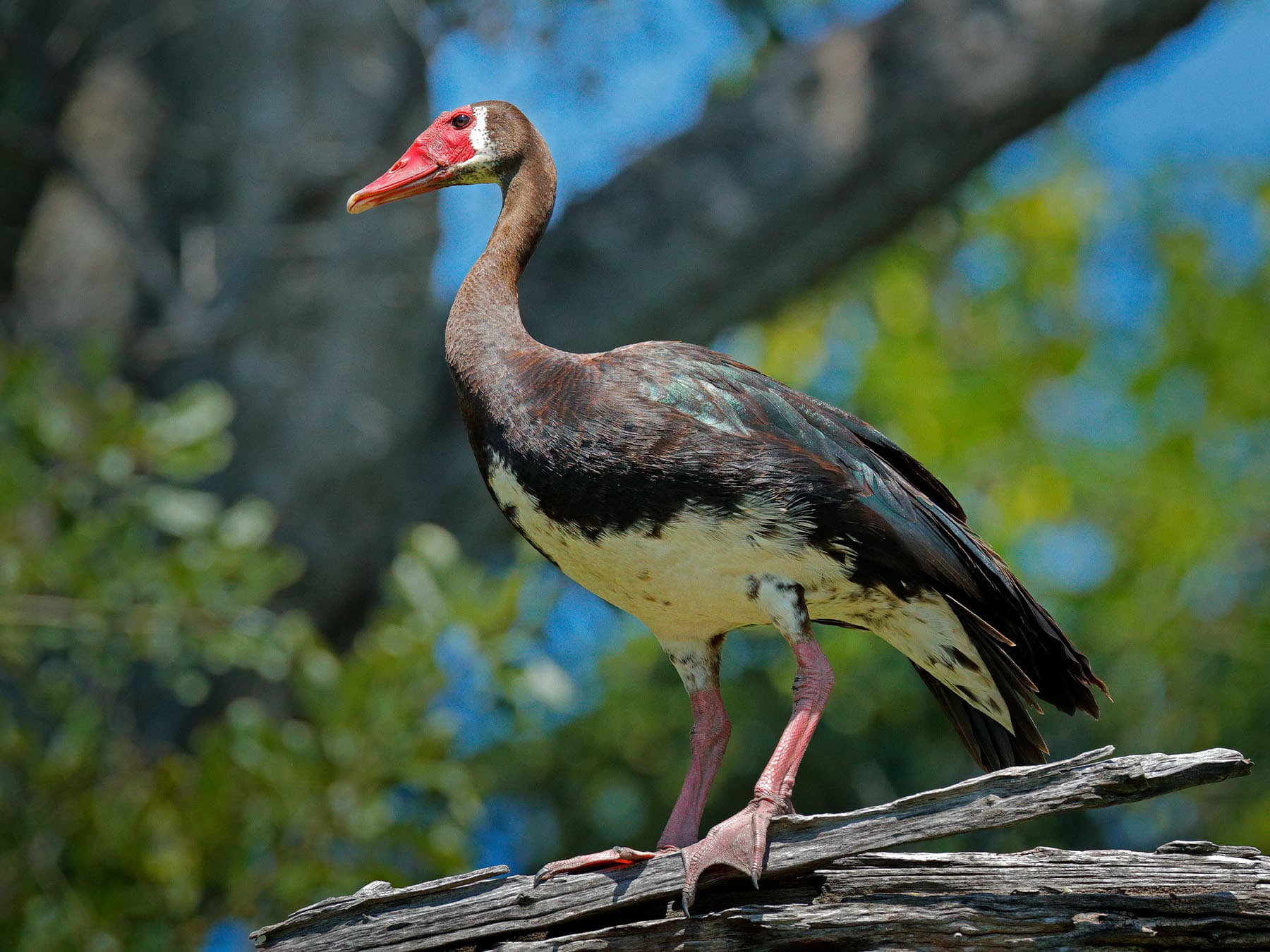 Spur-winged GoosePlectropterus gambensisResidentCommon75–115 cmRecorded all year · 0.42% in Feb
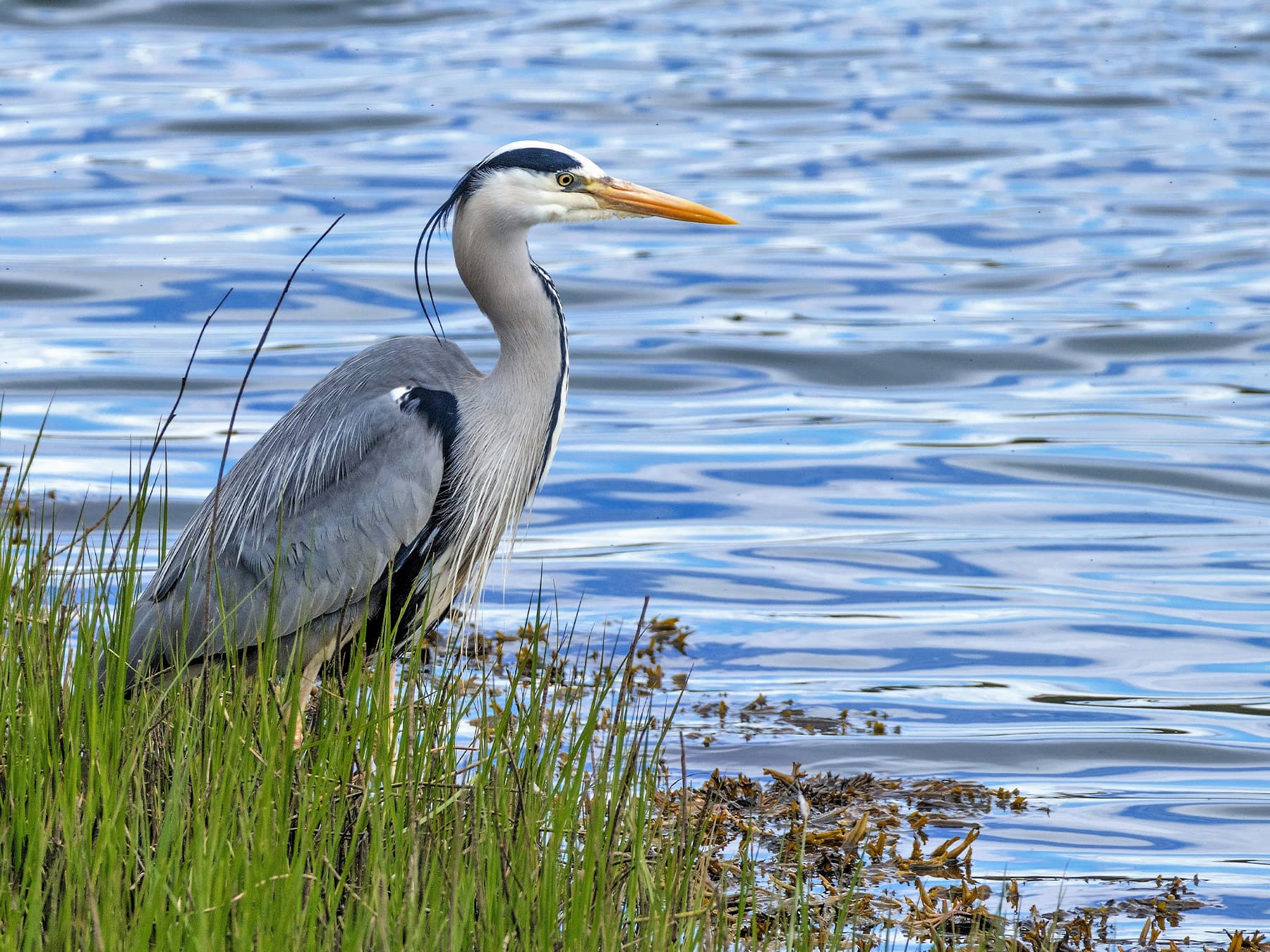 Grey HeronArdea cinereaResidentCommon90–98 cmRecorded all year · 0.39% in Feb
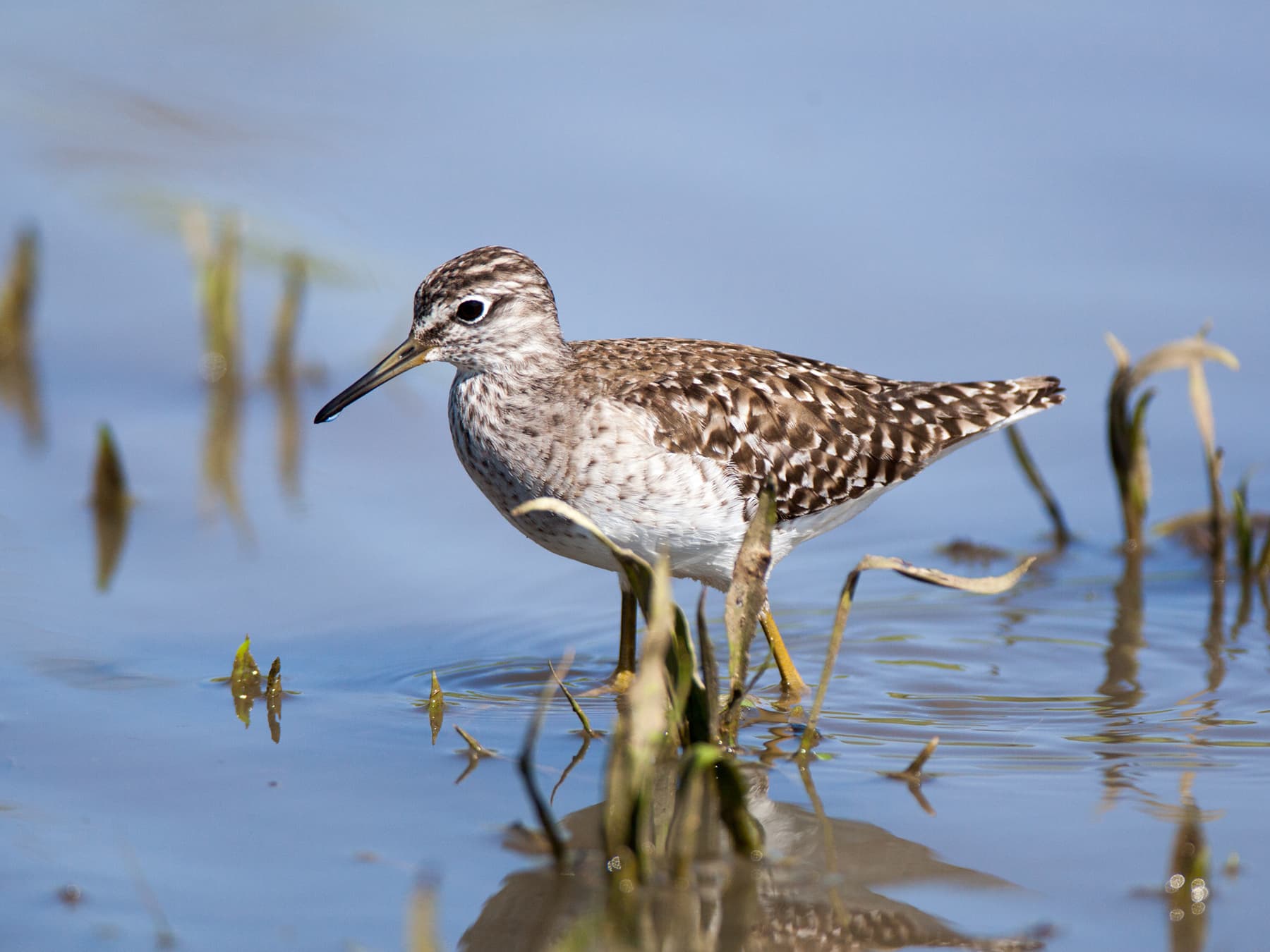 Wood SandpiperTringa glareolaResidentUncommon19–21 cmRecorded all year · 0.37% in Feb
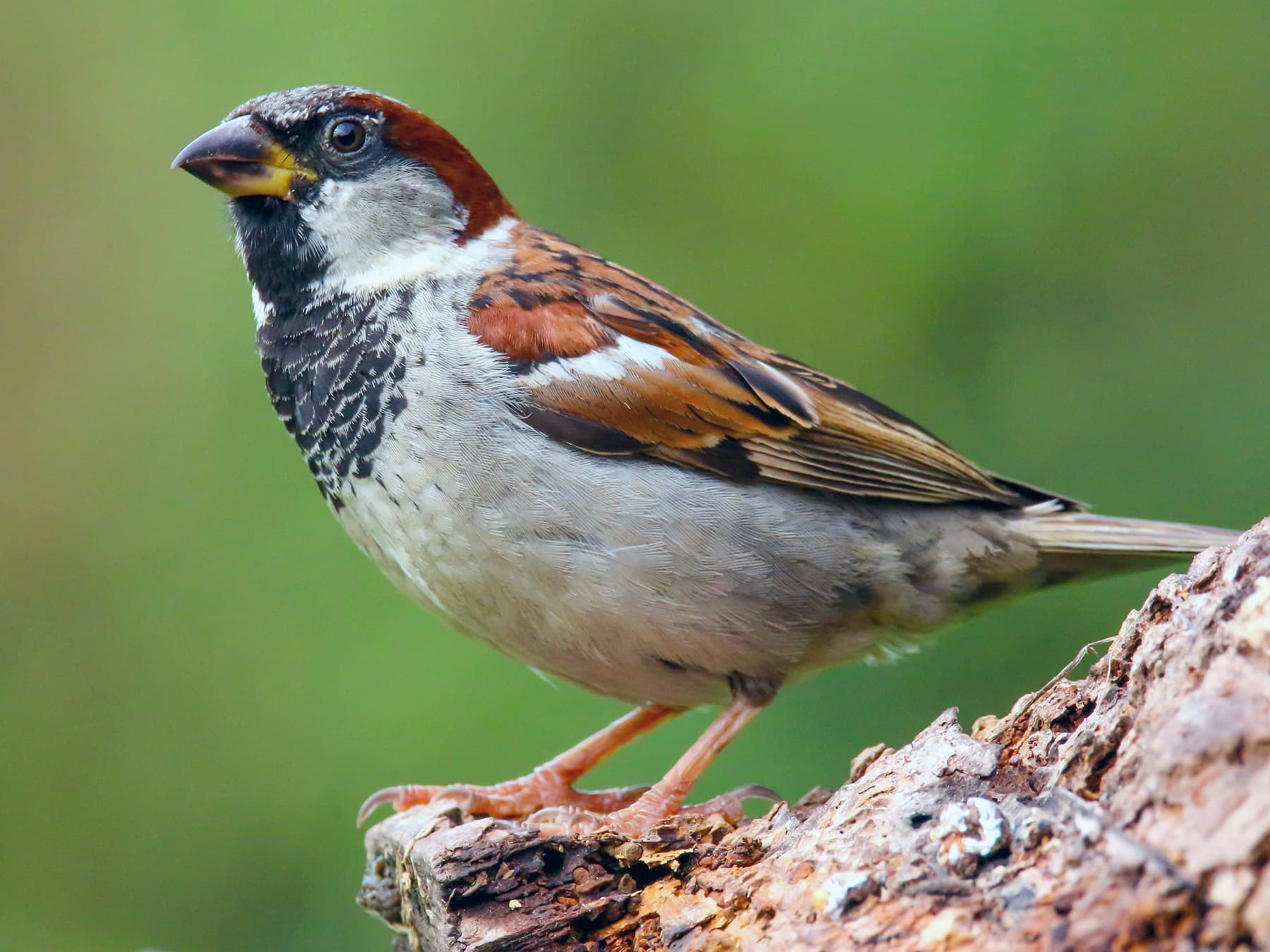 House SparrowPasser domesticusResidentUncommon14–17 cmRecorded all year · 0.30% in Feb
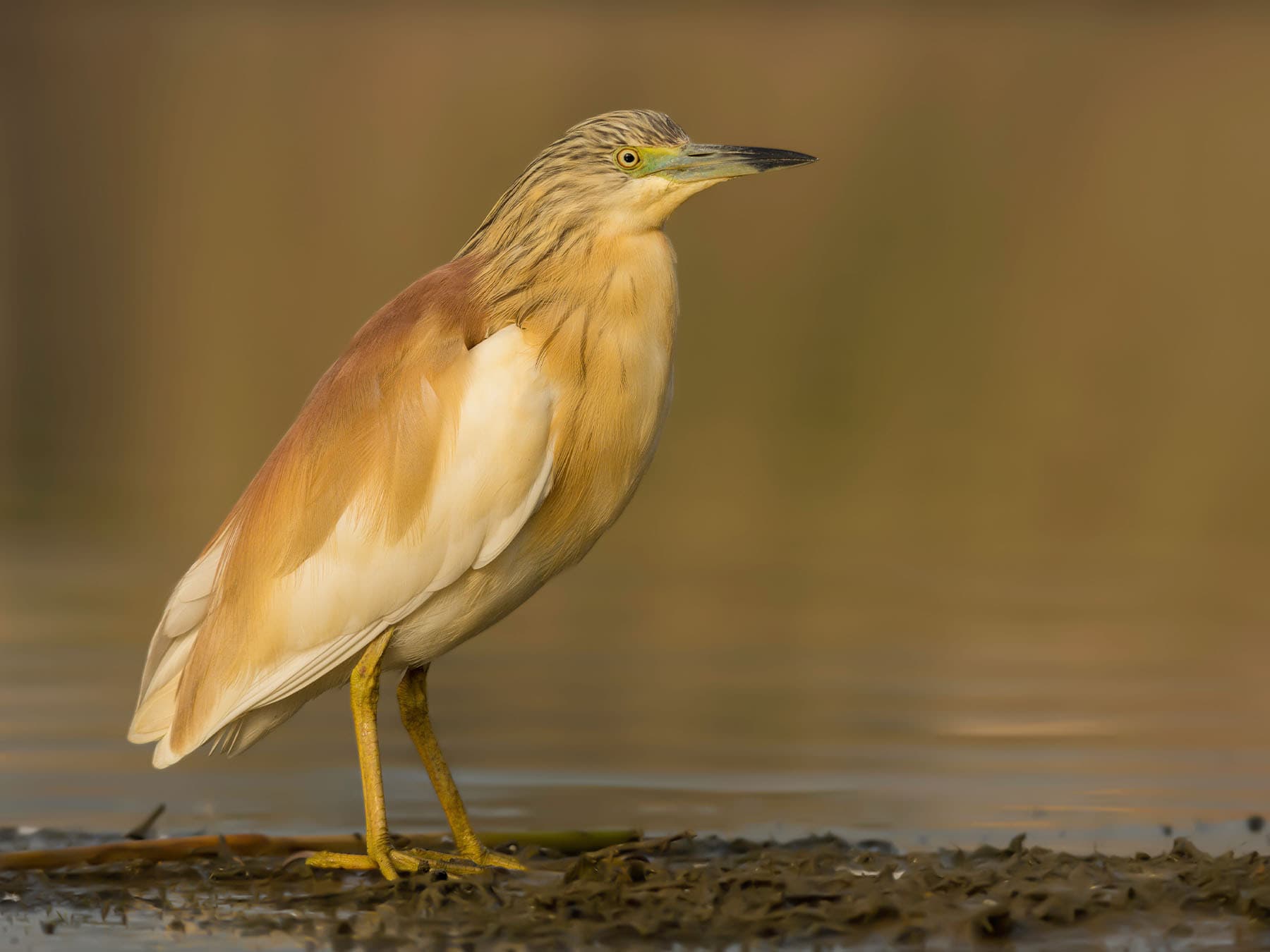 Squacco HeronArdeola ralloidesResidentUncommon40–49 cmRecorded all year · 0.26% in Feb
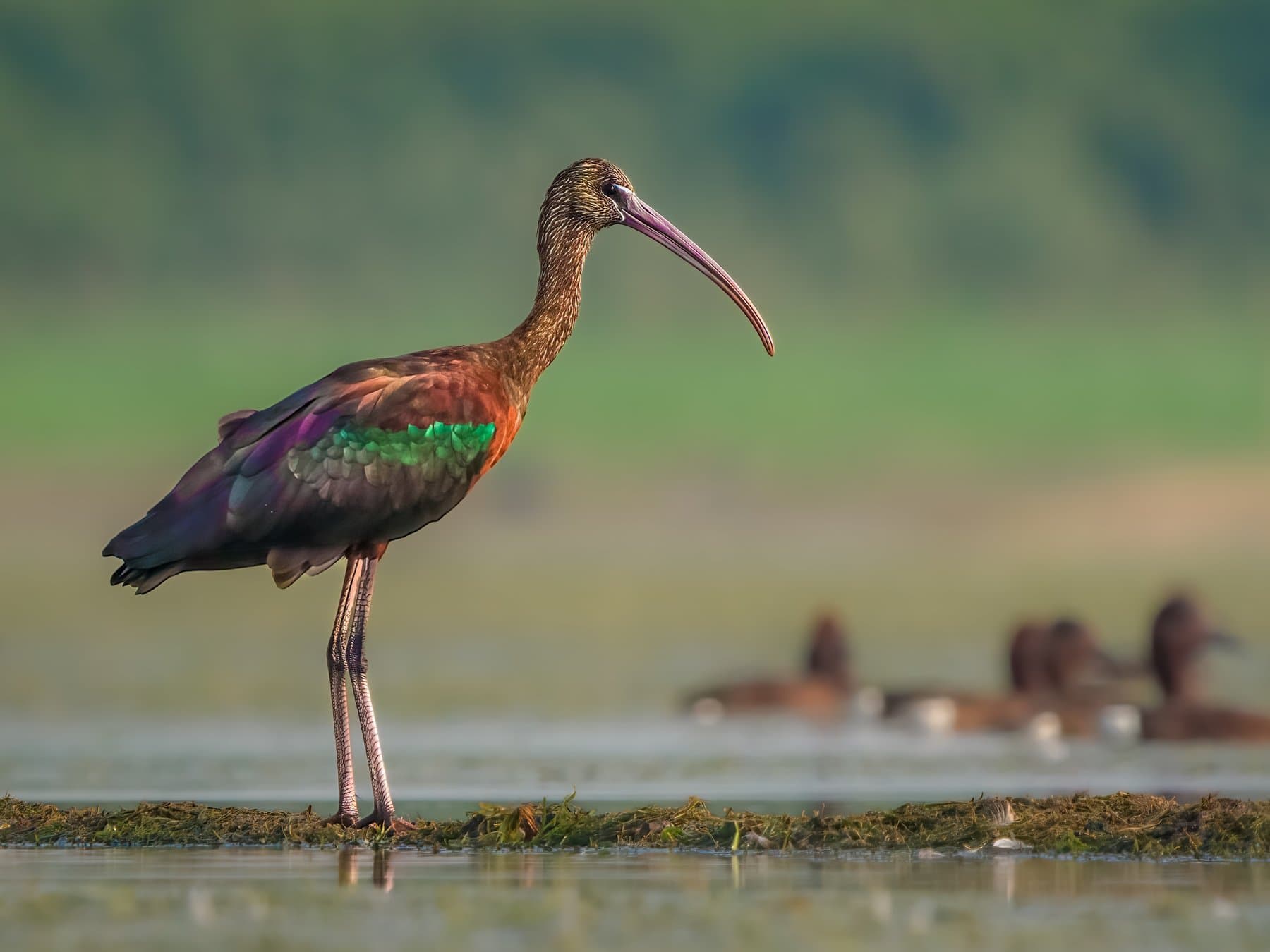 Glossy IbisPlegadis falcinellusResidentUncommon48–66 cmRecorded all year · 0.23% in Feb
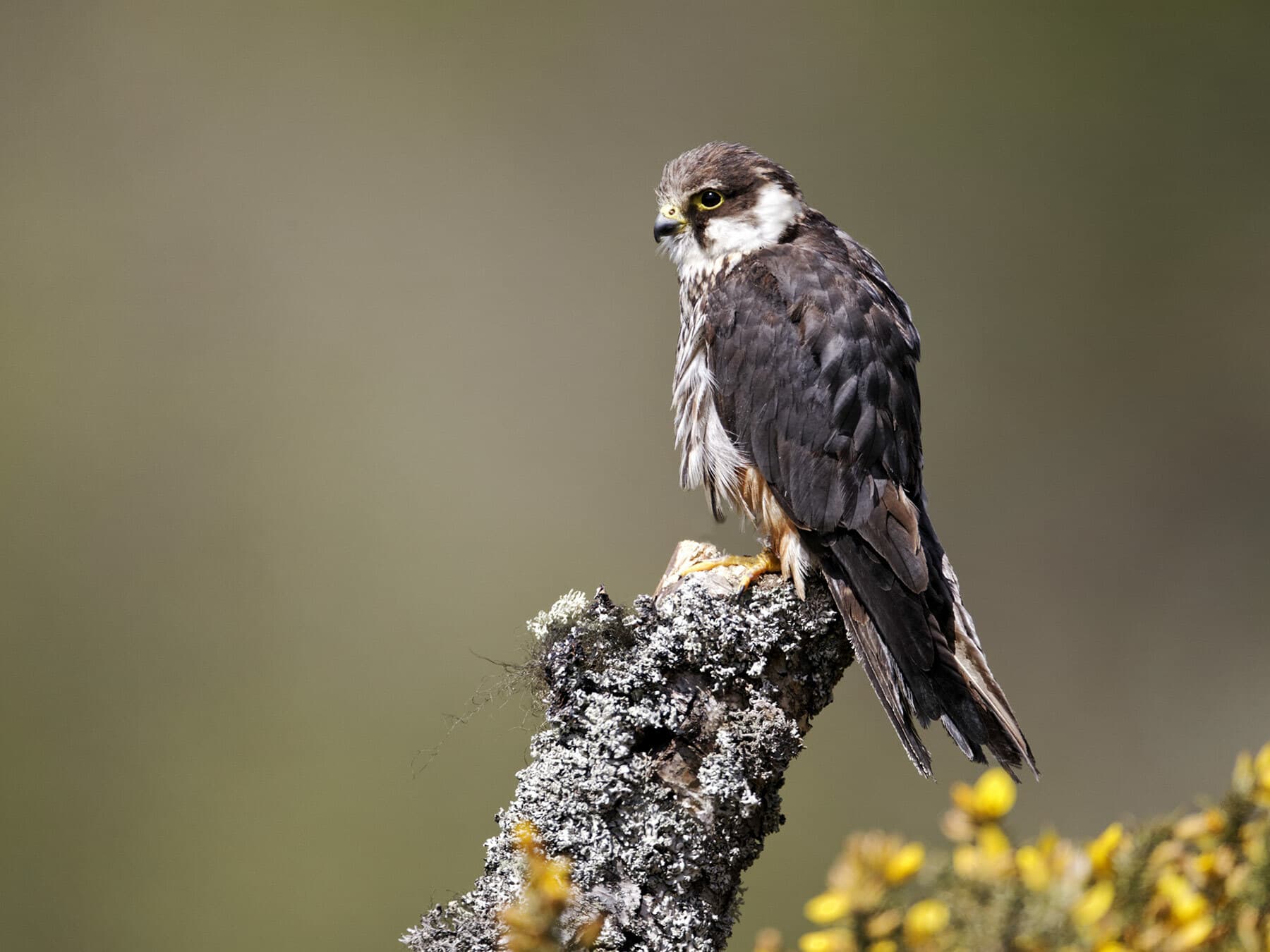 HobbyFalco subbuteoSummer visitorUncommon28–35 cmRegularly Oct–Mar · 0.20% in Feb
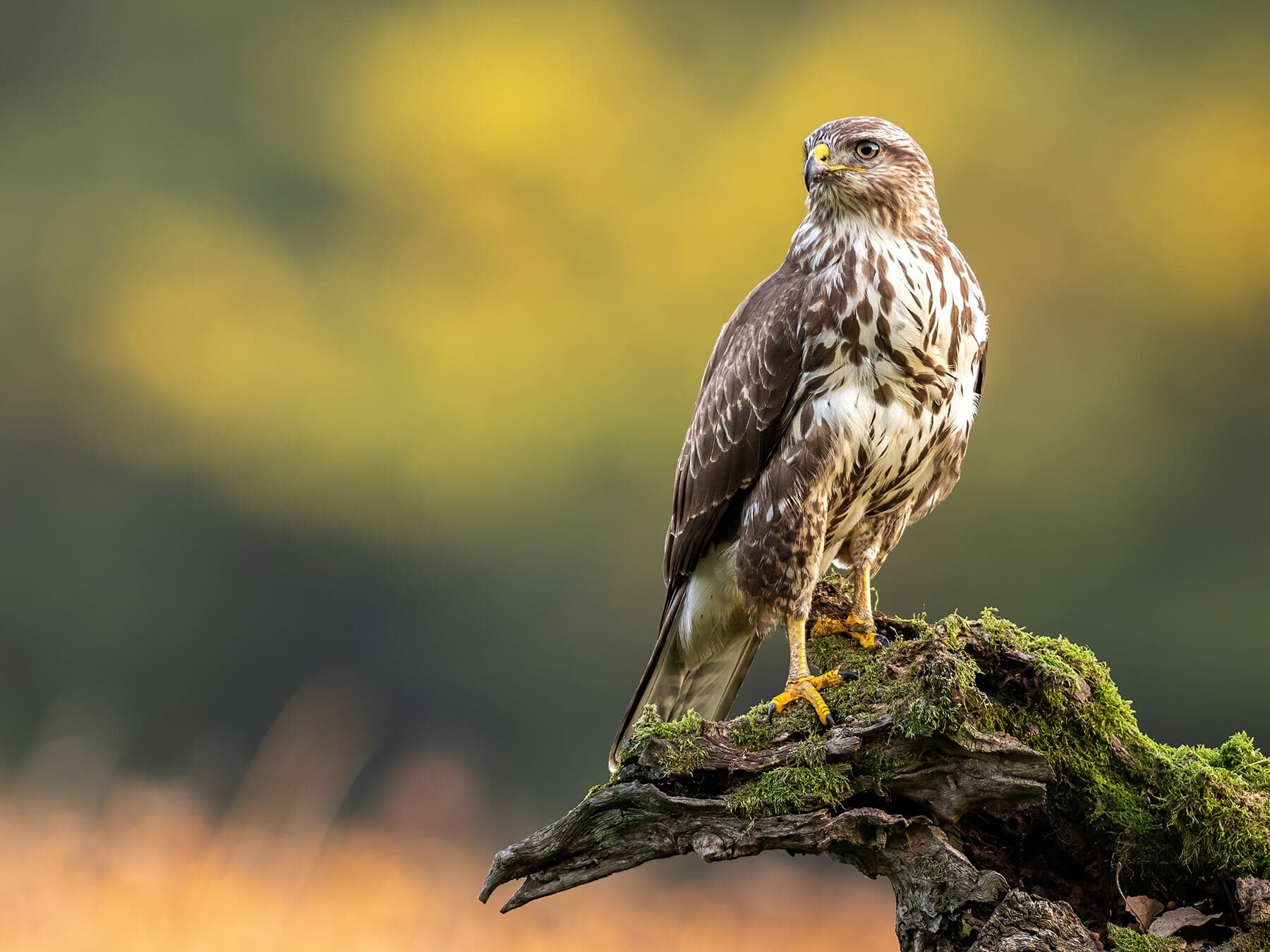 BuzzardButeo buteoSummer visitorUncommon51–57 cmRegularly Oct–Apr · 0.17% in Feb
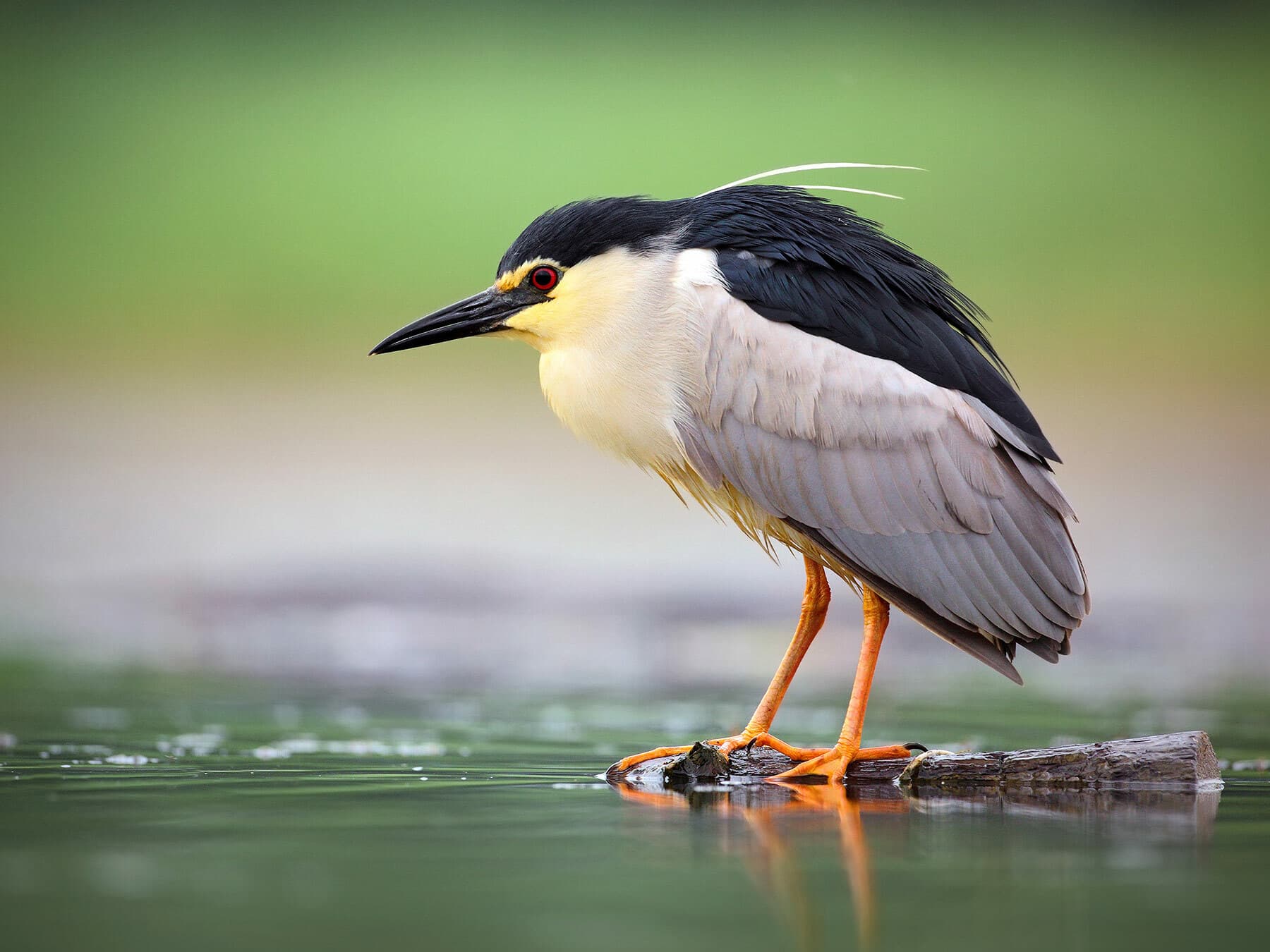 Black-crowned Night-heronNycticorax nycticoraxResidentUncommon58–65 cmRecorded all year · 0.17% in Feb
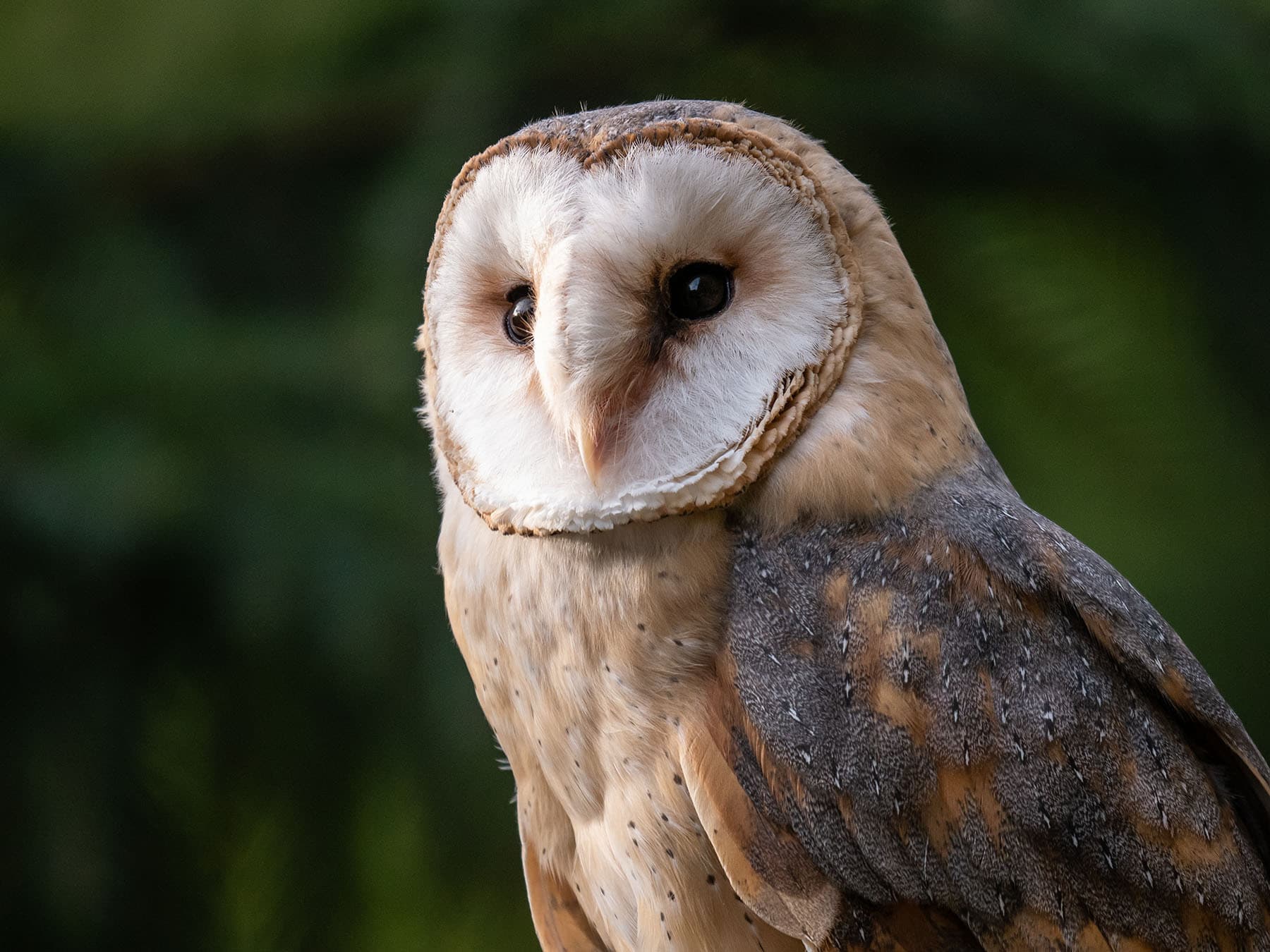 Barn OwlTyto albaResidentUncommon33–39 cmRecorded all year · 0.17% in Feb
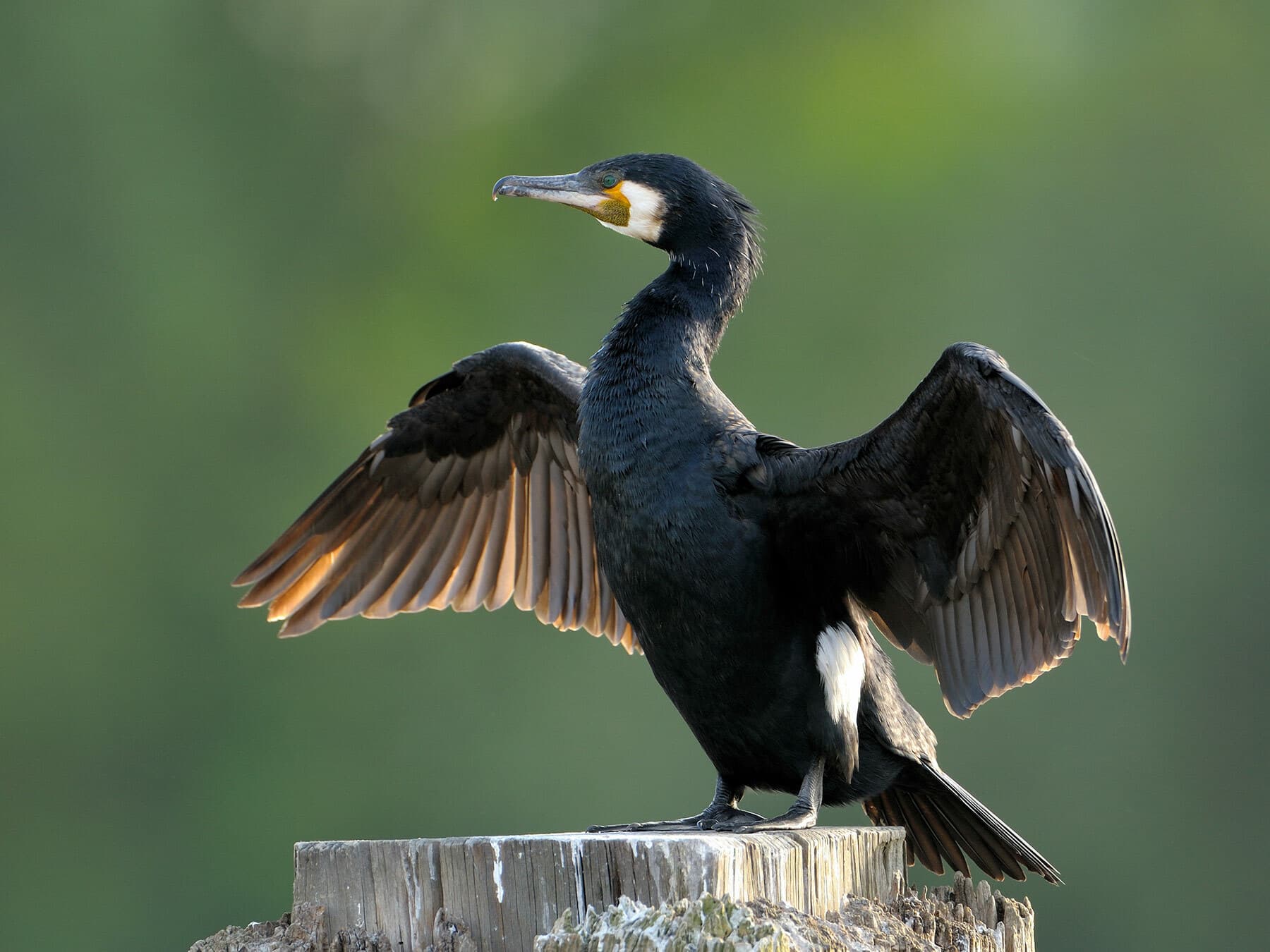 Great CormorantPhalacrocorax carboResidentUncommon80–100 cmRecorded all year · 0.16% in Feb
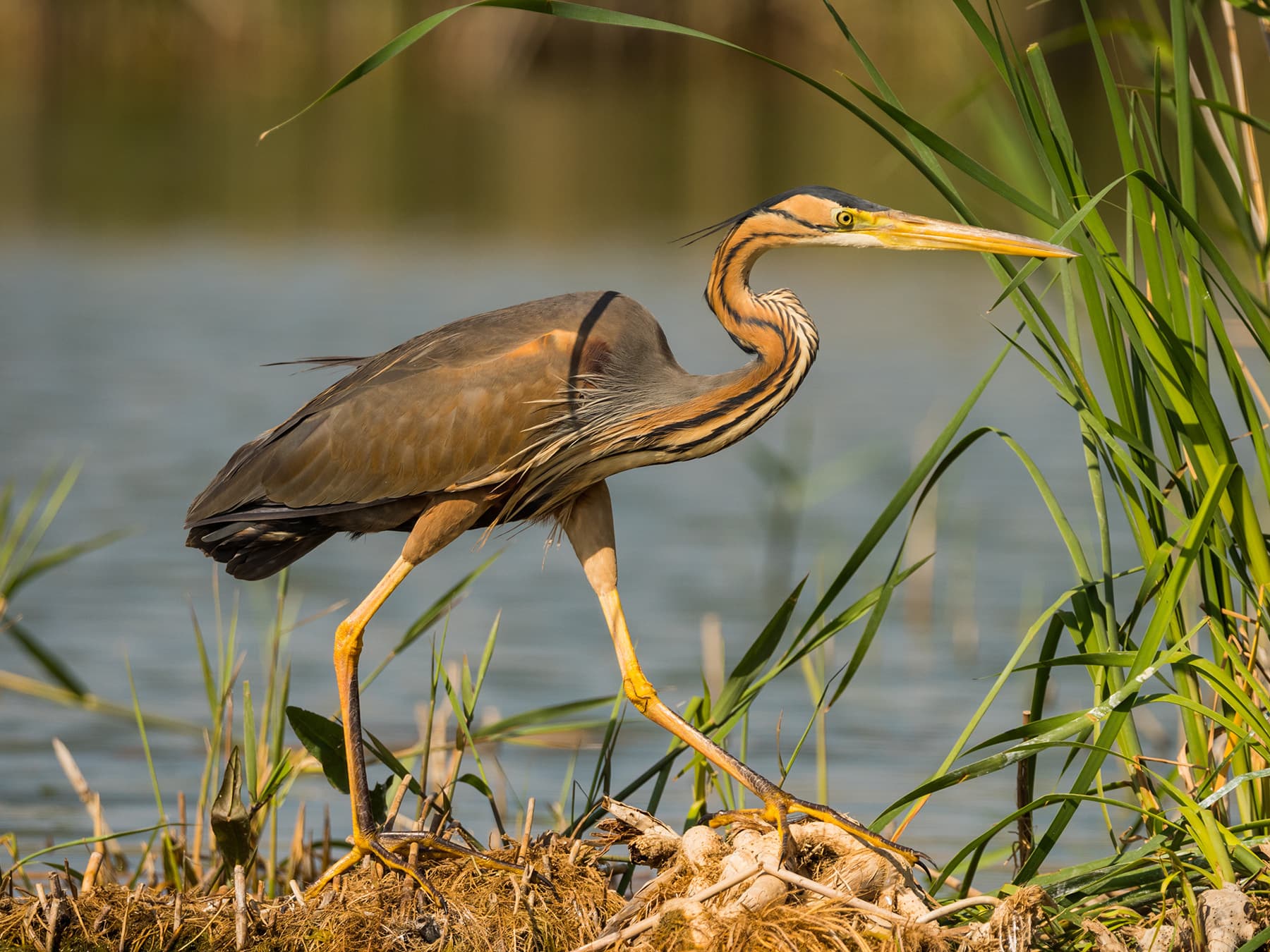 Purple HeronArdea purpureaResidentUncommon78–90 cmRecorded all year · 0.16% in Feb
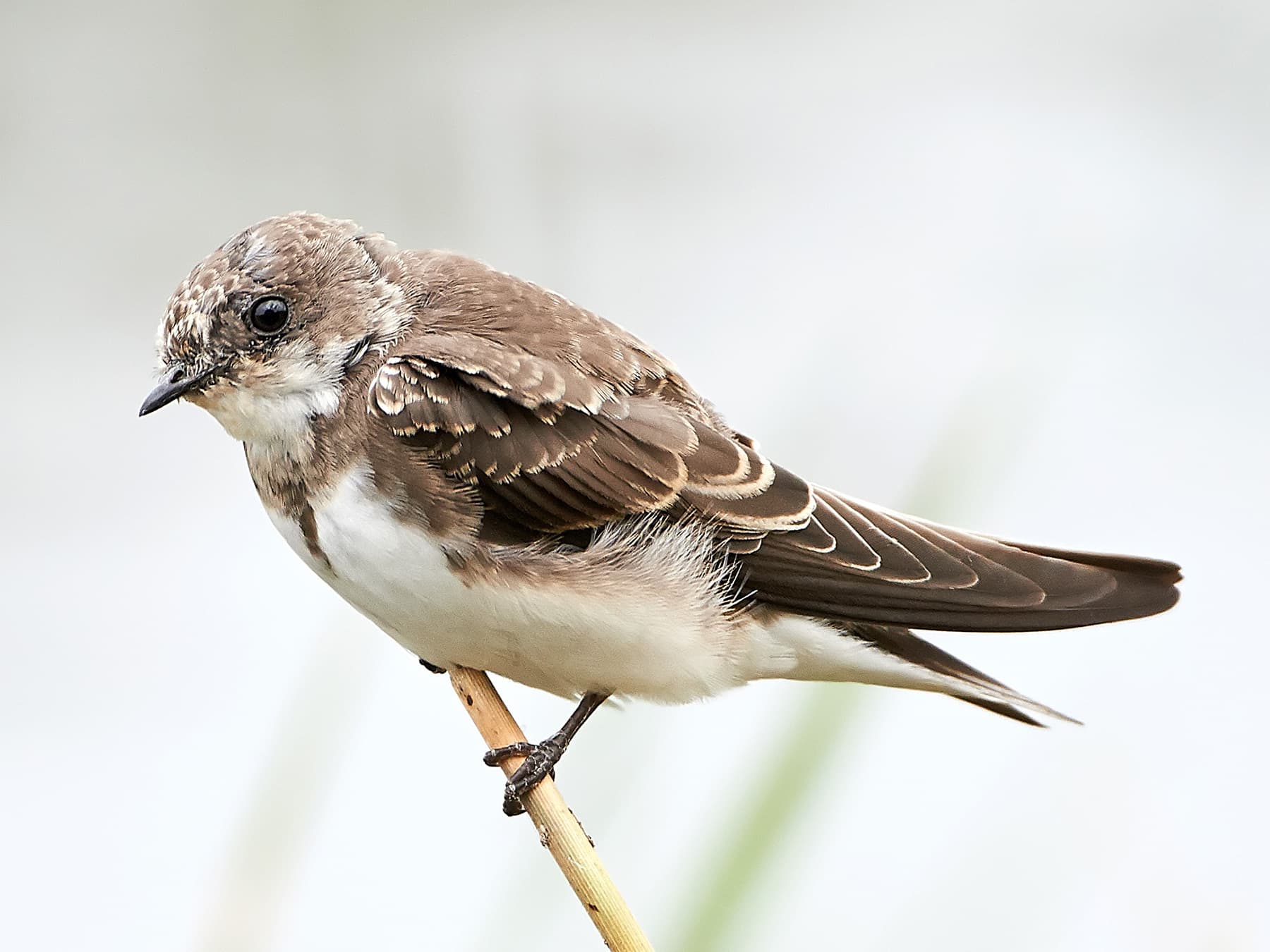 Sand MartinRiparia ripariaSummer visitorUncommon12–14 cmRegularly Oct–May · 0.14% in Feb
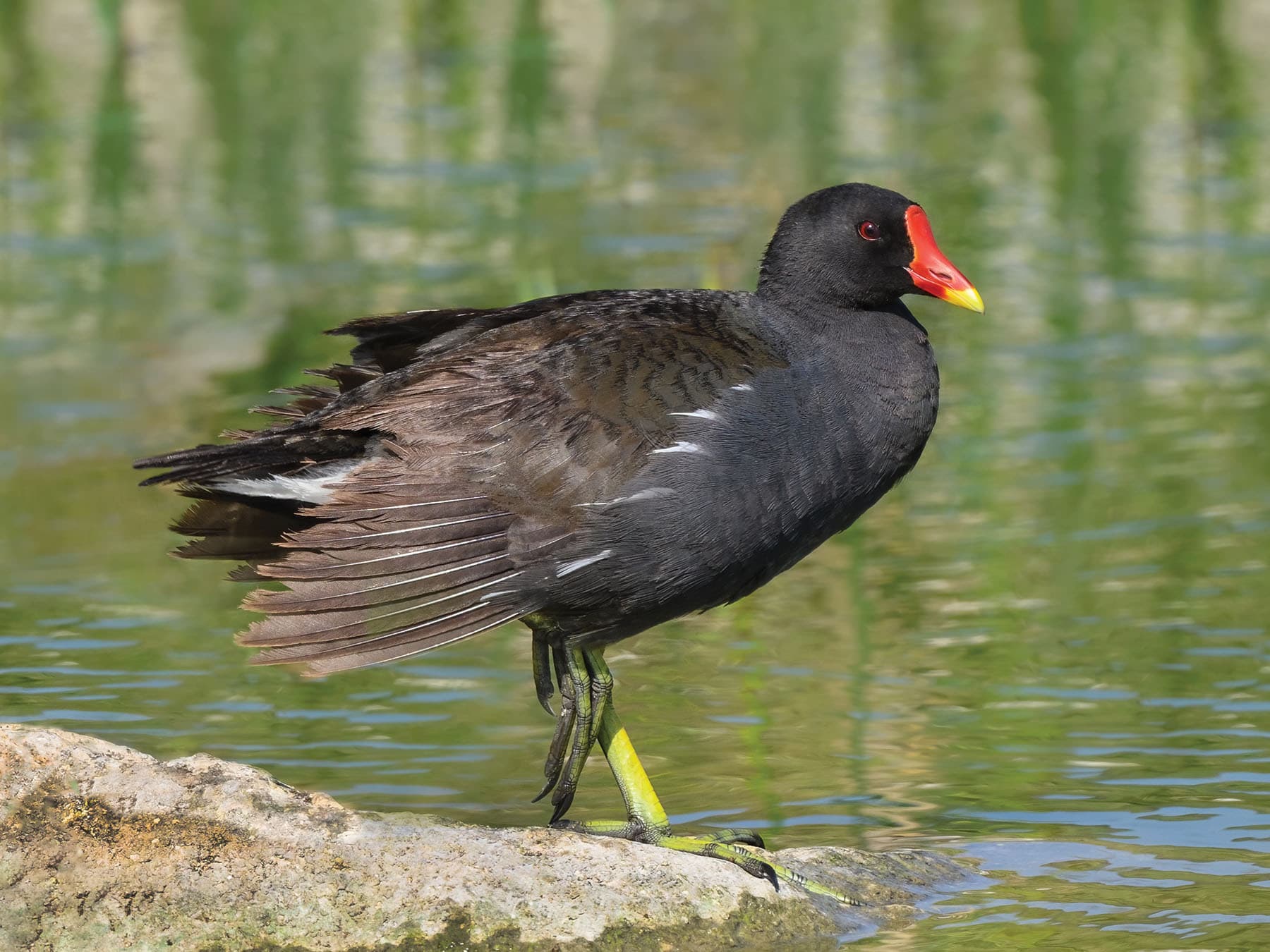 MoorhenGallinula chloropusResidentUncommon30–38 cmRecorded all year · 0.14% in Feb
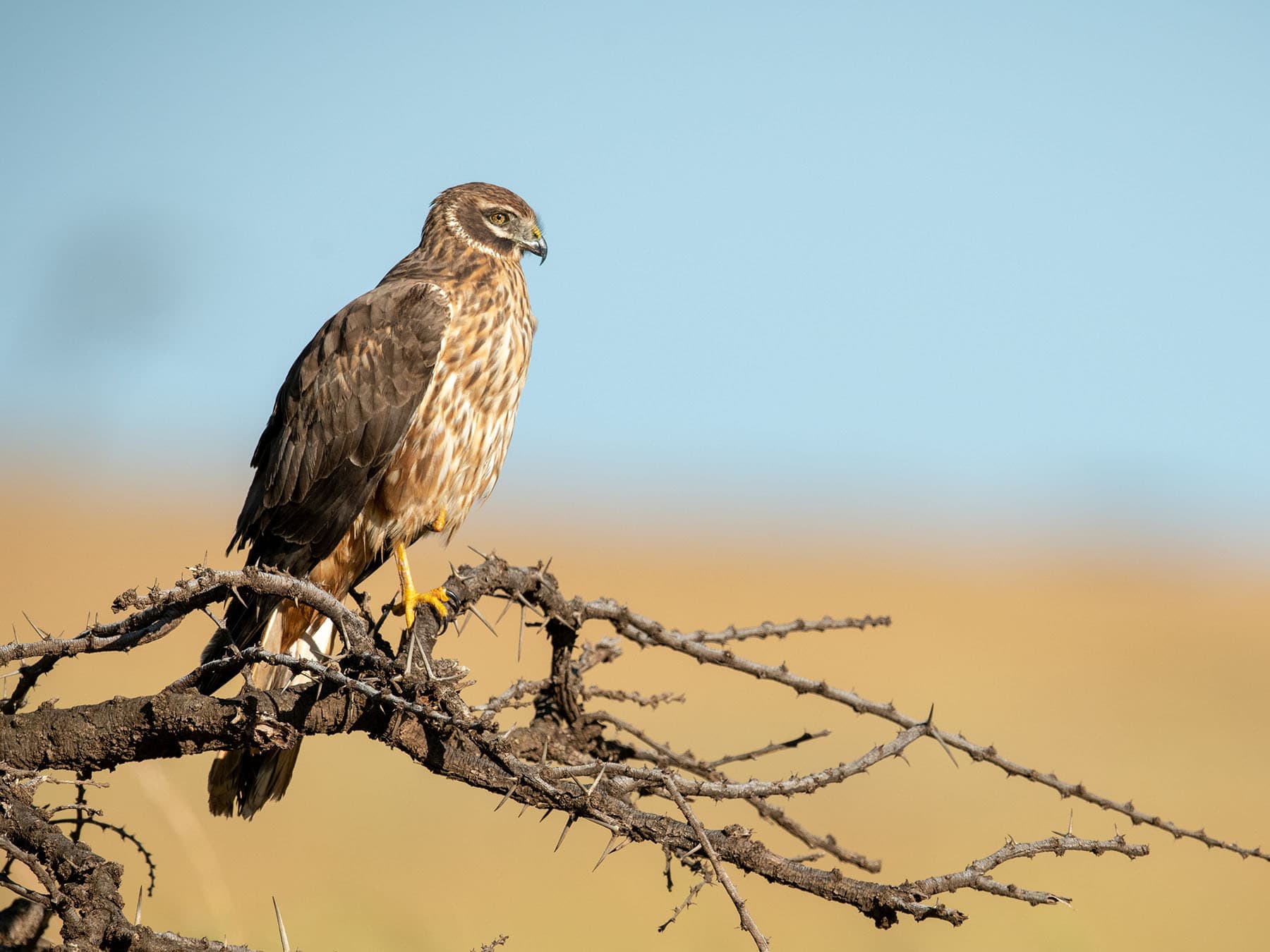 African Marsh HarrierCircus ranivorusResidentUncommon44–52 cmRecorded all year · 0.13% in Feb
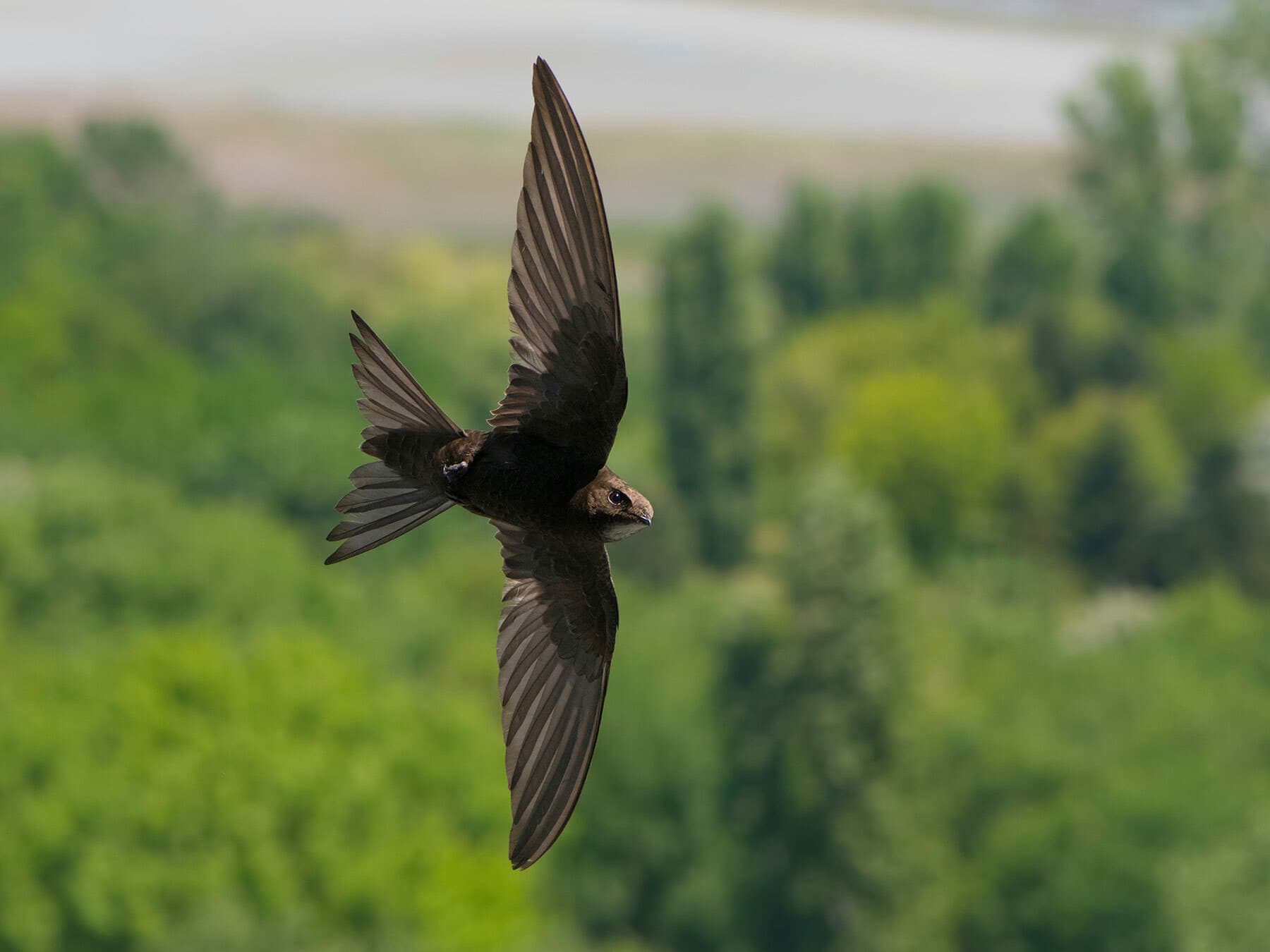 Common SwiftApus apusSummer visitorUncommon16–17 cmRegularly Oct–Apr · 0.13% in Feb
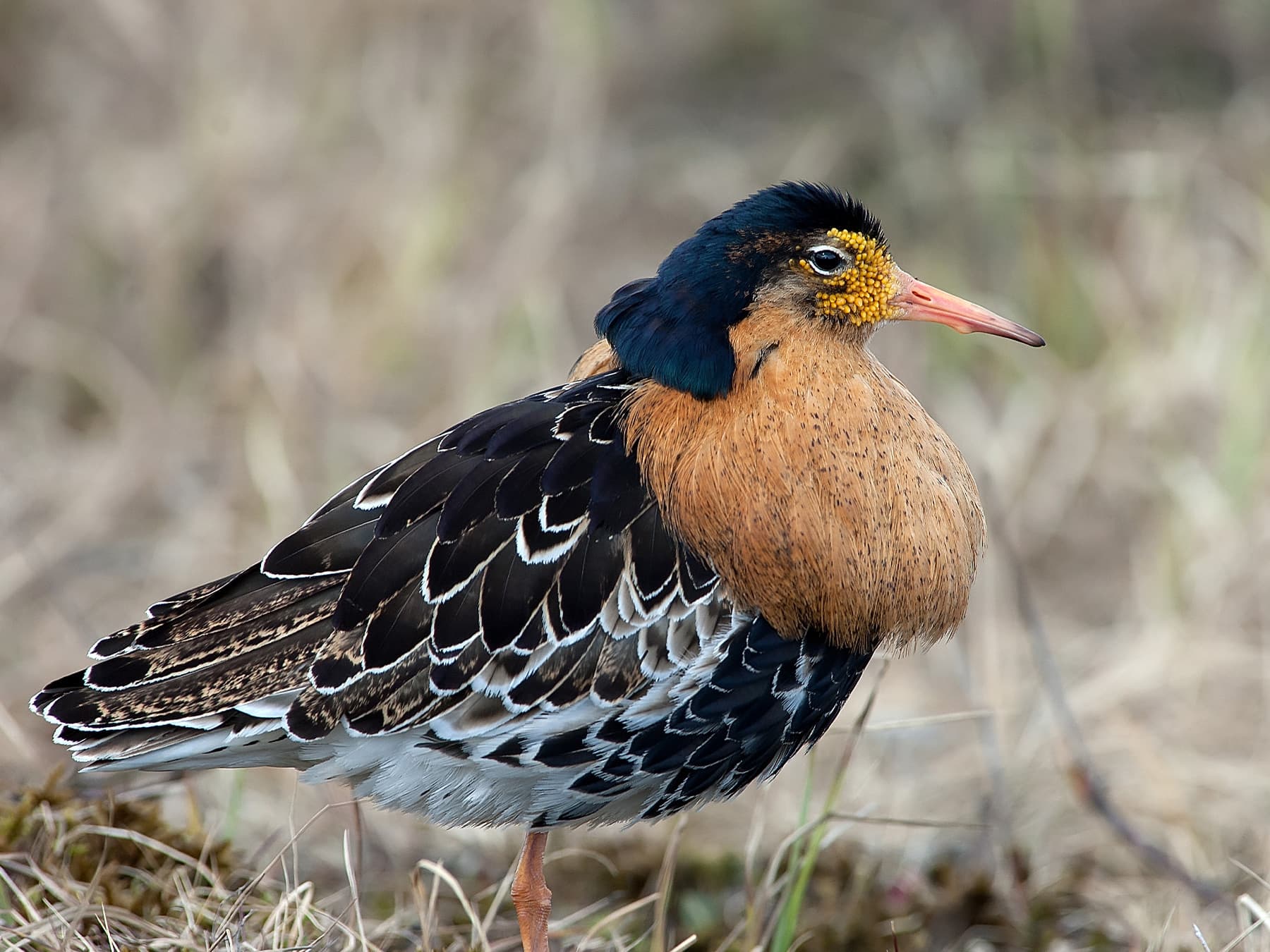 RuffCalidris pugnaxSummer visitorUncommon20–32 cmRegularly Jul–May · 0.13% in Feb
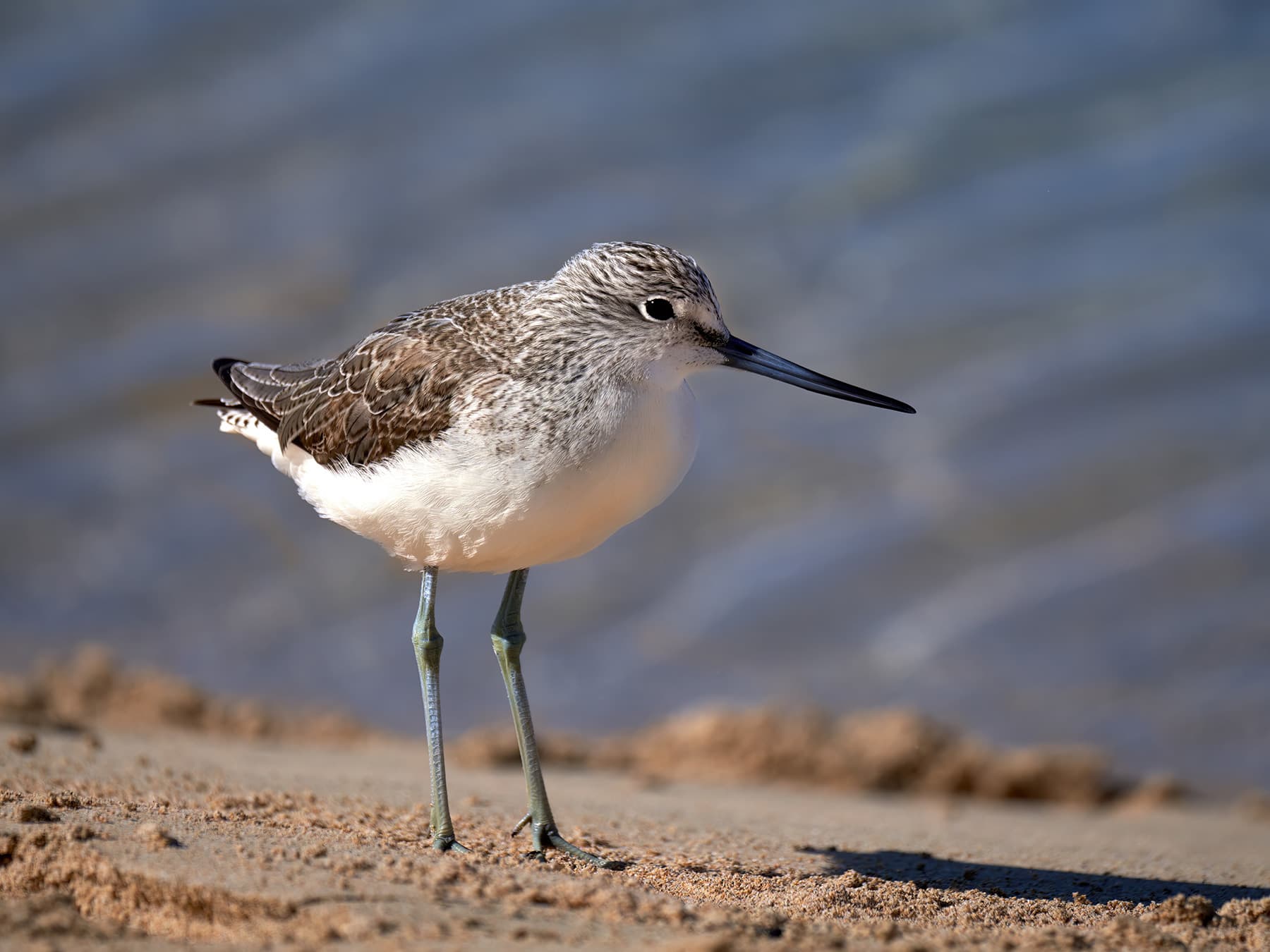 GreenshankTringa nebulariaResidentUncommon30–35 cmRecorded all year · 0.12% in Feb
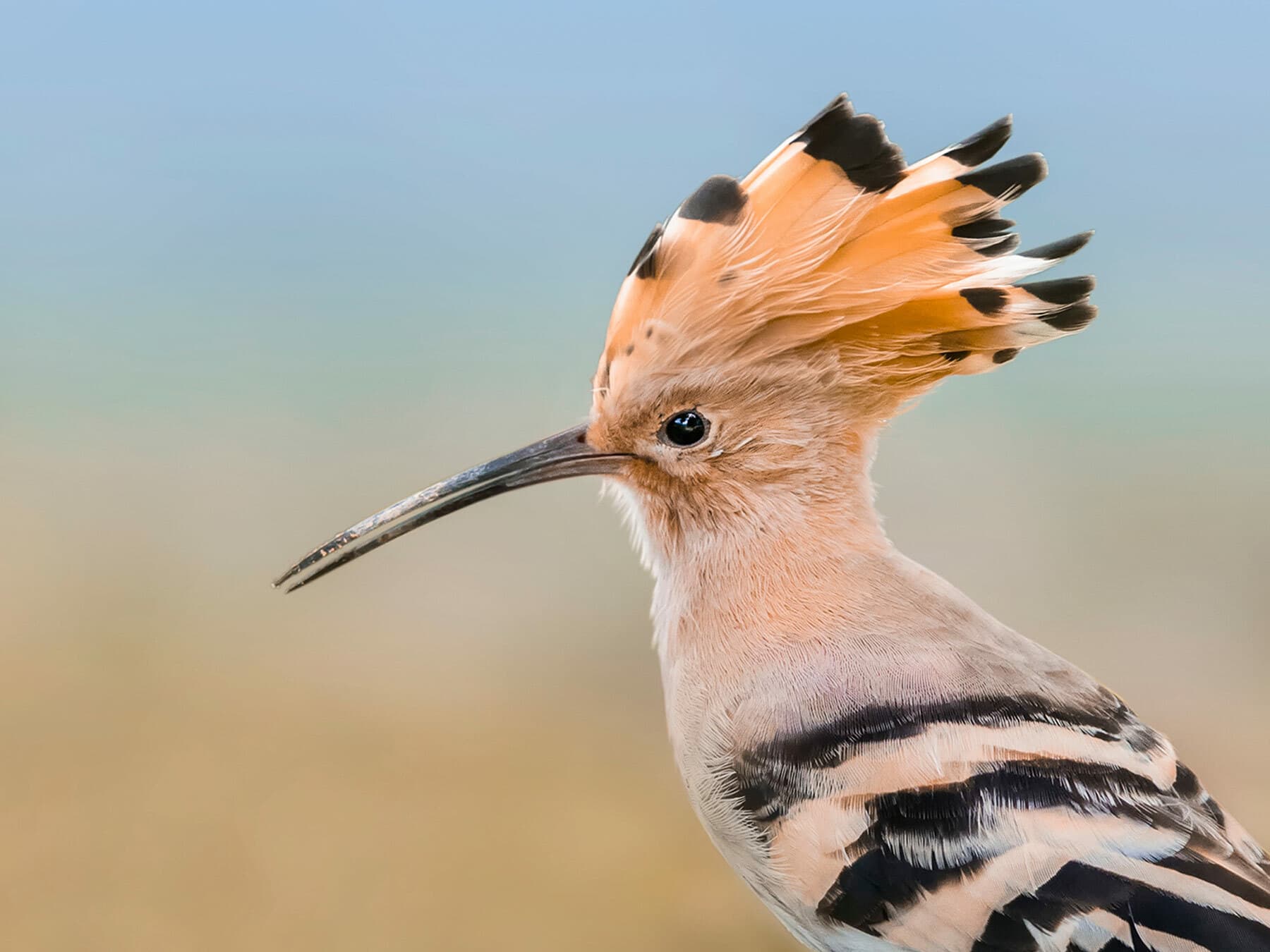 HoopoeUpupa epopsResidentCommon25–32 cmRecorded all year · 0.10% in Feb
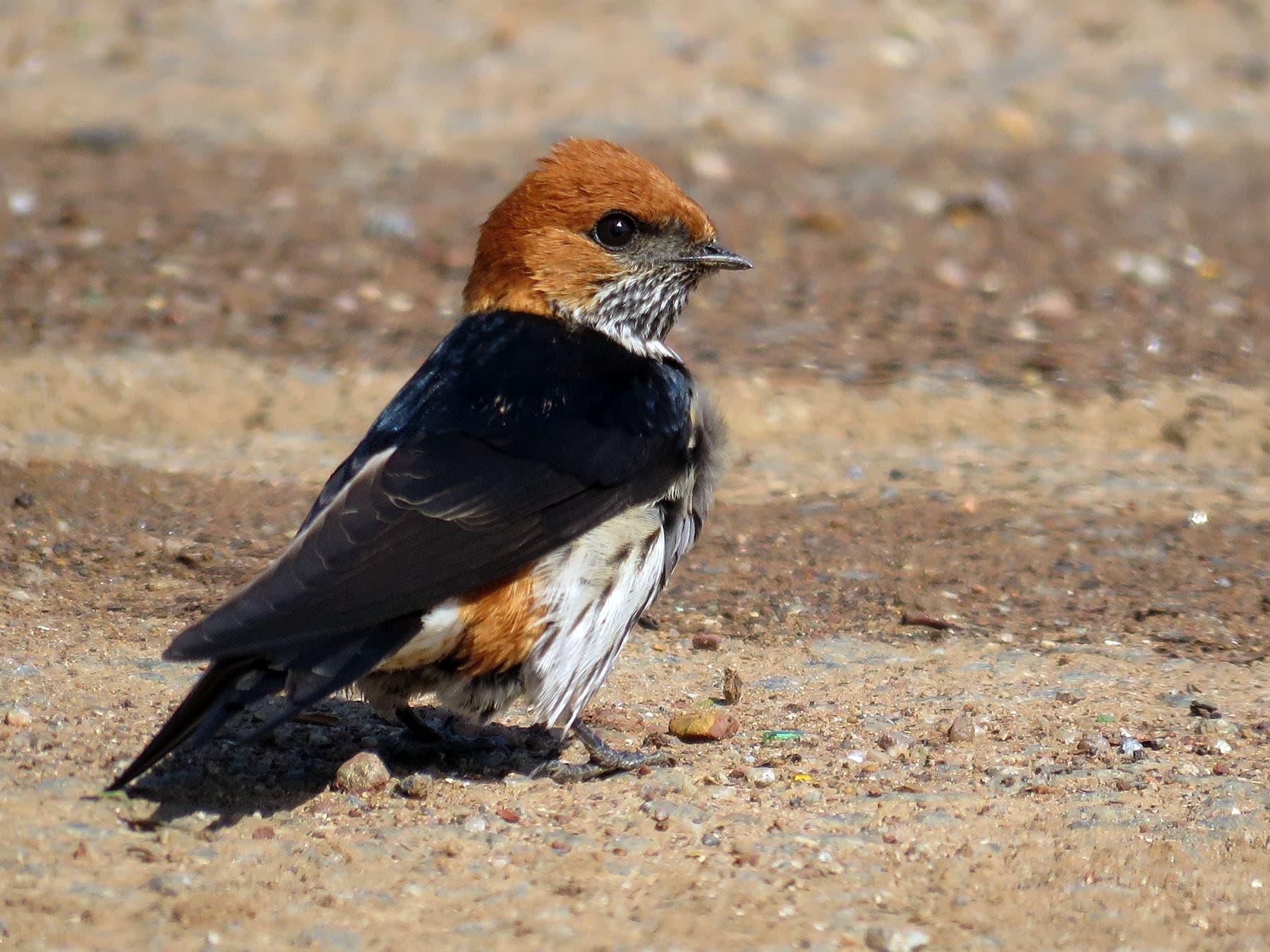 Lesser Striped SwallowCecropis abyssinicaResidentUncommon15–19 cmRecorded all year · 0.09% in Feb
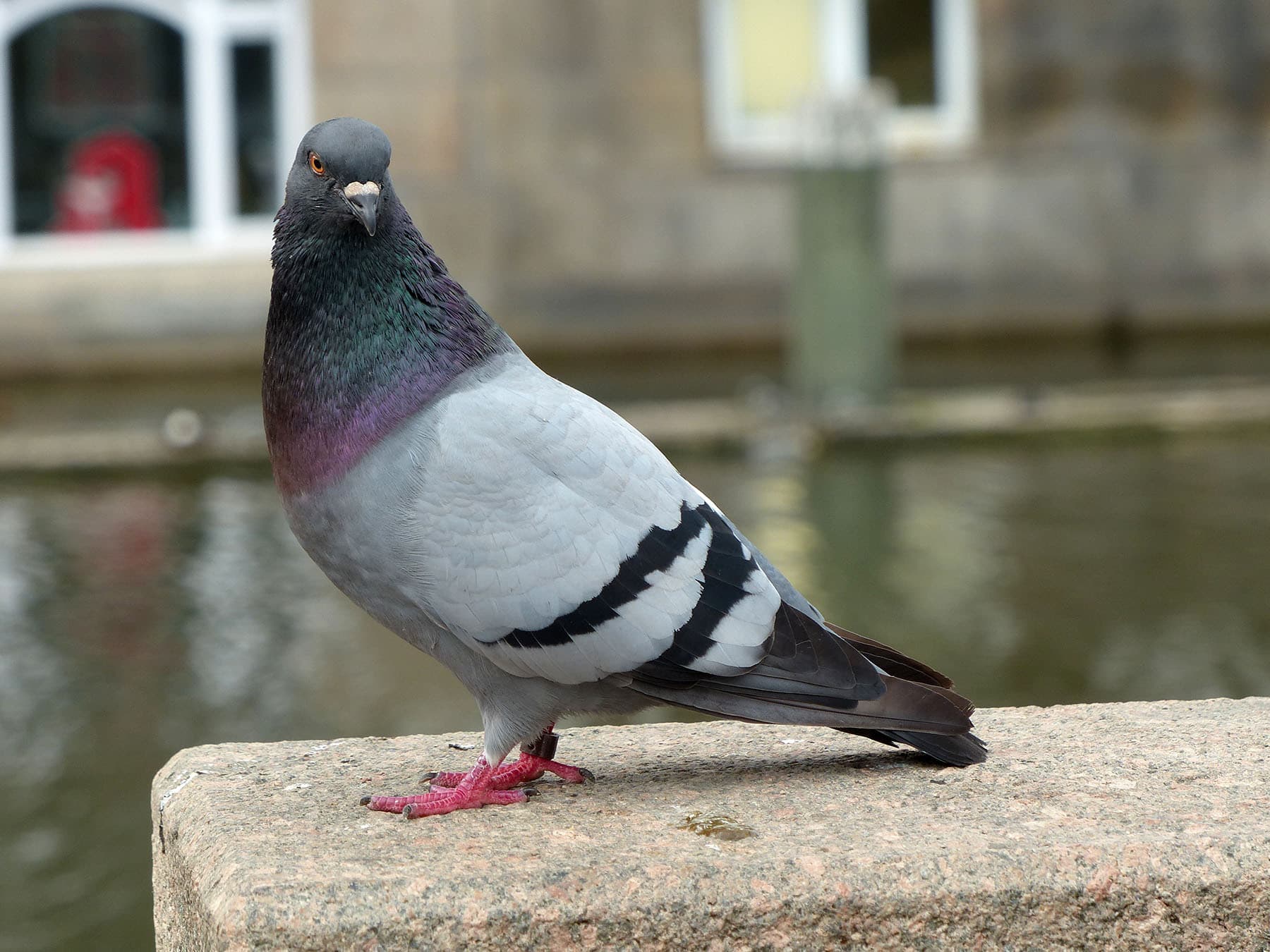 Rock DoveColumba liviaResidentUncommon31–34 cmRecorded all year · 0.09% in Feb
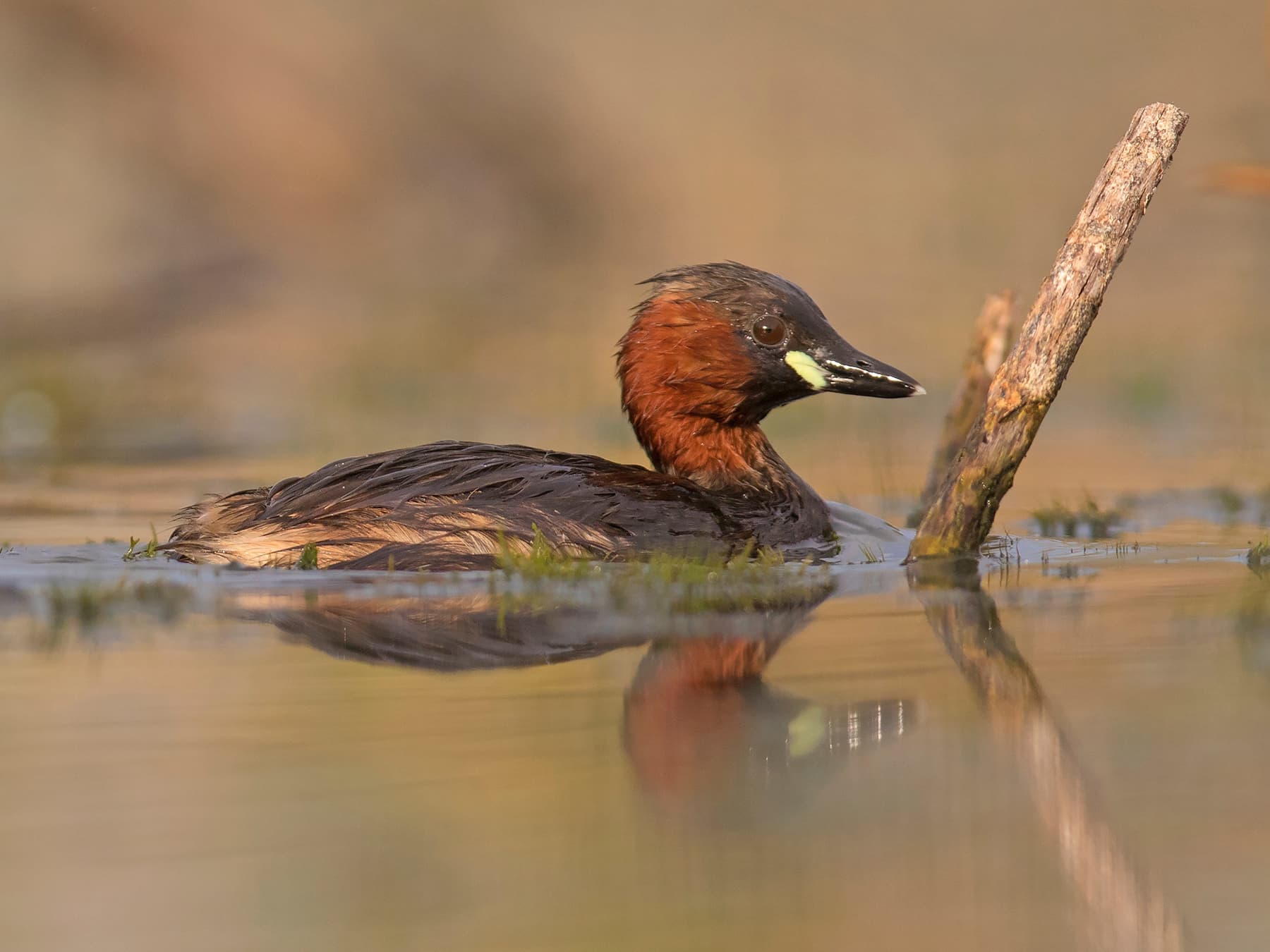 Little GrebeTachybaptus ruficollisResidentUncommon23–29 cmRecorded all year · 0.07% in Feb
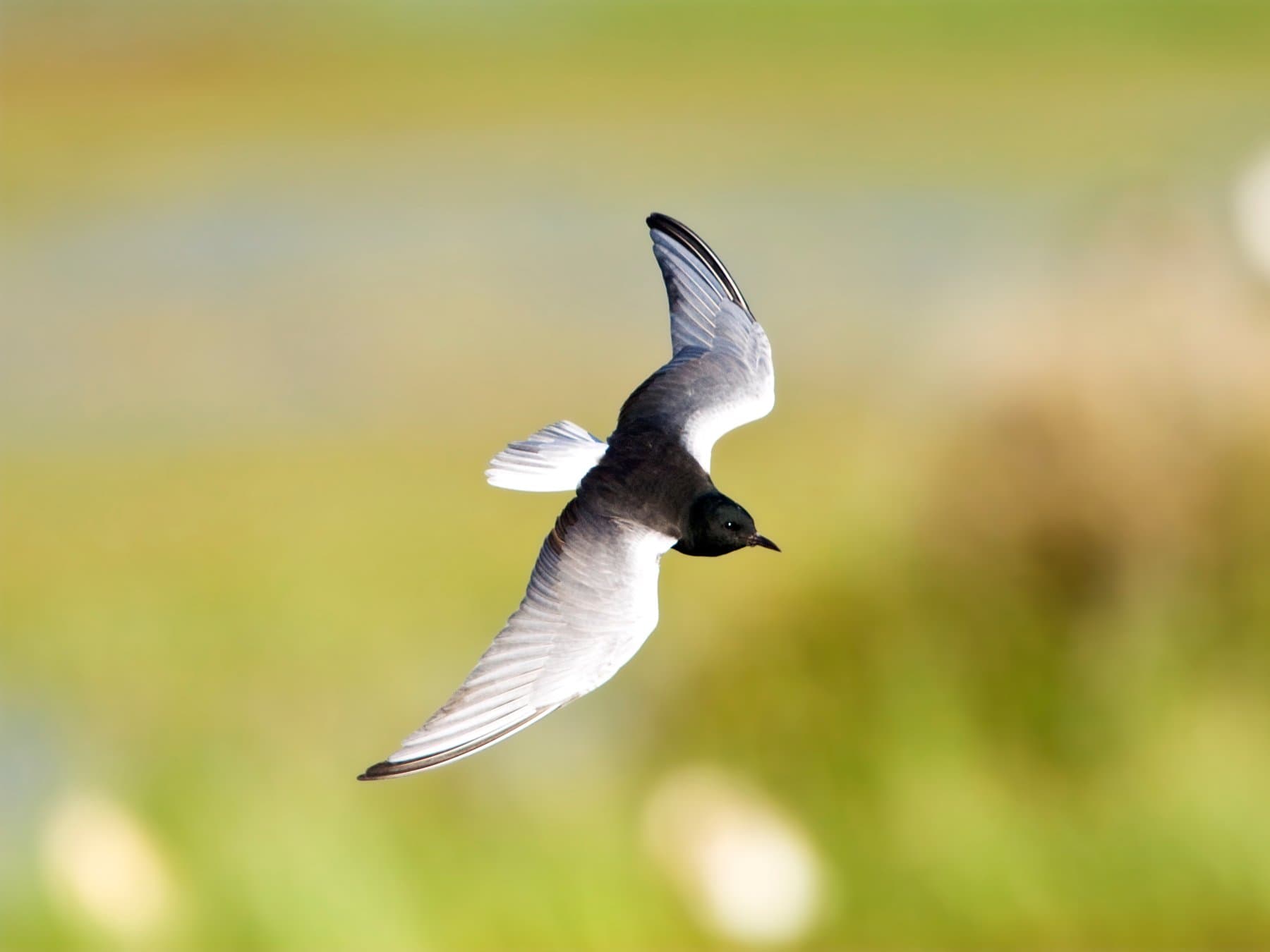 White-winged TernChlidonias leucopterusSummer visitorUncommon20–27 cmRegularly Aug–May · 0.07% in Feb
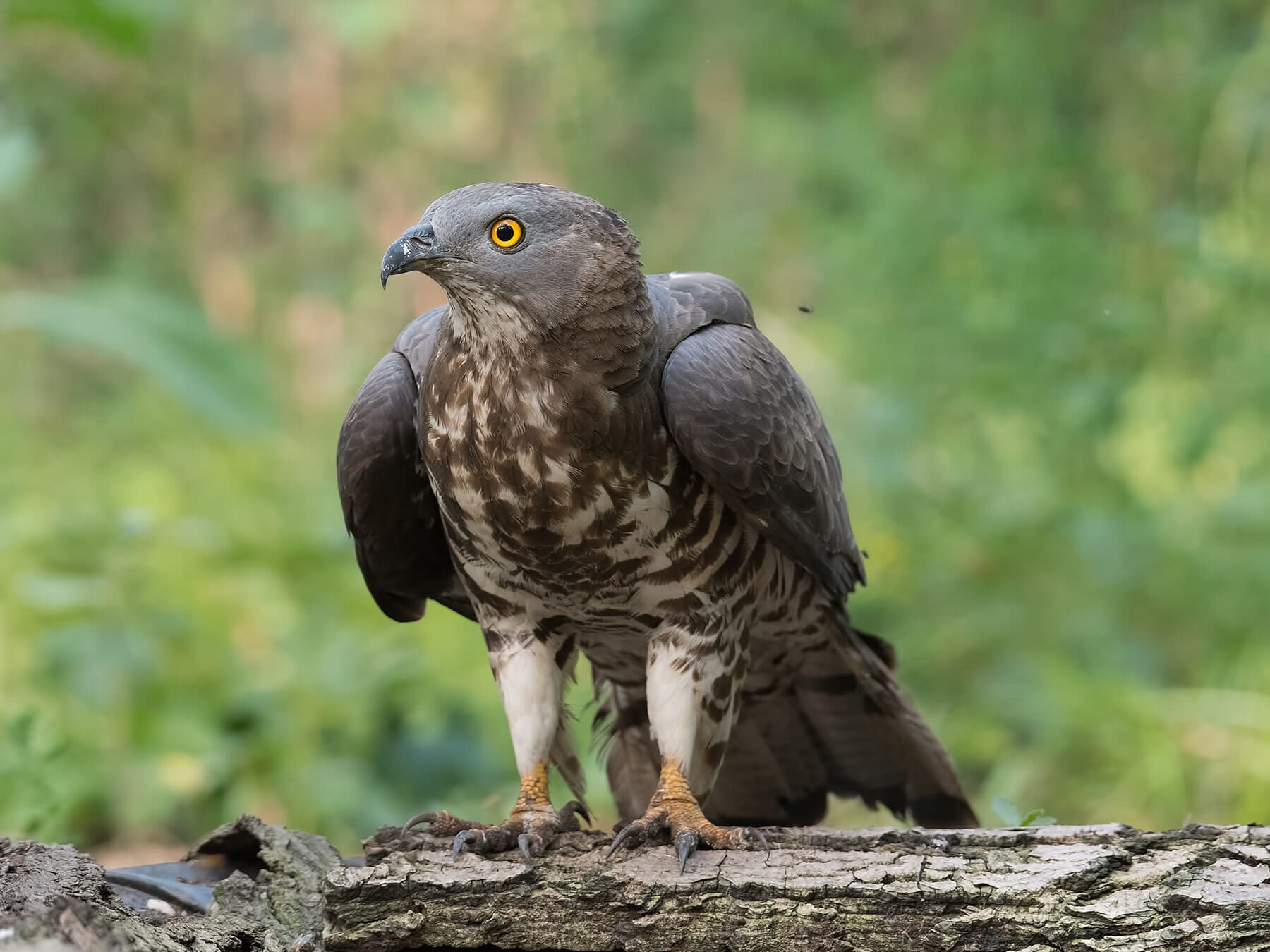 European Honey-buzzardPernis apivorusSummer visitorUncommon52–60 cmRegularly Oct–Apr · 0.06% in Feb
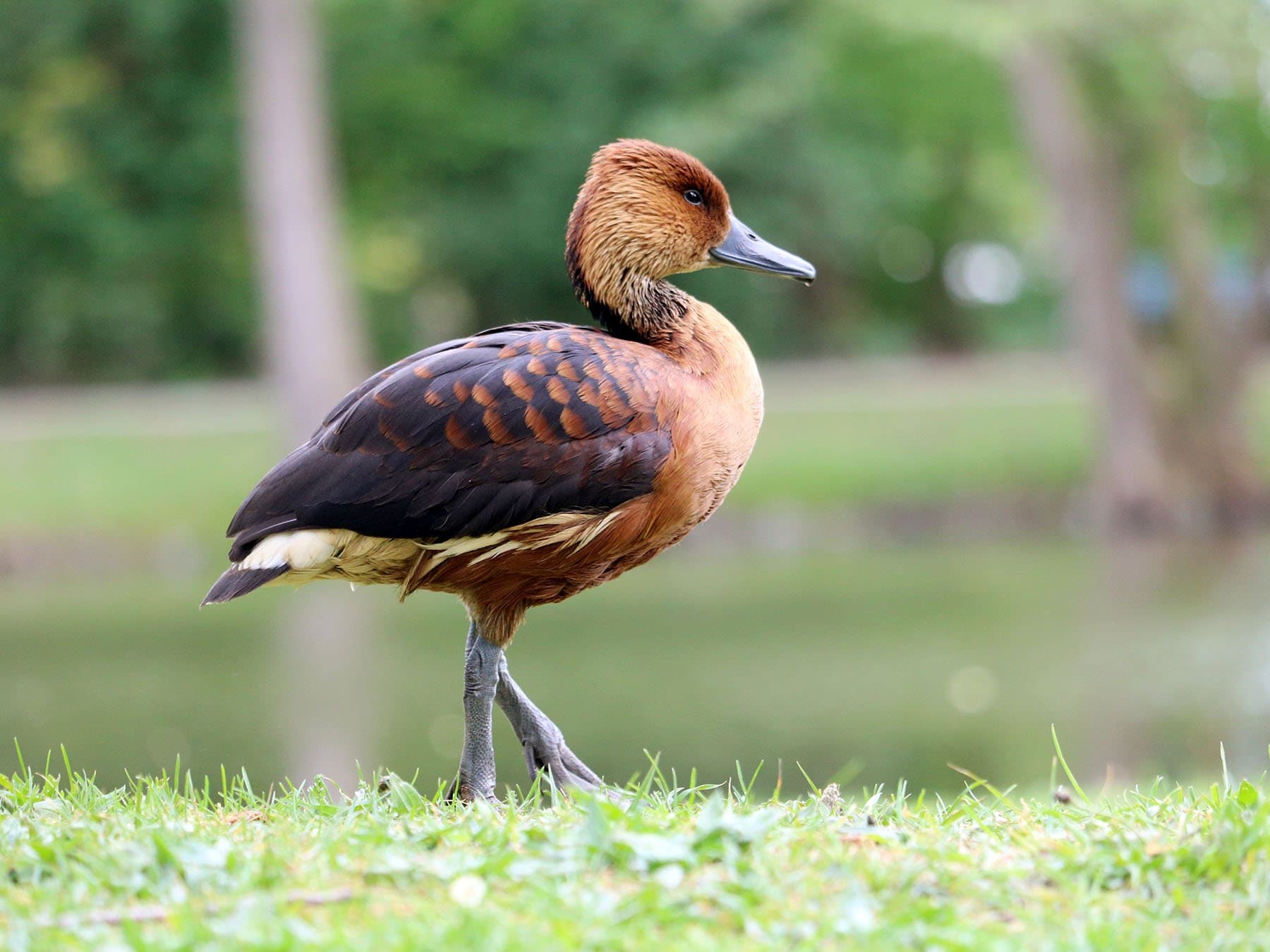 Fulvous Whistling-DuckDendrocygna bicolorResidentUncommon45–53 cmRecorded all year · 0.06% in Feb
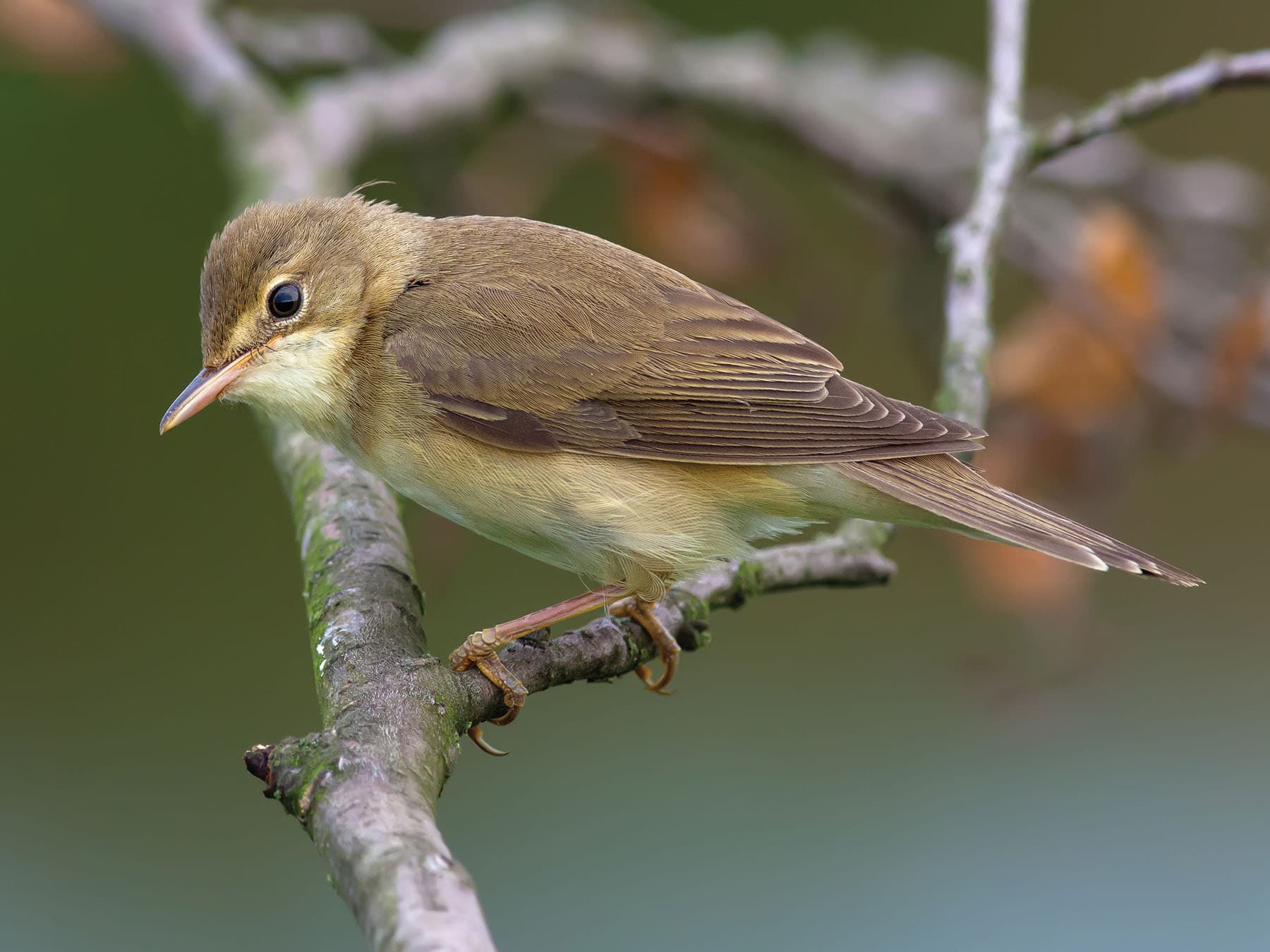 Marsh WarblerAcrocephalus palustrisSummer visitorUncommon13–14 cmRegularly Nov–Apr · 0.06% in Feb
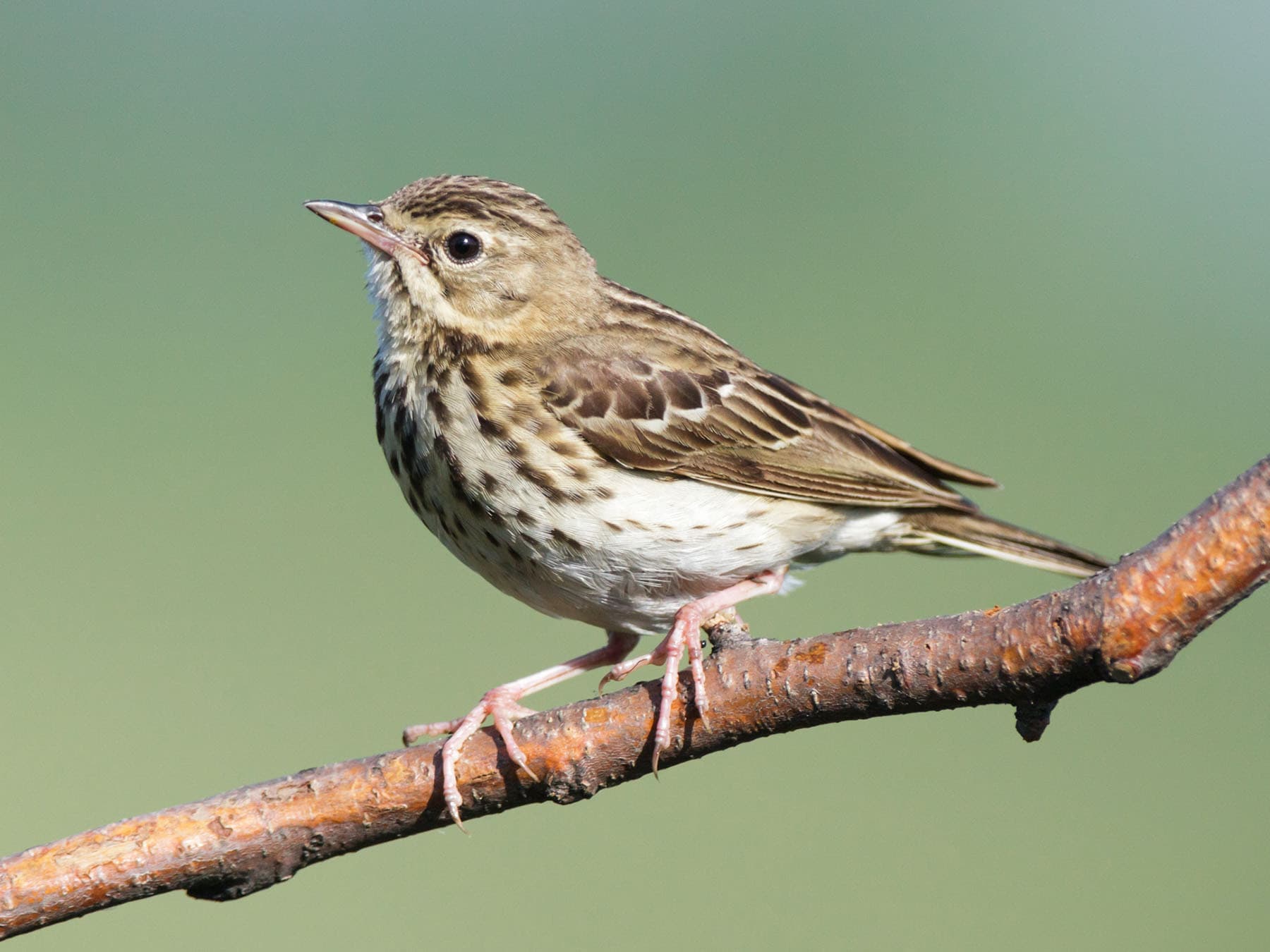 Tree PipitAnthus trivialisSummer visitorUncommon14–16 cmRegularly Oct–Apr · 0.06% in Feb
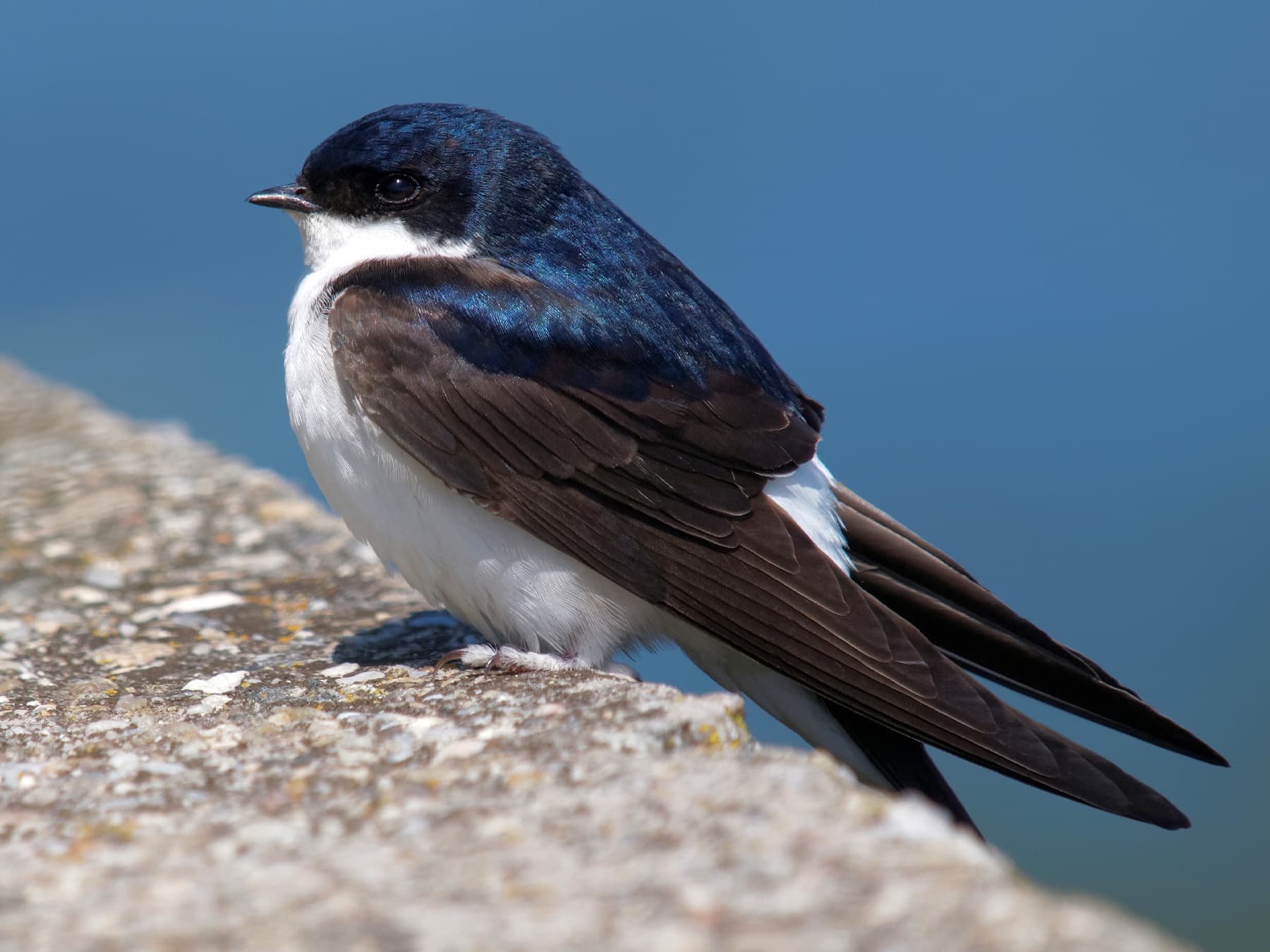 House MartinDelichon urbicumSummer visitorUncommon13–15 cmRegularly Sep–May · 0.06% in Feb
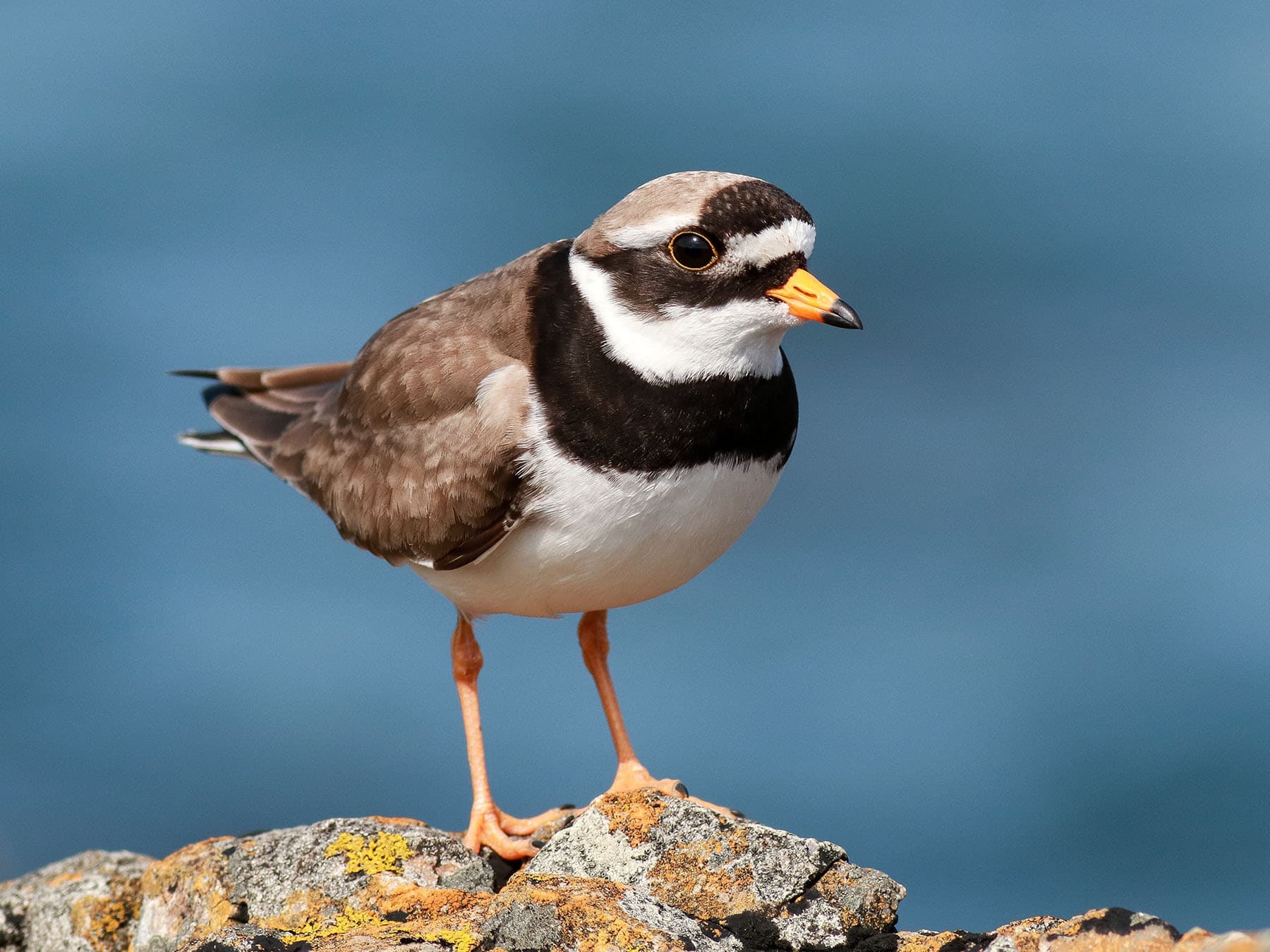 Ringed PloverCharadrius hiaticulaSummer visitorUncommon17–19 cmRegularly Sep–May · 0.06% in Feb
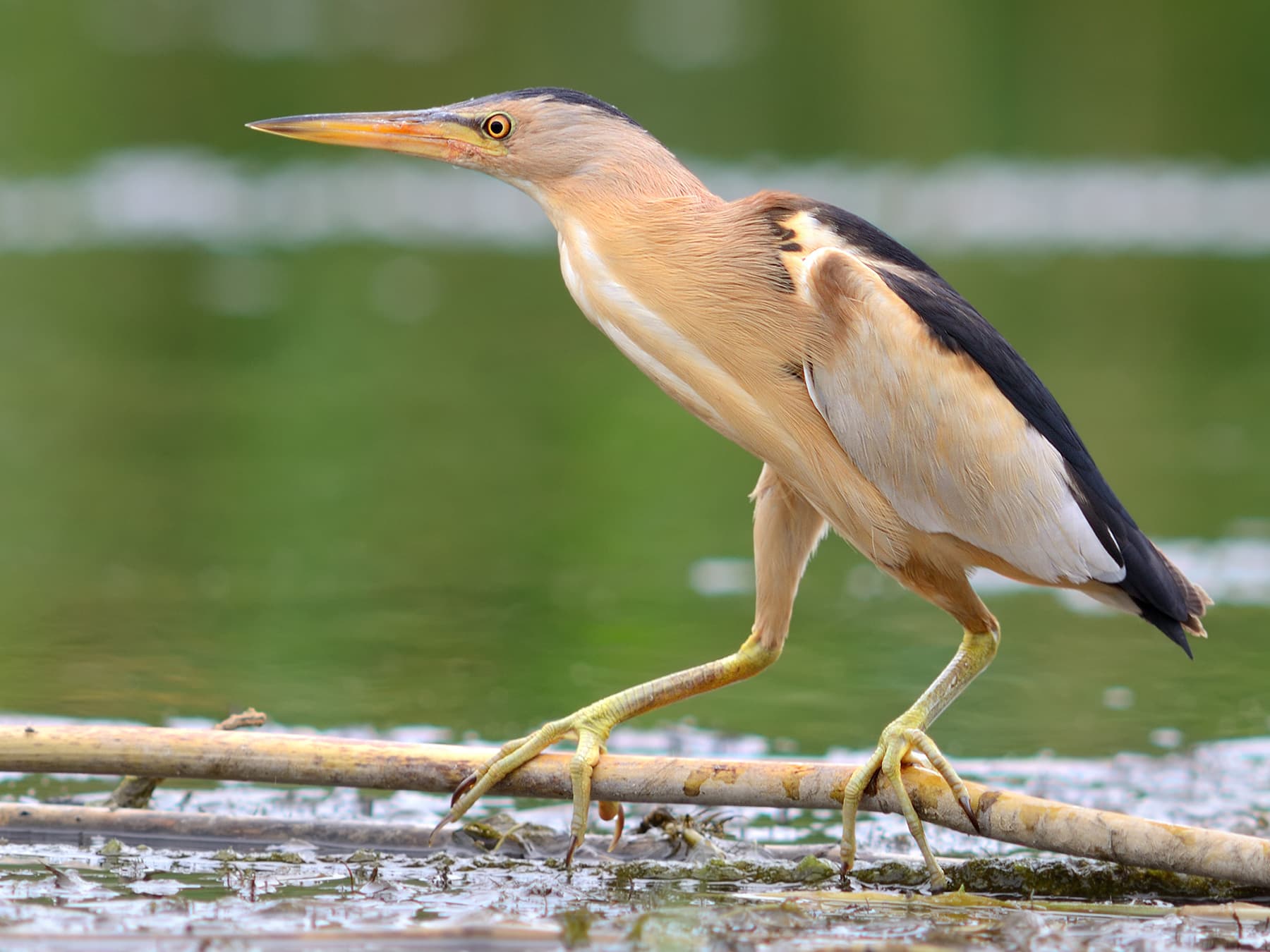 Little BitternIxobrychus minutusResidentUncommon33–38 cmRecorded all year · 0.05% in Feb
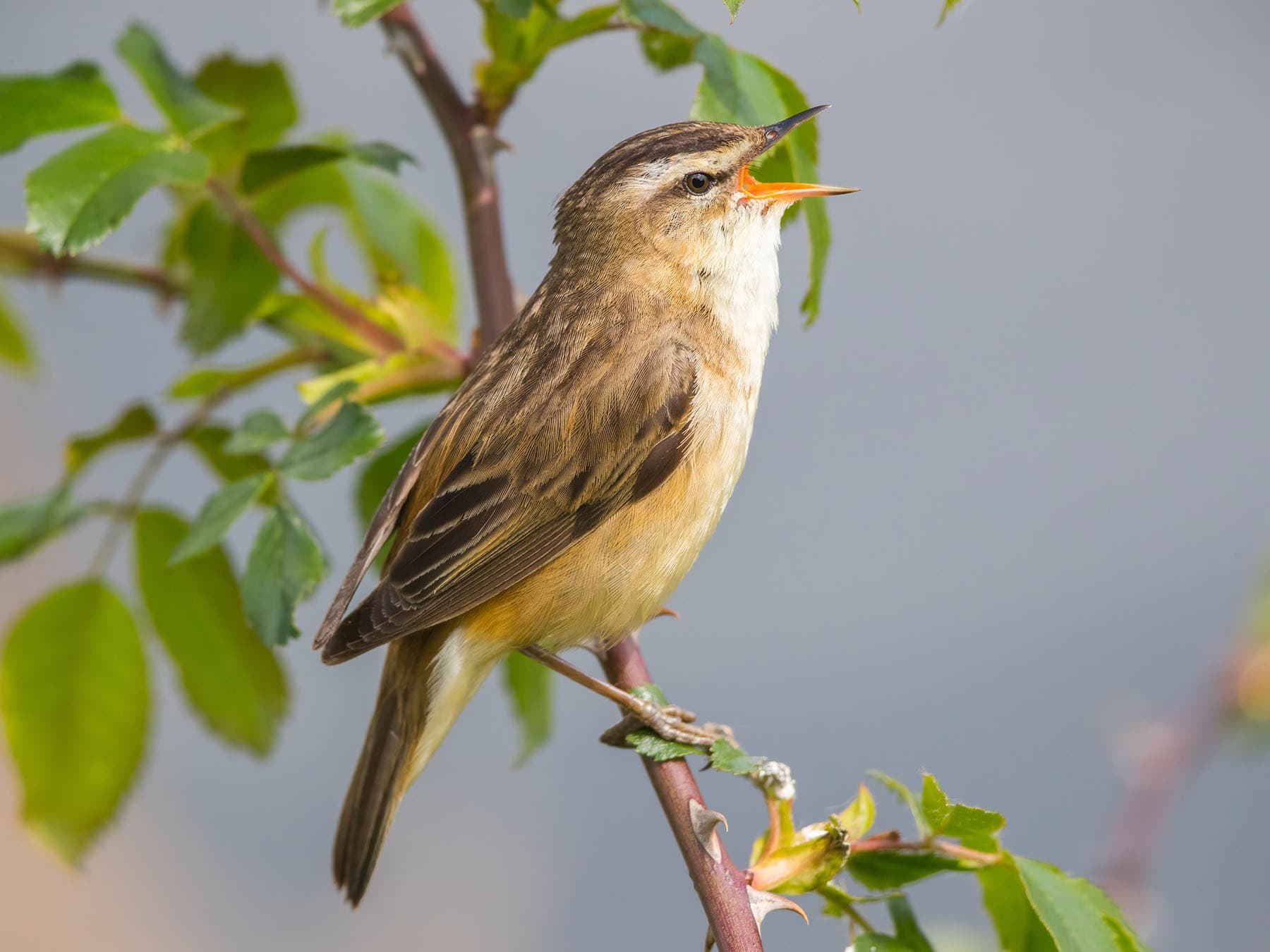 Sedge WarblerAcrocephalus schoenobaenusSummer visitorUncommon12–13 cmRegularly Nov–Apr · 0.05% in Feb
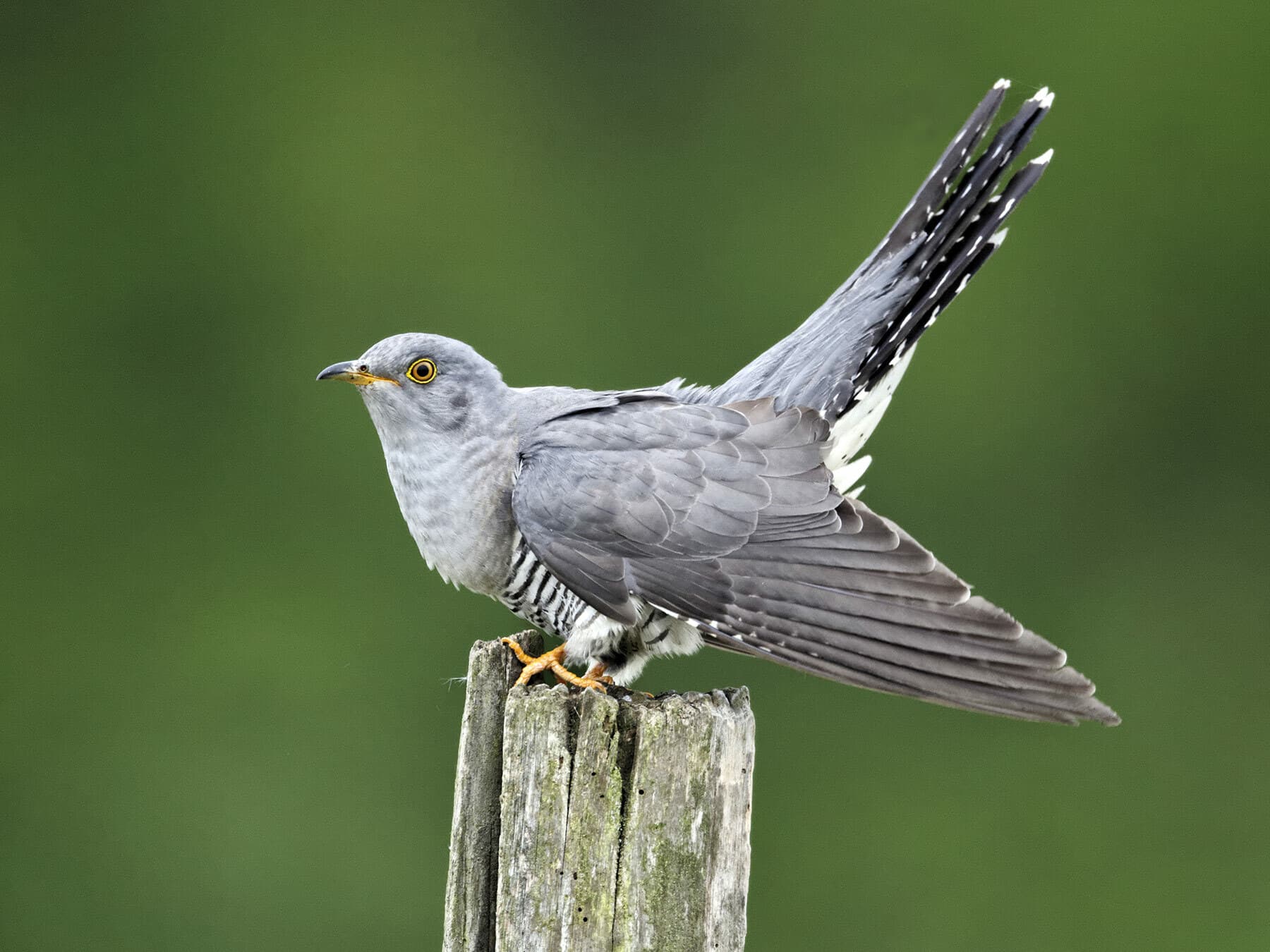 CuckooCuculus canorusSummer visitorRare32–34 cmRegularly Nov–Mar · 0.05% in Feb
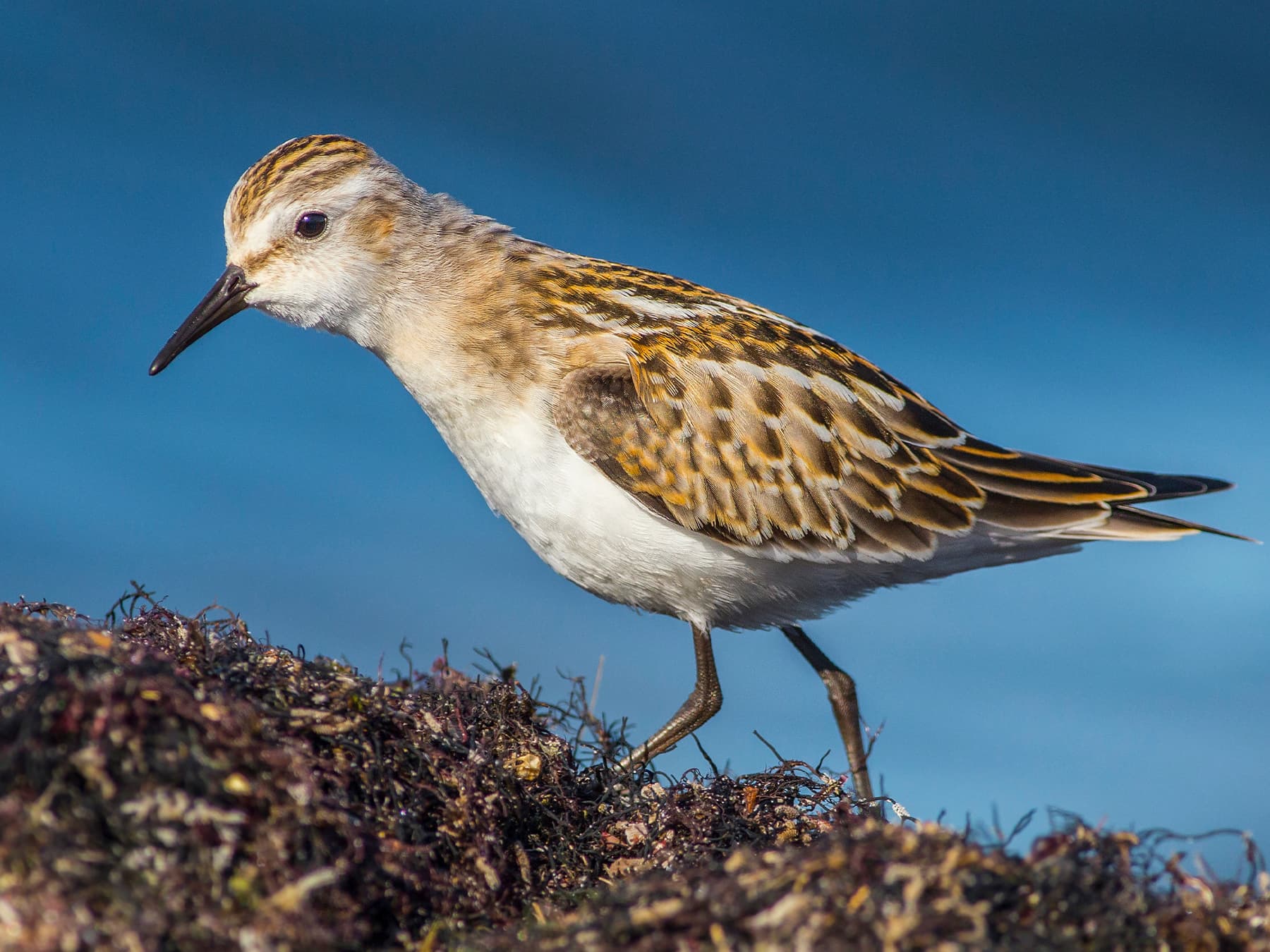 Little StintCalidris minutaSummer visitorUncommon13–15 cmRegularly Aug–May · 0.04% in Feb
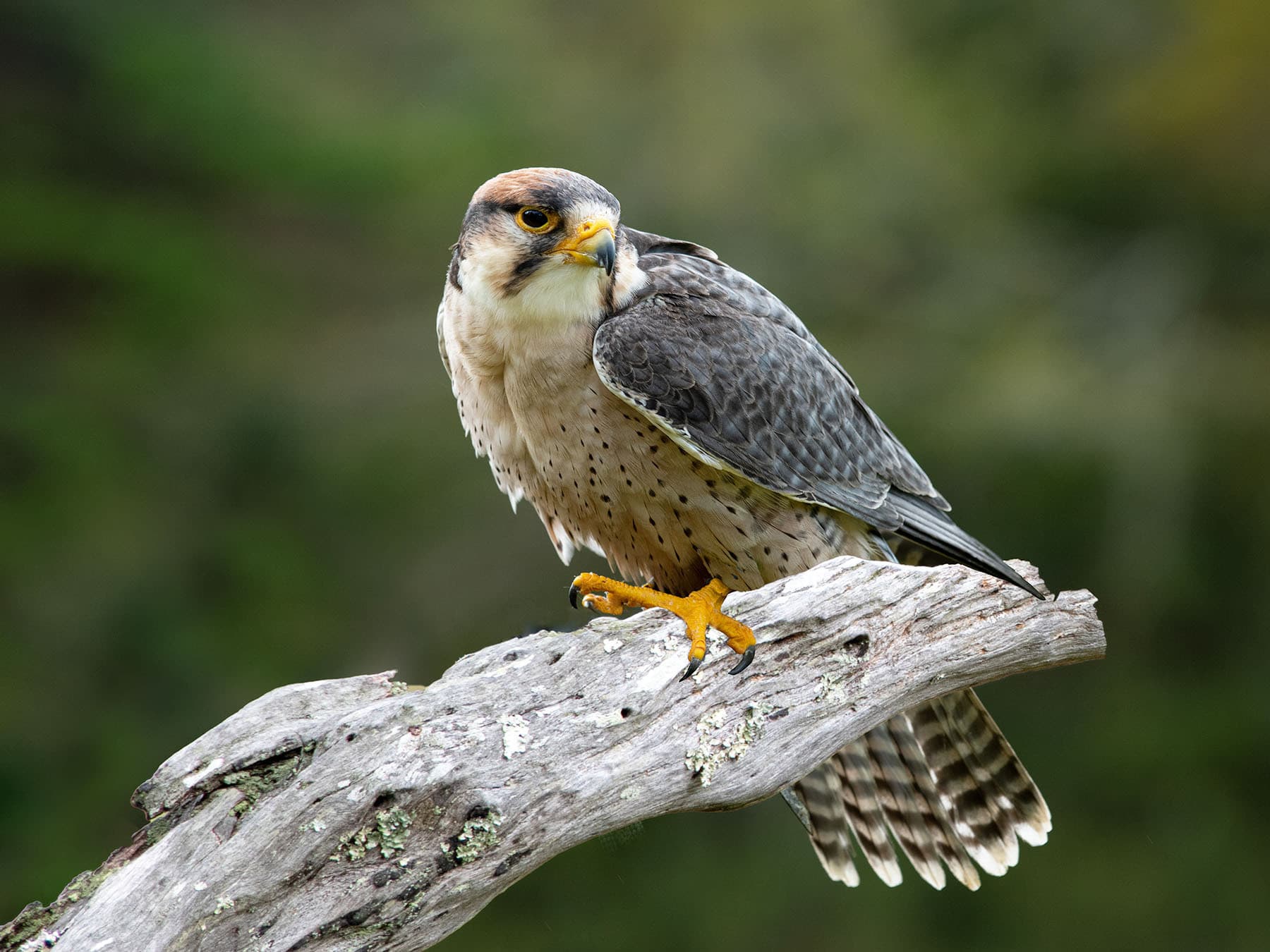 Lanner FalconFalco biarmicusResidentUncommon43–50 cmRecorded all year · 0.03% in Feb
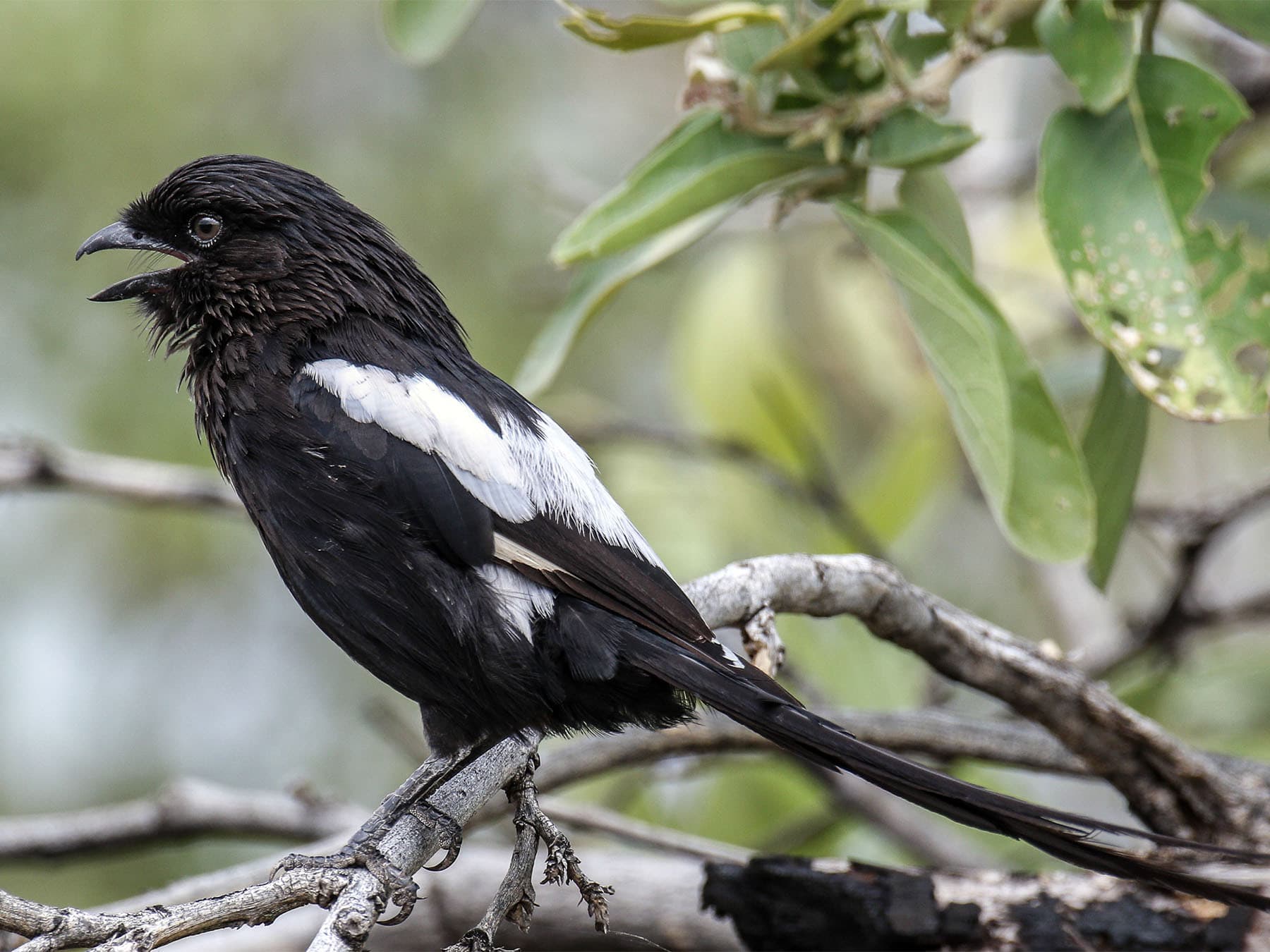 Magpie ShrikeUrolestes melanoleucusResidentUncommon35–50 cmRecorded all year · 0.03% in Feb
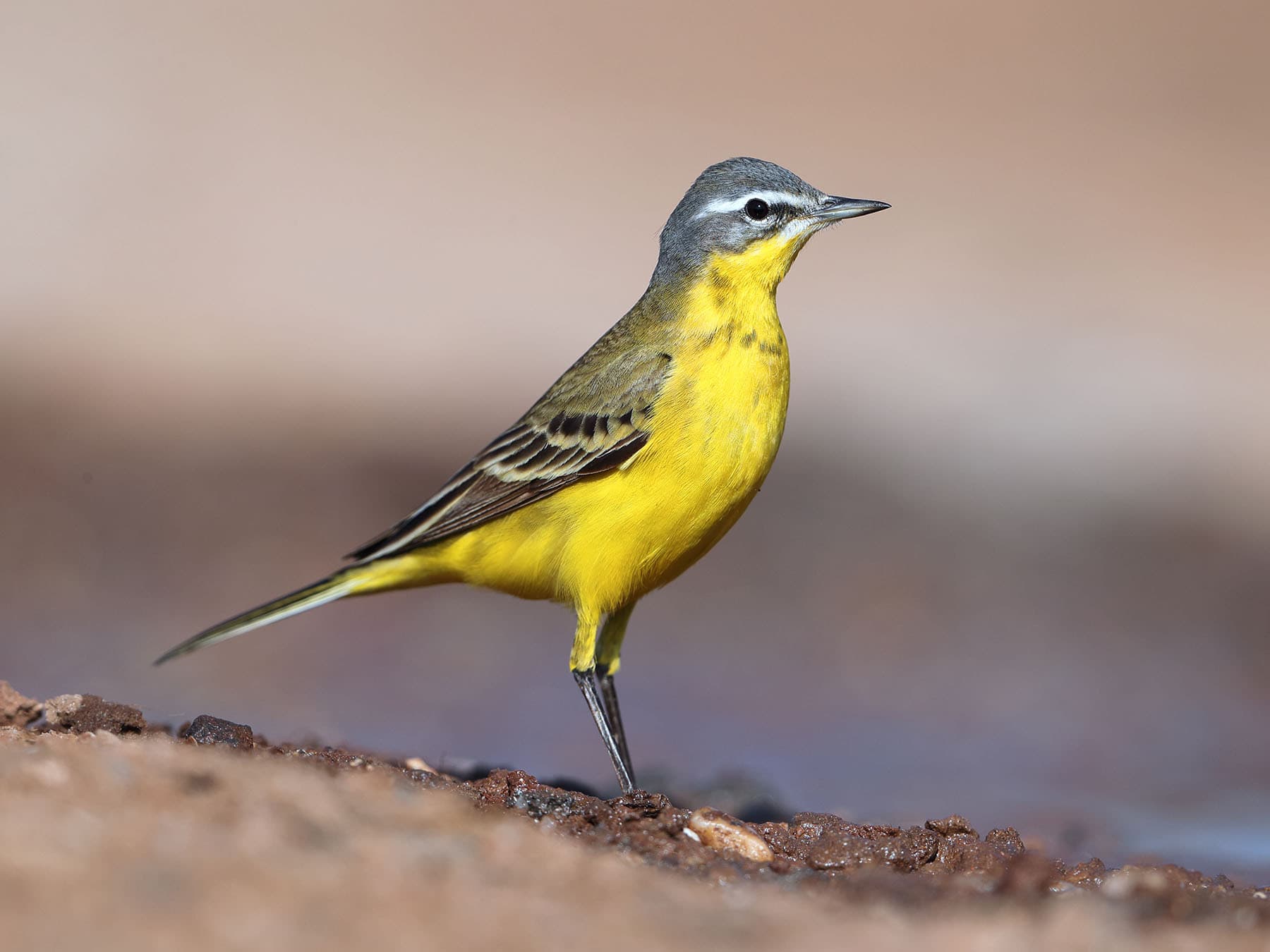 Yellow WagtailMotacilla flavaSummer visitorUncommon15–17 cmRegularly Oct–Apr · 0.03% in Feb
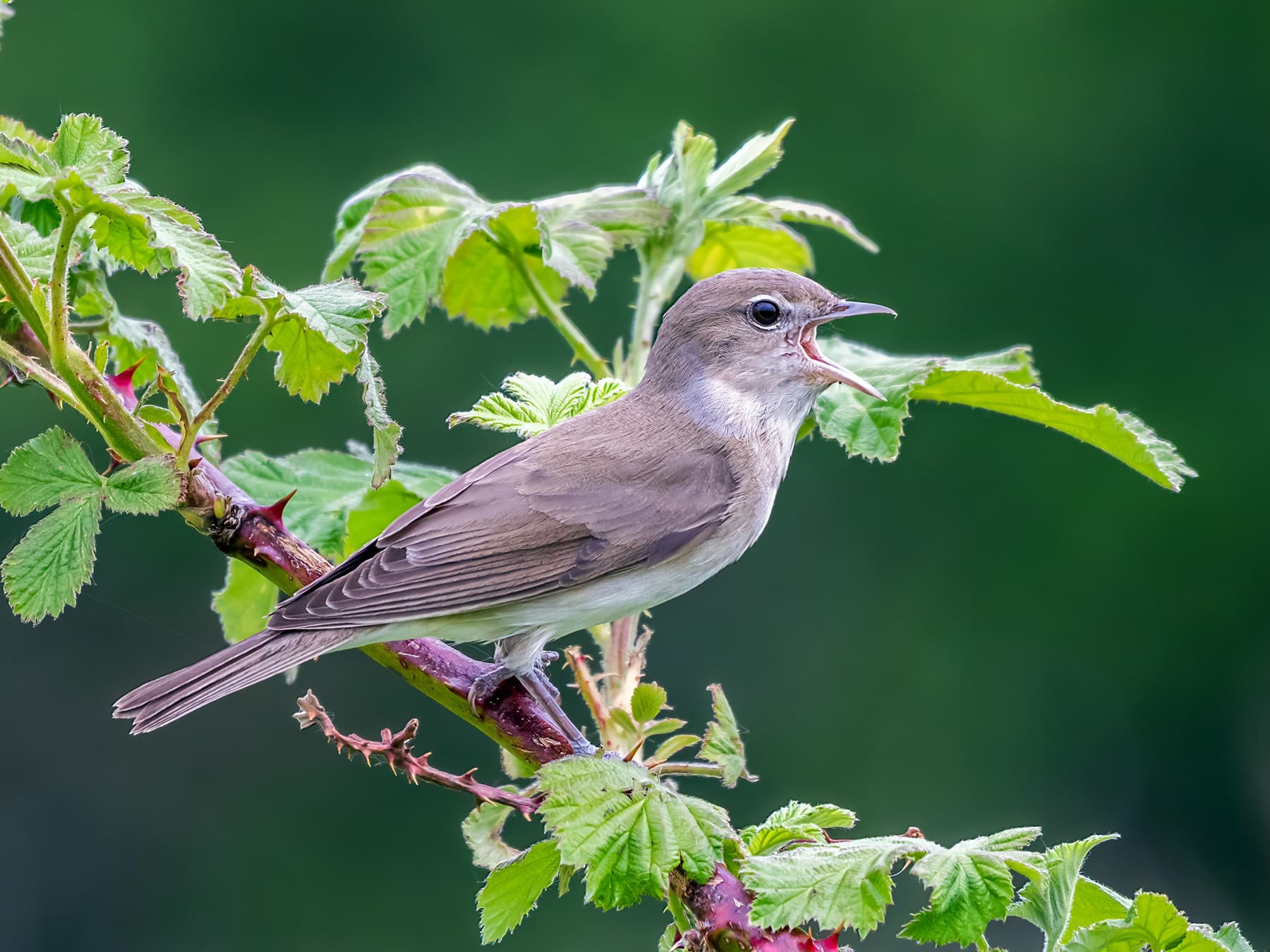 Garden WarblerSylvia borinSummer visitorUncommon14–15 cmRegularly Oct–Mar · 0.03% in Feb
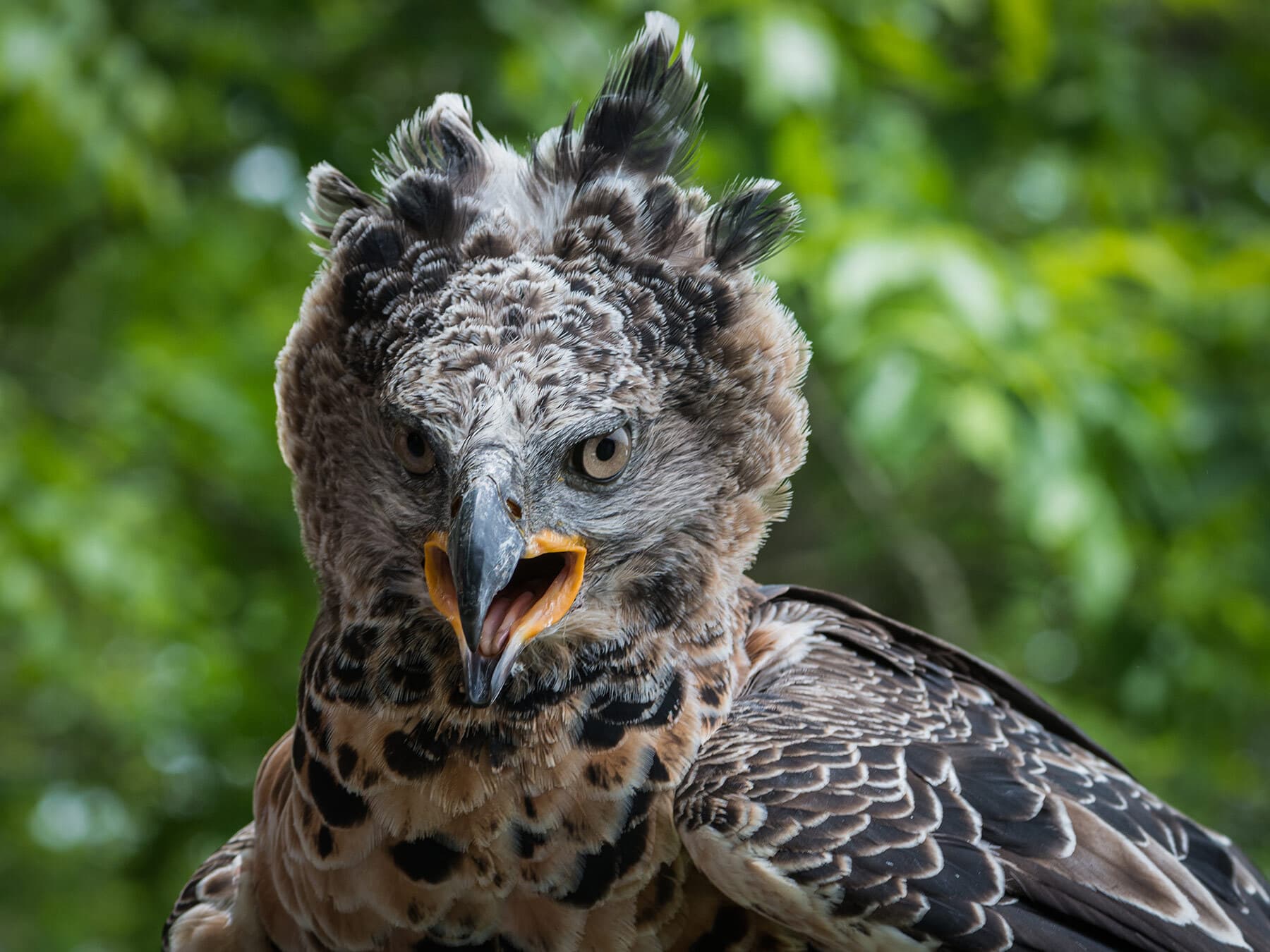 Crowned EagleStephanoaetus coronatusWinter visitorUncommon80–99 cmRegularly Feb–Dec · 0.02% in Feb
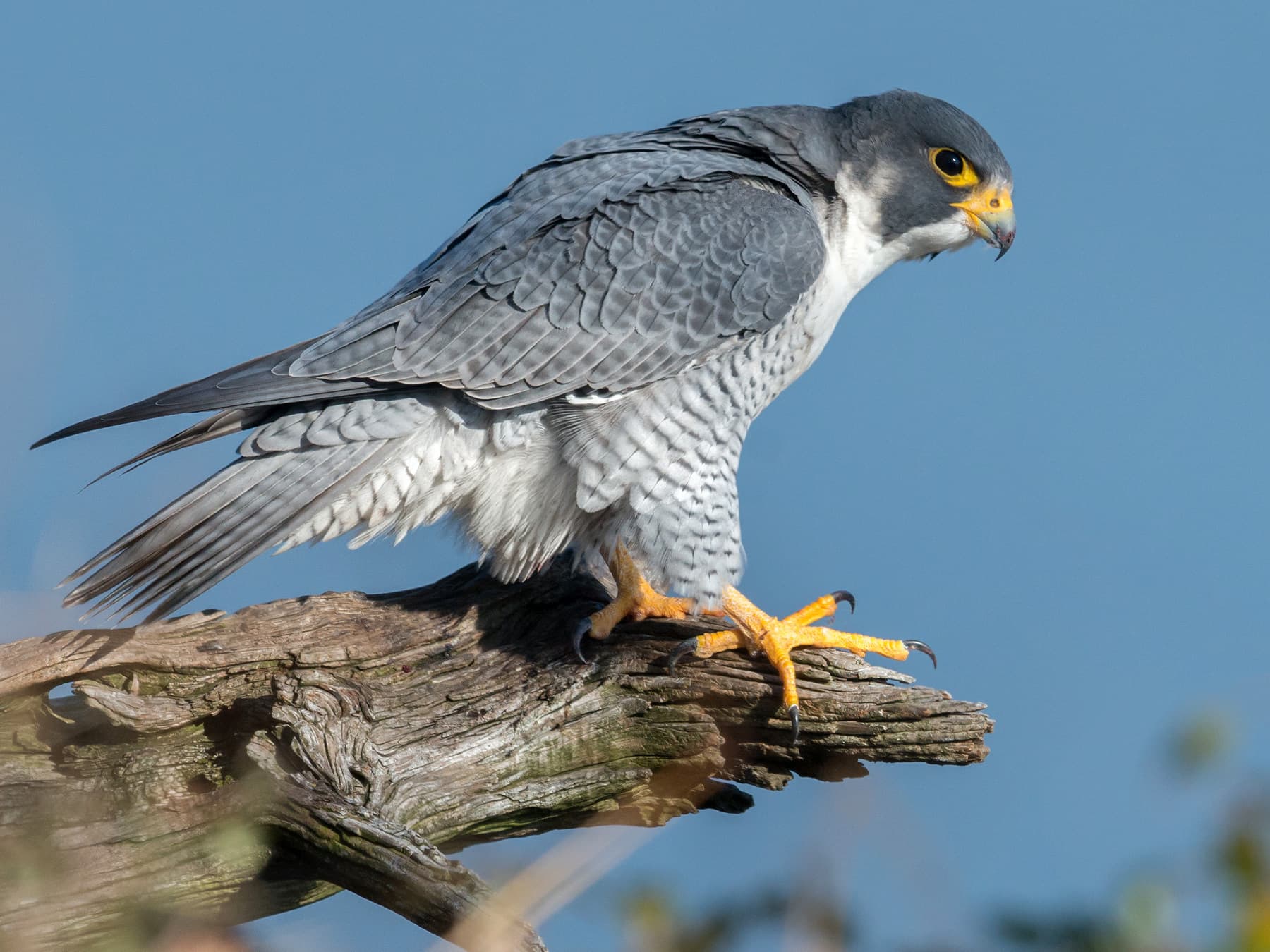 Peregrine FalconFalco peregrinusPassage migrantRare34–58 cmRegularly Jul–Feb · 0.02% in Feb
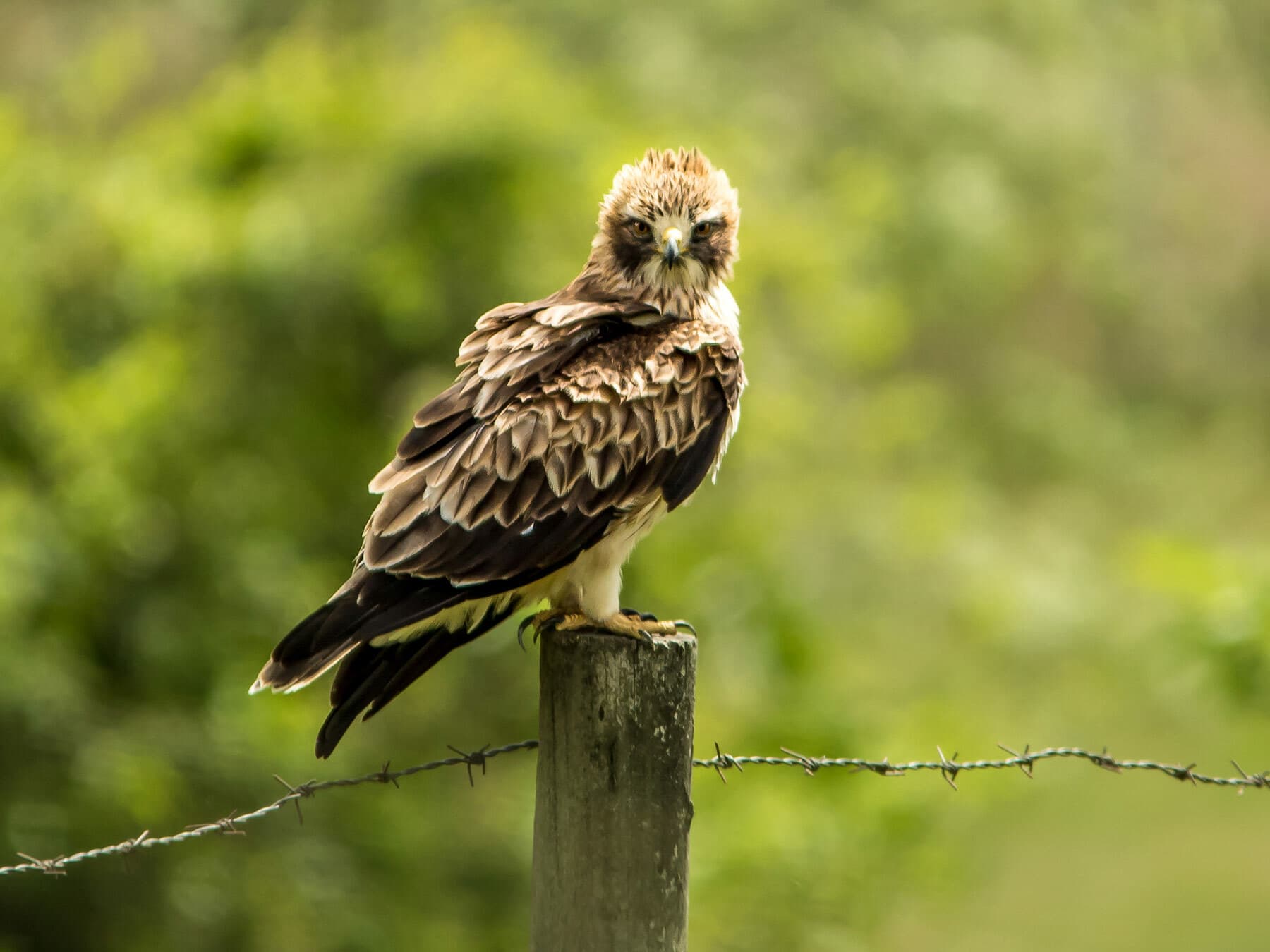 Booted EagleHieraaetus pennatusPassage migrantRare42–51 cmRegularly Nov–Mar · 0.02% in Feb
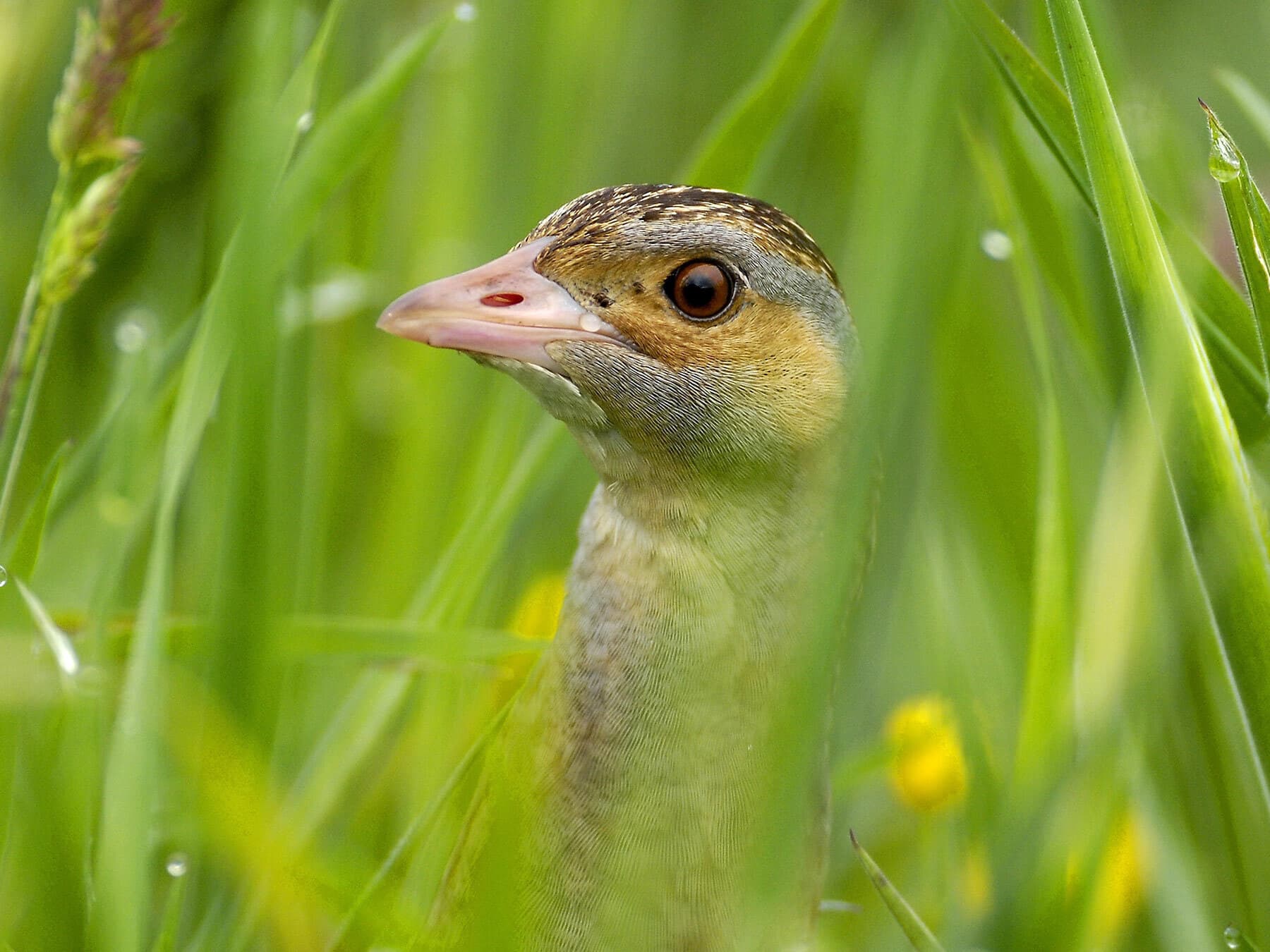 CorncrakeCrex crexPassage migrantRare22–30 cmRegularly Jan–Feb · 0.02% in Feb
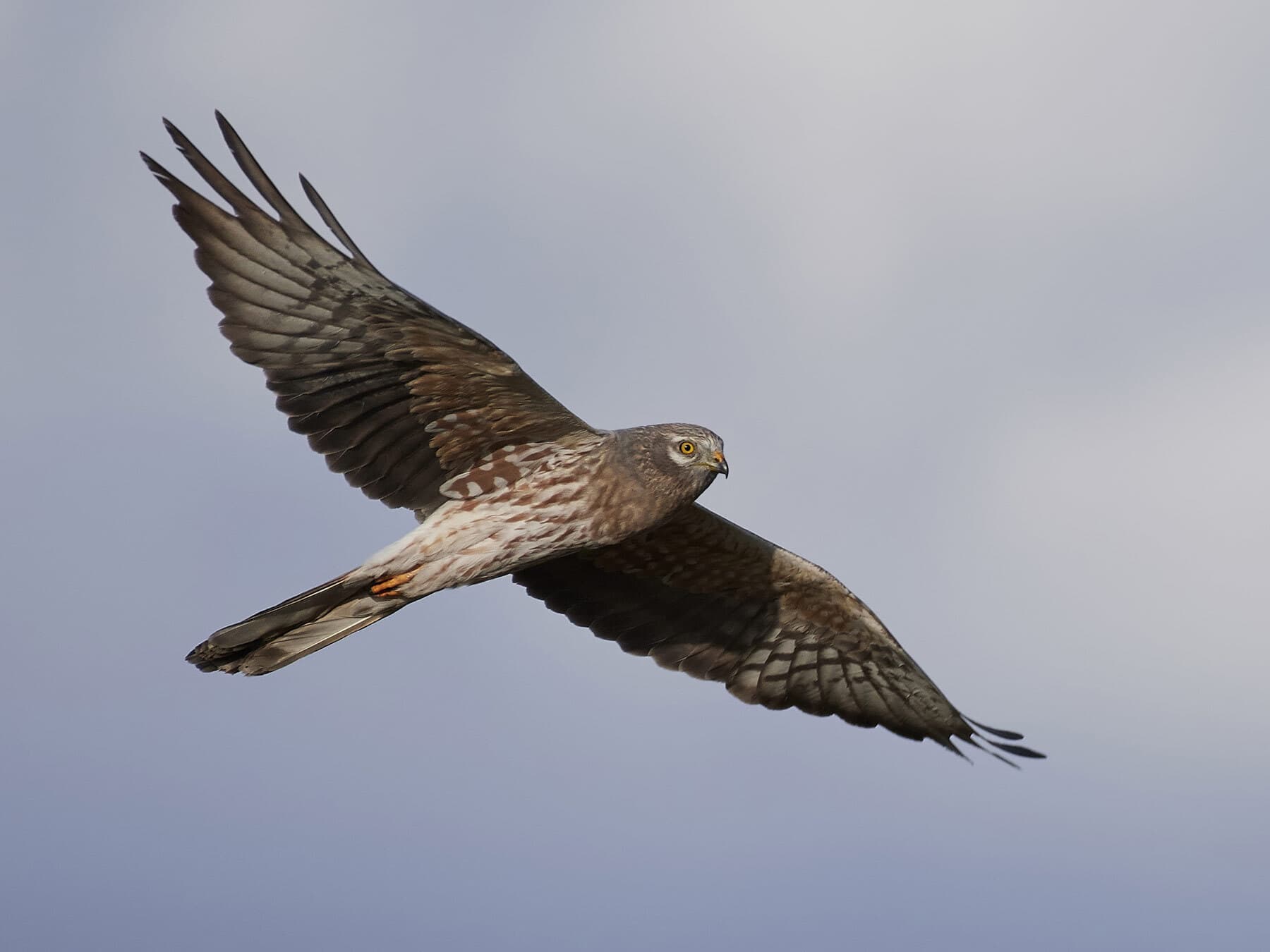 Montagu's HarrierCircus pygargusPassage migrantRare43–47 cmRegularly Nov–Feb · 0.02% in Feb
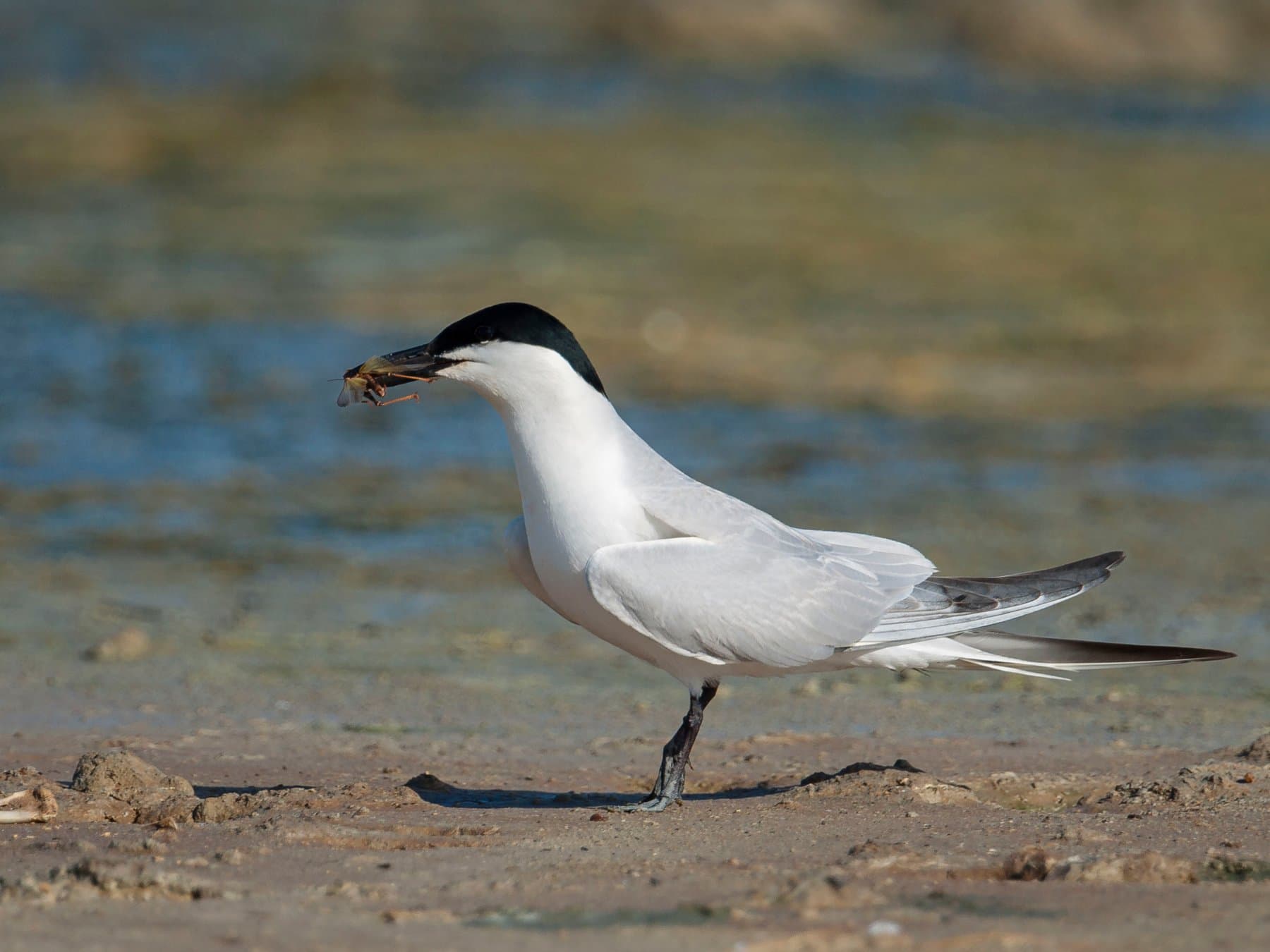 Gull-billed TernGelochelidon niloticaPassage migrantRare33–42 cmRegularly Nov–Feb · 0.01% in Feb
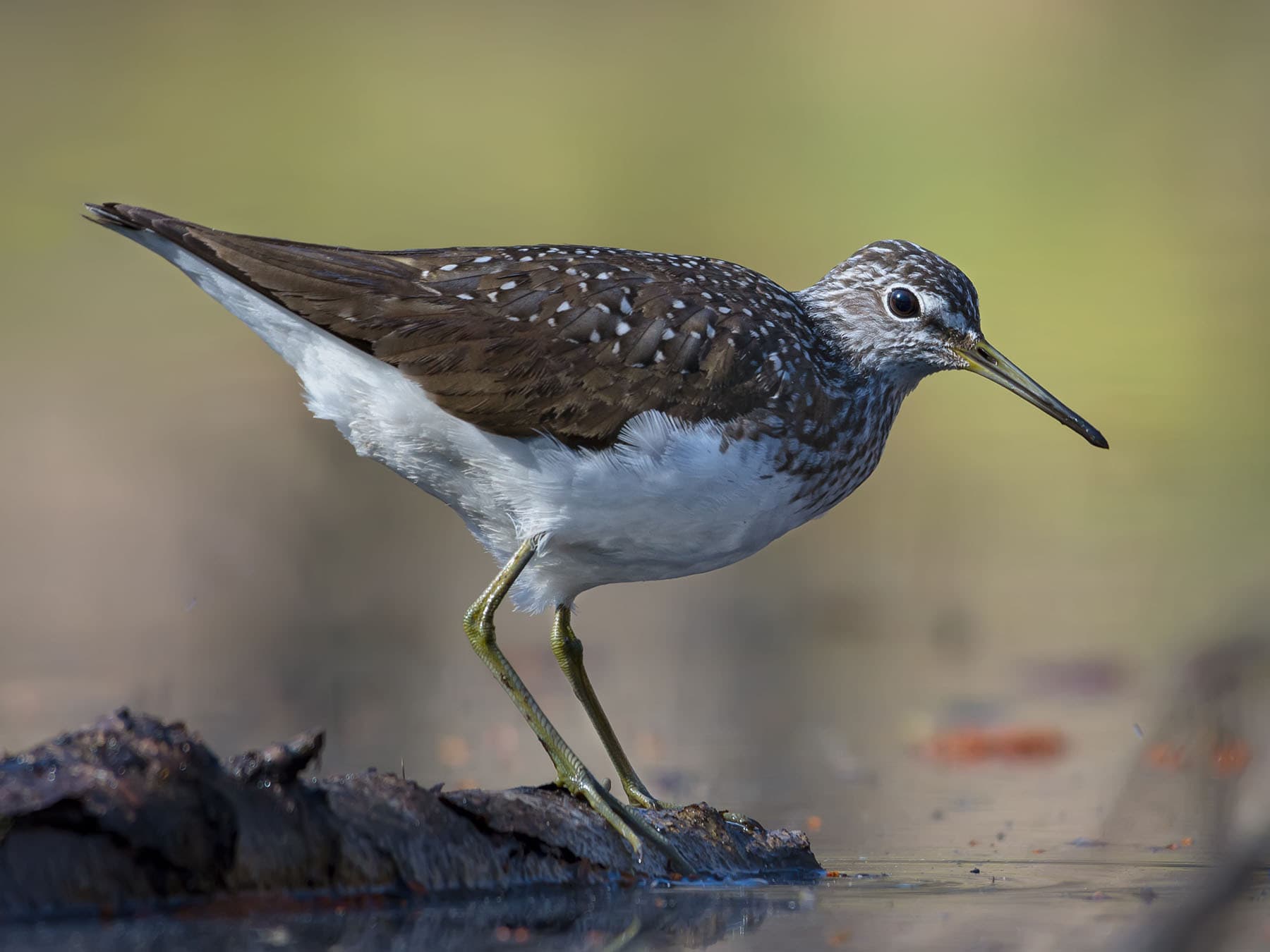 Green SandpiperTringa ochropusSummer visitorRare21–24 cmRegularly Sep–Mar · 0.01% in Feb
Data: EOD – eBird Observation Dataset (Cornell Lab of Ornithology), accessed via GBIF.org, CC BY 4.0. Records from 2019–2024, aggregated and filtered by Birdfact. How these lists are made