
Birds to See in Bahamas in July
60 bird species on our list for Bahamas are recorded regularly in July
Of these, the most often recorded are Laughing Gull, Northern Mockingbird, Eurasian Collared Dove, Green Heron and American Kestrel. New this month: Black-and-white Warbler, Least Sandpiper, Piping Plover and Pectoral Sandpiper and 3 more.
On the move in July
GBIF · JulArriving
At their peak
Leaving soon
From Bahamas’s bird records, 2019–2024: arriving birds are regular this month but not last; leaving birds are regular this month but not next.
Other months
All 60 birds in July
60 birds
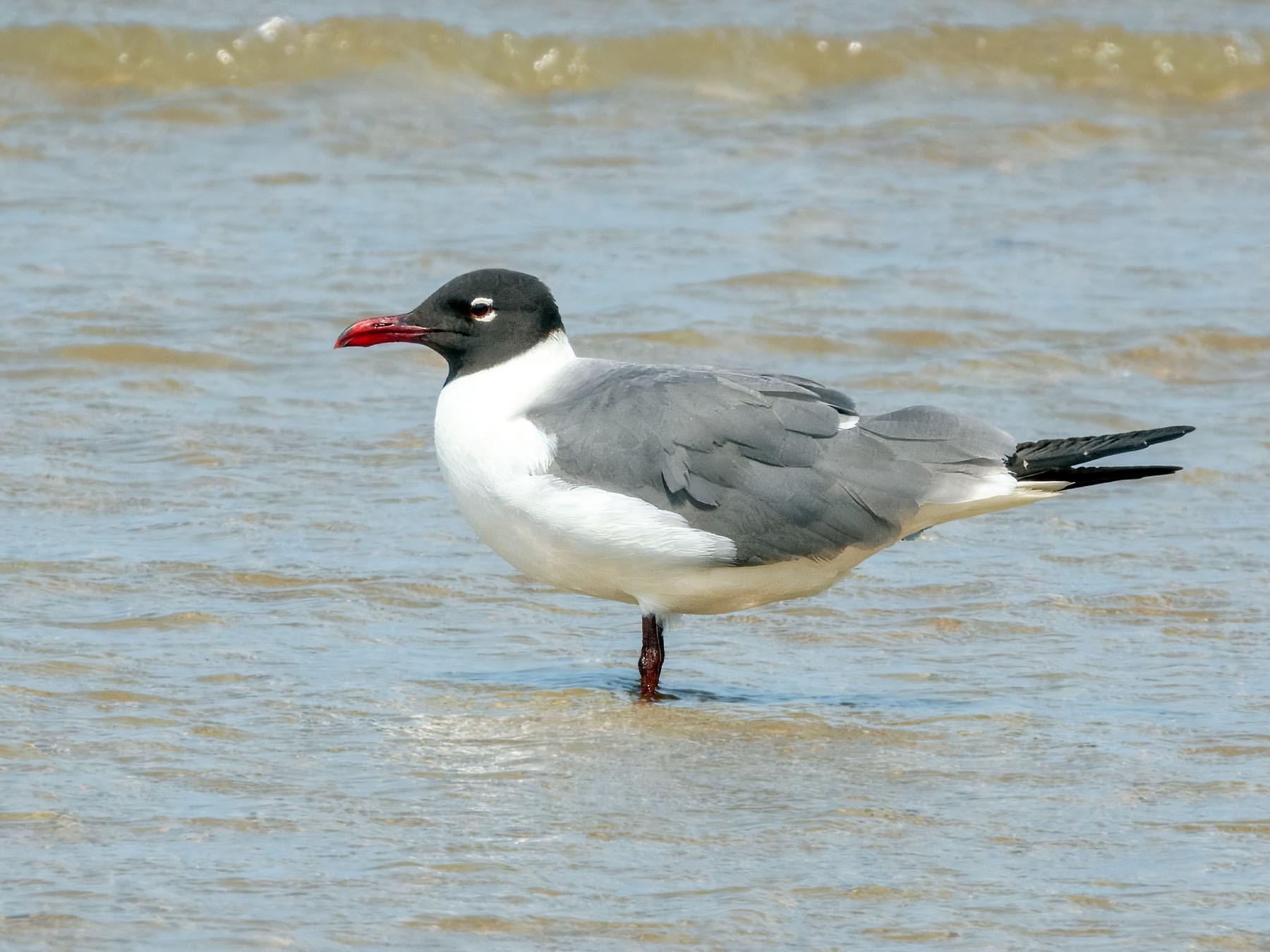 Laughing GullLeucophaeus atricillaSummer visitorCommon39–46 cmRecorded all year · 6.30% in Jul
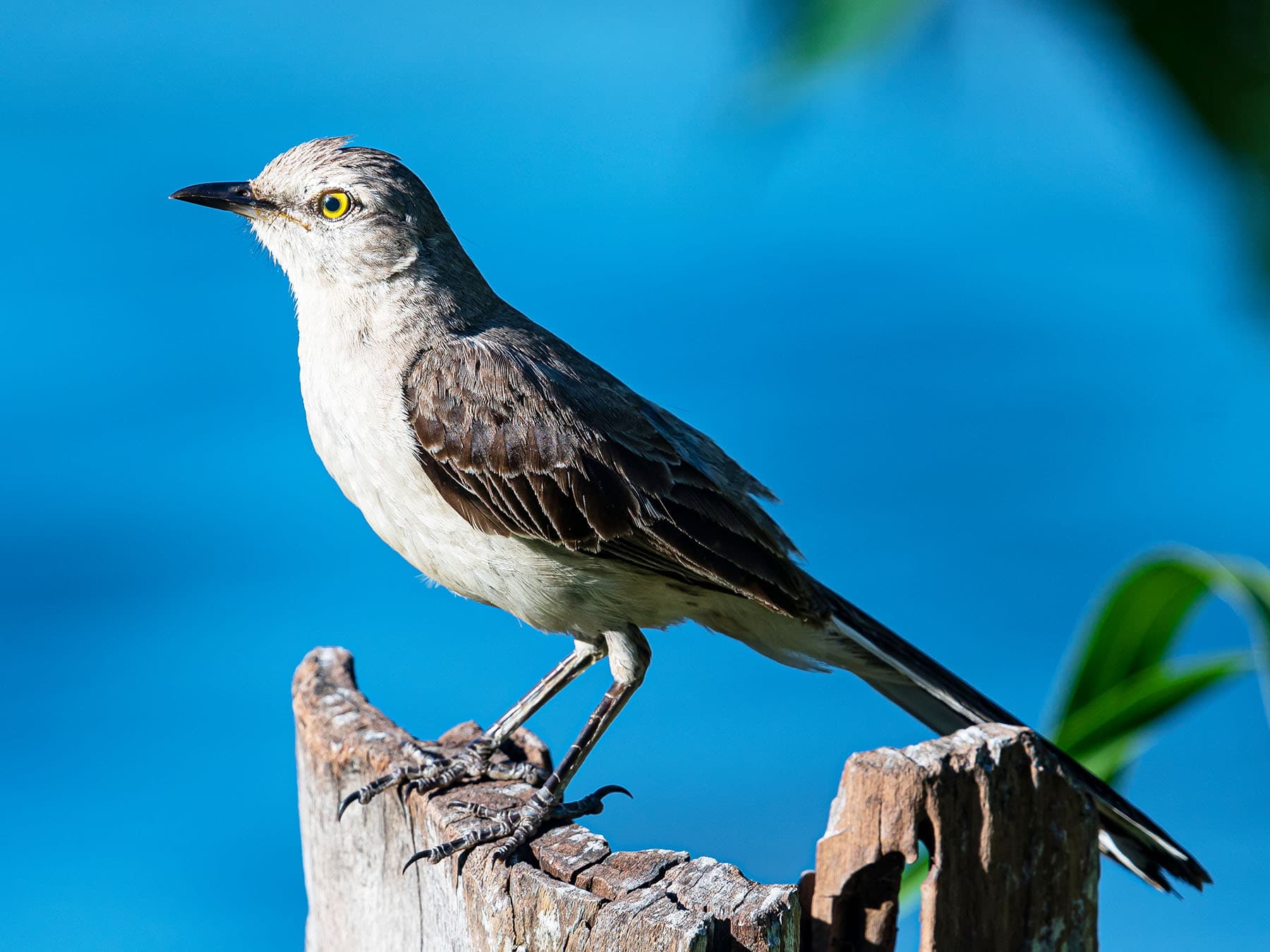 Northern MockingbirdMimus polyglottosResidentCommon21–26 cmRecorded all year · 5.34% in Jul
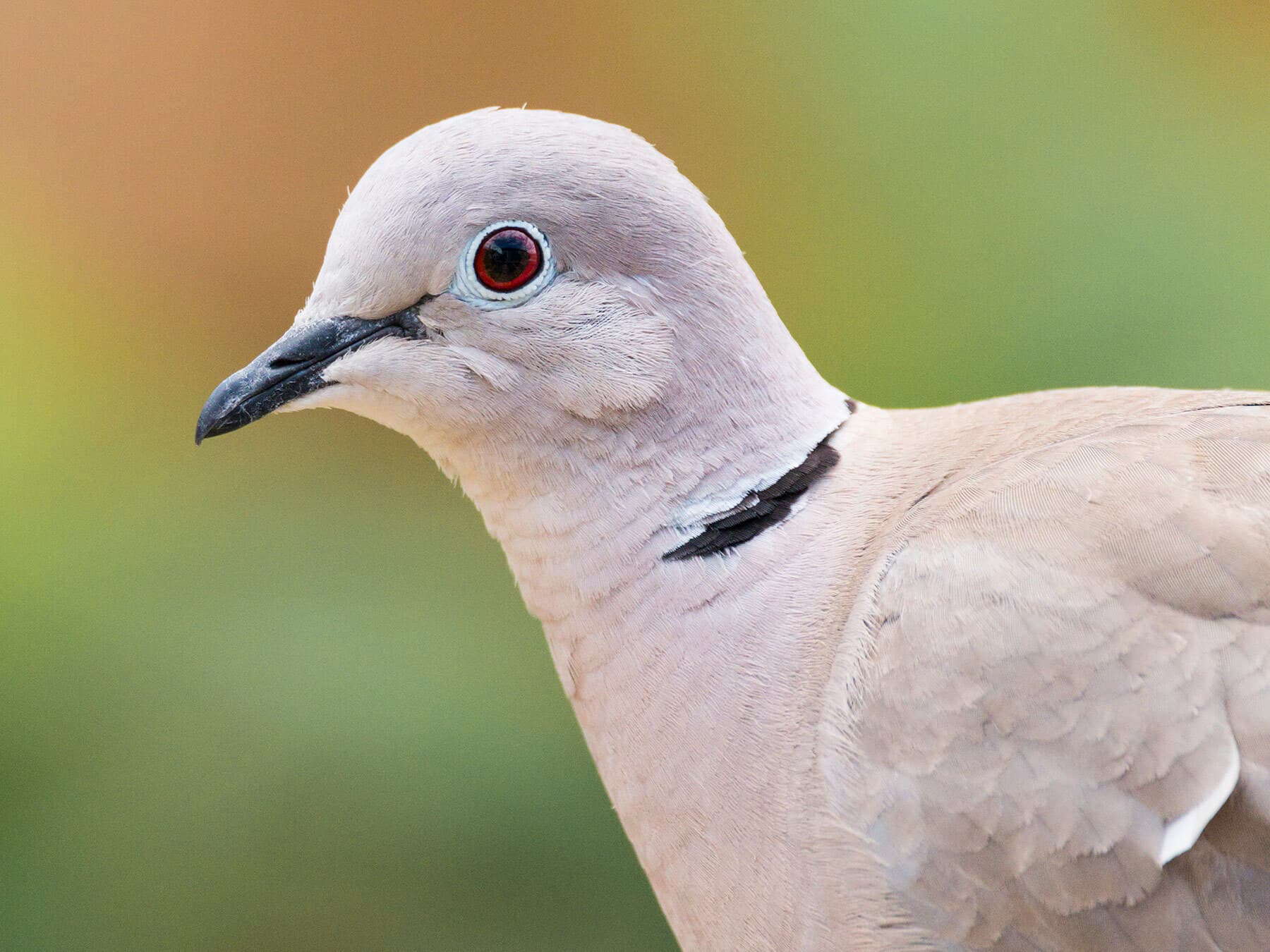 Eurasian Collared DoveStreptopelia decaoctoResidentCommon30–32 cmRecorded all year · 3.52% in Jul
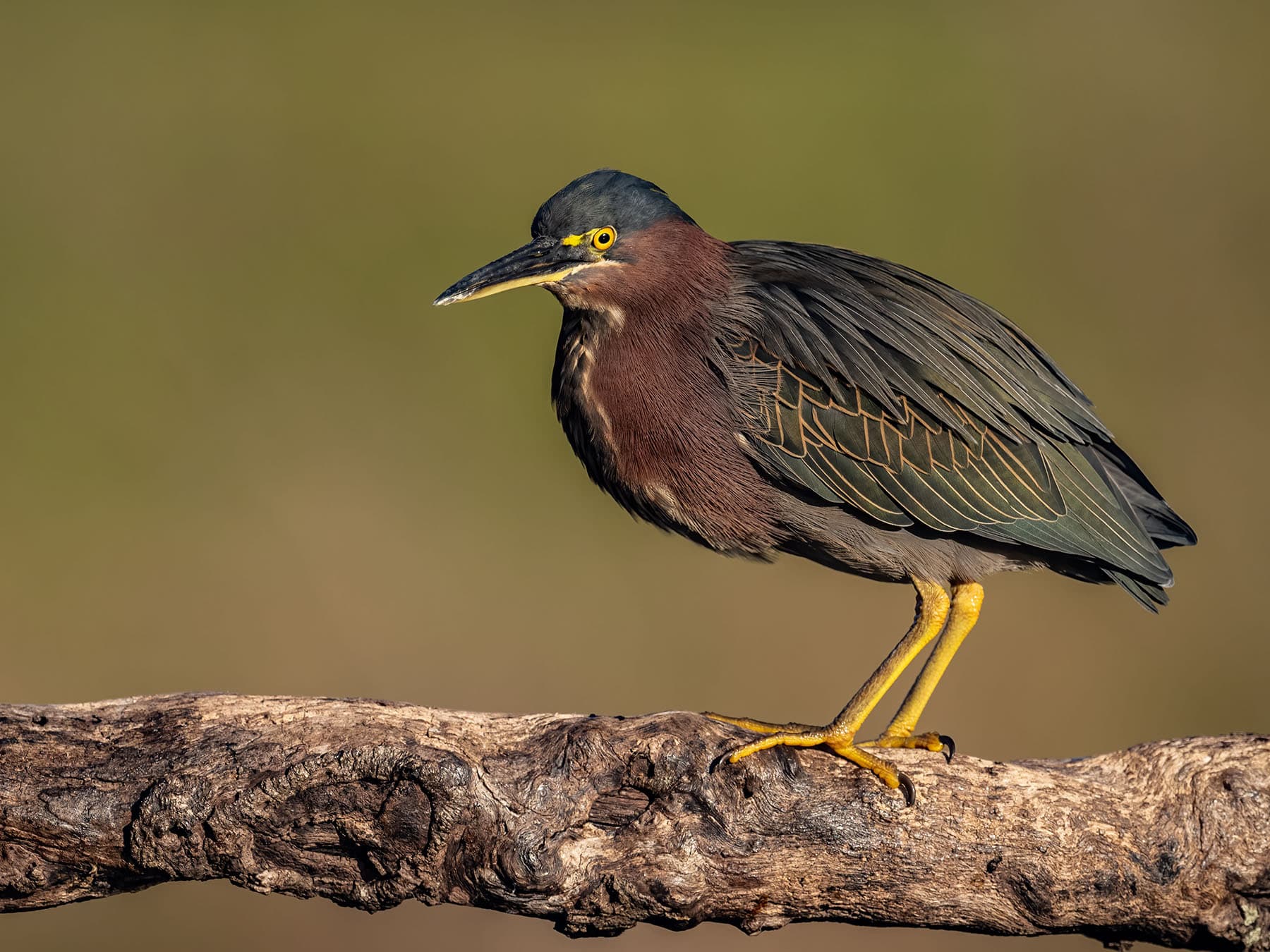 Green HeronButorides virescensResidentCommon41–46 cmRecorded all year · 2.90% in Jul
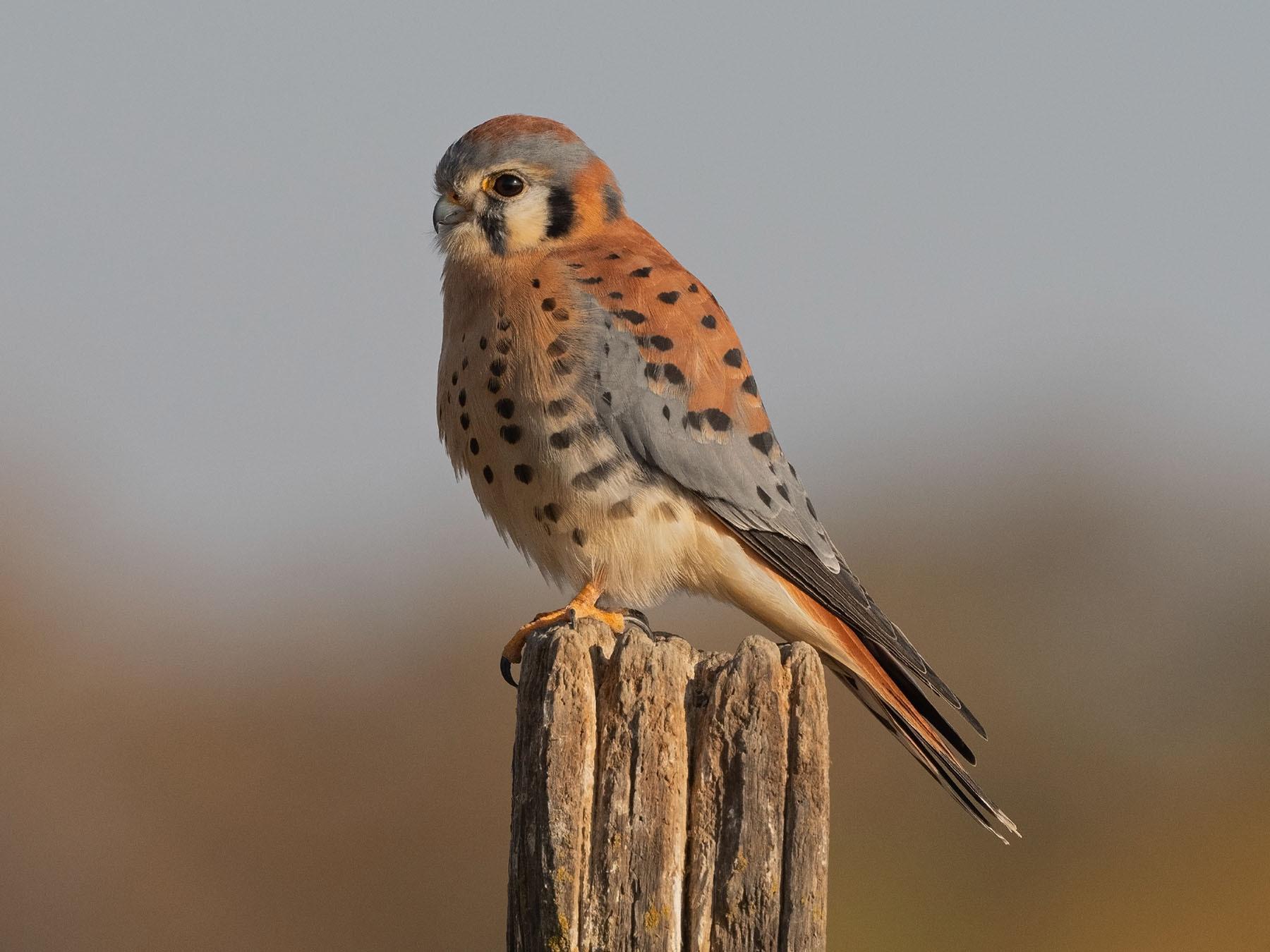 American KestrelFalco sparveriusResidentCommon22–31 cmRecorded all year · 2.01% in Jul
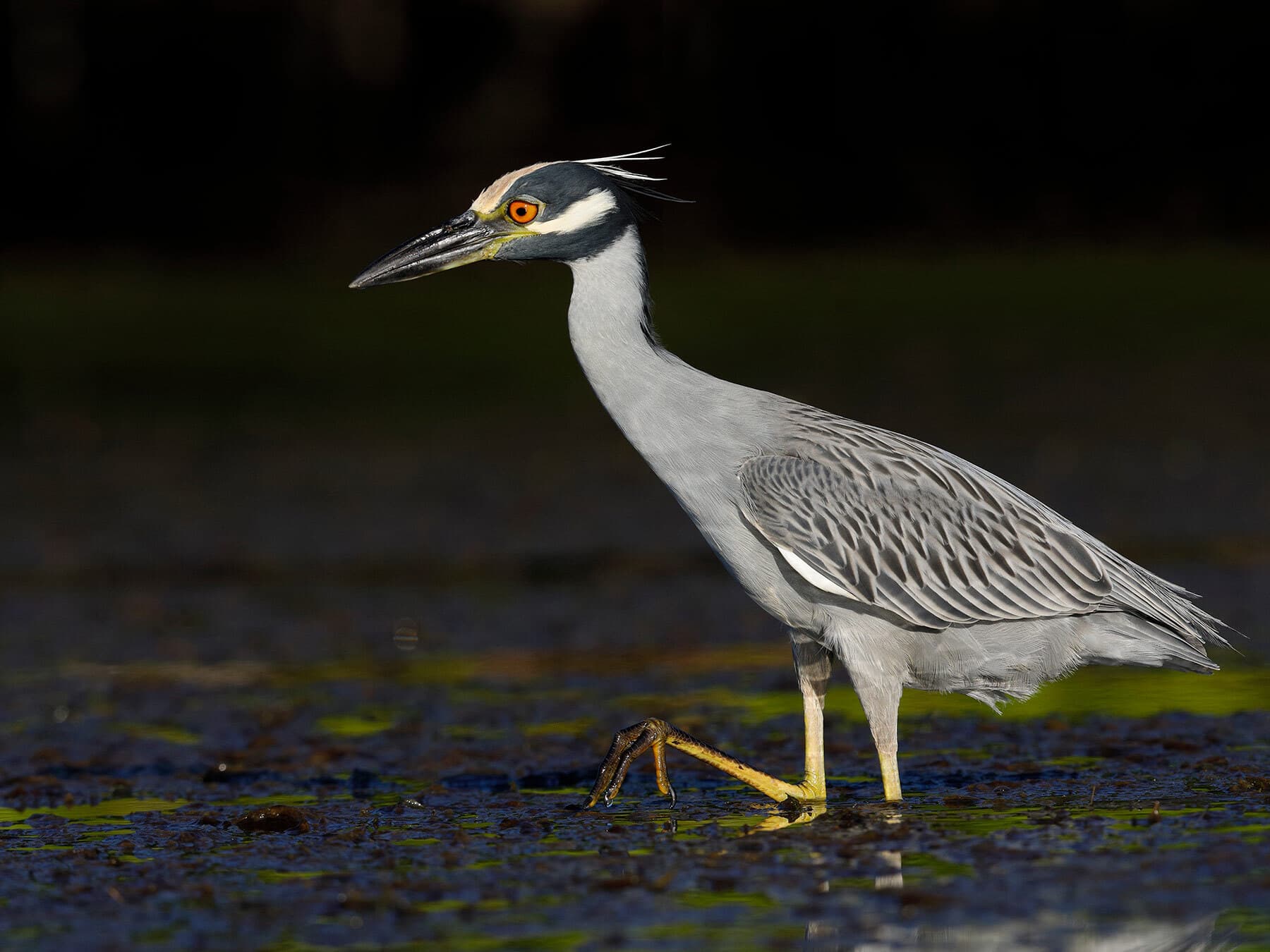 Yellow-crowned Night HeronNyctanassa violaceaResidentCommon55–70 cmRecorded all year · 1.83% in Jul
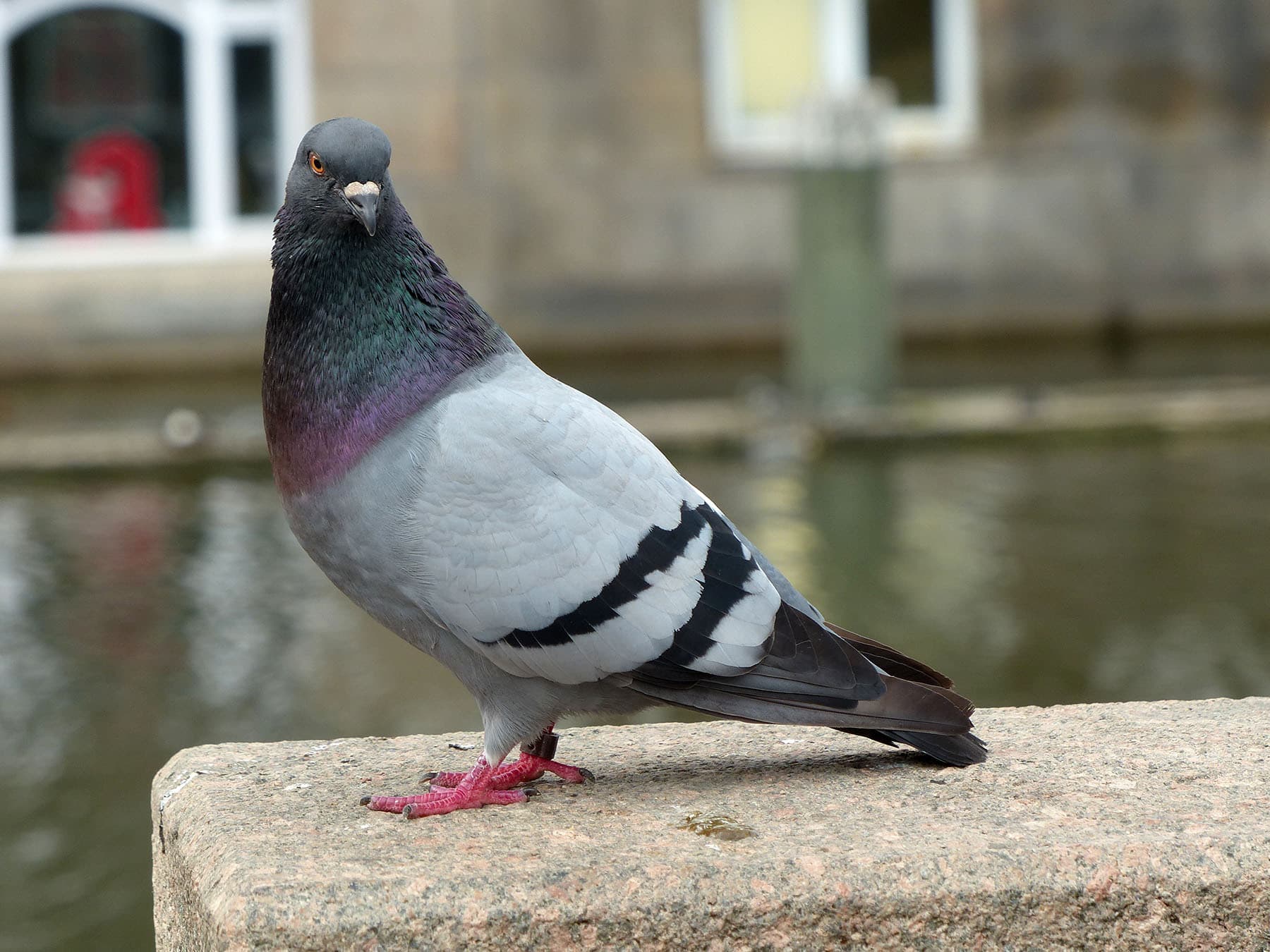 Rock DoveColumba liviaResidentCommon31–34 cmRecorded all year · 1.66% in Jul
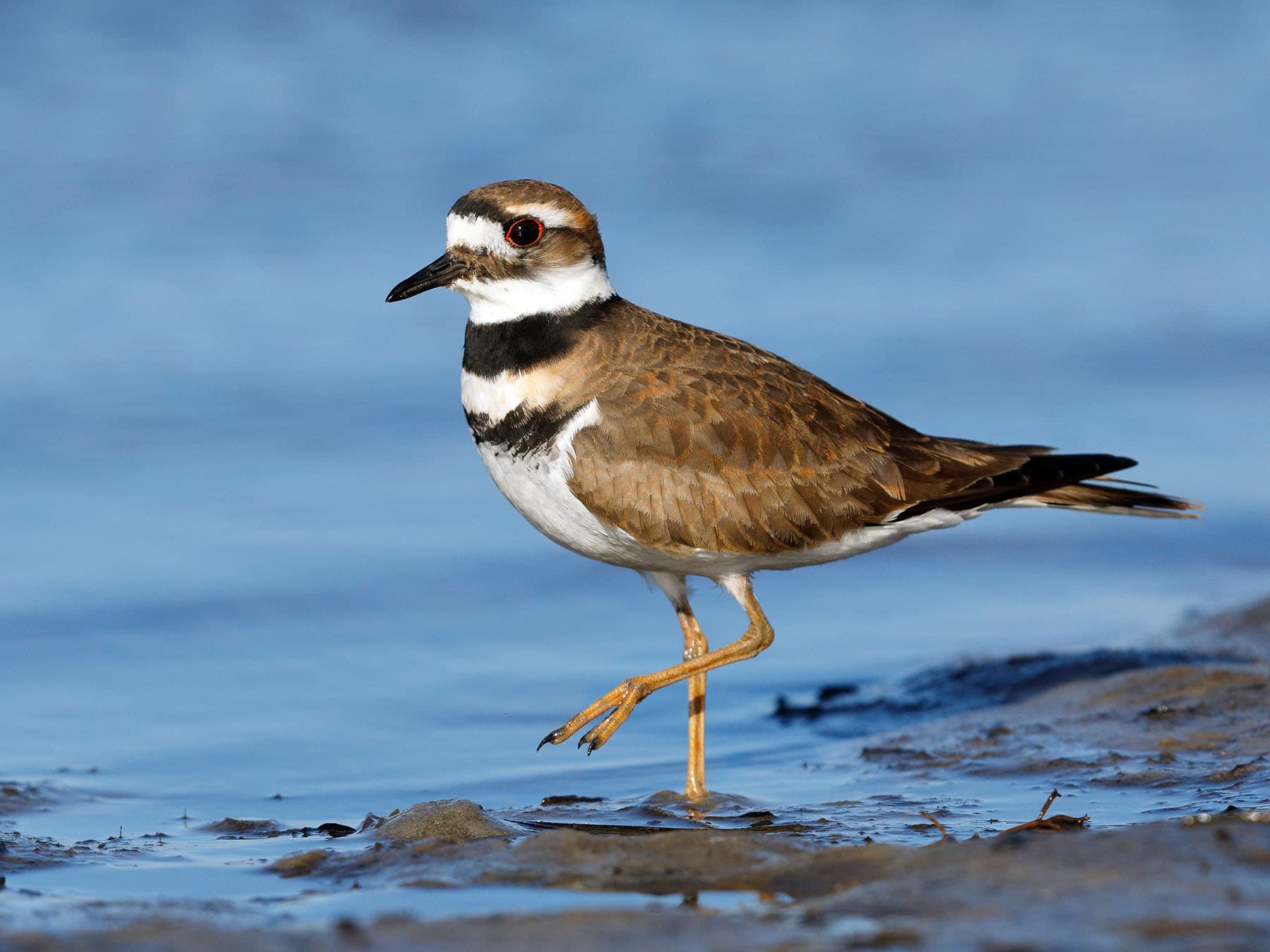 KilldeerCharadrius vociferusResidentCommon20–28 cmRecorded all year · 1.59% in Jul
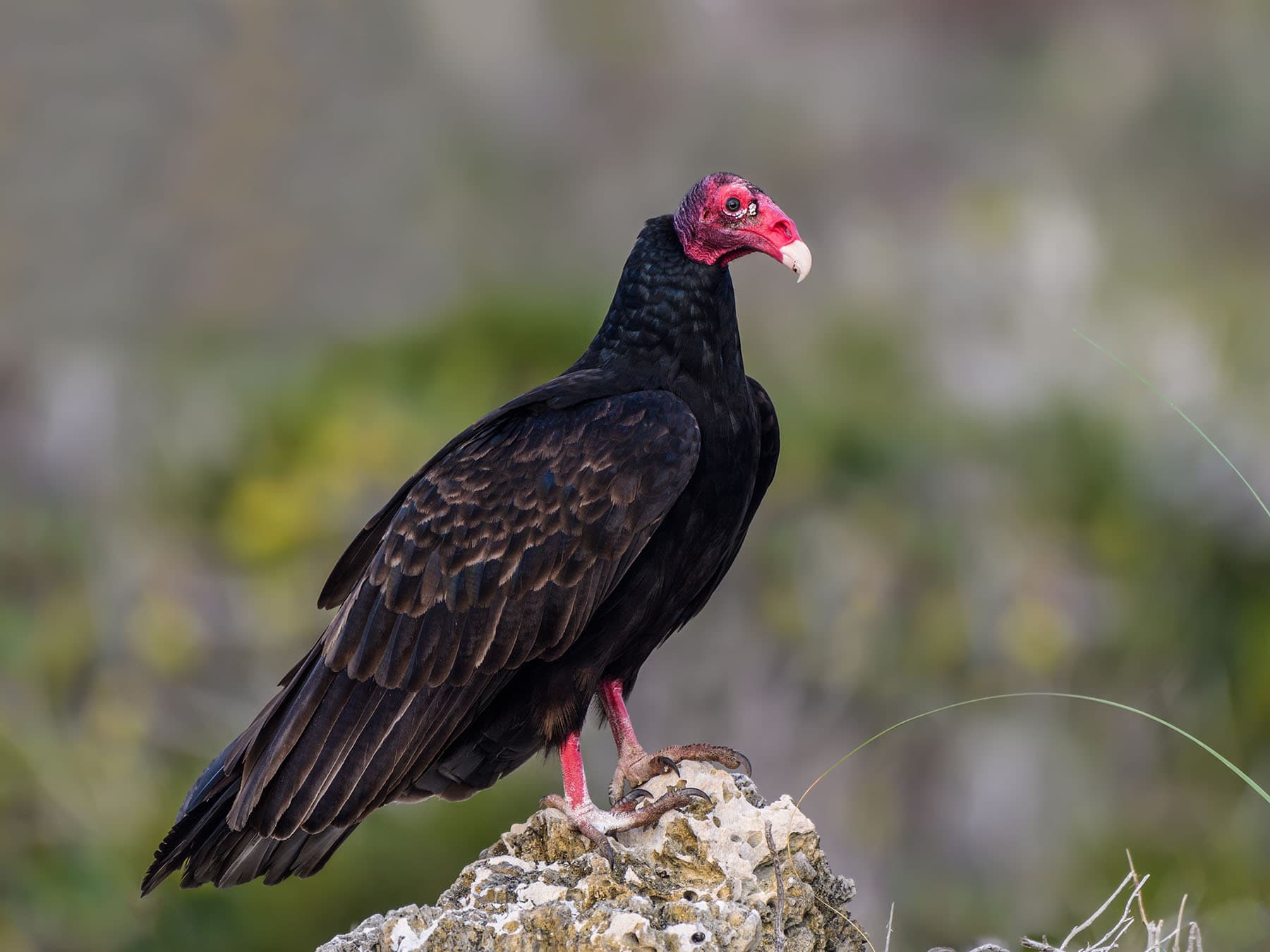 Turkey VultureCathartes auraResidentCommon64–81 cmRecorded all year · 1.55% in Jul
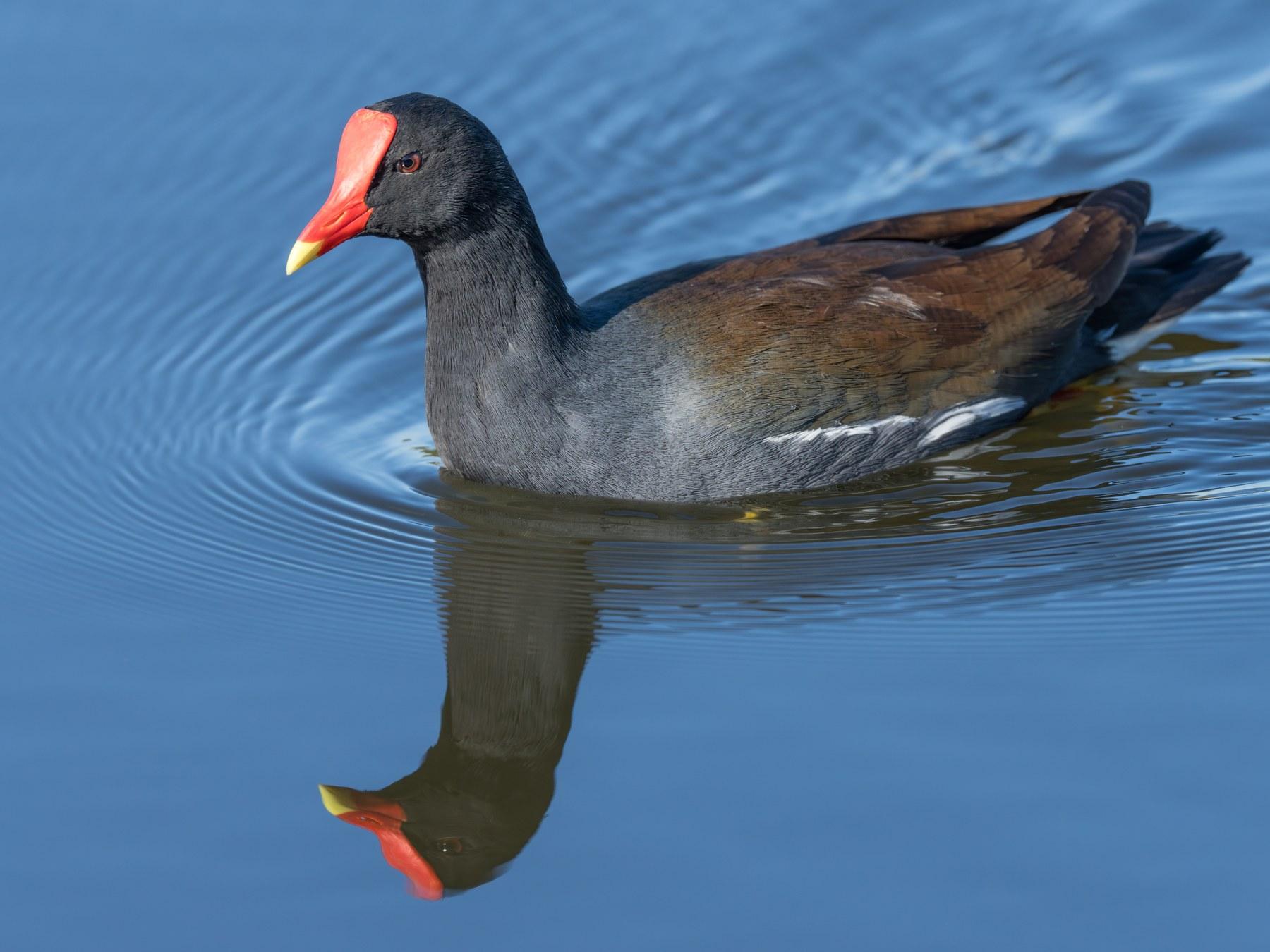 Common GallinuleGallinula galeataResidentCommon32–35 cmRecorded all year · 1.50% in Jul
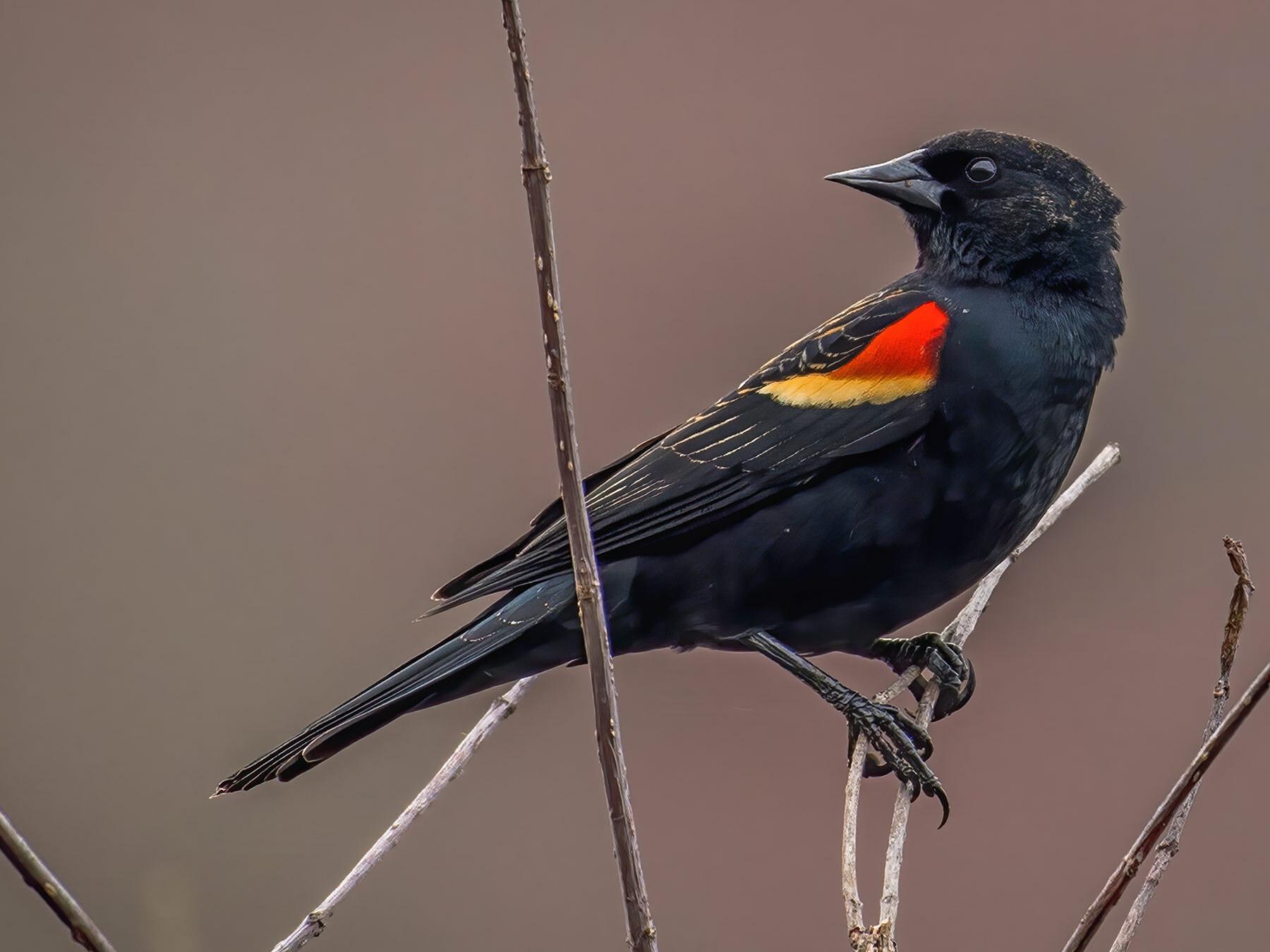 Red-winged BlackbirdAgelaius phoeniceusResidentCommon17–23 cmRecorded all year · 1.47% in Jul
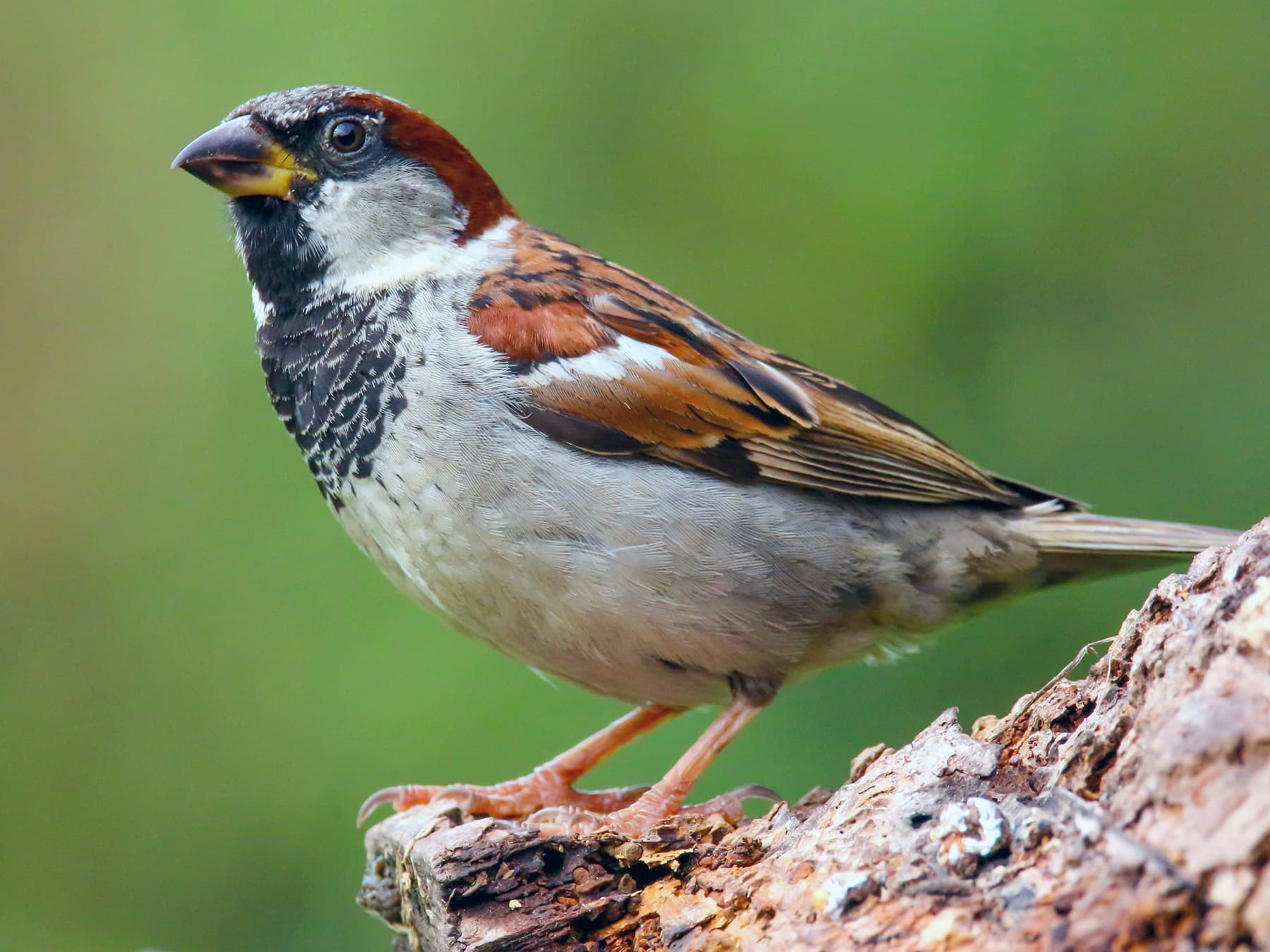 House SparrowPasser domesticusResidentCommon14–17 cmRecorded all year · 1.29% in Jul
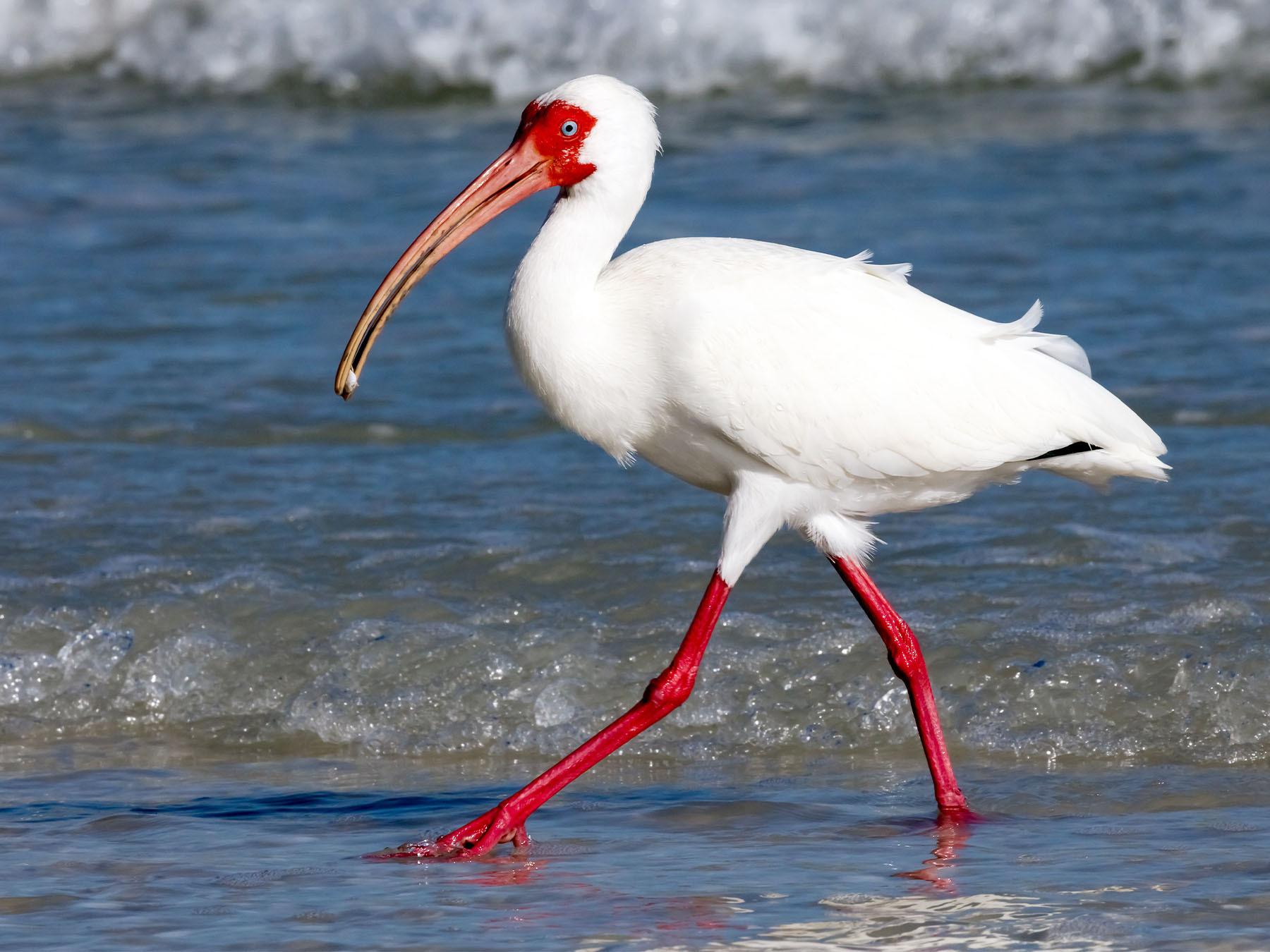 White IbisEudocimus albusResidentCommon56–68 cmRecorded all year · 1.28% in Jul
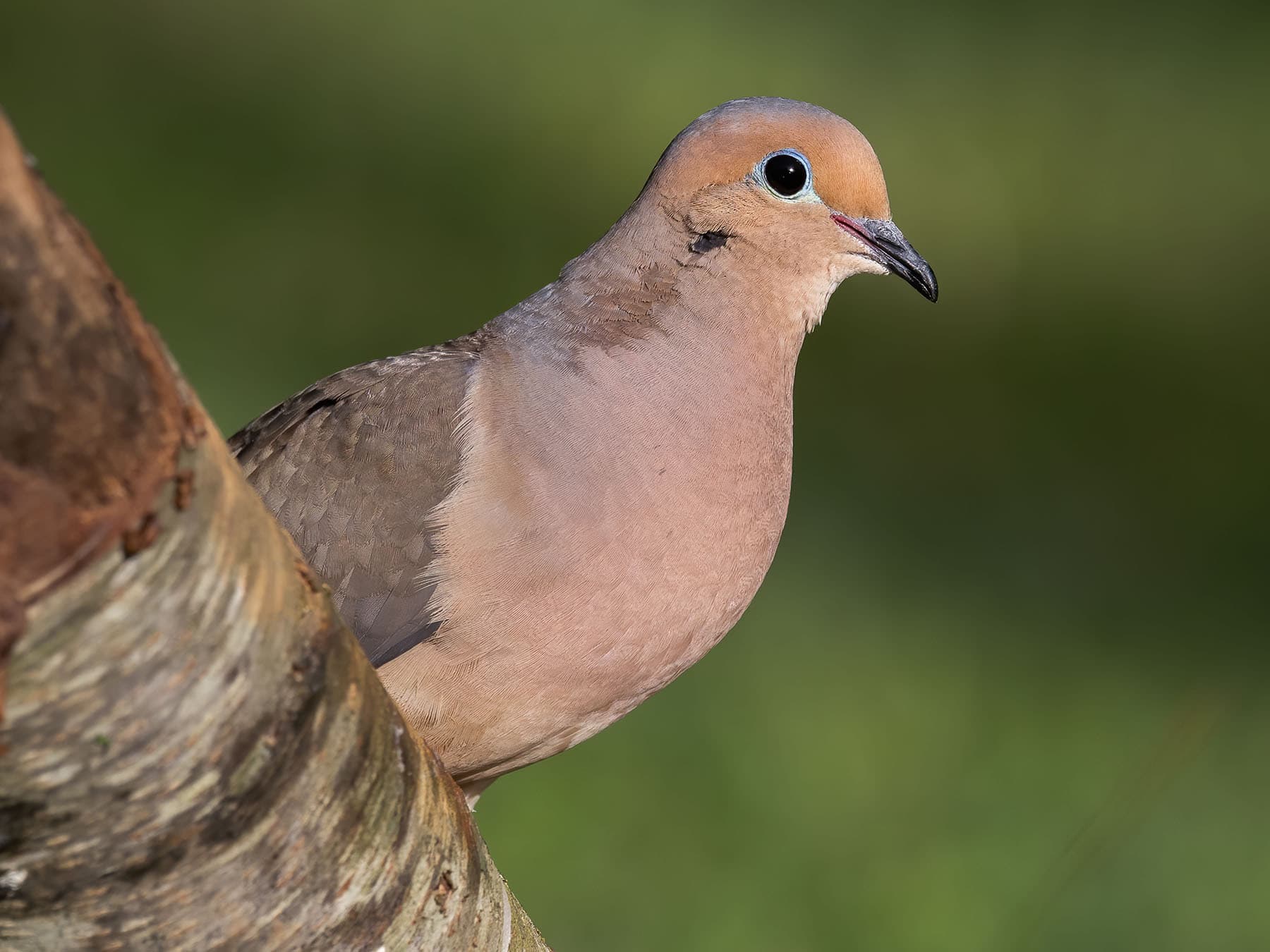 Mourning DoveZenaida macrouraResidentCommon23–34 cmRecorded all year · 1.14% in Jul
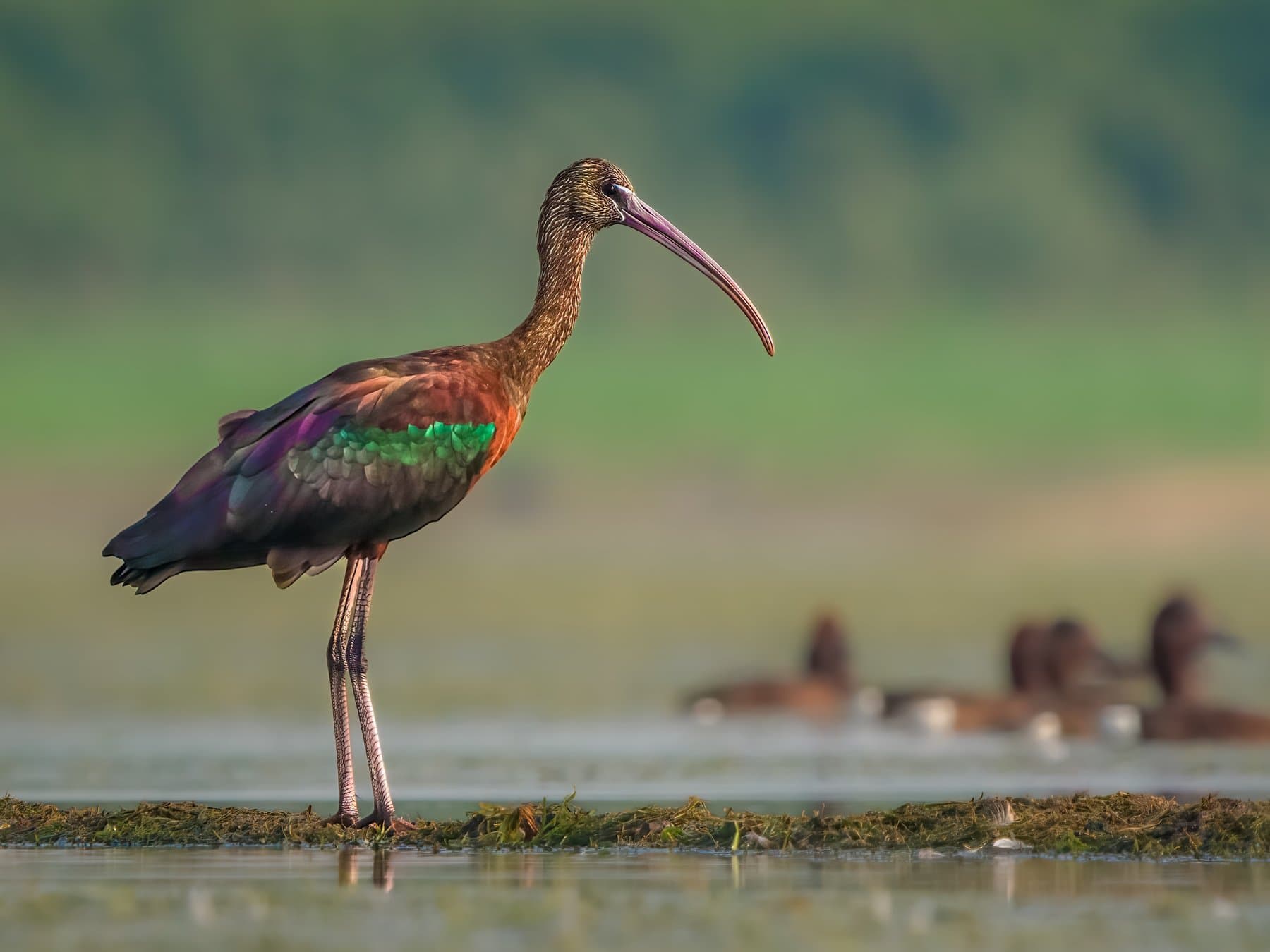 Glossy IbisPlegadis falcinellusResidentCommon48–66 cmRecorded all year · 0.96% in Jul
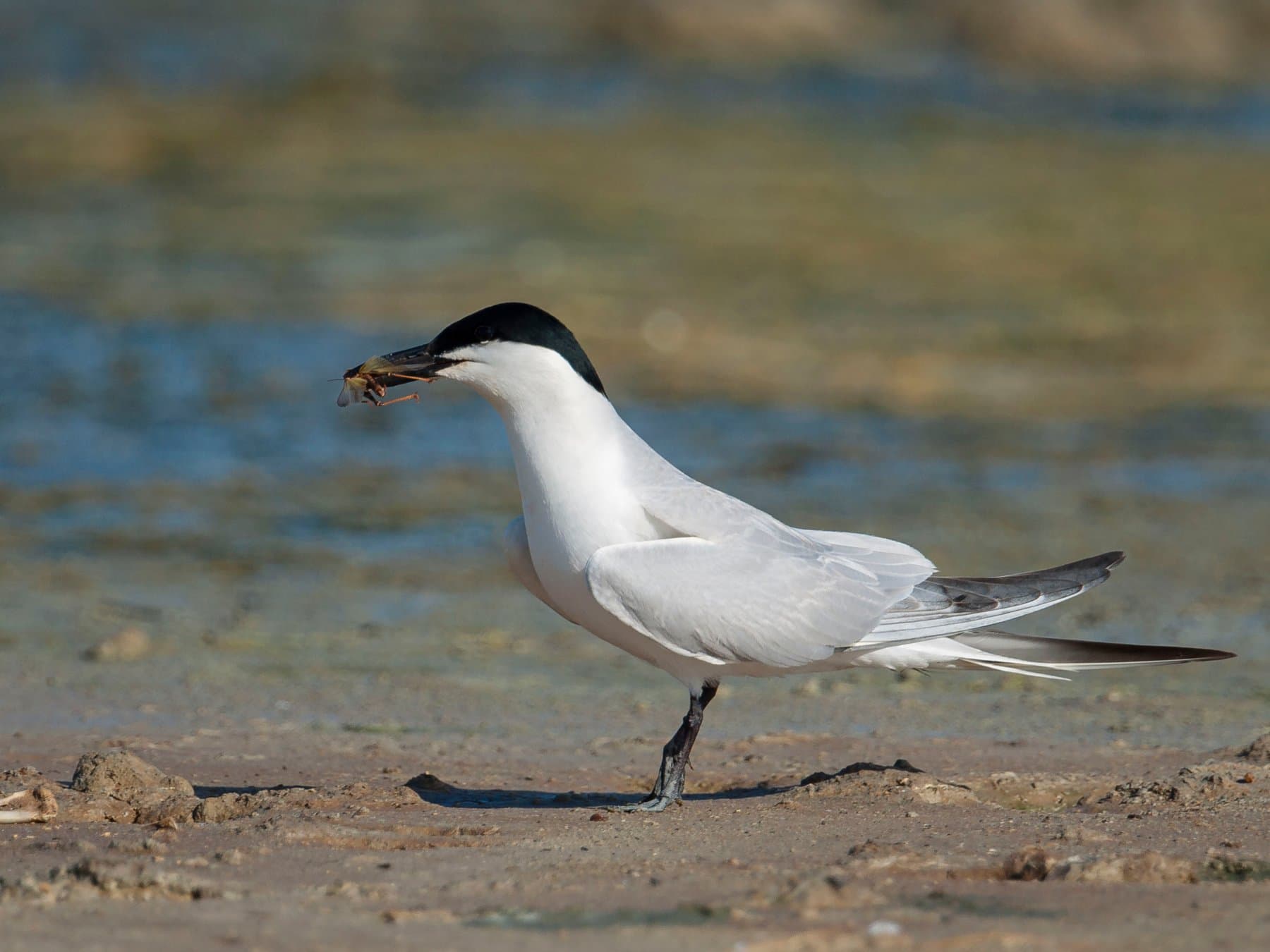 Gull-billed TernGelochelidon niloticaSummer visitorCommon33–42 cmRegularly Apr–Sep · 0.89% in Jul
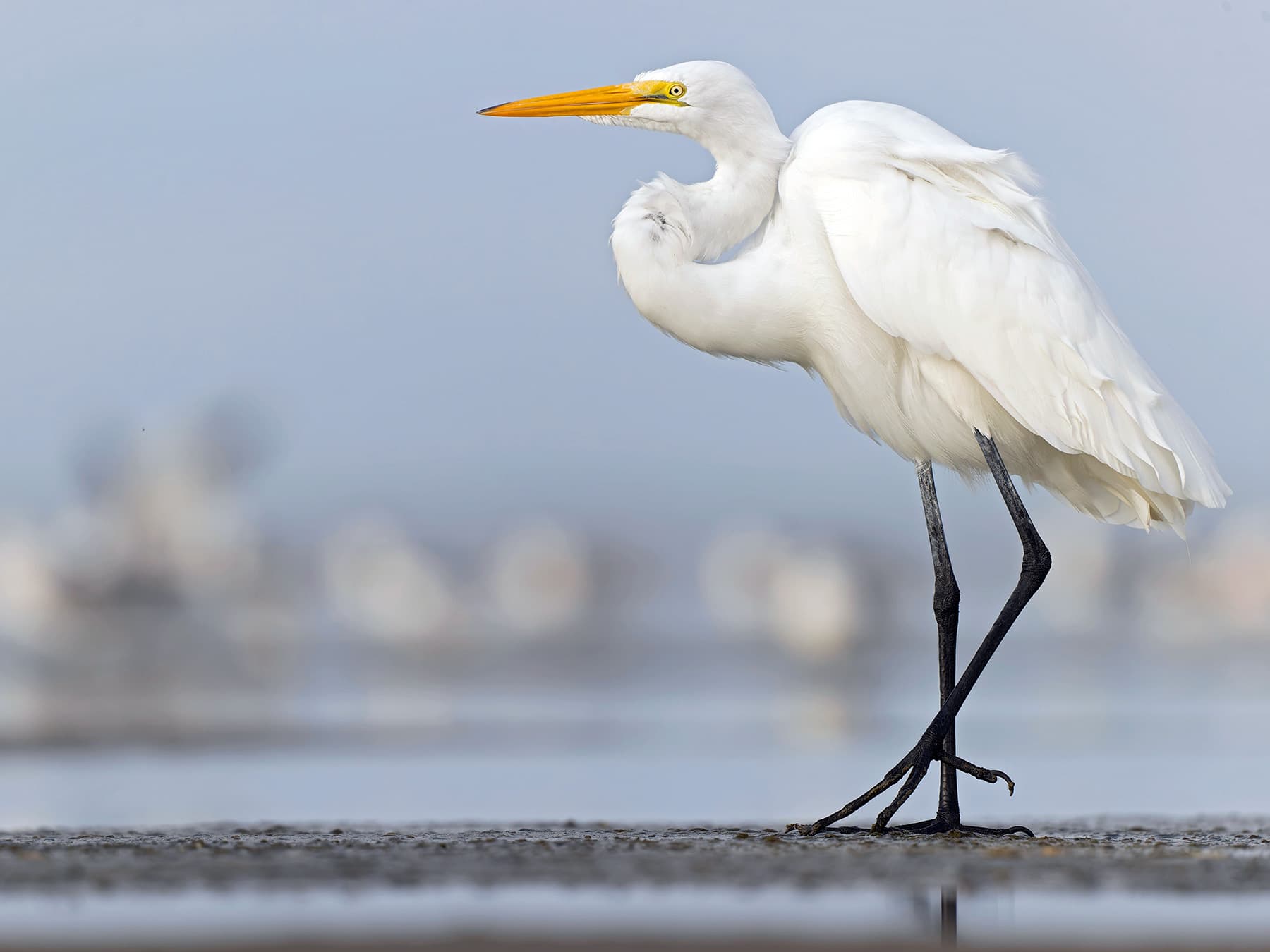 Great White EgretArdea albaResidentCommon80–104 cmRecorded all year · 0.73% in Jul
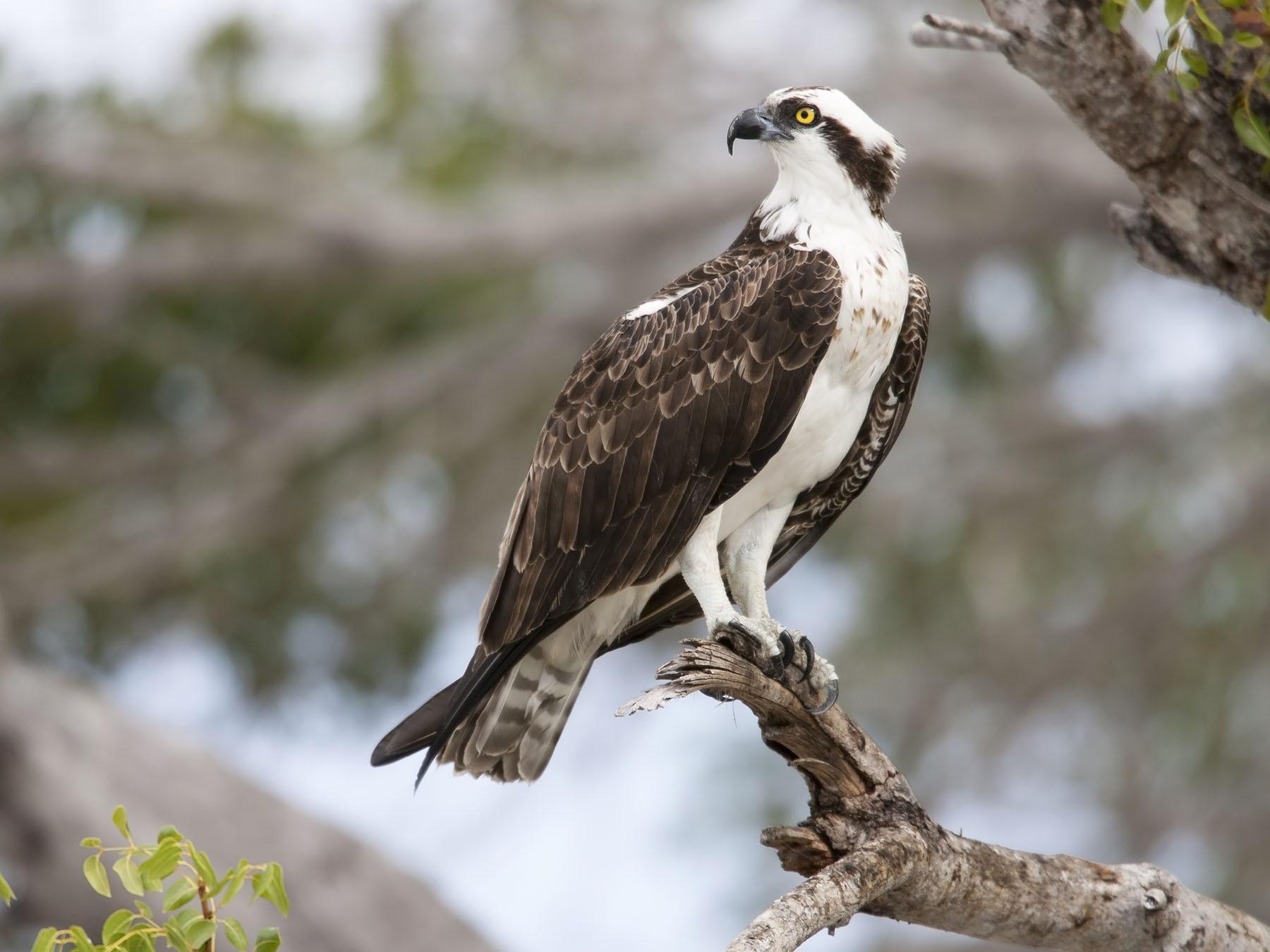 OspreyPandion haliaetusResidentCommon54–58 cmRecorded all year · 0.63% in Jul
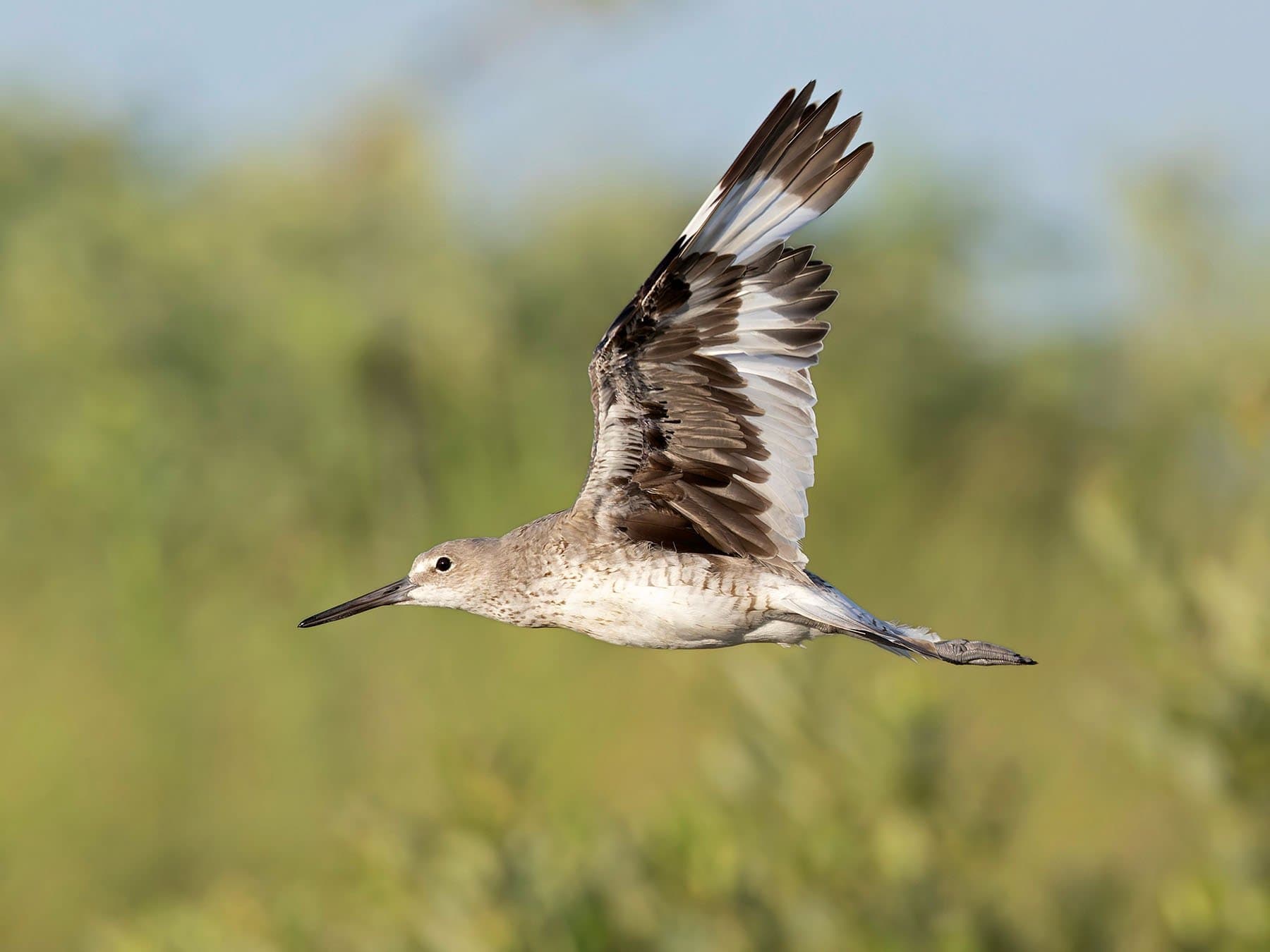 WilletTringa semipalmataSummer visitorCommon33–41 cmRecorded all year · 0.59% in Jul
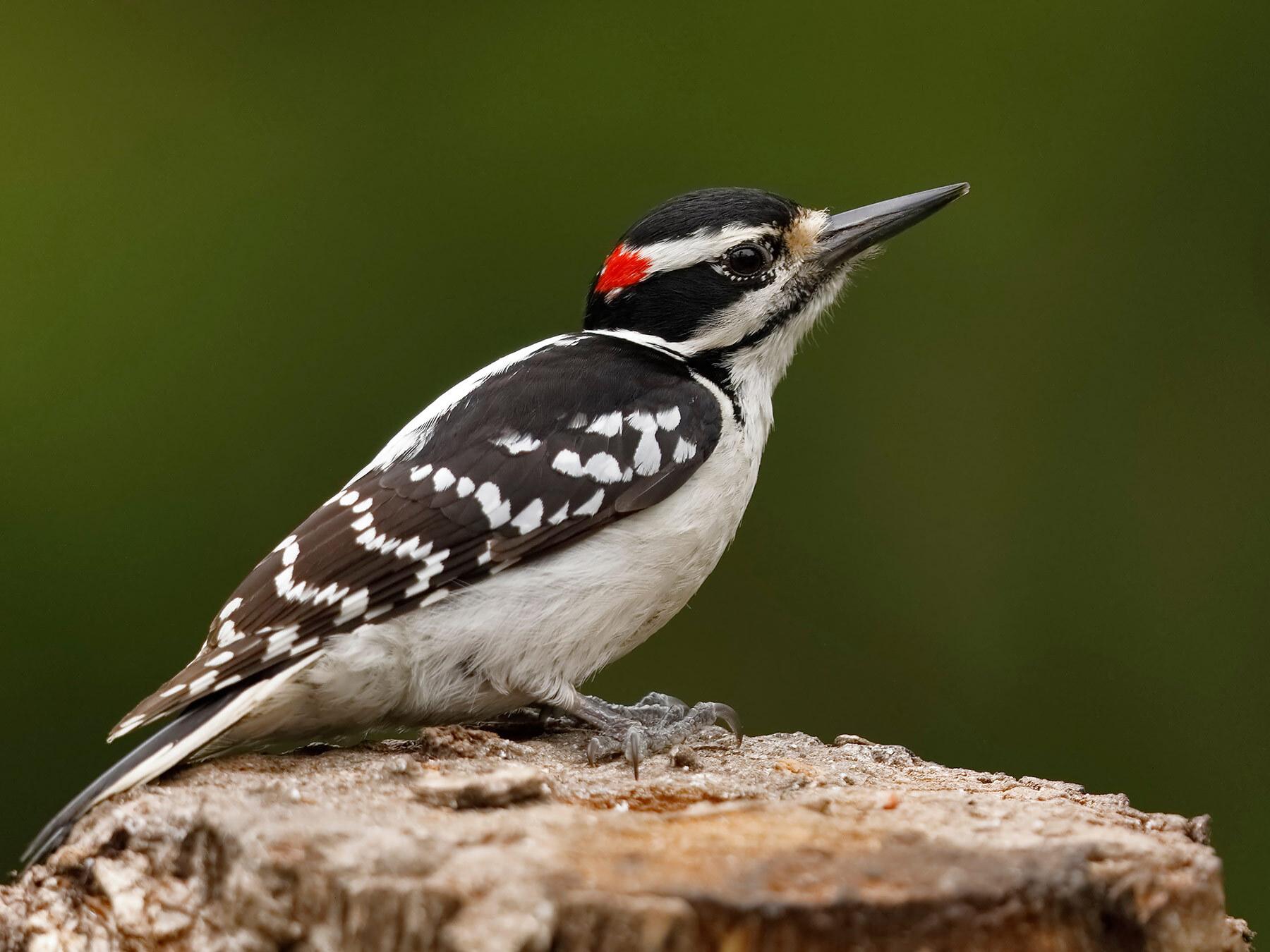 Hairy WoodpeckerLeuconotopicus villosusResidentCommon18–26 cmRecorded all year · 0.54% in Jul
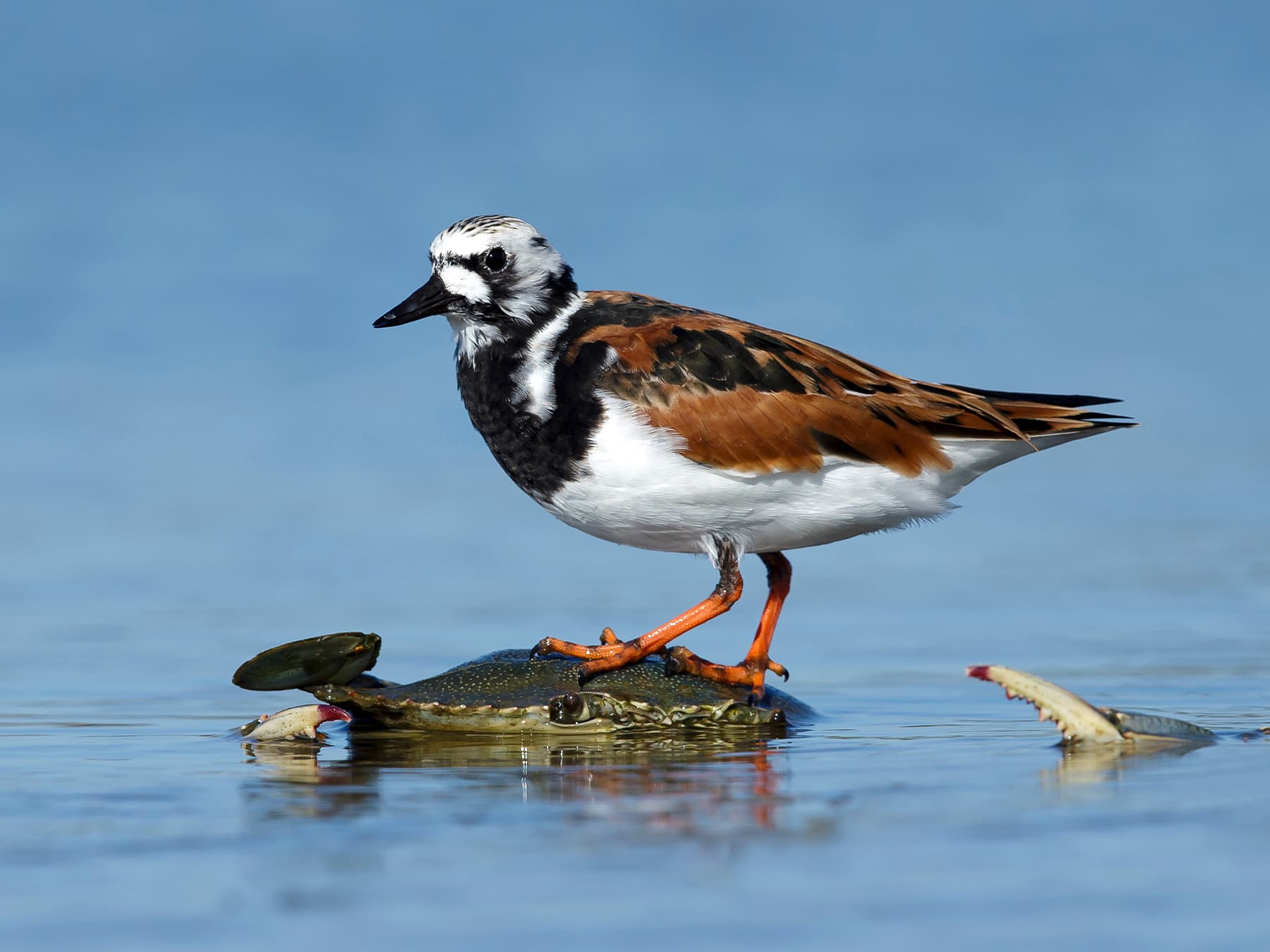 Ruddy TurnstoneArenaria interpresResidentCommon21–24 cmRecorded all year · 0.48% in Jul
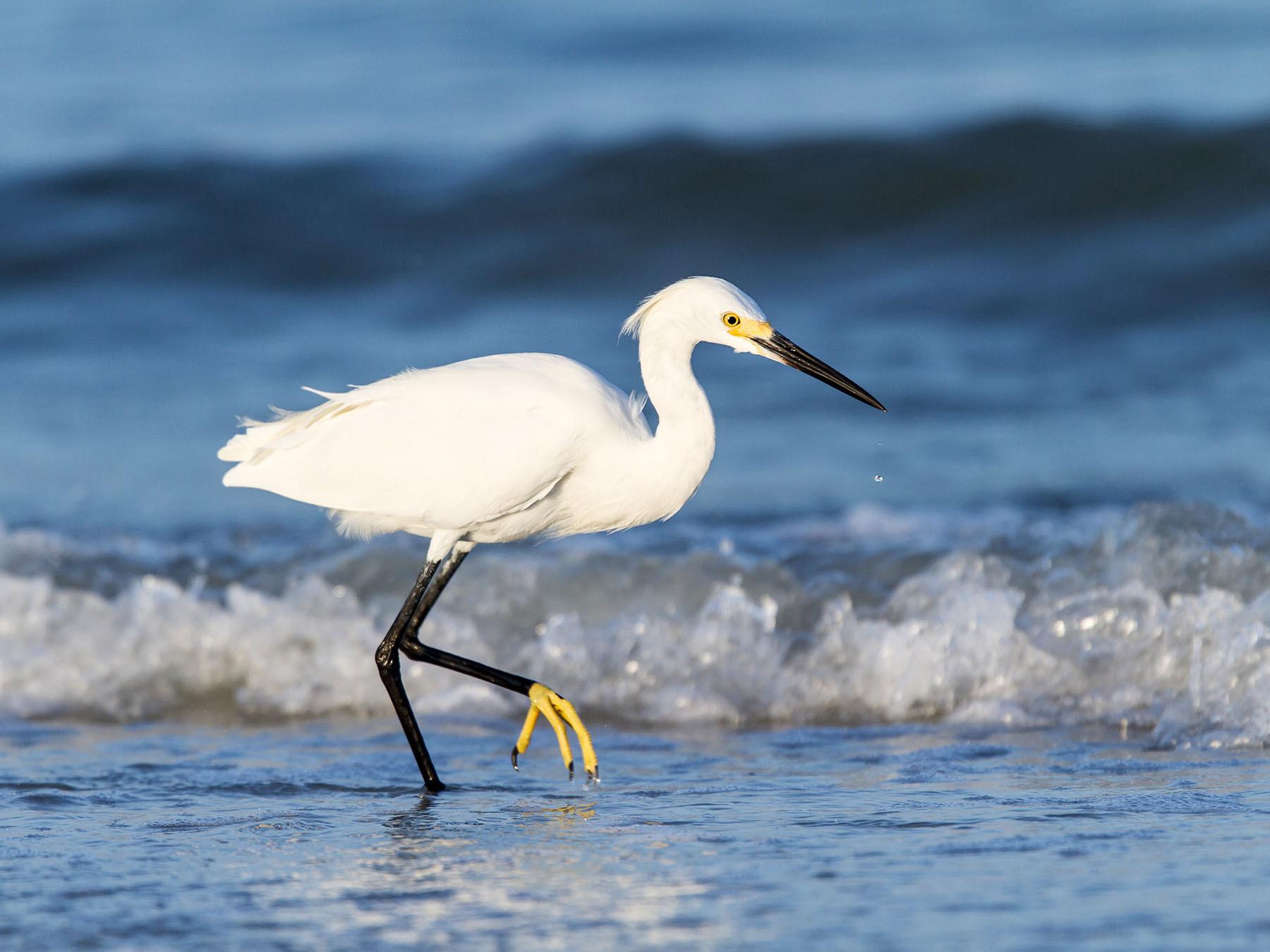 Snowy EgretEgretta thulaResidentUncommon56–66 cmRecorded all year · 0.41% in Jul
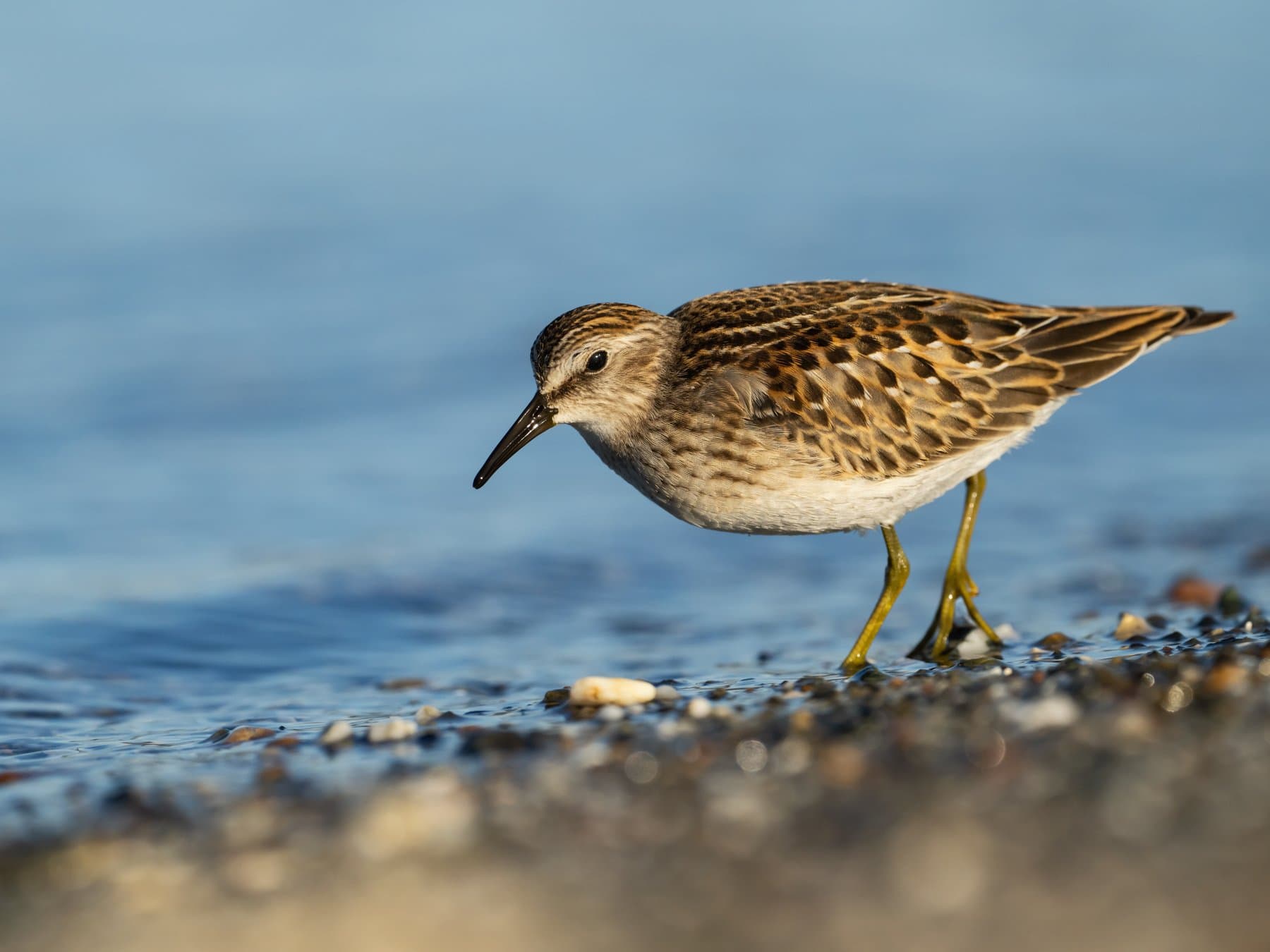 Least SandpiperCalidris minutillaWinter visitorCommon13–15 cmRegularly Jul–May · 0.40% in Jul
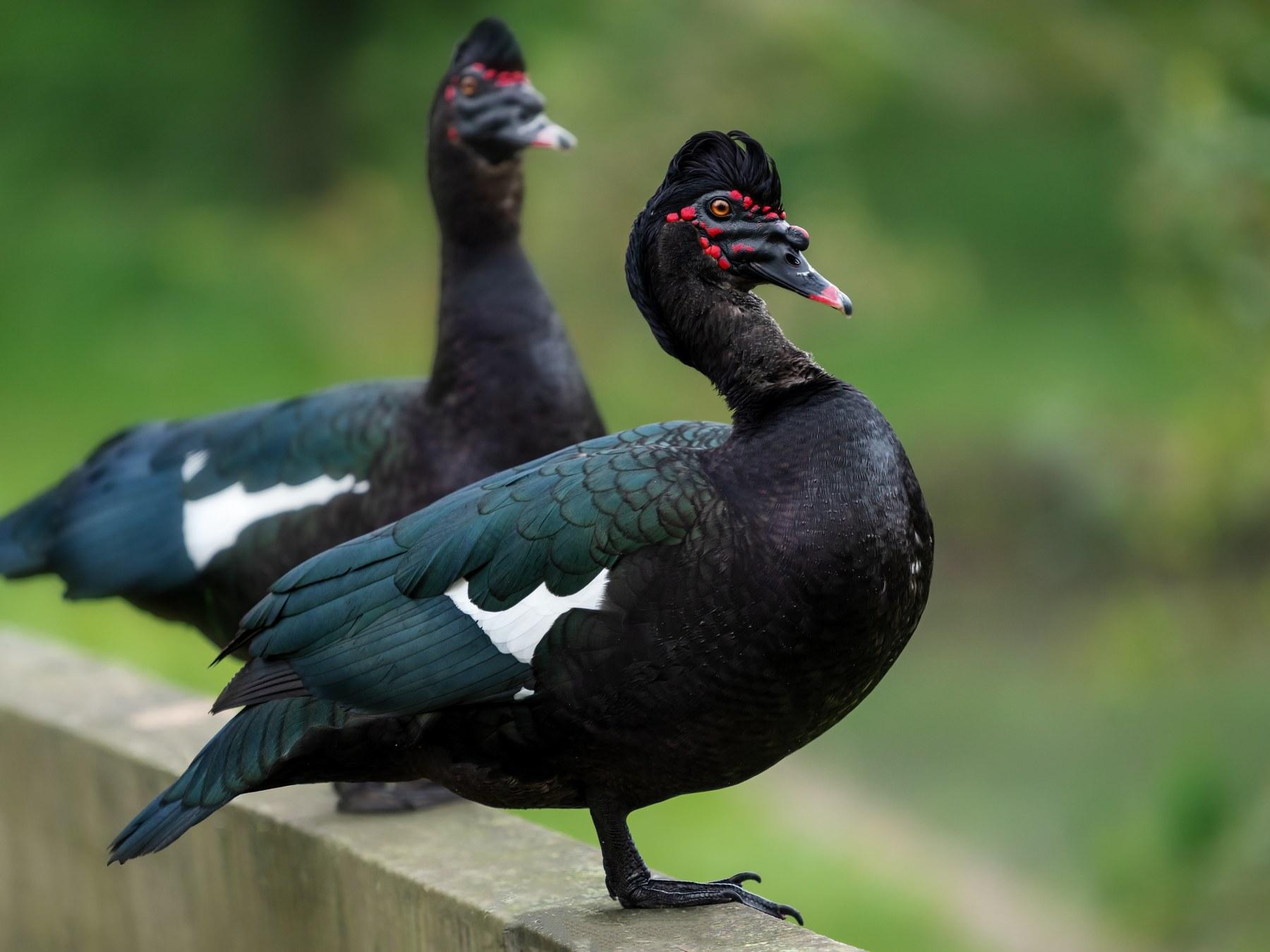 Muscovy DuckCairina moschataResidentUncommon66–87 cmRecorded all year · 0.39% in Jul
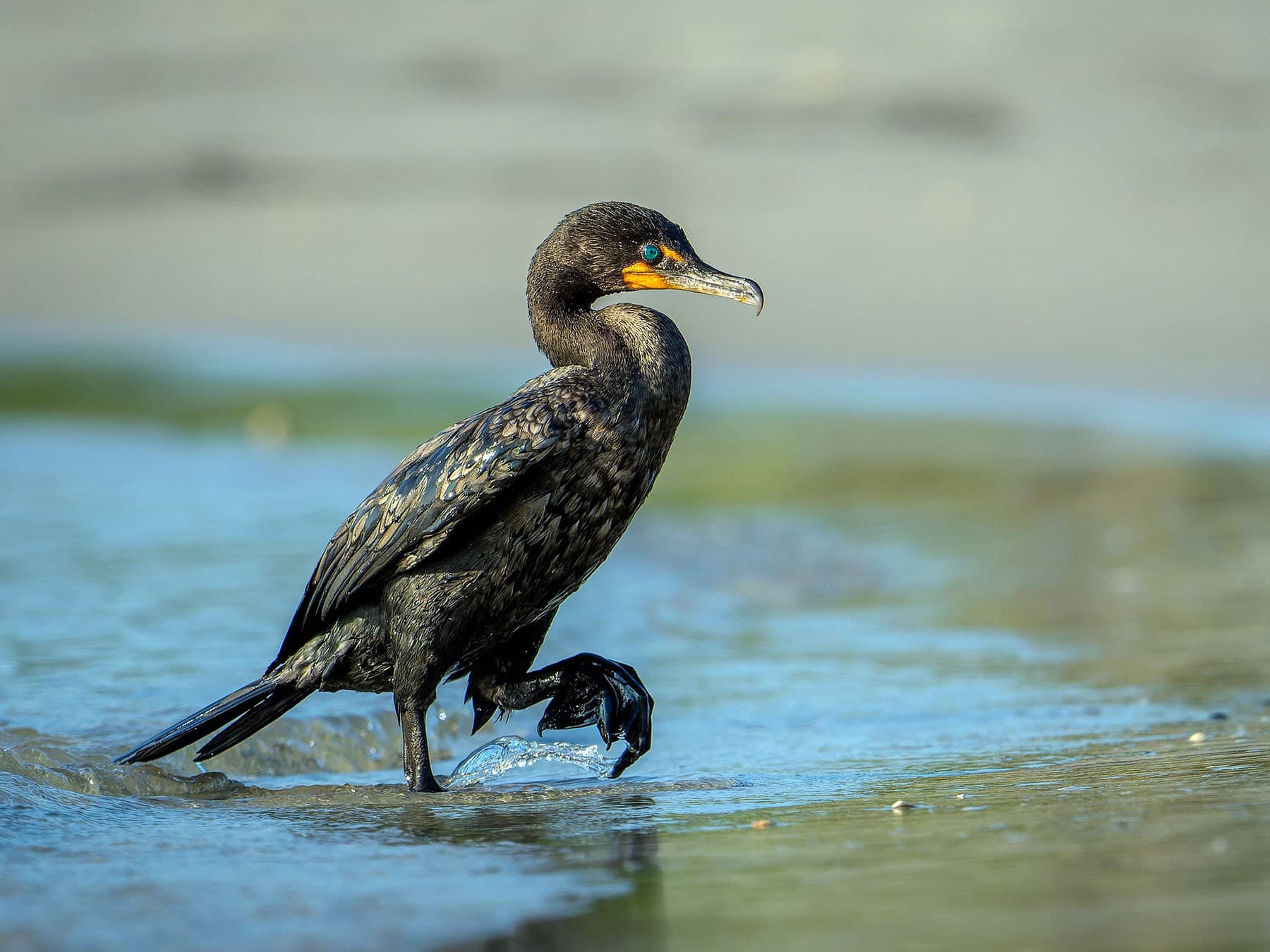 Double-crested CormorantNannopterum auritumResidentCommon70–90 cmRecorded all year · 0.39% in Jul
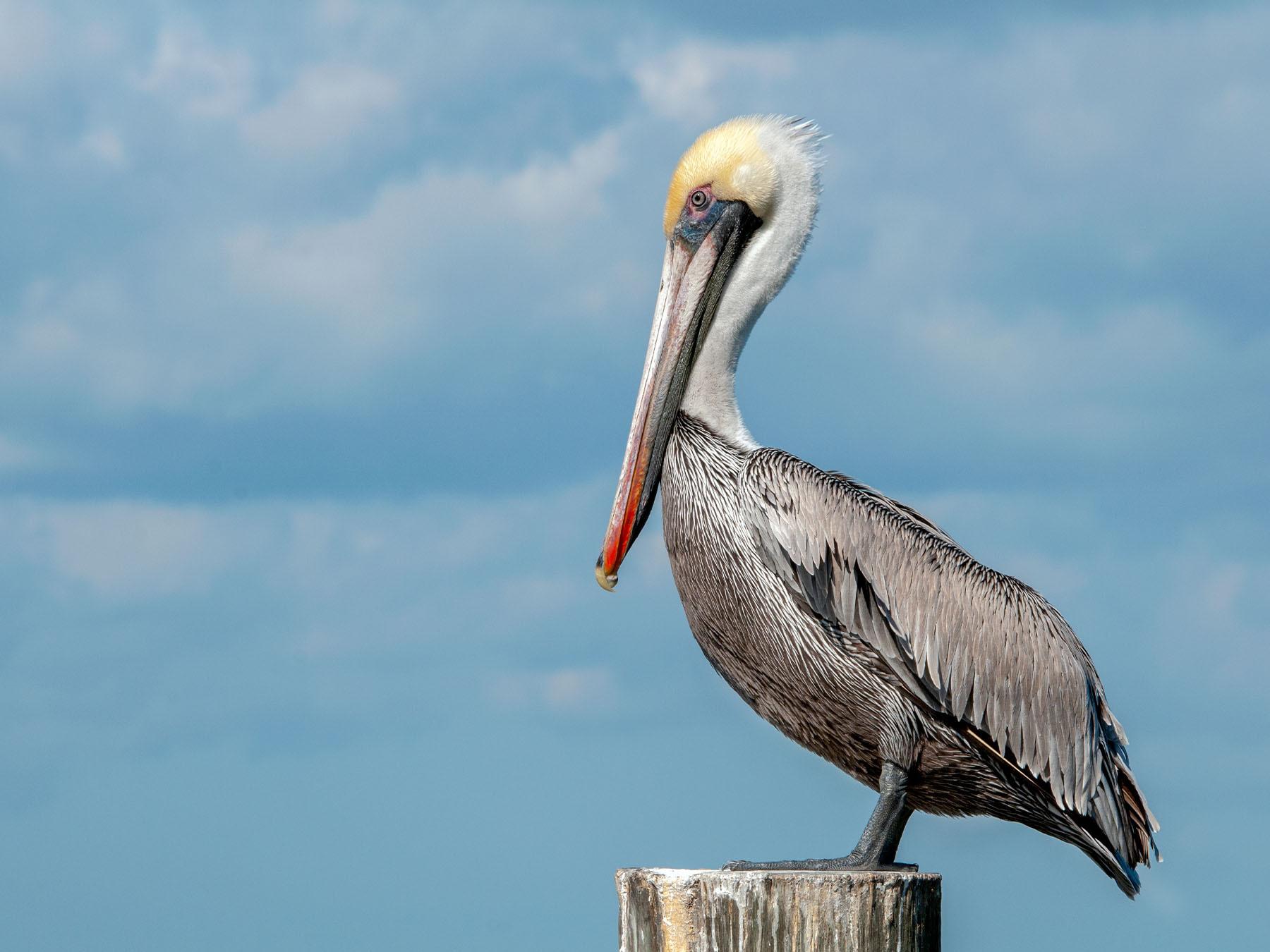 Brown PelicanPelecanus occidentalisResidentCommon100–137 cmRecorded all year · 0.38% in Jul
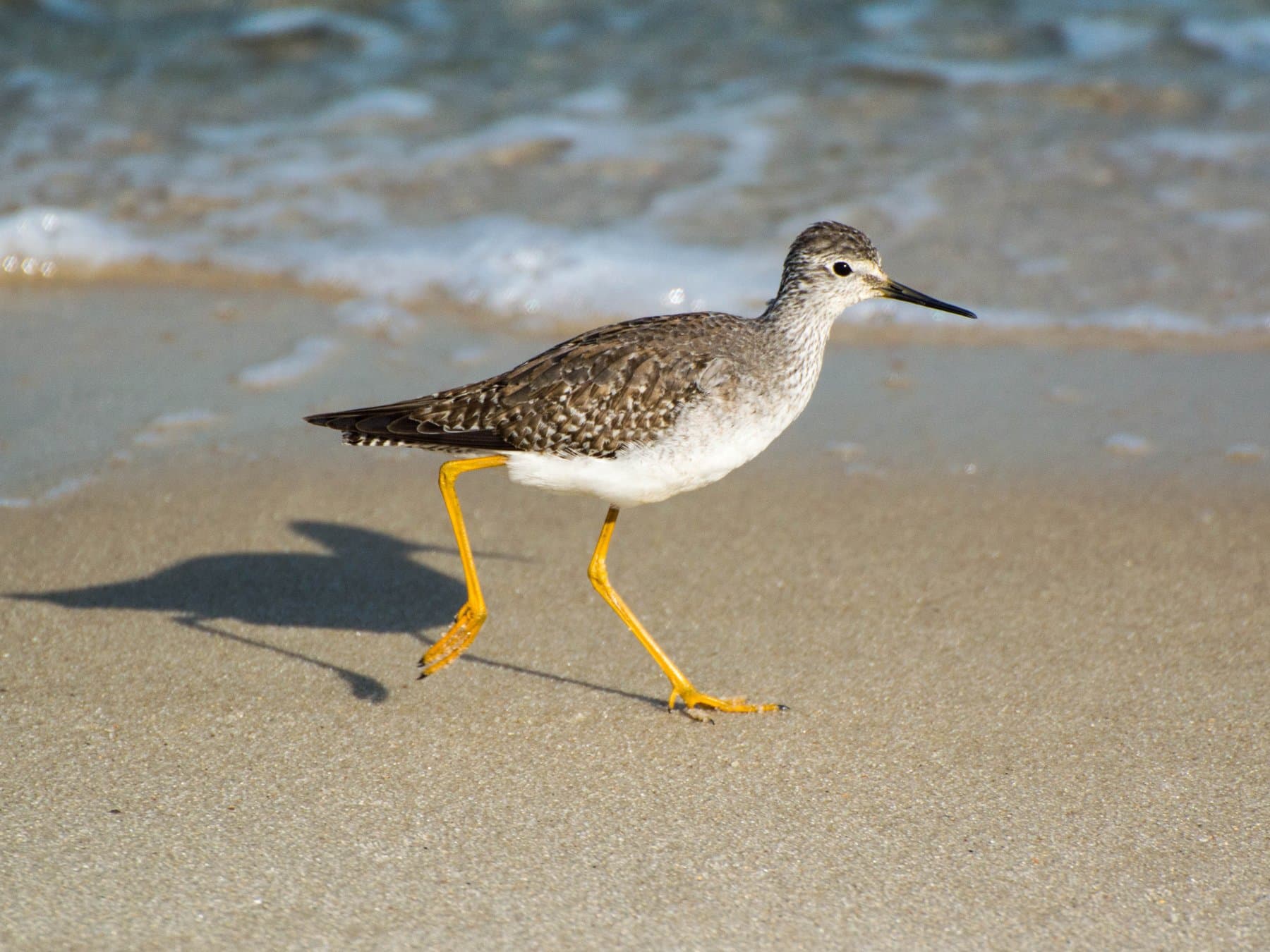 Lesser YellowlegsTringa flavipesResidentCommon23–27 cmRecorded all year · 0.37% in Jul
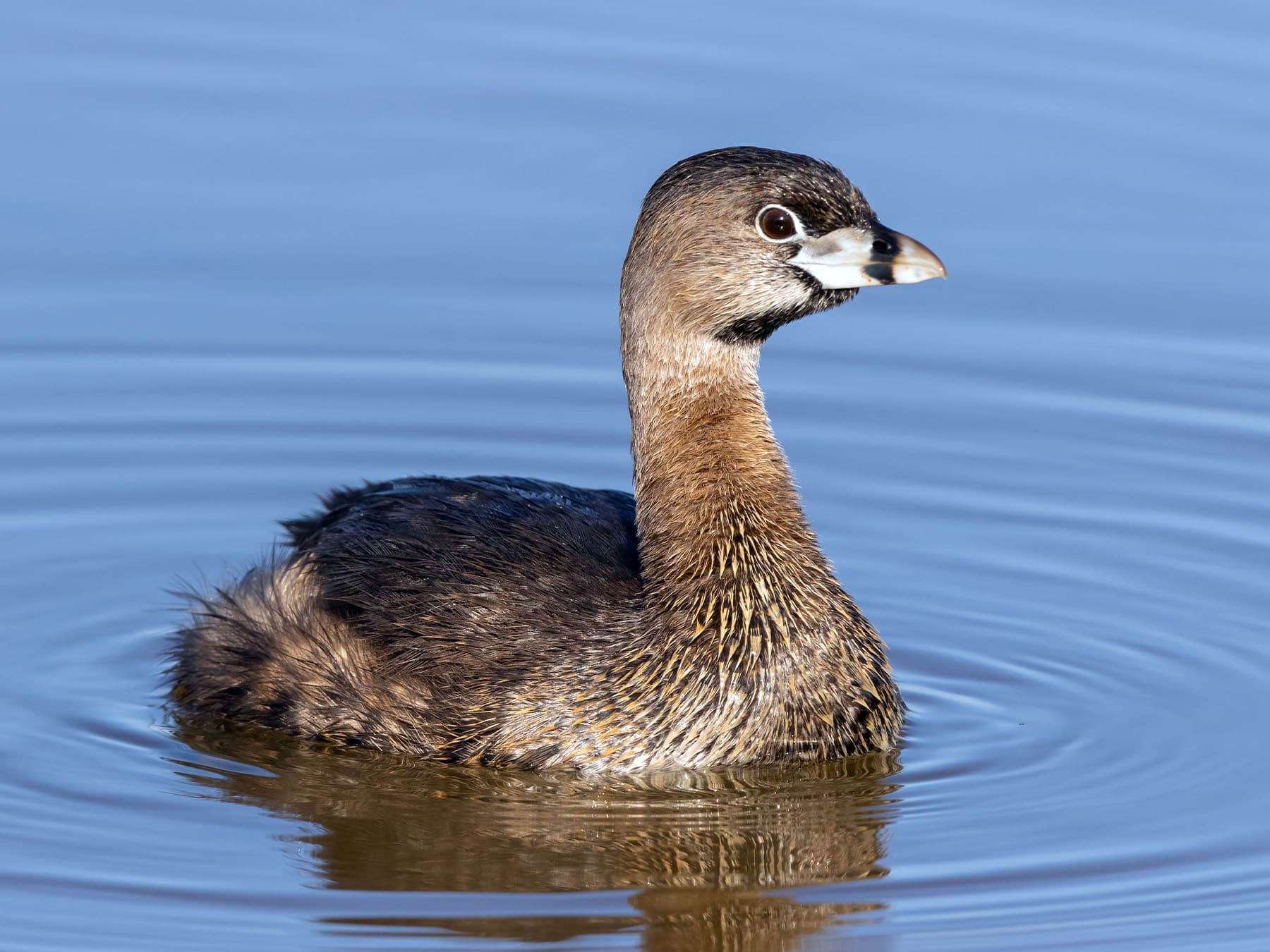 Pied-billed GrebePodilymbus podicepsResidentCommon31–38 cmRecorded all year · 0.37% in Jul
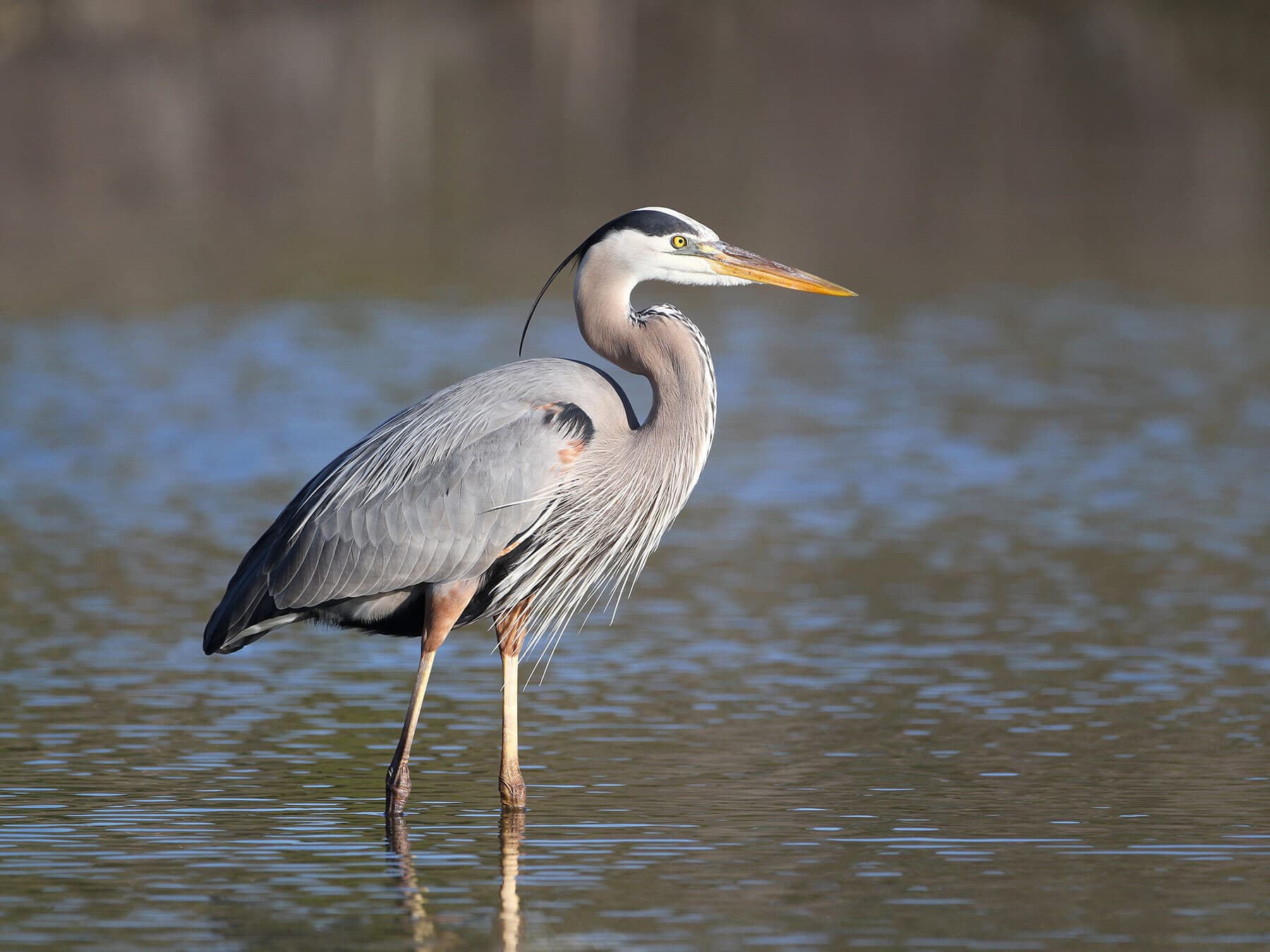 Great Blue HeronArdea herodiasResidentCommon97–137 cmRecorded all year · 0.37% in Jul
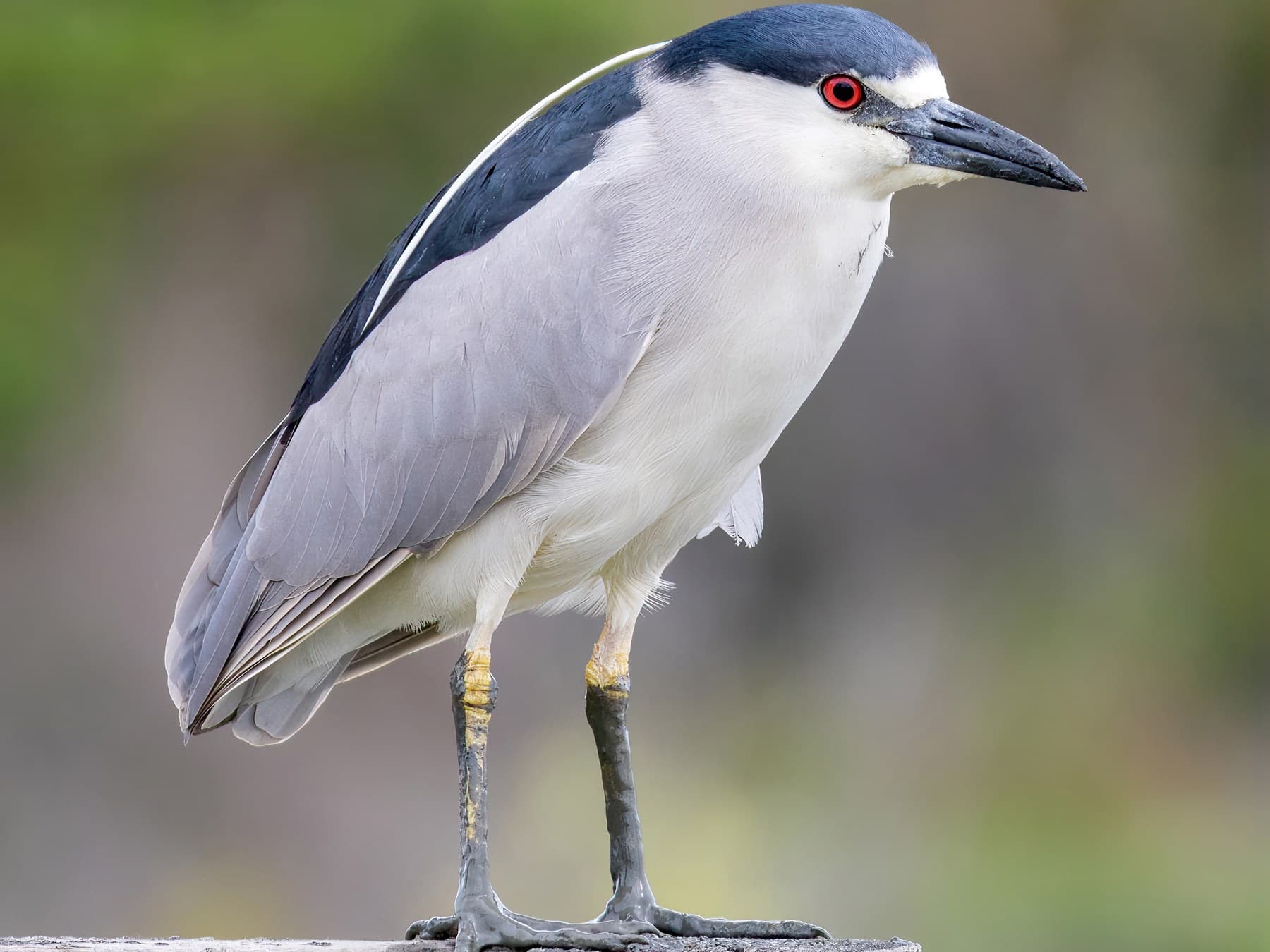 Black-crowned Night-heronNycticorax nycticoraxResidentUncommon58–66 cmRecorded all year · 0.35% in Jul
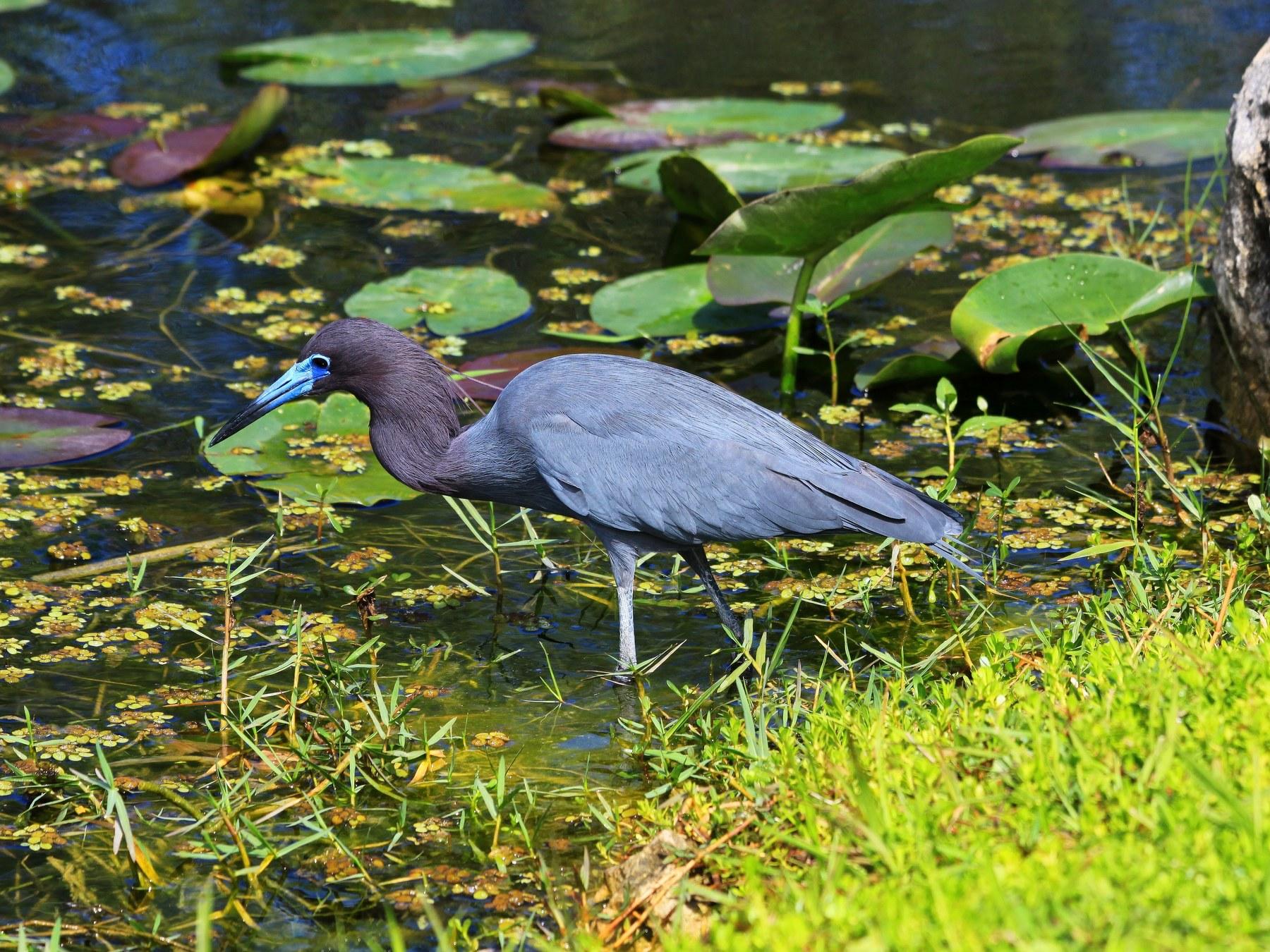 Little Blue HeronEgretta caeruleaResidentCommon56–74 cmRecorded all year · 0.35% in Jul
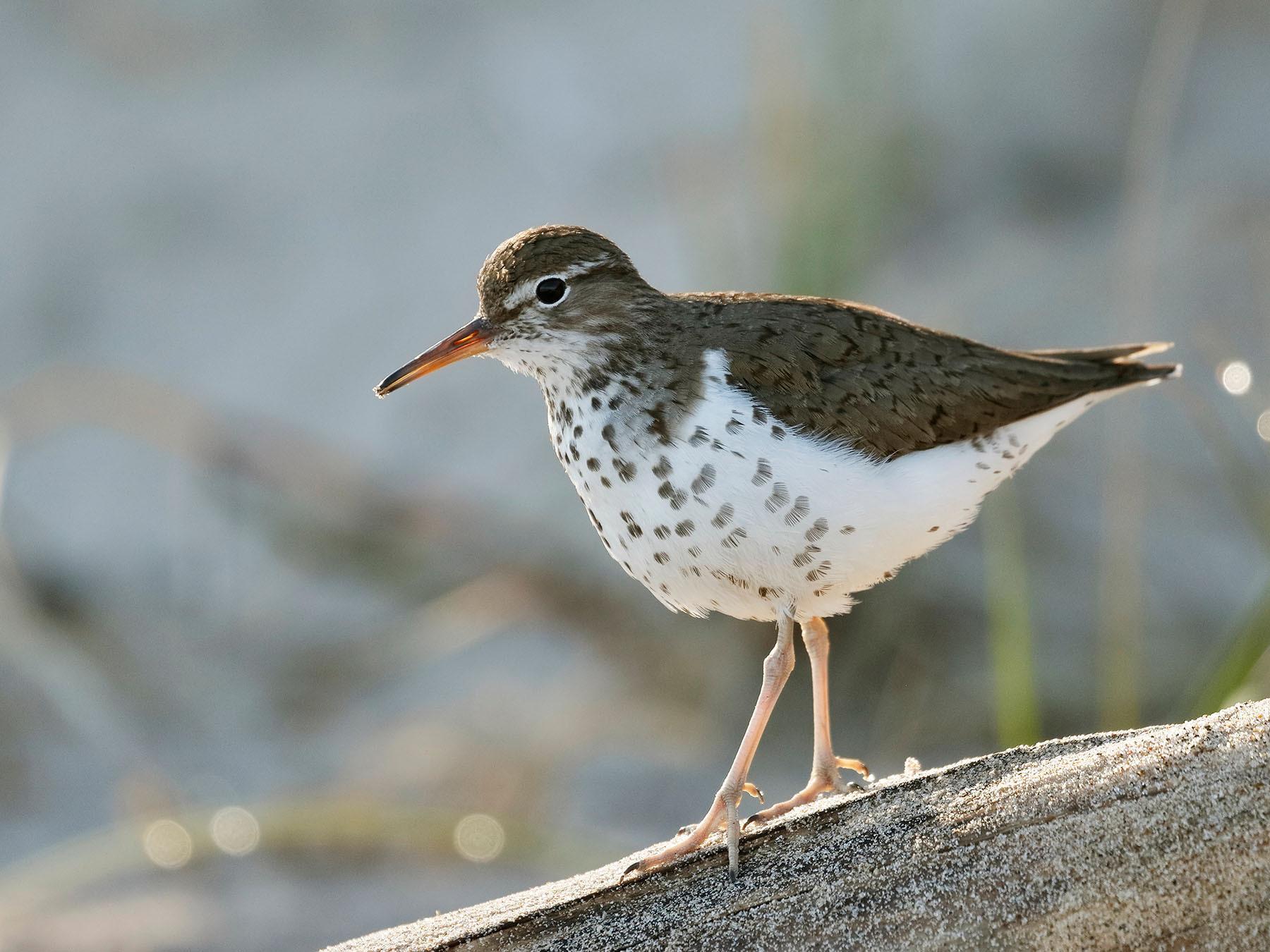 Spotted SandpiperActitis maculariusResidentCommon18–20 cmRecorded all year · 0.35% in Jul
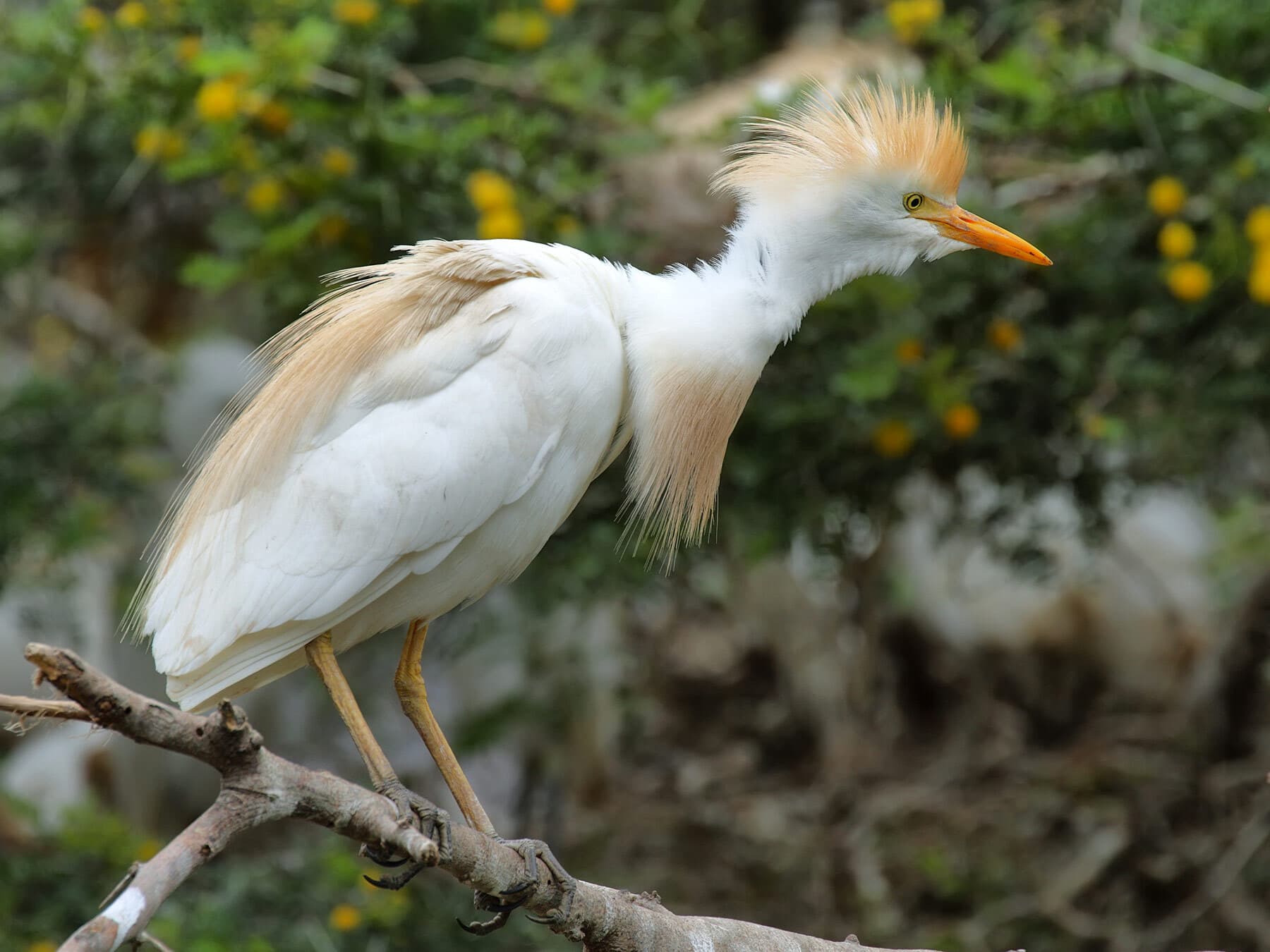 Cattle EgretArdea ibisResidentCommon46–56 cmRecorded all year · 0.34% in Jul
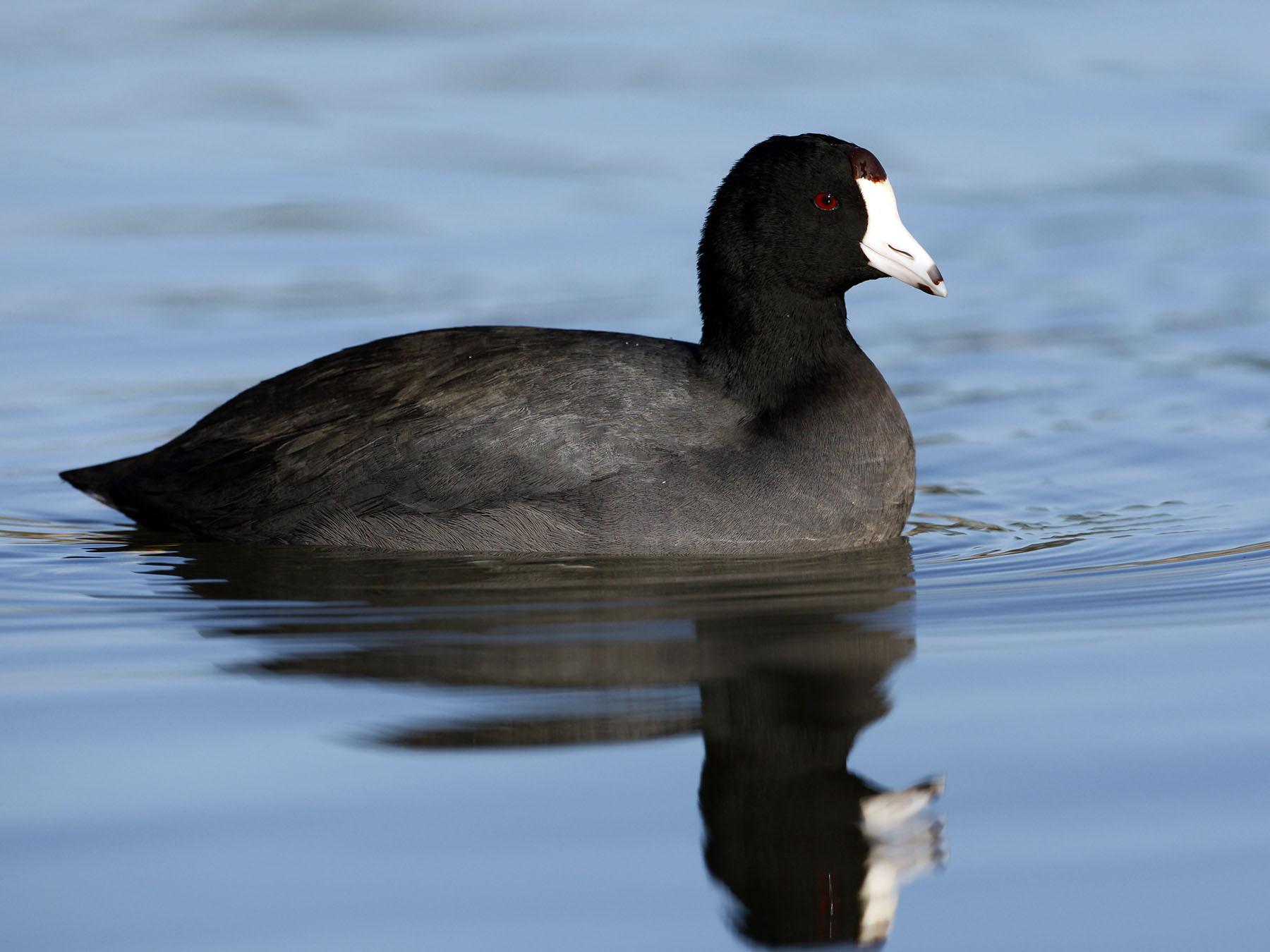 American CootFulica americanaResidentCommon32–43 cmRecorded all year · 0.31% in Jul
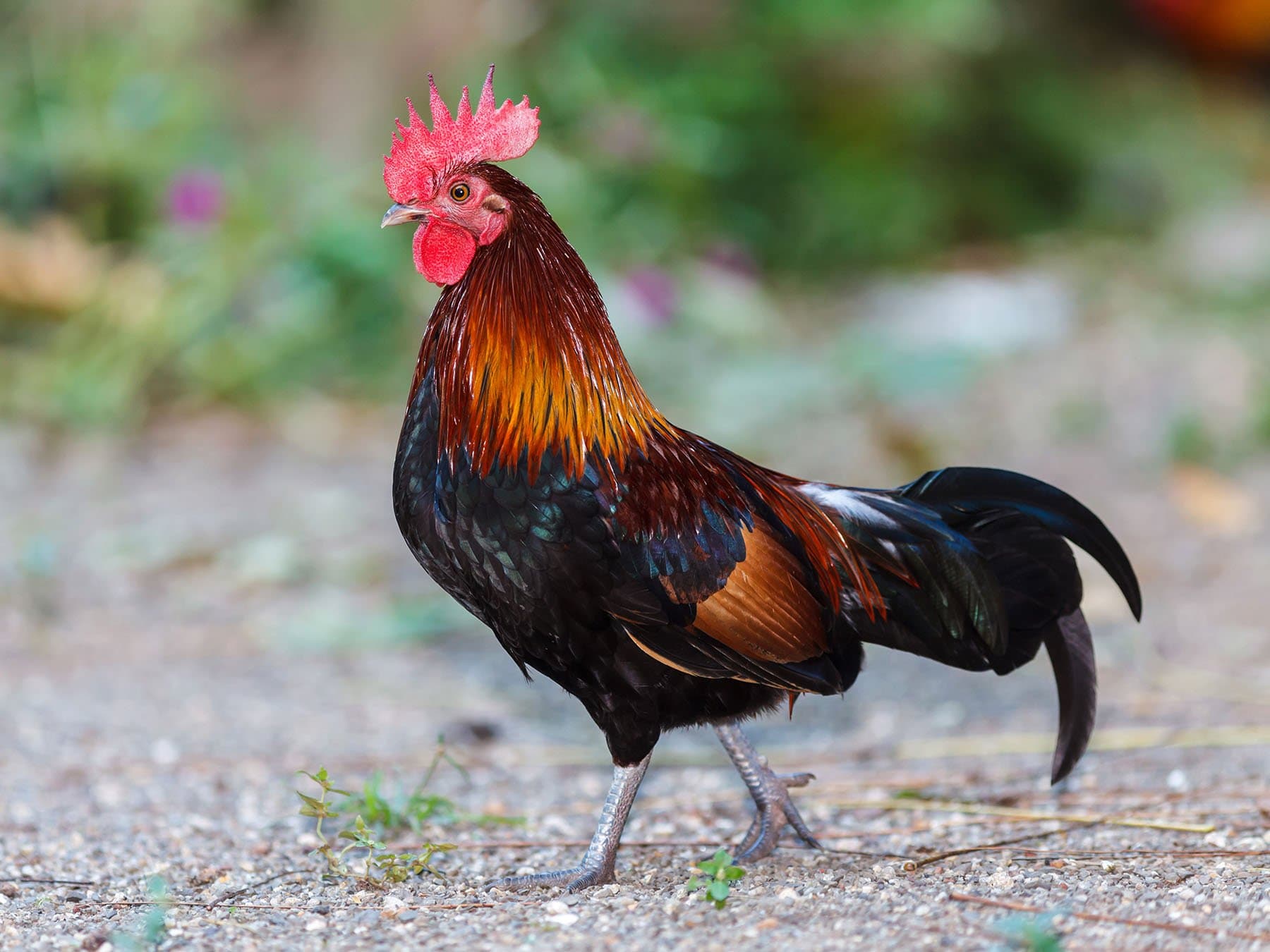 Red JunglefowlGallus gallusResidentUncommon42–75 cmRecorded all year · 0.28% in Jul
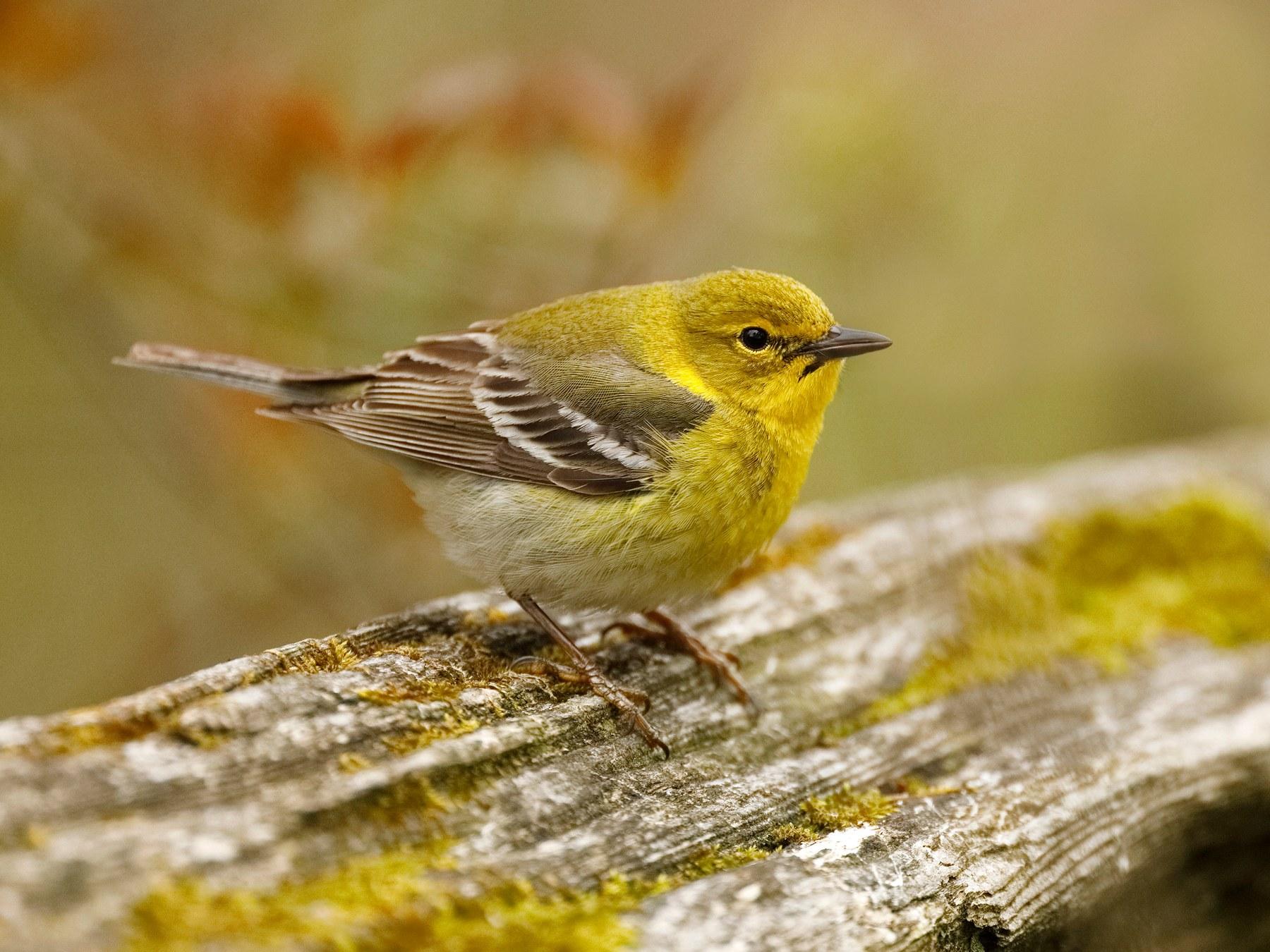 Pine WarblerSetophaga pinusResidentCommon13–14 cmRecorded all year · 0.27% in Jul
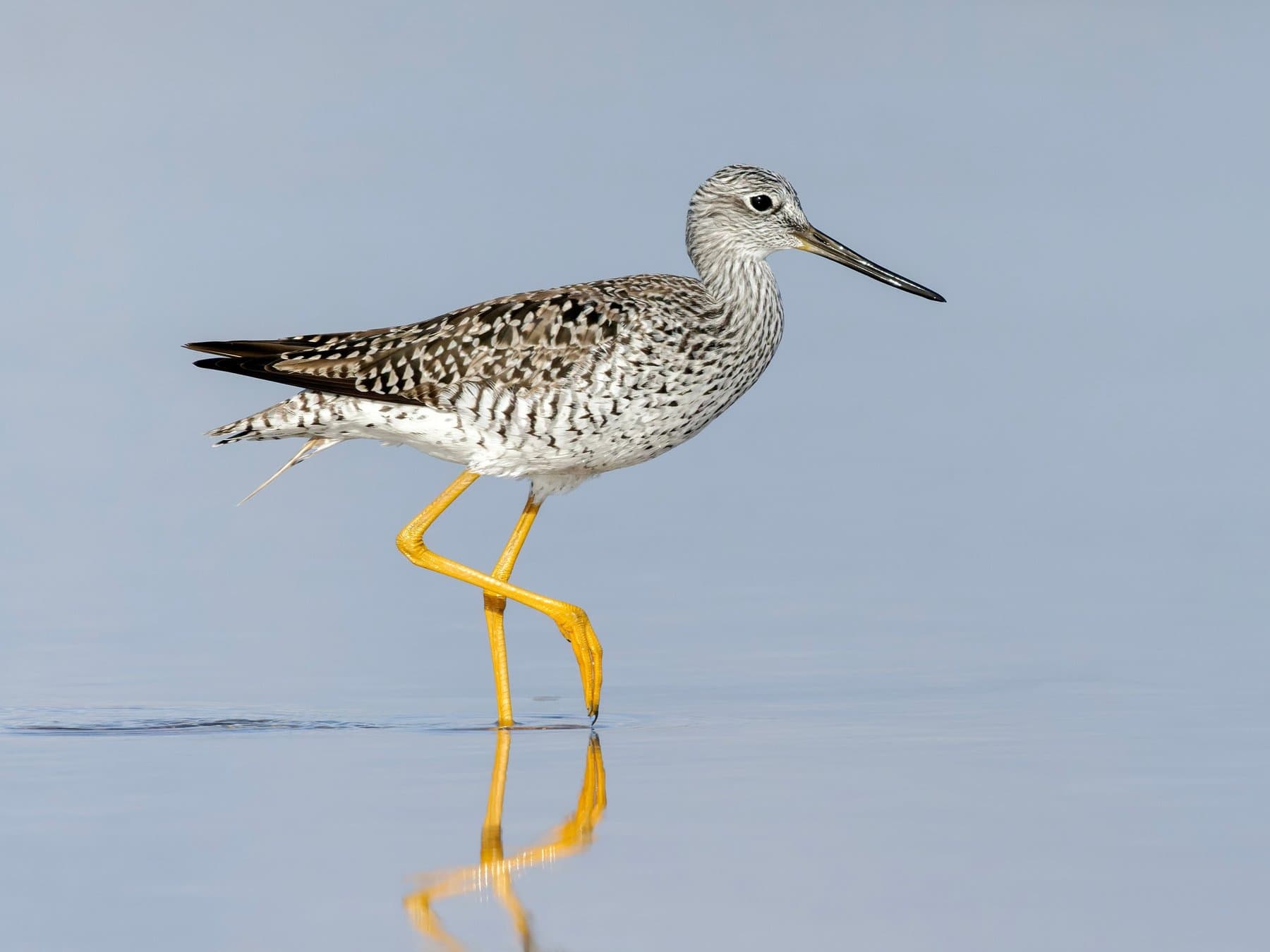 Greater YellowlegsTringa melanoleucaResidentCommon29–40 cmRecorded all year · 0.26% in Jul
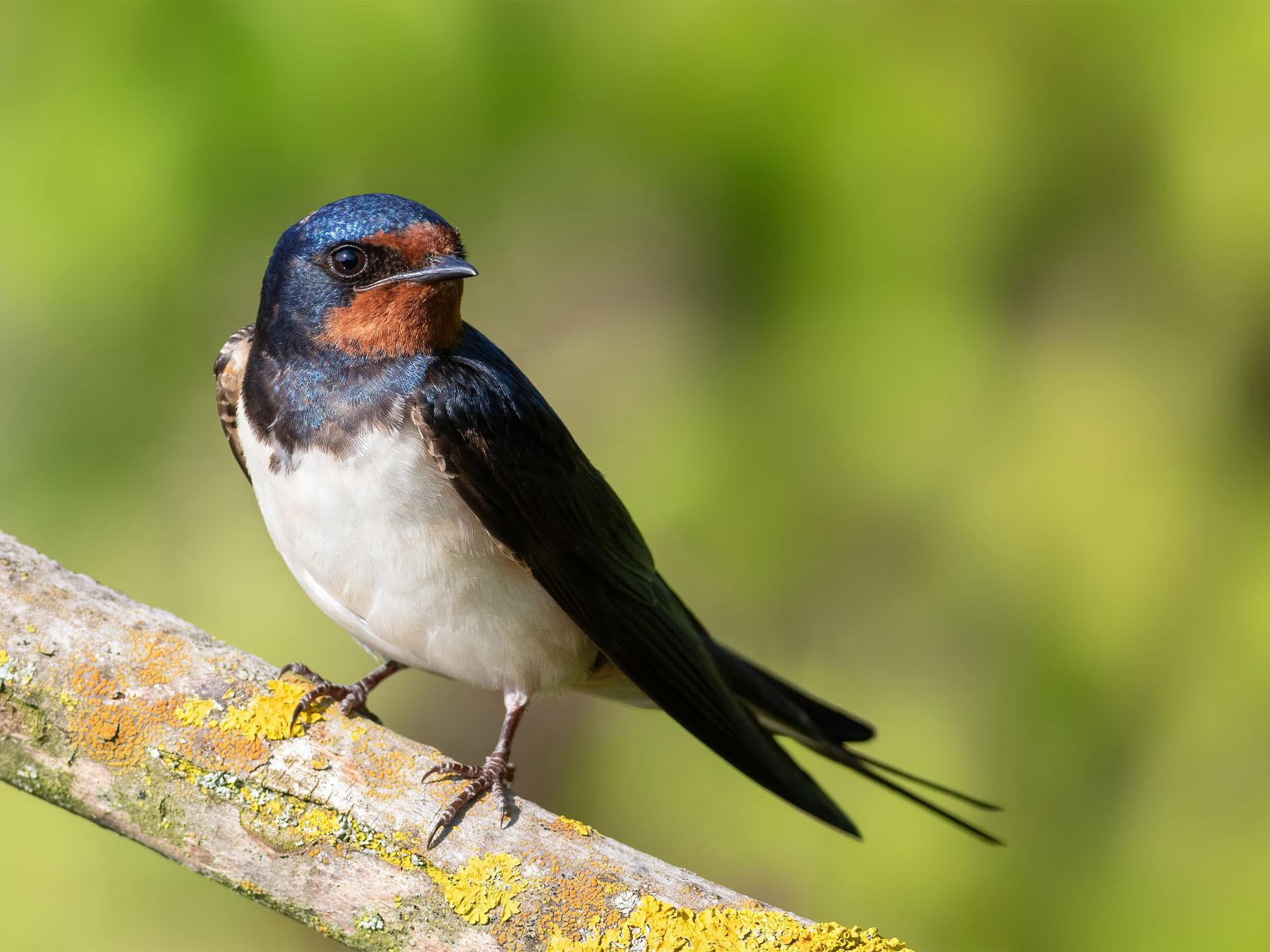 Barn SwallowHirundo rusticaSummer visitorCommon17–19 cmRegularly Mar–Dec · 0.24% in Jul
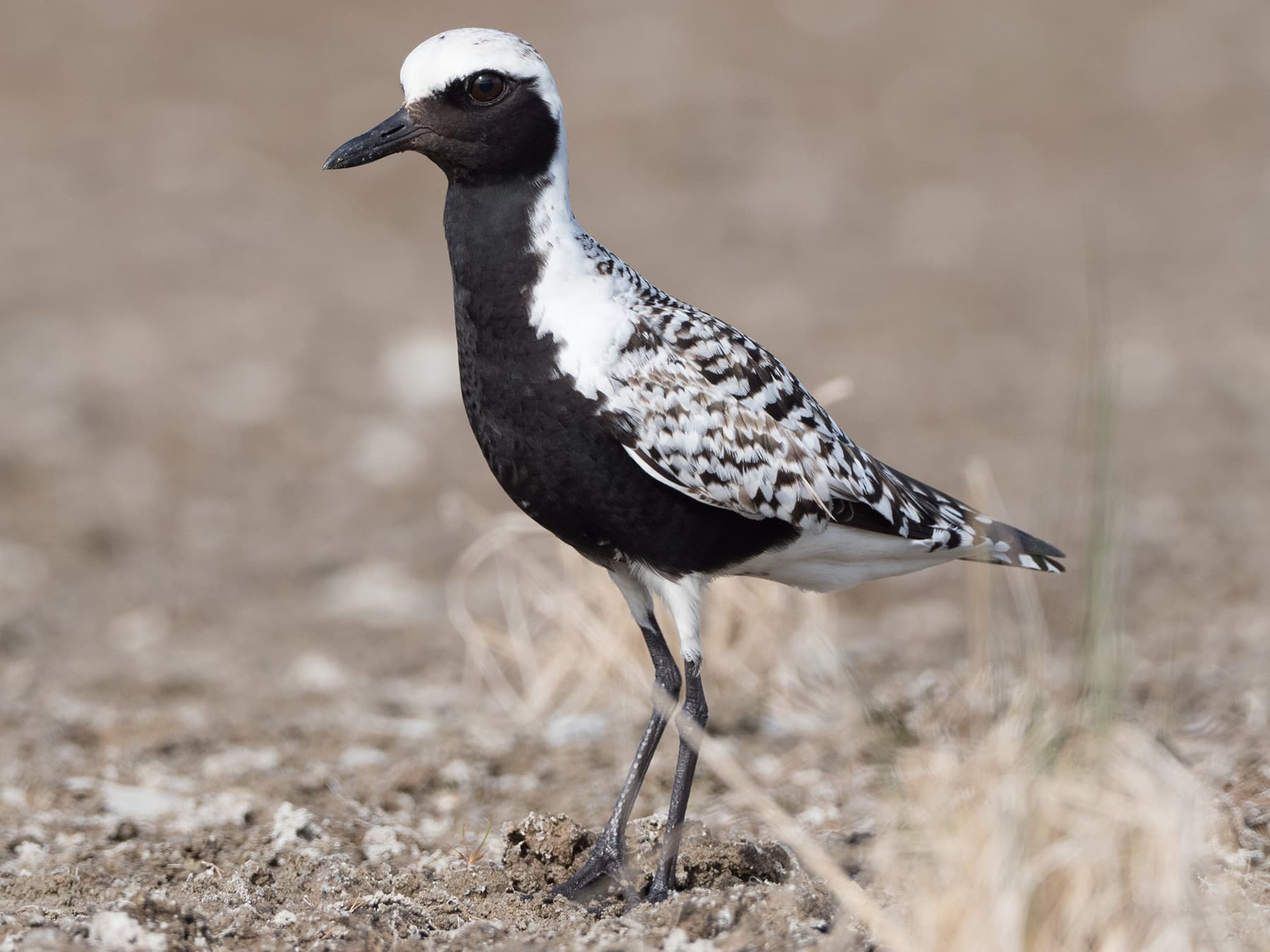 Grey PloverPluvialis squatarolaResidentCommon27–30 cmRecorded all year · 0.24% in Jul
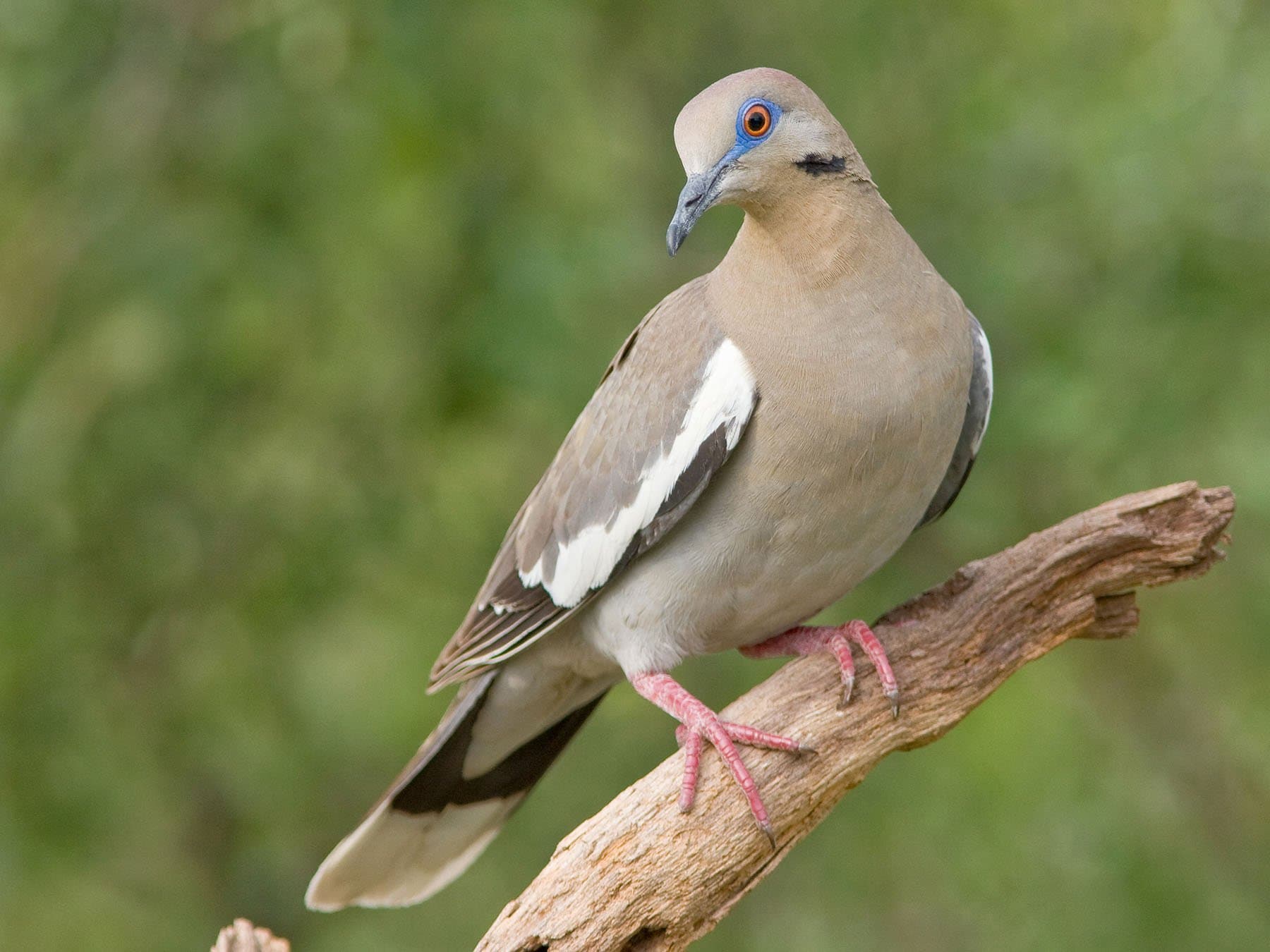 White-winged DoveZenaida asiaticaSummer visitorUncommon27–30 cmRecorded all year · 0.22% in Jul
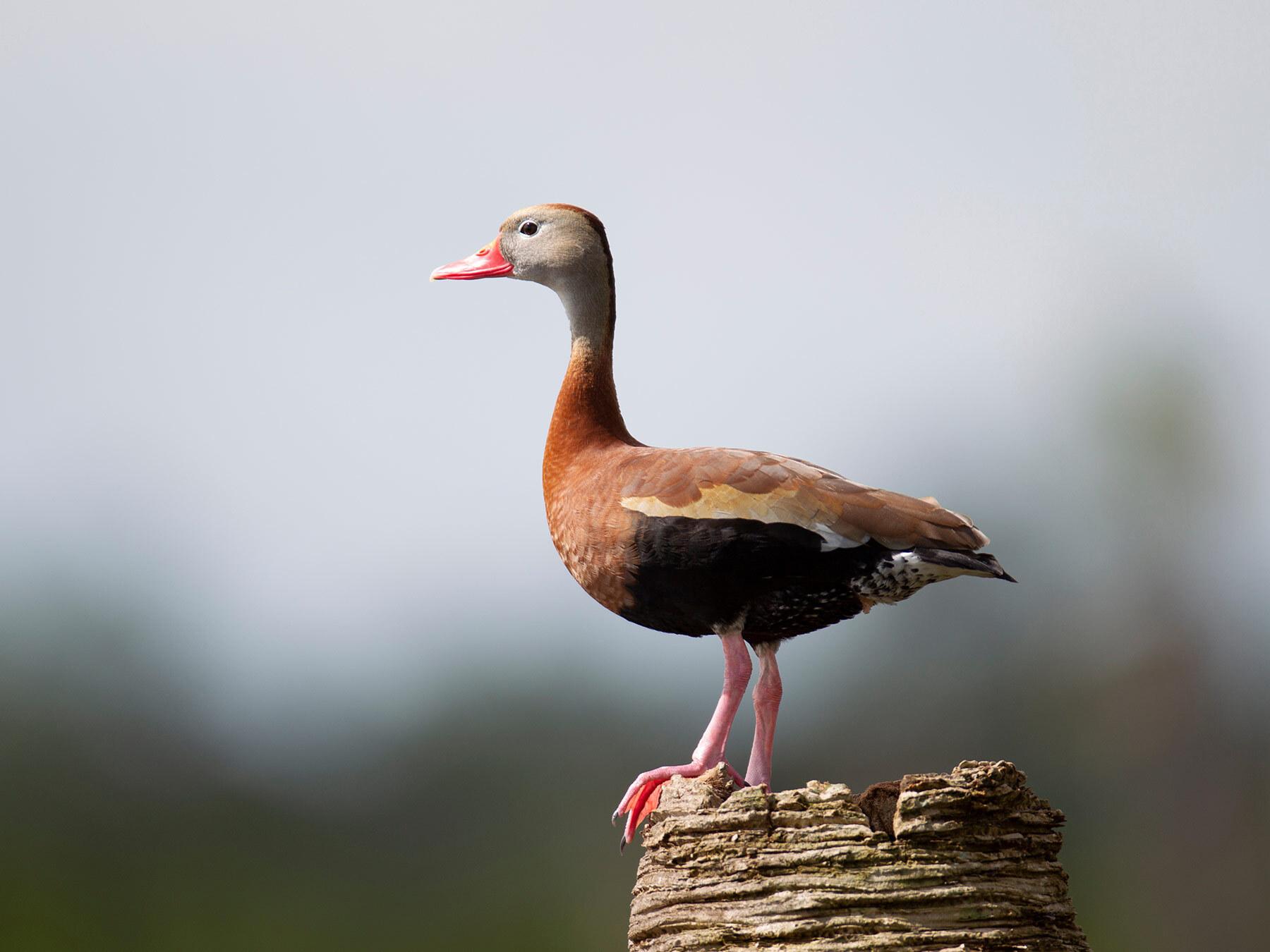 Black-bellied Whistling-DuckDendrocygna autumnalisSummer visitorUncommon47–51 cmRecorded all year · 0.21% in Jul
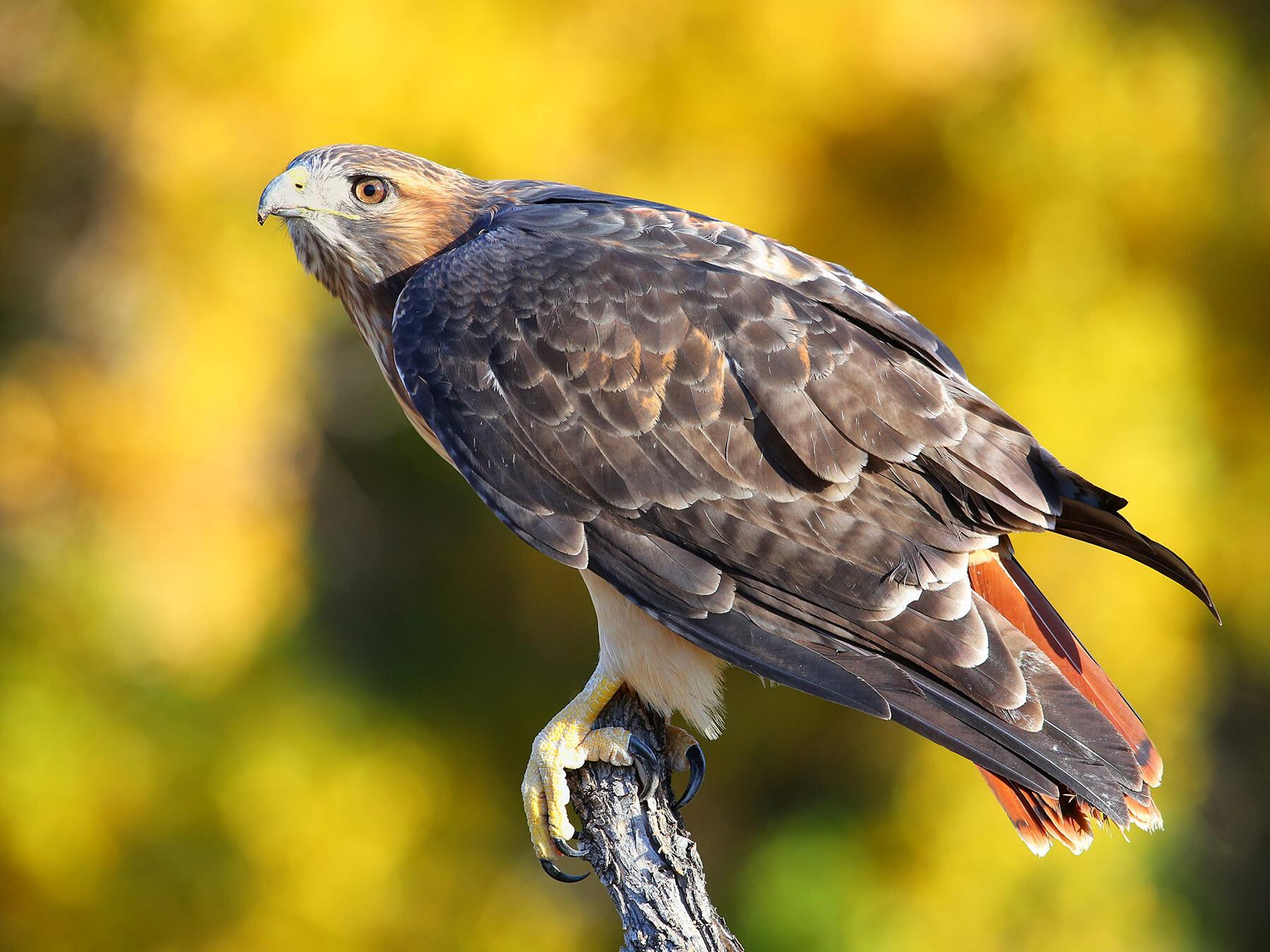 Red-tailed HawkButeo jamaicensisResidentUncommon45–65 cmRecorded all year · 0.20% in Jul
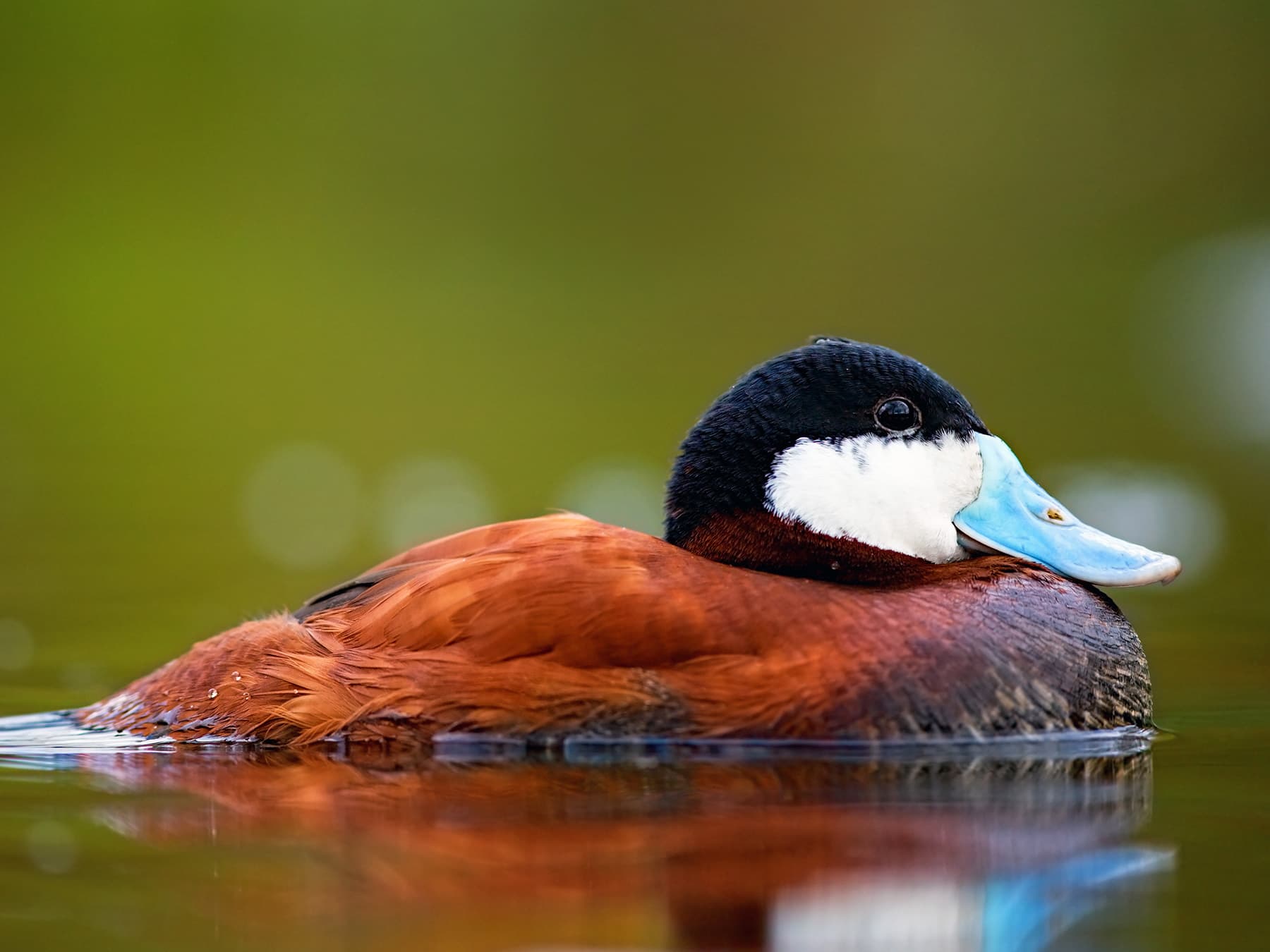 Ruddy DuckOxyura jamaicensisResidentUncommon35–43 cmRecorded all year · 0.19% in Jul
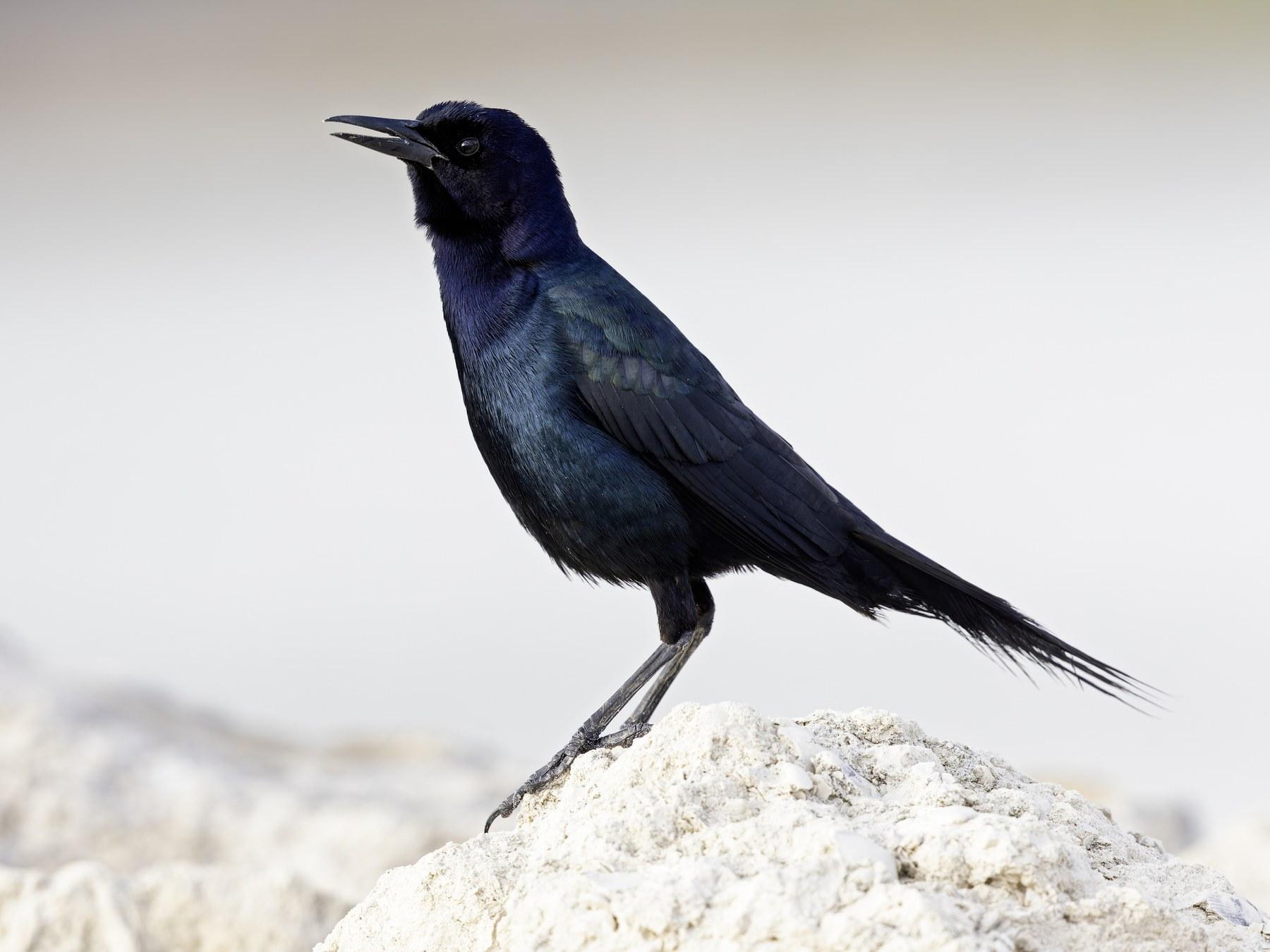 Boat-tailed GrackleQuiscalus majorResidentUncommon26–42 cmRecorded all year · 0.17% in Jul
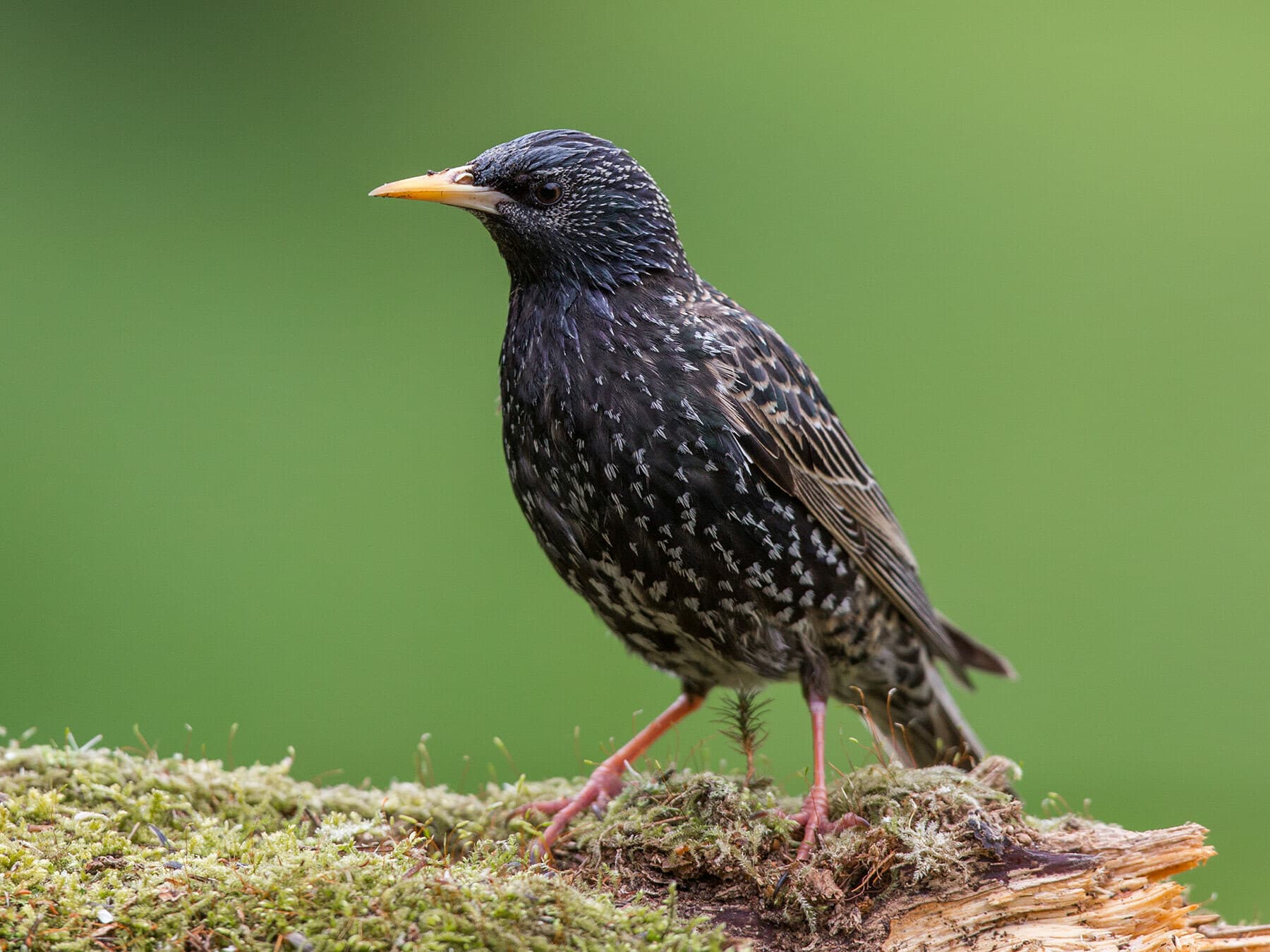 Common StarlingSturnus vulgarisResidentUncommon21–23 cmRecorded all year · 0.15% in Jul
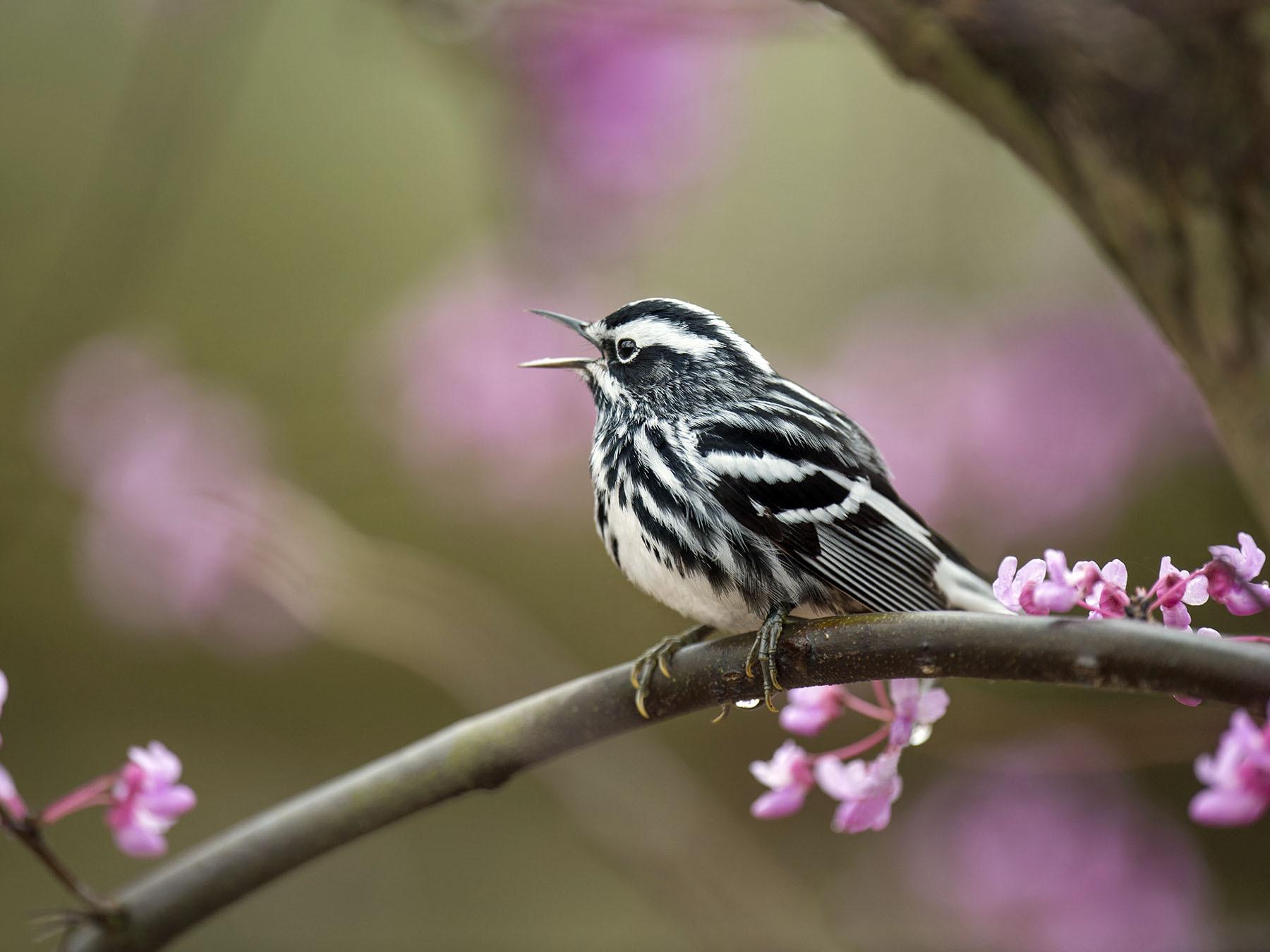 Black-and-white WarblerMniotilta variaWinter visitorCommon11–13 cmRegularly Jul–May · 0.14% in Jul
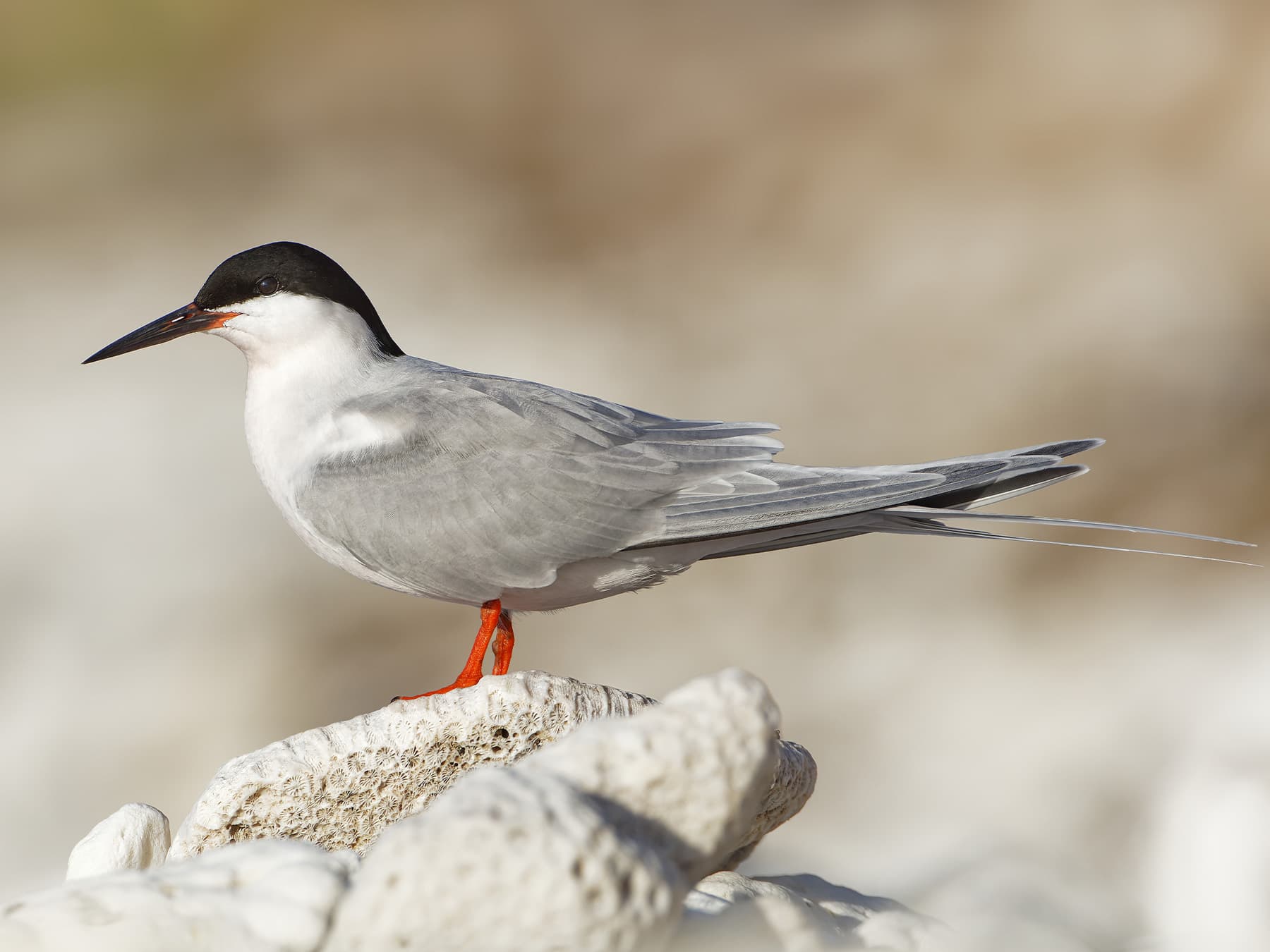 Roseate TernSterna dougalliiSummer visitorUncommon33–41 cmRegularly Apr–Jul · 0.13% in Jul
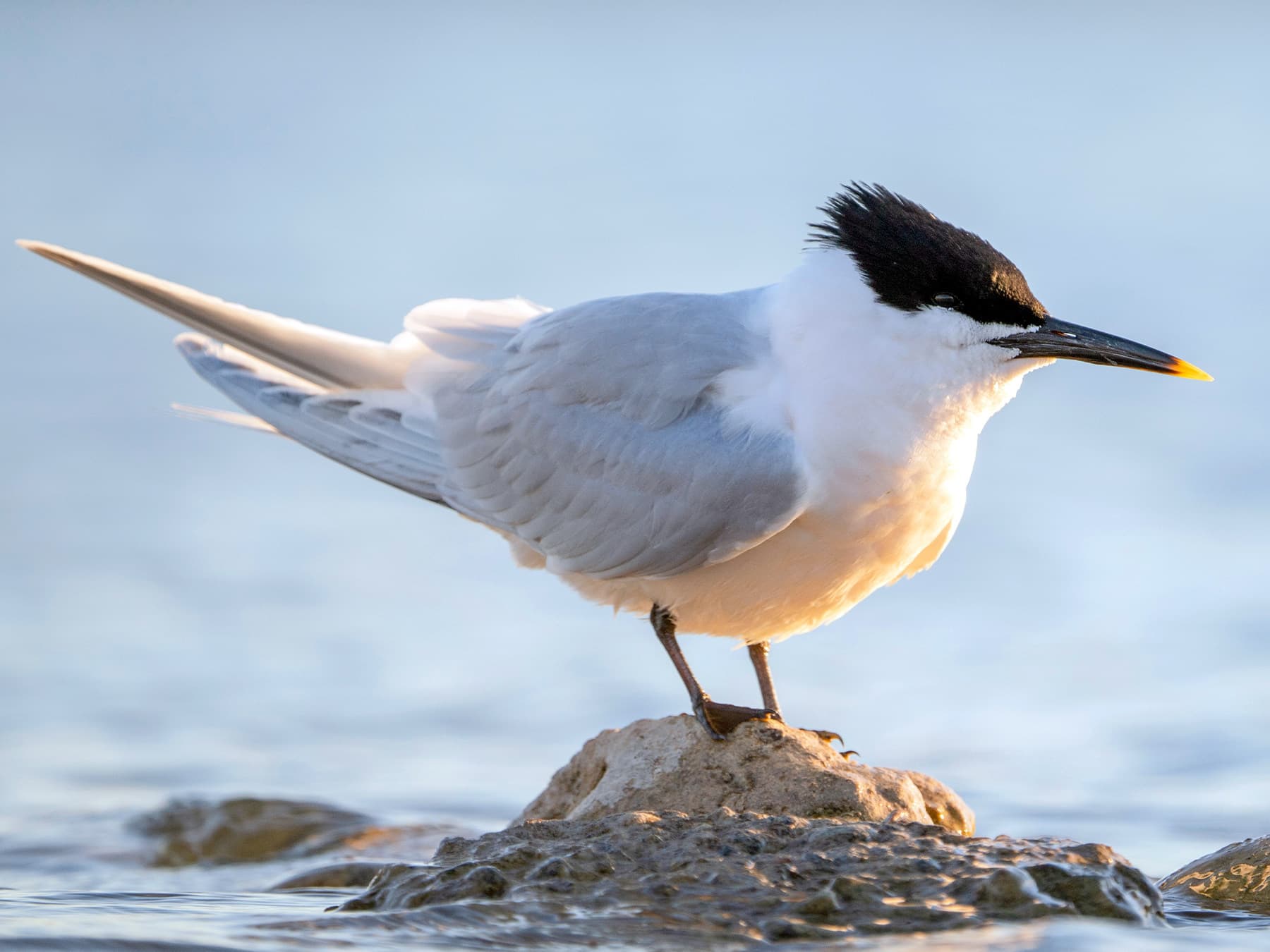 Sandwich TernThalasseus sandvicensisResidentUncommon36–41 cmRecorded all year · 0.12% in Jul
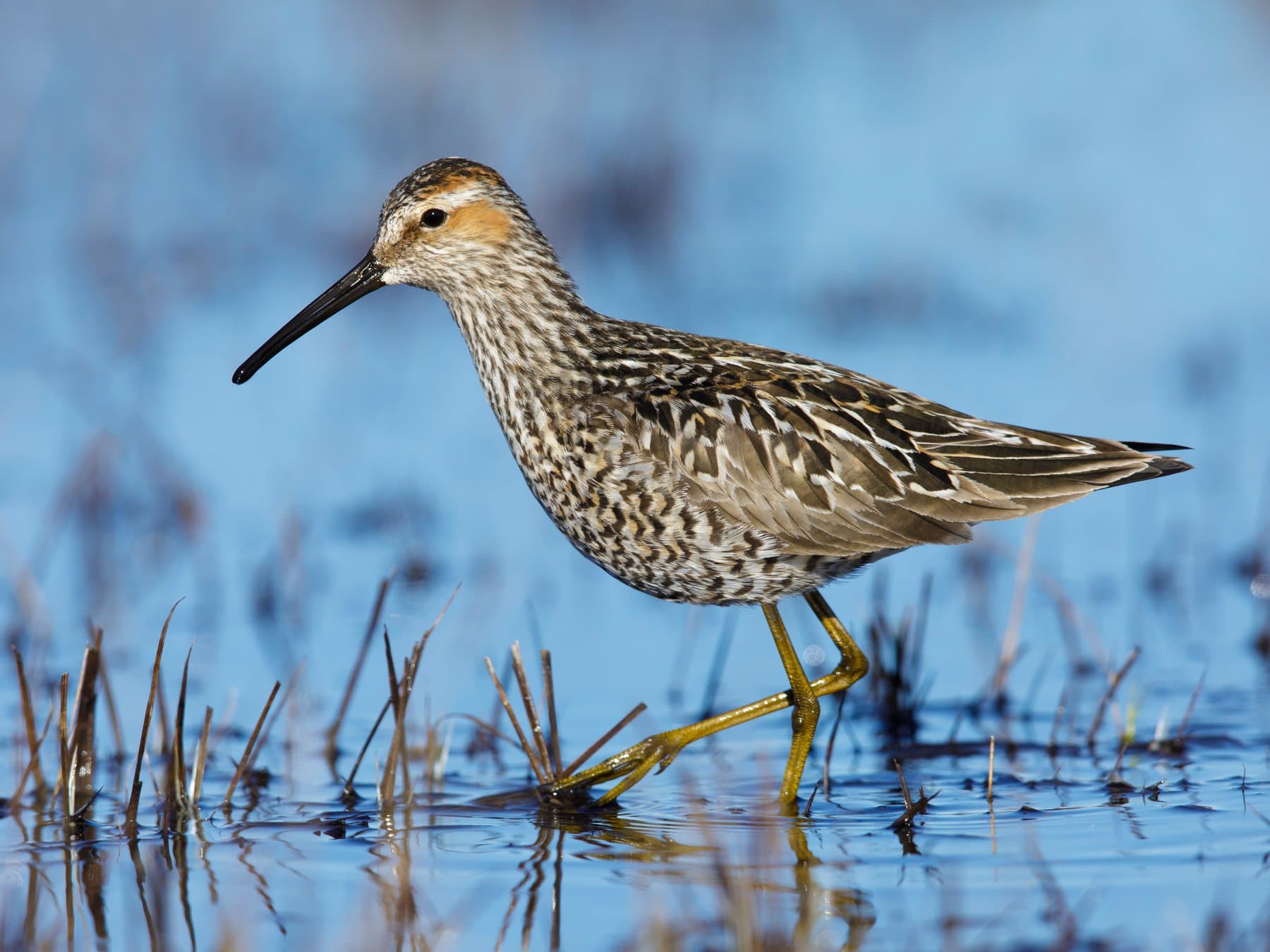 Stilt SandpiperCalidris himantopusPassage migrantUncommon18–23 cmRegularly Apr–Jan · 0.12% in Jul
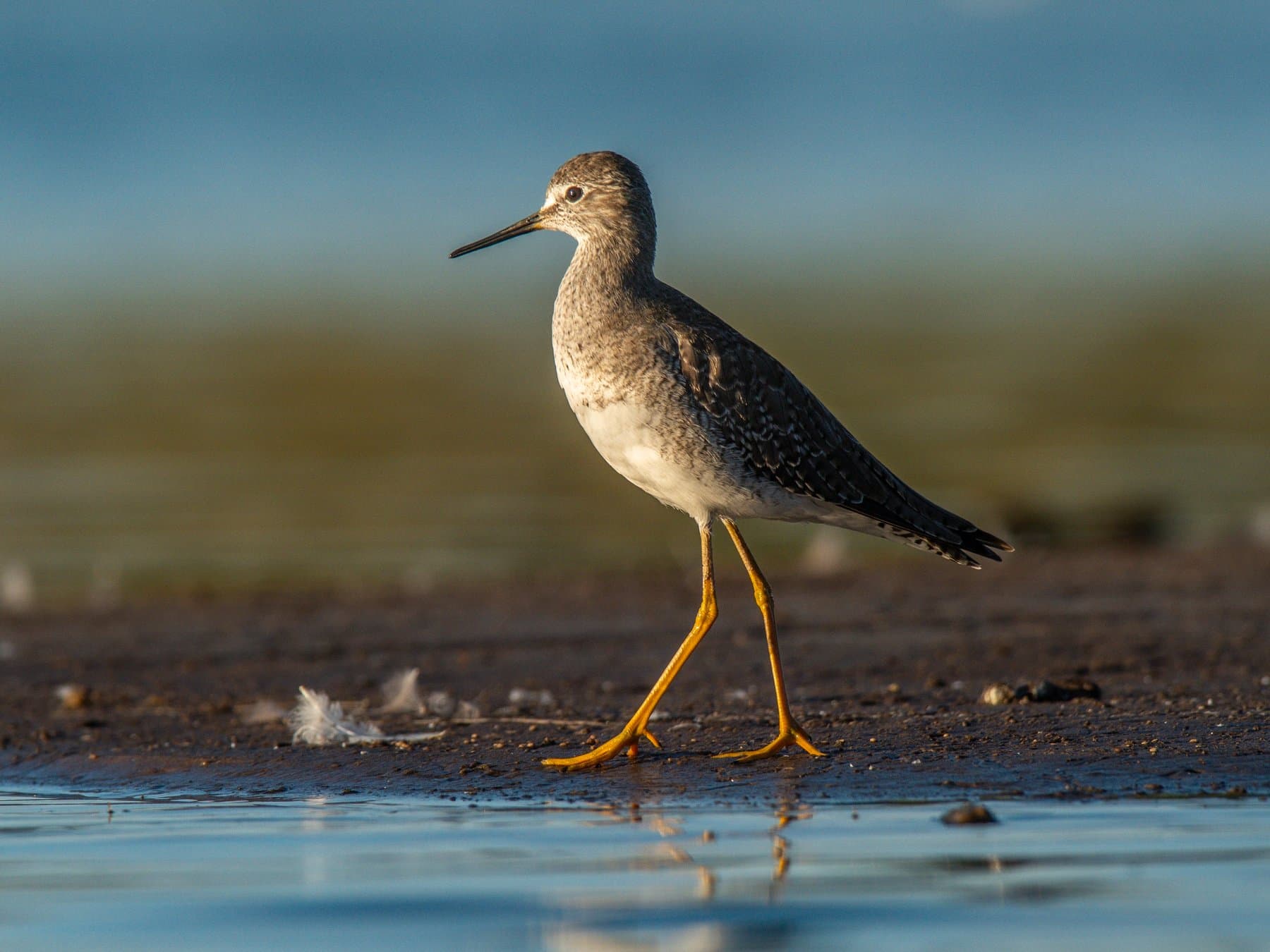 Solitary SandpiperTringa solitariaSummer visitorCommon19–23 cmRegularly Mar–Jan · 0.11% in Jul
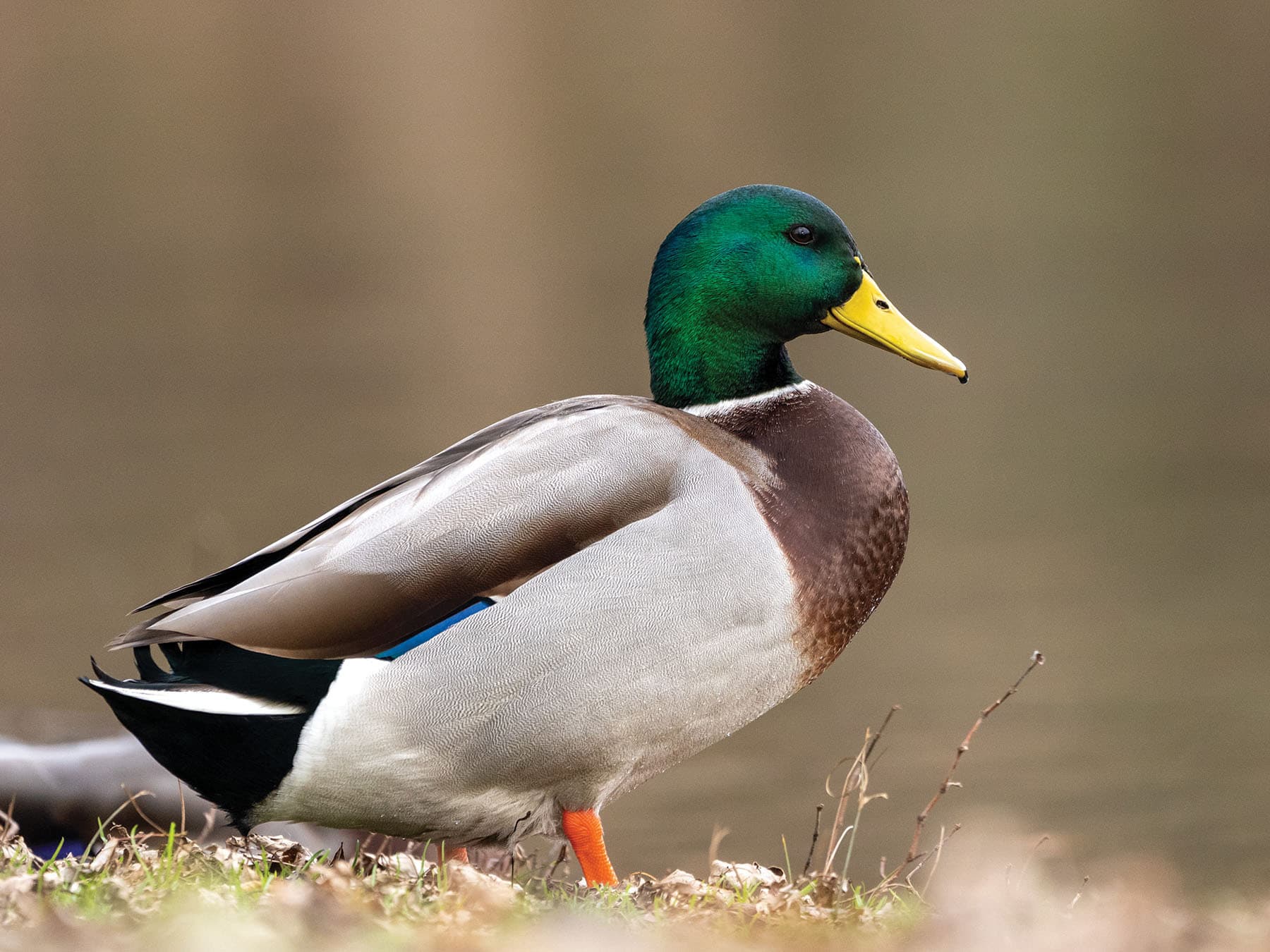 MallardAnas platyrhynchosResidentUncommon50–65 cmRecorded all year · 0.11% in Jul
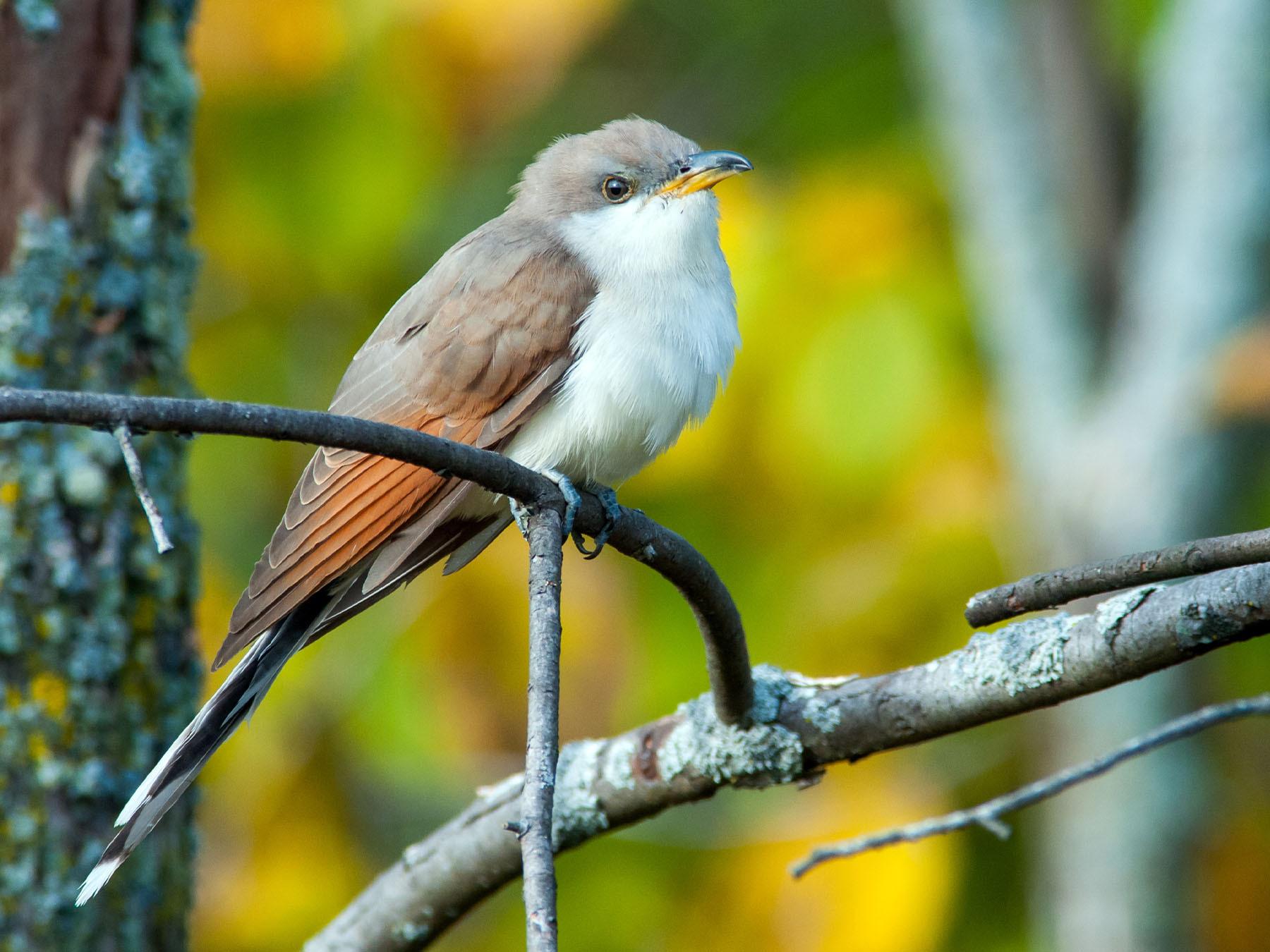 Yellow-billed CuckooCoccyzus americanusSummer visitorUncommon26–30 cmRegularly Apr–Nov · 0.10% in Jul
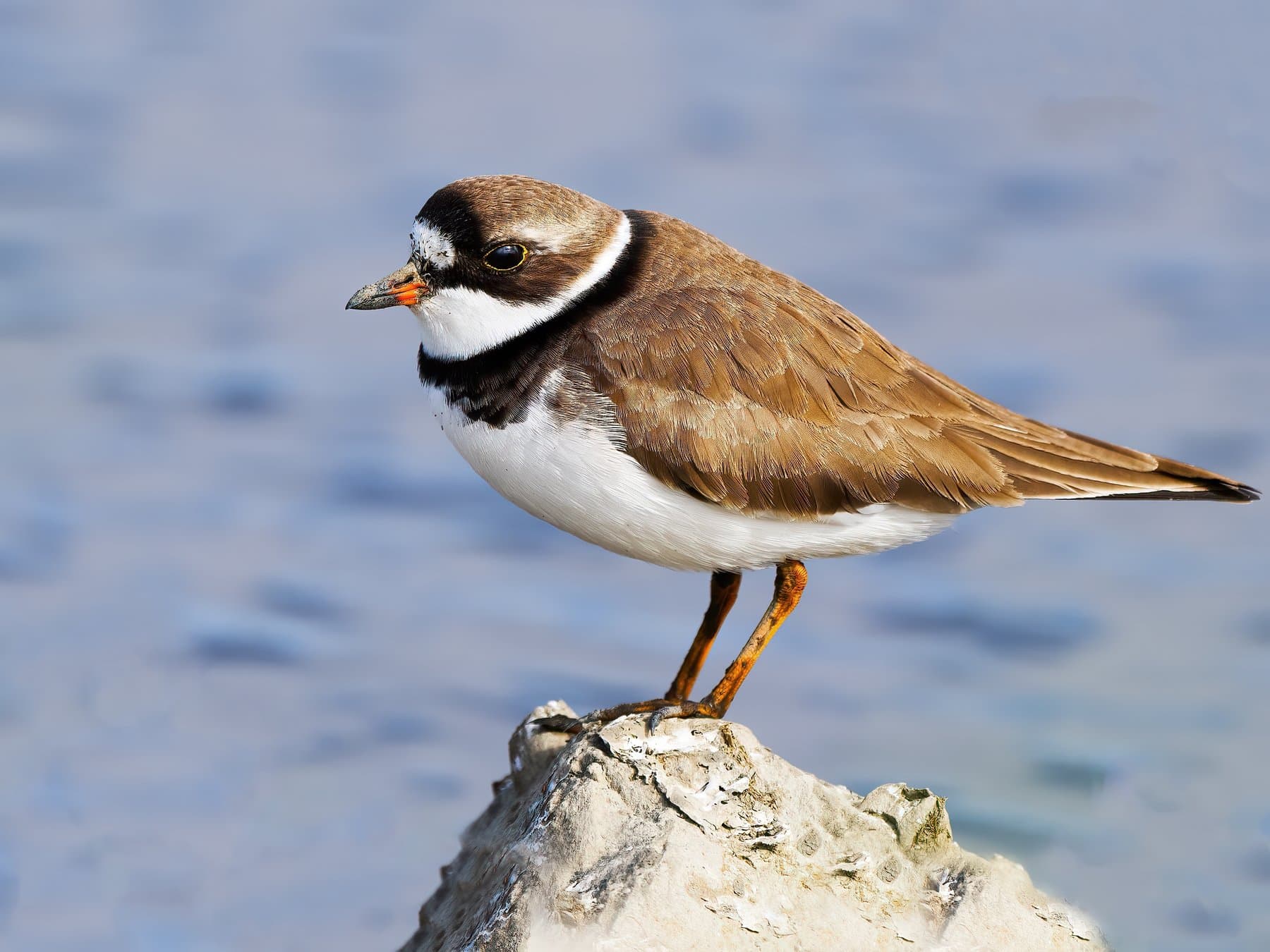 Semipalmated PloverCharadrius semipalmatusResidentCommon17–19 cmRecorded all year · 0.10% in Jul
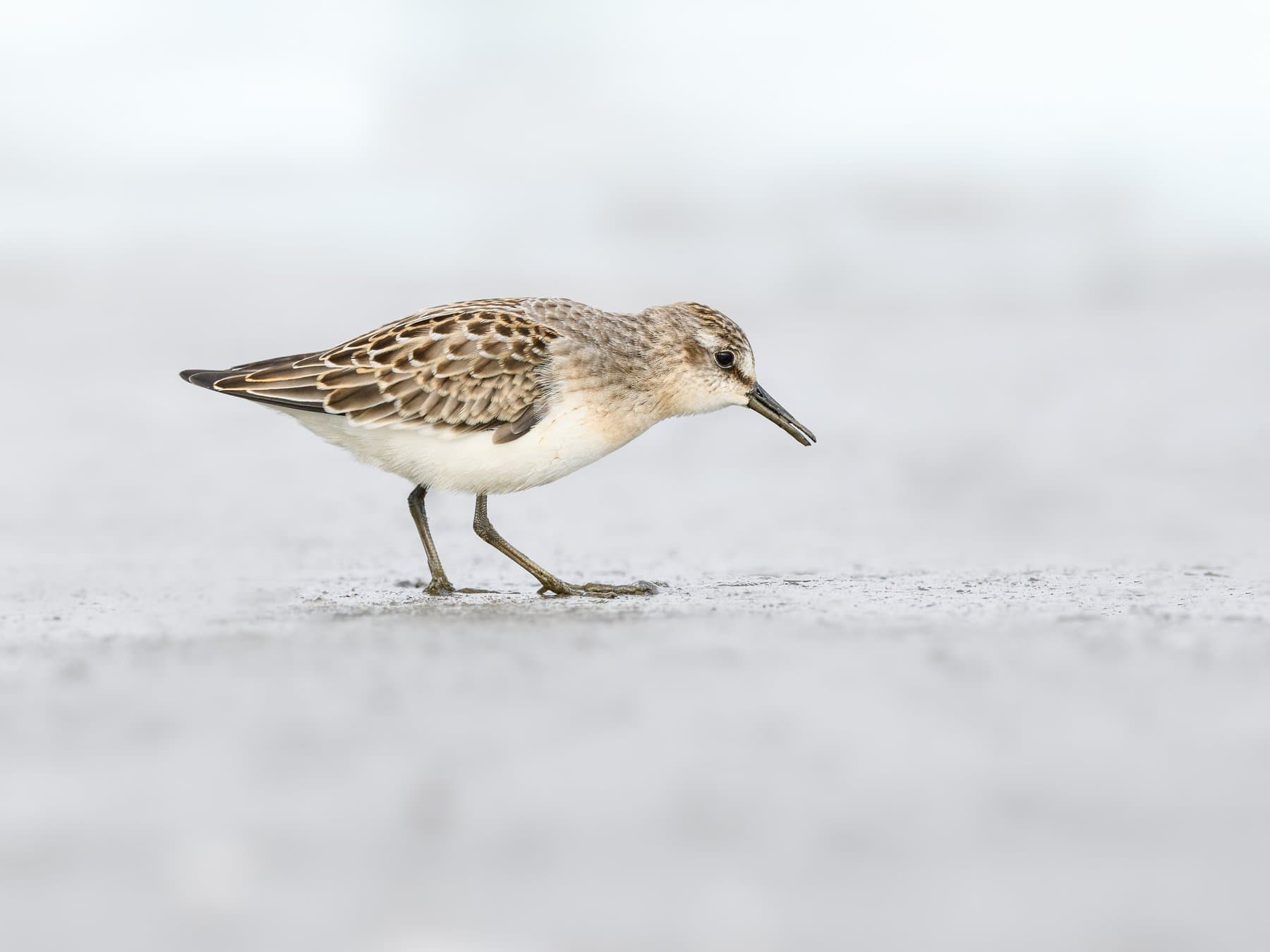 Semipalmated SandpiperCalidris pusillaSummer visitorCommon15–18 cmRegularly Apr–Nov · 0.10% in Jul
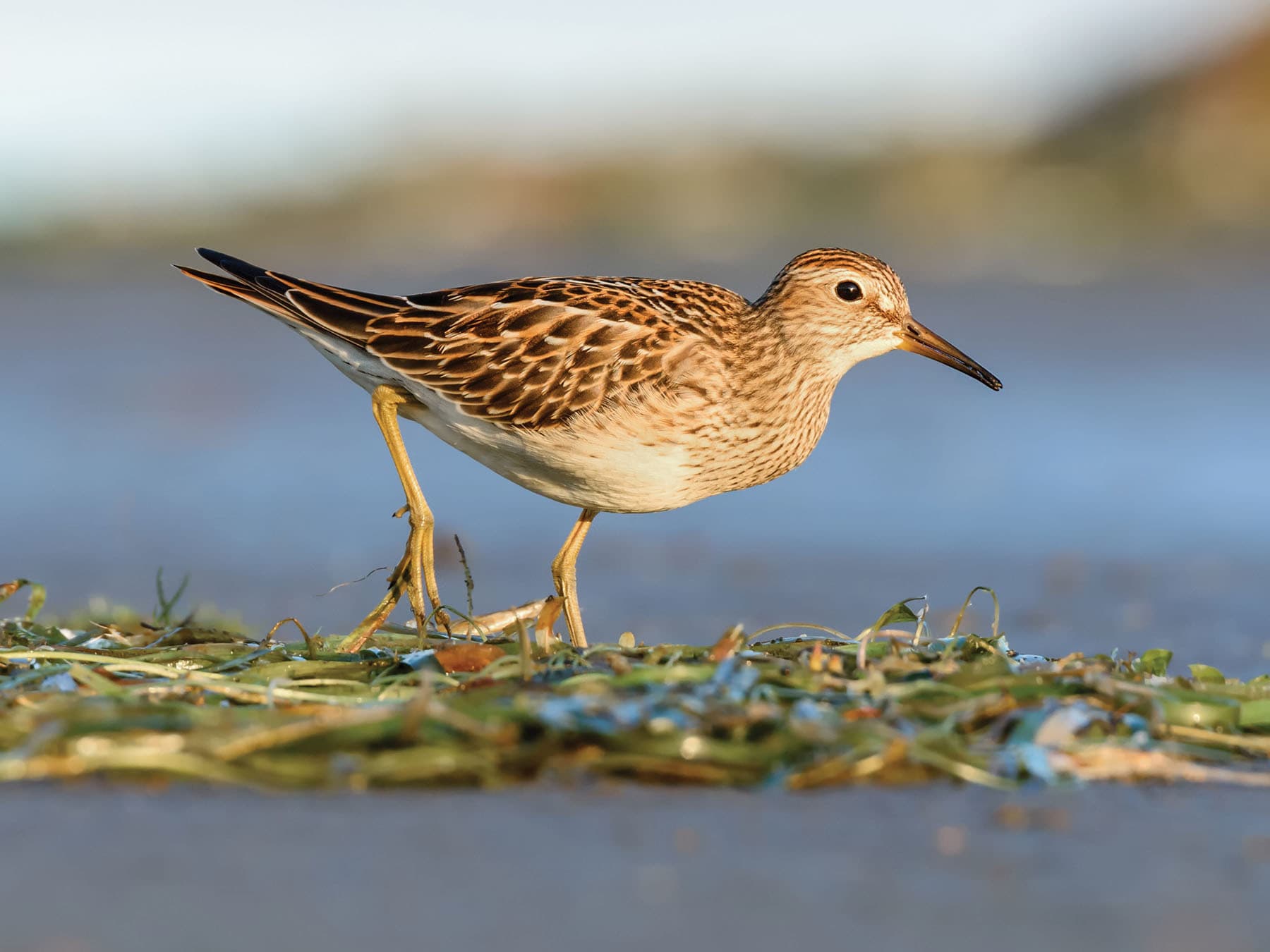 Pectoral SandpiperCalidris melanotosPassage migrantUncommon19–23 cmRegularly Jul–Oct · 0.08% in Jul
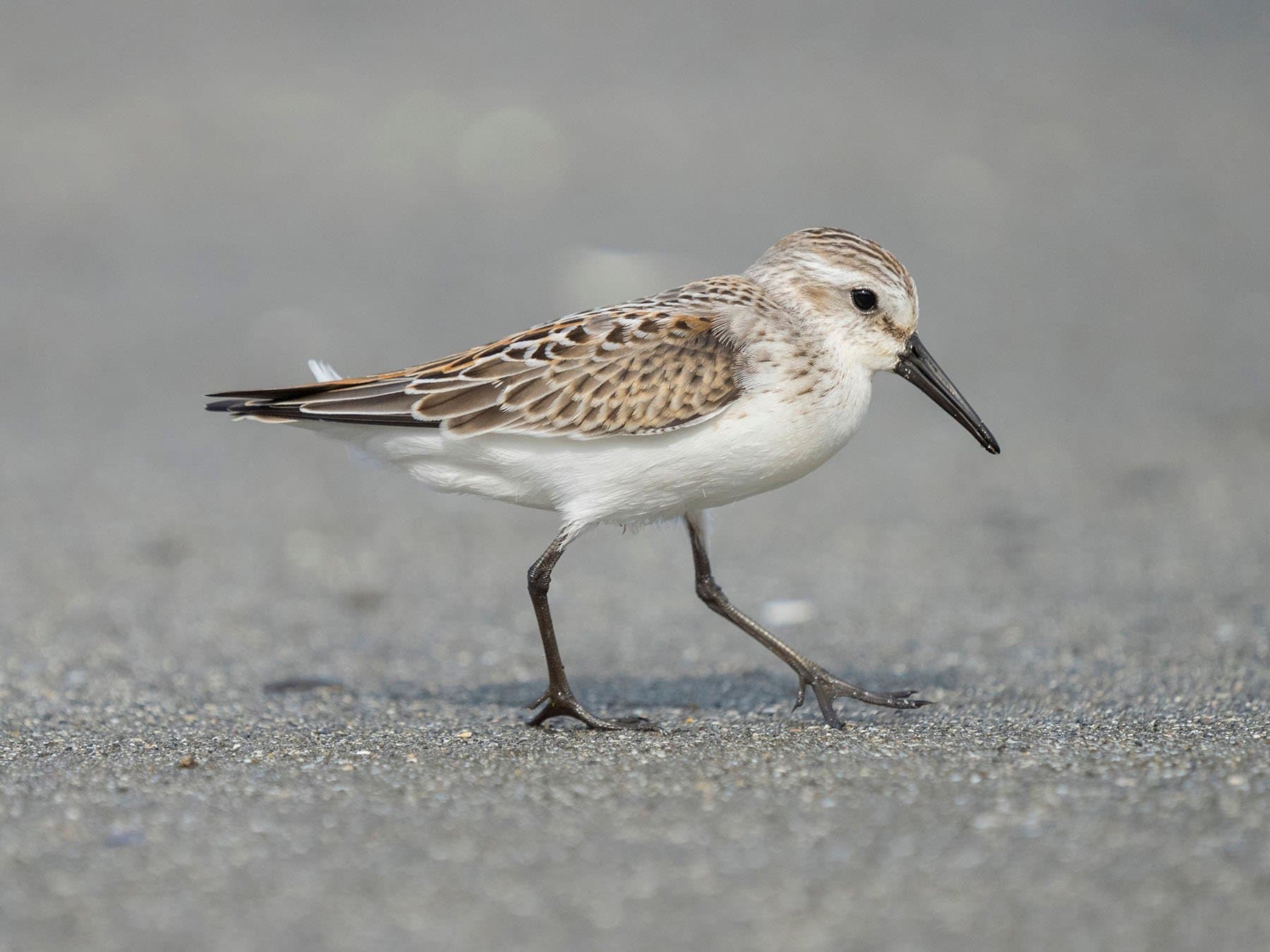 Western SandpiperCalidris mauriWinter visitorUncommon14–17 cmRegularly Jul–May · 0.07% in Jul
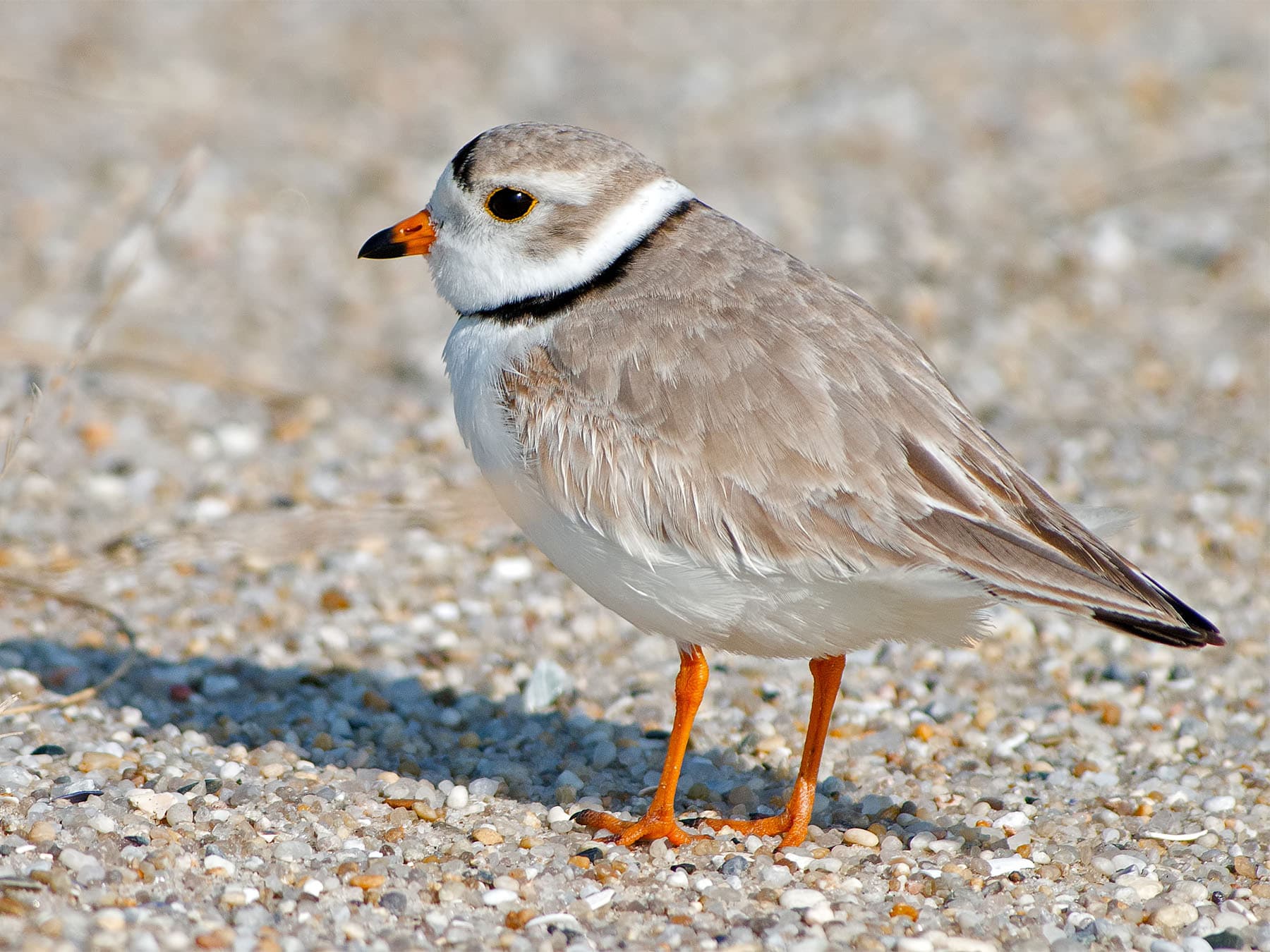 Piping PloverCharadrius melodusWinter visitorUncommon17–18 cmRegularly Jul–May · 0.05% in Jul
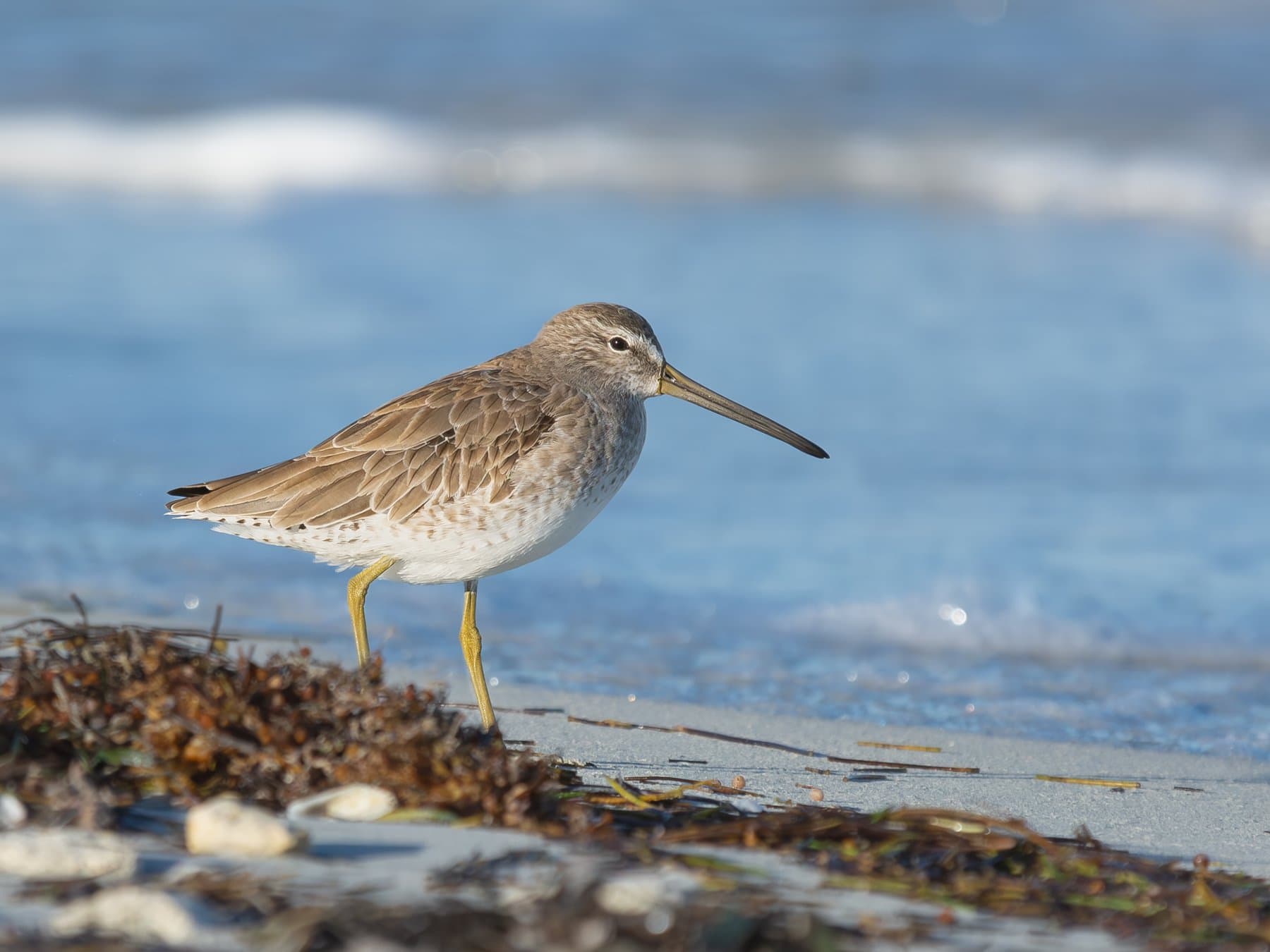 Short-billed DowitcherLimnodromus griseusWinter visitorUncommon23–32 cmRegularly Jul–May · 0.05% in Jul
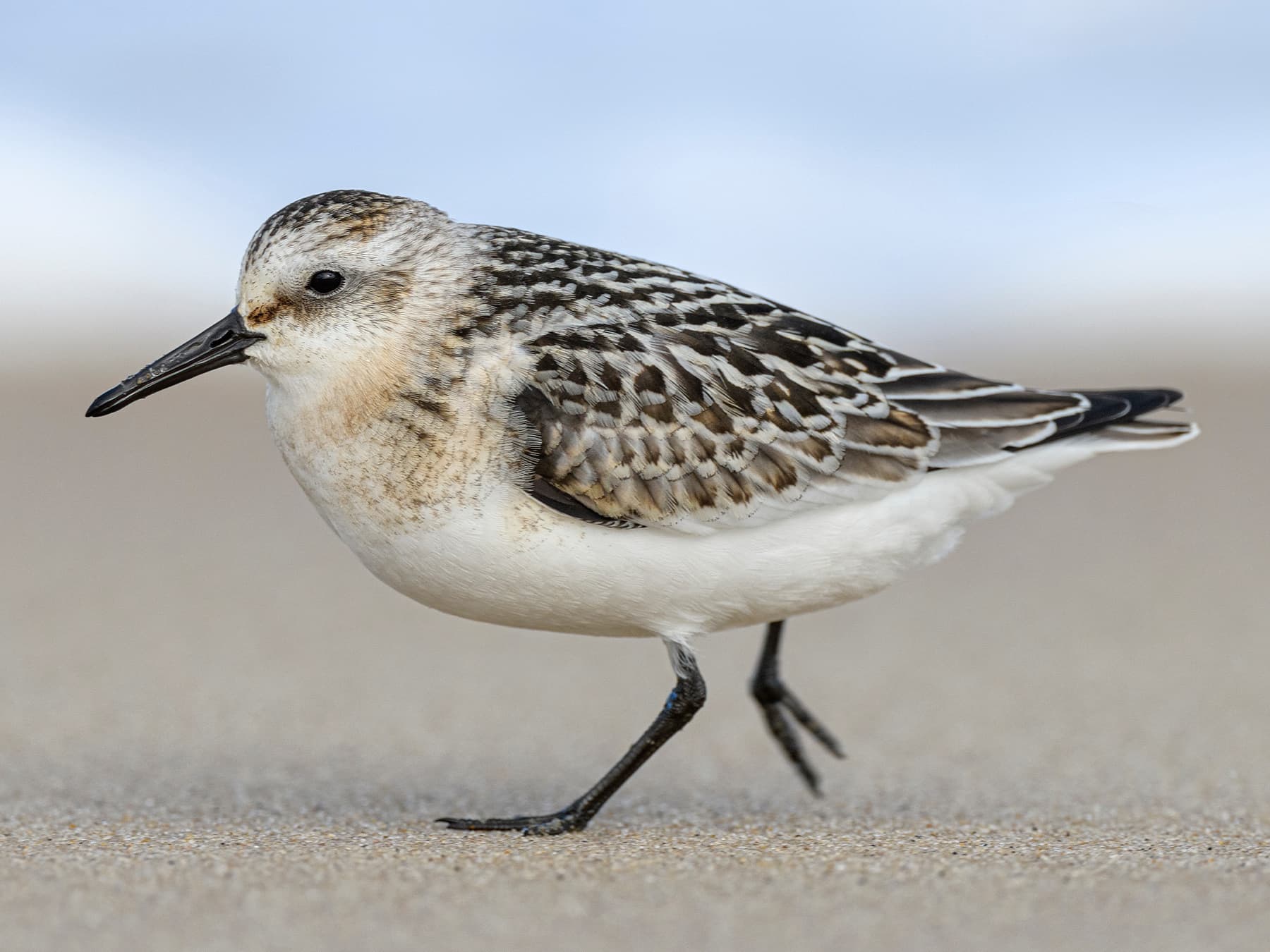 SanderlingCalidris albaResidentUncommon18–20 cmRecorded all year · 0.04% in Jul
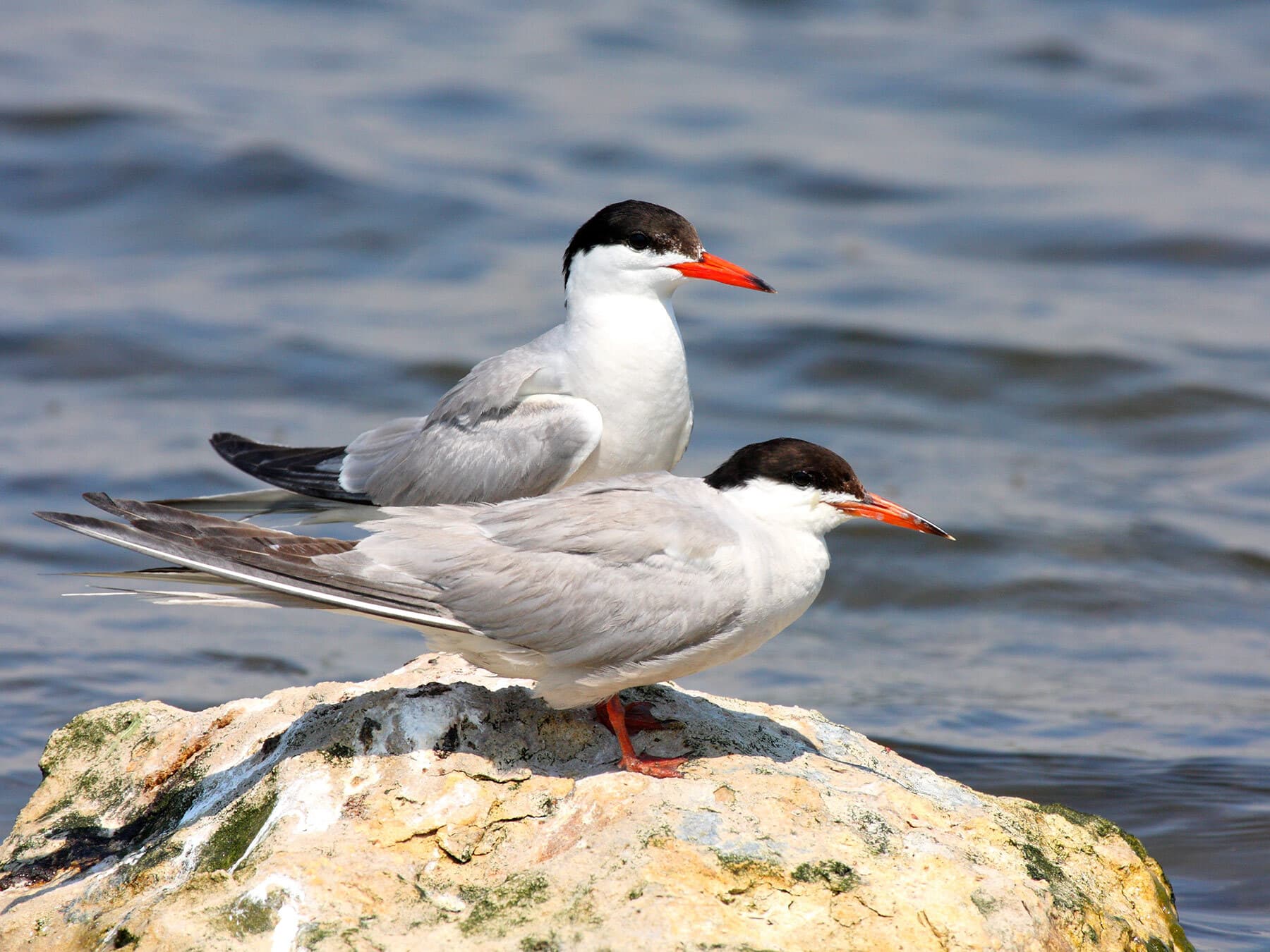 Common TernSterna hirundoSummer visitorRare31–35 cmRegularly May–Nov · 0.02% in Jul
Data: EOD – eBird Observation Dataset (Cornell Lab of Ornithology), accessed via GBIF.org, CC BY 4.0. Records from 2019–2024, aggregated and filtered by Birdfact. How these lists are made