


Birds to See in Tasmania in February
49 bird species on our list for Tasmania are recorded regularly in February
Of these, the most often recorded are New Holland Honeyeater, Little Wattlebird, Common Starling, House Sparrow and Yellow Wattlebird.
On the move in February
GBIF · FebAt their peak
From Tasmania’s bird records, 2019–2024: arriving birds are regular this month but not last; leaving birds are regular this month but not next.
Other months
All 49 birds in February
49 birds
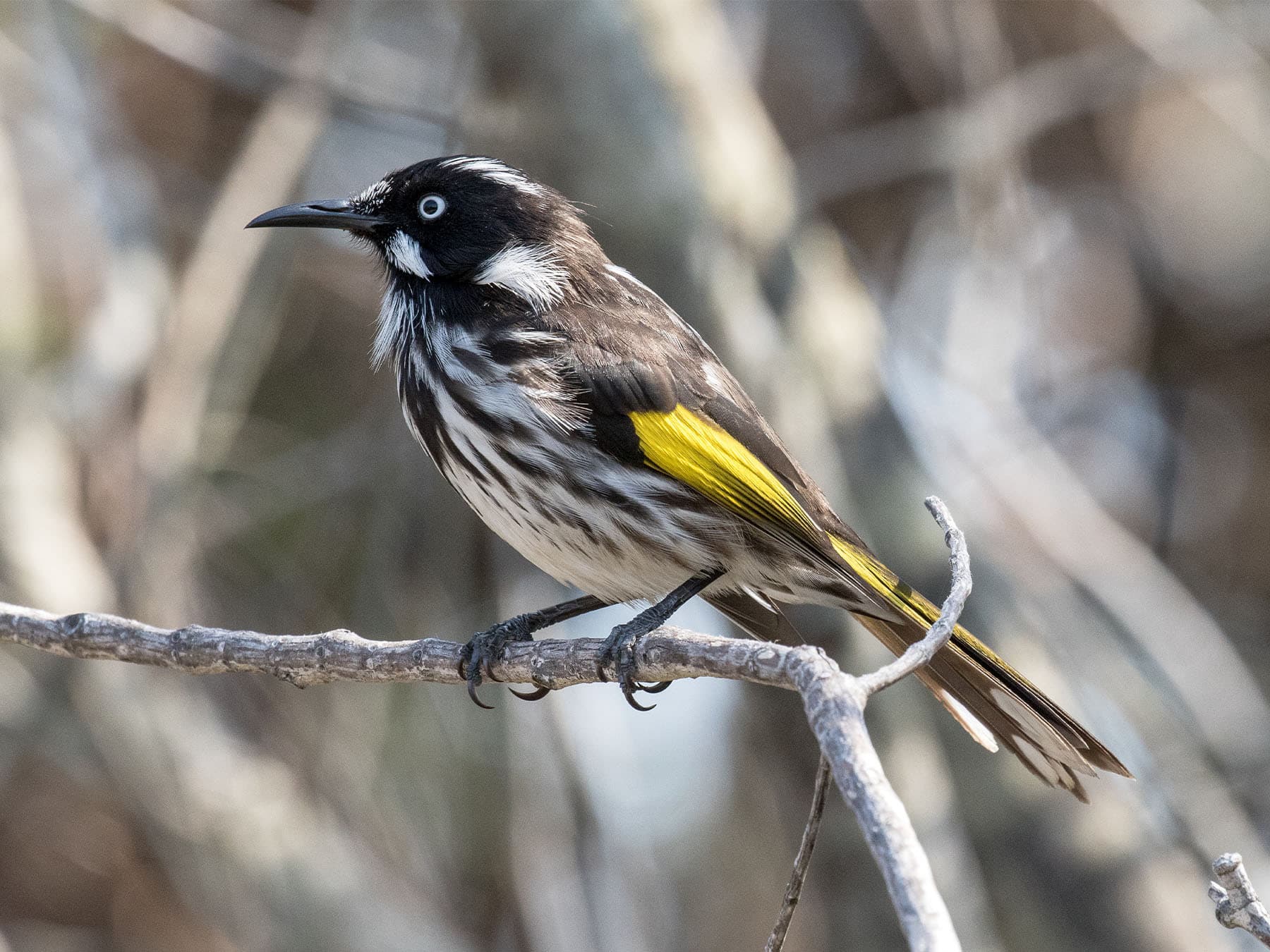 New Holland HoneyeaterPhylidonyris novaehollandiaeResidentCommon16–20 cmRecorded all year · 1.72% in Feb
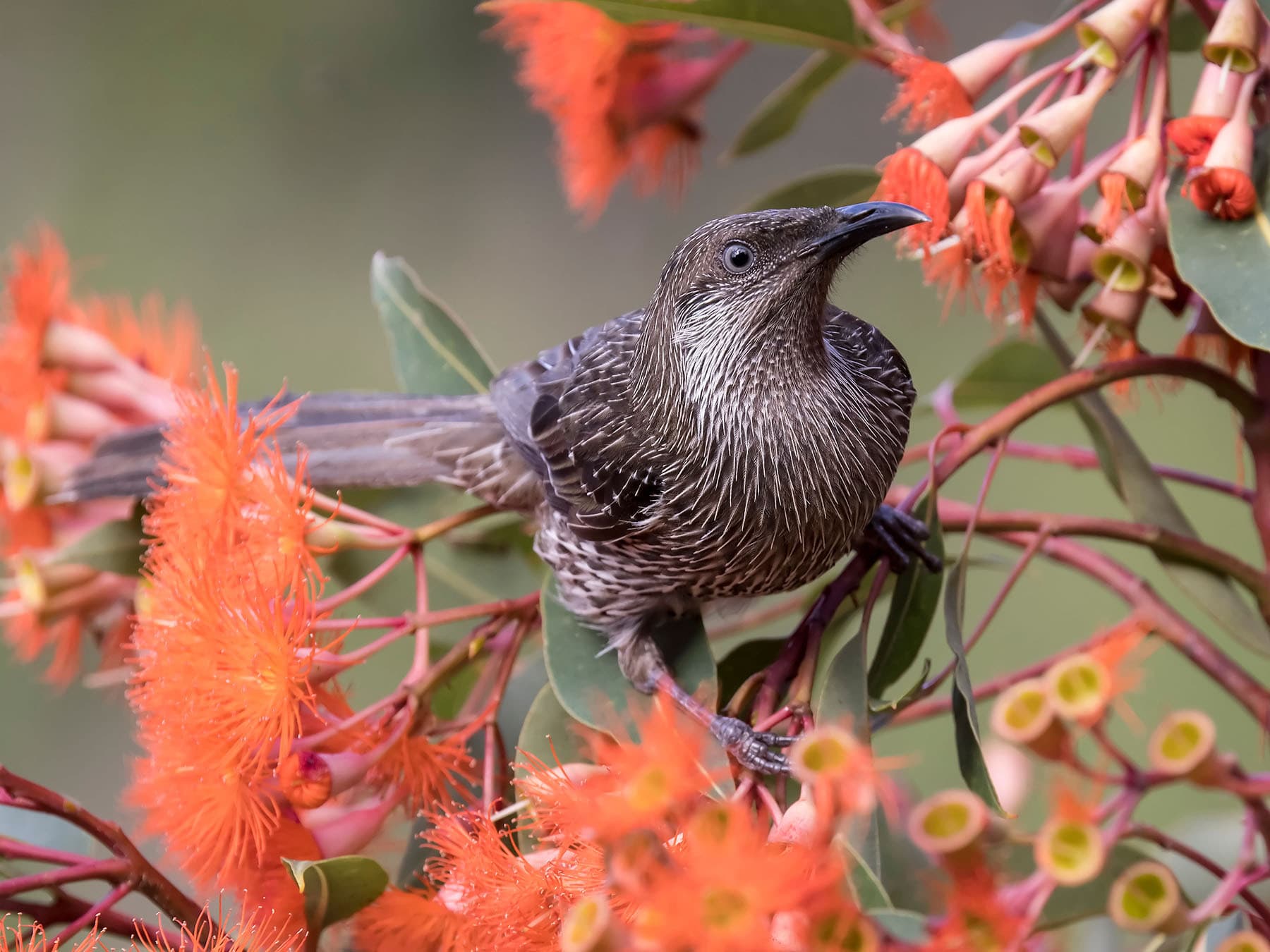 Little WattlebirdAnthochaera chrysopteraResidentCommon25–30 cmRecorded all year · 1.68% in Feb
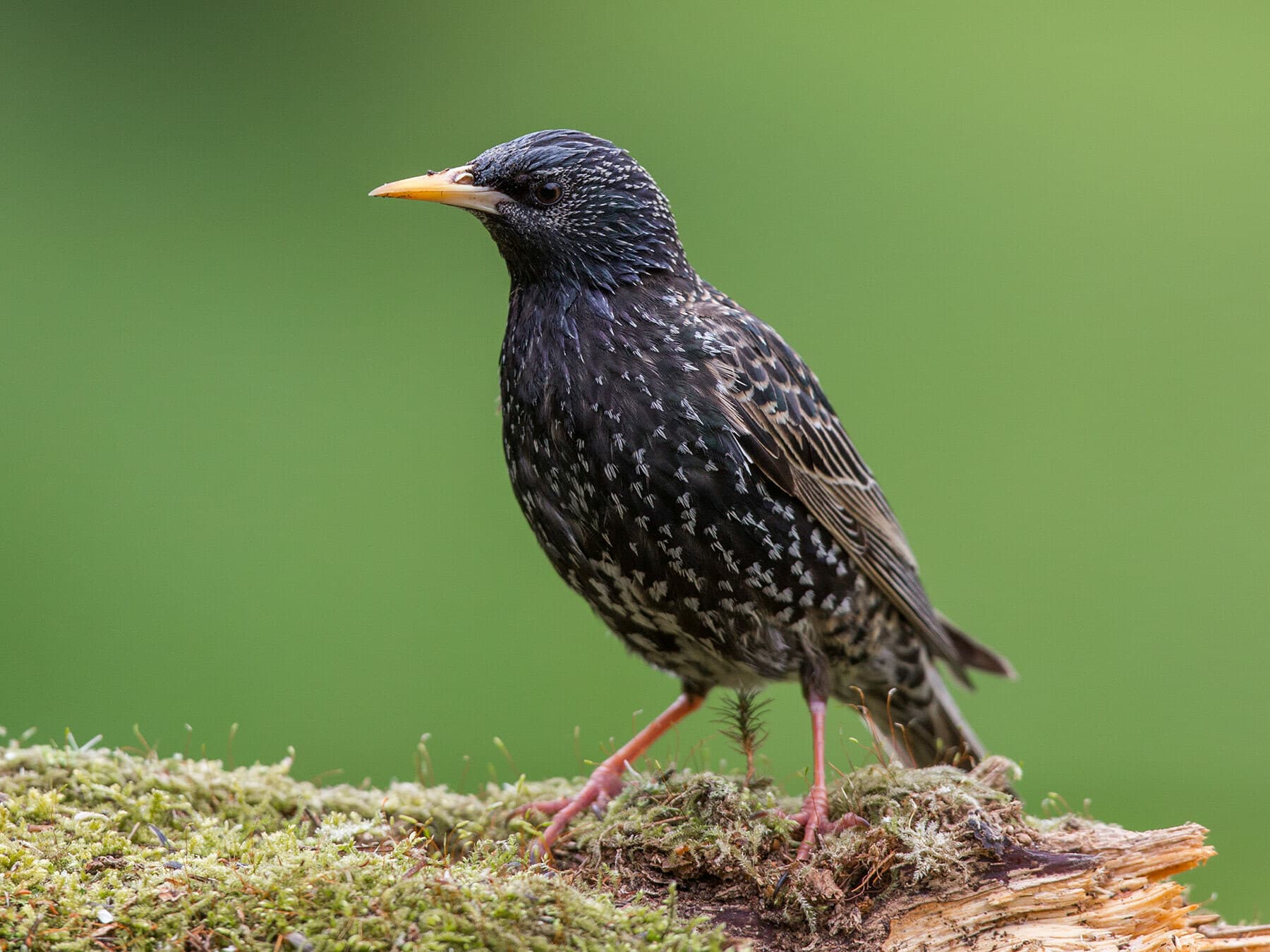 Common StarlingSturnus vulgarisResidentCommon21–23 cmRecorded all year · 1.65% in Feb
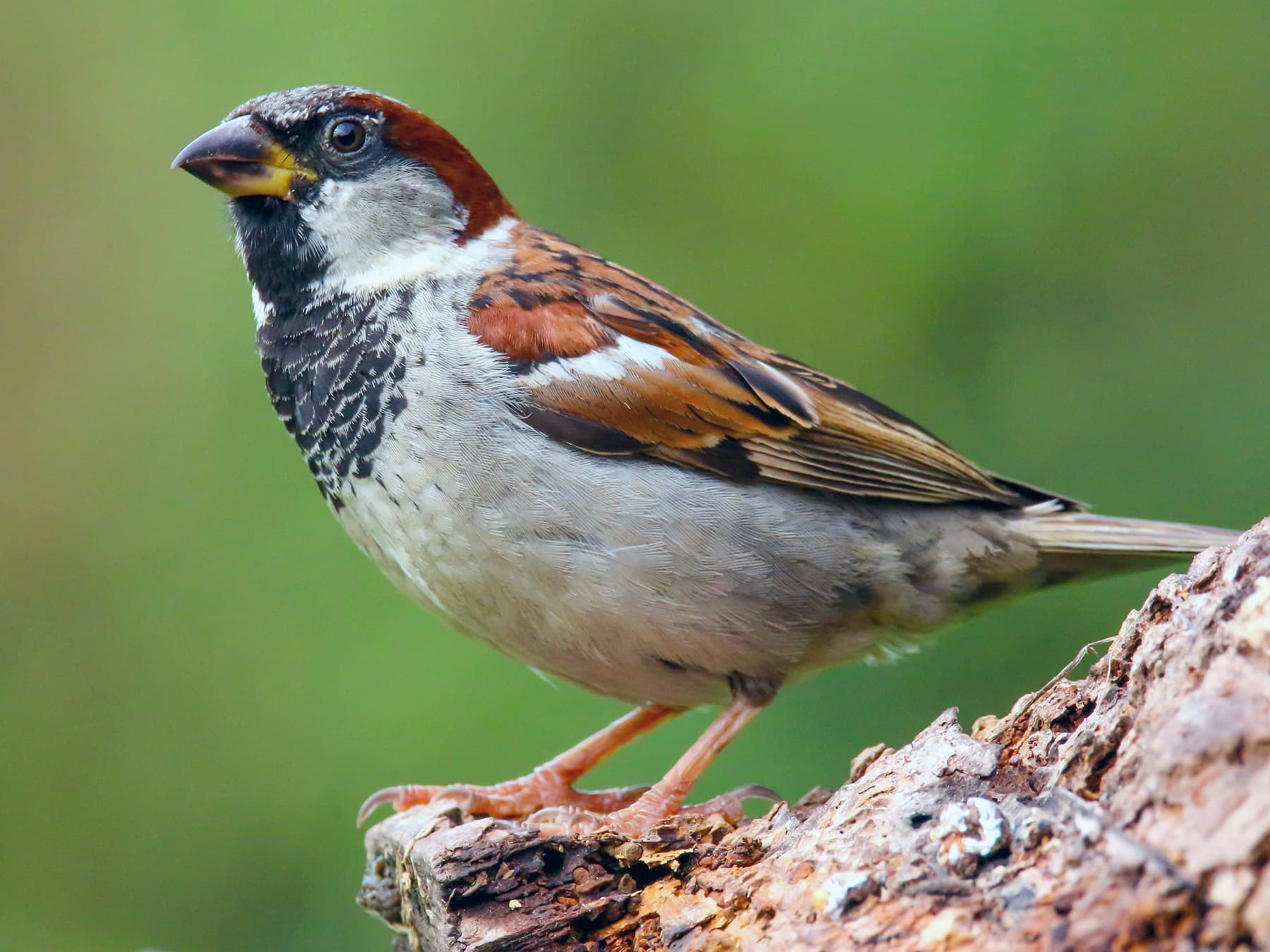 House SparrowPasser domesticusResidentCommon14–17 cmRecorded all year · 1.60% in Feb
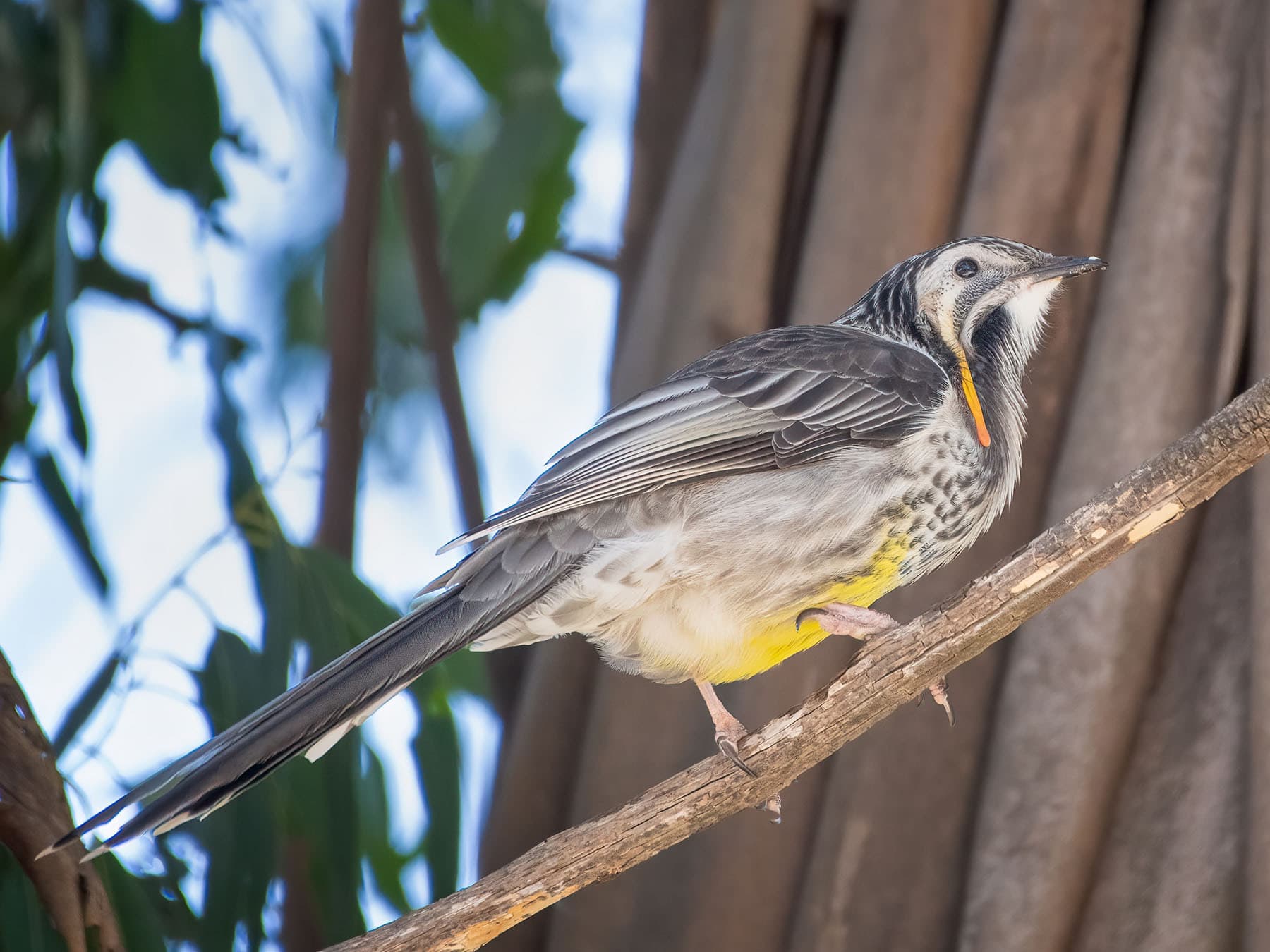 Yellow WattlebirdAnthochaera paradoxaResidentCommon37–45 cmRecorded all year · 1.59% in Feb
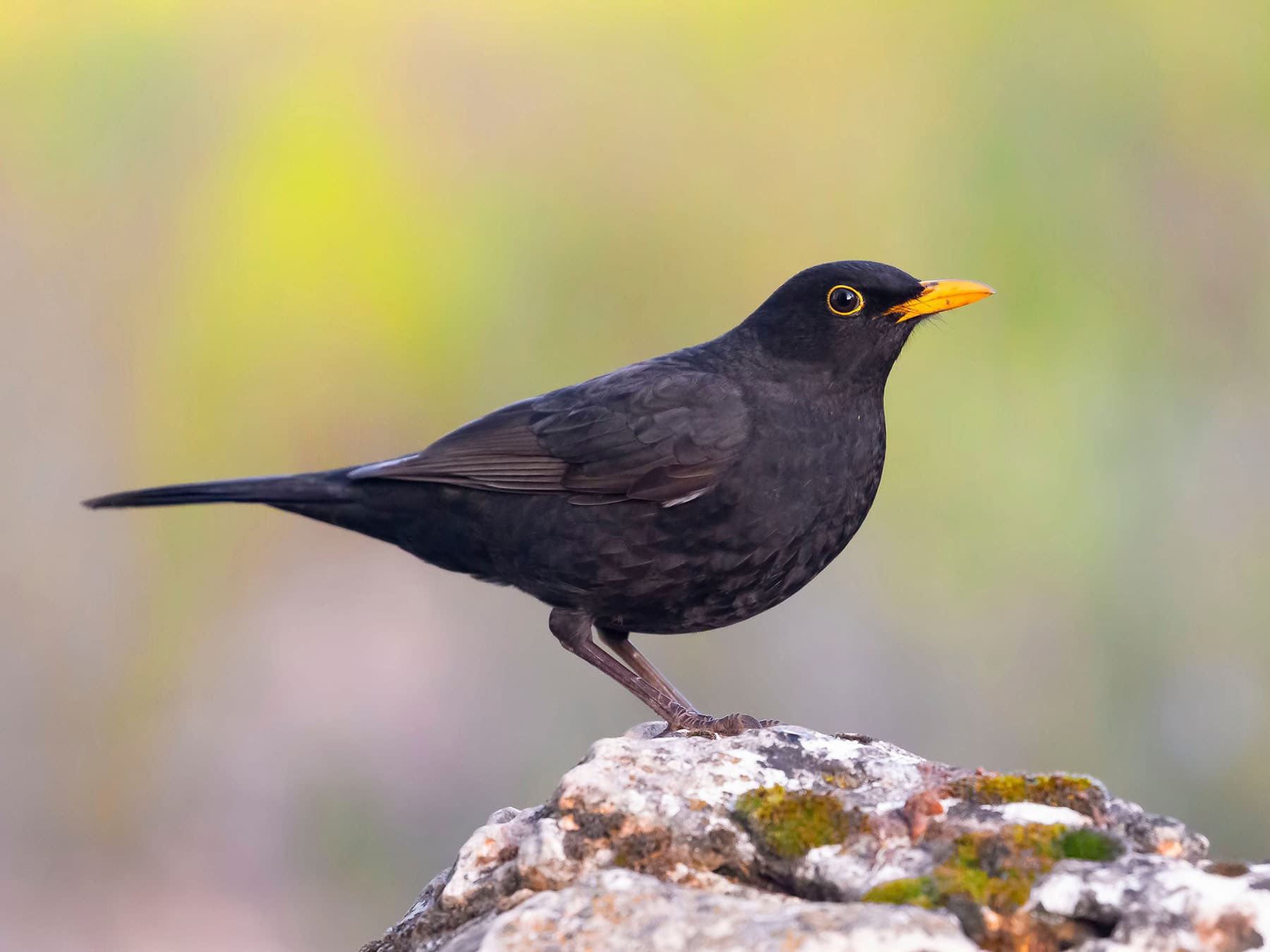 BlackbirdTurdus merulaResidentCommon24–25 cmRecorded all year · 1.46% in Feb
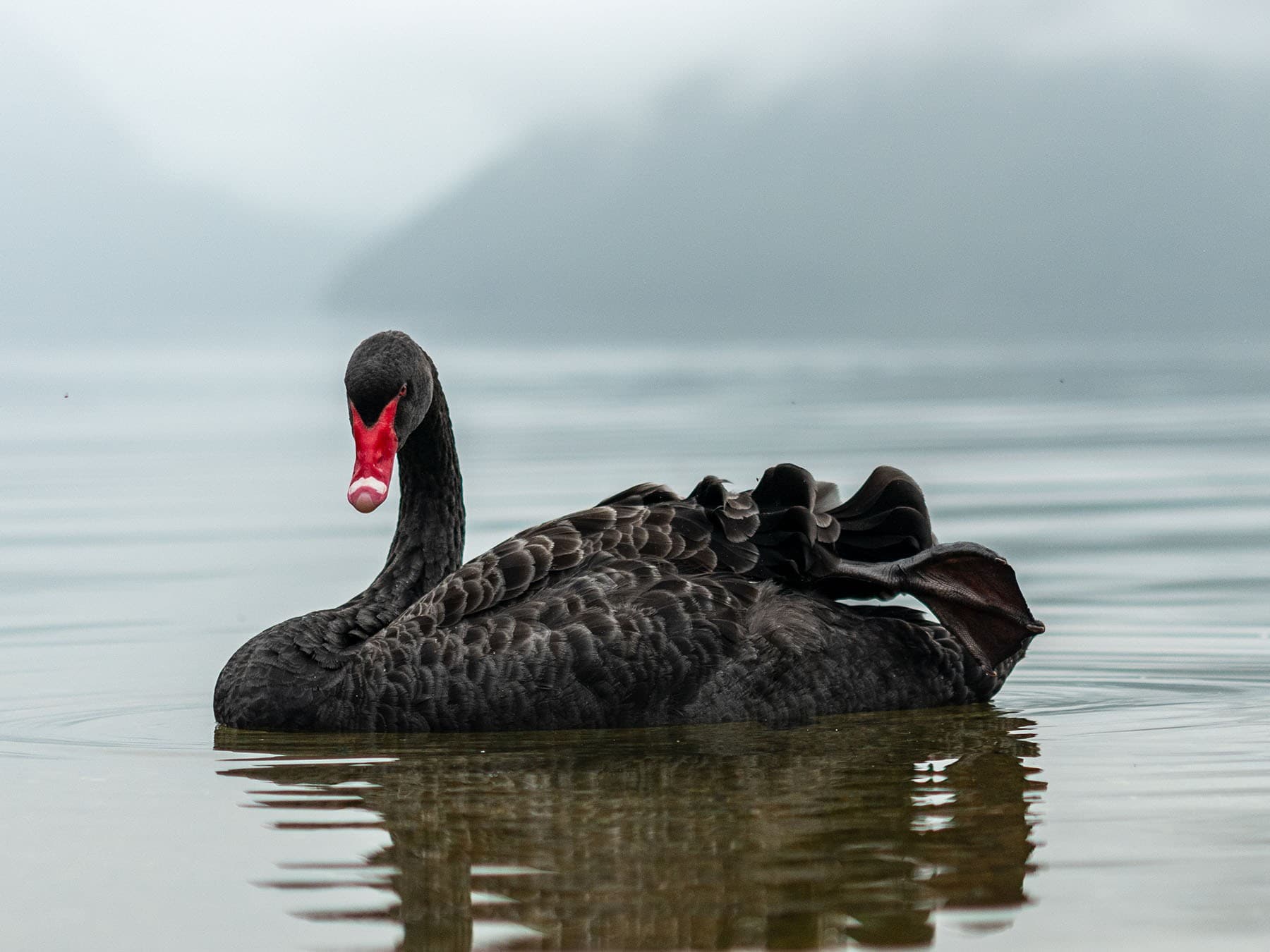 Black SwanCygnus atratusResidentCommon110–142 cmRecorded all year · 1.43% in Feb
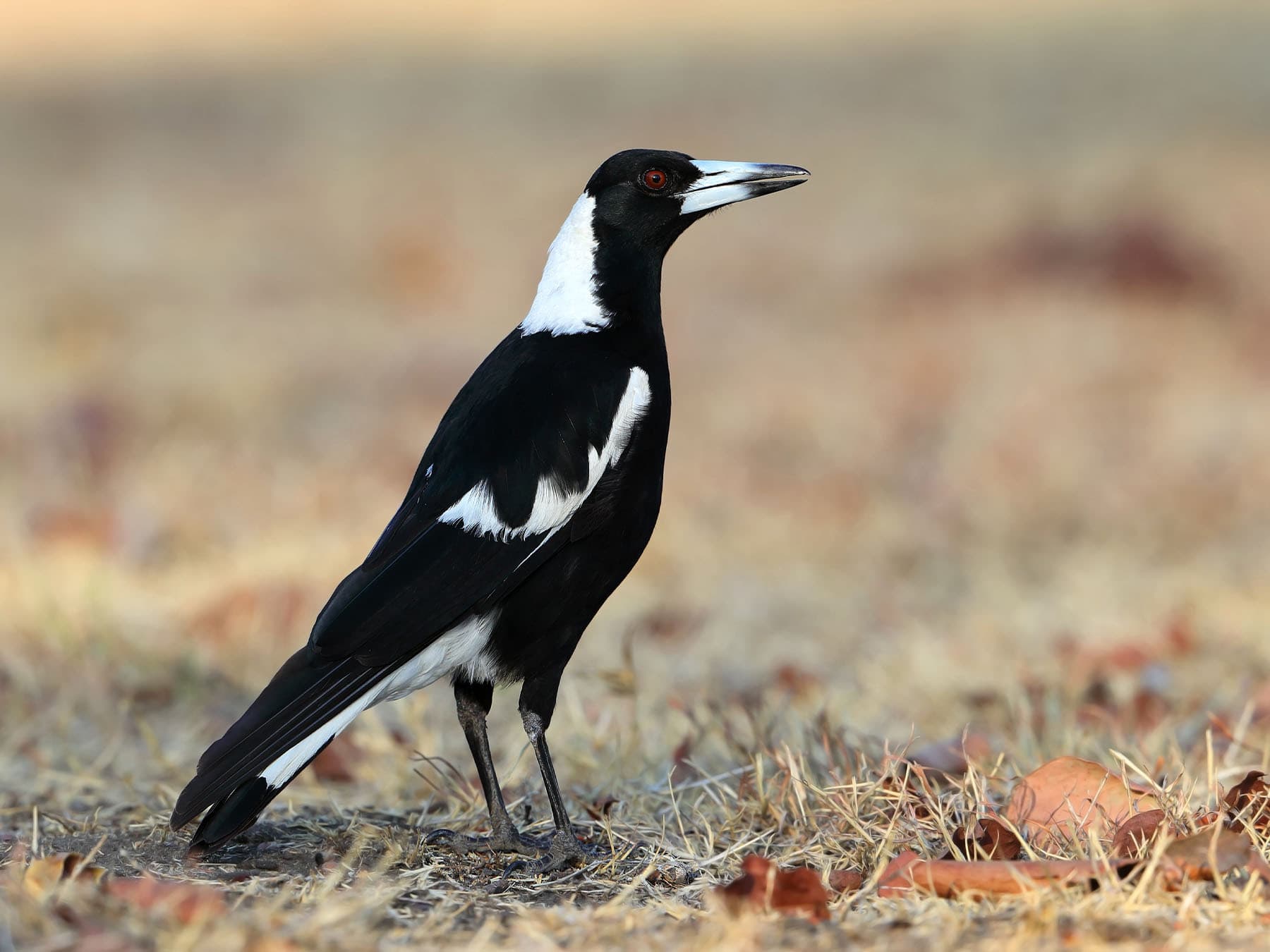 Australian MagpieGymnorhina tibicenResidentCommon37–43 cmRecorded all year · 1.38% in Feb
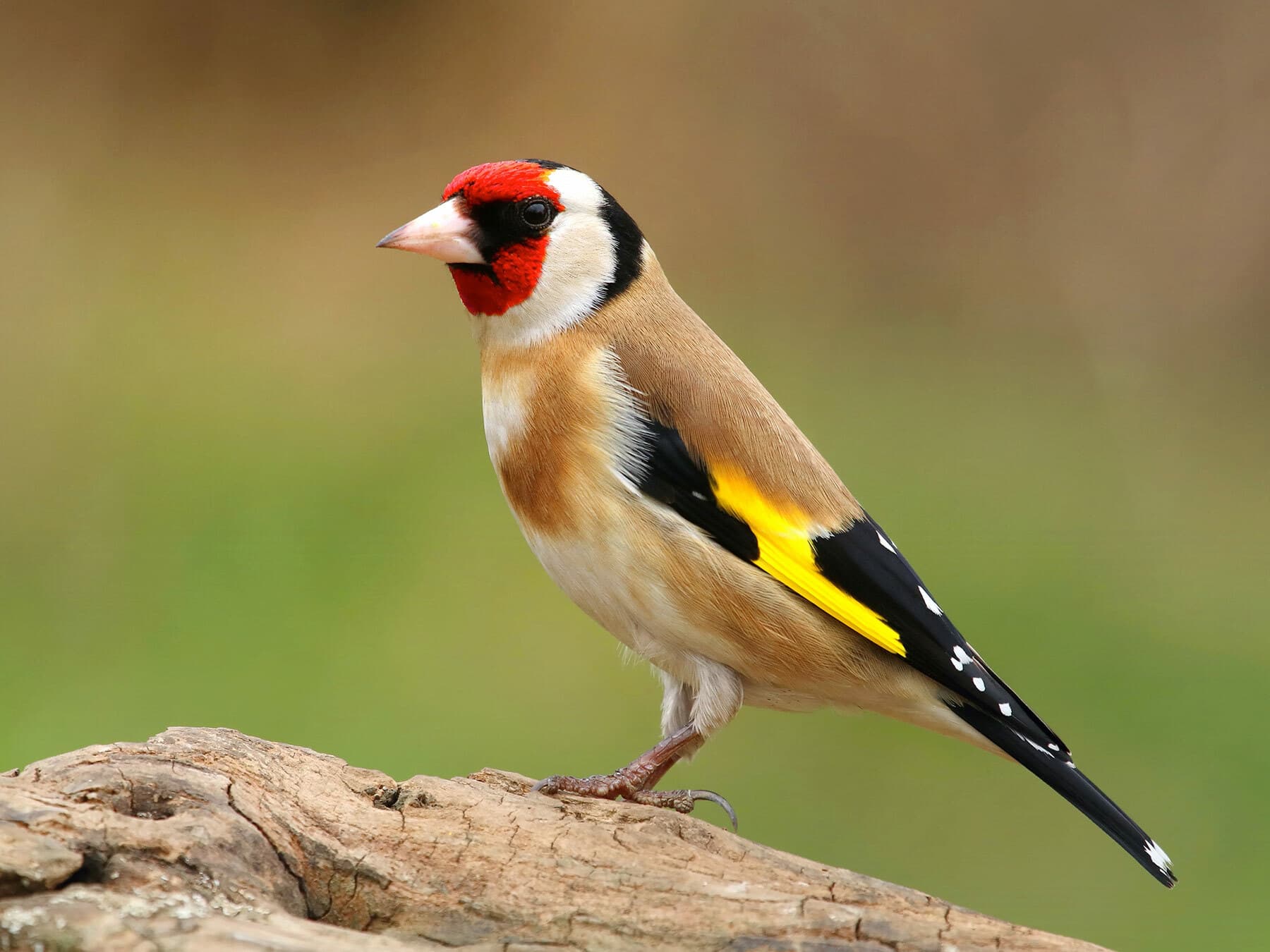 European GoldfinchCarduelis carduelisResidentCommon12–13 cmRecorded all year · 1.27% in Feb
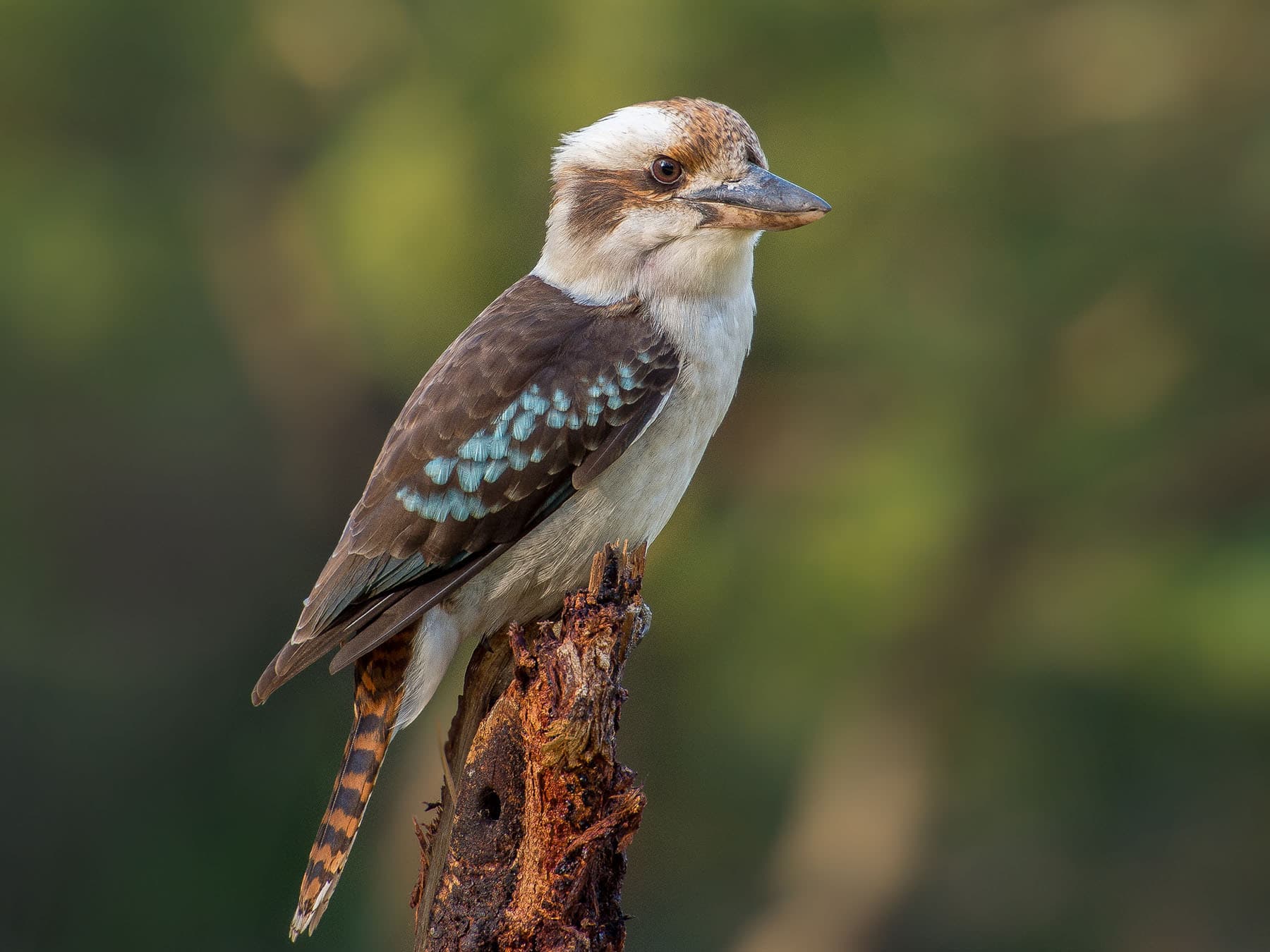 Laughing KookaburraDacelo novaeguineaeResidentCommon41–47 cmRecorded all year · 1.19% in Feb
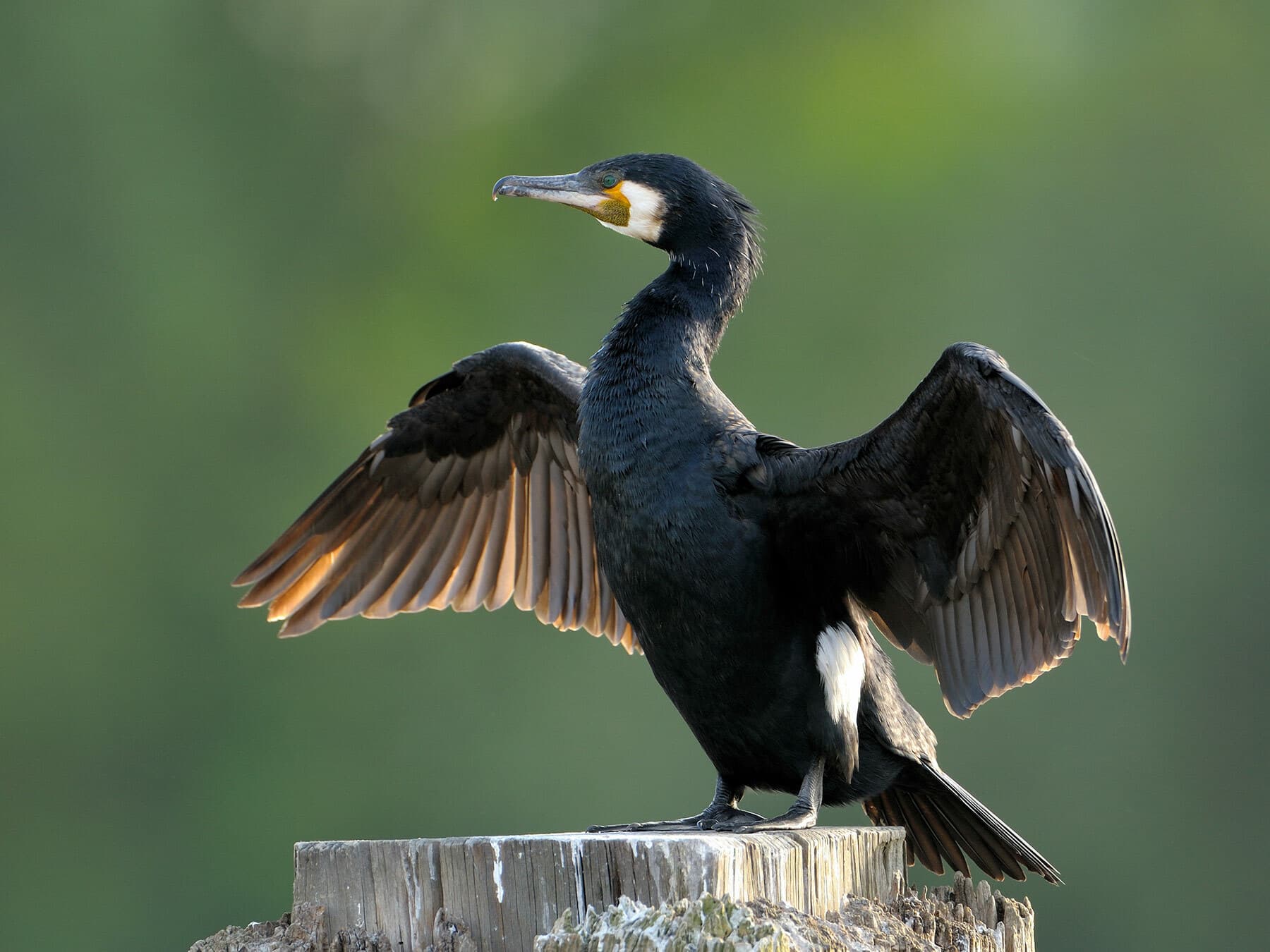 Great CormorantPhalacrocorax carboResidentCommon80–100 cmRecorded all year · 0.90% in Feb
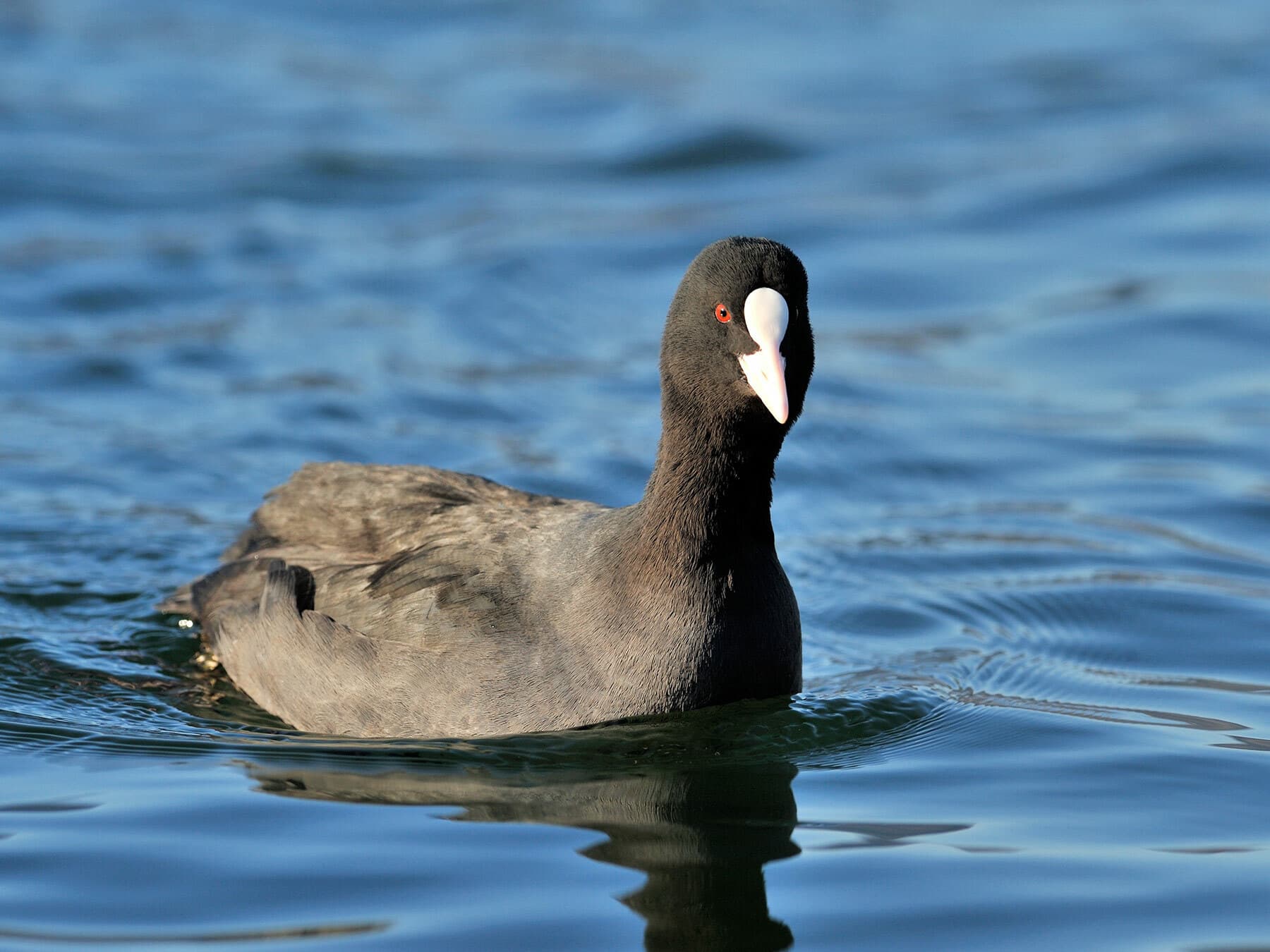 CootFulica atraResidentCommon36–42 cmRecorded all year · 0.65% in Feb
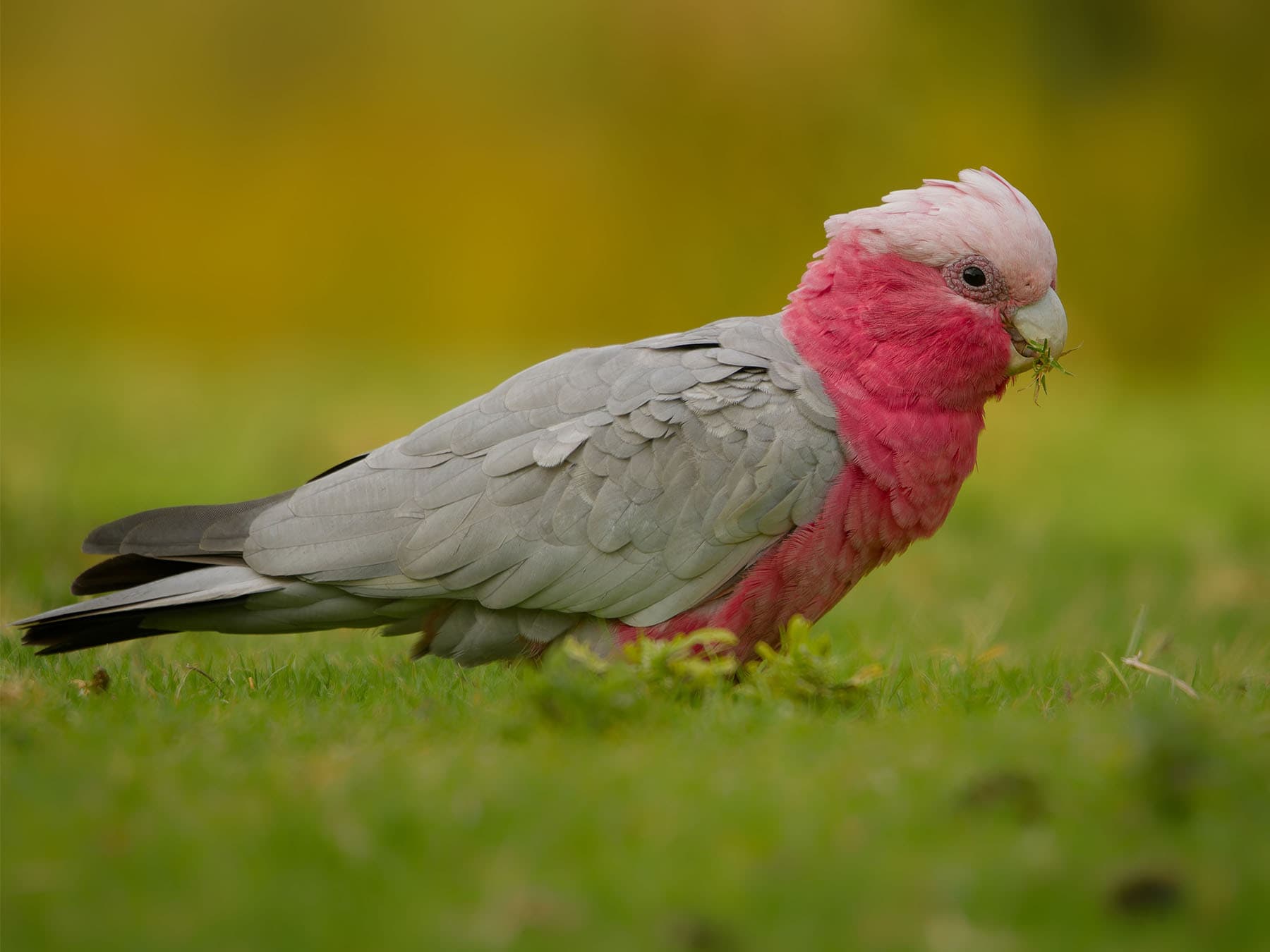 GalahEolophus roseicapillaResidentCommon35–38 cmRecorded all year · 0.52% in Feb
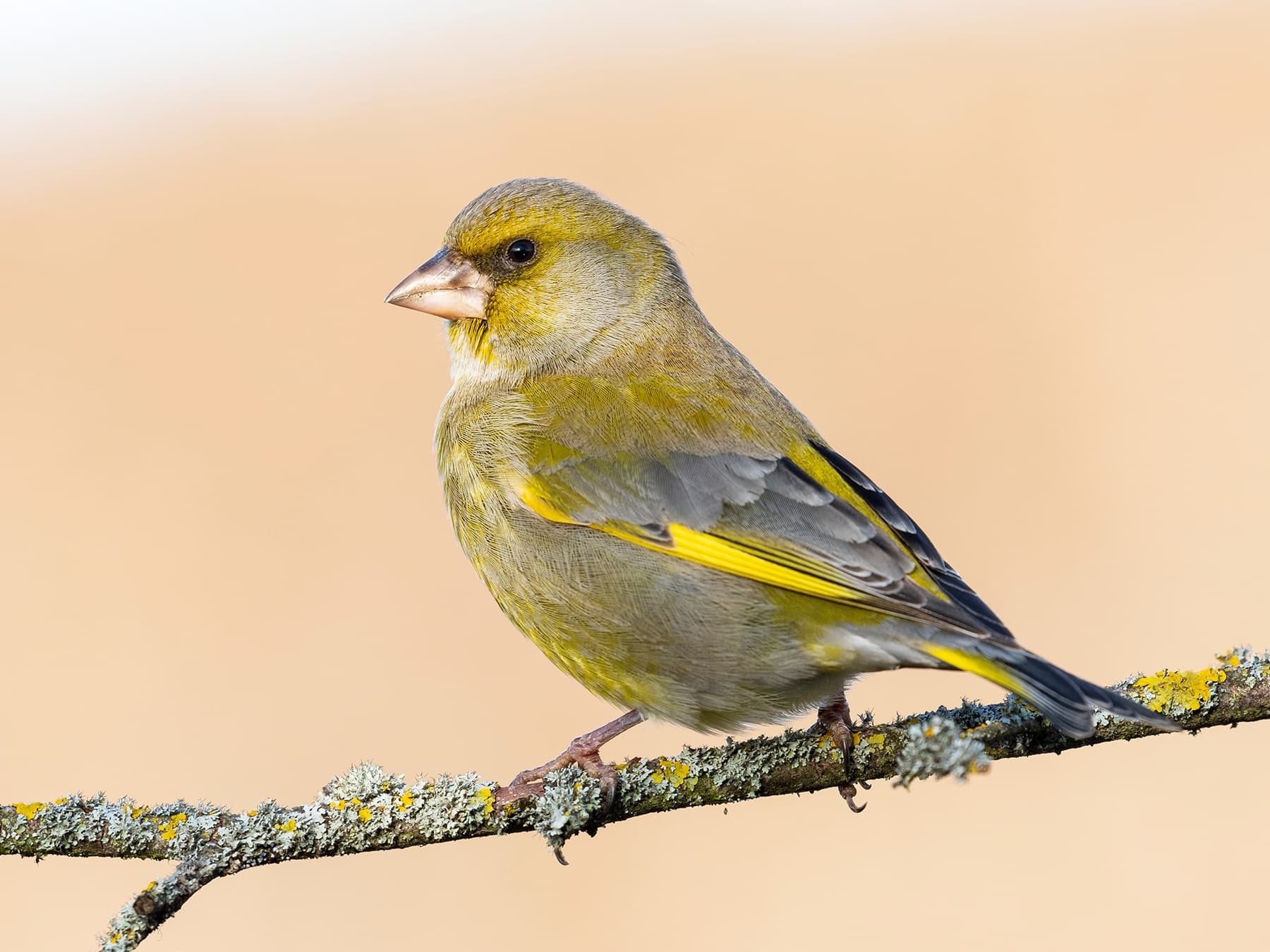 GreenfinchChloris chlorisResidentCommon15–16 cmRecorded all year · 0.34% in Feb
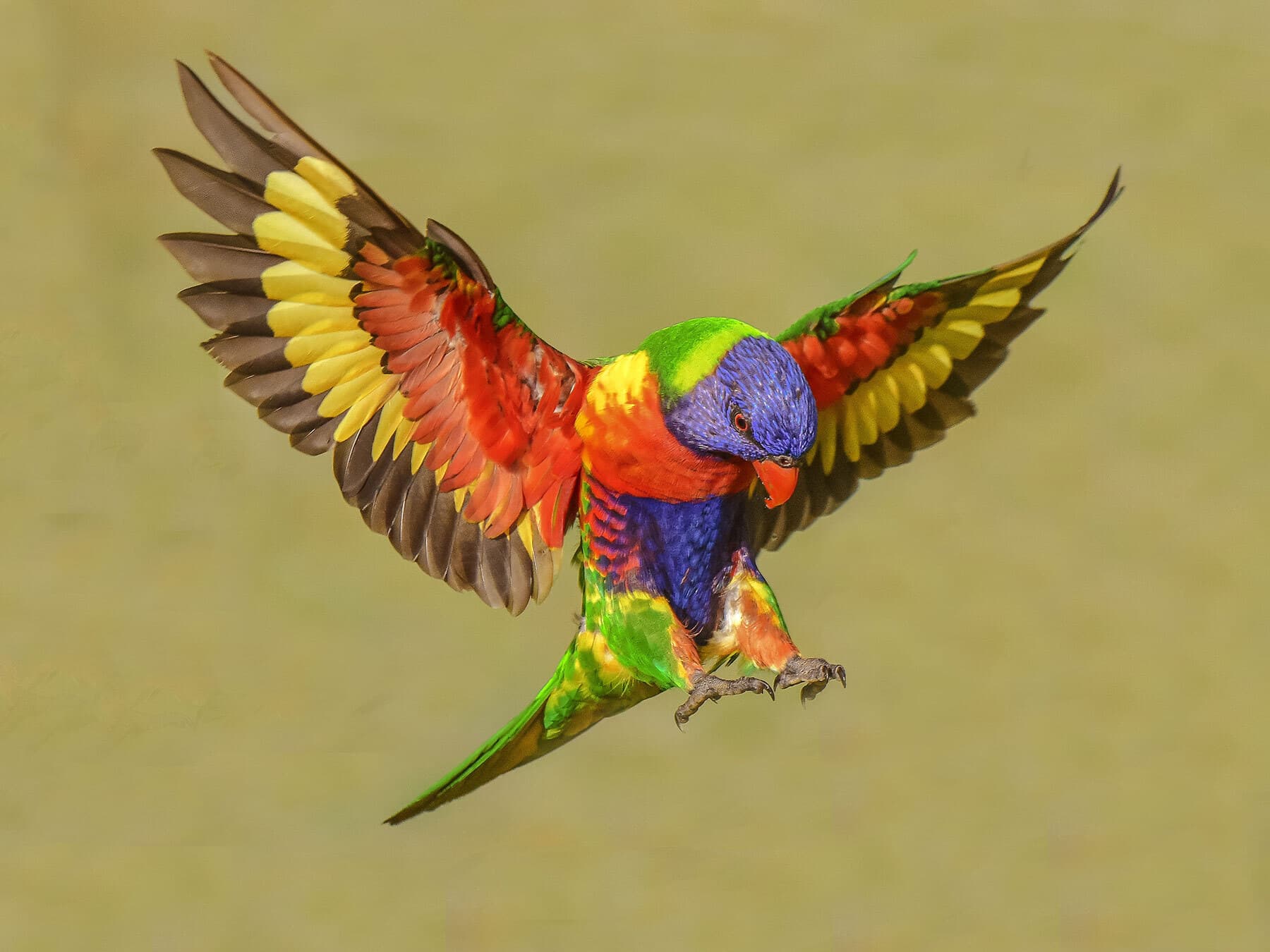 Rainbow LorikeetTrichoglossus moluccanusResidentCommon25–30 cmRecorded all year · 0.31% in Feb
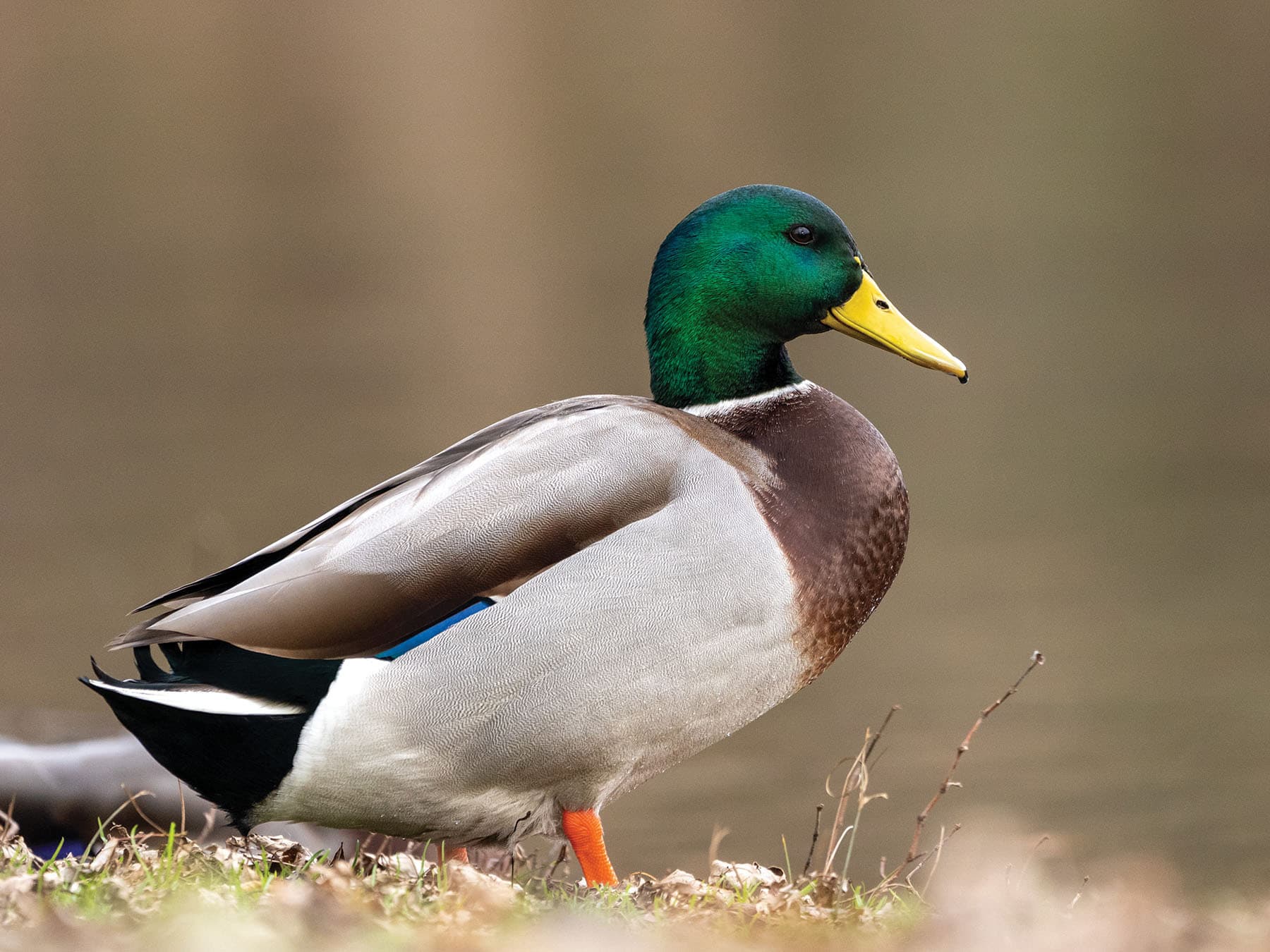 MallardAnas platyrhynchosResidentUncommon50–65 cmRecorded all year · 0.19% in Feb
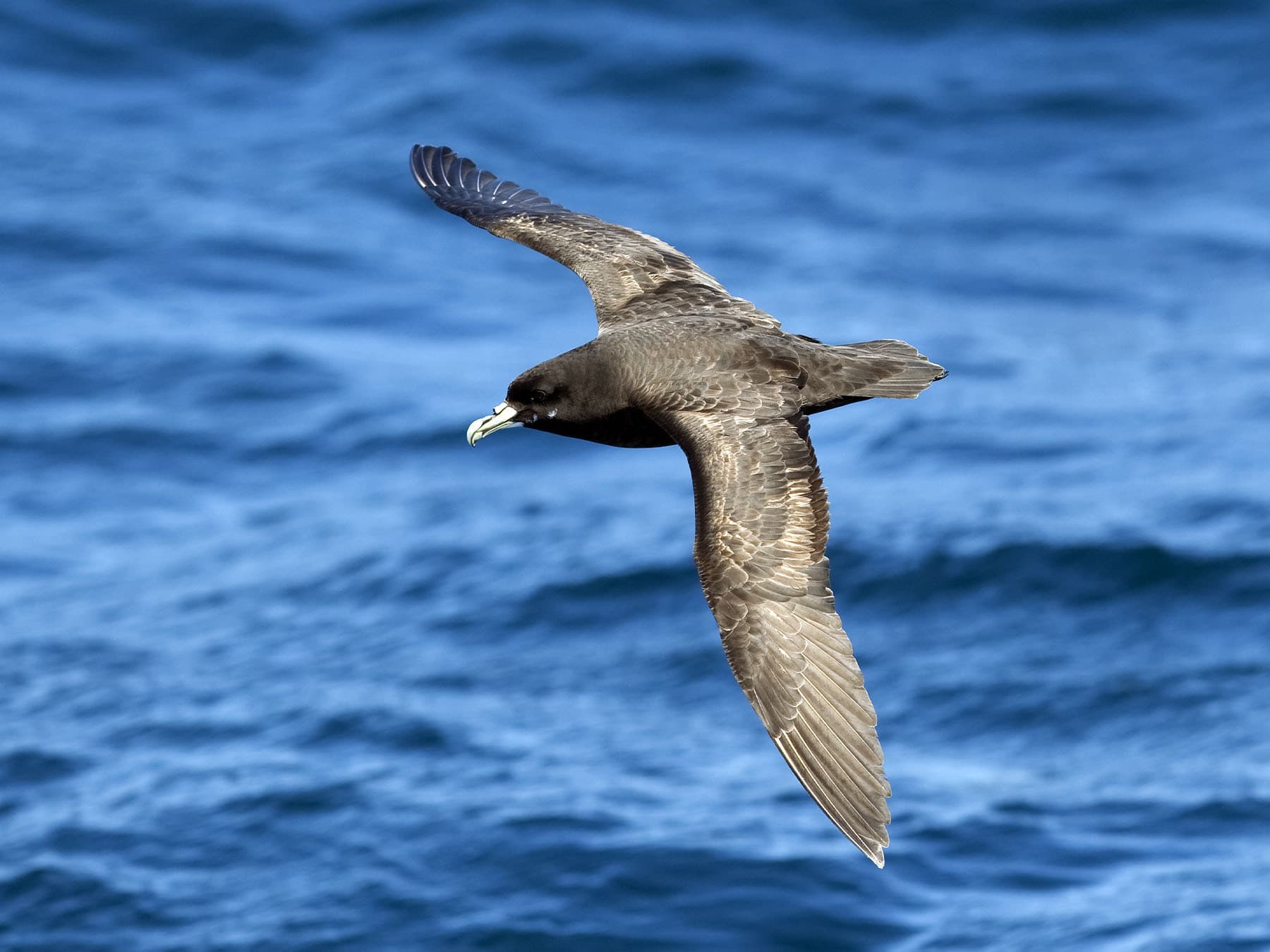 White-chinned PetrelProcellaria aequinoctialisResidentUncommon50–58 cmRecorded all year · 0.19% in Feb
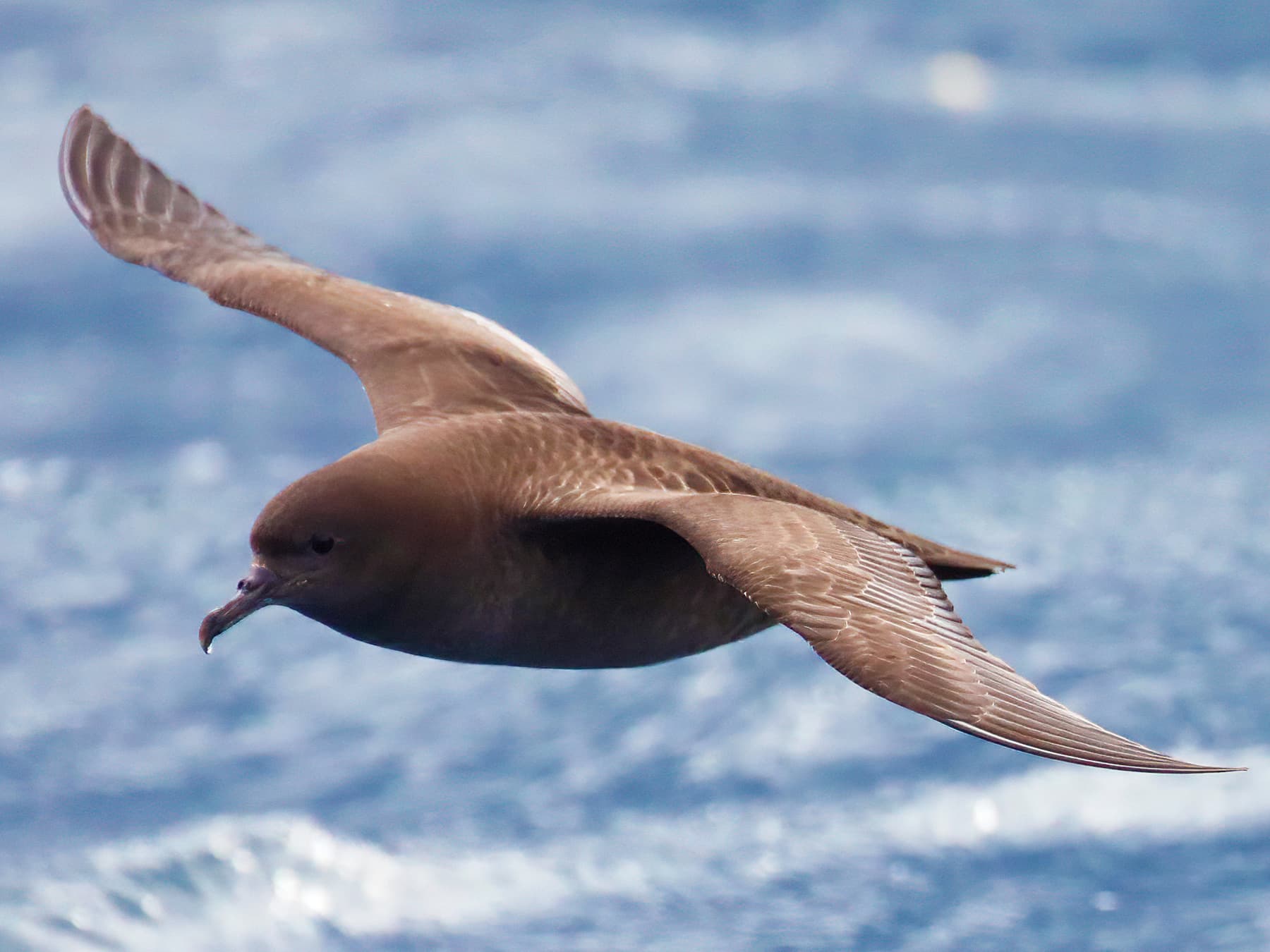 Sooty ShearwaterArdenna griseaResidentUncommon40–51 cmRecorded all year · 0.19% in Feb
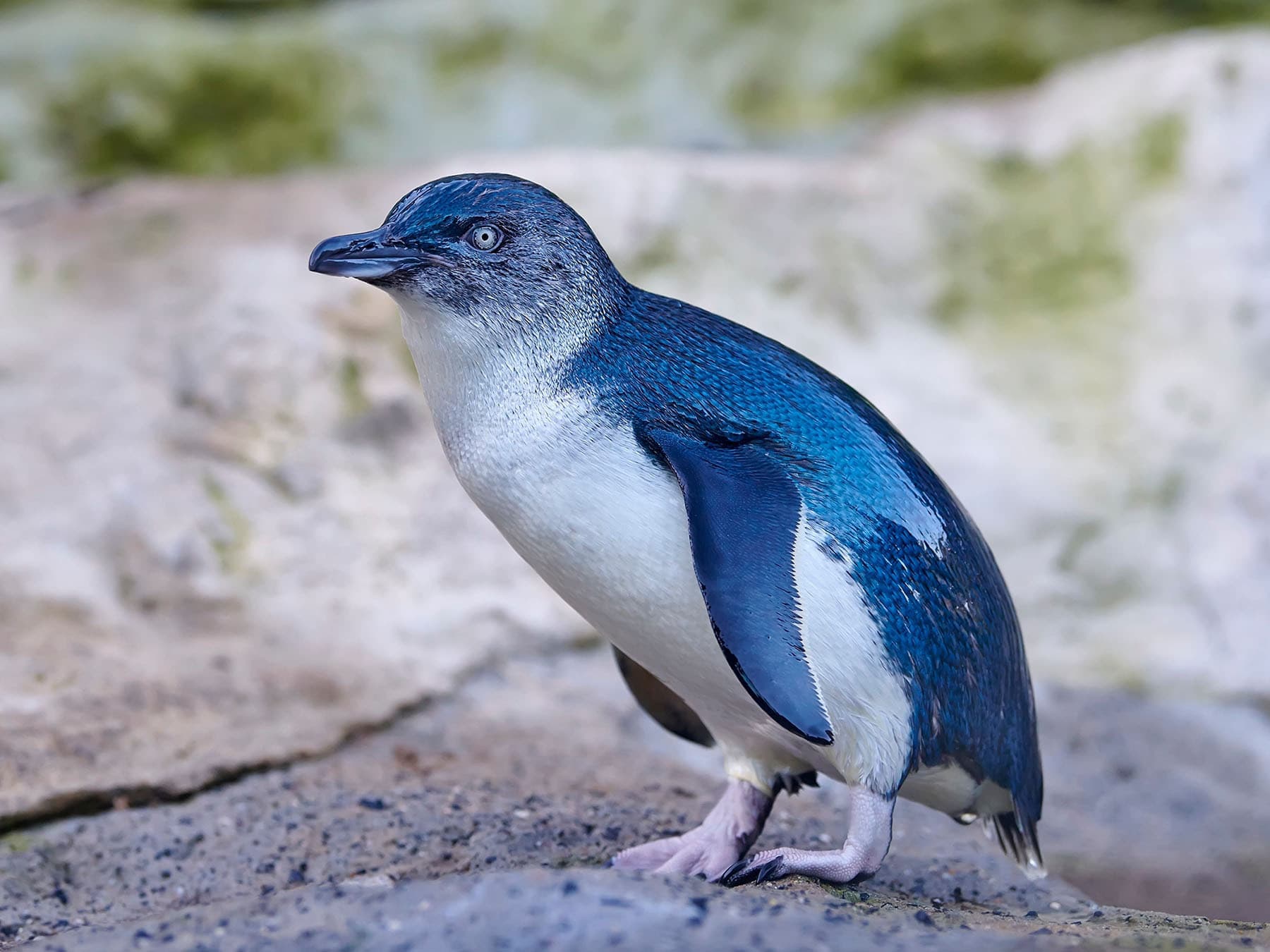 Little PenguinEudyptula minorResidentUncommon30–40 cmRecorded all year · 0.18% in Feb
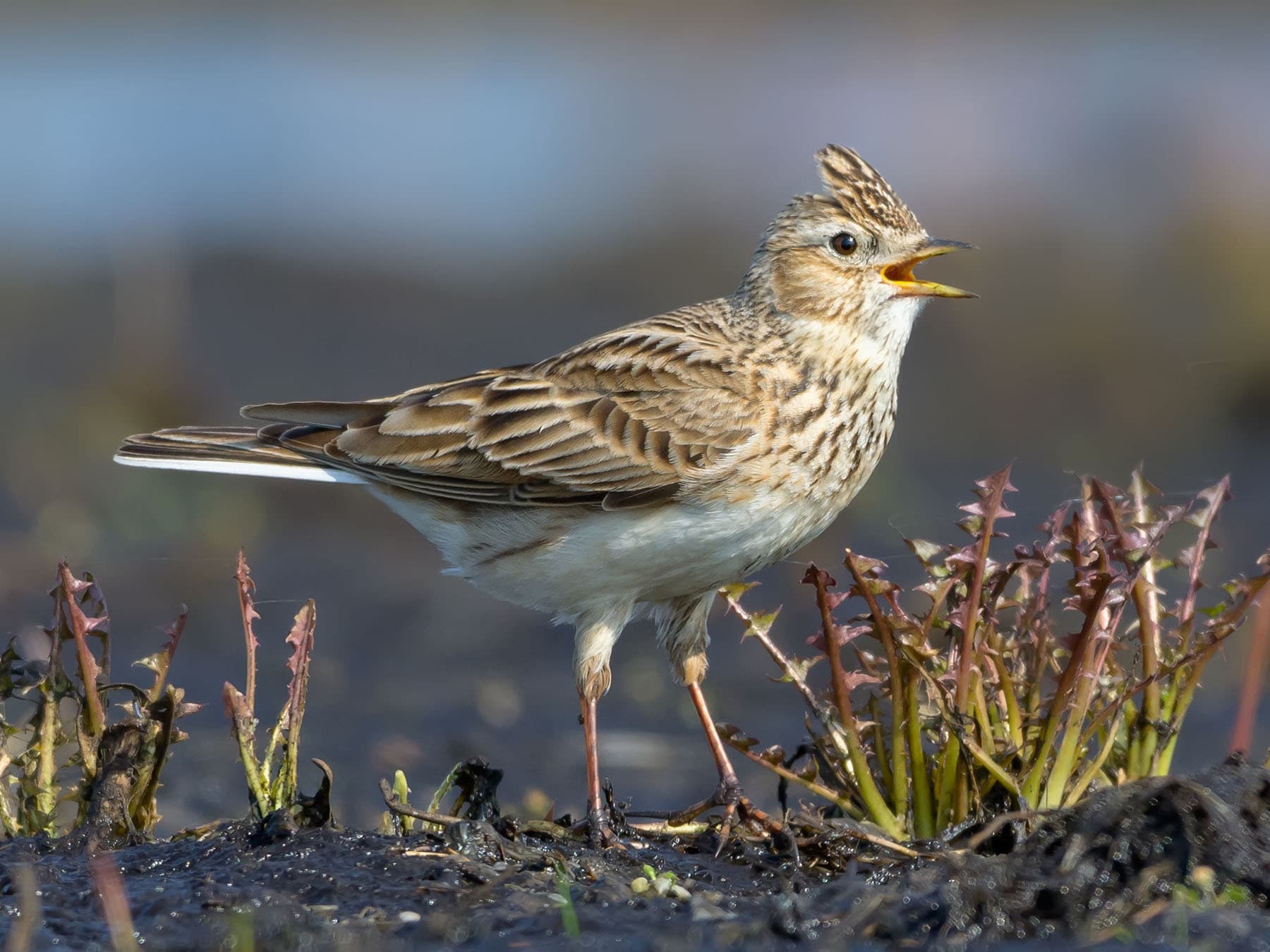 Eurasian SkylarkAlauda arvensisResidentCommon16–18 cmRecorded all year · 0.17% in Feb
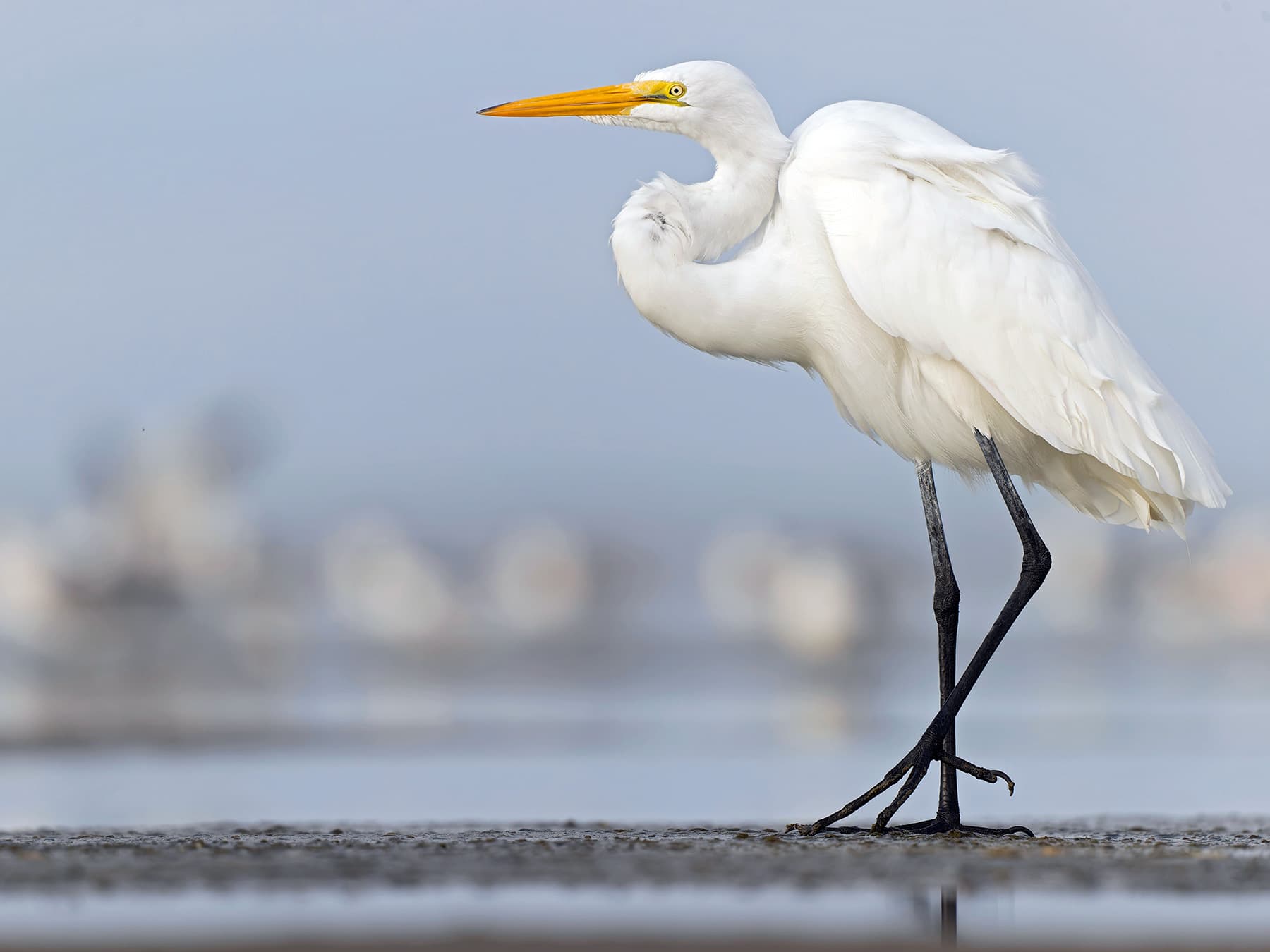 Great White EgretArdea albaResidentUncommon80–104 cmRecorded all year · 0.16% in Feb
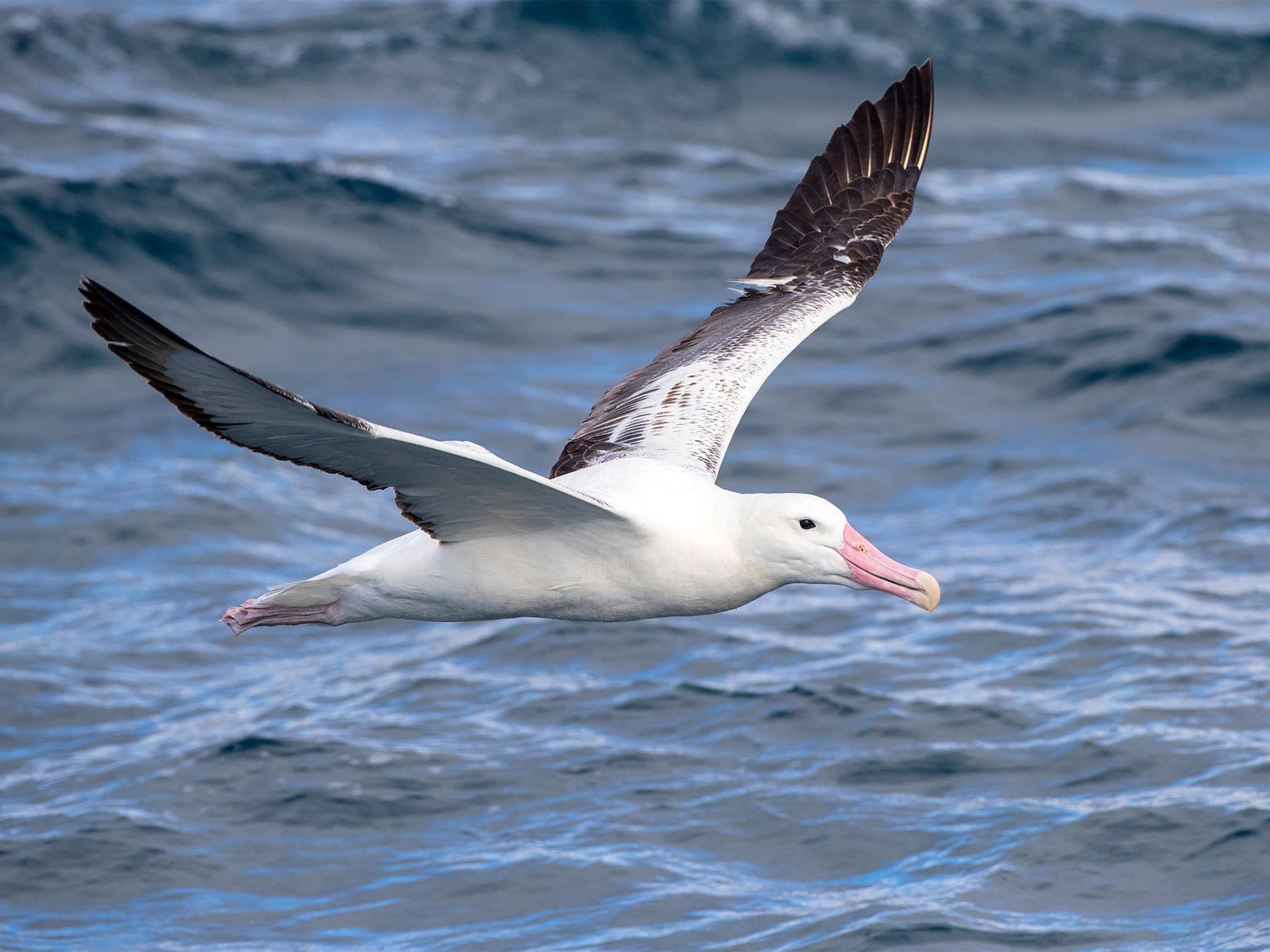 Southern Royal AlbatrossDiomedea epomophoraResidentUncommon115–123 cmRecorded all year · 0.15% in Feb
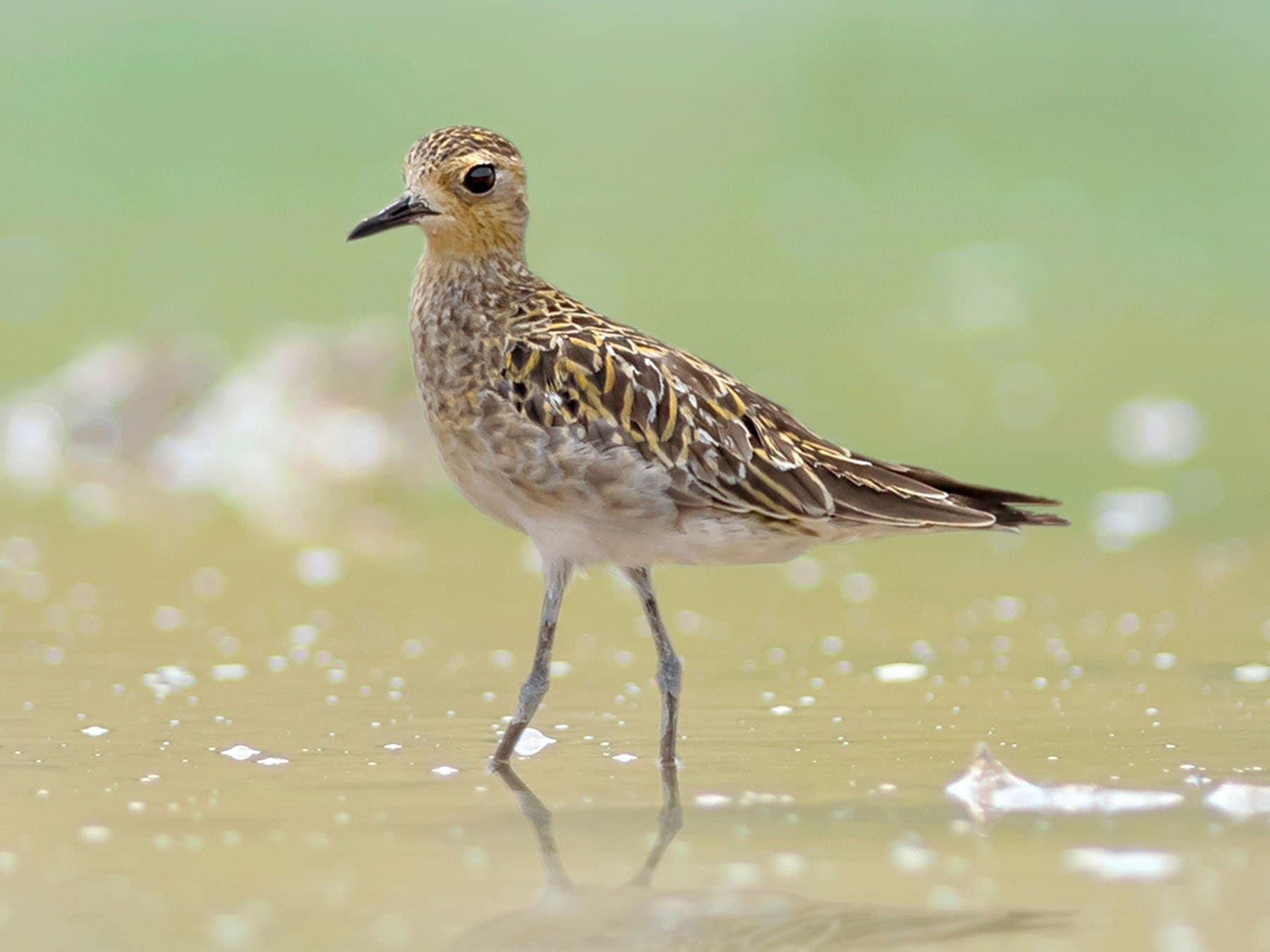 Pacific Golden-PloverPluvialis fulvaSummer visitorUncommon23–26 cmRegularly Sep–Apr · 0.13% in Feb
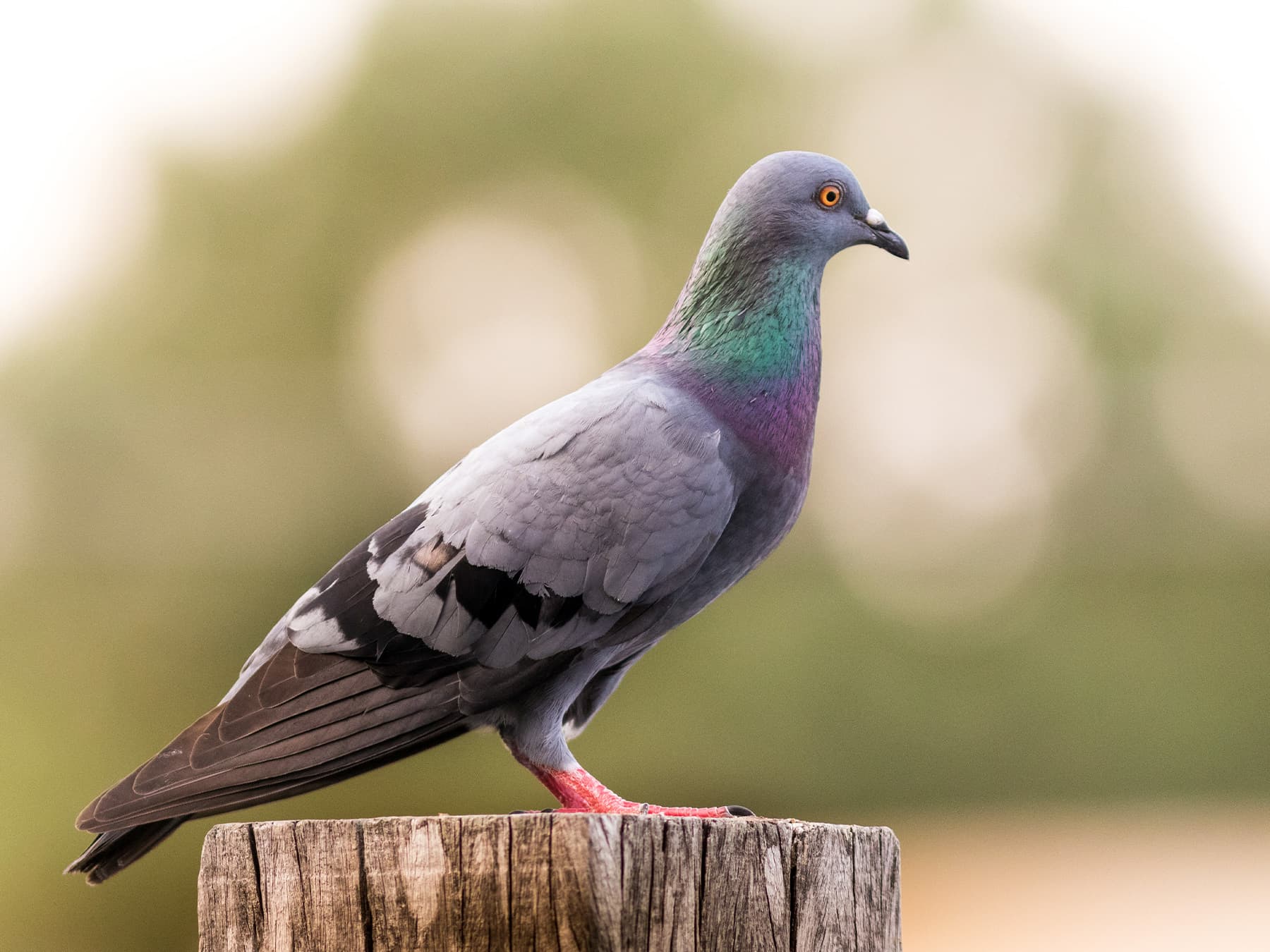 Rock DoveColumba liviaResidentUncommon29–37 cmRecorded all year · 0.13% in Feb
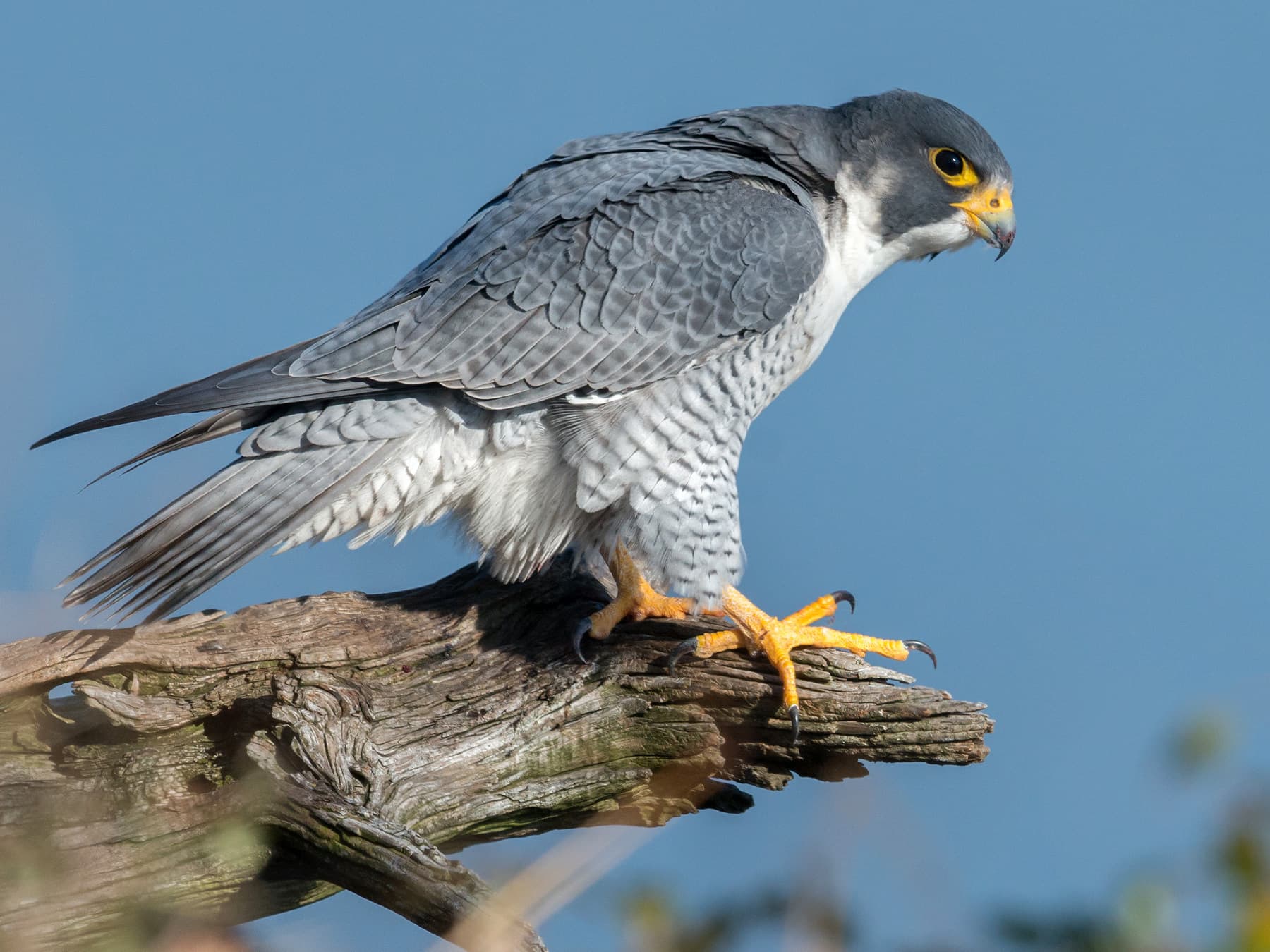 Peregrine FalconFalco peregrinusResidentUncommon34–58 cmRecorded all year · 0.10% in Feb
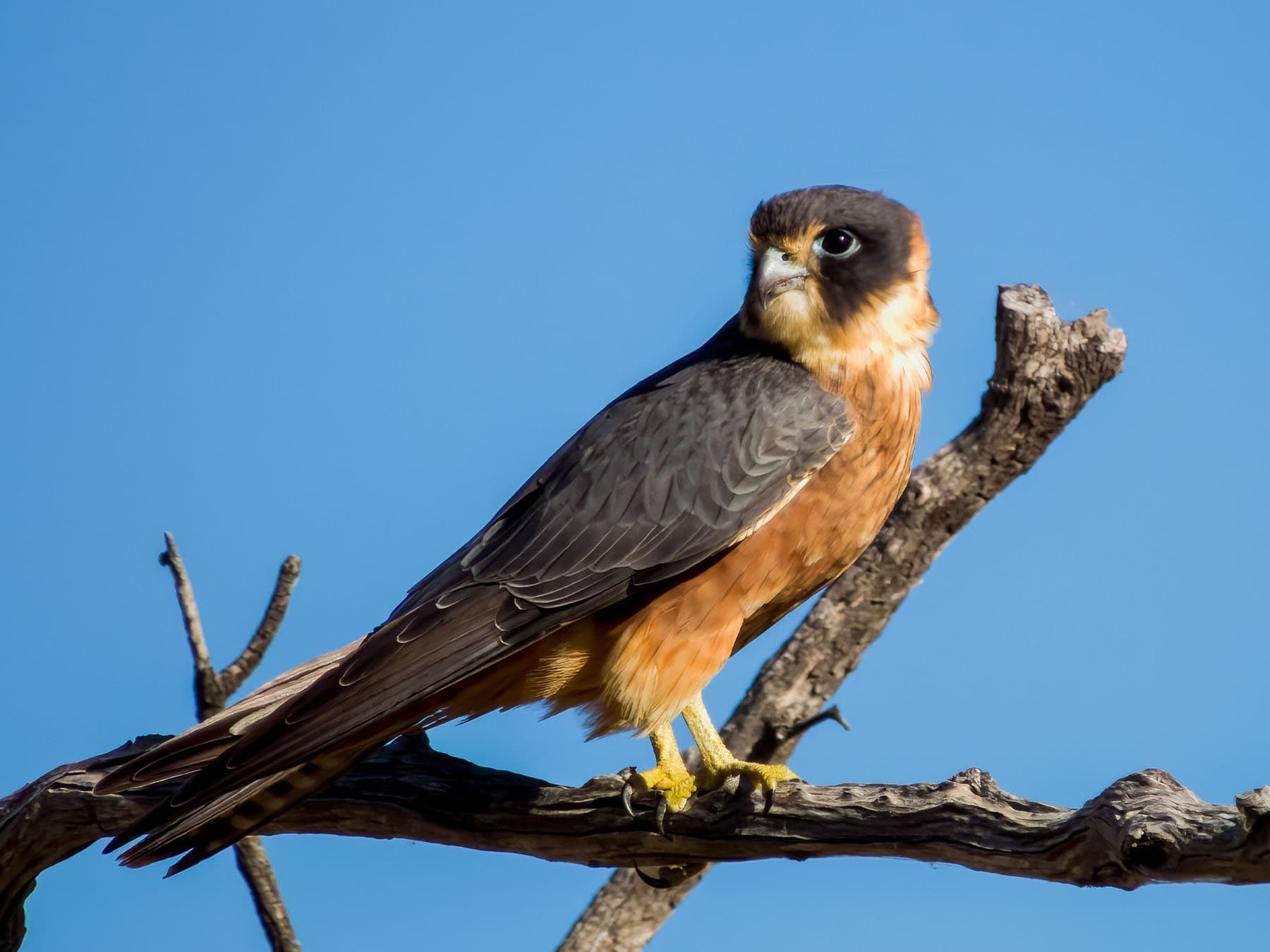 Australian HobbyFalco longipennisResidentUncommon30–35 cmRecorded all year · 0.09% in Feb
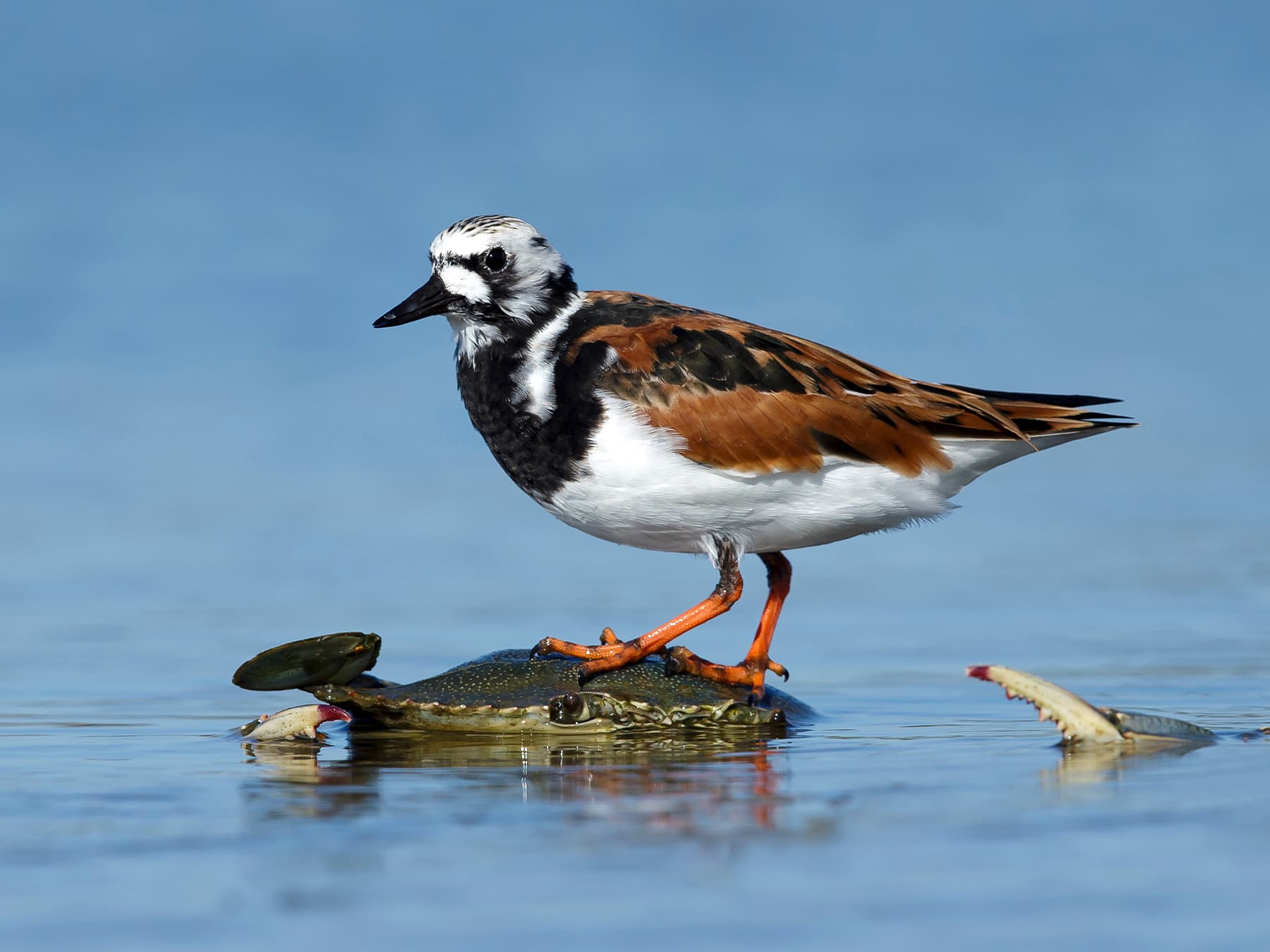 Ruddy TurnstoneArenaria interpresSummer visitorUncommon21–24 cmRecorded all year · 0.09% in Feb
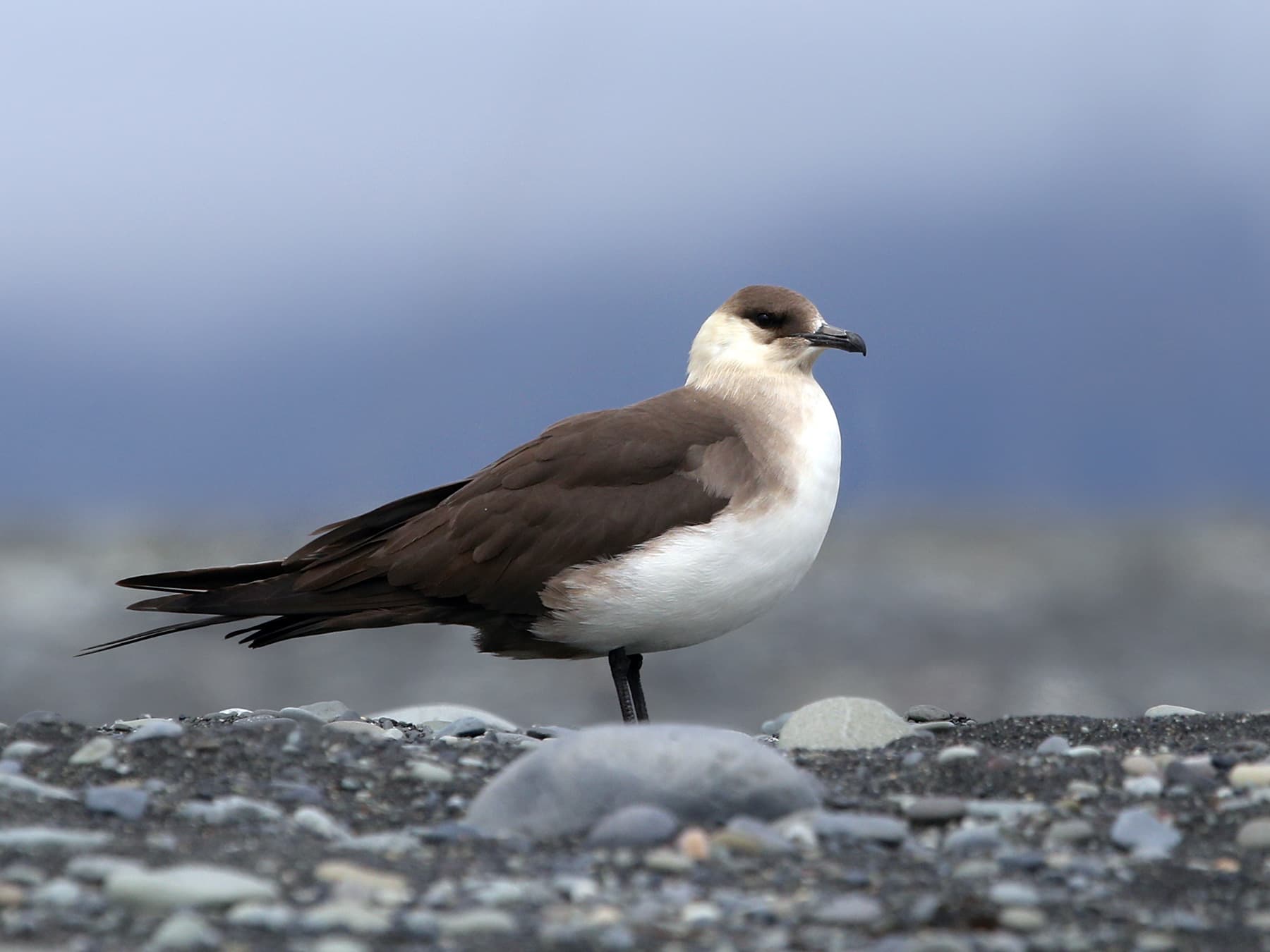 Arctic JaegerStercorarius parasiticusSummer visitorUncommon41–46 cmRegularly Nov–Mar · 0.08% in Feb
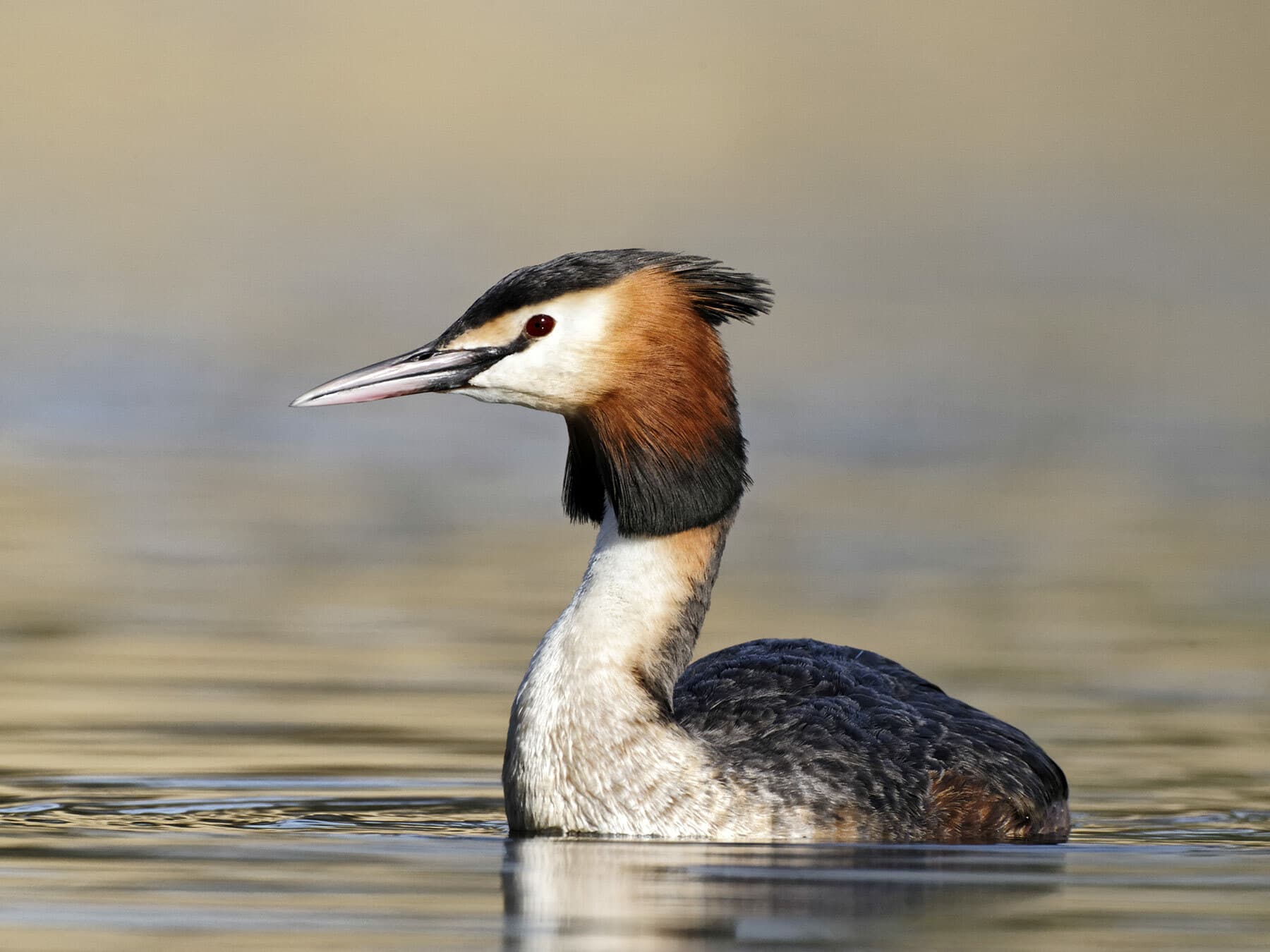 Great Crested GrebePodiceps cristatusResidentUncommon46–51 cmRecorded all year · 0.07% in Feb
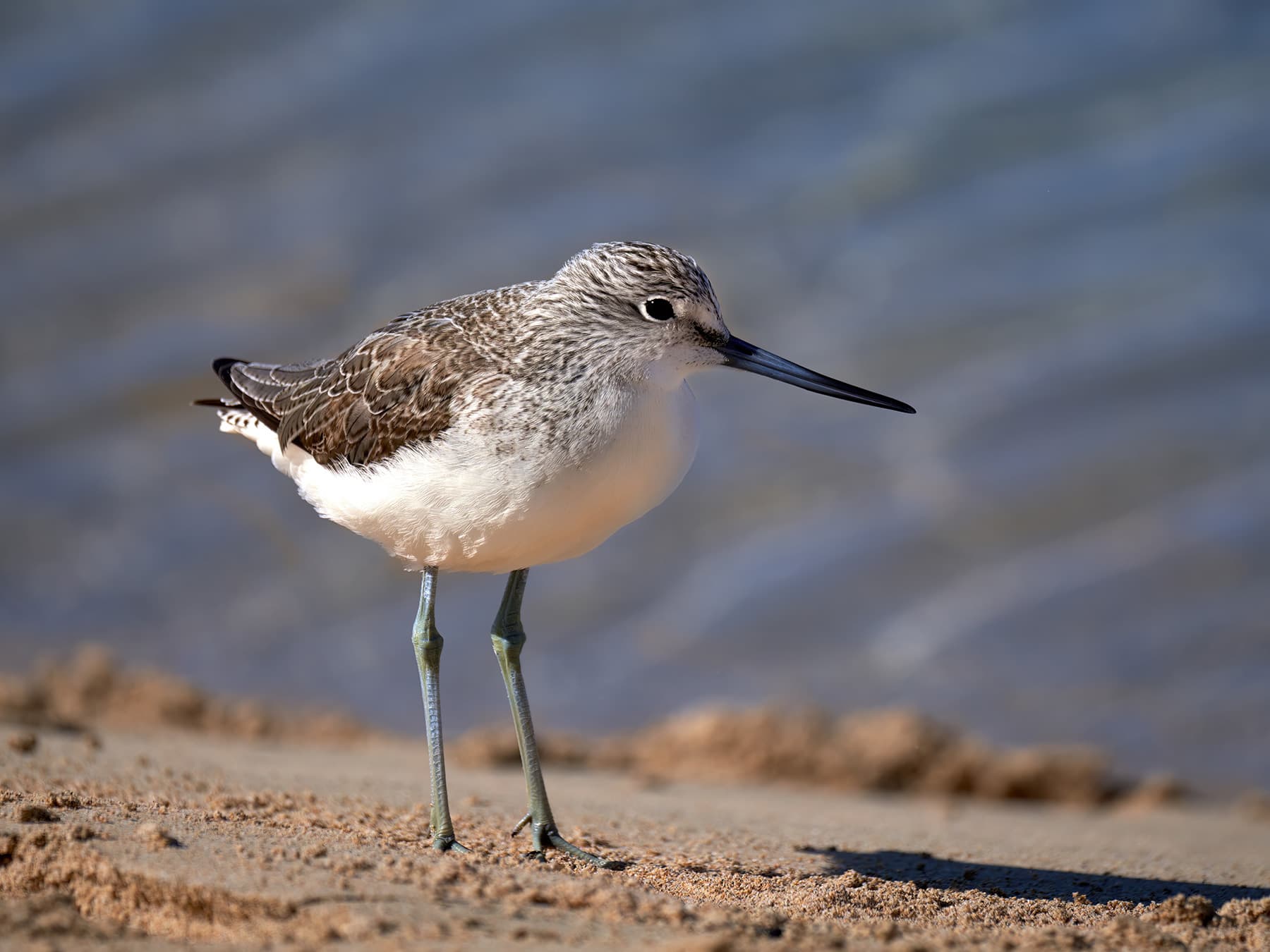 GreenshankTringa nebulariaSummer visitorUncommon30–35 cmRegularly Aug–Apr · 0.07% in Feb
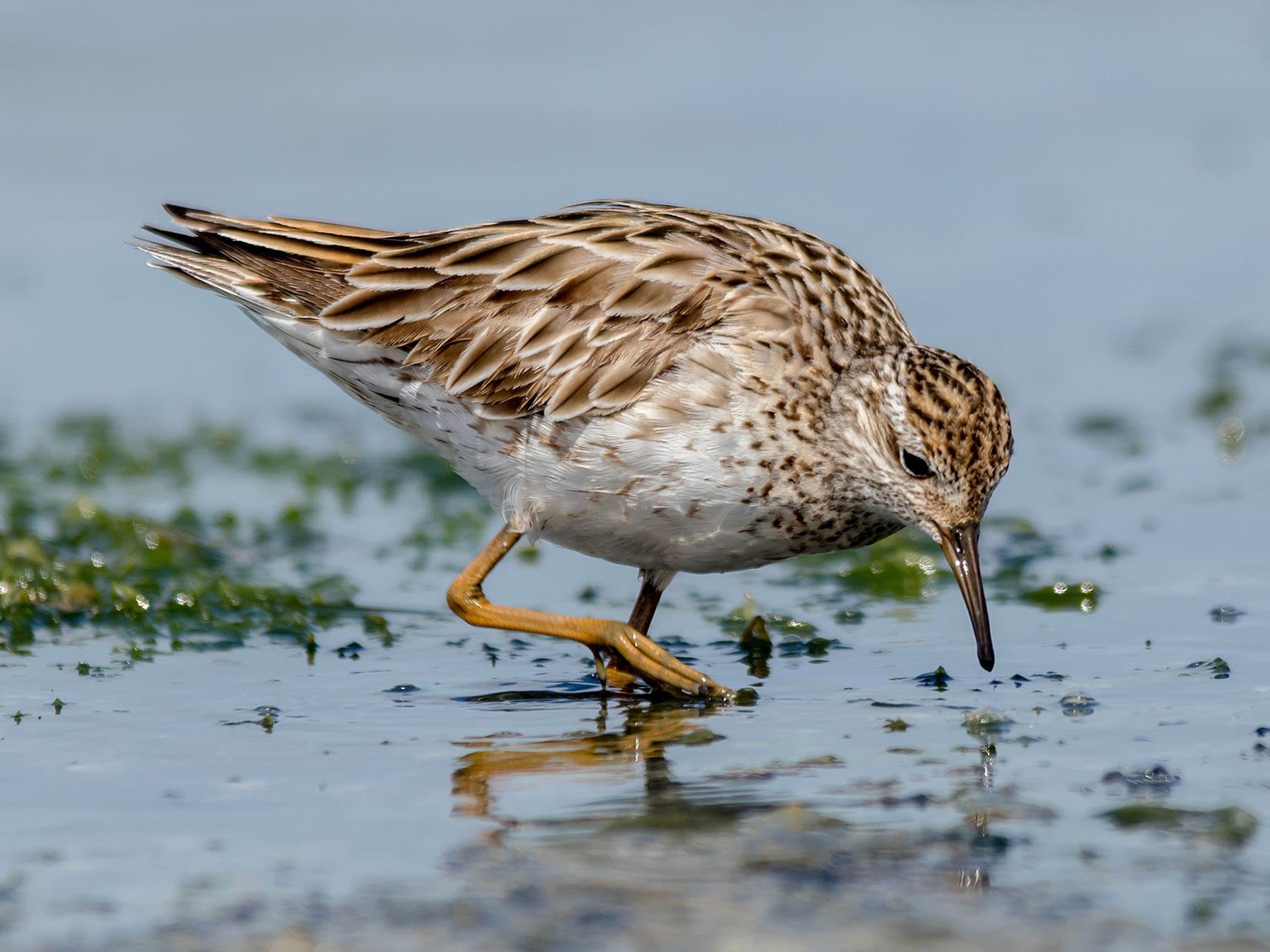 Sharp-tailed SandpiperCalidris acuminataSummer visitorUncommon17–22 cmRegularly Sep–Mar · 0.07% in Feb
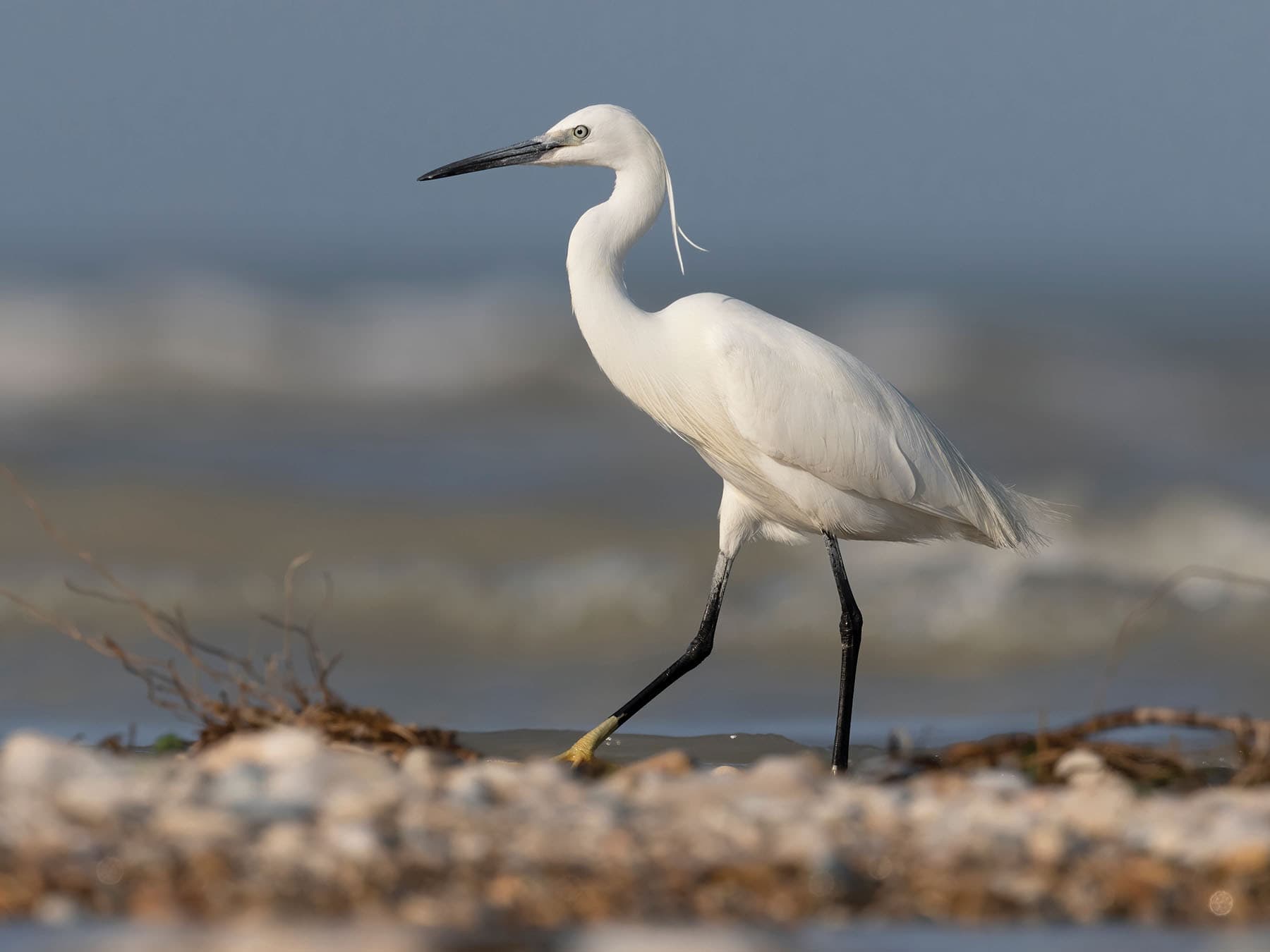 Little EgretEgretta garzettaResidentUncommon55–65 cmRecorded all year · 0.07% in Feb
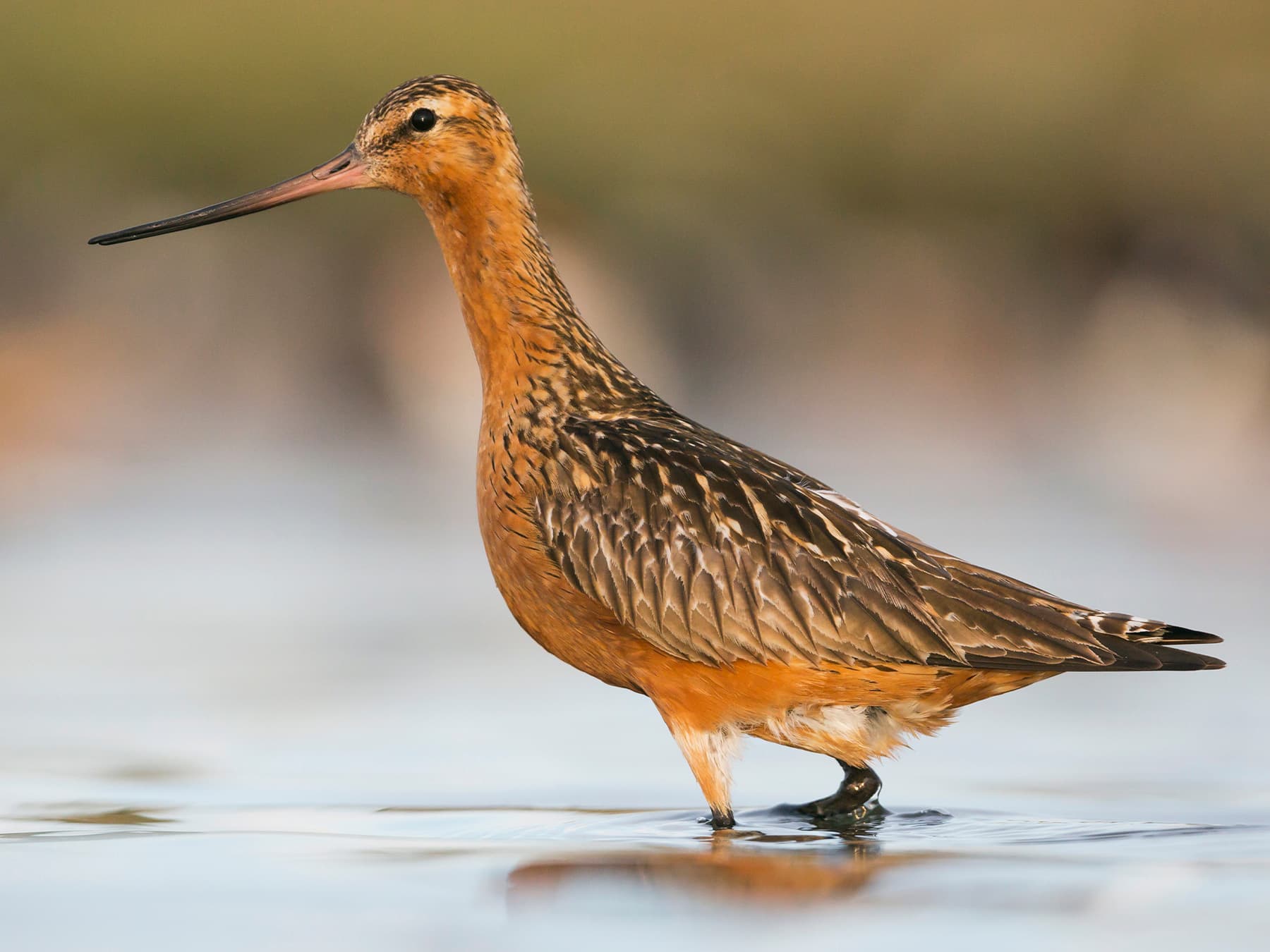 Bar-tailed GodwitLimosa lapponicaResidentUncommon37–41 cmRecorded all year · 0.06% in Feb
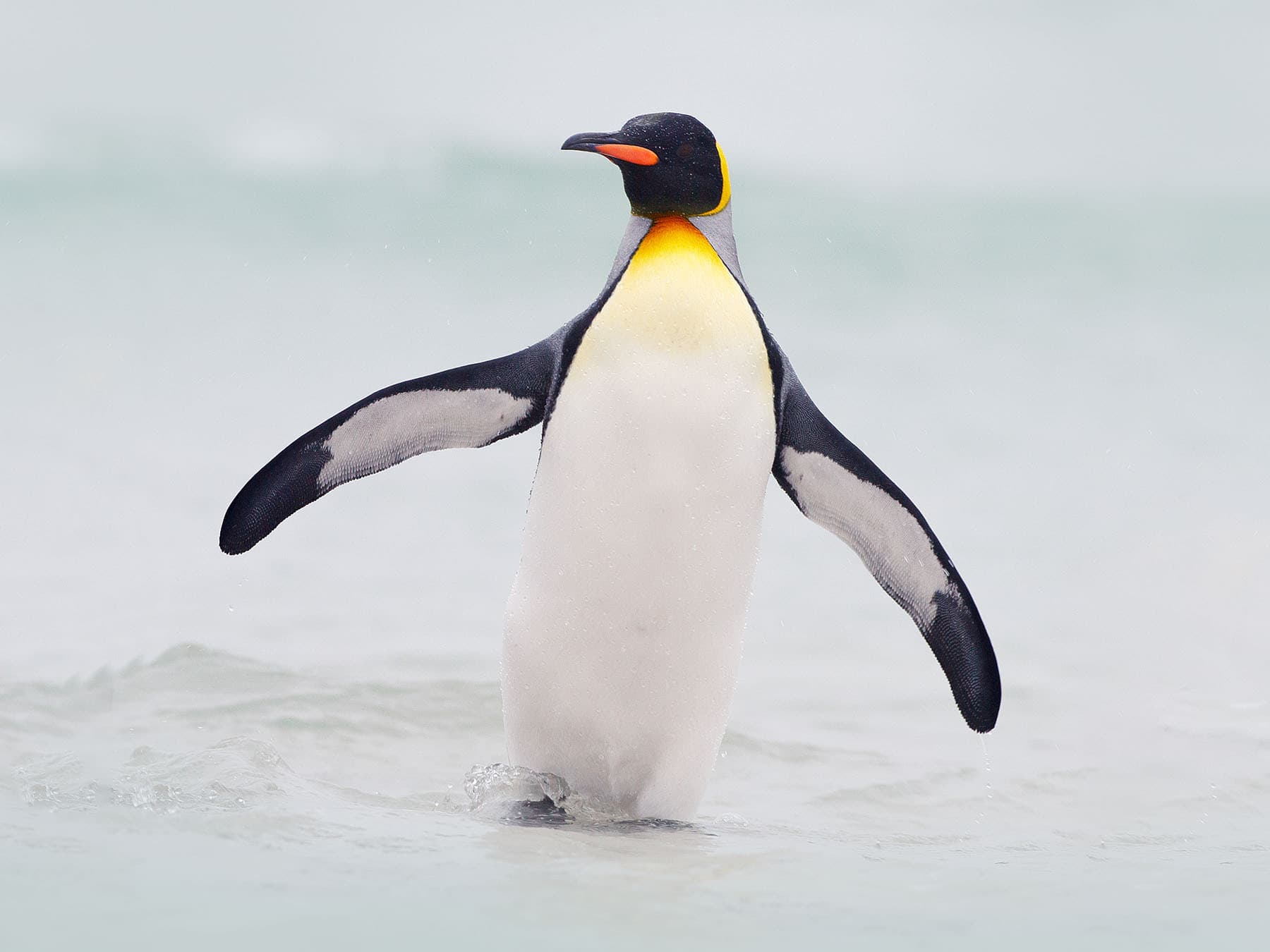 King PenguinAptenodytes patagonicusSummer visitorUncommon70–100 cmRegularly Nov–Mar · 0.06% in Feb
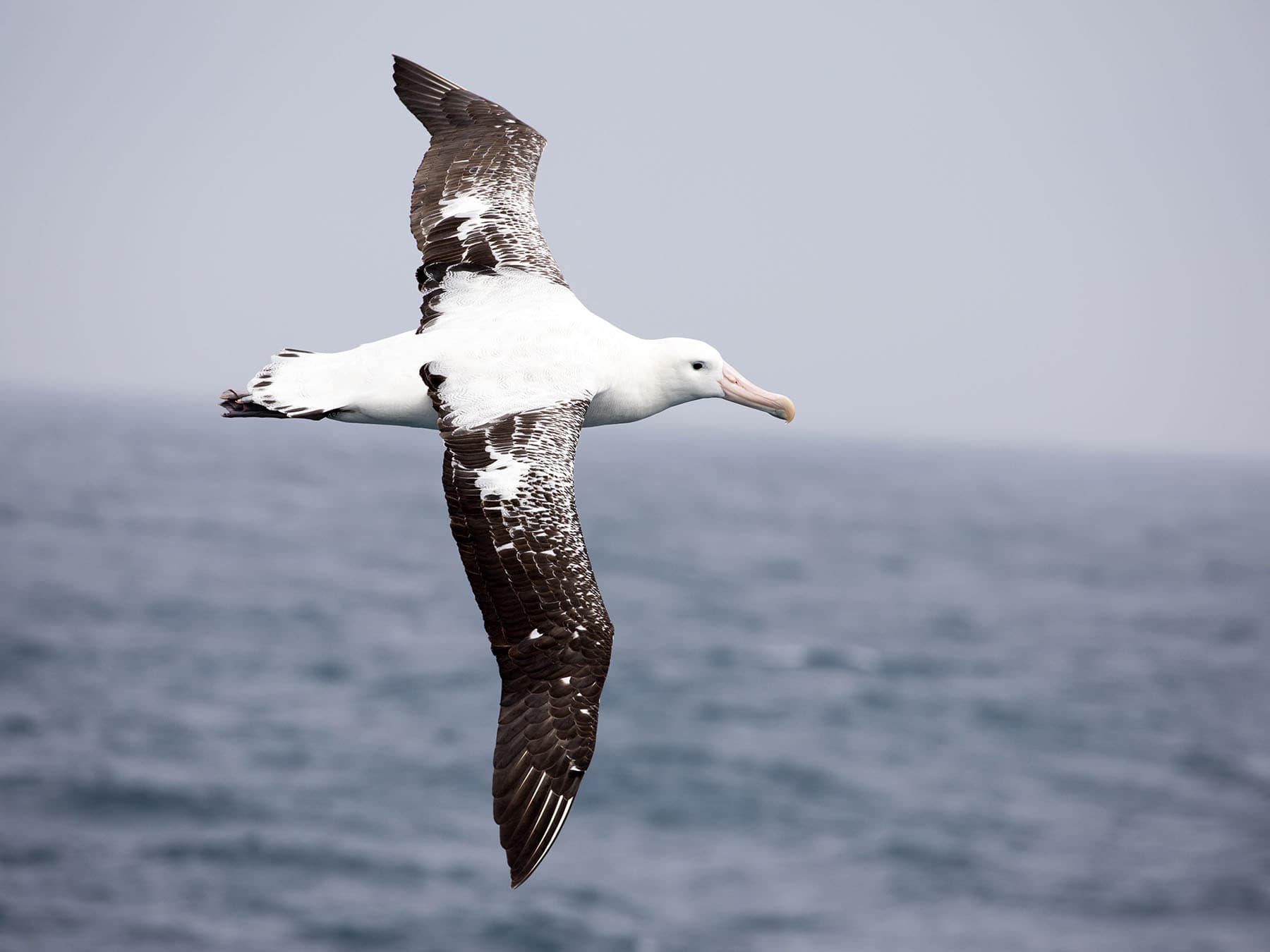 Wandering AlbatrossDiomedea exulansWinter visitorUncommon107–135 cmRecorded all year · 0.04% in Feb
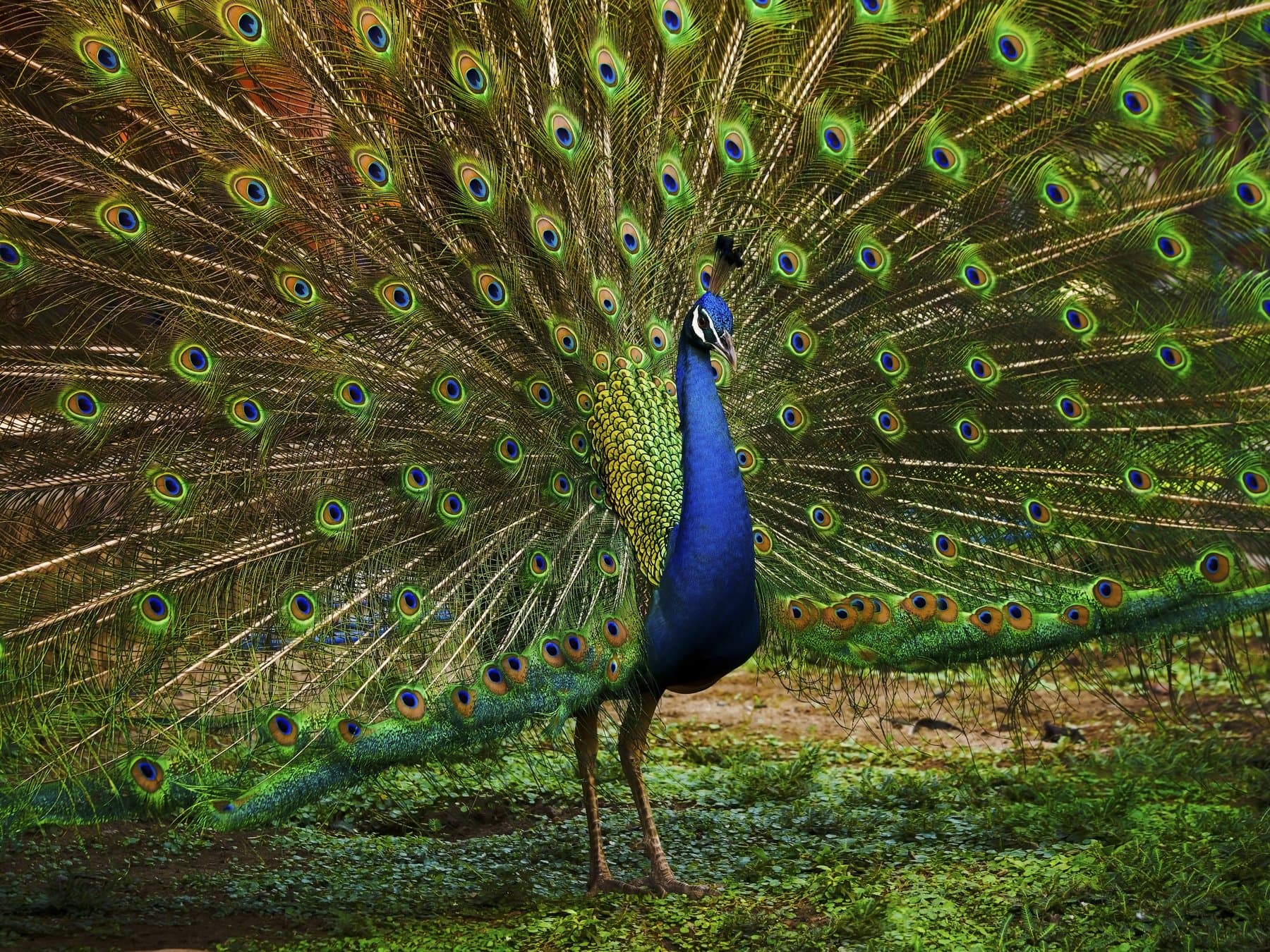 Indian PeafowlPavo cristatusResidentUncommon86–230 cmRecorded all year · 0.04% in Feb
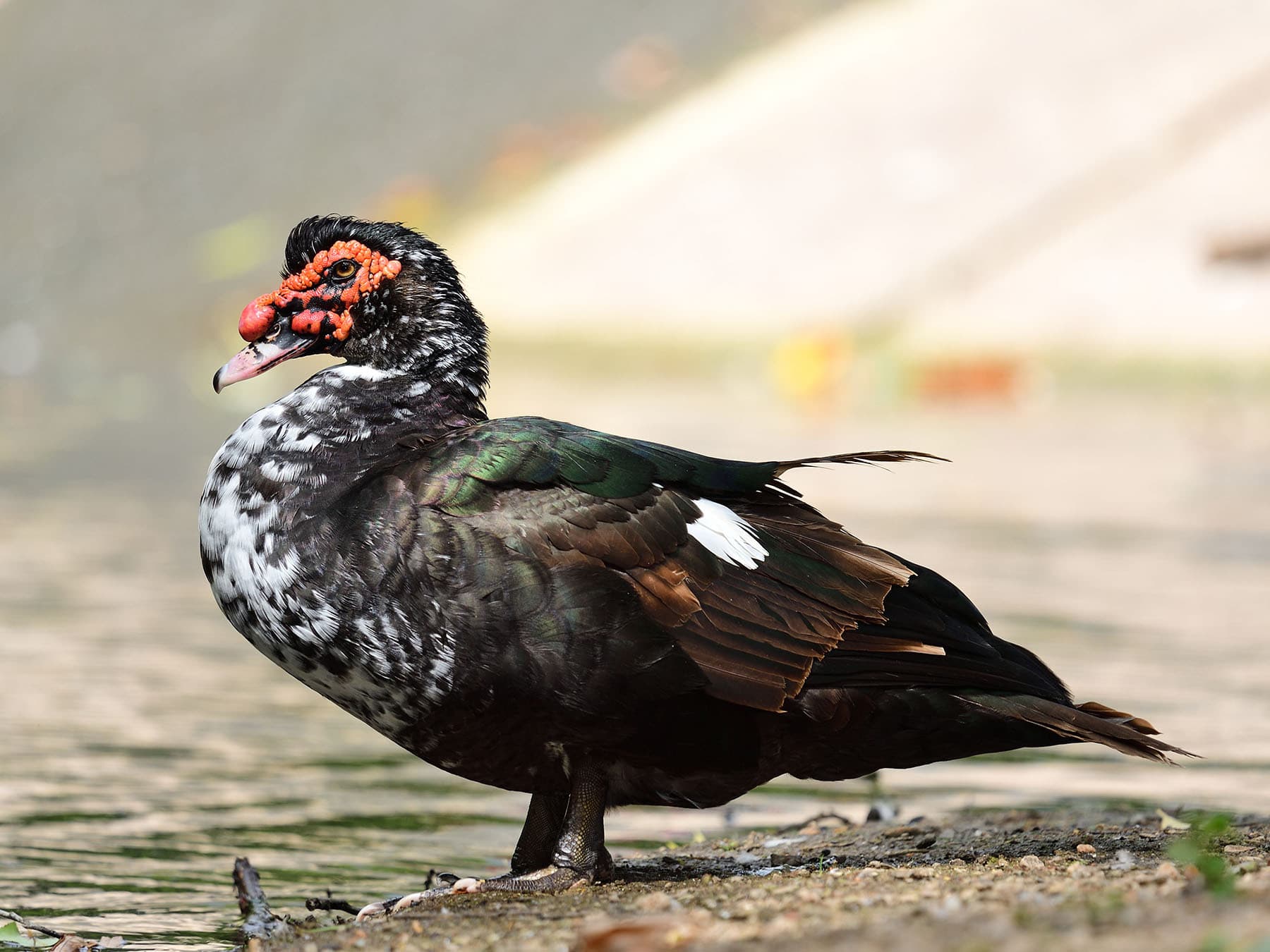 Muscovy DuckCairina moschataResidentUncommon66–84 cmRecorded all year · 0.04% in Feb
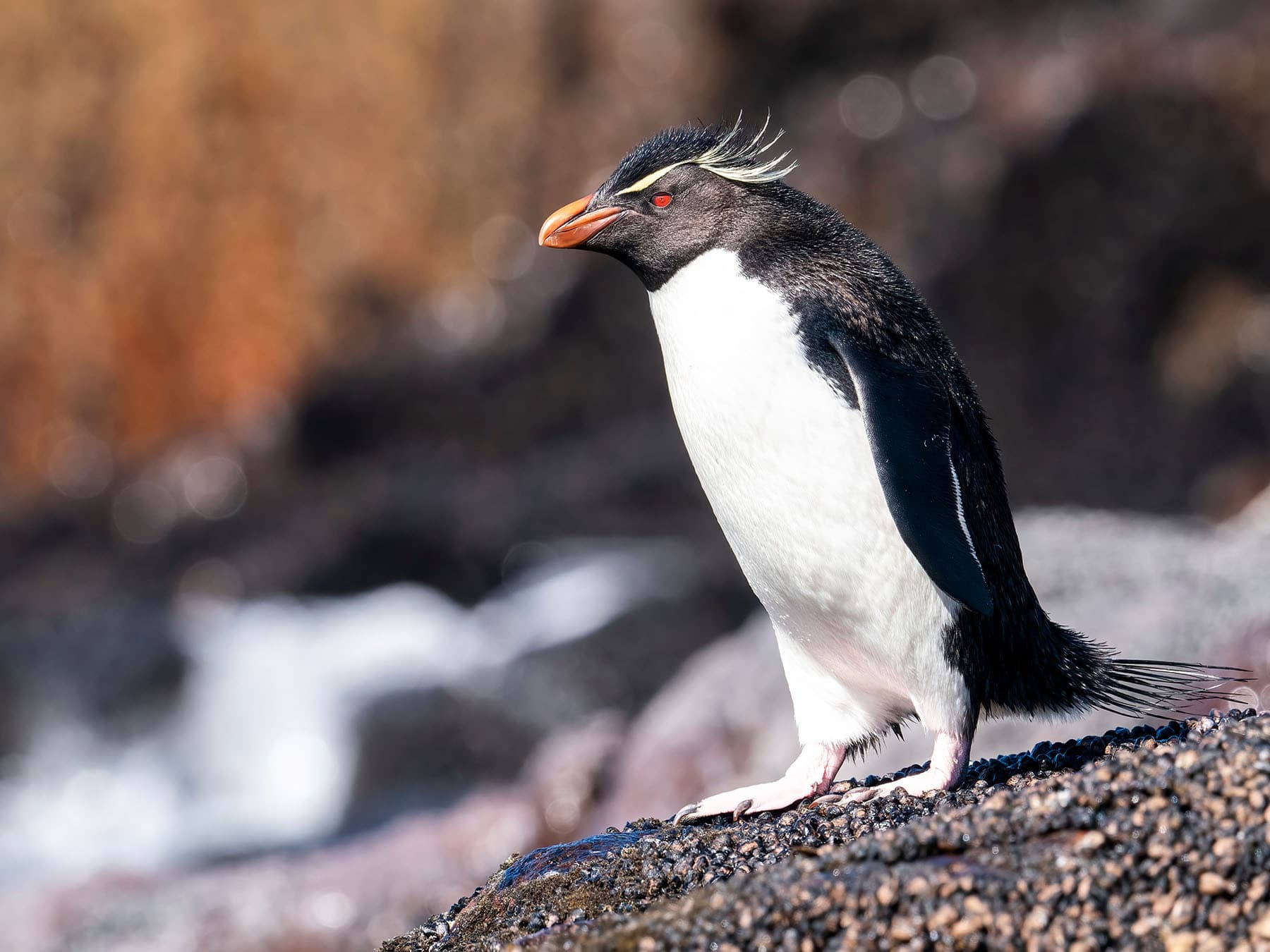 Southern Rockhopper PenguinEudyptes chrysocomeSummer visitorUncommon45–58 cmRegularly Nov–Feb · 0.03% in Feb
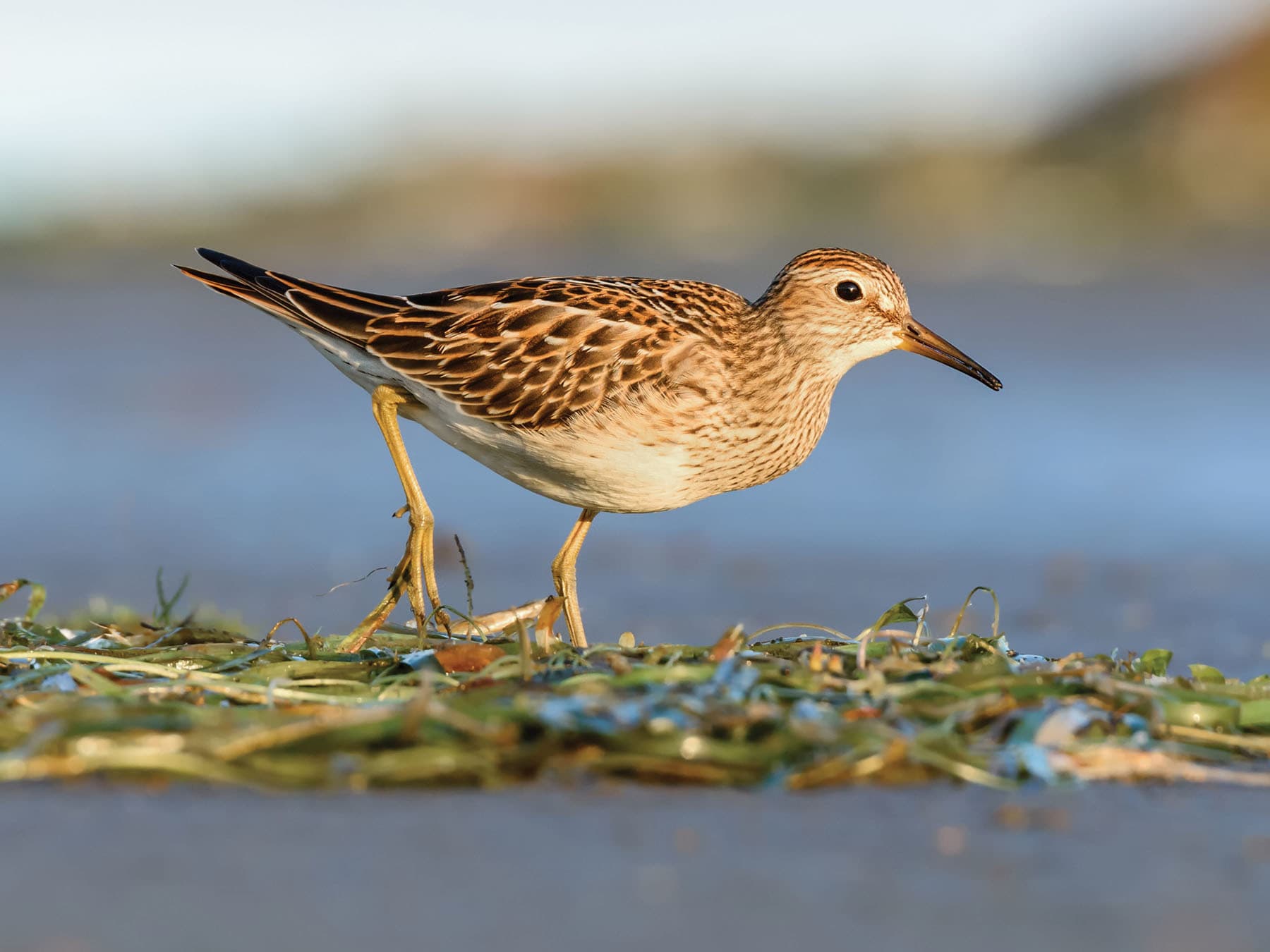 Pectoral SandpiperCalidris melanotosPassage migrantRare19–23 cmRegularly Dec–Feb · 0.03% in Feb
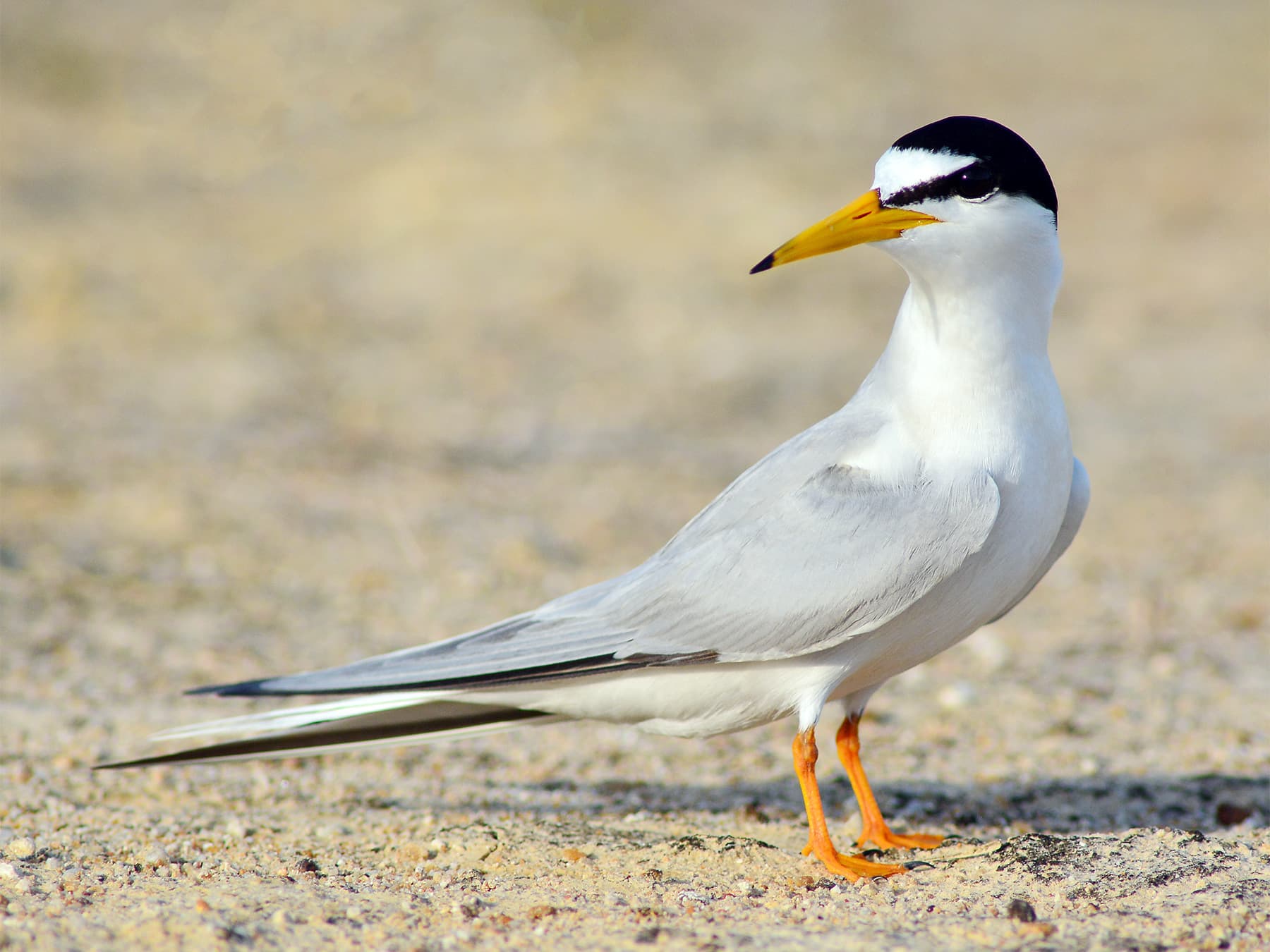 Little TernSternula albifronsSummer visitorRare21–25 cmRegularly Oct–Feb · 0.02% in Feb
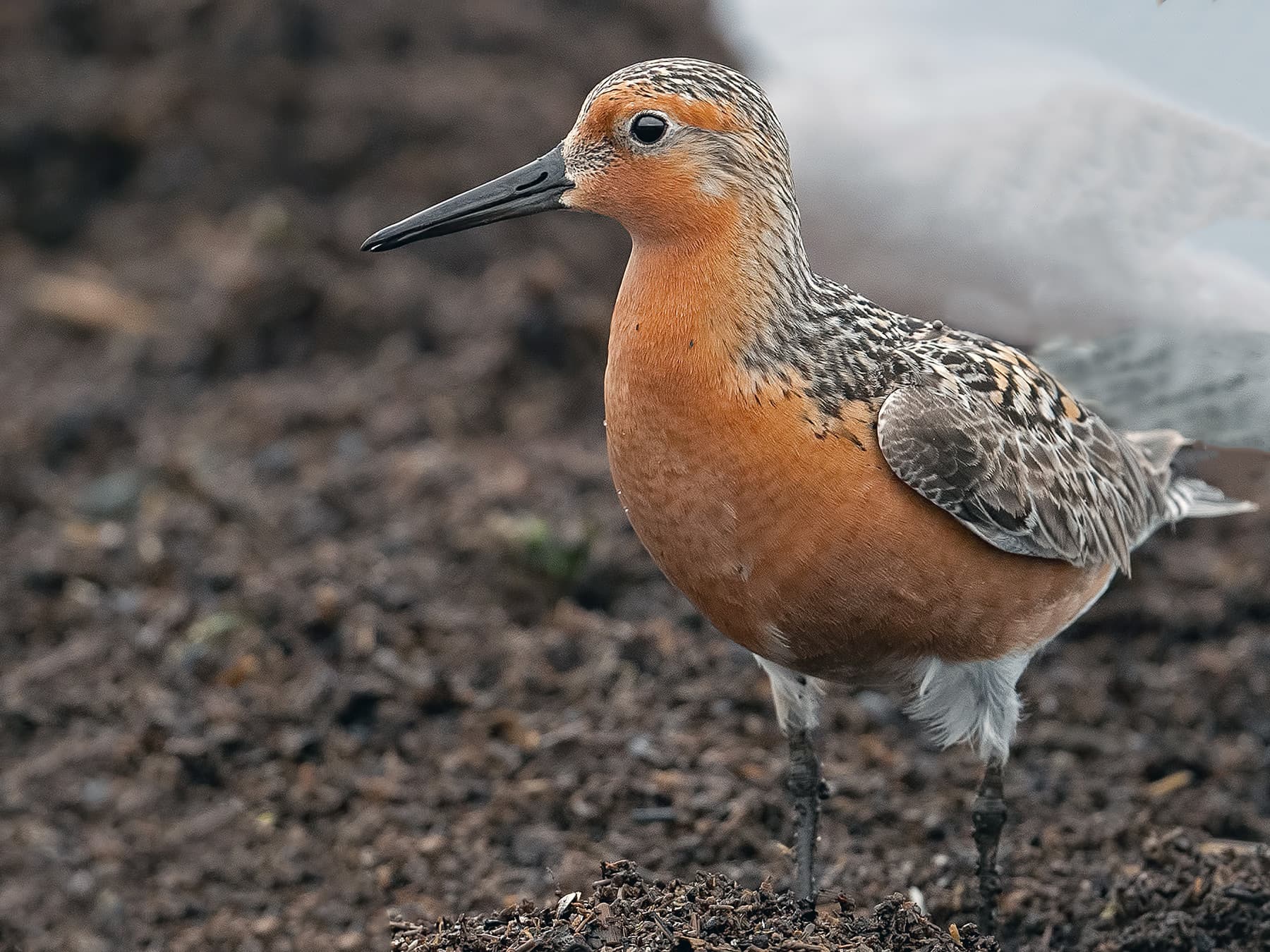 Red KnotCalidris canutusSummer visitorRare23–26 cmRegularly Oct–Feb · 0.02% in Feb
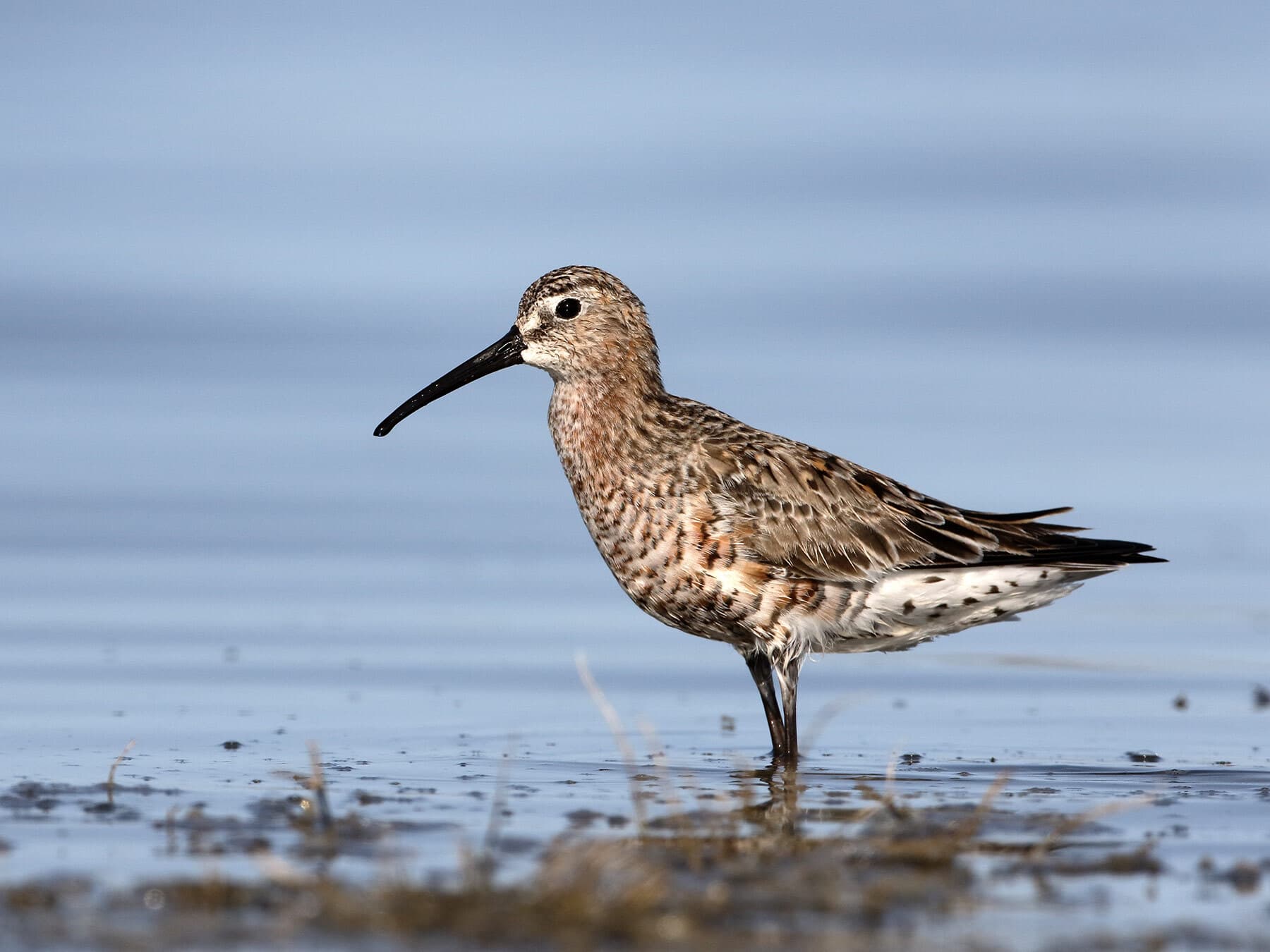 Curlew SandpiperCalidris ferrugineaSummer visitorRare18–23 cmRegularly Oct–Feb · 0.01% in Feb
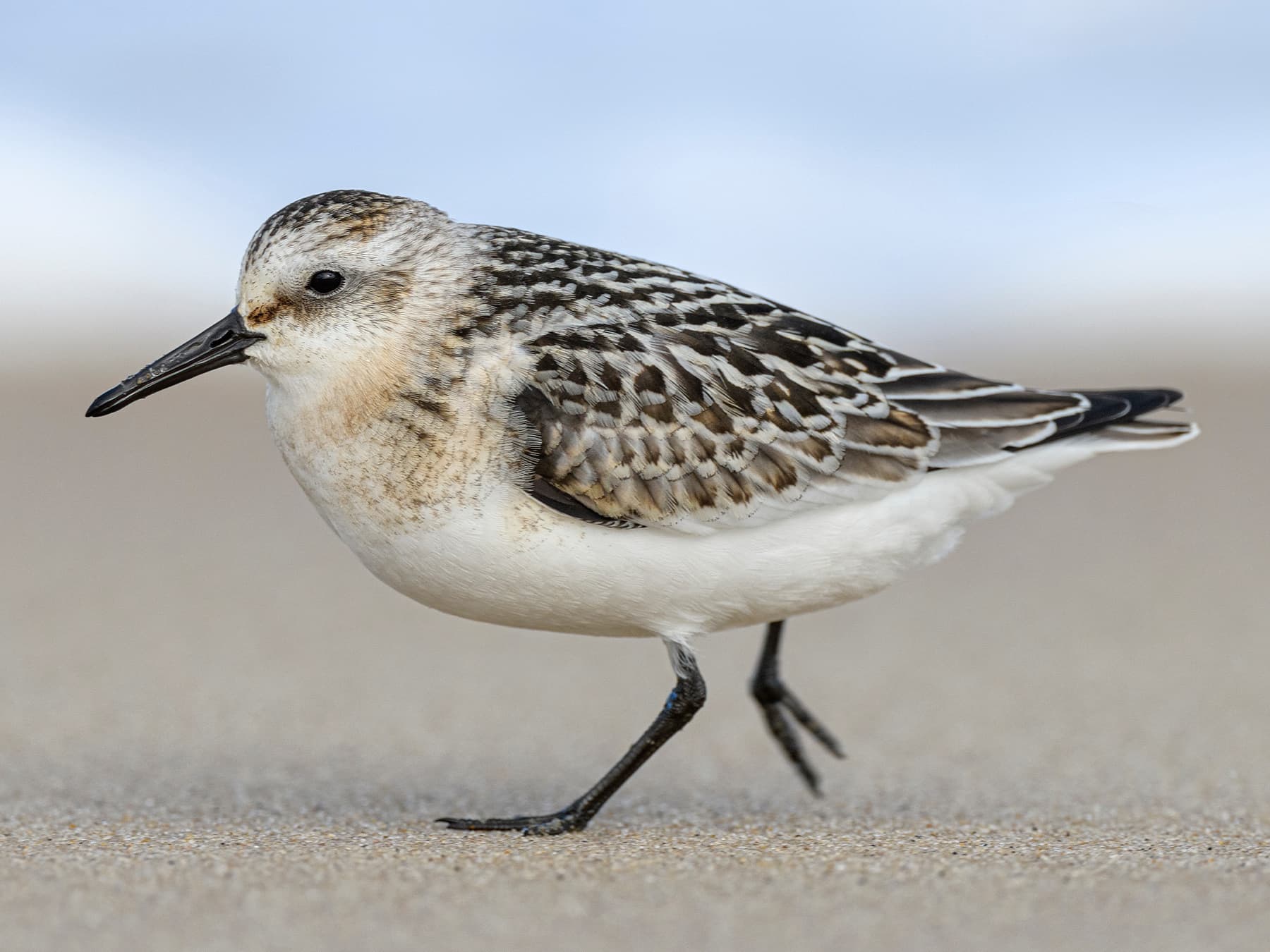 SanderlingCalidris albaSummer visitorRare18–20 cmRegularly Oct–Apr · 0.01% in Feb
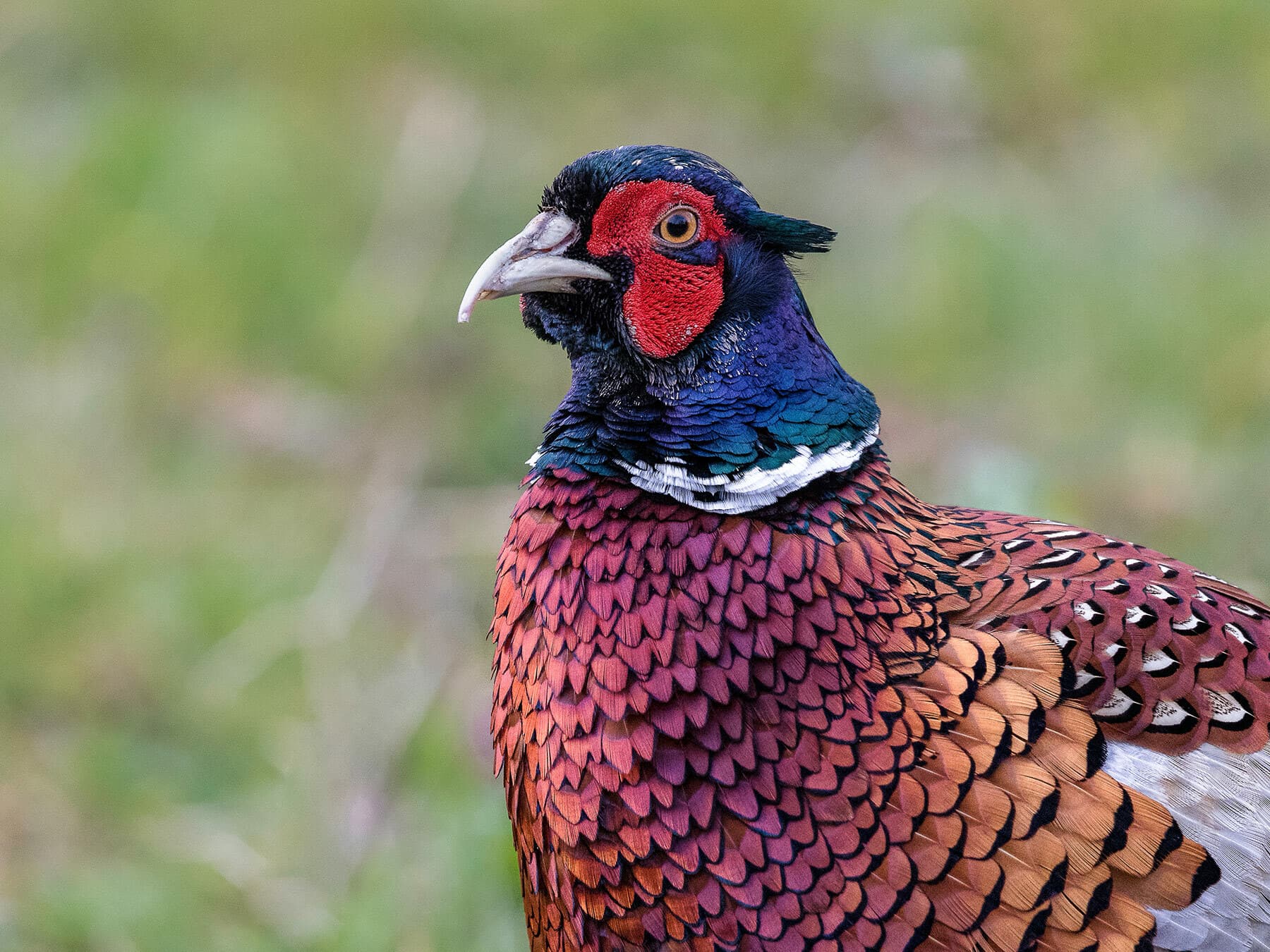 Common PheasantPhasianus colchicusSummer visitorRare50–90 cmRegularly Sep–Jun · 0.01% in Feb
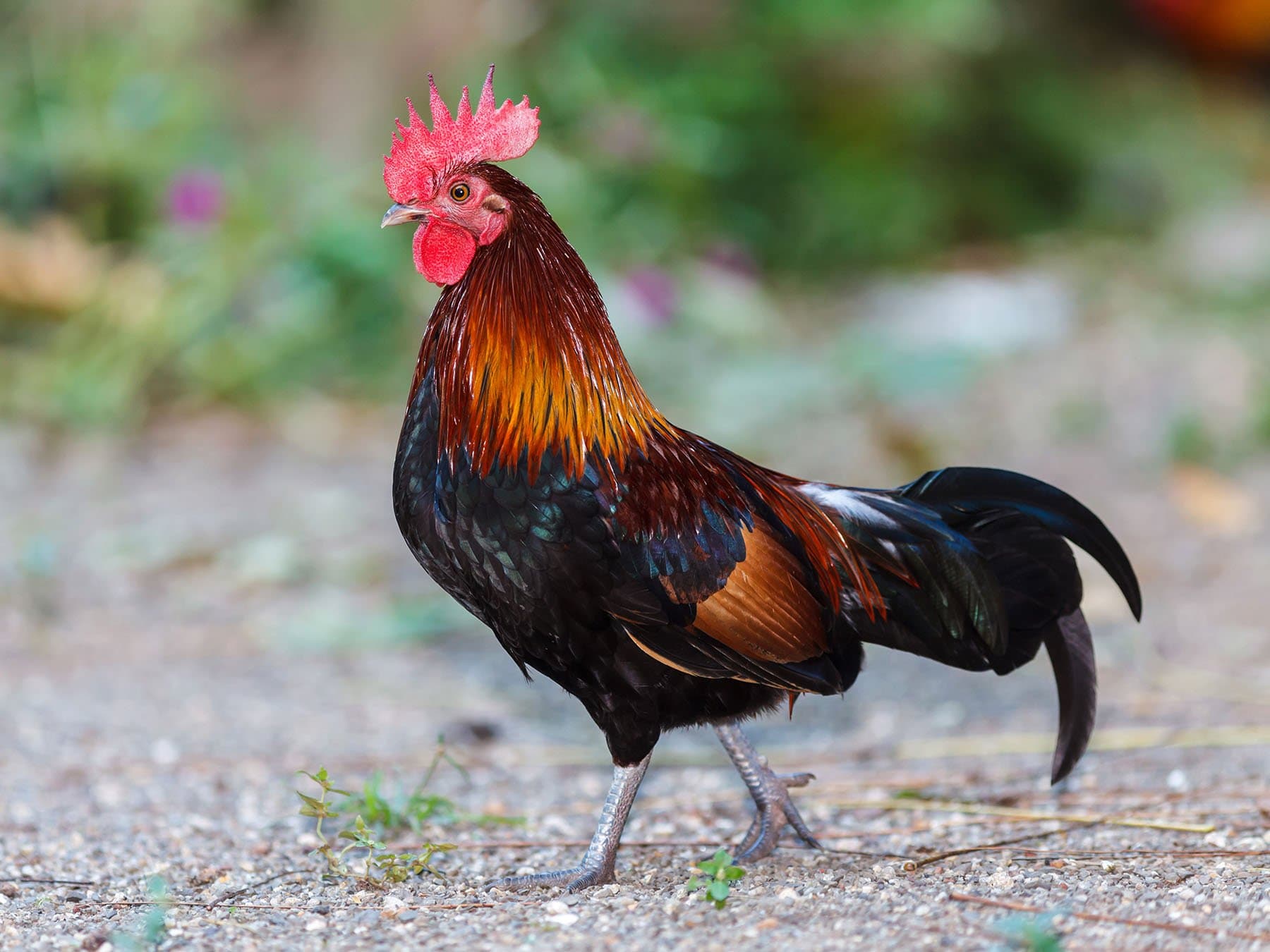 Red JunglefowlGallus gallusResidentRare42–75 cmRecorded all year · 0.01% in Feb
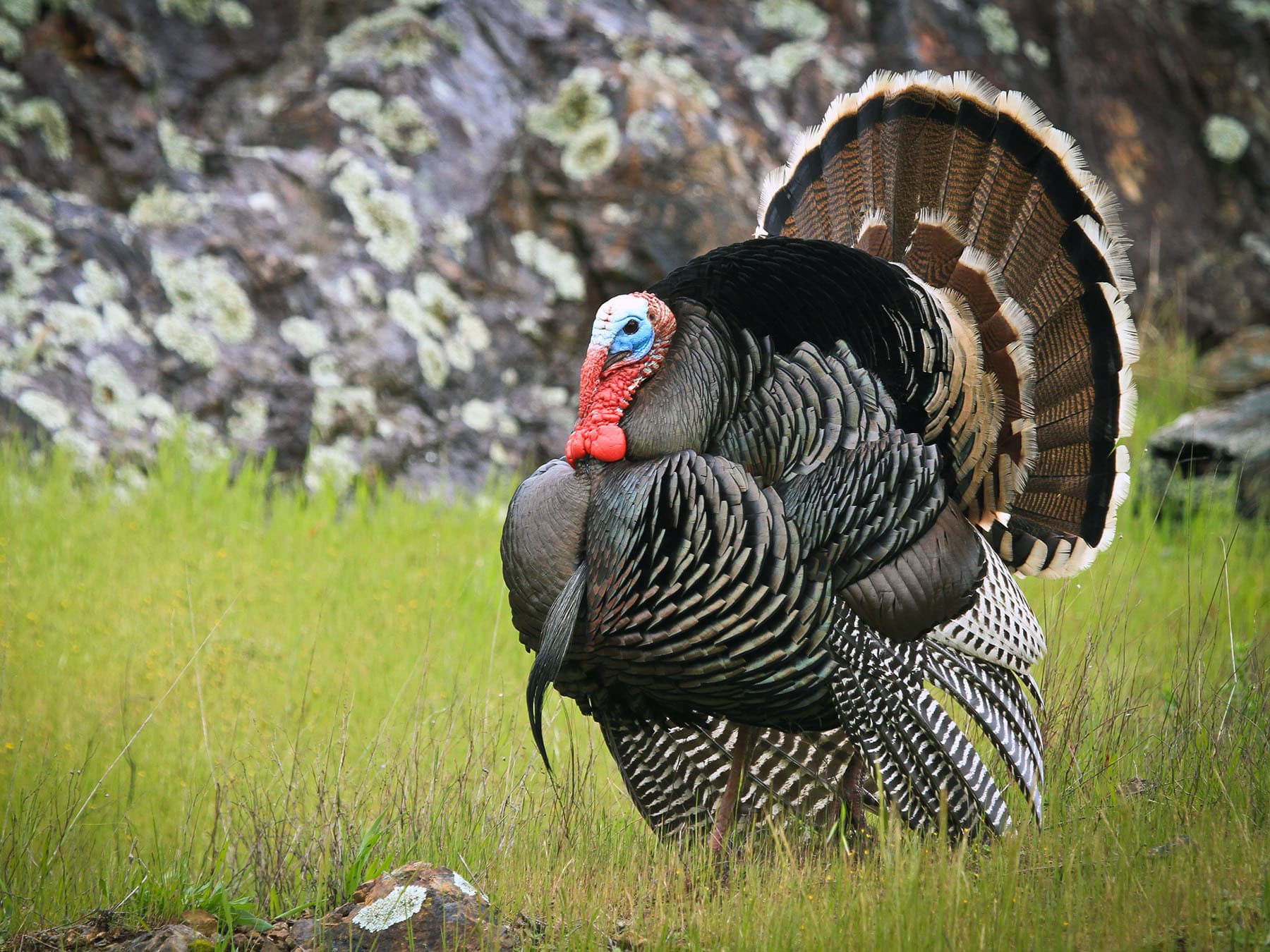 Wild TurkeyMeleagris gallopavoSummer visitorRare100–125 cmRegularly Sep–Jun · 0.01% in Feb
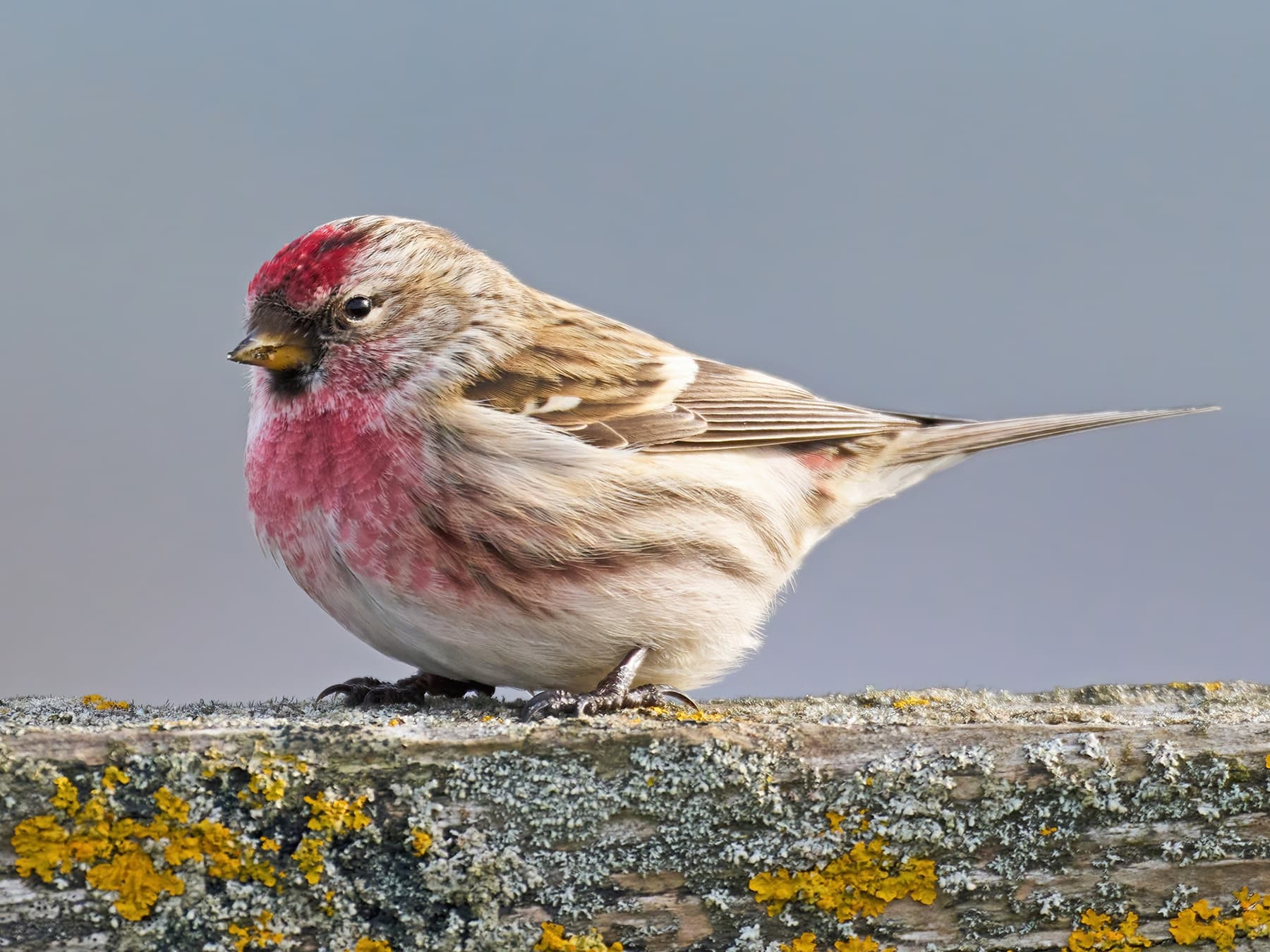 Common RedpollAcanthis flammeaSummer visitorUncommon12–14 cmRegularly Nov–Feb · 0.01% in Feb
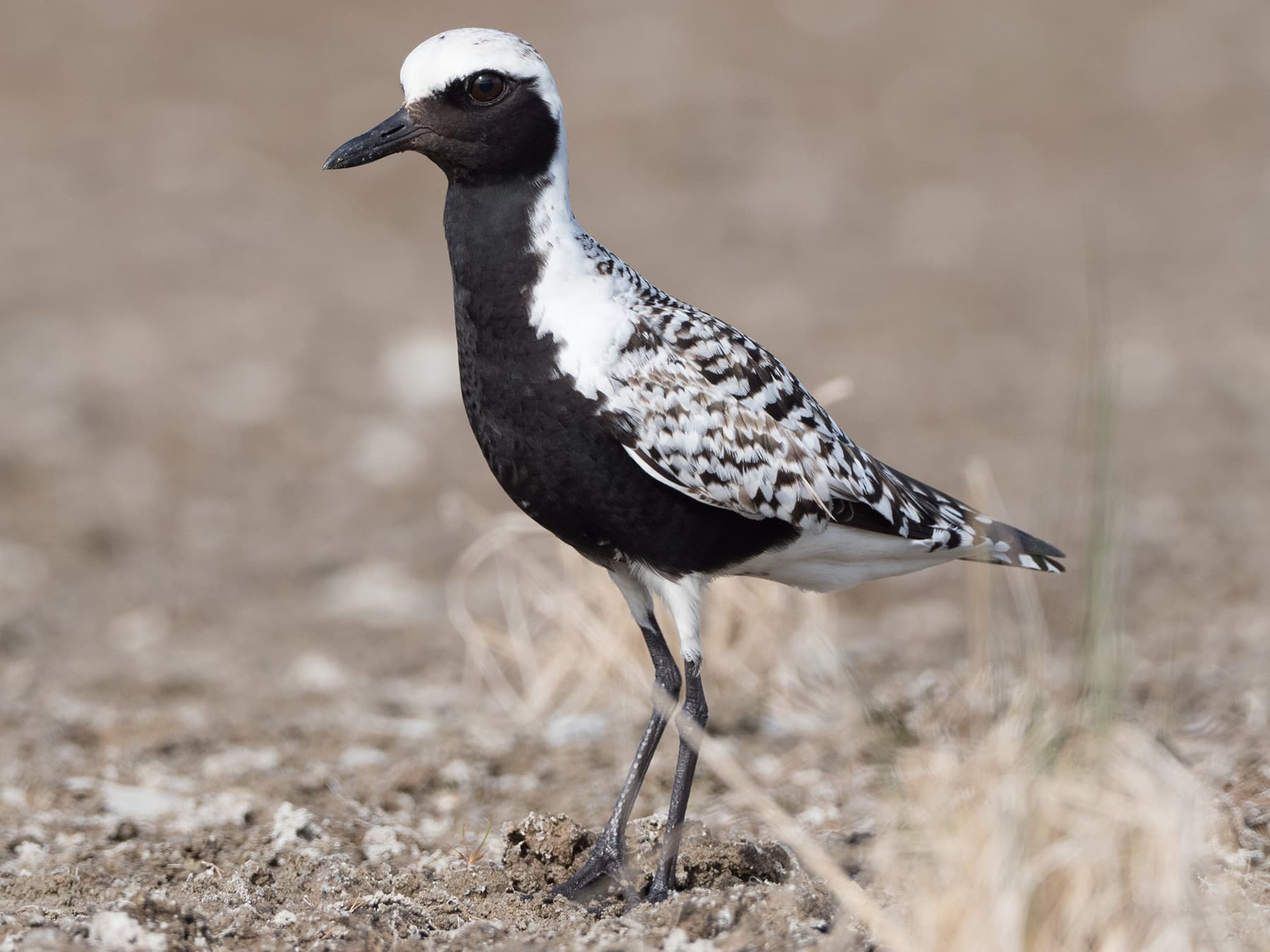 Grey PloverPluvialis squatarolaPassage migrantRare27–30 cmRegularly Jan–Feb · 0.01% in Feb
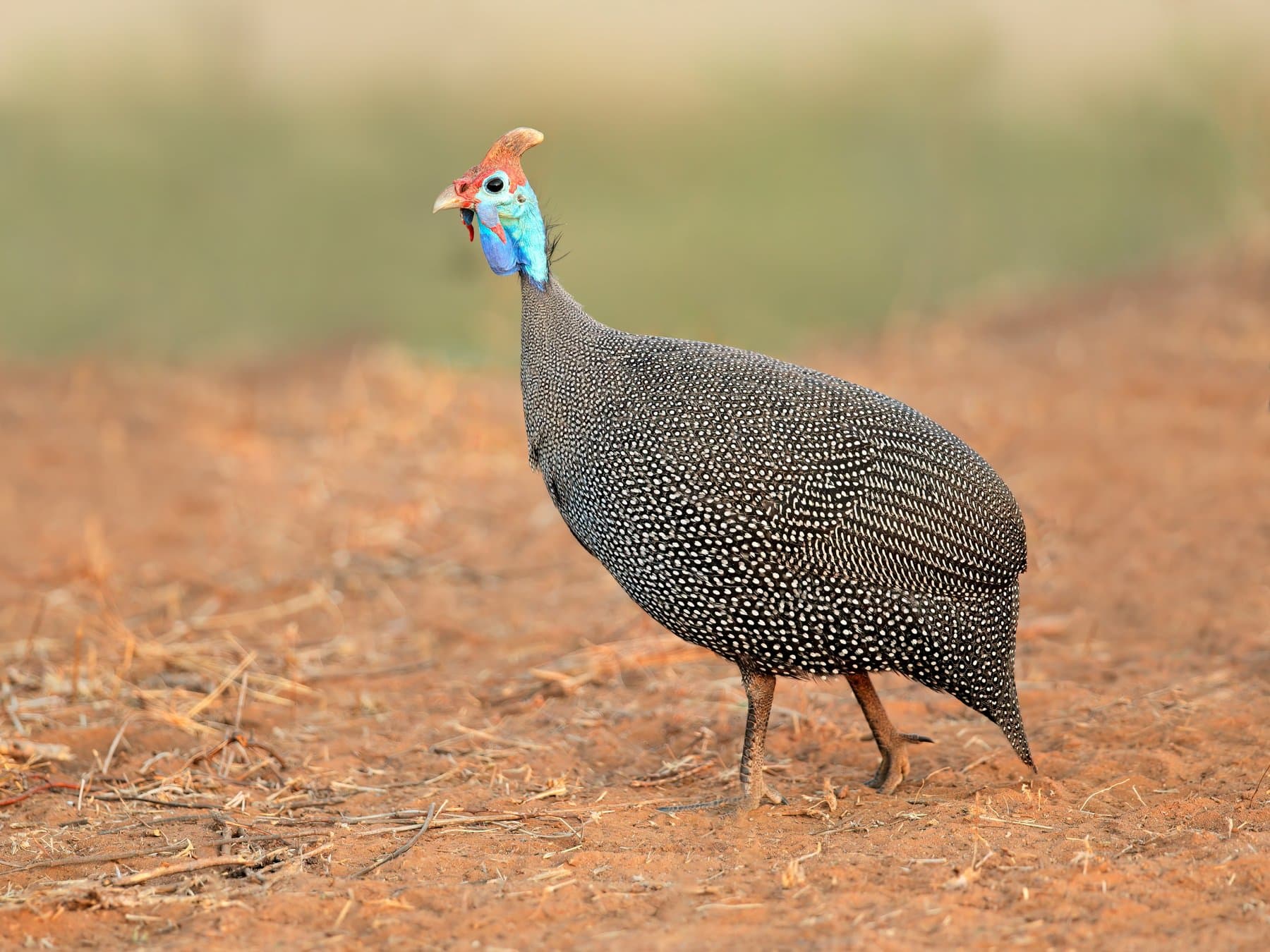 Helmeted GuineafowlNumida meleagrisSummer visitorRare53–63 cmRegularly Jul–May · 0.01% in Feb
Data: EOD – eBird Observation Dataset (Cornell Lab of Ornithology), accessed via GBIF.org, CC BY 4.0. Records from 2019–2024, aggregated and filtered by Birdfact. How these lists are made