


Birds to See in Jamaica in March
52 bird species on our list for Jamaica are recorded regularly in March
Of these, the most often recorded are Turkey Vulture, American Redstart, Northern Mockingbird, White-winged Dove and Cattle Egret. New this month: Barn Swallow, Semipalmated Sandpiper, Western Sandpiper and Stilt Sandpiper and 2 more.
On the move in March
GBIF · MarArriving
At their peak
From Jamaica’s bird records, 2019–2024: arriving birds are regular this month but not last; leaving birds are regular this month but not next.
Other months
All 52 birds in March
52 birds
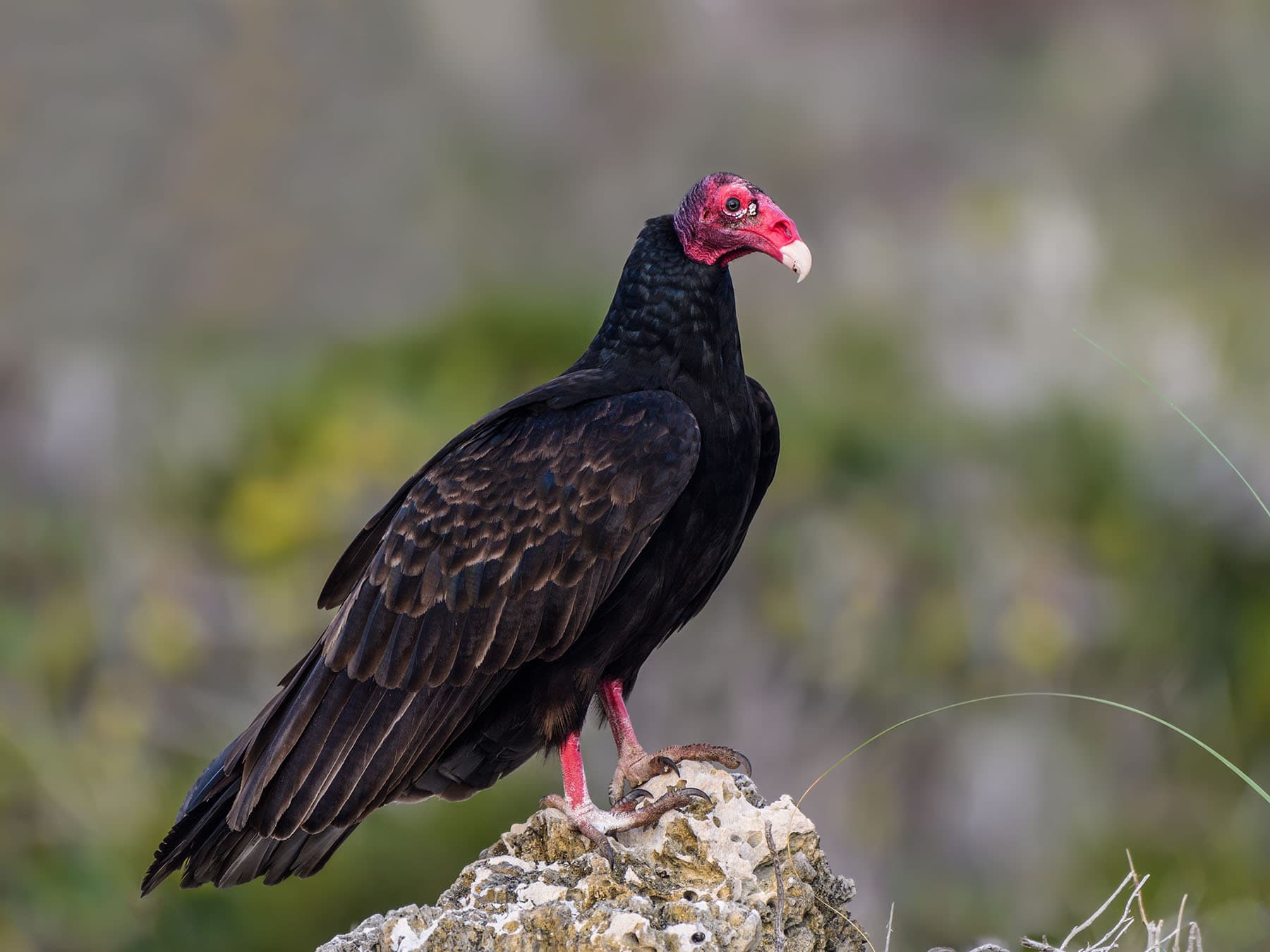 Turkey VultureCathartes auraResidentCommon62–81 cmRecorded all year · 2.89% in Mar
 American RedstartSetophaga ruticillaWinter visitorCommon11–14 cmRegularly Aug–May · 2.73% in Mar
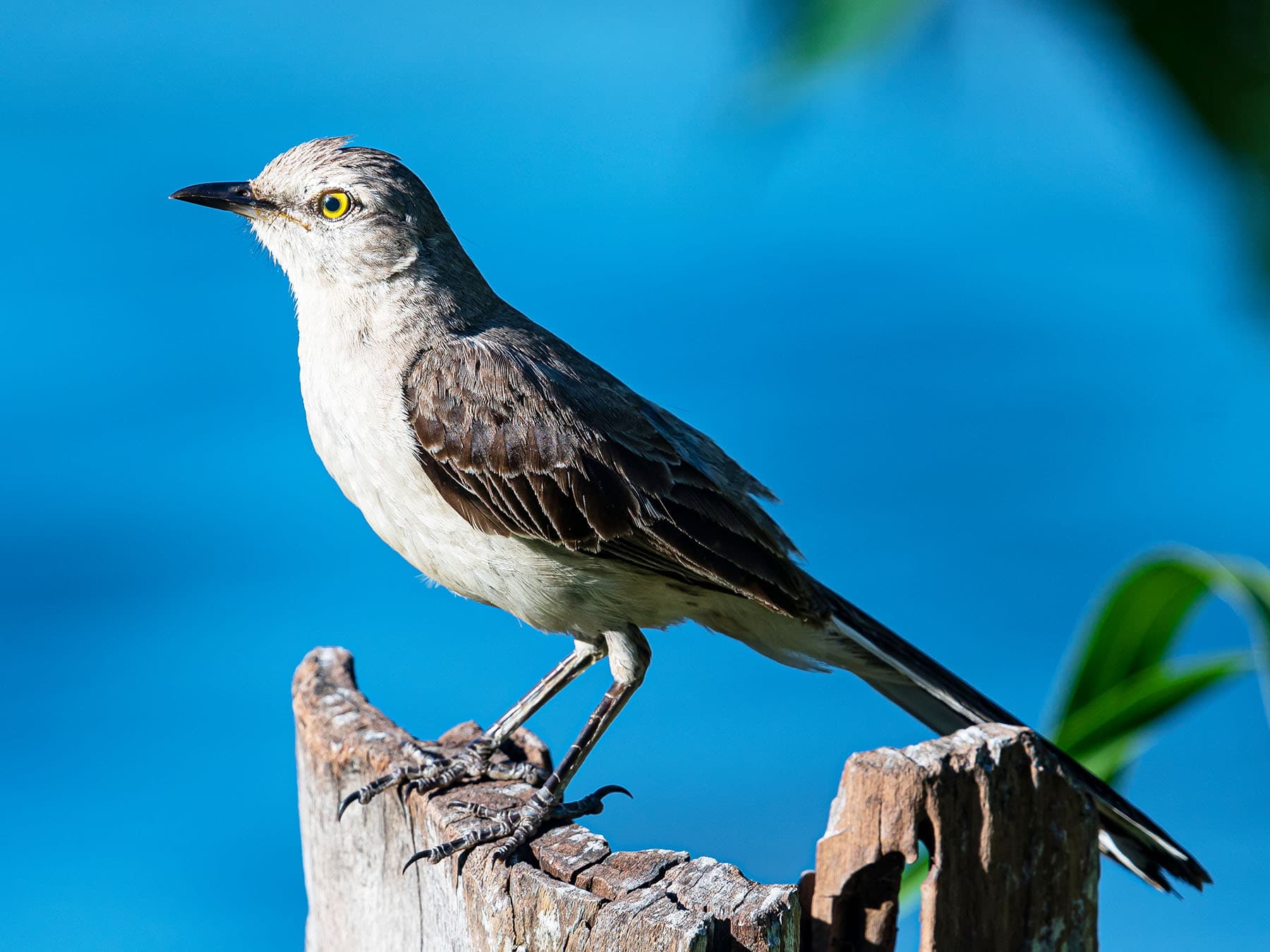 Northern MockingbirdMimus polyglottosResidentCommon21–26 cmRecorded all year · 2.29% in Mar
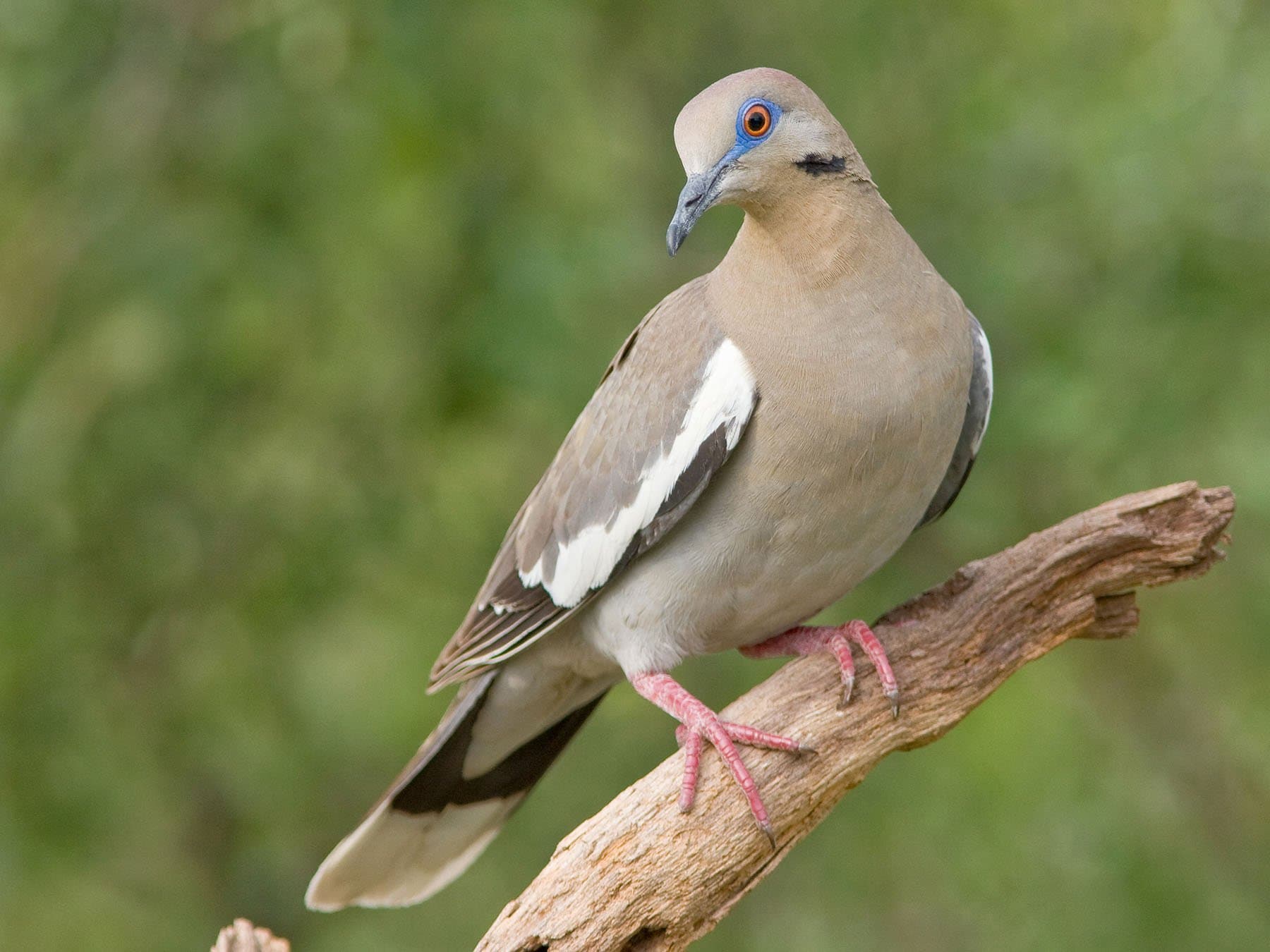 White-winged DoveZenaida asiaticaResidentCommon27–30 cmRecorded all year · 1.82% in Mar
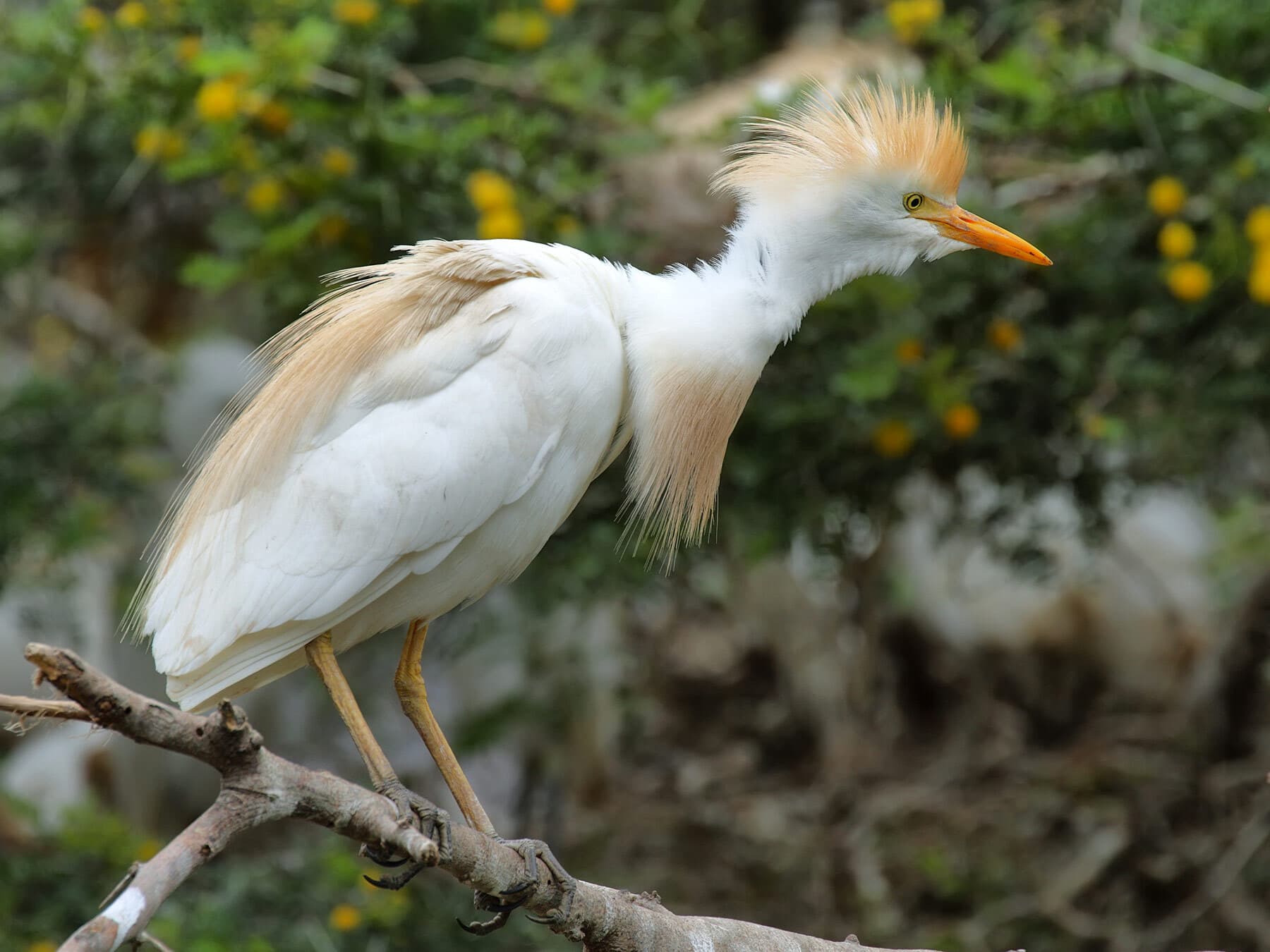 Cattle EgretArdea ibisResidentCommon46–56 cmRecorded all year · 1.49% in Mar
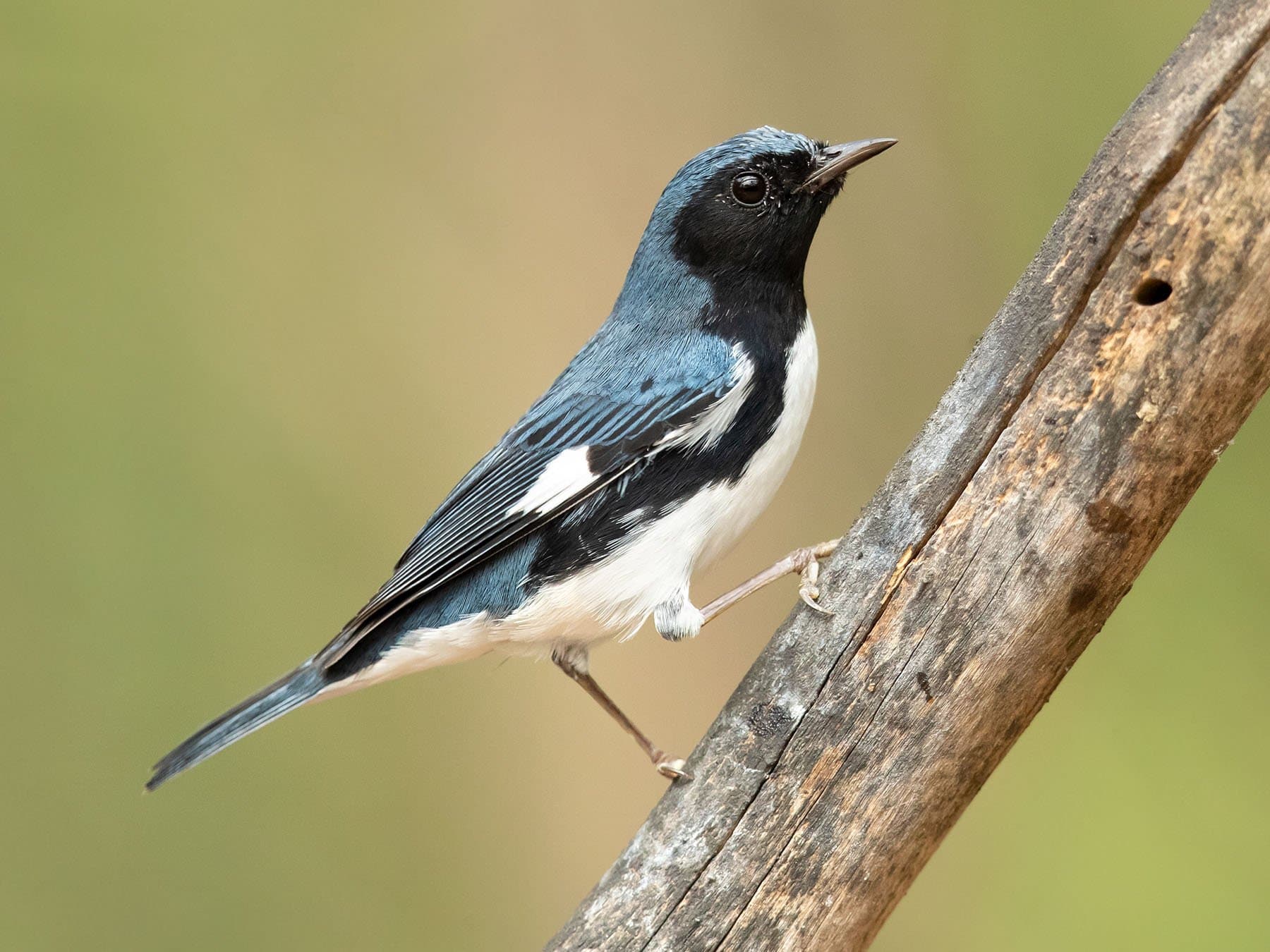 Black-throated Blue WarblerSetophaga caerulescensWinter visitorCommon11–13 cmRegularly Oct–May · 1.48% in Mar
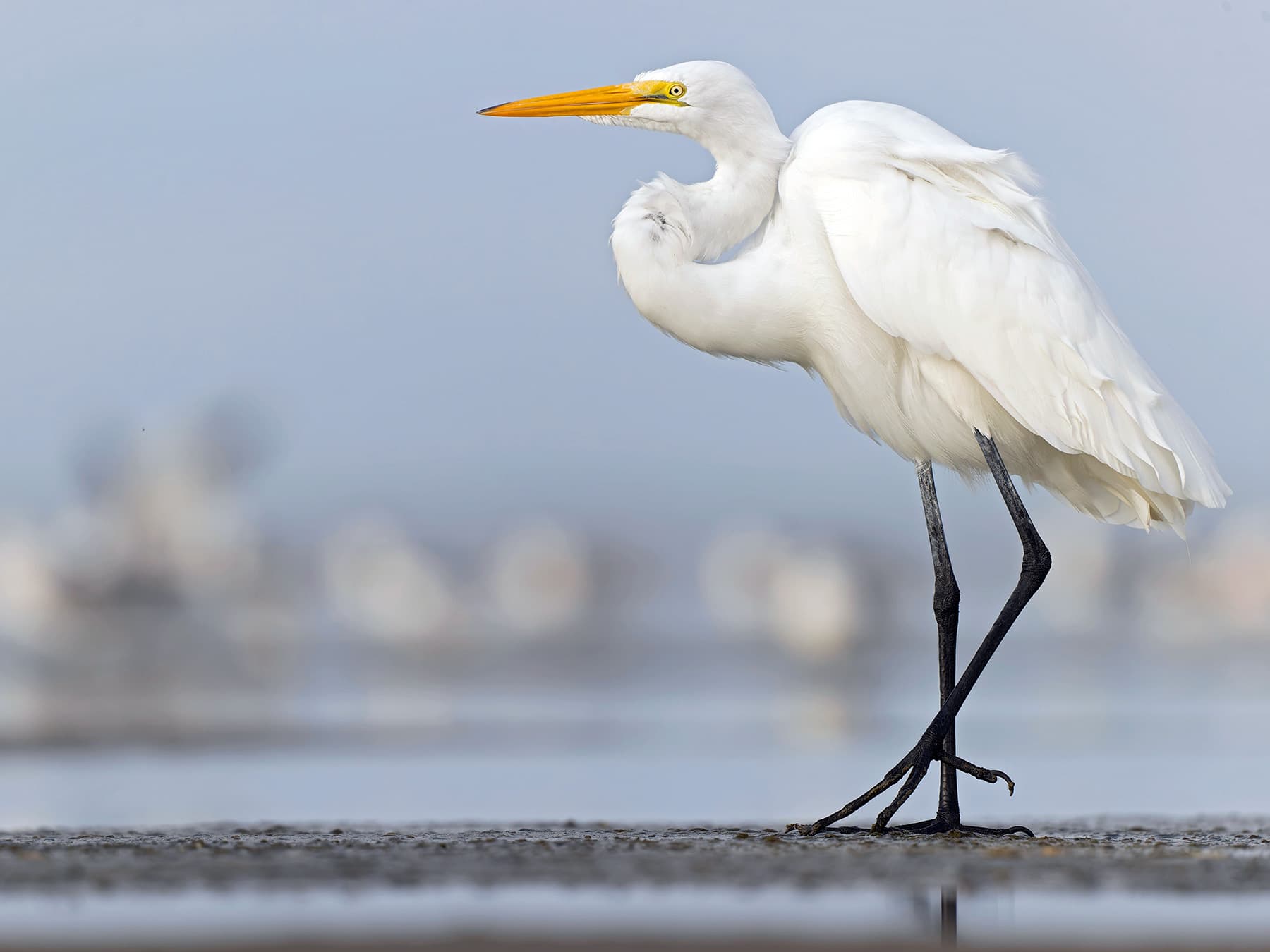 Great White EgretArdea albaResidentCommon80–104 cmRecorded all year · 0.90% in Mar
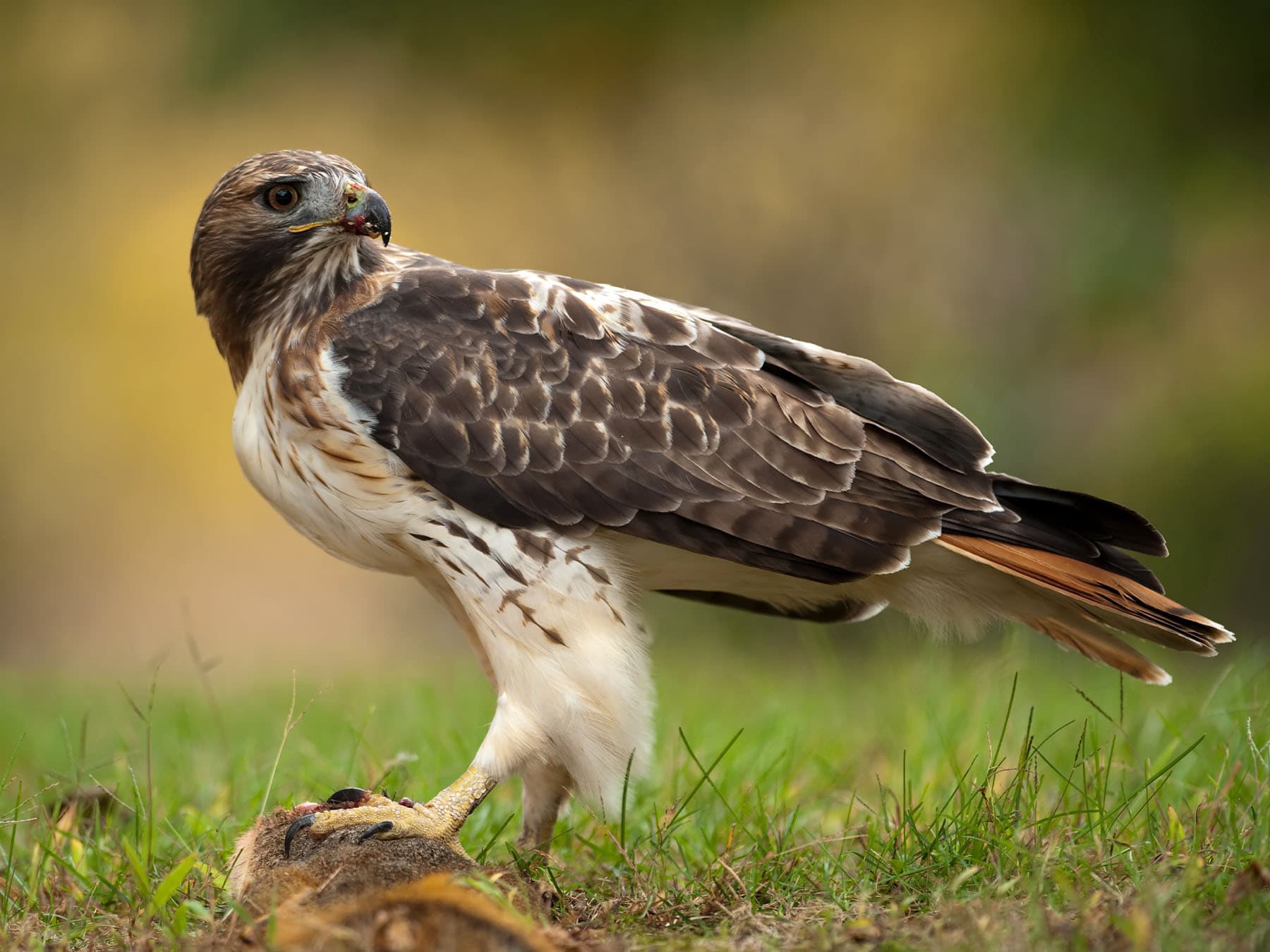 Red-tailed HawkButeo jamaicensisResidentCommon45–65 cmRecorded all year · 0.75% in Mar
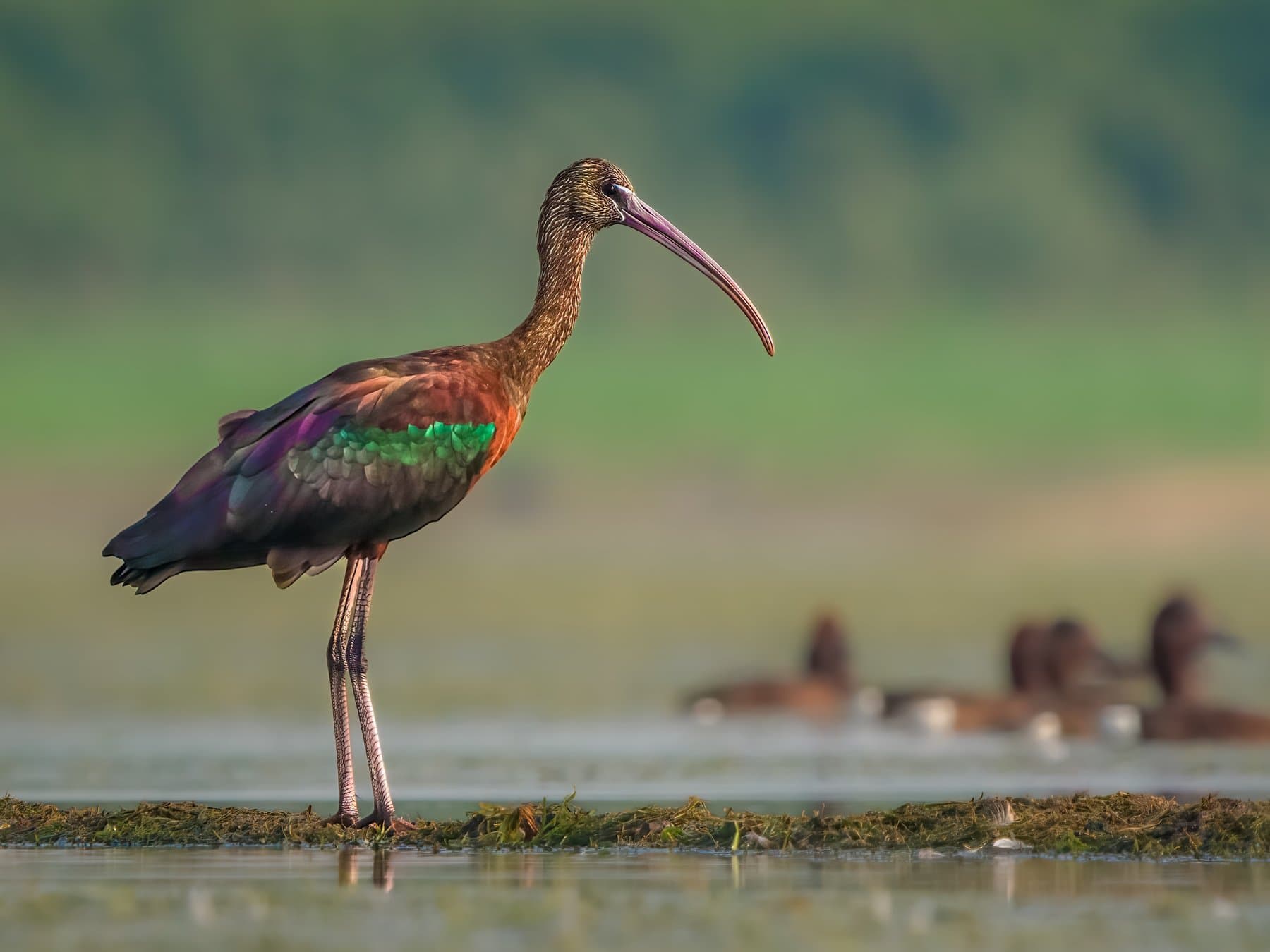 Glossy IbisPlegadis falcinellusResidentCommon48–66 cmRecorded all year · 0.57% in Mar
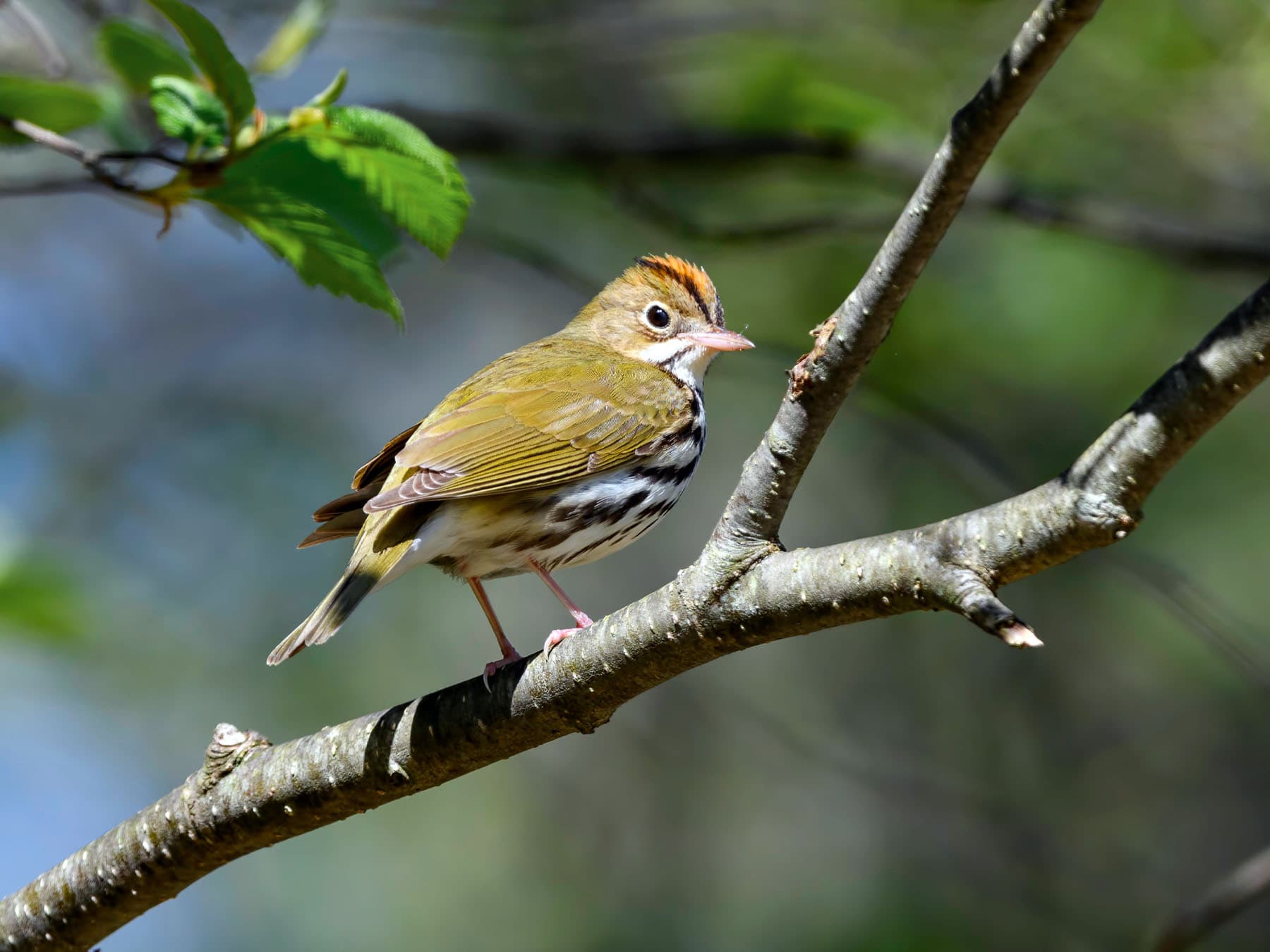 OvenbirdSeiurus aurocapillaWinter visitorCommon12–15 cmRegularly Sep–May · 0.55% in Mar
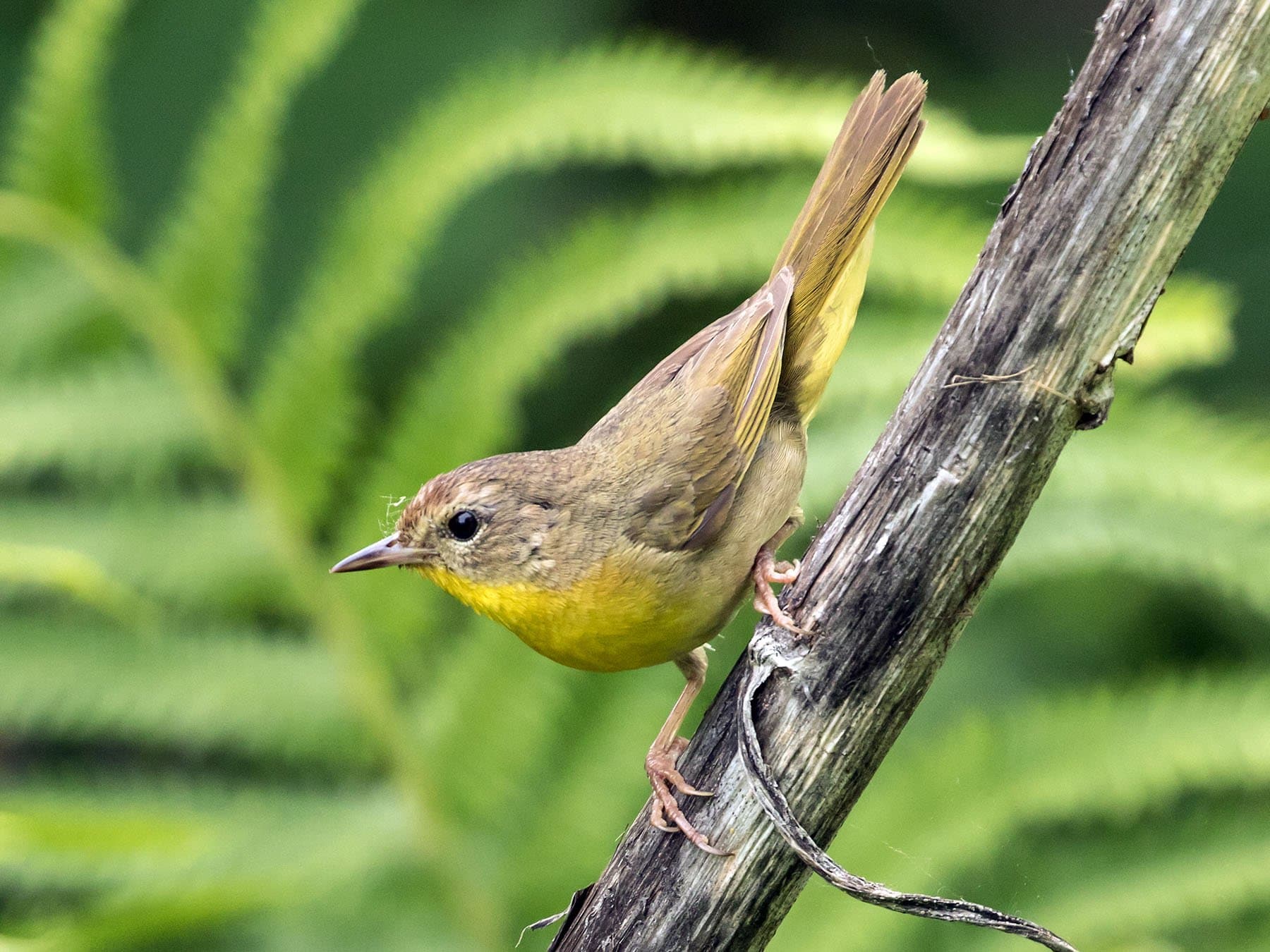 Common YellowthroatGeothlypis trichasWinter visitorCommon11–13 cmRegularly Sep–Apr · 0.54% in Mar
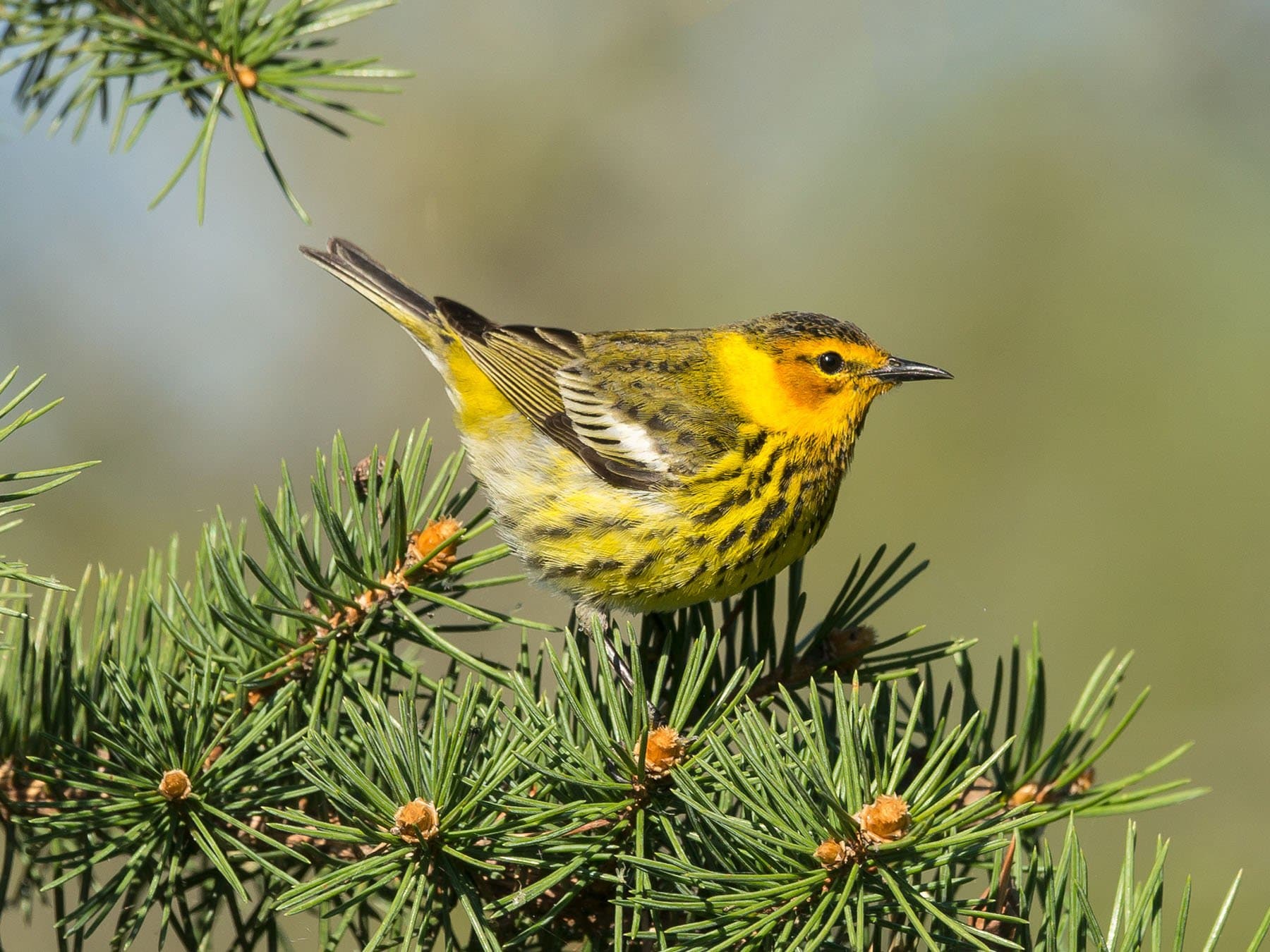 Cape May WarblerSetophaga tigrinaWinter visitorCommon12–14 cmRegularly Sep–Apr · 0.53% in Mar
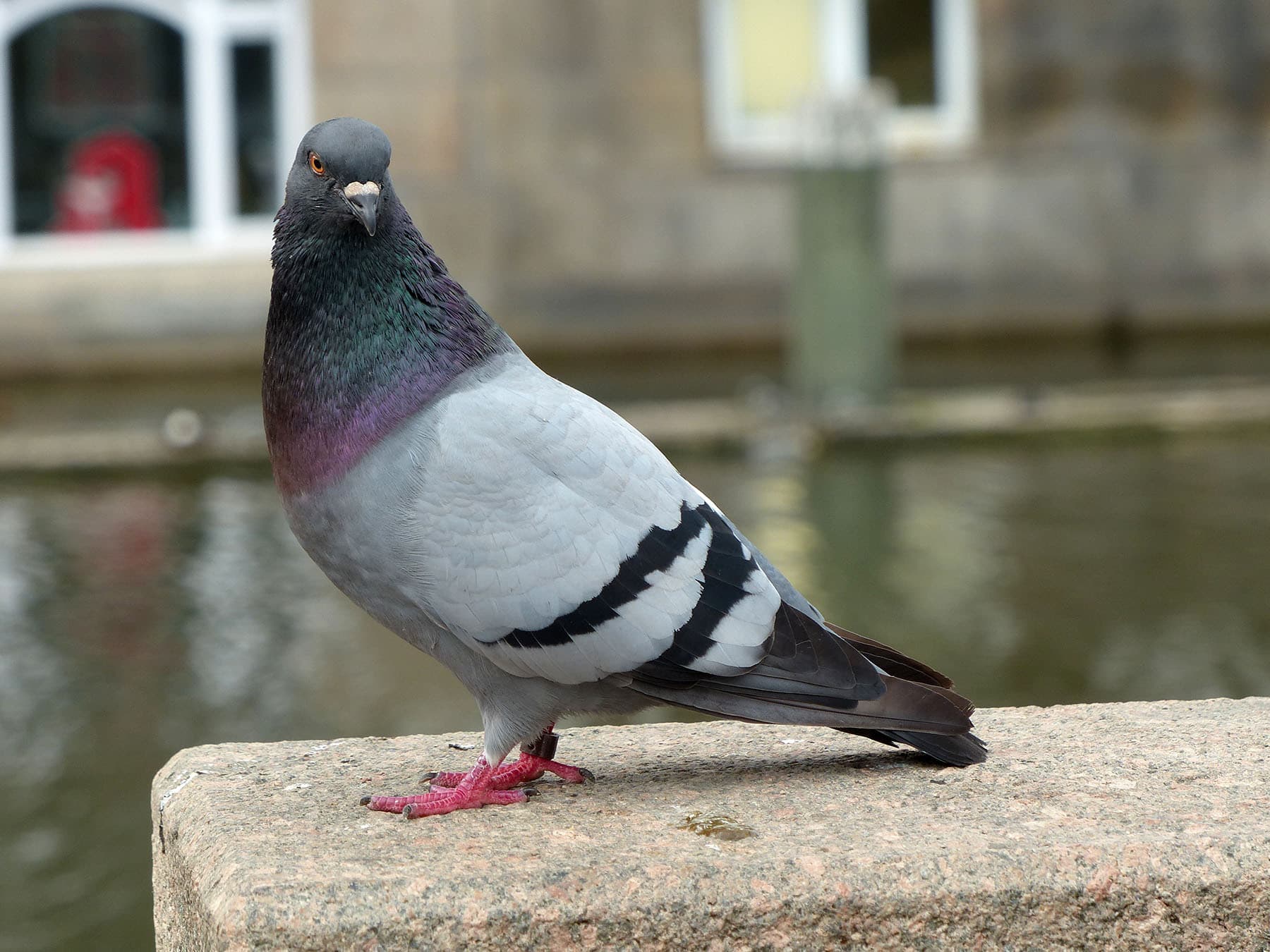 Rock DoveColumba liviaResidentCommon31–34 cmRecorded all year · 0.47% in Mar
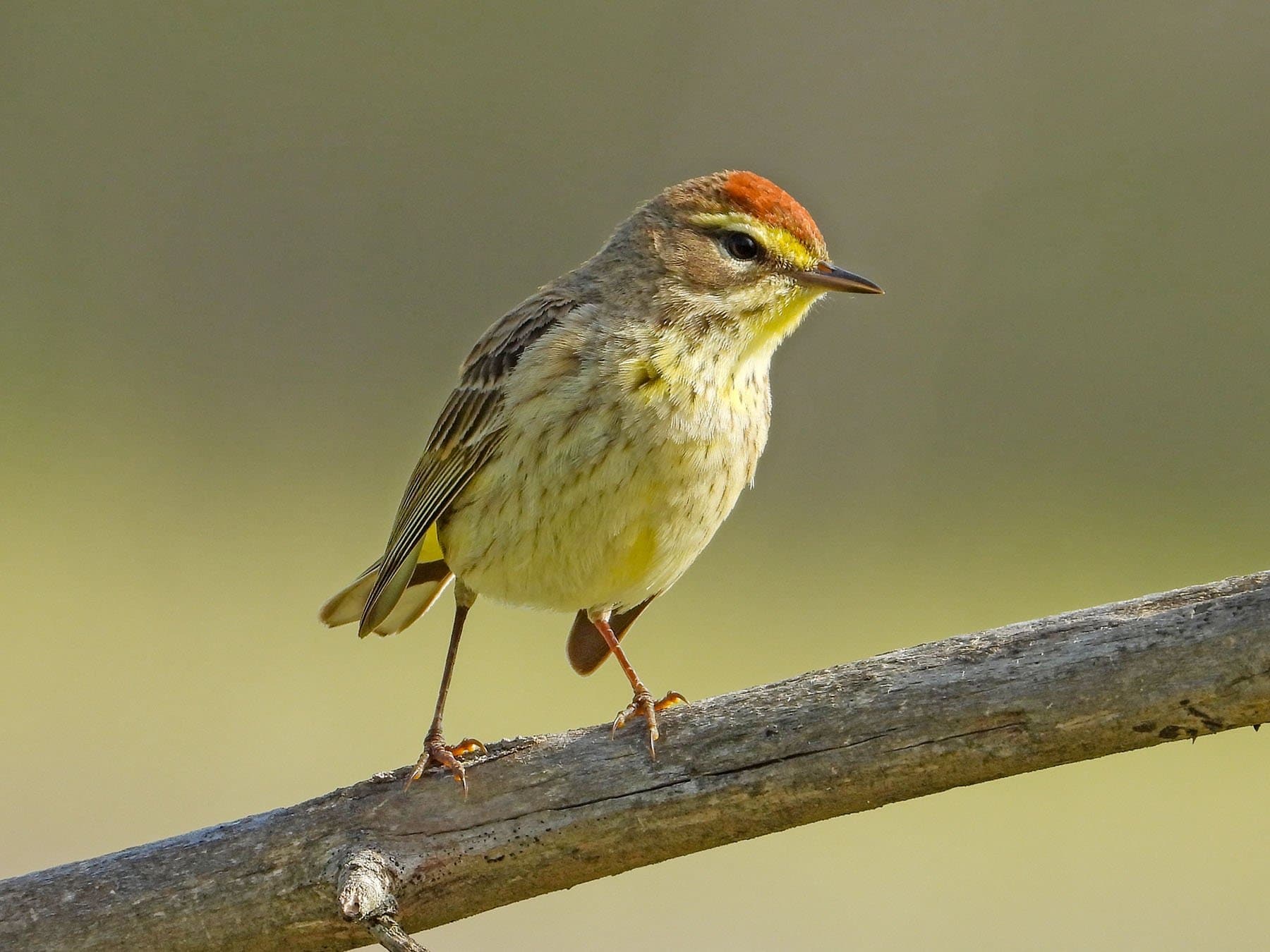 Palm WarblerSetophaga palmarumWinter visitorCommon12–14 cmRegularly Oct–Apr · 0.35% in Mar
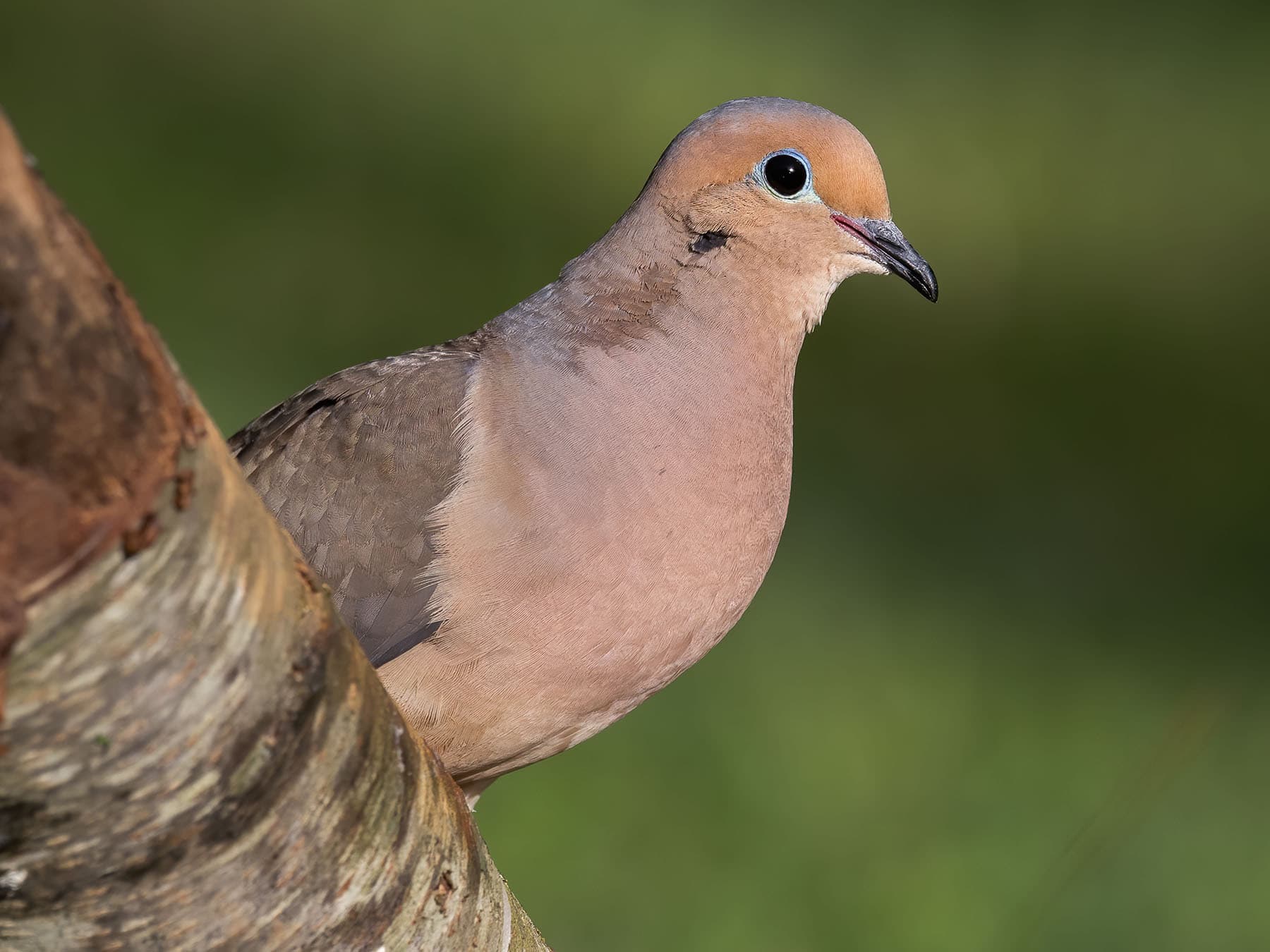 Mourning DoveZenaida macrouraResidentCommon23–34 cmRecorded all year · 0.32% in Mar
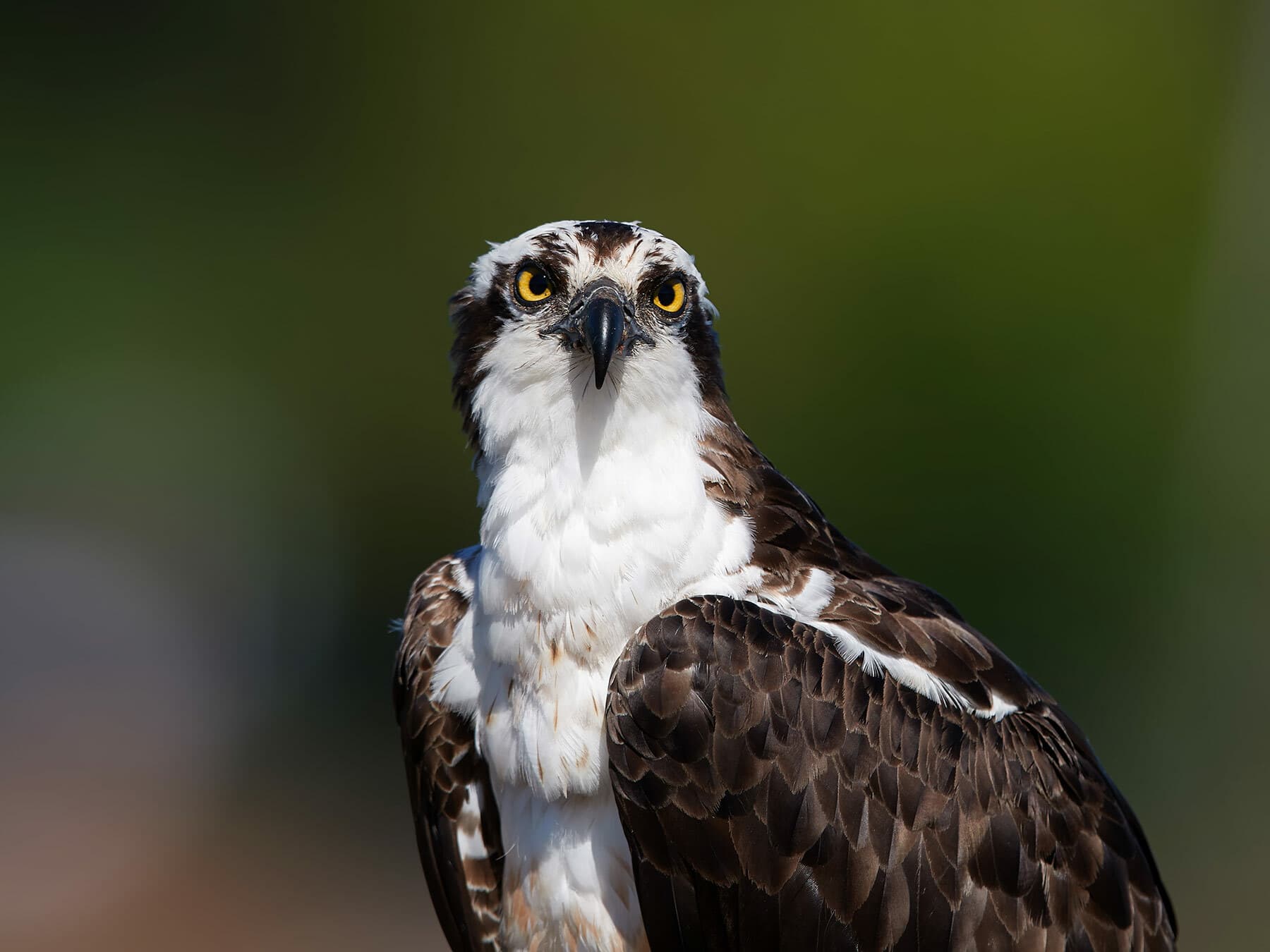 OspreyPandion haliaetusWinter visitorUncommon54–58 cmRegularly Aug–May · 0.32% in Mar
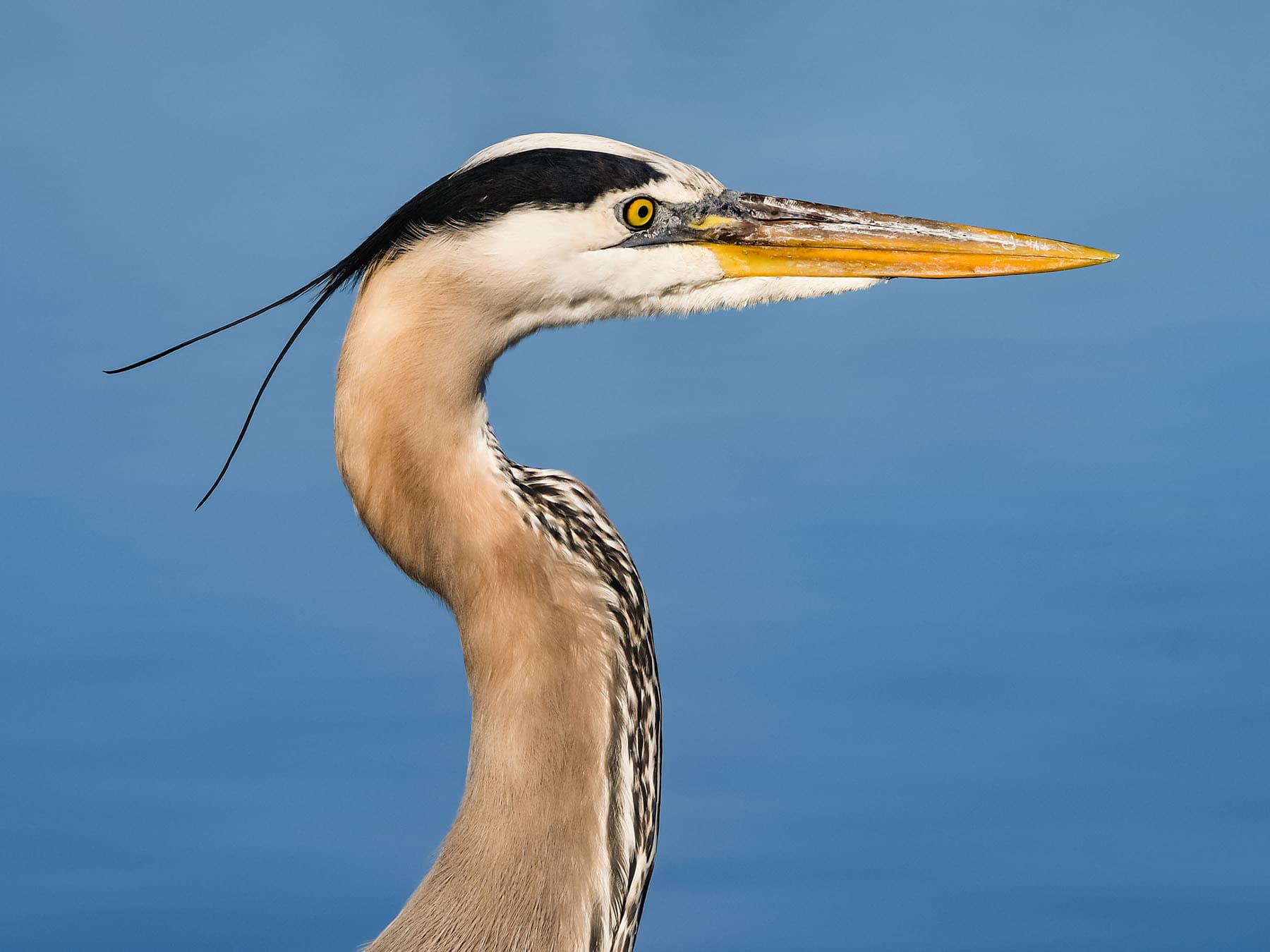 Great Blue HeronArdea herodiasWinter visitorCommon91–137 cmRegularly Aug–May · 0.32% in Mar
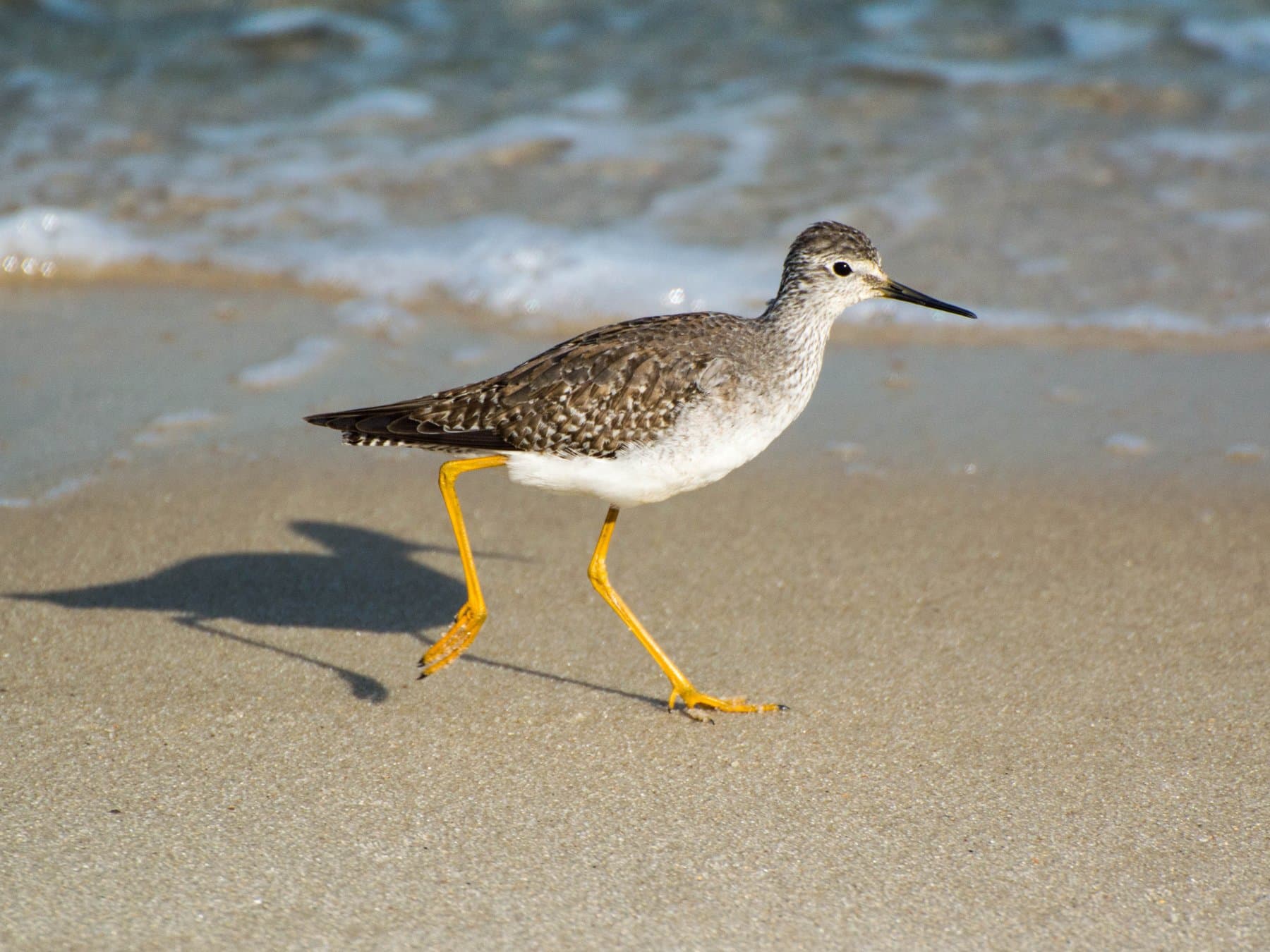 Lesser YellowlegsTringa flavipesWinter visitorUncommon23–27 cmRegularly Aug–Apr · 0.31% in Mar
 Northern WaterthrushParkesia noveboracensisWinter visitorCommon12–15 cmRegularly Sep–May · 0.29% in Mar
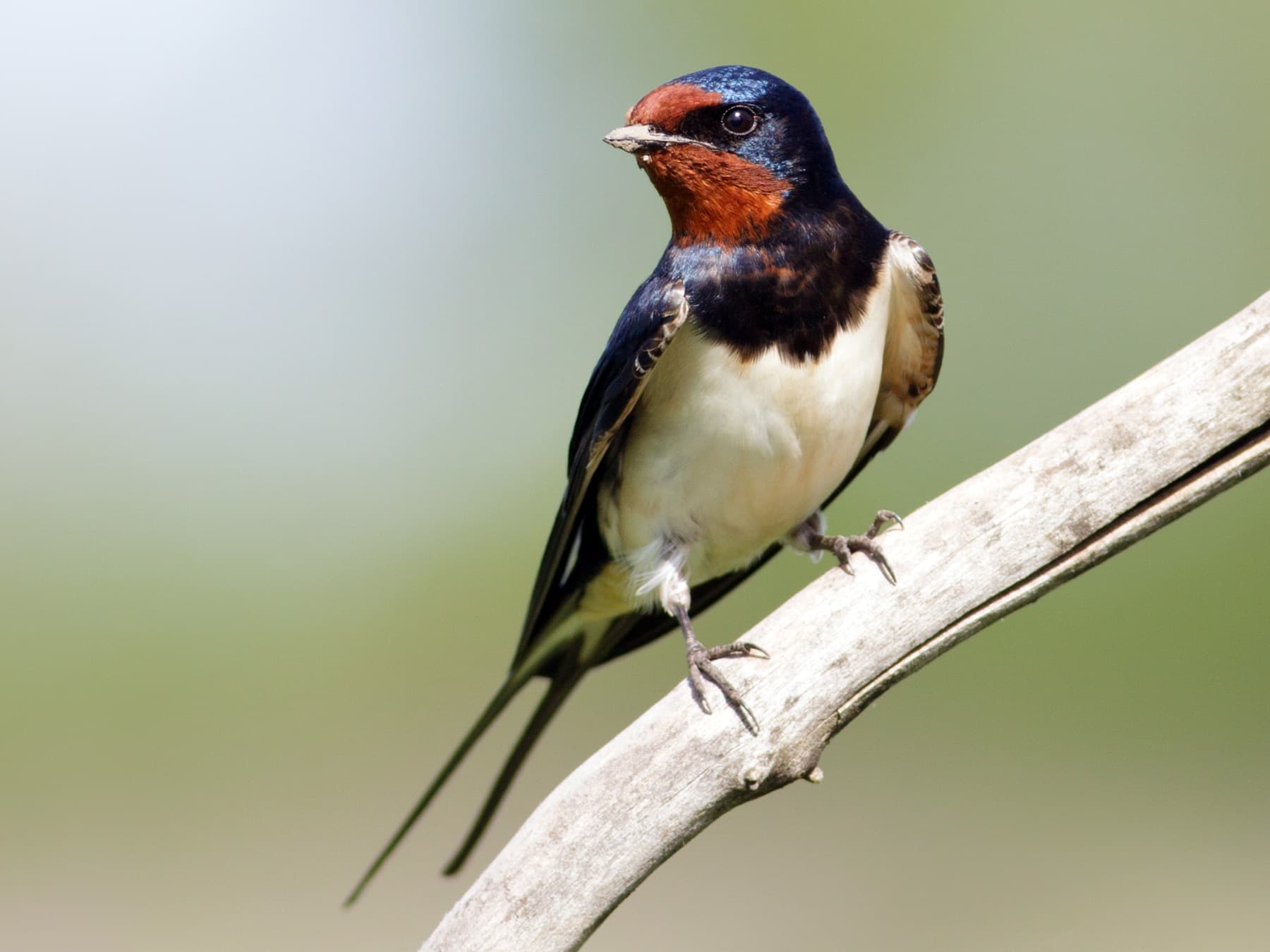 Barn SwallowHirundo rusticaPassage migrantCommon17–19 cmRegularly Mar–Nov · 0.25% in Mar
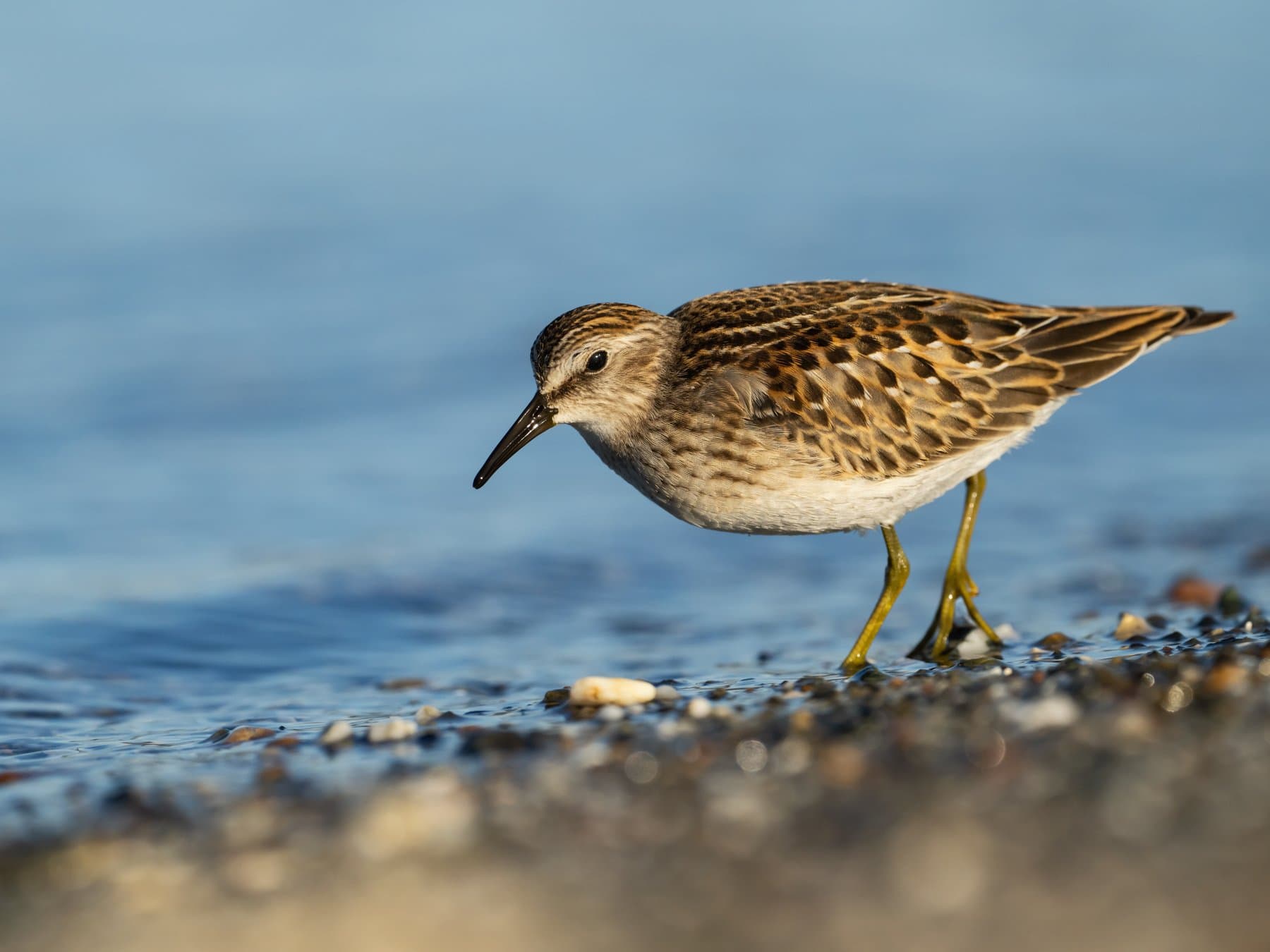 Least SandpiperCalidris minutillaWinter visitorCommon13–15 cmRegularly Aug–May · 0.24% in Mar
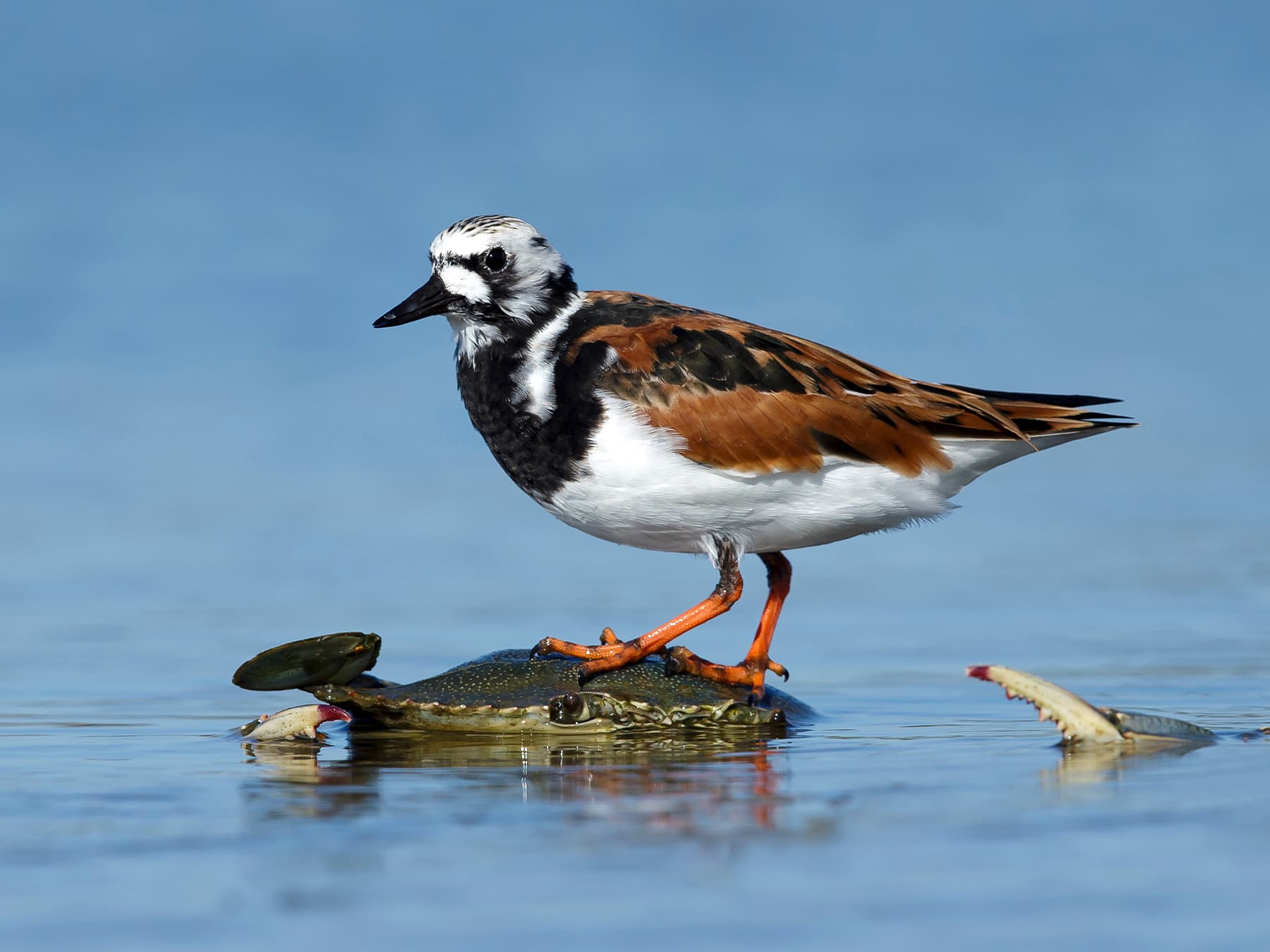 Ruddy TurnstoneArenaria interpresWinter visitorCommon21–24 cmRecorded all year · 0.23% in Mar
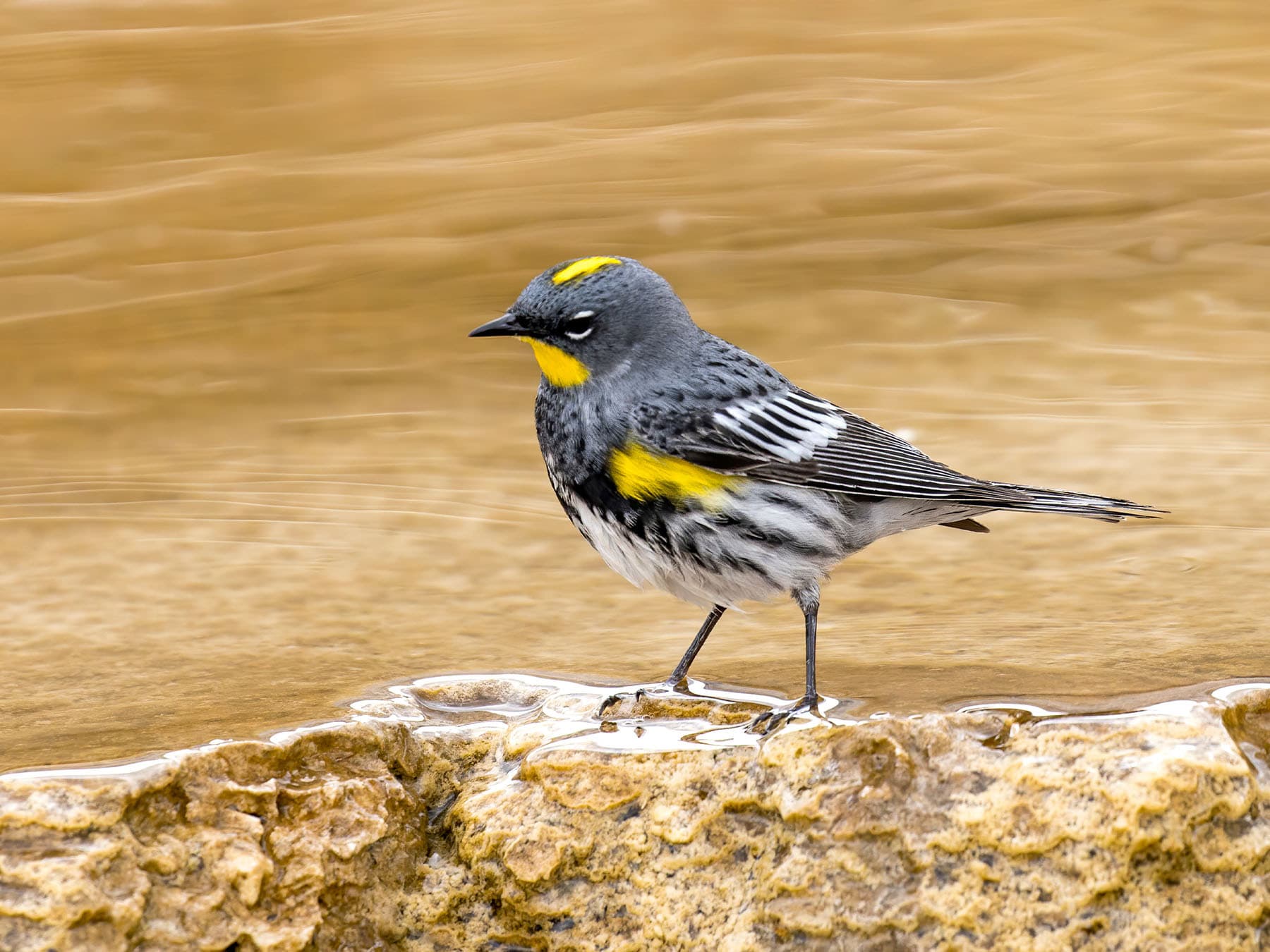 Yellow-rumped WarblerSetophaga coronataWinter visitorUncommon12–15 cmRegularly Nov–Mar · 0.22% in Mar
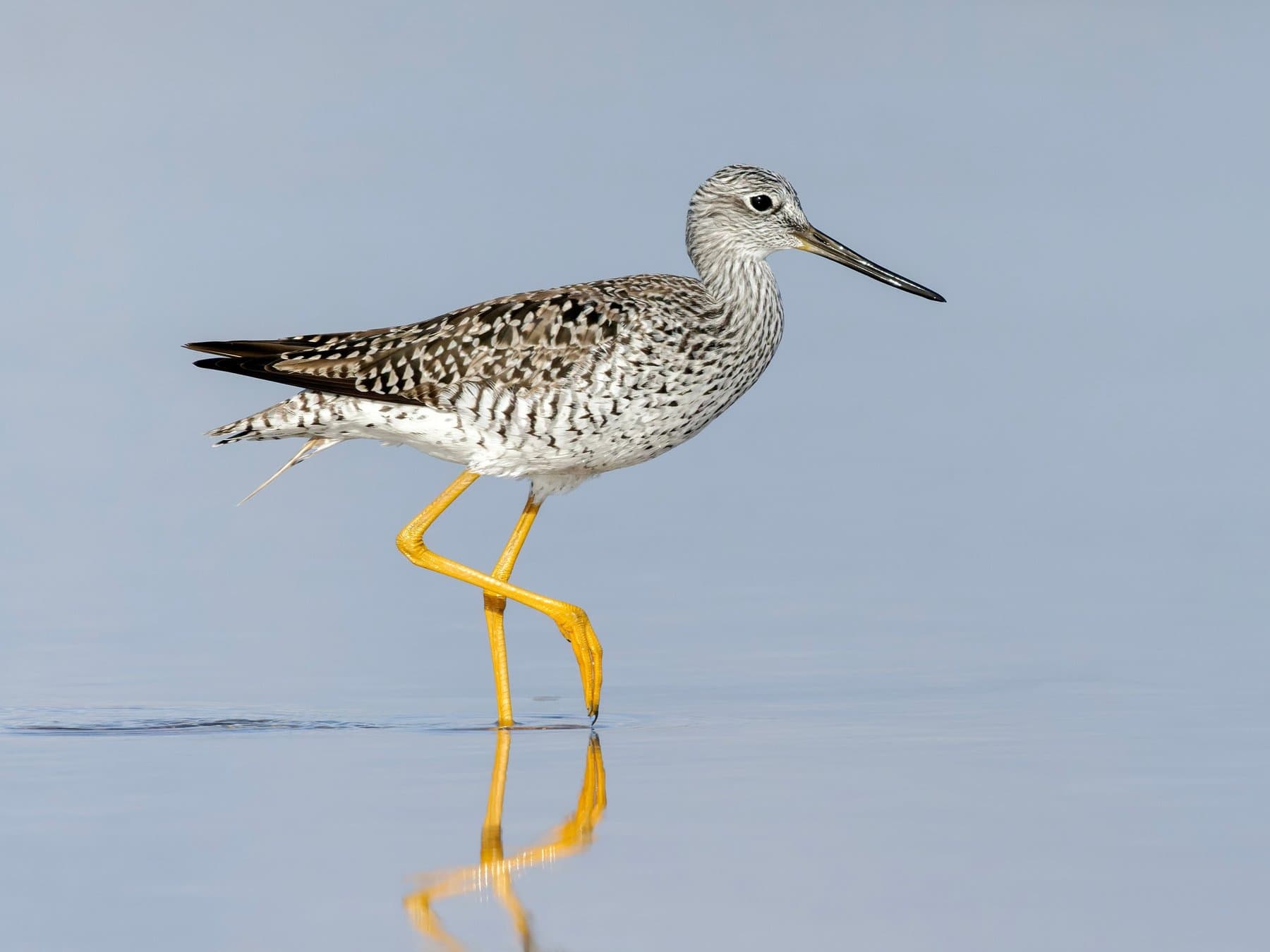 Greater YellowlegsTringa melanoleucaWinter visitorUncommon29–40 cmRegularly Aug–May · 0.21% in Mar
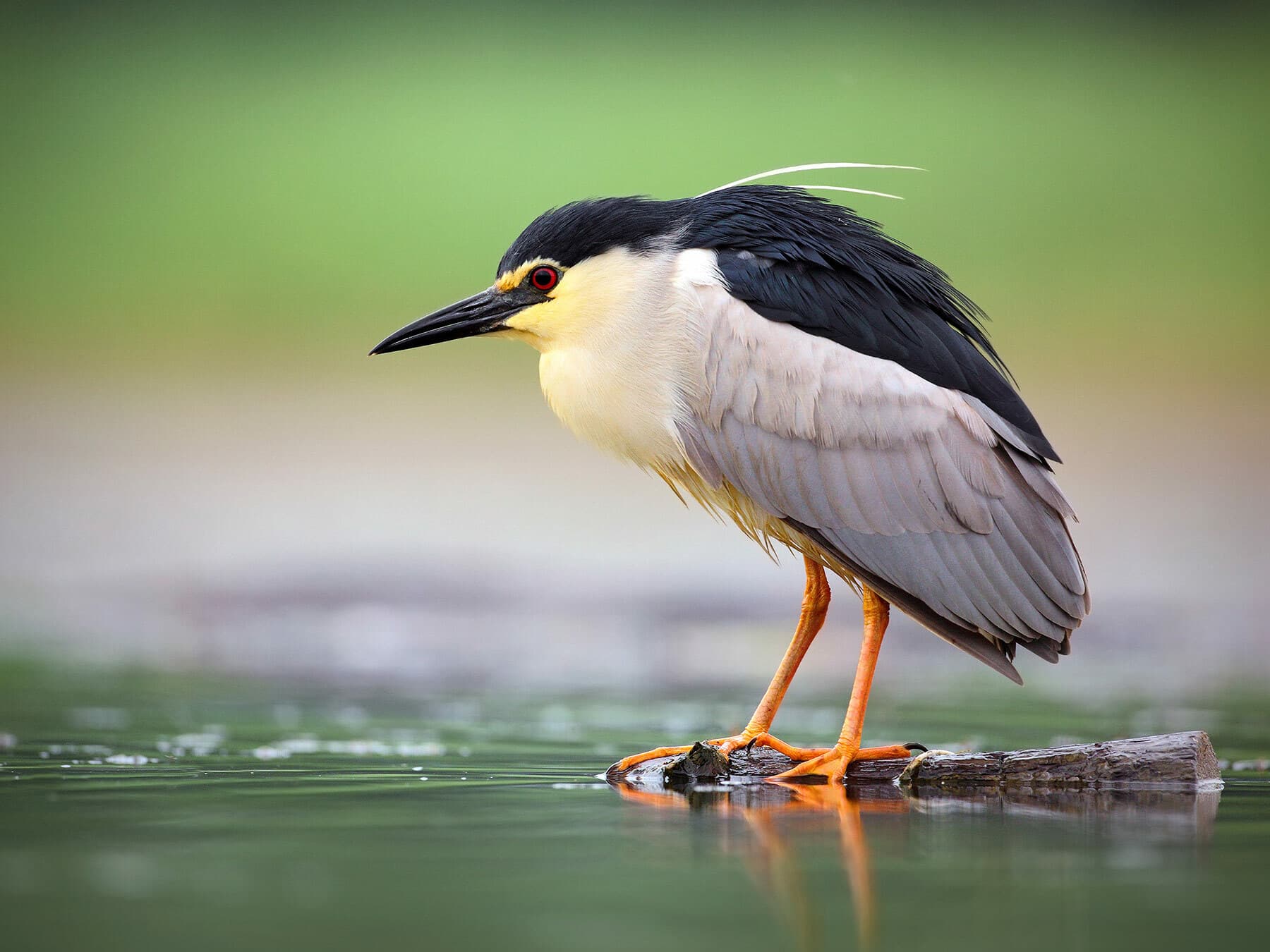 Black-crowned Night-heronNycticorax nycticoraxResidentUncommon58–65 cmRecorded all year · 0.20% in Mar
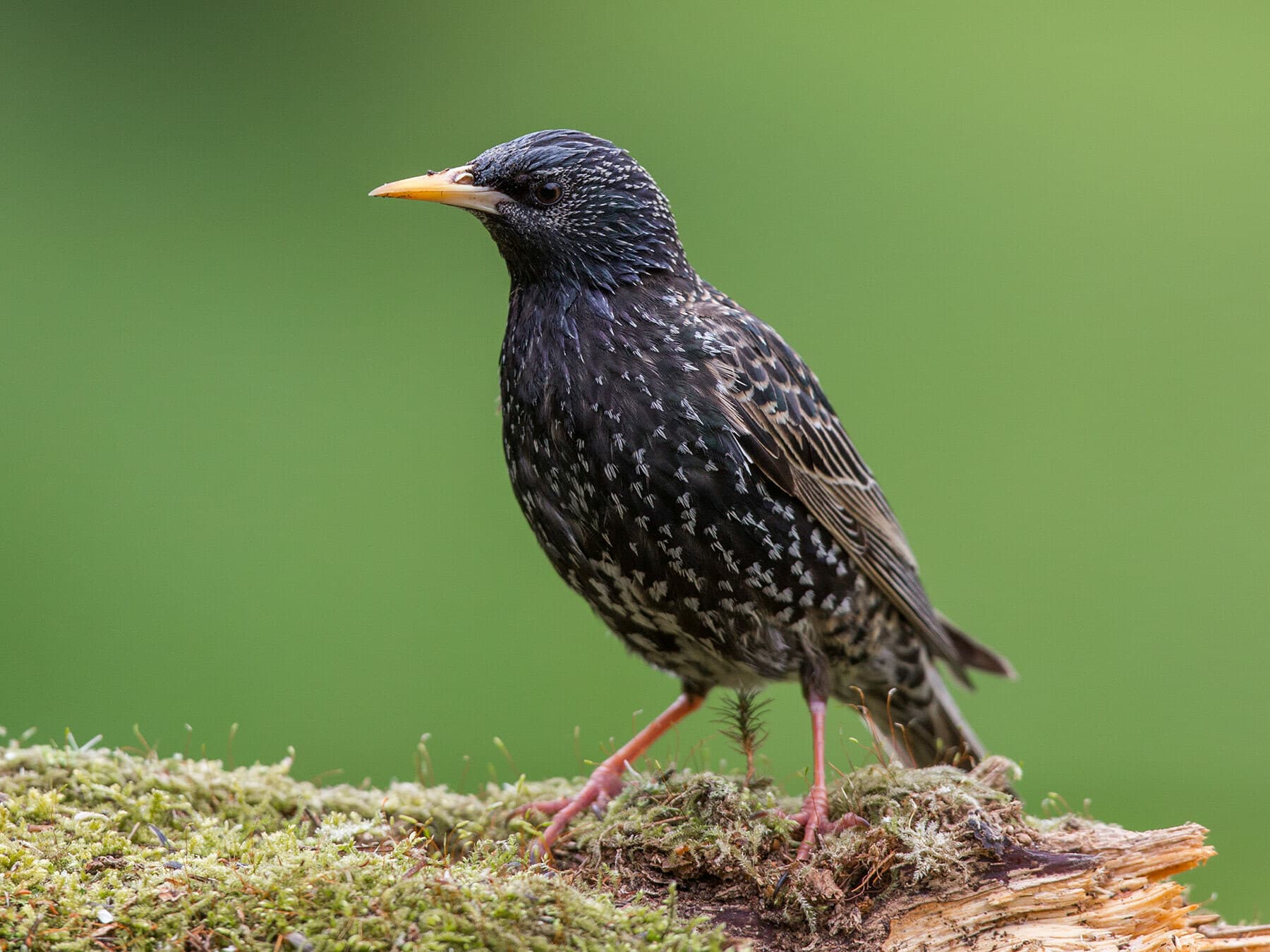 Common StarlingSturnus vulgarisResidentUncommon21–23 cmRecorded all year · 0.18% in Mar
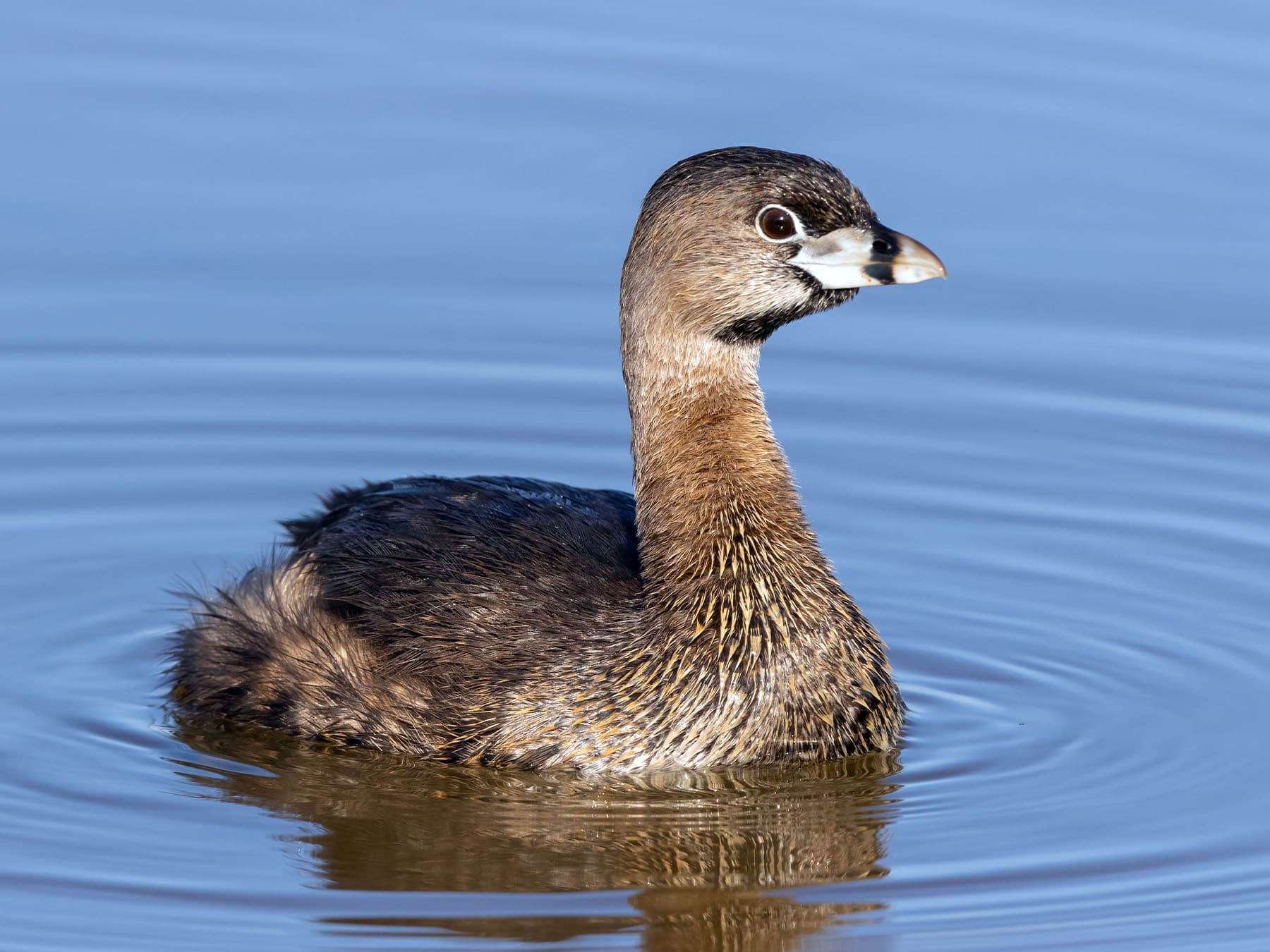 Pied-billed GrebePodilymbus podicepsWinter visitorCommon31–38 cmRegularly Jul–May · 0.18% in Mar
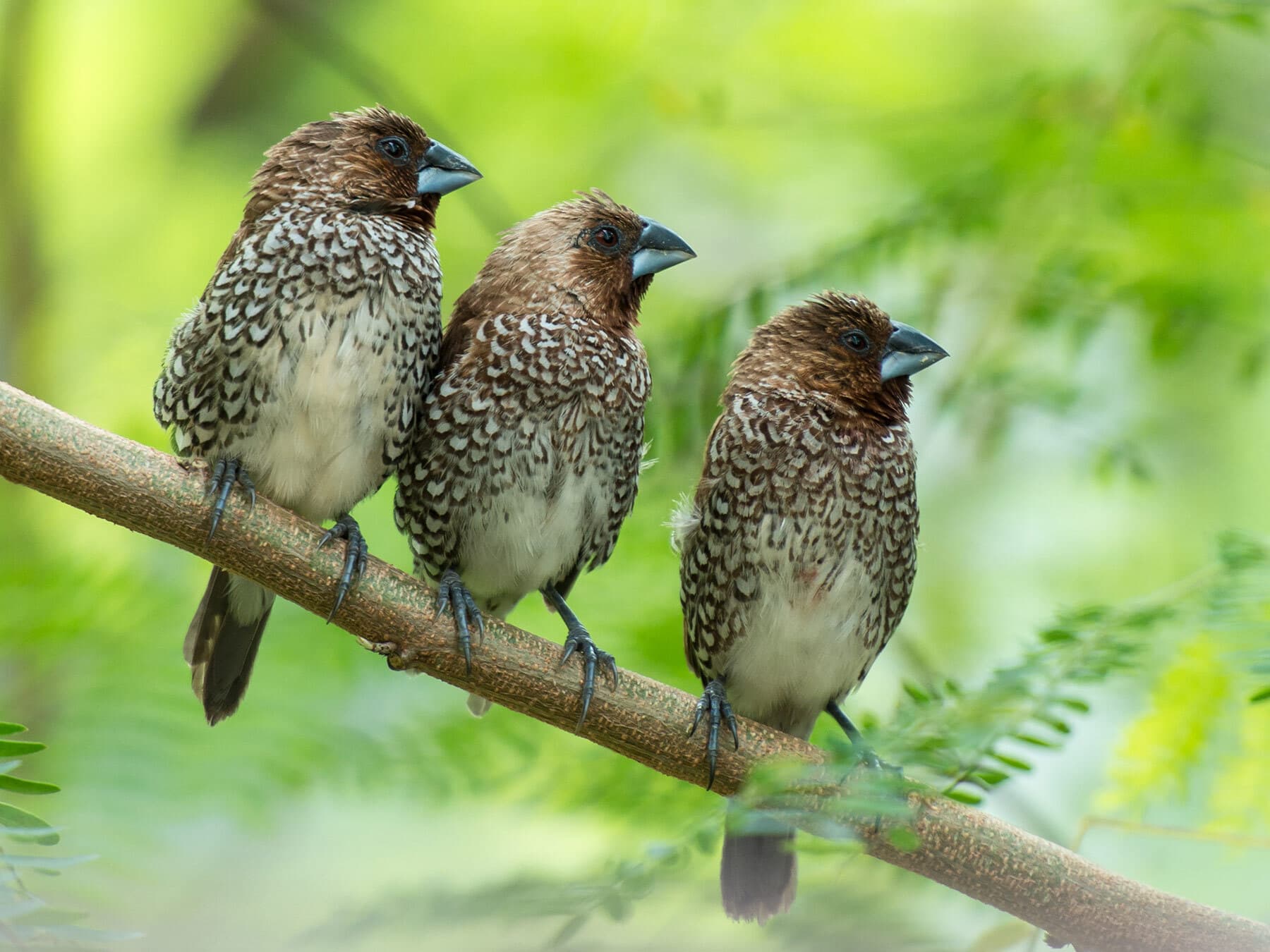 Scaly-breasted MuniaLonchura punctulataWinter visitorUncommon11–12 cmRegularly Jul–May · 0.16% in Mar
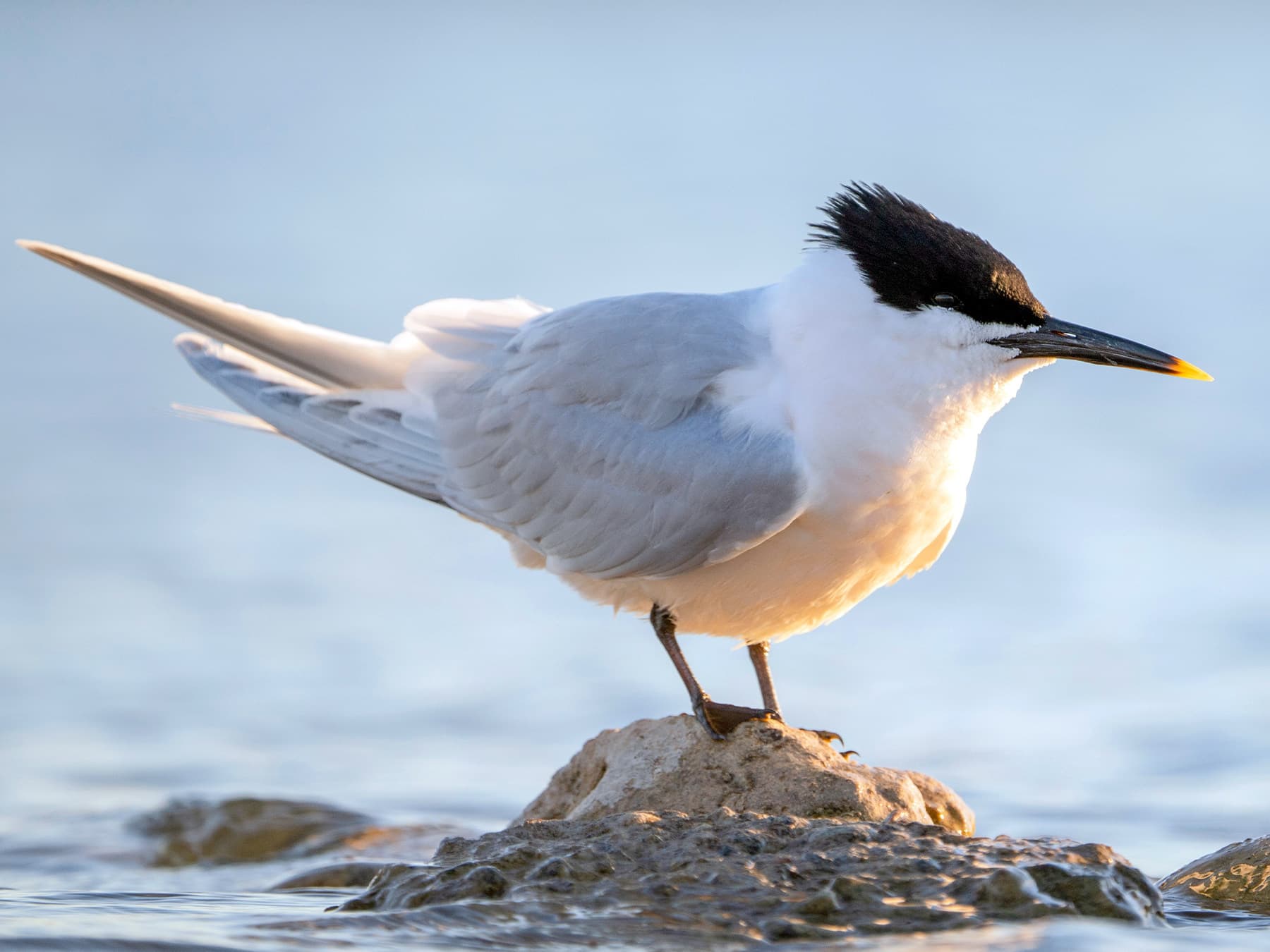 Sandwich TernThalasseus sandvicensisWinter visitorUncommon36–41 cmRegularly Aug–May · 0.13% in Mar
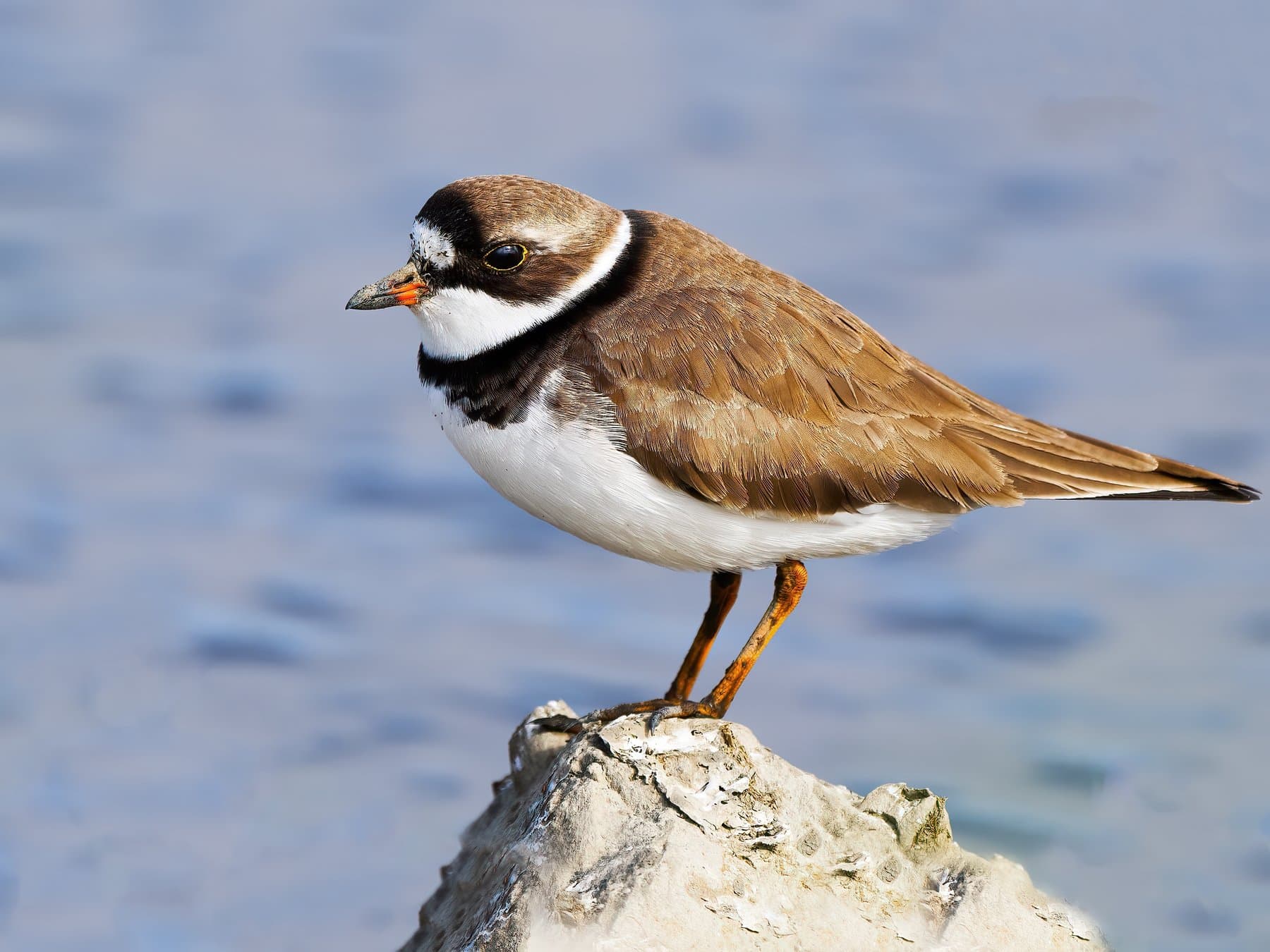 Semipalmated PloverCharadrius semipalmatusWinter visitorUncommon17–19 cmRegularly Aug–Apr · 0.13% in Mar
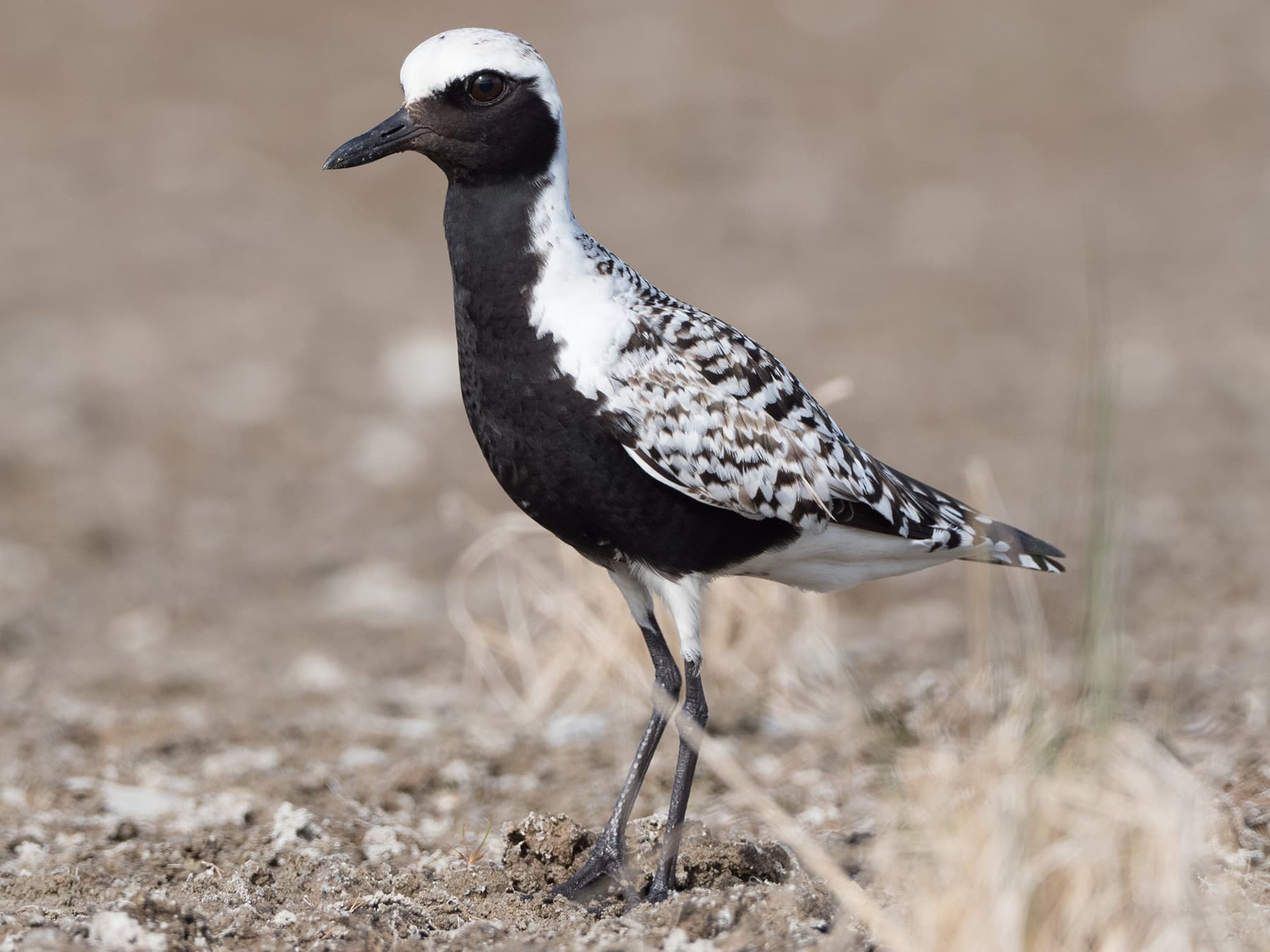 Grey PloverPluvialis squatarolaWinter visitorUncommon27–30 cmRegularly Sep–May · 0.13% in Mar
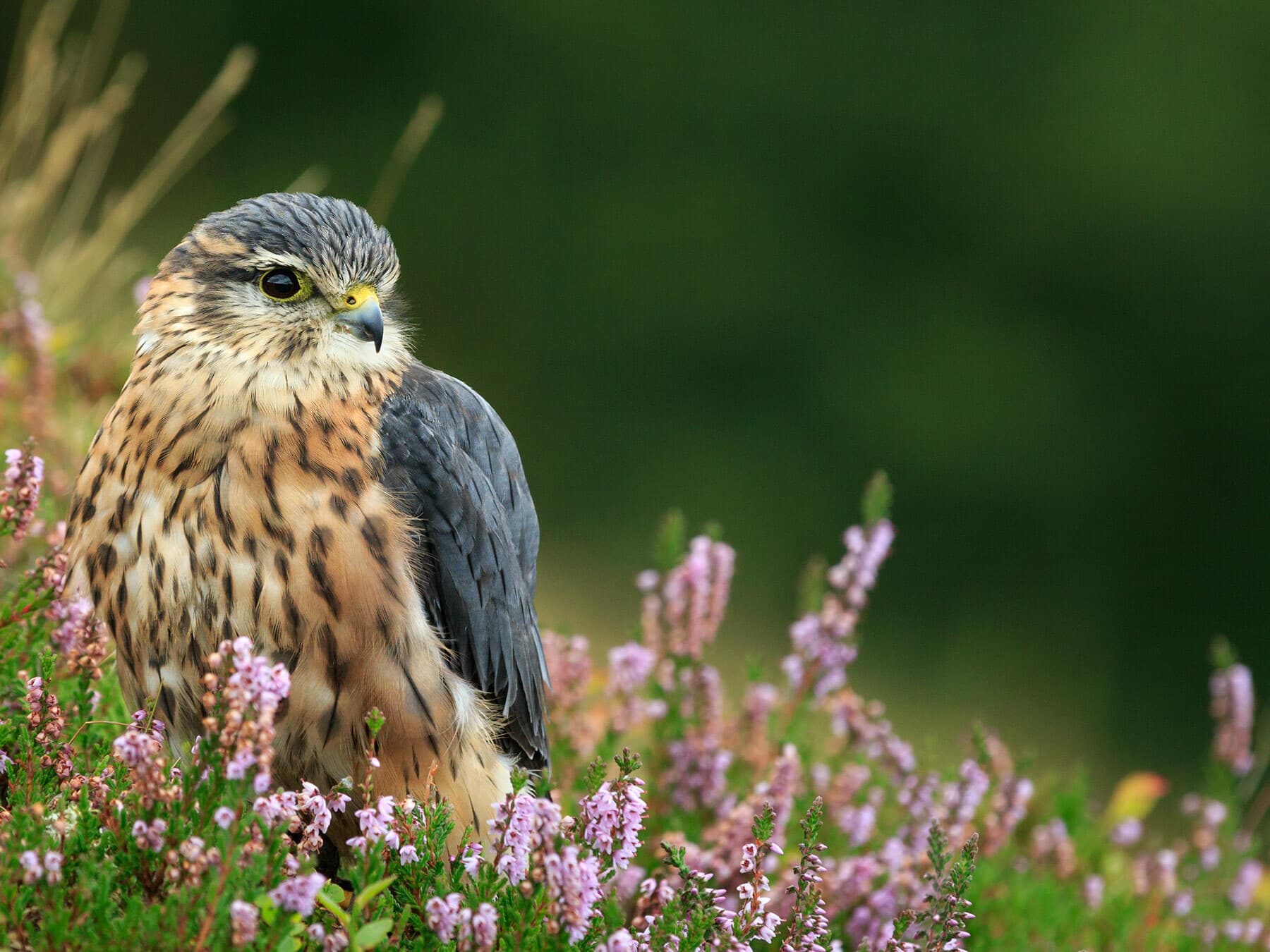 MerlinFalco columbariusWinter visitorUncommon24–33 cmRegularly Oct–Apr · 0.12% in Mar
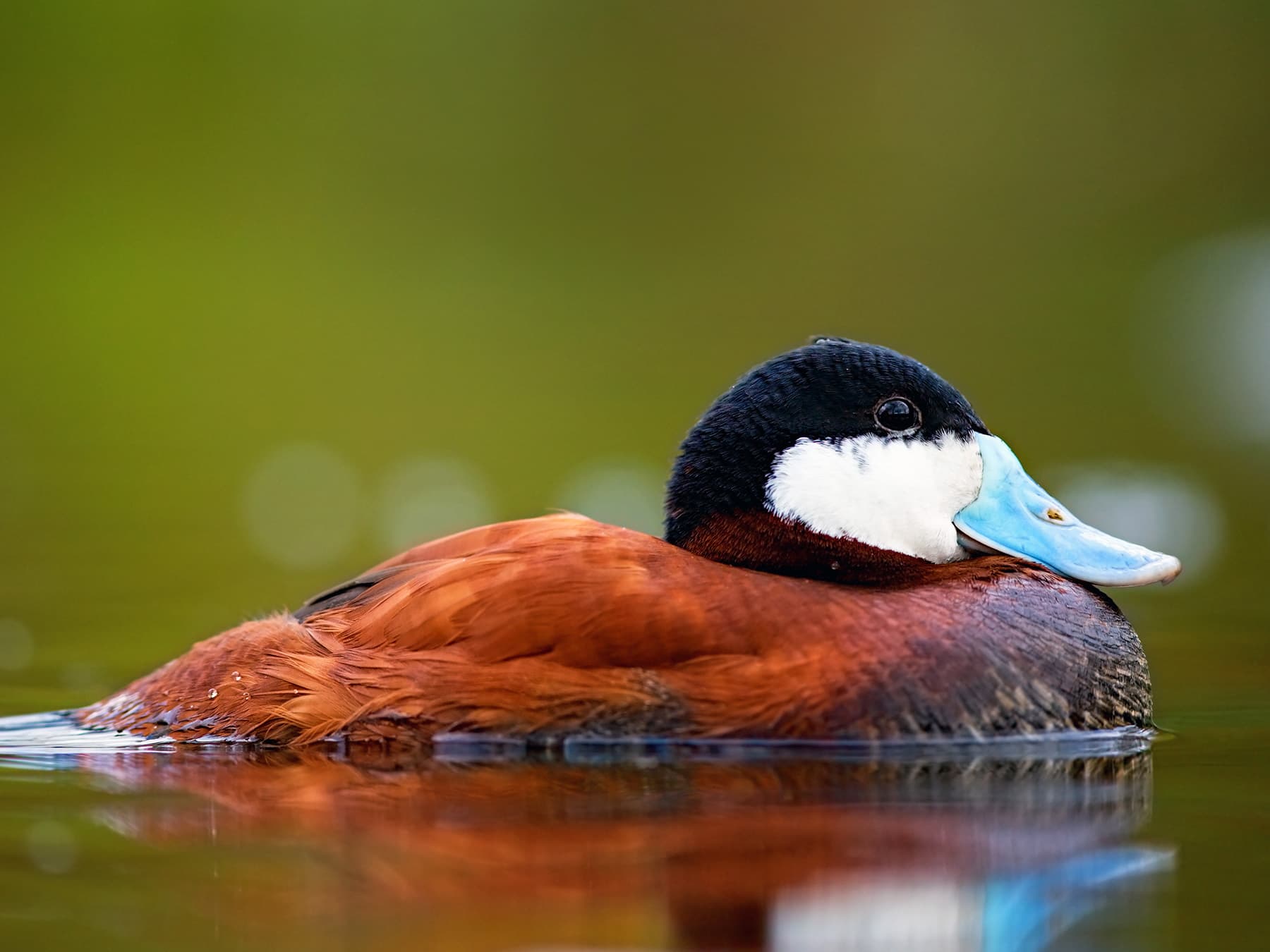 Ruddy DuckOxyura jamaicensisWinter visitorUncommon35–43 cmRegularly Nov–Apr · 0.12% in Mar
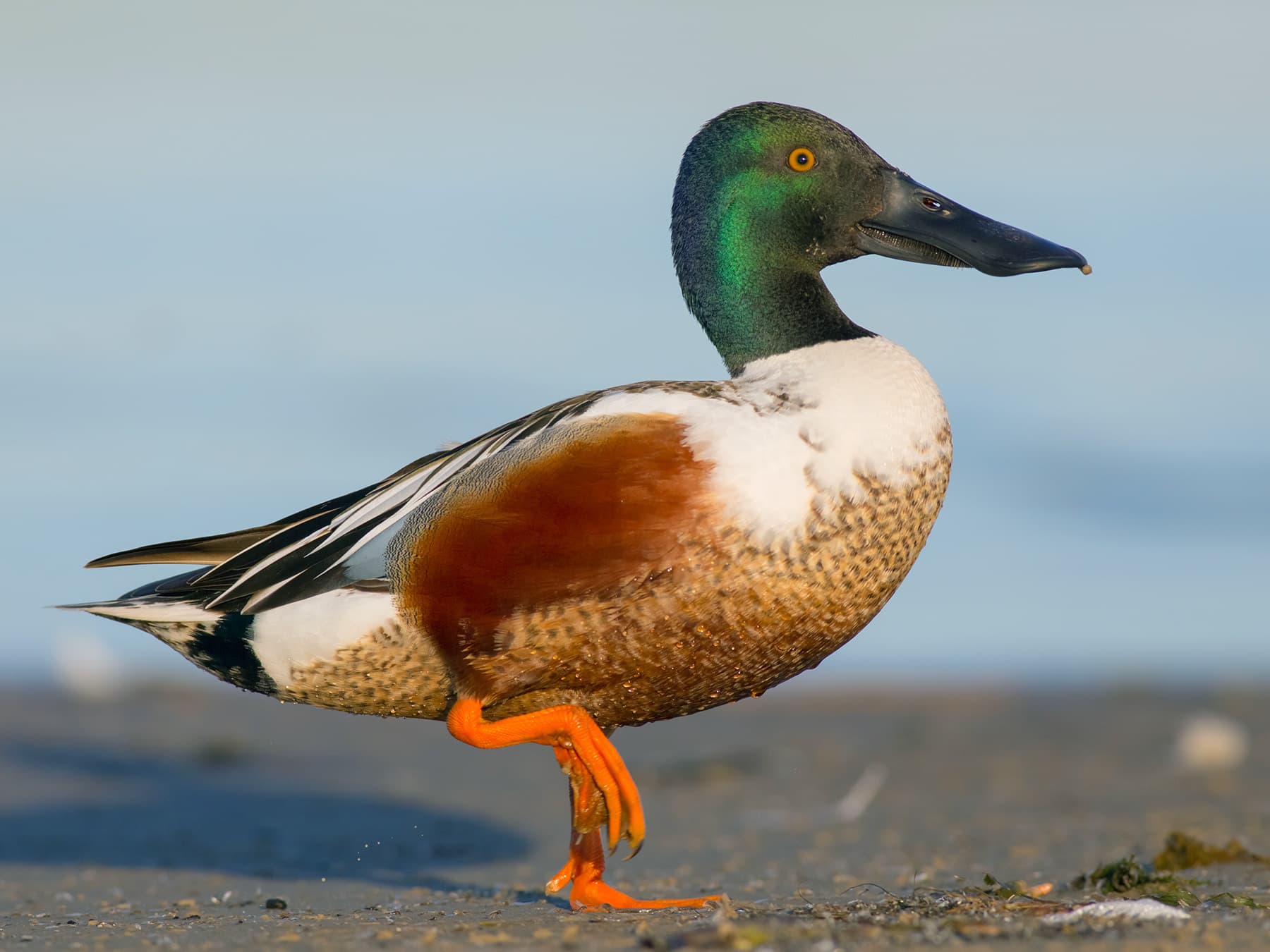 Northern ShovelerSpatula clypeataWinter visitorUncommon44–51 cmRegularly Nov–Mar · 0.11% in Mar
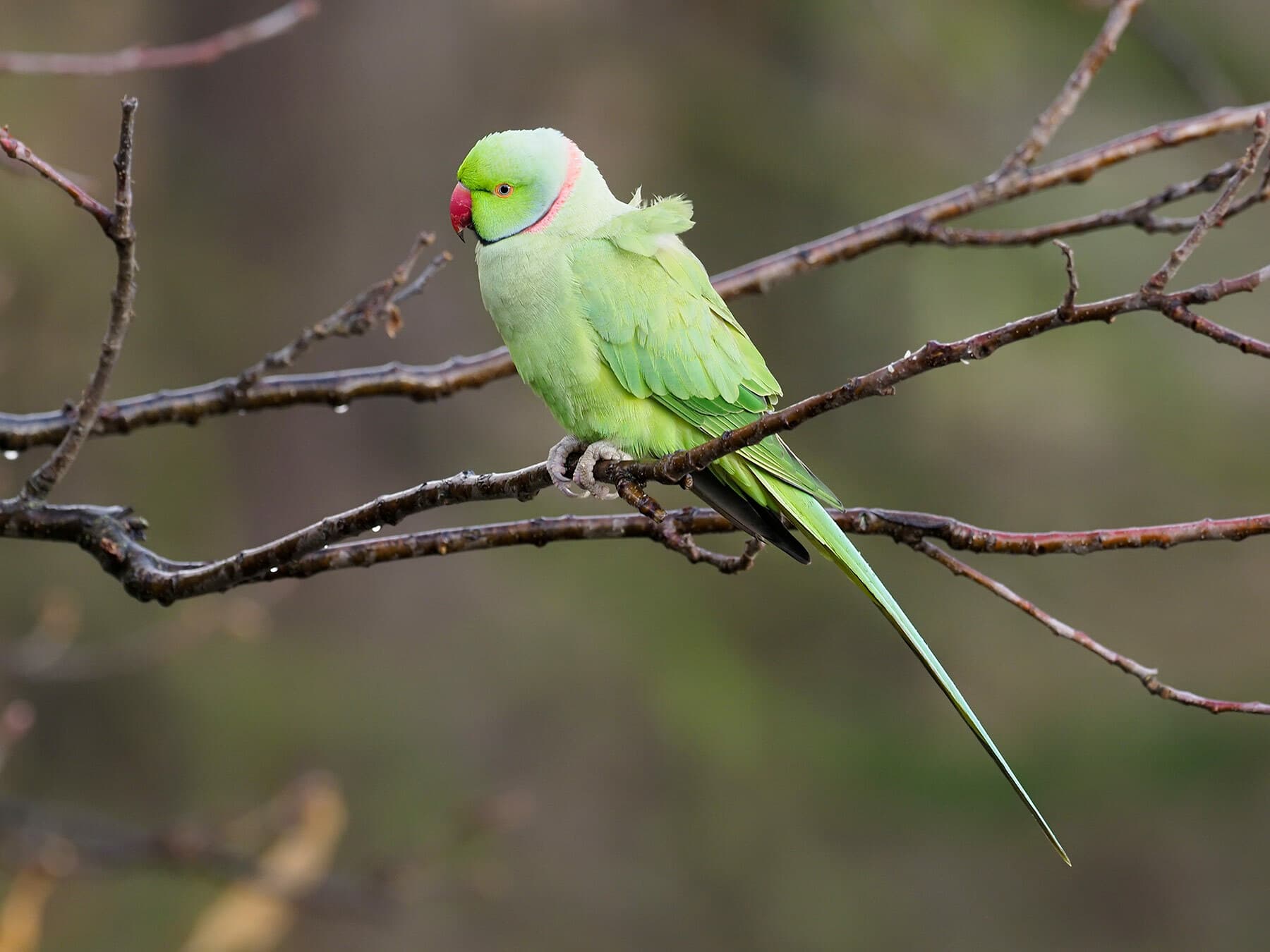 Rose-ringed ParakeetPsittacula krameriWinter visitorUncommon38–42 cmRegularly Jul–May · 0.10% in Mar
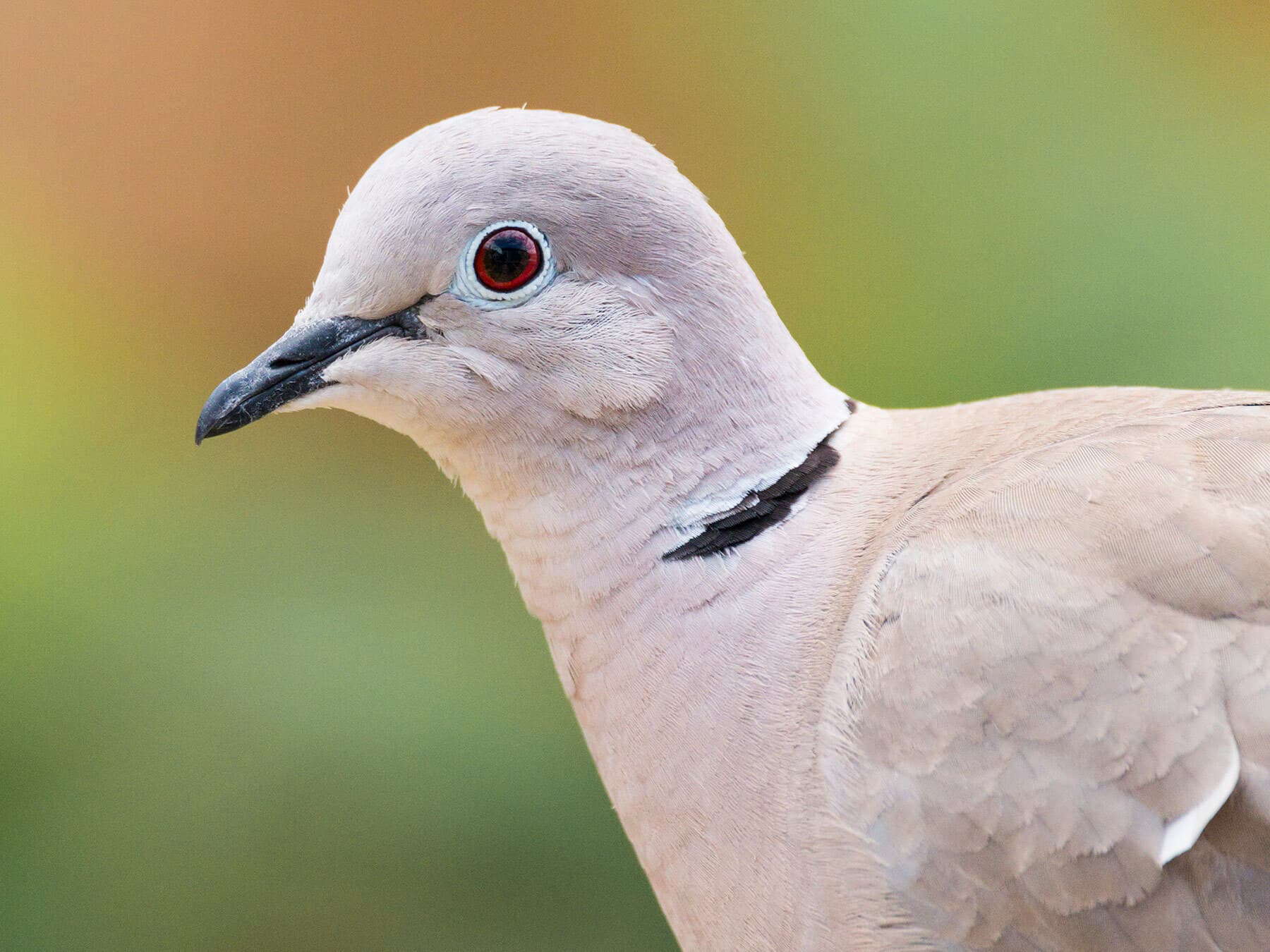 Eurasian Collared DoveStreptopelia decaoctoWinter visitorUncommon30–32 cmRegularly Aug–Jun · 0.08% in Mar
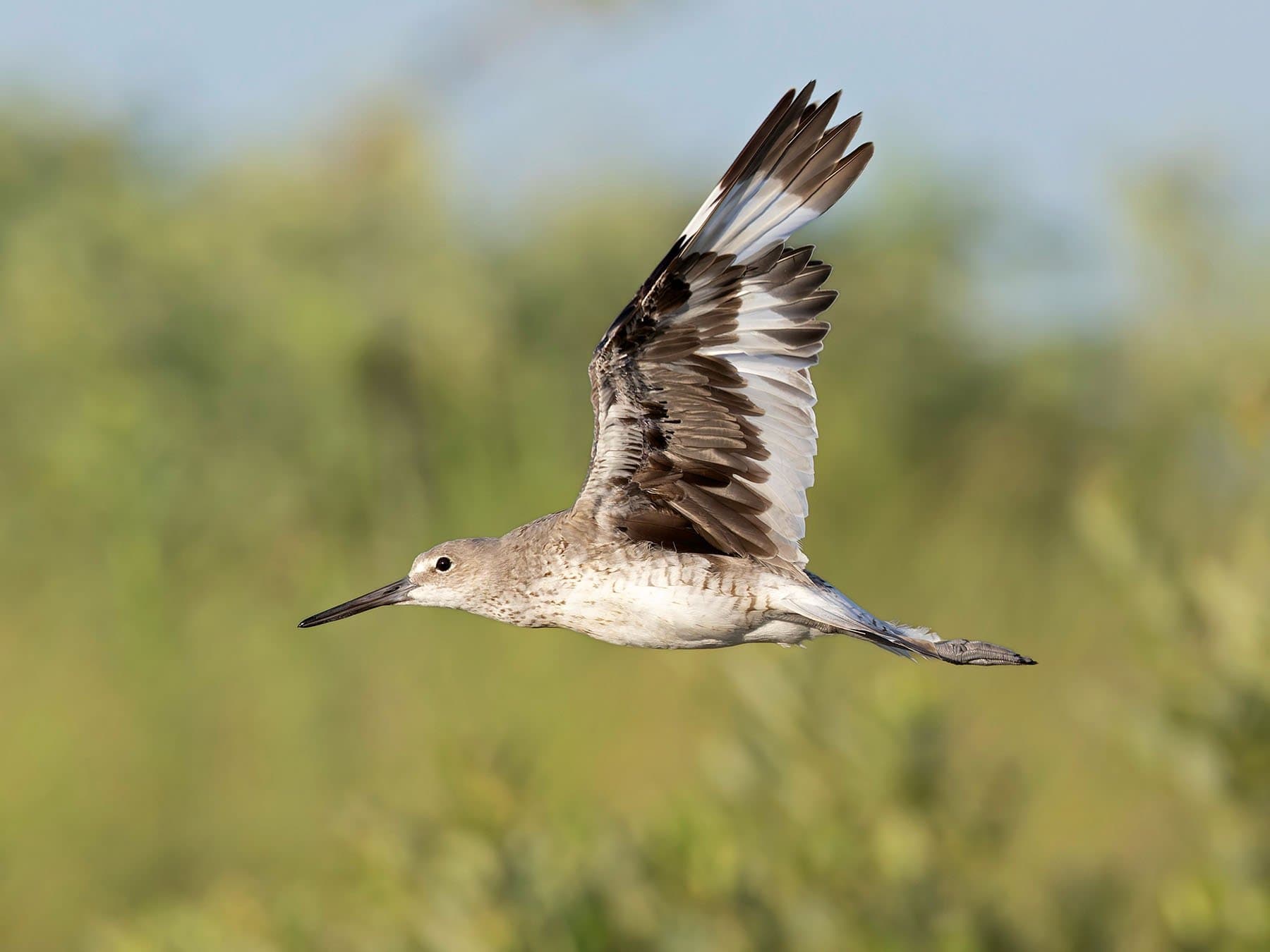 WilletTringa semipalmataWinter visitorUncommon33–41 cmRegularly Aug–Apr · 0.07% in Mar
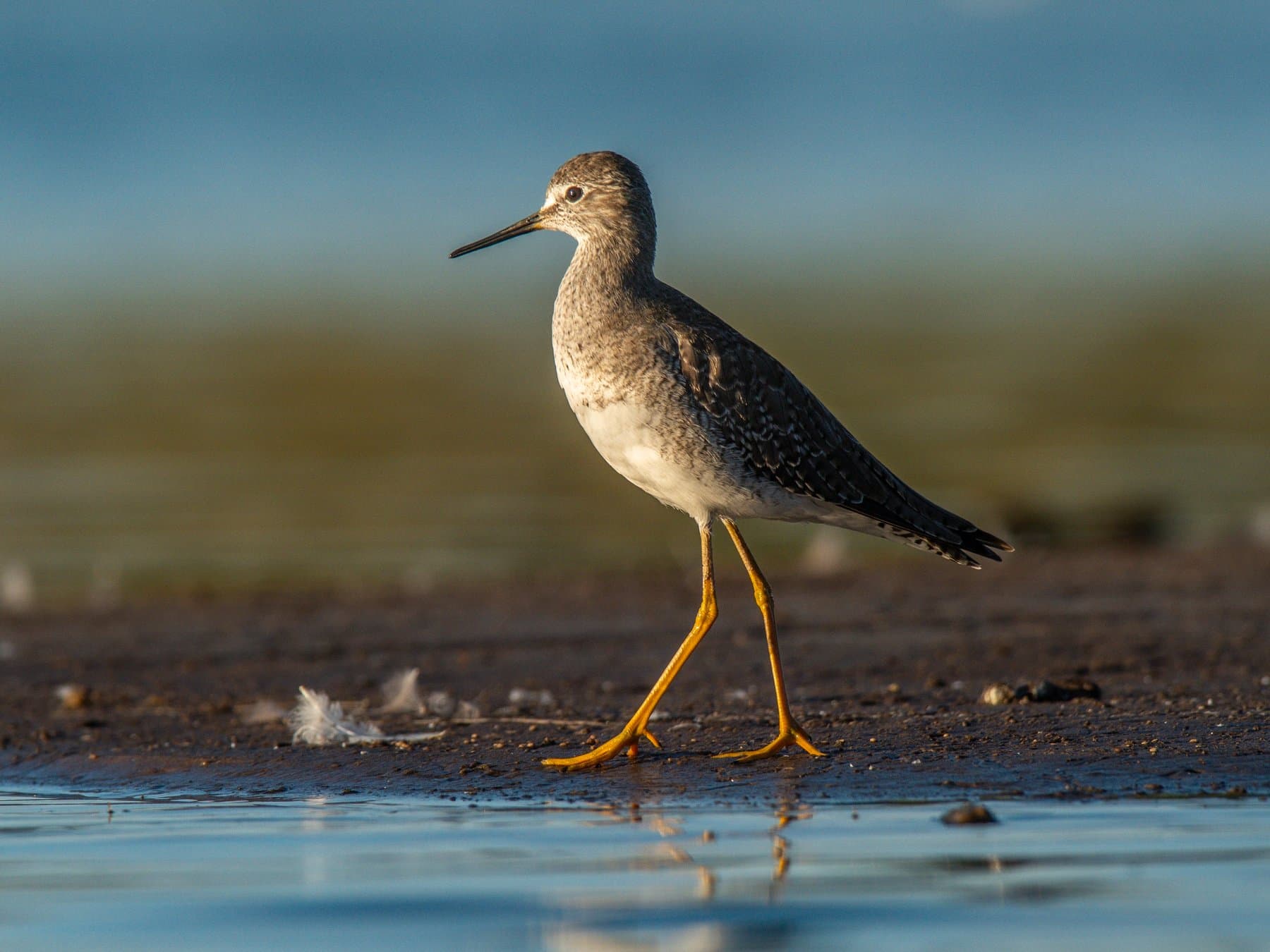 Solitary SandpiperTringa solitariaWinter visitorUncommon19–23 cmRegularly Aug–May · 0.07% in Mar
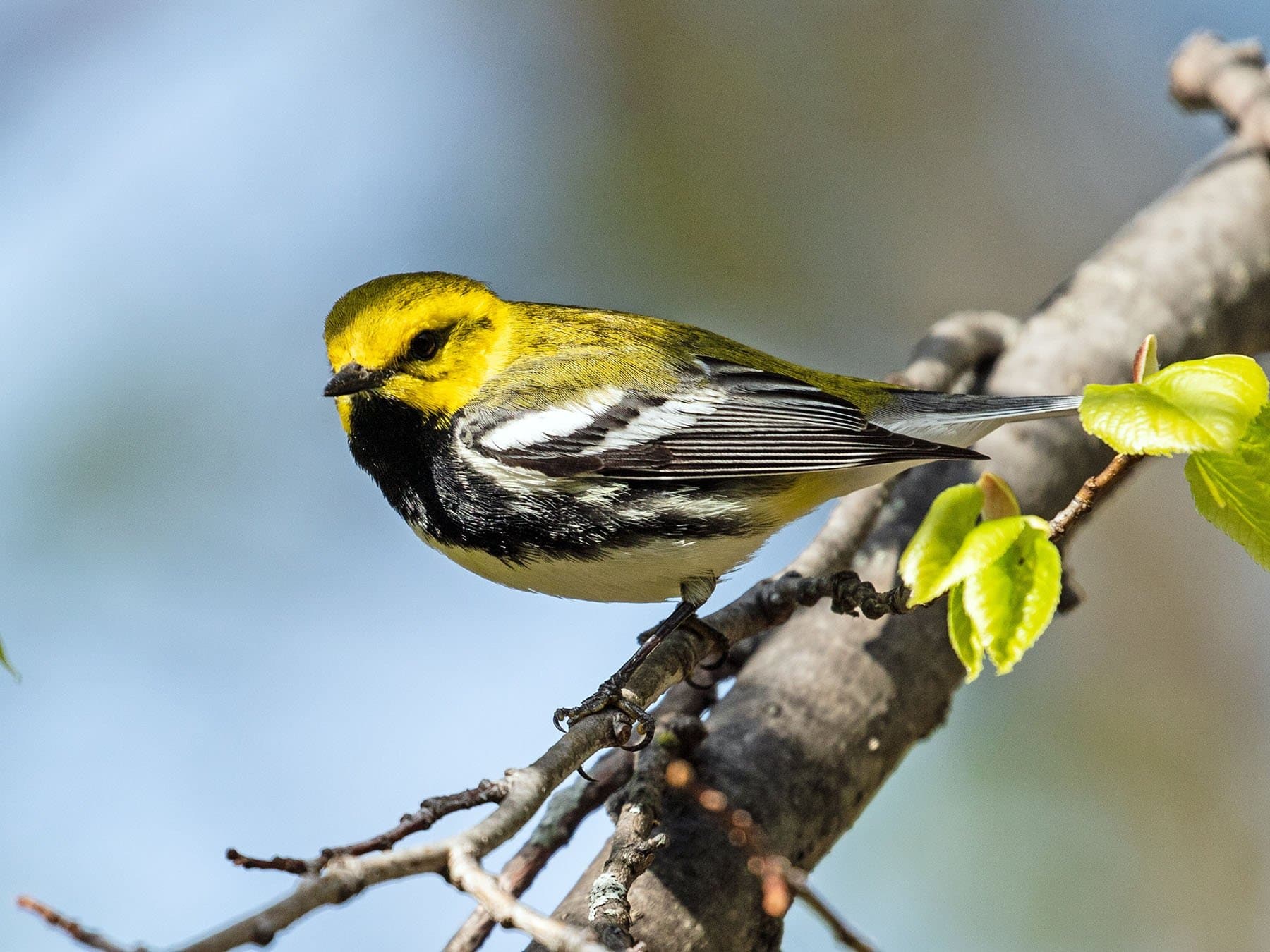 Black-throated Green WarblerSetophaga virensWinter visitorUncommon11–12 cmRegularly Nov–Apr · 0.07% in Mar
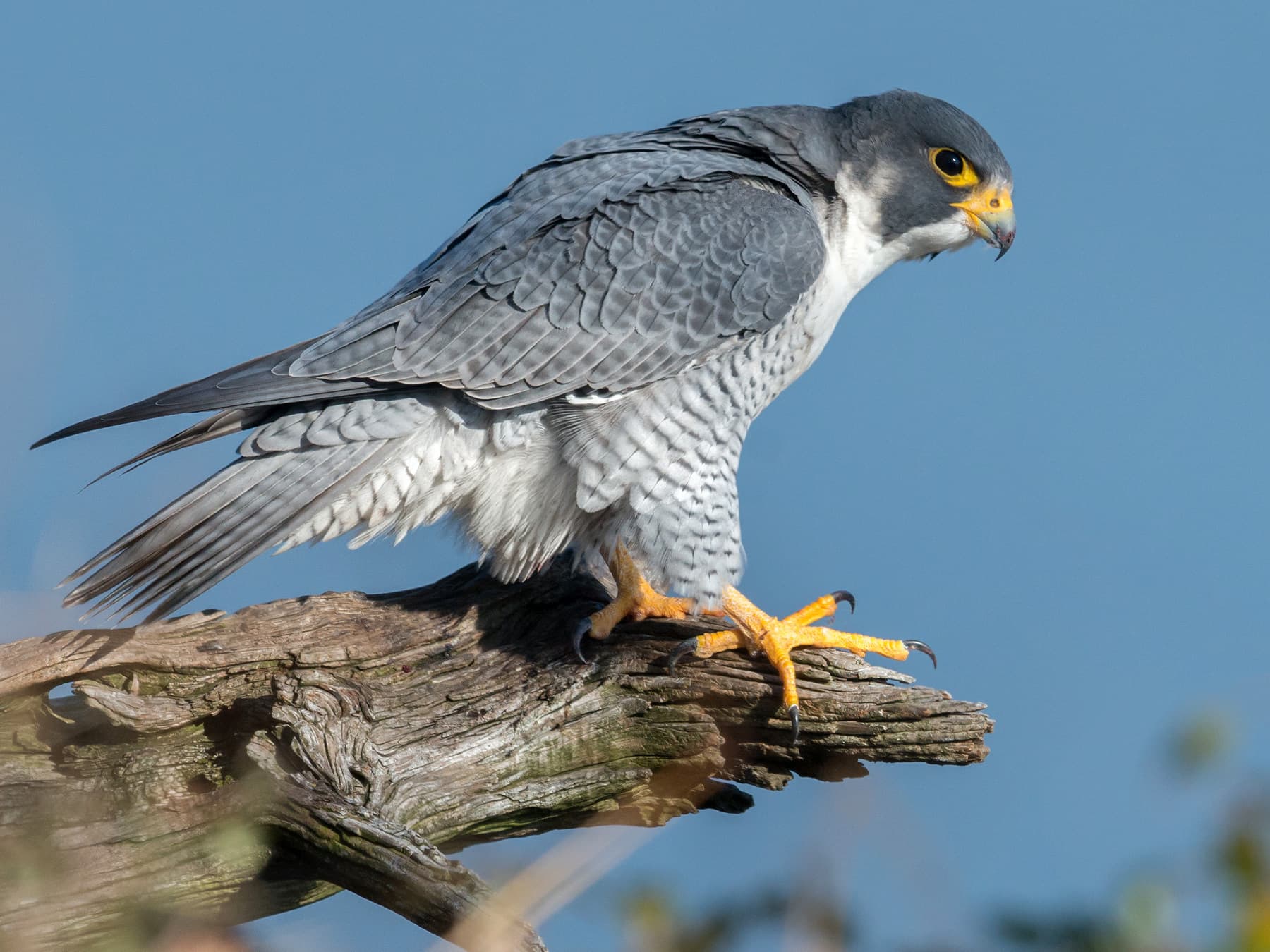 Peregrine FalconFalco peregrinusWinter visitorUncommon34–58 cmRegularly Oct–Apr · 0.07% in Mar
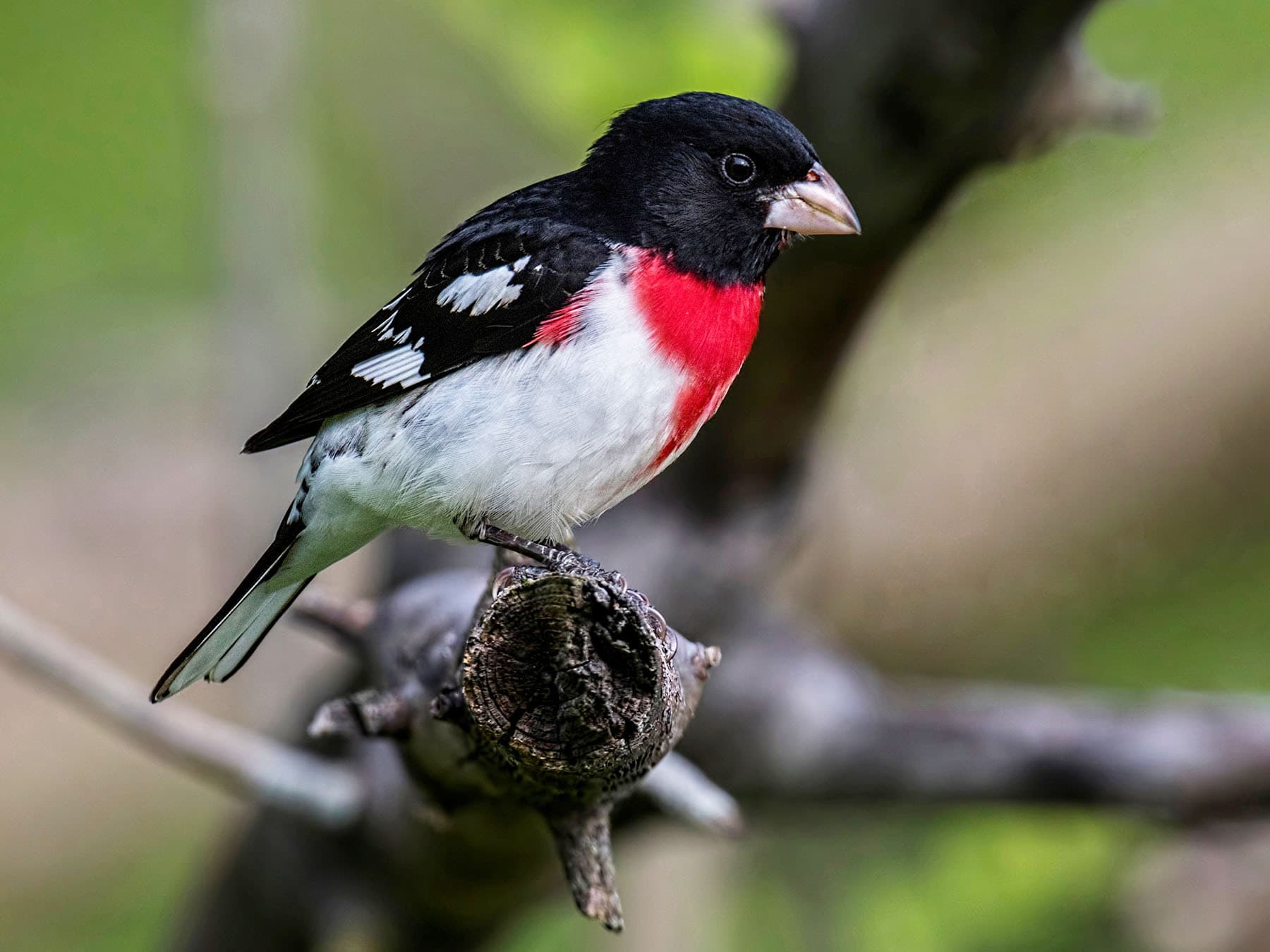 Rose-breasted GrosbeakPheucticus ludovicianusWinter visitorUncommon18–22 cmRegularly Oct–Apr · 0.07% in Mar
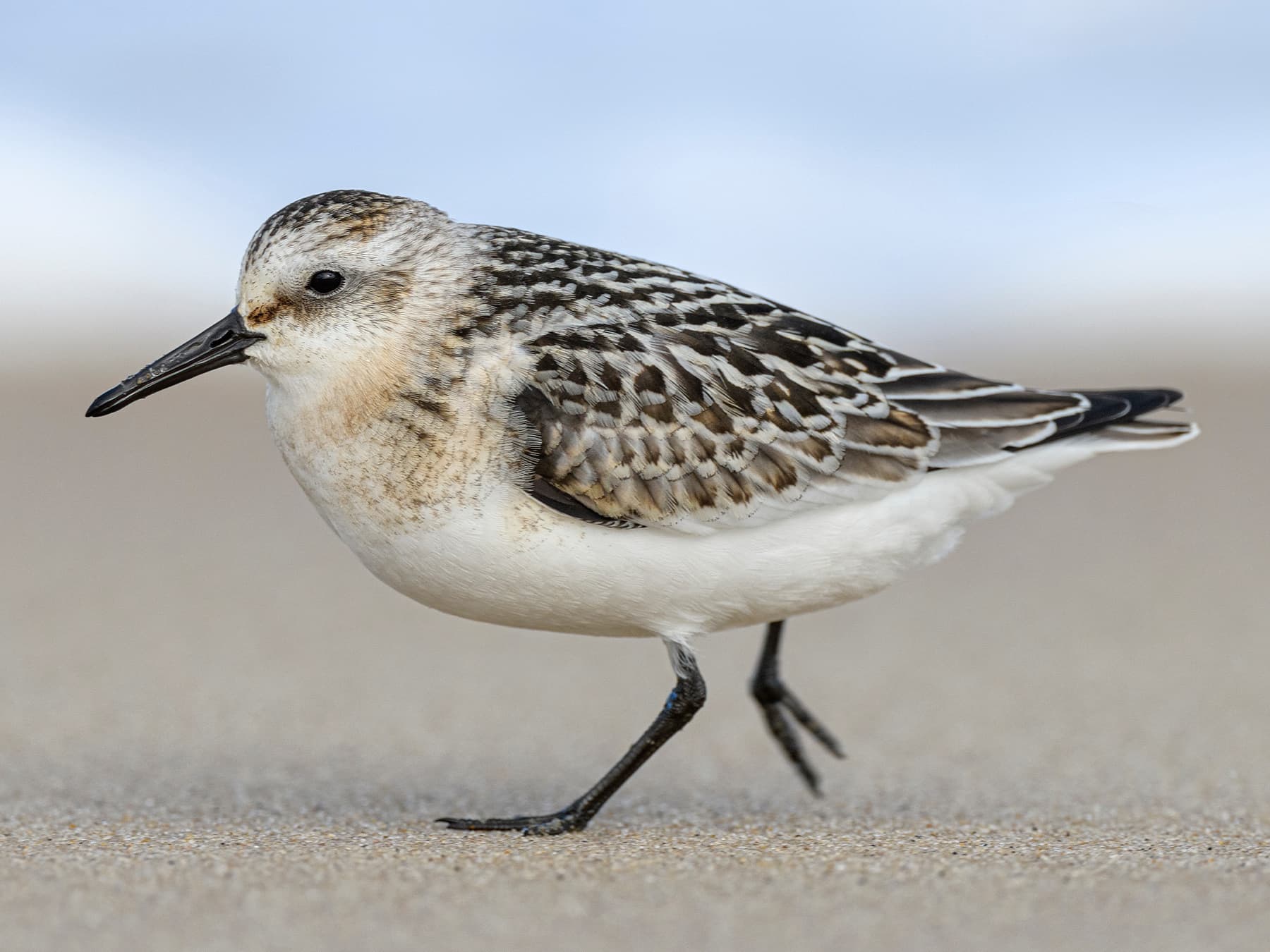 SanderlingCalidris albaWinter visitorUncommon18–20 cmRegularly Sep–Apr · 0.06% in Mar
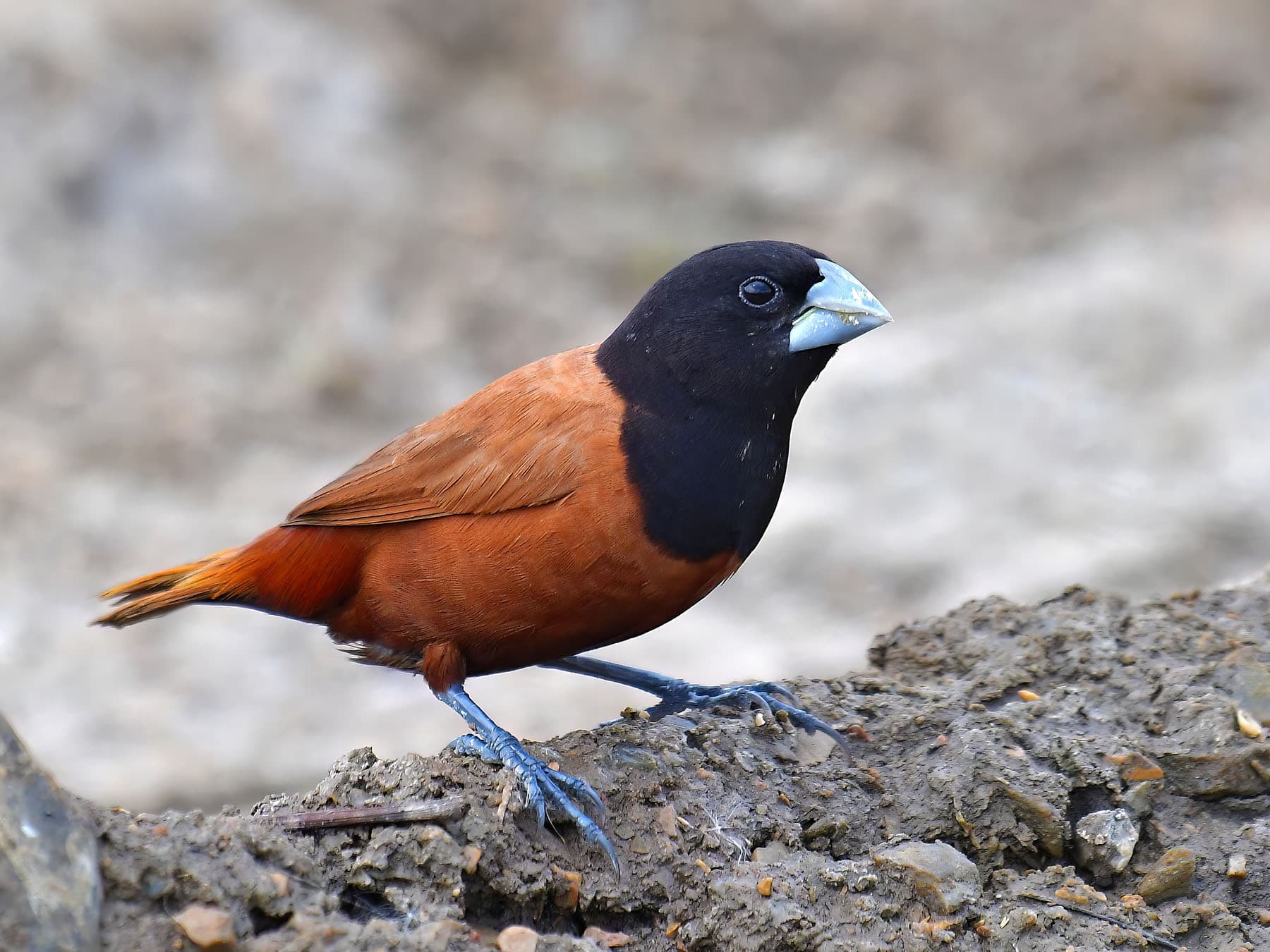 Chestnut MuniaLonchura atricapillaWinter visitorUncommon10–11 cmRegularly Dec–Mar · 0.04% in Mar
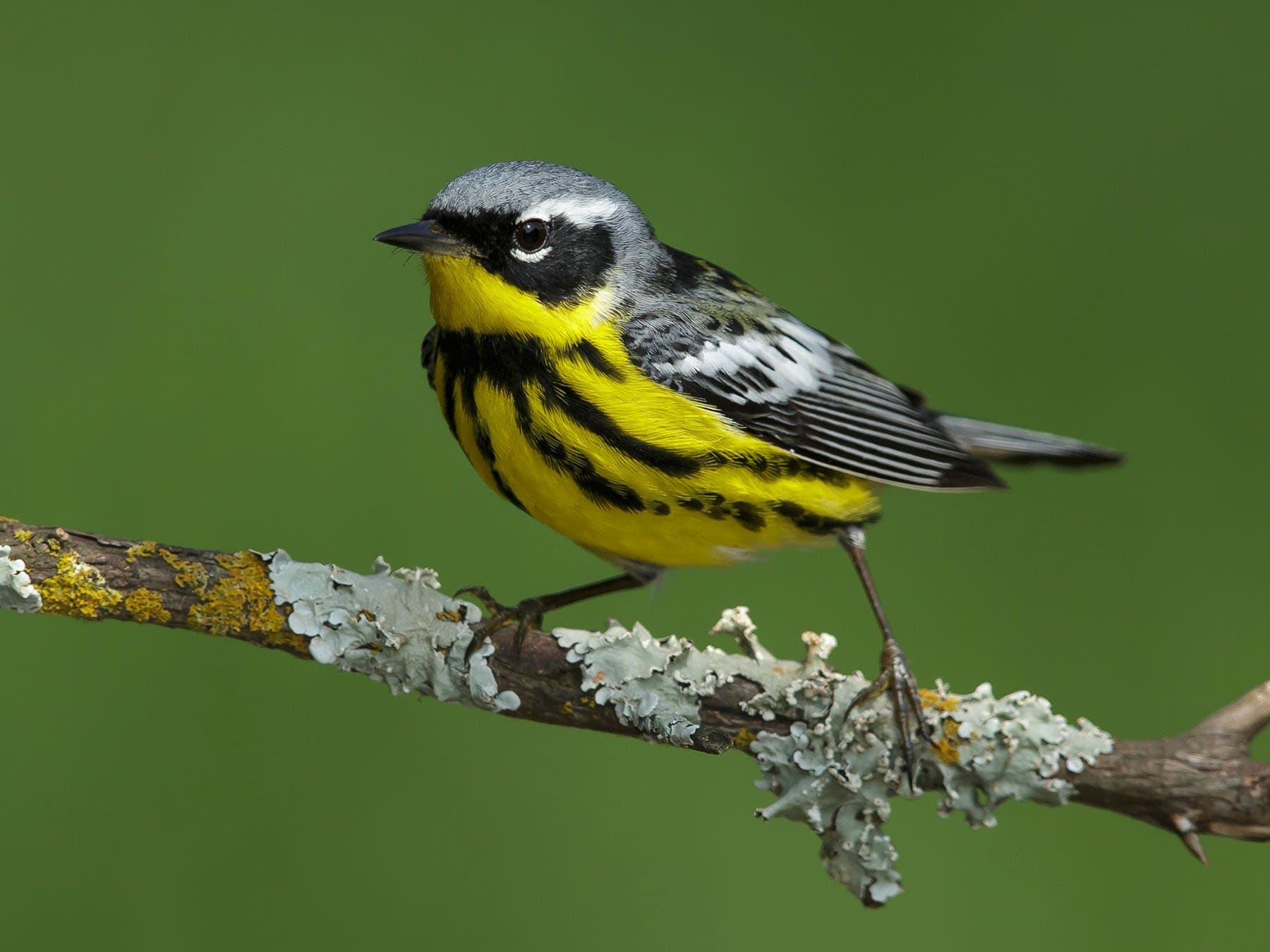 Magnolia WarblerSetophaga magnoliaWinter visitorUncommon11–13 cmRegularly Oct–Apr · 0.04% in Mar
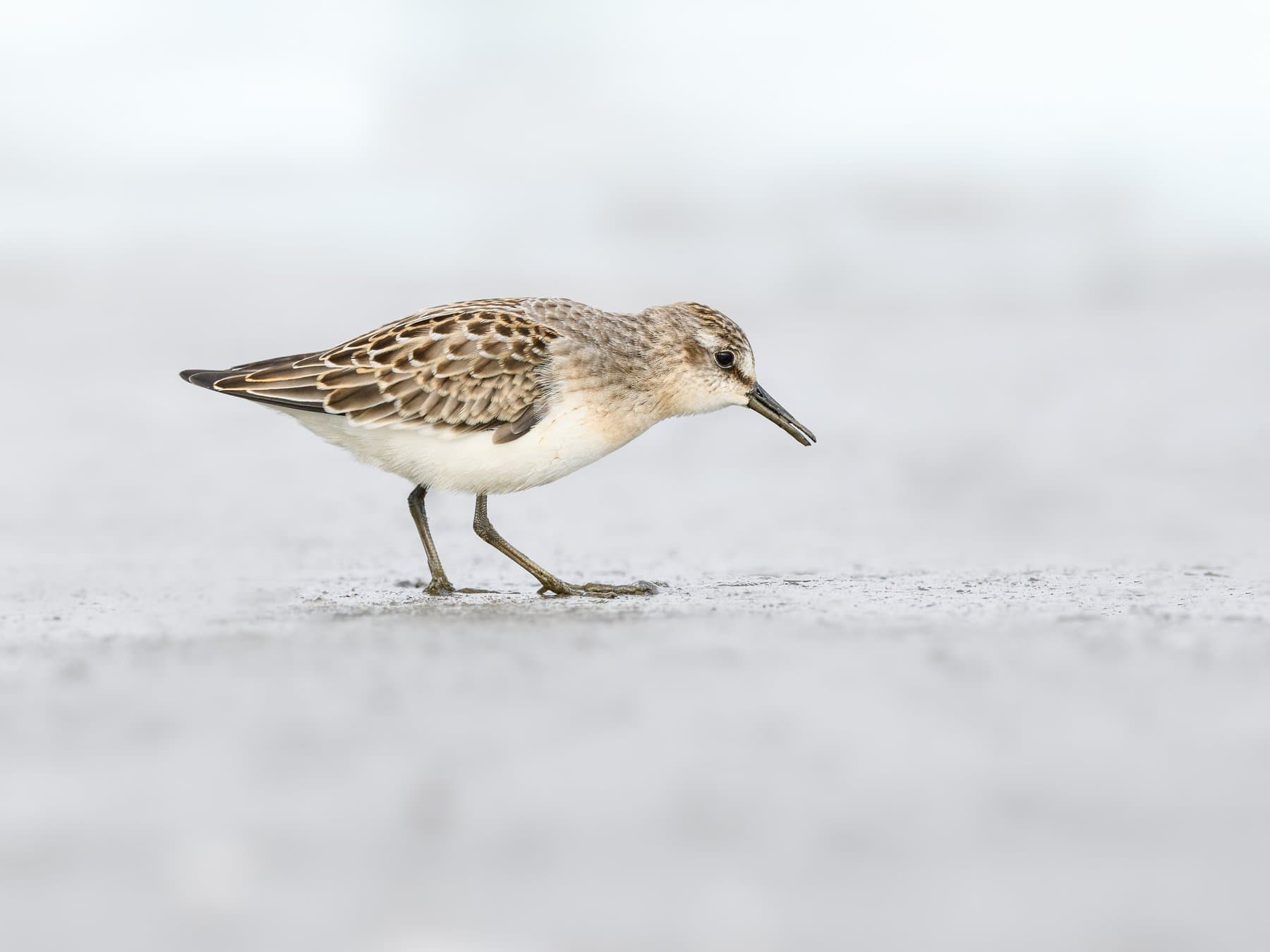 Semipalmated SandpiperCalidris pusillaPassage migrantUncommon15–18 cmRegularly Dec–Apr · 0.04% in Mar
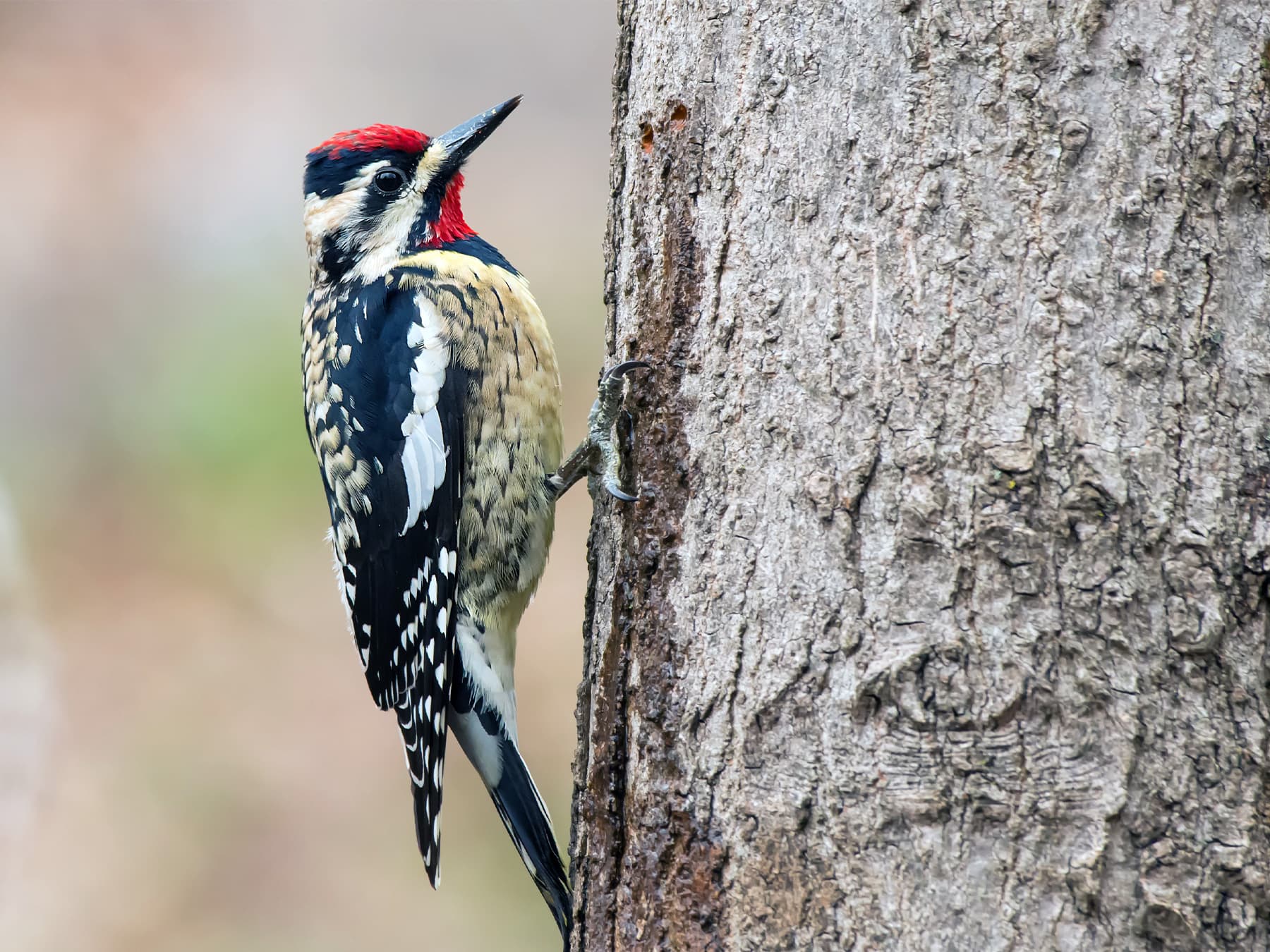 Yellow-bellied SapsuckerSphyrapicus variusWinter visitorUncommon19–22 cmRegularly Nov–Mar · 0.03% in Mar
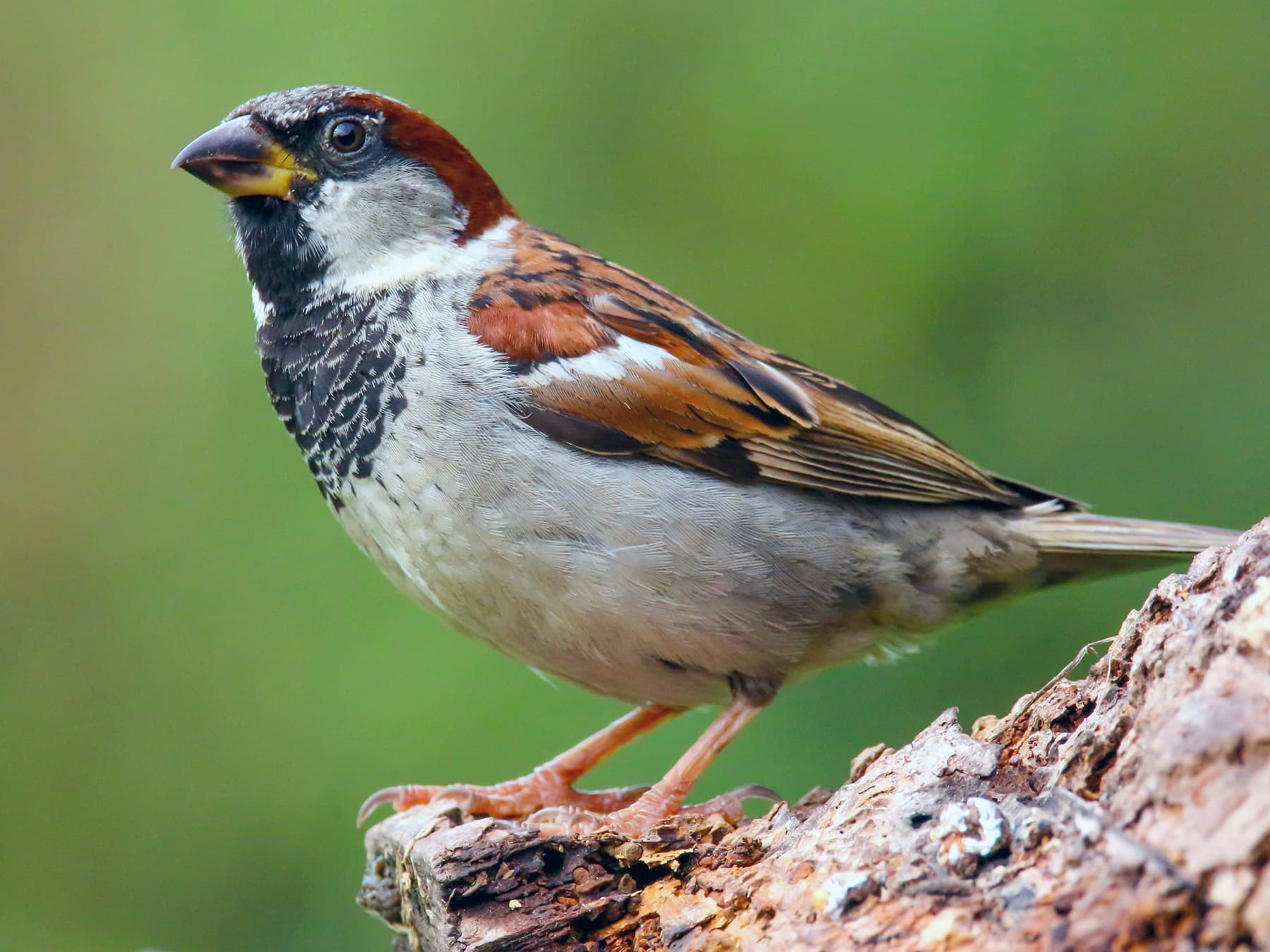 House SparrowPasser domesticusWinter visitorUncommon14–17 cmRegularly Oct–Jun · 0.03% in Mar
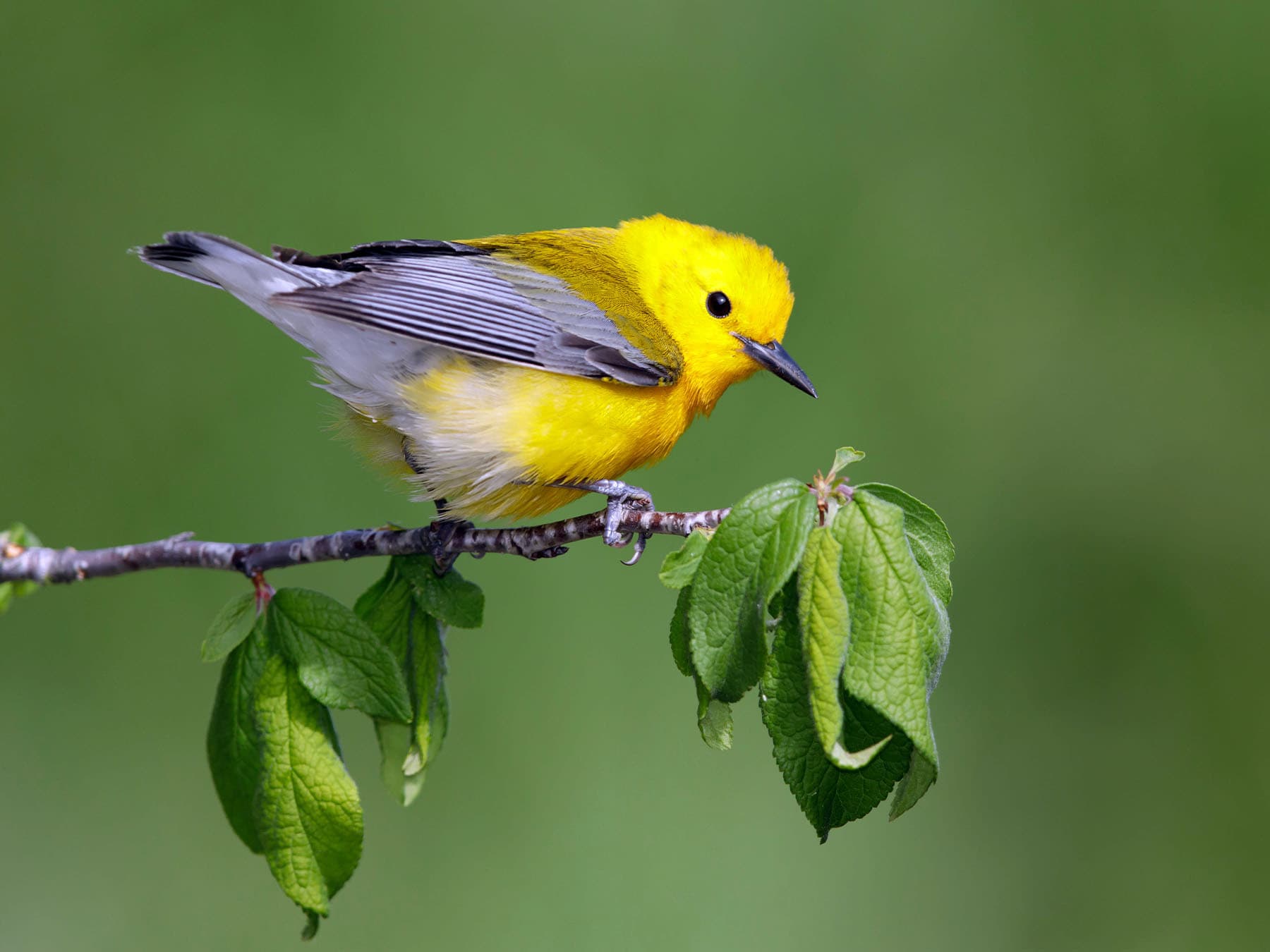 Prothonotary WarblerProtonotaria citreaPassage migrantUncommon13–14 cmRegularly Mar · 0.02% in Mar
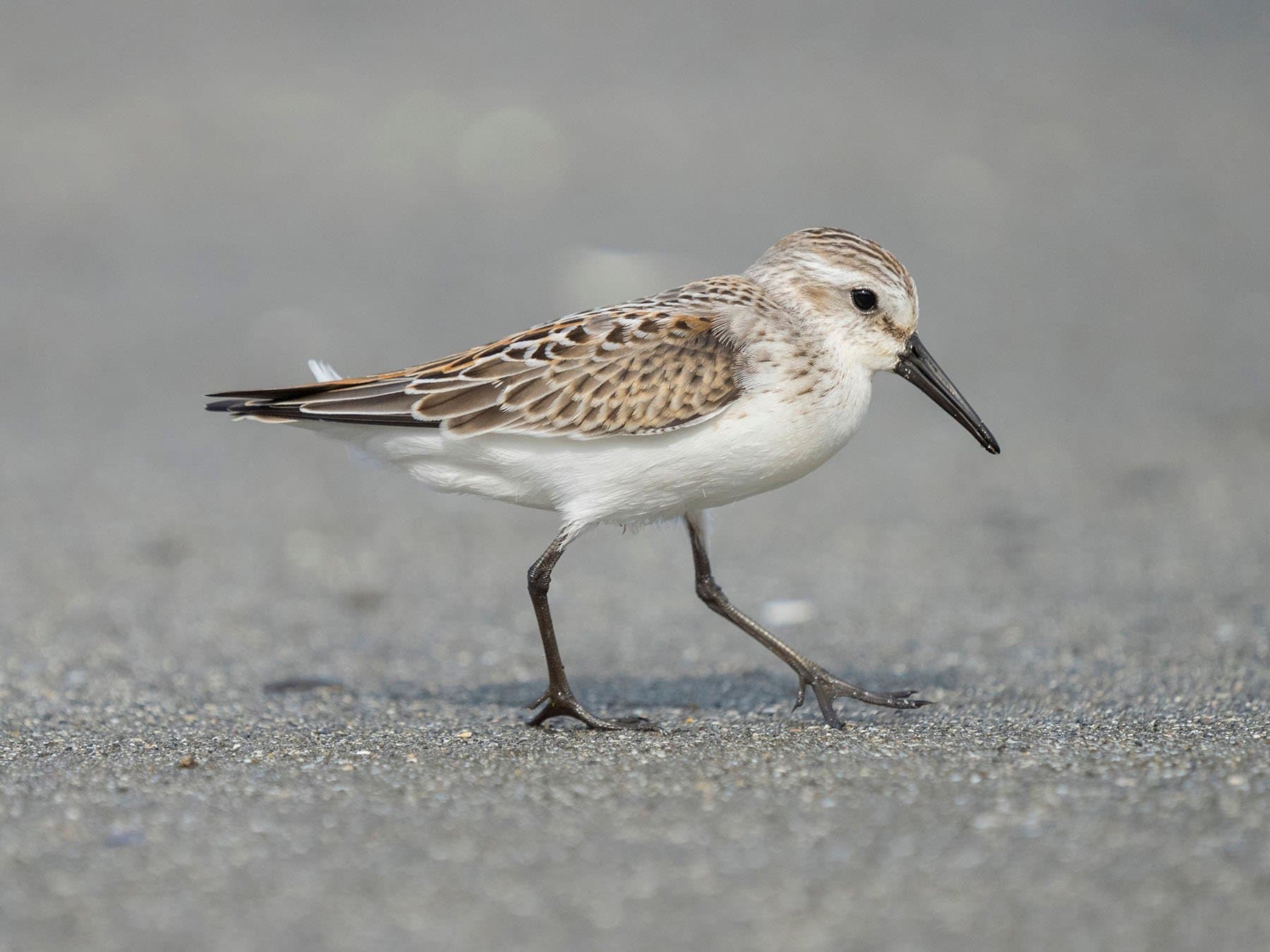 Western SandpiperCalidris mauriPassage migrantUncommon14–17 cmRegularly Nov–Apr · 0.02% in Mar
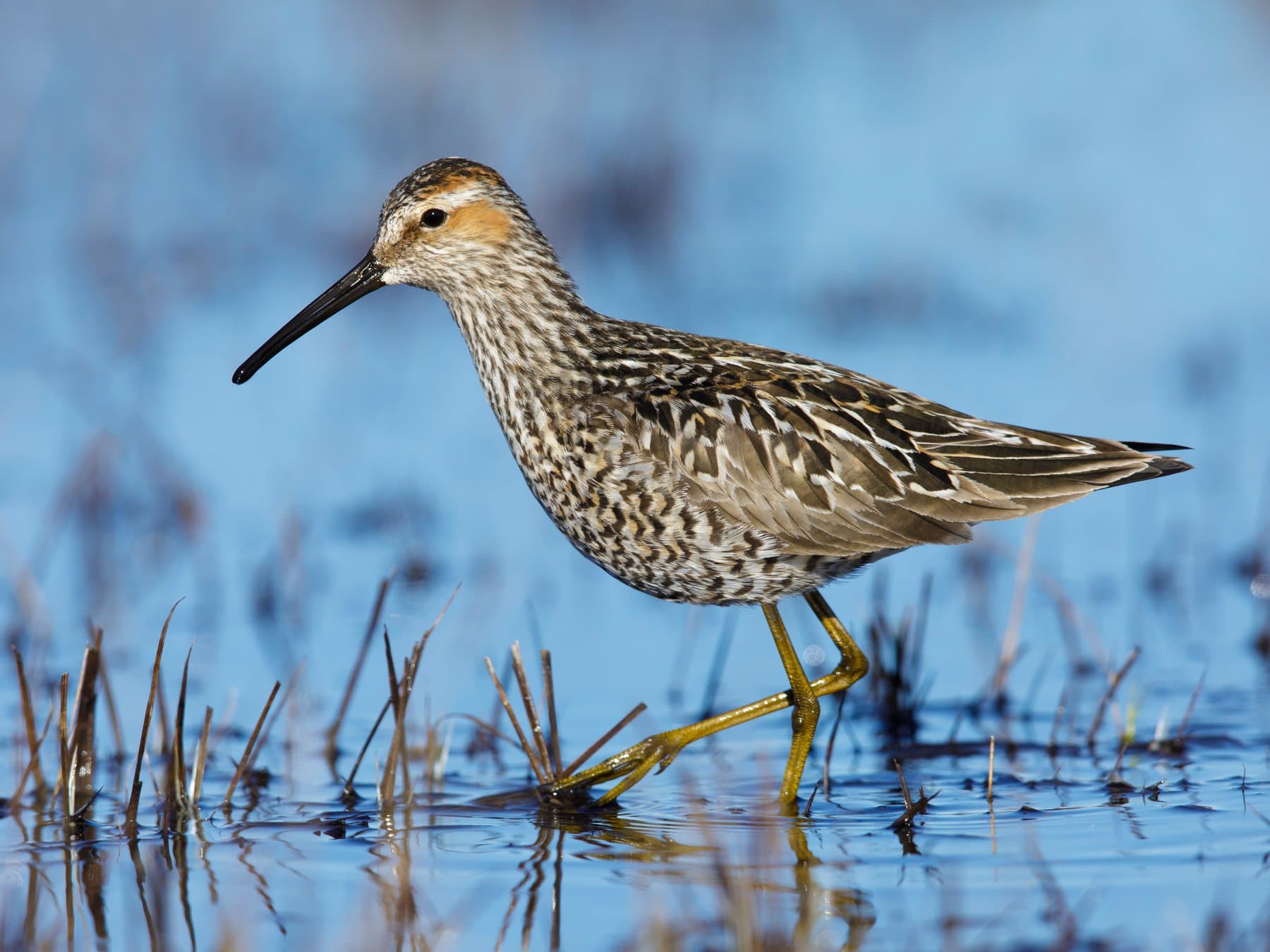 Stilt SandpiperCalidris himantopusPassage migrantUncommon18–23 cmRegularly Mar · 0.01% in Mar
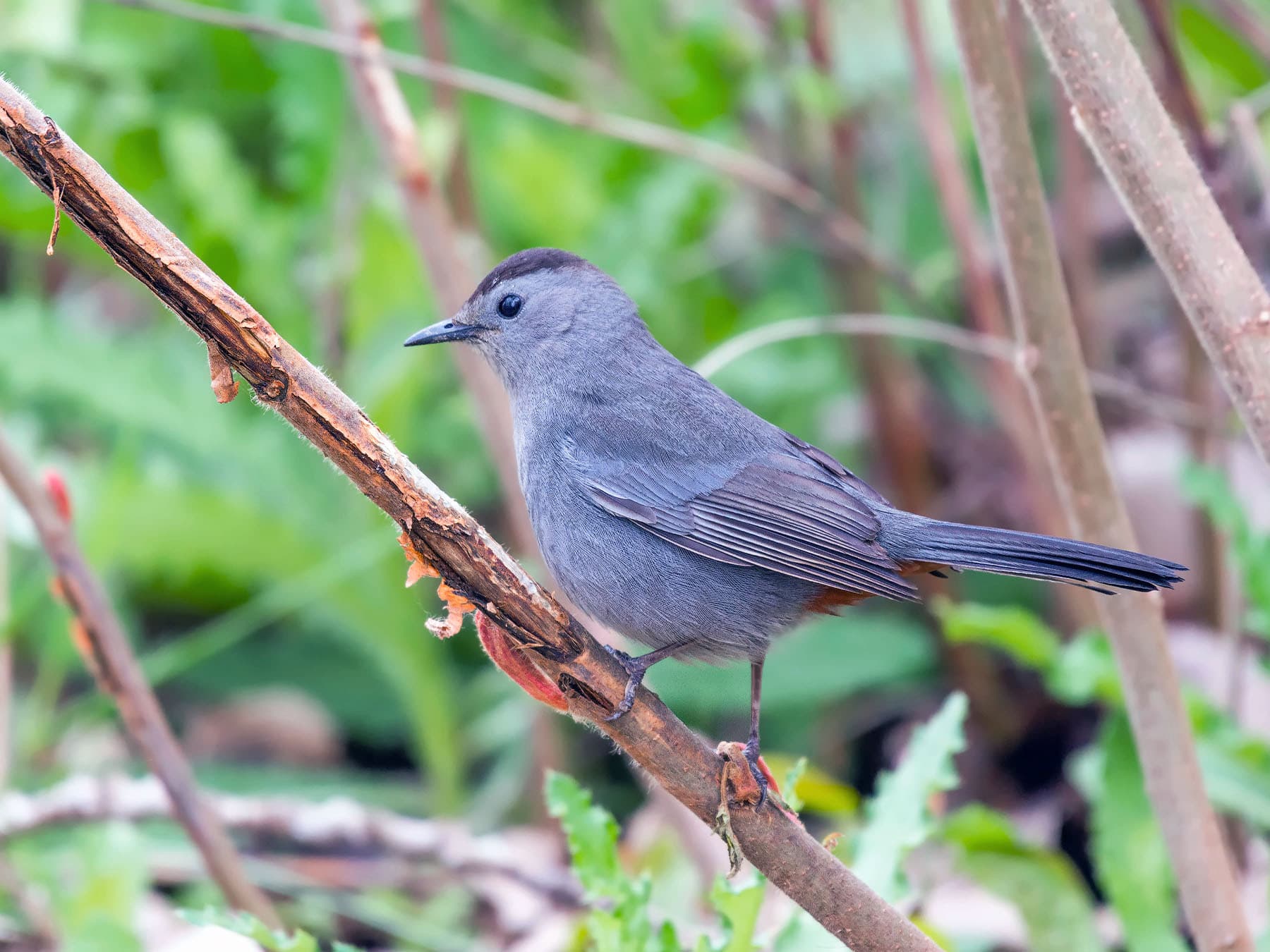 Gray CatbirdDumetella carolinensisPassage migrantRare20–24 cmRegularly Nov–Mar · 0.01% in Mar
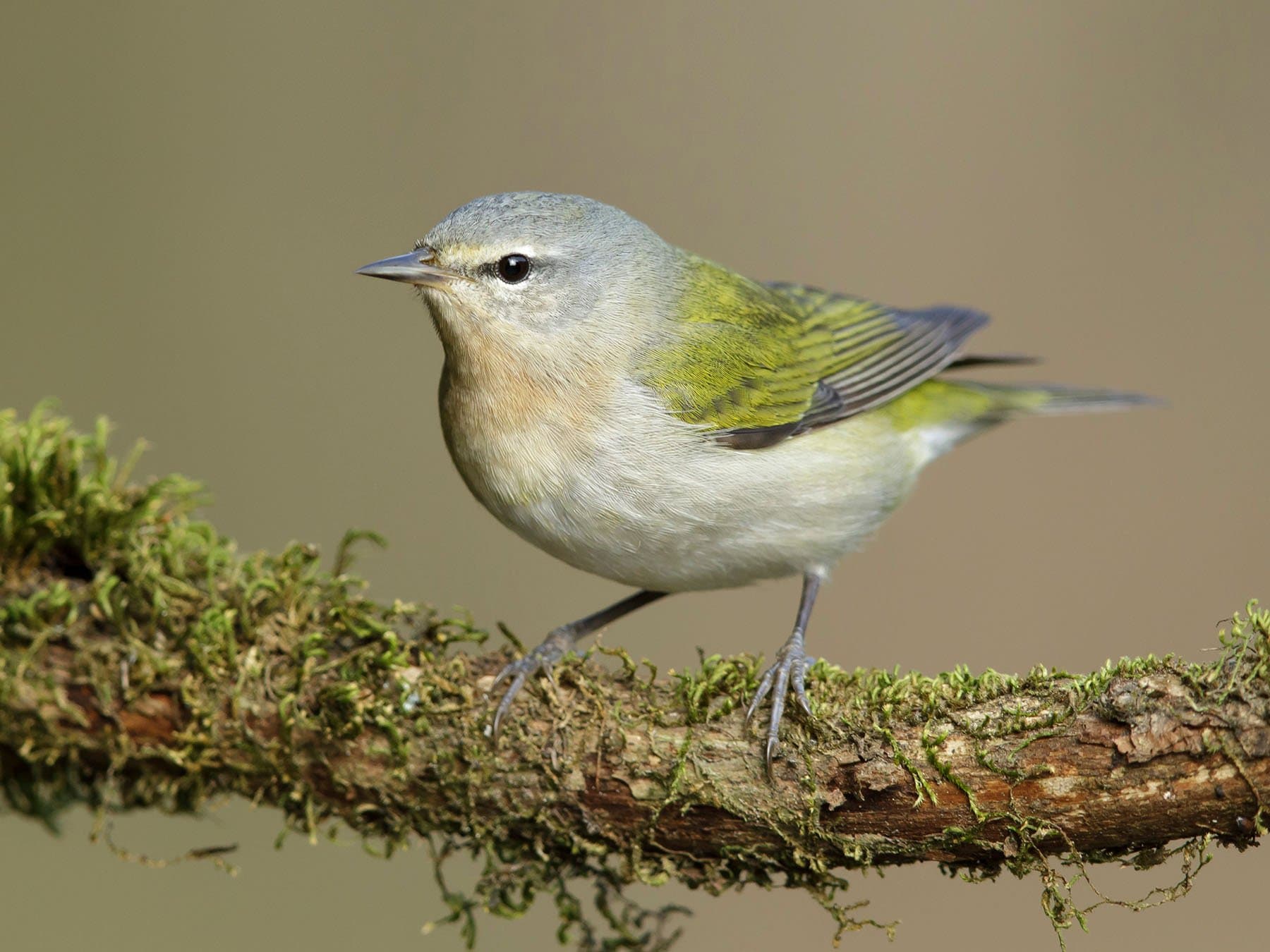 Tennessee WarblerLeiothlypis peregrinaPassage migrantRare10–13 cmRegularly Mar · 0.01% in Mar
Data: EOD – eBird Observation Dataset (Cornell Lab of Ornithology), accessed via GBIF.org, CC BY 4.0. Records from 2019–2024, aggregated and filtered by Birdfact. How these lists are made