


Birds to See in West Lothian in February
42 bird species on our list for West Lothian are recorded regularly in February
Of these, the most often recorded are European Robin, Blue Tit, Woodpigeon, Carrion Crow and Mallard. New this month: Eurasian Oystercatcher.
On the move in February
GBIF · FebAt their peak
From West Lothian’s bird records, 2019–2024: arriving birds are regular this month but not last; leaving birds are regular this month but not next.
Other months
All 42 birds in February
42 birds
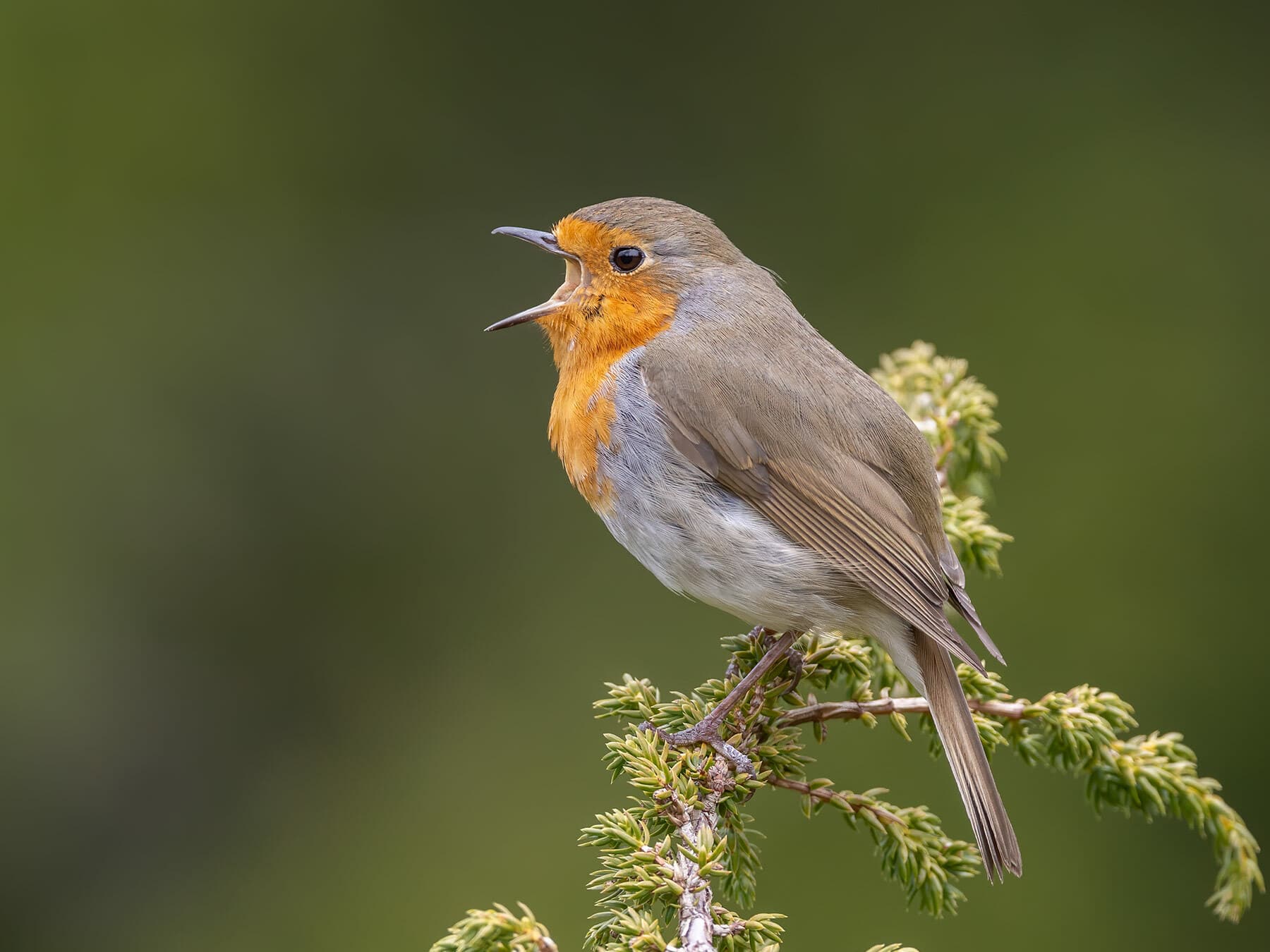 European RobinErithacus rubeculaResidentCommon13–14 cmRecorded all year · 4.51% in Feb
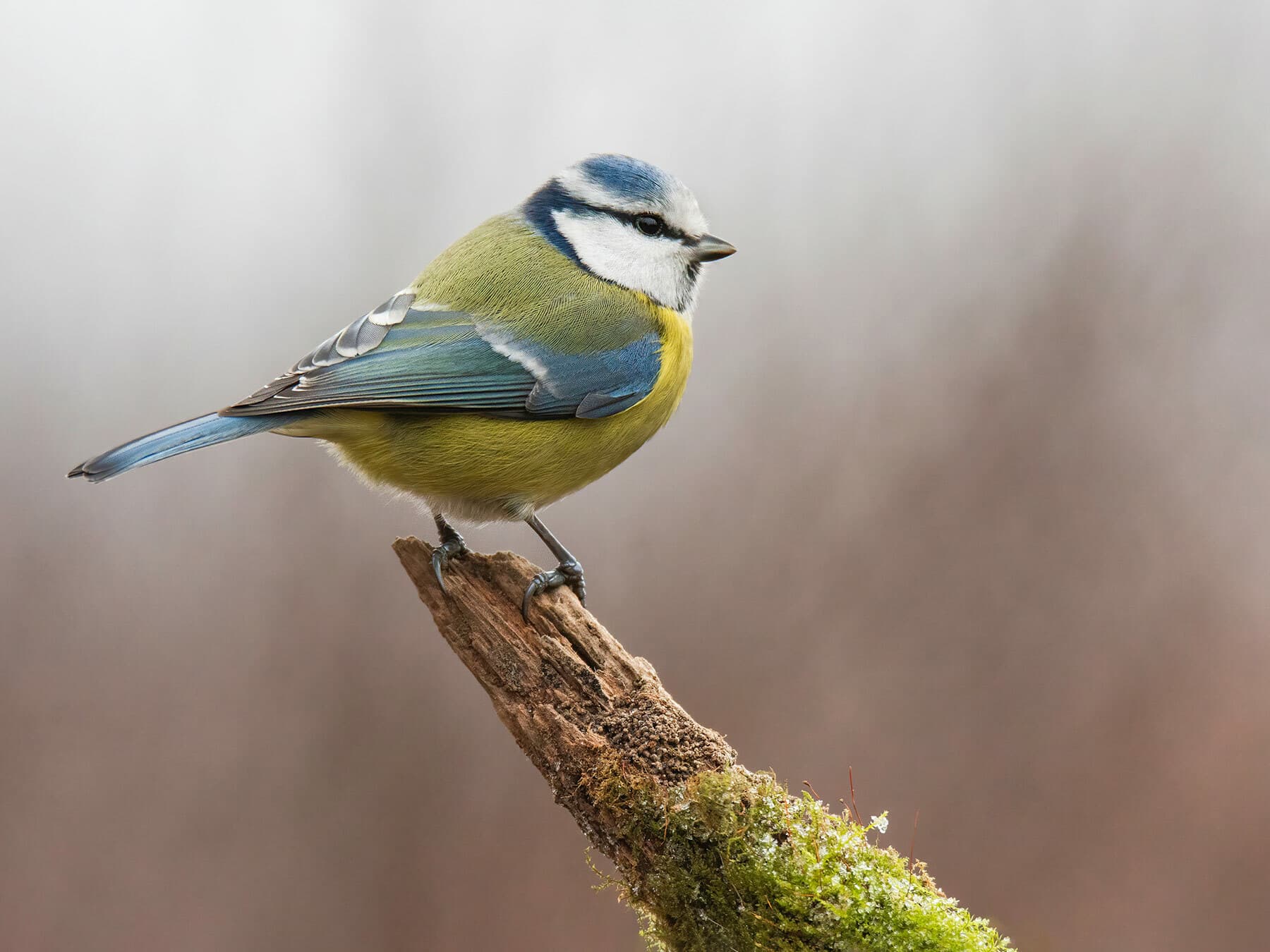 Blue TitCyanistes caeruleusResidentCommon11–12 cmRecorded all year · 4.14% in Feb
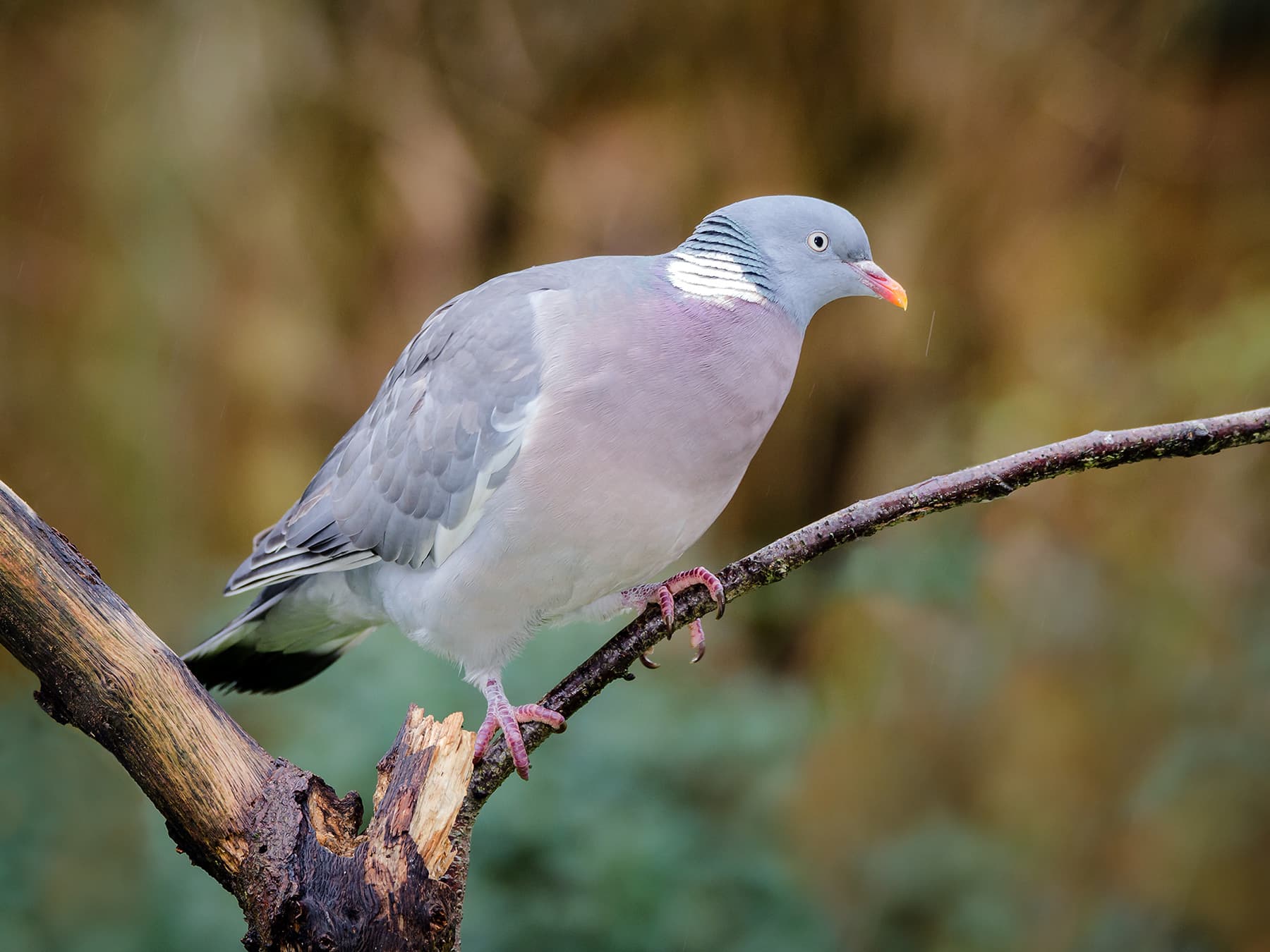 WoodpigeonColumba palumbusResidentCommon40–42 cmRecorded all year · 3.88% in Feb
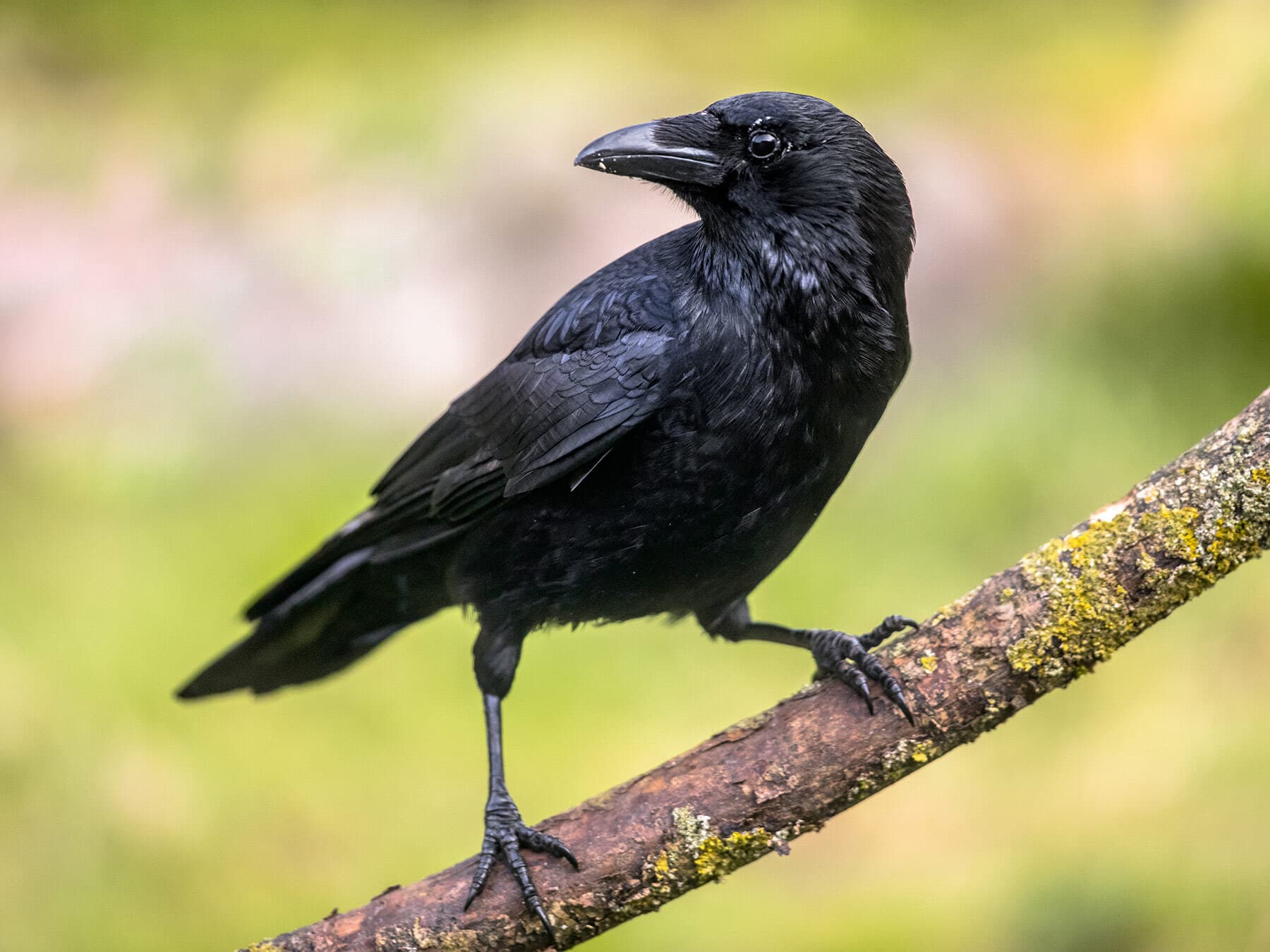 Carrion CrowCorvus coroneResidentCommon45–47 cmRecorded all year · 3.76% in Feb
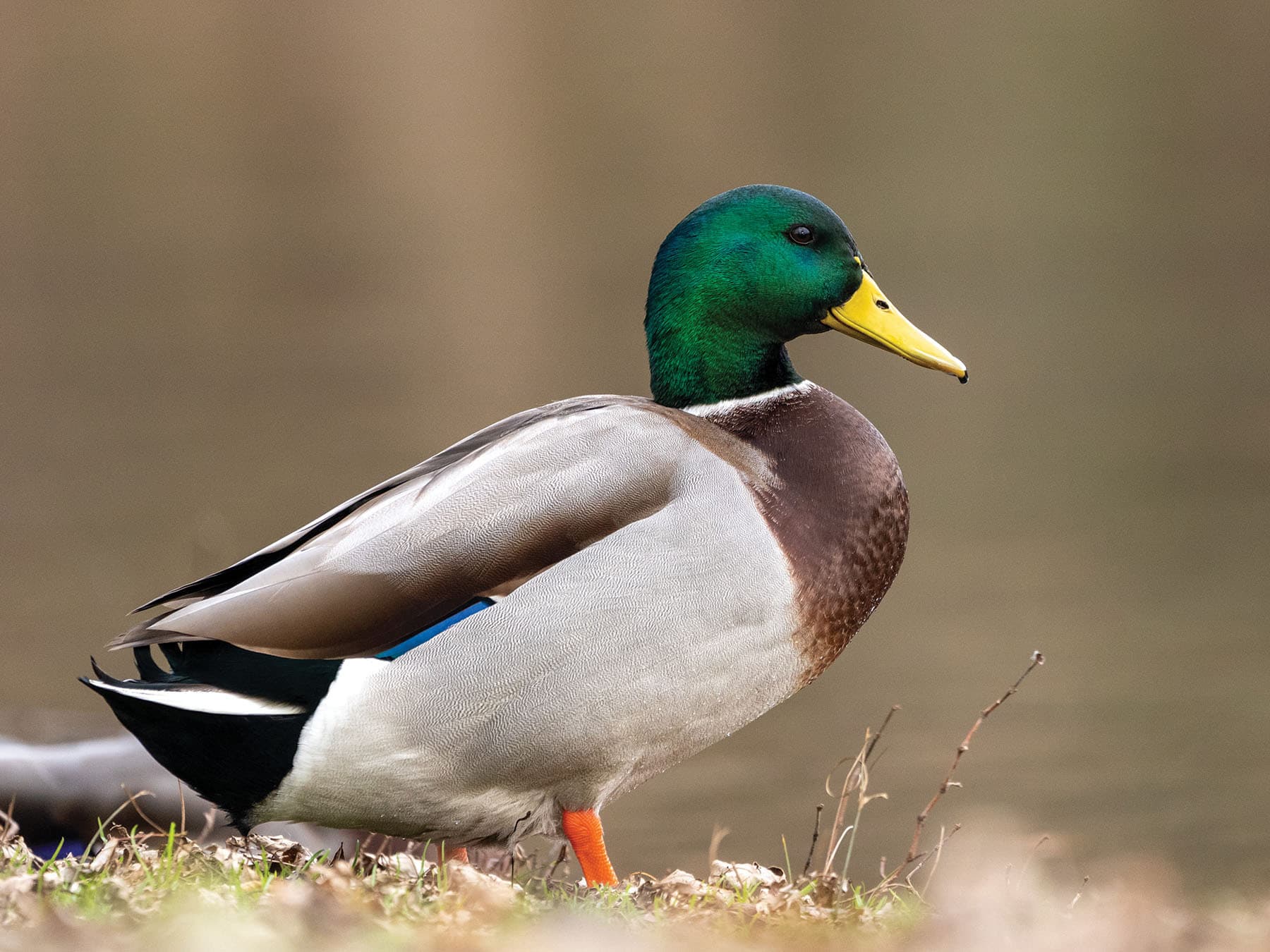 MallardAnas platyrhynchosResidentCommon50–65 cmRecorded all year · 3.63% in Feb
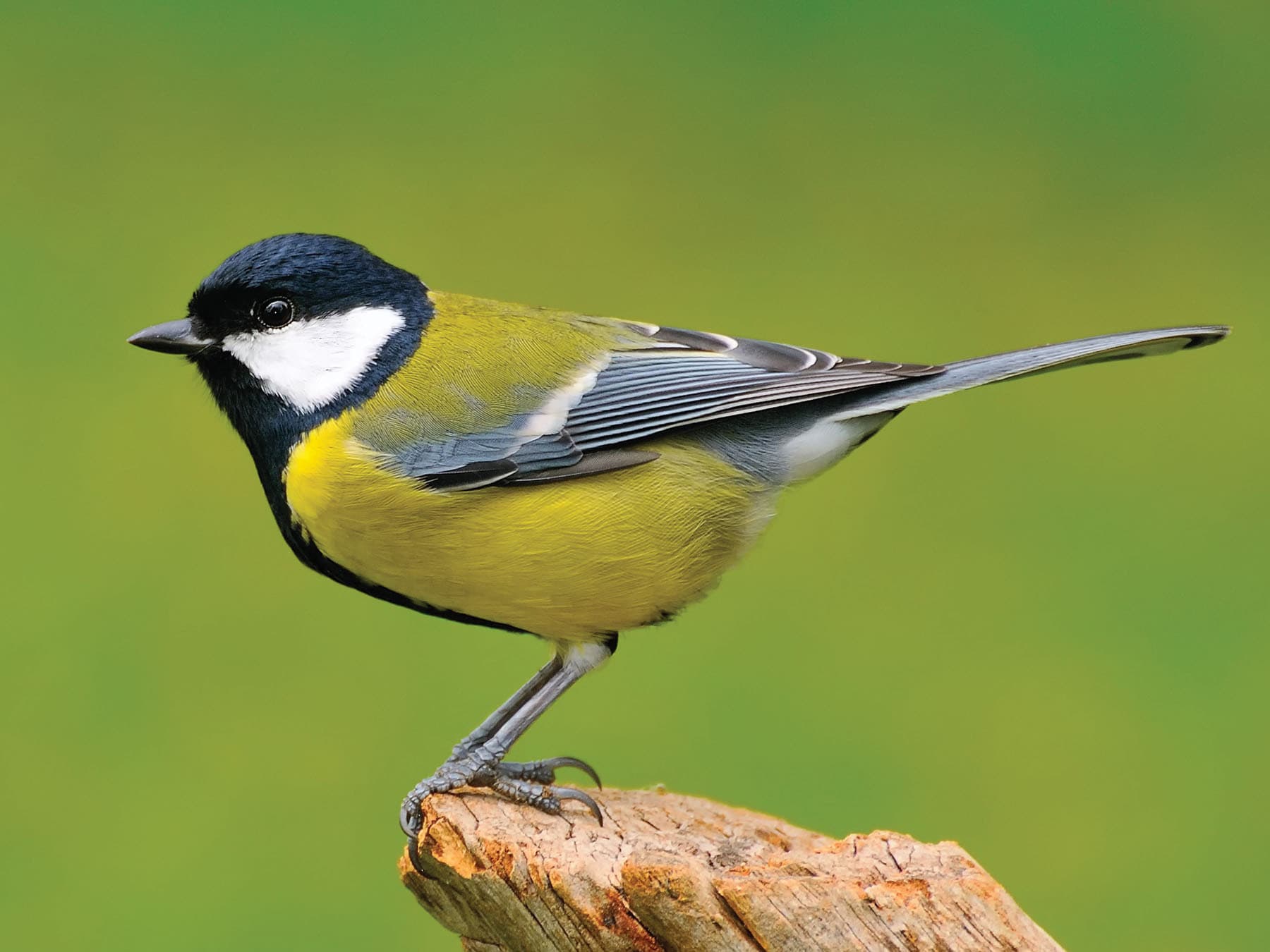 Great TitParus majorResidentCommonRecorded all year · 3.51% in Feb
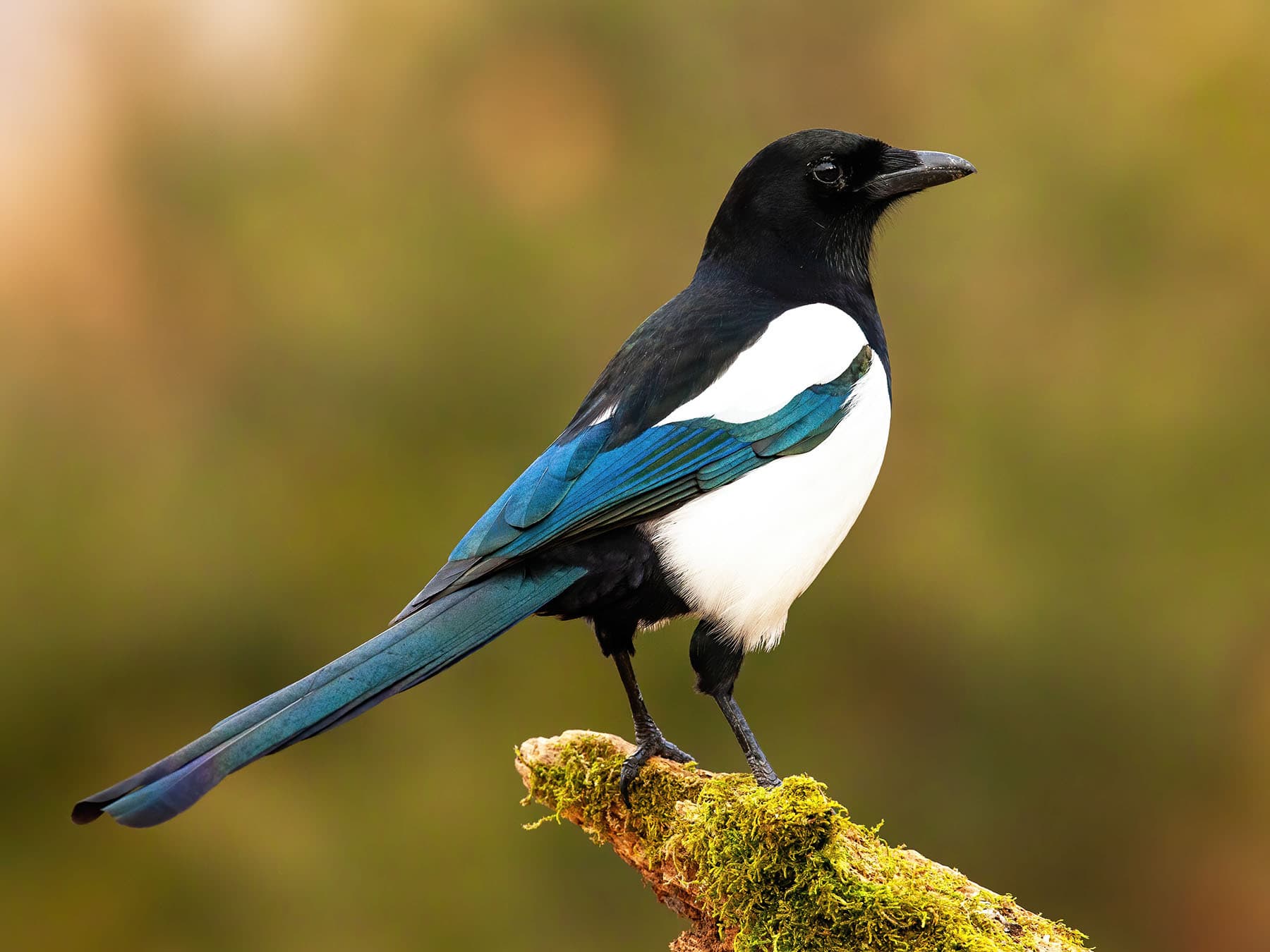 MagpiePica picaResidentCommon44–46 cmRecorded all year · 3.51% in Feb
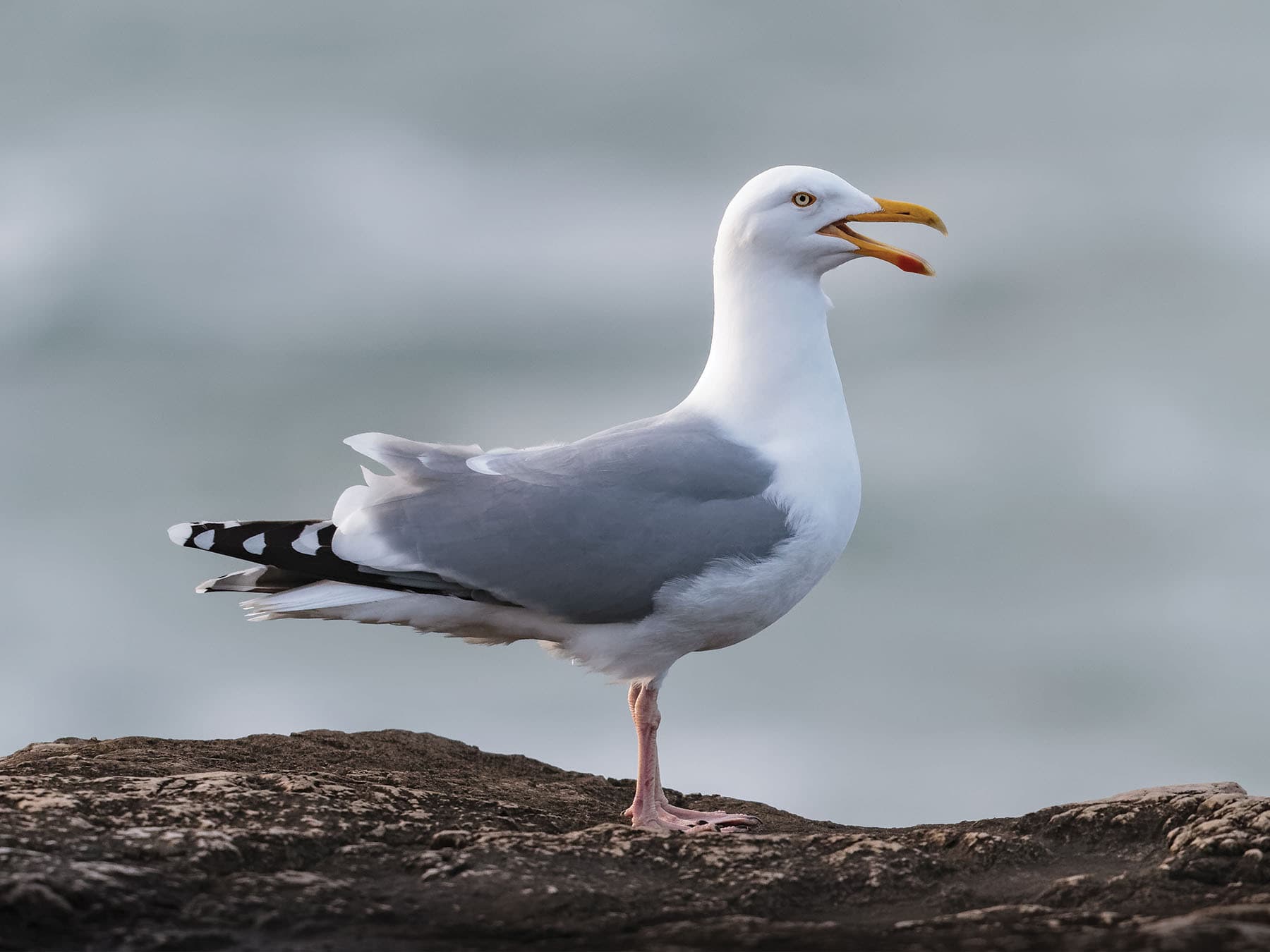 European Herring GullLarus argentatusResidentCommon55–67 cmRecorded all year · 3.26% in Feb
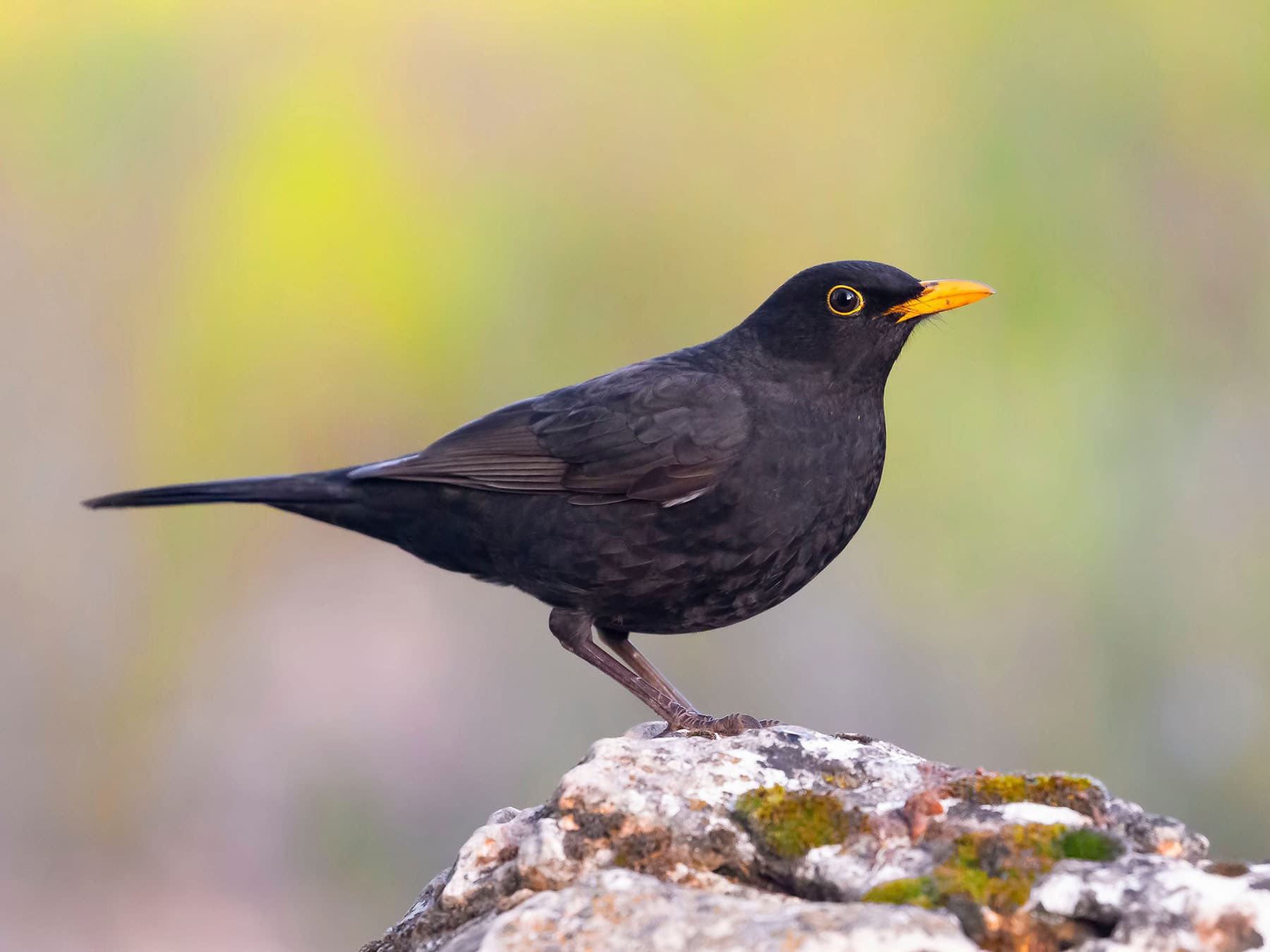 BlackbirdTurdus merulaResidentCommon24–25 cmRecorded all year · 3.01% in Feb
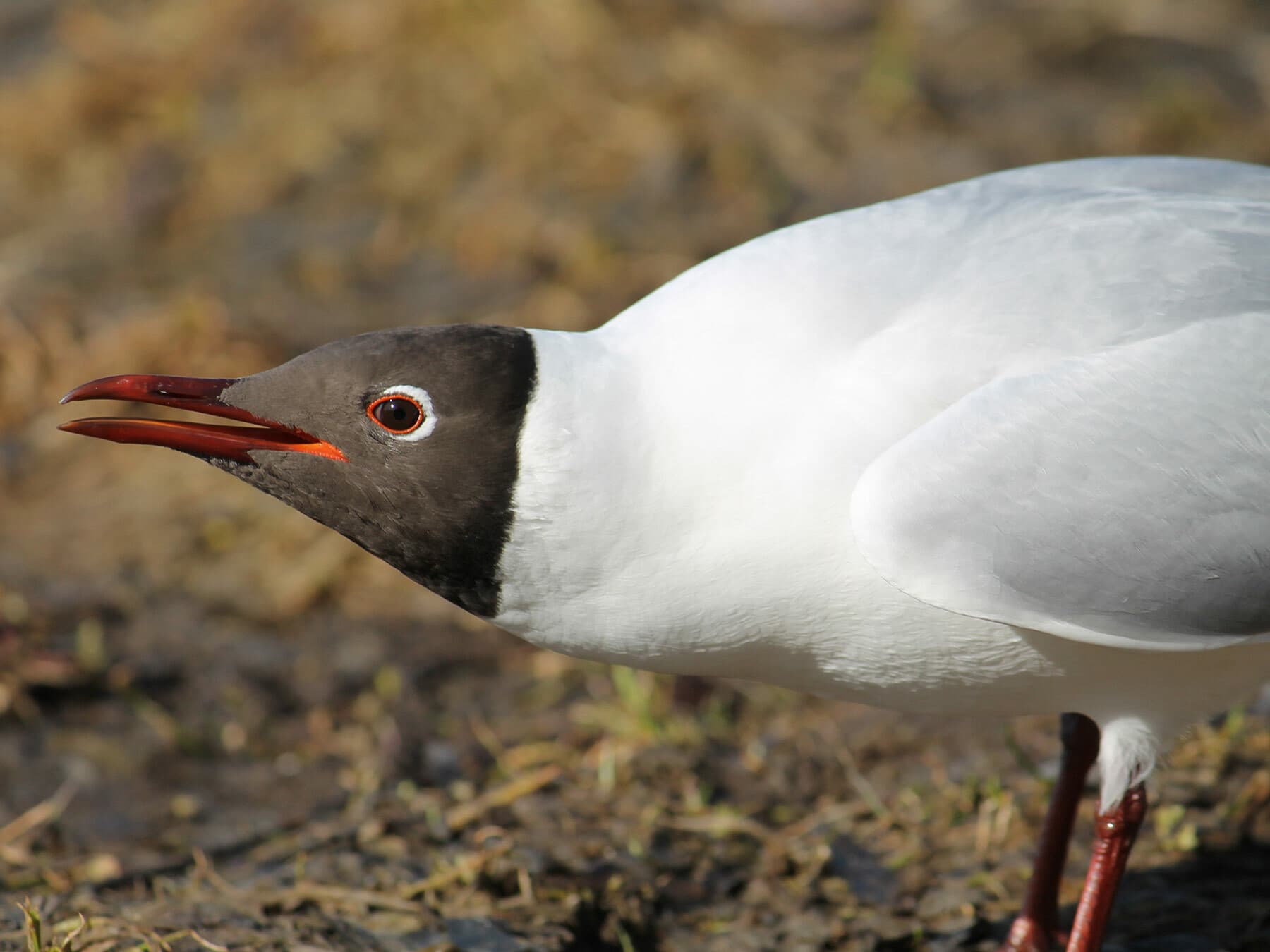 Black-headed GullChroicocephalus ridibundusResidentCommon38–44 cmRecorded all year · 2.88% in Feb
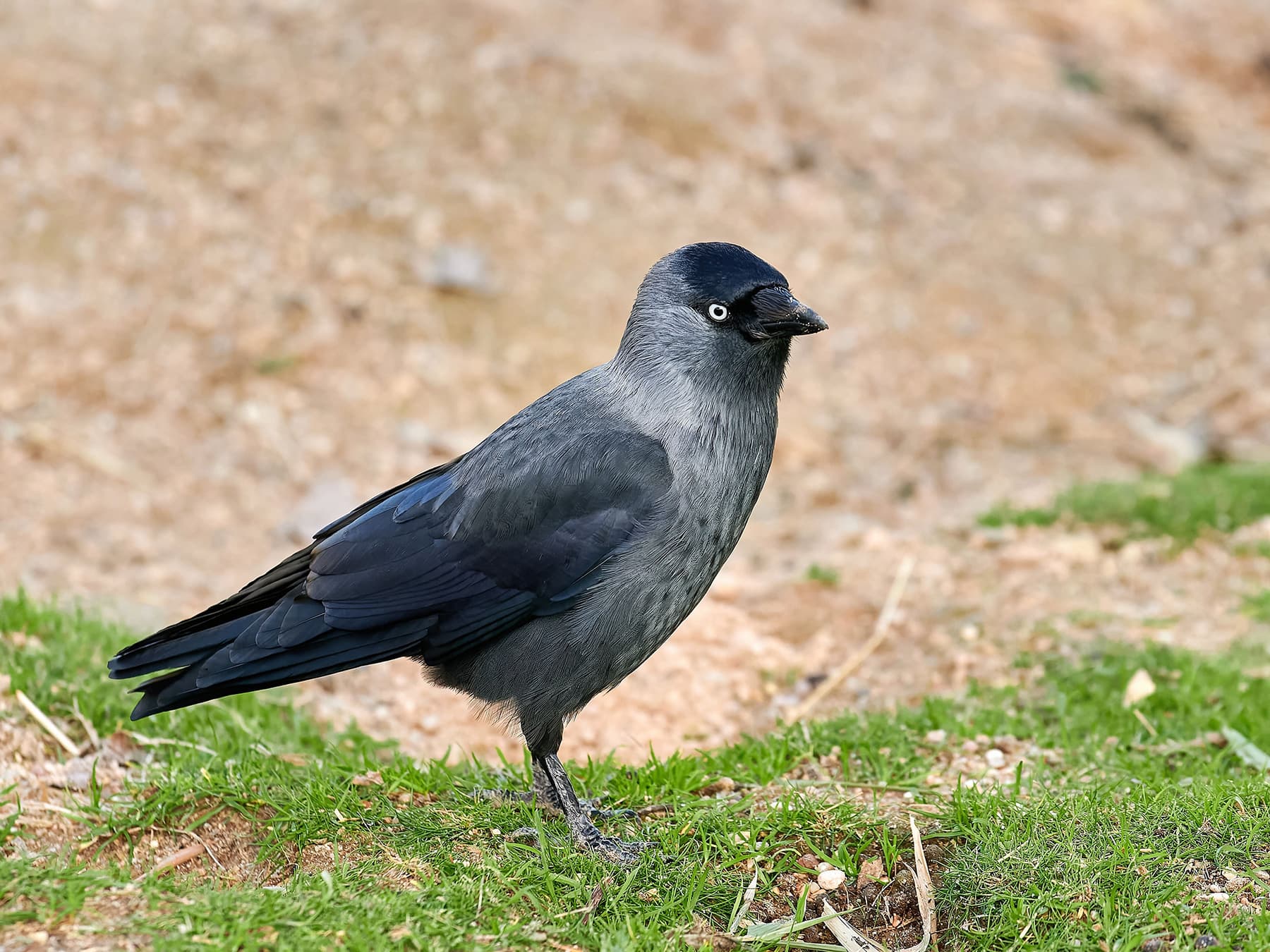 JackdawColoeus monedulaResidentCommon34–39 cmRecorded all year · 2.88% in Feb
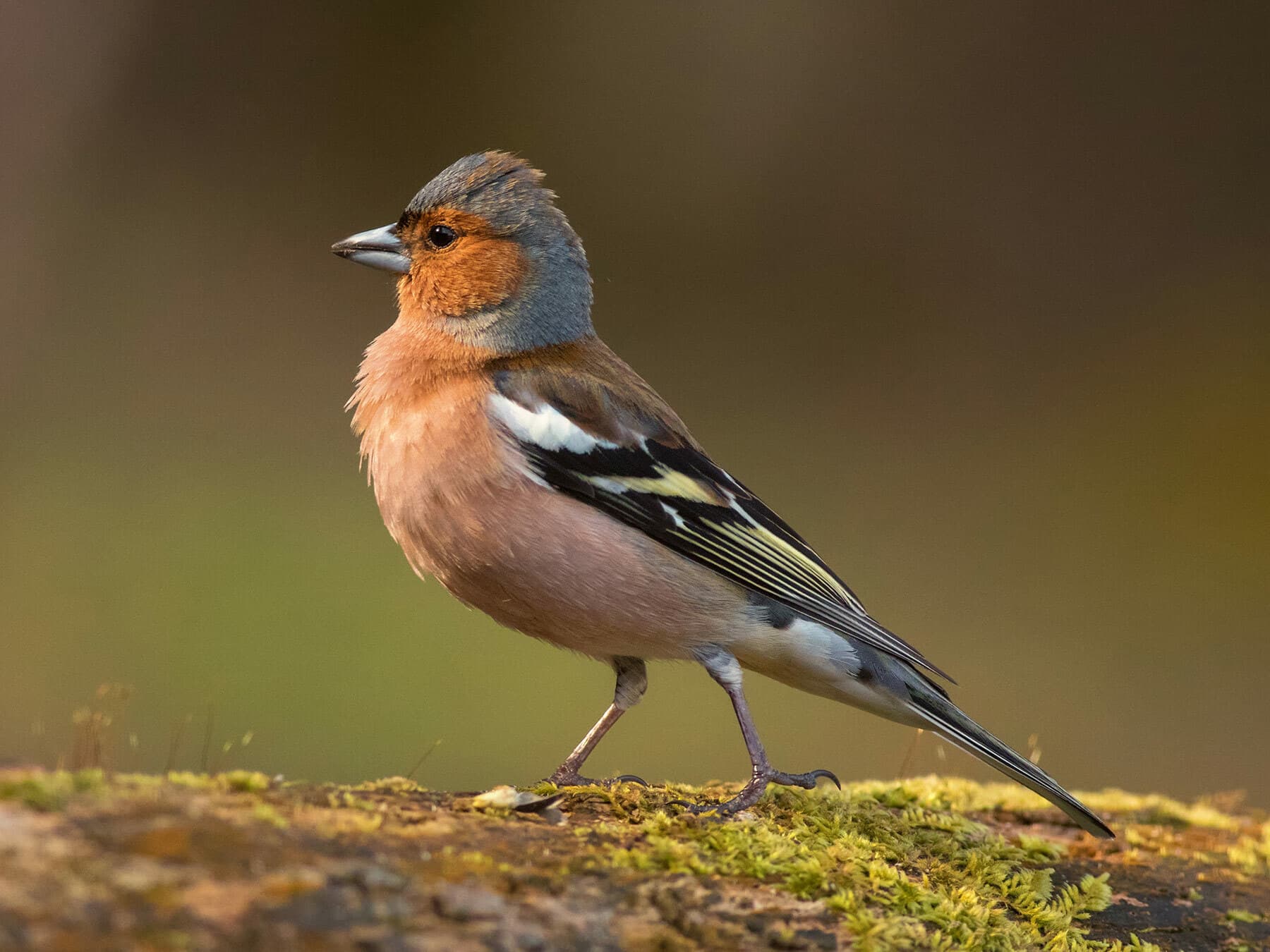 ChaffinchFringilla coelebsResidentCommon14–16 cmRecorded all year · 2.63% in Feb
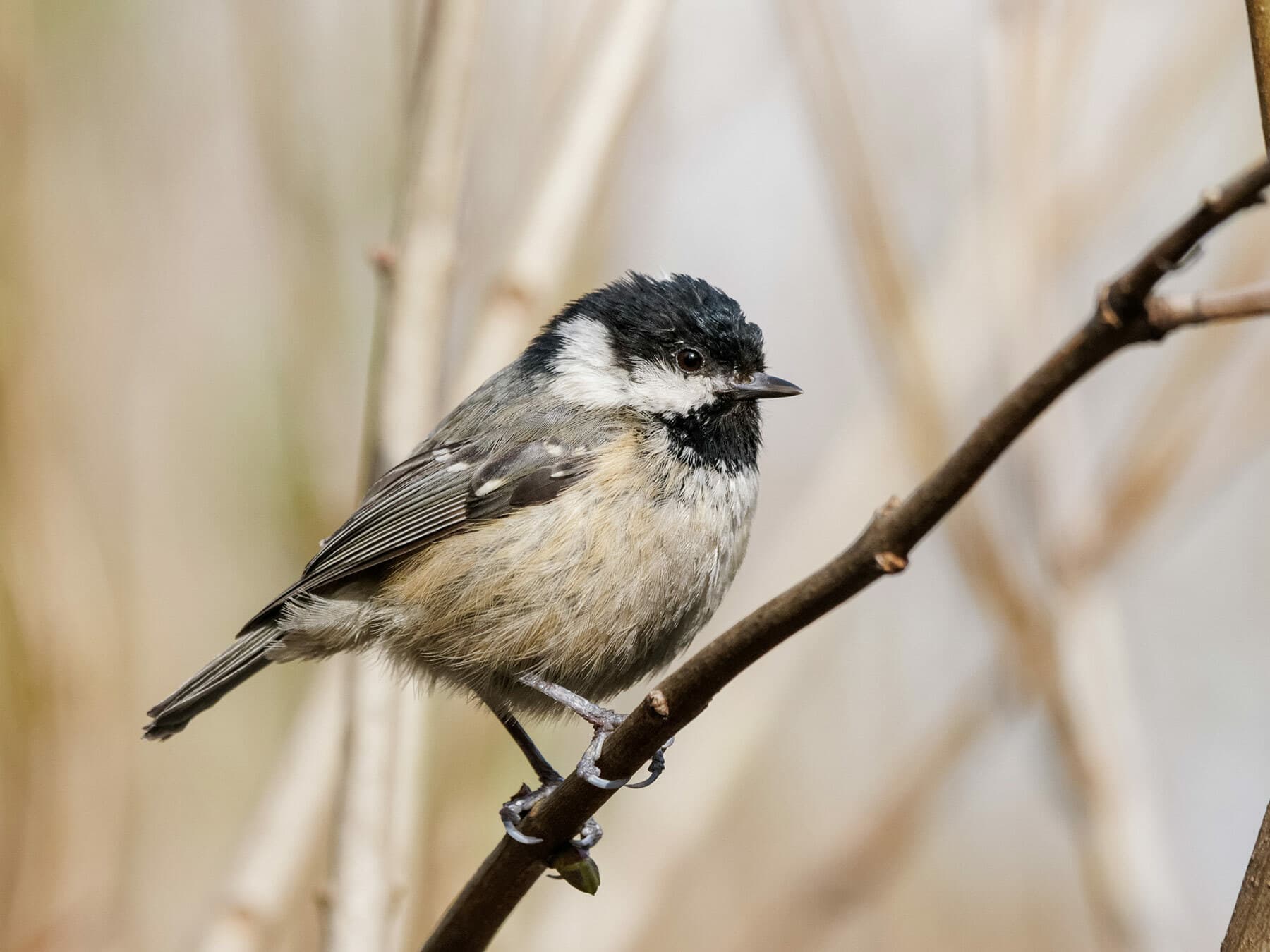 Coal TitPeriparus aterResidentCommon10–12 cmRecorded all year · 2.51% in Feb
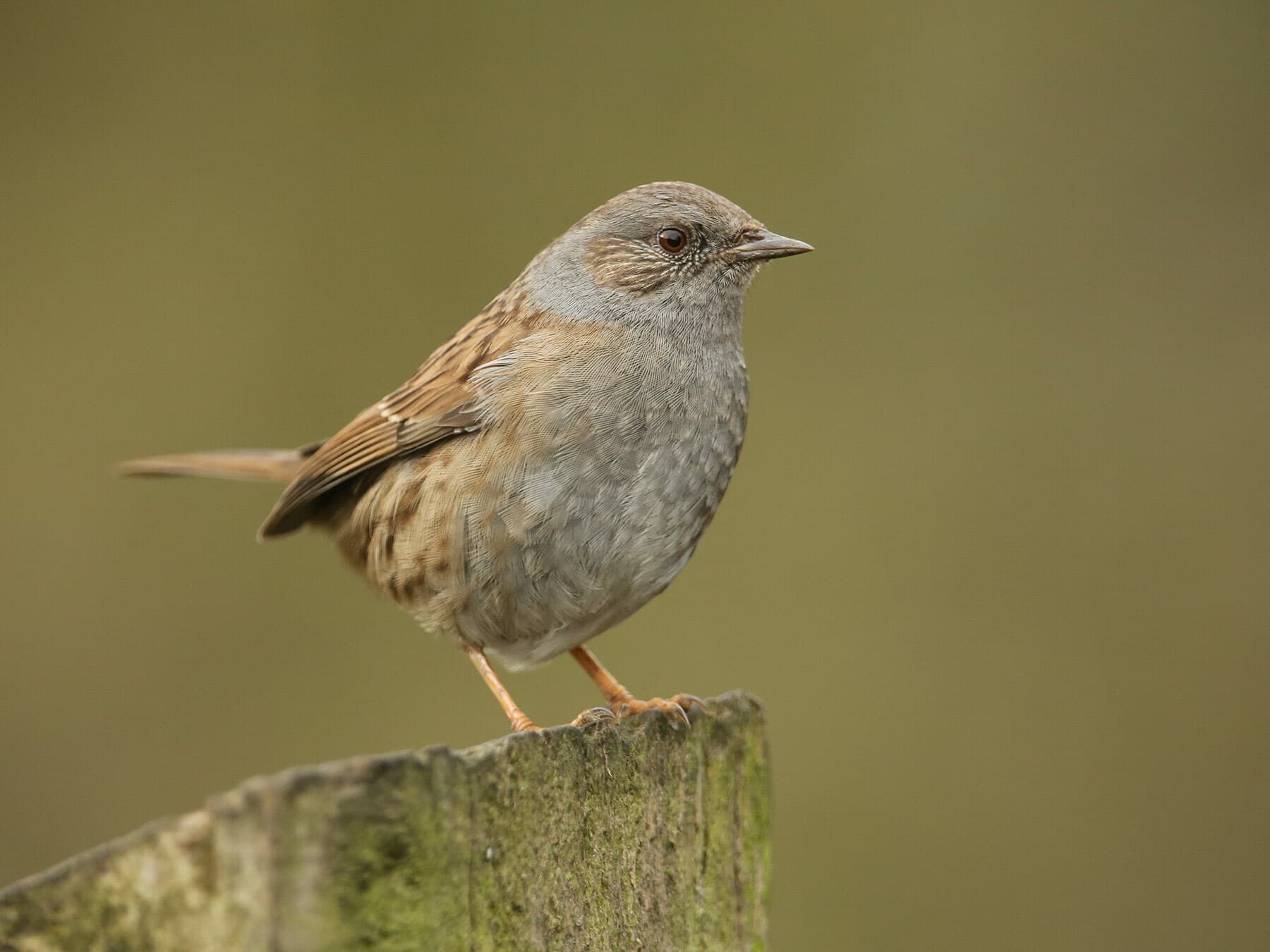 DunnockPrunella modularisResidentCommon14–15 cmRecorded all year · 2.38% in Feb
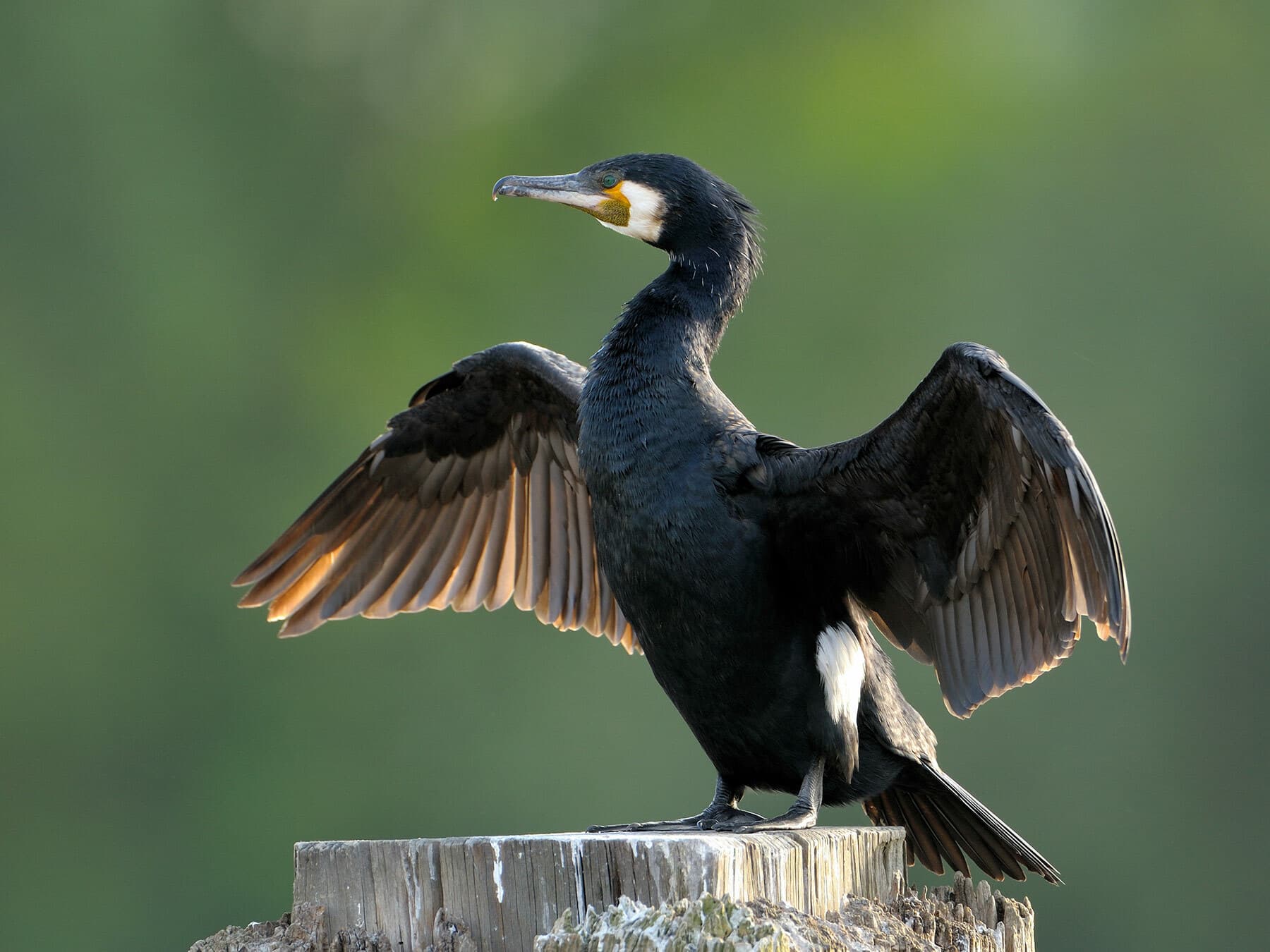 Great CormorantPhalacrocorax carboResidentCommon80–100 cmRecorded all year · 2.26% in Feb
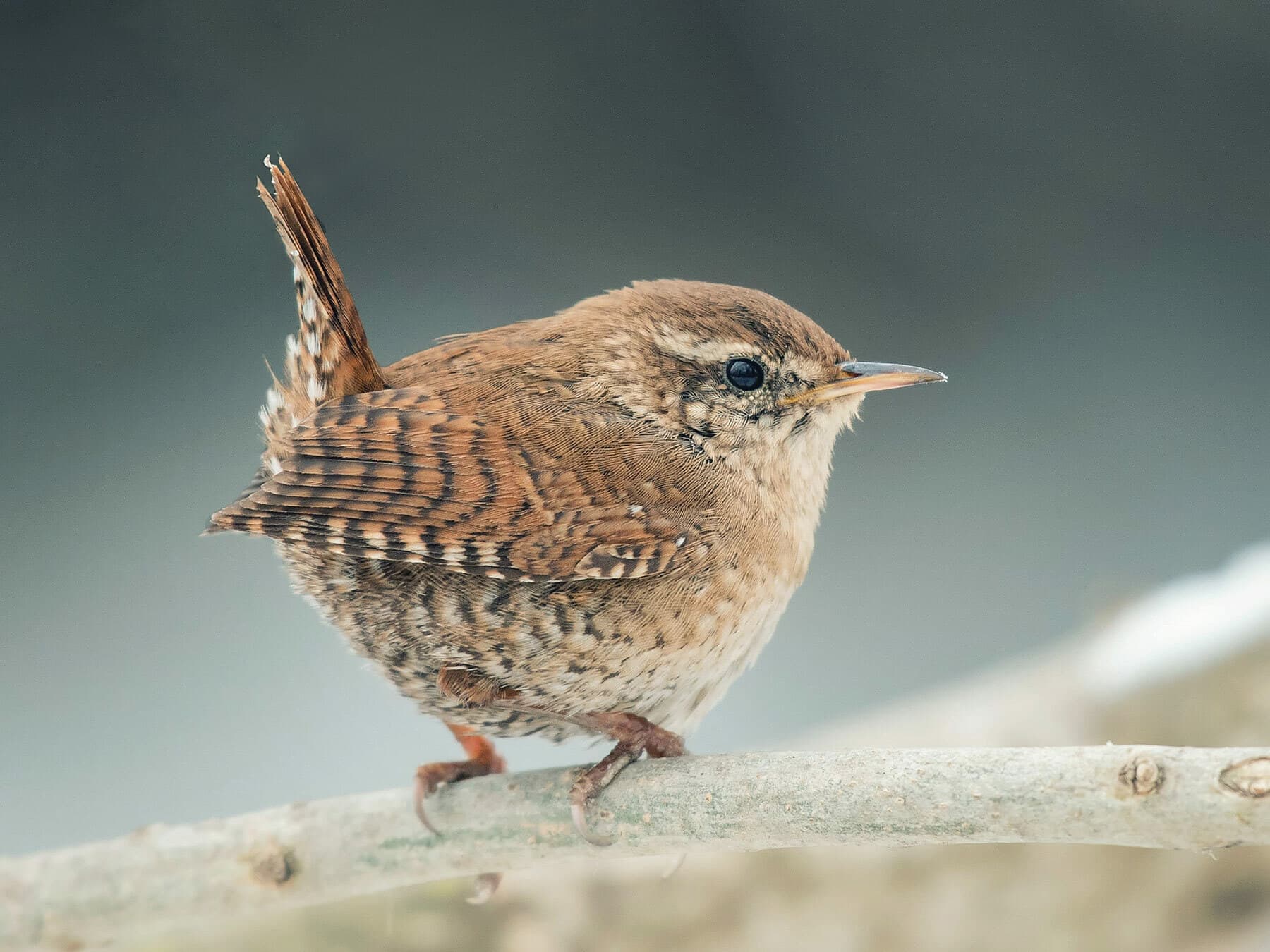 Eurasian WrenTroglodytes troglodytesResidentCommon9–10 cmRecorded all year · 2.01% in Feb
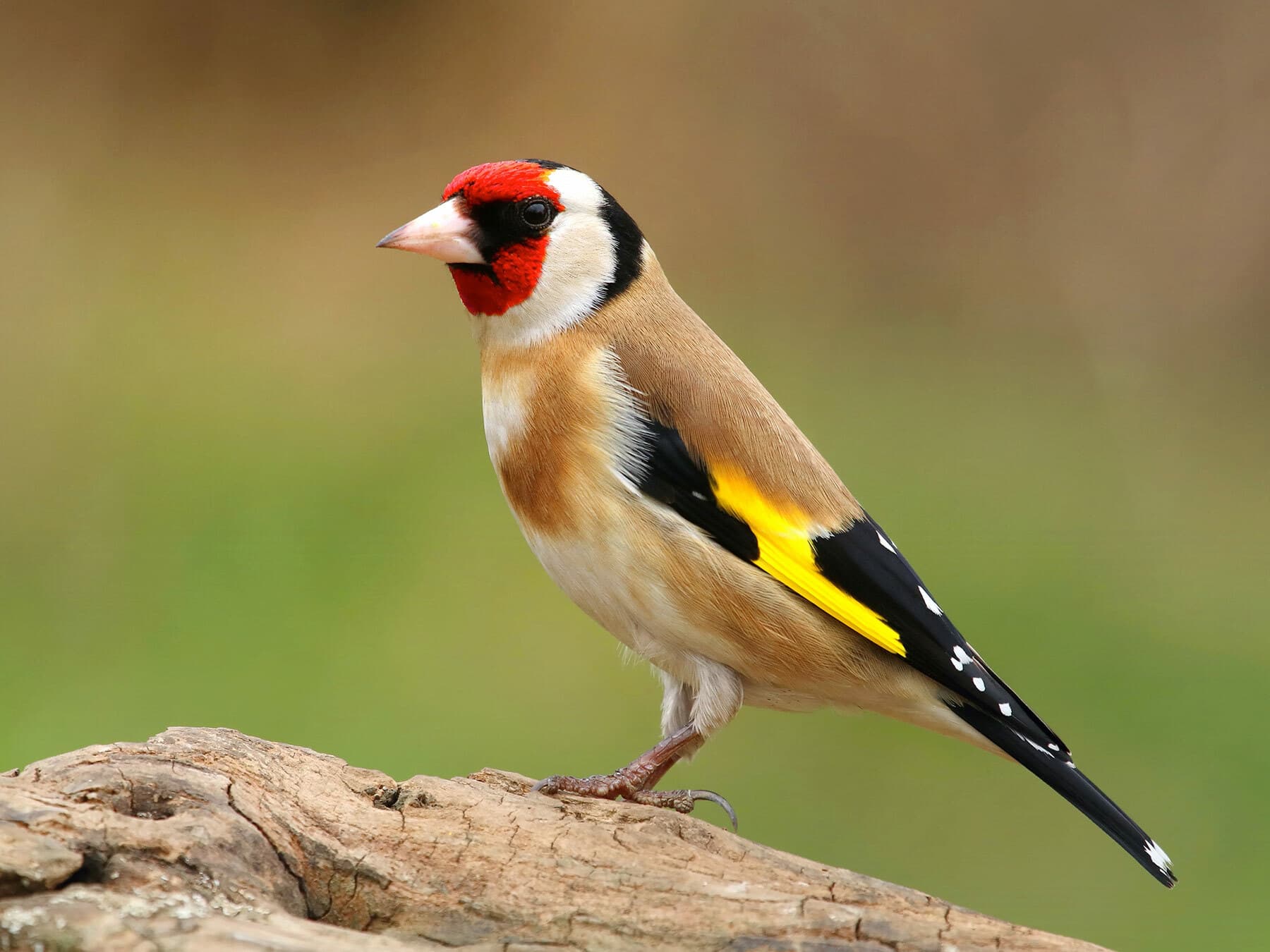 European GoldfinchCarduelis carduelisResidentCommon12–13 cmRecorded all year · 2.01% in Feb
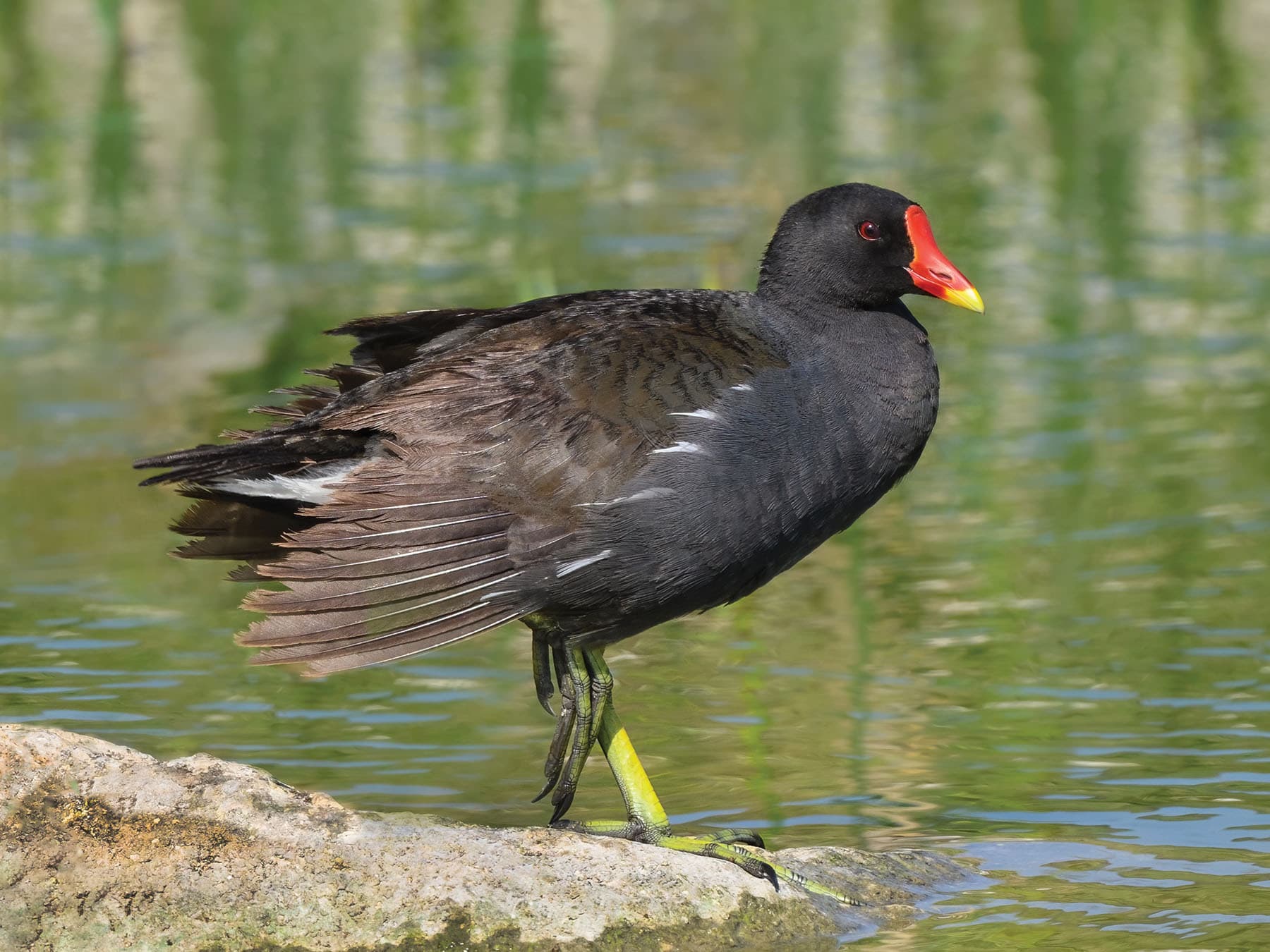 MoorhenGallinula chloropusResidentCommon30–38 cmRecorded all year · 2.01% in Feb
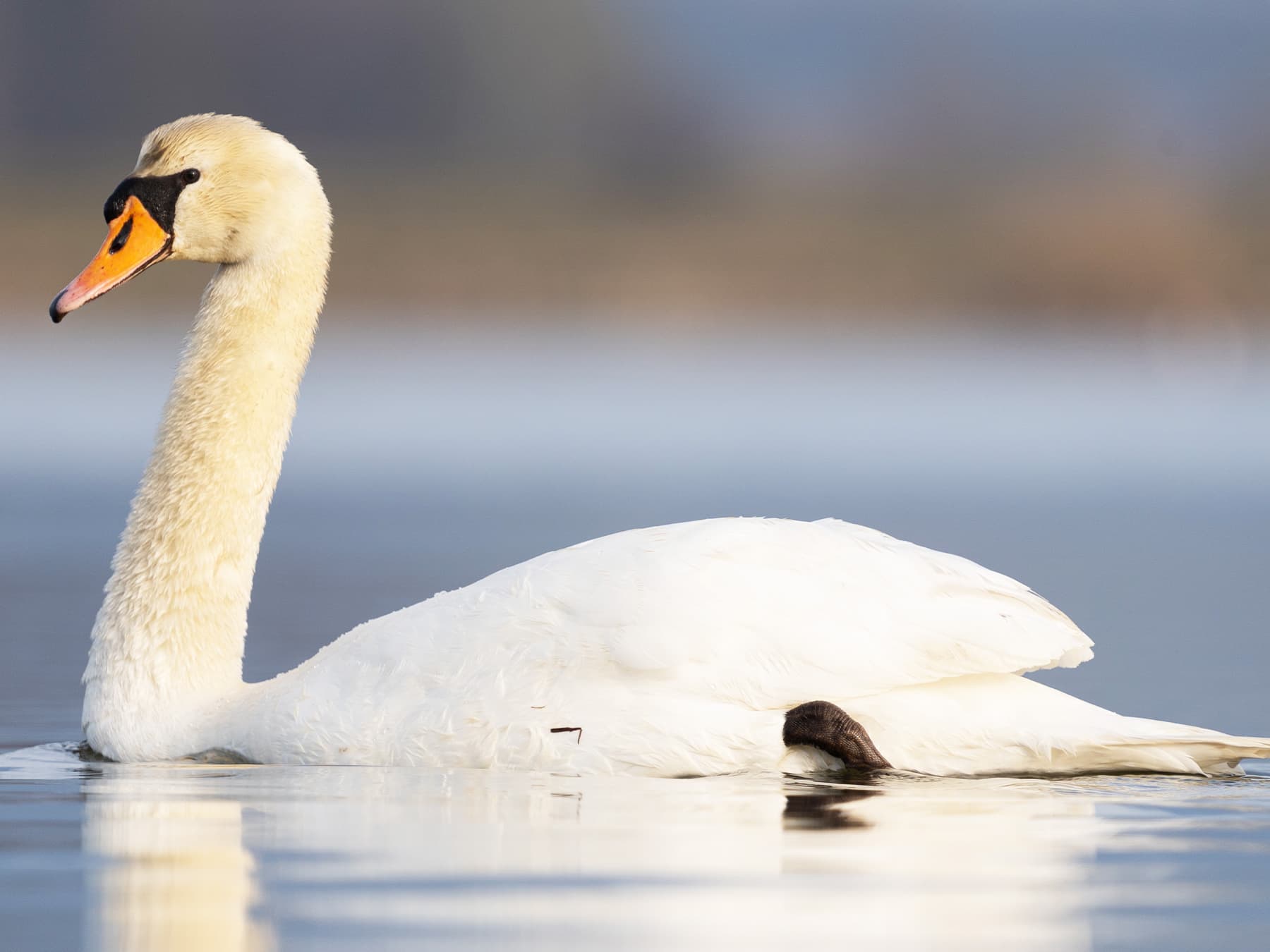 Mute SwanCygnus olorResidentCommon140–160 cmRecorded all year · 2.01% in Feb
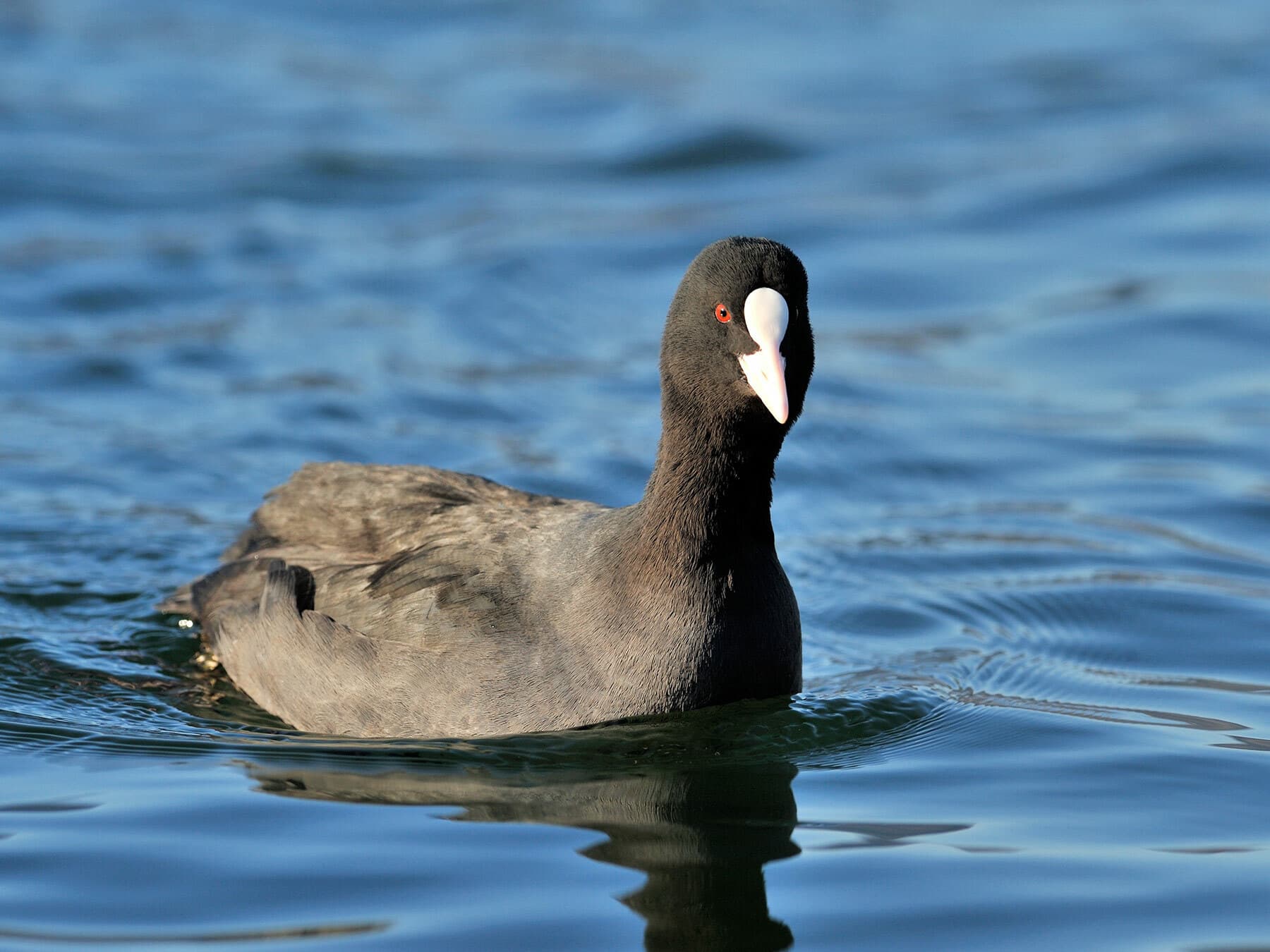 CootFulica atraResidentCommon36–42 cmRecorded all year · 1.88% in Feb
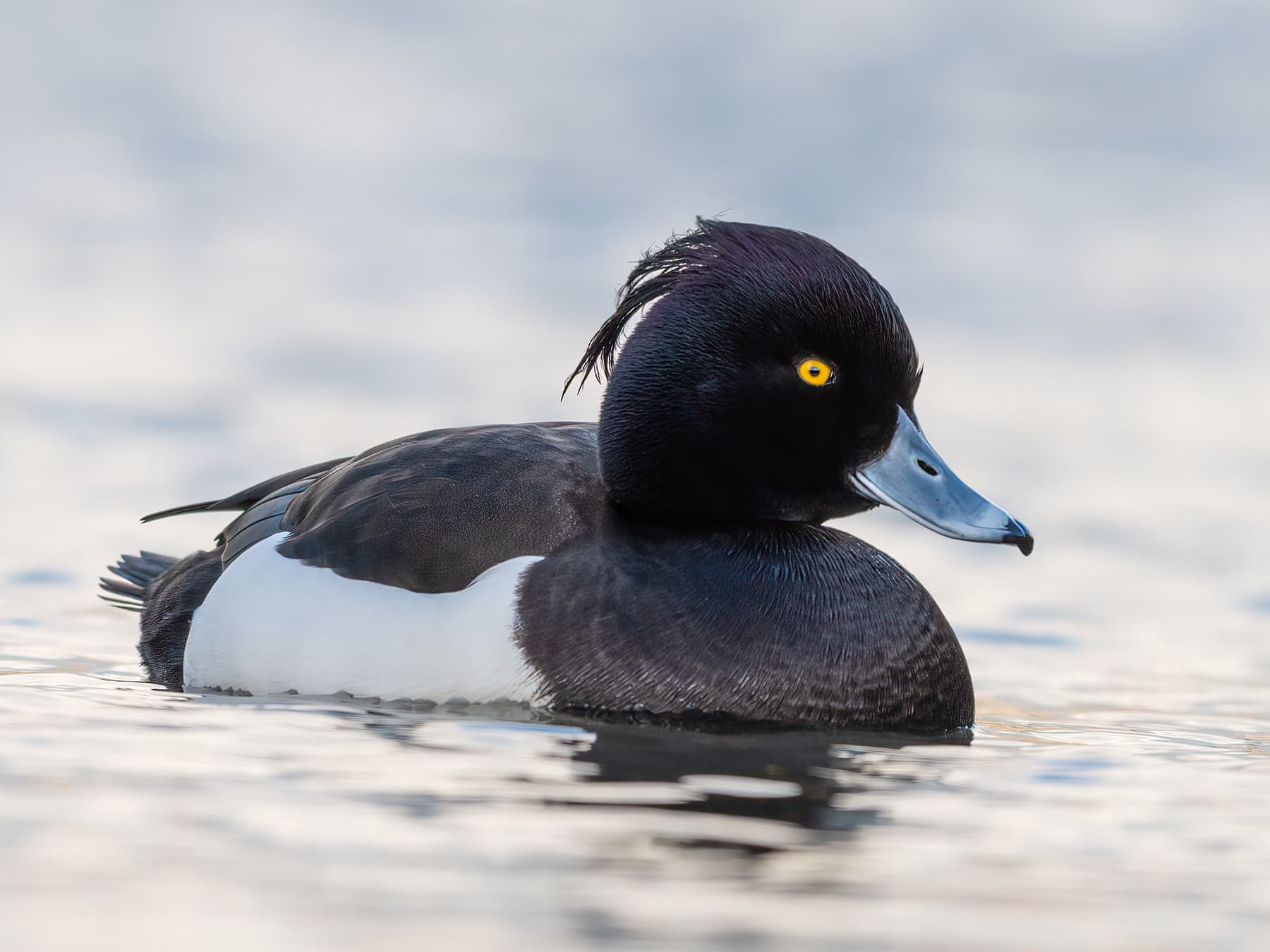 Tufted DuckAythya fuligulaResidentCommon40–47 cmRecorded all year · 1.88% in Feb
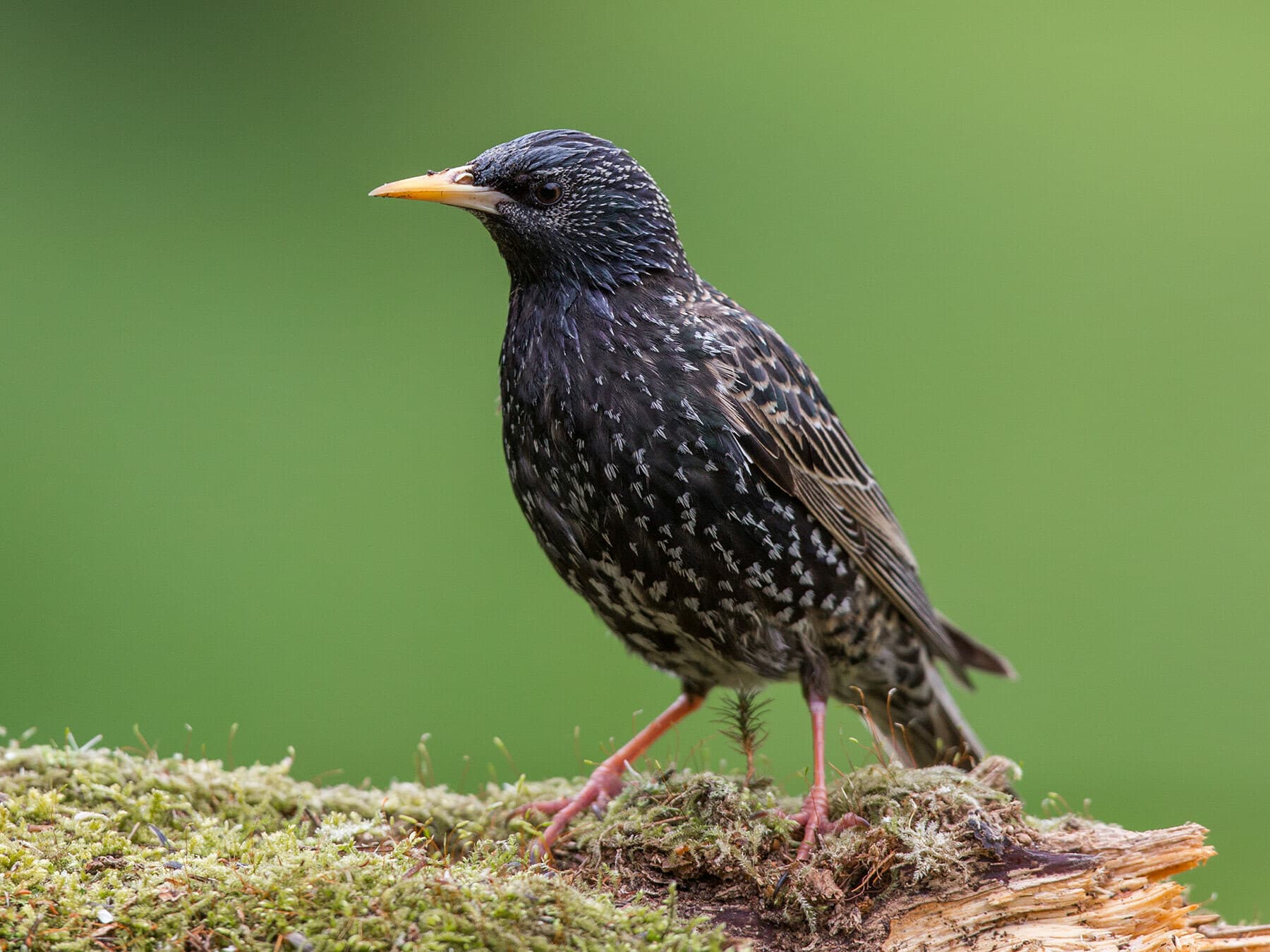 Common StarlingSturnus vulgarisResidentCommon21–23 cmRecorded all year · 1.75% in Feb
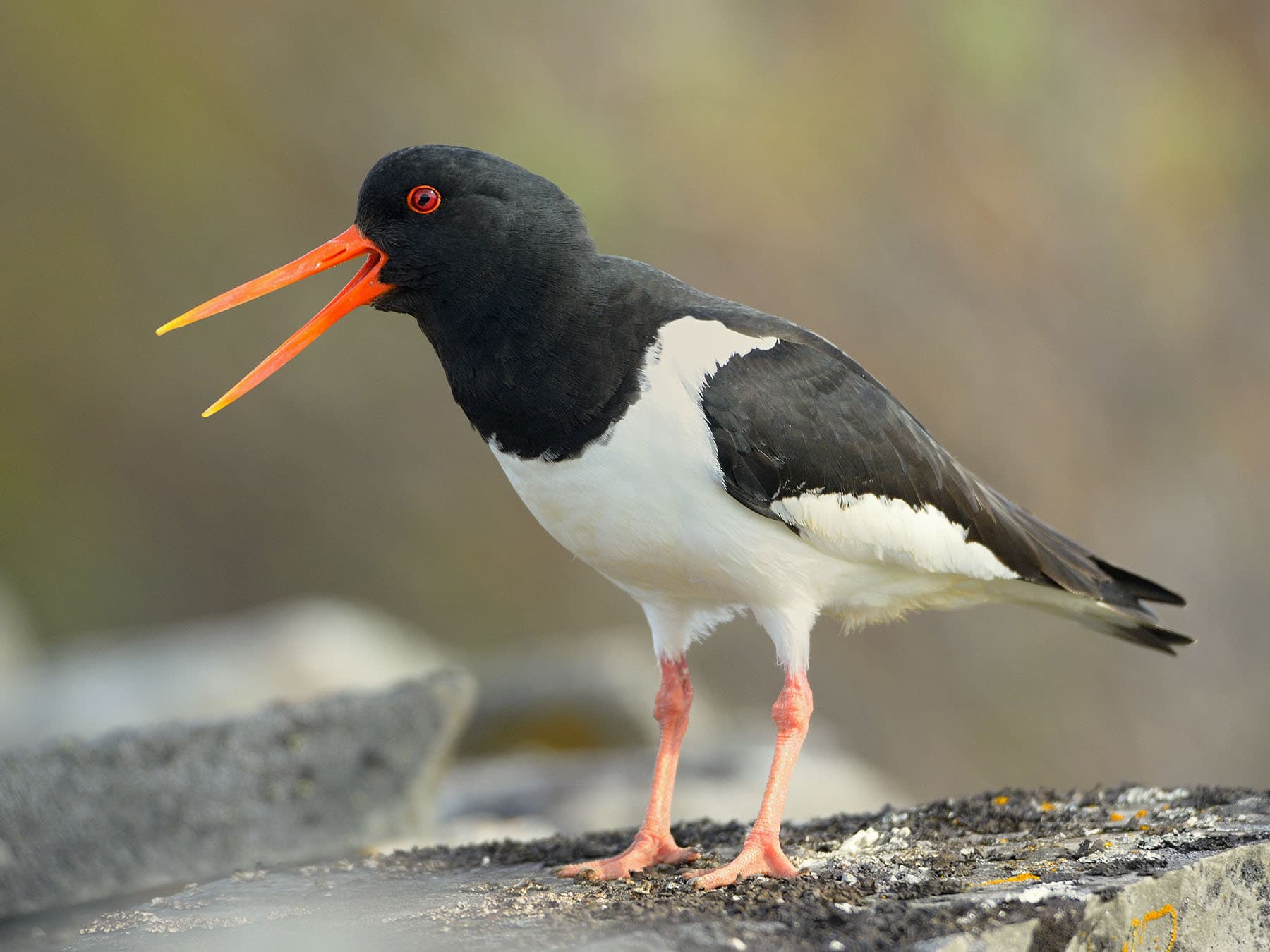 Eurasian OystercatcherHaematopus ostralegusSummer visitorCommon40–45 cmRegularly Feb–Jul · 1.75% in Feb
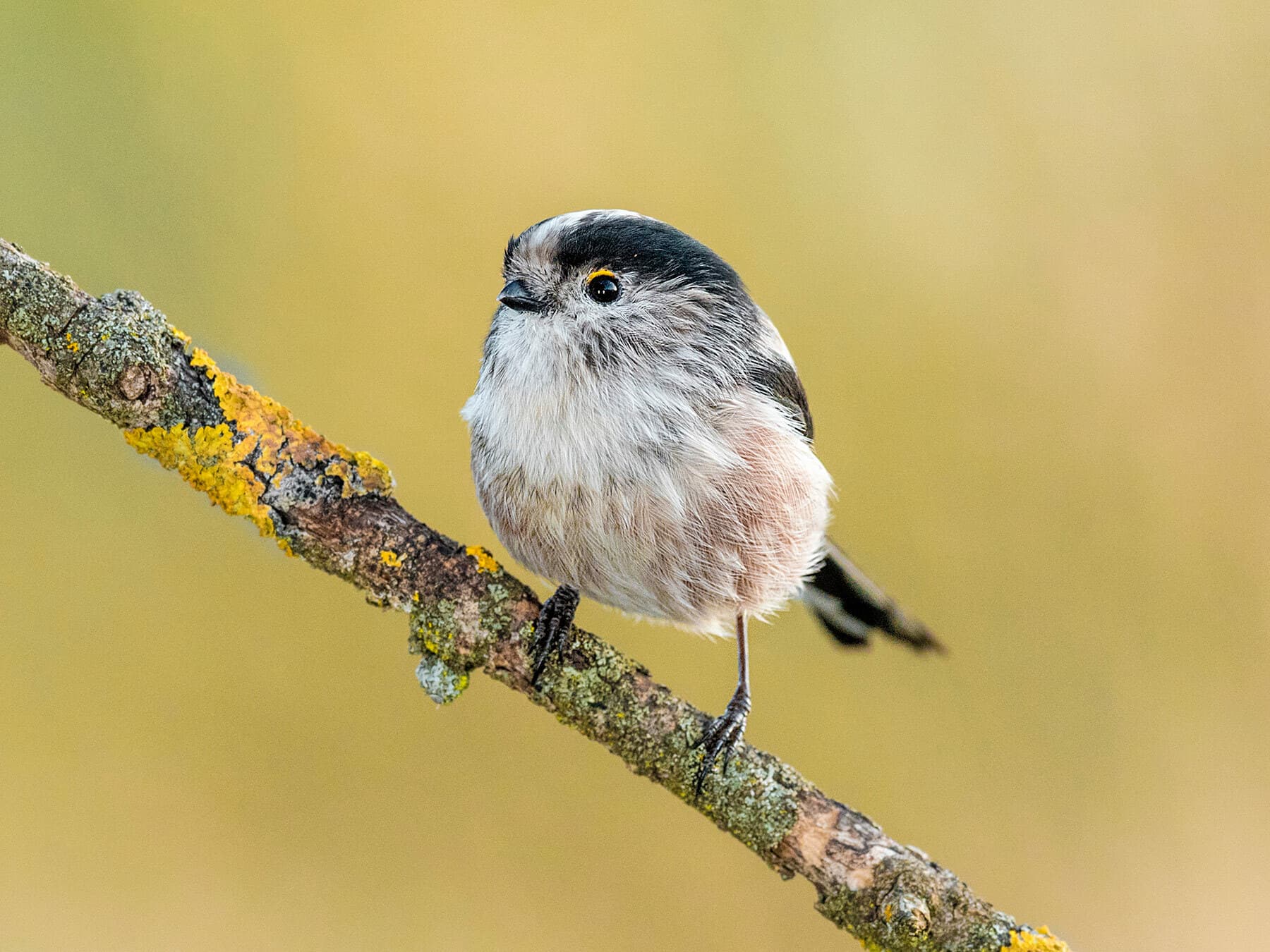 Long-tailed TitAegithalos caudatusWinter visitorCommon13–16 cmRegularly Jul–May · 1.75% in Feb
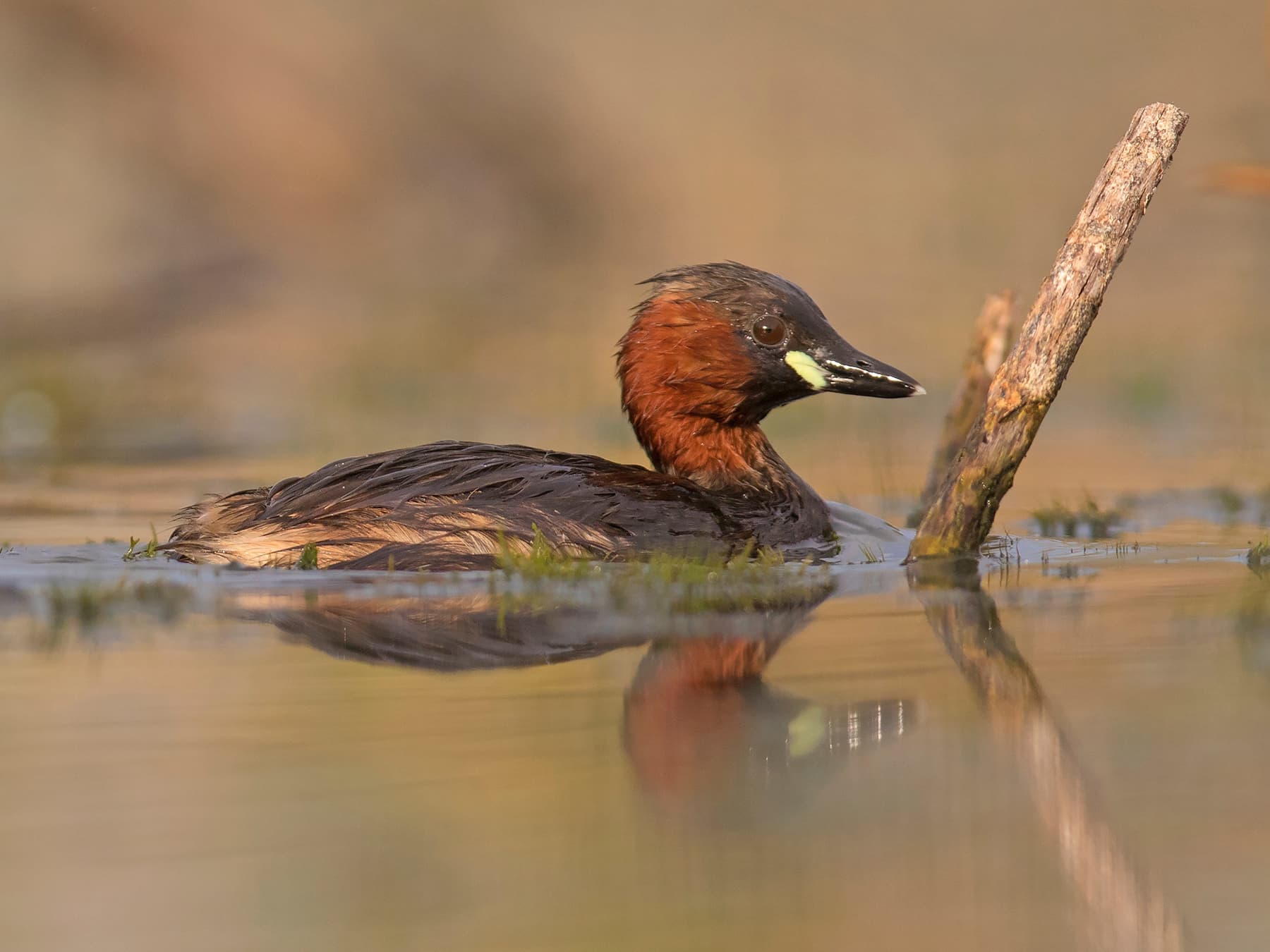 Little GrebeTachybaptus ruficollisResidentCommon23–29 cmRecorded all year · 1.63% in Feb
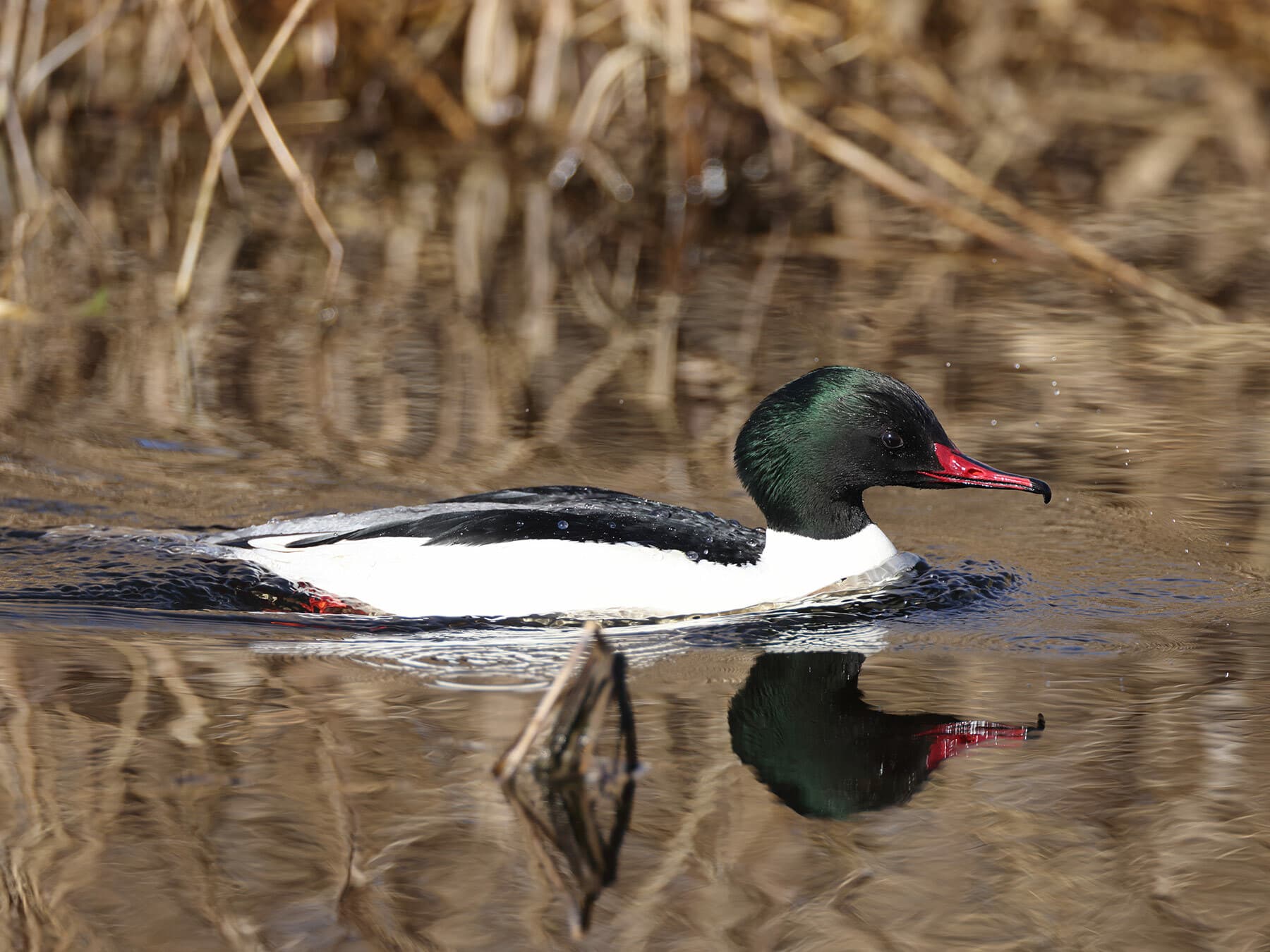 Common MerganserMergus merganserWinter visitorCommon58–68 cmRegularly Sep–Apr · 1.50% in Feb
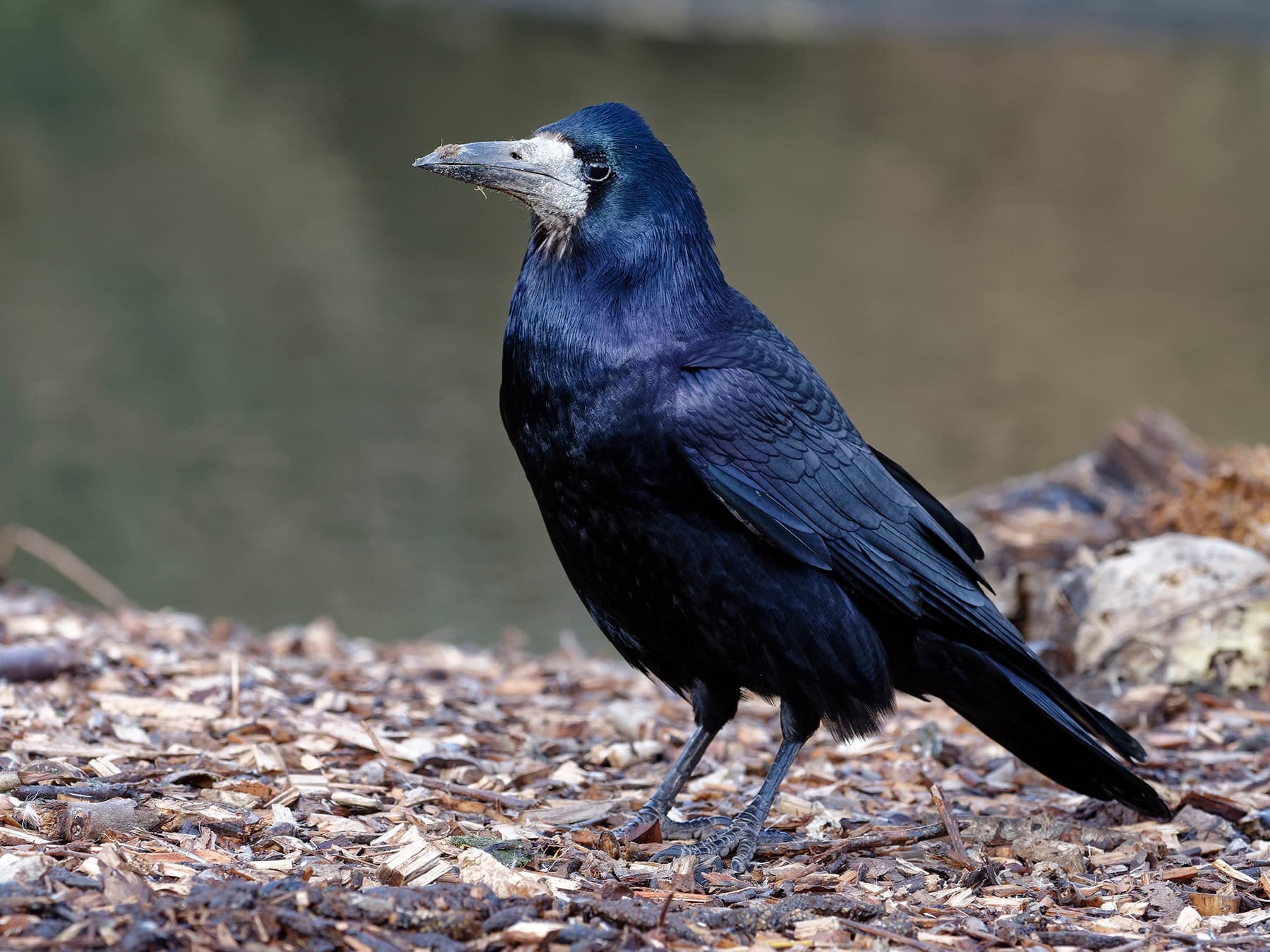 RookCorvus frugilegusResidentCommon45–47 cmRecorded all year · 1.50% in Feb
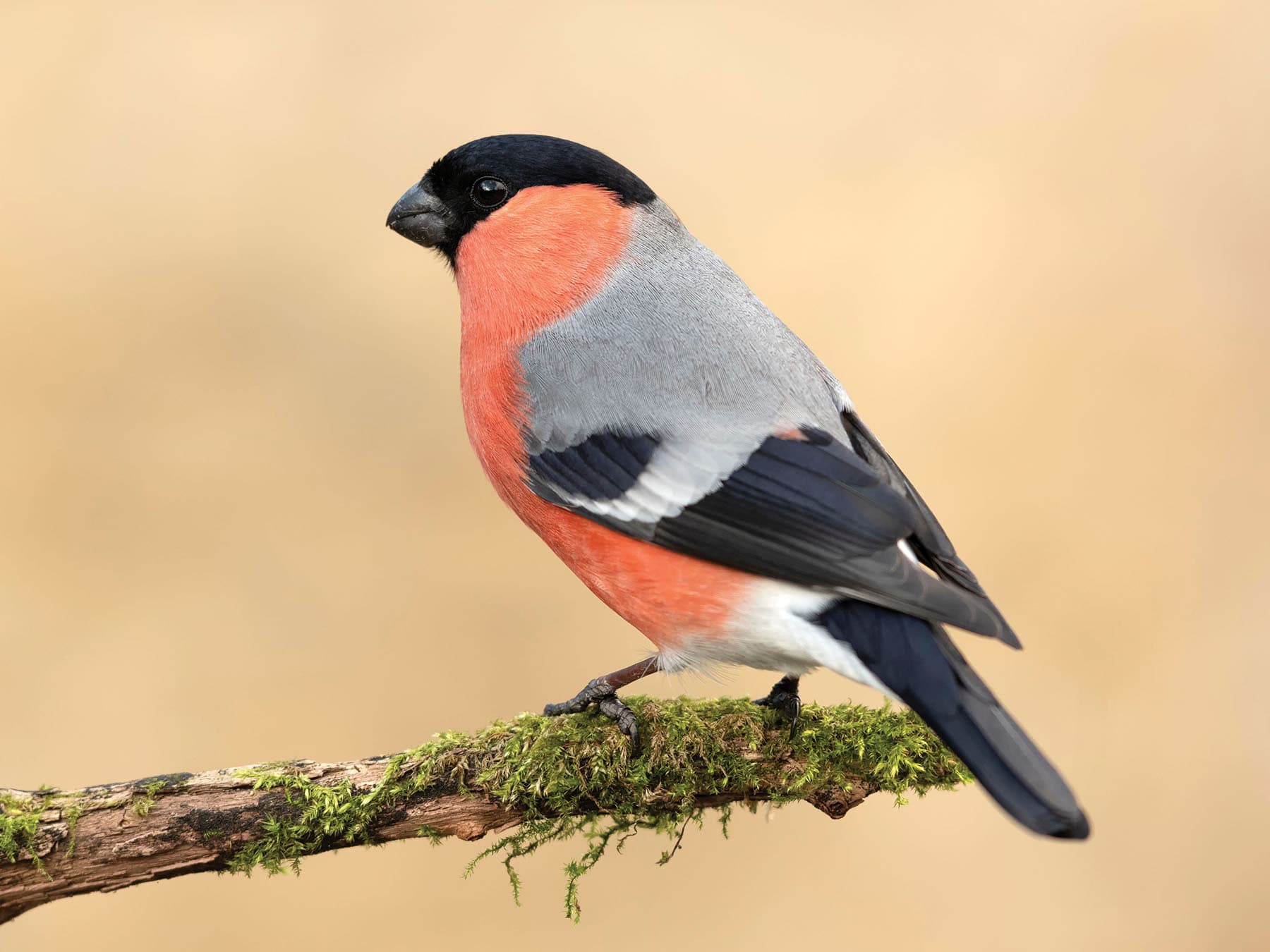 BullfinchPyrrhula pyrrhulaResidentCommon15–17 cmRecorded all year · 1.38% in Feb
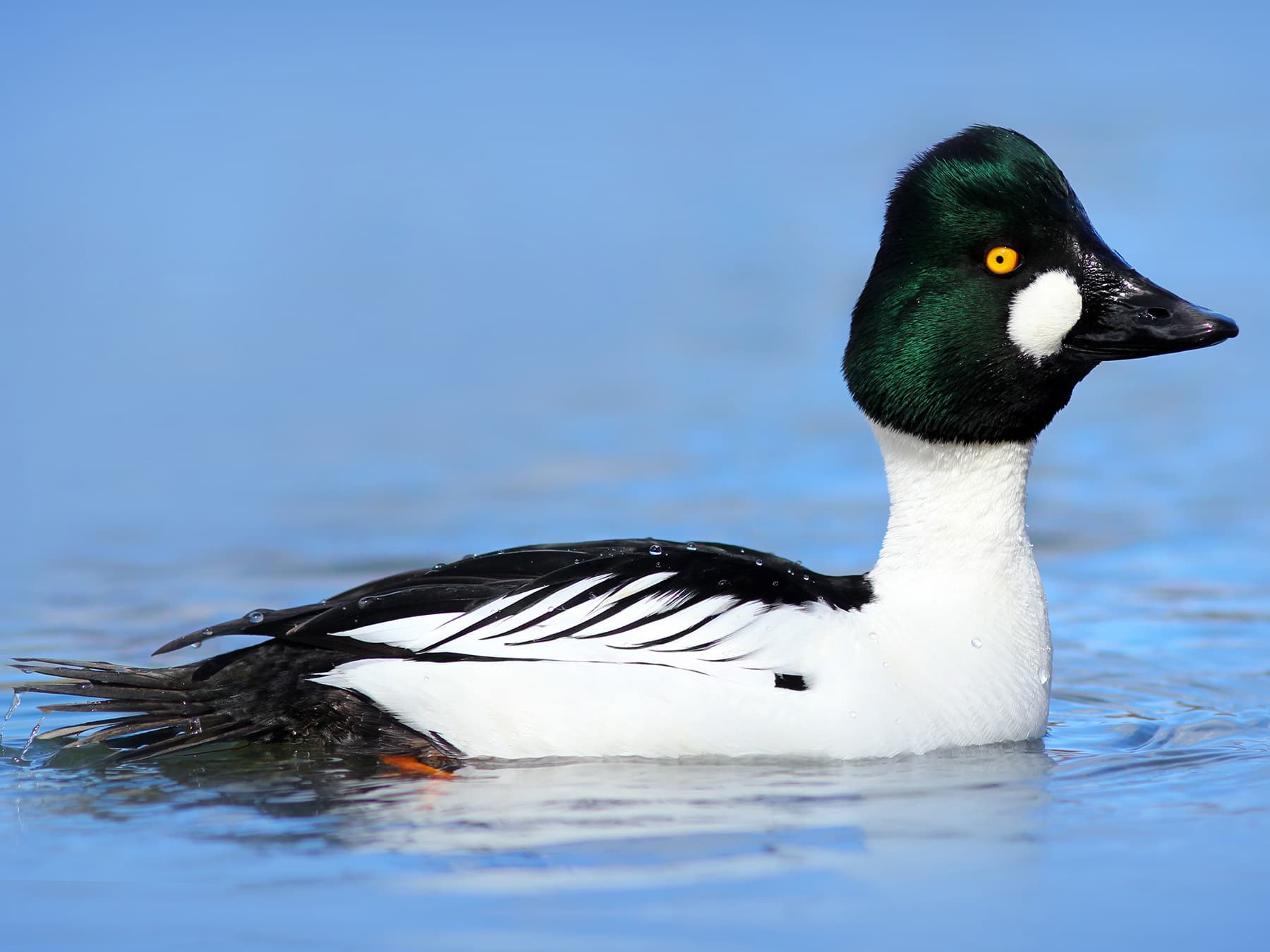 GoldeneyeBucephala clangulaWinter visitorCommon40–51 cmRegularly Oct–Mar · 1.38% in Feb
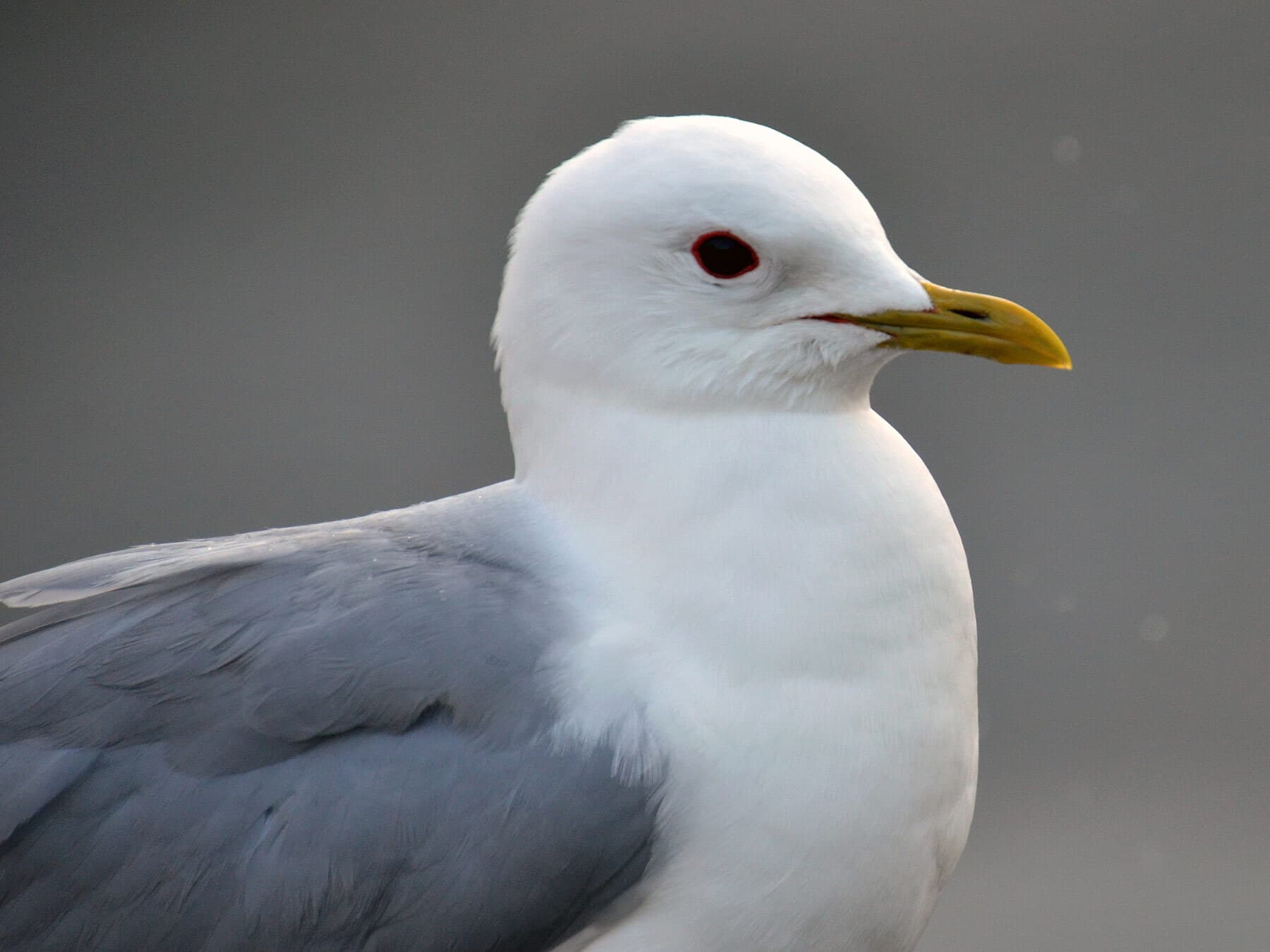 Common GullLarus canusResidentCommon40–46 cmRecorded all year · 1.25% in Feb
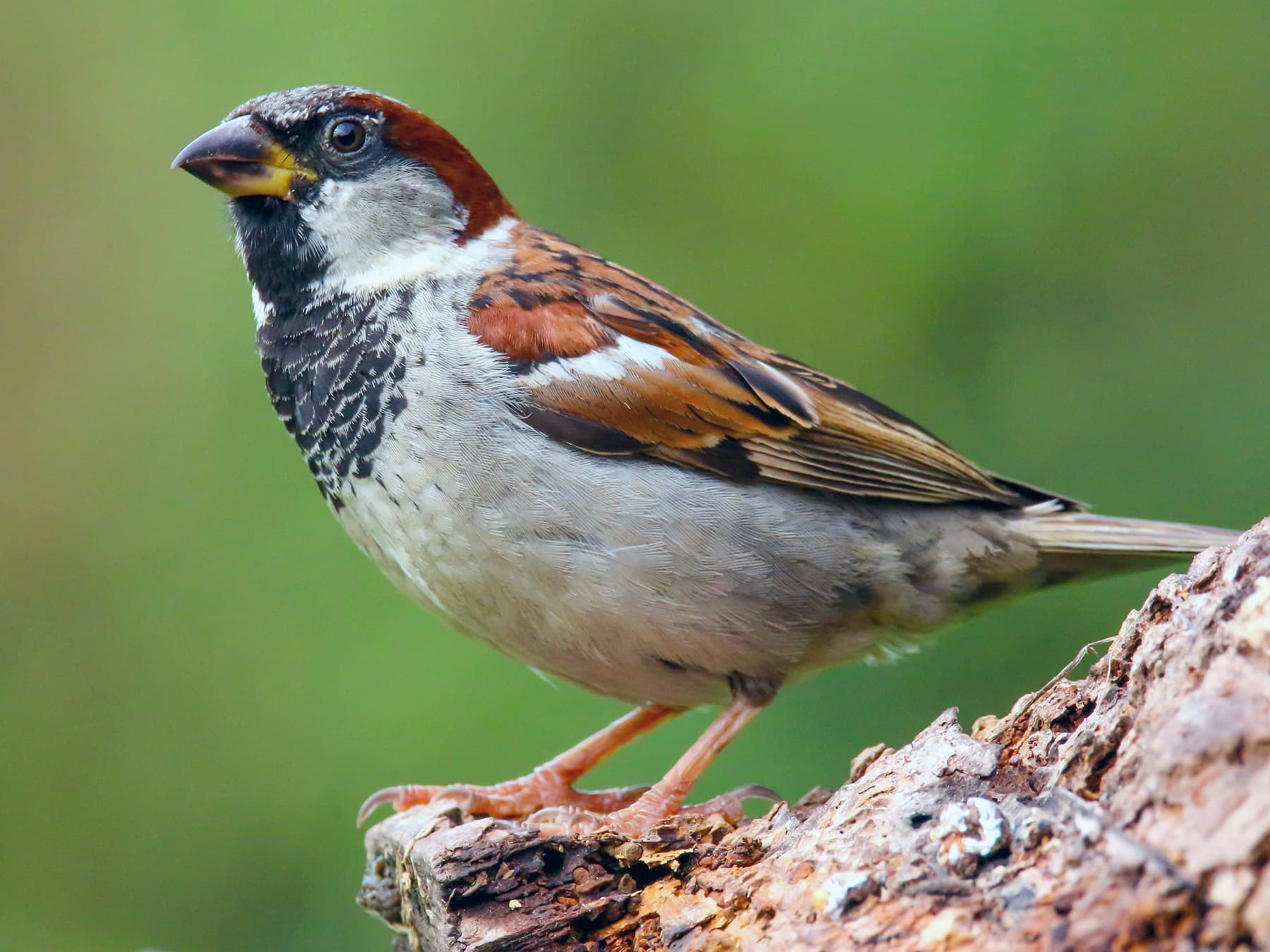 House SparrowPasser domesticusResidentCommon14–17 cmRecorded all year · 1.13% in Feb
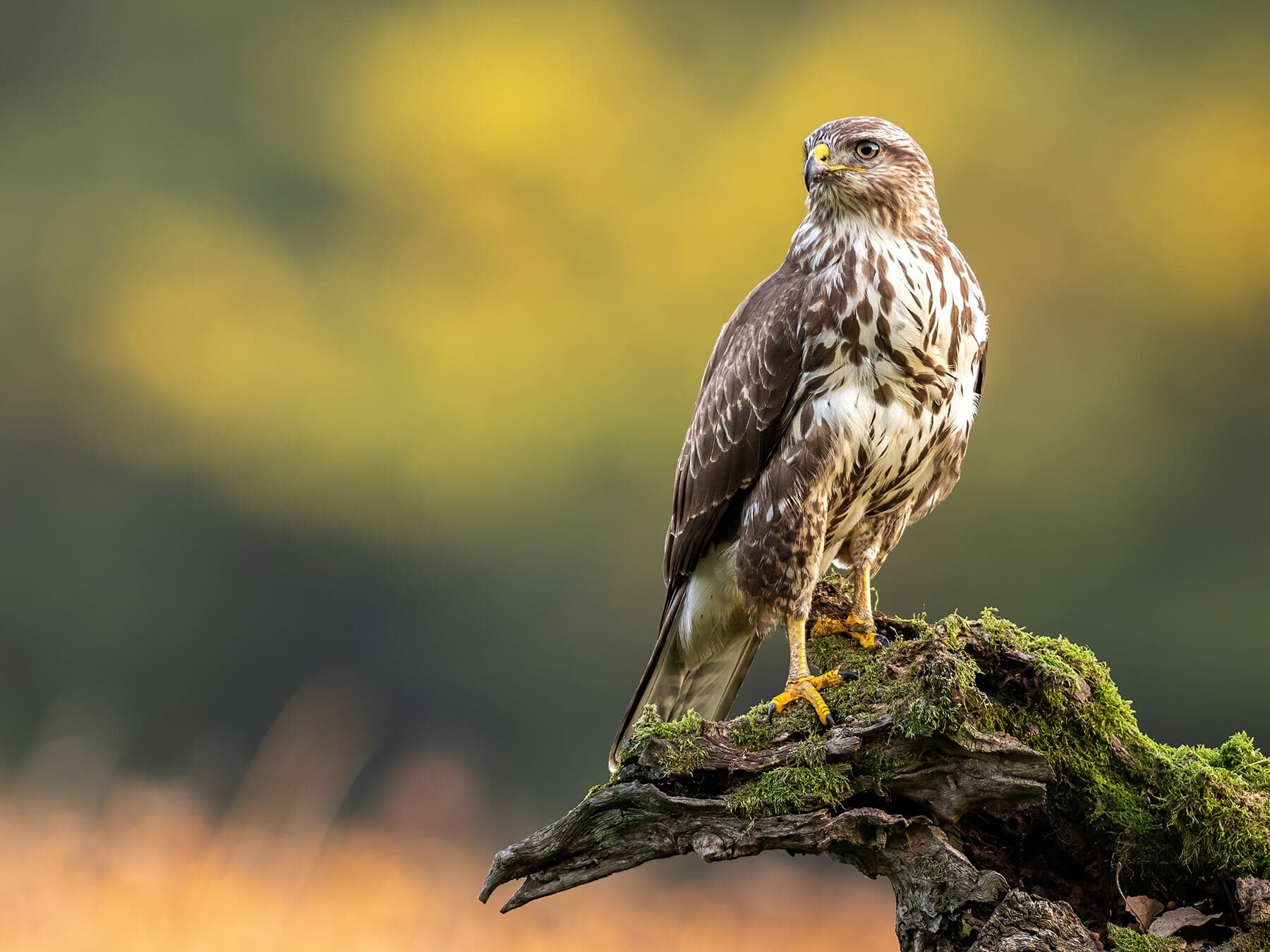 BuzzardButeo buteoResidentCommon51–57 cmRegularly Nov–Sep · 1.00% in Feb
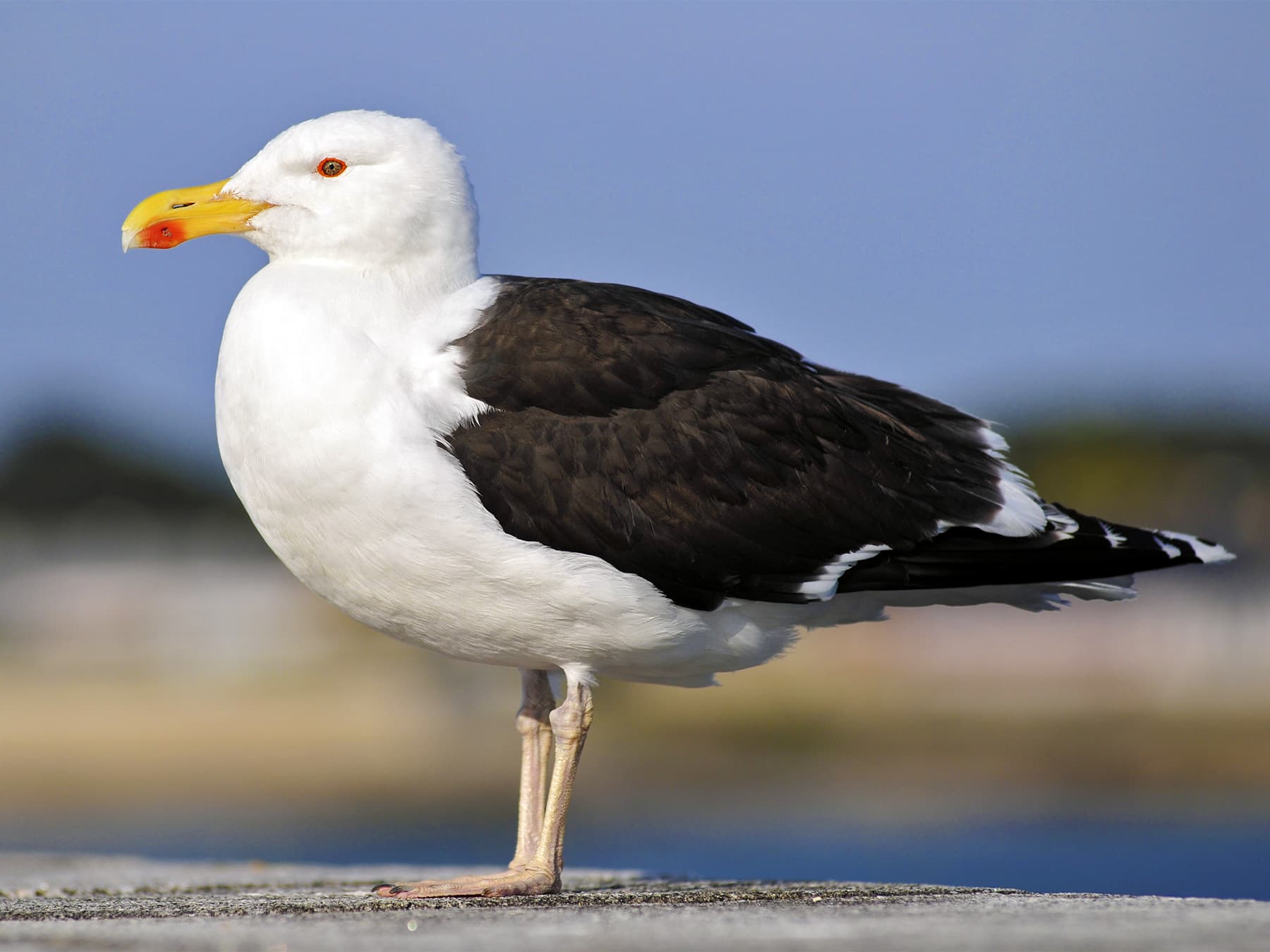 Great Black-backed GullLarus marinusResidentCommon64–79 cmRegularly Aug–May · 1.00% in Feb
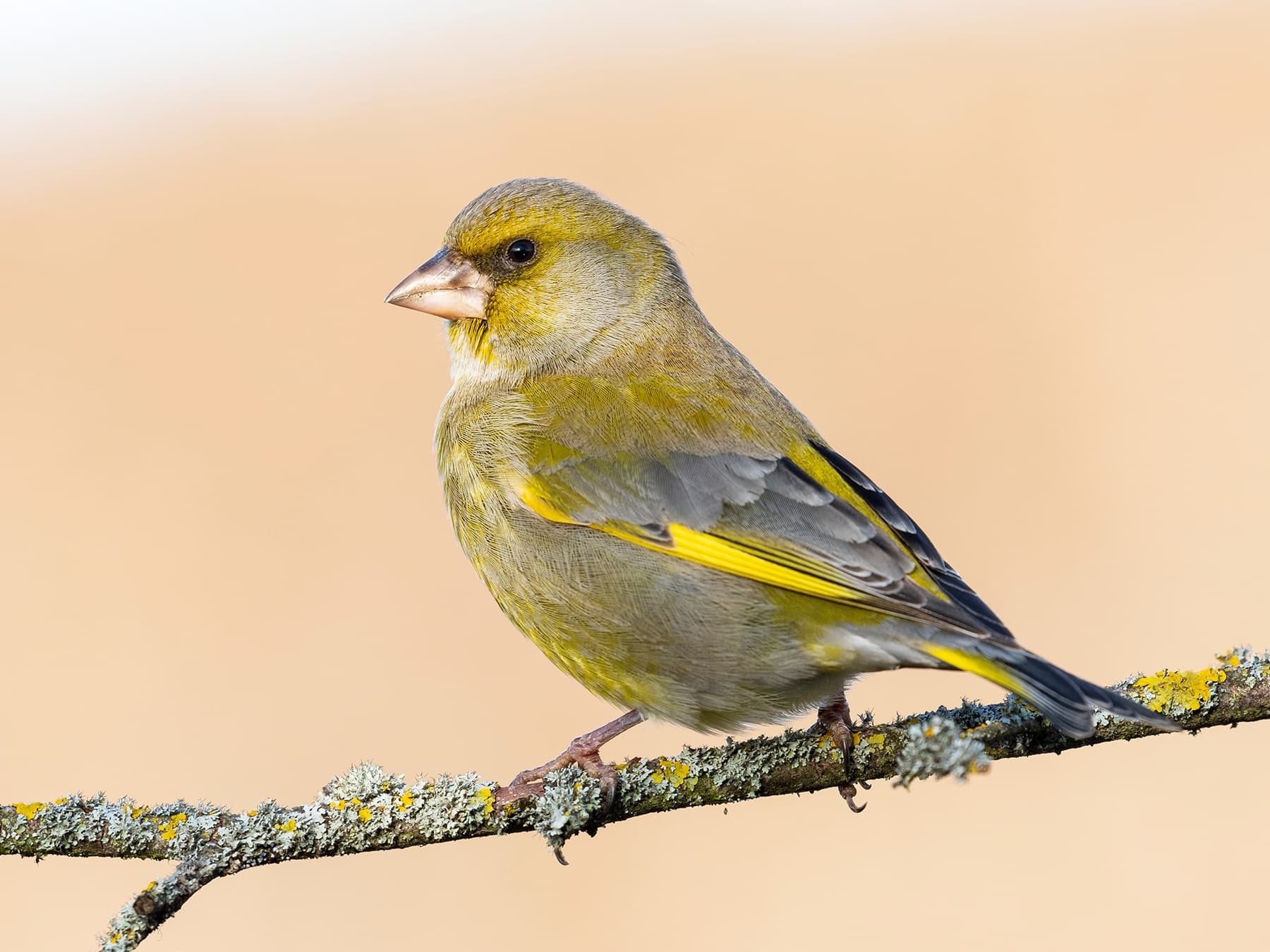 GreenfinchChloris chlorisResidentCommon15–16 cmRegularly Dec–Oct · 1.00% in Feb
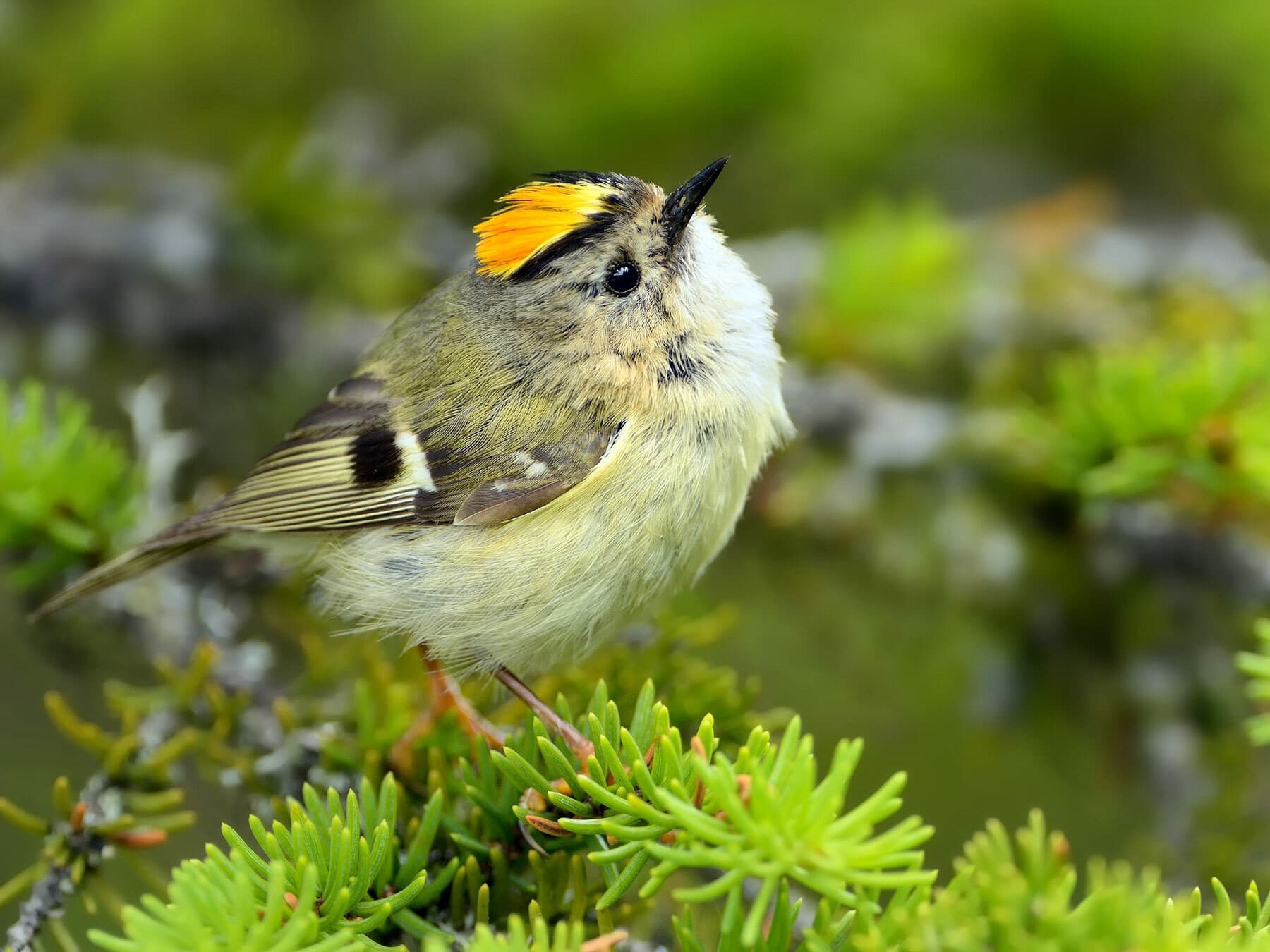 GoldcrestRegulus regulusResidentCommon9–10 cmRecorded all year · 0.75% in Feb
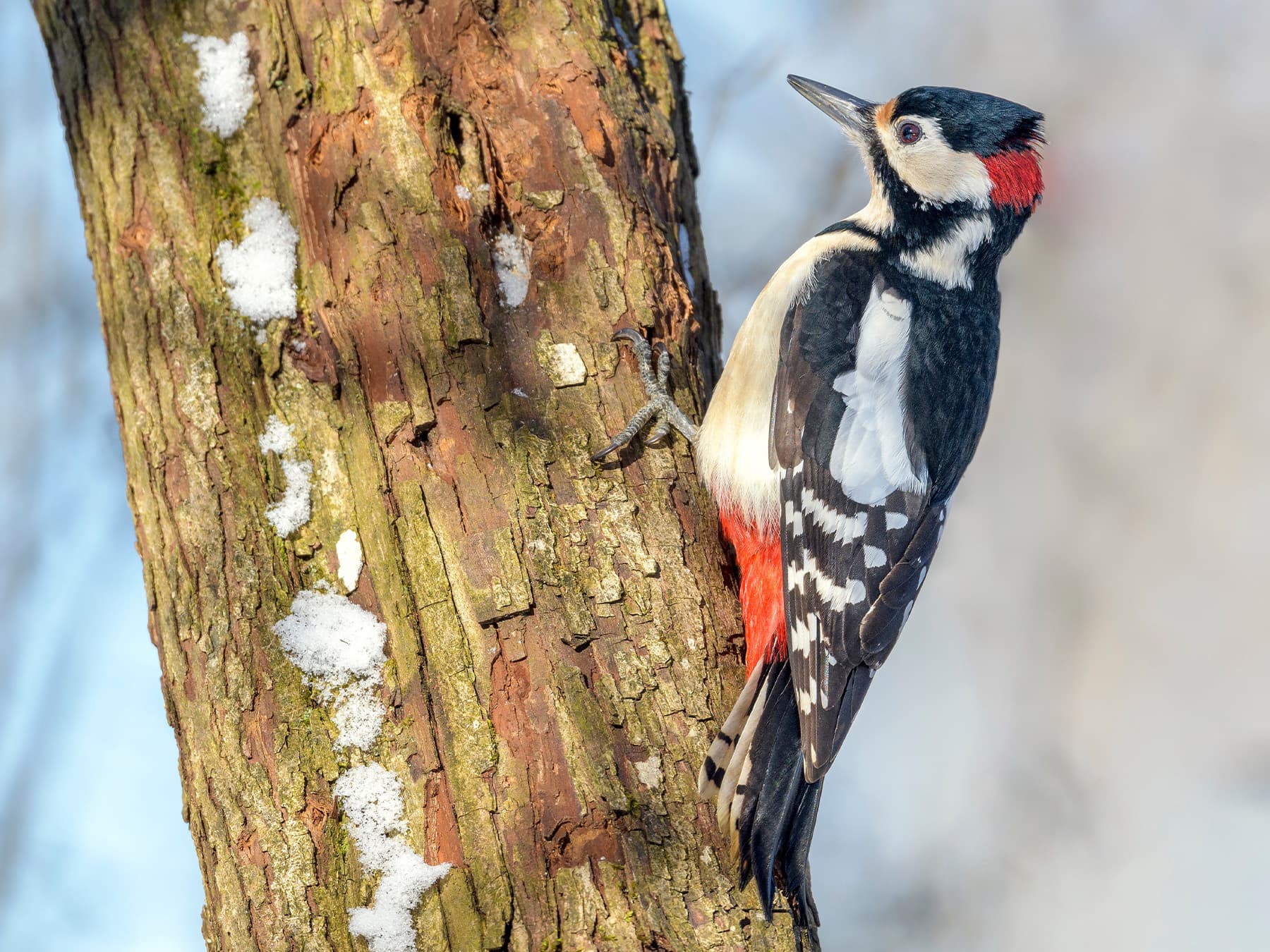 Great Spotted WoodpeckerDendrocopos majorResidentCommon23–26 cmRegularly Nov–Sep · 0.75% in Feb
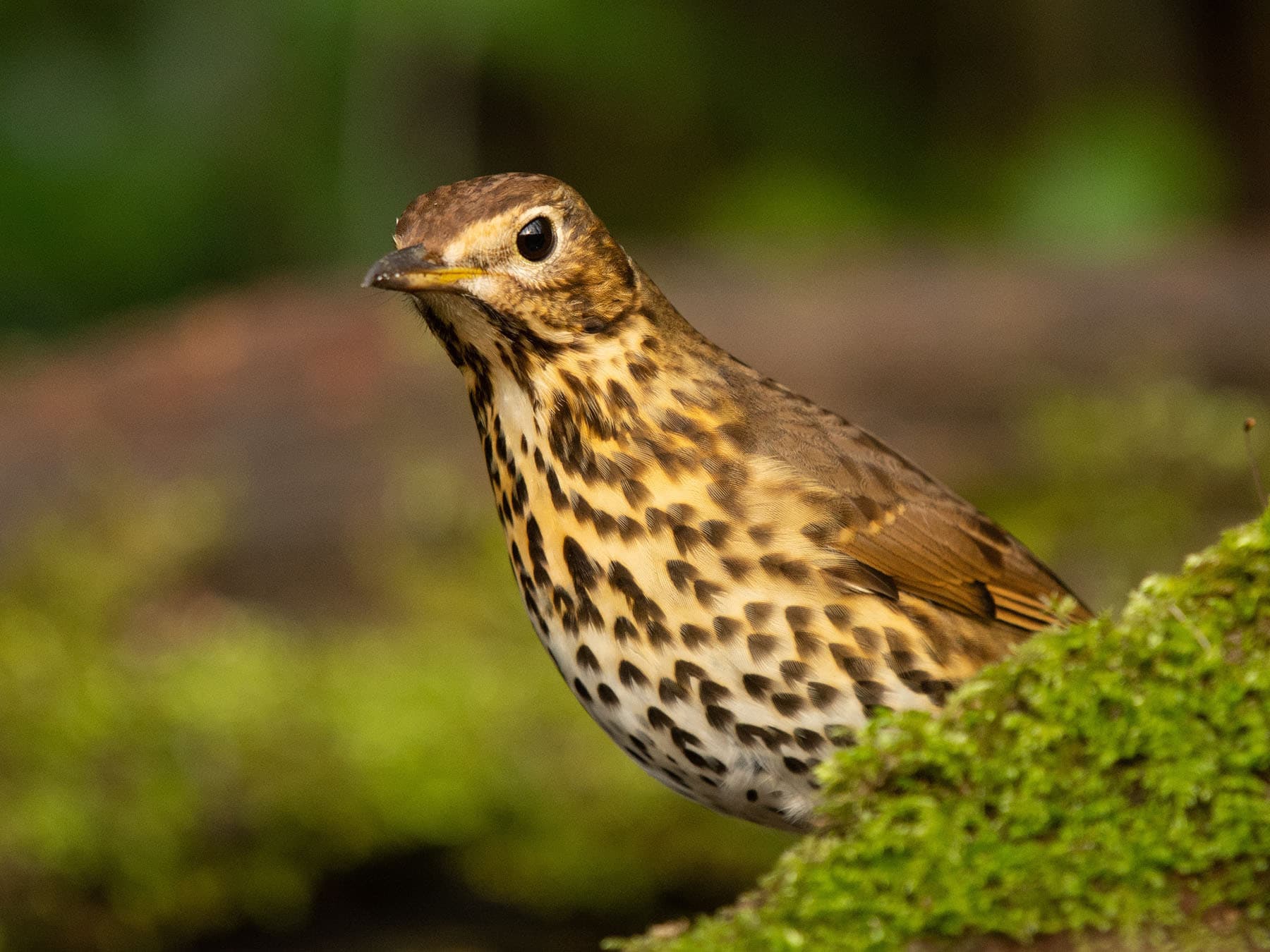 Song ThrushTurdus philomelosResidentCommon20–23 cmRegularly Sep–Jul · 0.75% in Feb
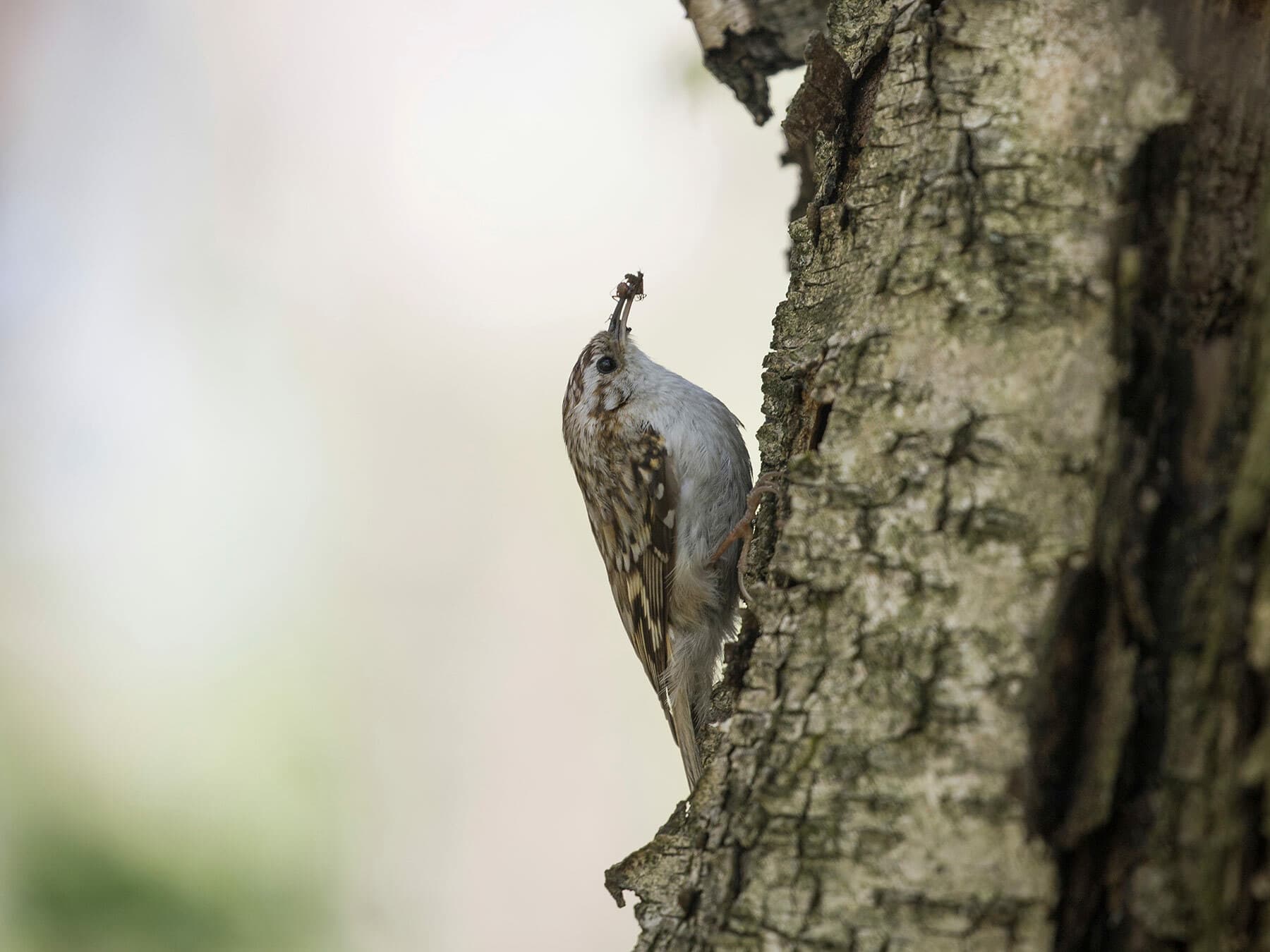 TreecreeperCerthia familiarisResidentCommon12–14 cmRecorded all year · 0.75% in Feb
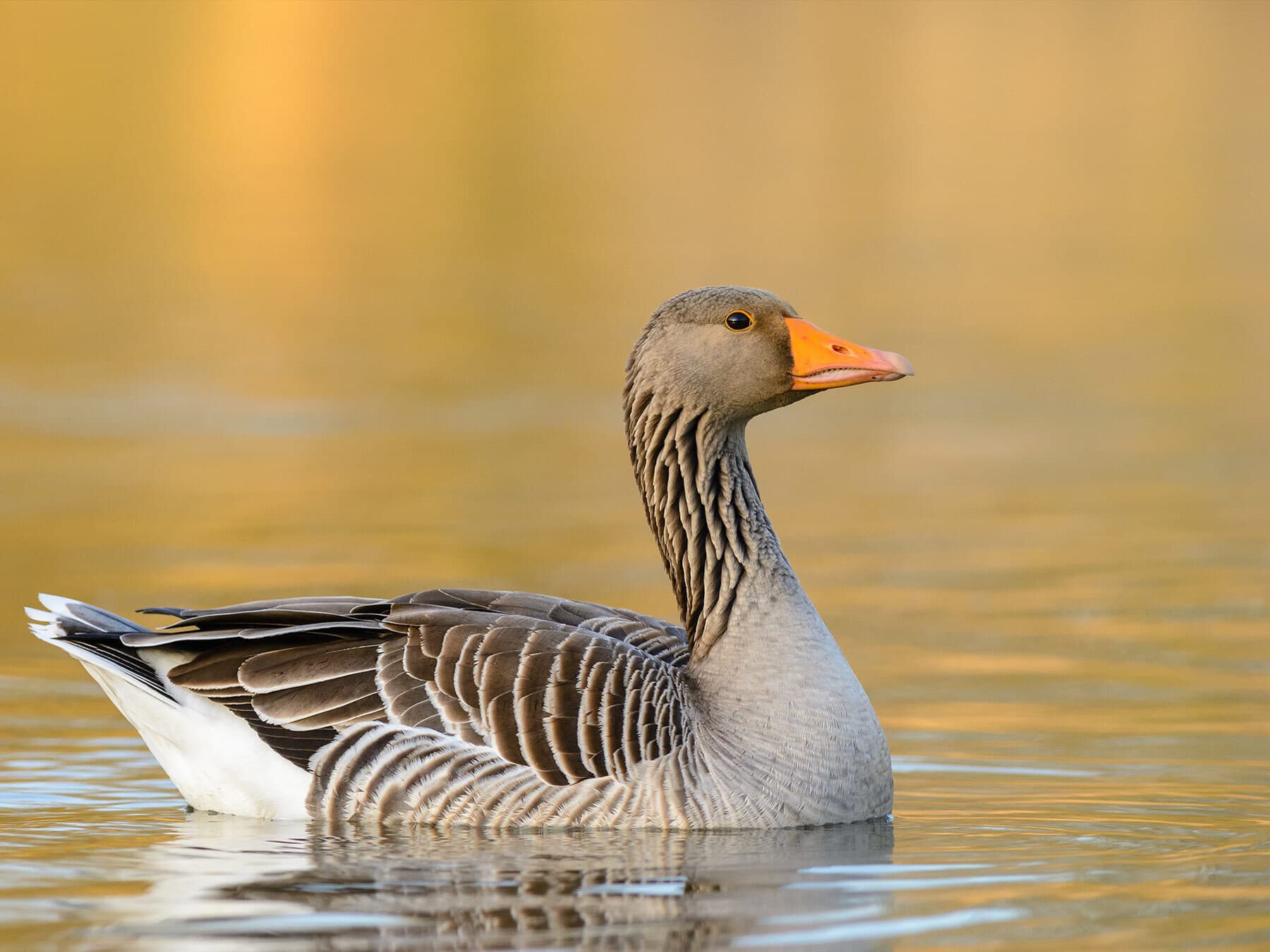 Greylag GooseAnser anserResidentCommon75–90 cmRegularly Sep–Jul · 0.63% in Feb
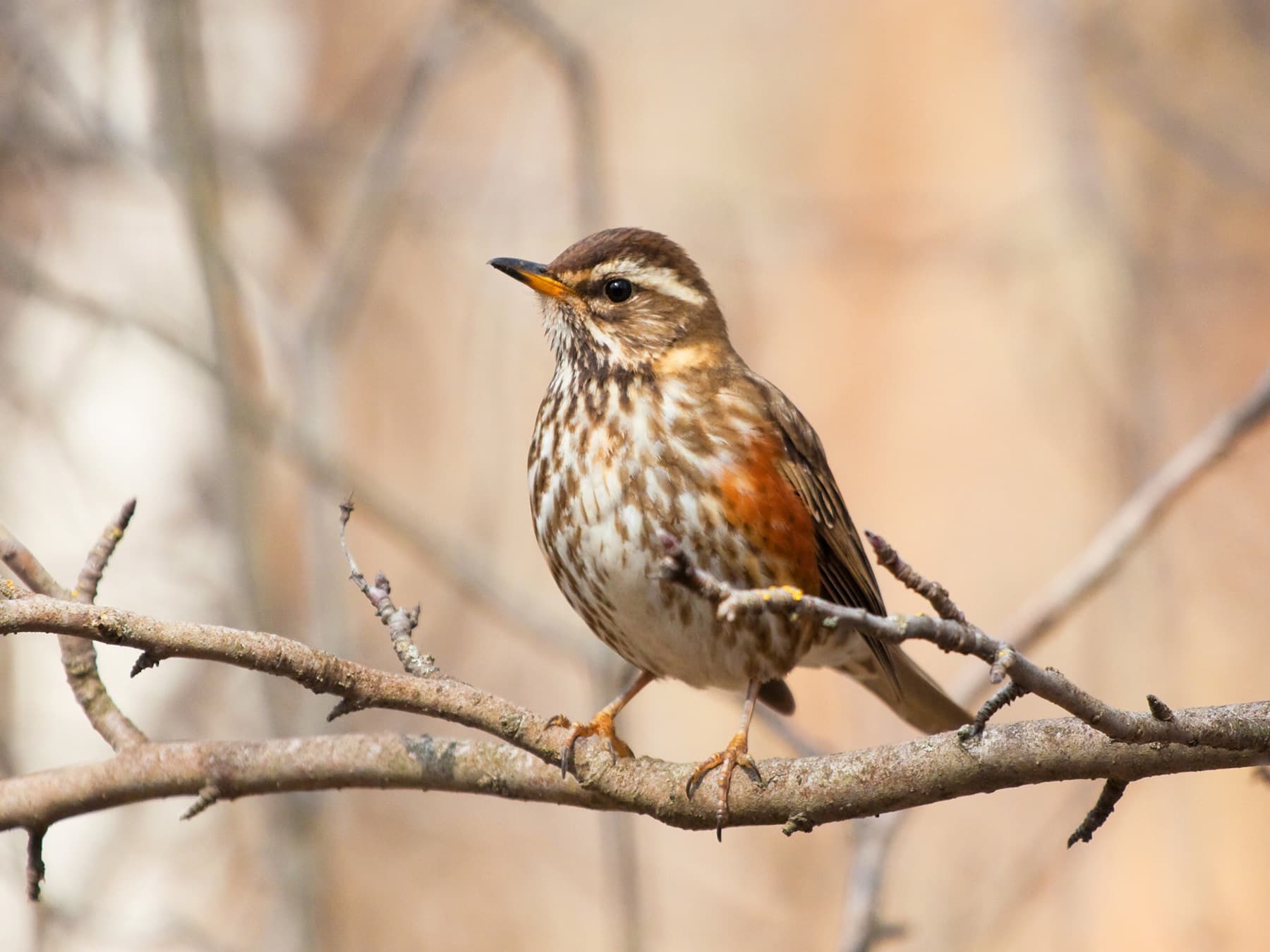 RedwingTurdus iliacusWinter visitorCommon20–24 cmRegularly Oct–Mar · 0.63% in Feb
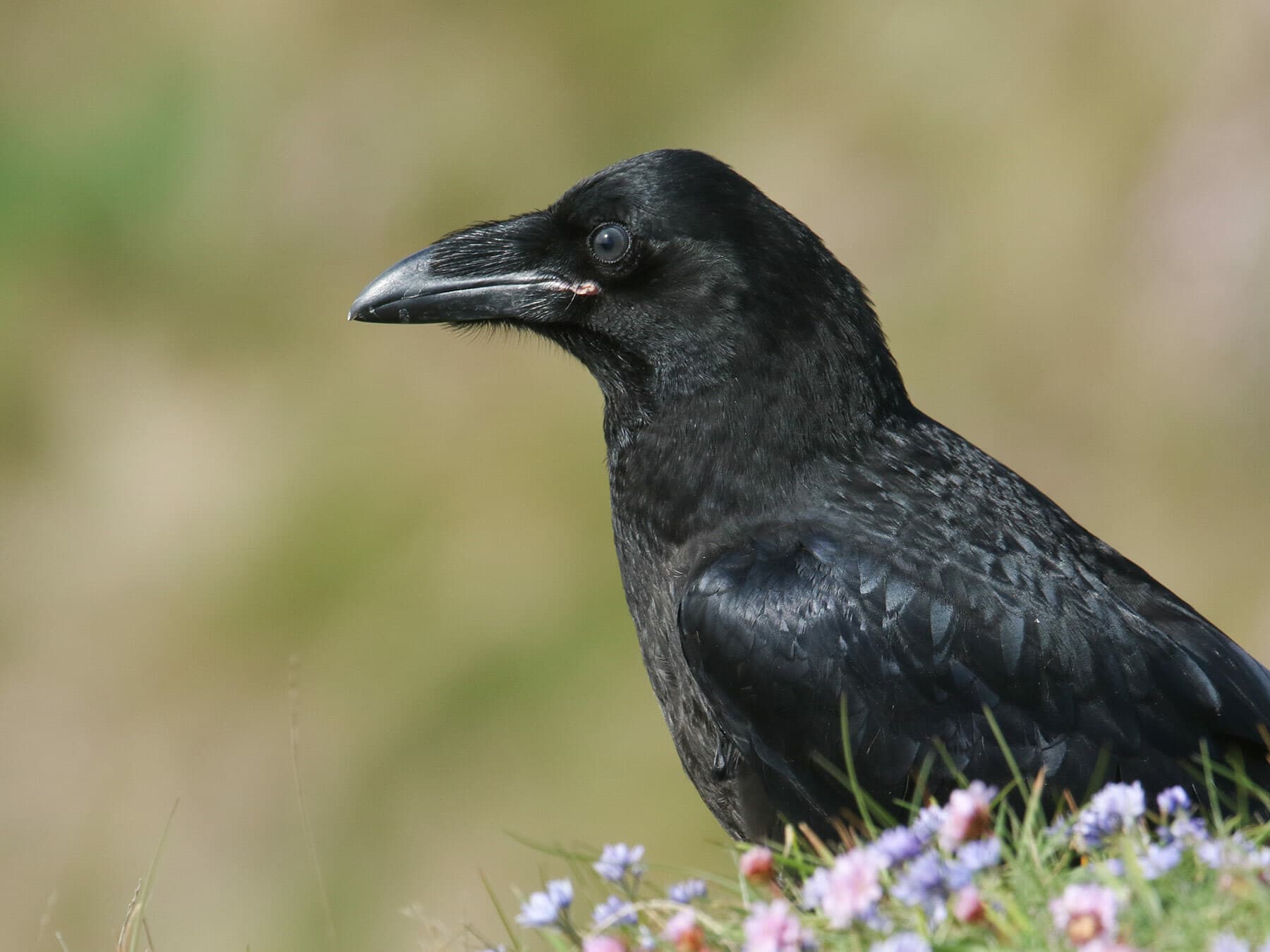 Common RavenCorvus coraxResidentCommon54–67 cmRegularly Jan–Jul · 0.50% in Feb
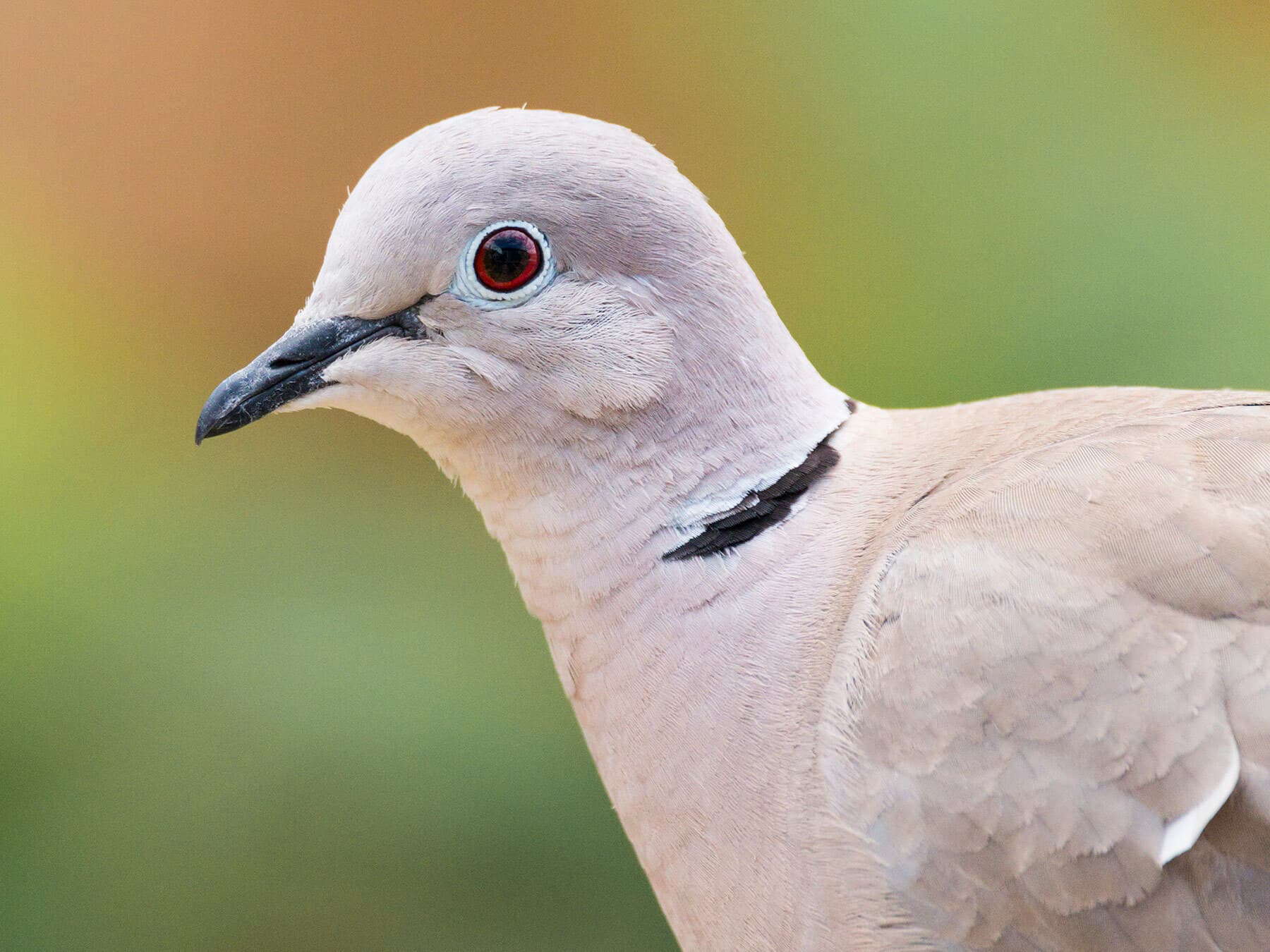 Eurasian Collared DoveStreptopelia decaoctoResidentCommon30–32 cmRegularly Dec–Sep · 0.50% in Feb
Data: EOD – eBird Observation Dataset (Cornell Lab of Ornithology), accessed via GBIF.org, CC BY 4.0. Records from 2019–2024, aggregated and filtered by Birdfact. How these lists are made