


Birds to See in Meath in February
39 bird species on our list for Meath are recorded regularly in February
Of these, the most often recorded are Hooded Crow, European Robin, Blackbird, Blue Tit and Common Starling. New this month: Eurasian Wren, Dunnock, Common Gull and Goldcrest and 7 more.
On the move in February
GBIF · FebArriving
From Meath’s bird records, 2019–2024: arriving birds are regular this month but not last; leaving birds are regular this month but not next.
Other months
All 39 birds in February
39 birds
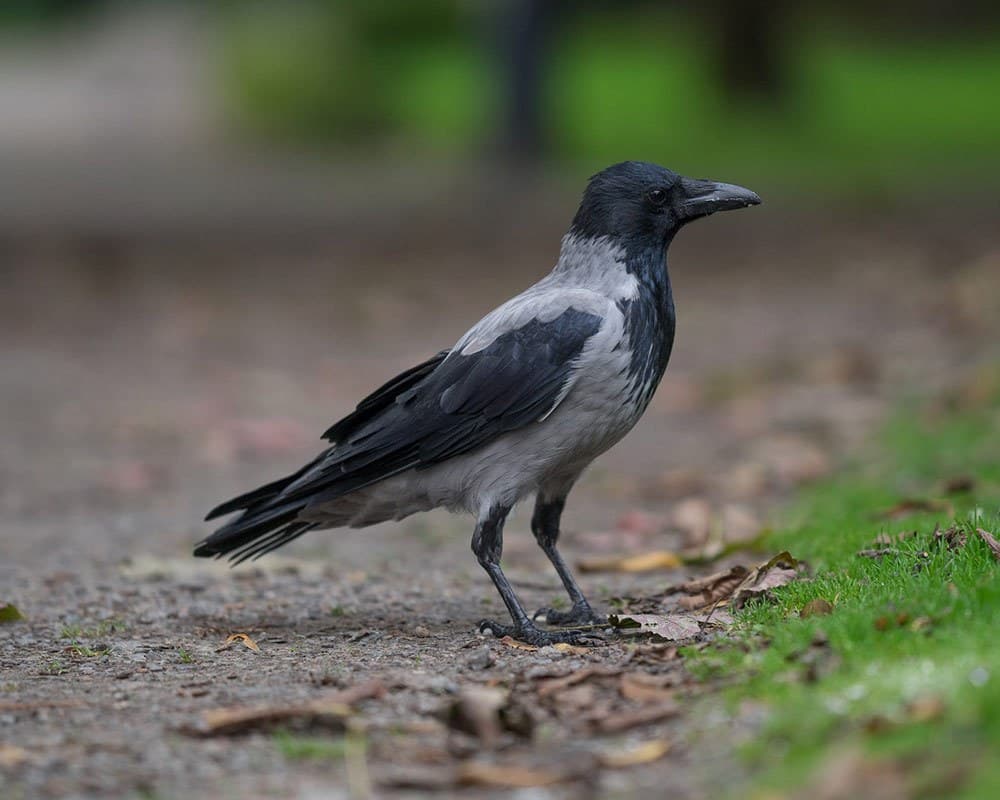 Hooded CrowCorvus cornixResidentCommon44–51 cmRecorded all year · 4.03% in Feb
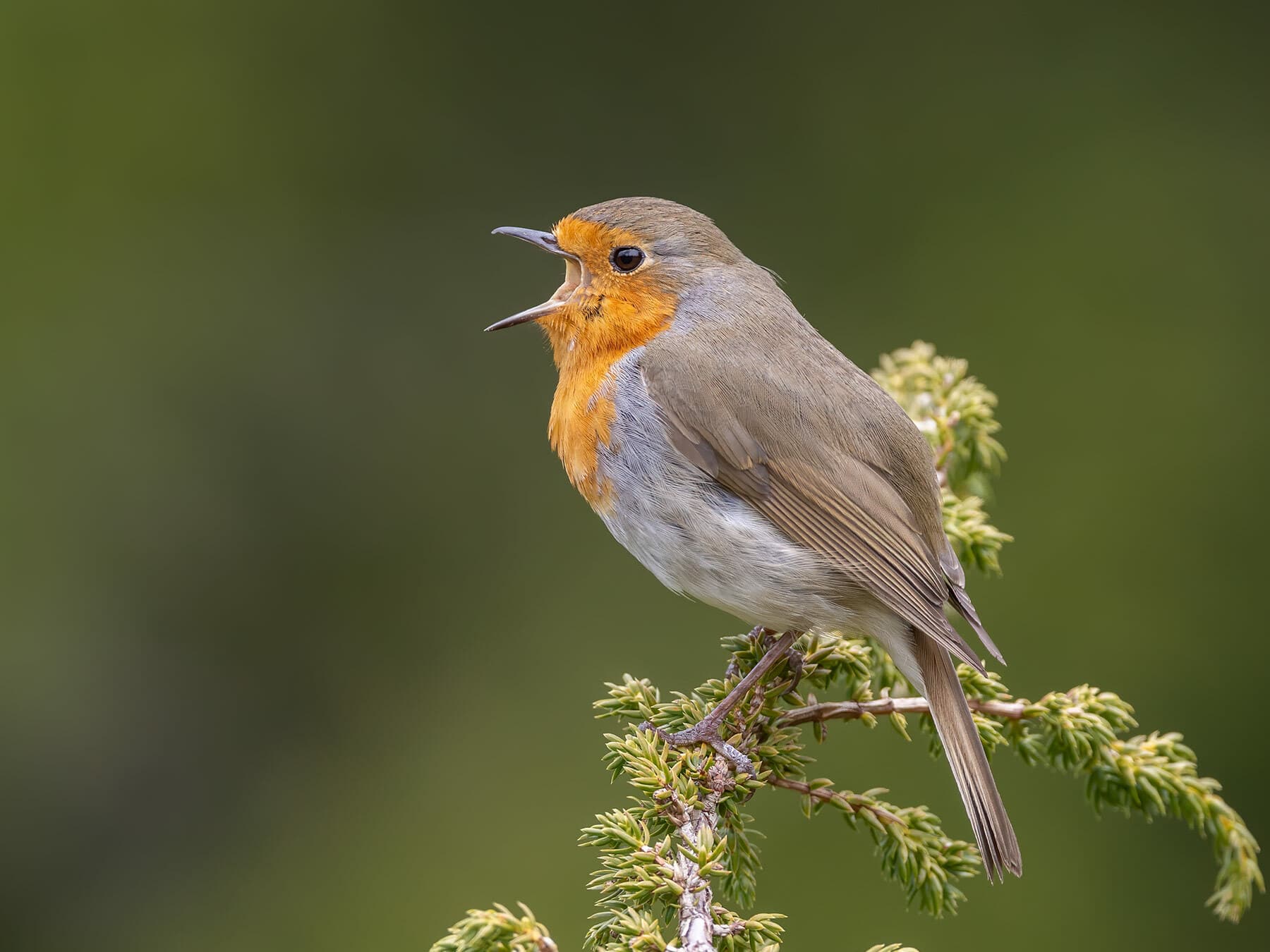 European RobinErithacus rubeculaResidentCommon13–14 cmRecorded all year · 3.86% in Feb
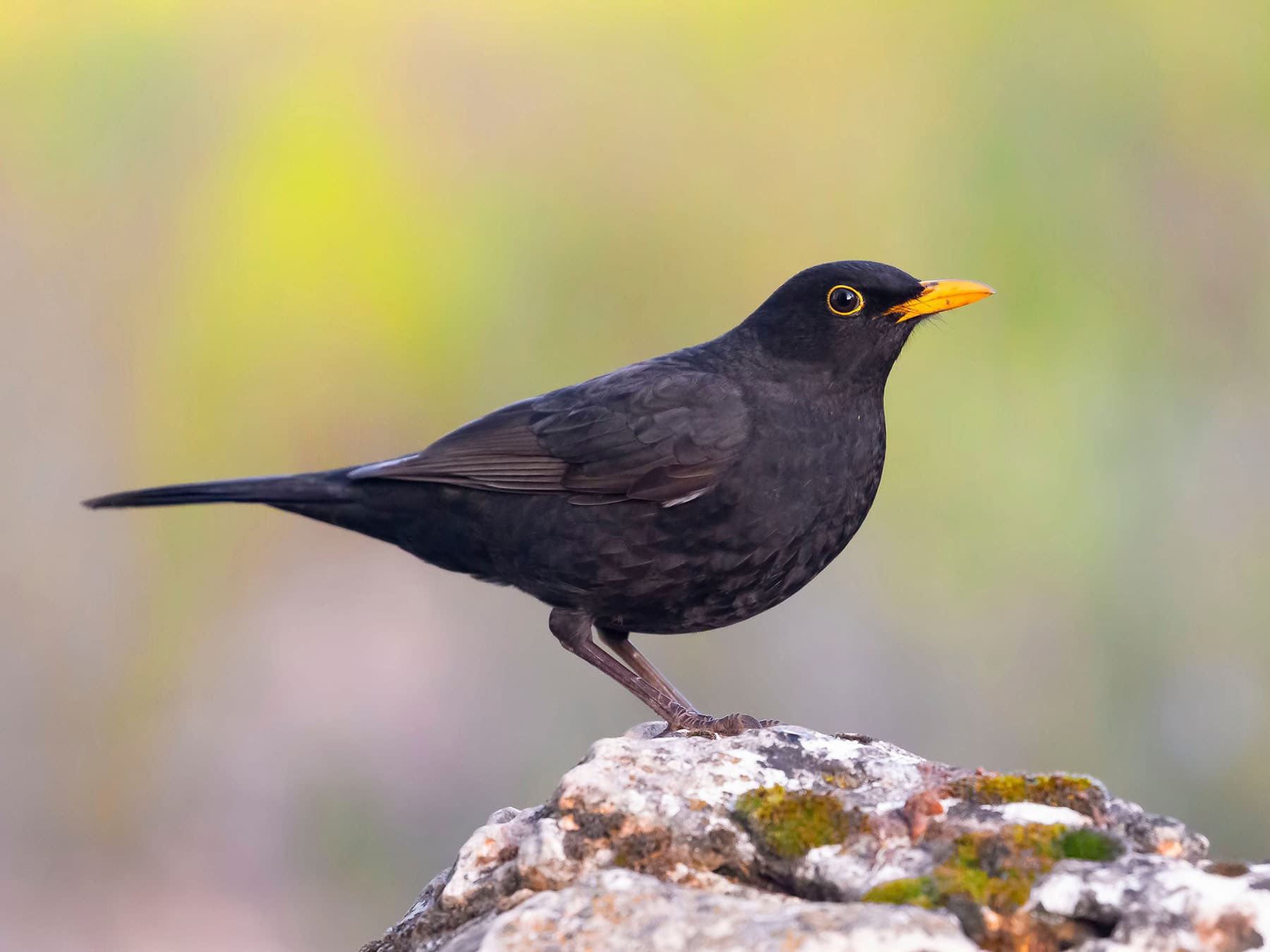 BlackbirdTurdus merulaResidentCommon24–25 cmRecorded all year · 3.36% in Feb
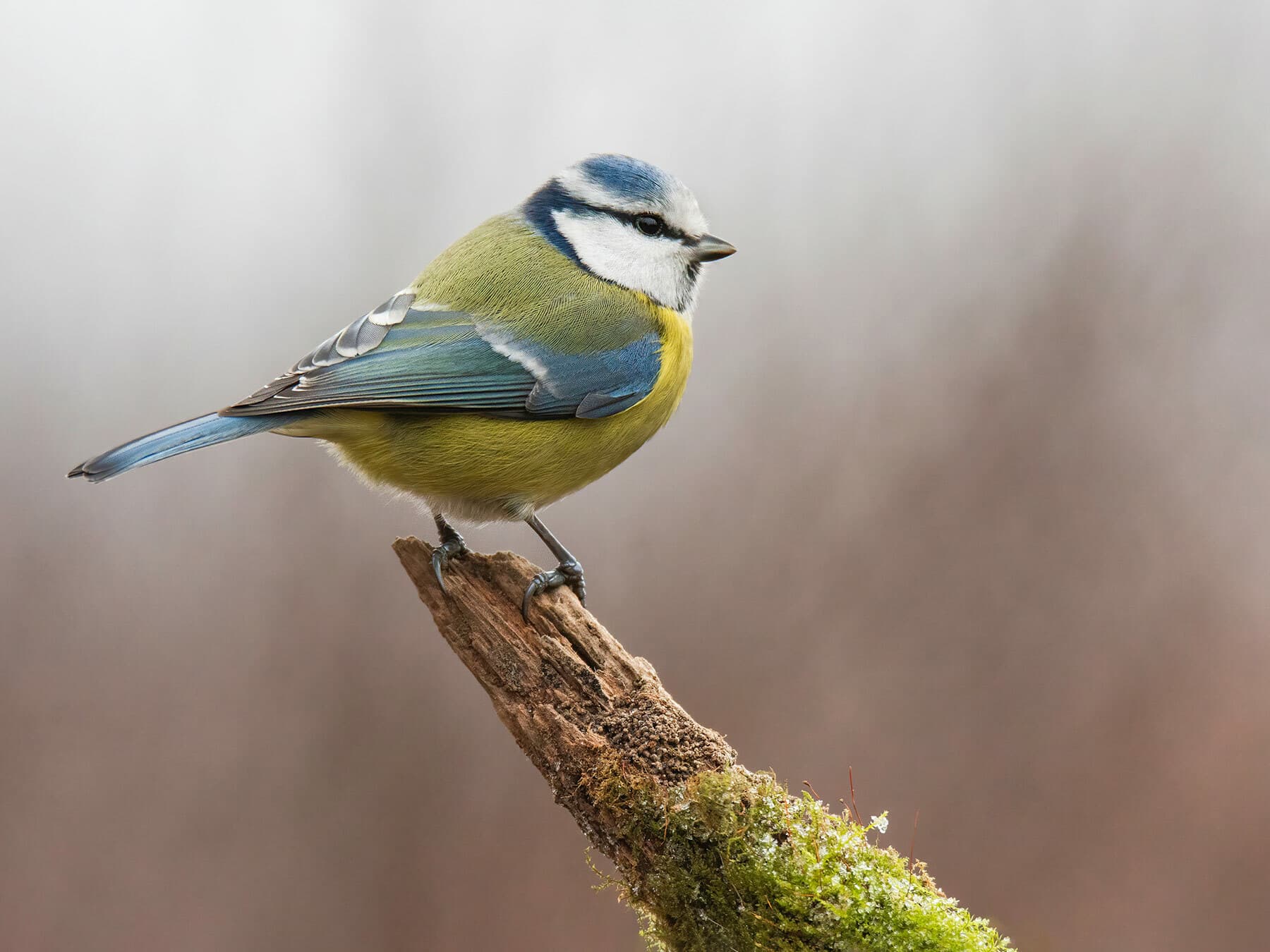 Blue TitCyanistes caeruleusResidentCommon11–12 cmRecorded all year · 3.36% in Feb
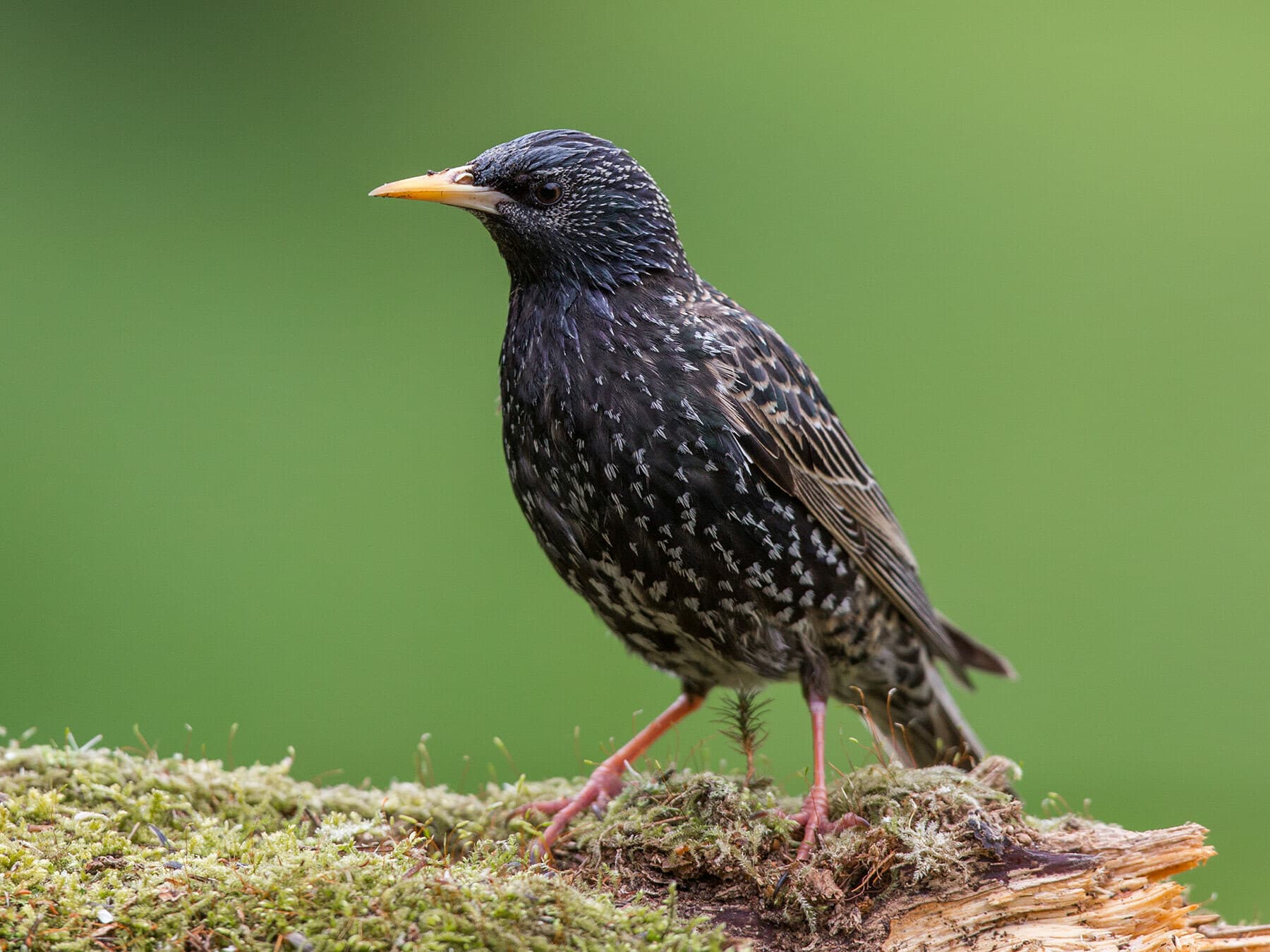 Common StarlingSturnus vulgarisResidentCommon21–23 cmRecorded all year · 3.19% in Feb
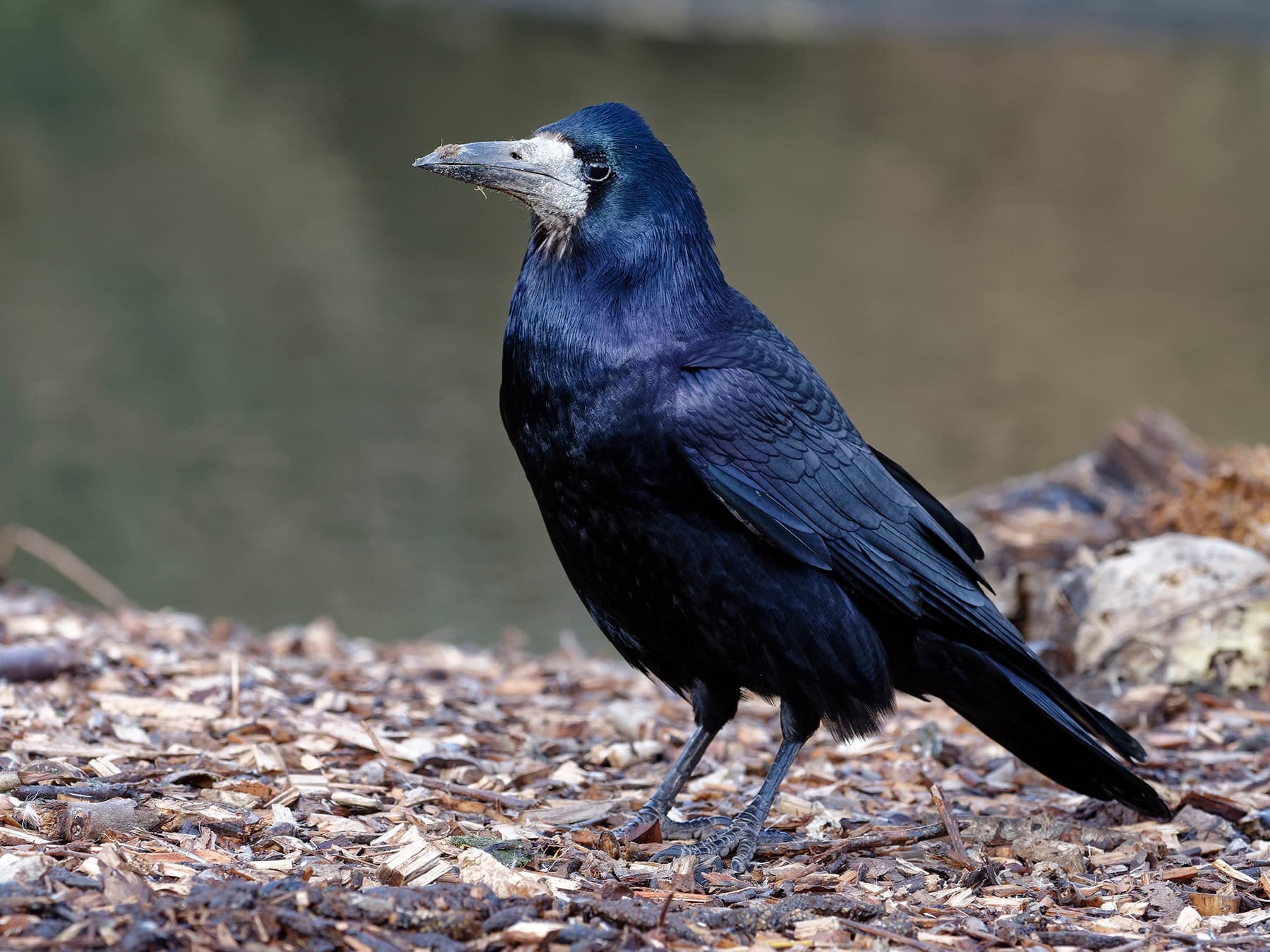 RookCorvus frugilegusResidentCommon45–47 cmRecorded all year · 3.19% in Feb
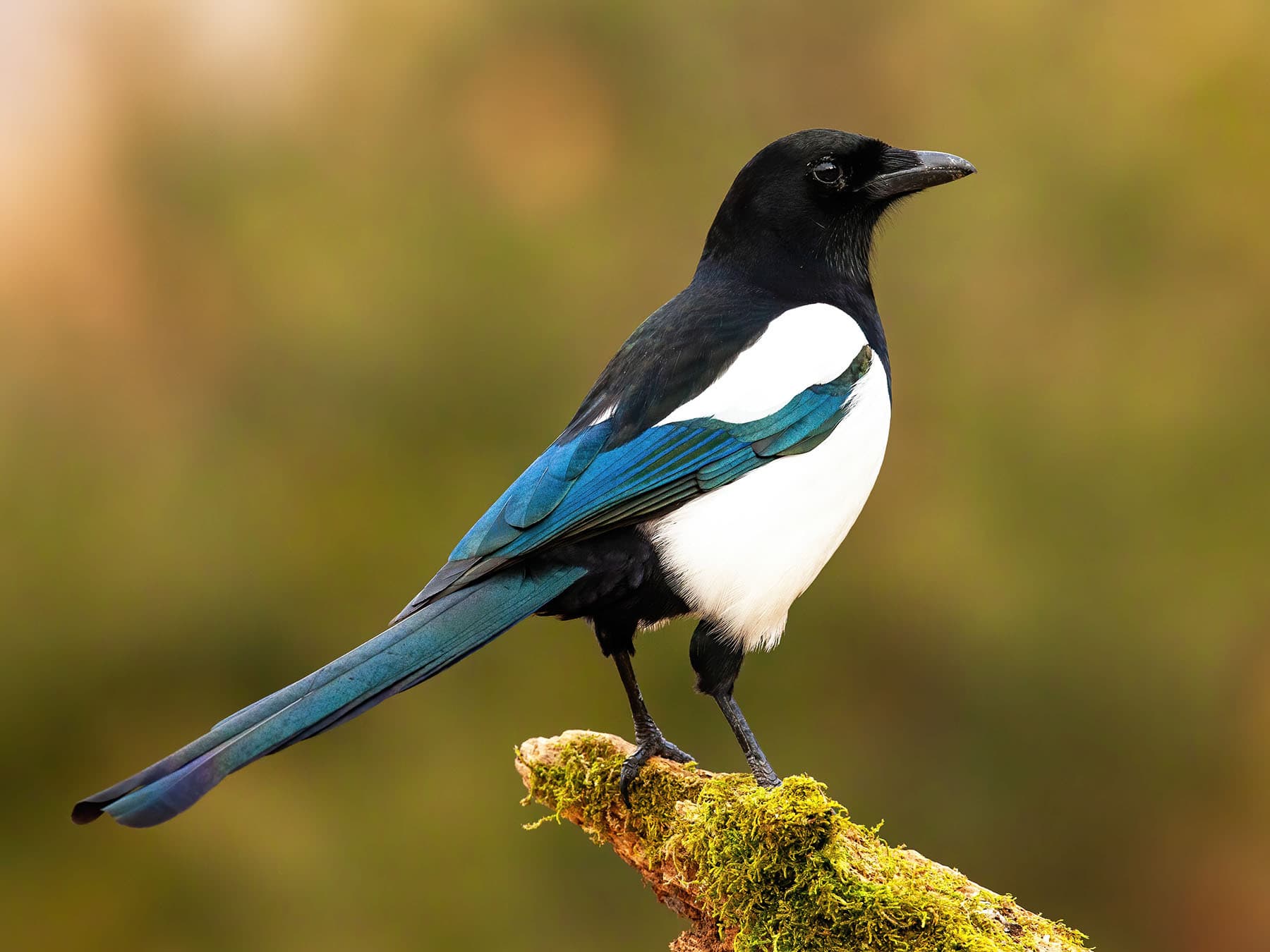 MagpiePica picaSummer visitorCommon44–46 cmRegularly Jan–Nov · 3.02% in Feb
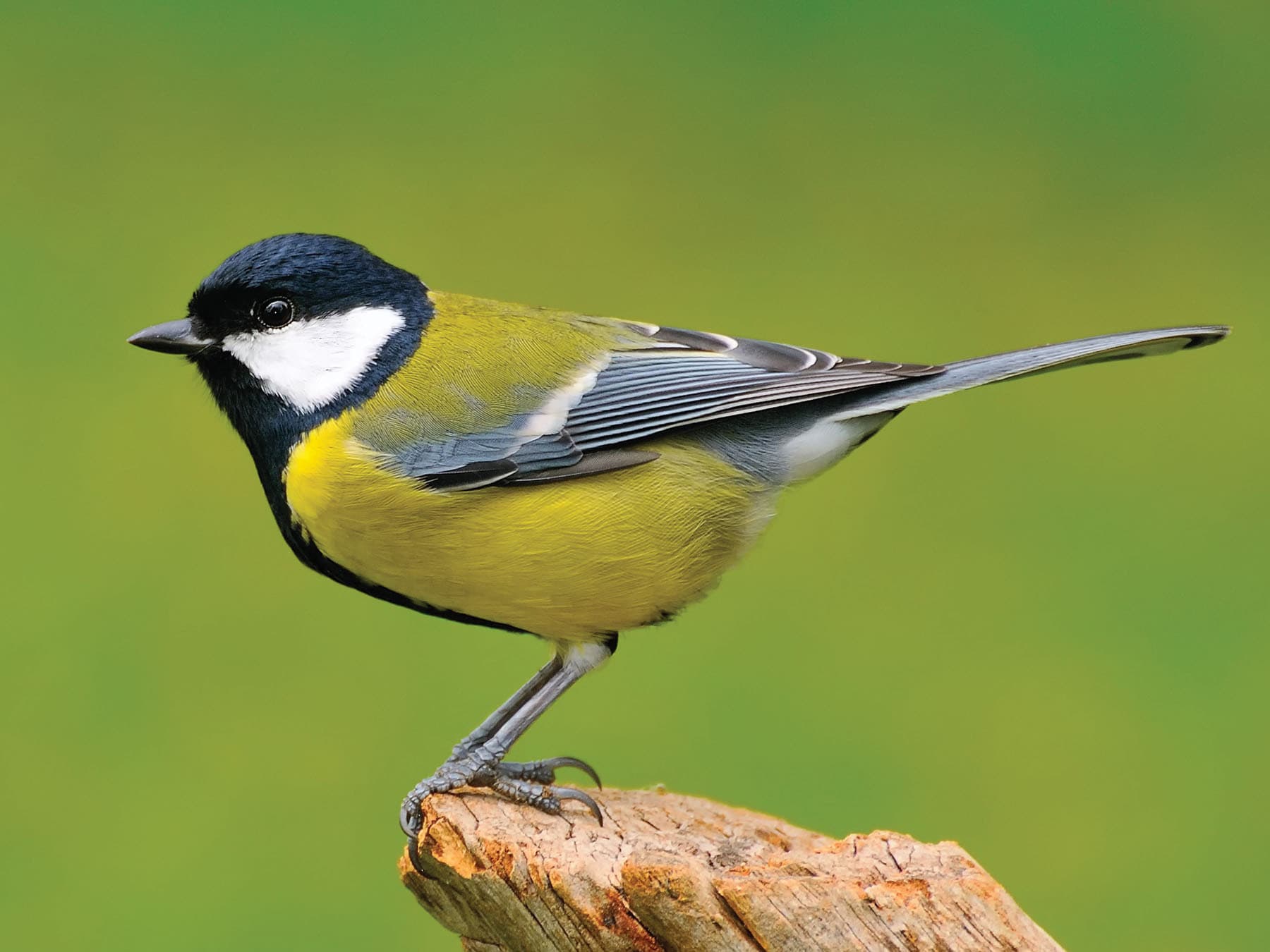 Great TitParus majorResidentCommonRegularly Jul–May · 2.52% in Feb
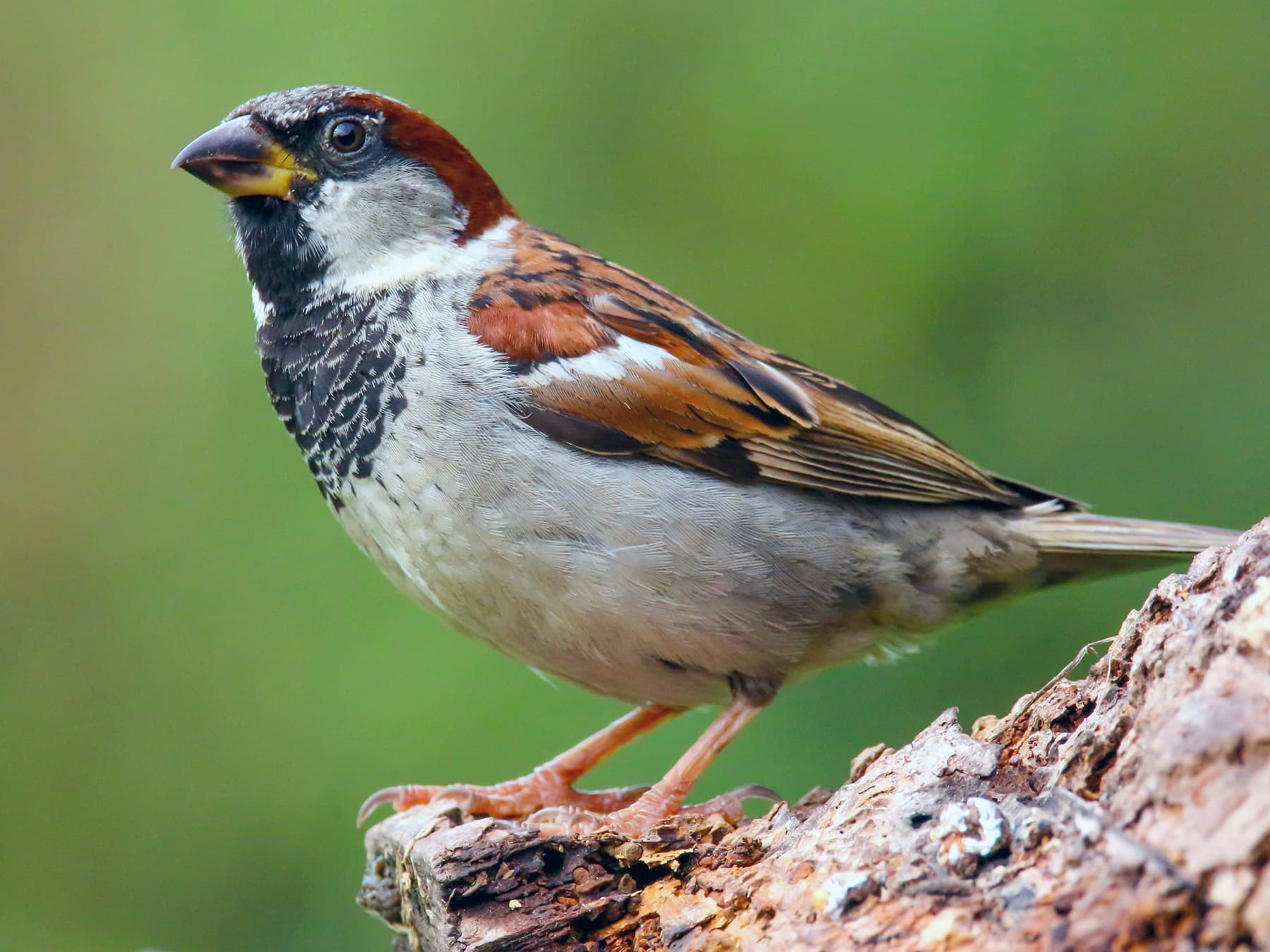 House SparrowPasser domesticusSummer visitorCommon14–17 cmRegularly Nov–Sep · 2.35% in Feb
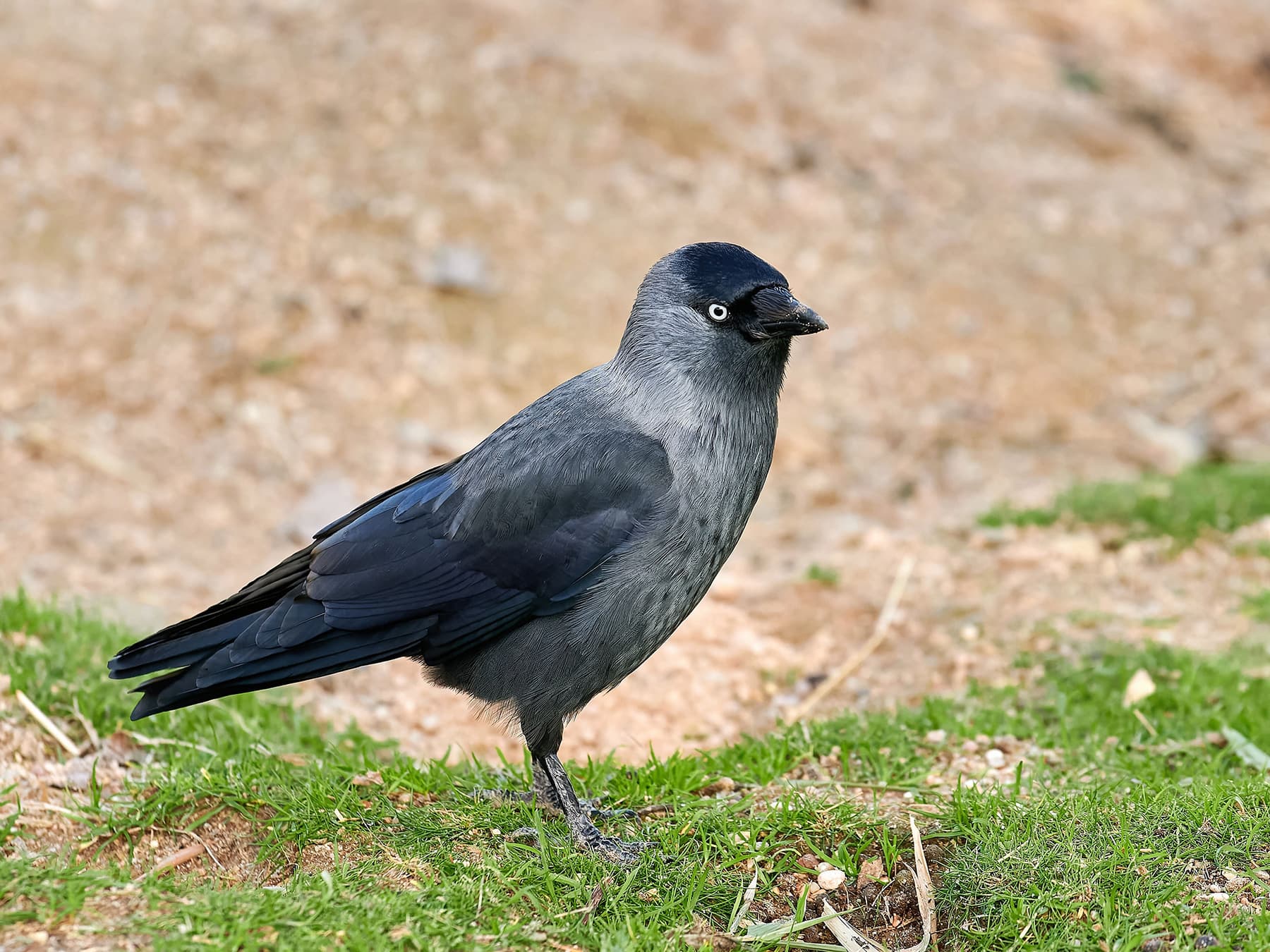 JackdawColoeus monedulaResidentCommon34–39 cmRecorded all year · 2.35% in Feb
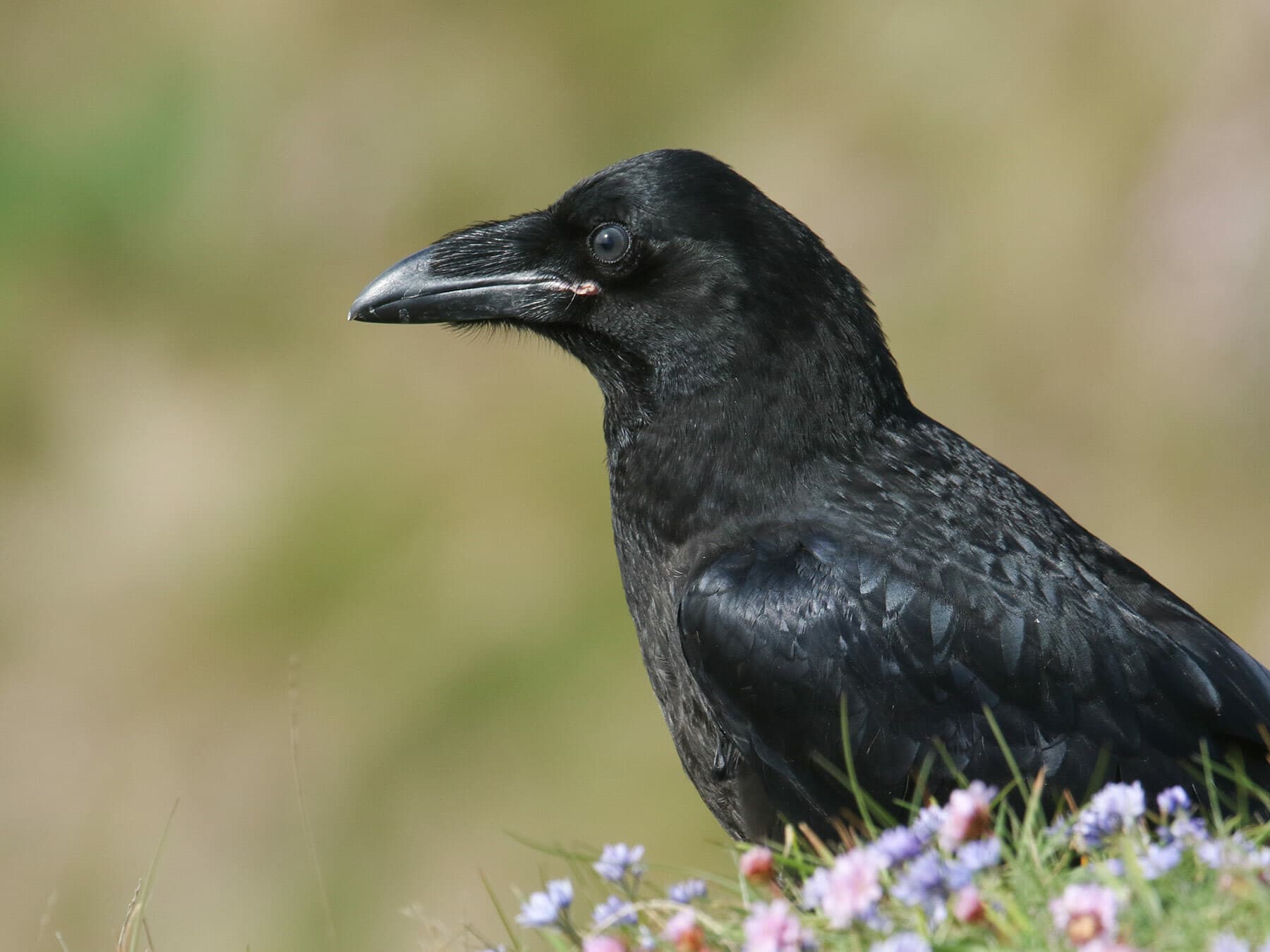 Common RavenCorvus coraxResidentCommon54–67 cmRegularly Feb–Nov · 2.18% in Feb
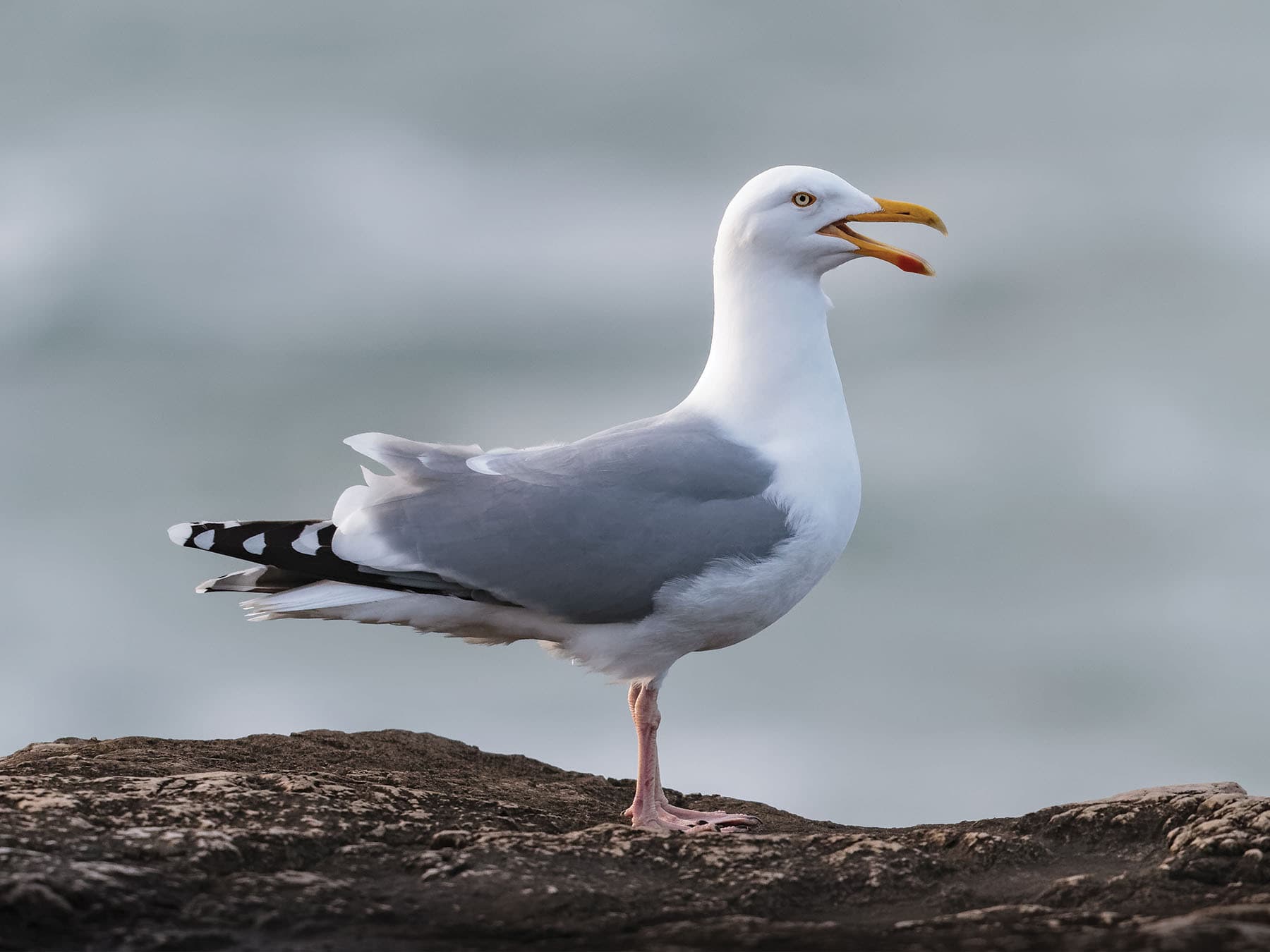 European Herring GullLarus argentatusResidentCommon55–67 cmRecorded all year · 2.18% in Feb
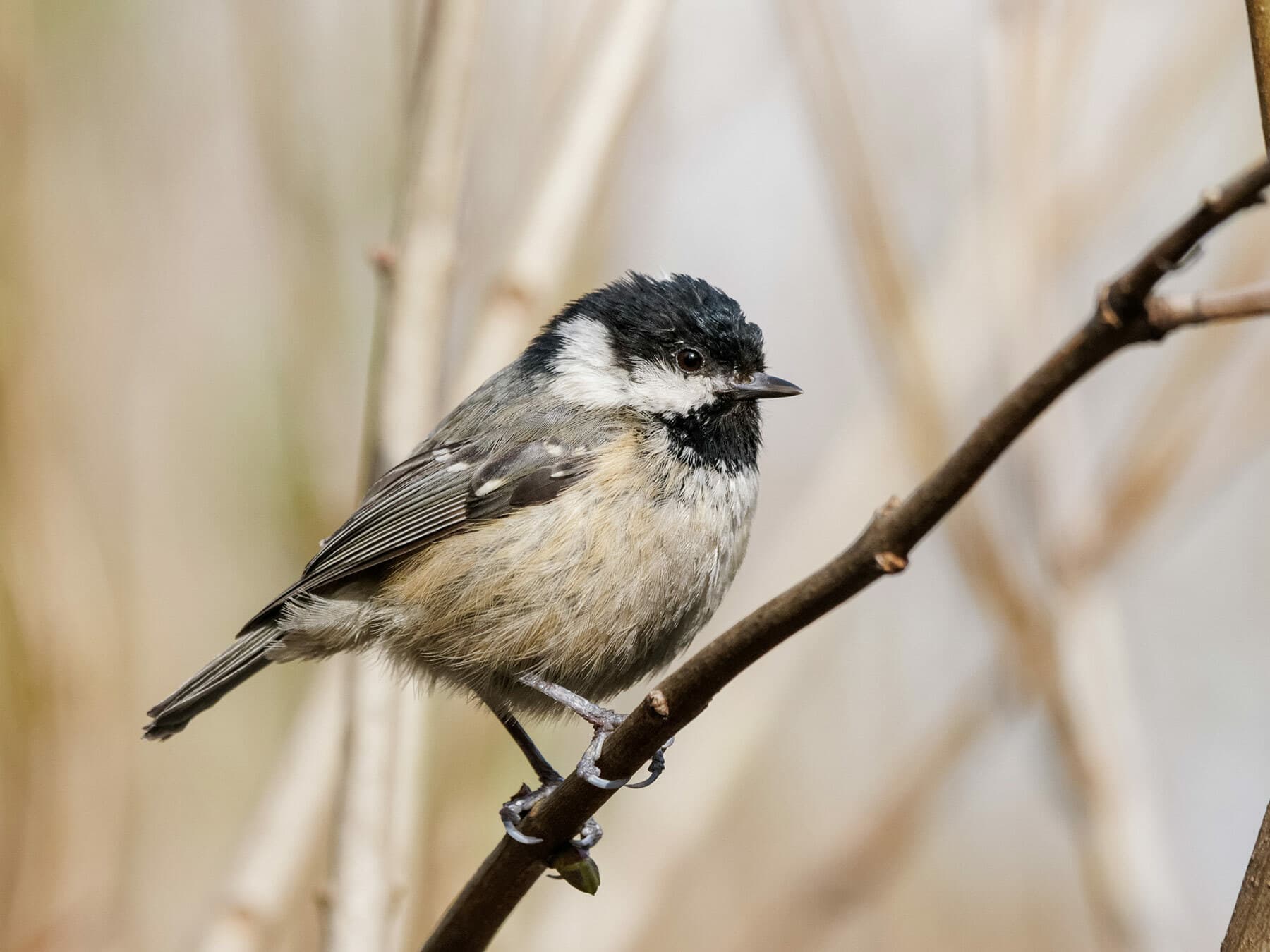 Coal TitPeriparus aterResidentCommon10–12 cmRegularly Jan–Oct · 2.01% in Feb
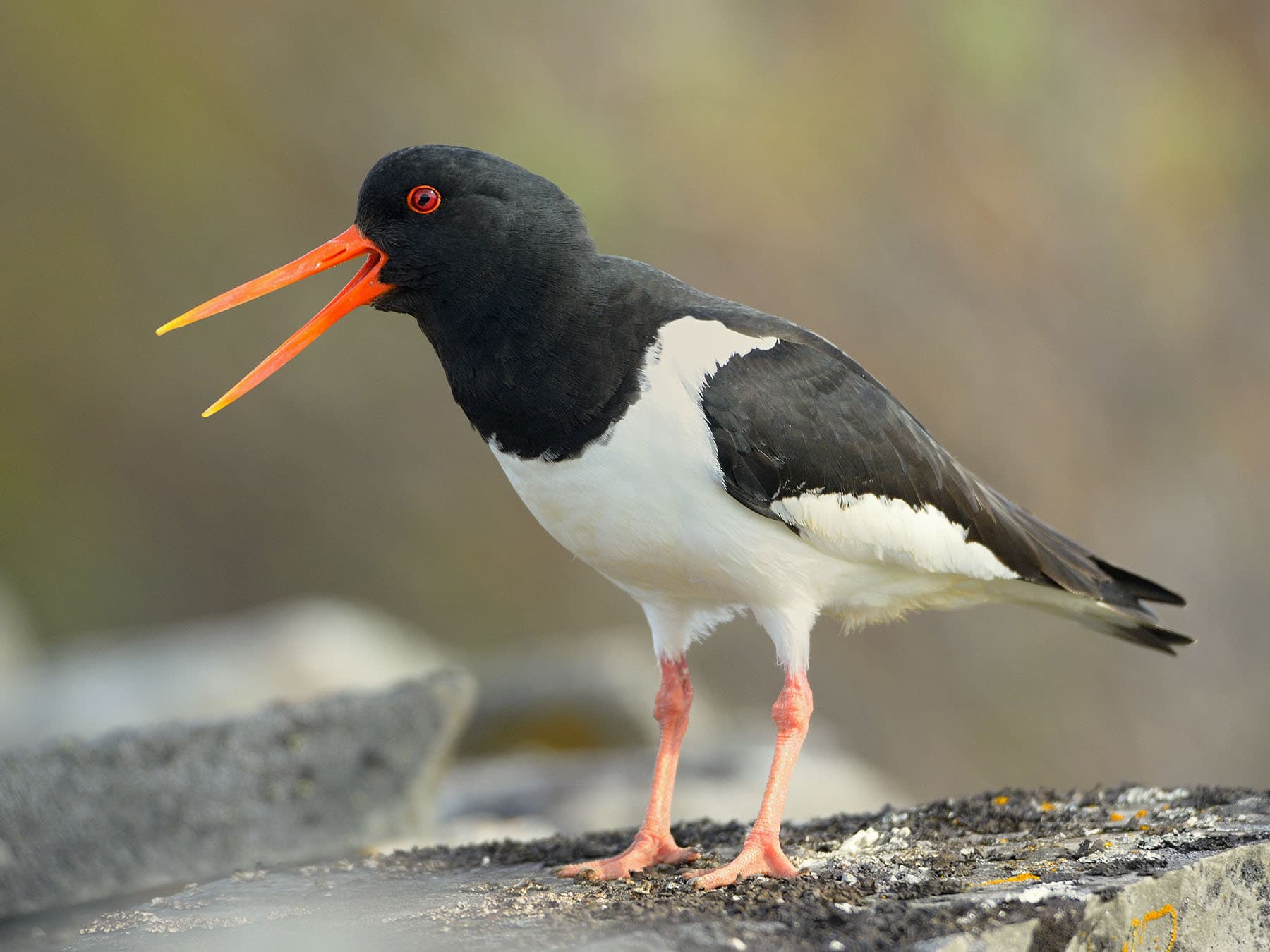 Eurasian OystercatcherHaematopus ostralegusWinter visitorCommon40–45 cmRegularly Jul–Mar · 2.01% in Feb
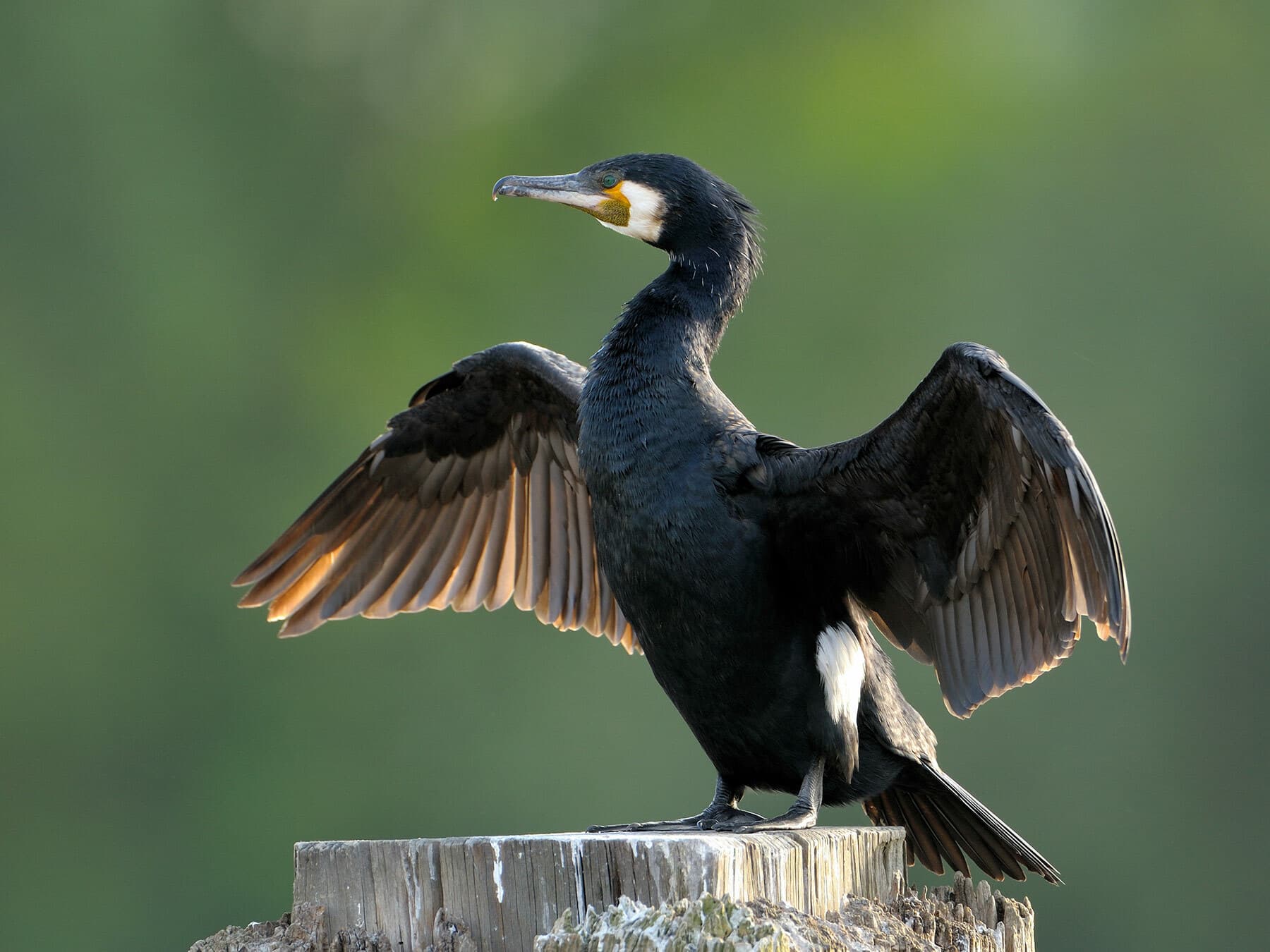 Great CormorantPhalacrocorax carboResidentCommon80–100 cmRegularly Jul–Feb · 2.01% in Feb
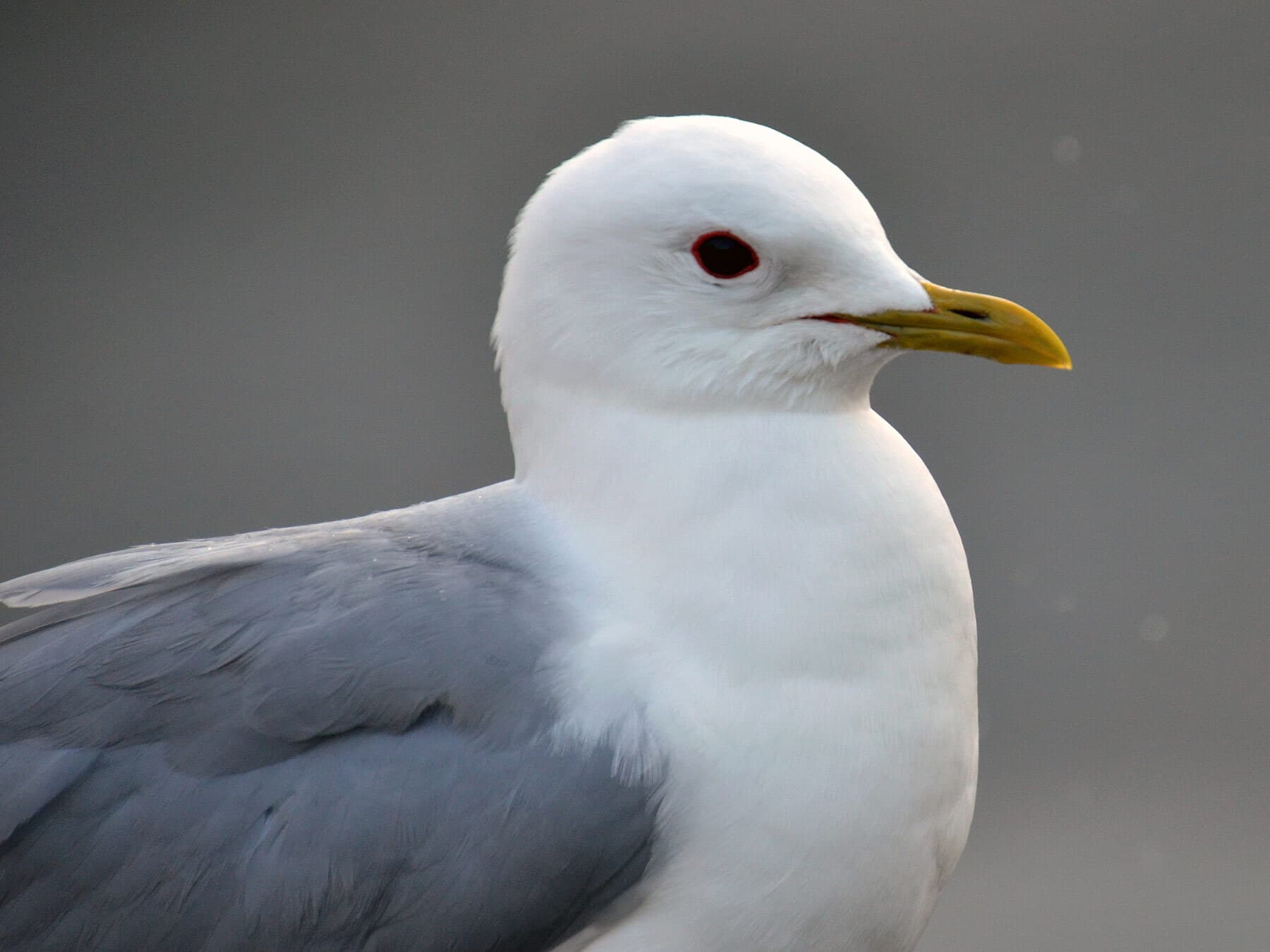 Common GullLarus canusResidentCommon40–46 cmRegularly Jul–Apr · 1.85% in Feb
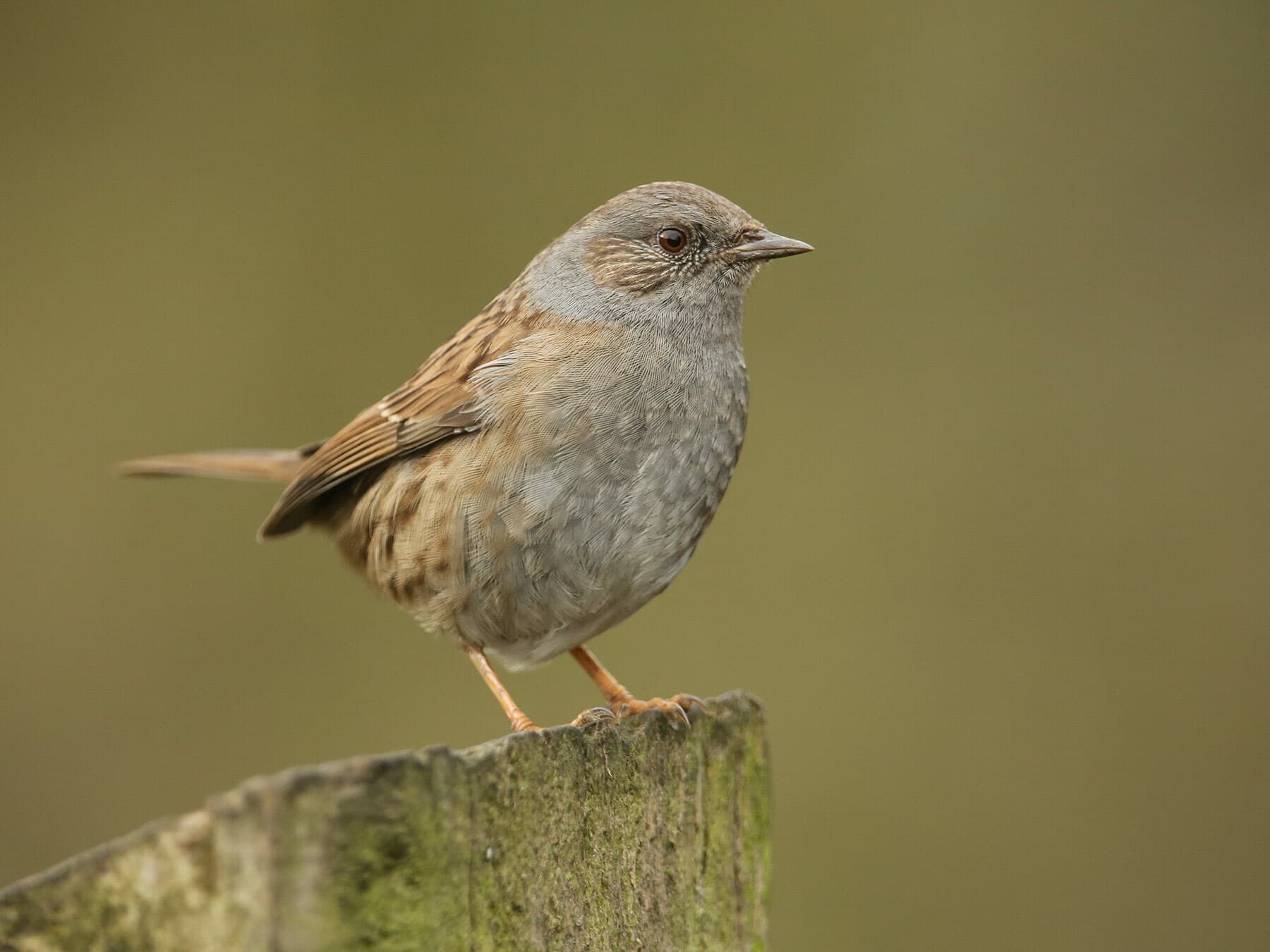 DunnockPrunella modularisSummer visitorCommon14–15 cmRegularly Feb–Dec · 1.85% in Feb
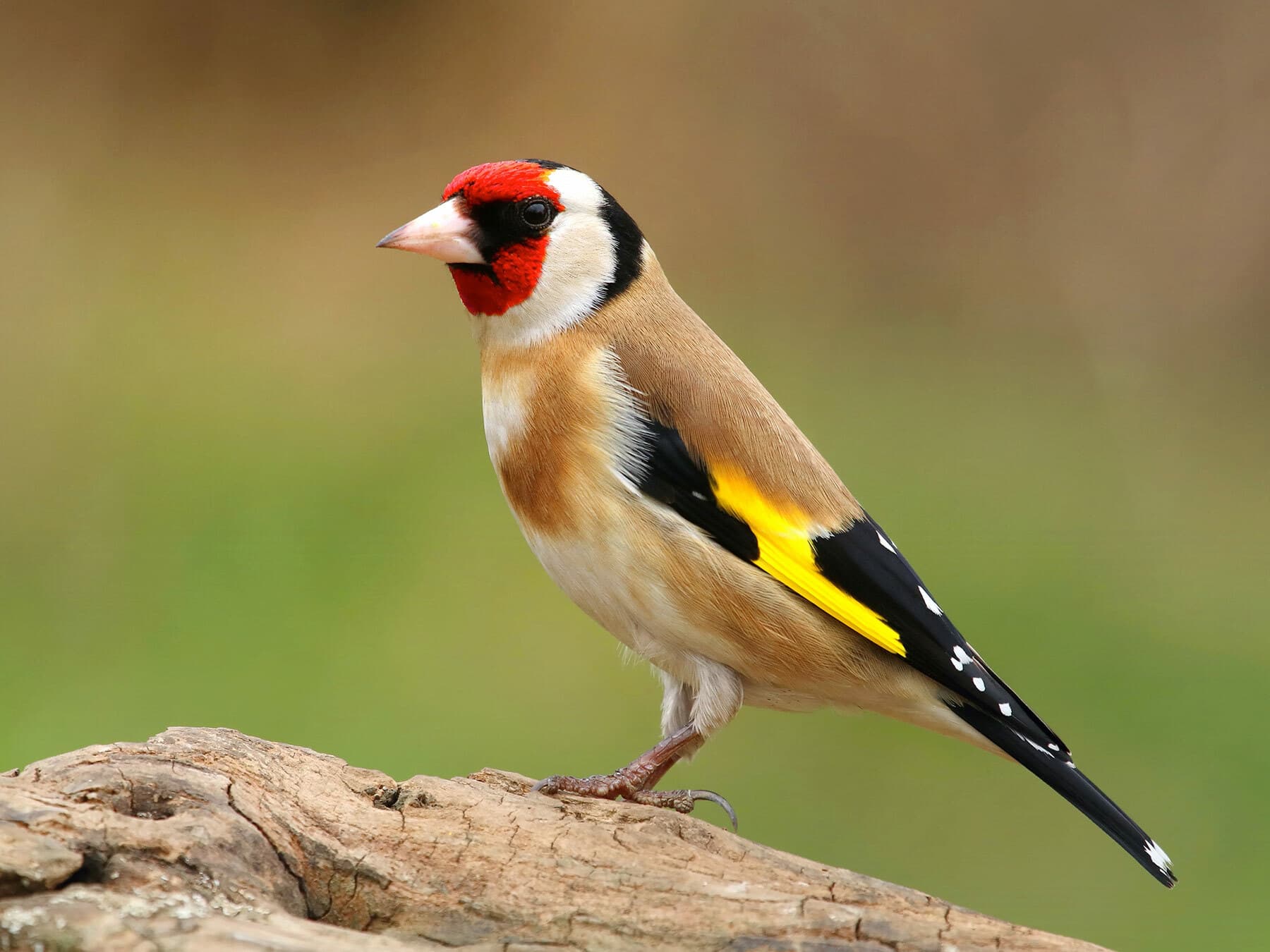 European GoldfinchCarduelis carduelisSummer visitorCommon12–13 cmRegularly Jan–Nov · 1.85% in Feb
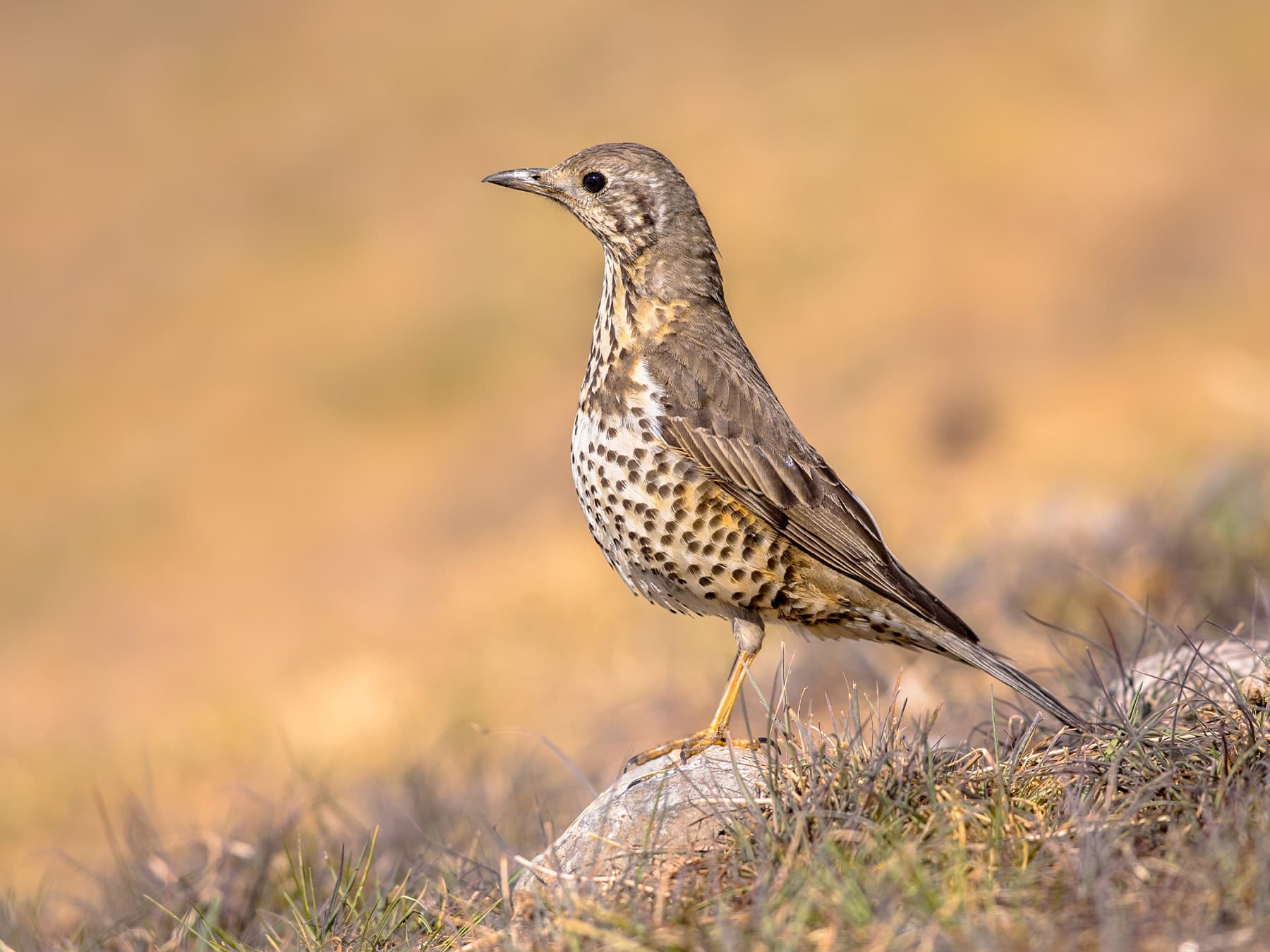 Mistle ThrushTurdus viscivorusSummer visitorCommon26–29 cmRegularly Nov–Jul · 1.85% in Feb
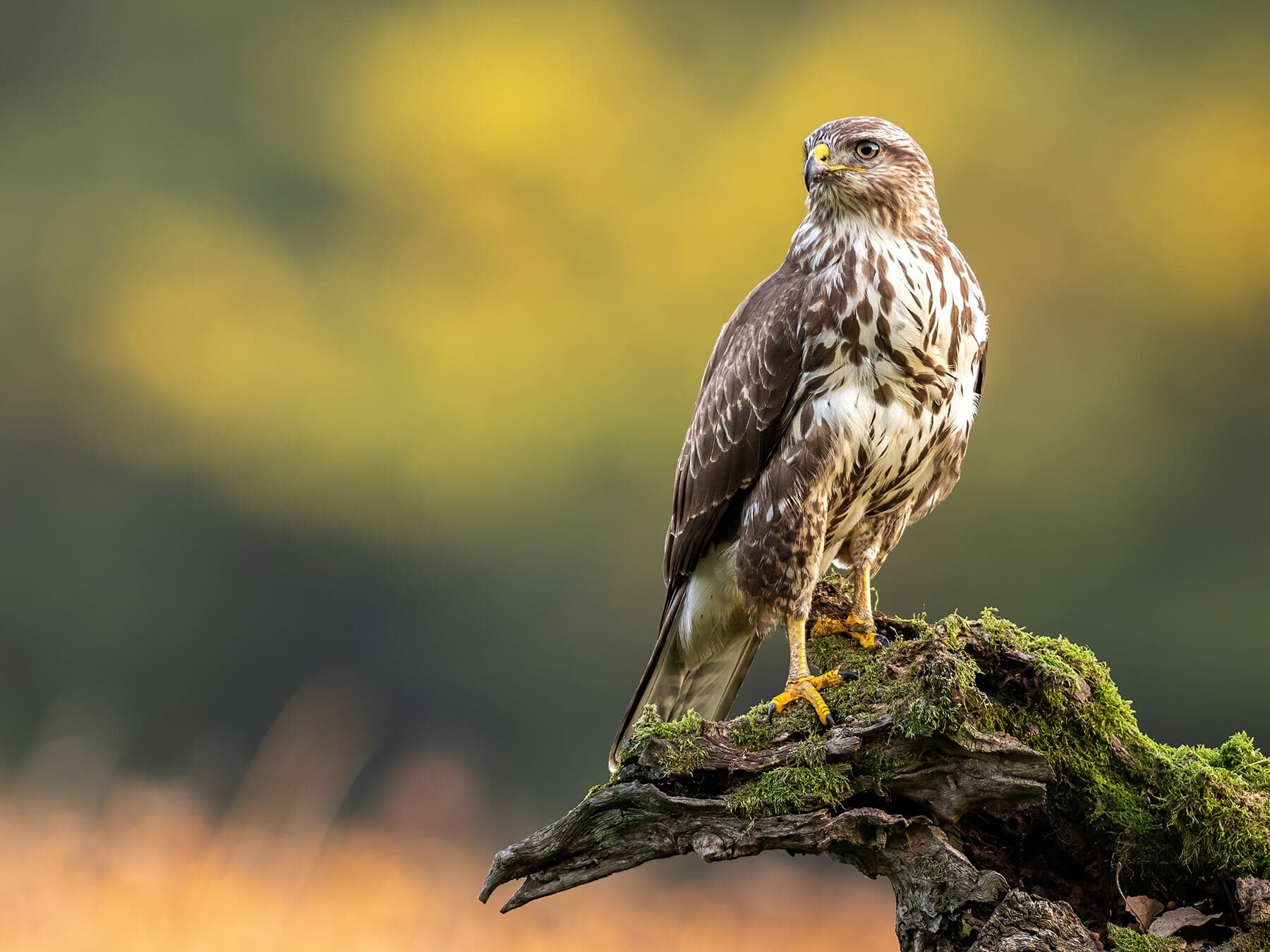 BuzzardButeo buteoResidentCommon51–57 cmRecorded all year · 1.68% in Feb
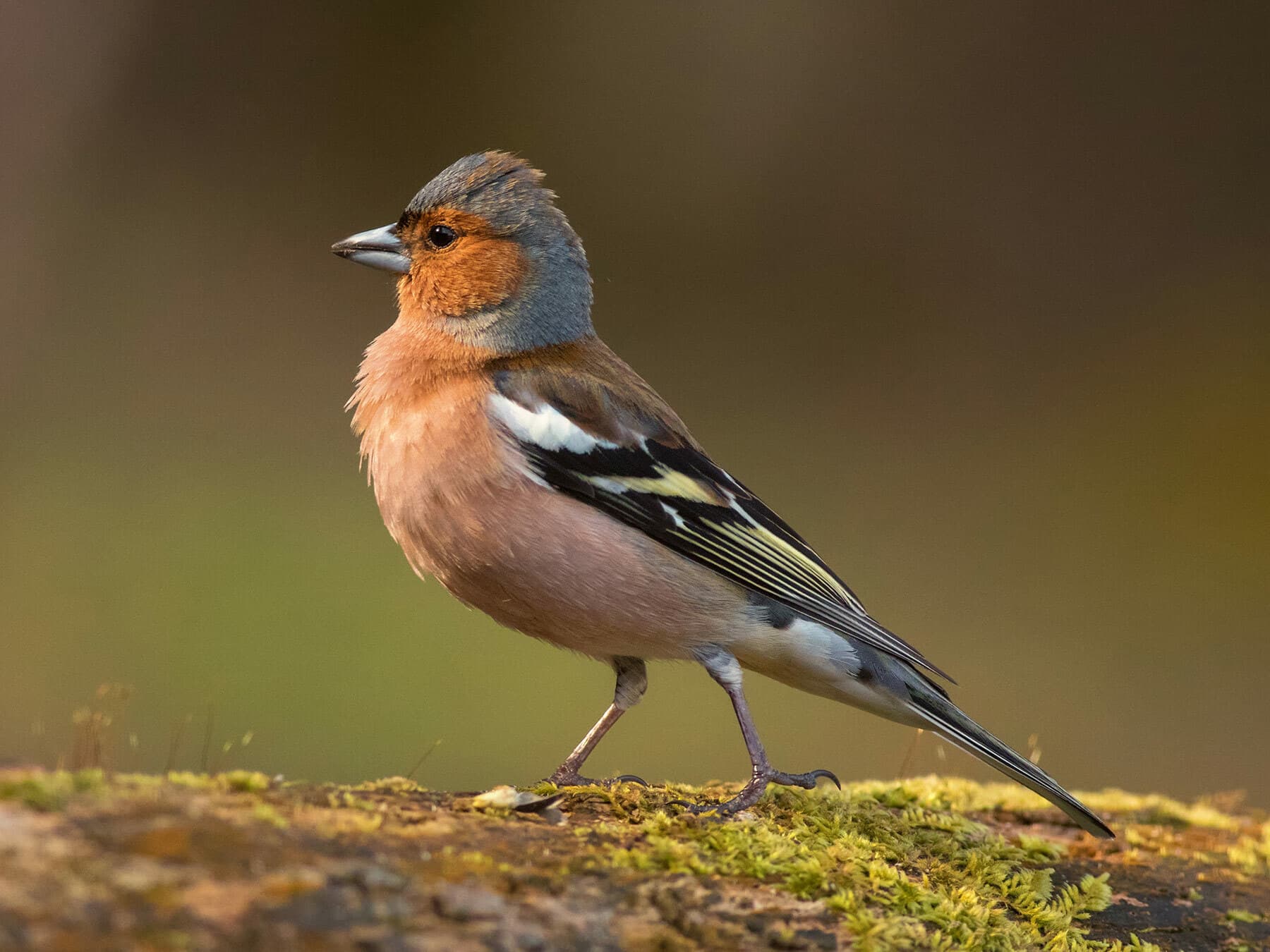 ChaffinchFringilla coelebsSummer visitorCommon14–16 cmRegularly Jan–Nov · 1.68% in Feb
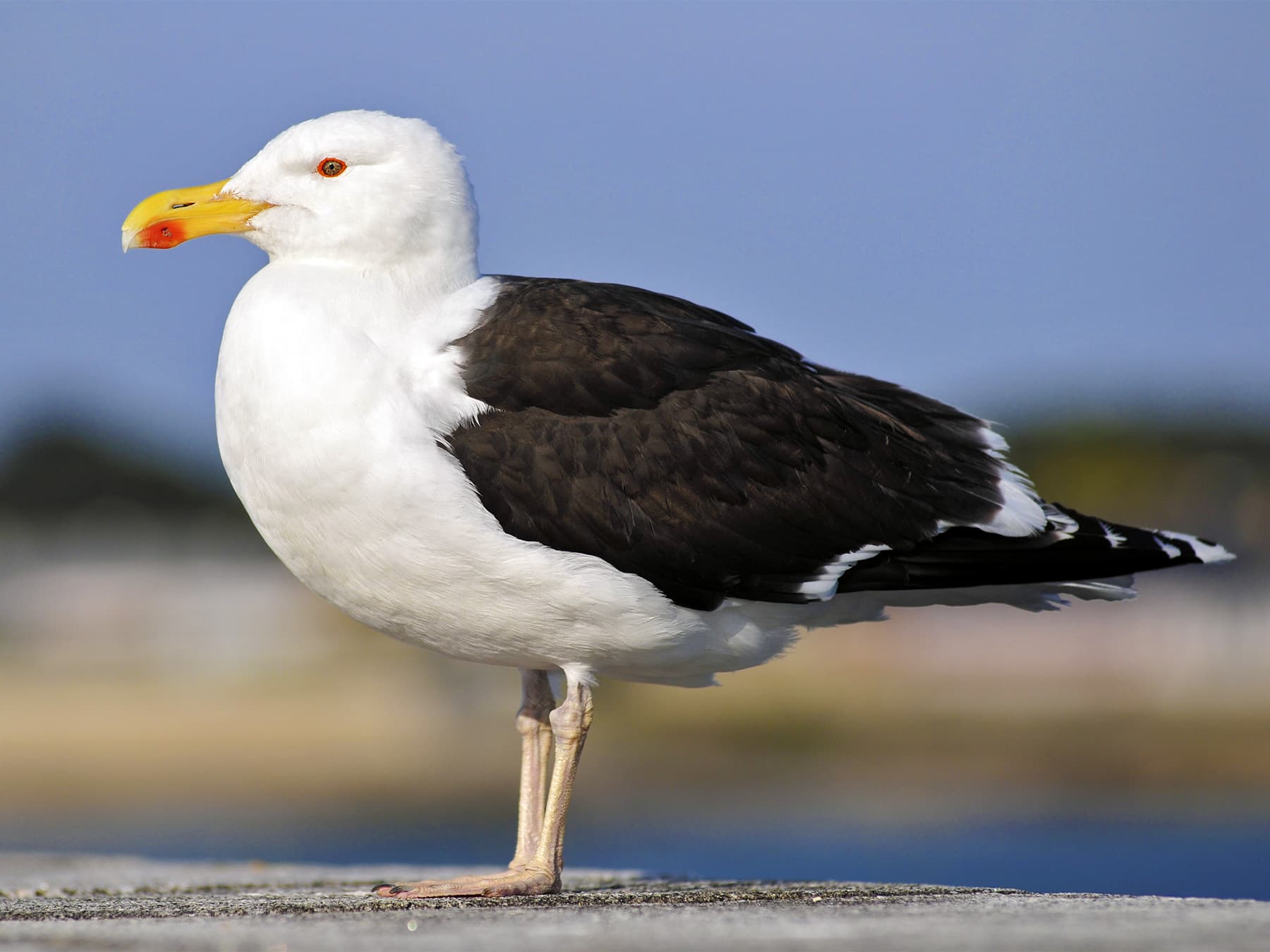 Great Black-backed GullLarus marinusResidentCommon64–79 cmRegularly Jul–Mar · 1.68% in Feb
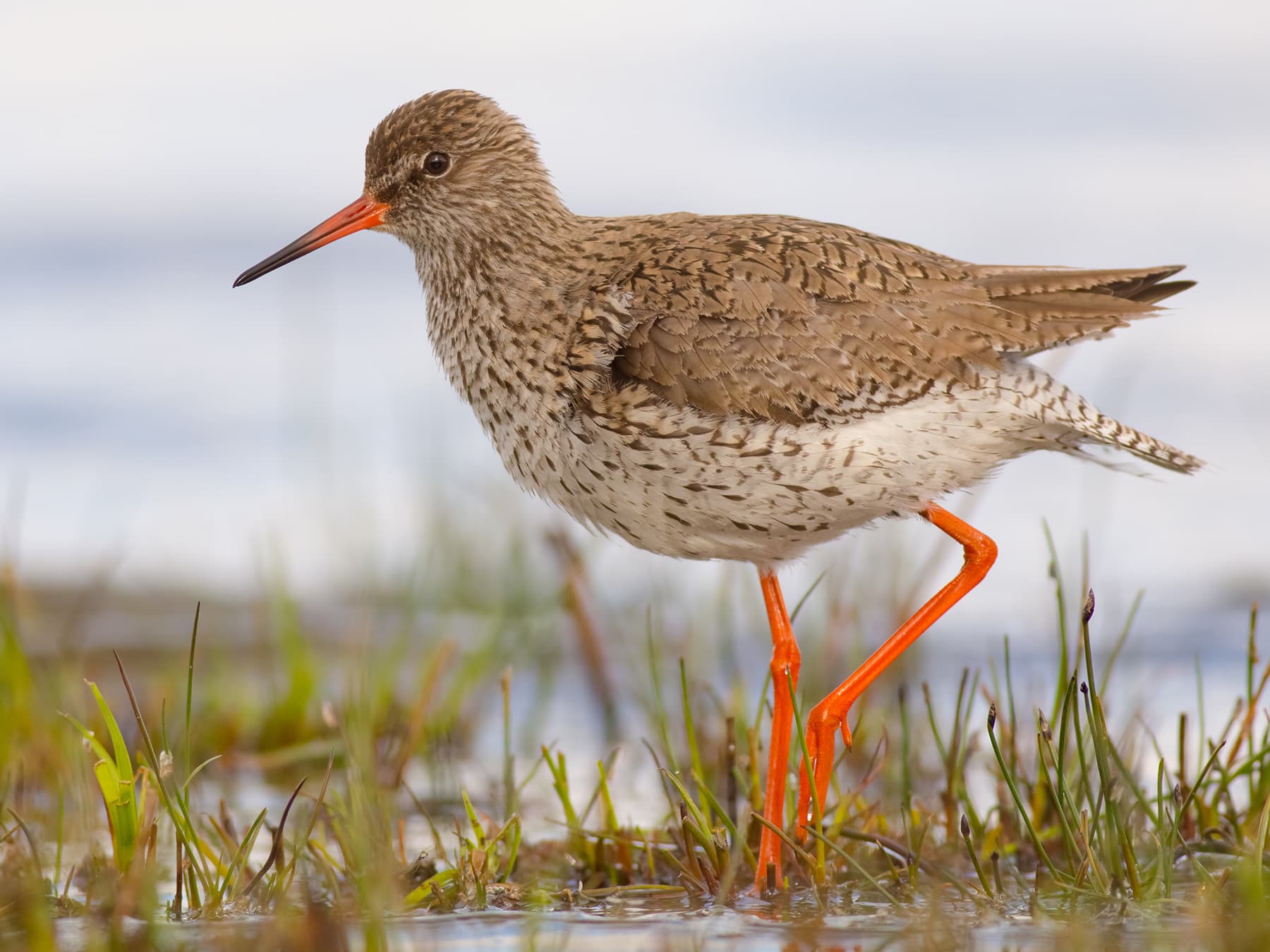 RedshankTringa totanusWinter visitorCommon27–29 cmRegularly Aug–Mar · 1.68% in Feb
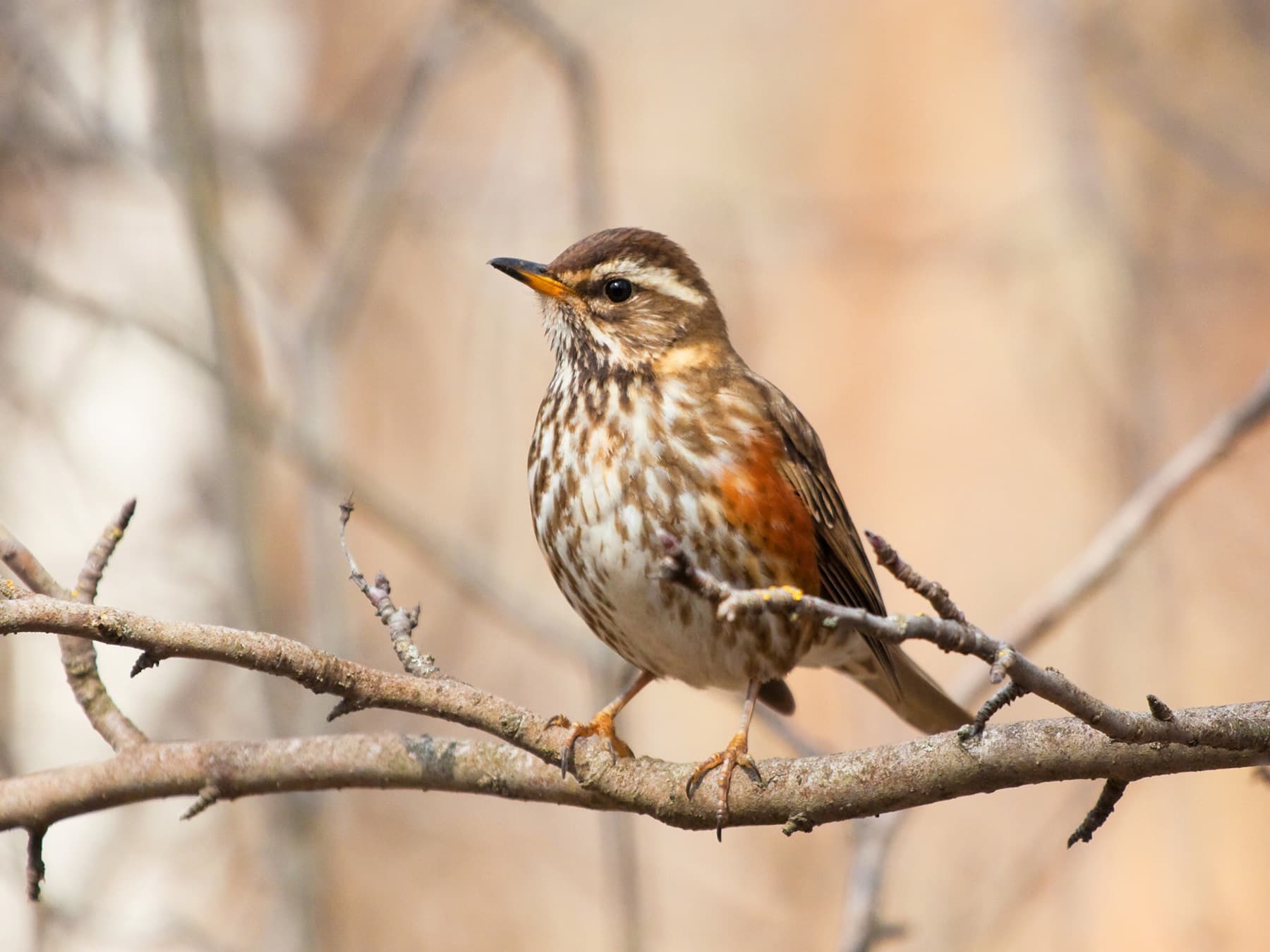 RedwingTurdus iliacusPassage migrantCommon20–24 cmRegularly Jan–Feb · 1.68% in Feb
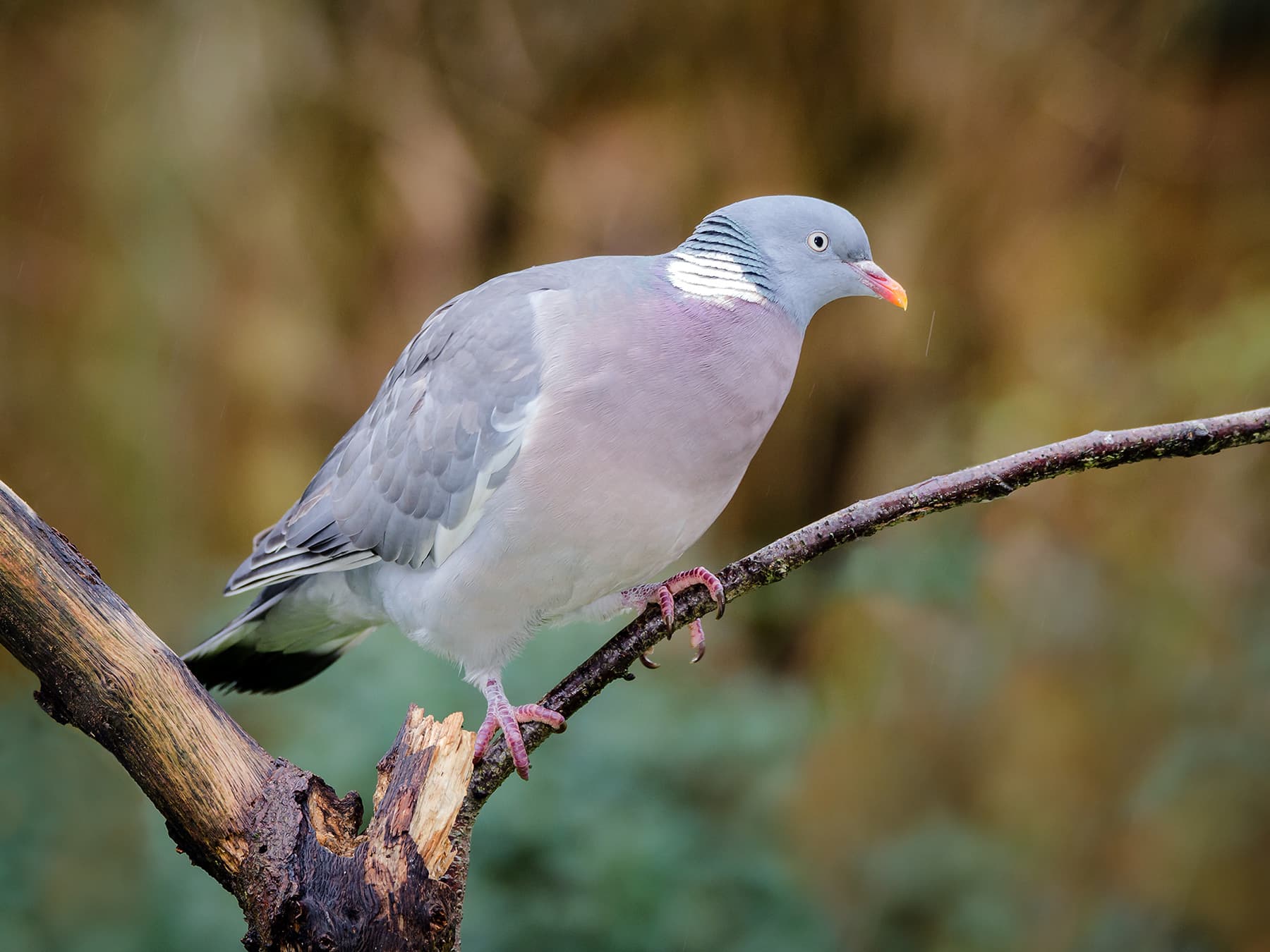 WoodpigeonColumba palumbusResidentCommon40–42 cmRecorded all year · 1.68% in Feb
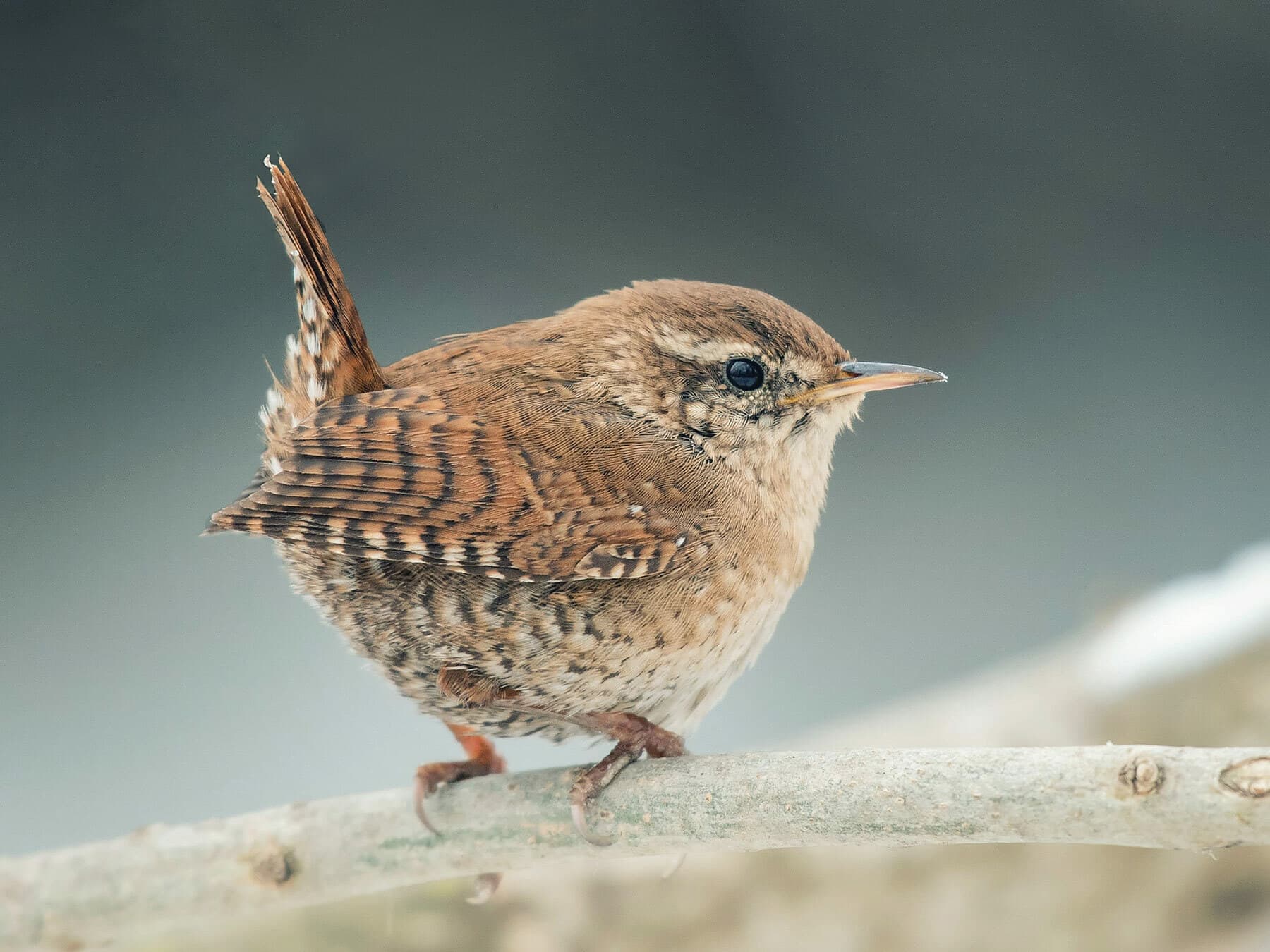 Eurasian WrenTroglodytes troglodytesSummer visitorCommon9–10 cmRegularly Feb–Dec · 1.51% in Feb
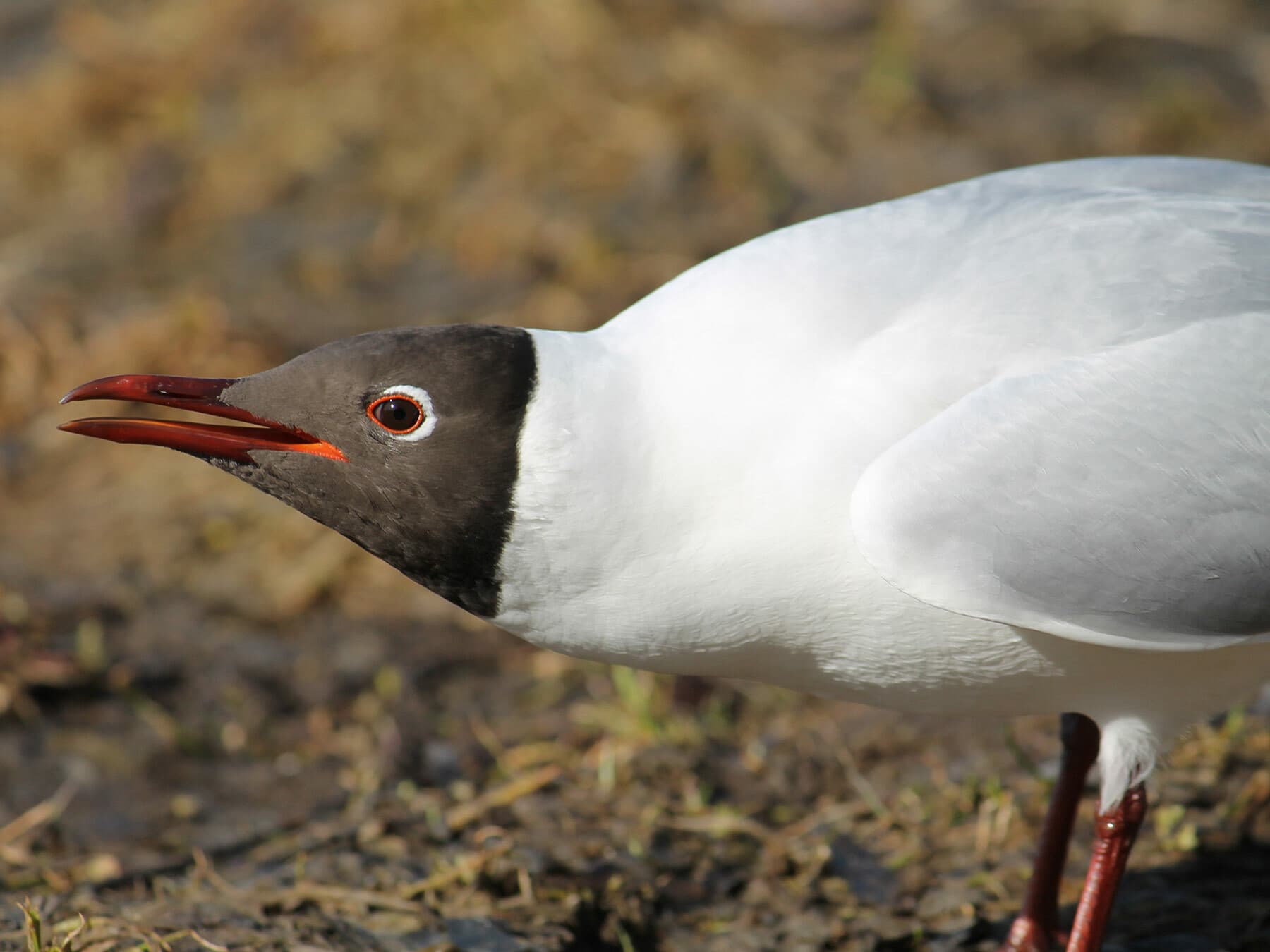 Black-headed GullChroicocephalus ridibundusWinter visitorCommon38–44 cmRegularly Jul–Mar · 1.34% in Feb
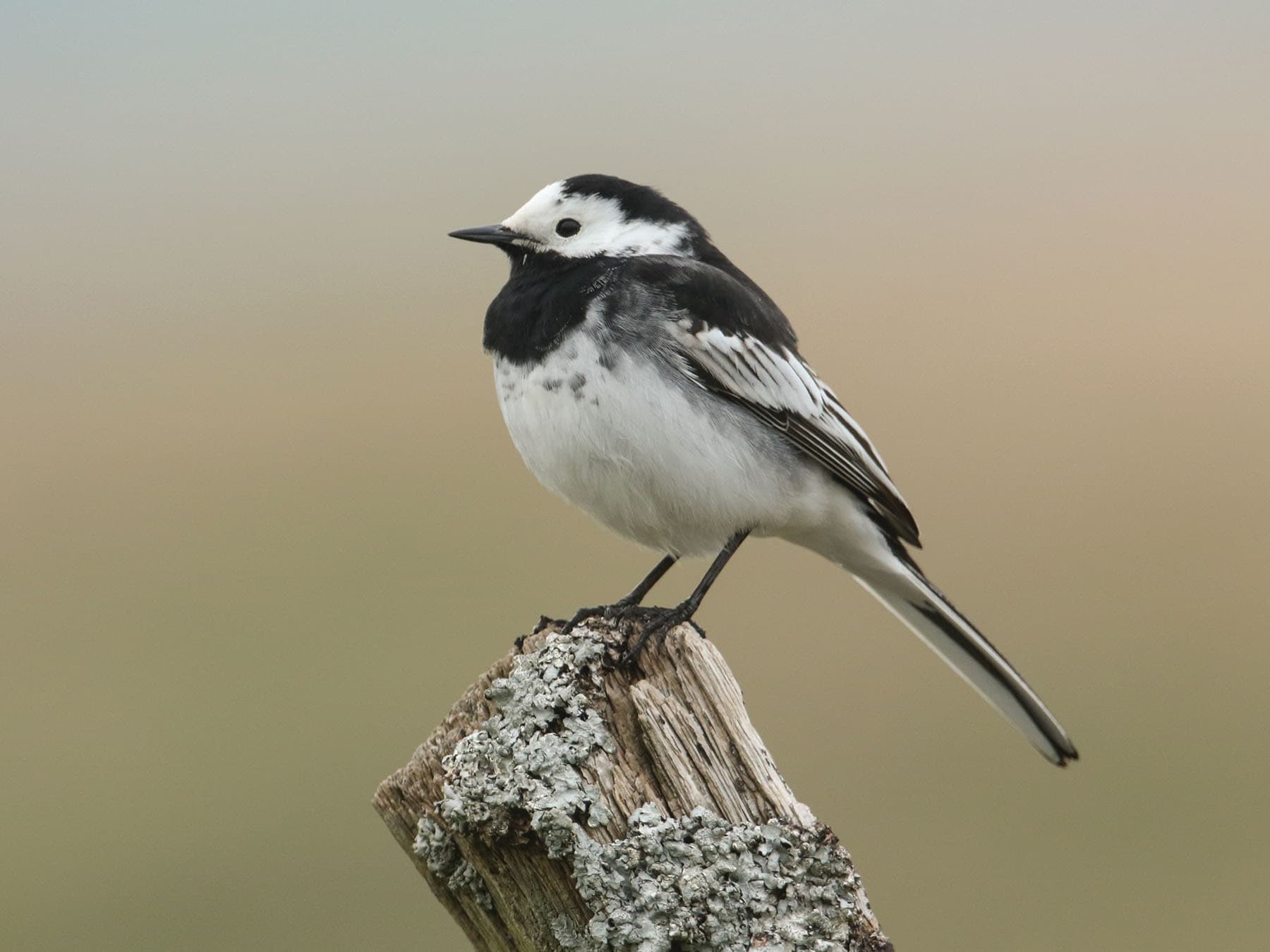 Pied WagtailMotacilla albaSummer visitorCommon17–19 cmRegularly Jan–Nov · 1.34% in Feb
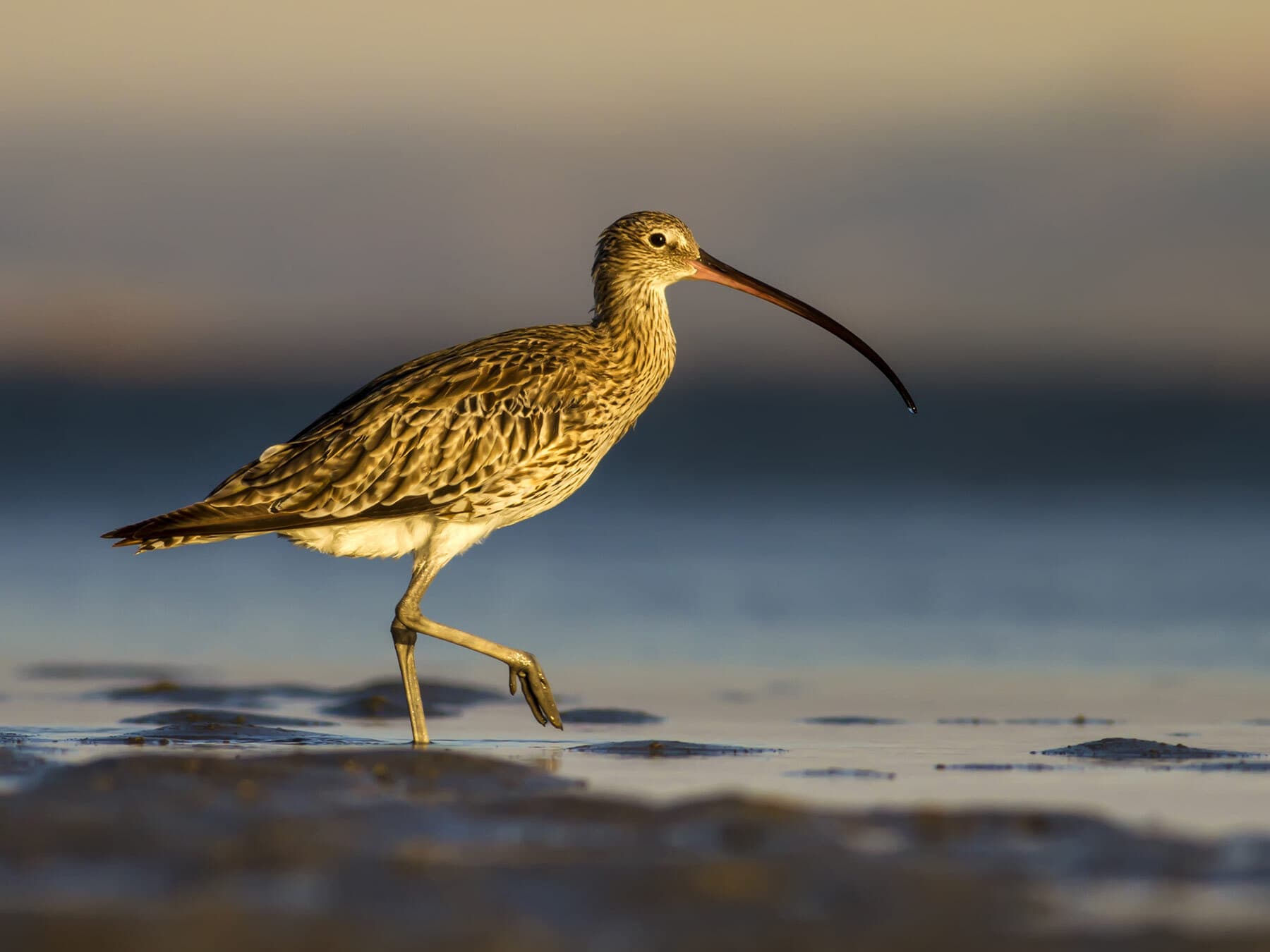 CurlewNumenius arquataWinter visitorCommon50–60 cmRegularly Aug–Feb · 1.17% in Feb
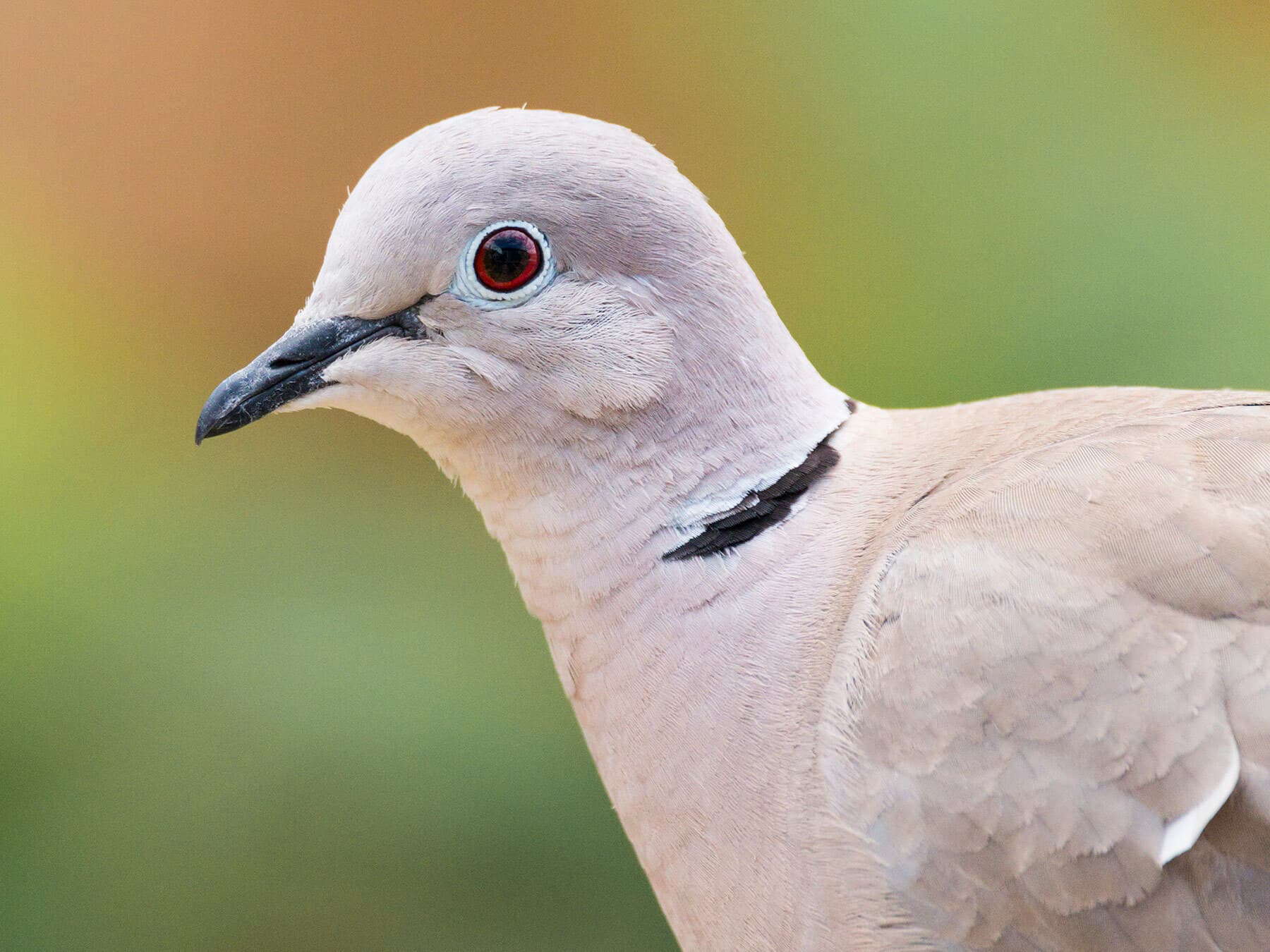 Eurasian Collared DoveStreptopelia decaoctoSummer visitorCommon30–32 cmRegularly Feb–Sep · 1.17% in Feb
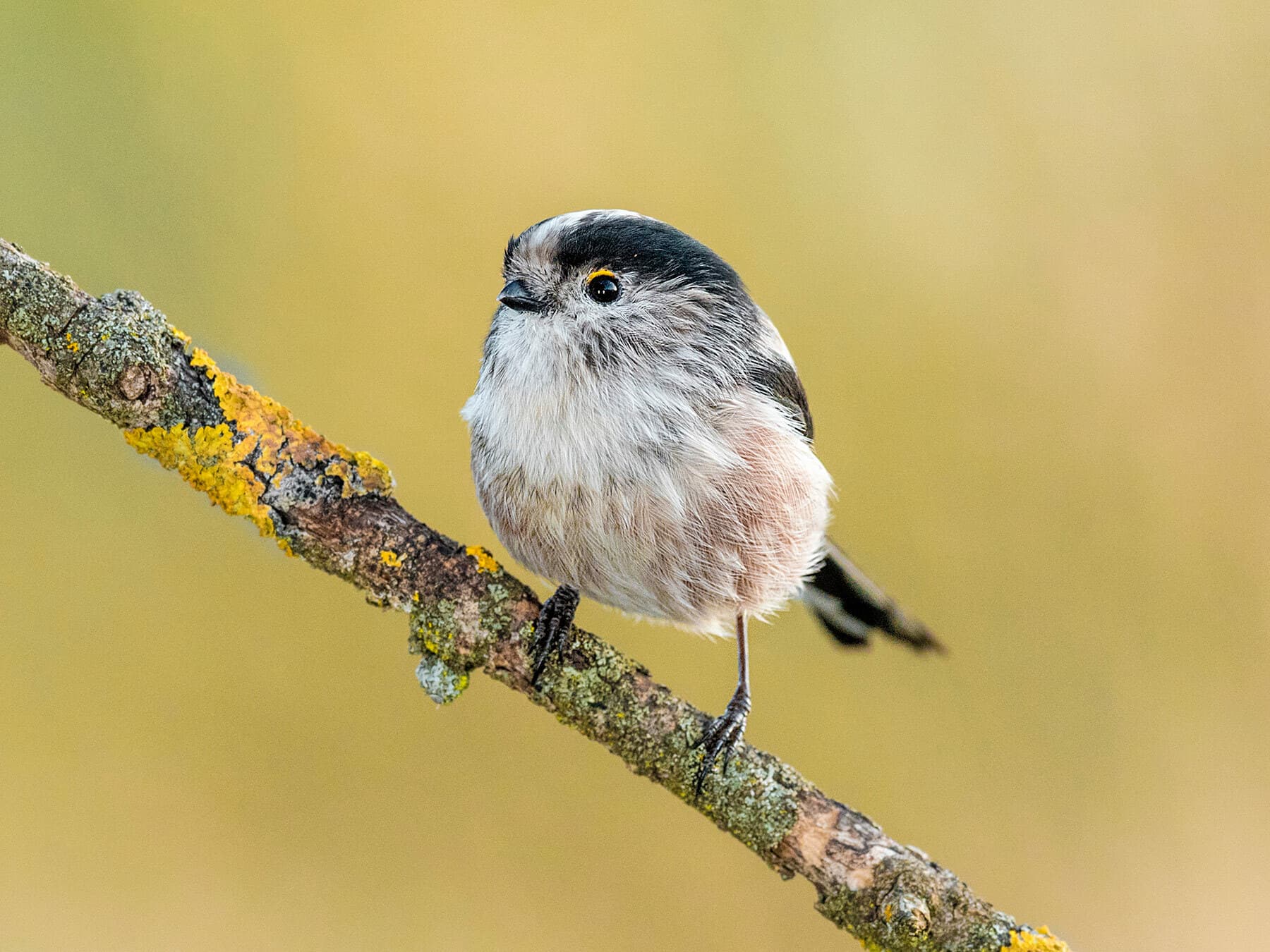 Long-tailed TitAegithalos caudatusResidentCommon13–16 cmRegularly Aug–Apr · 1.17% in Feb
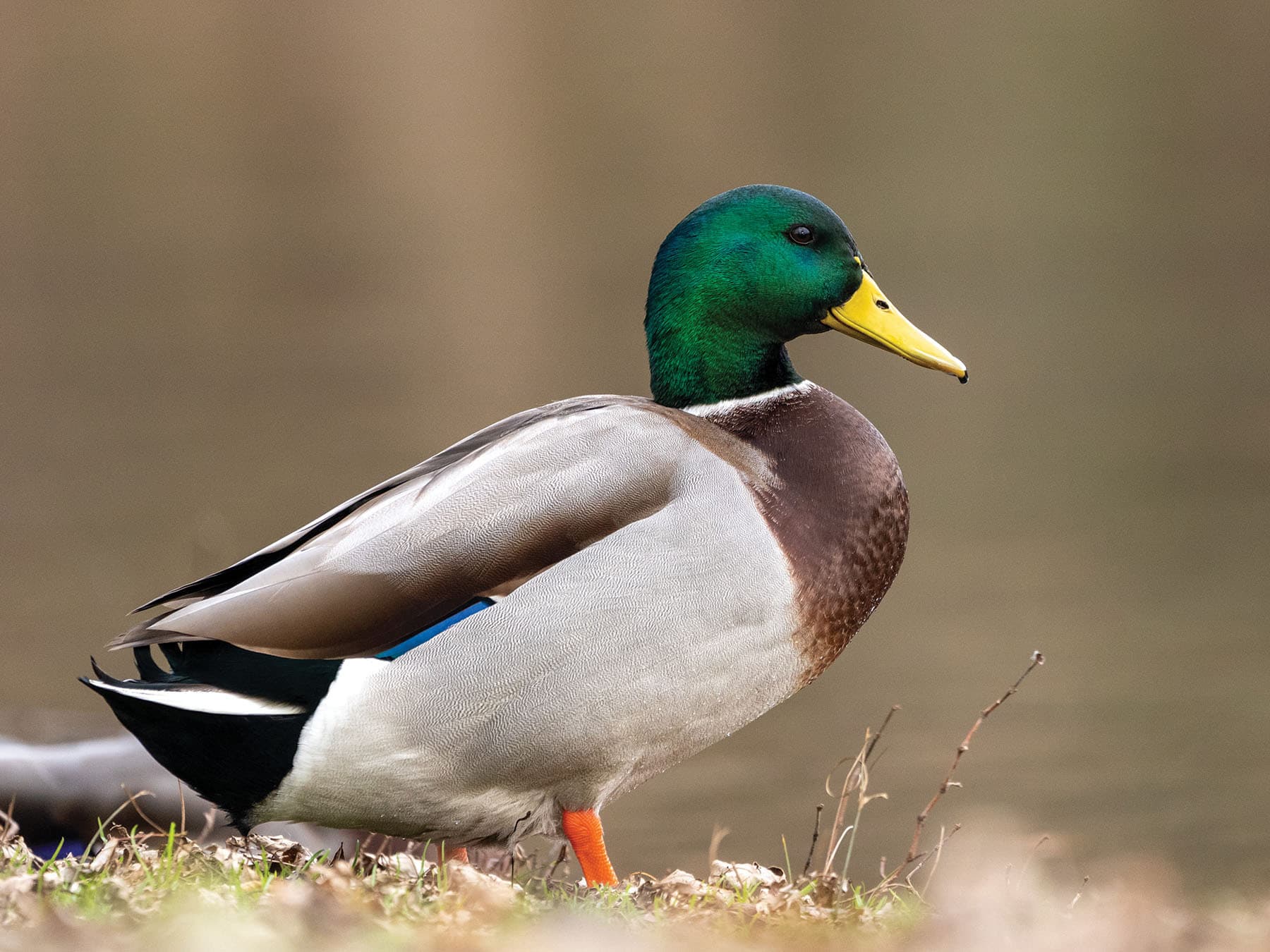 MallardAnas platyrhynchosSummer visitorCommon50–65 cmRegularly Jan–Oct · 1.17% in Feb
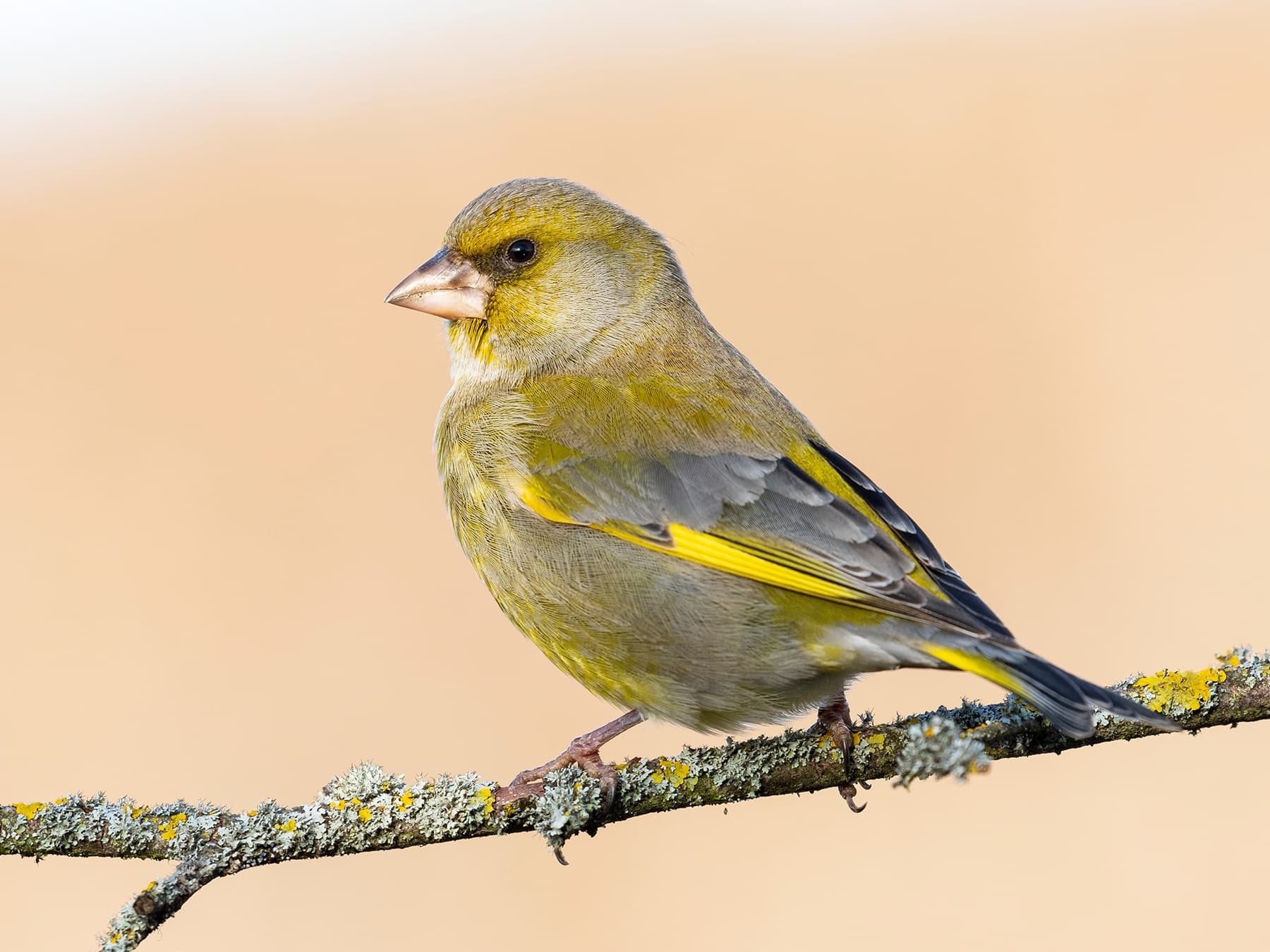 GreenfinchChloris chlorisResidentCommon15–16 cmRegularly Nov–Jun · 1.01% in Feb
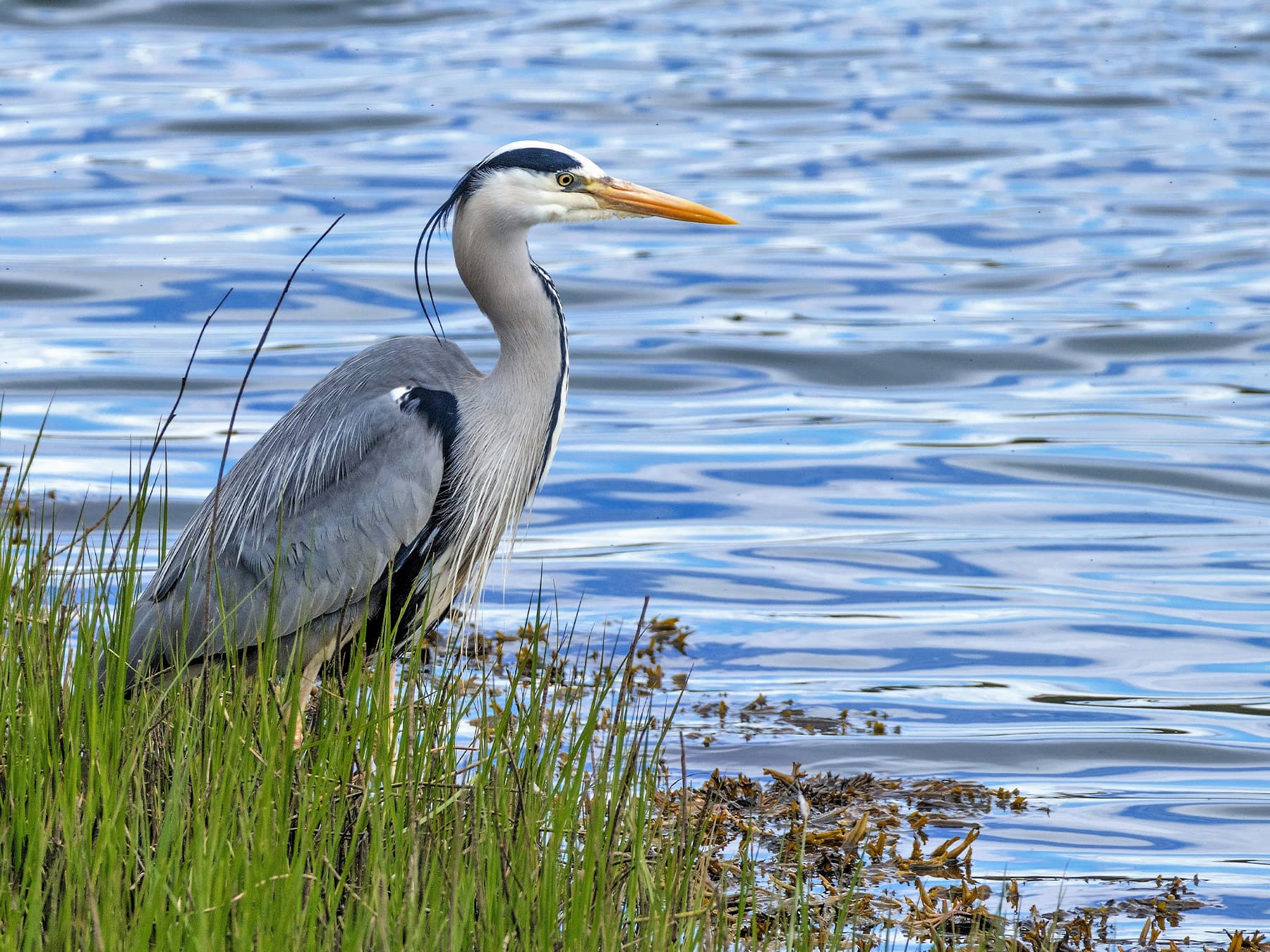 Grey HeronArdea cinereaSummer visitorCommon90–98 cmRegularly May–Feb · 0.84% in Feb
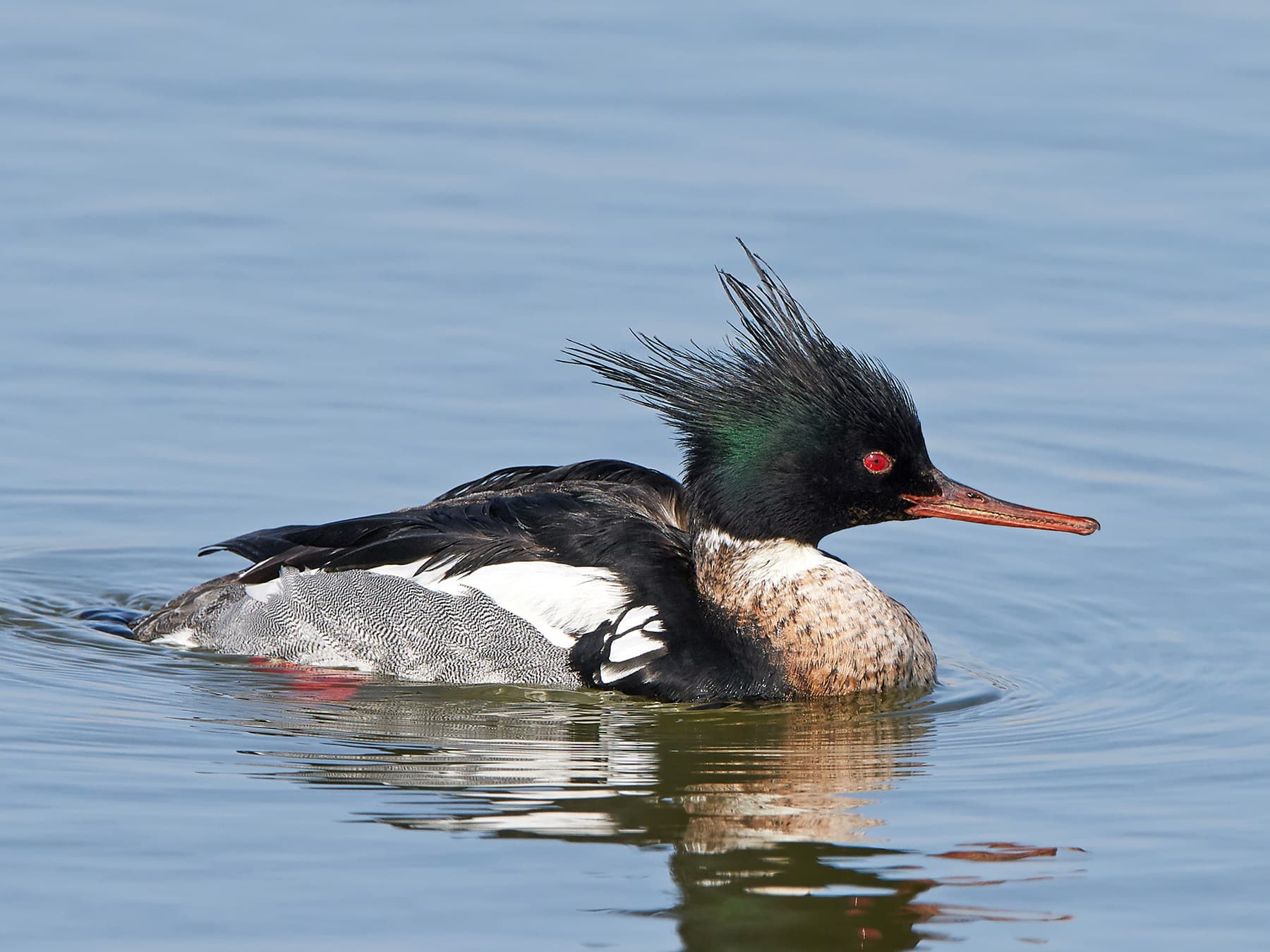 Red-breasted MerganserMergus serratorPassage migrantCommon52–58 cmRegularly Feb · 0.84% in Feb
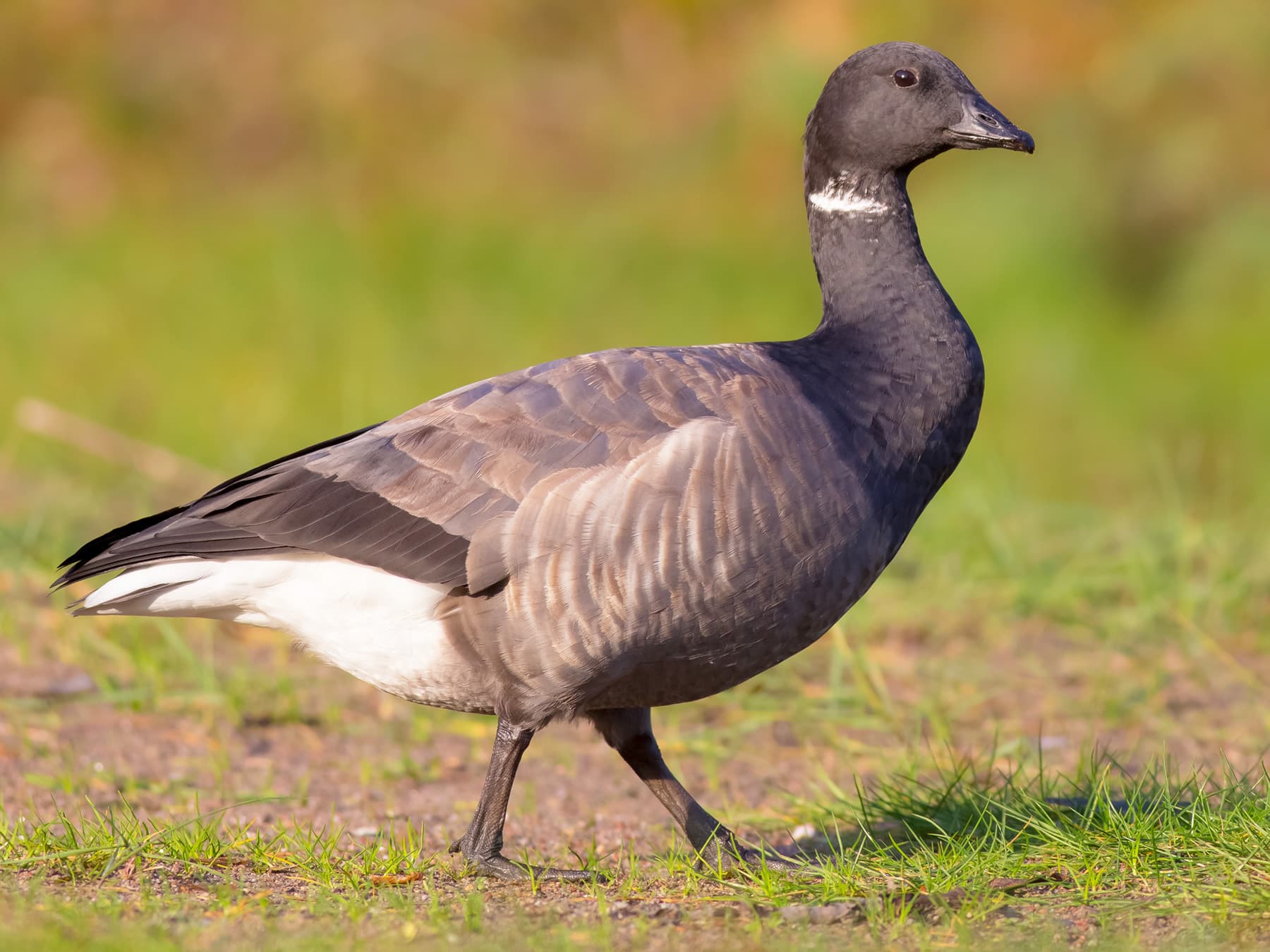 Brent GooseBranta berniclaPassage migrantCommon55–66 cmRegularly Oct–Feb · 0.67% in Feb
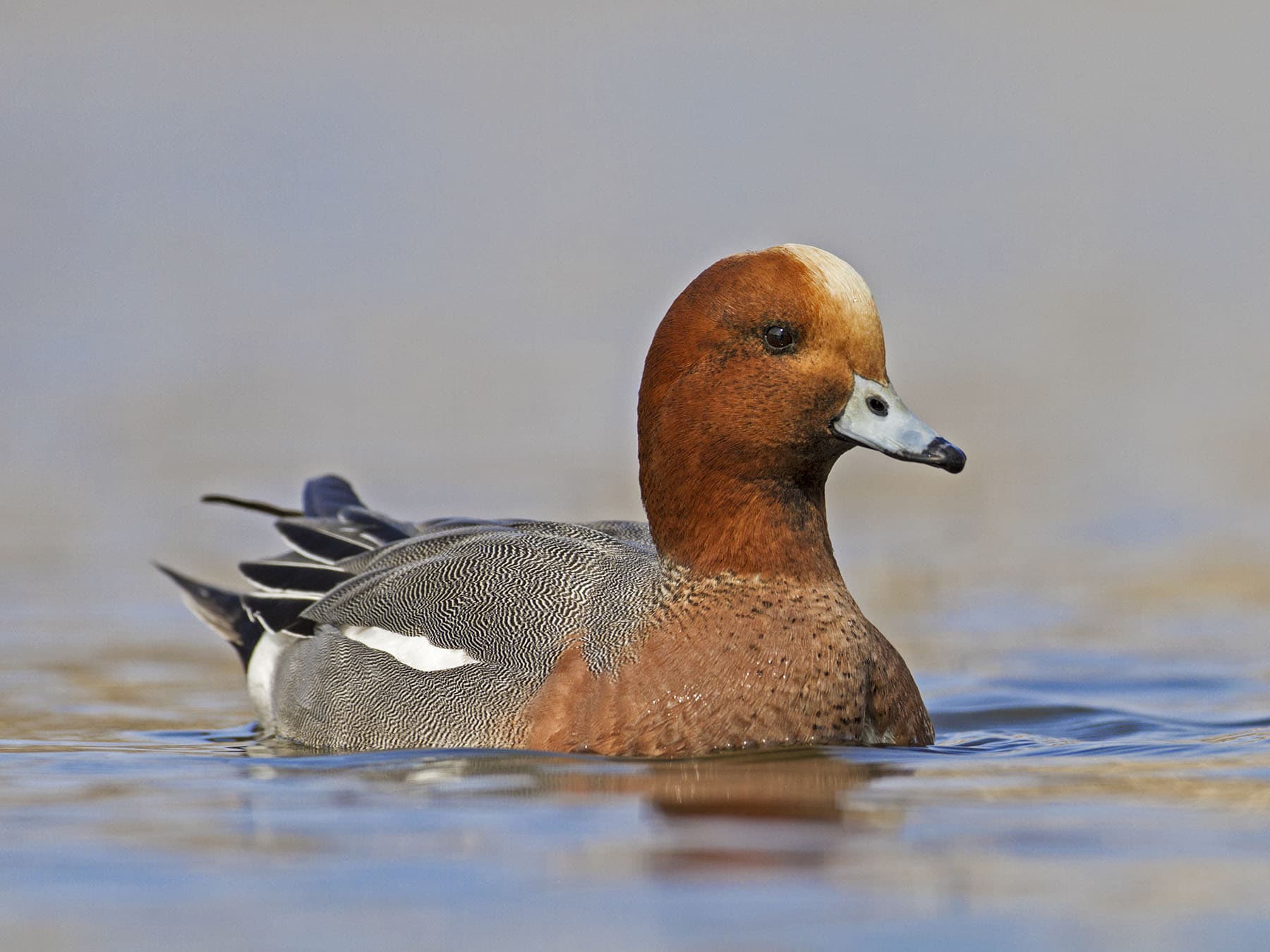 Eurasian WigeonMareca penelopePassage migrantCommon42–51 cmRegularly Feb · 0.67% in Feb
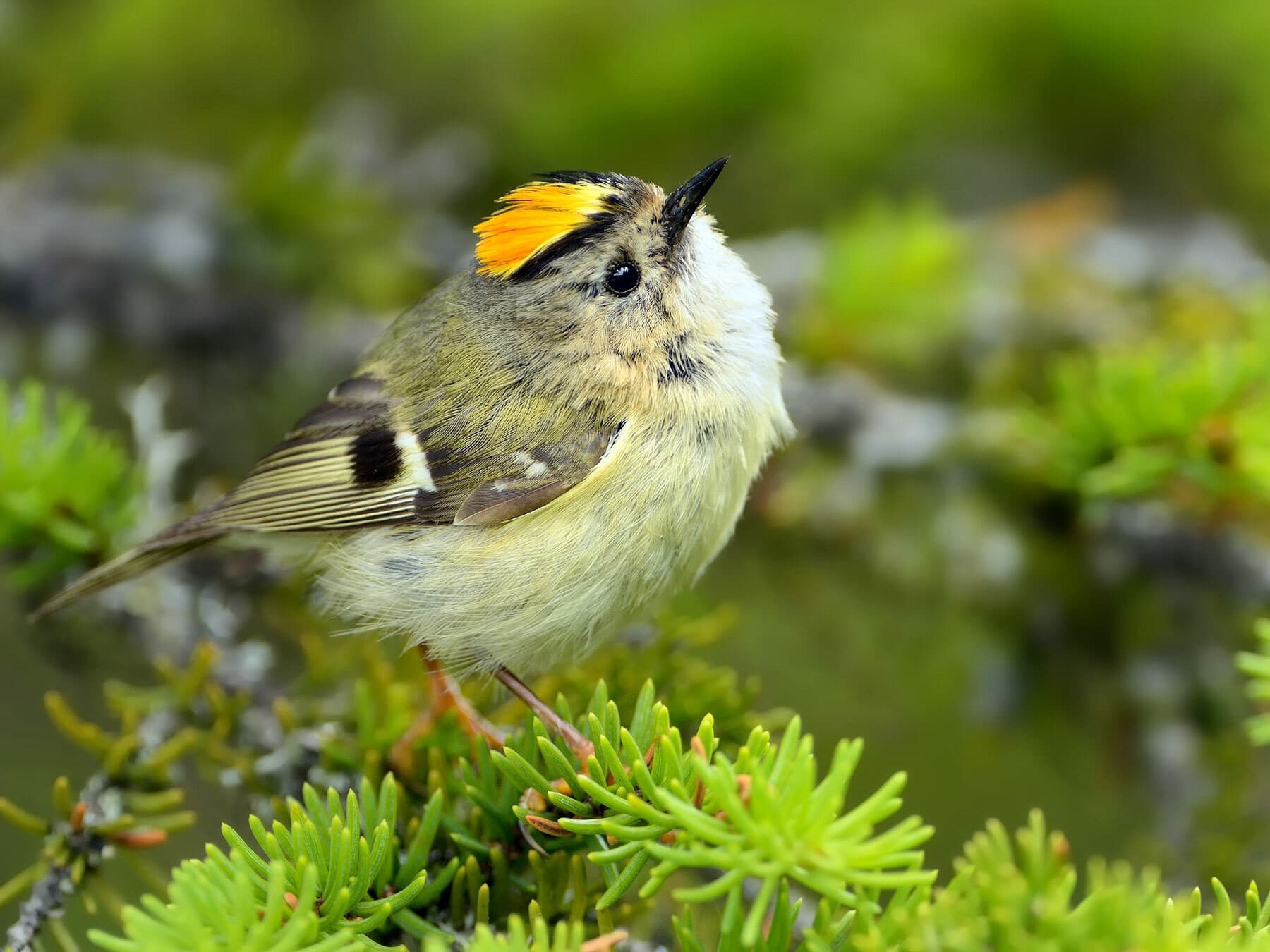 GoldcrestRegulus regulusResidentCommon9–10 cmRegularly May–Feb · 0.67% in Feb
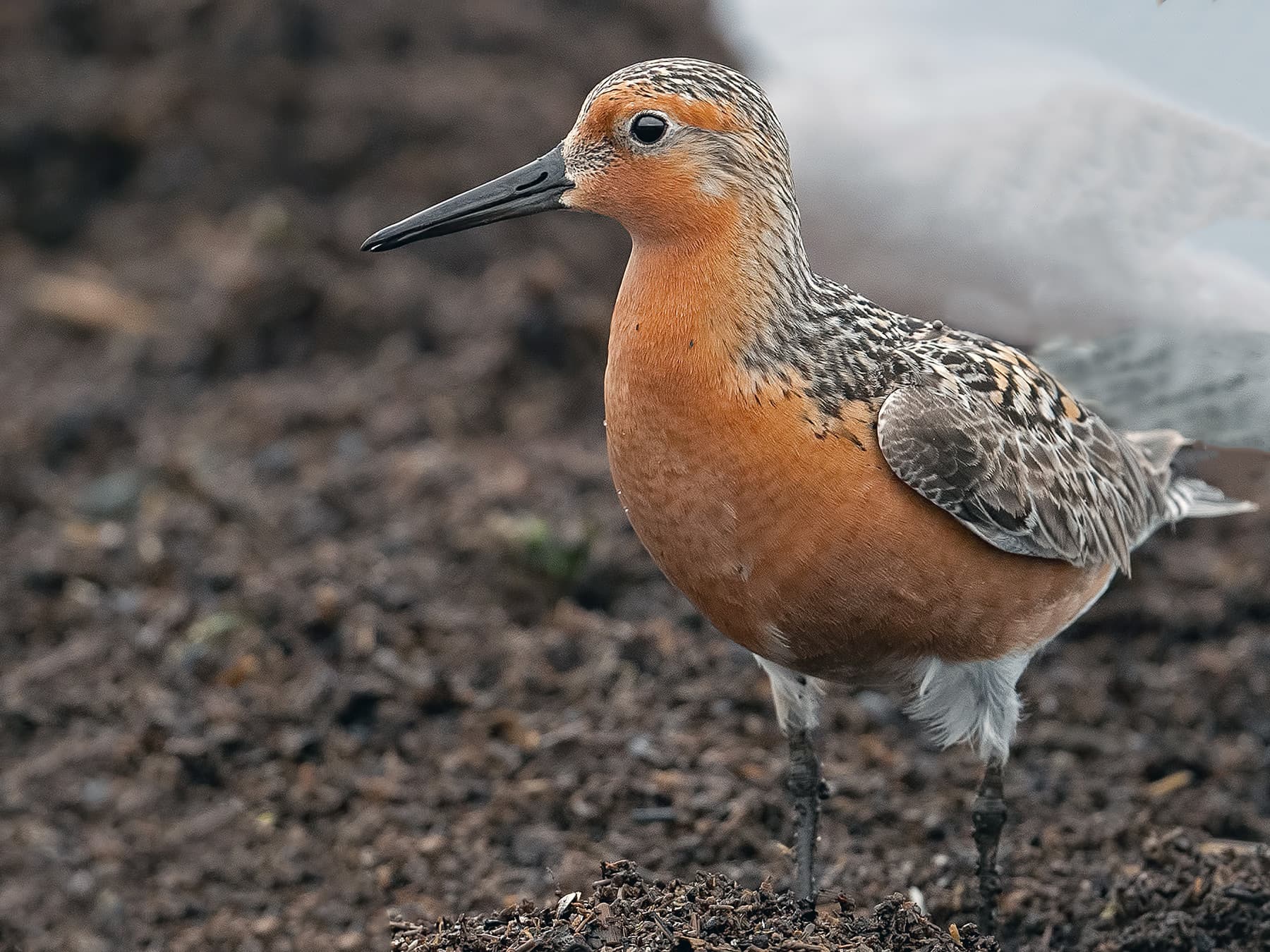 Red KnotCalidris canutusPassage migrantCommon23–26 cmRegularly Dec–Jul · records held back in Feb (protected)
Data: EOD – eBird Observation Dataset (Cornell Lab of Ornithology), accessed via GBIF.org, CC BY 4.0. Records from 2019–2024, aggregated and filtered by Birdfact. How these lists are made