


Birds to See in Turks & Caicos Islands in February
36 bird species on our list for Turks & Caicos Islands are recorded regularly in February
Of these, the most often recorded are Northern Mockingbird, Great White Egret, Ruddy Turnstone, Osprey and Mourning Dove. New this month: White-winged Dove, Gray Catbird, American Redstart and Lesser Black-backed Gull and 6 more.
On the move in February
GBIF · FebArriving
At their peak
From Turks & Caicos Islands’s bird records, 2019–2024: arriving birds are regular this month but not last; leaving birds are regular this month but not next.
Other months
All 36 birds in February
36 birds
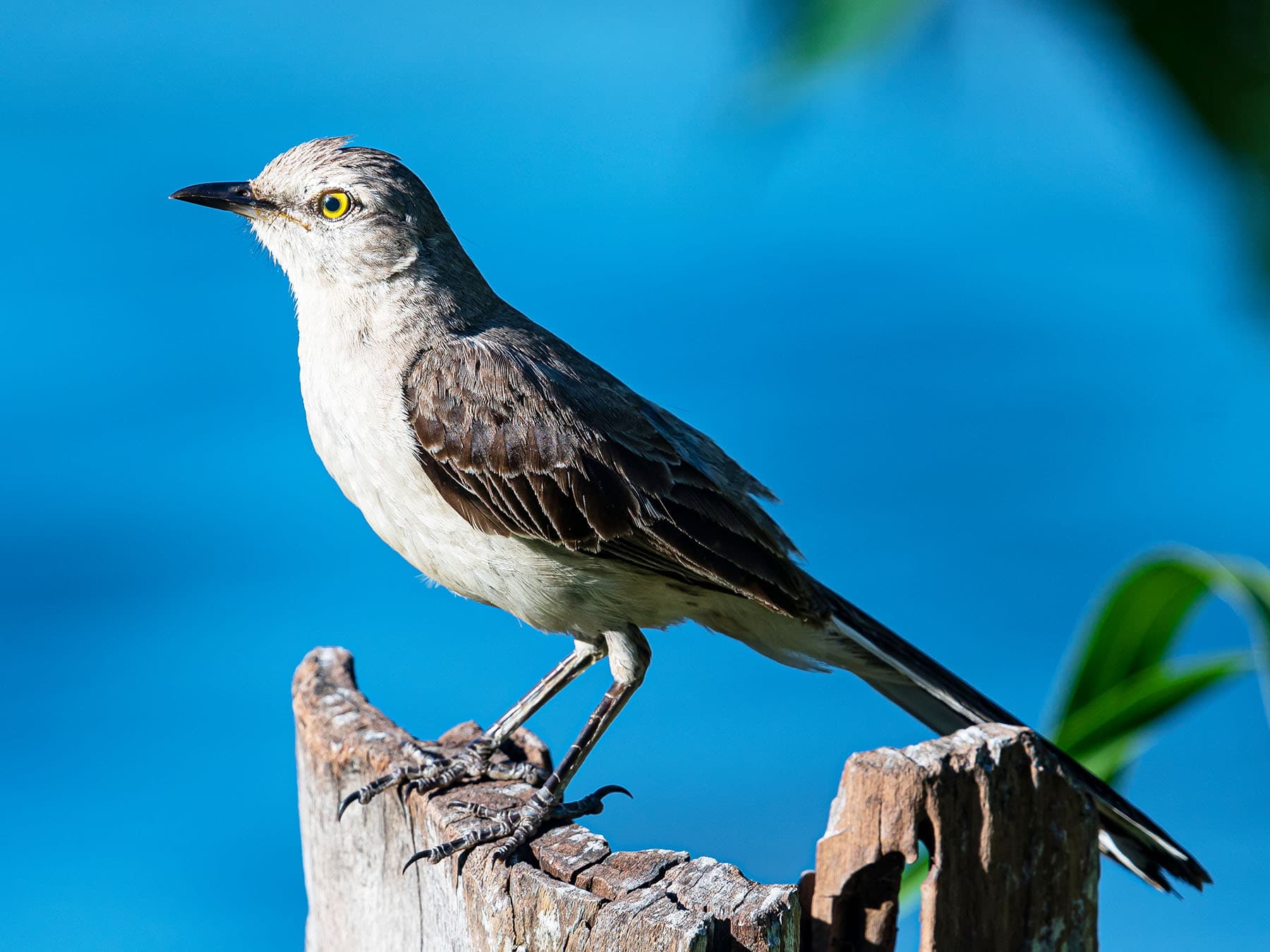 Northern MockingbirdMimus polyglottosResidentCommon21–26 cmRecorded all year · 4.88% in Feb
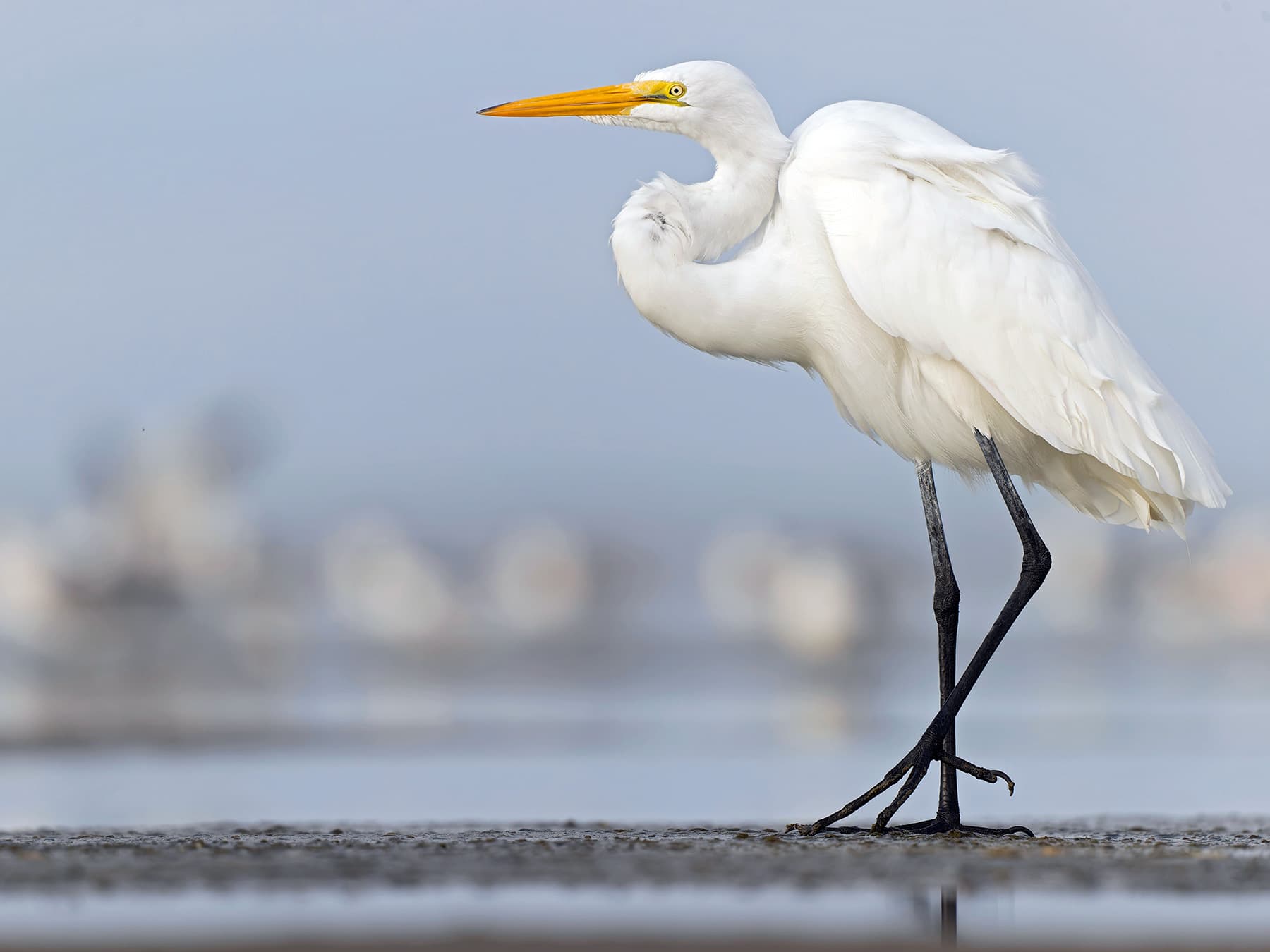 Great White EgretArdea albaResidentCommon80–104 cmRecorded all year · 3.76% in Feb
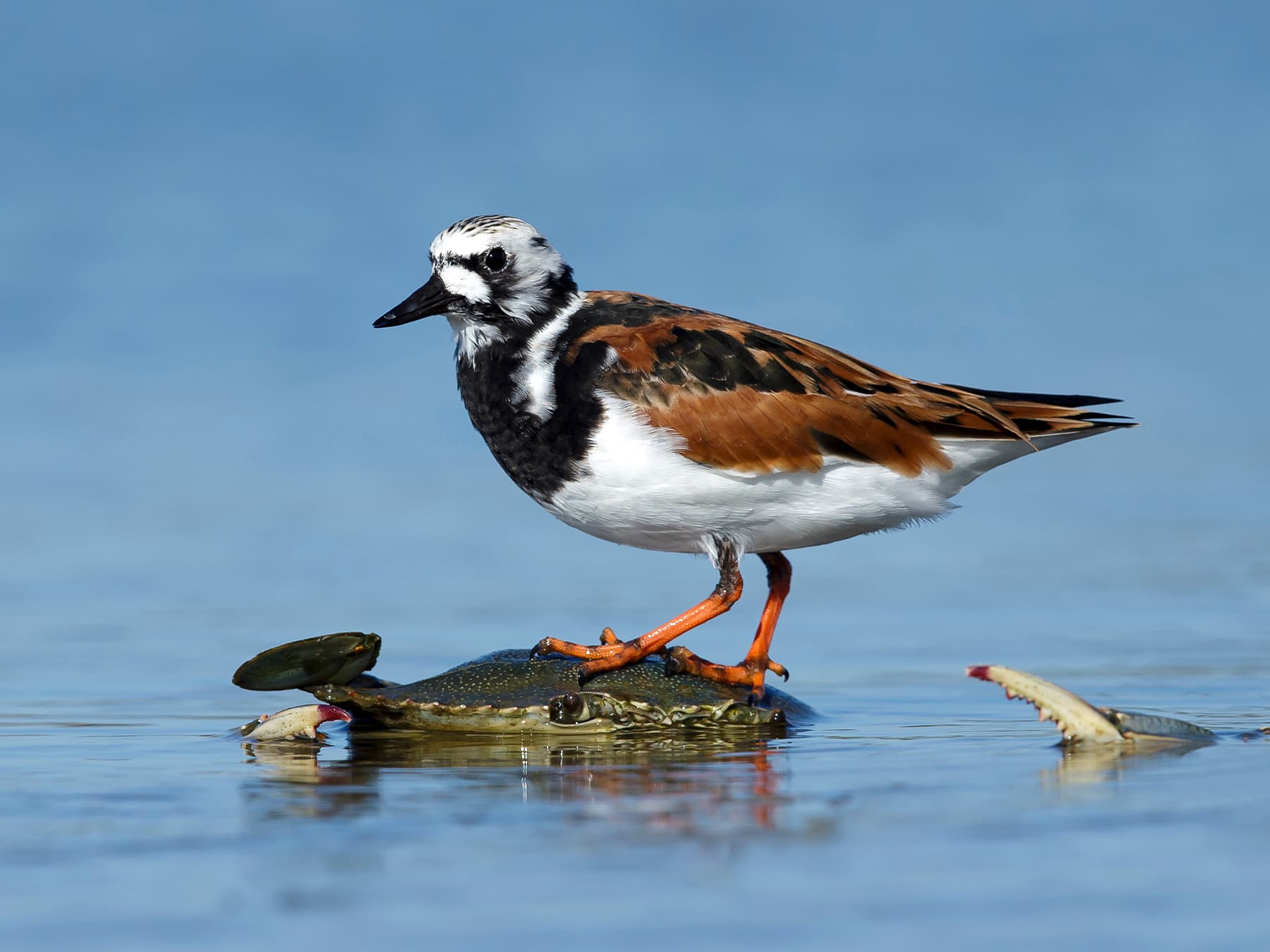 Ruddy TurnstoneArenaria interpresResidentCommon21–24 cmRecorded all year · 3.67% in Feb
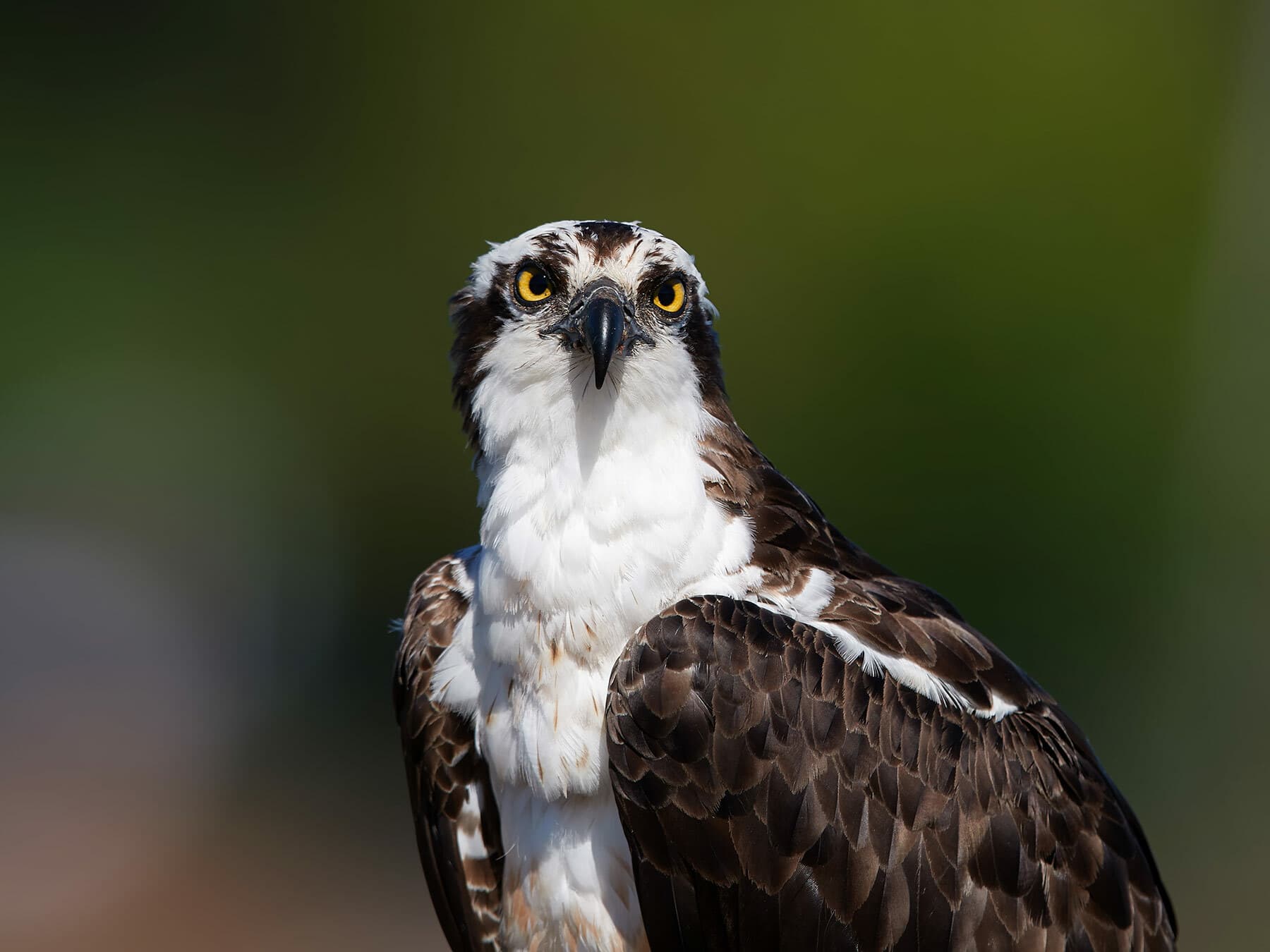 OspreyPandion haliaetusResidentCommon54–58 cmRecorded all year · 3.58% in Feb
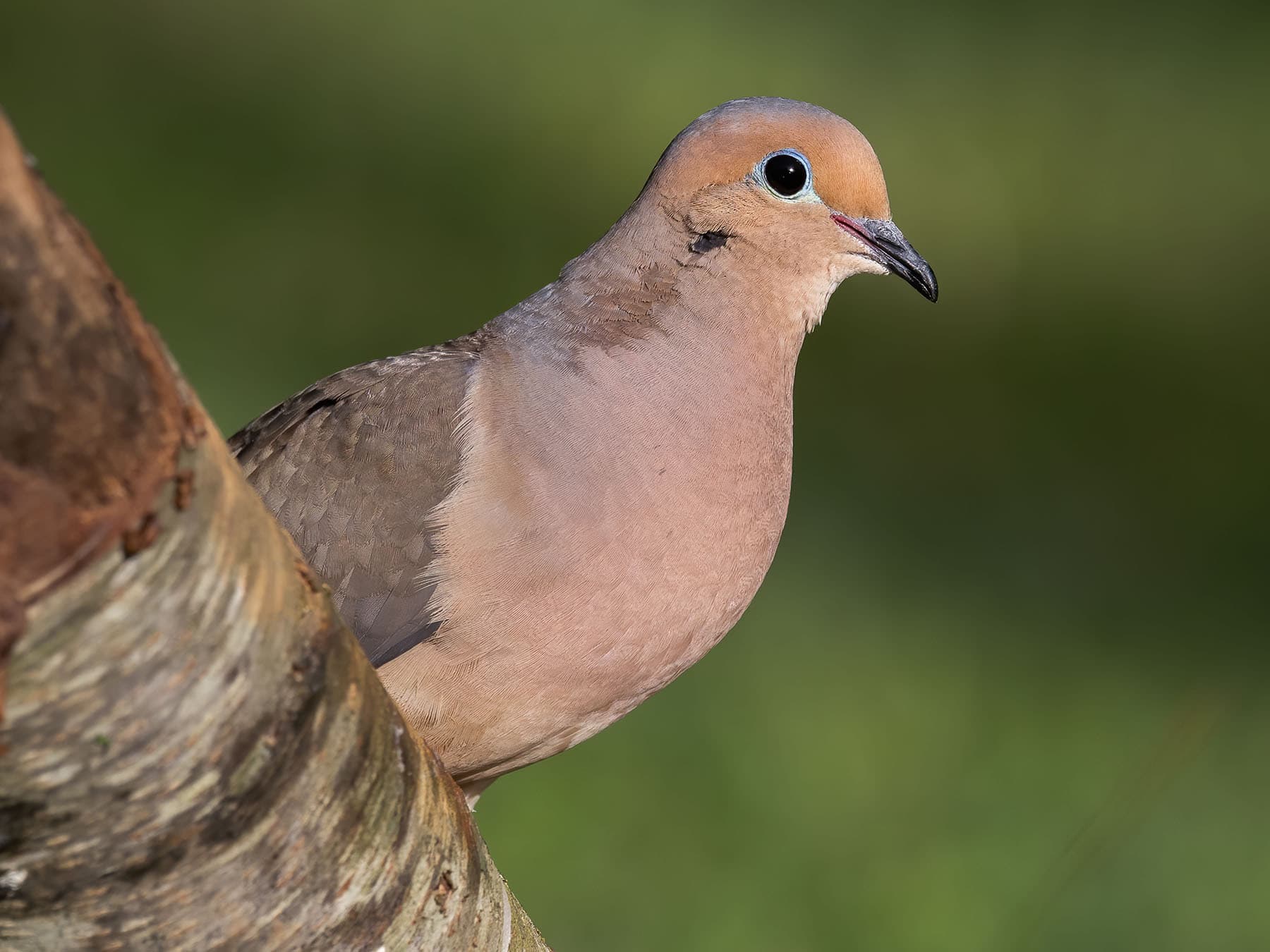 Mourning DoveZenaida macrouraResidentCommon23–34 cmRecorded all year · 2.64% in Feb
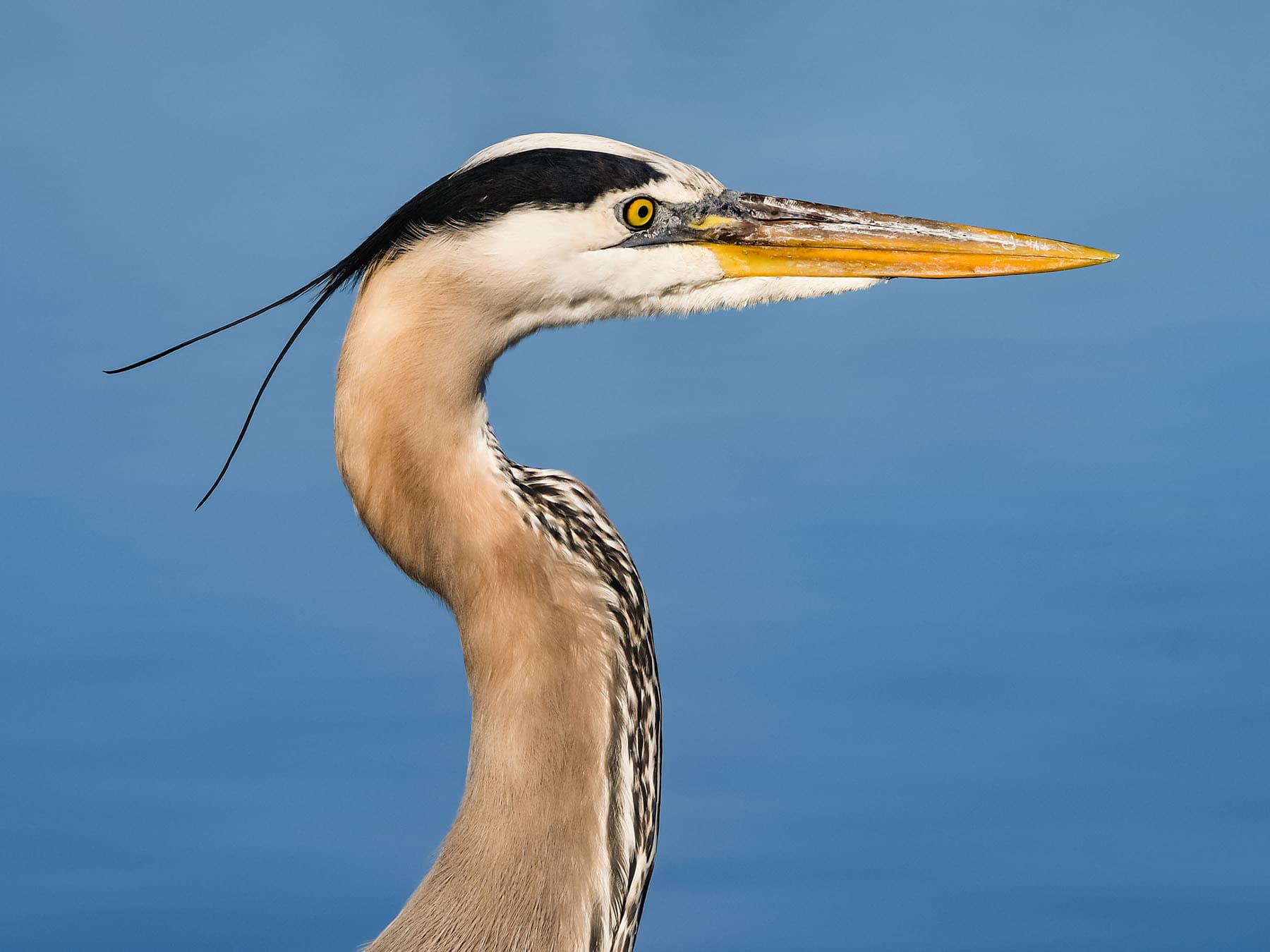 Great Blue HeronArdea herodiasWinter visitorCommon91–137 cmRecorded all year · 1.90% in Feb
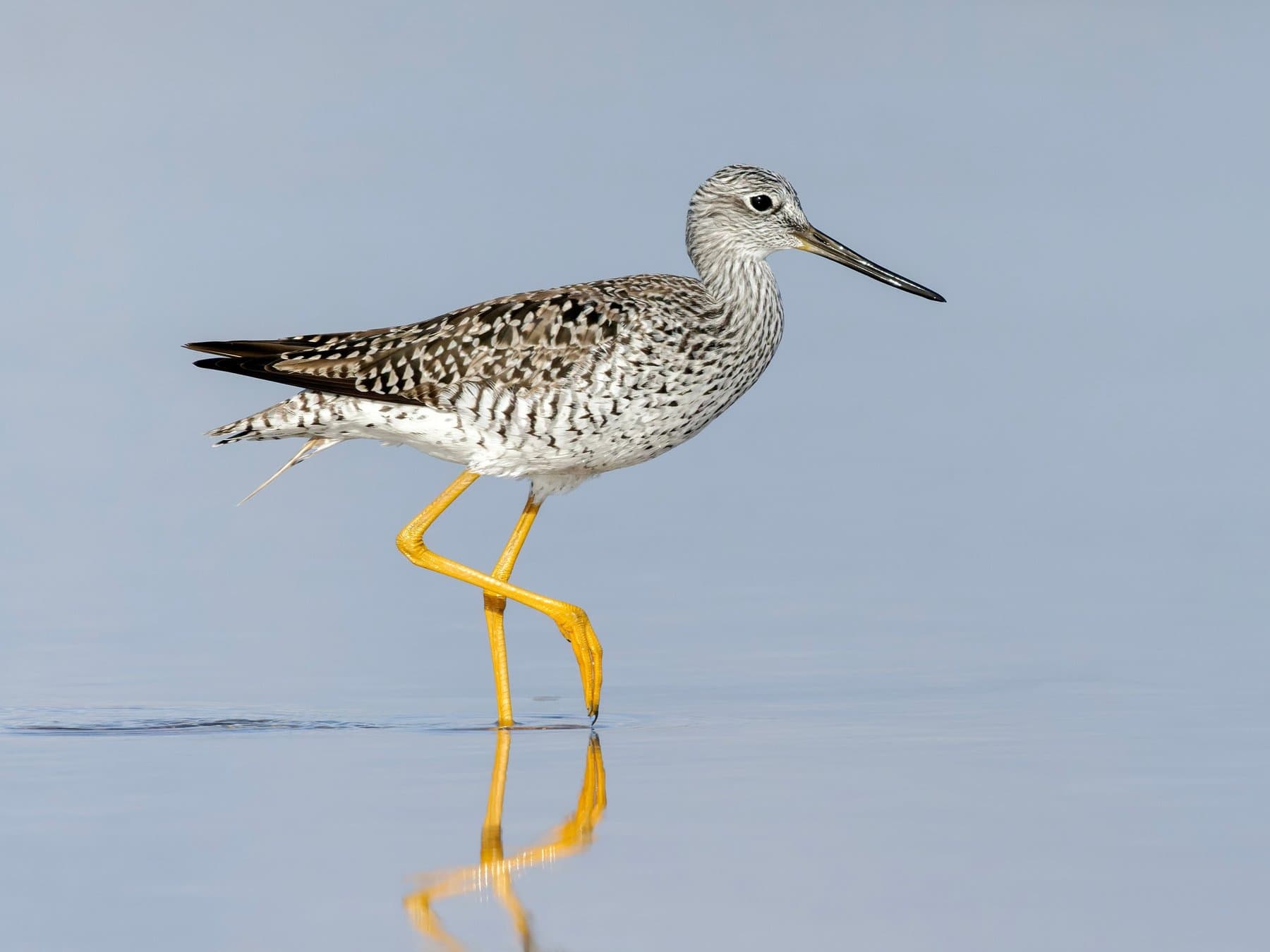 Greater YellowlegsTringa melanoleucaWinter visitorCommon29–40 cmRegularly Aug–Jun · 1.87% in Feb
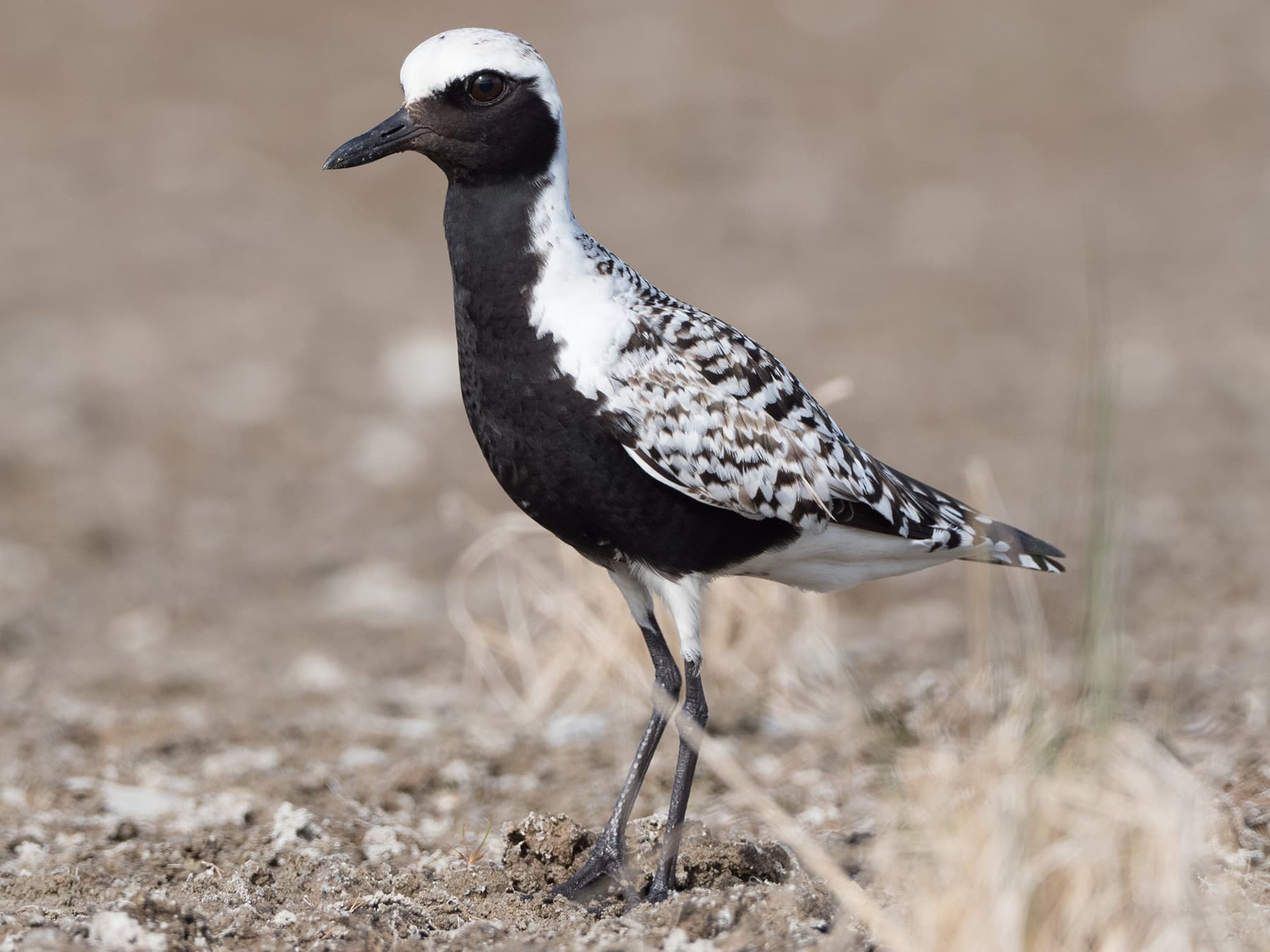 Grey PloverPluvialis squatarolaWinter visitorCommon27–30 cmRecorded all year · 1.74% in Feb
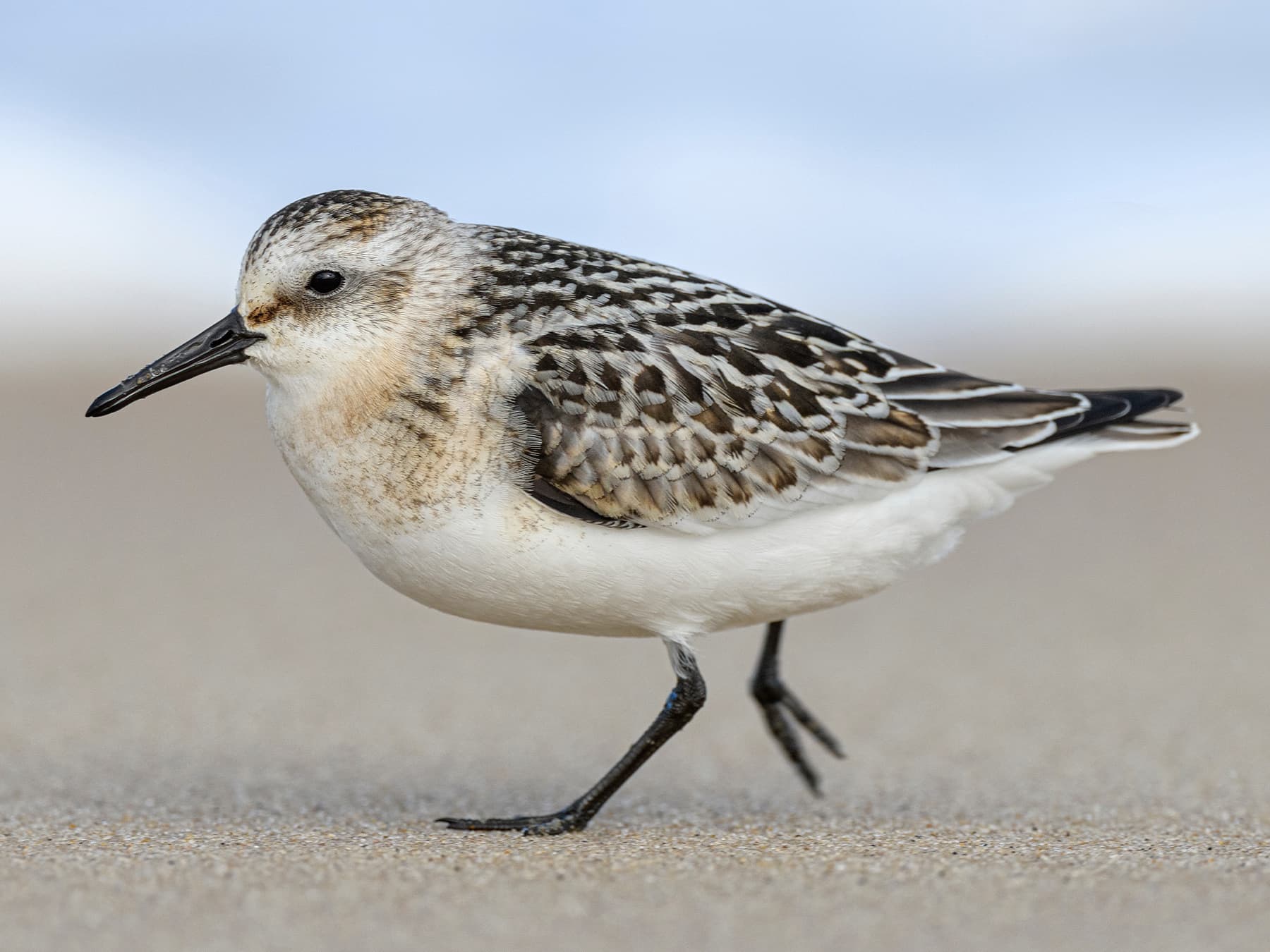 SanderlingCalidris albaWinter visitorCommon18–20 cmRegularly Sep–Jun · 1.74% in Feb
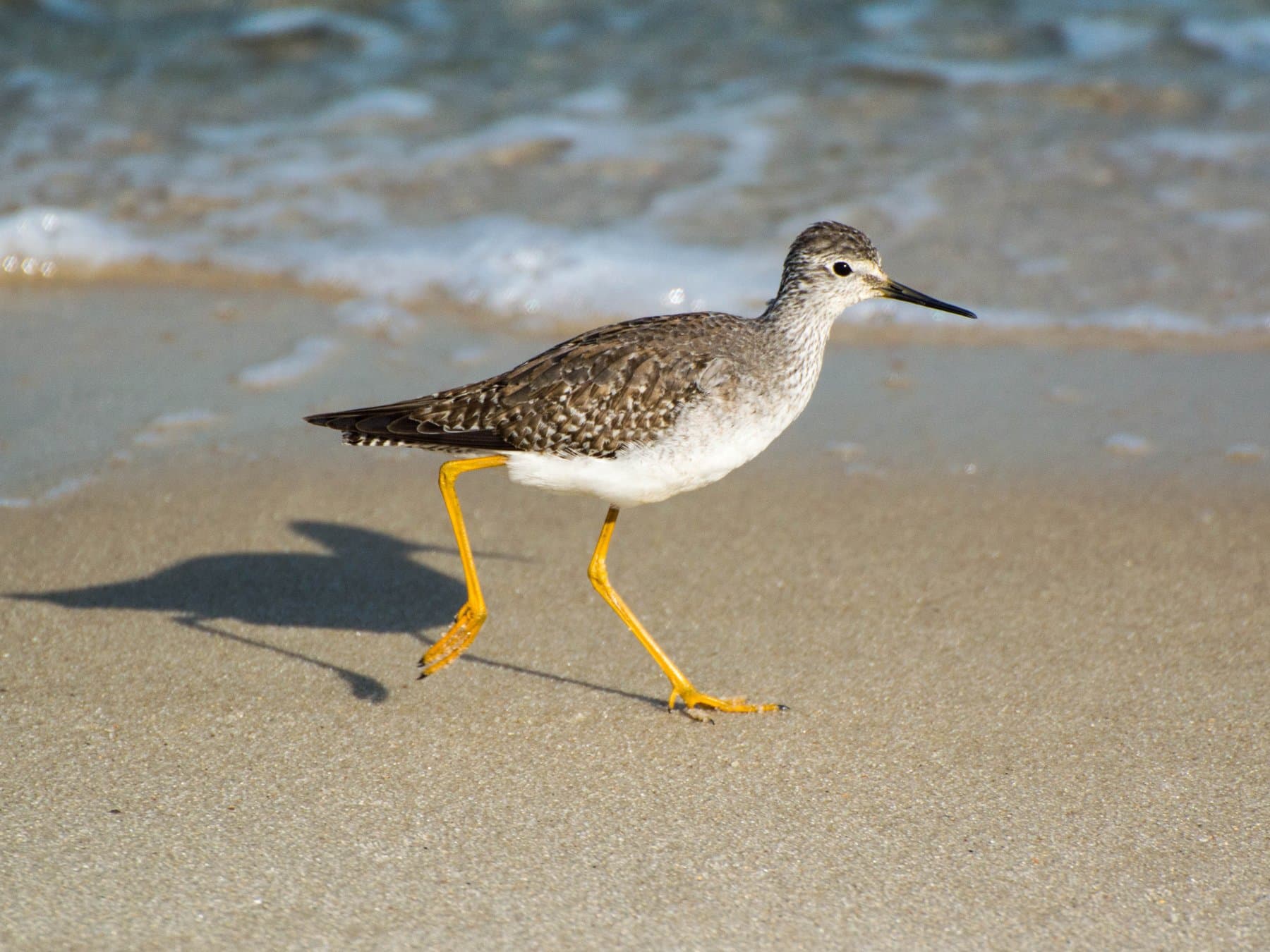 Lesser YellowlegsTringa flavipesWinter visitorCommon23–27 cmRegularly Aug–May · 1.65% in Feb
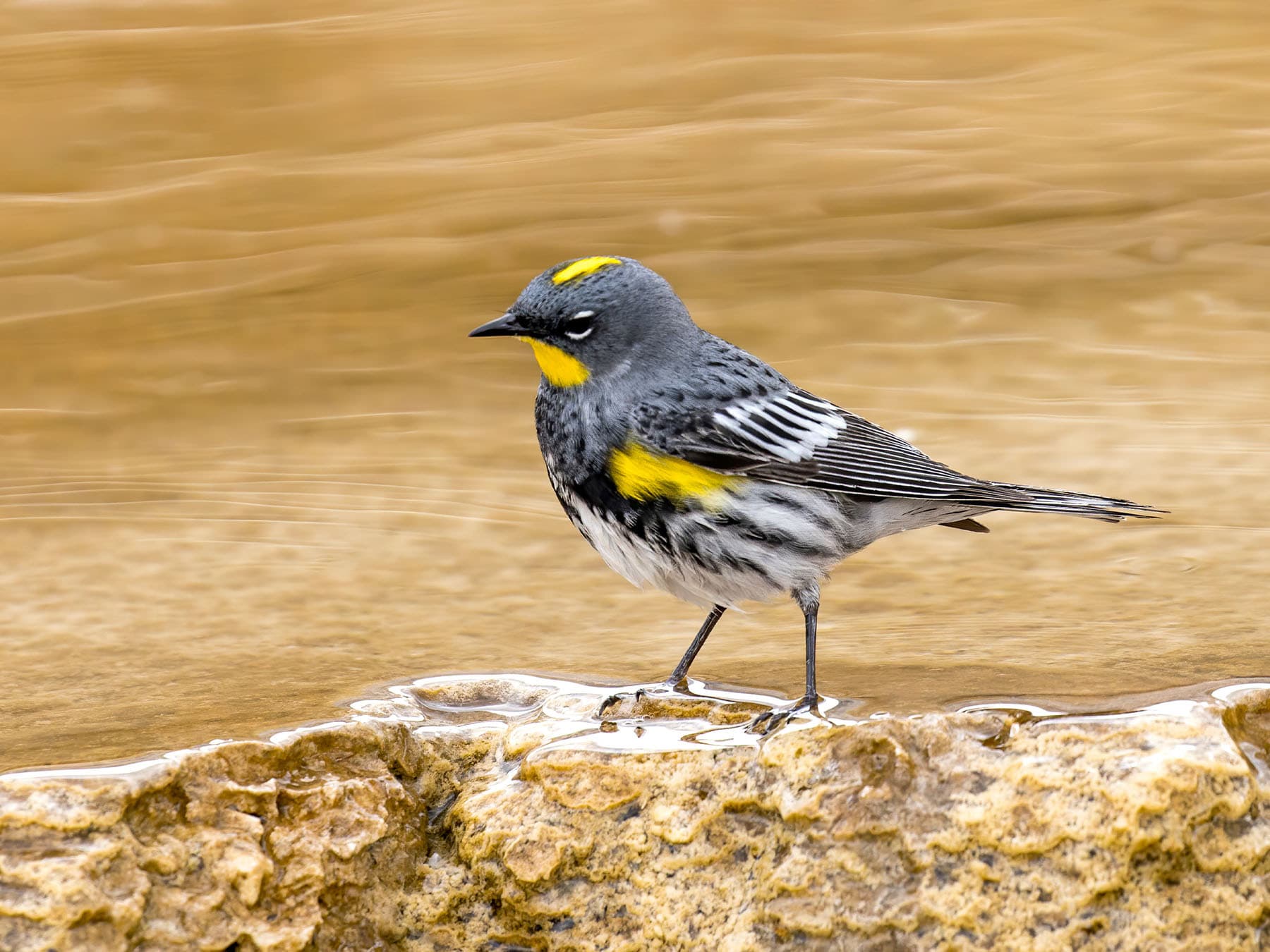 Yellow-rumped WarblerSetophaga coronataWinter visitorCommon12–15 cmRegularly Nov–Apr · 1.56% in Feb
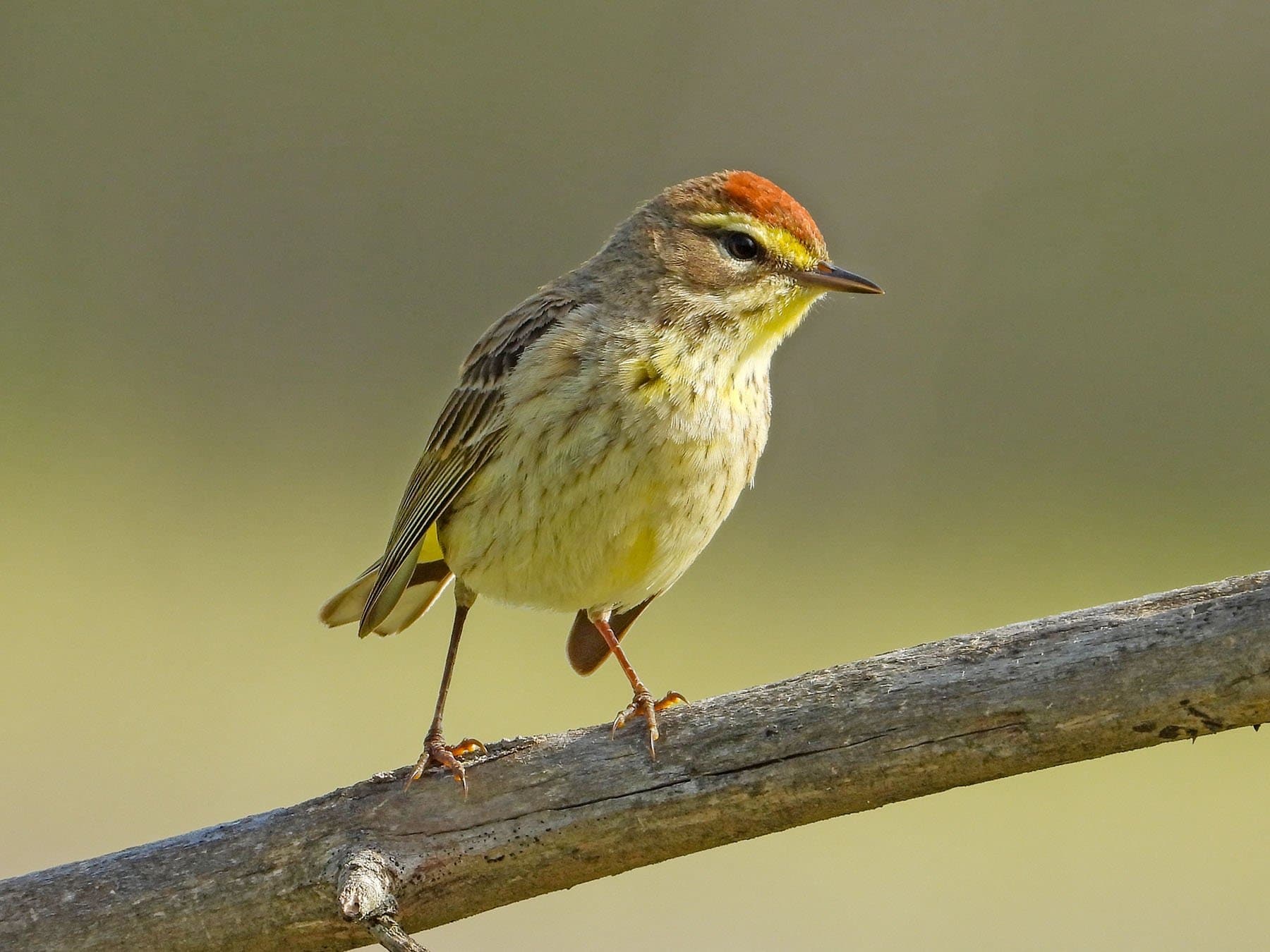 Palm WarblerSetophaga palmarumWinter visitorCommon12–14 cmRegularly Oct–Apr · 1.43% in Feb
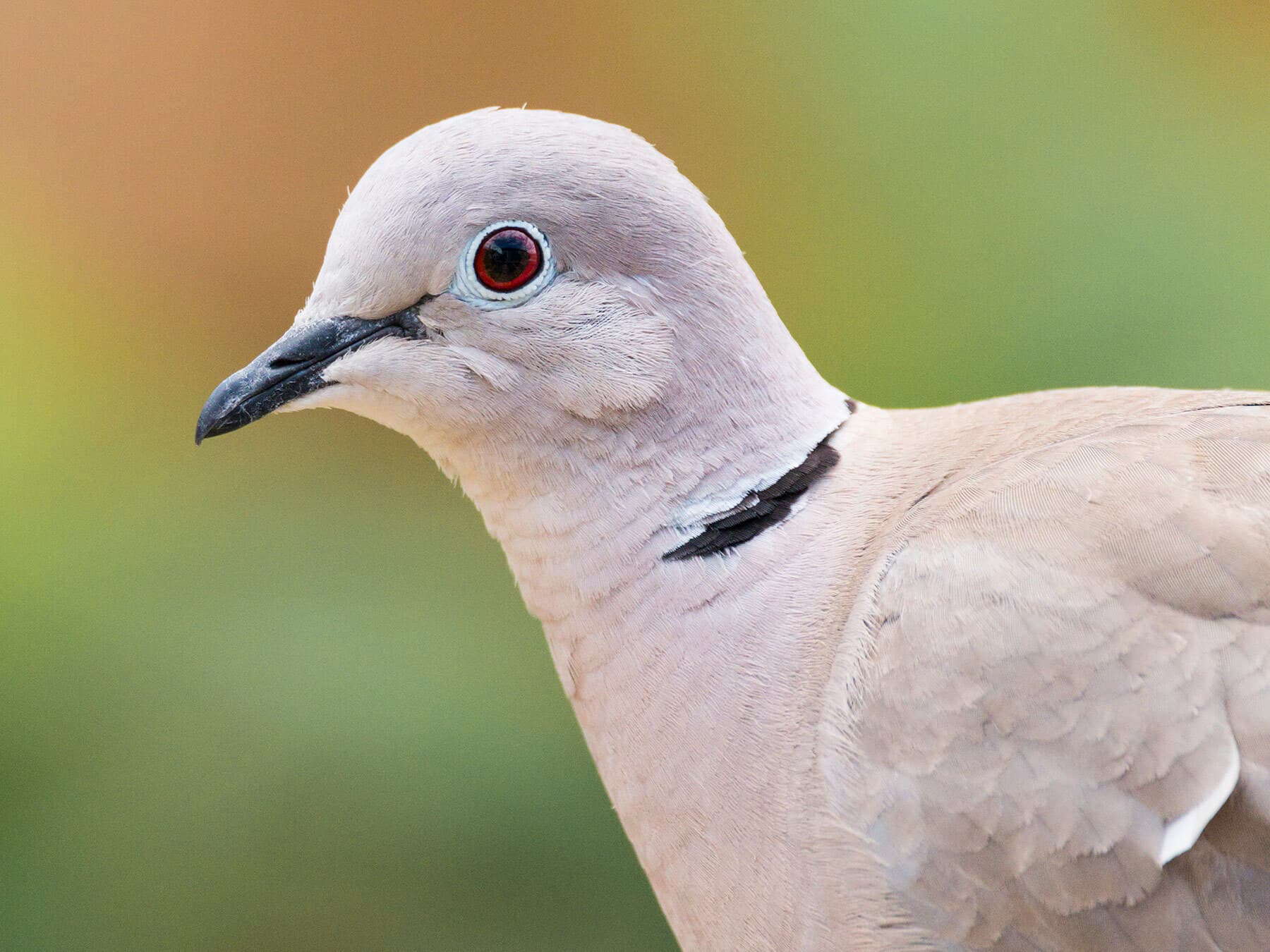 Eurasian Collared DoveStreptopelia decaoctoResidentCommon30–32 cmRecorded all year · 1.28% in Feb
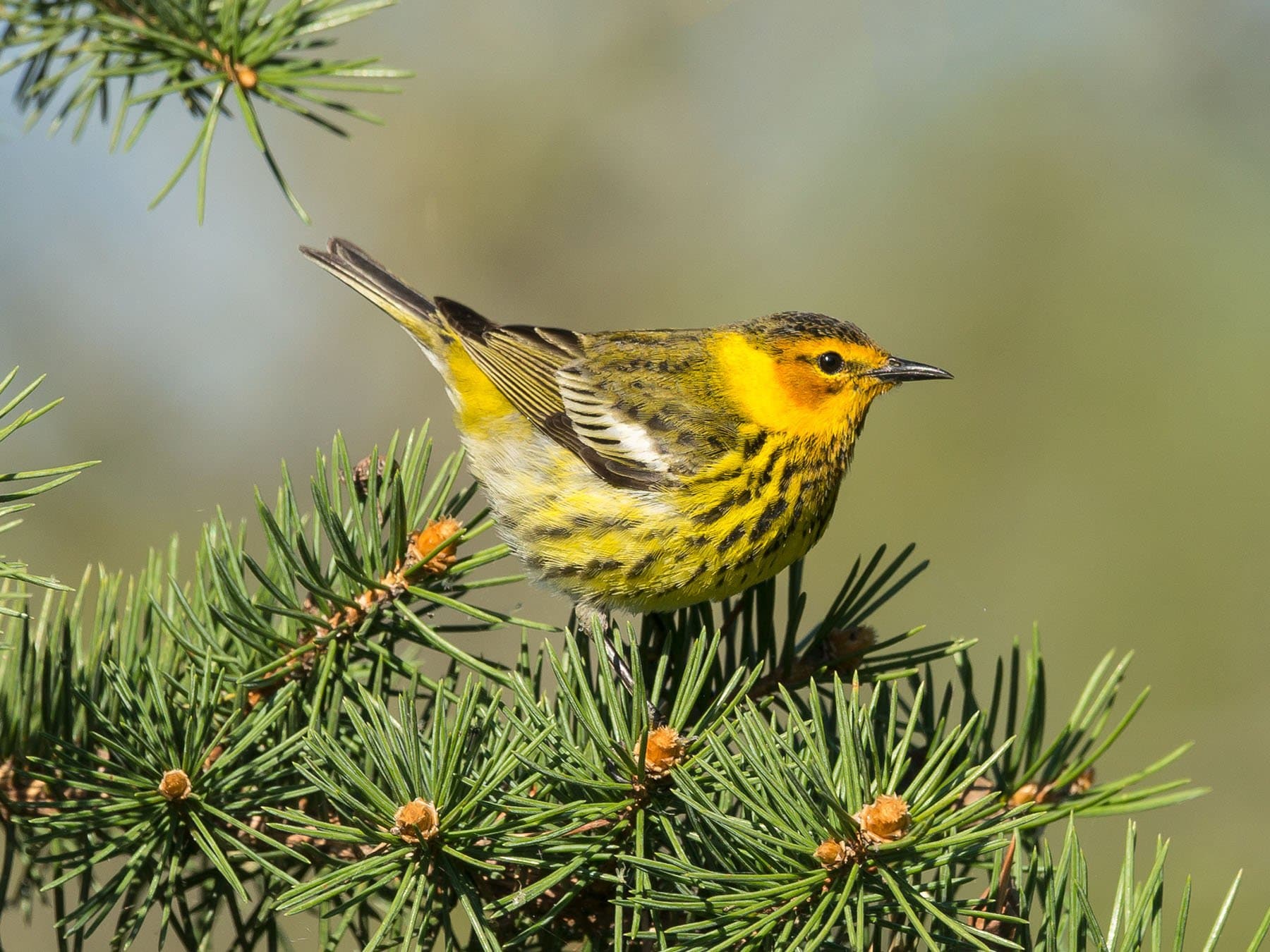 Cape May WarblerSetophaga tigrinaWinter visitorCommon12–14 cmRegularly Sep–Apr · 1.15% in Feb
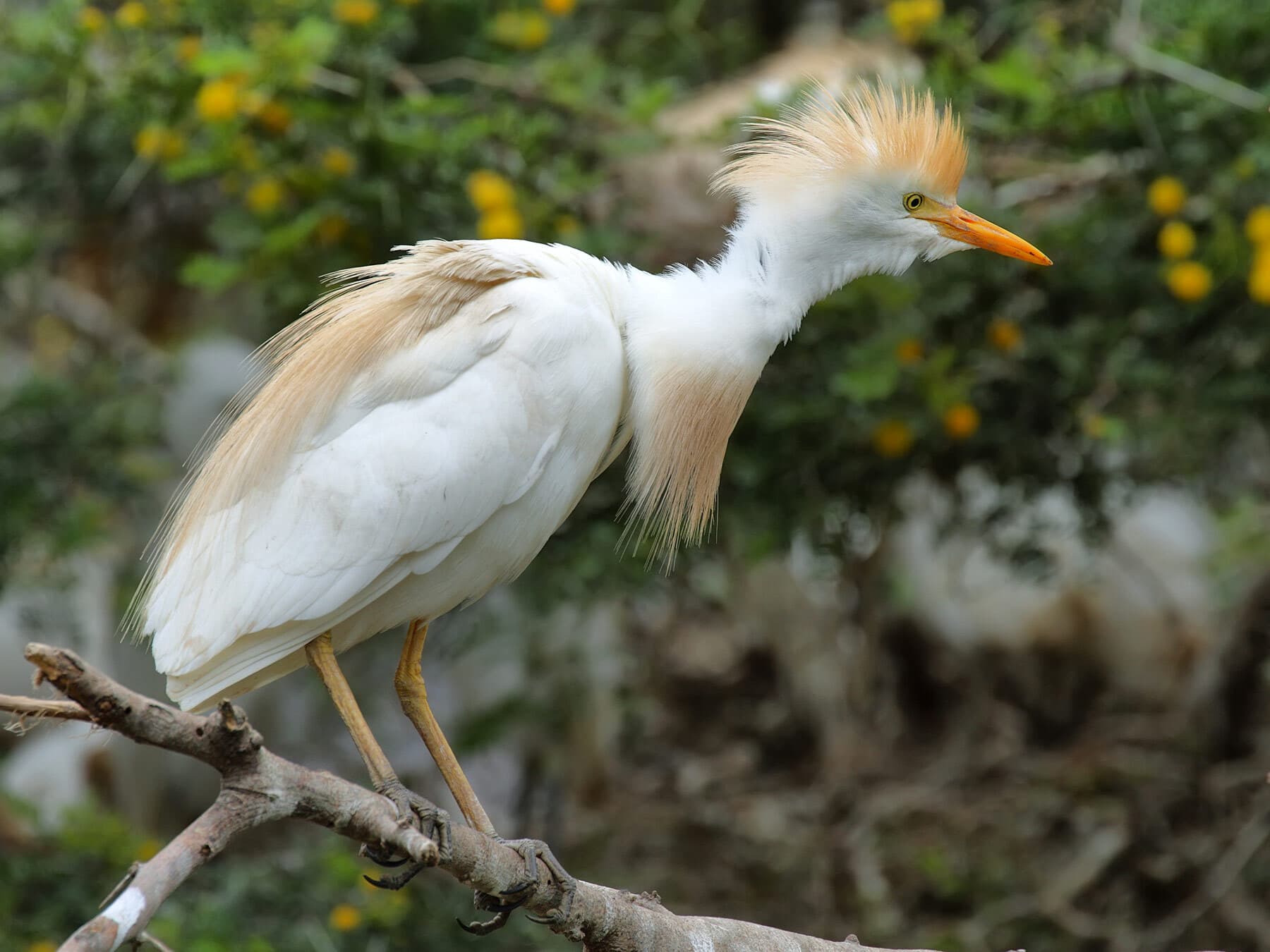 Cattle EgretArdea ibisResidentCommon46–56 cmRecorded all year · 1.09% in Feb
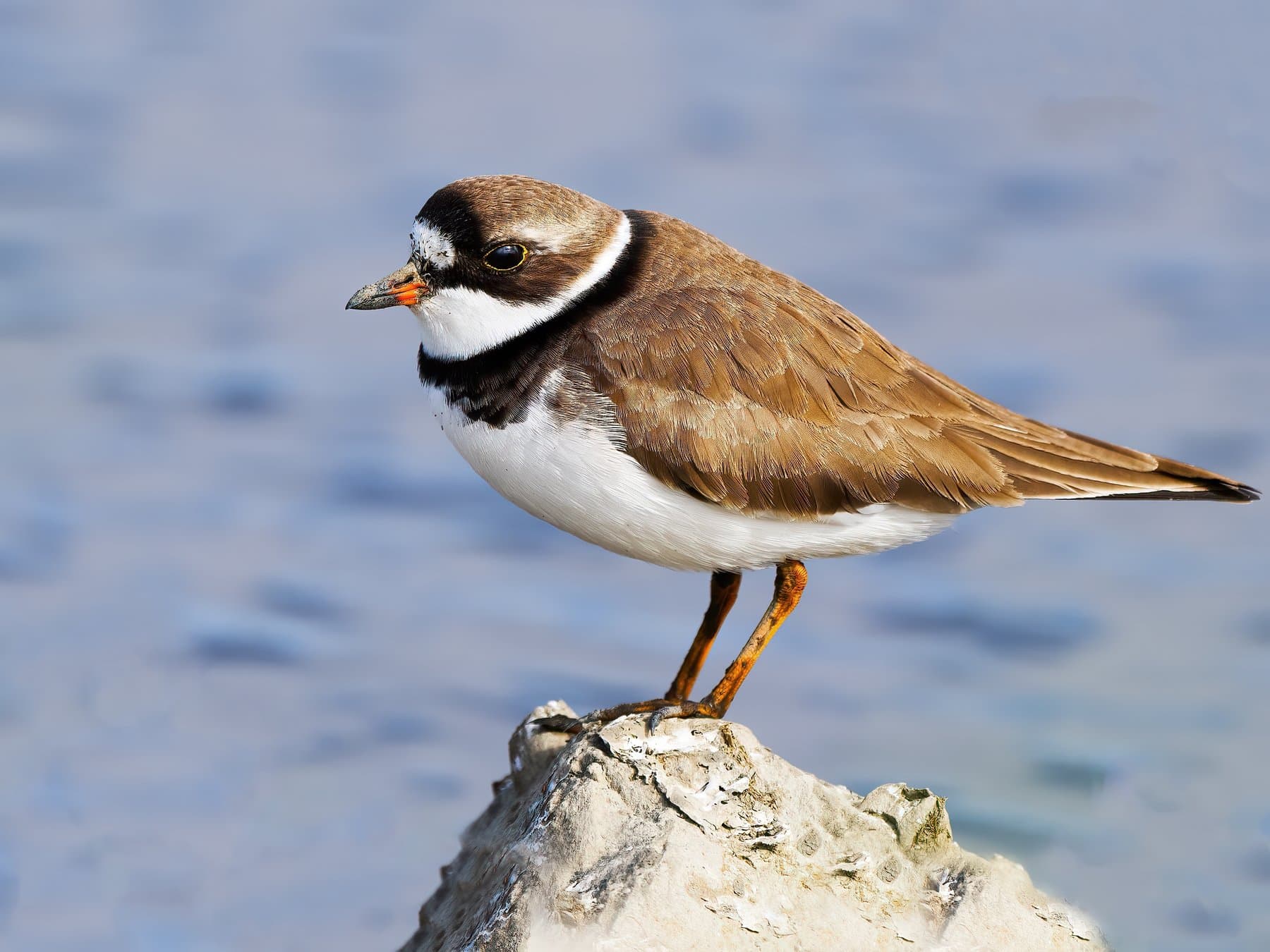 Semipalmated PloverCharadrius semipalmatusWinter visitorCommon17–19 cmRegularly Aug–Jun · 0.96% in Feb
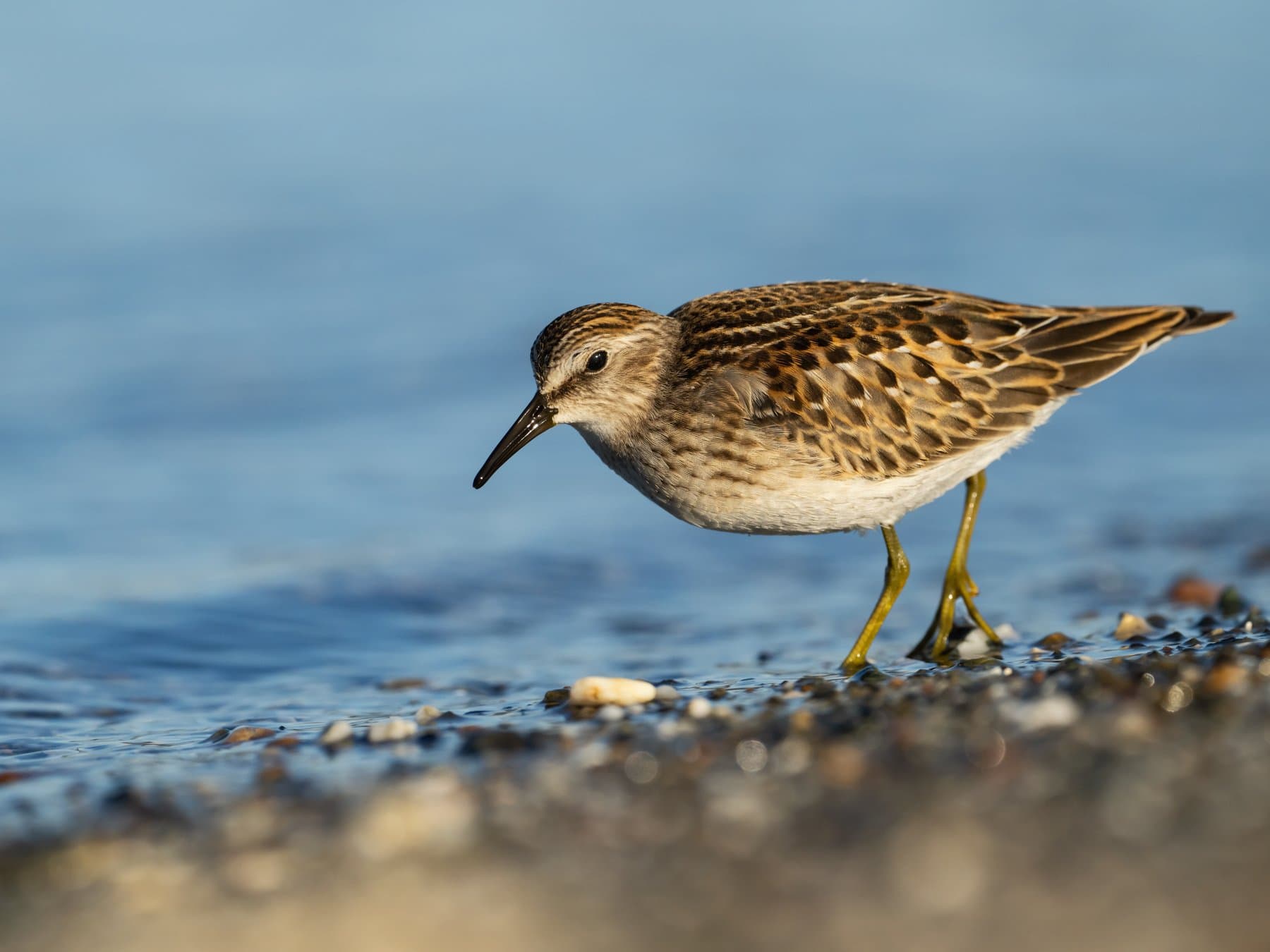 Least SandpiperCalidris minutillaWinter visitorCommon13–15 cmRecorded all year · 0.84% in Feb
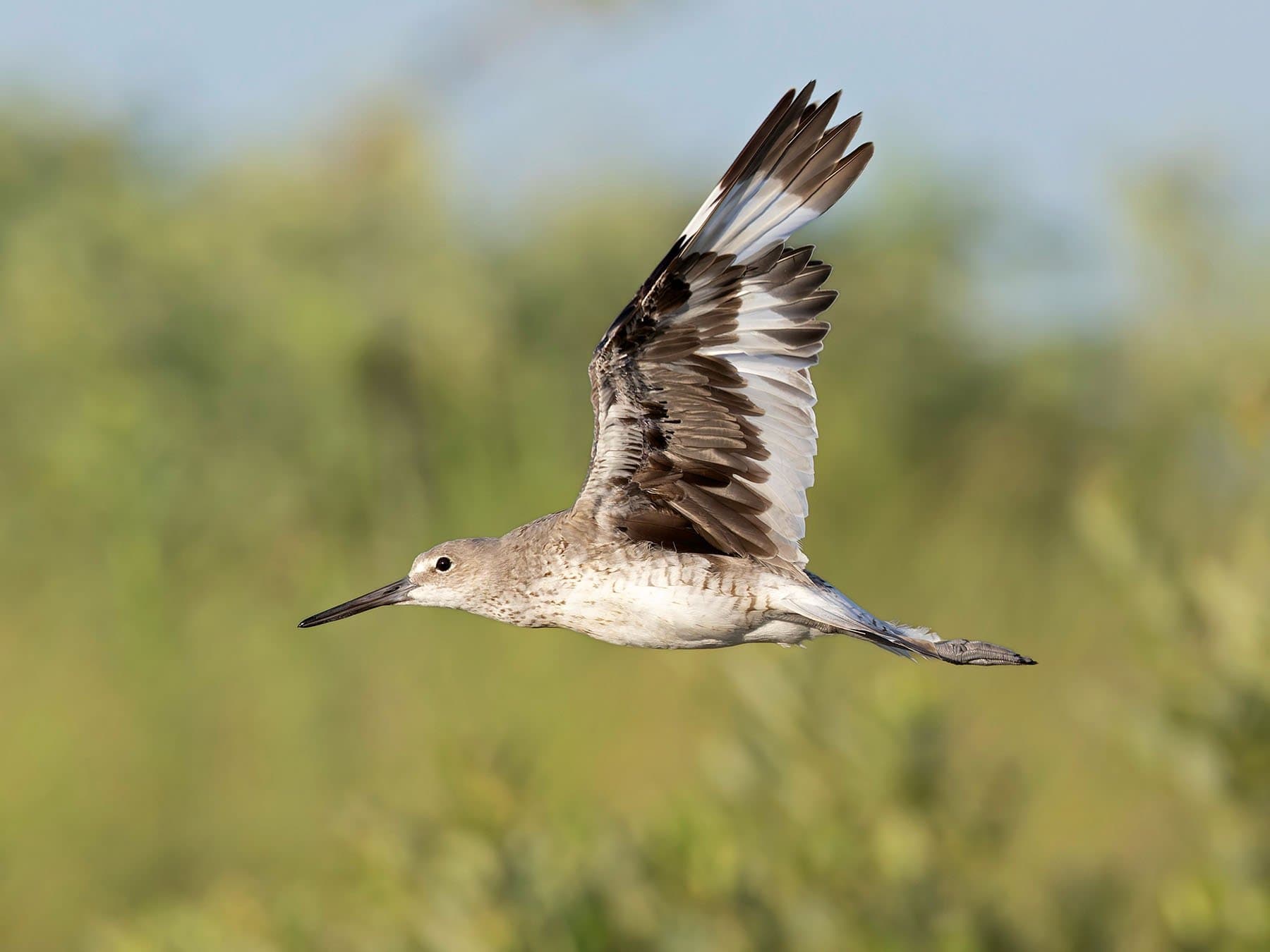 WilletTringa semipalmataResidentCommon33–41 cmRecorded all year · 0.81% in Feb
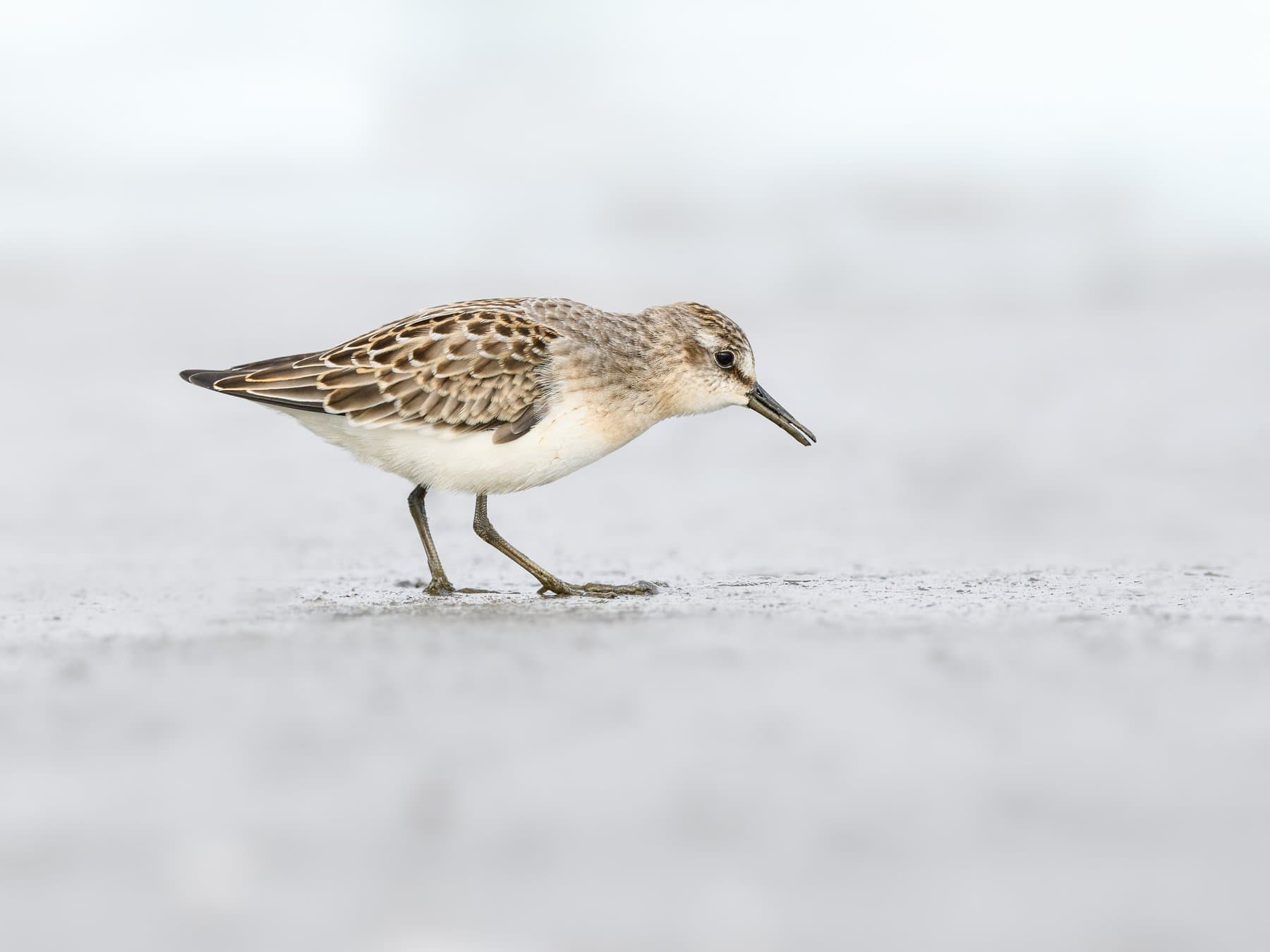 Semipalmated SandpiperCalidris pusillaWinter visitorCommon15–18 cmRegularly Aug–Jun · 0.65% in Feb
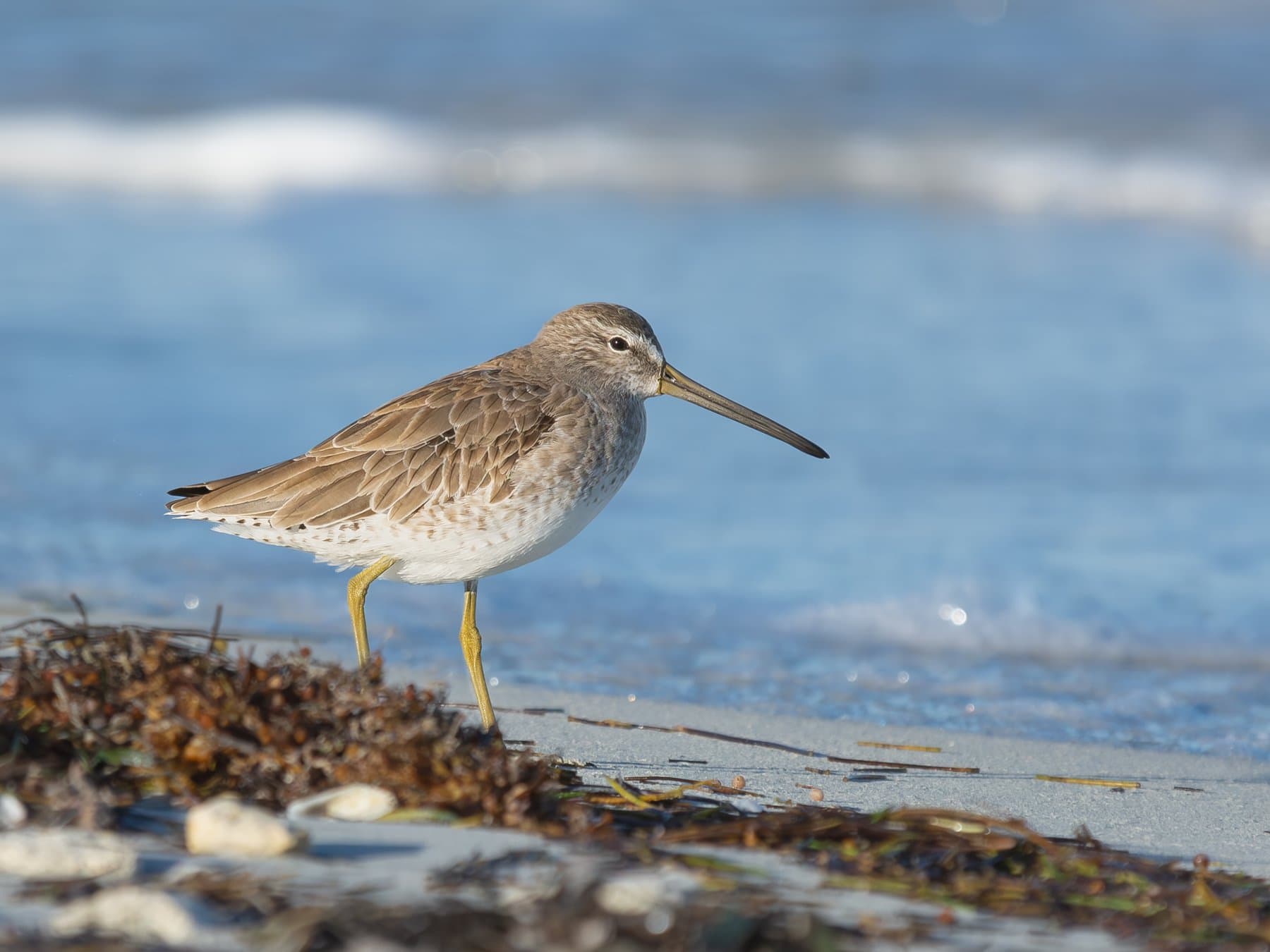 Short-billed DowitcherLimnodromus griseusWinter visitorCommon23–32 cmRegularly Aug–Jun · 0.65% in Feb
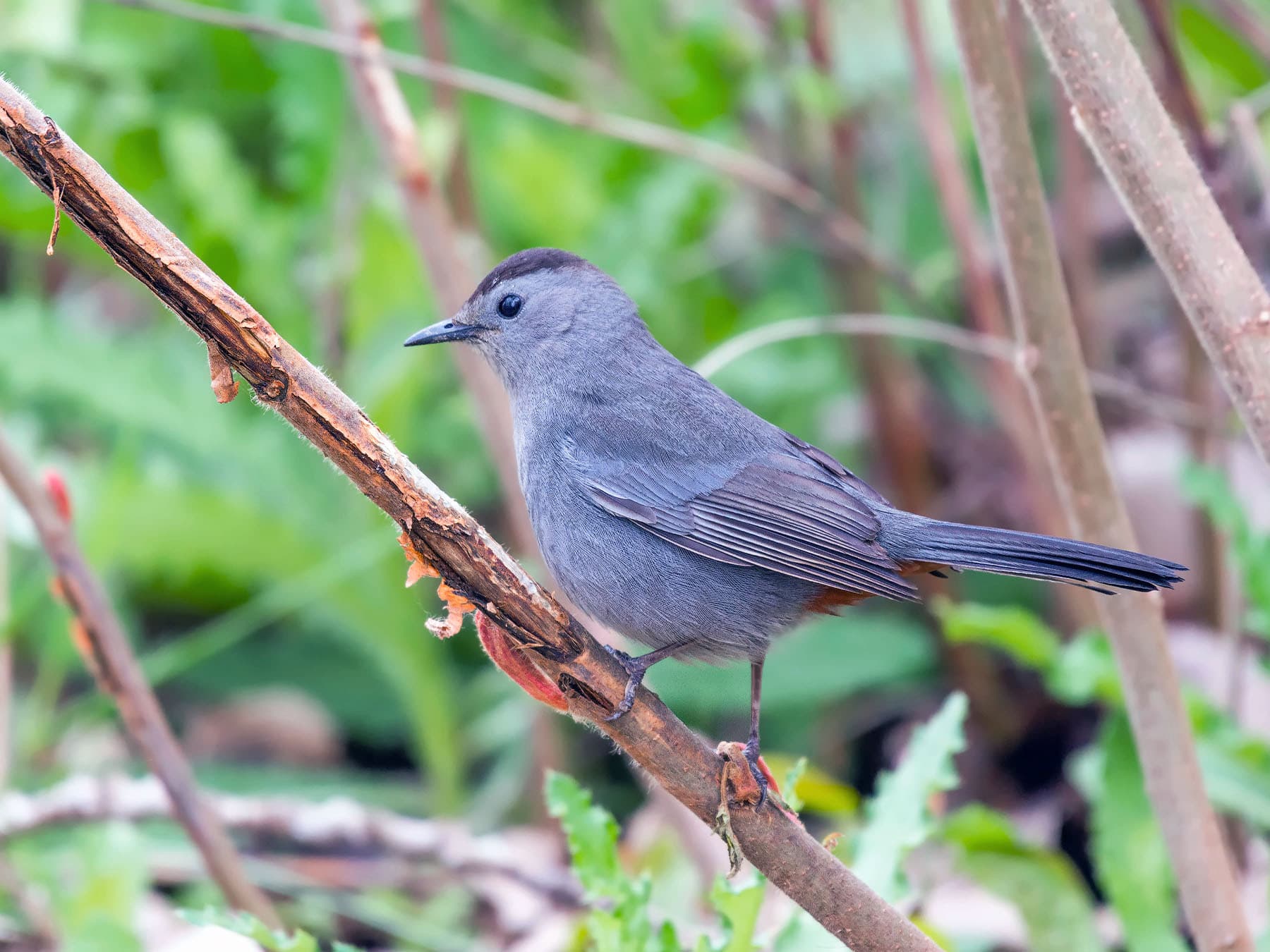 Gray CatbirdDumetella carolinensisPassage migrantCommon20–24 cmRegularly Oct–Mar · 0.62% in Feb
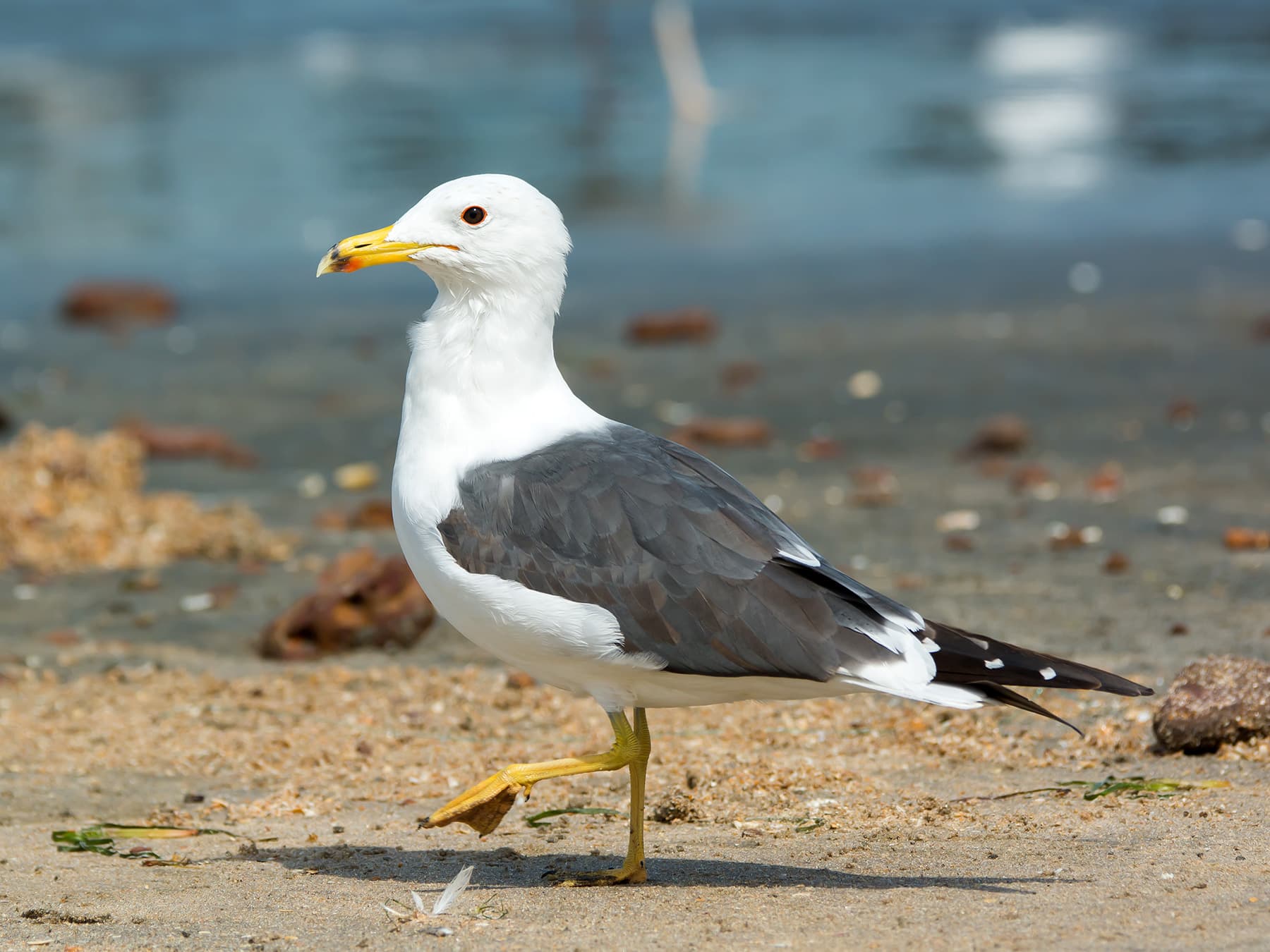 Lesser Black-backed GullLarus fuscusPassage migrantCommon52–64 cmRegularly Oct–Mar · 0.62% in Feb
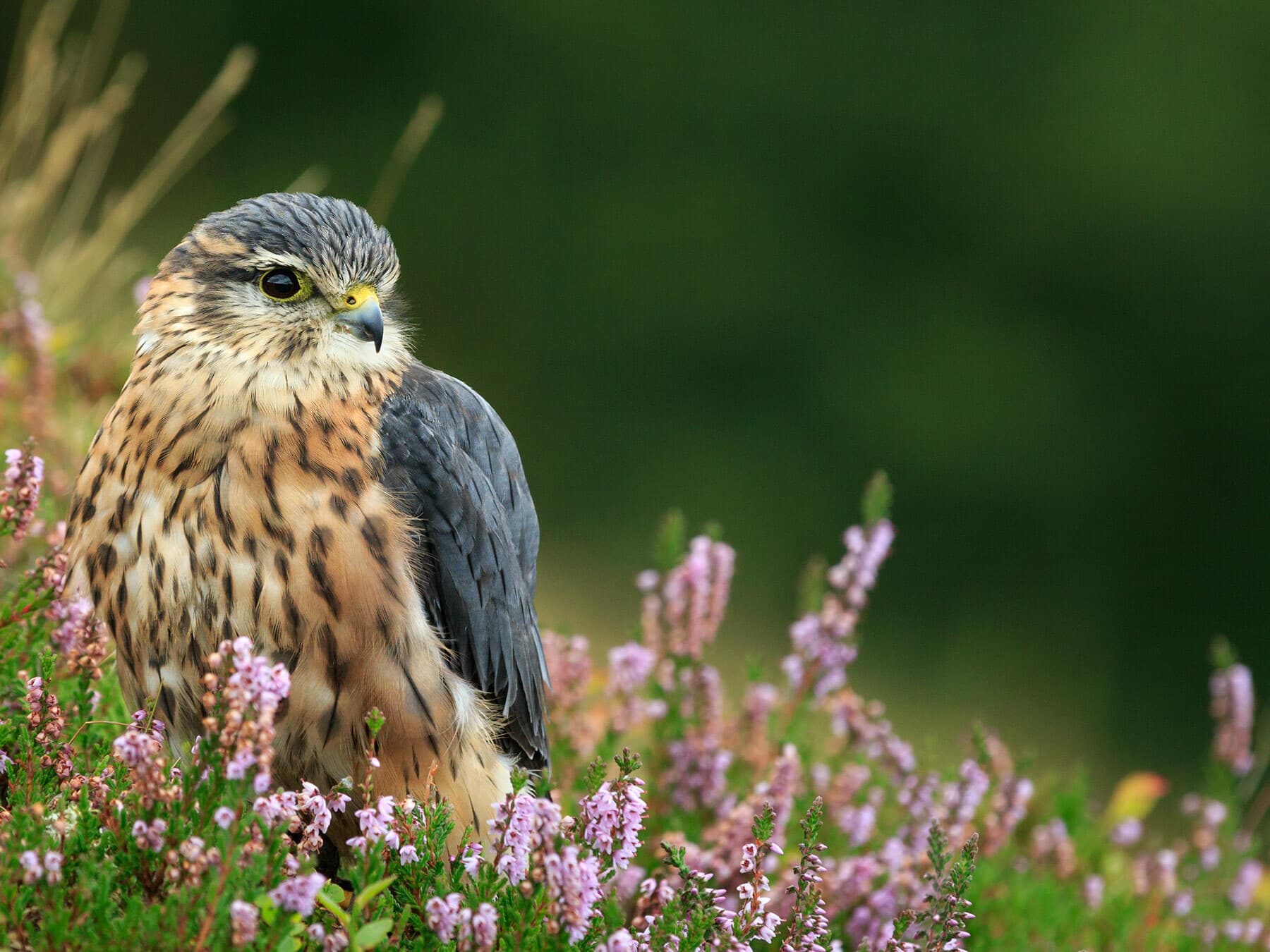 MerlinFalco columbariusWinter visitorCommon24–33 cmRegularly Sep–Feb · 0.53% in Feb
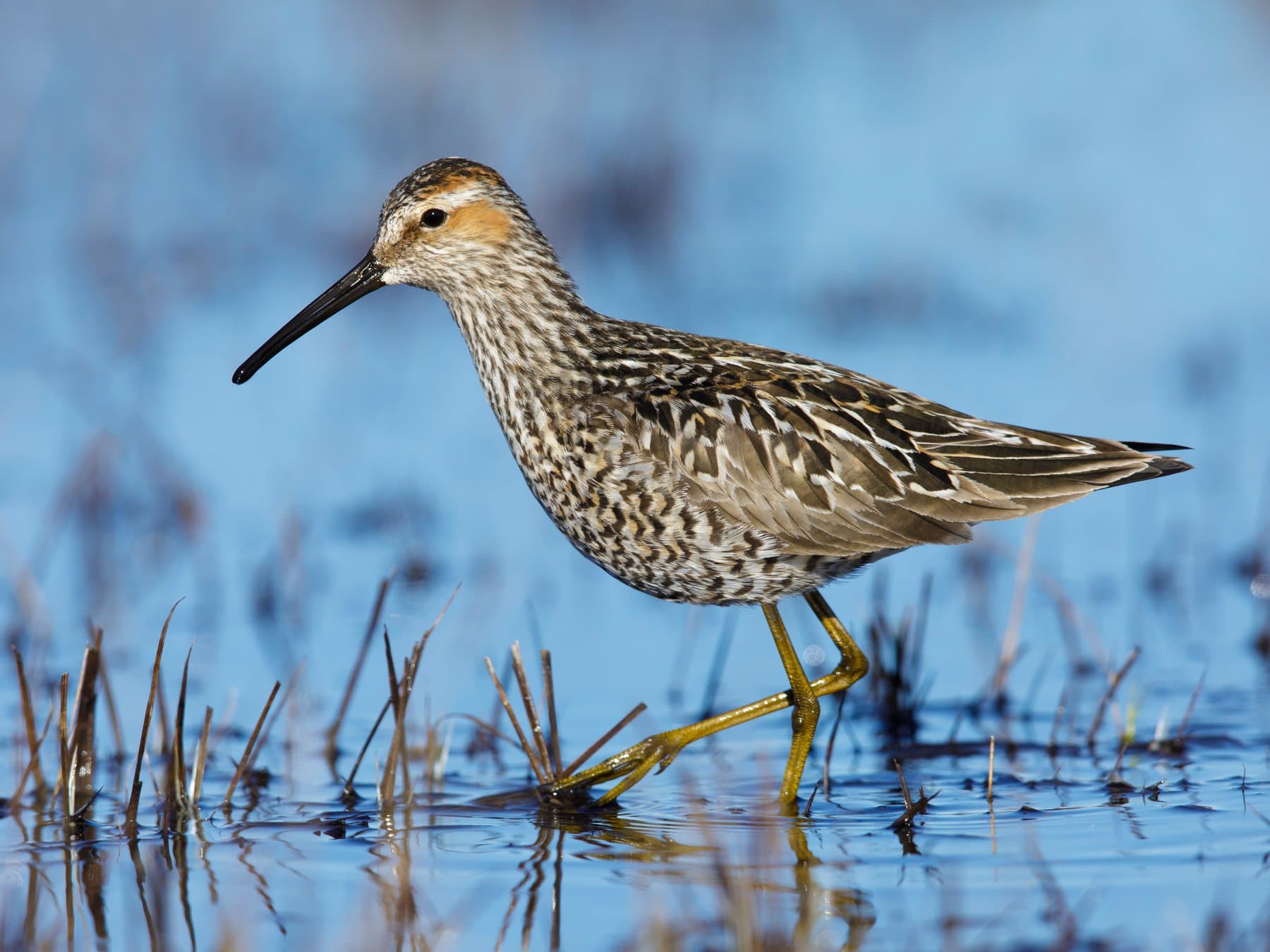 Stilt SandpiperCalidris himantopusWinter visitorCommon18–23 cmRegularly Aug–Jun · 0.50% in Feb
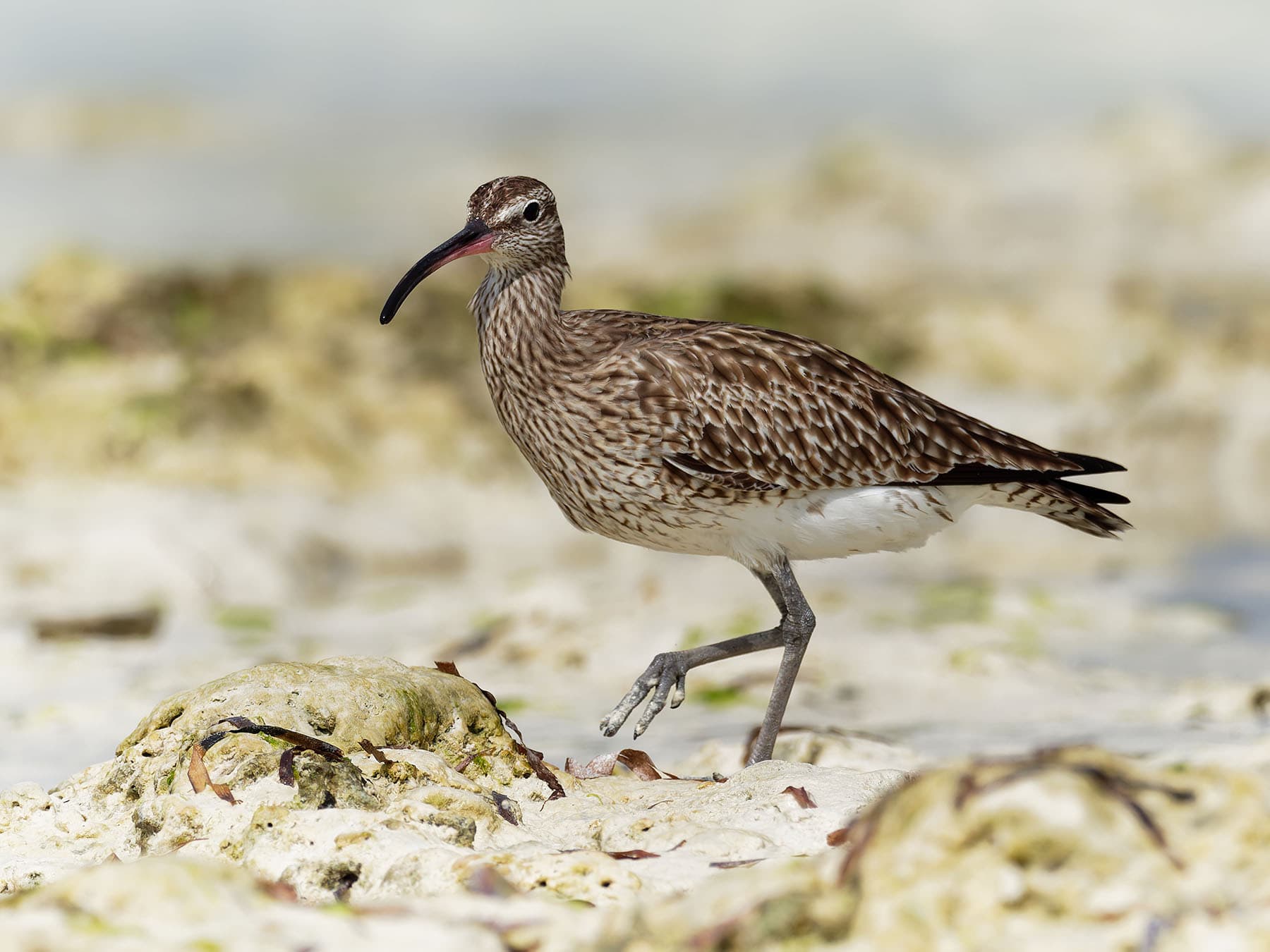 WhimbrelNumenius phaeopusPassage migrantUncommon40–46 cmRegularly Sep–Apr · 0.50% in Feb
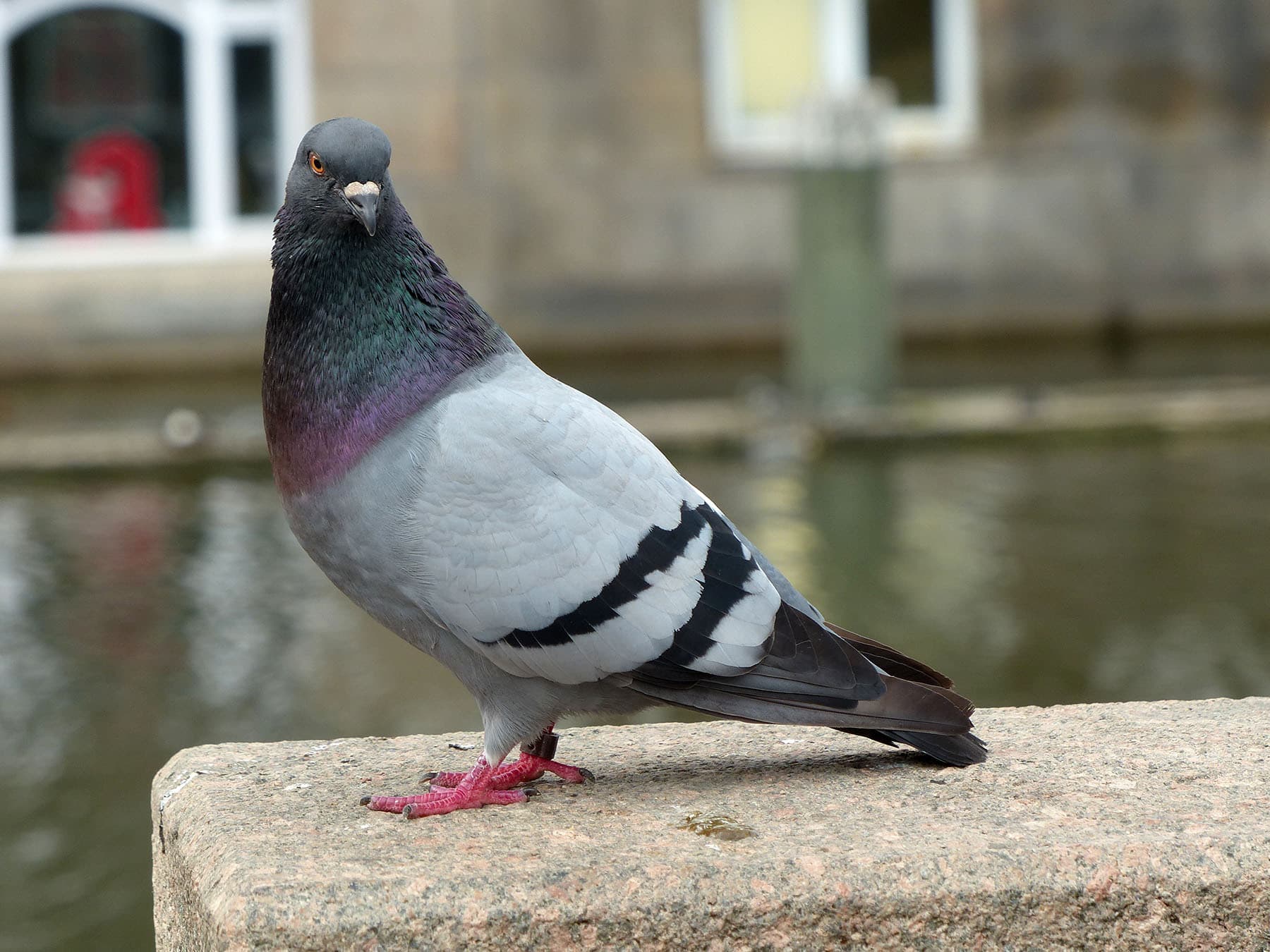 Rock DoveColumba liviaWinter visitorUncommon31–34 cmRegularly Sep–Jun · 0.47% in Feb
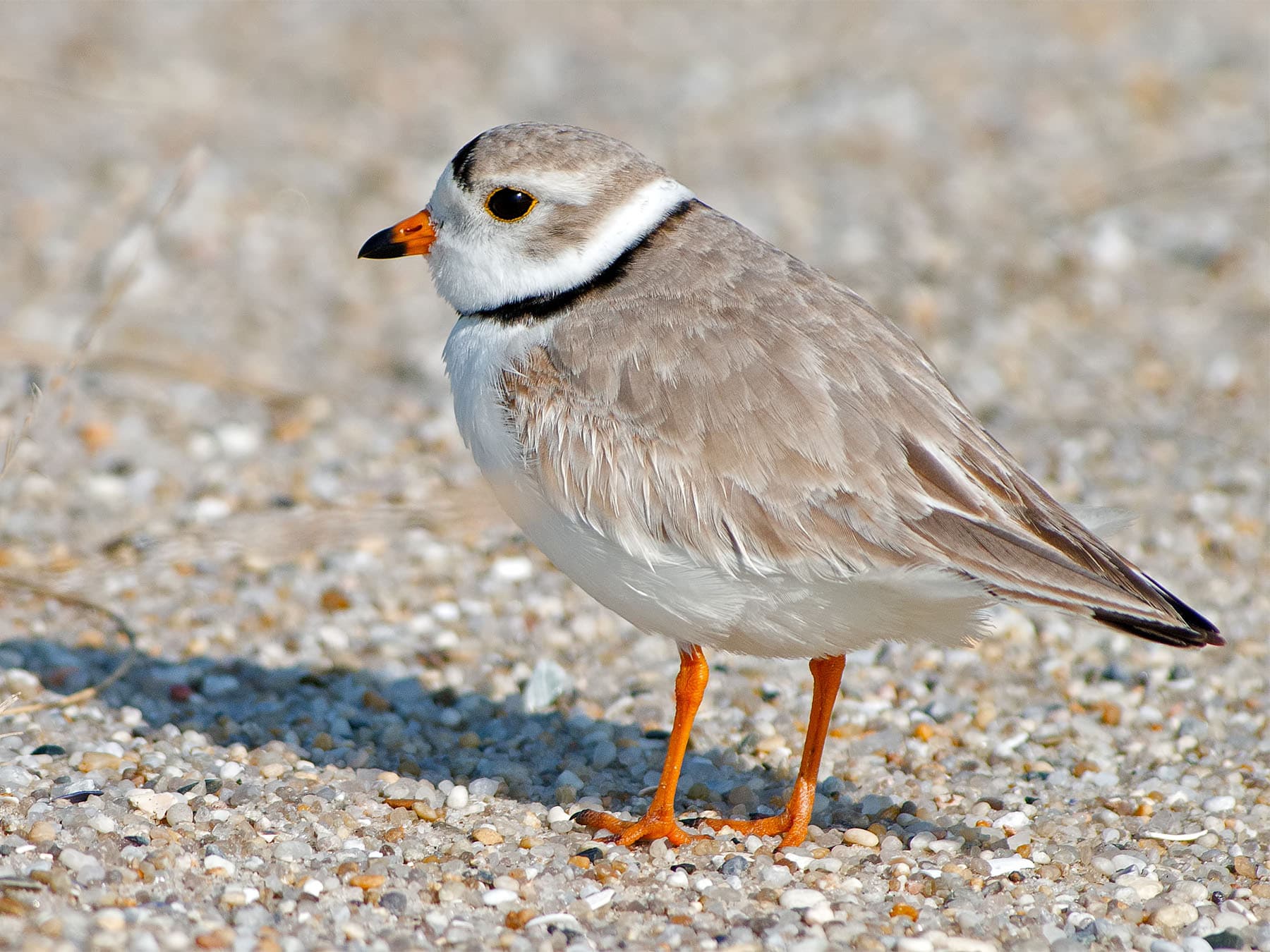 Piping PloverCharadrius melodusPassage migrantCommon17–18 cmRegularly Jan–Feb · 0.40% in Feb
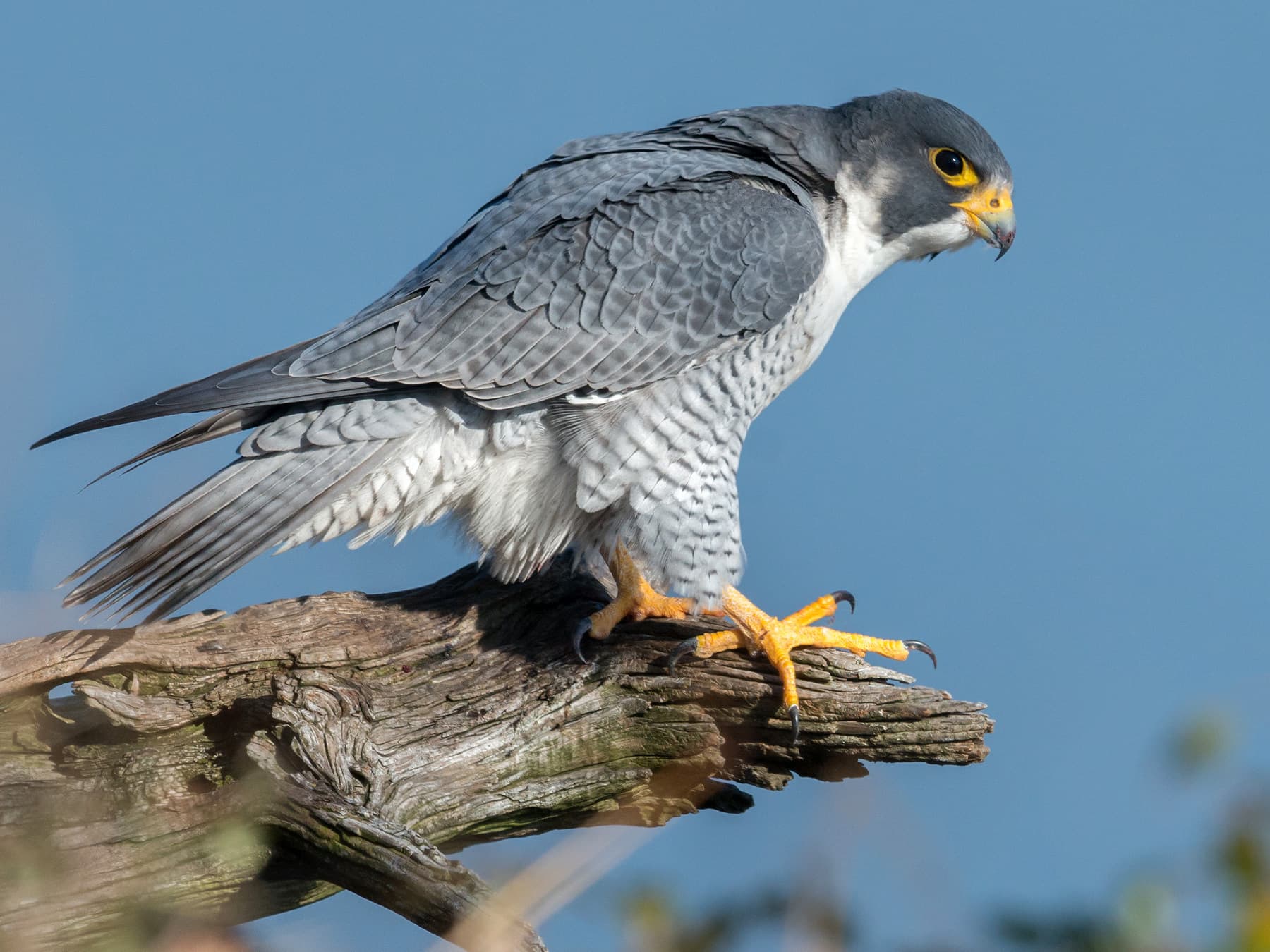 Peregrine FalconFalco peregrinusPassage migrantUncommon34–58 cmRegularly Oct–Feb · 0.34% in Feb
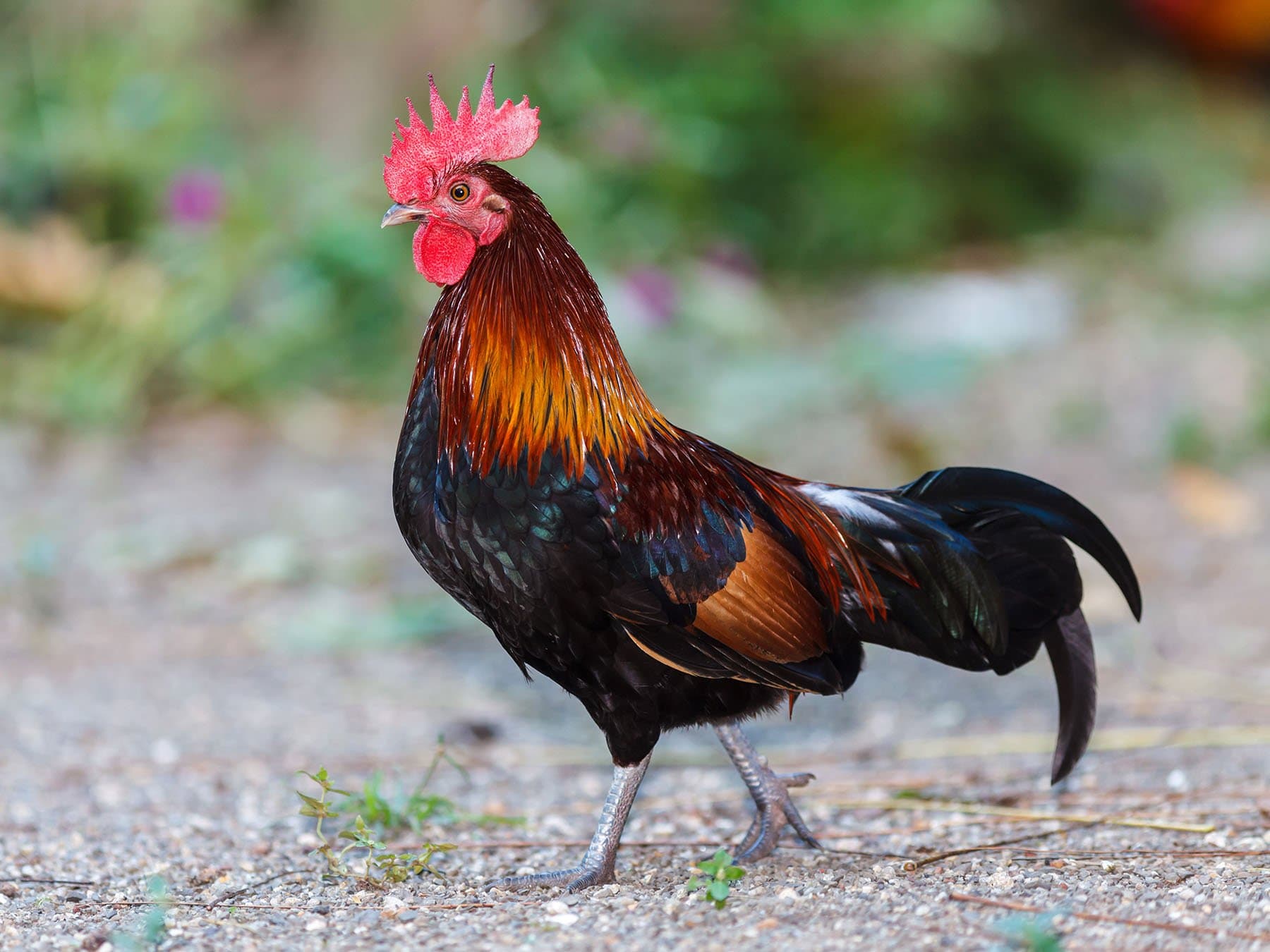 Red JunglefowlGallus gallusPassage migrantUncommon42–75 cmRegularly Jun–Feb · 0.31% in Feb
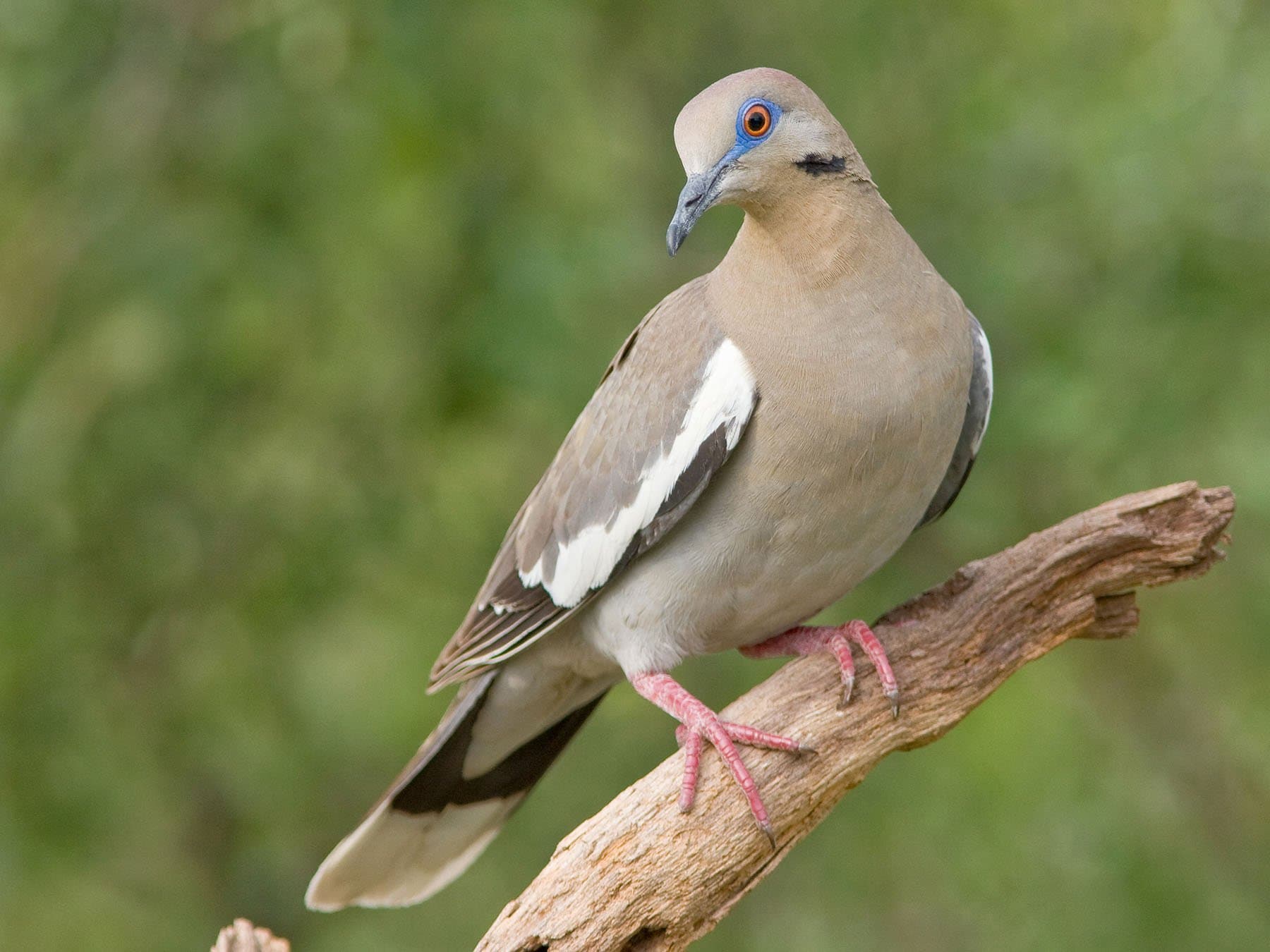 White-winged DoveZenaida asiaticaSummer visitorCommon27–30 cmRegularly Feb–Dec · 0.28% in Feb
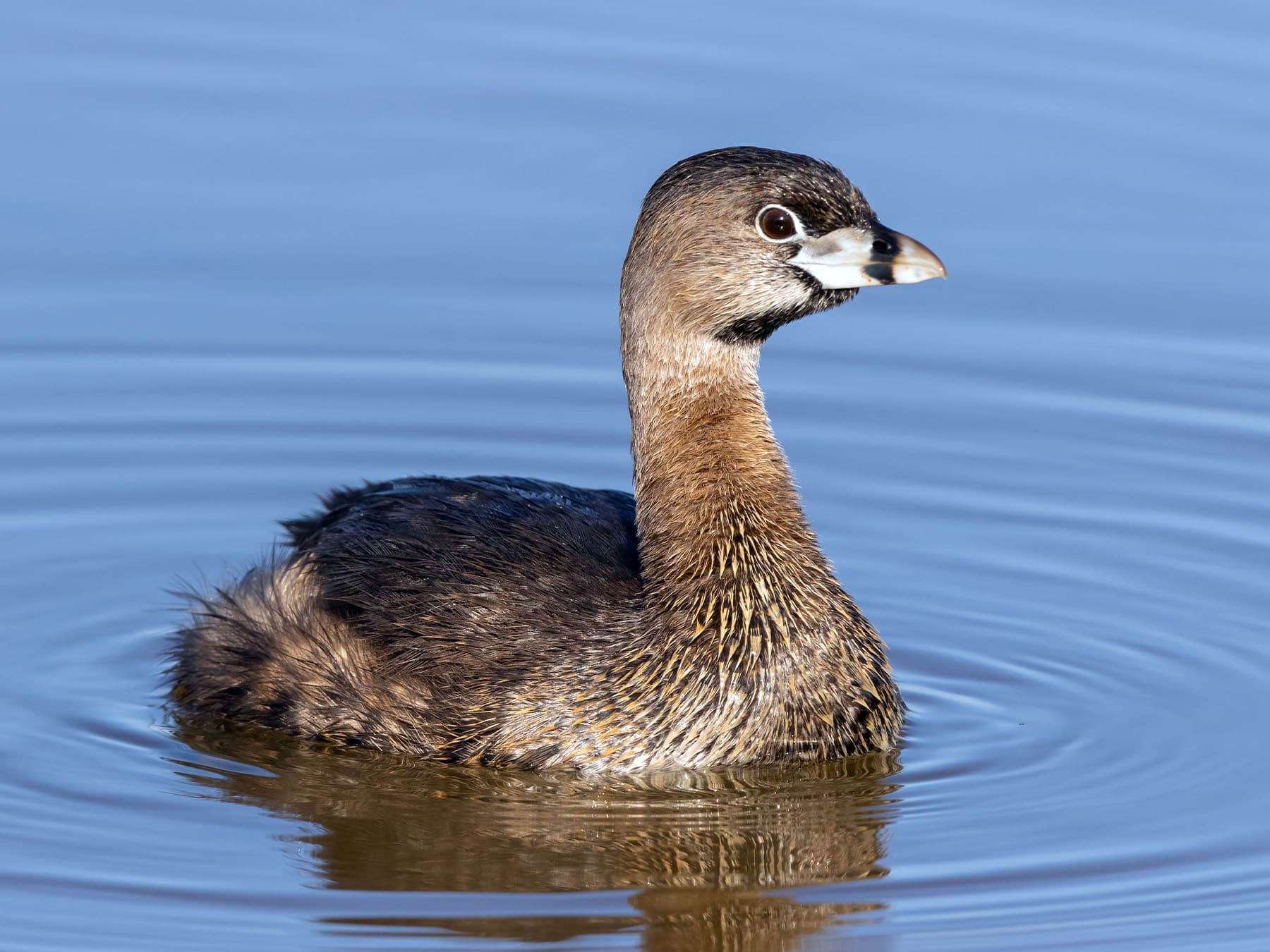 Pied-billed GrebePodilymbus podicepsPassage migrantCommon31–38 cmRegularly Jun–Feb · 0.25% in Feb
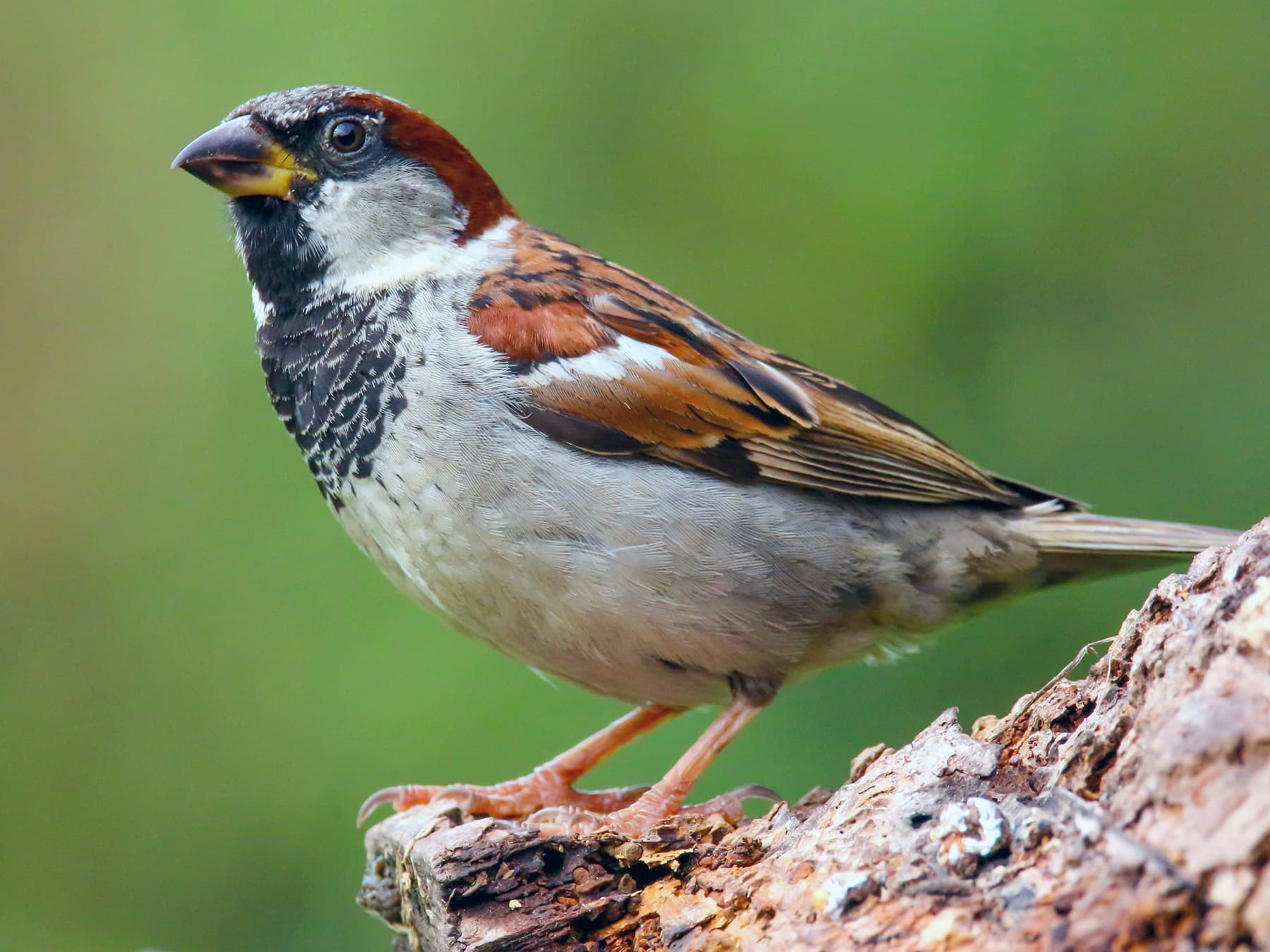 House SparrowPasser domesticusPassage migrantCommon14–17 cmRegularly Nov–Jun · 0.19% in Feb
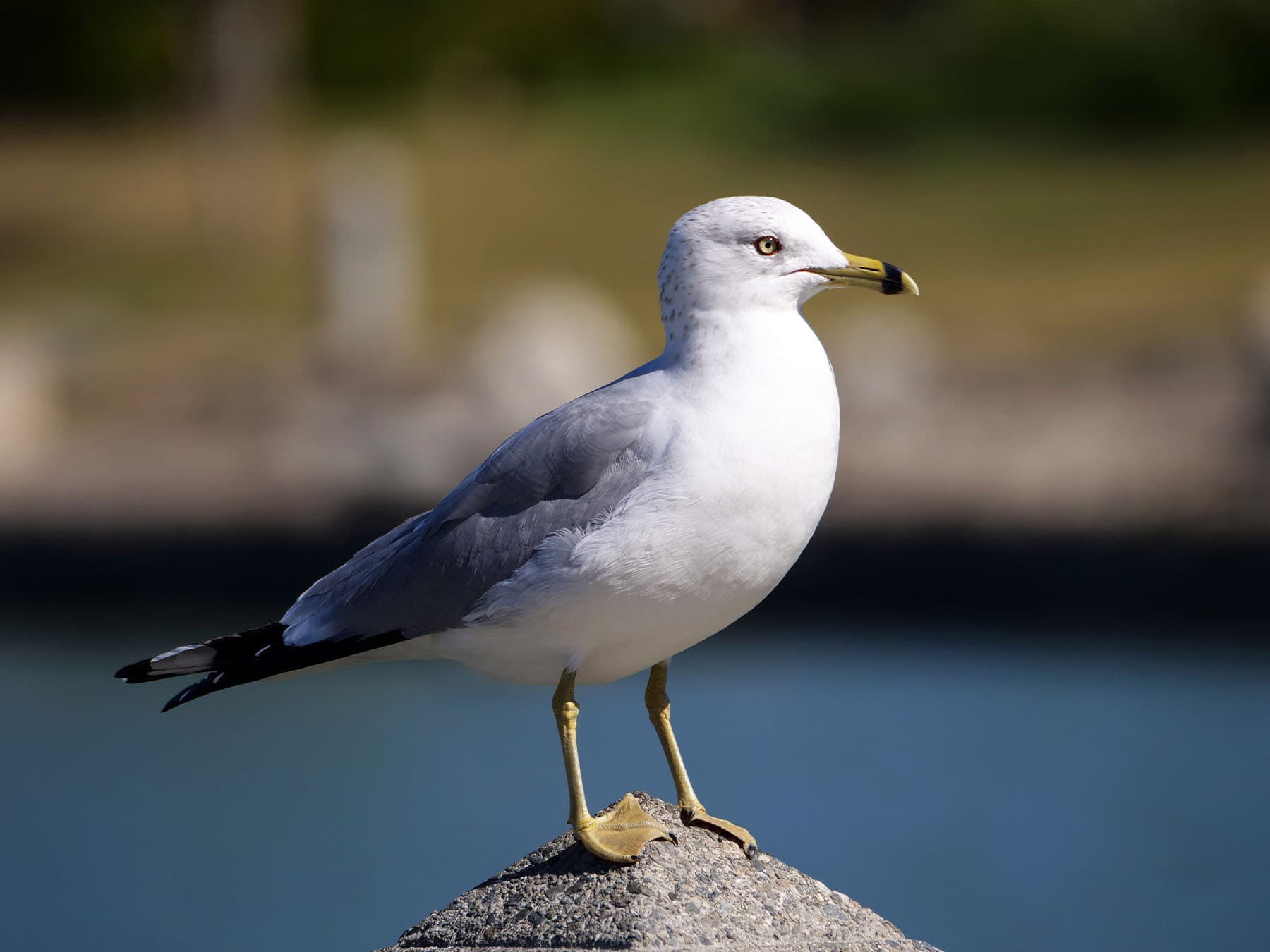 Ring-billed GullLarus delawarensisPassage migrantUncommon43–54 cmRegularly Feb · 0.19% in Feb
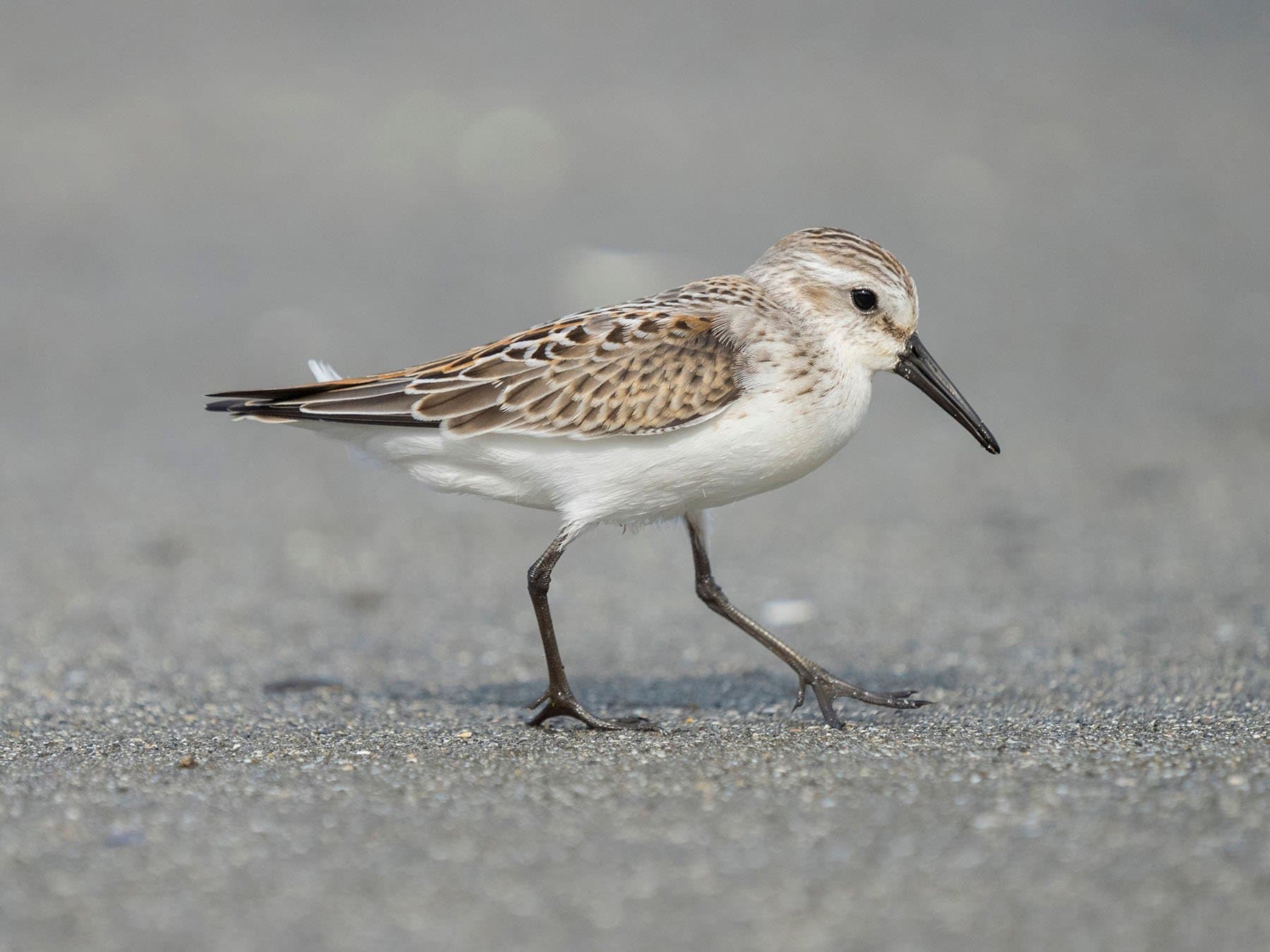 Western SandpiperCalidris mauriWinter visitorCommon14–17 cmRegularly Nov–Feb · 0.19% in Feb
 American RedstartSetophaga ruticillaPassage migrantCommon11–14 cmRegularly Sep–Mar · 0.16% in Feb
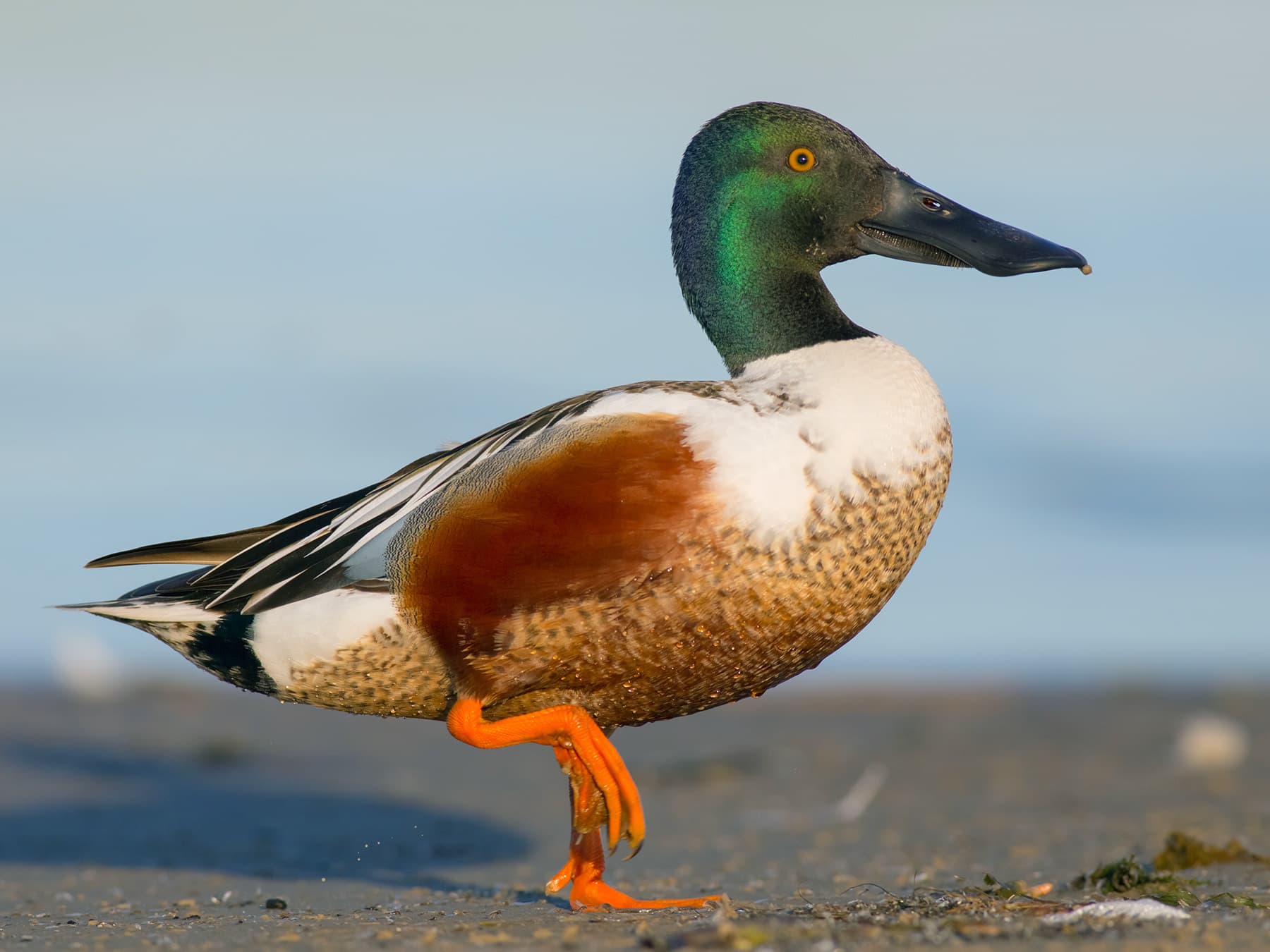 Northern ShovelerSpatula clypeataPassage migrantUncommon44–51 cmRegularly Feb · 0.16% in Feb
Data: EOD – eBird Observation Dataset (Cornell Lab of Ornithology), accessed via GBIF.org, CC BY 4.0. Records from 2019–2024, aggregated and filtered by Birdfact. How these lists are made