


Birds to See in Guyana in February
35 bird species on our list for Guyana are recorded regularly in February
Of these, the most often recorded are Palm Tanager, Great White Egret, Turkey Vulture, Cocoi Heron and Roadside Hawk. New this month: Short-billed Dowitcher.
On the move in February
GBIF · FebAt their peak
From Guyana’s bird records, 2019–2024: arriving birds are regular this month but not last; leaving birds are regular this month but not next.
Other months
All 35 birds in February
35 birds
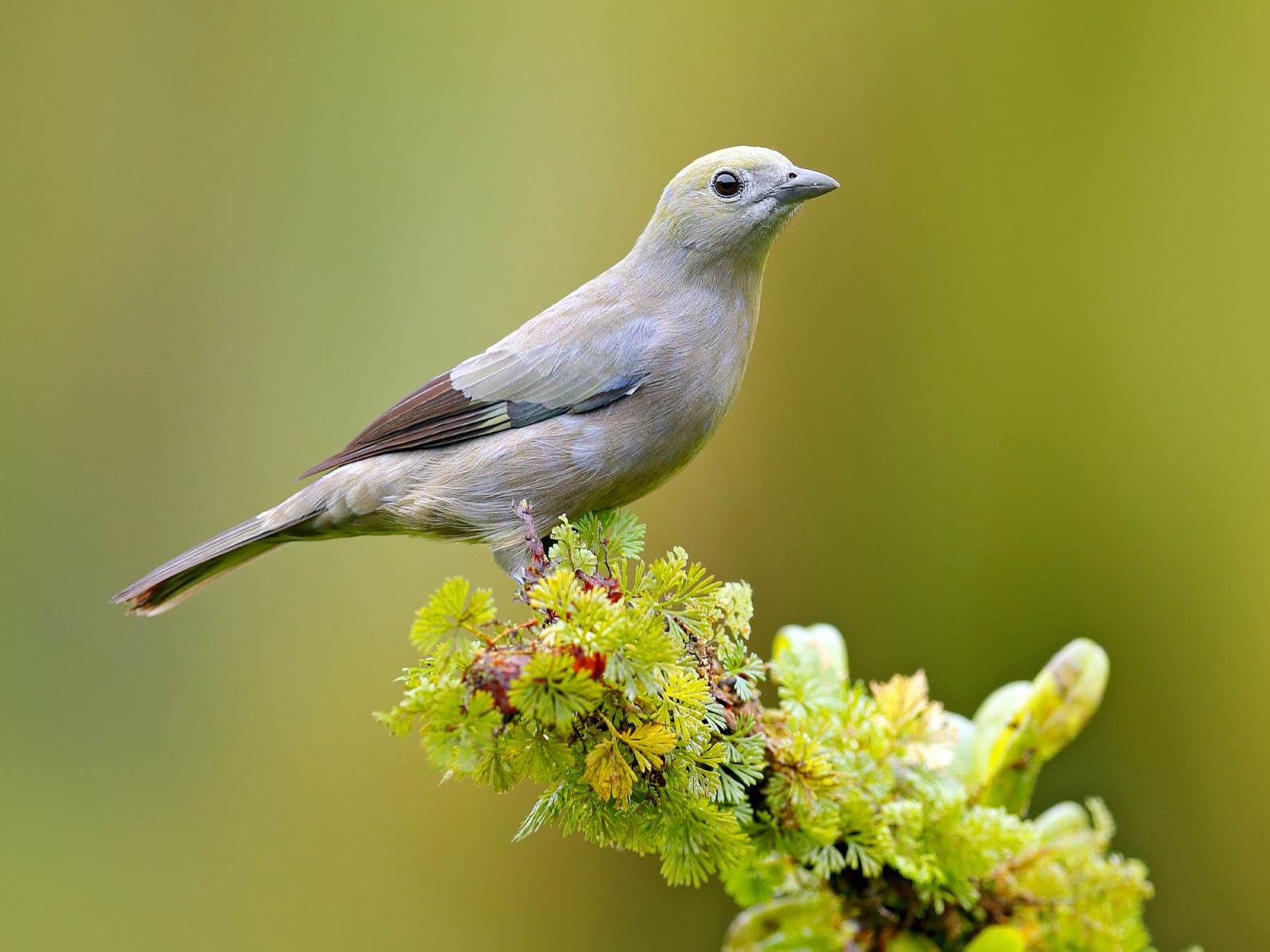 Palm TanagerThraupis palmarumResidentCommon16–18 cmRecorded all year · 1.15% in Feb
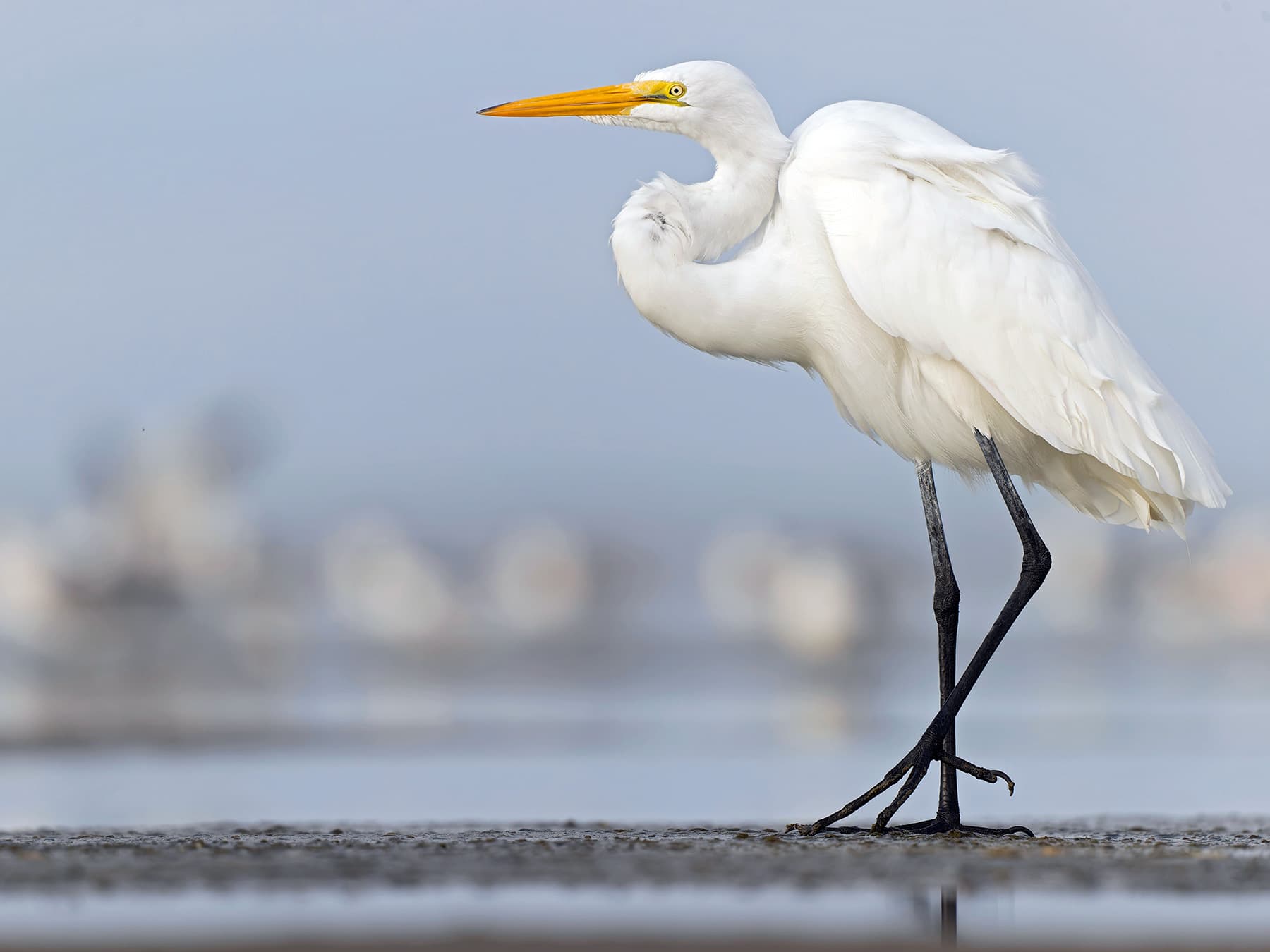 Great White EgretArdea albaResidentCommon80–104 cmRecorded all year · 1.08% in Feb
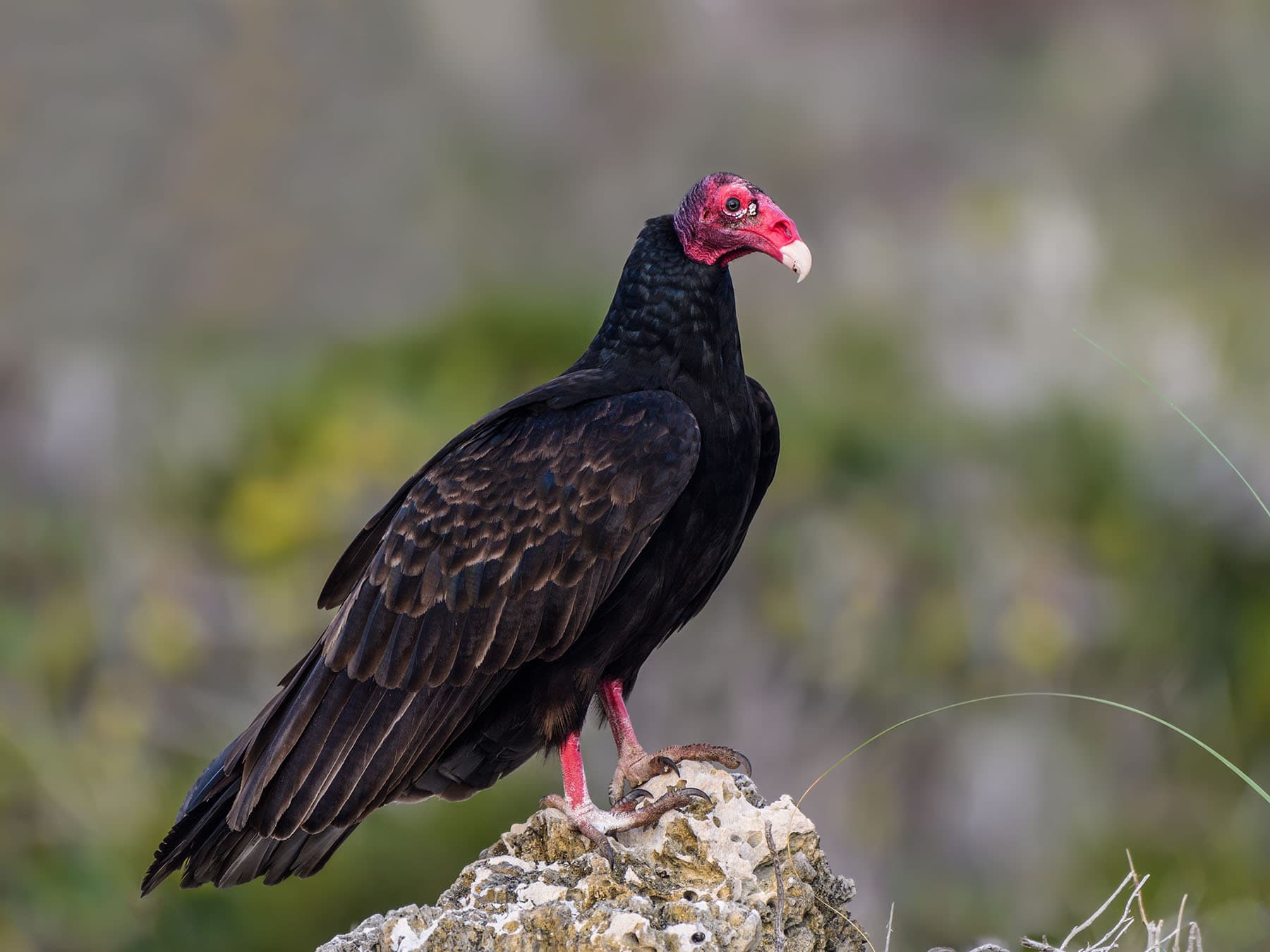 Turkey VultureCathartes auraResidentCommon62–81 cmRecorded all year · 0.81% in Feb
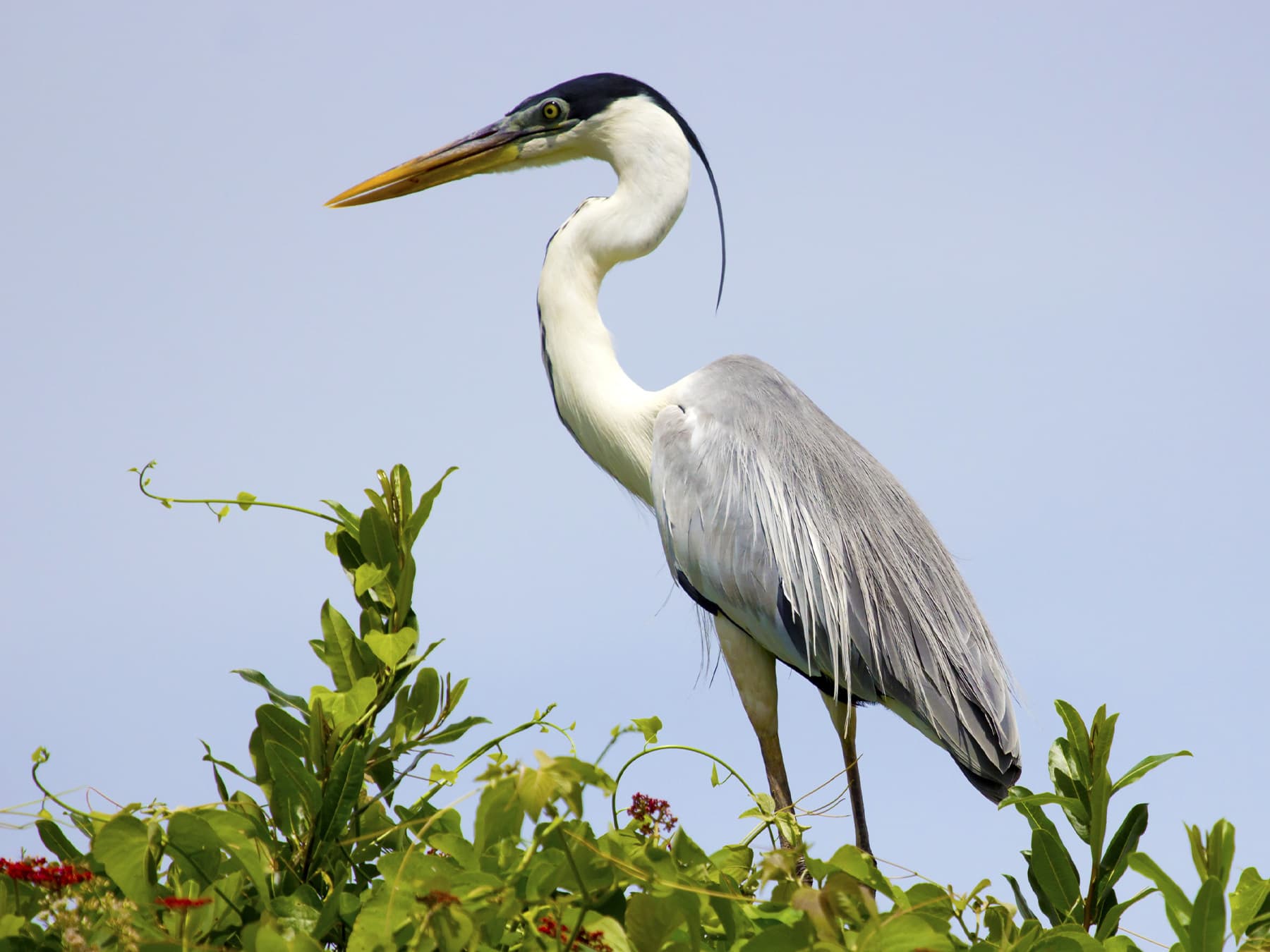 Cocoi HeronArdea cocoiResidentCommon95–127 cmRecorded all year · 0.68% in Feb
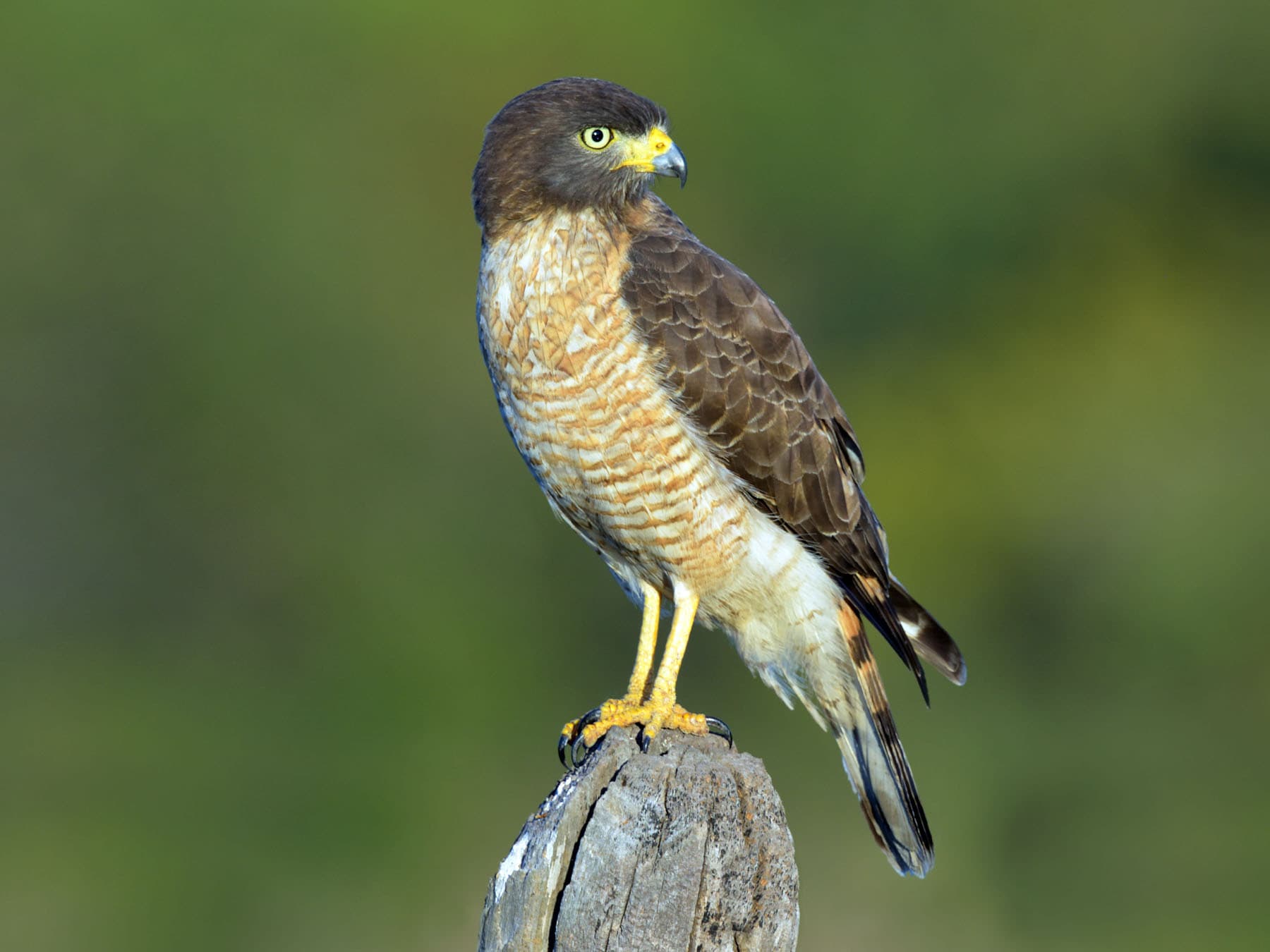 Roadside HawkRupornis magnirostrisResidentCommon33–41 cmRecorded all year · 0.60% in Feb
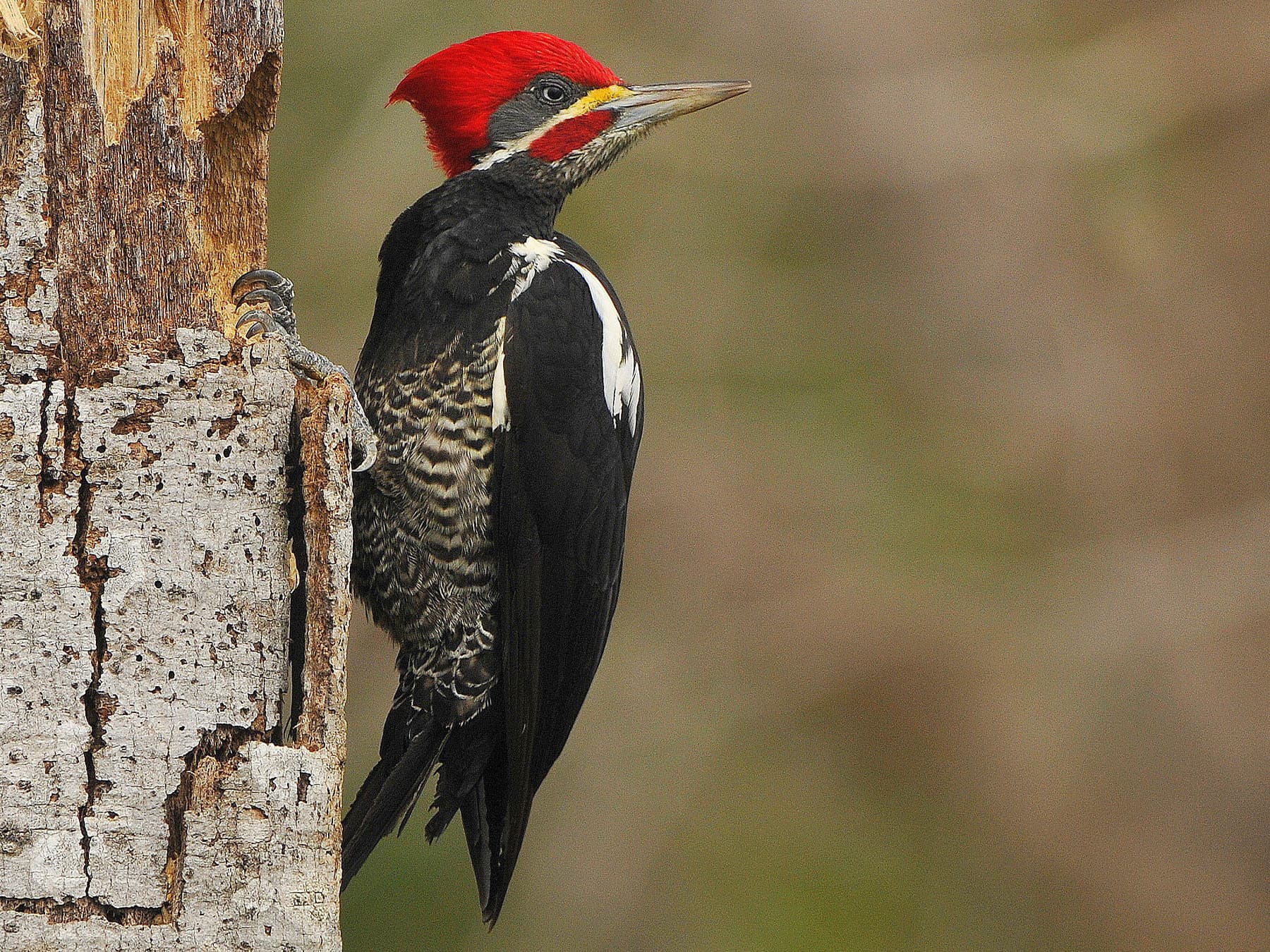 Lineated WoodpeckerDryocopus lineatusResidentCommon32–38 cmRecorded all year · 0.56% in Feb
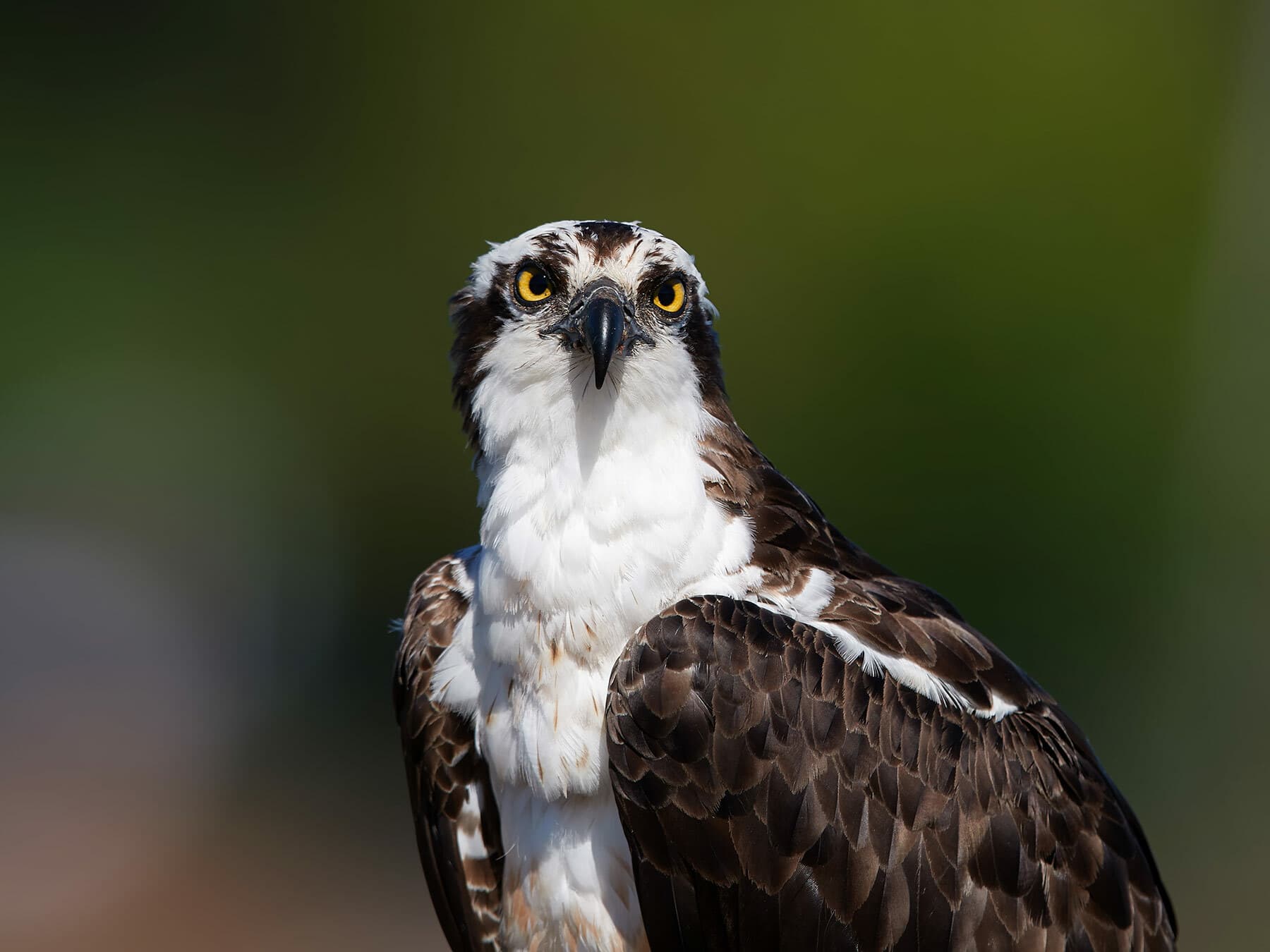 OspreyPandion haliaetusWinter visitorCommon54–58 cmRegularly Aug–Jun · 0.51% in Feb
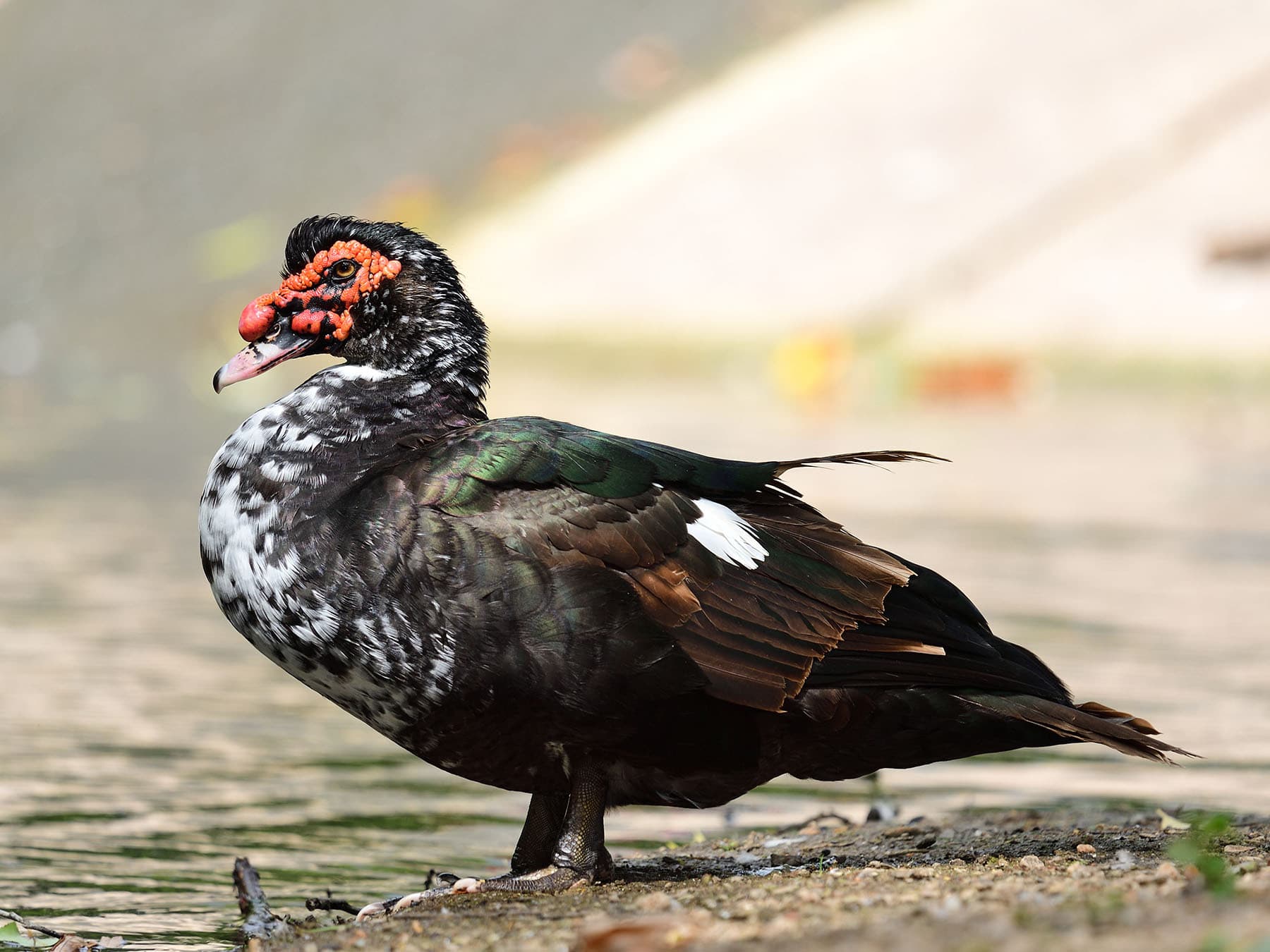 Muscovy DuckCairina moschataWinter visitorUncommon66–84 cmRegularly Jul–May · 0.44% in Feb
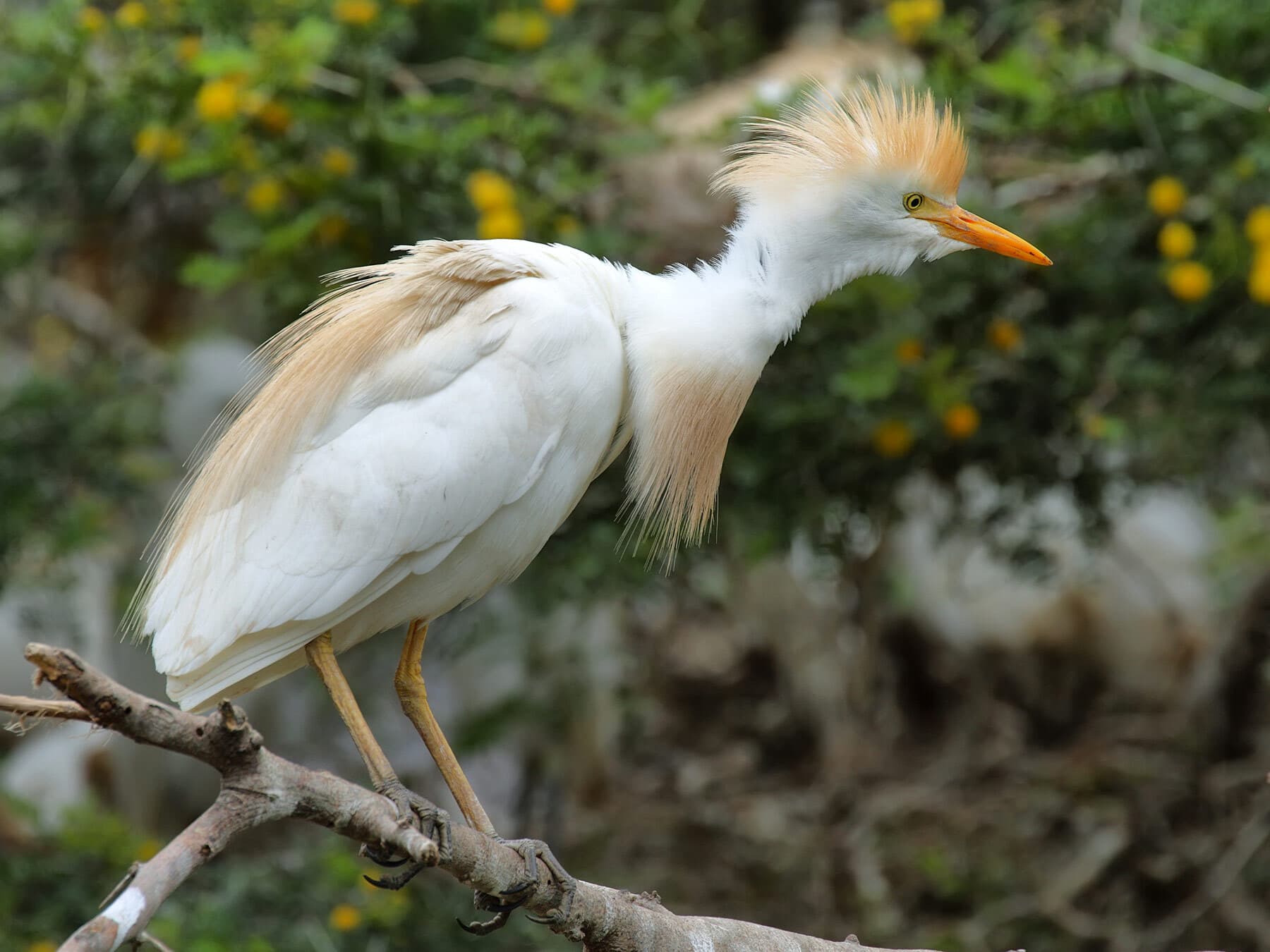 Cattle EgretArdea ibisResidentCommon46–56 cmRecorded all year · 0.41% in Feb
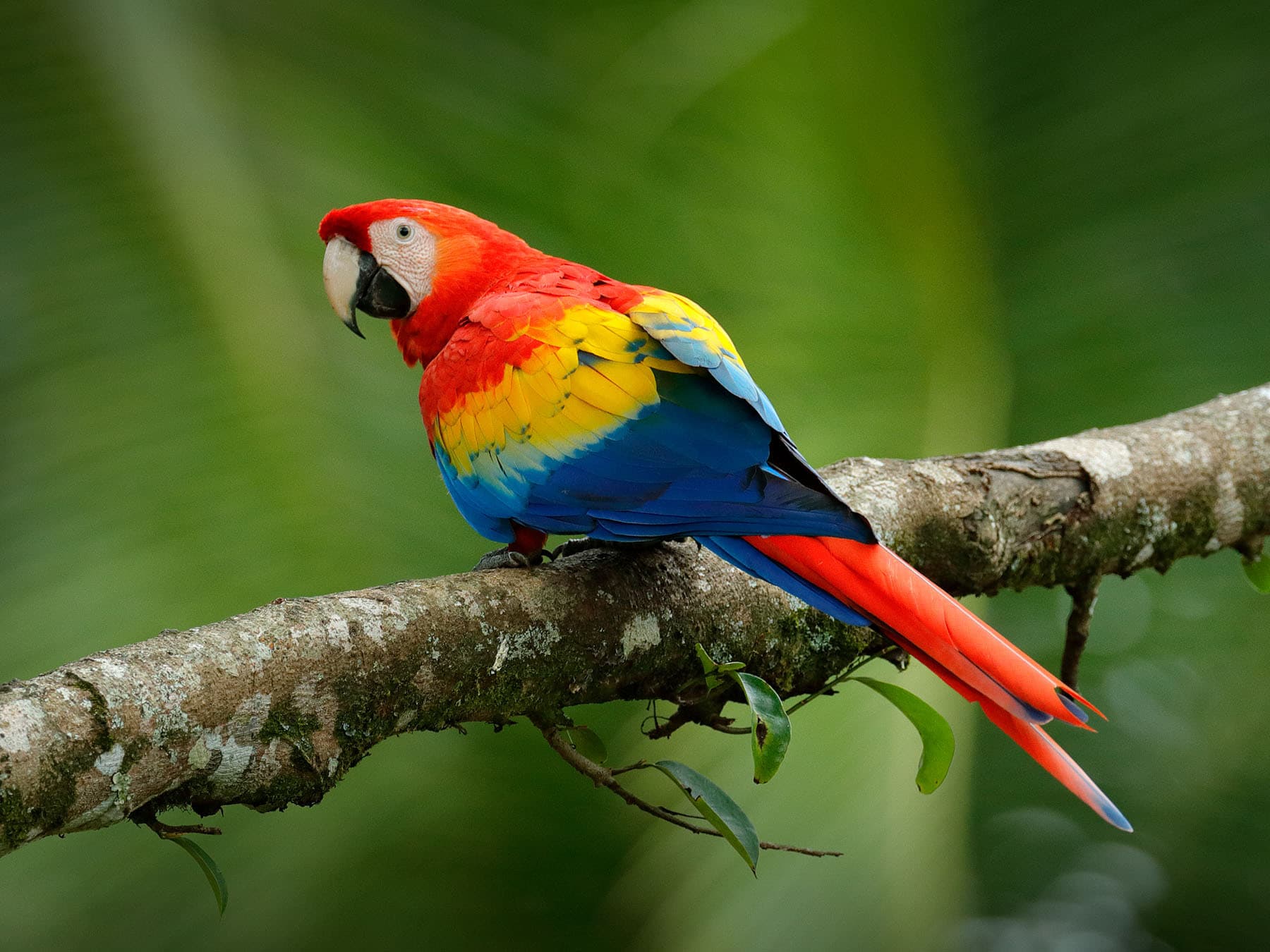 Scarlet MacawAra macaoResidentCommon81–96 cmRecorded all year · 0.34% in Feb
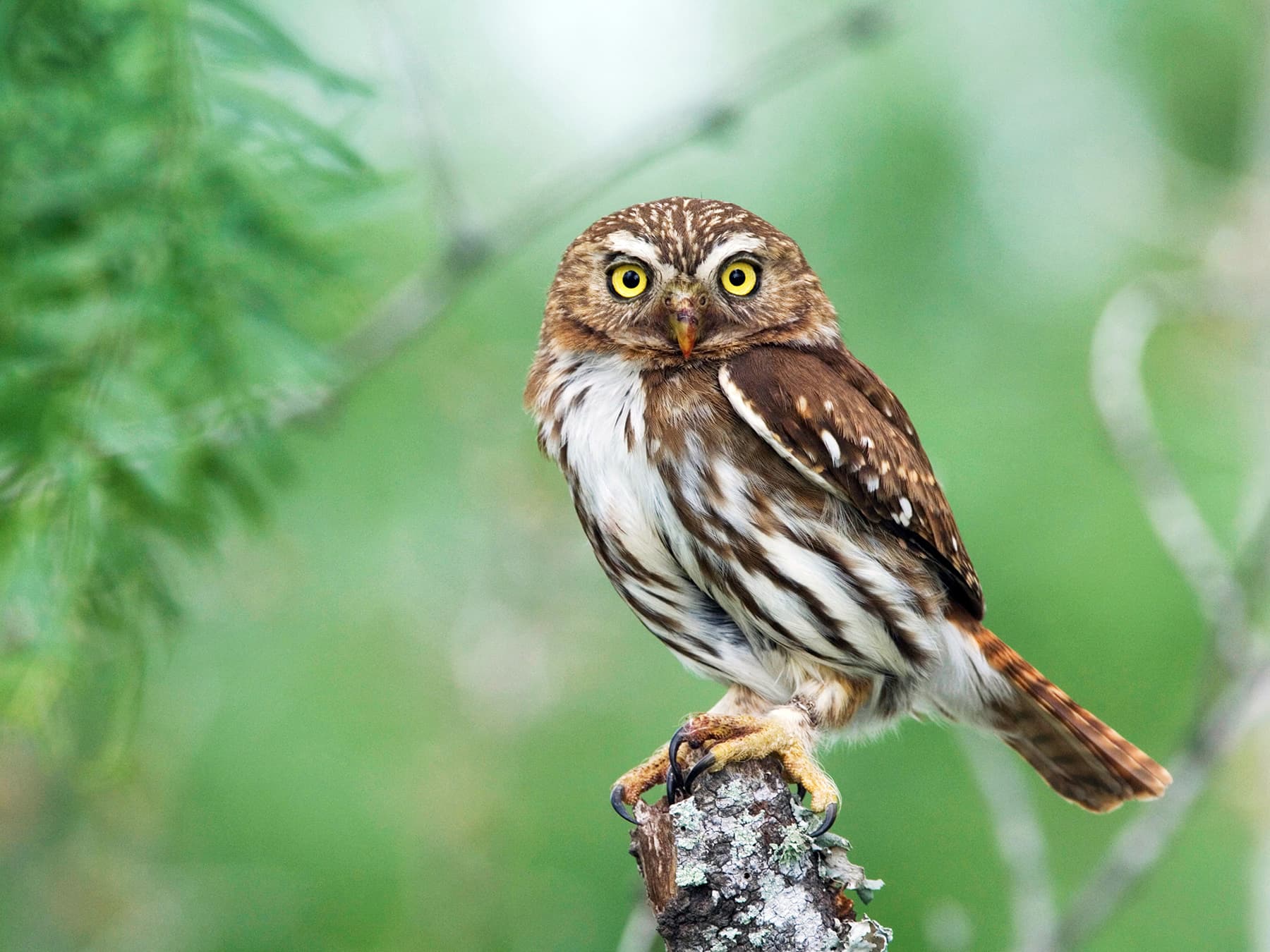 Ferruginous Pygmy-owlGlaucidium brasilianumWinter visitorUncommon15–19 cmRegularly Aug–May · 0.29% in Feb
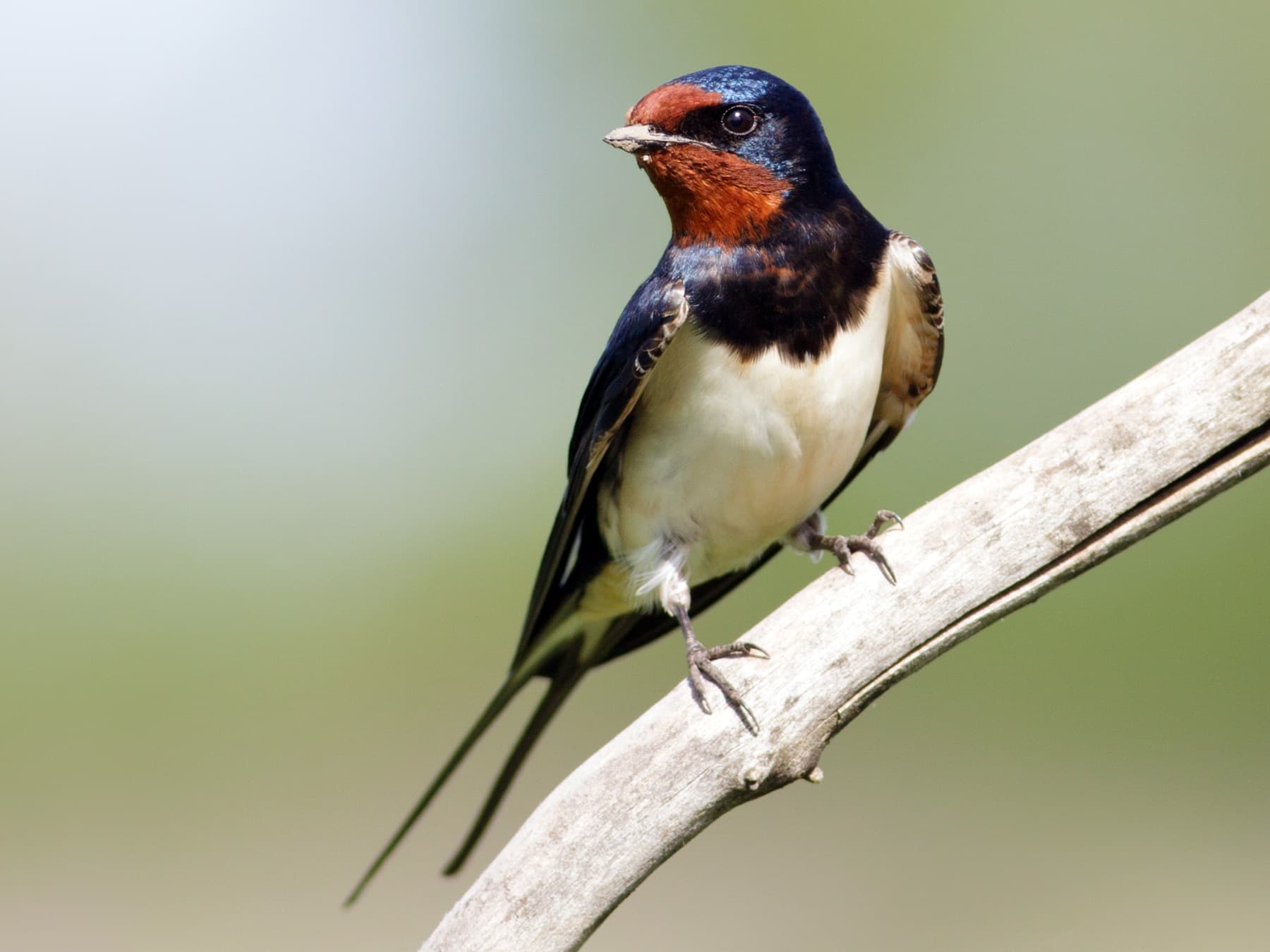 Barn SwallowHirundo rusticaWinter visitorUncommon17–19 cmRegularly Sep–May · 0.28% in Feb
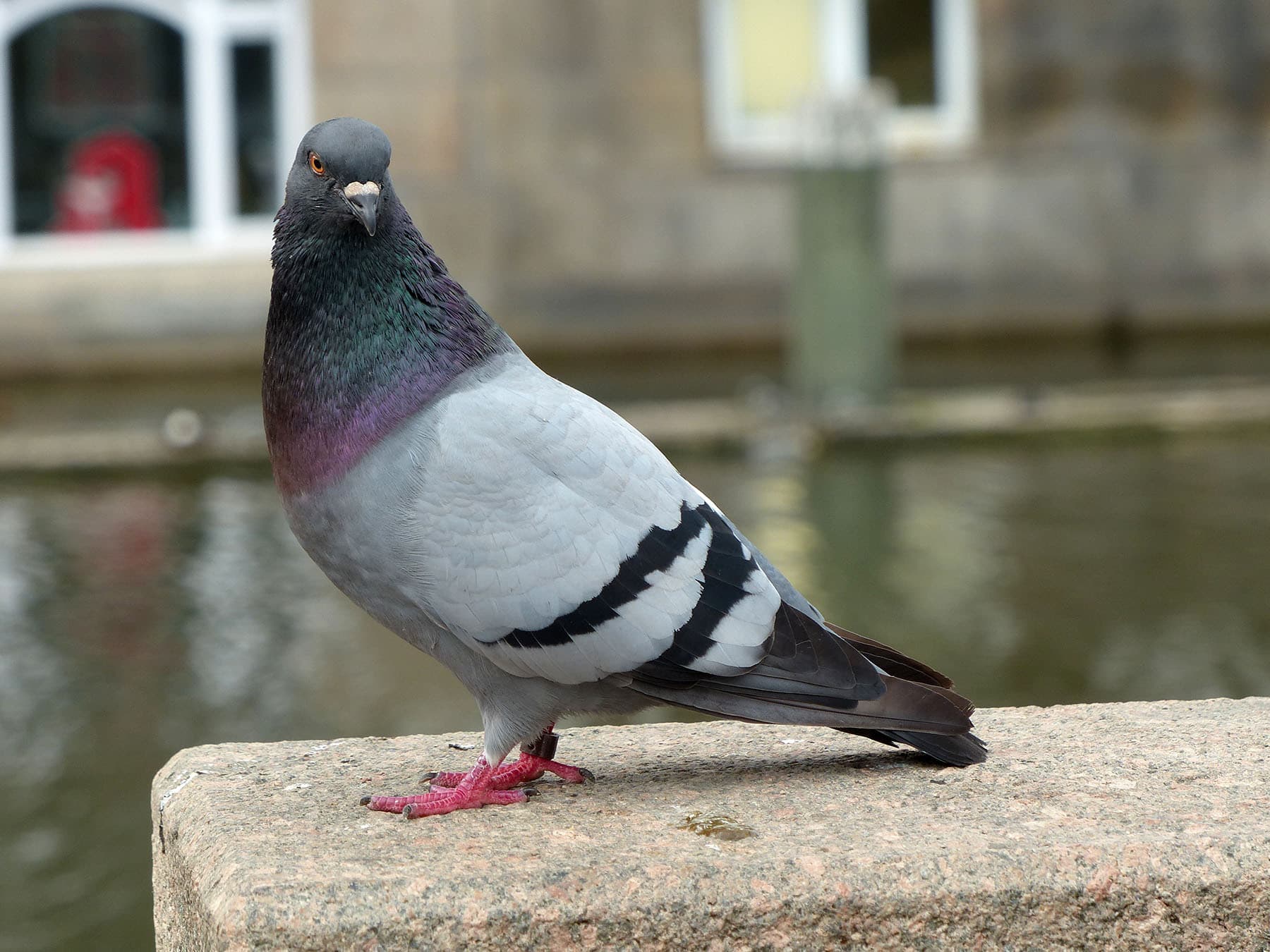 Rock DoveColumba liviaResidentCommon31–34 cmRecorded all year · 0.28% in Feb
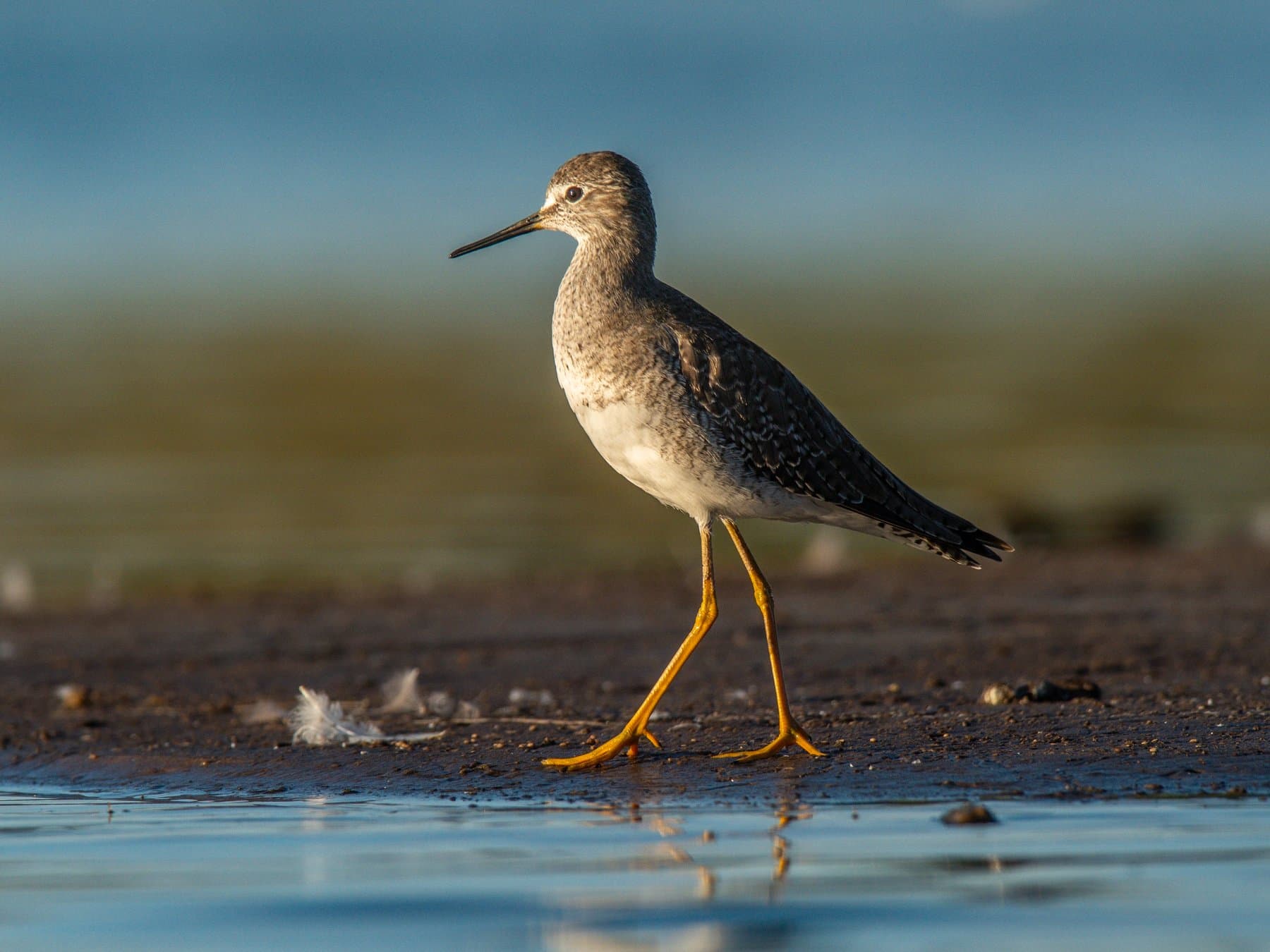 Solitary SandpiperTringa solitariaWinter visitorUncommon19–23 cmRegularly Aug–May · 0.18% in Feb
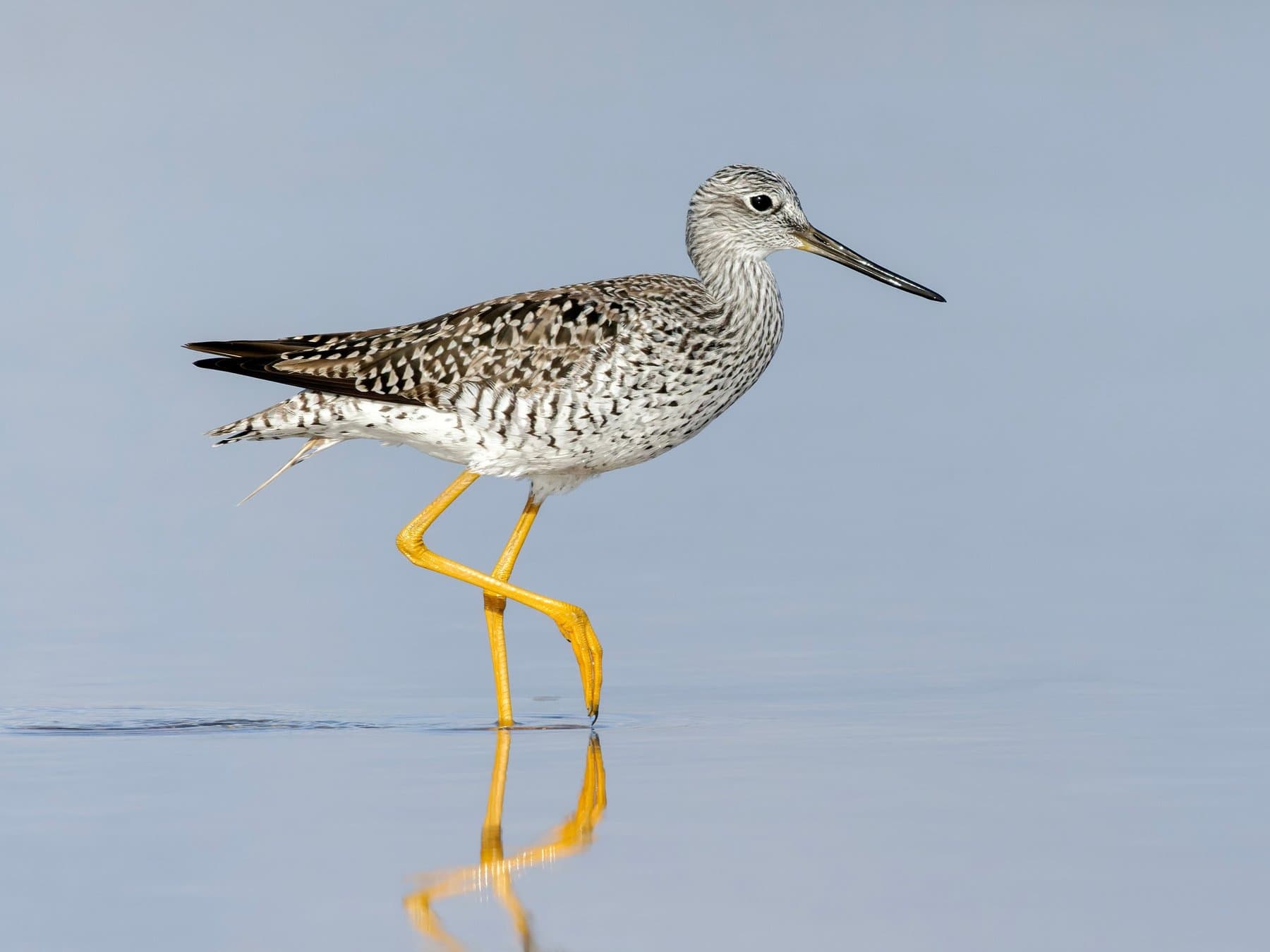 Greater YellowlegsTringa melanoleucaWinter visitorUncommon29–40 cmRegularly Aug–May · 0.16% in Feb
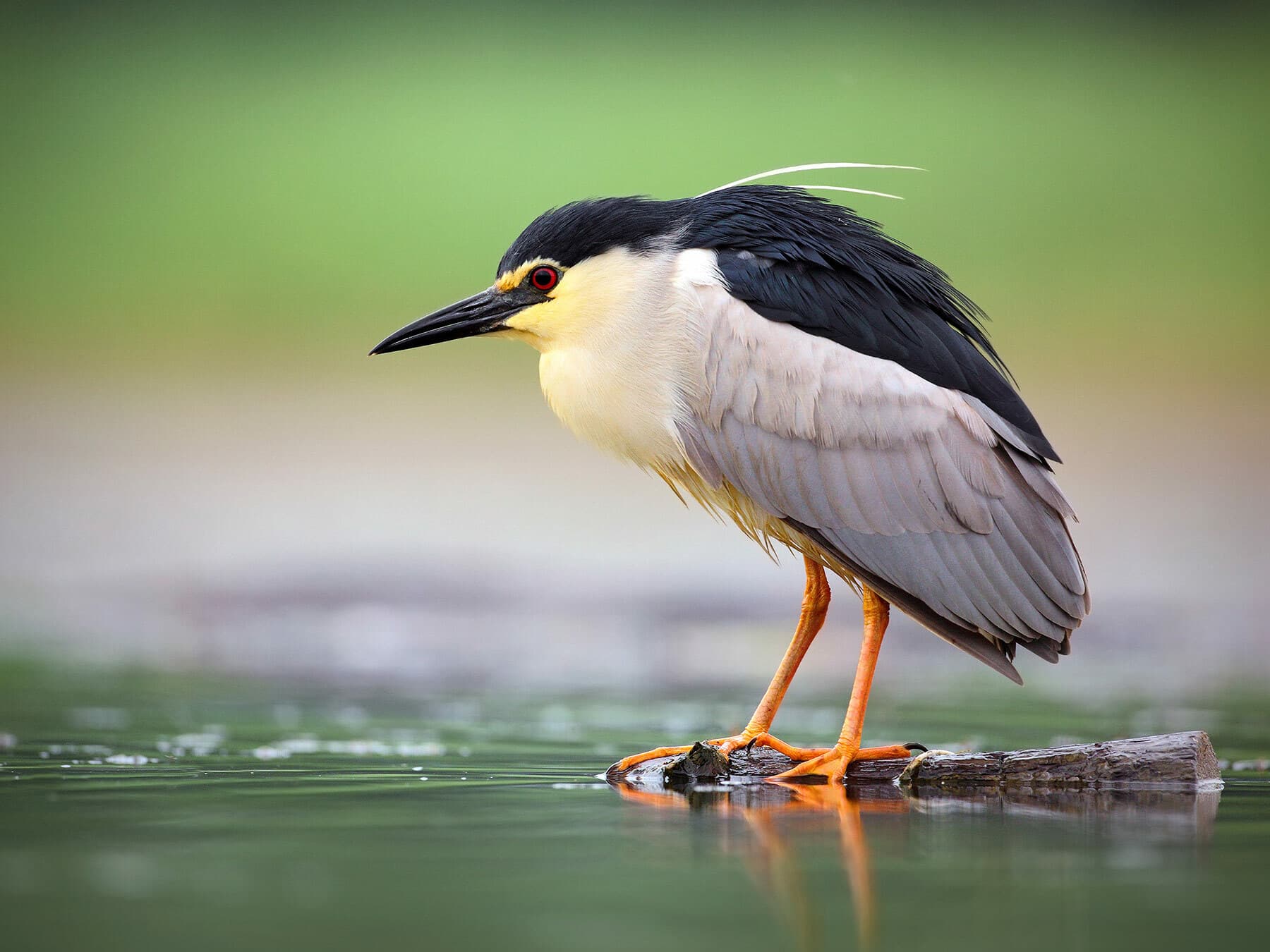 Black-crowned Night-heronNycticorax nycticoraxResidentUncommon58–65 cmRecorded all year · 0.15% in Feb
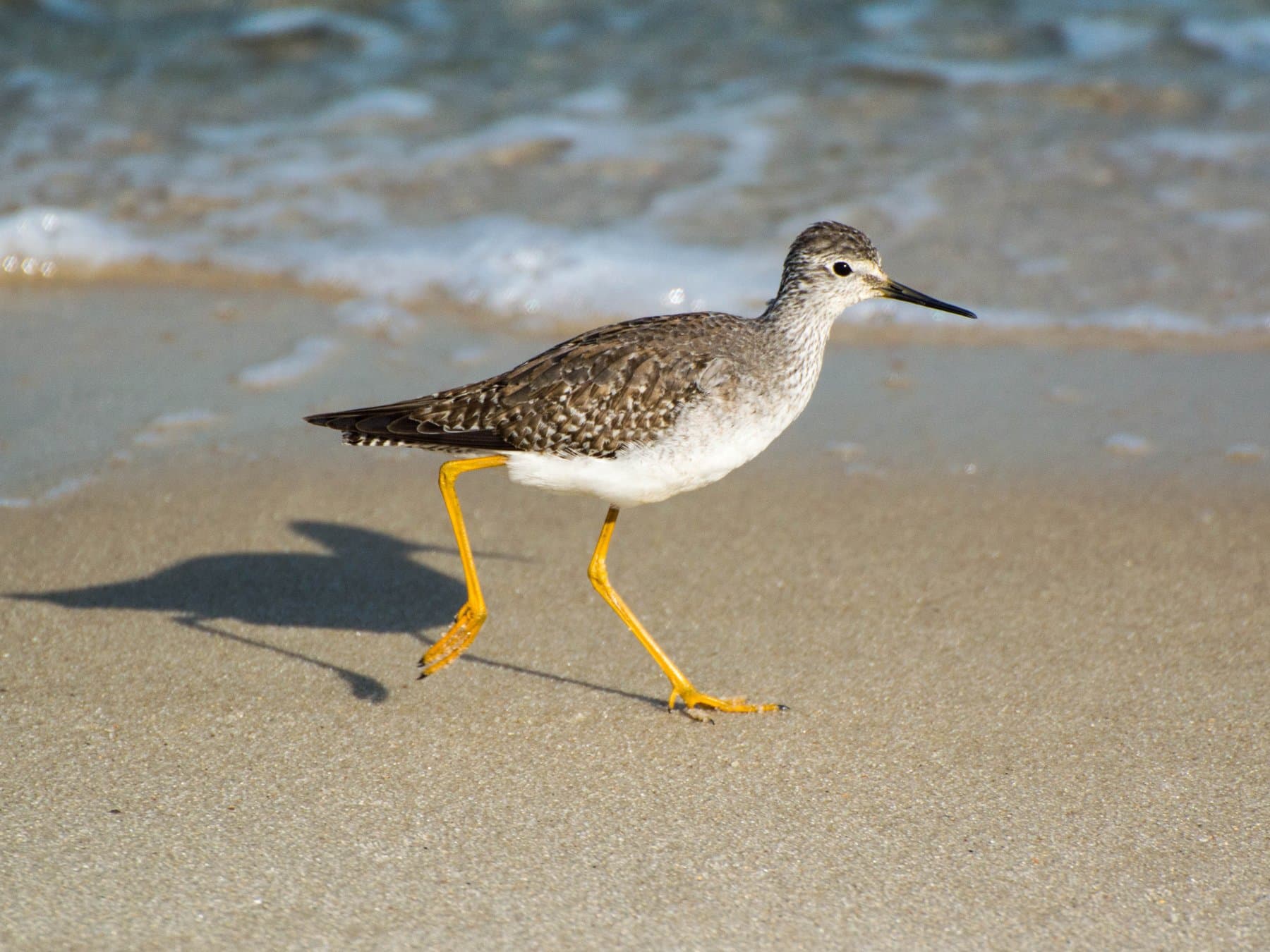 Lesser YellowlegsTringa flavipesWinter visitorUncommon23–27 cmRegularly Aug–May · 0.14% in Feb
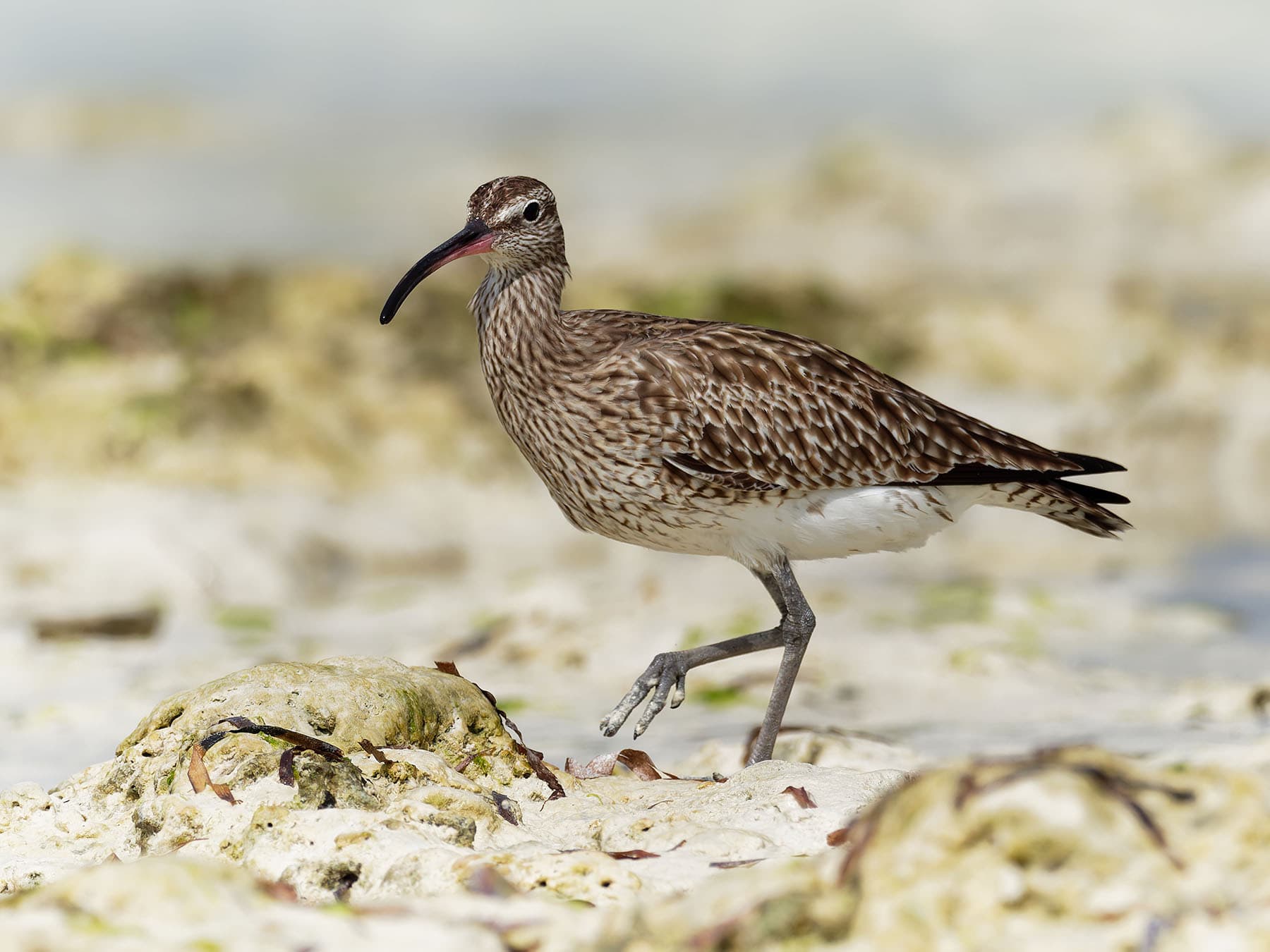 WhimbrelNumenius phaeopusWinter visitorUncommon40–46 cmRegularly Aug–May · 0.14% in Feb
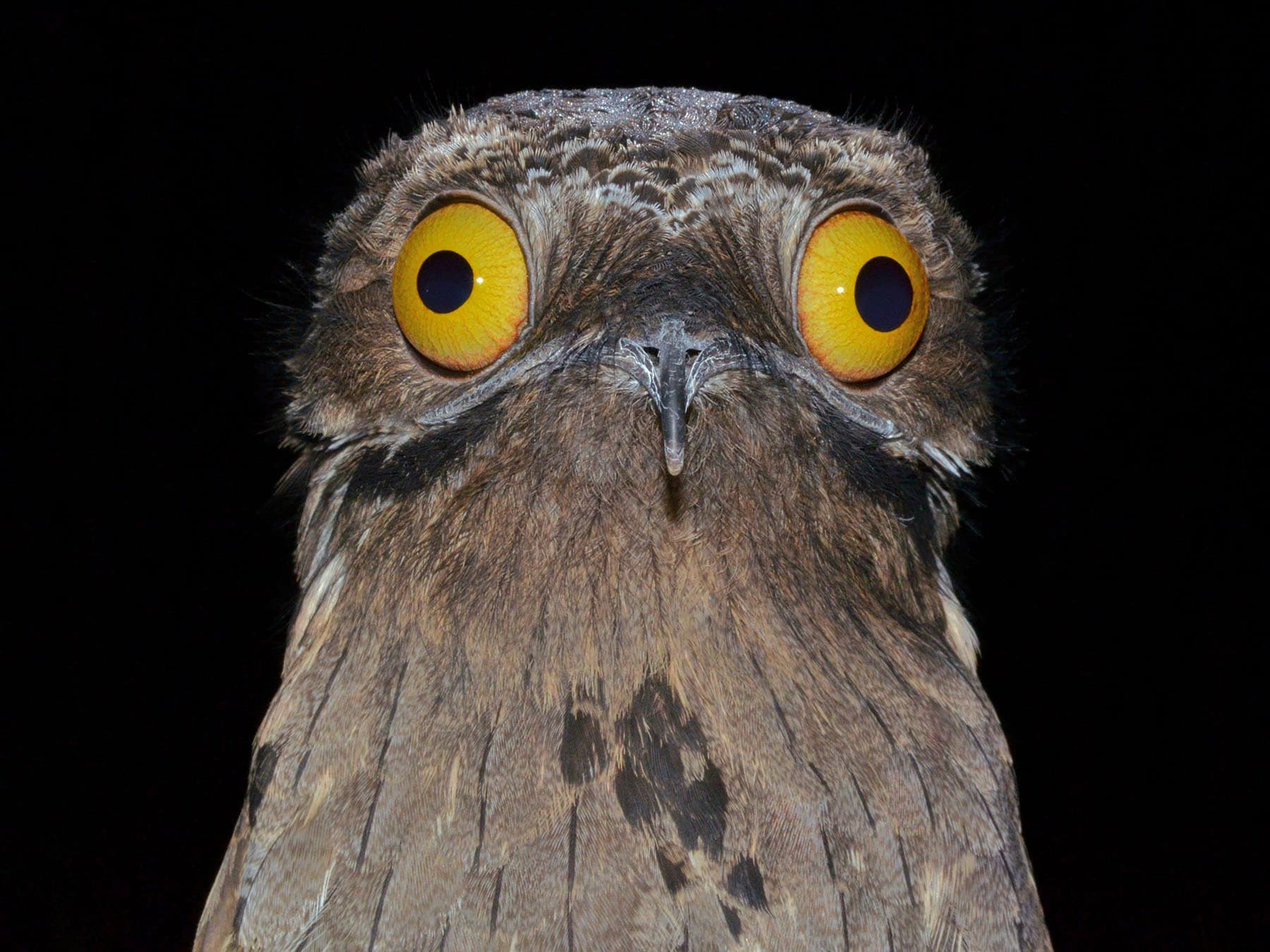 Common PotooNyctibius griseusWinter visitorUncommon33–38 cmRegularly Aug–May · 0.14% in Feb
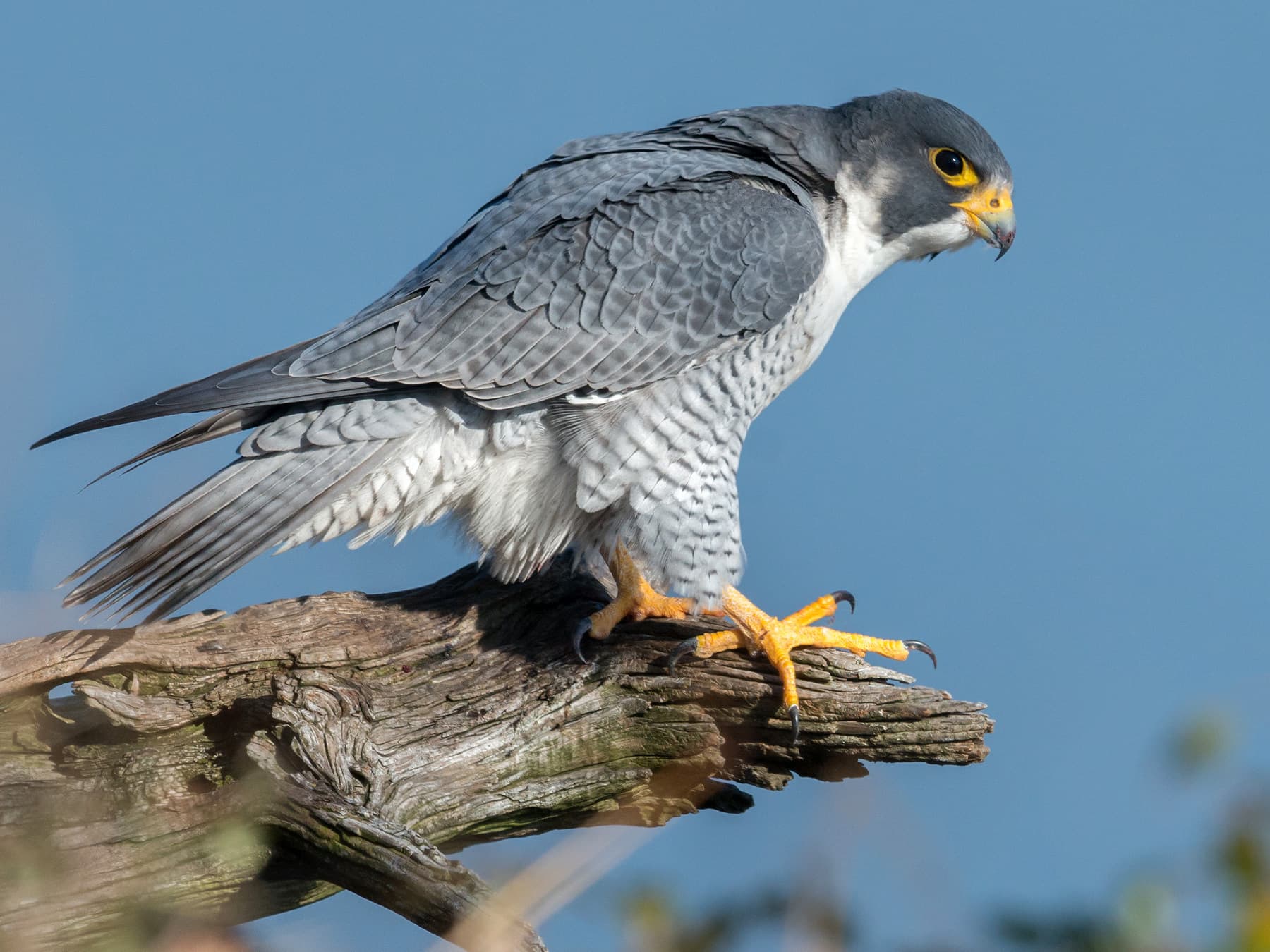 Peregrine FalconFalco peregrinusWinter visitorUncommon34–58 cmRegularly Oct–May · 0.11% in Feb
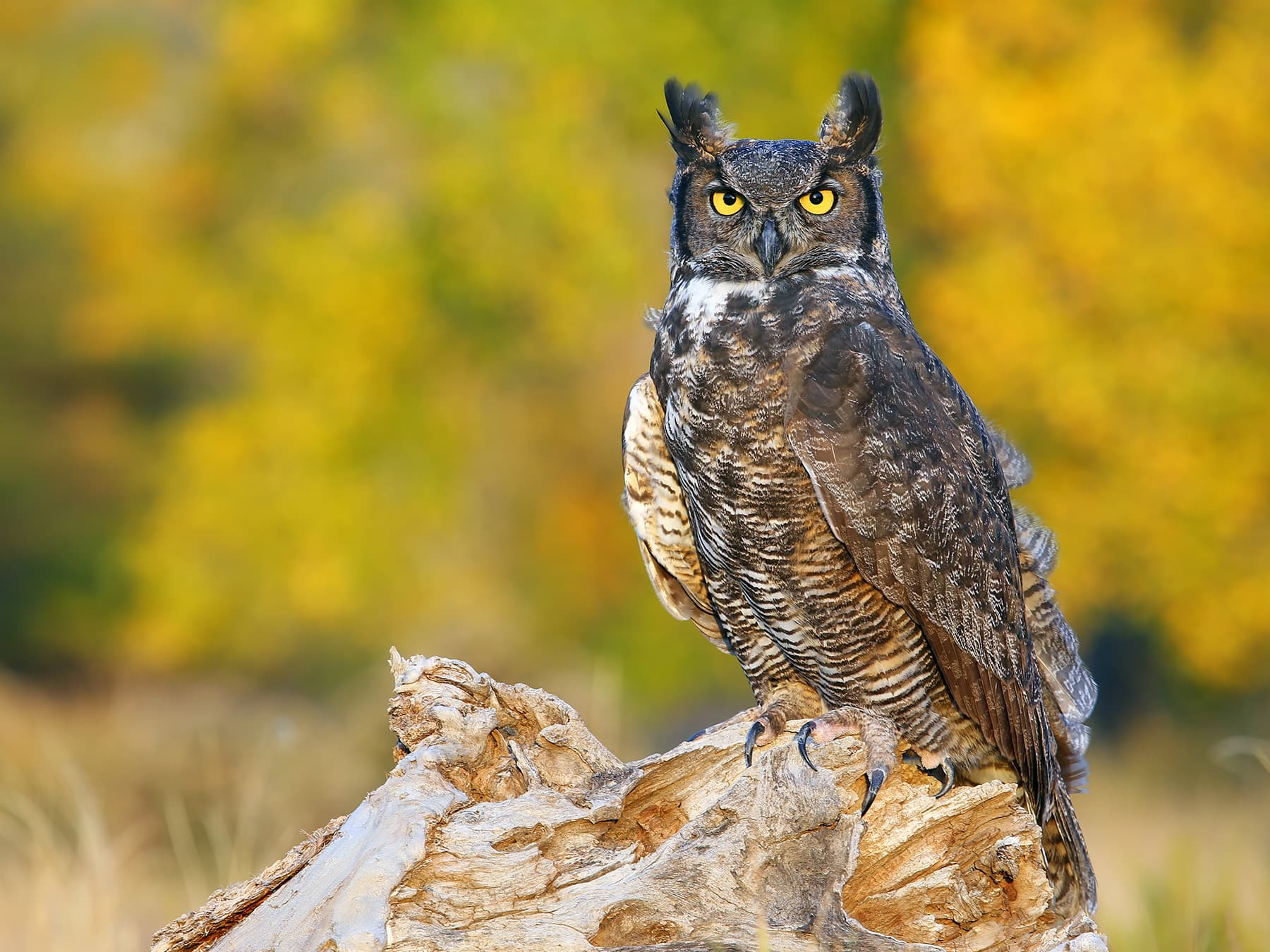 Great Horned OwlBubo virginianusWinter visitorUncommon46–63 cmRegularly Aug–May · 0.11% in Feb
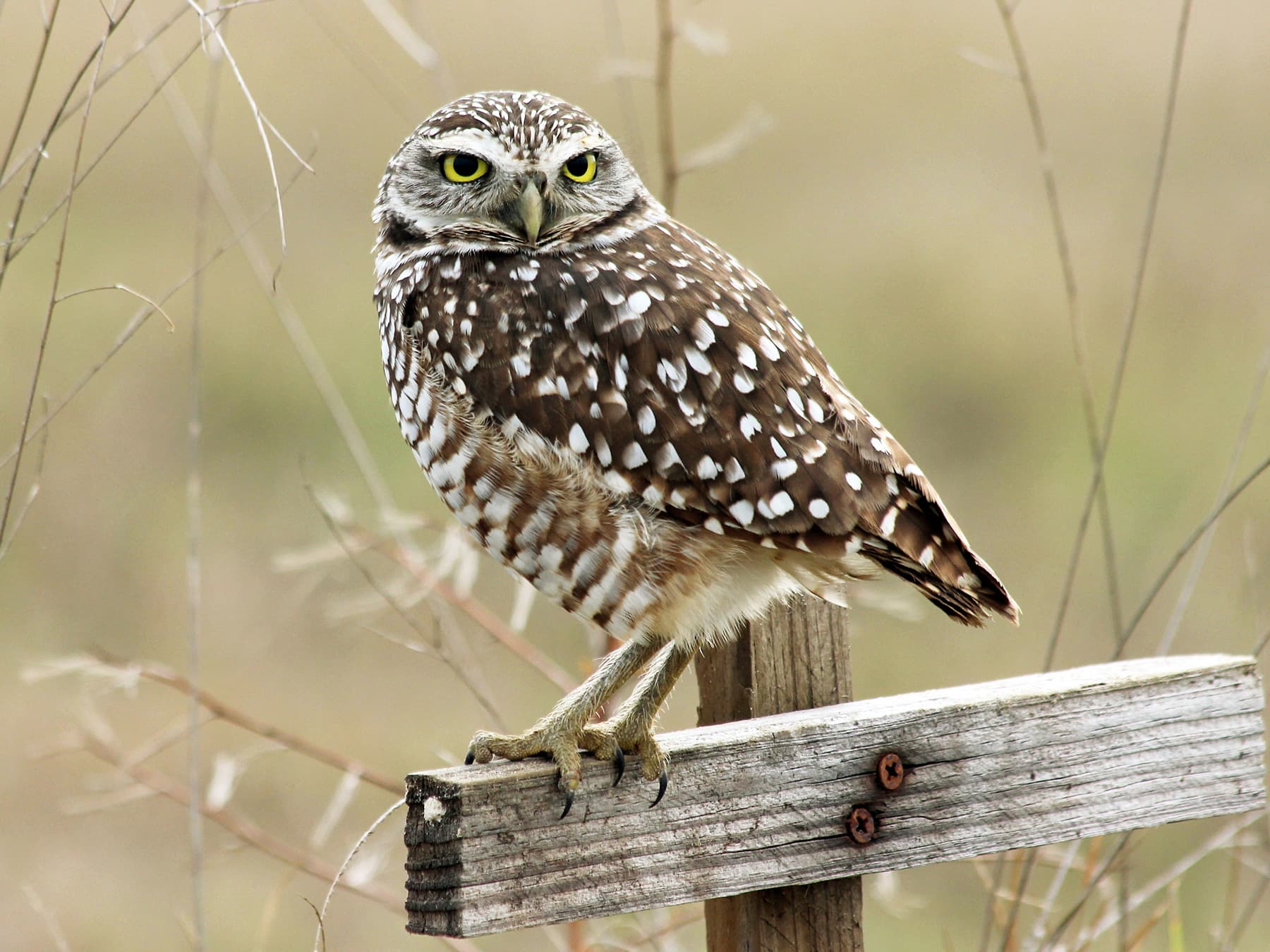 Burrowing OwlAthene cuniculariaWinter visitorUncommon19–25 cmRegularly Sep–May · 0.10% in Feb
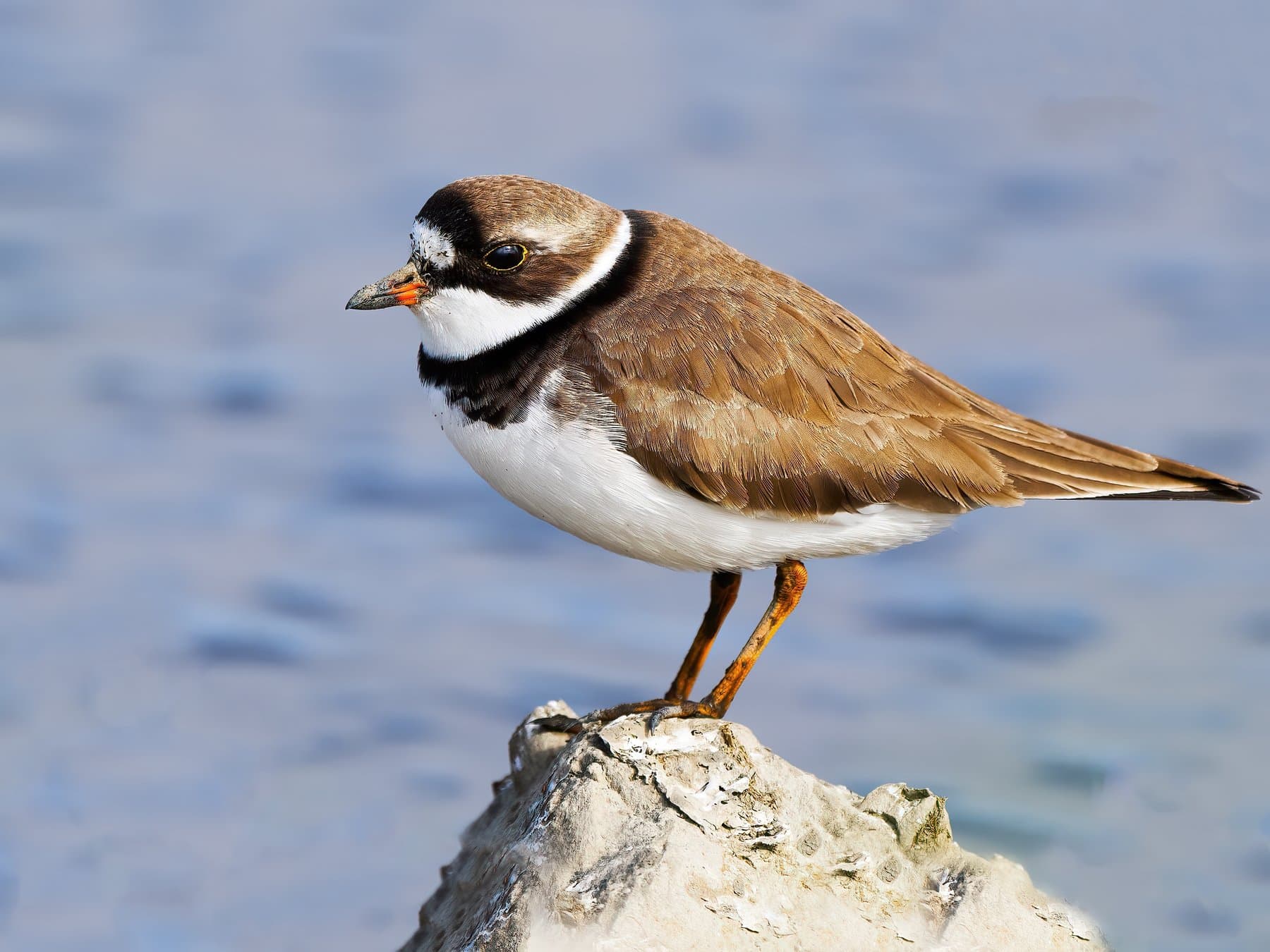 Semipalmated PloverCharadrius semipalmatusWinter visitorUncommon17–19 cmRegularly Aug–May · 0.09% in Feb
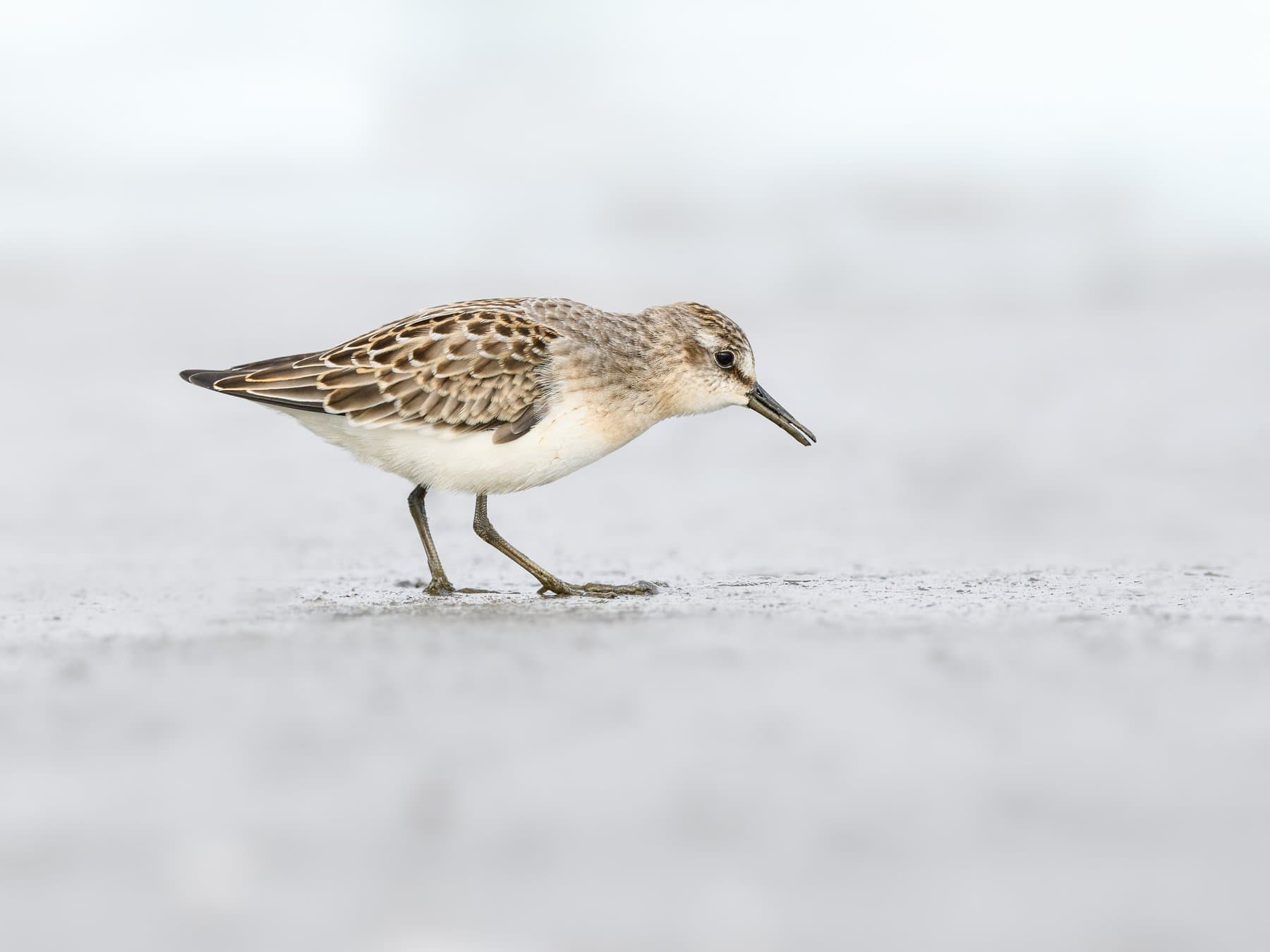 Semipalmated SandpiperCalidris pusillaWinter visitorUncommon15–18 cmRegularly Sep–May · 0.08% in Feb
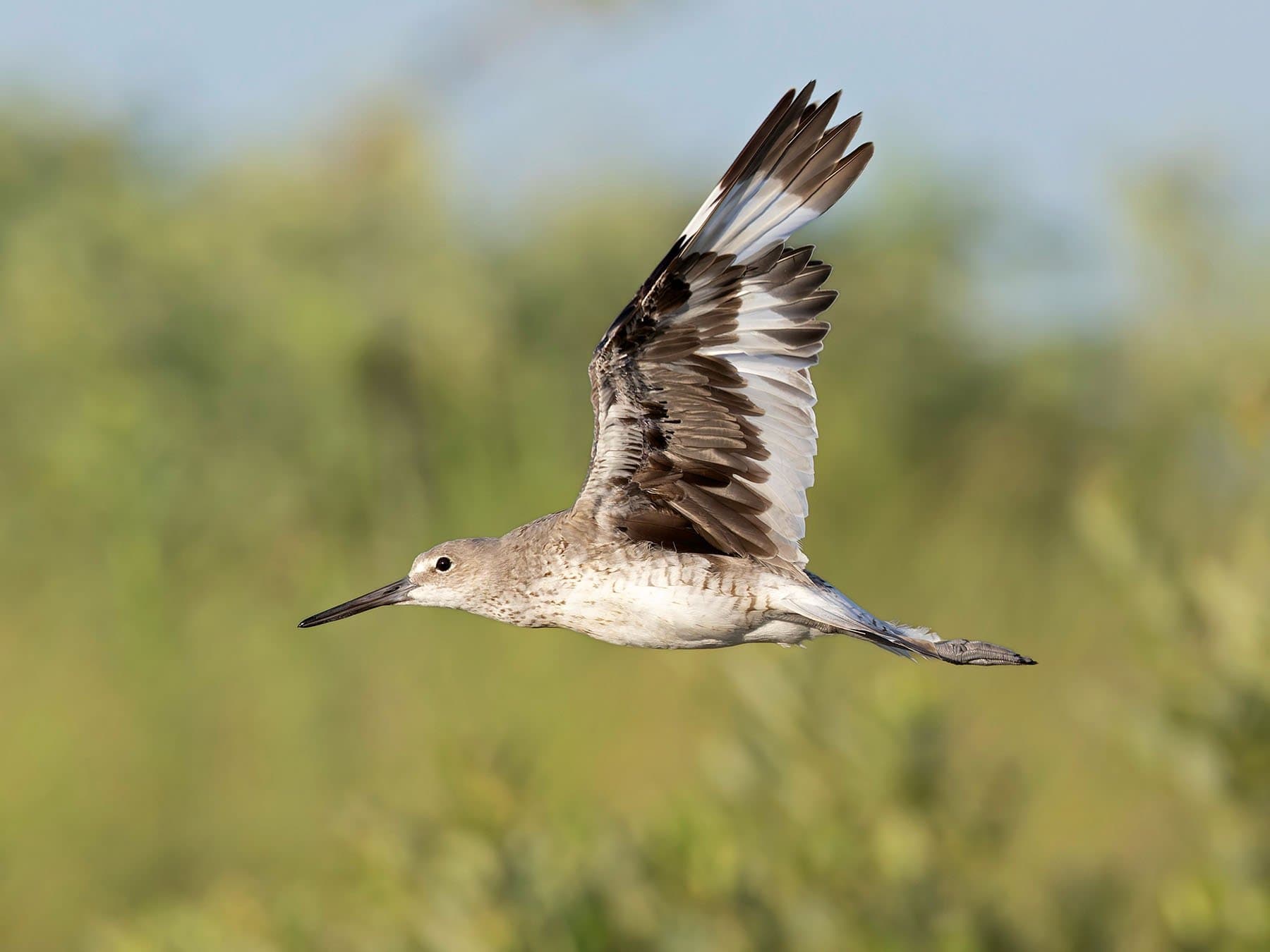 WilletTringa semipalmataWinter visitorUncommon33–41 cmRegularly Aug–Apr · 0.07% in Feb
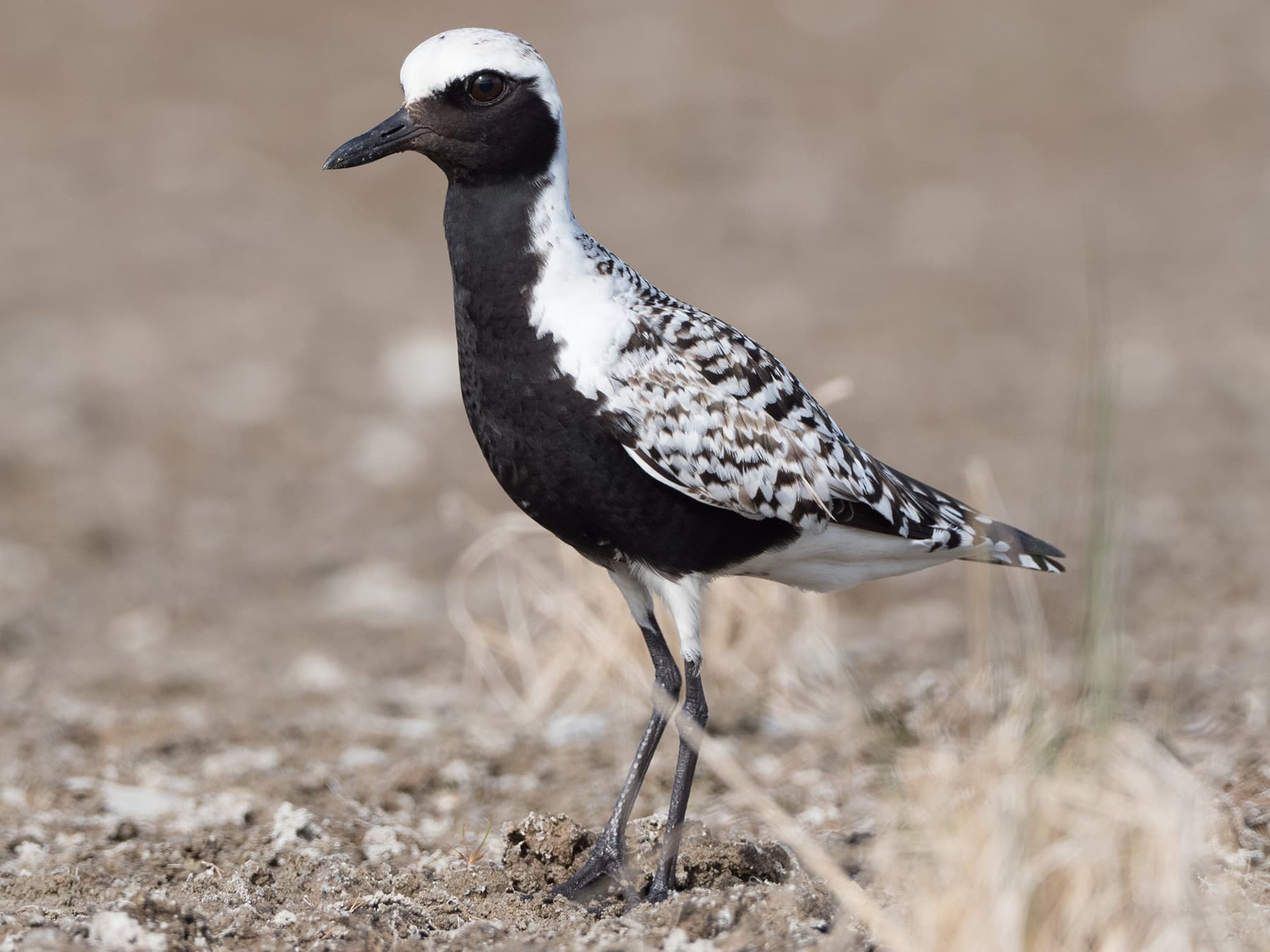 Grey PloverPluvialis squatarolaWinter visitorUncommon27–30 cmRegularly Sep–Mar · 0.06% in Feb
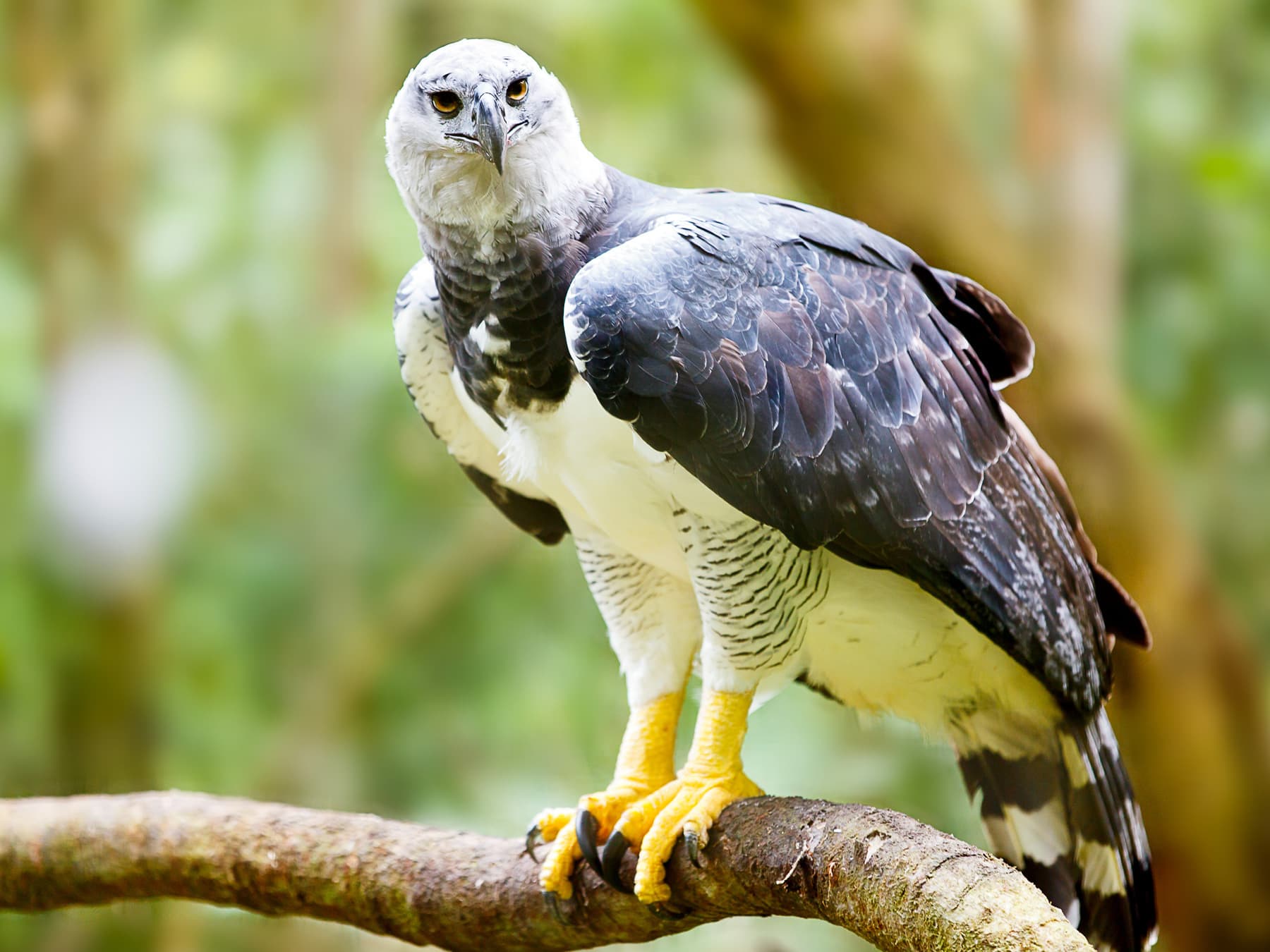 Harpy EagleHarpia harpyjaWinter visitorUncommon89–105 cmRegularly Sep–Jun · 0.05% in Feb
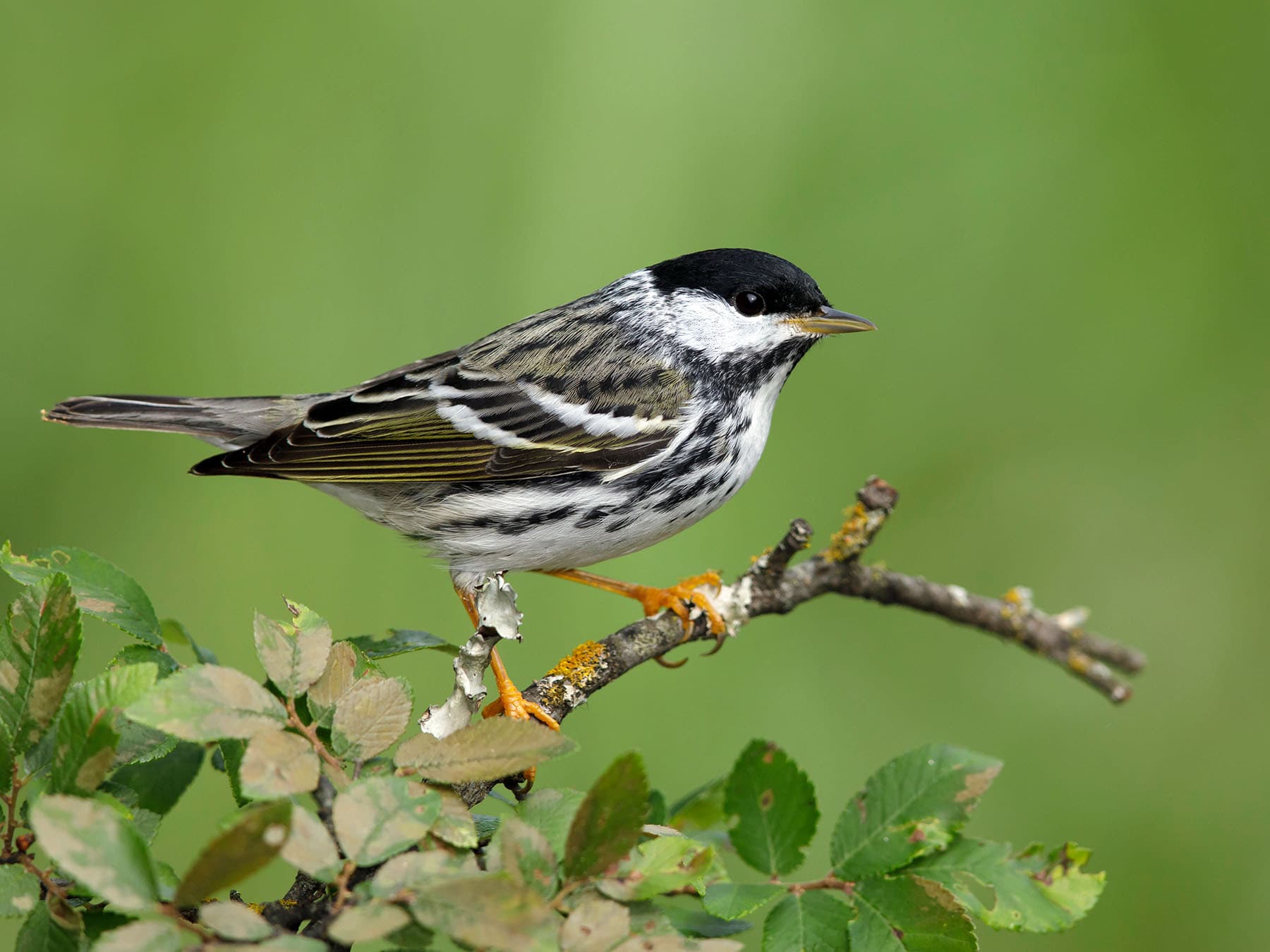 Blackpoll WarblerSetophaga striataWinter visitorUncommon13–15 cmRegularly Oct–Apr · 0.05% in Feb
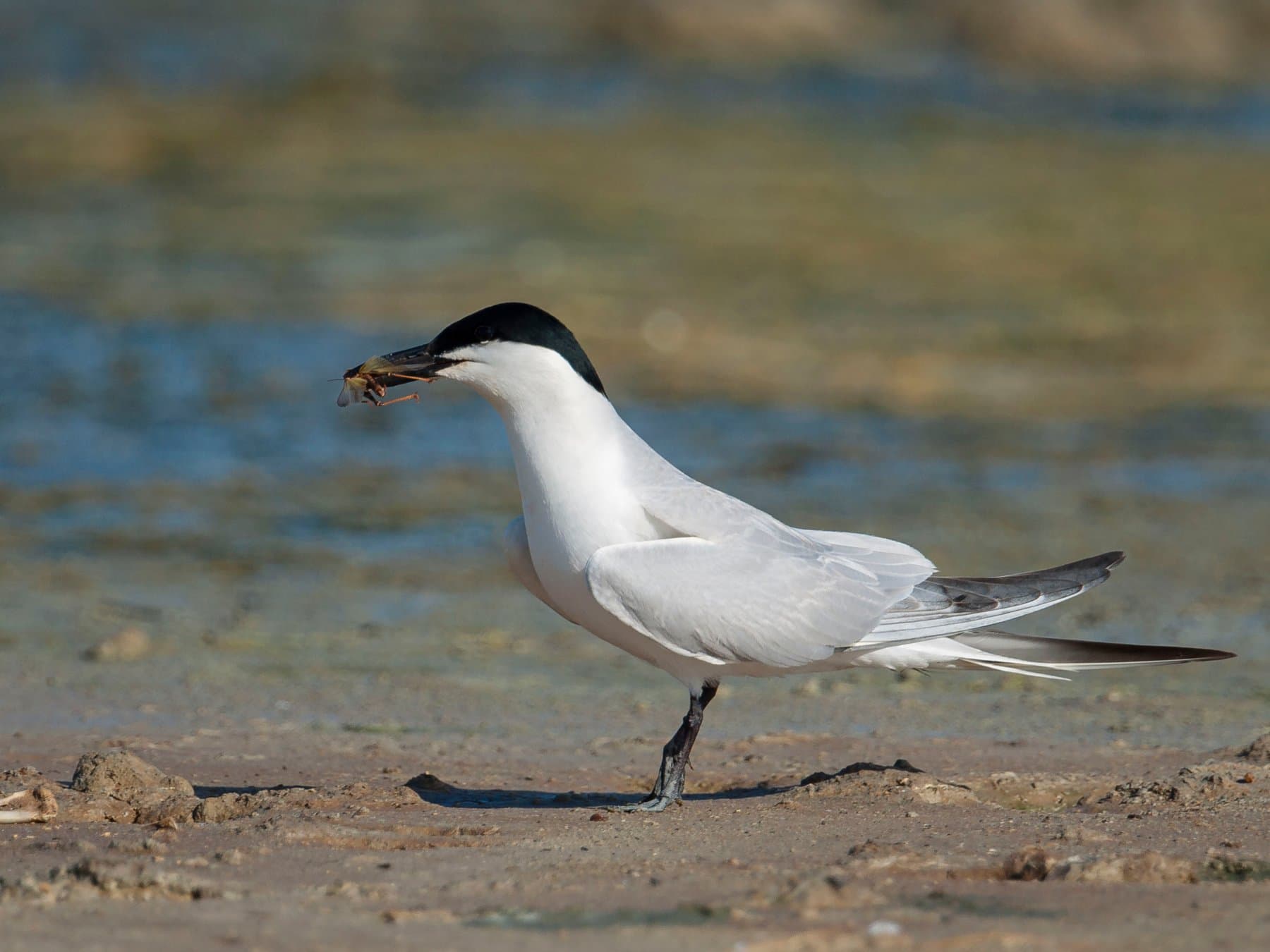 Gull-billed TernGelochelidon niloticaWinter visitorUncommon33–42 cmRegularly Aug–Apr · 0.04% in Feb
 Northern WaterthrushParkesia noveboracensisPassage migrantUncommon12–15 cmRegularly Oct–Feb · 0.03% in Feb
 Least SandpiperCalidris minutillaPassage migrantUncommon13–15 cmRegularly Aug–Apr · 0.03% in Feb
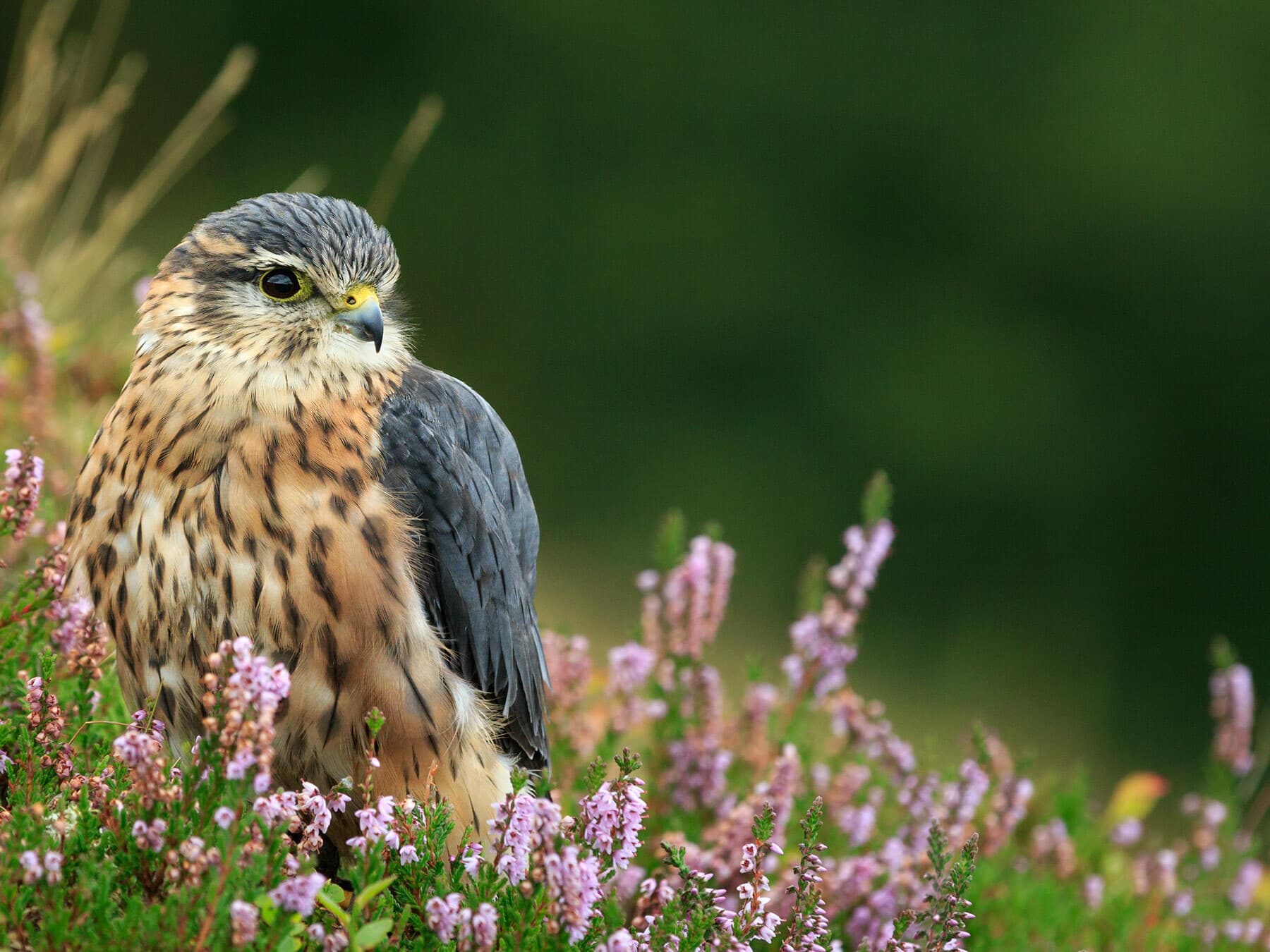 MerlinFalco columbariusWinter visitorRare24–33 cmRegularly Dec–Feb · 0.03% in Feb
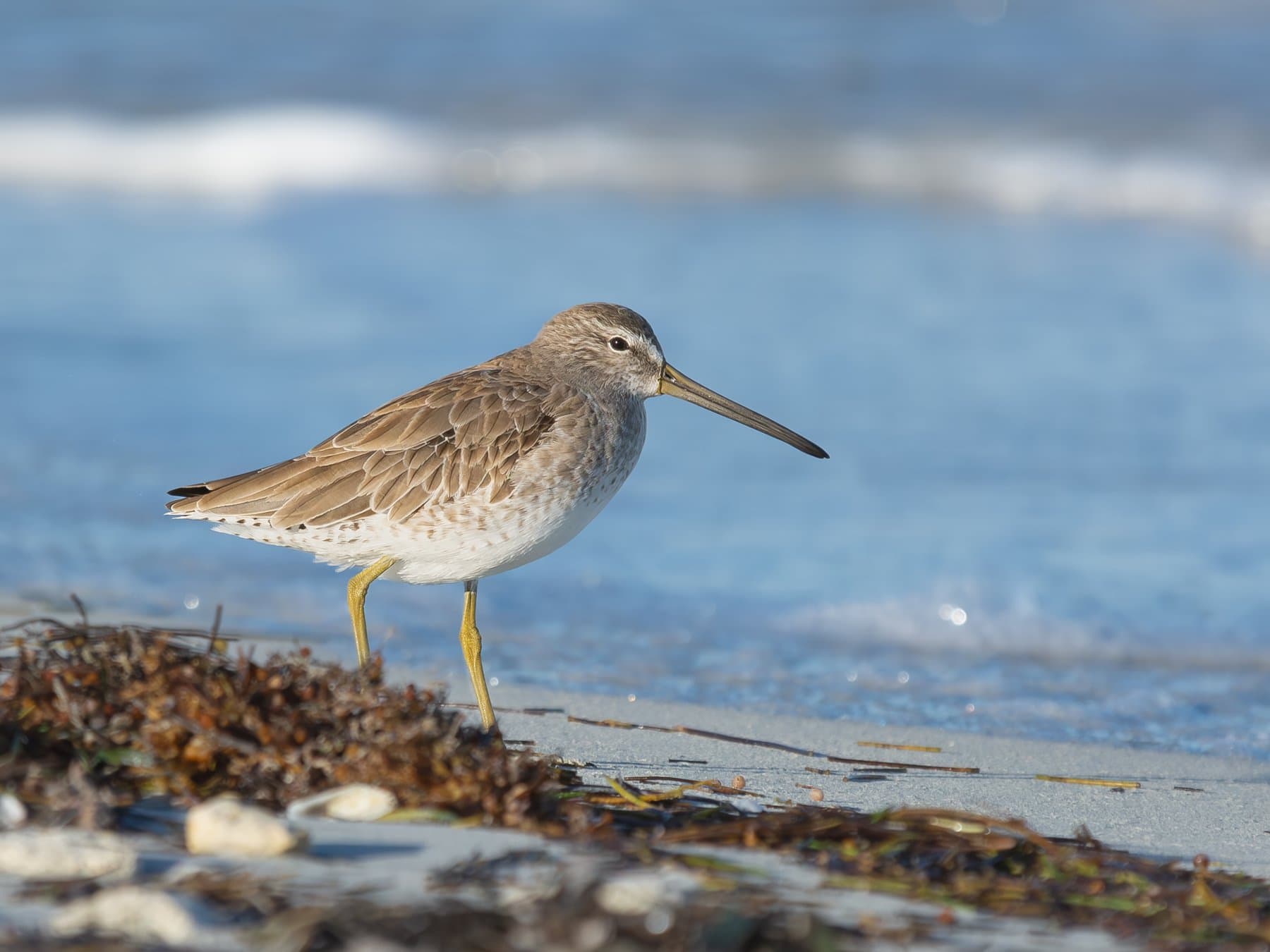 Short-billed DowitcherLimnodromus griseusPassage migrantUncommon23–32 cmRegularly Aug–Feb · 0.02% in Feb
 Ruddy TurnstoneArenaria interpresWinter visitorUncommon21–24 cmRegularly Sep–May · 0.02% in Feb
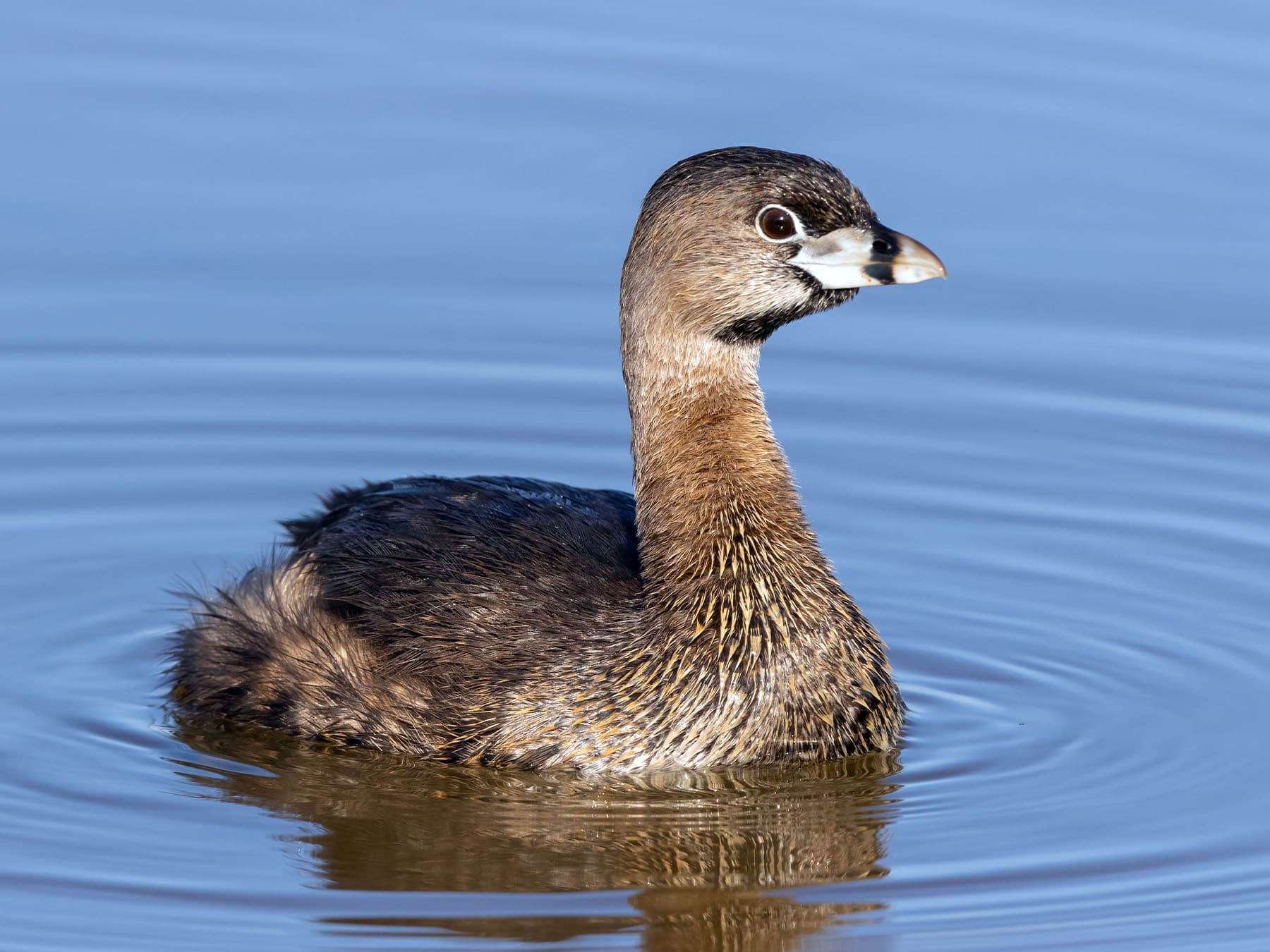 Pied-billed GrebePodilymbus podicepsPassage migrantRare31–38 cmRegularly Jan–Mar · 0.02% in Feb
Data: EOD – eBird Observation Dataset (Cornell Lab of Ornithology), accessed via GBIF.org, CC BY 4.0. Records from 2019–2024, aggregated and filtered by Birdfact. How these lists are made