


Cocoi Heron
Ardea cocoi
By the Birdfact teamChecked by Nathan Cope
On this page14 sections
How to recognise it
What do Cocoi Herons look like?
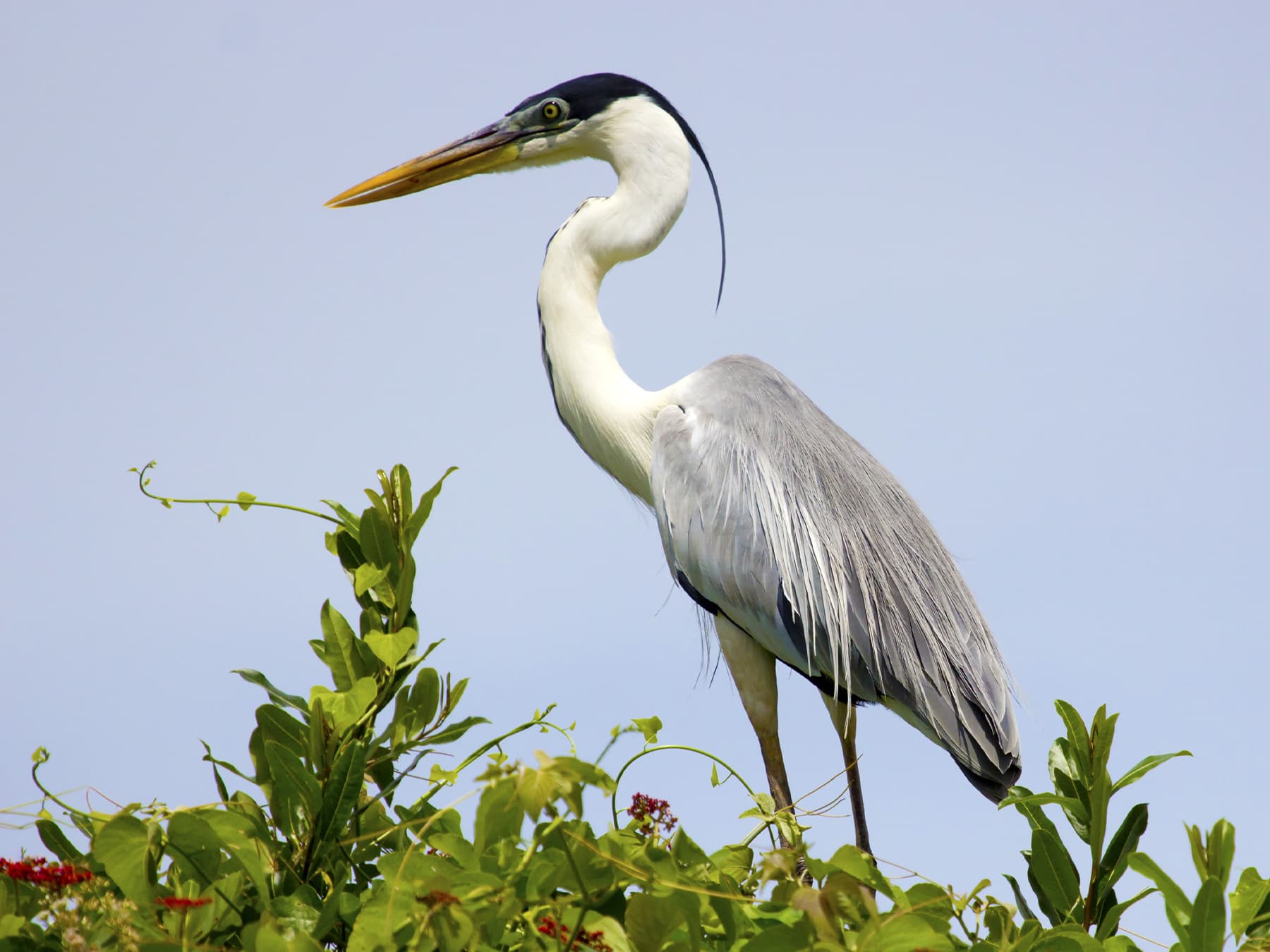
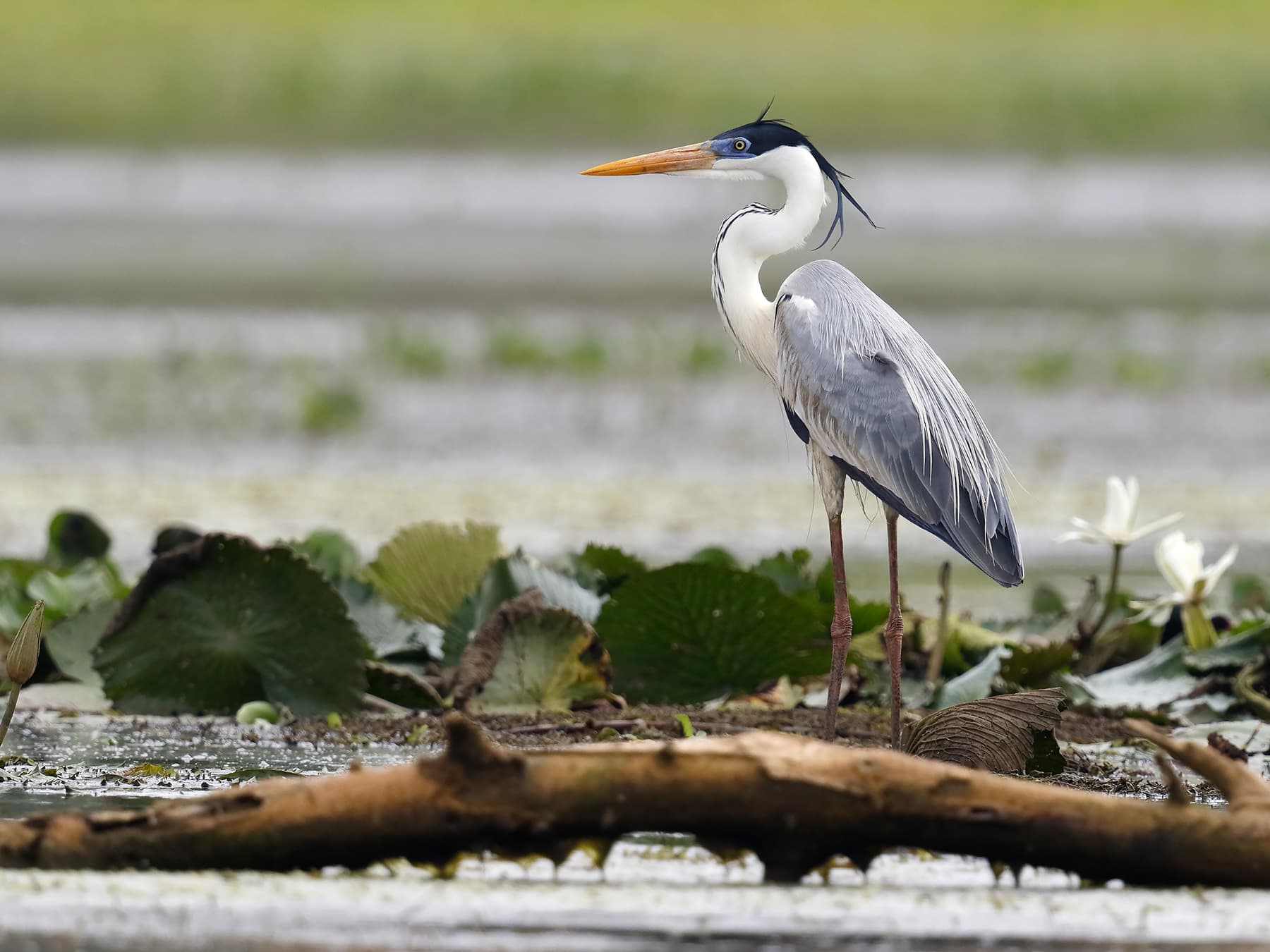
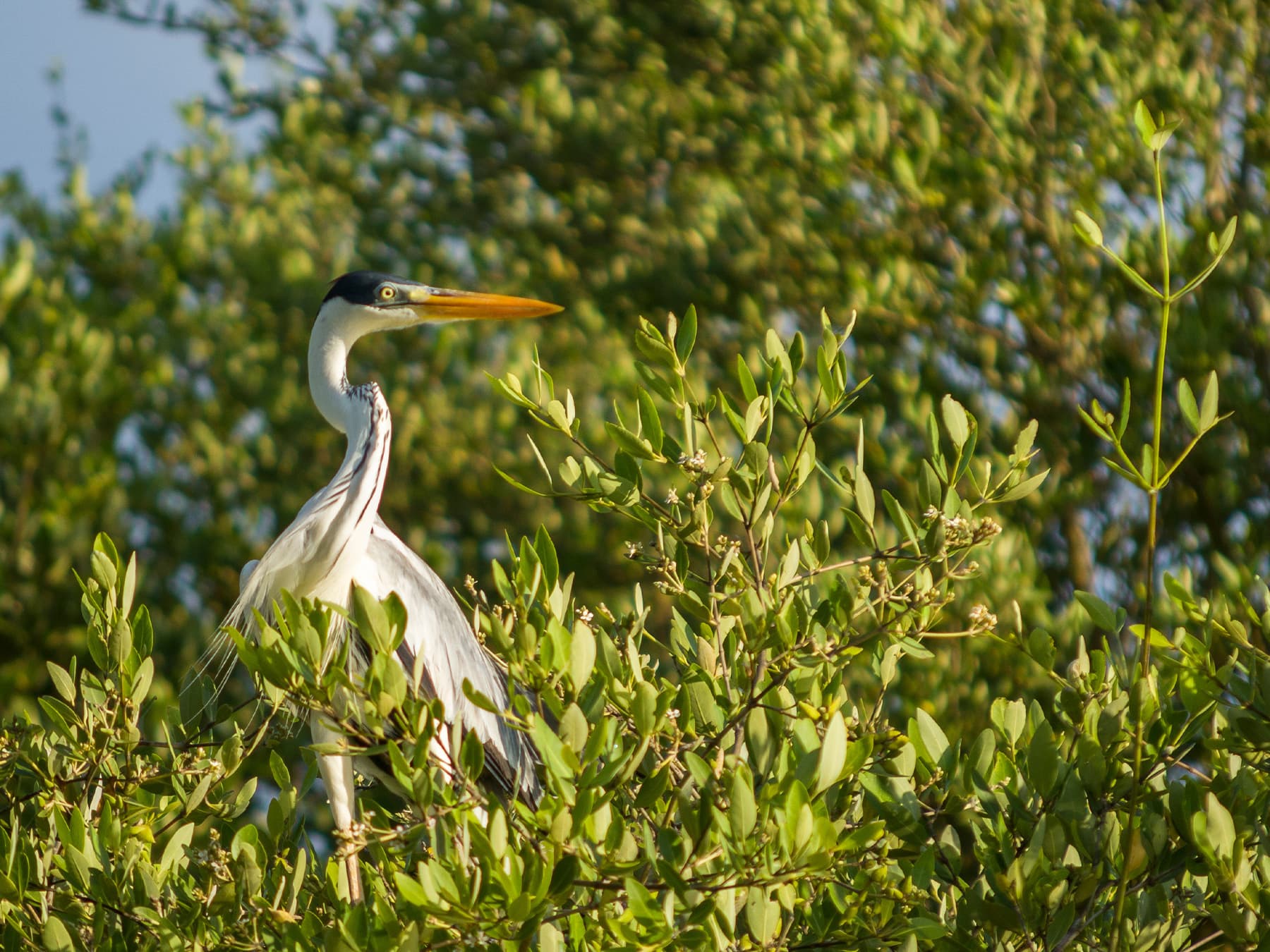
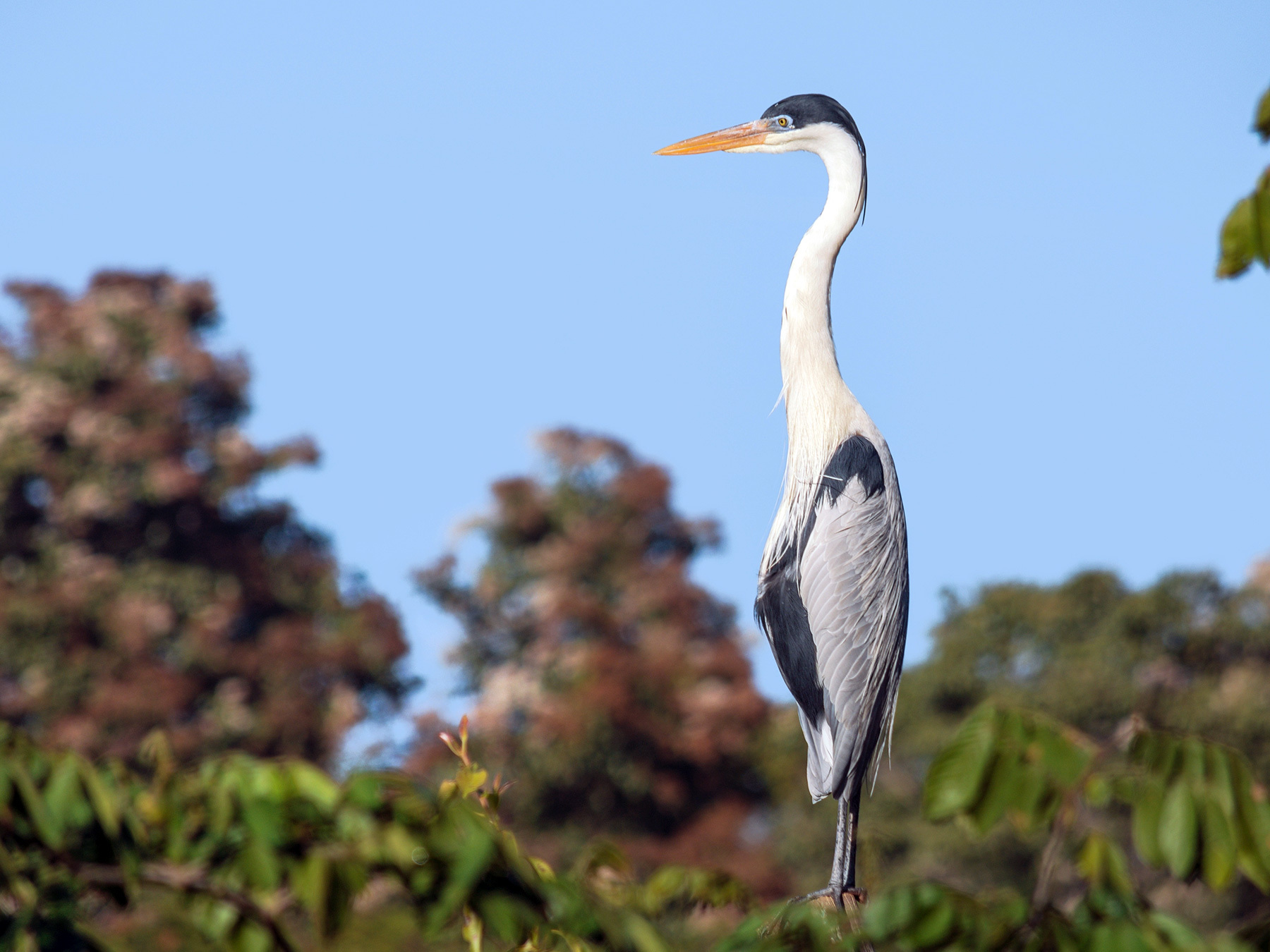
A large gray heron, the Cocoi heron has some distinguishing markings that make it easy to identify when compared to similar wading birds in the field.
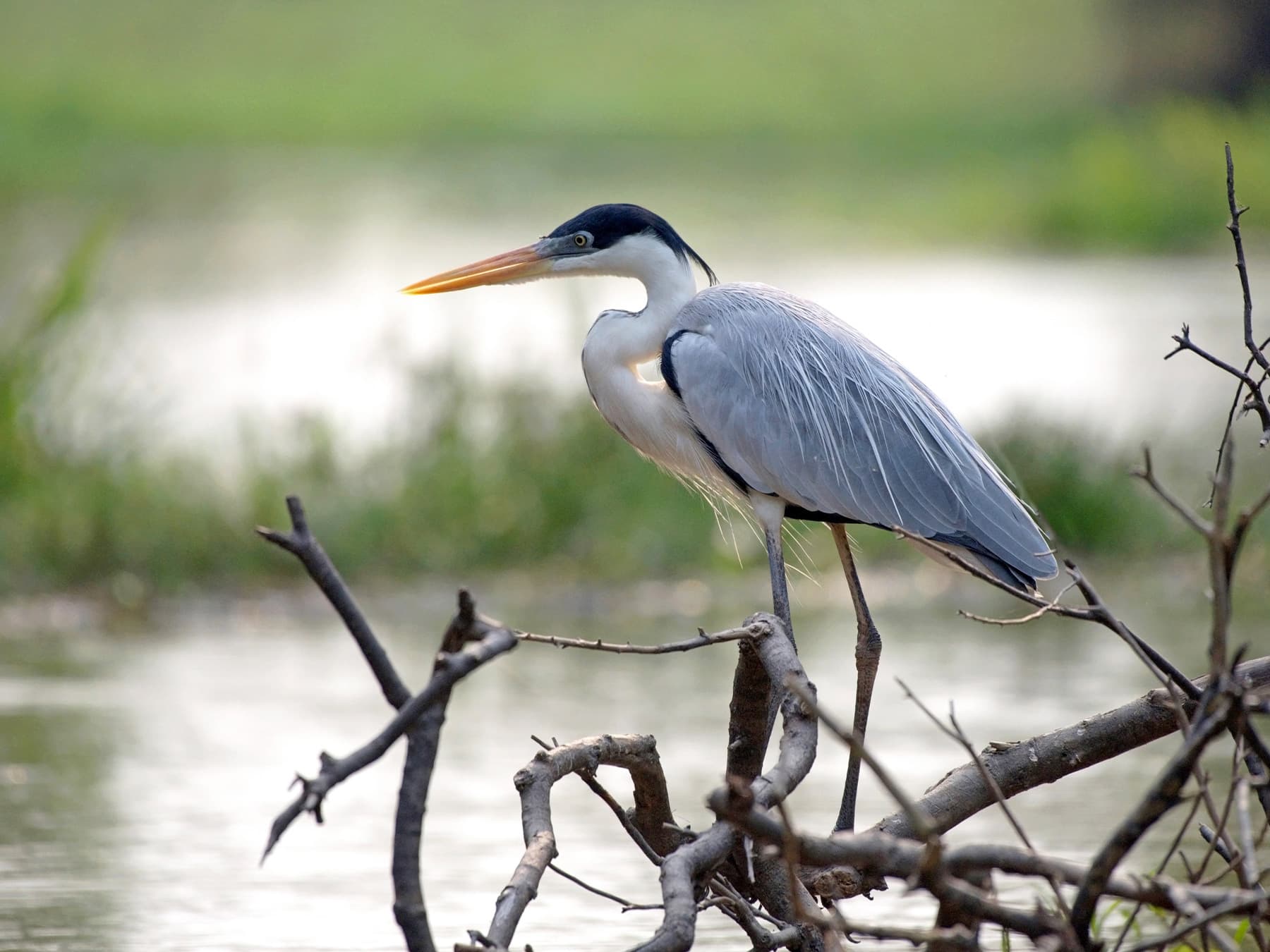
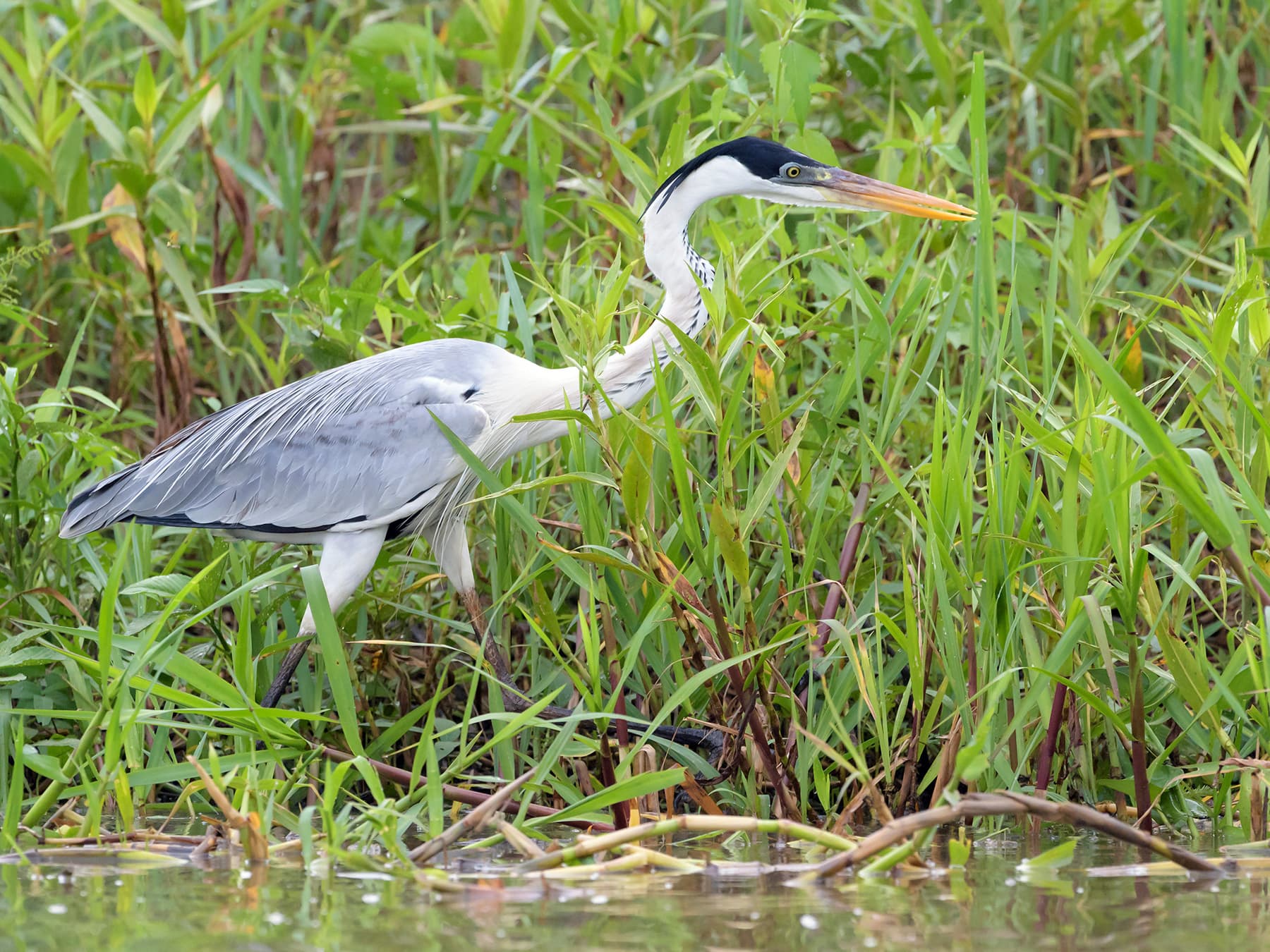
Their upperparts are mainly gray, with a black forecrown that extends to below the eye, and a black crest that reaches down the back of their neck. Their gray wings feature a black shoulder patch, and additionally, patches of black are present on the thigh and lower belly. The breast and underparts are white, with the upper breast streaked with black markings.
Cocoi herons have yellow eyes, with a patch of blue exposed scaly skin at the base of the bill. The bill itself is a dull yellow, becoming brighter in the breeding season. Legs and feet are black, changing to a grayish-pink when breeding.
Male and female Cocoi herons are alike in both size and plumage.
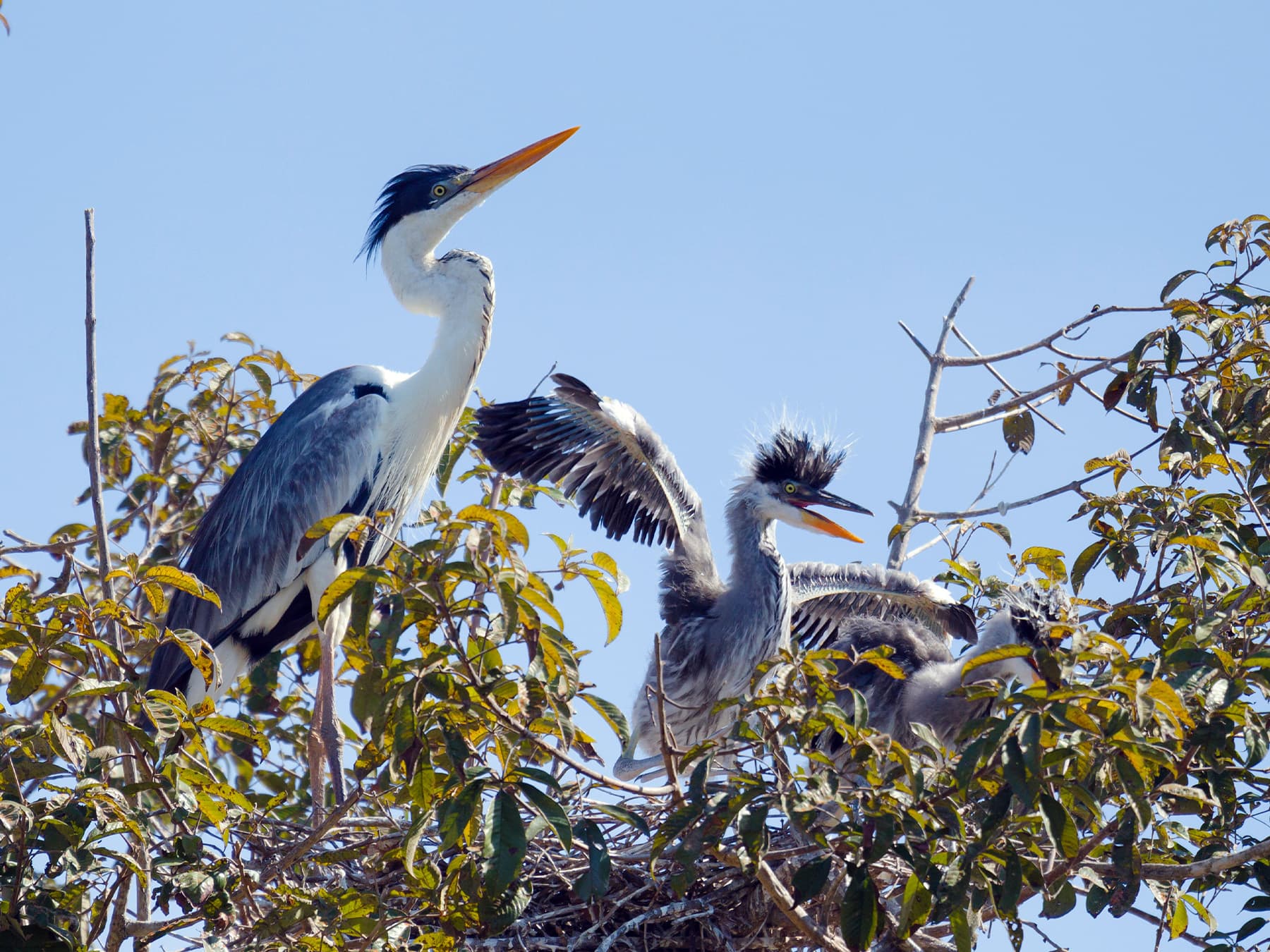
Juvenile Cocoi herons are grayer than adults, particularly on the neck. Buff-colored streaks are visible across their underparts, their crown is a duller black and they do not have the long crest at the rear of the crown.
How big are Cocoi Herons?
Cocoi herons are the largest heron species in South America and are usually slightly larger than North America’s great blue heron. There is usually no great difference in size between males and females, and birds living in the southern part of the range are generally larger than those further north.
- Length: 95 cm to 127 cm (37 in to 50 in)
- Wingspan: 180 cm (6 ft)
- Weight: 1900 g to 2100 g (4.2 lb to 4.6 lb)
Its size
Adults- Length
- 95–127 cm
- Wingspan
- 170–195 cm
- Weight
- 1900–2800 g
Its song and calls
What sound does a Cocoi Heron make?
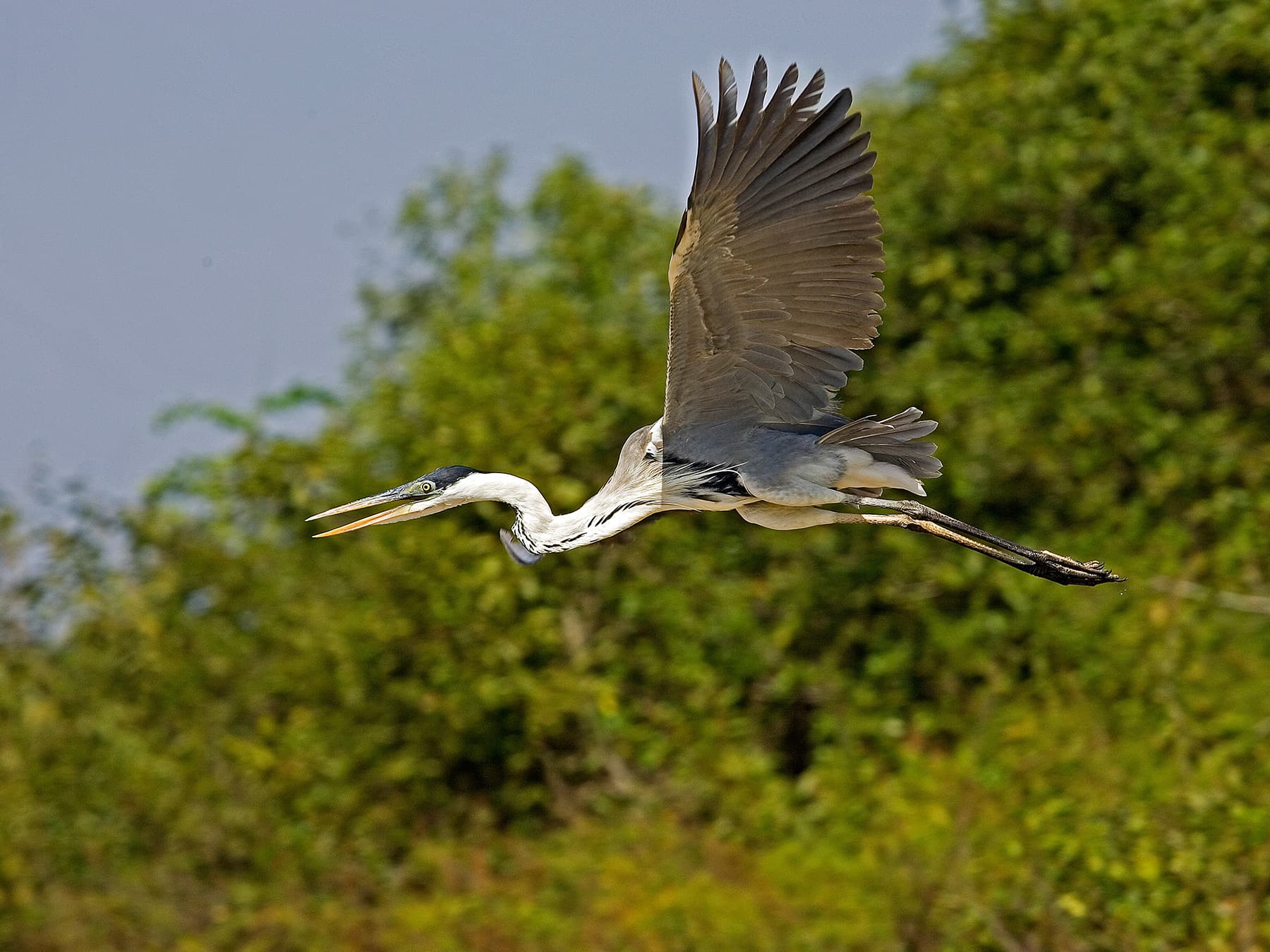
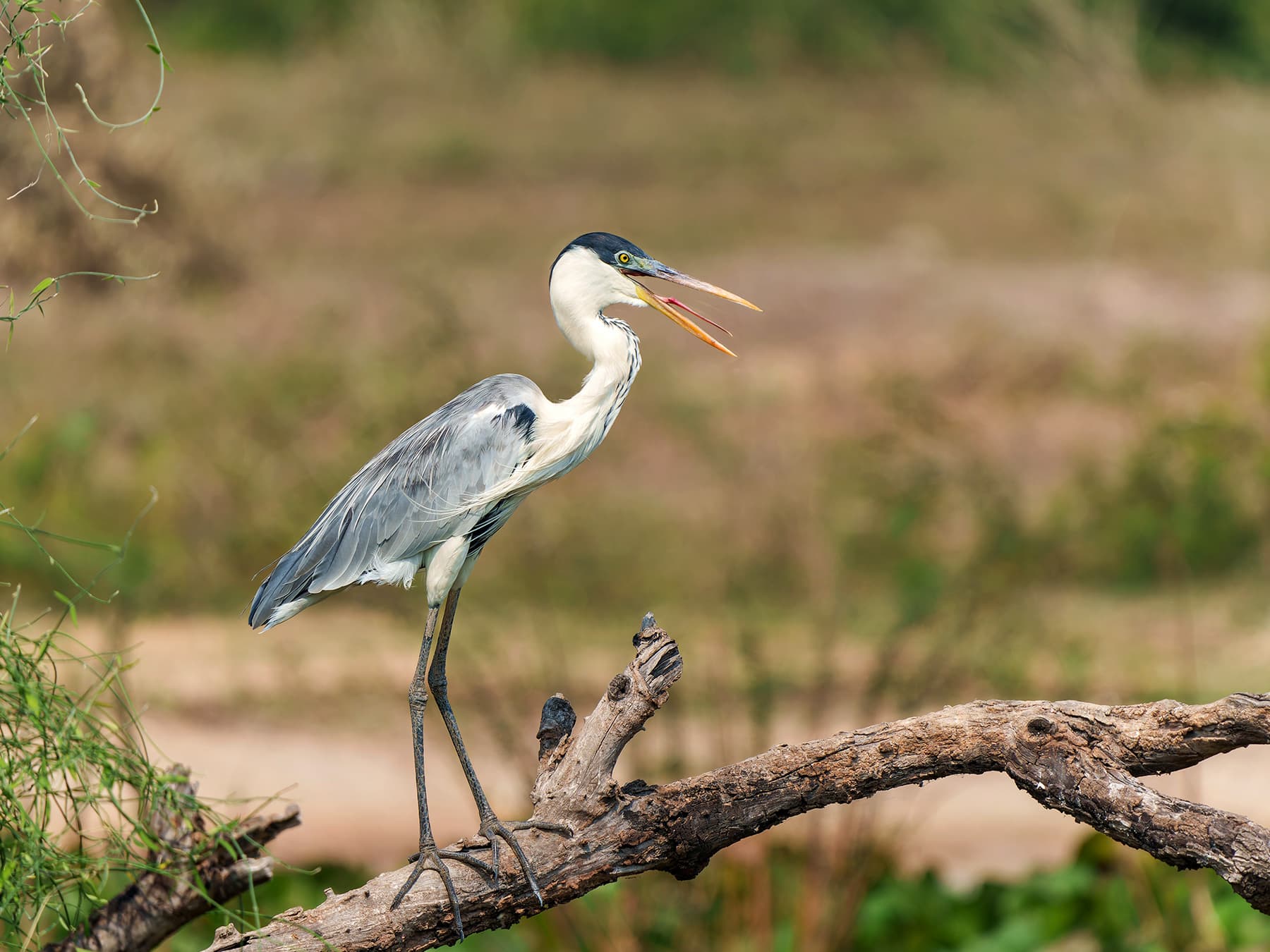
At roosting sites and nesting colonies, the guttural calls of Cocoi Heron can be heard, that sound like ‘rraahbm rraabb’. In flight, a series of “gawk uk, guk uk, guk uck uck” cries may be made.
When and where to see it
The Cocoi Heron is not recorded regularly in the UK, Ireland, the United States or Canada.
Worldwide: recorded regularly in 15 countries
Countries where it was recorded in at least 3 of the 6 years 2019–2024. Linked countries have their own bird list.
Data: EOD – eBird Observation Dataset (Cornell Lab of Ornithology), accessed via GBIF.org, CC BY 4.0. Records from 2019–2024, aggregated and filtered by Birdfact. How these lists are made
What is the habitat of a Cocoi Heron?
Residents of natural wetland habitats, Cocoi herons are found in freshwater and saltwater environments, in swamps, woodlands, grasslands, and estuaries. Riverbanks, lake shores, streams, and marshlands offer suitable foraging grounds, and the species are most commonly found in lowland landscapes, at altitudes lower than 2500 m (8000 ft).
What is the range of a Cocoi Heron?
Cocoi herons are present throughout South America, with the exception of the length of the Andes. The species is resident from Panama in the north, to the southern tip of Argentina, as well as on the northwest coast of Peru and the extreme west coast of Chile.
They are generally sedentary birds, although occasional post-breeding dispersal may occasionally lead to vagrant individuals turning up as far afield as Trinidad, Tobago, and the Falkland Islands.
Where do Cocoi Herons live?
Cocoi herons are native to South America and are found in Argentina, Panama, Suriname, Colombia, Venezuela, Bolivia, Brazil, Chile, Ecuador, French Guiana, Guyana, Paraguay, Peru, and Uruguay. The southern and central parts of the continent have the highest concentrations.
How rare are Cocoi Herons?
In parts of South America, Cocoi herons are considered widespread and common, particularly in the south. In Panama the species is common, but there is no evidence of breeding.
Sightings become rarer along the north-eastern coast of Brazil, and Cocoi herons are scarce-to-absent on the coasts of Ecuador and Chile. Only the roughest population estimates are available, with the number of adult individuals estimated at between 5 and 50 million.
Where can you see Cocoi Herons?
Frequent sightings of Cocoi herons are reported along riverbanks and shallow waters of Brazil’s Pantanal region. As one of South America’s most common herons, Cocoi herons can be spotted in many wetlands, marshes, and grassy swamplands across the continent.
Migration
Do Cocoi Herons migrate?
Cocoi herons are typically a sedentary species, remaining in the same territories all year round. Brief periods of dispersal may occur after breeding and in the far southern extremes of their geographical range, some migration north may take place when local conditions become too inhospitable for survival.
Tips for seeing it
- Look for Cocoi Herons in open wetlands, marshes, and along riverbanks.
- Observe early morning or late afternoon when they are most active.
- Listen for their distinctive harsh croaking call, especially during breeding season.
- Watch for their patient hunting behaviour, standing motionless before striking at prey.
- They are frequently seen to feed in large groups numbering up to 200 herons without conflict.
What it eats
What do Cocoi Herons eat?
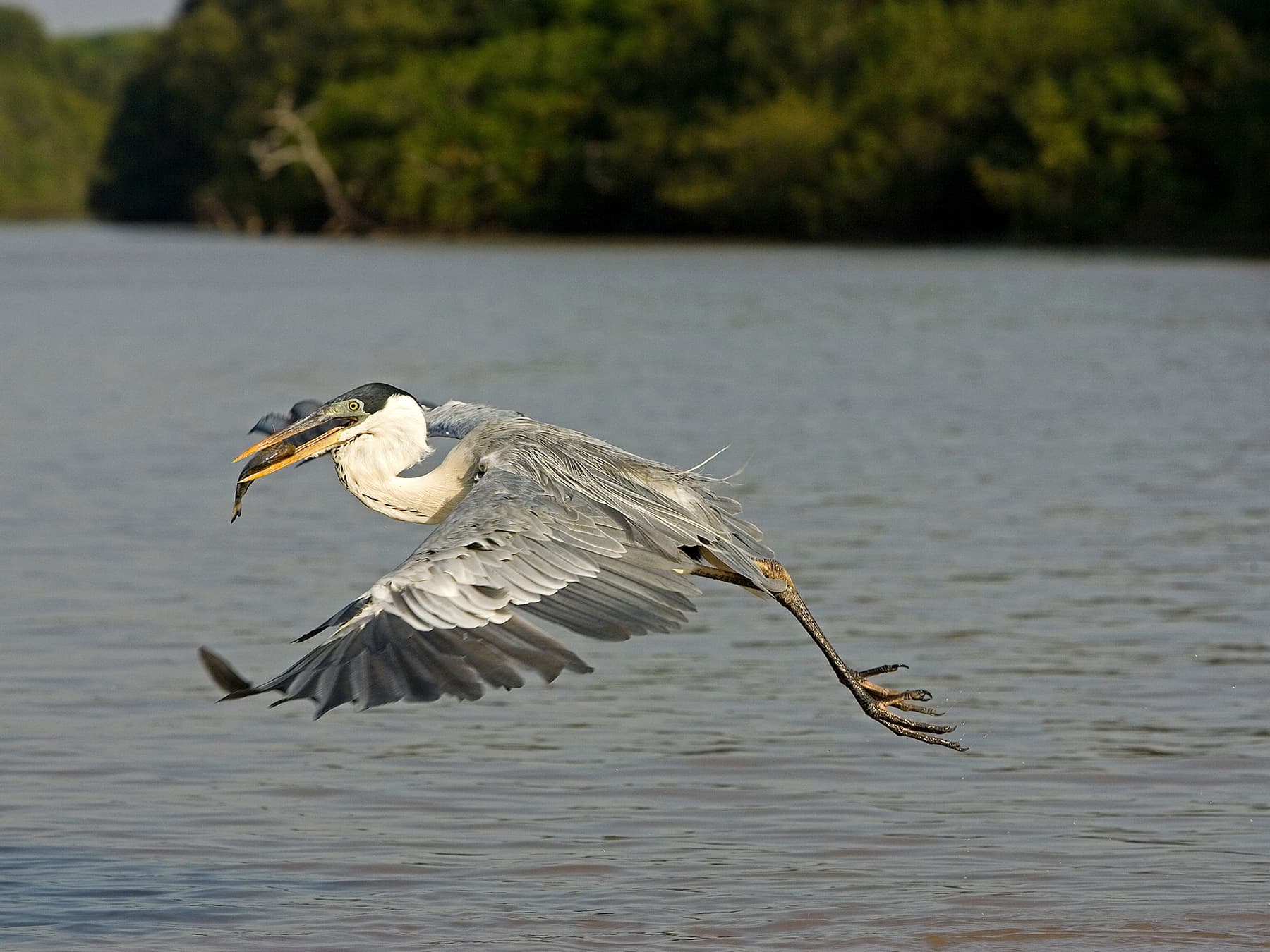
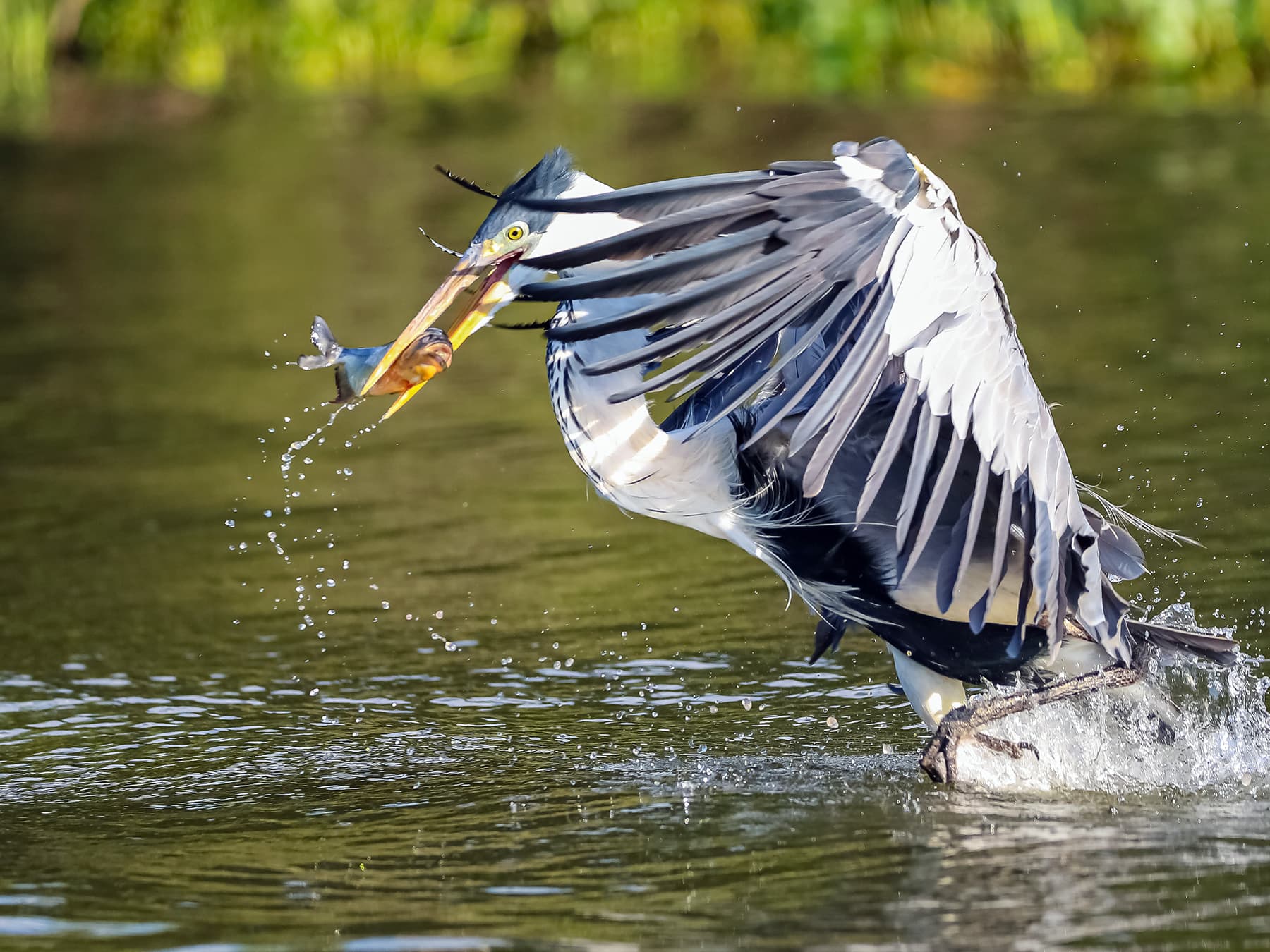
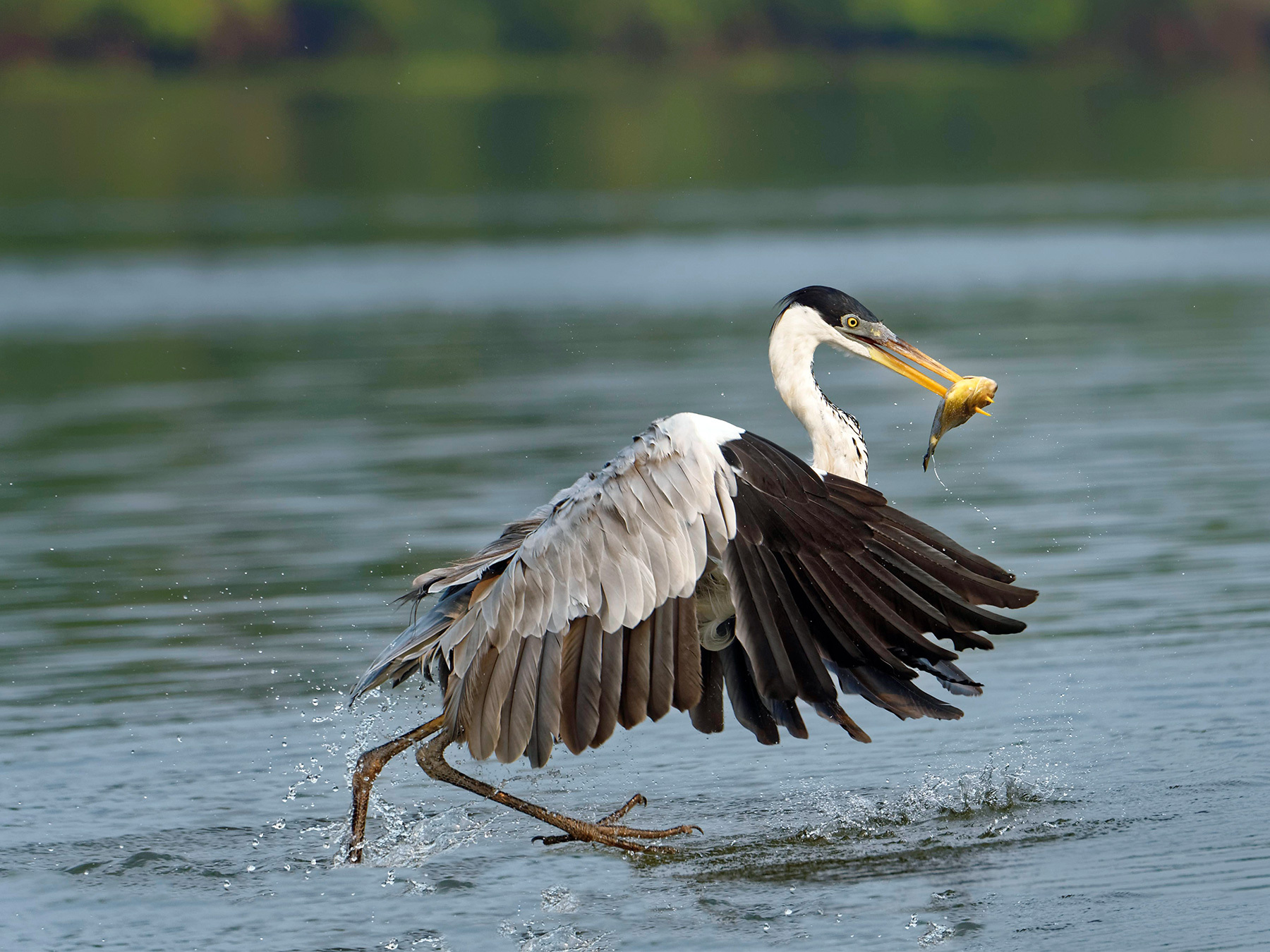
The Cocoi heron’s diet primarily consists of large fish, up to 30 cm (12 in) in length, but they also eat frogs, aquatic insects, and their larvae, crabs, and carrion. Small rodents, lizards, and young birds are also eaten.
Cocoi herons forage by standing in shallow water, watching for prey, and then stabbing quickly downwards with their bill, using a head-tilting technique to aid their view.
What do Cocoi Heron chicks eat?
While in the nest, Cocoi heron chicks are fed on a broad diet, which includes fish, rodents, amphibians, crustaceans, spiders, beetles, and other insects. Occasionally, other baby birds may also be fed to nestlings.
Nesting and breeding
Where do Cocoi Herons nest?
Nests are generally built in either trees, bushes (including cacti), or in reedbeds. Cocoi herons are often colonial nesters but may also nest individually.
Deep, bulky cup-shaped nests are constructed from sticks, twigs, and reeds over the course of a week. A lining of grass is added before eggs are laid. Tree nests are most commonly found at a height of between 20 and 25 m (65 ft to 80 ft), with reedbed nest sites naturally lower down.
When do Cocoi Herons nest?
The breeding season for Cocoi herons varies according to geographical location. In Suriname, breeding begins in July, while in Brazil and Argentina, nesting occurs between August and November, and in Uruguay, October is typical.
The incubation period lasts from between 26 and 29 days and is shared between males and females.
What do Cocoi Heron eggs look like?
Between 2 and 5 pale blue eggs are laid by Cocoi herons. Eggs, which measure on average 65 mm by 45 mm (2.6 in by 1.8 in), are speckled with lighter markings.
Do Cocoi Herons mate for life?
Little research is available, but observations indicate that Cocoi herons are monogamous for the duration of the breeding season, raising one brood together each year before separating once breeding is complete. A new mate is found the following year.
Behaviour
Are Cocoi Herons aggressive?
Some aggressive displays may be witnessed when Cocoi herons are defending a territory or nest site. However, they are frequently seen to feed in large groups numbering up to 200 herons without conflict.
Where do Cocoi Herons sleep at night?
Most Cocoi herons are diurnal, feeding during daylight hours and roosting overnight in waterside trees. However, in Chile, populations of Cocoi herons are observed to feed nocturnally.
Lifespan and predators
How long do Cocoi Herons live?
The average lifespan of a Cocoi heron is thought to be around 10.5 years, with the longest-lived individual recorded at 24.4 years of age.
What are the predators of Cocoi Herons?
Anaconda, caiman, and big cats may raid reedbed nests of Cocoi herons, while Southern caracara may prey on nestlings and young birds.
Are Cocoi Herons protected?
In the wild, Cocoi herons are protected under various conservation acts throughout South America. Extensive areas of their wetland habitats are included in the Ramsar Convention, which effectively safeguards the long-term survival of the species.
Are Cocoi Herons endangered?
Cocoi herons have a wide geographical range and a stable population and are currently classified as a species of least concern globally.
Conservation
While the Cocoi Heron is currently listed as Least Concern by the IUCN, it faces threats from habitat loss due to wetland drainage and deforestation.
Conservation efforts focus on protecting and restoring wetland habitats throughout South America.
Similar birds
Often mistaken for
More photos
3 photos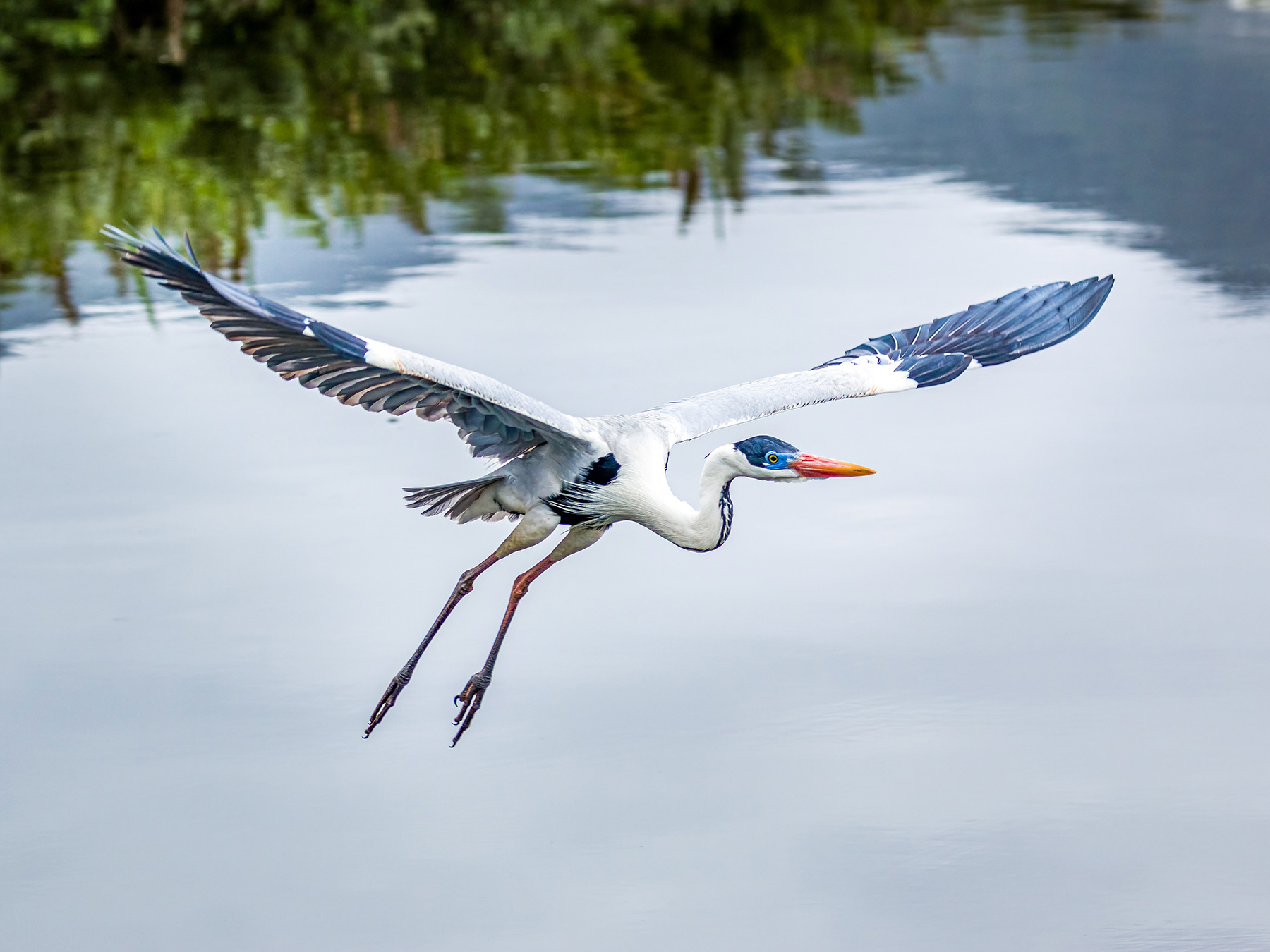
Cocoi Heron guides
1 guidesQuick facts
- Length
- 95–127 cm
- Wingspan
- 170–195 cm
- Weight
- 1900–2800 g
- Lifespan
- 10 years · oldest recorded 24.4 years
- Family
- Herons & Egrets
- Migration
- Partial migrant
- Global status (IUCN)
- Least Concern
- World population
- 5,000,000 - 49,999,999 mature individuals
- Population trend
- Stable
- Scientific name
- Ardea cocoi
Sources
4- 1BirdLife International. 2021. Ardea cocoi. The IUCN Red List of Threatened Species 2021: e.T22697001A163802666. Source (opens in a new tab)
- 2Partners in Flight, Wetlands International (2019)
- 3Partners in Flight (2019) Source (opens in a new tab)
- 4Flower, Furter notes on the duration of life in animals. IV. Birds, Proc Zool Soc London, Ser. A:195-235 (1938)

Checked by
Nathan Cope, founder and editor
Nathan founded Birdfact and leads its writers and contributors in the UK, the US and Canada. He has watched and studied birds for more than ten years, and checks every article and species guide before it’s published.