


Birds to See in East Dunbartonshire in April
33 bird species on our list for East Dunbartonshire are recorded regularly in April
Of these, the most often recorded are Woodpigeon, European Robin, Great Tit, Eurasian Wren and Magpie. New this month: Barn Swallow, Willow Warbler, Blackcap and Canada Goose and 2 more.
On the move in April
GBIF · AprArriving
At their peak
Leaving soon
From East Dunbartonshire’s bird records, 2019–2024: arriving birds are regular this month but not last; leaving birds are regular this month but not next.
Other months
All 33 birds in April
33 birds
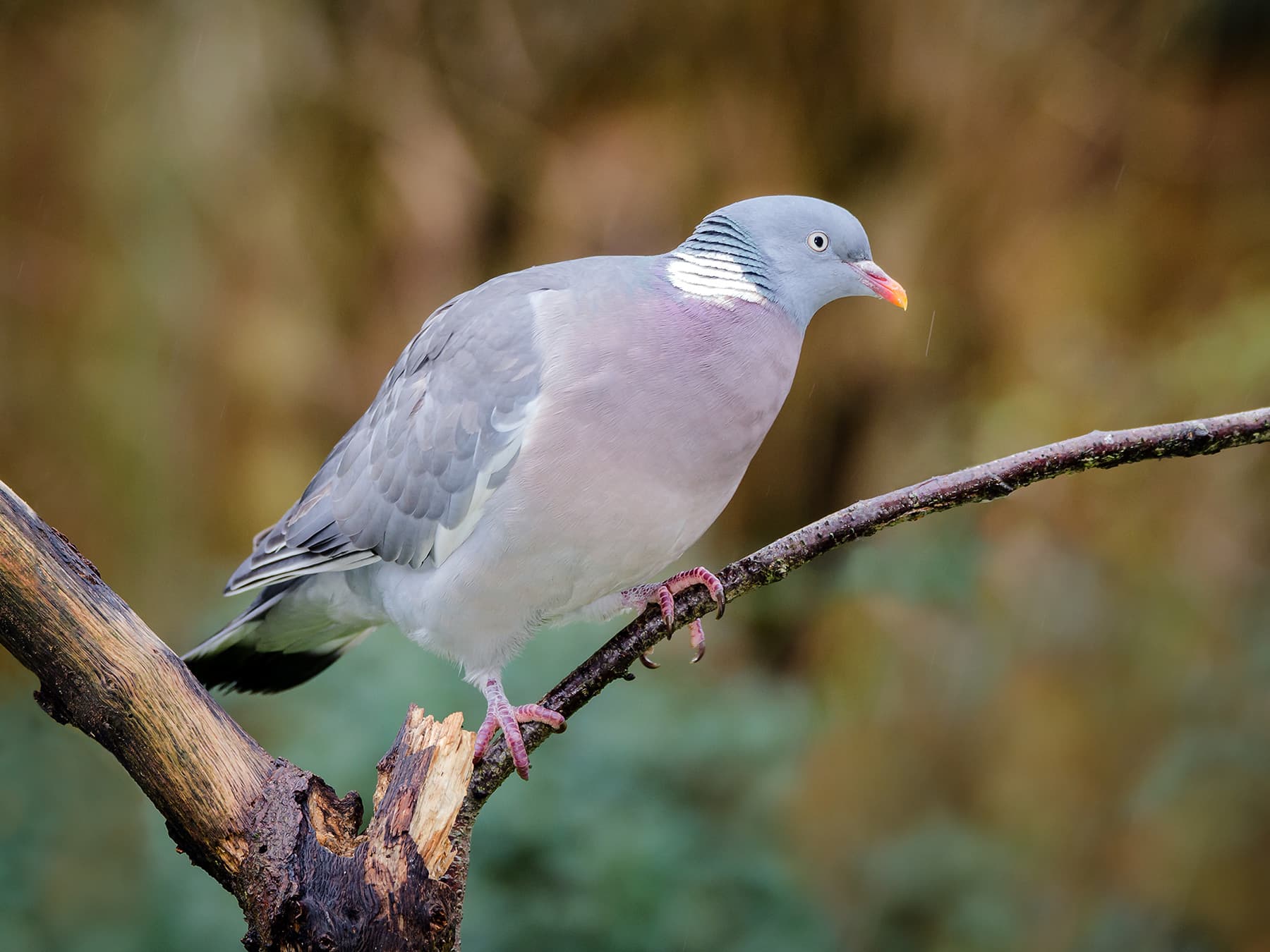 WoodpigeonColumba palumbusResidentCommon40–42 cmRecorded all year · 4.57% in Apr
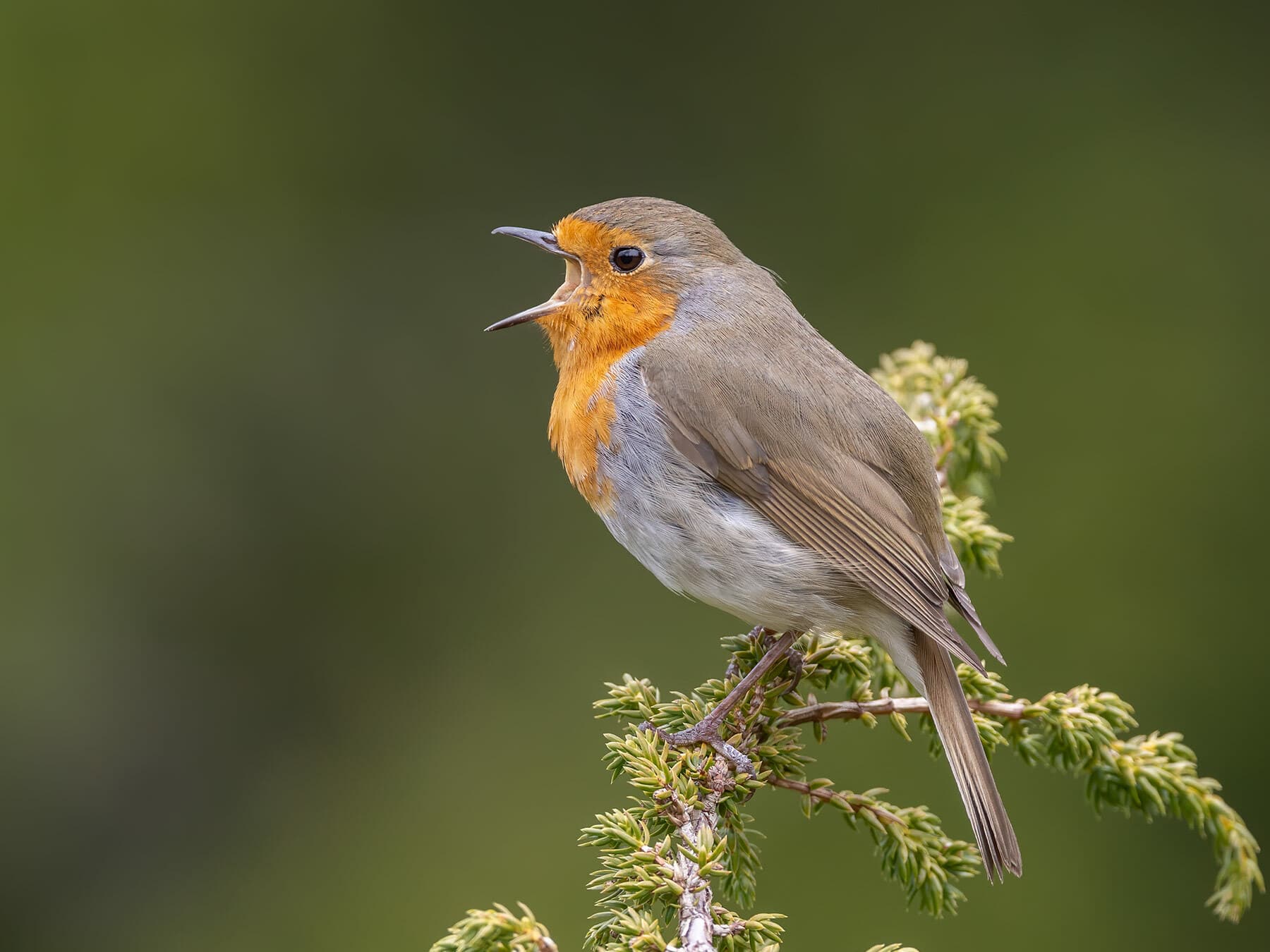 European RobinErithacus rubeculaResidentCommon13–14 cmRecorded all year · 4.22% in Apr
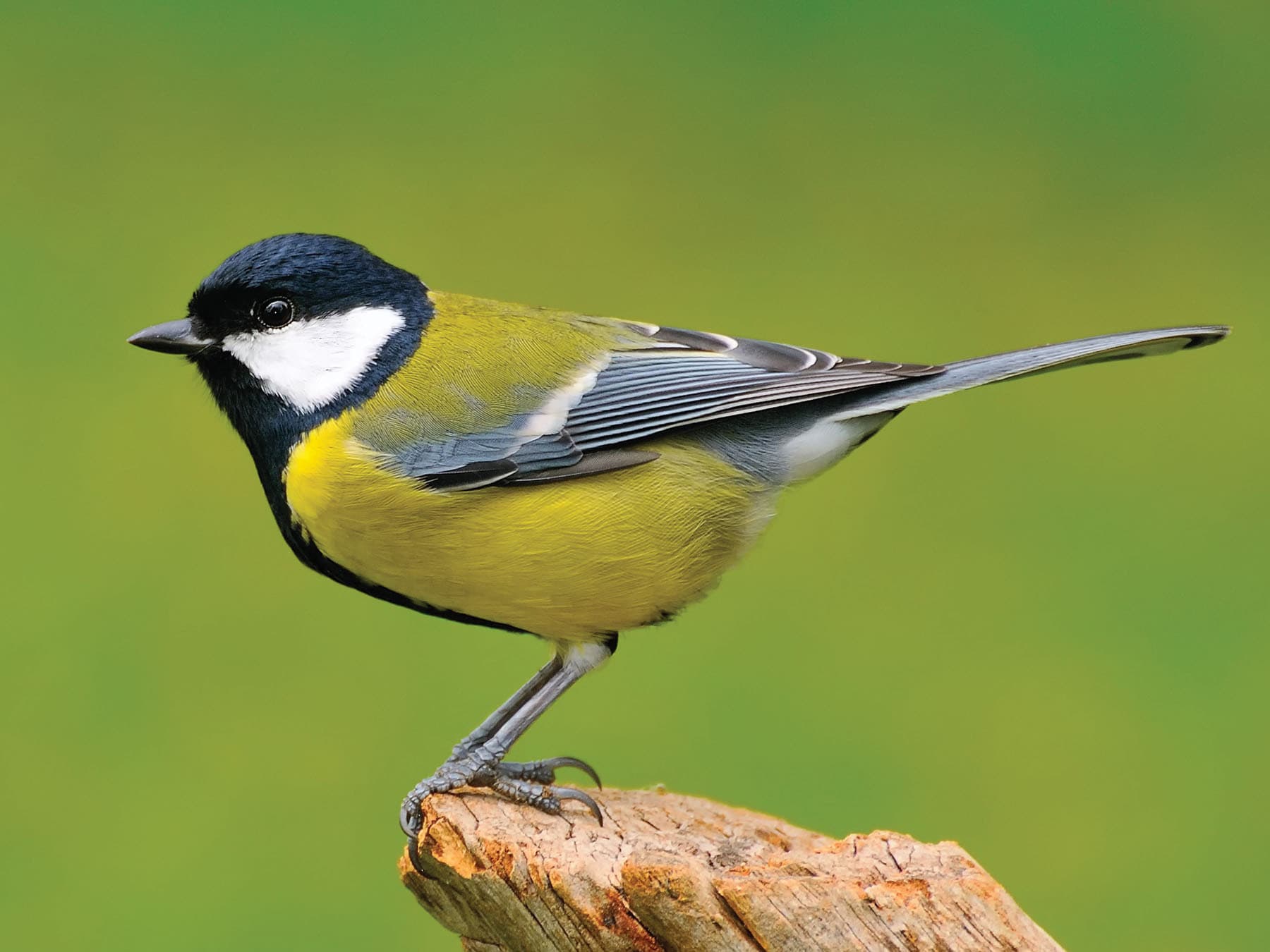 Great TitParus majorWinter visitorCommonRegularly Jul–May · 4.22% in Apr
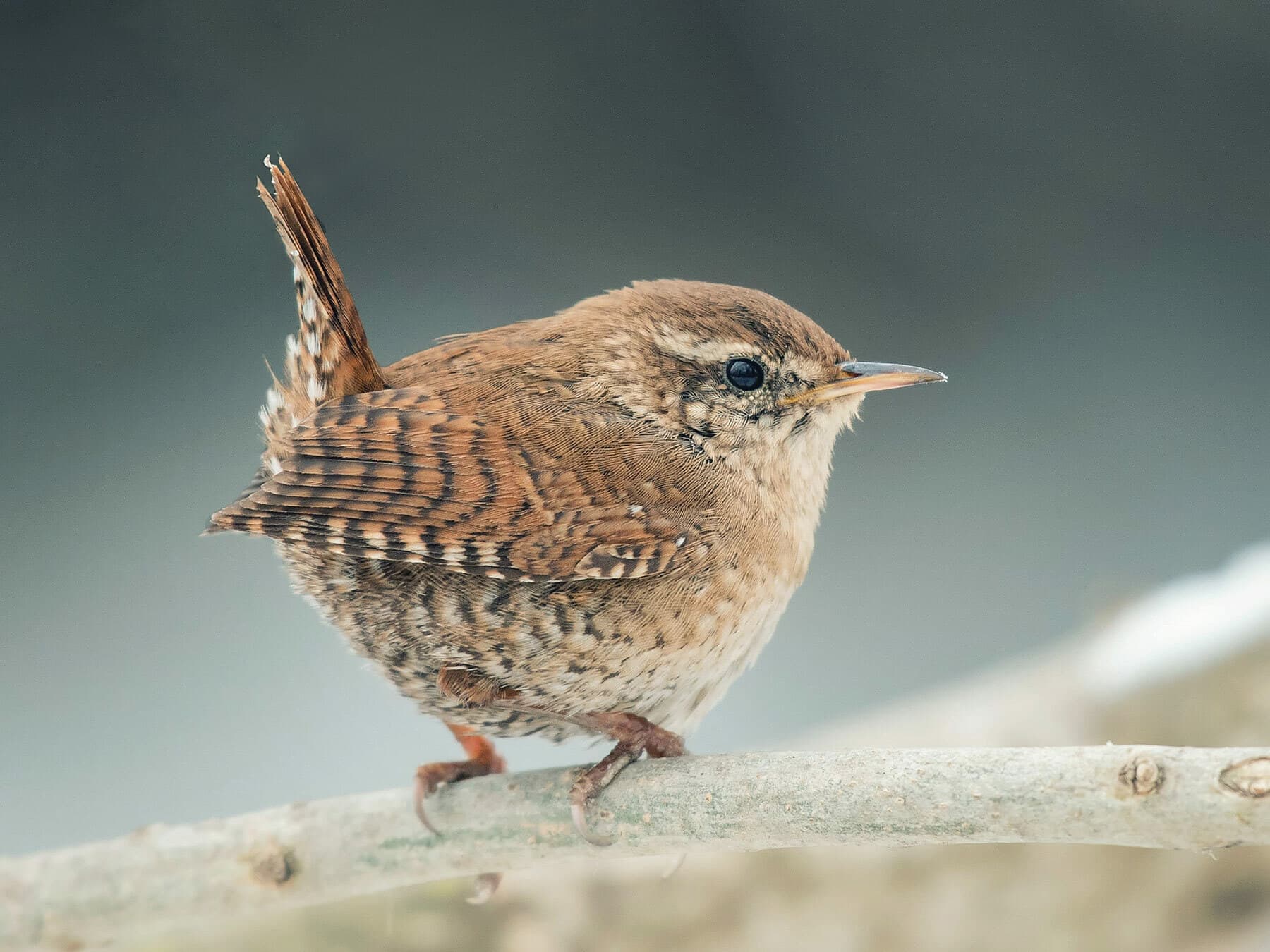 Eurasian WrenTroglodytes troglodytesResidentCommon9–10 cmRecorded all year · 3.99% in Apr
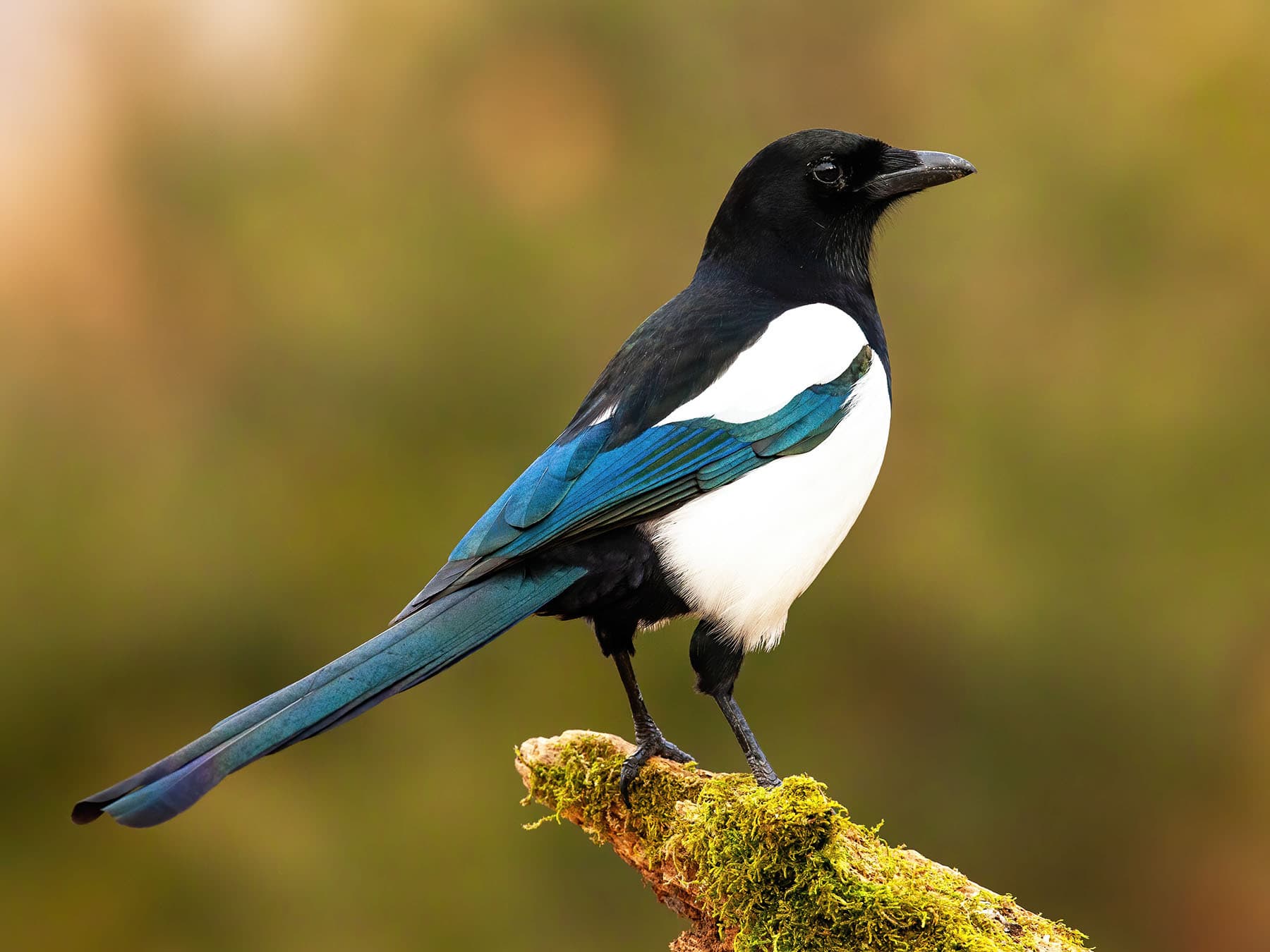 MagpiePica picaResidentCommon44–46 cmRecorded all year · 3.99% in Apr
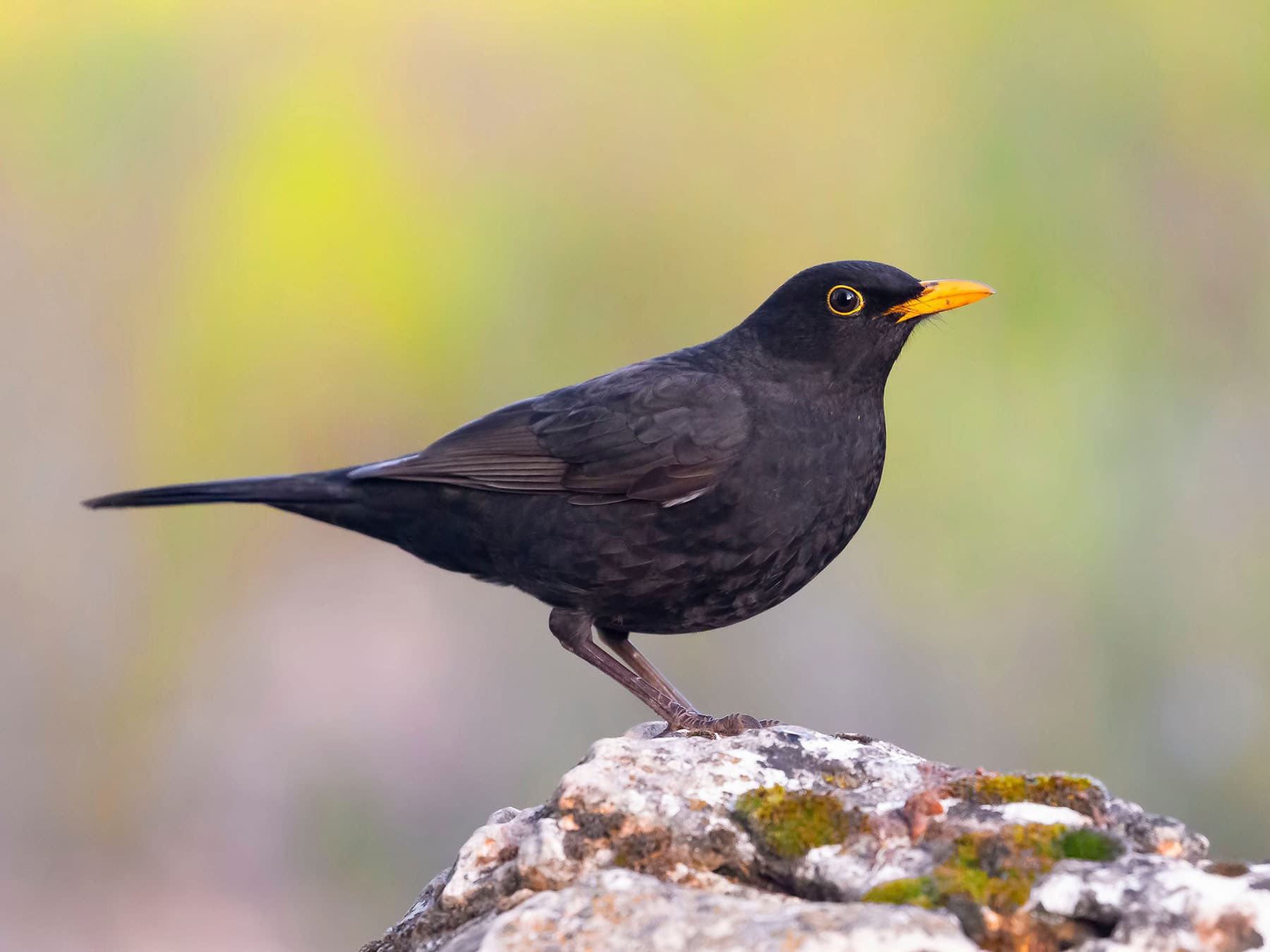 BlackbirdTurdus merulaResidentCommon24–25 cmRegularly Sep–Jul · 3.87% in Apr
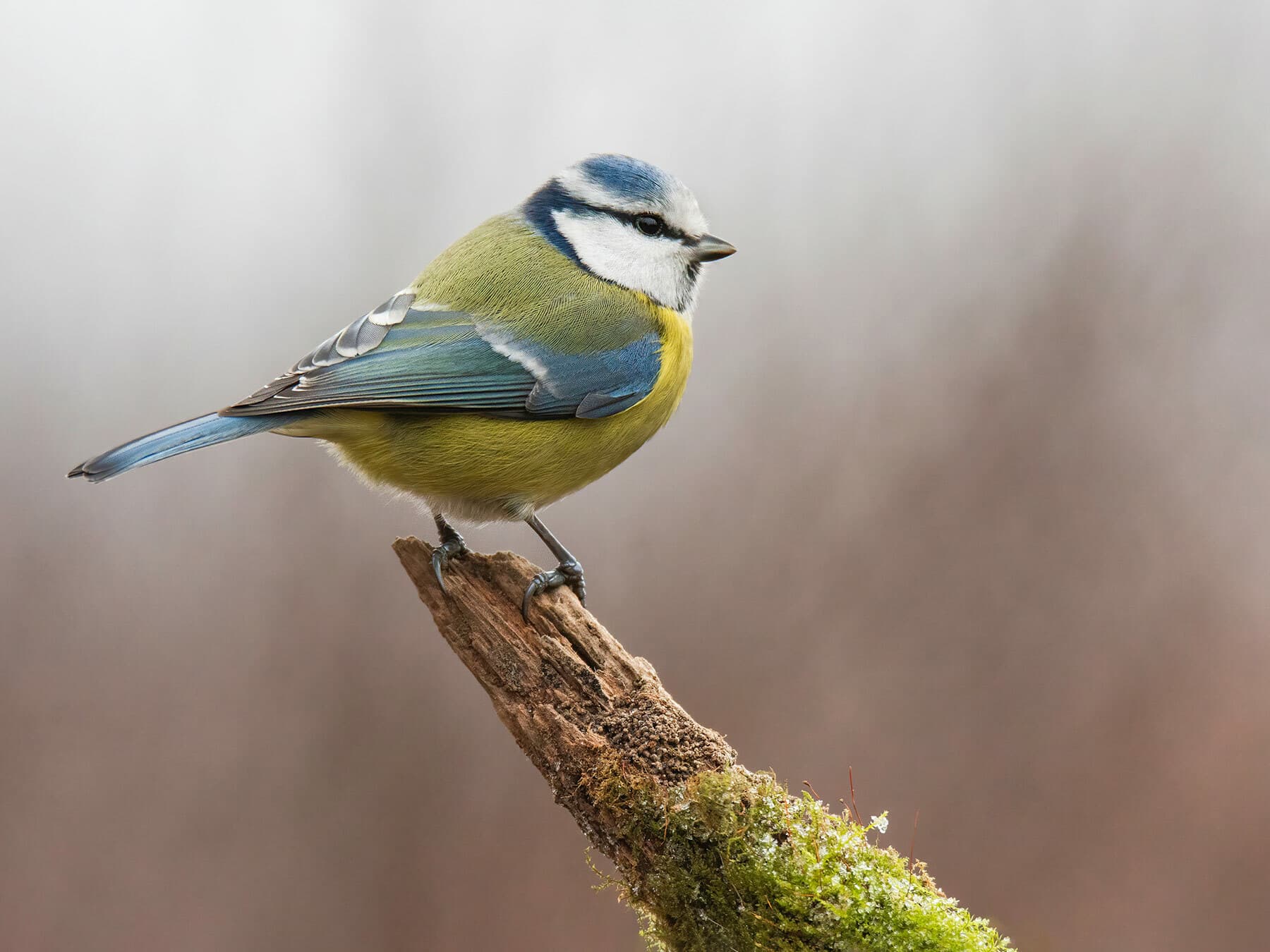 Blue TitCyanistes caeruleusResidentCommon11–12 cmRecorded all year · 3.87% in Apr
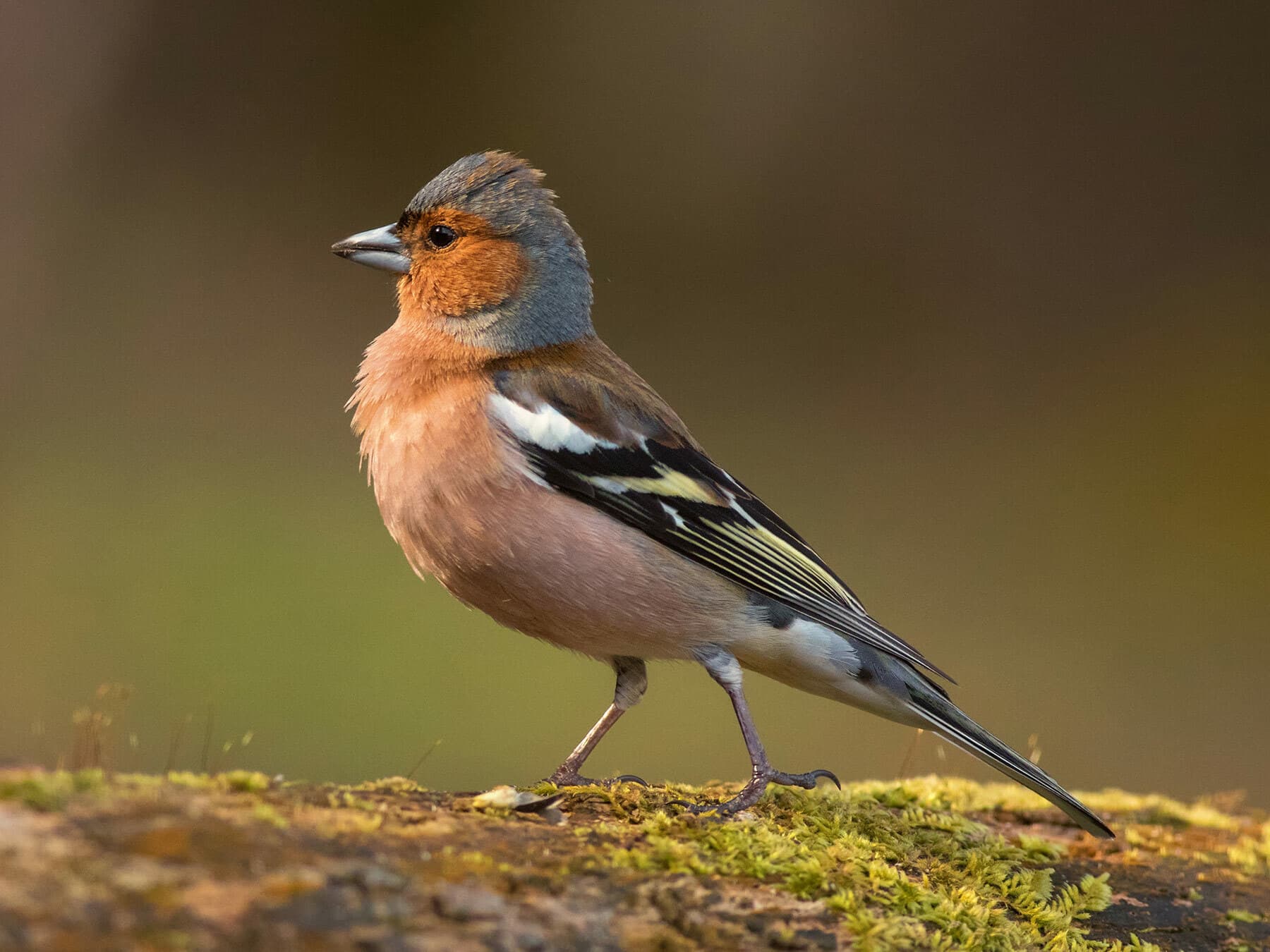 ChaffinchFringilla coelebsResidentCommon14–16 cmRegularly Sep–Jul · 3.87% in Apr
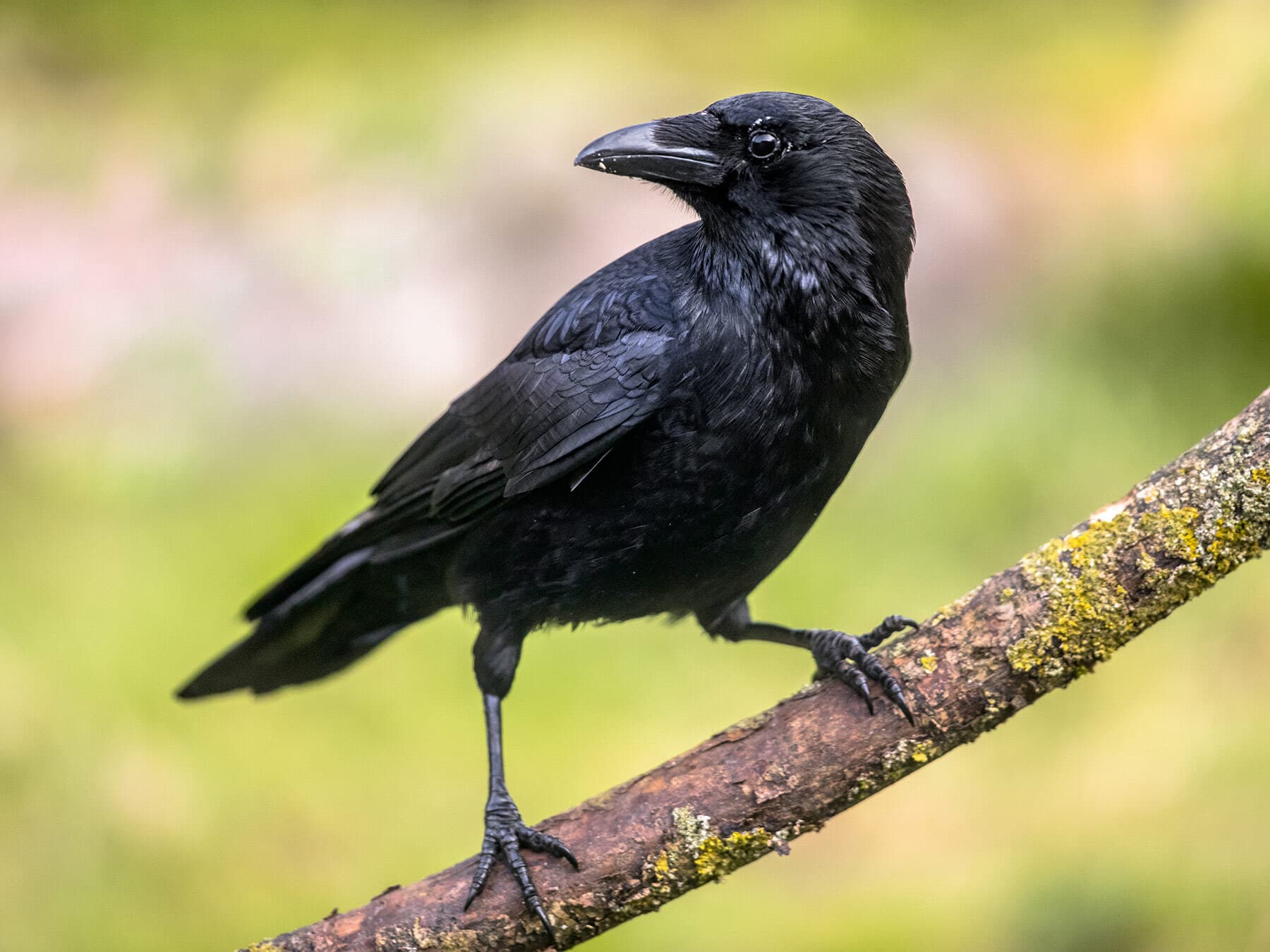 Carrion CrowCorvus coroneResidentCommon45–47 cmRecorded all year · 3.63% in Apr
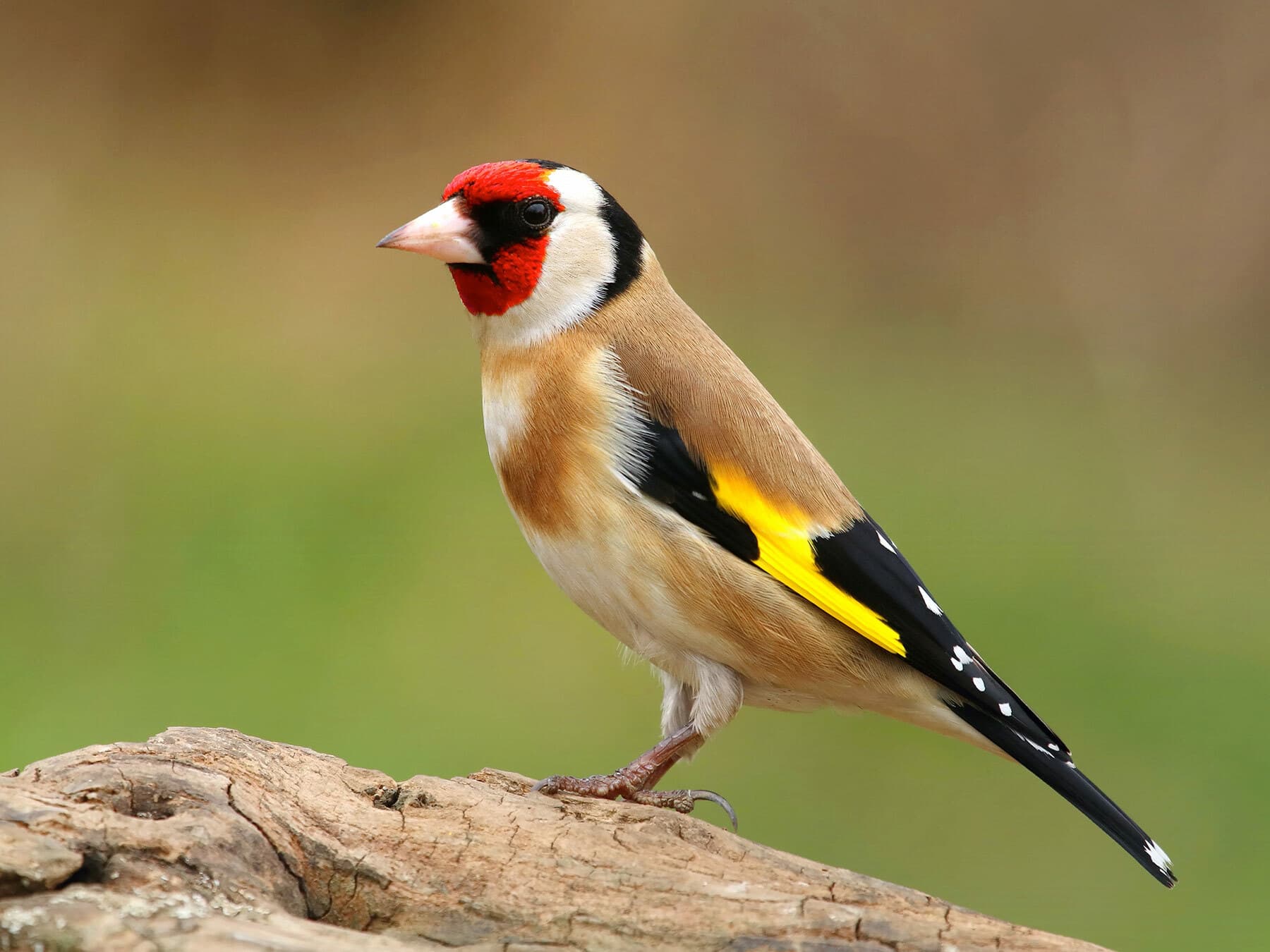 European GoldfinchCarduelis carduelisResidentCommon12–13 cmRecorded all year · 3.28% in Apr
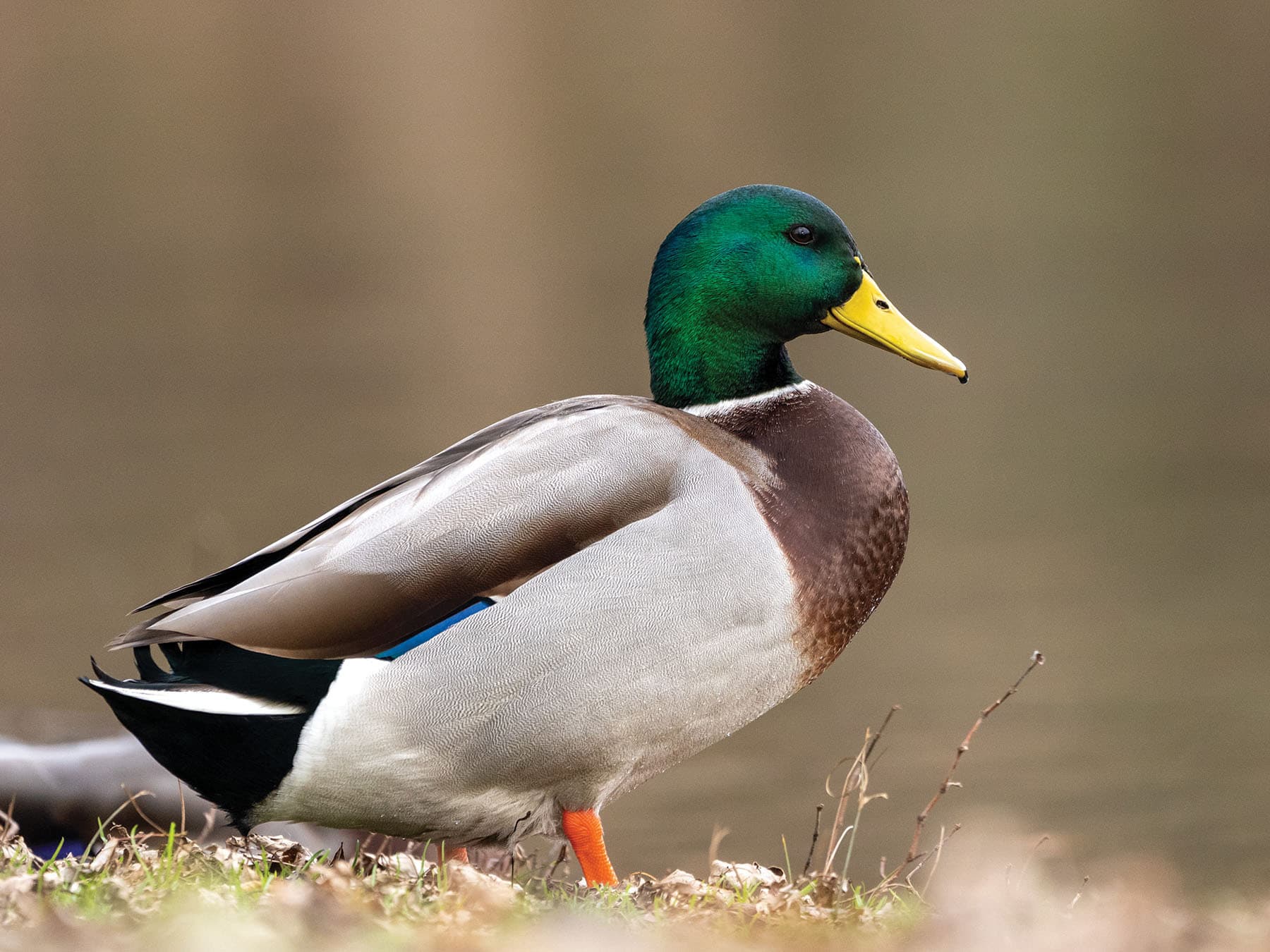 MallardAnas platyrhynchosResidentCommon50–65 cmRecorded all year · 3.28% in Apr
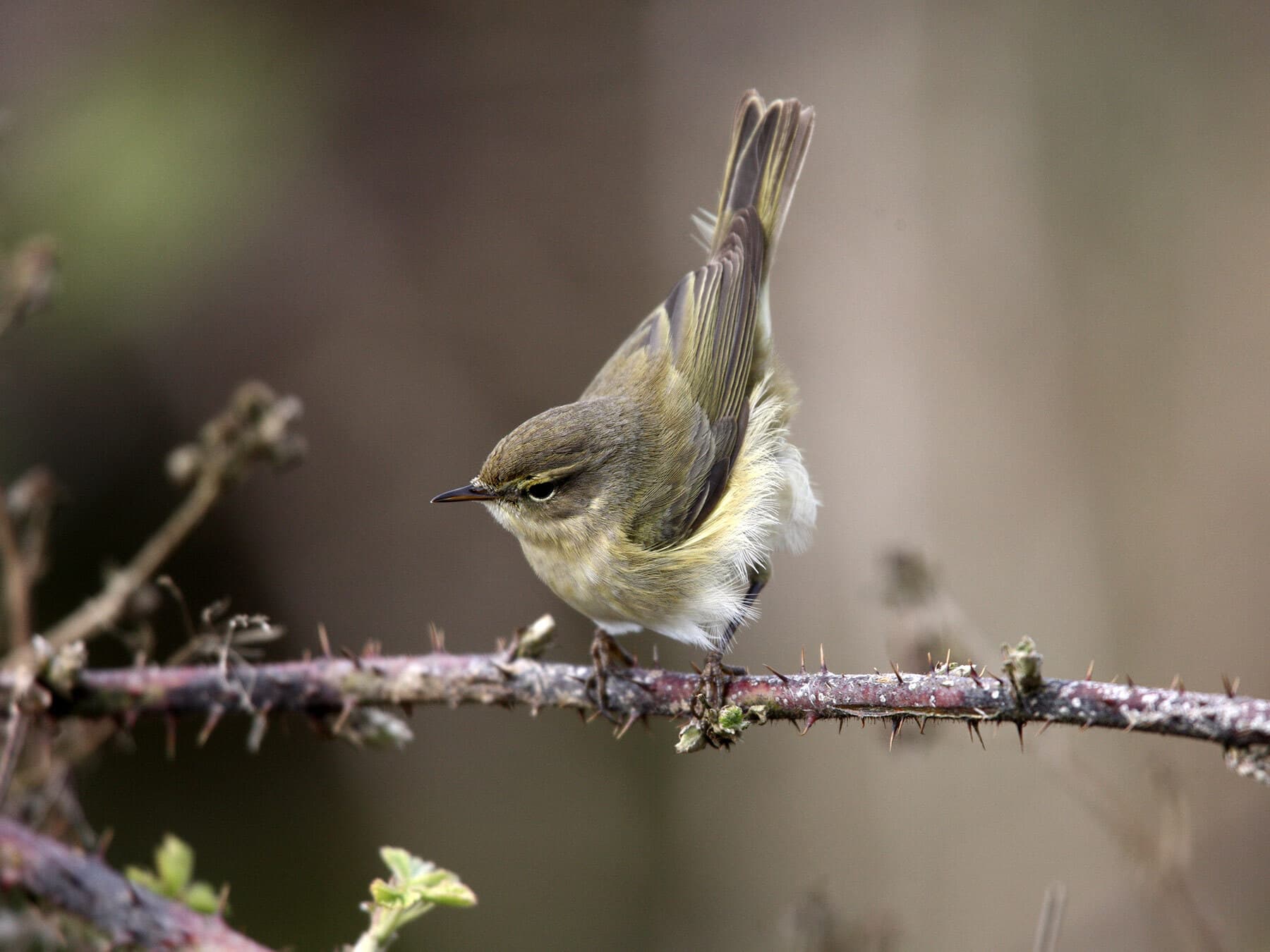 ChiffchaffPhylloscopus collybitaSummer visitorCommon10–12 cmRegularly Mar–Aug · 3.17% in Apr
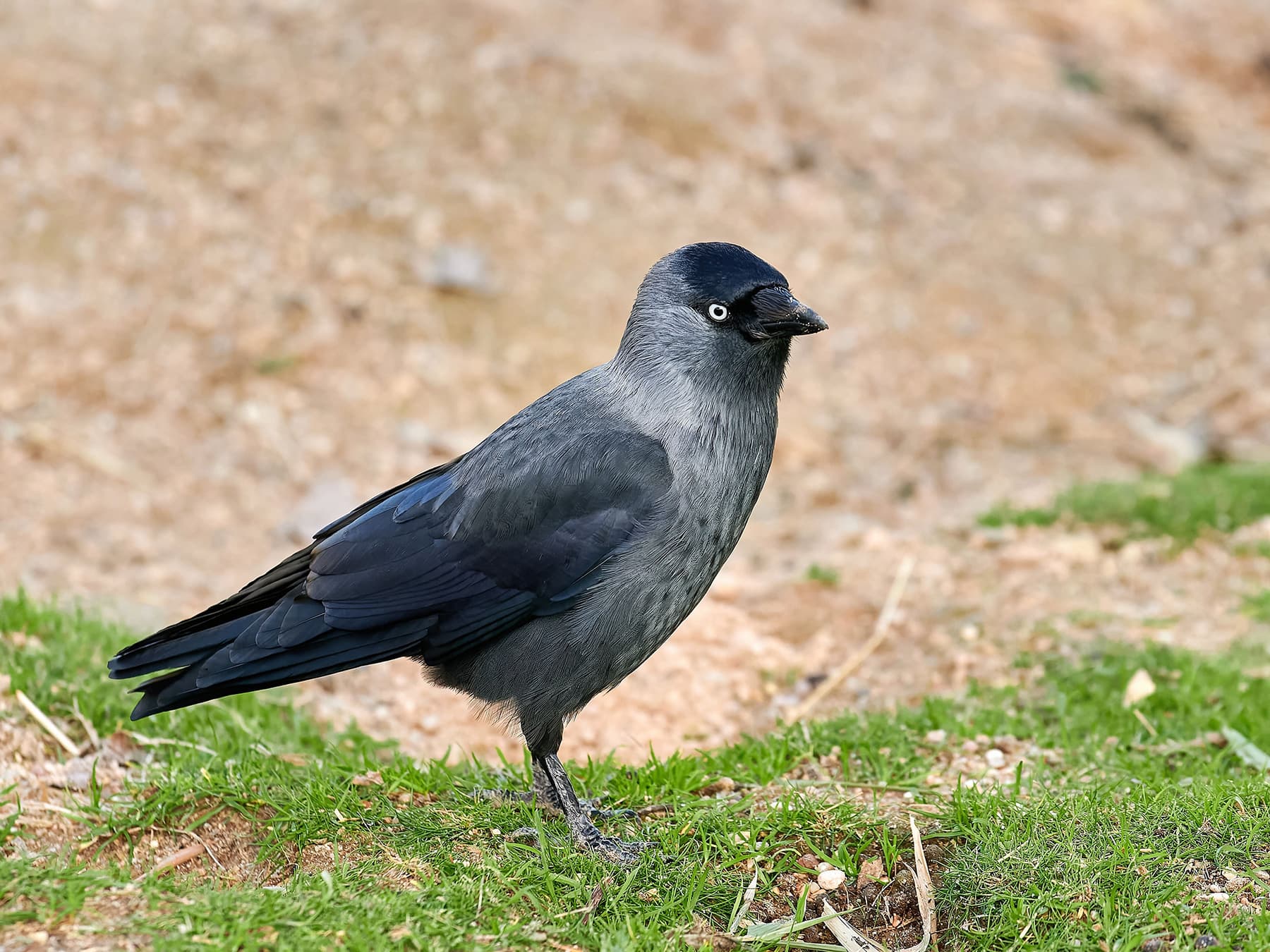 JackdawColoeus monedulaResidentCommon34–39 cmRecorded all year · 2.70% in Apr
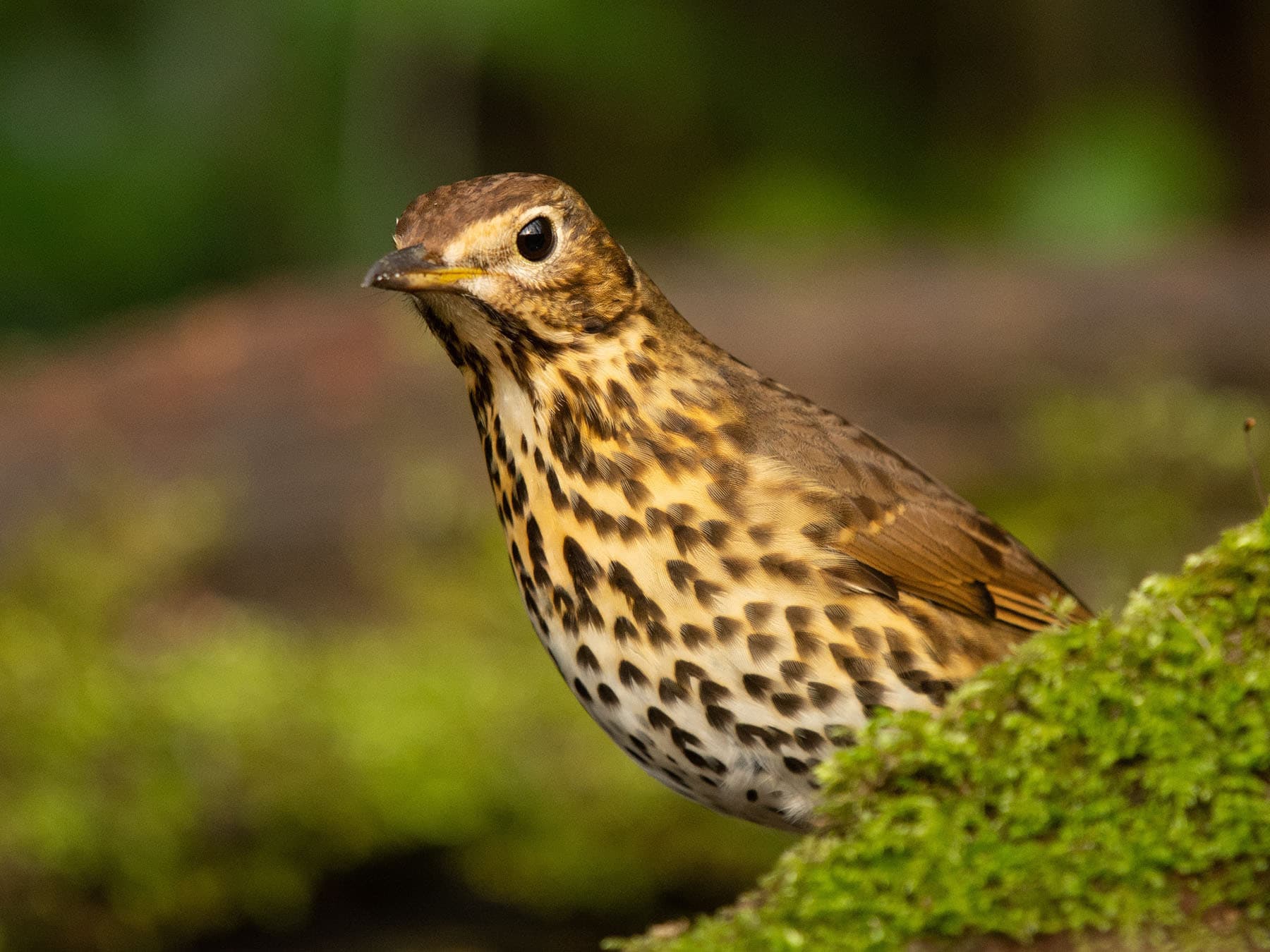 Song ThrushTurdus philomelosResidentCommon20–23 cmRegularly Feb–Jun · 1.99% in Apr
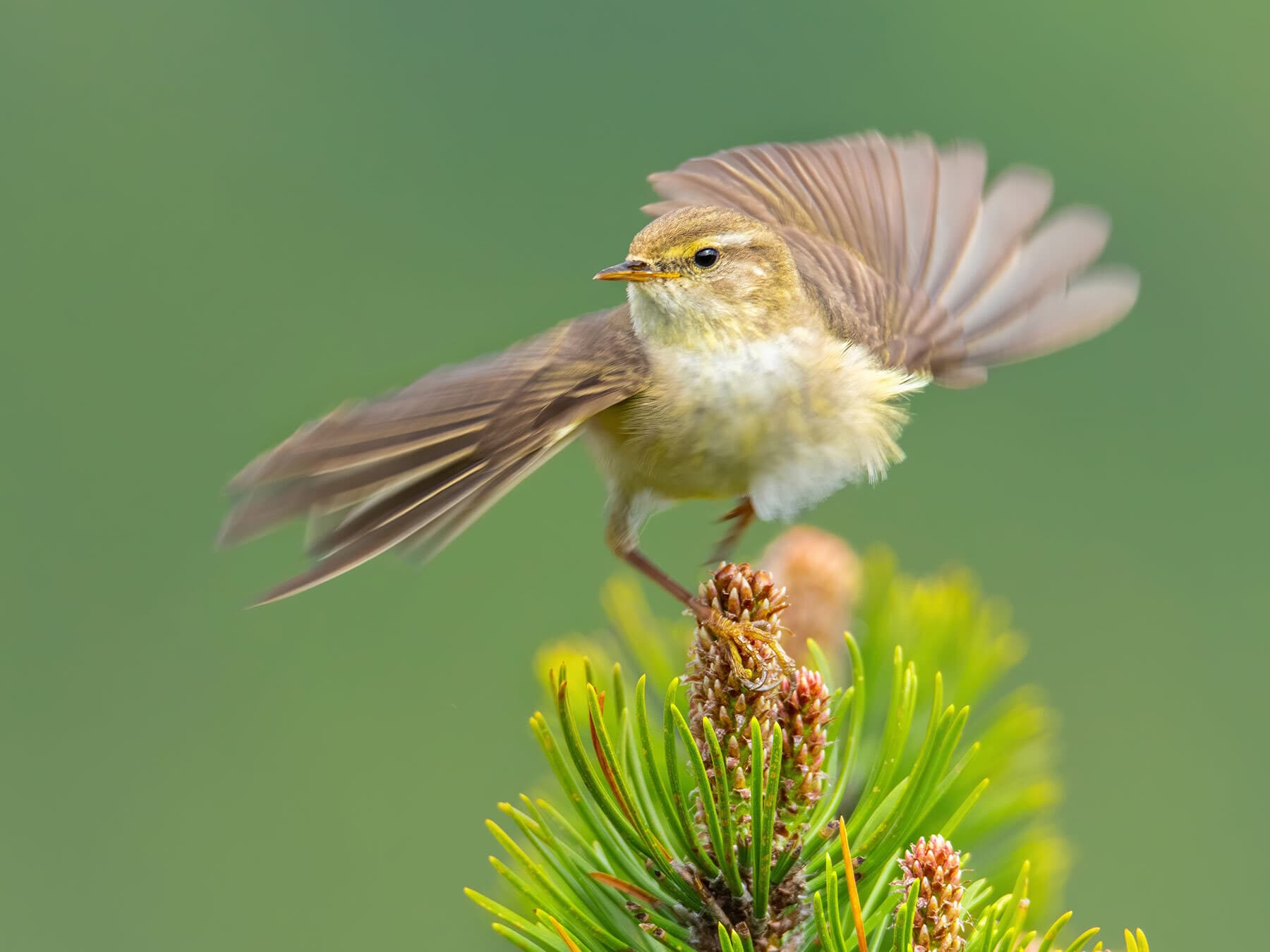 Willow WarblerPhylloscopus trochilusPassage migrantCommon11–13 cmRegularly Apr–Aug · 1.99% in Apr
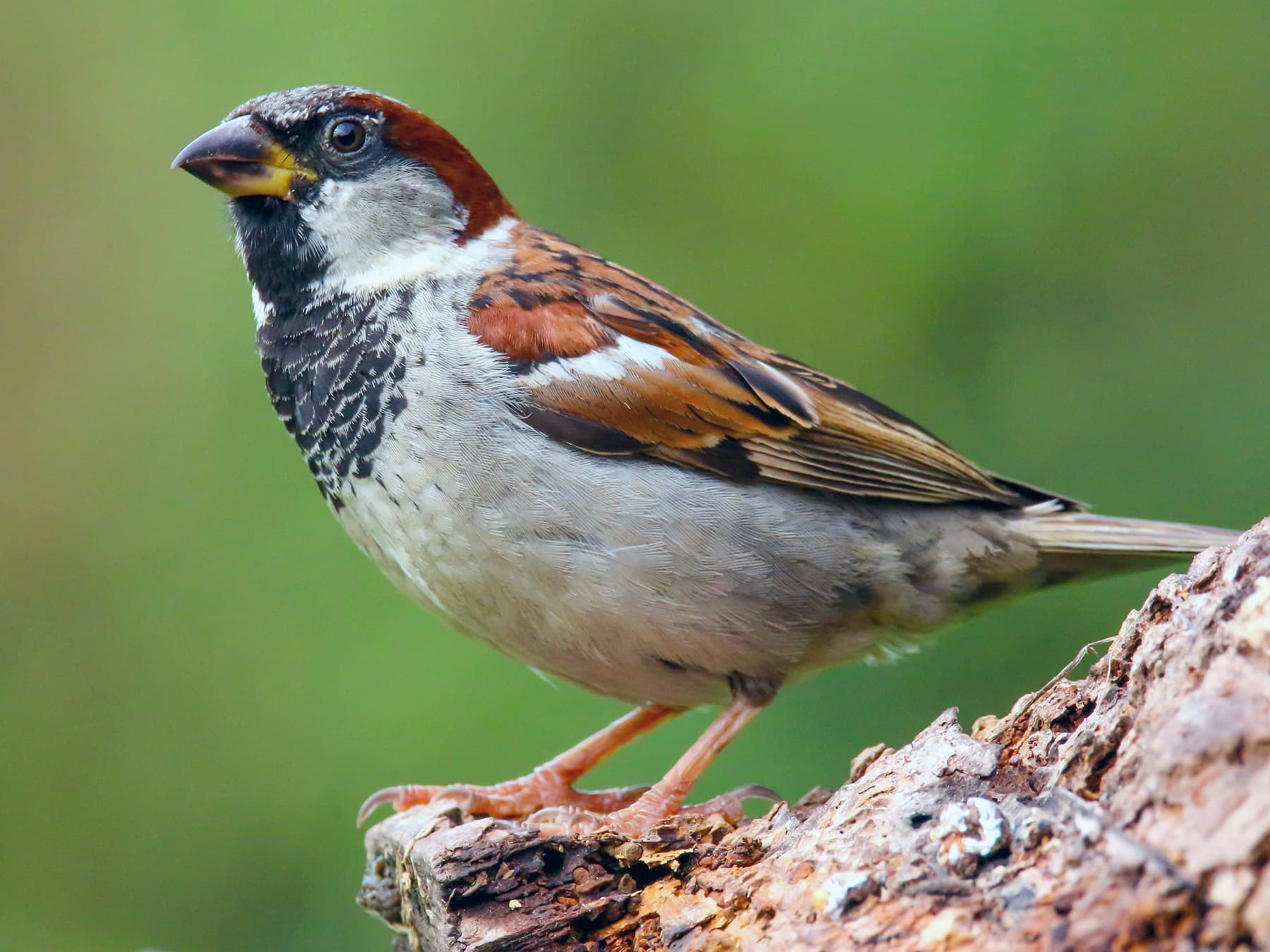 House SparrowPasser domesticusSummer visitorCommon14–17 cmRegularly Nov–Jul · 1.88% in Apr
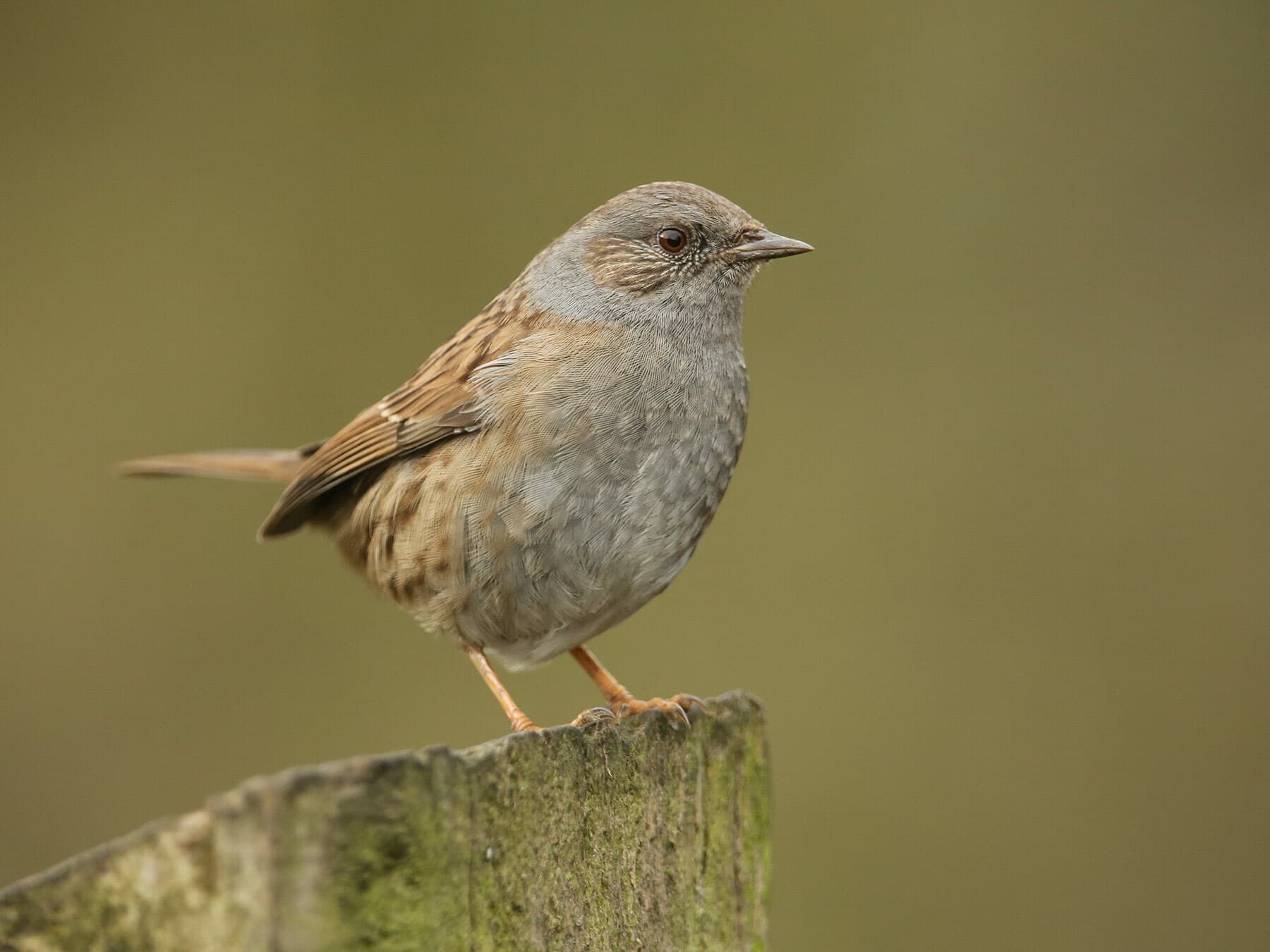 DunnockPrunella modularisWinter visitorCommon14–15 cmRegularly Sep–May · 1.64% in Apr
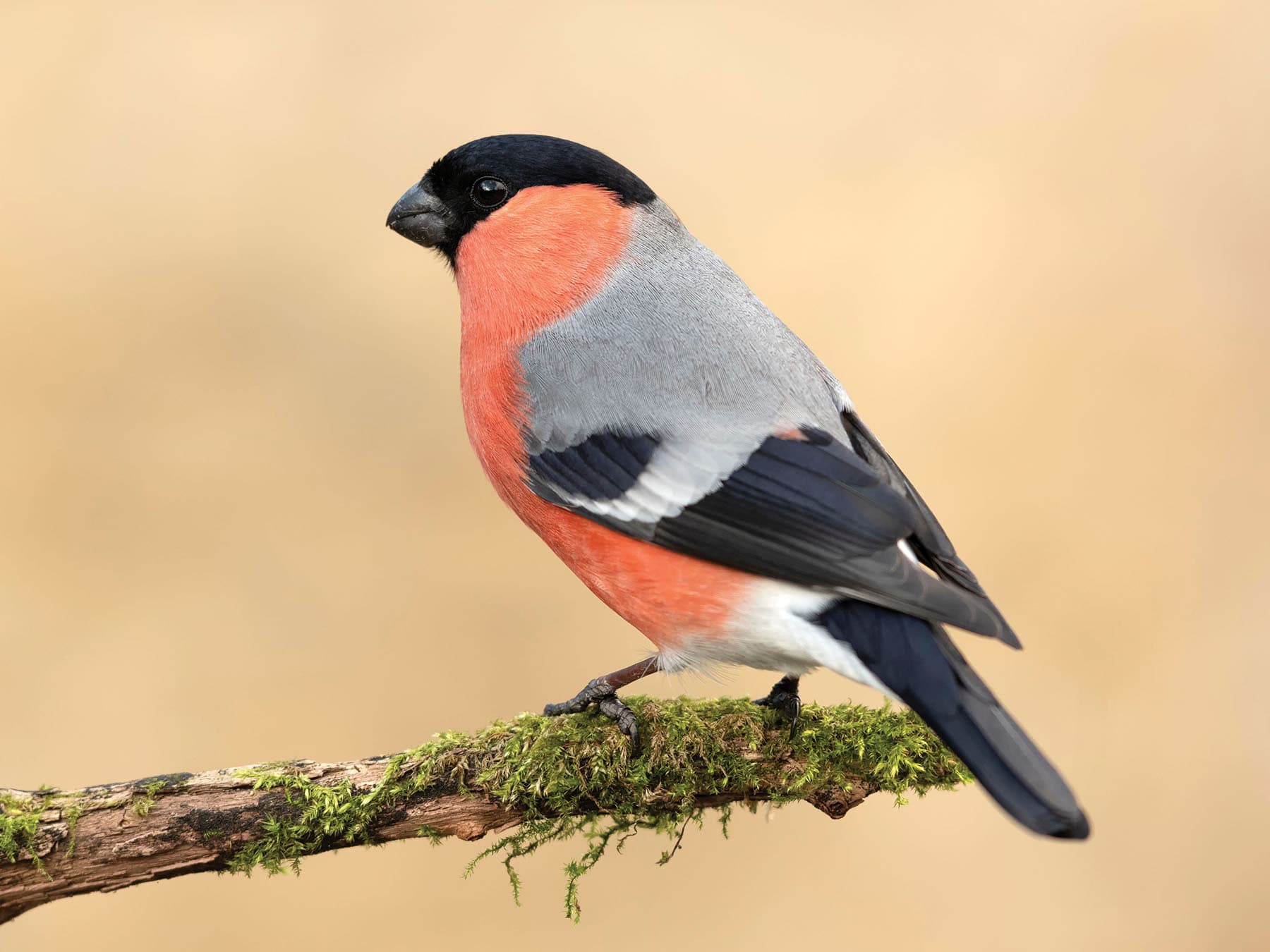 BullfinchPyrrhula pyrrhulaWinter visitorCommon15–17 cmRegularly Sep–May · 1.52% in Apr
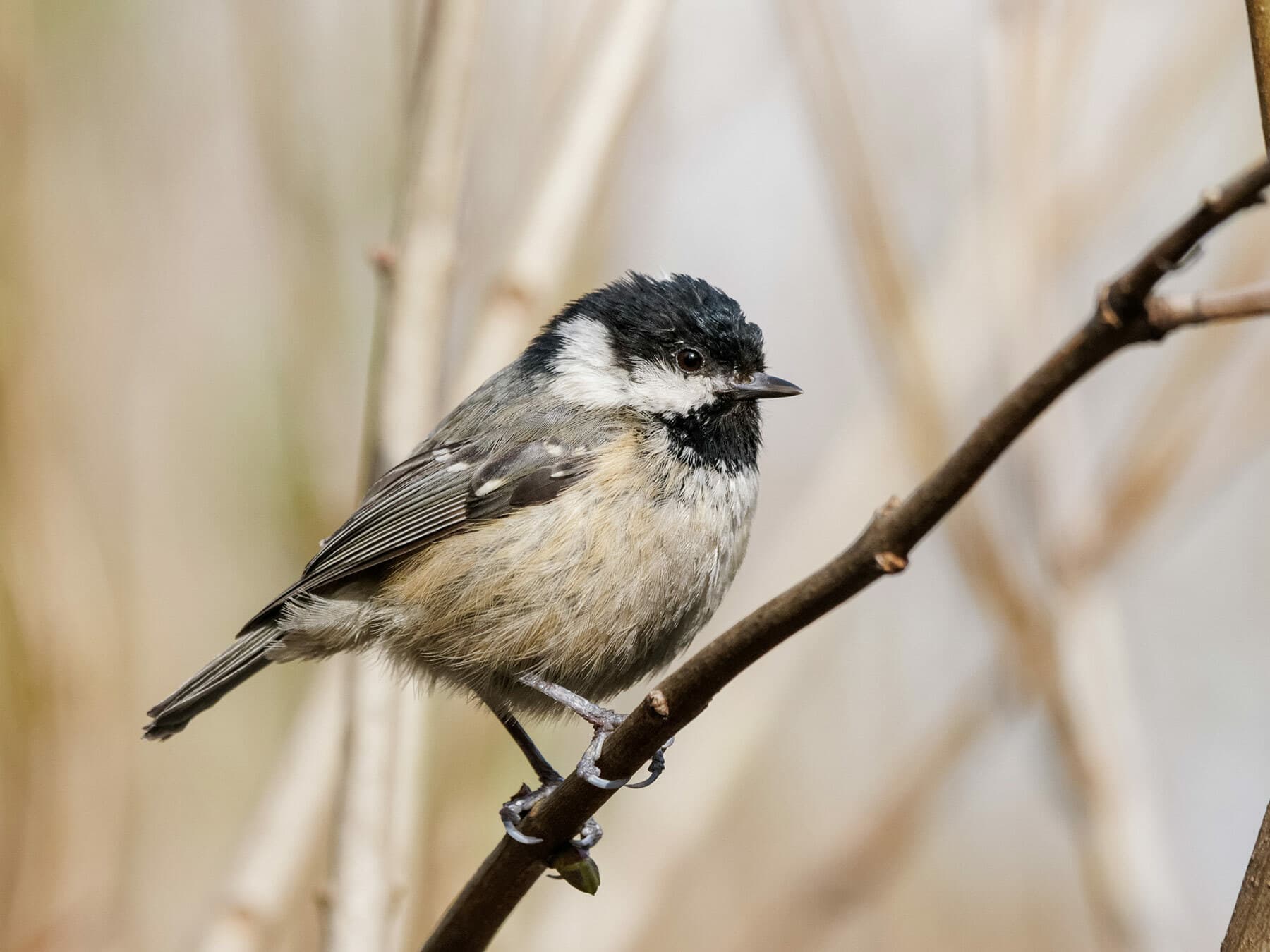 Coal TitPeriparus aterResidentCommon10–12 cmRegularly Aug–May · 1.41% in Apr
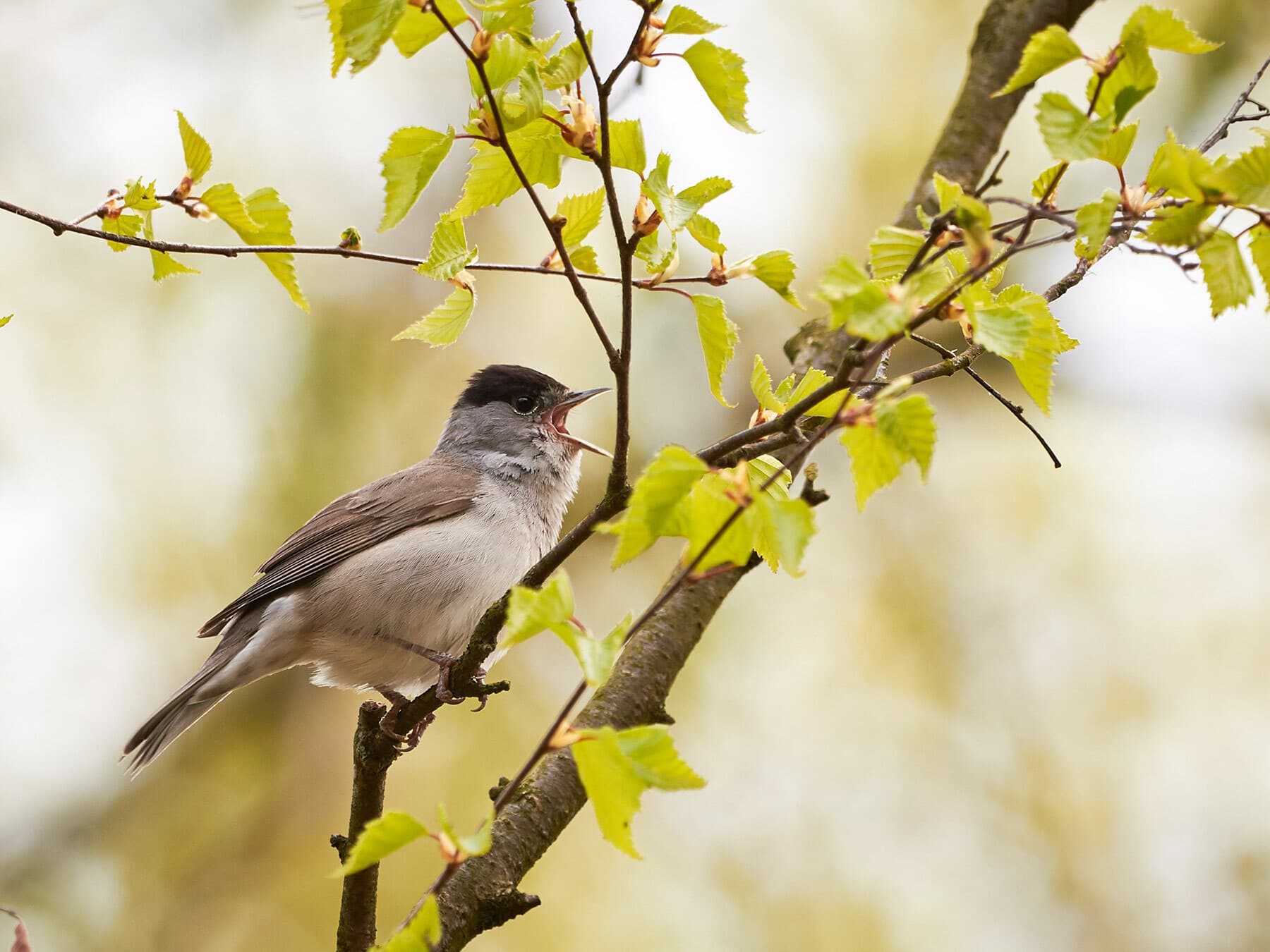 BlackcapSylvia atricapillaPassage migrantCommon13–15 cmRegularly Apr–Jun · 1.29% in Apr
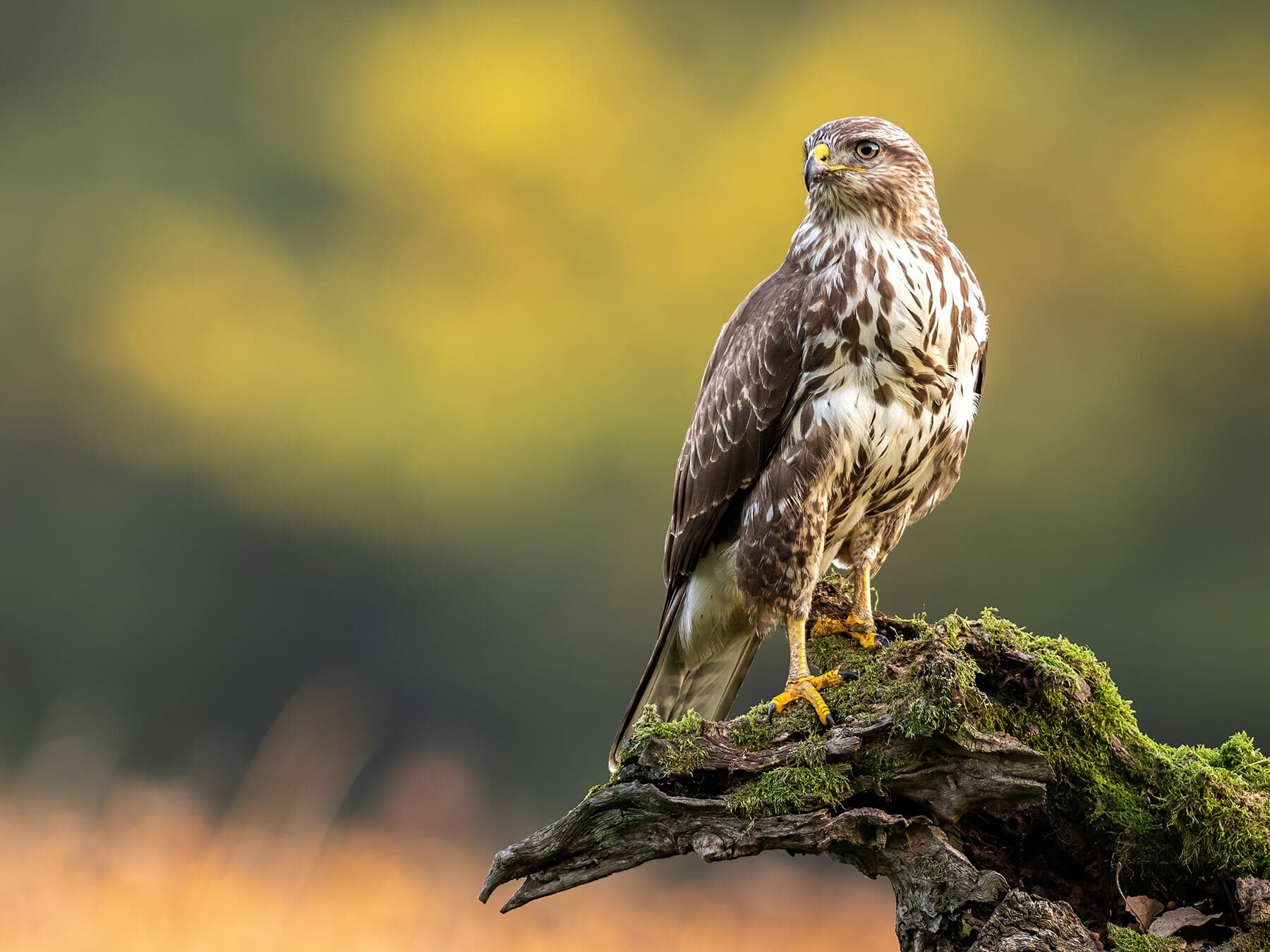 BuzzardButeo buteoSummer visitorCommon51–57 cmRegularly Jan–Oct · 1.29% in Apr
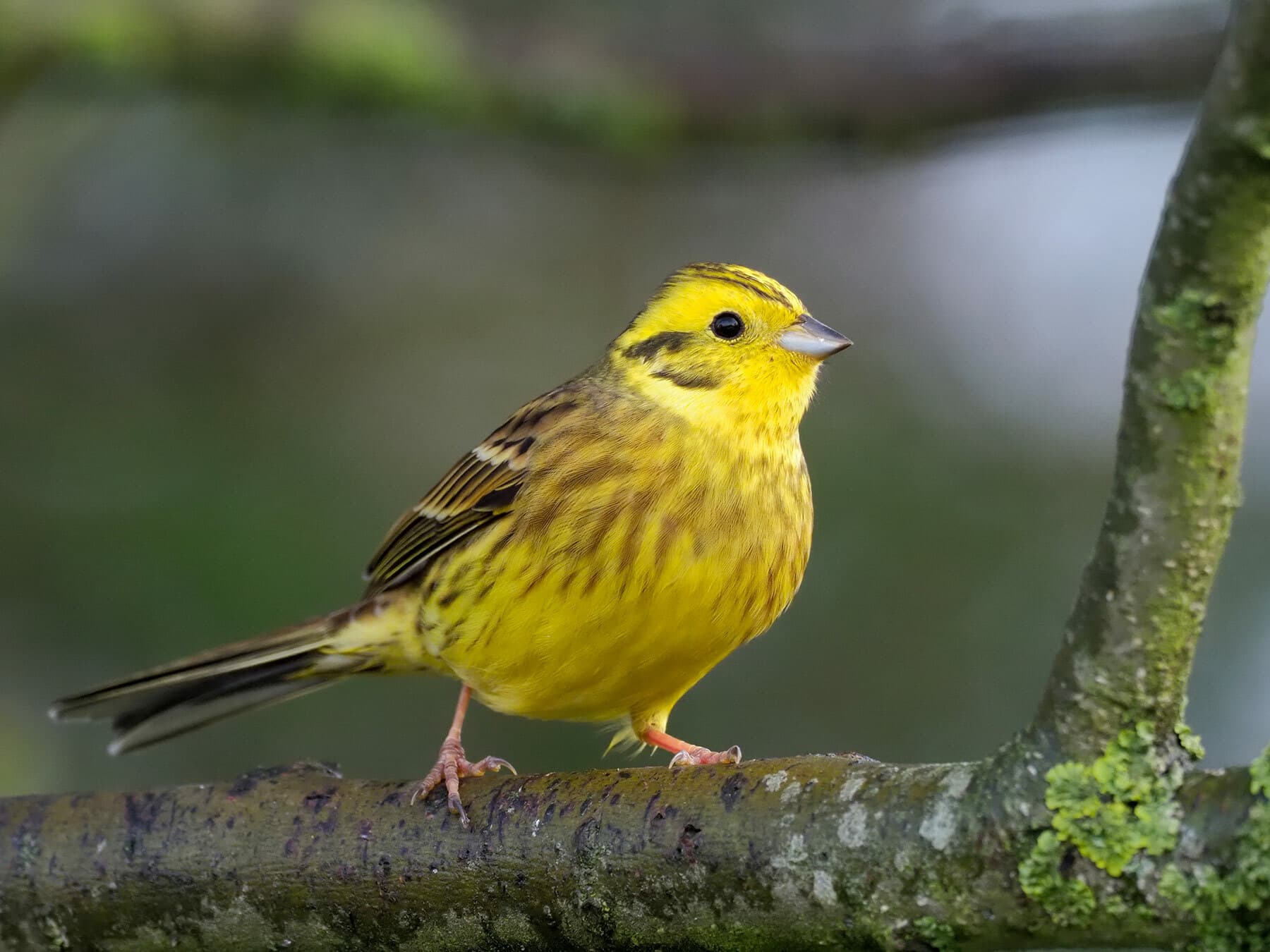 YellowhammerEmberiza citrinellaResidentCommon16–17 cmRegularly Feb–Jul · 1.29% in Apr
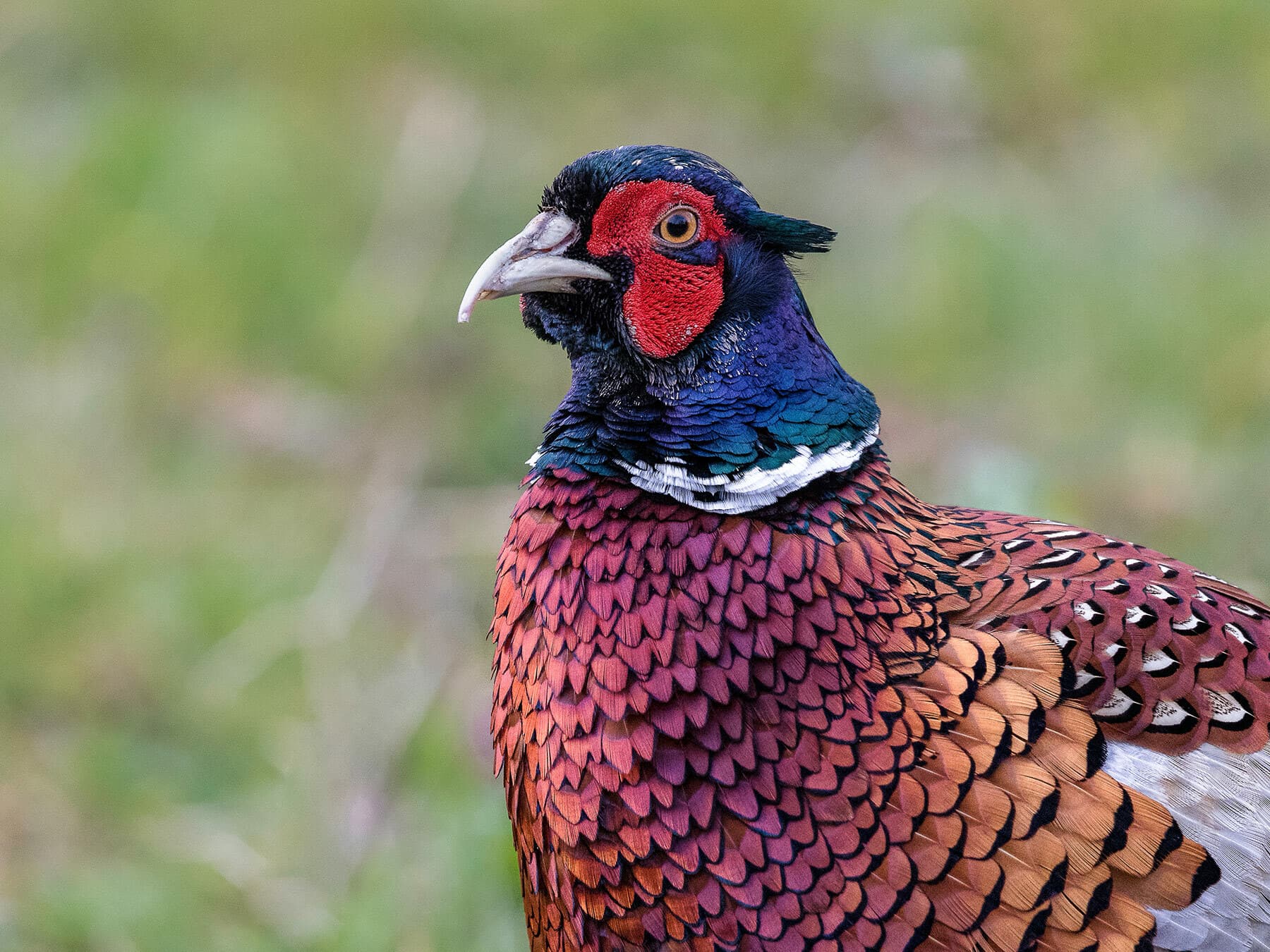 Common PheasantPhasianus colchicusResidentCommon50–90 cmRegularly Sep–May · 1.17% in Apr
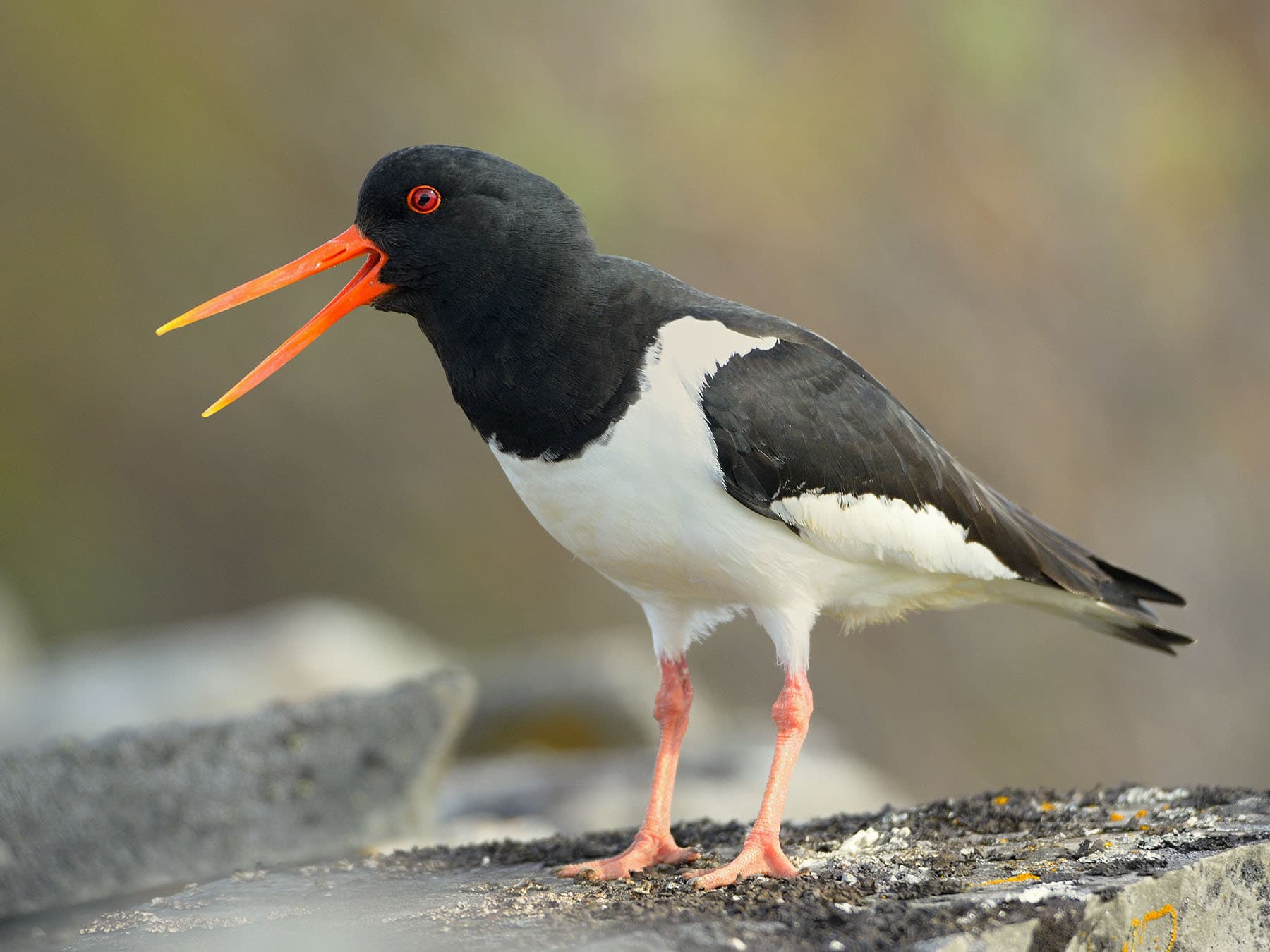 Eurasian OystercatcherHaematopus ostralegusResidentCommon40–45 cmRegularly Feb–May · 1.17% in Apr
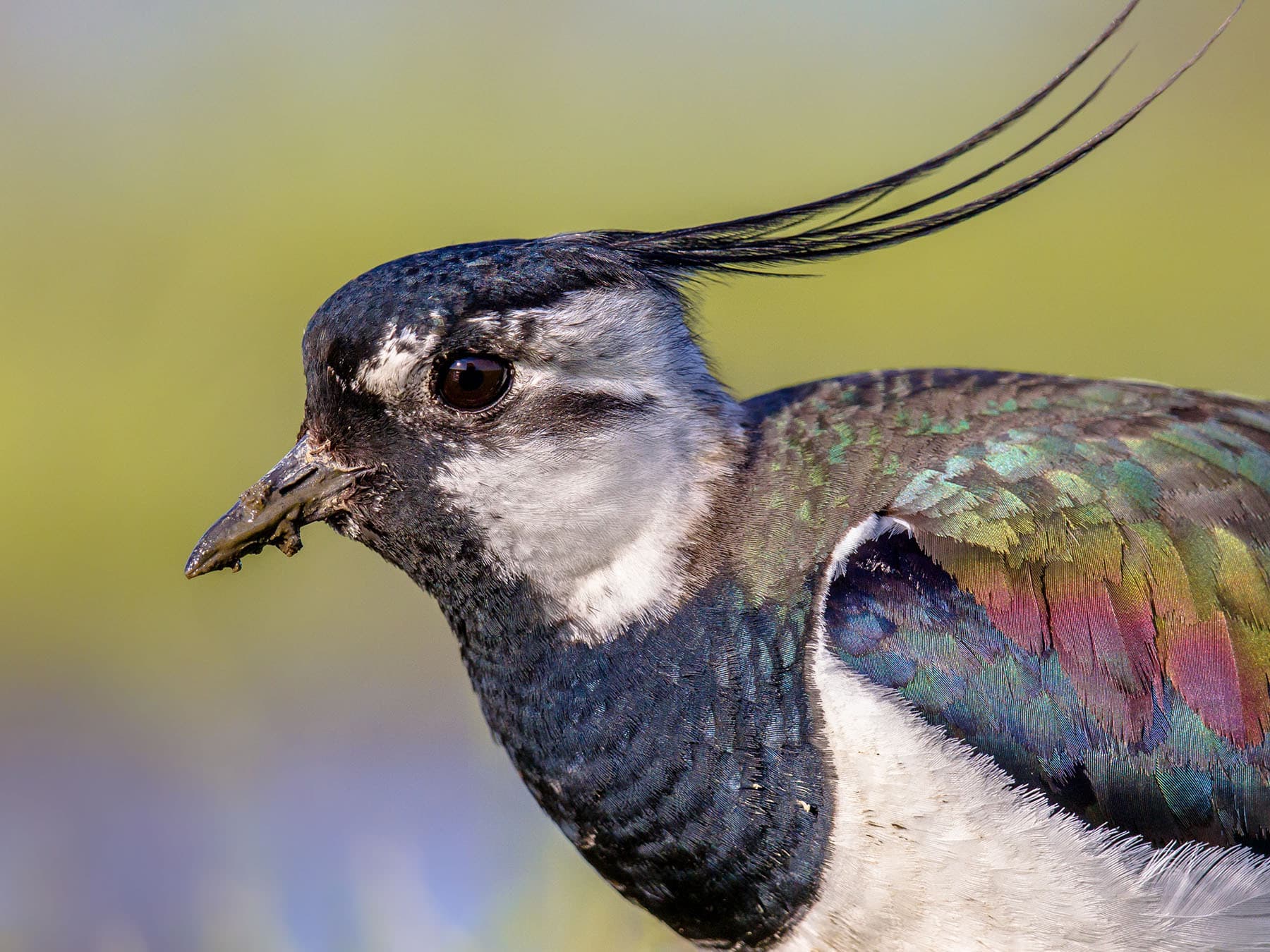 Northern LapwingVanellus vanellusResidentCommon28–31 cmRegularly Sep–May · 1.17% in Apr
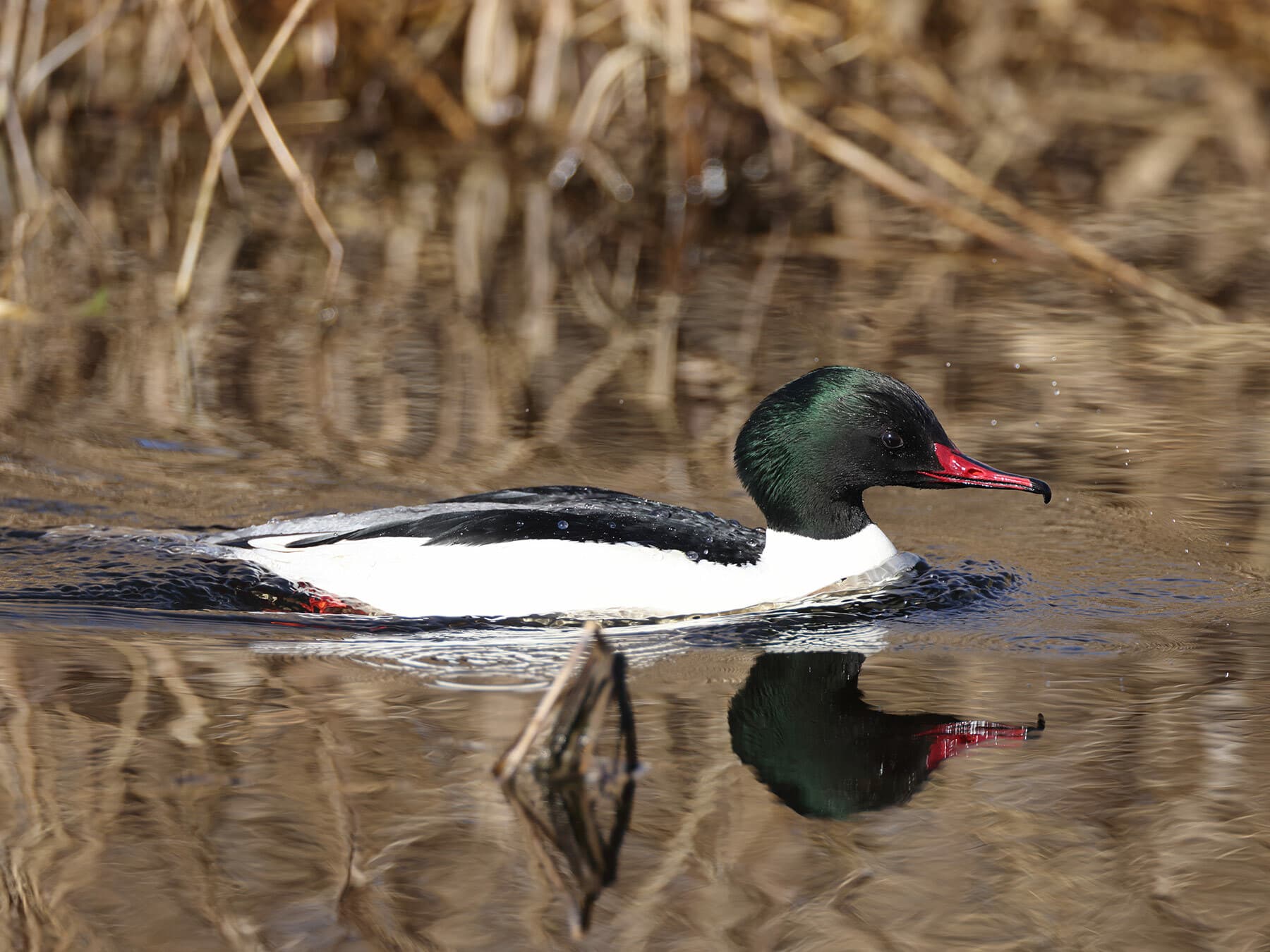 Common MerganserMergus merganserWinter visitorCommon58–68 cmRegularly Nov–May · 1.06% in Apr
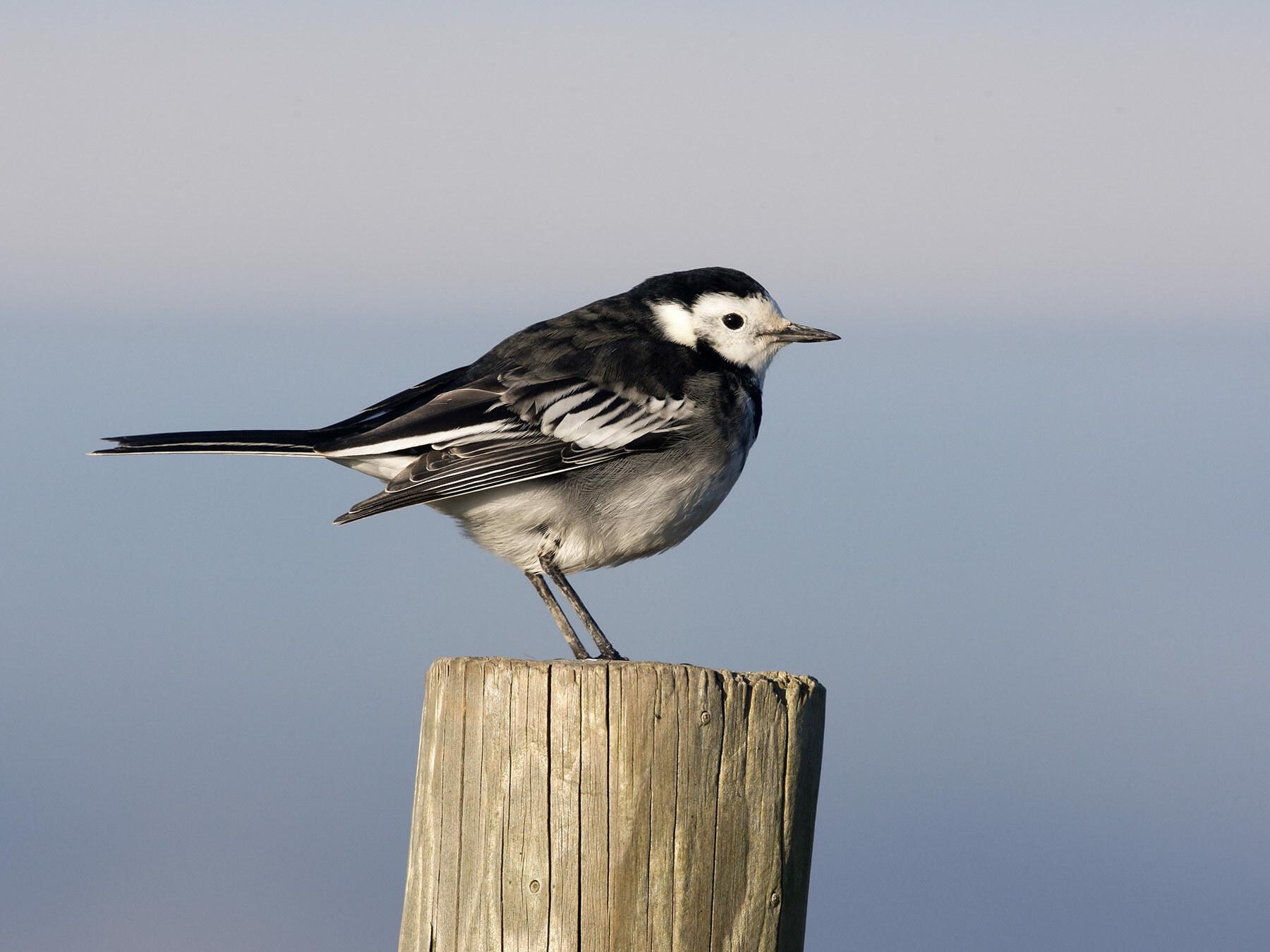 Pied WagtailMotacilla albaResidentCommon17–18 cmRegularly Sep–May · 1.06% in Apr
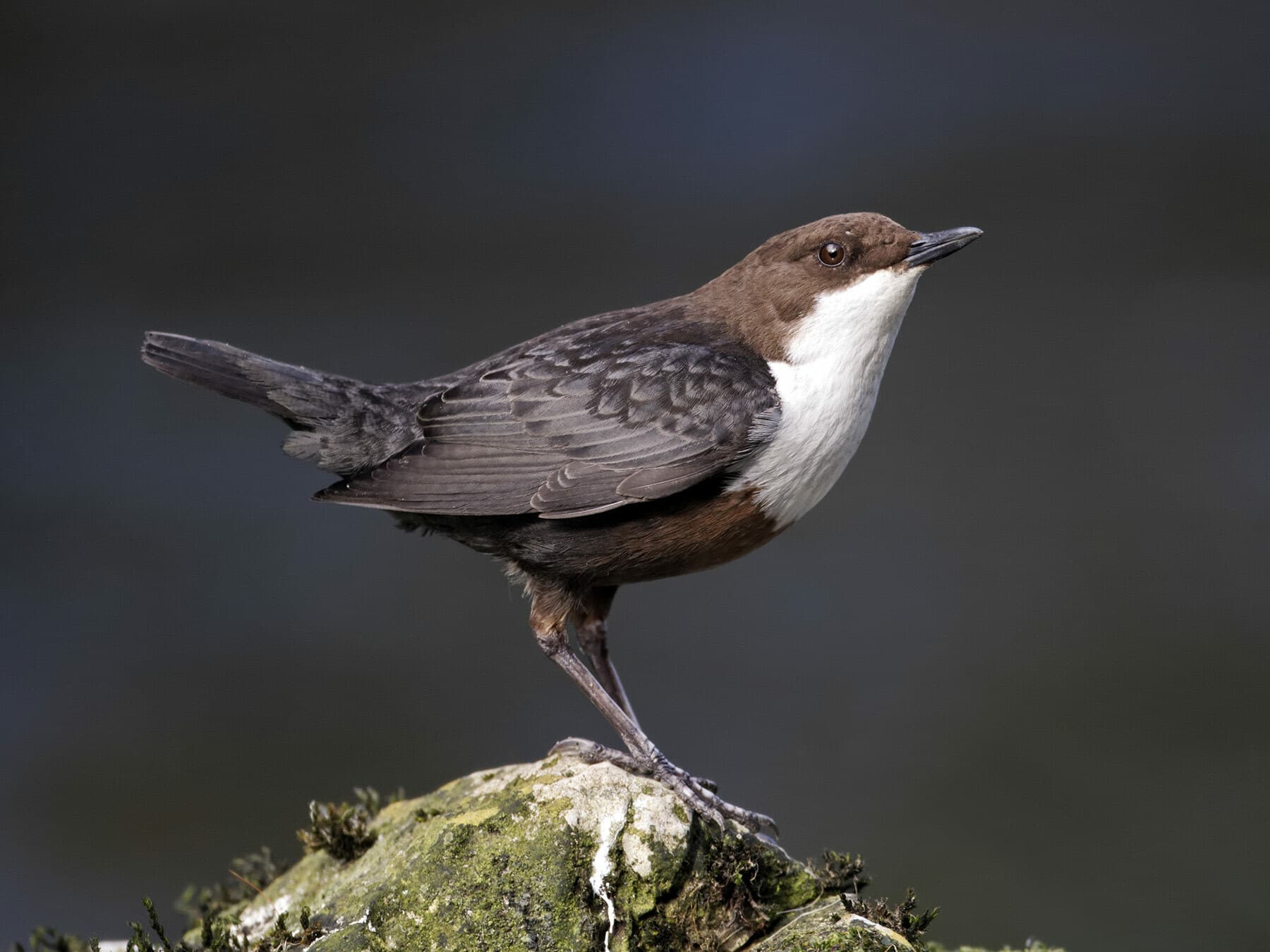 DipperCinclus cinclusResidentCommon17–20 cmRegularly Oct–Apr · 0.82% in Apr
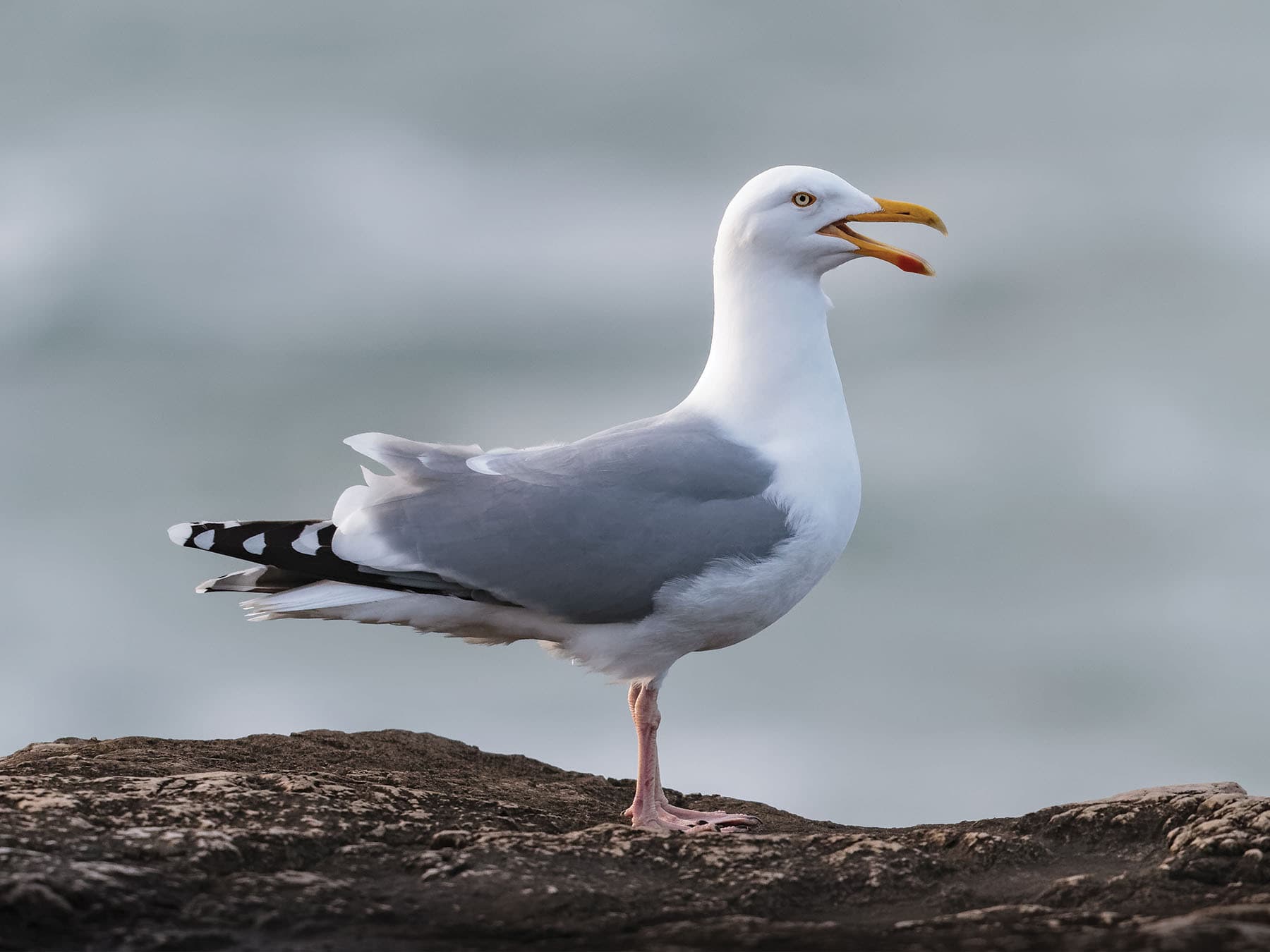 European Herring GullLarus argentatusSummer visitorCommon55–67 cmRegularly Oct–Jul · 0.82% in Apr
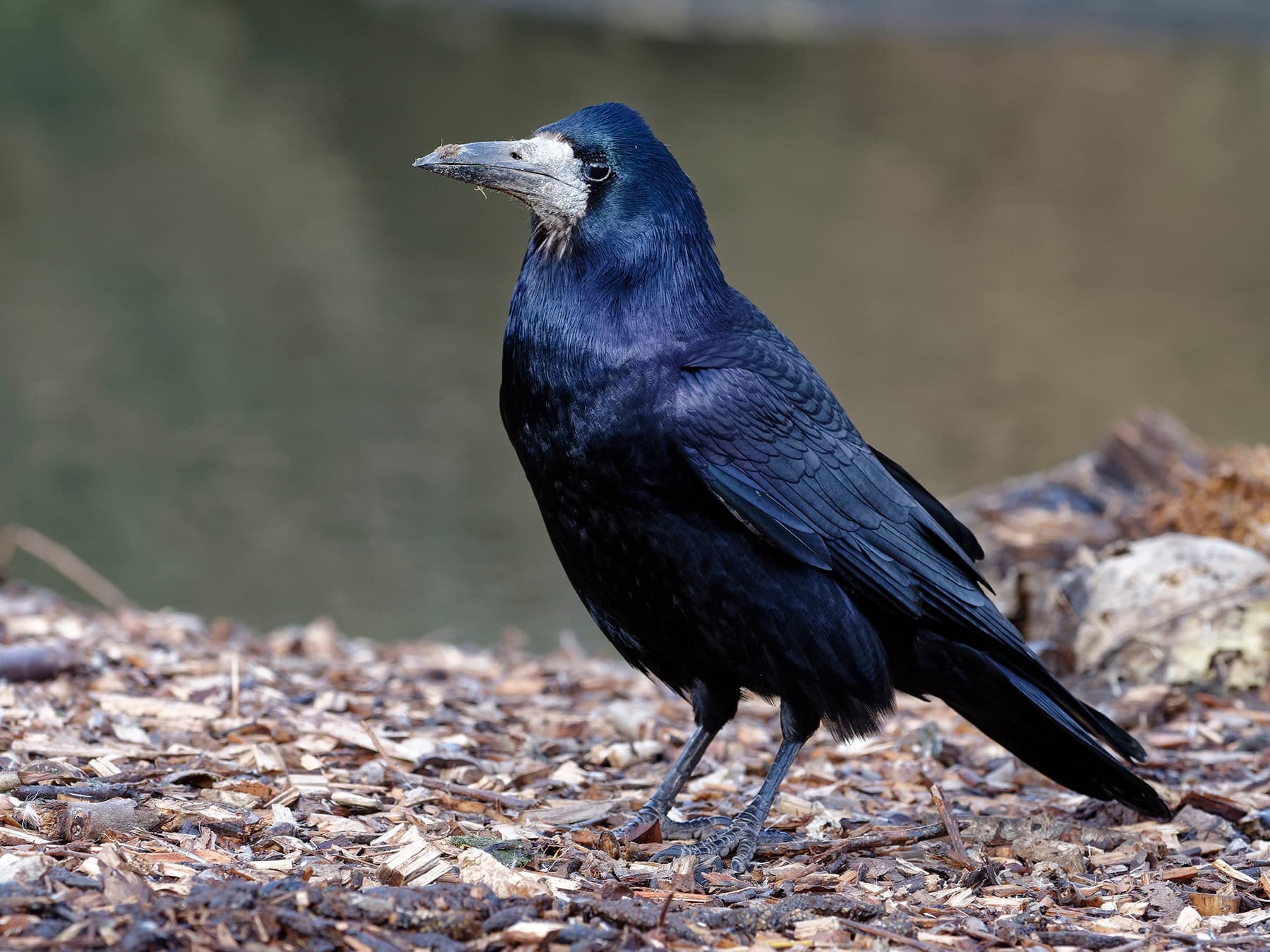 RookCorvus frugilegusResidentCommon45–47 cmRegularly Aug–May · 0.82% in Apr
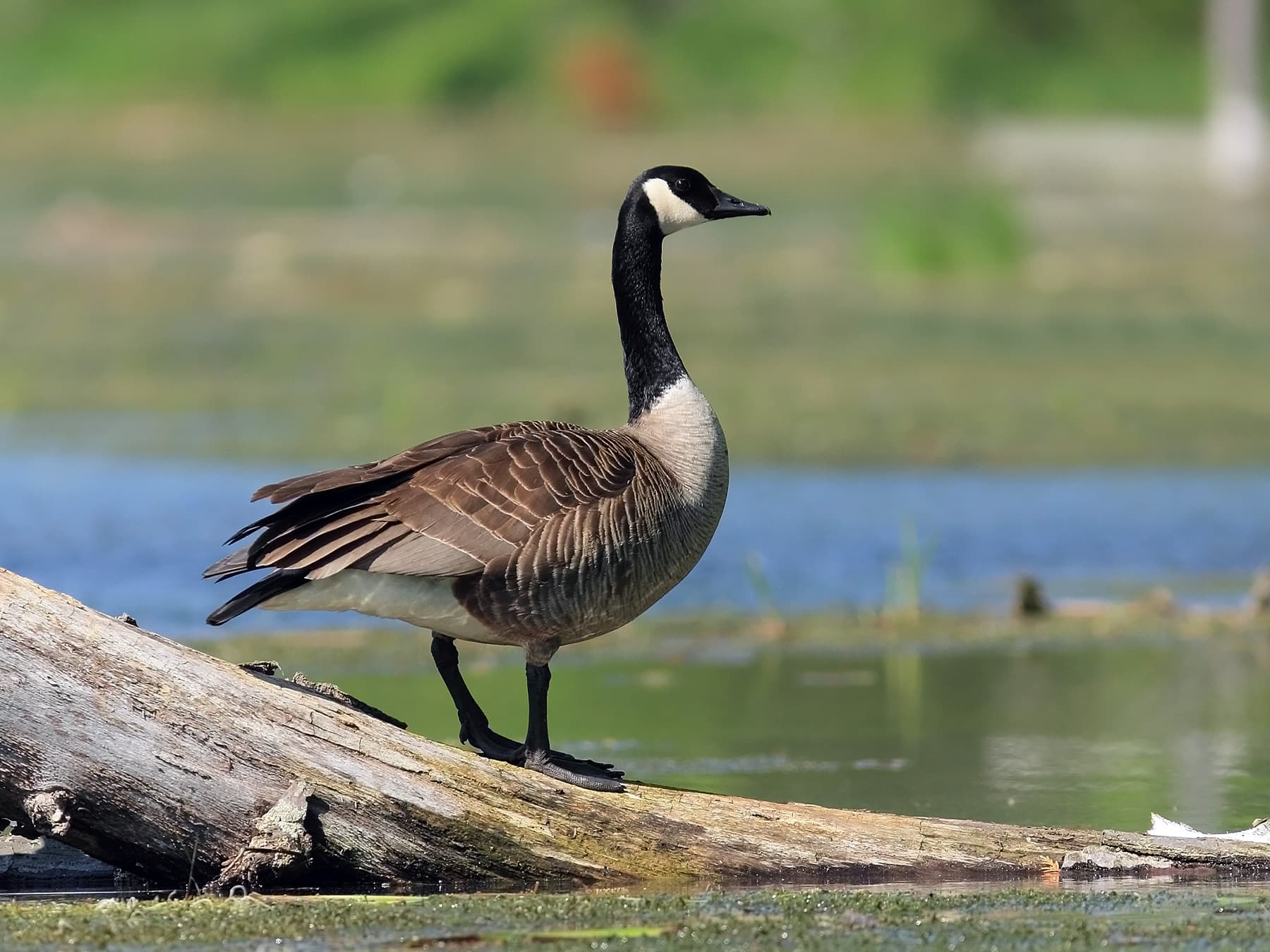 Canada GooseBranta canadensisResidentCommon76–110 cmRegularly Apr–Sep · 0.70% in Apr
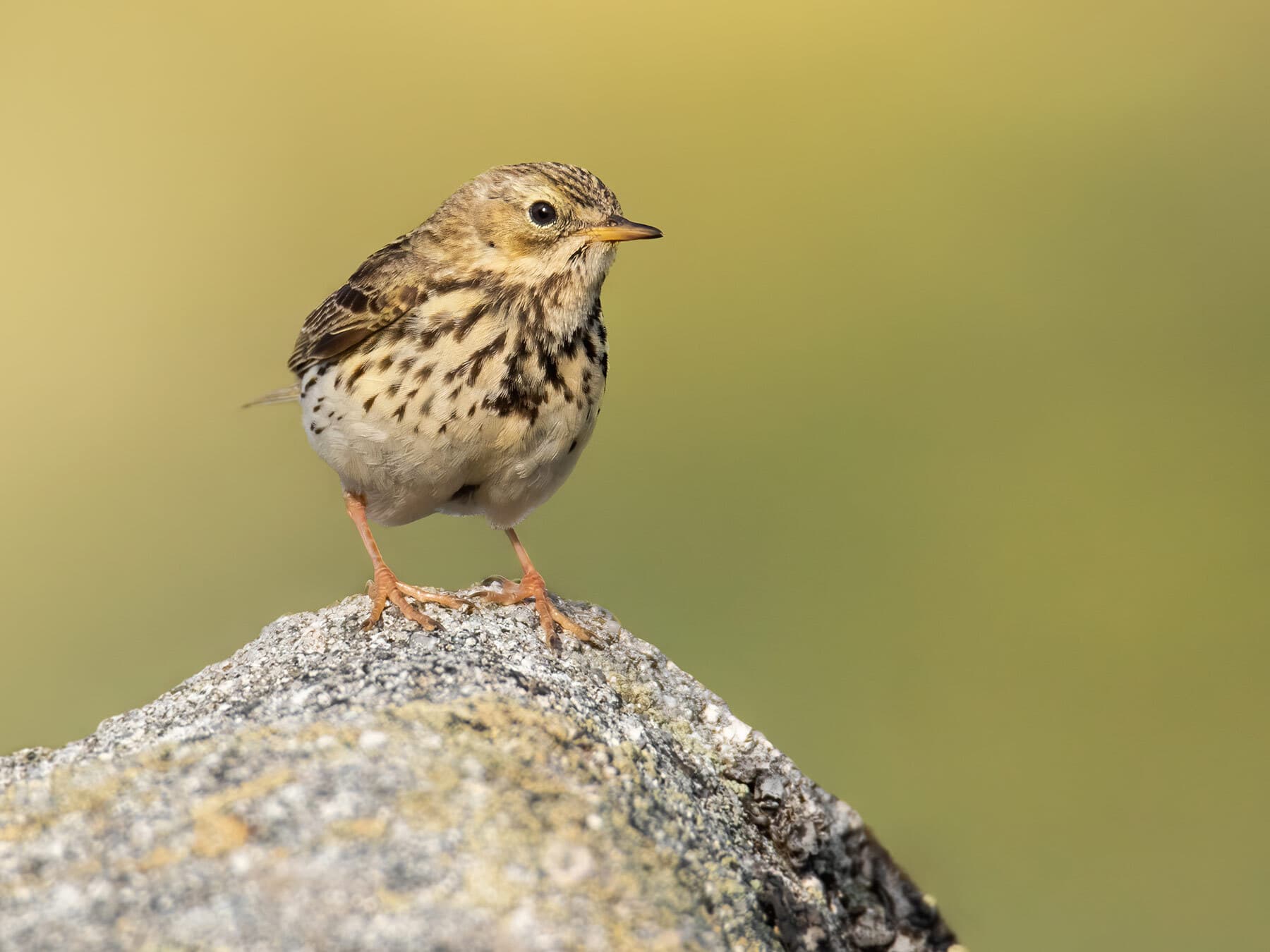 Meadow PipitAnthus pratensisPassage migrantCommon14–15 cmRegularly Mar–Sep · 0.70% in Apr
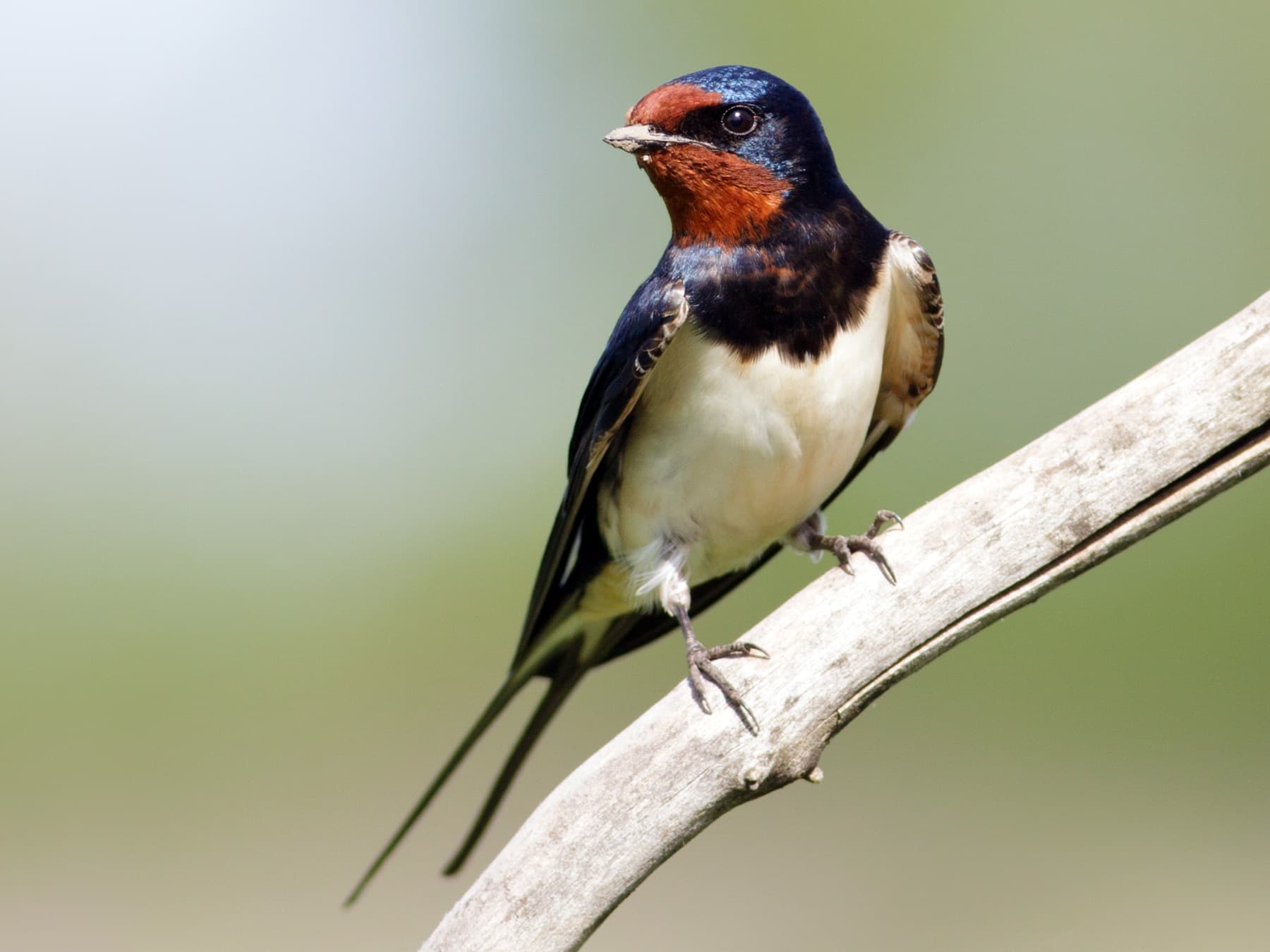 Barn SwallowHirundo rusticaPassage migrantCommon17–19 cmRegularly Apr–Sep · 0.59% in Apr
Data: EOD – eBird Observation Dataset (Cornell Lab of Ornithology), accessed via GBIF.org, CC BY 4.0. Records from 2019–2024, aggregated and filtered by Birdfact. How these lists are made