


Rare Birds in West Sussex
Our list for West Sussex has 30 rare birds recorded regularly there: 4 residents, 3 summer visitors, 5 winter visitors, 12 passage migrants and 6 scarce visitors
Most likely in October
GBIF · Oct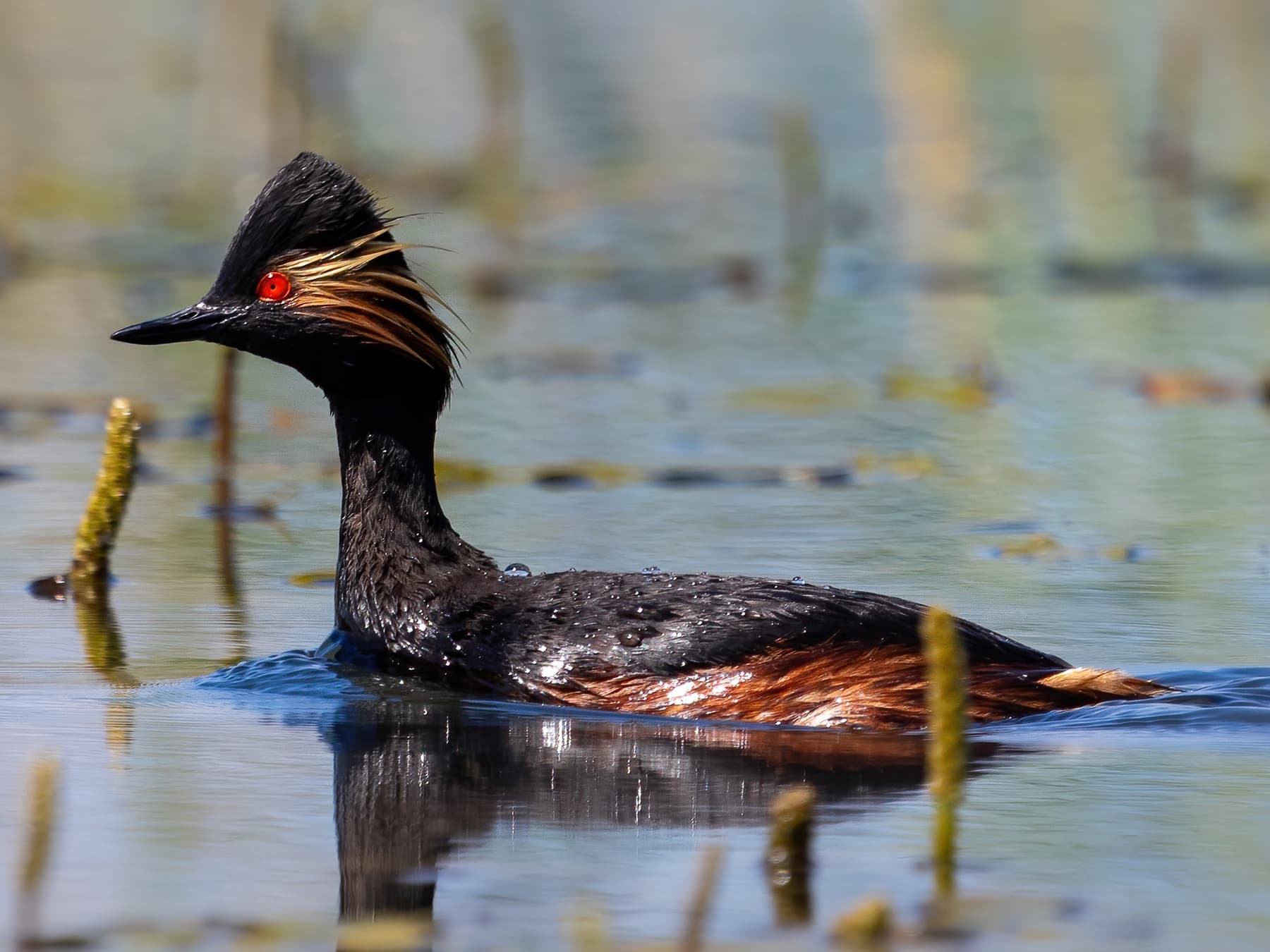
Share of all bird records in West Sussex in October, 2019–2024. Each month links to that month’s page.
All 30, most common first
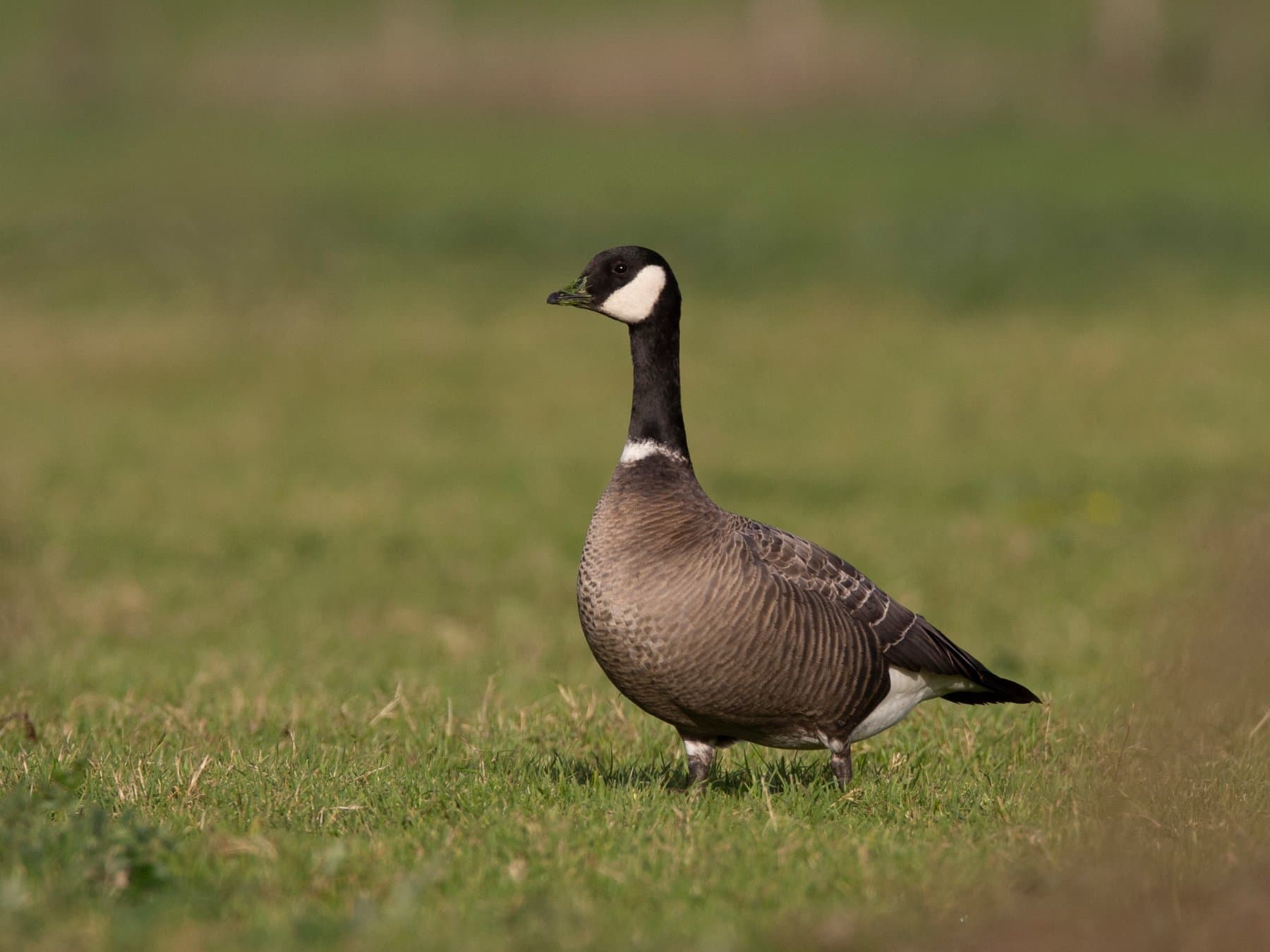 Cackling GooseBranta hutchinsiiScarceRare53–76 cmRegularly Apr
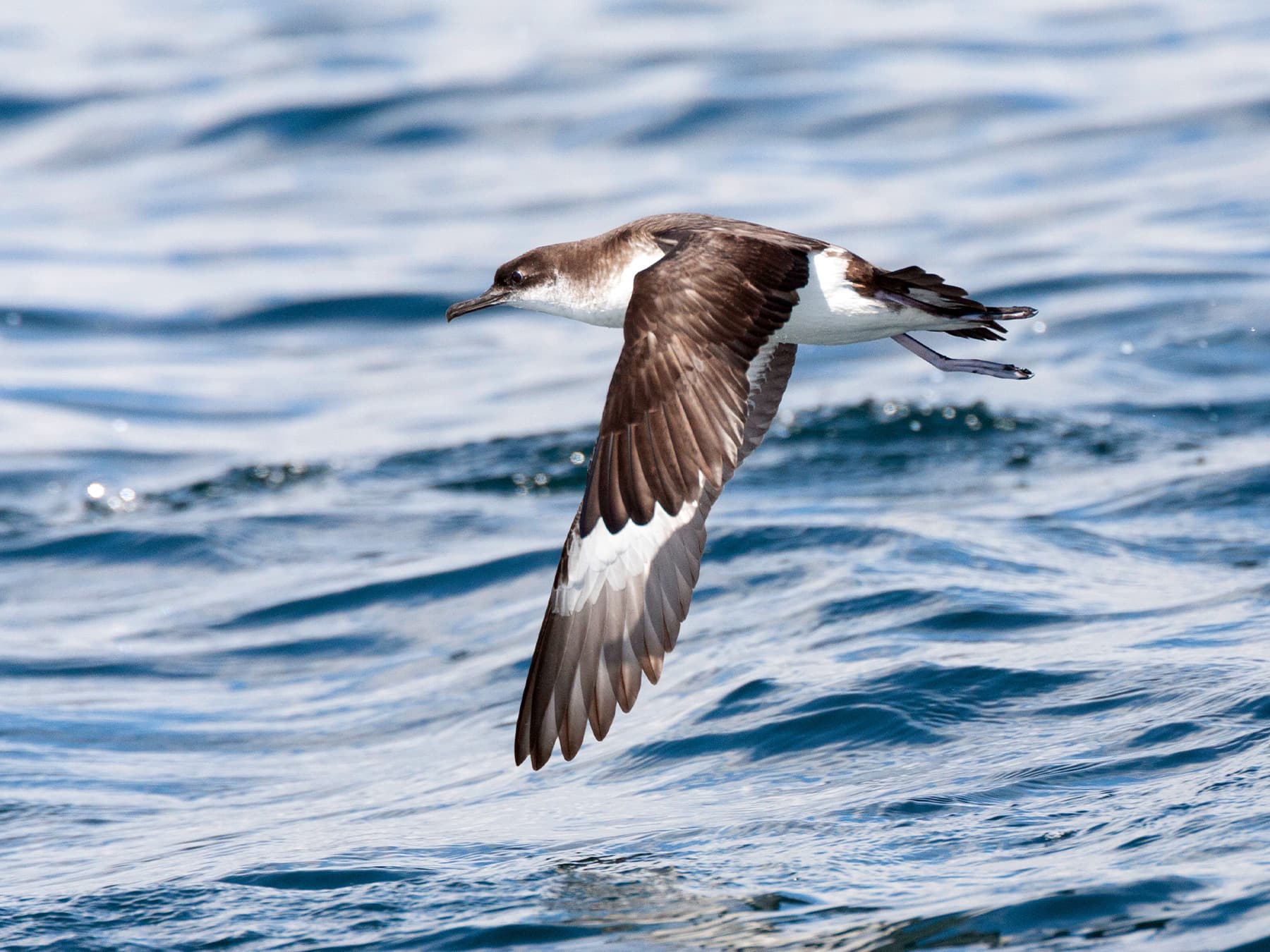 Manx ShearwaterPuffinus puffinusPassage migrantRare30–38 cmRegularly Apr–Oct
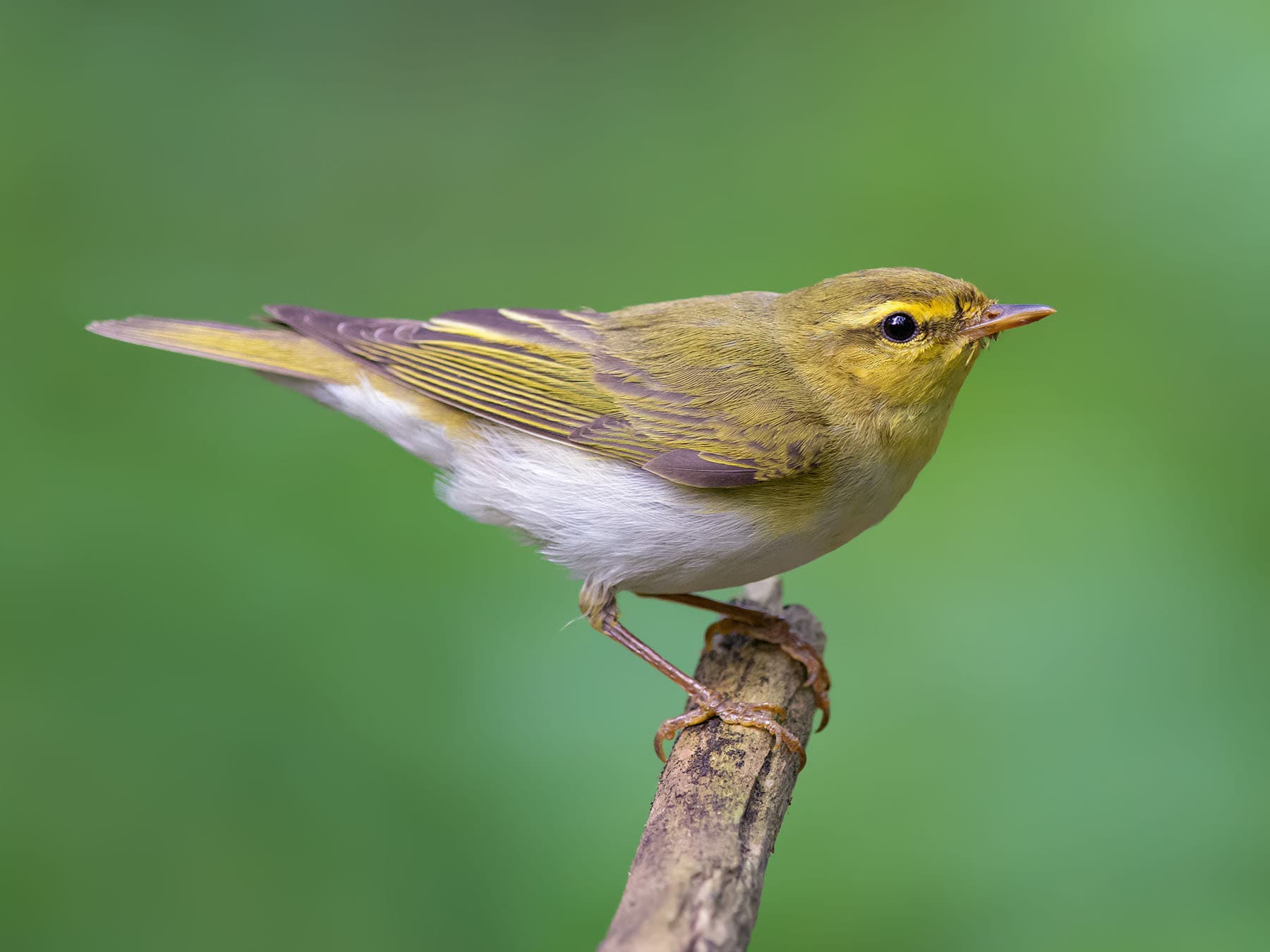 Wood WarblerPhylloscopus sibilatrixPassage migrantRare11–13 cmRegularly May–Aug
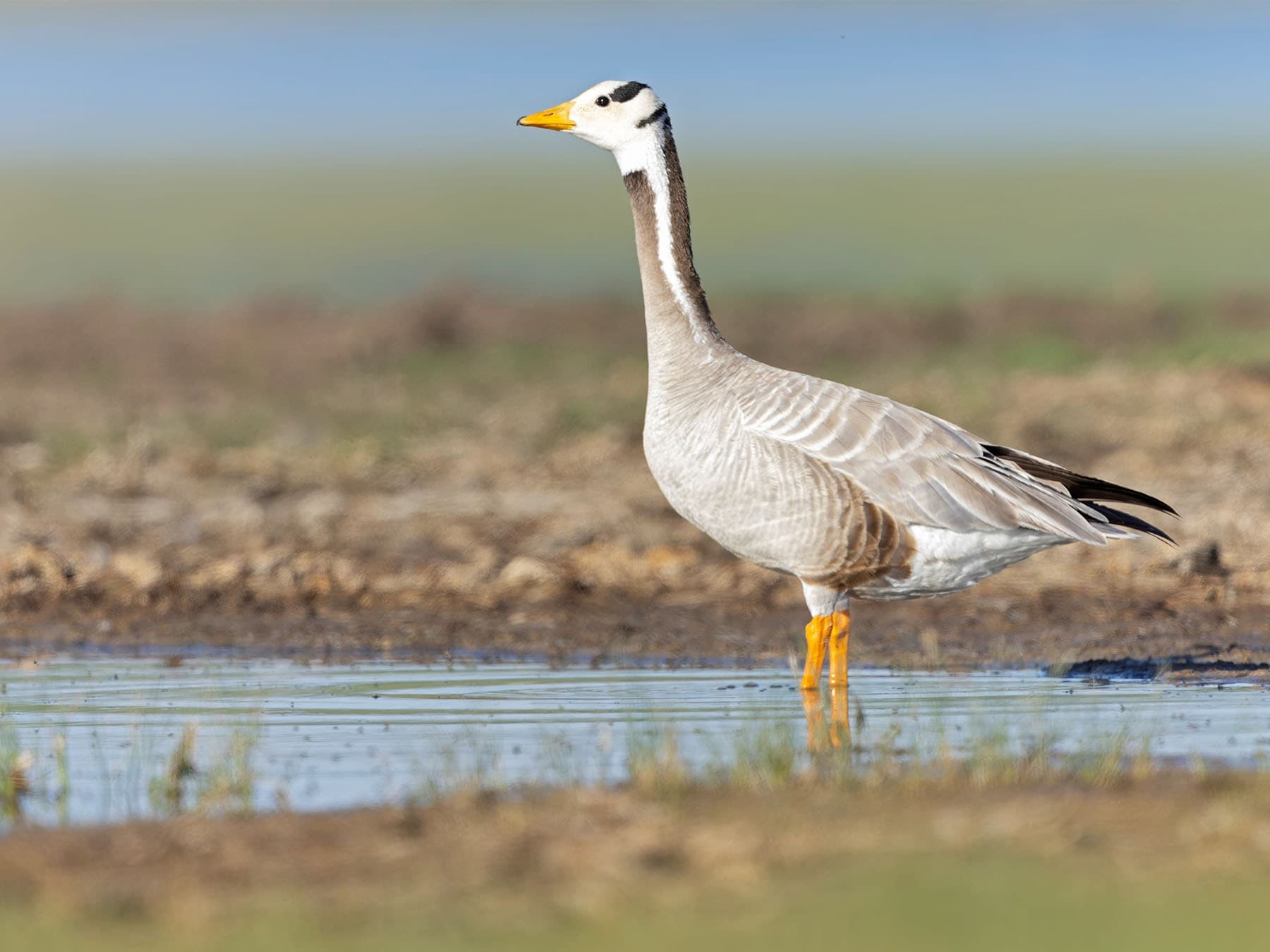 Bar-headed GooseAnser indicusScarceRare68–78 cm
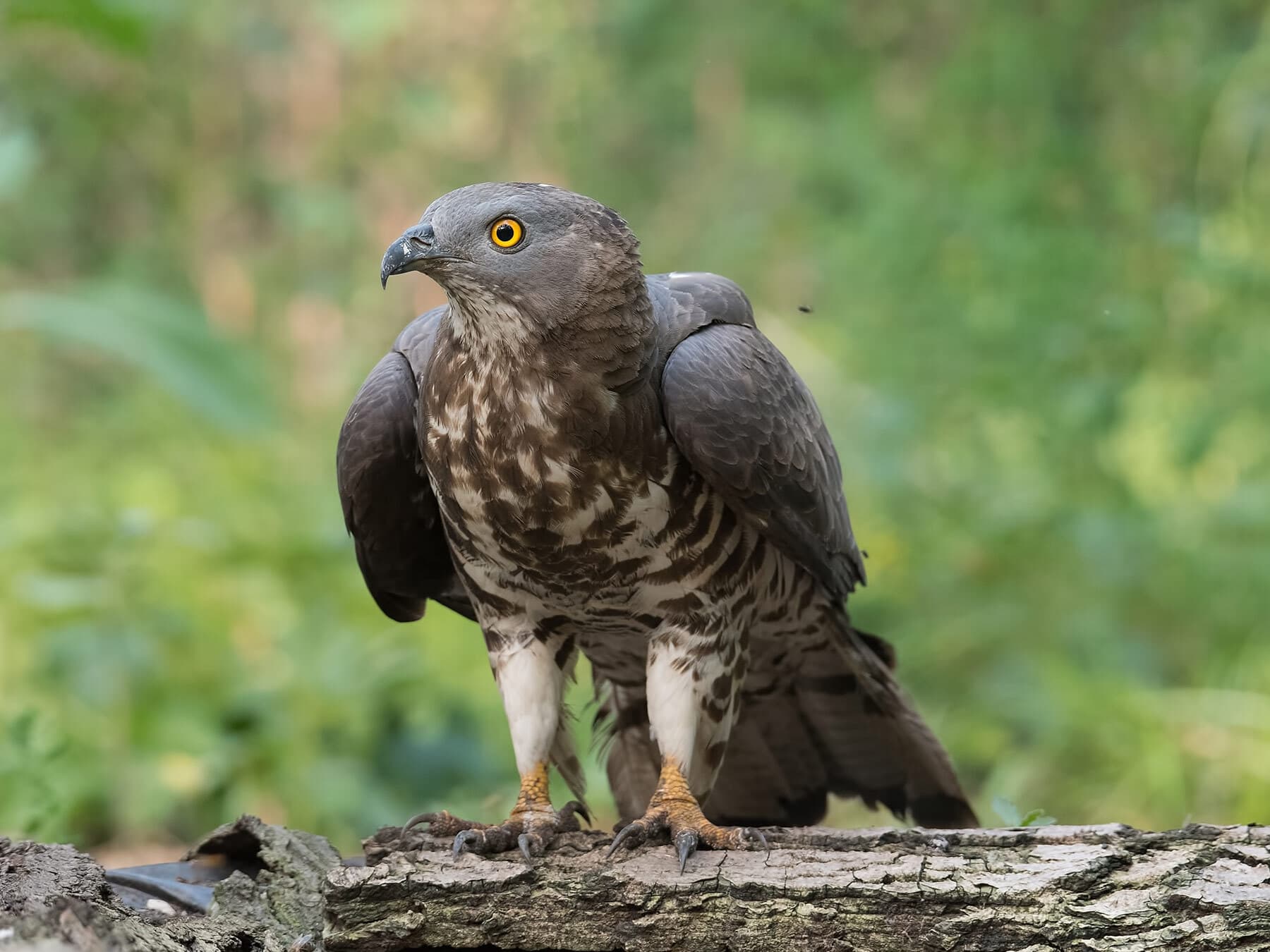 European Honey-buzzardPernis apivorusPassage migrantRare52–60 cmRegularly Aug–Sep
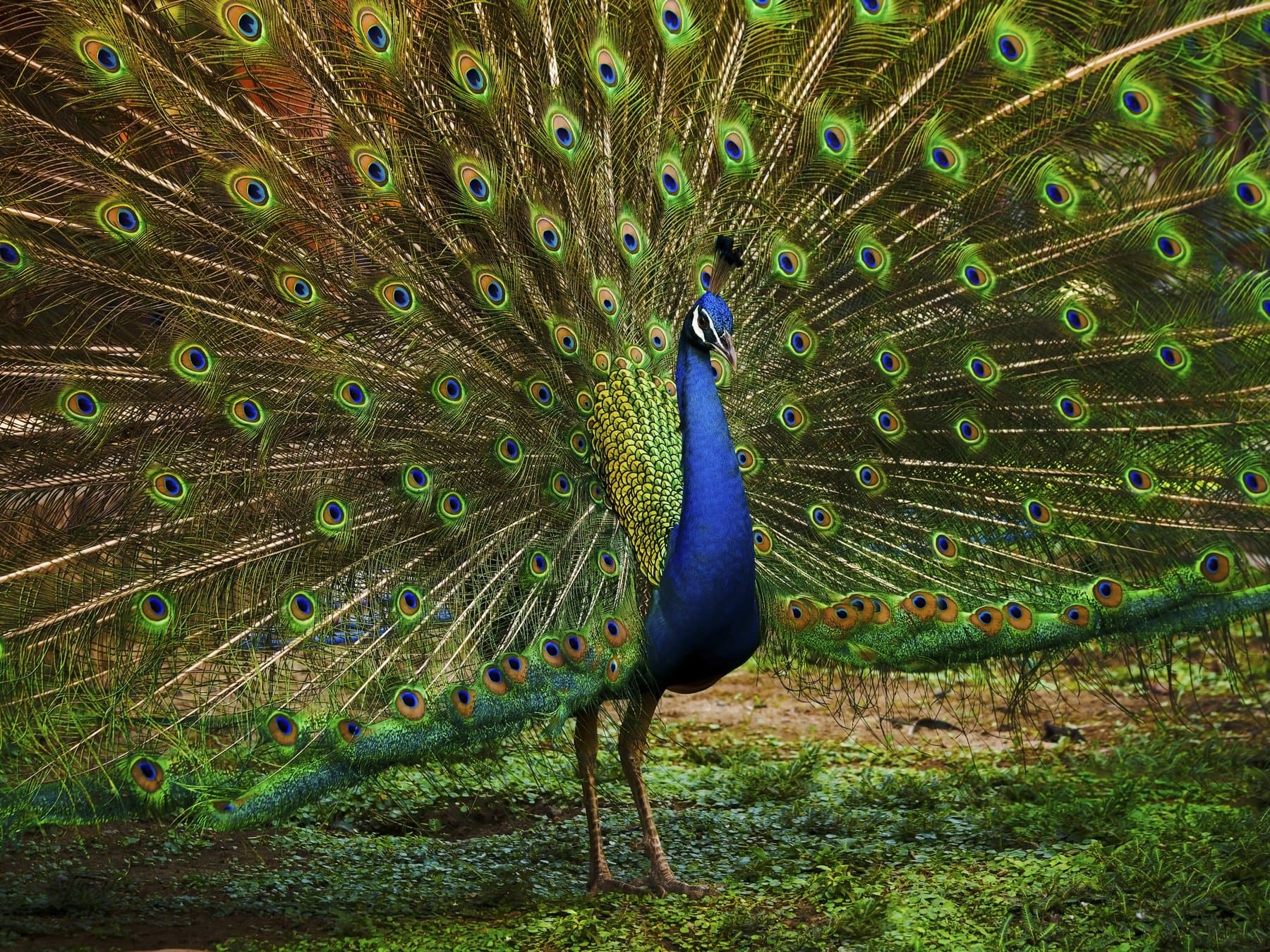 Indian PeafowlPavo cristatusResidentRare86–230 cmRegularly Jun
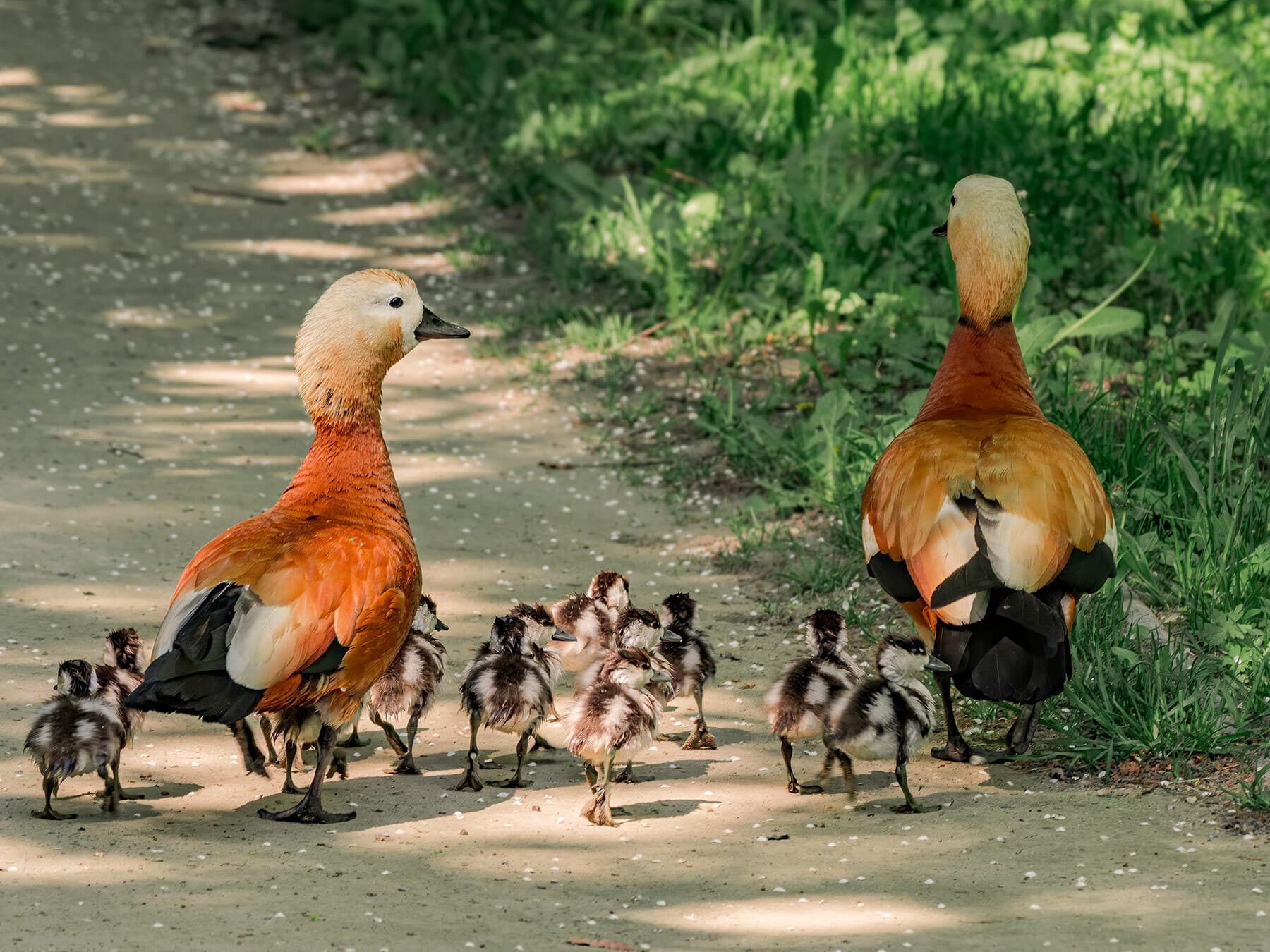 Ruddy ShelduckTadorna ferrugineaScarceRare58–70 cm
Smallest to largest
Length, cm- Yellow-browed Warbler 10–11 cm
- Wood Warbler 11–13 cm
- Grasshopper Warbler 12–13 cm
- Bearded Tit 13–15 cm
- Lesser Spotted Woodpecker 14–16 cm
- Water Pipit 15–17 cm
- Common Quail 16–18 cm
- Jack Snipe 17–19 cm
- Purple Sandpiper 20–22 cm
- Black Tern 22–26 cm
- Great Grey Shrike 22–26 cm
- Black-necked Grebe 28–34 cm
- Manx Shearwater 30–38 cm
- Arctic Tern 33–39 cm
- Roseate Tern 33–41 cm
- Balearic Shearwater 35–40 cm
- Short-eared Owl 34–43 cm
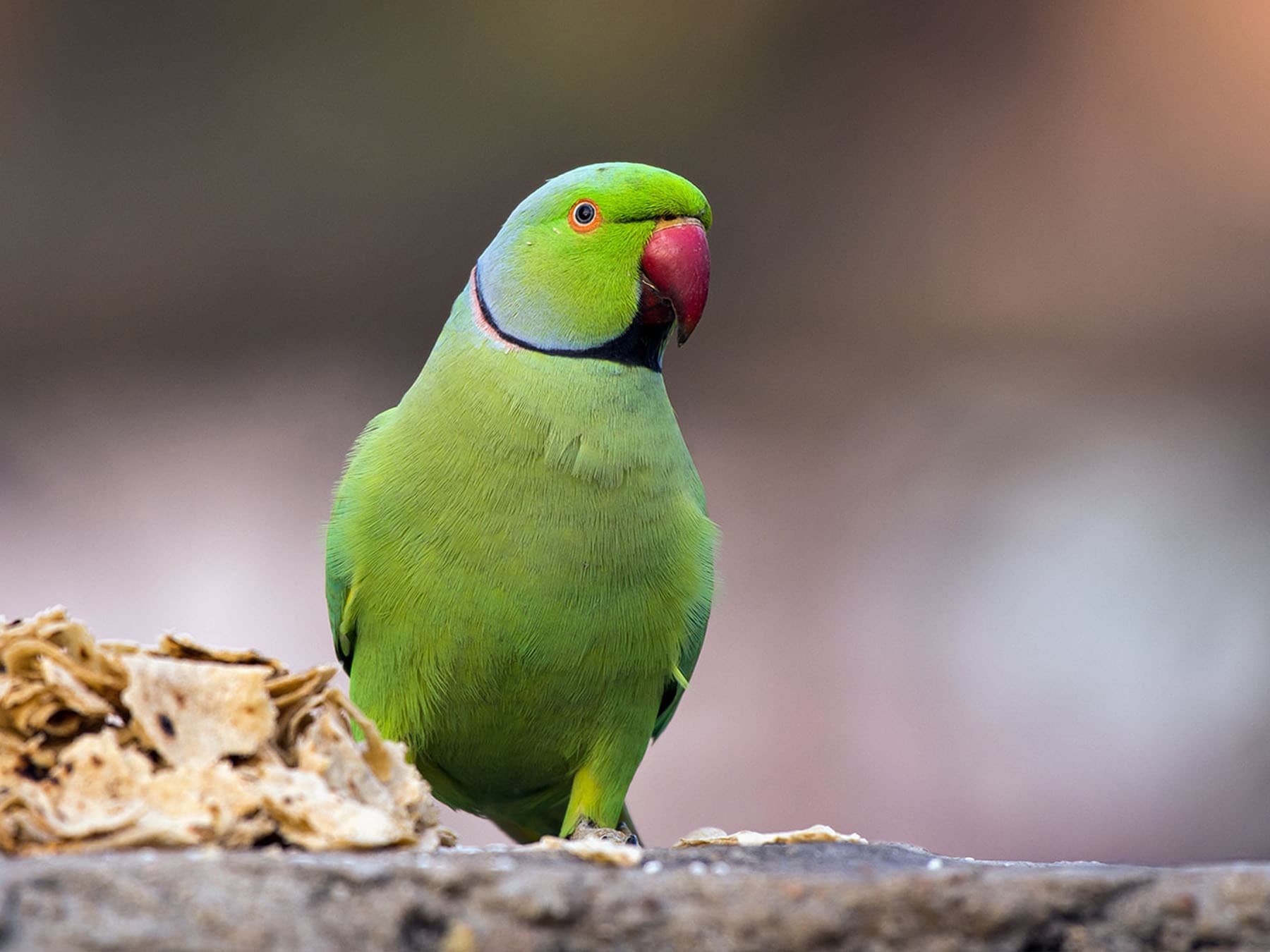
- Rose-ringed Parakeet 38–42 cm
- Red-necked Grebe 40–50 cm
- Pomarine Jaeger 46–51 cm
- European Honey-buzzard 52–60 cm
- Glossy Ibis 48–66 cm
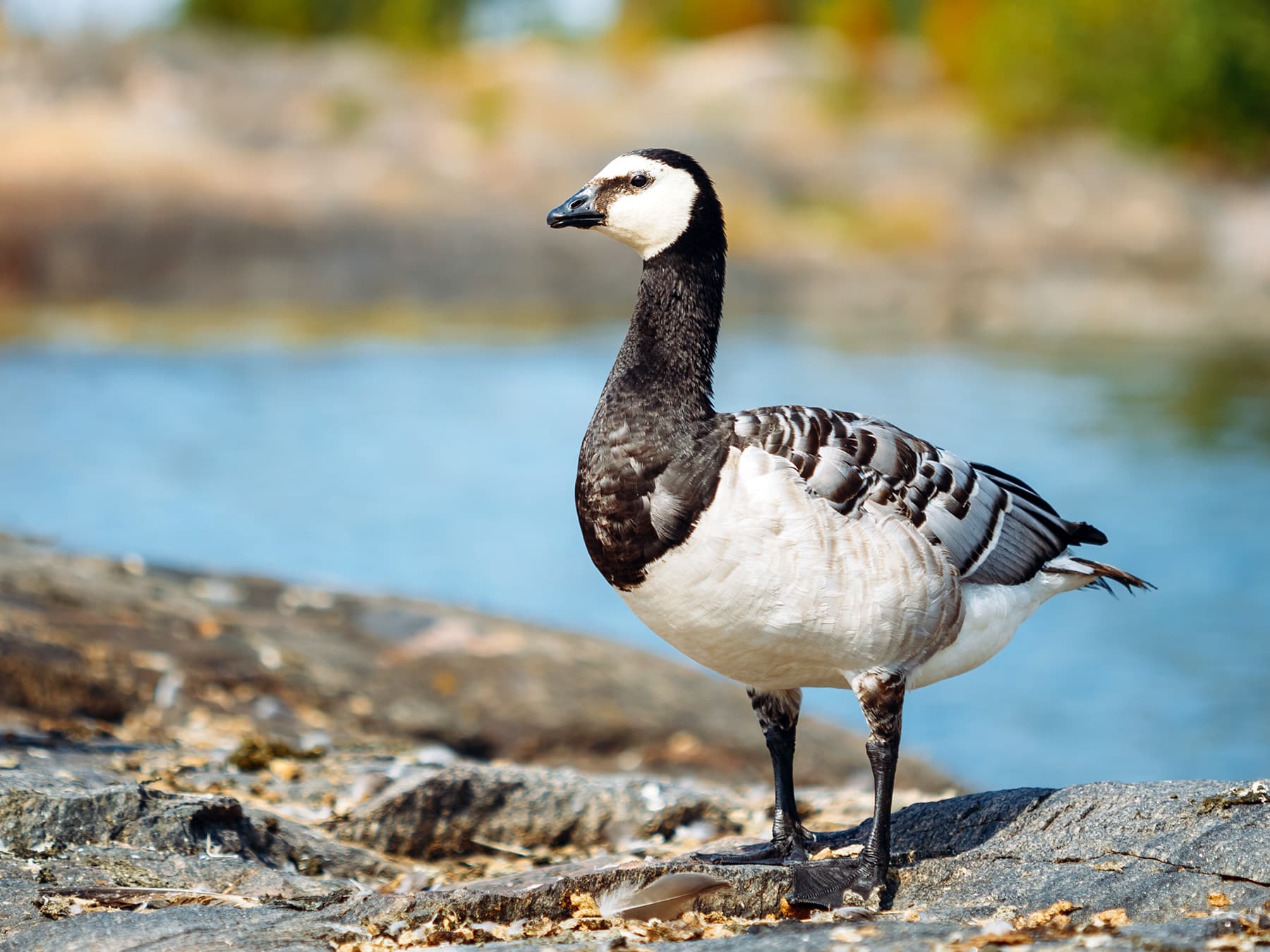
- Barnacle Goose 58–70 cm
- Ruddy Shelduck 58–70 cm
- Cackling Goose 53–76 cm
- Arctic Loon 58–77 cm
- Bar-headed Goose 68–78 cm
- Purple Heron 78–90 cm
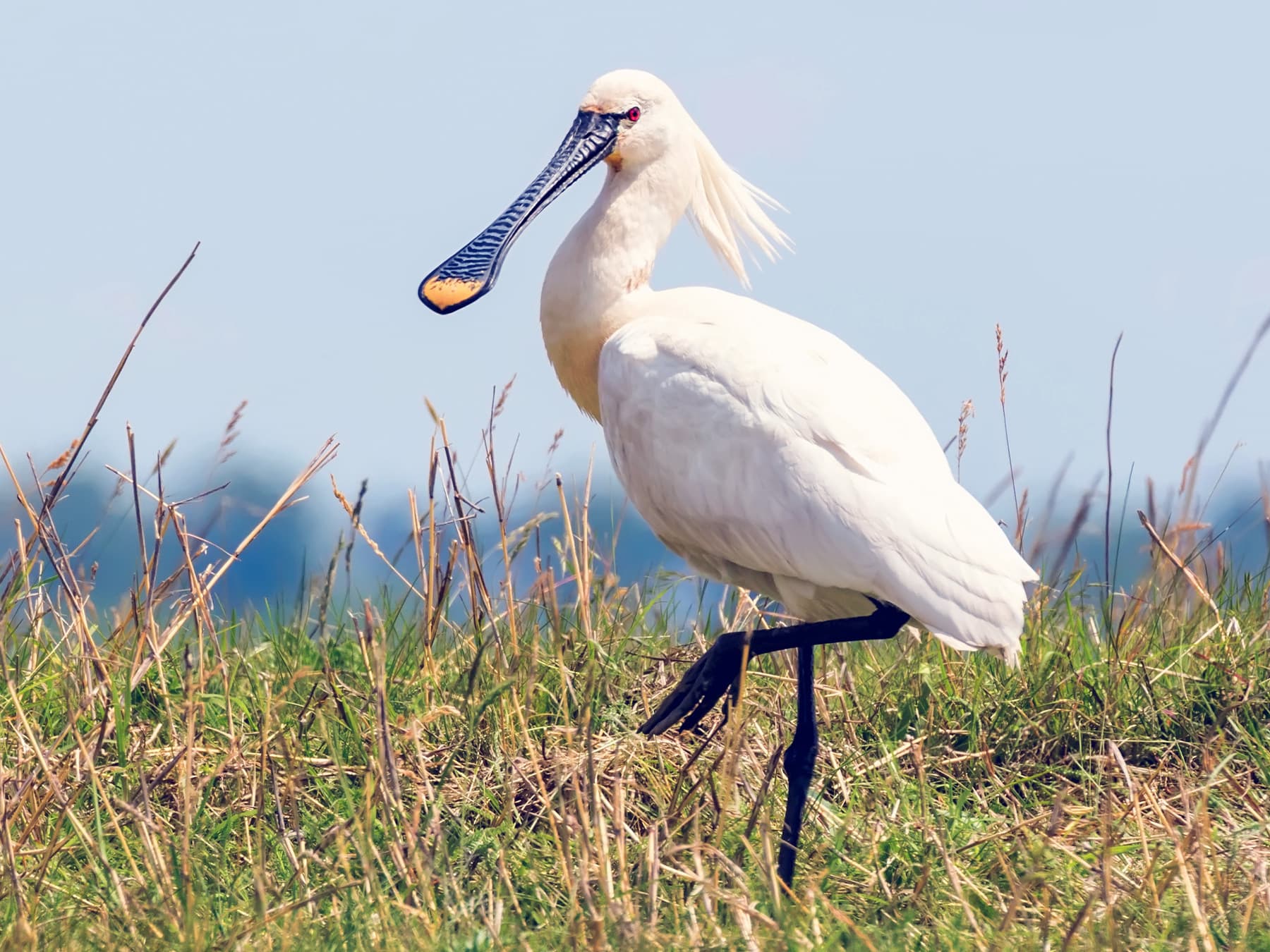
- Eurasian Spoonbill 80–90 cm
- Indian Peafowl 86–230 cm
Body length, bill to tail. Rare birds in grey.
Data: EOD – eBird Observation Dataset (Cornell Lab of Ornithology), accessed via GBIF.org, CC BY 4.0. Records from 2019–2024, aggregated and filtered by Birdfact. How these lists are made