


Rare Birds in West Yorkshire
Our list for West Yorkshire has 30 rare birds recorded regularly there: 8 residents, 3 winter visitors, 9 passage migrants and 10 scarce visitors
Most likely in October
GBIF · OctShare of all bird records in West Yorkshire in October, 2019–2024. Each month links to that month’s page.
All 30, most common first
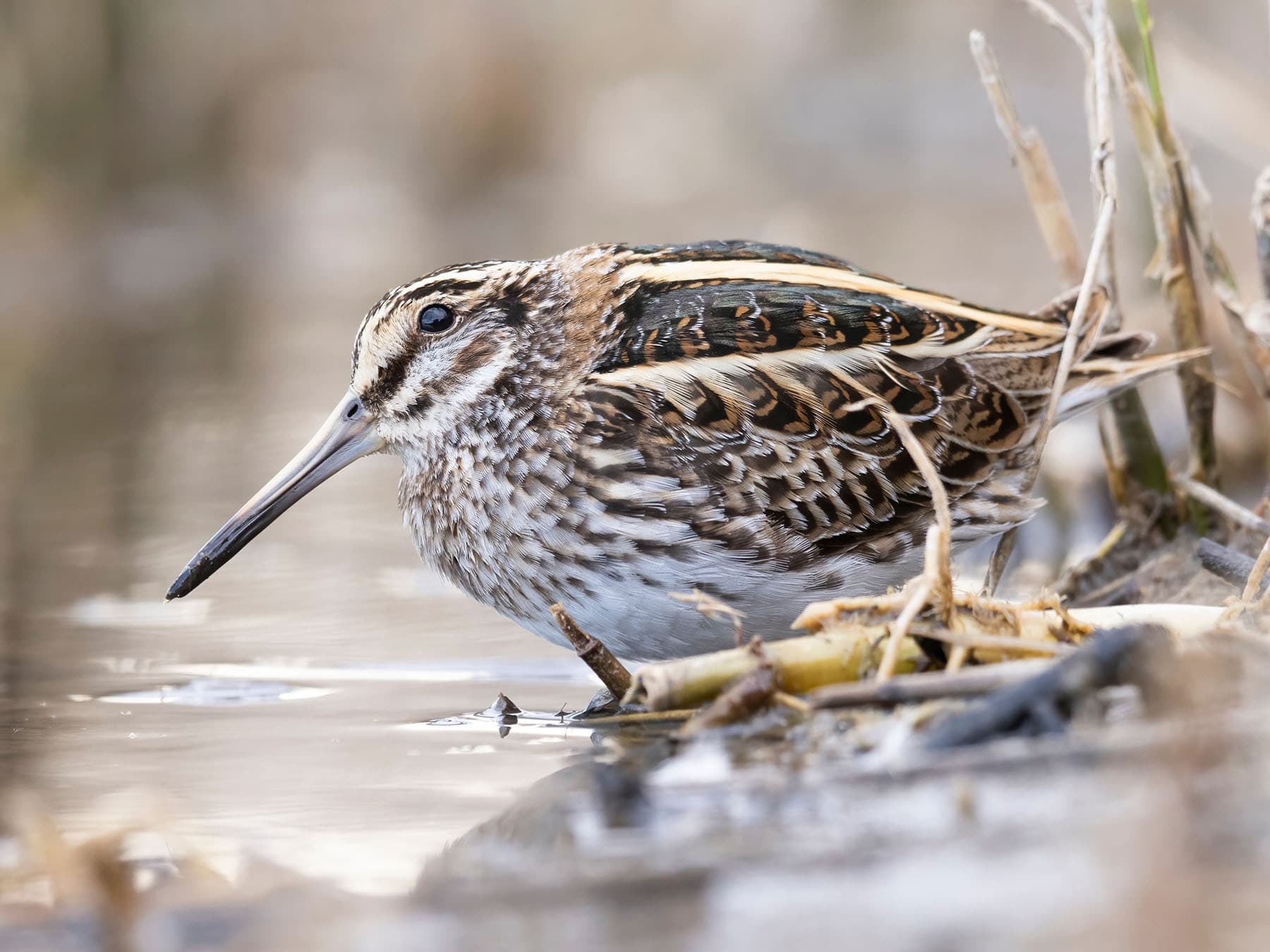 Jack SnipeLymnocryptes minimusWinter visitorRare17–19 cmRegularly Oct–Apr
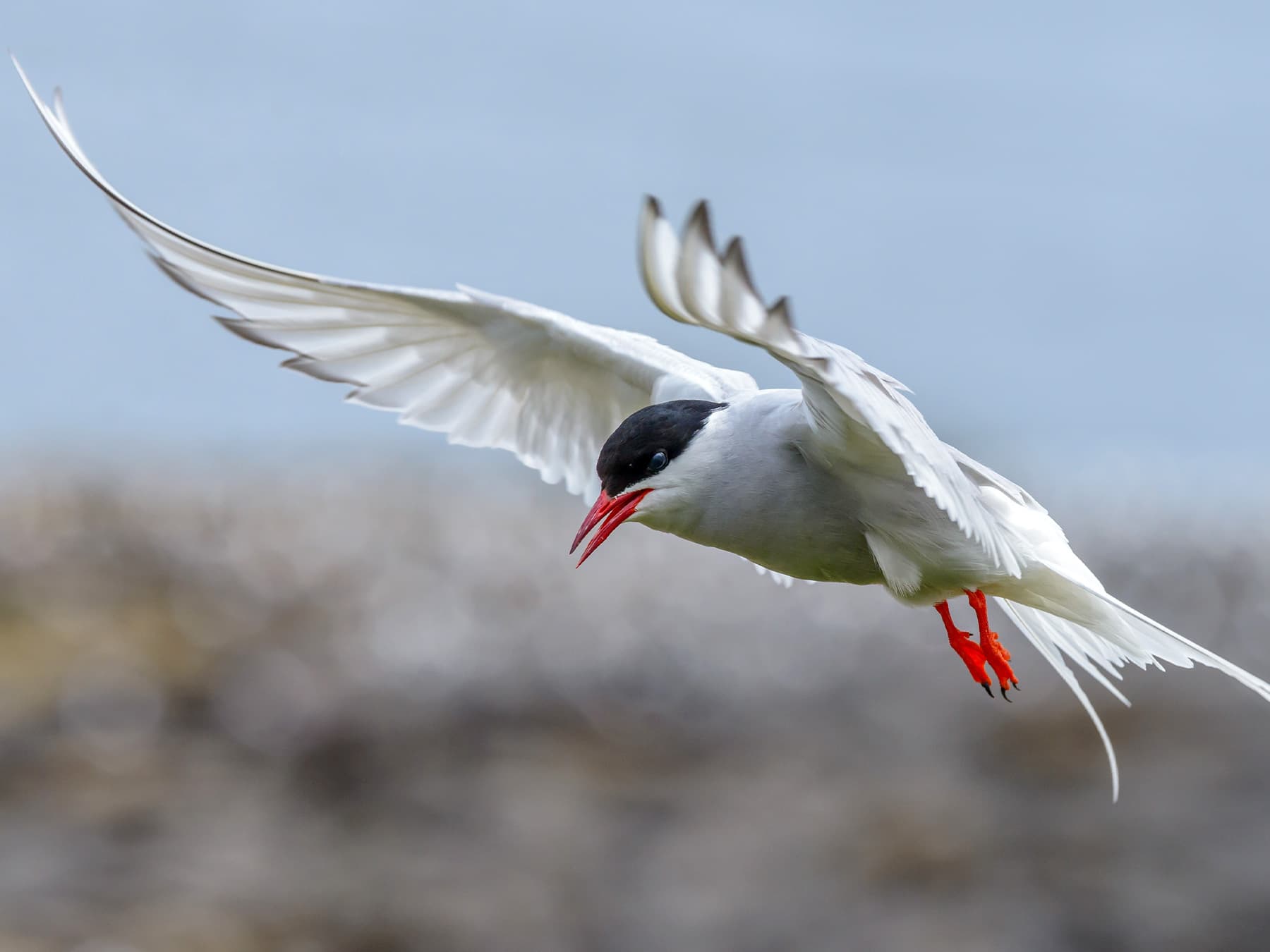 Arctic TernSterna paradisaeaPassage migrantRare33–39 cmRegularly Apr–Jul
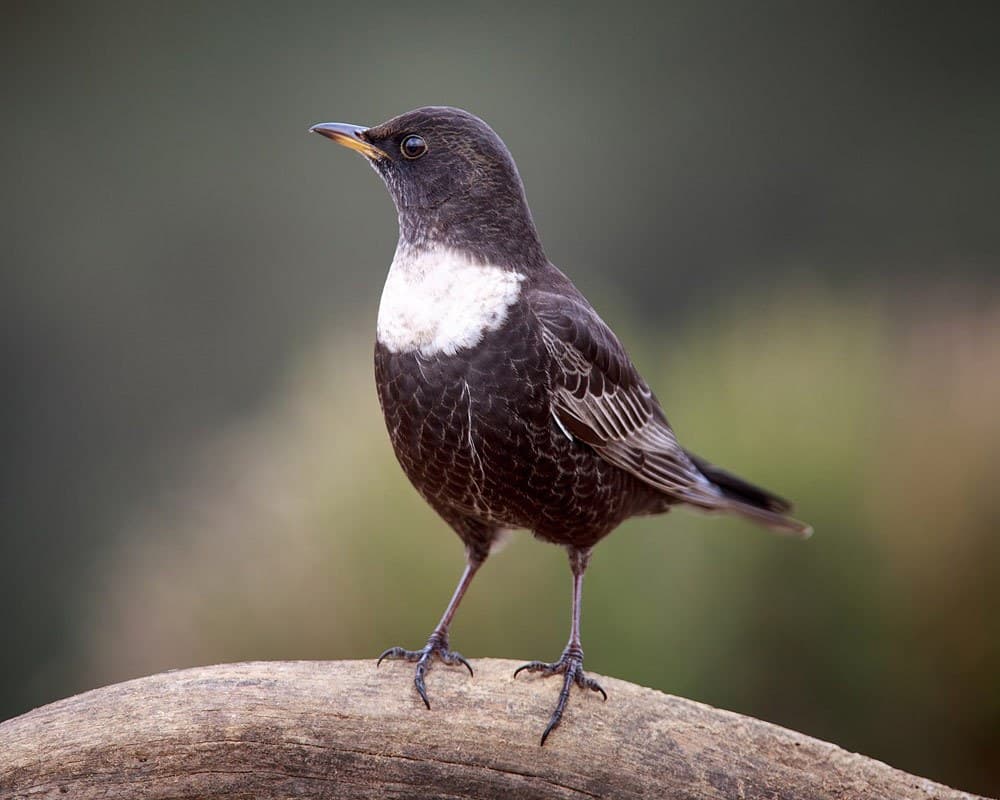 Ring OuzelTurdus torquatusPassage migrantRare23–24 cmRegularly Oct–Apr
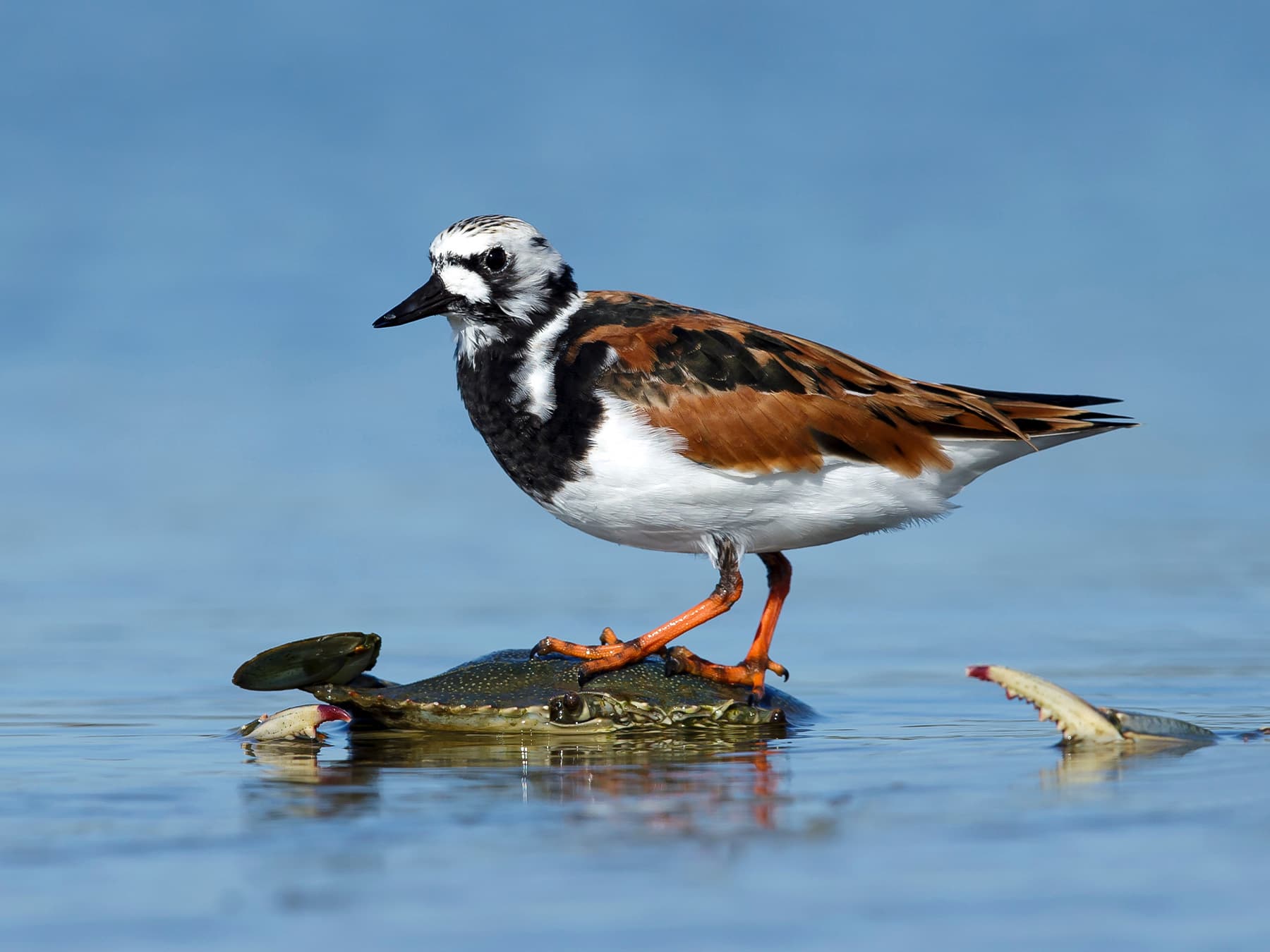 Ruddy TurnstoneArenaria interpresResidentRare21–24 cmRegularly May–Aug
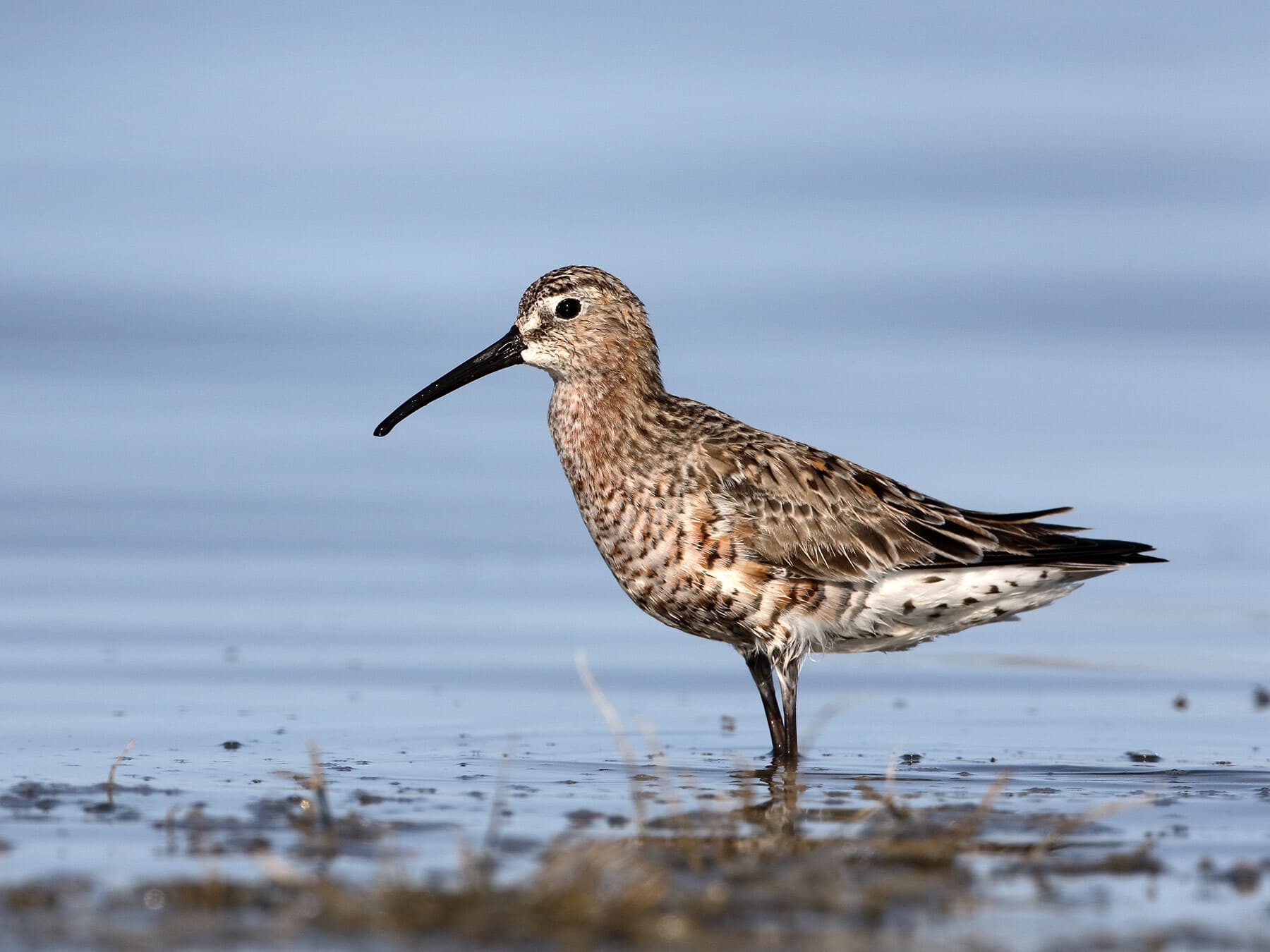 Curlew SandpiperCalidris ferrugineaPassage migrantRare18–23 cmRegularly Aug–Sep
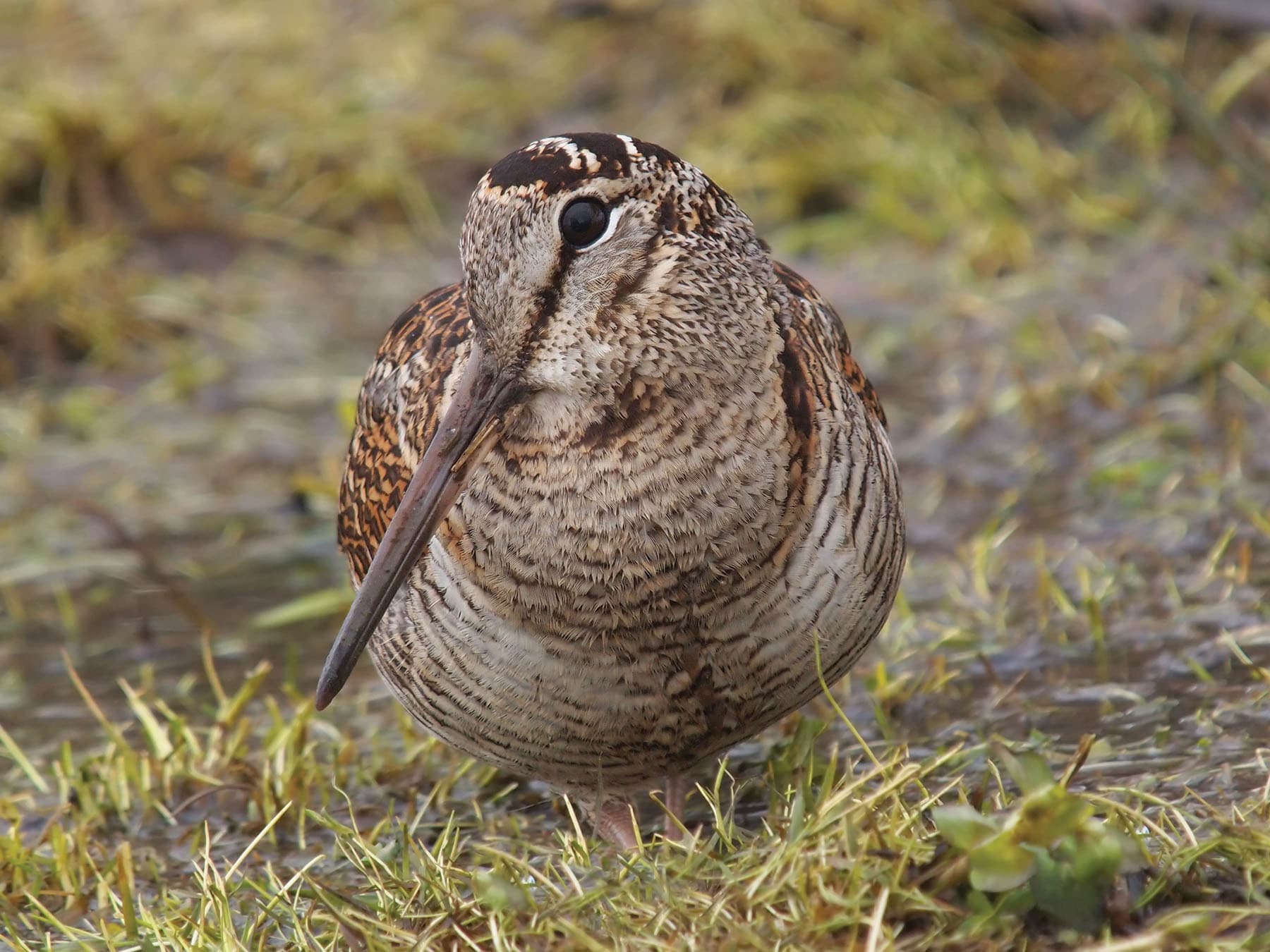 Eurasian WoodcockScolopax rusticolaWinter visitorRare33–38 cmRegularly Nov–Jun
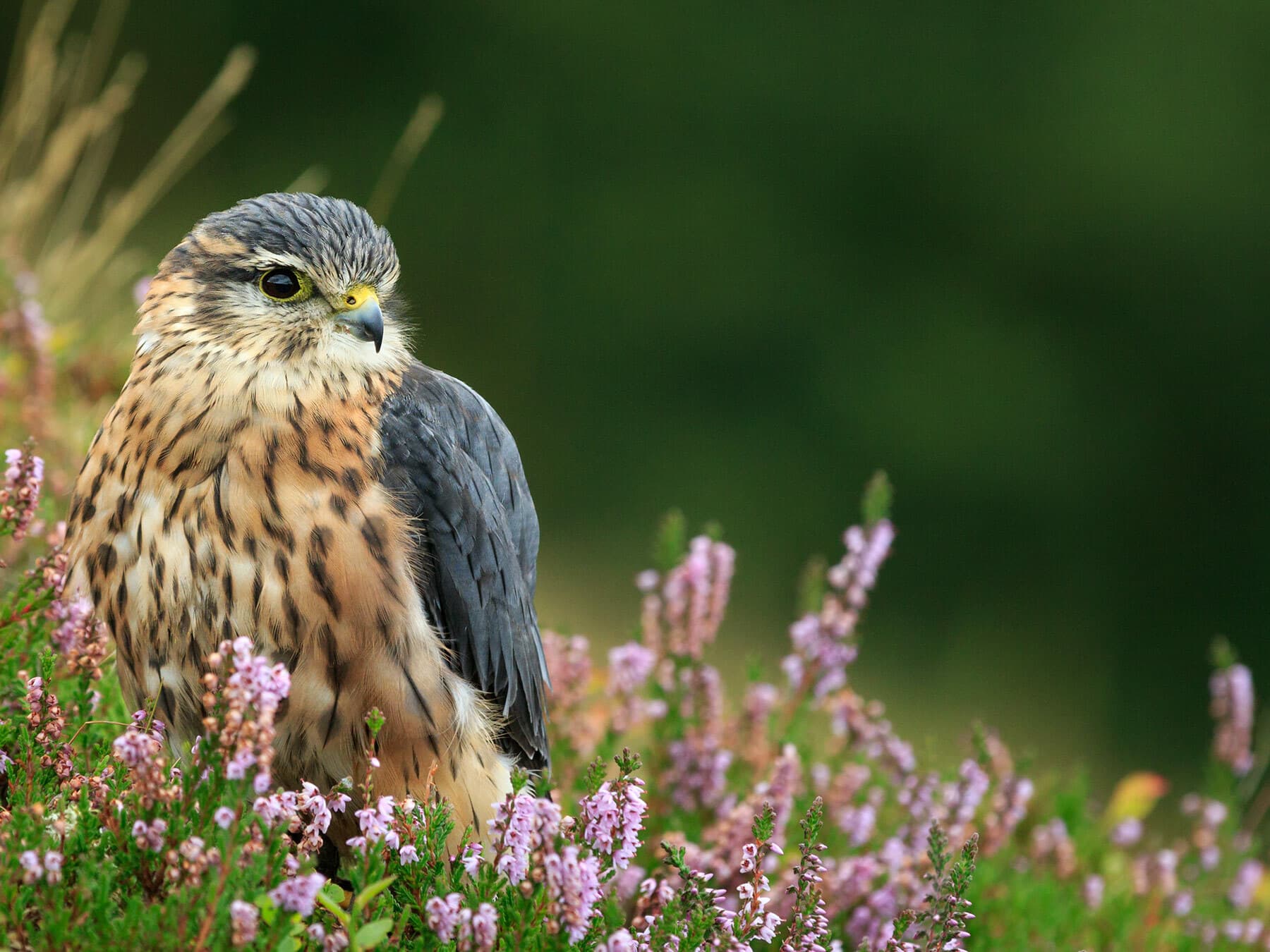 MerlinFalco columbariusPassage migrantRare24–33 cmRegularly Feb–Dec
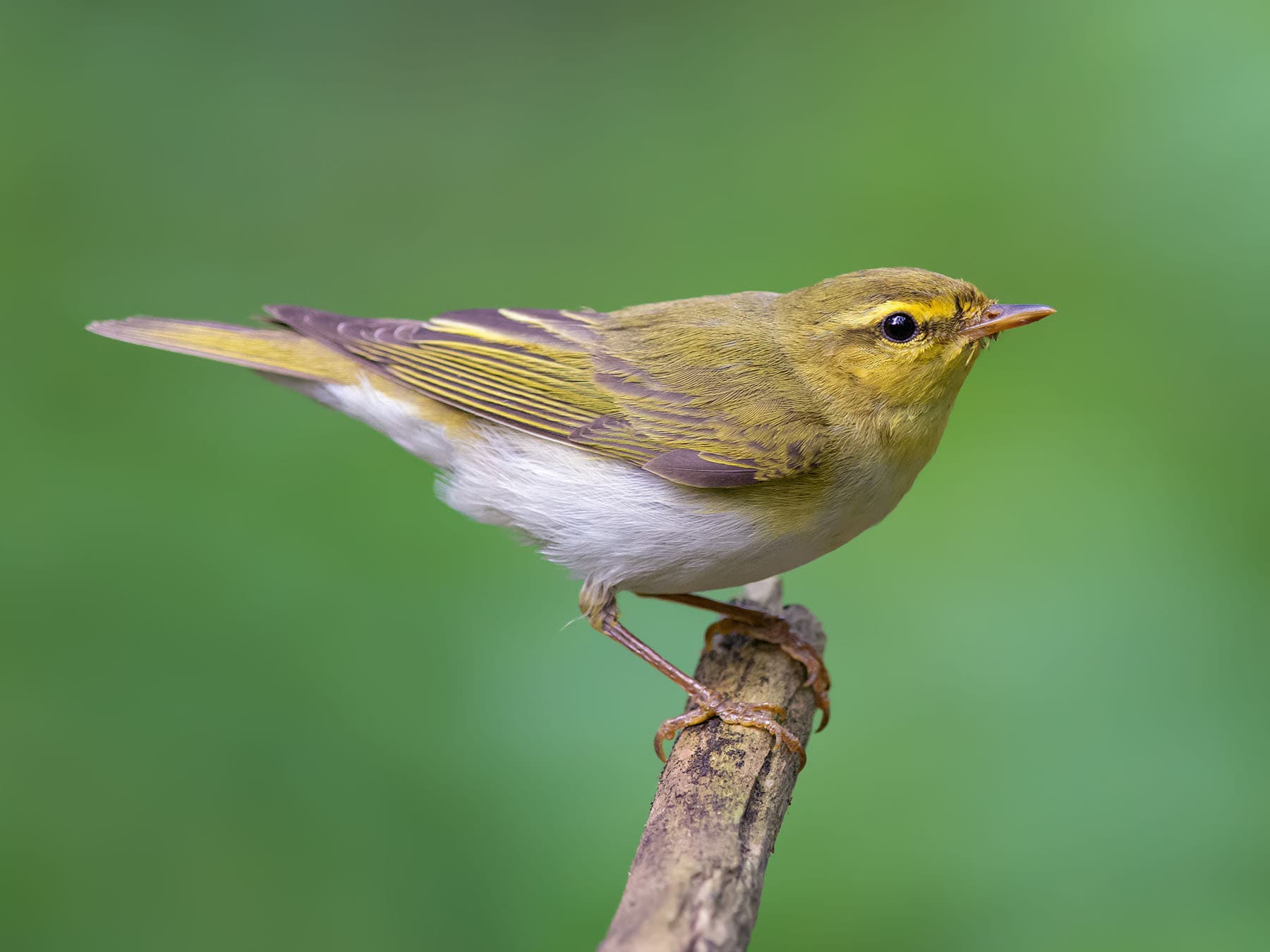 Wood WarblerPhylloscopus sibilatrixPassage migrantRare11–13 cmRegularly May–Jun
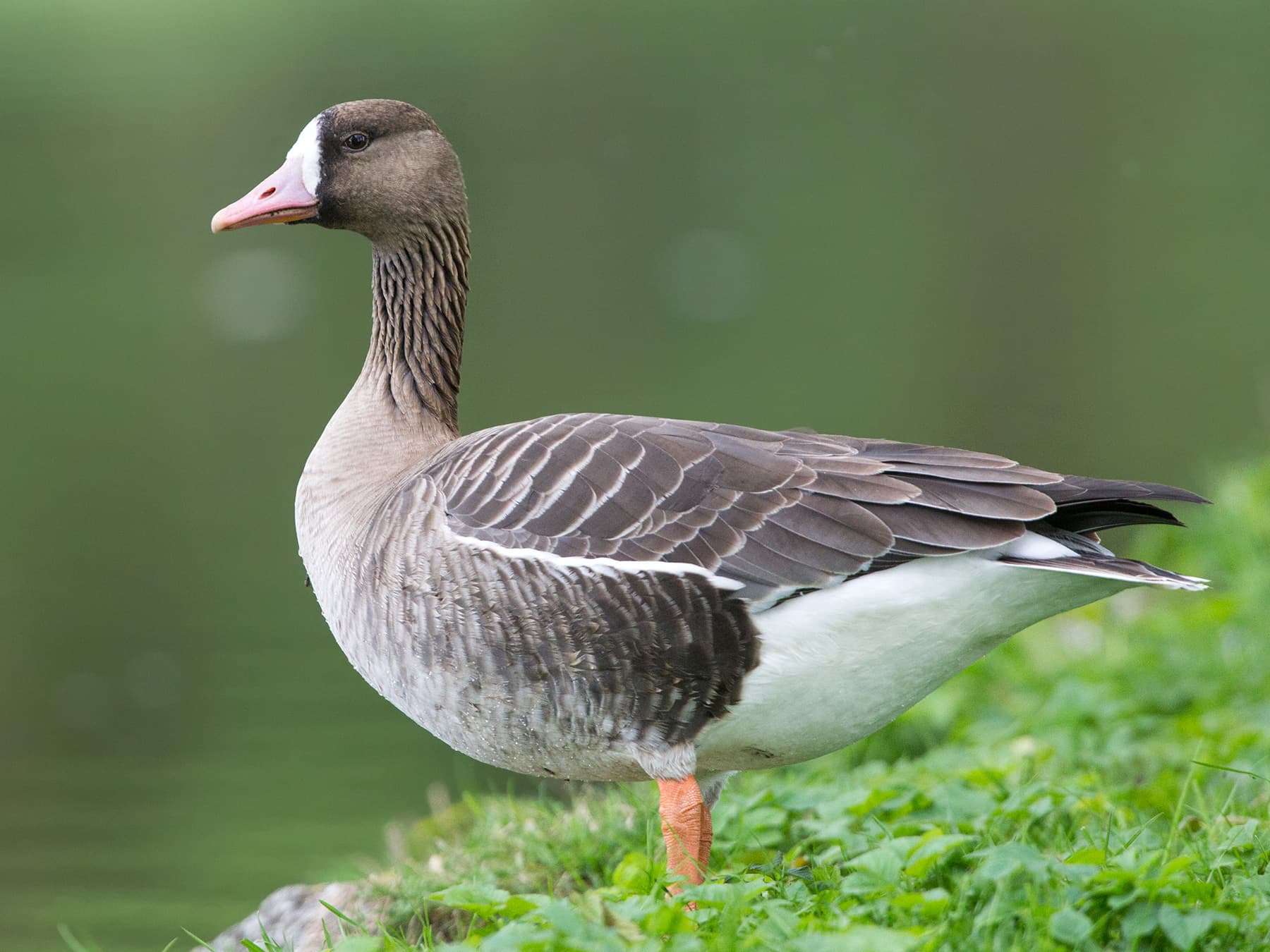 Greater White-fronted GooseAnser albifronsScarceRare64–81 cm
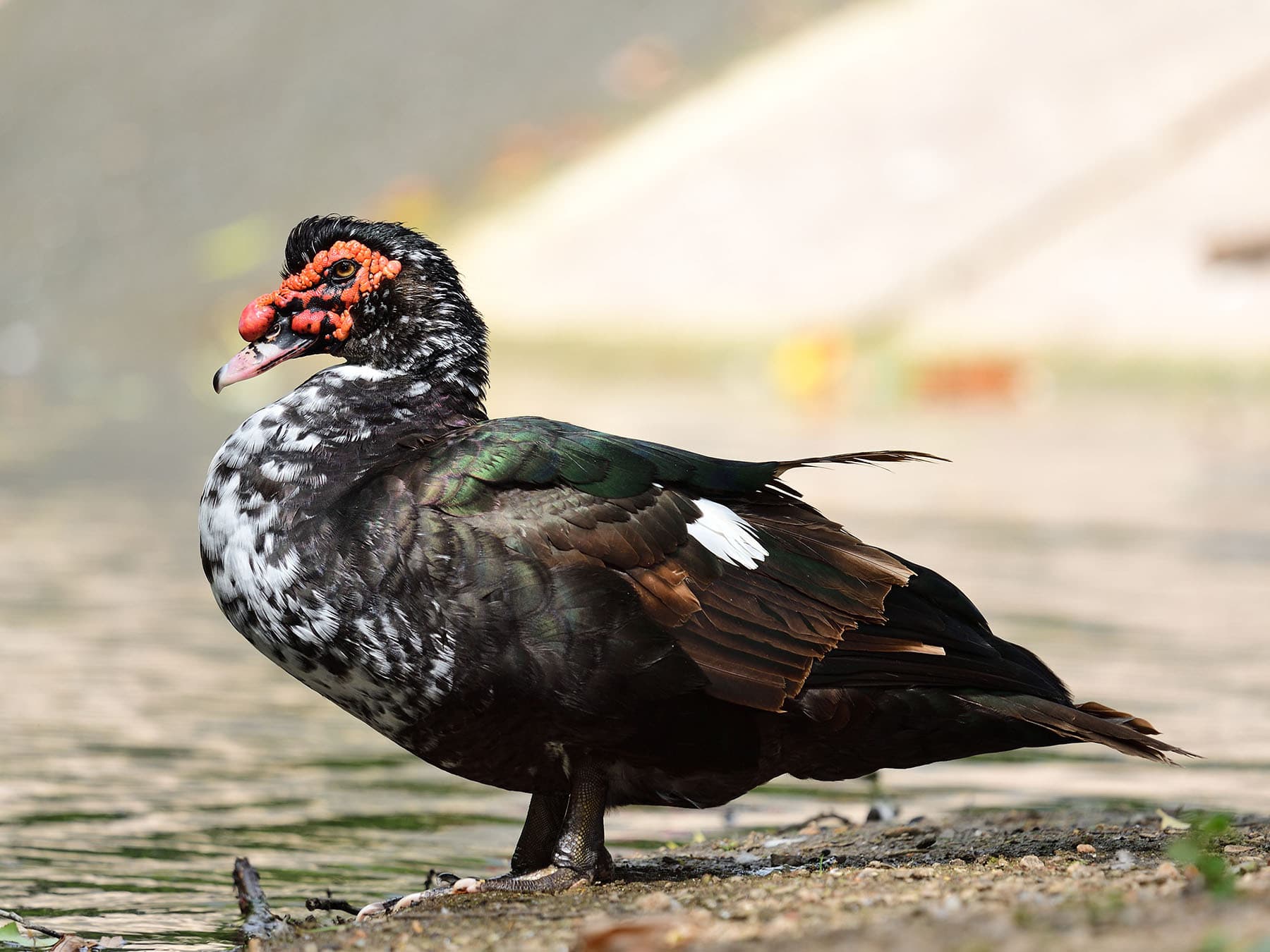 Muscovy DuckCairina moschataWinter visitorRare66–84 cmRegularly Jul–May
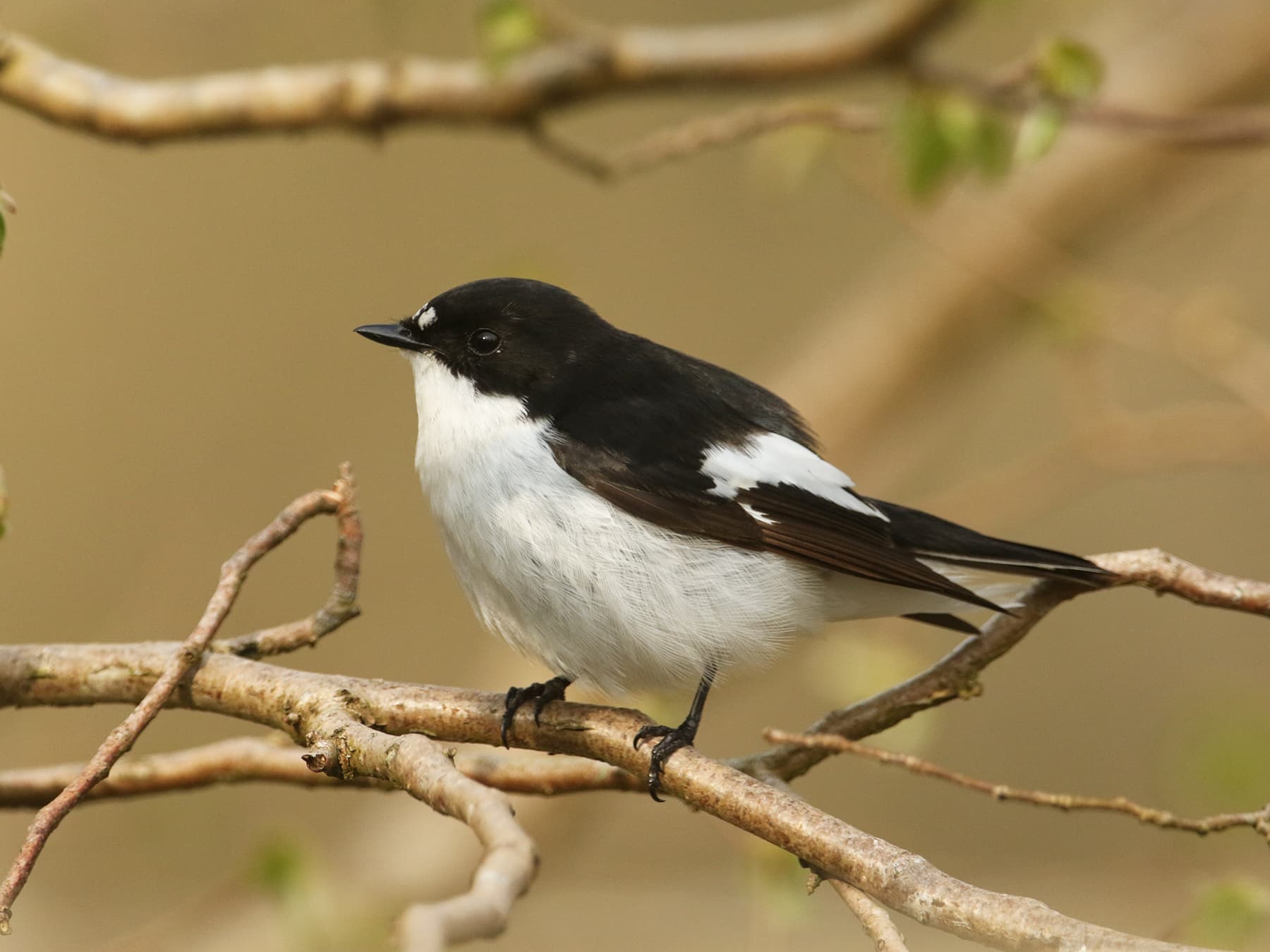 European Pied FlycatcherFicedula hypoleucaPassage migrantRare12–14 cmRegularly Apr–Aug
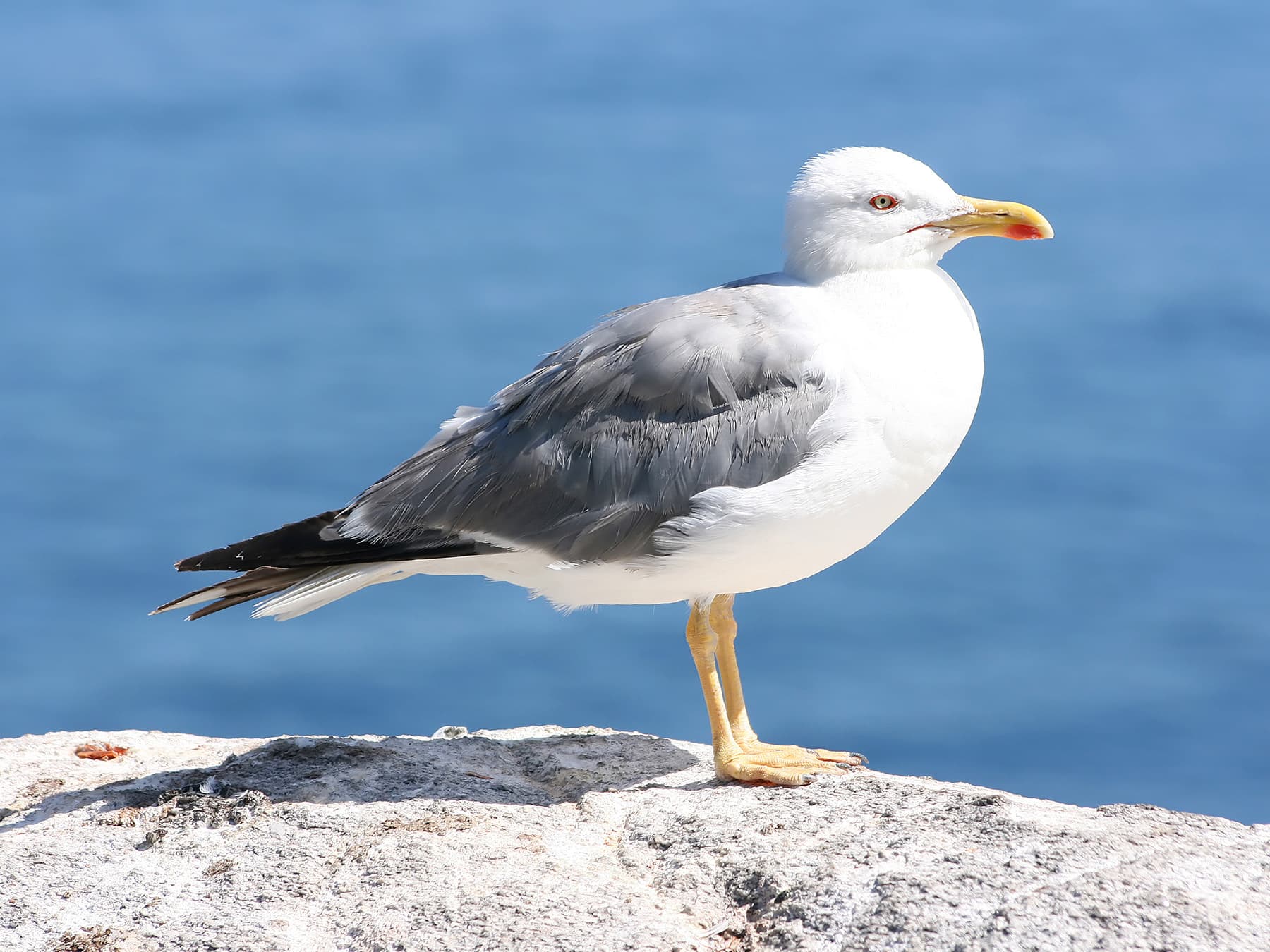 Yellow-legged GullLarus michahellisResidentRare52–68 cmRegularly Jan–Sep
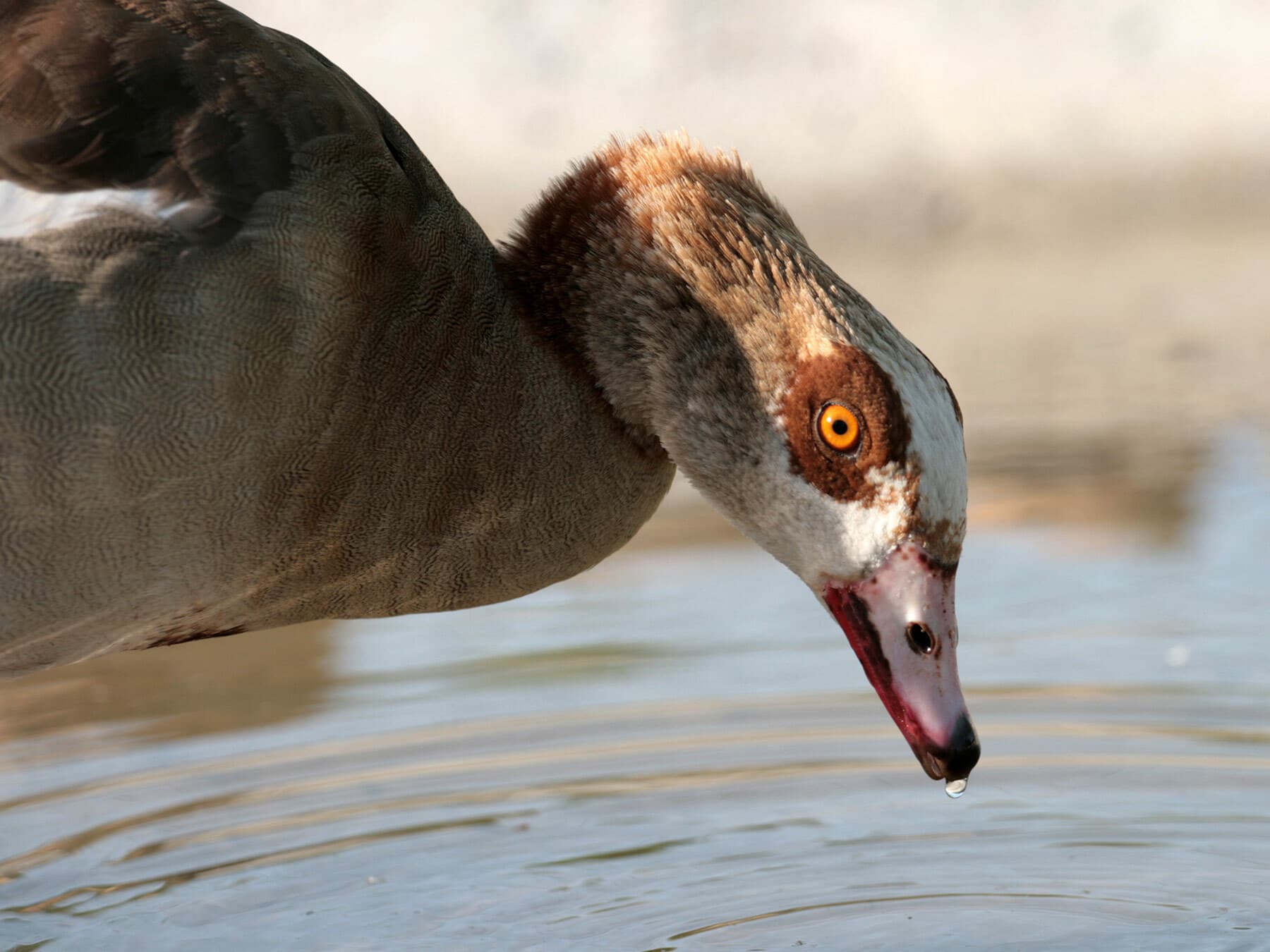 Egyptian GooseAlopochen aegyptiacaResidentRare63–73 cmRegularly Apr–Jul
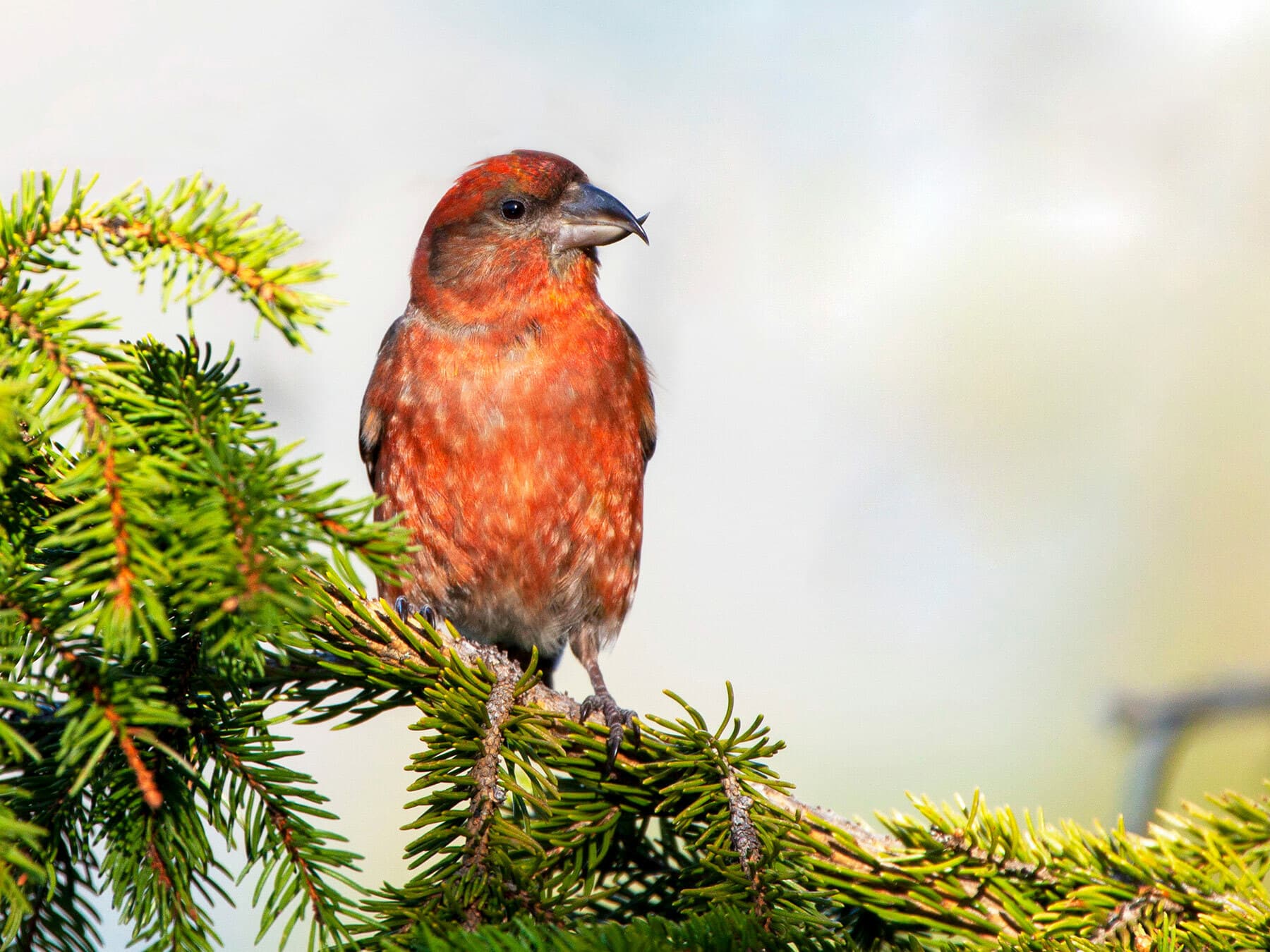 Red CrossbillLoxia curvirostraResidentRare15–17 cmRegularly May–Oct
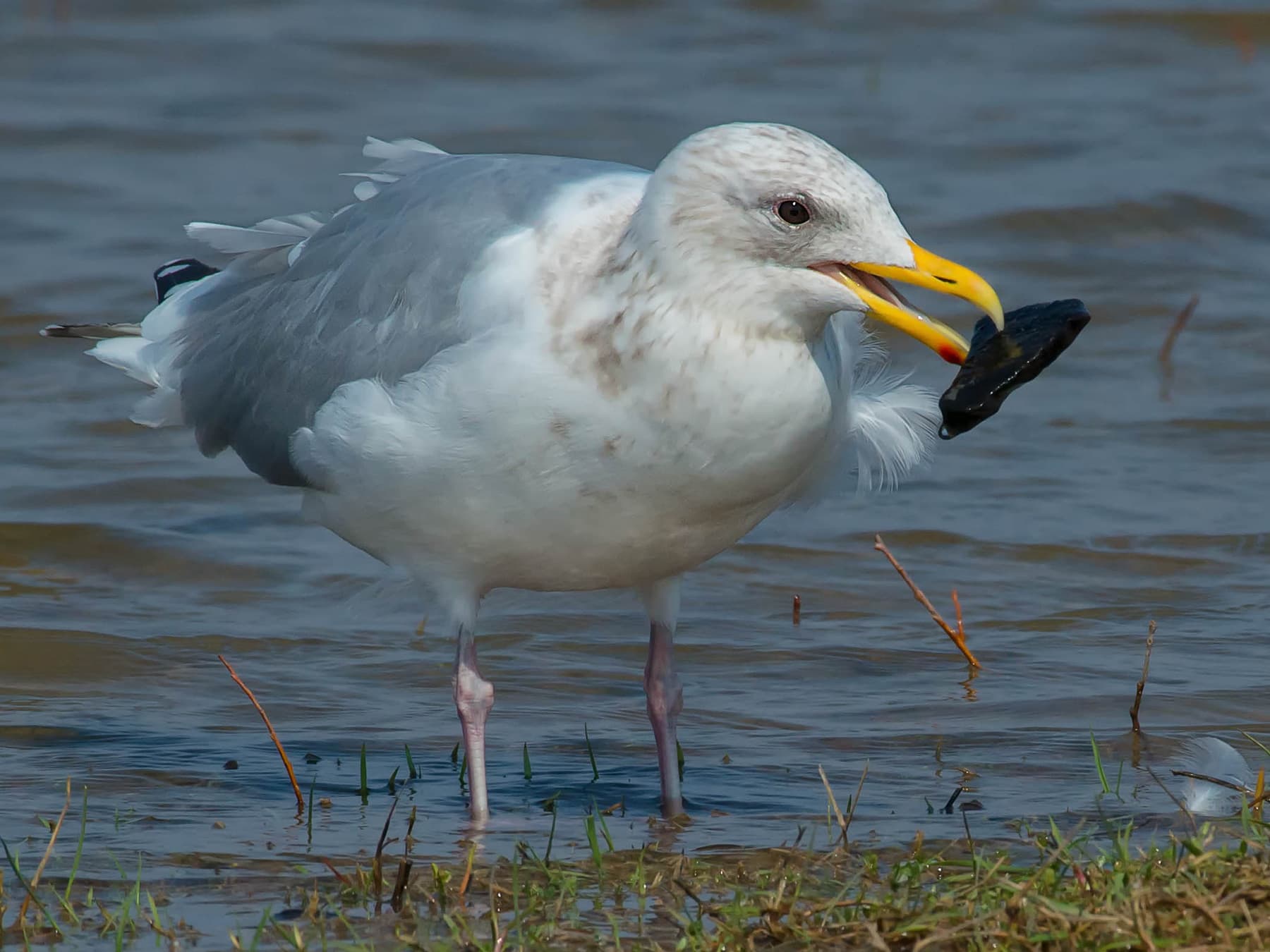 Iceland GullLarus glaucoidesPassage migrantRare52–60 cmRegularly Jan
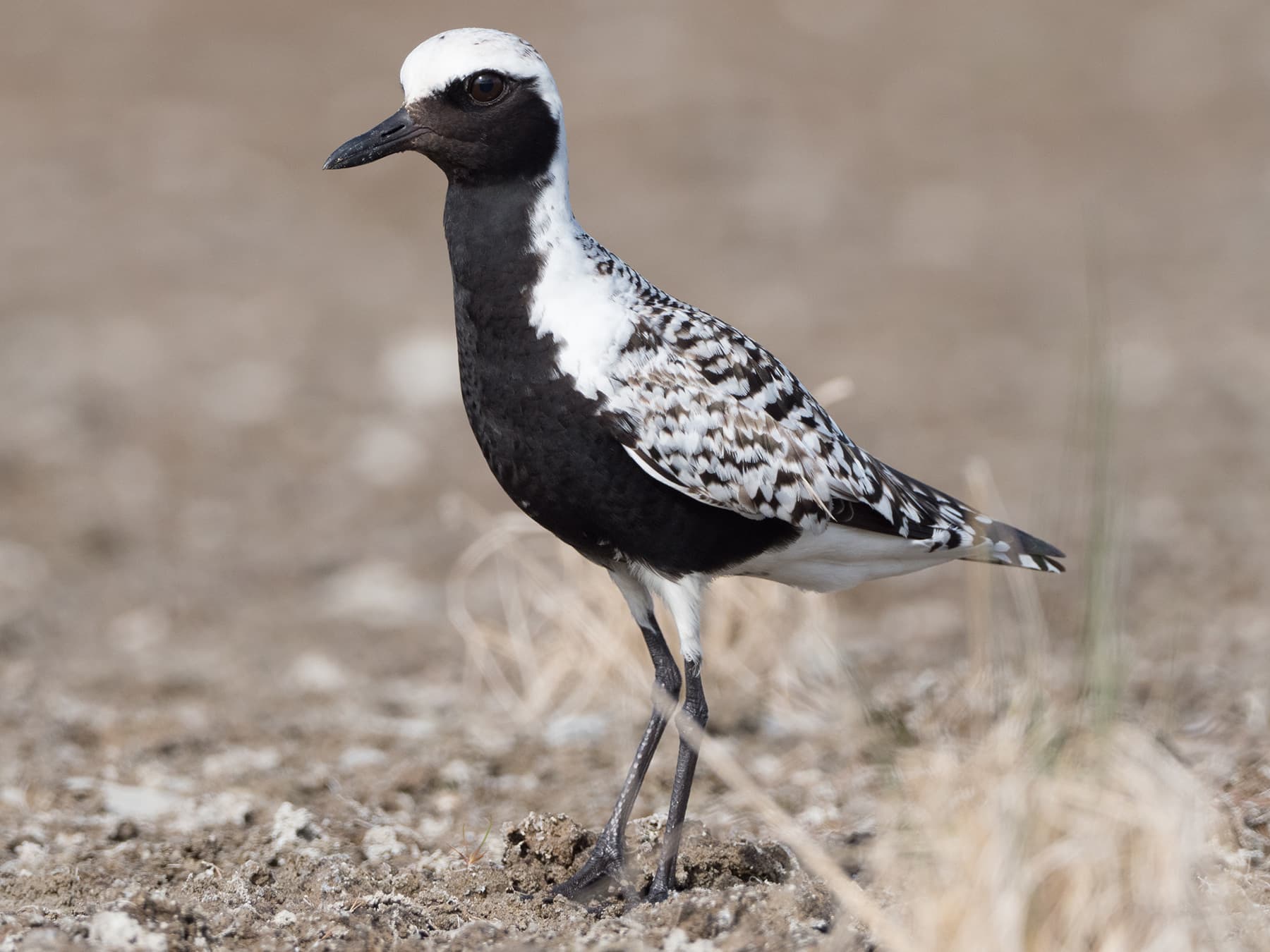 Grey PloverPluvialis squatarolaScarceRare27–30 cm
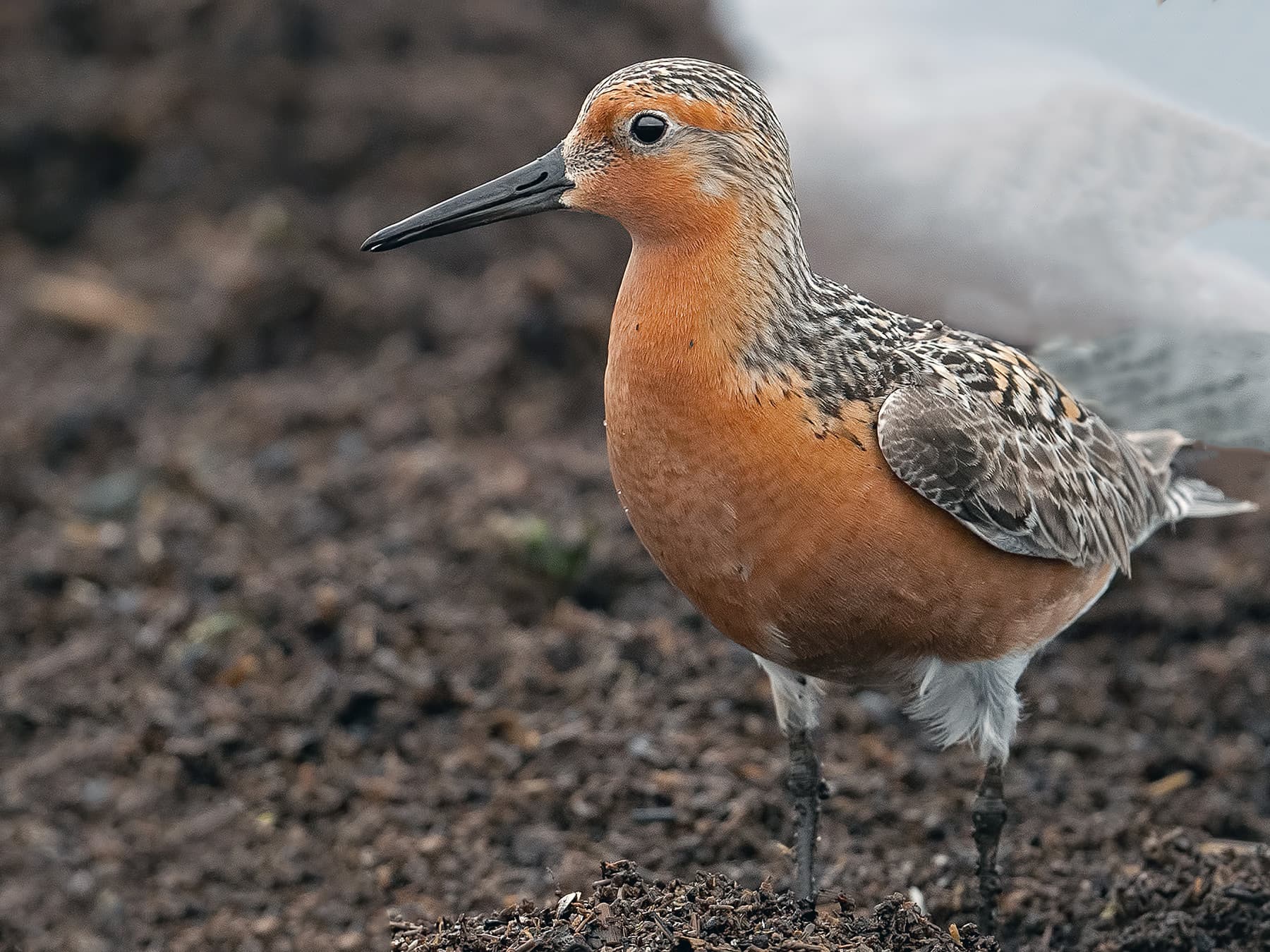 Red KnotCalidris canutusResidentRare23–26 cmRegularly Jul–Sep
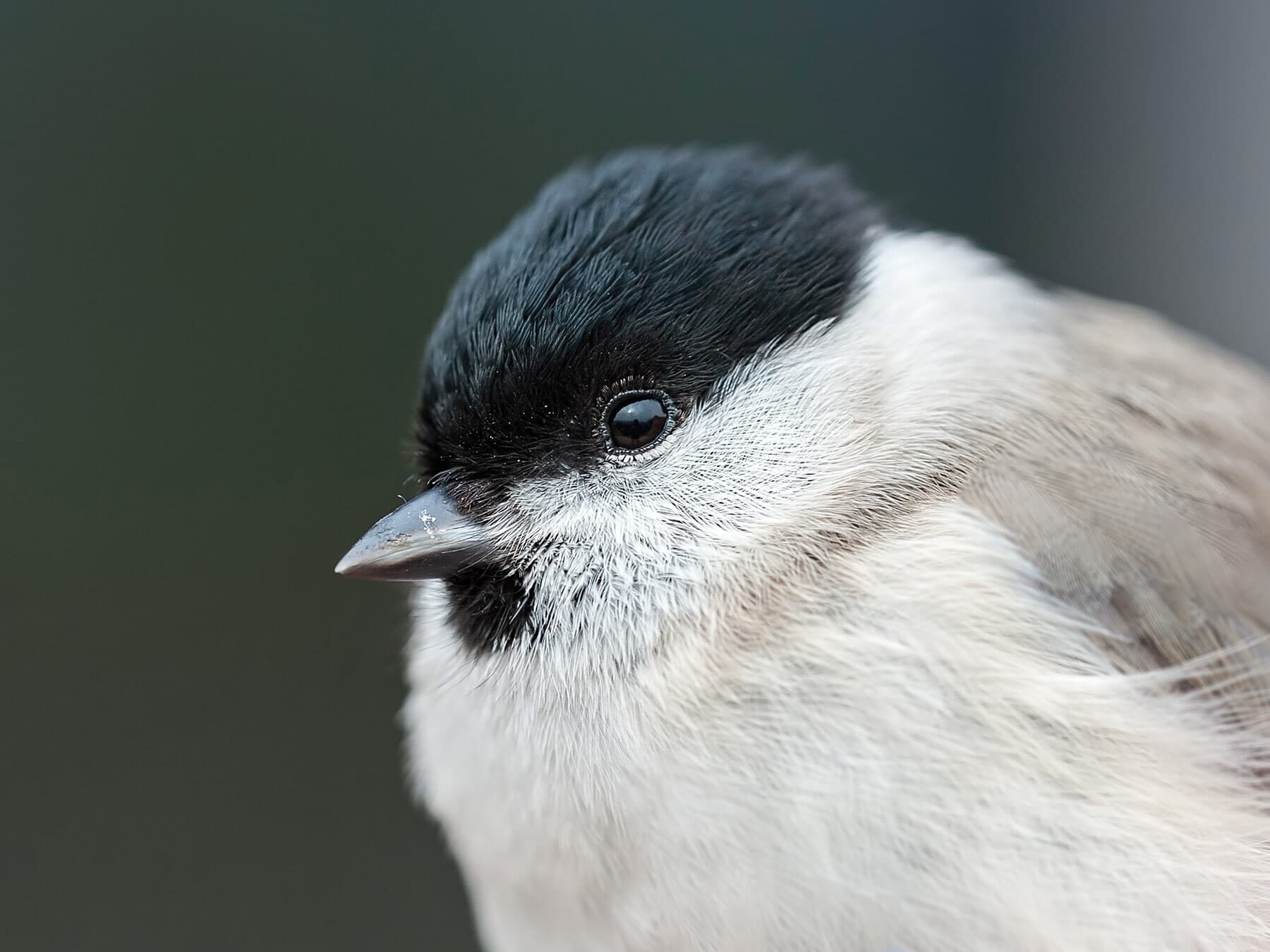 Marsh TitPoecile palustrisScarceRare12–13 cm
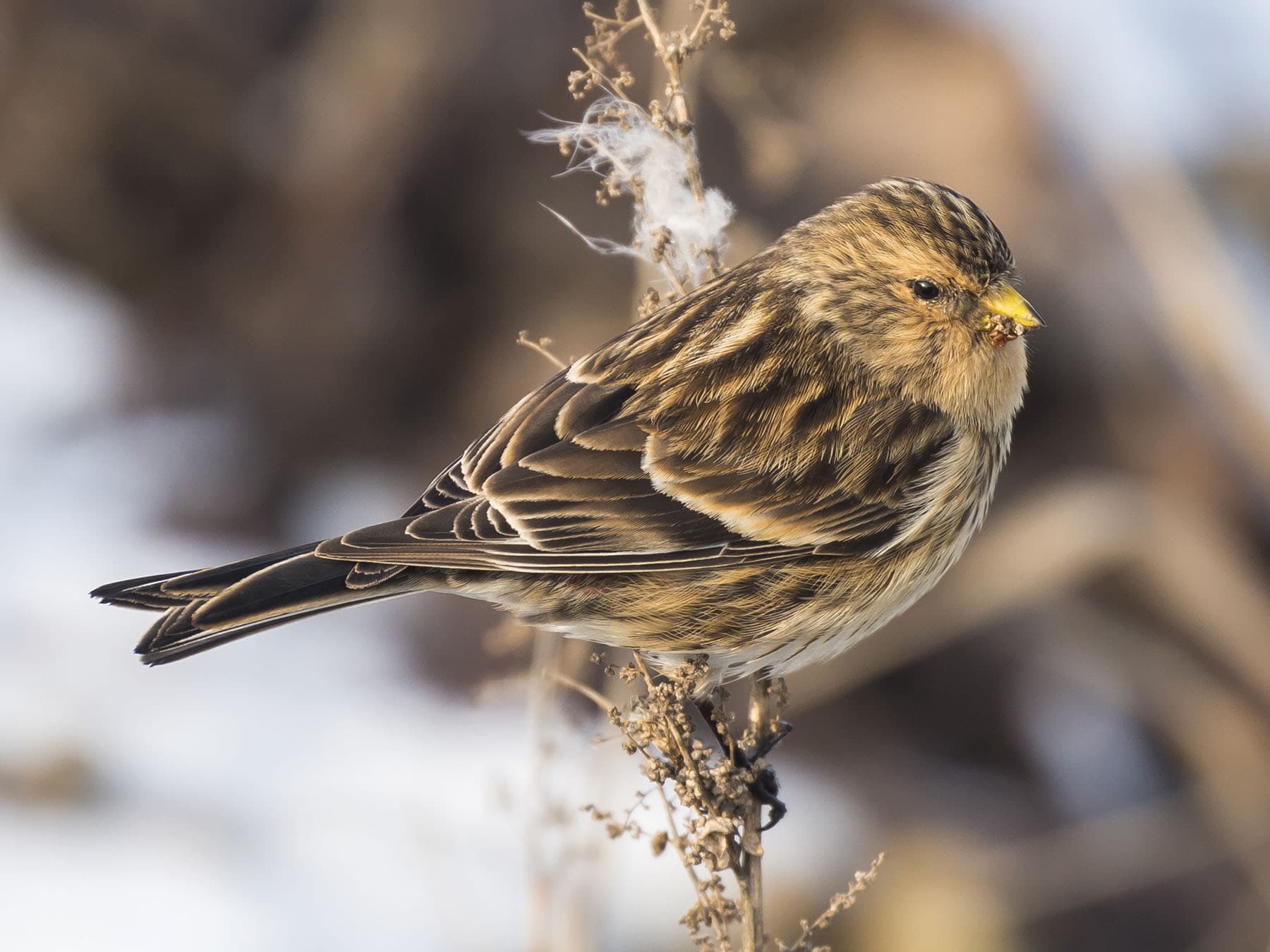 TwiteLinaria flavirostrisPassage migrantRare13–14 cmRegularly Jan
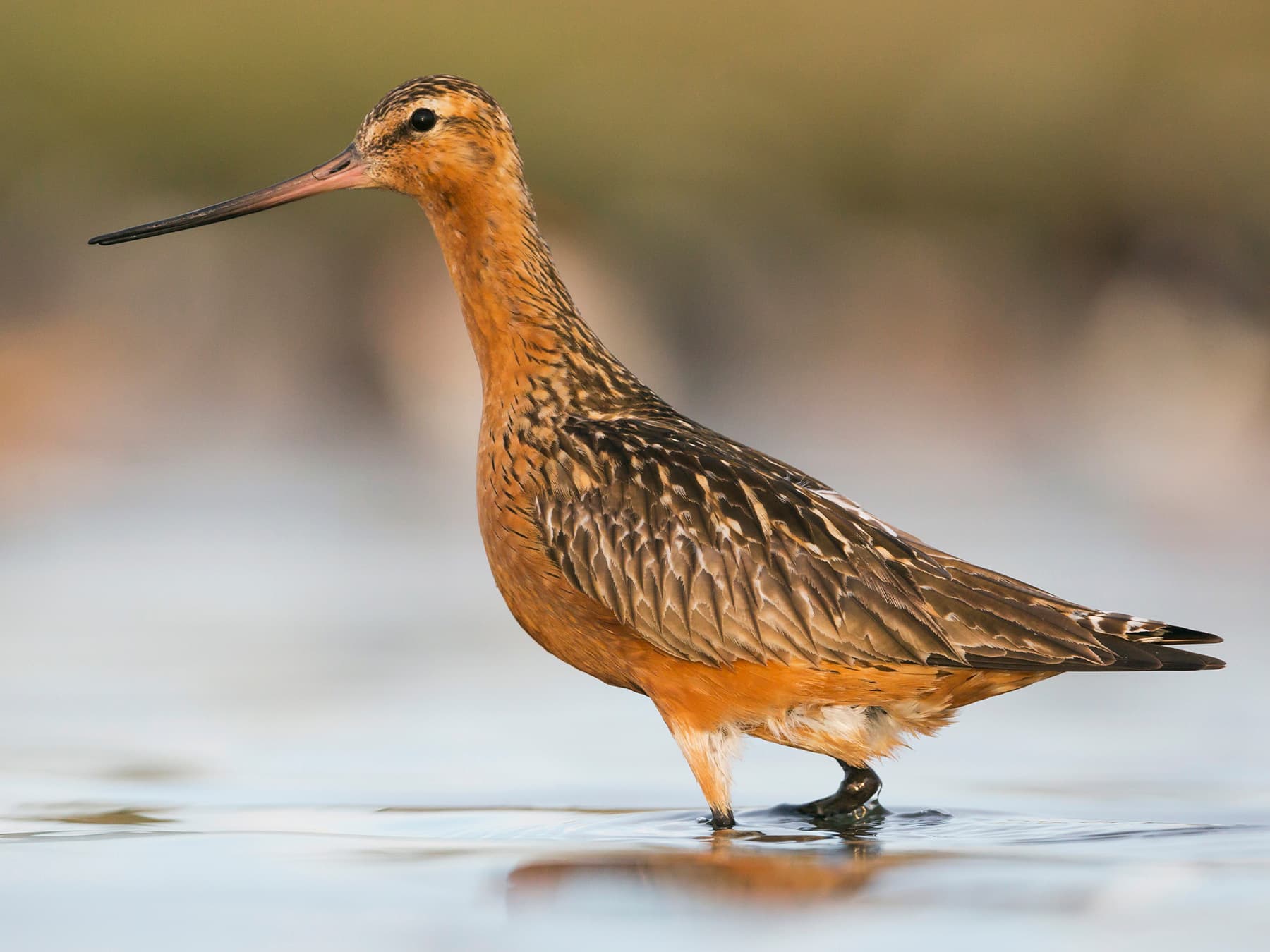 Bar-tailed GodwitLimosa lapponicaResidentRare37–41 cmRegularly Apr–May
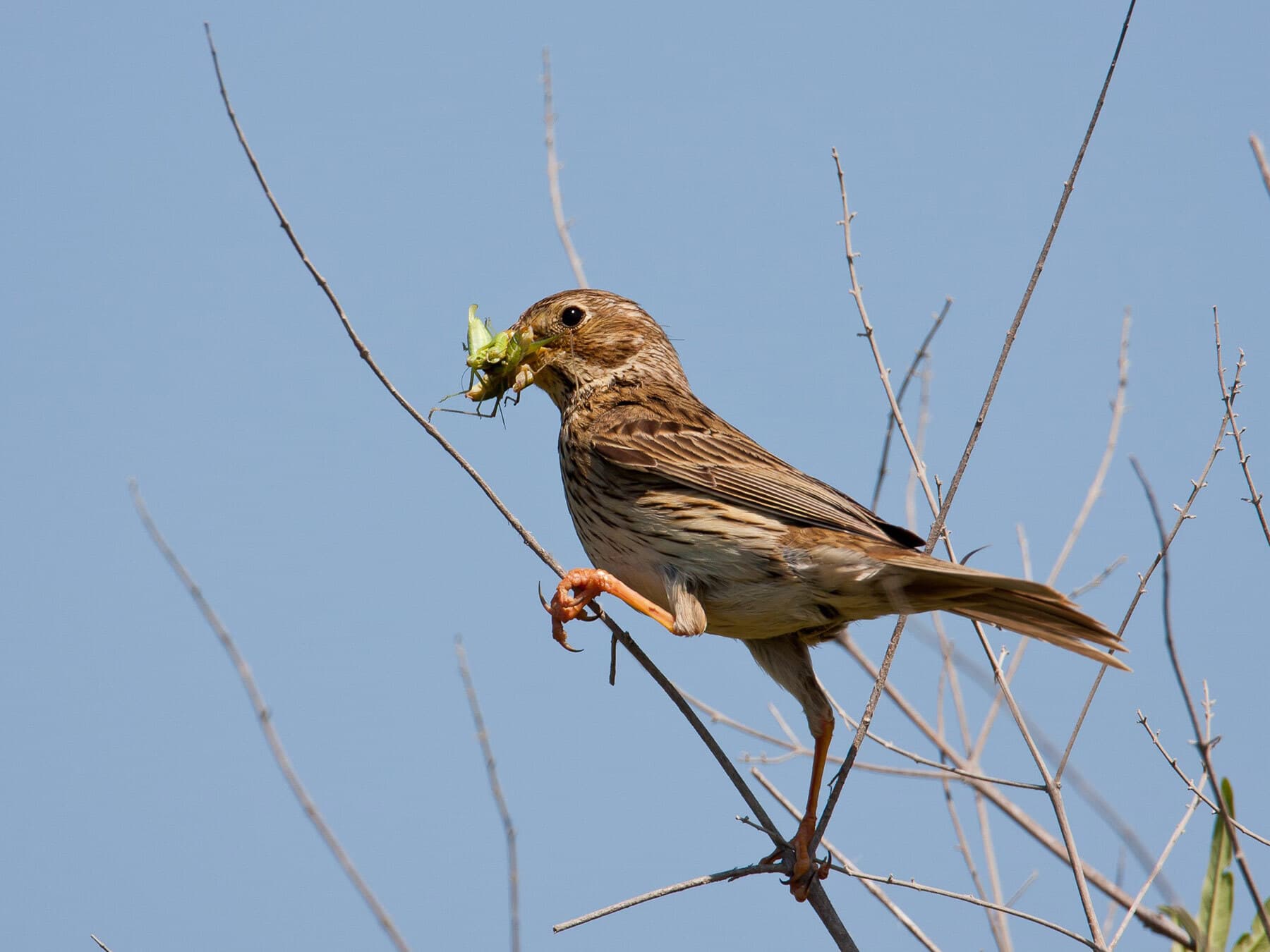 Corn BuntingEmberiza calandraScarceRare16–19 cm
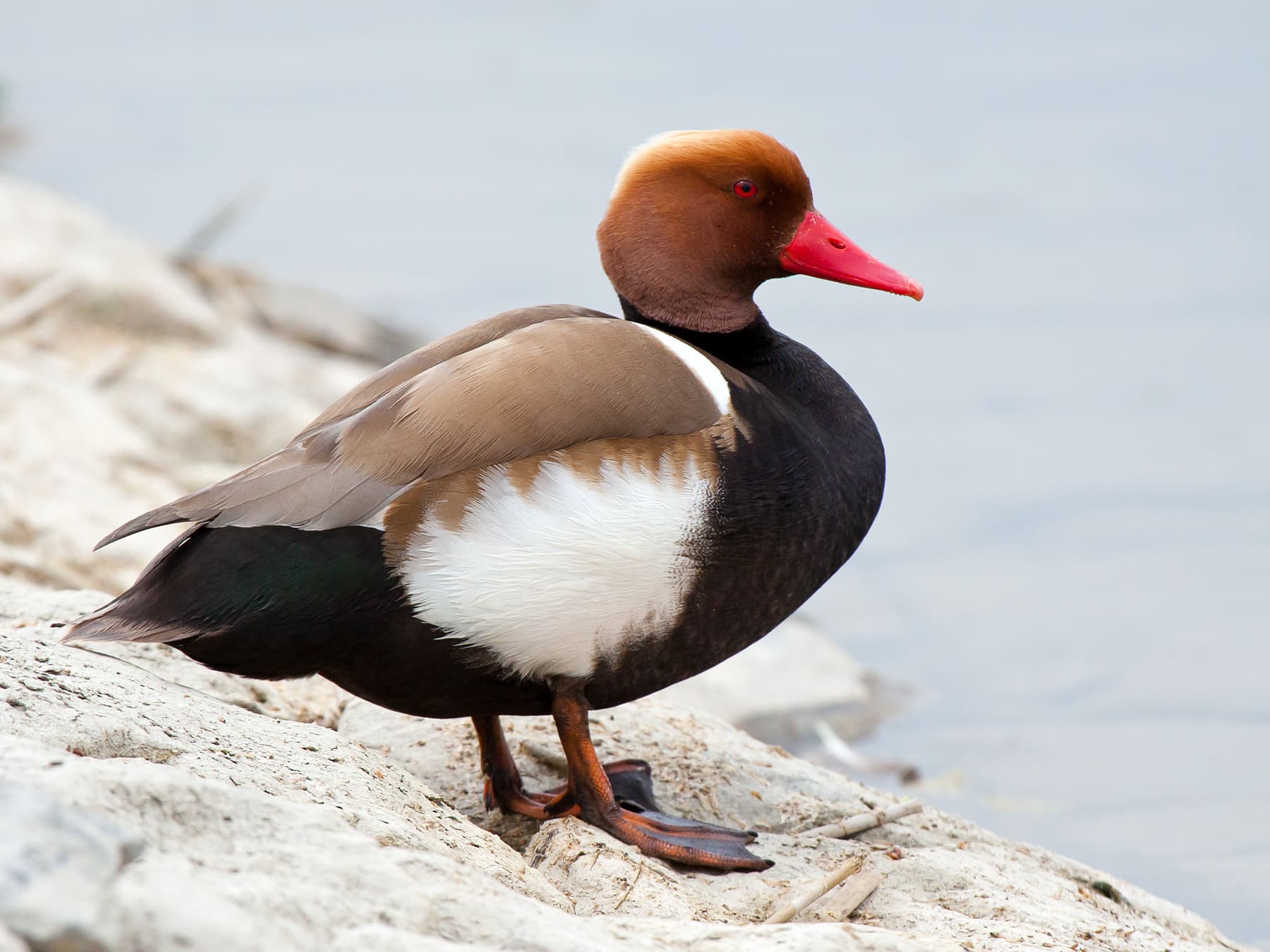 Red-crested PochardNetta rufinaResidentRare53–57 cmRegularly May
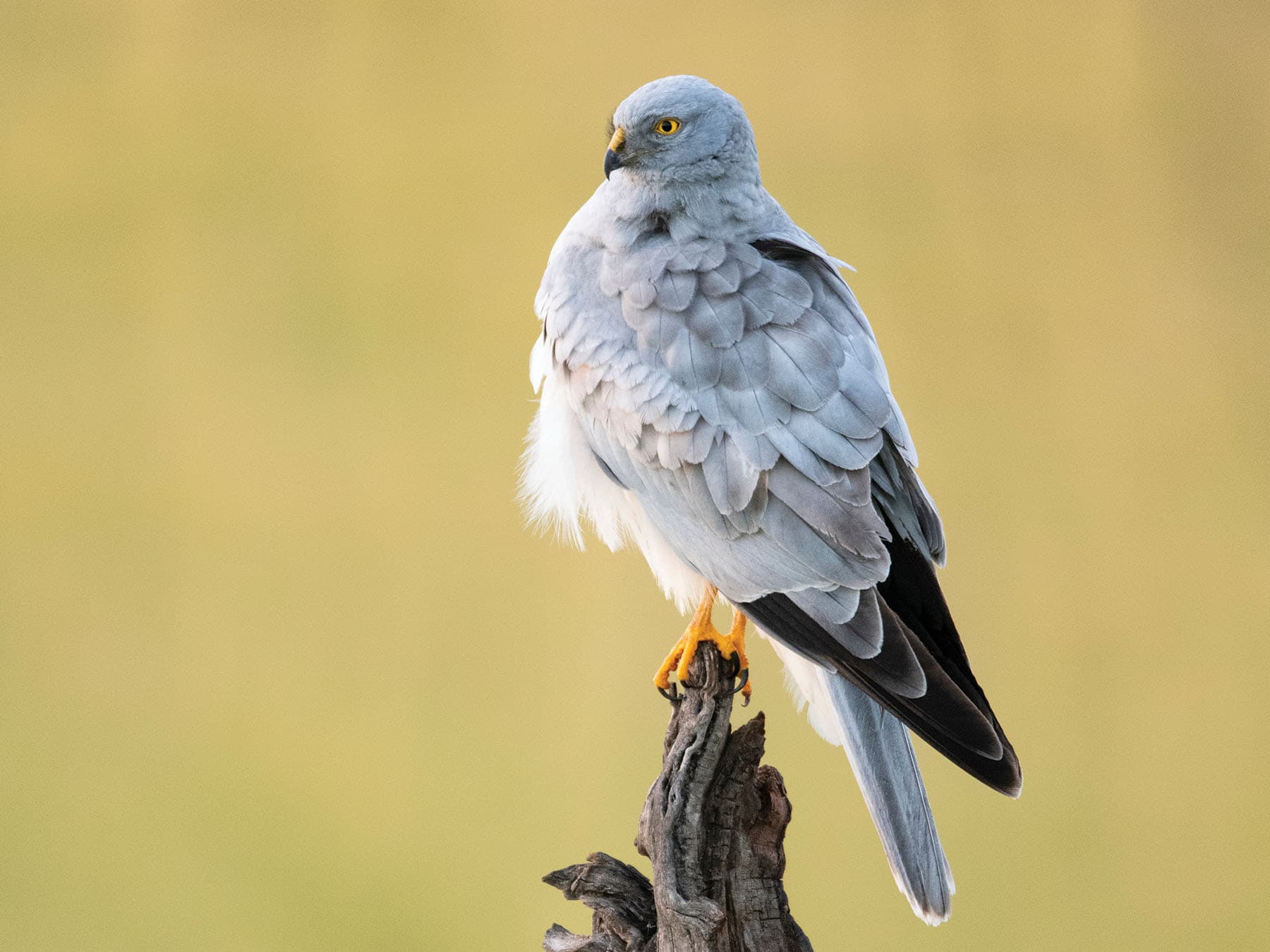 Hen HarrierCircus cyaneusPassage migrantRare41–52 cmRegularly Oct
Smallest to largest
Length, cm- Yellow-browed Warbler 10–11 cm
- Wood Warbler 11–13 cm
- Marsh Tit 12–13 cm
- European Pied Flycatcher 12–14 cm
- Twite 13–14 cm
- Black Redstart 13–15 cm
- Red Crossbill 15–17 cm
- Rock Pipit 16–18 cm
- Corn Bunting 16–19 cm
- Jack Snipe 17–19 cm
- Curlew Sandpiper 18–23 cm
- Ruddy Turnstone 21–24 cm
- Ring Ouzel 23–24 cm
- Red Knot 23–26 cm
- Nightjar 24–28 cm
- Merlin 24–33 cm
- Grey Plover 27–30 cm
- Eurasian Woodcock 33–38 cm
- Arctic Tern 33–39 cm
- Bar-tailed Godwit 37–41 cm
- Kittiwake 37–41 cm
- Hen Harrier 41–52 cm
- Red-crested Pochard 53–57 cm
- Red-breasted Merganser 52–58 cm
- Iceland Gull 52–60 cm
- Yellow-legged Gull 52–68 cm
- Egyptian Goose 63–73 cm
- Greater White-fronted Goose 64–81 cm
- Muscovy Duck 66–84 cm
- Black Swan 110–142 cm
Body length, bill to tail. Rare birds in grey.
Data: EOD – eBird Observation Dataset (Cornell Lab of Ornithology), accessed via GBIF.org, CC BY 4.0. Records from 2019–2024, aggregated and filtered by Birdfact. How these lists are made