


Rare Birds in West Yorkshire
Our list for West Yorkshire has 30 rare birds recorded regularly there: 8 residents, 3 winter visitors, 9 passage migrants and 10 scarce visitors
Most likely in October
GBIF · Oct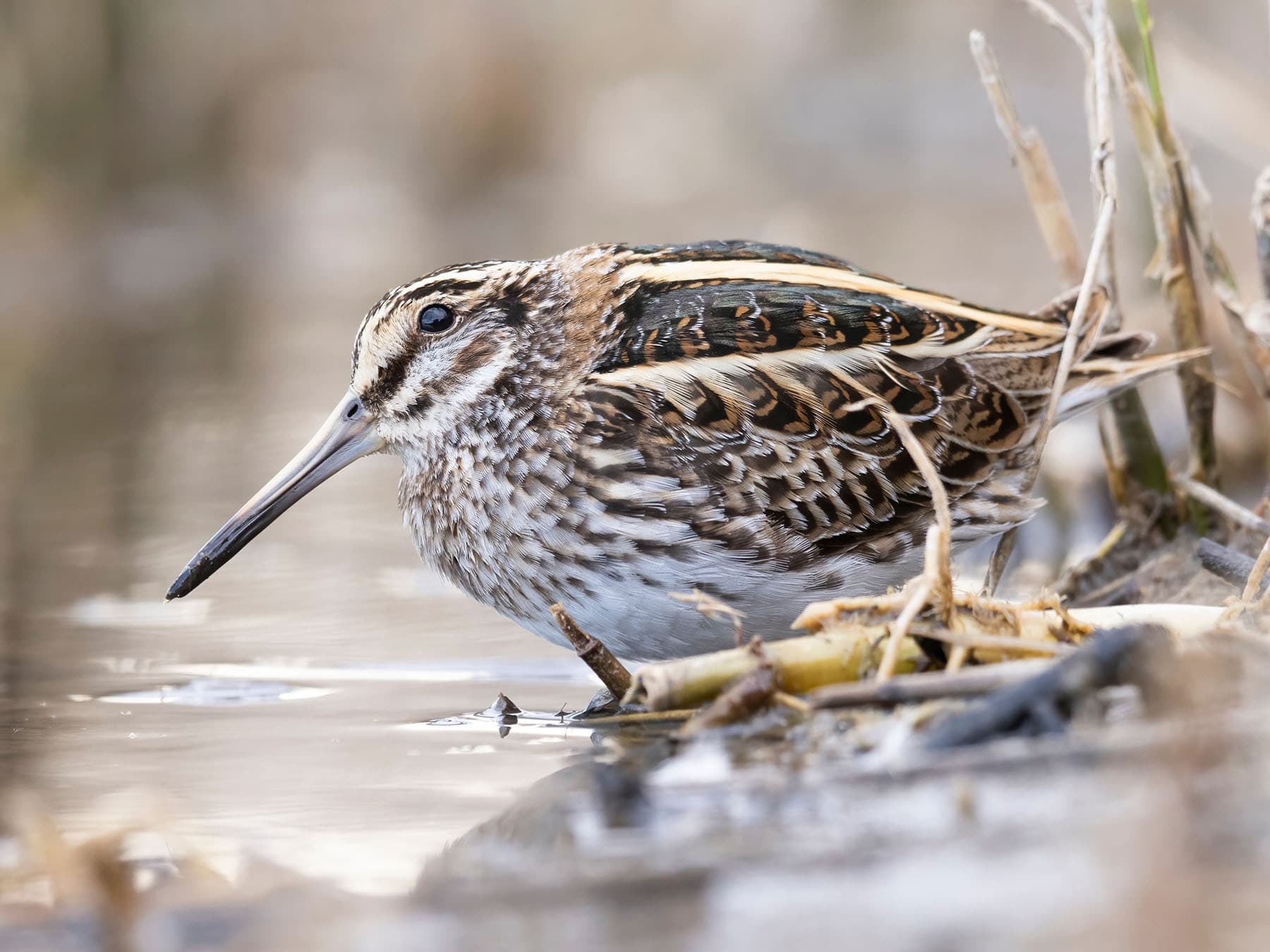
Share of all bird records in West Yorkshire in October, 2019–2024. Each month links to that month’s page.
All 30, most common first
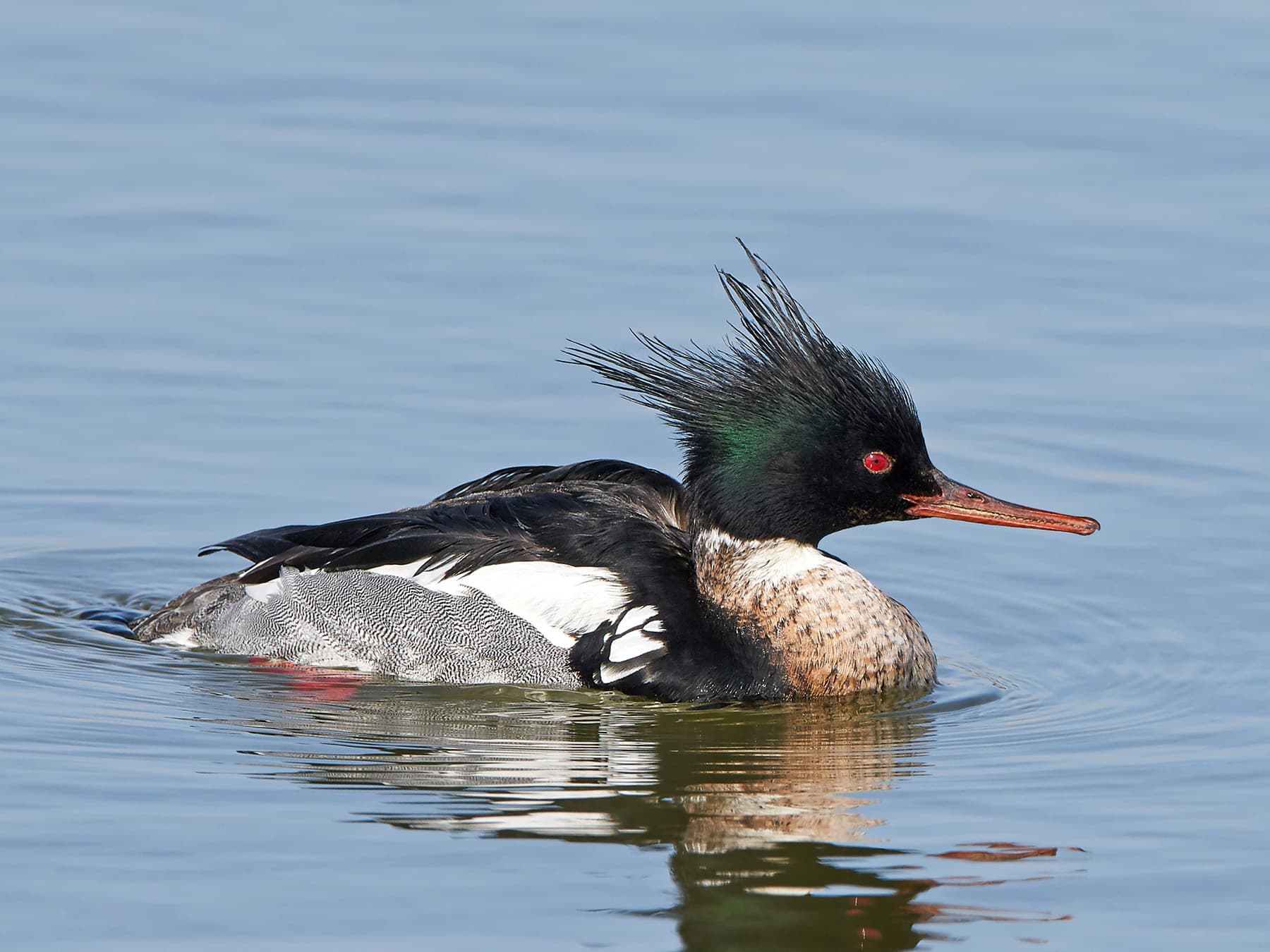 Red-breasted MerganserMergus serratorScarceRare52–58 cm
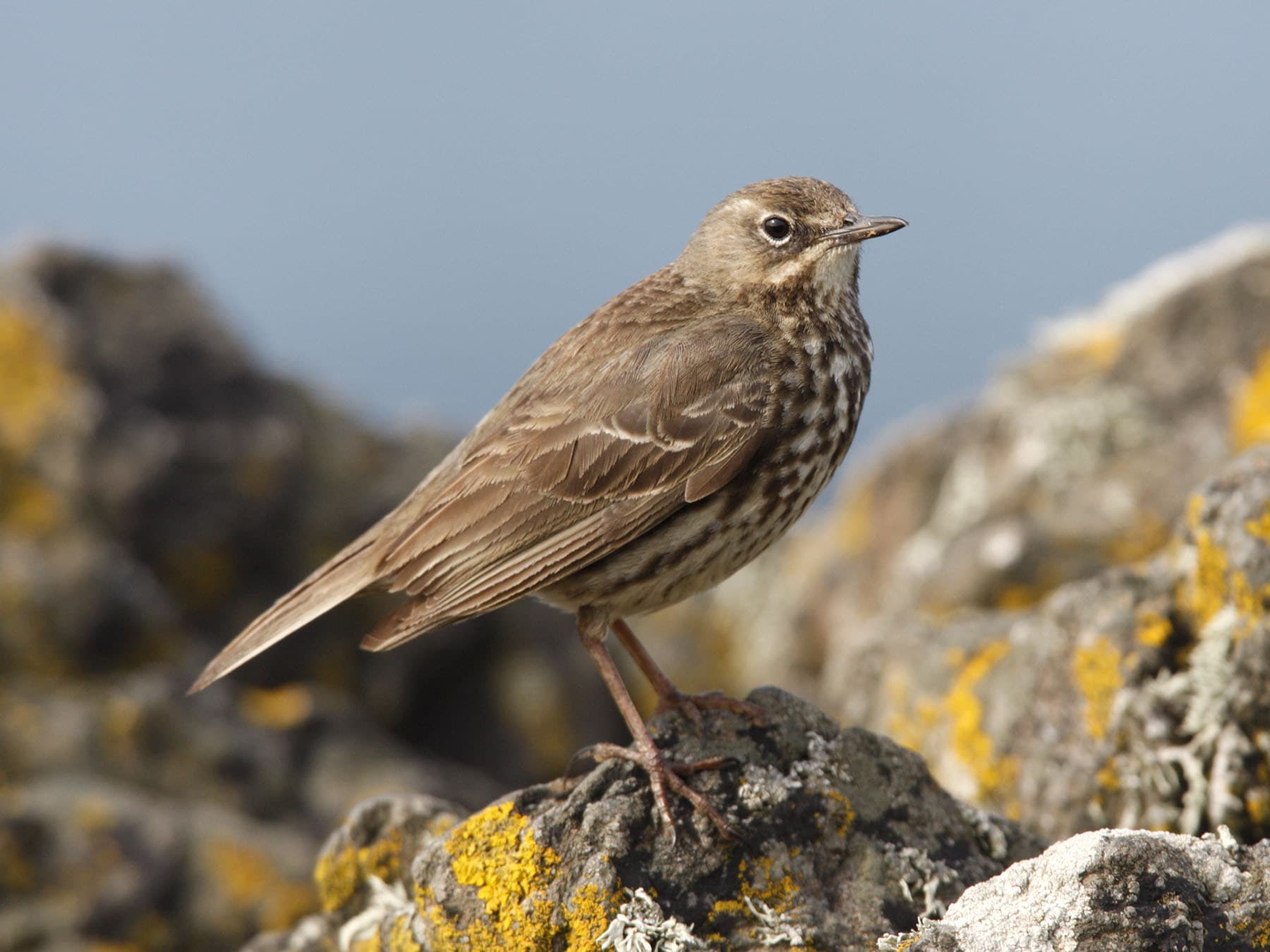 Rock PipitAnthus petrosusScarceRare16–18 cmRegularly Oct
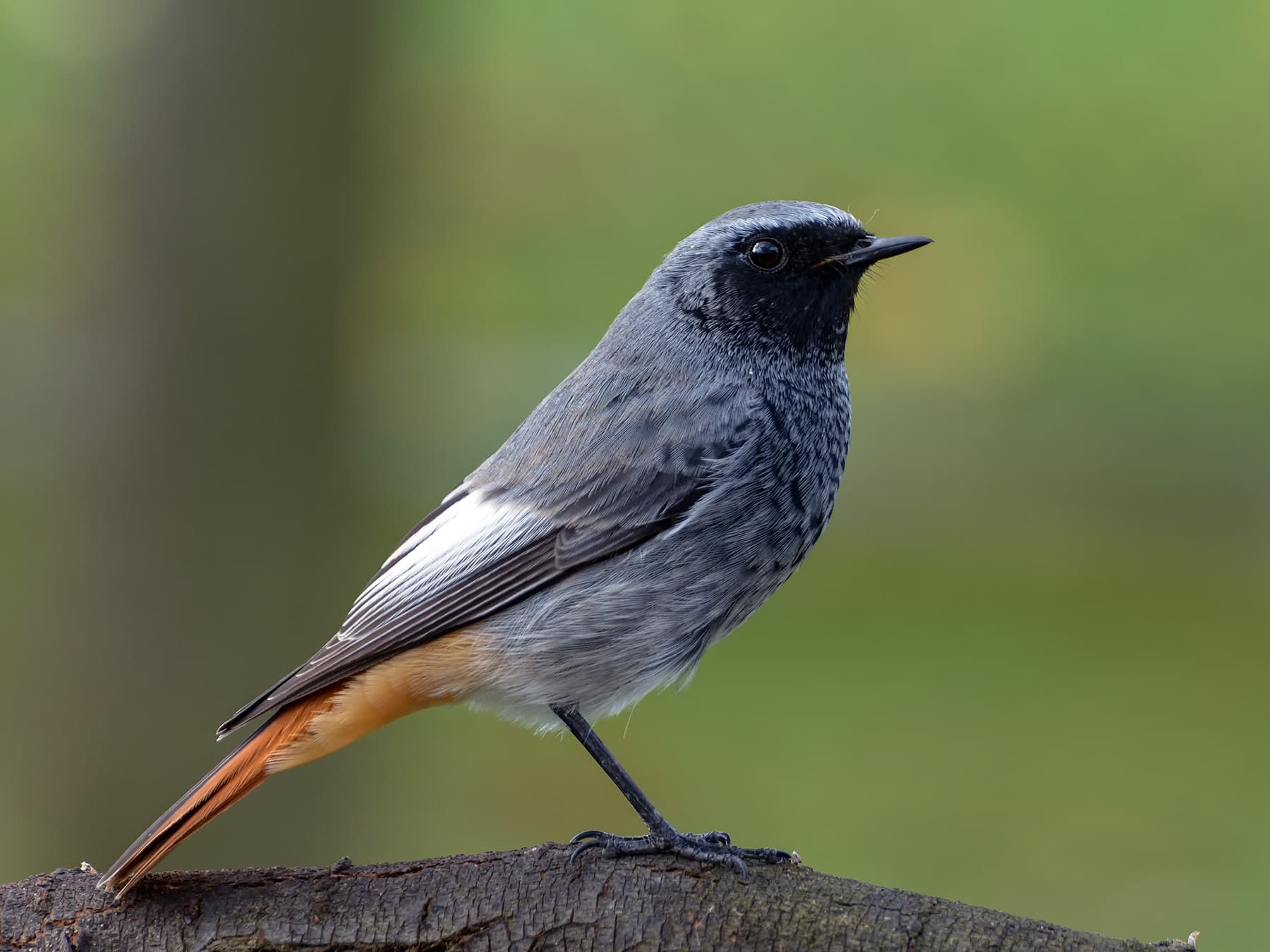 Black RedstartPhoenicurus ochrurosScarceRare13–15 cm
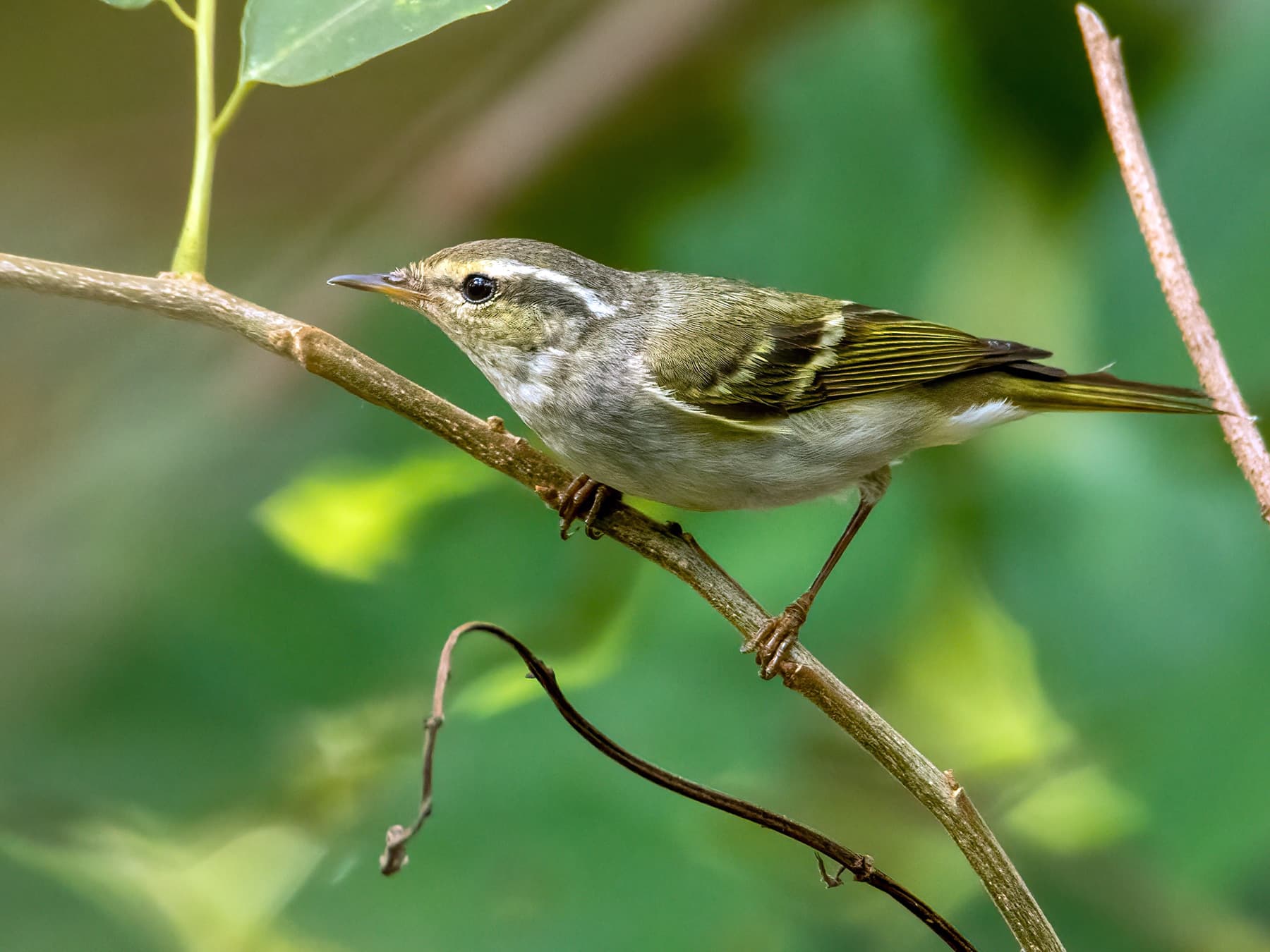 Yellow-browed WarblerPhylloscopus inornatusScarceRare10–11 cmRegularly Feb–Aug
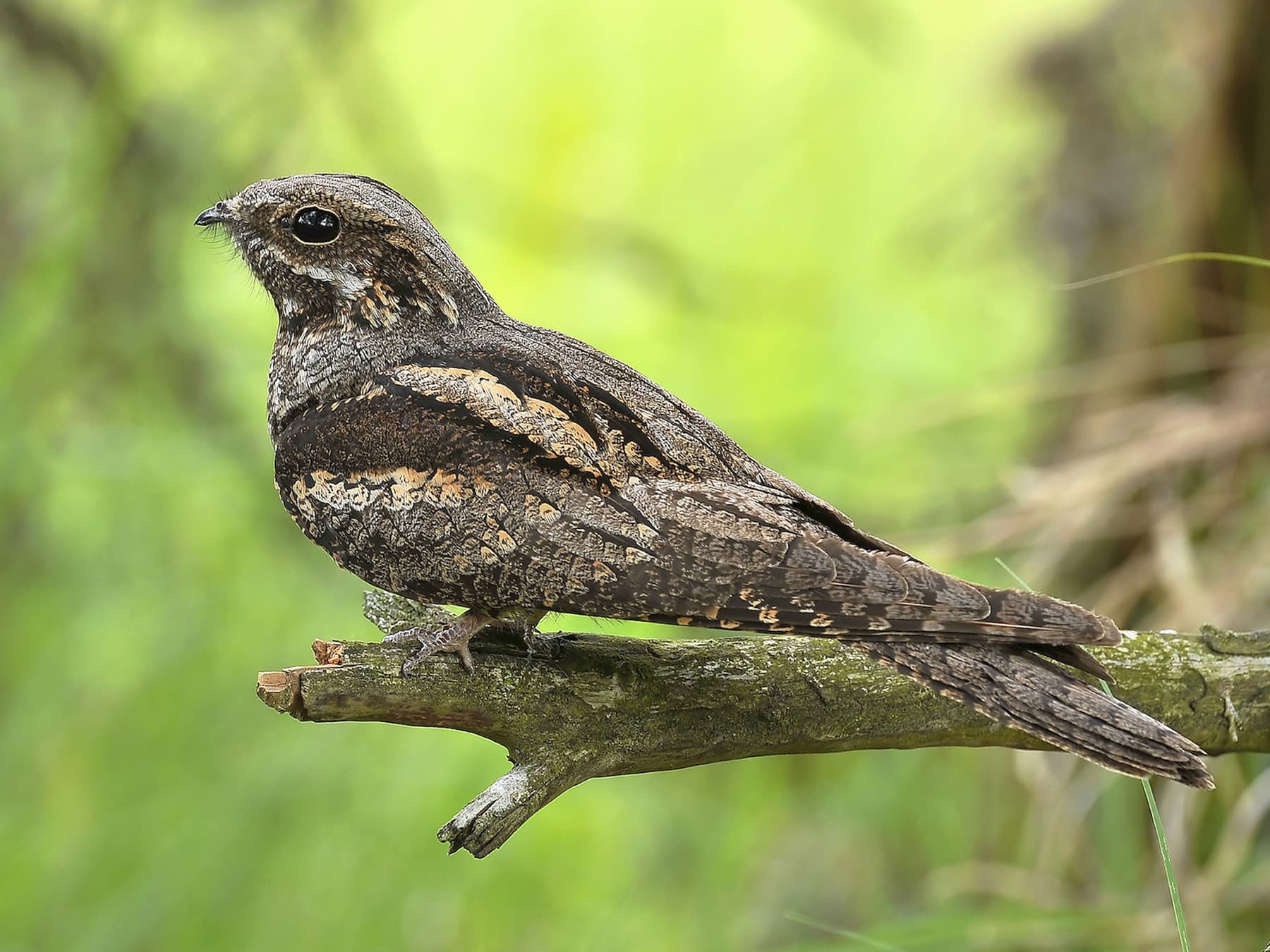 NightjarCaprimulgus europaeusScarceRare24–28 cm
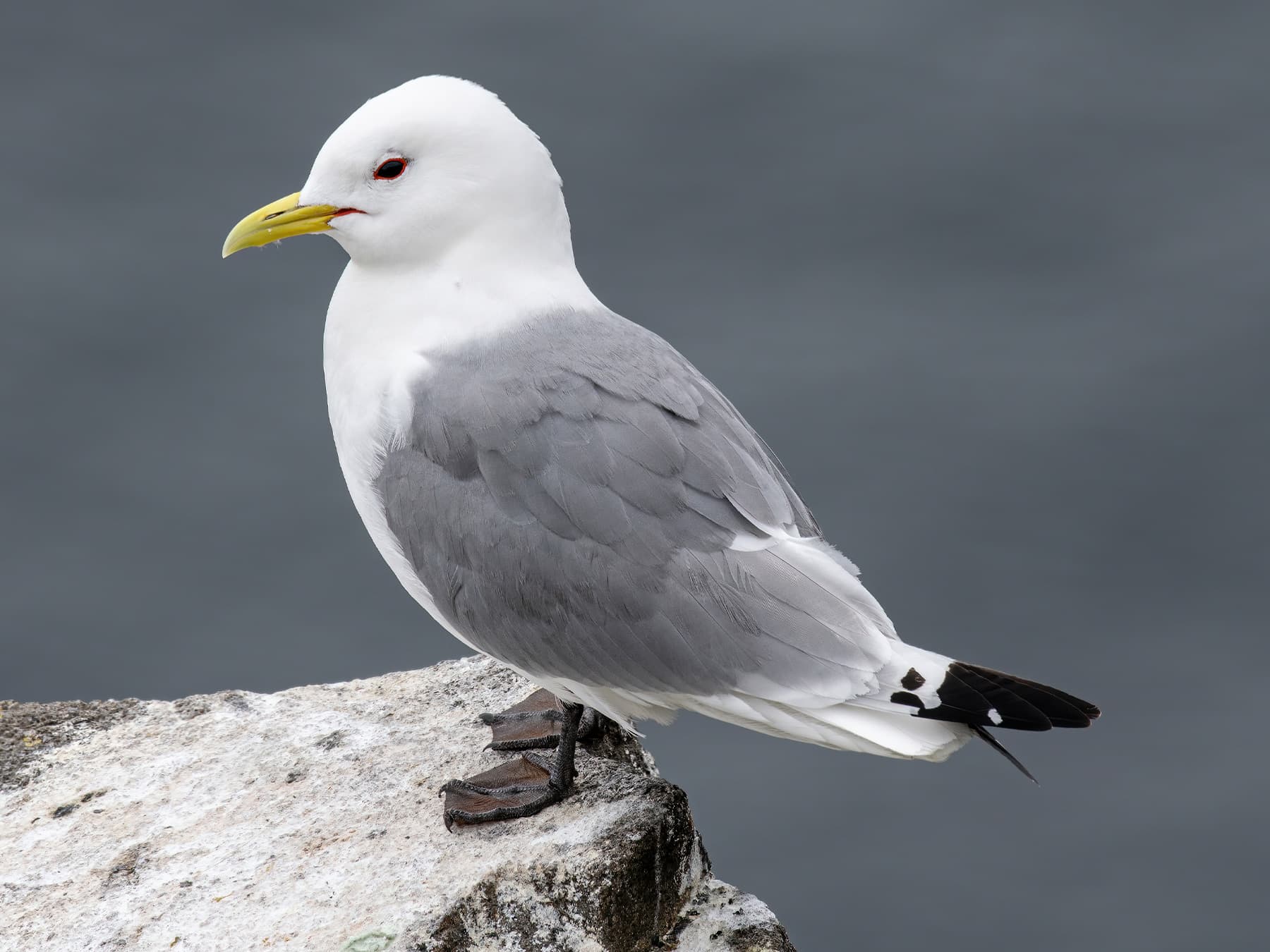 KittiwakeRissa tridactylaResidentRare37–41 cmRegularly Mar–Apr
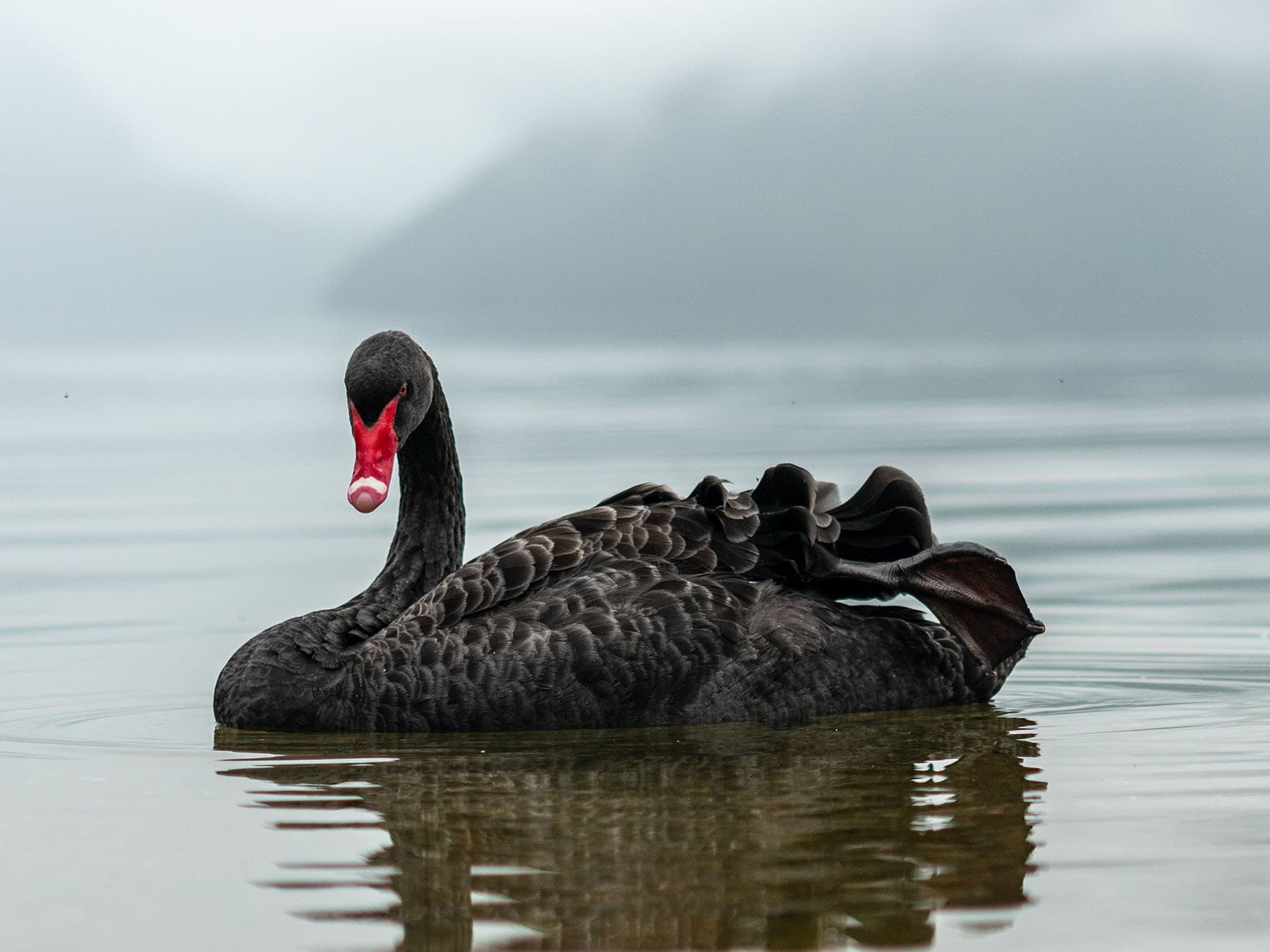 Black SwanCygnus atratusScarceRare110–142 cm
Smallest to largest
Length, cm- Yellow-browed Warbler 10–11 cm
- Wood Warbler 11–13 cm
- Marsh Tit 12–13 cm
- European Pied Flycatcher 12–14 cm
- Twite 13–14 cm
- Black Redstart 13–15 cm
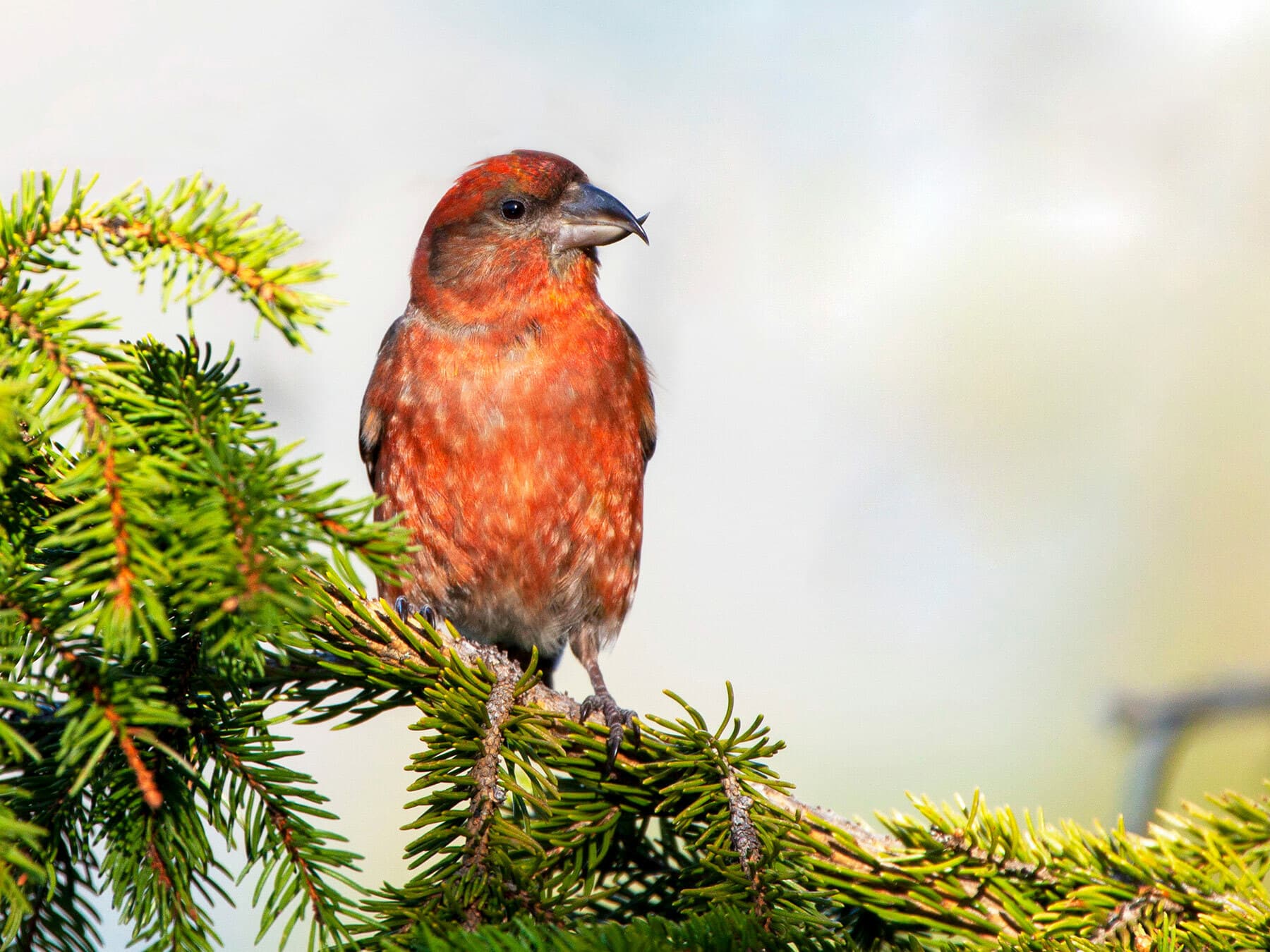
- Red Crossbill 15–17 cm
- Rock Pipit 16–18 cm
- Corn Bunting 16–19 cm
- Jack Snipe 17–19 cm
- Curlew Sandpiper 18–23 cm
- Ruddy Turnstone 21–24 cm
- Ring Ouzel 23–24 cm
- Red Knot 23–26 cm
- Nightjar 24–28 cm
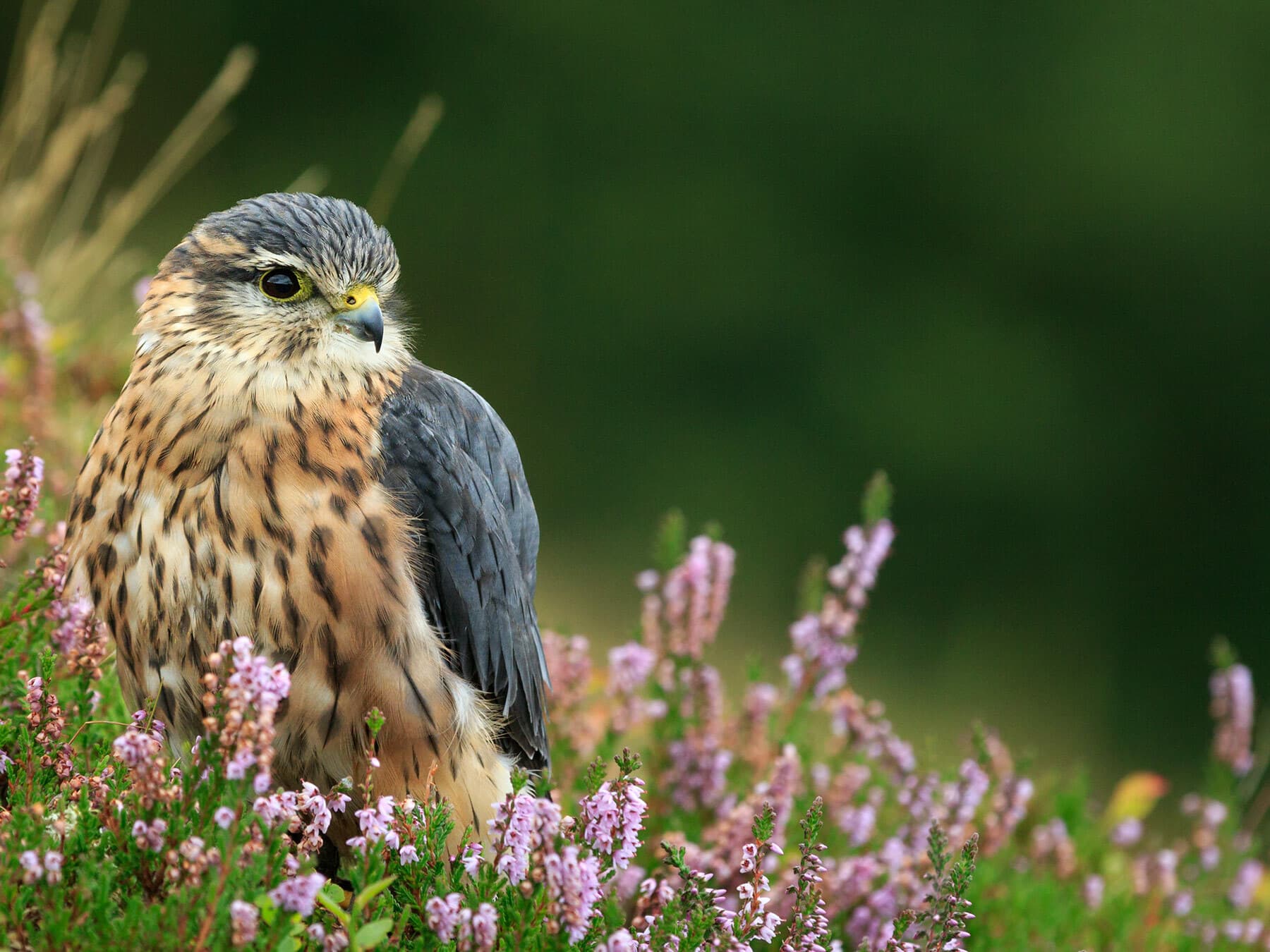
- Merlin 24–33 cm
- Grey Plover 27–30 cm
- Eurasian Woodcock 33–38 cm
- Arctic Tern 33–39 cm
- Bar-tailed Godwit 37–41 cm
- Kittiwake 37–41 cm
- Hen Harrier 41–52 cm
- Red-crested Pochard 53–57 cm
- Red-breasted Merganser 52–58 cm
- Iceland Gull 52–60 cm
- Yellow-legged Gull 52–68 cm
- Egyptian Goose 63–73 cm
- Greater White-fronted Goose 64–81 cm
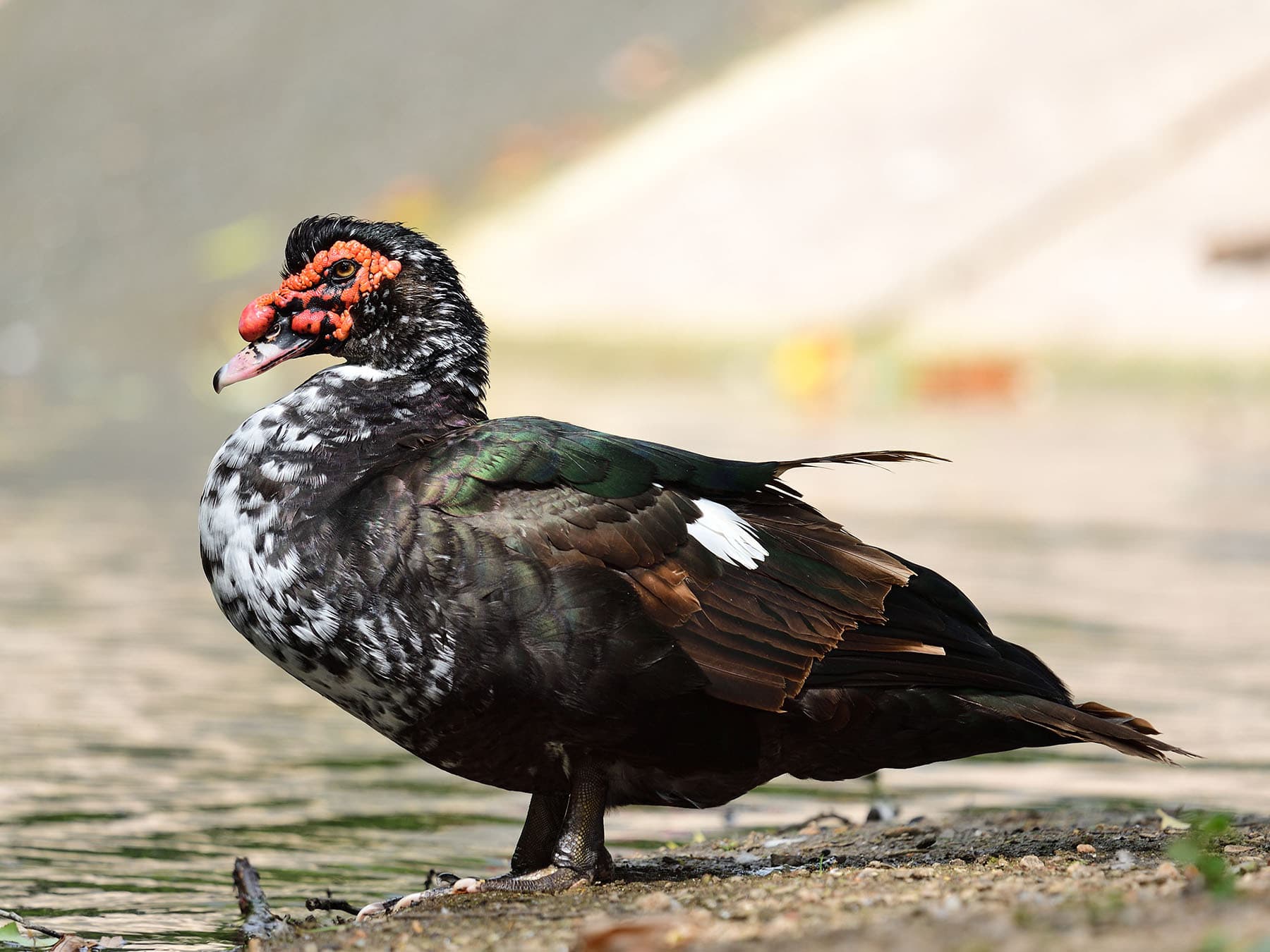
- Muscovy Duck 66–84 cm
- Black Swan 110–142 cm
Body length, bill to tail. Rare birds in grey.
Data: EOD – eBird Observation Dataset (Cornell Lab of Ornithology), accessed via GBIF.org, CC BY 4.0. Records from 2019–2024, aggregated and filtered by Birdfact. How these lists are made