


Rare Birds in South Dakota
Our list for South Dakota has 30 rare birds recorded regularly there: 9 residents, 9 summer visitors, 8 passage migrants and 4 scarce visitors
Most likely in October
GBIF · OctShare of all bird records in South Dakota in October, 2019–2024. Each month links to that month’s page.
All 30, most common first
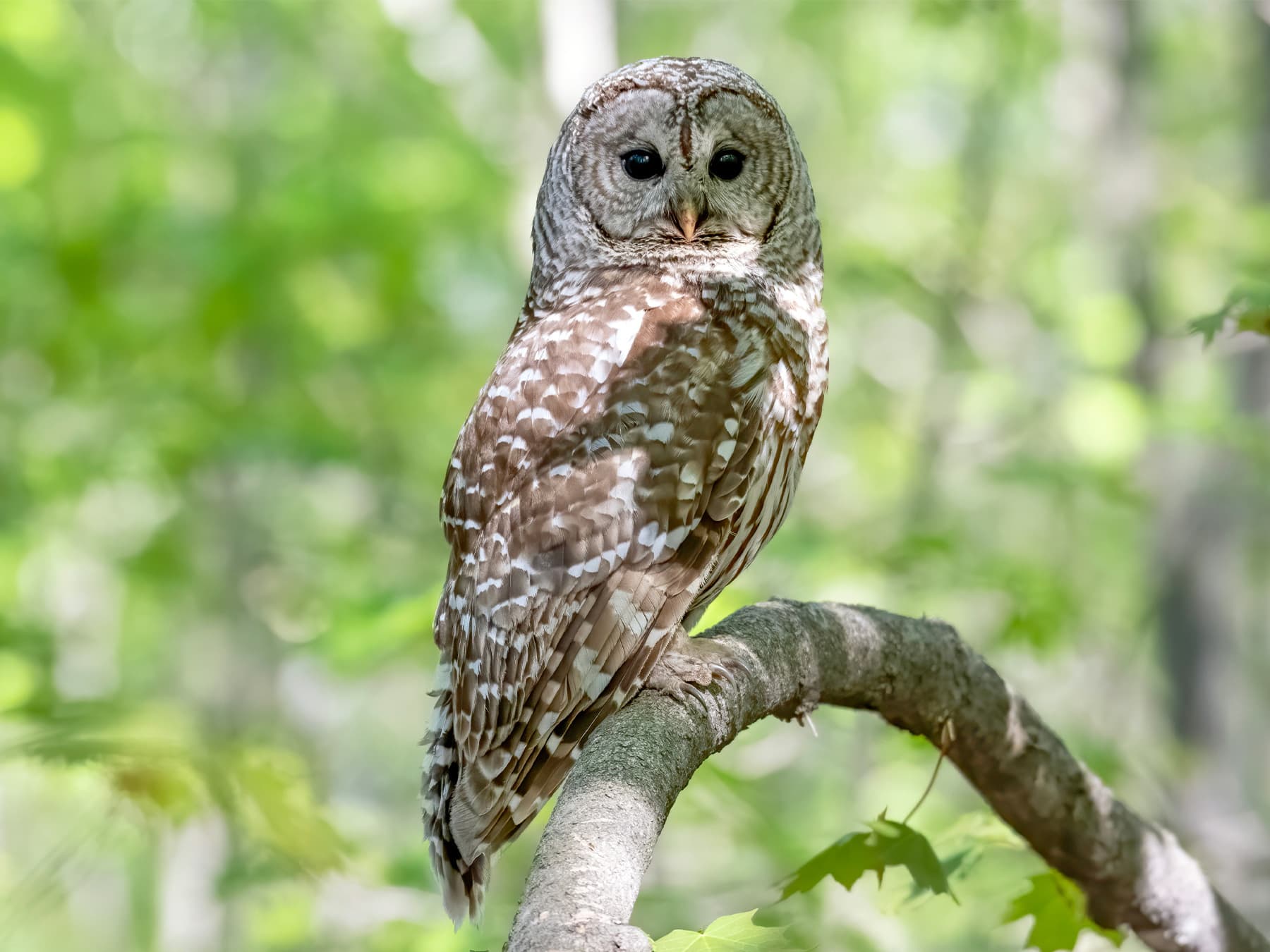 Barred OwlStrix variaSummer visitorRare43–50 cmRegularly Dec–Sep
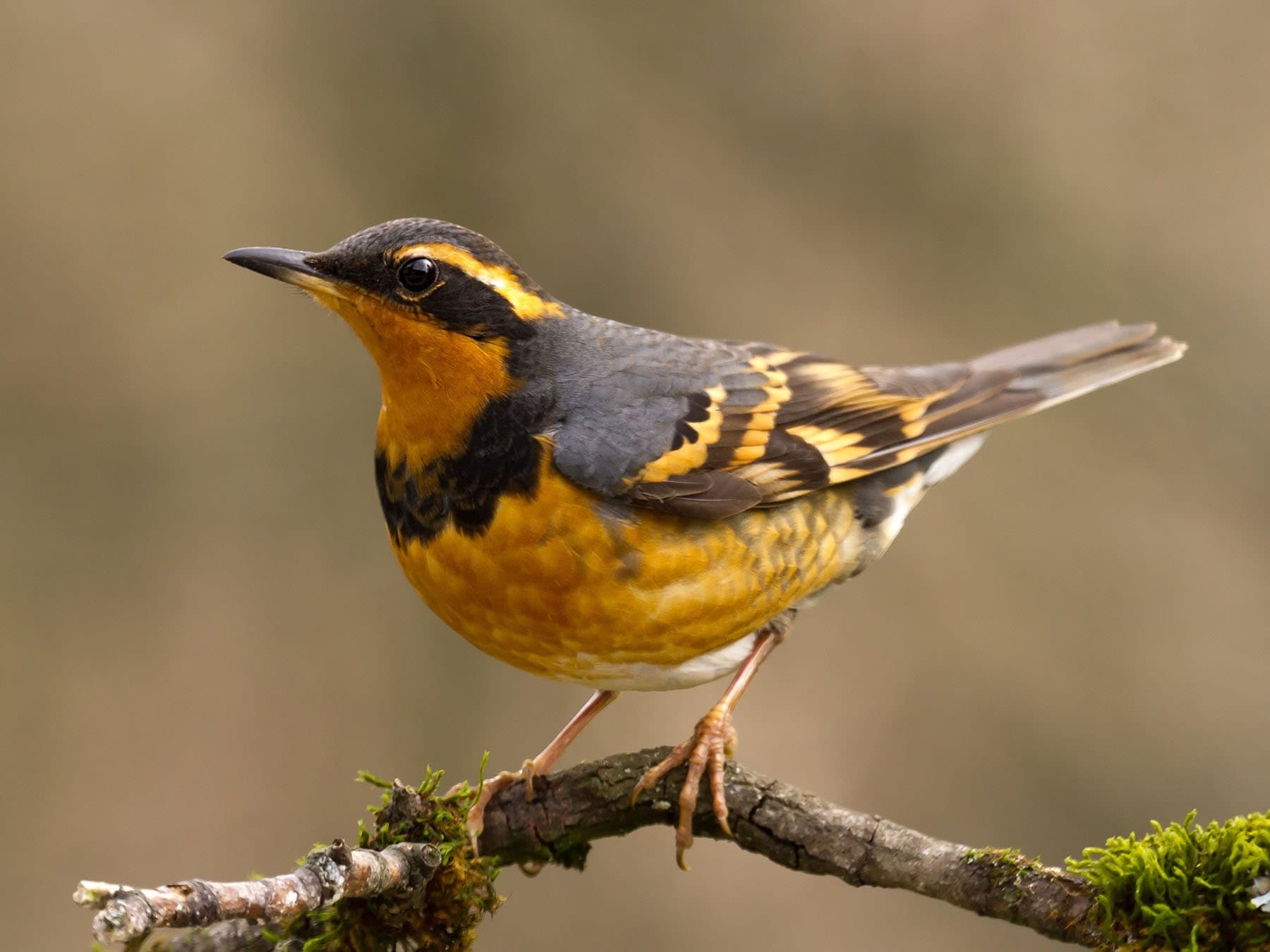 Varied ThrushIxoreus naeviusScarceRare20–26 cm
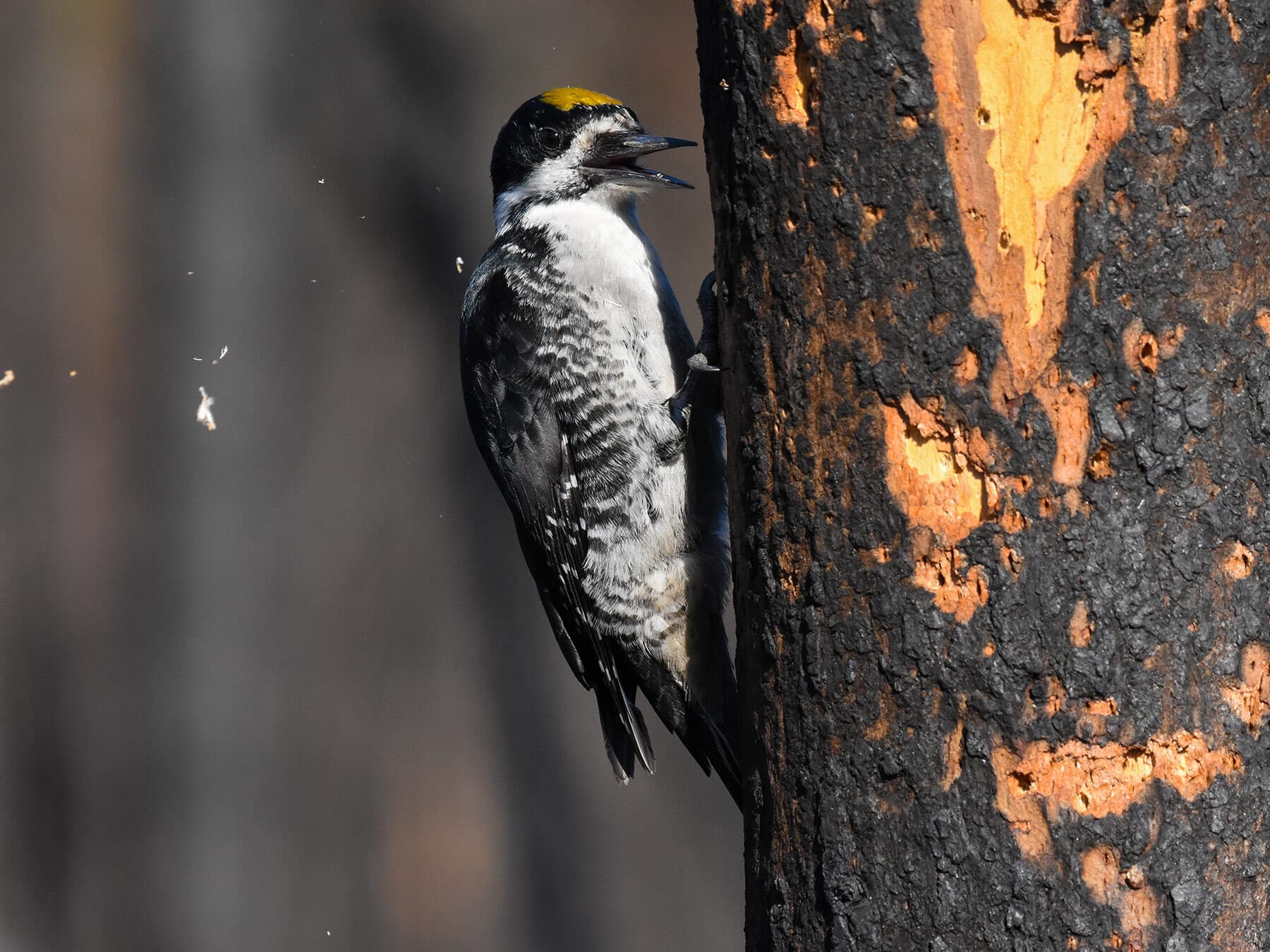 Black-backed WoodpeckerPicoides arcticusSummer visitorRare21–24 cmRegularly Apr–Nov
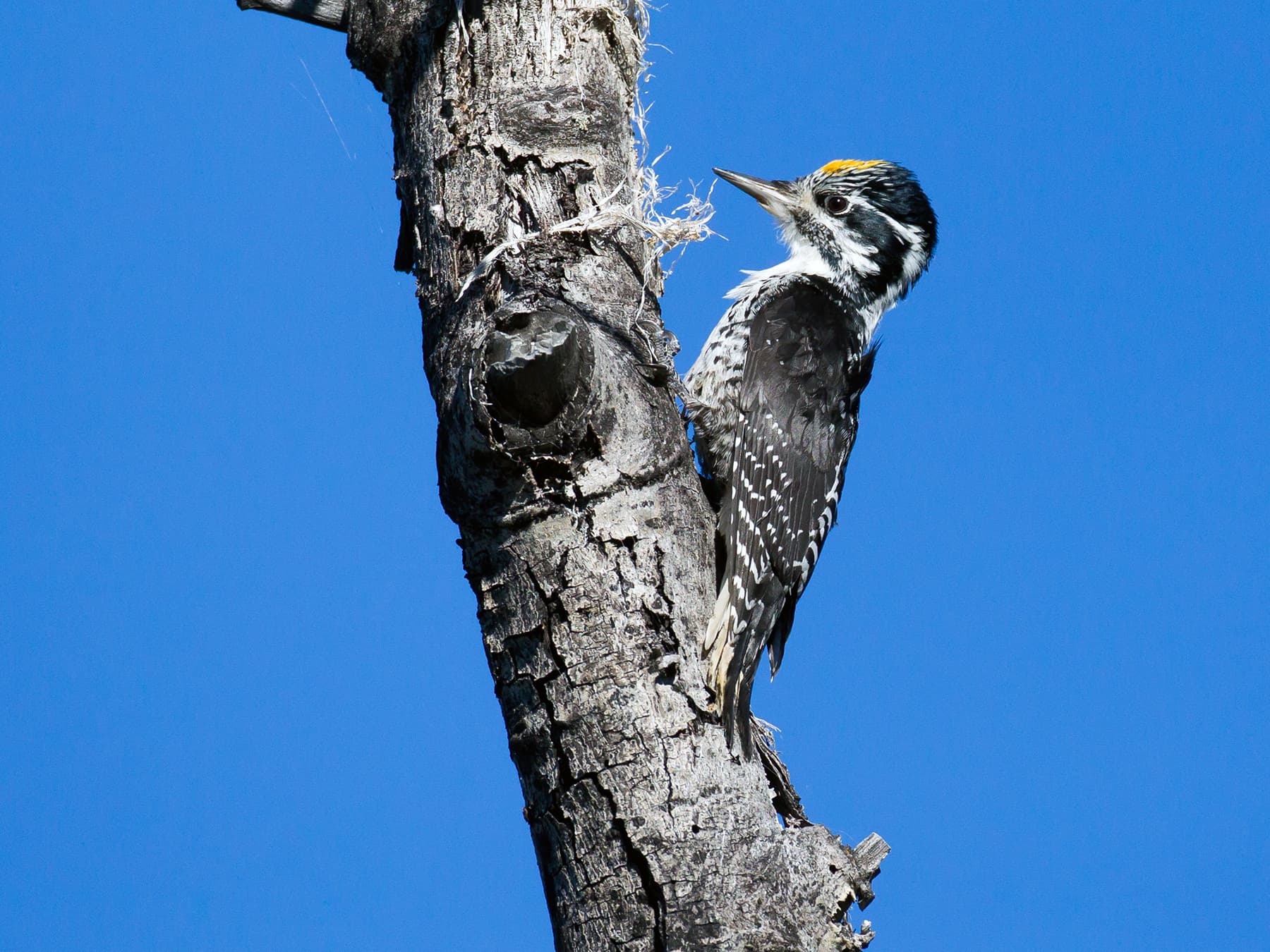 American Three-toed WoodpeckerPicoides dorsalisSummer visitorRare21–24 cmRegularly Jan–Oct
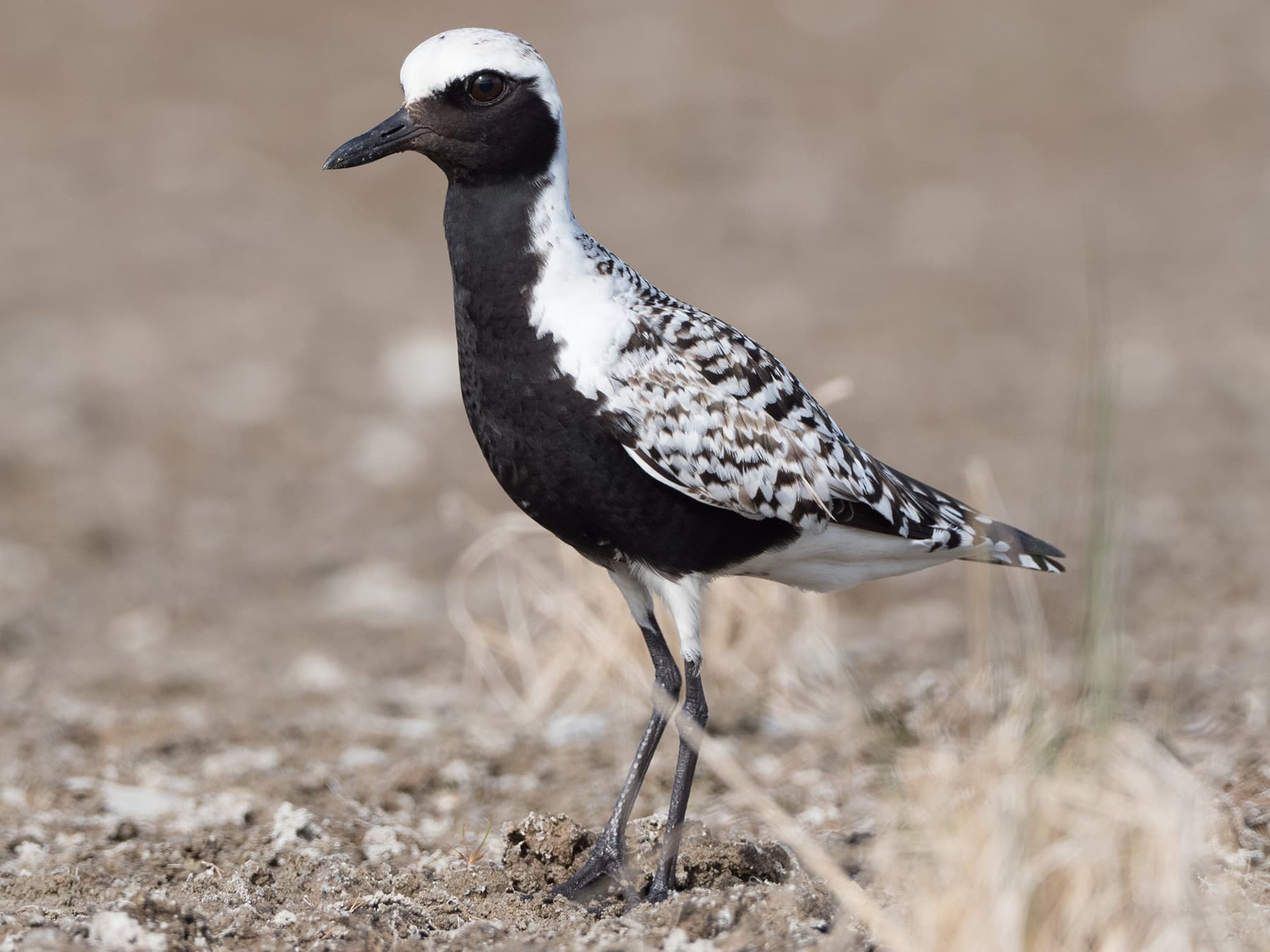 Grey PloverPluvialis squatarolaResidentRare27–30 cmRegularly Apr–Oct
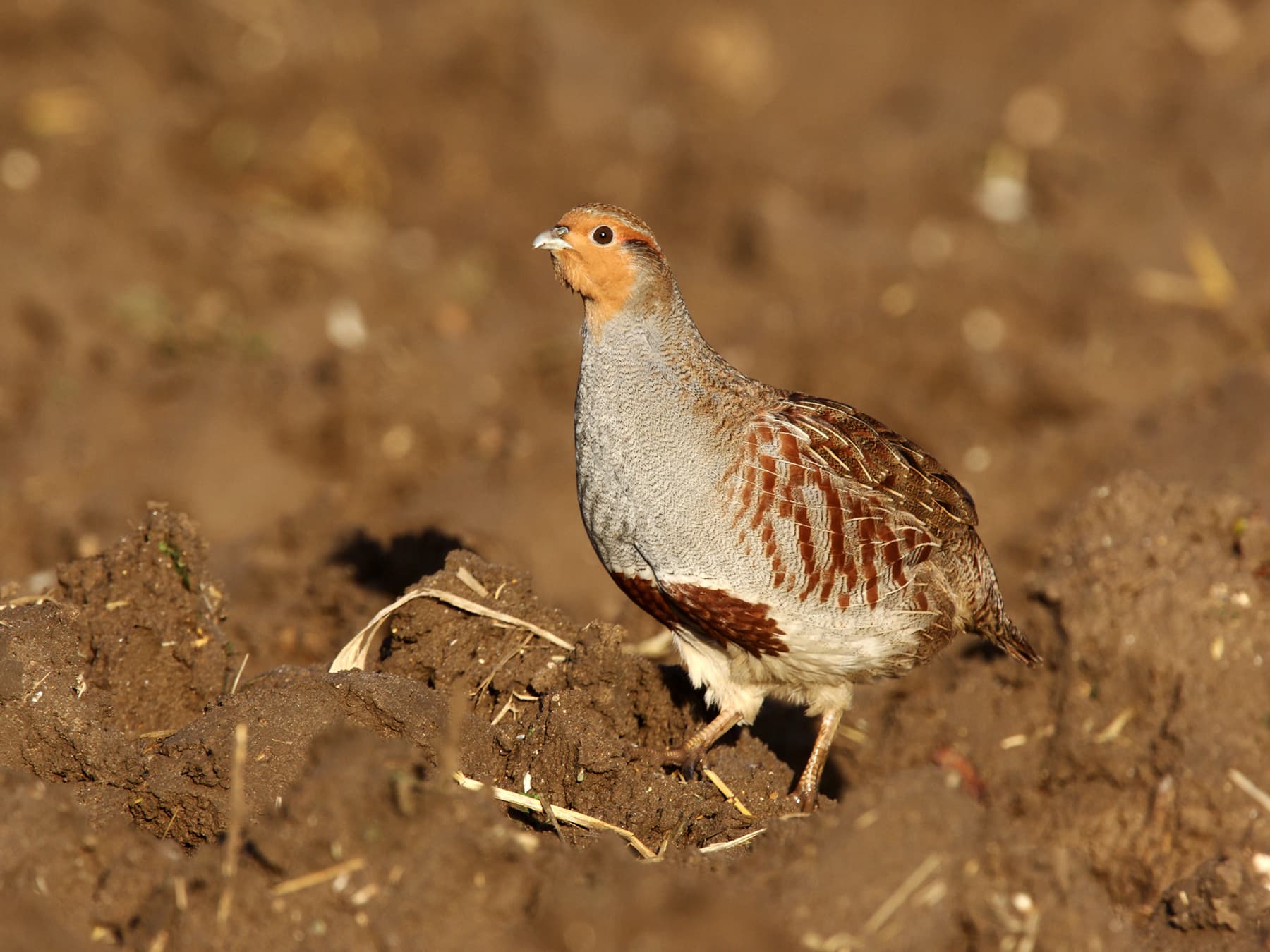 Grey PartridgePerdix perdixResidentRare28–32 cmRecorded all year
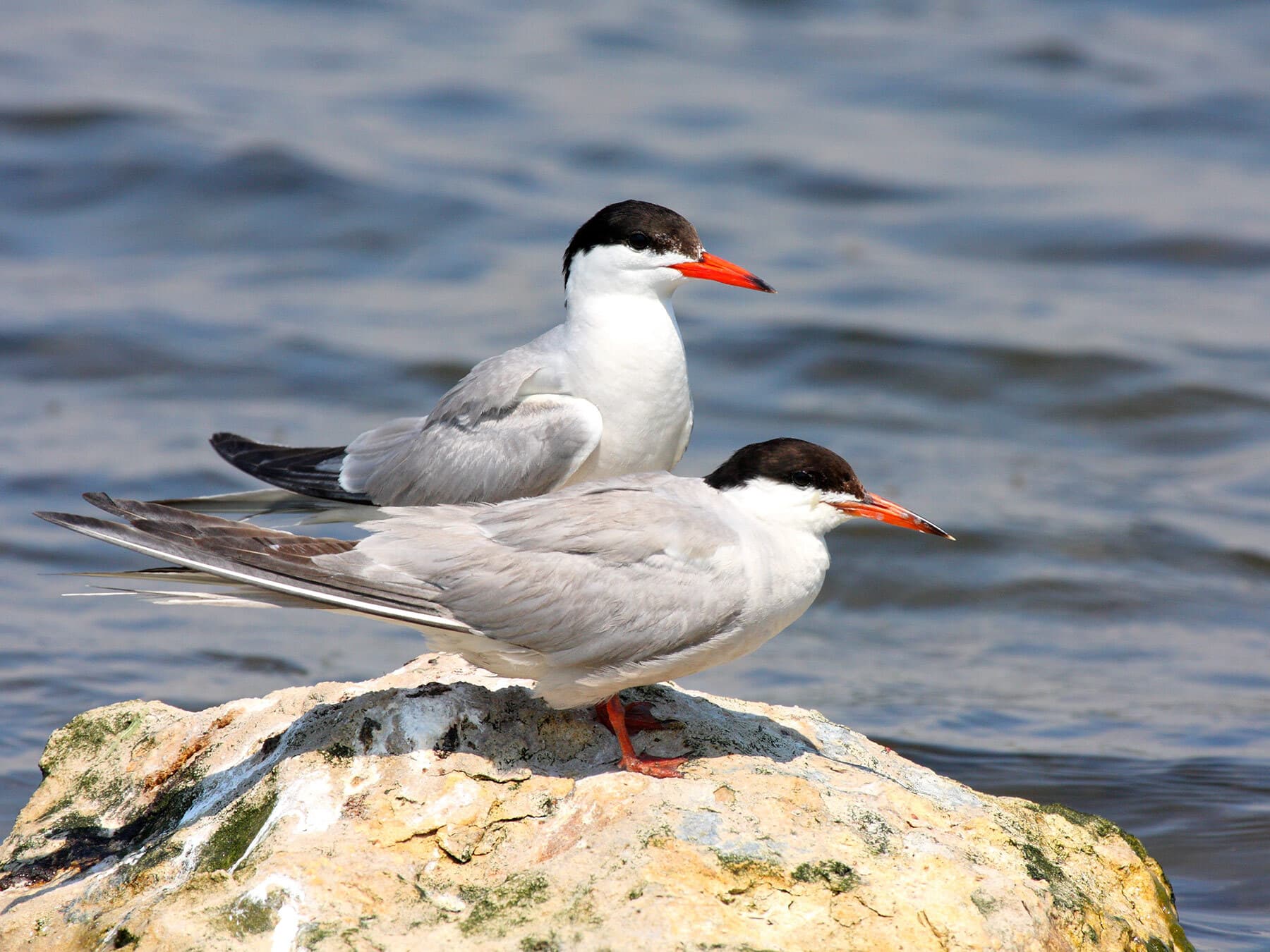 Common TernSterna hirundoSummer visitorRare31–35 cmRegularly Apr–Sep
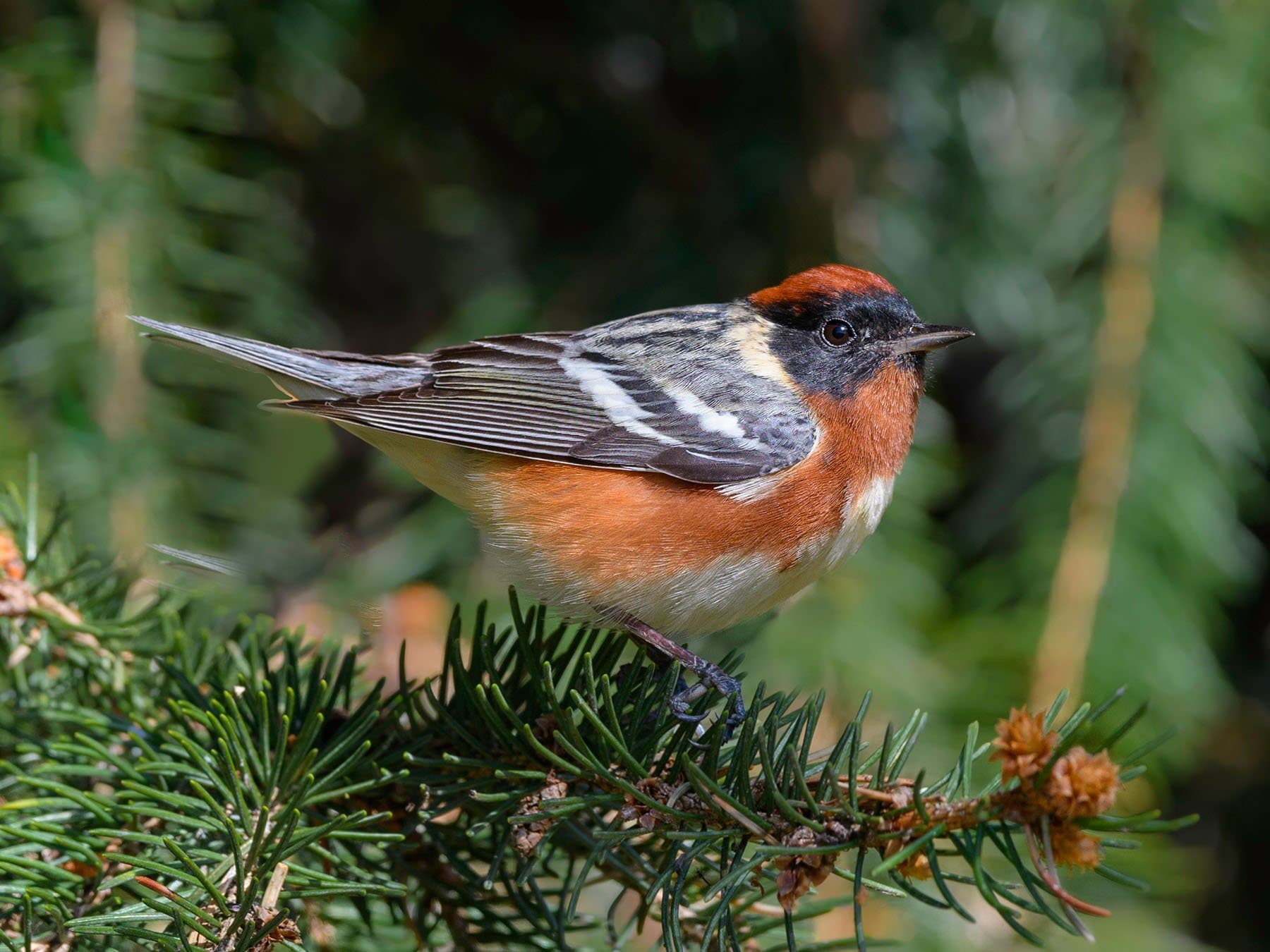 Bay-breasted WarblerSetophaga castaneaPassage migrantRare14–14 cmRegularly May–Sep
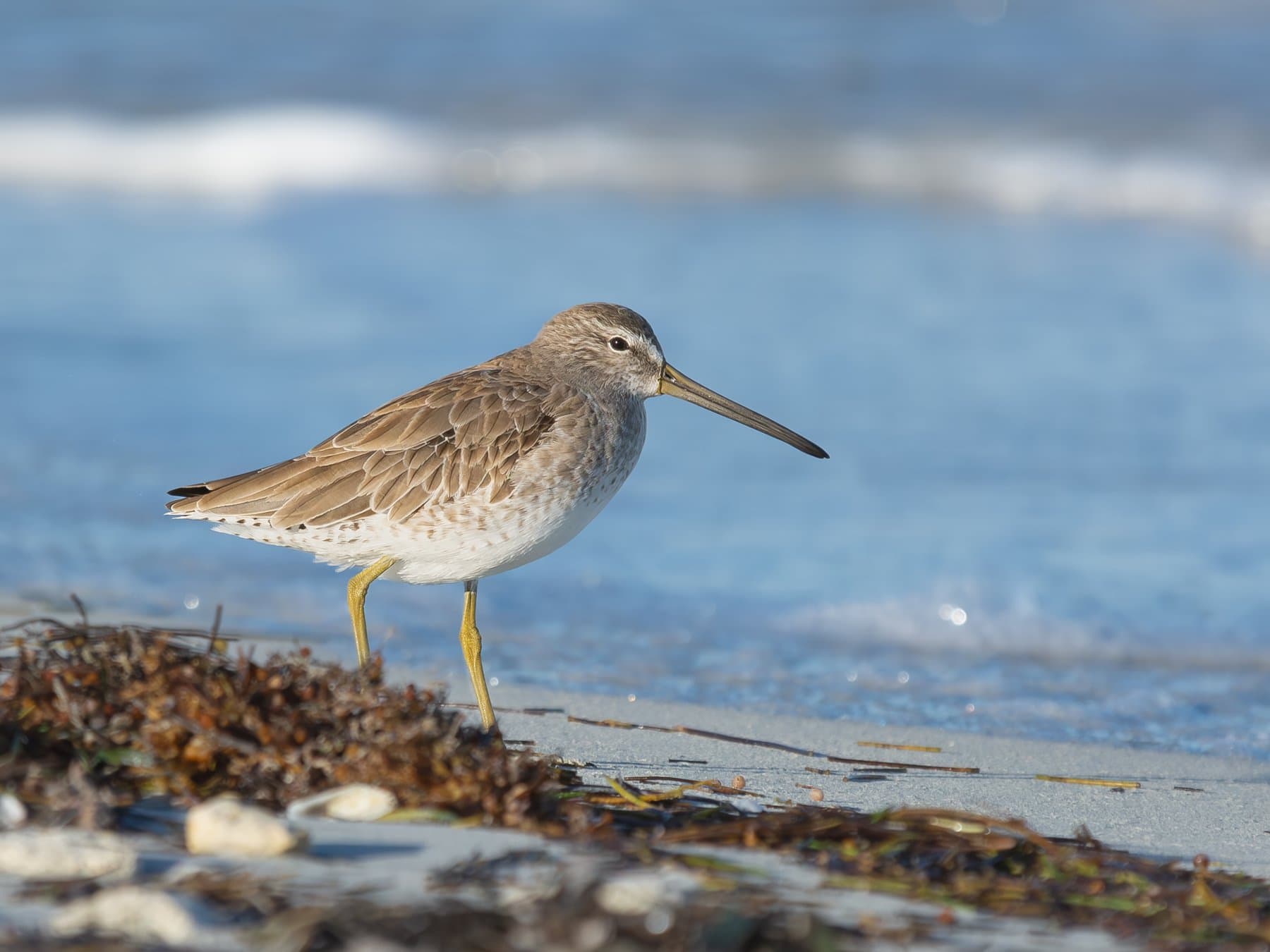 Short-billed DowitcherLimnodromus griseusPassage migrantRare23–32 cmRegularly Apr–Sep
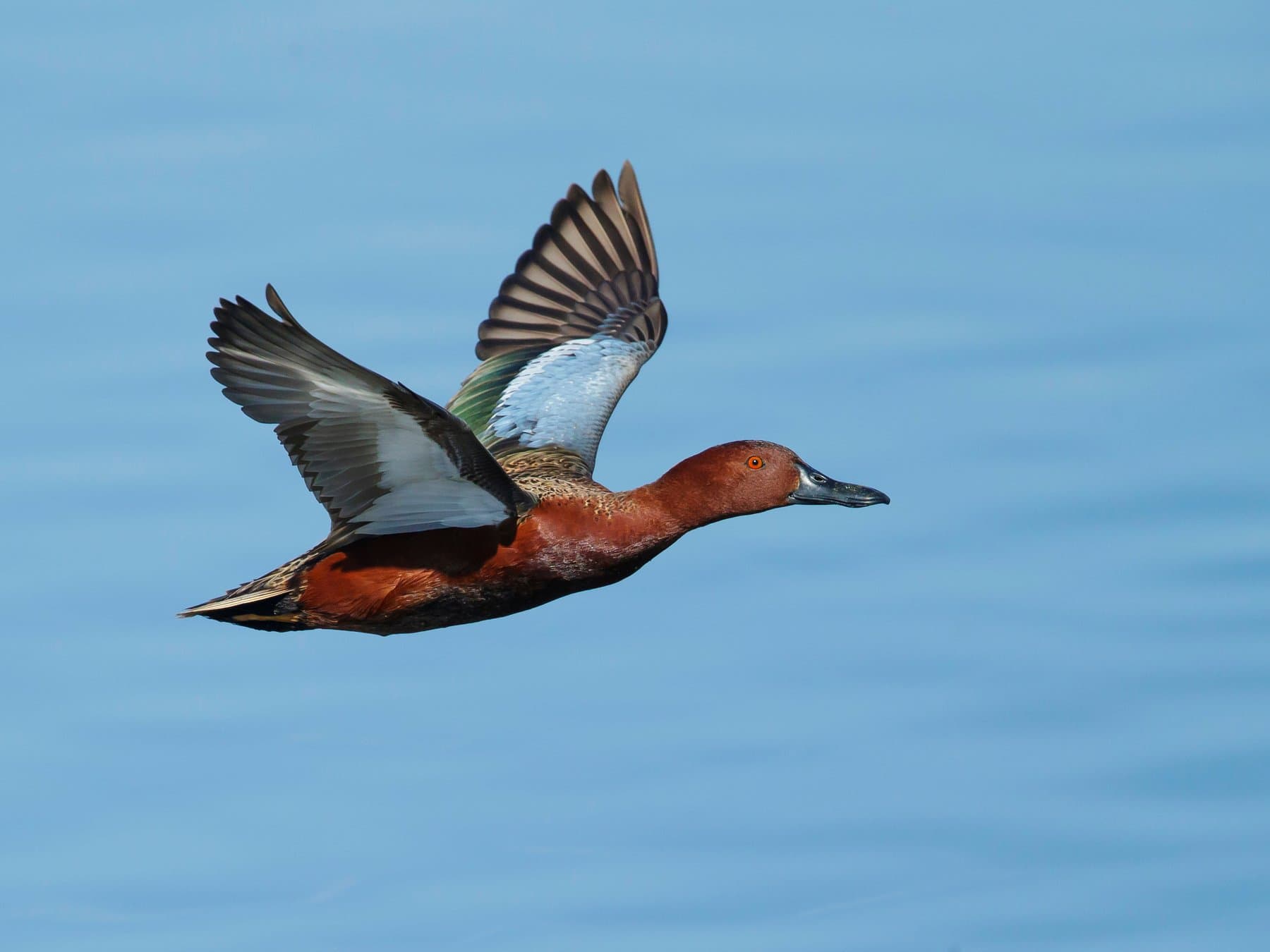 Cinnamon TealSpatula cyanopteraSummer visitorRare36–43 cmRegularly Apr–Sep
 Ruddy TurnstoneArenaria interpresResidentRare21–24 cmRegularly May–Jun
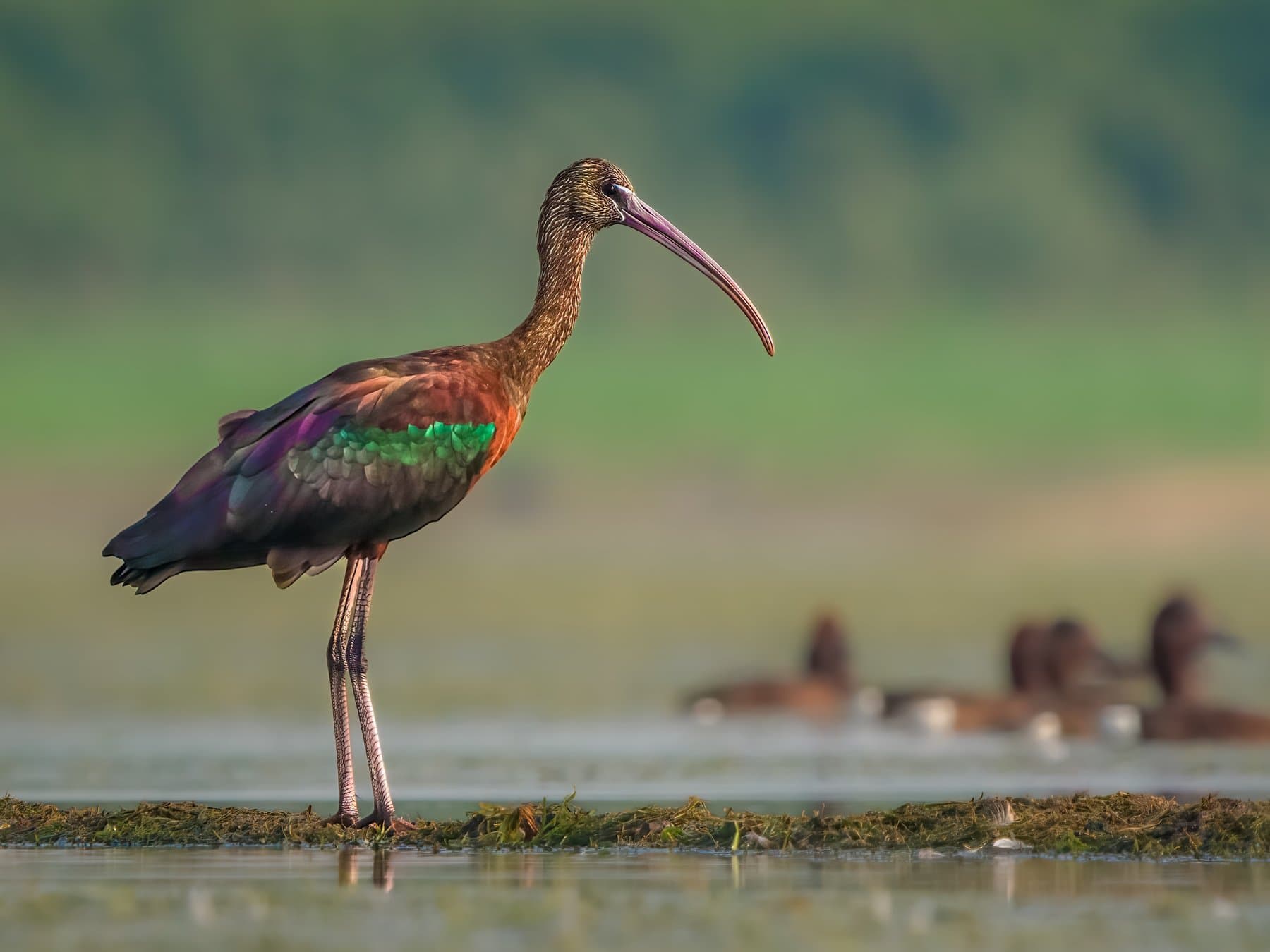 Glossy IbisPlegadis falcinellusResidentRare48–66 cmRegularly Apr–Jun
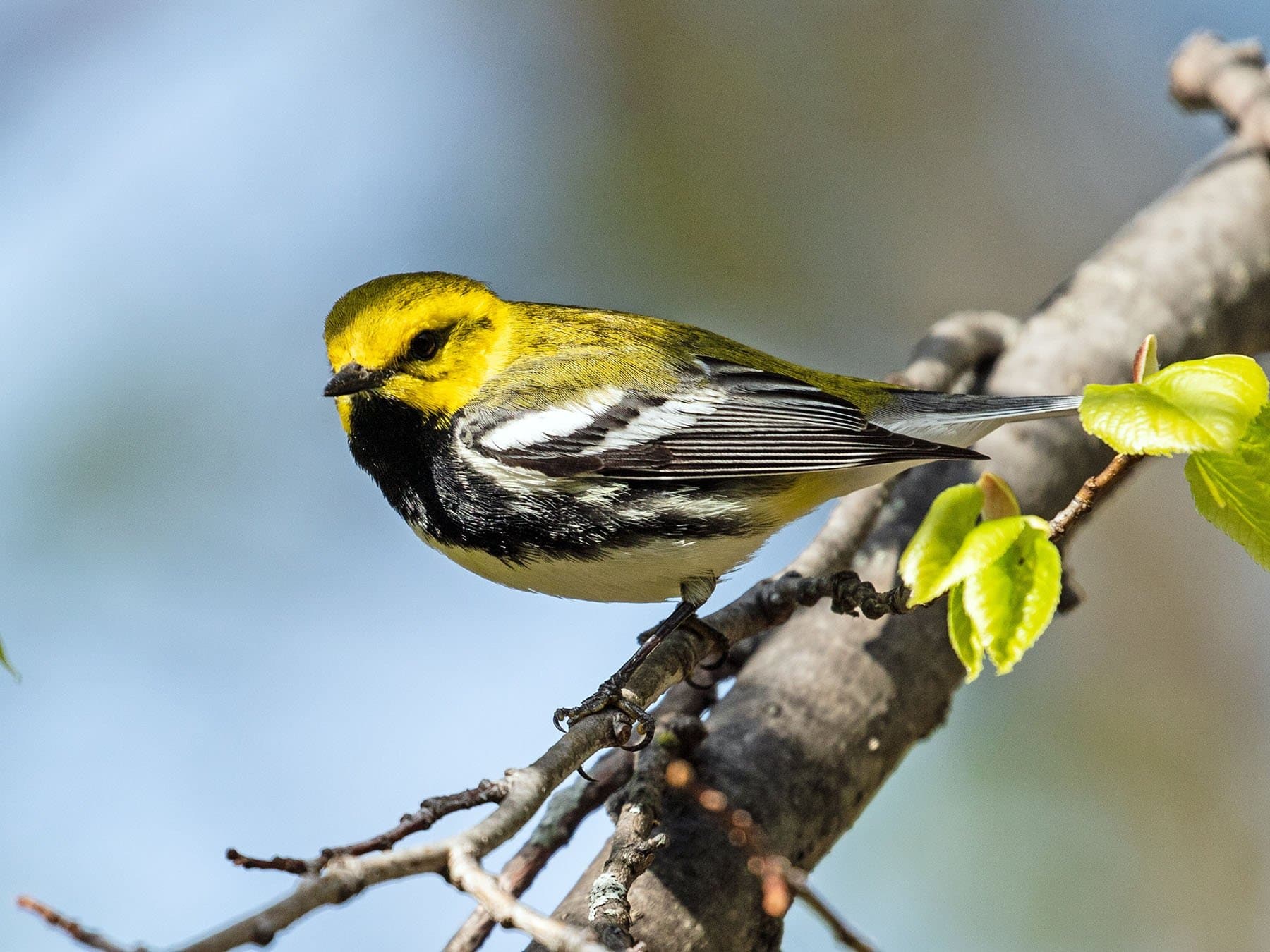 Black-throated Green WarblerSetophaga virensPassage migrantRare11–12 cmRegularly May–Oct
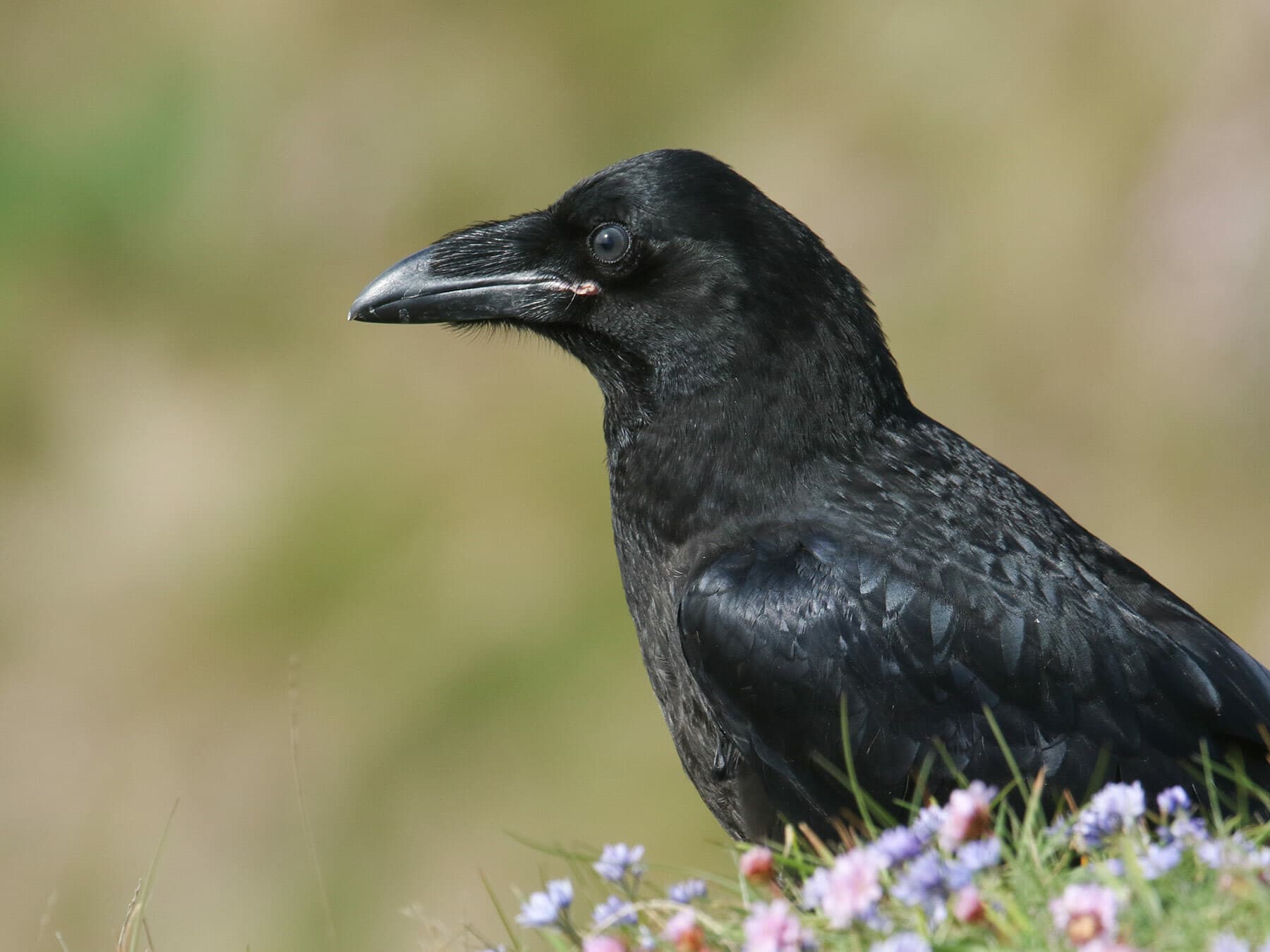 Common RavenCorvus coraxResidentRare54–67 cmRegularly May–Nov
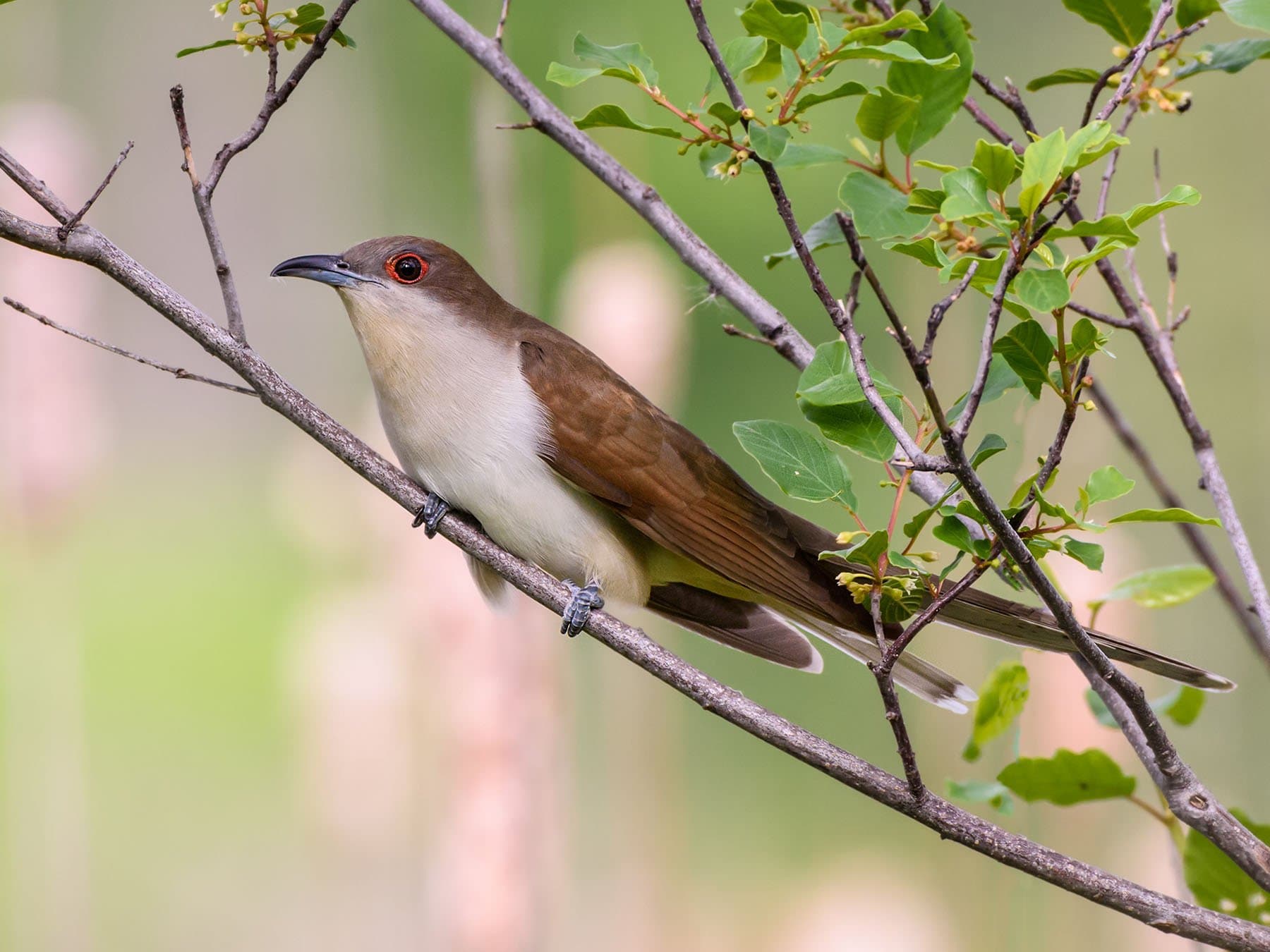 Black-billed CuckooCoccyzus erythropthalmusSummer visitorRare28–32 cmRegularly May–Sep
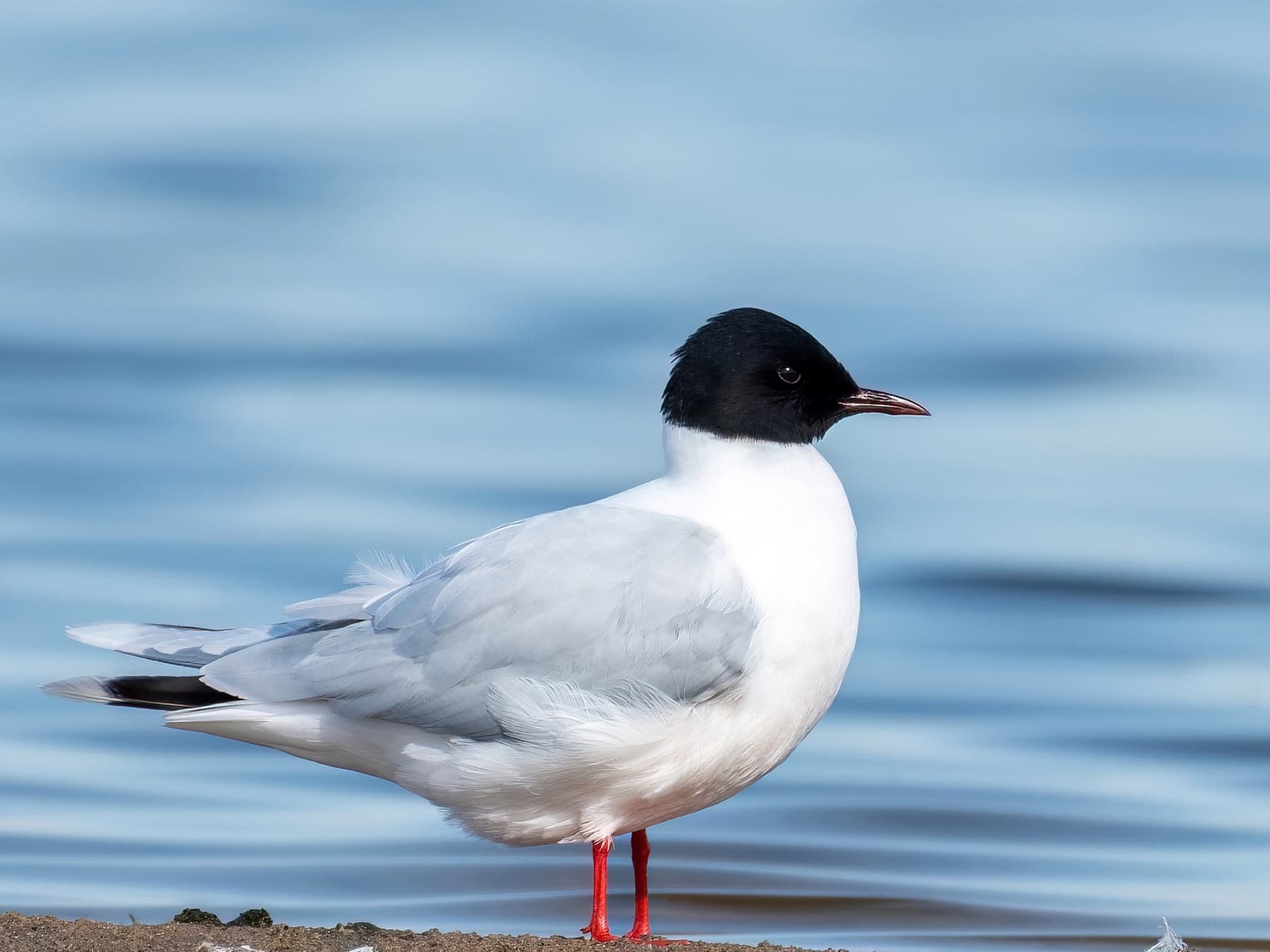 Little GullHydrocoloeus minutusResidentRare25–30 cmRegularly Sep
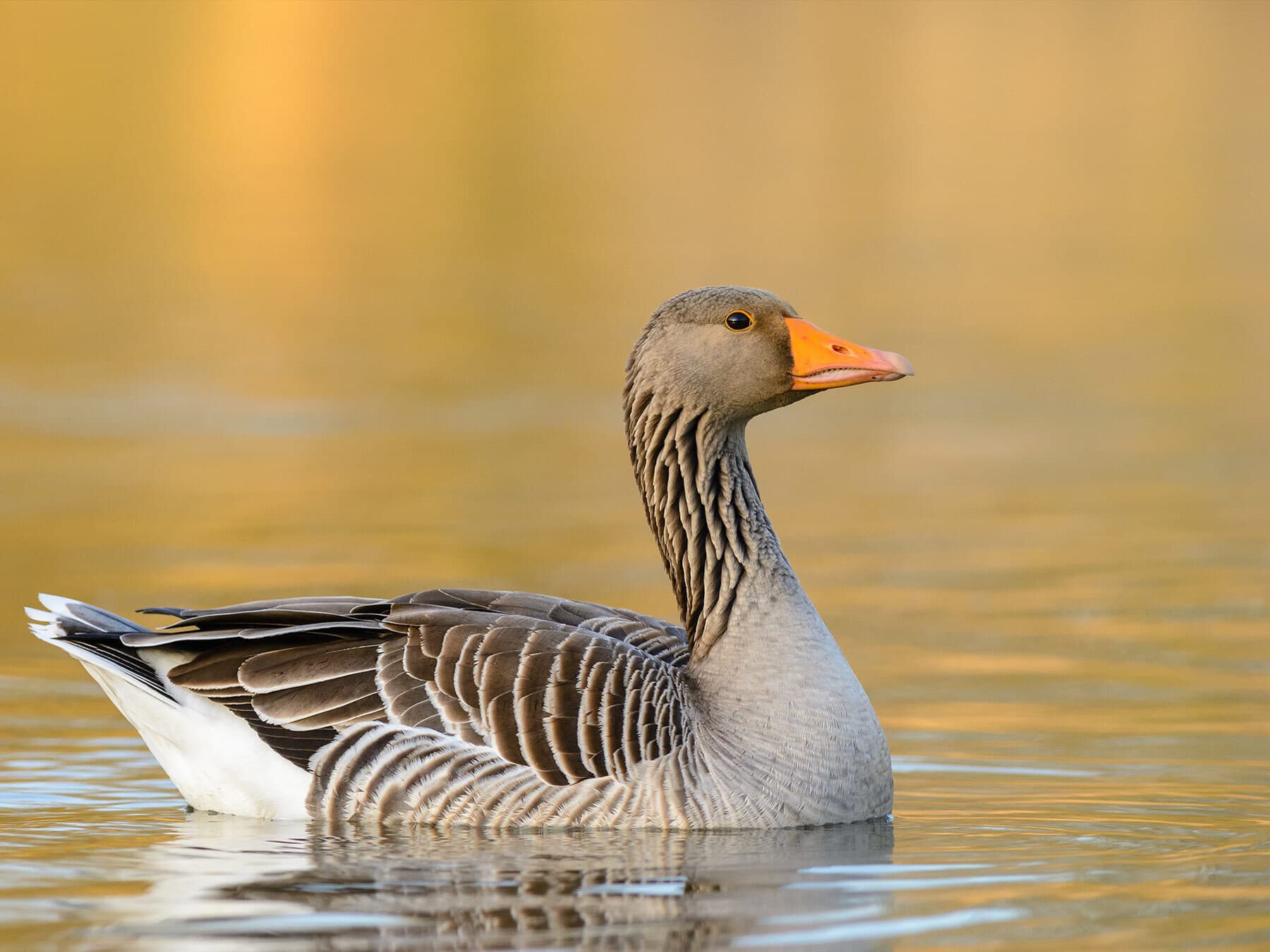 Greylag GooseAnser anserScarceRare75–90 cm
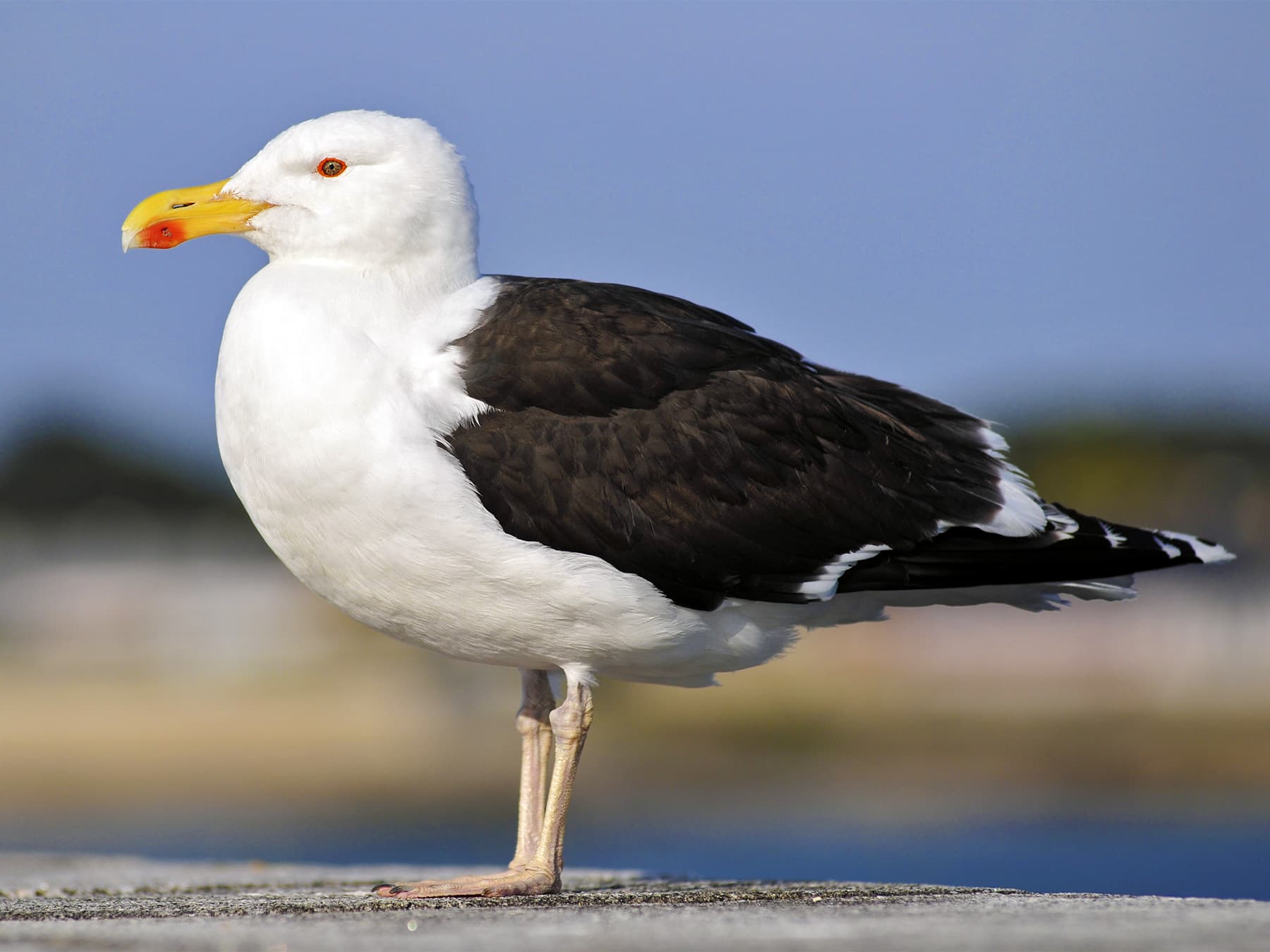 Great Black-backed GullLarus marinusResidentRare64–79 cmRegularly Apr
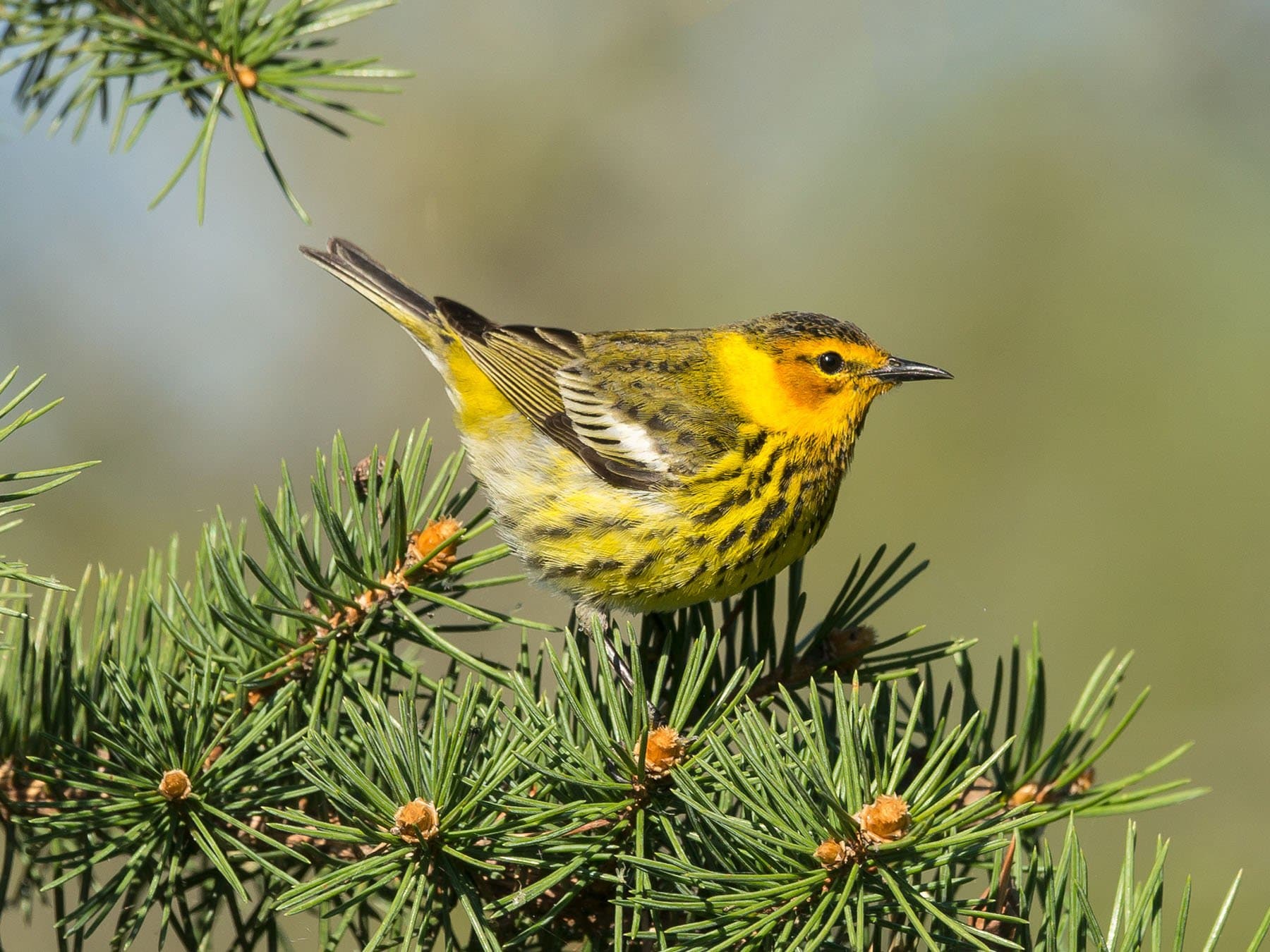 Cape May WarblerSetophaga tigrinaPassage migrantRare12–14 cmRegularly May
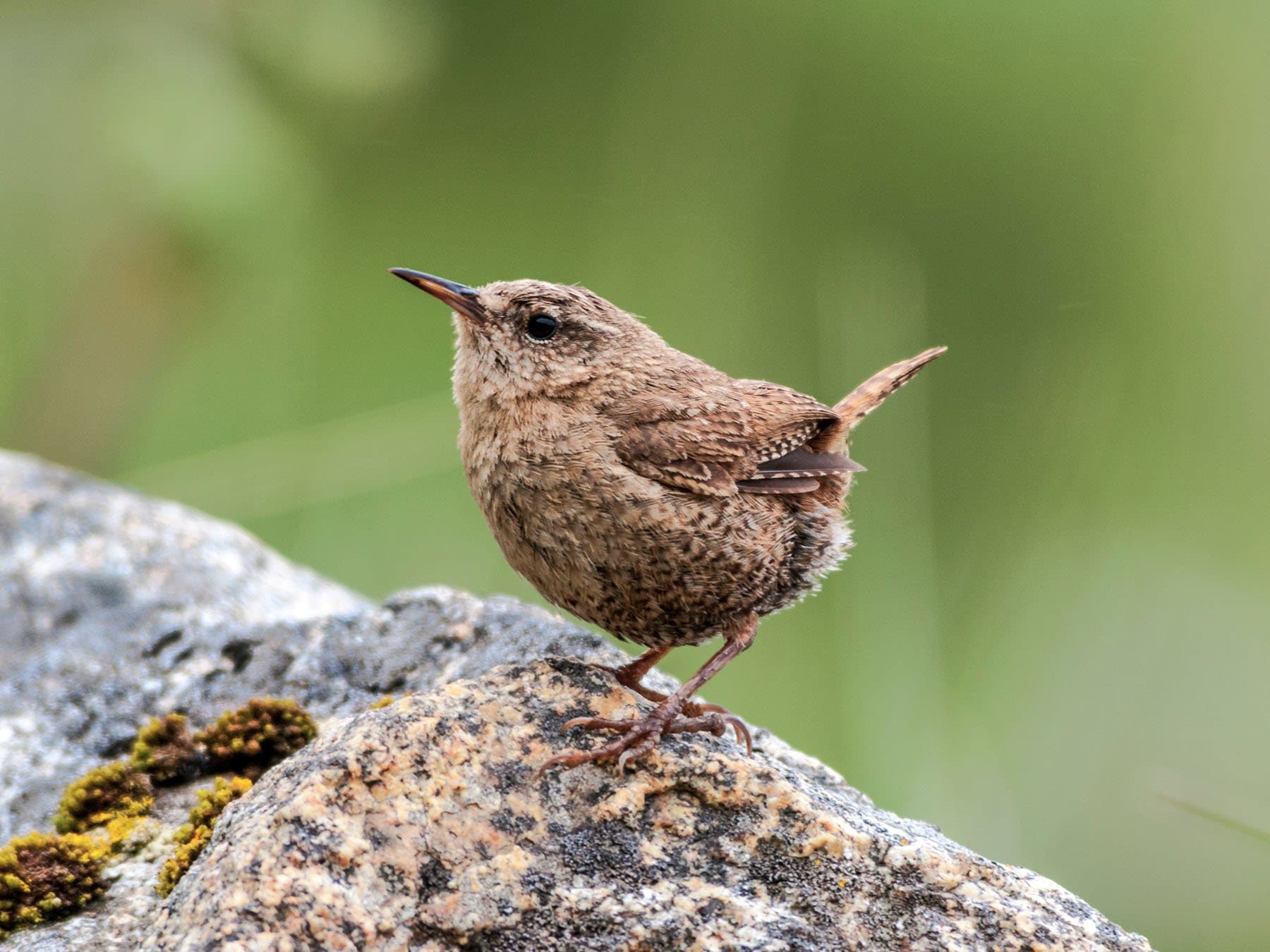 Pacific WrenTroglodytes pacificusSummer visitorRare8–12 cmRegularly May–Jul
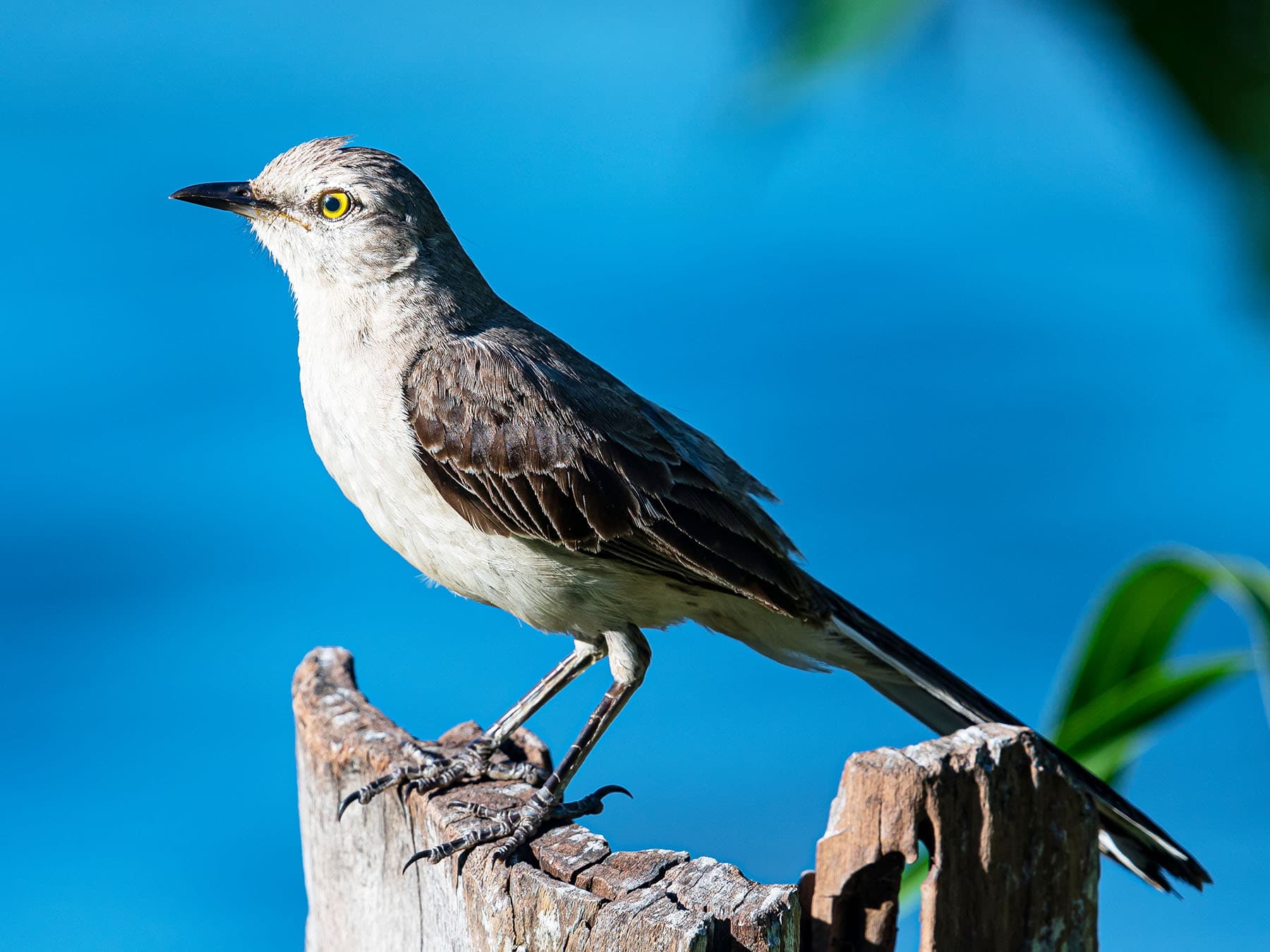 Northern MockingbirdMimus polyglottosSummer visitorRare21–26 cmRegularly May–Jul
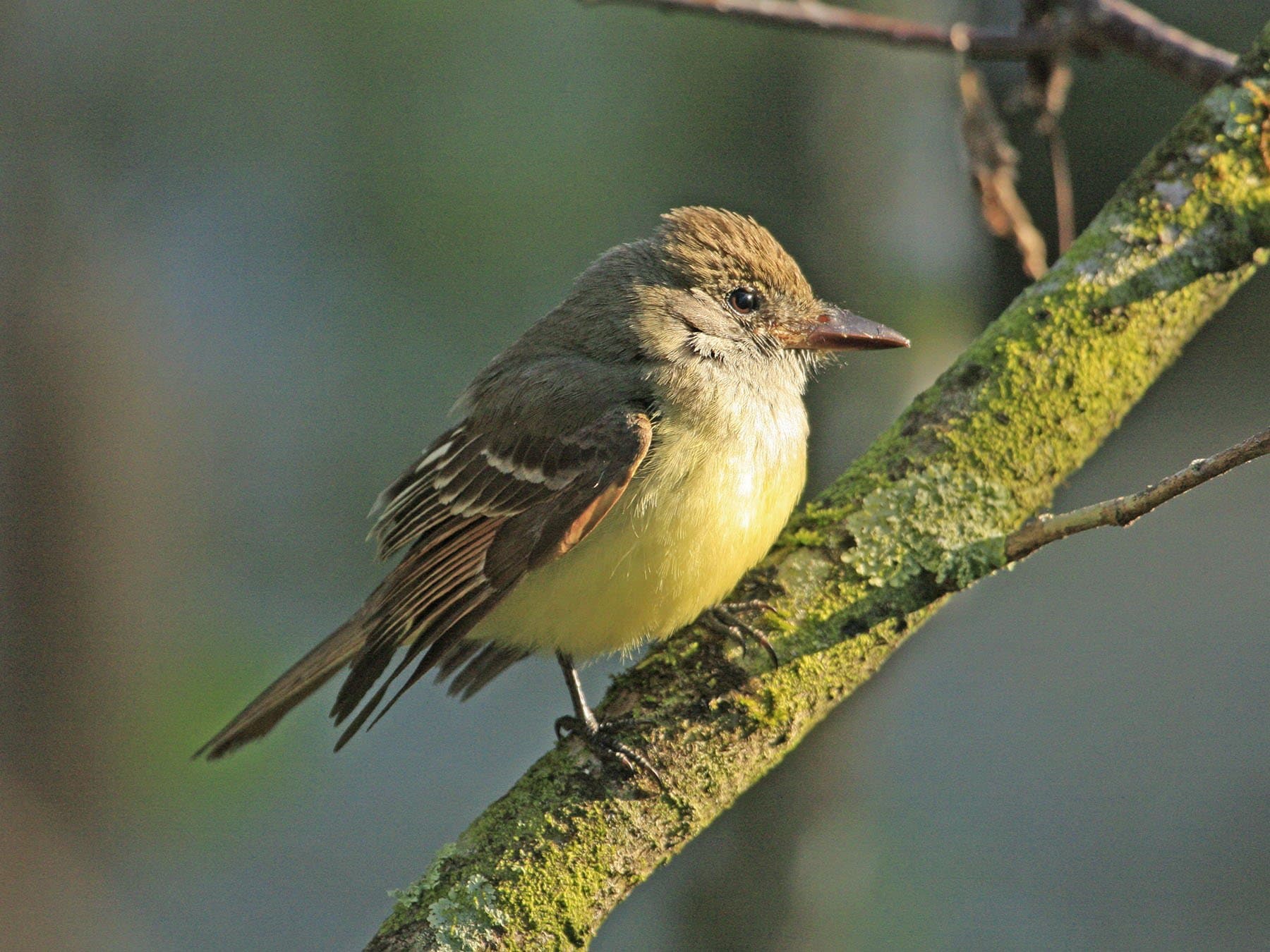 Yellow-bellied FlycatcherEmpidonax flaviventrisPassage migrantRare13–15 cmRegularly May–Sep
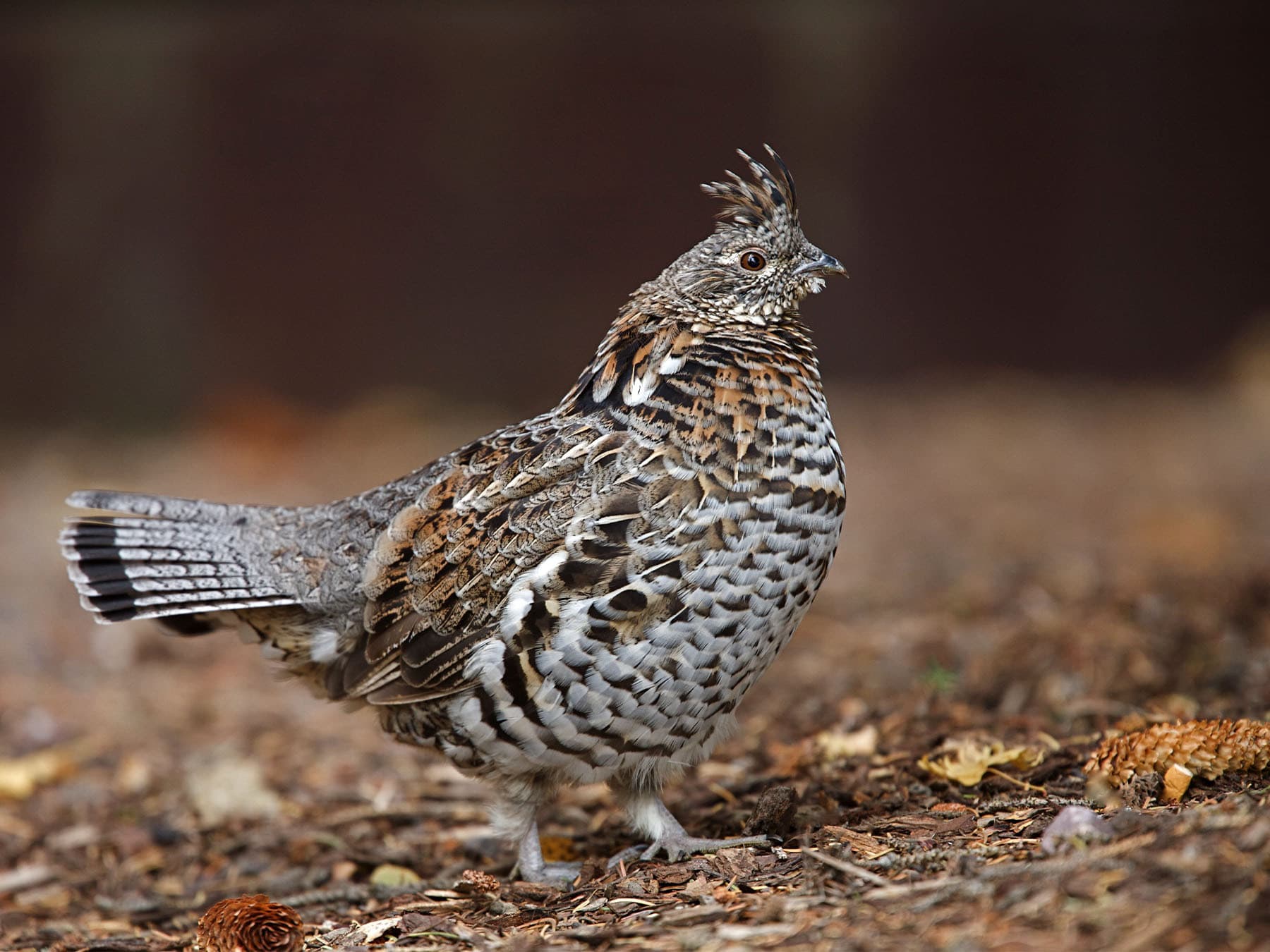 Ruffed GrouseBonasa umbellusSummer visitorRare41–50 cmRegularly May–Oct
Smallest to largest
Length, cm- Pacific Wren 8–12 cm
- Black-throated Green Warbler 11–12 cm
- Black-throated Blue Warbler 11–13 cm
- Cape May Warbler 12–14 cm
- Prothonotary Warbler 13–14 cm
- Bay-breasted Warbler 14–14 cm
- Yellow-bellied Flycatcher 13–15 cm
- Black-backed Woodpecker 21–24 cm
- American Three-toed Woodpecker 21–24 cm
- Ruddy Turnstone 21–24 cm
- Varied Thrush 20–26 cm
- Northern Mockingbird 21–26 cm
- Red Knot 23–26 cm
- Short-billed Dowitcher 23–32 cm
- Little Gull 25–30 cm
- Grey Plover 27–30 cm
- White-winged Dove 27–30 cm
- Grey Partridge 28–32 cm
- Black-billed Cuckoo 28–32 cm
- Common Tern 31–35 cm
- Cinnamon Teal 36–43 cm
- Whimbrel 40–46 cm
- Ruffed Grouse 41–50 cm
- Barred Owl 43–50 cm
- American Black Duck 54–59 cm
- Glossy Ibis 48–66 cm
- Common Raven 54–67 cm
- Great Black-backed Gull 64–79 cm
- Greylag Goose 75–90 cm
- Mute Swan 140–160 cm
Body length, bill to tail. Rare birds in grey.
Data: EOD – eBird Observation Dataset (Cornell Lab of Ornithology), accessed via GBIF.org, CC BY 4.0. Records from 2019–2024, aggregated and filtered by Birdfact. How these lists are made