


Birds to See in Torfaen in February
30 bird species on our list for Torfaen are recorded regularly in February
Of these, the most often recorded are Blackbird, Blue Tit, Woodpigeon, European Robin and House Sparrow. New this month: Lesser Black-backed Gull and European Green Woodpecker.
On the move in February
GBIF · FebArriving
From Torfaen’s bird records, 2019–2024: arriving birds are regular this month but not last; leaving birds are regular this month but not next.
Other months
All 30 birds in February
30 birds
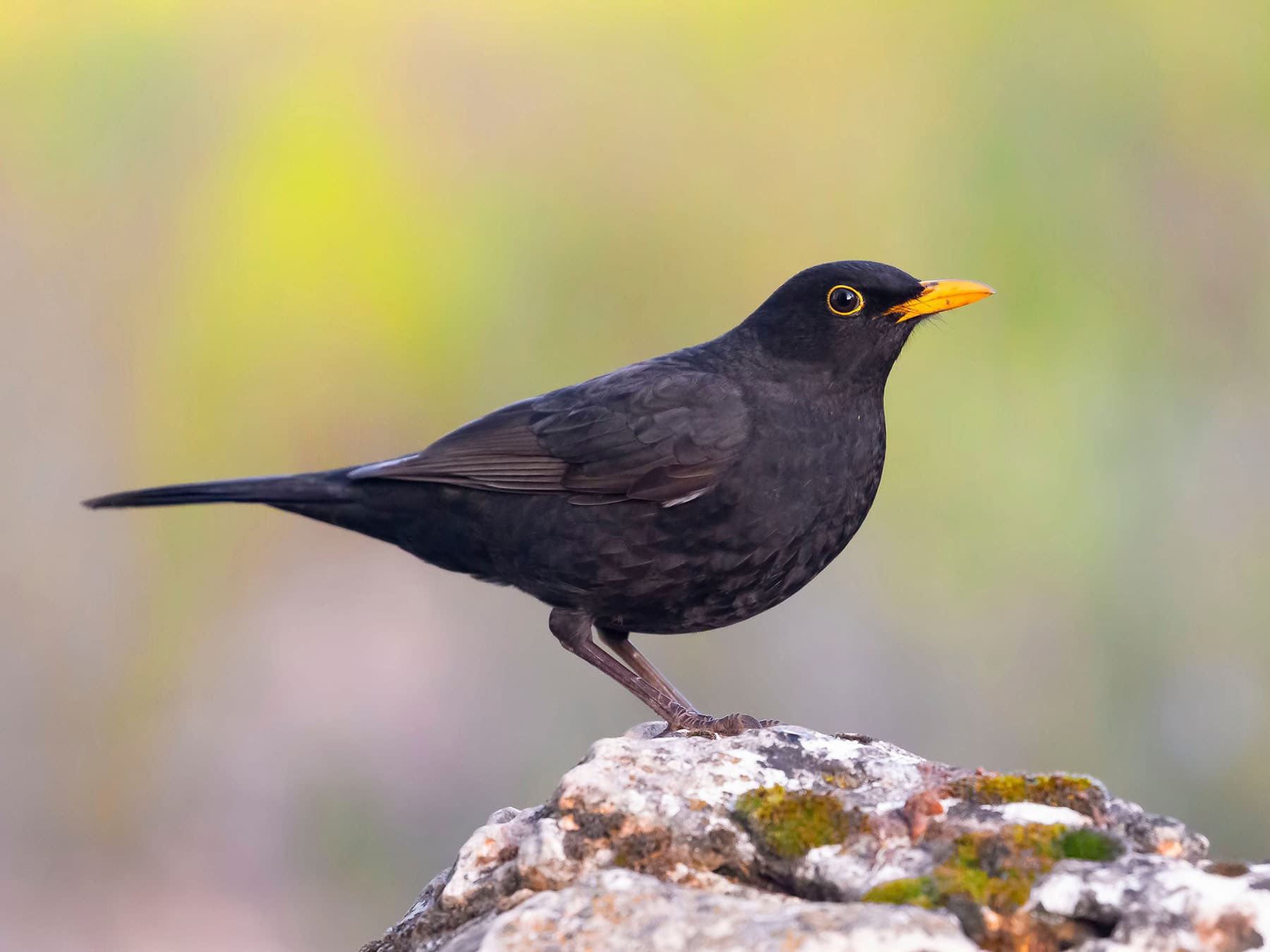 BlackbirdTurdus merulaResidentCommon24–25 cmRecorded all year · 6.91% in Feb
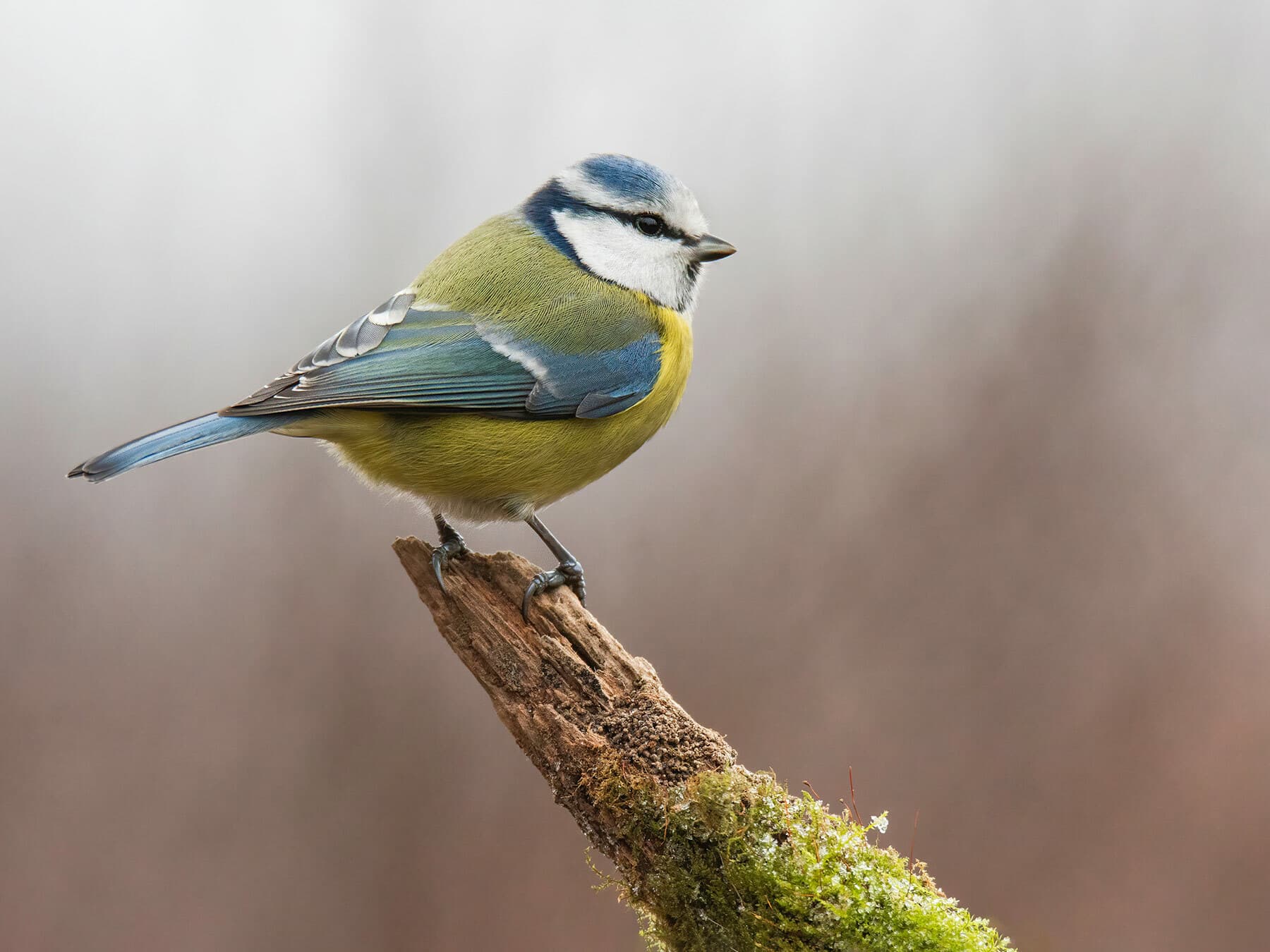 Blue TitCyanistes caeruleusResidentCommon11–12 cmRecorded all year · 6.91% in Feb
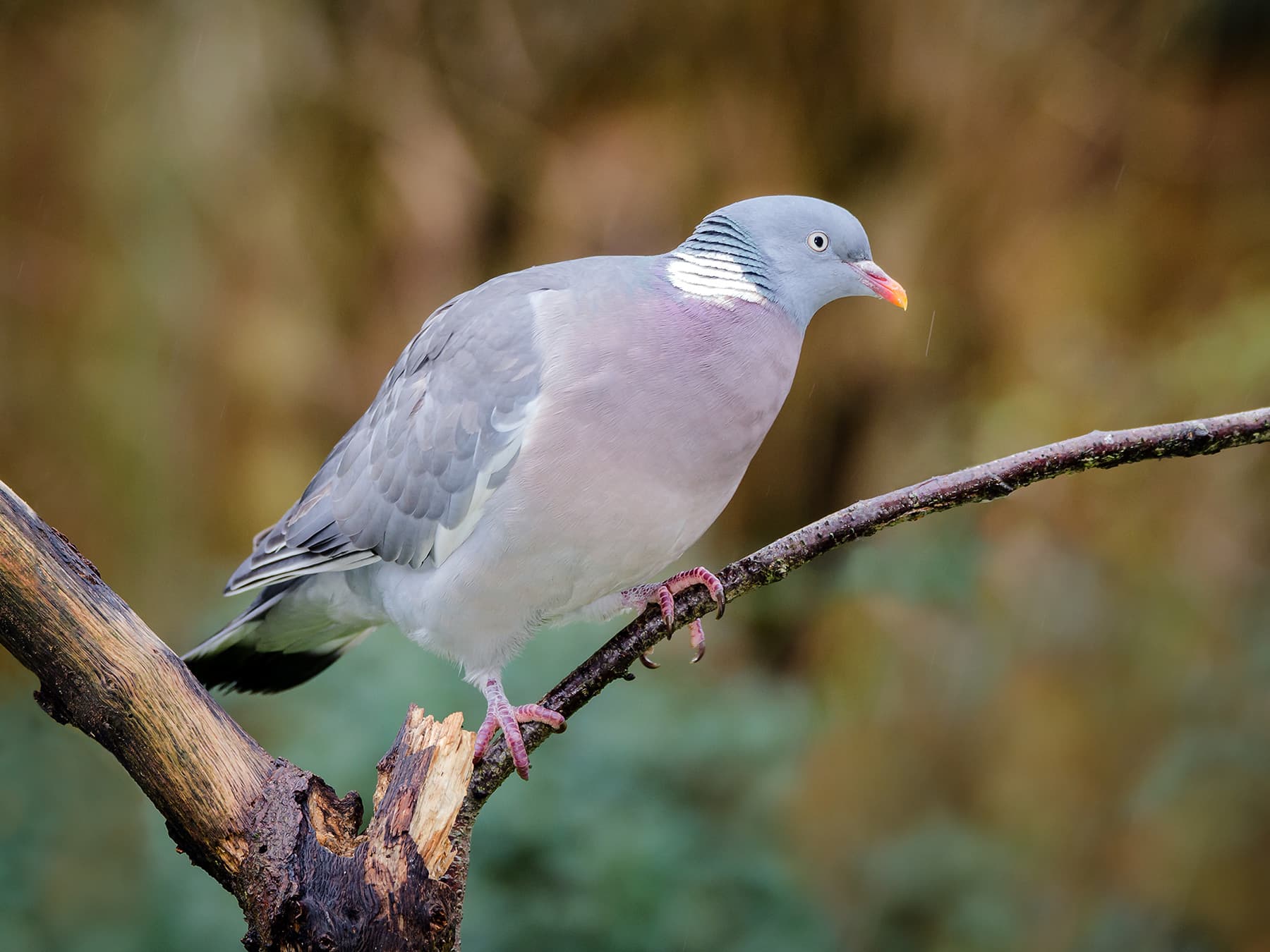 WoodpigeonColumba palumbusResidentCommon40–42 cmRecorded all year · 6.31% in Feb
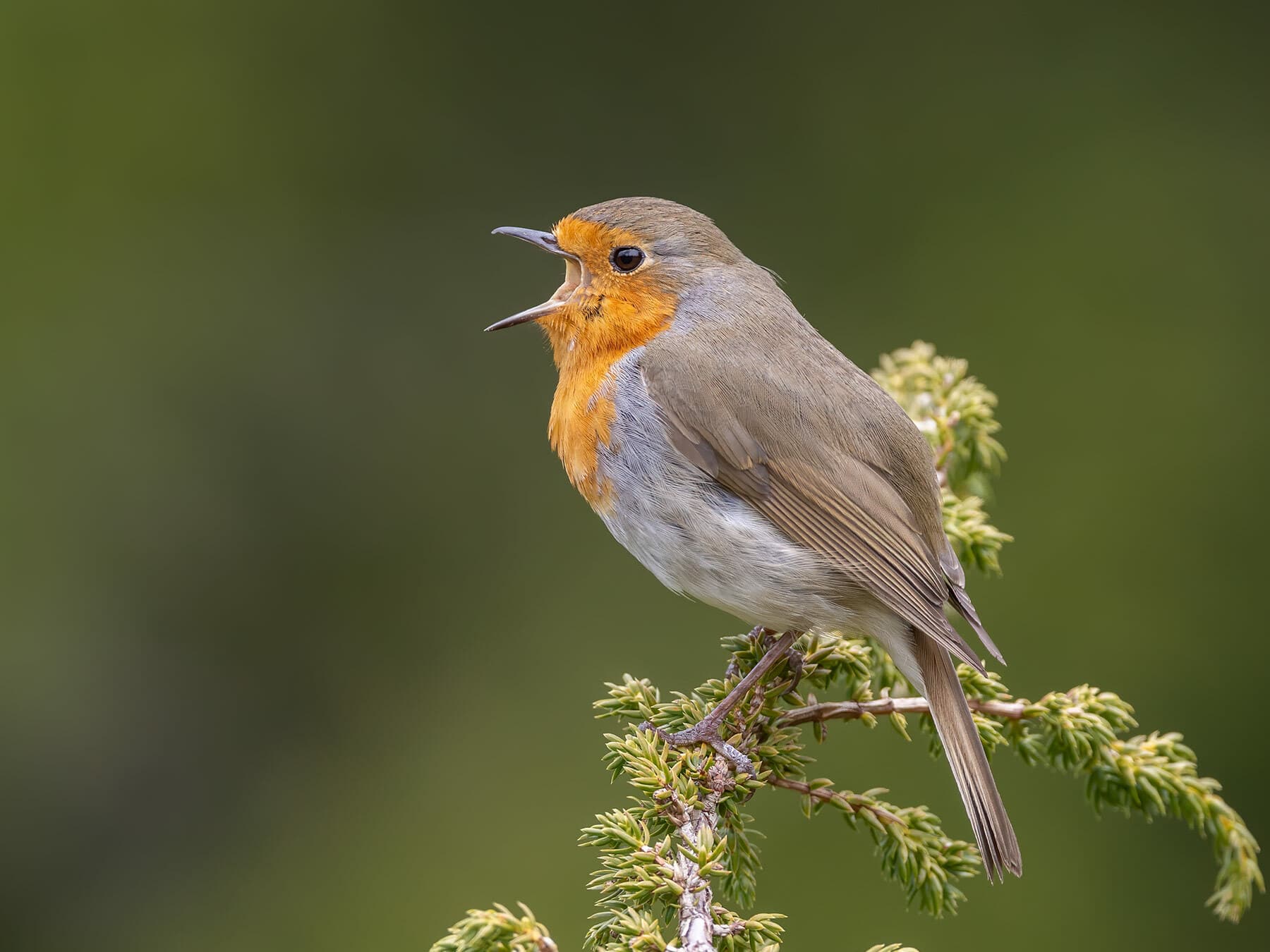 European RobinErithacus rubeculaResidentCommon13–14 cmRecorded all year · 6.01% in Feb
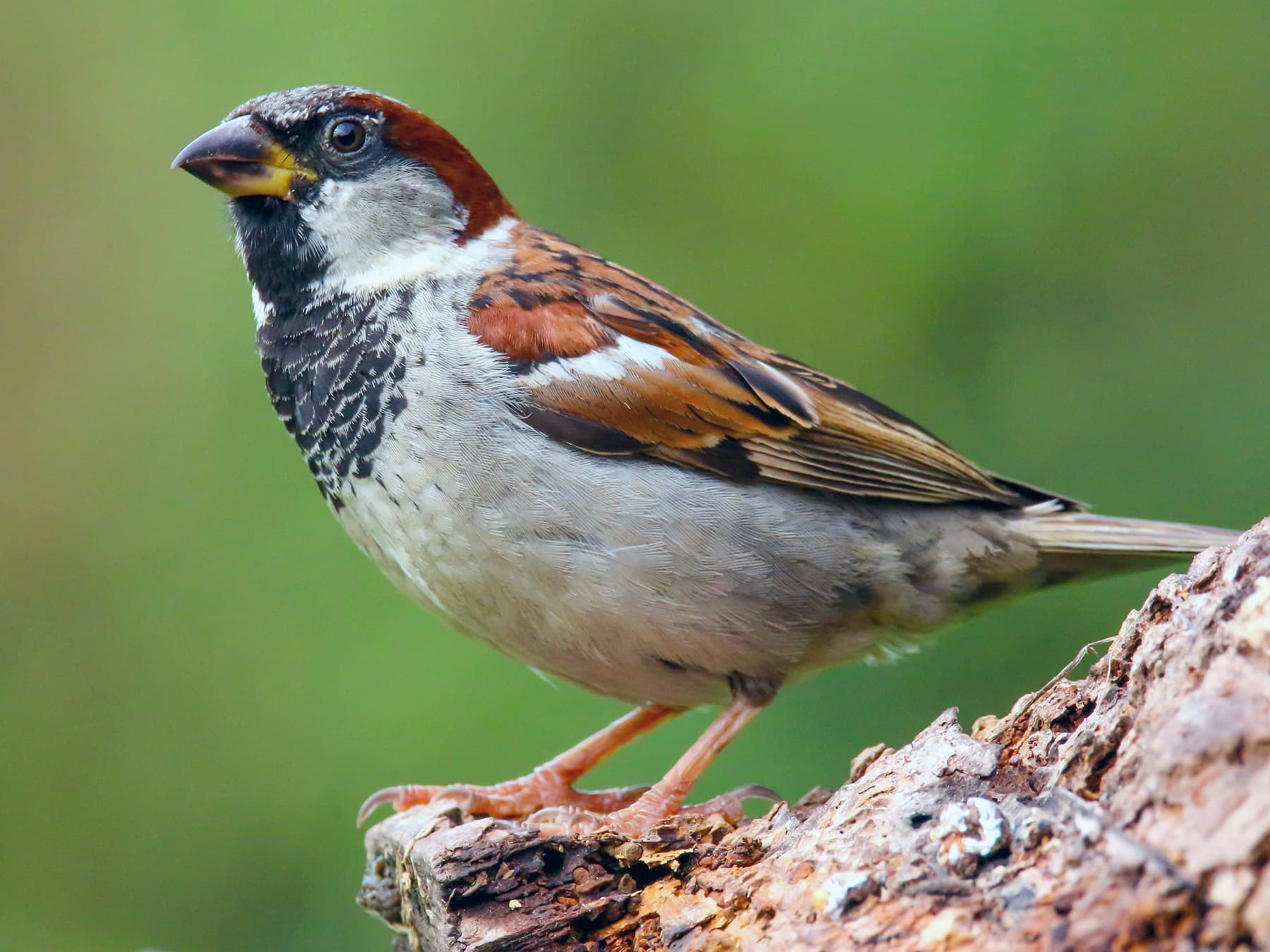 House SparrowPasser domesticusResidentCommon14–17 cmRegularly Dec–Oct · 5.71% in Feb
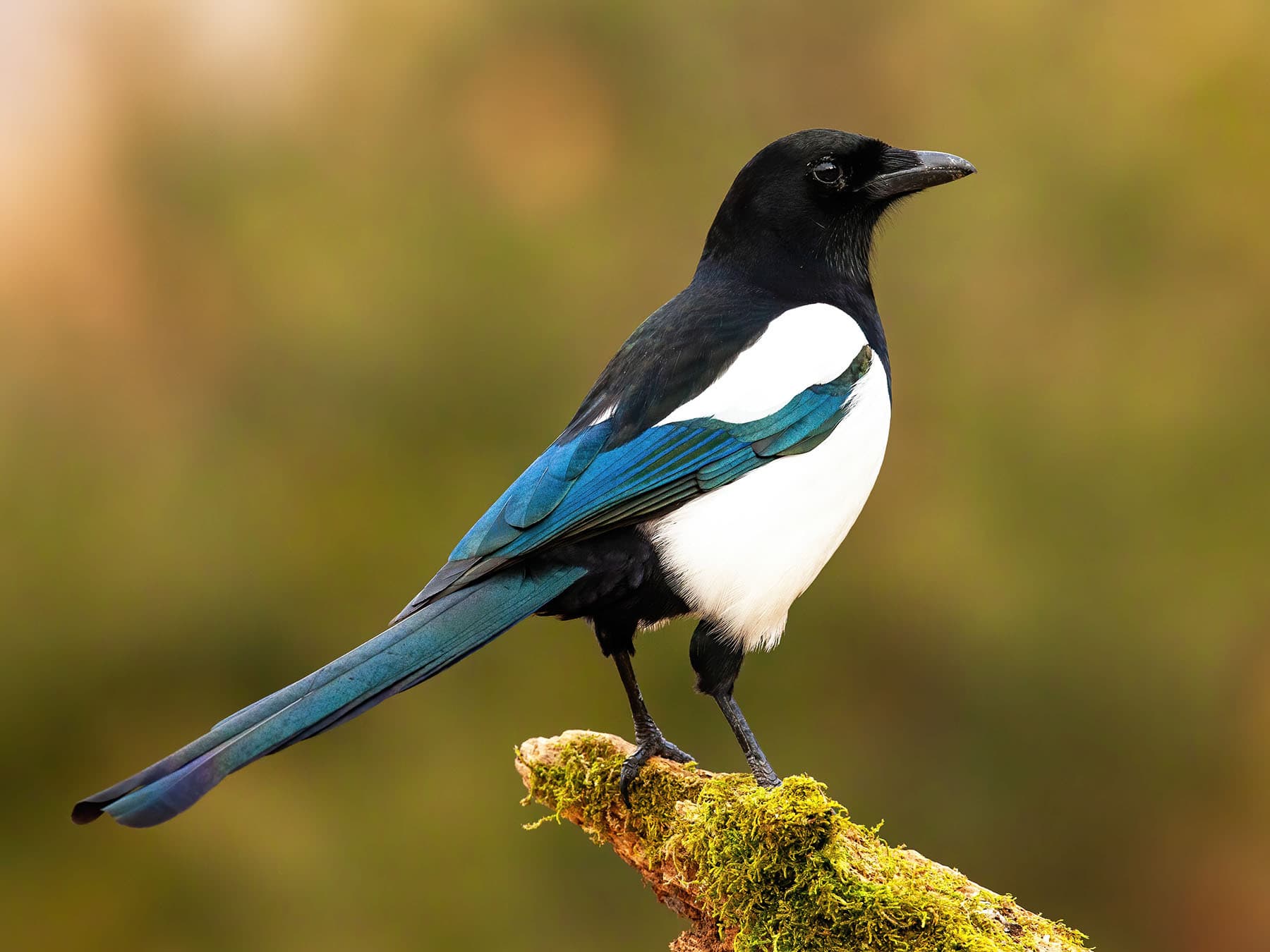 MagpiePica picaResidentCommon44–46 cmRecorded all year · 4.80% in Feb
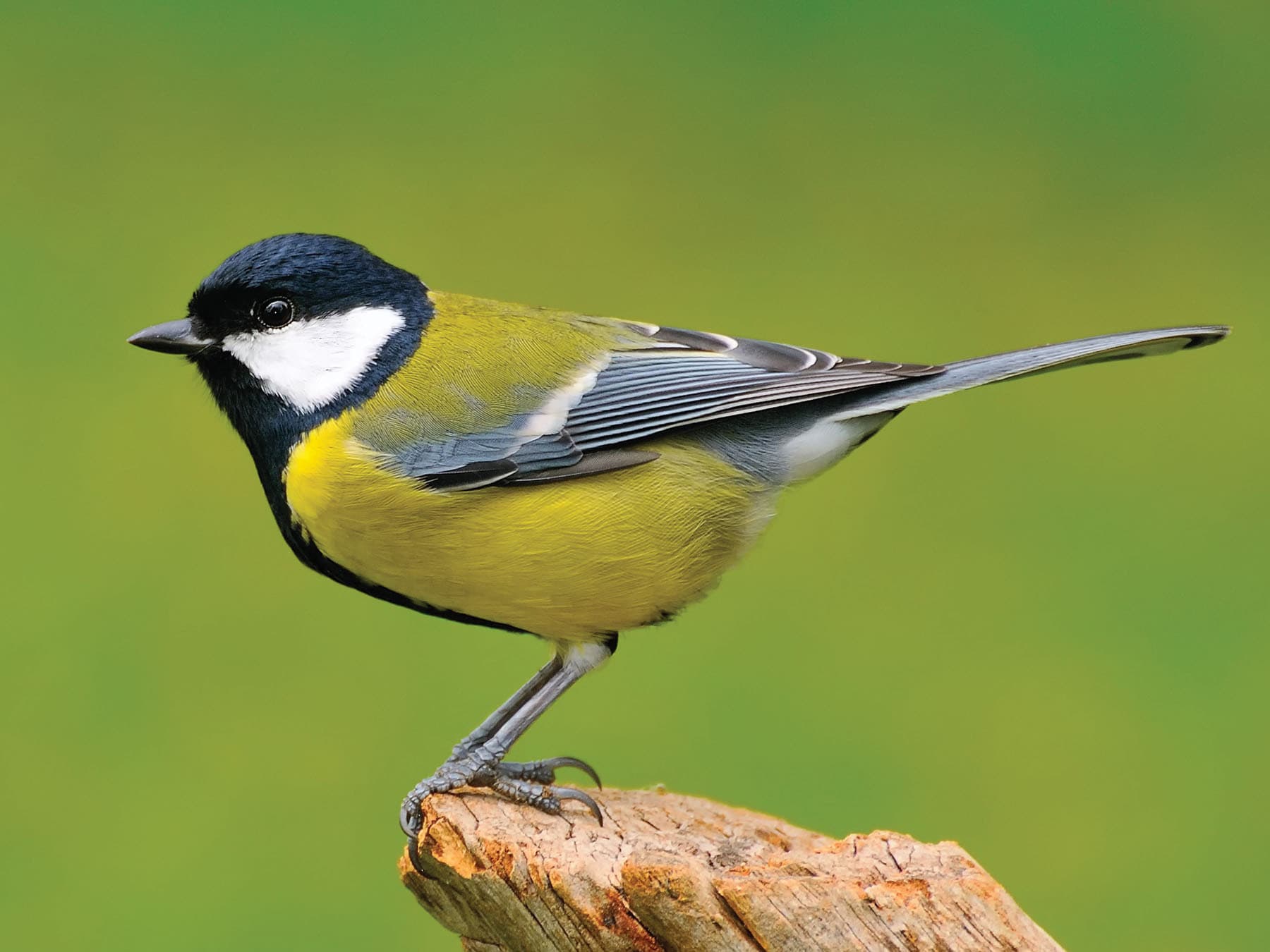 Great TitParus majorResidentCommonRecorded all year · 4.50% in Feb
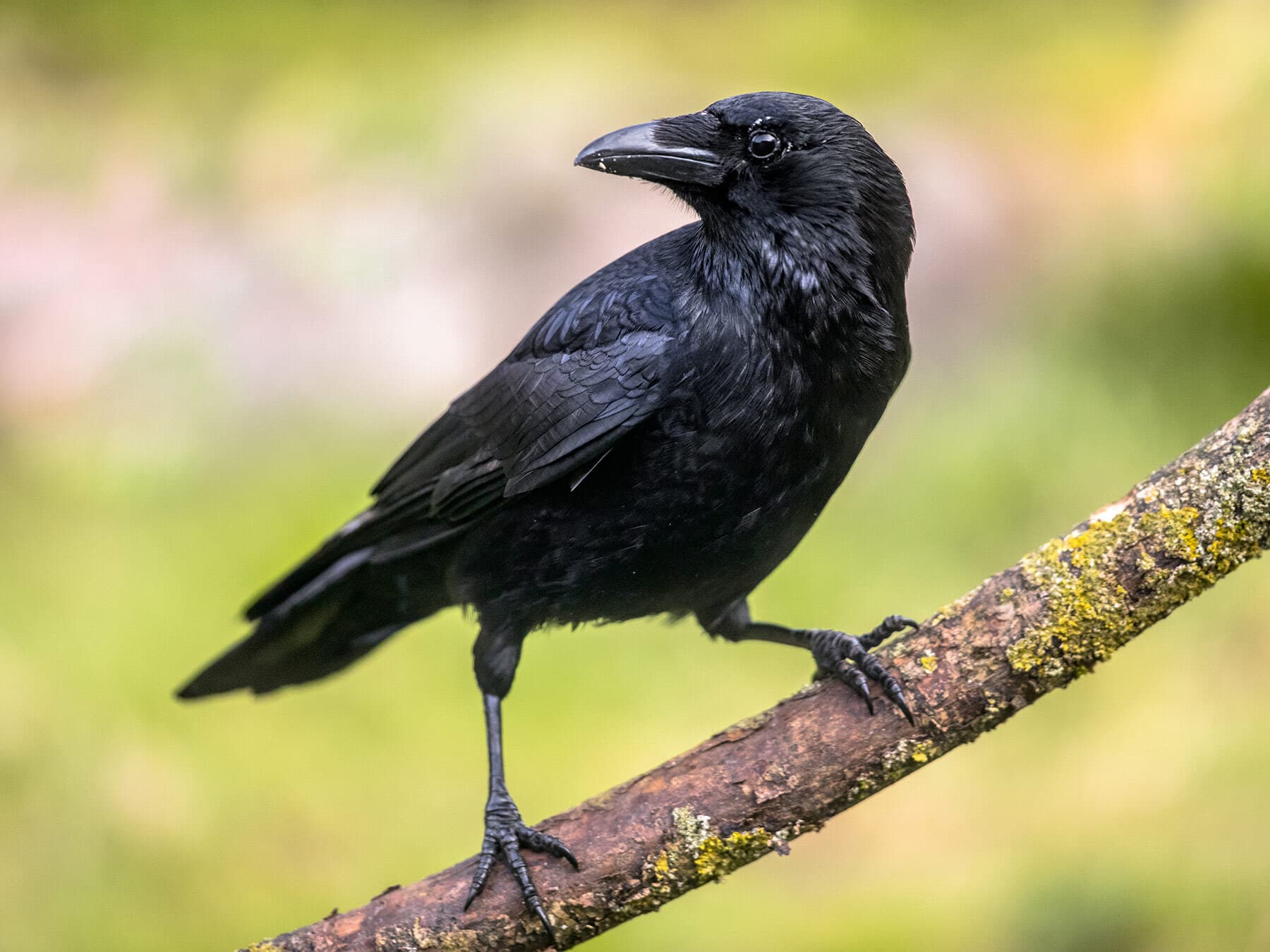 Carrion CrowCorvus coroneResidentCommon45–47 cmRecorded all year · 3.90% in Feb
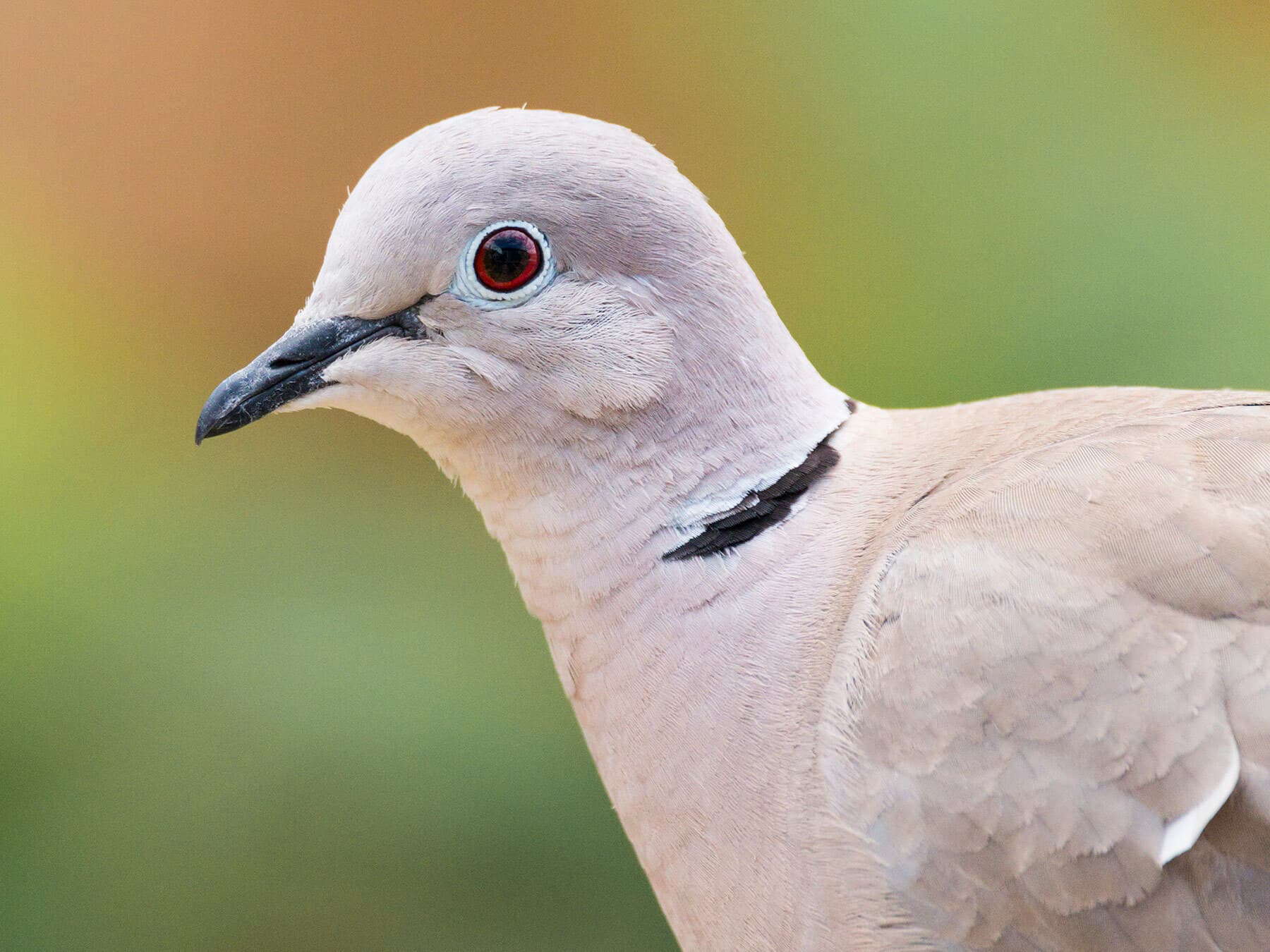 Eurasian Collared DoveStreptopelia decaoctoWinter visitorCommon30–32 cmRegularly Aug–Jun · 3.60% in Feb
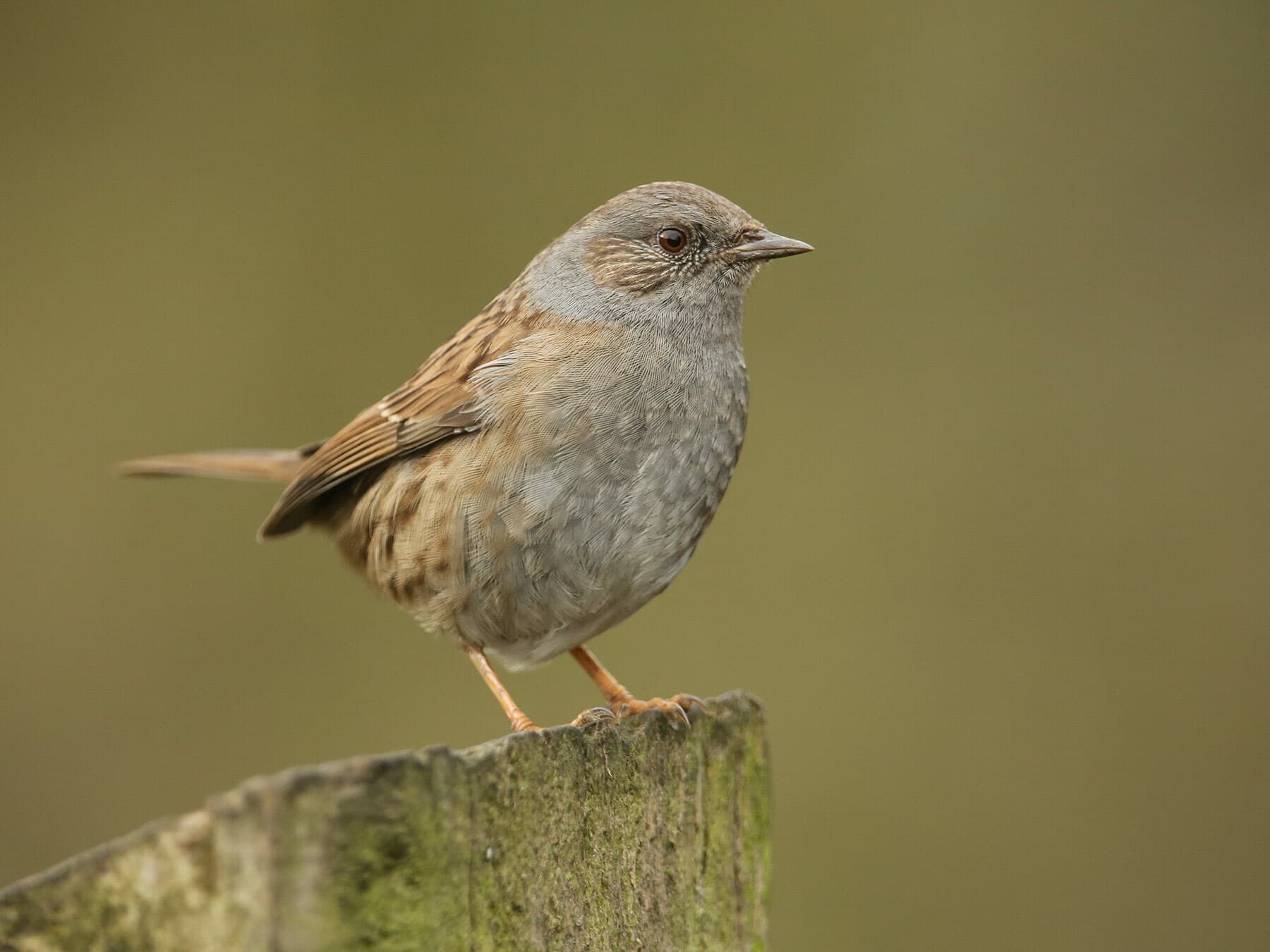 DunnockPrunella modularisResidentCommon14–15 cmRegularly Sep–Jul · 3.30% in Feb
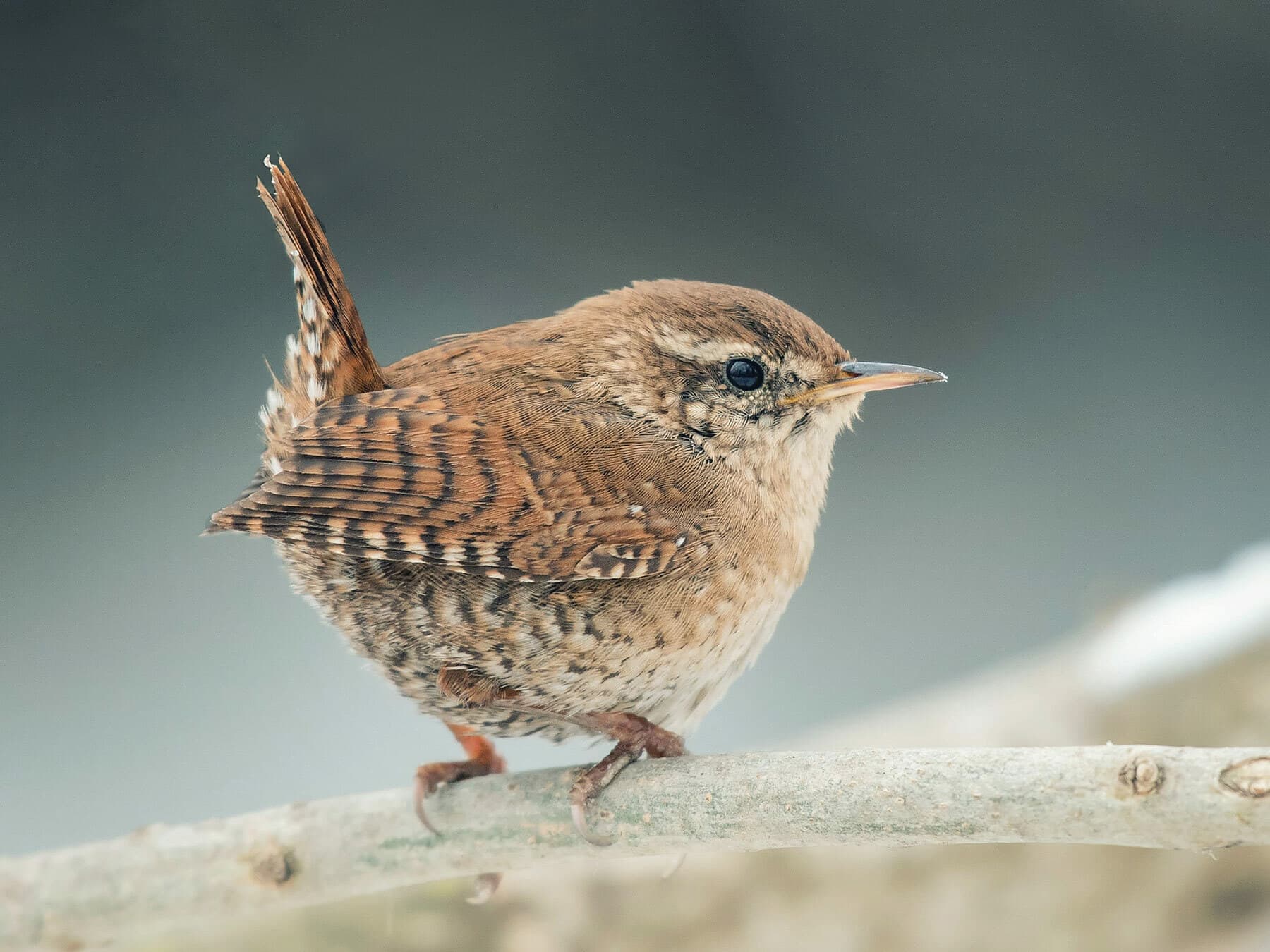 Eurasian WrenTroglodytes troglodytesResidentCommon9–10 cmRegularly Nov–Sep · 3.30% in Feb
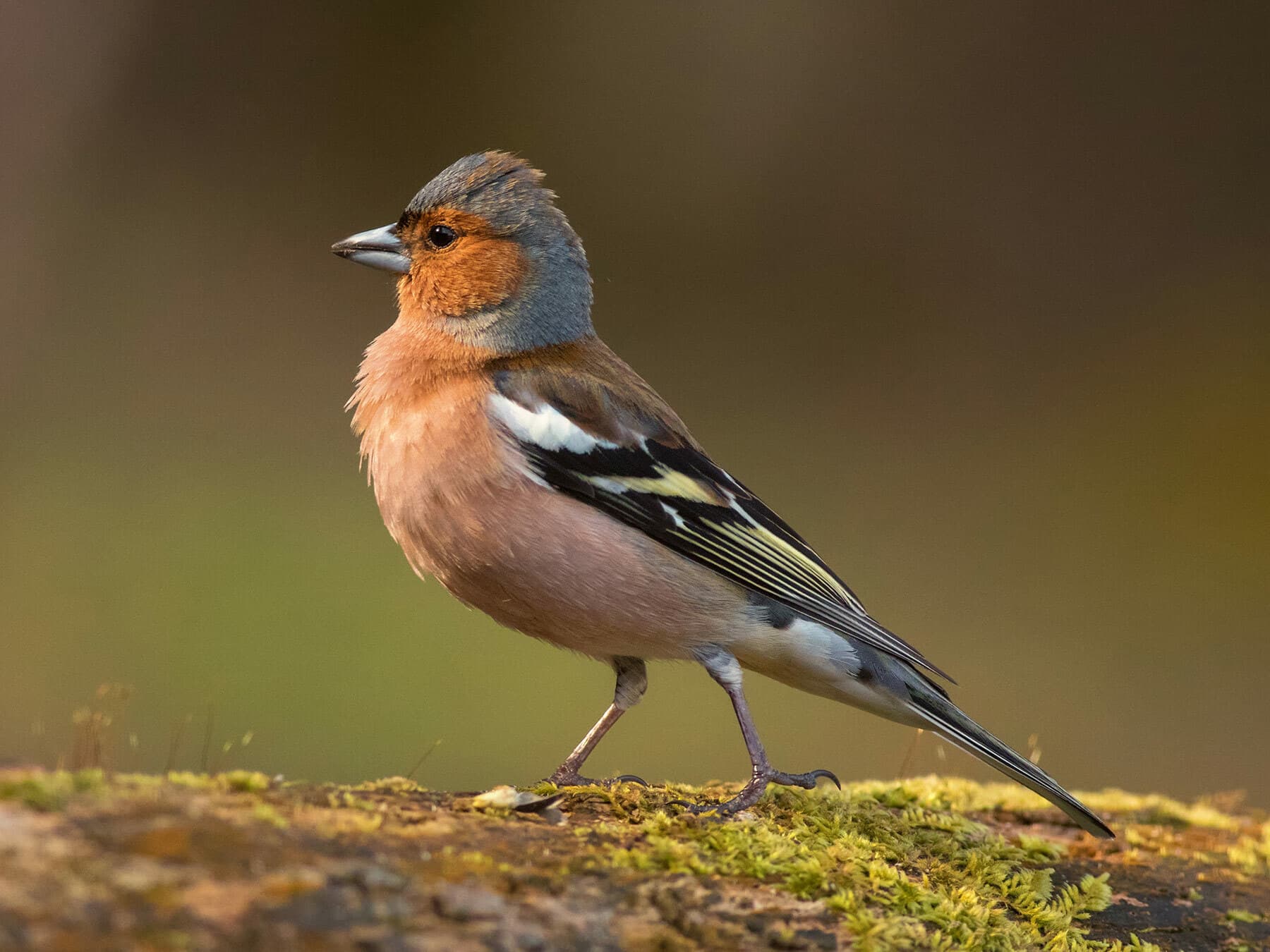 ChaffinchFringilla coelebsWinter visitorCommon14–16 cmRegularly Nov–Jun · 3.00% in Feb
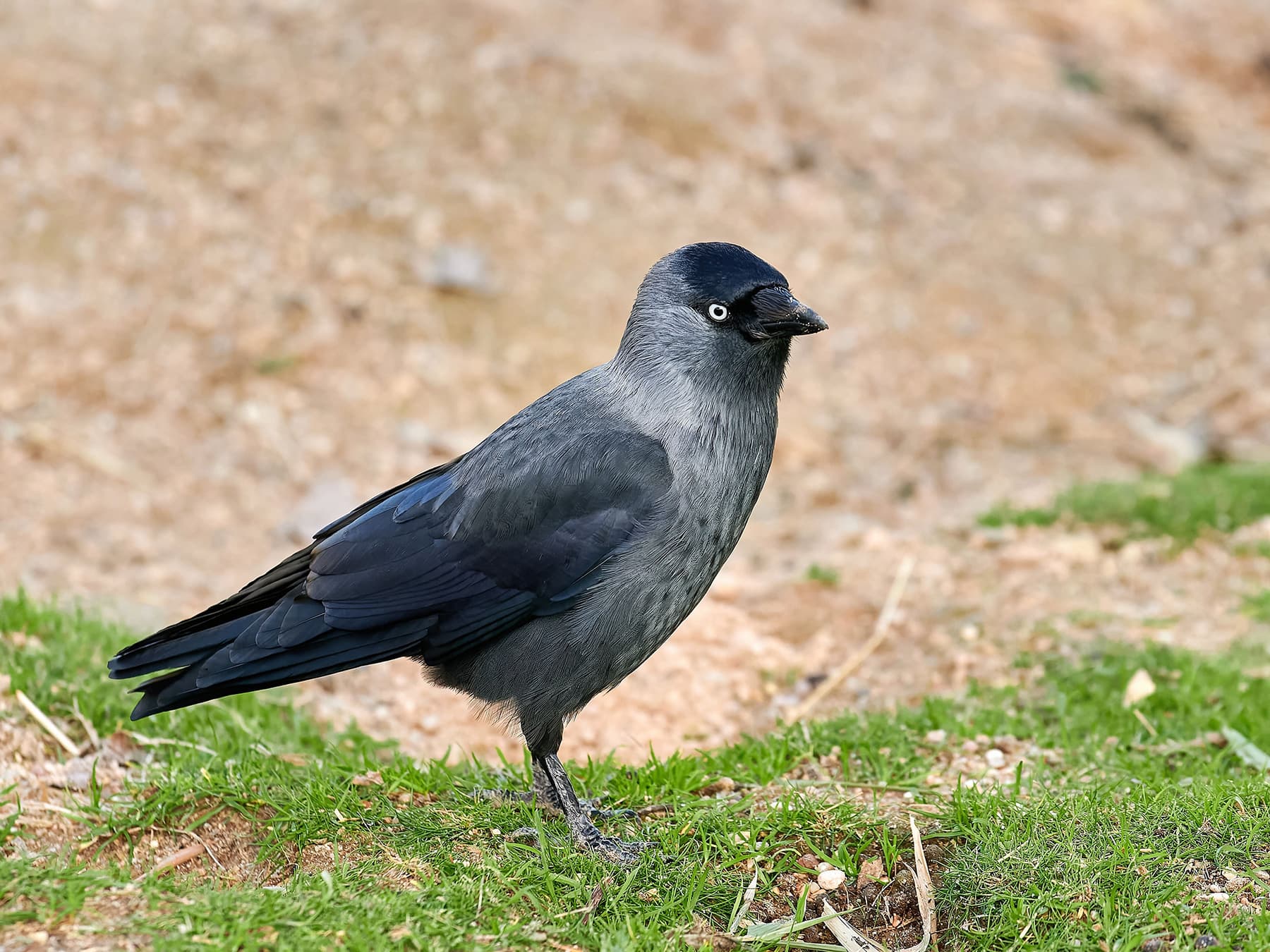 JackdawColoeus monedulaResidentCommon34–39 cmRecorded all year · 2.70% in Feb
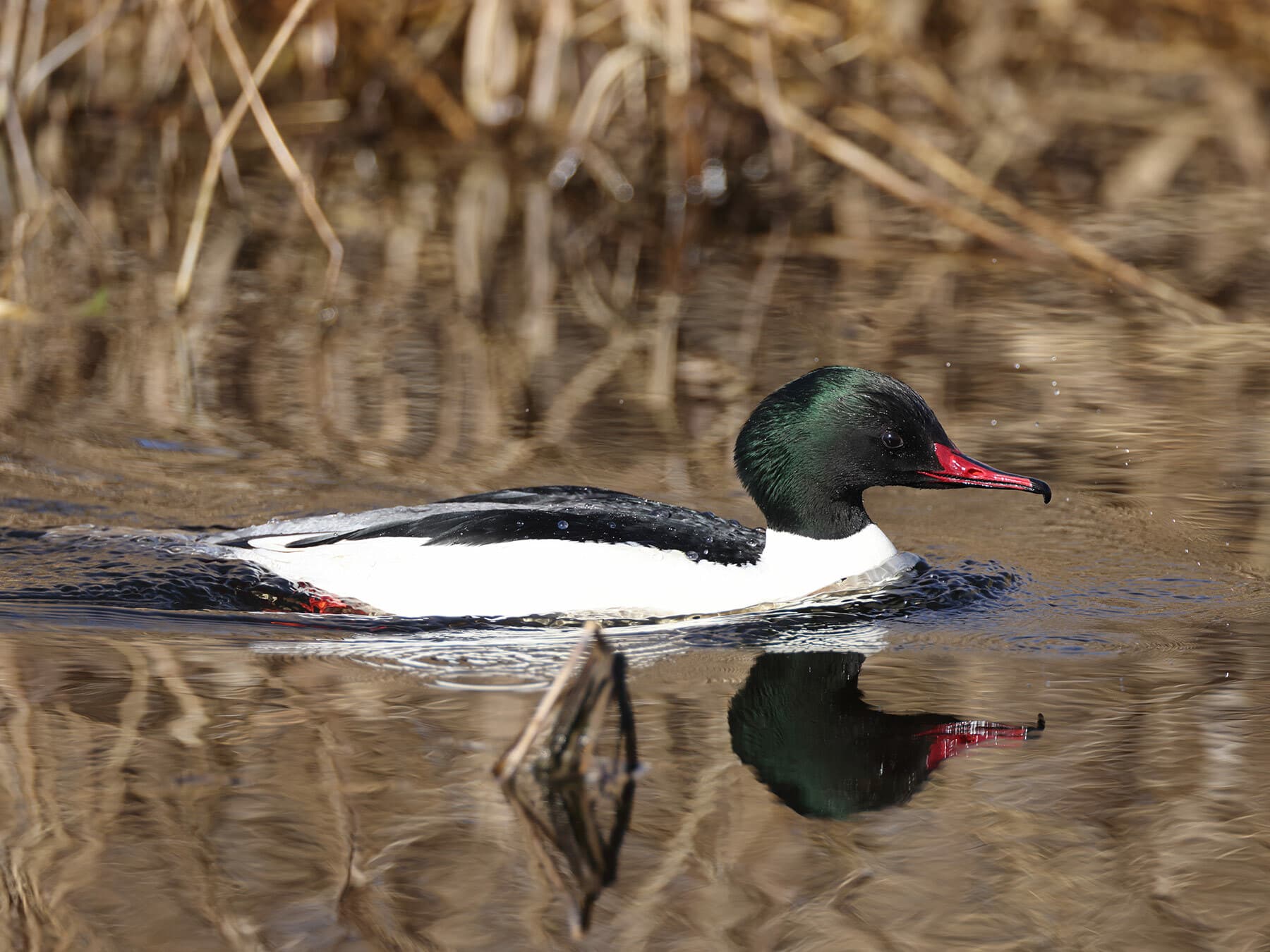 Common MerganserMergus merganserWinter visitorCommon58–68 cmRegularly Nov–Feb · 2.40% in Feb
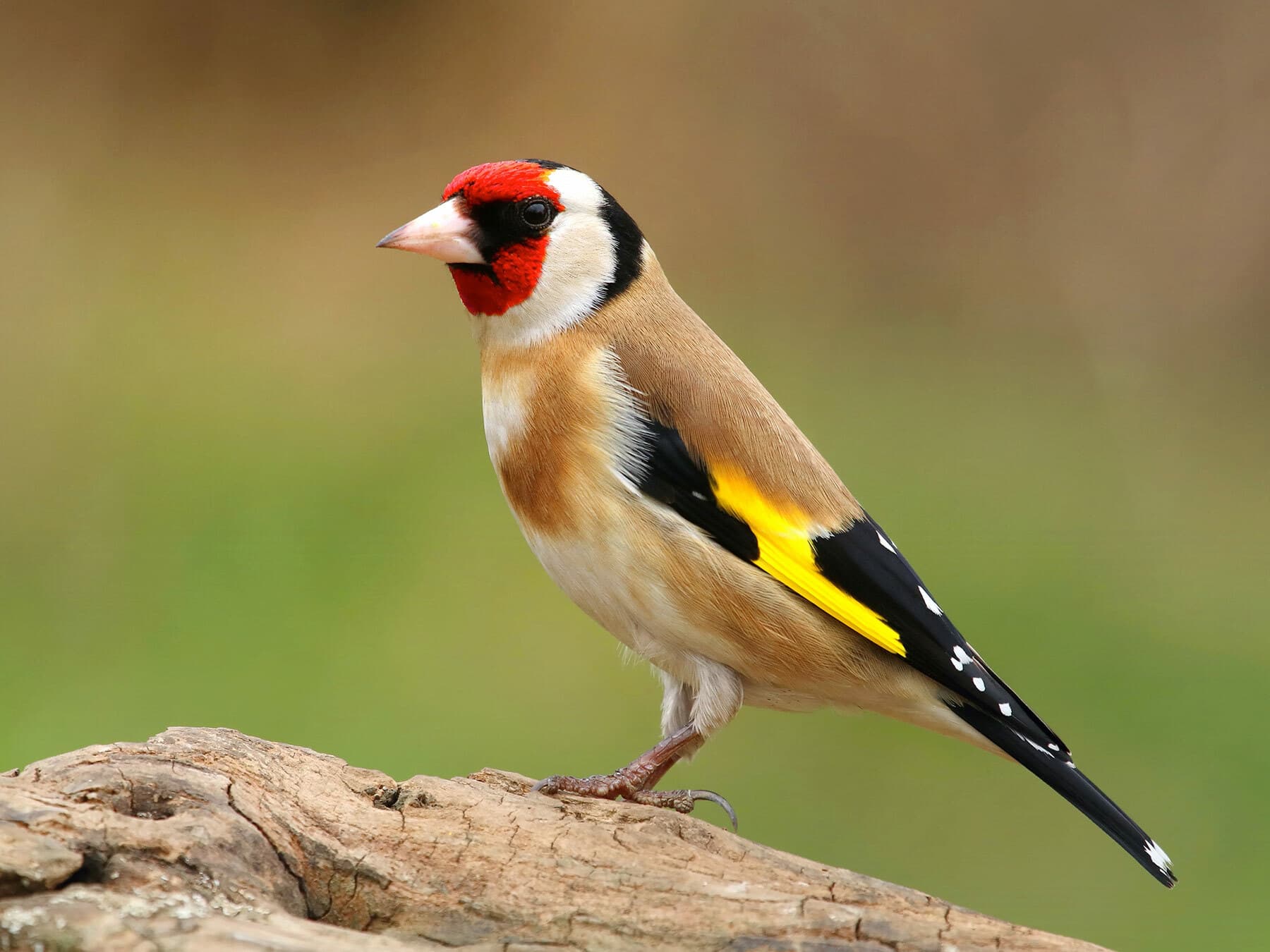 European GoldfinchCarduelis carduelisResidentCommon12–13 cmRegularly Dec–Oct · 2.40% in Feb
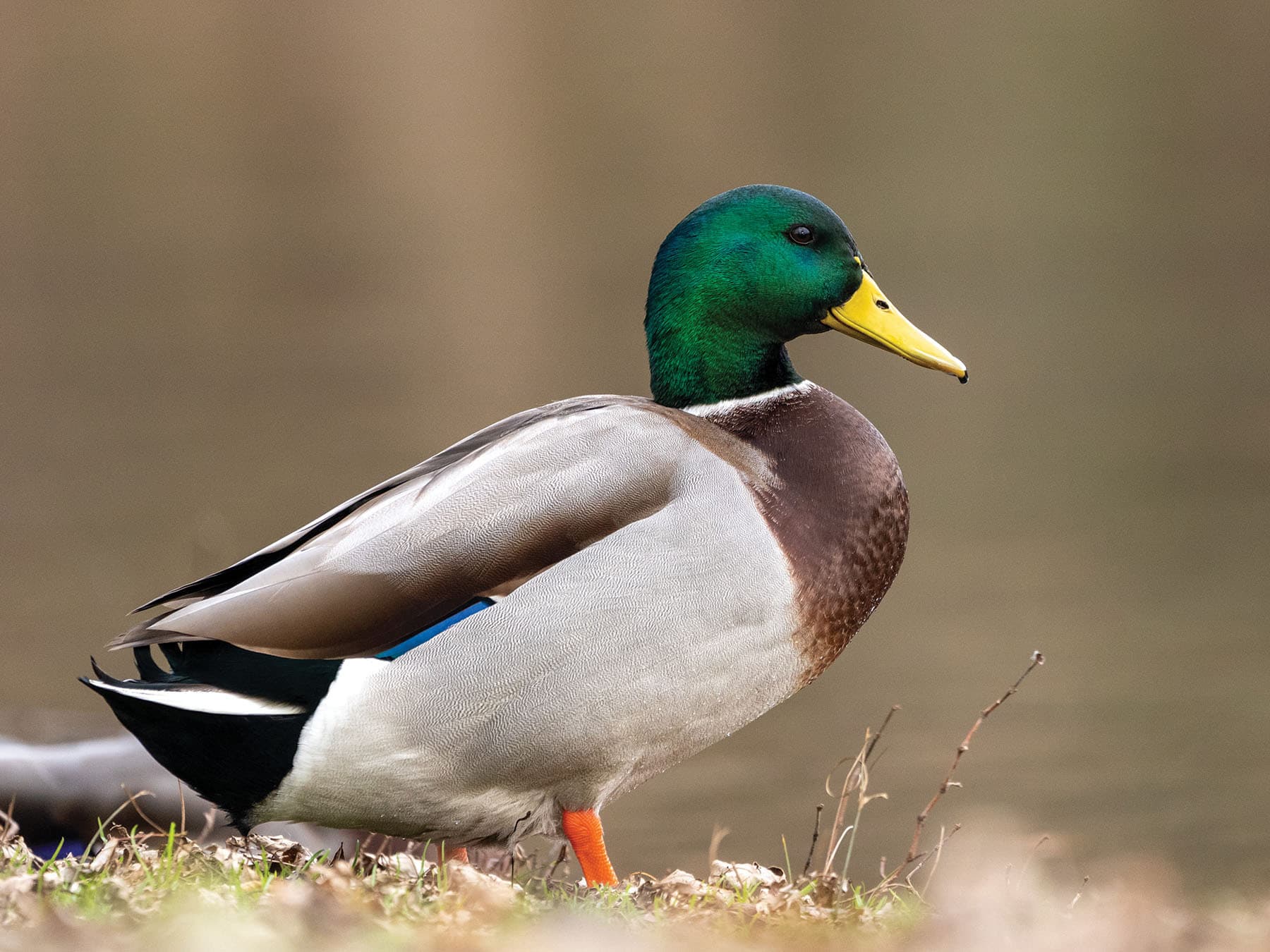 MallardAnas platyrhynchosResidentCommon50–65 cmRecorded all year · 2.10% in Feb
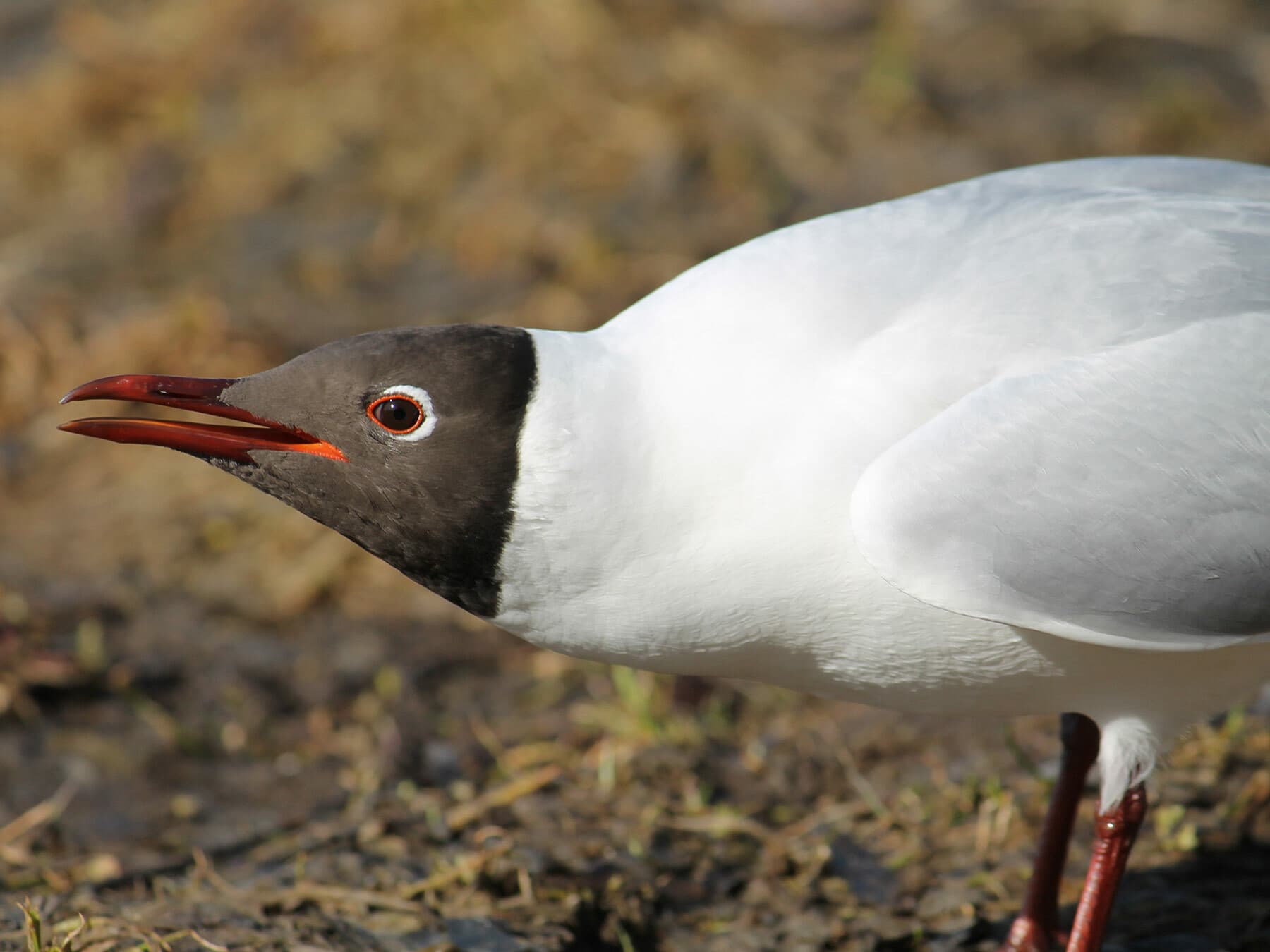 Black-headed GullChroicocephalus ridibundusWinter visitorCommon38–44 cmRegularly Dec–Sep · 1.80% in Feb
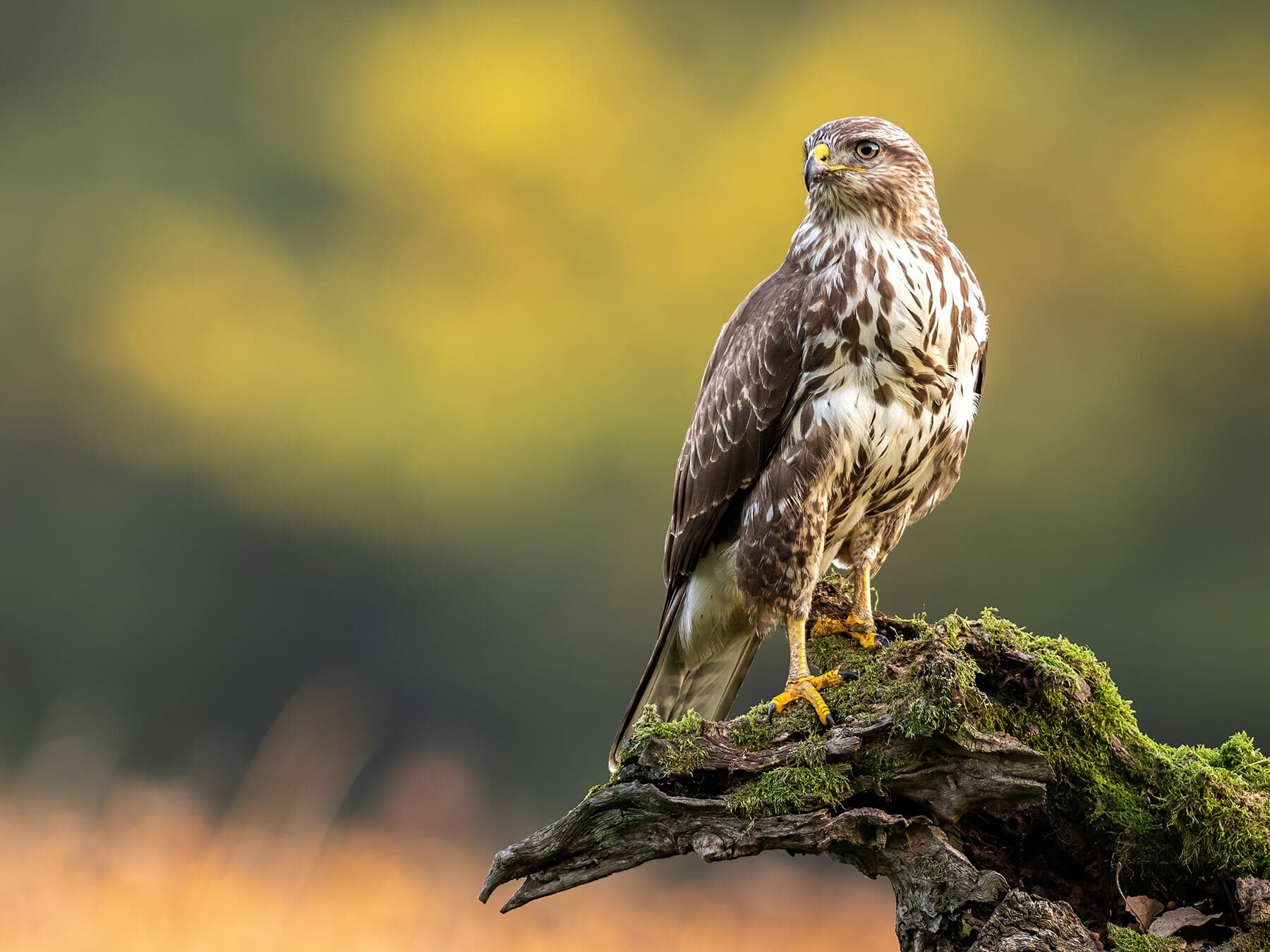 BuzzardButeo buteoResidentCommon51–57 cmRecorded all year · 1.80% in Feb
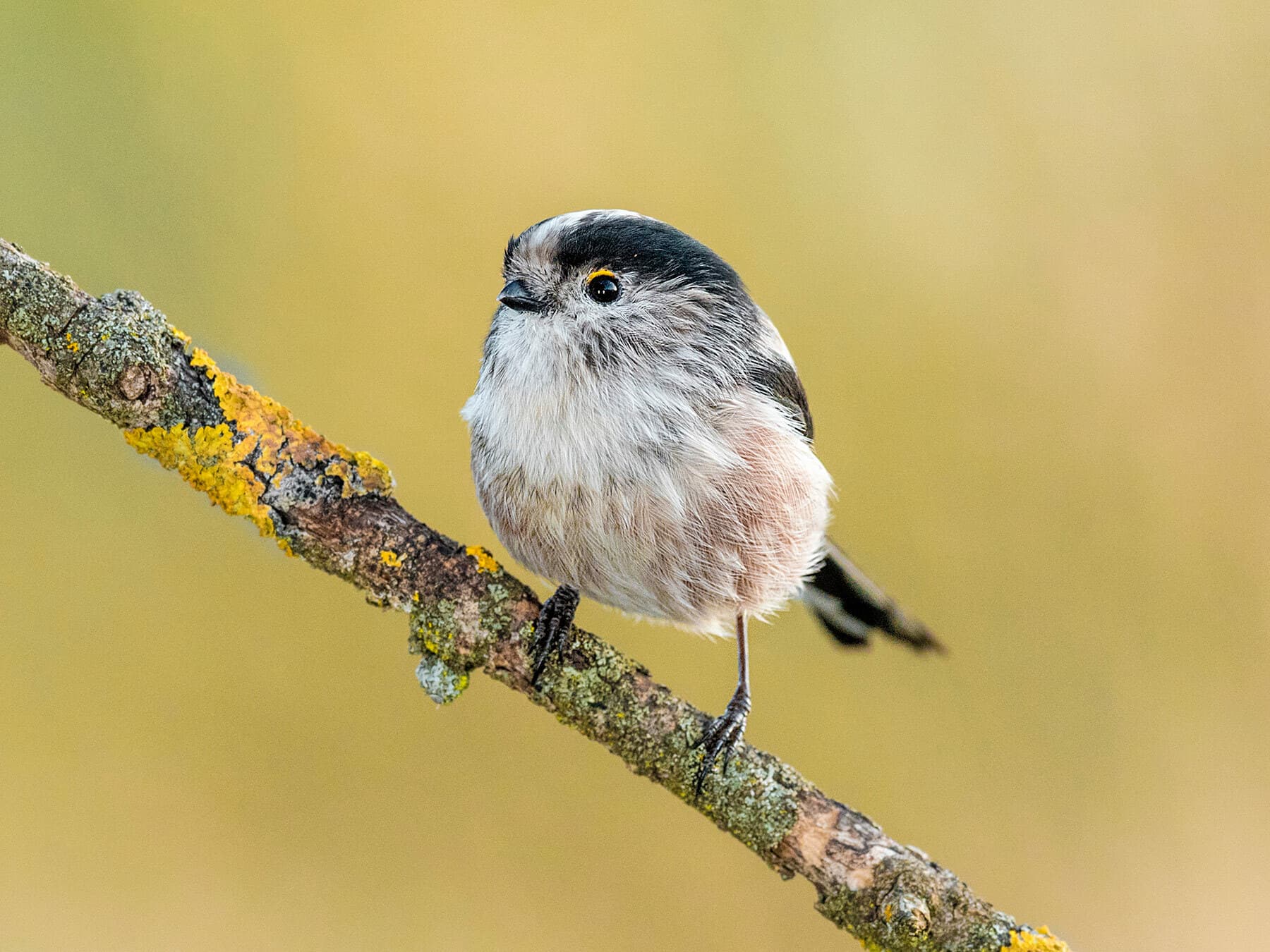 Long-tailed TitAegithalos caudatusWinter visitorCommon13–16 cmRegularly Aug–Jun · 1.80% in Feb
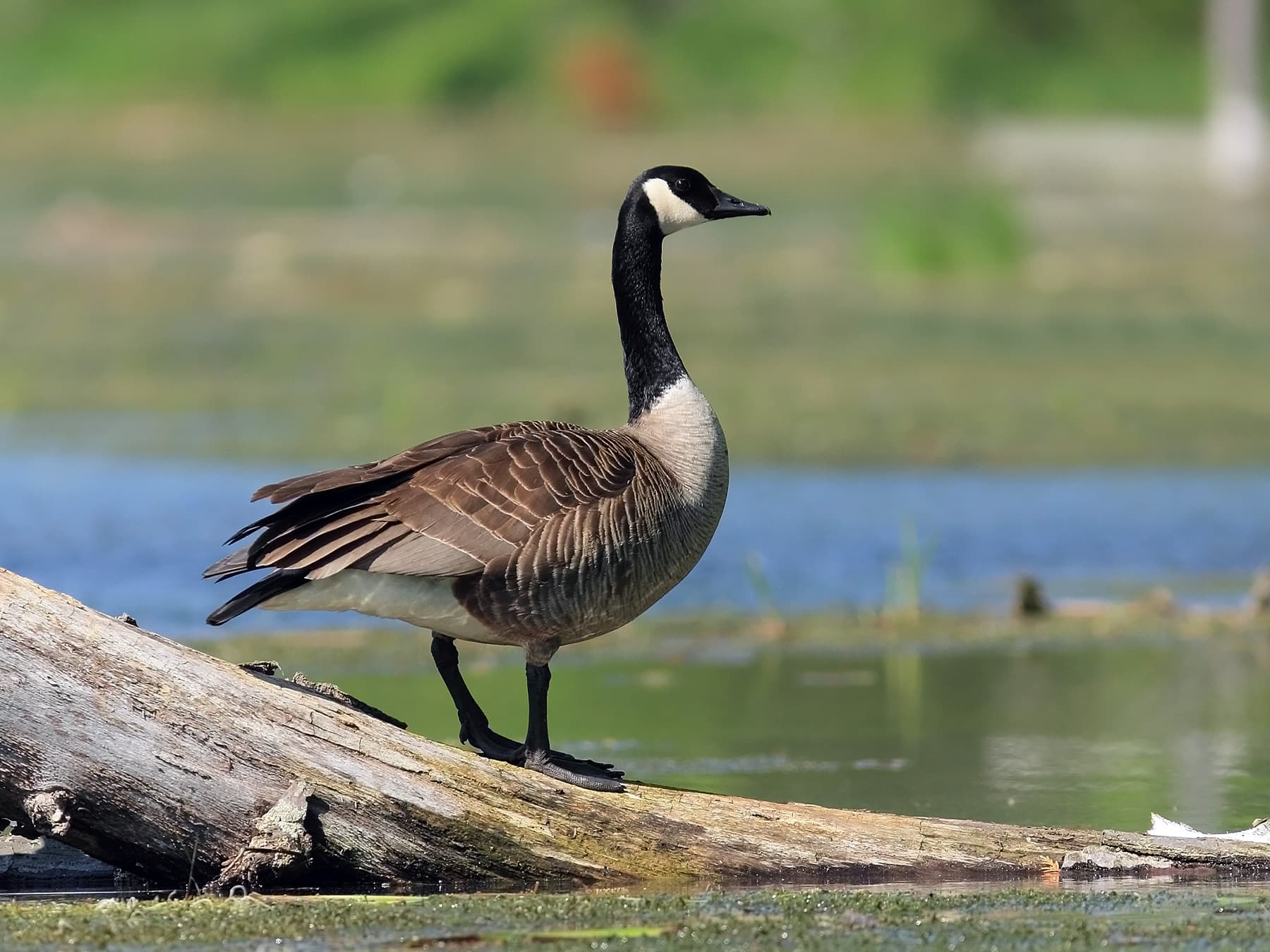 Canada GooseBranta canadensisResidentCommon76–110 cmRecorded all year · 1.50% in Feb
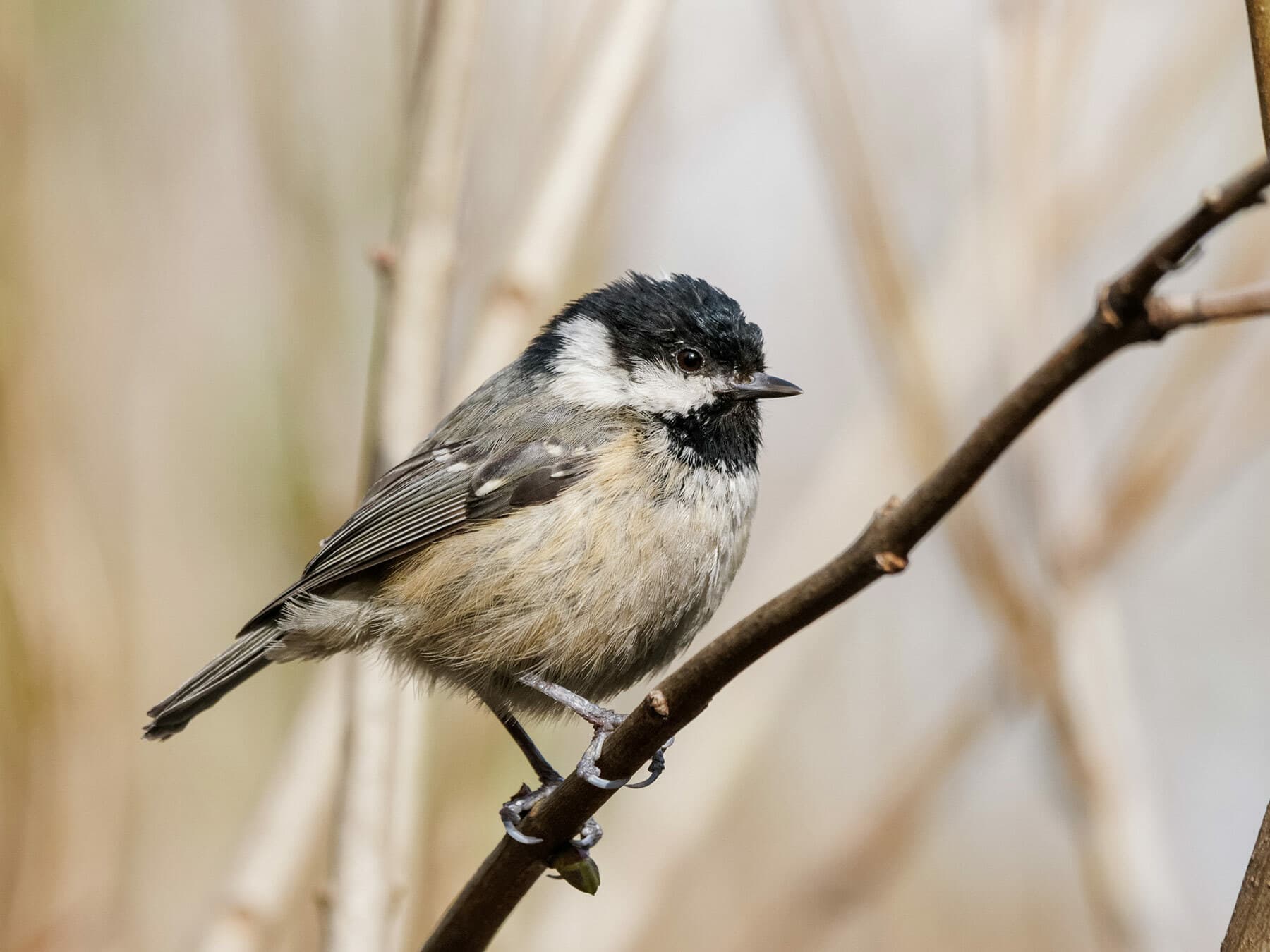 Coal TitPeriparus aterWinter visitorCommon10–12 cmRegularly Nov–Jun · 1.50% in Feb
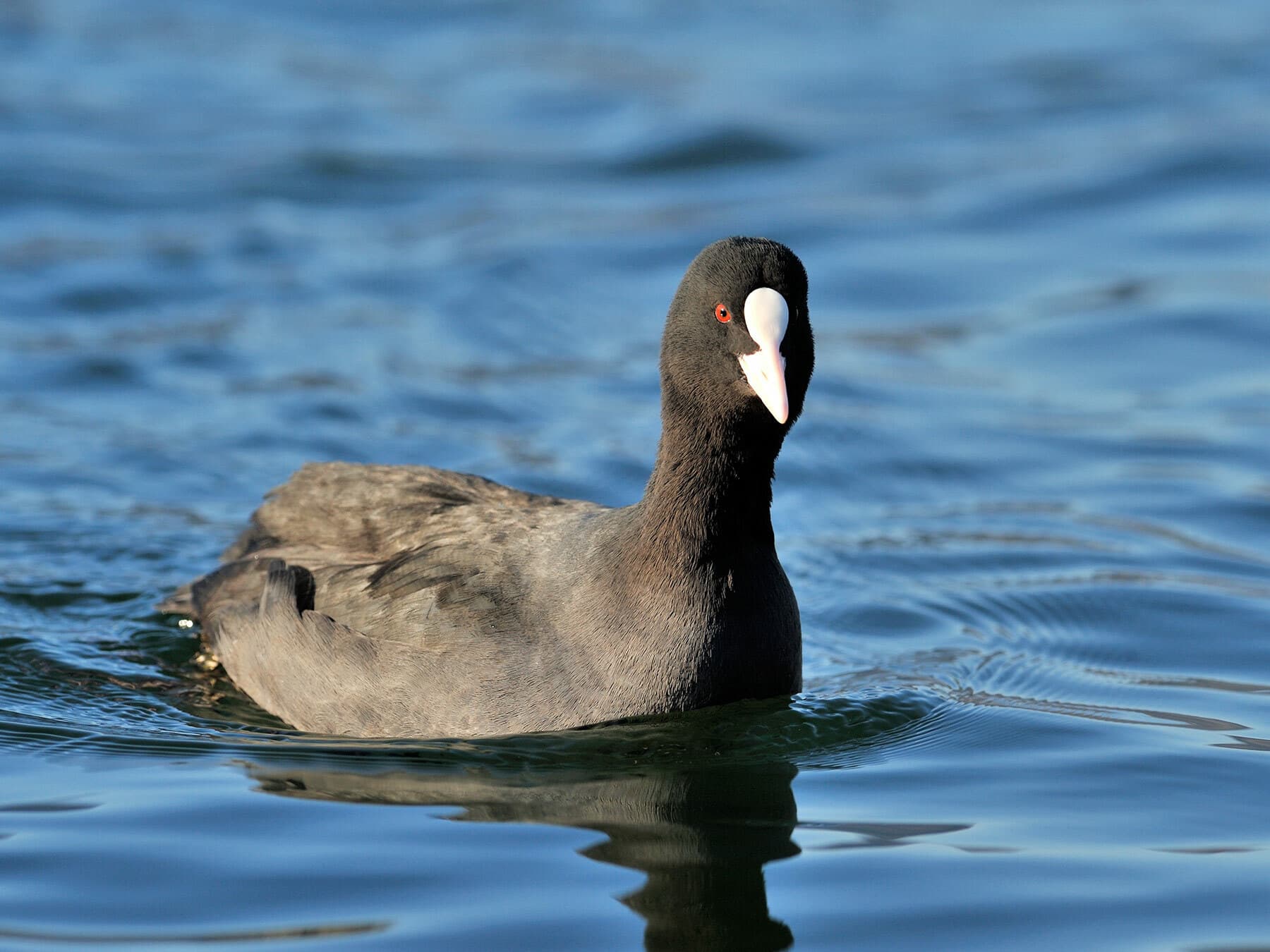 CootFulica atraResidentCommon36–42 cmRecorded all year · 1.50% in Feb
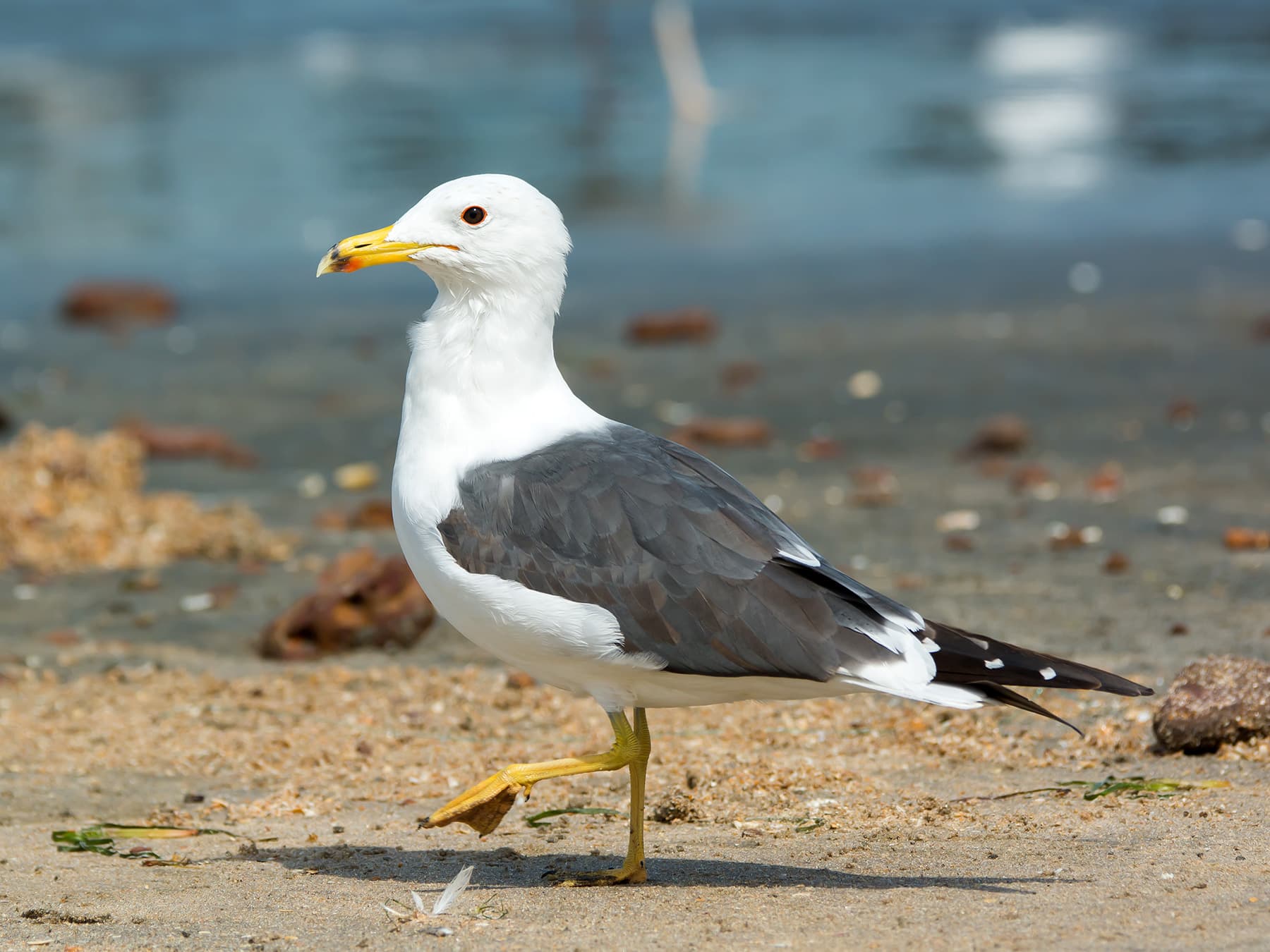 Lesser Black-backed GullLarus fuscusResidentCommon52–64 cmRegularly Feb–Sep · 1.50% in Feb
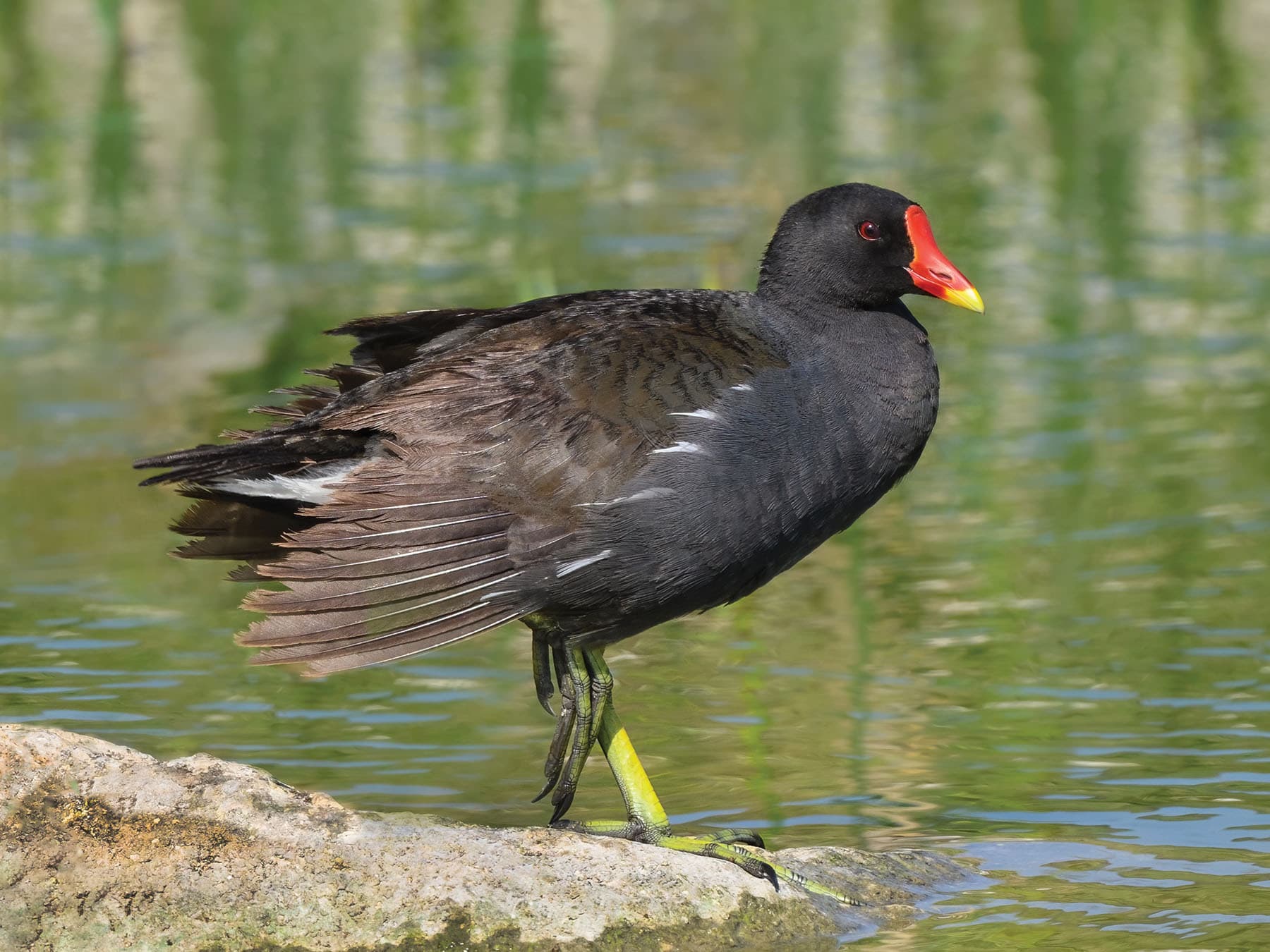 MoorhenGallinula chloropusWinter visitorCommon30–38 cmRegularly Jun–Apr · 1.50% in Feb
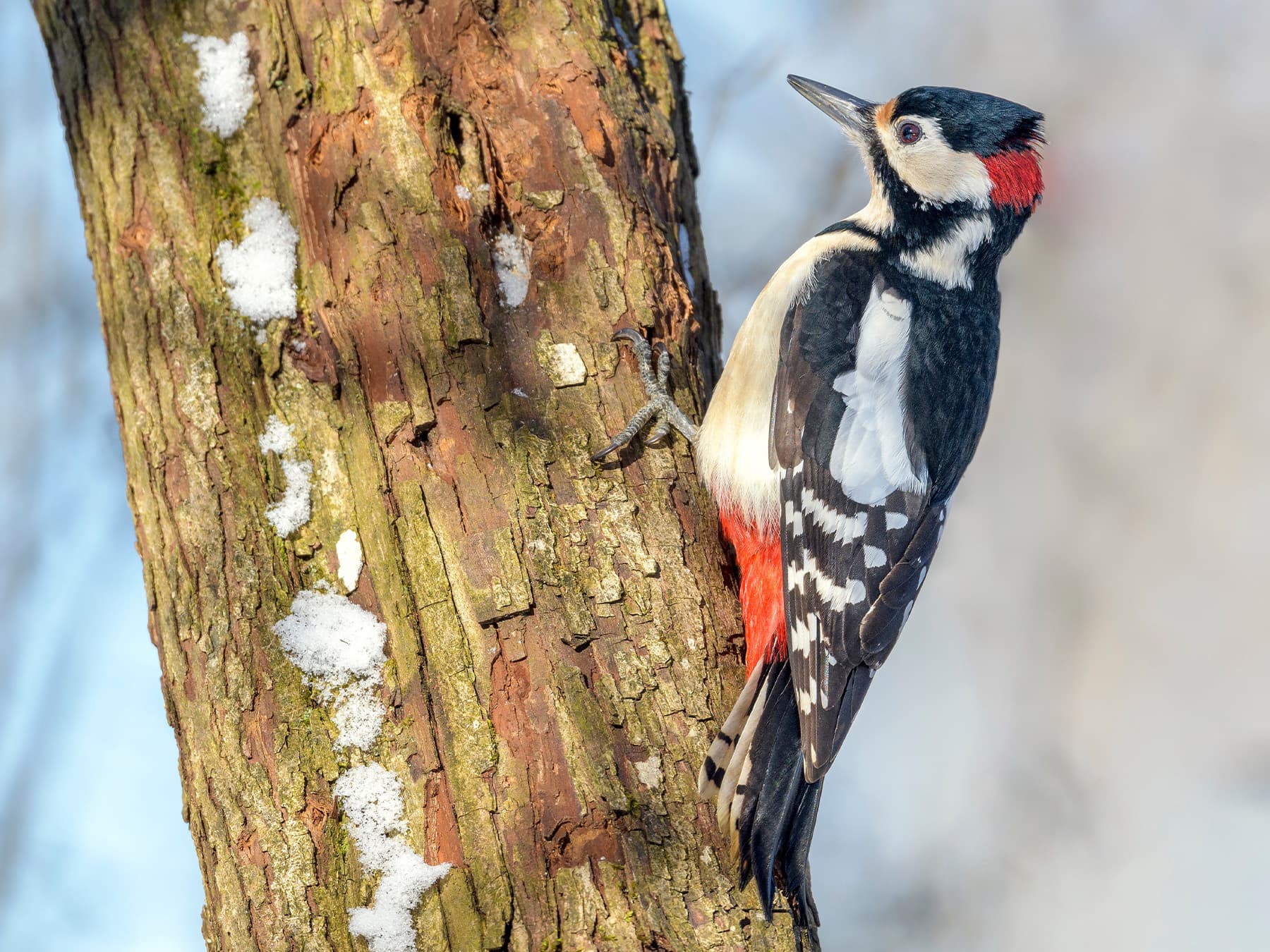 Great Spotted WoodpeckerDendrocopos majorWinter visitorCommon23–26 cmRegularly Dec–Jun · 1.20% in Feb
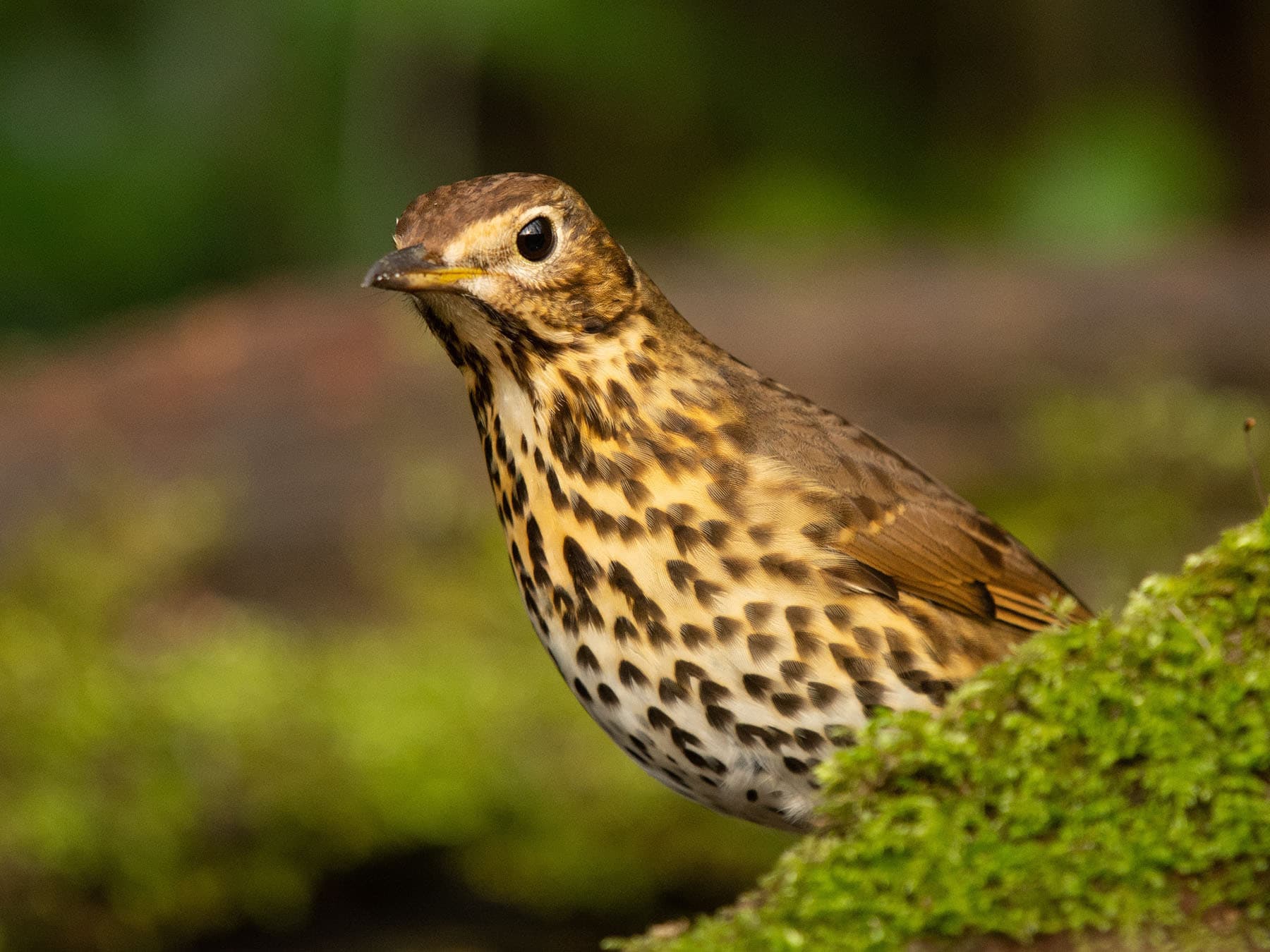 Song ThrushTurdus philomelosSummer visitorCommon20–23 cmRegularly Jan–Jul · 1.20% in Feb
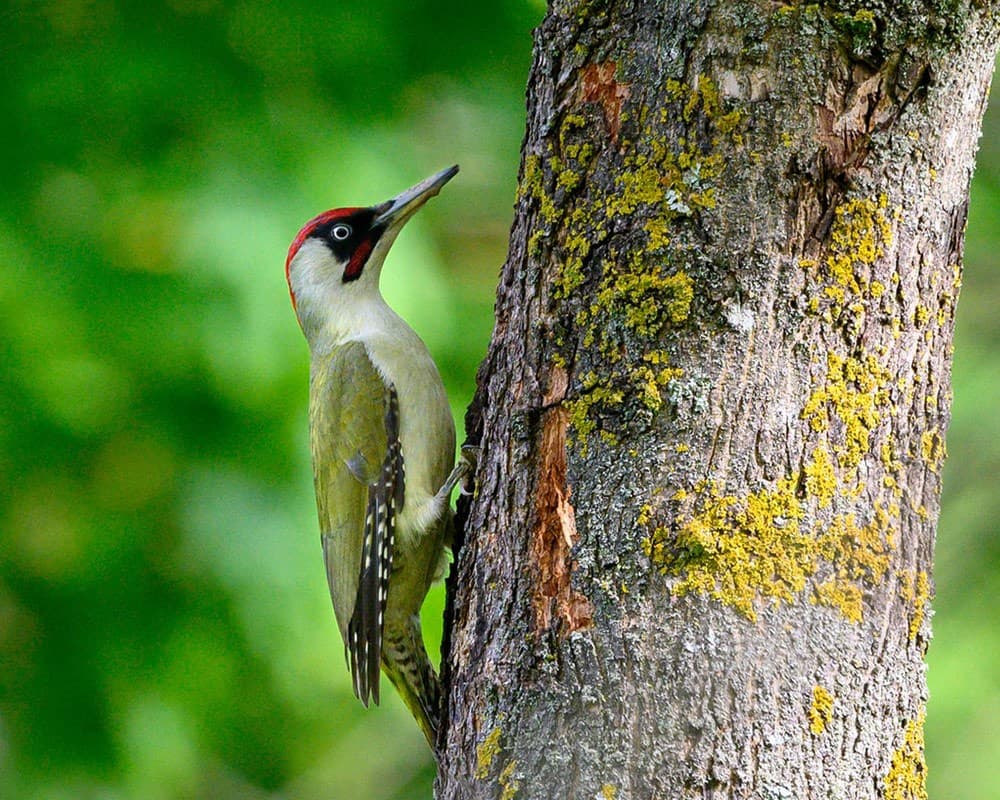 European Green WoodpeckerPicus viridisResidentCommon30–36 cmRegularly Jul–Feb · 0.90% in Feb
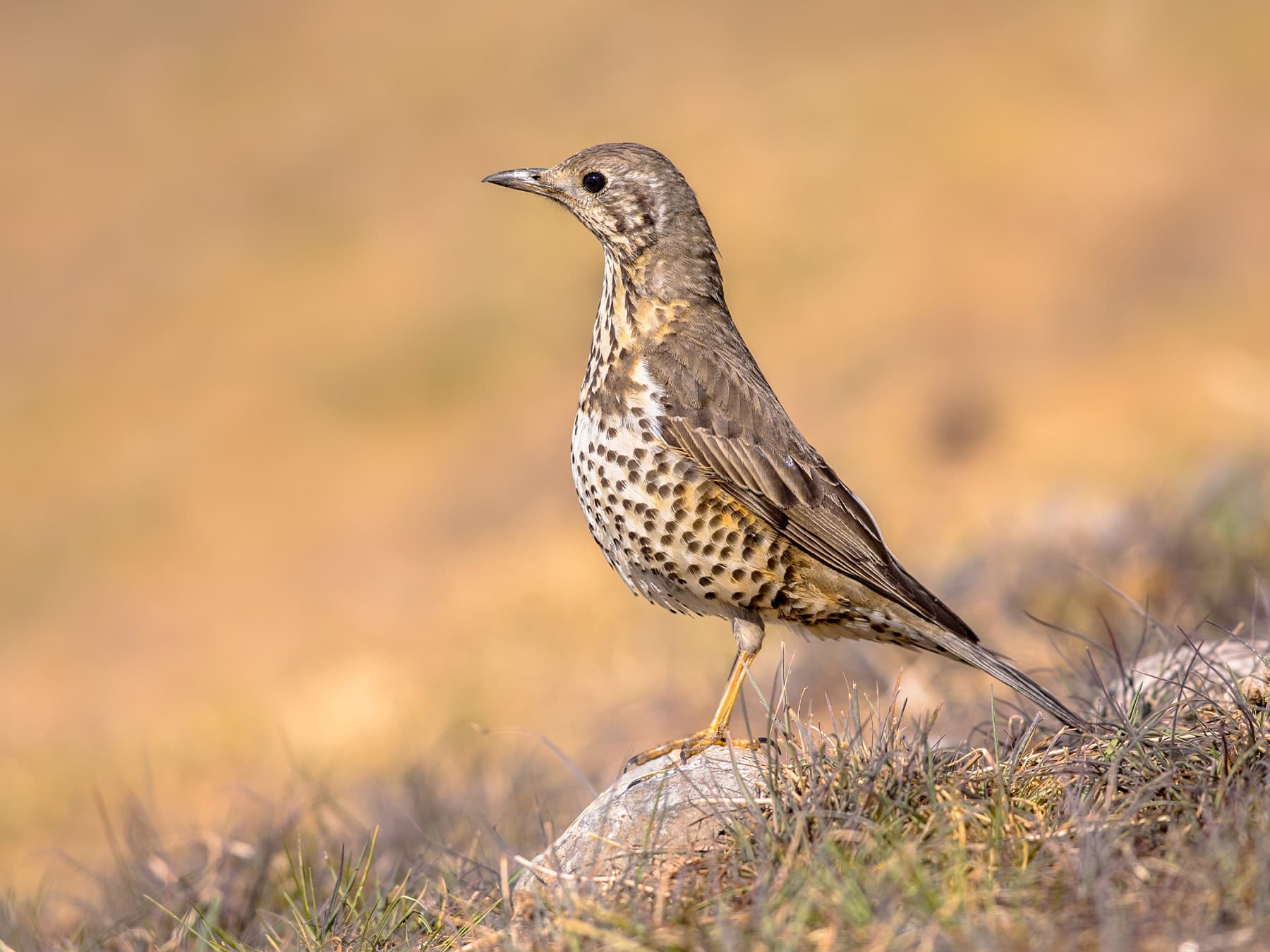 Mistle ThrushTurdus viscivorusResidentCommon26–29 cmRegularly Jan–Feb · 0.90% in Feb
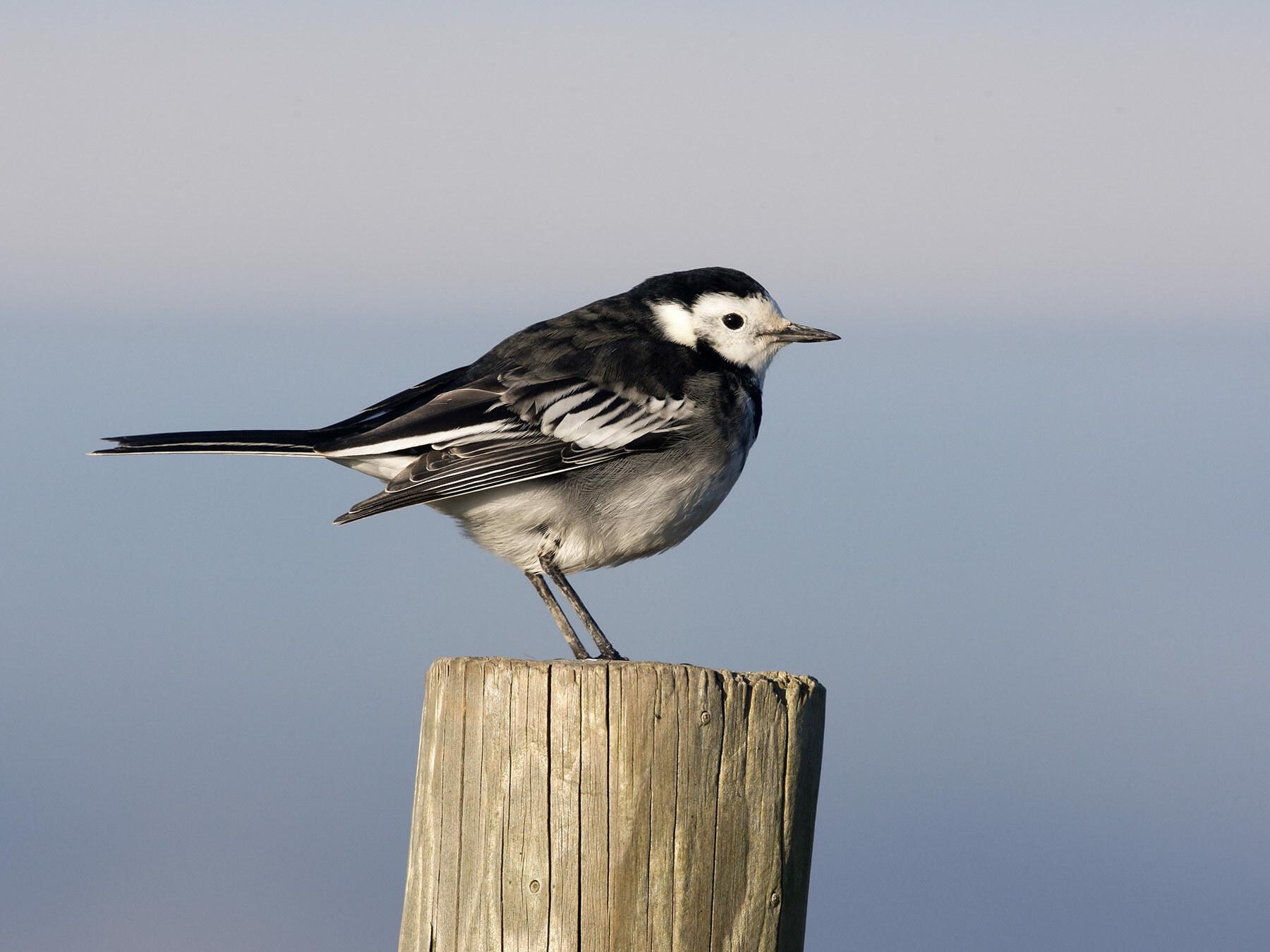 Pied WagtailMotacilla albaWinter visitorCommon17–18 cmRegularly Dec–Jun · 0.90% in Feb
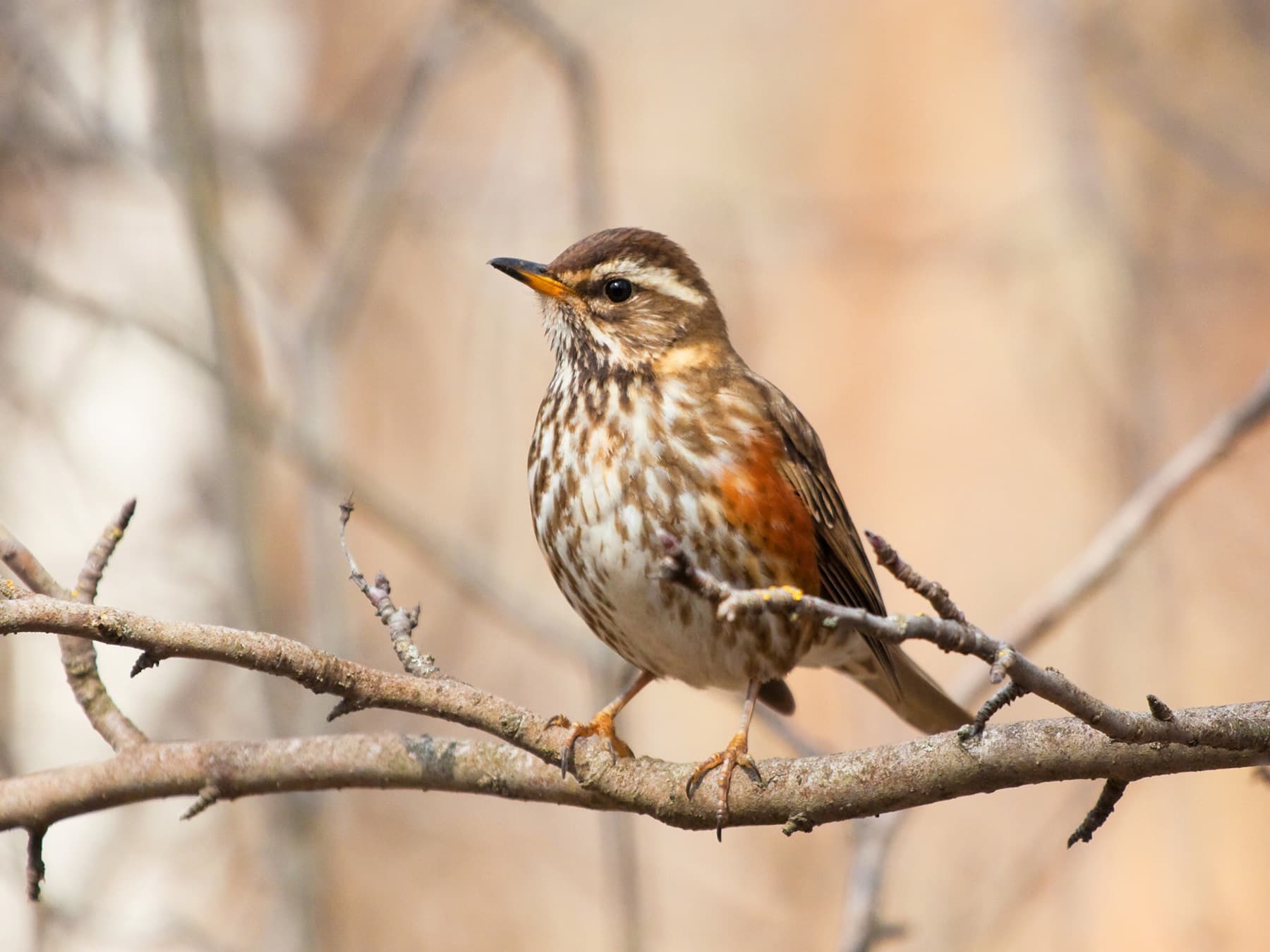 RedwingTurdus iliacusPassage migrantCommon20–24 cmRegularly Nov–Feb · 0.90% in Feb
Smallest to largest
Length, cm- Eurasian Wren 9–10 cm
- Coal Tit 10–12 cm
- Blue Tit 11–12 cm
- European Goldfinch 12–13 cm
- European Robin 13–14 cm
- Dunnock 14–15 cm
- Long-tailed Tit 13–16 cm
- Chaffinch 14–16 cm
- House Sparrow 14–17 cm
- Pied Wagtail 17–18 cm
- Song Thrush 20–23 cm
- Redwing 20–24 cm
- Blackbird 24–25 cm
- Great Spotted Woodpecker 23–26 cm
- Mistle Thrush 26–29 cm
- Eurasian Collared Dove 30–32 cm
- European Green Woodpecker 30–36 cm
- Moorhen 30–38 cm
- Jackdaw 34–39 cm
- Coot 36–42 cm
- Woodpigeon 40–42 cm
- Black-headed Gull 38–44 cm
- Magpie 44–46 cm
- Carrion Crow 45–47 cm
- Buzzard 51–57 cm
- Mallard 50–65 cm
- Lesser Black-backed Gull 52–64 cm
- Common Merganser 58–68 cm
- Canada Goose 76–110 cm
Body length, bill to tail. Rare birds in grey.
Data: EOD – eBird Observation Dataset (Cornell Lab of Ornithology), accessed via GBIF.org, CC BY 4.0. Records from 2019–2024, aggregated and filtered by Birdfact. How these lists are made