


Birds to See in French Guiana in June
30 bird species on our list for French Guiana are recorded regularly in June
Of these, the most often recorded are Palm Tanager, Lineated Woodpecker, Great White Egret, Roadside Hawk and Cattle Egret. New this month: Little Egret, Harpy Eagle and Great Horned Owl.
On the move in June
GBIF · JunArriving
At their peak
Leaving soon
From French Guiana’s bird records, 2019–2024: arriving birds are regular this month but not last; leaving birds are regular this month but not next.
Other months
All 30 birds in June
30 birds
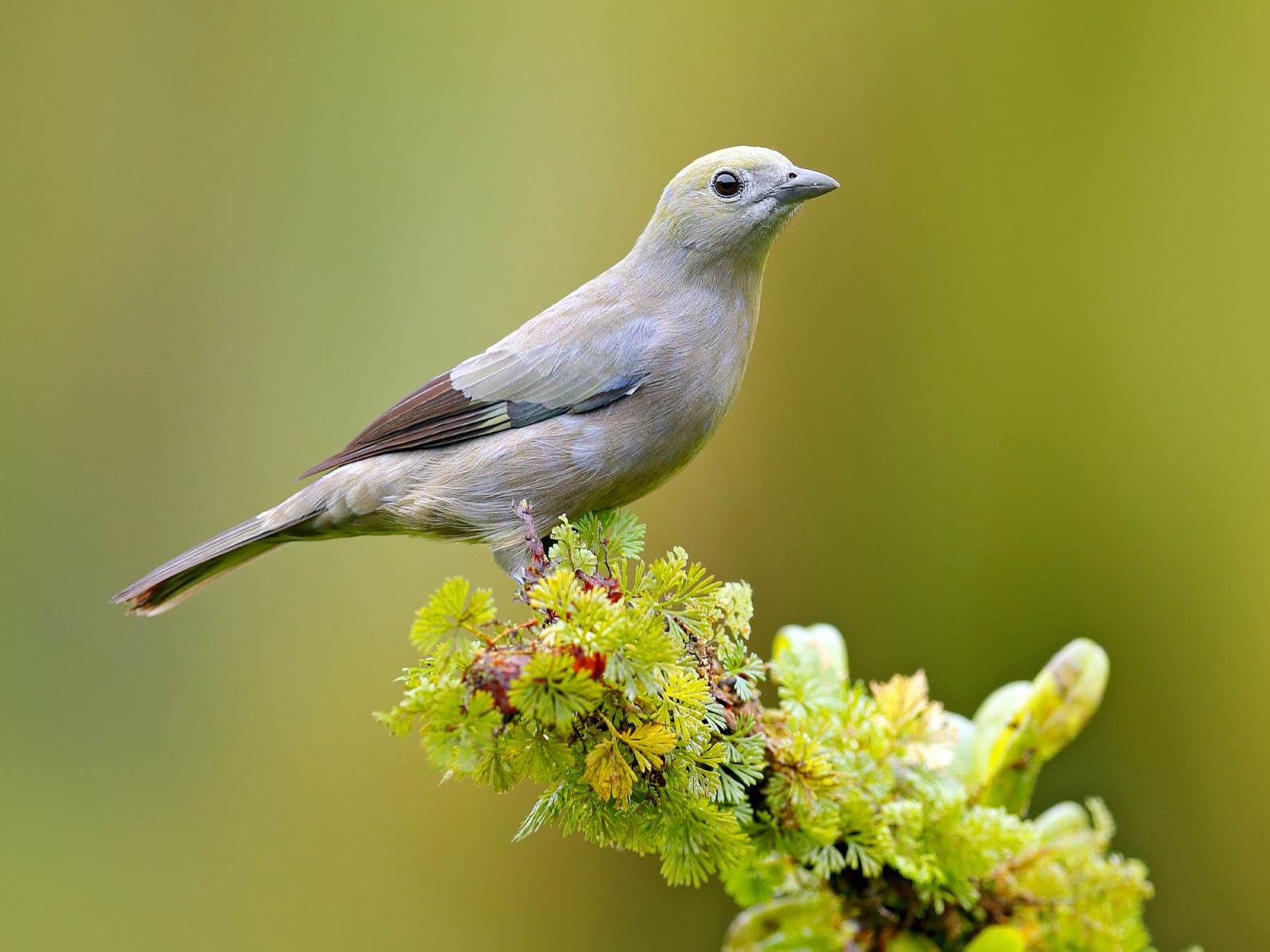 Palm TanagerThraupis palmarumResidentCommon16–18 cmRecorded all year · 1.19% in Jun
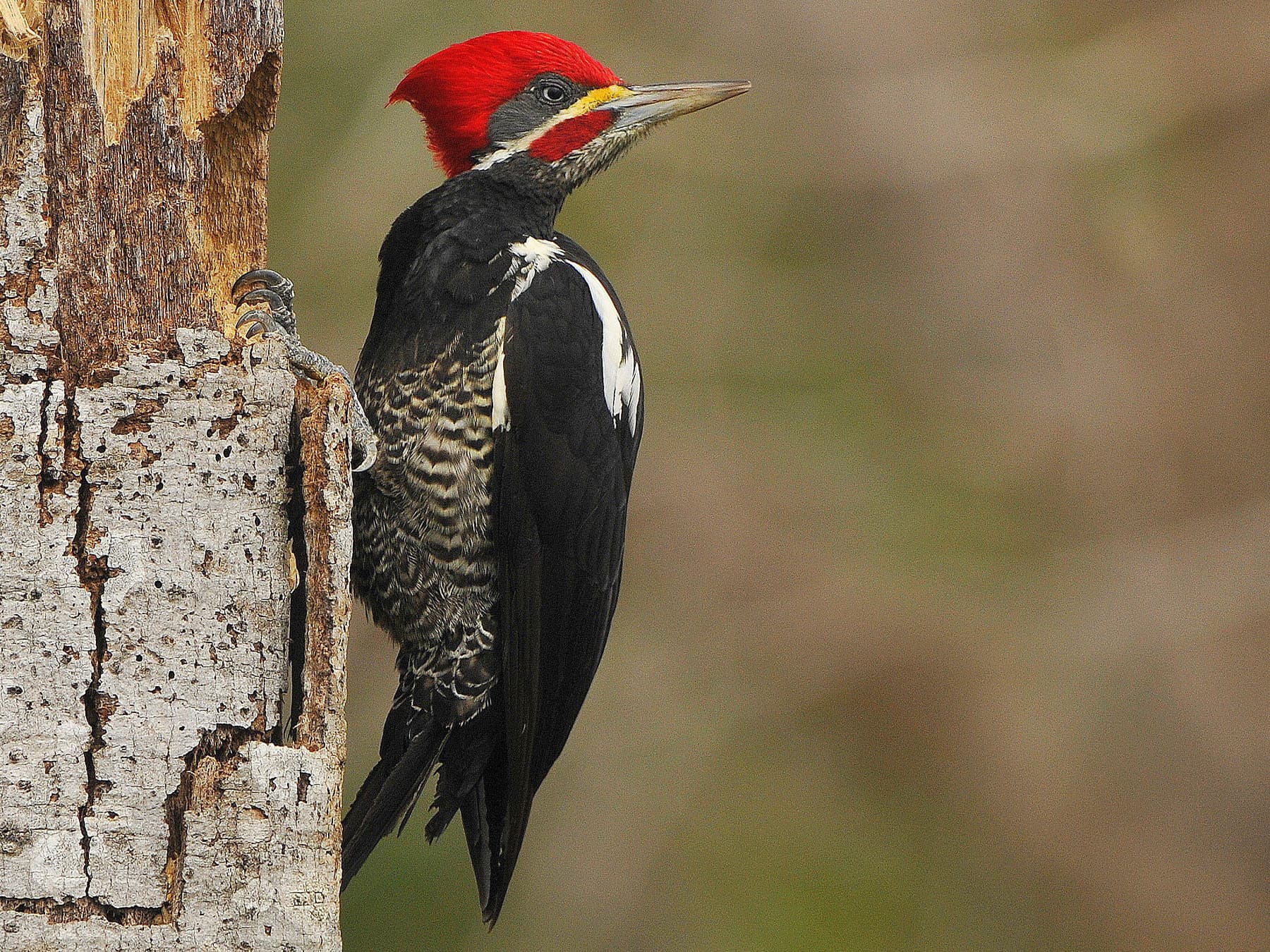 Lineated WoodpeckerDryocopus lineatusResidentCommon32–38 cmRecorded all year · 0.57% in Jun
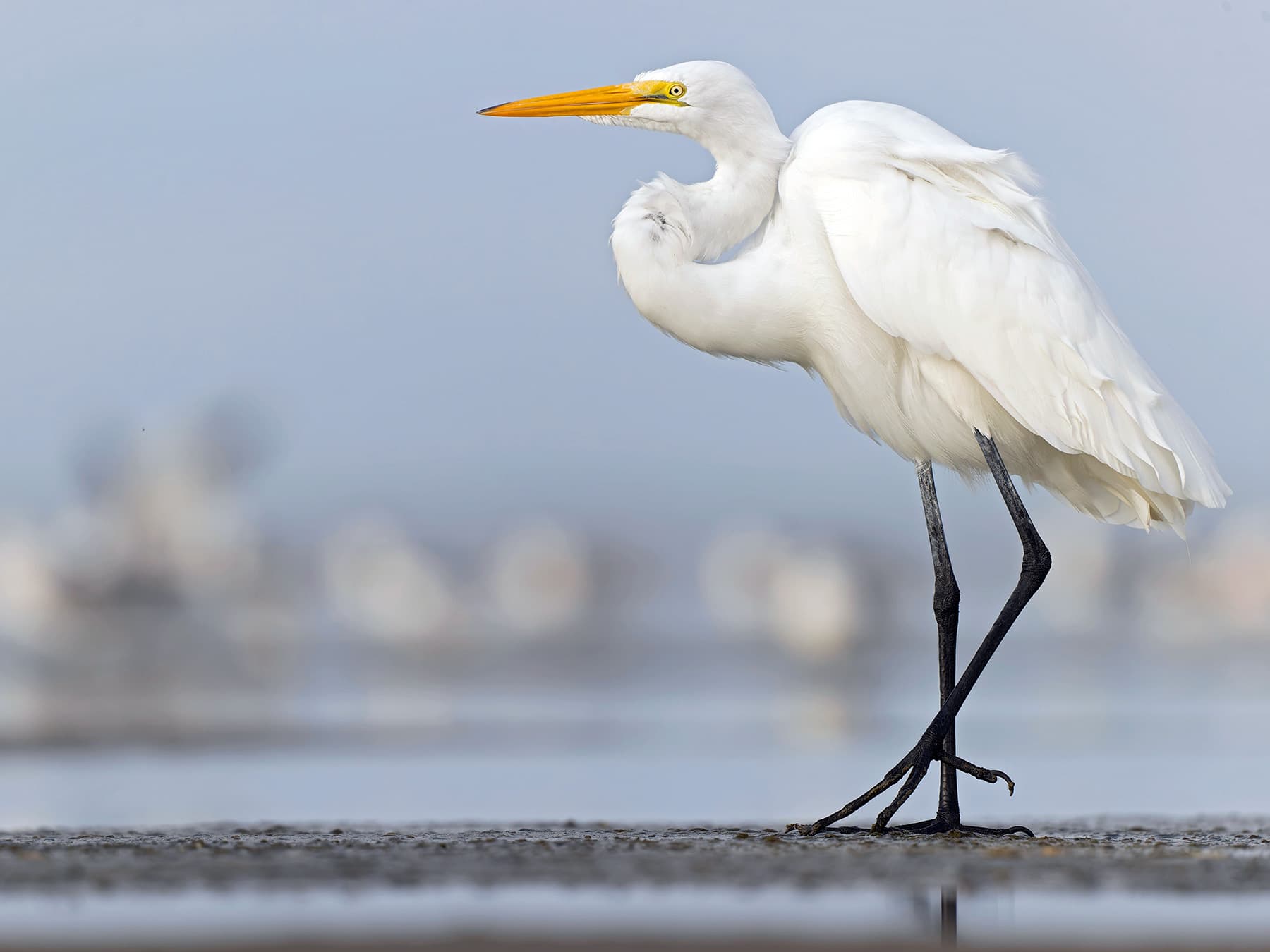 Great White EgretArdea albaResidentCommon80–104 cmRecorded all year · 0.54% in Jun
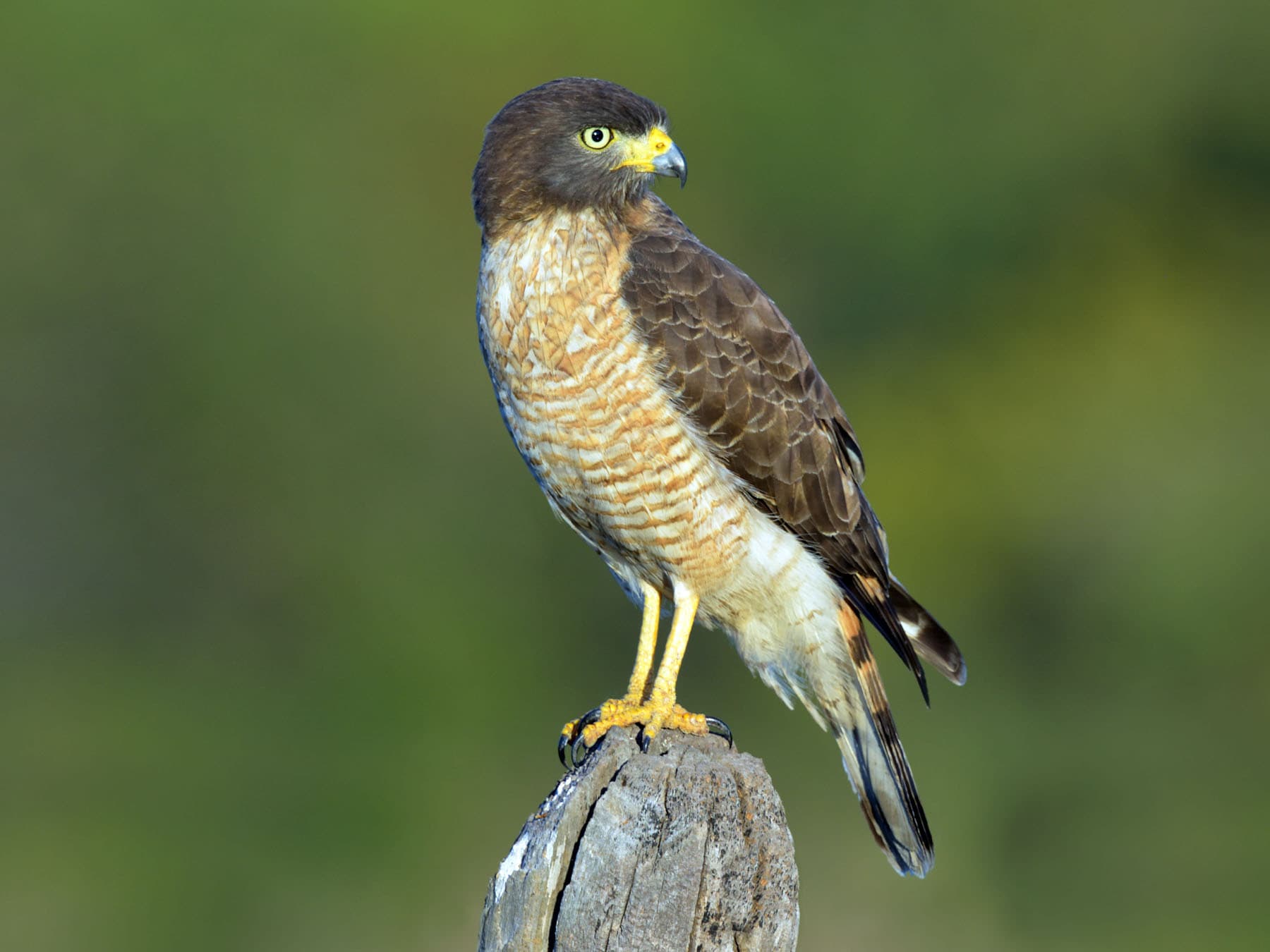 Roadside HawkRupornis magnirostrisResidentCommon33–41 cmRecorded all year · 0.50% in Jun
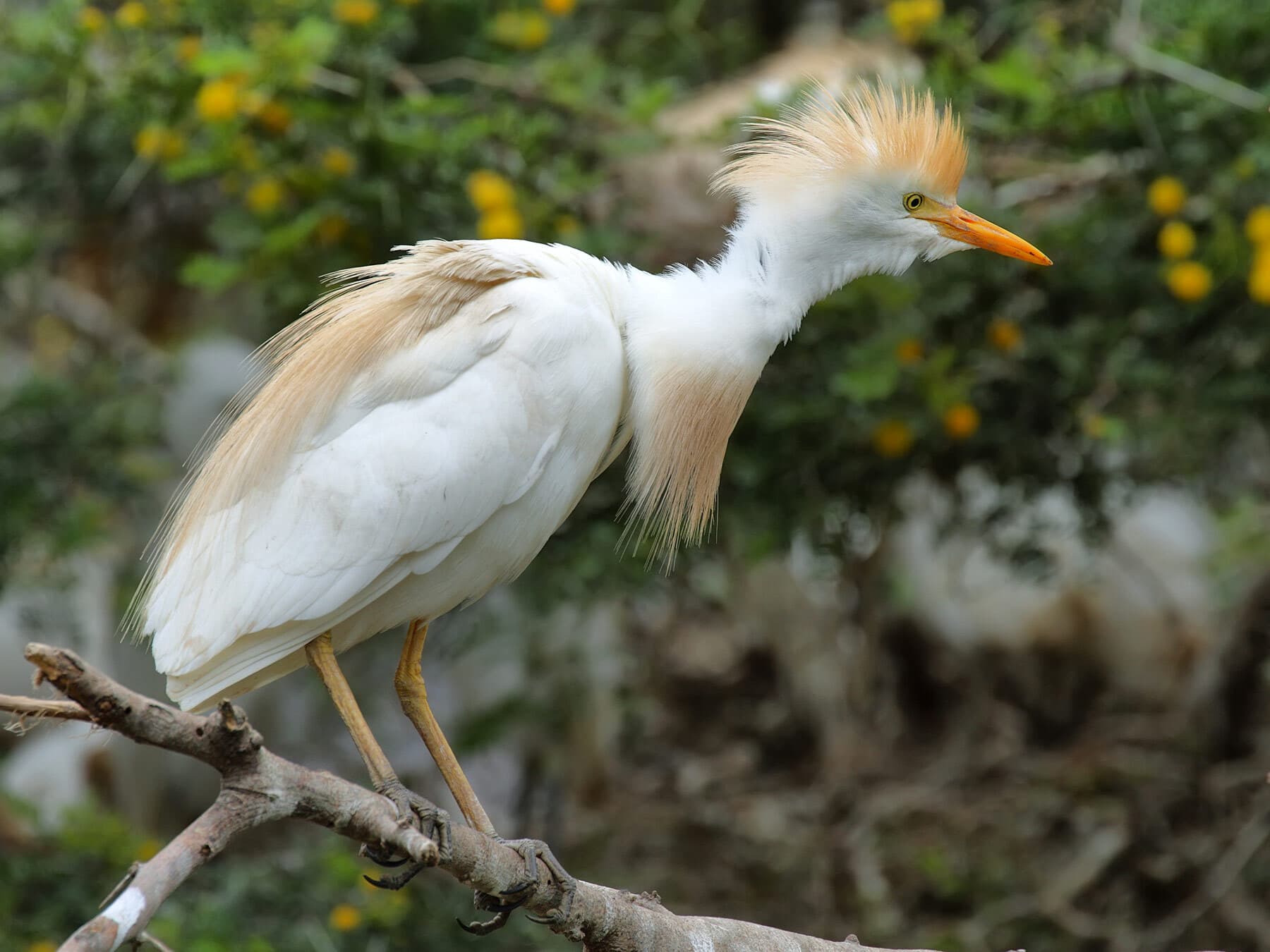 Cattle EgretArdea ibisResidentUncommon46–56 cmRecorded all year · 0.26% in Jun
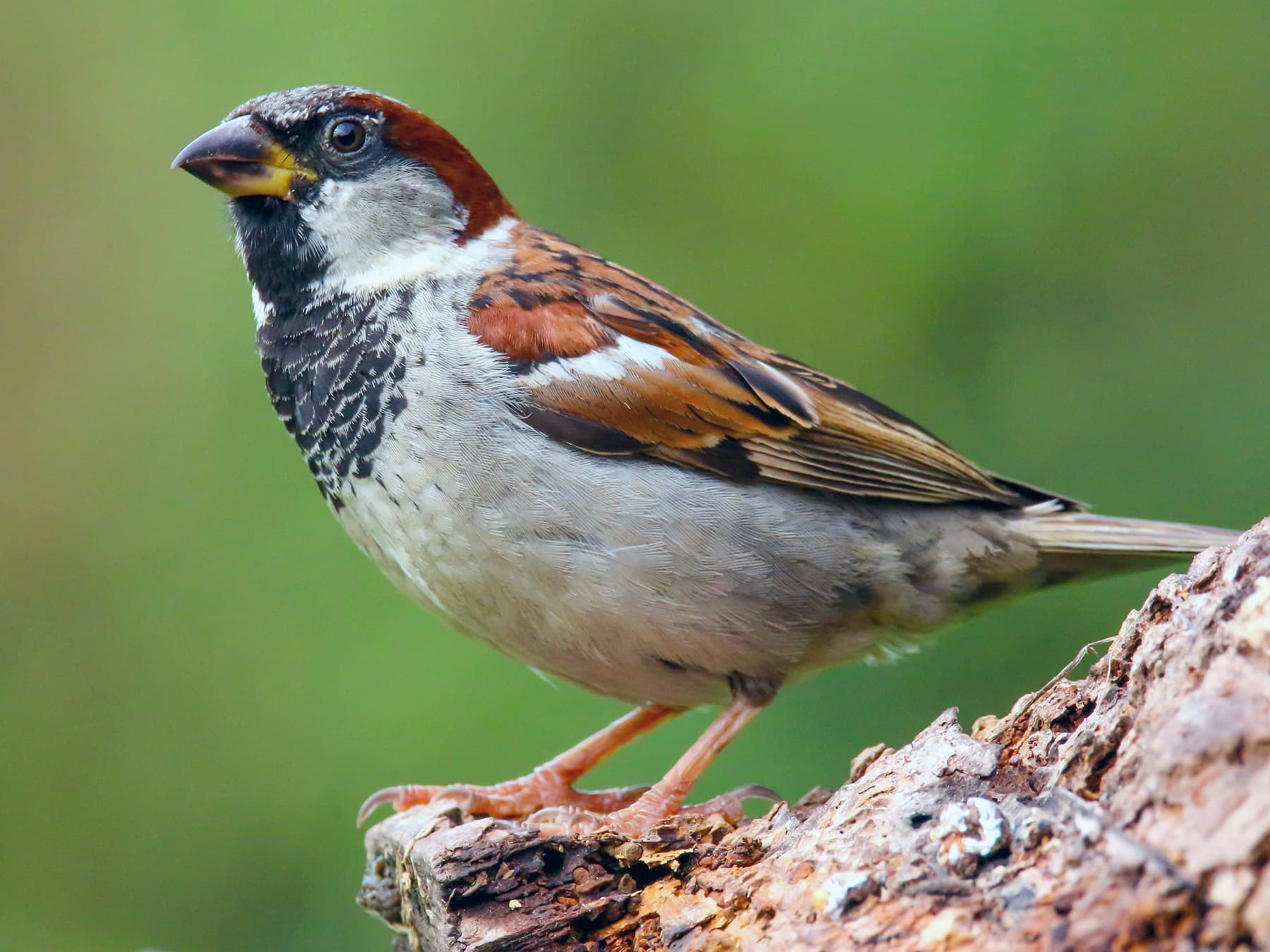 House SparrowPasser domesticusResidentUncommon14–17 cmRecorded all year · 0.25% in Jun
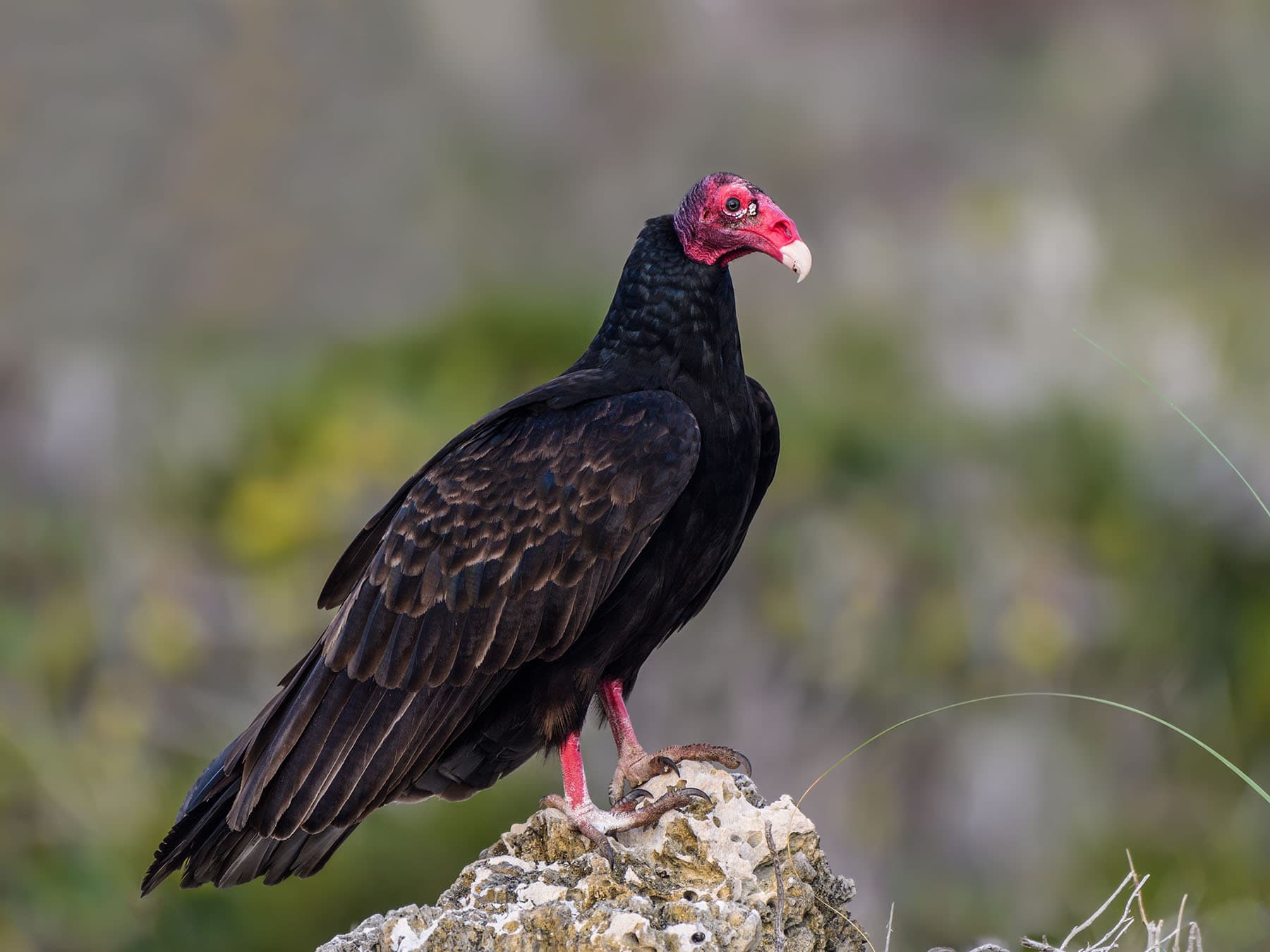 Turkey VultureCathartes auraResidentCommon62–81 cmRecorded all year · 0.25% in Jun
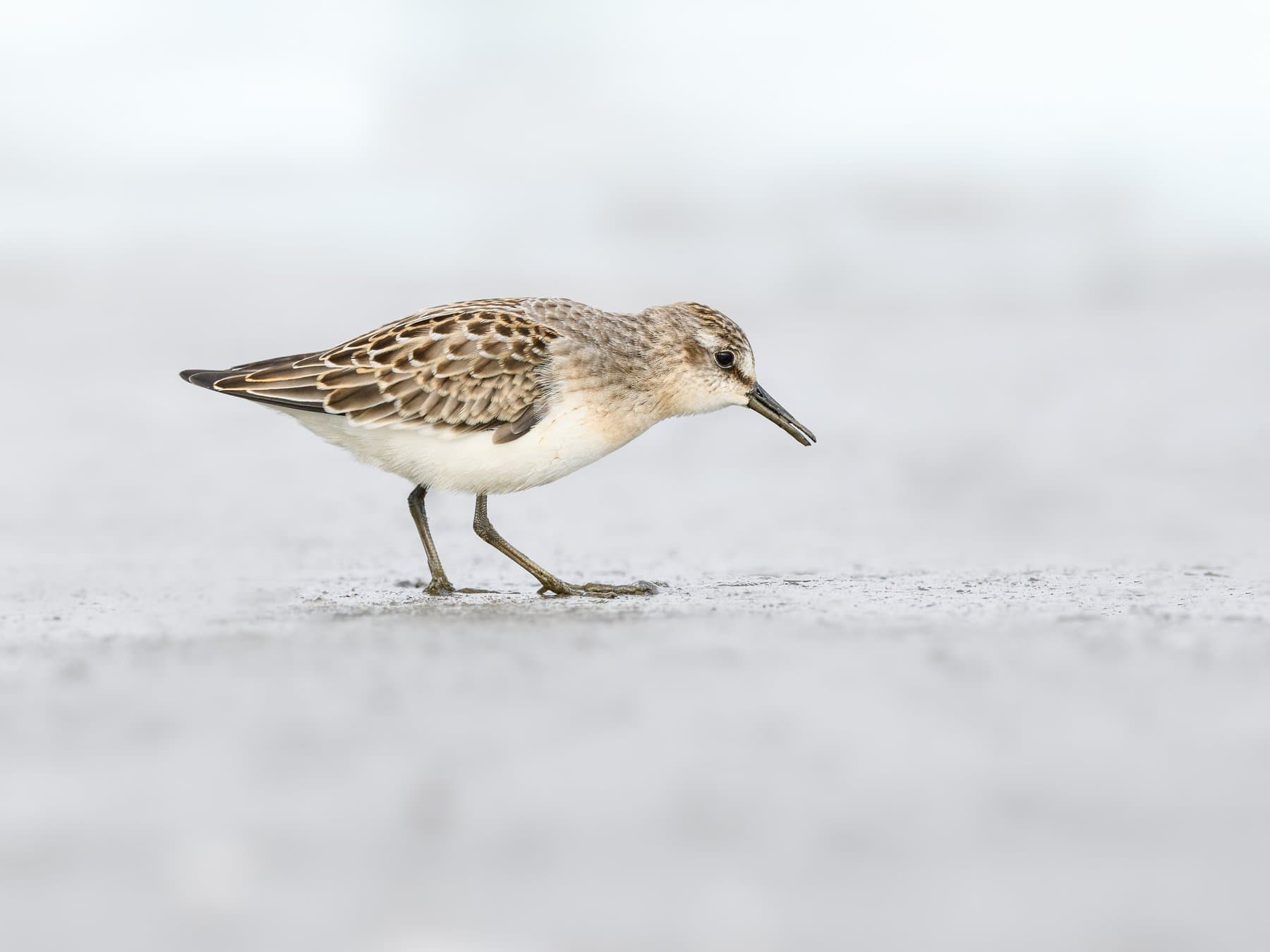 Semipalmated SandpiperCalidris pusillaResidentCommon15–18 cmRecorded all year · 0.20% in Jun
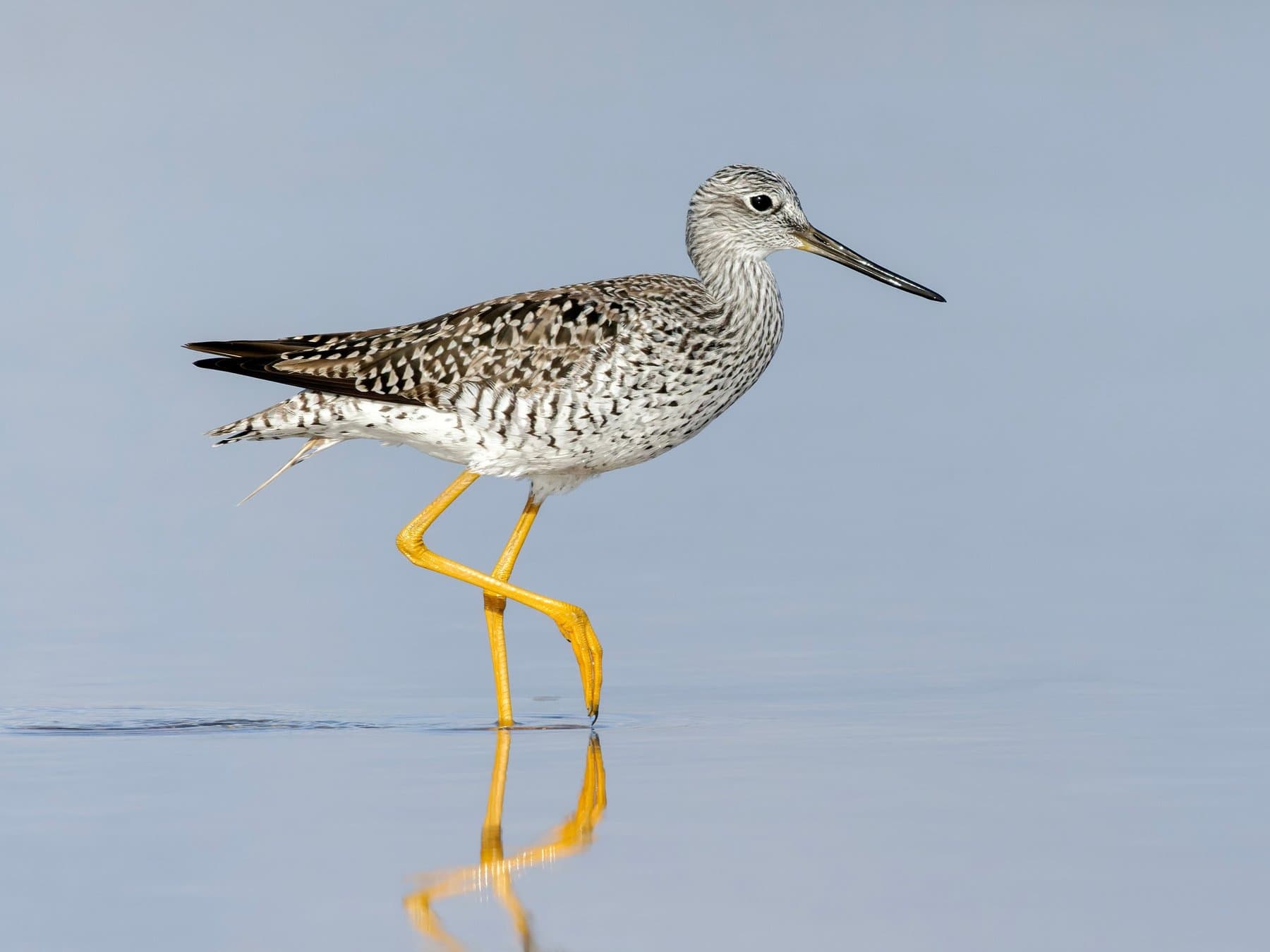 Greater YellowlegsTringa melanoleucaResidentCommon29–40 cmRecorded all year · 0.15% in Jun
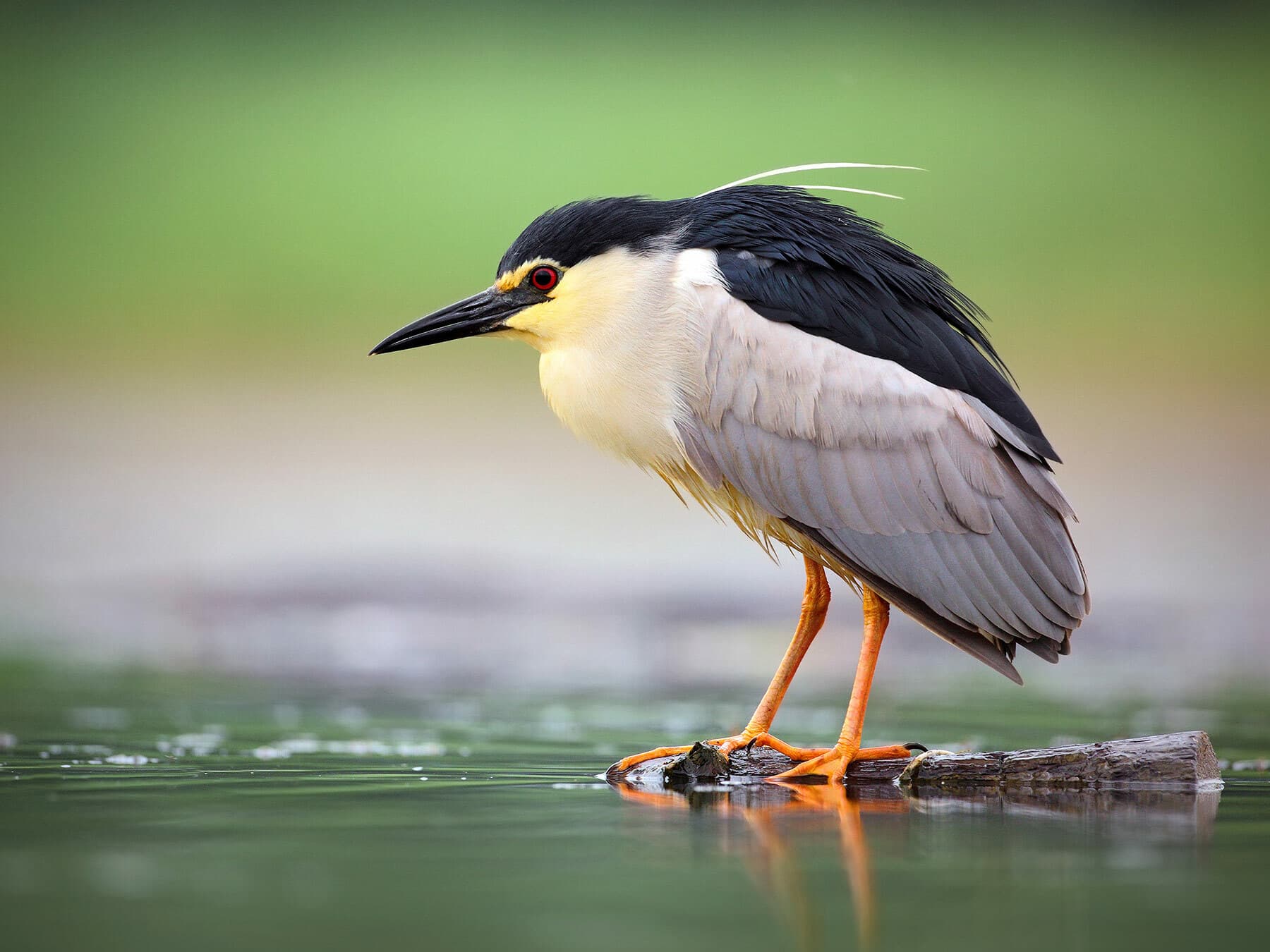 Black-crowned Night-heronNycticorax nycticoraxResidentUncommon58–65 cmRecorded all year · 0.14% in Jun
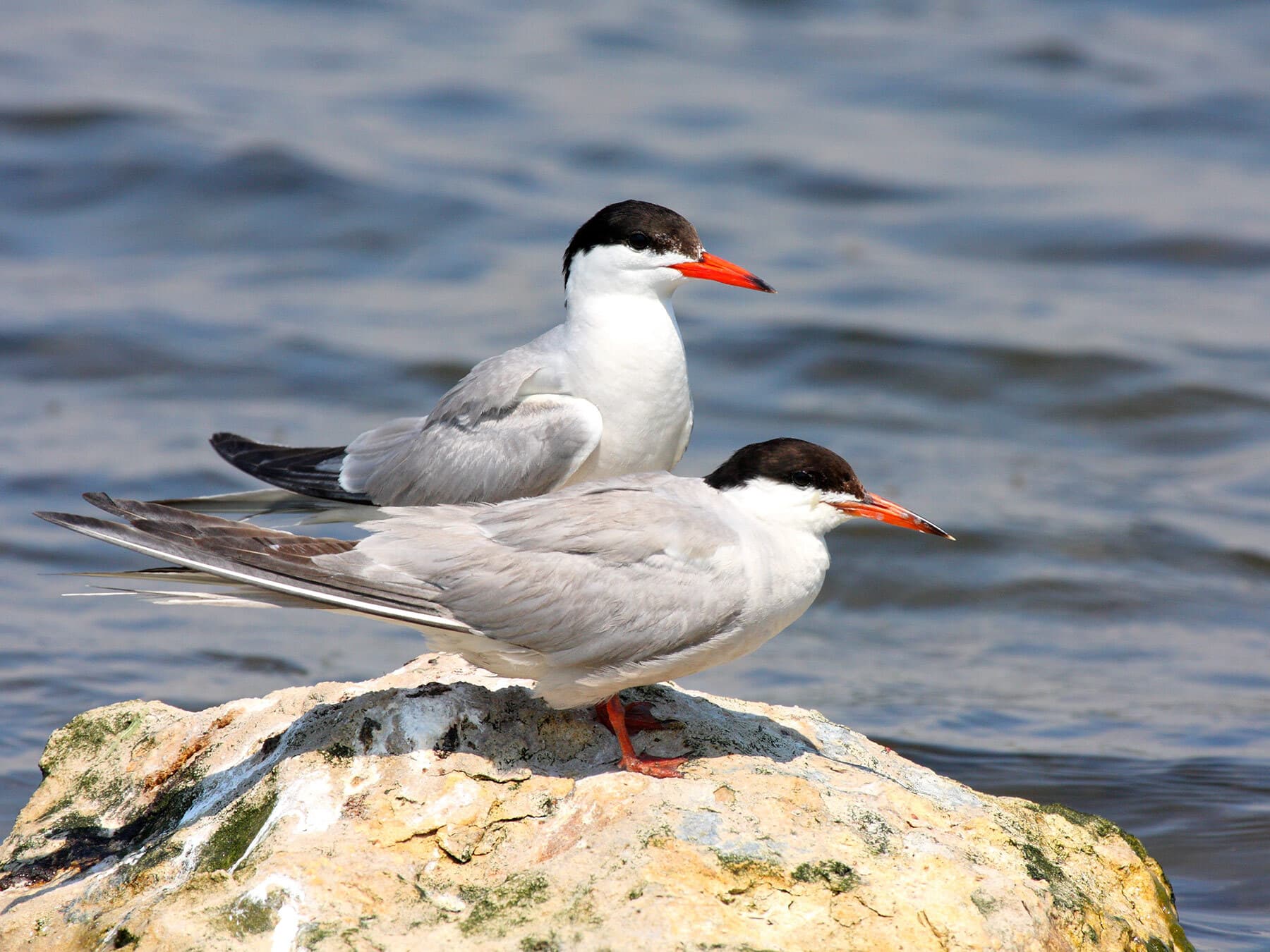 Common TernSterna hirundoResidentUncommon31–35 cmRegularly May–Feb · 0.13% in Jun
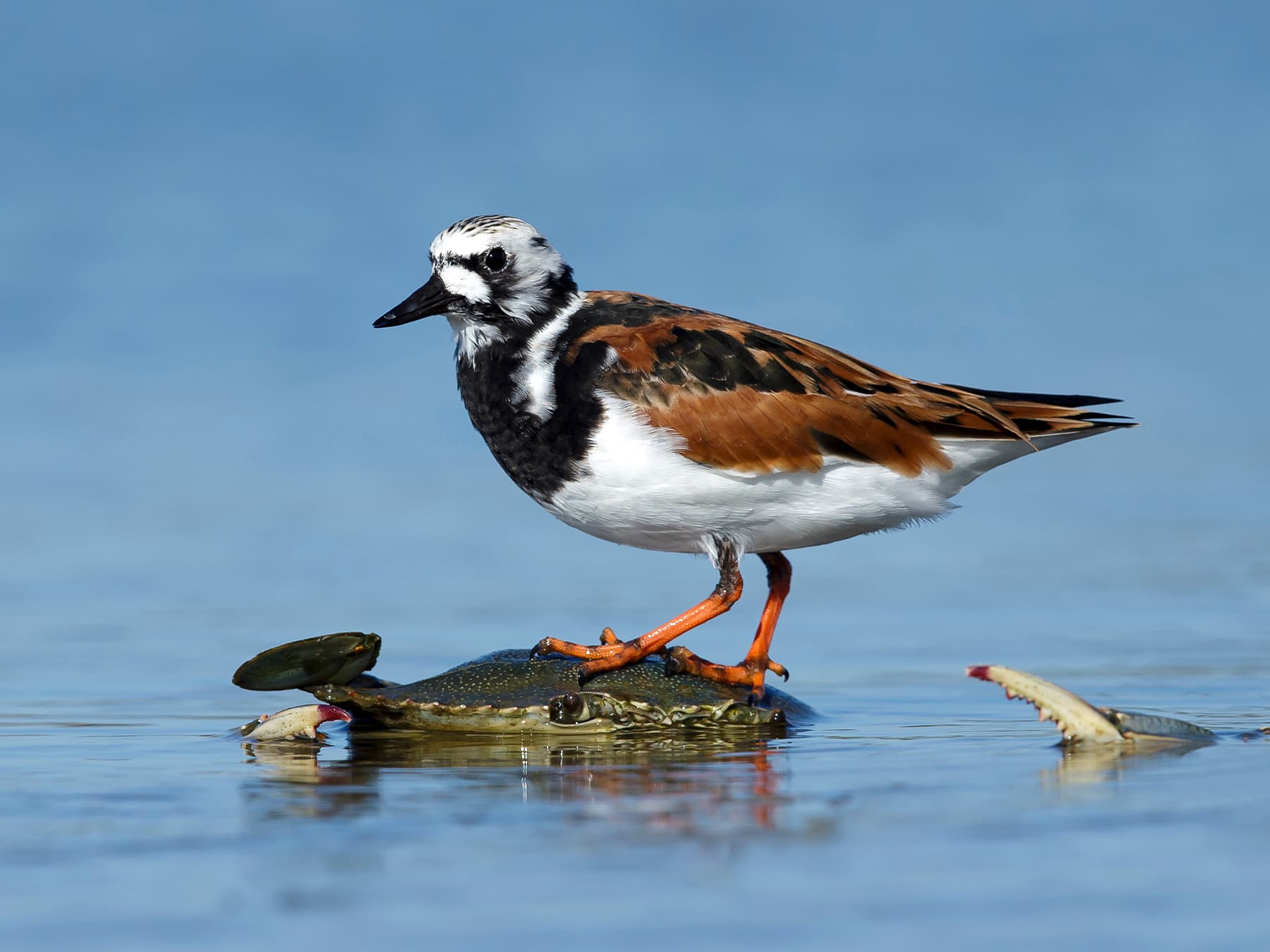 Ruddy TurnstoneArenaria interpresResidentCommon21–24 cmRecorded all year · 0.13% in Jun
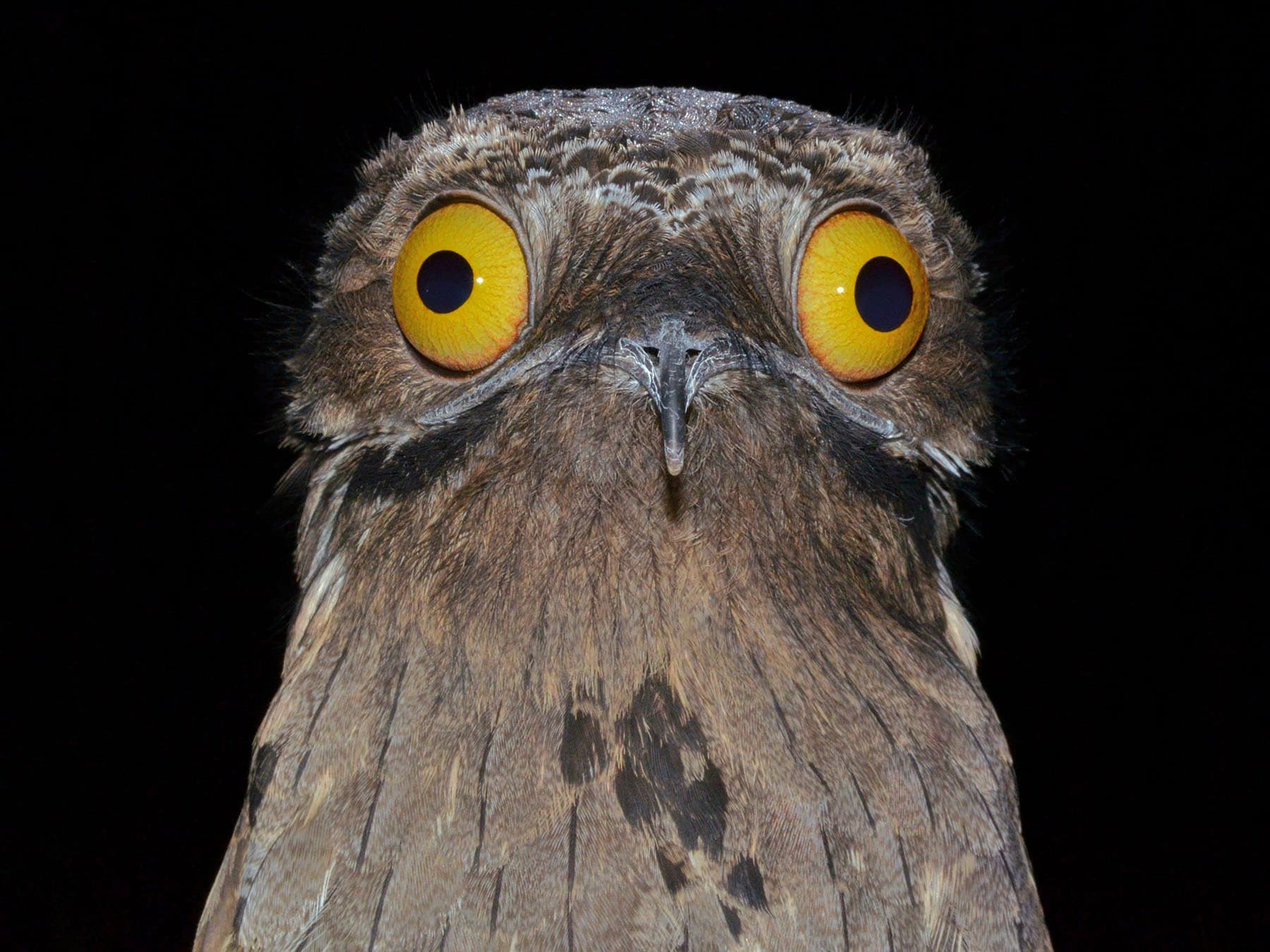 Common PotooNyctibius griseusSummer visitorUncommon33–38 cmRegularly Feb–Nov · 0.12% in Jun
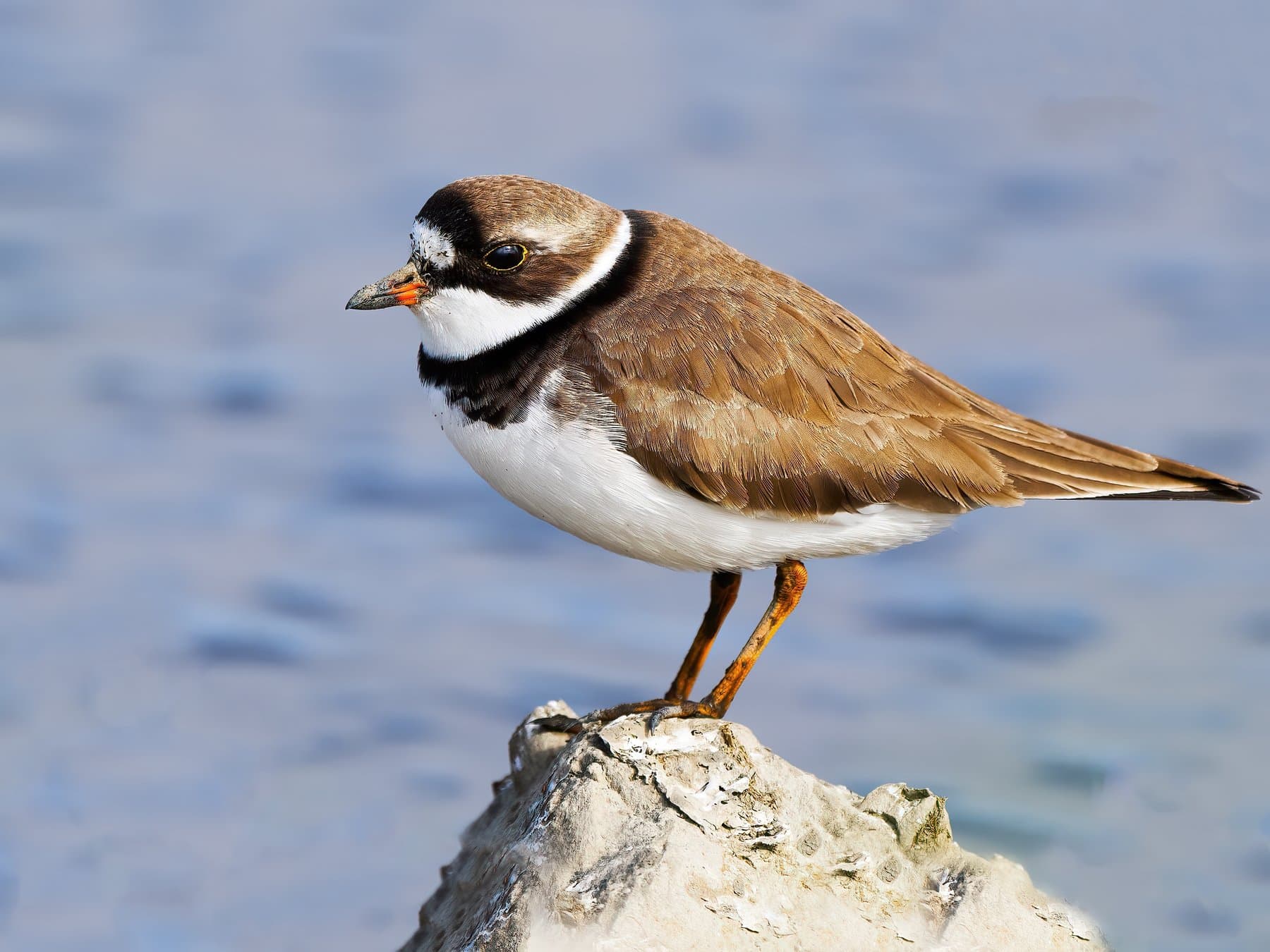 Semipalmated PloverCharadrius semipalmatusResidentCommon17–19 cmRecorded all year · 0.12% in Jun
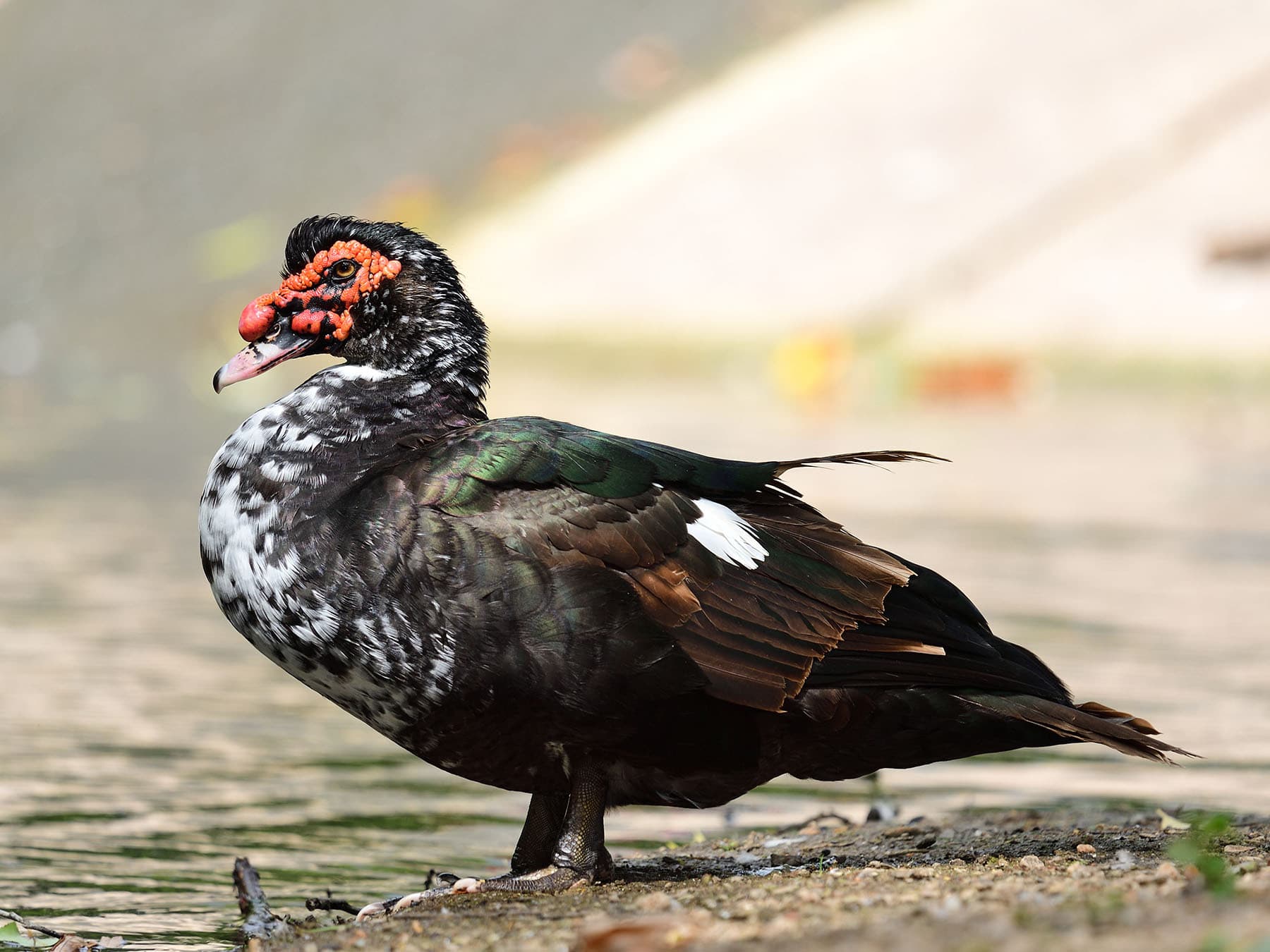 Muscovy DuckCairina moschataResidentUncommon66–84 cmRecorded all year · 0.11% in Jun
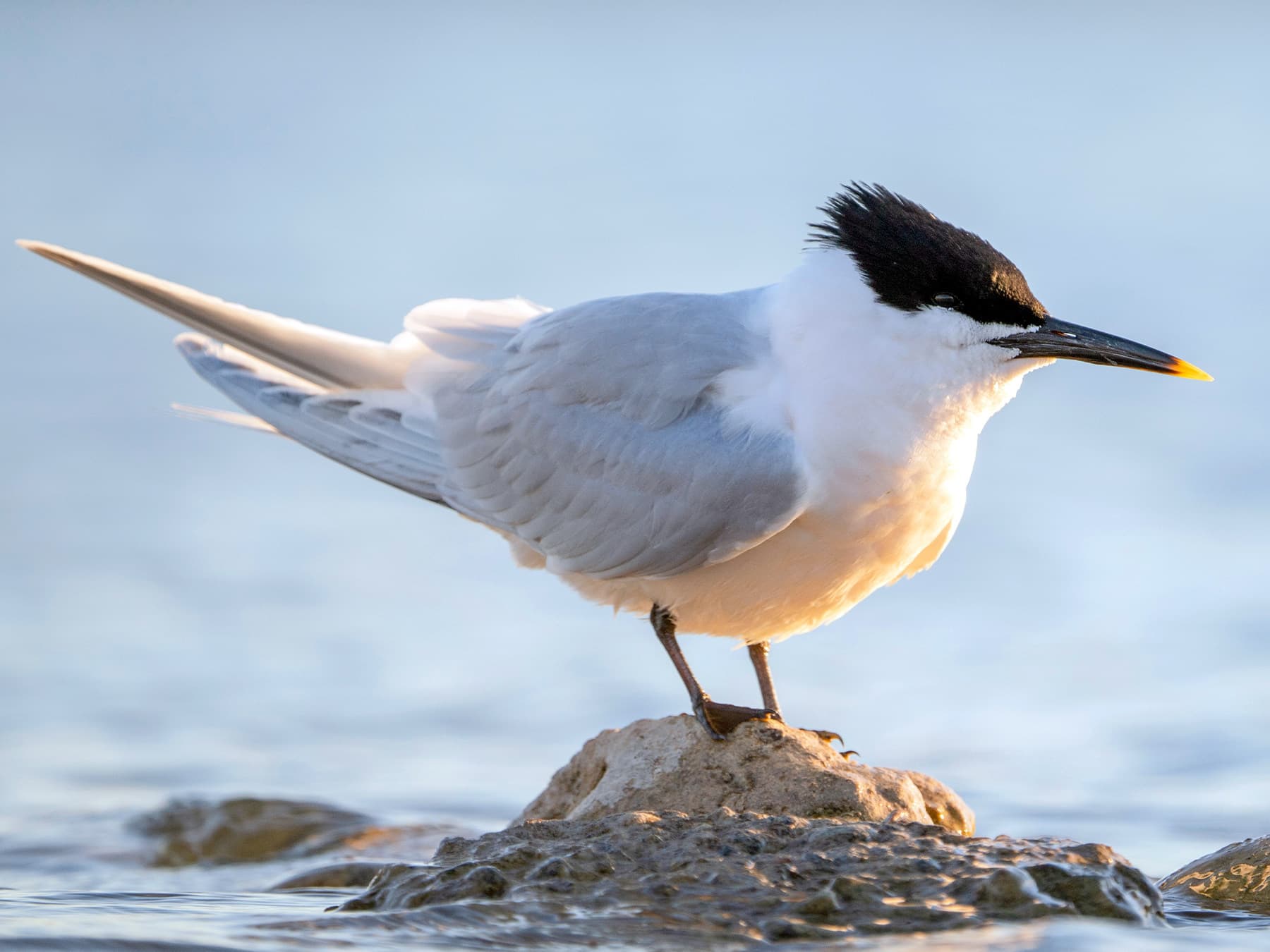 Sandwich TernThalasseus sandvicensisResidentUncommon36–41 cmRegularly Oct–Aug · 0.11% in Jun
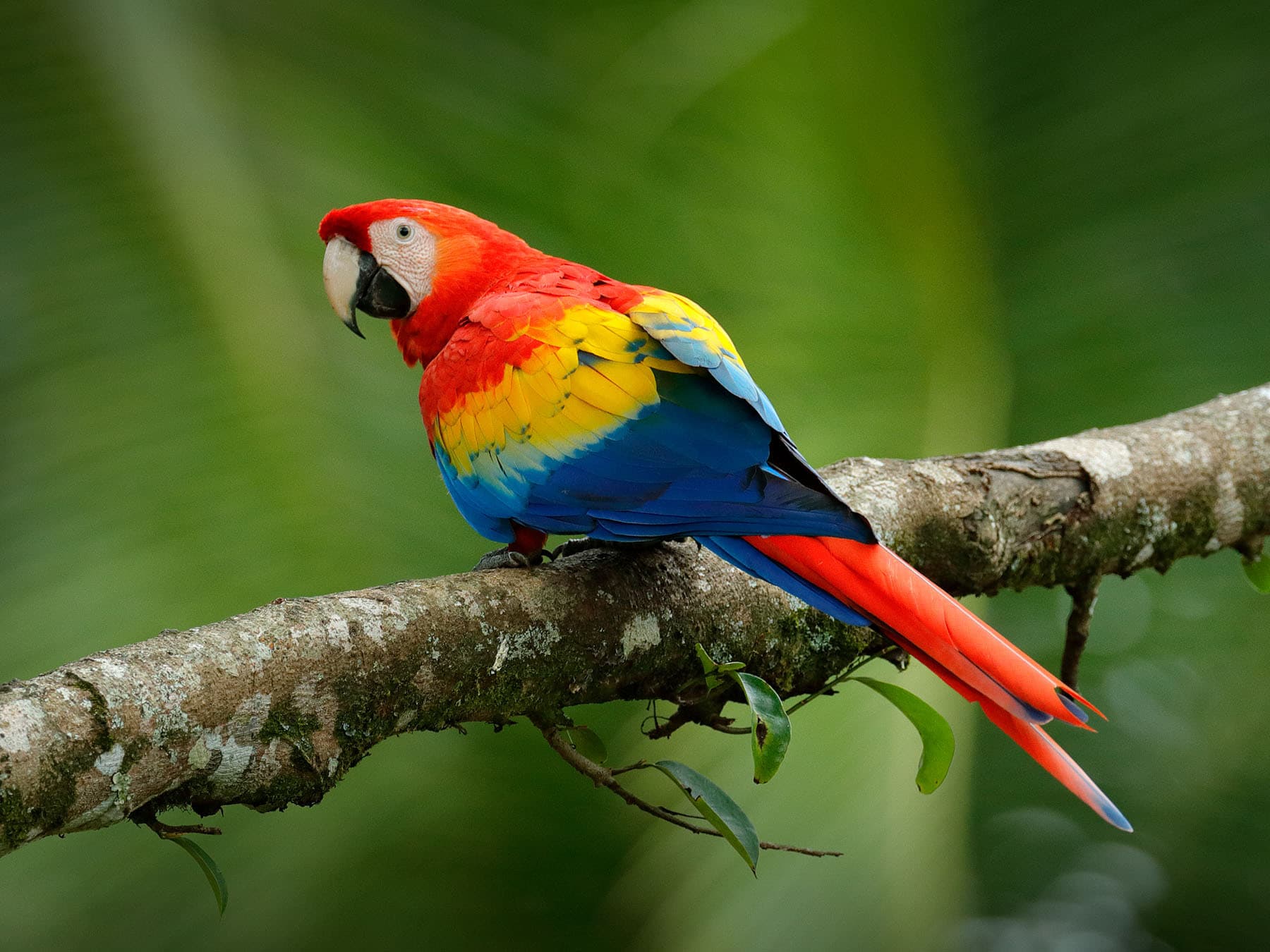 Scarlet MacawAra macaoResidentUncommon81–96 cmRecorded all year · 0.11% in Jun
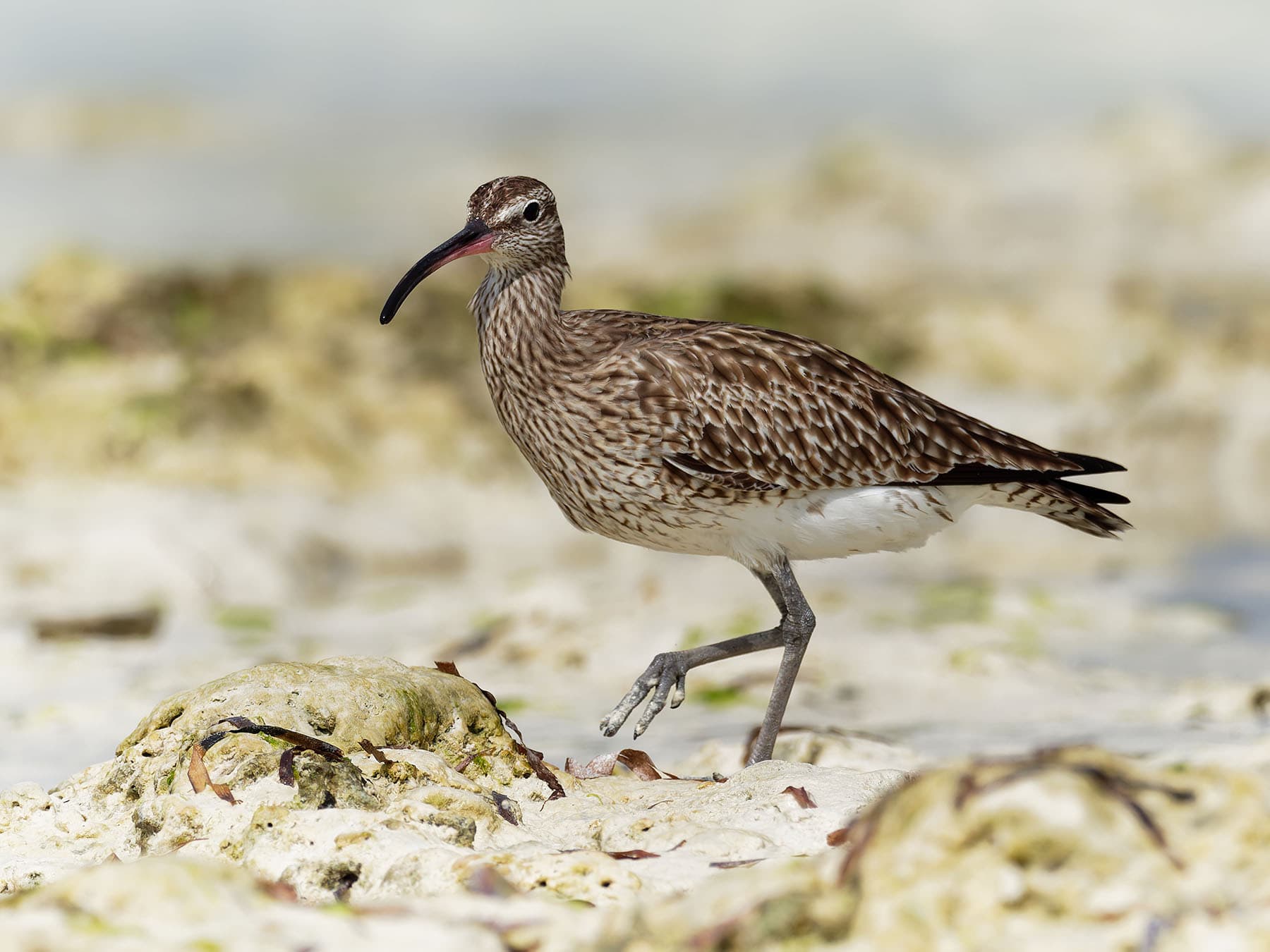 WhimbrelNumenius phaeopusResidentUncommon40–46 cmRecorded all year · 0.11% in Jun
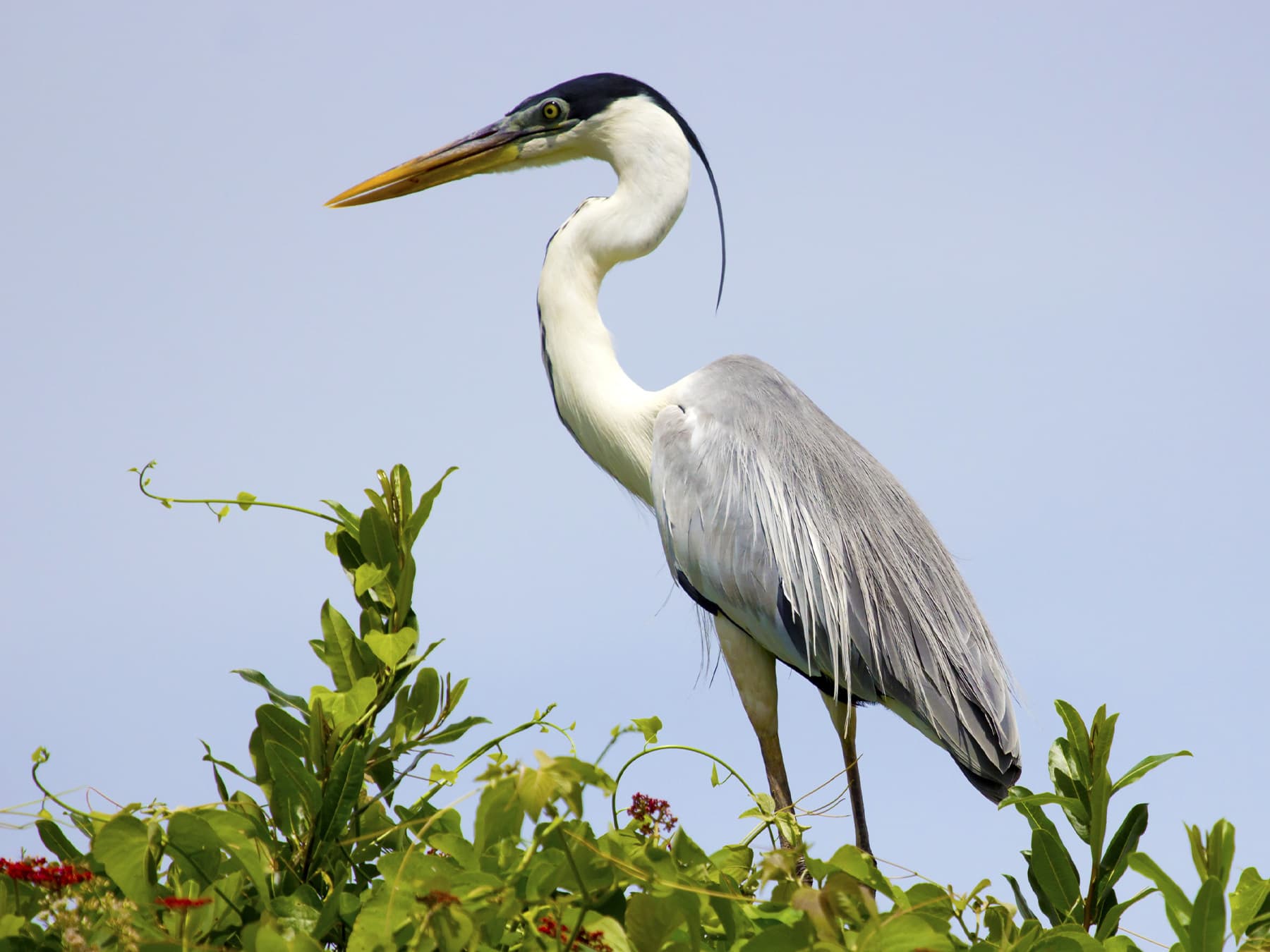 Cocoi HeronArdea cocoiResidentUncommon95–127 cmRecorded all year · 0.10% in Jun
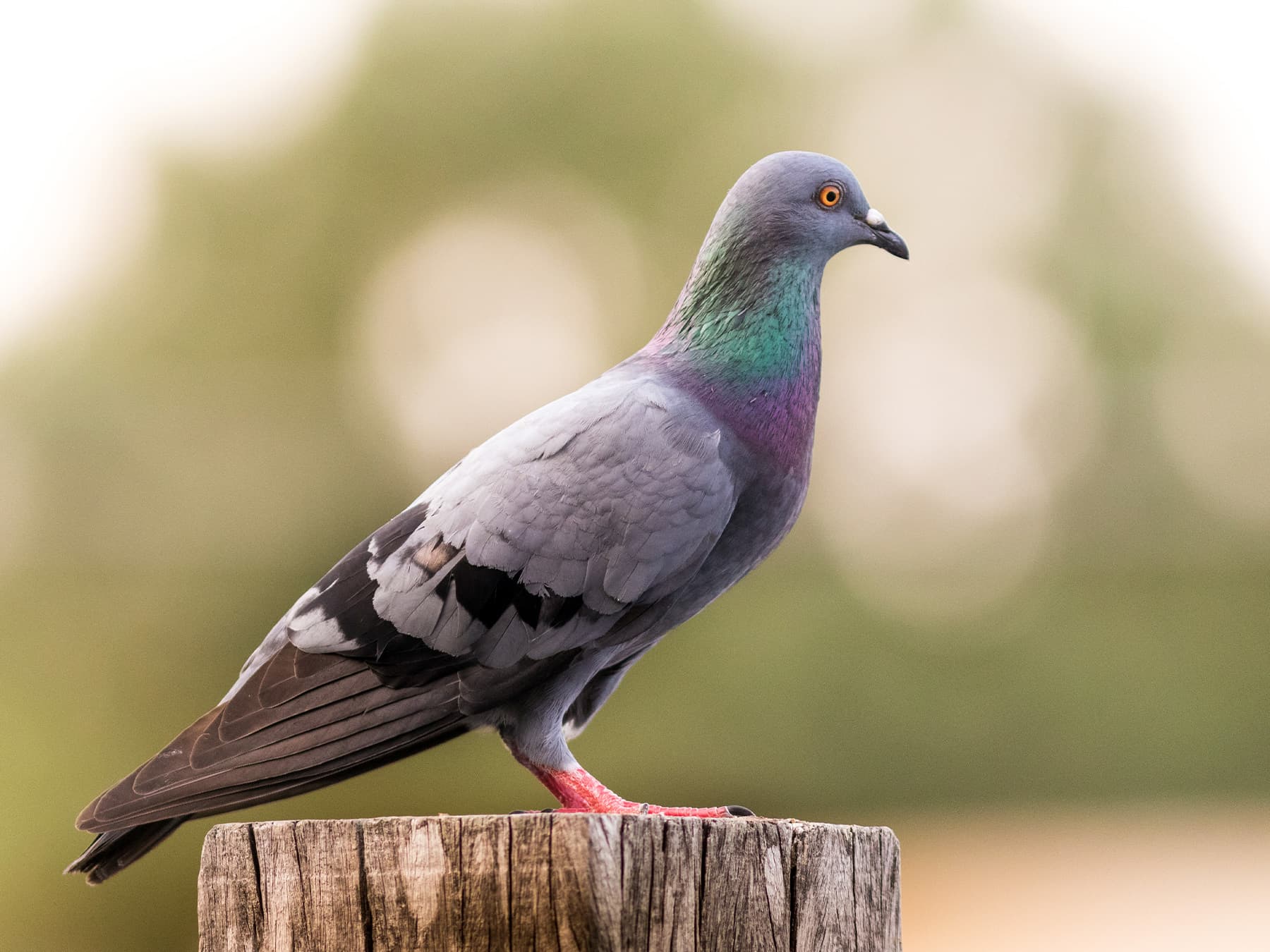 Rock DoveColumba liviaResidentUncommon29–37 cmRegularly Sep–Jul · 0.10% in Jun
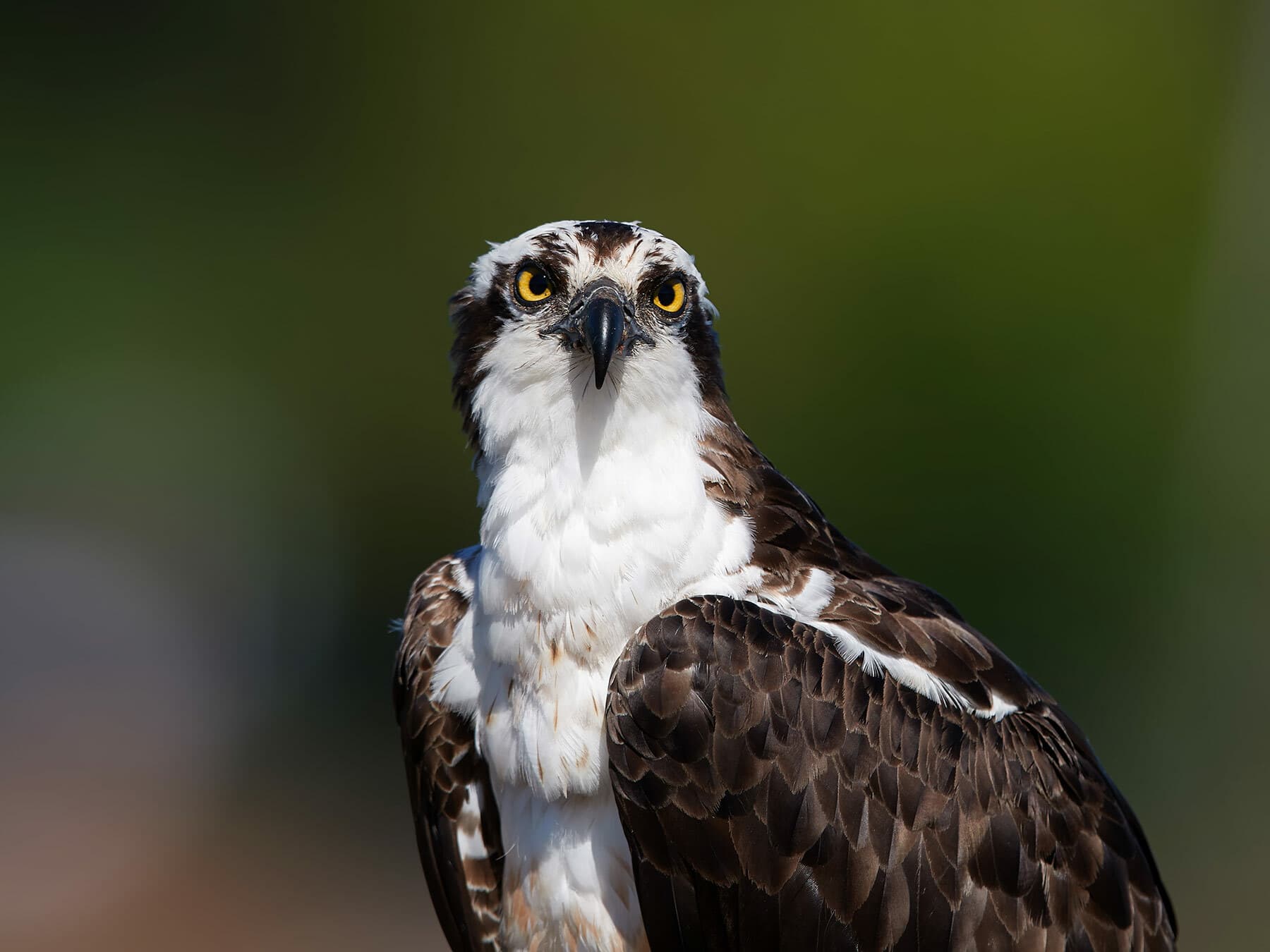 OspreyPandion haliaetusWinter visitorCommon54–58 cmRecorded all year · 0.09% in Jun
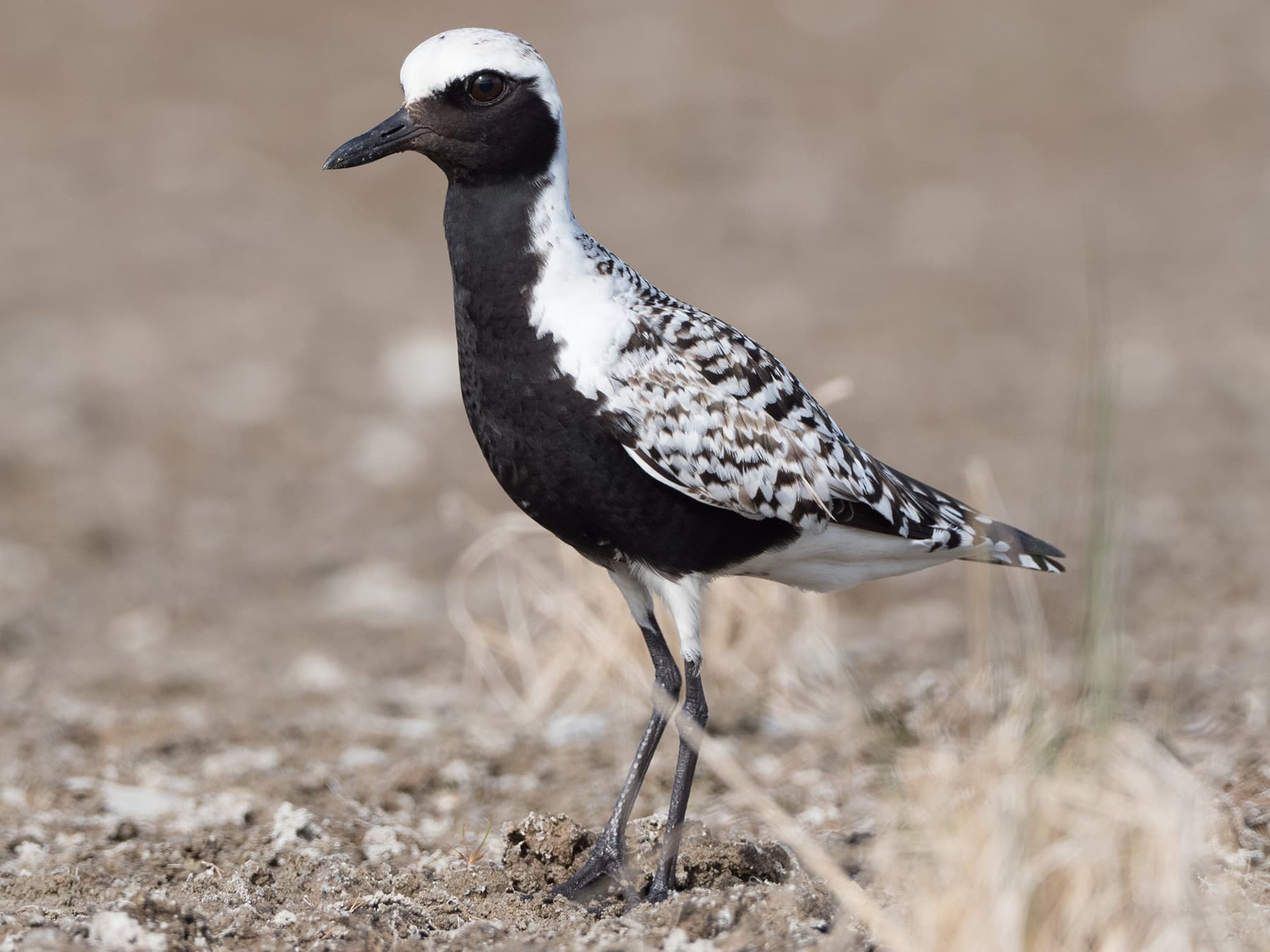 Grey PloverPluvialis squatarolaResidentUncommon27–30 cmRecorded all year · 0.07% in Jun
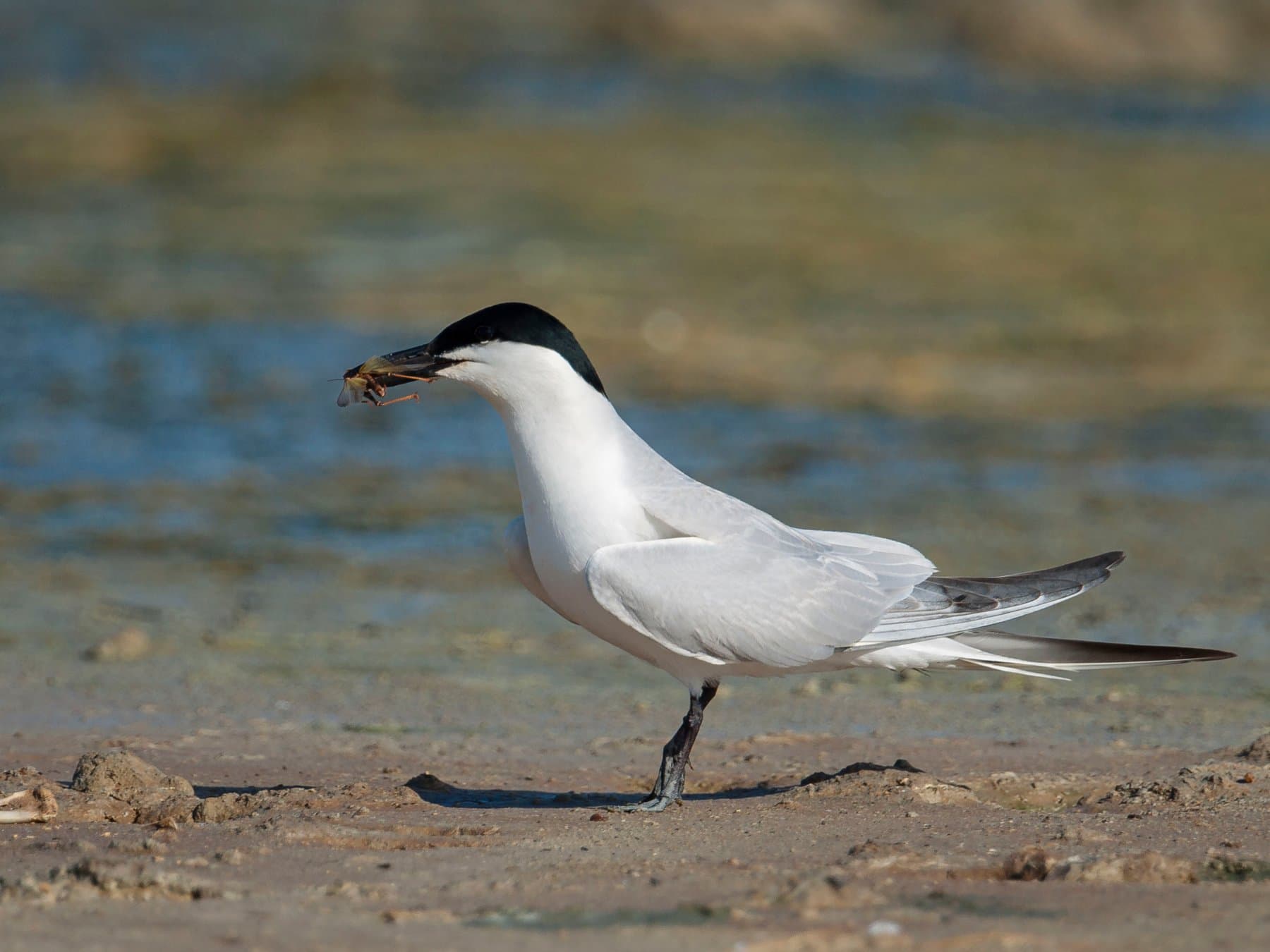 Gull-billed TernGelochelidon niloticaResidentUncommon33–42 cmRecorded all year · 0.06% in Jun
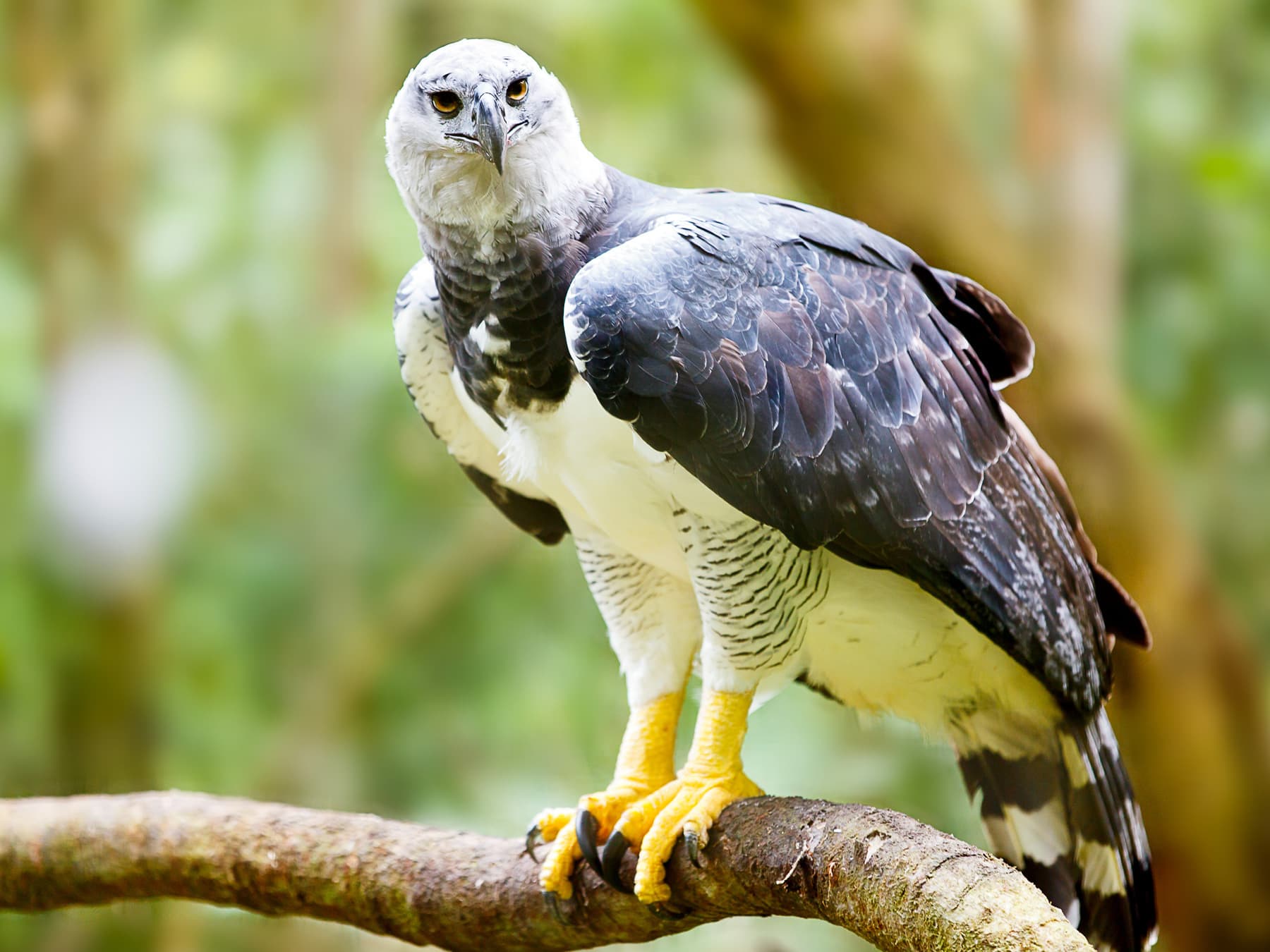 Harpy EagleHarpia harpyjaWinter visitorUncommon89–105 cmRegularly Jun–Apr · 0.06% in Jun
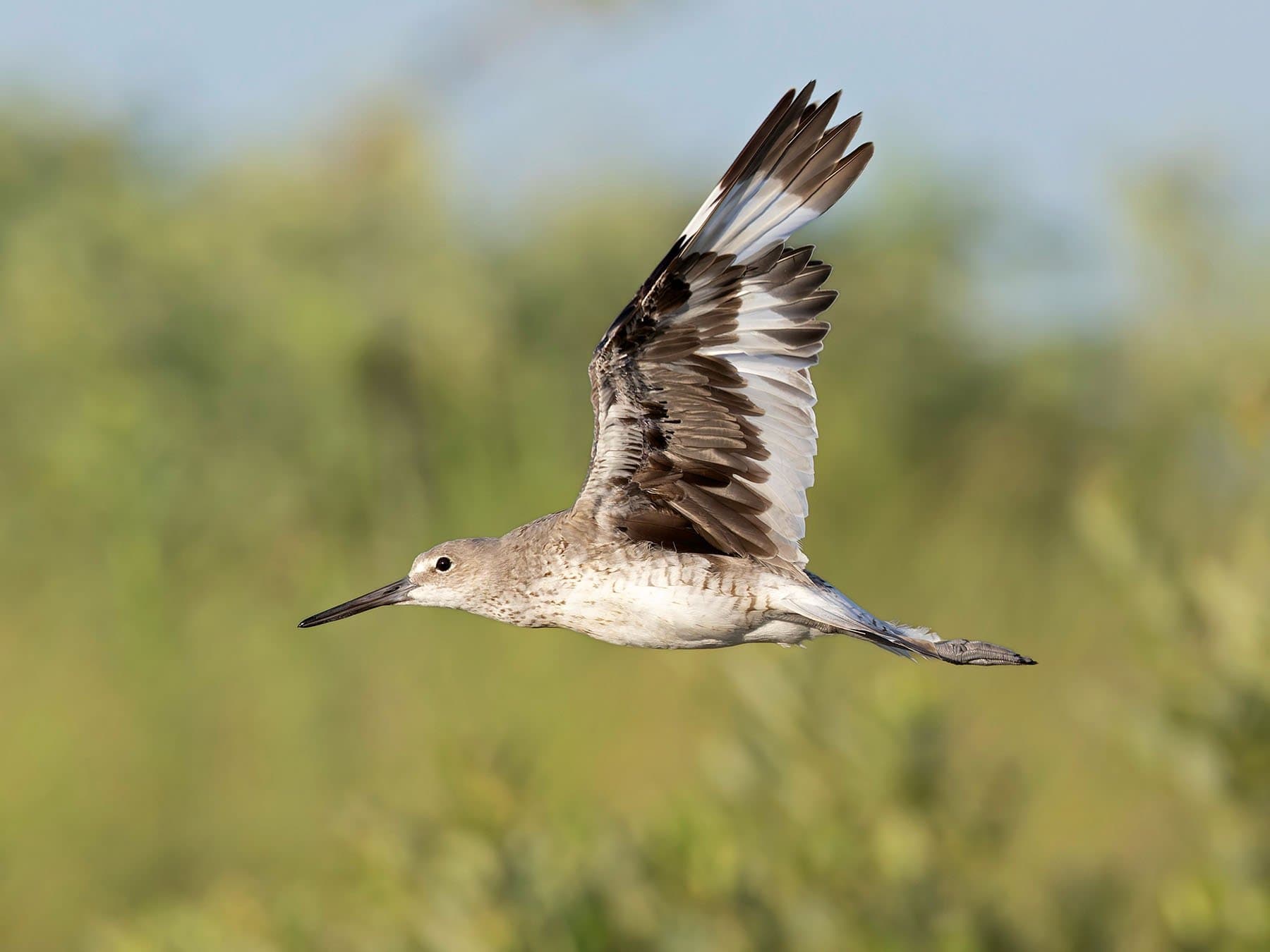 WilletTringa semipalmataResidentUncommon33–41 cmRecorded all year · 0.06% in Jun
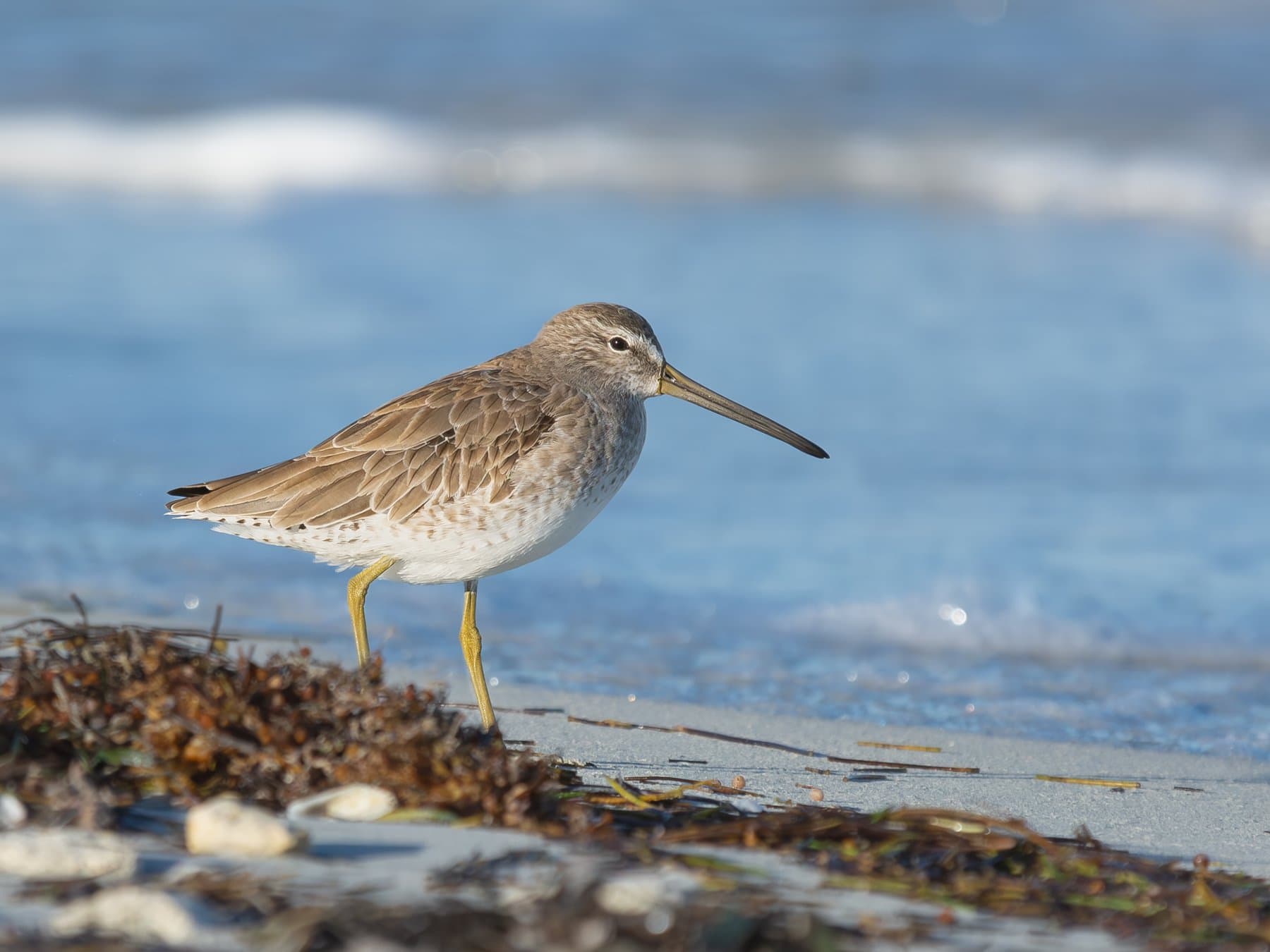 Short-billed DowitcherLimnodromus griseusResidentUncommon23–32 cmRecorded all year · 0.05% in Jun
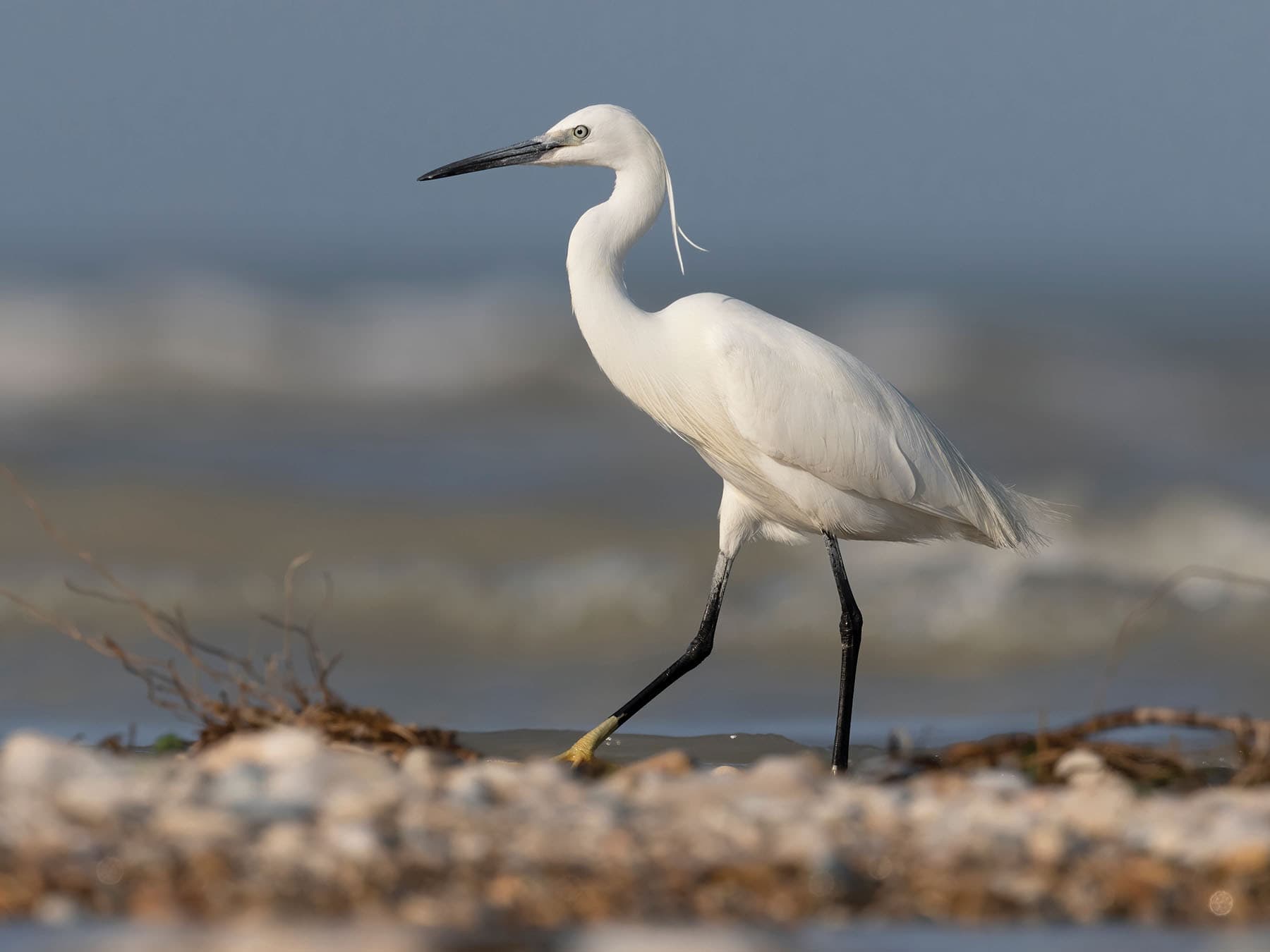 Little EgretEgretta garzettaWinter visitorUncommon55–65 cmRegularly Jun–Apr · 0.05% in Jun
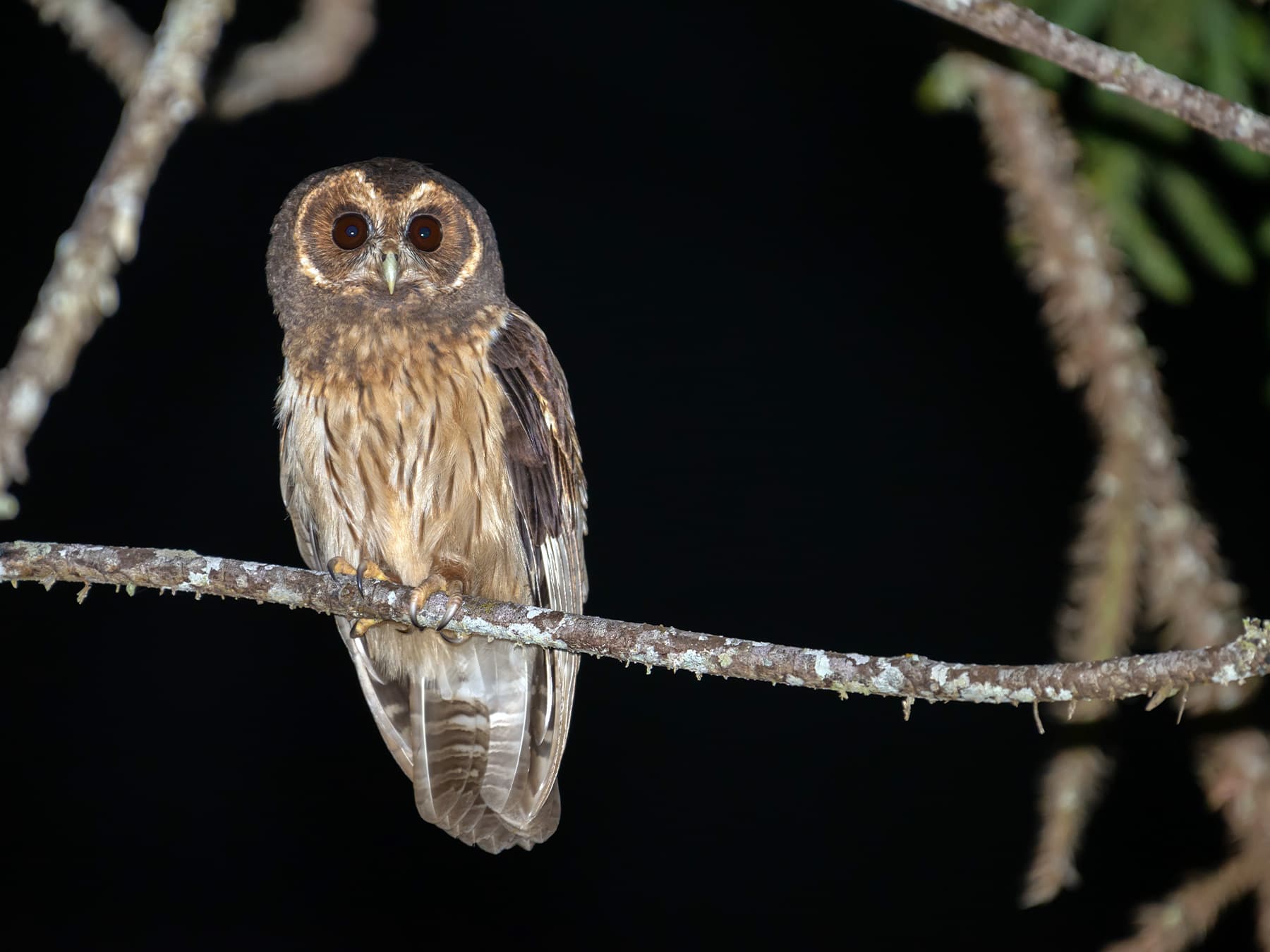 Mottled OwlStrix virgataPassage migrantRare30–38 cmRegularly May–Oct · 0.05% in Jun
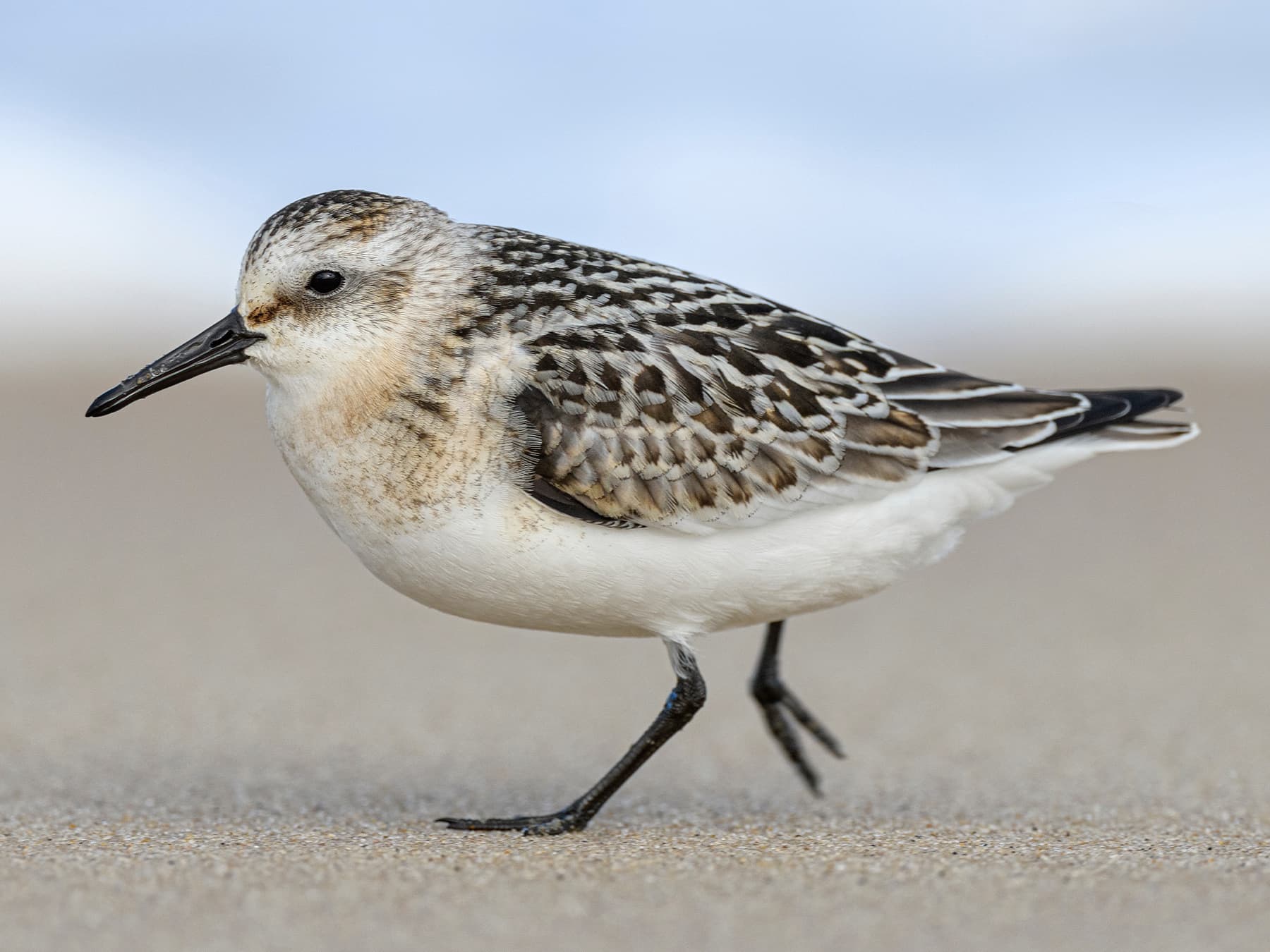 SanderlingCalidris albaWinter visitorUncommon18–20 cmRecorded all year · 0.05% in Jun
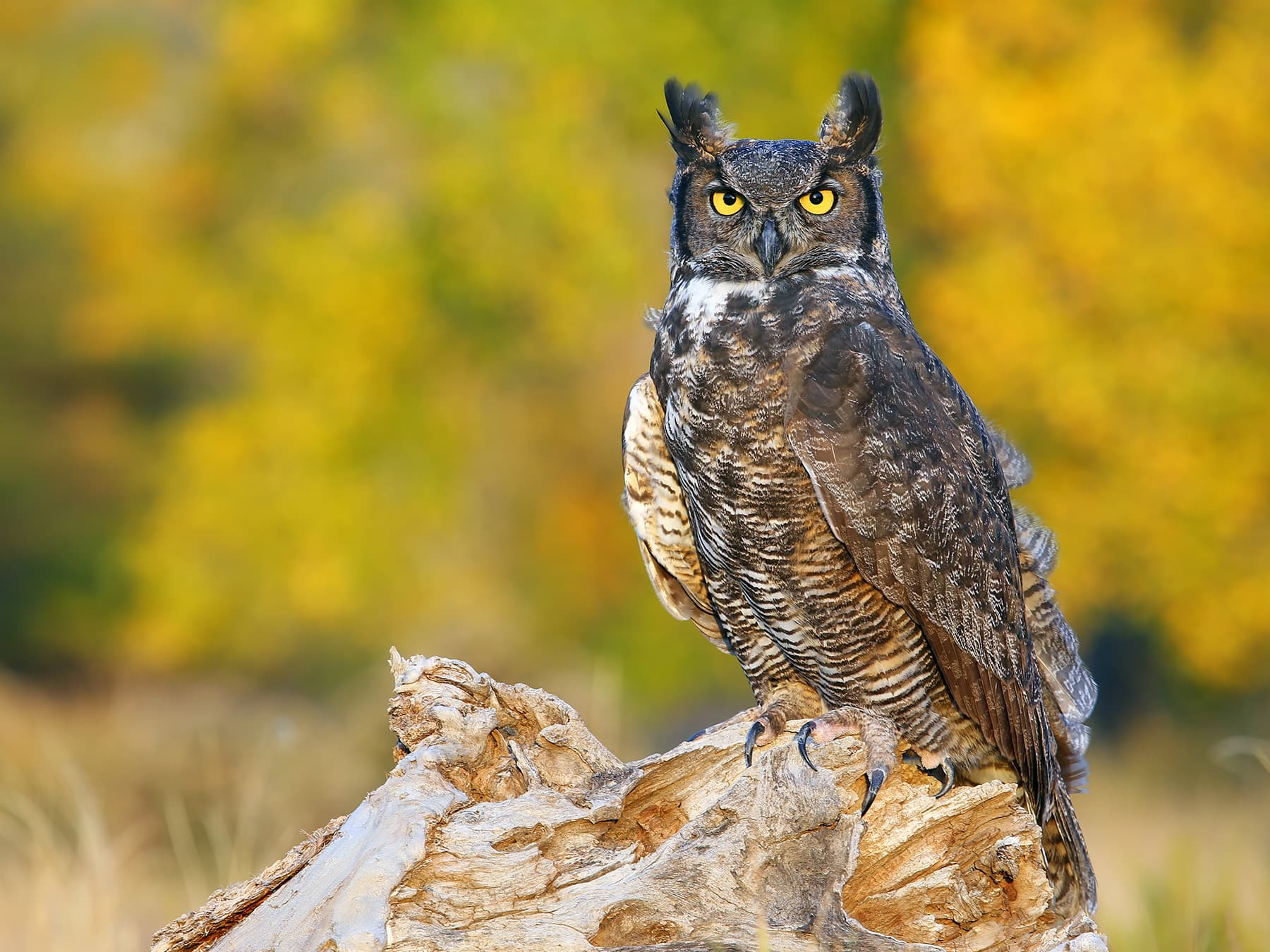 Great Horned OwlBubo virginianusPassage migrantRare46–63 cmRegularly Jun–Sep · 0.04% in Jun
Smallest to largest
Length, cm- House Sparrow 14–17 cm
- Semipalmated Sandpiper 15–18 cm
- Palm Tanager 16–18 cm
- Semipalmated Plover 17–19 cm
- Sanderling 18–20 cm
- Ruddy Turnstone 21–24 cm
- Short-billed Dowitcher 23–32 cm
- Grey Plover 27–30 cm
- Common Tern 31–35 cm
- Rock Dove 29–37 cm
- Mottled Owl 30–38 cm
- Greater Yellowlegs 29–40 cm
- Lineated Woodpecker 32–38 cm
- Common Potoo 33–38 cm
- Roadside Hawk 33–41 cm
- Willet 33–41 cm
- Gull-billed Tern 33–42 cm
- Sandwich Tern 36–41 cm
- Whimbrel 40–46 cm
- Cattle Egret 46–56 cm
- Great Horned Owl 46–63 cm
- Osprey 54–58 cm
- Little Egret 55–65 cm
- Black-crowned Night-heron 58–65 cm
- Turkey Vulture 62–81 cm
- Muscovy Duck 66–84 cm
- Scarlet Macaw 81–96 cm
- Great White Egret 80–104 cm
- Harpy Eagle 89–105 cm
- Cocoi Heron 95–127 cm
Body length, bill to tail. Rare birds in grey.
Data: EOD – eBird Observation Dataset (Cornell Lab of Ornithology), accessed via GBIF.org, CC BY 4.0. Records from 2019–2024, aggregated and filtered by Birdfact. How these lists are made