


Birds to See in Australian Capital Territory in July
29 bird species on our list for Australian Capital Territory are recorded regularly in July
Of these, the most often recorded are Australian Magpie, Australian Raven, Galah, Red Wattlebird and Common Starling. New this month: Indian Peafowl and Muscovy Duck.
On the move in July
GBIF · JulFrom Australian Capital Territory’s bird records, 2019–2024: arriving birds are regular this month but not last; leaving birds are regular this month but not next.
Other months
All 29 birds in July
29 birds
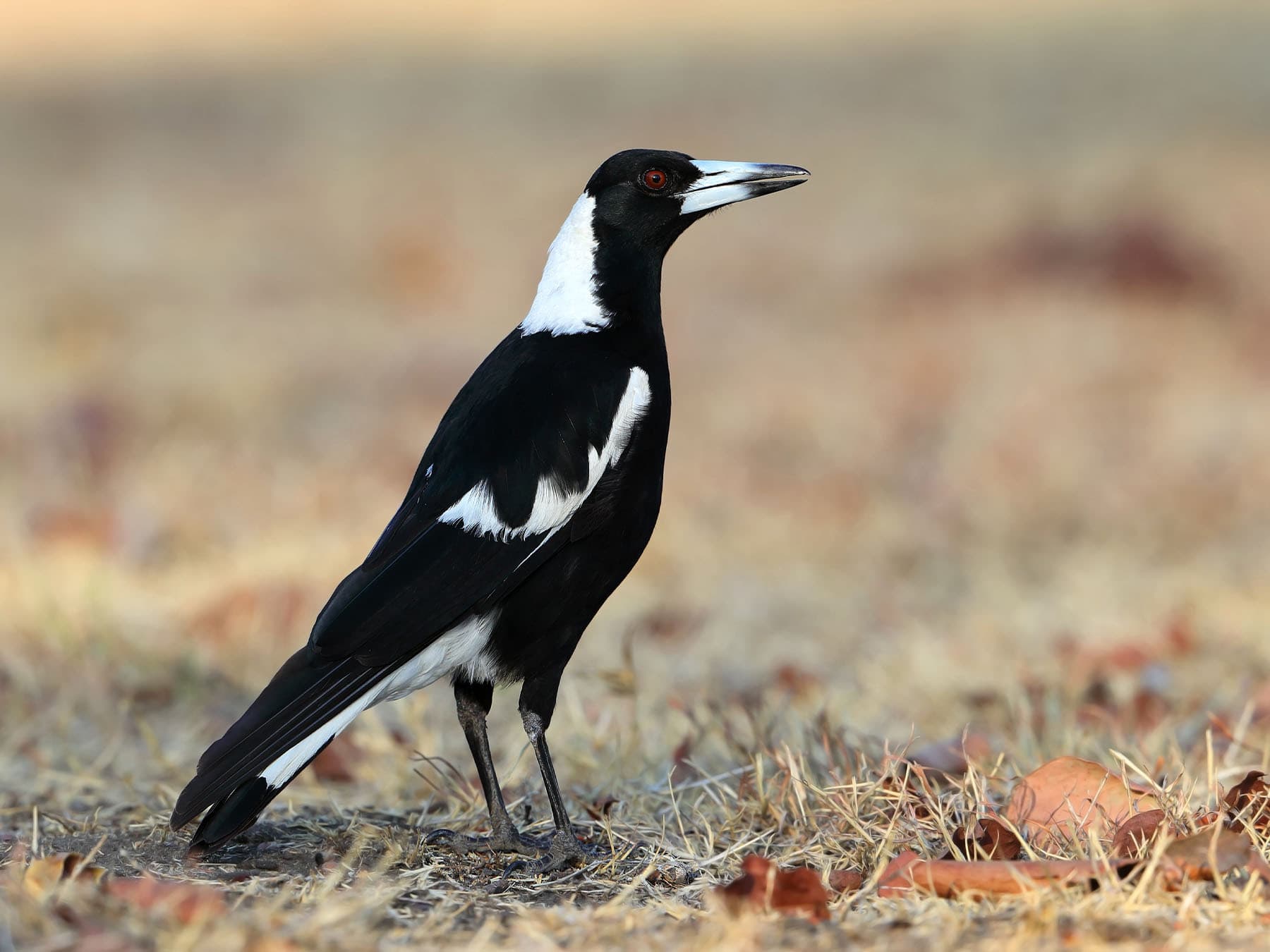 Australian MagpieGymnorhina tibicenResidentCommon37–43 cmRecorded all year · 5.69% in Jul
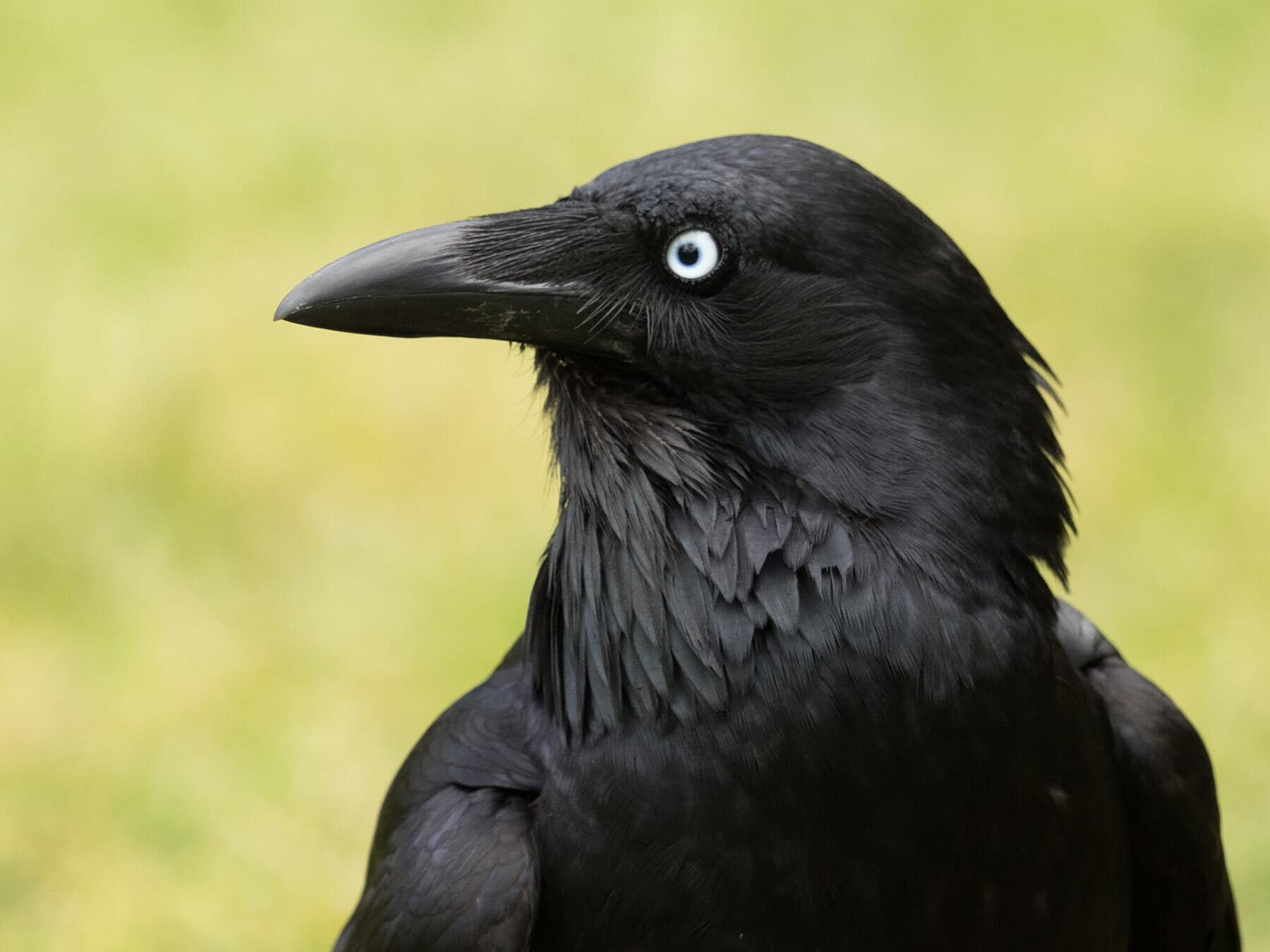 Australian RavenCorvus coronoidesResidentCommon46–53 cmRecorded all year · 3.31% in Jul
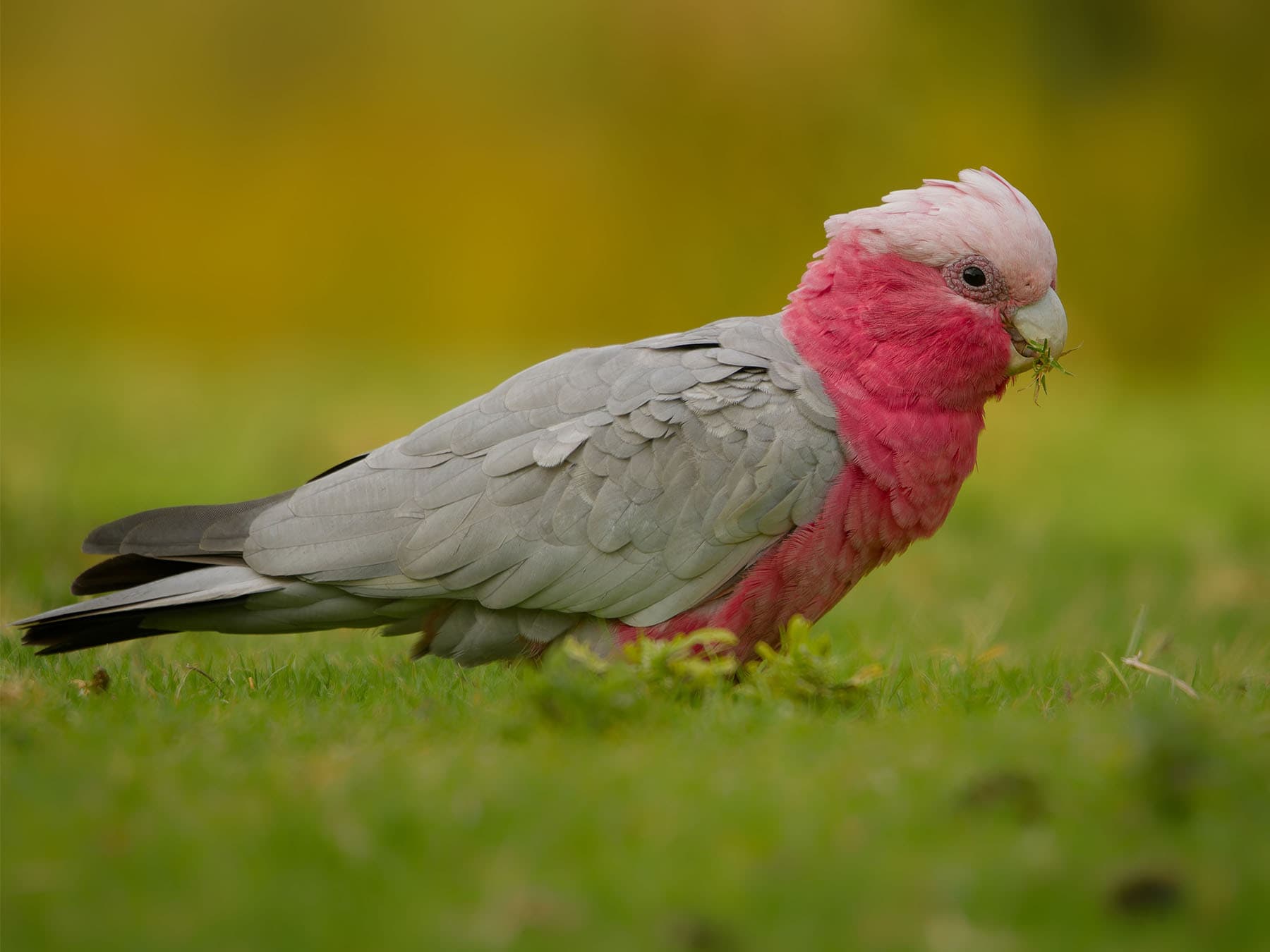 GalahEolophus roseicapillaResidentCommon35–38 cmRecorded all year · 3.19% in Jul
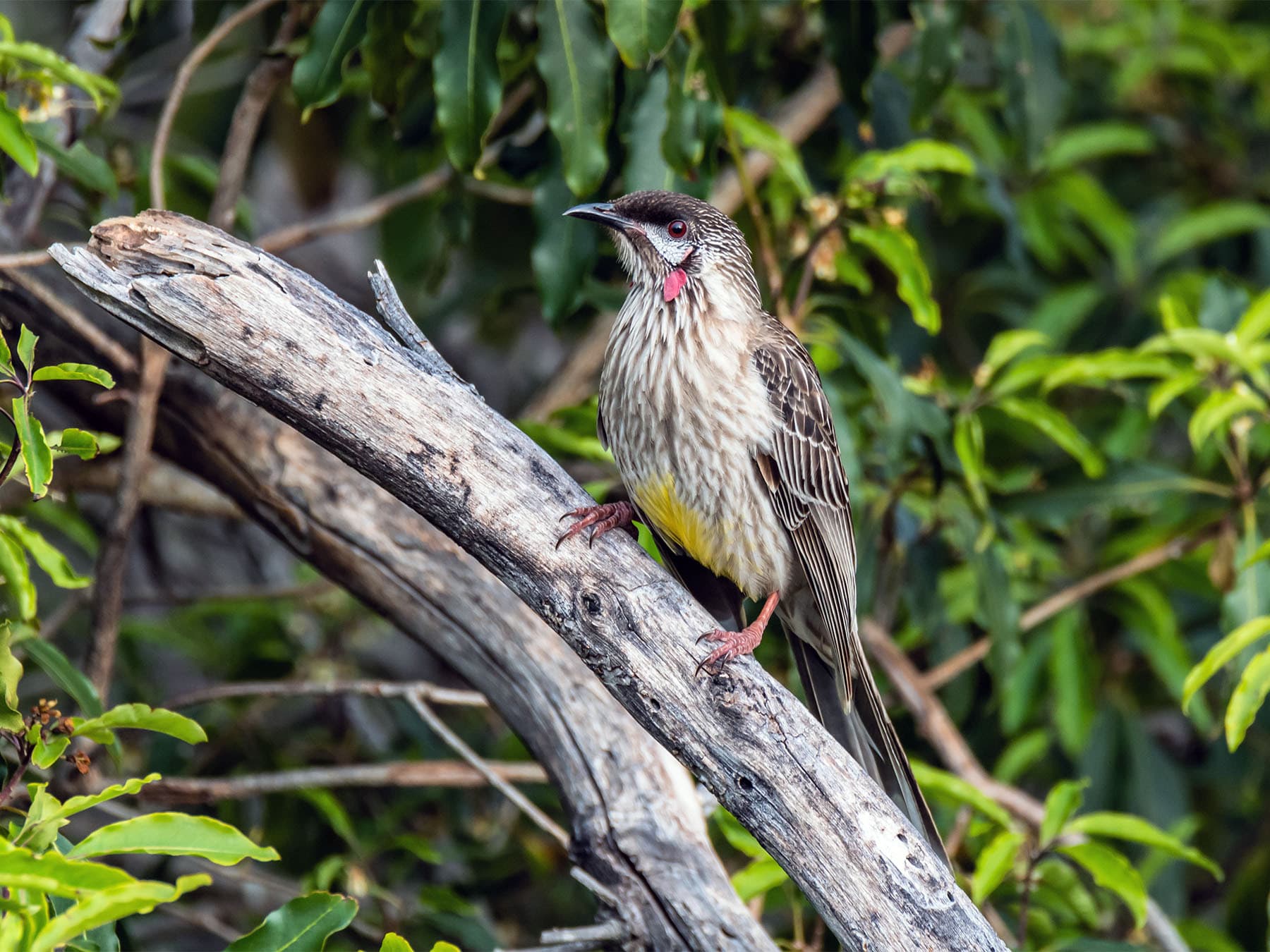 Red WattlebirdAnthochaera carunculataResidentCommon33–37 cmRecorded all year · 2.91% in Jul
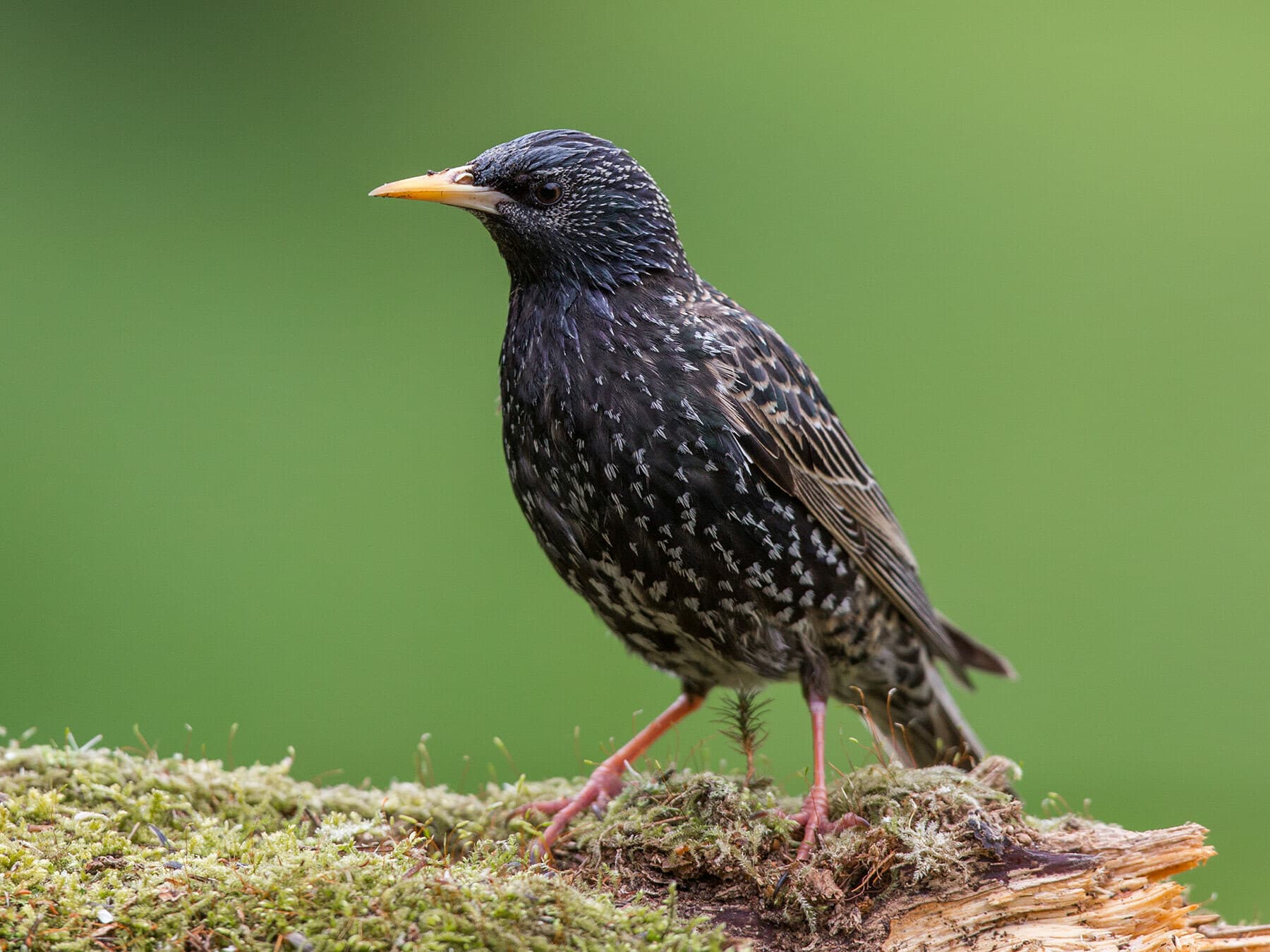 Common StarlingSturnus vulgarisResidentCommon21–23 cmRecorded all year · 1.91% in Jul
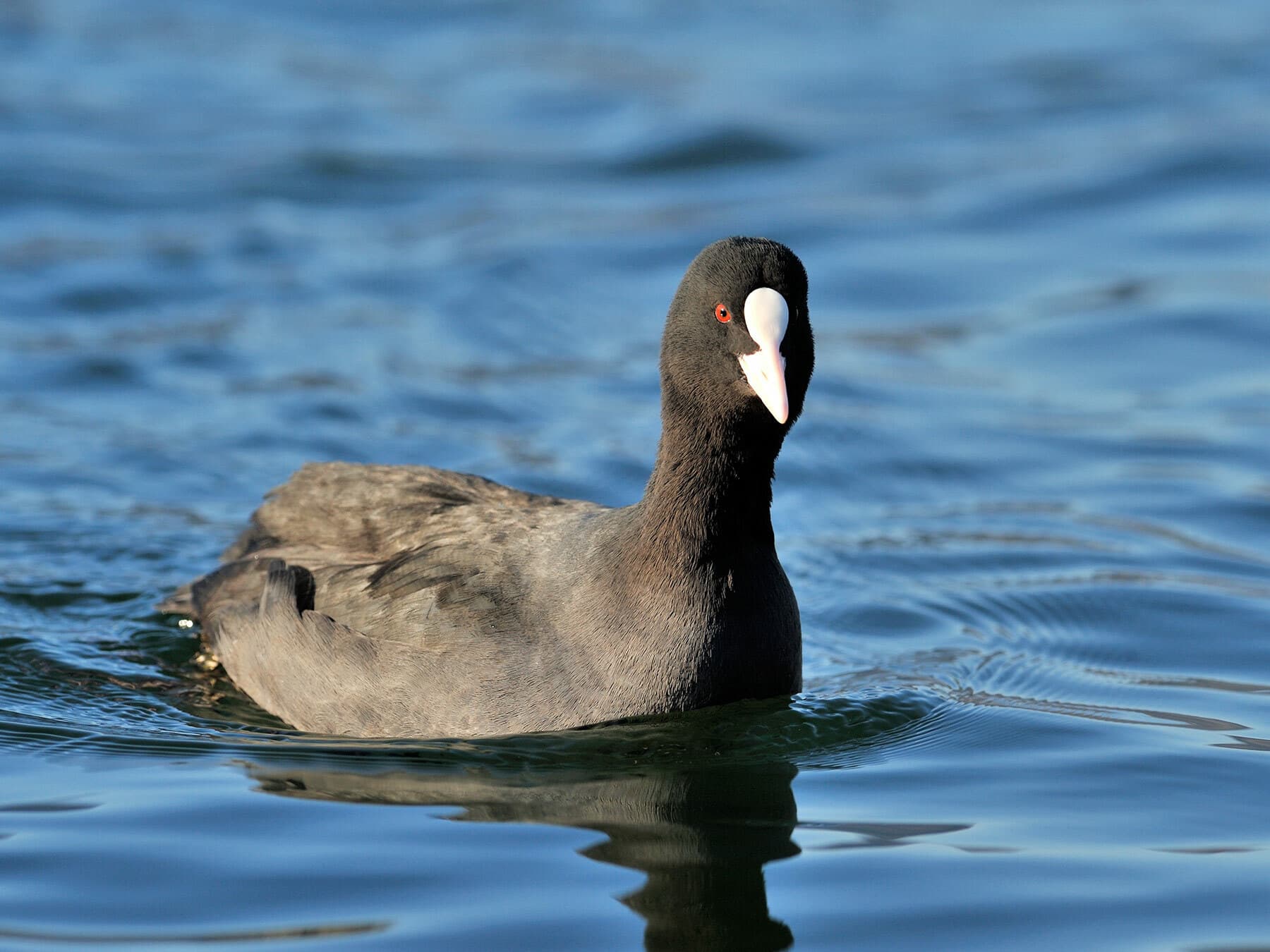 CootFulica atraResidentCommon36–42 cmRecorded all year · 1.80% in Jul
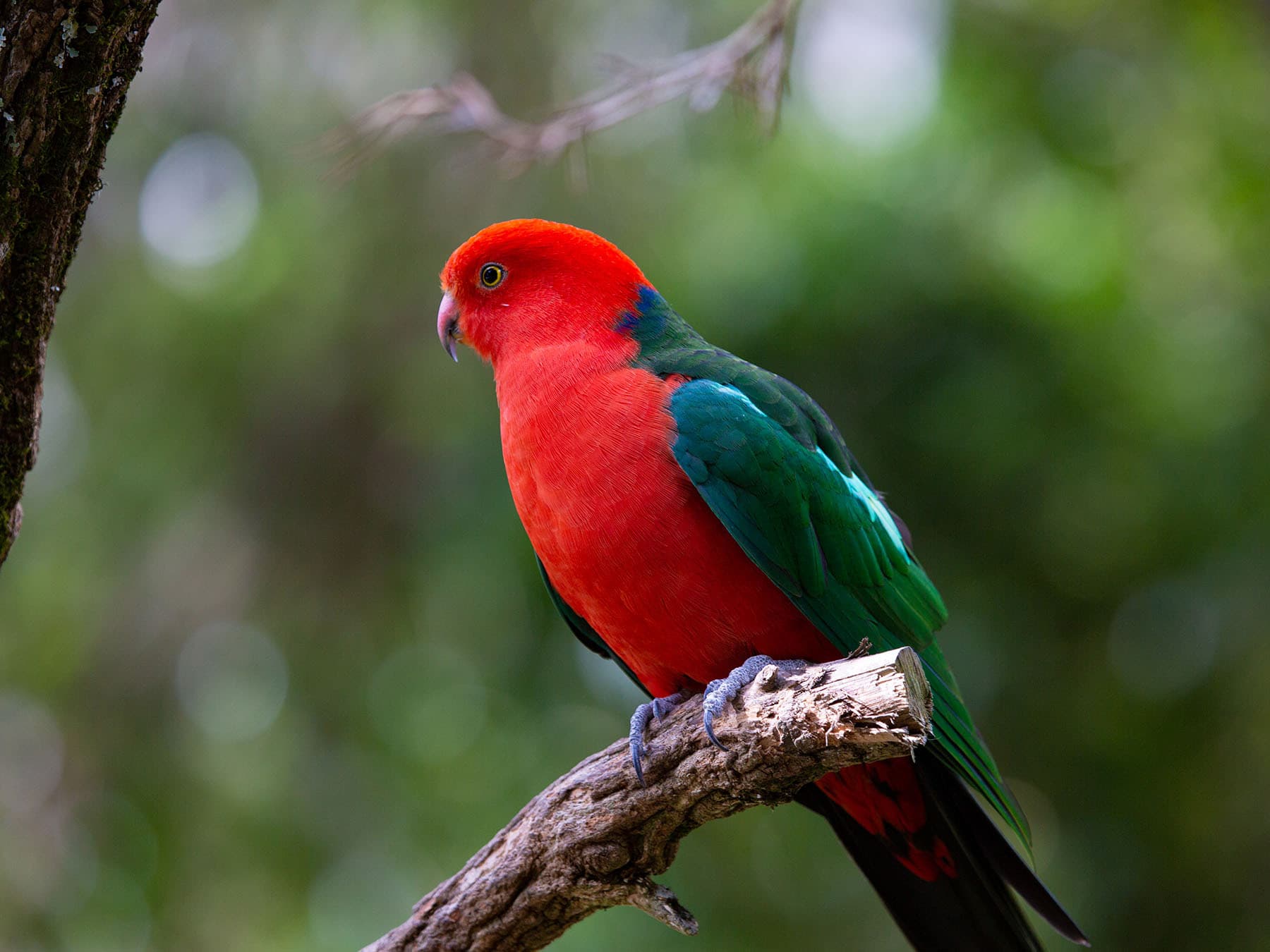 Australian King-parrotAlisterus scapularisResidentCommon40–43 cmRecorded all year · 1.50% in Jul
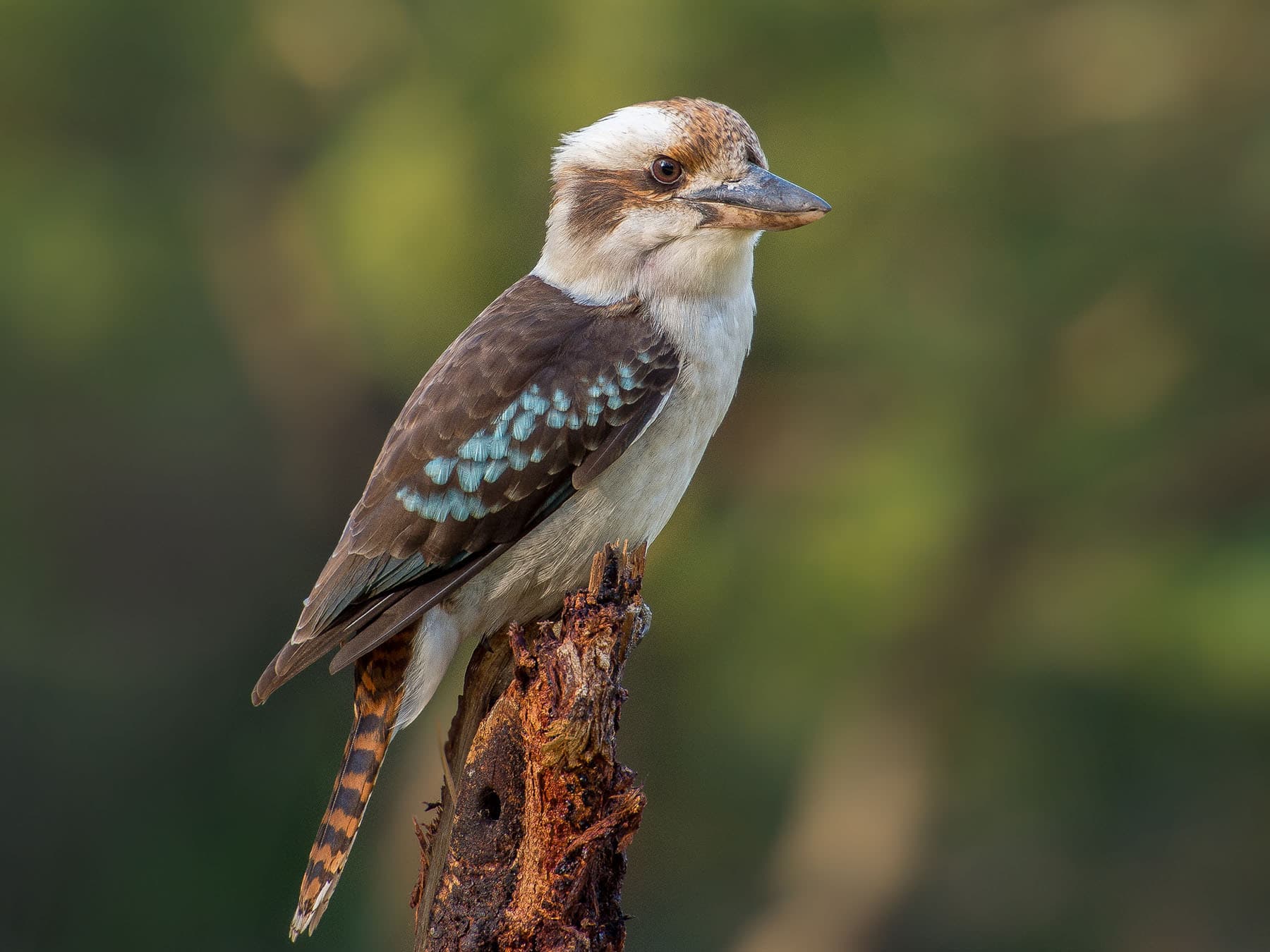 Laughing KookaburraDacelo novaeguineaeResidentCommon41–47 cmRecorded all year · 1.16% in Jul
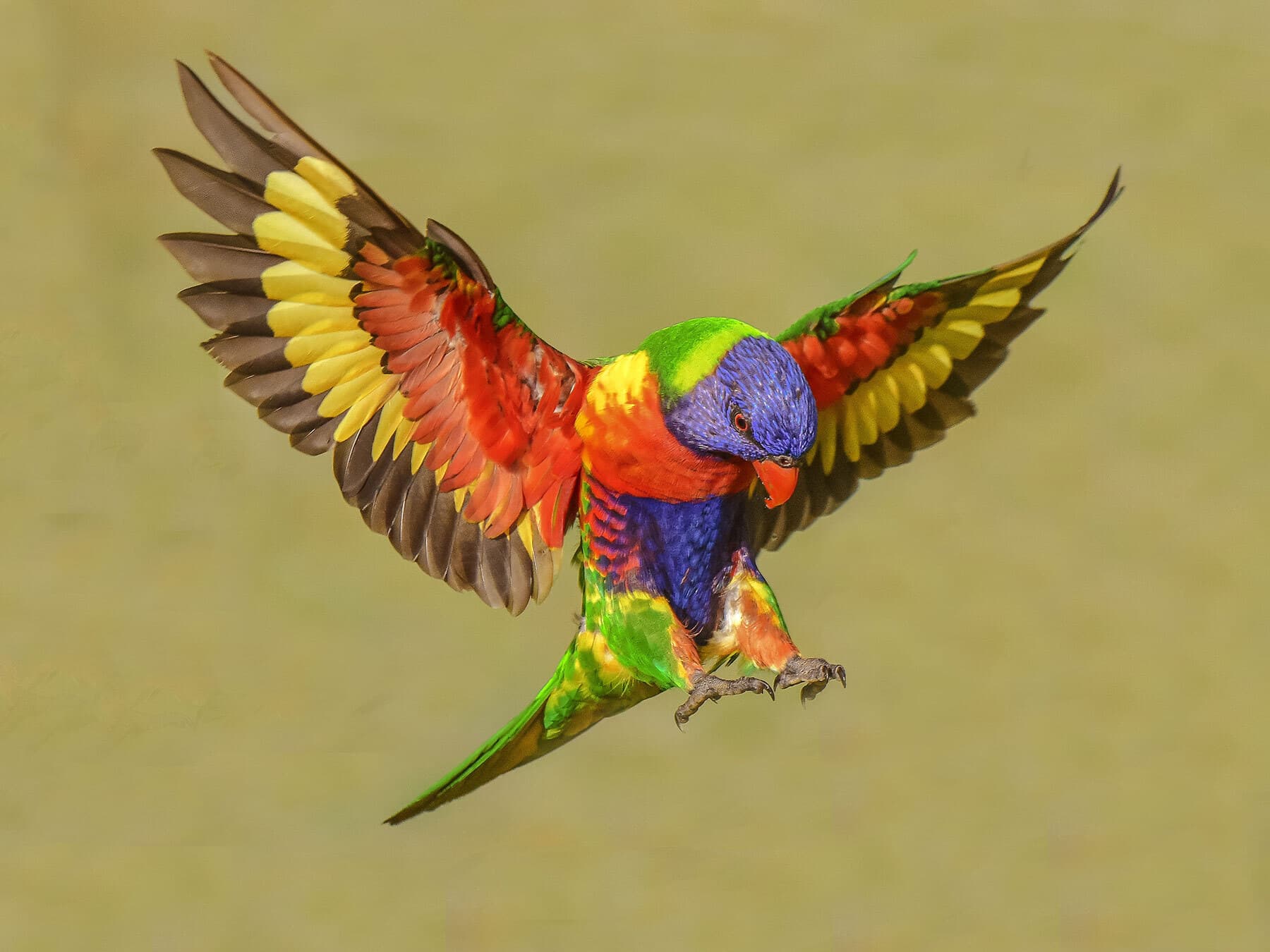 Rainbow LorikeetTrichoglossus moluccanusResidentCommon25–30 cmRecorded all year · 1.10% in Jul
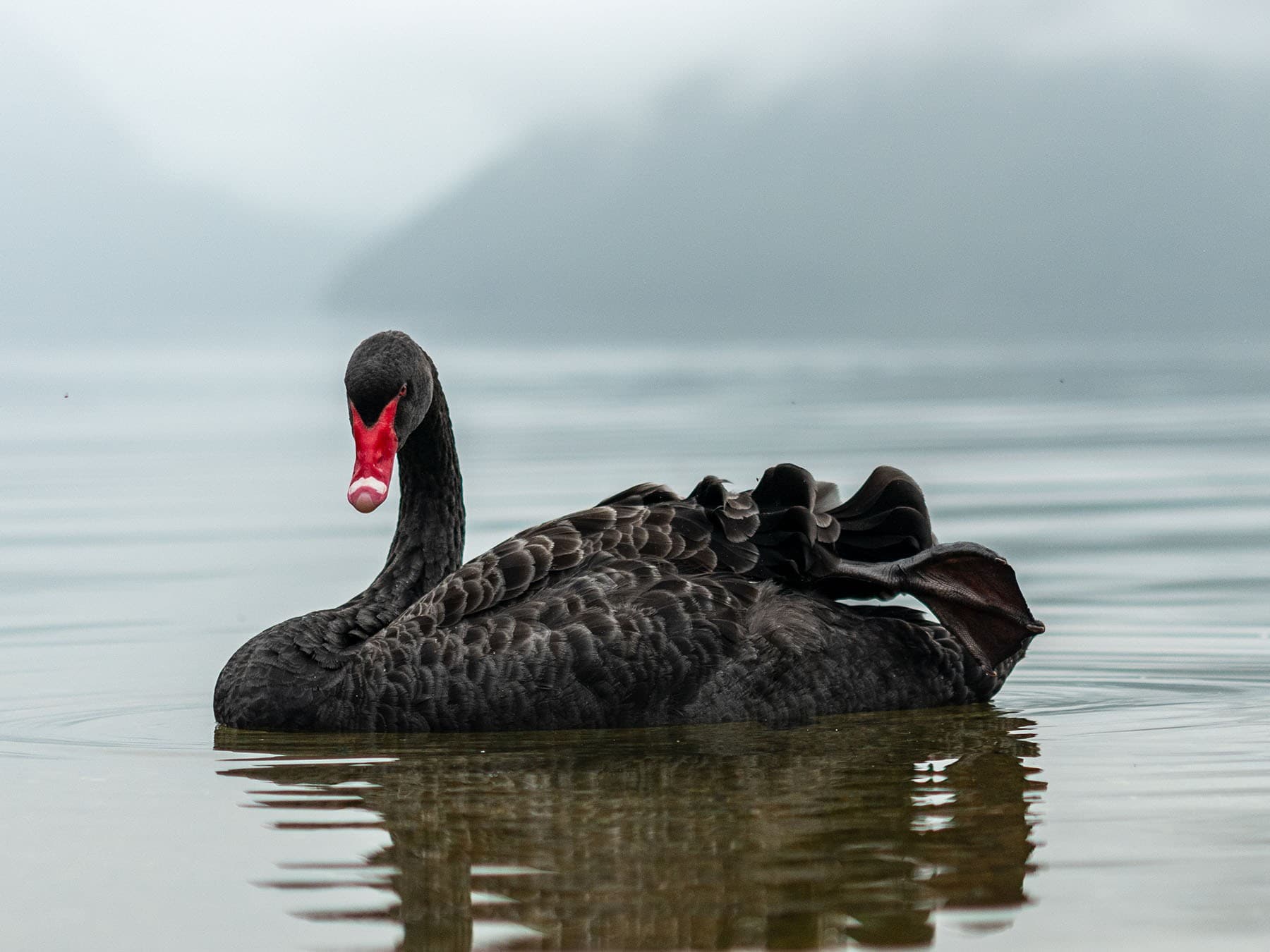 Black SwanCygnus atratusResidentCommon110–142 cmRecorded all year · 0.95% in Jul
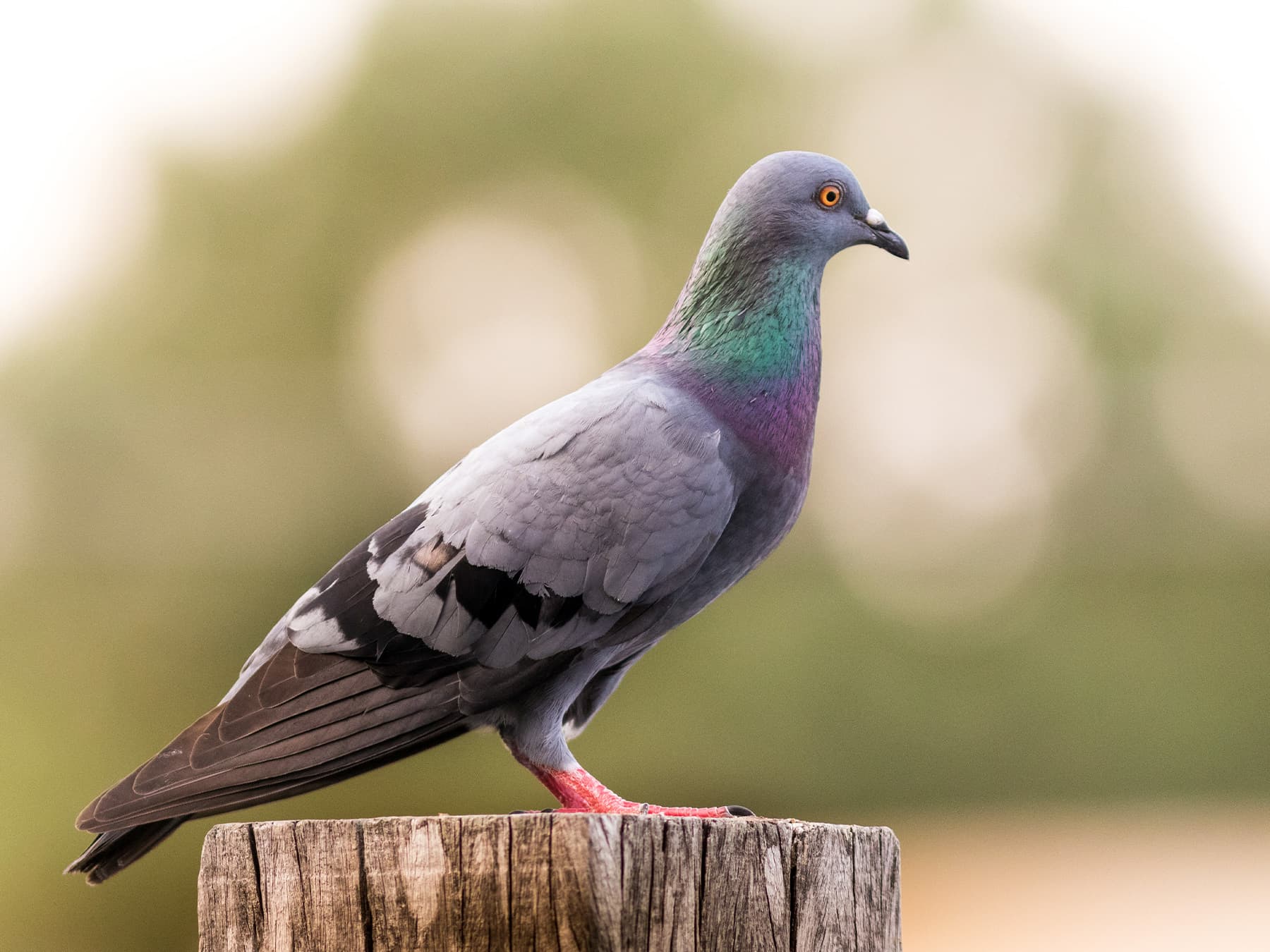 Rock DoveColumba liviaResidentCommon29–37 cmRecorded all year · 0.84% in Jul
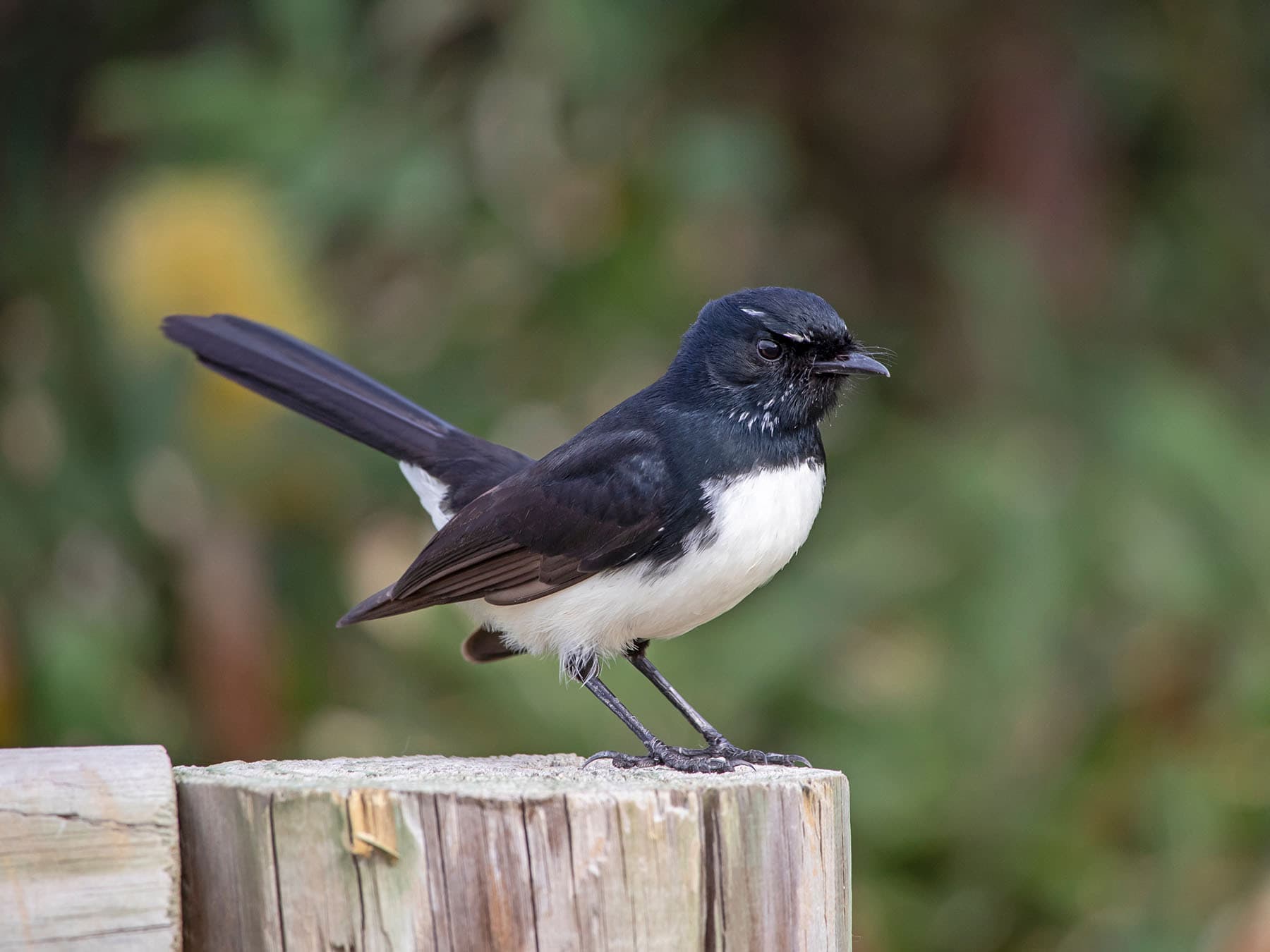 Willie WagtailRhipidura leucophrysResidentCommon19–22 cmRecorded all year · 0.80% in Jul
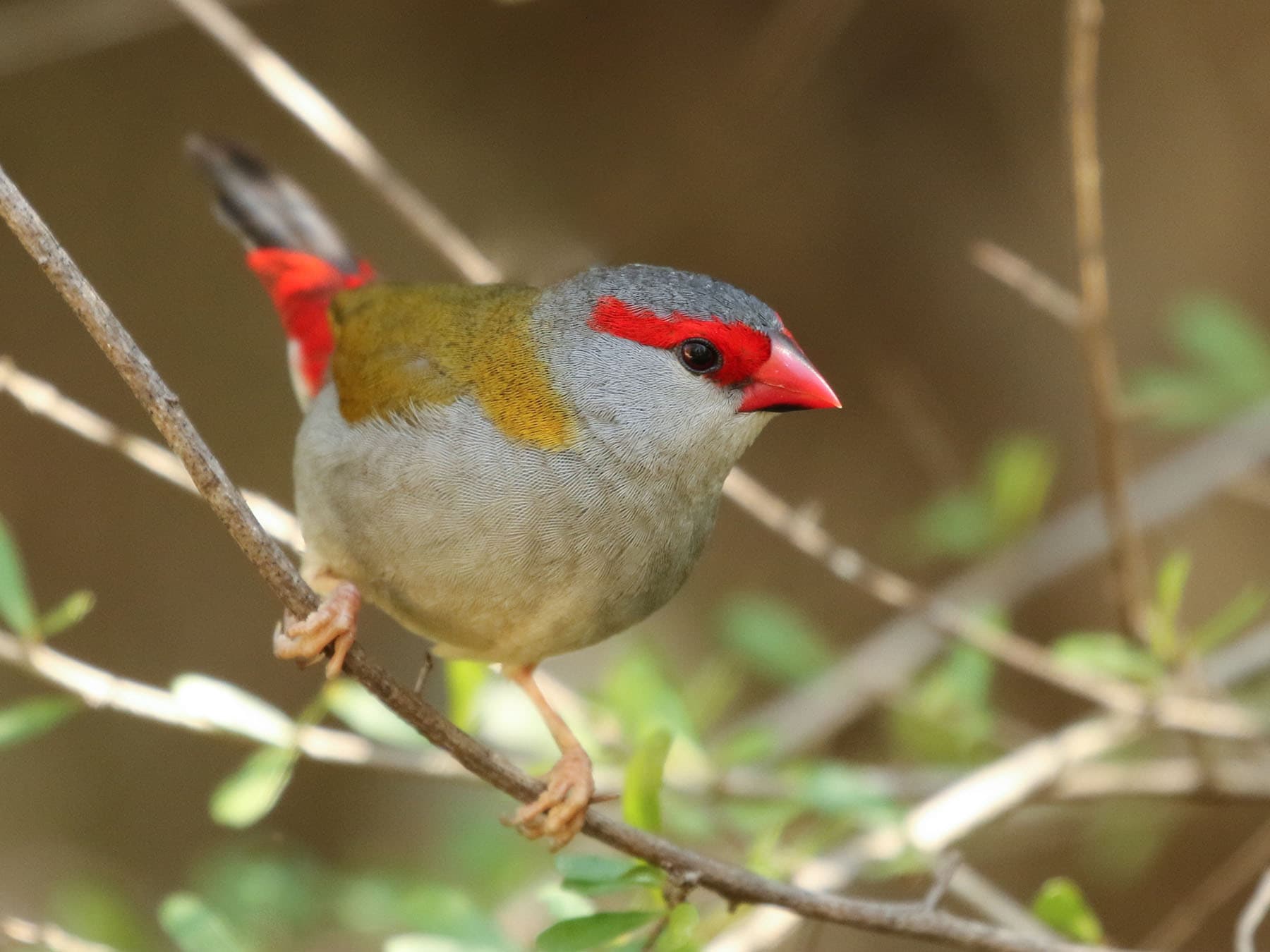 Red-browed FinchNeochmia temporalisResidentCommon11–12 cmRecorded all year · 0.78% in Jul
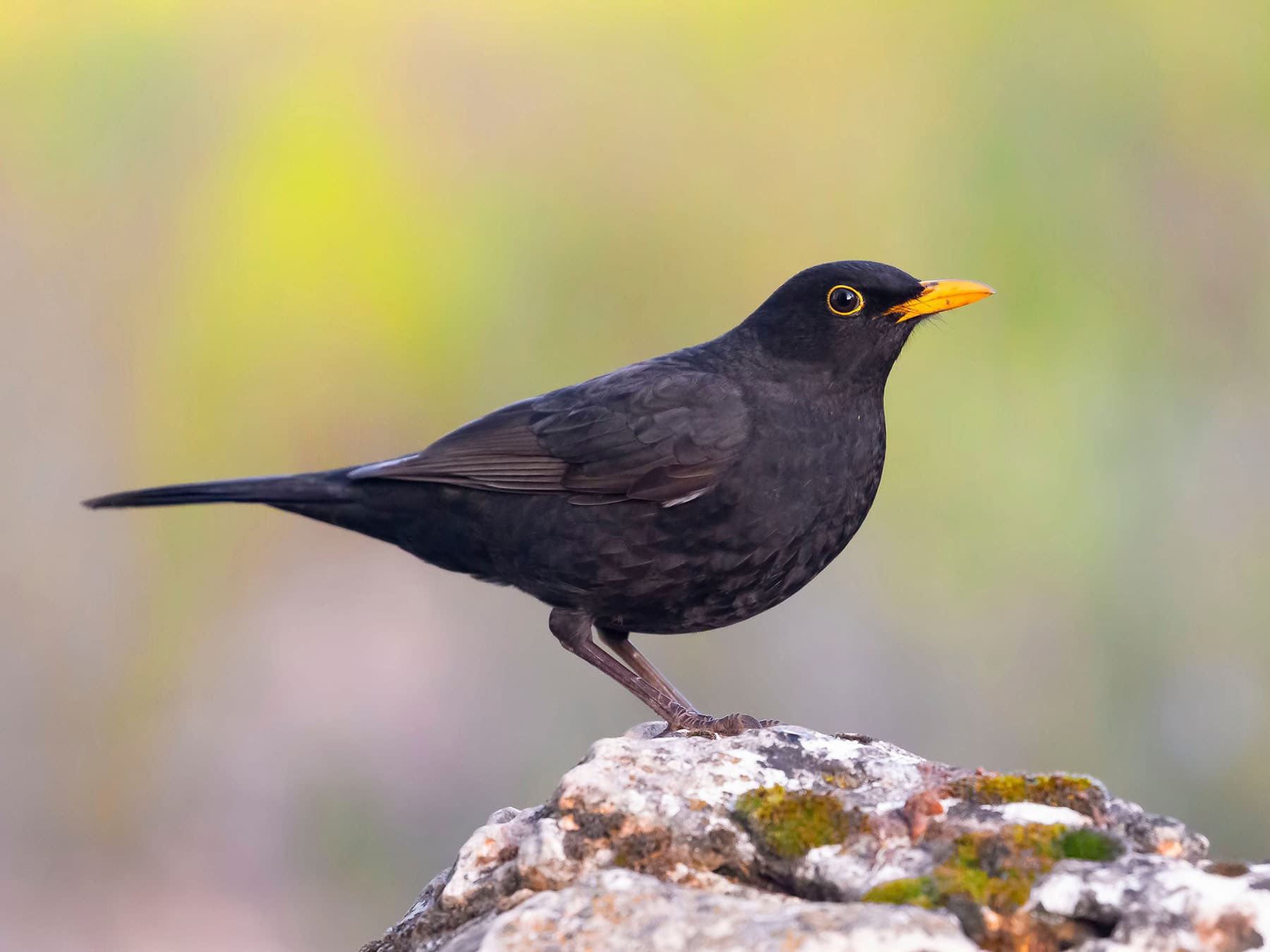 BlackbirdTurdus merulaResidentCommon24–25 cmRecorded all year · 0.72% in Jul
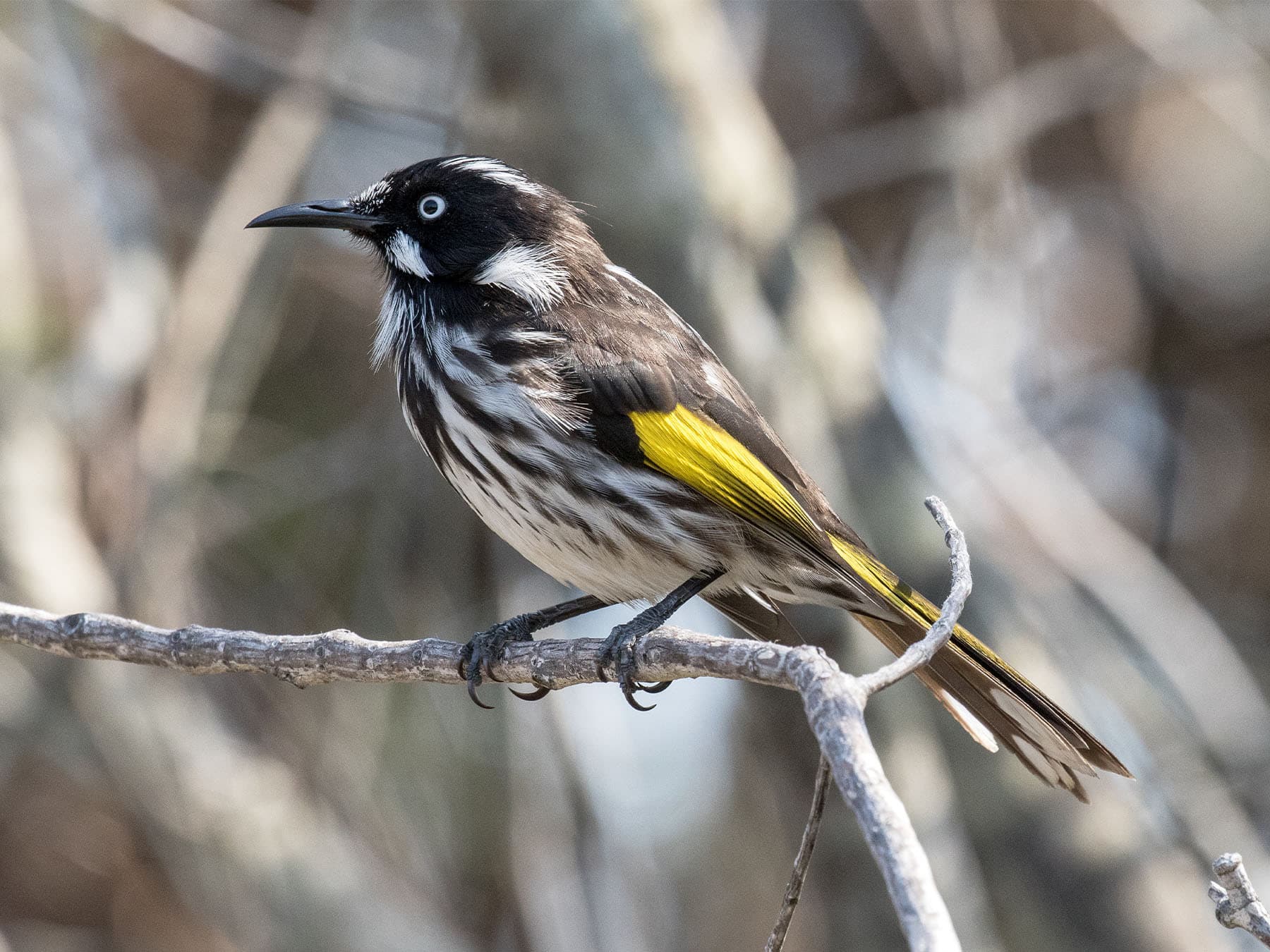 New Holland HoneyeaterPhylidonyris novaehollandiaeResidentCommon16–20 cmRecorded all year · 0.54% in Jul
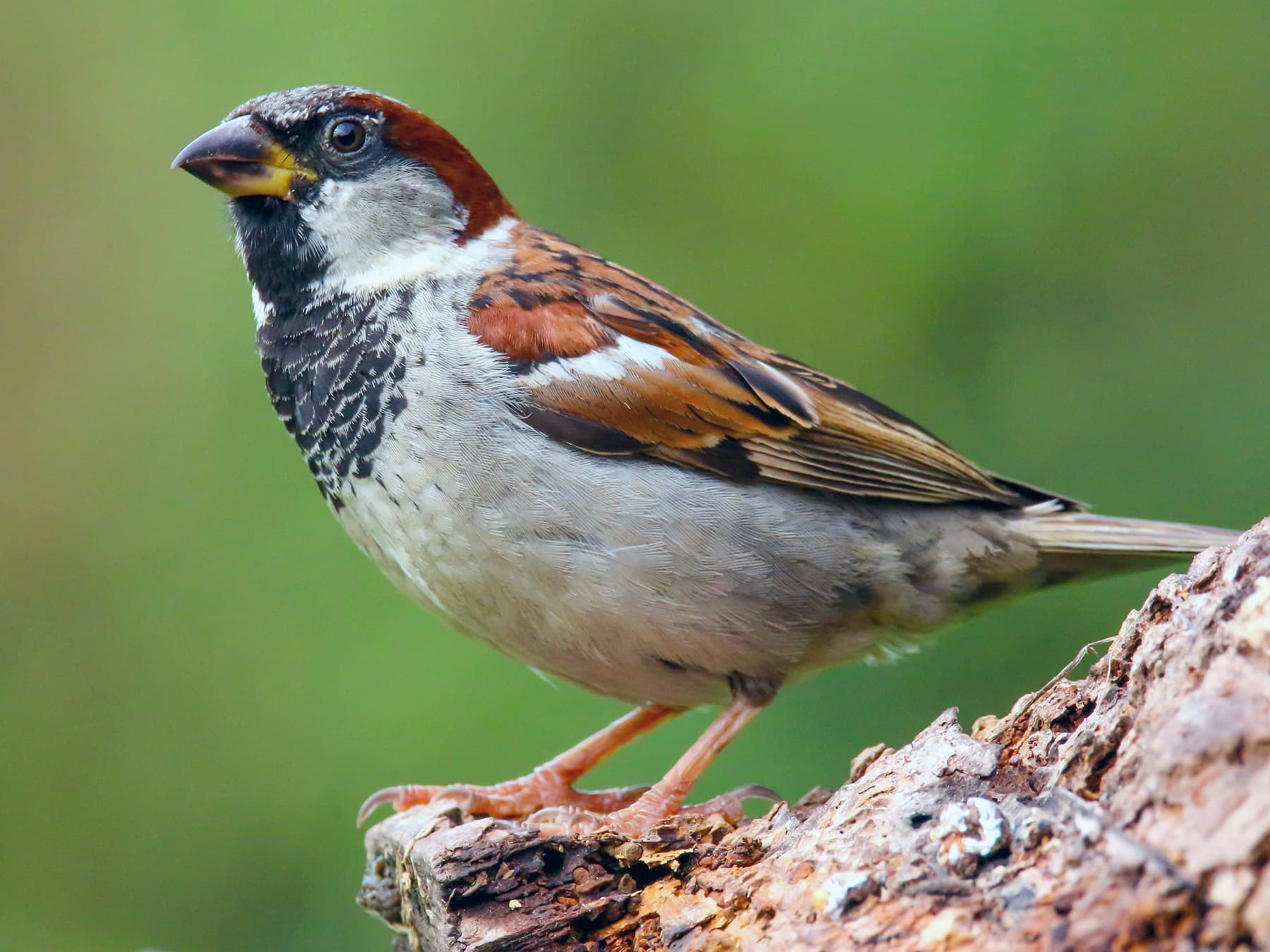 House SparrowPasser domesticusResidentCommon14–17 cmRecorded all year · 0.49% in Jul
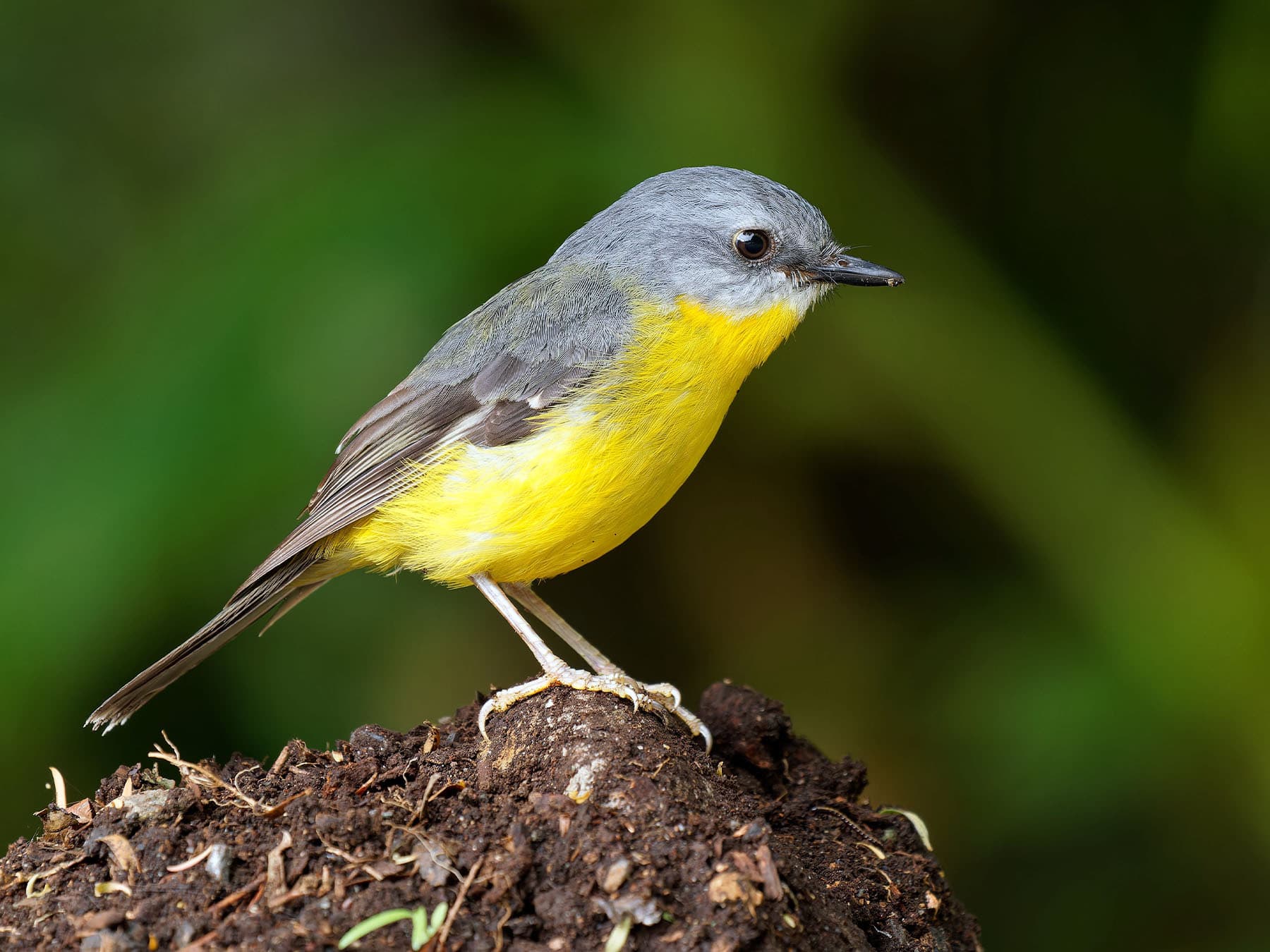 Eastern Yellow RobinEopsaltria australisResidentUncommon15–16 cmRecorded all year · 0.42% in Jul
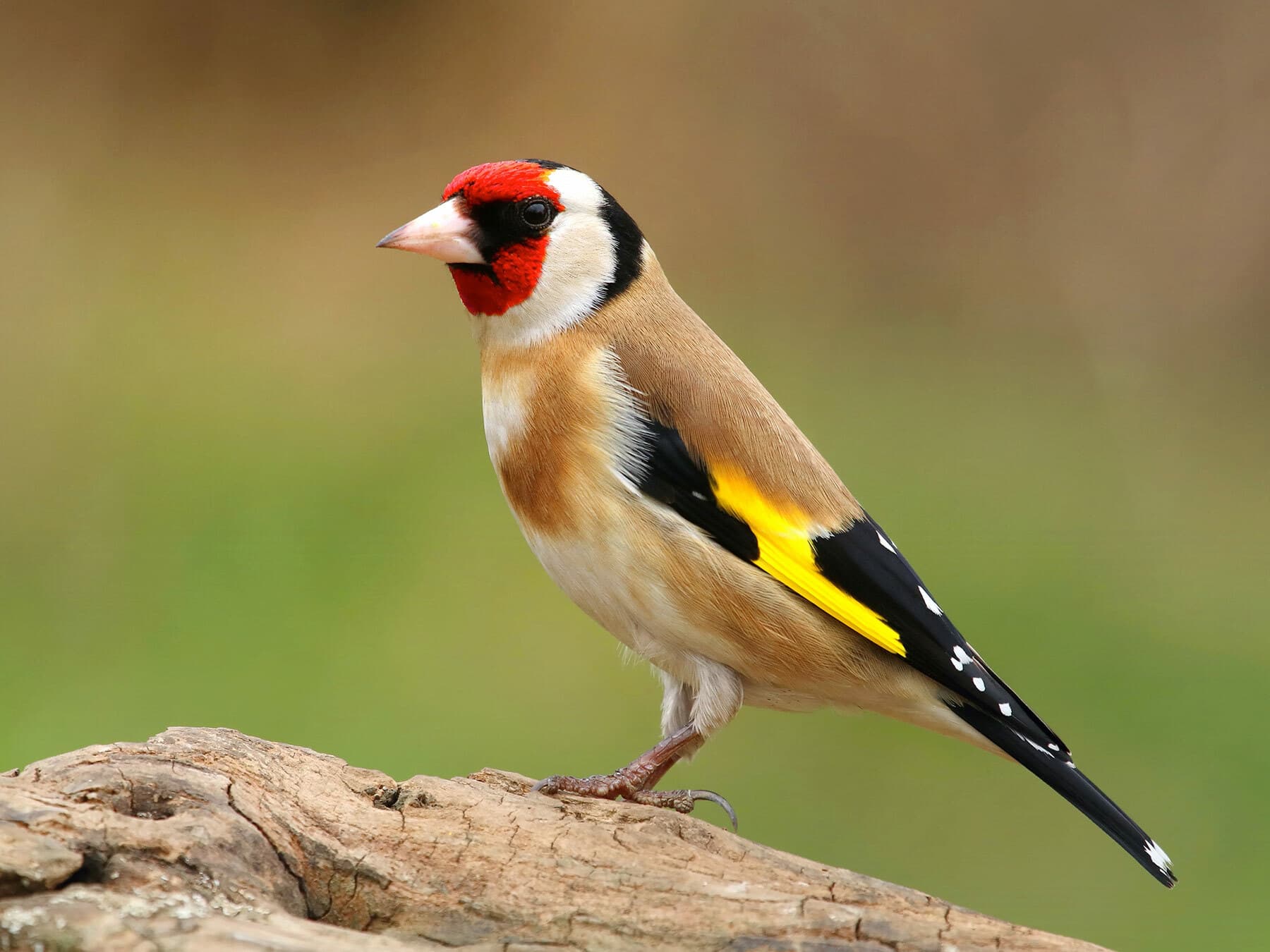 European GoldfinchCarduelis carduelisResidentUncommon12–13 cmRecorded all year · 0.23% in Jul
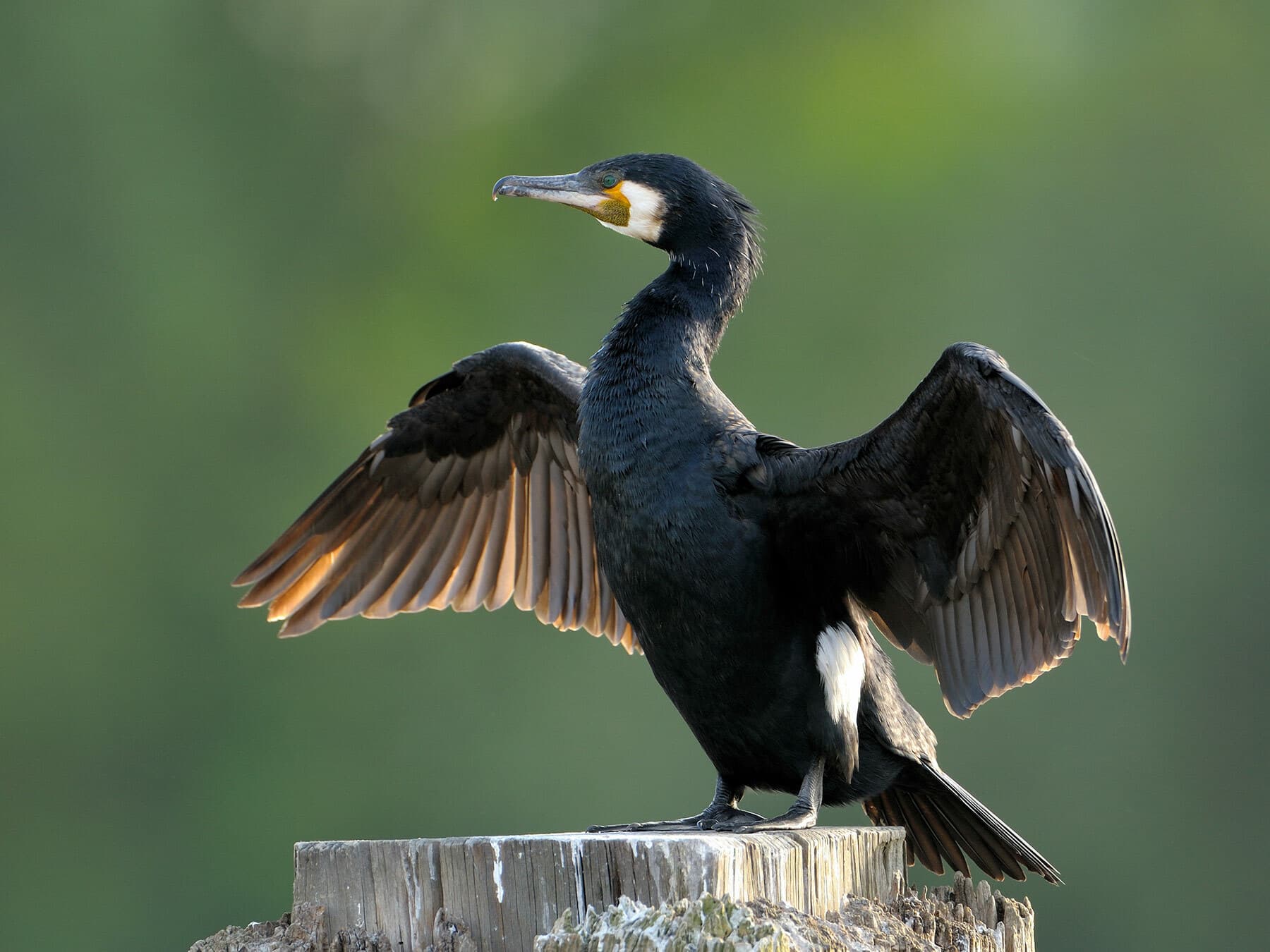 Great CormorantPhalacrocorax carboResidentUncommon80–100 cmRecorded all year · 0.22% in Jul
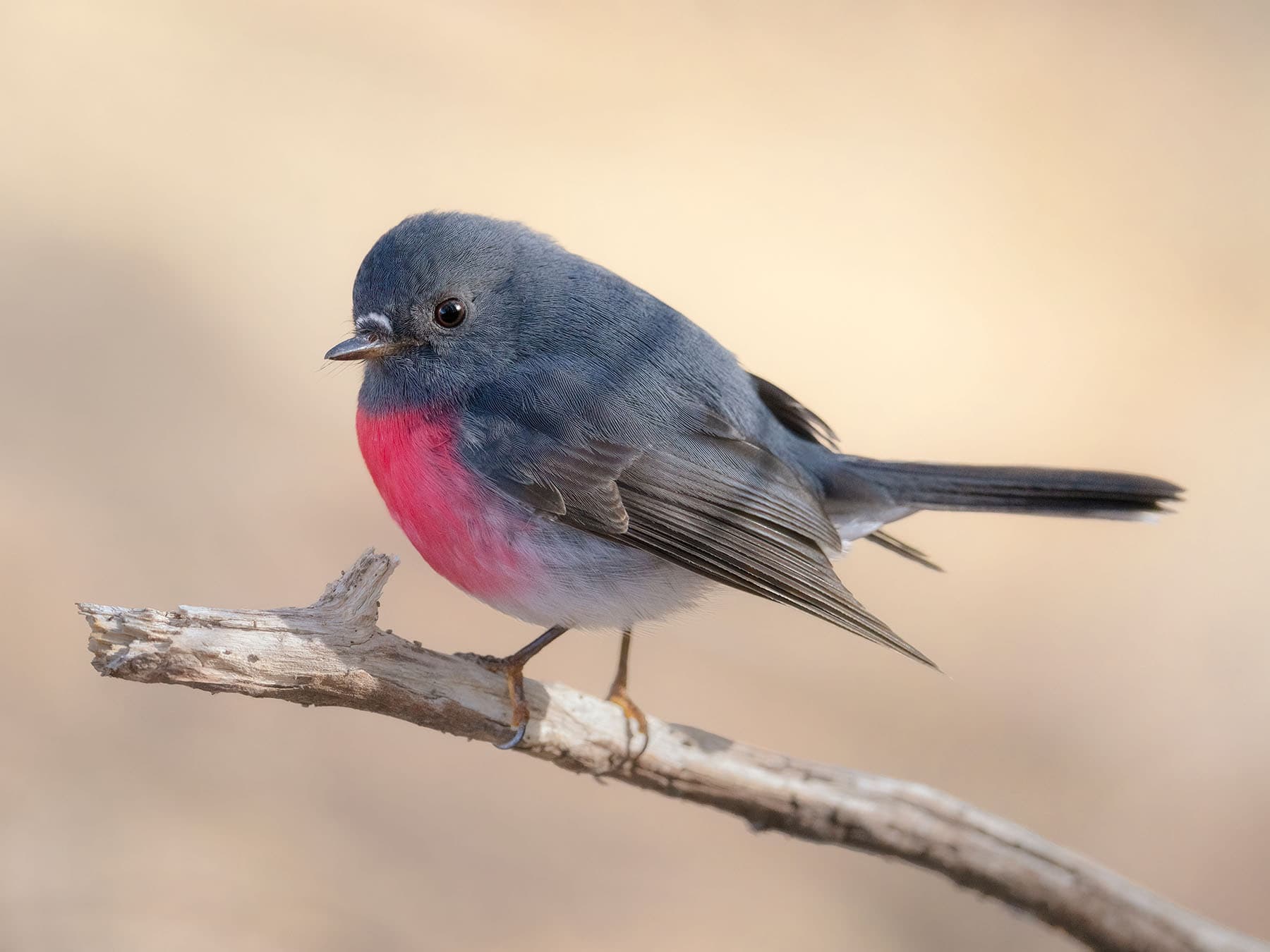 Rose RobinPetroica roseaResidentUncommon11–13 cmRecorded all year · 0.10% in Jul
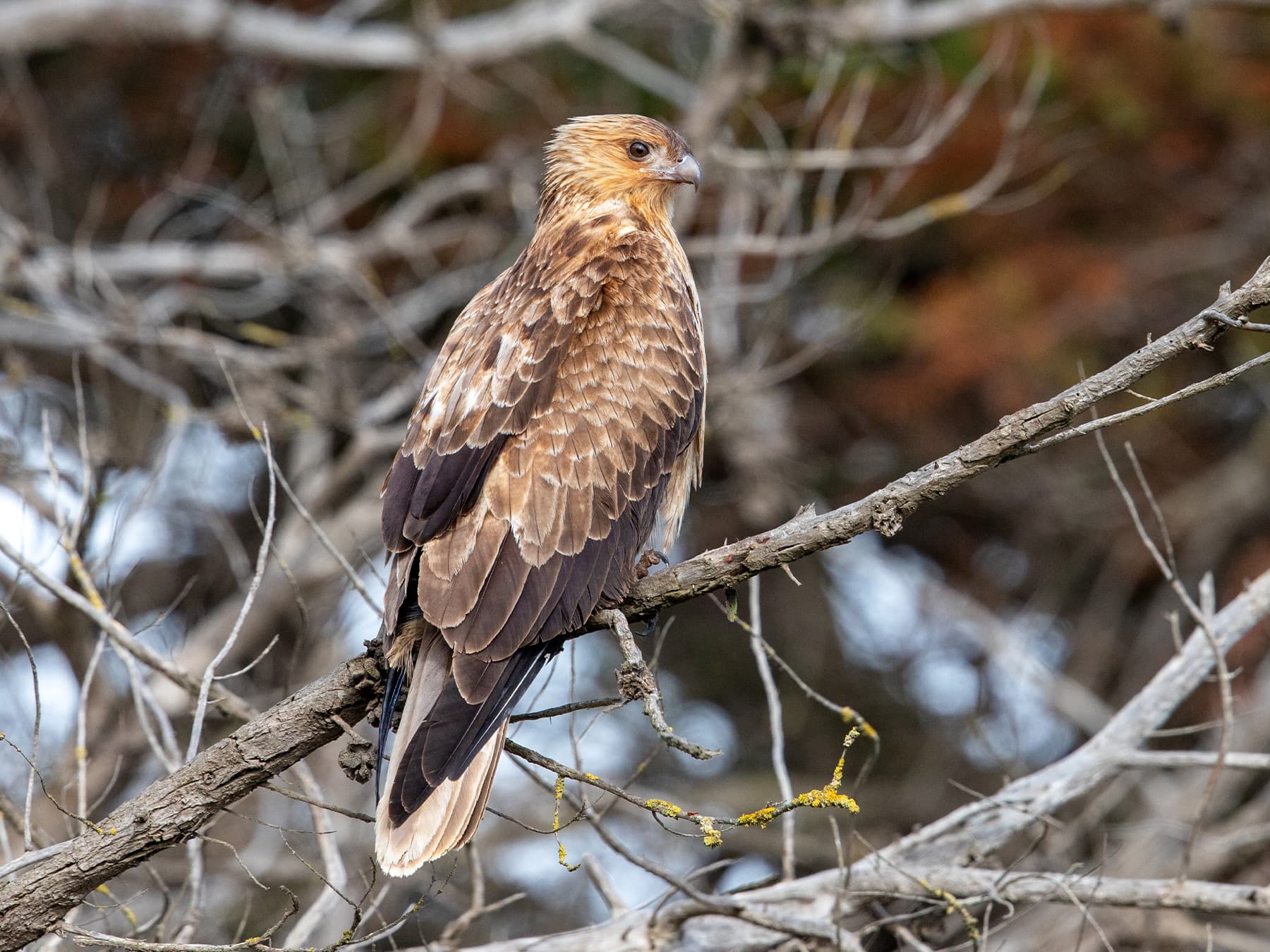 Whistling KiteHaliastur sphenurusResidentUncommon50–60 cmRecorded all year · 0.10% in Jul
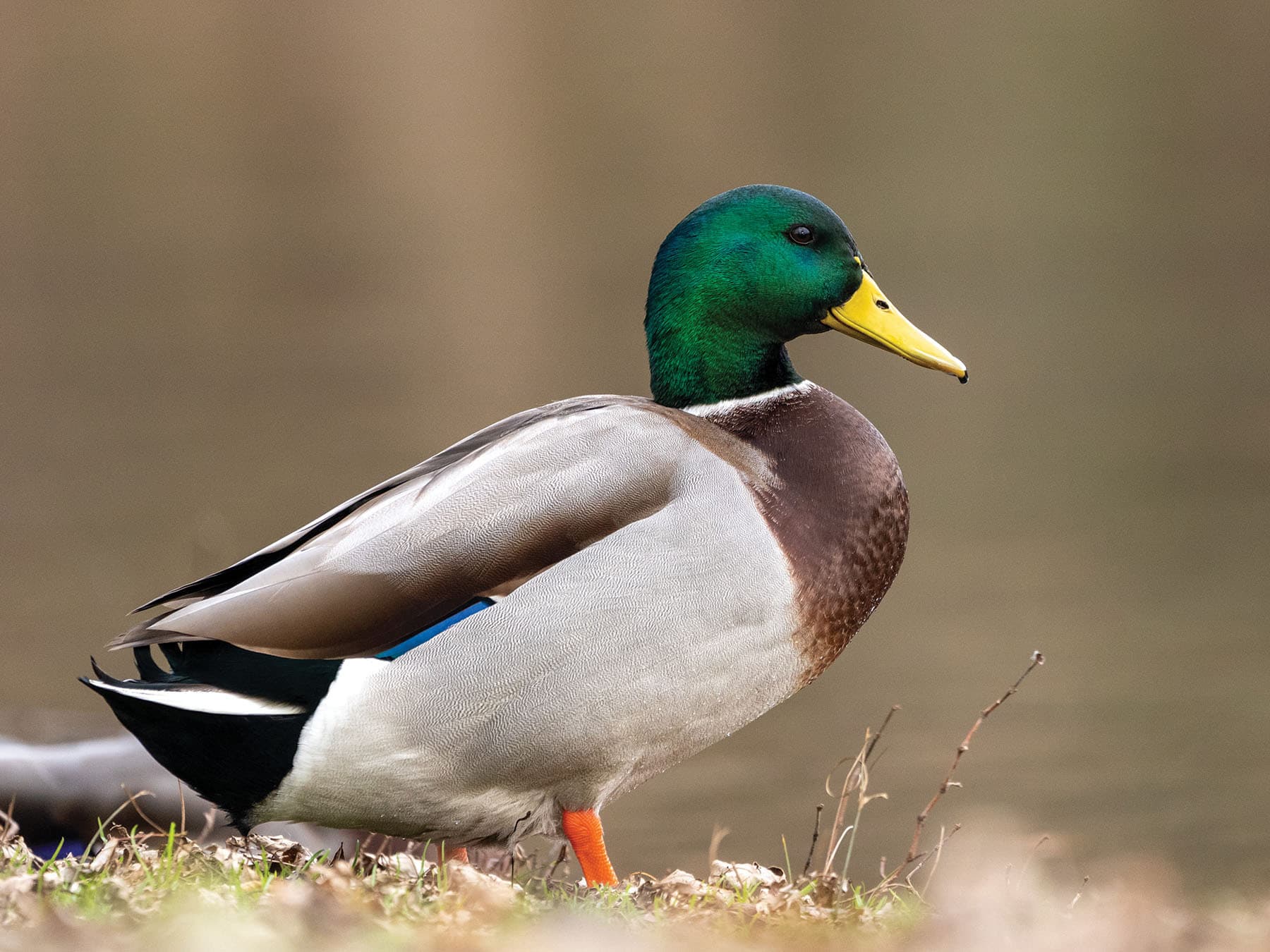 MallardAnas platyrhynchosResidentUncommon50–65 cmRecorded all year · 0.08% in Jul
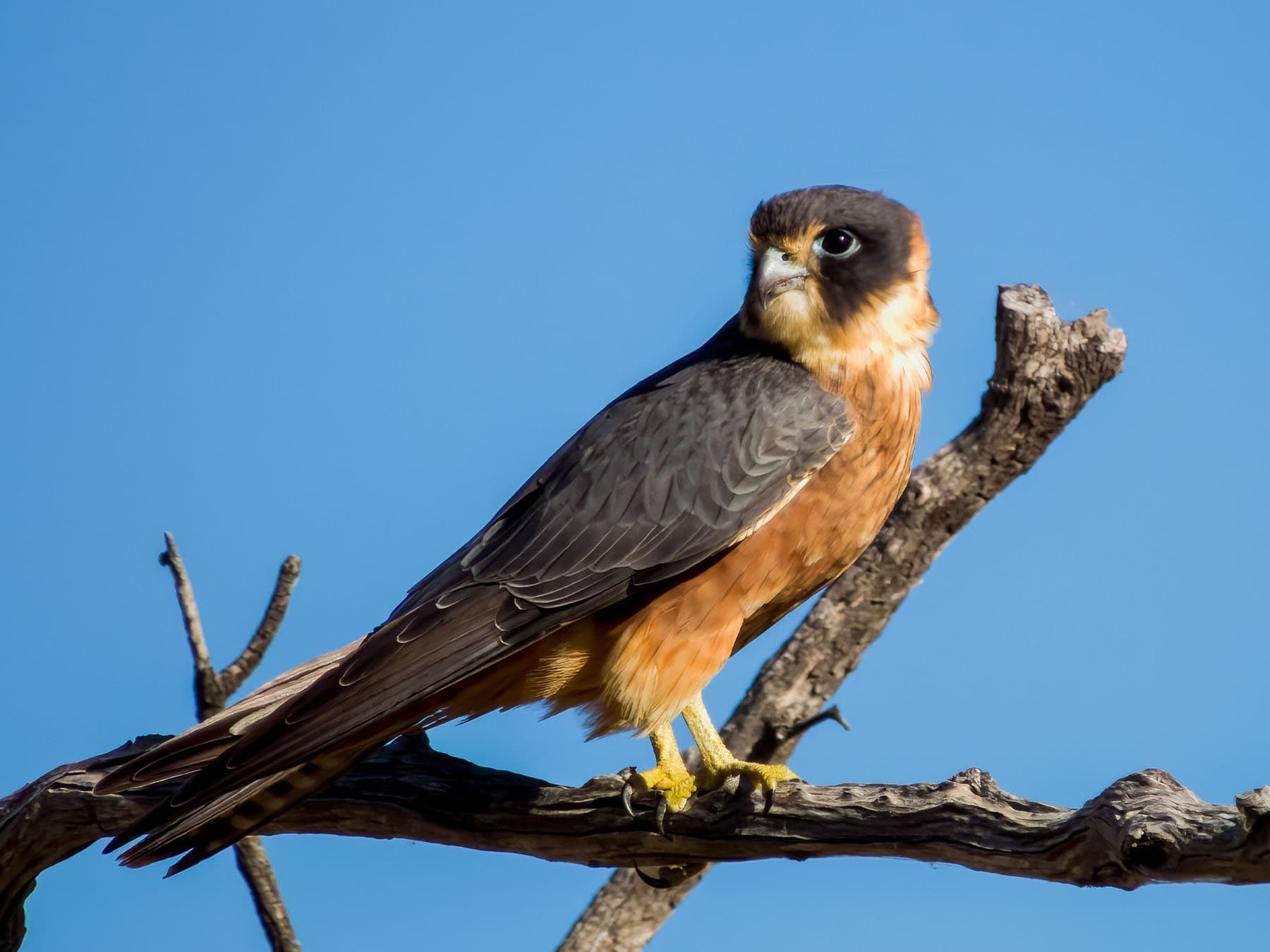 Australian HobbyFalco longipennisResidentUncommon30–35 cmRecorded all year · 0.07% in Jul
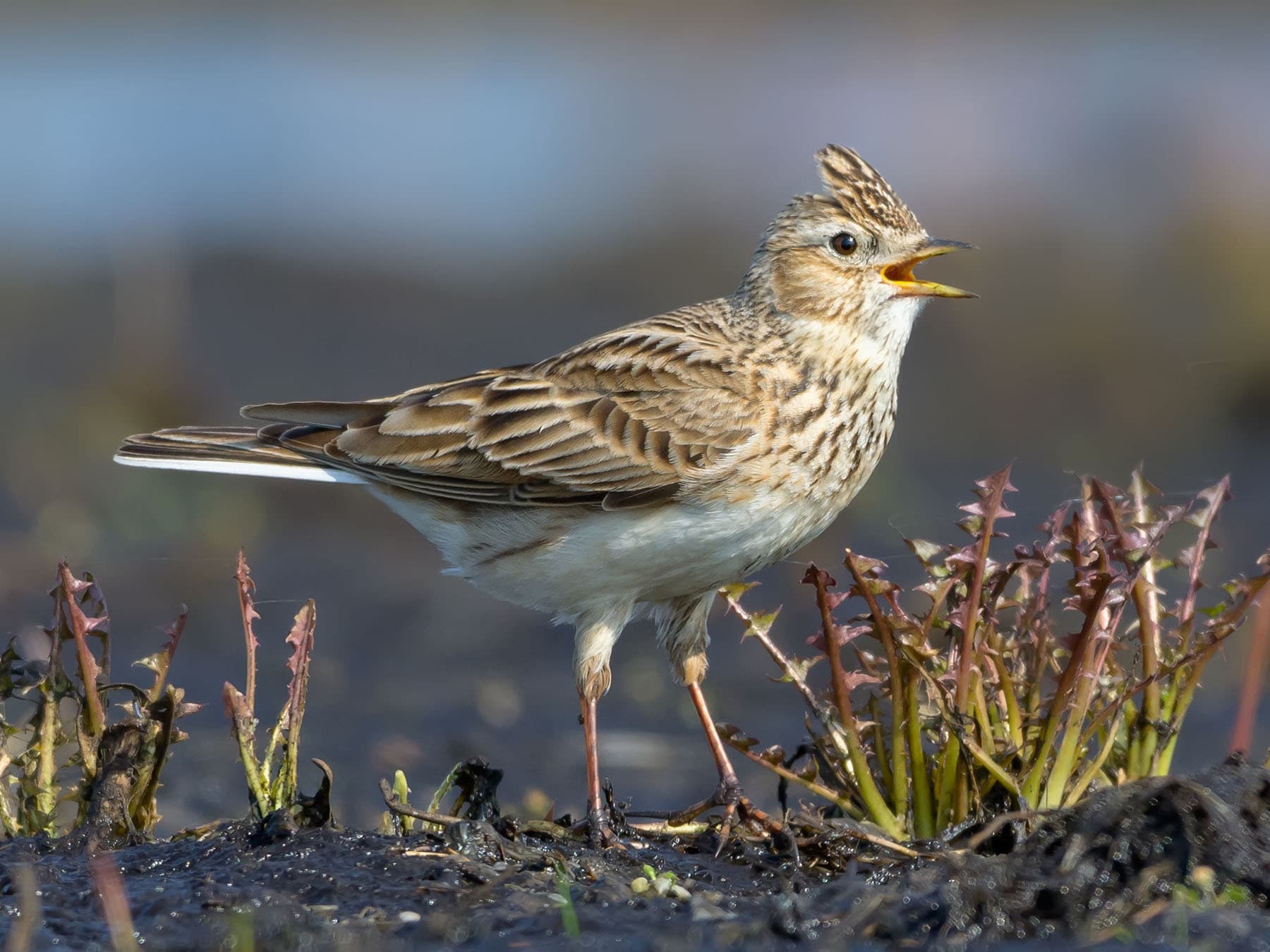 Eurasian SkylarkAlauda arvensisResidentUncommon16–18 cmRecorded all year · 0.04% in Jul
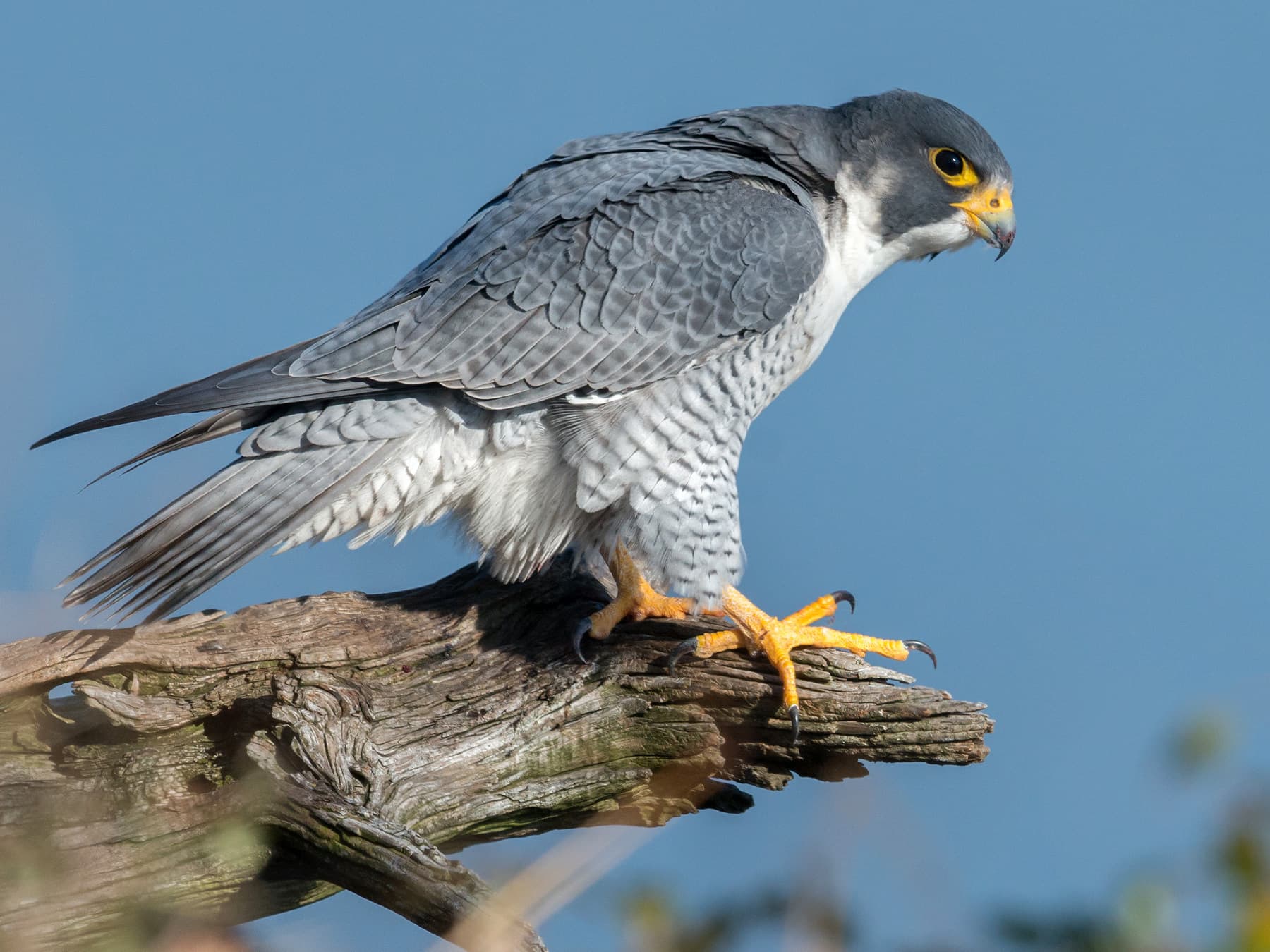 Peregrine FalconFalco peregrinusResidentRare34–58 cmRecorded all year · 0.04% in Jul
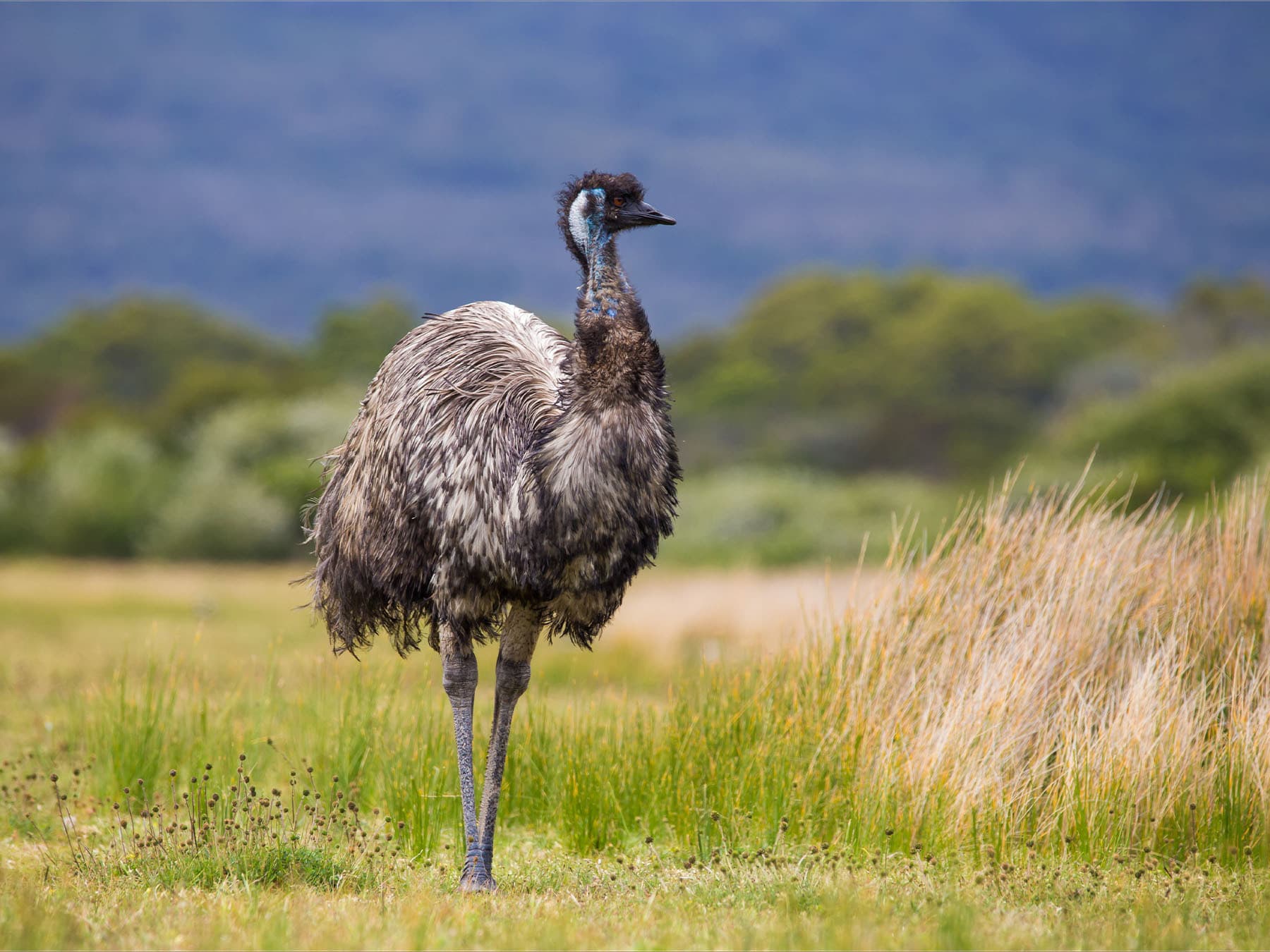 EmuDromaius novaehollandiaeResidentUncommon150–190 cmRecorded all year · 0.03% in Jul
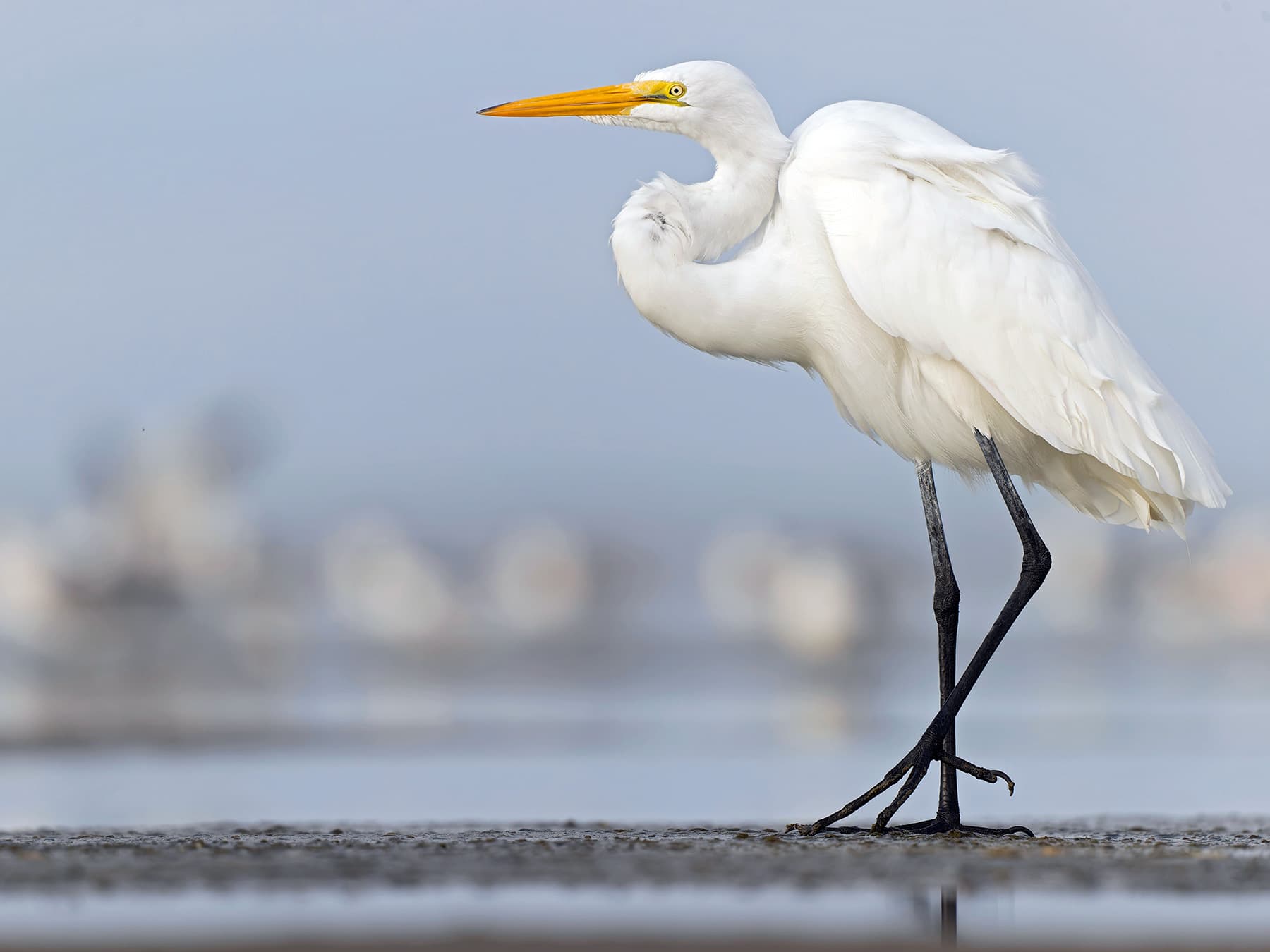 Great White EgretArdea albaSummer visitorUncommon80–104 cmRecorded all year · 0.02% in Jul
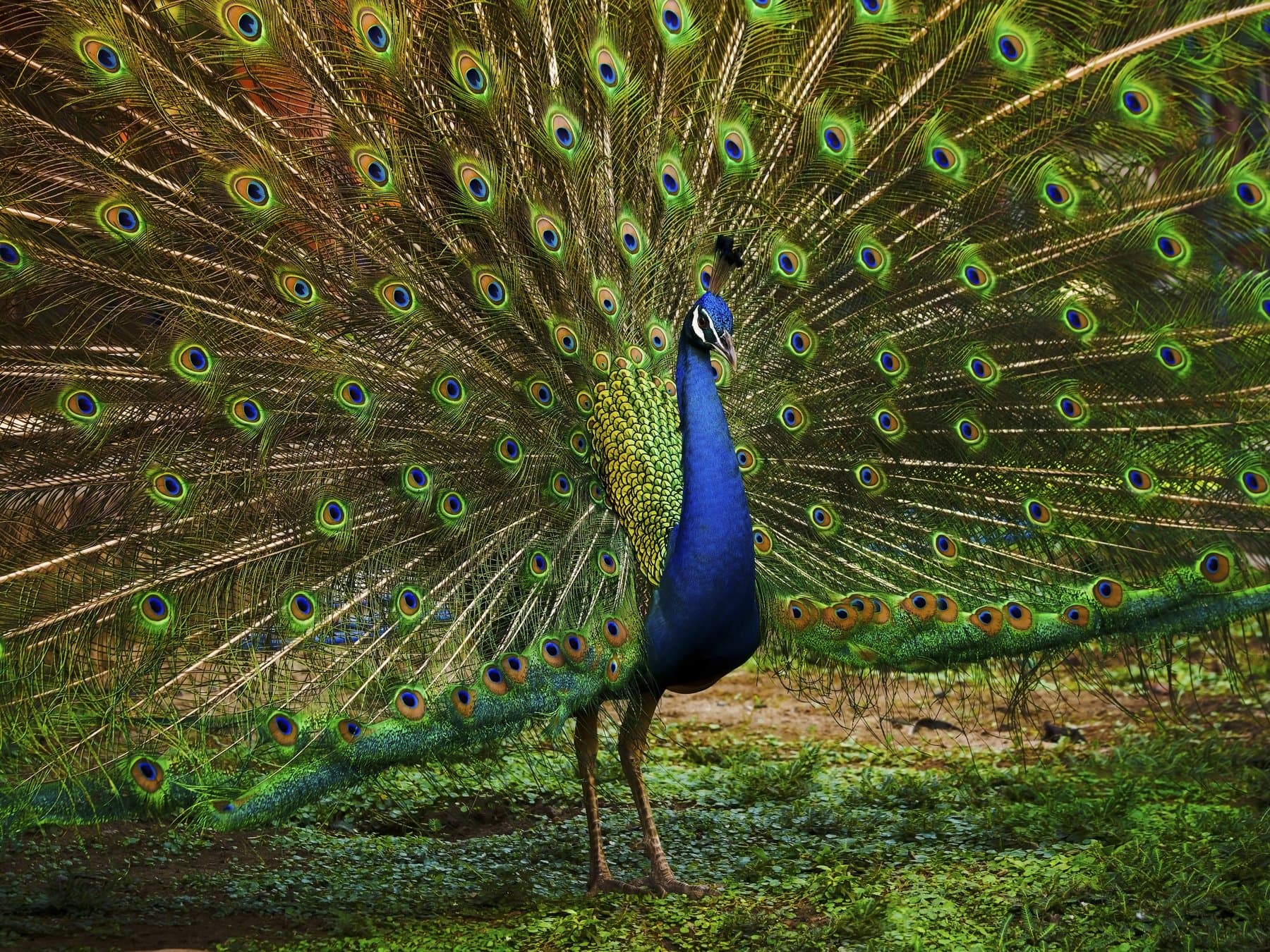 Indian PeafowlPavo cristatusSummer visitorRare86–230 cmRegularly Jul–May · 0.01% in Jul
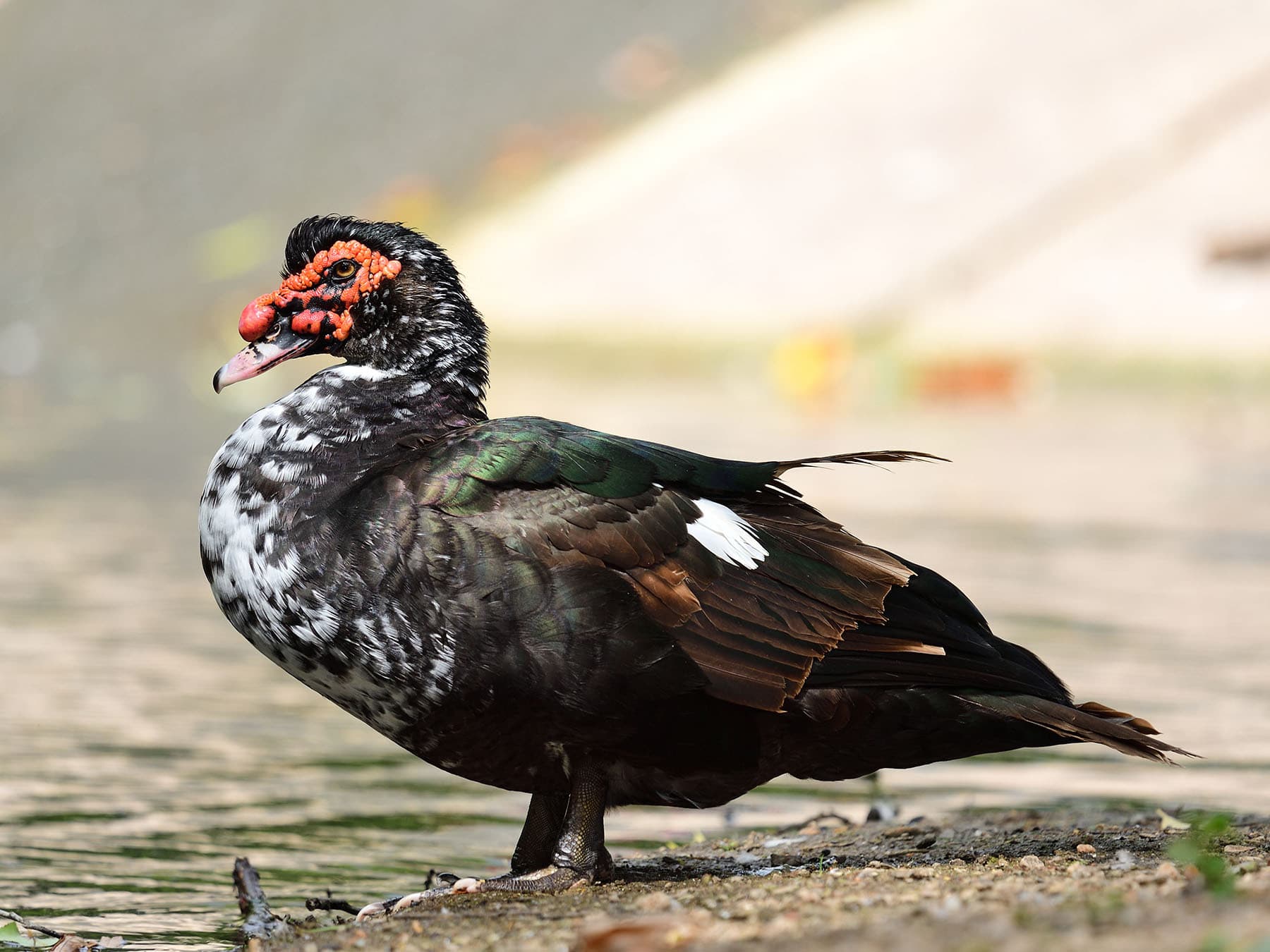 Muscovy DuckCairina moschataResidentRare66–84 cmRegularly Jul–Apr · 0.01% in Jul
Smallest to largest
Length, cm- Red-browed Finch 11–12 cm
- Rose Robin 11–13 cm
- European Goldfinch 12–13 cm
- House Sparrow 14–17 cm
- Eastern Yellow Robin 15–16 cm
- Eurasian Skylark 16–18 cm
- New Holland Honeyeater 16–20 cm
- Willie Wagtail 19–22 cm
- Common Starling 21–23 cm
- Blackbird 24–25 cm
- Rainbow Lorikeet 25–30 cm
- Australian Hobby 30–35 cm
- Rock Dove 29–37 cm
- Red Wattlebird 33–37 cm
- Galah 35–38 cm
- Coot 36–42 cm
- Australian Magpie 37–43 cm
- Australian King-parrot 40–43 cm
- Laughing Kookaburra 41–47 cm
- Peregrine Falcon 34–58 cm
- Australian Raven 46–53 cm
- Whistling Kite 50–60 cm
- Mallard 50–65 cm
- Muscovy Duck 66–84 cm
- Great Cormorant 80–100 cm
- Great White Egret 80–104 cm
- Black Swan 110–142 cm
- Indian Peafowl 86–230 cm
- Emu 150–190 cm
Body length, bill to tail. Rare birds in grey.
Data: EOD – eBird Observation Dataset (Cornell Lab of Ornithology), accessed via GBIF.org, CC BY 4.0. Records from 2019–2024, aggregated and filtered by Birdfact. How these lists are made