


Rose Robin
Petroica rosea
By the Birdfact teamChecked by Nathan Cope
On this page11 sections
How to recognise it
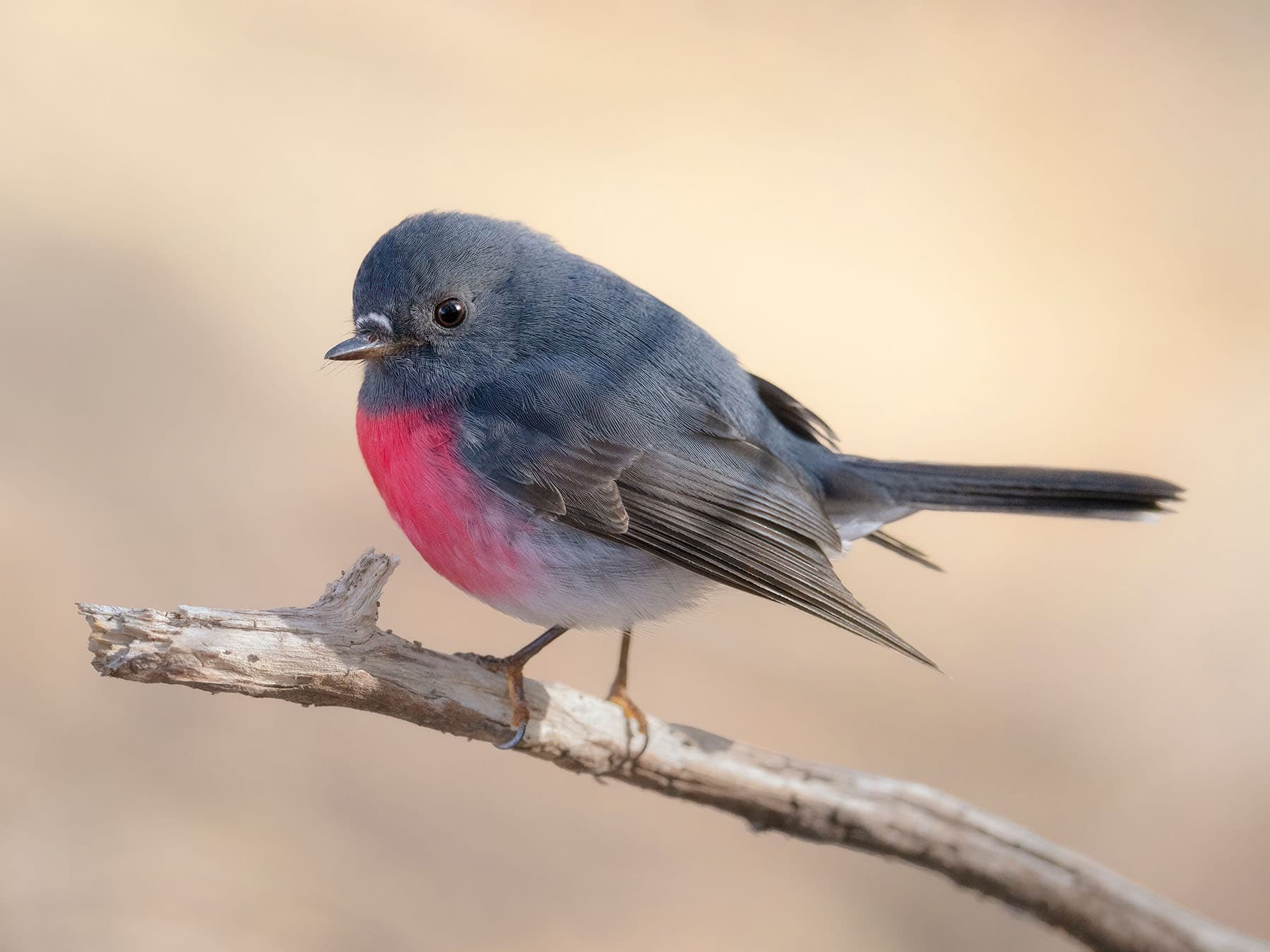
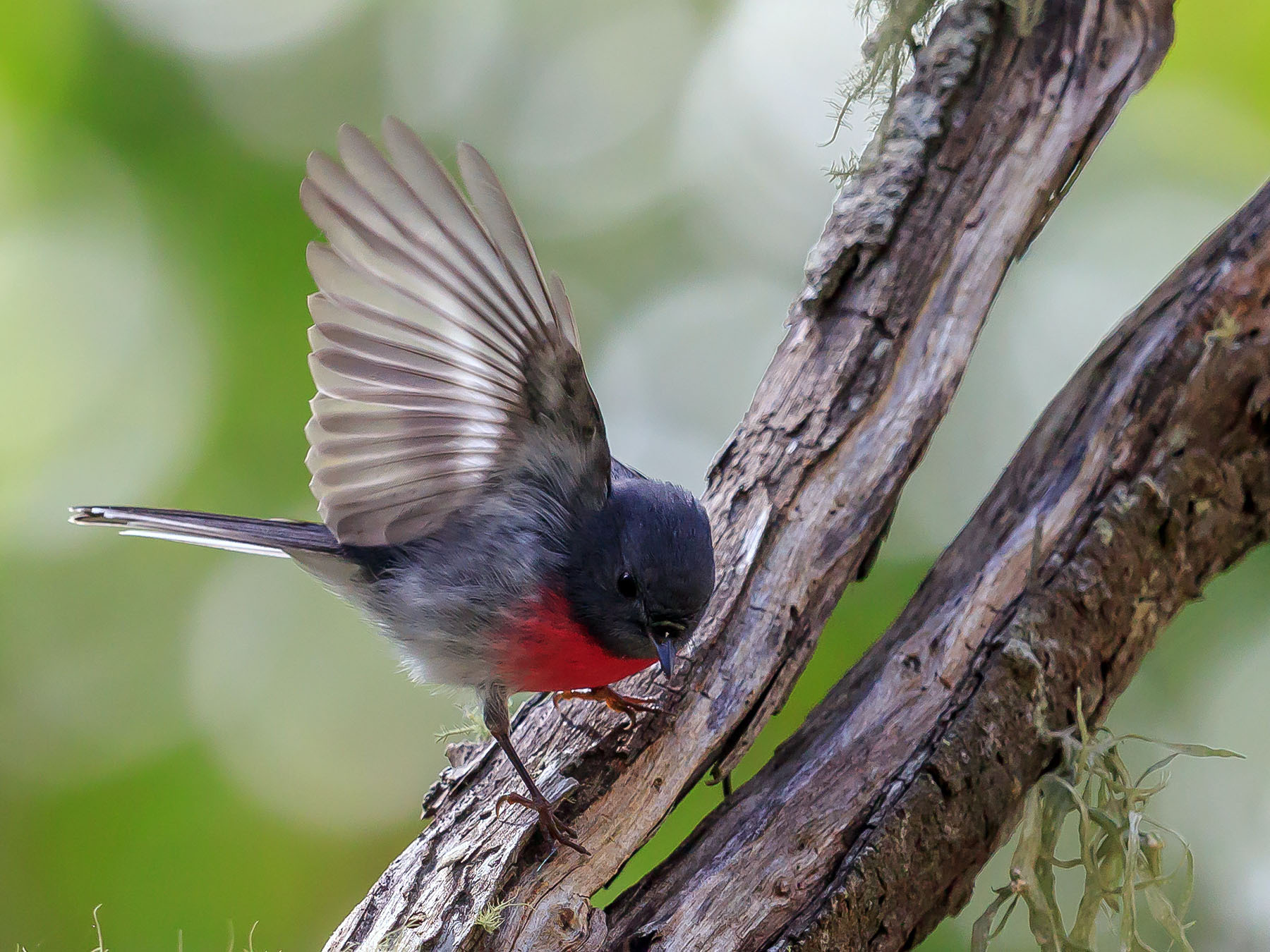
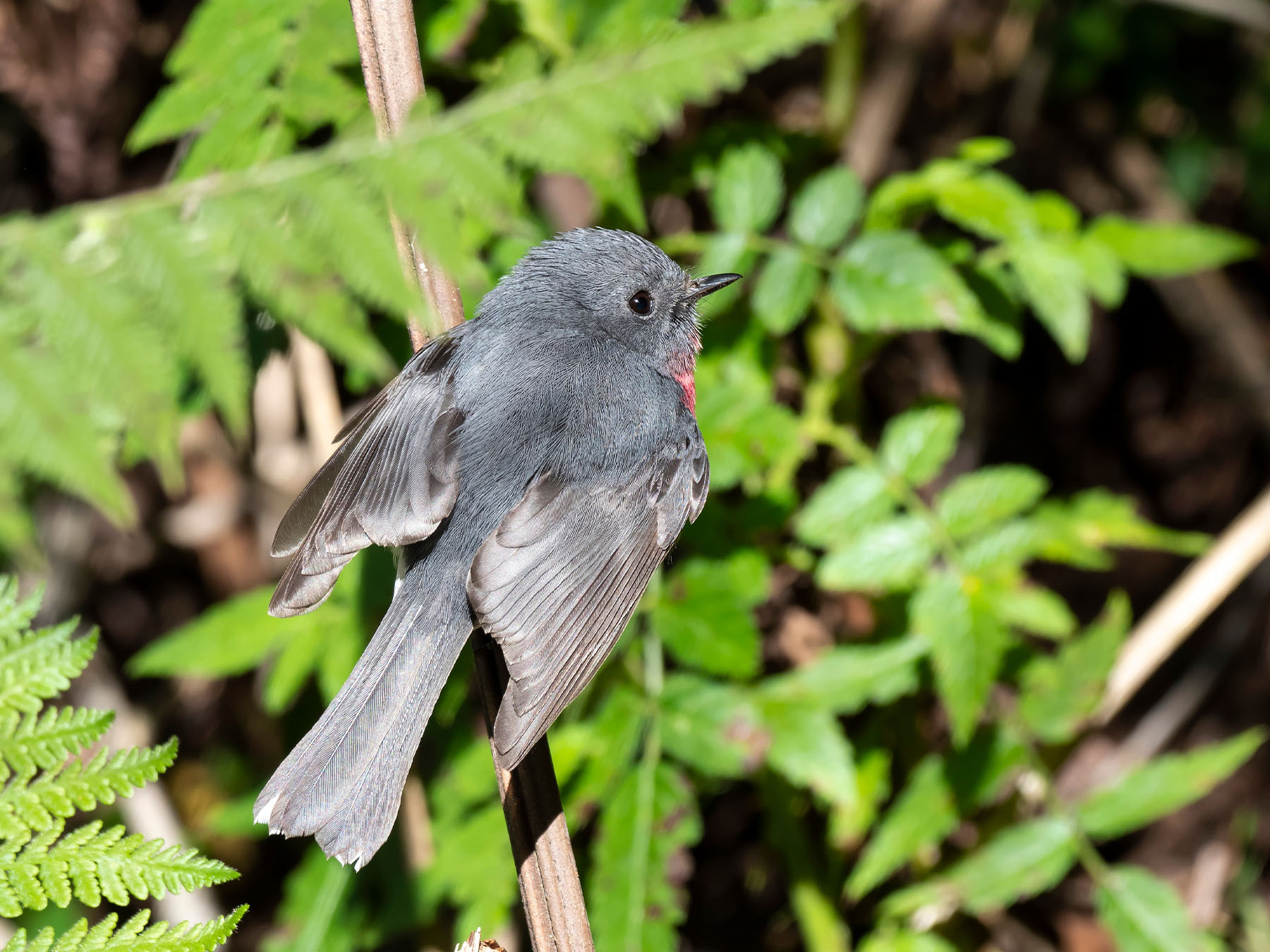
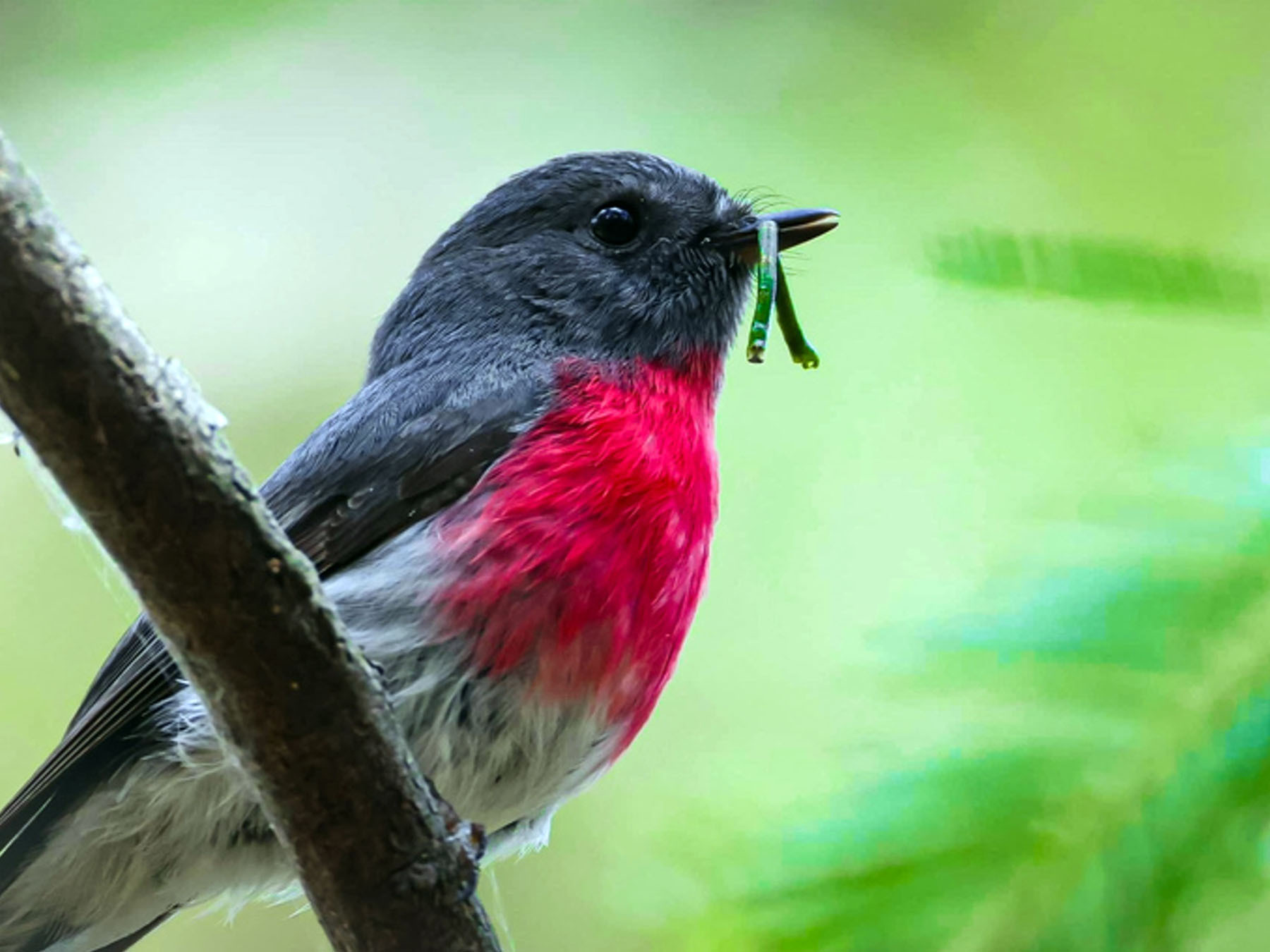
The Rose Robin is a small, charming bird with striking sexual dimorphism. Males display a vibrant pink breast and belly, contrasting with a dark grey back, wings, and tail. Their forehead features a small white patch, enhancing their distinctive appearance.
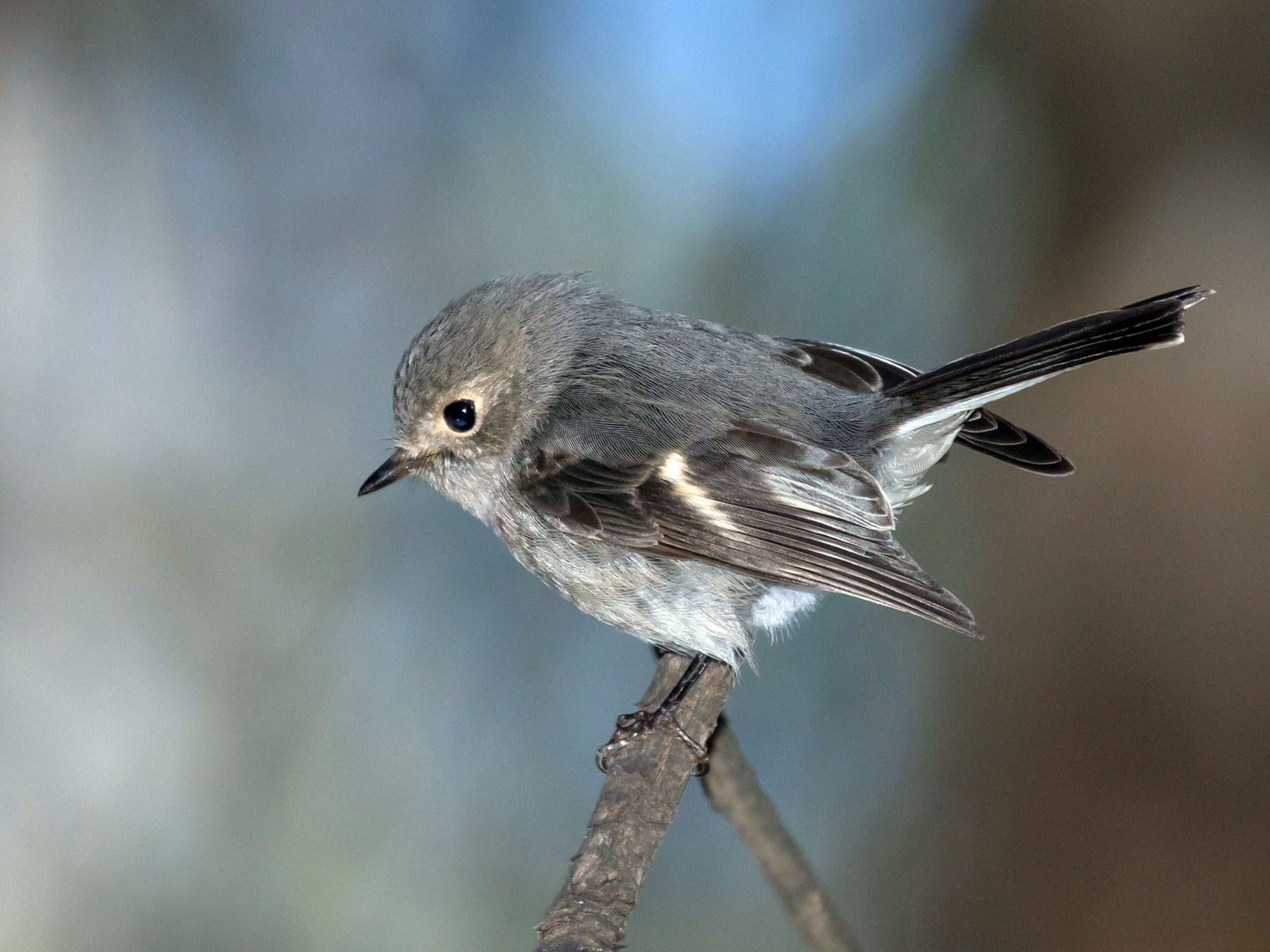
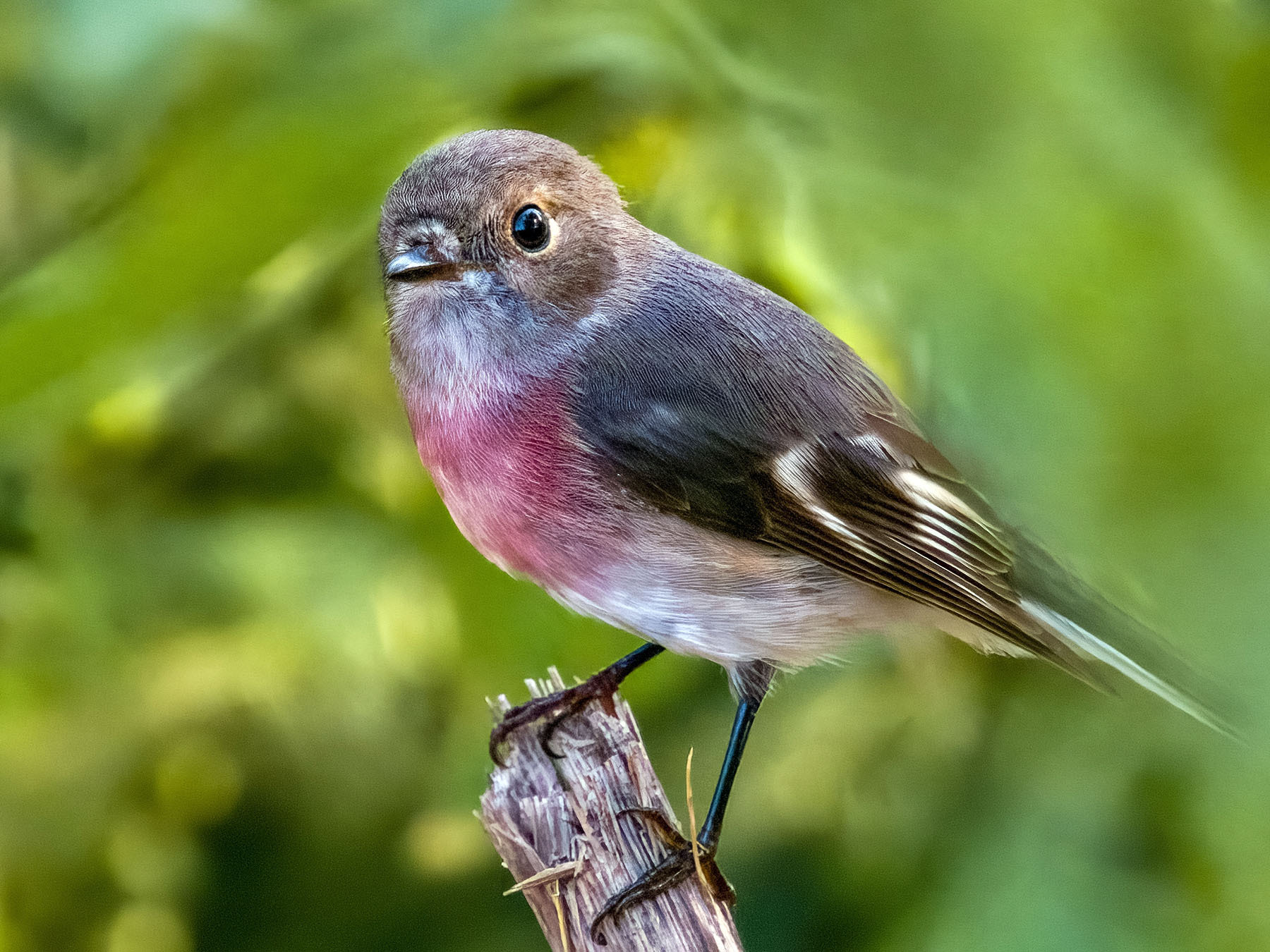
Females are more subdued, with grey-brown upperparts and pale underparts. Both sexes have black bills, legs, and eyes, with the male's pink plumage being particularly eye-catching during the breeding season.
Its size
Adults- Length
- 11–13 cm
- Wingspan
- 18–22 cm
- Weight
- 7–10 g
Its song and calls
The Rose Robin's song is a soft, sweet warble, often described as 'tseep-tseep-tseep' or a gentle 'whee-whee-whee'.
Males sing more frequently during breeding season, using their melodious calls to establish territory and attract mates. Their calls are quieter compared to other robin species.
When and where to see it
The Rose Robin is not recorded regularly in the UK, Ireland, the United States or Canada.
Worldwide: recorded regularly in 1 country
Countries where it was recorded in at least 3 of the 6 years 2019–2024. Linked countries have their own bird list.
Oceania (1)
Data: EOD – eBird Observation Dataset (Cornell Lab of Ornithology), accessed via GBIF.org, CC BY 4.0. Records from 2019–2024, aggregated and filtered by Birdfact. How these lists are made
Tips for seeing it
- Look for flashes of pink in the mid to lower canopy of wet forests
- Listen for their soft, sweet, warbling song, especially during breeding season
- Observe their characteristic 'pounce and return' feeding behaviour
- In Australia, focus on eastern coastal forests and ranges
What it eats
Rose Robins are primarily insectivorous, feeding on a variety of small arthropods. They hunt by perching quietly and watching for movement, then swooping down to catch prey.
Their diet includes beetles, flies, moths, and spiders, which they capture with remarkable agility.
Nesting and breeding
Breeding occurs from September to January, with pairs forming strong bonds. Males court females with soft songs and displays of their vibrant plumage.
Nests are small, neat cups made of bark strips, moss, and spider webs, typically placed in tree forks or among vines. Females lay 2-3 pale blue or greenish eggs with brown speckles.
Incubation lasts about 14 days, primarily by the female. Both parents feed the nestlings, which fledge after approximately 14 days but remain dependent on adults for several weeks.
Behaviour
Rose Robins are known for their agile, darting flight as they hunt insects. They often perch on low branches, making short sallies to catch prey mid-air or glean from foliage.
During the breeding season, males become territorial, defending their areas with melodious songs and displays.
Conservation
While currently listed as Least Concern, Rose Robins face threats from habitat loss due to deforestation and climate change.
Conservation efforts focus on protecting and restoring their preferred wet forest habitats, particularly in eastern Australia, where they are most prevalent.
More photos
6 photos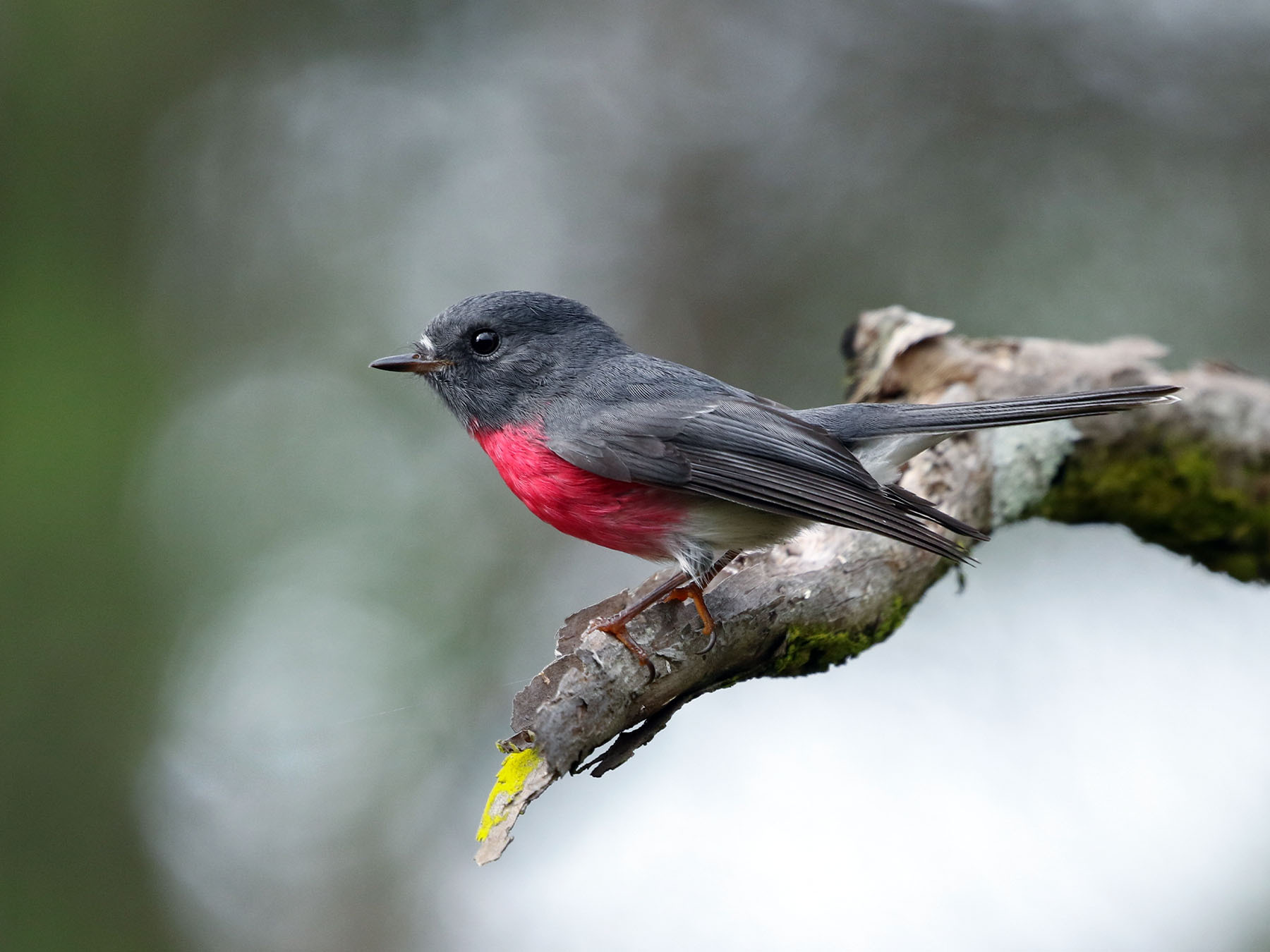
Quick facts
- Length
- 11–13 cm
- Wingspan
- 18–22 cm
- Weight
- 7–10 g
- Lifespan
- 3–5 years · oldest recorded 6.1 years
- Family
- Australasian Robins
- Migration
- Partial migrant
- Global status (IUCN)
- Least Concern
- World population
- Not quantified, but quite common locally
- Population trend
- Decreasing
- Scientific name
- Petroica rosea
Sources
4- 1BirdLife International. 2024. Petroica rosea. The IUCN Red List of Threatened Species 2024: e.T22704822A254006697. Source (opens in a new tab)
- 2del Hoyo et al. (2007)
- 3Flegg and Madge (1995)
- 4ABBBS - Australian Bird and Bat Banding Scheme Source (opens in a new tab)

Checked by
Nathan Cope, founder and editor
Nathan founded Birdfact and leads its writers and contributors in the UK, the US and Canada. He has watched and studied birds for more than ten years, and checks every article and species guide before it’s published.