


Birds to See in Vietnam in June
29 bird species on our list for Vietnam are recorded regularly in June
Of these, the most often recorded are Eurasian Tree Sparrow, Rock Dove, Scaly-breasted Munia, House Sparrow and Little Egret. New this month: Glossy Ibis and Red Crossbill.
On the move in June
GBIF · JunFrom Vietnam’s bird records, 2019–2024: arriving birds are regular this month but not last; leaving birds are regular this month but not next.
Other months
All 29 birds in June
29 birds
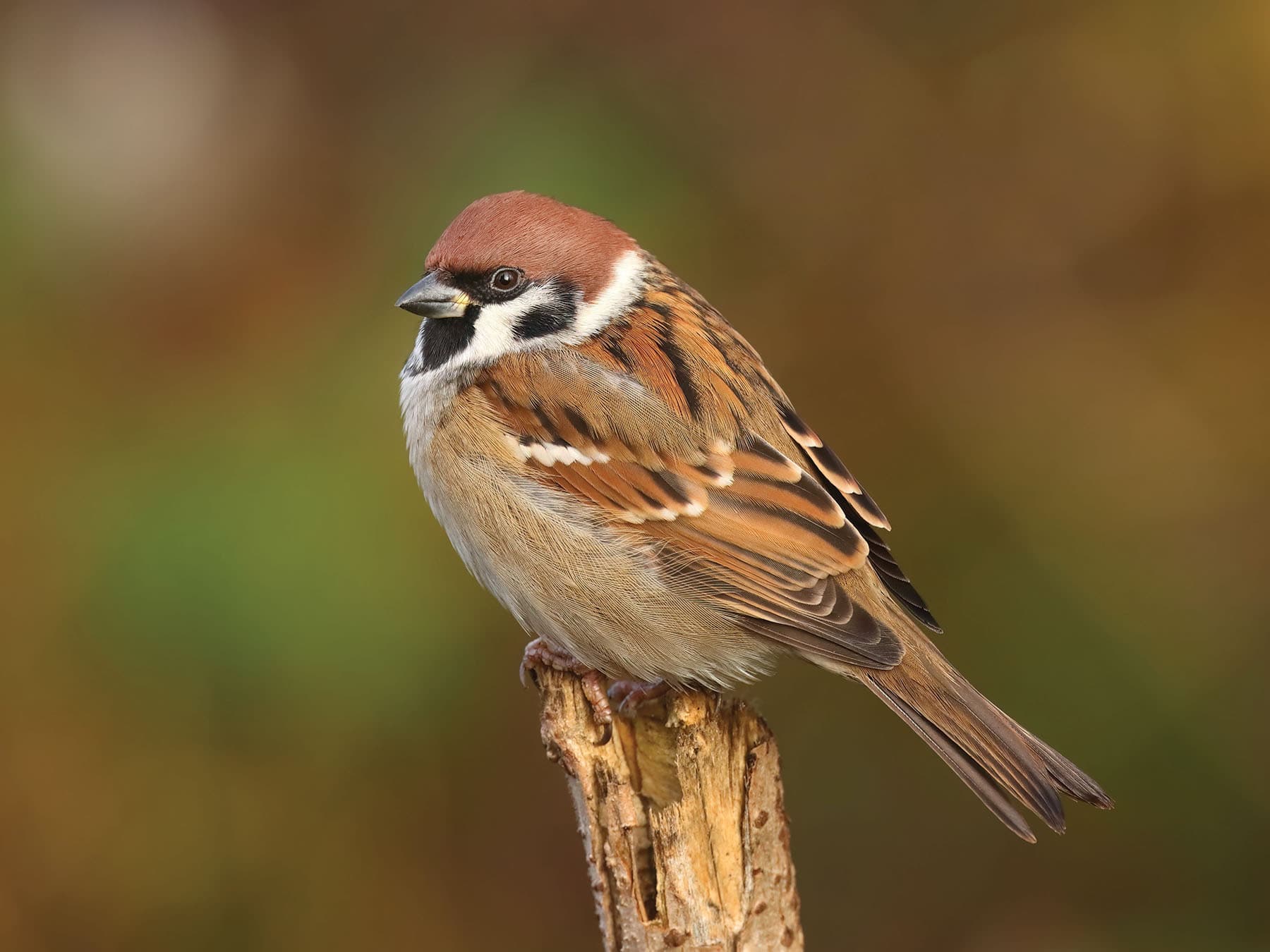 Eurasian Tree SparrowPasser montanusResidentCommon13–14 cmRecorded all year · 4.15% in Jun
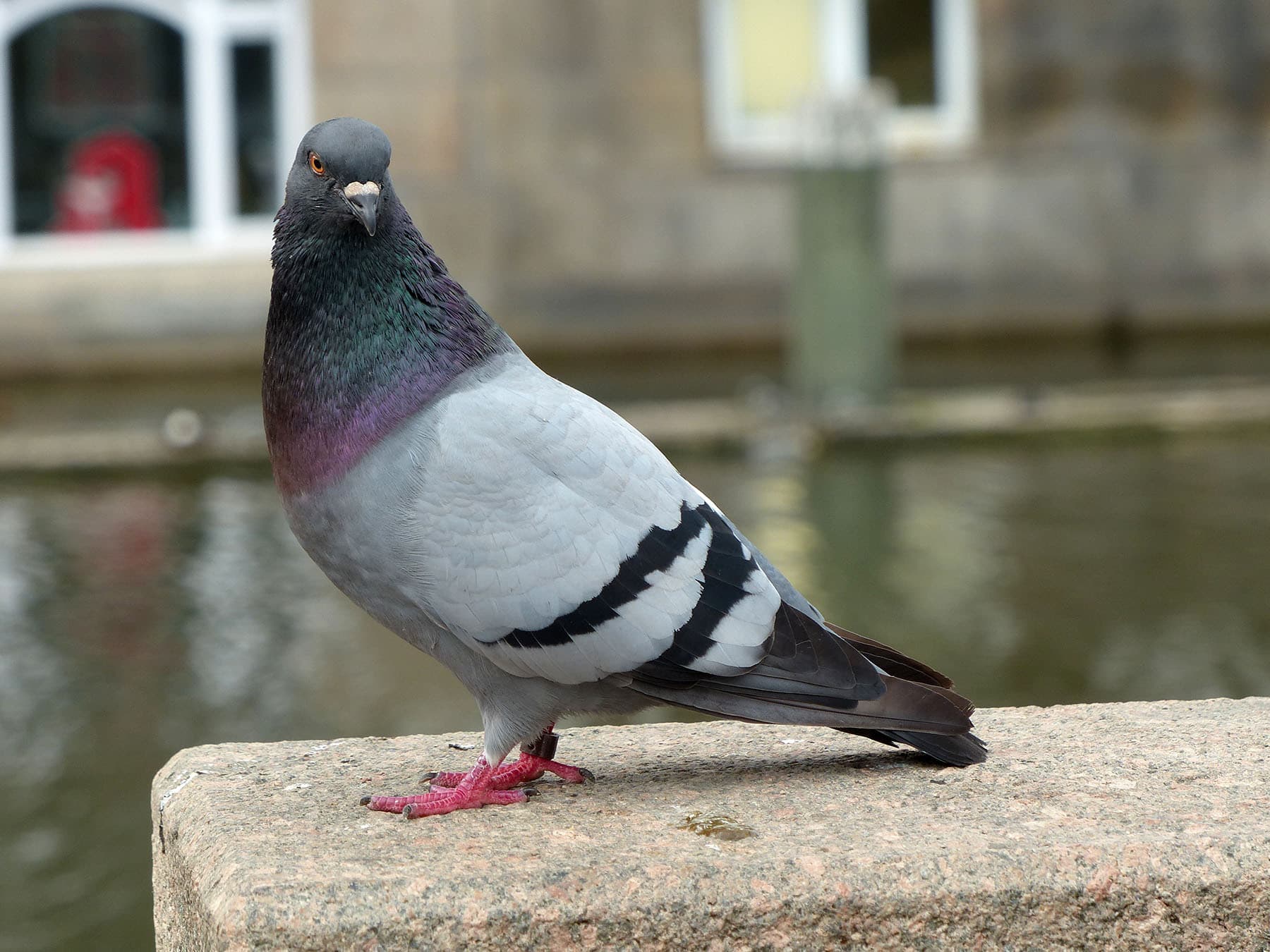 Rock DoveColumba liviaResidentCommon31–34 cmRecorded all year · 1.27% in Jun
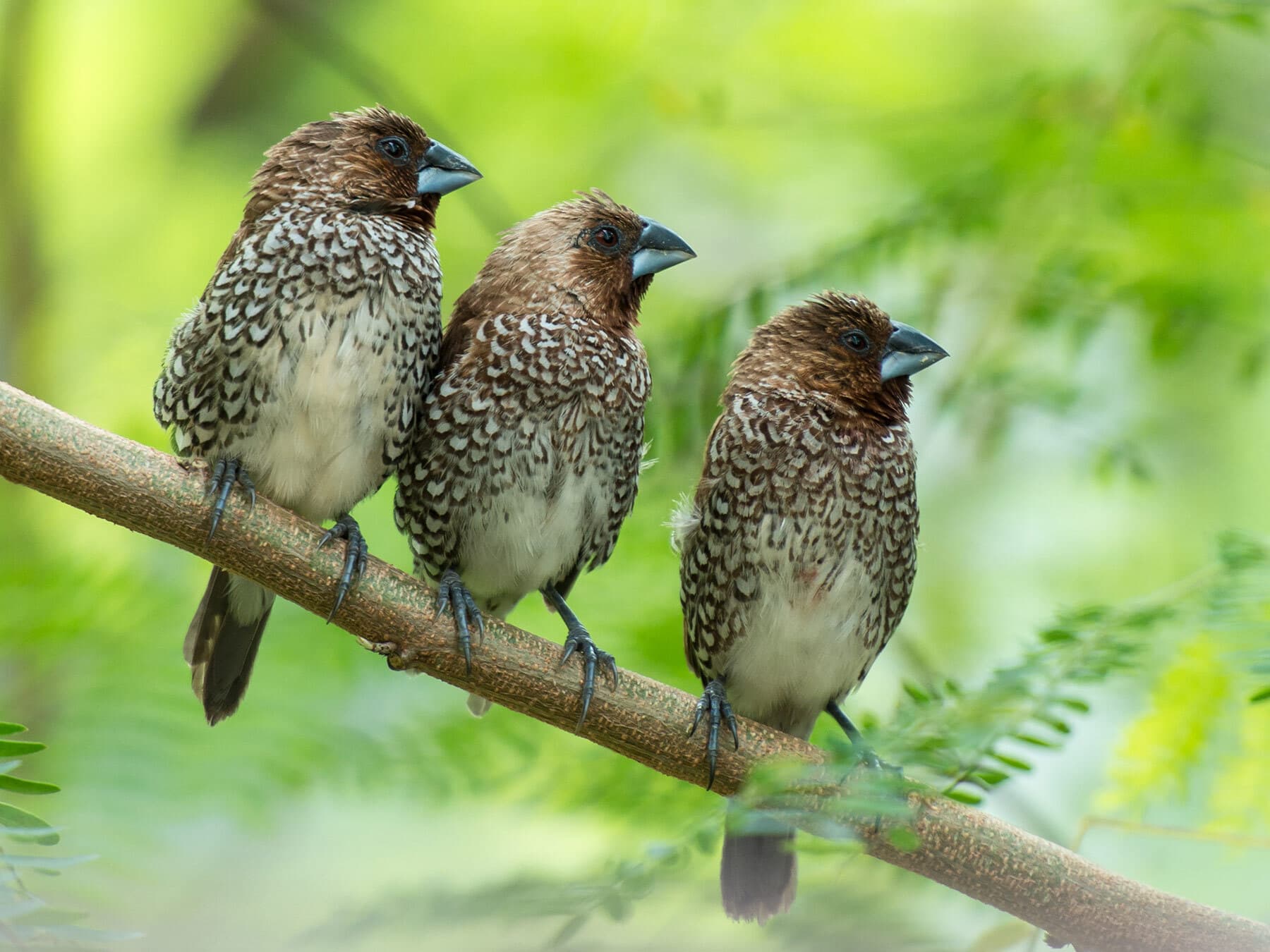 Scaly-breasted MuniaLonchura punctulataResidentCommon11–12 cmRecorded all year · 1.13% in Jun
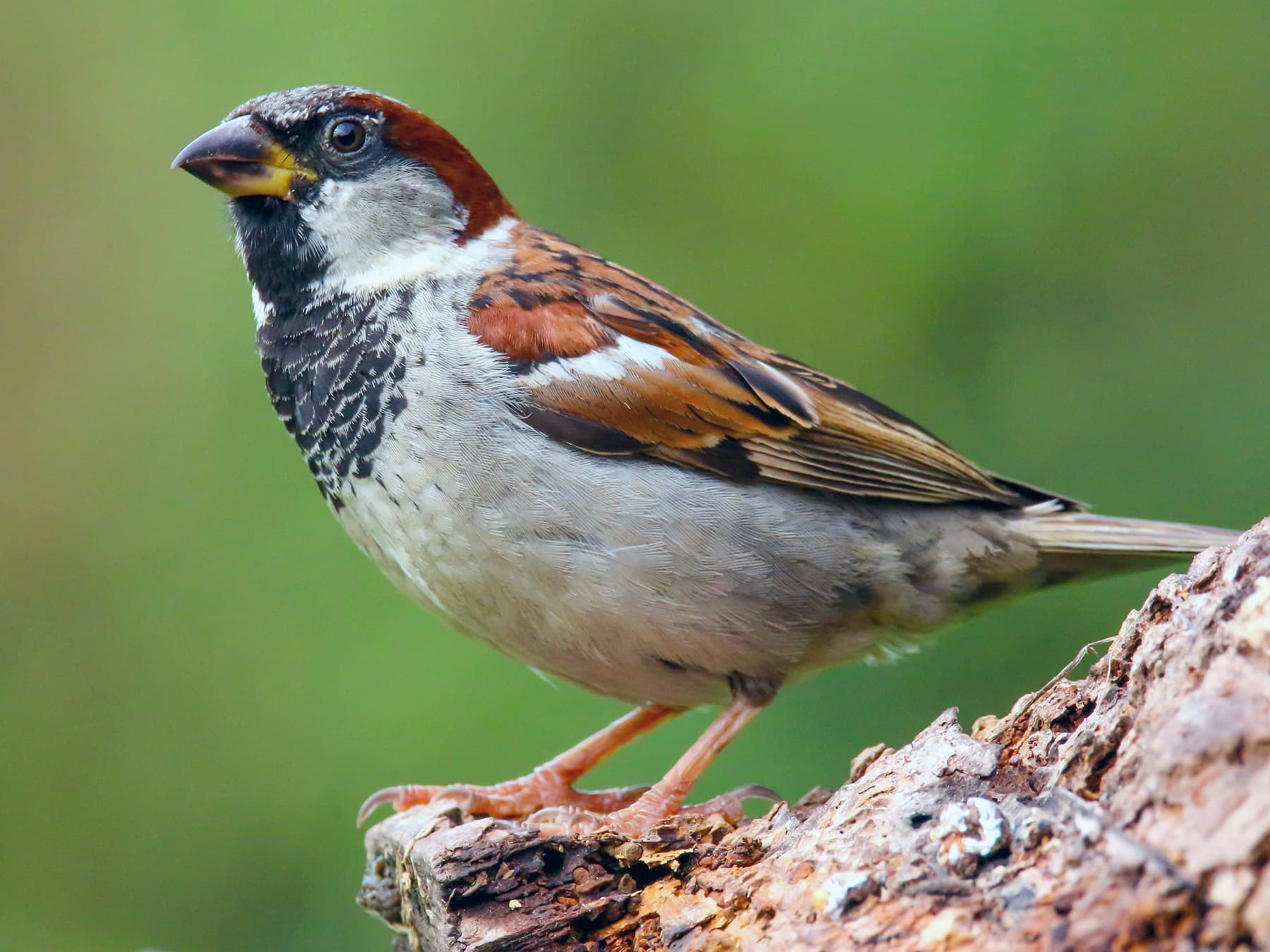 House SparrowPasser domesticusResidentCommon14–17 cmRecorded all year · 1.12% in Jun
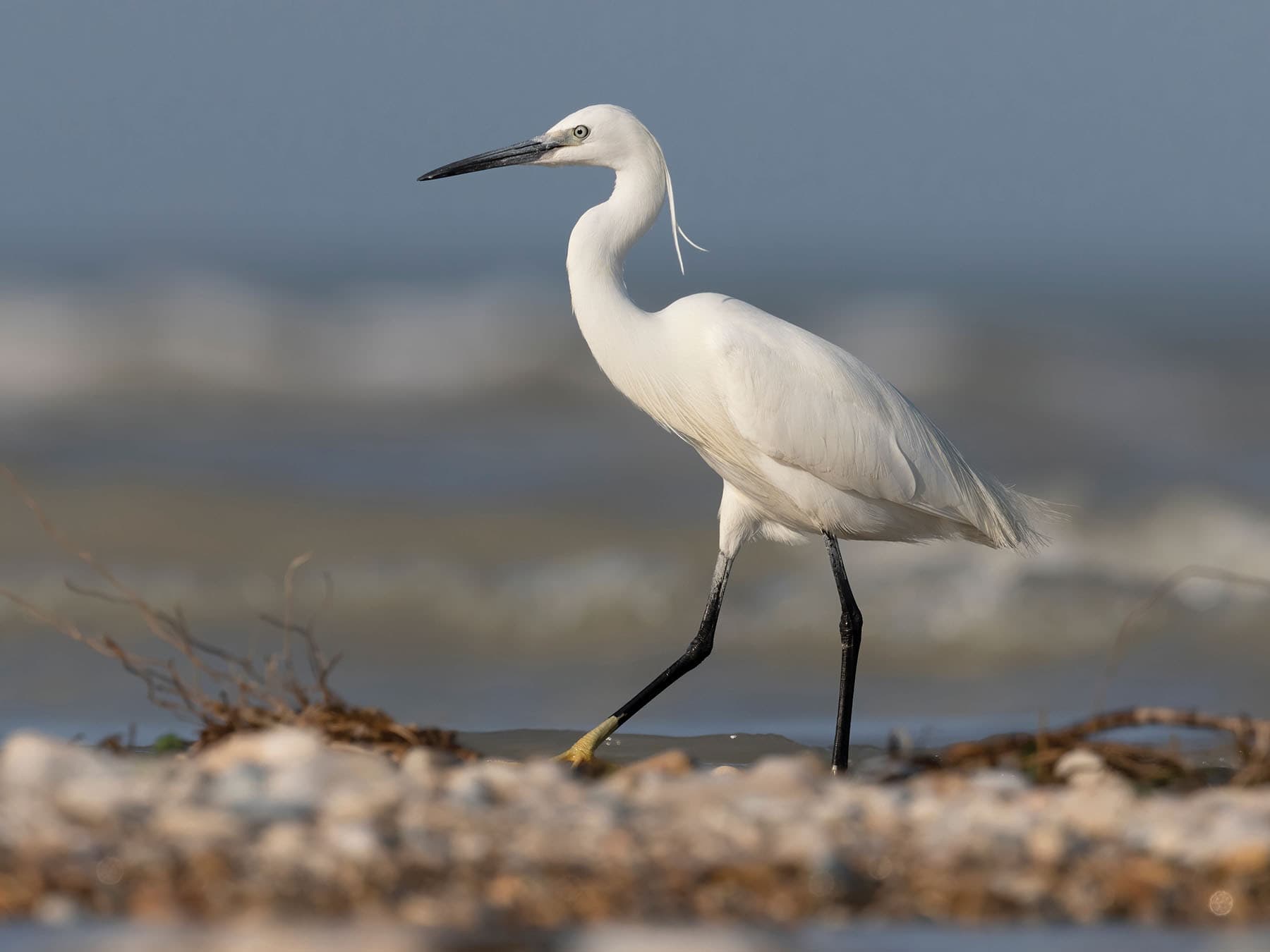 Little EgretEgretta garzettaResidentCommon55–65 cmRecorded all year · 0.77% in Jun
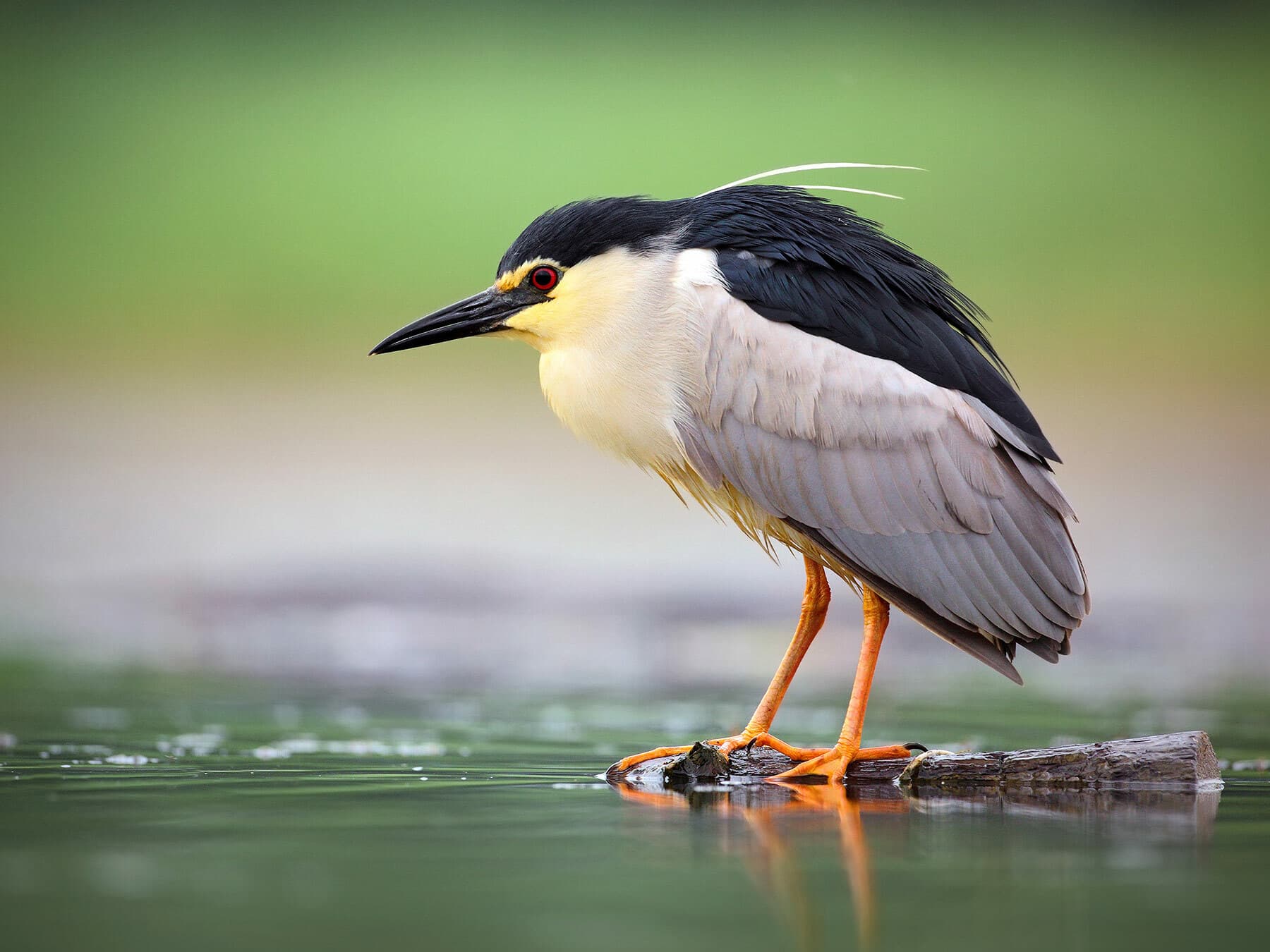 Black-crowned Night-heronNycticorax nycticoraxResidentCommon58–65 cmRecorded all year · 0.61% in Jun
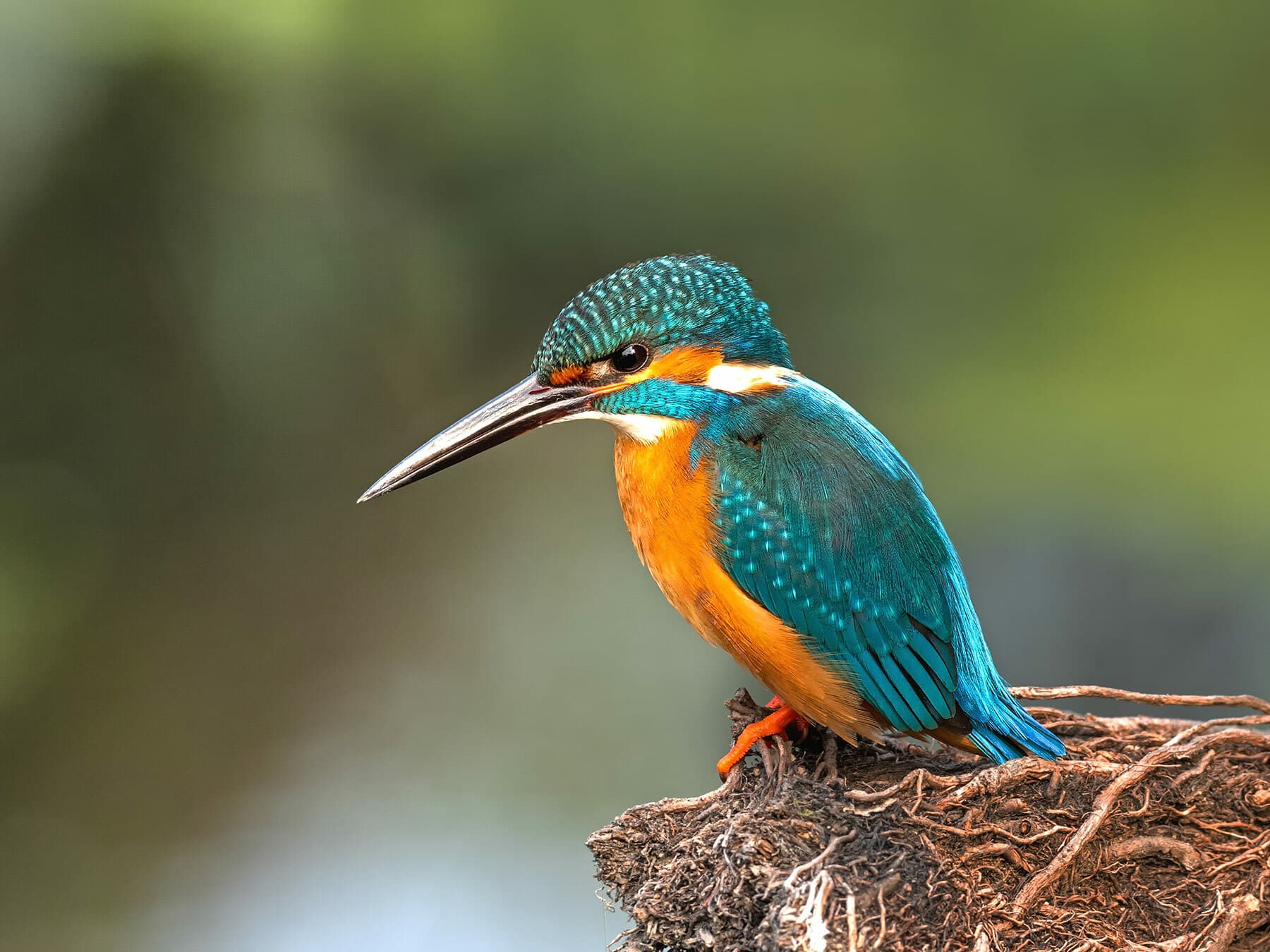 Common KingfisherAlcedo atthisResidentCommon16–17 cmRecorded all year · 0.55% in Jun
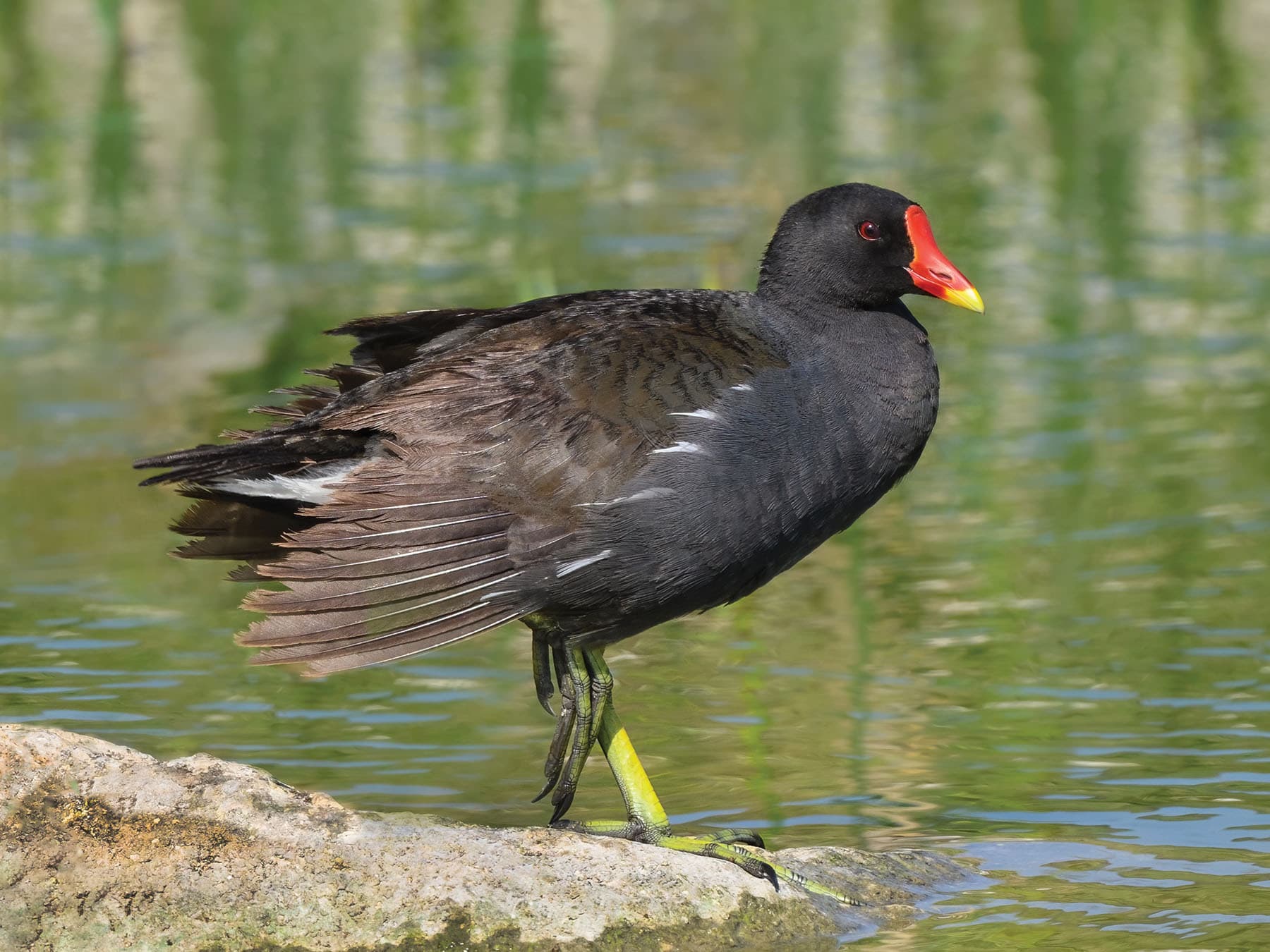 MoorhenGallinula chloropusResidentUncommon30–38 cmRecorded all year · 0.43% in Jun
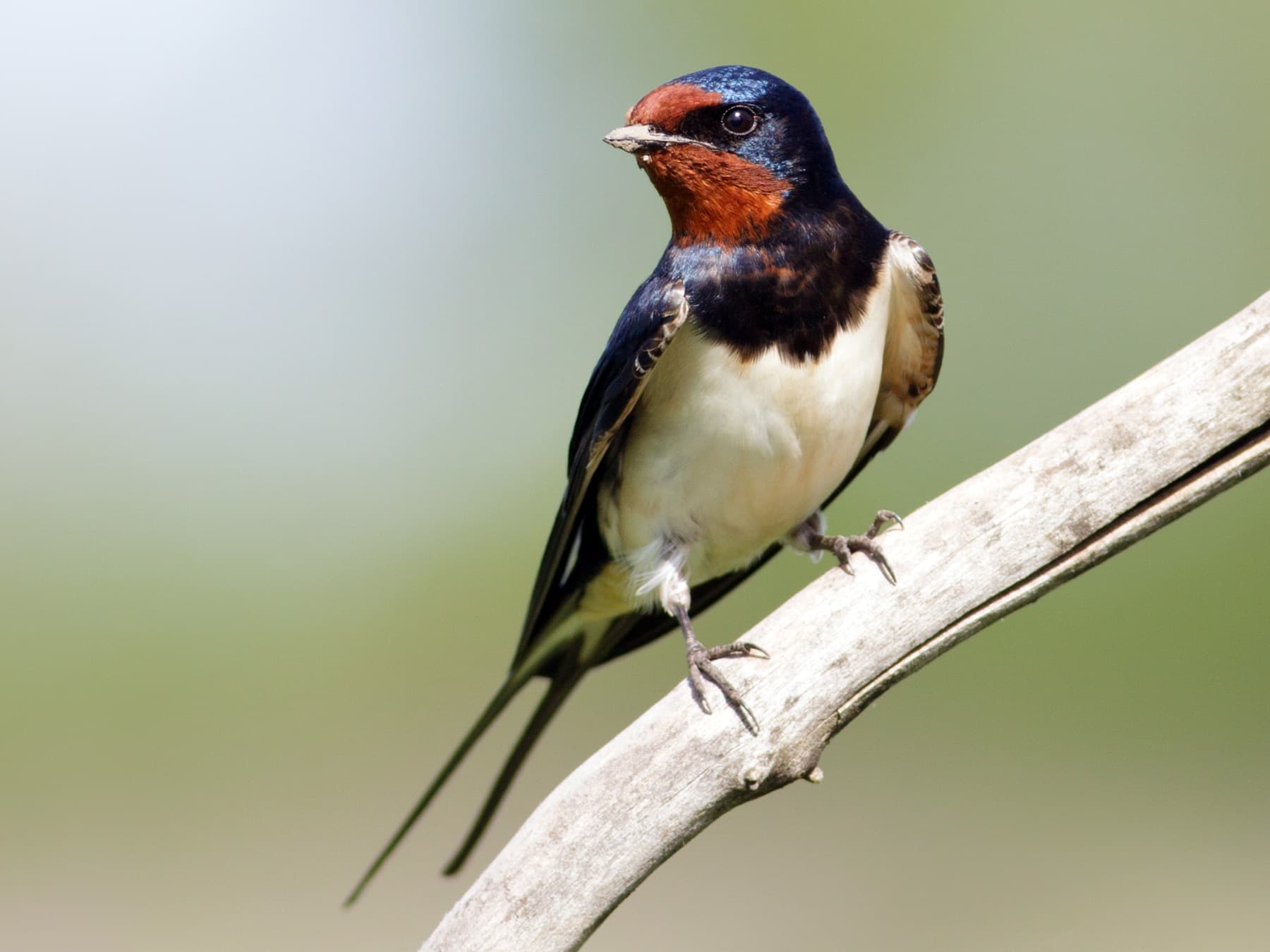 Barn SwallowHirundo rusticaResidentCommon17–19 cmRecorded all year · 0.41% in Jun
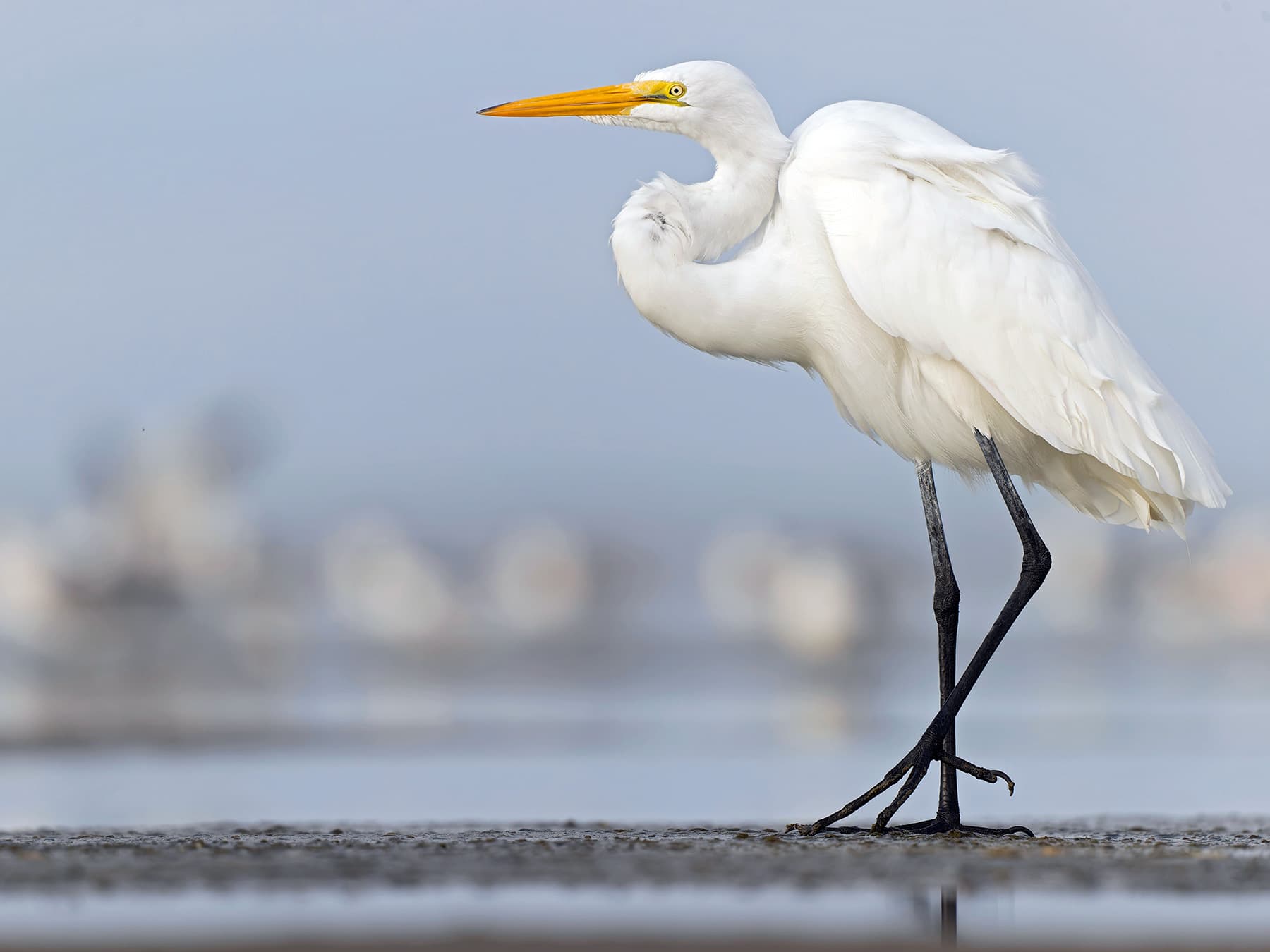 Great White EgretArdea albaResidentCommon80–104 cmRecorded all year · 0.40% in Jun
 Little GrebeTachybaptus ruficollisResidentUncommon23–29 cmRecorded all year · 0.39% in Jun
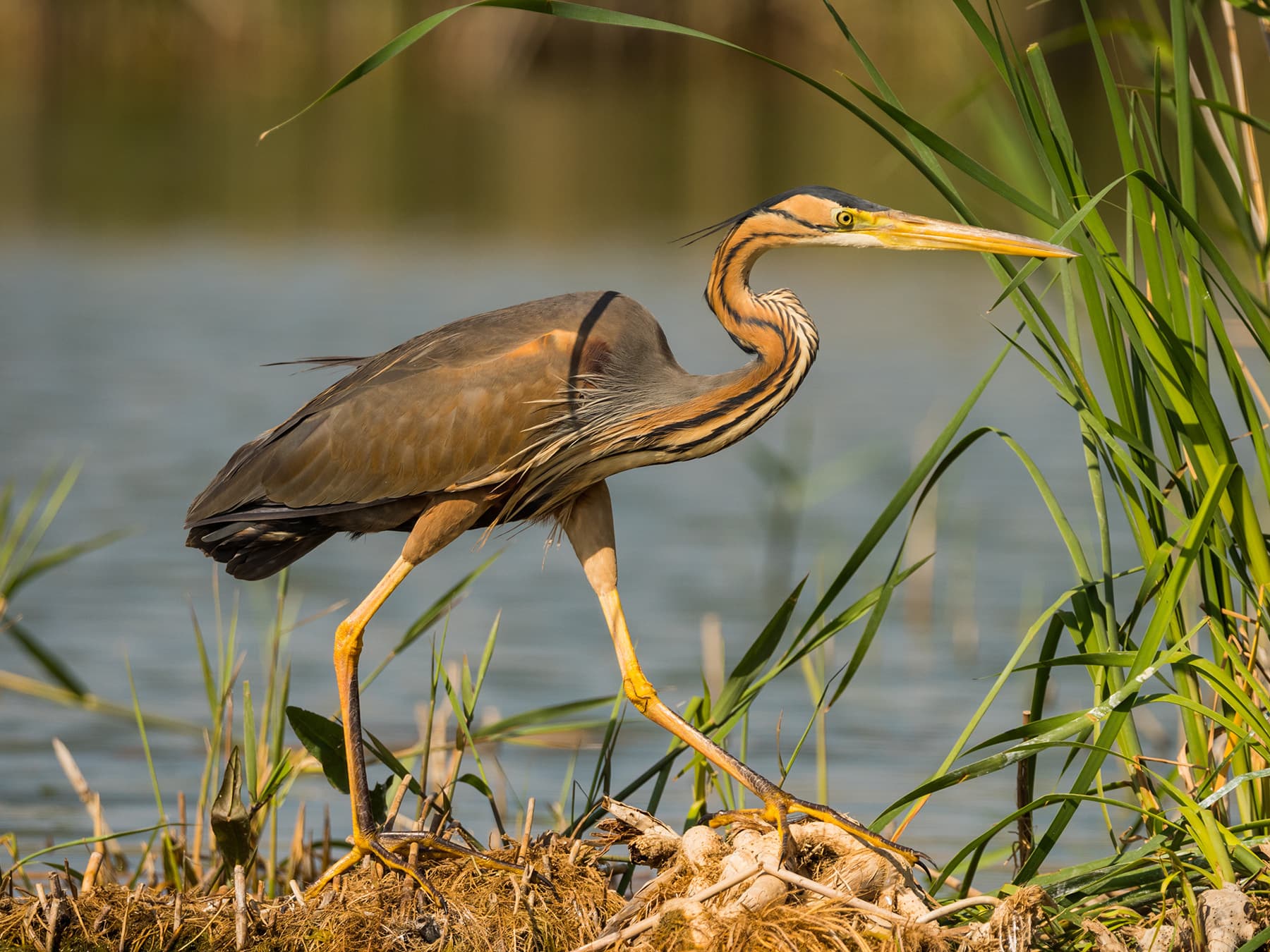 Purple HeronArdea purpureaResidentUncommon78–90 cmRecorded all year · 0.36% in Jun
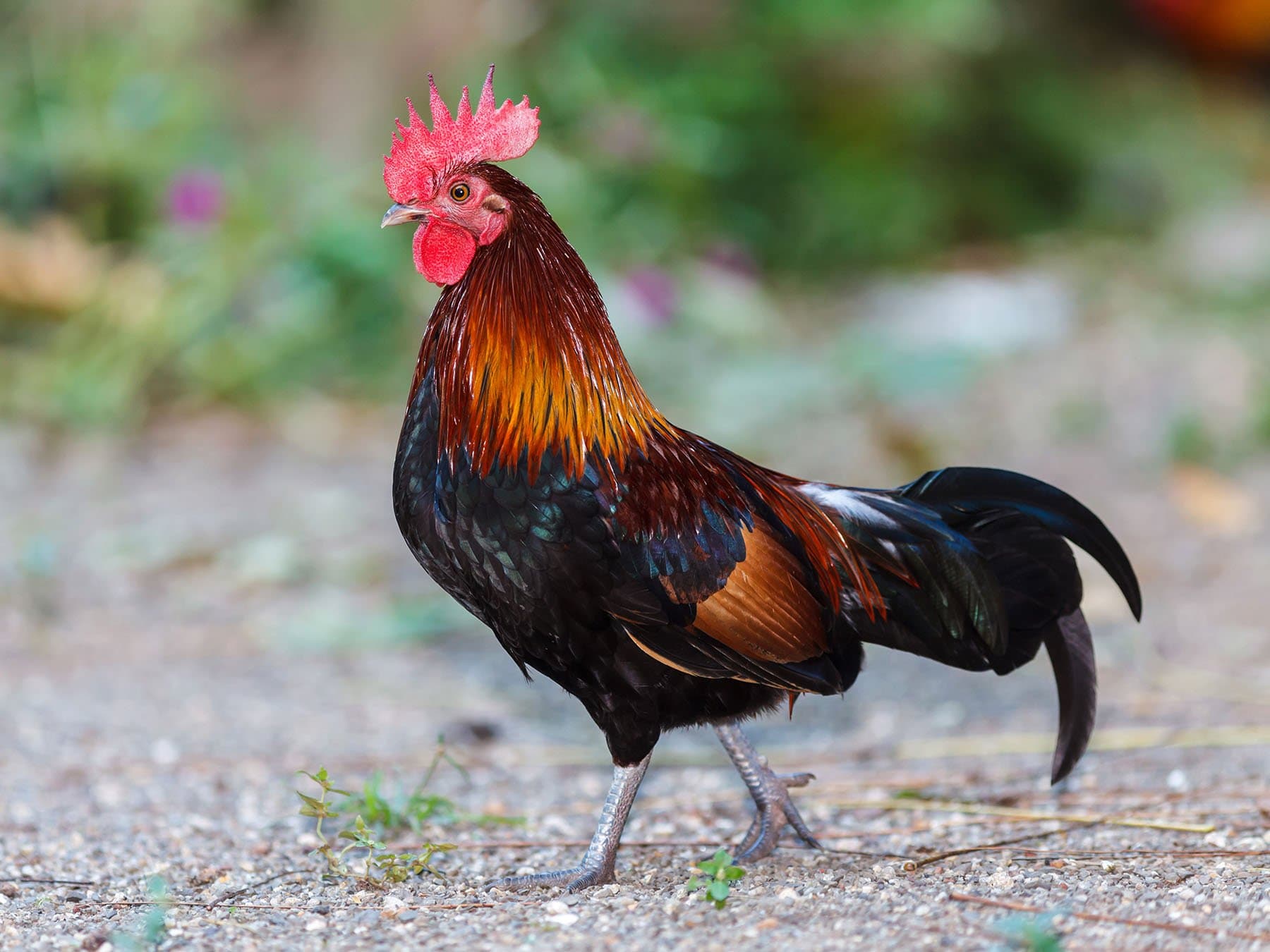 Red JunglefowlGallus gallusResidentCommon42–75 cmRecorded all year · 0.29% in Jun
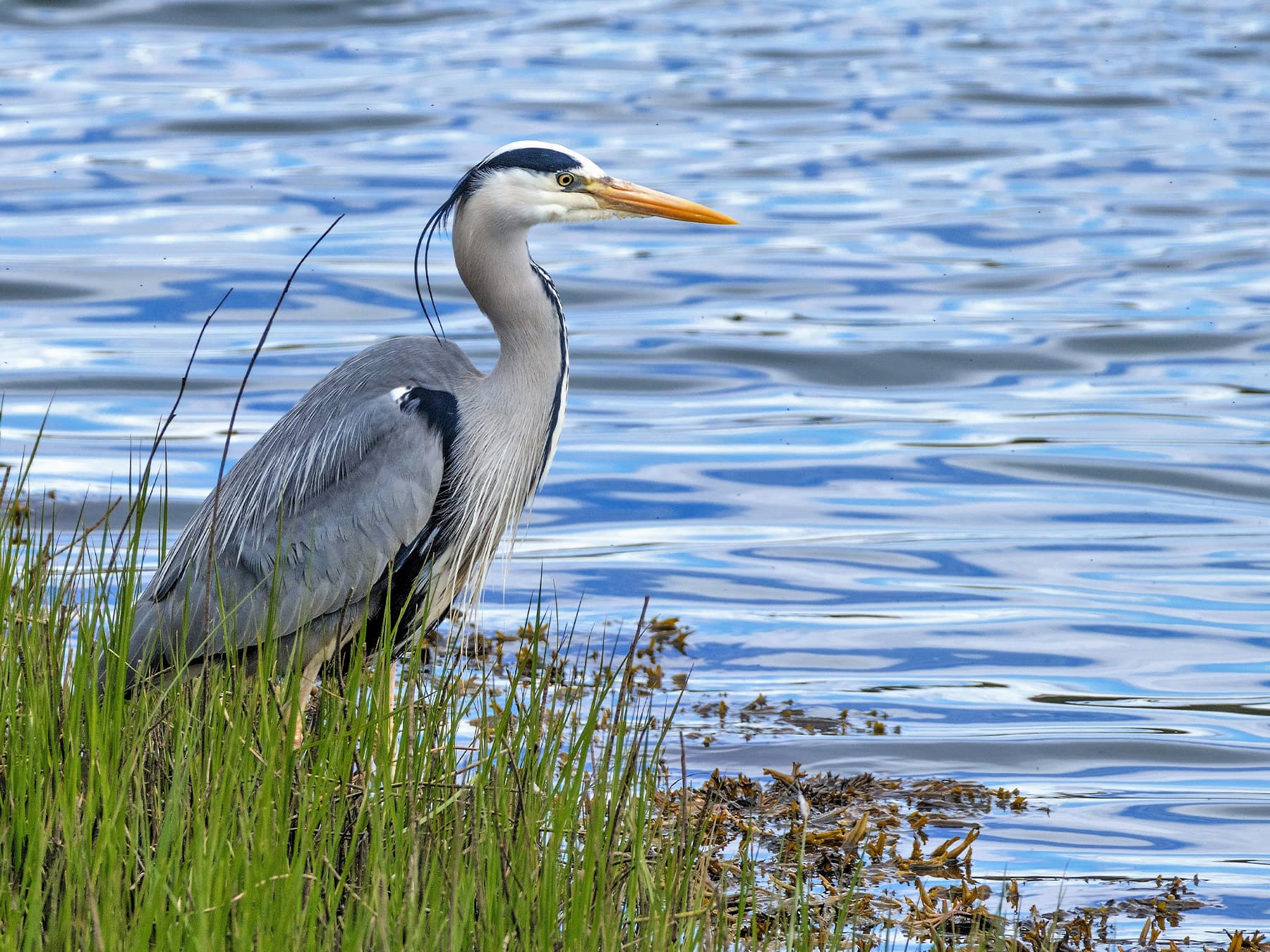 Grey HeronArdea cinereaResidentUncommon90–98 cmRecorded all year · 0.25% in Jun
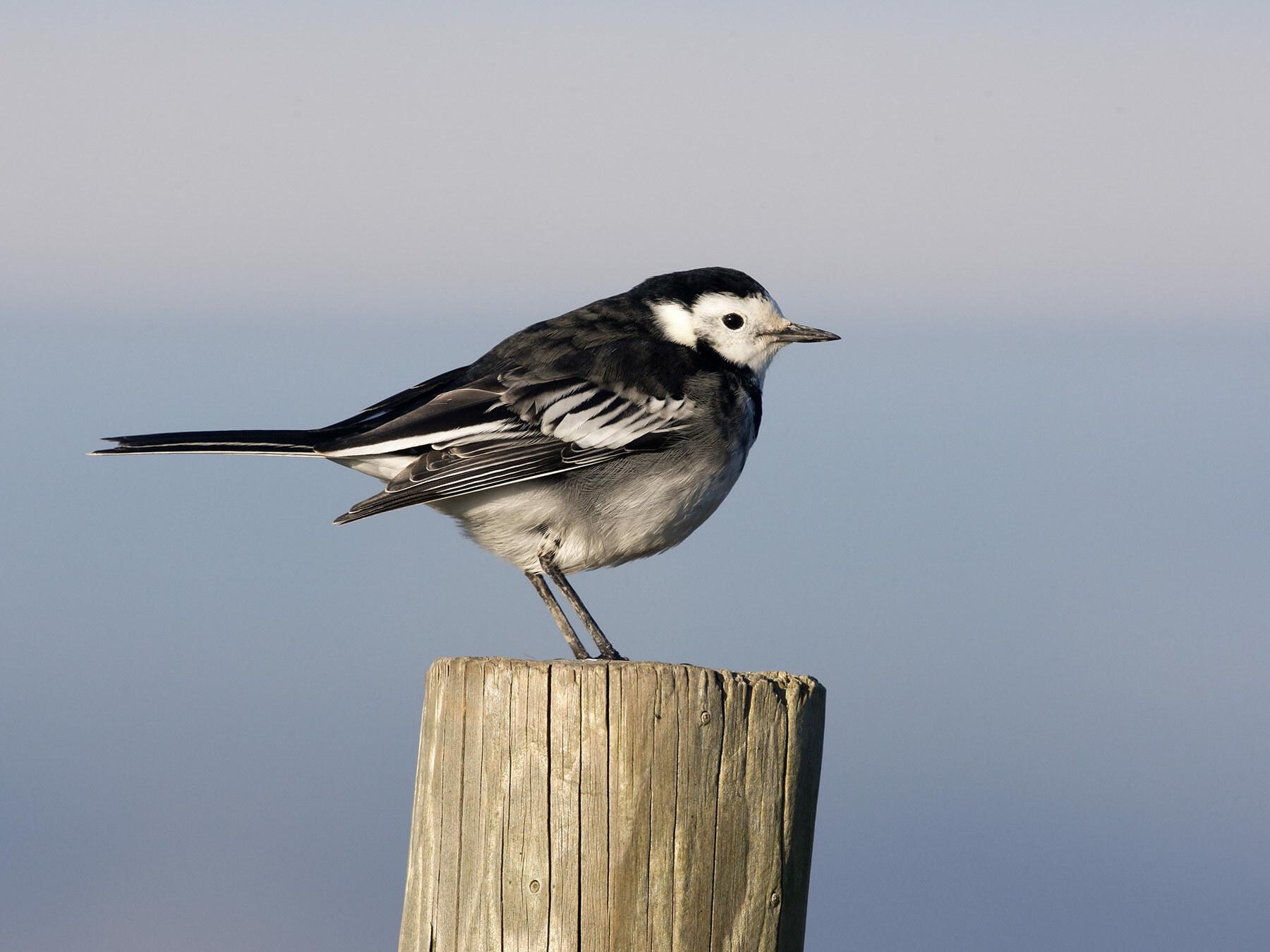 Pied WagtailMotacilla albaResidentCommon17–18 cmRecorded all year · 0.25% in Jun
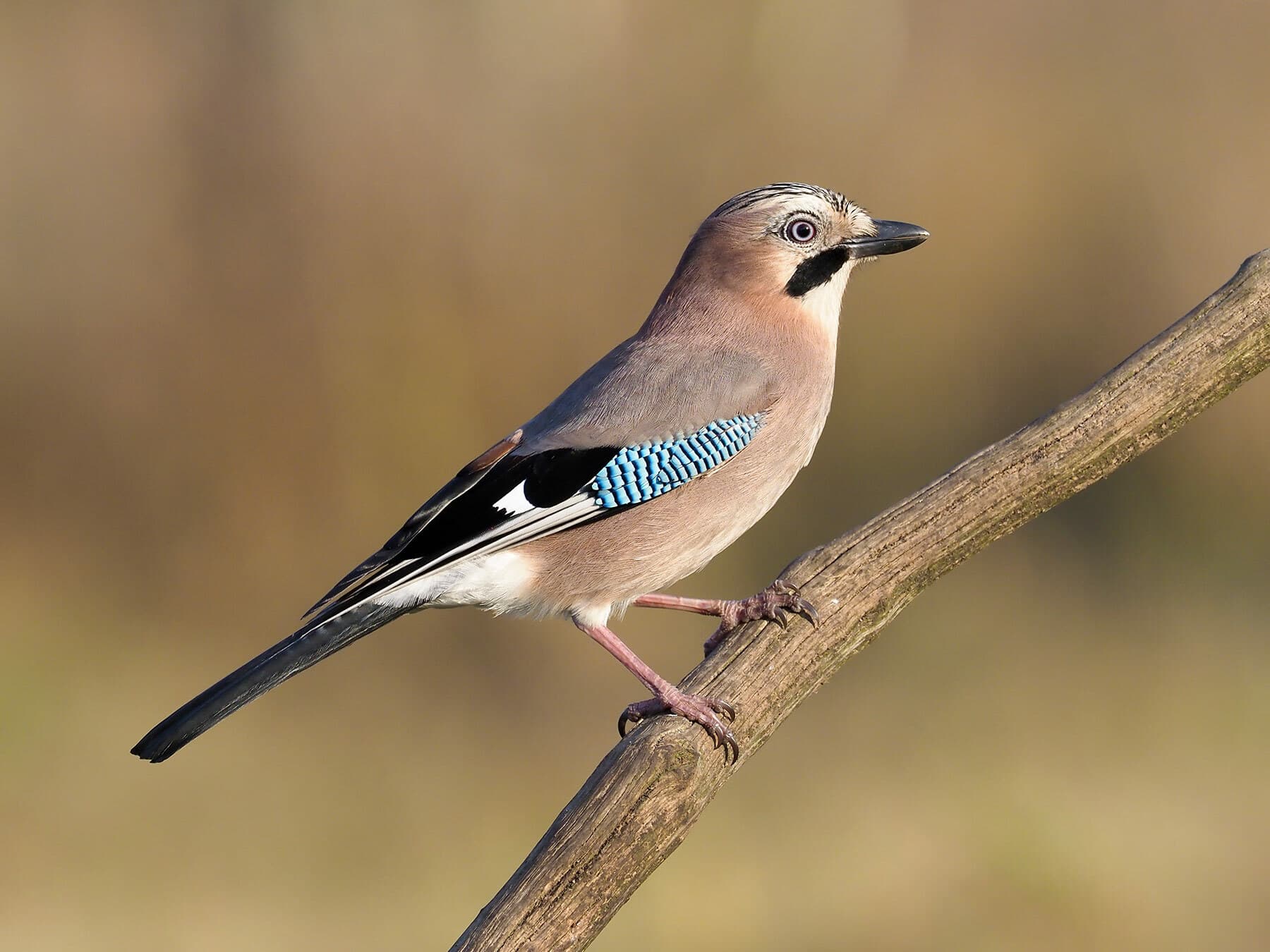 Eurasian JayGarrulus glandariusResidentUncommon32–35 cmRegularly Sep–Jul · 0.20% in Jun
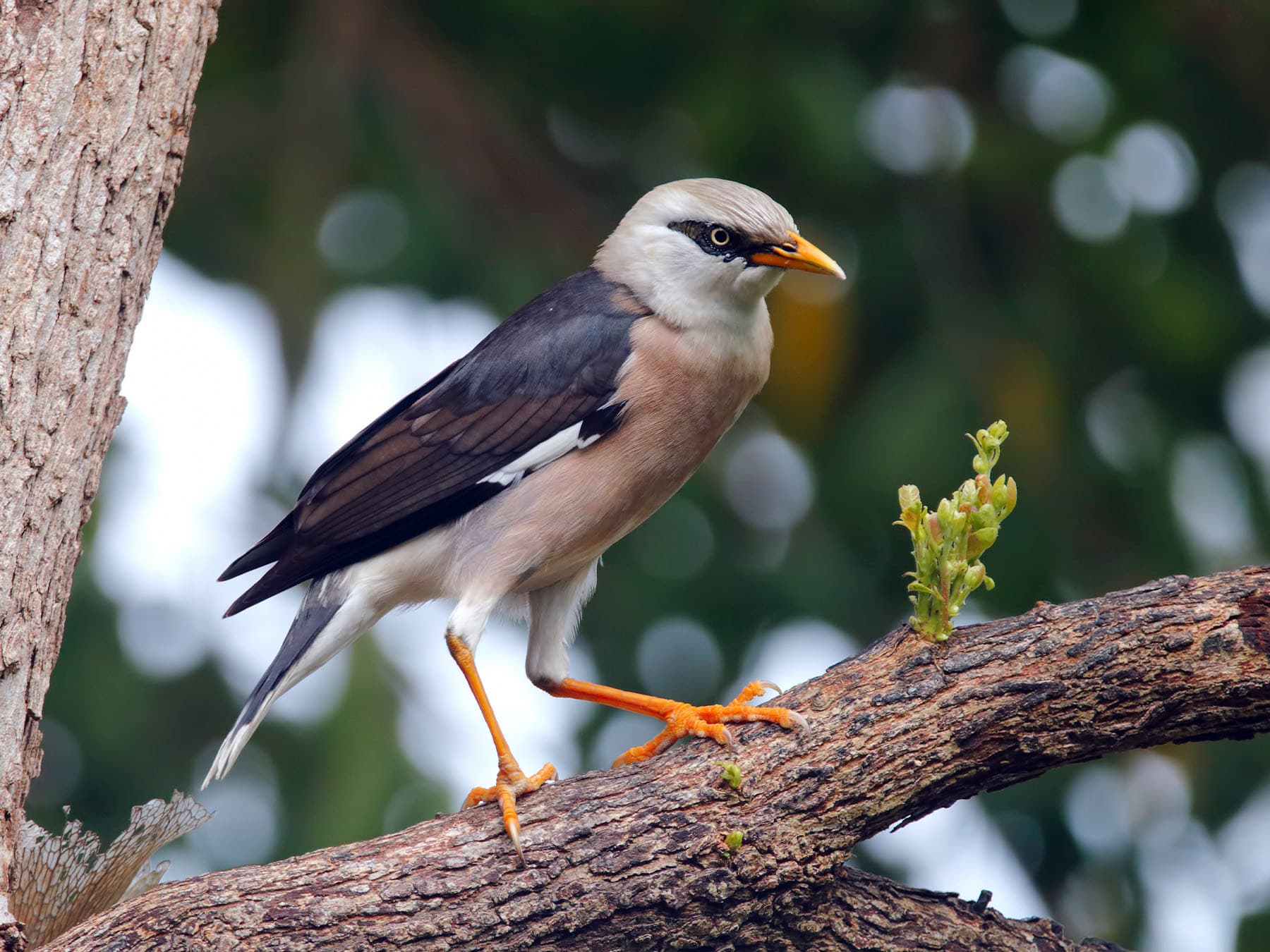 Vinous-breasted MynaAcridotheres leucocephalusResidentUncommon23–25 cmRecorded all year · 0.19% in Jun
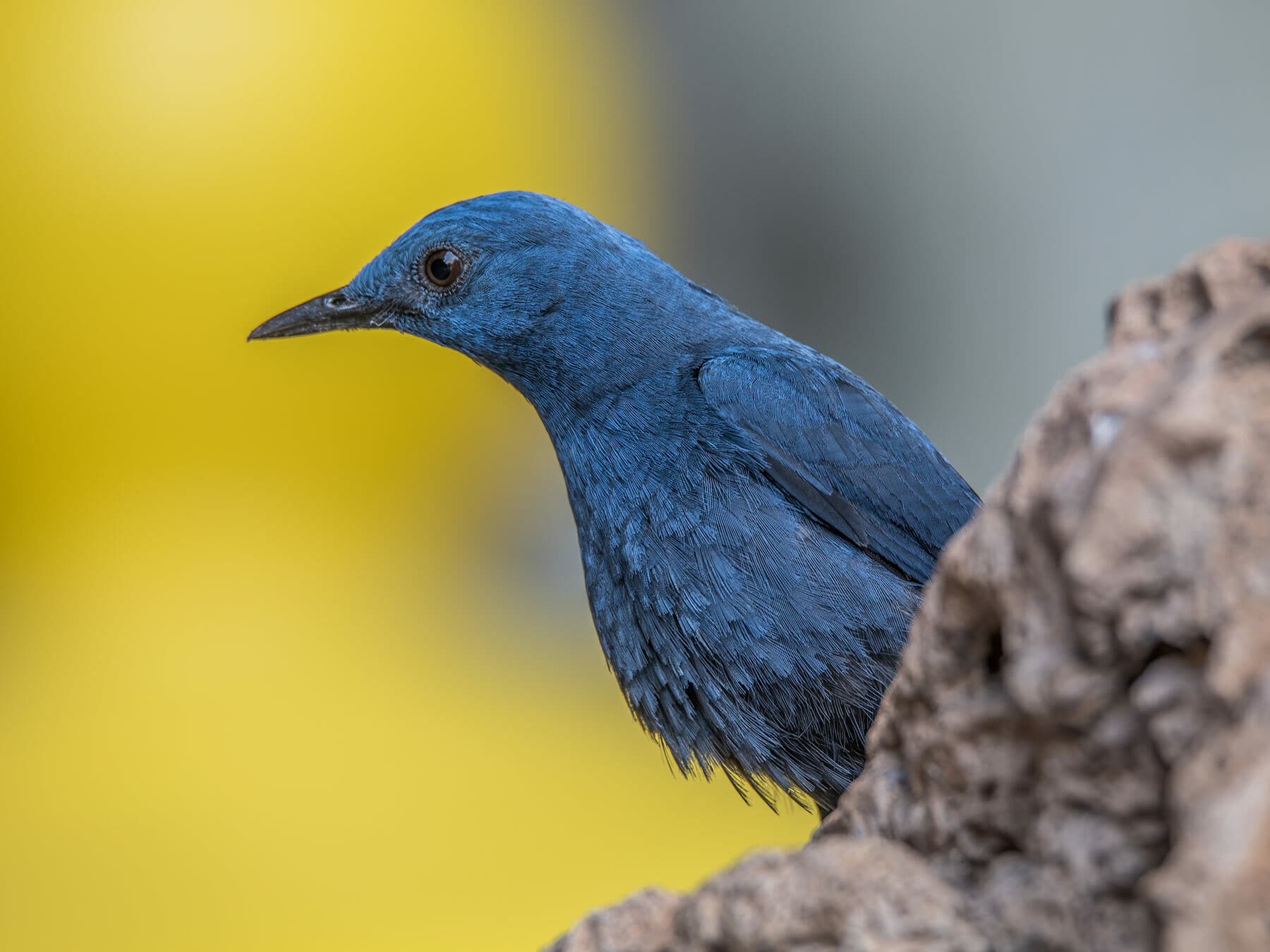 Blue Rock-thrushMonticola solitariusResidentUncommon21–23 cmRegularly Sep–Jul · 0.16% in Jun
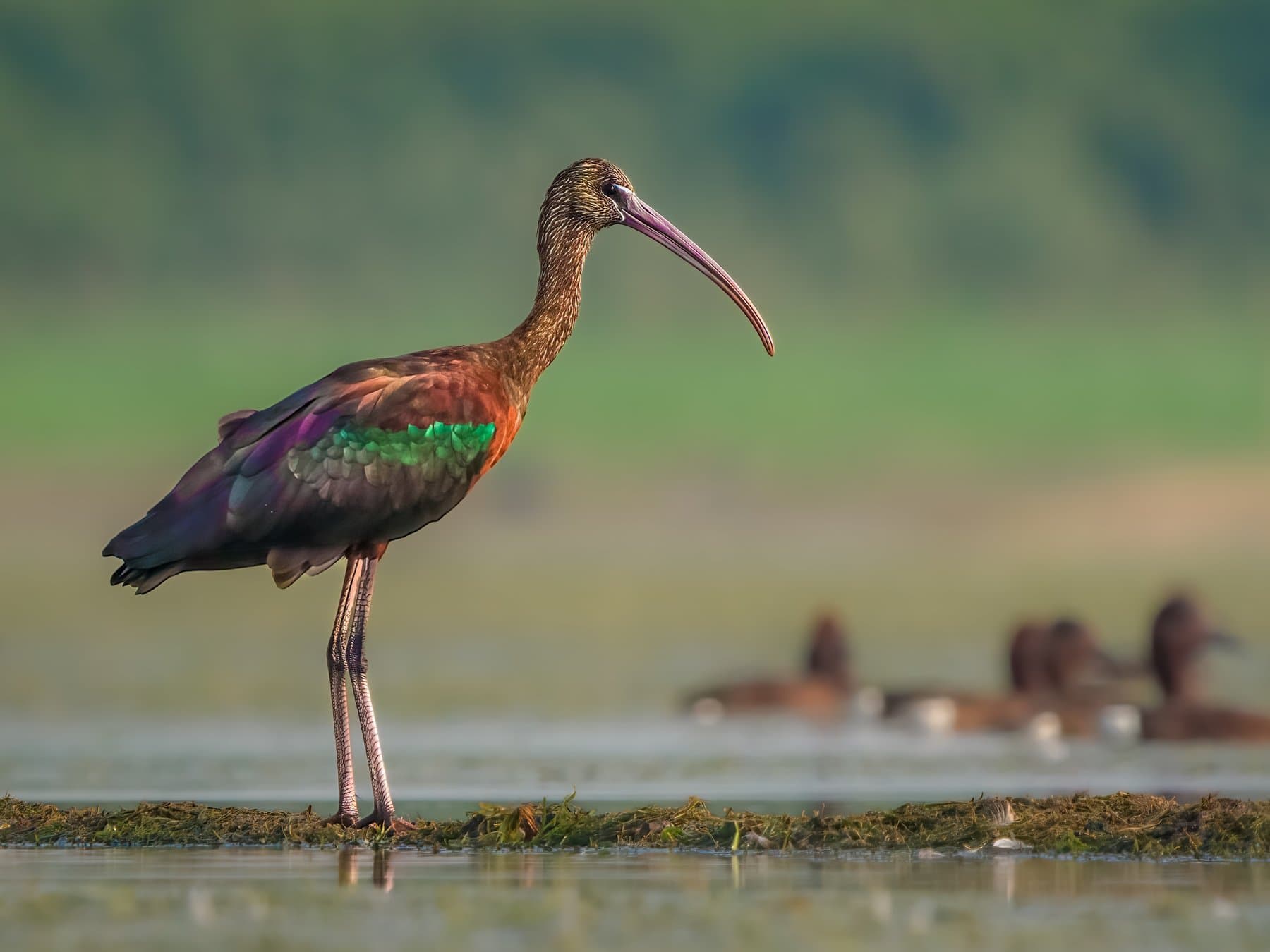 Glossy IbisPlegadis falcinellusPassage migrantUncommon48–66 cmRegularly Dec–Sep · 0.16% in Jun
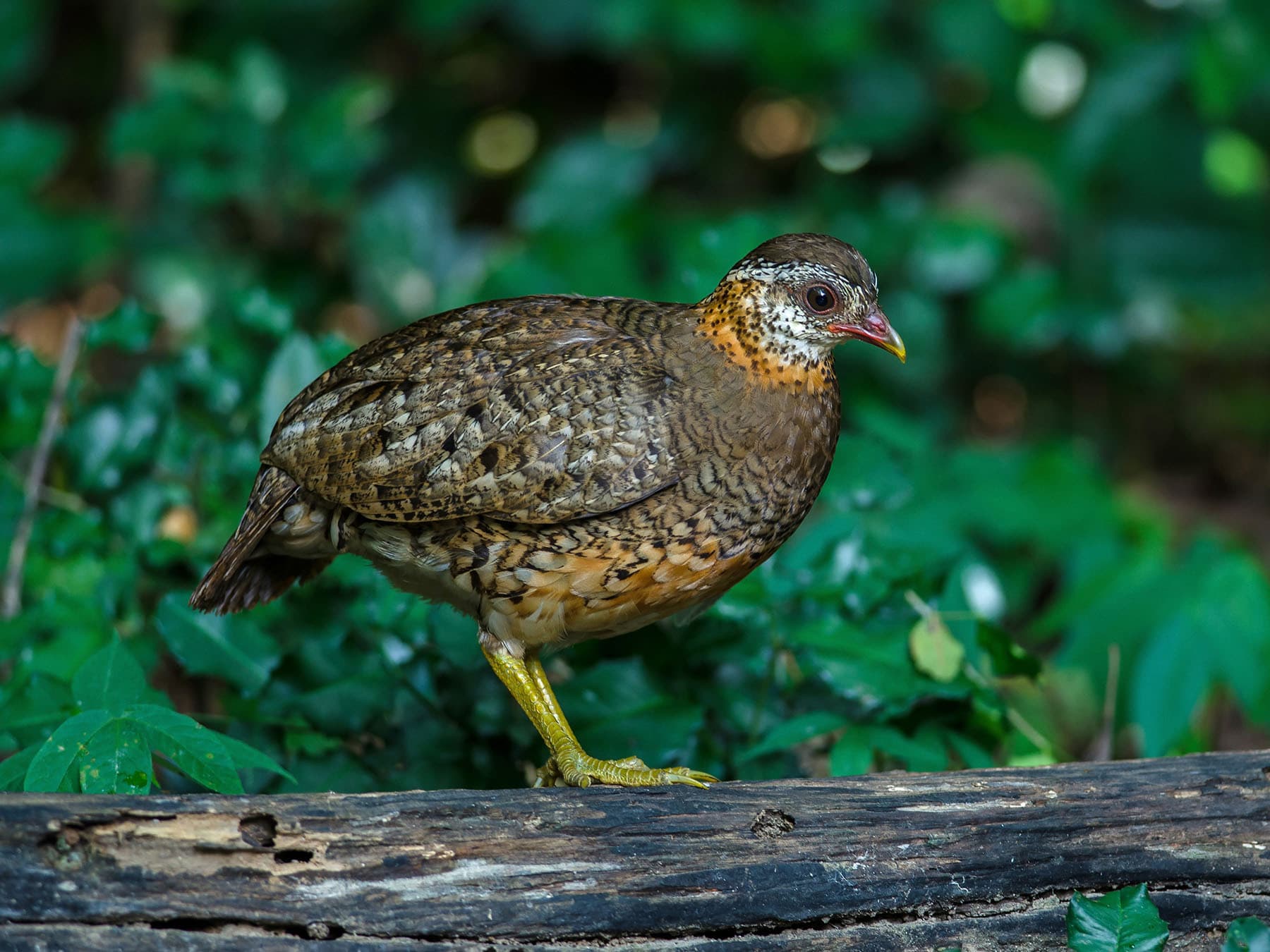 Green-legged PartridgeTropicoperdix chloropusWinter visitorUncommon28–30 cmRegularly Aug–Jun · 0.15% in Jun
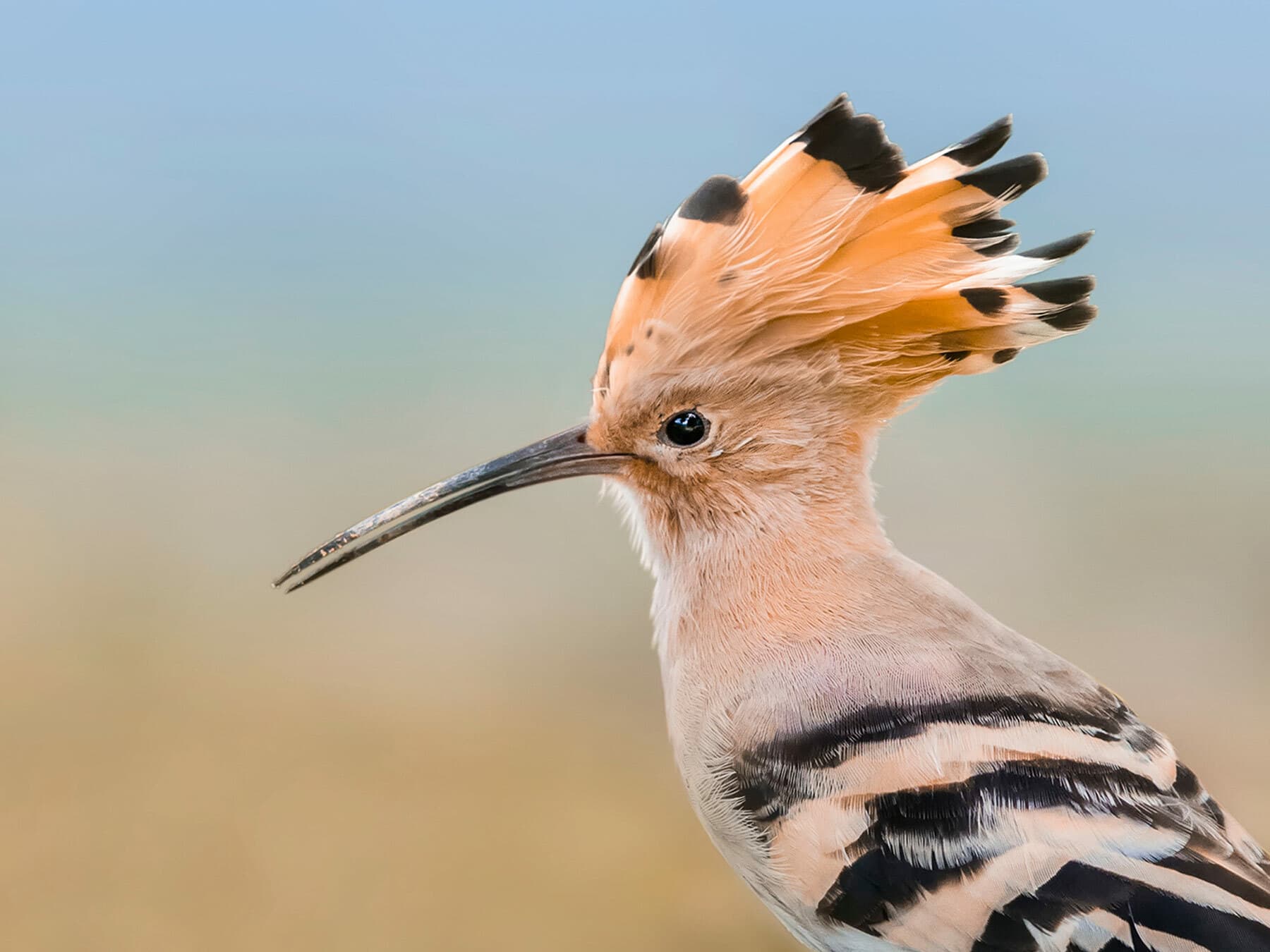 HoopoeUpupa epopsResidentCommon25–32 cmRecorded all year · 0.15% in Jun
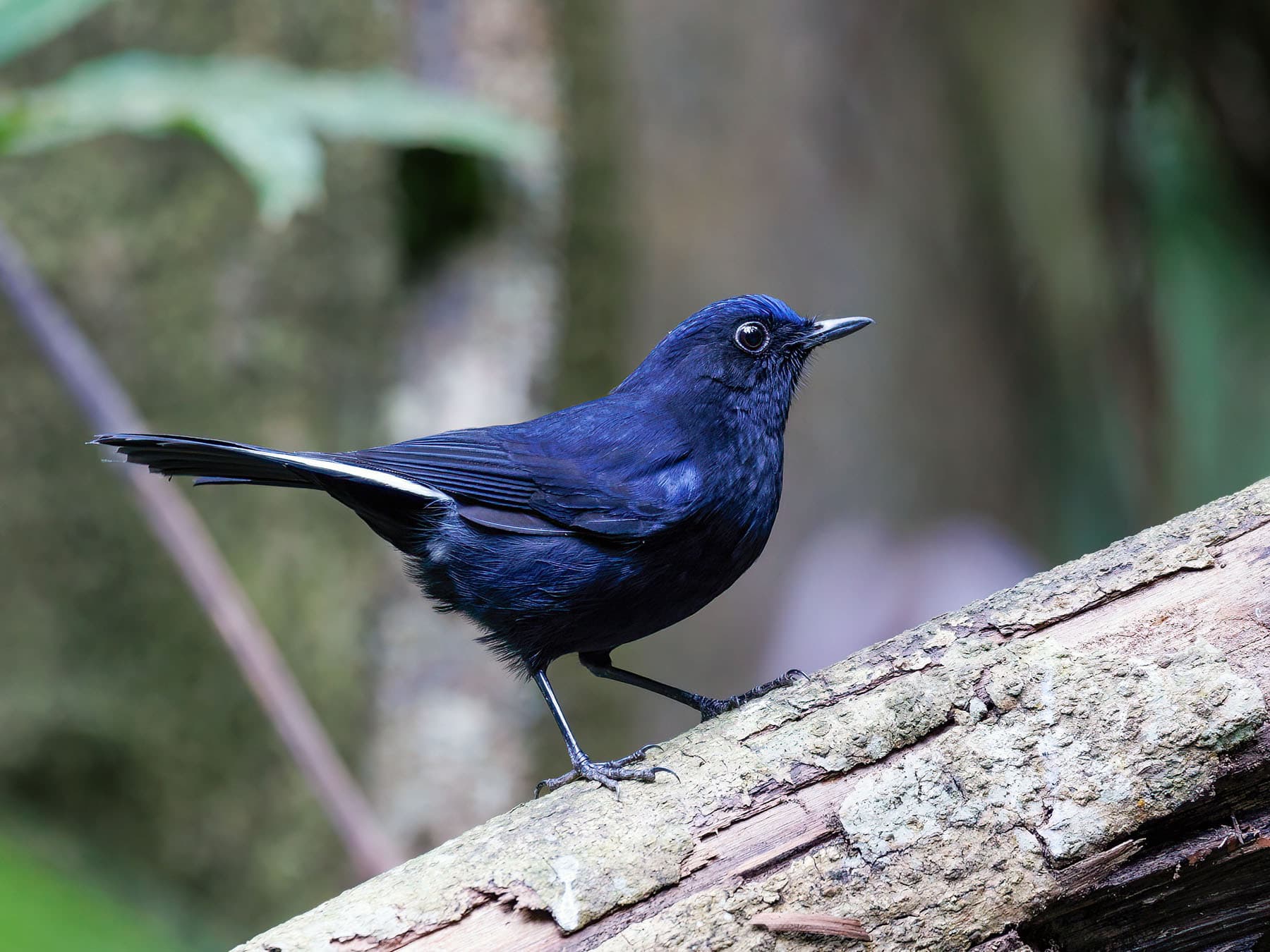 White-tailed RobinMyiomela leucuraResidentUncommon16–18 cmRecorded all year · 0.15% in Jun
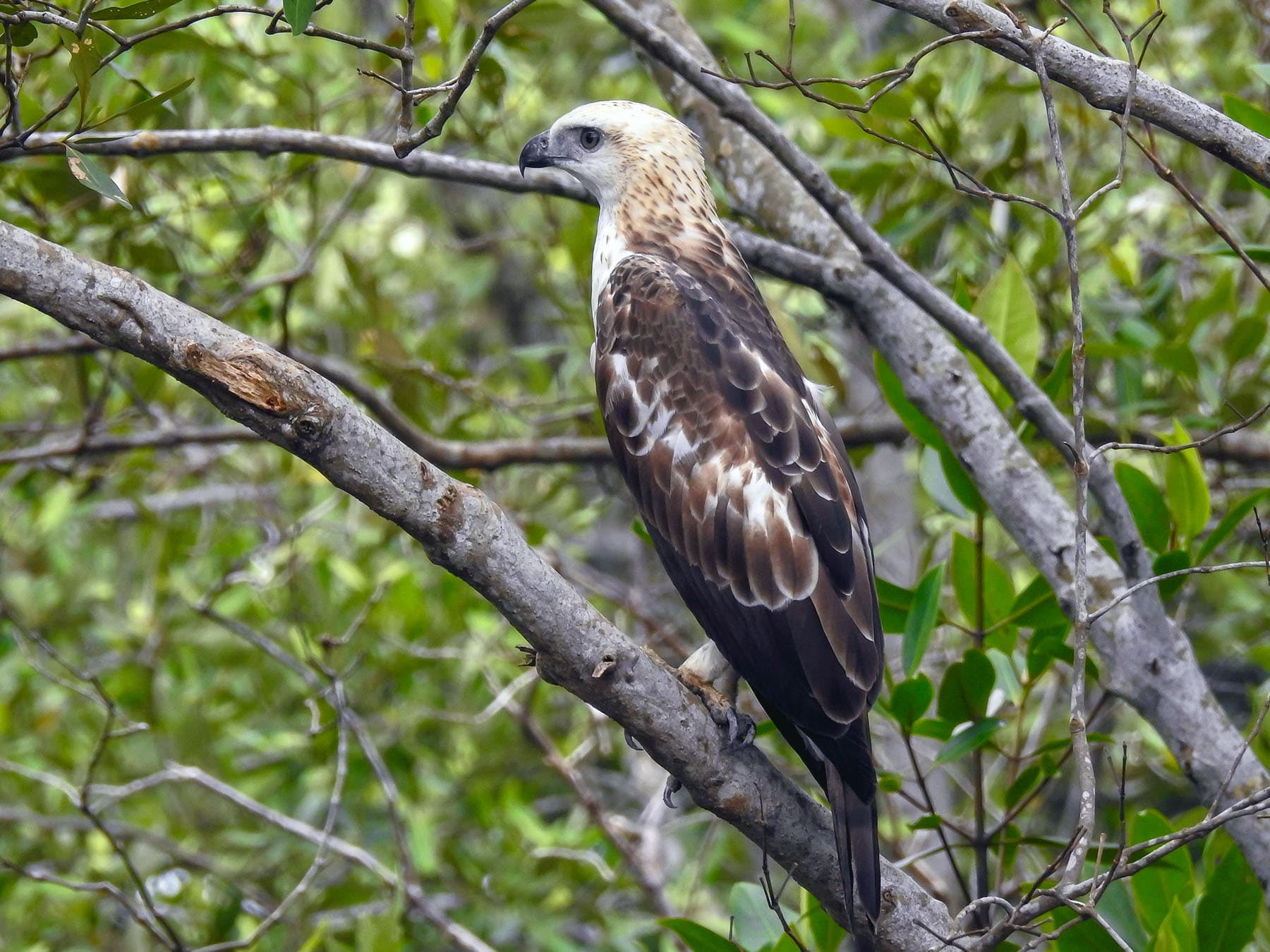 Oriental Honey-buzzardPernis ptilorhynchusWinter visitorUncommon52–68 cmRegularly Aug–Jun · 0.13% in Jun
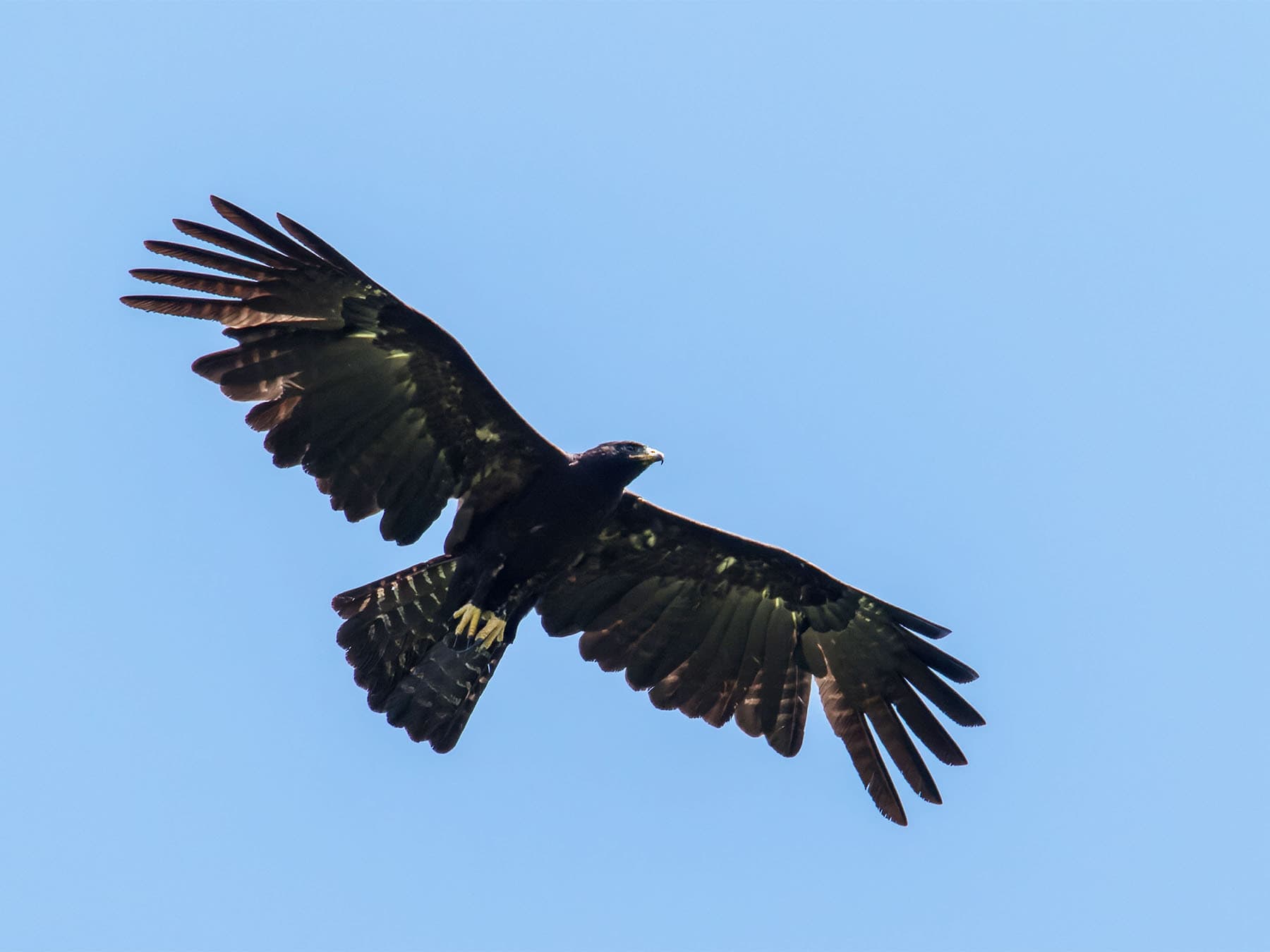 Black EagleIctinaetus malaiensisWinter visitorUncommon65–80 cmRegularly Aug–Jun · 0.12% in Jun
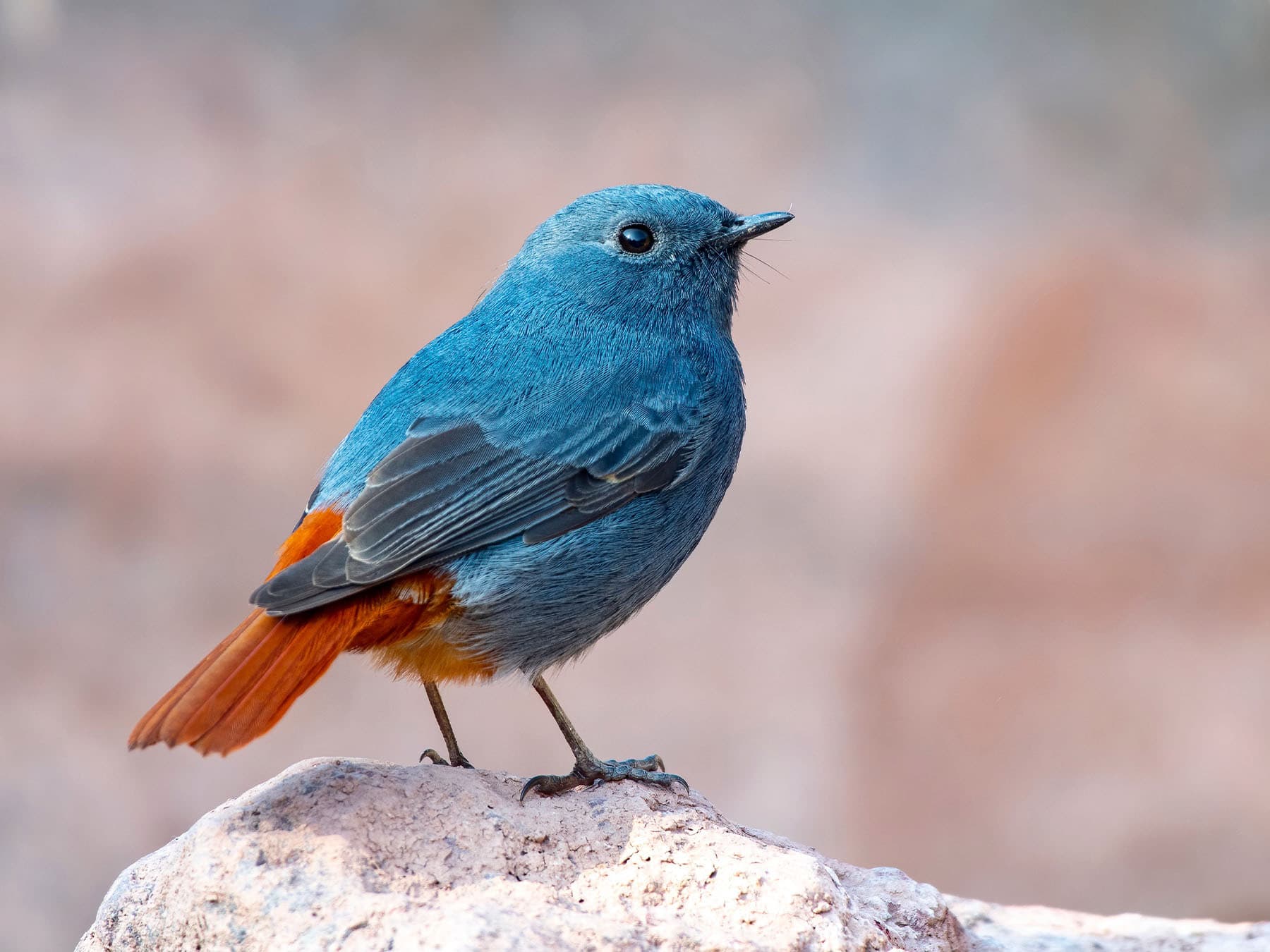 Plumbeous Water-redstartPhoenicurus fuliginosusResidentUncommon12–15 cmRegularly Sep–Jul · 0.11% in Jun
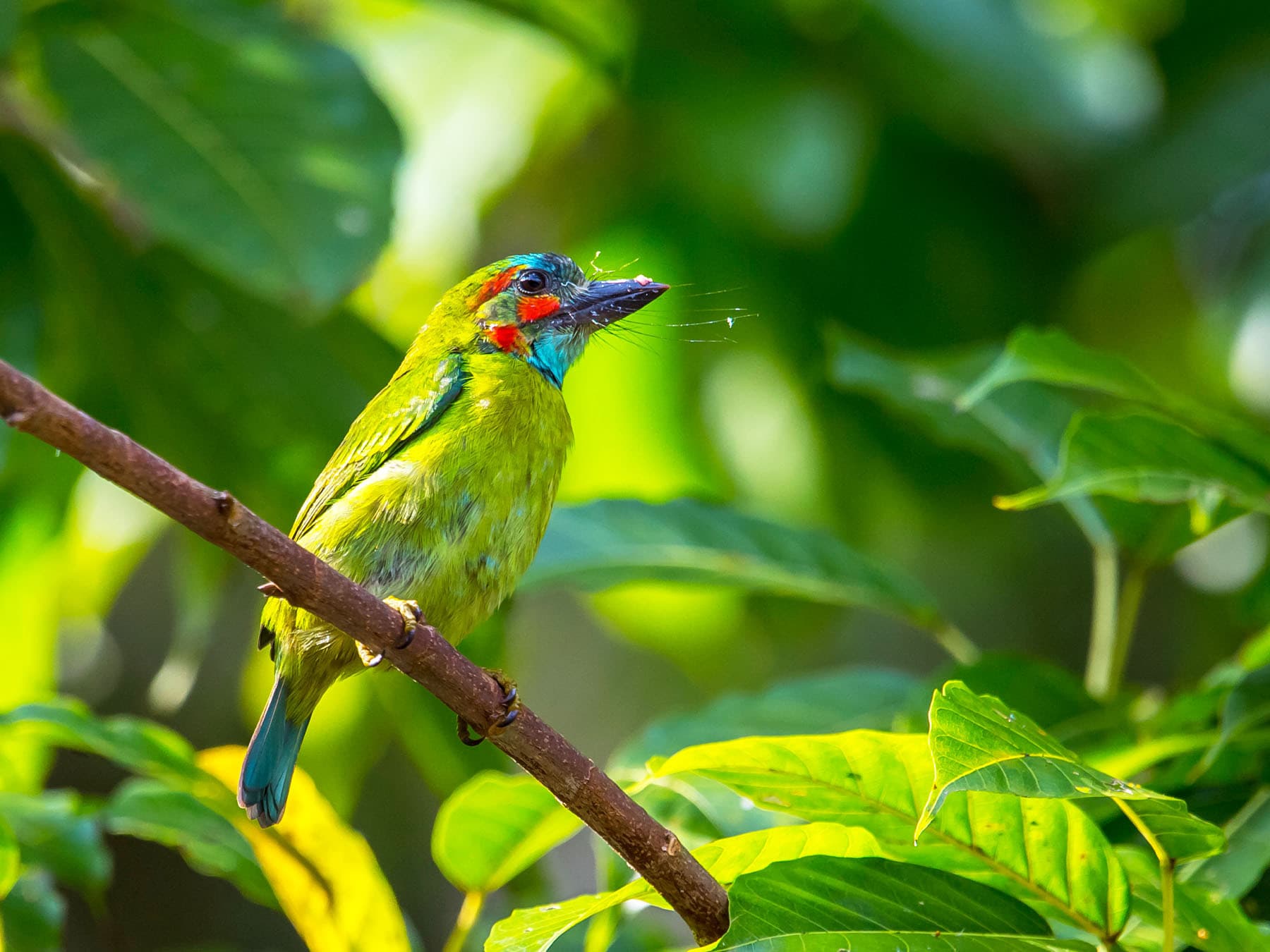 Blue-eared BarbetPsilopogon cyanotisResidentCommon20–23 cmRecorded all year · 0.08% in Jun
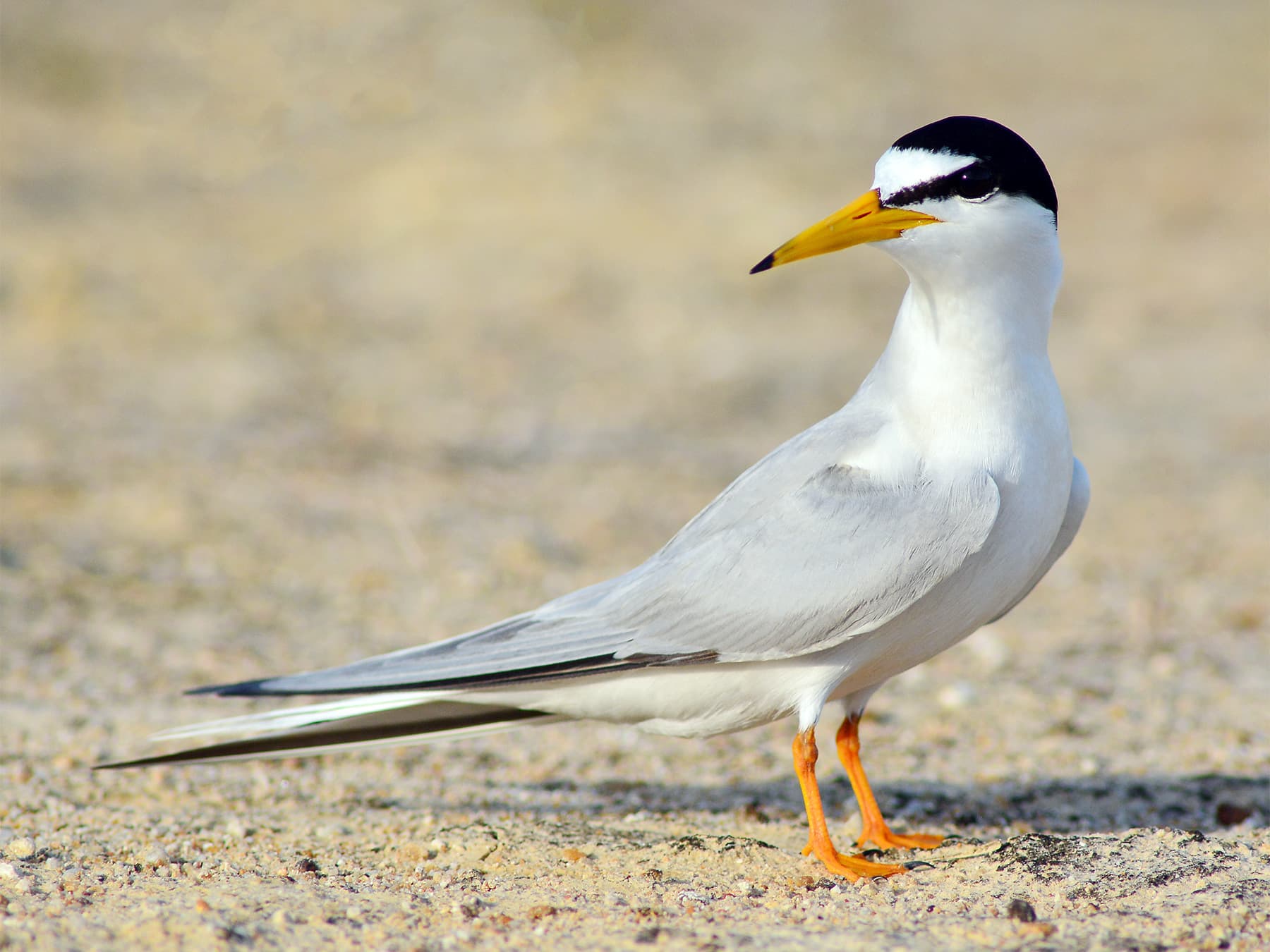 Little TernSternula albifronsSummer visitorUncommon21–25 cmRegularly Mar–Dec · 0.08% in Jun
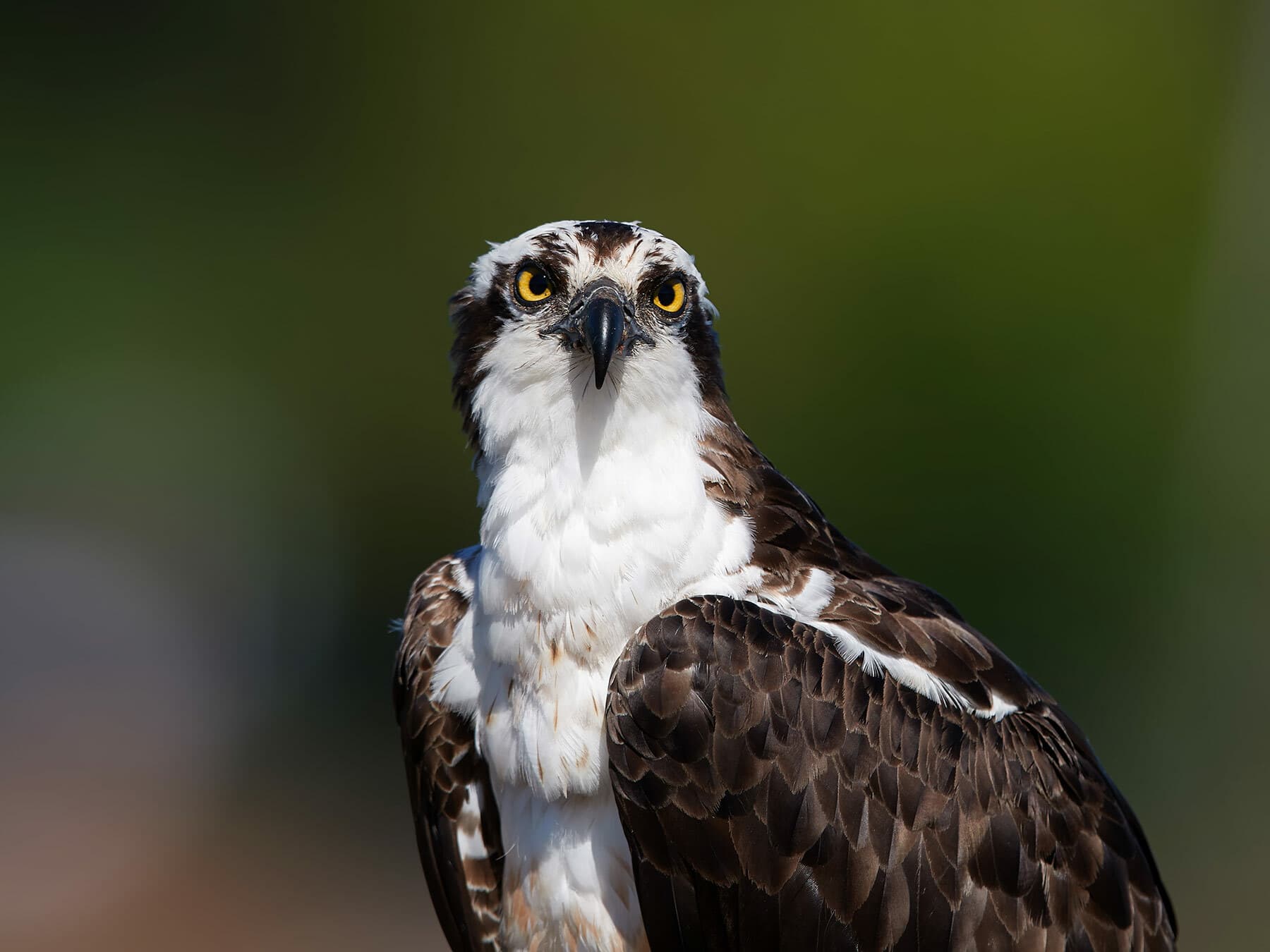 OspreyPandion haliaetusWinter visitorUncommon54–58 cmRegularly Aug–Jun · 0.08% in Jun
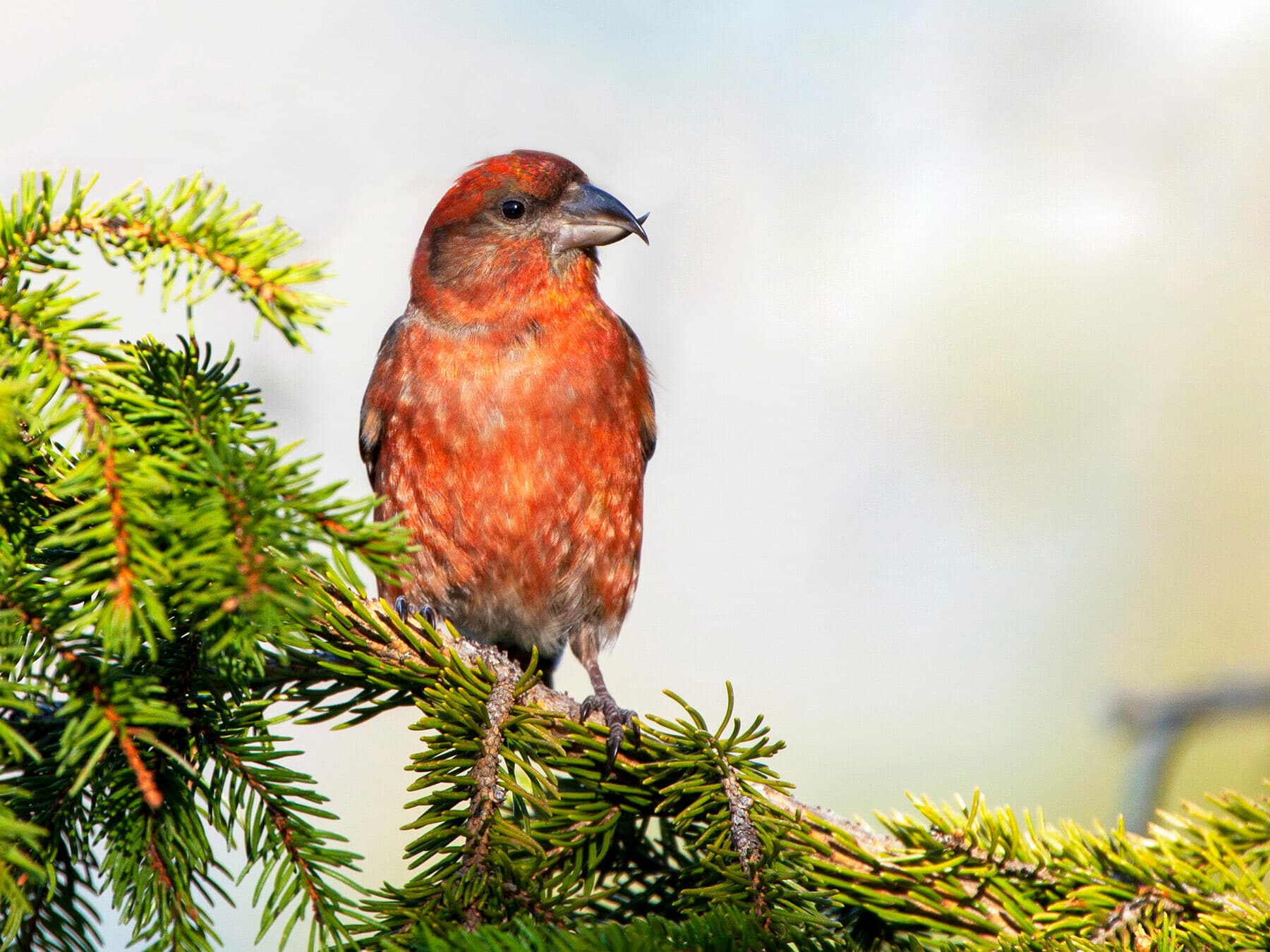 Red CrossbillLoxia curvirostraWinter visitorUncommon15–17 cmRegularly Sep–Jun · 0.05% in Jun
Smallest to largest
Length, cm- Scaly-breasted Munia 11–12 cm
- Eurasian Tree Sparrow 13–14 cm
- Plumbeous Water-redstart 12–15 cm
- House Sparrow 14–17 cm
- Red Crossbill 15–17 cm
- Common Kingfisher 16–17 cm
- White-tailed Robin 16–18 cm
- Pied Wagtail 17–18 cm
- Barn Swallow 17–19 cm
- Blue-eared Barbet 20–23 cm
- Blue Rock-thrush 21–23 cm
- Little Tern 21–25 cm
- Vinous-breasted Myna 23–25 cm
- Little Grebe 23–29 cm
- Hoopoe 25–32 cm
- Green-legged Partridge 28–30 cm
- Rock Dove 31–34 cm
- Eurasian Jay 32–35 cm
- Moorhen 30–38 cm
- Osprey 54–58 cm
- Glossy Ibis 48–66 cm
- Red Junglefowl 42–75 cm
- Little Egret 55–65 cm
- Oriental Honey-buzzard 52–68 cm
- Black-crowned Night-heron 58–65 cm
- Black Eagle 65–80 cm
- Purple Heron 78–90 cm
- Great White Egret 80–104 cm
- Grey Heron 90–98 cm
Body length, bill to tail. Rare birds in grey.
Data: EOD – eBird Observation Dataset (Cornell Lab of Ornithology), accessed via GBIF.org, CC BY 4.0. Records from 2019–2024, aggregated and filtered by Birdfact. How these lists are made