


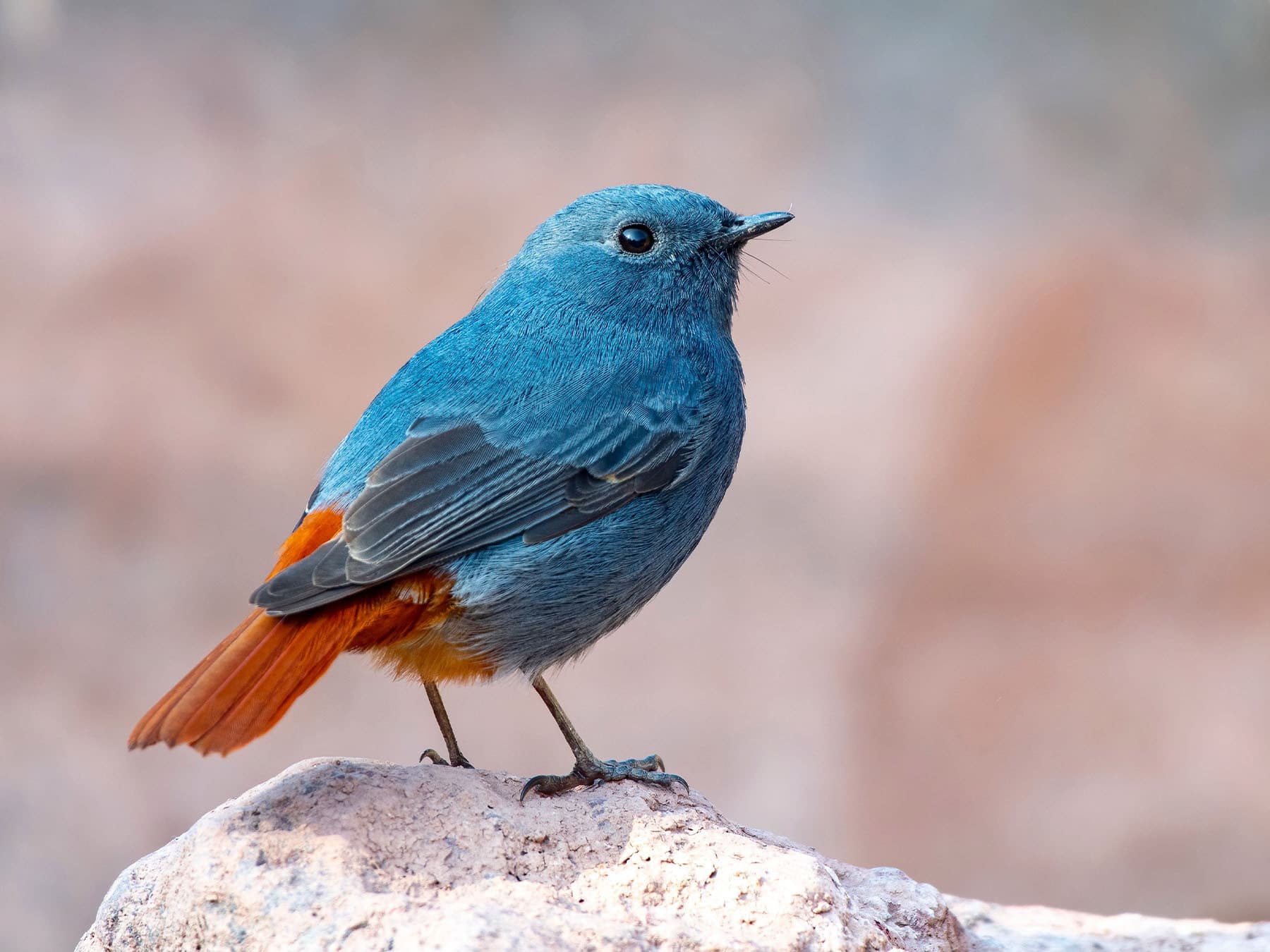
Plumbeous Water-redstart
Plumbeous Redstart · Phoenicurus fuliginosus
By the Birdfact teamChecked by Nathan Cope
On this page11 sections
How to recognise it
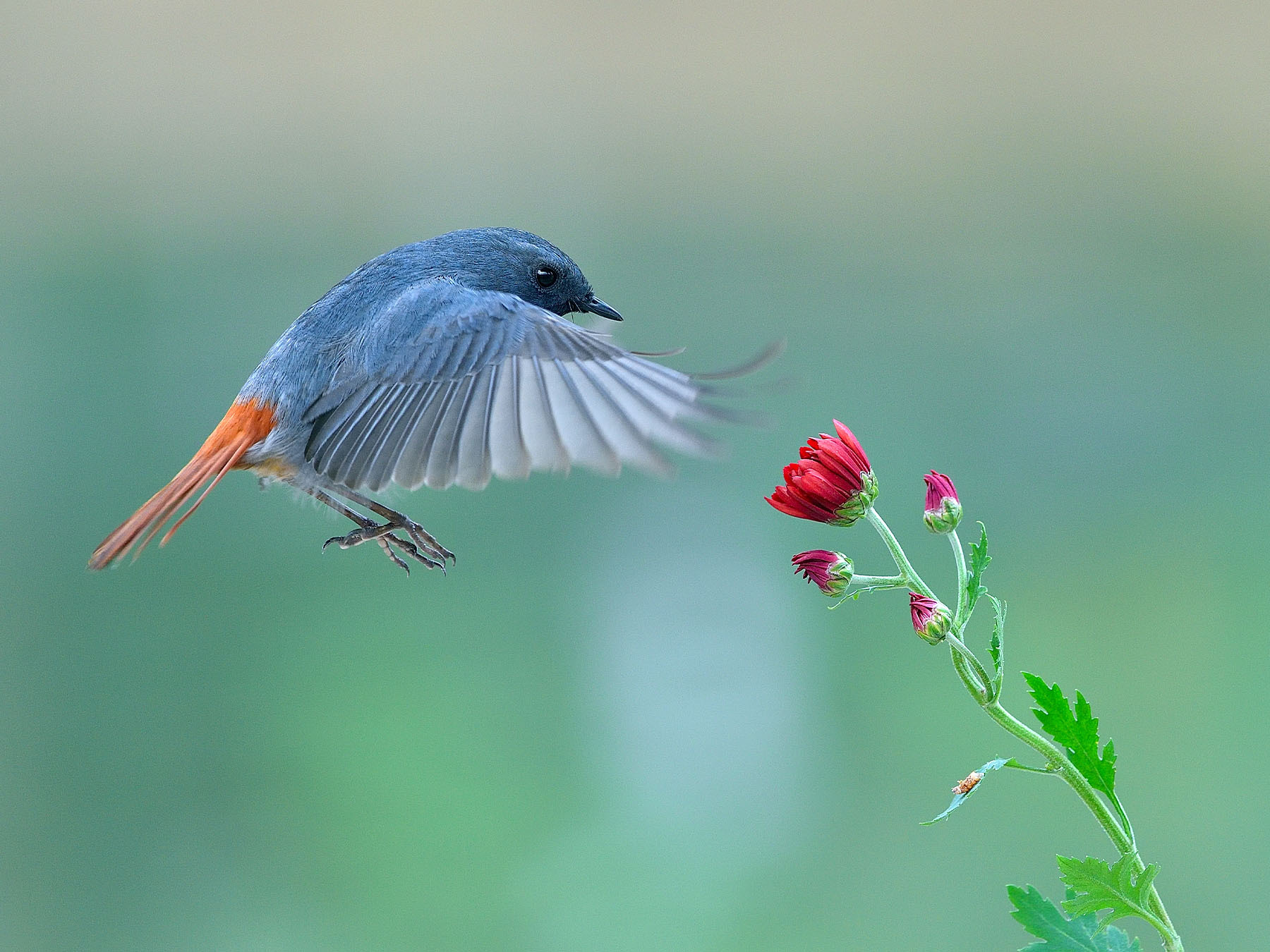
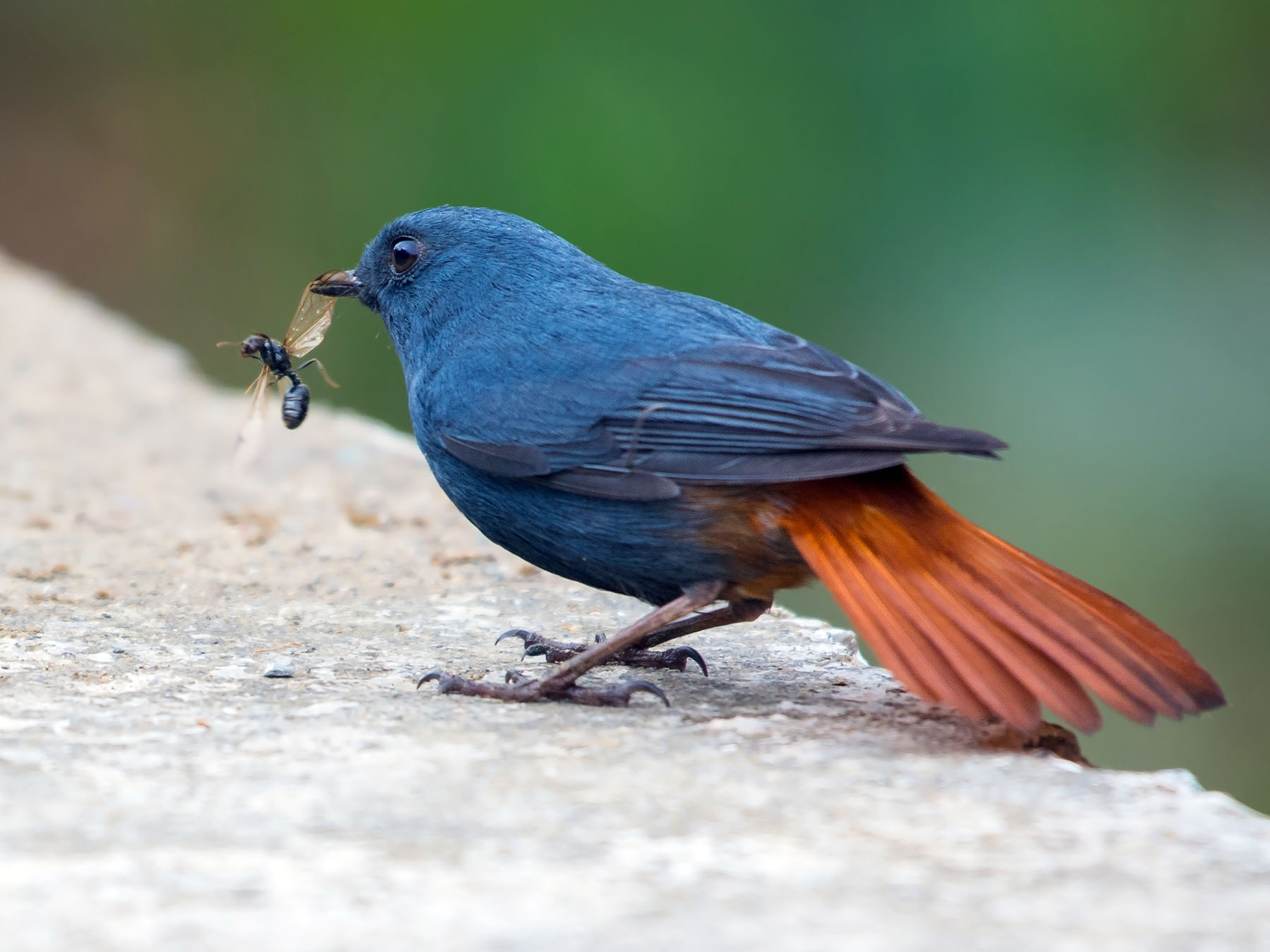
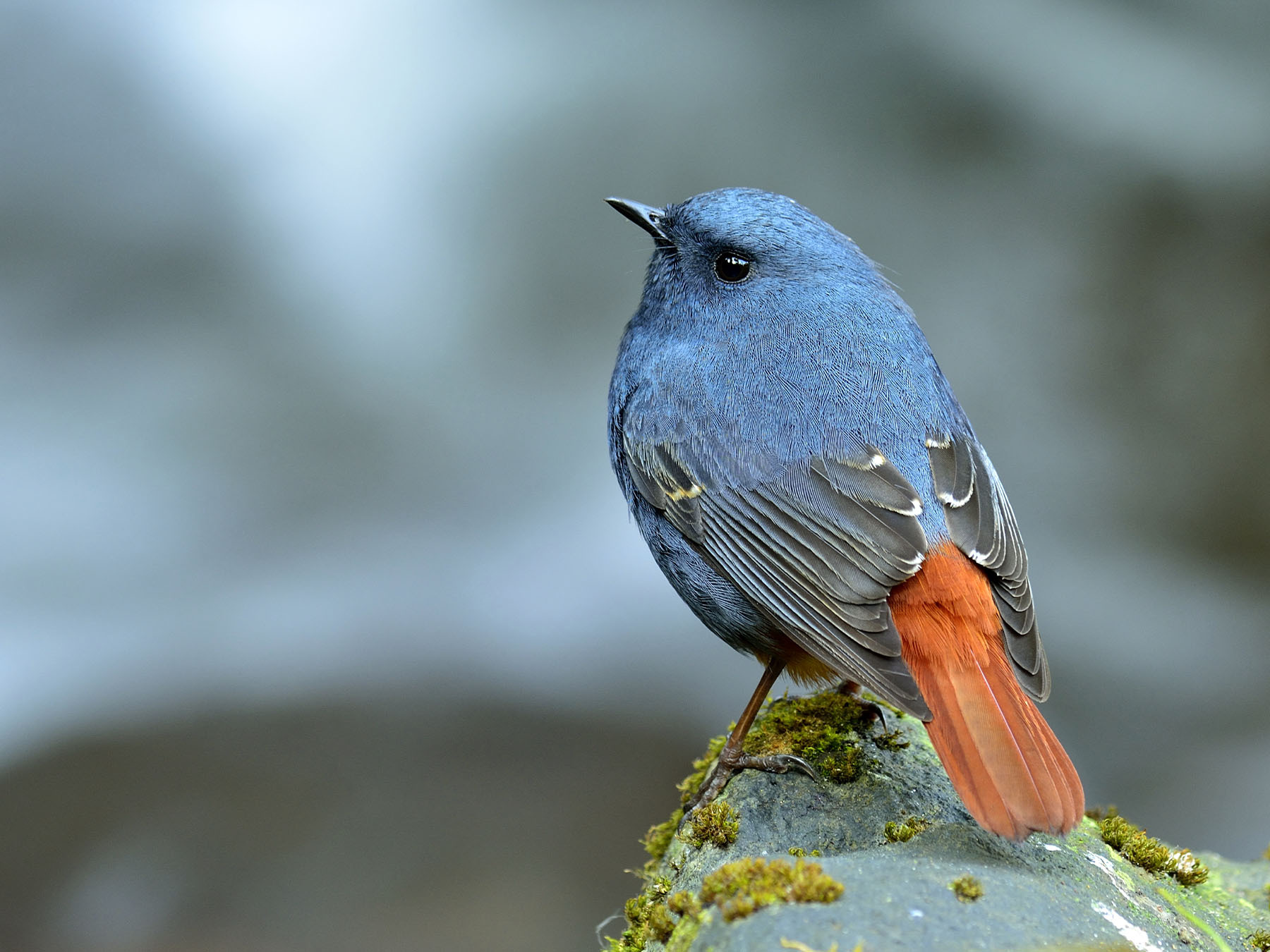
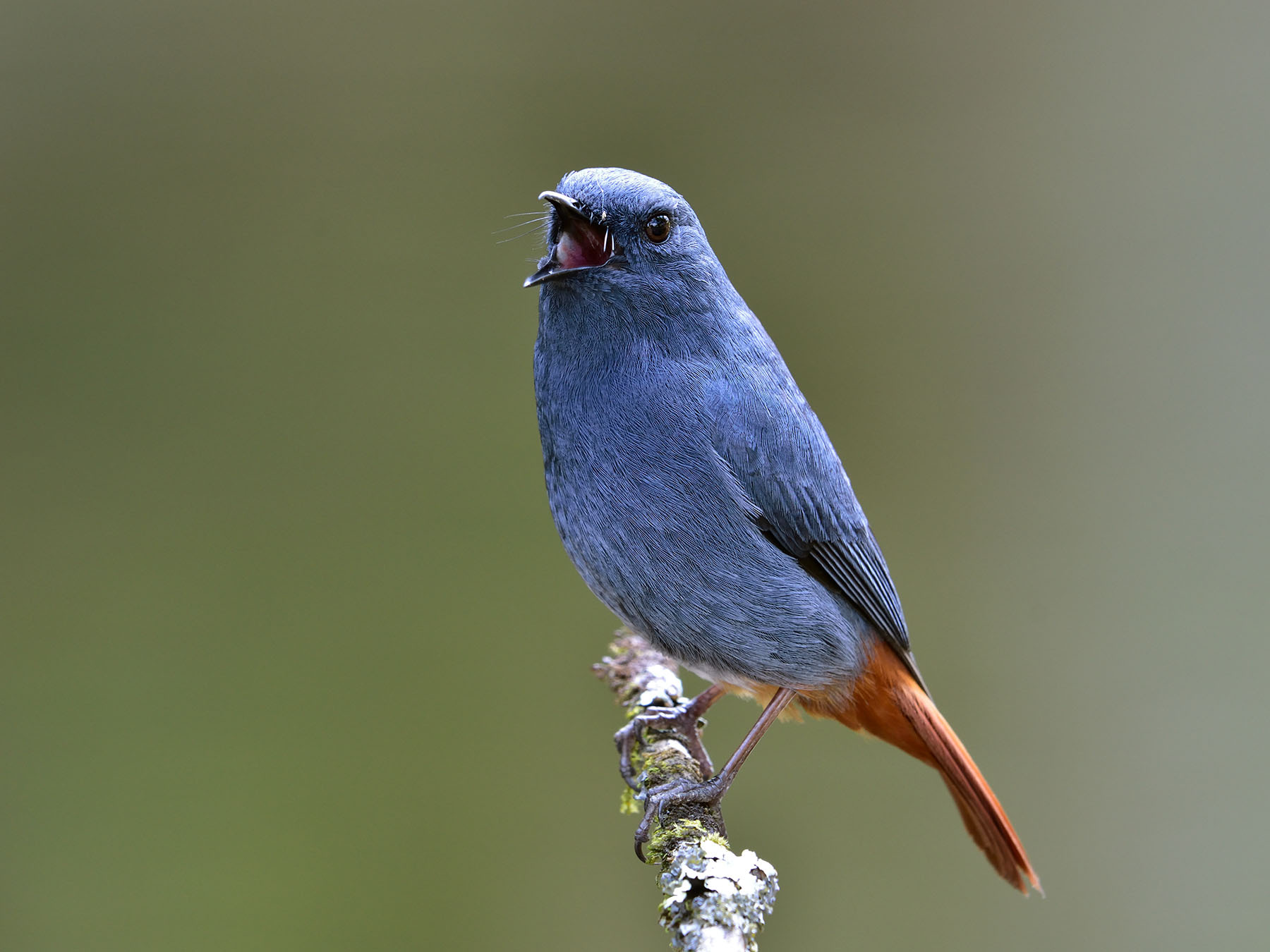
The Plumbeous Water-redstart is a small, compact bird with a distinctive blue-grey plumage in males. Males have rusty-red undertail coverts and tail. The tail is often held cocked.
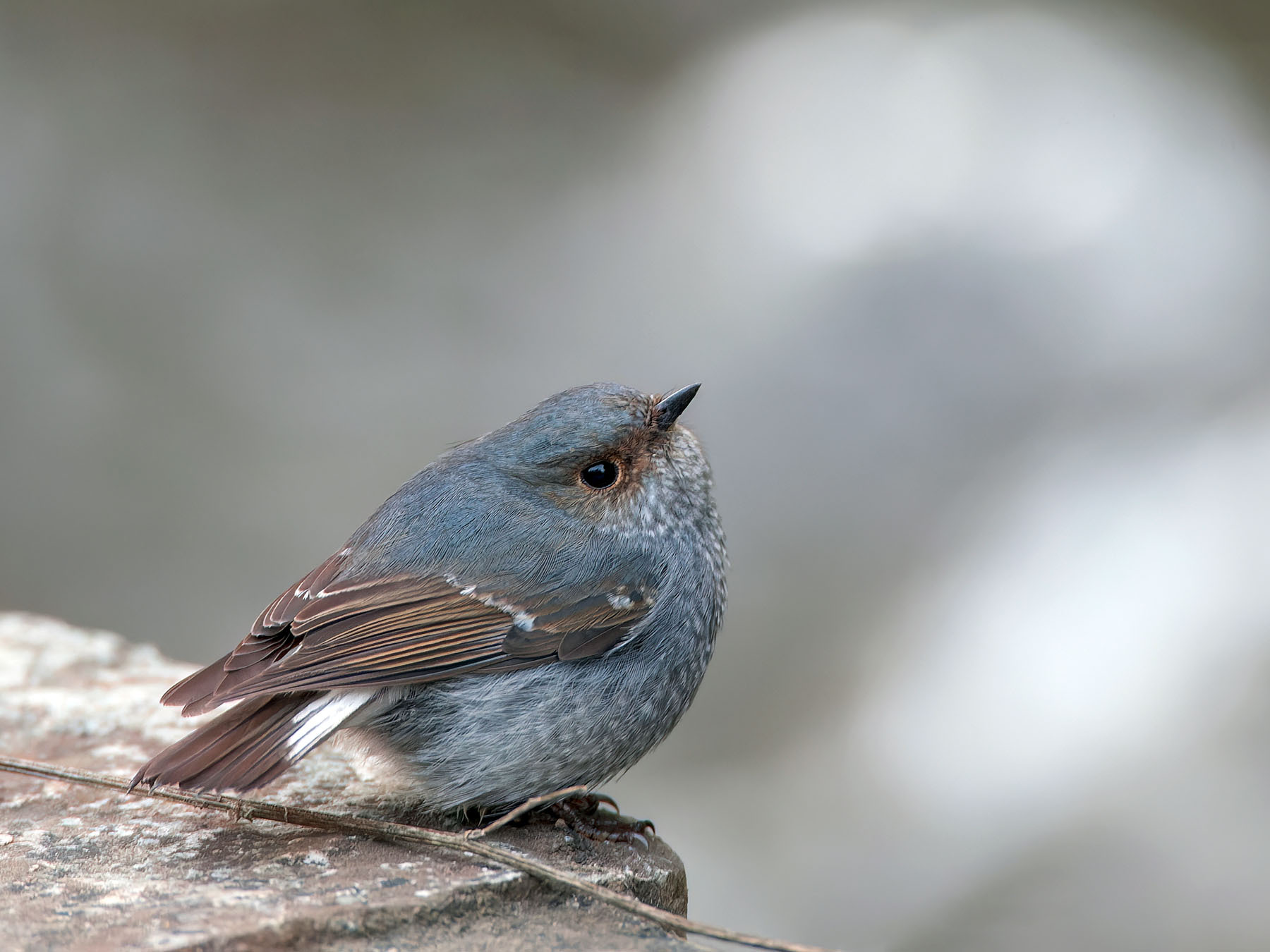
Females are predominantly grey with white-spotted wingbars and white rump markings. Their tail is black with white bases on the outer feathers. Juveniles resemble females but are browner with buff-stippled upperparts.
Its size
Adults- Length
- 12–15 cm
- Wingspan
- 23–26 cm
- Weight
- 13–23 g
Its song and calls
The Plumbeous Water-redstart has a distinctive, sharp call often described as a metallic 'tink-tink' or 'zink-zink'. Their song is a series of high-pitched, tinkling notes, sometimes interspersed with warbling phrases.
These vocalisations are frequently heard over the sound of rushing water in their habitat.
When and where to see it
The Plumbeous Water-redstart is not recorded regularly in the UK, Ireland, the United States or Canada.
Worldwide: recorded regularly in 13 countries
Countries where it was recorded in at least 3 of the 6 years 2019–2024. Linked countries have their own bird list.
Data: EOD – eBird Observation Dataset (Cornell Lab of Ornithology), accessed via GBIF.org, CC BY 4.0. Records from 2019–2024, aggregated and filtered by Birdfact. How these lists are made
Tips for seeing it
- Look for them along fast-flowing mountain streams and rivers
- Listen for their sharp, metallic 'tink-tink' call
- Watch for their characteristic tail-bobbing behaviour
- Scan rocks and low branches near water for perched individuals
- Visit higher elevations during summer for better chances of sighting
What it eats
The Plumbeous Water-redstart primarily feeds on aquatic and terrestrial insects.
They catch prey by making short, agile flights from perches over water or by gleaning insects from rocks and vegetation along stream banks. Their diet may also include small fish and tadpoles when available.
Nesting and breeding
Breeding season for Plumbeous Water-redstarts typically occurs from April to July. Males establish territories along streams and perform displays to attract females, including wing-spreading and tail-fanning.
Nests are cup-shaped structures made of moss, grass, and rootlets. They are often placed in rock crevices or banks near water. Females lay 3-4 pale blue eggs with reddish-brown spots.
Incubation lasts about 14-16 days and is primarily carried out by the female. Both parents feed the nestlings, which fledge after approximately 14-16 days but remain dependent on the adults for several weeks.
Behaviour
Plumbeous Water-redstarts are highly active birds, often seen bobbing their tails and flicking their wings near fast-flowing streams. They frequently perch on rocks or low branches overhanging water, from where they make short flights to catch insects.
These birds are typically solitary or found in pairs, fiercely defending their territories along waterways.
Conservation
While the Plumbeous Water-redstart is currently listed as Least Concern, it faces localised threats from habitat degradation and water pollution.
Conservation efforts focus on protecting mountain stream ecosystems and maintaining water quality in their preferred habitats.
More photos
6 photos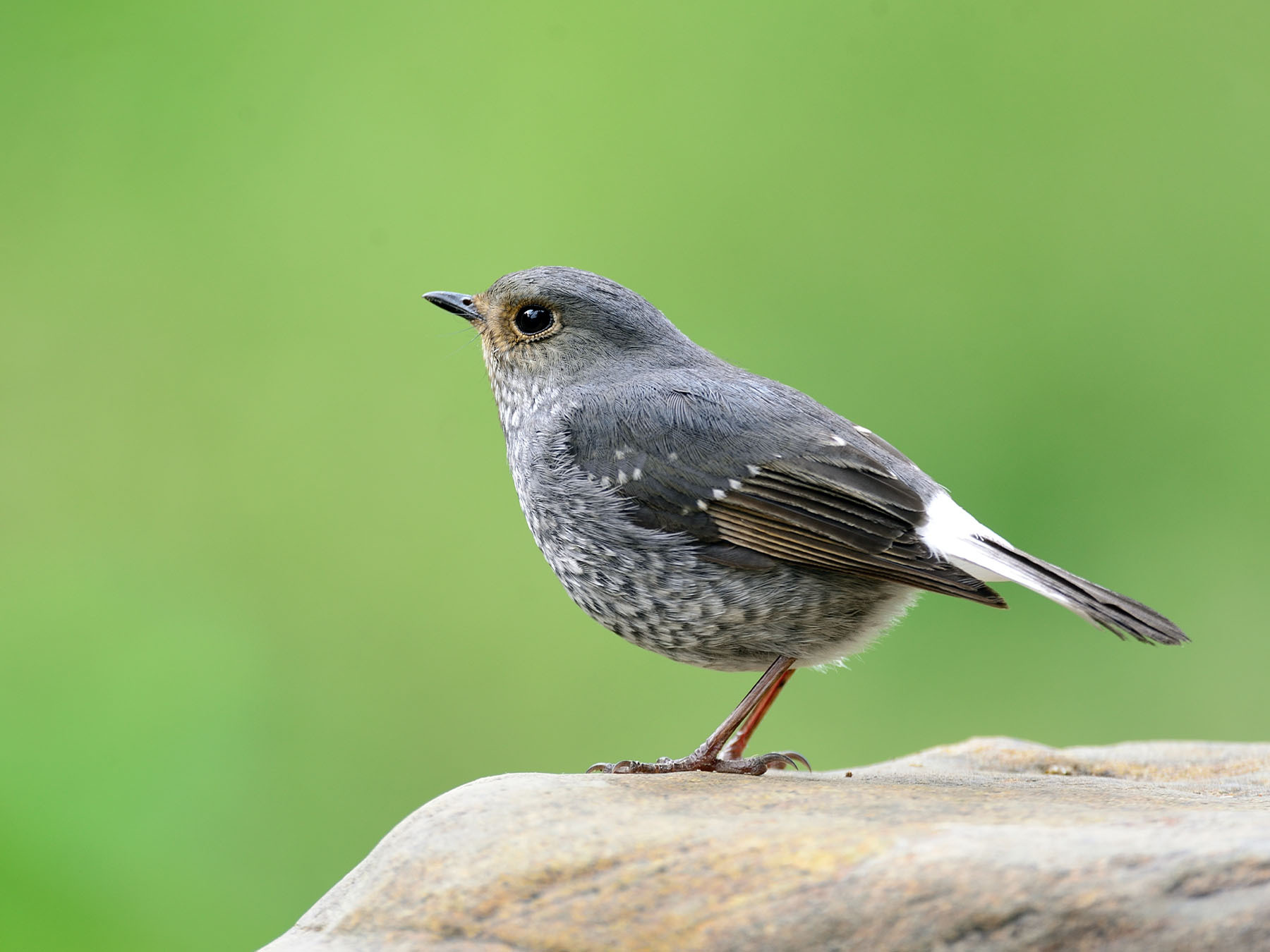
Quick facts
- Length
- 12–15 cm
- Wingspan
- 23–26 cm
- Weight
- 13–23 g
- Family
- Old World Flycatchers
- Migration
- Altitudinal migrant
- Global status (IUCN)
- Least Concern
- World population
- Not quantified, but common in northern Pakistan and India and scarce to locally common in south-east Asia
- Population trend
- Stable
- Also called
- Plumbeous Redstart
- Scientific name
- Phoenicurus fuliginosus
Sources
3- 1BirdLife International. 2024. Phoenicurus fuliginosus. The IUCN Red List of Threatened Species 2024: e.T22710092A263880796. Source (opens in a new tab)
- 2BirdLife International. 2024. Phoenicurus fuliginosus. The IUCN Red List of Threatened Species 2024: e.T22710092A263880796. Source (opens in a new tab)
- 3del Hoyo et al. (2005)

Checked by
Nathan Cope, founder and editor
Nathan founded Birdfact and leads its writers and contributors in the UK, the US and Canada. He has watched and studied birds for more than ten years, and checks every article and species guide before it’s published.