


Birds to See in Singapore in July
28 bird species on our list for Singapore are recorded regularly in July
Of these, the most often recorded are Red Junglefowl, Rock Dove, Eurasian Tree Sparrow, Rose-ringed Parakeet and Grey Heron. New this month: Barn Swallow, Common Sandpiper, Redshank and Greenshank and 4 more.
On the move in July
GBIF · JulArriving
At their peak
From Singapore’s bird records, 2019–2024: arriving birds are regular this month but not last; leaving birds are regular this month but not next.
Other months
All 28 birds in July
28 birds
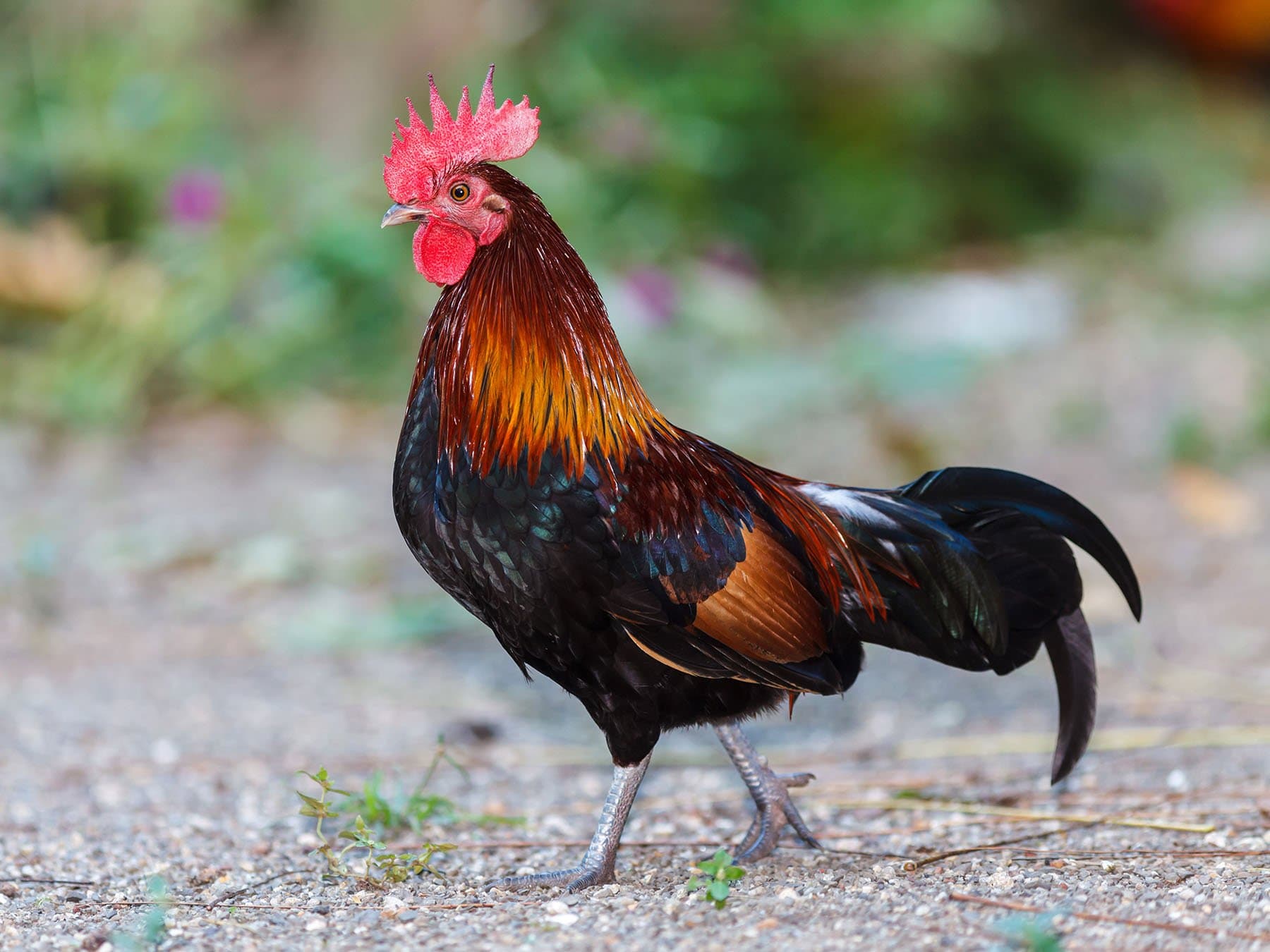 Red JunglefowlGallus gallusResidentCommon42–75 cmRecorded all year · 2.21% in Jul
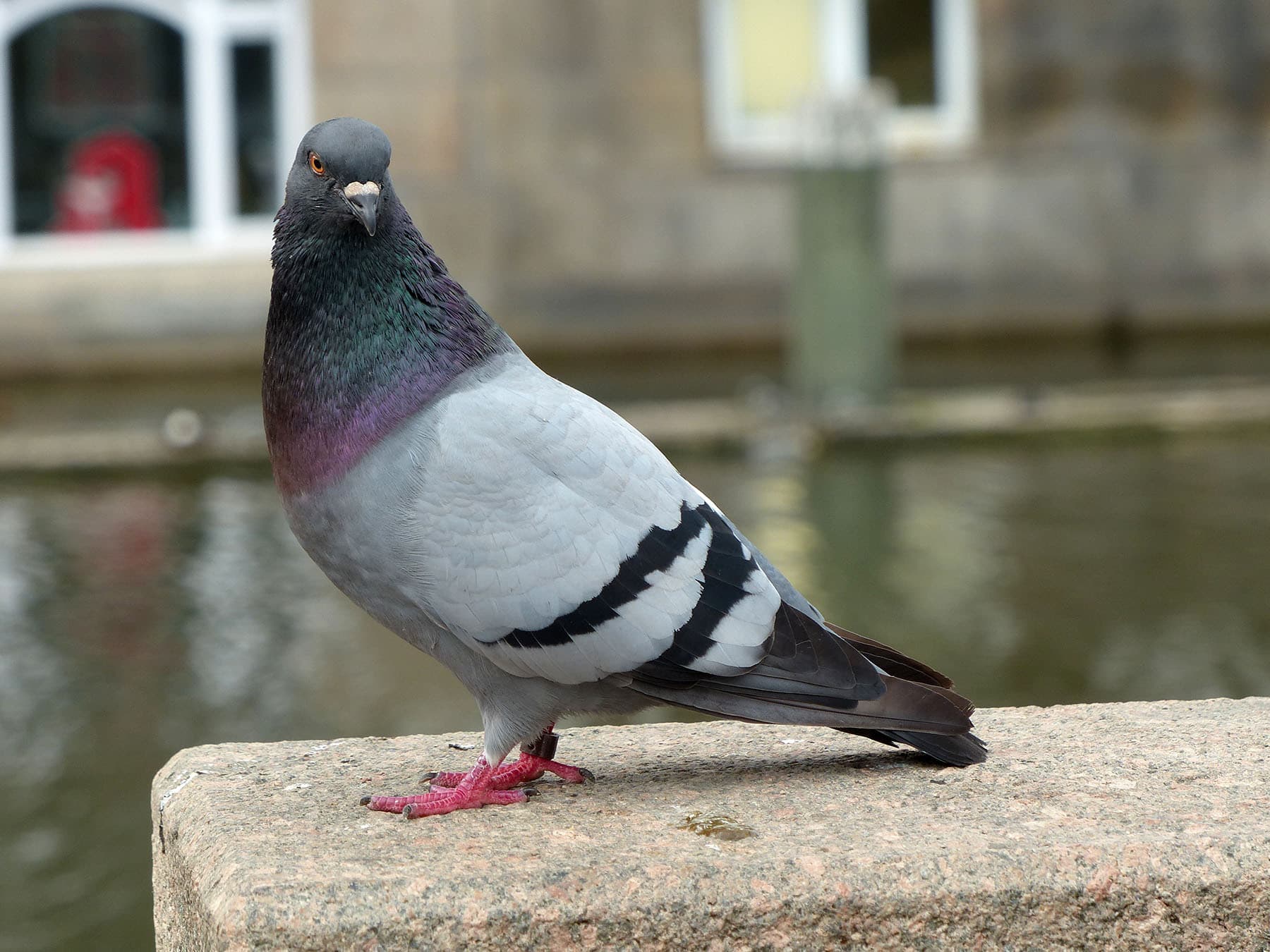 Rock DoveColumba liviaResidentCommon31–34 cmRecorded all year · 1.55% in Jul
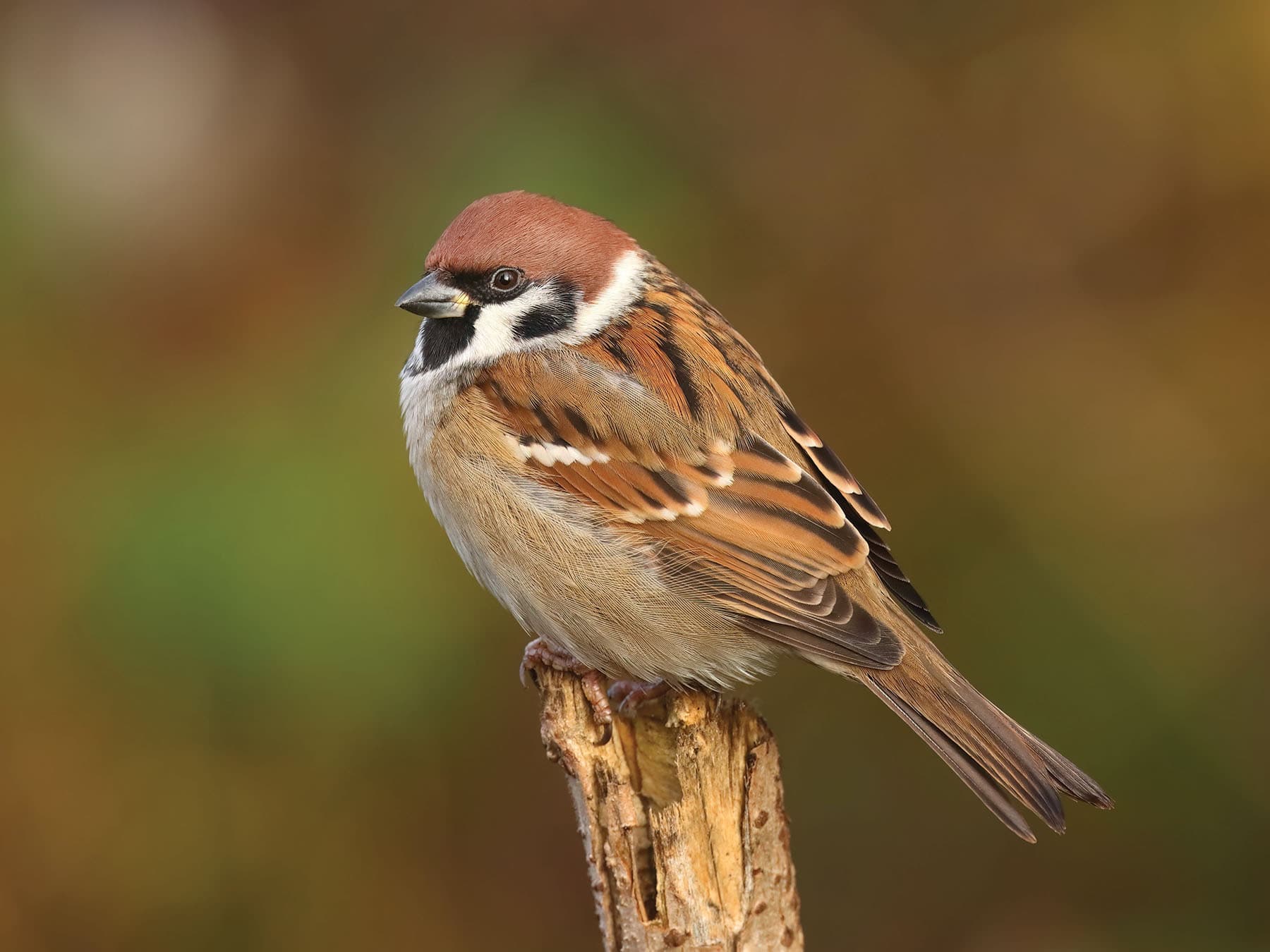 Eurasian Tree SparrowPasser montanusResidentCommon14–15 cmRecorded all year · 1.33% in Jul
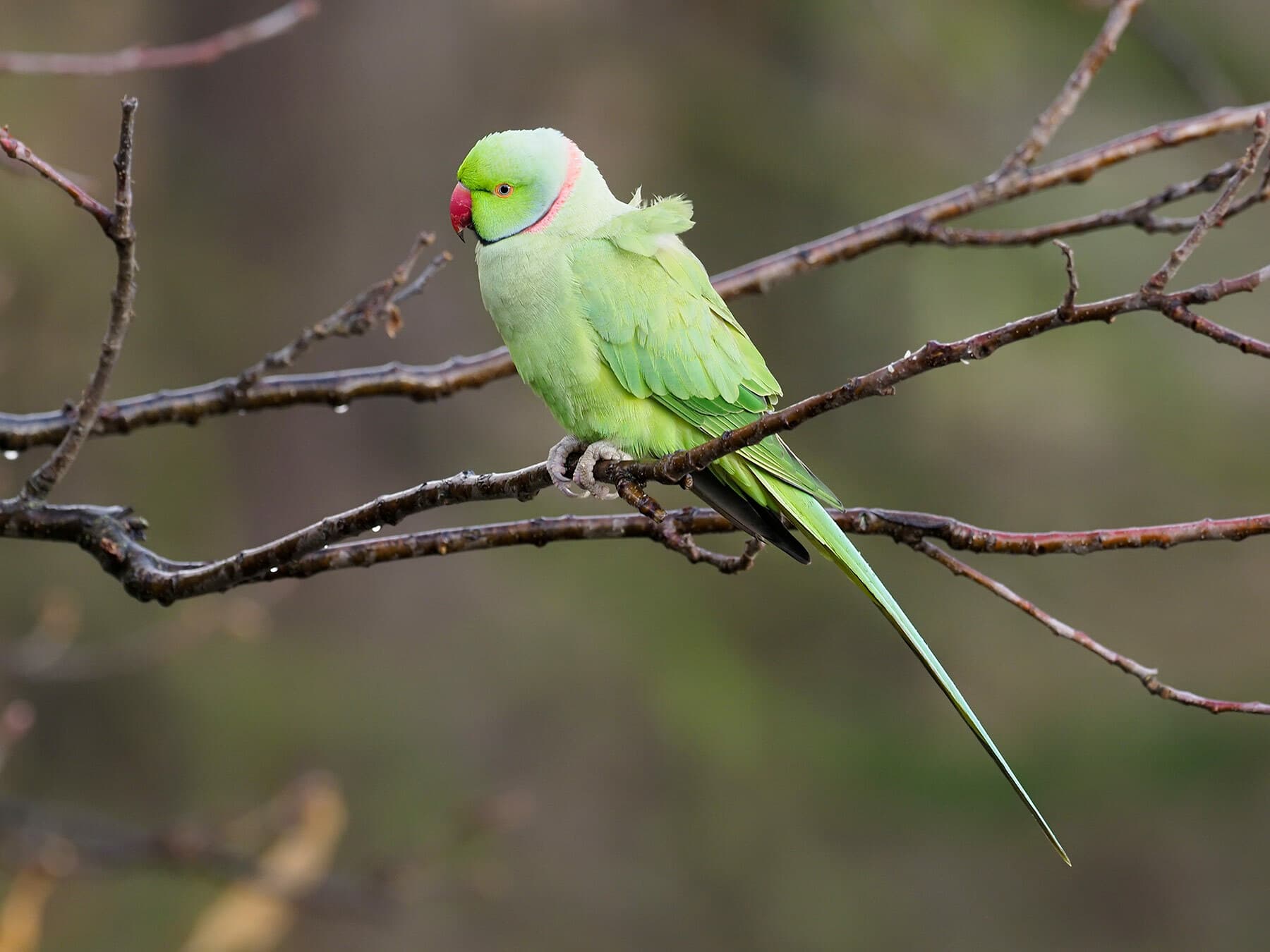 Rose-ringed ParakeetPsittacula krameriResidentCommon38–42 cmRecorded all year · 0.98% in Jul
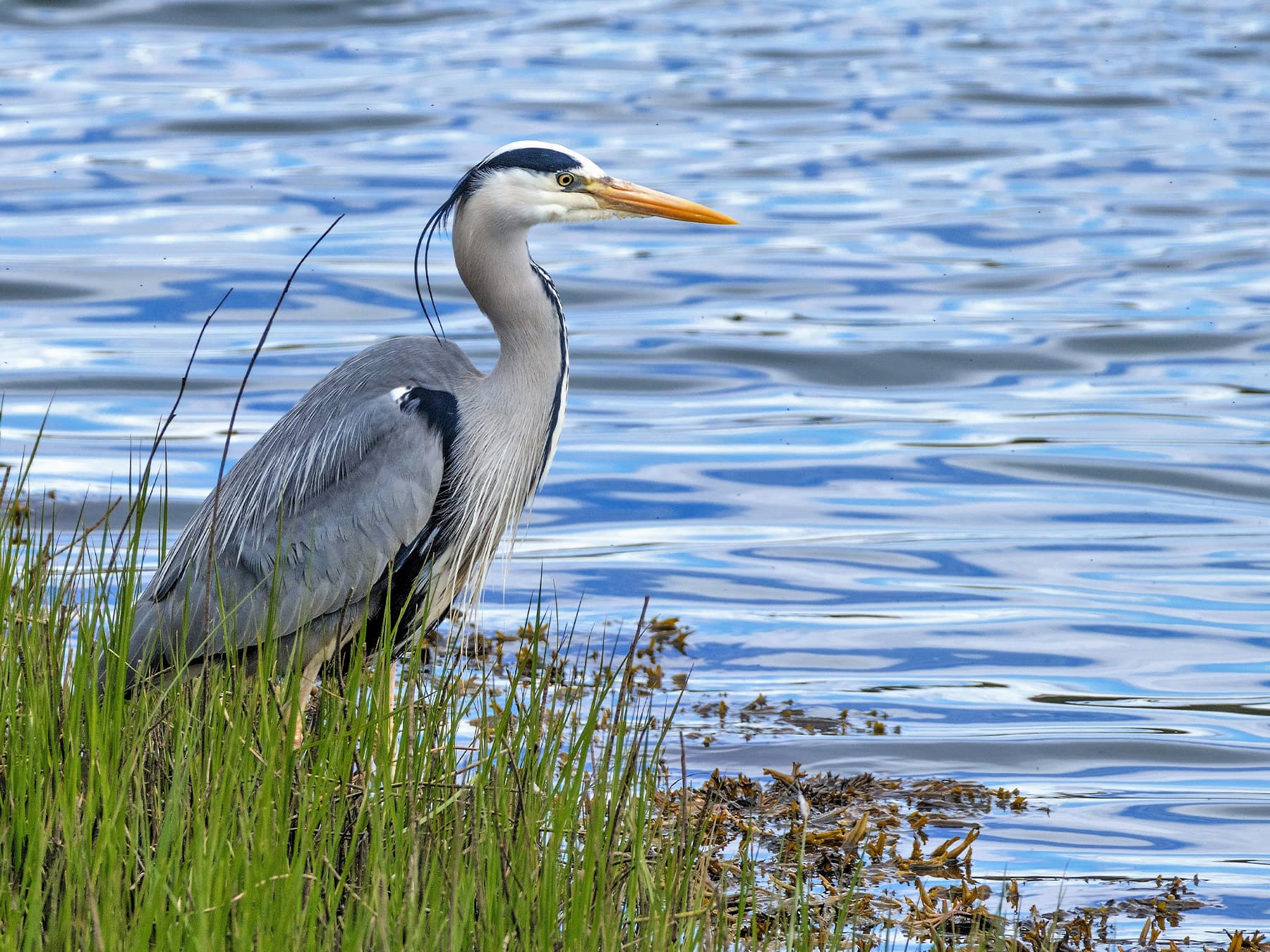 Grey HeronArdea cinereaResidentCommon90–98 cmRecorded all year · 0.98% in Jul
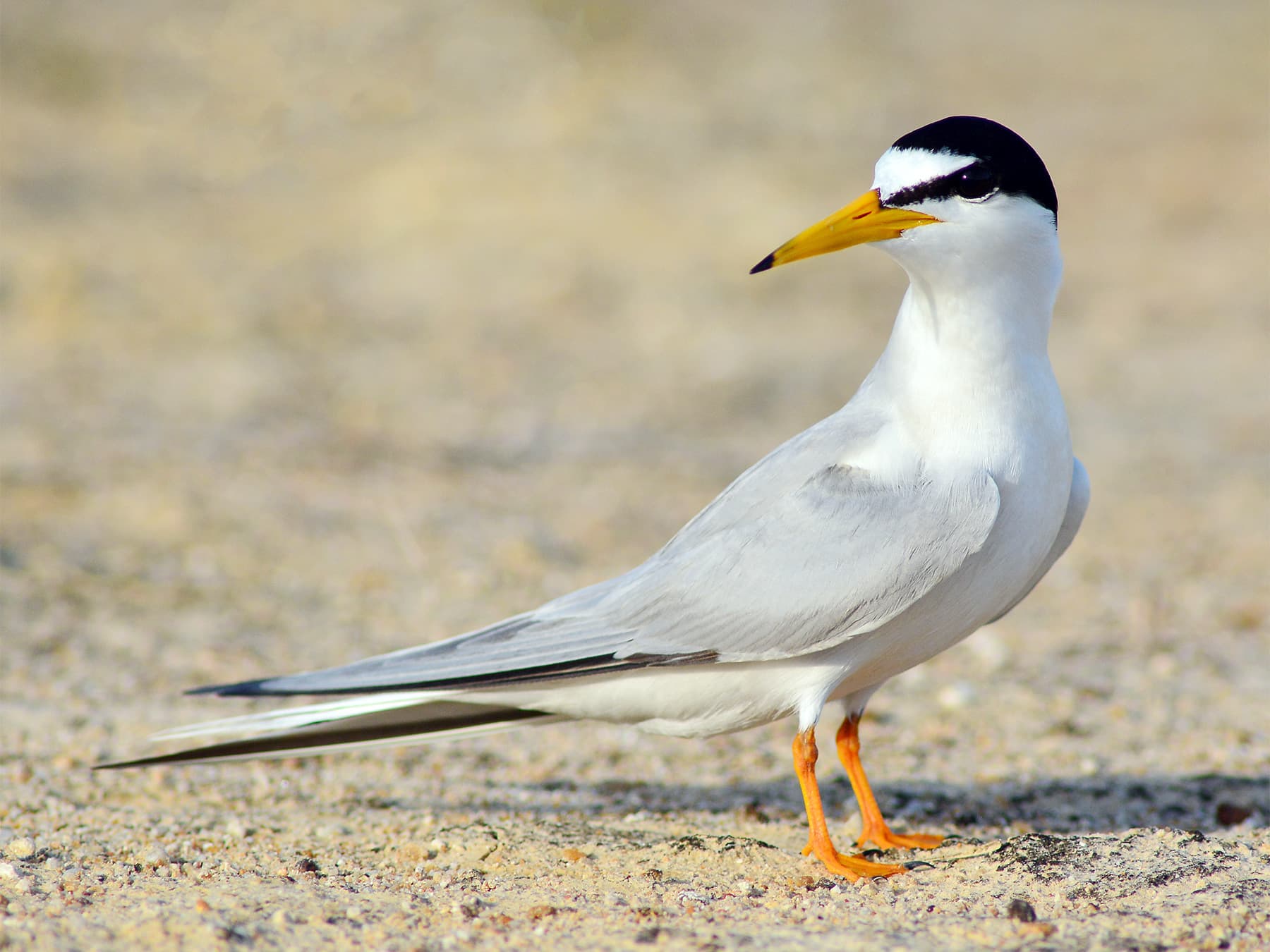 Little TernSternula albifronsSummer visitorCommon21–25 cmRegularly Apr–Nov · 0.72% in Jul
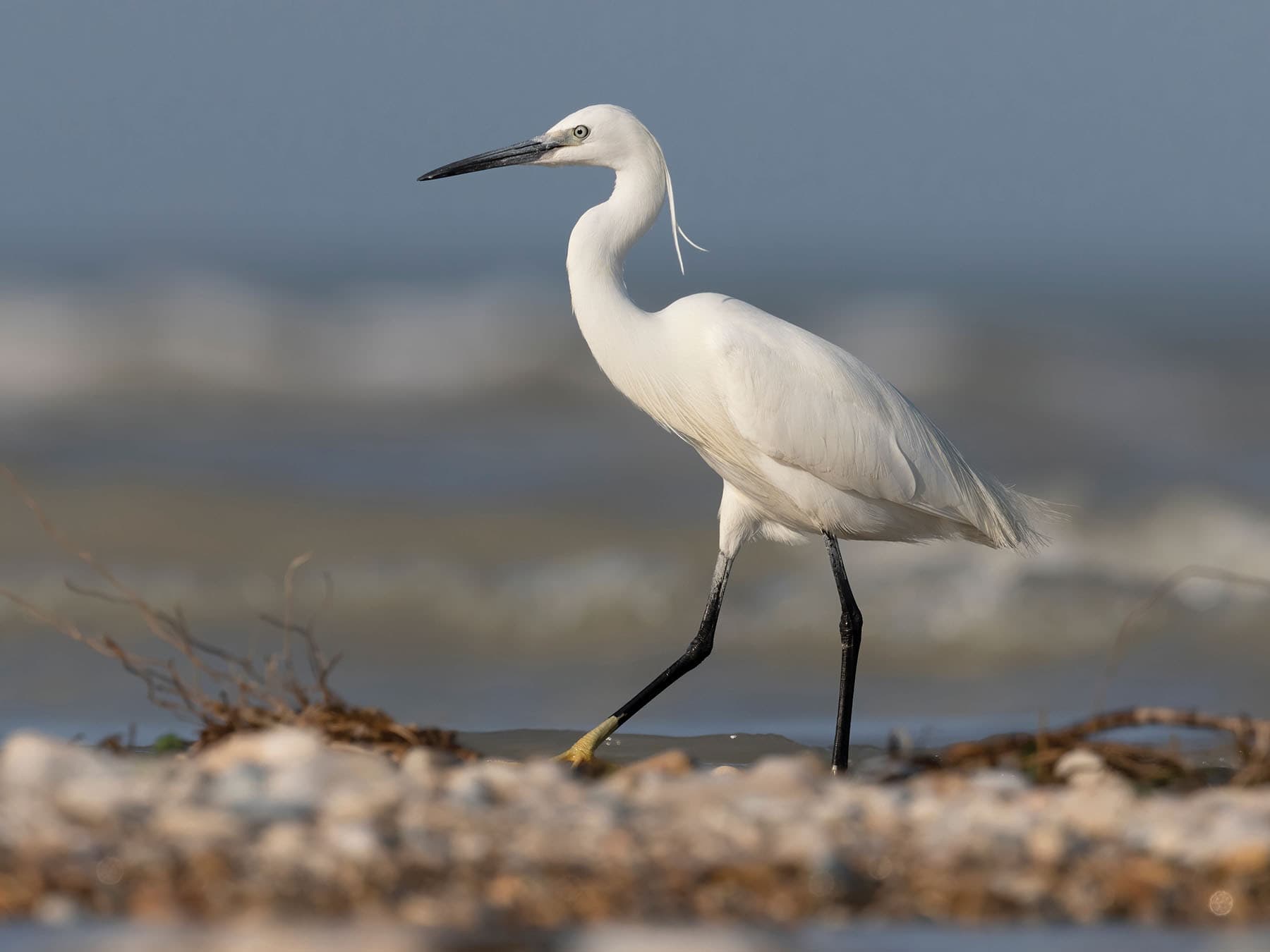 Little EgretEgretta garzettaResidentCommon55–65 cmRecorded all year · 0.60% in Jul
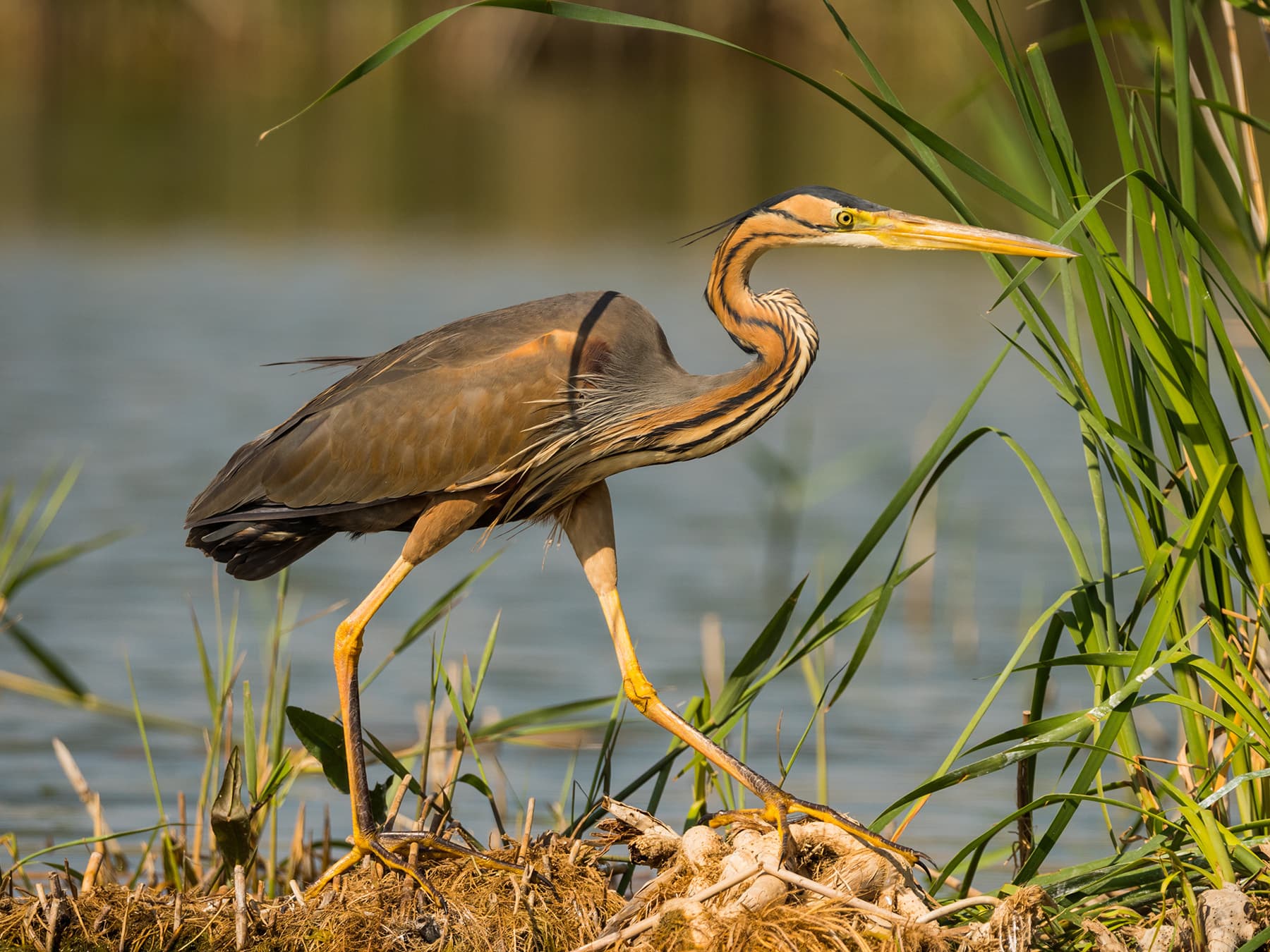 Purple HeronArdea purpureaResidentCommon78–90 cmRecorded all year · 0.59% in Jul
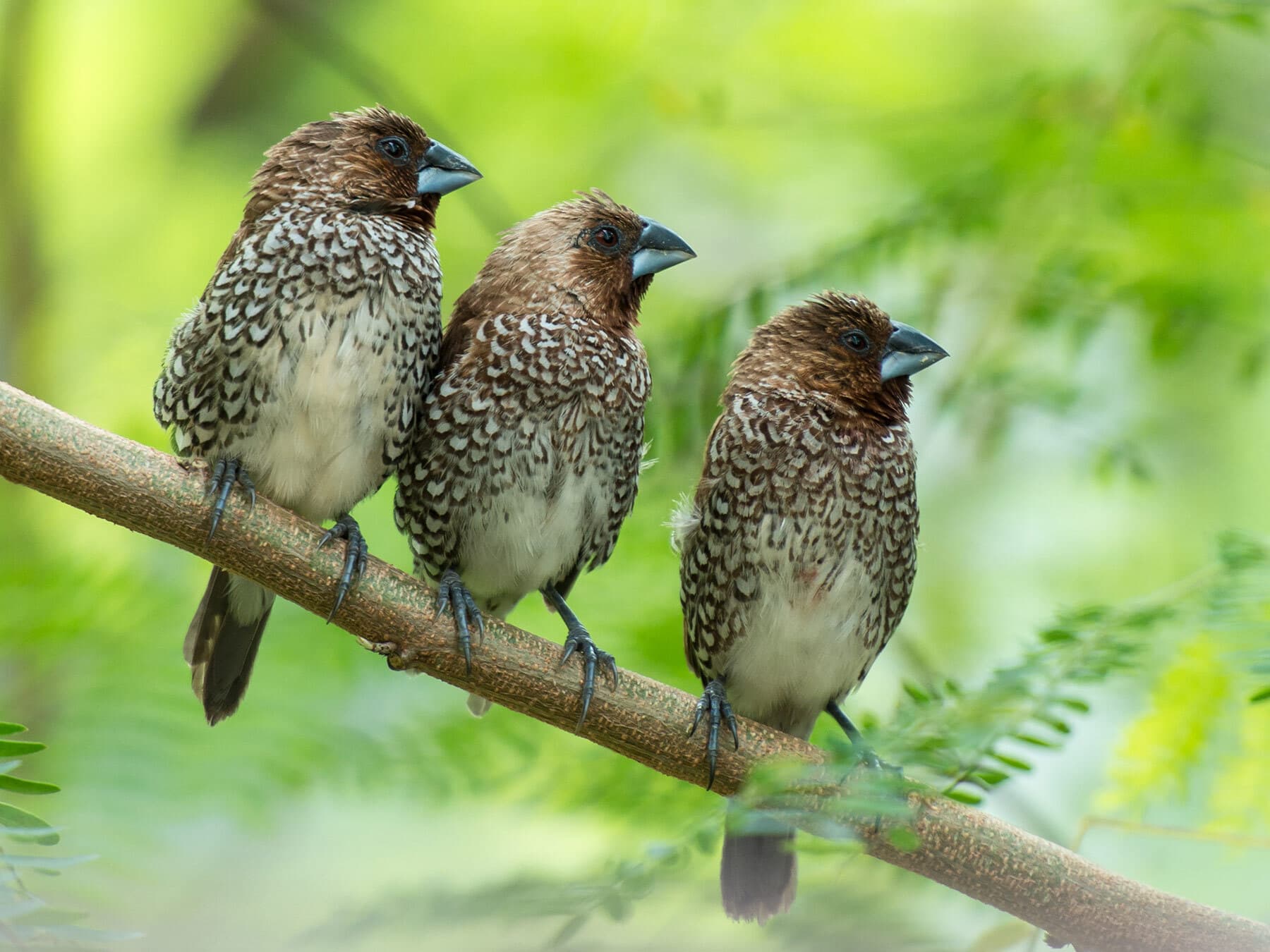 Scaly-breasted MuniaLonchura punctulataResidentCommon11–12 cmRecorded all year · 0.53% in Jul
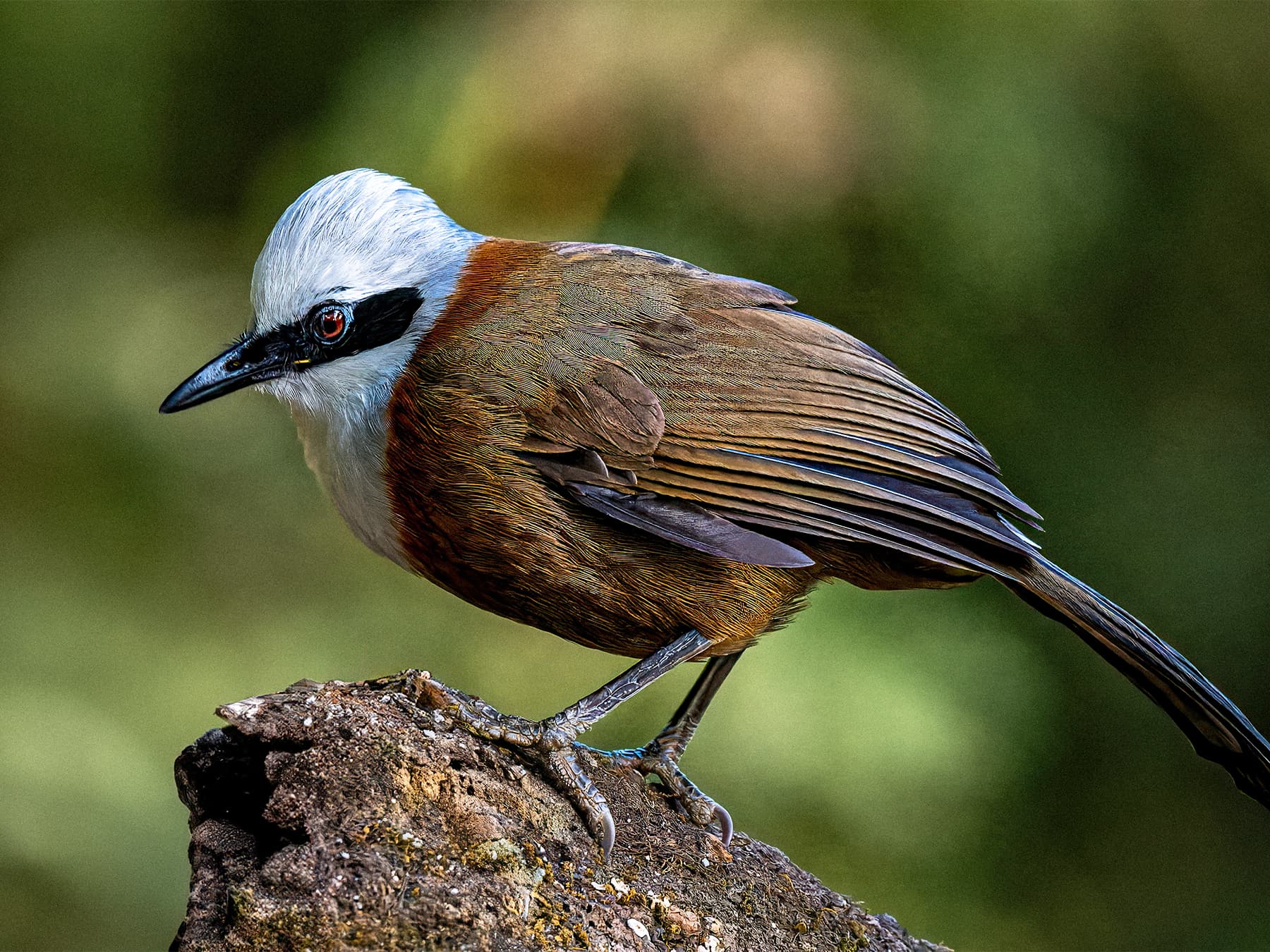 White-crested LaughingthrushGarrulax leucolophusResidentUncommon27–31 cmRecorded all year · 0.39% in Jul
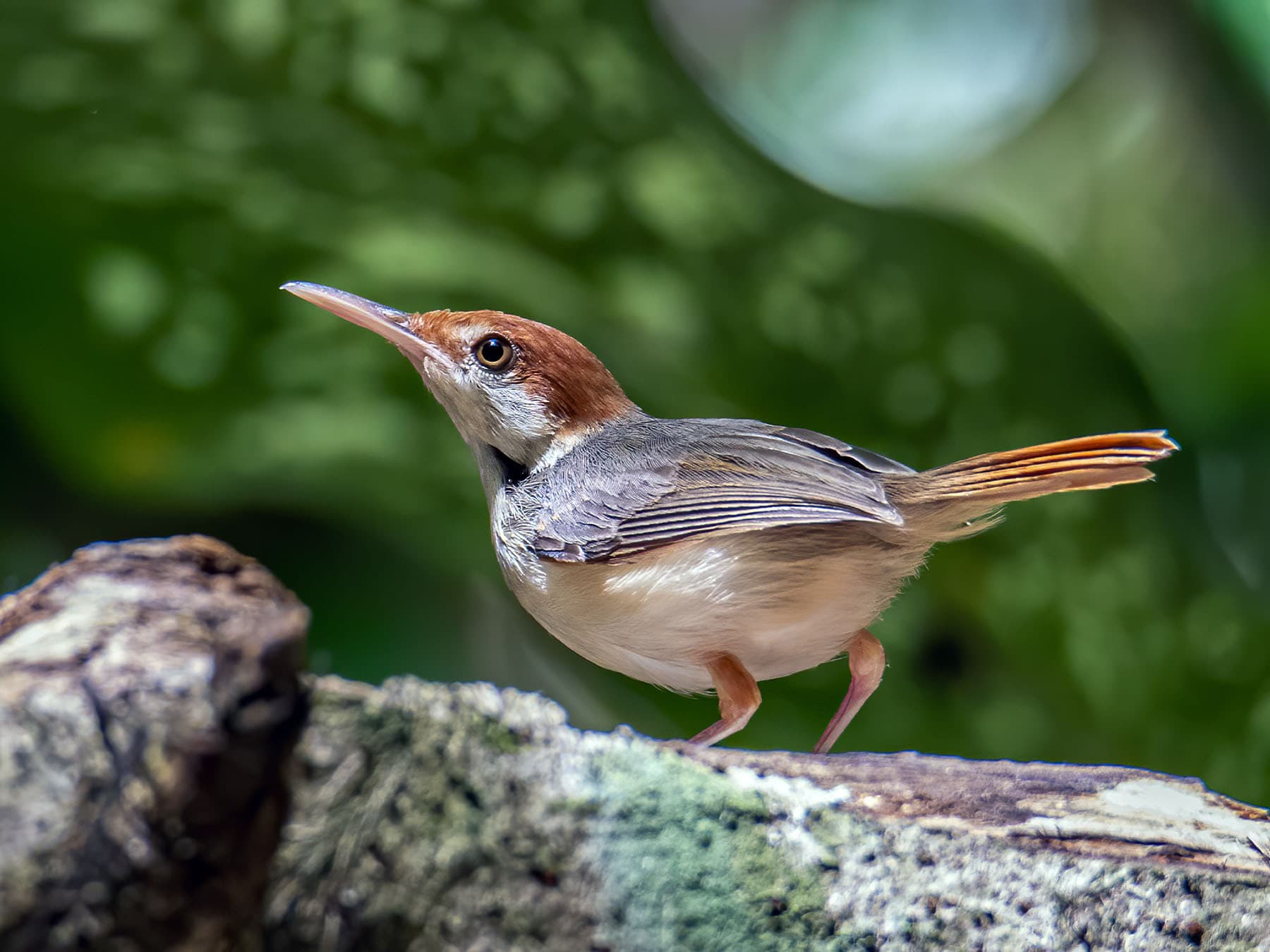 Rufous-tailed TailorbirdOrthotomus sericeusResidentUncommon10–14 cmRecorded all year · 0.28% in Jul
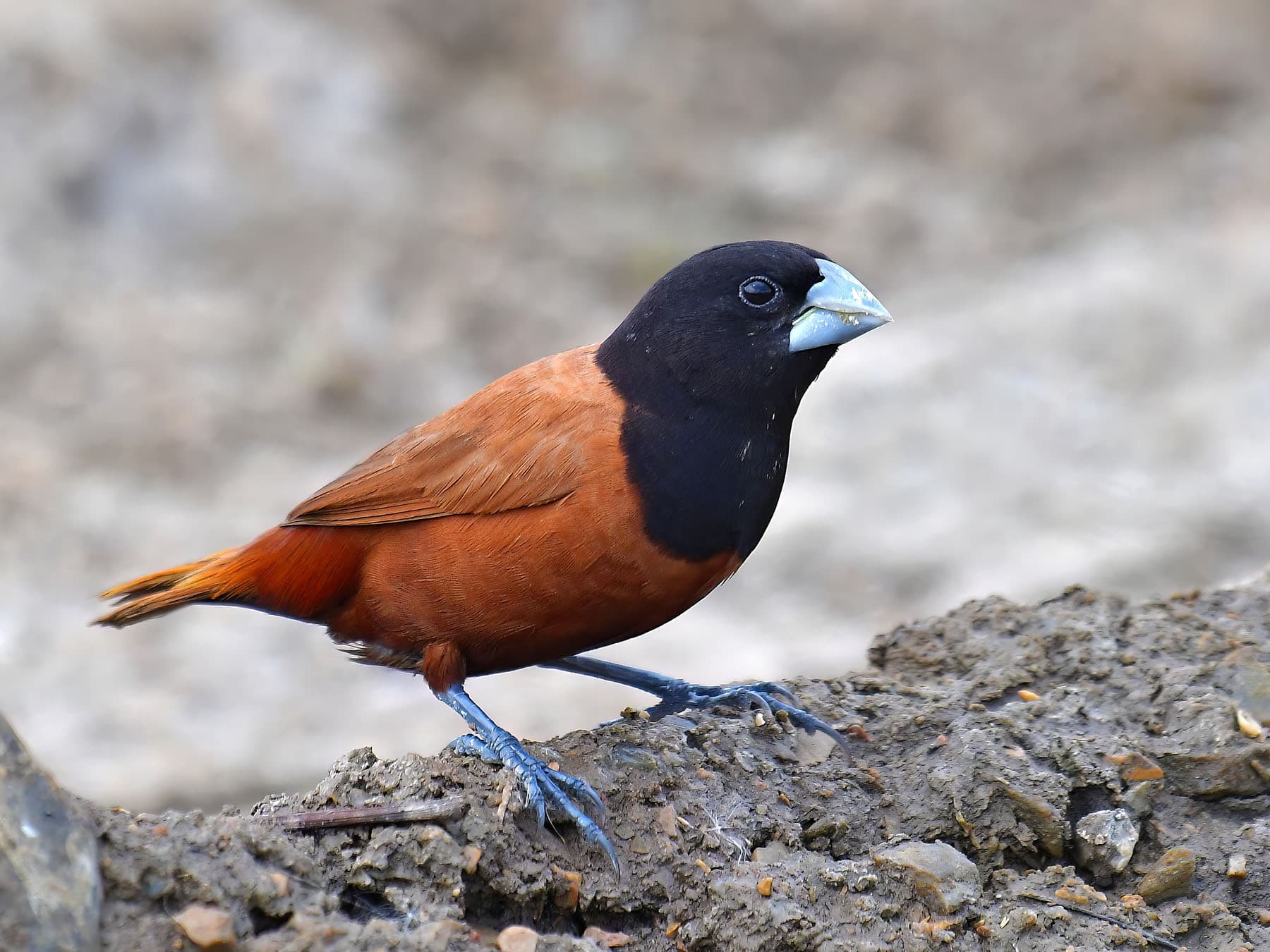 Chestnut MuniaLonchura atricapillaResidentUncommon10–11 cmRecorded all year · 0.23% in Jul
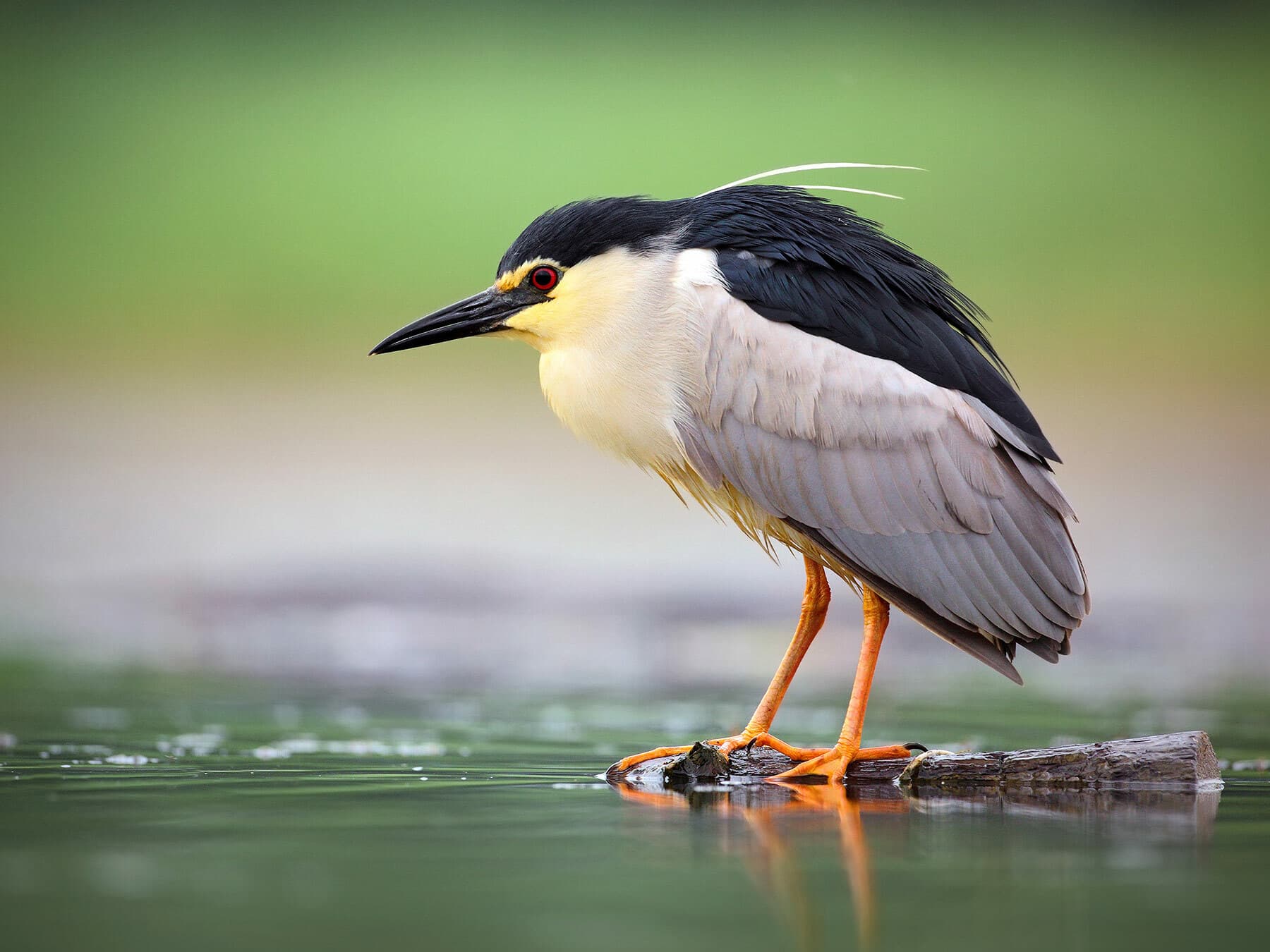 Black-crowned Night-heronNycticorax nycticoraxResidentUncommon58–65 cmRecorded all year · 0.20% in Jul
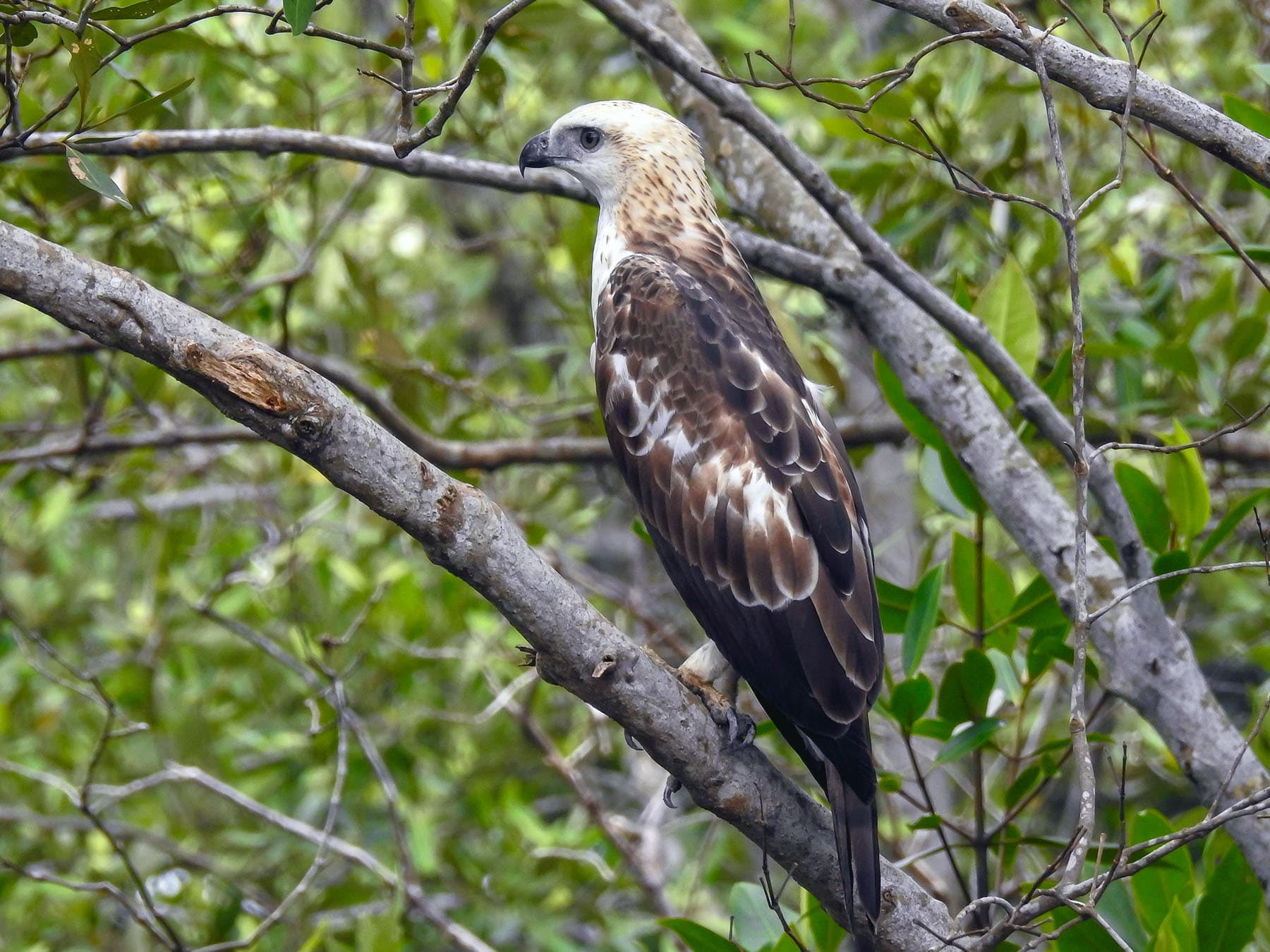 Oriental Honey-buzzardPernis ptilorhynchusWinter visitorCommon52–68 cmRecorded all year · 0.12% in Jul
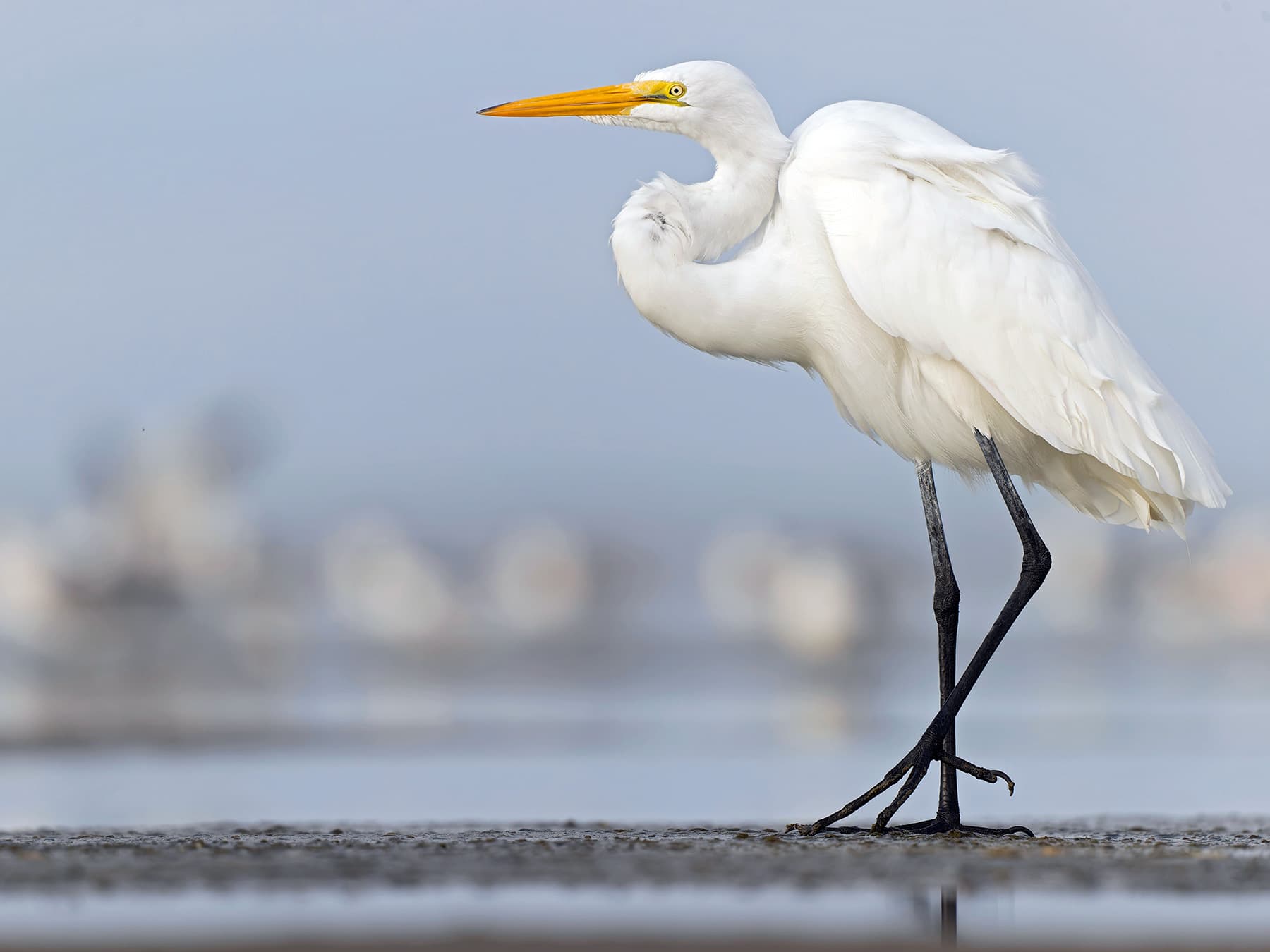 Great White EgretArdea albaResidentUncommon80–104 cmRecorded all year · 0.12% in Jul
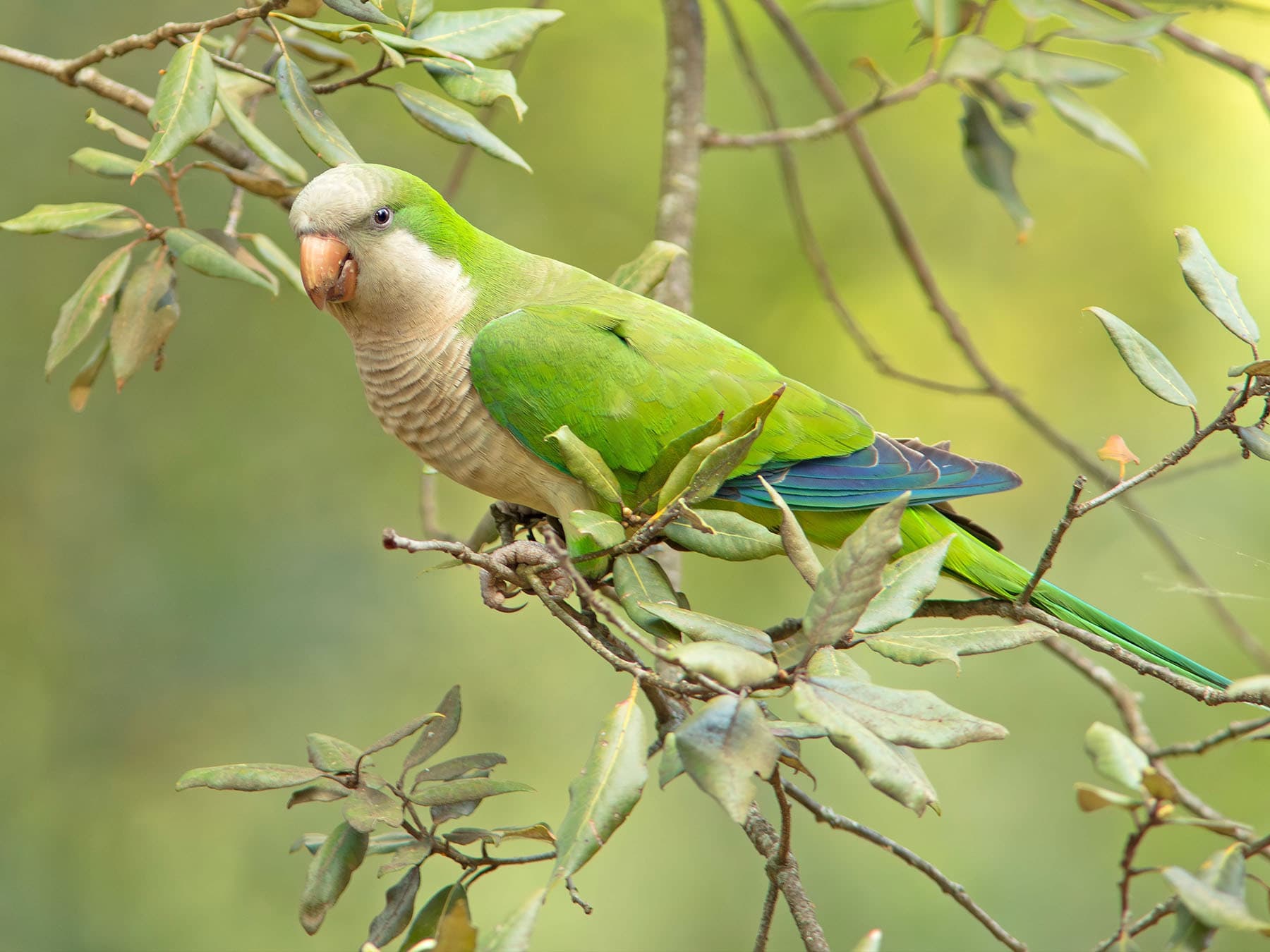 Monk ParakeetMyiopsitta monachusResidentUncommon29–31 cmRecorded all year · 0.09% in Jul
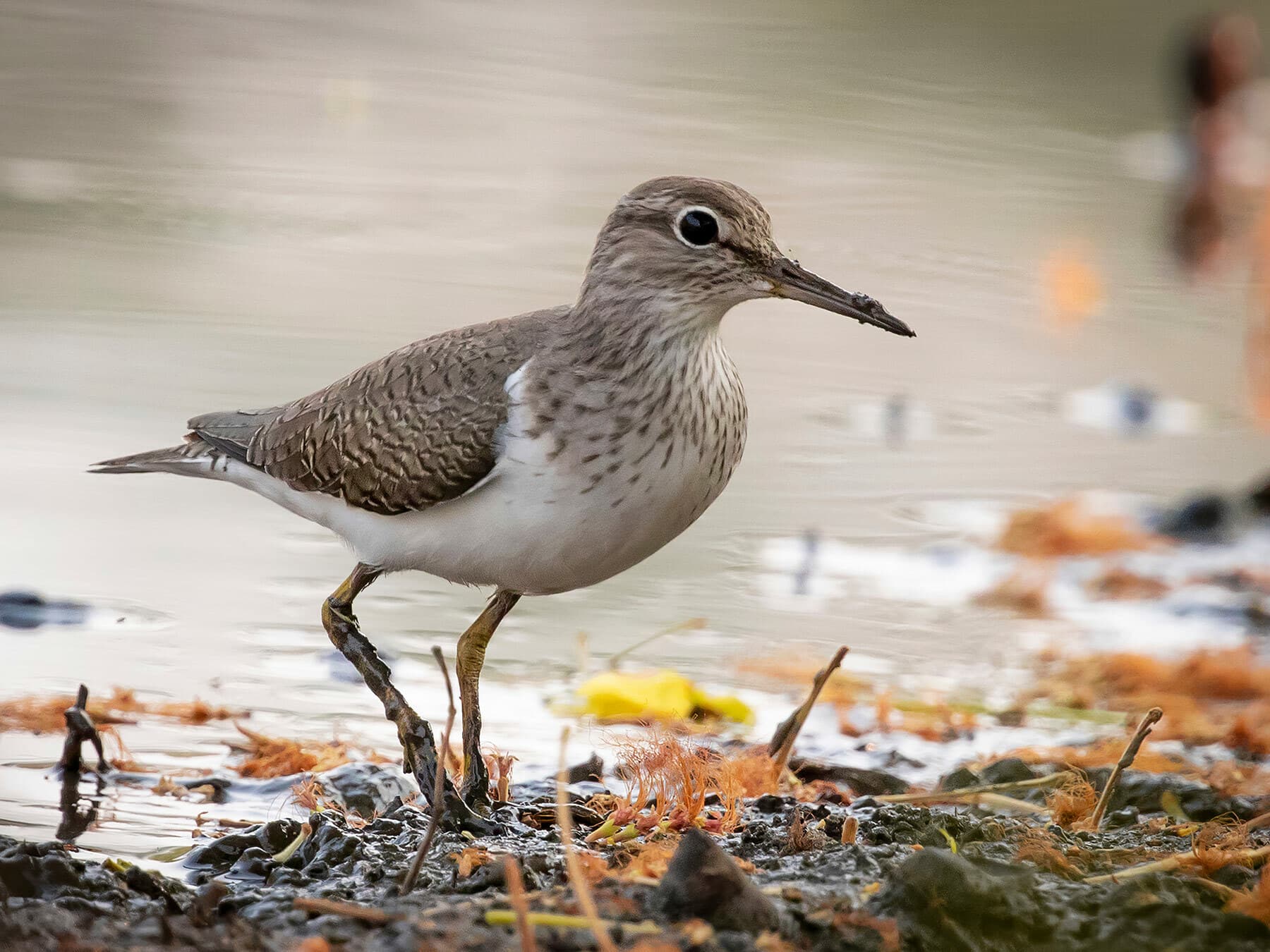 Common SandpiperActitis hypoleucosWinter visitorCommon18–20 cmRegularly Jul–Apr · 0.08% in Jul
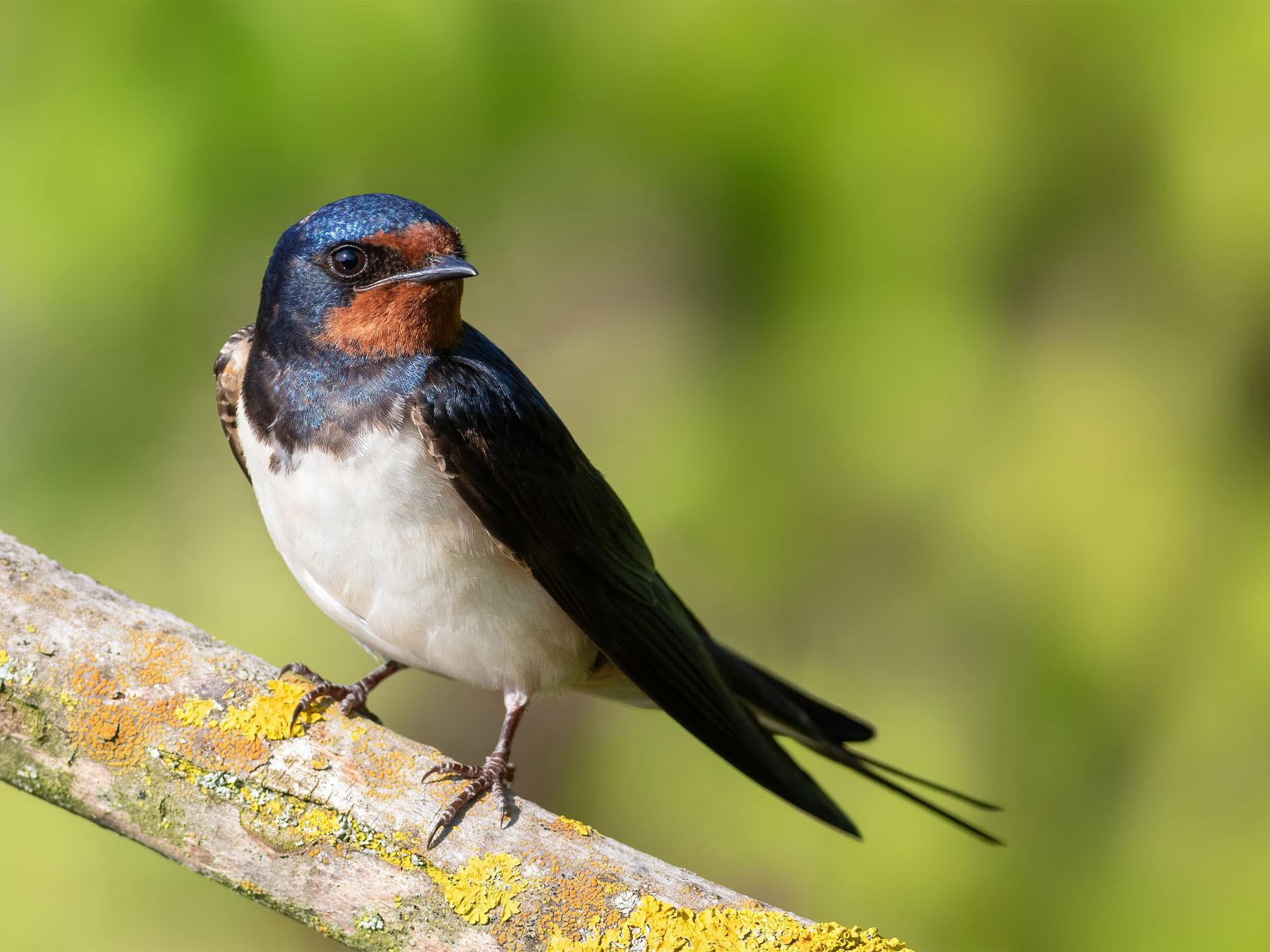 Barn SwallowHirundo rusticaWinter visitorCommon17–19 cmRegularly Jul–Apr · 0.08% in Jul
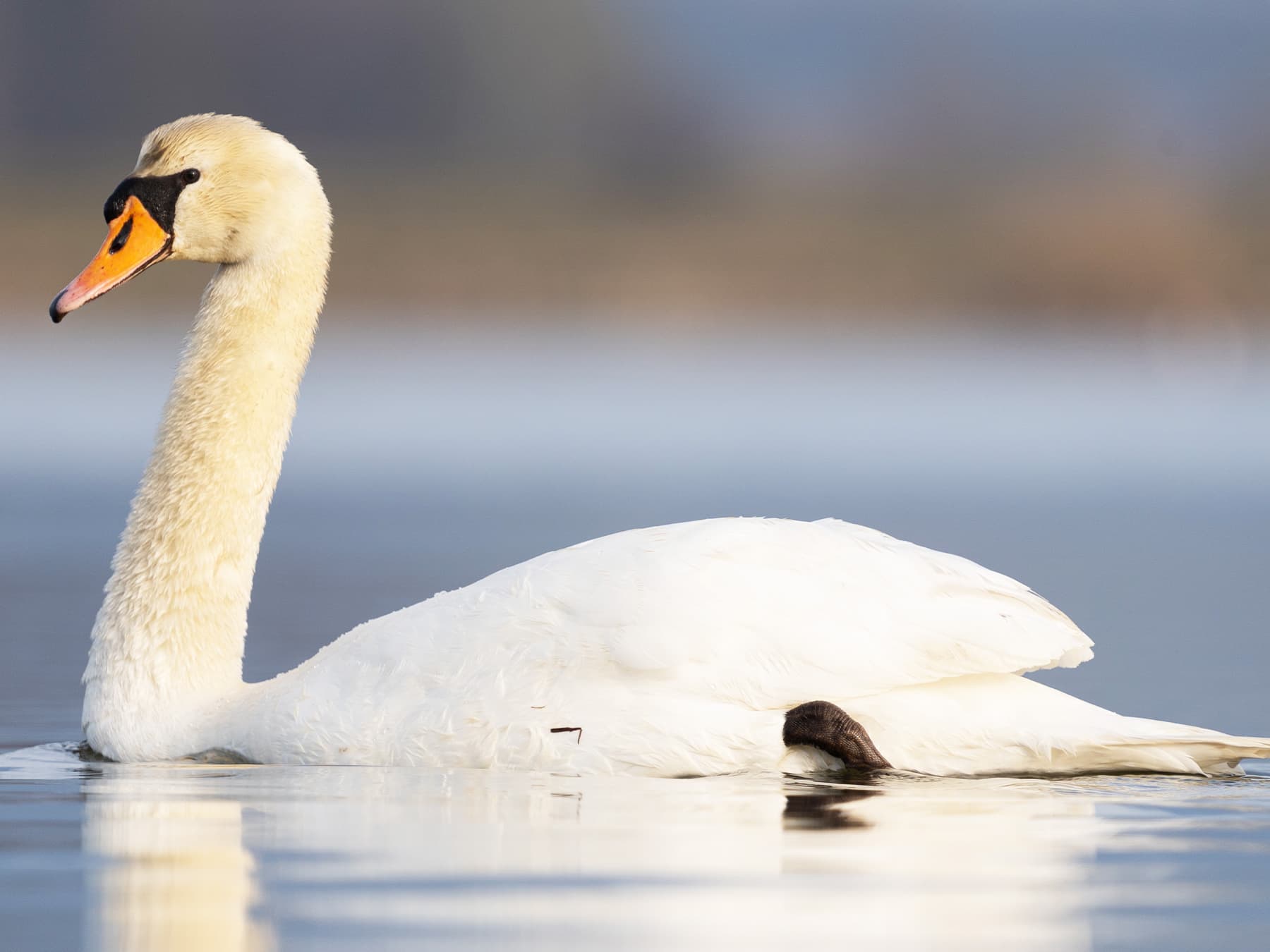 Mute SwanCygnus olorResidentUncommon140–160 cmRecorded all year · 0.06% in Jul
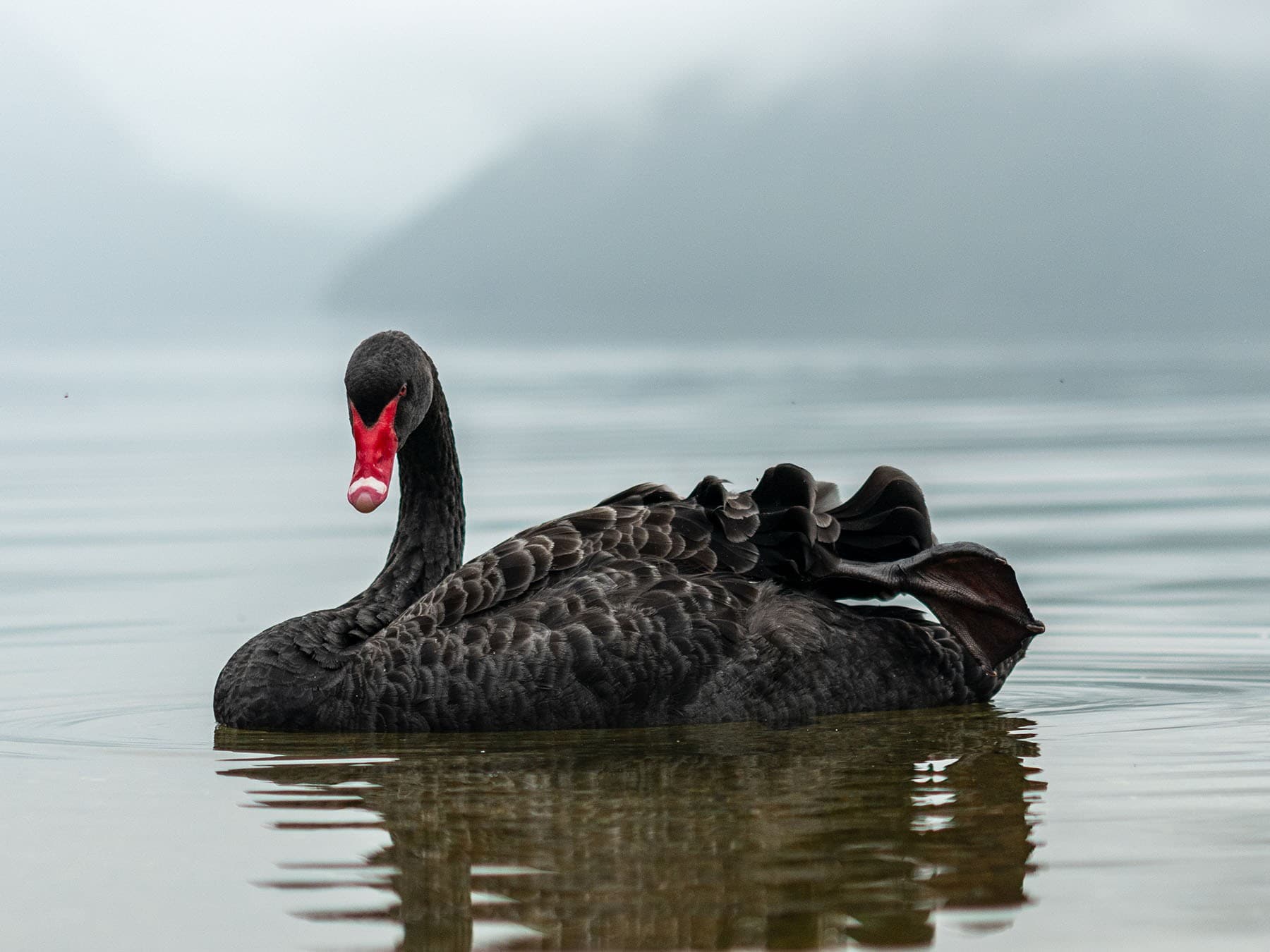 Black SwanCygnus atratusWinter visitorUncommon110–142 cmRecorded all year · 0.05% in Jul
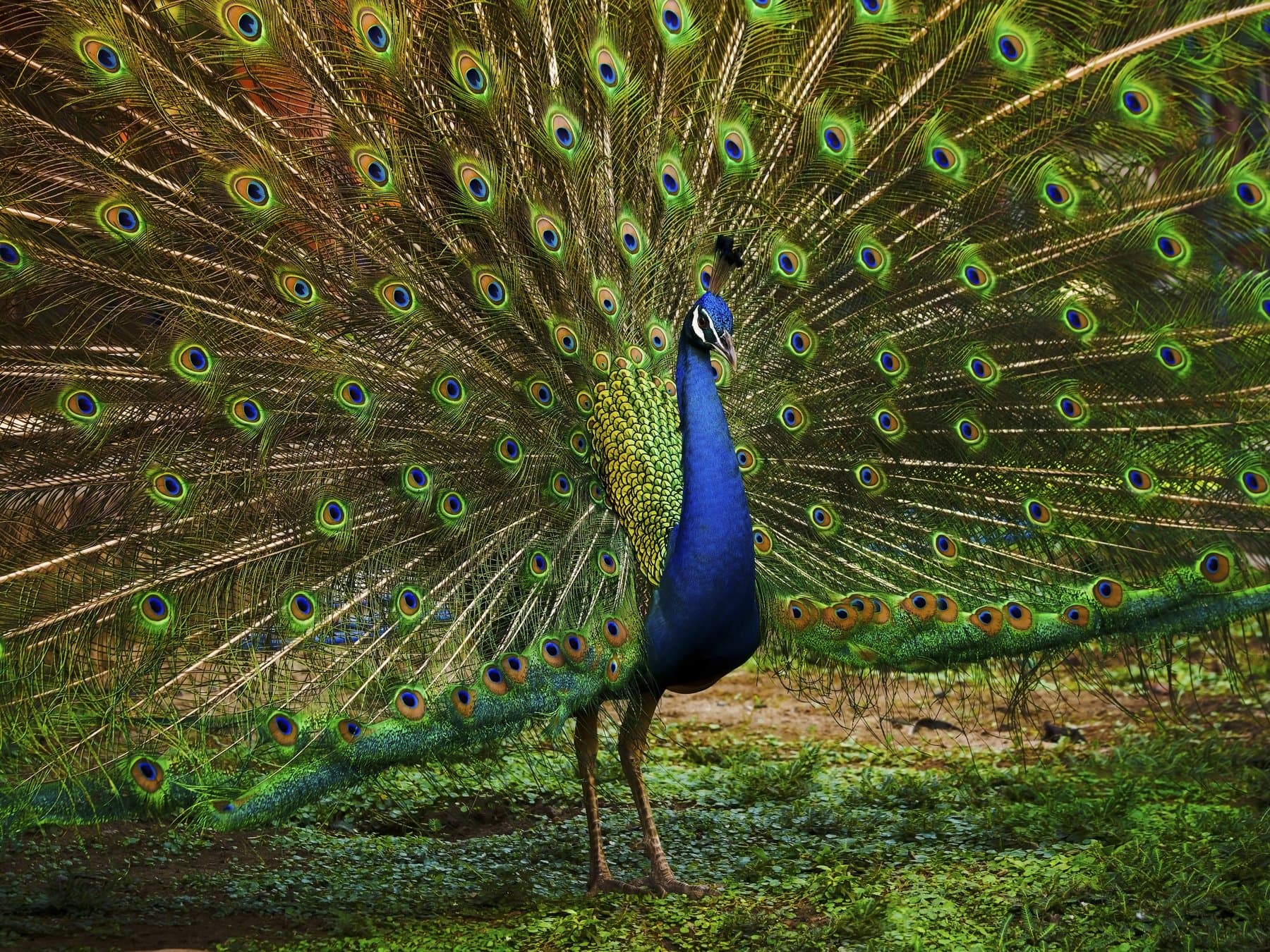 Indian PeafowlPavo cristatusResidentUncommon86–230 cmRecorded all year · 0.05% in Jul
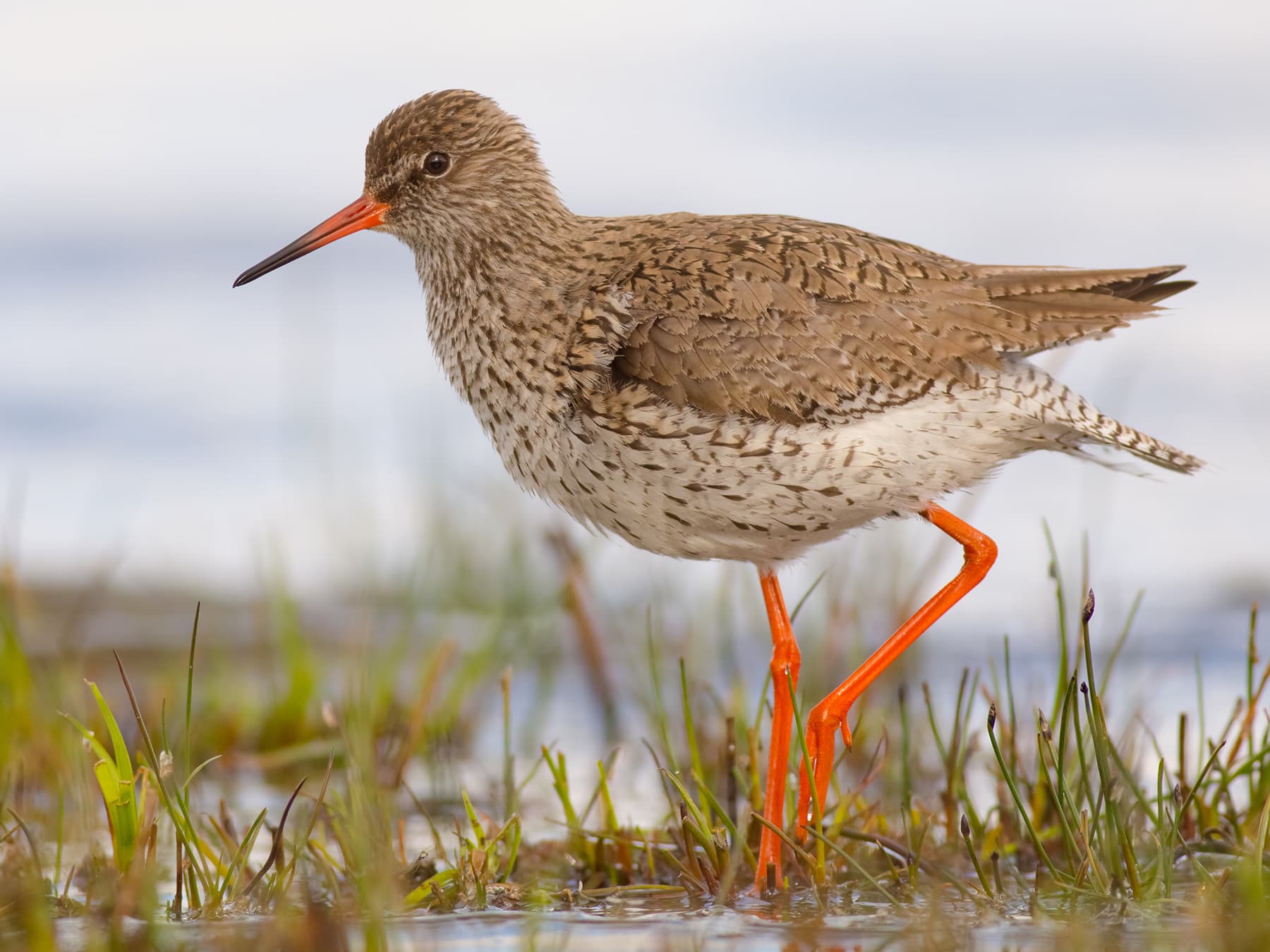 RedshankTringa totanusWinter visitorCommon27–29 cmRegularly Jul–Apr · 0.04% in Jul
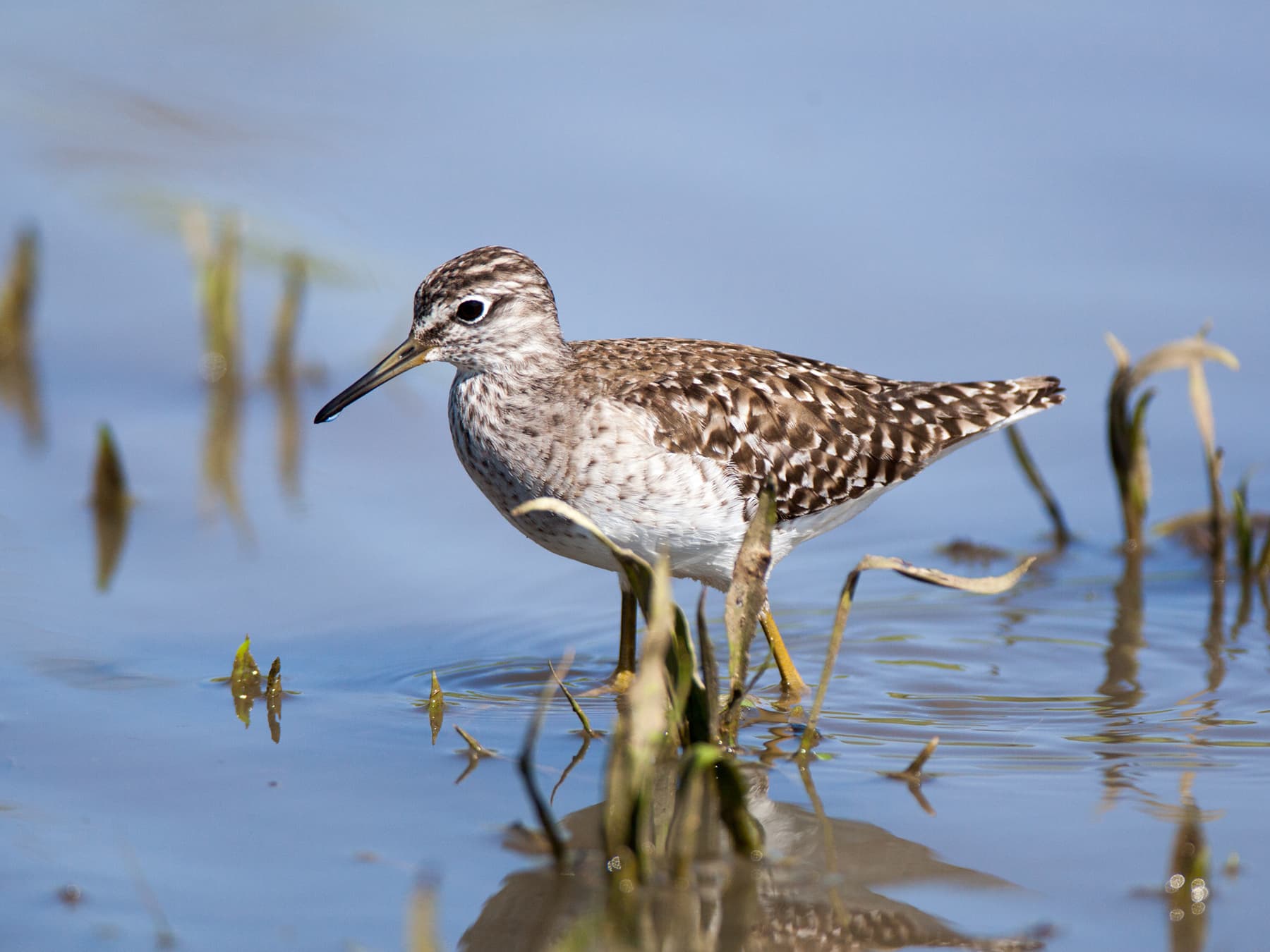 Wood SandpiperTringa glareolaWinter visitorUncommon19–21 cmRegularly Jul–Apr · 0.04% in Jul
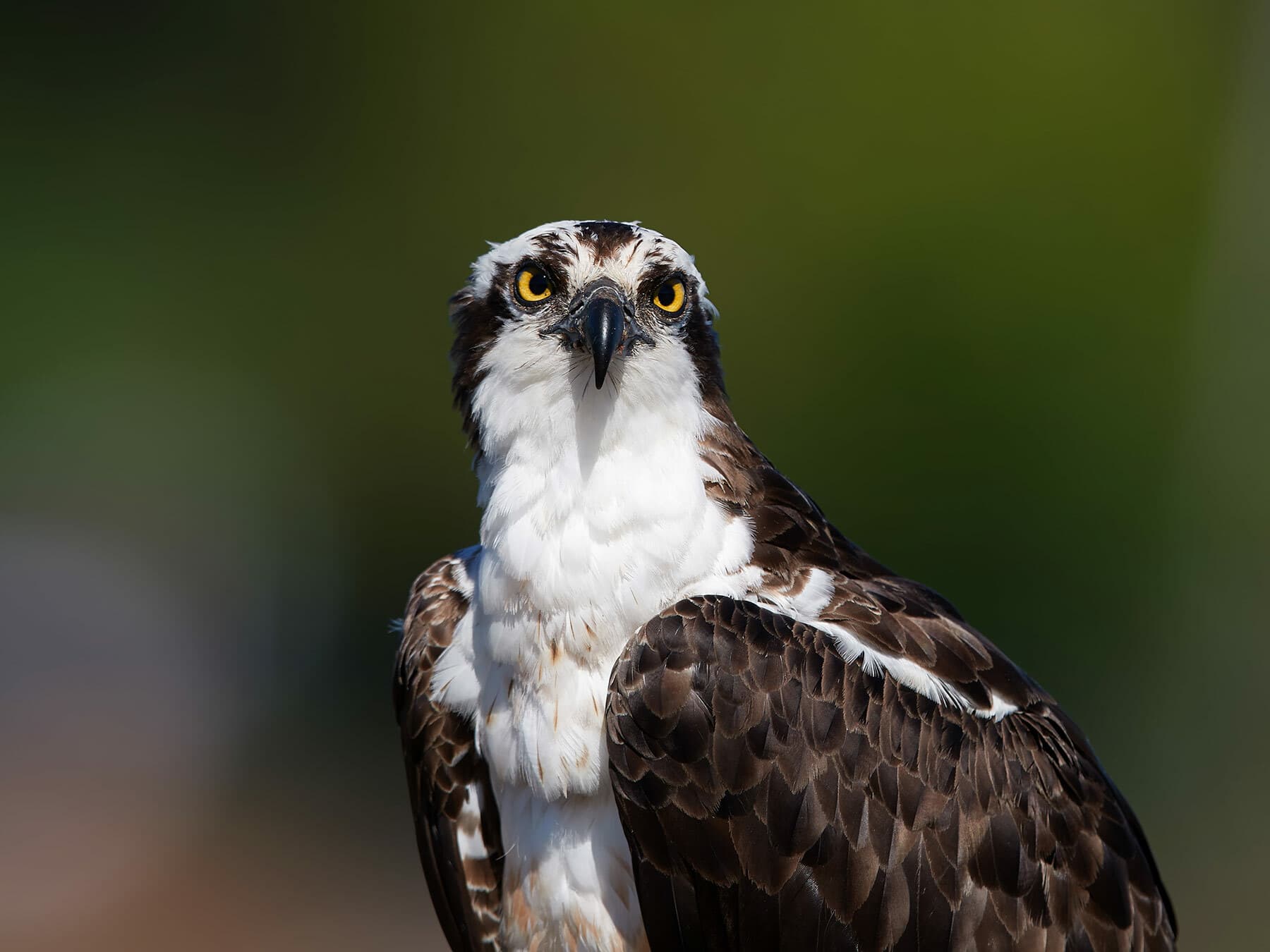 OspreyPandion haliaetusWinter visitorUncommon54–58 cmRecorded all year · 0.03% in Jul
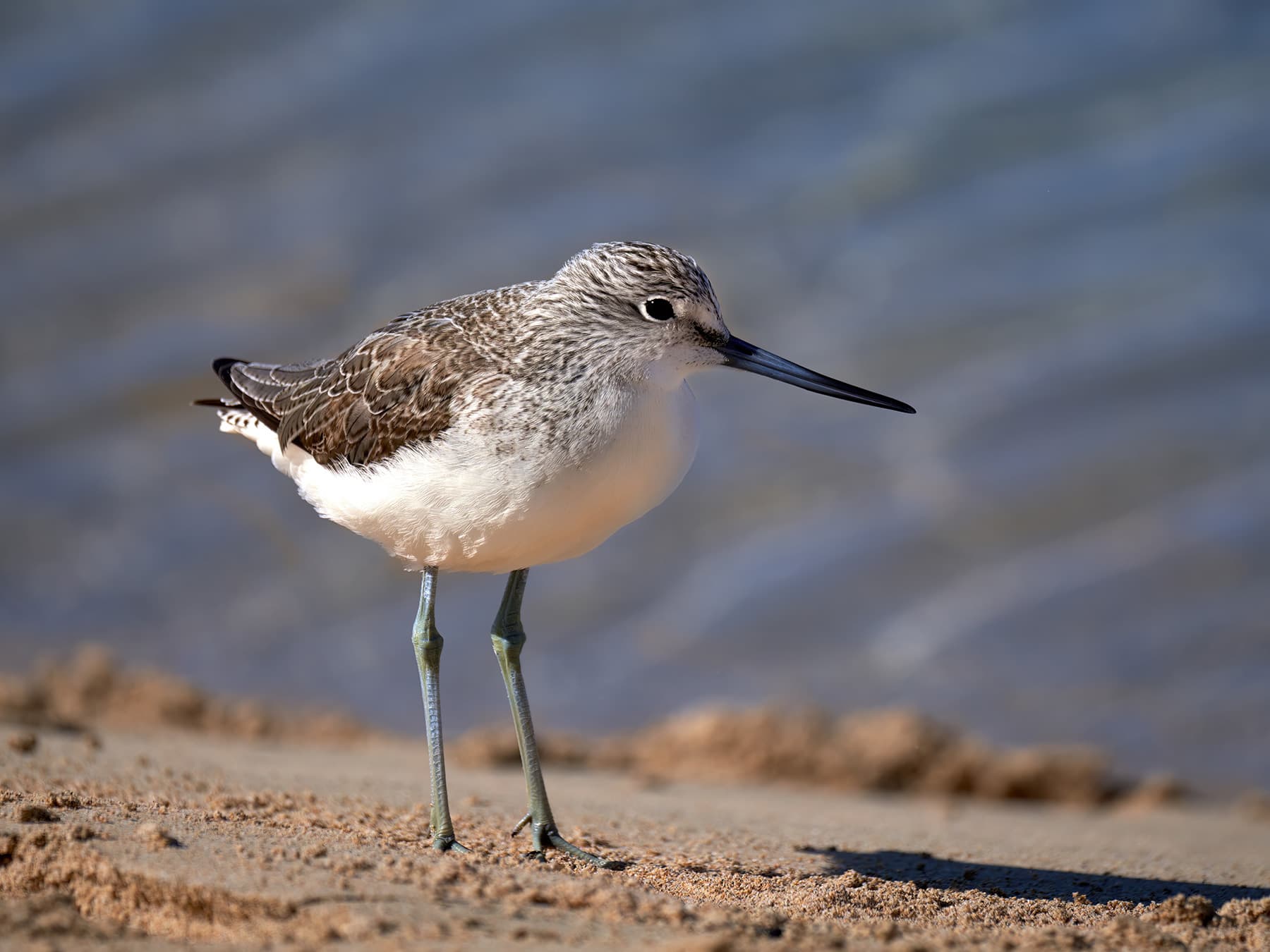 GreenshankTringa nebulariaWinter visitorUncommon30–35 cmRegularly Jul–May · 0.03% in Jul
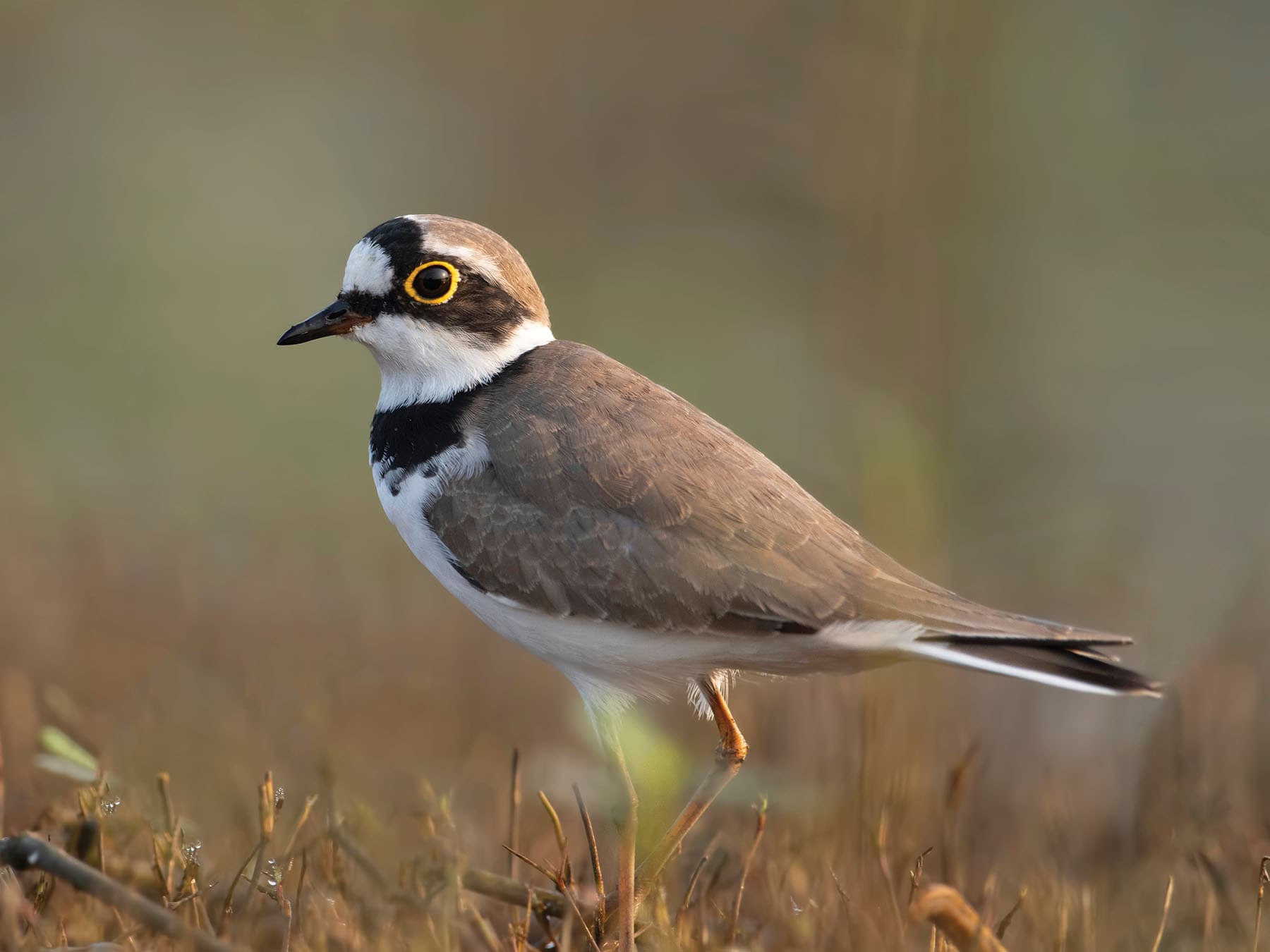 Little Ringed PloverThinornis dubiusWinter visitorUncommon14–17 cmRegularly Jul–Feb · 0.02% in Jul
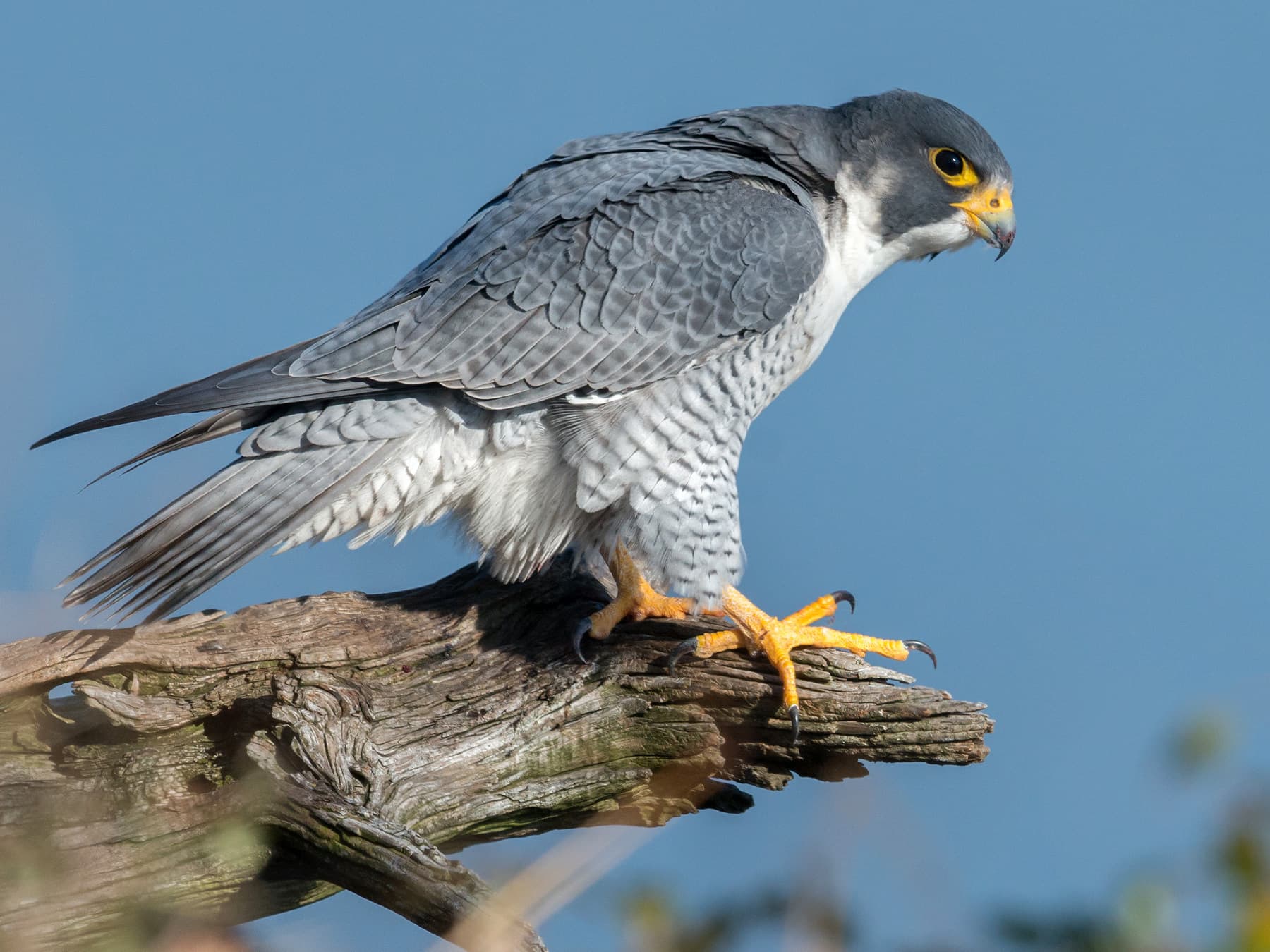 Peregrine FalconFalco peregrinusWinter visitorUncommon34–58 cmRegularly Jul–Apr · 0.01% in Jul
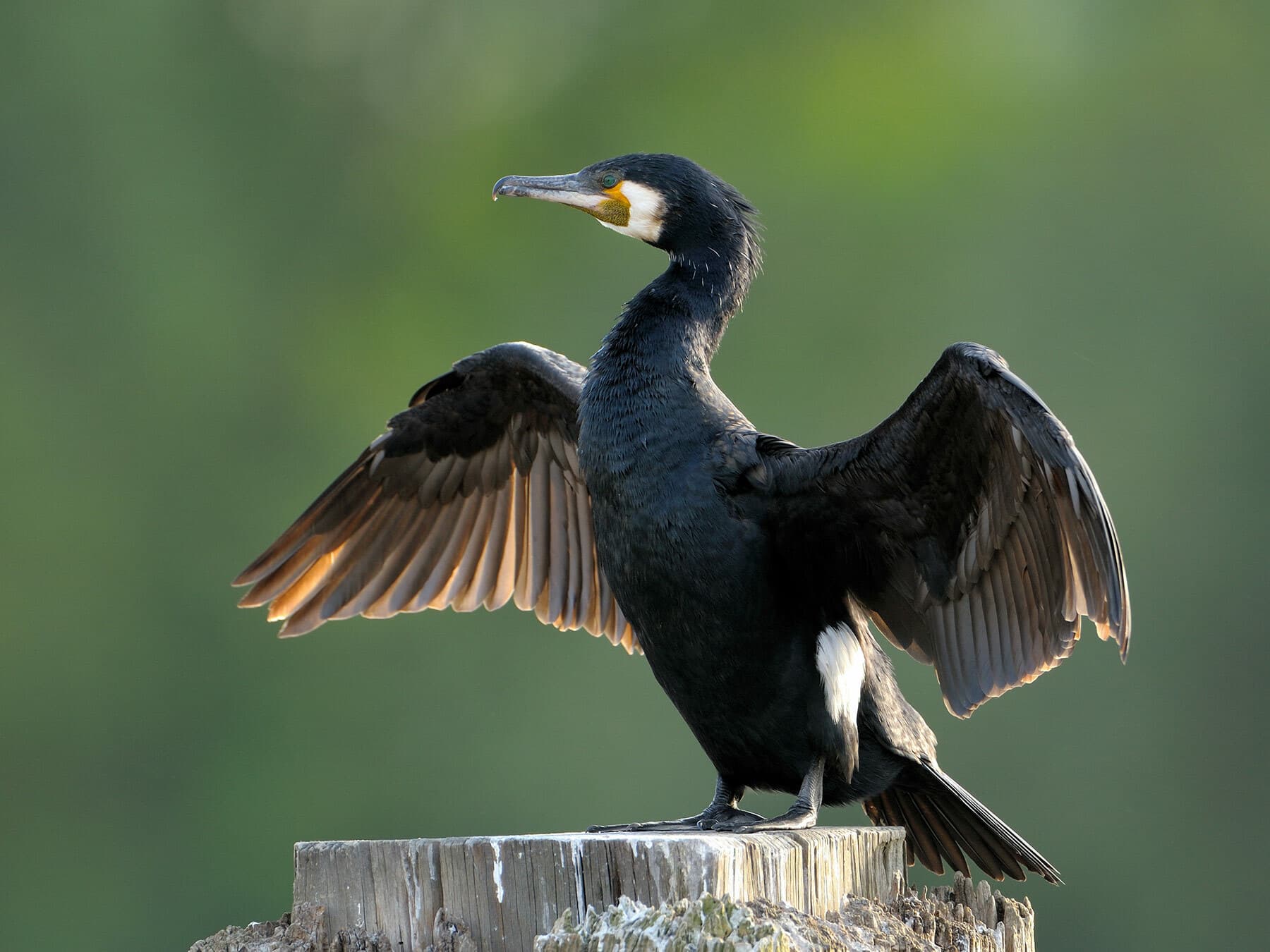 Great CormorantPhalacrocorax carboPassage migrantRare80–100 cmRegularly Jul–Feb · 0.01% in Jul
Smallest to largest
Length, cm- Chestnut Munia 10–11 cm
- Scaly-breasted Munia 11–12 cm
- Rufous-tailed Tailorbird 10–14 cm
- Eurasian Tree Sparrow 14–15 cm
- Little Ringed Plover 14–17 cm
- Barn Swallow 17–19 cm
- Common Sandpiper 18–20 cm
- Wood Sandpiper 19–21 cm
- Little Tern 21–25 cm
- Redshank 27–29 cm
- White-crested Laughingthrush 27–31 cm
- Monk Parakeet 29–31 cm
- Rock Dove 31–34 cm
- Greenshank 30–35 cm
- Rose-ringed Parakeet 38–42 cm
- Peregrine Falcon 34–58 cm
- Osprey 54–58 cm
- Red Junglefowl 42–75 cm
- Little Egret 55–65 cm
- Oriental Honey-buzzard 52–68 cm
- Black-crowned Night-heron 58–65 cm
- Purple Heron 78–90 cm
- Great Cormorant 80–100 cm
- Great White Egret 80–104 cm
- Grey Heron 90–98 cm
- Black Swan 110–142 cm
- Mute Swan 140–160 cm
- Indian Peafowl 86–230 cm
Body length, bill to tail. Rare birds in grey.
Data: EOD – eBird Observation Dataset (Cornell Lab of Ornithology), accessed via GBIF.org, CC BY 4.0. Records from 2019–2024, aggregated and filtered by Birdfact. How these lists are made