


Birds to See in Paraguay in August
29 bird species on our list for Paraguay are recorded regularly in August
Of these, the most often recorded are Monk Parakeet, House Sparrow, Roadside Hawk, Great White Egret and Cattle Tyrant. New this month: Pectoral Sandpiper, Solitary Sandpiper, White-rumped Sandpiper and Wilson's Phalarope and 3 more.
On the move in August
GBIF · AugArriving
Leaving soon
From Paraguay’s bird records, 2019–2024: arriving birds are regular this month but not last; leaving birds are regular this month but not next.
Other months
All 29 birds in August
29 birds
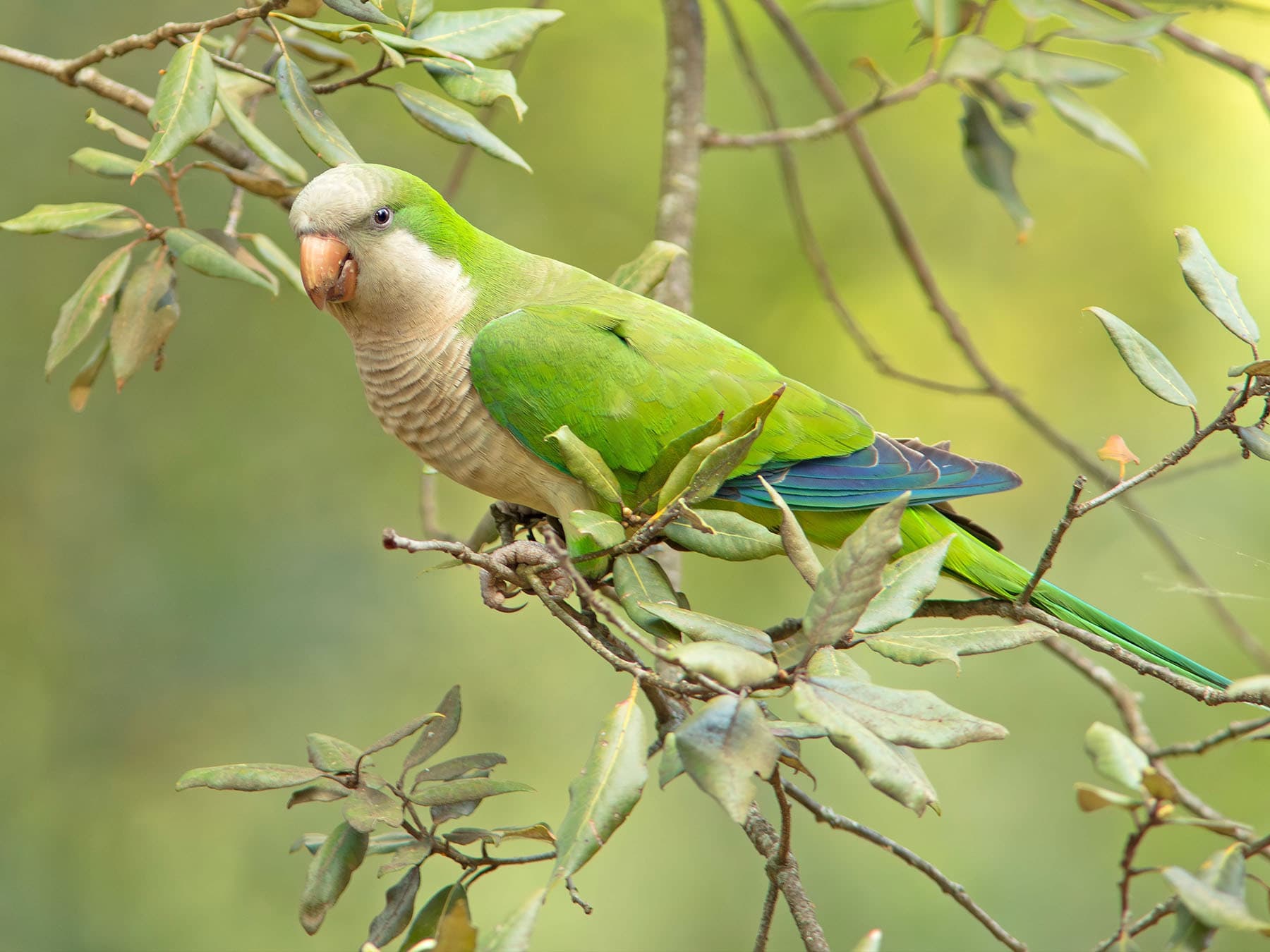 Monk ParakeetMyiopsitta monachusResidentCommon29–31 cmRecorded all year · 1.65% in Aug
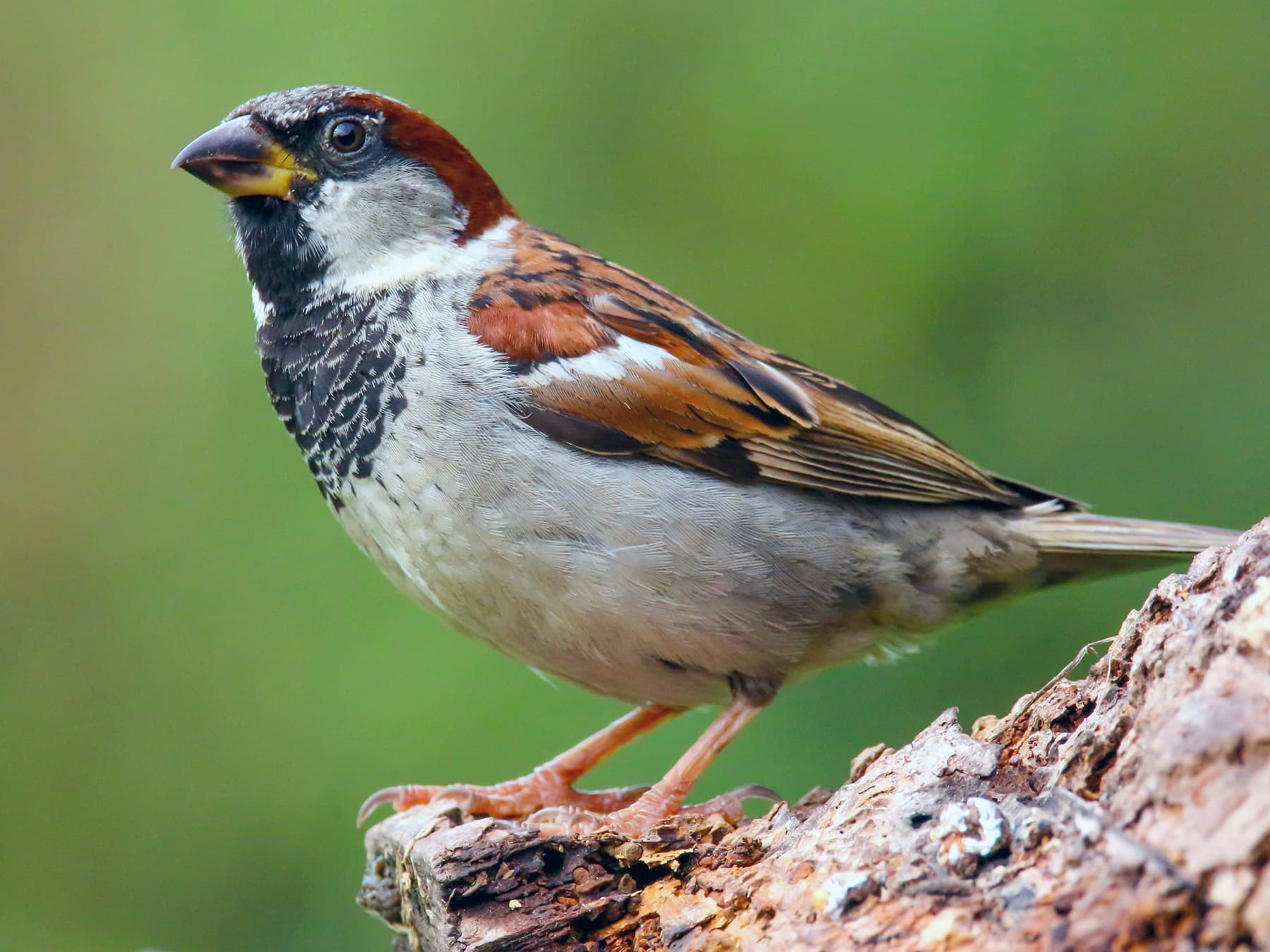 House SparrowPasser domesticusResidentCommon14–17 cmRecorded all year · 1.05% in Aug
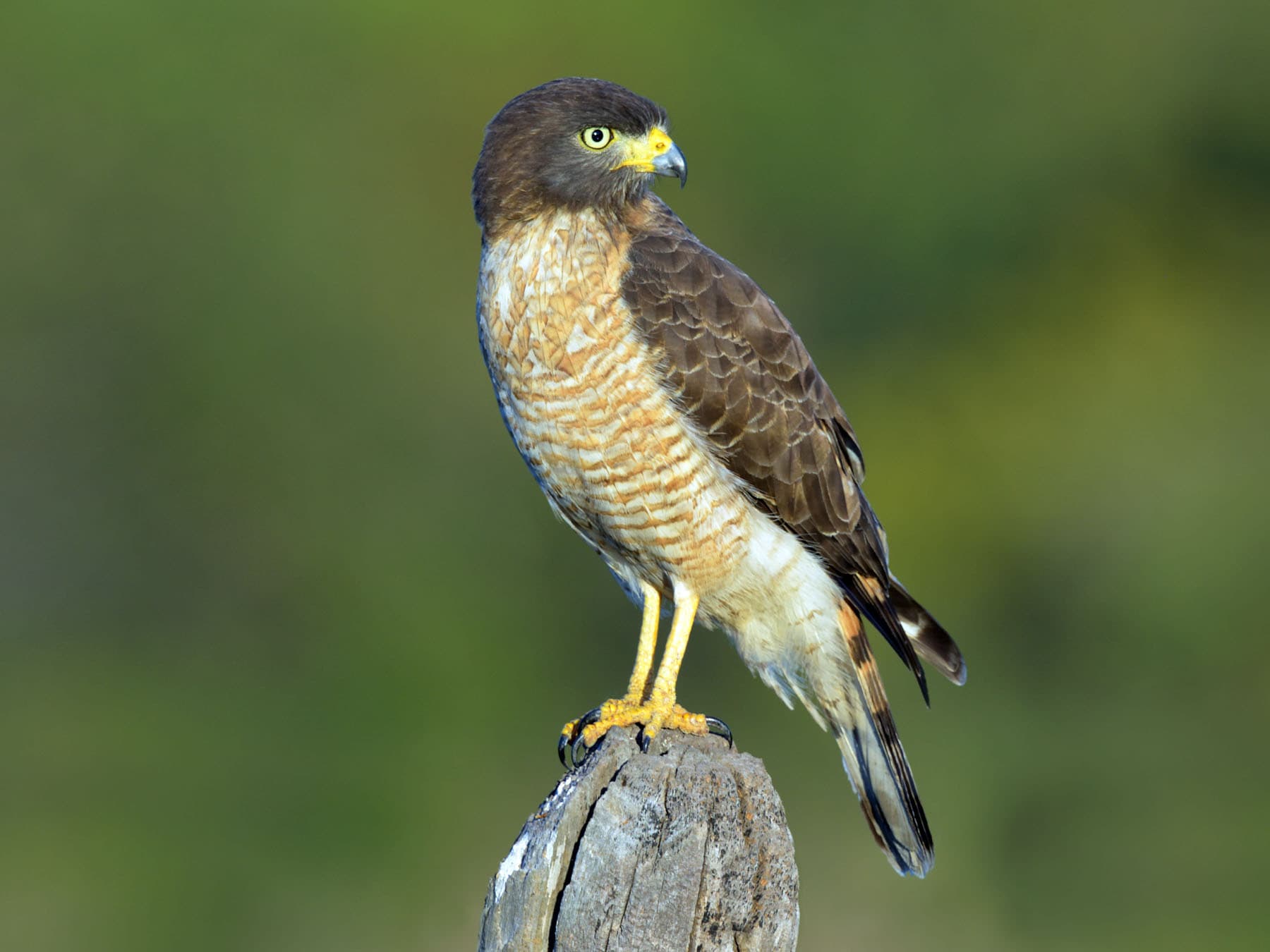 Roadside HawkRupornis magnirostrisResidentCommon33–41 cmRecorded all year · 0.98% in Aug
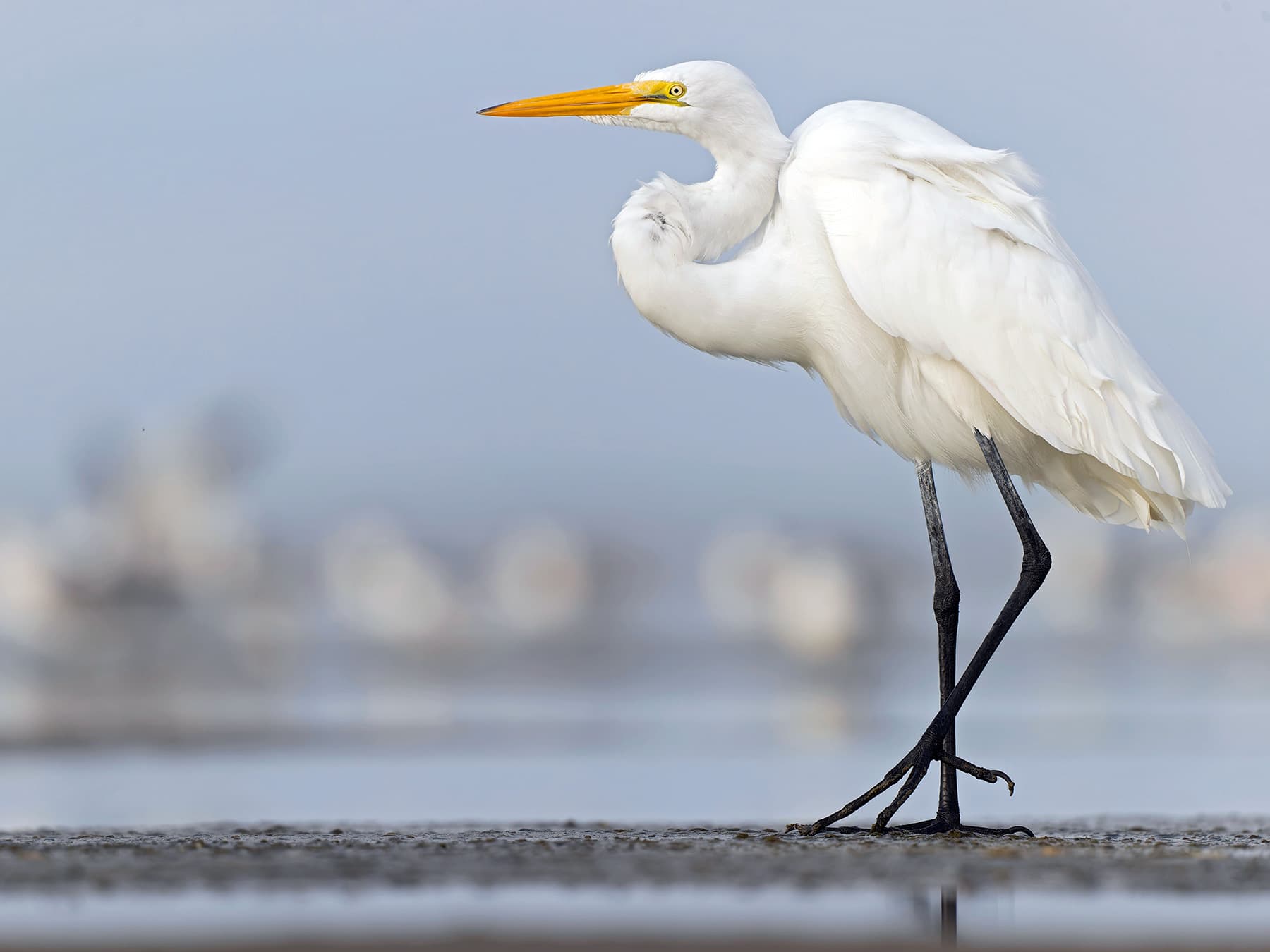 Great White EgretArdea albaResidentCommon80–104 cmRecorded all year · 0.93% in Aug
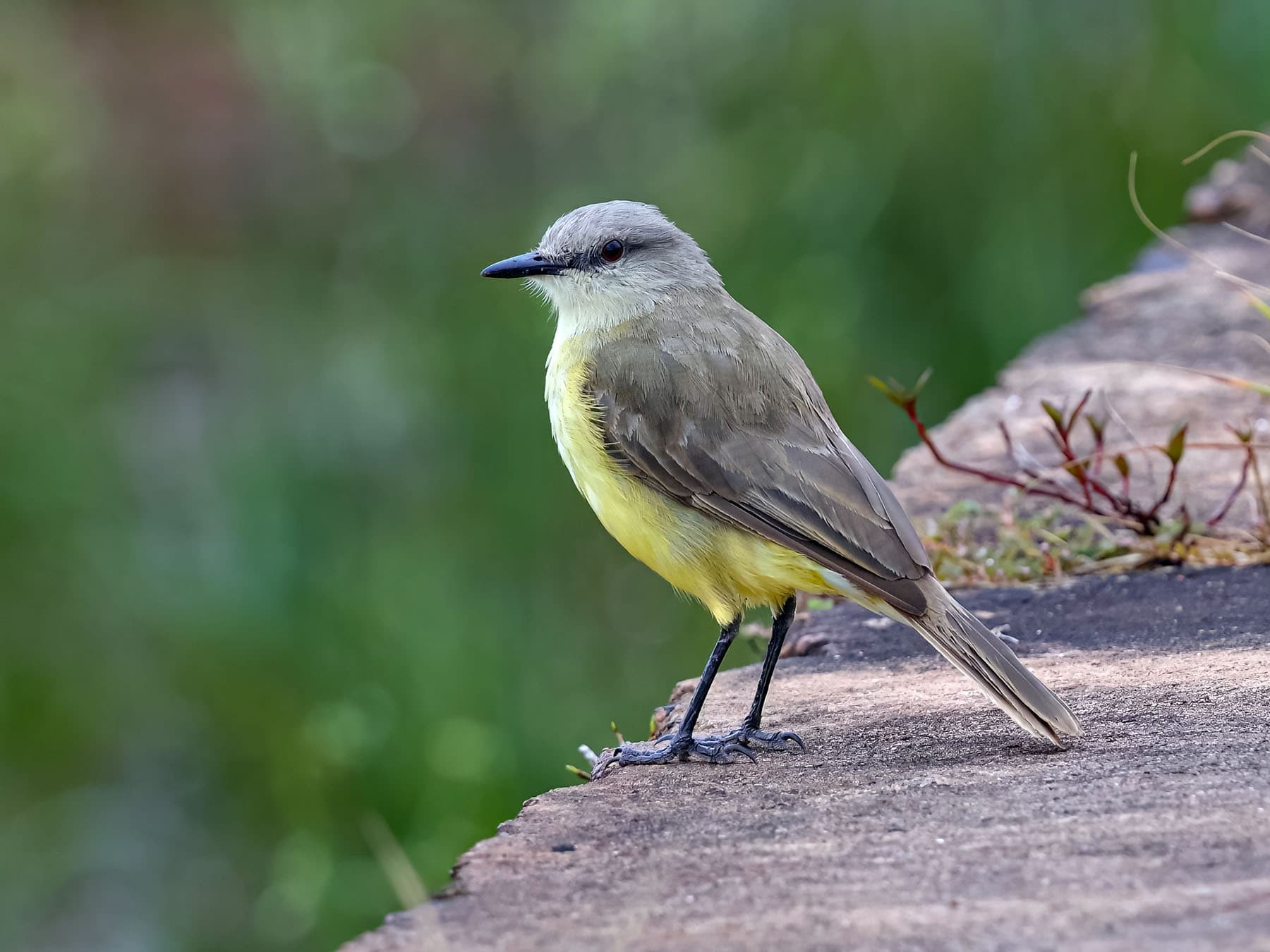 Cattle TyrantMachetornis rixosaResidentCommon19–21 cmRecorded all year · 0.79% in Aug
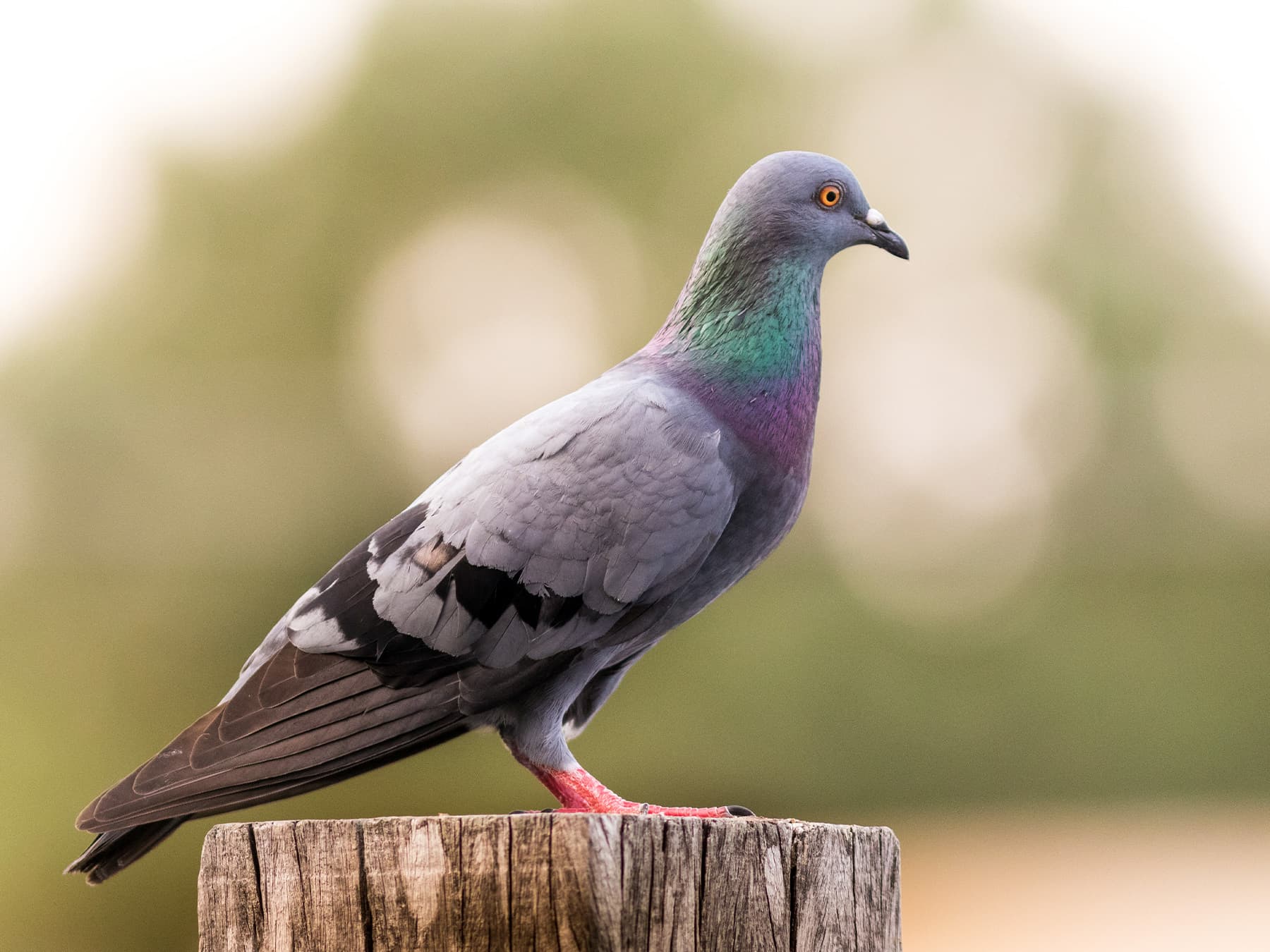 Rock DoveColumba liviaResidentCommon29–37 cmRecorded all year · 0.63% in Aug
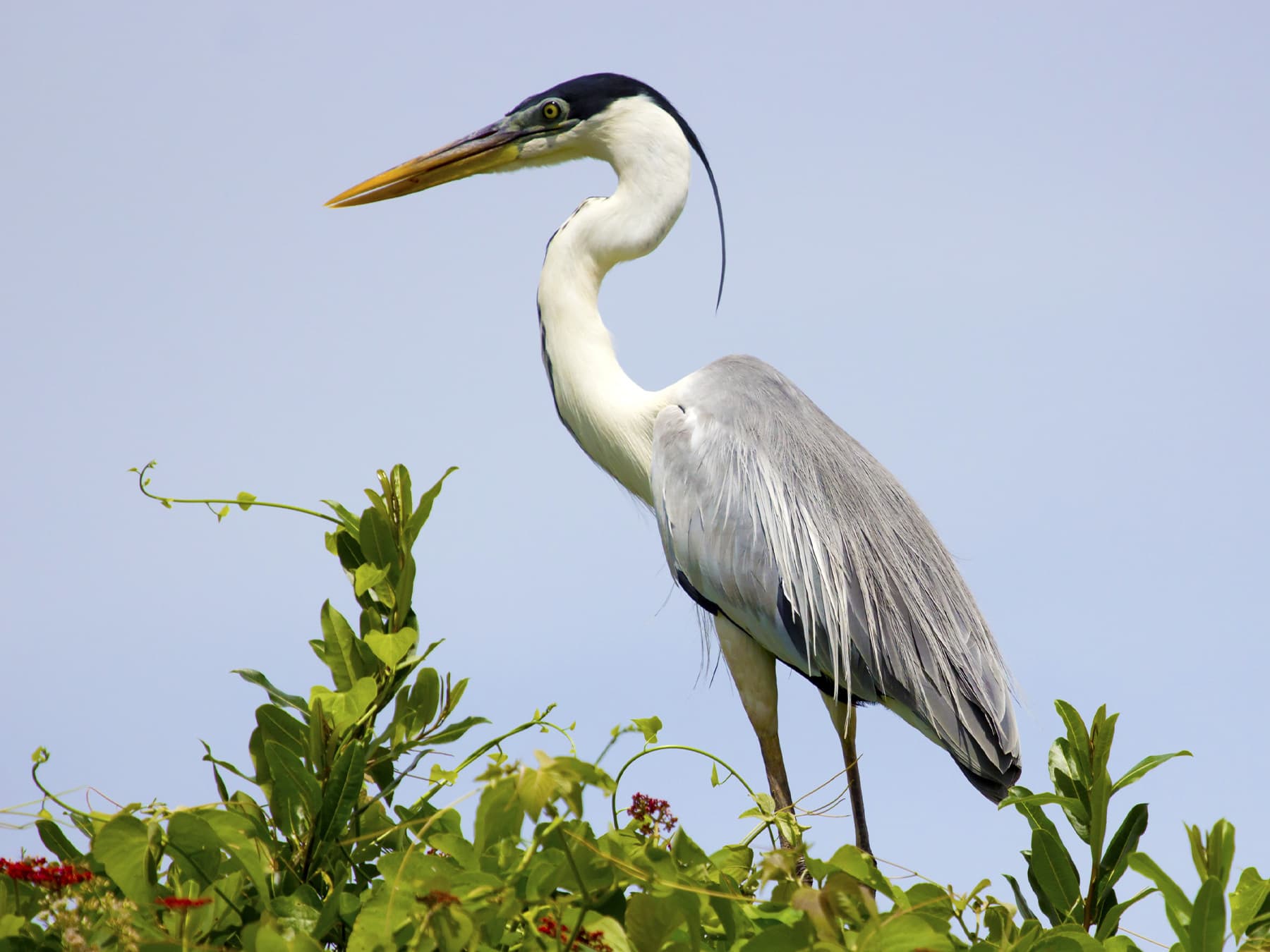 Cocoi HeronArdea cocoiResidentCommon95–127 cmRecorded all year · 0.55% in Aug
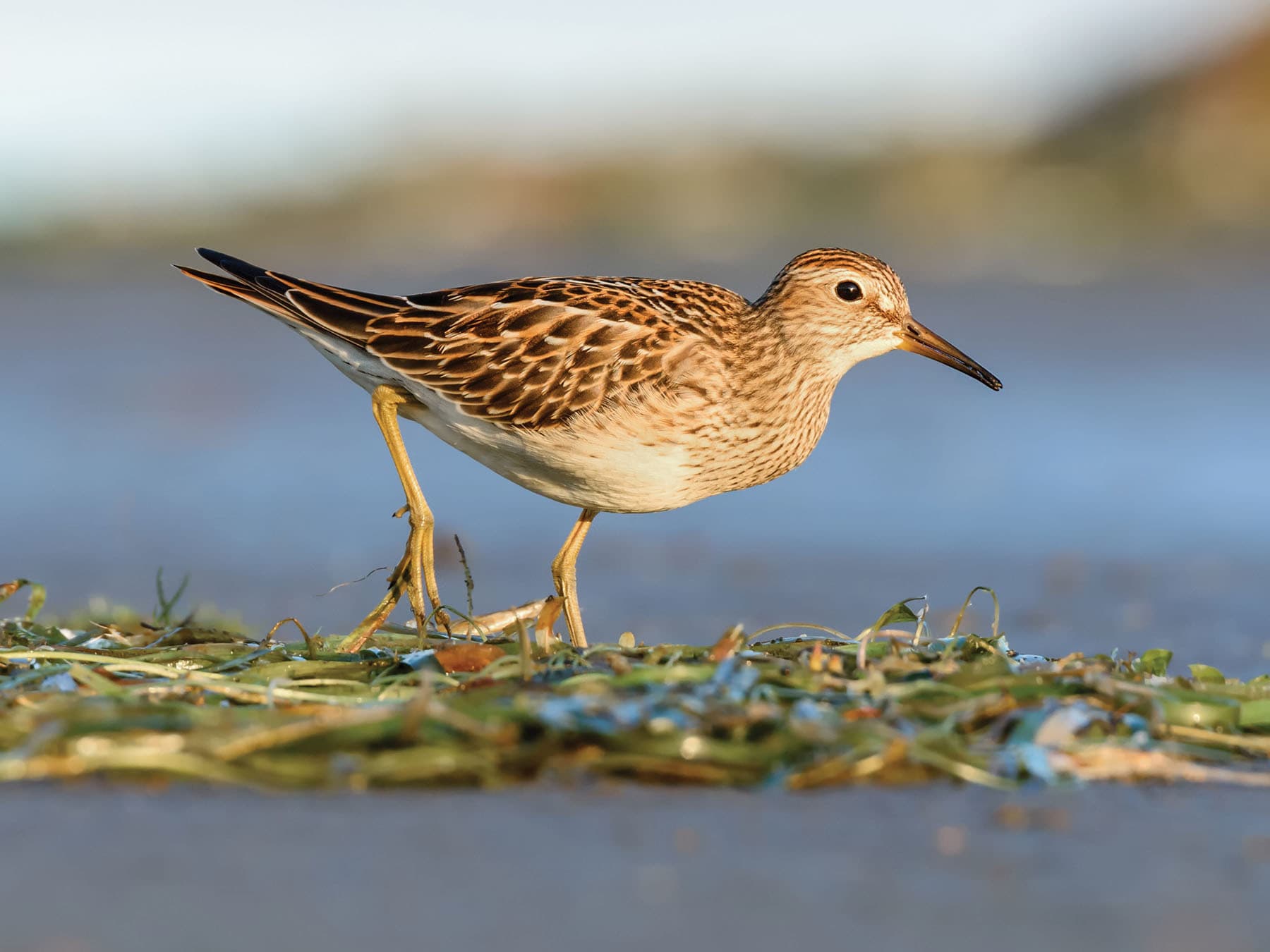 Pectoral SandpiperCalidris melanotosPassage migrantCommon19–23 cmRegularly Aug–Mar · 0.40% in Aug
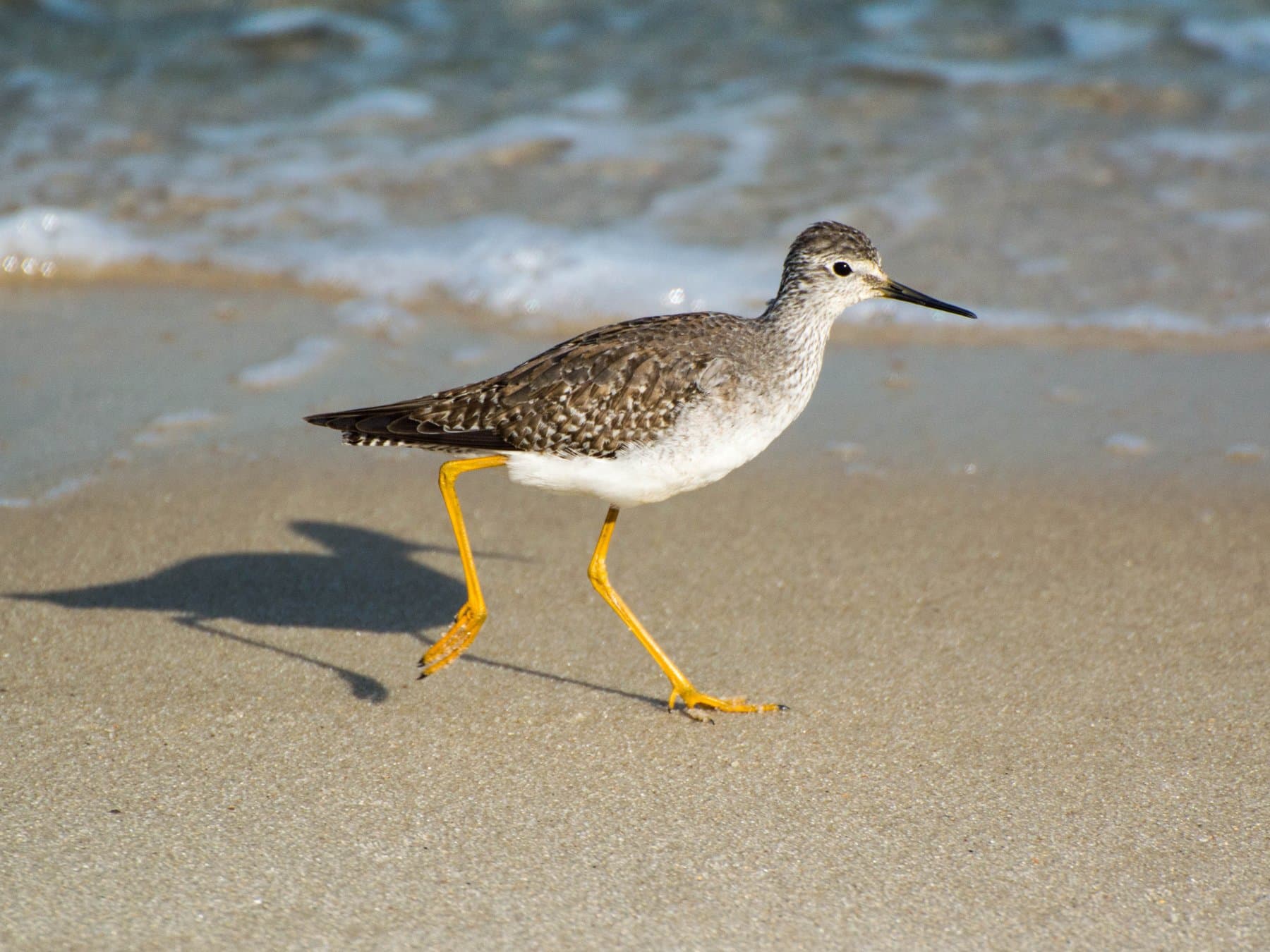 Lesser YellowlegsTringa flavipesWinter visitorCommon23–27 cmRegularly Jun–Apr · 0.36% in Aug
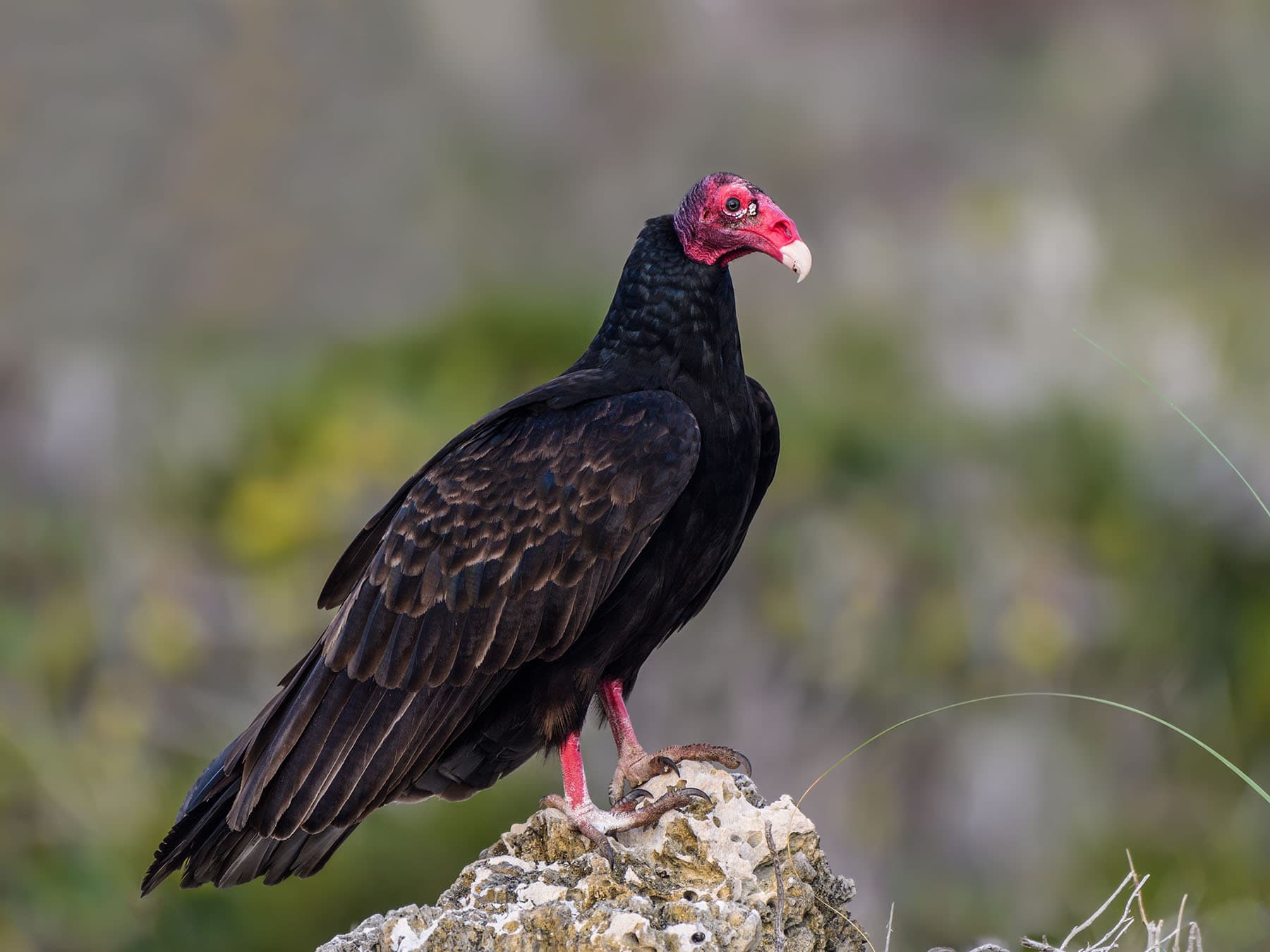 Turkey VultureCathartes auraResidentUncommon62–81 cmRecorded all year · 0.35% in Aug
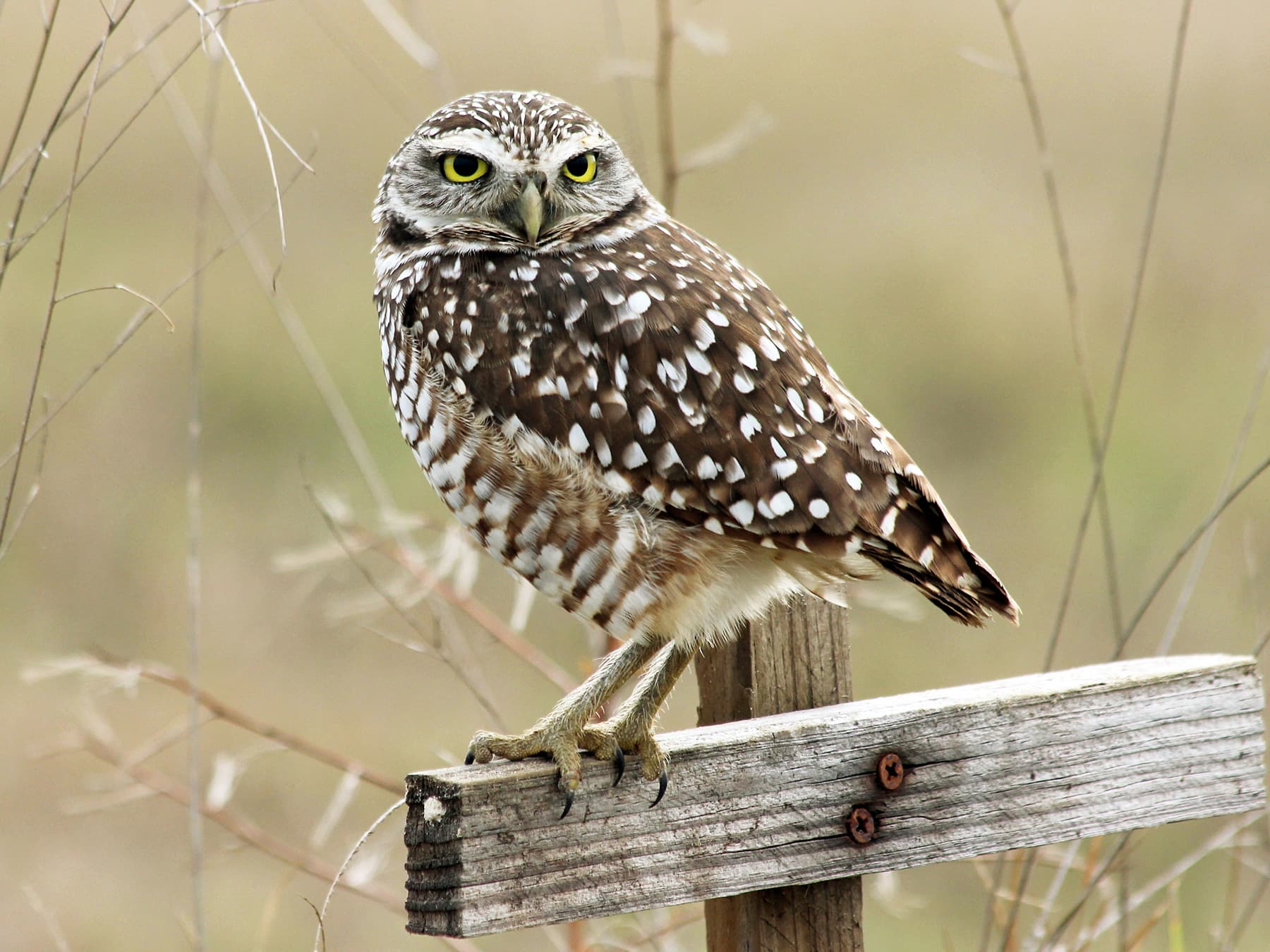 Burrowing OwlAthene cuniculariaResidentUncommon19–25 cmRecorded all year · 0.33% in Aug
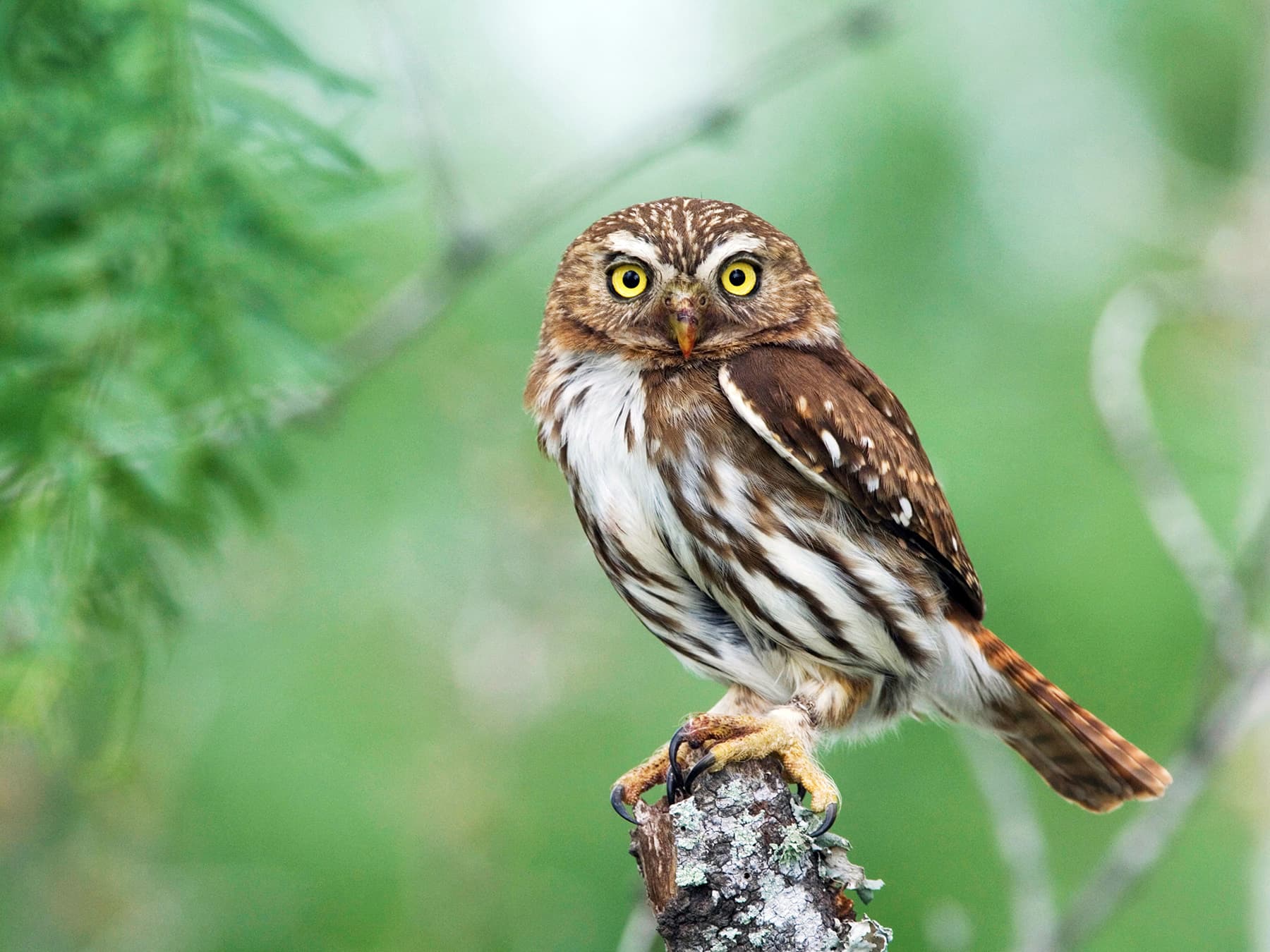 Ferruginous Pygmy-owlGlaucidium brasilianumResidentUncommon15–19 cmRecorded all year · 0.33% in Aug
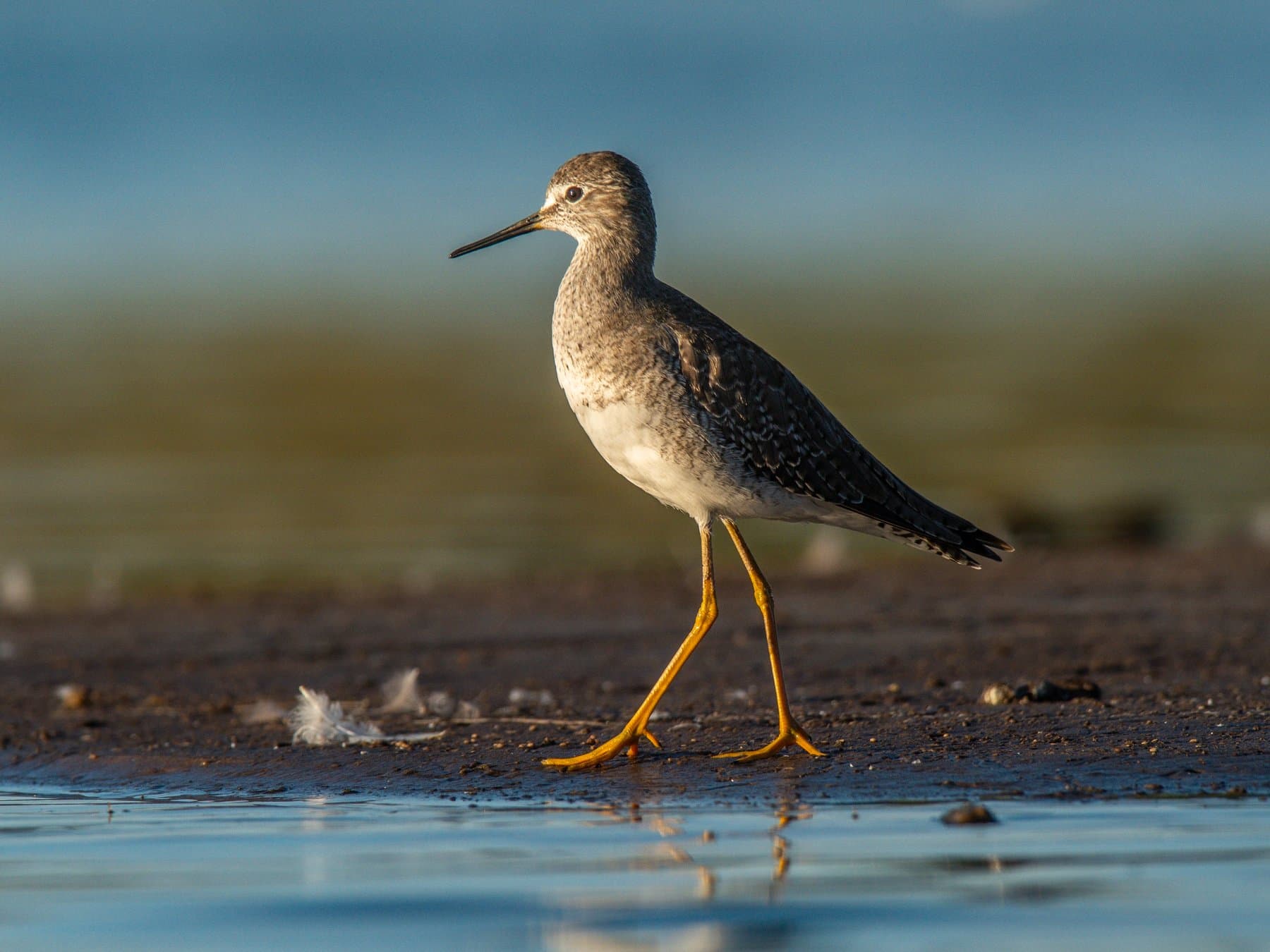 Solitary SandpiperTringa solitariaSummer visitorCommon19–23 cmRegularly Aug–Apr · 0.30% in Aug
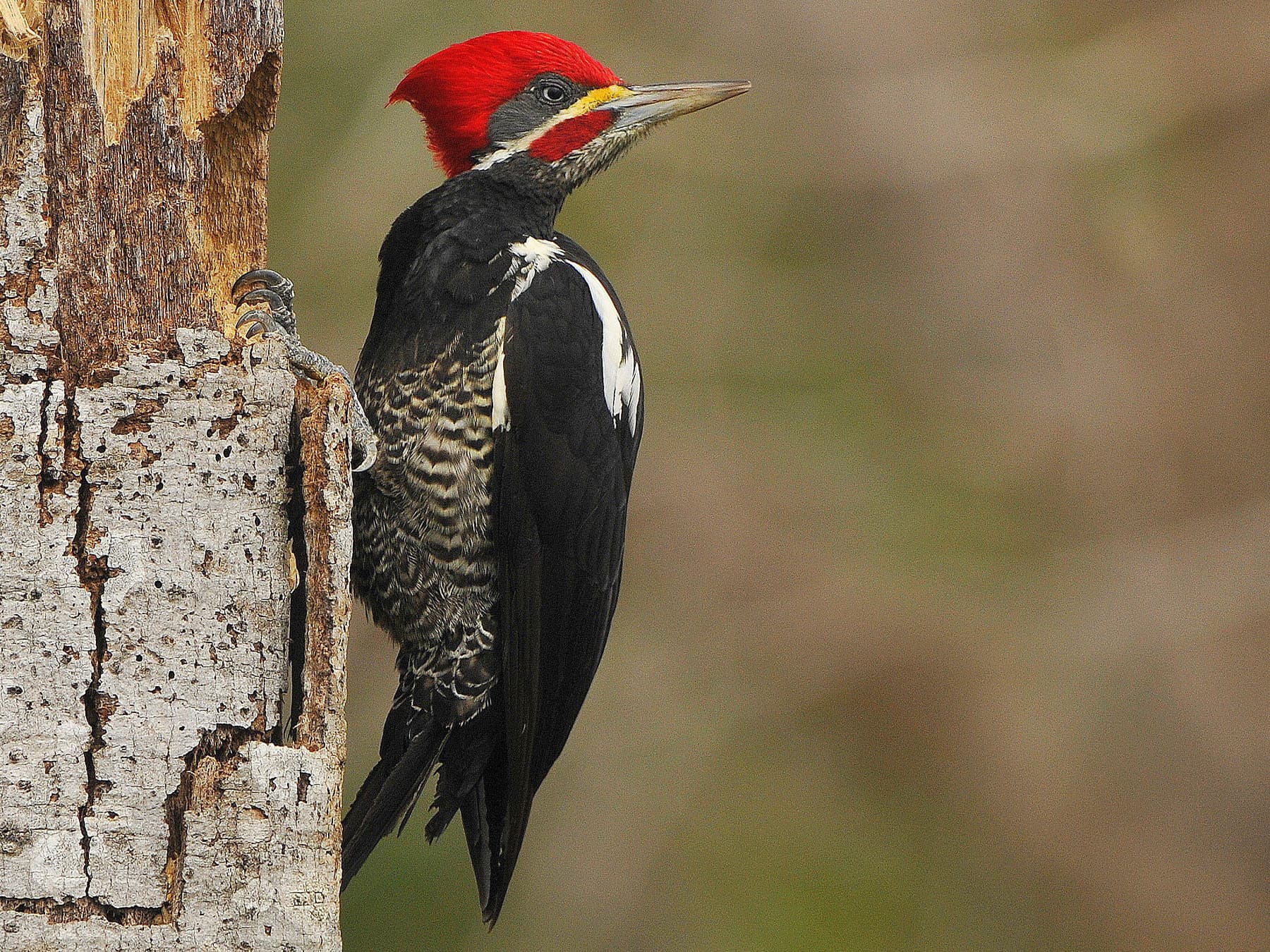 Lineated WoodpeckerDryocopus lineatusResidentUncommon32–38 cmRecorded all year · 0.17% in Aug
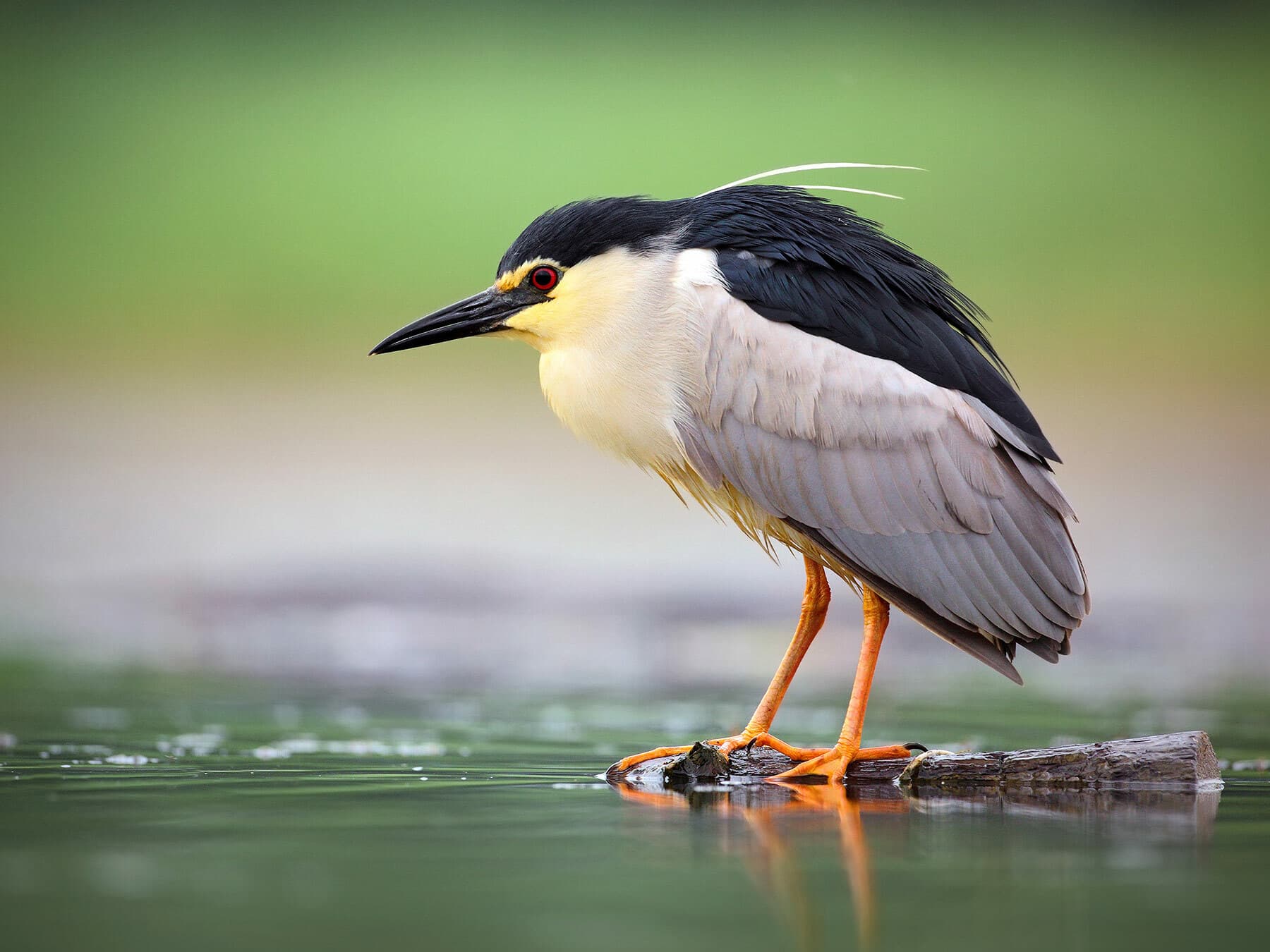 Black-crowned Night-heronNycticorax nycticoraxResidentUncommon58–65 cmRecorded all year · 0.15% in Aug
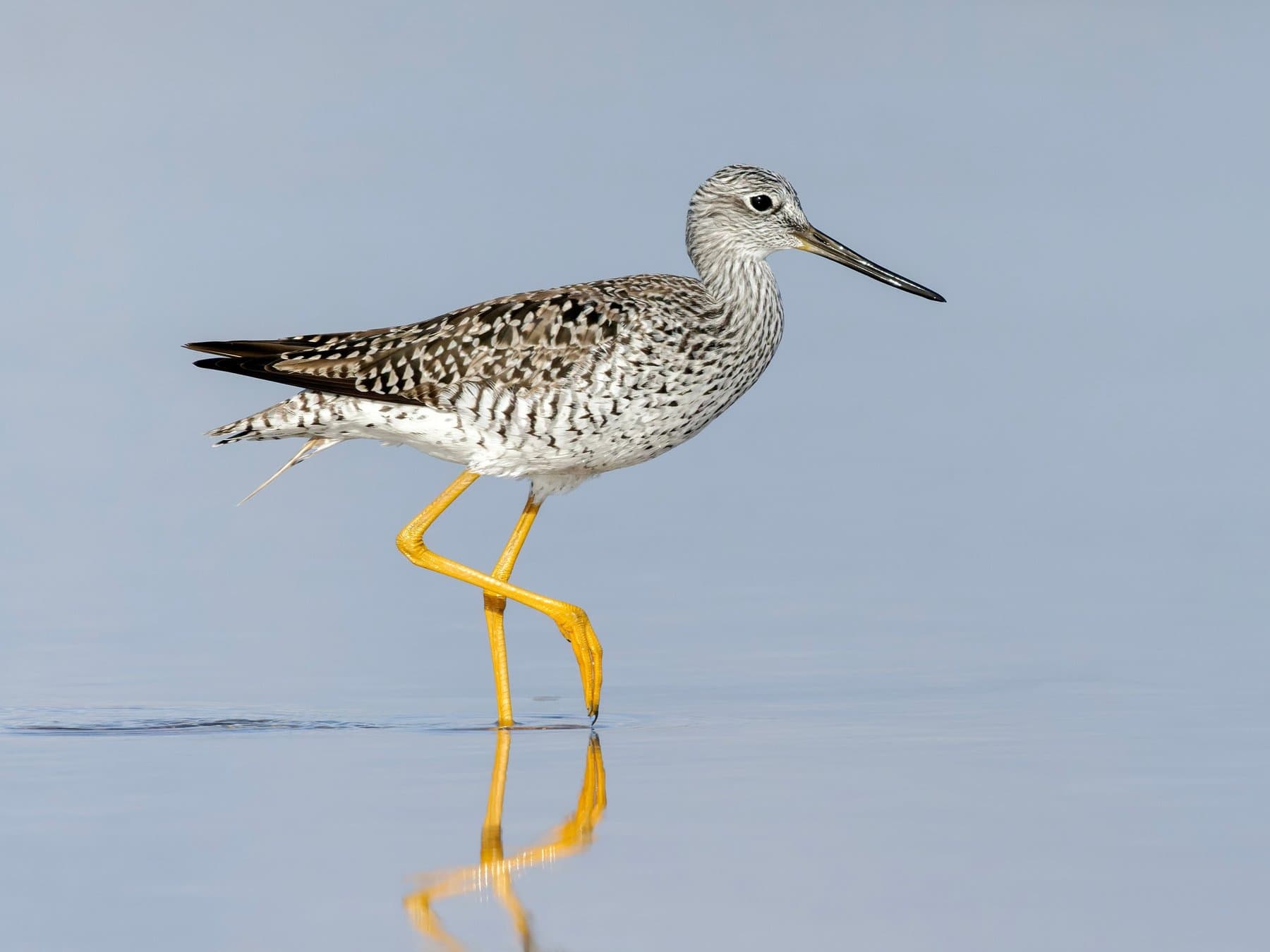 Greater YellowlegsTringa melanoleucaWinter visitorUncommon29–40 cmRegularly Jun–Apr · 0.12% in Aug
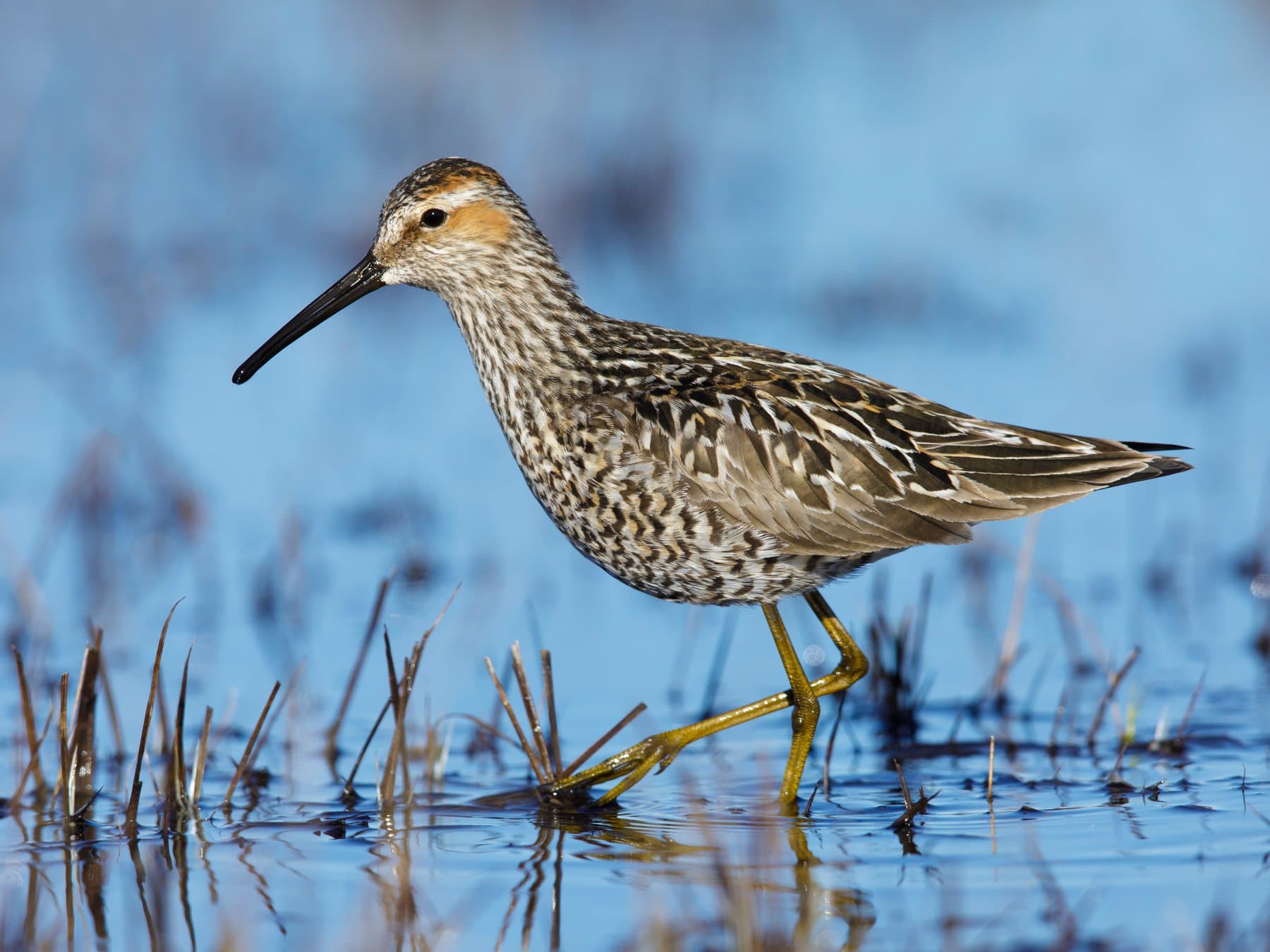 Stilt SandpiperCalidris himantopusPassage migrantUncommon18–23 cmRegularly Aug–Nov · 0.11% in Aug
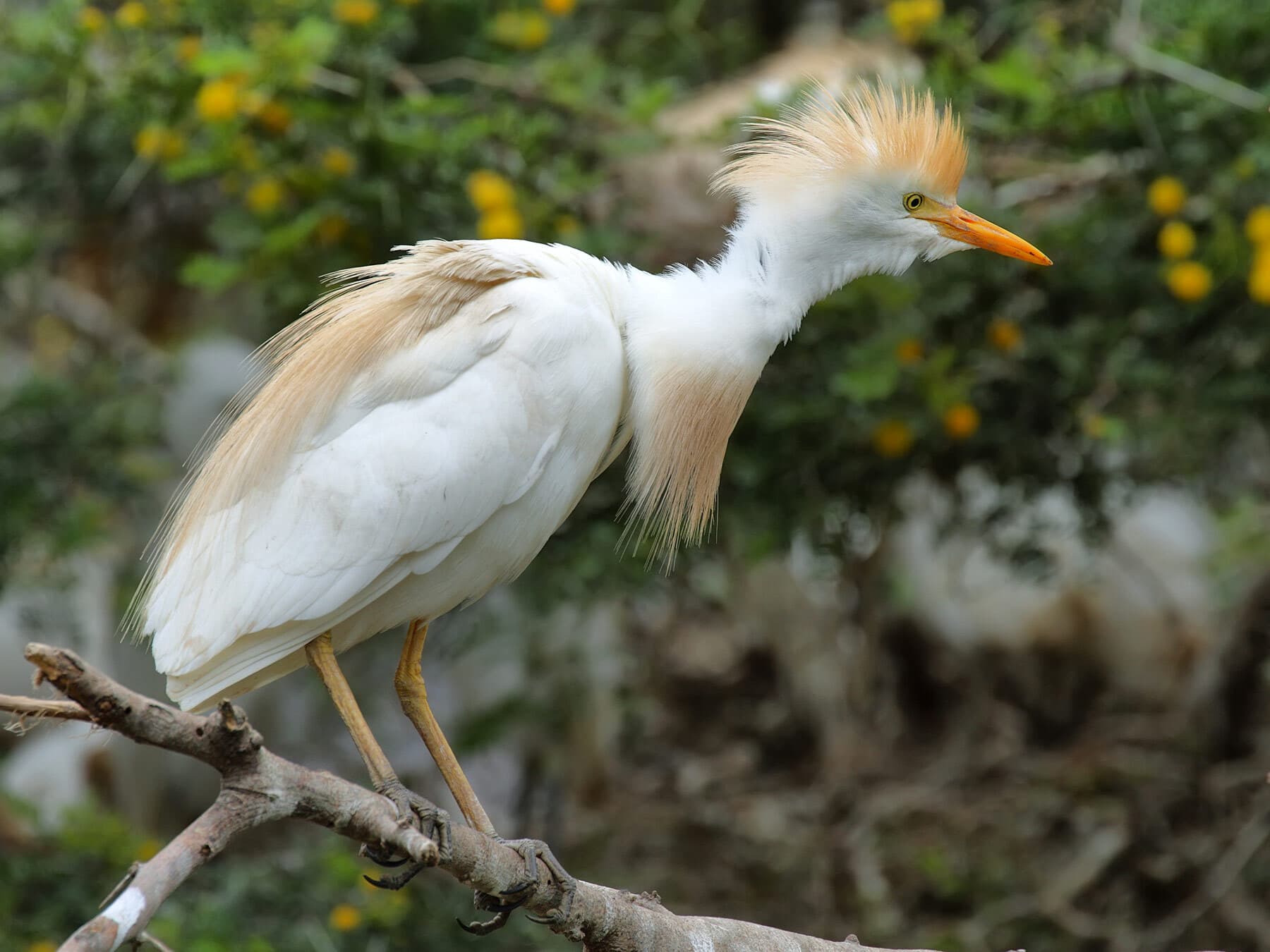 Cattle EgretArdea ibisResidentUncommon46–56 cmRecorded all year · 0.11% in Aug
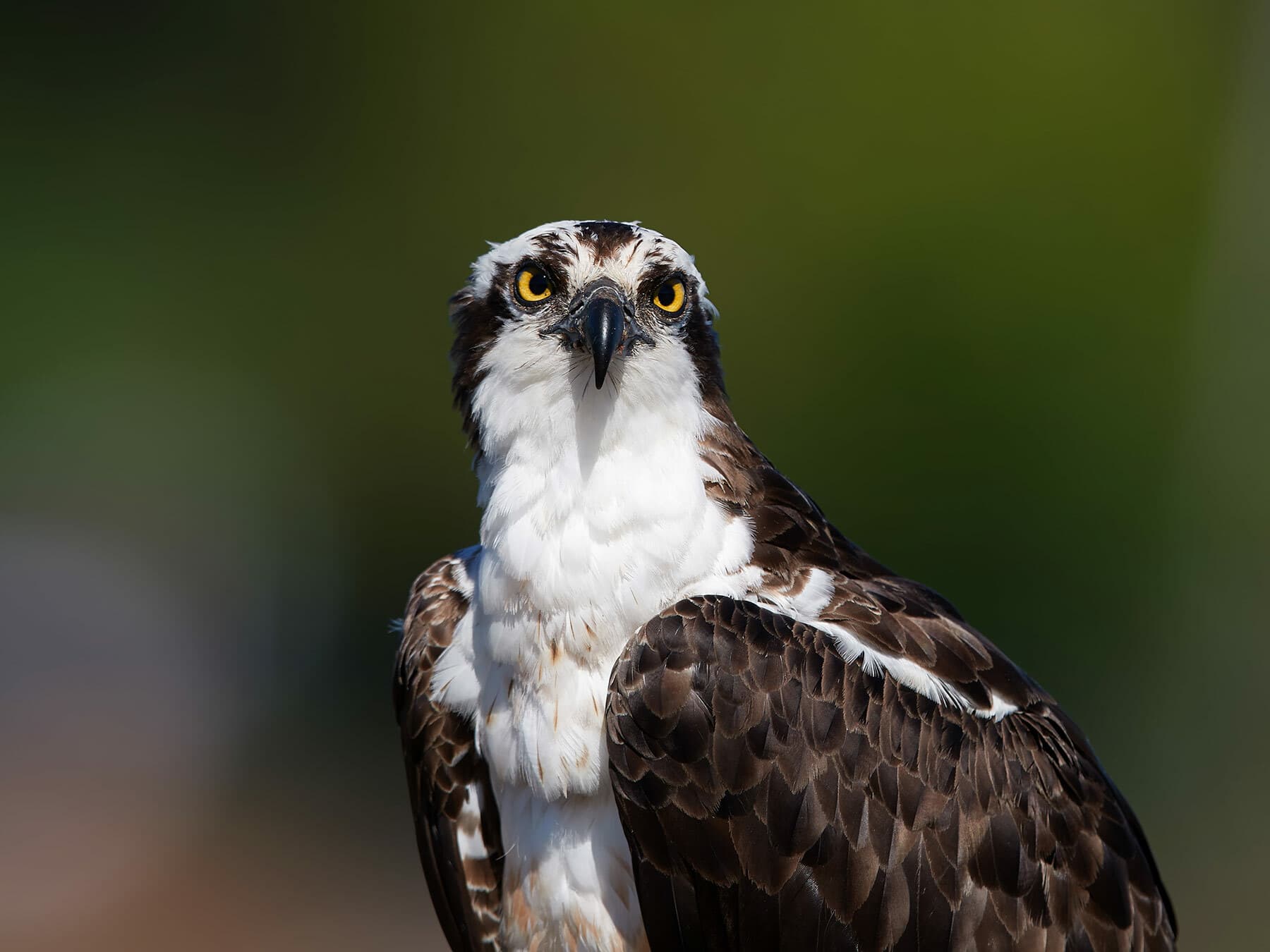 OspreyPandion haliaetusResidentUncommon54–58 cmRecorded all year · 0.10% in Aug
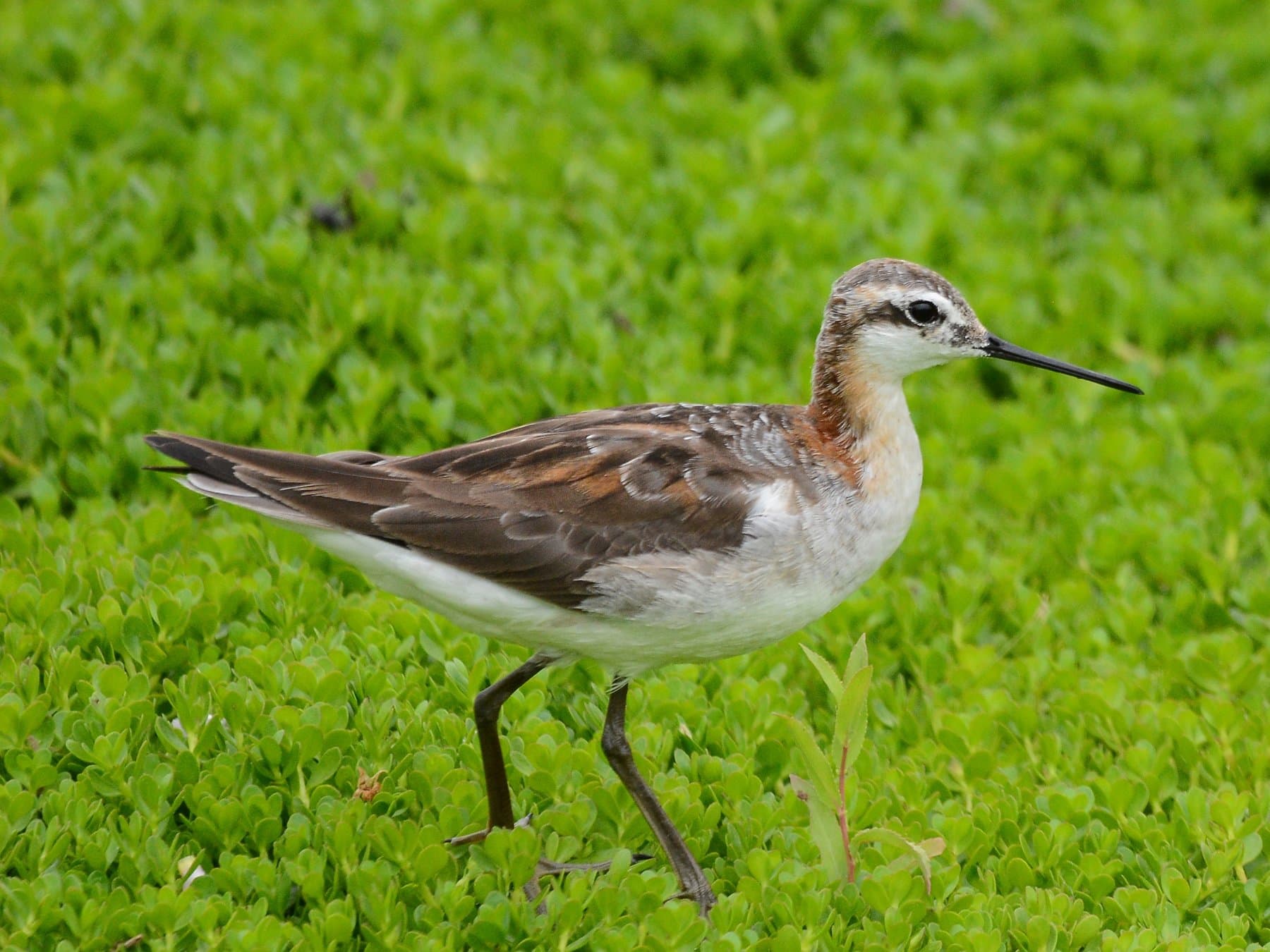 Wilson's PhalaropePhalaropus tricolorPassage migrantUncommon22–24 cmRegularly Aug–Nov · 0.09% in Aug
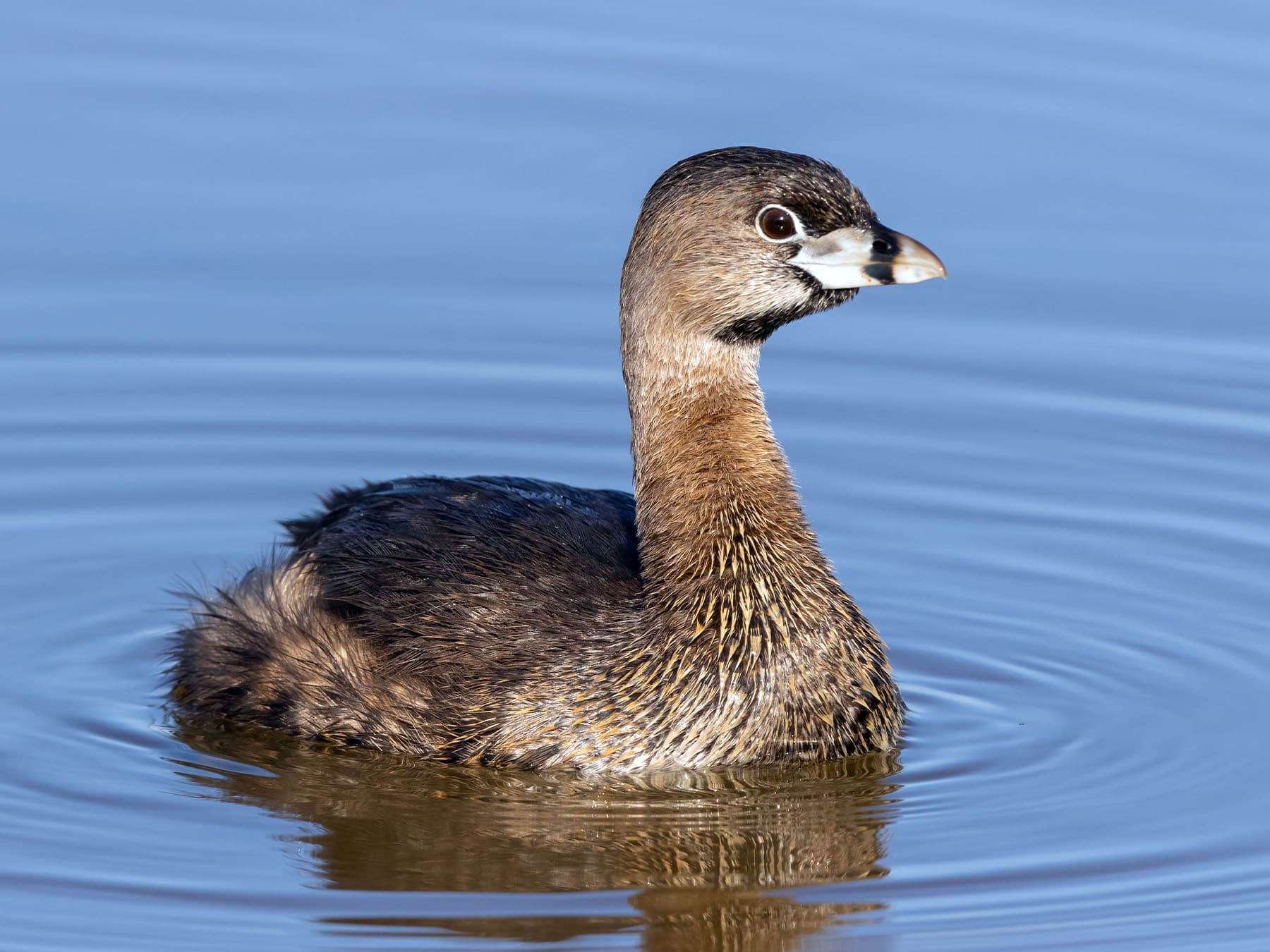 Pied-billed GrebePodilymbus podicepsResidentUncommon31–38 cmRecorded all year · 0.08% in Aug
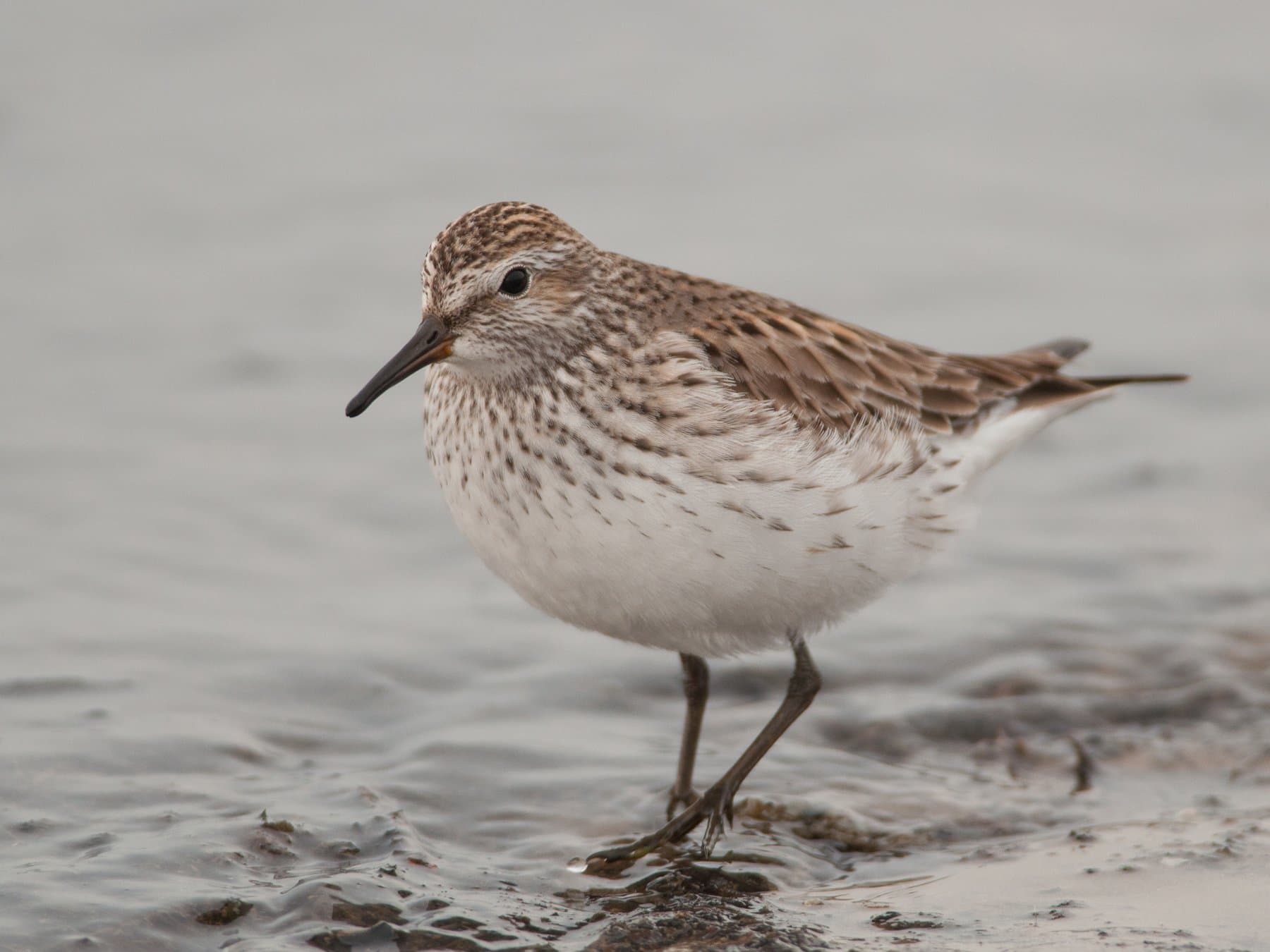 White-rumped SandpiperCalidris fuscicollisPassage migrantCommon15–18 cmRegularly May–Nov · 0.07% in Aug
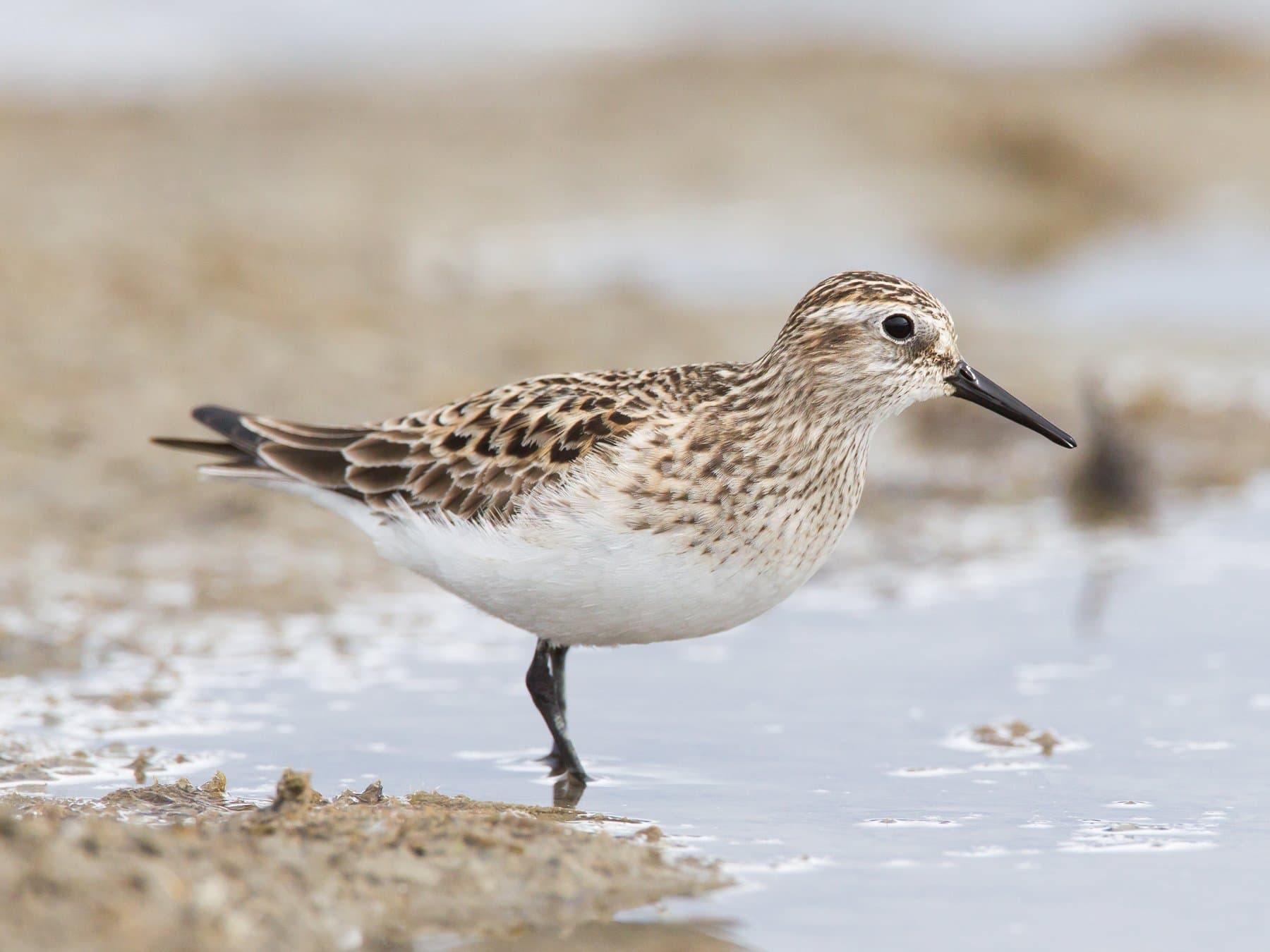 Baird's SandpiperCalidris bairdiiPassage migrantUncommon14–17 cmRegularly Aug–Oct · 0.06% in Aug
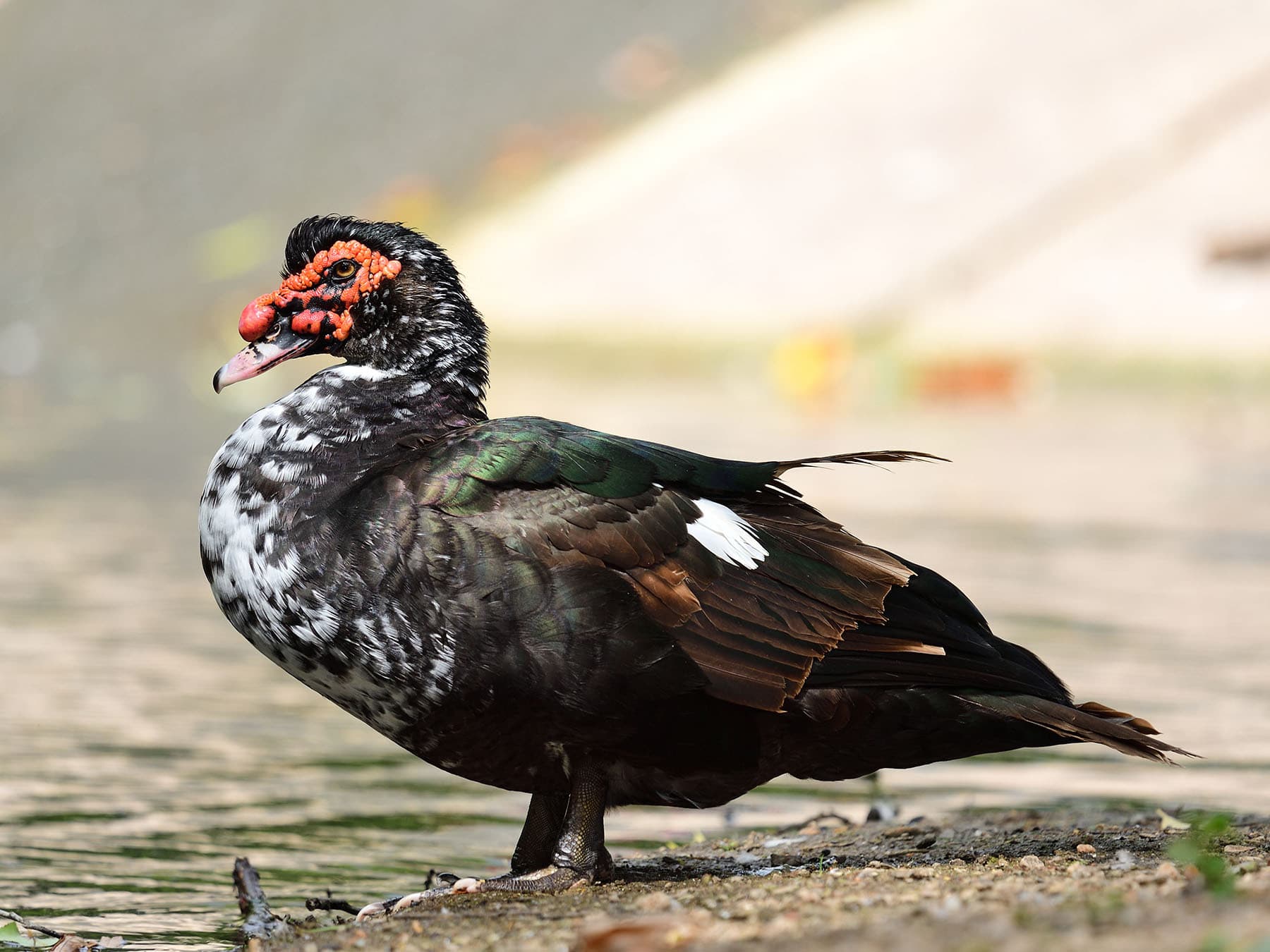 Muscovy DuckCairina moschataResidentUncommon66–84 cmRecorded all year · 0.05% in Aug
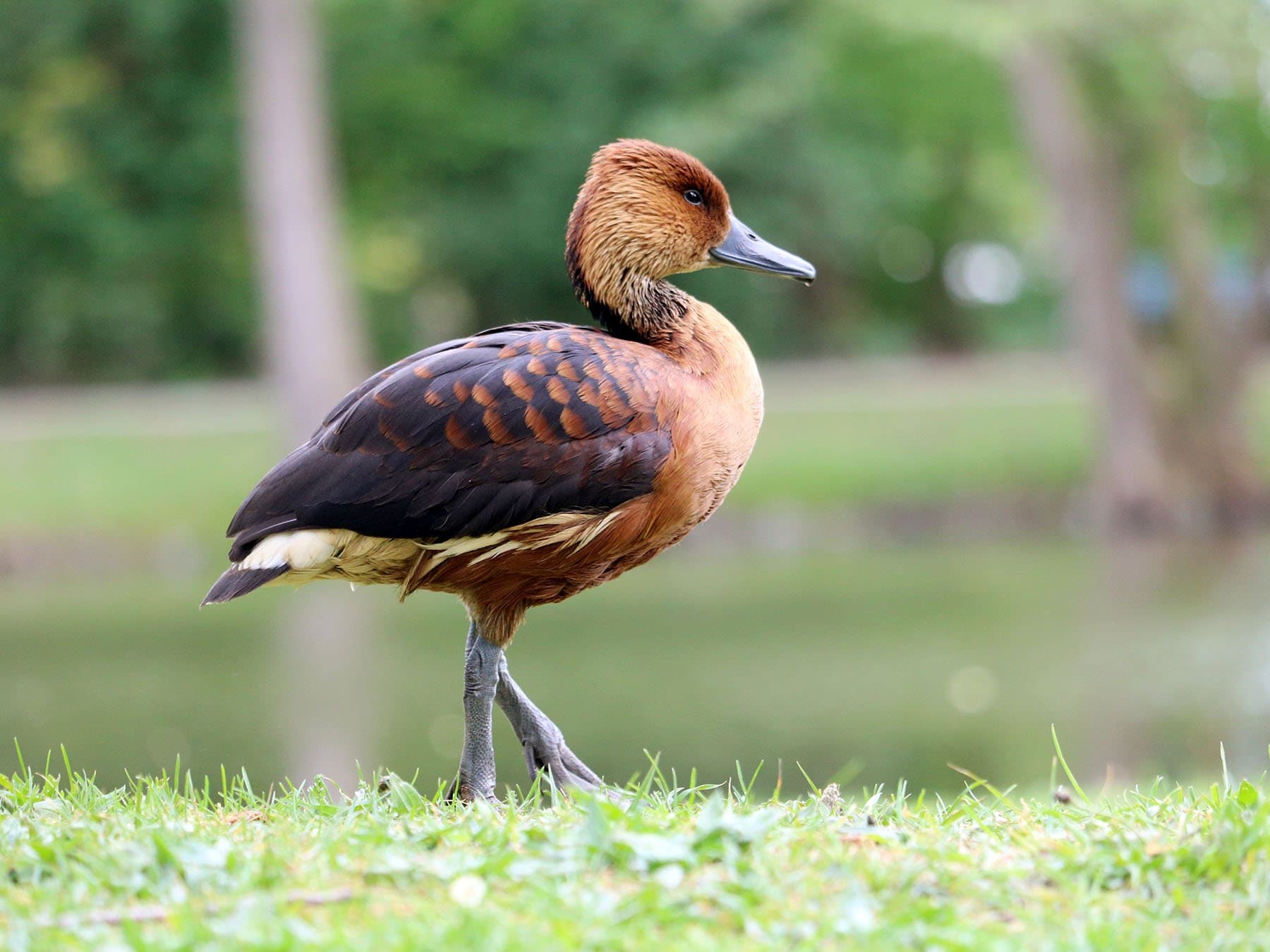 Fulvous Whistling-DuckDendrocygna bicolorResidentUncommon45–53 cmRegularly Jun–Mar · 0.03% in Aug
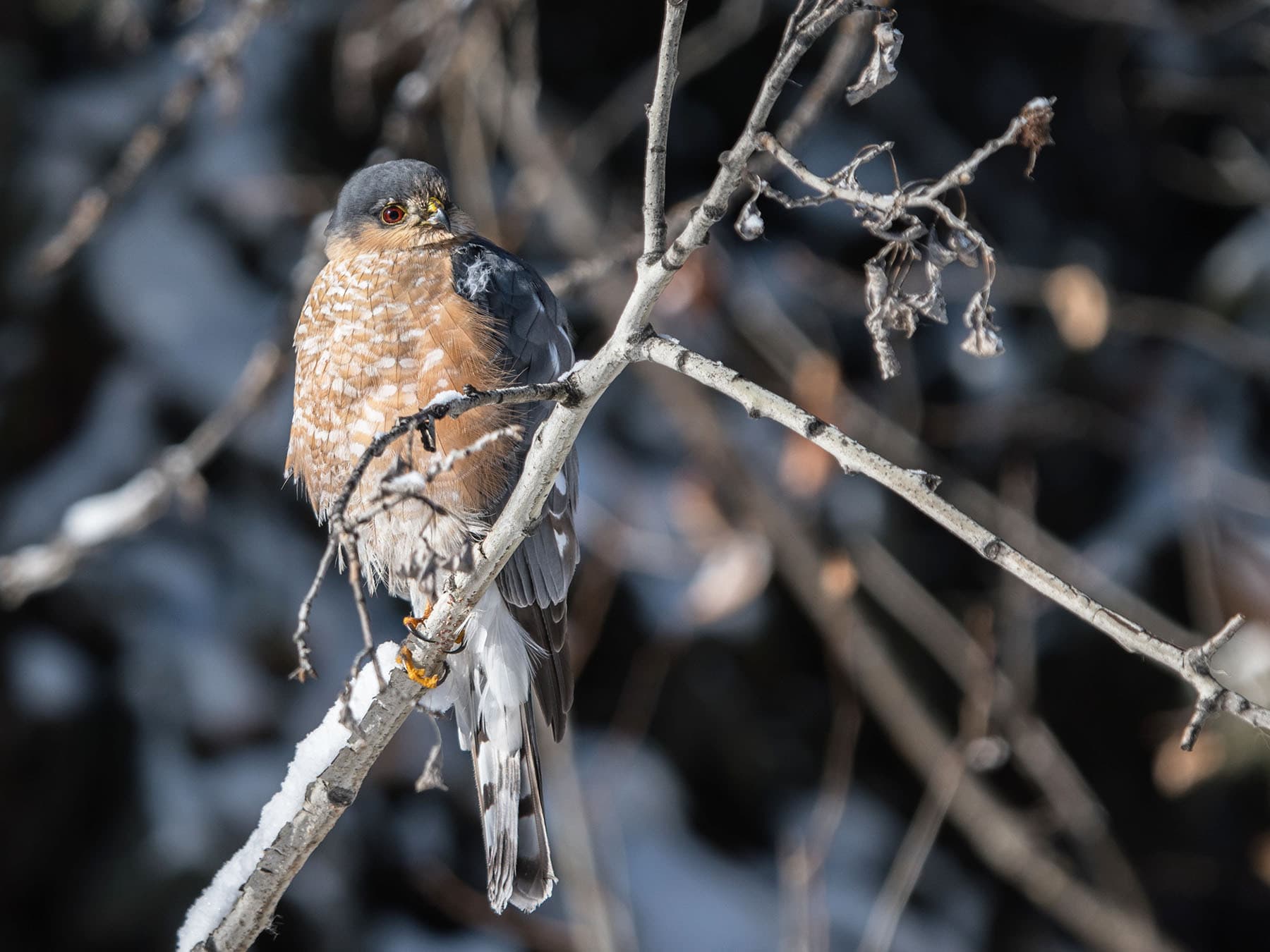 Sharp-shinned HawkAccipiter striatusResidentRare24–34 cmRecorded all year · 0.02% in Aug
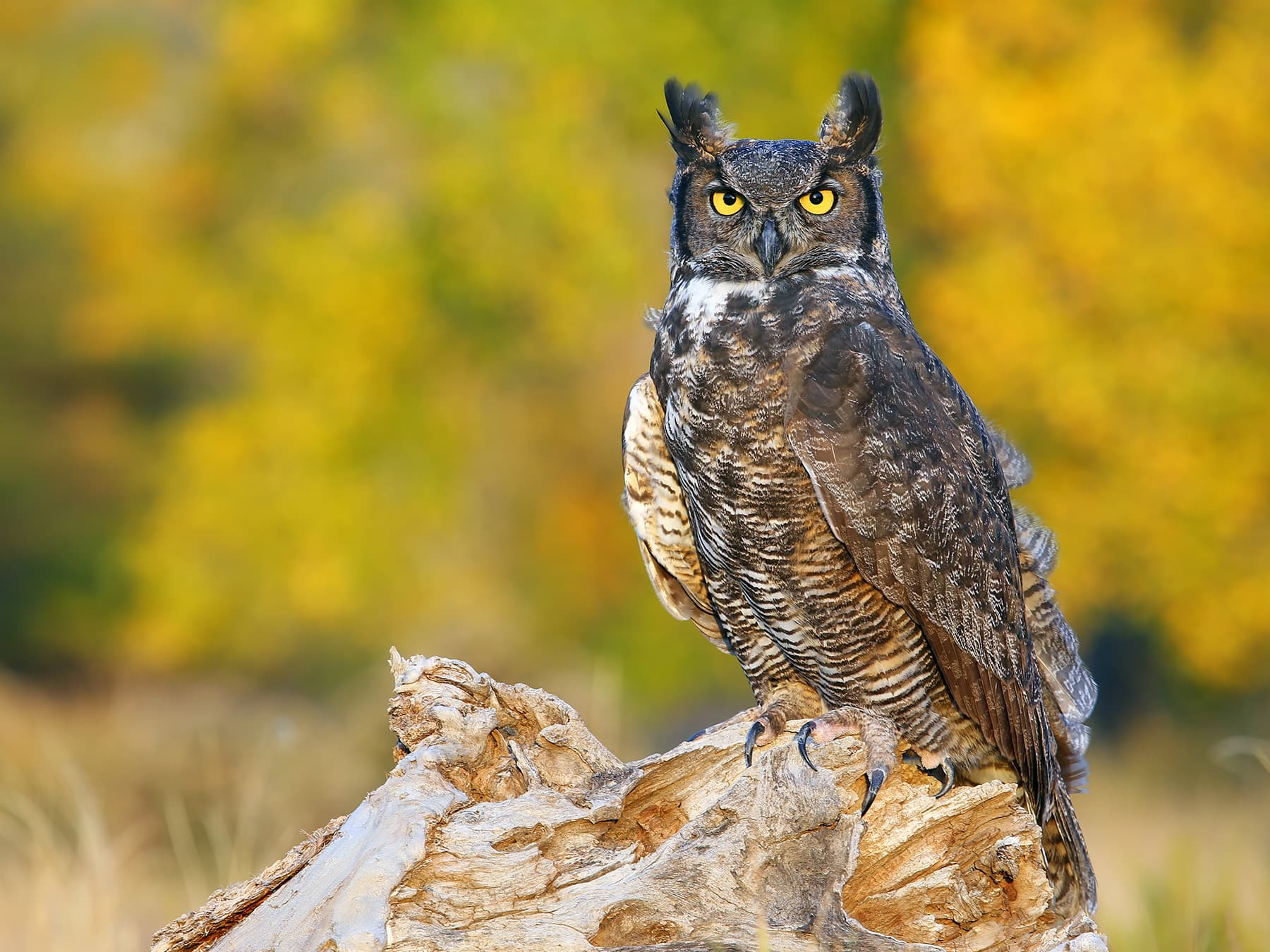 Great Horned OwlBubo virginianusWinter visitorRare46–63 cmRegularly Feb–Dec · 0.02% in Aug
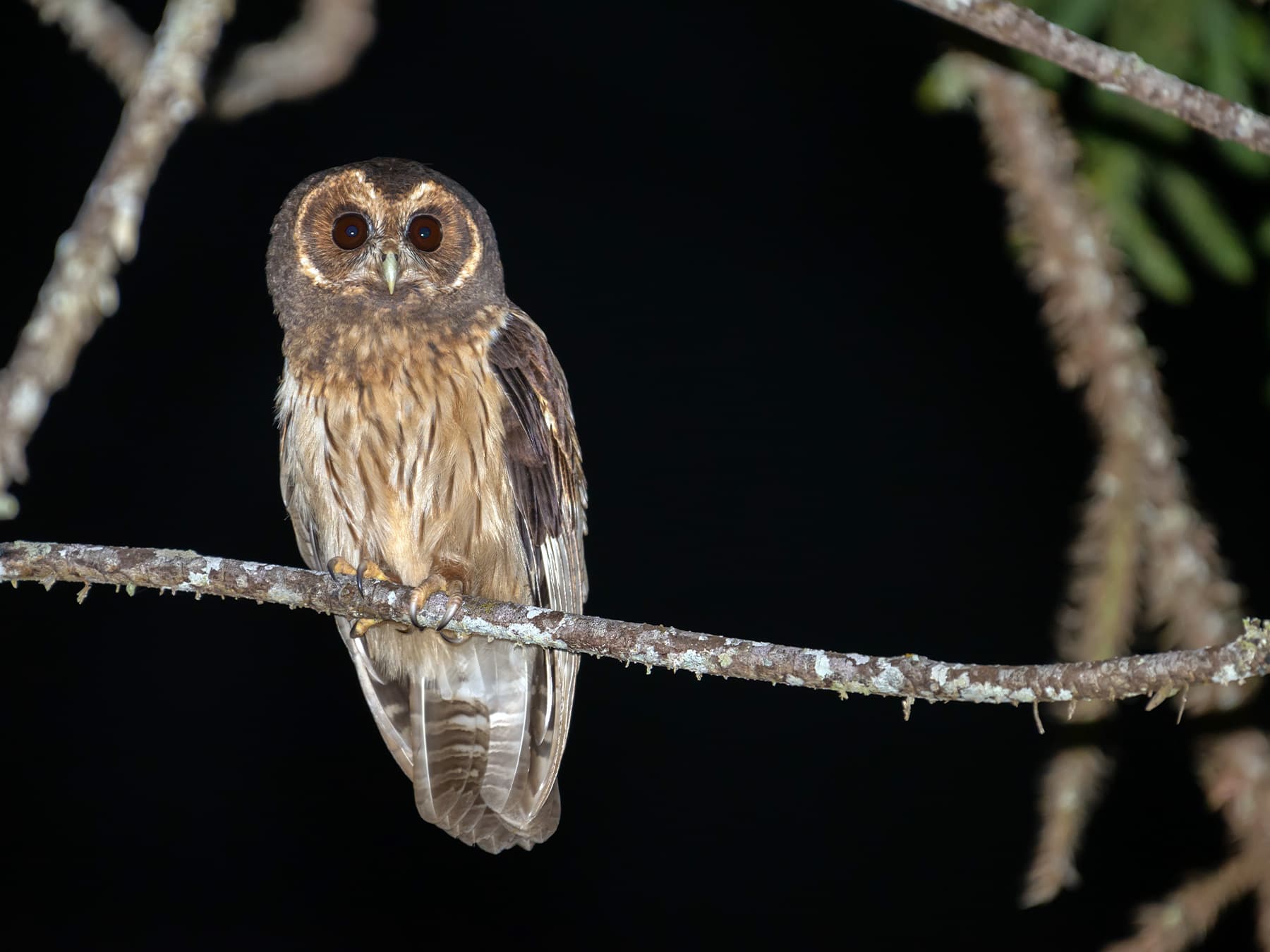 Mottled OwlStrix virgataPassage migrantRare30–38 cmRegularly Jul–Feb · 0.02% in Aug
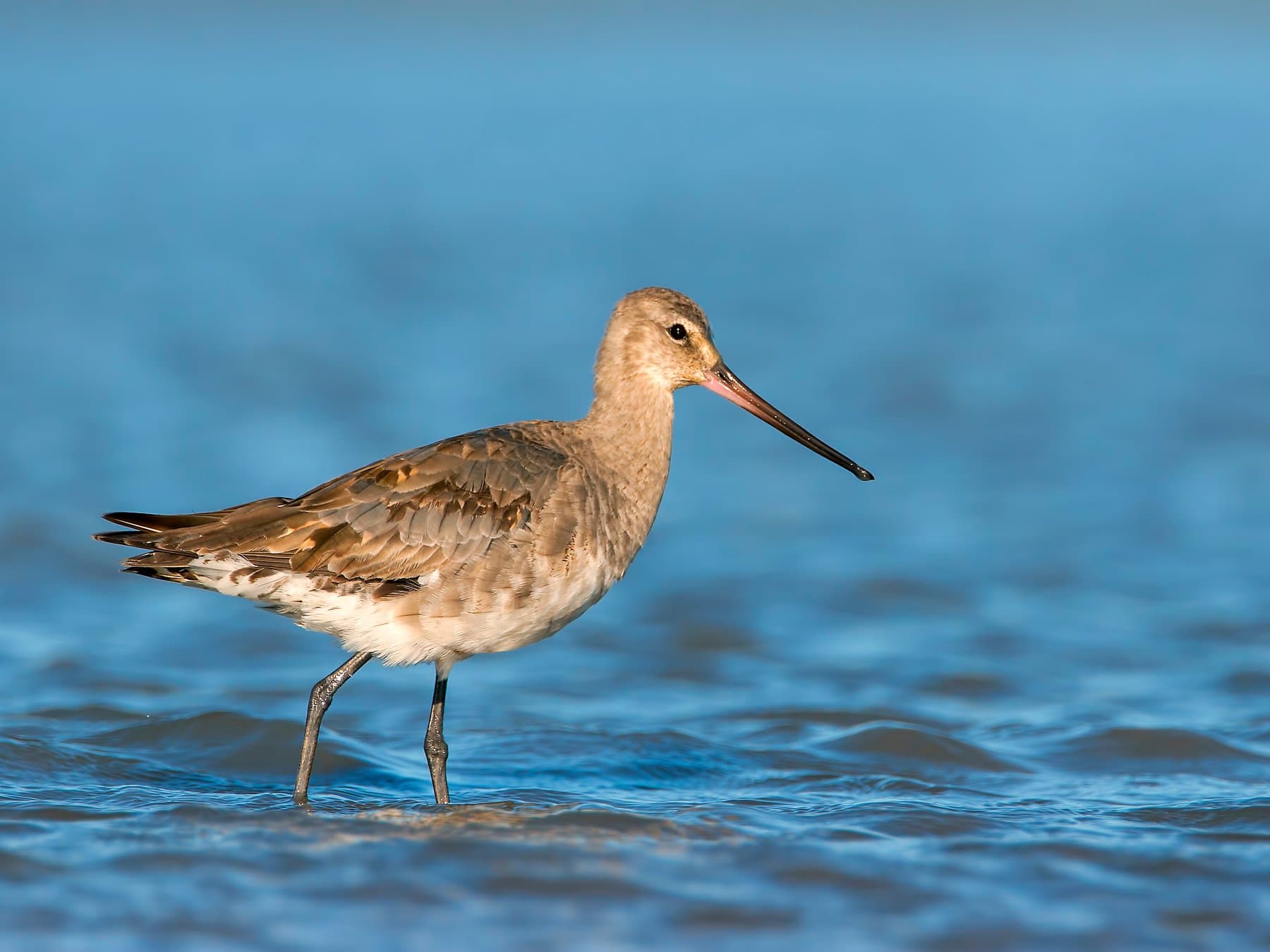 Hudsonian GodwitLimosa haemasticaPassage migrantUncommon36–42 cmRegularly Aug–Oct · 0.01% in Aug
Smallest to largest
Length, cm- House Sparrow 14–17 cm
- Baird's Sandpiper 14–17 cm
- White-rumped Sandpiper 15–18 cm
- Ferruginous Pygmy-owl 15–19 cm
- Cattle Tyrant 19–21 cm
- Stilt Sandpiper 18–23 cm
- Pectoral Sandpiper 19–23 cm
- Solitary Sandpiper 19–23 cm
- Burrowing Owl 19–25 cm
- Wilson's Phalarope 22–24 cm
- Lesser Yellowlegs 23–27 cm
- Sharp-shinned Hawk 24–34 cm
- Monk Parakeet 29–31 cm
- Rock Dove 29–37 cm
- Mottled Owl 30–38 cm
- Greater Yellowlegs 29–40 cm
- Pied-billed Grebe 31–38 cm
- Lineated Woodpecker 32–38 cm
- Roadside Hawk 33–41 cm
- Hudsonian Godwit 36–42 cm
- Fulvous Whistling-Duck 45–53 cm
- Cattle Egret 46–56 cm
- Great Horned Owl 46–63 cm
- Osprey 54–58 cm
- Black-crowned Night-heron 58–65 cm
- Turkey Vulture 62–81 cm
- Muscovy Duck 66–84 cm
- Great White Egret 80–104 cm
- Cocoi Heron 95–127 cm
Body length, bill to tail. Rare birds in grey.
Data: EOD – eBird Observation Dataset (Cornell Lab of Ornithology), accessed via GBIF.org, CC BY 4.0. Records from 2019–2024, aggregated and filtered by Birdfact. How these lists are made