


Birds to See in Malaysia in June
27 bird species on our list for Malaysia are recorded regularly in June
Of these, the most often recorded are Eurasian Tree Sparrow, Blue-eared Barbet, Rufous-tailed Tailorbird, Rock Dove and Purple Heron.
Other months
All 27 birds in June
27 birds
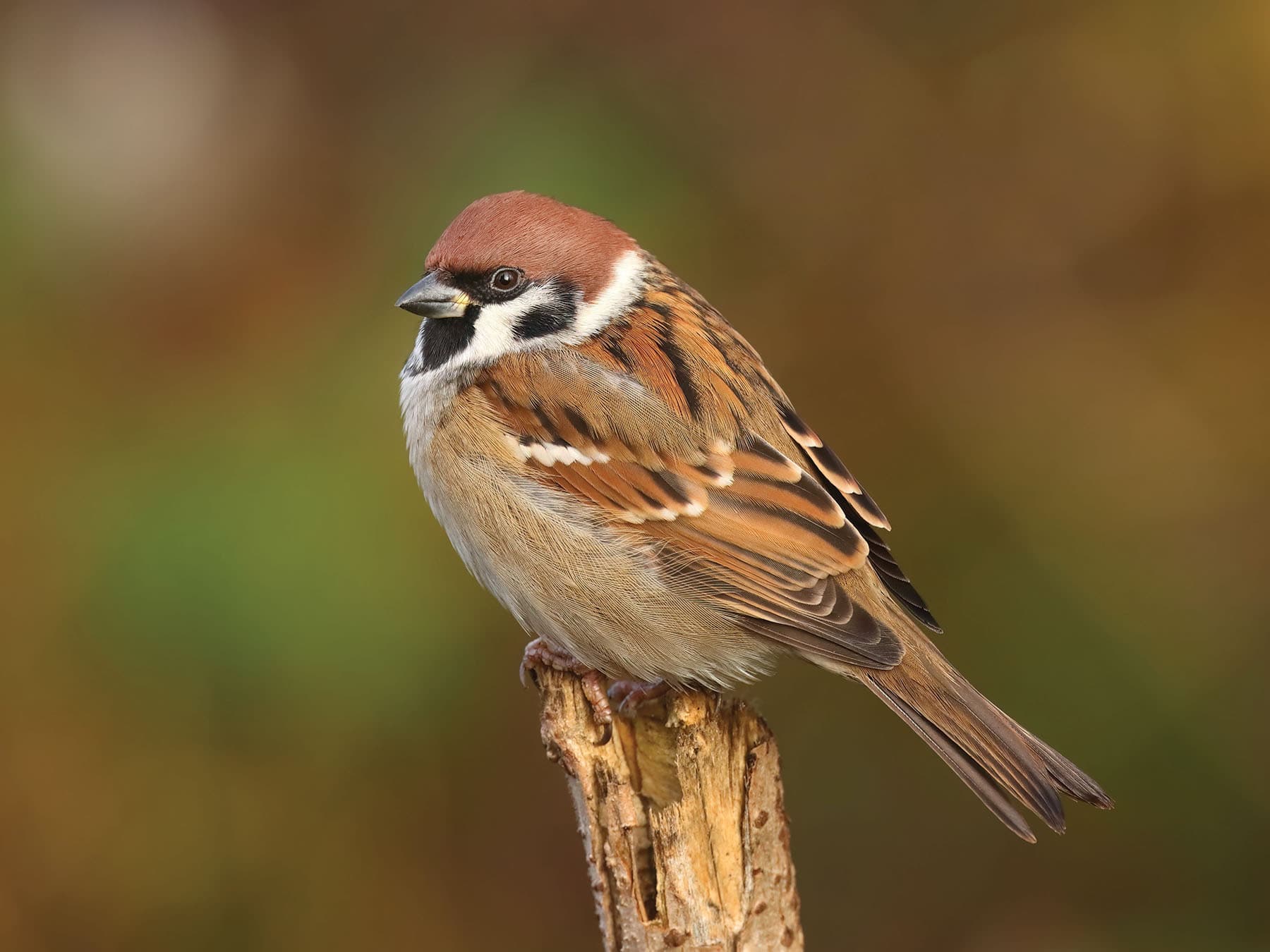 Eurasian Tree SparrowPasser montanusResidentCommon13–14 cmRecorded all year · 1.15% in Jun
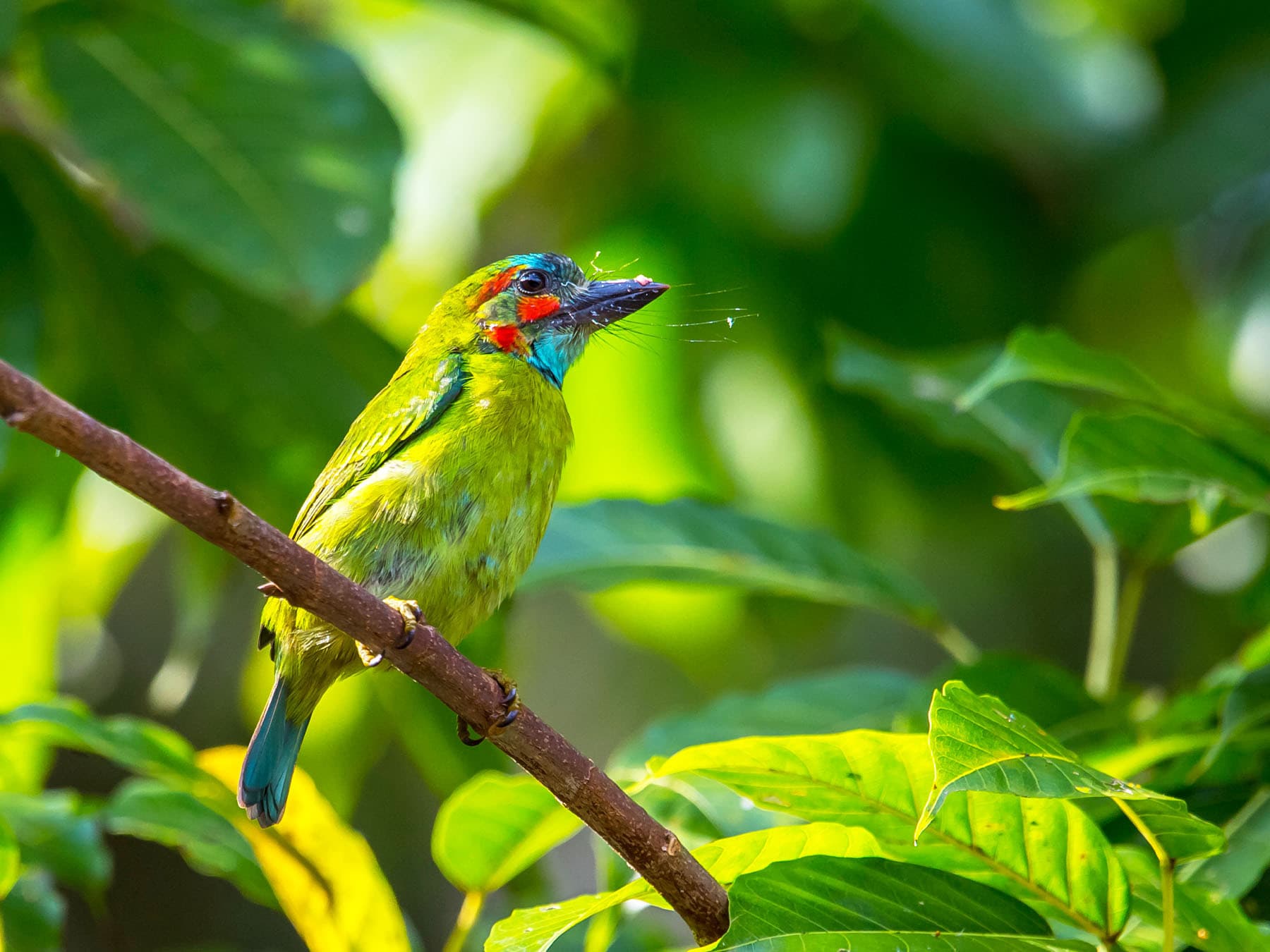 Blue-eared BarbetPsilopogon cyanotisResidentCommon20–23 cmRecorded all year · 0.74% in Jun
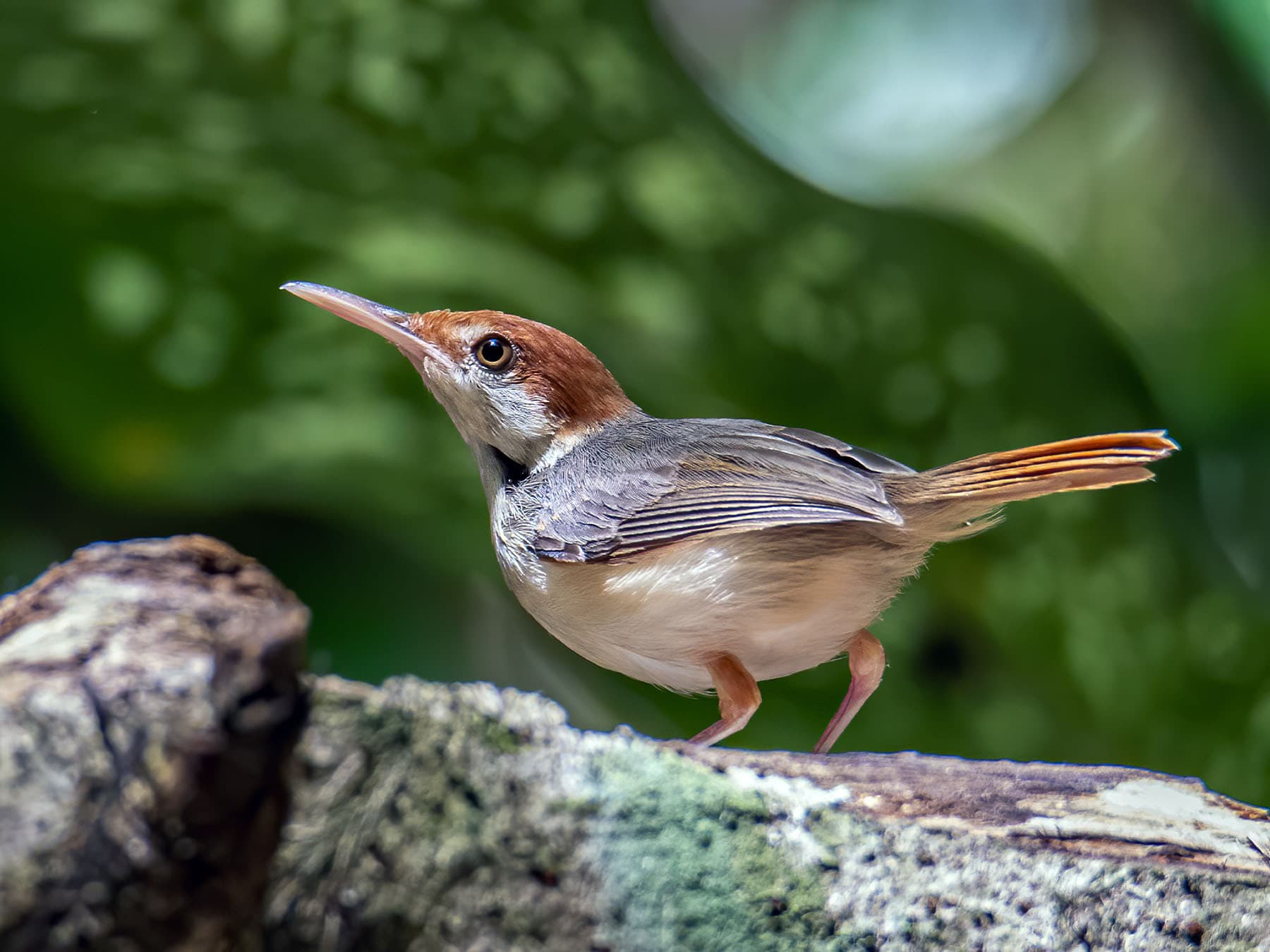 Rufous-tailed TailorbirdOrthotomus sericeusResidentCommon10–14 cmRecorded all year · 0.54% in Jun
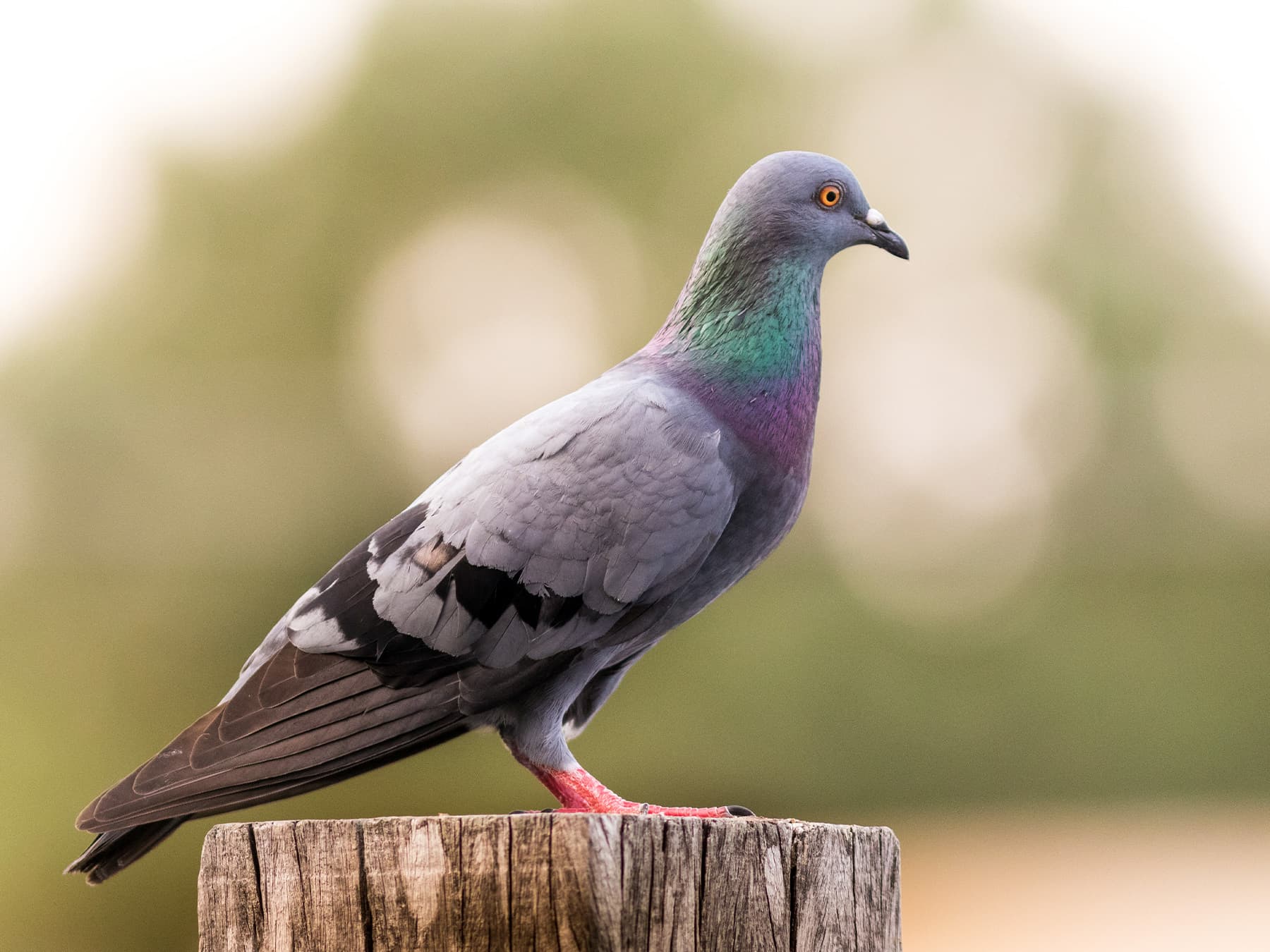 Rock DoveColumba liviaResidentCommon29–37 cmRecorded all year · 0.46% in Jun
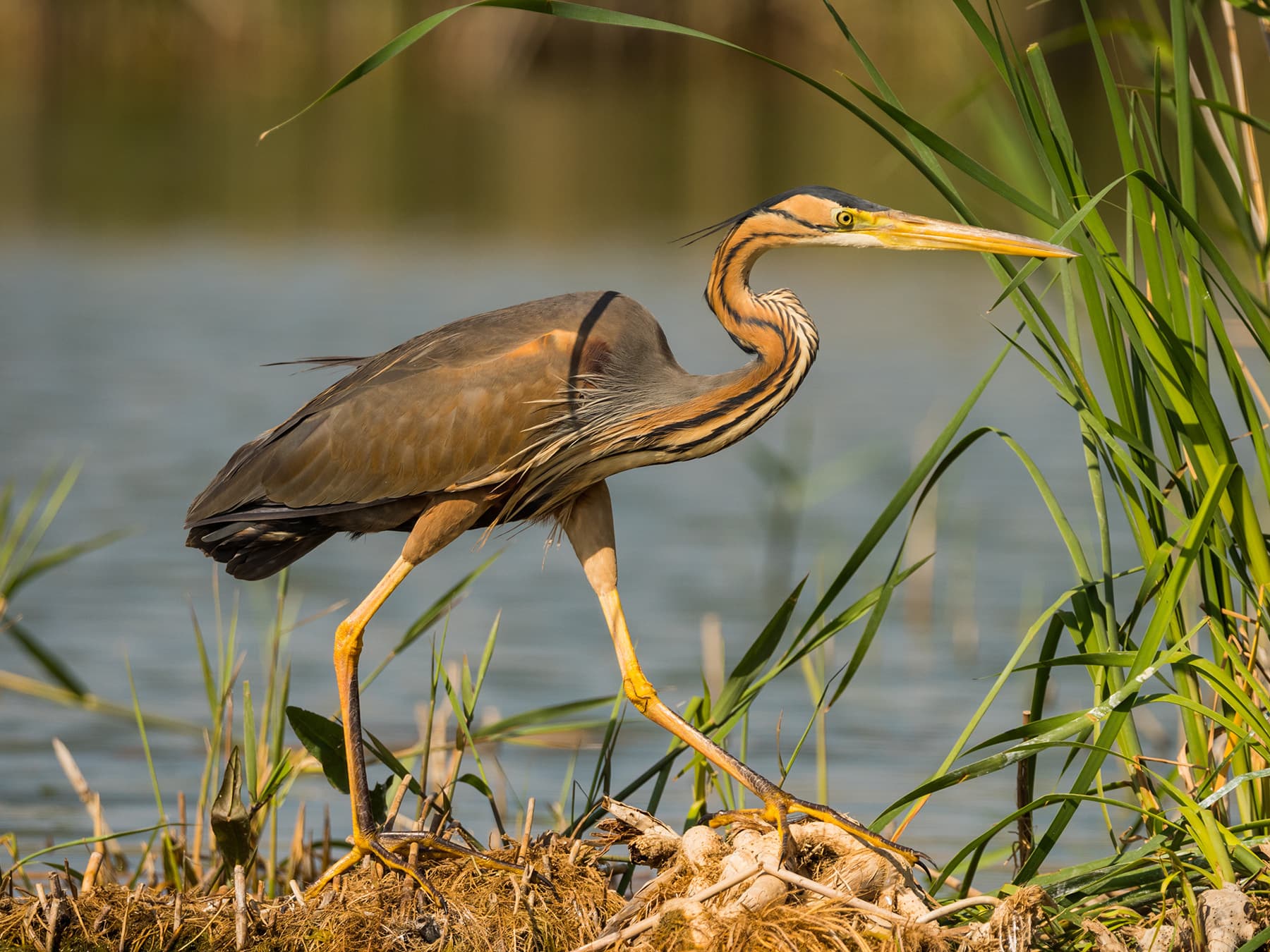 Purple HeronArdea purpureaResidentCommon78–90 cmRecorded all year · 0.45% in Jun
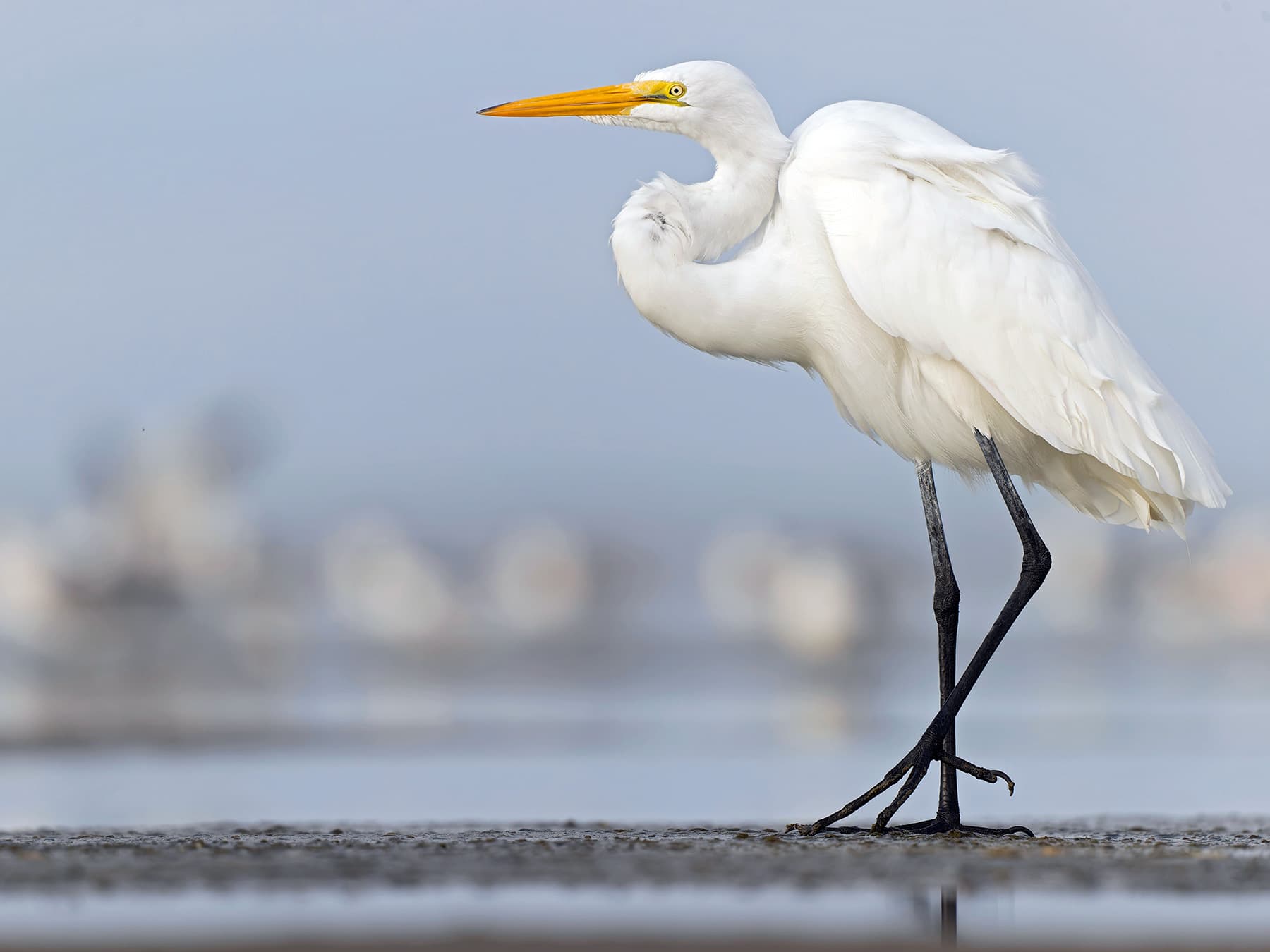 Great White EgretArdea albaResidentCommon80–104 cmRecorded all year · 0.44% in Jun
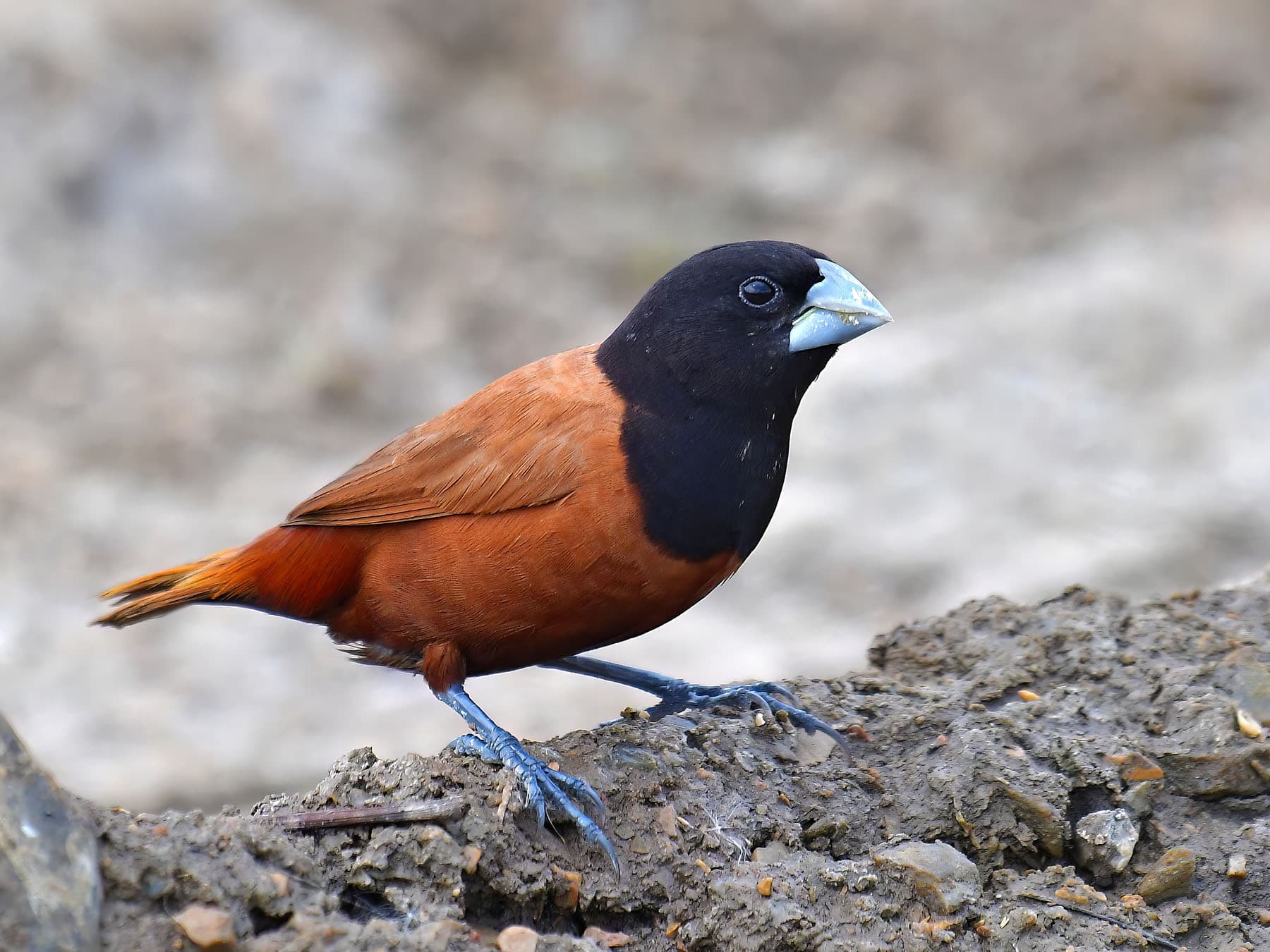 Chestnut MuniaLonchura atricapillaResidentUncommon10–11 cmRecorded all year · 0.40% in Jun
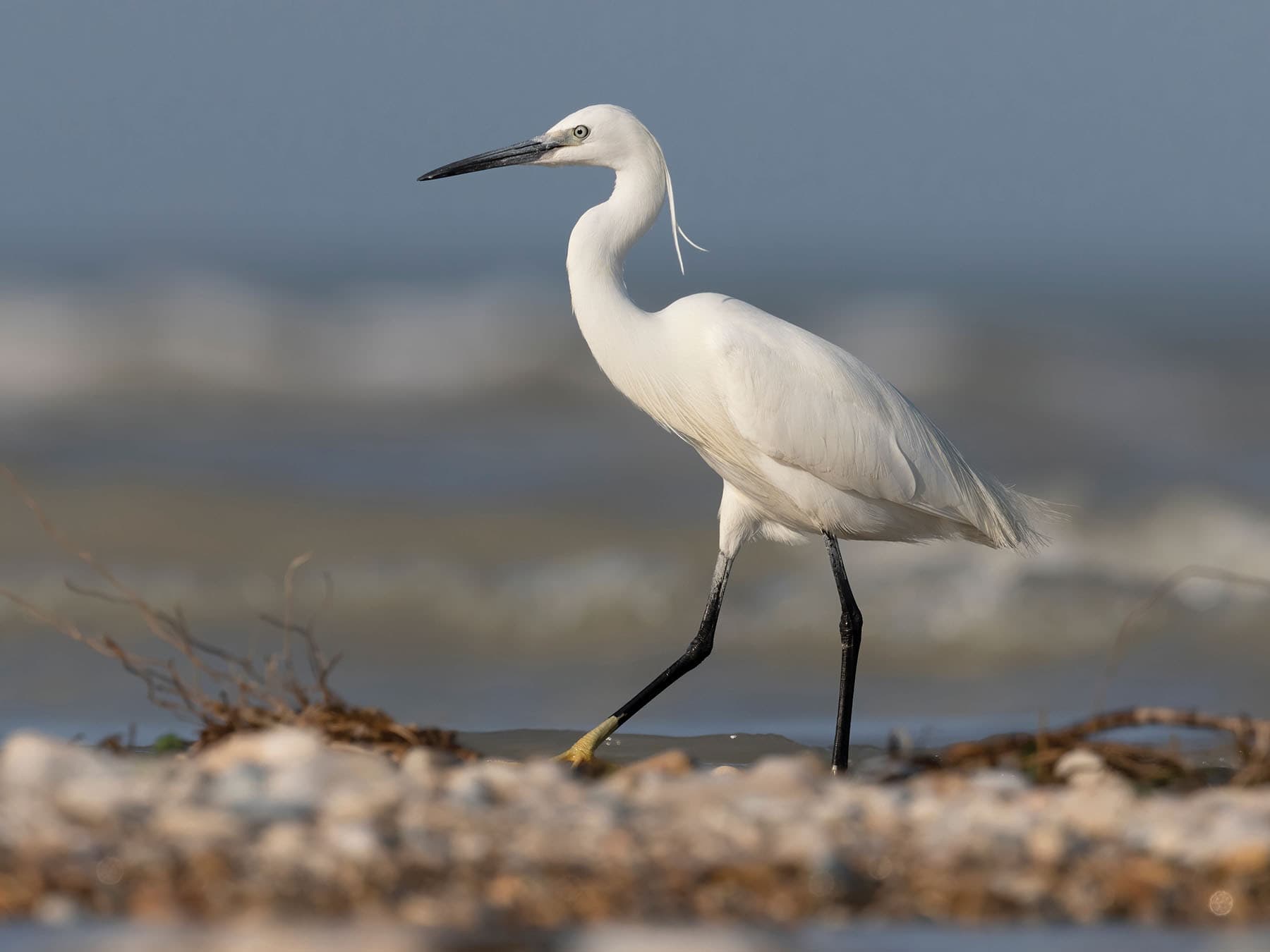 Little EgretEgretta garzettaResidentCommon55–65 cmRecorded all year · 0.40% in Jun
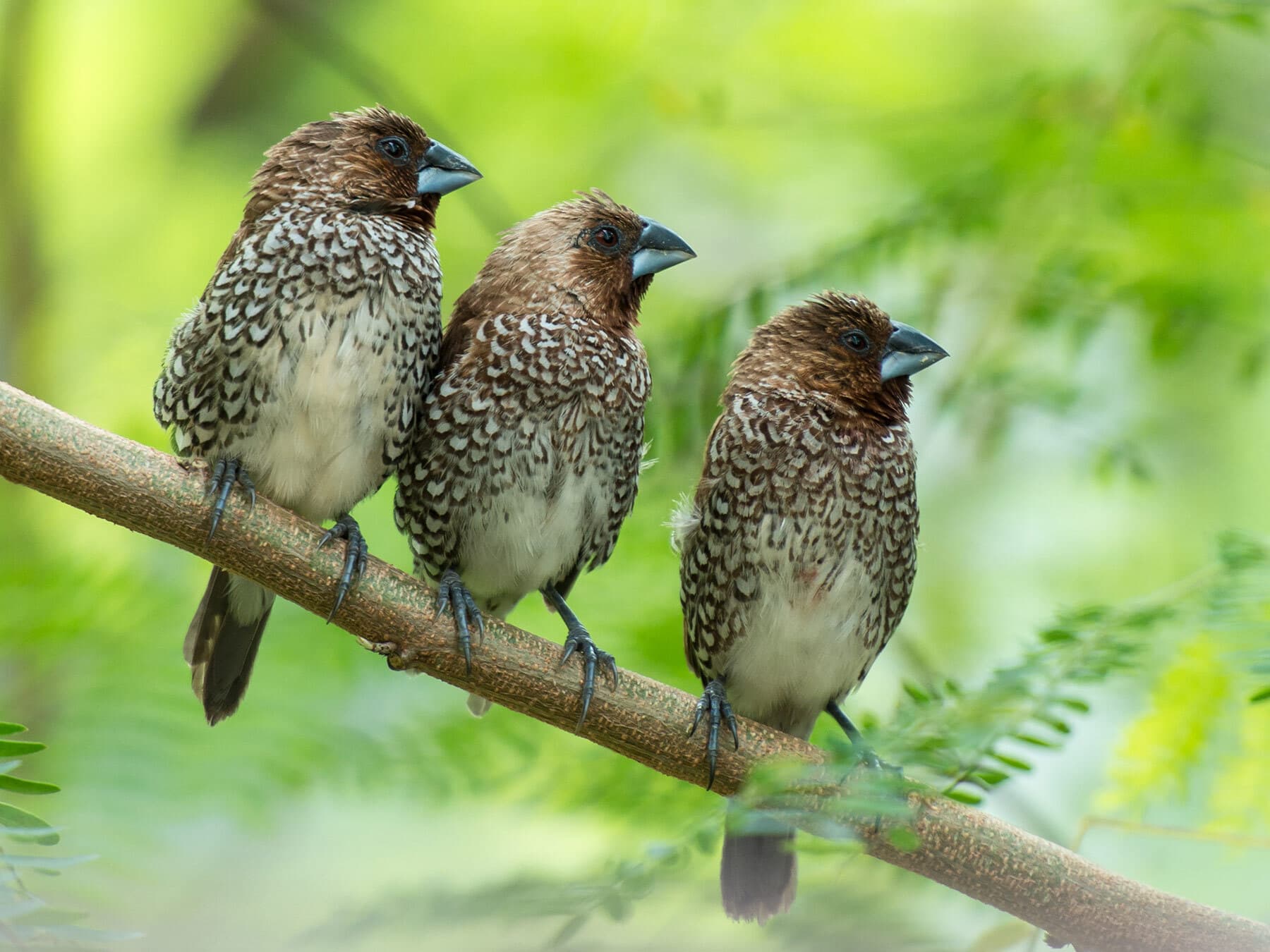 Scaly-breasted MuniaLonchura punctulataResidentCommon11–12 cmRecorded all year · 0.37% in Jun
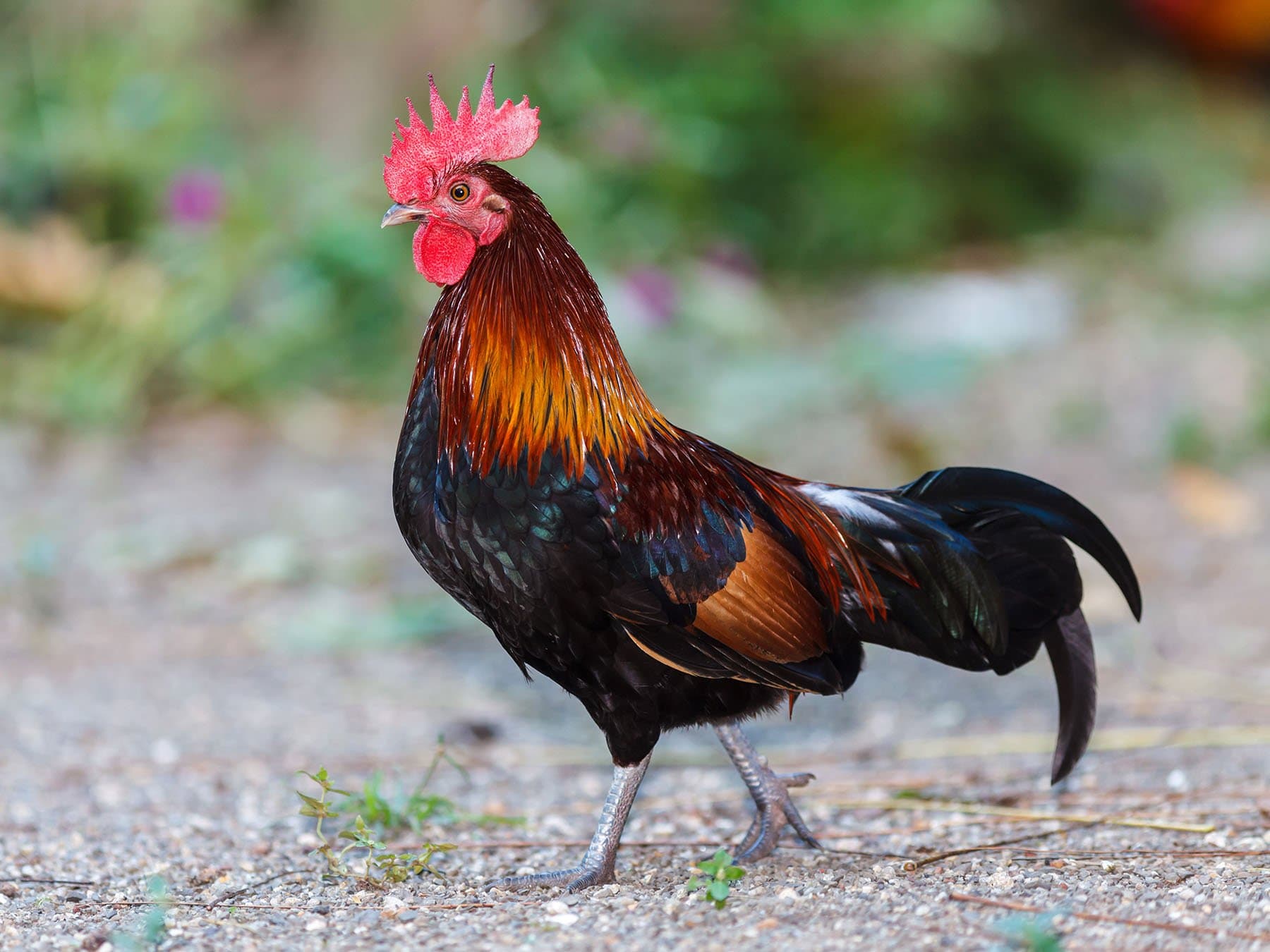 Red JunglefowlGallus gallusResidentUncommon42–75 cmRecorded all year · 0.20% in Jun
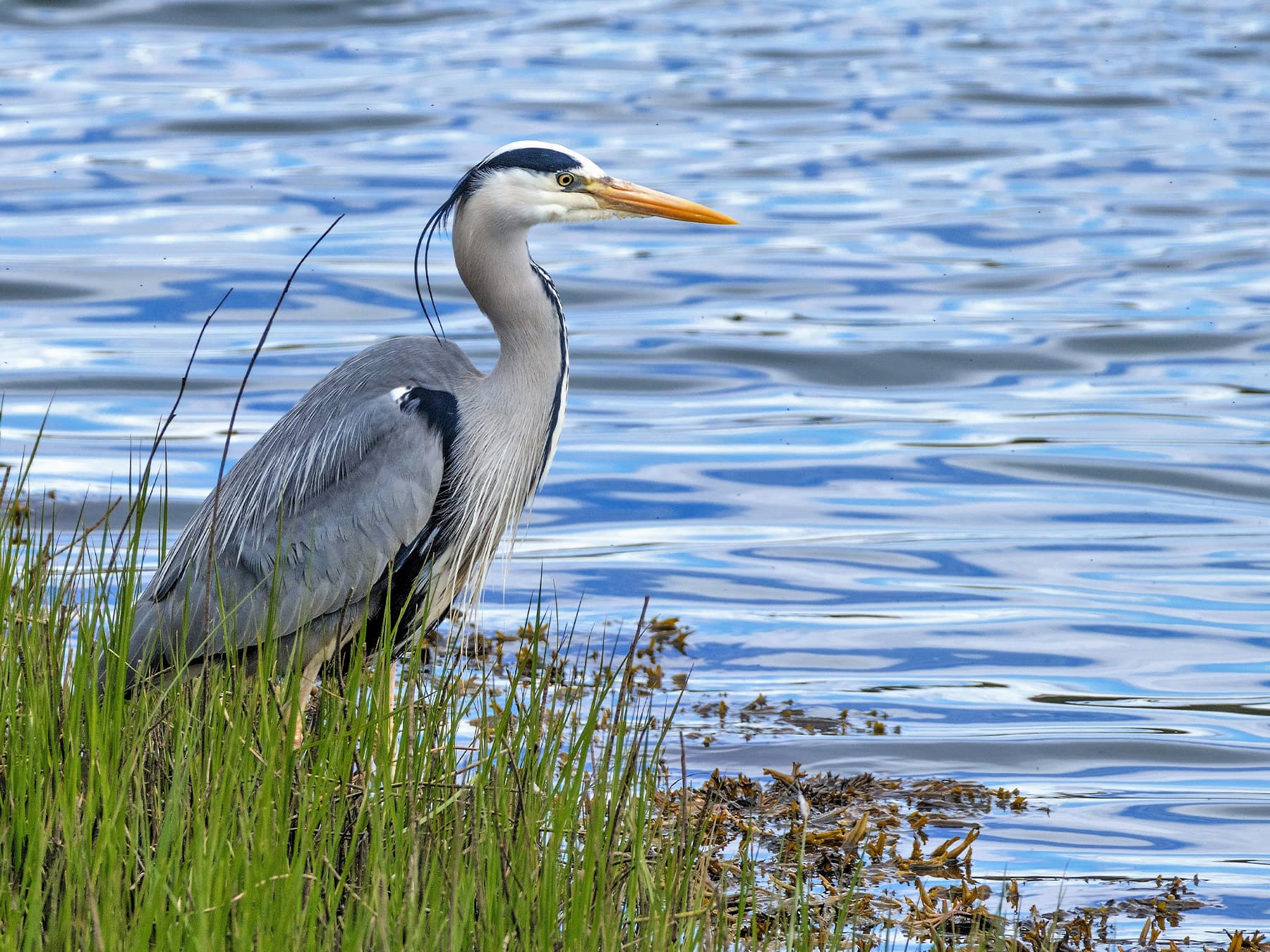 Grey HeronArdea cinereaResidentCommon90–98 cmRecorded all year · 0.18% in Jun
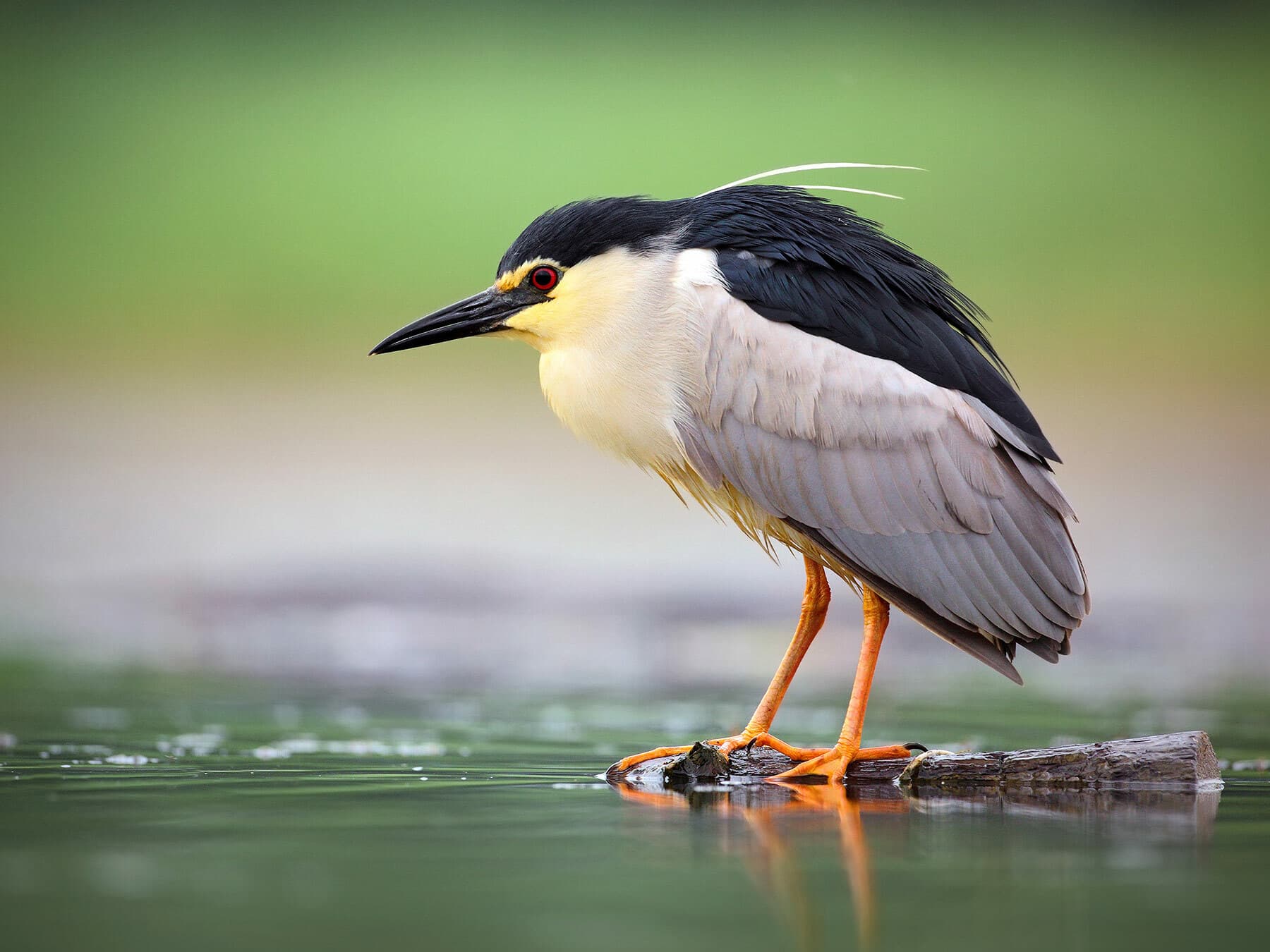 Black-crowned Night-heronNycticorax nycticoraxResidentUncommon58–65 cmRecorded all year · 0.15% in Jun
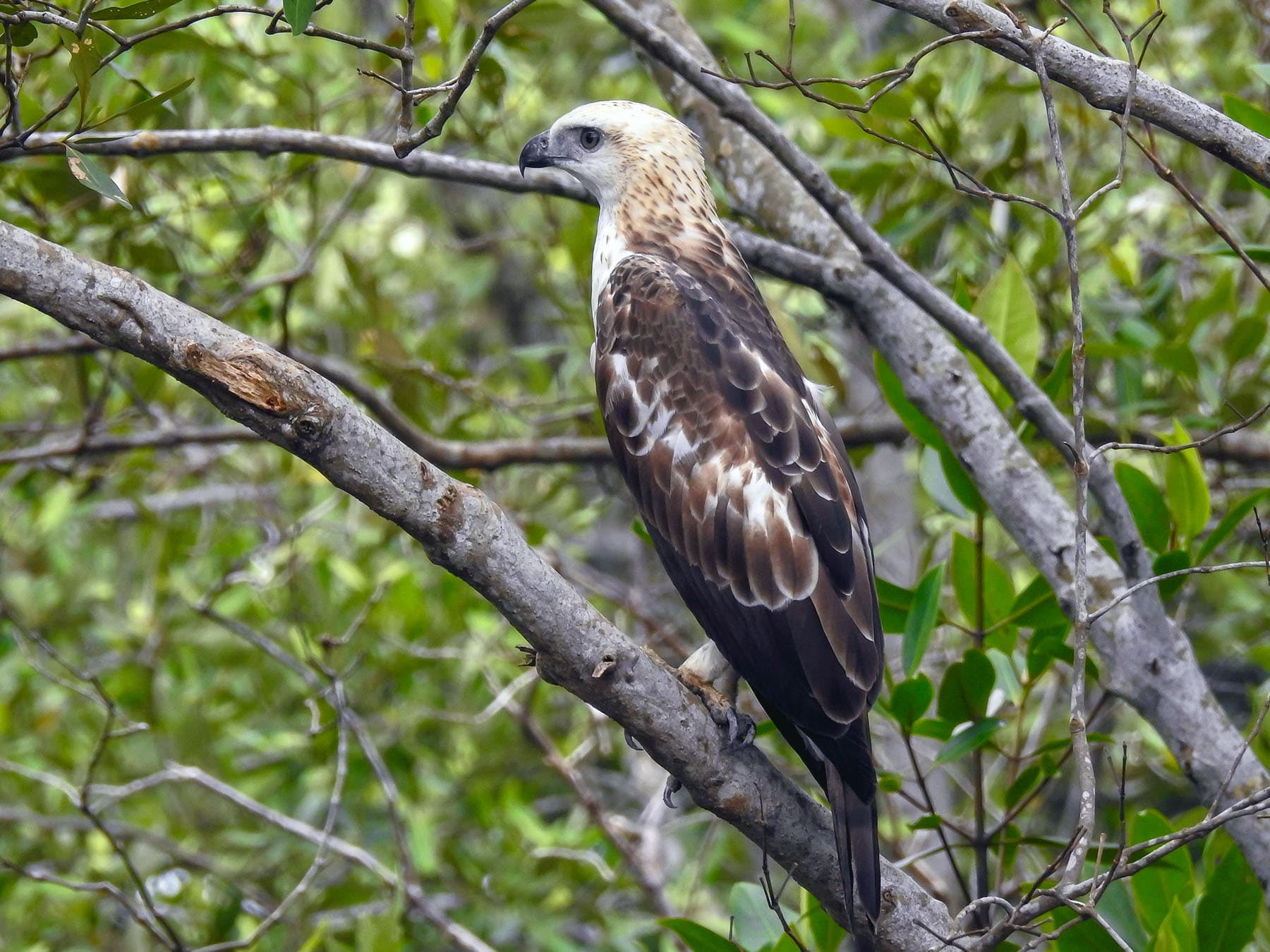 Oriental Honey-buzzardPernis ptilorhynchusResidentUncommon52–68 cmRecorded all year · 0.15% in Jun
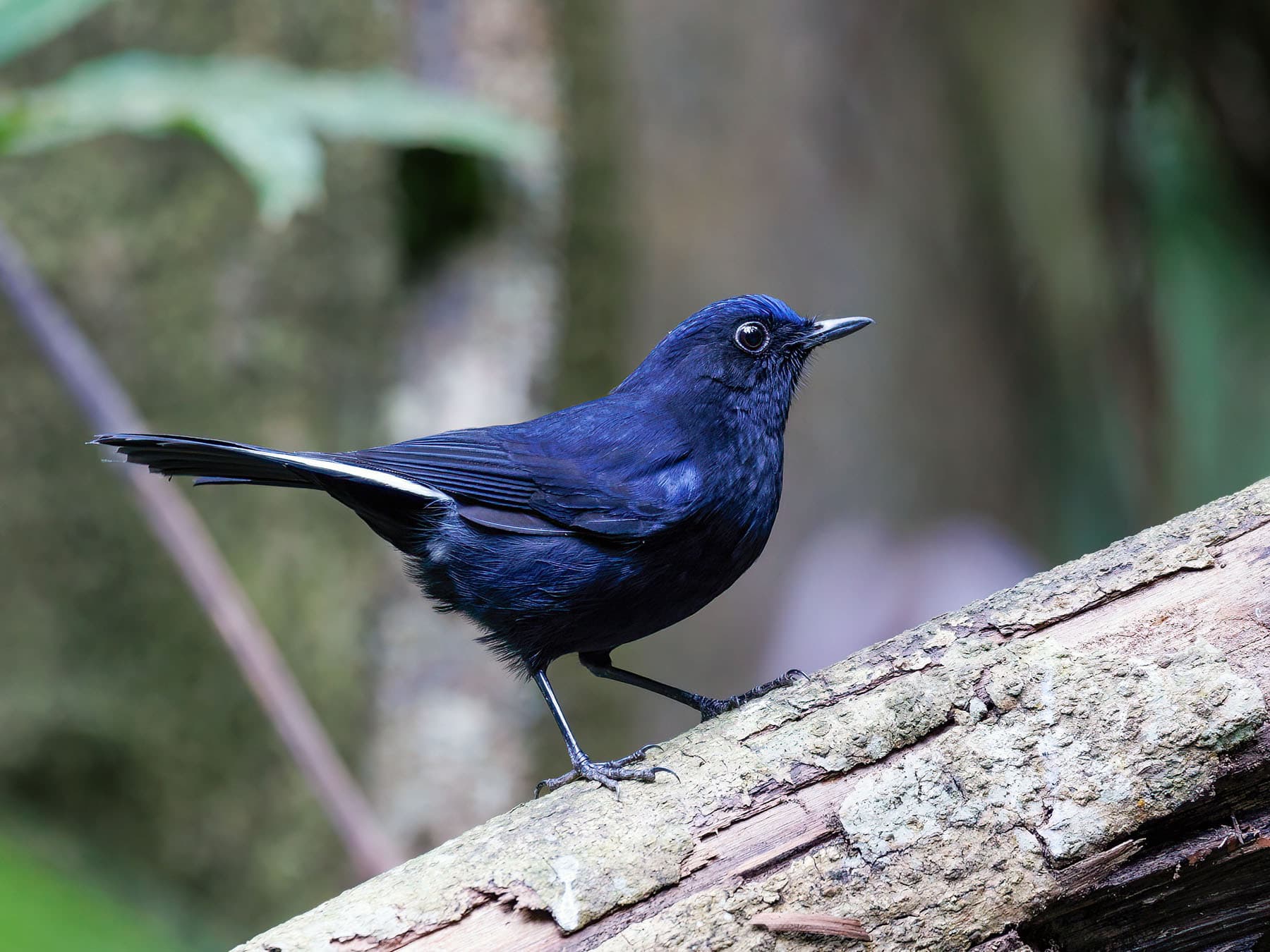 White-tailed RobinMyiomela leucuraResidentUncommon16–18 cmRecorded all year · 0.14% in Jun
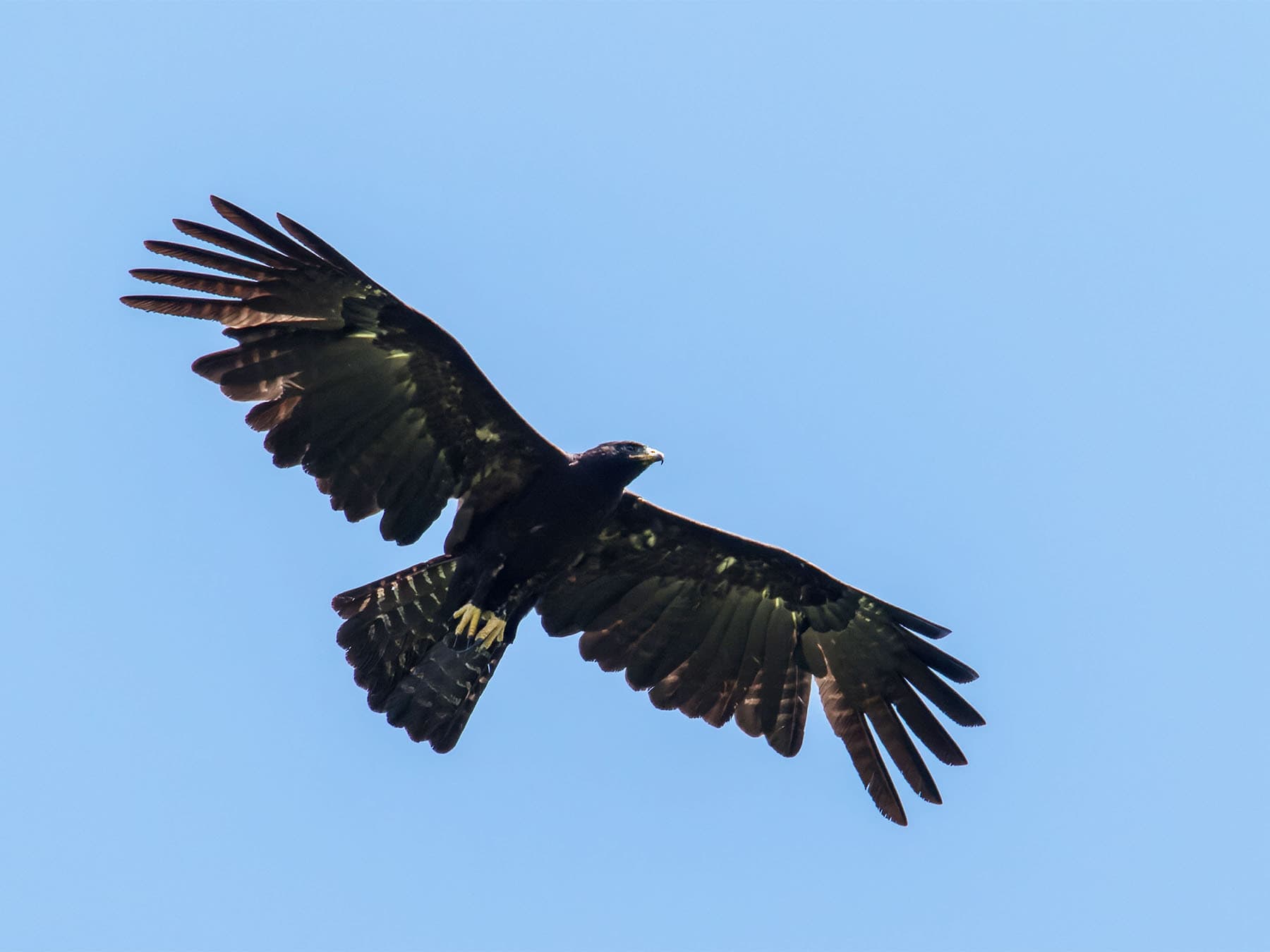 Black EagleIctinaetus malaiensisResidentUncommon65–80 cmRecorded all year · 0.13% in Jun
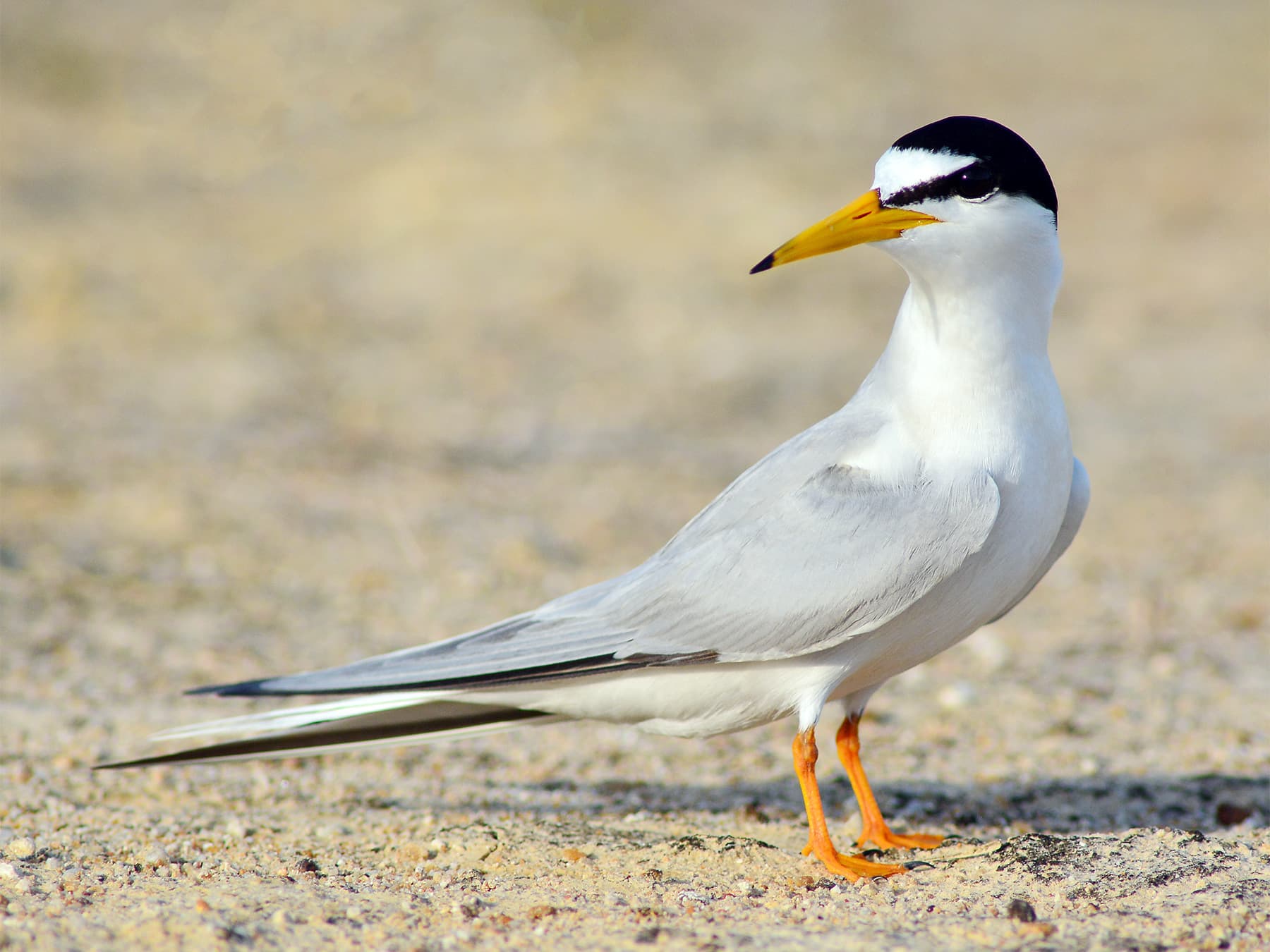 Little TernSternula albifronsResidentUncommon21–25 cmRecorded all year · 0.10% in Jun
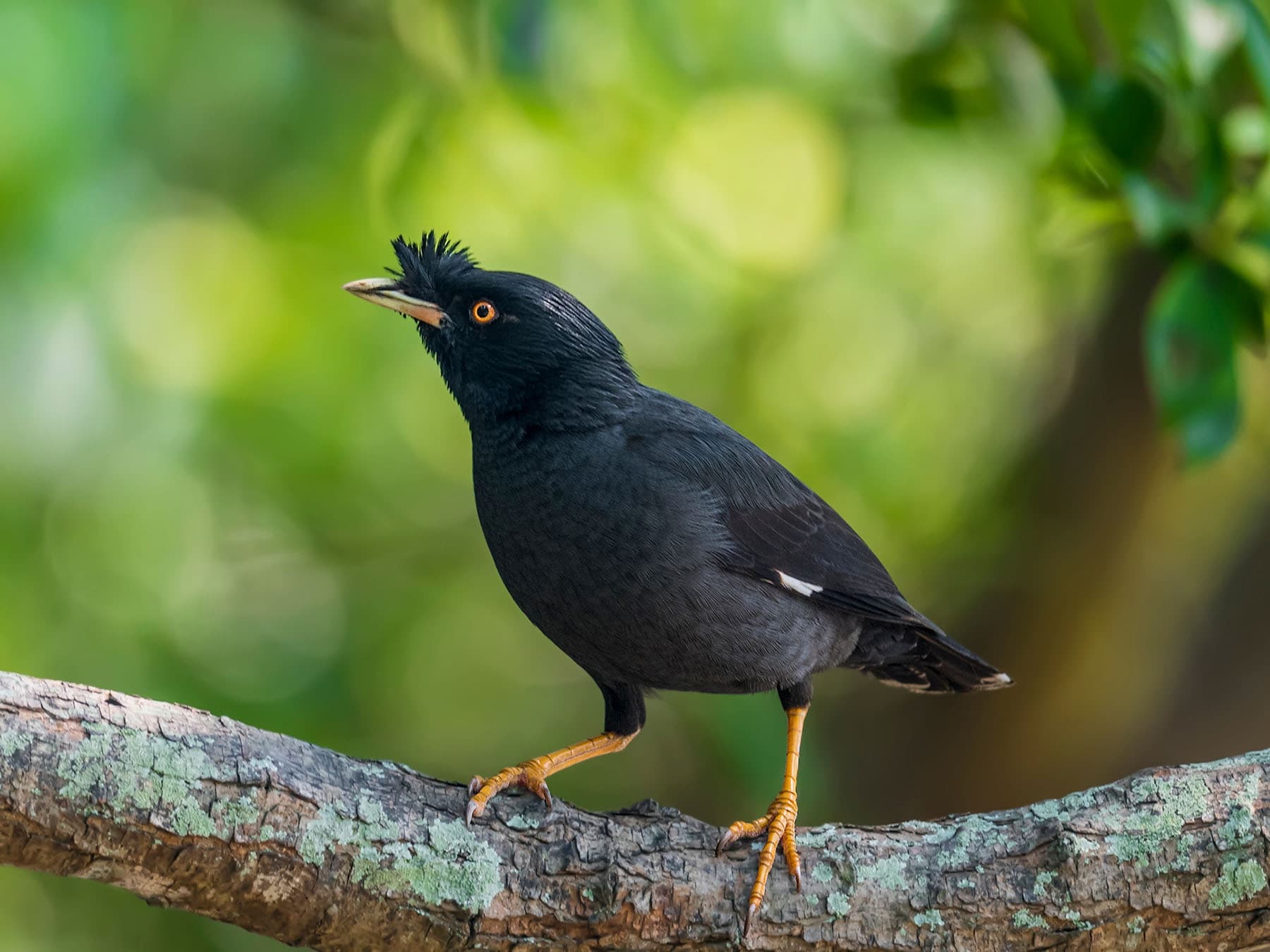 Crested MynaAcridotheres cristatellusResidentUncommon24–27 cmRecorded all year · 0.07% in Jun
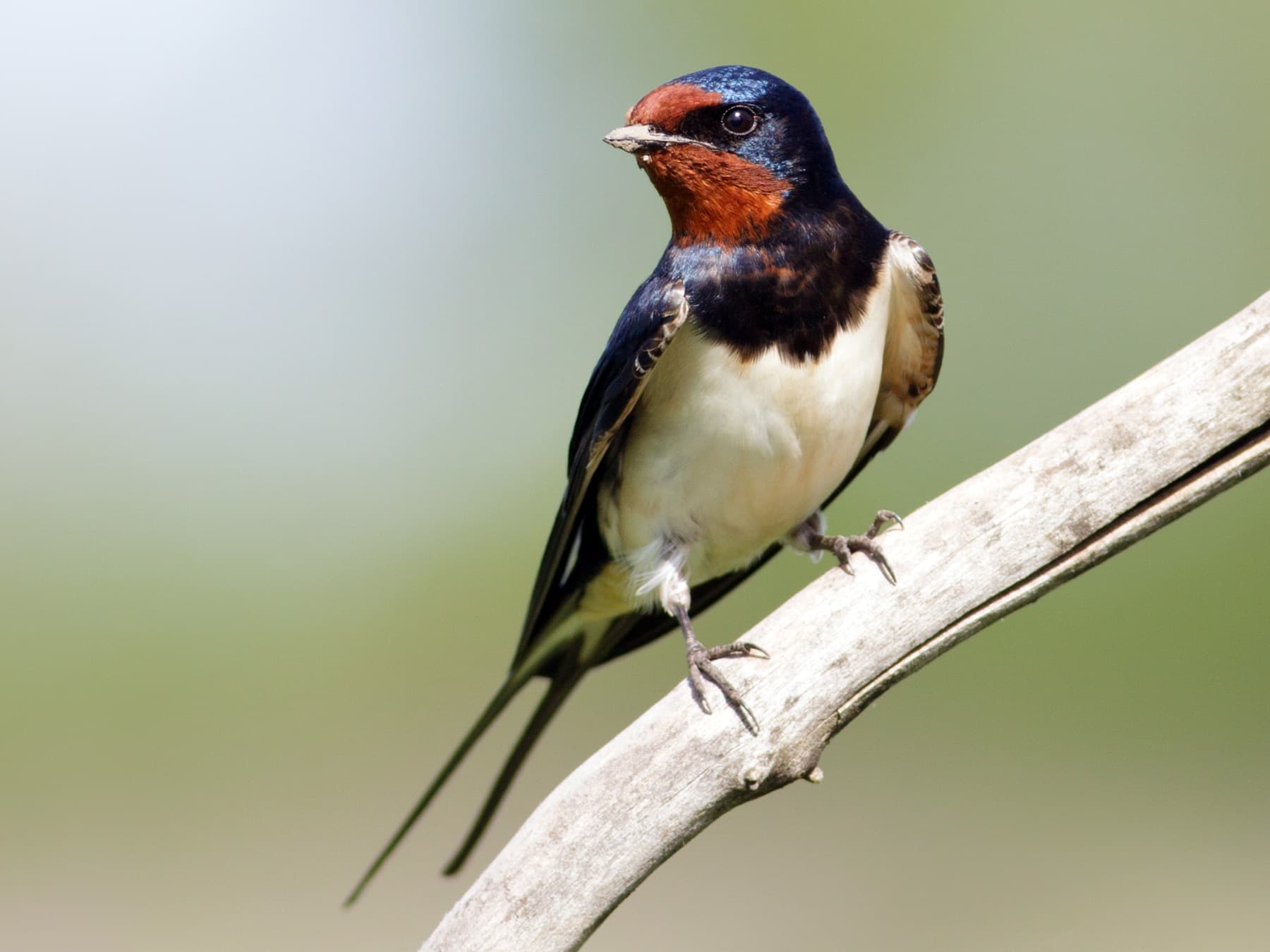 Barn SwallowHirundo rusticaWinter visitorCommon17–19 cmRecorded all year · 0.05% in Jun
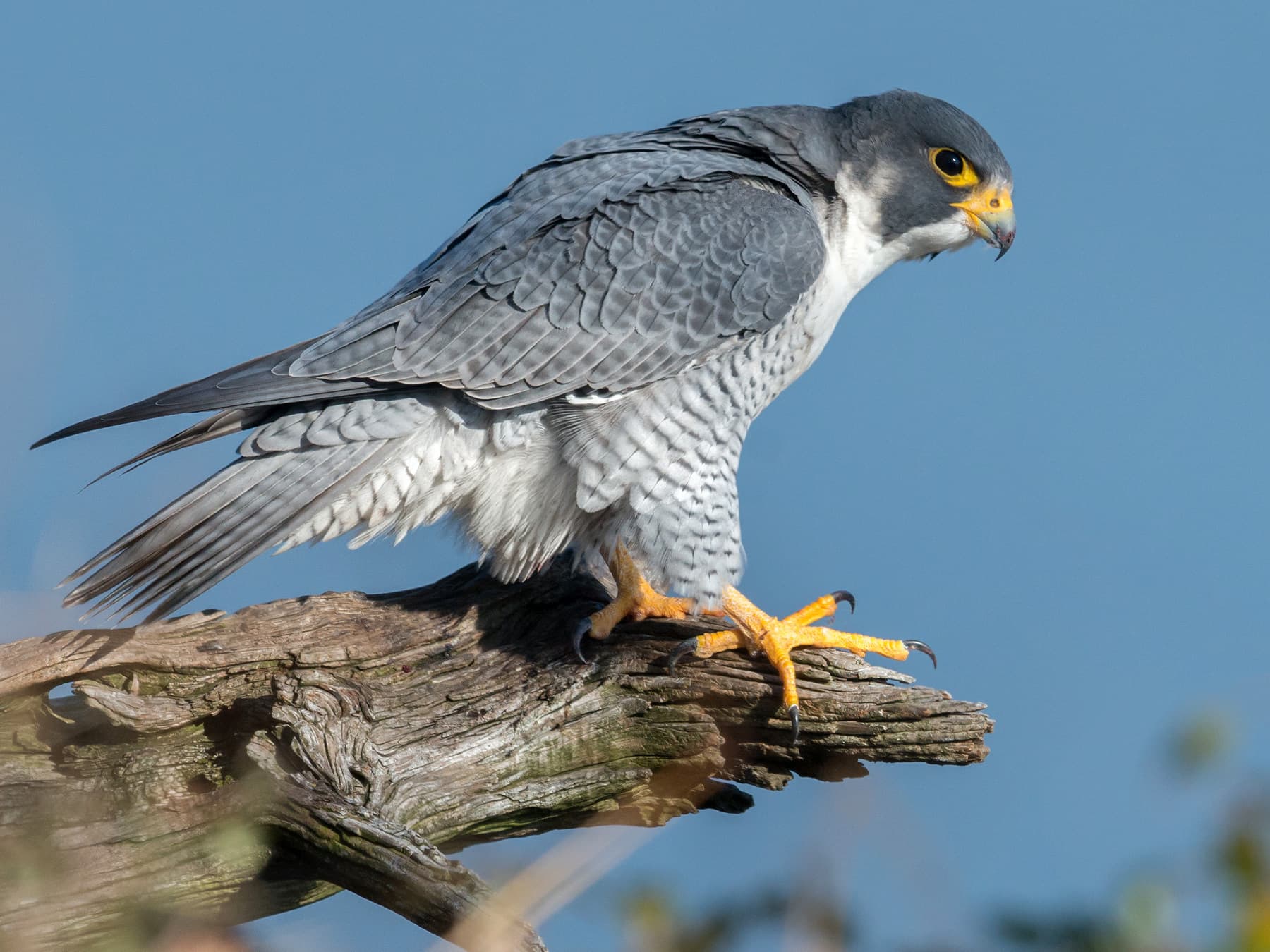 Peregrine FalconFalco peregrinusResidentUncommon34–58 cmRecorded all year · 0.05% in Jun
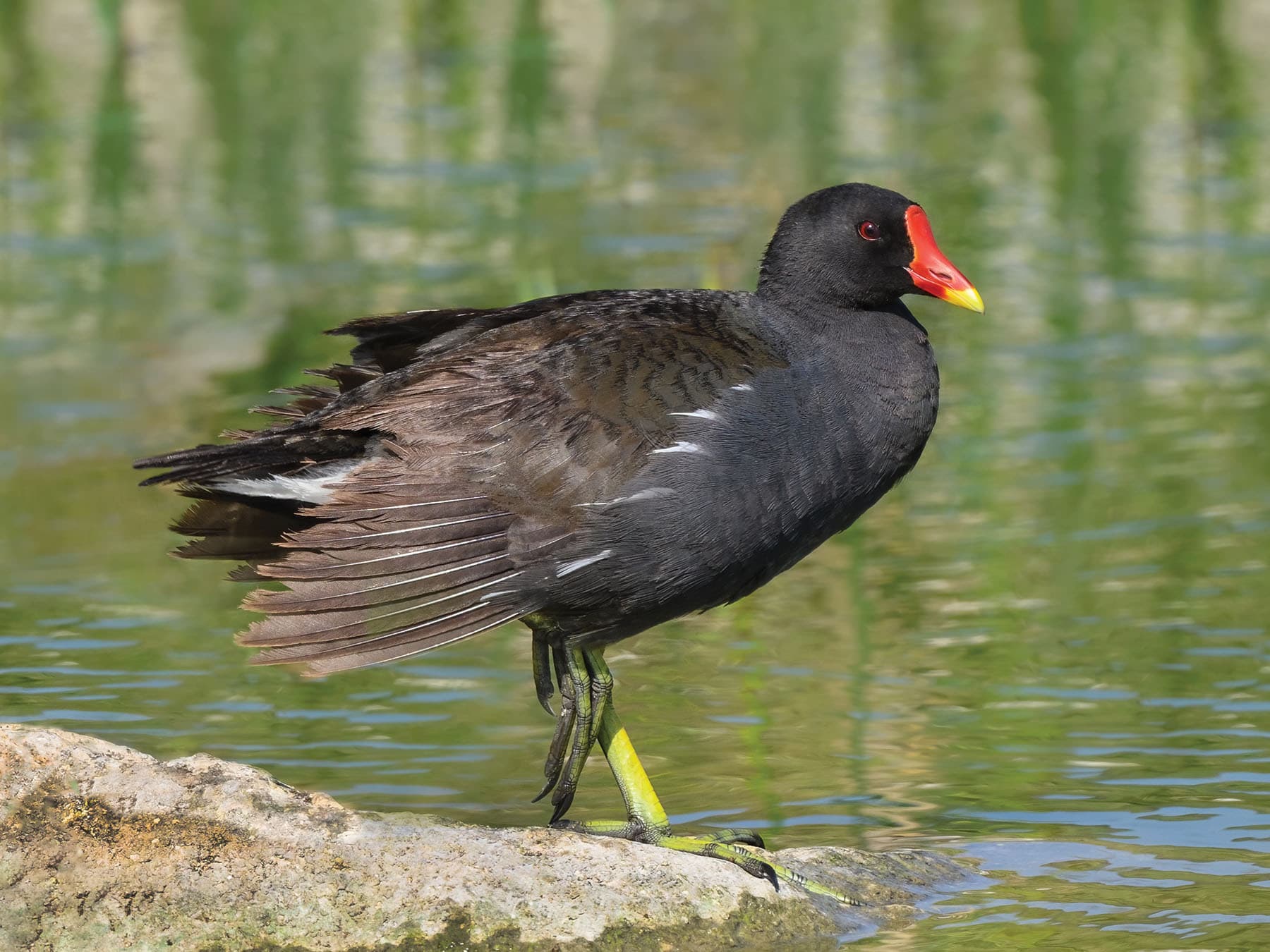 MoorhenGallinula chloropusWinter visitorUncommon30–38 cmRecorded all year · 0.05% in Jun
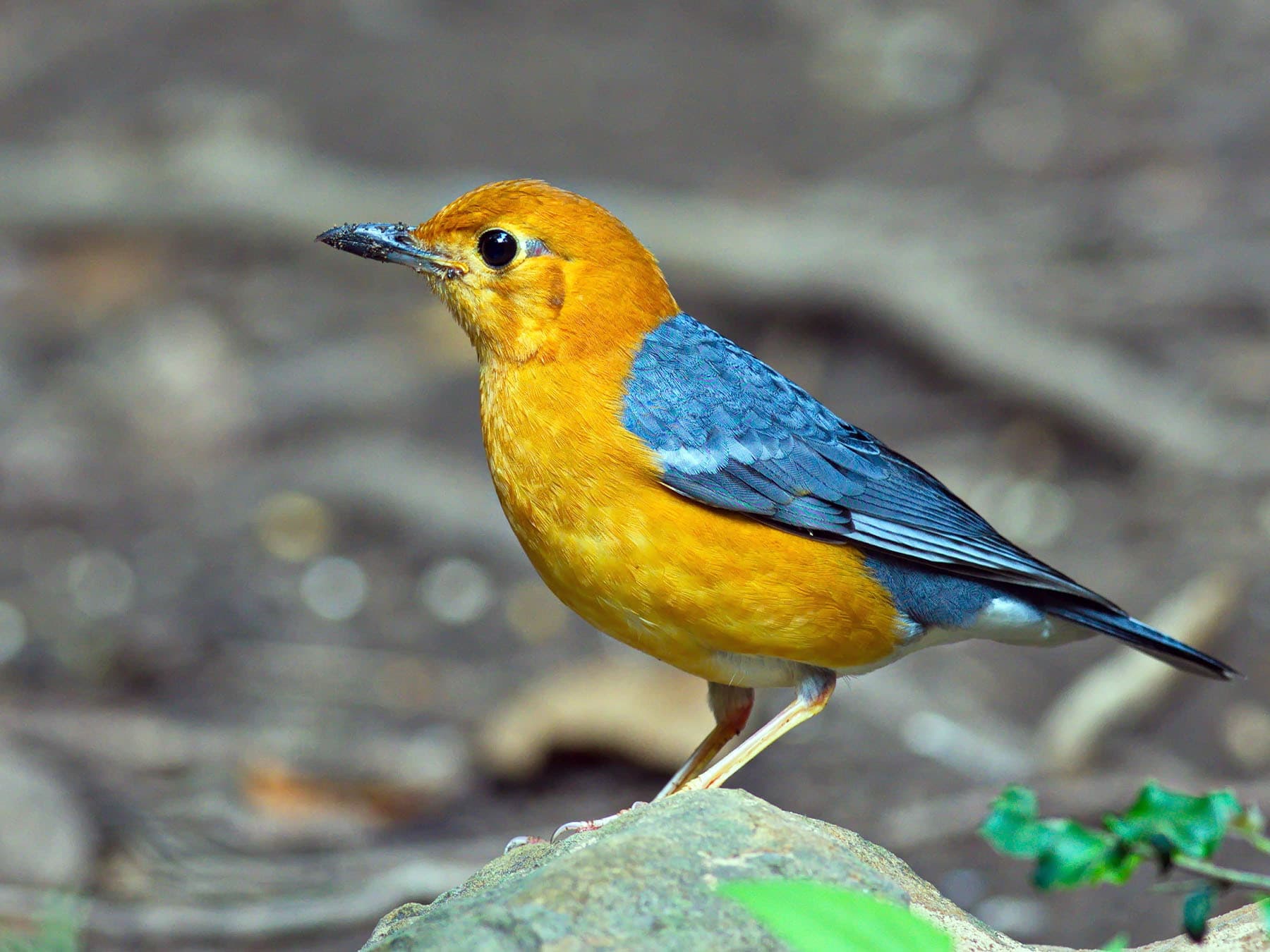 Orange-headed ThrushGeokichla citrinaResidentUncommon20–23 cmRecorded all year · 0.03% in Jun
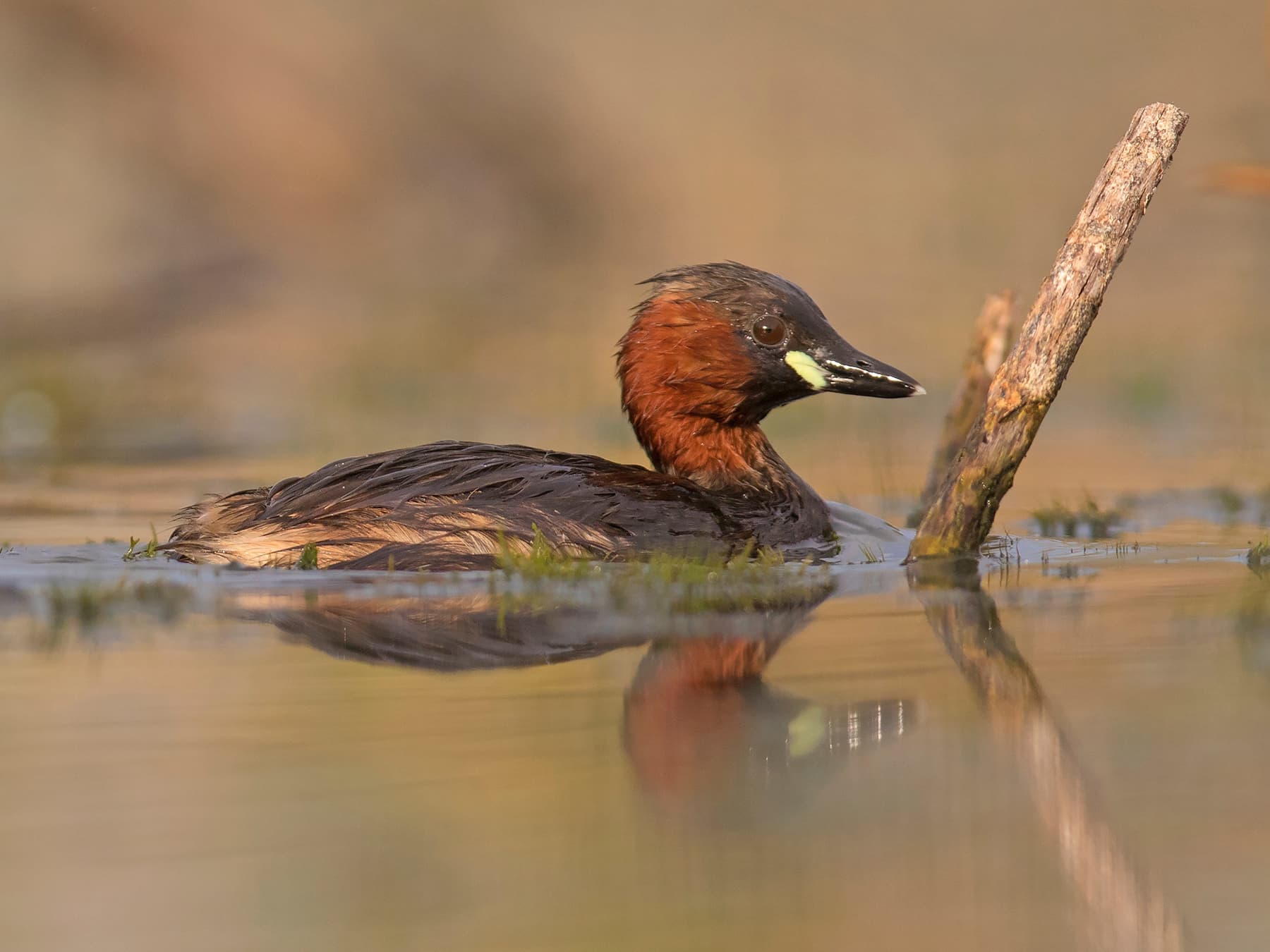 Little GrebeTachybaptus ruficollisResidentUncommon23–29 cmRecorded all year · 0.02% in Jun
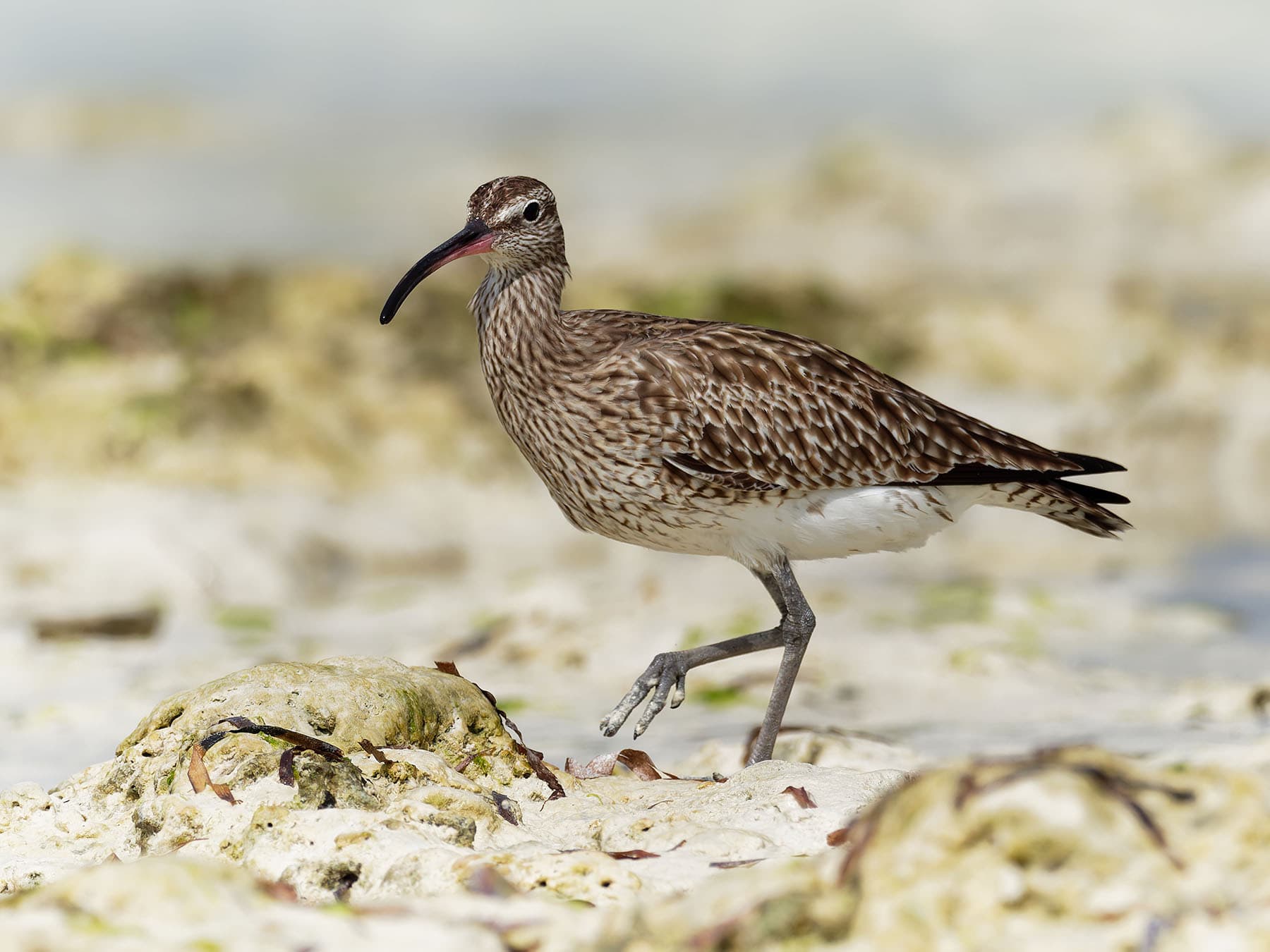 WhimbrelNumenius phaeopusWinter visitorUncommon40–46 cmRecorded all year · 0.02% in Jun
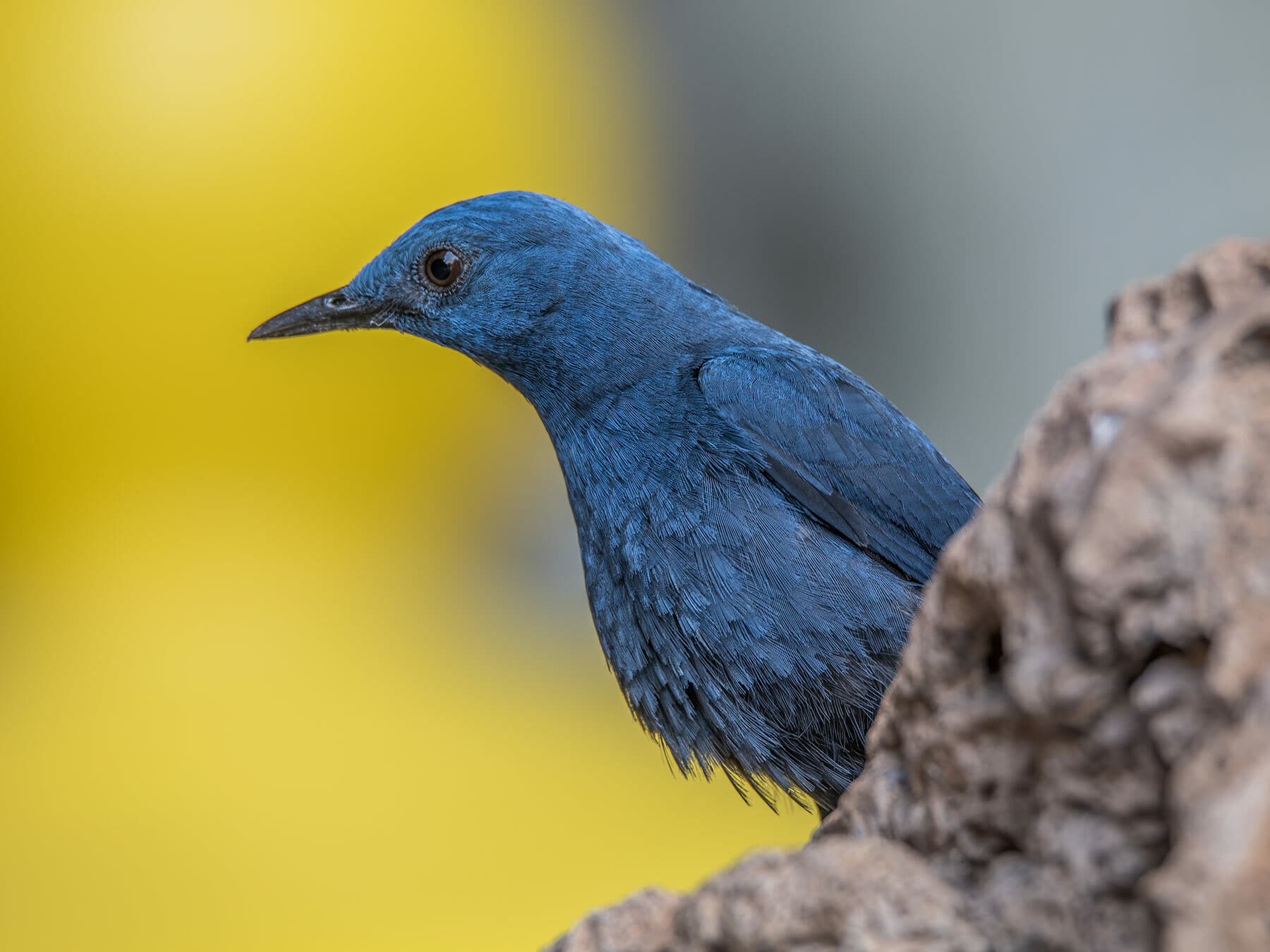 Blue Rock-thrushMonticola solitariusResidentRare21–23 cmRecorded all year · 0.02% in Jun
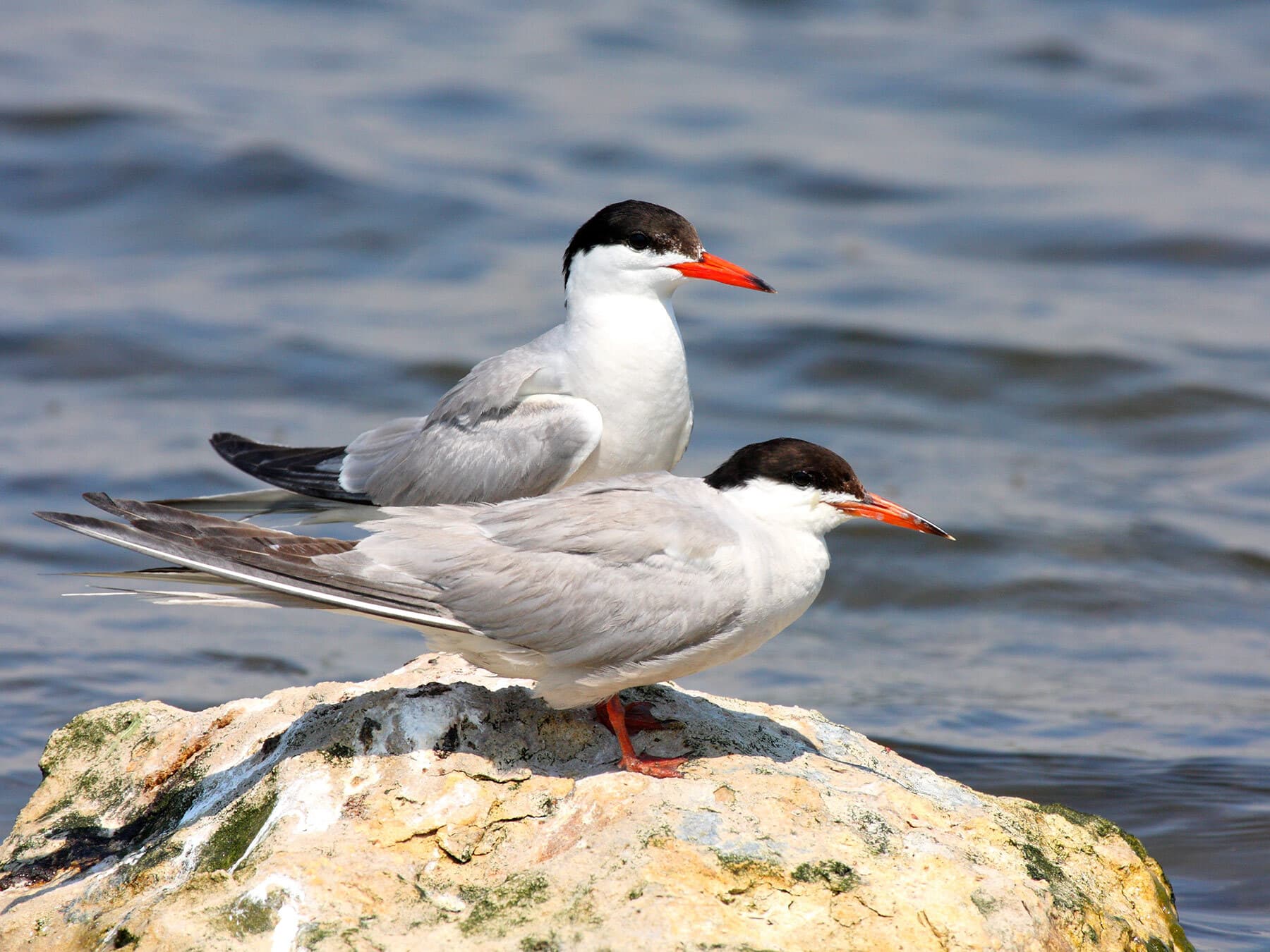 Common TernSterna hirundoWinter visitorUncommon31–35 cmRecorded all year · 0.01% in Jun
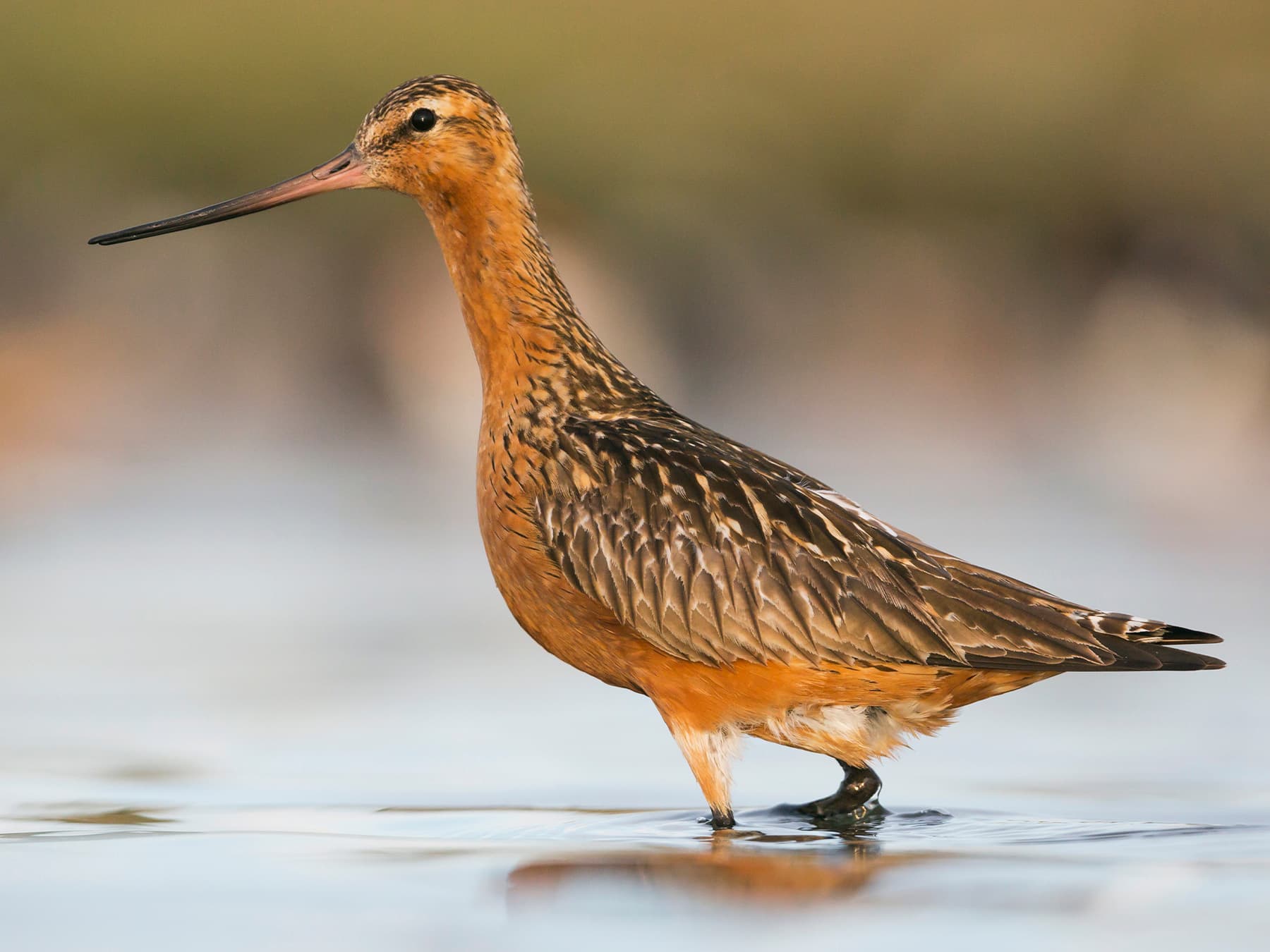 Bar-tailed GodwitLimosa lapponicaWinter visitorUncommon37–41 cmRecorded all year · 0.01% in Jun
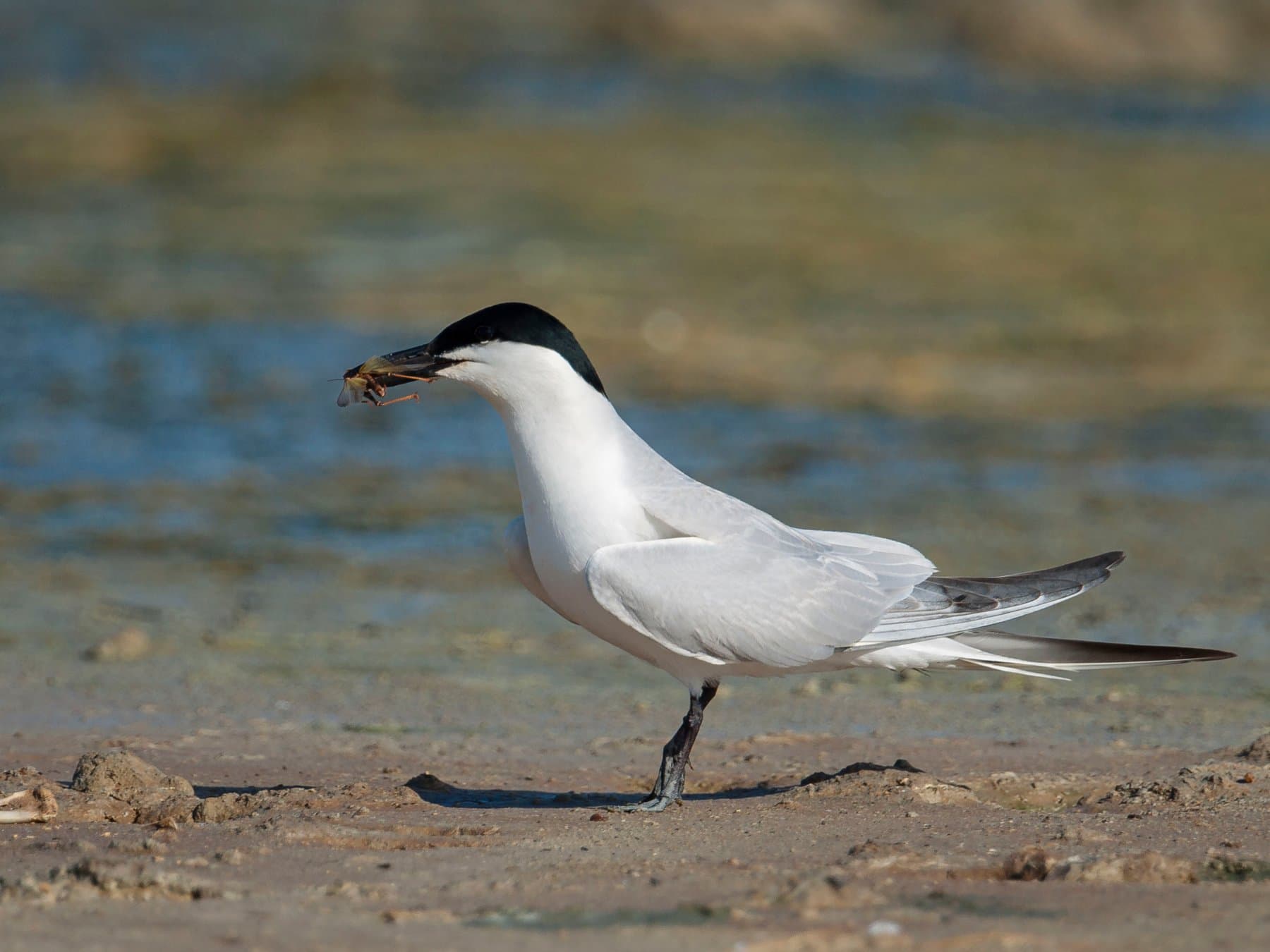 Gull-billed TernGelochelidon niloticaWinter visitorUncommon33–42 cmRecorded all year · 0.01% in Jun
Smallest to largest
Length, cm- Chestnut Munia 10–11 cm
- Scaly-breasted Munia 11–12 cm
- Rufous-tailed Tailorbird 10–14 cm
- Eurasian Tree Sparrow 13–14 cm
- White-tailed Robin 16–18 cm
- Barn Swallow 17–19 cm
- Blue-eared Barbet 20–23 cm
- Orange-headed Thrush 20–23 cm
- Blue Rock-thrush 21–23 cm
- Little Tern 21–25 cm
- Crested Myna 24–27 cm
- Little Grebe 23–29 cm
- Rock Dove 29–37 cm
- Common Tern 31–35 cm
- Moorhen 30–38 cm
- Gull-billed Tern 33–42 cm
- Bar-tailed Godwit 37–41 cm
- Whimbrel 40–46 cm
- Peregrine Falcon 34–58 cm
- Red Junglefowl 42–75 cm
- Little Egret 55–65 cm
- Oriental Honey-buzzard 52–68 cm
- Black-crowned Night-heron 58–65 cm
- Black Eagle 65–80 cm
- Purple Heron 78–90 cm
- Great White Egret 80–104 cm
- Grey Heron 90–98 cm
Body length, bill to tail. Rare birds in grey.
Data: EOD – eBird Observation Dataset (Cornell Lab of Ornithology), accessed via GBIF.org, CC BY 4.0. Records from 2019–2024, aggregated and filtered by Birdfact. How these lists are made