


Uncommon Birds in South Australia
Our list for South Australia has 30 uncommon birds recorded regularly there: 19 residents and 11 summer visitors
Most likely in October
GBIF · OctShare of all bird records in South Australia in October, 2019–2024. Each month links to that month’s page.
All 30, most common first
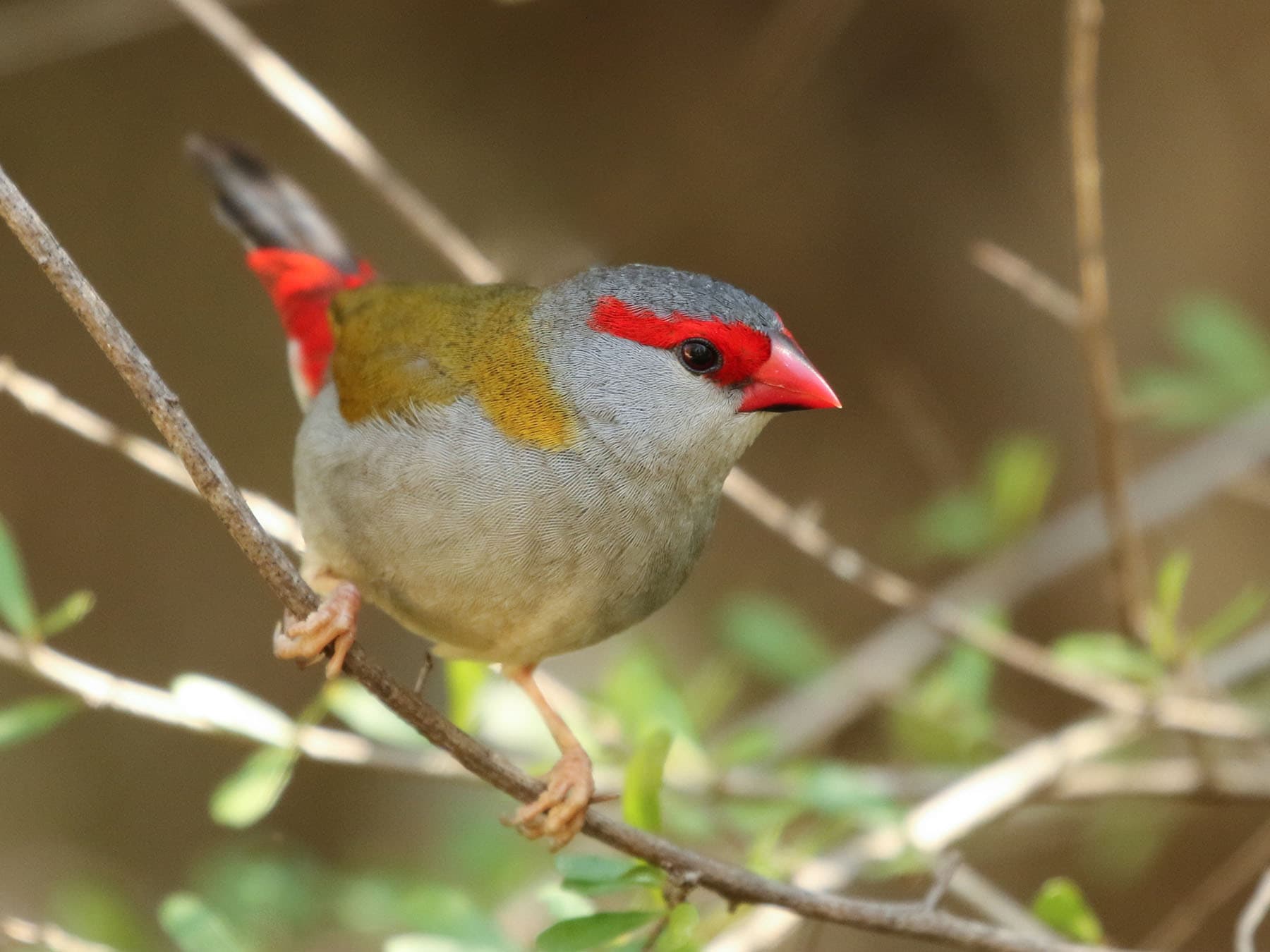 Red-browed FinchNeochmia temporalisResidentUncommon11–12 cmRecorded all year
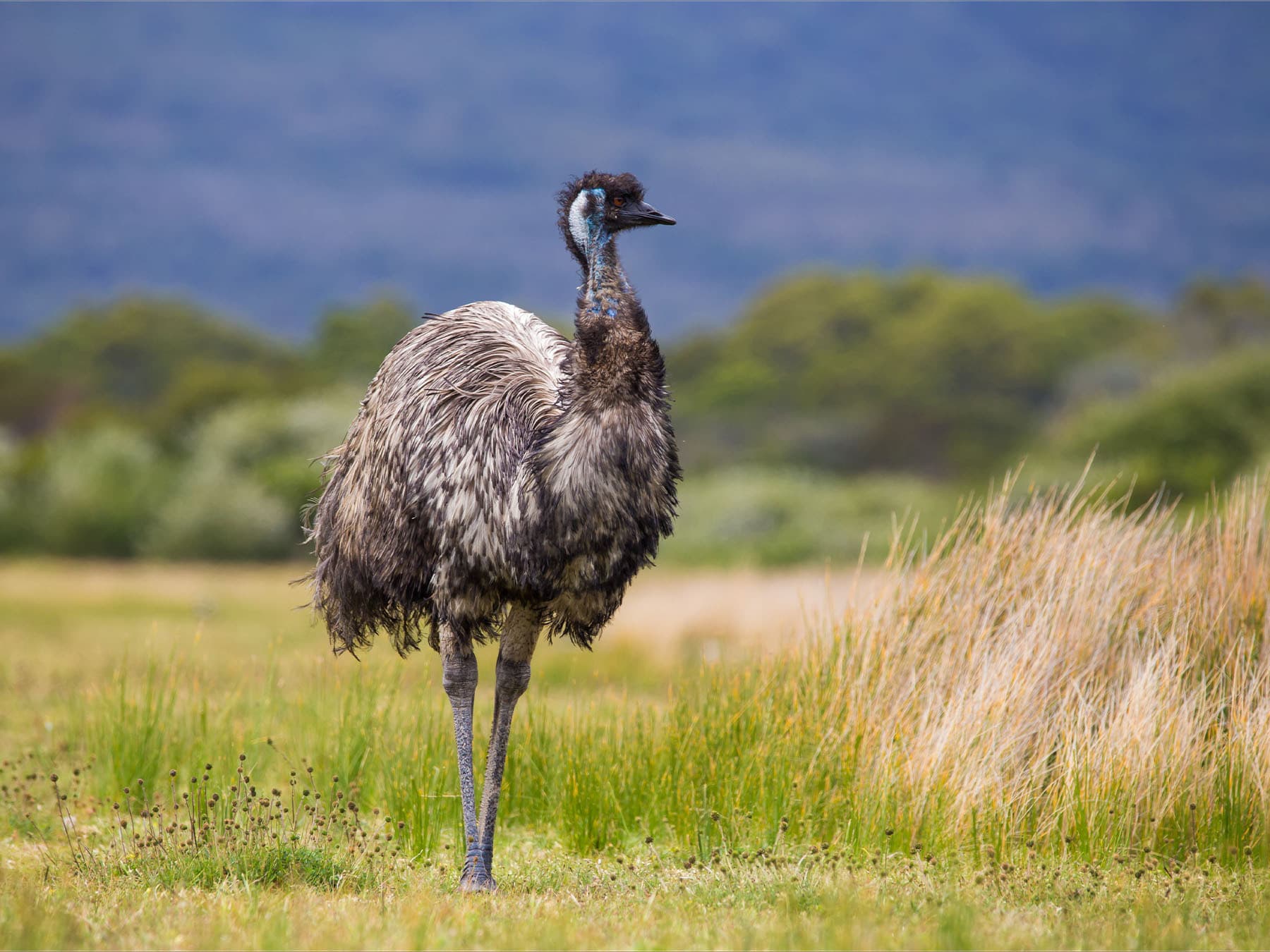 EmuDromaius novaehollandiaeResidentUncommon150–190 cmRecorded all year
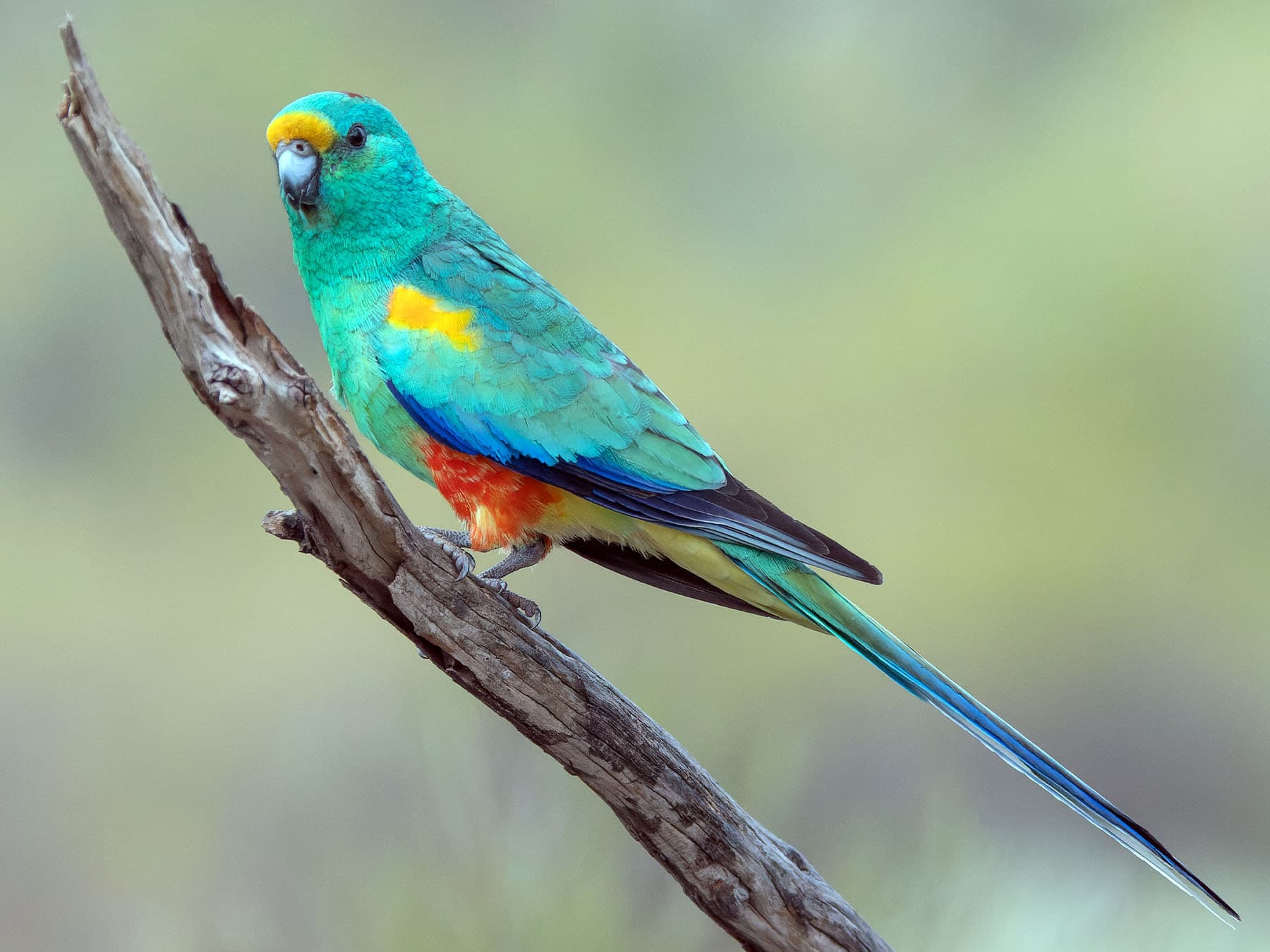 Mulga ParrotPsephotellus variusResidentUncommon27–32 cmRecorded all year
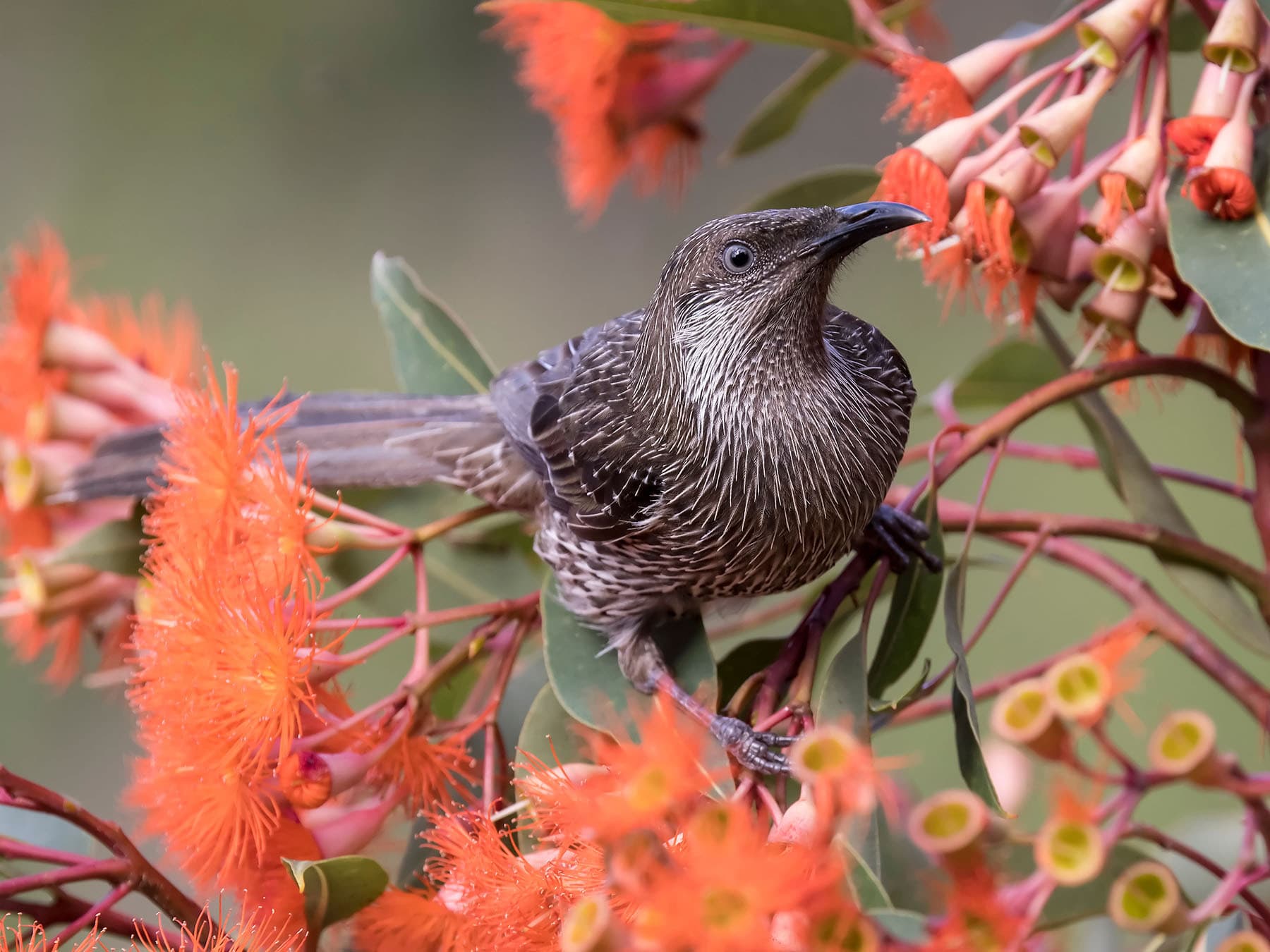 Little WattlebirdAnthochaera chrysopteraResidentUncommon25–30 cmRecorded all year
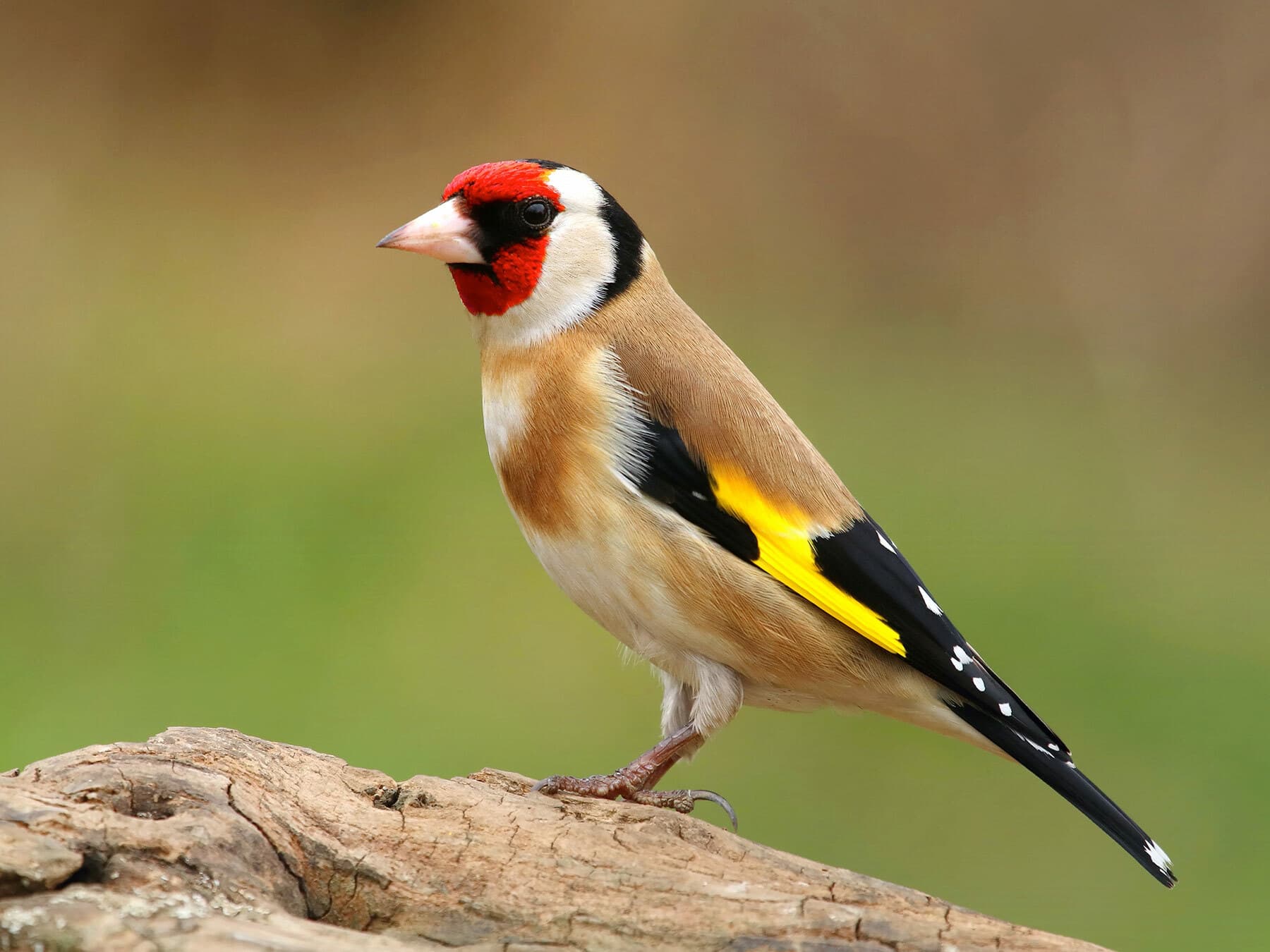 European GoldfinchCarduelis carduelisResidentUncommon12–13 cmRecorded all year
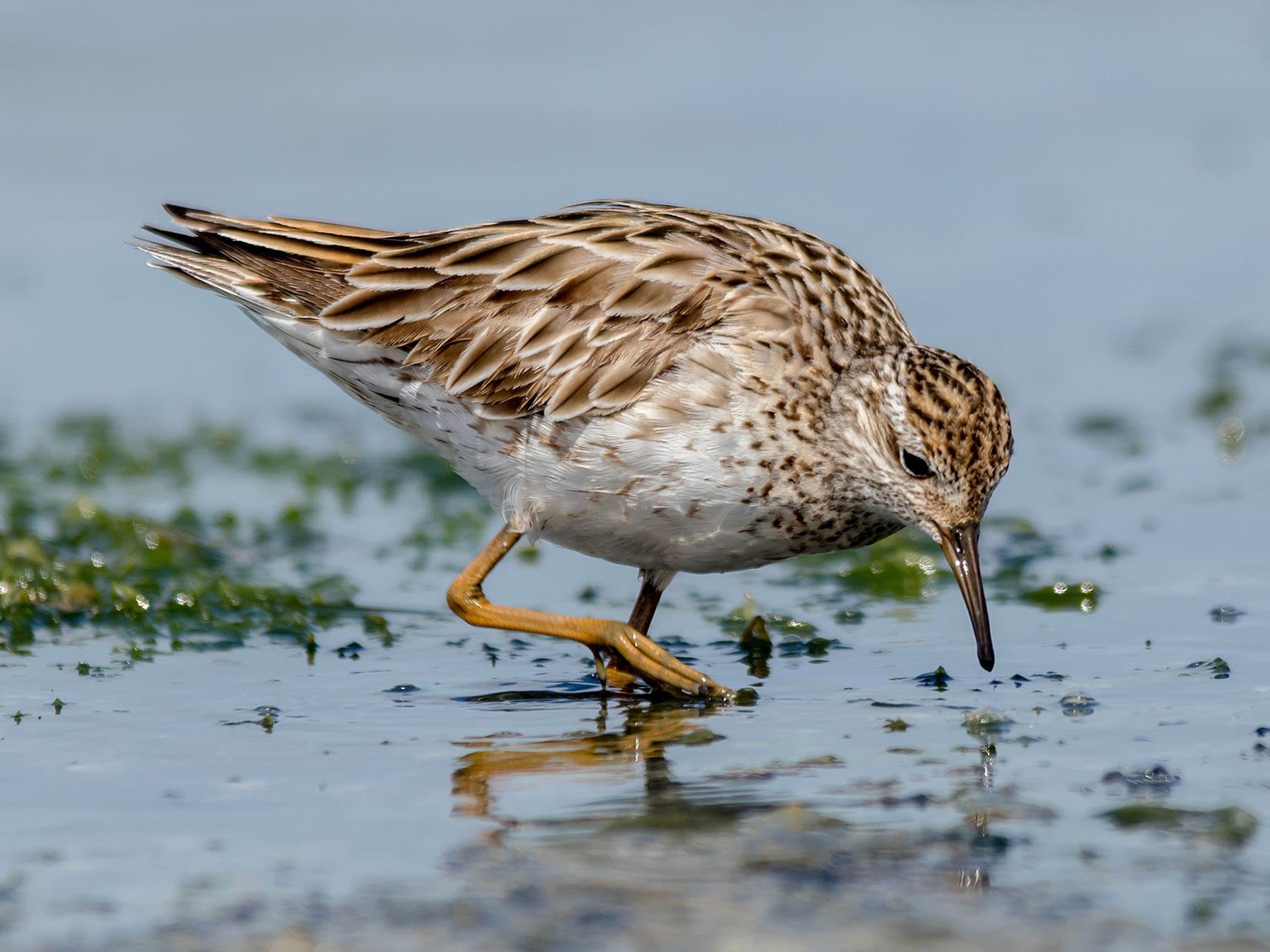 Sharp-tailed SandpiperCalidris acuminataSummer visitorUncommon17–22 cmRegularly Sep–Apr
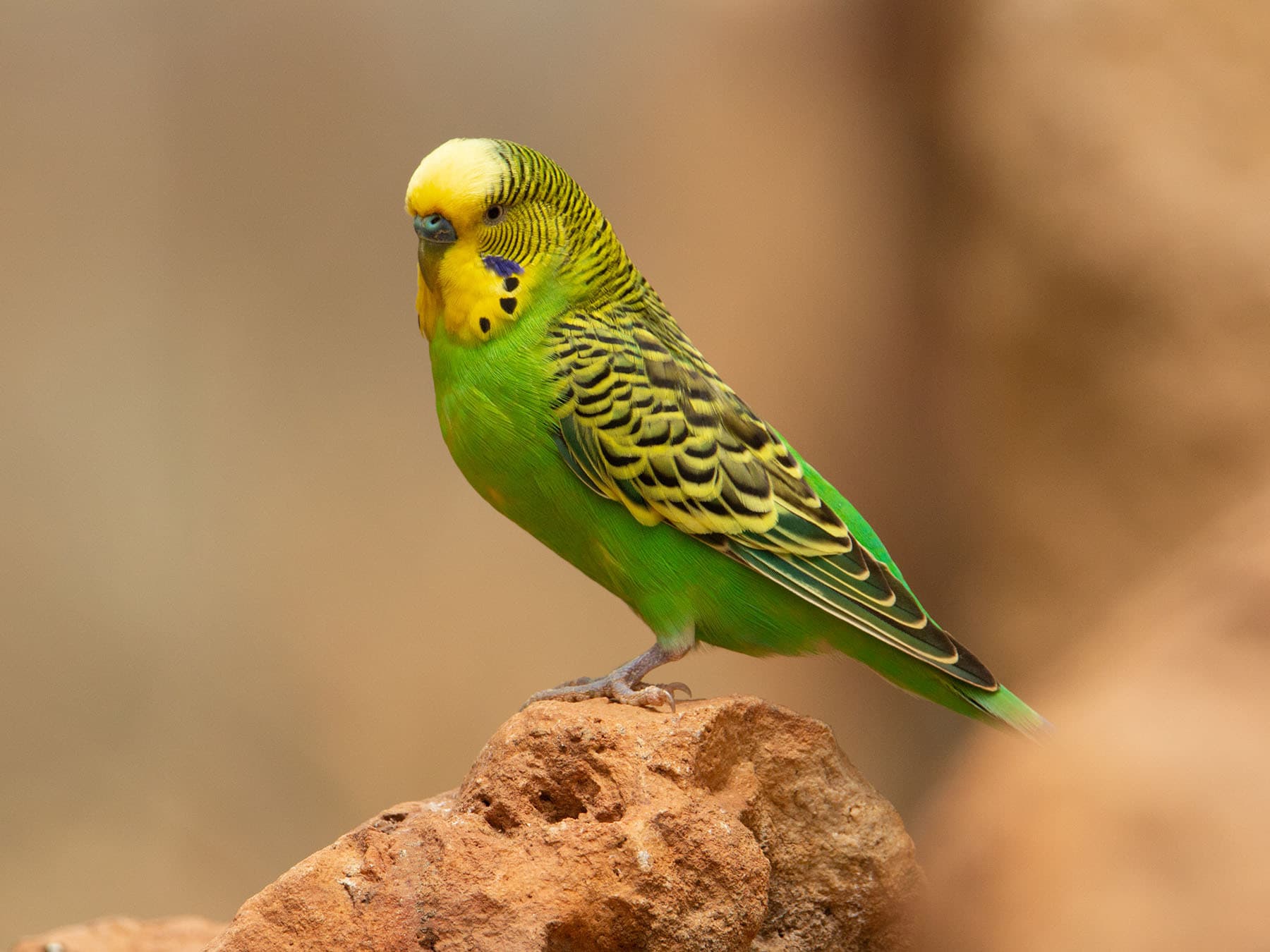 BudgerigarMelopsittacus undulatusResidentUncommon18–20 cmRecorded all year
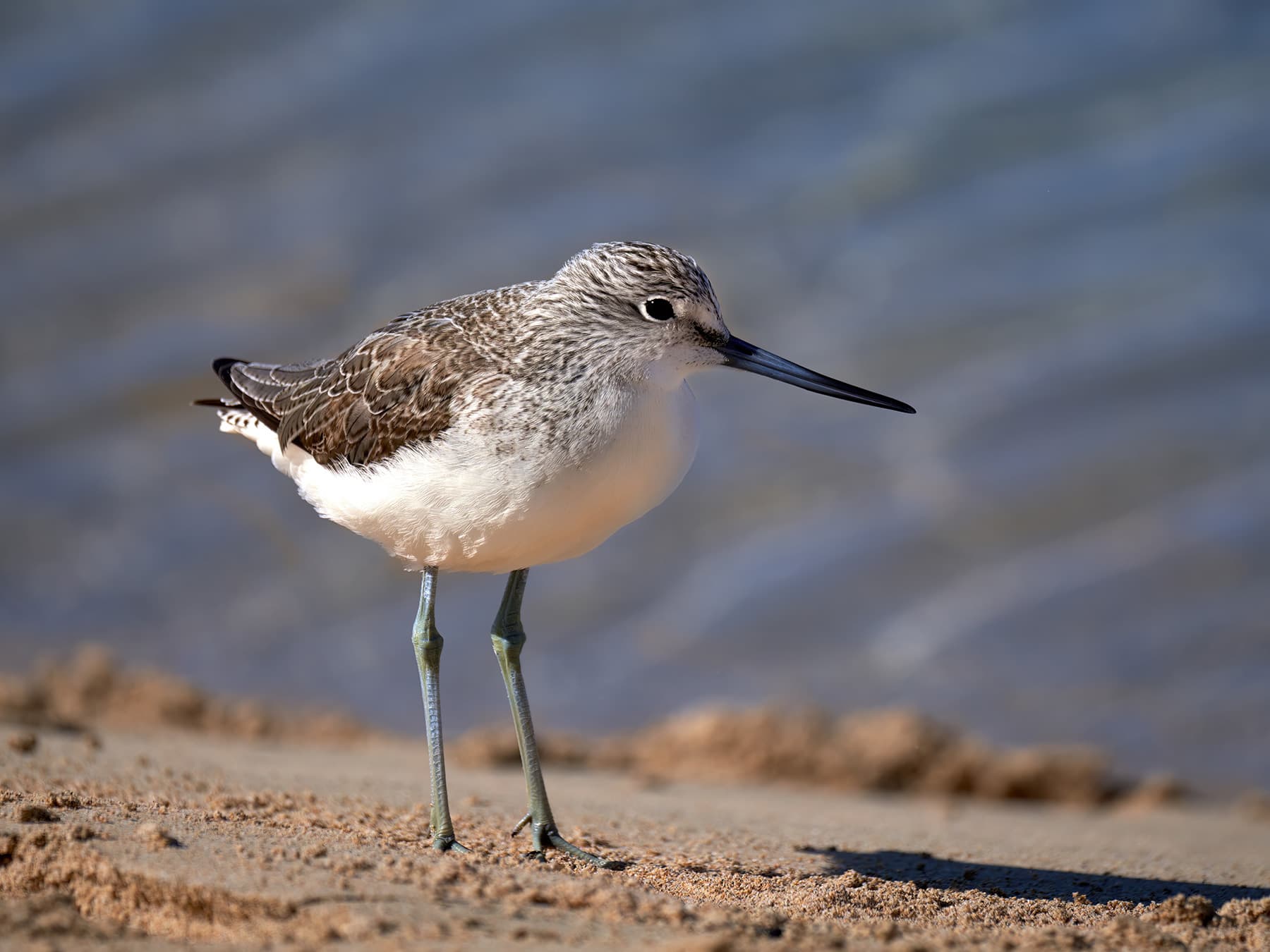 GreenshankTringa nebulariaSummer visitorUncommon30–35 cmRegularly Sep–Jun
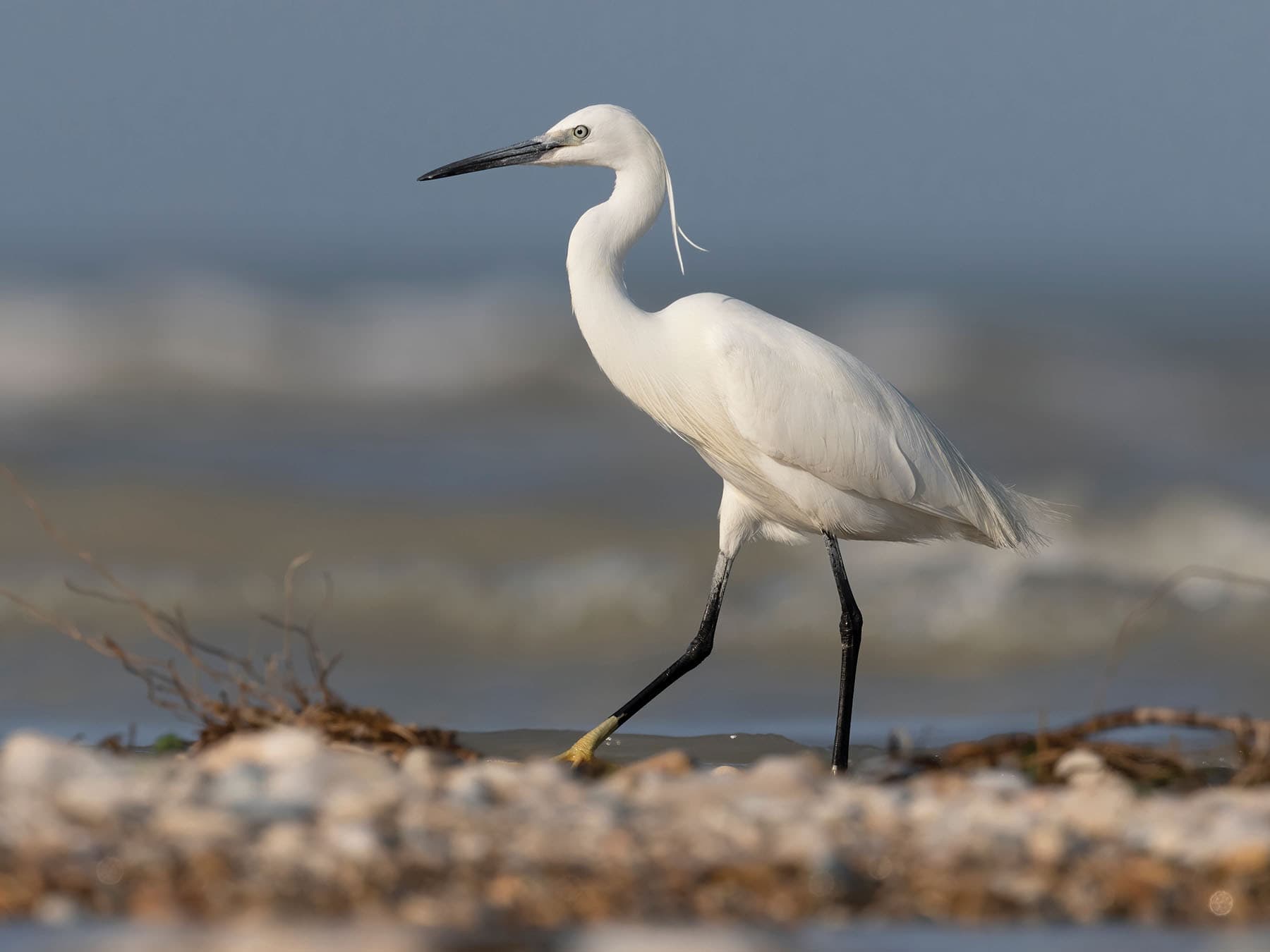 Little EgretEgretta garzettaResidentUncommon55–65 cmRecorded all year
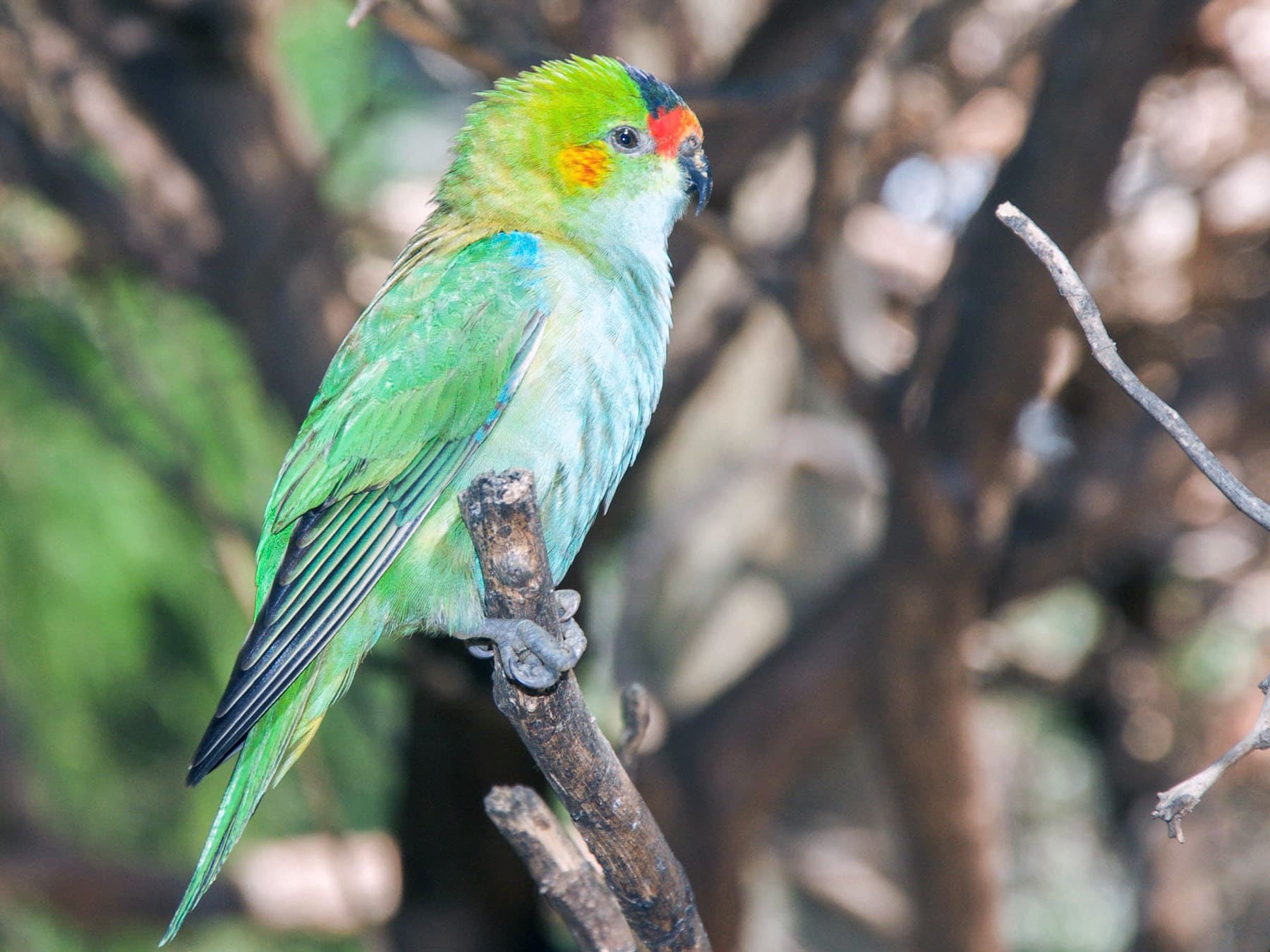 Purple-crowned LorikeetGlossopsitta porphyrocephalaResidentUncommon15–17 cmRecorded all year
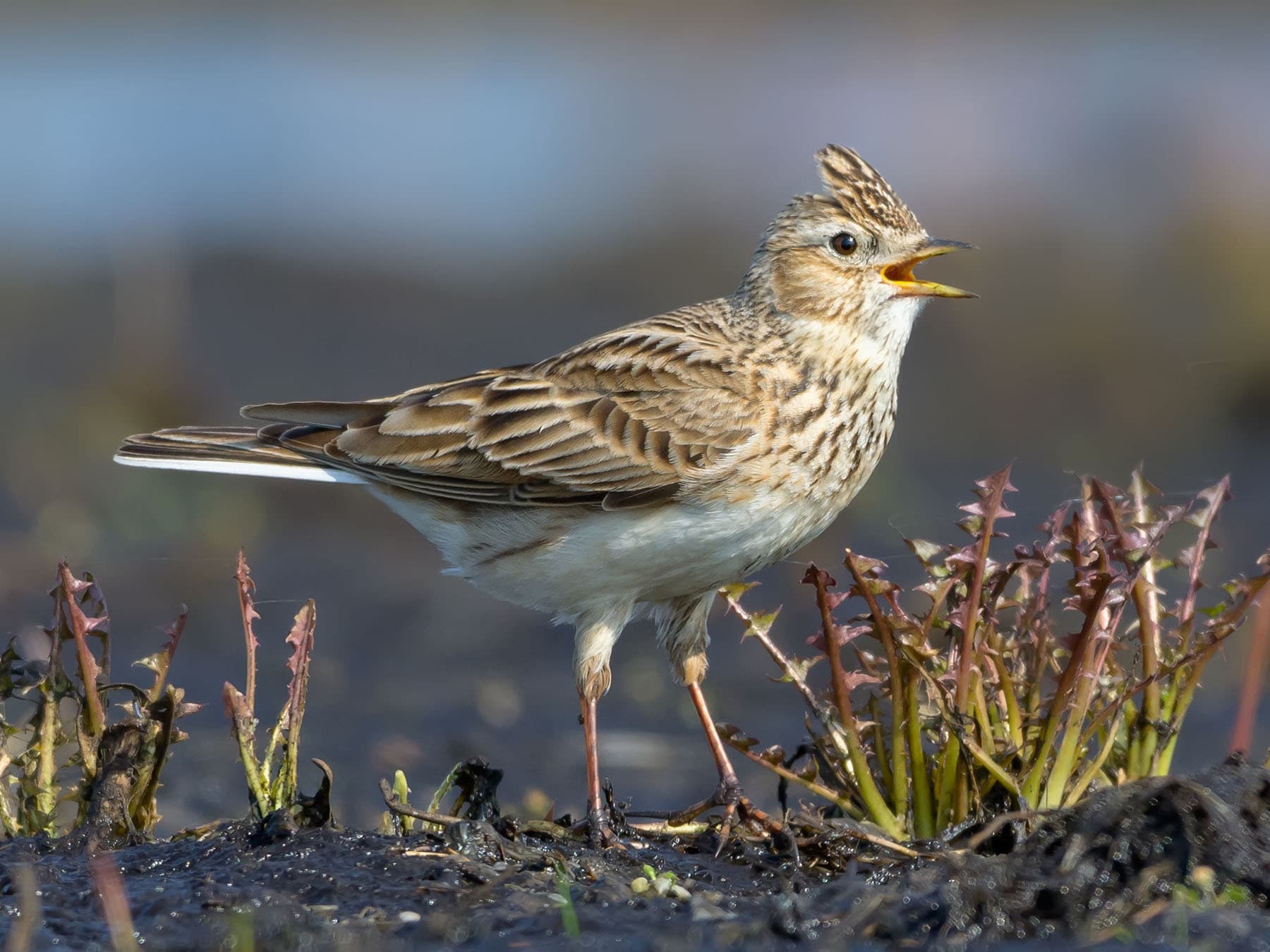 Eurasian SkylarkAlauda arvensisResidentUncommon16–18 cmRegularly Apr–Feb
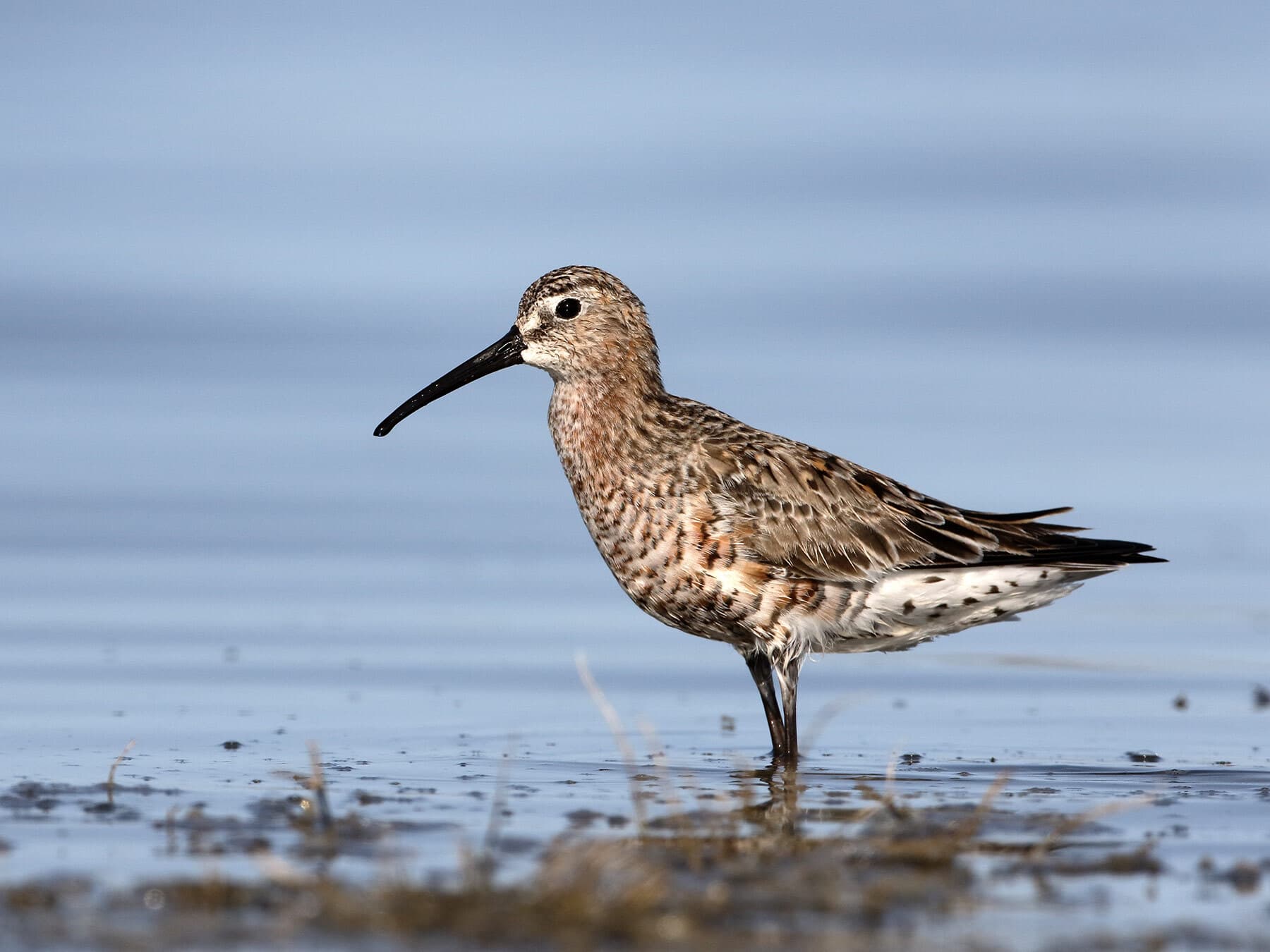 Curlew SandpiperCalidris ferrugineaSummer visitorUncommon18–23 cmRecorded all year
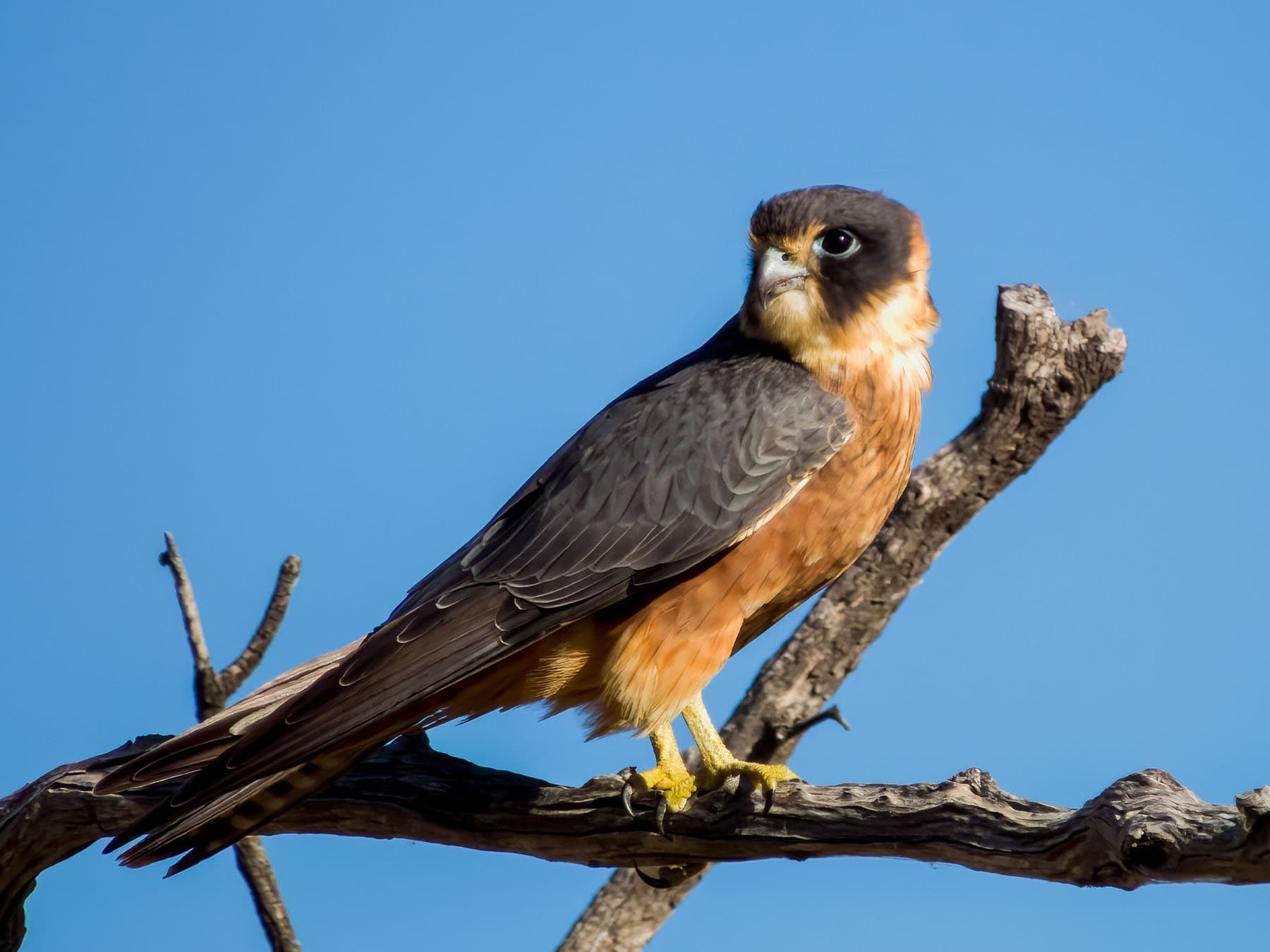 Australian HobbyFalco longipennisResidentUncommon30–35 cmRecorded all year
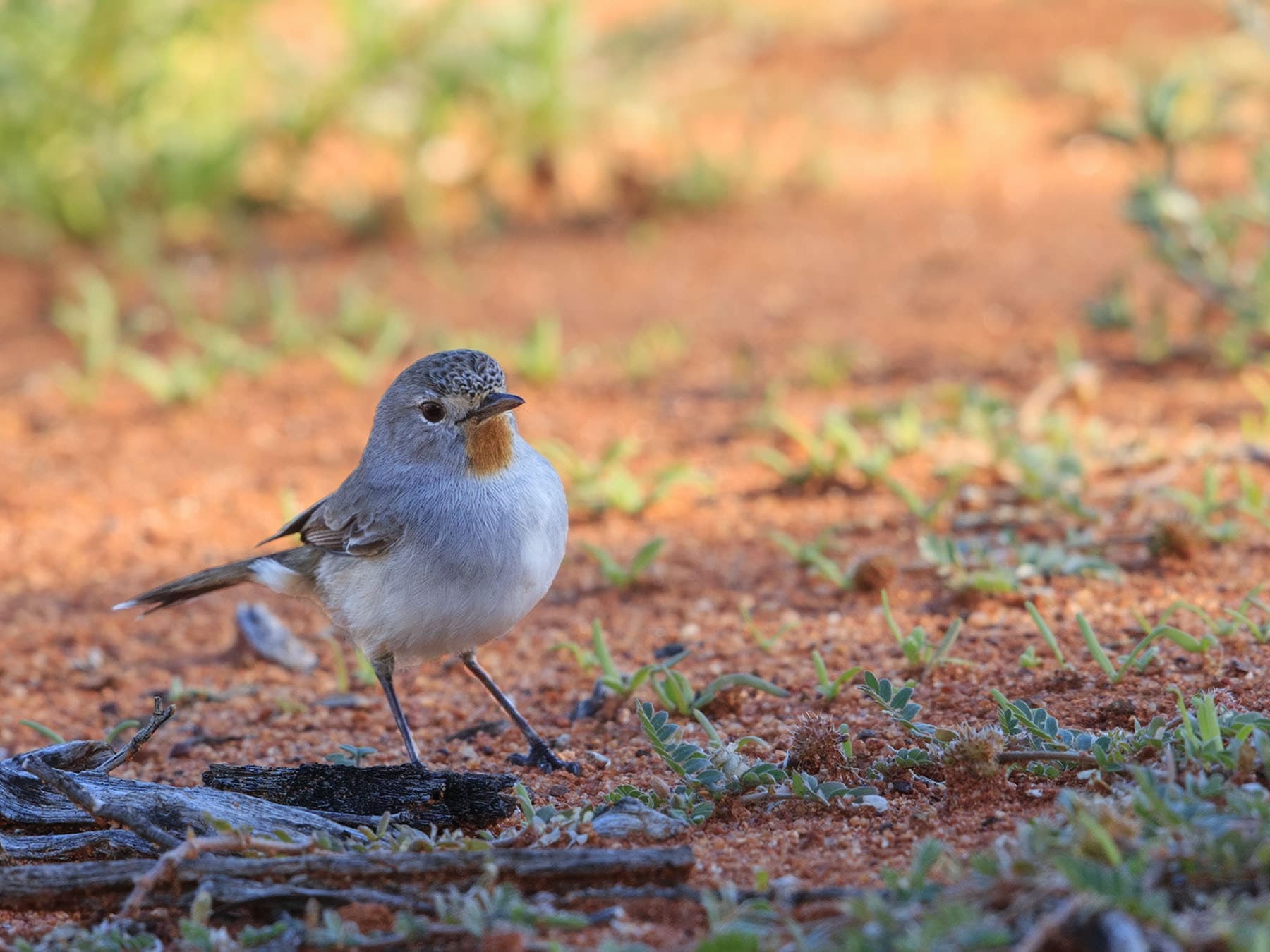 RedthroatPyrrholaemus brunneusResidentUncommon12–14 cmRecorded all year
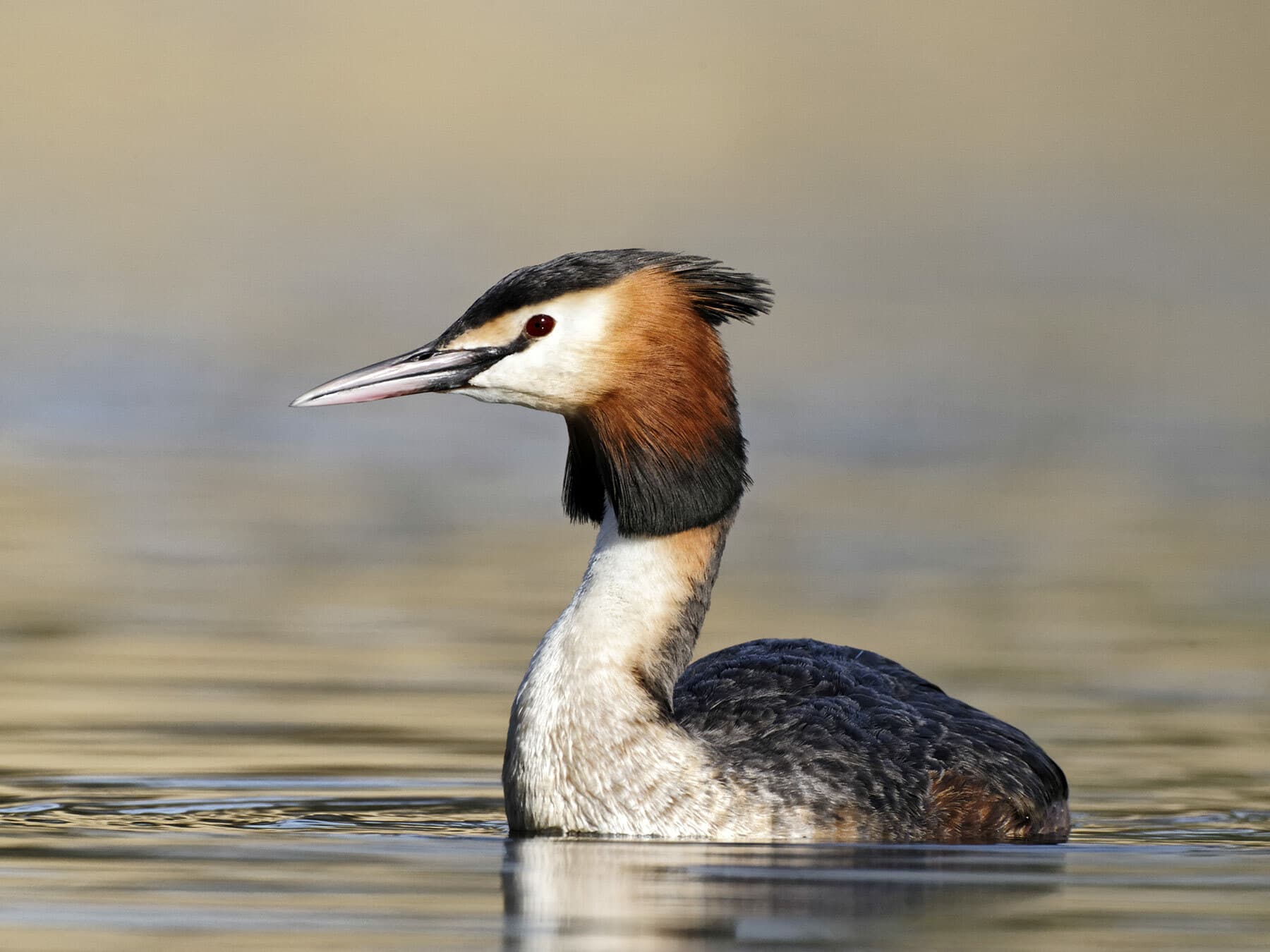 Great Crested GrebePodiceps cristatusResidentUncommon46–51 cmRecorded all year
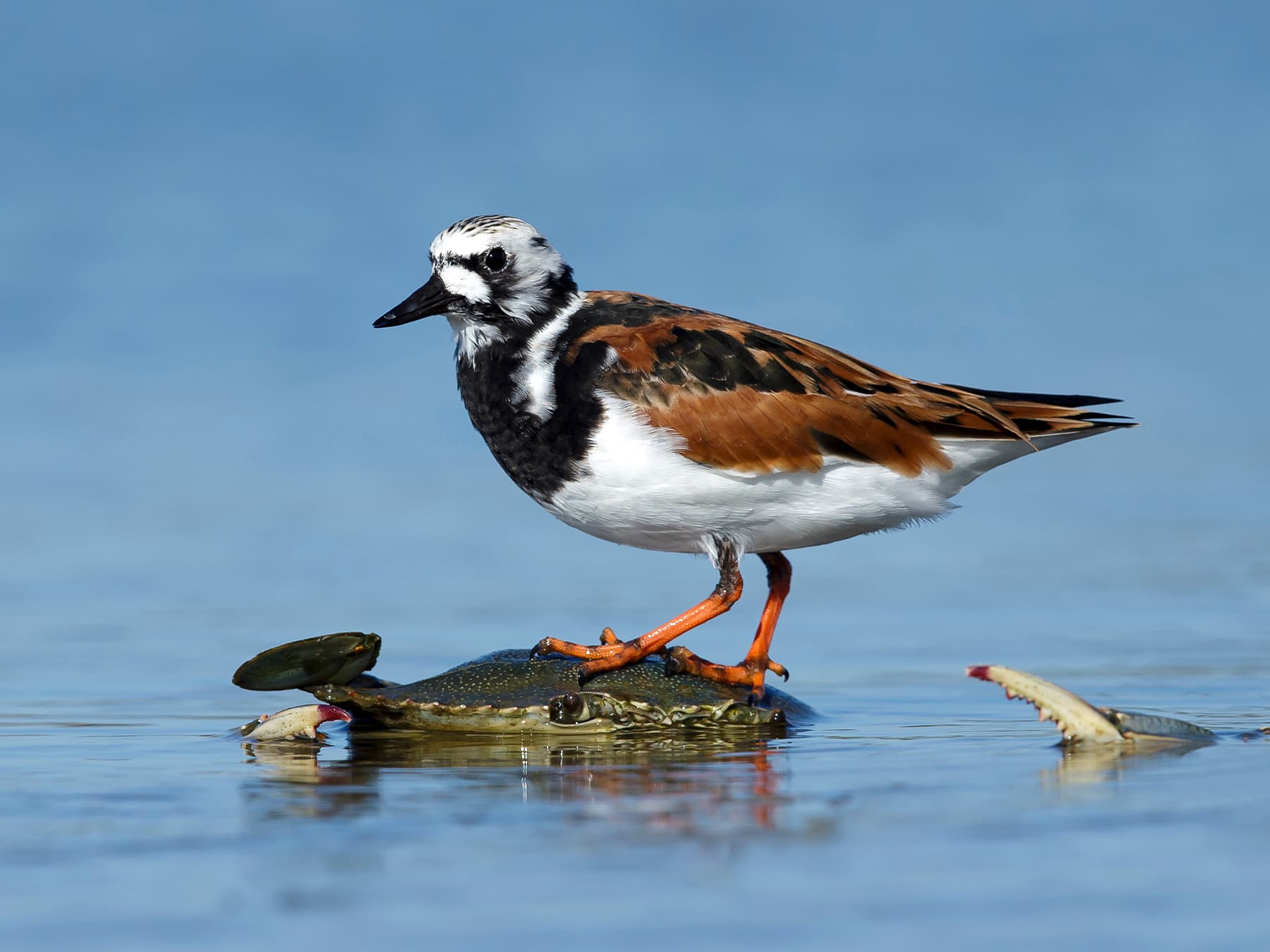 Ruddy TurnstoneArenaria interpresSummer visitorUncommon21–24 cmRecorded all year
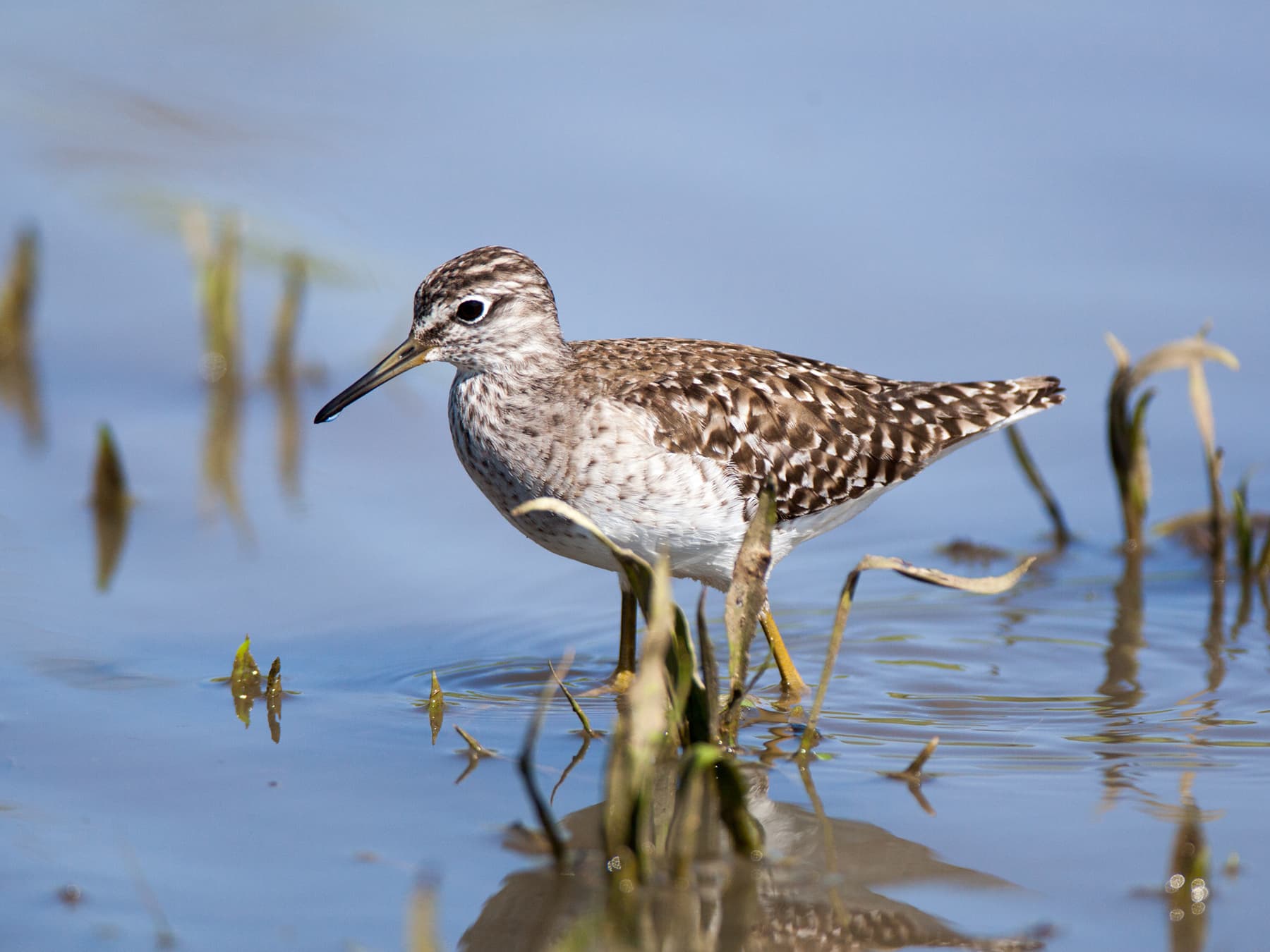 Wood SandpiperTringa glareolaSummer visitorUncommon19–21 cmRegularly Sep–Apr
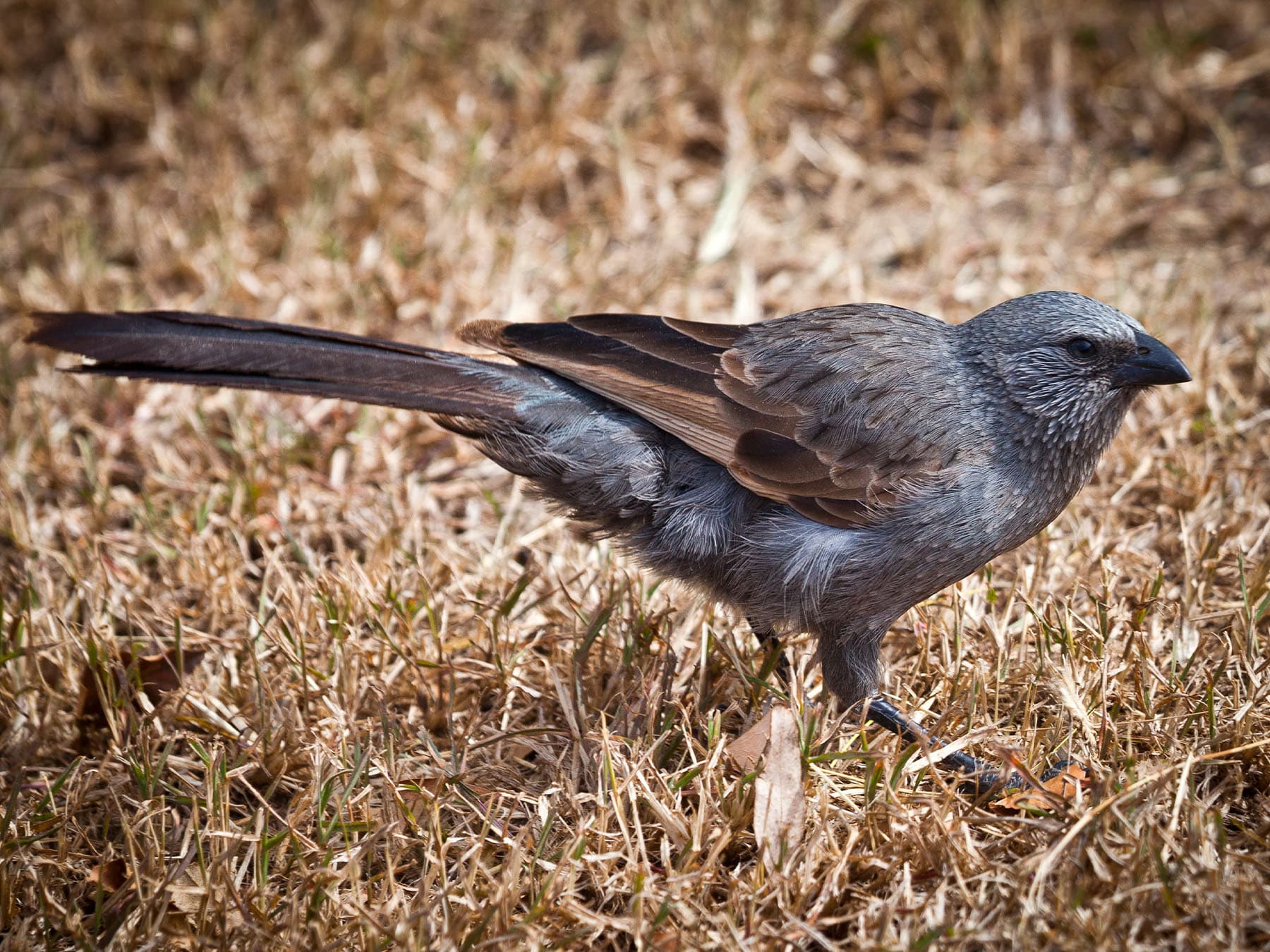 ApostlebirdStruthidea cinereaResidentUncommon29–33 cmRecorded all year
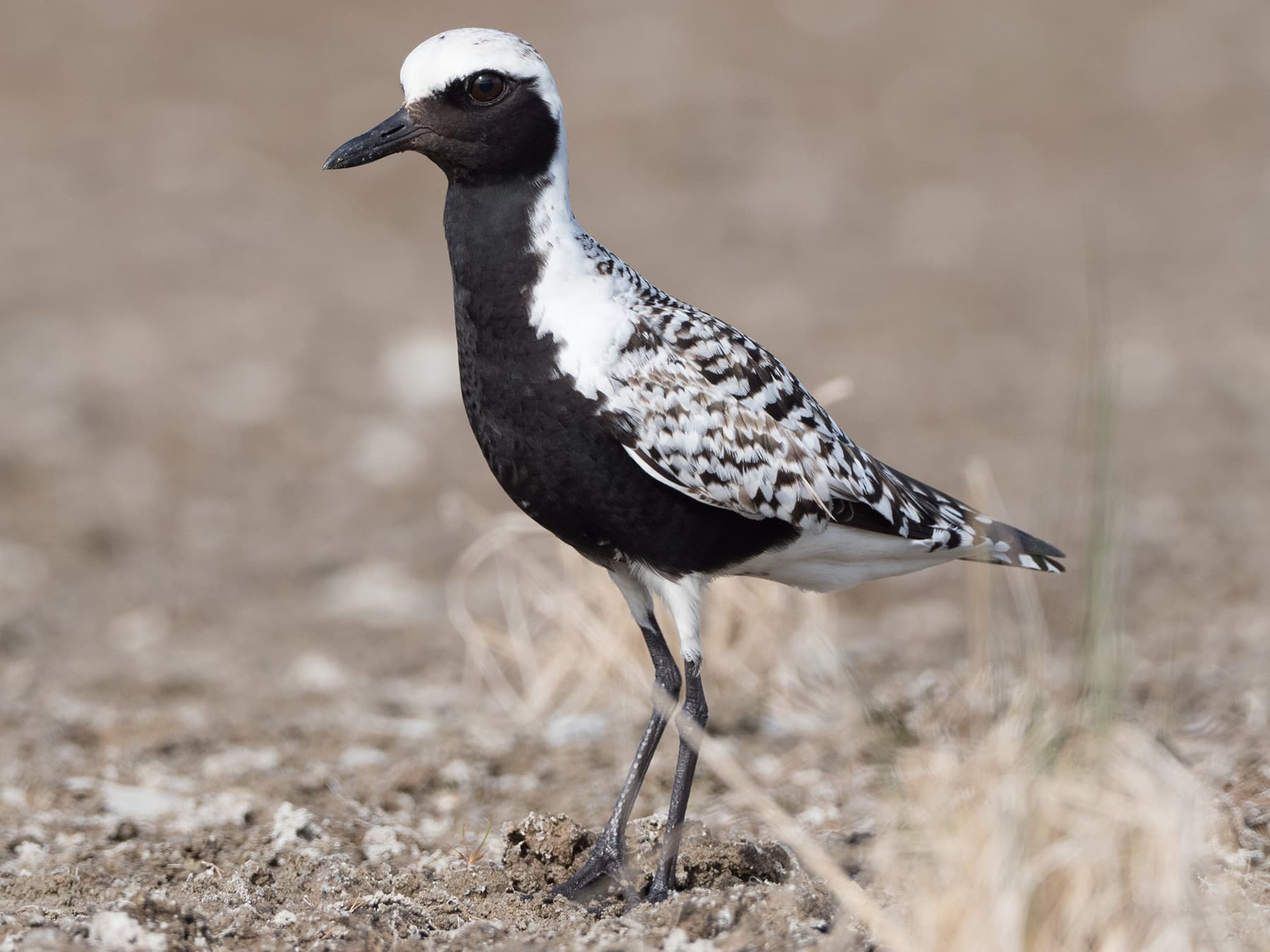 Grey PloverPluvialis squatarolaSummer visitorUncommon27–30 cmRegularly Sep–Apr
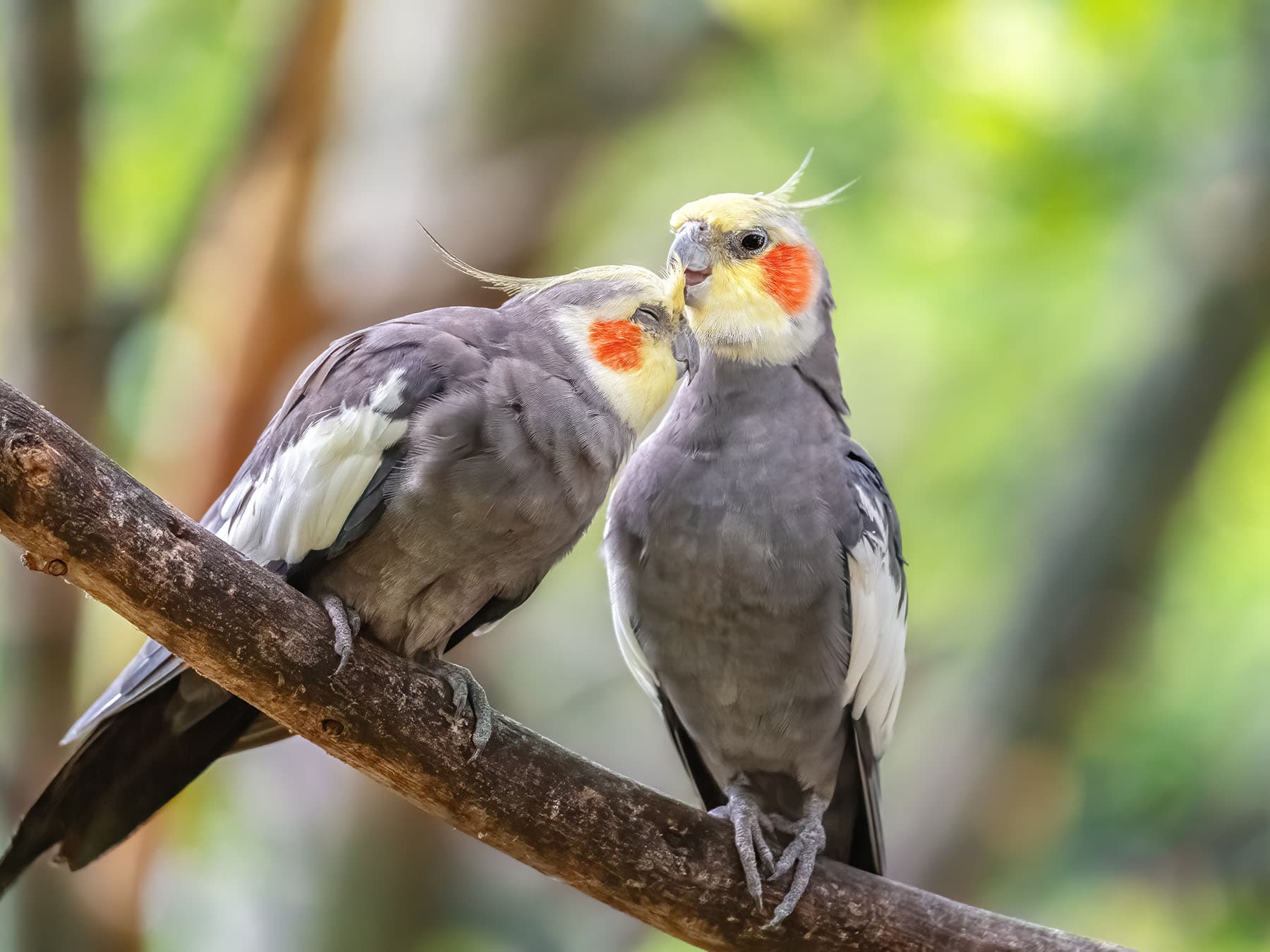 CockatielNymphicus hollandicusResidentUncommon30–33 cmRecorded all year
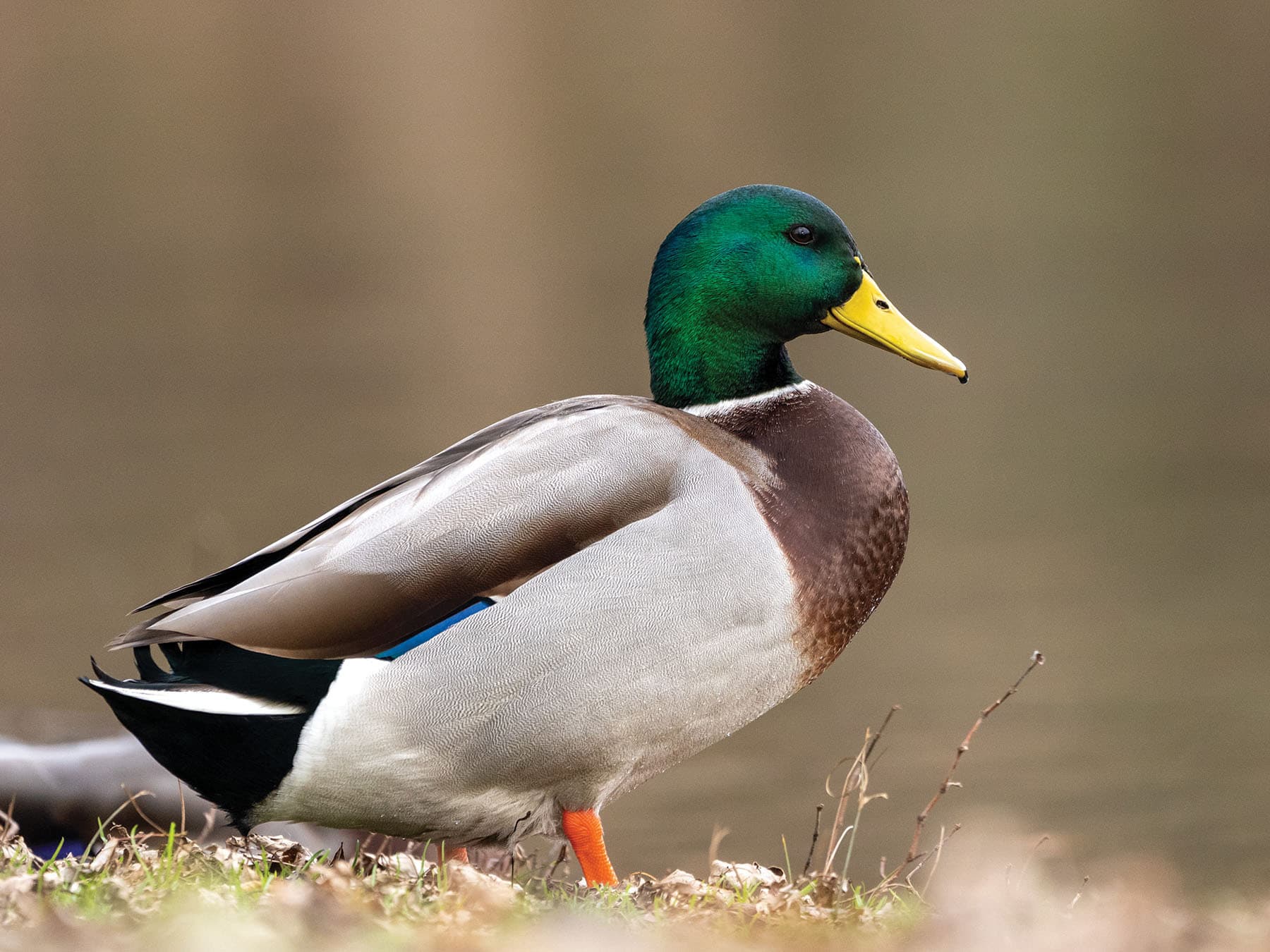 MallardAnas platyrhynchosResidentUncommon50–65 cmRecorded all year
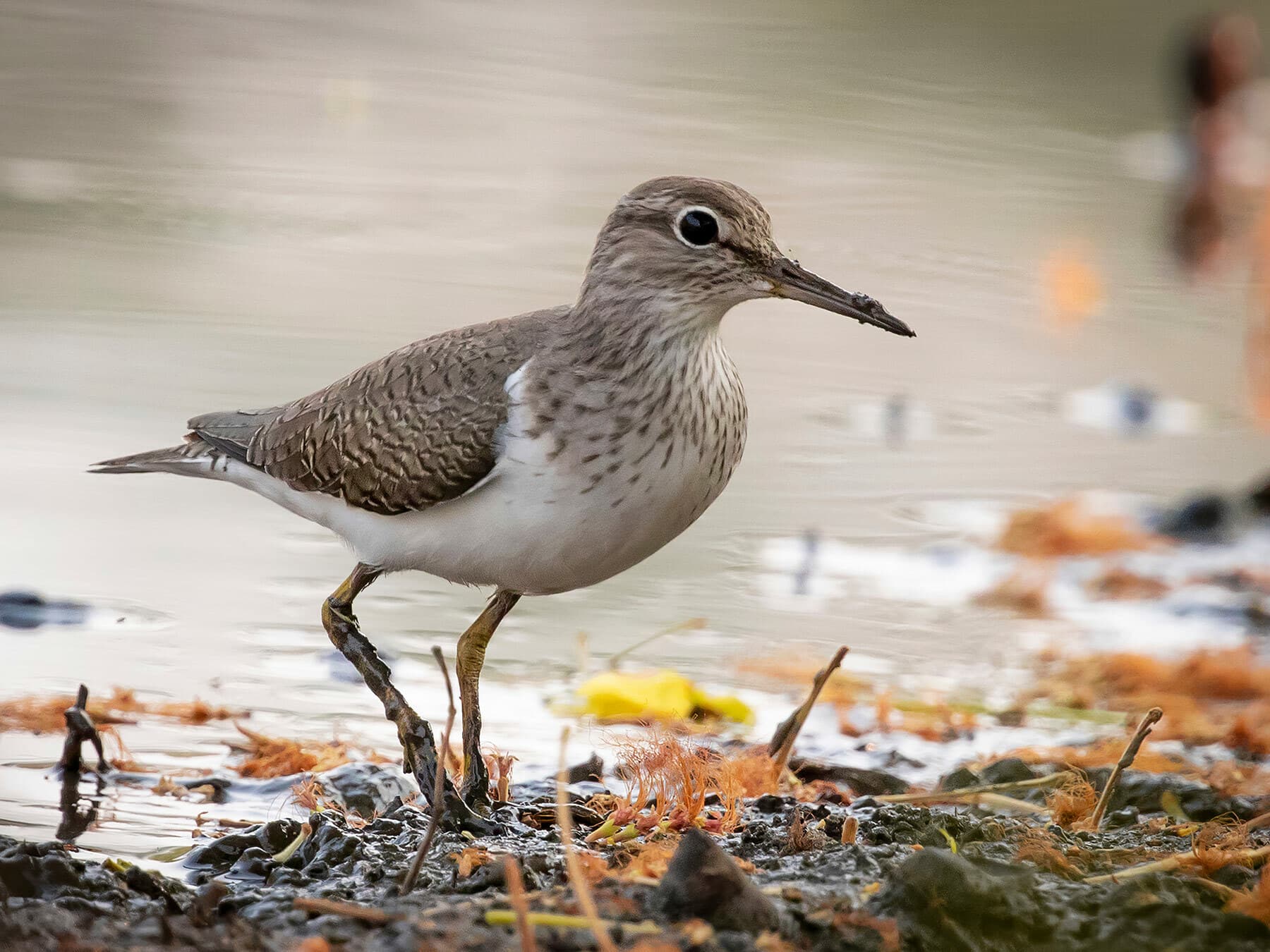 Common SandpiperActitis hypoleucosSummer visitorUncommon18–20 cmRegularly Aug–Apr
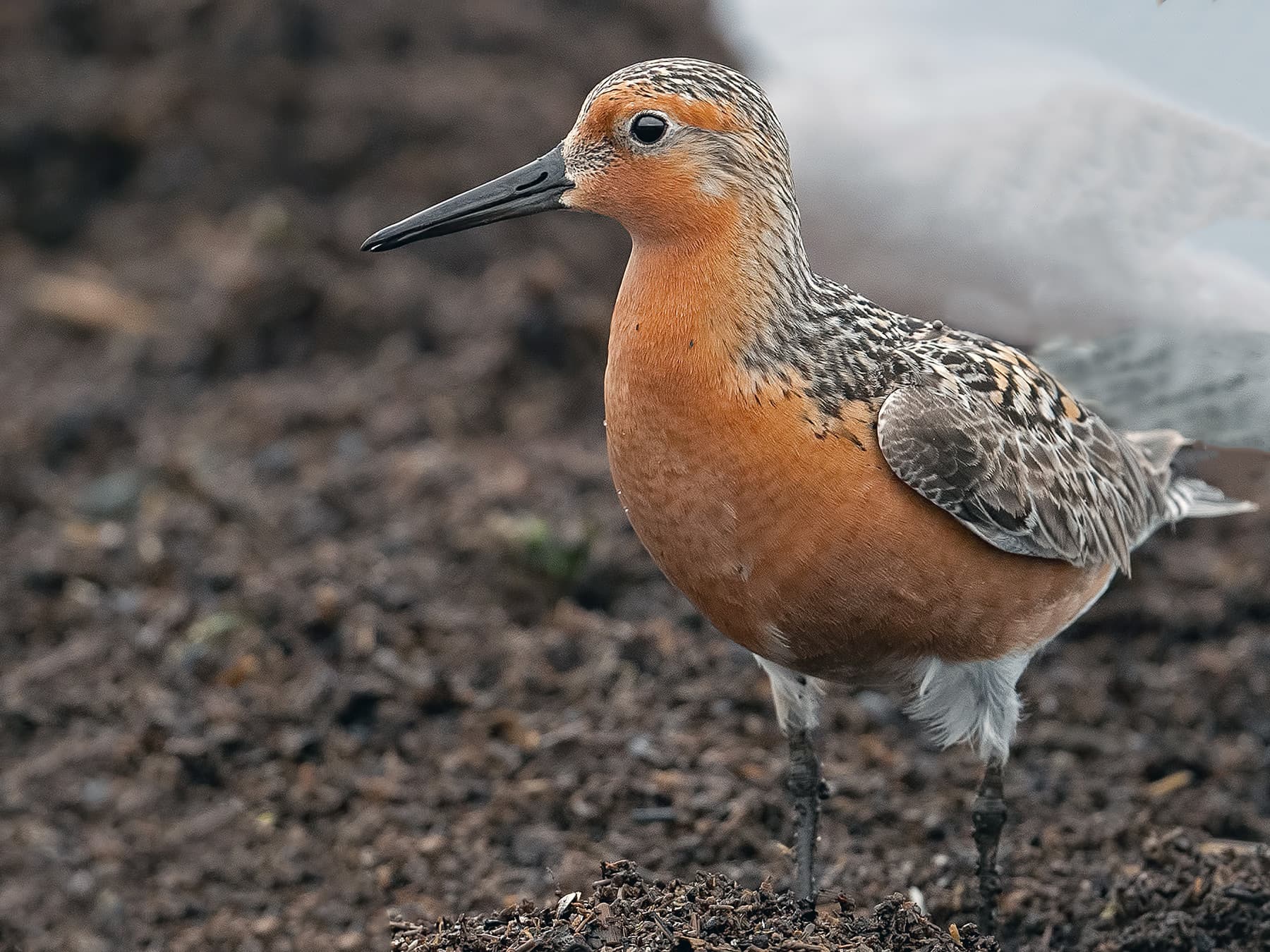 Red KnotCalidris canutusSummer visitorUncommon23–26 cmRegularly Sep–Apr
Smallest to largest
Length, cm- Red-browed Finch 11–12 cm
- European Goldfinch 12–13 cm
- Redthroat 12–14 cm
- Greenfinch 15–16 cm
- Eastern Yellow Robin 15–16 cm
- Purple-crowned Lorikeet 15–17 cm
- Eurasian Skylark 16–18 cm
- Budgerigar 18–20 cm
- Common Sandpiper 18–20 cm
- Sharp-tailed Sandpiper 17–22 cm
- Wood Sandpiper 19–21 cm
- Curlew Sandpiper 18–23 cm
- Ruddy Turnstone 21–24 cm
- Red Knot 23–26 cm
- Pacific Golden-Plover 23–26 cm
- Little Wattlebird 25–30 cm
- Grey Plover 27–30 cm
- Mulga Parrot 27–32 cm
- Apostlebird 29–33 cm
- Cockatiel 30–33 cm
- Greenshank 30–35 cm
- Australian Hobby 30–35 cm
- Bar-tailed Godwit 37–41 cm
- Peregrine Falcon 34–58 cm
- Great Crested Grebe 46–51 cm
- Osprey 54–58 cm
- Mallard 50–65 cm
- Little Egret 55–65 cm
- Brolga 100–140 cm
- Emu 150–190 cm
Body length, bill to tail. Rare birds in grey.
Data: EOD – eBird Observation Dataset (Cornell Lab of Ornithology), accessed via GBIF.org, CC BY 4.0. Records from 2019–2024, aggregated and filtered by Birdfact. How these lists are made