


Redthroat
Red-throated Warbler, Rufous-tailed Scrub-wren · Pyrrholaemus brunneus
By the Birdfact teamChecked by Nathan Cope
On this page11 sections
How to recognise it
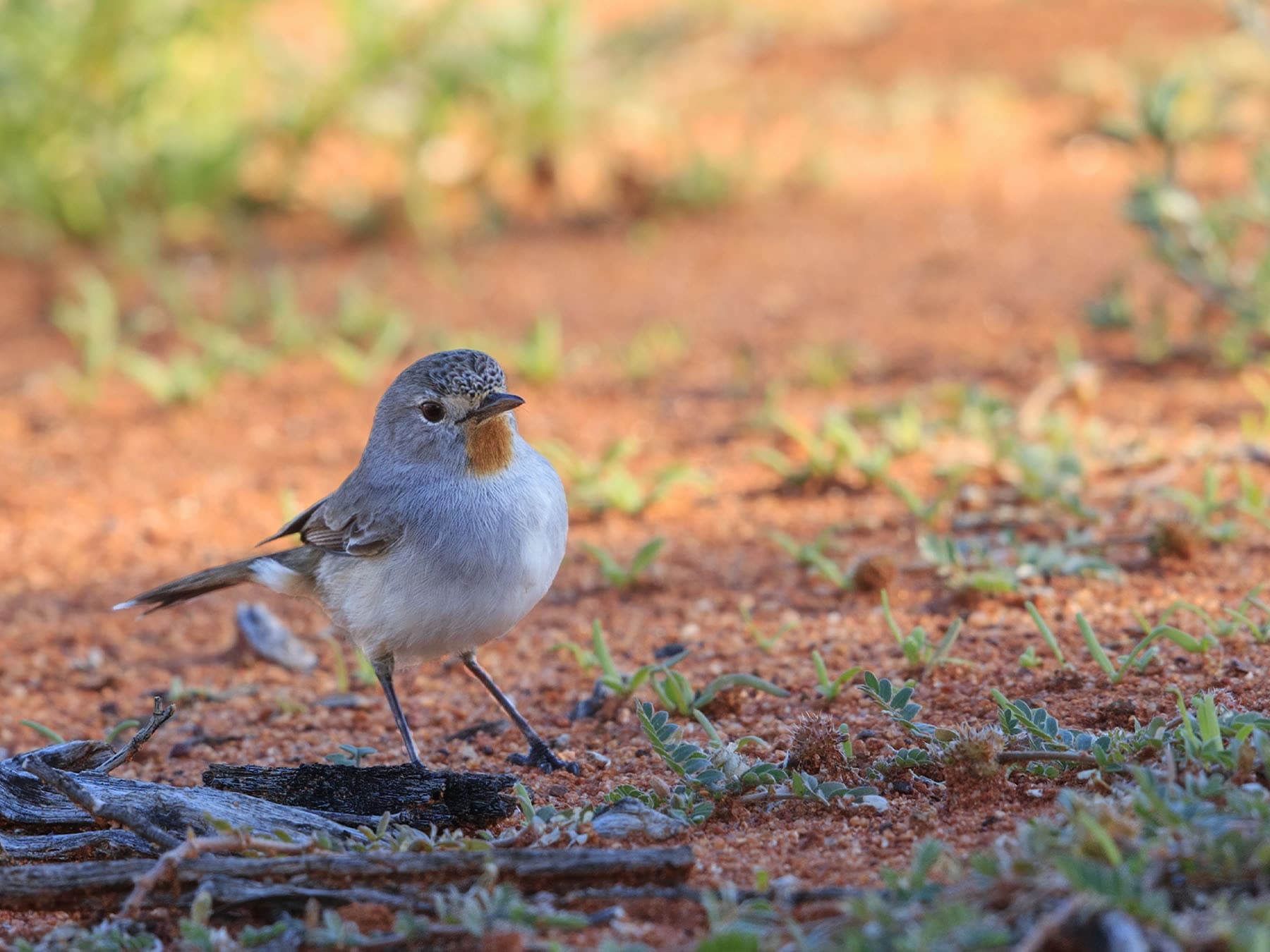
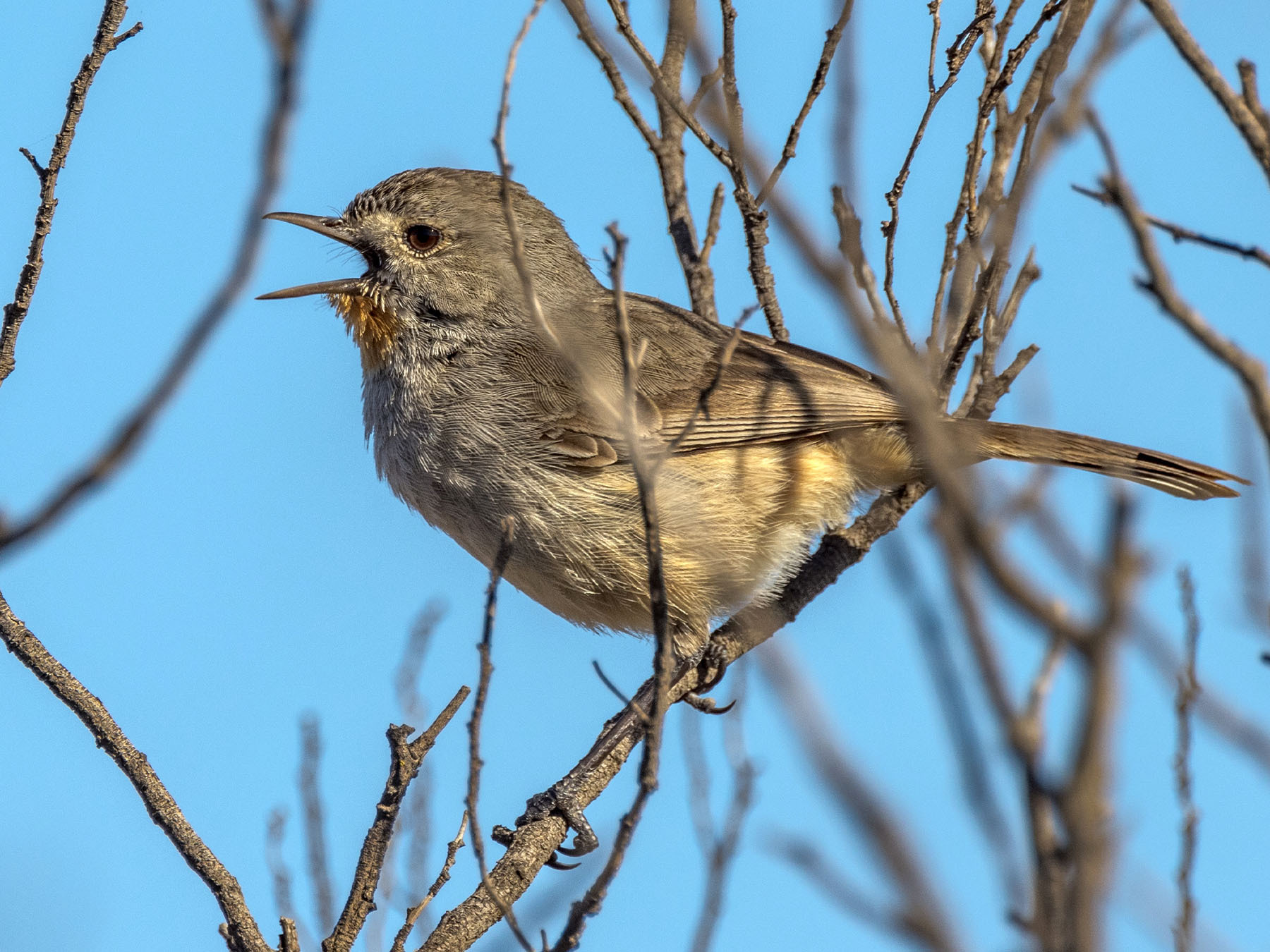
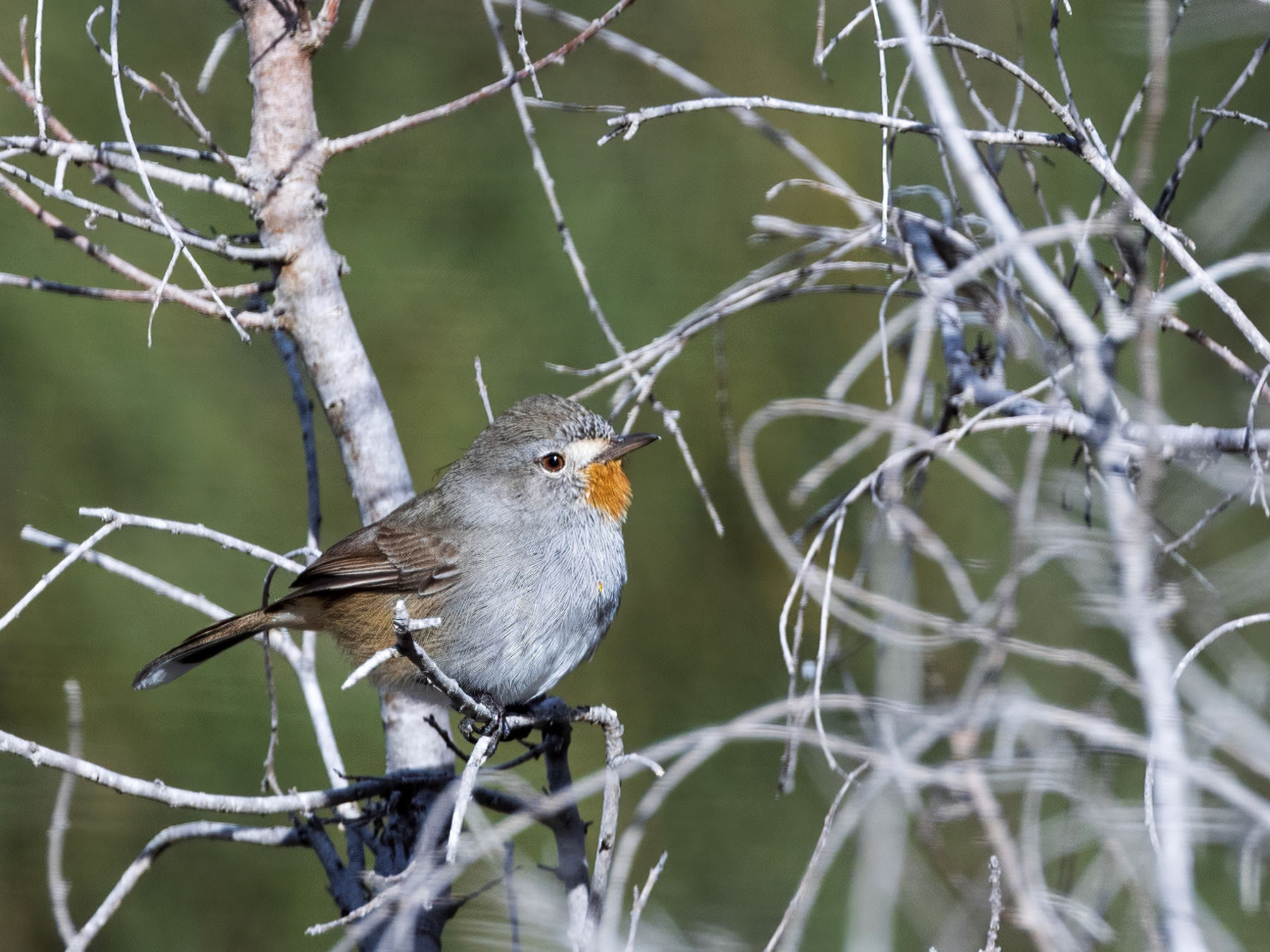
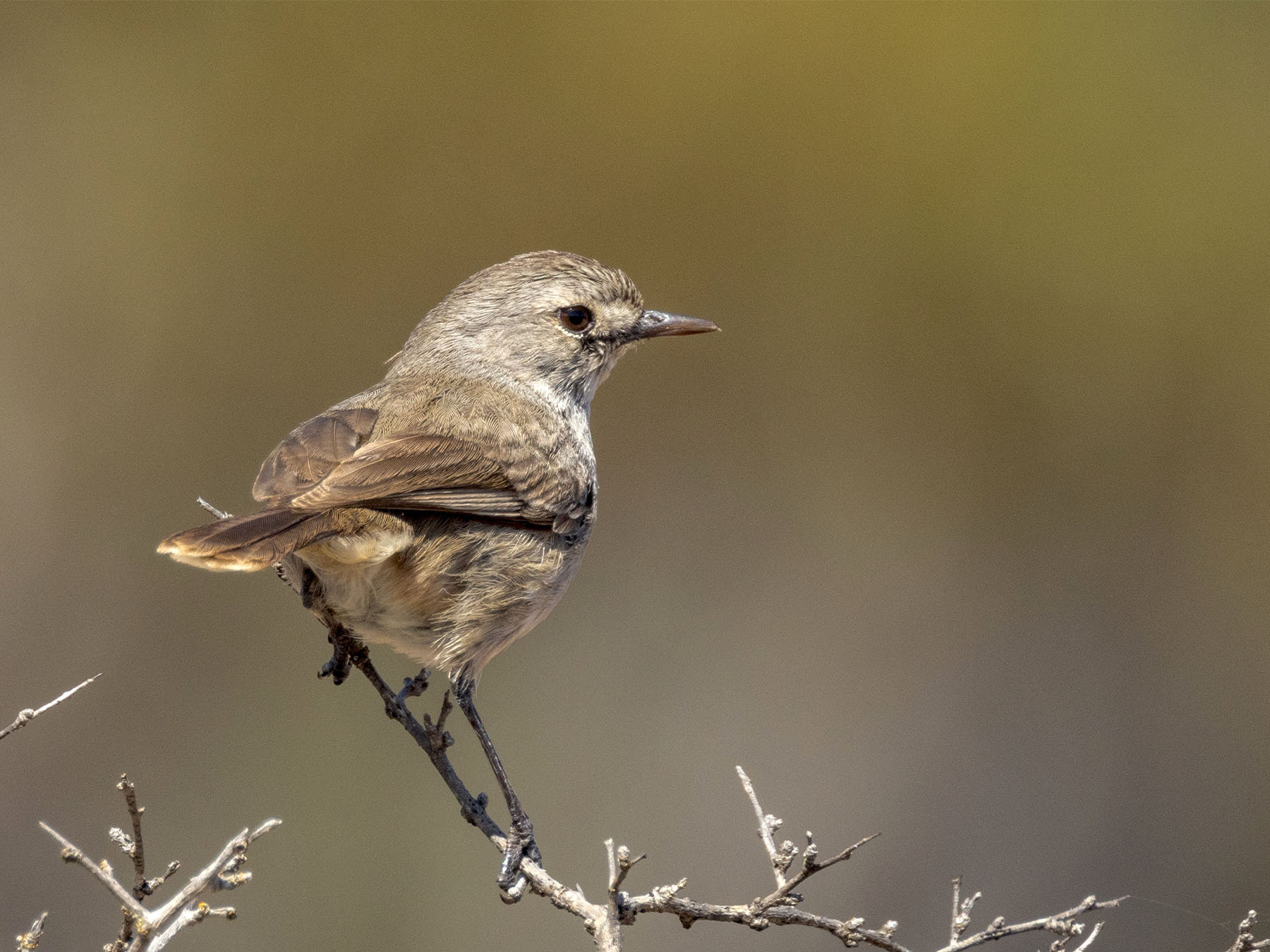
The Redthroat is a small, inconspicuous bird with predominantly brown plumage. Its most distinctive feature is a bright red patch on the throat, contrasting sharply with its otherwise muted colouration. The upperparts are greyish-brown, while the underparts are lighter, often with a buff tinge.
Females have a much more browner plumage, and have a fainter red patch on the throat.
Juveniles resemble adults but may have a paler or less defined red throat patch. The bird's compact size and rounded shape are characteristic of its family.
Its size
Adults- Length
- 12–14 cm
- Wingspan
- 16–18 cm
- Weight
- 8–12 g
Its song and calls
The Redthroat's song is a key identifying feature, described as a sweet, melodious warble that carries well through their arid habitat. Their call includes a variety of soft 'chip' or 'tseep' notes.
During the breeding season, males often sing from exposed perches, their musical phrases becoming more elaborate and frequent.
When and where to see it
The Redthroat is not recorded regularly in the UK, Ireland, the United States or Canada.
Worldwide: recorded regularly in 1 country
Countries where it was recorded in at least 3 of the 6 years 2019–2024. Linked countries have their own bird list.
Oceania (1)
Data: EOD – eBird Observation Dataset (Cornell Lab of Ornithology), accessed via GBIF.org, CC BY 4.0. Records from 2019–2024, aggregated and filtered by Birdfact. How these lists are made
Tips for seeing it
- Look for movement in low, dense shrubs in arid and semi-arid areas
- Listen for their distinctive, melodious song, especially during the breeding season
- Be patient and quiet, as these birds are shy and may take time to reveal themselves
- Use binoculars to spot the red throat patch, which can be difficult to see at a distance
- Visit known habitats early in the morning or late afternoon when they are most active
What it eats
The Redthroat's diet consists primarily of small insects and their larvae. They forage on the ground and in low vegetation, gleaning prey from leaves and bark.
During certain seasons, they may supplement their diet with seeds and small fruits, adapting to available food sources in their arid habitat.
Nesting and breeding
The breeding season for Redthroats typically occurs between July and December, coinciding with periods of increased rainfall in their arid habitats. Pairs form monogamous bonds during this time, with both partners participating in territory defence.
Nests are dome-shaped structures with a side entrance skilfully woven from grasses, bark strips, and spider webs. They are usually placed low in dense shrubs or grass tussocks, well-concealed from predators. The female lays 2-3 white eggs with fine reddish-brown speckles.
Incubation lasts about 14-16 days, with both parents sharing duties. Both adults feed nestlings and fledge after approximately 14 days, though they may continue to receive parental care for several weeks after leaving the nest.
Behaviour
Redthroats are typically secretive and shy, often remaining hidden in dense vegetation. They forage actively on the ground or in low shrubs, hopping and flitting quickly between branches.
These birds are usually solitary or seen in pairs, rarely forming larger groups except during the breeding season.
Conservation
While the Redthroat is currently listed as Least Concern, habitat loss and degradation due to land clearing and overgrazing pose potential threats. Climate change may also impact their distribution in arid regions.
Ongoing monitoring and habitat protection efforts are crucial for maintaining stable populations.
More photos
4 photos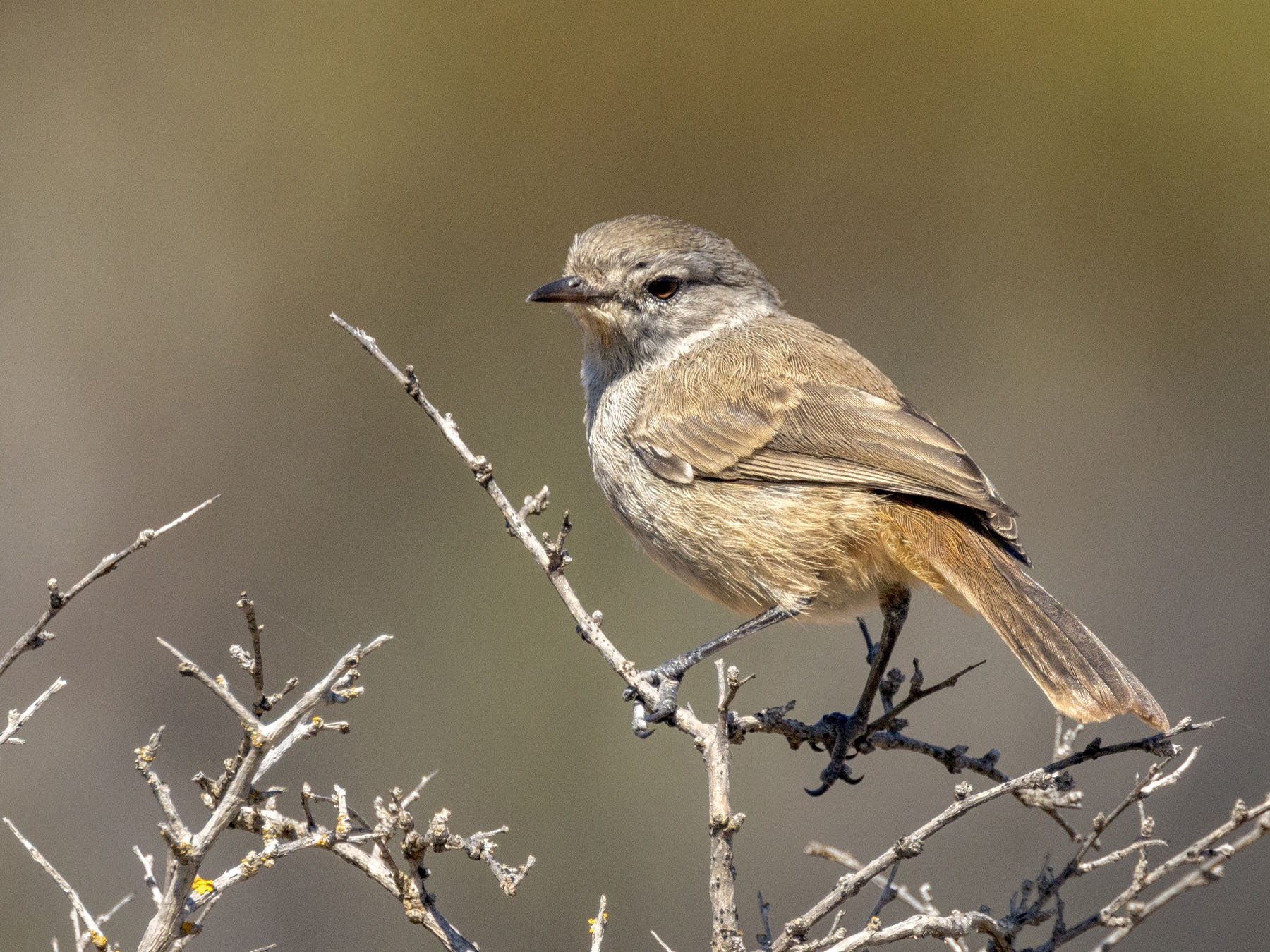
Quick facts
- Length
- 12–14 cm
- Wingspan
- 16–18 cm
- Weight
- 8–12 g
- Lifespan
- 3–5 years · oldest recorded 9 years
- Family
- Thornbills & Gerygones
- Migration
- Resident
- Global status (IUCN)
- Least Concern
- World population
- 3,000,000 individuals
- Population trend
- Overall population stable, but some local fluctuations due to habitat loss
- Also called
- Red-throated Warbler, Rufous-tailed Scrub-wren
- Scientific name
- Pyrrholaemus brunneus
Sources
4- 1BirdLife International. 2016. Pyrrholaemus brunneus. The IUCN Red List of Threatened Species 2016: e.T22704593A93976763. Source (opens in a new tab)
- 2del Hoyo et al. (2007)
- 3Garnett and Crowley (2000)
- 4ABBBS - Australian Bird and Bat Banding Scheme Source (opens in a new tab)

Checked by
Nathan Cope, founder and editor
Nathan founded Birdfact and leads its writers and contributors in the UK, the US and Canada. He has watched and studied birds for more than ten years, and checks every article and species guide before it’s published.