Birds to See in Aruba in March
31 species listed for March · birdwatchers' records, 2019–2024
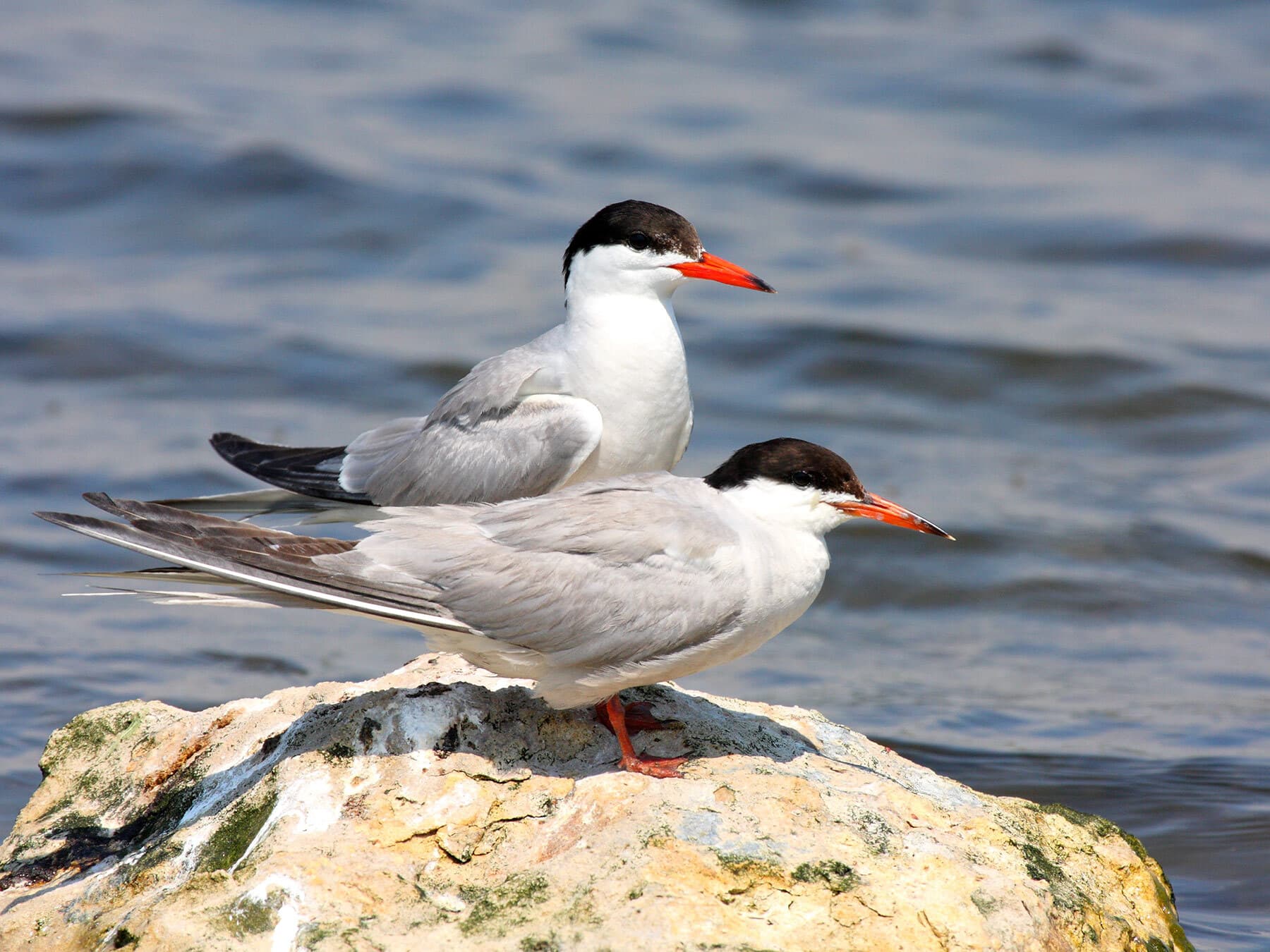
31 bird species on our list for Aruba are recorded regularly in March. Of these, the most often recorded are House Sparrow, Great White Egret, Osprey, Greater Yellowlegs and Rock Dove. New this month: Common Tern.
New in March1
Leaving after last month2
Residents
(13)Recorded all year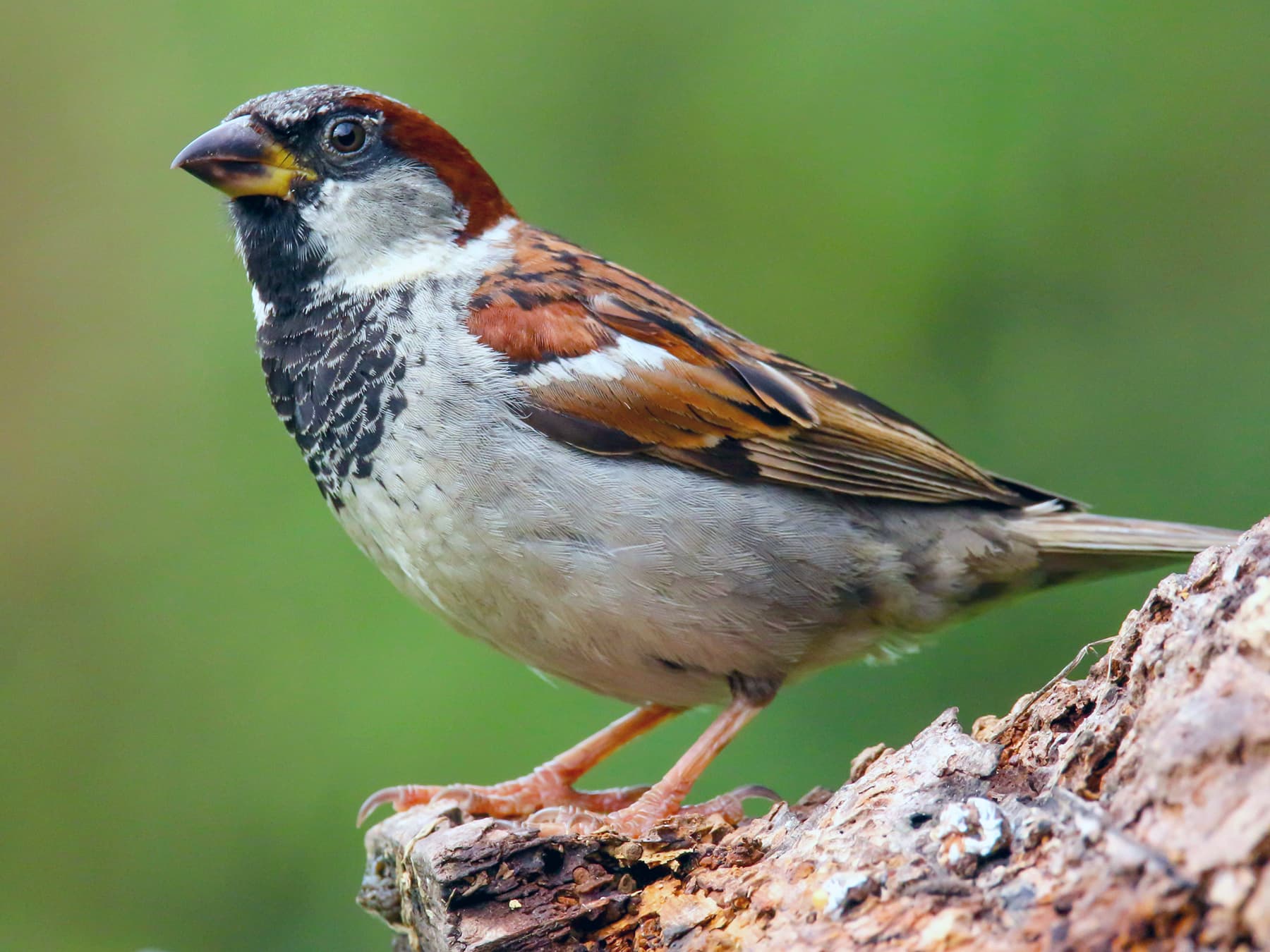
House Sparrow
Passer domesticusLC
Recorded all year
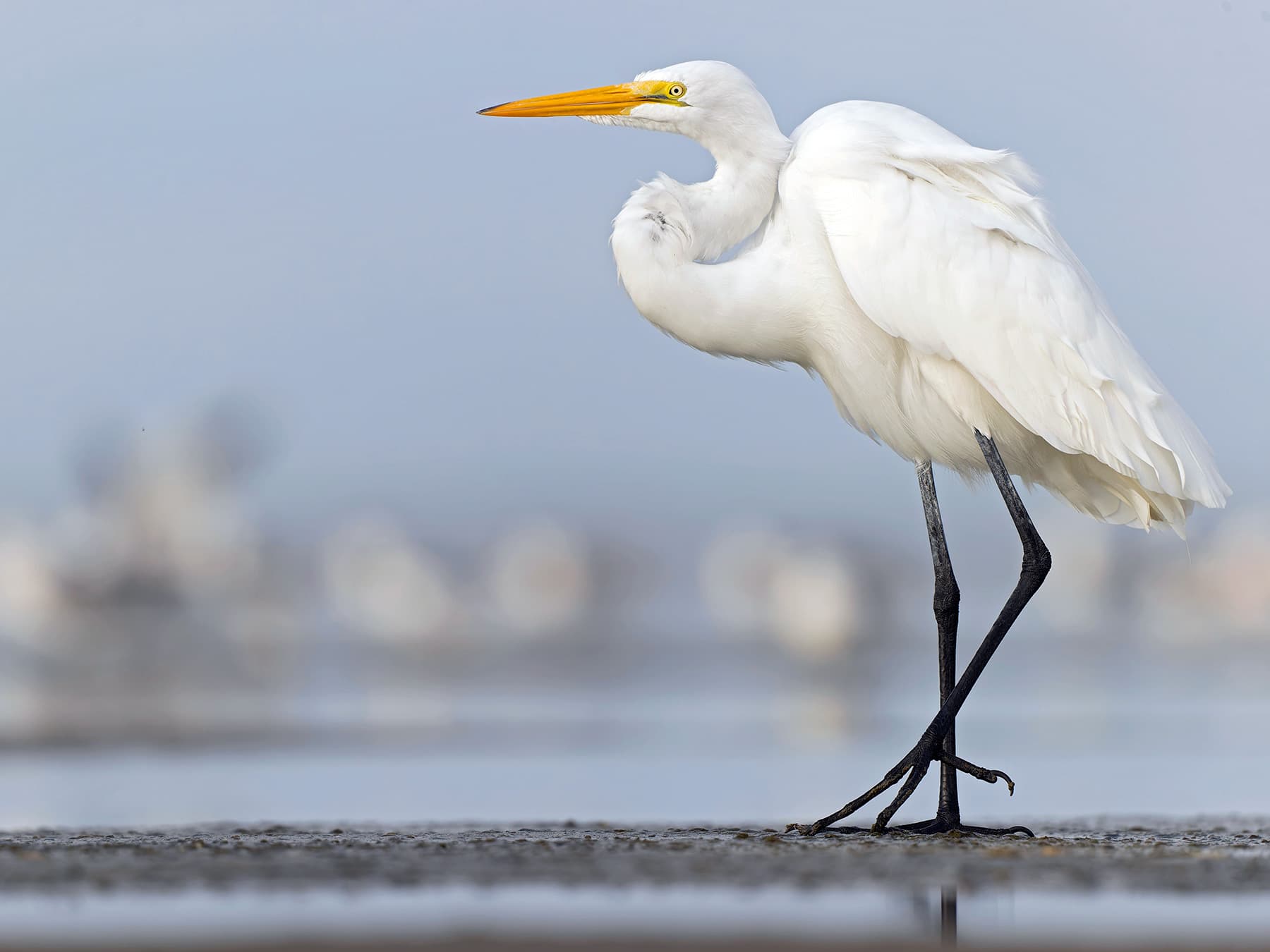
Great White Egret
Ardea albaLC
Recorded all year
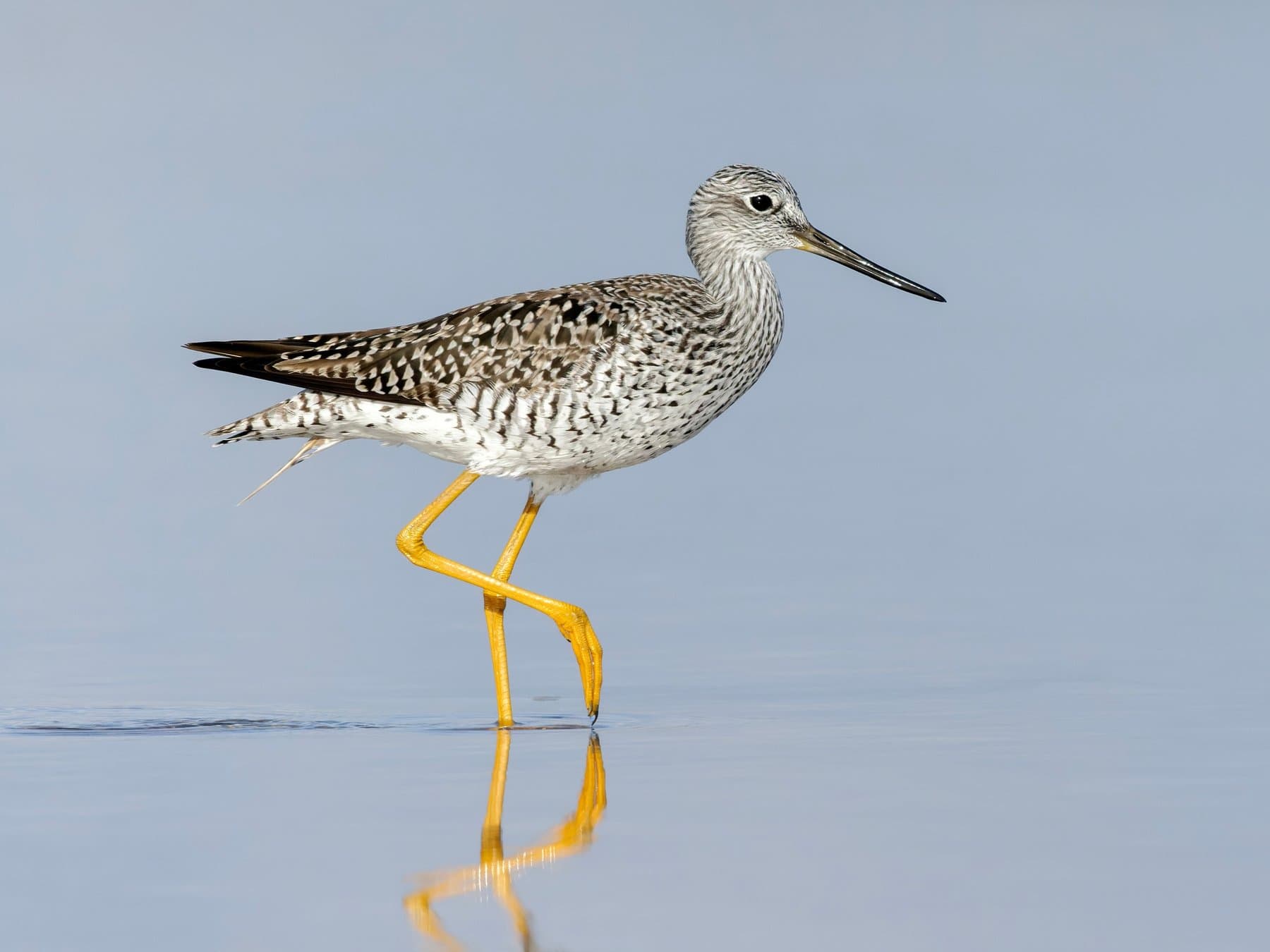
Greater Yellowlegs
Tringa melanoleucaNT
Recorded all year
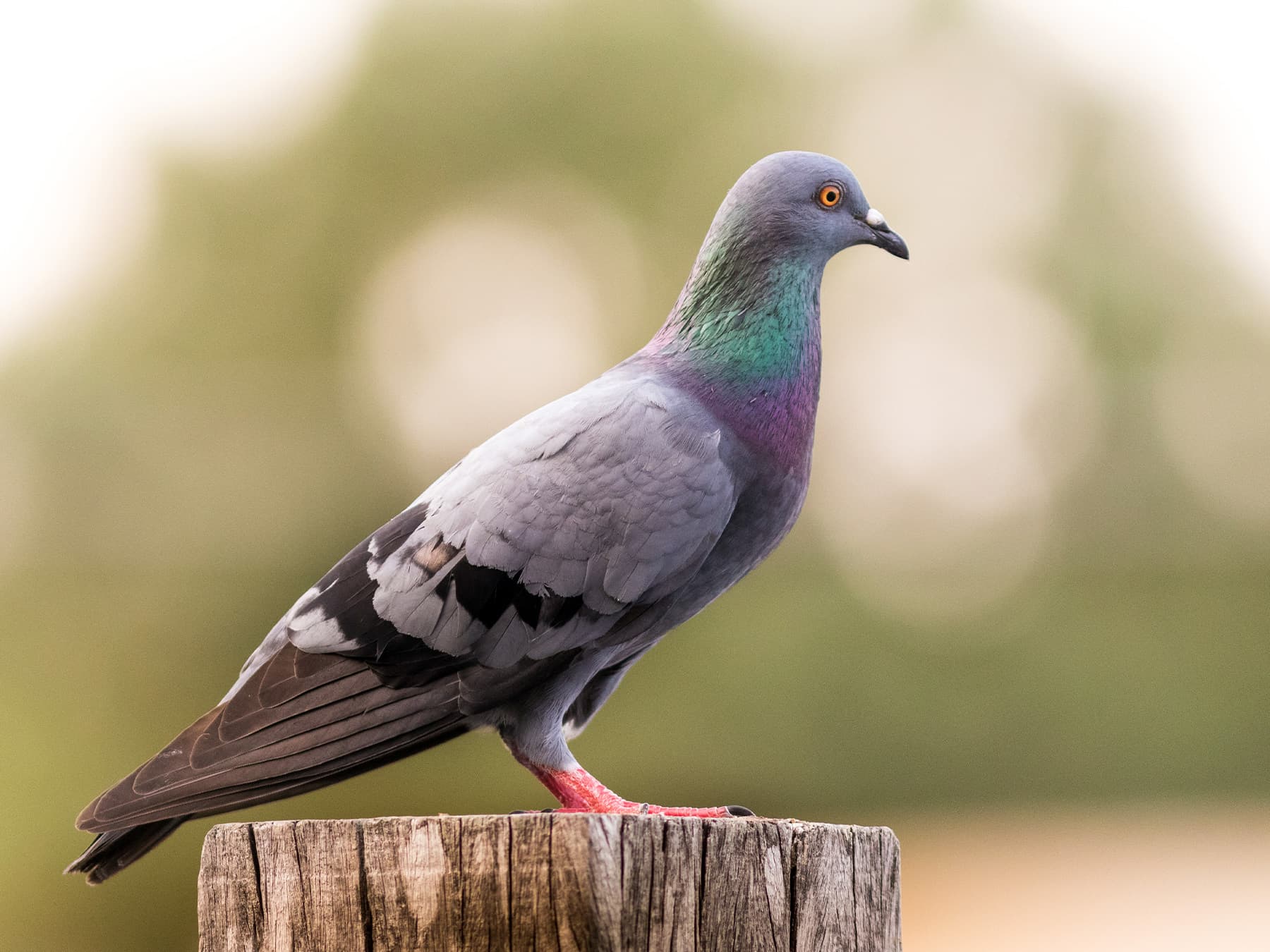
Rock Dove
Columba liviaLC
Recorded all year
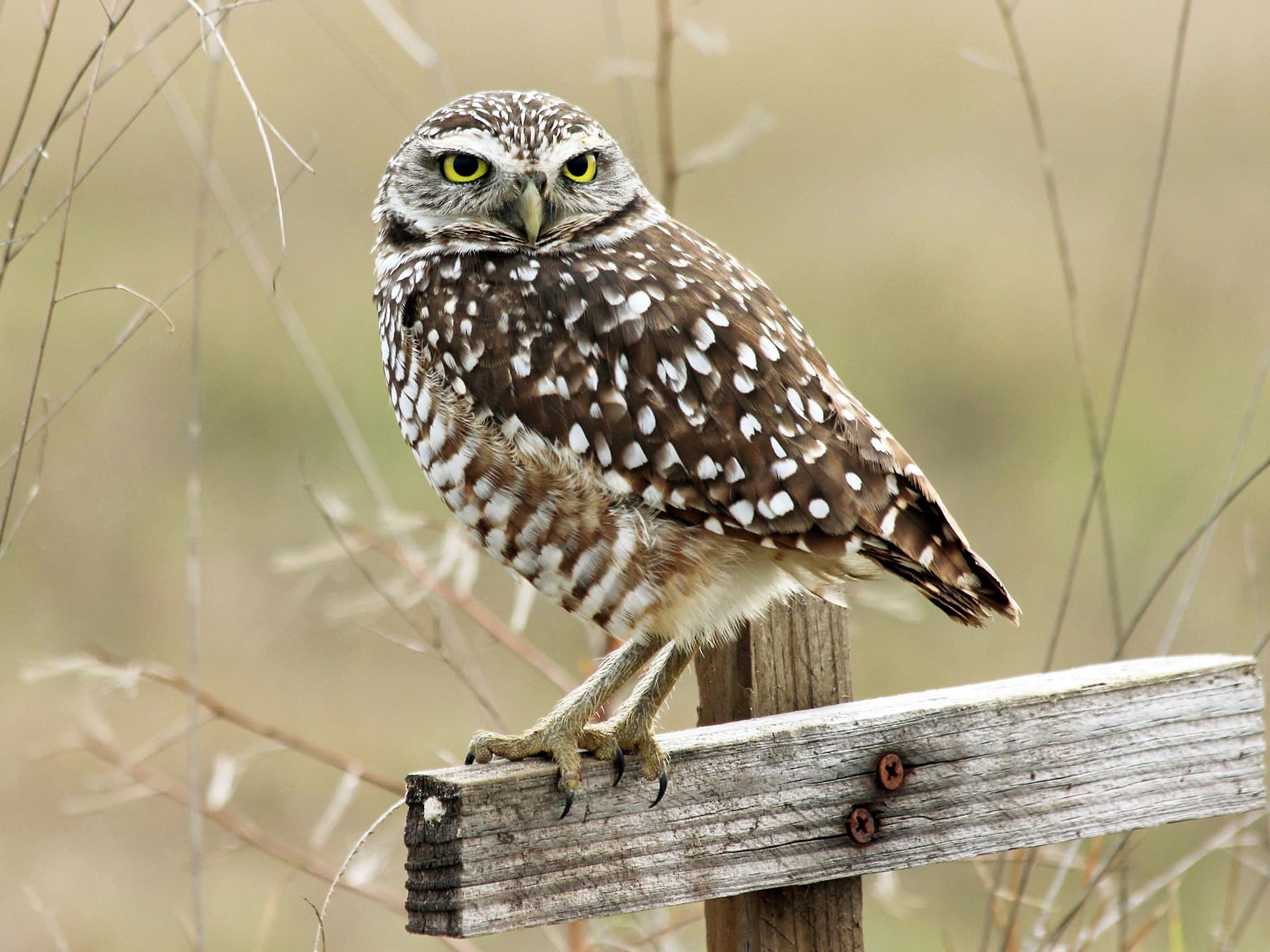
Burrowing Owl
Athene cuniculariaLC
Recorded all year
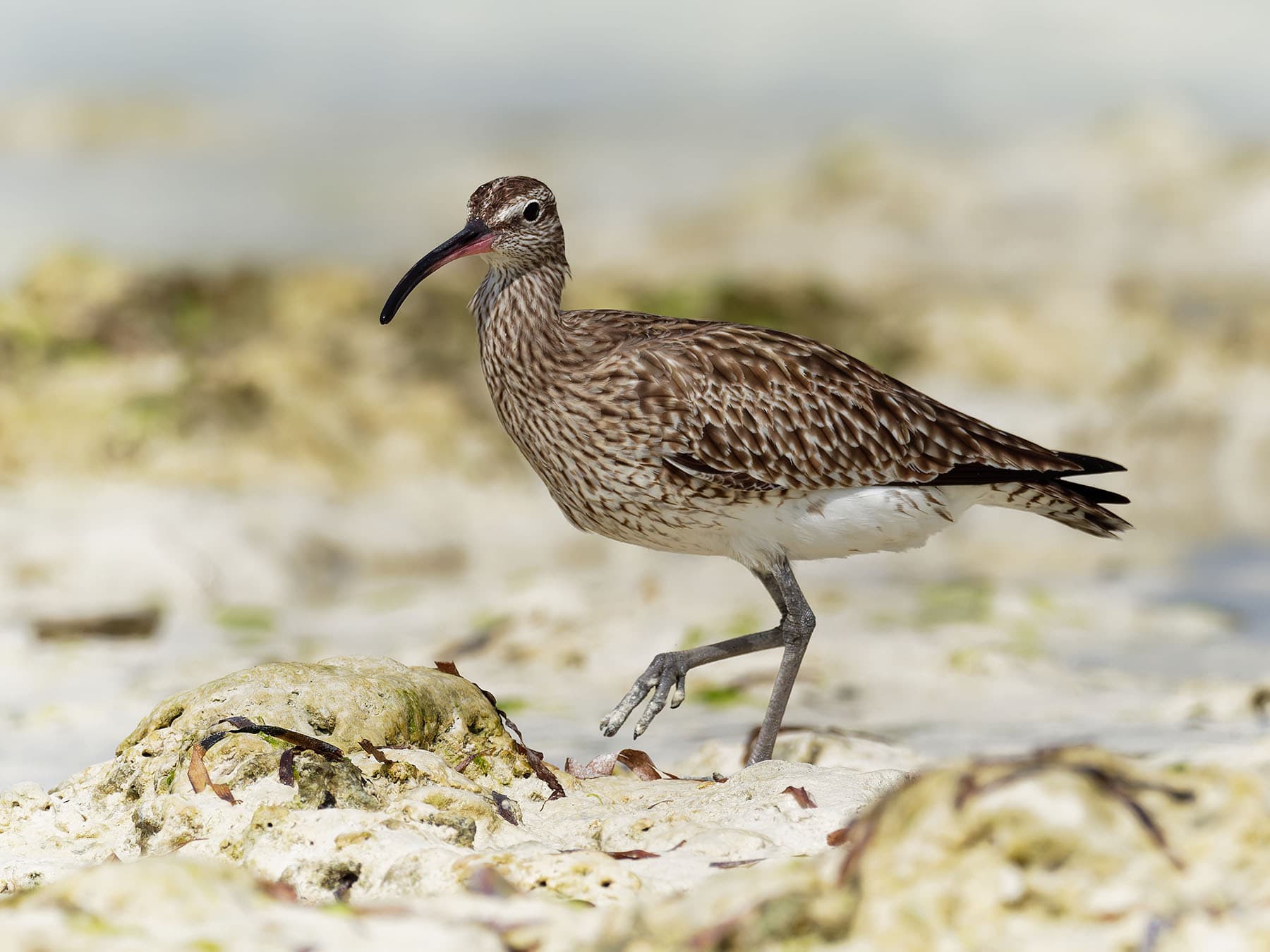
Whimbrel
Numenius phaeopusLC
Recorded all year
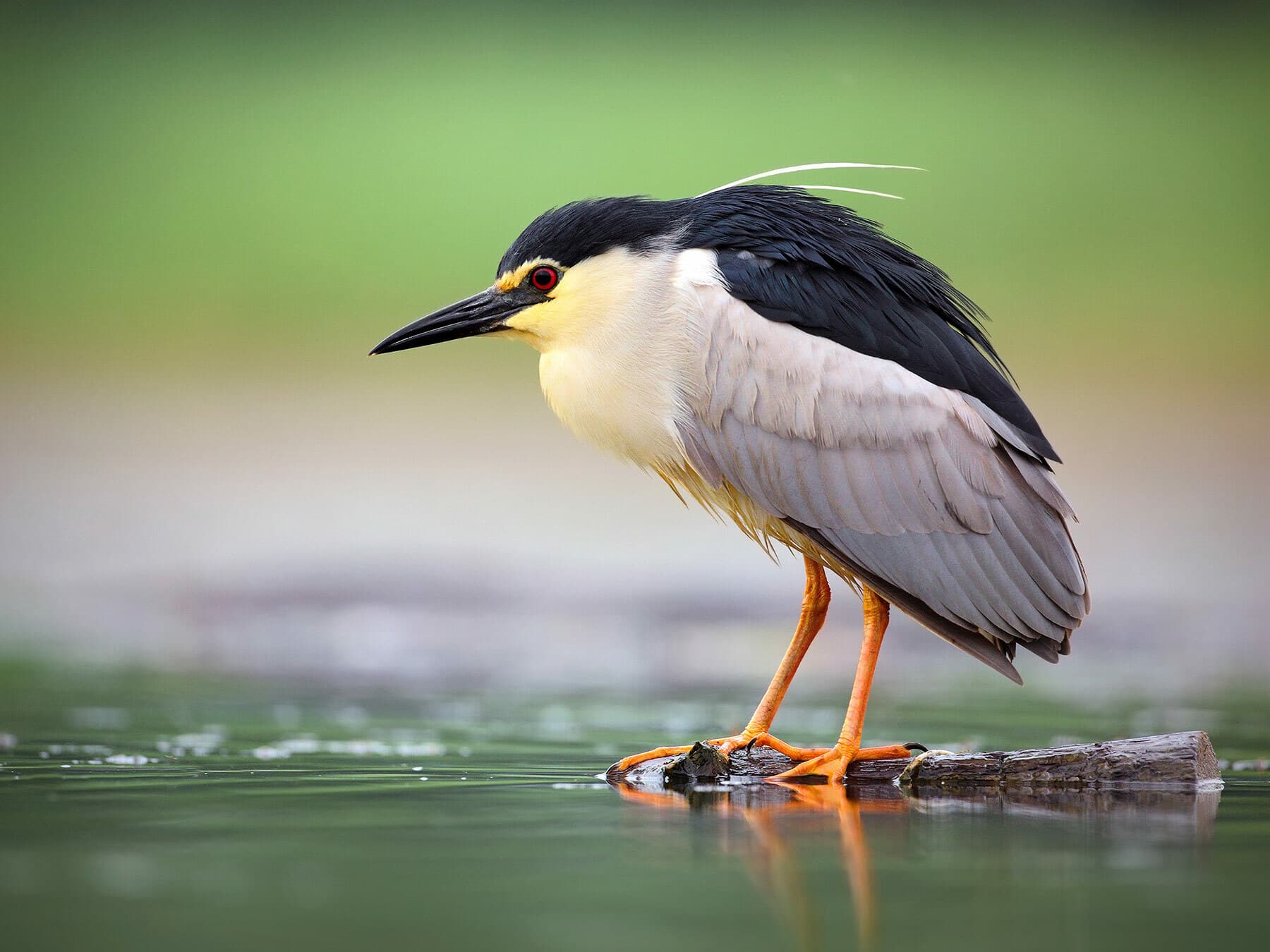
Black-crowned Night-heron
Nycticorax nycticoraxLC
Recorded all year
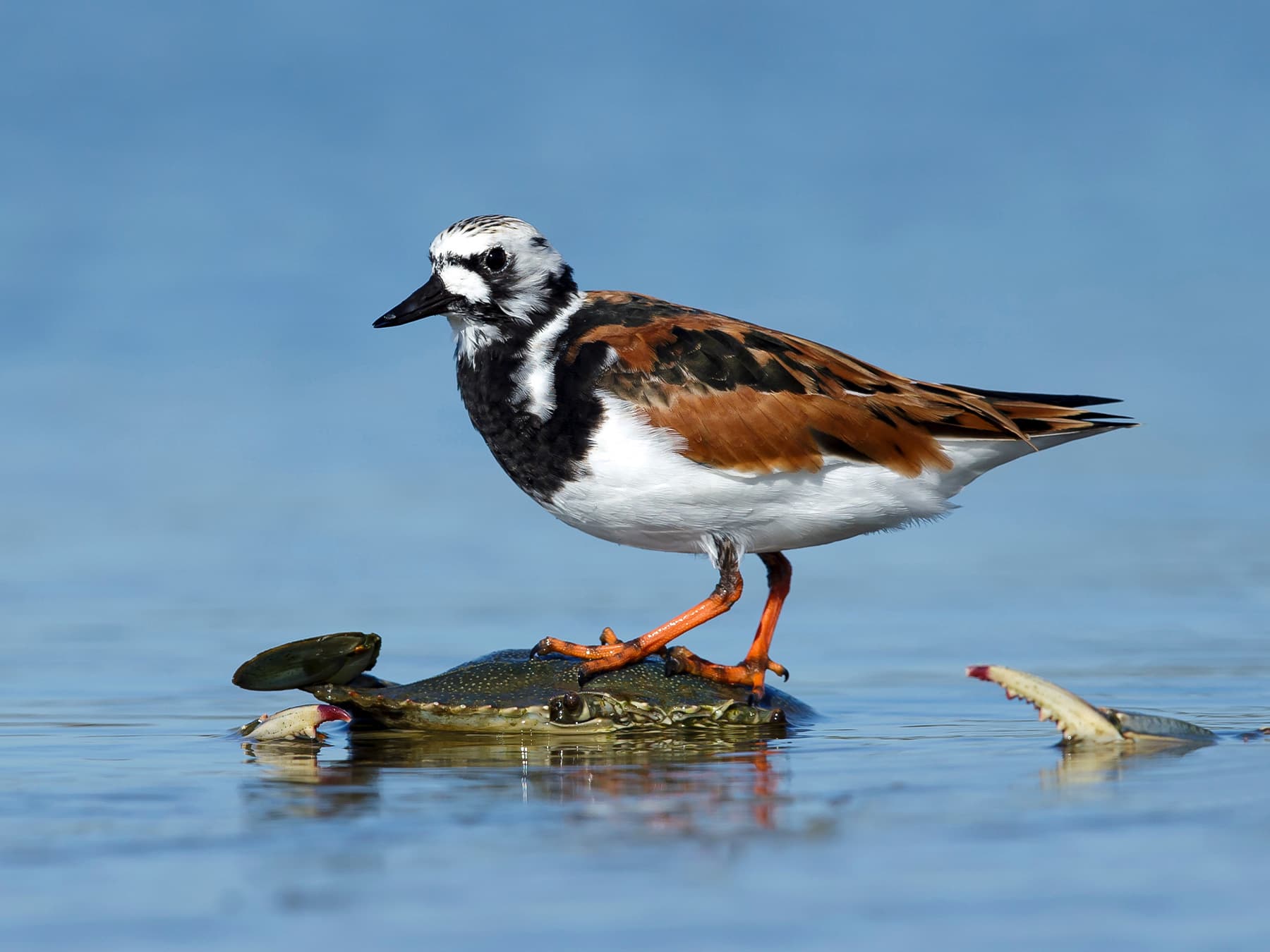
Ruddy Turnstone
Arenaria interpresLC
Recorded all year
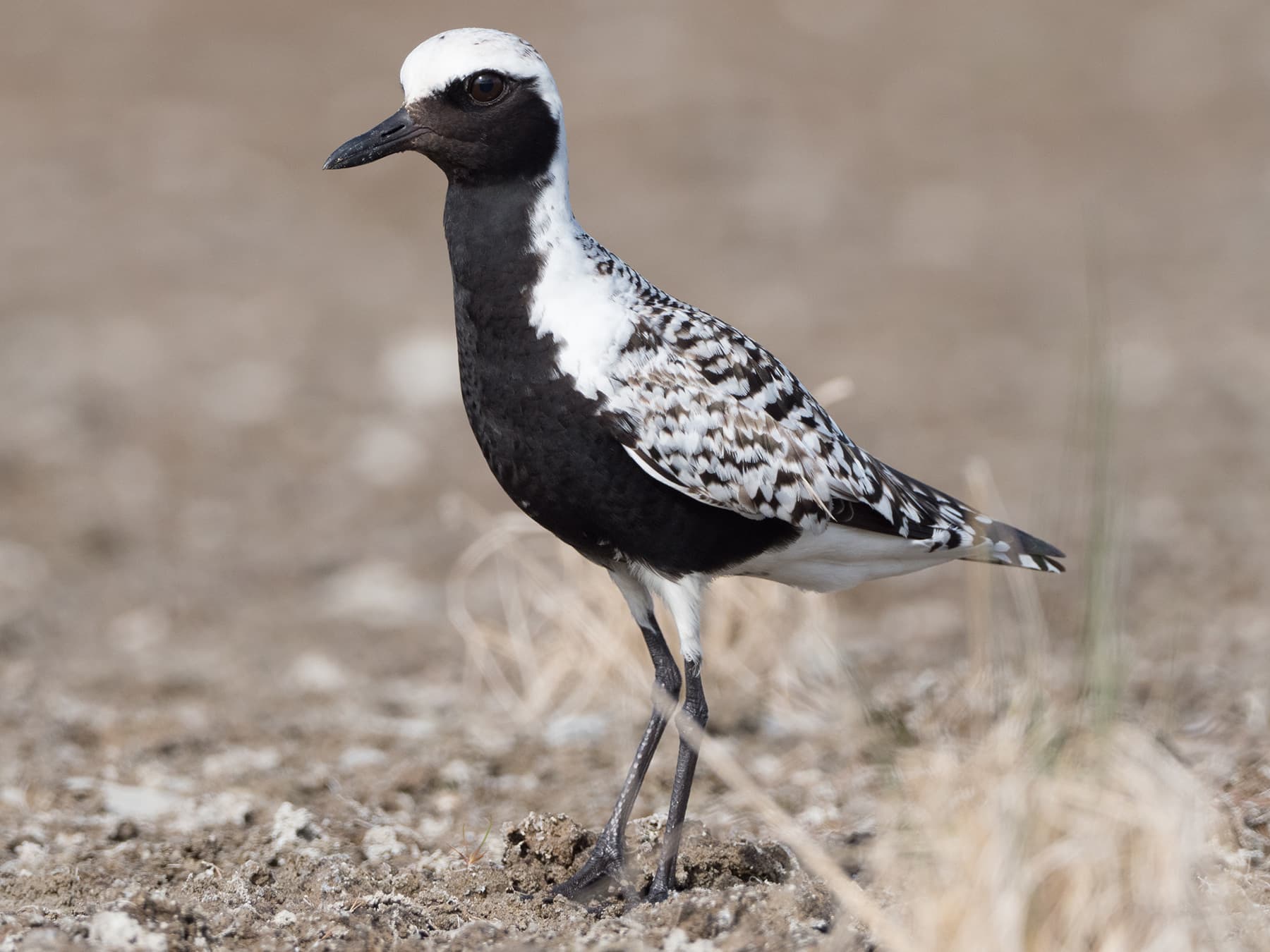
Grey Plover
Pluvialis squatarolaLC
Recorded all year
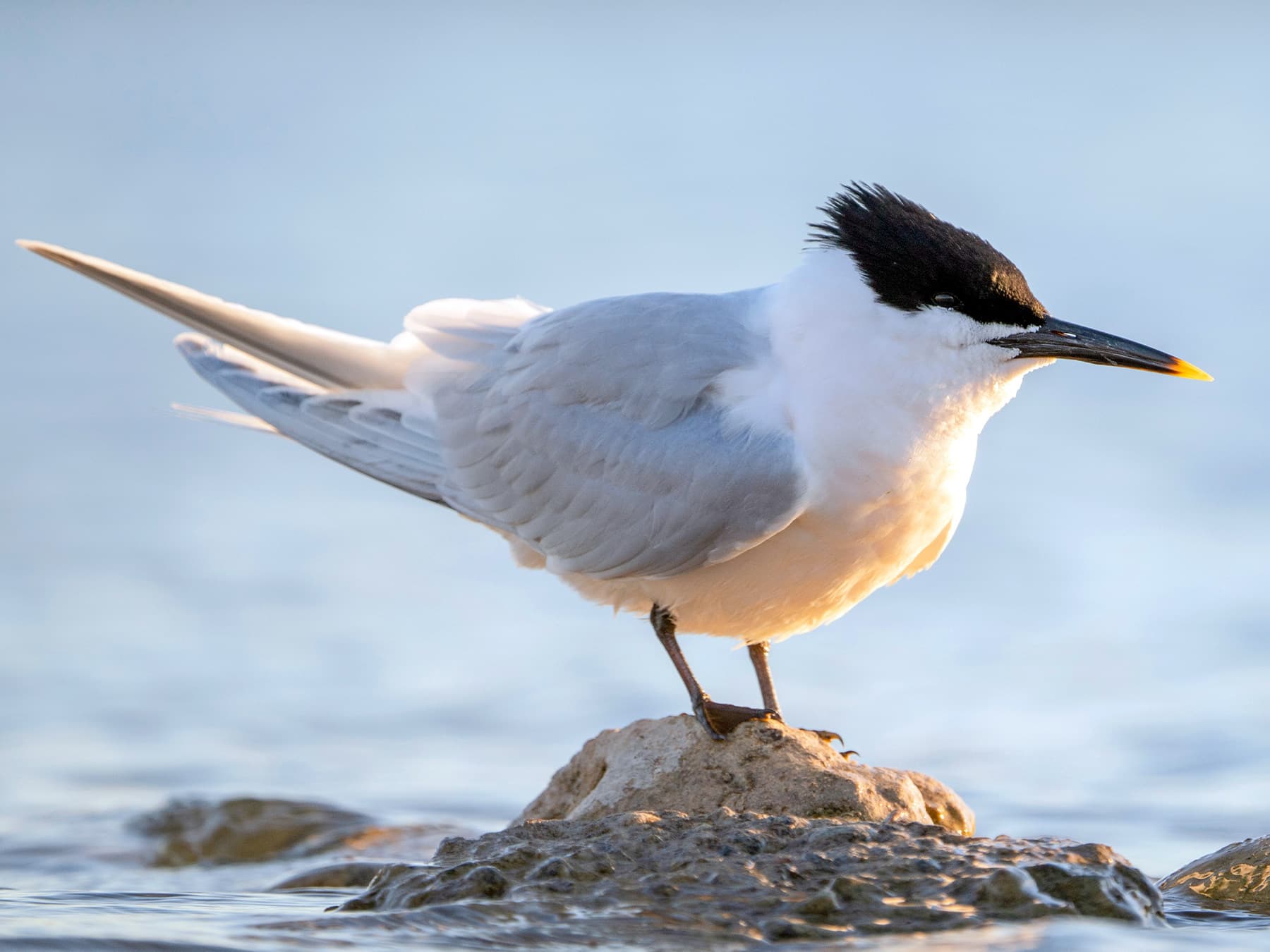
Sandwich Tern
Thalasseus sandvicensisLC
Recorded all year
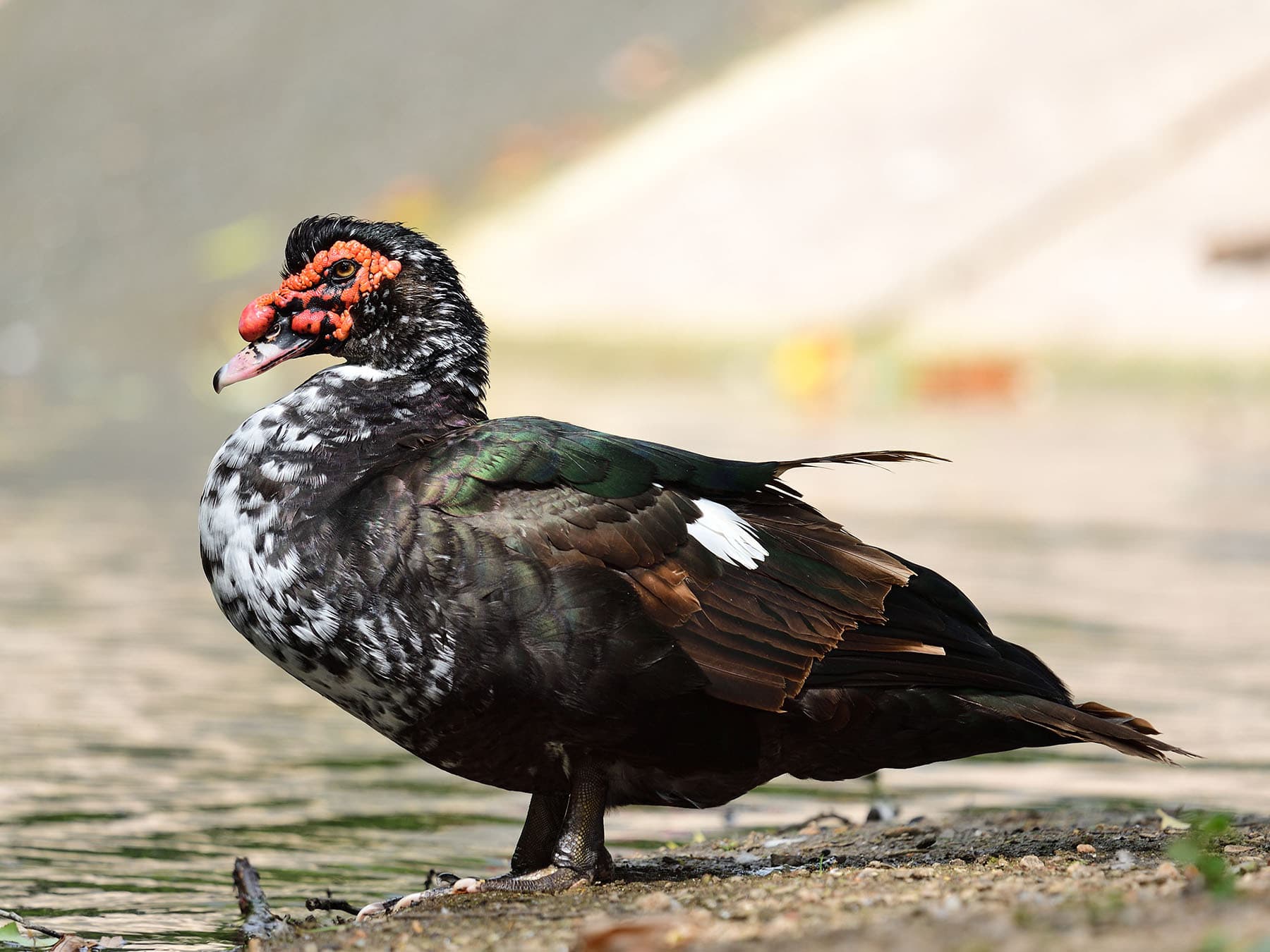
Muscovy Duck
Cairina moschataLC
Recorded all year
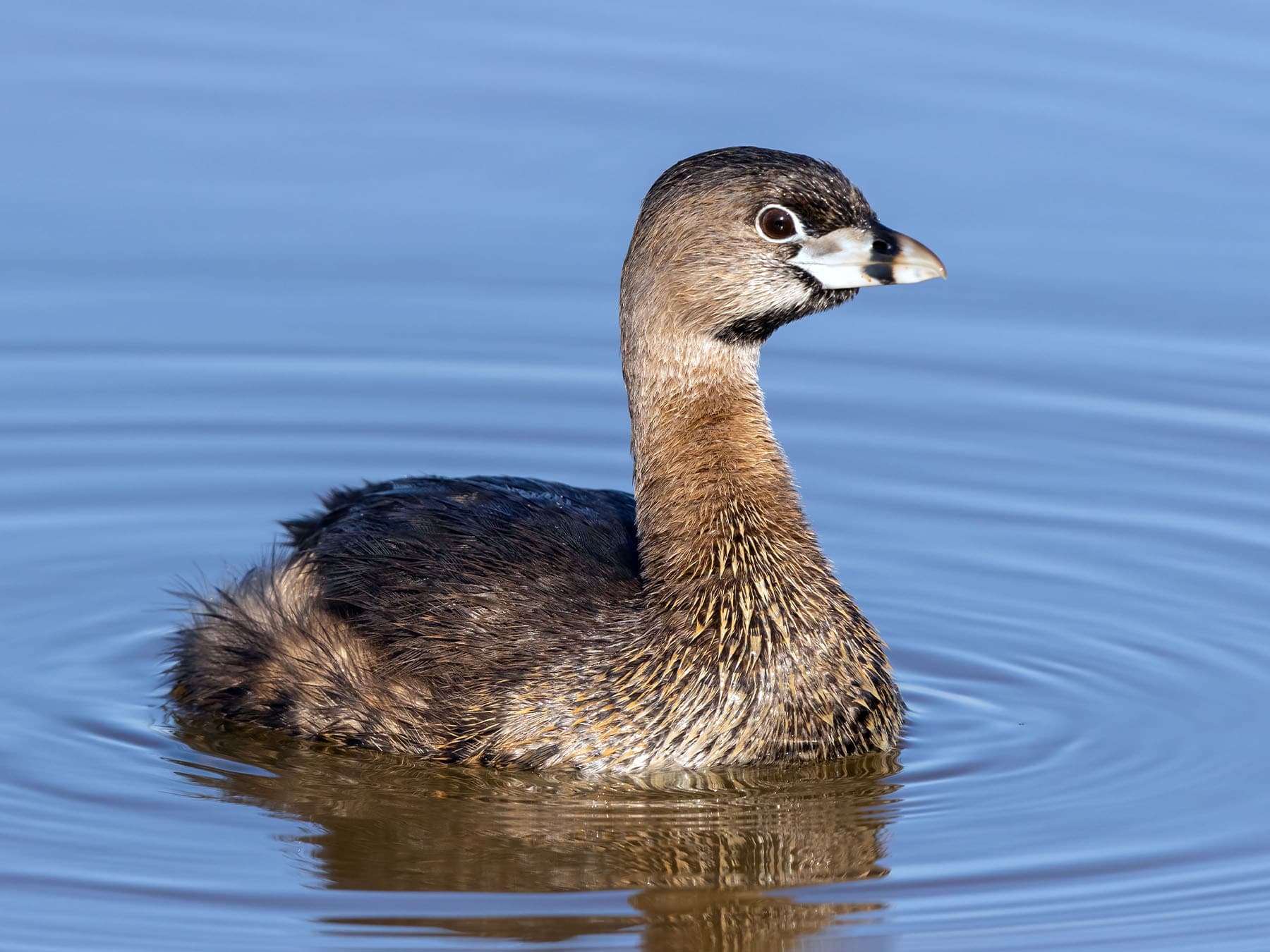
Pied-billed Grebe
Podilymbus podicepsLC
Recorded all year
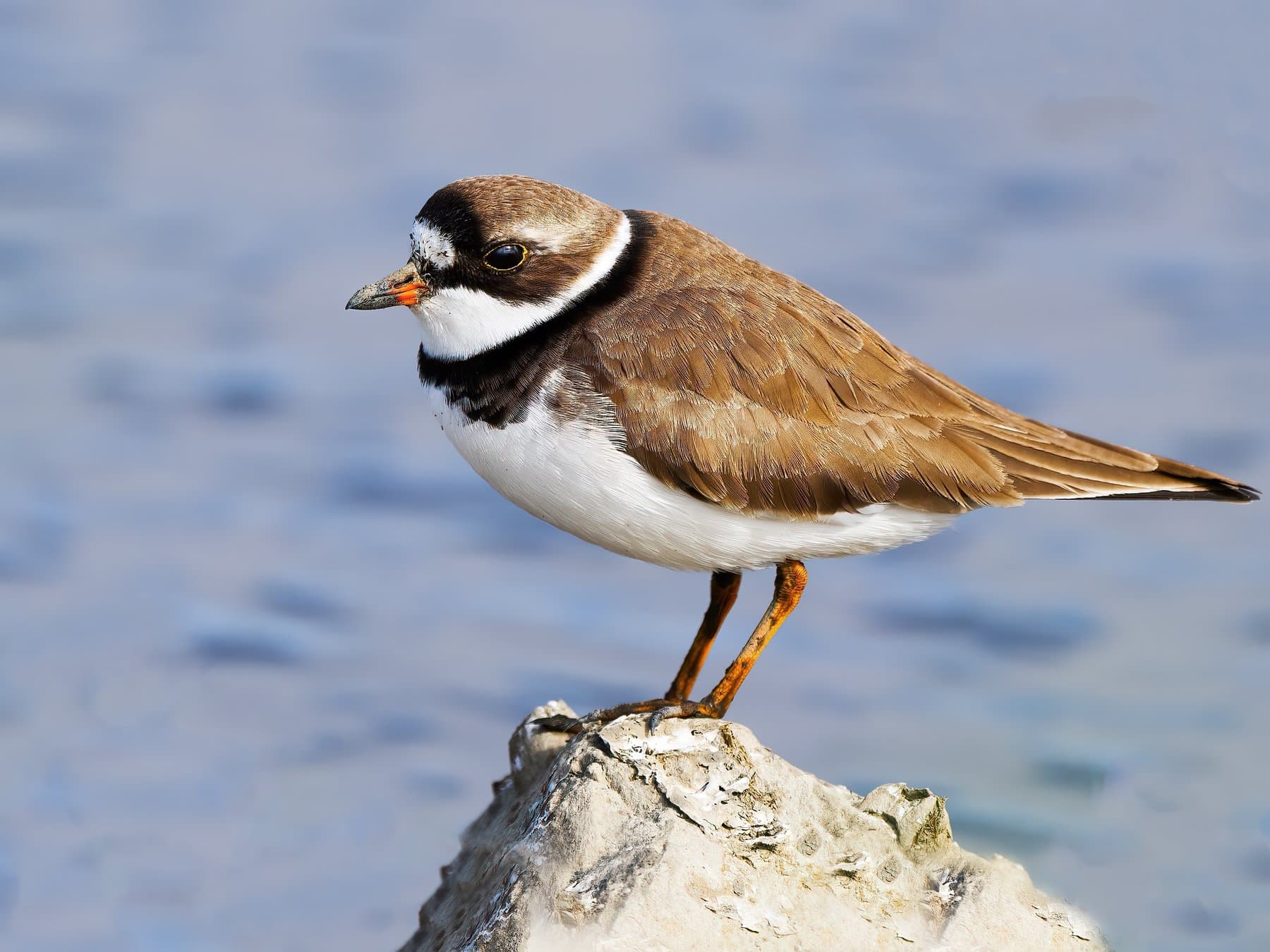
Semipalmated Plover
Charadrius semipalmatusLC
Recorded all year
Summer visitors
(2)Arrives to breed; scarce or absent in winter
Winter visitors
(15)Present outside the breeding season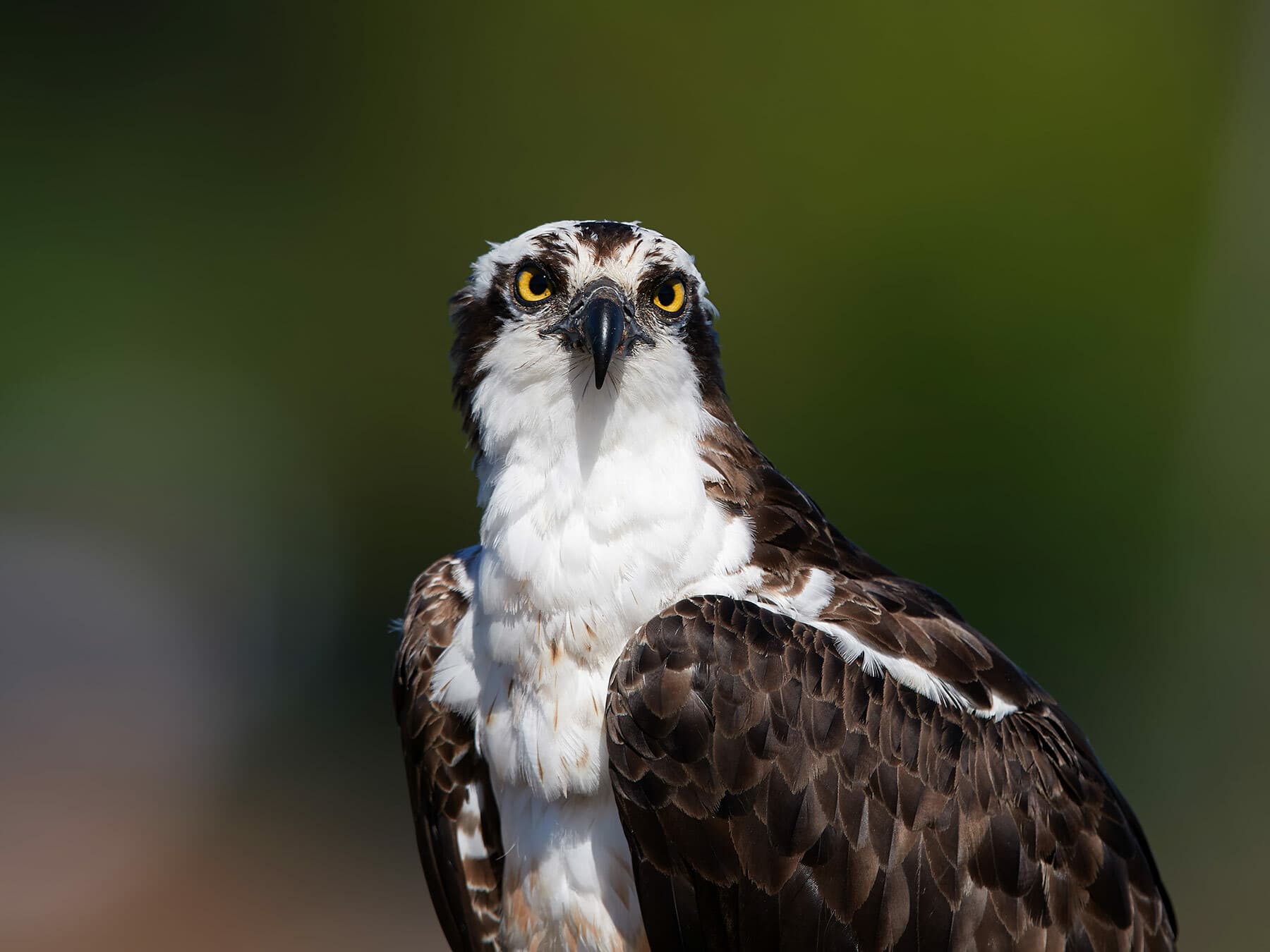
Osprey
Pandion haliaetusLC
Recorded all year
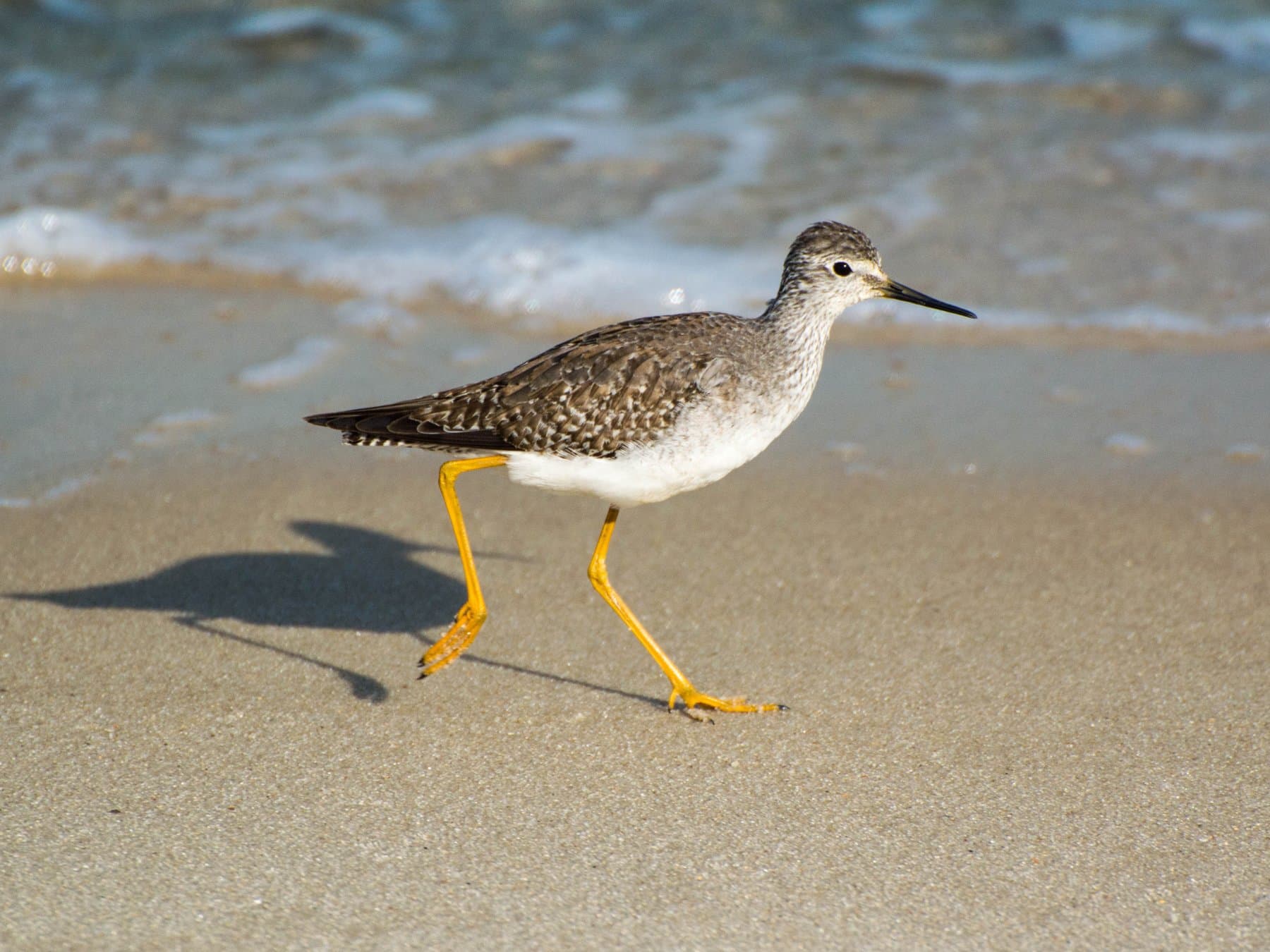
Lesser Yellowlegs
Tringa flavipesVU
Recorded all year
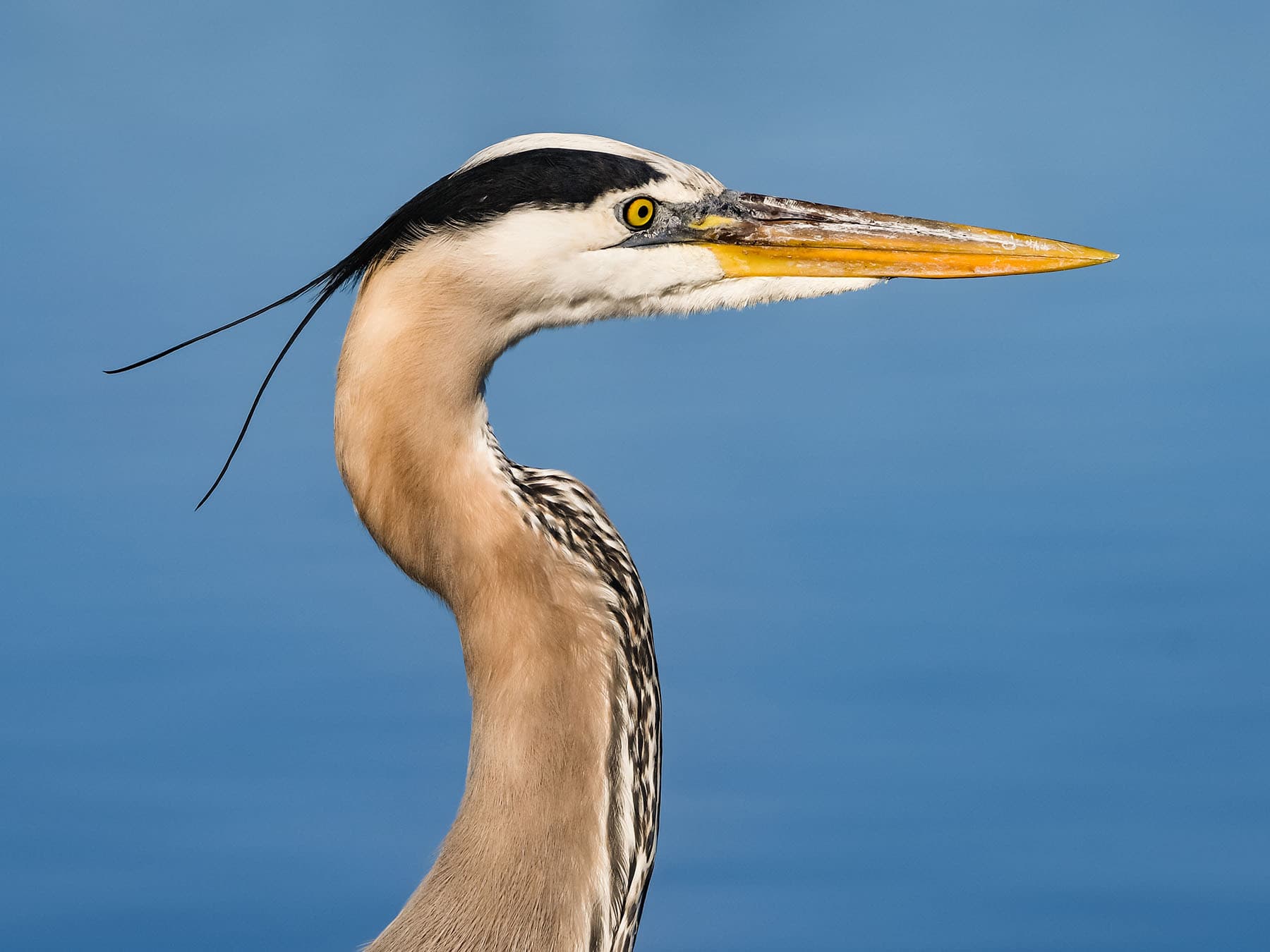
Great Blue Heron
Ardea herodiasLC
Recorded all year
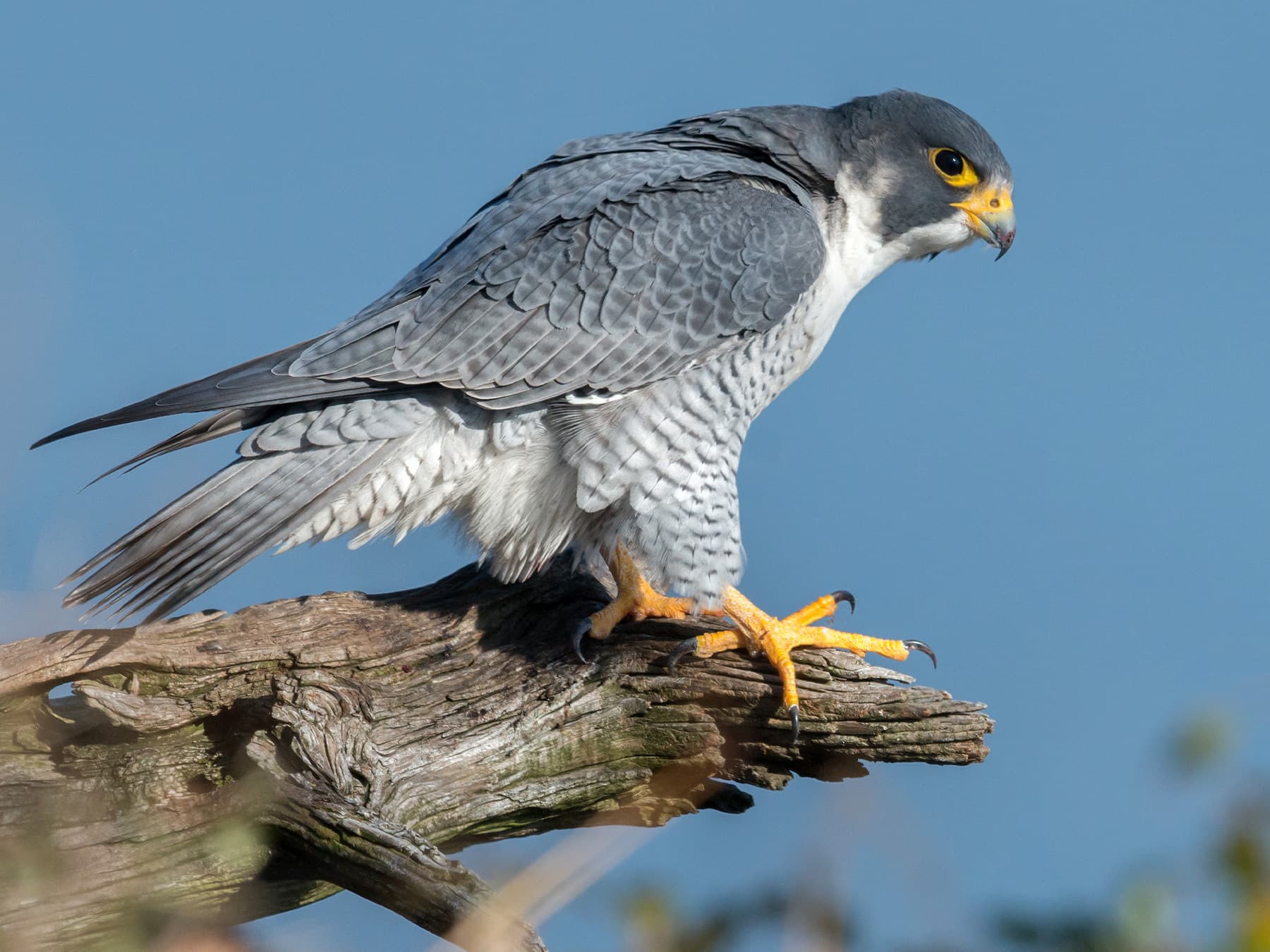
Peregrine Falcon
Falco peregrinusLC
Regularly Sep–May

Northern Waterthrush
Parkesia noveboracensisLC
Regularly Sep–May
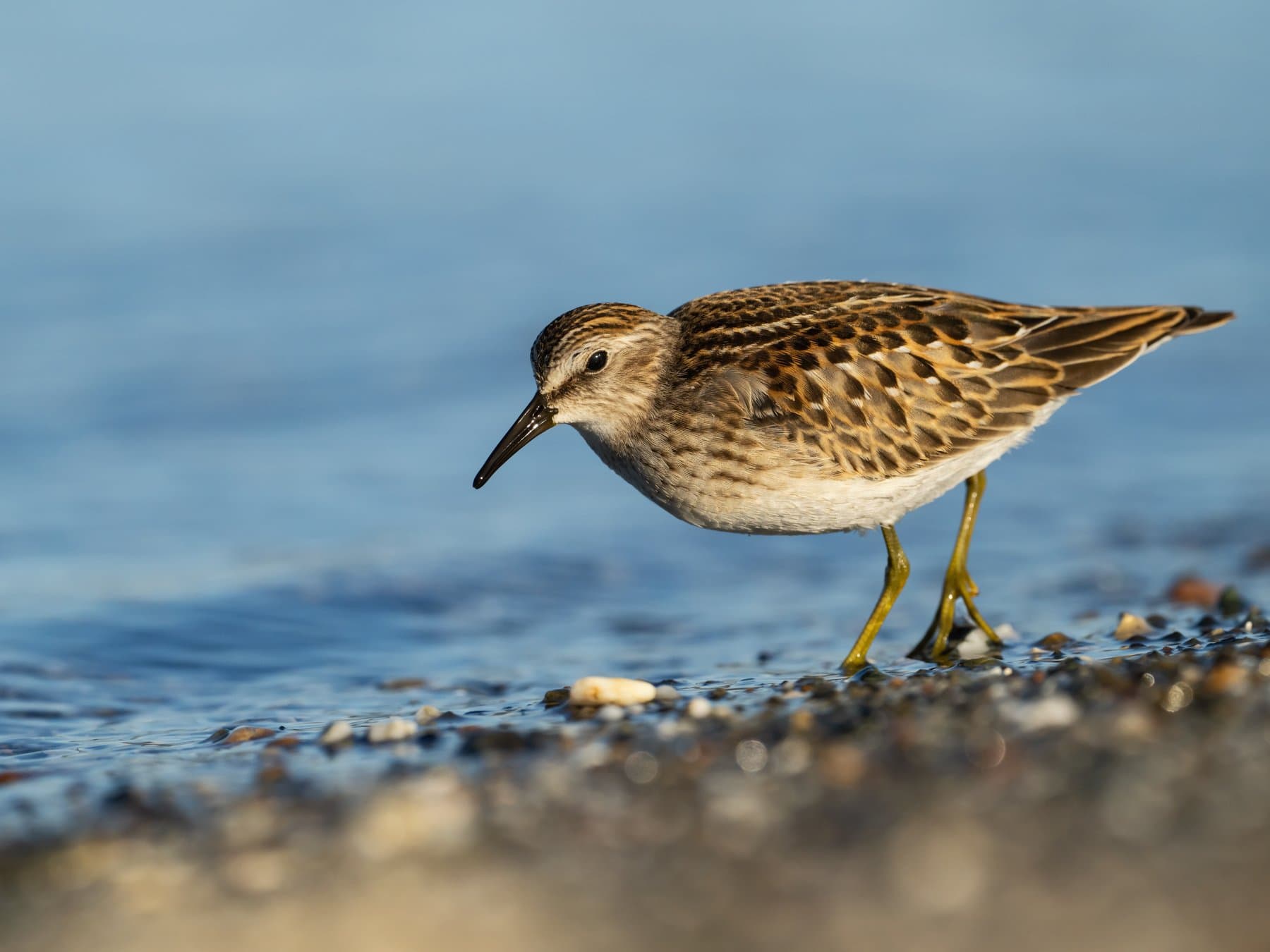
Least Sandpiper
Calidris minutillaNT
Regularly Jul–May
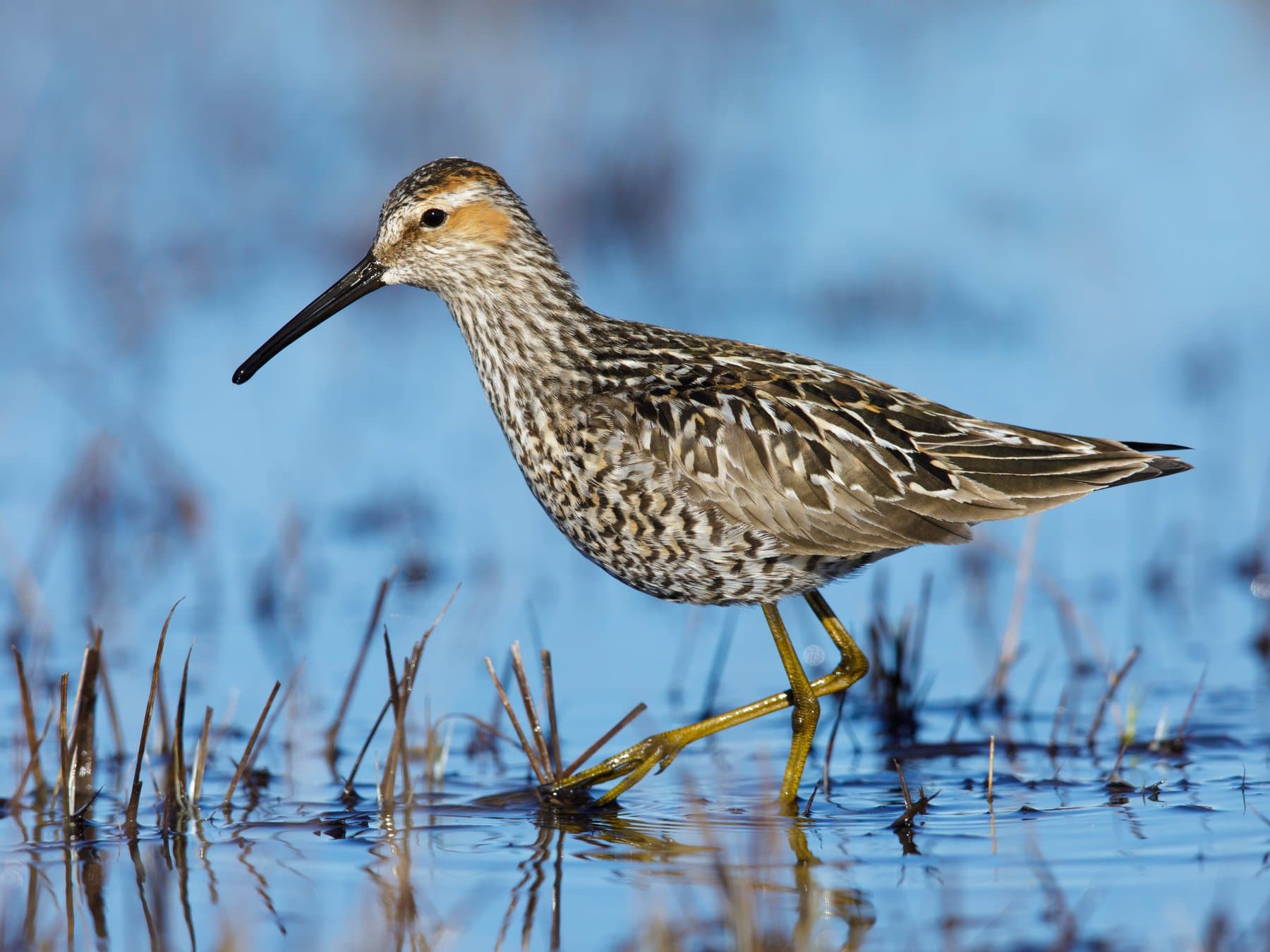
Stilt Sandpiper
Calidris himantopusNT
Regularly Jul–Apr
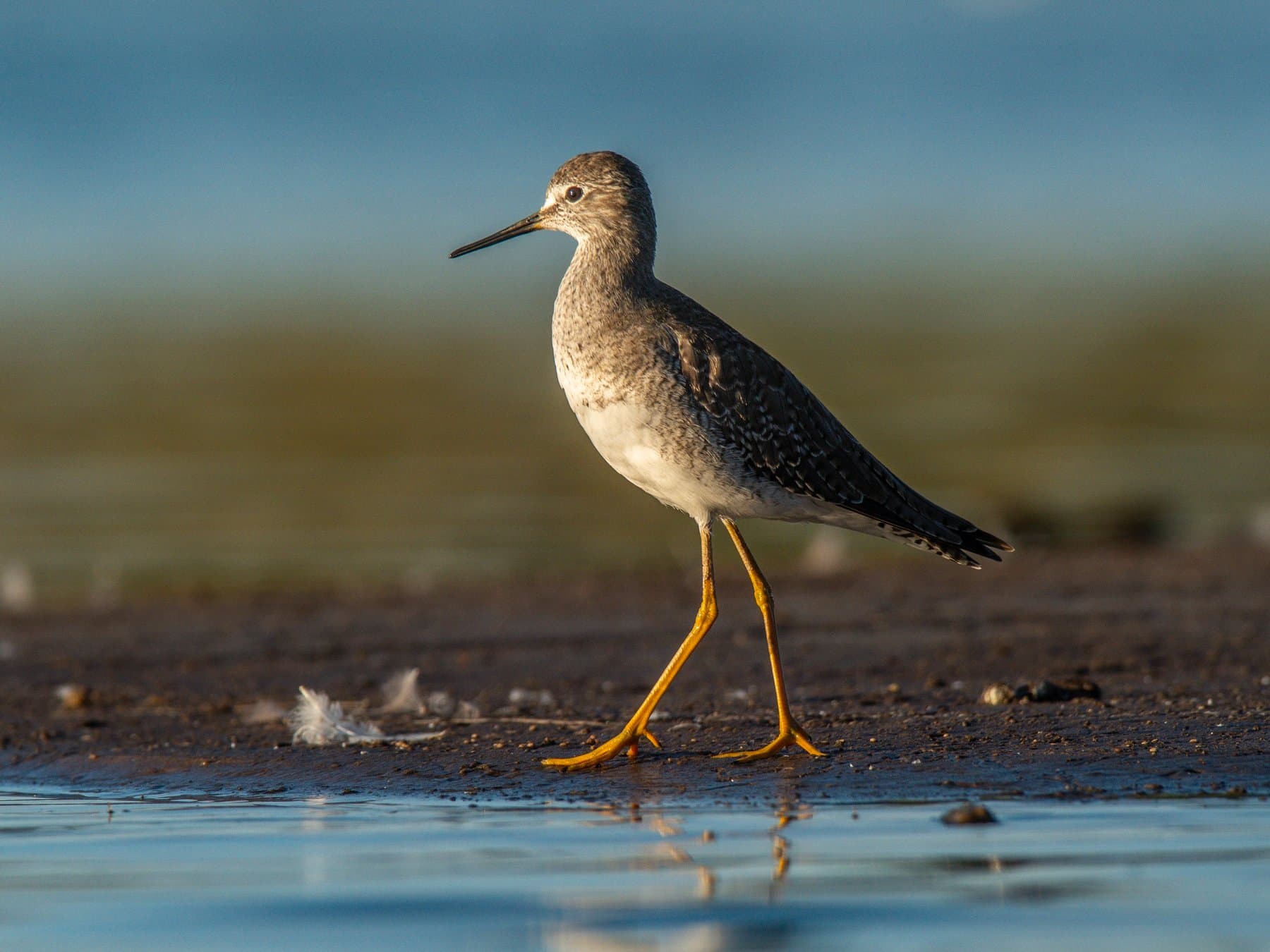
Solitary Sandpiper
Tringa solitariaLC
Regularly Jul–May
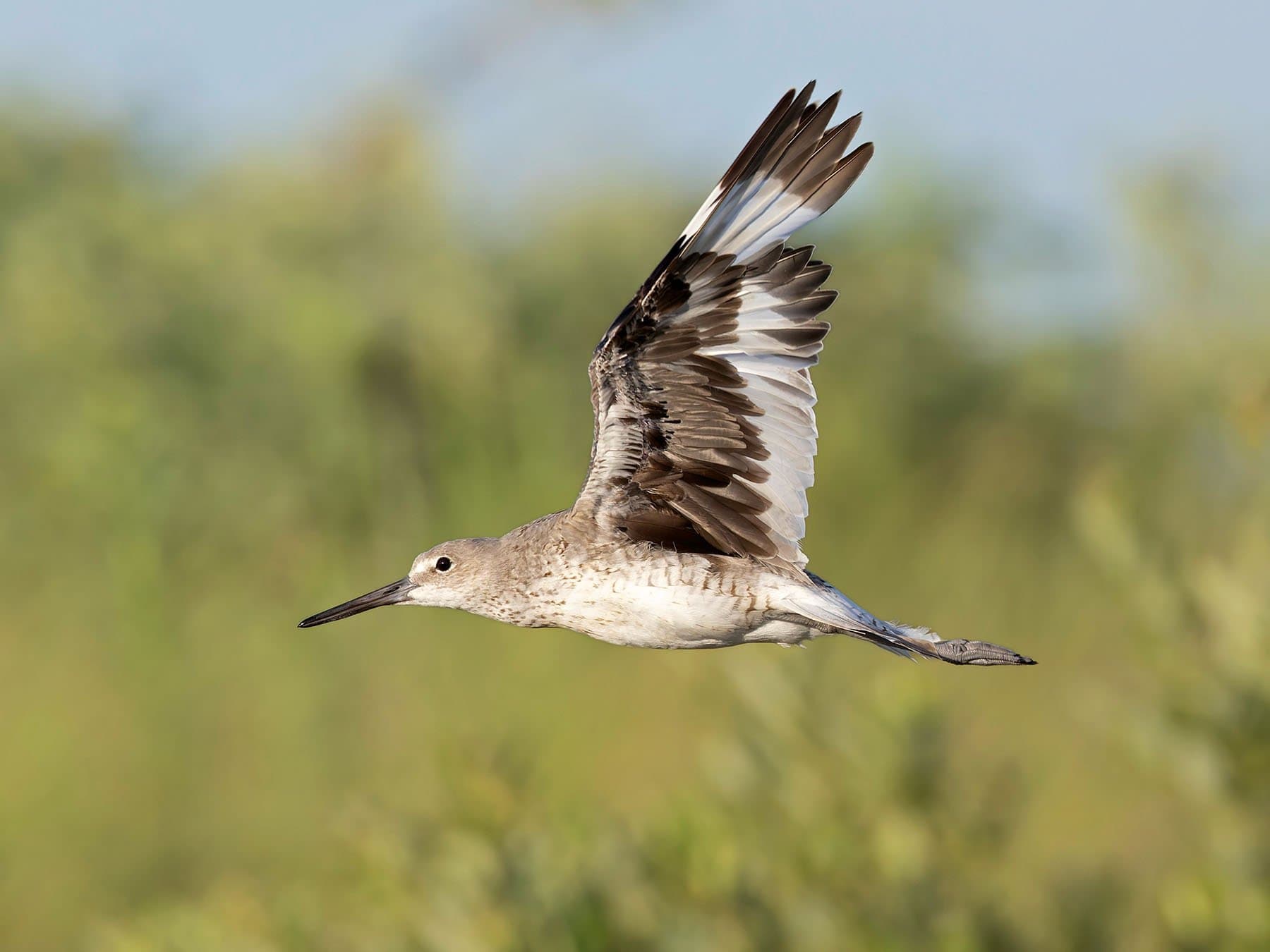
Willet
Tringa semipalmataLC
Regularly Jul–Mar
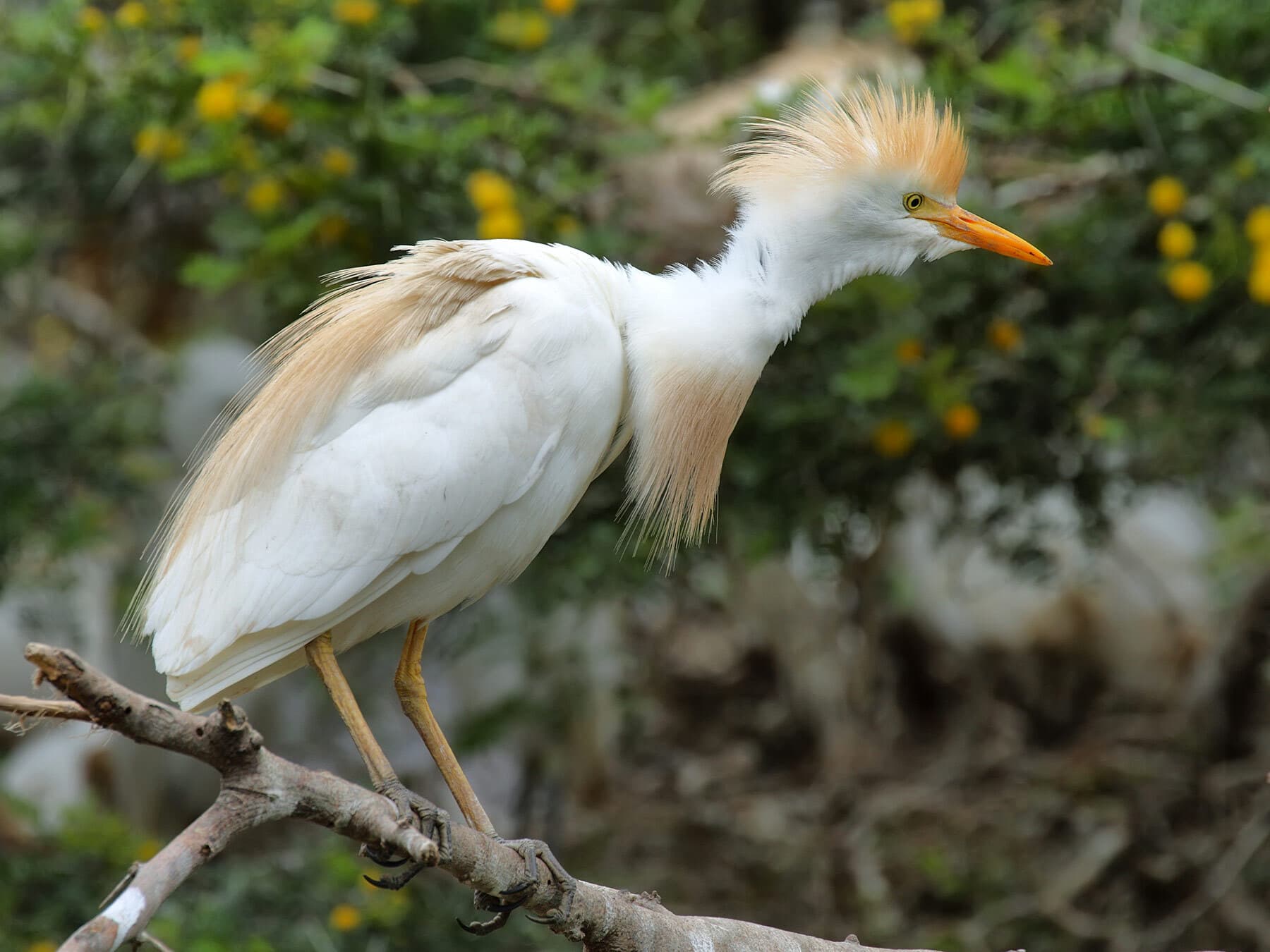
Cattle Egret
Ardea ibisLC
Recorded all year
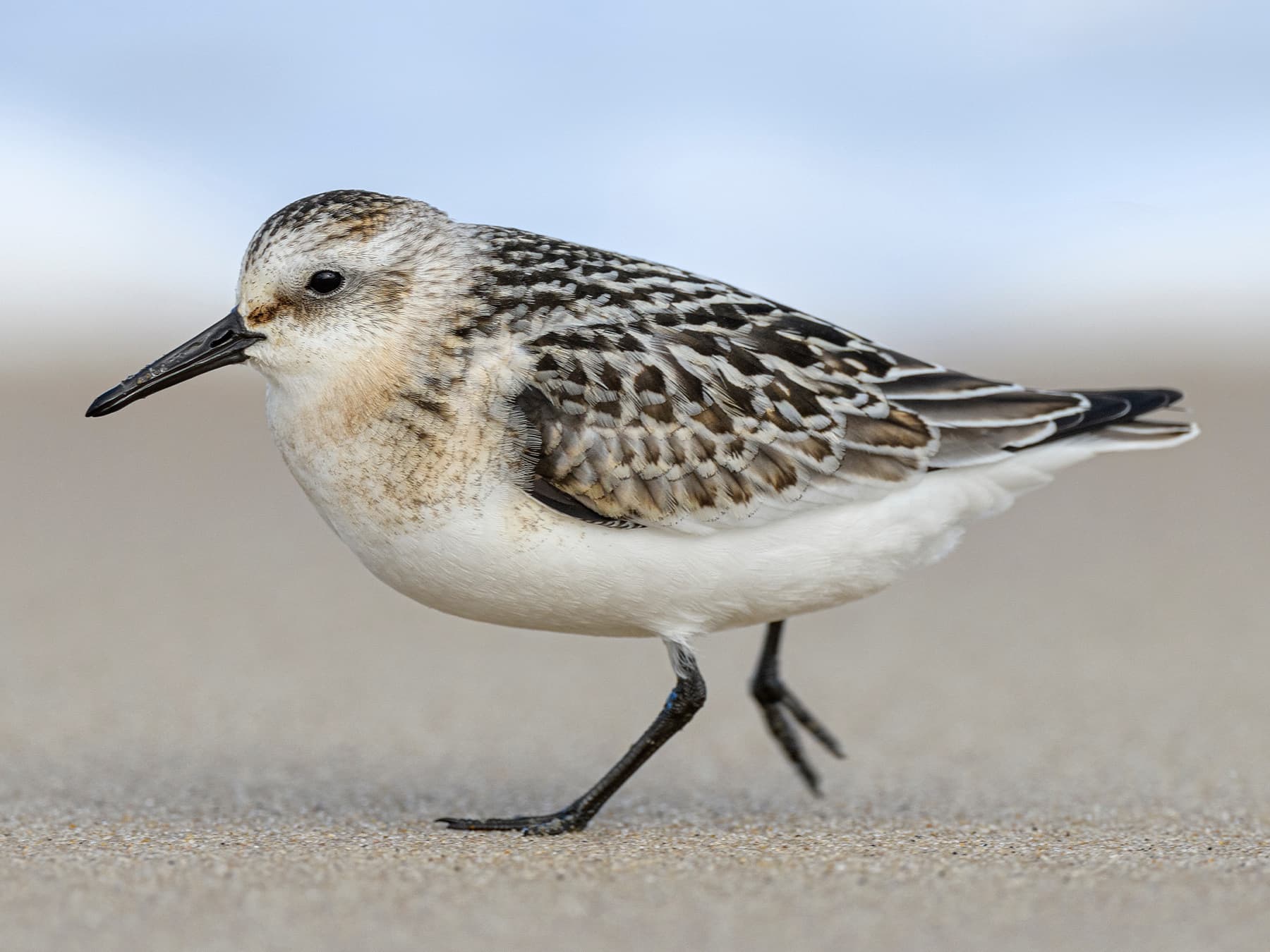
Sanderling
Calidris albaLC
Regularly Aug–Jun
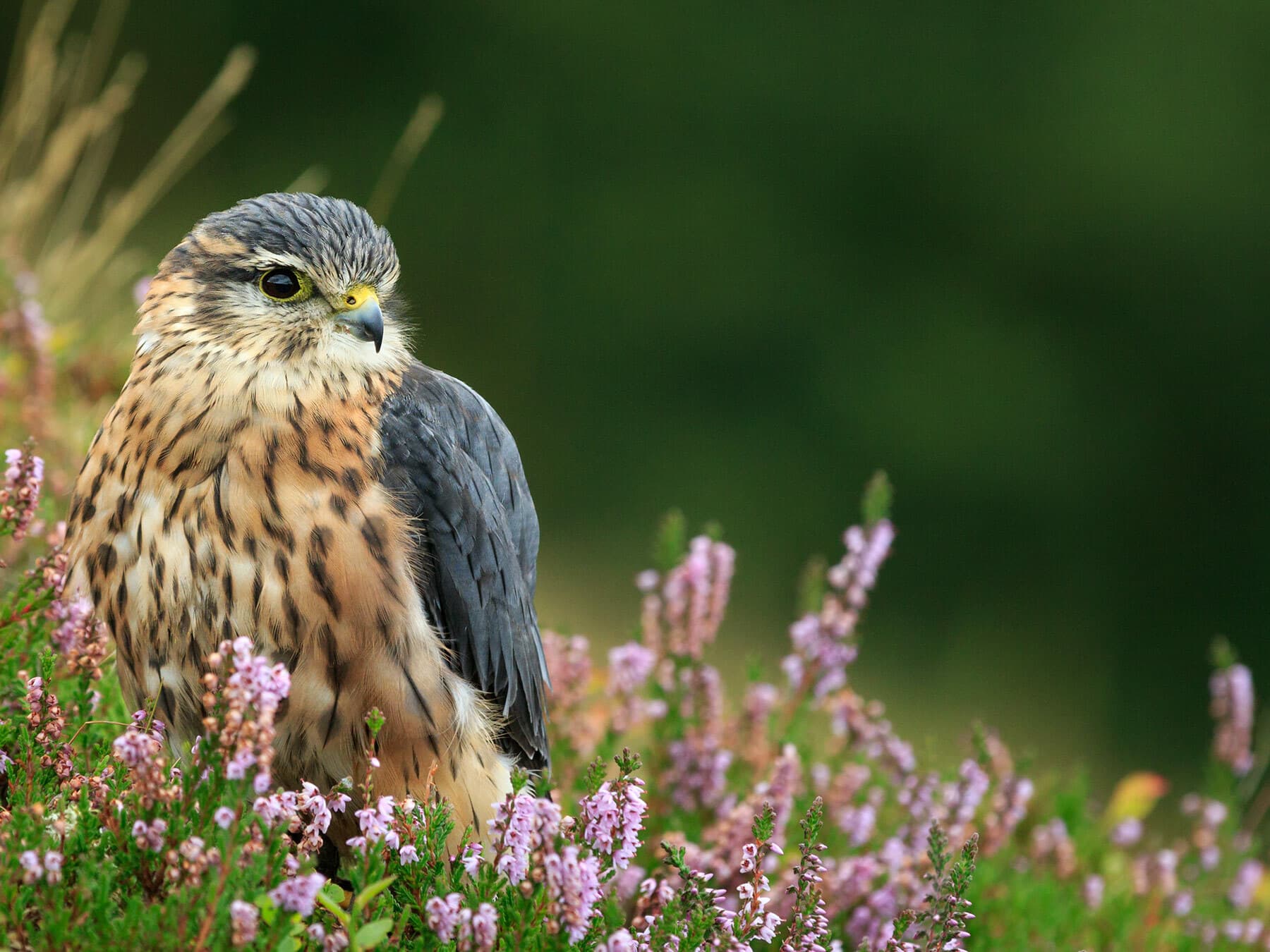
Merlin
Falco columbariusLC
Regularly Oct–Apr
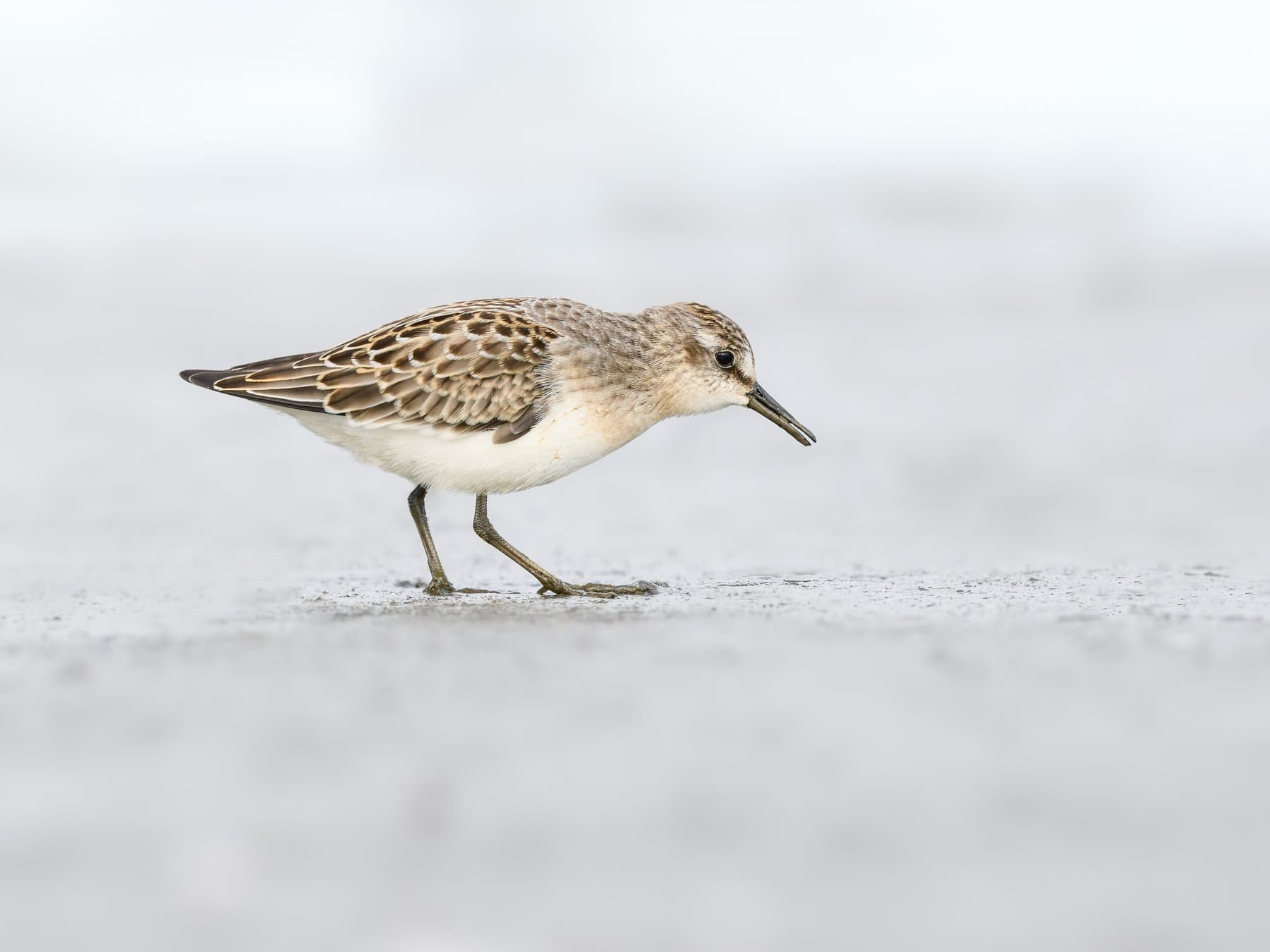
Semipalmated Sandpiper
Calidris pusillaNT
Regularly Jul–May
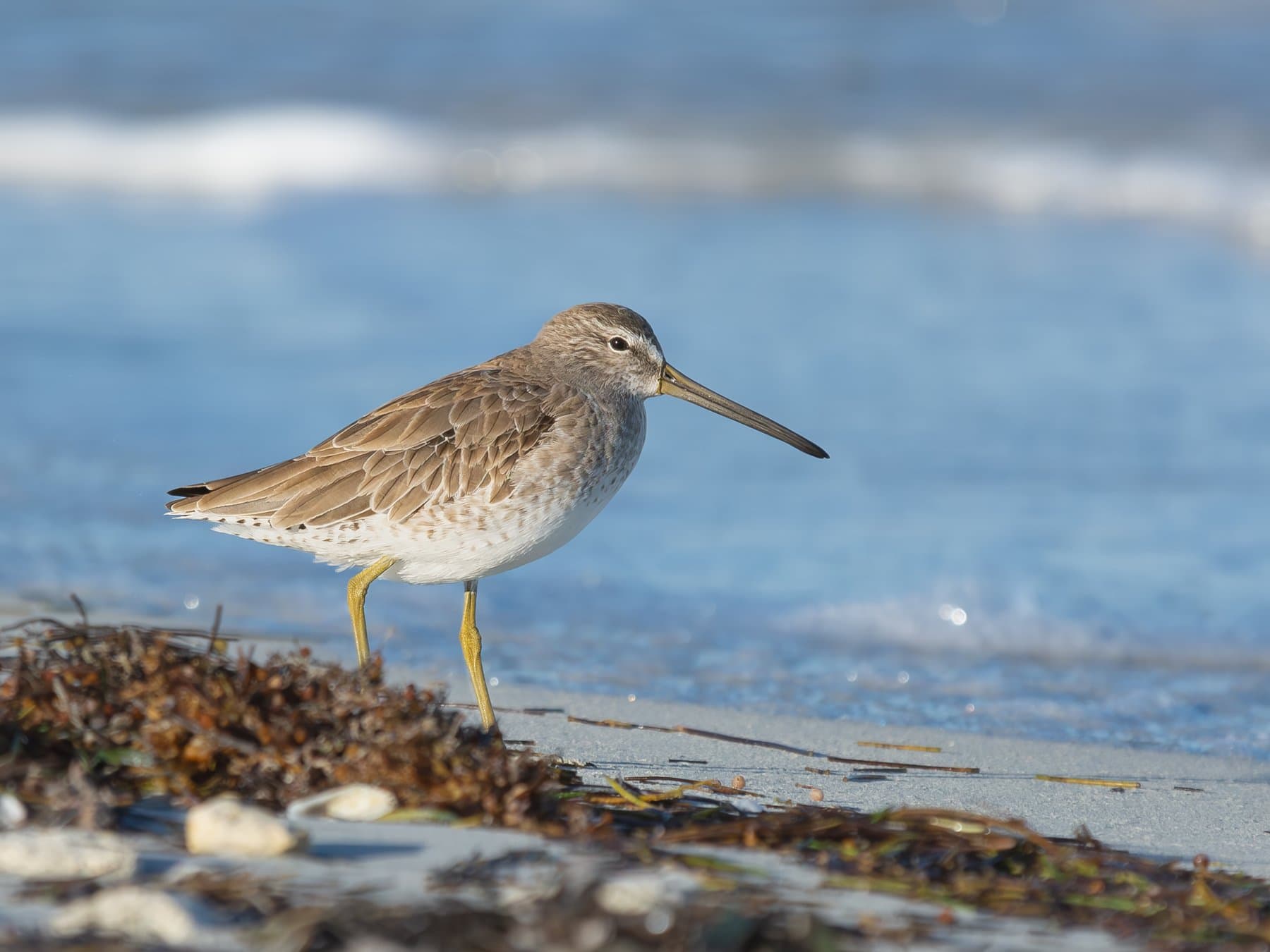
Short-billed Dowitcher
Limnodromus griseusVU
Regularly Jul–May
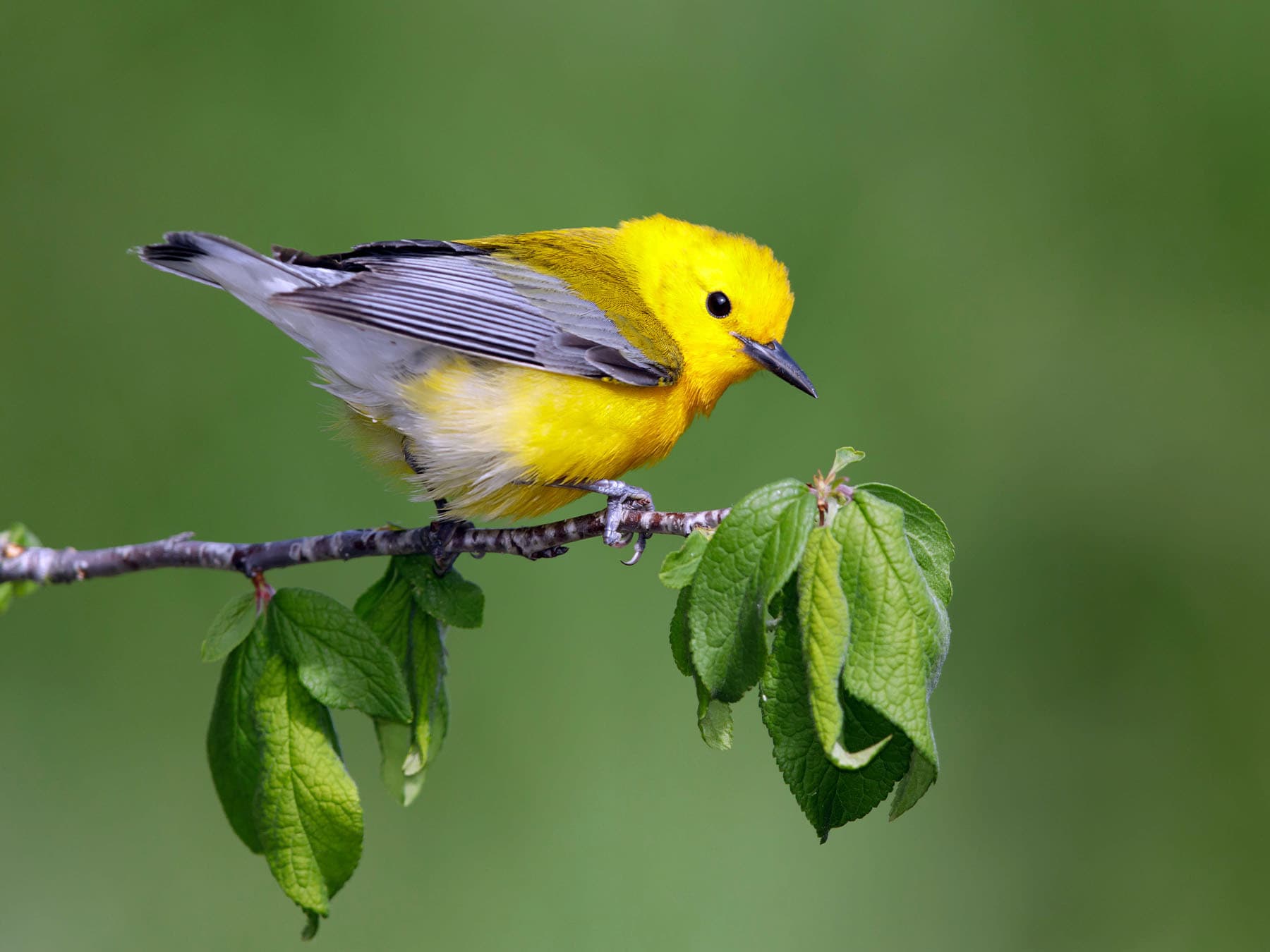
Prothonotary Warbler
Protonotaria citreaLC
Regularly Sep–Mar
Passage migrants
(1)Seen mainly in spring and autumn migration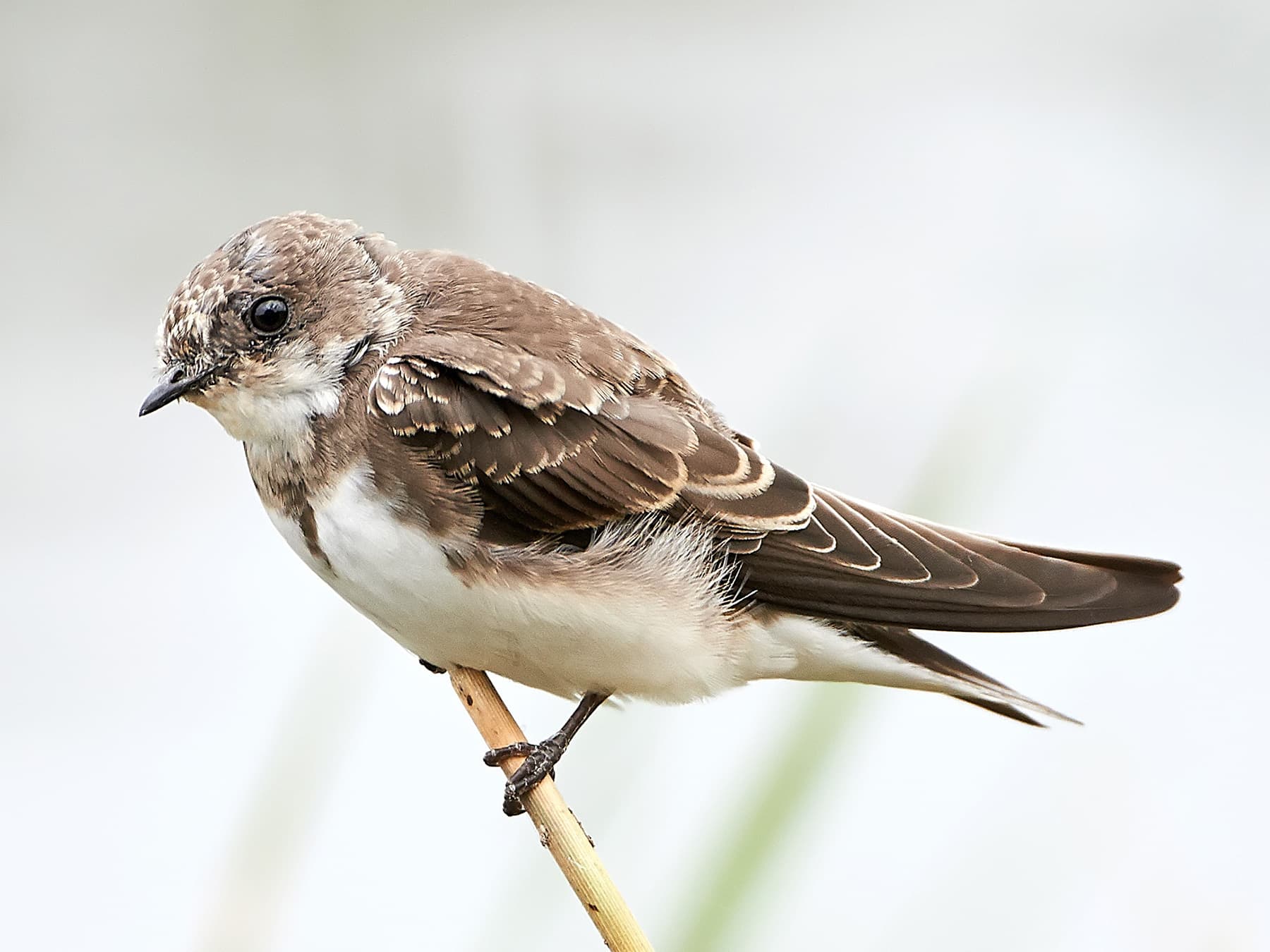
Data: EOD – eBird Observation Dataset (Cornell Lab of Ornithology), accessed via GBIF.org, CC BY 4.0. Records from 2019–2024, aggregated and filtered by Birdfact. How these lists are made