


Birds to See in Antigua & Barbuda in October
30 bird species on our list for Antigua & Barbuda are recorded regularly in October
Of these, the most often recorded are Great White Egret, Cattle Egret, Semipalmated Sandpiper, White-winged Dove and Lesser Yellowlegs. New this month: Osprey, Great Blue Heron, Pied-billed Grebe and Scaly-breasted Munia and 8 more.
On the move in October
GBIF · OctFrom Antigua & Barbuda’s bird records, 2019–2024: arriving birds are regular this month but not last; leaving birds are regular this month but not next.
Other months
All 30 birds in October
30 birds
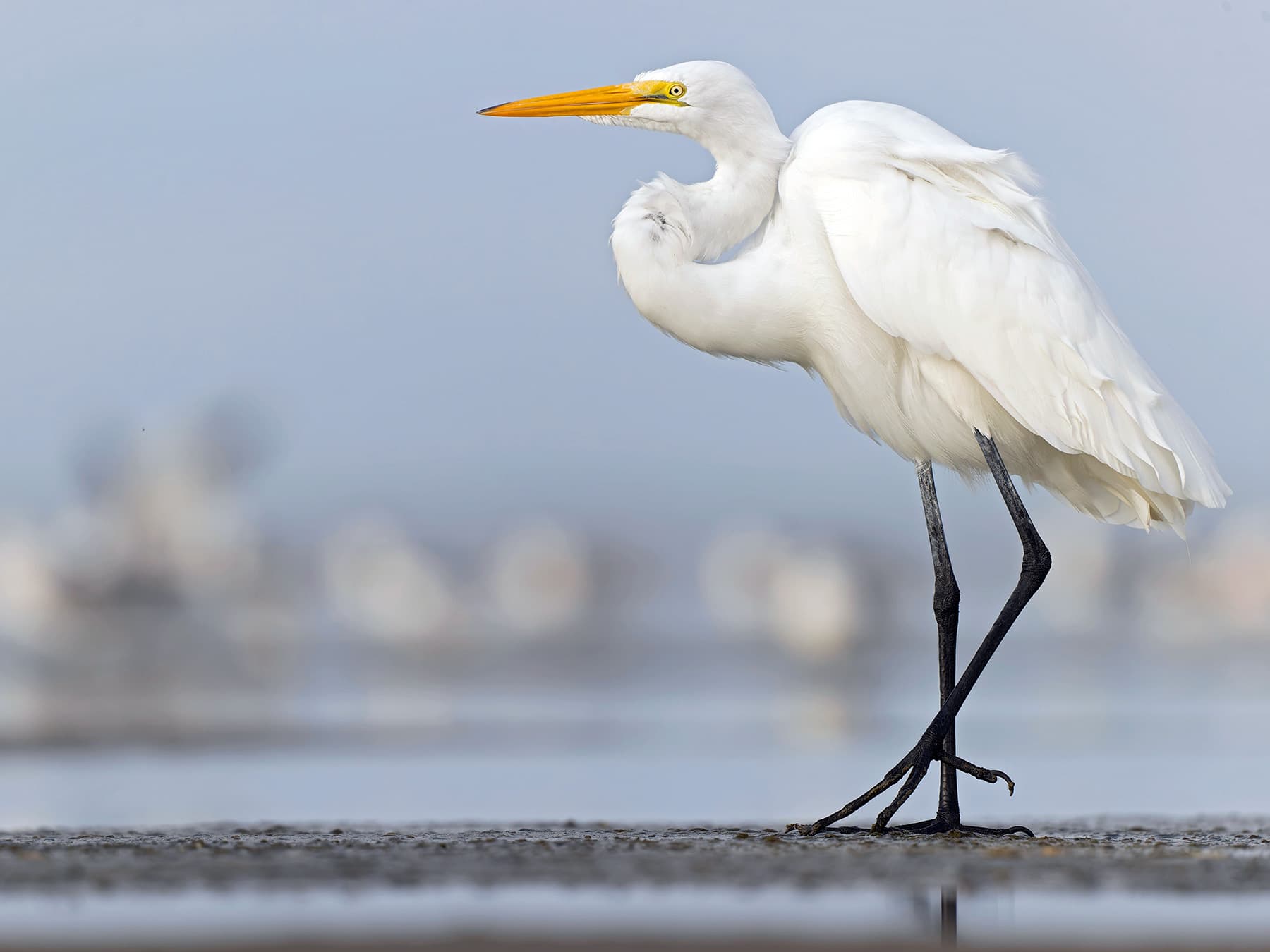 Great White EgretArdea albaResidentCommon80–104 cmRecorded all year · 2.85% in Oct
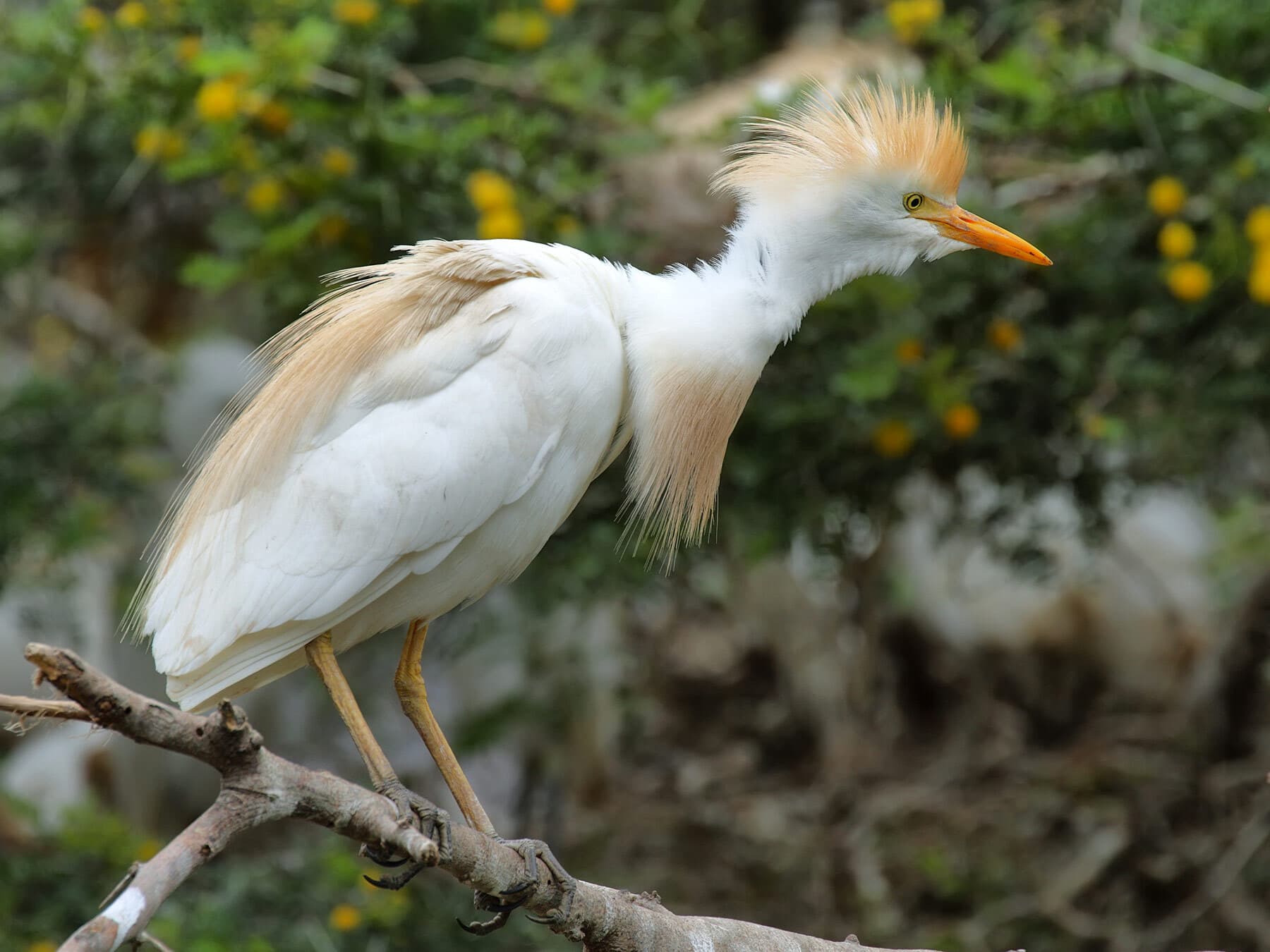 Cattle EgretArdea ibisResidentCommon46–56 cmRecorded all year · 2.30% in Oct
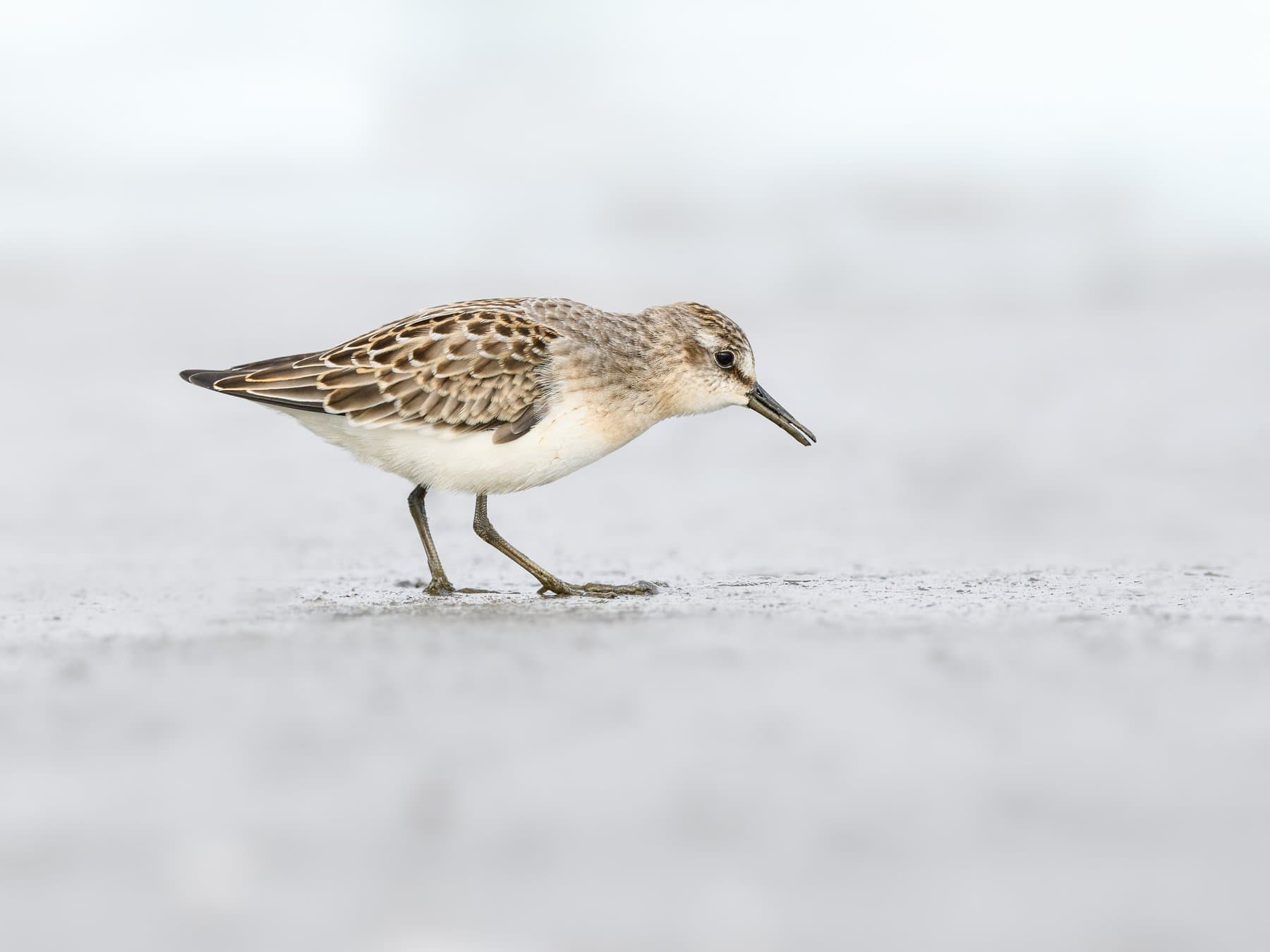 Semipalmated SandpiperCalidris pusillaWinter visitorCommon15–18 cmRecorded all year · 1.90% in Oct
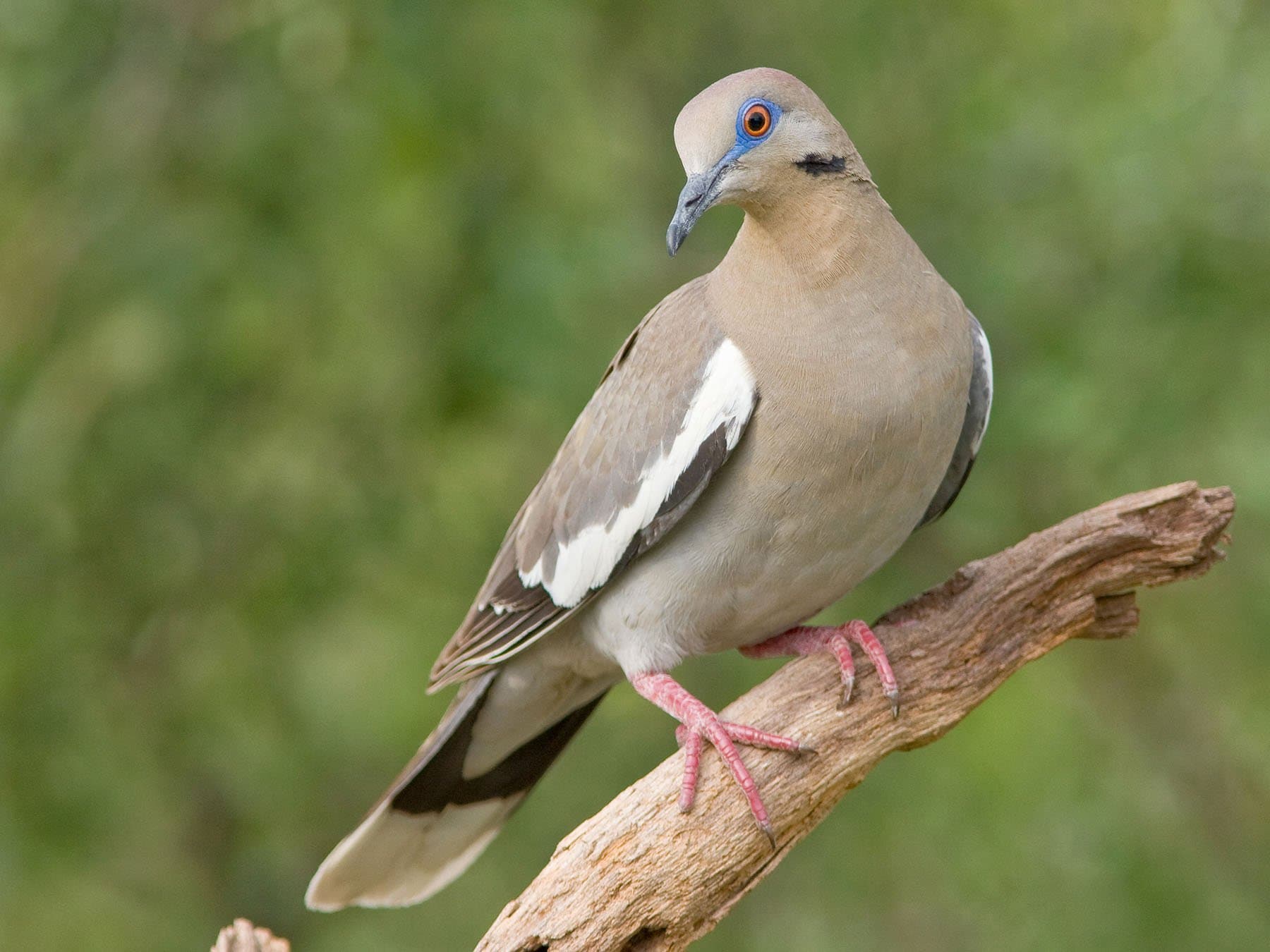 White-winged DoveZenaida asiaticaResidentCommon27–30 cmRecorded all year · 1.88% in Oct
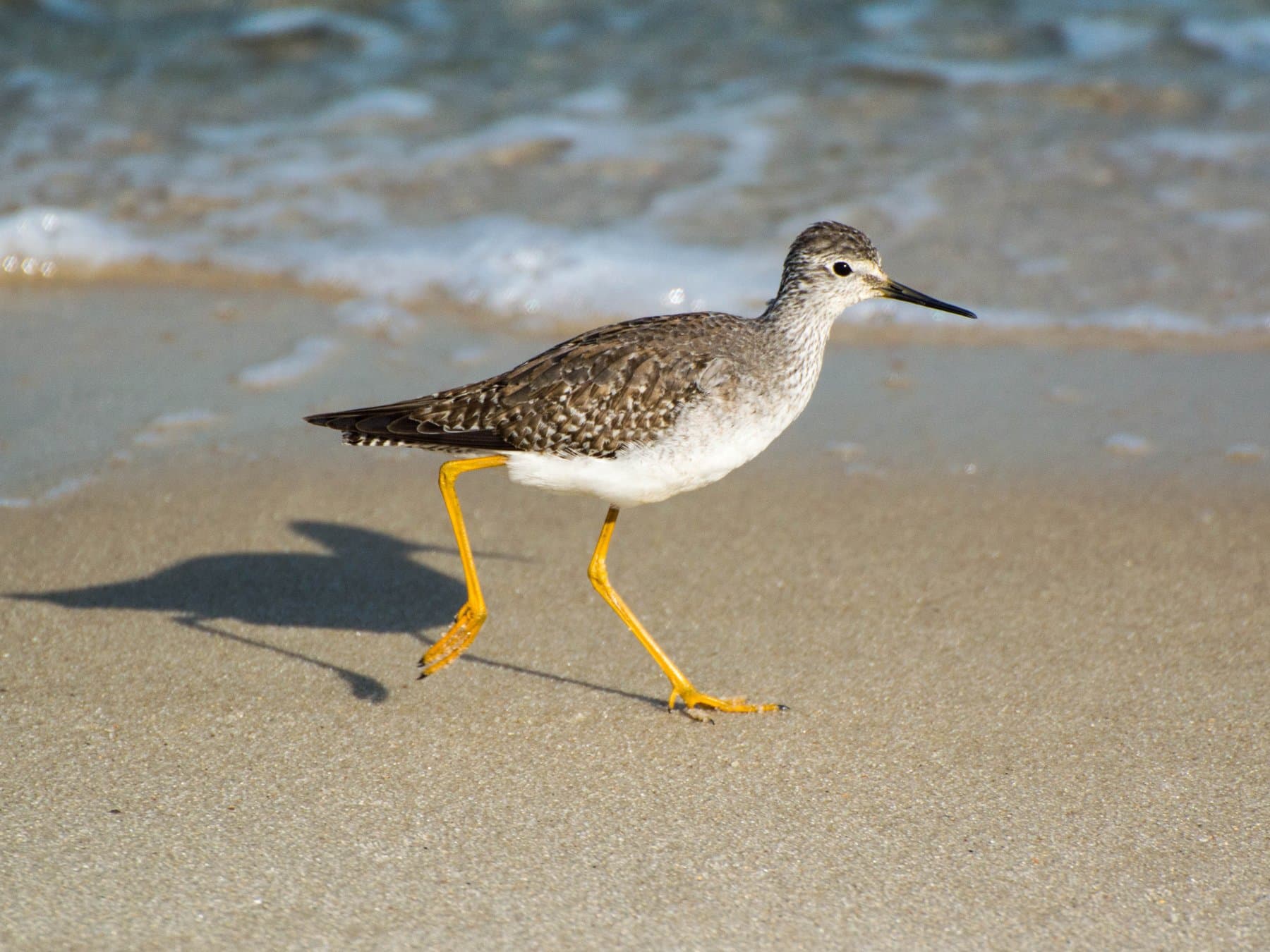 Lesser YellowlegsTringa flavipesWinter visitorCommon23–27 cmRegularly Jul–May · 1.86% in Oct
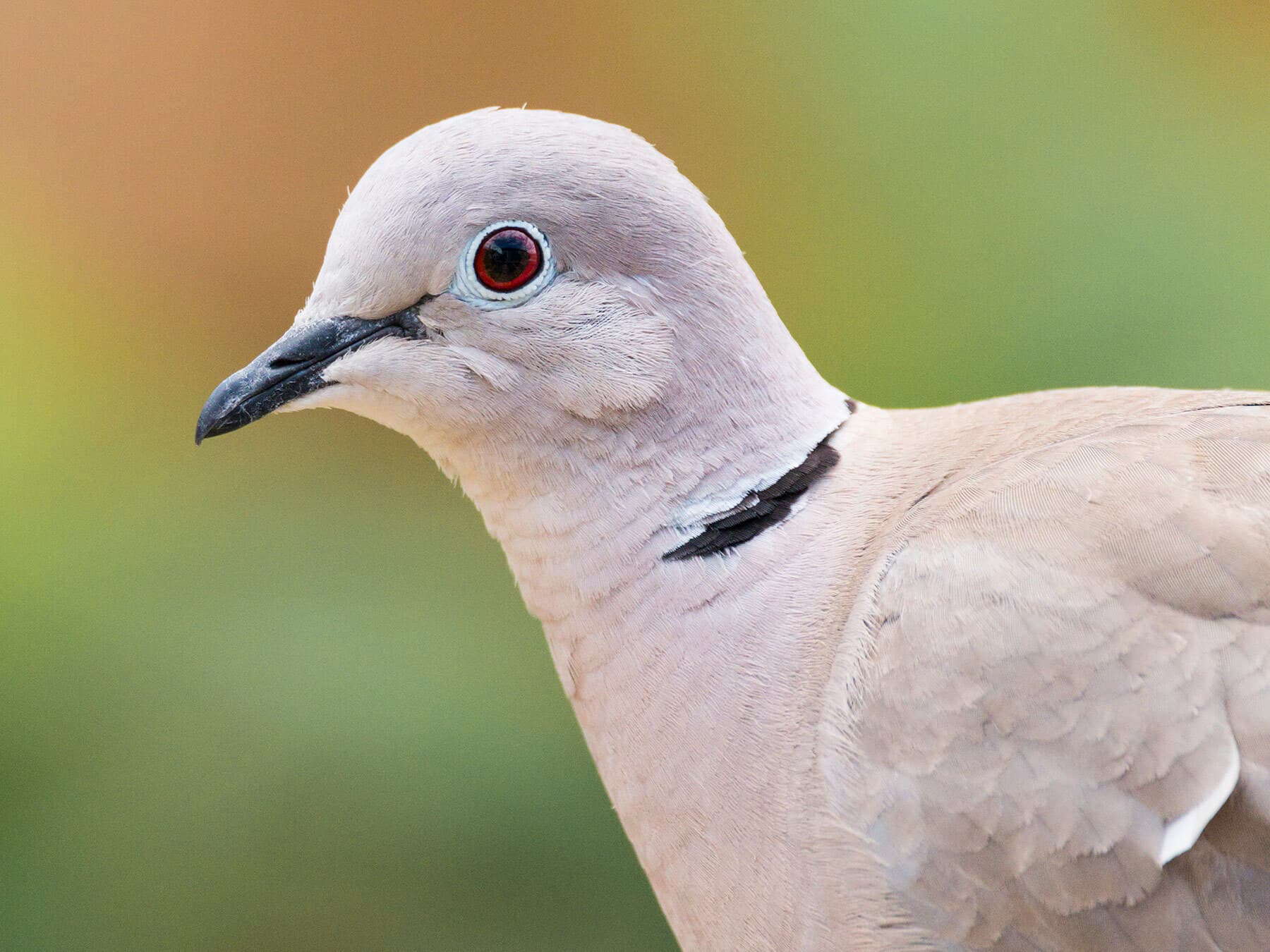 Eurasian Collared DoveStreptopelia decaoctoResidentCommon30–32 cmRecorded all year · 1.68% in Oct
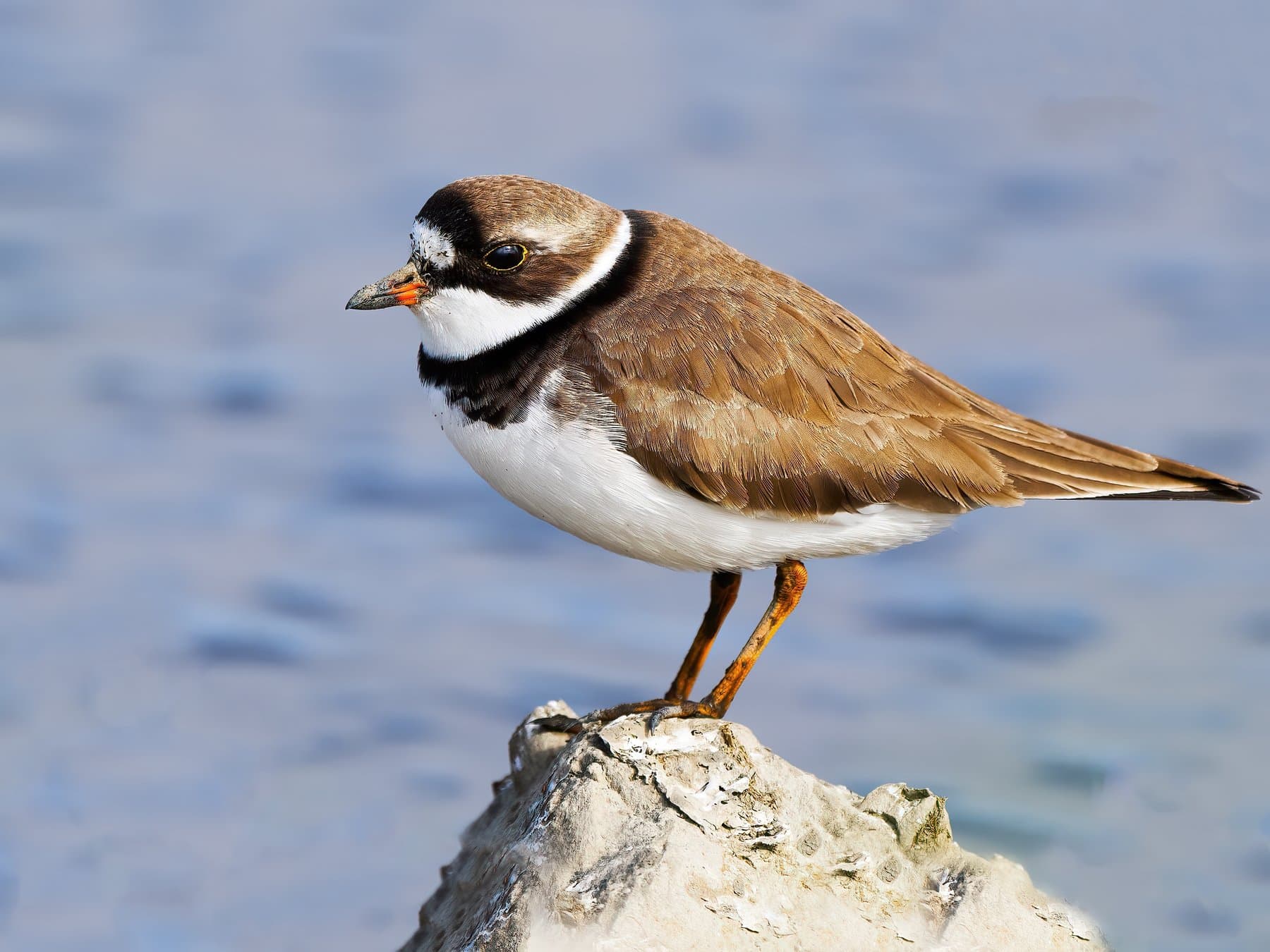 Semipalmated PloverCharadrius semipalmatusWinter visitorCommon17–19 cmRecorded all year · 1.13% in Oct
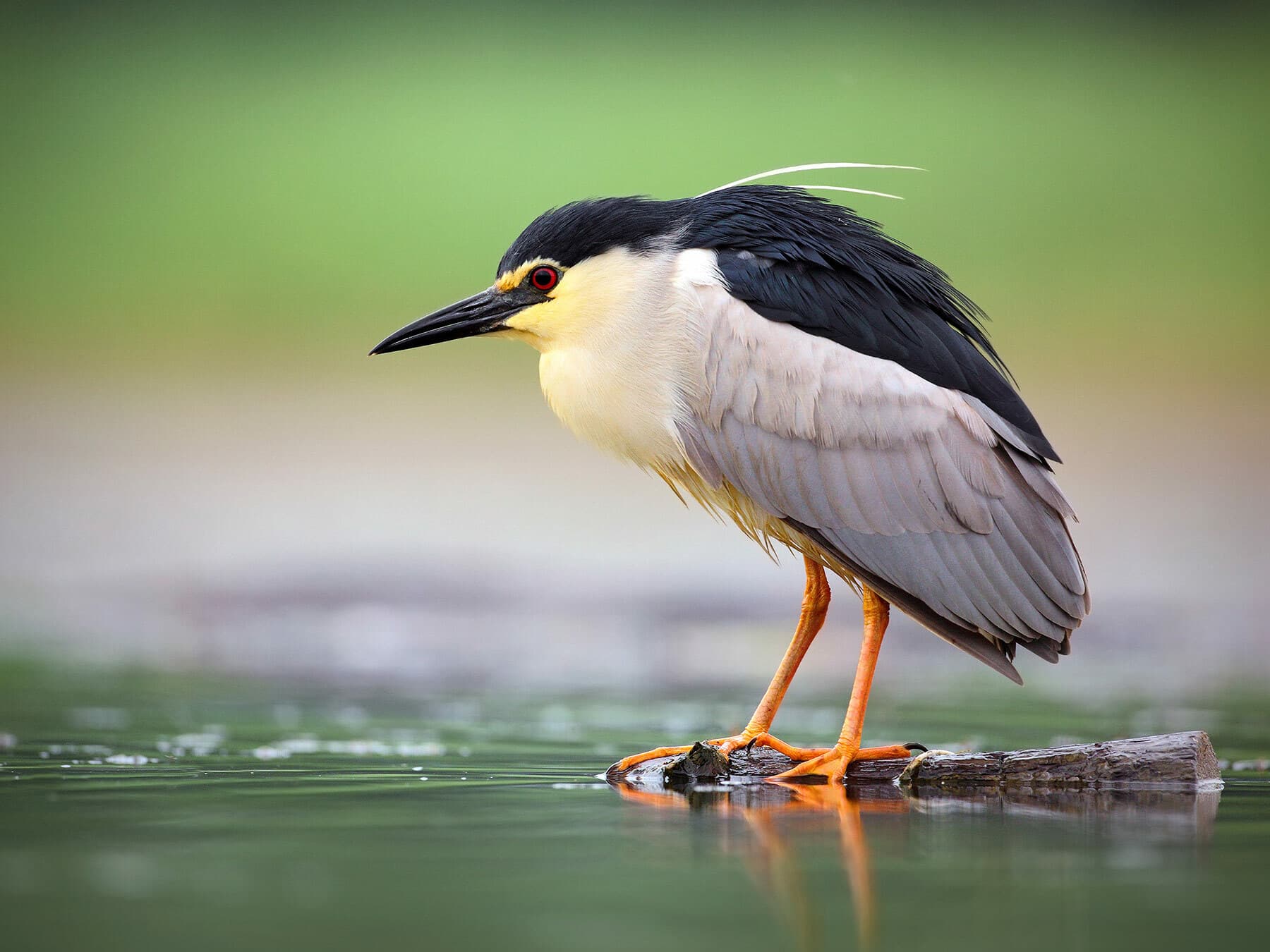 Black-crowned Night-heronNycticorax nycticoraxResidentCommon58–65 cmRecorded all year · 1.02% in Oct
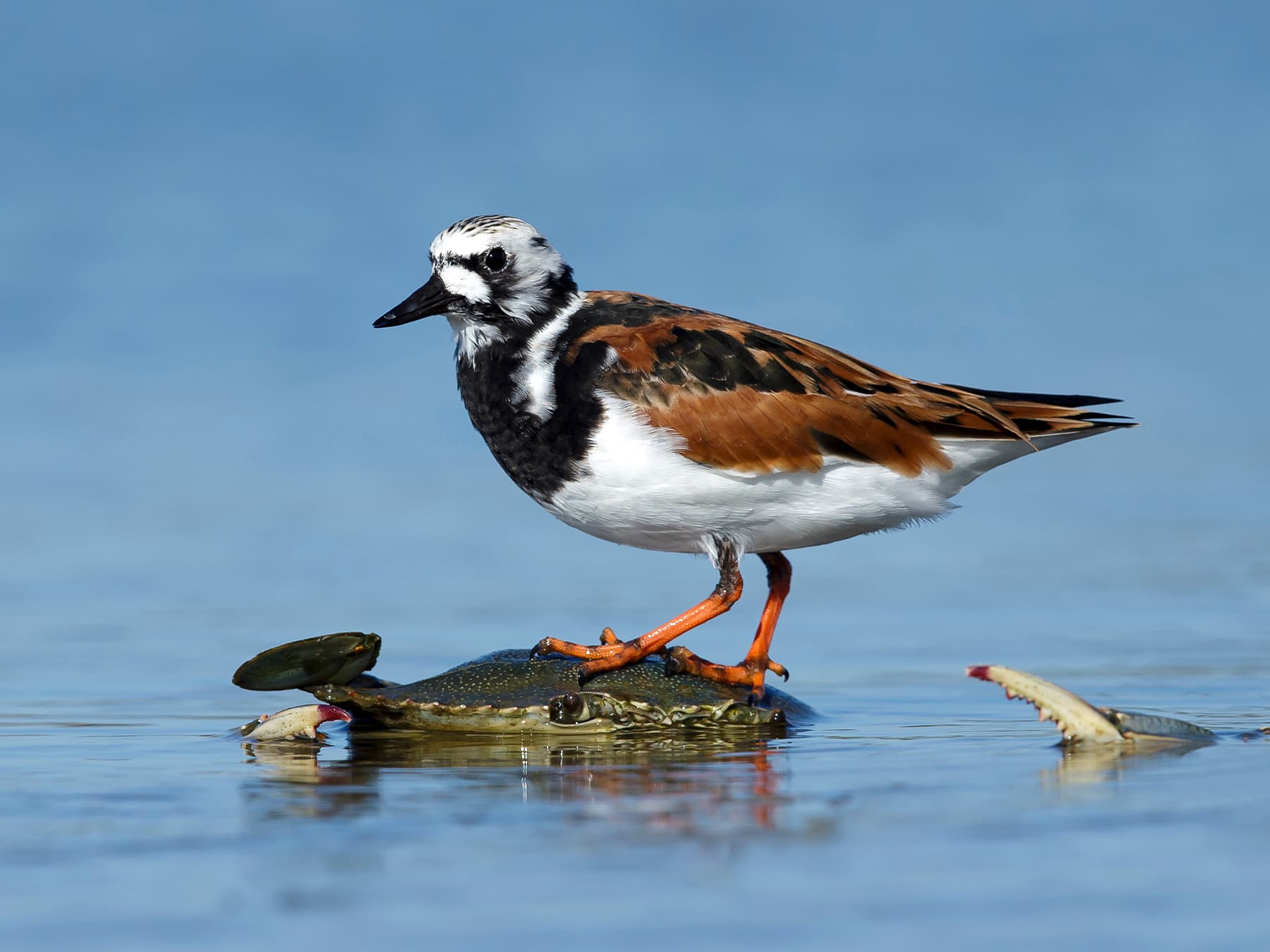 Ruddy TurnstoneArenaria interpresWinter visitorCommon21–24 cmRegularly Aug–May · 0.97% in Oct
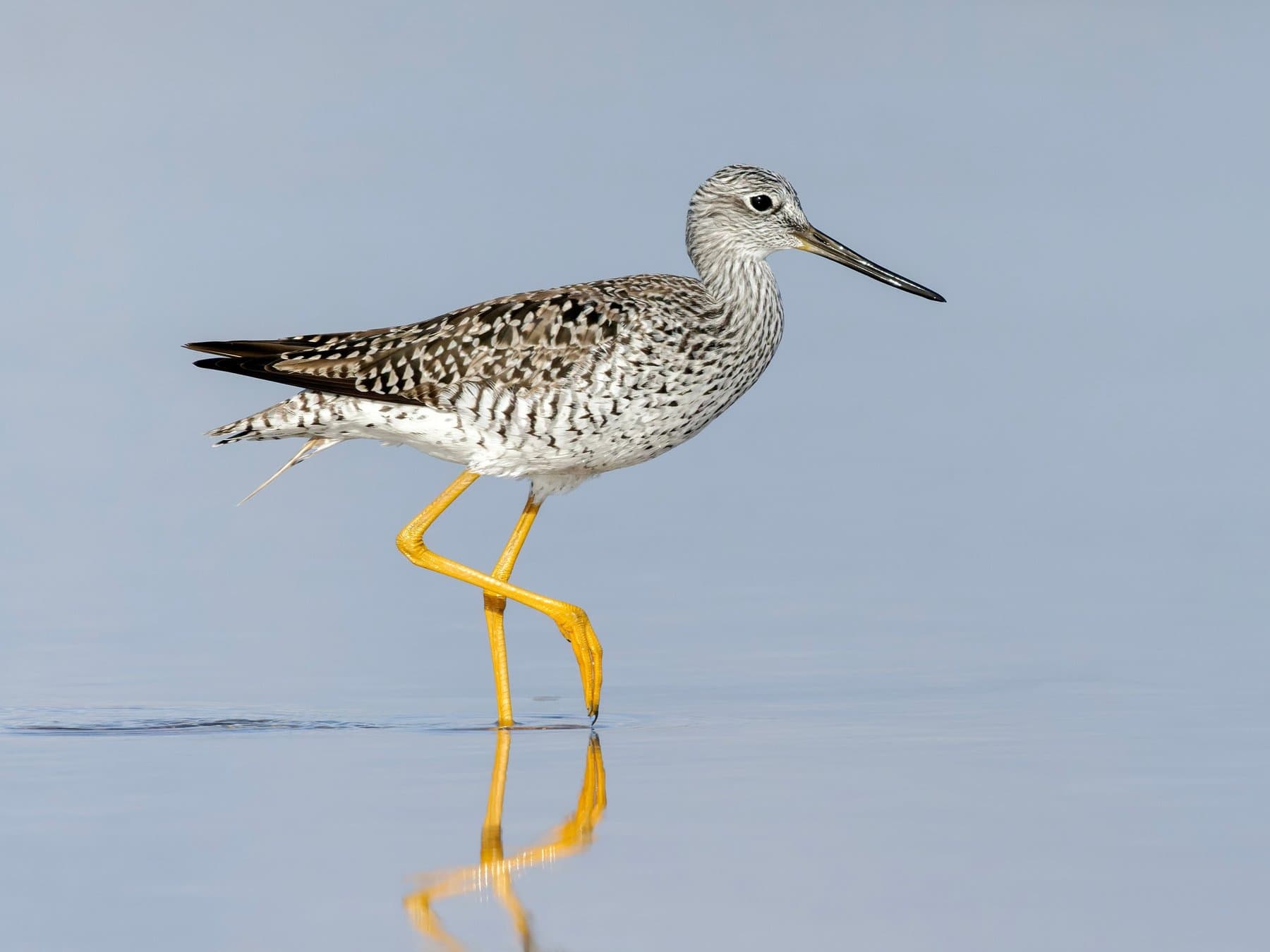 Greater YellowlegsTringa melanoleucaWinter visitorCommon29–40 cmRegularly Aug–May · 0.95% in Oct
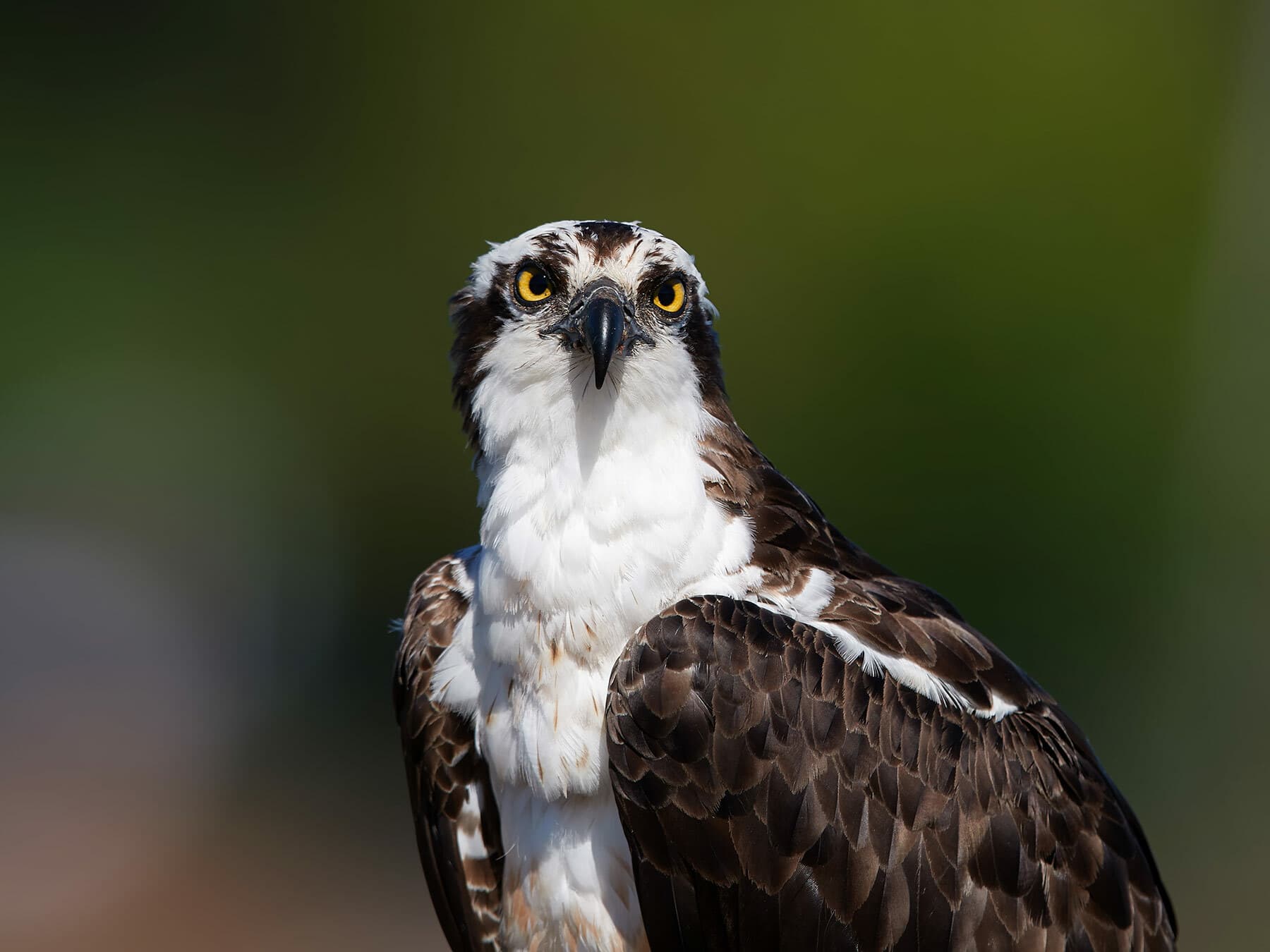 OspreyPandion haliaetusWinter visitorCommon54–58 cmRegularly Oct–Jul · 0.82% in Oct
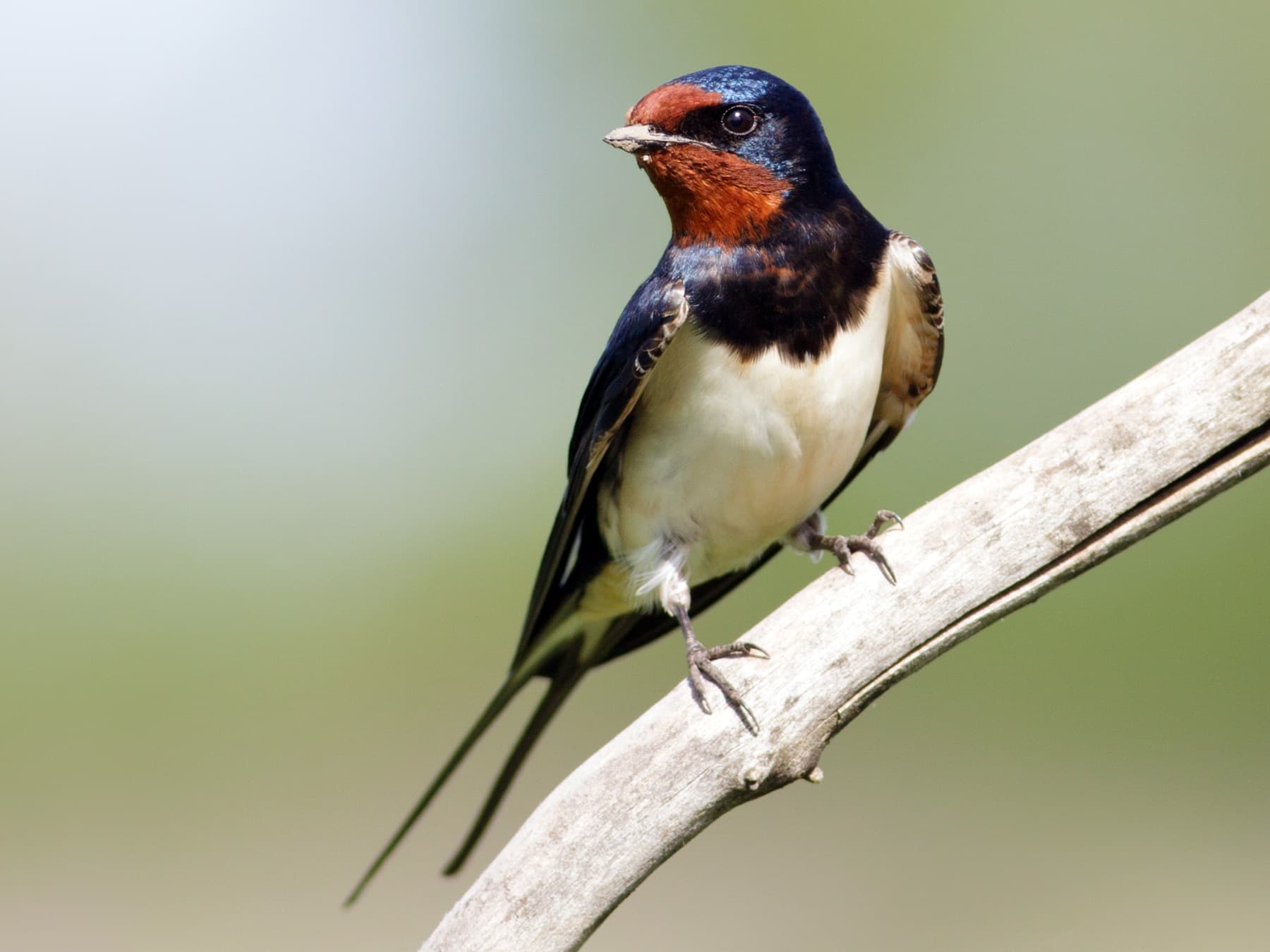 Barn SwallowHirundo rusticaPassage migrantCommon17–19 cmRegularly Mar–Dec · 0.75% in Oct
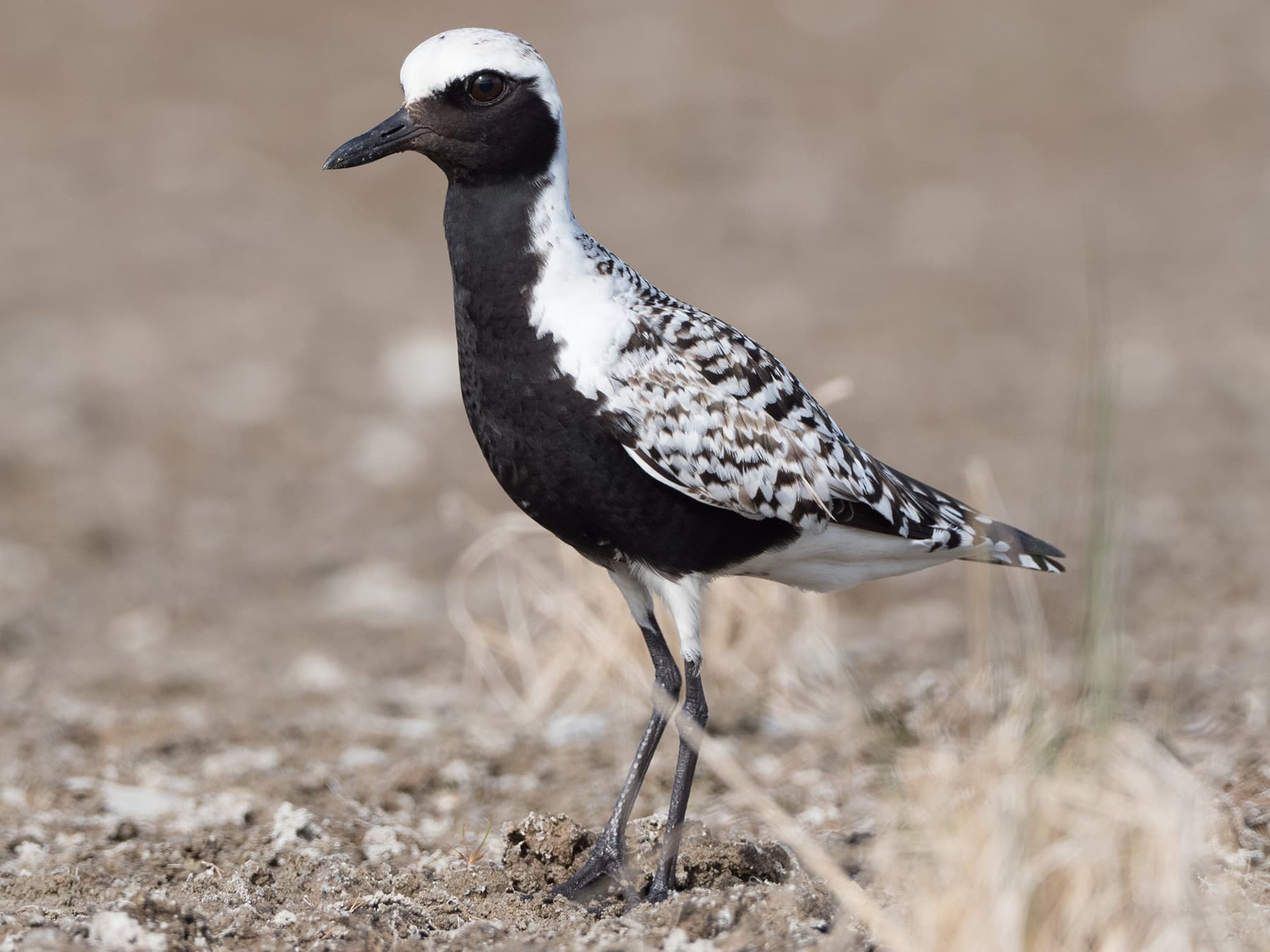 Grey PloverPluvialis squatarolaWinter visitorCommon27–30 cmRegularly Aug–May · 0.75% in Oct
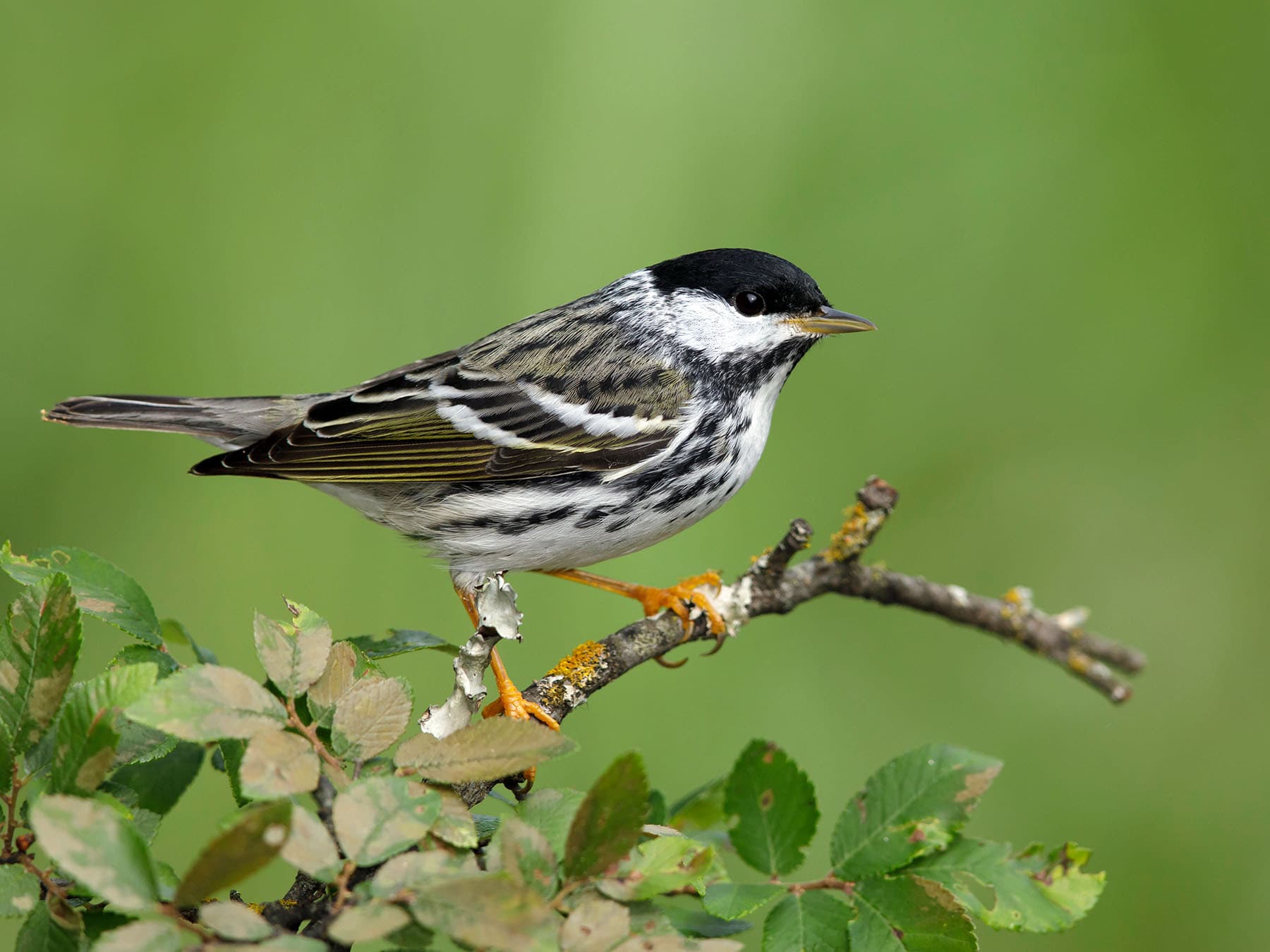 Blackpoll WarblerSetophaga striataPassage migrantCommon13–15 cmRegularly Oct–Nov · 0.71% in Oct
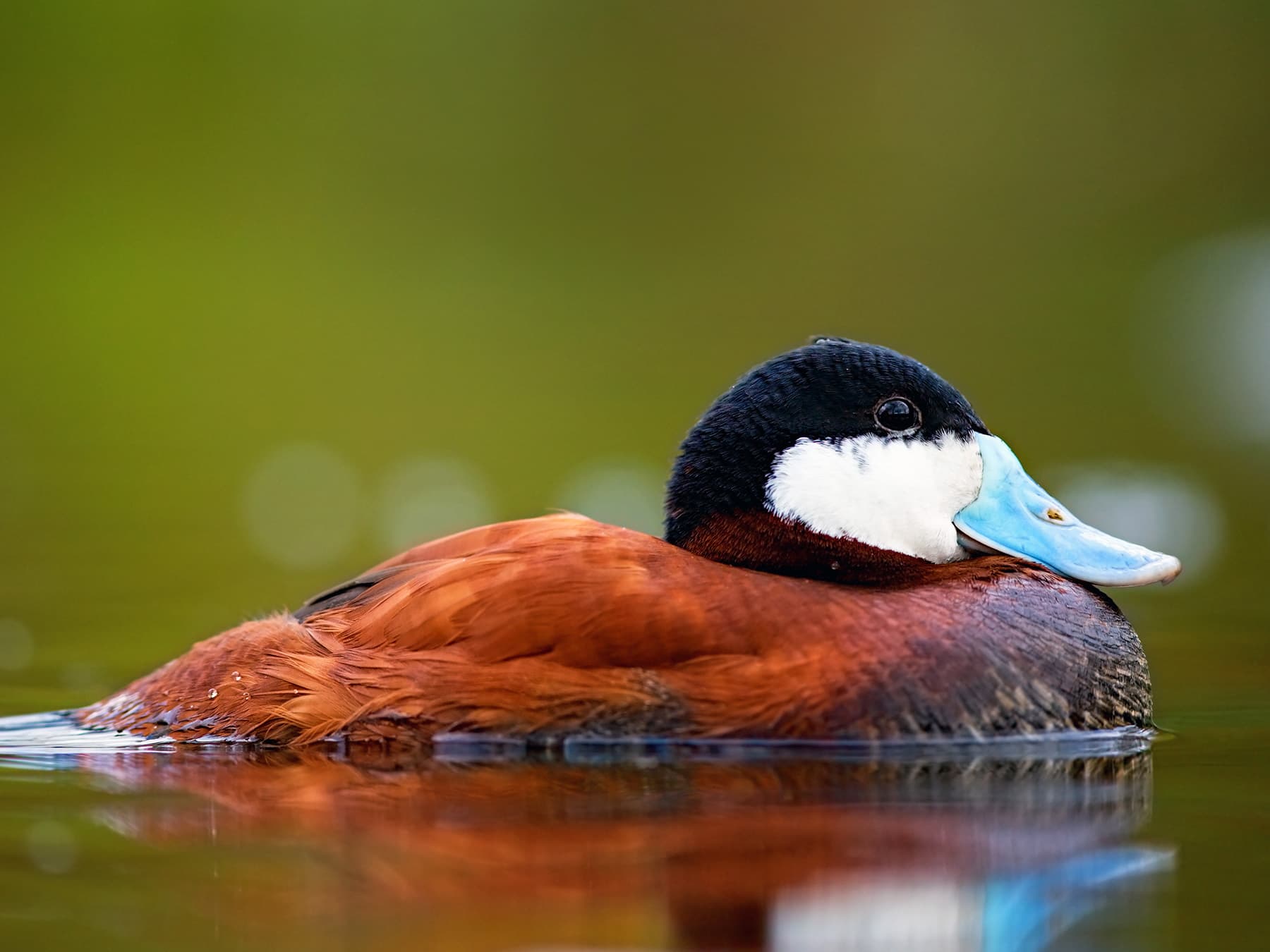 Ruddy DuckOxyura jamaicensisWinter visitorCommon35–43 cmRegularly Oct–Jun · 0.62% in Oct
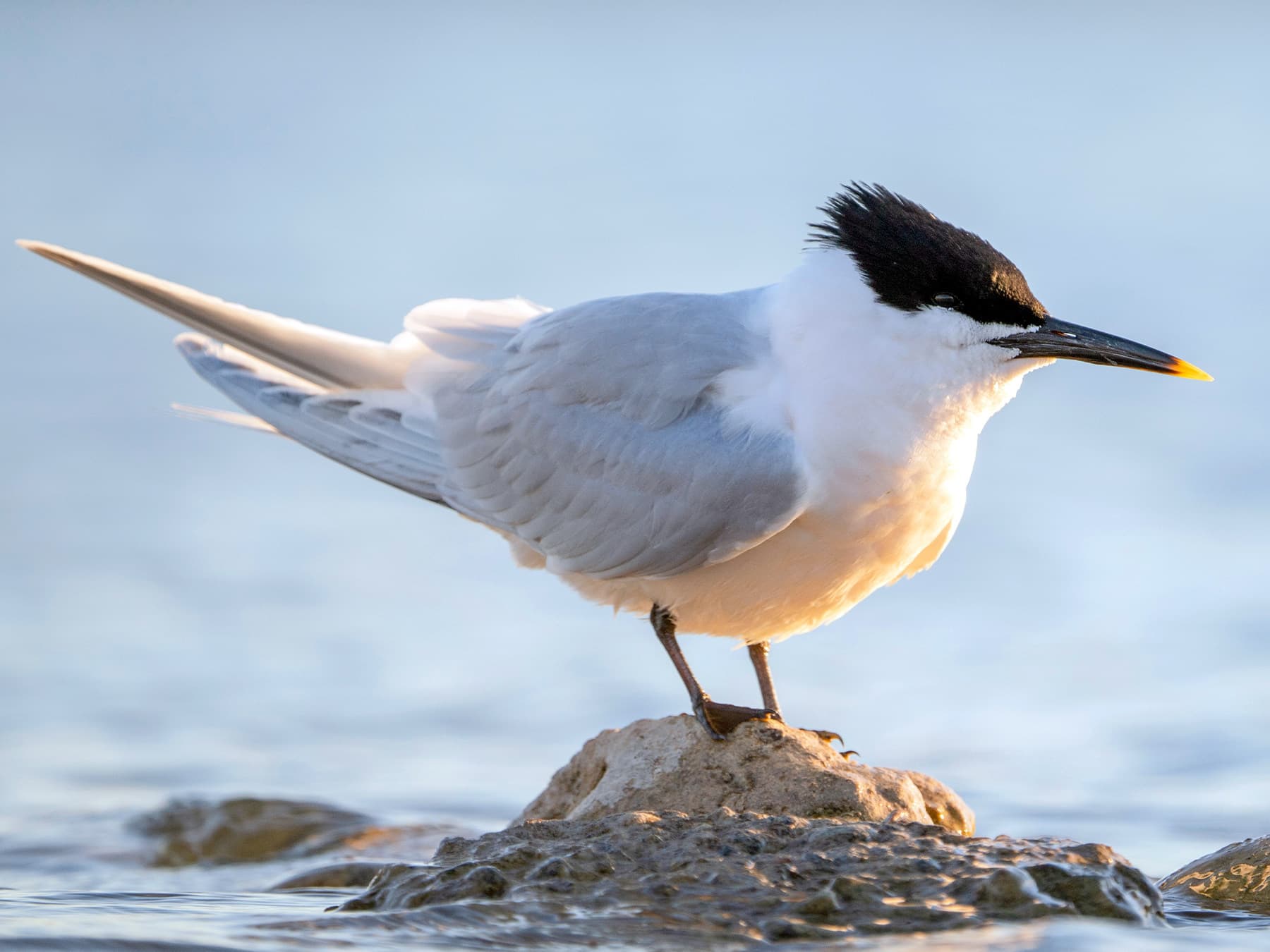 Sandwich TernThalasseus sandvicensisResidentCommon36–41 cmRecorded all year · 0.62% in Oct
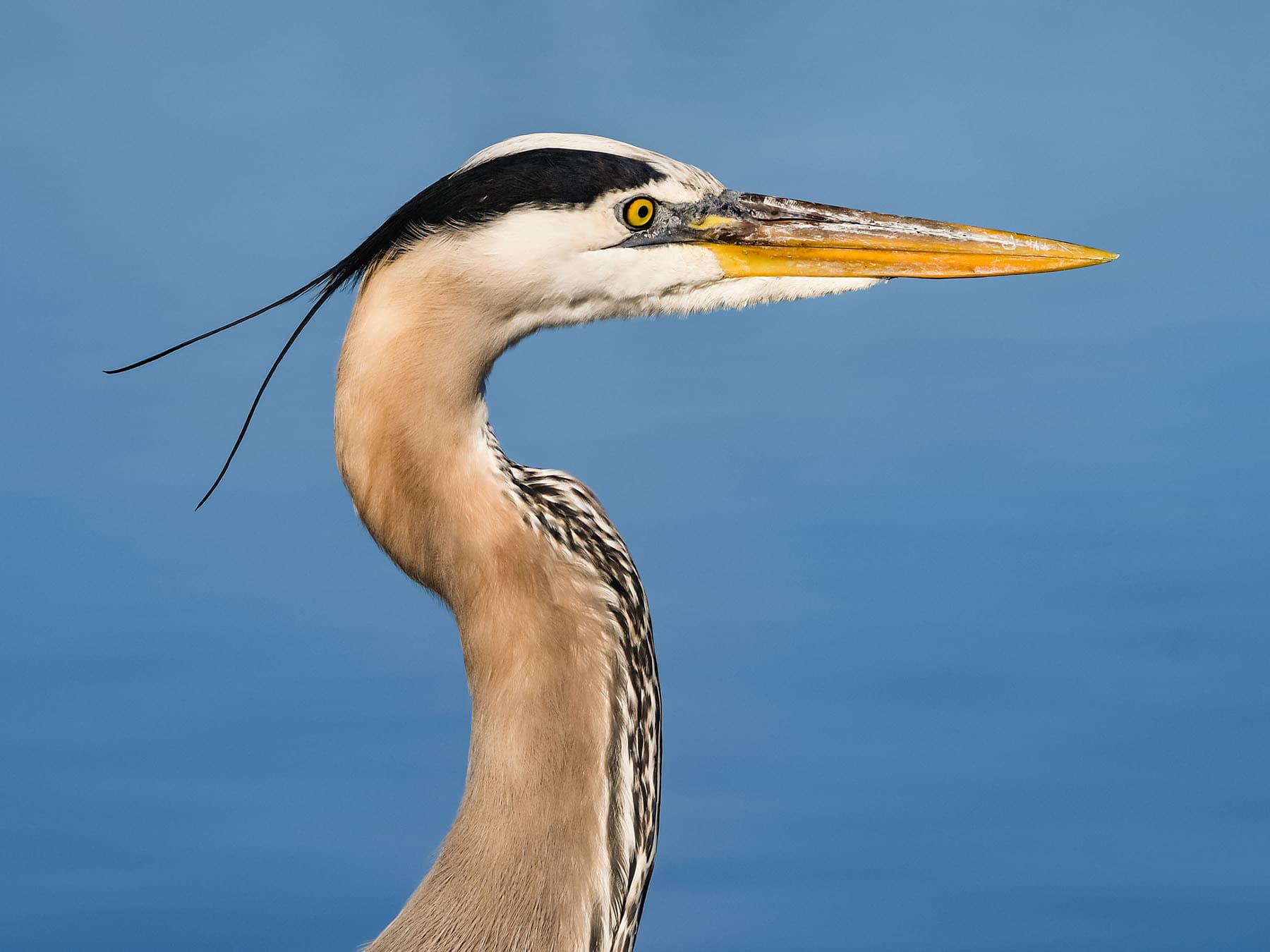 Great Blue HeronArdea herodiasWinter visitorCommon91–137 cmRegularly Oct–Jul · 0.57% in Oct
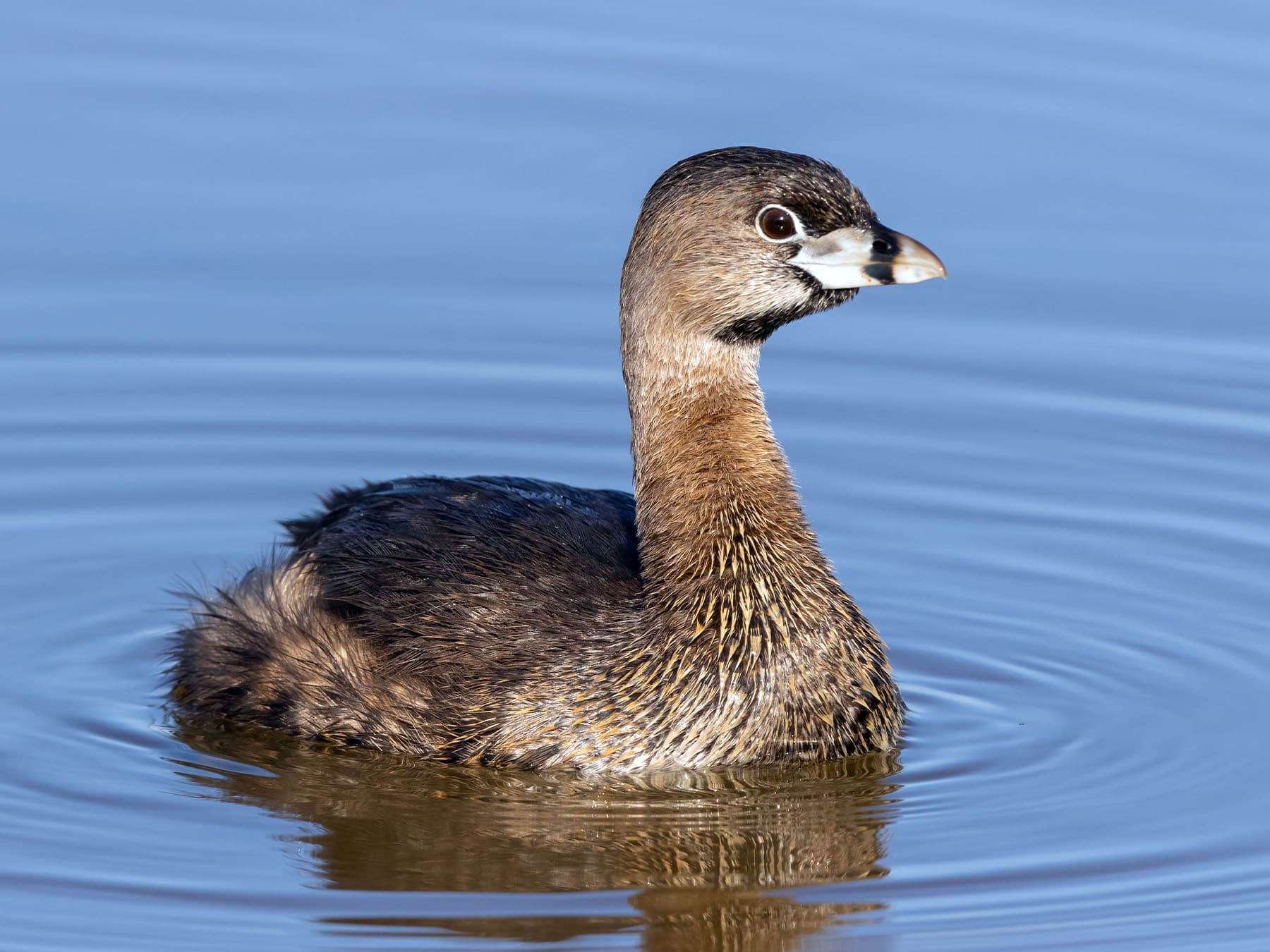 Pied-billed GrebePodilymbus podicepsWinter visitorCommon31–38 cmRegularly Oct–May · 0.57% in Oct
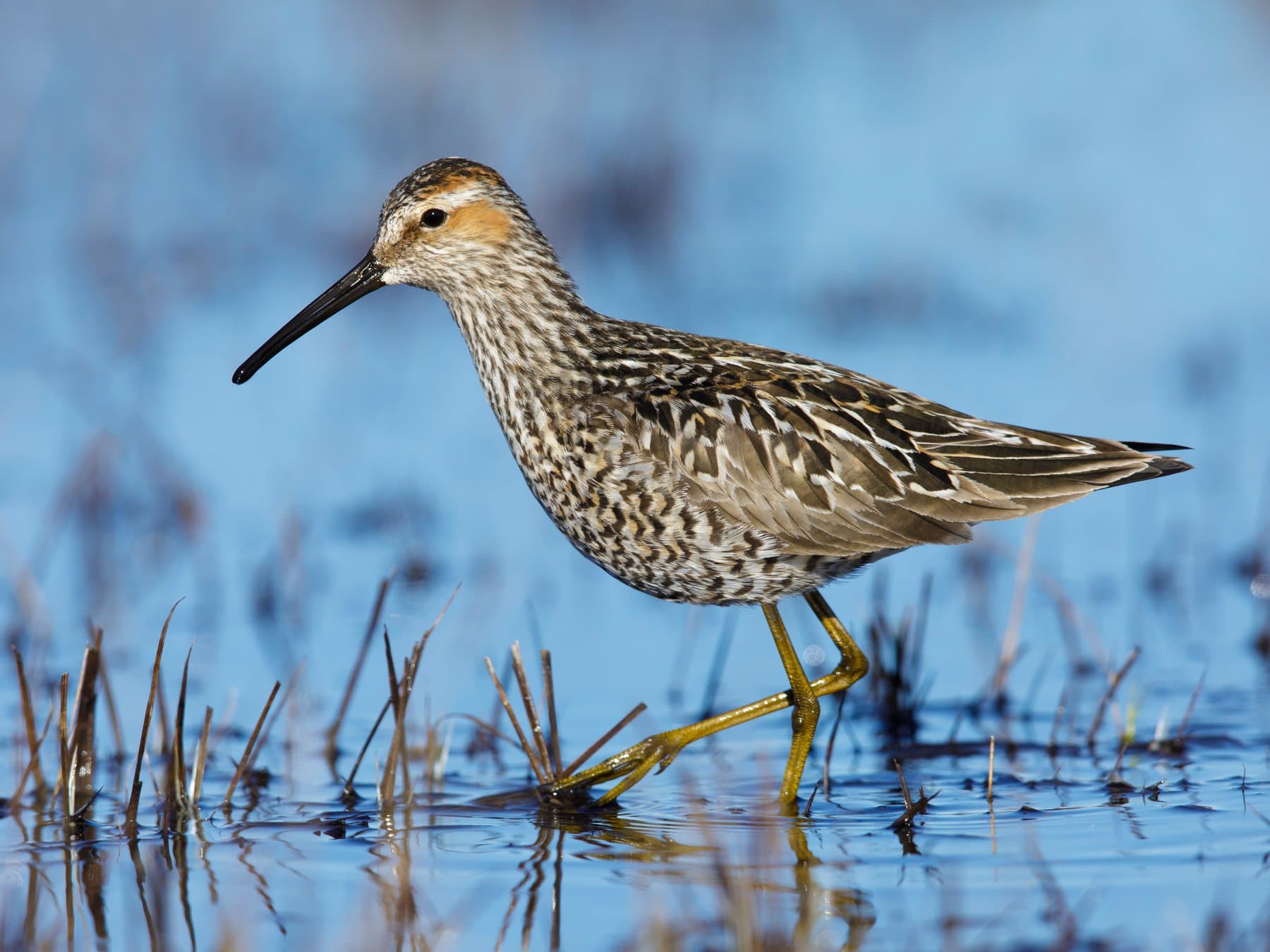 Stilt SandpiperCalidris himantopusWinter visitorCommon18–23 cmRegularly Aug–Apr · 0.57% in Oct
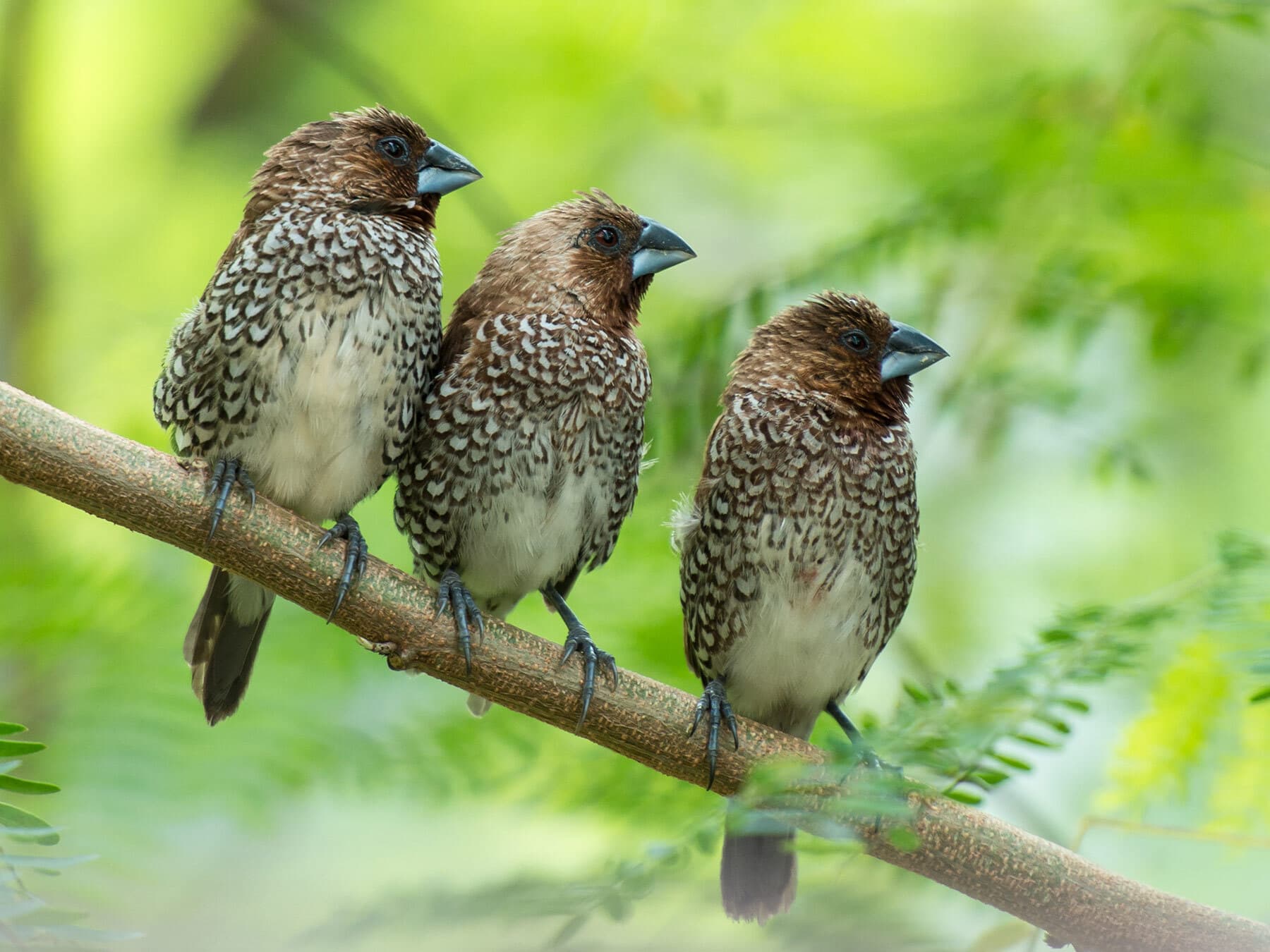 Scaly-breasted MuniaLonchura punctulataWinter visitorCommon11–12 cmRegularly Oct–May · 0.46% in Oct
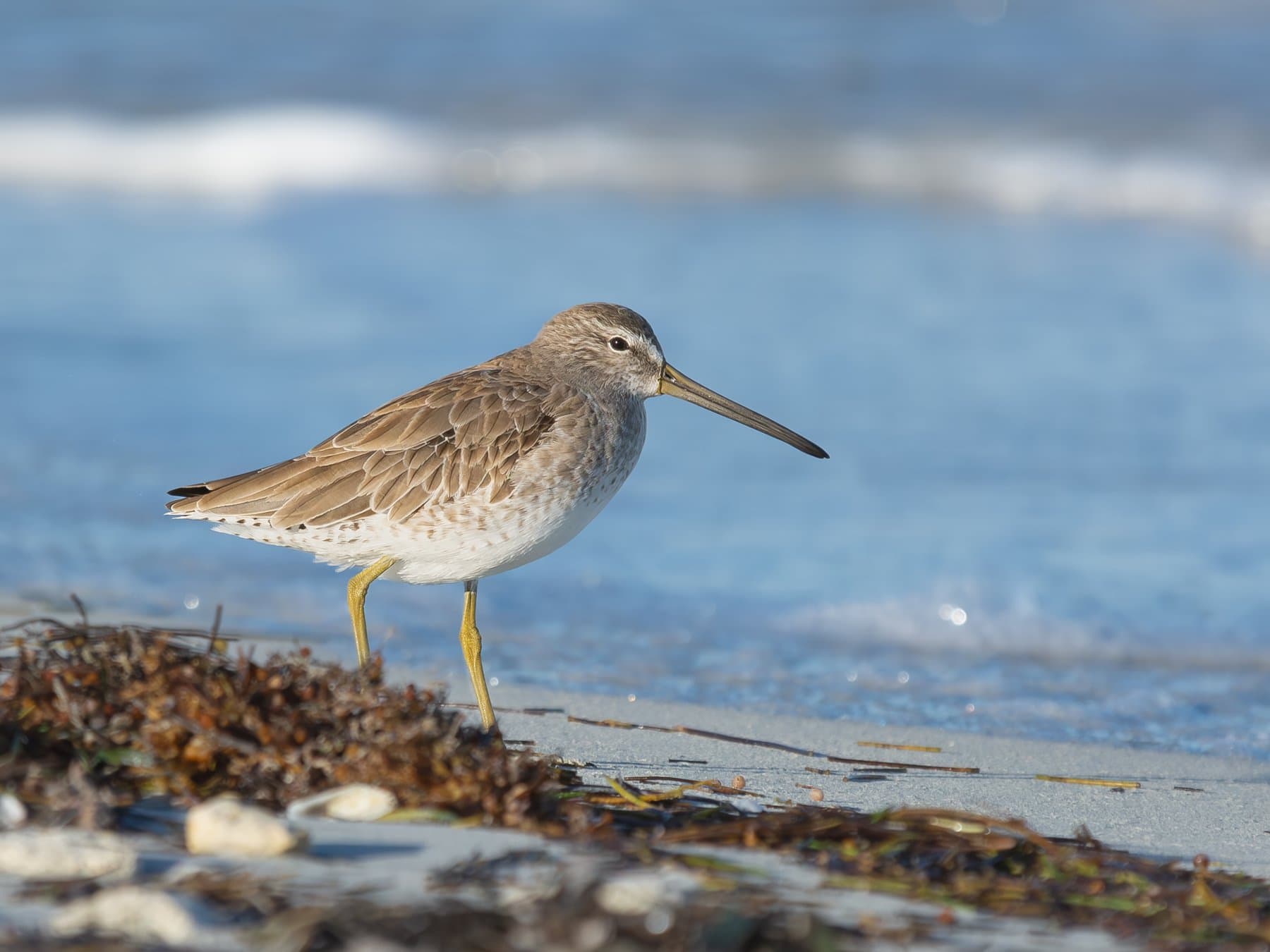 Short-billed DowitcherLimnodromus griseusPassage migrantCommon23–32 cmRegularly Apr–Jan · 0.44% in Oct
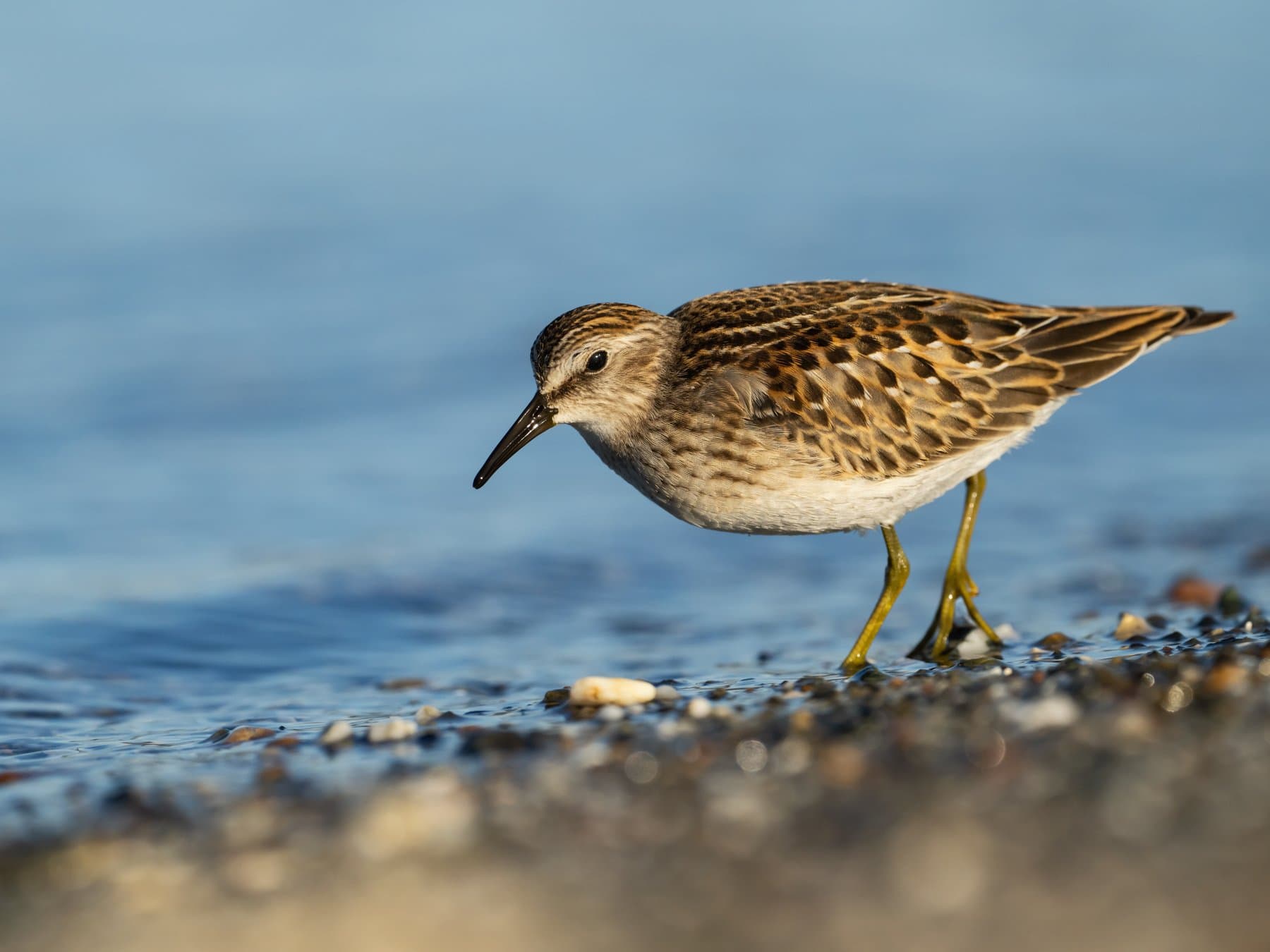 Least SandpiperCalidris minutillaPassage migrantCommon13–15 cmRegularly Apr–Jan · 0.42% in Oct
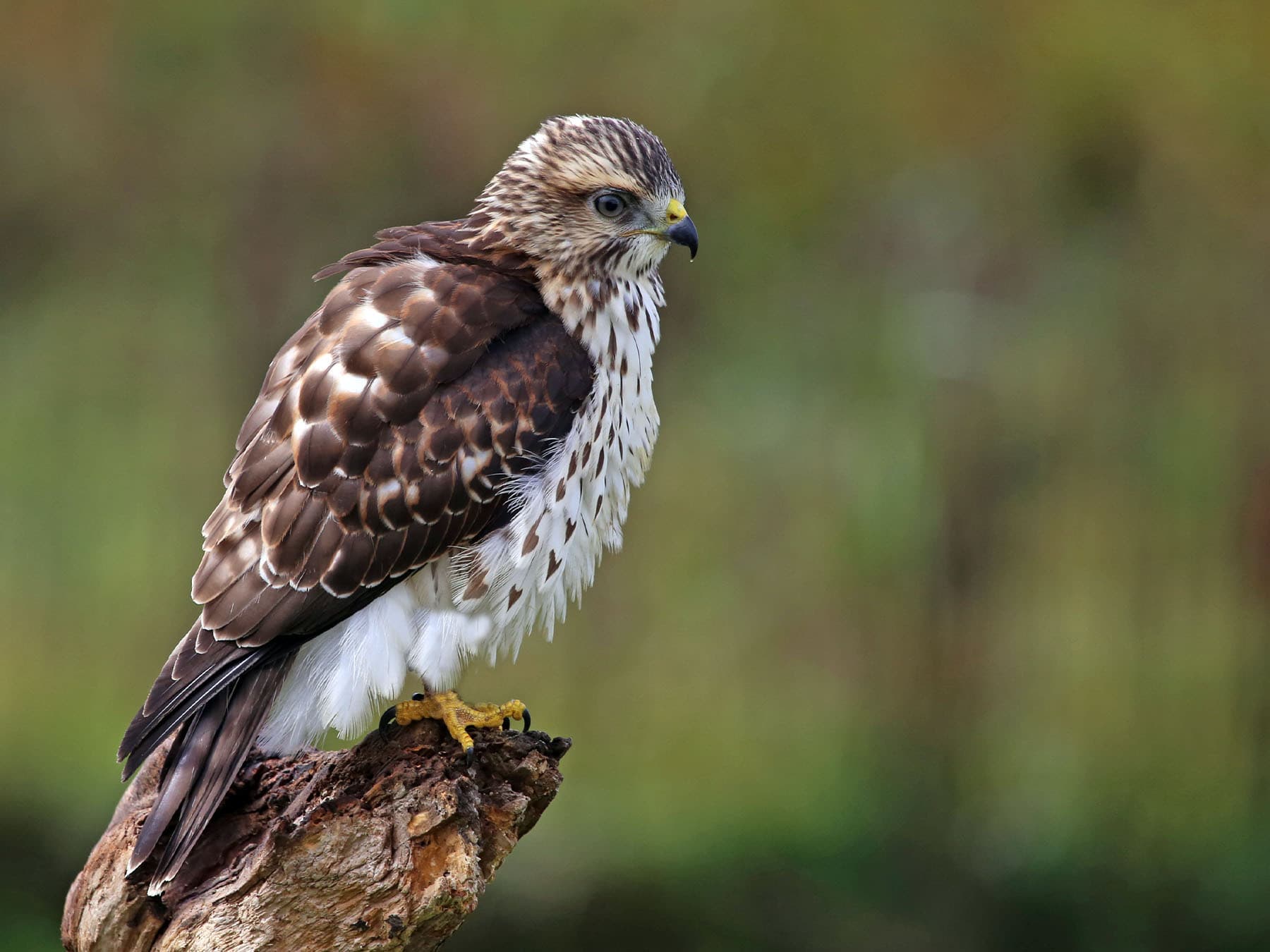 Broad-winged HawkButeo platypterusResidentCommon34–44 cmRecorded all year · 0.40% in Oct
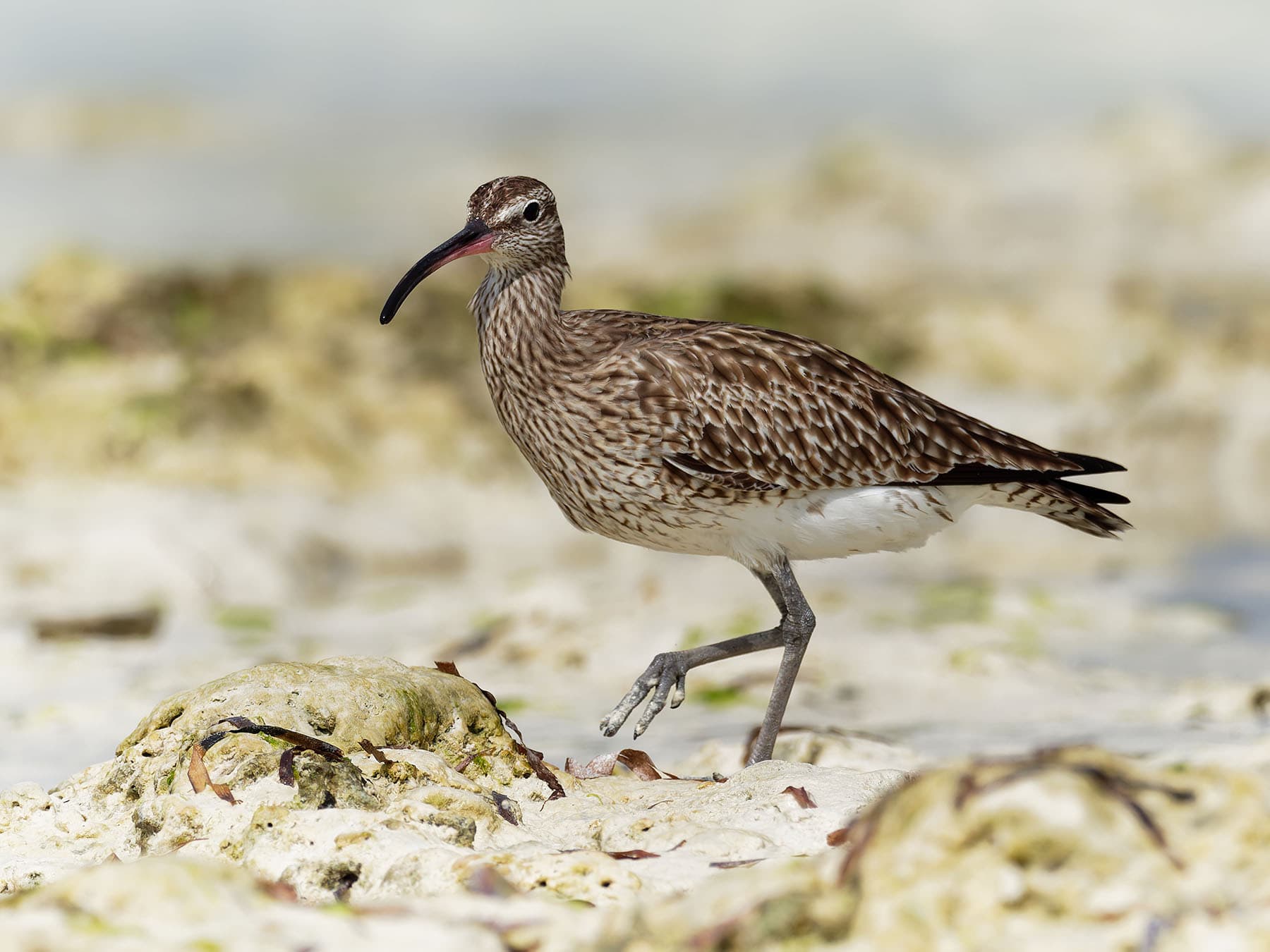 WhimbrelNumenius phaeopusPassage migrantCommon40–46 cmRegularly Aug–Apr · 0.38% in Oct
 American RedstartSetophaga ruticillaWinter visitorCommon11–14 cmRegularly Oct–Mar · 0.33% in Oct
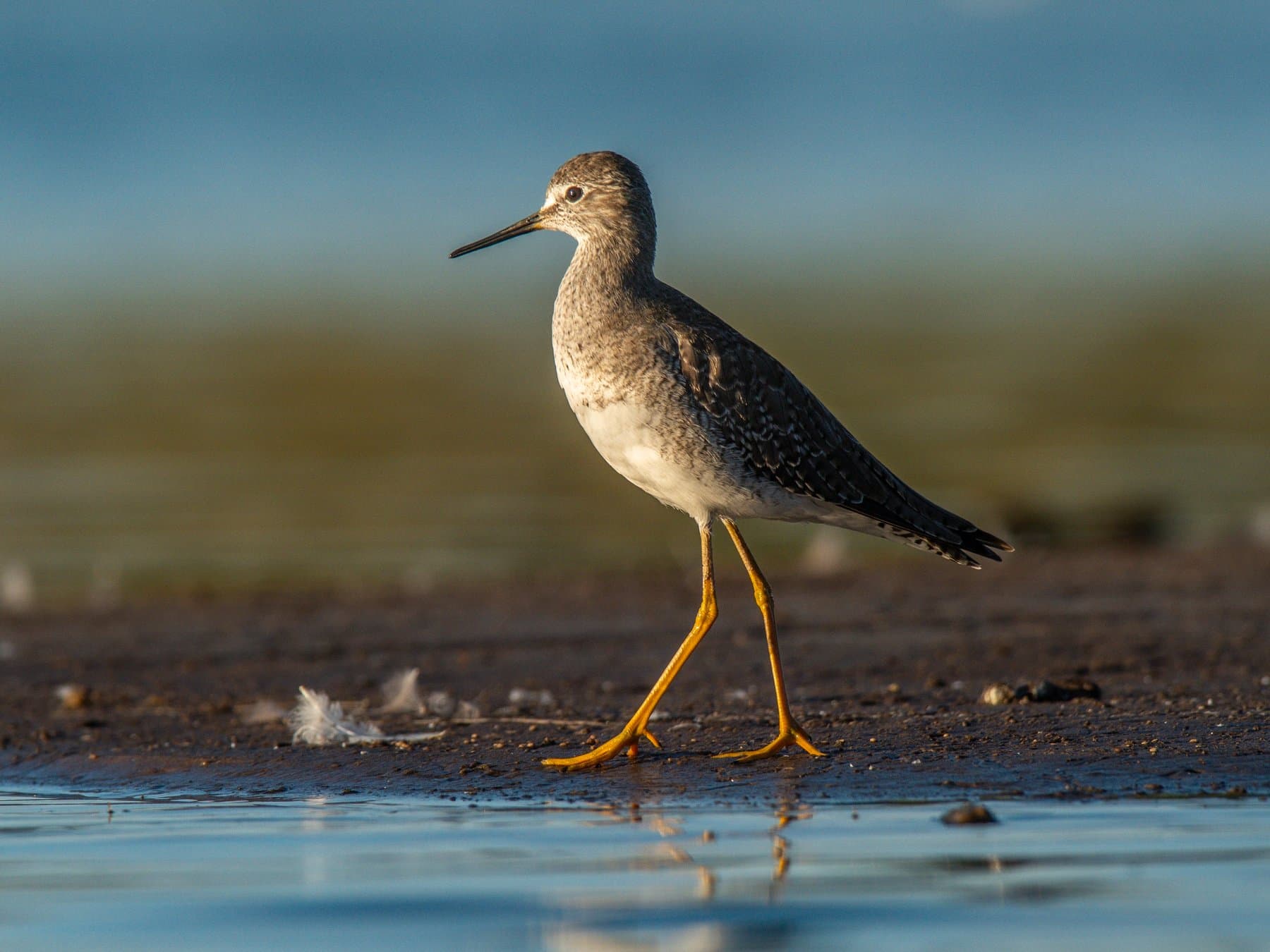 Solitary SandpiperTringa solitariaWinter visitorUncommon19–23 cmRegularly Oct–Apr · 0.24% in Oct
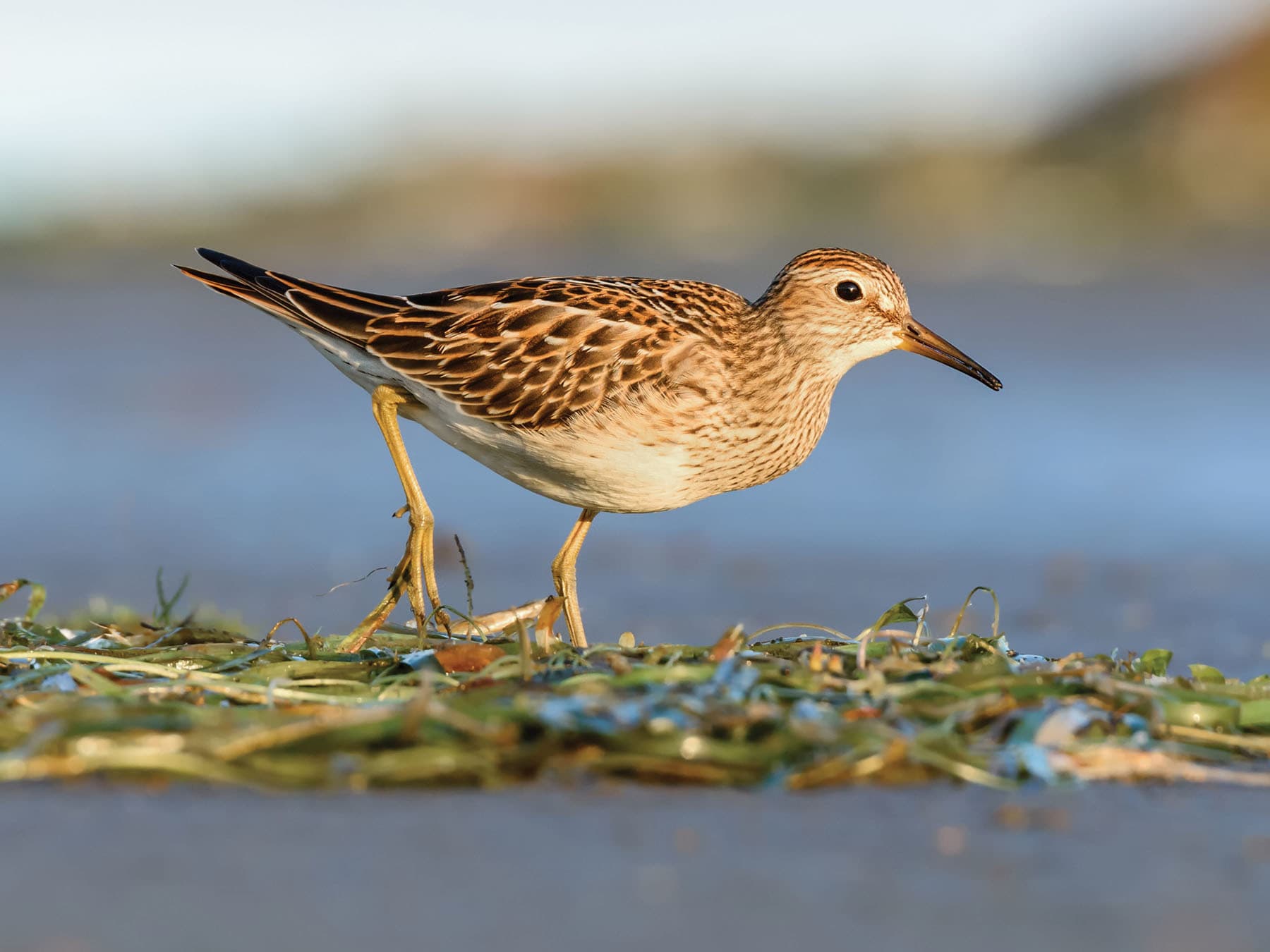 Pectoral SandpiperCalidris melanotosPassage migrantUncommon19–23 cmRegularly Oct · 0.22% in Oct
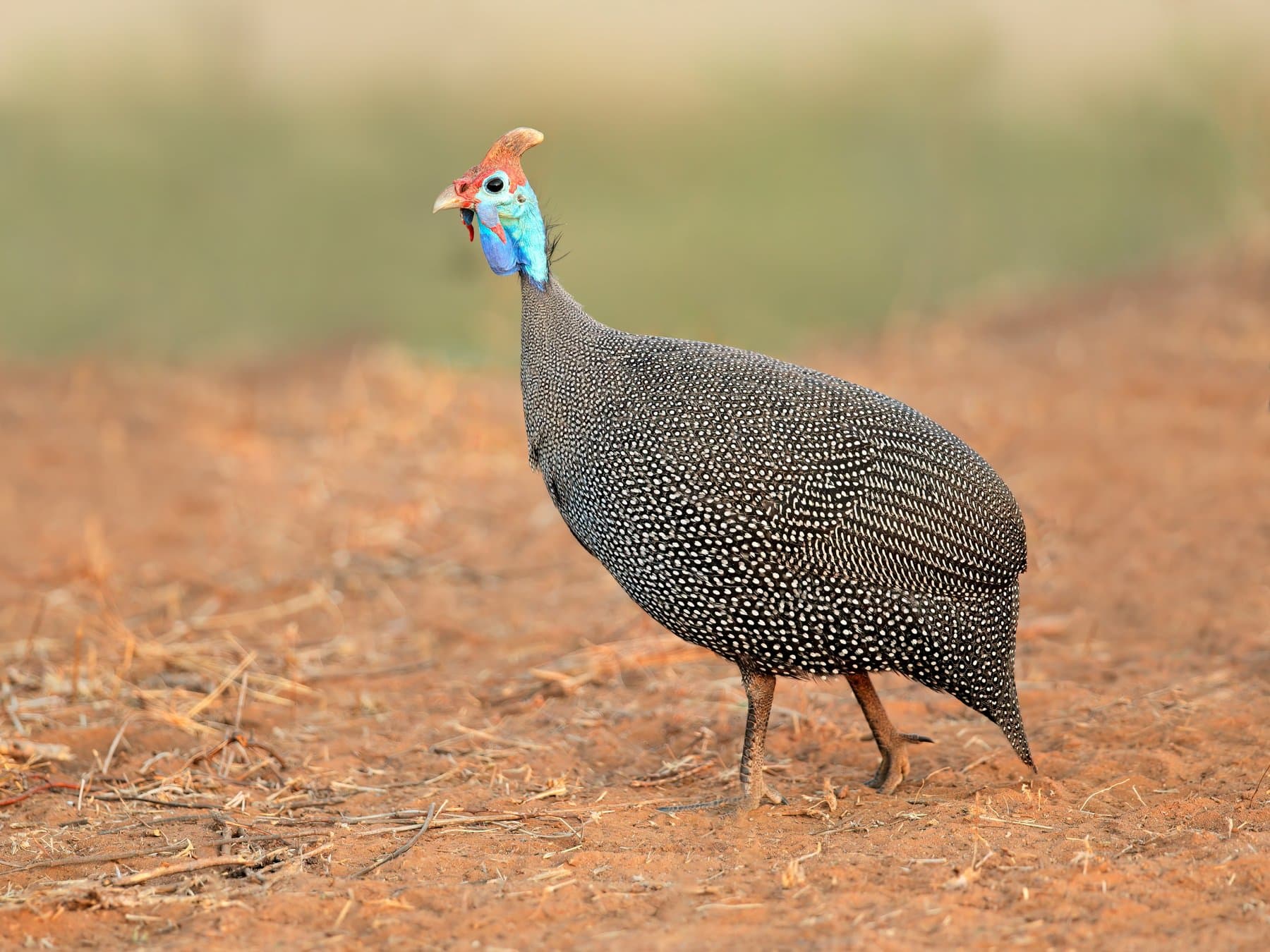 Helmeted GuineafowlNumida meleagrisPassage migrantUncommon53–63 cmRegularly Oct–Jul · 0.11% in Oct
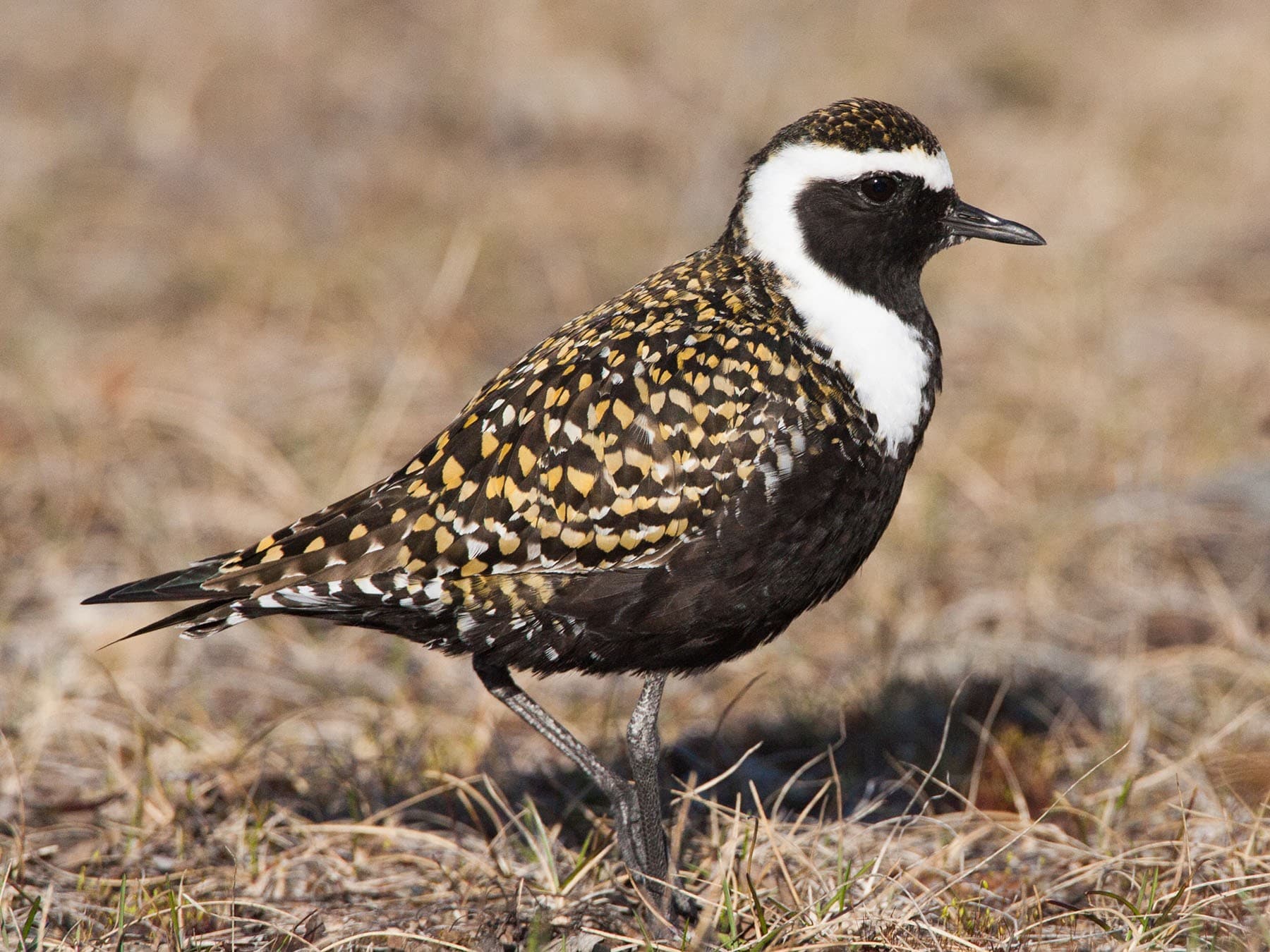 American Golden-PloverPluvialis dominicaPassage migrantUncommon24–28 cmRegularly Oct · 0.07% in Oct
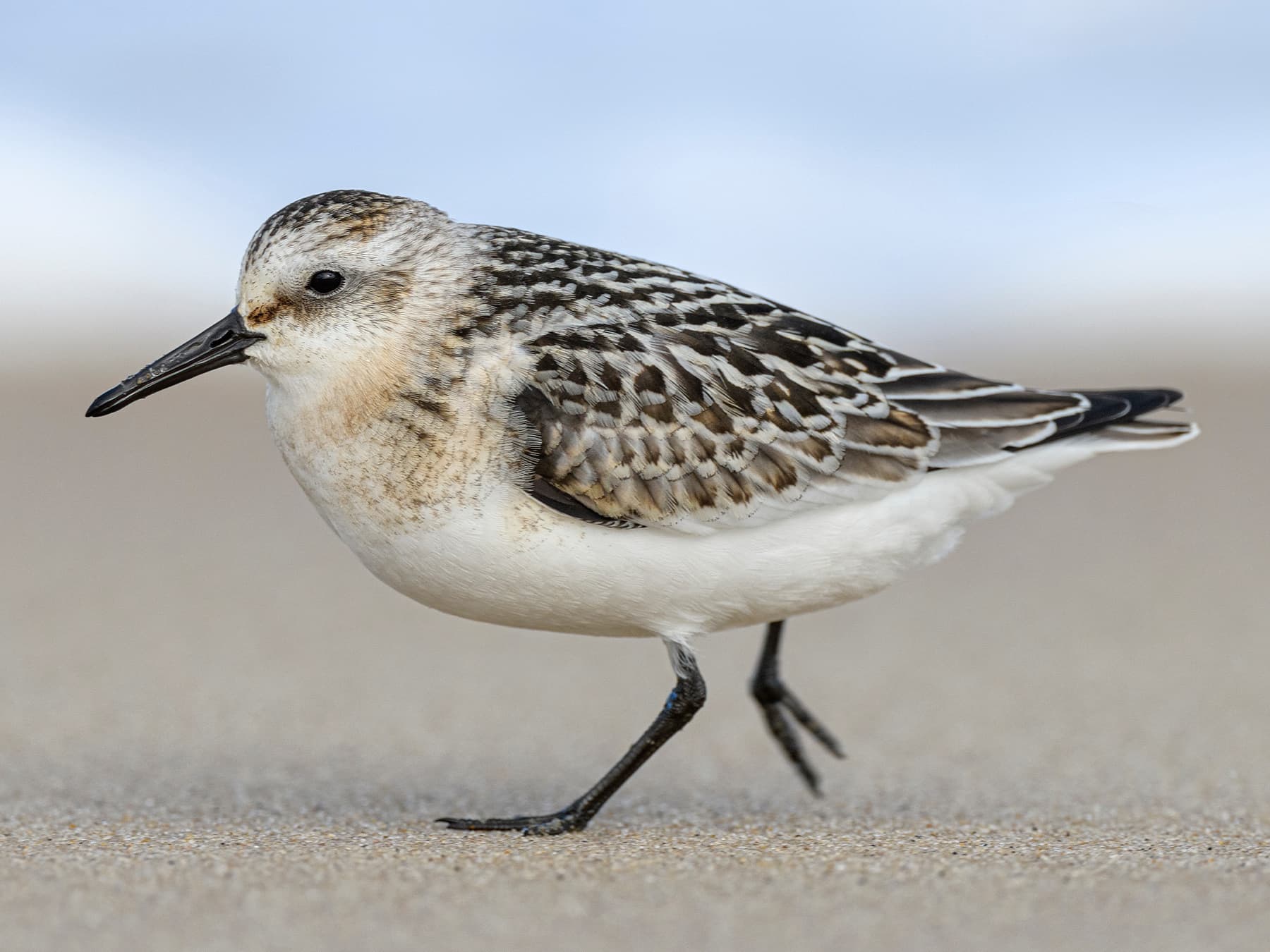 SanderlingCalidris albaPassage migrantUncommon18–20 cmRegularly Oct–Mar · 0.07% in Oct
Smallest to largest
Length, cm- Scaly-breasted Munia 11–12 cm
- American Redstart 11–14 cm
- Blackpoll Warbler 13–15 cm
- Least Sandpiper 13–15 cm
- Semipalmated Sandpiper 15–18 cm
- Semipalmated Plover 17–19 cm
- Barn Swallow 17–19 cm
- Sanderling 18–20 cm
- Stilt Sandpiper 18–23 cm
- Solitary Sandpiper 19–23 cm
- Pectoral Sandpiper 19–23 cm
- Ruddy Turnstone 21–24 cm
- Lesser Yellowlegs 23–27 cm
- American Golden-Plover 24–28 cm
- Short-billed Dowitcher 23–32 cm
- White-winged Dove 27–30 cm
- Grey Plover 27–30 cm
- Eurasian Collared Dove 30–32 cm
- Greater Yellowlegs 29–40 cm
- Pied-billed Grebe 31–38 cm
- Sandwich Tern 36–41 cm
- Ruddy Duck 35–43 cm
- Broad-winged Hawk 34–44 cm
- Whimbrel 40–46 cm
- Cattle Egret 46–56 cm
- Osprey 54–58 cm
- Helmeted Guineafowl 53–63 cm
- Black-crowned Night-heron 58–65 cm
- Great White Egret 80–104 cm
- Great Blue Heron 91–137 cm
Body length, bill to tail. Rare birds in grey.
Data: EOD – eBird Observation Dataset (Cornell Lab of Ornithology), accessed via GBIF.org, CC BY 4.0. Records from 2019–2024, aggregated and filtered by Birdfact. How these lists are made