


Birds to See in West Dunbartonshire in December
27 bird species on our list for West Dunbartonshire are recorded regularly in December
Of these, the most often recorded are Carrion Crow, Magpie, Blue Tit, Chaffinch and European Robin. New this month: European Herring Gull, Dunnock, Rook and Common Starling and 3 more.
On the move in December
GBIF · DecArriving
At their peak
From West Dunbartonshire’s bird records, 2019–2024: arriving birds are regular this month but not last; leaving birds are regular this month but not next.
Other months
All 27 birds in December
27 birds
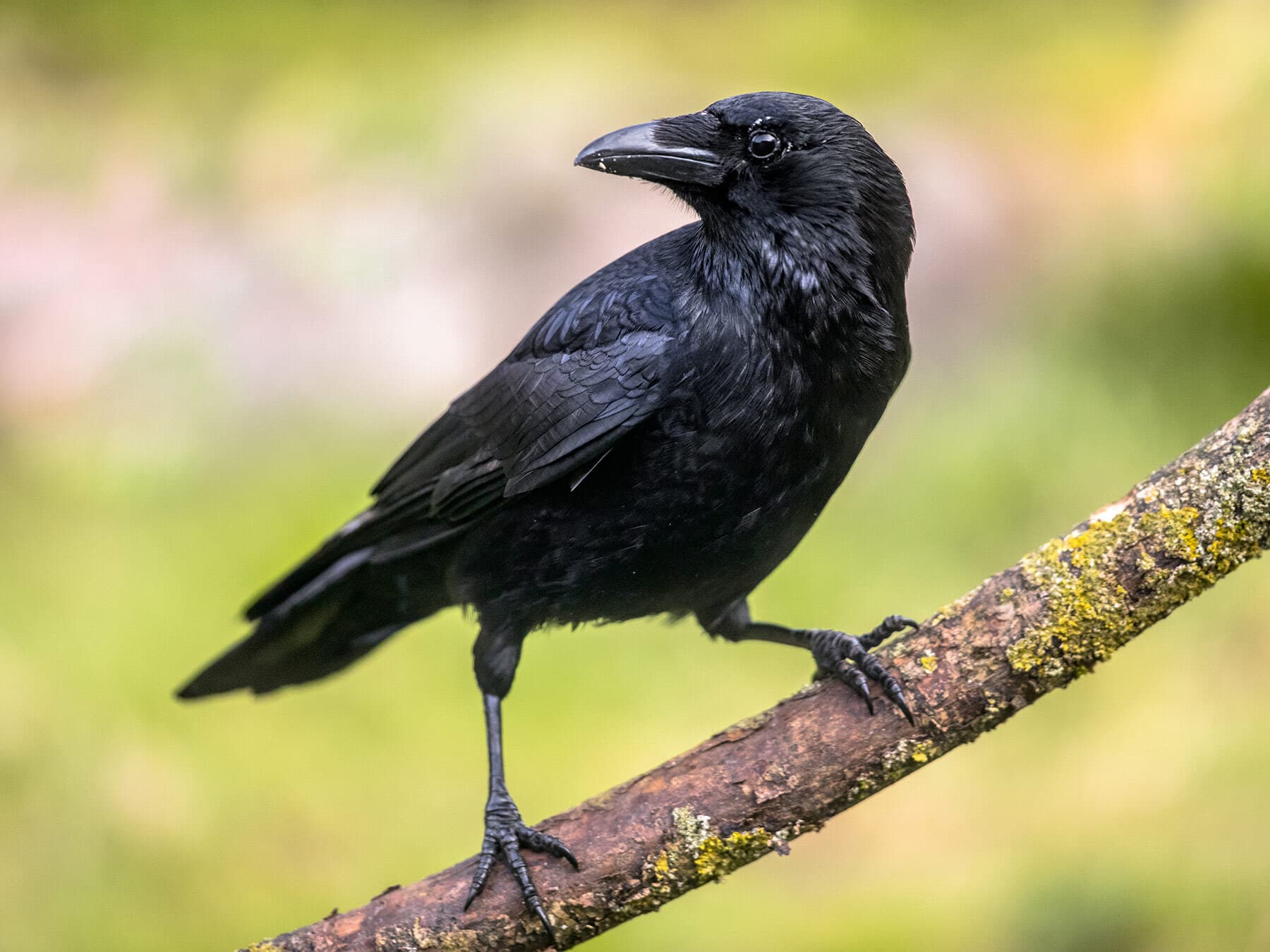 Carrion CrowCorvus coroneResidentCommon45–47 cmRecorded all year · 4.96% in Dec
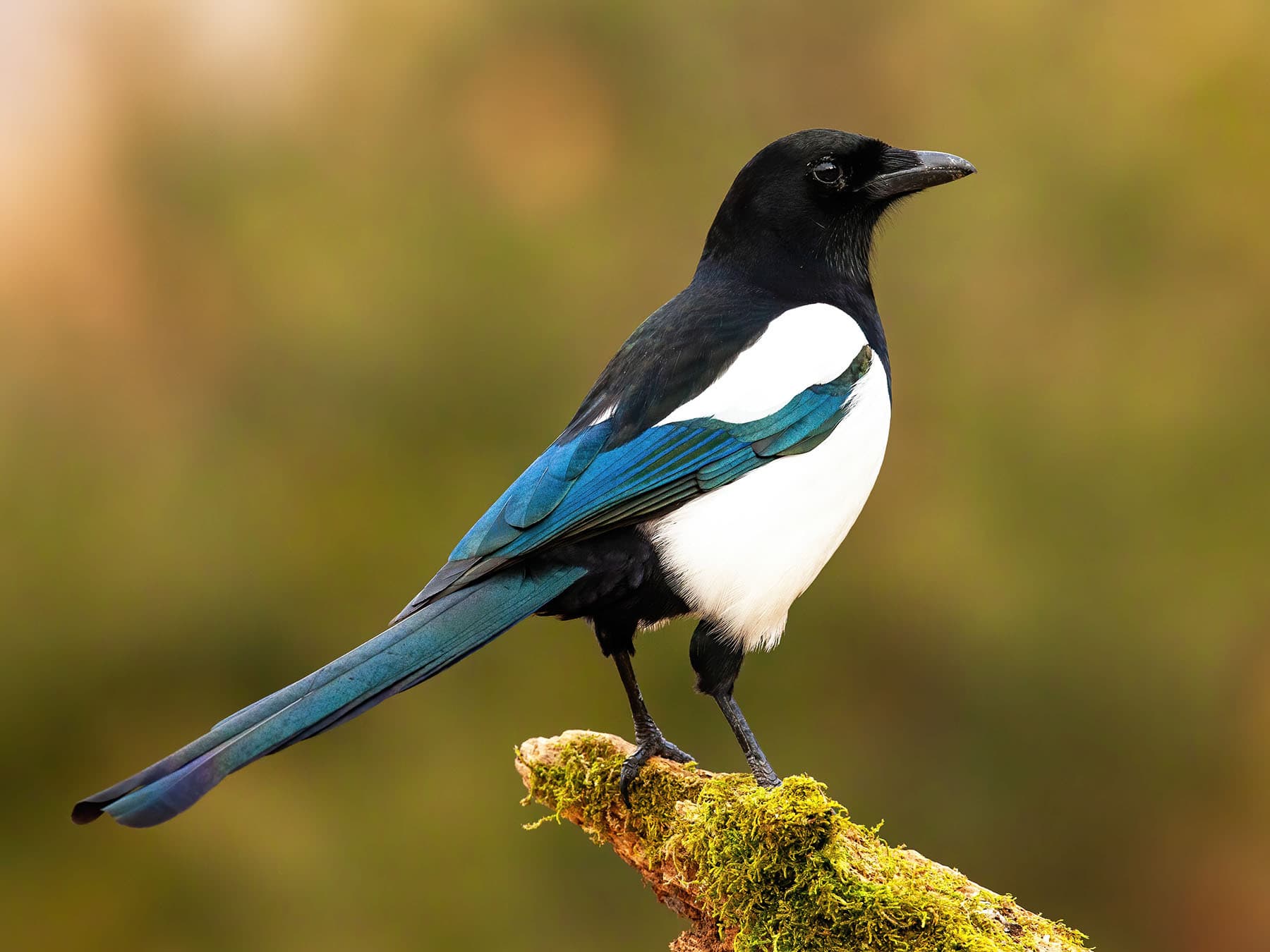 MagpiePica picaResidentCommon44–46 cmRecorded all year · 4.55% in Dec
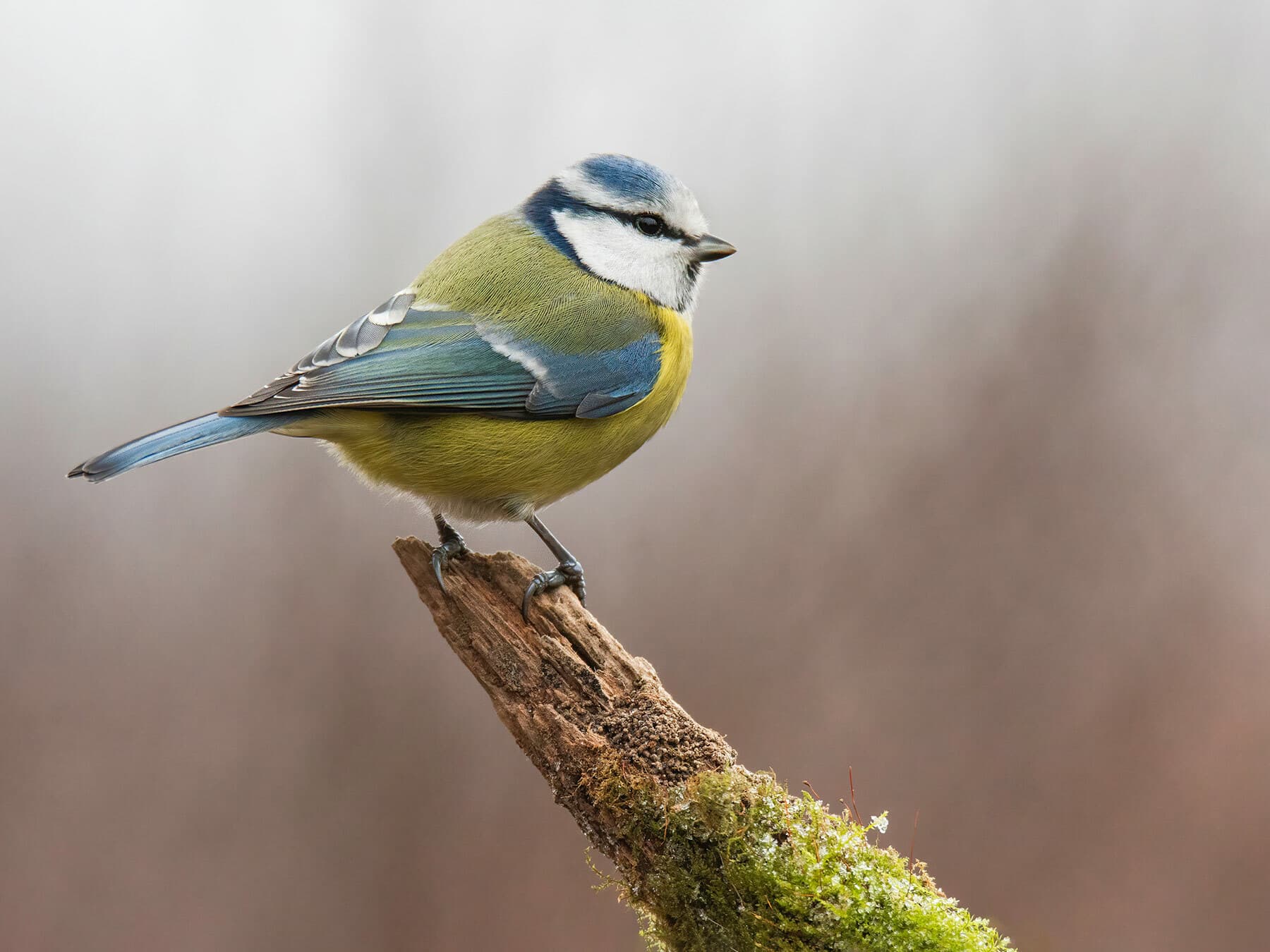 Blue TitCyanistes caeruleusResidentCommon11–12 cmRecorded all year · 3.72% in Dec
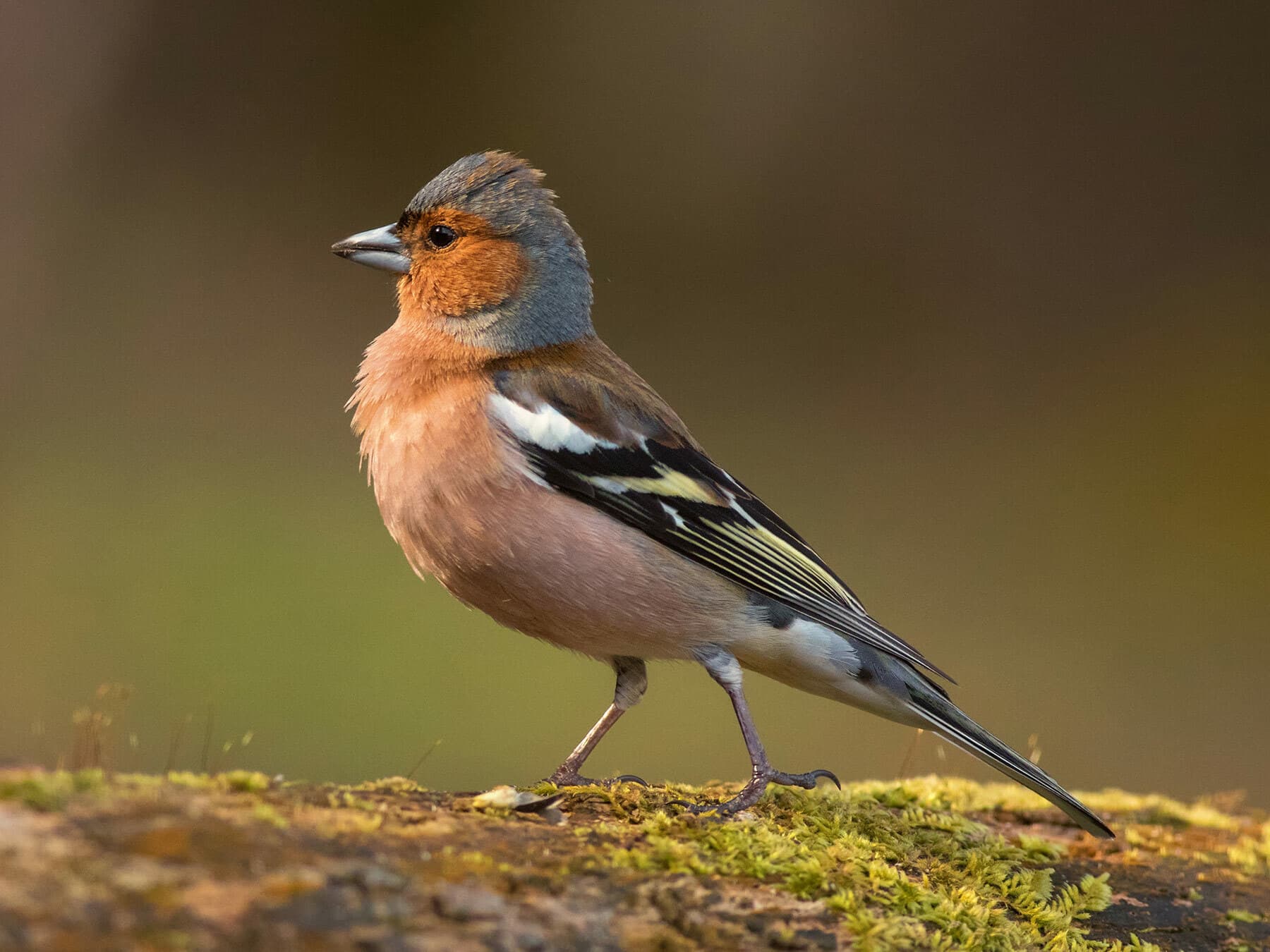 ChaffinchFringilla coelebsResidentCommon14–16 cmRecorded all year · 3.72% in Dec
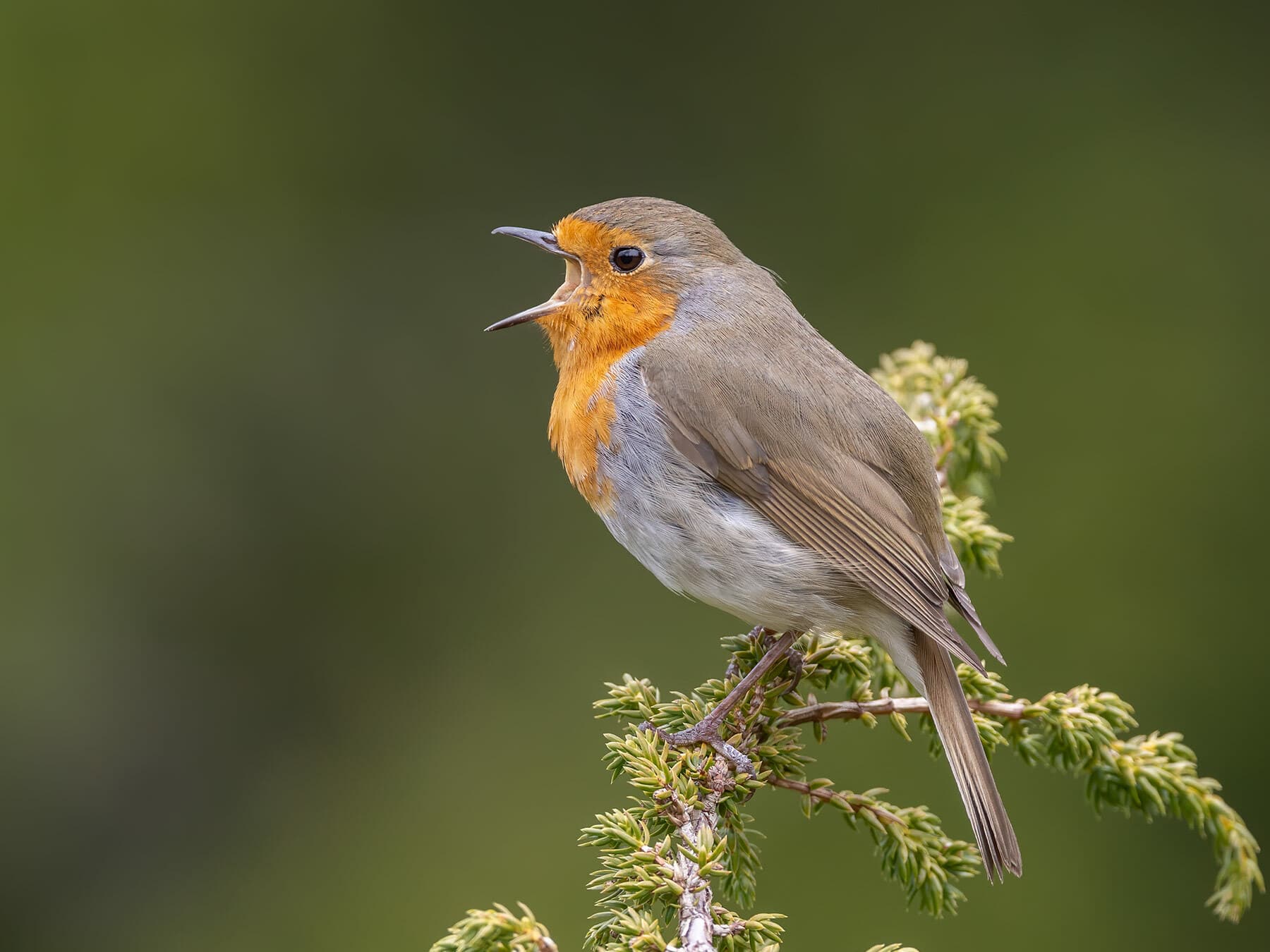 European RobinErithacus rubeculaResidentCommon13–14 cmRecorded all year · 3.72% in Dec
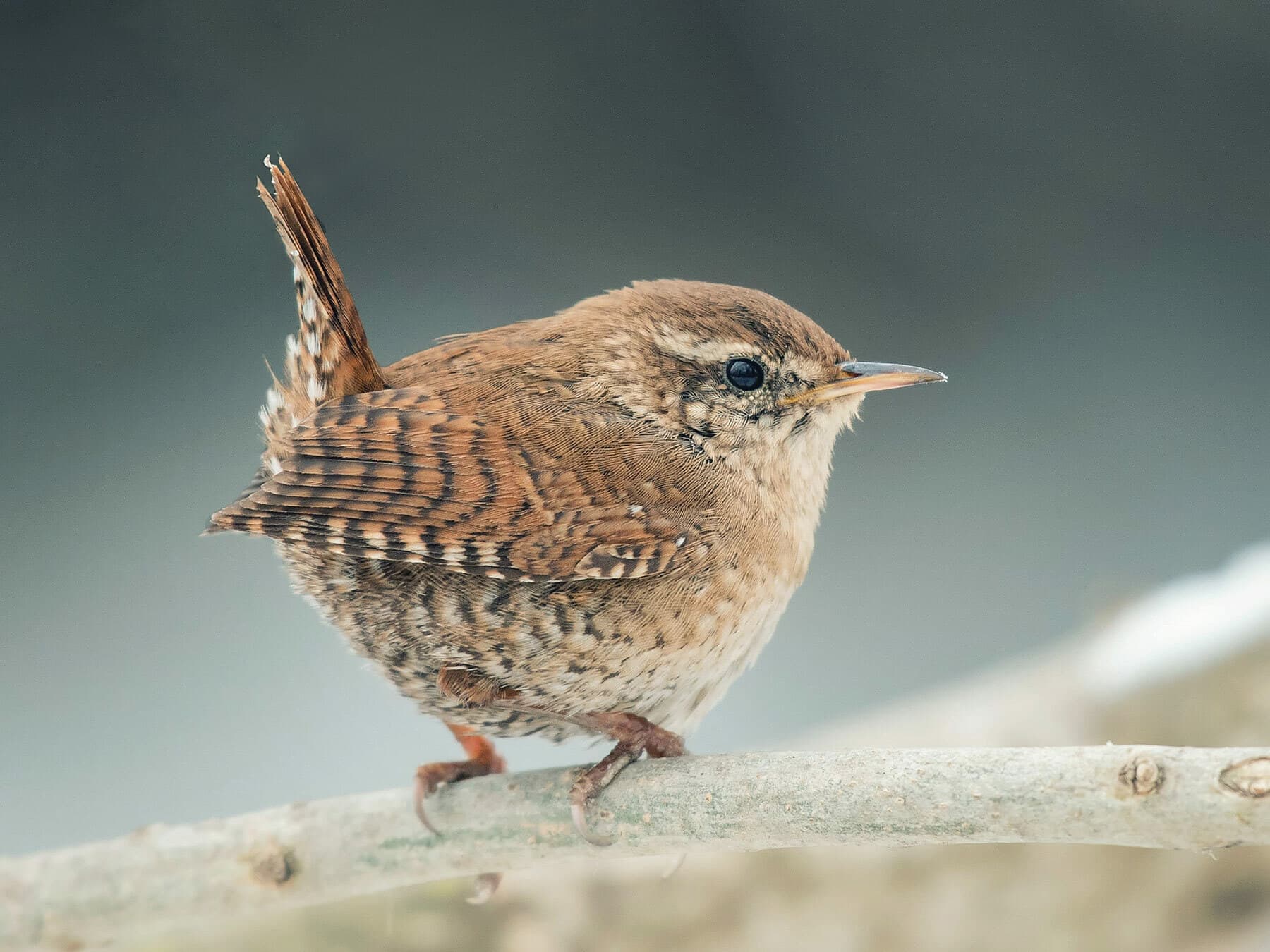 Eurasian WrenTroglodytes troglodytesResidentCommon9–10 cmRecorded all year · 2.89% in Dec
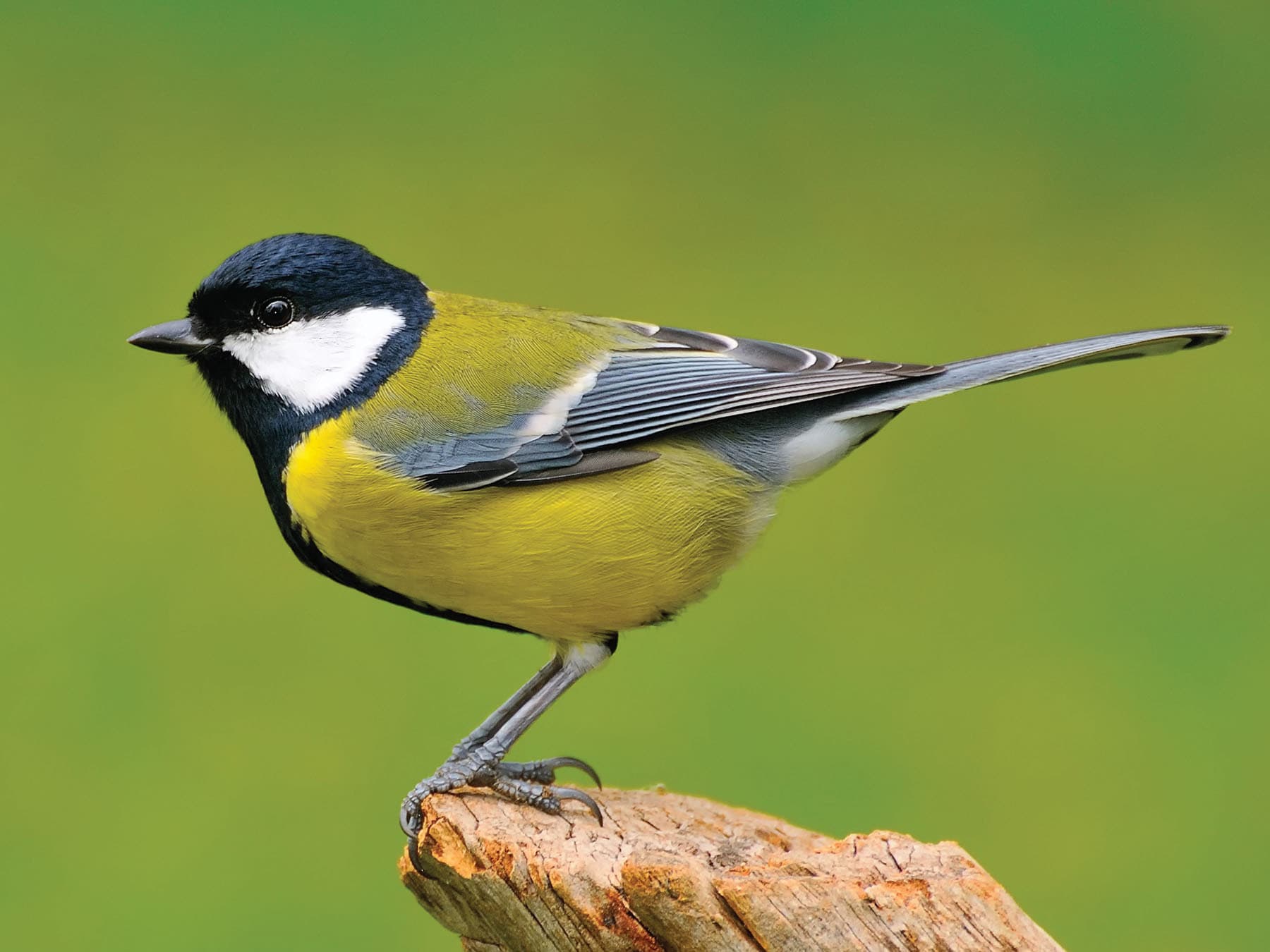 Great TitParus majorResidentCommonRecorded all year · 2.89% in Dec
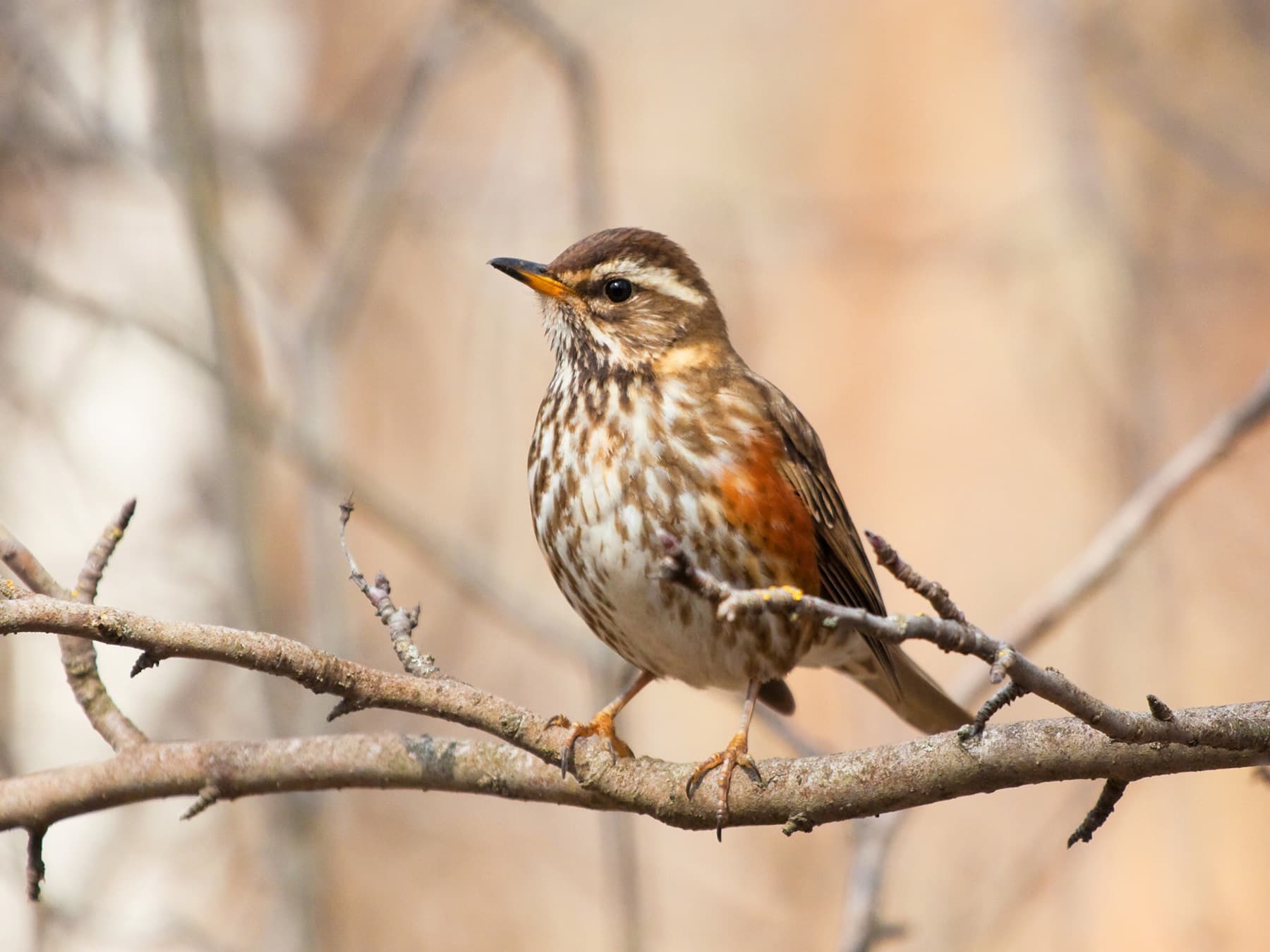 RedwingTurdus iliacusPassage migrantCommon20–24 cmRegularly Oct–Jan · 2.89% in Dec
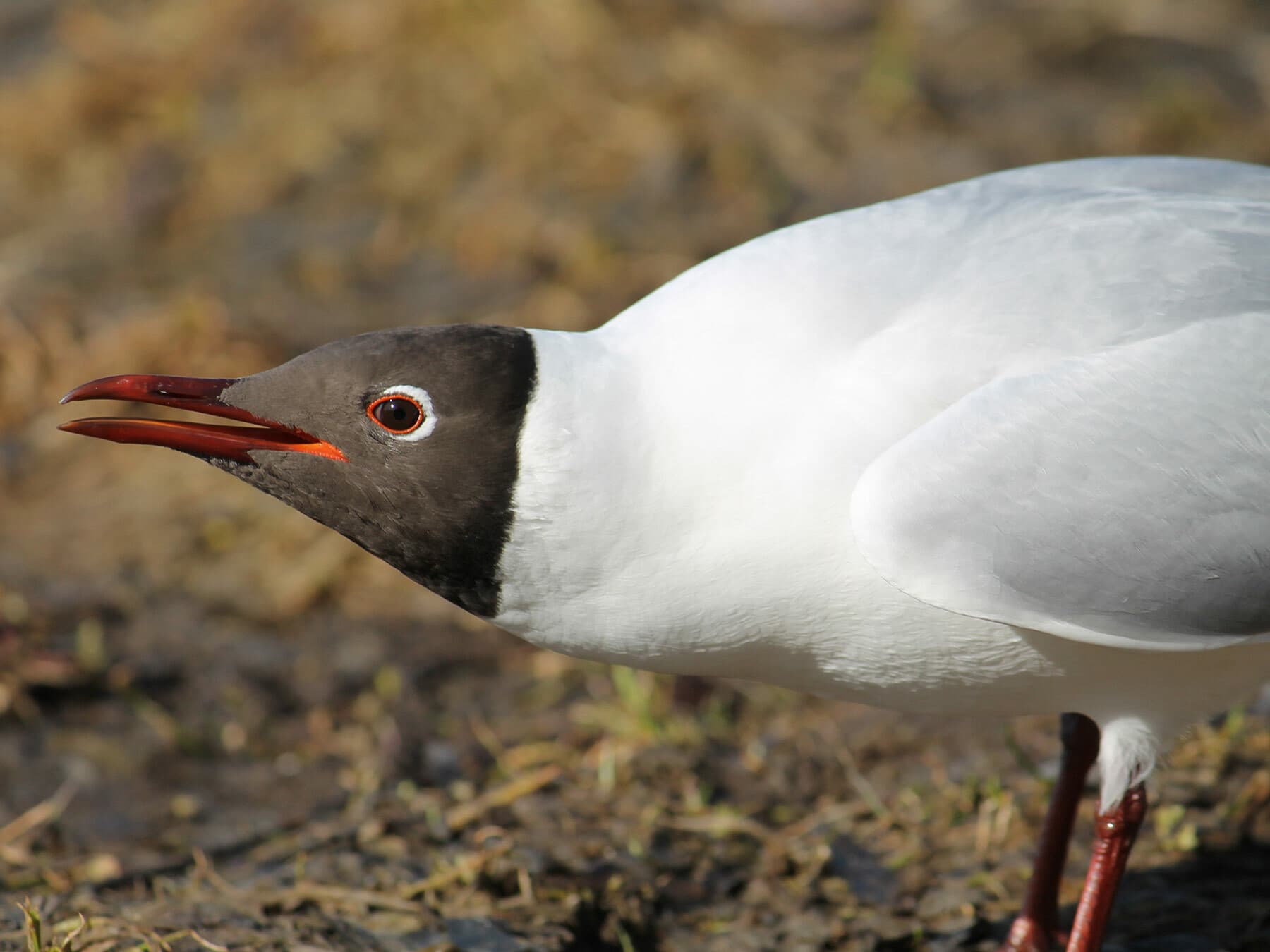 Black-headed GullChroicocephalus ridibundusResidentCommon38–44 cmRegularly May–Mar · 2.48% in Dec
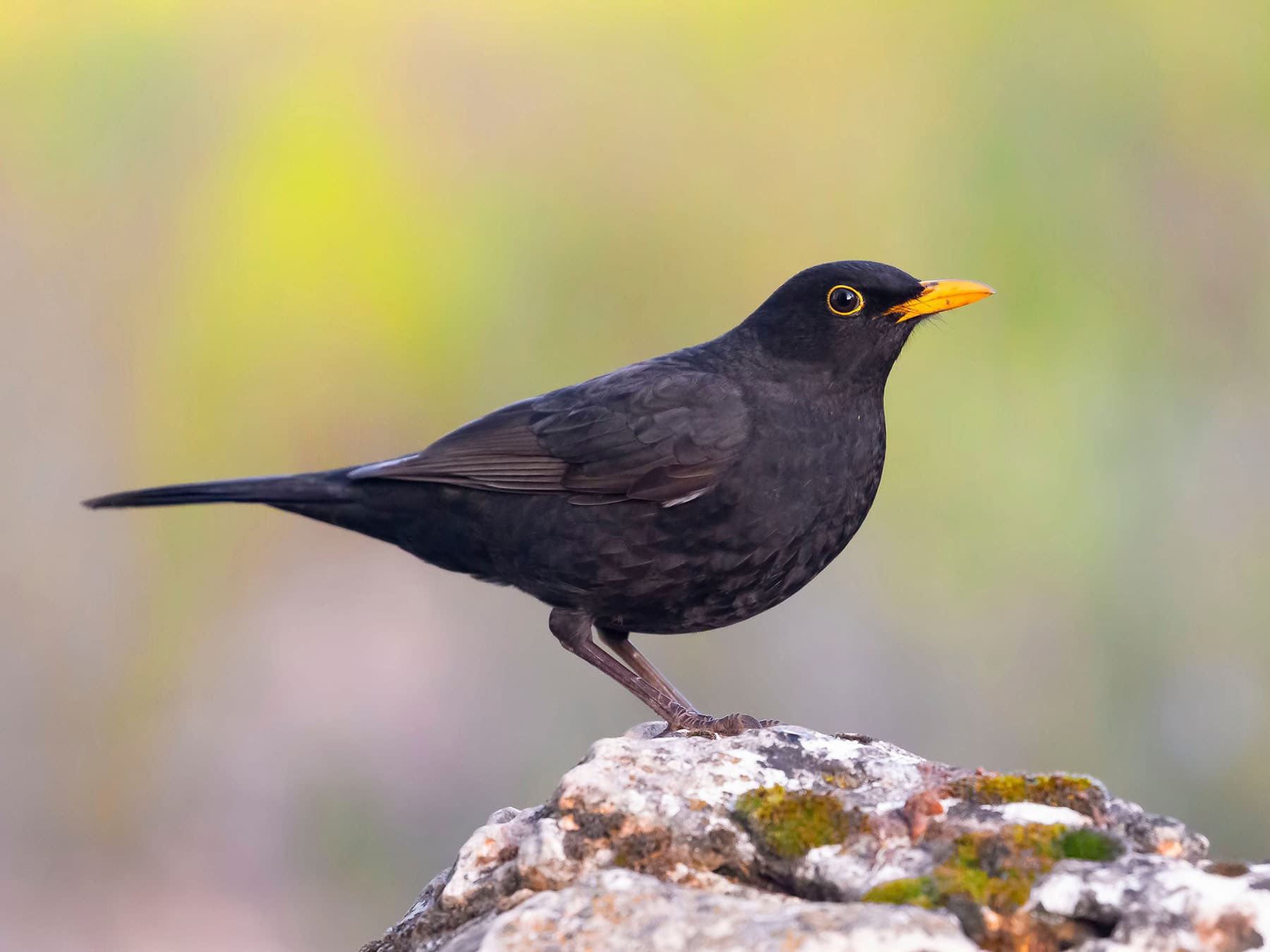 BlackbirdTurdus merulaResidentCommon24–25 cmRecorded all year · 2.48% in Dec
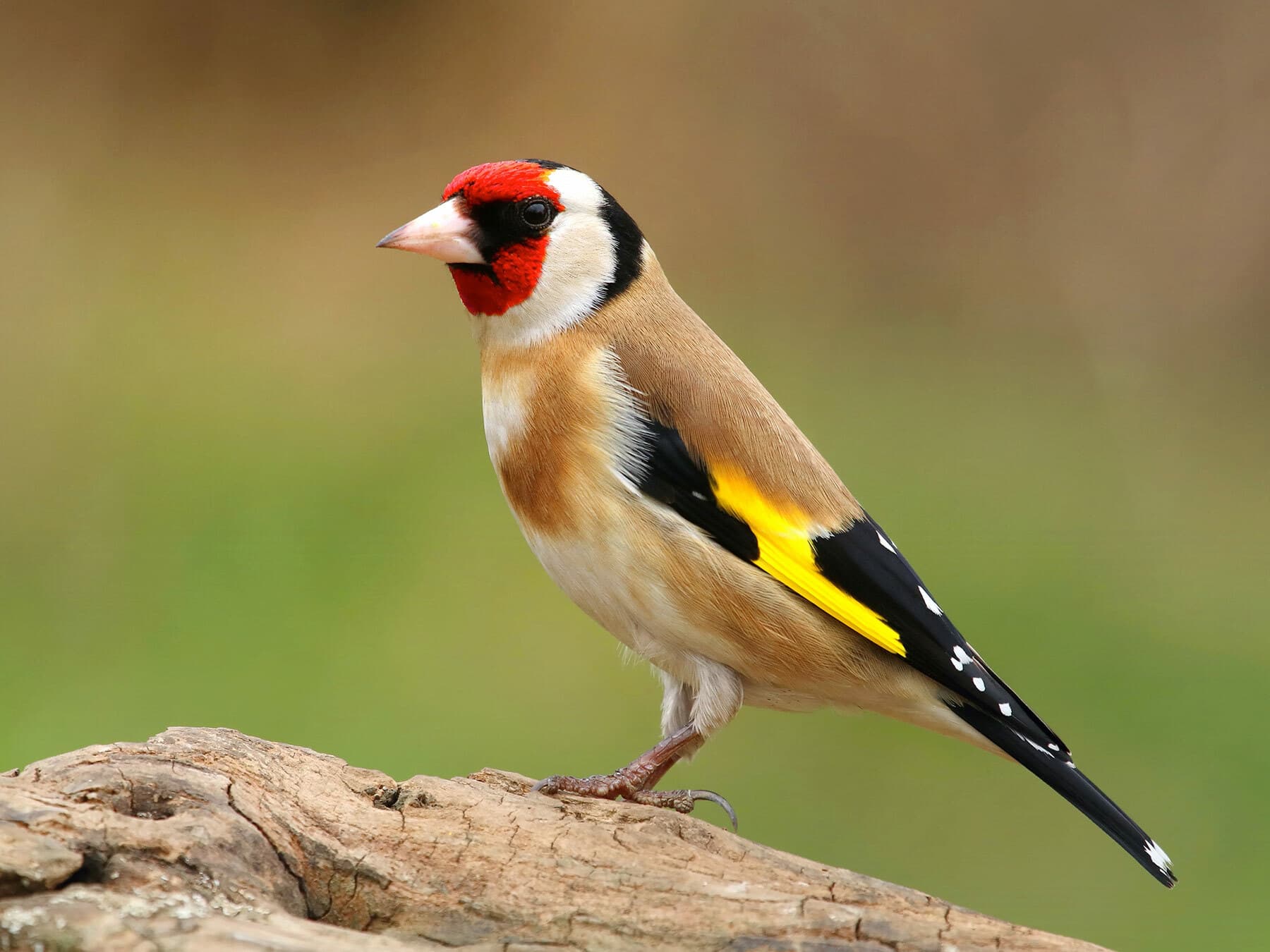 European GoldfinchCarduelis carduelisResidentCommon12–13 cmRecorded all year · 2.48% in Dec
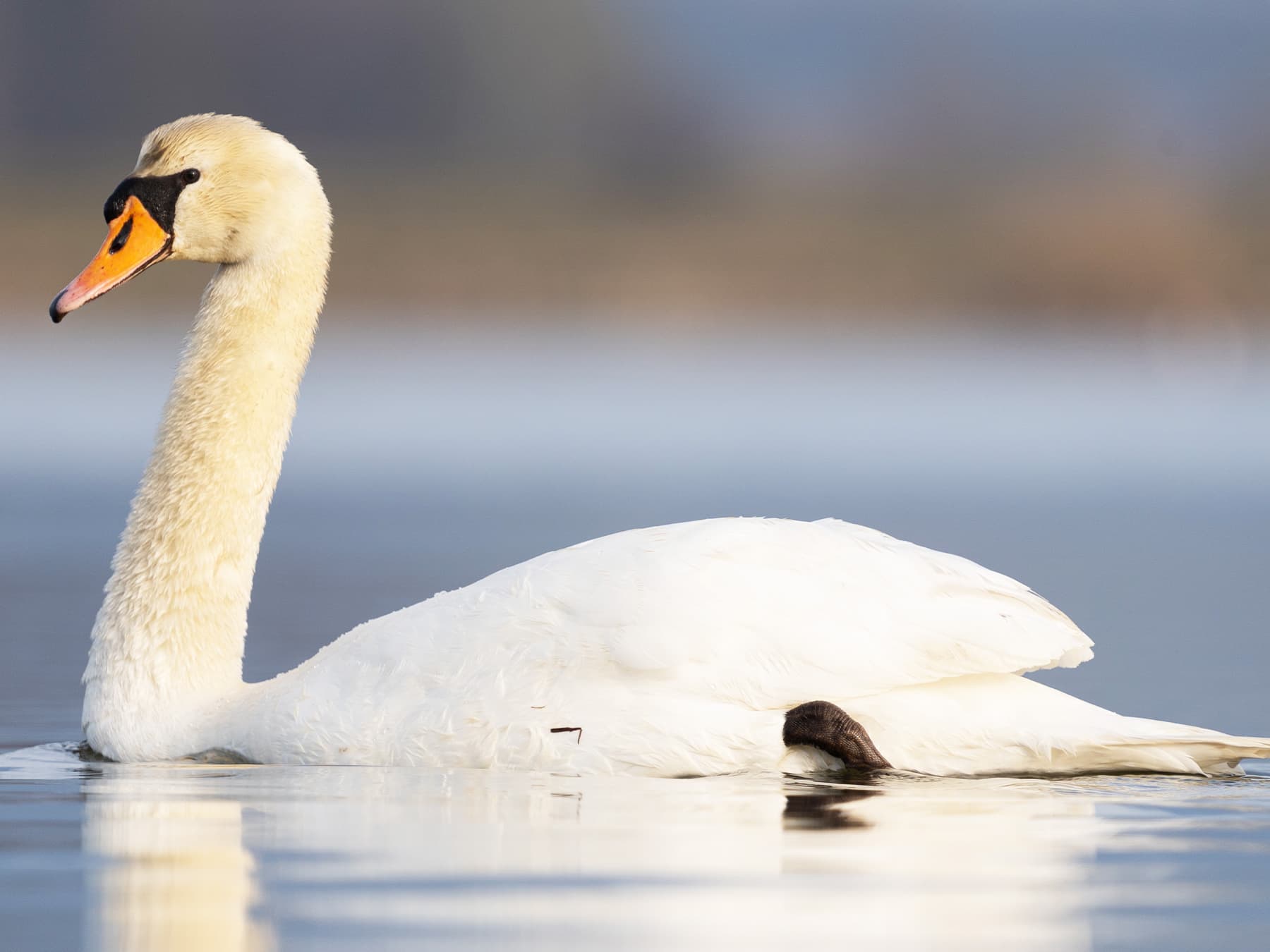 Mute SwanCygnus olorResidentCommon140–160 cmRecorded all year · 2.48% in Dec
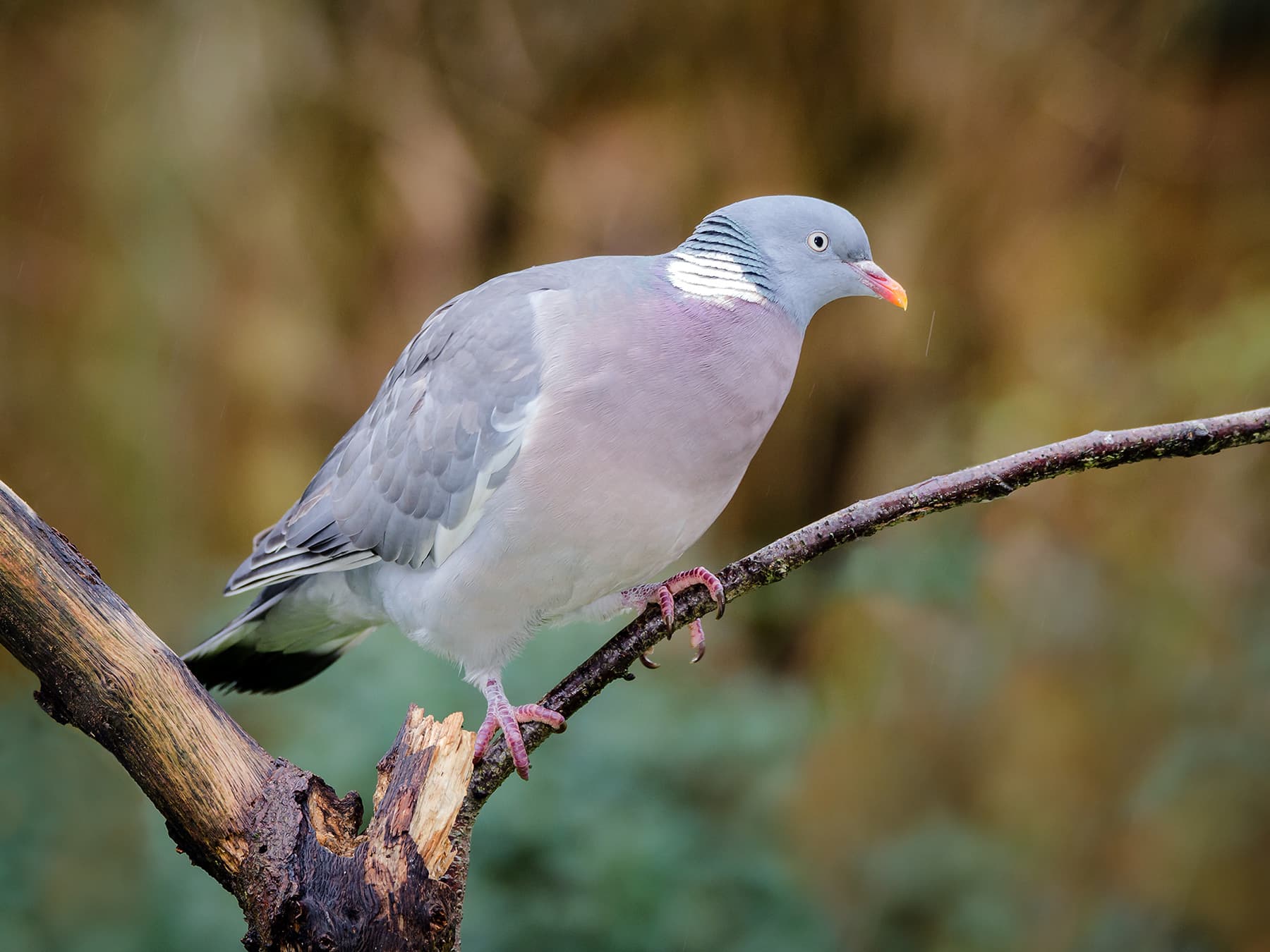 WoodpigeonColumba palumbusResidentCommon40–42 cmRecorded all year · 2.48% in Dec
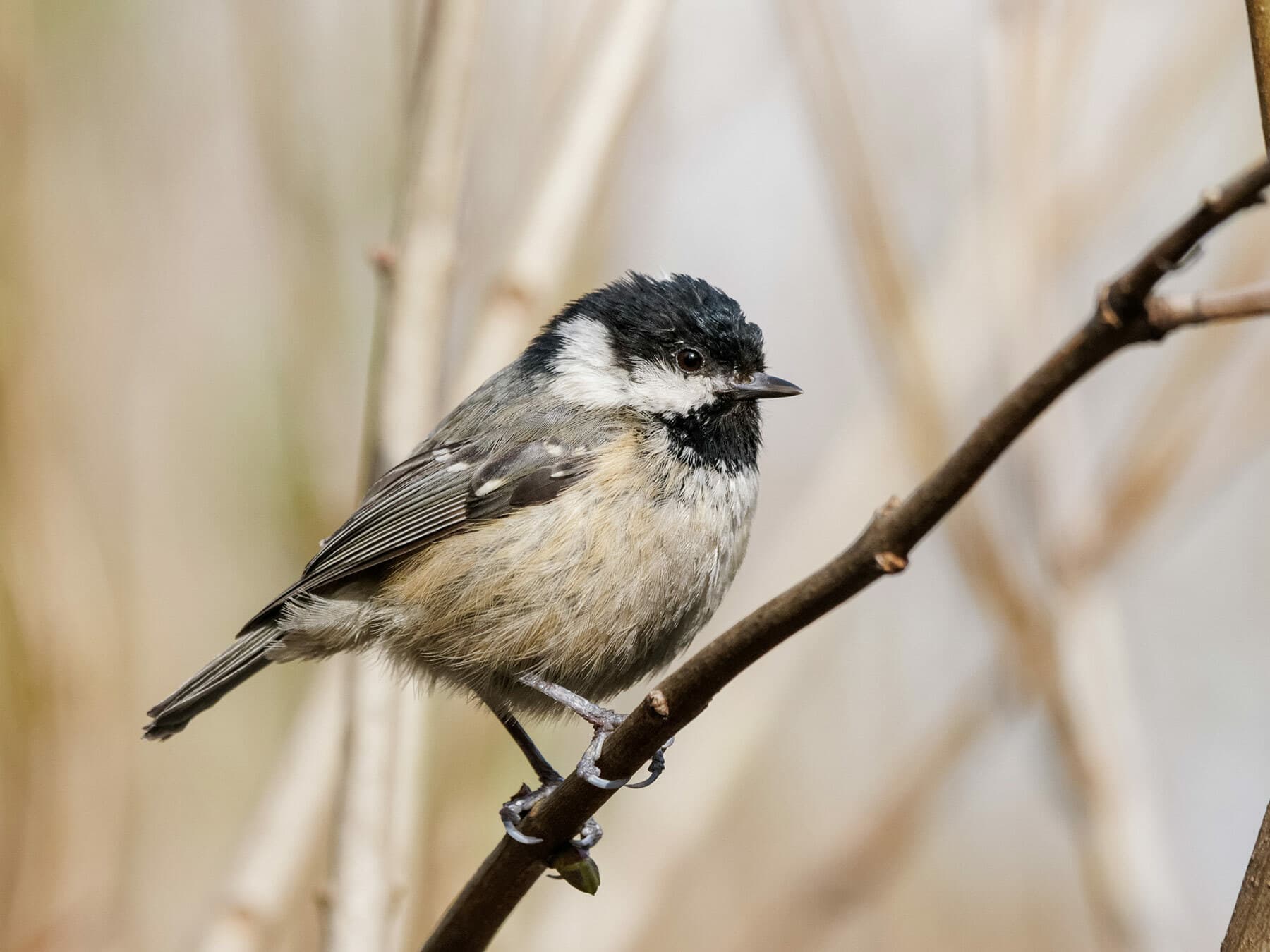 Coal TitPeriparus aterResidentCommon10–12 cmRecorded all year · 2.07% in Dec
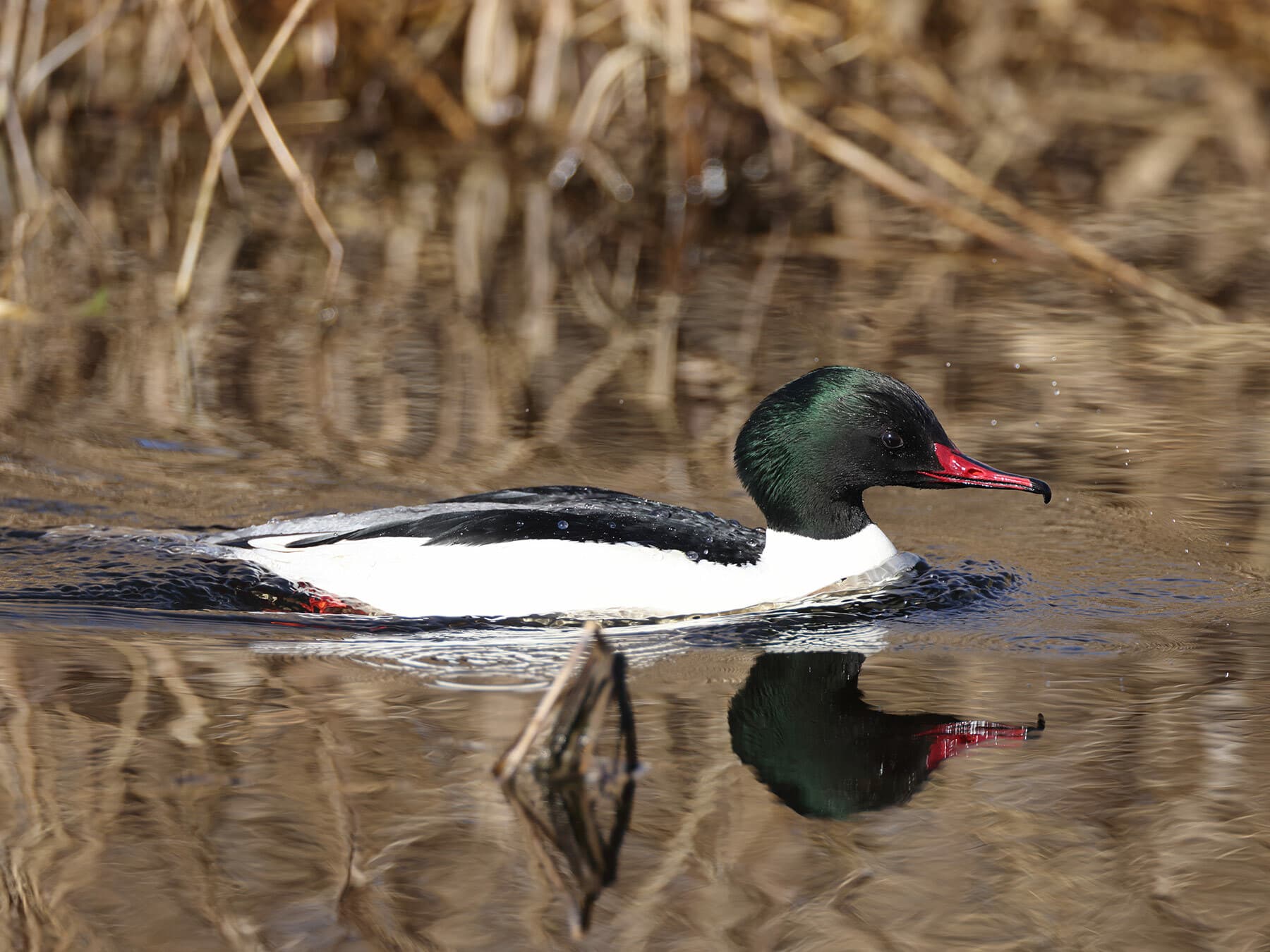 Common MerganserMergus merganserResidentCommon58–68 cmRegularly Sep–Jul · 2.07% in Dec
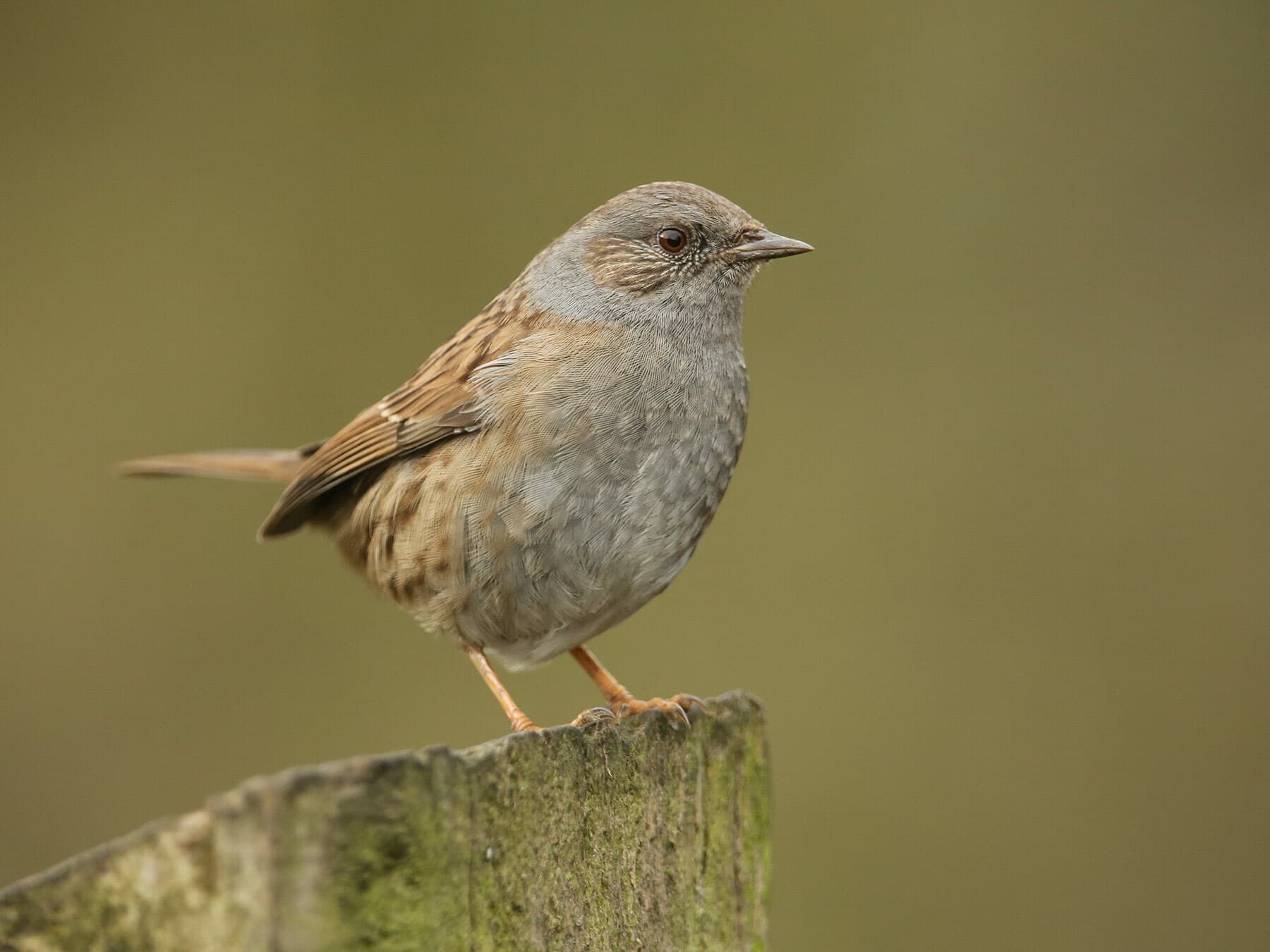 DunnockPrunella modularisResidentCommon14–15 cmRegularly Oct–Jul · 2.07% in Dec
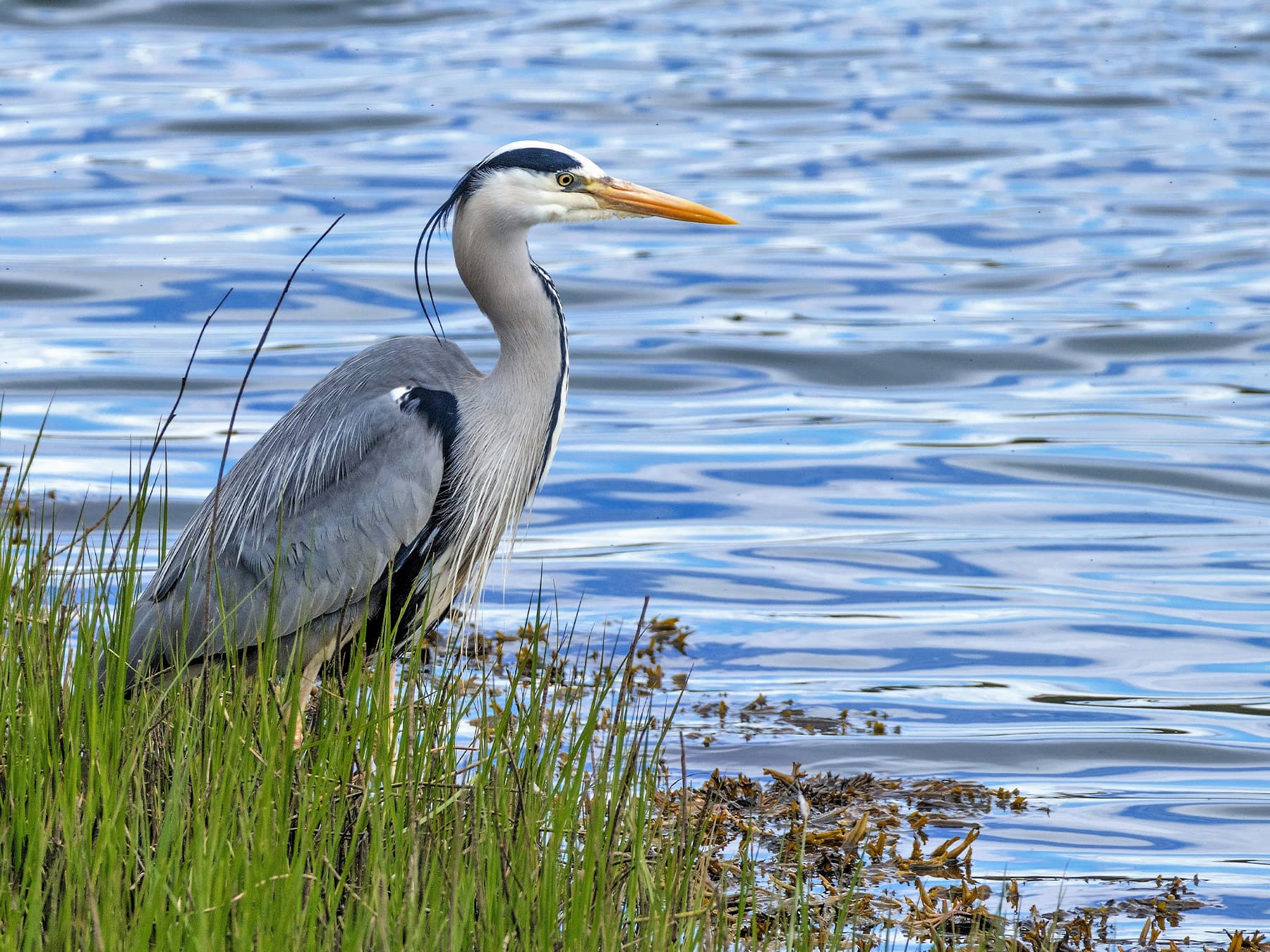 Grey HeronArdea cinereaResidentCommon90–98 cmRecorded all year · 2.07% in Dec
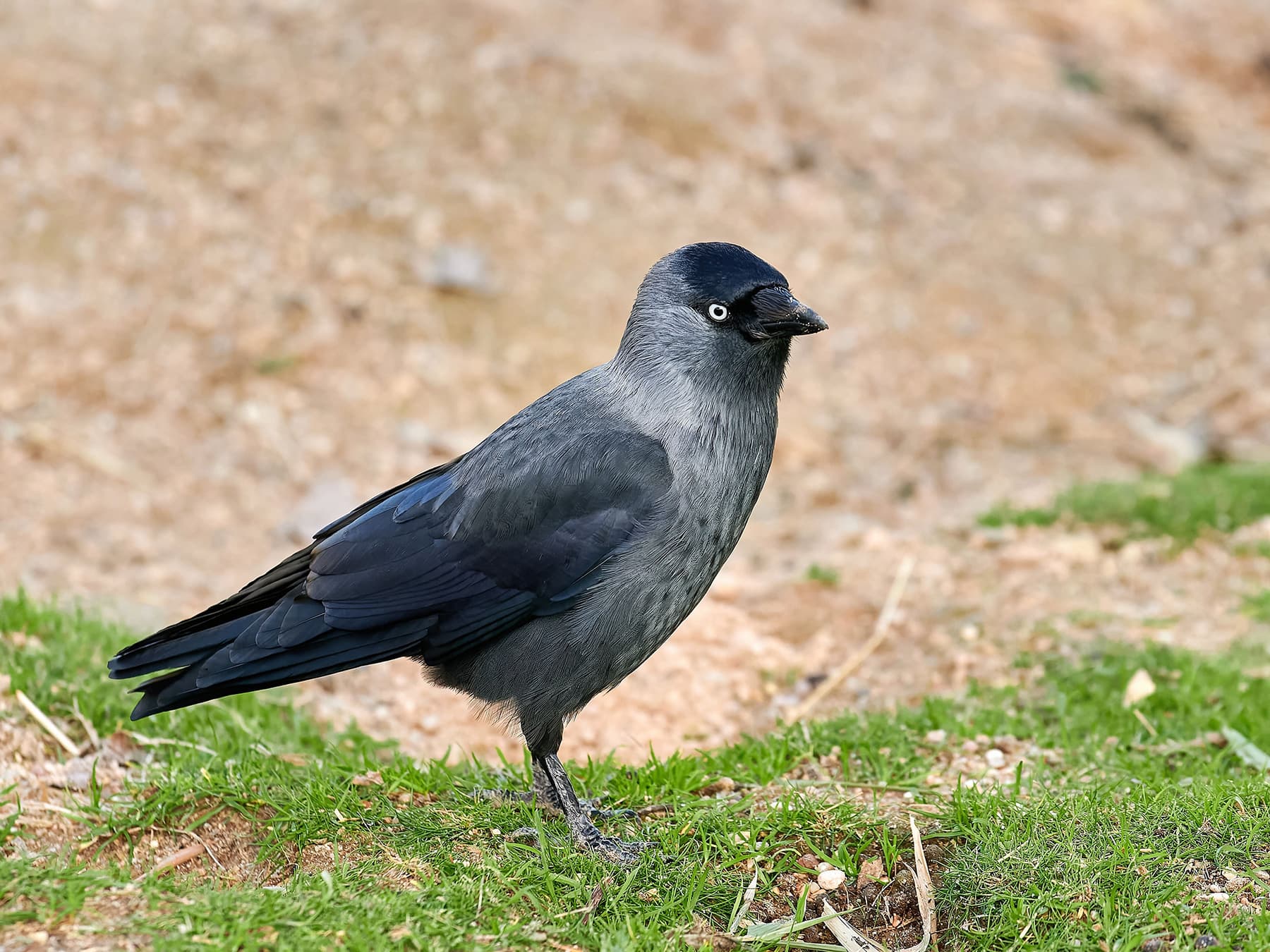 JackdawColoeus monedulaResidentCommon34–39 cmRecorded all year · 2.07% in Dec
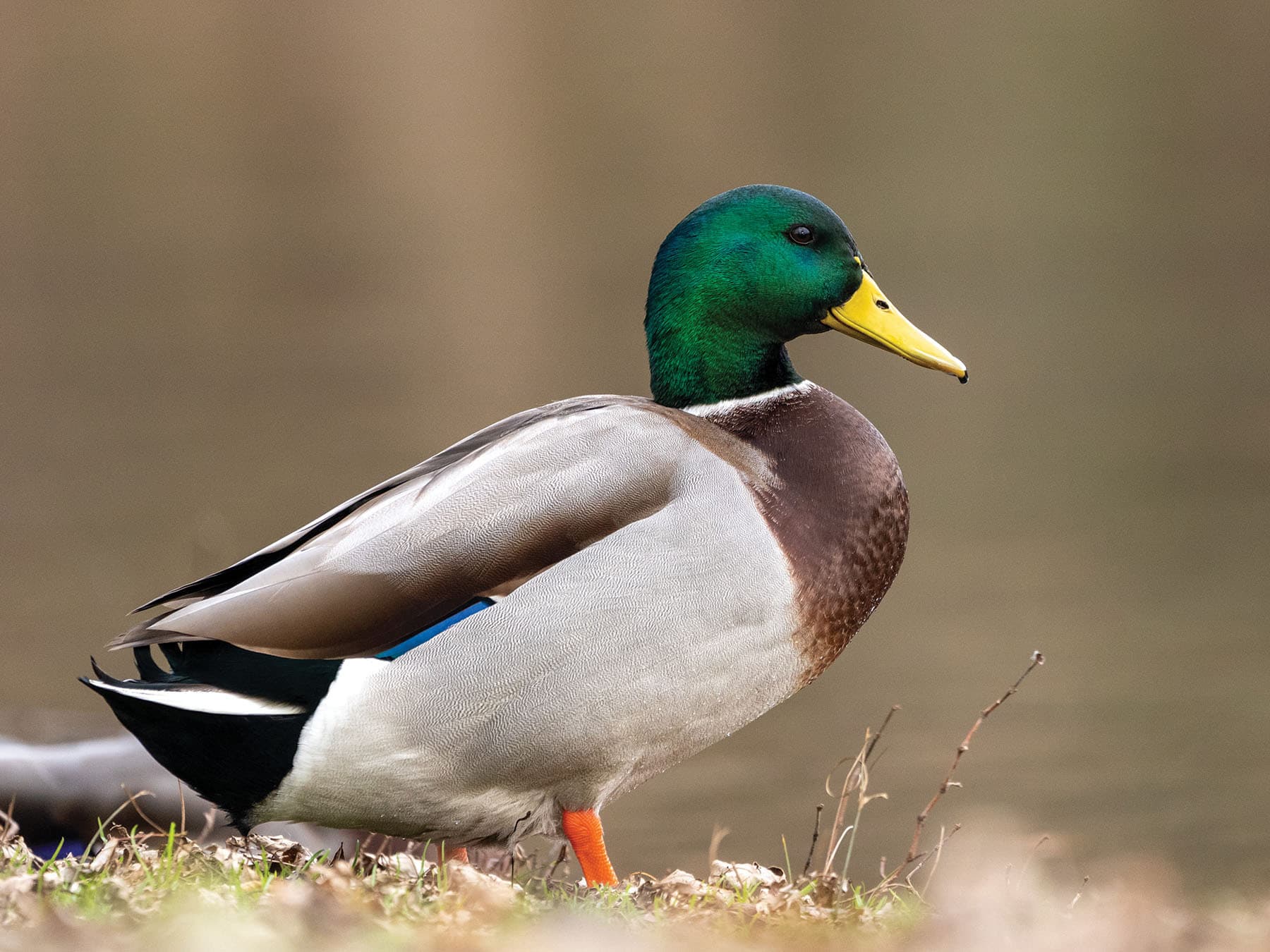 MallardAnas platyrhynchosResidentCommon50–65 cmRecorded all year · 2.07% in Dec
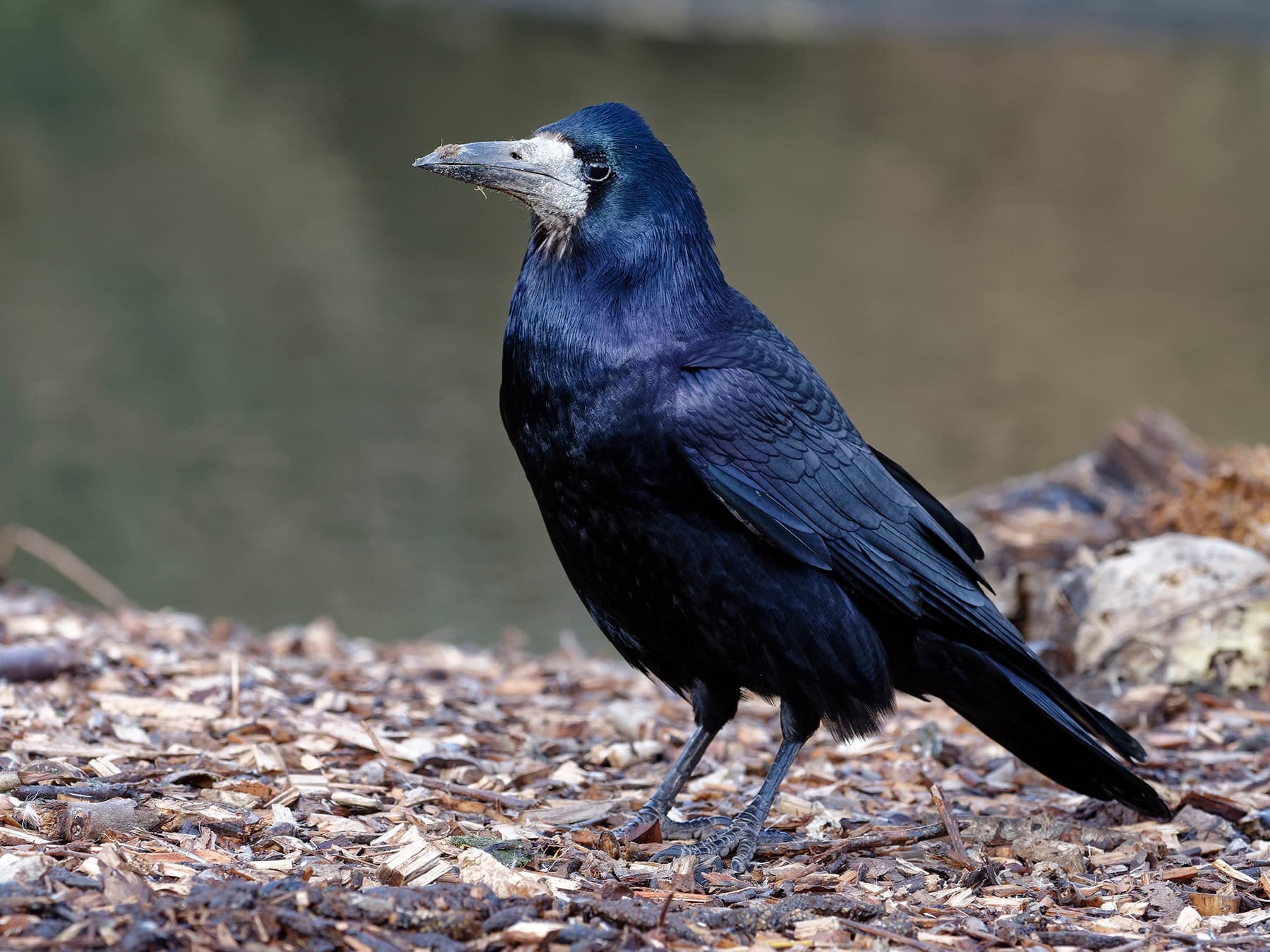 RookCorvus frugilegusResidentCommon45–47 cmRegularly Mar–Jan · 2.07% in Dec
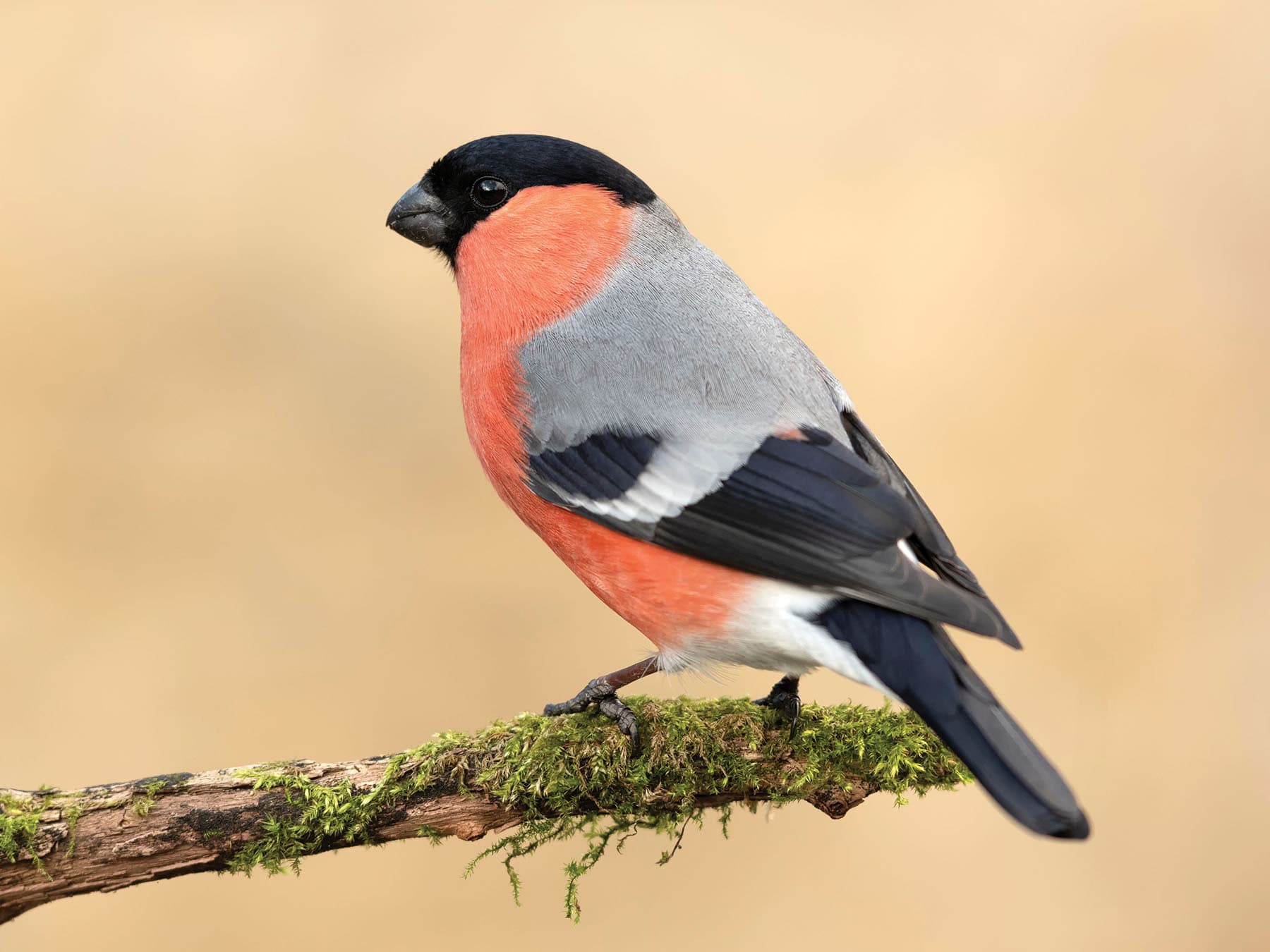 BullfinchPyrrhula pyrrhulaWinter visitorCommon15–17 cmRegularly Dec–Aug · 1.65% in Dec
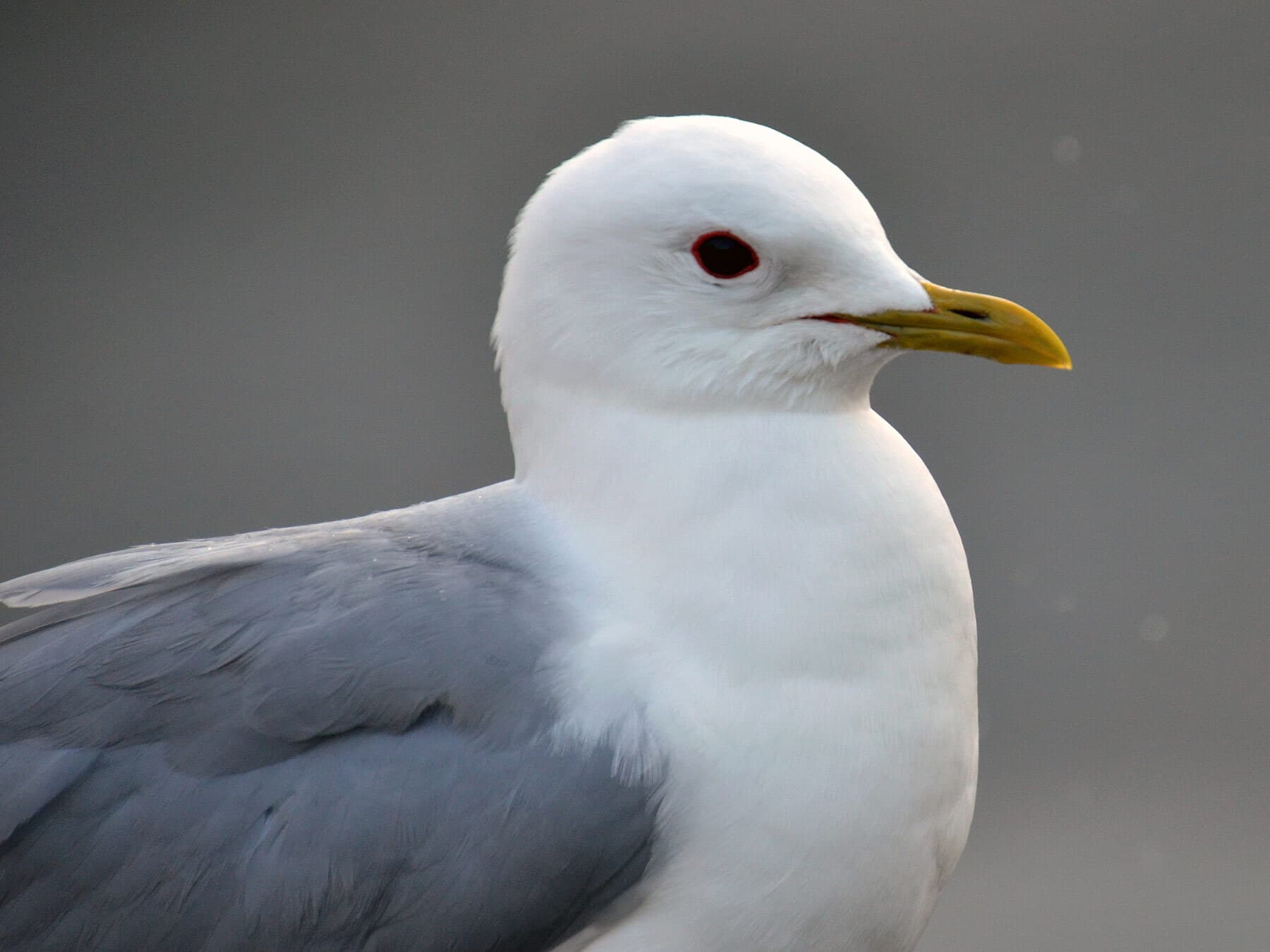 Common GullLarus canusResidentCommon40–46 cmRegularly Sep–Jul · 1.65% in Dec
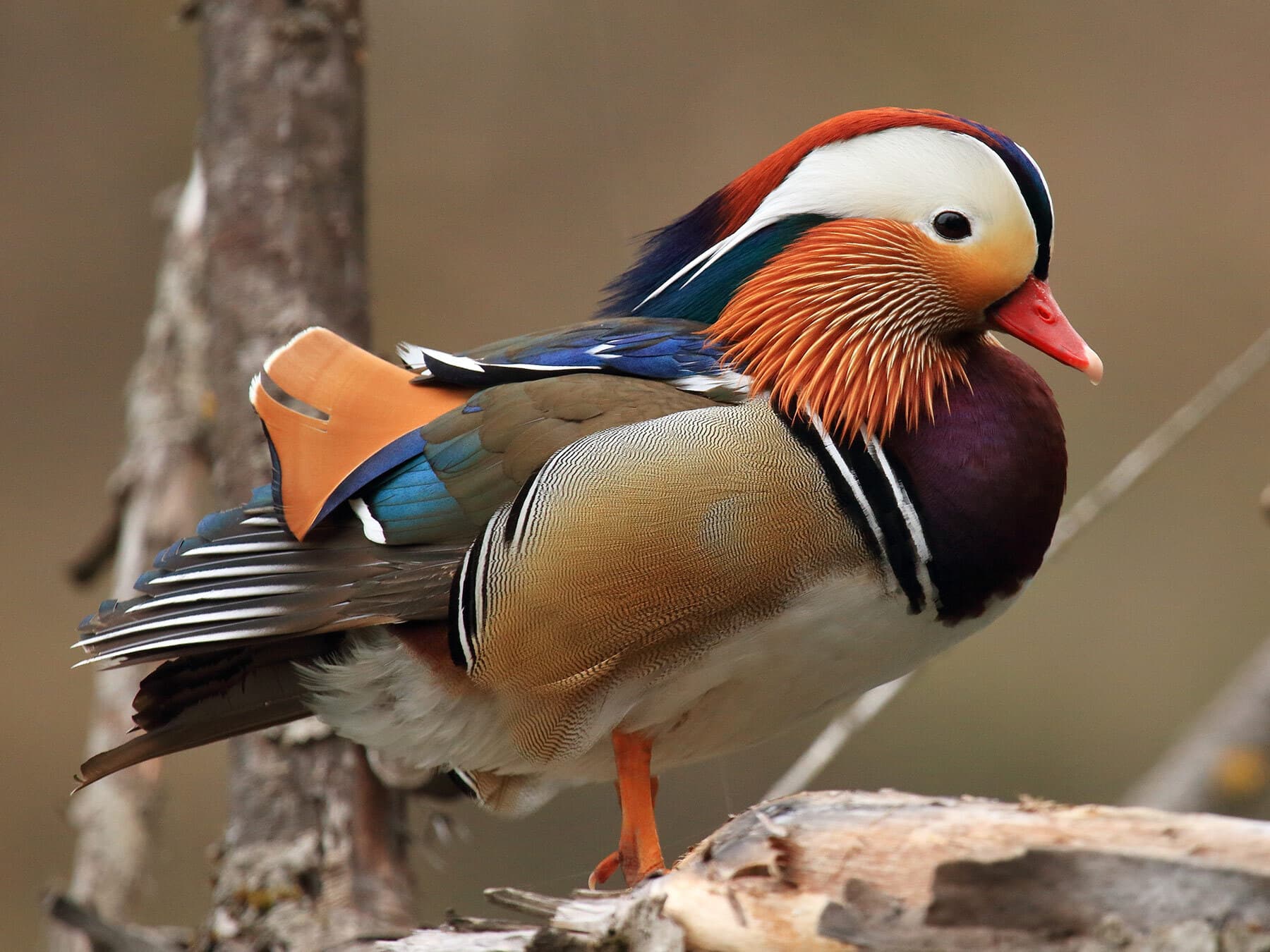 Mandarin DuckAix galericulataResidentCommon41–49 cmRegularly Dec–Jan · 1.65% in Dec
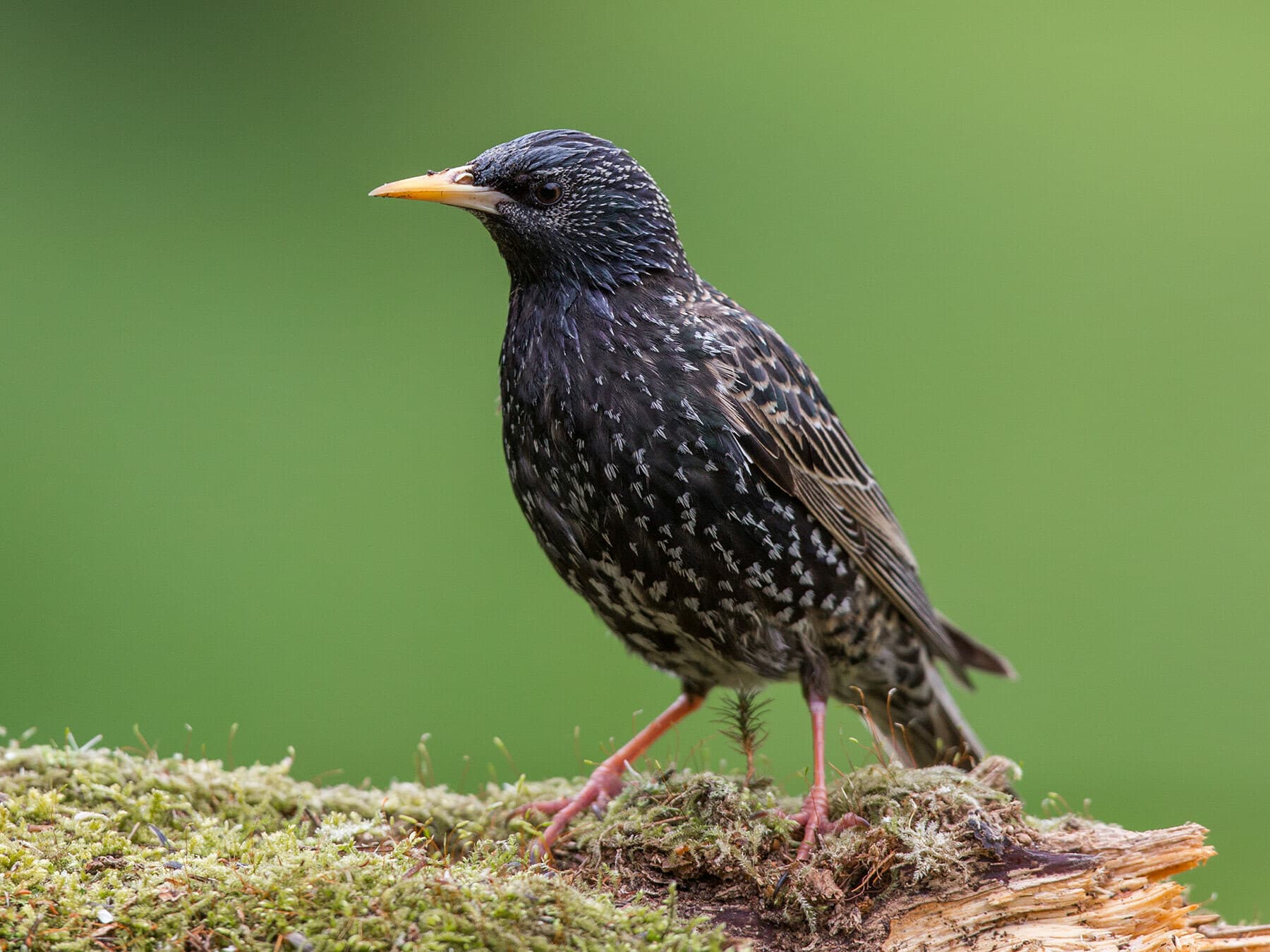 Common StarlingSturnus vulgarisWinter visitorCommon21–23 cmRegularly Jul–May · 1.24% in Dec
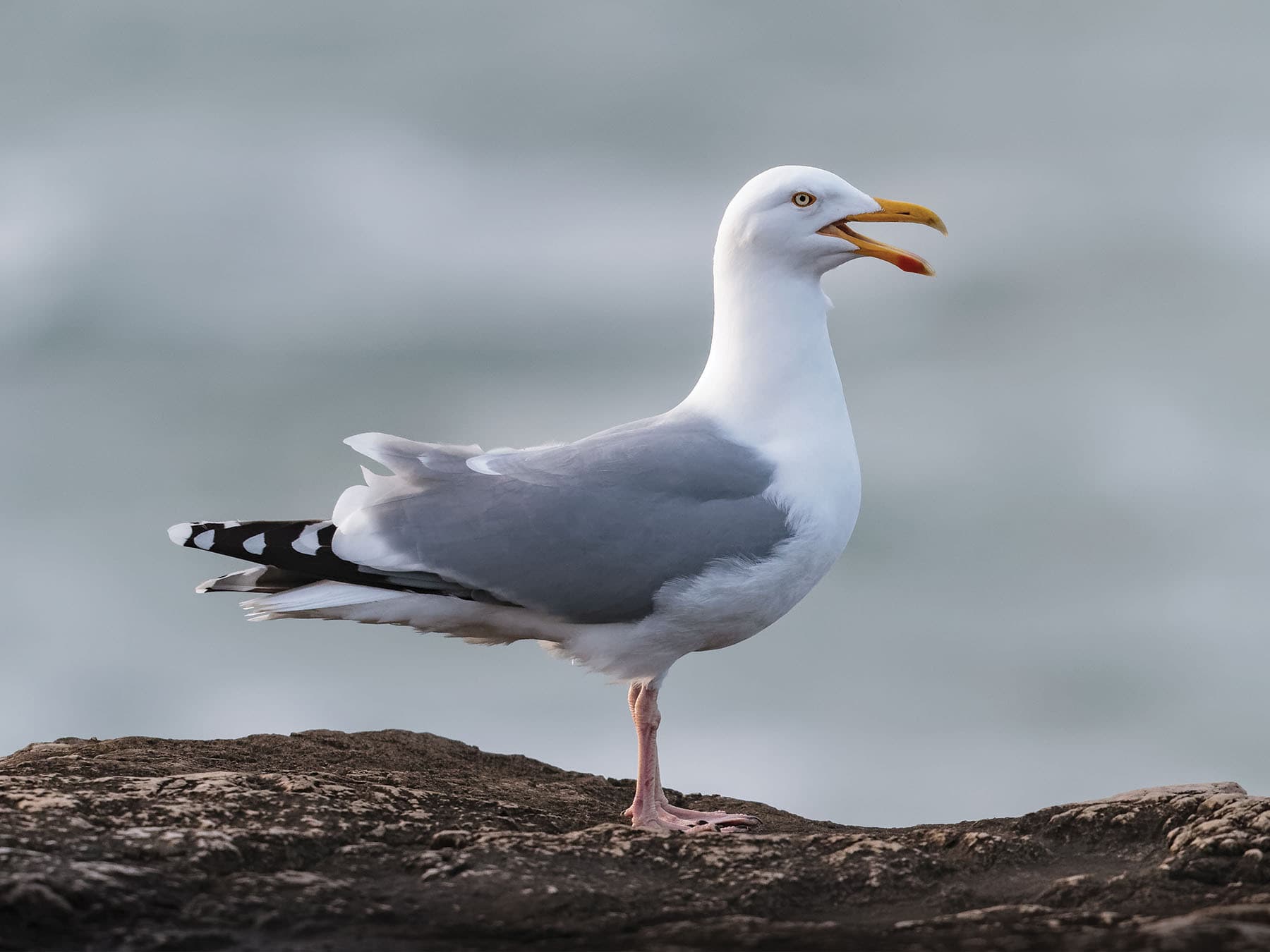 European Herring GullLarus argentatusResidentCommon55–67 cmRegularly Dec–Oct · 1.24% in Dec
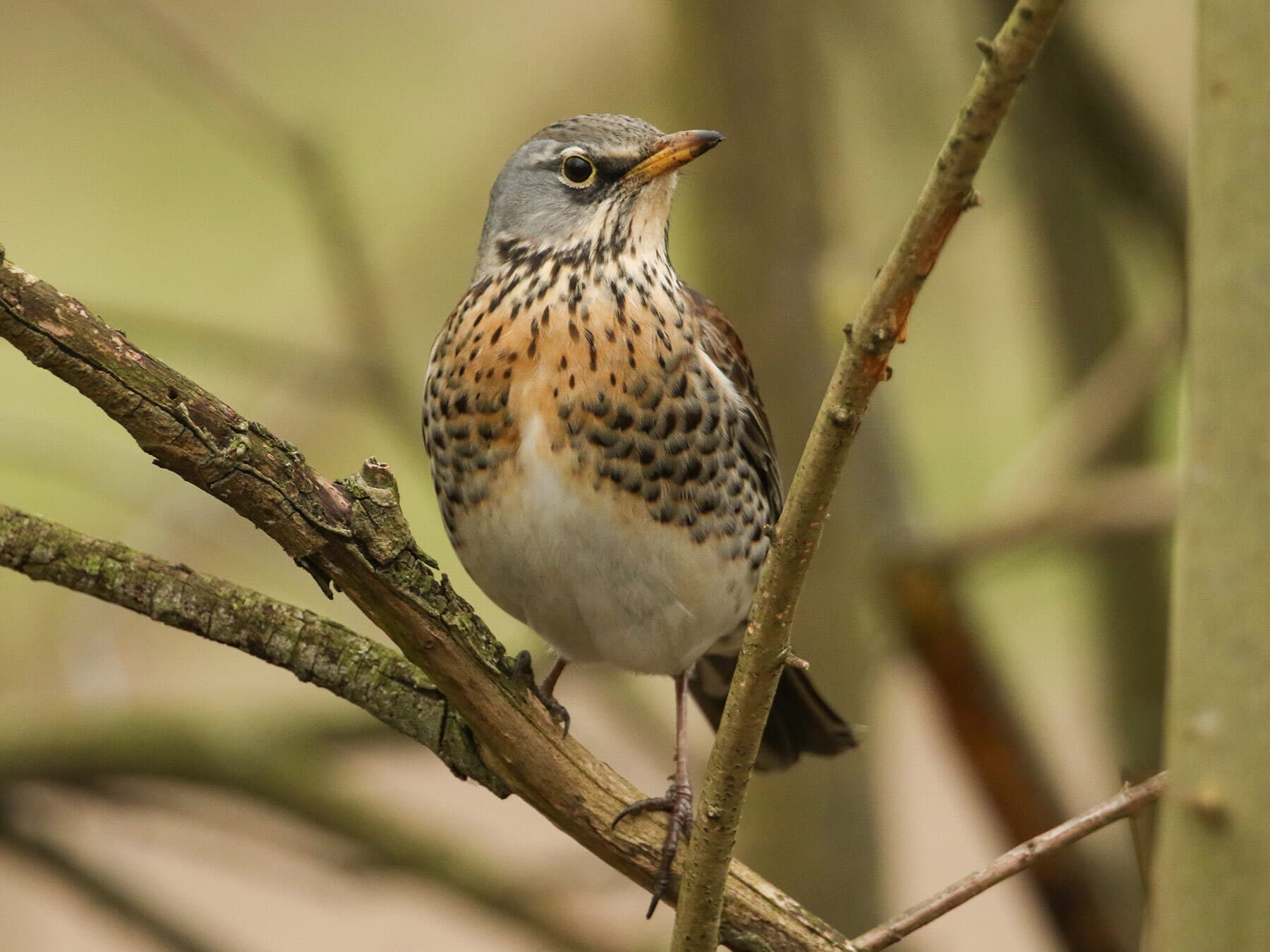 FieldfareTurdus pilarisPassage migrantCommon22–27 cmRegularly Dec–Jan · 1.24% in Dec
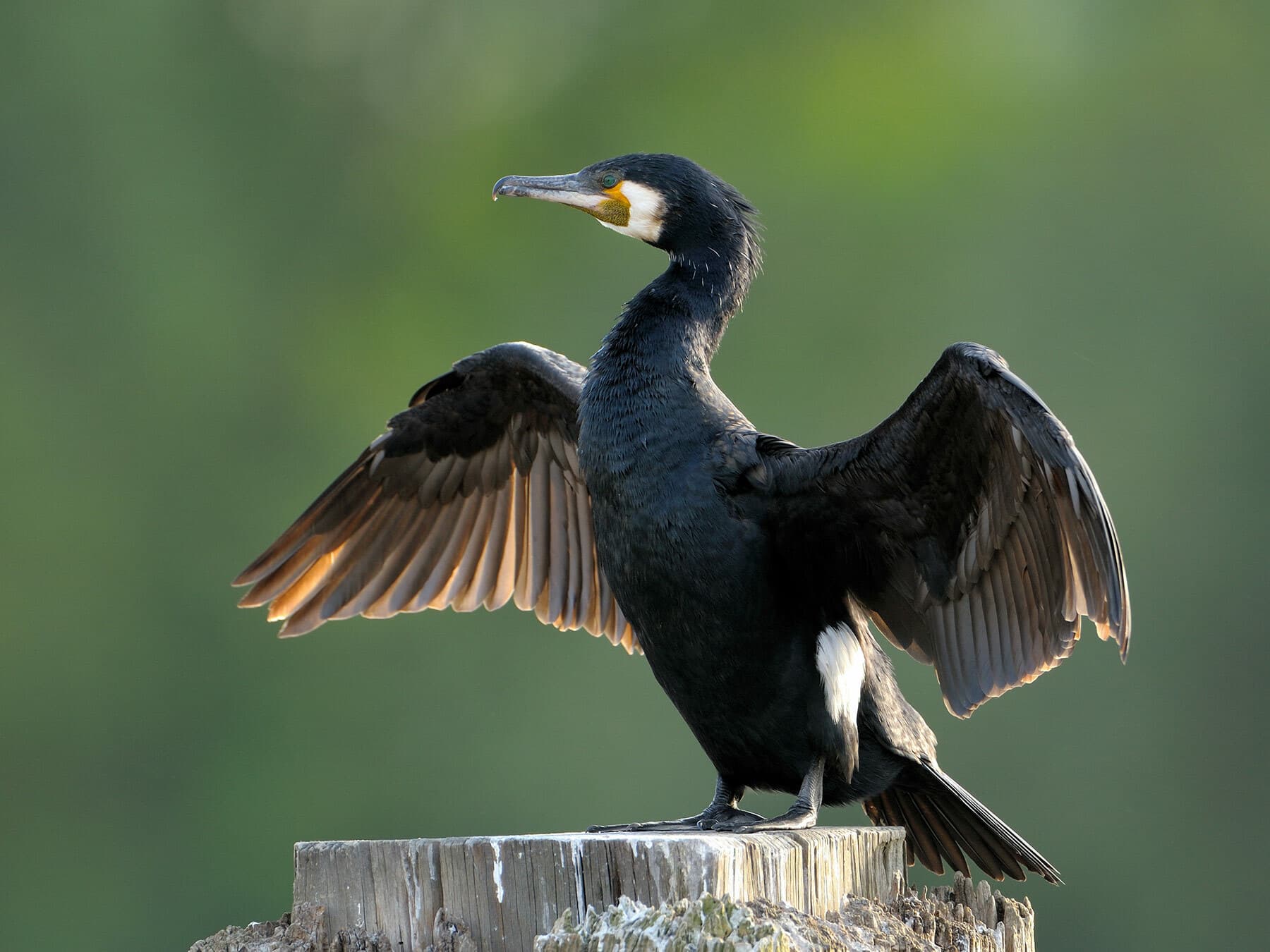 Great CormorantPhalacrocorax carboWinter visitorCommon80–100 cmRegularly Jul–May · 1.24% in Dec
Smallest to largest
Length, cm- Eurasian Wren 9–10 cm
- Coal Tit 10–12 cm
- Blue Tit 11–12 cm
- European Goldfinch 12–13 cm
- European Robin 13–14 cm
- Dunnock 14–15 cm
- Chaffinch 14–16 cm
- Bullfinch 15–17 cm
- Common Starling 21–23 cm
- Redwing 20–24 cm
- Blackbird 24–25 cm
- Fieldfare 22–27 cm
- Jackdaw 34–39 cm
- Black-headed Gull 38–44 cm
- Woodpigeon 40–42 cm
- Common Gull 40–46 cm
- Magpie 44–46 cm
- Mandarin Duck 41–49 cm
- Carrion Crow 45–47 cm
- Rook 45–47 cm
- Mallard 50–65 cm
- European Herring Gull 55–67 cm
- Common Merganser 58–68 cm
- Great Cormorant 80–100 cm
- Grey Heron 90–98 cm
- Mute Swan 140–160 cm
Body length, bill to tail. Rare birds in grey.
Data: EOD – eBird Observation Dataset (Cornell Lab of Ornithology), accessed via GBIF.org, CC BY 4.0. Records from 2019–2024, aggregated and filtered by Birdfact. How these lists are made